window.__IS_SSR__=true
window.__INITIAL_STATE__={
"attachmentsReducer": {
"audio_0": {
"type": "attachments",
"id": "audio_0",
"imgSizes": {
"kqedFullSize": {
"file": "https://ww2.kqed.org/news/wp-content/themes/KQED-unified/img/audio_bgs/background0.jpg"
}
}
},
"audio_1": {
"type": "attachments",
"id": "audio_1",
"imgSizes": {
"kqedFullSize": {
"file": "https://ww2.kqed.org/news/wp-content/themes/KQED-unified/img/audio_bgs/background1.jpg"
}
}
},
"audio_2": {
"type": "attachments",
"id": "audio_2",
"imgSizes": {
"kqedFullSize": {
"file": "https://ww2.kqed.org/news/wp-content/themes/KQED-unified/img/audio_bgs/background2.jpg"
}
}
},
"audio_3": {
"type": "attachments",
"id": "audio_3",
"imgSizes": {
"kqedFullSize": {
"file": "https://ww2.kqed.org/news/wp-content/themes/KQED-unified/img/audio_bgs/background3.jpg"
}
}
},
"audio_4": {
"type": "attachments",
"id": "audio_4",
"imgSizes": {
"kqedFullSize": {
"file": "https://ww2.kqed.org/news/wp-content/themes/KQED-unified/img/audio_bgs/background4.jpg"
}
}
},
"placeholder": {
"type": "attachments",
"id": "placeholder",
"imgSizes": {
"thumbnail": {
"file": "https://cdn.kqed.org/wp-content/uploads/2024/12/KQED-Default-Image-816638274-2000x1333-1-160x107.jpg",
"width": 160,
"height": 107,
"mimeType": "image/jpeg"
},
"medium": {
"file": "https://cdn.kqed.org/wp-content/uploads/2024/12/KQED-Default-Image-816638274-2000x1333-1-800x533.jpg",
"width": 800,
"height": 533,
"mimeType": "image/jpeg"
},
"medium_large": {
"file": "https://cdn.kqed.org/wp-content/uploads/2024/12/KQED-Default-Image-816638274-2000x1333-1-768x512.jpg",
"width": 768,
"height": 512,
"mimeType": "image/jpeg"
},
"large": {
"file": "https://cdn.kqed.org/wp-content/uploads/2024/12/KQED-Default-Image-816638274-2000x1333-1-1020x680.jpg",
"width": 1020,
"height": 680,
"mimeType": "image/jpeg"
},
"1536x1536": {
"file": "https://cdn.kqed.org/wp-content/uploads/2024/12/KQED-Default-Image-816638274-2000x1333-1-1536x1024.jpg",
"width": 1536,
"height": 1024,
"mimeType": "image/jpeg"
},
"fd-lrg": {
"file": "https://cdn.kqed.org/wp-content/uploads/2024/12/KQED-Default-Image-816638274-2000x1333-1-1536x1024.jpg",
"width": 1536,
"height": 1024,
"mimeType": "image/jpeg"
},
"fd-med": {
"file": "https://cdn.kqed.org/wp-content/uploads/2024/12/KQED-Default-Image-816638274-2000x1333-1-1020x680.jpg",
"width": 1020,
"height": 680,
"mimeType": "image/jpeg"
},
"fd-sm": {
"file": "https://cdn.kqed.org/wp-content/uploads/2024/12/KQED-Default-Image-816638274-2000x1333-1-800x533.jpg",
"width": 800,
"height": 533,
"mimeType": "image/jpeg"
},
"post-thumbnail": {
"file": "https://cdn.kqed.org/wp-content/uploads/2024/12/KQED-Default-Image-816638274-2000x1333-1-672x372.jpg",
"width": 672,
"height": 372,
"mimeType": "image/jpeg"
},
"twentyfourteen-full-width": {
"file": "https://cdn.kqed.org/wp-content/uploads/2024/12/KQED-Default-Image-816638274-2000x1333-1-1038x576.jpg",
"width": 1038,
"height": 576,
"mimeType": "image/jpeg"
},
"xxsmall": {
"file": "https://cdn.kqed.org/wp-content/uploads/2024/12/KQED-Default-Image-816638274-2000x1333-1-160x107.jpg",
"width": 160,
"height": 107,
"mimeType": "image/jpeg"
},
"xsmall": {
"file": "https://cdn.kqed.org/wp-content/uploads/2024/12/KQED-Default-Image-816638274-2000x1333-1-672x372.jpg",
"width": 672,
"height": 372,
"mimeType": "image/jpeg"
},
"small": {
"file": "https://cdn.kqed.org/wp-content/uploads/2024/12/KQED-Default-Image-816638274-2000x1333-1-672x372.jpg",
"width": 672,
"height": 372,
"mimeType": "image/jpeg"
},
"xlarge": {
"file": "https://cdn.kqed.org/wp-content/uploads/2024/12/KQED-Default-Image-816638274-2000x1333-1-1020x680.jpg",
"width": 1020,
"height": 680,
"mimeType": "image/jpeg"
},
"full-width": {
"file": "https://cdn.kqed.org/wp-content/uploads/2024/12/KQED-Default-Image-816638274-2000x1333-1-1920x1280.jpg",
"width": 1920,
"height": 1280,
"mimeType": "image/jpeg"
},
"guest-author-32": {
"file": "https://cdn.kqed.org/wp-content/uploads/2025/01/KQED-Default-Image-816638274-1333x1333-1-160x160.jpg",
"width": 32,
"height": 32,
"mimeType": "image/jpeg"
},
"guest-author-50": {
"file": "https://cdn.kqed.org/wp-content/uploads/2025/01/KQED-Default-Image-816638274-1333x1333-1-160x160.jpg",
"width": 50,
"height": 50,
"mimeType": "image/jpeg"
},
"guest-author-64": {
"file": "https://cdn.kqed.org/wp-content/uploads/2025/01/KQED-Default-Image-816638274-1333x1333-1-160x160.jpg",
"width": 64,
"height": 64,
"mimeType": "image/jpeg"
},
"guest-author-96": {
"file": "https://cdn.kqed.org/wp-content/uploads/2025/01/KQED-Default-Image-816638274-1333x1333-1-160x160.jpg",
"width": 96,
"height": 96,
"mimeType": "image/jpeg"
},
"guest-author-128": {
"file": "https://cdn.kqed.org/wp-content/uploads/2025/01/KQED-Default-Image-816638274-1333x1333-1-160x160.jpg",
"width": 128,
"height": 128,
"mimeType": "image/jpeg"
},
"detail": {
"file": "https://cdn.kqed.org/wp-content/uploads/2025/01/KQED-Default-Image-816638274-1333x1333-1-160x160.jpg",
"width": 160,
"height": 160,
"mimeType": "image/jpeg"
},
"kqedFullSize": {
"file": "https://cdn.kqed.org/wp-content/uploads/2024/12/KQED-Default-Image-816638274-2000x1333-1.jpg",
"width": 2000,
"height": 1333
}
}
},
"mindshift_53802": {
"type": "attachments",
"id": "mindshift_53802",
"meta": {
"index": "attachments_1716263798",
"site": "mindshift",
"id": "53802",
"found": true
},
"parent": 53767,
"imgSizes": {
"twentyfourteen-full-width": {
"file": "https://ww2.kqed.org/app/uploads/sites/23/2019/06/20190504_152912-e1560230380949-1038x576.jpg",
"width": 1038,
"mimeType": "image/jpeg",
"height": 576
},
"thumbnail": {
"file": "https://ww2.kqed.org/app/uploads/sites/23/2019/06/20190504_152912-e1560230380949-160x100.jpg",
"width": 160,
"mimeType": "image/jpeg",
"height": 100
},
"post-thumbnail": {
"file": "https://ww2.kqed.org/app/uploads/sites/23/2019/06/20190504_152912-e1560230380949-672x372.jpg",
"width": 672,
"mimeType": "image/jpeg",
"height": 372
},
"kqedFullSize": {
"file": "https://ww2.kqed.org/app/uploads/sites/23/2019/06/20190504_152912-e1560230406639.jpg",
"width": 1920,
"height": 1204
},
"large": {
"file": "https://ww2.kqed.org/app/uploads/sites/23/2019/06/20190504_152912-e1560230380949-1020x640.jpg",
"width": 1020,
"mimeType": "image/jpeg",
"height": 640
},
"complete_open_graph": {
"file": "https://ww2.kqed.org/app/uploads/sites/23/2019/06/20190504_152912-e1560230380949-1200x753.jpg",
"width": 1200,
"mimeType": "image/jpeg",
"height": 753
},
"full-width": {
"file": "https://ww2.kqed.org/app/uploads/sites/23/2019/06/20190504_152912-e1560230380949-1920x1204.jpg",
"width": 1920,
"mimeType": "image/jpeg",
"height": 1204
},
"medium": {
"file": "https://ww2.kqed.org/app/uploads/sites/23/2019/06/20190504_152912-e1560230380949-800x502.jpg",
"width": 800,
"mimeType": "image/jpeg",
"height": 502
},
"medium_large": {
"file": "https://ww2.kqed.org/app/uploads/sites/23/2019/06/20190504_152912-e1560230380949-768x482.jpg",
"width": 768,
"mimeType": "image/jpeg",
"height": 482
}
},
"publishDate": 1560229928,
"modified": 1560270880,
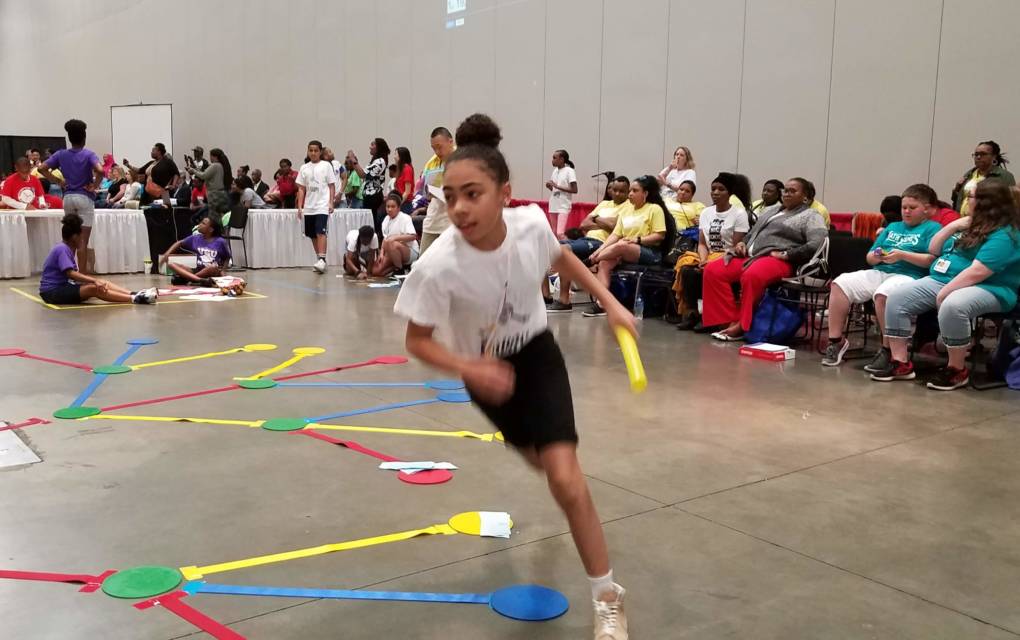
"caption": "A student competes in the 2019 National Flagway Tournament in Washington, DC.",
"description": null,
"title": "20190504_152912",
"credit": "Kara Newhouse for MindShift",
"status": "inherit",
"isLoading": false,
"fetchFailed": false
},
"mindshift_53408": {
"type": "attachments",
"id": "mindshift_53408",
"meta": {
"index": "attachments_1716263798",
"site": "mindshift",
"id": "53408",
"found": true
},
"parent": 53404,
"imgSizes": {
"twentyfourteen-full-width": {
"file": "https://ww2.kqed.org/app/uploads/sites/23/2019/04/Math-for-Love-Number-Line-1038x576.png",
"width": 1038,
"mimeType": "image/png",
"height": 576
},
"thumbnail": {
"file": "https://ww2.kqed.org/app/uploads/sites/23/2019/04/Math-for-Love-Number-Line-160x92.png",
"width": 160,
"mimeType": "image/png",
"height": 92
},
"post-thumbnail": {
"file": "https://ww2.kqed.org/app/uploads/sites/23/2019/04/Math-for-Love-Number-Line-672x372.png",
"width": 672,
"mimeType": "image/png",
"height": 372
},
"kqedFullSize": {
"file": "https://ww2.kqed.org/app/uploads/sites/23/2019/04/Math-for-Love-Number-Line.png",
"width": 1183,
"height": 677
},
"large": {
"file": "https://ww2.kqed.org/app/uploads/sites/23/2019/04/Math-for-Love-Number-Line-1020x584.png",
"width": 1020,
"mimeType": "image/png",
"height": 584
},
"guest-author-50": {
"file": "https://ww2.kqed.org/app/uploads/sites/23/2019/04/Math-for-Love-Number-Line-50x50.png",
"width": 50,
"mimeType": "image/png",
"height": 50
},
"guest-author-96": {
"file": "https://ww2.kqed.org/app/uploads/sites/23/2019/04/Math-for-Love-Number-Line-96x96.png",
"width": 96,
"mimeType": "image/png",
"height": 96
},
"medium": {
"file": "https://ww2.kqed.org/app/uploads/sites/23/2019/04/Math-for-Love-Number-Line-800x458.png",
"width": 800,
"mimeType": "image/png",
"height": 458
},
"guest-author-64": {
"file": "https://ww2.kqed.org/app/uploads/sites/23/2019/04/Math-for-Love-Number-Line-64x64.png",
"width": 64,
"mimeType": "image/png",
"height": 64
},
"guest-author-32": {
"file": "https://ww2.kqed.org/app/uploads/sites/23/2019/04/Math-for-Love-Number-Line-32x32.png",
"width": 32,
"mimeType": "image/png",
"height": 32
},
"medium_large": {
"file": "https://ww2.kqed.org/app/uploads/sites/23/2019/04/Math-for-Love-Number-Line-768x440.png",
"width": 768,
"mimeType": "image/png",
"height": 440
},
"guest-author-128": {
"file": "https://ww2.kqed.org/app/uploads/sites/23/2019/04/Math-for-Love-Number-Line-128x128.png",
"width": 128,
"mimeType": "image/png",
"height": 128
}
},
"publishDate": 1554622386,
"modified": 1554622415,
"caption": null,
"description": null,
"title": "Math for Love Number Line",
"credit": "Courtesy Dan Finkel",
"status": "inherit",
"isLoading": false,
"fetchFailed": false
},
"mindshift_52750": {
"type": "attachments",
"id": "mindshift_52750",
"meta": {
"index": "attachments_1716263798",
"site": "mindshift",
"id": "52750",
"found": true
},
"parent": 52749,
"imgSizes": {
"small": {
"file": "https://ww2.kqed.org/app/uploads/sites/23/2018/12/math-stories-5b41f767ab655e3415f64bcbcd2c60d6c384dca3-520x390.jpg",
"width": 520,
"mimeType": "image/jpeg",
"height": 390
},
"thumbnail": {
"file": "https://ww2.kqed.org/app/uploads/sites/23/2018/12/math-stories-5b41f767ab655e3415f64bcbcd2c60d6c384dca3-160x120.jpg",
"width": 160,
"mimeType": "image/jpeg",
"height": 120
},
"post-thumbnail": {
"file": "https://ww2.kqed.org/app/uploads/sites/23/2018/12/math-stories-5b41f767ab655e3415f64bcbcd2c60d6c384dca3-672x372.jpg",
"width": 672,
"mimeType": "image/jpeg",
"height": 372
},
"xsmall": {
"file": "https://ww2.kqed.org/app/uploads/sites/23/2018/12/math-stories-5b41f767ab655e3415f64bcbcd2c60d6c384dca3-375x281.jpg",
"width": 375,
"mimeType": "image/jpeg",
"height": 281
},
"kqedFullSize": {
"file": "https://ww2.kqed.org/app/uploads/sites/23/2018/12/math-stories-5b41f767ab655e3415f64bcbcd2c60d6c384dca3.jpg",
"width": 710,
"height": 532
},
"guest-author-50": {
"file": "https://ww2.kqed.org/app/uploads/sites/23/2018/12/math-stories-5b41f767ab655e3415f64bcbcd2c60d6c384dca3-50x50.jpg",
"width": 50,
"mimeType": "image/jpeg",
"height": 50
},
"guest-author-96": {
"file": "https://ww2.kqed.org/app/uploads/sites/23/2018/12/math-stories-5b41f767ab655e3415f64bcbcd2c60d6c384dca3-96x96.jpg",
"width": 96,
"mimeType": "image/jpeg",
"height": 96
},
"guest-author-64": {
"file": "https://ww2.kqed.org/app/uploads/sites/23/2018/12/math-stories-5b41f767ab655e3415f64bcbcd2c60d6c384dca3-64x64.jpg",
"width": 64,
"mimeType": "image/jpeg",
"height": 64
},
"detail": {
"file": "https://ww2.kqed.org/app/uploads/sites/23/2018/12/math-stories-5b41f767ab655e3415f64bcbcd2c60d6c384dca3-150x150.jpg",
"width": 150,
"mimeType": "image/jpeg",
"height": 150
},
"guest-author-32": {
"file": "https://ww2.kqed.org/app/uploads/sites/23/2018/12/math-stories-5b41f767ab655e3415f64bcbcd2c60d6c384dca3-32x32.jpg",
"width": 32,
"mimeType": "image/jpeg",
"height": 32
},
"guest-author-128": {
"file": "https://ww2.kqed.org/app/uploads/sites/23/2018/12/math-stories-5b41f767ab655e3415f64bcbcd2c60d6c384dca3-128x128.jpg",
"width": 128,
"mimeType": "image/jpeg",
"height": 128
},
"xxsmall": {
"file": "https://ww2.kqed.org/app/uploads/sites/23/2018/12/math-stories-5b41f767ab655e3415f64bcbcd2c60d6c384dca3-240x180.jpg",
"width": 240,
"mimeType": "image/jpeg",
"height": 180
}
},
"publishDate": 1545114700,
"modified": 1545114766,
"caption": null,
"description": "A mother reads her daughter bedtime stories with numbers.",
"title": "A mother reads her daughter bedtime stories with numbers.",
"credit": "NPR/LA Johnson",
"status": "inherit",
"isLoading": false,
"fetchFailed": false
},
"mindshift_51677": {
"type": "attachments",
"id": "mindshift_51677",
"meta": {
"index": "attachments_1716263798",
"site": "mindshift",
"id": "51677",
"found": true
},
"parent": 51676,
"imgSizes": {
"small": {
"file": "https://ww2.kqed.org/app/uploads/sites/23/2018/07/deborah-lee_math-anxiety_custom-30c0a1929068e8ef4969c3599408a315db9e8f79-520x325.jpg",
"width": 520,
"mimeType": "image/jpeg",
"height": 325
},
"twentyfourteen-full-width": {
"file": "https://ww2.kqed.org/app/uploads/sites/23/2018/07/deborah-lee_math-anxiety_custom-30c0a1929068e8ef4969c3599408a315db9e8f79-1038x576.jpg",
"width": 1038,
"mimeType": "image/jpeg",
"height": 576
},
"thumbnail": {
"file": "https://ww2.kqed.org/app/uploads/sites/23/2018/07/deborah-lee_math-anxiety_custom-30c0a1929068e8ef4969c3599408a315db9e8f79-160x100.jpg",
"width": 160,
"mimeType": "image/jpeg",
"height": 100
},
"fd-sm": {
"file": "https://ww2.kqed.org/app/uploads/sites/23/2018/07/deborah-lee_math-anxiety_custom-30c0a1929068e8ef4969c3599408a315db9e8f79-960x599.jpg",
"width": 960,
"mimeType": "image/jpeg",
"height": 599
},
"post-thumbnail": {
"file": "https://ww2.kqed.org/app/uploads/sites/23/2018/07/deborah-lee_math-anxiety_custom-30c0a1929068e8ef4969c3599408a315db9e8f79-672x372.jpg",
"width": 672,
"mimeType": "image/jpeg",
"height": 372
},
"xsmall": {
"file": "https://ww2.kqed.org/app/uploads/sites/23/2018/07/deborah-lee_math-anxiety_custom-30c0a1929068e8ef4969c3599408a315db9e8f79-375x234.jpg",
"width": 375,
"mimeType": "image/jpeg",
"height": 234
},
"kqedFullSize": {
"file": "https://ww2.kqed.org/app/uploads/sites/23/2018/07/deborah-lee_math-anxiety_custom-30c0a1929068e8ef4969c3599408a315db9e8f79-e1531804786263.jpg",
"width": 1920,
"height": 1198
},
"large": {
"file": "https://ww2.kqed.org/app/uploads/sites/23/2018/07/deborah-lee_math-anxiety_custom-30c0a1929068e8ef4969c3599408a315db9e8f79-1020x637.jpg",
"width": 1020,
"mimeType": "image/jpeg",
"height": 637
},
"xlarge": {
"file": "https://ww2.kqed.org/app/uploads/sites/23/2018/07/deborah-lee_math-anxiety_custom-30c0a1929068e8ef4969c3599408a315db9e8f79-1180x736.jpg",
"width": 1180,
"mimeType": "image/jpeg",
"height": 736
},
"complete_open_graph": {
"file": "https://ww2.kqed.org/app/uploads/sites/23/2018/07/deborah-lee_math-anxiety_custom-30c0a1929068e8ef4969c3599408a315db9e8f79-1200x749.jpg",
"width": 1200,
"mimeType": "image/jpeg",
"height": 749
},
"guest-author-50": {
"file": "https://ww2.kqed.org/app/uploads/sites/23/2018/07/deborah-lee_math-anxiety_custom-30c0a1929068e8ef4969c3599408a315db9e8f79-50x50.jpg",
"width": 50,
"mimeType": "image/jpeg",
"height": 50
},
"guest-author-96": {
"file": "https://ww2.kqed.org/app/uploads/sites/23/2018/07/deborah-lee_math-anxiety_custom-30c0a1929068e8ef4969c3599408a315db9e8f79-96x96.jpg",
"width": 96,
"mimeType": "image/jpeg",
"height": 96
},
"medium": {
"file": "https://ww2.kqed.org/app/uploads/sites/23/2018/07/deborah-lee_math-anxiety_custom-30c0a1929068e8ef4969c3599408a315db9e8f79-800x499.jpg",
"width": 800,
"mimeType": "image/jpeg",
"height": 499
},
"guest-author-64": {
"file": "https://ww2.kqed.org/app/uploads/sites/23/2018/07/deborah-lee_math-anxiety_custom-30c0a1929068e8ef4969c3599408a315db9e8f79-64x64.jpg",
"width": 64,
"mimeType": "image/jpeg",
"height": 64
},
"guest-author-32": {
"file": "https://ww2.kqed.org/app/uploads/sites/23/2018/07/deborah-lee_math-anxiety_custom-30c0a1929068e8ef4969c3599408a315db9e8f79-32x32.jpg",
"width": 32,
"mimeType": "image/jpeg",
"height": 32
},
"fd-lrg": {
"file": "https://ww2.kqed.org/app/uploads/sites/23/2018/07/deborah-lee_math-anxiety_custom-30c0a1929068e8ef4969c3599408a315db9e8f79-1920x1198.jpg",
"width": 1920,
"mimeType": "image/jpeg",
"height": 1198
},
"fd-med": {
"file": "https://ww2.kqed.org/app/uploads/sites/23/2018/07/deborah-lee_math-anxiety_custom-30c0a1929068e8ef4969c3599408a315db9e8f79-1180x736.jpg",
"width": 1180,
"mimeType": "image/jpeg",
"height": 736
},
"full-width": {
"file": "https://ww2.kqed.org/app/uploads/sites/23/2018/07/deborah-lee_math-anxiety_custom-30c0a1929068e8ef4969c3599408a315db9e8f79-1920x1198.jpg",
"width": 1920,
"mimeType": "image/jpeg",
"height": 1198
},
"detail": {
"file": "https://ww2.kqed.org/app/uploads/sites/23/2018/07/deborah-lee_math-anxiety_custom-30c0a1929068e8ef4969c3599408a315db9e8f79-150x150.jpg",
"width": 150,
"mimeType": "image/jpeg",
"height": 150
},
"medium_large": {
"file": "https://ww2.kqed.org/app/uploads/sites/23/2018/07/deborah-lee_math-anxiety_custom-30c0a1929068e8ef4969c3599408a315db9e8f79-768x479.jpg",
"width": 768,
"mimeType": "image/jpeg",
"height": 479
},
"guest-author-128": {
"file": "https://ww2.kqed.org/app/uploads/sites/23/2018/07/deborah-lee_math-anxiety_custom-30c0a1929068e8ef4969c3599408a315db9e8f79-128x128.jpg",
"width": 128,
"mimeType": "image/jpeg",
"height": 128
},
"xxsmall": {
"file": "https://ww2.kqed.org/app/uploads/sites/23/2018/07/deborah-lee_math-anxiety_custom-30c0a1929068e8ef4969c3599408a315db9e8f79-240x150.jpg",
"width": 240,
"mimeType": "image/jpeg",
"height": 150
}
},
"publishDate": 1531763005,
"modified": 1531804803,
"caption": "Overwhelming negative feelings about math, over and above one's measurable ability, affects students at all levels, from kindergarten to grad school.",
"description": "Overwhelming negative feelings about math, over and above one's measurable ability, affects students at all levels, from kindergarten to grad school.",
"title": "Overwhelming negative feelings about math, over and above one's measurable ability, affects students at all levels, from kindergarten to grad school.",
"credit": "Deborah Lee/NPR",
"status": "inherit",
"isLoading": false,
"fetchFailed": false
},
"mindshift_51563": {
"type": "attachments",
"id": "mindshift_51563",
"meta": {
"index": "attachments_1716263798",
"site": "mindshift",
"id": "51563",
"found": true
},
"parent": 51458,
"imgSizes": {
"small": {
"file": "https://ww2.kqed.org/app/uploads/sites/23/2018/06/8415026630_5397d1331a_k-520x344.jpg",
"width": 520,
"mimeType": "image/jpeg",
"height": 344
},
"twentyfourteen-full-width": {
"file": "https://ww2.kqed.org/app/uploads/sites/23/2018/06/8415026630_5397d1331a_k-1038x576.jpg",
"width": 1038,
"mimeType": "image/jpeg",
"height": 576
},
"thumbnail": {
"file": "https://ww2.kqed.org/app/uploads/sites/23/2018/06/8415026630_5397d1331a_k-160x106.jpg",
"width": 160,
"mimeType": "image/jpeg",
"height": 106
},
"fd-sm": {
"file": "https://ww2.kqed.org/app/uploads/sites/23/2018/06/8415026630_5397d1331a_k-960x636.jpg",
"width": 960,
"mimeType": "image/jpeg",
"height": 636
},
"post-thumbnail": {
"file": "https://ww2.kqed.org/app/uploads/sites/23/2018/06/8415026630_5397d1331a_k-672x372.jpg",
"width": 672,
"mimeType": "image/jpeg",
"height": 372
},
"xsmall": {
"file": "https://ww2.kqed.org/app/uploads/sites/23/2018/06/8415026630_5397d1331a_k-375x248.jpg",
"width": 375,
"mimeType": "image/jpeg",
"height": 248
},
"kqedFullSize": {
"file": "https://ww2.kqed.org/app/uploads/sites/23/2018/06/8415026630_5397d1331a_k-e1530509850830.jpg",
"width": 1920,
"height": 1271
},
"large": {
"file": "https://ww2.kqed.org/app/uploads/sites/23/2018/06/8415026630_5397d1331a_k-1020x675.jpg",
"width": 1020,
"mimeType": "image/jpeg",
"height": 675
},
"xlarge": {
"file": "https://ww2.kqed.org/app/uploads/sites/23/2018/06/8415026630_5397d1331a_k-1180x781.jpg",
"width": 1180,
"mimeType": "image/jpeg",
"height": 781
},
"complete_open_graph": {
"file": "https://ww2.kqed.org/app/uploads/sites/23/2018/06/8415026630_5397d1331a_k-1200x795.jpg",
"width": 1200,
"mimeType": "image/jpeg",
"height": 795
},
"guest-author-50": {
"file": "https://ww2.kqed.org/app/uploads/sites/23/2018/06/8415026630_5397d1331a_k-50x50.jpg",
"width": 50,
"mimeType": "image/jpeg",
"height": 50
},
"guest-author-96": {
"file": "https://ww2.kqed.org/app/uploads/sites/23/2018/06/8415026630_5397d1331a_k-96x96.jpg",
"width": 96,
"mimeType": "image/jpeg",
"height": 96
},
"medium": {
"file": "https://ww2.kqed.org/app/uploads/sites/23/2018/06/8415026630_5397d1331a_k-800x530.jpg",
"width": 800,
"mimeType": "image/jpeg",
"height": 530
},
"guest-author-64": {
"file": "https://ww2.kqed.org/app/uploads/sites/23/2018/06/8415026630_5397d1331a_k-64x64.jpg",
"width": 64,
"mimeType": "image/jpeg",
"height": 64
},
"guest-author-32": {
"file": "https://ww2.kqed.org/app/uploads/sites/23/2018/06/8415026630_5397d1331a_k-32x32.jpg",
"width": 32,
"mimeType": "image/jpeg",
"height": 32
},
"fd-lrg": {
"file": "https://ww2.kqed.org/app/uploads/sites/23/2018/06/8415026630_5397d1331a_k-1920x1271.jpg",
"width": 1920,
"mimeType": "image/jpeg",
"height": 1271
},
"fd-med": {
"file": "https://ww2.kqed.org/app/uploads/sites/23/2018/06/8415026630_5397d1331a_k-1180x781.jpg",
"width": 1180,
"mimeType": "image/jpeg",
"height": 781
},
"full-width": {
"file": "https://ww2.kqed.org/app/uploads/sites/23/2018/06/8415026630_5397d1331a_k-1920x1271.jpg",
"width": 1920,
"mimeType": "image/jpeg",
"height": 1271
},
"detail": {
"file": "https://ww2.kqed.org/app/uploads/sites/23/2018/06/8415026630_5397d1331a_k-150x150.jpg",
"width": 150,
"mimeType": "image/jpeg",
"height": 150
},
"medium_large": {
"file": "https://ww2.kqed.org/app/uploads/sites/23/2018/06/8415026630_5397d1331a_k-768x509.jpg",
"width": 768,
"mimeType": "image/jpeg",
"height": 509
},
"guest-author-128": {
"file": "https://ww2.kqed.org/app/uploads/sites/23/2018/06/8415026630_5397d1331a_k-128x128.jpg",
"width": 128,
"mimeType": "image/jpeg",
"height": 128
},
"xxsmall": {
"file": "https://ww2.kqed.org/app/uploads/sites/23/2018/06/8415026630_5397d1331a_k-240x159.jpg",
"width": 240,
"mimeType": "image/jpeg",
"height": 159
}
},
"publishDate": 1530509833,
"modified": 1530509953,
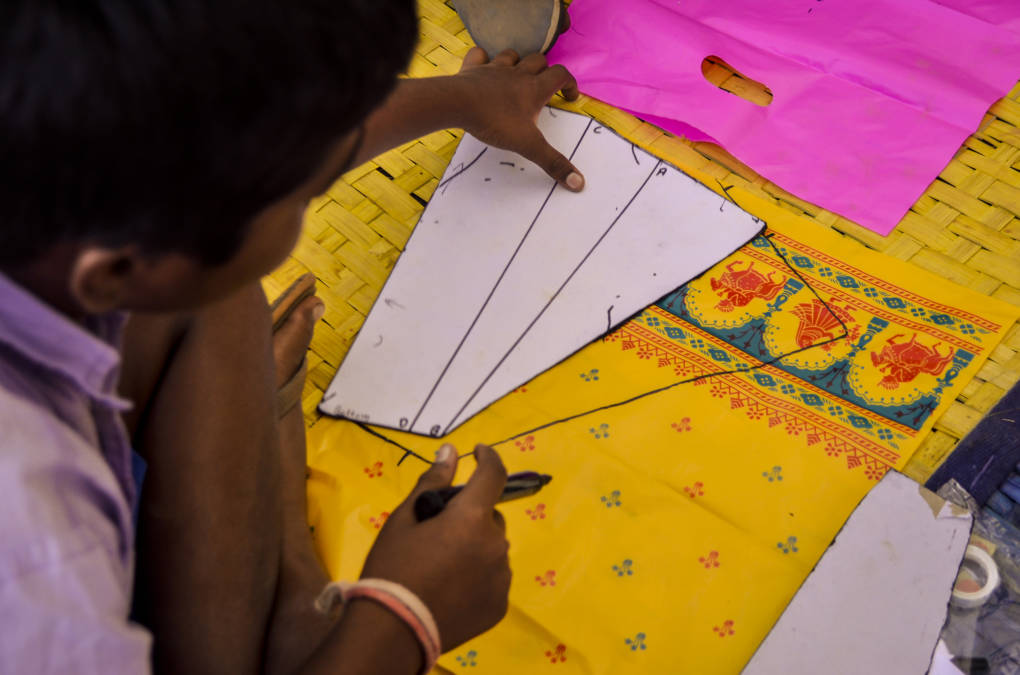
"caption": "\n\u003ca>Kite Festival \u003c/a>in Mumbai",
"description": null,
"title": "8415026630_5397d1331a_k",
"credit": "\u003ca href=\"https://www.flickr.com/photos/bmwguggenheimlab/8415026630/in/album-72157632610991618/\">Flickr/BMW Guggenheim Lab\u003c/a>",
"status": "inherit",
"isLoading": false,
"fetchFailed": false
},
"mindshift_49712": {
"type": "attachments",
"id": "mindshift_49712",
"meta": {
"index": "attachments_1716263798",
"site": "mindshift",
"id": "49712",
"found": true
},
"parent": 49697,
"imgSizes": {
"small": {
"file": "https://ww2.kqed.org/app/uploads/sites/23/2017/11/Brains-520x307.png",
"width": 520,
"mimeType": "image/png",
"height": 307
},
"twentyfourteen-full-width": {
"file": "https://ww2.kqed.org/app/uploads/sites/23/2017/11/Brains-1038x576.png",
"width": 1038,
"mimeType": "image/png",
"height": 576
},
"thumbnail": {
"file": "https://ww2.kqed.org/app/uploads/sites/23/2017/11/Brains-160x95.png",
"width": 160,
"mimeType": "image/png",
"height": 95
},
"fd-sm": {
"file": "https://ww2.kqed.org/app/uploads/sites/23/2017/11/Brains-960x567.png",
"width": 960,
"mimeType": "image/png",
"height": 567
},
"post-thumbnail": {
"file": "https://ww2.kqed.org/app/uploads/sites/23/2017/11/Brains-672x372.png",
"width": 672,
"mimeType": "image/png",
"height": 372
},
"xsmall": {
"file": "https://ww2.kqed.org/app/uploads/sites/23/2017/11/Brains-375x222.png",
"width": 375,
"mimeType": "image/png",
"height": 222
},
"kqedFullSize": {
"file": "https://ww2.kqed.org/app/uploads/sites/23/2017/11/Brains-e1574841521741.png",
"width": 1920,
"height": 1134
},
"large": {
"file": "https://ww2.kqed.org/app/uploads/sites/23/2017/11/Brains-1020x603.png",
"width": 1020,
"mimeType": "image/png",
"height": 603
},
"xlarge": {
"file": "https://ww2.kqed.org/app/uploads/sites/23/2017/11/Brains-1180x697.png",
"width": 1180,
"mimeType": "image/png",
"height": 697
},
"guest-author-50": {
"file": "https://ww2.kqed.org/app/uploads/sites/23/2017/11/Brains-50x50.png",
"width": 50,
"mimeType": "image/png",
"height": 50
},
"guest-author-96": {
"file": "https://ww2.kqed.org/app/uploads/sites/23/2017/11/Brains-96x96.png",
"width": 96,
"mimeType": "image/png",
"height": 96
},
"medium": {
"file": "https://ww2.kqed.org/app/uploads/sites/23/2017/11/Brains-800x473.png",
"width": 800,
"mimeType": "image/png",
"height": 473
},
"guest-author-64": {
"file": "https://ww2.kqed.org/app/uploads/sites/23/2017/11/Brains-64x64.png",
"width": 64,
"mimeType": "image/png",
"height": 64
},
"guest-author-32": {
"file": "https://ww2.kqed.org/app/uploads/sites/23/2017/11/Brains-32x32.png",
"width": 32,
"mimeType": "image/png",
"height": 32
},
"fd-lrg": {
"file": "https://ww2.kqed.org/app/uploads/sites/23/2017/11/Brains-1920x1134.png",
"width": 1920,
"mimeType": "image/png",
"height": 1134
},
"fd-med": {
"file": "https://ww2.kqed.org/app/uploads/sites/23/2017/11/Brains-1180x697.png",
"width": 1180,
"mimeType": "image/png",
"height": 697
},
"full-width": {
"file": "https://ww2.kqed.org/app/uploads/sites/23/2017/11/Brains-1920x1134.png",
"width": 1920,
"mimeType": "image/png",
"height": 1134
},
"detail": {
"file": "https://ww2.kqed.org/app/uploads/sites/23/2017/11/Brains-150x150.png",
"width": 150,
"mimeType": "image/png",
"height": 150
},
"medium_large": {
"file": "https://ww2.kqed.org/app/uploads/sites/23/2017/11/Brains-768x454.png",
"width": 768,
"mimeType": "image/png",
"height": 454
},
"guest-author-128": {
"file": "https://ww2.kqed.org/app/uploads/sites/23/2017/11/Brains-128x128.png",
"width": 128,
"mimeType": "image/png",
"height": 128
},
"xxsmall": {
"file": "https://ww2.kqed.org/app/uploads/sites/23/2017/11/Brains-240x142.png",
"width": 240,
"mimeType": "image/png",
"height": 142
}
},
"publishDate": 1510770688,
"modified": 1510770749,
"caption": null,
"description": null,
"title": "Brains",
"credit": "iStock/melazerg",
"status": "inherit",
"isLoading": false,
"fetchFailed": false
},
"mindshift_48891": {
"type": "attachments",
"id": "mindshift_48891",
"meta": {
"index": "attachments_1716263798",
"site": "mindshift",
"id": "48891",
"found": true
},
"parent": 48021,
"imgSizes": {
"small": {
"file": "https://ww2.kqed.org/app/uploads/sites/23/2017/08/iStock-536079487-520x347.jpg",
"width": 520,
"mimeType": "image/jpeg",
"height": 347
},
"twentyfourteen-full-width": {
"file": "https://ww2.kqed.org/app/uploads/sites/23/2017/08/iStock-536079487-1038x576.jpg",
"width": 1038,
"mimeType": "image/jpeg",
"height": 576
},
"thumbnail": {
"file": "https://ww2.kqed.org/app/uploads/sites/23/2017/08/iStock-536079487-160x107.jpg",
"width": 160,
"mimeType": "image/jpeg",
"height": 107
},
"fd-sm": {
"file": "https://ww2.kqed.org/app/uploads/sites/23/2017/08/iStock-536079487-960x640.jpg",
"width": 960,
"mimeType": "image/jpeg",
"height": 640
},
"post-thumbnail": {
"file": "https://ww2.kqed.org/app/uploads/sites/23/2017/08/iStock-536079487-672x372.jpg",
"width": 672,
"mimeType": "image/jpeg",
"height": 372
},
"xsmall": {
"file": "https://ww2.kqed.org/app/uploads/sites/23/2017/08/iStock-536079487-375x250.jpg",
"width": 375,
"mimeType": "image/jpeg",
"height": 250
},
"kqedFullSize": {
"file": "https://ww2.kqed.org/app/uploads/sites/23/2017/08/iStock-536079487-e1501702086338.jpg",
"width": 1920,
"height": 1281
},
"large": {
"file": "https://ww2.kqed.org/app/uploads/sites/23/2017/08/iStock-536079487-1020x680.jpg",
"width": 1020,
"mimeType": "image/jpeg",
"height": 680
},
"xlarge": {
"file": "https://ww2.kqed.org/app/uploads/sites/23/2017/08/iStock-536079487-1180x787.jpg",
"width": 1180,
"mimeType": "image/jpeg",
"height": 787
},
"guest-author-50": {
"file": "https://ww2.kqed.org/app/uploads/sites/23/2017/08/iStock-536079487-50x50.jpg",
"width": 50,
"mimeType": "image/jpeg",
"height": 50
},
"guest-author-96": {
"file": "https://ww2.kqed.org/app/uploads/sites/23/2017/08/iStock-536079487-96x96.jpg",
"width": 96,
"mimeType": "image/jpeg",
"height": 96
},
"medium": {
"file": "https://ww2.kqed.org/app/uploads/sites/23/2017/08/iStock-536079487-800x534.jpg",
"width": 800,
"mimeType": "image/jpeg",
"height": 534
},
"guest-author-64": {
"file": "https://ww2.kqed.org/app/uploads/sites/23/2017/08/iStock-536079487-64x64.jpg",
"width": 64,
"mimeType": "image/jpeg",
"height": 64
},
"guest-author-32": {
"file": "https://ww2.kqed.org/app/uploads/sites/23/2017/08/iStock-536079487-32x32.jpg",
"width": 32,
"mimeType": "image/jpeg",
"height": 32
},
"fd-lrg": {
"file": "https://ww2.kqed.org/app/uploads/sites/23/2017/08/iStock-536079487-1920x1281.jpg",
"width": 1920,
"mimeType": "image/jpeg",
"height": 1281
},
"fd-med": {
"file": "https://ww2.kqed.org/app/uploads/sites/23/2017/08/iStock-536079487-1180x787.jpg",
"width": 1180,
"mimeType": "image/jpeg",
"height": 787
},
"full-width": {
"file": "https://ww2.kqed.org/app/uploads/sites/23/2017/08/iStock-536079487-1920x1281.jpg",
"width": 1920,
"mimeType": "image/jpeg",
"height": 1281
},
"detail": {
"file": "https://ww2.kqed.org/app/uploads/sites/23/2017/08/iStock-536079487-150x150.jpg",
"width": 150,
"mimeType": "image/jpeg",
"height": 150
},
"medium_large": {
"file": "https://ww2.kqed.org/app/uploads/sites/23/2017/08/iStock-536079487-768x512.jpg",
"width": 768,
"mimeType": "image/jpeg",
"height": 512
},
"guest-author-128": {
"file": "https://ww2.kqed.org/app/uploads/sites/23/2017/08/iStock-536079487-128x128.jpg",
"width": 128,
"mimeType": "image/jpeg",
"height": 128
},
"xxsmall": {
"file": "https://ww2.kqed.org/app/uploads/sites/23/2017/08/iStock-536079487-240x160.jpg",
"width": 240,
"mimeType": "image/jpeg",
"height": 160
}
},
"publishDate": 1501702036,
"modified": 1501702079,
"caption": null,
"description": null,
"title": null,
"credit": "iStock/XiXinXing",
"status": "inherit",
"isLoading": false,
"fetchFailed": false
},
"mindshift_47918": {
"type": "attachments",
"id": "mindshift_47918",
"meta": {
"index": "attachments_1716263798",
"site": "mindshift",
"id": "47918",
"found": true
},
"parent": 47907,
"imgSizes": {
"small": {
"file": "https://ww2.kqed.org/app/uploads/sites/23/2017/04/cubeoid2-520x290.png",
"width": 520,
"mimeType": "image/png",
"height": 290
},
"thumbnail": {
"file": "https://ww2.kqed.org/app/uploads/sites/23/2017/04/cubeoid2-160x89.png",
"width": 160,
"mimeType": "image/png",
"height": 89
},
"post-thumbnail": {
"file": "https://ww2.kqed.org/app/uploads/sites/23/2017/04/cubeoid2-672x372.png",
"width": 672,
"mimeType": "image/png",
"height": 372
},
"xsmall": {
"file": "https://ww2.kqed.org/app/uploads/sites/23/2017/04/cubeoid2-375x209.png",
"width": 375,
"mimeType": "image/png",
"height": 209
},
"kqedFullSize": {
"file": "https://ww2.kqed.org/app/uploads/sites/23/2017/04/cubeoid2.png",
"width": 951,
"height": 530
},
"guest-author-50": {
"file": "https://ww2.kqed.org/app/uploads/sites/23/2017/04/cubeoid2-50x50.png",
"width": 50,
"mimeType": "image/png",
"height": 50
},
"guest-author-96": {
"file": "https://ww2.kqed.org/app/uploads/sites/23/2017/04/cubeoid2-96x96.png",
"width": 96,
"mimeType": "image/png",
"height": 96
},
"medium": {
"file": "https://ww2.kqed.org/app/uploads/sites/23/2017/04/cubeoid2-800x446.png",
"width": 800,
"mimeType": "image/png",
"height": 446
},
"guest-author-64": {
"file": "https://ww2.kqed.org/app/uploads/sites/23/2017/04/cubeoid2-64x64.png",
"width": 64,
"mimeType": "image/png",
"height": 64
},
"guest-author-32": {
"file": "https://ww2.kqed.org/app/uploads/sites/23/2017/04/cubeoid2-32x32.png",
"width": 32,
"mimeType": "image/png",
"height": 32
},
"detail": {
"file": "https://ww2.kqed.org/app/uploads/sites/23/2017/04/cubeoid2-150x150.png",
"width": 150,
"mimeType": "image/png",
"height": 150
},
"medium_large": {
"file": "https://ww2.kqed.org/app/uploads/sites/23/2017/04/cubeoid2-768x428.png",
"width": 768,
"mimeType": "image/png",
"height": 428
},
"guest-author-128": {
"file": "https://ww2.kqed.org/app/uploads/sites/23/2017/04/cubeoid2-128x128.png",
"width": 128,
"mimeType": "image/png",
"height": 128
},
"xxsmall": {
"file": "https://ww2.kqed.org/app/uploads/sites/23/2017/04/cubeoid2-240x134.png",
"width": 240,
"mimeType": "image/png",
"height": 134
}
},
"publishDate": 1491343648,
"modified": 1491394944,
"caption": "Students at the YouCubed Summer Camp work together to make geometric shapes out of string.",
"description": null,
"title": "cubeoid2",
"credit": "\u003ca href=\"https://www.youcubed.org/solving-math-problem/\">YouCubed\u003c/a>",
"status": "inherit",
"isLoading": false,
"fetchFailed": false
},
"mindshift_46793": {
"type": "attachments",
"id": "mindshift_46793",
"meta": {
"index": "attachments_1716263798",
"site": "mindshift",
"id": "46793",
"found": true
},
"parent": 46772,
"imgSizes": {
"small": {
"file": "https://ww2.kqed.org/app/uploads/sites/23/2016/10/piktochart-520x270.png",
"width": 520,
"mimeType": "image/png",
"height": 270
},
"thumbnail": {
"file": "https://ww2.kqed.org/app/uploads/sites/23/2016/10/piktochart-160x83.png",
"width": 160,
"mimeType": "image/png",
"height": 83
},
"post-thumbnail": {
"file": "https://ww2.kqed.org/app/uploads/sites/23/2016/10/piktochart-672x372.png",
"width": 672,
"mimeType": "image/png",
"height": 372
},
"xsmall": {
"file": "https://ww2.kqed.org/app/uploads/sites/23/2016/10/piktochart-375x195.png",
"width": 375,
"mimeType": "image/png",
"height": 195
},
"kqedFullSize": {
"file": "https://ww2.kqed.org/app/uploads/sites/23/2016/10/piktochart.png",
"width": 957,
"height": 497
},
"guest-author-50": {
"file": "https://ww2.kqed.org/app/uploads/sites/23/2016/10/piktochart-50x50.png",
"width": 50,
"mimeType": "image/png",
"height": 50
},
"guest-author-96": {
"file": "https://ww2.kqed.org/app/uploads/sites/23/2016/10/piktochart-96x96.png",
"width": 96,
"mimeType": "image/png",
"height": 96
},
"medium": {
"file": "https://ww2.kqed.org/app/uploads/sites/23/2016/10/piktochart-800x415.png",
"width": 800,
"mimeType": "image/png",
"height": 415
},
"guest-author-64": {
"file": "https://ww2.kqed.org/app/uploads/sites/23/2016/10/piktochart-64x64.png",
"width": 64,
"mimeType": "image/png",
"height": 64
},
"guest-author-32": {
"file": "https://ww2.kqed.org/app/uploads/sites/23/2016/10/piktochart-32x32.png",
"width": 32,
"mimeType": "image/png",
"height": 32
},
"detail": {
"file": "https://ww2.kqed.org/app/uploads/sites/23/2016/10/piktochart-150x150.png",
"width": 150,
"mimeType": "image/png",
"height": 150
},
"medium_large": {
"file": "https://ww2.kqed.org/app/uploads/sites/23/2016/10/piktochart-768x399.png",
"width": 768,
"mimeType": "image/png",
"height": 399
},
"guest-author-128": {
"file": "https://ww2.kqed.org/app/uploads/sites/23/2016/10/piktochart-128x128.png",
"width": 128,
"mimeType": "image/png",
"height": 128
},
"xxsmall": {
"file": "https://ww2.kqed.org/app/uploads/sites/23/2016/10/piktochart-240x125.png",
"width": 240,
"mimeType": "image/png",
"height": 125
}
},
"publishDate": 1477342614,
"modified": 1477342659,
"caption": "Students at Two Rivers Public Charter School present piktocharts.",
"description": null,
"title": "piktochart",
"credit": "Two Rivers Public Charter School",
"status": "inherit",
"isLoading": false,
"fetchFailed": false
},
"mindshift_46003": {
"type": "attachments",
"id": "mindshift_46003",
"meta": {
"index": "attachments_1716263798",
"site": "mindshift",
"id": "46003",
"found": true
},
"parent": 45999,
"imgSizes": {
"thumbnail": {
"file": "https://ww2.kqed.org/app/uploads/sites/23/2016/07/61661440_aa25a7549e_o-400x267.jpg",
"width": 400,
"mimeType": "image/jpeg",
"height": 267
},
"post-thumbnail": {
"file": "https://ww2.kqed.org/app/uploads/sites/23/2016/07/61661440_aa25a7549e_o-672x372.jpg",
"width": 672,
"mimeType": "image/jpeg",
"height": 372
},
"kqedFullSize": {
"file": "https://ww2.kqed.org/app/uploads/sites/23/2016/07/61661440_aa25a7549e_o.jpg",
"width": 816,
"height": 544
},
"cat_post_thumb_sizecategory-posts-2": {
"file": "https://ww2.kqed.org/app/uploads/sites/23/2016/07/61661440_aa25a7549e_o-50x50.jpg",
"width": 50,
"mimeType": "image/jpeg",
"height": 50
},
"guest-author-50": {
"file": "https://ww2.kqed.org/app/uploads/sites/23/2016/07/61661440_aa25a7549e_o-50x50.jpg",
"width": 50,
"mimeType": "image/jpeg",
"height": 50
},
"guest-author-96": {
"file": "https://ww2.kqed.org/app/uploads/sites/23/2016/07/61661440_aa25a7549e_o-96x96.jpg",
"width": 96,
"mimeType": "image/jpeg",
"height": 96
},
"medium": {
"file": "https://ww2.kqed.org/app/uploads/sites/23/2016/07/61661440_aa25a7549e_o-800x533.jpg",
"width": 800,
"mimeType": "image/jpeg",
"height": 533
},
"guest-author-64": {
"file": "https://ww2.kqed.org/app/uploads/sites/23/2016/07/61661440_aa25a7549e_o-64x64.jpg",
"width": 64,
"mimeType": "image/jpeg",
"height": 64
},
"detail": {
"file": "https://ww2.kqed.org/app/uploads/sites/23/2016/07/61661440_aa25a7549e_o-150x150.jpg",
"width": 150,
"mimeType": "image/jpeg",
"height": 150
},
"guest-author-32": {
"file": "https://ww2.kqed.org/app/uploads/sites/23/2016/07/61661440_aa25a7549e_o-32x32.jpg",
"width": 32,
"mimeType": "image/jpeg",
"height": 32
},
"medium_large": {
"file": "https://ww2.kqed.org/app/uploads/sites/23/2016/07/61661440_aa25a7549e_o-768x512.jpg",
"width": 768,
"mimeType": "image/jpeg",
"height": 512
},
"guest-author-128": {
"file": "https://ww2.kqed.org/app/uploads/sites/23/2016/07/61661440_aa25a7549e_o-128x128.jpg",
"width": 128,
"mimeType": "image/jpeg",
"height": 128
}
},
"publishDate": 1469861053,
"modified": 1469861065,
"caption": "\n\u003ca href=\"https://www.flickr.com/photos/crd/61661440/in/photolist-6s2Nh-6KrRVu-68nACh-98YSxJ-7aw8gc-5j6Nsw-p7B77u-5NCcJW-87f6pN-6rtHU5-5enDCt-9VG85f-4AvPFb-4u36XF-Ejr2D-6ai15C-7b2EAe-6KiYMG-rp4Ktk-8NkyPJ-gG9znF-pxxqqh-3K51R2-p4EuYq-fWC37b-vG5k3b-6StakY-5Zag6J-8u2fYp-7APGc1-8u5mdy-8u2g3z-6adQ3i-9CHerJ-5vNEEg-6adRjZ-7ftwXG-7webiQ-6ahZXo-7u6oHw-qd49zN-6JhnK2-Ejr2M-9aa4r7-6ahZzw-aq9bdK-541j1h-6UpPAo-8U75hz-87f6pU\">Flick/Craig Dugas\u003c/a>",
"description": null,
"title": "61661440_aa25a7549e_o",
"credit": null,
"status": "inherit",
"isLoading": false,
"fetchFailed": false
},
"mindshift_44711": {
"type": "attachments",
"id": "mindshift_44711",
"meta": {
"index": "attachments_1716263798",
"site": "mindshift",
"id": "44711",
"found": true
},
"parent": 44707,
"imgSizes": {
"twentyfourteen-full-width": {
"file": "https://ww2.kqed.org/app/uploads/sites/23/2016/04/Math-1038x576.jpg",
"width": 1038,
"mimeType": "image/jpeg",
"height": 576
},
"thumbnail": {
"file": "https://ww2.kqed.org/app/uploads/sites/23/2016/04/Math-400x225.jpg",
"width": 400,
"mimeType": "image/jpeg",
"height": 225
},
"fd-sm": {
"file": "https://ww2.kqed.org/app/uploads/sites/23/2016/04/Math-960x540.jpg",
"width": 960,
"mimeType": "image/jpeg",
"height": 540
},
"post-thumbnail": {
"file": "https://ww2.kqed.org/app/uploads/sites/23/2016/04/Math-672x372.jpg",
"width": 672,
"mimeType": "image/jpeg",
"height": 372
},
"kqedFullSize": {
"file": "https://ww2.kqed.org/app/uploads/sites/23/2016/04/Math.jpg",
"width": 1920,
"height": 1080
},
"large": {
"file": "https://ww2.kqed.org/app/uploads/sites/23/2016/04/Math-1440x810.jpg",
"width": 1440,
"mimeType": "image/jpeg",
"height": 810
},
"guest-author-96": {
"file": "https://ww2.kqed.org/app/uploads/sites/23/2016/04/Math-96x96.jpg",
"width": 96,
"mimeType": "image/jpeg",
"height": 96
},
"medium": {
"file": "https://ww2.kqed.org/app/uploads/sites/23/2016/04/Math-800x450.jpg",
"width": 800,
"mimeType": "image/jpeg",
"height": 450
},
"guest-author-64": {
"file": "https://ww2.kqed.org/app/uploads/sites/23/2016/04/Math-64x64.jpg",
"width": 64,
"mimeType": "image/jpeg",
"height": 64
},
"guest-author-32": {
"file": "https://ww2.kqed.org/app/uploads/sites/23/2016/04/Math-32x32.jpg",
"width": 32,
"mimeType": "image/jpeg",
"height": 32
},
"cat_post_thumb_sizecategory-posts-2": {
"file": "https://ww2.kqed.org/app/uploads/sites/23/2016/04/Math-50x50.jpg",
"width": 50,
"mimeType": "image/jpeg",
"height": 50
},
"fd-lrg": {
"file": "https://ww2.kqed.org/app/uploads/sites/23/2016/04/Math-1920x1080.jpg",
"width": 1920,
"mimeType": "image/jpeg",
"height": 1080
},
"fd-med": {
"file": "https://ww2.kqed.org/app/uploads/sites/23/2016/04/Math-1180x664.jpg",
"width": 1180,
"mimeType": "image/jpeg",
"height": 664
},
"detail": {
"file": "https://ww2.kqed.org/app/uploads/sites/23/2016/04/Math-75x75.jpg",
"width": 75,
"mimeType": "image/jpeg",
"height": 75
},
"medium_large": {
"file": "https://ww2.kqed.org/app/uploads/sites/23/2016/04/Math-768x432.jpg",
"width": 768,
"mimeType": "image/jpeg",
"height": 432
},
"guest-author-128": {
"file": "https://ww2.kqed.org/app/uploads/sites/23/2016/04/Math-128x128.jpg",
"width": 128,
"mimeType": "image/jpeg",
"height": 128
}
},
"publishDate": 1460577753,
"modified": 1460577760,
"caption": null,
"description": null,
"title": "Math",
"credit": "Bindaas Madhavi/Flickr",
"status": "inherit",
"isLoading": false,
"fetchFailed": false
},
"mindshift_42928": {
"type": "attachments",
"id": "mindshift_42928",
"meta": {
"index": "attachments_1716263798",
"site": "mindshift",
"id": "42928",
"found": true
},
"parent": 42825,
"imgSizes": {
"twentyfourteen-full-width": {
"file": "https://ww2.kqed.org/app/uploads/sites/23/2015/11/Numbers-Gerald-Streiter-1038x576.jpg",
"width": 1038,
"mimeType": "image/jpeg",
"height": 576
},
"thumbnail": {
"file": "https://ww2.kqed.org/app/uploads/sites/23/2015/11/Numbers-Gerald-Streiter-400x246.jpg",
"width": 400,
"mimeType": "image/jpeg",
"height": 246
},
"fd-sm": {
"file": "https://ww2.kqed.org/app/uploads/sites/23/2015/11/Numbers-Gerald-Streiter-960x590.jpg",
"width": 960,
"mimeType": "image/jpeg",
"height": 590
},
"post-thumbnail": {
"file": "https://ww2.kqed.org/app/uploads/sites/23/2015/11/Numbers-Gerald-Streiter-672x372.jpg",
"width": 672,
"mimeType": "image/jpeg",
"height": 372
},
"kqedFullSize": {
"file": "https://ww2.kqed.org/app/uploads/sites/23/2015/11/Numbers-Gerald-Streiter.jpg",
"width": 1920,
"height": 1179
},
"large": {
"file": "https://ww2.kqed.org/app/uploads/sites/23/2015/11/Numbers-Gerald-Streiter-1440x884.jpg",
"width": 1440,
"mimeType": "image/jpeg",
"height": 884
},
"guest-author-96": {
"file": "https://ww2.kqed.org/app/uploads/sites/23/2015/11/Numbers-Gerald-Streiter-96x96.jpg",
"width": 96,
"mimeType": "image/jpeg",
"height": 96
},
"medium": {
"file": "https://ww2.kqed.org/app/uploads/sites/23/2015/11/Numbers-Gerald-Streiter-800x491.jpg",
"width": 800,
"mimeType": "image/jpeg",
"height": 491
},
"guest-author-64": {
"file": "https://ww2.kqed.org/app/uploads/sites/23/2015/11/Numbers-Gerald-Streiter-64x64.jpg",
"width": 64,
"mimeType": "image/jpeg",
"height": 64
},
"guest-author-32": {
"file": "https://ww2.kqed.org/app/uploads/sites/23/2015/11/Numbers-Gerald-Streiter-32x32.jpg",
"width": 32,
"mimeType": "image/jpeg",
"height": 32
},
"cat_post_thumb_sizecategory-posts-2": {
"file": "https://ww2.kqed.org/app/uploads/sites/23/2015/11/Numbers-Gerald-Streiter-50x50.jpg",
"width": 50,
"mimeType": "image/jpeg",
"height": 50
},
"fd-lrg": {
"file": "https://ww2.kqed.org/app/uploads/sites/23/2015/11/Numbers-Gerald-Streiter-1920x1179.jpg",
"width": 1920,
"mimeType": "image/jpeg",
"height": 1179
},
"fd-med": {
"file": "https://ww2.kqed.org/app/uploads/sites/23/2015/11/Numbers-Gerald-Streiter-1180x725.jpg",
"width": 1180,
"mimeType": "image/jpeg",
"height": 725
},
"detail": {
"file": "https://ww2.kqed.org/app/uploads/sites/23/2015/11/Numbers-Gerald-Streiter-75x75.jpg",
"width": 75,
"mimeType": "image/jpeg",
"height": 75
},
"guest-author-128": {
"file": "https://ww2.kqed.org/app/uploads/sites/23/2015/11/Numbers-Gerald-Streiter-128x128.jpg",
"width": 128,
"mimeType": "image/jpeg",
"height": 128
}
},
"publishDate": 1448873738,
"modified": 1448873749,
"caption": null,
"description": null,
"title": "Numbers Gerald Streiter",
"credit": "Flickr/Gerald Streiter",
"status": "inherit",
"isLoading": false,
"fetchFailed": false
}
},
"audioPlayerReducer": {
"postId": "stream_live",
"isPaused": true,
"isPlaying": false,
"pfsActive": false,
"pledgeModalIsOpen": true,
"playerDrawerIsOpen": false,
"liveAudioPlayStartedAt": 0,
"liveAudioPlayContext": ""
},
"authorsReducer": {
"byline_mindshift_52749": {
"type": "authors",
"id": "byline_mindshift_52749",
"meta": {
"override": true
},
"slug": "byline_mindshift_52749",
"name": "Sara Ernst",
"isLoading": false
},
"byline_mindshift_51676": {
"type": "authors",
"id": "byline_mindshift_51676",
"meta": {
"override": true
},
"slug": "byline_mindshift_51676",
"name": "Anya Kamenetz",
"isLoading": false
},
"katrinaschwartz": {
"type": "authors",
"id": "234",
"meta": {
"index": "authors_1716337520",
"id": "234",
"found": true
},
"name": "Katrina Schwartz",
"firstName": "Katrina",
"lastName": "Schwartz",
"slug": "katrinaschwartz",
"email": "kschwartz@kqed.org",
"display_author_email": false,
"staff_mastheads": [
"news"
],
"title": "Producer",
"bio": "Katrina Schwartz is a journalist based in San Francisco. She's worked at KPCC public radio in LA and has reported on air and online for KQED since 2010. She covered how teaching and learning is changing for MindShift between 2012 and 2020. She is the co-host of the MindShift podcast and now produces KQED's Bay Curious podcast.",
"avatar": "https://secure.gravatar.com/avatar/edb4ee79070447a018538c9aae6eeecf28786515b8a0c30e43b6b7dce5aa44c8?s=600&d=blank&r=g",
"twitter": "kschwart",
"bluesky": null,
"facebook": null,
"instagram": null,
"linkedin": null,
"sites": [
{
"site": "",
"roles": [
"editor"
]
},
{
"site": "news",
"roles": [
"editor"
]
},
{
"site": "mindshift",
"roles": [
"administrator"
]
},
{
"site": "stateofhealth",
"roles": [
"author"
]
},
{
"site": "science",
"roles": [
"editor"
]
}
],
"headData": {
"title": "Katrina Schwartz | KQED",
"description": "Producer",
"ogImgSrc": "https://secure.gravatar.com/avatar/edb4ee79070447a018538c9aae6eeecf28786515b8a0c30e43b6b7dce5aa44c8?s=600&d=blank&r=g",
"twImgSrc": "https://secure.gravatar.com/avatar/edb4ee79070447a018538c9aae6eeecf28786515b8a0c30e43b6b7dce5aa44c8?s=600&d=blank&r=g"
},
"isLoading": false,
"link": "/author/katrinaschwartz"
},
"ksung": {
"type": "authors",
"id": "4596",
"meta": {
"index": "authors_1716337520",
"id": "4596",
"found": true
},
"name": "Ki Sung",
"firstName": "Ki",
"lastName": "Sung",
"slug": "ksung",
"email": "ksung@kqed.org",
"display_author_email": false,
"staff_mastheads": [
"news"
],
"title": "KQED Contributor",
"bio": "Ki Sung is Managing Editor of Digital News at KQED. She is former Senior Editor of MindShift and worked at NPR before joining KQED in 2014.",
"avatar": "https://secure.gravatar.com/avatar/64271e01dc95486c133be56937739045b7c00c990525bf9add12d3dd4f0433c9?s=600&d=blank&r=g",
"twitter": null,
"bluesky": null,
"facebook": null,
"instagram": null,
"linkedin": null,
"sites": [
{
"site": "news",
"roles": [
"editor"
]
},
{
"site": "mindshift",
"roles": [
"administrator"
]
},
{
"site": "elections",
"roles": [
"administrator"
]
}
],
"headData": {
"title": "Ki Sung | KQED",
"description": "KQED Contributor",
"ogImgSrc": "https://secure.gravatar.com/avatar/64271e01dc95486c133be56937739045b7c00c990525bf9add12d3dd4f0433c9?s=600&d=blank&r=g",
"twImgSrc": "https://secure.gravatar.com/avatar/64271e01dc95486c133be56937739045b7c00c990525bf9add12d3dd4f0433c9?s=600&d=blank&r=g"
},
"isLoading": false,
"link": "/author/ksung"
},
"lindaflan": {
"type": "authors",
"id": "4613",
"meta": {
"index": "authors_1716337520",
"id": "4613",
"found": true
},
"name": "Linda Flanagan",
"firstName": "Linda",
"lastName": "Flanagan",
"slug": "lindaflan",
"email": "lindaflan@comcast.net",
"display_author_email": false,
"staff_mastheads": [],
"title": null,
"bio": "Linda Flanagan is a freelance writer, researcher, and editor. Her work has appeared in The Atlantic, The Wall St. Journal, Newsweek, Running Times, and Mind/Shift, and she blogs regularly for the Huffington Post. Linda writes about education, culture, athletics, youth sports, mental health, politics, college admissions, and other curiosities. She also reviews books and conducts interviews.",
"avatar": "https://secure.gravatar.com/avatar/6bca04c0736bf5eaea80654019de688f?s=600&d=blank&r=g",
"twitter": "LindaFlanagan2",
"facebook": null,
"instagram": null,
"linkedin": null,
"sites": [
{
"site": "mindshift",
"roles": [
"contributor"
]
}
],
"headData": {
"title": "Linda Flanagan | KQED",
"description": null,
"ogImgSrc": "https://secure.gravatar.com/avatar/6bca04c0736bf5eaea80654019de688f?s=600&d=blank&r=g",
"twImgSrc": "https://secure.gravatar.com/avatar/6bca04c0736bf5eaea80654019de688f?s=600&d=blank&r=g"
},
"isLoading": false,
"link": "/author/lindaflan"
},
"dfkris": {
"type": "authors",
"id": "11087",
"meta": {
"index": "authors_1716337520",
"id": "11087",
"found": true
},
"name": "Deborah Farmer Kris",
"firstName": "Deborah Farmer",
"lastName": "Kris",
"slug": "dfkris",
"email": "dfkris@gmail.com",
"display_author_email": false,
"staff_mastheads": [],
"title": null,
"bio": "\u003cem>\u003ca href=\"https://twitter.com/@dfkris\">Deborah Farmer Kris\u003c/a> has taught elementary, middle and high school and served as a charter school administrator. She spent a decade as an associate at Boston University’s \u003c/em>\u003cem>\u003ca href=\"http://www.bu.edu/ccsr/about-us/\">Center for Character and Social Responsibility\u003c/a>, \u003c/em>\u003cem>researching, writing, and consulting with schools. She is the mother of two young children. You can follower her on Twitter \u003ca href=\"https://twitter.com/@dfkris\">@dfkris\u003c/a>.\u003c/em>",
"avatar": "https://secure.gravatar.com/avatar/48efe6f17031ed31222b74af9605fe5a?s=600&d=blank&r=g",
"twitter": "dfkris",
"facebook": null,
"instagram": null,
"linkedin": null,
"sites": [
{
"site": "mindshift",
"roles": [
"author"
]
}
],
"headData": {
"title": "Deborah Farmer Kris | KQED",
"description": null,
"ogImgSrc": "https://secure.gravatar.com/avatar/48efe6f17031ed31222b74af9605fe5a?s=600&d=blank&r=g",
"twImgSrc": "https://secure.gravatar.com/avatar/48efe6f17031ed31222b74af9605fe5a?s=600&d=blank&r=g"
},
"isLoading": false,
"link": "/author/dfkris"
},
"kdnewhouse": {
"type": "authors",
"id": "11487",
"meta": {
"index": "authors_1716337520",
"id": "11487",
"found": true
},
"name": "Kara Newhouse",
"firstName": "Kara",
"lastName": "Newhouse",
"slug": "kdnewhouse",
"email": "knewhouse@kqed.org",
"display_author_email": false,
"staff_mastheads": [],
"title": "MindShift Editor",
"bio": null,
"avatar": "https://secure.gravatar.com/avatar/3dceed6fb271527113abfa9a8e9df34e?s=600&d=blank&r=g",
"twitter": null,
"facebook": null,
"instagram": null,
"linkedin": null,
"sites": [
{
"site": "",
"roles": [
"editor"
]
},
{
"site": "mindshift",
"roles": []
}
],
"headData": {
"title": "Kara Newhouse | KQED",
"description": "MindShift Editor",
"ogImgSrc": "https://secure.gravatar.com/avatar/3dceed6fb271527113abfa9a8e9df34e?s=600&d=blank&r=g",
"twImgSrc": "https://secure.gravatar.com/avatar/3dceed6fb271527113abfa9a8e9df34e?s=600&d=blank&r=g"
},
"isLoading": false,
"link": "/author/kdnewhouse"
}
},
"pagesReducer": {
"mindshift_tag_math-anxiety": {
"type": "terms",
"id": "mindshift_20893",
"meta": {
"index": "terms_1716263798",
"site": "mindshift",
"id": "20893",
"score": 10.403352
},
"featImg": null,
"name": "math anxiety",
"description": null,
"taxonomy": "tag",
"headData": {
"twImgId": null,
"twTitle": null,
"ogTitle": null,
"ogImgId": null,
"twDescription": null,
"description": null,
"title": "math anxiety Archives | KQED Mindshift",
"ogDescription": null
},
"ttid": 20171,
"slug": "math-anxiety",
"isLoading": false,
"title": "math anxiety",
"pageMeta": {
"site": "mindshift",
"WpPageTemplate": "page-topic-editorial",
"currentPage": 3
},
"blocks": [
{
"blockName": "kqed/post-list",
"attrs": {
"layout": "cardArticle2",
"query": "posts/mindshift?tag=math-anxiety",
"seeMore": false,
"paginated": true,
"page": 3
}
},
{
"blockName": "kqed/ad"
}
]
}
},
"pfsSessionReducer": {},
"postsReducer": {
"stream_live": {
"type": "live",
"id": "stream_live",
"audioUrl": "https://streams.kqed.org/kqedradio",
"title": "Live Stream",
"excerpt": "Live Stream information currently unavailable.",
"link": "/radio",
"featImg": "",
"label": {
"name": "KQED Live",
"link": "/"
}
},
"stream_kqedNewscast": {
"type": "posts",
"id": "stream_kqedNewscast",
"audioUrl": "https://www.kqed.org/.stream/anon/radio/RDnews/newscast.mp3?_=1",
"title": "KQED Newscast",
"featImg": "",
"label": {
"name": "88.5 FM",
"link": "/"
}
},
"mindshift_53767": {
"type": "posts",
"id": "mindshift_53767",
"meta": {
"index": "posts_1716263798",
"site": "mindshift",
"id": "53767",
"score": null,
"sort": [
1560234308000
]
},
"parent": 0,
"labelTerm": {
"site": "mindshift"
},
"blocks": [],
"publishDate": 1560234308,
"format": "standard",
"disqusTitle": "Getting Physical: How the Flagway Game Sparks Learning and Love of Math",
"title": "Getting Physical: How the Flagway Game Sparks Learning and Love of Math",
"headTitle": "MindShift | KQED News",
"content": "\u003cp>\u003cspan style=\"font-weight: 400\">Seventh-grader Ellie Snyder always hated math. Nevertheless, when she heard about a game that combined math and athletics, she thought, “Why not? I’ll try it.” Her best friend, Olyvia Marshall, already loved math. Both girls signed up for the new \u003c/span>\u003ca href=\"http://www.typp.org/flagway\">\u003cspan style=\"font-weight: 400\">Flagway\u003c/span>\u003c/a>\u003cspan style=\"font-weight: 400\"> team at Mansfield City Schools in Ohio.\u003c/span>\u003c/p>\n\u003cp>\u003cspan style=\"font-weight: 400\">“We were totally unprepared,” Ellie said of their first practice. “We wore jeans and hoodies.”\u003c/span>\u003c/p>\n\u003cp>\u003cspan style=\"font-weight: 400\">Flagway is a game that involves factoring numbers and categorizing them based on the \u003c/span>\u003ca href=\"https://www.encyclopediaofmath.org/index.php/M%C3%B6bius_function\">\u003cspan style=\"font-weight: 400\">Möbius function\u003c/span>\u003c/a>\u003cspan style=\"font-weight: 400\">. Players use their solutions to navigate a color-coded course and place flags on the correct spot. Teams try to solve as many problems as possible in each round to score the most points.\u003c/span>\u003c/p>\n\u003cp>\u003cspan style=\"font-weight: 400\">Last month Ellie and Olyvia’s team competed in the National Flagway Tournament as part of the National Math Festival in Washington, D.C. This time the girls wore sneakers and gym clothes, making it easier to crouch on the floor to solve problems and then jump up to race through the course of radial paths.\u003c/span>\u003c/p>\n\u003cfigure id=\"attachment_53800\" class=\"wp-caption alignnone\" style=\"max-width: 1920px\">\u003cimg class=\"wp-image-53800 size-full\" src=\"https://ww2.kqed.org/mindshift/wp-content/uploads/sites/23/2019/06/20190504_152817-e1560229964647.jpg\" alt=\"2019 National Flagway Tournament in Washington, DC\" width=\"1920\" height=\"1080\">\u003cfigcaption class=\"wp-caption-text\">Flagway course at the 2019 National Flagway Tournament in Washington, DC. \u003ccite>(Kara Newhouse for MindShift)\u003c/cite>\u003c/figcaption>\u003c/figure>\n\u003cp>\u003cspan style=\"font-weight: 400\">Flagway was created by Bob Moses, a 1960s civil rights organizer who has devoted several decades to \u003c/span>\u003ca href=\"https://www.npr.org/sections/codeswitch/2013/08/02/206813091/to-60s-civil-rights-hero-math-is-kids-formula-for-success\">\u003cspan style=\"font-weight: 400\">increasing math literacy among low-income students and students of color\u003c/span>\u003c/a>\u003cspan style=\"font-weight: 400\">. Since the 1990s, children and teens have played Flagway in after-school programs started by Moses and his colleagues. In the past three years, however, \u003c/span>\u003ca href=\"http://www.typp.org/history\">\u003cspan style=\"font-weight: 400\">The Young People’s Project\u003c/span>\u003c/a>\u003cspan style=\"font-weight: 400\"> (YPP) has encouraged the development of more formal teams and leagues across seven cities. According to the p\u003c/span>\u003cspan style=\"font-weight: 400\">layers, coaches and parents in those leagues, the game has improved students’ math literacy, engagement and teamwork.\u003c/span>\u003c/p>\n\u003cp>[ad fullwidth]\u003c/p>\n\u003cp>\u003cb>Comprehension and engagement\u003c/b>\u003c/p>\n\u003cp>\u003cspan style=\"font-weight: 400\">“Seven! Six! Five!”\u003c/span>\u003c/p>\n\u003cp>\u003cspan style=\"font-weight: 400\">An announcer counted down the final seconds of the latest round of the National Flagway Tournament. Parents in Hall D of the Washington Convention Center hollered and cheered from the sidelines. At the center of a Flagway course, a girl with a messy bun checked the numbers on her paper, then stutter-stepped from red to blue to yellow paths and dropped the flag on a circle. Close behind her, a boy in gym shorts took single-stride hops along a yellow-yellow-blue path. \u003c/span>\u003c/p>\n\u003cp>\u003cspan style=\"font-weight: 400\">Both players dashed around the perimeter of the course and returned to their teams just as the timer buzzed. Officials collected the flags, and teams and spectators crowded together to await updated scores and rankings.\u003c/span>\u003c/p>\n\u003cfigure id=\"attachment_53804\" class=\"wp-caption alignnone\" style=\"max-width: 1920px\">\u003cimg class=\"size-full wp-image-53804\" src=\"https://ww2.kqed.org/mindshift/wp-content/uploads/sites/23/2019/06/20190504_143406.png\" alt=\"\" width=\"1920\" height=\"1080\" srcset=\"https://ww2.kqed.org/app/uploads/sites/23/2019/06/20190504_143406.png 1920w, https://ww2.kqed.org/app/uploads/sites/23/2019/06/20190504_143406-160x90.png 160w, https://ww2.kqed.org/app/uploads/sites/23/2019/06/20190504_143406-800x450.png 800w, https://ww2.kqed.org/app/uploads/sites/23/2019/06/20190504_143406-768x432.png 768w, https://ww2.kqed.org/app/uploads/sites/23/2019/06/20190504_143406-1020x574.png 1020w, https://ww2.kqed.org/app/uploads/sites/23/2019/06/20190504_143406-1200x675.png 1200w\" sizes=\"(max-width: 1920px) 100vw, 1920px\">\u003cfigcaption class=\"wp-caption-text\">Olyvia Marshall and two teammates from Mansfield, Ohio factoring numbers during a round of Flagway. \u003ccite>(Kara Newhouse for MindShift)\u003c/cite>\u003c/figcaption>\u003c/figure>\n\u003cp>\u003cspan style=\"font-weight: 400\">In Flagway, teams of four students categorize numbers based on whether they have an even number of distinct prime factors, an odd number of distinct prime factors or prime factors that repeat. Each category corresponds to a color, and those colors tell the running player which path to follow. Here’s what would happen, for example, if a team got the numbers 30, 4 and 10:\u003c/span>\u003c/p>\n\u003cp>\u003cspan style=\"font-weight: 400\">-30 has an odd number of prime factors (2x3x5). Odd matches red, so the player starts with a red path.\u003c/span>\u003c/p>\n\u003cp>\u003cspan style=\"font-weight: 400\">-The number 4 has repeating prime factors (2x2), so the player follows a yellow path next.\u003c/span>\u003c/p>\n\u003cp>\u003cspan style=\"font-weight: 400\">-Finally, the player follows a blue path, because 10 has an even number of prime factors (2x5).\u003c/span>\u003c/p>\n\u003cp>\u003cspan style=\"font-weight: 400\">Players take turns as the runner, and their teammates must write accurate factorization and express the problem in algebraic form on the flags.\u003c/span>\u003c/p>\n\u003cp>\u003cspan style=\"font-weight: 400\">“Not only do they have to have all the math correct, they have to get the running correct. It’s a lot of work,” said Courtney Vahle, a graduate student in math education and athletic director for a Flagway league in Alton, Illinois.\u003c/span>\u003c/p>\n\u003cp>\u003cspan style=\"font-weight: 400\">Vahle’s program brought two teams to the national tournament, and one of those teams won. Teams from Alton won in the previous two years, making them the undefeated champions for the tournament’s three-year history. That’s not because their teams are stacked with math prodigies, though.\u003c/span>\u003c/p>\n\u003cp>\u003cspan style=\"font-weight: 400\">“A lot of these kids were chosen because they expressed, on a survey we did, math anxiety,” said math professor \u003c/span>\u003ca href=\"https://www.siue.edu/artsandsciences/about/index.shtml\">\u003cspan style=\"font-weight: 400\">Greg Budzban\u003c/span>\u003c/a>\u003cspan style=\"font-weight: 400\">, who started the Alton league. The survey included questions like: \u003c/span>\u003c/p>\n\u003cul>\n\u003cli style=\"font-weight: 400\">If you can't solve a math problem quickly, do you give up?\u003c/li>\n\u003cli style=\"font-weight: 400\">Do you enjoy playing games where you can be active (tag, basketball, etc.)?\u003c/li>\n\u003cli style=\"font-weight: 400\">Would you be interested in trying something other than a traditional math class?\u003c/li>\n\u003c/ul>\n\u003cp>\u003cspan style=\"font-weight: 400\">“We’re looking for students that the physical engagement piece is something that attracted them,” said \u003c/span>\u003cspan style=\"font-weight: 400\">Budzban, who is dean of the College of Arts and Sciences at Southern Illinois University Edwardsville. All of the students who applied were accepted. \u003c/span>\u003cspan style=\"font-weight: 400\">He said that on pre-tests, almost none of the Alton students knew the math skills involved in Flagway, such as finding least common multiples or greatest common factors. On post-tests three months later, many students earned perfect scores.\u003c/span>\u003c/p>\n\u003cp>\u003cspan style=\"font-weight: 400\">In \u003c/span>\u003ca href=\"https://getd.libs.uga.edu/pdfs/brewley-corbin_denise_n_200912_phd.pdf\">\u003cspan style=\"font-weight: 400\">a 2009 case study in Chicago\u003c/span>\u003c/a>\u003cspan style=\"font-weight: 400\">, the high school and college students who served as Flagway coaches also reported having increased flexibility with numbers as a result of the game. In Alton, a semester-long training for those coaches plays a role in the younger students’ success, according to Budzban. But he also attributes the positive effects of Flagway to the game itself. \u003c/span>\u003c/p>\n\u003cp>\u003cspan style=\"font-weight: 400\">“Translating the abstract mathematics into competition and movement helps (students) sort of embody the learning,” he said. “You’ve got more neural pathways that are involved.”\u003c/span>\u003c/p>\n\u003cp>\u003cspan style=\"font-weight: 400\">Indeed, researchers studying “embodied cognition” have found that when \u003ca href=\"https://www.kqed.org/mindshift/39684/why-kids-need-to-move-touch-and-experience-to-learn\">physical movement\u003c/a> is incorporated into the learning process, it can have \u003c/span>\u003ca href=\"https://www.kqed.org/mindshift/49541/how-seeing-and-using-gestures-make-ideas-more-memorable\">\u003cspan style=\"font-weight: 400\">positive effects on math and reading comprehension\u003c/span>\u003c/a>\u003cspan style=\"font-weight: 400\">. In the case of Flagway, those effects may come not only from physiology, but also the excitement of the competition. \u003c/span>\u003c/p>\n\u003cp>\u003cspan style=\"font-weight: 400\">“If I had a bunch of kids sitting after school, and I gave them worksheets of prime factoring integers for two hours, they would check out in the first five minutes,” said Budzban. “There would be literally zero engagement in that activity. But these kids have been doing this for months. That kind of ability to keep them engaged, to keep them motivated, and actually doing mathematics — there’s nothing quite like that.”\u003c/span>\u003c/p>\n\u003cfigure id=\"attachment_53803\" class=\"wp-caption alignnone\" style=\"max-width: 1920px\">\u003cimg class=\"wp-image-53803 size-full\" src=\"https://ww2.kqed.org/mindshift/wp-content/uploads/sites/23/2019/06/20190504_152549-e1560230872379.jpg\" alt=\"2019 National Flagway Tournament in Washington, DC\" width=\"1920\" height=\"1080\">\u003cfigcaption class=\"wp-caption-text\">Students in a team solve math problems during the tournament. \u003ccite>(Kara Newhouse for MindShift)\u003c/cite>\u003c/figcaption>\u003c/figure>\n\u003cp>\u003cb>Teamwork\u003c/b>\u003c/p>\n\u003cp>\u003cspan style=\"font-weight: 400\">Parents at the national tournament echoed Budzban’s words about Flagway.\u003c/span>\u003c/p>\n\u003cp>\u003cspan style=\"font-weight: 400\">“It gets our kids (looking) forward to doing math problems,” said Jillian Hughes, whose daughter, Jenayah Rose, competed with a team from the Mandela Residents Cooperative Association Youth Center in Boston.\u003c/span>\u003c/p>\n\u003cp>\u003cspan style=\"font-weight: 400\">Hughes said that playing Flagway also reduced the amount of arguing that happens among kids at the youth center. According to Maisha Moses, executive director for the Young People’s Project, teamwork is a critical component of Flagway. While activities like math olympiads offer high-performing math students the chance to compete in teams, such opportunities are rare for students who struggle with math.\u003c/span>\u003c/p>\n\u003cp>\u003cspan style=\"font-weight: 400\">“The typical remediation model is you work one-on-one with a tutor, you’re off by yourself,” said Moses. “Through Flagway, you can come together and build community and build a team around doing math together.”\u003c/span>\u003c/p>\n\u003cp>\u003cspan style=\"font-weight: 400\">Christian Greene, one of Ellie Snyder’s teammates from Mansfield, put it this way when describing Flagway: “It’s a family thing.”\u003c/span>\u003c/p>\n\u003cp>\u003cspan style=\"font-weight: 400\">And how does Ellie feel about math just four months after joining the Flagway team?\u003c/span>\u003c/p>\n\u003cp>\u003cspan style=\"font-weight: 400\">“It’s my favorite subject,” she said.\u003c/span>\u003c/p>\n\u003cp>[ad floatright]\u003c/p>\n\u003cp>https://www.youtube.com/watch?v=IFVIU0tuFqk\u003c/p>\n\n",
"disqusIdentifier": "53767 https://ww2.kqed.org/mindshift/?p=53767",
"disqusUrl": "https://ww2.kqed.org/mindshift/2019/06/10/getting-physical-how-the-flagway-game-sparks-learning-and-love-of-math/",
"stats": {
"hasVideo": true,
"hasChartOrMap": false,
"hasAudio": false,
"hasPolis": false,
"wordCount": 1291,
"hasGoogleForm": false,
"hasGallery": false,
"hasHearkenModule": false,
"iframeSrcs": [],
"paragraphCount": 32
},
"modified": 1560529918,
"excerpt": "Flagway is a game designed for kids who have self-doubt about their math skills, enjoy being physical and are in need of something way different than worksheets. ",
"headData": {
"twImgId": "",
"twTitle": "",
"ogTitle": "",
"ogImgId": "",
"twDescription": "",
"description": "Flagway is a game designed for kids who have self-doubt about their math skills, enjoy being physical and are in need of something way different than worksheets. ",
"title": "Getting Physical: How the Flagway Game Sparks Learning and Love of Math | KQED",
"ogDescription": "",
"schema": {
"@context": "https://schema.org",
"@type": "Article",
"headline": "Getting Physical: How the Flagway Game Sparks Learning and Love of Math",
"datePublished": "2019-06-10T23:25:08-07:00",
"dateModified": "2019-06-14T09:31:58-07:00",
"image": "https://cdn.kqed.org/wp-content/uploads/2020/02/KQED-OG-Image@1x.png"
}
},
"guestAuthors": [],
"slug": "getting-physical-how-the-flagway-game-sparks-learning-and-love-of-math",
"status": "publish",
"path": "/mindshift/53767/getting-physical-how-the-flagway-game-sparks-learning-and-love-of-math",
"audioTrackLength": null,
"parsedContent": [
{
"type": "contentString",
"content": "\u003cdiv class=\"post-body\">\u003cp>\u003cp>\u003cspan style=\"font-weight: 400\">Seventh-grader Ellie Snyder always hated math. Nevertheless, when she heard about a game that combined math and athletics, she thought, “Why not? I’ll try it.” Her best friend, Olyvia Marshall, already loved math. Both girls signed up for the new \u003c/span>\u003ca href=\"http://www.typp.org/flagway\">\u003cspan style=\"font-weight: 400\">Flagway\u003c/span>\u003c/a>\u003cspan style=\"font-weight: 400\"> team at Mansfield City Schools in Ohio.\u003c/span>\u003c/p>\n\u003cp>\u003cspan style=\"font-weight: 400\">“We were totally unprepared,” Ellie said of their first practice. “We wore jeans and hoodies.”\u003c/span>\u003c/p>\n\u003cp>\u003cspan style=\"font-weight: 400\">Flagway is a game that involves factoring numbers and categorizing them based on the \u003c/span>\u003ca href=\"https://www.encyclopediaofmath.org/index.php/M%C3%B6bius_function\">\u003cspan style=\"font-weight: 400\">Möbius function\u003c/span>\u003c/a>\u003cspan style=\"font-weight: 400\">. Players use their solutions to navigate a color-coded course and place flags on the correct spot. Teams try to solve as many problems as possible in each round to score the most points.\u003c/span>\u003c/p>\n\u003cp>\u003cspan style=\"font-weight: 400\">Last month Ellie and Olyvia’s team competed in the National Flagway Tournament as part of the National Math Festival in Washington, D.C. This time the girls wore sneakers and gym clothes, making it easier to crouch on the floor to solve problems and then jump up to race through the course of radial paths.\u003c/span>\u003c/p>\n\u003cfigure id=\"attachment_53800\" class=\"wp-caption alignnone\" style=\"max-width: 1920px\">\u003cimg class=\"wp-image-53800 size-full\" src=\"https://ww2.kqed.org/mindshift/wp-content/uploads/sites/23/2019/06/20190504_152817-e1560229964647.jpg\" alt=\"2019 National Flagway Tournament in Washington, DC\" width=\"1920\" height=\"1080\">\u003cfigcaption class=\"wp-caption-text\">Flagway course at the 2019 National Flagway Tournament in Washington, DC. \u003ccite>(Kara Newhouse for MindShift)\u003c/cite>\u003c/figcaption>\u003c/figure>\n\u003cp>\u003cspan style=\"font-weight: 400\">Flagway was created by Bob Moses, a 1960s civil rights organizer who has devoted several decades to \u003c/span>\u003ca href=\"https://www.npr.org/sections/codeswitch/2013/08/02/206813091/to-60s-civil-rights-hero-math-is-kids-formula-for-success\">\u003cspan style=\"font-weight: 400\">increasing math literacy among low-income students and students of color\u003c/span>\u003c/a>\u003cspan style=\"font-weight: 400\">. Since the 1990s, children and teens have played Flagway in after-school programs started by Moses and his colleagues. In the past three years, however, \u003c/span>\u003ca href=\"http://www.typp.org/history\">\u003cspan style=\"font-weight: 400\">The Young People’s Project\u003c/span>\u003c/a>\u003cspan style=\"font-weight: 400\"> (YPP) has encouraged the development of more formal teams and leagues across seven cities. According to the p\u003c/span>\u003cspan style=\"font-weight: 400\">layers, coaches and parents in those leagues, the game has improved students’ math literacy, engagement and teamwork.\u003c/span>\u003c/p>\n\u003cp>\u003c/p>\u003c/div>",
"attributes": {
"named": {},
"numeric": []
}
},
{
"type": "component",
"content": "",
"name": "ad",
"attributes": {
"named": {
"label": "fullwidth"
},
"numeric": [
"fullwidth"
]
}
},
{
"type": "contentString",
"content": "\u003cdiv class=\"post-body\">\u003cp>\u003c/p>\n\u003cp>\u003cb>Comprehension and engagement\u003c/b>\u003c/p>\n\u003cp>\u003cspan style=\"font-weight: 400\">“Seven! Six! Five!”\u003c/span>\u003c/p>\n\u003cp>\u003cspan style=\"font-weight: 400\">An announcer counted down the final seconds of the latest round of the National Flagway Tournament. Parents in Hall D of the Washington Convention Center hollered and cheered from the sidelines. At the center of a Flagway course, a girl with a messy bun checked the numbers on her paper, then stutter-stepped from red to blue to yellow paths and dropped the flag on a circle. Close behind her, a boy in gym shorts took single-stride hops along a yellow-yellow-blue path. \u003c/span>\u003c/p>\n\u003cp>\u003cspan style=\"font-weight: 400\">Both players dashed around the perimeter of the course and returned to their teams just as the timer buzzed. Officials collected the flags, and teams and spectators crowded together to await updated scores and rankings.\u003c/span>\u003c/p>\n\u003cfigure id=\"attachment_53804\" class=\"wp-caption alignnone\" style=\"max-width: 1920px\">\u003cimg class=\"size-full wp-image-53804\" src=\"https://ww2.kqed.org/mindshift/wp-content/uploads/sites/23/2019/06/20190504_143406.png\" alt=\"\" width=\"1920\" height=\"1080\" srcset=\"https://ww2.kqed.org/app/uploads/sites/23/2019/06/20190504_143406.png 1920w, https://ww2.kqed.org/app/uploads/sites/23/2019/06/20190504_143406-160x90.png 160w, https://ww2.kqed.org/app/uploads/sites/23/2019/06/20190504_143406-800x450.png 800w, https://ww2.kqed.org/app/uploads/sites/23/2019/06/20190504_143406-768x432.png 768w, https://ww2.kqed.org/app/uploads/sites/23/2019/06/20190504_143406-1020x574.png 1020w, https://ww2.kqed.org/app/uploads/sites/23/2019/06/20190504_143406-1200x675.png 1200w\" sizes=\"(max-width: 1920px) 100vw, 1920px\">\u003cfigcaption class=\"wp-caption-text\">Olyvia Marshall and two teammates from Mansfield, Ohio factoring numbers during a round of Flagway. \u003ccite>(Kara Newhouse for MindShift)\u003c/cite>\u003c/figcaption>\u003c/figure>\n\u003cp>\u003cspan style=\"font-weight: 400\">In Flagway, teams of four students categorize numbers based on whether they have an even number of distinct prime factors, an odd number of distinct prime factors or prime factors that repeat. Each category corresponds to a color, and those colors tell the running player which path to follow. Here’s what would happen, for example, if a team got the numbers 30, 4 and 10:\u003c/span>\u003c/p>\n\u003cp>\u003cspan style=\"font-weight: 400\">-30 has an odd number of prime factors (2x3x5). Odd matches red, so the player starts with a red path.\u003c/span>\u003c/p>\n\u003cp>\u003cspan style=\"font-weight: 400\">-The number 4 has repeating prime factors (2x2), so the player follows a yellow path next.\u003c/span>\u003c/p>\n\u003cp>\u003cspan style=\"font-weight: 400\">-Finally, the player follows a blue path, because 10 has an even number of prime factors (2x5).\u003c/span>\u003c/p>\n\u003cp>\u003cspan style=\"font-weight: 400\">Players take turns as the runner, and their teammates must write accurate factorization and express the problem in algebraic form on the flags.\u003c/span>\u003c/p>\n\u003cp>\u003cspan style=\"font-weight: 400\">“Not only do they have to have all the math correct, they have to get the running correct. It’s a lot of work,” said Courtney Vahle, a graduate student in math education and athletic director for a Flagway league in Alton, Illinois.\u003c/span>\u003c/p>\n\u003cp>\u003cspan style=\"font-weight: 400\">Vahle’s program brought two teams to the national tournament, and one of those teams won. Teams from Alton won in the previous two years, making them the undefeated champions for the tournament’s three-year history. That’s not because their teams are stacked with math prodigies, though.\u003c/span>\u003c/p>\n\u003cp>\u003cspan style=\"font-weight: 400\">“A lot of these kids were chosen because they expressed, on a survey we did, math anxiety,” said math professor \u003c/span>\u003ca href=\"https://www.siue.edu/artsandsciences/about/index.shtml\">\u003cspan style=\"font-weight: 400\">Greg Budzban\u003c/span>\u003c/a>\u003cspan style=\"font-weight: 400\">, who started the Alton league. The survey included questions like: \u003c/span>\u003c/p>\n\u003cul>\n\u003cli style=\"font-weight: 400\">If you can't solve a math problem quickly, do you give up?\u003c/li>\n\u003cli style=\"font-weight: 400\">Do you enjoy playing games where you can be active (tag, basketball, etc.)?\u003c/li>\n\u003cli style=\"font-weight: 400\">Would you be interested in trying something other than a traditional math class?\u003c/li>\n\u003c/ul>\n\u003cp>\u003cspan style=\"font-weight: 400\">“We’re looking for students that the physical engagement piece is something that attracted them,” said \u003c/span>\u003cspan style=\"font-weight: 400\">Budzban, who is dean of the College of Arts and Sciences at Southern Illinois University Edwardsville. All of the students who applied were accepted. \u003c/span>\u003cspan style=\"font-weight: 400\">He said that on pre-tests, almost none of the Alton students knew the math skills involved in Flagway, such as finding least common multiples or greatest common factors. On post-tests three months later, many students earned perfect scores.\u003c/span>\u003c/p>\n\u003cp>\u003cspan style=\"font-weight: 400\">In \u003c/span>\u003ca href=\"https://getd.libs.uga.edu/pdfs/brewley-corbin_denise_n_200912_phd.pdf\">\u003cspan style=\"font-weight: 400\">a 2009 case study in Chicago\u003c/span>\u003c/a>\u003cspan style=\"font-weight: 400\">, the high school and college students who served as Flagway coaches also reported having increased flexibility with numbers as a result of the game. In Alton, a semester-long training for those coaches plays a role in the younger students’ success, according to Budzban. But he also attributes the positive effects of Flagway to the game itself. \u003c/span>\u003c/p>\n\u003cp>\u003cspan style=\"font-weight: 400\">“Translating the abstract mathematics into competition and movement helps (students) sort of embody the learning,” he said. “You’ve got more neural pathways that are involved.”\u003c/span>\u003c/p>\n\u003cp>\u003cspan style=\"font-weight: 400\">Indeed, researchers studying “embodied cognition” have found that when \u003ca href=\"https://www.kqed.org/mindshift/39684/why-kids-need-to-move-touch-and-experience-to-learn\">physical movement\u003c/a> is incorporated into the learning process, it can have \u003c/span>\u003ca href=\"https://www.kqed.org/mindshift/49541/how-seeing-and-using-gestures-make-ideas-more-memorable\">\u003cspan style=\"font-weight: 400\">positive effects on math and reading comprehension\u003c/span>\u003c/a>\u003cspan style=\"font-weight: 400\">. In the case of Flagway, those effects may come not only from physiology, but also the excitement of the competition. \u003c/span>\u003c/p>\n\u003cp>\u003cspan style=\"font-weight: 400\">“If I had a bunch of kids sitting after school, and I gave them worksheets of prime factoring integers for two hours, they would check out in the first five minutes,” said Budzban. “There would be literally zero engagement in that activity. But these kids have been doing this for months. That kind of ability to keep them engaged, to keep them motivated, and actually doing mathematics — there’s nothing quite like that.”\u003c/span>\u003c/p>\n\u003cfigure id=\"attachment_53803\" class=\"wp-caption alignnone\" style=\"max-width: 1920px\">\u003cimg class=\"wp-image-53803 size-full\" src=\"https://ww2.kqed.org/mindshift/wp-content/uploads/sites/23/2019/06/20190504_152549-e1560230872379.jpg\" alt=\"2019 National Flagway Tournament in Washington, DC\" width=\"1920\" height=\"1080\">\u003cfigcaption class=\"wp-caption-text\">Students in a team solve math problems during the tournament. \u003ccite>(Kara Newhouse for MindShift)\u003c/cite>\u003c/figcaption>\u003c/figure>\n\u003cp>\u003cb>Teamwork\u003c/b>\u003c/p>\n\u003cp>\u003cspan style=\"font-weight: 400\">Parents at the national tournament echoed Budzban’s words about Flagway.\u003c/span>\u003c/p>\n\u003cp>\u003cspan style=\"font-weight: 400\">“It gets our kids (looking) forward to doing math problems,” said Jillian Hughes, whose daughter, Jenayah Rose, competed with a team from the Mandela Residents Cooperative Association Youth Center in Boston.\u003c/span>\u003c/p>\n\u003cp>\u003cspan style=\"font-weight: 400\">Hughes said that playing Flagway also reduced the amount of arguing that happens among kids at the youth center. According to Maisha Moses, executive director for the Young People’s Project, teamwork is a critical component of Flagway. While activities like math olympiads offer high-performing math students the chance to compete in teams, such opportunities are rare for students who struggle with math.\u003c/span>\u003c/p>\n\u003cp>\u003cspan style=\"font-weight: 400\">“The typical remediation model is you work one-on-one with a tutor, you’re off by yourself,” said Moses. “Through Flagway, you can come together and build community and build a team around doing math together.”\u003c/span>\u003c/p>\n\u003cp>\u003cspan style=\"font-weight: 400\">Christian Greene, one of Ellie Snyder’s teammates from Mansfield, put it this way when describing Flagway: “It’s a family thing.”\u003c/span>\u003c/p>\n\u003cp>\u003cspan style=\"font-weight: 400\">And how does Ellie feel about math just four months after joining the Flagway team?\u003c/span>\u003c/p>\n\u003cp>\u003cspan style=\"font-weight: 400\">“It’s my favorite subject,” she said.\u003c/span>\u003c/p>\n\u003cp>\u003c/p>\u003c/div>",
"attributes": {
"named": {},
"numeric": []
}
},
{
"type": "component",
"content": "",
"name": "ad",
"attributes": {
"named": {
"label": "floatright"
},
"numeric": [
"floatright"
]
}
},
{
"type": "contentString",
"content": "\u003cdiv class=\"post-body\">\u003cp>\u003c/p>\u003c/p>\u003cp>\u003cspan class='utils-parseShortcode-shortcodes-__youtubeShortcode__embedYoutube'>\n \u003cspan class='utils-parseShortcode-shortcodes-__youtubeShortcode__embedYoutubeInside'>\n \u003ciframe\n loading='lazy'\n class='utils-parseShortcode-shortcodes-__youtubeShortcode__youtubePlayer'\n type='text/html'\n src='//www.youtube.com/embed/IFVIU0tuFqk'\n title='//www.youtube.com/embed/IFVIU0tuFqk'\n allowfullscreen='true'\n style='border:0;'>\u003c/iframe>\n \u003c/span>\n \u003c/span>\u003c/p>\u003cp>\n\u003c/div>\u003c/p>",
"attributes": {
"named": {},
"numeric": []
}
}
],
"link": "/mindshift/53767/getting-physical-how-the-flagway-game-sparks-learning-and-love-of-math",
"authors": [
"11487"
],
"categories": [
"mindshift_192"
],
"tags": [
"mindshift_276",
"mindshift_20784",
"mindshift_21273",
"mindshift_1040",
"mindshift_20893",
"mindshift_21173"
],
"featImg": "mindshift_53802",
"label": "mindshift"
},
"mindshift_53404": {
"type": "posts",
"id": "mindshift_53404",
"meta": {
"index": "posts_1716263798",
"site": "mindshift",
"id": "53404",
"score": null,
"sort": [
1556775029000
]
},
"parent": 0,
"labelTerm": {
"site": "mindshift"
},
"blocks": [],
"publishDate": 1556775029,
"format": "standard",
"disqusTitle": "Why Normalizing Struggle Can Create a Better Math Experience for Kids",
"title": "Why Normalizing Struggle Can Create a Better Math Experience for Kids",
"headTitle": "MindShift | KQED News",
"content": "\u003cp>\u003cspan style=\"font-weight: 400\">Math educator \u003ca href=\"https://twitter.com/mathforlove?lang=en\" target=\"_blank\" rel=\"noopener\">Dan Finkel\u003c/a> grew up doing math with ease and completed calculus as a freshman in high school. But it wasn't until he went to math summer camp and learned how to think like a mathematician that he truly fell in love with math. It helps to have a positive relationship with math because when people are uncomfortable with it they are susceptible to manipulation. (Think of predatory lending interest rates, convenient statistics to support a thin argument, graphs that misrepresent the truth.) \u003c/span>\u003c/p>\n\u003cp>\u003cspan style=\"font-weight: 400\">“When we’re not comfortable with math, we don't question the authority of numbers,” said Finkel in his \u003ca href=\"https://www.ted.com/talks/dan_finkel_5_ways_to_approach_math_better?language=en\" target=\"_blank\" rel=\"noopener\">TEDx Talk\u003c/a>, “Five ways to share math with kids.” \u003c/span>\u003c/p>\n\u003cp>\u003cspan style=\"font-weight: 400\">He is also a founder of \u003ca href=\"https://mathforlove.com/\" target=\"_blank\" rel=\"noopener\">Math for Love\u003c/a> which provides professional development, curriculum and math games. He says math can be alienating for kids, but if they had more opportunities for mathematical thinking, they could have a deeper, more connected understanding of their world. \u003c/span>\u003c/p>\n\u003cp>\u003cspan style=\"font-weight: 400\">A more typical math class is about finding the answers, but Finkel says to consider starting with a question and opening up a line of inquiry. For example, he might show a display of numbered circles and ask students, \"What's going on with the colors?\"\u003c/span>\u003c/p>\n\u003cp>\u003cimg class=\"alignnone size-full wp-image-53407\" src=\"https://ww2.kqed.org/mindshift/wp-content/uploads/sites/23/2019/04/Math-for-Love.png\" alt=\"\" width=\"1185\" height=\"665\" srcset=\"https://ww2.kqed.org/app/uploads/sites/23/2019/04/Math-for-Love.png 1185w, https://ww2.kqed.org/app/uploads/sites/23/2019/04/Math-for-Love-160x90.png 160w, https://ww2.kqed.org/app/uploads/sites/23/2019/04/Math-for-Love-800x449.png 800w, https://ww2.kqed.org/app/uploads/sites/23/2019/04/Math-for-Love-768x431.png 768w, https://ww2.kqed.org/app/uploads/sites/23/2019/04/Math-for-Love-1020x572.png 1020w\" sizes=\"(max-width: 1185px) 100vw, 1185px\">\u003c/p>\n\u003cp>[ad fullwidth]\u003c/p>\n\u003cp>\u003cspan style=\"font-weight: 400\">He says it’s important to give people time to work through their thinking and to struggle. Not only do people \u003ca href=\"https://www.kqed.org/mindshift/43197/beyond-working-hard-what-growth-mindset-teaches-us-about-our-brains\">learn through struggle\u003c/a>, but puzzling through a tricky math problem resets expectations about how much time a math problem takes.\u003cbr>\n\u003c/span>\u003c/p>\n\u003cp>\u003cspan style=\"font-weight: 400\">“It’s not uncommon for students to graduate from high school believing that every math problem can be solved in 30 seconds or less. And if they don’t know the answer, they're just not a math person. This is a failure of education,\" Finkel said.\u003c/span>\u003c/p>\n\u003cp>https://www.youtube.com/watch?v=ytVneQUA5-c\u003c/p>\n\u003cp>\u003cspan style=\"font-weight: 400\">He also said parents or educators can support a child when she is struggling through a problem by framing it as an adventure to be worked through together.\u003cbr>\n\u003c/span>\u003c/p>\n\u003cp>\u003c/p>\n\u003cp>\u003cspan style=\"font-weight: 400\">\"Teach them that not knowing is not failure. It’s the first step to understanding.\" \u003c/span>\u003c/p>\n\n",
"disqusIdentifier": "53404 https://ww2.kqed.org/mindshift/?p=53404",
"disqusUrl": "https://ww2.kqed.org/mindshift/2019/05/01/why-normalizing-struggle-can-create-a-better-math-experience-for-kids/",
"stats": {
"hasVideo": true,
"hasChartOrMap": false,
"hasAudio": false,
"hasPolis": false,
"wordCount": 357,
"hasGoogleForm": false,
"hasGallery": false,
"hasHearkenModule": false,
"iframeSrcs": [],
"paragraphCount": 11
},
"modified": 1556775029,
"excerpt": "Educators and parents can encourage kids to have better attitudes towards math by giving them space and time to wrestle with the math. ",
"headData": {
"twImgId": "",
"twTitle": "",
"ogTitle": "",
"ogImgId": "",
"twDescription": "",
"description": "Educators and parents can encourage kids to have better attitudes towards math by giving them space and time to wrestle with the math. ",
"title": "Why Normalizing Struggle Can Create a Better Math Experience for Kids | KQED",
"ogDescription": "",
"schema": {
"@context": "https://schema.org",
"@type": "Article",
"headline": "Why Normalizing Struggle Can Create a Better Math Experience for Kids",
"datePublished": "2019-05-01T22:30:29-07:00",
"dateModified": "2019-05-01T22:30:29-07:00",
"image": "https://cdn.kqed.org/wp-content/uploads/2020/02/KQED-OG-Image@1x.png"
}
},
"guestAuthors": [],
"slug": "why-normalizing-struggle-can-create-a-better-math-experience-for-kids",
"status": "publish",
"path": "/mindshift/53404/why-normalizing-struggle-can-create-a-better-math-experience-for-kids",
"audioTrackLength": null,
"parsedContent": [
{
"type": "contentString",
"content": "\u003cdiv class=\"post-body\">\u003cp>\u003cp>\u003cspan style=\"font-weight: 400\">Math educator \u003ca href=\"https://twitter.com/mathforlove?lang=en\" target=\"_blank\" rel=\"noopener\">Dan Finkel\u003c/a> grew up doing math with ease and completed calculus as a freshman in high school. But it wasn't until he went to math summer camp and learned how to think like a mathematician that he truly fell in love with math. It helps to have a positive relationship with math because when people are uncomfortable with it they are susceptible to manipulation. (Think of predatory lending interest rates, convenient statistics to support a thin argument, graphs that misrepresent the truth.) \u003c/span>\u003c/p>\n\u003cp>\u003cspan style=\"font-weight: 400\">“When we’re not comfortable with math, we don't question the authority of numbers,” said Finkel in his \u003ca href=\"https://www.ted.com/talks/dan_finkel_5_ways_to_approach_math_better?language=en\" target=\"_blank\" rel=\"noopener\">TEDx Talk\u003c/a>, “Five ways to share math with kids.” \u003c/span>\u003c/p>\n\u003cp>\u003cspan style=\"font-weight: 400\">He is also a founder of \u003ca href=\"https://mathforlove.com/\" target=\"_blank\" rel=\"noopener\">Math for Love\u003c/a> which provides professional development, curriculum and math games. He says math can be alienating for kids, but if they had more opportunities for mathematical thinking, they could have a deeper, more connected understanding of their world. \u003c/span>\u003c/p>\n\u003cp>\u003cspan style=\"font-weight: 400\">A more typical math class is about finding the answers, but Finkel says to consider starting with a question and opening up a line of inquiry. For example, he might show a display of numbered circles and ask students, \"What's going on with the colors?\"\u003c/span>\u003c/p>\n\u003cp>\u003cimg class=\"alignnone size-full wp-image-53407\" src=\"https://ww2.kqed.org/mindshift/wp-content/uploads/sites/23/2019/04/Math-for-Love.png\" alt=\"\" width=\"1185\" height=\"665\" srcset=\"https://ww2.kqed.org/app/uploads/sites/23/2019/04/Math-for-Love.png 1185w, https://ww2.kqed.org/app/uploads/sites/23/2019/04/Math-for-Love-160x90.png 160w, https://ww2.kqed.org/app/uploads/sites/23/2019/04/Math-for-Love-800x449.png 800w, https://ww2.kqed.org/app/uploads/sites/23/2019/04/Math-for-Love-768x431.png 768w, https://ww2.kqed.org/app/uploads/sites/23/2019/04/Math-for-Love-1020x572.png 1020w\" sizes=\"(max-width: 1185px) 100vw, 1185px\">\u003c/p>\n\u003cp>\u003c/p>\u003c/div>",
"attributes": {
"named": {},
"numeric": []
}
},
{
"type": "component",
"content": "",
"name": "ad",
"attributes": {
"named": {
"label": "fullwidth"
},
"numeric": [
"fullwidth"
]
}
},
{
"type": "contentString",
"content": "\u003cdiv class=\"post-body\">\u003cp>\u003c/p>\n\u003cp>\u003cspan style=\"font-weight: 400\">He says it’s important to give people time to work through their thinking and to struggle. Not only do people \u003ca href=\"https://www.kqed.org/mindshift/43197/beyond-working-hard-what-growth-mindset-teaches-us-about-our-brains\">learn through struggle\u003c/a>, but puzzling through a tricky math problem resets expectations about how much time a math problem takes.\u003cbr>\n\u003c/span>\u003c/p>\n\u003cp>\u003cspan style=\"font-weight: 400\">“It’s not uncommon for students to graduate from high school believing that every math problem can be solved in 30 seconds or less. And if they don’t know the answer, they're just not a math person. This is a failure of education,\" Finkel said.\u003c/span>\u003c/p>\u003c/p>\u003cp>\u003cspan class='utils-parseShortcode-shortcodes-__youtubeShortcode__embedYoutube'>\n \u003cspan class='utils-parseShortcode-shortcodes-__youtubeShortcode__embedYoutubeInside'>\n \u003ciframe\n loading='lazy'\n class='utils-parseShortcode-shortcodes-__youtubeShortcode__youtubePlayer'\n type='text/html'\n src='//www.youtube.com/embed/ytVneQUA5-c'\n title='//www.youtube.com/embed/ytVneQUA5-c'\n allowfullscreen='true'\n style='border:0;'>\u003c/iframe>\n \u003c/span>\n \u003c/span>\u003c/p>\u003cp>\u003cp>\u003cspan style=\"font-weight: 400\">He also said parents or educators can support a child when she is struggling through a problem by framing it as an adventure to be worked through together.\u003cbr>\n\u003c/span>\u003c/p>\n\u003cp>\u003c/p>\n\u003cp>\u003cspan style=\"font-weight: 400\">\"Teach them that not knowing is not failure. It’s the first step to understanding.\" \u003c/span>\u003c/p>\n\n\u003c/div>\u003c/p>",
"attributes": {
"named": {},
"numeric": []
}
}
],
"link": "/mindshift/53404/why-normalizing-struggle-can-create-a-better-math-experience-for-kids",
"authors": [
"4596"
],
"categories": [
"mindshift_192"
],
"tags": [
"mindshift_20784",
"mindshift_1040",
"mindshift_20512",
"mindshift_392",
"mindshift_20893",
"mindshift_21258",
"mindshift_780"
],
"featImg": "mindshift_53408",
"label": "mindshift"
},
"mindshift_52749": {
"type": "posts",
"id": "mindshift_52749",
"meta": {
"index": "posts_1716263798",
"site": "mindshift",
"id": "52749",
"score": null,
"sort": [
1545114795000
]
},
"parent": 0,
"labelTerm": {
"site": "mindshift"
},
"blocks": [],
"publishDate": 1545114795,
"format": "standard",
"disqusTitle": "How To Make Sure Your Math Anxiety Doesn't Make Your Kids Hate Math",
"title": "How To Make Sure Your Math Anxiety Doesn't Make Your Kids Hate Math",
"headTitle": "MindShift | KQED News",
"content": "\u003cp>A spike in blood pressure. A racing heart rate. Sweaty palms.\u003c/p>\n\u003cp>For many adults, this is what they feel when faced with difficult math.\u003c/p>\n\u003cp>But for kids, math anxiety isn't just a feeling, it can affect their ability to do well in school. This fear tends to creep up on students when performance matters the most, like during exams or while speaking in class.\u003c/p>\n\u003cp>One reason for a kid's math anxiety? How their parents feel about the subject.\u003c/p>\n\u003cp>\"A parent might say, 'oh I'm not a math person, it's okay if you're not good at math either,' \" Sian Beilock, cognitive scientist and President of Barnard College, says. \"It can send a signal to kids about whether they can succeed.\"\u003c/p>\n\u003cp>[ad fullwidth]\u003c/p>\n\u003cp>But \u003ca href=\"http://psycnet.apa.org/record/2018-48187-001\">new research\u003c/a> from Beilock and her team shows that parents don't have to overcome their fear of math to help their child succeed, as long they changed their \u003cem>attitudes \u003c/em>about the subject.\u003c/p>\n\u003cp>The researchers gave families in the Chicago area math-related bedtime stories to read at night, through an iPad app called Bedtime Math. The stories featured fun facts about walking frogs or the world's largest cupcake. After reading the stories with their parents, kids answered questions about what they just read, practicing simple addition or measuring the amount of an ingredient. Families did this for a total of three years — while kids grew from first to third grade — because this is when kids tend to solidify their fear of math.\u003c/p>\n\u003cp>After a year of reading these\u003ca href=\"https://www.npr.org/sections/ed/2015/10/08/446490524/where-the-wild-fractions-are-the-power-of-a-bedtime-math-story\"> stories\u003c/a>, parents felt more confident in their children's math potential and valued the importance of math skills more. Now, after three years, when those students were tested on their math ability, they did just as well as the kids whose parents felt confident about math.\u003c/p>\n\u003cp>One caveat: Two years into the study, families rarely used the app (less than once a week) and parents still felt anxious about their own math skills. Using the app to read bedtime stories didn't get rid of math anxiety — it was a way for families to normalize math at home and foster a relaxed dialogue around the subject. There's more than one way to do it: Beilock suggests other fun activities like puzzles and cooking give families an opportunity to talk about math.\u003c/p>\n\u003cp>Creating an environment in which math is part of everyday life won't transform kids into overnight math sensations, but perhaps it can help kids realize math is a subject for curiosity, discussion and growth.\u003c/p>\n\u003cp>\u003c/p>\n\u003cp>\"It's almost socially acceptable to be anxious about math,\" in a way that doesn't apply to reading, Beilock says. But early math skills form an important foundation for academic success and have \u003ca href=\"http://psycnet.apa.org/doiLanding?doi=10.1037%2F0012-1649.43.6.1428\">predicted \u003c/a>achievement later in school, including reading skills.\u003c/p>\n\u003cdiv class=\"fullattribution\">Copyright 2018 NPR. To see more, visit https://www.npr.org.\u003cimg src=\"https://www.google-analytics.com/__utm.gif?utmac=UA-5828686-4&utmdt=How+To+Make+Sure+Your+Math+Anxiety+Doesn%27t+Make+Your+Kids+Hate+Math&utme=8(APIKey)9(MDAxOTAwOTE4MDEyMTkxMDAzNjczZDljZA004)\">\u003c/div>\n\n",
"disqusIdentifier": "52749 https://ww2.kqed.org/mindshift/?p=52749",
"disqusUrl": "https://ww2.kqed.org/mindshift/2018/12/17/how-to-make-sure-your-math-anxiety-doesnt-make-your-kids-hate-math/",
"stats": {
"hasVideo": false,
"hasChartOrMap": false,
"hasAudio": false,
"hasPolis": false,
"wordCount": 480,
"hasGoogleForm": false,
"hasGallery": false,
"hasHearkenModule": false,
"iframeSrcs": [],
"paragraphCount": 13
},
"modified": 1545114795,
"excerpt": "A new study shows that creating an environment in which math is part of everyday life, can help kids do better in the subject.",
"headData": {
"twImgId": "",
"twTitle": "",
"ogTitle": "",
"ogImgId": "",
"twDescription": "",
"description": "A new study shows that creating an environment in which math is part of everyday life, can help kids do better in the subject.",
"title": "How To Make Sure Your Math Anxiety Doesn't Make Your Kids Hate Math | KQED",
"ogDescription": "",
"schema": {
"@context": "https://schema.org",
"@type": "Article",
"headline": "How To Make Sure Your Math Anxiety Doesn't Make Your Kids Hate Math",
"datePublished": "2018-12-17T22:33:15-08:00",
"dateModified": "2018-12-17T22:33:15-08:00",
"image": "https://cdn.kqed.org/wp-content/uploads/2020/02/KQED-OG-Image@1x.png"
}
},
"guestAuthors": [],
"slug": "how-to-make-sure-your-math-anxiety-doesnt-make-your-kids-hate-math",
"status": "publish",
"nprApiLink": "http://api.npr.org/query?id=676188220&apiKey=MDAxOTAwOTE4MDEyMTkxMDAzNjczZDljZA004",
"nprByline": "Sara Ernst",
"nprStoryDate": "Sun, 16 Dec 2018 06:00:21 -0500",
"nprLastModifiedDate": "Sun, 16 Dec 2018 06:00:21 -0500",
"nprHtmlLink": "https://www.npr.org/2018/12/16/676188220/how-to-make-sure-your-math-anxiety-doesn-t-make-your-kids-hate-math?ft=nprml&f=676188220",
"nprImageAgency": "NPR",
"nprImageCredit": "LA Johnson",
"nprStoryId": "676188220",
"nprRetrievedStory": "1",
"nprPubDate": "Sun, 16 Dec 2018 06:00:00 -0500",
"path": "/mindshift/52749/how-to-make-sure-your-math-anxiety-doesnt-make-your-kids-hate-math",
"audioTrackLength": null,
"parsedContent": [
{
"type": "contentString",
"content": "\u003cdiv class=\"post-body\">\u003cp>\u003cp>A spike in blood pressure. A racing heart rate. Sweaty palms.\u003c/p>\n\u003cp>For many adults, this is what they feel when faced with difficult math.\u003c/p>\n\u003cp>But for kids, math anxiety isn't just a feeling, it can affect their ability to do well in school. This fear tends to creep up on students when performance matters the most, like during exams or while speaking in class.\u003c/p>\n\u003cp>One reason for a kid's math anxiety? How their parents feel about the subject.\u003c/p>\n\u003cp>\"A parent might say, 'oh I'm not a math person, it's okay if you're not good at math either,' \" Sian Beilock, cognitive scientist and President of Barnard College, says. \"It can send a signal to kids about whether they can succeed.\"\u003c/p>\n\u003cp>\u003c/p>\u003c/div>",
"attributes": {
"named": {},
"numeric": []
}
},
{
"type": "component",
"content": "",
"name": "ad",
"attributes": {
"named": {
"label": "fullwidth"
},
"numeric": [
"fullwidth"
]
}
},
{
"type": "contentString",
"content": "\u003cdiv class=\"post-body\">\u003cp>\u003c/p>\n\u003cp>But \u003ca href=\"http://psycnet.apa.org/record/2018-48187-001\">new research\u003c/a> from Beilock and her team shows that parents don't have to overcome their fear of math to help their child succeed, as long they changed their \u003cem>attitudes \u003c/em>about the subject.\u003c/p>\n\u003cp>The researchers gave families in the Chicago area math-related bedtime stories to read at night, through an iPad app called Bedtime Math. The stories featured fun facts about walking frogs or the world's largest cupcake. After reading the stories with their parents, kids answered questions about what they just read, practicing simple addition or measuring the amount of an ingredient. Families did this for a total of three years — while kids grew from first to third grade — because this is when kids tend to solidify their fear of math.\u003c/p>\n\u003cp>After a year of reading these\u003ca href=\"https://www.npr.org/sections/ed/2015/10/08/446490524/where-the-wild-fractions-are-the-power-of-a-bedtime-math-story\"> stories\u003c/a>, parents felt more confident in their children's math potential and valued the importance of math skills more. Now, after three years, when those students were tested on their math ability, they did just as well as the kids whose parents felt confident about math.\u003c/p>\n\u003cp>One caveat: Two years into the study, families rarely used the app (less than once a week) and parents still felt anxious about their own math skills. Using the app to read bedtime stories didn't get rid of math anxiety — it was a way for families to normalize math at home and foster a relaxed dialogue around the subject. There's more than one way to do it: Beilock suggests other fun activities like puzzles and cooking give families an opportunity to talk about math.\u003c/p>\n\u003cp>Creating an environment in which math is part of everyday life won't transform kids into overnight math sensations, but perhaps it can help kids realize math is a subject for curiosity, discussion and growth.\u003c/p>\n\u003cp>\u003c/p>\n\u003cp>\"It's almost socially acceptable to be anxious about math,\" in a way that doesn't apply to reading, Beilock says. But early math skills form an important foundation for academic success and have \u003ca href=\"http://psycnet.apa.org/doiLanding?doi=10.1037%2F0012-1649.43.6.1428\">predicted \u003c/a>achievement later in school, including reading skills.\u003c/p>\n\u003cdiv class=\"fullattribution\">Copyright 2018 NPR. To see more, visit https://www.npr.org.\u003cimg src=\"https://www.google-analytics.com/__utm.gif?utmac=UA-5828686-4&utmdt=How+To+Make+Sure+Your+Math+Anxiety+Doesn%27t+Make+Your+Kids+Hate+Math&utme=8(APIKey)9(MDAxOTAwOTE4MDEyMTkxMDAzNjczZDljZA004)\">\u003c/div>\n\n\u003c/div>\u003c/p>",
"attributes": {
"named": {},
"numeric": []
}
}
],
"link": "/mindshift/52749/how-to-make-sure-your-math-anxiety-doesnt-make-your-kids-hate-math",
"authors": [
"byline_mindshift_52749"
],
"categories": [
"mindshift_192"
],
"tags": [
"mindshift_20784",
"mindshift_1040",
"mindshift_392",
"mindshift_20893"
],
"featImg": "mindshift_52750",
"label": "mindshift"
},
"mindshift_51676": {
"type": "posts",
"id": "mindshift_51676",
"meta": {
"index": "posts_1716263798",
"site": "mindshift",
"id": "51676",
"score": null,
"sort": [
1531809003000
]
},
"parent": 0,
"labelTerm": {
"site": "mindshift"
},
"blocks": [],
"publishDate": 1531809003,
"format": "standard",
"disqusTitle": "How Writing Can Help You Overcome Math Anxiety",
"title": "How Writing Can Help You Overcome Math Anxiety",
"headTitle": "MindShift | KQED News",
"content": "\u003cp>Do you remember the day you decided you were no good at math?\u003c/p>\n\u003cp>Or maybe you had the less common, opposite experience: a moment of math excitement that hooked you for good?\u003c/p>\n\u003cp>Thousands of studies \u003ca href=\"https://scholar.google.com/scholar?q=%22math+anxiety%22&hl=en&as_sdt=0,33\">have been published\u003c/a> that touch on the topic of \"math anxiety.\" Overwhelming fear of math, regardless of one's actual aptitude, affects students of all ages, from kindergarten to grad school.\u003c/p>\n\u003cp>This anxiety extends to the daily lives of grown-ups; we put off planning for retirement, avoid trying to understand health risks, \u003ca href=\"https://www.jstor.org/stable/40248135?seq=1#page_scan_tab_contents\">try to get out of calculating a tip\u003c/a>. And even teachers suffer from math anxiety, which \u003ca href=\"http://www.pnas.org/content/107/5/1860.short\">has been shown\u003c/a> to hurt their students' scores, especially when the teachers and the students are both female; the theory is that anxiety interacts with negative stereotypes about women's abilities.\u003c/p>\n\u003cp>At Evergreen State College's Tacoma Program in Washington state, faculty member Paul McCreary assigns students to write a \"mini-memoir\" of their experiences with math.\u003c/p>\n\u003cp>[ad fullwidth]\u003c/p>\n\u003cp>He estimates that, on average, 23 students out of a class of 25 enter not liking math. (That's 92 percent, if you're keeping track at home. In other words: a lot.)\u003c/p>\n\u003cp>\"In the memoirs, I find: 'I loved it until sixth grade and after that Mr. Hanrickhan made it impossible,' \" says McCreary. \"So they remember the name of the individual, and sometimes they describe the day that it happened.\"\u003c/p>\n\u003cp>A turning point, that is, where \"their interest and love of math fell away.\"\u003c/p>\n\u003cp>Writing it all down helps students put their bad experiences in the past. It also demonstrates, to their instructor and to themselves, that the students have other skills.\u003c/p>\n\u003cp>\"Math has been one of my biggest fears in life,\" reads one mini-memoir from a women's studies student. \"I studied in an education system that said science and math are the important factors ... and each student was analyzed and measured by their math and science grades.\"\u003c/p>\n\u003cp>A social work student remembered changing schools when she was in fourth grade: \"I would say that's where my trouble in math stemmed from. I was not comfortable in my new school and didn't feel comfortable speaking up or asking questions when I didn't understand. I felt as if there were a few students [who] shined and the rest were left to fend for [themselves].\"\u003c/p>\n\u003cp>McCreary, who holds a Ph.D. in mathematics from the University of Illinois and a master's degree in education from Harvard, says he likes math, but what he loves \"deeply\" is \"how one can actually rise above a feeling of not being able to do it and as a result being an unworthy person, which is how many of the students arrive here.\"\u003c/p>\n\u003cp>His students, who are mainly adults, come from all sorts of backgrounds and experiences. The program is \u003ca href=\"https://www.npr.org/sections/ed/2018/07/04/616778773/this-college-for-adult-learners-is-a-refuge-not-just-a-career-boost\">specifically designed\u003c/a> to serve a diverse population and to offer a rich educational experience while allowing flexibility to work around jobs, parenting and other demands.\u003c/p>\n\u003cp>\u003c/p>\n\u003cp>\u003cem> What would you write in your math memoir? Email us at NPRed@npr.org. \u003c/em>\u003c/p>\n\u003cdiv class=\"fullattribution\">Copyright 2018 NPR. To see more, visit http://www.npr.org/.\u003cimg src=\"https://www.google-analytics.com/__utm.gif?utmac=UA-5828686-4&utmdt=Scared+Of+Math%3F+Here%27s+One+Way+To+Fight+The+Fear&utme=8(APIKey)9(MDAxOTAwOTE4MDEyMTkxMDAzNjczZDljZA004)\">\u003c/div>\n\n",
"disqusIdentifier": "51676 https://ww2.kqed.org/mindshift/?p=51676",
"disqusUrl": "https://ww2.kqed.org/mindshift/2018/07/16/how-writing-can-help-you-overcome-math-anxiety/",
"stats": {
"hasVideo": false,
"hasChartOrMap": false,
"hasAudio": false,
"hasPolis": false,
"wordCount": 523,
"hasGoogleForm": false,
"hasGallery": false,
"hasHearkenModule": false,
"iframeSrcs": [],
"paragraphCount": 16
},
"modified": 1531809003,
"excerpt": "Kids and grown-ups can both experience anxiety when it comes to math. One college professor has an assignment to help banish the dread.",
"headData": {
"twImgId": "",
"twTitle": "",
"ogTitle": "",
"ogImgId": "",
"twDescription": "",
"description": "Kids and grown-ups can both experience anxiety when it comes to math. One college professor has an assignment to help banish the dread.",
"title": "How Writing Can Help You Overcome Math Anxiety | KQED",
"ogDescription": "",
"schema": {
"@context": "https://schema.org",
"@type": "Article",
"headline": "How Writing Can Help You Overcome Math Anxiety",
"datePublished": "2018-07-16T23:30:03-07:00",
"dateModified": "2018-07-16T23:30:03-07:00",
"image": "https://cdn.kqed.org/wp-content/uploads/2020/02/KQED-OG-Image@1x.png"
}
},
"guestAuthors": [],
"slug": "how-writing-can-help-you-overcome-math-anxiety",
"status": "publish",
"nprApiLink": "http://api.npr.org/query?id=619328200&apiKey=MDAxOTAwOTE4MDEyMTkxMDAzNjczZDljZA004",
"nprByline": "Anya Kamenetz",
"nprStoryDate": "Mon, 16 Jul 2018 06:00:27 -0400",
"nprLastModifiedDate": "Mon, 16 Jul 2018 06:00:27 -0400",
"nprHtmlLink": "https://www.npr.org/sections/ed/2018/07/16/619328200/got-math-anxiety-here-s-one-way-to-calm-it-down?ft=nprml&f=619328200",
"nprImageAgency": "Deborah Lee/NPR",
"nprStoryId": "619328200",
"nprRetrievedStory": "1",
"nprPubDate": "Mon, 16 Jul 2018 06:00:00 -0400",
"path": "/mindshift/51676/how-writing-can-help-you-overcome-math-anxiety",
"audioTrackLength": null,
"parsedContent": [
{
"type": "contentString",
"content": "\u003cdiv class=\"post-body\">\u003cp>\u003cp>Do you remember the day you decided you were no good at math?\u003c/p>\n\u003cp>Or maybe you had the less common, opposite experience: a moment of math excitement that hooked you for good?\u003c/p>\n\u003cp>Thousands of studies \u003ca href=\"https://scholar.google.com/scholar?q=%22math+anxiety%22&hl=en&as_sdt=0,33\">have been published\u003c/a> that touch on the topic of \"math anxiety.\" Overwhelming fear of math, regardless of one's actual aptitude, affects students of all ages, from kindergarten to grad school.\u003c/p>\n\u003cp>This anxiety extends to the daily lives of grown-ups; we put off planning for retirement, avoid trying to understand health risks, \u003ca href=\"https://www.jstor.org/stable/40248135?seq=1#page_scan_tab_contents\">try to get out of calculating a tip\u003c/a>. And even teachers suffer from math anxiety, which \u003ca href=\"http://www.pnas.org/content/107/5/1860.short\">has been shown\u003c/a> to hurt their students' scores, especially when the teachers and the students are both female; the theory is that anxiety interacts with negative stereotypes about women's abilities.\u003c/p>\n\u003cp>At Evergreen State College's Tacoma Program in Washington state, faculty member Paul McCreary assigns students to write a \"mini-memoir\" of their experiences with math.\u003c/p>\n\u003cp>\u003c/p>\u003c/div>",
"attributes": {
"named": {},
"numeric": []
}
},
{
"type": "component",
"content": "",
"name": "ad",
"attributes": {
"named": {
"label": "fullwidth"
},
"numeric": [
"fullwidth"
]
}
},
{
"type": "contentString",
"content": "\u003cdiv class=\"post-body\">\u003cp>\u003c/p>\n\u003cp>He estimates that, on average, 23 students out of a class of 25 enter not liking math. (That's 92 percent, if you're keeping track at home. In other words: a lot.)\u003c/p>\n\u003cp>\"In the memoirs, I find: 'I loved it until sixth grade and after that Mr. Hanrickhan made it impossible,' \" says McCreary. \"So they remember the name of the individual, and sometimes they describe the day that it happened.\"\u003c/p>\n\u003cp>A turning point, that is, where \"their interest and love of math fell away.\"\u003c/p>\n\u003cp>Writing it all down helps students put their bad experiences in the past. It also demonstrates, to their instructor and to themselves, that the students have other skills.\u003c/p>\n\u003cp>\"Math has been one of my biggest fears in life,\" reads one mini-memoir from a women's studies student. \"I studied in an education system that said science and math are the important factors ... and each student was analyzed and measured by their math and science grades.\"\u003c/p>\n\u003cp>A social work student remembered changing schools when she was in fourth grade: \"I would say that's where my trouble in math stemmed from. I was not comfortable in my new school and didn't feel comfortable speaking up or asking questions when I didn't understand. I felt as if there were a few students [who] shined and the rest were left to fend for [themselves].\"\u003c/p>\n\u003cp>McCreary, who holds a Ph.D. in mathematics from the University of Illinois and a master's degree in education from Harvard, says he likes math, but what he loves \"deeply\" is \"how one can actually rise above a feeling of not being able to do it and as a result being an unworthy person, which is how many of the students arrive here.\"\u003c/p>\n\u003cp>His students, who are mainly adults, come from all sorts of backgrounds and experiences. The program is \u003ca href=\"https://www.npr.org/sections/ed/2018/07/04/616778773/this-college-for-adult-learners-is-a-refuge-not-just-a-career-boost\">specifically designed\u003c/a> to serve a diverse population and to offer a rich educational experience while allowing flexibility to work around jobs, parenting and other demands.\u003c/p>\n\u003cp>\u003c/p>\n\u003cp>\u003cem> What would you write in your math memoir? Email us at NPRed@npr.org. \u003c/em>\u003c/p>\n\u003cdiv class=\"fullattribution\">Copyright 2018 NPR. To see more, visit http://www.npr.org/.\u003cimg src=\"https://www.google-analytics.com/__utm.gif?utmac=UA-5828686-4&utmdt=Scared+Of+Math%3F+Here%27s+One+Way+To+Fight+The+Fear&utme=8(APIKey)9(MDAxOTAwOTE4MDEyMTkxMDAzNjczZDljZA004)\">\u003c/div>\n\n\u003c/div>\u003c/p>",
"attributes": {
"named": {},
"numeric": []
}
}
],
"link": "/mindshift/51676/how-writing-can-help-you-overcome-math-anxiety",
"authors": [
"byline_mindshift_51676"
],
"categories": [
"mindshift_192"
],
"tags": [
"mindshift_20646",
"mindshift_20784",
"mindshift_1040",
"mindshift_21181",
"mindshift_392",
"mindshift_20893"
],
"featImg": "mindshift_51677",
"label": "mindshift"
},
"mindshift_51458": {
"type": "posts",
"id": "mindshift_51458",
"meta": {
"index": "posts_1716263798",
"site": "mindshift",
"id": "51458",
"score": null,
"sort": [
1530509995000
]
},
"parent": 0,
"labelTerm": {
"site": "mindshift"
},
"blocks": [],
"publishDate": 1530509995,
"format": "standard",
"disqusTitle": "8 Fun Ways To Keep Math Learning Alive Through the Summer",
"title": "8 Fun Ways To Keep Math Learning Alive Through the Summer",
"headTitle": "MindShift | KQED News",
"content": "\u003cp>Summer is a time for play and rest, family time and adventures. But there’s \u003ca href=\"https://www.ewa.org/sites/main/files/file-attachments/summer_learning_gap-2.pdf\" target=\"_blank\" rel=\"noopener\">compelling research\u003c/a> to show that kids forget a lot of what they learned during the school year if they don’t have opportunities to continue reading, using their mathematical thinking skills and exploring the world around them.\u003c/p>\n\u003cp>It’s also been well-documented that the gaps between kids from high and low socioeconomic statuses \u003ca href=\"http://hechingerreport.org/money-makes-the-difference-for-kindergarteners-in-the-summer/\" target=\"_blank\" rel=\"noopener\">grow over the summer\u003c/a>. Affluent kids often have access to enriching experiences like travel, summer camp and visits to museums. Summer may be one of the \u003ca href=\"http://content.time.com/time/magazine/article/0,9171,2005863,00.html\" target=\"_blank\" rel=\"noopener\">most unequal times of the year\u003c/a>, and that makes it hard on teachers in the fall. But there are plenty of low-cost ways to keep kids learning through the summer without sitting them down to do worksheets or drilling them on a math app.\u003c/p>\n\u003cp>Valorie Salimpoor is a trained neuroscientist who consults for the educational gaming company \u003ca href=\"https://cignition.com/\" target=\"_blank\" rel=\"noopener\">Cignition\u003c/a> and has insight into helping kids who struggle with \u003ca href=\"https://www.kqed.org/mindshift/46865/what-neuroscience-can-tell-us-about-making-fractions-stick\">fractions\u003c/a>. She also has two young kids of her own. She has been using her knowledge of the learning brain and her fascination with brain development to infuse her kids’ play time with math that’s fun and that sticks. Based on what she has seen work with her own kids, she's pulled out some basic principles of fun activities parents can do with kids of many ages after school, on weekends, and during the summer.\u003c/p>\n\u003cp>“We know from a lot of research that there is a summer loss, and it seems to be more significant for math than it is for reading,” Salimpoor said. She thinks that could be because many adults are \u003ca href=\"https://www.kqed.org/mindshift/32223/why-kids-take-on-adults-math-anxiety\" target=\"_blank\" rel=\"noopener\">math anxious\u003c/a> themselves, so when they imagine math activities for their kids they think about counting activities or doing math facts, while they enjoy reading to their children. Those activities are boring and don’t leverage what scientists have discovered about “sticky” learning.\u003c/p>\n\u003cp>Salimpoor has found good results utilizing eight traits of the learning brain to her advantage.\u003c/p>\n\u003cp>[ad fullwidth]\u003c/p>\n\u003cp>\u003cstrong>1. Engage intrinsic motivation\u003c/strong>\u003c/p>\n\u003cp>\u003ca href=\"https://www.kqed.org/mindshift/40556/could-autonomy-mastery-and-purpose-be-the-keys-to-motivating-students\" target=\"_blank\" rel=\"noopener\">Intrinsic motivation\u003c/a> is a powerful force for learning. People are most often intrinsically motivated when they have control over what they’re learning and have a sense of competence while engaging in the learning. The activity isn’t too hard or too easy; it’s just the right amount of challenging to keep the mind engaged.\u003c/p>\n\u003cp>“If you do a task when you have intrinsic motivation it significantly increases your performance and what you learn,” Salimpoor said. Because the activity itself is highly engaging to the learner, he pays more attention and the brain records the information better. “Any time there is more dopamine flowing in your reward systems, you are much more likely to consolidate the information better,” Salimpoor said.\u003c/p>\n\u003cp>She has found the easiest way to recreate that sense of “flow” with her children is to infuse math into activities they already love. For examples, her son loves Legos, so in addition to letting him build whatever he wants, she sometimes encourages him to make blueprints of what he’s planning to build. She asks him to predict how many blocks he’ll need and to think about scale, perimeter and area. She’s essentially infusing \u003ca href=\"https://www.kqed.org/mindshift/47301/five-compelling-reasons-to-teach-spatial-reasoning-to-young-children\" target=\"_blank\" rel=\"noopener\">spatial awareness\u003c/a> into an activity he’s already excited to do.\u003c/p>\n\u003cp>“This only works for people who are big fans of Lego. That’s sort of the whole point of this,” Salimpoor said.\u003c/p>\n\u003cp>Another example might work for kids who are passionate about Minecraft. With just a few small tweaks like planning what to build ahead of time, playing \u003ca href=\"https://www.kqed.org/mindshift/41988/for-the-hesitant-teacher-leveraging-the-power-of-minecraft\" target=\"_blank\" rel=\"noopener\">Minecraft can be mathematical\u003c/a>. And Salimpoor said practicing a little math every day is all it takes to keep skills sharp.\u003c/p>\n\u003cp>\u003cstrong>2. Engage emotional arousal\u003c/strong>\u003c/p>\n\u003cp>\u003ca href=\"https://www.kqed.org/mindshift/45201/why-emotions-are-integral-to-learning\" target=\"_blank\" rel=\"noopener\">Emotion is an incredibly powerful part of learning\u003c/a> that can easily get overlooked. “We can do a boring task over and over and not remember it, but you can experience an emotional moment once and remember it forever,” Salimpoor said. Emotion centers are tightly tied to memory centers, so when possible try to build emotion into summer activities.\u003c/p>\n\u003cp>It can be relatively simple to do. Even a project like building a kite together involves some climactic moments of heightened suspense that will be memorable. Making a stellar kite will require research, planning, measuring, sketches and probably some trial and error. The first time the child throws the kite in the air to see if it flies will be an emotional moment filled with suspense. And it’s more than likely the design will require more tinkering, and hence more math.\u003c/p>\n\u003cp>“The whole idea here is you’re thinking about it and revising your strategy,” Salimpoor said.\u003c/p>\n\u003cp>It could take all summer to build the perfect kite, but along the way will be several climactic moments, along with more learning, revising and planning. The math is embedded in a fun activity that has an emotional payoff.\u003cbr>\n\u003cstrong>\u003cbr>\n3. Use extrinsic rewards wisely\u003c/strong>\u003c/p>\n\u003cp>Using \u003ca href=\"https://www.kqed.org/mindshift/48578/how-ending-behavior-rewards-helped-one-school-focus-on-student-motivation-and-character\" target=\"_blank\" rel=\"noopener\">extrinsic rewards to get kids to do things is a controversial\u003c/a>, though common, practice. Some research indicates that when kids are rewarded for doing things they already like, they lose interest in the activity. That’s one reason \u003ca href=\"https://www.kqed.org/mindshift/48754/what-works-for-getting-kids-to-enjoy-reading\" target=\"_blank\" rel=\"noopener\">some experts don’t recommend rewards for reading\u003c/a> -- it implies that reading is work, not fun, and must be rewarded.\u003c/p>\n\u003cp>However, Salimpoor points out that there are some parts of math that just aren’t as fun as others. Practice is an important part of math and is perhaps the best candidate for \u003ca href=\"https://www.kqed.org/mindshift/23220/whats-the-difference-between-games-and-gamification\" target=\"_blank\" rel=\"noopener\">gamification\u003c/a> and careful use of extrinsic rewards. This is where understanding how the brain responds to different reward schedules is important.\u003c/p>\n\u003cp>“Knowing that a desirable reward is coming, but not knowing when it will come or what it will be is the highest output,” Salimpoor said.\u003c/p>\n\u003cp>She compares this kind of reward to the dopamine rush adults experience when playing the slot machines. The player knows it’s possible to win, but has no idea whether the win will come on the first try or 100th try. And, the size of the reward is also unknown. That makes winning even sweeter.\u003c/p>\n\u003cp>“Releasing dopamine is really good because it makes you want to continue and has the double effect of helping you consolidate the information,” Salimpoor said. “Knowing what situations are likely to release dopamine might be all you need” to make a dull task more exciting.\u003c/p>\n\u003cp>She has found that if she can build excitement and unpredictability into an activity, it creates a fertile ground for learning. She might reward her kids with tokens that can be exchanged for something they want after they’ve completed some number of problems or tasks. But the key, she says, is to vary when she gives them out and how many. It may seem counterintuitive, but this variability actually makes kids want to continue because they don’t know how much they’ll get.\u003c/p>\n\u003cp>Salimpoor said often parents try to be consistent with extrinsic rewards because that’s what they’ve learned works for moderating a child’s behavior. But the opposite is true with learning; variability primes the brain.\u003c/p>\n\u003cp>Salimpoor emphasizes that extrinsic rewards should be used sparingly and only for the kinds of tasks kids don’t really want to do. Gamifying them makes it more fun, and thus more memorable.\u003cbr>\n\u003cstrong>\u003cbr>\n4. Engage the brain's predictive power\u003c/strong>\u003c/p>\n\u003cp>Part of being human is making predictions based on the schema we hold in our brains. And when the prediction leads to an exciting result the brain releases dopamine, which helps cement learning. Parents can harness this tendency by encouraging kids to \u003ca href=\"https://www.kqed.org/mindshift/19124/whats-your-best-guess-predicting-answers-leads-to-deeper-learning\" target=\"_blank\" rel=\"noopener\">predict things\u003c/a> that have some significance to them.\u003c/p>\n\u003cp>Salimpoor says these strategies work well with things that regularly update and that a child can check daily. A parent might give the child a hundred imaginary dollars to buy stocks, for example. It takes some calculating and watching patterns to pick investments, and then together parent and child can check the stock prices every day.\u003c/p>\n\u003cp>“The idea is you’re getting excited to check this every day,” Salimpoor said. “You want to do the math to see how much you won or lost. And because you’re thinking about it every day, you’re calculating percentages and decimals.”\u003c/p>\n\u003cp>Maybe parents even give kids the interest on their stocks in real money, once they’ve calculated it. Another, less financially focused option, is to do the same thing with sports statistics -- updating and calculating averages and percentages.\u003cbr>\n\u003cstrong>\u003cbr>\n5. Provide a larger goal\u003c/strong>\u003c/p>\n\u003cp>Stories and books inherently come with the bigger picture of a narrative, making them attractive to many kinds of learners. Often math isn’t taught with that bigger goal is mind, but it could be.\u003c/p>\n\u003cp>“Take math and make it more like reading a storybook,” Salimpoor said. She does projects with her sons that have a beginning, middle and end. Kitchen projects are often good for this type of longer-term project. For example, she and her sons did an experiment where they left different kinds of fruit in the sun and weighed them each day to calculate the water loss.\u003c/p>\n\u003cp>“It’s also great for the brain because you’re starting out by planning a framework of what you want to do, and how you’re going to do it, and that establishes a storyboard in your head,” Salimpoor said. Then every day of the project, the child has to review the information learned and add more to it. “This is the best method of learning because you're taking synapses that you’ve already formed and strengthening them.”\u003c/p>\n\u003cp>She even had her sons graph the fruit’s water loss as another way of adding math to this project. Another time they set up an experiment to see which kitchen containers preserved food the best. Each day they checked for mold, graphing the percentage of mold each day.\u003c/p>\n\u003cp>“It’s kind of fun to see and you look forward to seeing it because you want to see how your experiment has changed on a daily basis.”\u003c/p>\n\u003cp>\u003cstrong>6. Use math as a secondary element of a project\u003c/strong>\u003c/p>\n\u003cp>There are tons of ways to involve math in a project where the main purpose isn't mathematical, like baking. The point is the cookies (obviously), but it doesn’t hurt to figure out the fractions and ratios together along the way. This method has the added advantage of taking math anxiety -- a real phenomenon for many kids -- out of the picture.\u003c/p>\n\u003cp>“The reason this is my favorite is it helps you realize how math applies in the real world,” Salimpoor said. She has watched her sons begin to notice math throughout their lives and become more interested in it.\u003c/p>\n\u003cp>Other ideas Salimpoor has tried in order to infuse math into other activities :\u003c/p>\n\u003cul>\n\u003cli>Make a spectrum of color using different ratios of color dyes and water.\u003c/li>\n\u003cli>Calculate density with different solutions of water, sugar and dye. Try to get different densities for different colors.\u003c/li>\n\u003cli>Calculate a summer budget. Have kids think about how much money they’ll need for summer expenses daily, weekly and monthly.\u003c/li>\n\u003cli>When driving somewhere, ask kids to calculate the best route based on gas consumption, distance and time.\u003c/li>\n\u003c/ul>\n\u003cp>\u003cstrong>7. Use visual-spatial tasks\u003c/strong>\u003c/p>\n\u003cp>One of the difficult things about math is that it requires the ability to \u003ca href=\"https://www.kqed.org/mindshift/47269/why-spatial-reasoning-is-crucial-for-early-math-education\" target=\"_blank\" rel=\"noopener\">manipulate abstract concepts\u003c/a> in one’s mind. Adults have established pathways for this type of abstract thinking built up over time, so it’s easy to forget how complicated that is for someone learning a math concept for the first time.\u003c/p>\n\u003cp>“For someone just learning these, it’s very important to take abstract ideas and connect them to visual or spatial concepts,” Salimpoor said. “The more we can do this the stronger the foundations will become.”\u003c/p>\n\u003cp>That’s one reason early elementary classrooms are filled with math manipulatives. Salimpoor says this is crucial, especially when kids are young, because it helps develop a more complete neural network connected to different senses. The abstract becomes concrete when it’s connected to experiences kids can see and touch.\u003c/p>\n\u003cp>“If all the systems link together to form a concept, that’s a great situation to be in because activating any part of this system activates the rest of the system as well,” Salimpoor said.\u003c/p>\n\u003cp>Once again Legos are a great toy to make abstract math concepts concrete. Salimpoor has also tried geometric bubble makers, encouraging her kids to play around with different shapes to see what kind of bubbles they make.\u003c/p>\n\u003cp>She has also had a lot of fun playing with music and math -- filling cups with different ratios of water, banging on them and talking about patterns in the sounds.\u003c/p>\n\u003cp>“Give them the activity to play around with,” she said. It’s tempting to tell kids how the ratios relate to sounds, or how different wand shapes affect bubbles, but kids will learn more if they discover it on their own.\u003cbr>\n\u003cstrong>\u003cbr>\n8. Consider the cognitive load\u003c/strong>\u003c/p>\n\u003cp>Cognitive load refers to the amount of information one can keep in one’s head, manipulate and process at any given time. It’s often related to \u003ca href=\"https://www.kqed.org/mindshift/39677/how-memory-focus-and-good-teaching-can-work-together-to-help-kids-learn\" target=\"_blank\" rel=\"noopener\">working memory\u003c/a>, and is easy to overtax and is often overlooked. Sometimes kids experience math anxiety because they don’t have good working memory, not because they don’t understand the concepts.\u003c/p>\n\u003cp>“There’s a large difference in children's working memory even if they’re the same age,” Salimpoor said. “If their working memory is overloaded they can’t process new information as well.”\u003c/p>\n\u003cp>Taking detailed notes or using manipulatives are ways to free up working memory as a child is learning something new. Parents can spot cognitive overload if a child was engaged, but suddenly starts staring blankly. It’s also helpful to make new concepts as concrete as possible so they doesn’t require so much working memory.\u003c/p>\n\u003cp>Neuroscientists are still trying to understand working memory better. There’s consensus that it’s very difficult to \u003ca href=\"https://www.kqed.org/futureofyou/256129/little-evidence-for-effectiveness-of-brain-training-programs-study\" target=\"_blank\" rel=\"noopener\">generalize working memory\u003c/a>, but why and how to improve it is less well understood. If the goal is to improve working memory on math tasks, the practice has to be on math tasks. Doing “brain games” will improve working memory only on those specific tasks, not all tasks.\u003c/p>\n\u003cp>“All of these things are very established things about how the brain works in humans and animals,” Salimpoor said.\u003c/p>\n\u003cp>[ad floatright]\u003c/p>\n\u003cp>It takes a little extra work to think about how math could fit into an activity a child is already excited about, but the more seamlessly it can be infused, the more kids will begin to see mathematical thinking as an integral part of life and play. Salimpoor intentionally tries to use to her advantage what she knows about how her sons’ brains work, but she has also reaped the benefit of spending fun quality time with them.\u003c/p>\n\n",
"disqusIdentifier": "51458 https://ww2.kqed.org/mindshift/?p=51458",
"disqusUrl": "https://ww2.kqed.org/mindshift/2018/07/01/8-fun-ways-to-keep-math-learning-alive-through-the-summer/",
"stats": {
"hasVideo": false,
"hasChartOrMap": false,
"hasAudio": false,
"hasPolis": false,
"wordCount": 2583,
"hasGoogleForm": false,
"hasGallery": false,
"hasHearkenModule": false,
"iframeSrcs": [],
"paragraphCount": 53
},
"modified": 1530509995,
"excerpt": "Fun ways to help kids keep their mathematical skills sharp through the summer.",
"headData": {
"twImgId": "",
"twTitle": "",
"ogTitle": "",
"ogImgId": "",
"twDescription": "",
"description": "Fun ways to help kids keep their mathematical skills sharp through the summer.",
"title": "8 Fun Ways To Keep Math Learning Alive Through the Summer | KQED",
"ogDescription": "",
"schema": {
"@context": "https://schema.org",
"@type": "Article",
"headline": "8 Fun Ways To Keep Math Learning Alive Through the Summer",
"datePublished": "2018-07-01T22:39:55-07:00",
"dateModified": "2018-07-01T22:39:55-07:00",
"image": "https://cdn.kqed.org/wp-content/uploads/2020/02/KQED-OG-Image@1x.png"
}
},
"guestAuthors": [],
"slug": "8-fun-ways-to-keep-math-learning-alive-through-the-summer",
"status": "publish",
"path": "/mindshift/51458/8-fun-ways-to-keep-math-learning-alive-through-the-summer",
"audioTrackLength": null,
"parsedContent": [
{
"type": "contentString",
"content": "\u003cdiv class=\"post-body\">\u003cp>\u003cp>Summer is a time for play and rest, family time and adventures. But there’s \u003ca href=\"https://www.ewa.org/sites/main/files/file-attachments/summer_learning_gap-2.pdf\" target=\"_blank\" rel=\"noopener\">compelling research\u003c/a> to show that kids forget a lot of what they learned during the school year if they don’t have opportunities to continue reading, using their mathematical thinking skills and exploring the world around them.\u003c/p>\n\u003cp>It’s also been well-documented that the gaps between kids from high and low socioeconomic statuses \u003ca href=\"http://hechingerreport.org/money-makes-the-difference-for-kindergarteners-in-the-summer/\" target=\"_blank\" rel=\"noopener\">grow over the summer\u003c/a>. Affluent kids often have access to enriching experiences like travel, summer camp and visits to museums. Summer may be one of the \u003ca href=\"http://content.time.com/time/magazine/article/0,9171,2005863,00.html\" target=\"_blank\" rel=\"noopener\">most unequal times of the year\u003c/a>, and that makes it hard on teachers in the fall. But there are plenty of low-cost ways to keep kids learning through the summer without sitting them down to do worksheets or drilling them on a math app.\u003c/p>\n\u003cp>Valorie Salimpoor is a trained neuroscientist who consults for the educational gaming company \u003ca href=\"https://cignition.com/\" target=\"_blank\" rel=\"noopener\">Cignition\u003c/a> and has insight into helping kids who struggle with \u003ca href=\"https://www.kqed.org/mindshift/46865/what-neuroscience-can-tell-us-about-making-fractions-stick\">fractions\u003c/a>. She also has two young kids of her own. She has been using her knowledge of the learning brain and her fascination with brain development to infuse her kids’ play time with math that’s fun and that sticks. Based on what she has seen work with her own kids, she's pulled out some basic principles of fun activities parents can do with kids of many ages after school, on weekends, and during the summer.\u003c/p>\n\u003cp>“We know from a lot of research that there is a summer loss, and it seems to be more significant for math than it is for reading,” Salimpoor said. She thinks that could be because many adults are \u003ca href=\"https://www.kqed.org/mindshift/32223/why-kids-take-on-adults-math-anxiety\" target=\"_blank\" rel=\"noopener\">math anxious\u003c/a> themselves, so when they imagine math activities for their kids they think about counting activities or doing math facts, while they enjoy reading to their children. Those activities are boring and don’t leverage what scientists have discovered about “sticky” learning.\u003c/p>\n\u003cp>Salimpoor has found good results utilizing eight traits of the learning brain to her advantage.\u003c/p>\n\u003cp>\u003c/p>\u003c/div>",
"attributes": {
"named": {},
"numeric": []
}
},
{
"type": "component",
"content": "",
"name": "ad",
"attributes": {
"named": {
"label": "fullwidth"
},
"numeric": [
"fullwidth"
]
}
},
{
"type": "contentString",
"content": "\u003cdiv class=\"post-body\">\u003cp>\u003c/p>\n\u003cp>\u003cstrong>1. Engage intrinsic motivation\u003c/strong>\u003c/p>\n\u003cp>\u003ca href=\"https://www.kqed.org/mindshift/40556/could-autonomy-mastery-and-purpose-be-the-keys-to-motivating-students\" target=\"_blank\" rel=\"noopener\">Intrinsic motivation\u003c/a> is a powerful force for learning. People are most often intrinsically motivated when they have control over what they’re learning and have a sense of competence while engaging in the learning. The activity isn’t too hard or too easy; it’s just the right amount of challenging to keep the mind engaged.\u003c/p>\n\u003cp>“If you do a task when you have intrinsic motivation it significantly increases your performance and what you learn,” Salimpoor said. Because the activity itself is highly engaging to the learner, he pays more attention and the brain records the information better. “Any time there is more dopamine flowing in your reward systems, you are much more likely to consolidate the information better,” Salimpoor said.\u003c/p>\n\u003cp>She has found the easiest way to recreate that sense of “flow” with her children is to infuse math into activities they already love. For examples, her son loves Legos, so in addition to letting him build whatever he wants, she sometimes encourages him to make blueprints of what he’s planning to build. She asks him to predict how many blocks he’ll need and to think about scale, perimeter and area. She’s essentially infusing \u003ca href=\"https://www.kqed.org/mindshift/47301/five-compelling-reasons-to-teach-spatial-reasoning-to-young-children\" target=\"_blank\" rel=\"noopener\">spatial awareness\u003c/a> into an activity he’s already excited to do.\u003c/p>\n\u003cp>“This only works for people who are big fans of Lego. That’s sort of the whole point of this,” Salimpoor said.\u003c/p>\n\u003cp>Another example might work for kids who are passionate about Minecraft. With just a few small tweaks like planning what to build ahead of time, playing \u003ca href=\"https://www.kqed.org/mindshift/41988/for-the-hesitant-teacher-leveraging-the-power-of-minecraft\" target=\"_blank\" rel=\"noopener\">Minecraft can be mathematical\u003c/a>. And Salimpoor said practicing a little math every day is all it takes to keep skills sharp.\u003c/p>\n\u003cp>\u003cstrong>2. Engage emotional arousal\u003c/strong>\u003c/p>\n\u003cp>\u003ca href=\"https://www.kqed.org/mindshift/45201/why-emotions-are-integral-to-learning\" target=\"_blank\" rel=\"noopener\">Emotion is an incredibly powerful part of learning\u003c/a> that can easily get overlooked. “We can do a boring task over and over and not remember it, but you can experience an emotional moment once and remember it forever,” Salimpoor said. Emotion centers are tightly tied to memory centers, so when possible try to build emotion into summer activities.\u003c/p>\n\u003cp>It can be relatively simple to do. Even a project like building a kite together involves some climactic moments of heightened suspense that will be memorable. Making a stellar kite will require research, planning, measuring, sketches and probably some trial and error. The first time the child throws the kite in the air to see if it flies will be an emotional moment filled with suspense. And it’s more than likely the design will require more tinkering, and hence more math.\u003c/p>\n\u003cp>“The whole idea here is you’re thinking about it and revising your strategy,” Salimpoor said.\u003c/p>\n\u003cp>It could take all summer to build the perfect kite, but along the way will be several climactic moments, along with more learning, revising and planning. The math is embedded in a fun activity that has an emotional payoff.\u003cbr>\n\u003cstrong>\u003cbr>\n3. Use extrinsic rewards wisely\u003c/strong>\u003c/p>\n\u003cp>Using \u003ca href=\"https://www.kqed.org/mindshift/48578/how-ending-behavior-rewards-helped-one-school-focus-on-student-motivation-and-character\" target=\"_blank\" rel=\"noopener\">extrinsic rewards to get kids to do things is a controversial\u003c/a>, though common, practice. Some research indicates that when kids are rewarded for doing things they already like, they lose interest in the activity. That’s one reason \u003ca href=\"https://www.kqed.org/mindshift/48754/what-works-for-getting-kids-to-enjoy-reading\" target=\"_blank\" rel=\"noopener\">some experts don’t recommend rewards for reading\u003c/a> -- it implies that reading is work, not fun, and must be rewarded.\u003c/p>\n\u003cp>However, Salimpoor points out that there are some parts of math that just aren’t as fun as others. Practice is an important part of math and is perhaps the best candidate for \u003ca href=\"https://www.kqed.org/mindshift/23220/whats-the-difference-between-games-and-gamification\" target=\"_blank\" rel=\"noopener\">gamification\u003c/a> and careful use of extrinsic rewards. This is where understanding how the brain responds to different reward schedules is important.\u003c/p>\n\u003cp>“Knowing that a desirable reward is coming, but not knowing when it will come or what it will be is the highest output,” Salimpoor said.\u003c/p>\n\u003cp>She compares this kind of reward to the dopamine rush adults experience when playing the slot machines. The player knows it’s possible to win, but has no idea whether the win will come on the first try or 100th try. And, the size of the reward is also unknown. That makes winning even sweeter.\u003c/p>\n\u003cp>“Releasing dopamine is really good because it makes you want to continue and has the double effect of helping you consolidate the information,” Salimpoor said. “Knowing what situations are likely to release dopamine might be all you need” to make a dull task more exciting.\u003c/p>\n\u003cp>She has found that if she can build excitement and unpredictability into an activity, it creates a fertile ground for learning. She might reward her kids with tokens that can be exchanged for something they want after they’ve completed some number of problems or tasks. But the key, she says, is to vary when she gives them out and how many. It may seem counterintuitive, but this variability actually makes kids want to continue because they don’t know how much they’ll get.\u003c/p>\n\u003cp>Salimpoor said often parents try to be consistent with extrinsic rewards because that’s what they’ve learned works for moderating a child’s behavior. But the opposite is true with learning; variability primes the brain.\u003c/p>\n\u003cp>Salimpoor emphasizes that extrinsic rewards should be used sparingly and only for the kinds of tasks kids don’t really want to do. Gamifying them makes it more fun, and thus more memorable.\u003cbr>\n\u003cstrong>\u003cbr>\n4. Engage the brain's predictive power\u003c/strong>\u003c/p>\n\u003cp>Part of being human is making predictions based on the schema we hold in our brains. And when the prediction leads to an exciting result the brain releases dopamine, which helps cement learning. Parents can harness this tendency by encouraging kids to \u003ca href=\"https://www.kqed.org/mindshift/19124/whats-your-best-guess-predicting-answers-leads-to-deeper-learning\" target=\"_blank\" rel=\"noopener\">predict things\u003c/a> that have some significance to them.\u003c/p>\n\u003cp>Salimpoor says these strategies work well with things that regularly update and that a child can check daily. A parent might give the child a hundred imaginary dollars to buy stocks, for example. It takes some calculating and watching patterns to pick investments, and then together parent and child can check the stock prices every day.\u003c/p>\n\u003cp>“The idea is you’re getting excited to check this every day,” Salimpoor said. “You want to do the math to see how much you won or lost. And because you’re thinking about it every day, you’re calculating percentages and decimals.”\u003c/p>\n\u003cp>Maybe parents even give kids the interest on their stocks in real money, once they’ve calculated it. Another, less financially focused option, is to do the same thing with sports statistics -- updating and calculating averages and percentages.\u003cbr>\n\u003cstrong>\u003cbr>\n5. Provide a larger goal\u003c/strong>\u003c/p>\n\u003cp>Stories and books inherently come with the bigger picture of a narrative, making them attractive to many kinds of learners. Often math isn’t taught with that bigger goal is mind, but it could be.\u003c/p>\n\u003cp>“Take math and make it more like reading a storybook,” Salimpoor said. She does projects with her sons that have a beginning, middle and end. Kitchen projects are often good for this type of longer-term project. For example, she and her sons did an experiment where they left different kinds of fruit in the sun and weighed them each day to calculate the water loss.\u003c/p>\n\u003cp>“It’s also great for the brain because you’re starting out by planning a framework of what you want to do, and how you’re going to do it, and that establishes a storyboard in your head,” Salimpoor said. Then every day of the project, the child has to review the information learned and add more to it. “This is the best method of learning because you're taking synapses that you’ve already formed and strengthening them.”\u003c/p>\n\u003cp>She even had her sons graph the fruit’s water loss as another way of adding math to this project. Another time they set up an experiment to see which kitchen containers preserved food the best. Each day they checked for mold, graphing the percentage of mold each day.\u003c/p>\n\u003cp>“It’s kind of fun to see and you look forward to seeing it because you want to see how your experiment has changed on a daily basis.”\u003c/p>\n\u003cp>\u003cstrong>6. Use math as a secondary element of a project\u003c/strong>\u003c/p>\n\u003cp>There are tons of ways to involve math in a project where the main purpose isn't mathematical, like baking. The point is the cookies (obviously), but it doesn’t hurt to figure out the fractions and ratios together along the way. This method has the added advantage of taking math anxiety -- a real phenomenon for many kids -- out of the picture.\u003c/p>\n\u003cp>“The reason this is my favorite is it helps you realize how math applies in the real world,” Salimpoor said. She has watched her sons begin to notice math throughout their lives and become more interested in it.\u003c/p>\n\u003cp>Other ideas Salimpoor has tried in order to infuse math into other activities :\u003c/p>\n\u003cul>\n\u003cli>Make a spectrum of color using different ratios of color dyes and water.\u003c/li>\n\u003cli>Calculate density with different solutions of water, sugar and dye. Try to get different densities for different colors.\u003c/li>\n\u003cli>Calculate a summer budget. Have kids think about how much money they’ll need for summer expenses daily, weekly and monthly.\u003c/li>\n\u003cli>When driving somewhere, ask kids to calculate the best route based on gas consumption, distance and time.\u003c/li>\n\u003c/ul>\n\u003cp>\u003cstrong>7. Use visual-spatial tasks\u003c/strong>\u003c/p>\n\u003cp>One of the difficult things about math is that it requires the ability to \u003ca href=\"https://www.kqed.org/mindshift/47269/why-spatial-reasoning-is-crucial-for-early-math-education\" target=\"_blank\" rel=\"noopener\">manipulate abstract concepts\u003c/a> in one’s mind. Adults have established pathways for this type of abstract thinking built up over time, so it’s easy to forget how complicated that is for someone learning a math concept for the first time.\u003c/p>\n\u003cp>“For someone just learning these, it’s very important to take abstract ideas and connect them to visual or spatial concepts,” Salimpoor said. “The more we can do this the stronger the foundations will become.”\u003c/p>\n\u003cp>That’s one reason early elementary classrooms are filled with math manipulatives. Salimpoor says this is crucial, especially when kids are young, because it helps develop a more complete neural network connected to different senses. The abstract becomes concrete when it’s connected to experiences kids can see and touch.\u003c/p>\n\u003cp>“If all the systems link together to form a concept, that’s a great situation to be in because activating any part of this system activates the rest of the system as well,” Salimpoor said.\u003c/p>\n\u003cp>Once again Legos are a great toy to make abstract math concepts concrete. Salimpoor has also tried geometric bubble makers, encouraging her kids to play around with different shapes to see what kind of bubbles they make.\u003c/p>\n\u003cp>She has also had a lot of fun playing with music and math -- filling cups with different ratios of water, banging on them and talking about patterns in the sounds.\u003c/p>\n\u003cp>“Give them the activity to play around with,” she said. It’s tempting to tell kids how the ratios relate to sounds, or how different wand shapes affect bubbles, but kids will learn more if they discover it on their own.\u003cbr>\n\u003cstrong>\u003cbr>\n8. Consider the cognitive load\u003c/strong>\u003c/p>\n\u003cp>Cognitive load refers to the amount of information one can keep in one’s head, manipulate and process at any given time. It’s often related to \u003ca href=\"https://www.kqed.org/mindshift/39677/how-memory-focus-and-good-teaching-can-work-together-to-help-kids-learn\" target=\"_blank\" rel=\"noopener\">working memory\u003c/a>, and is easy to overtax and is often overlooked. Sometimes kids experience math anxiety because they don’t have good working memory, not because they don’t understand the concepts.\u003c/p>\n\u003cp>“There’s a large difference in children's working memory even if they’re the same age,” Salimpoor said. “If their working memory is overloaded they can’t process new information as well.”\u003c/p>\n\u003cp>Taking detailed notes or using manipulatives are ways to free up working memory as a child is learning something new. Parents can spot cognitive overload if a child was engaged, but suddenly starts staring blankly. It’s also helpful to make new concepts as concrete as possible so they doesn’t require so much working memory.\u003c/p>\n\u003cp>Neuroscientists are still trying to understand working memory better. There’s consensus that it’s very difficult to \u003ca href=\"https://www.kqed.org/futureofyou/256129/little-evidence-for-effectiveness-of-brain-training-programs-study\" target=\"_blank\" rel=\"noopener\">generalize working memory\u003c/a>, but why and how to improve it is less well understood. If the goal is to improve working memory on math tasks, the practice has to be on math tasks. Doing “brain games” will improve working memory only on those specific tasks, not all tasks.\u003c/p>\n\u003cp>“All of these things are very established things about how the brain works in humans and animals,” Salimpoor said.\u003c/p>\n\u003cp>\u003c/p>\u003c/div>",
"attributes": {
"named": {},
"numeric": []
}
},
{
"type": "component",
"content": "",
"name": "ad",
"attributes": {
"named": {
"label": "floatright"
},
"numeric": [
"floatright"
]
}
},
{
"type": "contentString",
"content": "\u003cdiv class=\"post-body\">\u003cp>\u003c/p>\n\u003cp>It takes a little extra work to think about how math could fit into an activity a child is already excited about, but the more seamlessly it can be infused, the more kids will begin to see mathematical thinking as an integral part of life and play. Salimpoor intentionally tries to use to her advantage what she knows about how her sons’ brains work, but she has also reaped the benefit of spending fun quality time with them.\u003c/p>\n\n\u003c/div>\u003c/p>",
"attributes": {
"named": {},
"numeric": []
}
}
],
"link": "/mindshift/51458/8-fun-ways-to-keep-math-learning-alive-through-the-summer",
"authors": [
"234"
],
"categories": [
"mindshift_20579"
],
"tags": [
"mindshift_20784",
"mindshift_1040",
"mindshift_392",
"mindshift_20893",
"mindshift_20568",
"mindshift_290",
"mindshift_634",
"mindshift_514"
],
"featImg": "mindshift_51563",
"label": "mindshift"
},
"mindshift_49697": {
"type": "posts",
"id": "mindshift_49697",
"meta": {
"index": "posts_1716263798",
"site": "mindshift",
"id": "49697",
"score": null,
"sort": [
1511165200000
]
},
"parent": 0,
"labelTerm": {
"site": "mindshift"
},
"blocks": [],
"publishDate": 1511165200,
"format": "standard",
"disqusTitle": "5 Strategies to Demystify the Learning Process for Struggling Students",
"title": "5 Strategies to Demystify the Learning Process for Struggling Students",
"headTitle": "MindShift | KQED News",
"content": "\u003cp>\u003cspan style=\"font-weight: 400\">Barbara Oakley’s \u003c/span>\u003ca href=\"https://barbaraoakley.com/\">\u003cspan style=\"font-weight: 400\">professional biography\u003c/span>\u003c/a>\u003cspan style=\"font-weight: 400\"> does not suggest that she was once a struggling math and science student: She is an engineering professor, author of \u003c/span>\u003ca href=\"https://www.amazon.com/Mind-Numbers-Science-Flunked-Algebra/dp/039916524X\">\u003ci>\u003cspan style=\"font-weight: 400\">A Mind For Numbers: How to Excel at Math and Science\u003c/span>\u003c/i>\u003c/a>\u003cspan style=\"font-weight: 400\"> and \u003cem>\u003ca href=\"https://www.amazon.com/Mindshift-Obstacles-Learning-Discover-Potential/dp/1101982853\">Mindshift: Break Through Obstacles to Learning and Discover Your Hidden Potential\u003c/a> \u003c/em>(which is not affiliated with this MindShift). Oakley co-created Coursera's most popular course, \u003c/span>\u003cspan style=\"font-weight: 400\">“\u003c/span>\u003ca href=\"https://www.coursera.org/learn/learning-how-to-learn\">\u003cspan style=\"font-weight: 400\">Learning How to Learn\u003c/span>\u003c/a>,\u003cspan style=\"font-weight: 400\">\" with \u003ca href=\"https://www.salk.edu/scientist/terrence-sejnowski/\">Terrence Sejnowski\u003c/a>, which has enrolled nearly 2 million students. \u003c/span>\u003c/p>\n\u003cp>\u003cspan style=\"font-weight: 400\">But Oakley is a self-described “former math flunky” who “retooled” her brain -- and who has since made it her life’s work to help others l\u003c/span>\u003ci>\u003cspan style=\"font-weight: 400\">earn how to learn\u003c/span>\u003c/i>\u003cspan style=\"font-weight: 400\"> by explaining some key principles from modern neuroscience. \u003c/span>\u003c/p>\n\u003cp>The field of metacognition offers educators many techniques that are rooted in brain research, such as \u003ca href=\"https://www.gwern.net/docs/psychology/writing/1993-ericsson.pdf\">deliberate practice \u003c/a>and \u003ca href=\"https://www.scientificamerican.com/article/the-interleaving-effect-mixing-it-up-boosts-learning/\">interleaving\u003c/a>. “But before you can even tackle these,” says Oakley, “you have to innoculate learners against the idea that they are stupid if they cannot figure things out first off. You have to teach them that faster is not always better.”\u003c/p>\n\u003cp>\u003cspan style=\"font-weight: 400\">While her online course primarily enrolls adults, Oakley is now working on a book aimed at 10-to-14-year-olds. \u003c/span>\u003cspan style=\"font-weight: 400\">“I picked that age range because it is old enough that they can grasp the ideas but young enough that they don’t necessarily think ‘I’m bad at math. I can’t do it.’ We can get to them before they lock out possibilities.”\u003c/span>\u003c/p>\n\u003cp>\u003cspan style=\"font-weight: 400\">When students do not understand how their brains learn and retain material, they can develop misconceptions about themselves as learners -- such as a faulty assumption that they are bad at a subject or that they suffer from performance anxiety. Oakley shares the common experience of students who reread their notes and \u003c/span>\u003ci>\u003cspan style=\"font-weight: 400\">think\u003c/span>\u003c/i>\u003cspan style=\"font-weight: 400\"> they know the material -- only to enter a test and find that they cannot retrieve the information. “They are horrified and think they must have test anxiety.” More likely, says Oakley, they simply haven’t been taught how to study in a way that allows them to retrieve the information. \u003c/span>\u003c/p>\n\u003cp>[ad fullwidth]\u003c/p>\n\u003cp>\u003cspan style=\"font-weight: 400\">Oakley recognizes that “many educators are not at all comfortable with or trained in neuroscience,” so she breaks down a few key principles that teachers can use in the classroom and share with students to help them demystify the learning process. \u003c/span>\u003c/p>\n\u003cp>\u003cb>1. The Hiker Brain vs. The Race Car Brain\u003c/b>\u003c/p>\n\u003cp>\u003cspan style=\"font-weight: 400\">Start by teaching students the difference between focused and diffused thinking, says Oakley. When the brain is in focused mode, you can get started on the task at hand. But deep understanding is not fully accomplished in this mode. \u003c/span>\u003c/p>\n\u003cp>\u003cspan style=\"font-weight: 400\">Diffused thinking occurs when you allow your mind to wander, to imagine and to daydream. In this mode, the brain is still working -- consolidating information and “making sense of what you are trying to learn,” says Oakley. If a concept is easy for you to grasp right off, the focused mode might be sufficient, but if a new skill or concept “takes consideration, you have to toggle back and forth between these two modes of thinking as you get to true understanding of the material -- and this doesn’t happen quickly.” \u003c/span>\u003c/p>\n\u003cp>\u003cspan style=\"font-weight: 400\">Because toggling is essential to learning, teachers and students need to build downtime into their day -- time when learning can “happen on background” as you play a game, go on a walk or color a picture. It’s also one reason \u003c/span>\u003ca href=\"https://www.ncbi.nlm.nih.gov/pmc/articles/PMC4180265/\">\u003cspan style=\"font-weight: 400\">why sleep is so vital to healthy cognitive development.\u003c/span>\u003c/a>\u003c/p>\n\u003cp>\u003cspan style=\"font-weight: 400\">Since students tend to equate speed with smarts, \u003c/span>\u003cspan style=\"font-weight: 400\">Oakley suggests sharing this metaphor: “There’s a race car brain and a hiker brain. They both get to the finish line, but not at the same time. The race car brain gets there really fast, but everything goes by in a blur. The hiker brain takes time. It hears birds singing, sees the rabbit trails, feels the leaves. It’s a very different experience and, in some ways, much richer and deeper. You don’t need to be a super swift learner. In fact, sometimes you can learn more deeply by going slowly.” \u003c/span>\u003c/p>\n\u003cp>\u003cb>2. Chains and Chunks\u003c/b>\u003c/p>\n\u003cp>\u003cspan style=\"font-weight: 400\">In cognitive psychology, “chunking” refers to the well-practiced mental patterns that are essential to developing expertise in a topic. Oakley prefers the image of a “chain” when she explains this to students.\u003c/span>\u003c/p>\n\u003cp>\u003cspan style=\"font-weight: 400\">Learning is all about developing strong chains. For example, says Oakley, when you are first learning how to back up a car, you have to consciously think about each step, from how to turn the steering wheel to how to use your mirrors. But “once that process is chained, it’s easy” -- it becomes automatic. Similarly, once solving certain equations becomes automatic in math, students can apply these equations to more complex problems.\u003c/span>\u003c/p>\n\u003cp>\u003cspan style=\"font-weight: 400\">Teachers can help students identify the procedures in a unit of study that they \u003c/span>\u003ci>\u003cspan style=\"font-weight: 400\">need\u003c/span>\u003c/i>\u003cspan style=\"font-weight: 400\"> to master in order to take their learning to the next level -- from the steps of the scientific method to fundamental drawing techniques.\u003c/span>\u003c/p>\n\u003cp>\u003cspan style=\"font-weight: 400\">“Any type of mastery involves the development of chains of procedural fluency. Then you can get into more complex areas of fluency,” says Oakley. Here’s another way to think about it. We all have about four slots of working memory that we can use to problem-solve in the moment. One of those slots can be filled with an \u003c/span>\u003ci>\u003cspan style=\"font-weight: 400\">entire\u003c/span>\u003c/i>\u003cspan style=\"font-weight: 400\"> procedural chain -- and then you can put new information in the other slots.\u003c/span>\u003c/p>\n\u003cp>https://www.youtube.com/watch?v=O96fE1E-rf8\u003c/p>\n\u003cp>\u003cb>3. The Power of Metaphor \u003c/b>\u003c/p>\n\u003cp>\u003cspan style=\"font-weight: 400\">“Metaphor and analogy are extraordinarily powerful teaching tools and very often underused,” says Oakley. “When you are trying to learn something new, the best way to learn it is to connect it with something you already know.” \u003c/span>\u003c/p>\n\u003cp>\u003cspan style=\"font-weight: 400\">The formal term for this is “\u003c/span>\u003ca href=\"https://www.ncbi.nlm.nih.gov/pubmed/20964882\">\u003cspan style=\"font-weight: 400\">neural reuse\u003c/span>\u003c/a>\u003cspan style=\"font-weight: 400\">” -- the idea that metaphors use the same neural pathways as the concept a metaphor is describing. So familiar metaphors allow a learner to draw on a concept they have already mastered and apply it to a new situation. Or as Oakley says, metaphors “rapidly on-board” new ideas. For example, says Oakley, comparing the flow of electrons to the flow of water is a way to “jump-start students’ thinking.” \u003c/span>\u003c/p>\n\u003cp>\u003cspan style=\"font-weight: 400\">As part of her research, Oakley reached out to thousands of professors who are considered top teachers in their fields. “Many of these professors had a secret that they used in their teaching: metaphor and analogy. It was like a secret shared handshake.” Oakley encourages teachers to not only use metaphor but to challenge students to develop their own metaphors as a study strategy.\u003c/span>\u003c/p>\n\u003cp>\u003cb>4. The Problem of Procrastination\u003c/b>\u003c/p>\n\u003cp>\u003cspan style=\"font-weight: 400\">Oakley says that procrastination is the number one challenge facing most learners. To train the brain to systematically focus and relax -- to \u003c/span>\u003ci>\u003cspan style=\"font-weight: 400\">toggle\u003c/span>\u003c/i>\u003cspan style=\"font-weight: 400\"> -- she recommends the “Pomodoro Technique.” \u003c/span>\u003c/p>\n\u003cp>\u003cspan style=\"font-weight: 400\">Developed by \u003c/span>\u003cspan style=\"font-weight: 400\">Francesco Cirillo, this strategy uses a timer to help the learner work and break at set intervals. First, choose a task to accomplish. Then, set a timer for 25 minutes and work until the timer goes off. At that point, take a five-minute break: stand up, walk around, take a drink of water, etc. After three or four 25-minute intervals, take a longer break (15 - 30 minutes) to recharge. This technique \u003c/span>\u003cspan style=\"font-weight: 400\">“trains your ability to focus and reinforces that relaxing at the end is critical to the process of learning,” says Oakley. Teachers and administrators can build a similar rhythm into the schoolday, providing brain breaks and movement time to help students toggle between focused and diffused thinking.\u003c/span>\u003c/p>\n\u003cp>\u003cb>5. Expanding Possibilities\u003c/b>\u003c/p>\n\u003cp>[ad floatright]\u003c/p>\n\u003cp>\u003cspan style=\"font-weight: 400\">When we teach children and teenagers \u003c/span>\u003ci>\u003cspan style=\"font-weight: 400\">how\u003c/span>\u003c/i>\u003cspan style=\"font-weight: 400\"> they learn, we can blow open their sense of possibility, says Oakley. “I would tell students, you don’t just have to be stuck following your passion. You can \u003c/span>\u003ci>\u003cspan style=\"font-weight: 400\">broaden\u003c/span>\u003c/i>\u003cspan style=\"font-weight: 400\"> your passions enormously. And that can have enormous implications for how your life unfolds. We always say ‘follow your passions’ but sometimes that locks people into focusing on what comes easily or what they are already good at. You can get passionate about -- and really good at -- many things!”\u003c/span>\u003c/p>\n\n",
"disqusIdentifier": "49697 https://ww2.kqed.org/mindshift/?p=49697",
"disqusUrl": "https://ww2.kqed.org/mindshift/2017/11/20/5-strategies-to-demystify-the-learning-process-for-struggling-students/",
"stats": {
"hasVideo": true,
"hasChartOrMap": false,
"hasAudio": false,
"hasPolis": false,
"wordCount": 1425,
"hasGoogleForm": false,
"hasGallery": false,
"hasHearkenModule": false,
"iframeSrcs": [],
"paragraphCount": 27
},
"modified": 1511377614,
"excerpt": "Barbara Oakley, co-creator of the most enrolled class on Coursera called \"Learning How to Learn,\" shares five techniques to help students become better learners. ",
"headData": {
"twImgId": "",
"twTitle": "",
"ogTitle": "",
"ogImgId": "",
"twDescription": "",
"description": "Barbara Oakley, co-creator of the most enrolled class on Coursera called "Learning How to Learn," shares five techniques to help students become better learners. ",
"title": "5 Strategies to Demystify the Learning Process for Struggling Students | KQED",
"ogDescription": "",
"schema": {
"@context": "https://schema.org",
"@type": "Article",
"headline": "5 Strategies to Demystify the Learning Process for Struggling Students",
"datePublished": "2017-11-20T00:06:40-08:00",
"dateModified": "2017-11-22T11:06:54-08:00",
"image": "https://cdn.kqed.org/wp-content/uploads/2020/02/KQED-OG-Image@1x.png"
}
},
"guestAuthors": [],
"slug": "5-strategies-to-demystify-the-learning-process-for-struggling-students",
"status": "publish",
"path": "/mindshift/49697/5-strategies-to-demystify-the-learning-process-for-struggling-students",
"audioTrackLength": null,
"parsedContent": [
{
"type": "contentString",
"content": "\u003cdiv class=\"post-body\">\u003cp>\u003cp>\u003cspan style=\"font-weight: 400\">Barbara Oakley’s \u003c/span>\u003ca href=\"https://barbaraoakley.com/\">\u003cspan style=\"font-weight: 400\">professional biography\u003c/span>\u003c/a>\u003cspan style=\"font-weight: 400\"> does not suggest that she was once a struggling math and science student: She is an engineering professor, author of \u003c/span>\u003ca href=\"https://www.amazon.com/Mind-Numbers-Science-Flunked-Algebra/dp/039916524X\">\u003ci>\u003cspan style=\"font-weight: 400\">A Mind For Numbers: How to Excel at Math and Science\u003c/span>\u003c/i>\u003c/a>\u003cspan style=\"font-weight: 400\"> and \u003cem>\u003ca href=\"https://www.amazon.com/Mindshift-Obstacles-Learning-Discover-Potential/dp/1101982853\">Mindshift: Break Through Obstacles to Learning and Discover Your Hidden Potential\u003c/a> \u003c/em>(which is not affiliated with this MindShift). Oakley co-created Coursera's most popular course, \u003c/span>\u003cspan style=\"font-weight: 400\">“\u003c/span>\u003ca href=\"https://www.coursera.org/learn/learning-how-to-learn\">\u003cspan style=\"font-weight: 400\">Learning How to Learn\u003c/span>\u003c/a>,\u003cspan style=\"font-weight: 400\">\" with \u003ca href=\"https://www.salk.edu/scientist/terrence-sejnowski/\">Terrence Sejnowski\u003c/a>, which has enrolled nearly 2 million students. \u003c/span>\u003c/p>\n\u003cp>\u003cspan style=\"font-weight: 400\">But Oakley is a self-described “former math flunky” who “retooled” her brain -- and who has since made it her life’s work to help others l\u003c/span>\u003ci>\u003cspan style=\"font-weight: 400\">earn how to learn\u003c/span>\u003c/i>\u003cspan style=\"font-weight: 400\"> by explaining some key principles from modern neuroscience. \u003c/span>\u003c/p>\n\u003cp>The field of metacognition offers educators many techniques that are rooted in brain research, such as \u003ca href=\"https://www.gwern.net/docs/psychology/writing/1993-ericsson.pdf\">deliberate practice \u003c/a>and \u003ca href=\"https://www.scientificamerican.com/article/the-interleaving-effect-mixing-it-up-boosts-learning/\">interleaving\u003c/a>. “But before you can even tackle these,” says Oakley, “you have to innoculate learners against the idea that they are stupid if they cannot figure things out first off. You have to teach them that faster is not always better.”\u003c/p>\n\u003cp>\u003cspan style=\"font-weight: 400\">While her online course primarily enrolls adults, Oakley is now working on a book aimed at 10-to-14-year-olds. \u003c/span>\u003cspan style=\"font-weight: 400\">“I picked that age range because it is old enough that they can grasp the ideas but young enough that they don’t necessarily think ‘I’m bad at math. I can’t do it.’ We can get to them before they lock out possibilities.”\u003c/span>\u003c/p>\n\u003cp>\u003cspan style=\"font-weight: 400\">When students do not understand how their brains learn and retain material, they can develop misconceptions about themselves as learners -- such as a faulty assumption that they are bad at a subject or that they suffer from performance anxiety. Oakley shares the common experience of students who reread their notes and \u003c/span>\u003ci>\u003cspan style=\"font-weight: 400\">think\u003c/span>\u003c/i>\u003cspan style=\"font-weight: 400\"> they know the material -- only to enter a test and find that they cannot retrieve the information. “They are horrified and think they must have test anxiety.” More likely, says Oakley, they simply haven’t been taught how to study in a way that allows them to retrieve the information. \u003c/span>\u003c/p>\n\u003cp>\u003c/p>\u003c/div>",
"attributes": {
"named": {},
"numeric": []
}
},
{
"type": "component",
"content": "",
"name": "ad",
"attributes": {
"named": {
"label": "fullwidth"
},
"numeric": [
"fullwidth"
]
}
},
{
"type": "contentString",
"content": "\u003cdiv class=\"post-body\">\u003cp>\u003c/p>\n\u003cp>\u003cspan style=\"font-weight: 400\">Oakley recognizes that “many educators are not at all comfortable with or trained in neuroscience,” so she breaks down a few key principles that teachers can use in the classroom and share with students to help them demystify the learning process. \u003c/span>\u003c/p>\n\u003cp>\u003cb>1. The Hiker Brain vs. The Race Car Brain\u003c/b>\u003c/p>\n\u003cp>\u003cspan style=\"font-weight: 400\">Start by teaching students the difference between focused and diffused thinking, says Oakley. When the brain is in focused mode, you can get started on the task at hand. But deep understanding is not fully accomplished in this mode. \u003c/span>\u003c/p>\n\u003cp>\u003cspan style=\"font-weight: 400\">Diffused thinking occurs when you allow your mind to wander, to imagine and to daydream. In this mode, the brain is still working -- consolidating information and “making sense of what you are trying to learn,” says Oakley. If a concept is easy for you to grasp right off, the focused mode might be sufficient, but if a new skill or concept “takes consideration, you have to toggle back and forth between these two modes of thinking as you get to true understanding of the material -- and this doesn’t happen quickly.” \u003c/span>\u003c/p>\n\u003cp>\u003cspan style=\"font-weight: 400\">Because toggling is essential to learning, teachers and students need to build downtime into their day -- time when learning can “happen on background” as you play a game, go on a walk or color a picture. It’s also one reason \u003c/span>\u003ca href=\"https://www.ncbi.nlm.nih.gov/pmc/articles/PMC4180265/\">\u003cspan style=\"font-weight: 400\">why sleep is so vital to healthy cognitive development.\u003c/span>\u003c/a>\u003c/p>\n\u003cp>\u003cspan style=\"font-weight: 400\">Since students tend to equate speed with smarts, \u003c/span>\u003cspan style=\"font-weight: 400\">Oakley suggests sharing this metaphor: “There’s a race car brain and a hiker brain. They both get to the finish line, but not at the same time. The race car brain gets there really fast, but everything goes by in a blur. The hiker brain takes time. It hears birds singing, sees the rabbit trails, feels the leaves. It’s a very different experience and, in some ways, much richer and deeper. You don’t need to be a super swift learner. In fact, sometimes you can learn more deeply by going slowly.” \u003c/span>\u003c/p>\n\u003cp>\u003cb>2. Chains and Chunks\u003c/b>\u003c/p>\n\u003cp>\u003cspan style=\"font-weight: 400\">In cognitive psychology, “chunking” refers to the well-practiced mental patterns that are essential to developing expertise in a topic. Oakley prefers the image of a “chain” when she explains this to students.\u003c/span>\u003c/p>\n\u003cp>\u003cspan style=\"font-weight: 400\">Learning is all about developing strong chains. For example, says Oakley, when you are first learning how to back up a car, you have to consciously think about each step, from how to turn the steering wheel to how to use your mirrors. But “once that process is chained, it’s easy” -- it becomes automatic. Similarly, once solving certain equations becomes automatic in math, students can apply these equations to more complex problems.\u003c/span>\u003c/p>\n\u003cp>\u003cspan style=\"font-weight: 400\">Teachers can help students identify the procedures in a unit of study that they \u003c/span>\u003ci>\u003cspan style=\"font-weight: 400\">need\u003c/span>\u003c/i>\u003cspan style=\"font-weight: 400\"> to master in order to take their learning to the next level -- from the steps of the scientific method to fundamental drawing techniques.\u003c/span>\u003c/p>\n\u003cp>\u003cspan style=\"font-weight: 400\">“Any type of mastery involves the development of chains of procedural fluency. Then you can get into more complex areas of fluency,” says Oakley. Here’s another way to think about it. We all have about four slots of working memory that we can use to problem-solve in the moment. One of those slots can be filled with an \u003c/span>\u003ci>\u003cspan style=\"font-weight: 400\">entire\u003c/span>\u003c/i>\u003cspan style=\"font-weight: 400\"> procedural chain -- and then you can put new information in the other slots.\u003c/span>\u003c/p>\u003c/p>\u003cp>\u003cspan class='utils-parseShortcode-shortcodes-__youtubeShortcode__embedYoutube'>\n \u003cspan class='utils-parseShortcode-shortcodes-__youtubeShortcode__embedYoutubeInside'>\n \u003ciframe\n loading='lazy'\n class='utils-parseShortcode-shortcodes-__youtubeShortcode__youtubePlayer'\n type='text/html'\n src='//www.youtube.com/embed/O96fE1E-rf8'\n title='//www.youtube.com/embed/O96fE1E-rf8'\n allowfullscreen='true'\n style='border:0;'>\u003c/iframe>\n \u003c/span>\n \u003c/span>\u003c/p>\u003cp>\u003cp>\u003cb>3. The Power of Metaphor \u003c/b>\u003c/p>\n\u003cp>\u003cspan style=\"font-weight: 400\">“Metaphor and analogy are extraordinarily powerful teaching tools and very often underused,” says Oakley. “When you are trying to learn something new, the best way to learn it is to connect it with something you already know.” \u003c/span>\u003c/p>\n\u003cp>\u003cspan style=\"font-weight: 400\">The formal term for this is “\u003c/span>\u003ca href=\"https://www.ncbi.nlm.nih.gov/pubmed/20964882\">\u003cspan style=\"font-weight: 400\">neural reuse\u003c/span>\u003c/a>\u003cspan style=\"font-weight: 400\">” -- the idea that metaphors use the same neural pathways as the concept a metaphor is describing. So familiar metaphors allow a learner to draw on a concept they have already mastered and apply it to a new situation. Or as Oakley says, metaphors “rapidly on-board” new ideas. For example, says Oakley, comparing the flow of electrons to the flow of water is a way to “jump-start students’ thinking.” \u003c/span>\u003c/p>\n\u003cp>\u003cspan style=\"font-weight: 400\">As part of her research, Oakley reached out to thousands of professors who are considered top teachers in their fields. “Many of these professors had a secret that they used in their teaching: metaphor and analogy. It was like a secret shared handshake.” Oakley encourages teachers to not only use metaphor but to challenge students to develop their own metaphors as a study strategy.\u003c/span>\u003c/p>\n\u003cp>\u003cb>4. The Problem of Procrastination\u003c/b>\u003c/p>\n\u003cp>\u003cspan style=\"font-weight: 400\">Oakley says that procrastination is the number one challenge facing most learners. To train the brain to systematically focus and relax -- to \u003c/span>\u003ci>\u003cspan style=\"font-weight: 400\">toggle\u003c/span>\u003c/i>\u003cspan style=\"font-weight: 400\"> -- she recommends the “Pomodoro Technique.” \u003c/span>\u003c/p>\n\u003cp>\u003cspan style=\"font-weight: 400\">Developed by \u003c/span>\u003cspan style=\"font-weight: 400\">Francesco Cirillo, this strategy uses a timer to help the learner work and break at set intervals. First, choose a task to accomplish. Then, set a timer for 25 minutes and work until the timer goes off. At that point, take a five-minute break: stand up, walk around, take a drink of water, etc. After three or four 25-minute intervals, take a longer break (15 - 30 minutes) to recharge. This technique \u003c/span>\u003cspan style=\"font-weight: 400\">“trains your ability to focus and reinforces that relaxing at the end is critical to the process of learning,” says Oakley. Teachers and administrators can build a similar rhythm into the schoolday, providing brain breaks and movement time to help students toggle between focused and diffused thinking.\u003c/span>\u003c/p>\n\u003cp>\u003cb>5. Expanding Possibilities\u003c/b>\u003c/p>\n\u003cp>\u003c/p>\u003c/div>",
"attributes": {
"named": {},
"numeric": []
}
},
{
"type": "component",
"content": "",
"name": "ad",
"attributes": {
"named": {
"label": "floatright"
},
"numeric": [
"floatright"
]
}
},
{
"type": "contentString",
"content": "\u003cdiv class=\"post-body\">\u003cp>\u003c/p>\n\u003cp>\u003cspan style=\"font-weight: 400\">When we teach children and teenagers \u003c/span>\u003ci>\u003cspan style=\"font-weight: 400\">how\u003c/span>\u003c/i>\u003cspan style=\"font-weight: 400\"> they learn, we can blow open their sense of possibility, says Oakley. “I would tell students, you don’t just have to be stuck following your passion. You can \u003c/span>\u003ci>\u003cspan style=\"font-weight: 400\">broaden\u003c/span>\u003c/i>\u003cspan style=\"font-weight: 400\"> your passions enormously. And that can have enormous implications for how your life unfolds. We always say ‘follow your passions’ but sometimes that locks people into focusing on what comes easily or what they are already good at. You can get passionate about -- and really good at -- many things!”\u003c/span>\u003c/p>\n\n\u003c/div>\u003c/p>",
"attributes": {
"named": {},
"numeric": []
}
}
],
"link": "/mindshift/49697/5-strategies-to-demystify-the-learning-process-for-struggling-students",
"authors": [
"11087"
],
"categories": [
"mindshift_192"
],
"tags": [
"mindshift_21078",
"mindshift_20784",
"mindshift_1040",
"mindshift_20777",
"mindshift_20893",
"mindshift_20790",
"mindshift_20823"
],
"featImg": "mindshift_49712",
"label": "mindshift"
},
"mindshift_48021": {
"type": "posts",
"id": "mindshift_48021",
"meta": {
"index": "posts_1716263798",
"site": "mindshift",
"id": "48021",
"score": null,
"sort": [
1502084946000
]
},
"parent": 0,
"labelTerm": {
"site": "mindshift"
},
"blocks": [],
"publishDate": 1502084946,
"format": "standard",
"disqusTitle": "For Teachers Who Dread Math, Finding a Better Way",
"title": "For Teachers Who Dread Math, Finding a Better Way",
"headTitle": "MindShift | KQED News",
"content": "\u003cp>Several years ago, former fourth-grade teacher Tracy Johnston Zager took an informal survey of two groups of people to find out how they feel about math: mathematicians and teachers who teach math. She discovered that while mathematicians used words like “beauty” and “wonder” to describe math, teachers recalled “dread” and “fear.” These words aligned with what Zager had observed in her job mentoring student teachers who expressed similar reservations about math. Teachers’ sentiment toward math is noteworthy because research has shown that \u003ca href=\"https://ww2.kqed.org/mindshift/2013/10/21/why-kids-take-on-adults-math-anxiety/\">adults can transfer anxiety to kids\u003c/a>.\u003c/p>\n\u003cp>As teachers try to improve how they teach math by applying numeracy, \u003ca href=\"https://ww2.kqed.org/mindshift/2016/11/02/how-one-school-changed-its-math-culture-starting-with-teachers/\">inquiry-based learning\u003c/a>, \u003ca href=\"https://ww2.kqed.org/mindshift/2016/04/19/how-productive-failure-for-students-can-help-lessons-stick/\">productive failure\u003c/a> and \u003ca href=\"https://ww2.kqed.org/mindshift/2016/05/23/how-a-strengths-based-approach-to-math-redefines-who-is-smart/\">complex instruction\u003c/a>, the idea of how to become better math teachers is gaining a wider audience. But Zager writes in her book, “We moved right into a new way to teach math, without addressing teachers’ personal histories with and understanding of mathematics.”\u003c/p>\n\u003cp>Zager traveled around the country observing and interviewing outstanding math teachers, and recently published a comprehensive book that invites teachers to reconsider how they think about and teach mathematics. In \u003ca href=\"https://www.stenhouse.com/content/becoming-math-teacher-you-wish-youd-had\">\u003cem>Becoming the Math Teacher You Wish You’d Had: Ideas and Strategies from Vibrant Classrooms\u003c/em>\u003c/a>, Zager strives to motivate teachers to replace the procedural and uninventive methods of ordinary math instruction with approaches that celebrate pure mathematics, with all its creativity, intuition and risk-taking.\u003c/p>\n\u003cp>And what is it true mathematicians do that the teachers should try to emulate? Mathematicians take risks, make mistakes, demand precision, rise to challenges, ask questions, connect ideas, use intuition, reason and prove—habits of mind that can be taught and learned in math classes. Zager introduces us to several exemplary teachers who find a way to do that, offering readers practical techniques to build the kind of classroom that embraces true mathematics. Zager’s book is divided into 13 chapters, each of which explores a different characteristic of a mathematical mind, and then follows up with stories of teachers who work to instill these qualities in their students.\u003c/p>\n\u003cp>“These teachers aren’t superheroes who were just born this way,” Zager cautions. Rather, they are mere mortals, all working with different populations of kids, who have honed their practice over the years through professional development, coaching and teacher inquiry. What unites them is a common desire to be more effective at their work.\u003c/p>\n\u003cp>[ad fullwidth]\u003c/p>\n\u003cp>https://vimeo.com/129522026\u003c/p>\n\u003cp>One such teacher, Debbie Nichols, teaches first- and second-graders in a rural New England town. She wants her students to ask questions so she consciously finds ways to draw out her students to put their questions at the center of the class. One way she does this is by inviting students to work together to come up with questions, as she did in a class about shapes. “I would like to hear some of your questions so that we can figure out what we want to investigate!” she told her class. The students’ numerous questions were profound in their simplicity; they wondered, for example, “Are shapes the same all around the world?” and “Are shapes fragile?”\u003c/p>\n\u003cp>Nichols then asked students to select the four questions that would help them learn best, and continued to provide guidance and instruction as they probed deeper. Recognizing that students’ understanding of shapes was too limited to answer the questions they posed, she provided students with geometric materials like blocks and tiles to help them make sense of shapes. Midway through the unit, and then at the end, Nichols asked students again to think what new questions they might have. This focus on student questions, Zager writes, ignites their curiosity and spirit of inquiry, which are essential features of mathematical thinking.\u003c/p>\n\u003cp>Another teacher, Jen Clerkin Muhammad, encourages her fourth-grade students to make connections between various concepts. Among other reasons, connecting one idea to another builds on what’s already understood, establishes links between apparently unrelated subjects, and helps students apply mathematics to the real world. Muhammad recognizes that seeing problems solved in multiple ways promotes deeper understanding, and expects students to explore many representations of the same problem. In one class, for example, Muhammad asked students to draw a picture of a multiplication problem—if Darlene picked four apples, and Juan picked four times as many, how many does Juan have?-- and then to walk around and examine others’ representations. “Where do you see the four times as many in this representation?” Muhammad asked her students. Seeing varied perspectives on the same problem enhances student understanding of the essential concept and builds new connections.\u003c/p>\n\u003cp>Shawn Towle, who teaches eighth grade in suburban Portland, prods his students to debate their ideas. Such verbal give-and-take is inherent in mathematical discovery, and Towle challenges his students to take positions and then defend them. In one project, Towle gave students a math problem involving a spinning game and asked them to consider whether the problem is fair or unfair, and why. He then divided the class into like-minded groups and asked each group to clarify their reasoning. Students moved back and forth between groups, and then debated each other one-on-one. This student engagement in mathematical disputes, defending and then abandoning or sticking to their reasoning, resembles the way many high-level mathematical discoveries are made: through a blend of solitary work, collaboration and disagreement.\u003c/p>\n\u003cp>https://www.youtube.com/watch?v=Dz7NsJOpB38\u003c/p>\n\u003cp>In some ways, these classes represent what Zager wishes she had in school.\u003c/p>\n\u003cp>Zager had her own experience in middle school when she felt humiliated in her algebra class for questioning the possible outcomes of a math sequence. In her book, she surmises that her teacher responded in a closed-off manner because he was emulating how he had been taught. In Zager’s case, though, the experience didn’t deter her from math, but encouraged her to find the root of that reaction and the anxious feelings she saw in the teachers she mentored.\u003c/p>\n\u003cp>Many teachers suffer from the same math anxiety and general discomfort with the subject as their students. Thus, changing the way they think about and teach math won’t come quickly or without work. “It requires cognitive and emotional work to relearn and have a better way to teach mathematics,” Zager said. But just like their students, teachers benefit when they approach their own work with a \u003ca href=\"https://ww2.kqed.org/mindshift/tag/growth-mindset/\">growth mindset\u003c/a>.\u003c/p>\n\u003cp>Teachers like Shawn Towle should inspire others who want to shake up the way they teach mathematics but who feel reluctant or afraid, Zager said. Having taught using traditional methods for 14 years, Towle took part in professional development that opened his eyes to new pedagogical tools, which he then shared with colleagues. He piloted a program called Connected Mathematics Project, and went on from there to find more ways of returning creativity and wonder to his math classes.\u003c/p>\n\u003cp>[ad floatright]\u003c/p>\n\u003cp>“He’s a single teacher who has had a positive impact on countless teachers and students in his school,” Zager said. “He gives me such hope.”\u003c/p>\n\n",
"disqusIdentifier": "48021 https://ww2.kqed.org/mindshift/?p=48021",
"disqusUrl": "https://ww2.kqed.org/mindshift/2017/08/06/for-teachers-who-dread-math-finding-a-better-way/",
"stats": {
"hasVideo": true,
"hasChartOrMap": false,
"hasAudio": false,
"hasPolis": false,
"wordCount": 1208,
"hasGoogleForm": false,
"hasGallery": false,
"hasHearkenModule": false,
"iframeSrcs": [],
"paragraphCount": 16
},
"modified": 1502136892,
"excerpt": "After noticing teachers' anxiety around teaching math, educator Tracy Johnston Zager traveled around the country to observe effective math teachers for her book, \"Becoming the Math Teacher You Wish You'd Had.\"",
"headData": {
"twImgId": "",
"twTitle": "",
"ogTitle": "",
"ogImgId": "",
"twDescription": "",
"description": "After noticing teachers' anxiety around teaching math, educator Tracy Johnston Zager traveled around the country to observe effective math teachers for her book, "Becoming the Math Teacher You Wish You'd Had."",
"title": "For Teachers Who Dread Math, Finding a Better Way | KQED",
"ogDescription": "",
"schema": {
"@context": "https://schema.org",
"@type": "Article",
"headline": "For Teachers Who Dread Math, Finding a Better Way",
"datePublished": "2017-08-06T22:49:06-07:00",
"dateModified": "2017-08-07T13:14:52-07:00",
"image": "https://cdn.kqed.org/wp-content/uploads/2020/02/KQED-OG-Image@1x.png"
}
},
"guestAuthors": [],
"slug": "for-teachers-who-dread-math-finding-a-better-way",
"status": "publish",
"path": "/mindshift/48021/for-teachers-who-dread-math-finding-a-better-way",
"audioTrackLength": null,
"parsedContent": [
{
"type": "contentString",
"content": "\u003cdiv class=\"post-body\">\u003cp>\u003cp>Several years ago, former fourth-grade teacher Tracy Johnston Zager took an informal survey of two groups of people to find out how they feel about math: mathematicians and teachers who teach math. She discovered that while mathematicians used words like “beauty” and “wonder” to describe math, teachers recalled “dread” and “fear.” These words aligned with what Zager had observed in her job mentoring student teachers who expressed similar reservations about math. Teachers’ sentiment toward math is noteworthy because research has shown that \u003ca href=\"https://ww2.kqed.org/mindshift/2013/10/21/why-kids-take-on-adults-math-anxiety/\">adults can transfer anxiety to kids\u003c/a>.\u003c/p>\n\u003cp>As teachers try to improve how they teach math by applying numeracy, \u003ca href=\"https://ww2.kqed.org/mindshift/2016/11/02/how-one-school-changed-its-math-culture-starting-with-teachers/\">inquiry-based learning\u003c/a>, \u003ca href=\"https://ww2.kqed.org/mindshift/2016/04/19/how-productive-failure-for-students-can-help-lessons-stick/\">productive failure\u003c/a> and \u003ca href=\"https://ww2.kqed.org/mindshift/2016/05/23/how-a-strengths-based-approach-to-math-redefines-who-is-smart/\">complex instruction\u003c/a>, the idea of how to become better math teachers is gaining a wider audience. But Zager writes in her book, “We moved right into a new way to teach math, without addressing teachers’ personal histories with and understanding of mathematics.”\u003c/p>\n\u003cp>Zager traveled around the country observing and interviewing outstanding math teachers, and recently published a comprehensive book that invites teachers to reconsider how they think about and teach mathematics. In \u003ca href=\"https://www.stenhouse.com/content/becoming-math-teacher-you-wish-youd-had\">\u003cem>Becoming the Math Teacher You Wish You’d Had: Ideas and Strategies from Vibrant Classrooms\u003c/em>\u003c/a>, Zager strives to motivate teachers to replace the procedural and uninventive methods of ordinary math instruction with approaches that celebrate pure mathematics, with all its creativity, intuition and risk-taking.\u003c/p>\n\u003cp>And what is it true mathematicians do that the teachers should try to emulate? Mathematicians take risks, make mistakes, demand precision, rise to challenges, ask questions, connect ideas, use intuition, reason and prove—habits of mind that can be taught and learned in math classes. Zager introduces us to several exemplary teachers who find a way to do that, offering readers practical techniques to build the kind of classroom that embraces true mathematics. Zager’s book is divided into 13 chapters, each of which explores a different characteristic of a mathematical mind, and then follows up with stories of teachers who work to instill these qualities in their students.\u003c/p>\n\u003cp>“These teachers aren’t superheroes who were just born this way,” Zager cautions. Rather, they are mere mortals, all working with different populations of kids, who have honed their practice over the years through professional development, coaching and teacher inquiry. What unites them is a common desire to be more effective at their work.\u003c/p>\n\u003cp>\u003c/p>\u003c/div>",
"attributes": {
"named": {},
"numeric": []
}
},
{
"type": "component",
"content": "",
"name": "ad",
"attributes": {
"named": {
"label": "fullwidth"
},
"numeric": [
"fullwidth"
]
}
},
{
"type": "contentString",
"content": "\u003cdiv class=\"post-body\">\u003cp>\u003c/p>\u003c/p>\u003c/div>",
"attributes": {
"named": {},
"numeric": []
}
},
{
"type": "component",
"content": "",
"name": "vimeoLink",
"attributes": {
"named": {
"vimeoId": "129522026"
},
"numeric": []
}
},
{
"type": "contentString",
"content": "\u003cdiv class=\"post-body\">\u003cp>\u003cp>One such teacher, Debbie Nichols, teaches first- and second-graders in a rural New England town. She wants her students to ask questions so she consciously finds ways to draw out her students to put their questions at the center of the class. One way she does this is by inviting students to work together to come up with questions, as she did in a class about shapes. “I would like to hear some of your questions so that we can figure out what we want to investigate!” she told her class. The students’ numerous questions were profound in their simplicity; they wondered, for example, “Are shapes the same all around the world?” and “Are shapes fragile?”\u003c/p>\n\u003cp>Nichols then asked students to select the four questions that would help them learn best, and continued to provide guidance and instruction as they probed deeper. Recognizing that students’ understanding of shapes was too limited to answer the questions they posed, she provided students with geometric materials like blocks and tiles to help them make sense of shapes. Midway through the unit, and then at the end, Nichols asked students again to think what new questions they might have. This focus on student questions, Zager writes, ignites their curiosity and spirit of inquiry, which are essential features of mathematical thinking.\u003c/p>\n\u003cp>Another teacher, Jen Clerkin Muhammad, encourages her fourth-grade students to make connections between various concepts. Among other reasons, connecting one idea to another builds on what’s already understood, establishes links between apparently unrelated subjects, and helps students apply mathematics to the real world. Muhammad recognizes that seeing problems solved in multiple ways promotes deeper understanding, and expects students to explore many representations of the same problem. In one class, for example, Muhammad asked students to draw a picture of a multiplication problem—if Darlene picked four apples, and Juan picked four times as many, how many does Juan have?-- and then to walk around and examine others’ representations. “Where do you see the four times as many in this representation?” Muhammad asked her students. Seeing varied perspectives on the same problem enhances student understanding of the essential concept and builds new connections.\u003c/p>\n\u003cp>Shawn Towle, who teaches eighth grade in suburban Portland, prods his students to debate their ideas. Such verbal give-and-take is inherent in mathematical discovery, and Towle challenges his students to take positions and then defend them. In one project, Towle gave students a math problem involving a spinning game and asked them to consider whether the problem is fair or unfair, and why. He then divided the class into like-minded groups and asked each group to clarify their reasoning. Students moved back and forth between groups, and then debated each other one-on-one. This student engagement in mathematical disputes, defending and then abandoning or sticking to their reasoning, resembles the way many high-level mathematical discoveries are made: through a blend of solitary work, collaboration and disagreement.\u003c/p>\u003c/p>\u003cp>\u003cspan class='utils-parseShortcode-shortcodes-__youtubeShortcode__embedYoutube'>\n \u003cspan class='utils-parseShortcode-shortcodes-__youtubeShortcode__embedYoutubeInside'>\n \u003ciframe\n loading='lazy'\n class='utils-parseShortcode-shortcodes-__youtubeShortcode__youtubePlayer'\n type='text/html'\n src='//www.youtube.com/embed/Dz7NsJOpB38'\n title='//www.youtube.com/embed/Dz7NsJOpB38'\n allowfullscreen='true'\n style='border:0;'>\u003c/iframe>\n \u003c/span>\n \u003c/span>\u003c/p>\u003cp>\u003cp>In some ways, these classes represent what Zager wishes she had in school.\u003c/p>\n\u003cp>Zager had her own experience in middle school when she felt humiliated in her algebra class for questioning the possible outcomes of a math sequence. In her book, she surmises that her teacher responded in a closed-off manner because he was emulating how he had been taught. In Zager’s case, though, the experience didn’t deter her from math, but encouraged her to find the root of that reaction and the anxious feelings she saw in the teachers she mentored.\u003c/p>\n\u003cp>Many teachers suffer from the same math anxiety and general discomfort with the subject as their students. Thus, changing the way they think about and teach math won’t come quickly or without work. “It requires cognitive and emotional work to relearn and have a better way to teach mathematics,” Zager said. But just like their students, teachers benefit when they approach their own work with a \u003ca href=\"https://ww2.kqed.org/mindshift/tag/growth-mindset/\">growth mindset\u003c/a>.\u003c/p>\n\u003cp>Teachers like Shawn Towle should inspire others who want to shake up the way they teach mathematics but who feel reluctant or afraid, Zager said. Having taught using traditional methods for 14 years, Towle took part in professional development that opened his eyes to new pedagogical tools, which he then shared with colleagues. He piloted a program called Connected Mathematics Project, and went on from there to find more ways of returning creativity and wonder to his math classes.\u003c/p>\n\u003cp>\u003c/p>\u003c/div>",
"attributes": {
"named": {},
"numeric": []
}
},
{
"type": "component",
"content": "",
"name": "ad",
"attributes": {
"named": {
"label": "floatright"
},
"numeric": [
"floatright"
]
}
},
{
"type": "contentString",
"content": "\u003cdiv class=\"post-body\">\u003cp>\u003c/p>\n\u003cp>“He’s a single teacher who has had a positive impact on countless teachers and students in his school,” Zager said. “He gives me such hope.”\u003c/p>\n\n\u003c/div>\u003c/p>",
"attributes": {
"named": {},
"numeric": []
}
}
],
"link": "/mindshift/48021/for-teachers-who-dread-math-finding-a-better-way",
"authors": [
"4613"
],
"categories": [
"mindshift_192",
"mindshift_193"
],
"tags": [
"mindshift_20784",
"mindshift_1040",
"mindshift_392",
"mindshift_20893"
],
"featImg": "mindshift_48891",
"label": "mindshift"
},
"mindshift_47907": {
"type": "posts",
"id": "mindshift_47907",
"meta": {
"index": "posts_1716263798",
"site": "mindshift",
"id": "47907",
"score": null,
"sort": [
1491395080000
]
},
"parent": 0,
"labelTerm": {
"site": "mindshift"
},
"blocks": [],
"publishDate": 1491395080,
"format": "standard",
"disqusTitle": "Five Ways To Shift Teaching Practice So Students Feel Less Math Anxious",
"title": "Five Ways To Shift Teaching Practice So Students Feel Less Math Anxious",
"headTitle": "MindShift | KQED News",
"content": "\u003cp>Math has been a traditionally thorny subject in many American schools. Lots of children dislike math and many more adults stopped taking mathematics as soon as they are able, even when they were successful in their classes. At the same time, mathematical thinking is a crucial part of many of the most exciting and growing careers in science, technology, engineering and math, not to mention important for a general understanding of the mathematical world around us. So, what can U.S. math educators do to shift this dynamic?\u003c/p>\n\u003cp>Stanford Mathematics Education Professor Jo Boaler is championing a \u003ca href=\"https://ww2.kqed.org/mindshift/2015/11/30/not-a-math-person-how-to-remove-obstacles-to-learning-math/\" target=\"_blank\">dramatic shift\u003c/a> in how many math teachers approach instruction. Rather than focusing on the algorithms and procedures that make mathematics feel like a lock-step process -- with one right way of solving problems -- Boaler encourages teachers to embrace the visual aspects of math. She encourages teachers to ask students to grapple with open-ended problems, to share ideas and to see math as a creative endeavor. She works with students every summer and says that when students are in a math environment that doesn't focus on performance, speed, procedures, and right and wrong answers they thrive. They even begin to change their perceptions of whether they can or can't do math.\u003c/p>\n\u003cp>[vimeo 206159614 w=640 h=360]\u003c/p>\n\u003cp>\u003ca href=\"https://vimeo.com/206159614\">Solving The Math Problem (Subtitles)\u003c/a> from \u003ca href=\"https://vimeo.com/user20989575\">YouCubed\u003c/a> on \u003ca href=\"https://vimeo.com\">Vimeo\u003c/a>.\u003c/p>\n\u003cp>In an \u003ca href=\"http://hechingerreport.org/opinion-time-stop-clock-math-anxiety-heres-latest-research/\" target=\"_blank\">opinion piece for The Hechinger Report\u003c/a>, Boaler lays out five ways teachers can approach instruction differently. She points out that many students experience math anxiety, which is \u003ca href=\"https://hpl.uchicago.edu/sites/hpl.uchicago.edu/files/uploads/The%20Math%20Anxiety%20Performance%20Link,%20Foley%20et%20al.pdf\" target=\"_blank\">negatively related to performance\u003c/a>. While psychology research has pointed to smaller \u003ca href=\"https://ww2.kqed.org/mindshift/2013/02/08/anxious-about-tests-tips-to-ease-angst/\" target=\"_blank\">interventions to lower anxiety\u003c/a> before tests or to help students combat \u003ca href=\"https://ww2.kqed.org/mindshift/2017/01/26/at-age-6-girls-are-less-likely-to-identify-females-as-really-really-smart/\" target=\"_blank\">stereotype threat\u003c/a>, Boaler says those measures fall short. She writes:\u003c/p>\n\u003cblockquote>\u003cp>Widespread, prevalent among women and hugely damaging, math anxiety is prompted in the early years when timed tests are given in classrooms and it snowballs from there. Psychologists’ recommendations — including counseling and words to repeat before a test — severely miss the mark. The only way to turn our nation around is to change the way we teach and view math. The problems that we have now include these:\u003c/p>\n\u003cp>First, math is often taught as a performance subject. Ask your children what their role is in math class, and they are very likely to say it is to get questions correct. They do not say this about other subjects. More than any other subject math is about tests, grades, homework and competitions.\u003c/p>\u003c/blockquote>\n\u003cp>Check out Boaler's recommendations to change the math teaching paradigm in the U.S.\u003c/p>\n\u003cp>[ad fullwidth]\u003c/p>\n\u003cp>\u003c/p>\n\u003cp>http://hechingerreport.org/opinion-time-stop-clock-math-anxiety-heres-latest-research/\u003c/p>\n\n",
"disqusIdentifier": "47907 https://ww2.kqed.org/mindshift/?p=47907",
"disqusUrl": "https://ww2.kqed.org/mindshift/2017/04/05/five-ways-to-shift-teaching-practice-so-students-feel-less-math-anxious/",
"stats": {
"hasVideo": true,
"hasChartOrMap": false,
"hasAudio": false,
"hasPolis": false,
"wordCount": 439,
"hasGoogleForm": false,
"hasGallery": false,
"hasHearkenModule": false,
"iframeSrcs": [],
"paragraphCount": 10
},
"modified": 1491395080,
"excerpt": "A Stanford professor argues U.S. schools need to fundamentally shift math instruction away from procedural problems to turn the tide on math achievement.",
"headData": {
"twImgId": "",
"twTitle": "",
"ogTitle": "",
"ogImgId": "",
"twDescription": "",
"description": "A Stanford professor argues U.S. schools need to fundamentally shift math instruction away from procedural problems to turn the tide on math achievement.",
"title": "Five Ways To Shift Teaching Practice So Students Feel Less Math Anxious | KQED",
"ogDescription": "",
"schema": {
"@context": "https://schema.org",
"@type": "Article",
"headline": "Five Ways To Shift Teaching Practice So Students Feel Less Math Anxious",
"datePublished": "2017-04-05T05:24:40-07:00",
"dateModified": "2017-04-05T05:24:40-07:00",
"image": "https://cdn.kqed.org/wp-content/uploads/2020/02/KQED-OG-Image@1x.png"
}
},
"guestAuthors": [],
"slug": "five-ways-to-shift-teaching-practice-so-students-feel-less-math-anxious",
"status": "publish",
"path": "/mindshift/47907/five-ways-to-shift-teaching-practice-so-students-feel-less-math-anxious",
"audioTrackLength": null,
"parsedContent": [
{
"type": "contentString",
"content": "\u003cdiv class=\"post-body\">\u003cp>\u003cp>Math has been a traditionally thorny subject in many American schools. Lots of children dislike math and many more adults stopped taking mathematics as soon as they are able, even when they were successful in their classes. At the same time, mathematical thinking is a crucial part of many of the most exciting and growing careers in science, technology, engineering and math, not to mention important for a general understanding of the mathematical world around us. So, what can U.S. math educators do to shift this dynamic?\u003c/p>\n\u003cp>Stanford Mathematics Education Professor Jo Boaler is championing a \u003ca href=\"https://ww2.kqed.org/mindshift/2015/11/30/not-a-math-person-how-to-remove-obstacles-to-learning-math/\" target=\"_blank\">dramatic shift\u003c/a> in how many math teachers approach instruction. Rather than focusing on the algorithms and procedures that make mathematics feel like a lock-step process -- with one right way of solving problems -- Boaler encourages teachers to embrace the visual aspects of math. She encourages teachers to ask students to grapple with open-ended problems, to share ideas and to see math as a creative endeavor. She works with students every summer and says that when students are in a math environment that doesn't focus on performance, speed, procedures, and right and wrong answers they thrive. They even begin to change their perceptions of whether they can or can't do math.\u003c/p>\n\u003cp>\u003c/p>\u003c/div>",
"attributes": {
"named": {},
"numeric": []
}
},
{
"type": "component",
"content": "",
"name": "vimeo",
"attributes": {
"named": {
"w": "640",
"h": "360",
"label": "206159614"
},
"numeric": [
"206159614"
]
}
},
{
"type": "contentString",
"content": "\u003cdiv class=\"post-body\">\u003cp>\u003c/p>\n\u003cp>\u003ca href=\"https://vimeo.com/206159614\">Solving The Math Problem (Subtitles)\u003c/a> from \u003ca href=\"https://vimeo.com/user20989575\">YouCubed\u003c/a> on \u003ca href=\"https://vimeo.com\">Vimeo\u003c/a>.\u003c/p>\n\u003cp>In an \u003ca href=\"http://hechingerreport.org/opinion-time-stop-clock-math-anxiety-heres-latest-research/\" target=\"_blank\">opinion piece for The Hechinger Report\u003c/a>, Boaler lays out five ways teachers can approach instruction differently. She points out that many students experience math anxiety, which is \u003ca href=\"https://hpl.uchicago.edu/sites/hpl.uchicago.edu/files/uploads/The%20Math%20Anxiety%20Performance%20Link,%20Foley%20et%20al.pdf\" target=\"_blank\">negatively related to performance\u003c/a>. While psychology research has pointed to smaller \u003ca href=\"https://ww2.kqed.org/mindshift/2013/02/08/anxious-about-tests-tips-to-ease-angst/\" target=\"_blank\">interventions to lower anxiety\u003c/a> before tests or to help students combat \u003ca href=\"https://ww2.kqed.org/mindshift/2017/01/26/at-age-6-girls-are-less-likely-to-identify-females-as-really-really-smart/\" target=\"_blank\">stereotype threat\u003c/a>, Boaler says those measures fall short. She writes:\u003c/p>\n\u003cblockquote>\u003cp>Widespread, prevalent among women and hugely damaging, math anxiety is prompted in the early years when timed tests are given in classrooms and it snowballs from there. Psychologists’ recommendations — including counseling and words to repeat before a test — severely miss the mark. The only way to turn our nation around is to change the way we teach and view math. The problems that we have now include these:\u003c/p>\n\u003cp>First, math is often taught as a performance subject. Ask your children what their role is in math class, and they are very likely to say it is to get questions correct. They do not say this about other subjects. More than any other subject math is about tests, grades, homework and competitions.\u003c/p>\u003c/blockquote>\n\u003cp>Check out Boaler's recommendations to change the math teaching paradigm in the U.S.\u003c/p>\n\u003cp>\u003c/p>\u003c/div>",
"attributes": {
"named": {},
"numeric": []
}
},
{
"type": "component",
"content": "",
"name": "ad",
"attributes": {
"named": {
"label": "fullwidth"
},
"numeric": [
"fullwidth"
]
}
},
{
"type": "contentString",
"content": "\u003cdiv class=\"post-body\">\u003cp>\u003c/p>\n\u003cp>\u003c/p>\n\u003cp>http://hechingerreport.org/opinion-time-stop-clock-math-anxiety-heres-latest-research/\u003c/p>\n\n\u003c/div>\u003c/p>",
"attributes": {
"named": {},
"numeric": []
}
}
],
"link": "/mindshift/47907/five-ways-to-shift-teaching-practice-so-students-feel-less-math-anxious",
"authors": [
"234"
],
"categories": [
"mindshift_193"
],
"tags": [
"mindshift_20784",
"mindshift_1040",
"mindshift_20943",
"mindshift_392",
"mindshift_20893"
],
"featImg": "mindshift_47918",
"label": "mindshift"
},
"mindshift_46772": {
"type": "posts",
"id": "mindshift_46772",
"meta": {
"index": "posts_1716263798",
"site": "mindshift",
"id": "46772",
"score": null,
"sort": [
1478070013000
]
},
"parent": 0,
"labelTerm": {
"site": "mindshift"
},
"blocks": [],
"publishDate": 1478070013,
"format": "standard",
"disqusTitle": "How One School Changed Its Math Culture, Starting With Teachers",
"title": "How One School Changed Its Math Culture, Starting With Teachers",
"headTitle": "MindShift | KQED News",
"content": "\u003cp>Many educators are aware of Carol Dweck's research on \u003ca href=\"https://ww2.kqed.org/mindshift/2015/12/29/beyond-working-hard-what-growth-mindset-teaches-us-about-our-brains/\" target=\"_blank\">growth mindset\u003c/a>. The \u003ca href=\"https://ww2.kqed.org/mindshift/2014/12/23/why-talking-about-the-brain-can-empower-learners/\" target=\"_blank\">Stanford psychologist\u003c/a> has found that the way students think about and approach challenge makes a big impact on their learning. Students who believe that they were born with a certain amount of intelligence that cannot be changed -- a condition Dweck calls a fixed mindset -- are often afraid to seek out challenging tasks and are resigned to one's perceived set of abilities. Students who see intelligence as something that can grow and change with effort -- known as a growth mindset -- tend to persist at difficult tasks, trying new strategies and ultimately performing better in school. Many \u003ca href=\"https://ww2.kqed.org/mindshift/2015/10/02/how-to-weave-growth-mindset-into-school-culture/\" target=\"_blank\">schools have begun to focus\u003c/a> on building growth mindsets in students because of this research.\u003c/p>\n\u003cp>Helping students develop growth mindsets is made even trickier because \u003ca href=\"https://ww2.kqed.org/mindshift/2015/11/16/growth-mindset-clearing-up-some-common-confusions/\" target=\"_blank\">mindsets about learning can change depending on context\u003c/a>. And unfortunately \u003ca href=\"https://ww2.kqed.org/mindshift/2015/11/30/not-a-math-person-how-to-remove-obstacles-to-learning-math/\" target=\"_blank\">math class\u003c/a> is a time when many students have preconceived notions about their abilities. Many adults, including teachers, grew up receiving negative messages about their math ability and can unintentionally pass on unhelpful messages to students through casual words or actions.\u003c/p>\n\u003cp>That's why it's impressive that educators at Two Rivers Charter School in Washington, D.C. recognized a culture of math fear among the staff and worked hard to change teachers' relationships to math as part of their broader strategy to improve math achievement. The school's Director of Curriculum and Instruction, Jeff Heyck-Williams, described their efforts in an \u003ca href=\"http://blogs.edweek.org/edweek/learning_deeply/2016/10/how_we_got_teachers_to_love_math_--_and_improved_our_math_scores.html\" target=\"_blank\">Education Week article\u003c/a>:\u003c/p>\n\u003cblockquote>\u003cp>In August of 2010, we started by listening deeply to our teachers' math stories. We recognized that if we didn't start with their learning first, we would never be able to approach the kinds of mindset shifts necessary to impact the learning of students. Teachers—even the art teacher and the pre-school teacher—wrote their math stories, sharing their deepest feelings about math and the people and experiences that led them to those beliefs. Over 65% of the stories that teachers told were negative. When they were students, our teachers had been given messages like \"girls aren't good at math,\" \"it is OK if you don't get this, you won't need it once you get out of school anyway,\" and \"math is either something you get, or you don't get.\" These messages were pervasive and came from teachers with an affinity towards math as well as teachers who couldn't stand math. By acknowledging these messages, we brought them to the surface and made teachers aware of the messages that they were explicitly and too often implicitly sending to kids about math.\u003c/p>\u003c/blockquote>\n\u003cp>By starting with the mindsets of teachers, and recognizing that each person has her own mathematical history, Two Rivers was able to empower teachers to deepen their math skills. This professional development in turn helped teachers feel capable of teaching in problem-based ways that stretch student thinking.\u003c/p>\n\u003cp>\u003c!-- iframe plugin v.4.3 wordpress.org/plugins/iframe/ -->\u003cbr>\n\u003ciframe src=\"https://player.vimeo.com/video/145866873\" width=\"640\" height=\"360\" frameborder=\"0\" scrolling=\"yes\" class=\"iframe-class\">\u003c/iframe>\u003c/p>\n\u003cp>[ad fullwidth]\u003c/p>\n\u003cp>\u003ci>\u003ca href=\"https://vimeo.com/145866873\">Learning and Loving Math: A Problem-Based Approach\u003c/a> from \u003ca href=\"https://vimeo.com/tworiverspcs\">Two Rivers Public Charter School\u003c/a> on \u003ca href=\"https://vimeo.com\">Vimeo\u003c/a>.\u003c/i>\u003c/p>\n\u003cp>The Two Rivers Charter School example is a good reminder how so often the culture of particular schools and the attitudes of \u003ca href=\"https://ww2.kqed.org/mindshift/2015/09/24/never-too-late-creating-a-climate-for-adults-to-learn-new-skills/\" target=\"_blank\">the adults in the building\u003c/a> affect efforts to improve academic outcomes. It also shows that with a concerted effort, the teachers at this school flipped the script on their own math stories, learning the math they teach more deeply, while simultaneously becoming better mentors and guides to students.\u003c/p>\n\u003cp>\u003c/p>\n\u003cp>http://blogs.edweek.org/edweek/learning_deeply/2016/10/how_we_got_teachers_to_love_math_--_and_improved_our_math_scores.html\u003c/p>\n\n",
"disqusIdentifier": "46772 http://ww2.kqed.org/mindshift/?p=46772",
"disqusUrl": "https://ww2.kqed.org/mindshift/2016/11/02/how-one-school-changed-its-math-culture-starting-with-teachers/",
"stats": {
"hasVideo": true,
"hasChartOrMap": true,
"hasAudio": false,
"hasPolis": false,
"wordCount": 592,
"hasGoogleForm": false,
"hasGallery": false,
"hasHearkenModule": false,
"iframeSrcs": [
"https://player.vimeo.com/video/145866873"
],
"paragraphCount": 10
},
"modified": 1478070013,
"excerpt": "Many teachers grew up with troubling messages about their mathematical abilities that affect the subtle messages the send to students. But that can change.",
"headData": {
"twImgId": "",
"twTitle": "",
"ogTitle": "",
"ogImgId": "",
"twDescription": "",
"description": "Many teachers grew up with troubling messages about their mathematical abilities that affect the subtle messages the send to students. But that can change.",
"title": "How One School Changed Its Math Culture, Starting With Teachers | KQED",
"ogDescription": "",
"schema": {
"@context": "https://schema.org",
"@type": "Article",
"headline": "How One School Changed Its Math Culture, Starting With Teachers",
"datePublished": "2016-11-02T00:00:13-07:00",
"dateModified": "2016-11-02T00:00:13-07:00",
"image": "https://cdn.kqed.org/wp-content/uploads/2020/02/KQED-OG-Image@1x.png"
}
},
"guestAuthors": [],
"slug": "how-one-school-changed-its-math-culture-starting-with-teachers",
"status": "publish",
"path": "/mindshift/46772/how-one-school-changed-its-math-culture-starting-with-teachers",
"audioTrackLength": null,
"parsedContent": [
{
"type": "contentString",
"content": "\u003cdiv class=\"post-body\">\u003cp>\u003cp>Many educators are aware of Carol Dweck's research on \u003ca href=\"https://ww2.kqed.org/mindshift/2015/12/29/beyond-working-hard-what-growth-mindset-teaches-us-about-our-brains/\" target=\"_blank\">growth mindset\u003c/a>. The \u003ca href=\"https://ww2.kqed.org/mindshift/2014/12/23/why-talking-about-the-brain-can-empower-learners/\" target=\"_blank\">Stanford psychologist\u003c/a> has found that the way students think about and approach challenge makes a big impact on their learning. Students who believe that they were born with a certain amount of intelligence that cannot be changed -- a condition Dweck calls a fixed mindset -- are often afraid to seek out challenging tasks and are resigned to one's perceived set of abilities. Students who see intelligence as something that can grow and change with effort -- known as a growth mindset -- tend to persist at difficult tasks, trying new strategies and ultimately performing better in school. Many \u003ca href=\"https://ww2.kqed.org/mindshift/2015/10/02/how-to-weave-growth-mindset-into-school-culture/\" target=\"_blank\">schools have begun to focus\u003c/a> on building growth mindsets in students because of this research.\u003c/p>\n\u003cp>Helping students develop growth mindsets is made even trickier because \u003ca href=\"https://ww2.kqed.org/mindshift/2015/11/16/growth-mindset-clearing-up-some-common-confusions/\" target=\"_blank\">mindsets about learning can change depending on context\u003c/a>. And unfortunately \u003ca href=\"https://ww2.kqed.org/mindshift/2015/11/30/not-a-math-person-how-to-remove-obstacles-to-learning-math/\" target=\"_blank\">math class\u003c/a> is a time when many students have preconceived notions about their abilities. Many adults, including teachers, grew up receiving negative messages about their math ability and can unintentionally pass on unhelpful messages to students through casual words or actions.\u003c/p>\n\u003cp>That's why it's impressive that educators at Two Rivers Charter School in Washington, D.C. recognized a culture of math fear among the staff and worked hard to change teachers' relationships to math as part of their broader strategy to improve math achievement. The school's Director of Curriculum and Instruction, Jeff Heyck-Williams, described their efforts in an \u003ca href=\"http://blogs.edweek.org/edweek/learning_deeply/2016/10/how_we_got_teachers_to_love_math_--_and_improved_our_math_scores.html\" target=\"_blank\">Education Week article\u003c/a>:\u003c/p>\n\u003cblockquote>\u003cp>In August of 2010, we started by listening deeply to our teachers' math stories. We recognized that if we didn't start with their learning first, we would never be able to approach the kinds of mindset shifts necessary to impact the learning of students. Teachers—even the art teacher and the pre-school teacher—wrote their math stories, sharing their deepest feelings about math and the people and experiences that led them to those beliefs. Over 65% of the stories that teachers told were negative. When they were students, our teachers had been given messages like \"girls aren't good at math,\" \"it is OK if you don't get this, you won't need it once you get out of school anyway,\" and \"math is either something you get, or you don't get.\" These messages were pervasive and came from teachers with an affinity towards math as well as teachers who couldn't stand math. By acknowledging these messages, we brought them to the surface and made teachers aware of the messages that they were explicitly and too often implicitly sending to kids about math.\u003c/p>\u003c/blockquote>\n\u003cp>By starting with the mindsets of teachers, and recognizing that each person has her own mathematical history, Two Rivers was able to empower teachers to deepen their math skills. This professional development in turn helped teachers feel capable of teaching in problem-based ways that stretch student thinking.\u003c/p>\n\u003cp>\u003c!-- iframe plugin v.4.3 wordpress.org/plugins/iframe/ -->\u003cbr>\n\u003ciframe src=\"https://player.vimeo.com/video/145866873\" width=\"640\" height=\"360\" frameborder=\"0\" scrolling=\"yes\" class=\"iframe-class\">\u003c/iframe>\u003c/p>\n\u003cp>\u003c/p>\u003c/div>",
"attributes": {
"named": {},
"numeric": []
}
},
{
"type": "component",
"content": "",
"name": "ad",
"attributes": {
"named": {
"label": "fullwidth"
},
"numeric": [
"fullwidth"
]
}
},
{
"type": "contentString",
"content": "\u003cdiv class=\"post-body\">\u003cp>\u003c/p>\n\u003cp>\u003ci>\u003ca href=\"https://vimeo.com/145866873\">Learning and Loving Math: A Problem-Based Approach\u003c/a> from \u003ca href=\"https://vimeo.com/tworiverspcs\">Two Rivers Public Charter School\u003c/a> on \u003ca href=\"https://vimeo.com\">Vimeo\u003c/a>.\u003c/i>\u003c/p>\n\u003cp>The Two Rivers Charter School example is a good reminder how so often the culture of particular schools and the attitudes of \u003ca href=\"https://ww2.kqed.org/mindshift/2015/09/24/never-too-late-creating-a-climate-for-adults-to-learn-new-skills/\" target=\"_blank\">the adults in the building\u003c/a> affect efforts to improve academic outcomes. It also shows that with a concerted effort, the teachers at this school flipped the script on their own math stories, learning the math they teach more deeply, while simultaneously becoming better mentors and guides to students.\u003c/p>\n\u003cp>\u003c/p>\n\u003cp>http://blogs.edweek.org/edweek/learning_deeply/2016/10/how_we_got_teachers_to_love_math_--_and_improved_our_math_scores.html\u003c/p>\n\n\u003c/div>\u003c/p>",
"attributes": {
"named": {},
"numeric": []
}
}
],
"link": "/mindshift/46772/how-one-school-changed-its-math-culture-starting-with-teachers",
"authors": [
"4354"
],
"categories": [
"mindshift_194",
"mindshift_193"
],
"tags": [
"mindshift_20784",
"mindshift_1040",
"mindshift_20512",
"mindshift_392",
"mindshift_20893"
],
"featImg": "mindshift_46793",
"label": "mindshift"
},
"mindshift_45999": {
"type": "posts",
"id": "mindshift_45999",
"meta": {
"index": "posts_1716263798",
"site": "mindshift",
"id": "45999",
"score": null,
"sort": [
1470204504000
]
},
"parent": 0,
"labelTerm": {
"site": "mindshift"
},
"blocks": [],
"publishDate": 1470204504,
"format": "standard",
"disqusTitle": "How to Make Math More Emotionally Engaging For Students",
"title": "How to Make Math More Emotionally Engaging For Students",
"headTitle": "MindShift | KQED News",
"content": "\u003cp>When Jacqui Young studied pre-calculus as a high school junior, she found the experience unexpectedly fulfilling. She didn’t consider herself a “math person,” but pre-calc came more easily to her than it did to most of her peers, and she spent a lot of time helping fellow students grasp the concepts. “It felt good to be able to understand something and then be able to walk someone else through it,” she said. “It was so gratifying, and made me want to stay on top of the subject.”\u003c/p>\n\u003cp>Satisfaction and engagement may not be the most common feelings among students studying introductory calculus. According to Jo Boaler, a professor of math education at Stanford, roughly \u003ca href=\"http://www.edweek.org/ew/articles/2012/07/03/36boaler.h31.html\">50 percent\u003c/a> of the population feels anxious about math. That emotional discomfort often begins in elementary school, lingering over students’ later encounters with algebra and geometry, and tainting the subject with apprehension—or outright loathing.\u003c/p>\n\u003cp>Professor Mary Helen Immordino-Yang, associate professor of education, psychology, and neuroscience at the University of Southern California has explored how emotions are tied to learning. “Emotions are a piece of thinking,” she told me; “we think of anything because our emotions push us that way.” Even subjects widely considered to be outside the realm of emotion, like math, evoke powerful feelings among those studying it, which can then propel or thwart further learning.\u003c/p>\n\u003cp>Is there a way to separate negative emotions from the subject, so that more students experience math with a sense of satisfaction and pleasure? Immordino-Yang believes so. “It’s not about making math ‘fun’,” she added; games and prizes tend to be quick fixes. Instead, it’s about encouraging the sense of accomplishment that comes from deep understanding of difficult concepts. “It’s about making it satisfying, interesting, and fulfilling.”\u003c/p>\n\u003cp>Adam Leaman, who teaches variations of algebra, trigonometry and calculus to high schoolers in Summit, N.J., said that a sense of awe about mathematics drew him to the subject beginning with algebra 2. “There’s something satisfying about knowing there’s an answer and knowing I have the ability to get it,” he said. Today, he sees the same pattern with his students: they are most engaged when they’re figuring out hard problems.\u003c/p>\n\u003cp>[ad fullwidth]\u003c/p>\n\u003cp>There are several ways teachers can replace student fretfulness over math with a sense of appreciation.\u003c/p>\n\u003cp>\u003cstrong>Be clear about why understanding math concepts matters\u003c/strong>. Kids who believe that they must simply endure algebra and calculus until they’re through with school—and that the actual learning is pointless because they’ll never use it again—should be reminded why understanding mathematical concepts is valuable. Most importantly, being able to comprehend a “symbolic, representative system,” Immordino-Yang says, teaches the brain how to think theoretically and logically. “Learning how to think abstractly is a useful ability in all aspects of life,” Immordino-Yang said. In fact, people who have studied complex math in high school tend to have better life outcomes, she said. Teachers who share this information may persuade reluctant math-learners to stay engaged.\u003c/p>\n\u003cp>\u003cstrong>Assign projects that help kids see math’s usefulness\u003c/strong>. Students are more apt to participate if they see a practical application to their studies. “This goes beyond learning how to balance a checkbook,” Immordino-Yang adds. By studying how fast and far vegetable oil spreads on tissue paper, for example, students can learn not only about the math concept of direct variation, but also about how oil spills are measured. Sharing stories from the news where math understanding is featured in the narrative—in a story about price fixing, say, or one on climbing interest rates—also can help students see its usefulness in the real world. \u003ca href=\"https://www.learner.org/\">Learner.org\u003c/a>, a free educational resource from the Annenberg Center, provides such practical lesson plans for math at all levels, including the \u003ca href=\"https://www.learner.org/workshops/algebra/workshop7/lessonplan1.html\">oil spill example\u003c/a>.\u003c/p>\n\u003cp>\u003cstrong>Discuss mathematical role models, and share how their ideas have changed the world.\u003c/strong> Because math is the foundation of so many other fields—physics, engineering, finance, astronomy, among others—history teems with mathematical virtuosos whose creativity and curiosity shaped the modern world. In addition to the usual suspects of math icons, including Pythagoras, Rene Descartes, and Ptolemy, more contemporary role models might spark student appreciation for the subject. There are many: \u003ca href=\"http://www.bbc.co.uk/timelines/z8bgr82\">Alan Turing\u003c/a>, who’s code-breaking during World War II helped defeat the Axis powers; \u003ca href=\"http://www.computerhistory.org/babbage/adalovelace\">Ada Lovelace\u003c/a>, who created the Analytical Engine, which presaged modern programming; even \u003ca href=\"https://www.actuary.org/files/publications/NateSilver_Bio.pdf\">Nate Silver\u003c/a>, a popular mathematician who uses statistical forecasting to predict outcomes in Major League Baseball and political elections. The humbler discoveries made by annual recipients of the \u003ca href=\"http://www.nsf.gov/news/news_summ.jsp?cntn_id=137709\">Presidential Early Career Awards for Science and Engineering\u003c/a> might also inspire.\u003c/p>\n\u003cp>\u003cstrong>Strive to minimize the sources of fear.\u003c/strong> Math anxiety stifles clear thinking. At those moments when students most need to marshal their intellectual resources—during a test, say, or when called up before class to work a problem—those who fear the subject are apt to panic and shut down. \u003ca href=\"https://news.uchicago.edu/article/2010/09/21/psychologist-shows-why-we-choke-under-pressure-and-how-avoid-it\">Sian Beilock\u003c/a>, a professor of psychology at the University of Chicago, and author of \u003cem>Choke: What the Secrets of the Brain Reveal About Getting it Right When You Have To\u003c/em>, describes the anxious over-reaction to high pressure situations as a “malfunction of the prefrontal cortex.” For nervous students who feel pressure to perform well on a test, that worry causes them to execute beneath their skill level. “Anxiety is robbing you of working memory,” Immordino-Yang explained. “You’re wasting your thought powers,” she added. Math phobic kids need help from teachers to lessen their fear.\u003c/p>\n\u003cp>Keeping the classroom “kid-centric,” Immordino-Yang said, can help. Teachers who act as facilitators, or resident experts, rather than omniscient instructors, invite students to explore without fear of messing up in front of an authority. Freeing up fellow students to explain problems also allows for more personalized instruction. During Jacqui Young’s happy year studying pre-calc, she worked with peers who struggled to keep up with the teacher’s pace. “I think it was better because I’d be working one-on-one or two-on-one with my classmates,” she said. Another way to tamp down dread is to set up class in a roundtable and encourage student-led give-and-take. Known formally as the \u003ca href=\"http://www.exeter.edu/admissions/109_1220_11688.aspx\">Harkness Method\u003c/a> of teaching, this collaborative approach to learning may be especially useful in math subjects.\u003c/p>\n\u003cp>[ad floatright]\u003c/p>\n\u003cp>Returning to older math processes and ideas when introducing new material also works to lessen anxiety about the new learning. While teaching synthetic division to his Algebra 2 class, for example, Adam Leaman reminds students that this “new” concept is a cousin of the factoring they did in Algebra 1. “They have something from the past to draw reference from when tackling this new subject,” he said. Bringing up old material this way also helps students who might have struggled when they learned it the first time. Leaman said that some kids groan when he brings up factoring, but that they often end up understanding it better when going through it a second time, and in relation to a different concept. “Even if they have the perception that they’re not good at it, when we come back to it I have students say, ‘I get it now’.”\u003c/p>\n\n",
"disqusIdentifier": "45999 http://ww2.kqed.org/mindshift/?p=45999",
"disqusUrl": "https://ww2.kqed.org/mindshift/2016/08/02/how-to-make-math-more-emotionally-engaging-for-students/",
"stats": {
"hasVideo": false,
"hasChartOrMap": false,
"hasAudio": false,
"hasPolis": false,
"wordCount": 1281,
"hasGoogleForm": false,
"hasGallery": false,
"hasHearkenModule": false,
"iframeSrcs": [],
"paragraphCount": 14
},
"modified": 1470204504,
"excerpt": "Math is a subject that brings out anxiety in kids and adults. Talking through math's usefulness and being clear about why a math concept matters could help students enjoy the subject. ",
"headData": {
"twImgId": "",
"twTitle": "",
"ogTitle": "",
"ogImgId": "",
"twDescription": "",
"description": "Math is a subject that brings out anxiety in kids and adults. Talking through math's usefulness and being clear about why a math concept matters could help students enjoy the subject. ",
"title": "How to Make Math More Emotionally Engaging For Students | KQED",
"ogDescription": "",
"schema": {
"@context": "https://schema.org",
"@type": "Article",
"headline": "How to Make Math More Emotionally Engaging For Students",
"datePublished": "2016-08-02T23:08:24-07:00",
"dateModified": "2016-08-02T23:08:24-07:00",
"image": "https://cdn.kqed.org/wp-content/uploads/2020/02/KQED-OG-Image@1x.png"
}
},
"guestAuthors": [],
"slug": "how-to-make-math-more-emotionally-engaging-for-students",
"status": "publish",
"path": "/mindshift/45999/how-to-make-math-more-emotionally-engaging-for-students",
"audioTrackLength": null,
"parsedContent": [
{
"type": "contentString",
"content": "\u003cdiv class=\"post-body\">\u003cp>\u003cp>When Jacqui Young studied pre-calculus as a high school junior, she found the experience unexpectedly fulfilling. She didn’t consider herself a “math person,” but pre-calc came more easily to her than it did to most of her peers, and she spent a lot of time helping fellow students grasp the concepts. “It felt good to be able to understand something and then be able to walk someone else through it,” she said. “It was so gratifying, and made me want to stay on top of the subject.”\u003c/p>\n\u003cp>Satisfaction and engagement may not be the most common feelings among students studying introductory calculus. According to Jo Boaler, a professor of math education at Stanford, roughly \u003ca href=\"http://www.edweek.org/ew/articles/2012/07/03/36boaler.h31.html\">50 percent\u003c/a> of the population feels anxious about math. That emotional discomfort often begins in elementary school, lingering over students’ later encounters with algebra and geometry, and tainting the subject with apprehension—or outright loathing.\u003c/p>\n\u003cp>Professor Mary Helen Immordino-Yang, associate professor of education, psychology, and neuroscience at the University of Southern California has explored how emotions are tied to learning. “Emotions are a piece of thinking,” she told me; “we think of anything because our emotions push us that way.” Even subjects widely considered to be outside the realm of emotion, like math, evoke powerful feelings among those studying it, which can then propel or thwart further learning.\u003c/p>\n\u003cp>Is there a way to separate negative emotions from the subject, so that more students experience math with a sense of satisfaction and pleasure? Immordino-Yang believes so. “It’s not about making math ‘fun’,” she added; games and prizes tend to be quick fixes. Instead, it’s about encouraging the sense of accomplishment that comes from deep understanding of difficult concepts. “It’s about making it satisfying, interesting, and fulfilling.”\u003c/p>\n\u003cp>Adam Leaman, who teaches variations of algebra, trigonometry and calculus to high schoolers in Summit, N.J., said that a sense of awe about mathematics drew him to the subject beginning with algebra 2. “There’s something satisfying about knowing there’s an answer and knowing I have the ability to get it,” he said. Today, he sees the same pattern with his students: they are most engaged when they’re figuring out hard problems.\u003c/p>\n\u003cp>\u003c/p>\u003c/div>",
"attributes": {
"named": {},
"numeric": []
}
},
{
"type": "component",
"content": "",
"name": "ad",
"attributes": {
"named": {
"label": "fullwidth"
},
"numeric": [
"fullwidth"
]
}
},
{
"type": "contentString",
"content": "\u003cdiv class=\"post-body\">\u003cp>\u003c/p>\n\u003cp>There are several ways teachers can replace student fretfulness over math with a sense of appreciation.\u003c/p>\n\u003cp>\u003cstrong>Be clear about why understanding math concepts matters\u003c/strong>. Kids who believe that they must simply endure algebra and calculus until they’re through with school—and that the actual learning is pointless because they’ll never use it again—should be reminded why understanding mathematical concepts is valuable. Most importantly, being able to comprehend a “symbolic, representative system,” Immordino-Yang says, teaches the brain how to think theoretically and logically. “Learning how to think abstractly is a useful ability in all aspects of life,” Immordino-Yang said. In fact, people who have studied complex math in high school tend to have better life outcomes, she said. Teachers who share this information may persuade reluctant math-learners to stay engaged.\u003c/p>\n\u003cp>\u003cstrong>Assign projects that help kids see math’s usefulness\u003c/strong>. Students are more apt to participate if they see a practical application to their studies. “This goes beyond learning how to balance a checkbook,” Immordino-Yang adds. By studying how fast and far vegetable oil spreads on tissue paper, for example, students can learn not only about the math concept of direct variation, but also about how oil spills are measured. Sharing stories from the news where math understanding is featured in the narrative—in a story about price fixing, say, or one on climbing interest rates—also can help students see its usefulness in the real world. \u003ca href=\"https://www.learner.org/\">Learner.org\u003c/a>, a free educational resource from the Annenberg Center, provides such practical lesson plans for math at all levels, including the \u003ca href=\"https://www.learner.org/workshops/algebra/workshop7/lessonplan1.html\">oil spill example\u003c/a>.\u003c/p>\n\u003cp>\u003cstrong>Discuss mathematical role models, and share how their ideas have changed the world.\u003c/strong> Because math is the foundation of so many other fields—physics, engineering, finance, astronomy, among others—history teems with mathematical virtuosos whose creativity and curiosity shaped the modern world. In addition to the usual suspects of math icons, including Pythagoras, Rene Descartes, and Ptolemy, more contemporary role models might spark student appreciation for the subject. There are many: \u003ca href=\"http://www.bbc.co.uk/timelines/z8bgr82\">Alan Turing\u003c/a>, who’s code-breaking during World War II helped defeat the Axis powers; \u003ca href=\"http://www.computerhistory.org/babbage/adalovelace\">Ada Lovelace\u003c/a>, who created the Analytical Engine, which presaged modern programming; even \u003ca href=\"https://www.actuary.org/files/publications/NateSilver_Bio.pdf\">Nate Silver\u003c/a>, a popular mathematician who uses statistical forecasting to predict outcomes in Major League Baseball and political elections. The humbler discoveries made by annual recipients of the \u003ca href=\"http://www.nsf.gov/news/news_summ.jsp?cntn_id=137709\">Presidential Early Career Awards for Science and Engineering\u003c/a> might also inspire.\u003c/p>\n\u003cp>\u003cstrong>Strive to minimize the sources of fear.\u003c/strong> Math anxiety stifles clear thinking. At those moments when students most need to marshal their intellectual resources—during a test, say, or when called up before class to work a problem—those who fear the subject are apt to panic and shut down. \u003ca href=\"https://news.uchicago.edu/article/2010/09/21/psychologist-shows-why-we-choke-under-pressure-and-how-avoid-it\">Sian Beilock\u003c/a>, a professor of psychology at the University of Chicago, and author of \u003cem>Choke: What the Secrets of the Brain Reveal About Getting it Right When You Have To\u003c/em>, describes the anxious over-reaction to high pressure situations as a “malfunction of the prefrontal cortex.” For nervous students who feel pressure to perform well on a test, that worry causes them to execute beneath their skill level. “Anxiety is robbing you of working memory,” Immordino-Yang explained. “You’re wasting your thought powers,” she added. Math phobic kids need help from teachers to lessen their fear.\u003c/p>\n\u003cp>Keeping the classroom “kid-centric,” Immordino-Yang said, can help. Teachers who act as facilitators, or resident experts, rather than omniscient instructors, invite students to explore without fear of messing up in front of an authority. Freeing up fellow students to explain problems also allows for more personalized instruction. During Jacqui Young’s happy year studying pre-calc, she worked with peers who struggled to keep up with the teacher’s pace. “I think it was better because I’d be working one-on-one or two-on-one with my classmates,” she said. Another way to tamp down dread is to set up class in a roundtable and encourage student-led give-and-take. Known formally as the \u003ca href=\"http://www.exeter.edu/admissions/109_1220_11688.aspx\">Harkness Method\u003c/a> of teaching, this collaborative approach to learning may be especially useful in math subjects.\u003c/p>\n\u003cp>\u003c/p>\u003c/div>",
"attributes": {
"named": {},
"numeric": []
}
},
{
"type": "component",
"content": "",
"name": "ad",
"attributes": {
"named": {
"label": "floatright"
},
"numeric": [
"floatright"
]
}
},
{
"type": "contentString",
"content": "\u003cdiv class=\"post-body\">\u003cp>\u003c/p>\n\u003cp>Returning to older math processes and ideas when introducing new material also works to lessen anxiety about the new learning. While teaching synthetic division to his Algebra 2 class, for example, Adam Leaman reminds students that this “new” concept is a cousin of the factoring they did in Algebra 1. “They have something from the past to draw reference from when tackling this new subject,” he said. Bringing up old material this way also helps students who might have struggled when they learned it the first time. Leaman said that some kids groan when he brings up factoring, but that they often end up understanding it better when going through it a second time, and in relation to a different concept. “Even if they have the perception that they’re not good at it, when we come back to it I have students say, ‘I get it now’.”\u003c/p>\n\n\u003c/div>\u003c/p>",
"attributes": {
"named": {},
"numeric": []
}
}
],
"link": "/mindshift/45999/how-to-make-math-more-emotionally-engaging-for-students",
"authors": [
"4613"
],
"categories": [
"mindshift_192",
"mindshift_20827"
],
"tags": [
"mindshift_20784",
"mindshift_1040",
"mindshift_392",
"mindshift_20893"
],
"featImg": "mindshift_46003",
"label": "mindshift"
},
"mindshift_44707": {
"type": "posts",
"id": "mindshift_44707",
"meta": {
"index": "posts_1716263798",
"site": "mindshift",
"id": "44707",
"score": null,
"sort": [
1460578390000
]
},
"parent": 0,
"labelTerm": {
"site": "mindshift"
},
"blocks": [],
"publishDate": 1460578390,
"format": "standard",
"disqusTitle": "Why Kids Should Keep Using Their Fingers to do Math",
"title": "Why Kids Should Keep Using Their Fingers to do Math",
"headTitle": "MindShift | KQED News",
"content": "\u003cp class=\"p1\">Nearly all kids learn how to count using their fingers. But as kids grow older and math problems become more advanced, the act of counting on fingers is often discouraged or seen as a less intelligent way to think. However, educators, parents and students who frown on kids for using their fingers may be cutting short a greater opportunity: the strengthening of brain networks.\u003c/p>\n\u003cp class=\"p1\">Stanford professor Jo Boaler writes in \u003ca href=\"http://www.theatlantic.com/education/archive/2016/04/why-kids-should-use-their-fingers-in-math-class/478053/\">The Atlantic \u003c/a>about the neurological benefits of using fingers and how it can contribute to advanced thinking in higher math.\u003c/p>\n\u003cblockquote>\n\u003cp class=\"p3\">Stopping students from using their fingers when they count could, according to the new brain research, be akin to halting their mathematical development. Fingers are probably one of our most useful visual aids, and the finger area of our brain is used well into adulthood. The need for and importance of finger perception could even be the reason that pianists, and other musicians, often \u003ca href=\"http://www.livescience.com/51370-does-music-give-you-math-skills.html\">\u003cspan class=\"s1\">display higher mathematical understanding\u003c/span>\u003c/a> than people who don’t learn a musical instrument.\u003c/p>\n\u003c/blockquote>\n\u003cp class=\"p1\">Boaler has developed \u003ca href=\"http://ww2.kqed.org/mindshift/2015/11/30/not-a-math-person-how-to-remove-obstacles-to-learning-math/\">research and curriculum\u003c/a> to support a more engaging way to teach math by applying visual thinking, numeracy and growth mindset. Her program, \u003ca href=\"https://www.youcubed.org/\">YouCubed\u003c/a>, at Stanford University, helps students and teachers get past roadblocks to learning math. \u003ca href=\"http://ww2.kqed.org/mindshift/2013/10/21/why-kids-take-on-adults-math-anxiety/\">Math anxiety\u003c/a> has been well-documented as an obstruction to learning math. By drawing attention to these disparities and rethinking how math is taught, Boaler is creating a wider path for students, and adults, to develop a love of math.\u003c/p>\n\u003cblockquote>\n\u003cp class=\"p3\">It is hardly surprising that students so often feel that math is inaccessible and uninteresting when they are plunged into a world of abstraction and numbers in classrooms. Students are made to memorize math facts, and plough through worksheets of numbers, with few visual or creative representations of math, often because of policy directives and faulty curriculum guides. The Common Core standards for kindergarten through eighth grade pay more attention to visual work than many previous sets of learning benchmarks, but their high-school content commits teachers to numerical and abstract thinking. And where the Common Core does encourage visual work, it’s usually encouraged as a prelude to the development of abstract ideas rather than a tool for seeing and extending mathematical ideas and strengthening important brain networks.\u003c/p>\n\u003c/blockquote>\n\u003cp>http://www.theatlantic.com/education/archive/2016/04/why-kids-should-use-their-fingers-in-math-class/478053/\u003c/p>\n\u003cp>[ad fullwidth]\u003c/p>\u003cp>\u003c/p>\n",
"disqusIdentifier": "44707 http://ww2.kqed.org/mindshift/?p=44707",
"disqusUrl": "https://ww2.kqed.org/mindshift/2016/04/13/why-kids-should-keep-using-theirs-fingers-to-do-math/",
"stats": {
"hasVideo": false,
"hasChartOrMap": false,
"hasAudio": false,
"hasPolis": false,
"wordCount": 399,
"hasGoogleForm": false,
"hasGallery": false,
"hasHearkenModule": false,
"iframeSrcs": [],
"paragraphCount": 2
},
"modified": 1460644330,
"excerpt": "As they get older, kids are often discouraged from using their fingers to do math. However, research is showing that doing math with fingers is helping the brain. ",
"headData": {
"twImgId": "",
"twTitle": "",
"ogTitle": "",
"ogImgId": "",
"twDescription": "",
"description": "As they get older, kids are often discouraged from using their fingers to do math. However, research is showing that doing math with fingers is helping the brain. ",
"title": "Why Kids Should Keep Using Their Fingers to do Math | KQED",
"ogDescription": "",
"schema": {
"@context": "https://schema.org",
"@type": "Article",
"headline": "Why Kids Should Keep Using Their Fingers to do Math",
"datePublished": "2016-04-13T13:13:10-07:00",
"dateModified": "2016-04-14T07:32:10-07:00",
"image": "https://cdn.kqed.org/wp-content/uploads/2020/02/KQED-OG-Image@1x.png"
}
},
"guestAuthors": [],
"slug": "why-kids-should-keep-using-theirs-fingers-to-do-math",
"status": "publish",
"path": "/mindshift/44707/why-kids-should-keep-using-theirs-fingers-to-do-math",
"audioTrackLength": null,
"parsedContent": [
{
"type": "contentString",
"content": "\u003cdiv class=\"post-body\">\u003cp>\u003cp class=\"p1\">Nearly all kids learn how to count using their fingers. But as kids grow older and math problems become more advanced, the act of counting on fingers is often discouraged or seen as a less intelligent way to think. However, educators, parents and students who frown on kids for using their fingers may be cutting short a greater opportunity: the strengthening of brain networks.\u003c/p>\n\u003cp class=\"p1\">Stanford professor Jo Boaler writes in \u003ca href=\"http://www.theatlantic.com/education/archive/2016/04/why-kids-should-use-their-fingers-in-math-class/478053/\">The Atlantic \u003c/a>about the neurological benefits of using fingers and how it can contribute to advanced thinking in higher math.\u003c/p>\n\u003cblockquote>\n\u003cp class=\"p3\">Stopping students from using their fingers when they count could, according to the new brain research, be akin to halting their mathematical development. Fingers are probably one of our most useful visual aids, and the finger area of our brain is used well into adulthood. The need for and importance of finger perception could even be the reason that pianists, and other musicians, often \u003ca href=\"http://www.livescience.com/51370-does-music-give-you-math-skills.html\">\u003cspan class=\"s1\">display higher mathematical understanding\u003c/span>\u003c/a> than people who don’t learn a musical instrument.\u003c/p>\n\u003c/blockquote>\n\u003cp class=\"p1\">Boaler has developed \u003ca href=\"http://ww2.kqed.org/mindshift/2015/11/30/not-a-math-person-how-to-remove-obstacles-to-learning-math/\">research and curriculum\u003c/a> to support a more engaging way to teach math by applying visual thinking, numeracy and growth mindset. Her program, \u003ca href=\"https://www.youcubed.org/\">YouCubed\u003c/a>, at Stanford University, helps students and teachers get past roadblocks to learning math. \u003ca href=\"http://ww2.kqed.org/mindshift/2013/10/21/why-kids-take-on-adults-math-anxiety/\">Math anxiety\u003c/a> has been well-documented as an obstruction to learning math. By drawing attention to these disparities and rethinking how math is taught, Boaler is creating a wider path for students, and adults, to develop a love of math.\u003c/p>\n\u003cblockquote>\n\u003cp class=\"p3\">It is hardly surprising that students so often feel that math is inaccessible and uninteresting when they are plunged into a world of abstraction and numbers in classrooms. Students are made to memorize math facts, and plough through worksheets of numbers, with few visual or creative representations of math, often because of policy directives and faulty curriculum guides. The Common Core standards for kindergarten through eighth grade pay more attention to visual work than many previous sets of learning benchmarks, but their high-school content commits teachers to numerical and abstract thinking. And where the Common Core does encourage visual work, it’s usually encouraged as a prelude to the development of abstract ideas rather than a tool for seeing and extending mathematical ideas and strengthening important brain networks.\u003c/p>\n\u003c/blockquote>\n\u003cp>http://www.theatlantic.com/education/archive/2016/04/why-kids-should-use-their-fingers-in-math-class/478053/\u003c/p>\n\u003cp>\u003c/p>\u003c/div>",
"attributes": {
"named": {},
"numeric": []
}
},
{
"type": "component",
"content": "",
"name": "ad",
"attributes": {
"named": {
"label": "fullwidth"
},
"numeric": [
"fullwidth"
]
}
},
{
"type": "contentString",
"content": "\u003cdiv class=\"post-body\">\u003cp>\u003c/p>\u003cp>\u003c/p>\n\u003c/div>\u003c/p>",
"attributes": {
"named": {},
"numeric": []
}
}
],
"link": "/mindshift/44707/why-kids-should-keep-using-theirs-fingers-to-do-math",
"authors": [
"4354"
],
"categories": [
"mindshift_193"
],
"tags": [
"mindshift_20711",
"mindshift_20784",
"mindshift_1040",
"mindshift_20512",
"mindshift_392",
"mindshift_20893"
],
"featImg": "mindshift_44711",
"label": "mindshift"
},
"mindshift_42825": {
"type": "posts",
"id": "mindshift_42825",
"meta": {
"index": "posts_1716263798",
"site": "mindshift",
"id": "42825",
"score": null,
"sort": [
1448874470000
]
},
"parent": 0,
"labelTerm": {
"site": "mindshift"
},
"blocks": [],
"publishDate": 1448874470,
"format": "standard",
"disqusTitle": "‘Not a Math Person’: How to Remove Obstacles to Learning Math",
"title": "‘Not a Math Person’: How to Remove Obstacles to Learning Math",
"headTitle": "MindShift | KQED News",
"content": "\u003cp>Stanford math education professor \u003ca href=\"https://ed.stanford.edu/faculty/joboaler\" target=\"_blank\" rel=\"noopener\">Jo Boaler \u003c/a>spends a lot of time worrying about how math education in the United States traumatizes kids. Recently, a colleague’s 7-year-old came home from school and announced he didn’t like math anymore. His mom asked why and he said, “math is too much answering and not enough learning.”\u003c/p>\n\u003cp>This story demonstrates how clearly kids understand that unlike their other courses, math is a performative subject, where their job is to come up with answers quickly. Boaler says that if this approach doesn’t change, the U.S. will always have weak math education.\u003c/p>\n\u003cp>“There’s a widespread myth that some people are math people and some people are not,” Boaler told a group of parents and educators gathered at the \u003ca href=\"https://www.innovativelearningconference.org/ehome/index.php?eventid=107259&\" target=\"_blank\" rel=\"noopener\">2015 Innovative Learning Conference\u003c/a>. “But it turns out there’s no such thing as a math brain.” Unfortunately, many parents, teachers and students believe this myth and it holds them up every day in their math learning.\u003c/p>\n\u003caside class=\"pullquote alignright\">'There’s no such thing as a math brain.'\u003ccite>Jo Boaler, Stanford professor of math education\u003c/cite>\u003c/aside>\n\u003cp>“We live in a society with lots of kids who don’t believe they are good at math,” Boaler said at an Education Writers Association conference. “They’re put into low groups; they’re given low-level work and their pathway has been set.” But math education doesn’t have to look like this.\u003c/p>\n\u003cp>Neuroscience research is now showing a strong connection between the attitudes and beliefs students hold about themselves and their academic performance. That’s a departure from the long-held traditional view that academic success is based only on the quality of the teacher and curriculum. But researchers like\u003ca href=\"http://ww2.kqed.org/mindshift/2014/07/16/new-research-students-benefit-from-learning-that-intelligence-is-not-fixed/\" target=\"_blank\" rel=\"noopener\"> Carol Dweck\u003c/a>, \u003ca href=\"http://www.hewlett.org/uploads/documents/Academic_Mindsets_as_a_Critical_Component_of_Deeper_Learning_CAMILLE_FARRINGTON_April_20_2013.pdf\" target=\"_blank\" rel=\"noopener\">Camille Farrington\u003c/a> and \u003ca href=\"http://www.utexas.edu/cola/prc/directory/faculty/profile.php?id=yeagerds\">David Yeager\u003c/a> have shown repeatedly that small interventions to change attitudes about learning can have an outsized effect on performance.\u003c/p>\n\u003cp>[ad fullwidth]\u003c/p>\n\u003cp>Neuroscientists now know that the brain has the ability to grow and shrink. This was demonstrated in a \u003ca href=\"http://www.scientificamerican.com/article/london-taxi-memory/\" target=\"_blank\" rel=\"noopener\">study of taxi drivers in London\u003c/a> who must memorize all the streets and landmarks in downtown London to earn a license. On average it takes people 12 tries to pass the test. Researchers found that the hippocampus of drivers studying for the test grew tremendously. But when those drivers retired, the brain shrank. Before this, no one knew the brain could grow and shrink like that.\u003c/p>\n\u003cp>\u003c!-- iframe plugin v.4.3 wordpress.org/plugins/iframe/ -->\u003cbr>\n\u003ciframe src=\"//assets.nationalgeographic.com/modules-video/assets/ngsEmbeddedVideo.html?guid=add25b17-713c-4e97-ad23-01918ae7eb0e\" width=\"640\" height=\"365\" frameborder=\"0\" seamless=\"seamless\" scrolling=\"no\" class=\"iframe-class\">\u003c/iframe>\u003c/p>\n\u003cp>“We now know that when you make a mistake in math, your brain grows,” Boaler said. Neuroscientists did MRI scans of students taking math tests and saw that when a student made a mistake a synapse fired, even if the student wasn’t aware of the mistake. “Your brain grows when you make a mistake, even if you’re not aware of it, because it’s a time when your brain is struggling,” Boaler said. “It’s the most important time for our brains.”\u003c/p>\n\u003cp>A second synapse fires if the student recognizes his mistake. If that thought is revisited, the initial synapse firing can become a brain pathway, which is good for learning. If the thought isn’t revisited, that synapse will wash away.\u003c/p>\n\u003cp>A recent \u003ca href=\"http://www.nature.com/ncomms/2015/150930/ncomms9453/abs/ncomms9453.html\" target=\"_blank\" rel=\"noopener\">study of students with math learning disabilities\u003c/a> found in a scan that their brains did behave differently from kids without the disability. “What they saw was the brain lighting up in lots of different areas while working on math,” Boaler said. The children were recruiting parts of the brain not normally involved in math reasoning.\u003c/p>\n\u003cp>The researchers tutored the group of students with math disabilities for eight weeks using the methods Boaler recommends like \u003ca href=\"https://www.youcubed.org/think-it-up/visual-math-improves-math-performance/\" target=\"_blank\" rel=\"noopener\">visualizing math\u003c/a>, discussing problems and writing about math. At the end of the eight weeks, they scanned their brains again and found that the brains of the test group looked just like the kids who did not have math disabilities. This study shows that all kids can learn math when taught effectively. Boaler estimates that only 2 to 3 percent of people have such significant learning disabilities that they can’t learn math at the highest levels.\u003c/p>\n\u003cp>People who learned math the traditional way often push back against visual representations of math. That kind of thinking represents a deep misunderstanding of \u003ca href=\"http://brannonlab.org.s84504.gridserver.com/wp-content/uploads/Park-Brannon-2013.pdf\" target=\"_blank\" rel=\"noopener\">how the brain works\u003c/a>. “When you think visually about anything, different brain pathways light up than when we think numerically,” Boaler said. The more brain pathways a student engages on the same problem, the stronger the learning.\u003c/p>\n\u003cfigure id=\"attachment_42829\" class=\"wp-caption aligncenter\" style=\"max-width: 923px\">\u003ca href=\"https://www.youcubed.org/think-it-up/visual-math-improves-math-performance/\">\u003cimg class=\"wp-image-42829 size-full\" src=\"http://ww2.kqed.org/mindshift/wp-content/uploads/sites/23/2015/11/Screen-shot-2015-11-18-at-2.46.29-PM.png\" alt=\"An example of many ways to visually represent 18 x 5. \" width=\"923\" height=\"271\" srcset=\"https://ww2.kqed.org/app/uploads/sites/23/2015/11/Screen-shot-2015-11-18-at-2.46.29-PM.png 923w, https://ww2.kqed.org/app/uploads/sites/23/2015/11/Screen-shot-2015-11-18-at-2.46.29-PM-400x117.png 400w, https://ww2.kqed.org/app/uploads/sites/23/2015/11/Screen-shot-2015-11-18-at-2.46.29-PM-800x235.png 800w\" sizes=\"(max-width: 923px) 100vw, 923px\">\u003c/a>\u003cfigcaption class=\"wp-caption-text\">An example of many ways to visually represent 18 x 5. \u003ccite>(Jo Boaler/YouCubed)\u003c/cite>\u003c/figcaption>\u003c/figure>\n\u003cp>\u003cstrong>GROWTH MINDSET AND MATH\u003c/strong>\u003c/p>\n\u003cp>Increasingly, educators are buying into the compelling research showing that what students believe about themselves \u003ca href=\"https://www.youcubed.org/think-it-up/believe-brain-operates-differently/\" target=\"_blank\" rel=\"noopener\">affects how their brains approach learning\u003c/a>. Growth mindset is probably the best known aspect of this research, and many school leaders are trying to figure out \u003ca href=\"http://ww2.kqed.org/mindshift/2015/08/24/growth-mindset-how-to-normalize-mistake-making-and-struggle-in-class/\" target=\"_blank\" rel=\"noopener\">how to implement growth mindset\u003c/a> programs in their classrooms.\u003c/p>\n\u003cp>“More kids have a fixed mindset about math than anything else,” Boaler said. And it’s no coincidence that they feel this way. Teachers often believe their students can’t achieve at the highest levels, and in turn, students believe that about themselves. Plus, the tasks themselves communicate a fixed mindset.\u003c/p>\n\u003cp>“It is very difficult to have a growth mindset and to believe that you can grow or learn if you are constantly given short, closed questions with a right or wrong answer,” Boaler said. Instead, she recommends giving visual problems that provoke discussion and have multiple ways they could be solved.\u003c/p>\n\u003cp>She also says kids should not be grouped by ability or tracked into “advanced” or “remedial” groups. That common practice sends fixed mindset messages to students, both the “advanced” ones and the “low-performing” ones. Kids considered to be “gifted” suffer from ability grouping the most because they develop the ultimate fixed mindset. They become terrified that if they struggle they’ll no longer be considered smart.\u003c/p>\n\u003cp>Instead, mixed ability grouping can work if the \u003ca href=\"https://www.youcubed.org/tasks/\" target=\"_blank\" rel=\"noopener\">tasks are open-ended\u003c/a> and what Boaler calls “low-floor/high-ceiling” tasks that allow every student to participate, while allowing lots of space within the task for students to grow in their thinking.\u003c/p>\n\u003cp>Boaler has lots of example tasks on her website, \u003ca href=\"https://www.youcubed.org/\" target=\"_blank\" rel=\"noopener\">YouCubed\u003c/a>, and on the \u003ca href=\"http://nrich.maths.org/frontpage\" target=\"_blank\" rel=\"noopener\">NRICH website\u003c/a>.\u003c/p>\n\u003cp>\u003cstrong>PUTTING IT INTO PRACTICE\u003c/strong>\u003c/p>\n\u003cp>During the summer of 2015, Boaler invited 81 seventh- and eighth-graders from a low-income district near Stanford to come to a summer math camp focused on algebra concepts. She gave the students a pre-test and found that their abilities ranged from very low (getting 0 answers correct) to fairly high. Then, for 18 days she taught them math well.\u003c/p>\n\u003cp>[youtube https://www.youtube.com/watch?v=aDTUb6UWZYs&w=640&h=360]\u003c/p>\n\u003cp>The instructional program focused on mindset messages, was full of inquiry-based, low-floor/high-ceiling tasks, was visual and used mixed achievement groups. At the end of 18 days, when Boaler gave them another test they had improved on average by 50 percent.\u003c/p>\n\u003cp>“They improved because they changed their beliefs that they were not a math person to believing they were a math person,” Boaler said. After the course, students said they looked forward to math and saw math as a creative subject.\u003c/p>\n\u003cp>Administrators from the district came to observe partway through the camp and couldn’t tell who was a low achiever and who was a high achiever in the class. Boaler also makes it clear to the students in the workshop what she expects from them, and speed is not something she’s evaluating. Instead, they do norm building so that everyone knows how to appropriately work in groups, help one another and be supportive.\u003c/p>\n\u003cp>\u003c!-- iframe plugin v.4.3 wordpress.org/plugins/iframe/ -->\u003cbr>\n\u003ciframe src=\"https://player.vimeo.com/video/118763045\" width=\"500\" height=\"281\" frameborder=\"0\" scrolling=\"yes\" class=\"iframe-class\">\u003c/iframe>\u003c/p>\n\u003cp>“If we don’t pay attention to those kinds of interactions, and kids are dominating, or thinking they’re smarter, then we’re really in trouble,” Boaler said.\u003c/p>\n\u003cp>Removing the time pressure from math is another important issue for Boaler. Neuroscience research out of \u003ca href=\"https://hpl.uchicago.edu/\" target=\"_blank\" rel=\"noopener\">Sian Beilock’s lab\u003c/a> at the University of Chicago has shown that time pressure often \u003ca href=\"https://hpl.uchicago.edu/sites/hpl.uchicago.edu/files/uploads/Ramirez%20et%20al%2C%202013.pdf\" target=\"_blank\" rel=\"noopener\">blocks the brain’s working memory\u003c/a> from functioning. This is particularly bad for kids with test anxiety.\u003c/p>\n\u003cp>“The irony of this is mathematicians are not fast with numbers,” Boaler said. “We value speed in math classrooms, but I’ve talked with lots of mathematicians who say they’re not fast at all.\" But it is common for math teachers to call on the kids who get the answer quickly, reinforcing the idea for all students that rapidity is what matters.\u003c/p>\n\u003cp>\u003cstrong>COMMON PUSHBACK\u003c/strong>\u003c/p>\n\u003cp>Math education experts have been making the same case as Boaler for decades, and yet math education in the U.S. has not shifted much. Teachers often say they have to cover all the topics in the curriculum to prepare students for the tests they will be expected to pass, leaving them with no time for the kinds of open-ended, discussion-based math that Boaler advocates.\u003c/p>\n\u003caside class=\"pullquote alignright\">'It is very difficult to have a growth mindset and to believe that you can grow or learn if you are constantly given short, closed questions with a right or wrong answer.'\u003c/aside>\n\u003cp>Boaler agrees with teachers that there is way too much to cover in the curriculum, especially because she finds much of it to be obsolete (don't get her started on the textbooks themselves). “The most important thing we can give kids is to think quantitatively about the world and apply a mathematical lens to different situations,” she said.\u003c/p>\n\u003cp>In addition to teaching students, Boaler \u003ca href=\"https://www.youcubed.org/online-teacher-courses/#\" target=\"_blank\" rel=\"noopener\">trains teachers\u003c/a> in her methods. Often they go back to their classrooms and apply these theories, which means they aren’t covering every topic in the textbook, and yet their students do better on the standardized tests anyway. Boaler is not a fan of all the tests American students must take, but she says teaching math the right way deepens kids' understanding of math in real ways that show up on tests, too.\u003c/p>\n\u003cp>Teachers and parents often push back against this kind of math. They wonder where memorization of math facts fits into the model, given the belief that kids must know their times tables to succeed in higher-level math. Boaler says that's unnecessary. She is a math education teacher and has risen to high levels of math learning without ever learning her math facts. She has number fluency, knows how to manipulate numbers and understands concepts, but she doesn’t have her math facts memorized.\u003c/p>\n\u003cp>The Programme for International Student Assessment test (PISA), which is often used to compare achievement across countries, has a section about \u003ca href=\"http://www.oecd.org/pisa/keyfindings/pisa-2012-results-overview.pdf\" target=\"_blank\" rel=\"noopener\">attitudes and beliefs\u003c/a>. Those surveys show that kids who approach \u003ca href=\"http://hechingerreport.org/memorizers-are-the-lowest-achievers-and-other-common-core-math-surprises/\">math as memorization\u003c/a> are the lowest achievers in the world. “America has more memorizers than almost any country in the world,” Boaler said. The highest achievers are those who think about the big ideas and make connections.\u003c/p>\n\u003cp>Likewise, repetition of math tasks is not helpful to deep learning. The same kind of problem with different numbers does not improve understanding, Boaler said. What students really need is “productive practice,” approaching the problem from different directions, applying the ideas and explaining reasoning.\u003c/p>\n\u003cp>Boaler is on a mission to “revolutionize” how math is taught in the U.S. She has written several books to help teachers learn to teach with her methods, offers a \u003ca href=\"https://www.youcubed.org/how-to-learn-math-for-students/\" target=\"_blank\" rel=\"noopener\">free online course\u003c/a>, and even gives away curriculum for teachers, students and parents on her YouCubed website. During one week at the start of the 2015 school year Boaler gave away \u003ca href=\"https://www.youcubed.org/week-of-inspirational-math/\" target=\"_blank\" rel=\"noopener\">five free math lessons\u003c/a>, encouraging teachers to try this approach. She’s pleased that 100,000 schools tried the lessons, and teachers could see the difference in their students. A survey of students found that after the lessons and the growth mindset videos, 96 percent believed they should keep trying after making a mistake in math.\u003c/p>\n\u003cp>Boaler said a big problem is that math teachers themselves are math-traumatized. They came through a system very similar to the one in which they work. Elementary school teachers in particular often feel insecure about math.\u003c/p>\n\u003cp>[ad floatright]\u003c/p>\n\u003cp>“When they try math in these ways they get it, too,” Boaler said. “They can see this is much more valuable and enriching.”\u003c/p>\n\n",
"disqusIdentifier": "42825 http://ww2.kqed.org/mindshift/?p=42825",
"disqusUrl": "https://ww2.kqed.org/mindshift/2015/11/30/not-a-math-person-how-to-remove-obstacles-to-learning-math/",
"stats": {
"hasVideo": true,
"hasChartOrMap": true,
"hasAudio": false,
"hasPolis": false,
"wordCount": 2111,
"hasGoogleForm": false,
"hasGallery": false,
"hasHearkenModule": false,
"iframeSrcs": [
"//assets.nationalgeographic.com/modules-video/assets/ngsEmbeddedVideo.html",
"https://player.vimeo.com/video/118763045"
],
"paragraphCount": 41
},
"modified": 1563214775,
"excerpt": "Negative experiences such as timed tests, tracking and personal attitudes have hurt how some people feel about math. Stanford professor Jo Boaler wants to change all of that.",
"headData": {
"twImgId": "",
"twTitle": "",
"ogTitle": "",
"ogImgId": "",
"twDescription": "",
"description": "Negative experiences such as timed tests, tracking and personal attitudes have hurt how some people feel about math. Stanford professor Jo Boaler wants to change all of that.",
"title": "‘Not a Math Person’: How to Remove Obstacles to Learning Math | KQED",
"ogDescription": "",
"schema": {
"@context": "https://schema.org",
"@type": "Article",
"headline": "‘Not a Math Person’: How to Remove Obstacles to Learning Math",
"datePublished": "2015-11-30T01:07:50-08:00",
"dateModified": "2019-07-15T11:19:35-07:00",
"image": "https://cdn.kqed.org/wp-content/uploads/2020/02/KQED-OG-Image@1x.png"
}
},
"guestAuthors": [],
"slug": "not-a-math-person-how-to-remove-obstacles-to-learning-math",
"status": "publish",
"path": "/mindshift/42825/not-a-math-person-how-to-remove-obstacles-to-learning-math",
"audioTrackLength": null,
"parsedContent": [
{
"type": "contentString",
"content": "\u003cdiv class=\"post-body\">\u003cp>\u003cp>Stanford math education professor \u003ca href=\"https://ed.stanford.edu/faculty/joboaler\" target=\"_blank\" rel=\"noopener\">Jo Boaler \u003c/a>spends a lot of time worrying about how math education in the United States traumatizes kids. Recently, a colleague’s 7-year-old came home from school and announced he didn’t like math anymore. His mom asked why and he said, “math is too much answering and not enough learning.”\u003c/p>\n\u003cp>This story demonstrates how clearly kids understand that unlike their other courses, math is a performative subject, where their job is to come up with answers quickly. Boaler says that if this approach doesn’t change, the U.S. will always have weak math education.\u003c/p>\n\u003cp>“There’s a widespread myth that some people are math people and some people are not,” Boaler told a group of parents and educators gathered at the \u003ca href=\"https://www.innovativelearningconference.org/ehome/index.php?eventid=107259&\" target=\"_blank\" rel=\"noopener\">2015 Innovative Learning Conference\u003c/a>. “But it turns out there’s no such thing as a math brain.” Unfortunately, many parents, teachers and students believe this myth and it holds them up every day in their math learning.\u003c/p>\n\u003caside class=\"pullquote alignright\">'There’s no such thing as a math brain.'\u003ccite>Jo Boaler, Stanford professor of math education\u003c/cite>\u003c/aside>\n\u003cp>“We live in a society with lots of kids who don’t believe they are good at math,” Boaler said at an Education Writers Association conference. “They’re put into low groups; they’re given low-level work and their pathway has been set.” But math education doesn’t have to look like this.\u003c/p>\n\u003cp>Neuroscience research is now showing a strong connection between the attitudes and beliefs students hold about themselves and their academic performance. That’s a departure from the long-held traditional view that academic success is based only on the quality of the teacher and curriculum. But researchers like\u003ca href=\"http://ww2.kqed.org/mindshift/2014/07/16/new-research-students-benefit-from-learning-that-intelligence-is-not-fixed/\" target=\"_blank\" rel=\"noopener\"> Carol Dweck\u003c/a>, \u003ca href=\"http://www.hewlett.org/uploads/documents/Academic_Mindsets_as_a_Critical_Component_of_Deeper_Learning_CAMILLE_FARRINGTON_April_20_2013.pdf\" target=\"_blank\" rel=\"noopener\">Camille Farrington\u003c/a> and \u003ca href=\"http://www.utexas.edu/cola/prc/directory/faculty/profile.php?id=yeagerds\">David Yeager\u003c/a> have shown repeatedly that small interventions to change attitudes about learning can have an outsized effect on performance.\u003c/p>\n\u003cp>\u003c/p>\u003c/div>",
"attributes": {
"named": {},
"numeric": []
}
},
{
"type": "component",
"content": "",
"name": "ad",
"attributes": {
"named": {
"label": "fullwidth"
},
"numeric": [
"fullwidth"
]
}
},
{
"type": "contentString",
"content": "\u003cdiv class=\"post-body\">\u003cp>\u003c/p>\n\u003cp>Neuroscientists now know that the brain has the ability to grow and shrink. This was demonstrated in a \u003ca href=\"http://www.scientificamerican.com/article/london-taxi-memory/\" target=\"_blank\" rel=\"noopener\">study of taxi drivers in London\u003c/a> who must memorize all the streets and landmarks in downtown London to earn a license. On average it takes people 12 tries to pass the test. Researchers found that the hippocampus of drivers studying for the test grew tremendously. But when those drivers retired, the brain shrank. Before this, no one knew the brain could grow and shrink like that.\u003c/p>\n\u003cp>\u003c!-- iframe plugin v.4.3 wordpress.org/plugins/iframe/ -->\u003cbr>\n\u003ciframe src=\"//assets.nationalgeographic.com/modules-video/assets/ngsEmbeddedVideo.html?guid=add25b17-713c-4e97-ad23-01918ae7eb0e\" width=\"640\" height=\"365\" frameborder=\"0\" seamless=\"seamless\" scrolling=\"no\" class=\"iframe-class\">\u003c/iframe>\u003c/p>\n\u003cp>“We now know that when you make a mistake in math, your brain grows,” Boaler said. Neuroscientists did MRI scans of students taking math tests and saw that when a student made a mistake a synapse fired, even if the student wasn’t aware of the mistake. “Your brain grows when you make a mistake, even if you’re not aware of it, because it’s a time when your brain is struggling,” Boaler said. “It’s the most important time for our brains.”\u003c/p>\n\u003cp>A second synapse fires if the student recognizes his mistake. If that thought is revisited, the initial synapse firing can become a brain pathway, which is good for learning. If the thought isn’t revisited, that synapse will wash away.\u003c/p>\n\u003cp>A recent \u003ca href=\"http://www.nature.com/ncomms/2015/150930/ncomms9453/abs/ncomms9453.html\" target=\"_blank\" rel=\"noopener\">study of students with math learning disabilities\u003c/a> found in a scan that their brains did behave differently from kids without the disability. “What they saw was the brain lighting up in lots of different areas while working on math,” Boaler said. The children were recruiting parts of the brain not normally involved in math reasoning.\u003c/p>\n\u003cp>The researchers tutored the group of students with math disabilities for eight weeks using the methods Boaler recommends like \u003ca href=\"https://www.youcubed.org/think-it-up/visual-math-improves-math-performance/\" target=\"_blank\" rel=\"noopener\">visualizing math\u003c/a>, discussing problems and writing about math. At the end of the eight weeks, they scanned their brains again and found that the brains of the test group looked just like the kids who did not have math disabilities. This study shows that all kids can learn math when taught effectively. Boaler estimates that only 2 to 3 percent of people have such significant learning disabilities that they can’t learn math at the highest levels.\u003c/p>\n\u003cp>People who learned math the traditional way often push back against visual representations of math. That kind of thinking represents a deep misunderstanding of \u003ca href=\"http://brannonlab.org.s84504.gridserver.com/wp-content/uploads/Park-Brannon-2013.pdf\" target=\"_blank\" rel=\"noopener\">how the brain works\u003c/a>. “When you think visually about anything, different brain pathways light up than when we think numerically,” Boaler said. The more brain pathways a student engages on the same problem, the stronger the learning.\u003c/p>\n\u003cfigure id=\"attachment_42829\" class=\"wp-caption aligncenter\" style=\"max-width: 923px\">\u003ca href=\"https://www.youcubed.org/think-it-up/visual-math-improves-math-performance/\">\u003cimg class=\"wp-image-42829 size-full\" src=\"http://ww2.kqed.org/mindshift/wp-content/uploads/sites/23/2015/11/Screen-shot-2015-11-18-at-2.46.29-PM.png\" alt=\"An example of many ways to visually represent 18 x 5. \" width=\"923\" height=\"271\" srcset=\"https://ww2.kqed.org/app/uploads/sites/23/2015/11/Screen-shot-2015-11-18-at-2.46.29-PM.png 923w, https://ww2.kqed.org/app/uploads/sites/23/2015/11/Screen-shot-2015-11-18-at-2.46.29-PM-400x117.png 400w, https://ww2.kqed.org/app/uploads/sites/23/2015/11/Screen-shot-2015-11-18-at-2.46.29-PM-800x235.png 800w\" sizes=\"(max-width: 923px) 100vw, 923px\">\u003c/a>\u003cfigcaption class=\"wp-caption-text\">An example of many ways to visually represent 18 x 5. \u003ccite>(Jo Boaler/YouCubed)\u003c/cite>\u003c/figcaption>\u003c/figure>\n\u003cp>\u003cstrong>GROWTH MINDSET AND MATH\u003c/strong>\u003c/p>\n\u003cp>Increasingly, educators are buying into the compelling research showing that what students believe about themselves \u003ca href=\"https://www.youcubed.org/think-it-up/believe-brain-operates-differently/\" target=\"_blank\" rel=\"noopener\">affects how their brains approach learning\u003c/a>. Growth mindset is probably the best known aspect of this research, and many school leaders are trying to figure out \u003ca href=\"http://ww2.kqed.org/mindshift/2015/08/24/growth-mindset-how-to-normalize-mistake-making-and-struggle-in-class/\" target=\"_blank\" rel=\"noopener\">how to implement growth mindset\u003c/a> programs in their classrooms.\u003c/p>\n\u003cp>“More kids have a fixed mindset about math than anything else,” Boaler said. And it’s no coincidence that they feel this way. Teachers often believe their students can’t achieve at the highest levels, and in turn, students believe that about themselves. Plus, the tasks themselves communicate a fixed mindset.\u003c/p>\n\u003cp>“It is very difficult to have a growth mindset and to believe that you can grow or learn if you are constantly given short, closed questions with a right or wrong answer,” Boaler said. Instead, she recommends giving visual problems that provoke discussion and have multiple ways they could be solved.\u003c/p>\n\u003cp>She also says kids should not be grouped by ability or tracked into “advanced” or “remedial” groups. That common practice sends fixed mindset messages to students, both the “advanced” ones and the “low-performing” ones. Kids considered to be “gifted” suffer from ability grouping the most because they develop the ultimate fixed mindset. They become terrified that if they struggle they’ll no longer be considered smart.\u003c/p>\n\u003cp>Instead, mixed ability grouping can work if the \u003ca href=\"https://www.youcubed.org/tasks/\" target=\"_blank\" rel=\"noopener\">tasks are open-ended\u003c/a> and what Boaler calls “low-floor/high-ceiling” tasks that allow every student to participate, while allowing lots of space within the task for students to grow in their thinking.\u003c/p>\n\u003cp>Boaler has lots of example tasks on her website, \u003ca href=\"https://www.youcubed.org/\" target=\"_blank\" rel=\"noopener\">YouCubed\u003c/a>, and on the \u003ca href=\"http://nrich.maths.org/frontpage\" target=\"_blank\" rel=\"noopener\">NRICH website\u003c/a>.\u003c/p>\n\u003cp>\u003cstrong>PUTTING IT INTO PRACTICE\u003c/strong>\u003c/p>\n\u003cp>During the summer of 2015, Boaler invited 81 seventh- and eighth-graders from a low-income district near Stanford to come to a summer math camp focused on algebra concepts. She gave the students a pre-test and found that their abilities ranged from very low (getting 0 answers correct) to fairly high. Then, for 18 days she taught them math well.\u003c/p>\n\u003cp>\u003c/p>\u003cp>\u003cspan class='utils-parseShortcode-shortcodes-__youtubeShortcode__embedYoutube'>\n \u003cspan class='utils-parseShortcode-shortcodes-__youtubeShortcode__embedYoutubeInside'>\n \u003ciframe\n loading='lazy'\n class='utils-parseShortcode-shortcodes-__youtubeShortcode__youtubePlayer'\n type='text/html'\n src='//www.youtube.com/embed/aDTUb6UWZYs'\n title='//www.youtube.com/embed/aDTUb6UWZYs'\n allowfullscreen='true'\n style='border:0;'>\u003c/iframe>\n \u003c/span>\n \u003c/span>\u003c/p>\u003cp>\u003c/p>\n\u003cp>The instructional program focused on mindset messages, was full of inquiry-based, low-floor/high-ceiling tasks, was visual and used mixed achievement groups. At the end of 18 days, when Boaler gave them another test they had improved on average by 50 percent.\u003c/p>\n\u003cp>“They improved because they changed their beliefs that they were not a math person to believing they were a math person,” Boaler said. After the course, students said they looked forward to math and saw math as a creative subject.\u003c/p>\n\u003cp>Administrators from the district came to observe partway through the camp and couldn’t tell who was a low achiever and who was a high achiever in the class. Boaler also makes it clear to the students in the workshop what she expects from them, and speed is not something she’s evaluating. Instead, they do norm building so that everyone knows how to appropriately work in groups, help one another and be supportive.\u003c/p>\n\u003cp>\u003c!-- iframe plugin v.4.3 wordpress.org/plugins/iframe/ -->\u003cbr>\n\u003ciframe src=\"https://player.vimeo.com/video/118763045\" width=\"500\" height=\"281\" frameborder=\"0\" scrolling=\"yes\" class=\"iframe-class\">\u003c/iframe>\u003c/p>\n\u003cp>“If we don’t pay attention to those kinds of interactions, and kids are dominating, or thinking they’re smarter, then we’re really in trouble,” Boaler said.\u003c/p>\n\u003cp>Removing the time pressure from math is another important issue for Boaler. Neuroscience research out of \u003ca href=\"https://hpl.uchicago.edu/\" target=\"_blank\" rel=\"noopener\">Sian Beilock’s lab\u003c/a> at the University of Chicago has shown that time pressure often \u003ca href=\"https://hpl.uchicago.edu/sites/hpl.uchicago.edu/files/uploads/Ramirez%20et%20al%2C%202013.pdf\" target=\"_blank\" rel=\"noopener\">blocks the brain’s working memory\u003c/a> from functioning. This is particularly bad for kids with test anxiety.\u003c/p>\n\u003cp>“The irony of this is mathematicians are not fast with numbers,” Boaler said. “We value speed in math classrooms, but I’ve talked with lots of mathematicians who say they’re not fast at all.\" But it is common for math teachers to call on the kids who get the answer quickly, reinforcing the idea for all students that rapidity is what matters.\u003c/p>\n\u003cp>\u003cstrong>COMMON PUSHBACK\u003c/strong>\u003c/p>\n\u003cp>Math education experts have been making the same case as Boaler for decades, and yet math education in the U.S. has not shifted much. Teachers often say they have to cover all the topics in the curriculum to prepare students for the tests they will be expected to pass, leaving them with no time for the kinds of open-ended, discussion-based math that Boaler advocates.\u003c/p>\n\u003caside class=\"pullquote alignright\">'It is very difficult to have a growth mindset and to believe that you can grow or learn if you are constantly given short, closed questions with a right or wrong answer.'\u003c/aside>\n\u003cp>Boaler agrees with teachers that there is way too much to cover in the curriculum, especially because she finds much of it to be obsolete (don't get her started on the textbooks themselves). “The most important thing we can give kids is to think quantitatively about the world and apply a mathematical lens to different situations,” she said.\u003c/p>\n\u003cp>In addition to teaching students, Boaler \u003ca href=\"https://www.youcubed.org/online-teacher-courses/#\" target=\"_blank\" rel=\"noopener\">trains teachers\u003c/a> in her methods. Often they go back to their classrooms and apply these theories, which means they aren’t covering every topic in the textbook, and yet their students do better on the standardized tests anyway. Boaler is not a fan of all the tests American students must take, but she says teaching math the right way deepens kids' understanding of math in real ways that show up on tests, too.\u003c/p>\n\u003cp>Teachers and parents often push back against this kind of math. They wonder where memorization of math facts fits into the model, given the belief that kids must know their times tables to succeed in higher-level math. Boaler says that's unnecessary. She is a math education teacher and has risen to high levels of math learning without ever learning her math facts. She has number fluency, knows how to manipulate numbers and understands concepts, but she doesn’t have her math facts memorized.\u003c/p>\n\u003cp>The Programme for International Student Assessment test (PISA), which is often used to compare achievement across countries, has a section about \u003ca href=\"http://www.oecd.org/pisa/keyfindings/pisa-2012-results-overview.pdf\" target=\"_blank\" rel=\"noopener\">attitudes and beliefs\u003c/a>. Those surveys show that kids who approach \u003ca href=\"http://hechingerreport.org/memorizers-are-the-lowest-achievers-and-other-common-core-math-surprises/\">math as memorization\u003c/a> are the lowest achievers in the world. “America has more memorizers than almost any country in the world,” Boaler said. The highest achievers are those who think about the big ideas and make connections.\u003c/p>\n\u003cp>Likewise, repetition of math tasks is not helpful to deep learning. The same kind of problem with different numbers does not improve understanding, Boaler said. What students really need is “productive practice,” approaching the problem from different directions, applying the ideas and explaining reasoning.\u003c/p>\n\u003cp>Boaler is on a mission to “revolutionize” how math is taught in the U.S. She has written several books to help teachers learn to teach with her methods, offers a \u003ca href=\"https://www.youcubed.org/how-to-learn-math-for-students/\" target=\"_blank\" rel=\"noopener\">free online course\u003c/a>, and even gives away curriculum for teachers, students and parents on her YouCubed website. During one week at the start of the 2015 school year Boaler gave away \u003ca href=\"https://www.youcubed.org/week-of-inspirational-math/\" target=\"_blank\" rel=\"noopener\">five free math lessons\u003c/a>, encouraging teachers to try this approach. She’s pleased that 100,000 schools tried the lessons, and teachers could see the difference in their students. A survey of students found that after the lessons and the growth mindset videos, 96 percent believed they should keep trying after making a mistake in math.\u003c/p>\n\u003cp>Boaler said a big problem is that math teachers themselves are math-traumatized. They came through a system very similar to the one in which they work. Elementary school teachers in particular often feel insecure about math.\u003c/p>\n\u003cp>\u003c/p>\u003c/div>",
"attributes": {
"named": {},
"numeric": []
}
},
{
"type": "component",
"content": "",
"name": "ad",
"attributes": {
"named": {
"label": "floatright"
},
"numeric": [
"floatright"
]
}
},
{
"type": "contentString",
"content": "\u003cdiv class=\"post-body\">\u003cp>\u003c/p>\n\u003cp>“When they try math in these ways they get it, too,” Boaler said. “They can see this is much more valuable and enriching.”\u003c/p>\n\n\u003c/div>\u003c/p>",
"attributes": {
"named": {},
"numeric": []
}
}
],
"link": "/mindshift/42825/not-a-math-person-how-to-remove-obstacles-to-learning-math",
"authors": [
"234"
],
"categories": [
"mindshift_193"
],
"tags": [
"mindshift_20784",
"mindshift_1040",
"mindshift_20512",
"mindshift_797",
"mindshift_20943",
"mindshift_392",
"mindshift_20893"
],
"featImg": "mindshift_42928",
"label": "mindshift"
}
},
"podcastsReducer": {
"isFetching": false,
"fetchFailed": false,
"hasFetched": false,
"podcasts": {}
},
"radioProgramsReducer": {
"isFetching": false,
"fetchFailed": false,
"hasFetched": false,
"radioPrograms": {}
},
"radioSearchSegmentsReducer": {},
"programsReducer": {
"all-things-considered": {
"id": "all-things-considered",
"title": "All Things Considered",
"info": "Every weekday, \u003cem>All Things Considered\u003c/em> hosts Robert Siegel, Audie Cornish, Ari Shapiro, and Kelly McEvers present the program's trademark mix of news, interviews, commentaries, reviews, and offbeat features. Michel Martin hosts on the weekends.",
"airtime": "MON-FRI 1pm-2pm, 4:30pm-6:30pm\u003cbr />SAT-SUN 5pm-6pm",
"imageSrc": "https://cdn.kqed.org/wp-content/uploads/2024/04/All-Things-Considered-Podcast-Tile-360x360-1.jpg",
"officialWebsiteLink": "https://www.npr.org/programs/all-things-considered/",
"meta": {
"site": "news",
"source": "npr"
},
"link": "/radio/program/all-things-considered"
},
"american-suburb-podcast": {
"id": "american-suburb-podcast",
"title": "American Suburb: The Podcast",
"tagline": "The flip side of gentrification, told through one town",
"info": "Gentrification is changing cities across America, forcing people from neighborhoods they have long called home. Call them the displaced. Now those priced out of the Bay Area are looking for a better life in an unlikely place. American Suburb follows this migration to one California town along the Delta, 45 miles from San Francisco. But is this once sleepy suburb ready for them?",
"imageSrc": "https://cdn.kqed.org/wp-content/uploads/2024/04/American-Suburb-Podcast-Tile-703x703-1.jpg",
"officialWebsiteLink": "/news/series/american-suburb-podcast",
"meta": {
"site": "news",
"source": "kqed",
"order": 19
},
"link": "/news/series/american-suburb-podcast/",
"subscribe": {
"npr": "https://rpb3r.app.goo.gl/RBrW",
"apple": "https://itunes.apple.com/WebObjects/MZStore.woa/wa/viewPodcast?mt=2&id=1287748328",
"tuneIn": "https://tunein.com/radio/American-Suburb-p1086805/",
"rss": "https://ww2.kqed.org/news/series/american-suburb-podcast/feed/podcast",
"google": "https://podcasts.google.com/feed/aHR0cHM6Ly9mZWVkcy5tZWdhcGhvbmUuZm0vS1FJTkMzMDExODgxNjA5"
}
},
"baycurious": {
"id": "baycurious",
"title": "Bay Curious",
"tagline": "Exploring the Bay Area, one question at a time",
"info": "KQED’s new podcast, Bay Curious, gets to the bottom of the mysteries — both profound and peculiar — that give the Bay Area its unique identity. And we’ll do it with your help! You ask the questions. You decide what Bay Curious investigates. And you join us on the journey to find the answers.",
"imageSrc": "https://cdn.kqed.org/wp-content/uploads/2024/04/Bay-Curious-Podcast-Tile-703x703-1.jpg",
"imageAlt": "KQED Bay Curious",
"officialWebsiteLink": "/news/series/baycurious",
"meta": {
"site": "news",
"source": "kqed",
"order": 3
},
"link": "/podcasts/baycurious",
"subscribe": {
"apple": "https://podcasts.apple.com/us/podcast/bay-curious/id1172473406",
"npr": "https://www.npr.org/podcasts/500557090/bay-curious",
"rss": "https://ww2.kqed.org/news/category/bay-curious-podcast/feed/podcast",
"amazon": "https://music.amazon.com/podcasts/9a90d476-aa04-455d-9a4c-0871ed6216d4/bay-curious",
"stitcher": "https://www.stitcher.com/podcast/kqed/bay-curious",
"spotify": "https://open.spotify.com/show/6O76IdmhixfijmhTZLIJ8k"
}
},
"bbc-world-service": {
"id": "bbc-world-service",
"title": "BBC World Service",
"info": "The day's top stories from BBC News compiled twice daily in the week, once at weekends.",
"airtime": "MON-FRI 9pm-10pm, TUE-FRI 1am-2am",
"imageSrc": "https://cdn.kqed.org/wp-content/uploads/2024/04/BBC-World-Service-Podcast-Tile-360x360-1.jpg",
"officialWebsiteLink": "https://www.bbc.co.uk/sounds/play/live:bbc_world_service",
"meta": {
"site": "news",
"source": "BBC World Service"
},
"link": "/radio/program/bbc-world-service",
"subscribe": {
"apple": "https://itunes.apple.com/us/podcast/global-news-podcast/id135067274?mt=2",
"tuneIn": "https://tunein.com/radio/BBC-World-Service-p455581/",
"rss": "https://podcasts.files.bbci.co.uk/p02nq0gn.rss"
}
},
"californiareport": {
"id": "californiareport",
"title": "The California Report",
"tagline": "California, day by day",
"info": "KQED’s statewide radio news program providing daily coverage of issues, trends and public policy decisions.",
"imageSrc": "https://cdn.kqed.org/wp-content/uploads/2024/04/The-California-Report-Podcast-Tile-703x703-1.jpg",
"imageAlt": "KQED The California Report",
"officialWebsiteLink": "/californiareport",
"meta": {
"site": "news",
"source": "kqed",
"order": 8
},
"link": "/californiareport",
"subscribe": {
"apple": "https://podcasts.apple.com/us/podcast/kqeds-the-california-report/id79681292",
"amazon": "https://music.amazon.com/podcasts/26099305-72af-4542-9dde-ac1807fe36d5/kqed-s-the-california-report",
"npr": "https://www.npr.org/podcasts/432285393/the-california-report",
"stitcher": "https://www.stitcher.com/podcast/kqedfm-kqeds-the-california-report-podcast-8838",
"rss": "https://ww2.kqed.org/news/tag/tcram/feed/podcast"
}
},
"californiareportmagazine": {
"id": "californiareportmagazine",
"title": "The California Report Magazine",
"tagline": "Your state, your stories",
"info": "Every week, The California Report Magazine takes you on a road trip for the ears: to visit the places and meet the people who make California unique. The in-depth storytelling podcast from the California Report.",
"airtime": "FRI 4:30pm-5pm, 6:30pm-7pm, 11pm-11:30pm",
"imageSrc": "https://cdn.kqed.org/wp-content/uploads/2024/04/The-California-Report-Magazine-Podcast-Tile-703x703-1.jpg",
"imageAlt": "KQED The California Report Magazine",
"officialWebsiteLink": "/californiareportmagazine",
"meta": {
"site": "news",
"source": "kqed",
"order": 10
},
"link": "/californiareportmagazine",
"subscribe": {
"apple": "https://podcasts.apple.com/us/podcast/the-california-report-magazine/id1314750545",
"google": "https://podcasts.google.com/feed/aHR0cHM6Ly9mZWVkcy5tZWdhcGhvbmUuZm0vS1FJTkM3NjkwNjk1OTAz",
"npr": "https://www.npr.org/podcasts/564733126/the-california-report-magazine",
"stitcher": "https://www.stitcher.com/podcast/kqed/the-california-report-magazine",
"rss": "https://ww2.kqed.org/news/tag/tcrmag/feed/podcast"
}
},
"city-arts": {
"id": "city-arts",
"title": "City Arts & Lectures",
"info": "A one-hour radio program to hear celebrated writers, artists and thinkers address contemporary ideas and values, often discussing the creative process. Please note: tapes or transcripts are not available",
"imageSrc": "https://ww2.kqed.org/radio/wp-content/uploads/sites/50/2018/05/cityartsandlecture-300x300.jpg",
"officialWebsiteLink": "https://www.cityarts.net/",
"airtime": "SUN 1pm-2pm, TUE 10pm, WED 1am",
"meta": {
"site": "news",
"source": "City Arts & Lectures"
},
"link": "https://www.cityarts.net",
"subscribe": {
"tuneIn": "https://tunein.com/radio/City-Arts-and-Lectures-p692/",
"rss": "https://www.cityarts.net/feed/"
}
},
"closealltabs": {
"id": "closealltabs",
"title": "Close All Tabs",
"tagline": "Your irreverent guide to the trends redefining our world",
"info": "Close All Tabs breaks down how digital culture shapes our world through thoughtful insights and irreverent humor.",
"imageSrc": "https://cdn.kqed.org/wp-content/uploads/2025/02/CAT_2_Tile-scaled.jpg",
"imageAlt": "KQED Close All Tabs",
"officialWebsiteLink": "/podcasts/closealltabs",
"meta": {
"site": "news",
"source": "kqed",
"order": 1
},
"link": "/podcasts/closealltabs",
"subscribe": {
"apple": "https://podcasts.apple.com/us/podcast/close-all-tabs/id214663465",
"rss": "https://feeds.megaphone.fm/KQINC6993880386",
"amazon": "https://music.amazon.com/podcasts/92d9d4ac-67a3-4eed-b10a-fb45d45b1ef2/close-all-tabs",
"spotify": "https://open.spotify.com/show/6LAJFHnGK1pYXYzv6SIol6?si=deb0cae19813417c"
}
},
"code-switch-life-kit": {
"id": "code-switch-life-kit",
"title": "Code Switch / Life Kit",
"info": "\u003cem>Code Switch\u003c/em>, which listeners will hear in the first part of the hour, has fearless and much-needed conversations about race. Hosted by journalists of color, the show tackles the subject of race head-on, exploring how it impacts every part of society — from politics and pop culture to history, sports and more.\u003cbr />\u003cbr />\u003cem>Life Kit\u003c/em>, which will be in the second part of the hour, guides you through spaces and feelings no one prepares you for — from finances to mental health, from workplace microaggressions to imposter syndrome, from relationships to parenting. The show features experts with real world experience and shares their knowledge. Because everyone needs a little help being human.\u003cbr />\u003cbr />\u003ca href=\"https://www.npr.org/podcasts/510312/codeswitch\">\u003cem>Code Switch\u003c/em> offical site and podcast\u003c/a>\u003cbr />\u003ca href=\"https://www.npr.org/lifekit\">\u003cem>Life Kit\u003c/em> offical site and podcast\u003c/a>\u003cbr />",
"airtime": "SUN 9pm-10pm",
"imageSrc": "https://cdn.kqed.org/wp-content/uploads/2024/04/Code-Switch-Life-Kit-Podcast-Tile-360x360-1.jpg",
"meta": {
"site": "radio",
"source": "npr"
},
"link": "/radio/program/code-switch-life-kit",
"subscribe": {
"apple": "https://podcasts.apple.com/podcast/1112190608?mt=2&at=11l79Y&ct=nprdirectory",
"google": "https://podcasts.google.com/feed/aHR0cHM6Ly93d3cubnByLm9yZy9yc3MvcG9kY2FzdC5waHA_aWQ9NTEwMzEy",
"spotify": "https://open.spotify.com/show/3bExJ9JQpkwNhoHvaIIuyV",
"rss": "https://feeds.npr.org/510312/podcast.xml"
}
},
"commonwealth-club": {
"id": "commonwealth-club",
"title": "Commonwealth Club of California Podcast",
"info": "The Commonwealth Club of California is the nation's oldest and largest public affairs forum. As a non-partisan forum, The Club brings to the public airwaves diverse viewpoints on important topics. The Club's weekly radio broadcast - the oldest in the U.S., dating back to 1924 - is carried across the nation on public radio stations and is now podcasting. Our website archive features audio of our recent programs, as well as selected speeches from our long and distinguished history. This podcast feed is usually updated twice a week and is always un-edited.",
"airtime": "THU 10pm, FRI 1am",
"imageSrc": "https://cdn.kqed.org/wp-content/uploads/2024/04/Commonwealth-Club-Podcast-Tile-360x360-1.jpg",
"officialWebsiteLink": "https://www.commonwealthclub.org/podcasts",
"meta": {
"site": "news",
"source": "Commonwealth Club of California"
},
"link": "/radio/program/commonwealth-club",
"subscribe": {
"apple": "https://itunes.apple.com/us/podcast/commonwealth-club-of-california-podcast/id976334034?mt=2",
"google": "https://podcasts.google.com/feed/aHR0cDovL3d3dy5jb21tb253ZWFsdGhjbHViLm9yZy9hdWRpby9wb2RjYXN0L3dlZWtseS54bWw",
"tuneIn": "https://tunein.com/radio/Commonwealth-Club-of-California-p1060/"
}
},
"forum": {
"id": "forum",
"title": "Forum",
"tagline": "The conversation starts here",
"info": "KQED’s live call-in program discussing local, state, national and international issues, as well as in-depth interviews.",
"airtime": "MON-FRI 9am-11am, 10pm-11pm",
"imageSrc": "https://cdn.kqed.org/wp-content/uploads/2024/04/Forum-Podcast-Tile-703x703-1.jpg",
"imageAlt": "KQED Forum with Mina Kim and Alexis Madrigal",
"officialWebsiteLink": "/forum",
"meta": {
"site": "news",
"source": "kqed",
"order": 9
},
"link": "/forum",
"subscribe": {
"apple": "https://podcasts.apple.com/us/podcast/kqeds-forum/id73329719",
"google": "https://podcasts.google.com/feed/aHR0cHM6Ly9mZWVkcy5tZWdhcGhvbmUuZm0vS1FJTkM5NTU3MzgxNjMz",
"npr": "https://www.npr.org/podcasts/432307980/forum",
"stitcher": "https://www.stitcher.com/podcast/kqedfm-kqeds-forum-podcast",
"rss": "https://feeds.megaphone.fm/KQINC9557381633"
}
},
"freakonomics-radio": {
"id": "freakonomics-radio",
"title": "Freakonomics Radio",
"info": "Freakonomics Radio is a one-hour award-winning podcast and public-radio project hosted by Stephen Dubner, with co-author Steve Levitt as a regular guest. It is produced in partnership with WNYC.",
"imageSrc": "https://ww2.kqed.org/news/wp-content/uploads/sites/10/2018/05/freakonomicsRadio.png",
"officialWebsiteLink": "http://freakonomics.com/",
"airtime": "SUN 1am-2am, SAT 3pm-4pm",
"meta": {
"site": "radio",
"source": "WNYC"
},
"link": "/radio/program/freakonomics-radio",
"subscribe": {
"npr": "https://rpb3r.app.goo.gl/4s8b",
"apple": "https://itunes.apple.com/us/podcast/freakonomics-radio/id354668519",
"tuneIn": "https://tunein.com/podcasts/WNYC-Podcasts/Freakonomics-Radio-p272293/",
"rss": "https://feeds.feedburner.com/freakonomicsradio"
}
},
"fresh-air": {
"id": "fresh-air",
"title": "Fresh Air",
"info": "Hosted by Terry Gross, \u003cem>Fresh Air from WHYY\u003c/em> is the Peabody Award-winning weekday magazine of contemporary arts and issues. One of public radio's most popular programs, Fresh Air features intimate conversations with today's biggest luminaries.",
"airtime": "MON-FRI 7pm-8pm",
"imageSrc": "https://cdn.kqed.org/wp-content/uploads/2024/04/Fresh-Air-Podcast-Tile-360x360-1.jpg",
"officialWebsiteLink": "https://www.npr.org/programs/fresh-air/",
"meta": {
"site": "radio",
"source": "npr"
},
"link": "/radio/program/fresh-air",
"subscribe": {
"npr": "https://rpb3r.app.goo.gl/4s8b",
"apple": "https://itunes.apple.com/WebObjects/MZStore.woa/wa/viewPodcast?s=143441&mt=2&id=214089682&at=11l79Y&ct=nprdirectory",
"tuneIn": "https://tunein.com/radio/Fresh-Air-p17/",
"rss": "https://feeds.npr.org/381444908/podcast.xml"
}
},
"here-and-now": {
"id": "here-and-now",
"title": "Here & Now",
"info": "A live production of NPR and WBUR Boston, in collaboration with stations across the country, Here & Now reflects the fluid world of news as it's happening in the middle of the day, with timely, in-depth news, interviews and conversation. Hosted by Robin Young, Jeremy Hobson and Tonya Mosley.",
"airtime": "MON-THU 11am-12pm",
"imageSrc": "https://cdn.kqed.org/wp-content/uploads/2024/04/Here-And-Now-Podcast-Tile-360x360-1.jpg",
"officialWebsiteLink": "http://www.wbur.org/hereandnow",
"meta": {
"site": "news",
"source": "npr"
},
"link": "/radio/program/here-and-now",
"subsdcribe": {
"apple": "https://itunes.apple.com/WebObjects/MZStore.woa/wa/viewPodcast?mt=2&id=426698661",
"tuneIn": "https://tunein.com/radio/Here--Now-p211/",
"rss": "https://feeds.npr.org/510051/podcast.xml"
}
},
"hidden-brain": {
"id": "hidden-brain",
"title": "Hidden Brain",
"info": "Shankar Vedantam uses science and storytelling to reveal the unconscious patterns that drive human behavior, shape our choices and direct our relationships.",
"imageSrc": "https://ww2.kqed.org/radio/wp-content/uploads/sites/50/2018/05/hiddenbrain.jpg",
"officialWebsiteLink": "https://www.npr.org/series/423302056/hidden-brain",
"airtime": "SUN 7pm-8pm",
"meta": {
"site": "news",
"source": "NPR"
},
"link": "/radio/program/hidden-brain",
"subscribe": {
"apple": "https://itunes.apple.com/us/podcast/hidden-brain/id1028908750?mt=2",
"tuneIn": "https://tunein.com/podcasts/Science-Podcasts/Hidden-Brain-p787503/",
"rss": "https://feeds.npr.org/510308/podcast.xml"
}
},
"how-i-built-this": {
"id": "how-i-built-this",
"title": "How I Built This with Guy Raz",
"info": "Guy Raz dives into the stories behind some of the world's best known companies. How I Built This weaves a narrative journey about innovators, entrepreneurs and idealists—and the movements they built.",
"imageSrc": "https://ww2.kqed.org/news/wp-content/uploads/sites/10/2018/05/howIBuiltThis.png",
"officialWebsiteLink": "https://www.npr.org/podcasts/510313/how-i-built-this",
"airtime": "SUN 7:30pm-8pm",
"meta": {
"site": "news",
"source": "npr"
},
"link": "/radio/program/how-i-built-this",
"subscribe": {
"npr": "https://rpb3r.app.goo.gl/3zxy",
"apple": "https://itunes.apple.com/us/podcast/how-i-built-this-with-guy-raz/id1150510297?mt=2",
"tuneIn": "https://tunein.com/podcasts/Arts--Culture-Podcasts/How-I-Built-This-p910896/",
"rss": "https://feeds.npr.org/510313/podcast.xml"
}
},
"hyphenacion": {
"id": "hyphenacion",
"title": "Hyphenación",
"tagline": "Where conversation and cultura meet",
"info": "What kind of no sabo word is Hyphenación? For us, it’s about living within a hyphenation. Like being a third-gen Mexican-American from the Texas border now living that Bay Area Chicano life. Like Xorje! Each week we bring together a couple of hyphenated Latinos to talk all about personal life choices: family, careers, relationships, belonging … everything is on the table. ",
"imageSrc": "https://cdn.kqed.org/wp-content/uploads/2025/03/Hyphenacion_FinalAssets_PodcastTile.png",
"imageAlt": "KQED Hyphenación",
"officialWebsiteLink": "/podcasts/hyphenacion",
"meta": {
"site": "news",
"source": "kqed",
"order": 15
},
"link": "/podcasts/hyphenacion",
"subscribe": {
"apple": "https://podcasts.apple.com/us/podcast/hyphenaci%C3%B3n/id1191591838",
"spotify": "https://open.spotify.com/show/2p3Fifq96nw9BPcmFdIq0o?si=39209f7b25774f38",
"youtube": "https://www.youtube.com/c/kqedarts",
"amazon": "https://music.amazon.com/podcasts/6c3dd23c-93fb-4aab-97ba-1725fa6315f1/hyphenaci%C3%B3n",
"rss": "https://feeds.megaphone.fm/KQINC2275451163"
}
},
"jerrybrown": {
"id": "jerrybrown",
"title": "The Political Mind of Jerry Brown",
"tagline": "Lessons from a lifetime in politics",
"info": "The Political Mind of Jerry Brown brings listeners the wisdom of the former Governor, Mayor, and presidential candidate. Scott Shafer interviewed Brown for more than 40 hours, covering the former governor's life and half-century in the political game – and Brown has some lessons he'd like to share. ",
"imageSrc": "https://cdn.kqed.org/wp-content/uploads/2024/04/The-Political-Mind-of-Jerry-Brown-Podcast-Tile-703x703-1.jpg",
"imageAlt": "KQED The Political Mind of Jerry Brown",
"officialWebsiteLink": "/podcasts/jerrybrown",
"meta": {
"site": "news",
"source": "kqed",
"order": 18
},
"link": "/podcasts/jerrybrown",
"subscribe": {
"npr": "https://www.npr.org/podcasts/790253322/the-political-mind-of-jerry-brown",
"apple": "https://itunes.apple.com/us/podcast/id1492194549",
"rss": "https://ww2.kqed.org/news/series/jerrybrown/feed/podcast/",
"tuneIn": "http://tun.in/pjGcK",
"stitcher": "https://www.stitcher.com/podcast/kqed/the-political-mind-of-jerry-brown",
"spotify": "https://open.spotify.com/show/54C1dmuyFyKMFttY6X2j6r?si=K8SgRCoISNK6ZbjpXrX5-w",
"amazon": "https://music.amazon.com/podcasts/44420f75-3b0e-4301-ab3b-16da6b09e543/the-political-mind-of-jerry-brown"
}
},
"latino-usa": {
"id": "latino-usa",
"title": "Latino USA",
"airtime": "MON 1am-2am, SUN 6pm-7pm",
"info": "Latino USA, the radio journal of news and culture, is the only national, English-language radio program produced from a Latino perspective.",
"imageSrc": "https://ww2.kqed.org/radio/wp-content/uploads/sites/50/2018/04/latinoUsa.jpg",
"officialWebsiteLink": "http://latinousa.org/",
"meta": {
"site": "news",
"source": "npr"
},
"link": "/radio/program/latino-usa",
"subscribe": {
"npr": "https://rpb3r.app.goo.gl/xtTd",
"apple": "https://itunes.apple.com/WebObjects/MZStore.woa/wa/viewPodcast?s=143441&mt=2&id=79681317&at=11l79Y&ct=nprdirectory",
"tuneIn": "https://tunein.com/radio/Latino-USA-p621/",
"rss": "https://feeds.npr.org/510016/podcast.xml"
}
},
"marketplace": {
"id": "marketplace",
"title": "Marketplace",
"info": "Our flagship program, helmed by Kai Ryssdal, examines what the day in money delivered, through stories, conversations, newsworthy numbers and more. Updated Monday through Friday at about 3:30 p.m. PT.",
"airtime": "MON-FRI 4pm-4:30pm, MON-WED 6:30pm-7pm",
"imageSrc": "https://cdn.kqed.org/wp-content/uploads/2024/04/Marketplace-Podcast-Tile-360x360-1.jpg",
"officialWebsiteLink": "https://www.marketplace.org/",
"meta": {
"site": "news",
"source": "American Public Media"
},
"link": "/radio/program/marketplace",
"subscribe": {
"apple": "https://itunes.apple.com/WebObjects/MZStore.woa/wa/viewPodcast?s=143441&mt=2&id=201853034&at=11l79Y&ct=nprdirectory",
"tuneIn": "https://tunein.com/radio/APM-Marketplace-p88/",
"rss": "https://feeds.publicradio.org/public_feeds/marketplace-pm/rss/rss"
}
},
"masters-of-scale": {
"id": "masters-of-scale",
"title": "Masters of Scale",
"info": "Masters of Scale is an original podcast in which LinkedIn co-founder and Greylock Partner Reid Hoffman sets out to describe and prove theories that explain how great entrepreneurs take their companies from zero to a gazillion in ingenious fashion.",
"airtime": "Every other Wednesday June 12 through October 16 at 8pm (repeats Thursdays at 2am)",
"imageSrc": "https://cdn.kqed.org/wp-content/uploads/2024/04/Masters-of-Scale-Podcast-Tile-360x360-1.jpg",
"officialWebsiteLink": "https://mastersofscale.com/",
"meta": {
"site": "radio",
"source": "WaitWhat"
},
"link": "/radio/program/masters-of-scale",
"subscribe": {
"apple": "http://mastersofscale.app.link/",
"rss": "https://rss.art19.com/masters-of-scale"
}
},
"mindshift": {
"id": "mindshift",
"title": "MindShift",
"tagline": "A podcast about the future of learning and how we raise our kids",
"info": "The MindShift podcast explores the innovations in education that are shaping how kids learn. Hosts Ki Sung and Katrina Schwartz introduce listeners to educators, researchers, parents and students who are developing effective ways to improve how kids learn. We cover topics like how fed-up administrators are developing surprising tactics to deal with classroom disruptions; how listening to podcasts are helping kids develop reading skills; the consequences of overparenting; and why interdisciplinary learning can engage students on all ends of the traditional achievement spectrum. This podcast is part of the MindShift education site, a division of KQED News. KQED is an NPR/PBS member station based in San Francisco. You can also visit the MindShift website for episodes and supplemental blog posts or tweet us \u003ca href=\"https://twitter.com/MindShiftKQED\">@MindShiftKQED\u003c/a> or visit us at \u003ca href=\"/mindshift\">MindShift.KQED.org\u003c/a>",
"imageSrc": "https://cdn.kqed.org/wp-content/uploads/2024/04/Mindshift-Podcast-Tile-703x703-1.jpg",
"imageAlt": "KQED MindShift: How We Will Learn",
"officialWebsiteLink": "/mindshift/",
"meta": {
"site": "news",
"source": "kqed",
"order": 12
},
"link": "/podcasts/mindshift",
"subscribe": {
"apple": "https://podcasts.apple.com/us/podcast/mindshift-podcast/id1078765985",
"google": "https://podcasts.google.com/feed/aHR0cHM6Ly9mZWVkcy5tZWdhcGhvbmUuZm0vS1FJTkM1NzY0NjAwNDI5",
"npr": "https://www.npr.org/podcasts/464615685/mind-shift-podcast",
"stitcher": "https://www.stitcher.com/podcast/kqed/stories-teachers-share",
"spotify": "https://open.spotify.com/show/0MxSpNYZKNprFLCl7eEtyx"
}
},
"morning-edition": {
"id": "morning-edition",
"title": "Morning Edition",
"info": "\u003cem>Morning Edition\u003c/em> takes listeners around the country and the world with multi-faceted stories and commentaries every weekday. Hosts Steve Inskeep, David Greene and Rachel Martin bring you the latest breaking news and features to prepare you for the day.",
"airtime": "MON-FRI 3am-9am",
"imageSrc": "https://cdn.kqed.org/wp-content/uploads/2024/04/Morning-Edition-Podcast-Tile-360x360-1.jpg",
"officialWebsiteLink": "https://www.npr.org/programs/morning-edition/",
"meta": {
"site": "news",
"source": "npr"
},
"link": "/radio/program/morning-edition"
},
"onourwatch": {
"id": "onourwatch",
"title": "On Our Watch",
"tagline": "Deeply-reported investigative journalism",
"info": "For decades, the process for how police police themselves has been inconsistent – if not opaque. In some states, like California, these proceedings were completely hidden. After a new police transparency law unsealed scores of internal affairs files, our reporters set out to examine these cases and the shadow world of police discipline. On Our Watch brings listeners into the rooms where officers are questioned and witnesses are interrogated to find out who this system is really protecting. Is it the officers, or the public they've sworn to serve?",
"imageSrc": "https://cdn.kqed.org/wp-content/uploads/2024/04/On-Our-Watch-Podcast-Tile-703x703-1.jpg",
"imageAlt": "On Our Watch from NPR and KQED",
"officialWebsiteLink": "/podcasts/onourwatch",
"meta": {
"site": "news",
"source": "kqed",
"order": 11
},
"link": "/podcasts/onourwatch",
"subscribe": {
"apple": "https://podcasts.apple.com/podcast/id1567098962",
"google": "https://podcasts.google.com/feed/aHR0cHM6Ly9mZWVkcy5ucHIub3JnLzUxMDM2MC9wb2RjYXN0LnhtbD9zYz1nb29nbGVwb2RjYXN0cw",
"npr": "https://rpb3r.app.goo.gl/onourwatch",
"spotify": "https://open.spotify.com/show/0OLWoyizopu6tY1XiuX70x",
"tuneIn": "https://tunein.com/radio/On-Our-Watch-p1436229/",
"stitcher": "https://www.stitcher.com/show/on-our-watch",
"rss": "https://feeds.npr.org/510360/podcast.xml"
}
},
"on-the-media": {
"id": "on-the-media",
"title": "On The Media",
"info": "Our weekly podcast explores how the media 'sausage' is made, casts an incisive eye on fluctuations in the marketplace of ideas, and examines threats to the freedom of information and expression in America and abroad. For one hour a week, the show tries to lift the veil from the process of \"making media,\" especially news media, because it's through that lens that we see the world and the world sees us",
"airtime": "SUN 2pm-3pm, MON 12am-1am",
"imageSrc": "https://ww2.kqed.org/radio/wp-content/uploads/sites/50/2018/04/onTheMedia.png",
"officialWebsiteLink": "https://www.wnycstudios.org/shows/otm",
"meta": {
"site": "news",
"source": "wnyc"
},
"link": "/radio/program/on-the-media",
"subscribe": {
"apple": "https://itunes.apple.com/us/podcast/on-the-media/id73330715?mt=2",
"tuneIn": "https://tunein.com/radio/On-the-Media-p69/",
"rss": "http://feeds.wnyc.org/onthemedia"
}
},
"pbs-newshour": {
"id": "pbs-newshour",
"title": "PBS NewsHour",
"info": "Analysis, background reports and updates from the PBS NewsHour putting today's news in context.",
"airtime": "MON-FRI 3pm-4pm",
"imageSrc": "https://cdn.kqed.org/wp-content/uploads/2024/04/PBS-News-Hour-Podcast-Tile-360x360-1.jpg",
"officialWebsiteLink": "https://www.pbs.org/newshour/",
"meta": {
"site": "news",
"source": "pbs"
},
"link": "/radio/program/pbs-newshour",
"subscribe": {
"apple": "https://itunes.apple.com/us/podcast/pbs-newshour-full-show/id394432287?mt=2",
"tuneIn": "https://tunein.com/radio/PBS-NewsHour---Full-Show-p425698/",
"rss": "https://www.pbs.org/newshour/feeds/rss/podcasts/show"
}
},
"perspectives": {
"id": "perspectives",
"title": "Perspectives",
"tagline": "KQED's series of daily listener commentaries since 1991",
"info": "KQED's series of daily listener commentaries since 1991.",
"imageSrc": "https://cdn.kqed.org/wp-content/uploads/2025/01/Perspectives_Tile_Final.jpg",
"imageAlt": "KQED Perspectives",
"officialWebsiteLink": "/perspectives/",
"meta": {
"site": "radio",
"source": "kqed",
"order": 14
},
"link": "/perspectives",
"subscribe": {
"apple": "https://podcasts.apple.com/us/podcast/id73801135",
"npr": "https://www.npr.org/podcasts/432309616/perspectives",
"rss": "https://ww2.kqed.org/perspectives/category/perspectives/feed/",
"google": "https://podcasts.google.com/feed/aHR0cHM6Ly93dzIua3FlZC5vcmcvcGVyc3BlY3RpdmVzL2NhdGVnb3J5L3BlcnNwZWN0aXZlcy9mZWVkLw"
}
},
"planet-money": {
"id": "planet-money",
"title": "Planet Money",
"info": "The economy explained. Imagine you could call up a friend and say, Meet me at the bar and tell me what's going on with the economy. Now imagine that's actually a fun evening.",
"airtime": "SUN 3pm-4pm",
"imageSrc": "https://ww2.kqed.org/radio/wp-content/uploads/sites/50/2018/04/planetmoney.jpg",
"officialWebsiteLink": "https://www.npr.org/sections/money/",
"meta": {
"site": "news",
"source": "npr"
},
"link": "/radio/program/planet-money",
"subscribe": {
"npr": "https://rpb3r.app.goo.gl/M4f5",
"apple": "https://itunes.apple.com/us/podcast/planet-money/id290783428?mt=2",
"tuneIn": "https://tunein.com/podcasts/Business--Economics-Podcasts/Planet-Money-p164680/",
"rss": "https://feeds.npr.org/510289/podcast.xml"
}
},
"politicalbreakdown": {
"id": "politicalbreakdown",
"title": "Political Breakdown",
"tagline": "Politics from a personal perspective",
"info": "Political Breakdown is a new series that explores the political intersection of California and the nation. Each week hosts Scott Shafer and Marisa Lagos are joined with a new special guest to unpack politics -- with personality — and offer an insider’s glimpse at how politics happens.",
"airtime": "THU 6:30pm-7pm",
"imageSrc": "https://cdn.kqed.org/wp-content/uploads/2024/04/Political-Breakdown-2024-Podcast-Tile-703x703-1.jpg",
"imageAlt": "KQED Political Breakdown",
"officialWebsiteLink": "/podcasts/politicalbreakdown",
"meta": {
"site": "radio",
"source": "kqed",
"order": 5
},
"link": "/podcasts/politicalbreakdown",
"subscribe": {
"apple": "https://podcasts.apple.com/us/podcast/political-breakdown/id1327641087",
"amazon": "https://music.amazon.com/podcasts/e0c2d153-ad36-4c8d-901d-f1da6a724824/political-breakdown",
"npr": "https://www.npr.org/podcasts/572155894/political-breakdown",
"stitcher": "https://www.stitcher.com/podcast/kqed/political-breakdown",
"spotify": "https://open.spotify.com/show/07RVyIjIdk2WDuVehvBMoN",
"rss": "https://ww2.kqed.org/news/tag/political-breakdown/feed/podcast"
}
},
"possible": {
"id": "possible",
"title": "Possible",
"info": "Possible is hosted by entrepreneur Reid Hoffman and writer Aria Finger. Together in Possible, Hoffman and Finger lead enlightening discussions about building a brighter collective future. The show features interviews with visionary guests like Trevor Noah, Sam Altman and Janette Sadik-Khan. Possible paints an optimistic portrait of the world we can create through science, policy, business, art and our shared humanity. It asks: What if everything goes right for once? How can we get there? Each episode also includes a short fiction story generated by advanced AI GPT-4, serving as a thought-provoking springboard to speculate how humanity could leverage technology for good.",
"airtime": "SUN 2pm",
"imageSrc": "https://cdn.kqed.org/wp-content/uploads/2024/04/Possible-Podcast-Tile-360x360-1.jpg",
"officialWebsiteLink": "https://www.possible.fm/",
"meta": {
"site": "news",
"source": "Possible"
},
"link": "/radio/program/possible",
"subscribe": {
"apple": "https://podcasts.apple.com/us/podcast/possible/id1677184070",
"spotify": "https://open.spotify.com/show/730YpdUSNlMyPQwNnyjp4k"
}
},
"pri-the-world": {
"id": "pri-the-world",
"title": "PRI's The World: Latest Edition",
"info": "Each weekday, host Marco Werman and his team of producers bring you the world's most interesting stories in an hour of radio that reminds us just how small our planet really is.",
"airtime": "MON-FRI 2pm-3pm",
"imageSrc": "https://cdn.kqed.org/wp-content/uploads/2024/04/The-World-Podcast-Tile-360x360-1.jpg",
"officialWebsiteLink": "https://www.pri.org/programs/the-world",
"meta": {
"site": "news",
"source": "PRI"
},
"link": "/radio/program/pri-the-world",
"subscribe": {
"apple": "https://itunes.apple.com/us/podcast/pris-the-world-latest-edition/id278196007?mt=2",
"tuneIn": "https://tunein.com/podcasts/News--Politics-Podcasts/PRIs-The-World-p24/",
"rss": "http://feeds.feedburner.com/pri/theworld"
}
},
"radiolab": {
"id": "radiolab",
"title": "Radiolab",
"info": "A two-time Peabody Award-winner, Radiolab is an investigation told through sounds and stories, and centered around one big idea. In the Radiolab world, information sounds like music and science and culture collide. Hosted by Jad Abumrad and Robert Krulwich, the show is designed for listeners who demand skepticism, but appreciate wonder. WNYC Studios is the producer of other leading podcasts including Freakonomics Radio, Death, Sex & Money, On the Media and many more.",
"airtime": "SUN 12am-1am, SAT 2pm-3pm",
"imageSrc": "https://ww2.kqed.org/radio/wp-content/uploads/sites/50/2018/04/radiolab1400.png",
"officialWebsiteLink": "https://www.wnycstudios.org/shows/radiolab/",
"meta": {
"site": "science",
"source": "WNYC"
},
"link": "/radio/program/radiolab",
"subscribe": {
"apple": "https://itunes.apple.com/us/podcast/radiolab/id152249110?mt=2",
"tuneIn": "https://tunein.com/radio/RadioLab-p68032/",
"rss": "https://feeds.wnyc.org/radiolab"
}
},
"reveal": {
"id": "reveal",
"title": "Reveal",
"info": "Created by The Center for Investigative Reporting and PRX, Reveal is public radios first one-hour weekly radio show and podcast dedicated to investigative reporting. Credible, fact based and without a partisan agenda, Reveal combines the power and artistry of driveway moment storytelling with data-rich reporting on critically important issues. The result is stories that inform and inspire, arming our listeners with information to right injustices, hold the powerful accountable and improve lives.Reveal is hosted by Al Letson and showcases the award-winning work of CIR and newsrooms large and small across the nation. In a radio and podcast market crowded with choices, Reveal focuses on important and often surprising stories that illuminate the world for our listeners.",
"airtime": "SAT 4pm-5pm",
"imageSrc": "https://ww2.kqed.org/radio/wp-content/uploads/sites/50/2018/04/reveal300px.png",
"officialWebsiteLink": "https://www.revealnews.org/episodes/",
"meta": {
"site": "news",
"source": "npr"
},
"link": "/radio/program/reveal",
"subscribe": {
"apple": "https://itunes.apple.com/us/podcast/reveal/id886009669",
"tuneIn": "https://tunein.com/radio/Reveal-p679597/",
"rss": "http://feeds.revealradio.org/revealpodcast"
}
},
"rightnowish": {
"id": "rightnowish",
"title": "Rightnowish",
"tagline": "Art is where you find it",
"info": "Rightnowish digs into life in the Bay Area right now… ish. Journalist Pendarvis Harshaw takes us to galleries painted on the sides of liquor stores in West Oakland. We'll dance in warehouses in the Bayview, make smoothies with kids in South Berkeley, and listen to classical music in a 1984 Cutlass Supreme in Richmond. Every week, Pen talks to movers and shakers about how the Bay Area shapes what they create, and how they shape the place we call home.",
"imageSrc": "https://cdn.kqed.org/wp-content/uploads/2024/04/Rightnowish-Podcast-Tile-500x500-1.jpg",
"imageAlt": "KQED Rightnowish with Pendarvis Harshaw",
"officialWebsiteLink": "/podcasts/rightnowish",
"meta": {
"site": "arts",
"source": "kqed",
"order": 16
},
"link": "/podcasts/rightnowish",
"subscribe": {
"npr": "https://www.npr.org/podcasts/721590300/rightnowish",
"rss": "https://ww2.kqed.org/arts/programs/rightnowish/feed/podcast",
"apple": "https://podcasts.apple.com/us/podcast/rightnowish/id1482187648",
"stitcher": "https://www.stitcher.com/podcast/kqed/rightnowish",
"google": "https://podcasts.google.com/feed/aHR0cHM6Ly9mZWVkcy5tZWdhcGhvbmUuZm0vS1FJTkMxMjU5MTY3NDc4",
"spotify": "https://open.spotify.com/show/7kEJuafTzTVan7B78ttz1I"
}
},
"science-friday": {
"id": "science-friday",
"title": "Science Friday",
"info": "Science Friday is a weekly science talk show, broadcast live over public radio stations nationwide. Each week, the show focuses on science topics that are in the news and tries to bring an educated, balanced discussion to bear on the scientific issues at hand. Panels of expert guests join host Ira Flatow, a veteran science journalist, to discuss science and to take questions from listeners during the call-in portion of the program.",
"airtime": "FRI 11am-1pm",
"imageSrc": "https://cdn.kqed.org/wp-content/uploads/2024/04/Science-Friday-Podcast-Tile-360x360-1.jpg",
"officialWebsiteLink": "https://www.wnycstudios.org/shows/science-friday",
"meta": {
"site": "news",
"source": "npr"
},
"link": "/radio/program/science-friday",
"subscribe": {
"apple": "https://itunes.apple.com/WebObjects/MZStore.woa/wa/viewPodcast?s=143441&mt=2&id=73329284&at=11l79Y&ct=nprdirectory",
"tuneIn": "https://tunein.com/radio/Science-Friday-p394/",
"rss": "http://feeds.wnyc.org/science-friday"
}
},
"snap-judgment": {
"id": "snap-judgment",
"title": "Snap Judgment",
"tagline": "Real stories with killer beats",
"info": "The Snap Judgment radio show and podcast mixes real stories with killer beats to produce cinematic, dramatic radio. Snap's musical brand of storytelling dares listeners to see the world through the eyes of another. This is storytelling... with a BEAT!! Snap first aired on public radio stations nationwide in July 2010. Today, Snap Judgment airs on over 450 public radio stations and is brought to the airwaves by KQED & PRX.",
"airtime": "SAT 1pm-2pm, 9pm-10pm",
"imageSrc": "https://cdn.kqed.org/wp-content/uploads/2024/05/Snap-Judgment-Podcast-Tile-703x703-1.jpg",
"imageAlt": "KQED Snap Judgment",
"officialWebsiteLink": "https://snapjudgment.org",
"meta": {
"site": "arts",
"source": "kqed",
"order": 4
},
"link": "https://snapjudgment.org",
"subscribe": {
"apple": "https://podcasts.apple.com/us/podcast/snap-judgment/id283657561",
"npr": "https://www.npr.org/podcasts/449018144/snap-judgment",
"stitcher": "https://www.pandora.com/podcast/snap-judgment/PC:241?source=stitcher-sunset",
"spotify": "https://open.spotify.com/show/3Cct7ZWmxHNAtLgBTqjC5v",
"rss": "https://snap.feed.snapjudgment.org/"
}
},
"soldout": {
"id": "soldout",
"title": "SOLD OUT: Rethinking Housing in America",
"tagline": "A new future for housing",
"info": "Sold Out: Rethinking Housing in America",
"imageSrc": "https://cdn.kqed.org/wp-content/uploads/2024/04/Sold-Out-Podcast-Tile-703x703-1.jpg",
"imageAlt": "KQED Sold Out: Rethinking Housing in America",
"officialWebsiteLink": "/podcasts/soldout",
"meta": {
"site": "news",
"source": "kqed",
"order": 13
},
"link": "/podcasts/soldout",
"subscribe": {
"npr": "https://www.npr.org/podcasts/911586047/s-o-l-d-o-u-t-a-new-future-for-housing",
"apple": "https://podcasts.apple.com/us/podcast/introducing-sold-out-rethinking-housing-in-america/id1531354937",
"rss": "https://feeds.megaphone.fm/soldout",
"spotify": "https://open.spotify.com/show/38dTBSk2ISFoPiyYNoKn1X",
"stitcher": "https://www.stitcher.com/podcast/kqed/sold-out-rethinking-housing-in-america",
"tunein": "https://tunein.com/radio/SOLD-OUT-Rethinking-Housing-in-America-p1365871/"
}
},
"spooked": {
"id": "spooked",
"title": "Spooked",
"tagline": "True-life supernatural stories",
"info": "",
"imageSrc": "https://cdn.kqed.org/wp-content/uploads/2024/10/Spooked-Podcast-Tile-703x703-1.jpg",
"imageAlt": "KQED Spooked",
"officialWebsiteLink": "https://spookedpodcast.org/",
"meta": {
"site": "news",
"source": "kqed",
"order": 7
},
"link": "https://spookedpodcast.org/",
"subscribe": {
"apple": "https://podcasts.apple.com/us/podcast/spooked/id1279361017",
"npr": "https://www.npr.org/podcasts/549547848/snap-judgment-presents-spooked",
"spotify": "https://open.spotify.com/show/76571Rfl3m7PLJQZKQIGCT",
"rss": "https://feeds.simplecast.com/TBotaapn"
}
},
"tech-nation": {
"id": "tech-nation",
"title": "Tech Nation Radio Podcast",
"info": "Tech Nation is a weekly public radio program, hosted by Dr. Moira Gunn. Founded in 1993, it has grown from a simple interview show to a multi-faceted production, featuring conversations with noted technology and science leaders, and a weekly science and technology-related commentary.",
"airtime": "FRI 10pm",
"imageSrc": "https://cdn.kqed.org/wp-content/uploads/2024/04/Tech-Nation-Radio-Podcast-Tile-360x360-1.jpg",
"officialWebsiteLink": "http://technation.podomatic.com/",
"meta": {
"site": "science",
"source": "Tech Nation Media"
},
"link": "/radio/program/tech-nation",
"subscribe": {
"rss": "https://technation.podomatic.com/rss2.xml"
}
},
"ted-radio-hour": {
"id": "ted-radio-hour",
"title": "TED Radio Hour",
"info": "The TED Radio Hour is a journey through fascinating ideas, astonishing inventions, fresh approaches to old problems, and new ways to think and create.",
"airtime": "SUN 3pm-4pm, SAT 10pm-11pm",
"imageSrc": "https://ww2.kqed.org/radio/wp-content/uploads/sites/50/2018/04/tedRadioHour.jpg",
"officialWebsiteLink": "https://www.npr.org/programs/ted-radio-hour/?showDate=2018-06-22",
"meta": {
"site": "news",
"source": "npr"
},
"link": "/radio/program/ted-radio-hour",
"subscribe": {
"npr": "https://rpb3r.app.goo.gl/8vsS",
"apple": "https://itunes.apple.com/WebObjects/MZStore.woa/wa/viewPodcast?s=143441&mt=2&id=523121474&at=11l79Y&ct=nprdirectory",
"tuneIn": "https://tunein.com/radio/TED-Radio-Hour-p418021/",
"rss": "https://feeds.npr.org/510298/podcast.xml"
}
},
"thebay": {
"id": "thebay",
"title": "The Bay",
"tagline": "Local news to keep you rooted",
"info": "Host Devin Katayama walks you through the biggest story of the day with reporters and newsmakers.",
"imageSrc": "https://cdn.kqed.org/wp-content/uploads/2024/04/The-Bay-Podcast-Tile-703x703-1.jpg",
"imageAlt": "KQED The Bay",
"officialWebsiteLink": "/podcasts/thebay",
"meta": {
"site": "radio",
"source": "kqed",
"order": 2
},
"link": "/podcasts/thebay",
"subscribe": {
"apple": "https://podcasts.apple.com/us/podcast/the-bay/id1350043452",
"amazon": "https://music.amazon.com/podcasts/d800ea4c-7a2c-42f2-b861-edaf78a5db0b/the-bay",
"npr": "https://www.npr.org/podcasts/586725995/the-bay",
"stitcher": "https://www.stitcher.com/podcast/kqed/the-bay",
"spotify": "https://open.spotify.com/show/4BIKBKIujizLHlIlBNaAqQ",
"rss": "https://feeds.megaphone.fm/KQINC8259786327"
}
},
"thelatest": {
"id": "thelatest",
"title": "The Latest",
"tagline": "Trusted local news in real time",
"info": "",
"imageSrc": "https://cdn.kqed.org/wp-content/uploads/2025/05/The-Latest-2025-Podcast-Tile-703x703-1.jpg",
"imageAlt": "KQED The Latest",
"officialWebsiteLink": "/thelatest",
"meta": {
"site": "news",
"source": "kqed",
"order": 6
},
"link": "/thelatest",
"subscribe": {
"apple": "https://podcasts.apple.com/us/podcast/the-latest-from-kqed/id1197721799",
"npr": "https://www.npr.org/podcasts/1257949365/the-latest-from-k-q-e-d",
"spotify": "https://open.spotify.com/show/5KIIXMgM9GTi5AepwOYvIZ?si=bd3053fec7244dba",
"rss": "https://feeds.megaphone.fm/KQINC9137121918"
}
},
"theleap": {
"id": "theleap",
"title": "The Leap",
"tagline": "What if you closed your eyes, and jumped?",
"info": "Stories about people making dramatic, risky changes, told by award-winning public radio reporter Judy Campbell.",
"imageSrc": "https://cdn.kqed.org/wp-content/uploads/2024/04/The-Leap-Podcast-Tile-703x703-1.jpg",
"imageAlt": "KQED The Leap",
"officialWebsiteLink": "/podcasts/theleap",
"meta": {
"site": "news",
"source": "kqed",
"order": 17
},
"link": "/podcasts/theleap",
"subscribe": {
"apple": "https://podcasts.apple.com/us/podcast/the-leap/id1046668171",
"npr": "https://www.npr.org/podcasts/447248267/the-leap",
"stitcher": "https://www.stitcher.com/podcast/kqed/the-leap",
"spotify": "https://open.spotify.com/show/3sSlVHHzU0ytLwuGs1SD1U",
"rss": "https://ww2.kqed.org/news/programs/the-leap/feed/podcast"
}
},
"the-moth-radio-hour": {
"id": "the-moth-radio-hour",
"title": "The Moth Radio Hour",
"info": "Since its launch in 1997, The Moth has presented thousands of true stories, told live and without notes, to standing-room-only crowds worldwide. Moth storytellers stand alone, under a spotlight, with only a microphone and a roomful of strangers. The storyteller and the audience embark on a high-wire act of shared experience which is both terrifying and exhilarating. Since 2008, The Moth podcast has featured many of our favorite stories told live on Moth stages around the country. For information on all of our programs and live events, visit themoth.org.",
"airtime": "SAT 8pm-9pm and SUN 11am-12pm",
"imageSrc": "https://ww2.kqed.org/radio/wp-content/uploads/sites/50/2018/04/theMoth.jpg",
"officialWebsiteLink": "https://themoth.org/",
"meta": {
"site": "arts",
"source": "prx"
},
"link": "/radio/program/the-moth-radio-hour",
"subscribe": {
"apple": "https://itunes.apple.com/us/podcast/the-moth-podcast/id275699983?mt=2",
"tuneIn": "https://tunein.com/radio/The-Moth-p273888/",
"rss": "http://feeds.themoth.org/themothpodcast"
}
},
"the-new-yorker-radio-hour": {
"id": "the-new-yorker-radio-hour",
"title": "The New Yorker Radio Hour",
"info": "The New Yorker Radio Hour is a weekly program presented by the magazine's editor, David Remnick, and produced by WNYC Studios and The New Yorker. Each episode features a diverse mix of interviews, profiles, storytelling, and an occasional burst of humor inspired by the magazine, and shaped by its writers, artists, and editors. This isn't a radio version of a magazine, but something all its own, reflecting the rich possibilities of audio storytelling and conversation. Theme music for the show was composed and performed by Merrill Garbus of tUnE-YArDs.",
"airtime": "SAT 10am-11am",
"imageSrc": "https://cdn.kqed.org/wp-content/uploads/2024/04/The-New-Yorker-Podcast-Tile-360x360-1.jpg",
"officialWebsiteLink": "https://www.wnycstudios.org/shows/tnyradiohour",
"meta": {
"site": "arts",
"source": "WNYC"
},
"link": "/radio/program/the-new-yorker-radio-hour",
"subscribe": {
"apple": "https://itunes.apple.com/us/podcast/id1050430296",
"tuneIn": "https://tunein.com/podcasts/WNYC-Podcasts/New-Yorker-Radio-Hour-p803804/",
"rss": "https://feeds.feedburner.com/newyorkerradiohour"
}
},
"the-sam-sanders-show": {
"id": "the-sam-sanders-show",
"title": "The Sam Sanders Show",
"info": "One of public radio's most dynamic voices, Sam Sanders helped launch The NPR Politics Podcast and hosted NPR's hit show It's Been A Minute. Now, the award-winning host returns with something brand new, The Sam Sanders Show. Every week, Sam Sanders and friends dig into the culture that shapes our lives: what's driving the biggest trends, how artists really think, and even the memes you can't stop scrolling past. Sam is beloved for his way of unpacking the world and bringing you up close to fresh currents and engaging conversations. The Sam Sanders Show is smart, funny and always a good time.",
"airtime": "FRI 12-1pm AND SAT 11am-12pm",
"imageSrc": "https://cdn.kqed.org/wp-content/uploads/2025/11/The-Sam-Sanders-Show-Podcast-Tile-400x400-1.jpg",
"officialWebsiteLink": "https://www.kcrw.com/shows/the-sam-sanders-show/latest",
"meta": {
"site": "arts",
"source": "KCRW"
},
"link": "https://www.kcrw.com/shows/the-sam-sanders-show/latest",
"subscribe": {
"rss": "https://feed.cdnstream1.com/zjb/feed/download/ac/28/59/ac28594c-e1d0-4231-8728-61865cdc80e8.xml"
}
},
"the-splendid-table": {
"id": "the-splendid-table",
"title": "The Splendid Table",
"info": "\u003cem>The Splendid Table\u003c/em> hosts our nation's conversations about cooking, sustainability and food culture.",
"imageSrc": "https://cdn.kqed.org/wp-content/uploads/2024/04/The-Splendid-Table-Podcast-Tile-360x360-1.jpg",
"officialWebsiteLink": "https://www.splendidtable.org/",
"airtime": "SUN 10-11 pm",
"meta": {
"site": "radio",
"source": "npr"
},
"link": "/radio/program/the-splendid-table"
},
"this-american-life": {
"id": "this-american-life",
"title": "This American Life",
"info": "This American Life is a weekly public radio show, heard by 2.2 million people on more than 500 stations. Another 2.5 million people download the weekly podcast. It is hosted by Ira Glass, produced in collaboration with Chicago Public Media, delivered to stations by PRX The Public Radio Exchange, and has won all of the major broadcasting awards.",
"airtime": "SAT 12pm-1pm, 7pm-8pm",
"imageSrc": "https://ww2.kqed.org/radio/wp-content/uploads/sites/50/2018/04/thisAmericanLife.png",
"officialWebsiteLink": "https://www.thisamericanlife.org/",
"meta": {
"site": "news",
"source": "wbez"
},
"link": "/radio/program/this-american-life",
"subscribe": {
"apple": "https://itunes.apple.com/WebObjects/MZStore.woa/wa/viewPodcast?s=143441&mt=2&id=201671138&at=11l79Y&ct=nprdirectory",
"rss": "https://www.thisamericanlife.org/podcast/rss.xml"
}
},
"tinydeskradio": {
"id": "tinydeskradio",
"title": "Tiny Desk Radio",
"info": "We're bringing the best of Tiny Desk to the airwaves, only on public radio.",
"airtime": "SUN 8pm and SAT 9pm",
"imageSrc": "https://cdn.kqed.org/wp-content/uploads/2025/04/300x300-For-Member-Station-Logo-Tiny-Desk-Radio-@2x.png",
"officialWebsiteLink": "https://www.npr.org/series/g-s1-52030/tiny-desk-radio",
"meta": {
"site": "news",
"source": "npr"
},
"link": "/radio/program/tinydeskradio",
"subscribe": {
"rss": "https://feeds.npr.org/g-s1-52030/rss.xml"
}
},
"wait-wait-dont-tell-me": {
"id": "wait-wait-dont-tell-me",
"title": "Wait Wait... Don't Tell Me!",
"info": "Peter Sagal and Bill Kurtis host the weekly NPR News quiz show alongside some of the best and brightest news and entertainment personalities.",
"airtime": "SUN 10am-11am, SAT 11am-12pm, SAT 6pm-7pm",
"imageSrc": "https://cdn.kqed.org/wp-content/uploads/2024/04/Wait-Wait-Podcast-Tile-300x300-1.jpg",
"officialWebsiteLink": "https://www.npr.org/programs/wait-wait-dont-tell-me/",
"meta": {
"site": "news",
"source": "npr"
},
"link": "/radio/program/wait-wait-dont-tell-me",
"subscribe": {
"npr": "https://rpb3r.app.goo.gl/Xogv",
"apple": "https://itunes.apple.com/WebObjects/MZStore.woa/wa/viewPodcast?s=143441&mt=2&id=121493804&at=11l79Y&ct=nprdirectory",
"tuneIn": "https://tunein.com/radio/Wait-Wait-Dont-Tell-Me-p46/",
"rss": "https://feeds.npr.org/344098539/podcast.xml"
}
},
"weekend-edition-saturday": {
"id": "weekend-edition-saturday",
"title": "Weekend Edition Saturday",
"info": "Weekend Edition Saturday wraps up the week's news and offers a mix of analysis and features on a wide range of topics, including arts, sports, entertainment, and human interest stories. The two-hour program is hosted by NPR's Peabody Award-winning Scott Simon.",
"airtime": "SAT 5am-10am",
"imageSrc": "https://cdn.kqed.org/wp-content/uploads/2024/04/Weekend-Edition-Podcast-Tile-360x360-1.jpg",
"officialWebsiteLink": "https://www.npr.org/programs/weekend-edition-saturday/",
"meta": {
"site": "news",
"source": "npr"
},
"link": "/radio/program/weekend-edition-saturday"
},
"weekend-edition-sunday": {
"id": "weekend-edition-sunday",
"title": "Weekend Edition Sunday",
"info": "Weekend Edition Sunday features interviews with newsmakers, artists, scientists, politicians, musicians, writers, theologians and historians. The program has covered news events from Nelson Mandela's 1990 release from a South African prison to the capture of Saddam Hussein.",
"airtime": "SUN 5am-10am",
"imageSrc": "https://cdn.kqed.org/wp-content/uploads/2024/04/Weekend-Edition-Podcast-Tile-360x360-1.jpg",
"officialWebsiteLink": "https://www.npr.org/programs/weekend-edition-sunday/",
"meta": {
"site": "news",
"source": "npr"
},
"link": "/radio/program/weekend-edition-sunday"
}
},
"racesReducer": {},
"racesGenElectionReducer": {},
"racesGenElection2026Reducer": {},
"radioSchedulesReducer": {},
"listsReducer": {
"posts/mindshift?tag=math-anxiety": {
"isFetching": false,
"latestQuery": {
"from": 24,
"size": 12
},
"vitalsOnly": false,
"totalRequested": 12,
"isLoading": false,
"isLoadingMore": true,
"total": {
"value": 39,
"relation": "eq"
},
"items": [
"mindshift_53767",
"mindshift_53404",
"mindshift_52749",
"mindshift_51676",
"mindshift_51458",
"mindshift_49697",
"mindshift_48021",
"mindshift_47907",
"mindshift_46772",
"mindshift_45999",
"mindshift_44707",
"mindshift_42825"
],
"complete": true
}
},
"recallGuideReducer": {
"intros": {},
"policy": {},
"candidates": {}
},
"savedArticleReducer": {
"articles": [],
"status": {}
},
"newslettersReducer": {
"isFetching": false,
"fetchFailed": false,
"hasFetched": false,
"newsletters": {},
"isSubscribing": false,
"isUnsubscribing": false,
"subscribedNewsletters": {}
},
"termsReducer": {
"about": {
"name": "About",
"type": "terms",
"id": "about",
"slug": "about",
"link": "/about",
"taxonomy": "site"
},
"arts": {
"name": "Arts & Culture",
"grouping": [
"arts",
"pop",
"trulyca"
],
"description": "KQED Arts provides daily in-depth coverage of the Bay Area's music, art, film, performing arts, literature and arts news, as well as cultural commentary and criticism.",
"type": "terms",
"id": "arts",
"slug": "arts",
"link": "/arts",
"taxonomy": "site"
},
"artschool": {
"name": "Art School",
"parent": "arts",
"type": "terms",
"id": "artschool",
"slug": "artschool",
"link": "/artschool",
"taxonomy": "site"
},
"bayareabites": {
"name": "KQED food",
"grouping": [
"food",
"bayareabites",
"checkplease"
],
"parent": "food",
"type": "terms",
"id": "bayareabites",
"slug": "bayareabites",
"link": "/food",
"taxonomy": "site"
},
"bayareahiphop": {
"name": "Bay Area Hiphop",
"type": "terms",
"id": "bayareahiphop",
"slug": "bayareahiphop",
"link": "/bayareahiphop",
"taxonomy": "site"
},
"campaign21": {
"name": "Campaign 21",
"type": "terms",
"id": "campaign21",
"slug": "campaign21",
"link": "/campaign21",
"taxonomy": "site"
},
"careers": {
"name": "Careers",
"type": "terms",
"id": "careers",
"slug": "careers",
"link": "/careers",
"taxonomy": "site"
},
"checkplease": {
"name": "KQED food",
"grouping": [
"food",
"bayareabites",
"checkplease"
],
"parent": "food",
"type": "terms",
"id": "checkplease",
"slug": "checkplease",
"link": "/food",
"taxonomy": "site"
},
"education": {
"name": "Education",
"grouping": [
"education"
],
"type": "terms",
"id": "education",
"slug": "education",
"link": "/education",
"taxonomy": "site"
},
"elections": {
"name": "Elections",
"type": "terms",
"id": "elections",
"slug": "elections",
"link": "/elections",
"taxonomy": "site"
},
"events": {
"name": "Events",
"type": "terms",
"id": "events",
"slug": "events",
"link": "/events",
"taxonomy": "site"
},
"event": {
"name": "Event",
"alias": "events",
"type": "terms",
"id": "event",
"slug": "event",
"link": "/event",
"taxonomy": "site"
},
"filmschoolshorts": {
"name": "Film School Shorts",
"type": "terms",
"id": "filmschoolshorts",
"slug": "filmschoolshorts",
"link": "/filmschoolshorts",
"taxonomy": "site"
},
"food": {
"name": "KQED food",
"grouping": [
"food",
"bayareabites",
"checkplease"
],
"type": "terms",
"id": "food",
"slug": "food",
"link": "/food",
"taxonomy": "site"
},
"forum": {
"name": "Forum",
"relatedContentQuery": "posts/forum?",
"parent": "news",
"type": "terms",
"id": "forum",
"slug": "forum",
"link": "/forum",
"taxonomy": "site"
},
"futureofyou": {
"name": "Future of You",
"grouping": [
"science",
"futureofyou"
],
"parent": "science",
"type": "terms",
"id": "futureofyou",
"slug": "futureofyou",
"link": "/futureofyou",
"taxonomy": "site"
},
"jpepinheart": {
"name": "KQED food",
"relatedContentQuery": "posts/food,bayareabites,checkplease",
"parent": "food",
"type": "terms",
"id": "jpepinheart",
"slug": "jpepinheart",
"link": "/food",
"taxonomy": "site"
},
"liveblog": {
"name": "Live Blog",
"type": "terms",
"id": "liveblog",
"slug": "liveblog",
"link": "/liveblog",
"taxonomy": "site"
},
"livetv": {
"name": "Live TV",
"parent": "tv",
"type": "terms",
"id": "livetv",
"slug": "livetv",
"link": "/livetv",
"taxonomy": "site"
},
"lowdown": {
"name": "The Lowdown",
"relatedContentQuery": "posts/lowdown?",
"parent": "news",
"type": "terms",
"id": "lowdown",
"slug": "lowdown",
"link": "/lowdown",
"taxonomy": "site"
},
"mindshift": {
"name": "Mindshift",
"parent": "news",
"description": "MindShift explores the future of education by highlighting the innovative – and sometimes counterintuitive – ways educators and parents are helping all children succeed.",
"type": "terms",
"id": "mindshift",
"slug": "mindshift",
"link": "/mindshift",
"taxonomy": "site"
},
"news": {
"name": "News",
"grouping": [
"news",
"forum"
],
"type": "terms",
"id": "news",
"slug": "news",
"link": "/news",
"taxonomy": "site"
},
"newsletters": {
"name": "newsletters",
"type": "terms",
"id": "newsletters",
"slug": "newsletters",
"link": "/newsletters",
"taxonomy": "site"
},
"perspectives": {
"name": "Perspectives",
"parent": "radio",
"type": "terms",
"id": "perspectives",
"slug": "perspectives",
"link": "/perspectives",
"taxonomy": "site"
},
"podcasts": {
"name": "Podcasts",
"type": "terms",
"id": "podcasts",
"slug": "podcasts",
"link": "/podcasts",
"taxonomy": "site"
},
"pop": {
"name": "Pop",
"parent": "arts",
"type": "terms",
"id": "pop",
"slug": "pop",
"link": "/pop",
"taxonomy": "site"
},
"pressroom": {
"name": "Pressroom",
"type": "terms",
"id": "pressroom",
"slug": "pressroom",
"link": "/pressroom",
"taxonomy": "site"
},
"quest": {
"name": "Quest",
"parent": "science",
"type": "terms",
"id": "quest",
"slug": "quest",
"link": "/quest",
"taxonomy": "site"
},
"radio": {
"name": "Radio",
"grouping": [
"forum",
"perspectives"
],
"description": "Listen to KQED Public Radio – home of Forum and The California Report – on 88.5 FM in San Francisco, 89.3 FM in Sacramento, 88.3 FM in Santa Rosa and 88.1 FM in Martinez.",
"type": "terms",
"id": "radio",
"slug": "radio",
"link": "/radio",
"taxonomy": "site"
},
"root": {
"name": "KQED",
"image": "https://ww2.kqed.org/app/uploads/2020/02/KQED-OG-Image@1x.png",
"imageWidth": 1200,
"imageHeight": 630,
"headData": {
"title": "KQED | News, Radio, Podcasts, TV | Public Media for Northern California",
"description": "KQED provides public radio, television, and independent reporting on issues that matter to the Bay Area. We’re the NPR and PBS member station for Northern California."
},
"type": "terms",
"id": "root",
"slug": "root",
"link": "/root",
"taxonomy": "site"
},
"science": {
"name": "Science",
"grouping": [
"science",
"futureofyou"
],
"description": "KQED Science brings you award-winning science and environment coverage from the Bay Area and beyond.",
"type": "terms",
"id": "science",
"slug": "science",
"link": "/science",
"taxonomy": "site"
},
"stateofhealth": {
"name": "State of Health",
"parent": "science",
"type": "terms",
"id": "stateofhealth",
"slug": "stateofhealth",
"link": "/stateofhealth",
"taxonomy": "site"
},
"support": {
"name": "Support",
"type": "terms",
"id": "support",
"slug": "support",
"link": "/support",
"taxonomy": "site"
},
"thedolist": {
"name": "The Do List",
"parent": "arts",
"type": "terms",
"id": "thedolist",
"slug": "thedolist",
"link": "/thedolist",
"taxonomy": "site"
},
"trulyca": {
"name": "Truly CA",
"grouping": [
"arts",
"pop",
"trulyca"
],
"parent": "arts",
"type": "terms",
"id": "trulyca",
"slug": "trulyca",
"link": "/trulyca",
"taxonomy": "site"
},
"tv": {
"name": "TV",
"type": "terms",
"id": "tv",
"slug": "tv",
"link": "/tv",
"taxonomy": "site"
},
"voterguide": {
"name": "Voter Guide",
"parent": "elections",
"alias": "elections",
"type": "terms",
"id": "voterguide",
"slug": "voterguide",
"link": "/voterguide",
"taxonomy": "site"
},
"guiaelectoral": {
"name": "Guia Electoral",
"parent": "elections",
"alias": "elections",
"type": "terms",
"id": "guiaelectoral",
"slug": "guiaelectoral",
"link": "/guiaelectoral",
"taxonomy": "site"
},
"mindshift_tag_math-anxiety": {
"isLoading": true
},
"mindshift_20893": {
"type": "terms",
"id": "mindshift_20893",
"meta": {
"index": "terms_1716263798",
"site": "mindshift",
"id": "20893",
"found": true
},
"relationships": {},
"featImg": null,
"name": "math anxiety",
"description": null,
"taxonomy": "tag",
"headData": {
"twImgId": null,
"twTitle": null,
"ogTitle": null,
"ogImgId": null,
"twDescription": null,
"description": null,
"title": "math anxiety Archives | KQED Mindshift",
"ogDescription": null
},
"ttid": 20171,
"slug": "math-anxiety",
"isLoading": false,
"link": "/mindshift/tag/math-anxiety"
},
"mindshift_192": {
"type": "terms",
"id": "mindshift_192",
"meta": {
"index": "terms_1716263798",
"site": "mindshift",
"id": "192",
"found": true
},
"relationships": {},
"featImg": null,
"name": "Big Ideas",
"description": "The latest findings from experts in the field related to the future of learning.",
"taxonomy": "category",
"headData": {
"twImgId": null,
"twTitle": null,
"ogTitle": null,
"ogImgId": null,
"twDescription": null,
"description": "The latest findings from experts in the field related to the future of learning.",
"title": "Big Ideas Archives | KQED Mindshift",
"ogDescription": null
},
"ttid": 192,
"slug": "big-ideas",
"isLoading": false,
"link": "/mindshift/category/big-ideas"
},
"mindshift_276": {
"type": "terms",
"id": "mindshift_276",
"meta": {
"index": "terms_1716263798",
"site": "mindshift",
"id": "276",
"found": true
},
"relationships": {},
"featImg": null,
"name": "algebra",
"description": null,
"taxonomy": "tag",
"headData": {
"twImgId": null,
"twTitle": null,
"ogTitle": null,
"ogImgId": null,
"twDescription": null,
"description": null,
"title": "algebra Archives | KQED Mindshift",
"ogDescription": null
},
"ttid": 277,
"slug": "algebra",
"isLoading": false,
"link": "/mindshift/tag/algebra"
},
"mindshift_20784": {
"type": "terms",
"id": "mindshift_20784",
"meta": {
"index": "terms_1716263798",
"site": "mindshift",
"id": "20784",
"found": true
},
"relationships": {},
"featImg": null,
"name": "featured",
"description": null,
"taxonomy": "tag",
"headData": {
"twImgId": null,
"twTitle": null,
"ogTitle": null,
"ogImgId": null,
"twDescription": null,
"description": null,
"title": "featured Archives | KQED Mindshift",
"ogDescription": null
},
"ttid": 20061,
"slug": "featured",
"isLoading": false,
"link": "/mindshift/tag/featured"
},
"mindshift_21273": {
"type": "terms",
"id": "mindshift_21273",
"meta": {
"index": "terms_1716263798",
"site": "mindshift",
"id": "21273",
"found": true
},
"relationships": {},
"featImg": null,
"name": "Flagway",
"description": null,
"taxonomy": "tag",
"headData": {
"twImgId": null,
"twTitle": null,
"ogTitle": null,
"ogImgId": null,
"twDescription": null,
"description": null,
"title": "Flagway Archives | KQED Mindshift",
"ogDescription": null
},
"ttid": 20545,
"slug": "flagway",
"isLoading": false,
"link": "/mindshift/tag/flagway"
},
"mindshift_1040": {
"type": "terms",
"id": "mindshift_1040",
"meta": {
"index": "terms_1716263798",
"site": "mindshift",
"id": "1040",
"found": true
},
"relationships": {},
"featImg": null,
"name": "full-image",
"description": null,
"taxonomy": "tag",
"headData": {
"twImgId": null,
"twTitle": null,
"ogTitle": null,
"ogImgId": null,
"twDescription": null,
"description": null,
"title": "full-image Archives | KQED Mindshift",
"ogDescription": null
},
"ttid": 1045,
"slug": "full-image",
"isLoading": false,
"link": "/mindshift/tag/full-image"
},
"mindshift_21173": {
"type": "terms",
"id": "mindshift_21173",
"meta": {
"index": "terms_1716263798",
"site": "mindshift",
"id": "21173",
"found": true
},
"relationships": {},
"featImg": null,
"name": "Mathematical Sciences Research Institute",
"description": null,
"taxonomy": "tag",
"headData": {
"twImgId": null,
"twTitle": null,
"ogTitle": null,
"ogImgId": null,
"twDescription": null,
"description": null,
"title": "Mathematical Sciences Research Institute Archives | KQED Mindshift",
"ogDescription": null
},
"ttid": 20445,
"slug": "mathematical-sciences-research-institute",
"isLoading": false,
"link": "/mindshift/tag/mathematical-sciences-research-institute"
},
"mindshift_20512": {
"type": "terms",
"id": "mindshift_20512",
"meta": {
"index": "terms_1716263798",
"site": "mindshift",
"id": "20512",
"found": true
},
"relationships": {},
"featImg": null,
"name": "growth mindset",
"description": null,
"taxonomy": "tag",
"headData": {
"twImgId": null,
"twTitle": null,
"ogTitle": null,
"ogImgId": null,
"twDescription": null,
"description": null,
"title": "growth mindset Archives - KQED Mindshift",
"ogDescription": null
},
"ttid": 19789,
"slug": "growth-mindset",
"isLoading": false,
"link": "/mindshift/tag/growth-mindset"
},
"mindshift_392": {
"type": "terms",
"id": "mindshift_392",
"meta": {
"index": "terms_1716263798",
"site": "mindshift",
"id": "392",
"found": true
},
"relationships": {},
"featImg": null,
"name": "math",
"description": null,
"taxonomy": "tag",
"headData": {
"twImgId": null,
"twTitle": null,
"ogTitle": null,
"ogImgId": null,
"twDescription": null,
"description": null,
"title": "math Archives - KQED Mindshift",
"ogDescription": null
},
"ttid": 393,
"slug": "math",
"isLoading": false,
"link": "/mindshift/tag/math"
},
"mindshift_21258": {
"type": "terms",
"id": "mindshift_21258",
"meta": {
"index": "terms_1716263798",
"site": "mindshift",
"id": "21258",
"found": true
},
"relationships": {},
"featImg": null,
"name": "Math For Love",
"description": null,
"taxonomy": "tag",
"headData": {
"twImgId": null,
"twTitle": null,
"ogTitle": null,
"ogImgId": null,
"twDescription": null,
"description": null,
"title": "Math For Love Archives | KQED Mindshift",
"ogDescription": null
},
"ttid": 20530,
"slug": "math-for-love",
"isLoading": false,
"link": "/mindshift/tag/math-for-love"
},
"mindshift_780": {
"type": "terms",
"id": "mindshift_780",
"meta": {
"index": "terms_1716263798",
"site": "mindshift",
"id": "780",
"found": true
},
"relationships": {},
"featImg": null,
"name": "TED",
"description": null,
"taxonomy": "tag",
"headData": {
"twImgId": null,
"twTitle": null,
"ogTitle": null,
"ogImgId": null,
"twDescription": null,
"description": null,
"title": "TED Archives | KQED Mindshift",
"ogDescription": null
},
"ttid": 783,
"slug": "ted",
"isLoading": false,
"link": "/mindshift/tag/ted"
},
"mindshift_20646": {
"type": "terms",
"id": "mindshift_20646",
"meta": {
"index": "terms_1716263798",
"site": "mindshift",
"id": "20646",
"found": true
},
"relationships": {},
"featImg": null,
"name": "English Language Arts",
"description": null,
"taxonomy": "tag",
"headData": {
"twImgId": null,
"twTitle": null,
"ogTitle": null,
"ogImgId": null,
"twDescription": null,
"description": null,
"title": "English Language Arts Archives | KQED Mindshift",
"ogDescription": null
},
"ttid": 19923,
"slug": "english-language-arts",
"isLoading": false,
"link": "/mindshift/tag/english-language-arts"
},
"mindshift_21181": {
"type": "terms",
"id": "mindshift_21181",
"meta": {
"index": "terms_1716263798",
"site": "mindshift",
"id": "21181",
"found": true
},
"relationships": {},
"featImg": null,
"name": "journaling",
"description": null,
"taxonomy": "tag",
"headData": {
"twImgId": null,
"twTitle": null,
"ogTitle": null,
"ogImgId": null,
"twDescription": null,
"description": null,
"title": "journaling Archives | KQED Mindshift",
"ogDescription": null
},
"ttid": 20453,
"slug": "journaling",
"isLoading": false,
"link": "/mindshift/tag/journaling"
},
"mindshift_20579": {
"type": "terms",
"id": "mindshift_20579",
"meta": {
"index": "terms_1716263798",
"site": "mindshift",
"id": "20579",
"found": true
},
"relationships": {},
"featImg": null,
"name": "Creativity",
"description": null,
"taxonomy": "category",
"headData": {
"twImgId": null,
"twTitle": null,
"ogTitle": null,
"ogImgId": null,
"twDescription": null,
"description": null,
"title": "Creativity Archives | KQED Mindshift",
"ogDescription": null
},
"ttid": 19856,
"slug": "creativity-3",
"isLoading": false,
"link": "/mindshift/category/creativity-3"
},
"mindshift_20568": {
"type": "terms",
"id": "mindshift_20568",
"meta": {
"index": "terms_1716263798",
"site": "mindshift",
"id": "20568",
"found": true
},
"relationships": {},
"featImg": null,
"name": "parenting",
"description": null,
"taxonomy": "tag",
"headData": {
"twImgId": null,
"twTitle": null,
"ogTitle": null,
"ogImgId": null,
"twDescription": null,
"description": null,
"title": "parenting Archives - KQED Mindshift",
"ogDescription": null
},
"ttid": 19845,
"slug": "parenting",
"isLoading": false,
"link": "/mindshift/tag/parenting"
},
"mindshift_290": {
"type": "terms",
"id": "mindshift_290",
"meta": {
"index": "terms_1716263798",
"site": "mindshift",
"id": "290",
"found": true
},
"relationships": {},
"featImg": null,
"name": "parents",
"description": null,
"taxonomy": "tag",
"headData": {
"twImgId": null,
"twTitle": null,
"ogTitle": null,
"ogImgId": null,
"twDescription": null,
"description": null,
"title": "parents Archives | KQED Mindshift",
"ogDescription": null
},
"ttid": 291,
"slug": "parents",
"isLoading": false,
"link": "/mindshift/tag/parents"
},
"mindshift_634": {
"type": "terms",
"id": "mindshift_634",
"meta": {
"index": "terms_1716263798",
"site": "mindshift",
"id": "634",
"found": true
},
"relationships": {},
"featImg": null,
"name": "summer",
"description": null,
"taxonomy": "tag",
"headData": {
"twImgId": null,
"twTitle": null,
"ogTitle": null,
"ogImgId": null,
"twDescription": null,
"description": null,
"title": "summer Archives | KQED Mindshift",
"ogDescription": null
},
"ttid": 637,
"slug": "summer",
"isLoading": false,
"link": "/mindshift/tag/summer"
},
"mindshift_514": {
"type": "terms",
"id": "mindshift_514",
"meta": {
"index": "terms_1716263798",
"site": "mindshift",
"id": "514",
"found": true
},
"relationships": {},
"featImg": null,
"name": "summer slide",
"description": null,
"taxonomy": "tag",
"headData": {
"twImgId": null,
"twTitle": null,
"ogTitle": null,
"ogImgId": null,
"twDescription": null,
"description": null,
"title": "summer slide Archives | KQED Mindshift",
"ogDescription": null
},
"ttid": 517,
"slug": "summer-slide",
"isLoading": false,
"link": "/mindshift/tag/summer-slide"
},
"mindshift_21078": {
"type": "terms",
"id": "mindshift_21078",
"meta": {
"index": "terms_1716263798",
"site": "mindshift",
"id": "21078",
"found": true
},
"relationships": {},
"featImg": null,
"name": "cognitive development",
"description": null,
"taxonomy": "tag",
"headData": {
"twImgId": null,
"twTitle": null,
"ogTitle": null,
"ogImgId": null,
"twDescription": null,
"description": null,
"title": "cognitive development Archives | KQED Mindshift",
"ogDescription": null
},
"ttid": 20350,
"slug": "cognitive-development",
"isLoading": false,
"link": "/mindshift/tag/cognitive-development"
},
"mindshift_20777": {
"type": "terms",
"id": "mindshift_20777",
"meta": {
"index": "terms_1716263798",
"site": "mindshift",
"id": "20777",
"found": true
},
"relationships": {},
"featImg": null,
"name": "interleaved learning",
"description": null,
"taxonomy": "tag",
"headData": {
"twImgId": null,
"twTitle": null,
"ogTitle": null,
"ogImgId": null,
"twDescription": null,
"description": null,
"title": "interleaved learning Archives | KQED Mindshift",
"ogDescription": null
},
"ttid": 20054,
"slug": "interleaved-learning",
"isLoading": false,
"link": "/mindshift/tag/interleaved-learning"
},
"mindshift_20790": {
"type": "terms",
"id": "mindshift_20790",
"meta": {
"index": "terms_1716263798",
"site": "mindshift",
"id": "20790",
"found": true
},
"relationships": {},
"featImg": null,
"name": "metacognition",
"description": null,
"taxonomy": "tag",
"headData": {
"twImgId": null,
"twTitle": null,
"ogTitle": null,
"ogImgId": null,
"twDescription": null,
"description": null,
"title": "metacognition Archives | KQED Mindshift",
"ogDescription": null
},
"ttid": 20067,
"slug": "metacognition",
"isLoading": false,
"link": "/mindshift/tag/metacognition"
},
"mindshift_20823": {
"type": "terms",
"id": "mindshift_20823",
"meta": {
"index": "terms_1716263798",
"site": "mindshift",
"id": "20823",
"found": true
},
"relationships": {},
"featImg": null,
"name": "study skills",
"description": null,
"taxonomy": "tag",
"headData": {
"twImgId": null,
"twTitle": null,
"ogTitle": null,
"ogImgId": null,
"twDescription": null,
"description": null,
"title": "study skills Archives | KQED Mindshift",
"ogDescription": null
},
"ttid": 20100,
"slug": "study-skills",
"isLoading": false,
"link": "/mindshift/tag/study-skills"
},
"mindshift_193": {
"type": "terms",
"id": "mindshift_193",
"meta": {
"index": "terms_1716263798",
"site": "mindshift",
"id": "193",
"found": true
},
"relationships": {},
"featImg": null,
"name": "Teaching Strategies",
"description": "Innovative ideas - projects, processes, curricula, and more - that are transforming how we teach and learn.",
"taxonomy": "category",
"headData": {
"twImgId": null,
"twTitle": null,
"ogTitle": null,
"ogImgId": null,
"twDescription": null,
"description": "Innovative ideas - projects, processes, curricula, and more - that are transforming how we teach and learn.",
"title": "Teaching Strategies Archives | KQED Mindshift",
"ogDescription": null
},
"ttid": 193,
"slug": "teaching-strategies",
"isLoading": false,
"link": "/mindshift/category/teaching-strategies"
},
"mindshift_20943": {
"type": "terms",
"id": "mindshift_20943",
"meta": {
"index": "terms_1716263798",
"site": "mindshift",
"id": "20943",
"found": true
},
"relationships": {},
"featImg": null,
"name": "Jo Boaler",
"description": null,
"taxonomy": "tag",
"headData": {
"twImgId": null,
"twTitle": null,
"ogTitle": null,
"ogImgId": null,
"twDescription": null,
"description": null,
"title": "Jo Boaler Archives | KQED Mindshift",
"ogDescription": null
},
"ttid": 20215,
"slug": "jo-boaler",
"isLoading": false,
"link": "/mindshift/tag/jo-boaler"
},
"mindshift_194": {
"type": "terms",
"id": "mindshift_194",
"meta": {
"index": "terms_1716263798",
"site": "mindshift",
"id": "194",
"found": true
},
"relationships": {},
"featImg": null,
"name": "Culture",
"description": "How trends in technology – social networks, Internet privacy, cyberbullying – influence education.",
"taxonomy": "category",
"headData": {
"twImgId": null,
"twTitle": null,
"ogTitle": null,
"ogImgId": null,
"twDescription": null,
"description": "How trends in technology – social networks, Internet privacy, cyberbullying – influence education.",
"title": "Culture Archives | KQED Mindshift",
"ogDescription": null
},
"ttid": 194,
"slug": "culture",
"isLoading": false,
"link": "/mindshift/category/culture"
},
"mindshift_20827": {
"type": "terms",
"id": "mindshift_20827",
"meta": {
"index": "terms_1716263798",
"site": "mindshift",
"id": "20827",
"found": true
},
"relationships": {},
"featImg": null,
"name": "Motivation",
"description": null,
"taxonomy": "category",
"headData": {
"twImgId": null,
"twTitle": null,
"ogTitle": null,
"ogImgId": null,
"twDescription": null,
"description": null,
"title": "Motivation Archives | KQED Mindshift",
"ogDescription": null
},
"ttid": 20105,
"slug": "motivation",
"isLoading": false,
"link": "/mindshift/category/motivation"
},
"mindshift_20711": {
"type": "terms",
"id": "mindshift_20711",
"meta": {
"index": "terms_1716263798",
"site": "mindshift",
"id": "20711",
"found": true
},
"relationships": {},
"featImg": null,
"name": "embodied learning",
"description": null,
"taxonomy": "tag",
"headData": {
"twImgId": null,
"twTitle": null,
"ogTitle": null,
"ogImgId": null,
"twDescription": null,
"description": null,
"title": "embodied learning Archives | KQED Mindshift",
"ogDescription": null
},
"ttid": 19988,
"slug": "embodied-learning",
"isLoading": false,
"link": "/mindshift/tag/embodied-learning"
},
"mindshift_797": {
"type": "terms",
"id": "mindshift_797",
"meta": {
"index": "terms_1716263798",
"site": "mindshift",
"id": "797",
"found": true
},
"relationships": {},
"featImg": null,
"name": "inquiry learning",
"description": null,
"taxonomy": "tag",
"headData": {
"twImgId": null,
"twTitle": null,
"ogTitle": null,
"ogImgId": null,
"twDescription": null,
"description": null,
"title": "inquiry learning Archives - KQED Mindshift",
"ogDescription": null
},
"ttid": 800,
"slug": "inquiry-learning",
"isLoading": false,
"link": "/mindshift/tag/inquiry-learning"
}
},
"userPermissionsReducer": {
"wpLoggedIn": false
},
"eventsReducer": {},
"fssReducer": {},
"tvDailyScheduleReducer": {},
"tvWeeklyScheduleReducer": {},
"tvPrimetimeScheduleReducer": {},
"tvMonthlyScheduleReducer": {},
"userAccountReducer": {
"user": {
"email": null,
"emailStatus": "EMAIL_UNVALIDATED",
"loggedStatus": "LOGGED_OUT",
"loggingChecked": false,
"articles": [],
"firstName": null,
"lastName": null,
"phoneNumber": null,
"fetchingMembership": false,
"membershipError": false,
"memberships": [
{
"id": null,
"startDate": null,
"firstName": null,
"lastName": null,
"familyNumber": null,
"memberNumber": null,
"memberSince": null,
"expirationDate": null,
"pfsEligible": false,
"isSustaining": false,
"membershipLevel": "Prospect",
"membershipStatus": "Non Member",
"lastGiftDate": null,
"renewalDate": null,
"lastDonationAmount": null
}
]
},
"authModal": {
"isOpen": false,
"view": "LANDING_VIEW"
},
"error": null
},
"youthMediaReducer": {},
"checkPleaseReducer": {
"filterData": {
"region": {
"key": "Restaurant Region",
"filters": [
"Any Region"
]
},
"cuisine": {
"key": "Restaurant Cuisine",
"filters": [
"Any Cuisine"
]
}
},
"restaurantDataById": {},
"restaurantIdsSorted": [],
"error": null
},
"userAgentReducer": {
"userAgent": "Mozilla/5.0 AppleWebKit/537.36 (KHTML, like Gecko; compatible; ClaudeBot/1.0; +claudebot@anthropic.com)",
"isBot": true
},
"requestOutcomesReducer": {
"notFound": []
}
}