window.__IS_SSR__=true
window.__INITIAL_STATE__={
"attachmentsReducer": {
"audio_0": {
"type": "attachments",
"id": "audio_0",
"imgSizes": {
"kqedFullSize": {
"file": "https://ww2.kqed.org/news/wp-content/themes/KQED-unified/img/audio_bgs/background0.jpg"
}
}
},
"audio_1": {
"type": "attachments",
"id": "audio_1",
"imgSizes": {
"kqedFullSize": {
"file": "https://ww2.kqed.org/news/wp-content/themes/KQED-unified/img/audio_bgs/background1.jpg"
}
}
},
"audio_2": {
"type": "attachments",
"id": "audio_2",
"imgSizes": {
"kqedFullSize": {
"file": "https://ww2.kqed.org/news/wp-content/themes/KQED-unified/img/audio_bgs/background2.jpg"
}
}
},
"audio_3": {
"type": "attachments",
"id": "audio_3",
"imgSizes": {
"kqedFullSize": {
"file": "https://ww2.kqed.org/news/wp-content/themes/KQED-unified/img/audio_bgs/background3.jpg"
}
}
},
"audio_4": {
"type": "attachments",
"id": "audio_4",
"imgSizes": {
"kqedFullSize": {
"file": "https://ww2.kqed.org/news/wp-content/themes/KQED-unified/img/audio_bgs/background4.jpg"
}
}
},
"placeholder": {
"type": "attachments",
"id": "placeholder",
"imgSizes": {
"thumbnail": {
"file": "https://cdn.kqed.org/wp-content/uploads/2024/12/KQED-Default-Image-816638274-2000x1333-1-160x107.jpg",
"width": 160,
"height": 107,
"mimeType": "image/jpeg"
},
"medium": {
"file": "https://cdn.kqed.org/wp-content/uploads/2024/12/KQED-Default-Image-816638274-2000x1333-1-800x533.jpg",
"width": 800,
"height": 533,
"mimeType": "image/jpeg"
},
"medium_large": {
"file": "https://cdn.kqed.org/wp-content/uploads/2024/12/KQED-Default-Image-816638274-2000x1333-1-768x512.jpg",
"width": 768,
"height": 512,
"mimeType": "image/jpeg"
},
"large": {
"file": "https://cdn.kqed.org/wp-content/uploads/2024/12/KQED-Default-Image-816638274-2000x1333-1-1020x680.jpg",
"width": 1020,
"height": 680,
"mimeType": "image/jpeg"
},
"1536x1536": {
"file": "https://cdn.kqed.org/wp-content/uploads/2024/12/KQED-Default-Image-816638274-2000x1333-1-1536x1024.jpg",
"width": 1536,
"height": 1024,
"mimeType": "image/jpeg"
},
"fd-lrg": {
"file": "https://cdn.kqed.org/wp-content/uploads/2024/12/KQED-Default-Image-816638274-2000x1333-1-1536x1024.jpg",
"width": 1536,
"height": 1024,
"mimeType": "image/jpeg"
},
"fd-med": {
"file": "https://cdn.kqed.org/wp-content/uploads/2024/12/KQED-Default-Image-816638274-2000x1333-1-1020x680.jpg",
"width": 1020,
"height": 680,
"mimeType": "image/jpeg"
},
"fd-sm": {
"file": "https://cdn.kqed.org/wp-content/uploads/2024/12/KQED-Default-Image-816638274-2000x1333-1-800x533.jpg",
"width": 800,
"height": 533,
"mimeType": "image/jpeg"
},
"post-thumbnail": {
"file": "https://cdn.kqed.org/wp-content/uploads/2024/12/KQED-Default-Image-816638274-2000x1333-1-672x372.jpg",
"width": 672,
"height": 372,
"mimeType": "image/jpeg"
},
"twentyfourteen-full-width": {
"file": "https://cdn.kqed.org/wp-content/uploads/2024/12/KQED-Default-Image-816638274-2000x1333-1-1038x576.jpg",
"width": 1038,
"height": 576,
"mimeType": "image/jpeg"
},
"xxsmall": {
"file": "https://cdn.kqed.org/wp-content/uploads/2024/12/KQED-Default-Image-816638274-2000x1333-1-160x107.jpg",
"width": 160,
"height": 107,
"mimeType": "image/jpeg"
},
"xsmall": {
"file": "https://cdn.kqed.org/wp-content/uploads/2024/12/KQED-Default-Image-816638274-2000x1333-1-672x372.jpg",
"width": 672,
"height": 372,
"mimeType": "image/jpeg"
},
"small": {
"file": "https://cdn.kqed.org/wp-content/uploads/2024/12/KQED-Default-Image-816638274-2000x1333-1-672x372.jpg",
"width": 672,
"height": 372,
"mimeType": "image/jpeg"
},
"xlarge": {
"file": "https://cdn.kqed.org/wp-content/uploads/2024/12/KQED-Default-Image-816638274-2000x1333-1-1020x680.jpg",
"width": 1020,
"height": 680,
"mimeType": "image/jpeg"
},
"full-width": {
"file": "https://cdn.kqed.org/wp-content/uploads/2024/12/KQED-Default-Image-816638274-2000x1333-1-1920x1280.jpg",
"width": 1920,
"height": 1280,
"mimeType": "image/jpeg"
},
"guest-author-32": {
"file": "https://cdn.kqed.org/wp-content/uploads/2025/01/KQED-Default-Image-816638274-1333x1333-1-160x160.jpg",
"width": 32,
"height": 32,
"mimeType": "image/jpeg"
},
"guest-author-50": {
"file": "https://cdn.kqed.org/wp-content/uploads/2025/01/KQED-Default-Image-816638274-1333x1333-1-160x160.jpg",
"width": 50,
"height": 50,
"mimeType": "image/jpeg"
},
"guest-author-64": {
"file": "https://cdn.kqed.org/wp-content/uploads/2025/01/KQED-Default-Image-816638274-1333x1333-1-160x160.jpg",
"width": 64,
"height": 64,
"mimeType": "image/jpeg"
},
"guest-author-96": {
"file": "https://cdn.kqed.org/wp-content/uploads/2025/01/KQED-Default-Image-816638274-1333x1333-1-160x160.jpg",
"width": 96,
"height": 96,
"mimeType": "image/jpeg"
},
"guest-author-128": {
"file": "https://cdn.kqed.org/wp-content/uploads/2025/01/KQED-Default-Image-816638274-1333x1333-1-160x160.jpg",
"width": 128,
"height": 128,
"mimeType": "image/jpeg"
},
"detail": {
"file": "https://cdn.kqed.org/wp-content/uploads/2025/01/KQED-Default-Image-816638274-1333x1333-1-160x160.jpg",
"width": 160,
"height": 160,
"mimeType": "image/jpeg"
},
"kqedFullSize": {
"file": "https://cdn.kqed.org/wp-content/uploads/2024/12/KQED-Default-Image-816638274-2000x1333-1.jpg",
"width": 2000,
"height": 1333
}
}
},
"mindshift_47620": {
"type": "attachments",
"id": "mindshift_47620",
"meta": {
"index": "attachments_1716263798",
"site": "mindshift",
"id": "47620",
"found": true
},
"parent": 47069,
"imgSizes": {
"small": {
"file": "https://ww2.kqed.org/app/uploads/sites/23/2017/02/Pens-Paper-520x346.jpg",
"width": 520,
"mimeType": "image/jpeg",
"height": 346
},
"twentyfourteen-full-width": {
"file": "https://ww2.kqed.org/app/uploads/sites/23/2017/02/Pens-Paper-1038x576.jpg",
"width": 1038,
"mimeType": "image/jpeg",
"height": 576
},
"thumbnail": {
"file": "https://ww2.kqed.org/app/uploads/sites/23/2017/02/Pens-Paper-160x106.jpg",
"width": 160,
"mimeType": "image/jpeg",
"height": 106
},
"fd-sm": {
"file": "https://ww2.kqed.org/app/uploads/sites/23/2017/02/Pens-Paper-960x638.jpg",
"width": 960,
"mimeType": "image/jpeg",
"height": 638
},
"post-thumbnail": {
"file": "https://ww2.kqed.org/app/uploads/sites/23/2017/02/Pens-Paper-672x372.jpg",
"width": 672,
"mimeType": "image/jpeg",
"height": 372
},
"xsmall": {
"file": "https://ww2.kqed.org/app/uploads/sites/23/2017/02/Pens-Paper-375x249.jpg",
"width": 375,
"mimeType": "image/jpeg",
"height": 249
},
"kqedFullSize": {
"file": "https://ww2.kqed.org/app/uploads/sites/23/2017/02/Pens-Paper-e1487657035820.jpg",
"width": 1920,
"height": 1277
},
"large": {
"file": "https://ww2.kqed.org/app/uploads/sites/23/2017/02/Pens-Paper-1020x678.jpg",
"width": 1020,
"mimeType": "image/jpeg",
"height": 678
},
"xlarge": {
"file": "https://ww2.kqed.org/app/uploads/sites/23/2017/02/Pens-Paper-1180x785.jpg",
"width": 1180,
"mimeType": "image/jpeg",
"height": 785
},
"guest-author-50": {
"file": "https://ww2.kqed.org/app/uploads/sites/23/2017/02/Pens-Paper-50x50.jpg",
"width": 50,
"mimeType": "image/jpeg",
"height": 50
},
"guest-author-96": {
"file": "https://ww2.kqed.org/app/uploads/sites/23/2017/02/Pens-Paper-96x96.jpg",
"width": 96,
"mimeType": "image/jpeg",
"height": 96
},
"medium": {
"file": "https://ww2.kqed.org/app/uploads/sites/23/2017/02/Pens-Paper-800x532.jpg",
"width": 800,
"mimeType": "image/jpeg",
"height": 532
},
"guest-author-64": {
"file": "https://ww2.kqed.org/app/uploads/sites/23/2017/02/Pens-Paper-64x64.jpg",
"width": 64,
"mimeType": "image/jpeg",
"height": 64
},
"guest-author-32": {
"file": "https://ww2.kqed.org/app/uploads/sites/23/2017/02/Pens-Paper-32x32.jpg",
"width": 32,
"mimeType": "image/jpeg",
"height": 32
},
"fd-lrg": {
"file": "https://ww2.kqed.org/app/uploads/sites/23/2017/02/Pens-Paper-1920x1277.jpg",
"width": 1920,
"mimeType": "image/jpeg",
"height": 1277
},
"fd-med": {
"file": "https://ww2.kqed.org/app/uploads/sites/23/2017/02/Pens-Paper-1180x785.jpg",
"width": 1180,
"mimeType": "image/jpeg",
"height": 785
},
"full-width": {
"file": "https://ww2.kqed.org/app/uploads/sites/23/2017/02/Pens-Paper-1920x1277.jpg",
"width": 1920,
"mimeType": "image/jpeg",
"height": 1277
},
"detail": {
"file": "https://ww2.kqed.org/app/uploads/sites/23/2017/02/Pens-Paper-150x150.jpg",
"width": 150,
"mimeType": "image/jpeg",
"height": 150
},
"medium_large": {
"file": "https://ww2.kqed.org/app/uploads/sites/23/2017/02/Pens-Paper-768x511.jpg",
"width": 768,
"mimeType": "image/jpeg",
"height": 511
},
"guest-author-128": {
"file": "https://ww2.kqed.org/app/uploads/sites/23/2017/02/Pens-Paper-128x128.jpg",
"width": 128,
"mimeType": "image/jpeg",
"height": 128
},
"xxsmall": {
"file": "https://ww2.kqed.org/app/uploads/sites/23/2017/02/Pens-Paper-240x160.jpg",
"width": 240,
"mimeType": "image/jpeg",
"height": 160
}
},
"publishDate": 1487656977,
"modified": 1487657028,
"caption": null,
"description": null,
"title": "Pens Paper",
"credit": " \u003ca href=\"https://www.flickr.com/photos/demerziii/4253502775/in/photolist-7tSjbK-6fTYUV-2zYktg-4nRGo7-4ajrz9-jJRNRh-eDCJNR-65ssGg-62bdqV-5dVz3R-7x5U6k-pwNnb9-ehmKBQ-6ssTNV-fCMyGp-b66Cup-bAoLpn-6UPqPb-efBczP-a2Xasd-xZrF1-68XDBP-8E44cX-5ZkCpf-ebzC4L-efGXQj-du955Q-8brJrQ-8F6RYe-cqPJoE-9pfWe-ggsBxX-pqnG7-5Sj9MC-8WvvJW-5yshnG-ebzBZQ-beAchk-pSVpgH-9g613H-6MmFNU-oX74zm-C2SP7-6STiWy-8zKFss-23NkpC-ehYXJB-8RaWbh-8Er3Km-qz4UUy\">Flickr/David Merz\u003c/a>",
"status": "inherit",
"isLoading": false,
"fetchFailed": false
},
"mindshift_46753": {
"type": "attachments",
"id": "mindshift_46753",
"meta": {
"index": "attachments_1716263798",
"site": "mindshift",
"id": "46753",
"found": true
},
"parent": 46456,
"imgSizes": {
"small": {
"file": "https://ww2.kqed.org/app/uploads/sites/23/2016/10/Luella-cropped-520x293.gif",
"width": 520,
"mimeType": "image/gif",
"height": 293
},
"twentyfourteen-full-width": {
"file": "https://ww2.kqed.org/app/uploads/sites/23/2016/10/Luella-cropped-1038x576.gif",
"width": 1038,
"mimeType": "image/gif",
"height": 576
},
"thumbnail": {
"file": "https://ww2.kqed.org/app/uploads/sites/23/2016/10/Luella-cropped-160x90.gif",
"width": 160,
"mimeType": "image/gif",
"height": 90
},
"fd-sm": {
"file": "https://ww2.kqed.org/app/uploads/sites/23/2016/10/Luella-cropped-960x540.gif",
"width": 960,
"mimeType": "image/gif",
"height": 540
},
"post-thumbnail": {
"file": "https://ww2.kqed.org/app/uploads/sites/23/2016/10/Luella-cropped-672x372.gif",
"width": 672,
"mimeType": "image/gif",
"height": 372
},
"xsmall": {
"file": "https://ww2.kqed.org/app/uploads/sites/23/2016/10/Luella-cropped-375x211.gif",
"width": 375,
"mimeType": "image/gif",
"height": 211
},
"kqedFullSize": {
"file": "https://ww2.kqed.org/app/uploads/sites/23/2016/10/Luella-cropped.gif",
"width": 3264,
"height": 1836
},
"large": {
"file": "https://ww2.kqed.org/app/uploads/sites/23/2016/10/Luella-cropped-1020x574.gif",
"width": 1020,
"mimeType": "image/gif",
"height": 574
},
"xlarge": {
"file": "https://ww2.kqed.org/app/uploads/sites/23/2016/10/Luella-cropped-1180x664.gif",
"width": 1180,
"mimeType": "image/gif",
"height": 664
},
"guest-author-50": {
"file": "https://ww2.kqed.org/app/uploads/sites/23/2016/10/Luella-cropped-50x50.gif",
"width": 50,
"mimeType": "image/gif",
"height": 50
},
"guest-author-96": {
"file": "https://ww2.kqed.org/app/uploads/sites/23/2016/10/Luella-cropped-96x96.gif",
"width": 96,
"mimeType": "image/gif",
"height": 96
},
"medium": {
"file": "https://ww2.kqed.org/app/uploads/sites/23/2016/10/Luella-cropped-800x450.gif",
"width": 800,
"mimeType": "image/gif",
"height": 450
},
"guest-author-64": {
"file": "https://ww2.kqed.org/app/uploads/sites/23/2016/10/Luella-cropped-64x64.gif",
"width": 64,
"mimeType": "image/gif",
"height": 64
},
"guest-author-32": {
"file": "https://ww2.kqed.org/app/uploads/sites/23/2016/10/Luella-cropped-32x32.gif",
"width": 32,
"mimeType": "image/gif",
"height": 32
},
"fd-lrg": {
"file": "https://ww2.kqed.org/app/uploads/sites/23/2016/10/Luella-cropped-1920x1080.gif",
"width": 1920,
"mimeType": "image/gif",
"height": 1080
},
"fd-med": {
"file": "https://ww2.kqed.org/app/uploads/sites/23/2016/10/Luella-cropped-1180x664.gif",
"width": 1180,
"mimeType": "image/gif",
"height": 664
},
"full-width": {
"file": "https://ww2.kqed.org/app/uploads/sites/23/2016/10/Luella-cropped-1920x1080.gif",
"width": 1920,
"mimeType": "image/gif",
"height": 1080
},
"detail": {
"file": "https://ww2.kqed.org/app/uploads/sites/23/2016/10/Luella-cropped-150x150.gif",
"width": 150,
"mimeType": "image/gif",
"height": 150
},
"medium_large": {
"file": "https://ww2.kqed.org/app/uploads/sites/23/2016/10/Luella-cropped-768x432.gif",
"width": 768,
"mimeType": "image/gif",
"height": 432
},
"guest-author-128": {
"file": "https://ww2.kqed.org/app/uploads/sites/23/2016/10/Luella-cropped-128x128.gif",
"width": 128,
"mimeType": "image/gif",
"height": 128
},
"xxsmall": {
"file": "https://ww2.kqed.org/app/uploads/sites/23/2016/10/Luella-cropped-240x135.gif",
"width": 240,
"mimeType": "image/gif",
"height": 135
}
},
"publishDate": 1476985044,
"modified": 1476985132,
"caption": "Luella High students work together.",
"description": null,
"title": "Luella-cropped",
"credit": "Gail Chapman/Luella High School",
"status": "inherit",
"isLoading": false,
"fetchFailed": false
},
"mindshift_46234": {
"type": "attachments",
"id": "mindshift_46234",
"meta": {
"index": "attachments_1716263798",
"site": "mindshift",
"id": "46234",
"found": true
},
"parent": 46221,
"imgSizes": {
"twentyfourteen-full-width": {
"file": "https://ww2.kqed.org/app/uploads/sites/23/2016/08/16048169352_03600daaac_k-1038x576.jpg",
"width": 1038,
"mimeType": "image/jpeg",
"height": 576
},
"thumbnail": {
"file": "https://ww2.kqed.org/app/uploads/sites/23/2016/08/16048169352_03600daaac_k-400x267.jpg",
"width": 400,
"mimeType": "image/jpeg",
"height": 267
},
"fd-sm": {
"file": "https://ww2.kqed.org/app/uploads/sites/23/2016/08/16048169352_03600daaac_k-960x640.jpg",
"width": 960,
"mimeType": "image/jpeg",
"height": 640
},
"post-thumbnail": {
"file": "https://ww2.kqed.org/app/uploads/sites/23/2016/08/16048169352_03600daaac_k-672x372.jpg",
"width": 672,
"mimeType": "image/jpeg",
"height": 372
},
"kqedFullSize": {
"file": "https://ww2.kqed.org/app/uploads/sites/23/2016/08/16048169352_03600daaac_k-e1472559307781.jpg",
"width": 1920,
"height": 1280
},
"large": {
"file": "https://ww2.kqed.org/app/uploads/sites/23/2016/08/16048169352_03600daaac_k-1440x960.jpg",
"width": 1440,
"mimeType": "image/jpeg",
"height": 960
},
"guest-author-50": {
"file": "https://ww2.kqed.org/app/uploads/sites/23/2016/08/16048169352_03600daaac_k-50x50.jpg",
"width": 50,
"mimeType": "image/jpeg",
"height": 50
},
"guest-author-96": {
"file": "https://ww2.kqed.org/app/uploads/sites/23/2016/08/16048169352_03600daaac_k-96x96.jpg",
"width": 96,
"mimeType": "image/jpeg",
"height": 96
},
"medium": {
"file": "https://ww2.kqed.org/app/uploads/sites/23/2016/08/16048169352_03600daaac_k-800x533.jpg",
"width": 800,
"mimeType": "image/jpeg",
"height": 533
},
"guest-author-64": {
"file": "https://ww2.kqed.org/app/uploads/sites/23/2016/08/16048169352_03600daaac_k-64x64.jpg",
"width": 64,
"mimeType": "image/jpeg",
"height": 64
},
"guest-author-32": {
"file": "https://ww2.kqed.org/app/uploads/sites/23/2016/08/16048169352_03600daaac_k-32x32.jpg",
"width": 32,
"mimeType": "image/jpeg",
"height": 32
},
"cat_post_thumb_sizecategory-posts-2": {
"file": "https://ww2.kqed.org/app/uploads/sites/23/2016/08/16048169352_03600daaac_k-50x50.jpg",
"width": 50,
"mimeType": "image/jpeg",
"height": 50
},
"fd-lrg": {
"file": "https://ww2.kqed.org/app/uploads/sites/23/2016/08/16048169352_03600daaac_k-1920x1280.jpg",
"width": 1920,
"mimeType": "image/jpeg",
"height": 1280
},
"fd-med": {
"file": "https://ww2.kqed.org/app/uploads/sites/23/2016/08/16048169352_03600daaac_k-1180x786.jpg",
"width": 1180,
"mimeType": "image/jpeg",
"height": 786
},
"detail": {
"file": "https://ww2.kqed.org/app/uploads/sites/23/2016/08/16048169352_03600daaac_k-150x150.jpg",
"width": 150,
"mimeType": "image/jpeg",
"height": 150
},
"medium_large": {
"file": "https://ww2.kqed.org/app/uploads/sites/23/2016/08/16048169352_03600daaac_k-768x512.jpg",
"width": 768,
"mimeType": "image/jpeg",
"height": 512
},
"guest-author-128": {
"file": "https://ww2.kqed.org/app/uploads/sites/23/2016/08/16048169352_03600daaac_k-128x128.jpg",
"width": 128,
"mimeType": "image/jpeg",
"height": 128
}
},
"publishDate": 1472559285,
"modified": 1472559301,
"caption": null,
"description": null,
"title": "16048169352_03600daaac_k",
"credit": "\u003ca href=\"https://www.flickr.com/photos/55467251@N03/16048169352/in/photolist-qs84D3-qs1RRB-qaLNW8-pvqTuk-qsbYyi-pvr5CH-qaCCv7-qaBTsb-qs1KSx-qsbTMV-pvqYwe-pvcwKb-qpUo2Y-qs8779-qpUCDJ-qaCYQA-pvqJDV-qpUwAS-gwmAC2-pKvQmN-6HgoEZ-qaLJ2Z-qaCdwU-qaK7Gz-qaBLDS-pvckV5-qs1vtH-qaBNS9-Ck5RsD-BuRUjC-pvcb8E-CsnzjV-pvr3Jc-BuRU8A-qsbBWX-BuRUcJ-pvqXFB-BuZeVX-Ck5S5F-Cq51K3-Ck5SeZ-BTShaD-BuZeA8-qaKp3k-BuRX8y-Cq51Cu-BuRY2s-BuRWi7-BTShJV-BTShoe\">Flickr/La Fabulerie\u003c/a>",
"status": "inherit",
"isLoading": false,
"fetchFailed": false
},
"mindshift_45700": {
"type": "attachments",
"id": "mindshift_45700",
"meta": {
"index": "attachments_1716263798",
"site": "mindshift",
"id": "45700",
"found": true
},
"parent": 45698,
"imgSizes": {
"twentyfourteen-full-width": {
"file": "https://ww2.kqed.org/app/uploads/sites/23/2016/06/syenigun_khan1-toned_slide-9e9f486c3fe18df730bb154e73b41da1ba0dc1a5-1-1038x576.jpg",
"width": 1038,
"mimeType": "image/jpeg",
"height": 576
},
"thumbnail": {
"file": "https://ww2.kqed.org/app/uploads/sites/23/2016/06/syenigun_khan1-toned_slide-9e9f486c3fe18df730bb154e73b41da1ba0dc1a5-1-400x267.jpg",
"width": 400,
"mimeType": "image/jpeg",
"height": 267
},
"fd-sm": {
"file": "https://ww2.kqed.org/app/uploads/sites/23/2016/06/syenigun_khan1-toned_slide-9e9f486c3fe18df730bb154e73b41da1ba0dc1a5-1-960x640.jpg",
"width": 960,
"mimeType": "image/jpeg",
"height": 640
},
"post-thumbnail": {
"file": "https://ww2.kqed.org/app/uploads/sites/23/2016/06/syenigun_khan1-toned_slide-9e9f486c3fe18df730bb154e73b41da1ba0dc1a5-1-672x372.jpg",
"width": 672,
"mimeType": "image/jpeg",
"height": 372
},
"kqedFullSize": {
"file": "https://ww2.kqed.org/app/uploads/sites/23/2016/06/syenigun_khan1-toned_slide-9e9f486c3fe18df730bb154e73b41da1ba0dc1a5-1-e1467379862974.jpg",
"width": 1920,
"height": 1280
},
"large": {
"file": "https://ww2.kqed.org/app/uploads/sites/23/2016/06/syenigun_khan1-toned_slide-9e9f486c3fe18df730bb154e73b41da1ba0dc1a5-1-1440x960.jpg",
"width": 1440,
"mimeType": "image/jpeg",
"height": 960
},
"guest-author-50": {
"file": "https://ww2.kqed.org/app/uploads/sites/23/2016/06/syenigun_khan1-toned_slide-9e9f486c3fe18df730bb154e73b41da1ba0dc1a5-1-50x50.jpg",
"width": 50,
"mimeType": "image/jpeg",
"height": 50
},
"guest-author-96": {
"file": "https://ww2.kqed.org/app/uploads/sites/23/2016/06/syenigun_khan1-toned_slide-9e9f486c3fe18df730bb154e73b41da1ba0dc1a5-1-96x96.jpg",
"width": 96,
"mimeType": "image/jpeg",
"height": 96
},
"medium": {
"file": "https://ww2.kqed.org/app/uploads/sites/23/2016/06/syenigun_khan1-toned_slide-9e9f486c3fe18df730bb154e73b41da1ba0dc1a5-1-800x533.jpg",
"width": 800,
"mimeType": "image/jpeg",
"height": 533
},
"guest-author-64": {
"file": "https://ww2.kqed.org/app/uploads/sites/23/2016/06/syenigun_khan1-toned_slide-9e9f486c3fe18df730bb154e73b41da1ba0dc1a5-1-64x64.jpg",
"width": 64,
"mimeType": "image/jpeg",
"height": 64
},
"guest-author-32": {
"file": "https://ww2.kqed.org/app/uploads/sites/23/2016/06/syenigun_khan1-toned_slide-9e9f486c3fe18df730bb154e73b41da1ba0dc1a5-1-32x32.jpg",
"width": 32,
"mimeType": "image/jpeg",
"height": 32
},
"cat_post_thumb_sizecategory-posts-2": {
"file": "https://ww2.kqed.org/app/uploads/sites/23/2016/06/syenigun_khan1-toned_slide-9e9f486c3fe18df730bb154e73b41da1ba0dc1a5-1-50x50.jpg",
"width": 50,
"mimeType": "image/jpeg",
"height": 50
},
"fd-lrg": {
"file": "https://ww2.kqed.org/app/uploads/sites/23/2016/06/syenigun_khan1-toned_slide-9e9f486c3fe18df730bb154e73b41da1ba0dc1a5-1-1920x1280.jpg",
"width": 1920,
"mimeType": "image/jpeg",
"height": 1280
},
"fd-med": {
"file": "https://ww2.kqed.org/app/uploads/sites/23/2016/06/syenigun_khan1-toned_slide-9e9f486c3fe18df730bb154e73b41da1ba0dc1a5-1-1180x787.jpg",
"width": 1180,
"mimeType": "image/jpeg",
"height": 787
},
"detail": {
"file": "https://ww2.kqed.org/app/uploads/sites/23/2016/06/syenigun_khan1-toned_slide-9e9f486c3fe18df730bb154e73b41da1ba0dc1a5-1-150x150.jpg",
"width": 150,
"mimeType": "image/jpeg",
"height": 150
},
"medium_large": {
"file": "https://ww2.kqed.org/app/uploads/sites/23/2016/06/syenigun_khan1-toned_slide-9e9f486c3fe18df730bb154e73b41da1ba0dc1a5-1-768x512.jpg",
"width": 768,
"mimeType": "image/jpeg",
"height": 512
},
"guest-author-128": {
"file": "https://ww2.kqed.org/app/uploads/sites/23/2016/06/syenigun_khan1-toned_slide-9e9f486c3fe18df730bb154e73b41da1ba0dc1a5-1-128x128.jpg",
"width": 128,
"mimeType": "image/jpeg",
"height": 128
}
},
"publishDate": 1467379321,
"modified": 1467379880,
"caption": "Sal Khan, founder of the Khan Academy, sits in the main room of his laboratory school in Silicon Valley.",
"description": null,
"title": "Sal Khan, founder of the Khan Academy, sits in the main room of his laboratory school in Silicon Valley.",
"credit": "Sami Yenigun/NPR",
"status": "inherit",
"isLoading": false,
"fetchFailed": false
},
"mindshift_45350": {
"type": "attachments",
"id": "mindshift_45350",
"meta": {
"index": "attachments_1716263798",
"site": "mindshift",
"id": "45350",
"found": true
},
"parent": 45338,
"imgSizes": {
"twentyfourteen-full-width": {
"file": "https://ww2.kqed.org/app/uploads/sites/23/2016/06/3Act21920x1080-1038x576.jpg",
"width": 1038,
"mimeType": "image/jpeg",
"height": 576
},
"thumbnail": {
"file": "https://ww2.kqed.org/app/uploads/sites/23/2016/06/3Act21920x1080-400x225.jpg",
"width": 400,
"mimeType": "image/jpeg",
"height": 225
},
"fd-sm": {
"file": "https://ww2.kqed.org/app/uploads/sites/23/2016/06/3Act21920x1080-960x540.jpg",
"width": 960,
"mimeType": "image/jpeg",
"height": 540
},
"post-thumbnail": {
"file": "https://ww2.kqed.org/app/uploads/sites/23/2016/06/3Act21920x1080-672x372.jpg",
"width": 672,
"mimeType": "image/jpeg",
"height": 372
},
"kqedFullSize": {
"file": "https://ww2.kqed.org/app/uploads/sites/23/2016/06/3Act21920x1080.jpg",
"width": 1920,
"height": 1080
},
"large": {
"file": "https://ww2.kqed.org/app/uploads/sites/23/2016/06/3Act21920x1080-1440x810.jpg",
"width": 1440,
"mimeType": "image/jpeg",
"height": 810
},
"guest-author-50": {
"file": "https://ww2.kqed.org/app/uploads/sites/23/2016/06/3Act21920x1080-50x50.jpg",
"width": 50,
"mimeType": "image/jpeg",
"height": 50
},
"guest-author-96": {
"file": "https://ww2.kqed.org/app/uploads/sites/23/2016/06/3Act21920x1080-96x96.jpg",
"width": 96,
"mimeType": "image/jpeg",
"height": 96
},
"medium": {
"file": "https://ww2.kqed.org/app/uploads/sites/23/2016/06/3Act21920x1080-800x450.jpg",
"width": 800,
"mimeType": "image/jpeg",
"height": 450
},
"guest-author-64": {
"file": "https://ww2.kqed.org/app/uploads/sites/23/2016/06/3Act21920x1080-64x64.jpg",
"width": 64,
"mimeType": "image/jpeg",
"height": 64
},
"guest-author-32": {
"file": "https://ww2.kqed.org/app/uploads/sites/23/2016/06/3Act21920x1080-32x32.jpg",
"width": 32,
"mimeType": "image/jpeg",
"height": 32
},
"cat_post_thumb_sizecategory-posts-2": {
"file": "https://ww2.kqed.org/app/uploads/sites/23/2016/06/3Act21920x1080-50x50.jpg",
"width": 50,
"mimeType": "image/jpeg",
"height": 50
},
"fd-lrg": {
"file": "https://ww2.kqed.org/app/uploads/sites/23/2016/06/3Act21920x1080-1920x1080.jpg",
"width": 1920,
"mimeType": "image/jpeg",
"height": 1080
},
"fd-med": {
"file": "https://ww2.kqed.org/app/uploads/sites/23/2016/06/3Act21920x1080-1180x664.jpg",
"width": 1180,
"mimeType": "image/jpeg",
"height": 664
},
"detail": {
"file": "https://ww2.kqed.org/app/uploads/sites/23/2016/06/3Act21920x1080-150x150.jpg",
"width": 150,
"mimeType": "image/jpeg",
"height": 150
},
"medium_large": {
"file": "https://ww2.kqed.org/app/uploads/sites/23/2016/06/3Act21920x1080-768x432.jpg",
"width": 768,
"mimeType": "image/jpeg",
"height": 432
},
"guest-author-128": {
"file": "https://ww2.kqed.org/app/uploads/sites/23/2016/06/3Act21920x1080-128x128.jpg",
"width": 128,
"mimeType": "image/jpeg",
"height": 128
}
},
"publishDate": 1464903303,
"modified": 1464903372,
"caption": "A student explains how he solved a subtraction problem.",
"description": null,
"title": "3Act21920x1080",
"credit": "\u003ca href=\"https://www.teachingchannel.org/videos/teaching-subtraction-problems-nsf\">Teaching Channel\u003c/a>",
"status": "inherit",
"isLoading": false,
"fetchFailed": false
},
"mindshift_44119": {
"type": "attachments",
"id": "mindshift_44119",
"meta": {
"index": "attachments_1716263798",
"site": "mindshift",
"id": "44119",
"found": true
},
"parent": 44109,
"imgSizes": {
"twentyfourteen-full-width": {
"file": "https://ww2.kqed.org/app/uploads/sites/23/2016/03/graphing-banana-1038x576.jpg",
"width": 1038,
"mimeType": "image/jpeg",
"height": 576
},
"thumbnail": {
"file": "https://ww2.kqed.org/app/uploads/sites/23/2016/03/graphing-banana-400x225.jpg",
"width": 400,
"mimeType": "image/jpeg",
"height": 225
},
"fd-sm": {
"file": "https://ww2.kqed.org/app/uploads/sites/23/2016/03/graphing-banana-960x540.jpg",
"width": 960,
"mimeType": "image/jpeg",
"height": 540
},
"post-thumbnail": {
"file": "https://ww2.kqed.org/app/uploads/sites/23/2016/03/graphing-banana-672x372.jpg",
"width": 672,
"mimeType": "image/jpeg",
"height": 372
},
"kqedFullSize": {
"file": "https://ww2.kqed.org/app/uploads/sites/23/2016/03/graphing-banana.jpg",
"width": 1278,
"height": 719
},
"guest-author-96": {
"file": "https://ww2.kqed.org/app/uploads/sites/23/2016/03/graphing-banana-96x96.jpg",
"width": 96,
"mimeType": "image/jpeg",
"height": 96
},
"medium": {
"file": "https://ww2.kqed.org/app/uploads/sites/23/2016/03/graphing-banana-800x450.jpg",
"width": 800,
"mimeType": "image/jpeg",
"height": 450
},
"guest-author-64": {
"file": "https://ww2.kqed.org/app/uploads/sites/23/2016/03/graphing-banana-64x64.jpg",
"width": 64,
"mimeType": "image/jpeg",
"height": 64
},
"guest-author-32": {
"file": "https://ww2.kqed.org/app/uploads/sites/23/2016/03/graphing-banana-32x32.jpg",
"width": 32,
"mimeType": "image/jpeg",
"height": 32
},
"cat_post_thumb_sizecategory-posts-2": {
"file": "https://ww2.kqed.org/app/uploads/sites/23/2016/03/graphing-banana-50x50.jpg",
"width": 50,
"mimeType": "image/jpeg",
"height": 50
},
"fd-med": {
"file": "https://ww2.kqed.org/app/uploads/sites/23/2016/03/graphing-banana-1180x664.jpg",
"width": 1180,
"mimeType": "image/jpeg",
"height": 664
},
"detail": {
"file": "https://ww2.kqed.org/app/uploads/sites/23/2016/03/graphing-banana-75x75.jpg",
"width": 75,
"mimeType": "image/jpeg",
"height": 75
},
"medium_large": {
"file": "https://ww2.kqed.org/app/uploads/sites/23/2016/03/graphing-banana-768x432.jpg",
"width": 768,
"mimeType": "image/jpeg",
"height": 432
},
"guest-author-128": {
"file": "https://ww2.kqed.org/app/uploads/sites/23/2016/03/graphing-banana-128x128.jpg",
"width": 128,
"mimeType": "image/jpeg",
"height": 128
}
},
"publishDate": 1456956414,
"modified": 1456956547,
"caption": "In this Desmos activity students are asked to edit the equation to transform the parabola to fit the banana.",
"description": null,
"title": "graphing-banana",
"credit": "\u003ca href=\"https://teacher.desmos.com/activitybuilder/custom/56ae871687c649e239f686d8#\">Jemma Sherwood/Desmos\u003c/a>",
"status": "inherit",
"isLoading": false,
"fetchFailed": false
},
"mindshift_44127": {
"type": "attachments",
"id": "mindshift_44127",
"meta": {
"index": "attachments_1716263798",
"site": "mindshift",
"id": "44127",
"found": true
},
"parent": 44067,
"imgSizes": {
"twentyfourteen-full-width": {
"file": "https://ww2.kqed.org/app/uploads/sites/23/2016/03/bored-1038x576.jpg",
"width": 1038,
"mimeType": "image/jpeg",
"height": 576
},
"thumbnail": {
"file": "https://ww2.kqed.org/app/uploads/sites/23/2016/03/bored-400x225.jpg",
"width": 400,
"mimeType": "image/jpeg",
"height": 225
},
"fd-sm": {
"file": "https://ww2.kqed.org/app/uploads/sites/23/2016/03/bored-960x540.jpg",
"width": 960,
"mimeType": "image/jpeg",
"height": 540
},
"post-thumbnail": {
"file": "https://ww2.kqed.org/app/uploads/sites/23/2016/03/bored-672x372.jpg",
"width": 672,
"mimeType": "image/jpeg",
"height": 372
},
"kqedFullSize": {
"file": "https://ww2.kqed.org/app/uploads/sites/23/2016/03/bored.jpg",
"width": 1920,
"height": 1080
},
"large": {
"file": "https://ww2.kqed.org/app/uploads/sites/23/2016/03/bored-1440x810.jpg",
"width": 1440,
"mimeType": "image/jpeg",
"height": 810
},
"guest-author-96": {
"file": "https://ww2.kqed.org/app/uploads/sites/23/2016/03/bored-96x96.jpg",
"width": 96,
"mimeType": "image/jpeg",
"height": 96
},
"medium": {
"file": "https://ww2.kqed.org/app/uploads/sites/23/2016/03/bored-800x450.jpg",
"width": 800,
"mimeType": "image/jpeg",
"height": 450
},
"guest-author-64": {
"file": "https://ww2.kqed.org/app/uploads/sites/23/2016/03/bored-64x64.jpg",
"width": 64,
"mimeType": "image/jpeg",
"height": 64
},
"guest-author-32": {
"file": "https://ww2.kqed.org/app/uploads/sites/23/2016/03/bored-32x32.jpg",
"width": 32,
"mimeType": "image/jpeg",
"height": 32
},
"cat_post_thumb_sizecategory-posts-2": {
"file": "https://ww2.kqed.org/app/uploads/sites/23/2016/03/bored-50x50.jpg",
"width": 50,
"mimeType": "image/jpeg",
"height": 50
},
"fd-lrg": {
"file": "https://ww2.kqed.org/app/uploads/sites/23/2016/03/bored-1920x1080.jpg",
"width": 1920,
"mimeType": "image/jpeg",
"height": 1080
},
"fd-med": {
"file": "https://ww2.kqed.org/app/uploads/sites/23/2016/03/bored-1180x664.jpg",
"width": 1180,
"mimeType": "image/jpeg",
"height": 664
},
"detail": {
"file": "https://ww2.kqed.org/app/uploads/sites/23/2016/03/bored-75x75.jpg",
"width": 75,
"mimeType": "image/jpeg",
"height": 75
},
"medium_large": {
"file": "https://ww2.kqed.org/app/uploads/sites/23/2016/03/bored-768x432.jpg",
"width": 768,
"mimeType": "image/jpeg",
"height": 432
},
"guest-author-128": {
"file": "https://ww2.kqed.org/app/uploads/sites/23/2016/03/bored-128x128.jpg",
"width": 128,
"mimeType": "image/jpeg",
"height": 128
}
},
"publishDate": 1456993021,
"modified": 1456993027,
"caption": null,
"description": null,
"title": "bored",
"credit": "iStock",
"status": "inherit",
"isLoading": false,
"fetchFailed": false
},
"mindshift_43697": {
"type": "attachments",
"id": "mindshift_43697",
"meta": {
"index": "attachments_1716263798",
"site": "mindshift",
"id": "43697",
"found": true
},
"parent": 43685,
"imgSizes": {
"twentyfourteen-full-width": {
"file": "https://ww2.kqed.org/app/uploads/sites/23/2016/02/Beeber1-1038x576.jpg",
"width": 1038,
"mimeType": "image/jpeg",
"height": 576
},
"thumbnail": {
"file": "https://ww2.kqed.org/app/uploads/sites/23/2016/02/Beeber1-400x225.jpg",
"width": 400,
"mimeType": "image/jpeg",
"height": 225
},
"fd-sm": {
"file": "https://ww2.kqed.org/app/uploads/sites/23/2016/02/Beeber1-960x540.jpg",
"width": 960,
"mimeType": "image/jpeg",
"height": 540
},
"post-thumbnail": {
"file": "https://ww2.kqed.org/app/uploads/sites/23/2016/02/Beeber1-672x372.jpg",
"width": 672,
"mimeType": "image/jpeg",
"height": 372
},
"kqedFullSize": {
"file": "https://ww2.kqed.org/app/uploads/sites/23/2016/02/Beeber1.jpg",
"width": 2048,
"height": 1152
},
"large": {
"file": "https://ww2.kqed.org/app/uploads/sites/23/2016/02/Beeber1-1440x810.jpg",
"width": 1440,
"mimeType": "image/jpeg",
"height": 810
},
"guest-author-96": {
"file": "https://ww2.kqed.org/app/uploads/sites/23/2016/02/Beeber1-96x96.jpg",
"width": 96,
"mimeType": "image/jpeg",
"height": 96
},
"medium": {
"file": "https://ww2.kqed.org/app/uploads/sites/23/2016/02/Beeber1-800x450.jpg",
"width": 800,
"mimeType": "image/jpeg",
"height": 450
},
"guest-author-64": {
"file": "https://ww2.kqed.org/app/uploads/sites/23/2016/02/Beeber1-64x64.jpg",
"width": 64,
"mimeType": "image/jpeg",
"height": 64
},
"guest-author-32": {
"file": "https://ww2.kqed.org/app/uploads/sites/23/2016/02/Beeber1-32x32.jpg",
"width": 32,
"mimeType": "image/jpeg",
"height": 32
},
"cat_post_thumb_sizecategory-posts-2": {
"file": "https://ww2.kqed.org/app/uploads/sites/23/2016/02/Beeber1-50x50.jpg",
"width": 50,
"mimeType": "image/jpeg",
"height": 50
},
"fd-lrg": {
"file": "https://ww2.kqed.org/app/uploads/sites/23/2016/02/Beeber1-1920x1080.jpg",
"width": 1920,
"mimeType": "image/jpeg",
"height": 1080
},
"fd-med": {
"file": "https://ww2.kqed.org/app/uploads/sites/23/2016/02/Beeber1-1180x664.jpg",
"width": 1180,
"mimeType": "image/jpeg",
"height": 664
},
"detail": {
"file": "https://ww2.kqed.org/app/uploads/sites/23/2016/02/Beeber1-75x75.jpg",
"width": 75,
"mimeType": "image/jpeg",
"height": 75
},
"medium_large": {
"file": "https://ww2.kqed.org/app/uploads/sites/23/2016/02/Beeber1-768x432.jpg",
"width": 768,
"mimeType": "image/jpeg",
"height": 432
},
"guest-author-128": {
"file": "https://ww2.kqed.org/app/uploads/sites/23/2016/02/Beeber1-128x128.jpg",
"width": 128,
"mimeType": "image/jpeg",
"height": 128
}
},
"publishDate": 1455127162,
"modified": 1455127358,
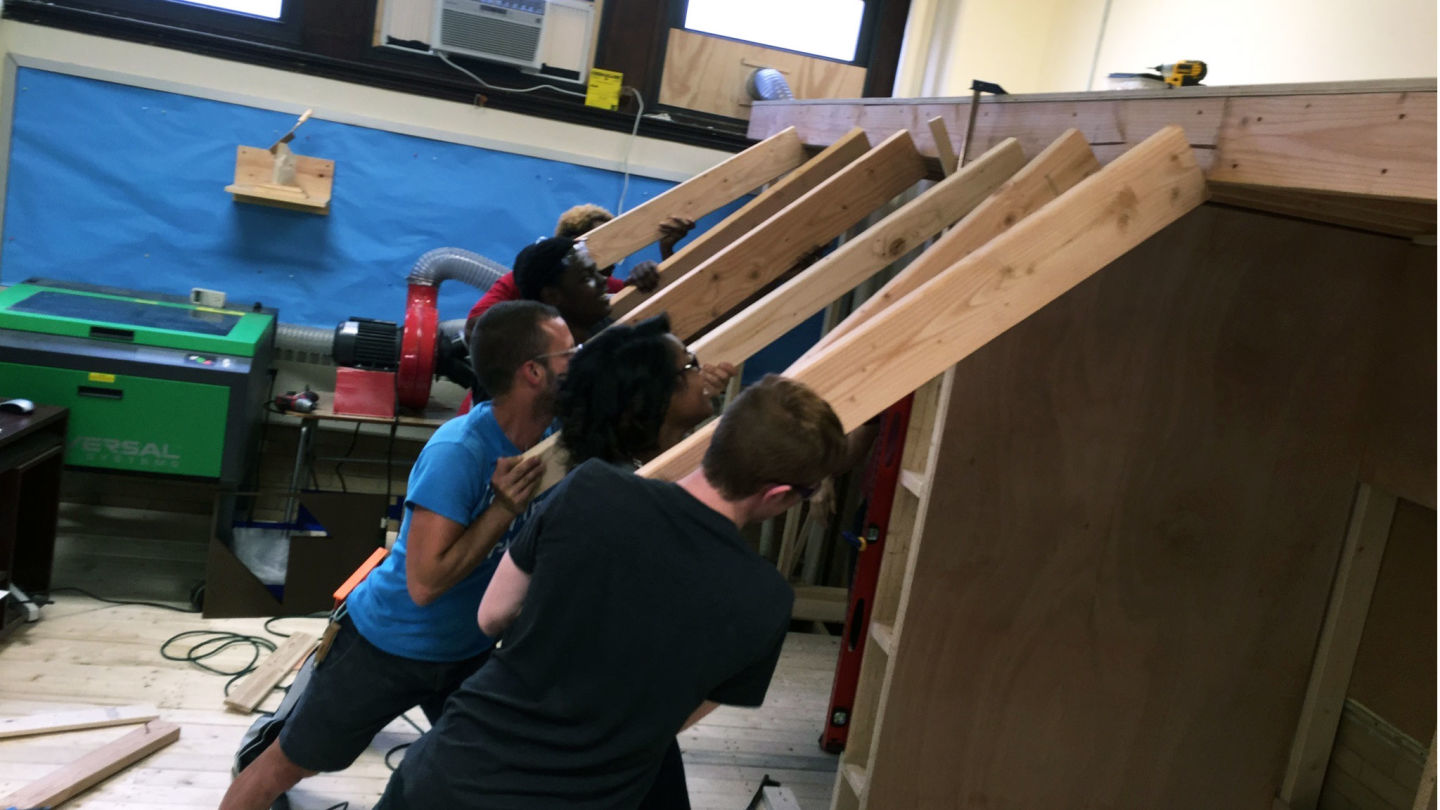
"caption": "Students at SLA Beeber erect the cupboard they built to house a laser cutter.",
"description": null,
"title": "Beeber1",
"credit": "Courtesy Alex Gilliam/Science Leadership Academy",
"status": "inherit",
"isLoading": false,
"fetchFailed": false
},
"mindshift_43603": {
"type": "attachments",
"id": "mindshift_43603",
"meta": {
"index": "attachments_1716263798",
"site": "mindshift",
"id": "43603",
"found": true
},
"parent": 43596,
"imgSizes": {
"twentyfourteen-full-width": {
"file": "https://ww2.kqed.org/app/uploads/sites/23/2016/02/question-mark-cookies-1038x576.jpg",
"width": 1038,
"mimeType": "image/jpeg",
"height": 576
},
"thumbnail": {
"file": "https://ww2.kqed.org/app/uploads/sites/23/2016/02/question-mark-cookies-400x225.jpg",
"width": 400,
"mimeType": "image/jpeg",
"height": 225
},
"fd-sm": {
"file": "https://ww2.kqed.org/app/uploads/sites/23/2016/02/question-mark-cookies-960x540.jpg",
"width": 960,
"mimeType": "image/jpeg",
"height": 540
},
"post-thumbnail": {
"file": "https://ww2.kqed.org/app/uploads/sites/23/2016/02/question-mark-cookies-672x372.jpg",
"width": 672,
"mimeType": "image/jpeg",
"height": 372
},
"kqedFullSize": {
"file": "https://ww2.kqed.org/app/uploads/sites/23/2016/02/question-mark-cookies.jpg",
"width": 1920,
"height": 1080
},
"large": {
"file": "https://ww2.kqed.org/app/uploads/sites/23/2016/02/question-mark-cookies-1440x810.jpg",
"width": 1440,
"mimeType": "image/jpeg",
"height": 810
},
"guest-author-96": {
"file": "https://ww2.kqed.org/app/uploads/sites/23/2016/02/question-mark-cookies-96x96.jpg",
"width": 96,
"mimeType": "image/jpeg",
"height": 96
},
"medium": {
"file": "https://ww2.kqed.org/app/uploads/sites/23/2016/02/question-mark-cookies-800x450.jpg",
"width": 800,
"mimeType": "image/jpeg",
"height": 450
},
"guest-author-64": {
"file": "https://ww2.kqed.org/app/uploads/sites/23/2016/02/question-mark-cookies-64x64.jpg",
"width": 64,
"mimeType": "image/jpeg",
"height": 64
},
"guest-author-32": {
"file": "https://ww2.kqed.org/app/uploads/sites/23/2016/02/question-mark-cookies-32x32.jpg",
"width": 32,
"mimeType": "image/jpeg",
"height": 32
},
"cat_post_thumb_sizecategory-posts-2": {
"file": "https://ww2.kqed.org/app/uploads/sites/23/2016/02/question-mark-cookies-50x50.jpg",
"width": 50,
"mimeType": "image/jpeg",
"height": 50
},
"fd-lrg": {
"file": "https://ww2.kqed.org/app/uploads/sites/23/2016/02/question-mark-cookies-1920x1080.jpg",
"width": 1920,
"mimeType": "image/jpeg",
"height": 1080
},
"fd-med": {
"file": "https://ww2.kqed.org/app/uploads/sites/23/2016/02/question-mark-cookies-1180x664.jpg",
"width": 1180,
"mimeType": "image/jpeg",
"height": 664
},
"detail": {
"file": "https://ww2.kqed.org/app/uploads/sites/23/2016/02/question-mark-cookies-75x75.jpg",
"width": 75,
"mimeType": "image/jpeg",
"height": 75
},
"medium_large": {
"file": "https://ww2.kqed.org/app/uploads/sites/23/2016/02/question-mark-cookies-768x432.jpg",
"width": 768,
"mimeType": "image/jpeg",
"height": 432
},
"guest-author-128": {
"file": "https://ww2.kqed.org/app/uploads/sites/23/2016/02/question-mark-cookies-128x128.jpg",
"width": 128,
"mimeType": "image/jpeg",
"height": 128
}
},
"publishDate": 1454458721,
"modified": 1454458770,
"caption": "Question mark cookies!",
"description": null,
"title": "question-mark-cookies",
"credit": "Scott McLeod/\u003ca href=\"https://www.flickr.com/photos/mcleod/7150176087/\">Flickr\u003c/a>",
"status": "inherit",
"isLoading": false,
"fetchFailed": false
},
"mindshift_42928": {
"type": "attachments",
"id": "mindshift_42928",
"meta": {
"index": "attachments_1716263798",
"site": "mindshift",
"id": "42928",
"found": true
},
"parent": 42825,
"imgSizes": {
"twentyfourteen-full-width": {
"file": "https://ww2.kqed.org/app/uploads/sites/23/2015/11/Numbers-Gerald-Streiter-1038x576.jpg",
"width": 1038,
"mimeType": "image/jpeg",
"height": 576
},
"thumbnail": {
"file": "https://ww2.kqed.org/app/uploads/sites/23/2015/11/Numbers-Gerald-Streiter-400x246.jpg",
"width": 400,
"mimeType": "image/jpeg",
"height": 246
},
"fd-sm": {
"file": "https://ww2.kqed.org/app/uploads/sites/23/2015/11/Numbers-Gerald-Streiter-960x590.jpg",
"width": 960,
"mimeType": "image/jpeg",
"height": 590
},
"post-thumbnail": {
"file": "https://ww2.kqed.org/app/uploads/sites/23/2015/11/Numbers-Gerald-Streiter-672x372.jpg",
"width": 672,
"mimeType": "image/jpeg",
"height": 372
},
"kqedFullSize": {
"file": "https://ww2.kqed.org/app/uploads/sites/23/2015/11/Numbers-Gerald-Streiter.jpg",
"width": 1920,
"height": 1179
},
"large": {
"file": "https://ww2.kqed.org/app/uploads/sites/23/2015/11/Numbers-Gerald-Streiter-1440x884.jpg",
"width": 1440,
"mimeType": "image/jpeg",
"height": 884
},
"guest-author-96": {
"file": "https://ww2.kqed.org/app/uploads/sites/23/2015/11/Numbers-Gerald-Streiter-96x96.jpg",
"width": 96,
"mimeType": "image/jpeg",
"height": 96
},
"medium": {
"file": "https://ww2.kqed.org/app/uploads/sites/23/2015/11/Numbers-Gerald-Streiter-800x491.jpg",
"width": 800,
"mimeType": "image/jpeg",
"height": 491
},
"guest-author-64": {
"file": "https://ww2.kqed.org/app/uploads/sites/23/2015/11/Numbers-Gerald-Streiter-64x64.jpg",
"width": 64,
"mimeType": "image/jpeg",
"height": 64
},
"guest-author-32": {
"file": "https://ww2.kqed.org/app/uploads/sites/23/2015/11/Numbers-Gerald-Streiter-32x32.jpg",
"width": 32,
"mimeType": "image/jpeg",
"height": 32
},
"cat_post_thumb_sizecategory-posts-2": {
"file": "https://ww2.kqed.org/app/uploads/sites/23/2015/11/Numbers-Gerald-Streiter-50x50.jpg",
"width": 50,
"mimeType": "image/jpeg",
"height": 50
},
"fd-lrg": {
"file": "https://ww2.kqed.org/app/uploads/sites/23/2015/11/Numbers-Gerald-Streiter-1920x1179.jpg",
"width": 1920,
"mimeType": "image/jpeg",
"height": 1179
},
"fd-med": {
"file": "https://ww2.kqed.org/app/uploads/sites/23/2015/11/Numbers-Gerald-Streiter-1180x725.jpg",
"width": 1180,
"mimeType": "image/jpeg",
"height": 725
},
"detail": {
"file": "https://ww2.kqed.org/app/uploads/sites/23/2015/11/Numbers-Gerald-Streiter-75x75.jpg",
"width": 75,
"mimeType": "image/jpeg",
"height": 75
},
"guest-author-128": {
"file": "https://ww2.kqed.org/app/uploads/sites/23/2015/11/Numbers-Gerald-Streiter-128x128.jpg",
"width": 128,
"mimeType": "image/jpeg",
"height": 128
}
},
"publishDate": 1448873738,
"modified": 1448873749,
"caption": null,
"description": null,
"title": "Numbers Gerald Streiter",
"credit": "Flickr/Gerald Streiter",
"status": "inherit",
"isLoading": false,
"fetchFailed": false
},
"mindshift_42529": {
"type": "attachments",
"id": "mindshift_42529",
"meta": {
"index": "attachments_1716263798",
"site": "mindshift",
"id": "42529",
"found": true
},
"parent": 42518,
"imgSizes": {
"twentyfourteen-full-width": {
"file": "https://ww2.kqed.org/app/uploads/sites/23/2015/10/Child-questions-1038x576.jpg",
"width": 1038,
"mimeType": "image/jpeg",
"height": 576
},
"thumbnail": {
"file": "https://ww2.kqed.org/app/uploads/sites/23/2015/10/Child-questions-400x225.jpg",
"width": 400,
"mimeType": "image/jpeg",
"height": 225
},
"fd-sm": {
"file": "https://ww2.kqed.org/app/uploads/sites/23/2015/10/Child-questions-960x540.jpg",
"width": 960,
"mimeType": "image/jpeg",
"height": 540
},
"post-thumbnail": {
"file": "https://ww2.kqed.org/app/uploads/sites/23/2015/10/Child-questions-672x372.jpg",
"width": 672,
"mimeType": "image/jpeg",
"height": 372
},
"kqedFullSize": {
"file": "https://ww2.kqed.org/app/uploads/sites/23/2015/10/Child-questions.jpg",
"width": 1920,
"height": 1080
},
"large": {
"file": "https://ww2.kqed.org/app/uploads/sites/23/2015/10/Child-questions-1440x810.jpg",
"width": 1440,
"mimeType": "image/jpeg",
"height": 810
},
"guest-author-96": {
"file": "https://ww2.kqed.org/app/uploads/sites/23/2015/10/Child-questions-96x96.jpg",
"width": 96,
"mimeType": "image/jpeg",
"height": 96
},
"medium": {
"file": "https://ww2.kqed.org/app/uploads/sites/23/2015/10/Child-questions-800x450.jpg",
"width": 800,
"mimeType": "image/jpeg",
"height": 450
},
"guest-author-64": {
"file": "https://ww2.kqed.org/app/uploads/sites/23/2015/10/Child-questions-64x64.jpg",
"width": 64,
"mimeType": "image/jpeg",
"height": 64
},
"guest-author-32": {
"file": "https://ww2.kqed.org/app/uploads/sites/23/2015/10/Child-questions-32x32.jpg",
"width": 32,
"mimeType": "image/jpeg",
"height": 32
},
"cat_post_thumb_sizecategory-posts-2": {
"file": "https://ww2.kqed.org/app/uploads/sites/23/2015/10/Child-questions-50x50.jpg",
"width": 50,
"mimeType": "image/jpeg",
"height": 50
},
"fd-lrg": {
"file": "https://ww2.kqed.org/app/uploads/sites/23/2015/10/Child-questions-1920x1080.jpg",
"width": 1920,
"mimeType": "image/jpeg",
"height": 1080
},
"fd-med": {
"file": "https://ww2.kqed.org/app/uploads/sites/23/2015/10/Child-questions-1180x664.jpg",
"width": 1180,
"mimeType": "image/jpeg",
"height": 664
},
"detail": {
"file": "https://ww2.kqed.org/app/uploads/sites/23/2015/10/Child-questions-75x75.jpg",
"width": 75,
"mimeType": "image/jpeg",
"height": 75
},
"guest-author-128": {
"file": "https://ww2.kqed.org/app/uploads/sites/23/2015/10/Child-questions-128x128.jpg",
"width": 128,
"mimeType": "image/jpeg",
"height": 128
}
},
"publishDate": 1445410826,
"modified": 1445410834,
"caption": null,
"description": null,
"title": "Child-questions",
"credit": "iStock",
"status": "inherit",
"isLoading": false,
"fetchFailed": false
},
"mindshift_42099": {
"type": "attachments",
"id": "mindshift_42099",
"meta": {
"index": "attachments_1716263798",
"site": "mindshift",
"id": "42099",
"found": true
},
"parent": 42092,
"imgSizes": {
"twentyfourteen-full-width": {
"file": "https://ww2.kqed.org/app/uploads/sites/23/2015/09/ginny-figlar-hopscotch-1000x576.jpg",
"width": 1000,
"mimeType": "image/jpeg",
"height": 576
},
"thumbnail": {
"file": "https://ww2.kqed.org/app/uploads/sites/23/2015/09/ginny-figlar-hopscotch-400x238.jpg",
"width": 400,
"mimeType": "image/jpeg",
"height": 238
},
"fd-sm": {
"file": "https://ww2.kqed.org/app/uploads/sites/23/2015/09/ginny-figlar-hopscotch-960x570.jpg",
"width": 960,
"mimeType": "image/jpeg",
"height": 570
},
"post-thumbnail": {
"file": "https://ww2.kqed.org/app/uploads/sites/23/2015/09/ginny-figlar-hopscotch-672x372.jpg",
"width": 672,
"mimeType": "image/jpeg",
"height": 372
},
"kqedFullSize": {
"file": "https://ww2.kqed.org/app/uploads/sites/23/2015/09/ginny-figlar-hopscotch.jpg",
"width": 1000,
"height": 594
},
"cat_post_thumb_sizecategory-posts-2": {
"file": "https://ww2.kqed.org/app/uploads/sites/23/2015/09/ginny-figlar-hopscotch-50x50.jpg",
"width": 50,
"mimeType": "image/jpeg",
"height": 50
},
"guest-author-96": {
"file": "https://ww2.kqed.org/app/uploads/sites/23/2015/09/ginny-figlar-hopscotch-96x96.jpg",
"width": 96,
"mimeType": "image/jpeg",
"height": 96
},
"medium": {
"file": "https://ww2.kqed.org/app/uploads/sites/23/2015/09/ginny-figlar-hopscotch-800x475.jpg",
"width": 800,
"mimeType": "image/jpeg",
"height": 475
},
"guest-author-64": {
"file": "https://ww2.kqed.org/app/uploads/sites/23/2015/09/ginny-figlar-hopscotch-64x64.jpg",
"width": 64,
"mimeType": "image/jpeg",
"height": 64
},
"detail": {
"file": "https://ww2.kqed.org/app/uploads/sites/23/2015/09/ginny-figlar-hopscotch-75x75.jpg",
"width": 75,
"mimeType": "image/jpeg",
"height": 75
},
"guest-author-32": {
"file": "https://ww2.kqed.org/app/uploads/sites/23/2015/09/ginny-figlar-hopscotch-32x32.jpg",
"width": 32,
"mimeType": "image/jpeg",
"height": 32
},
"guest-author-128": {
"file": "https://ww2.kqed.org/app/uploads/sites/23/2015/09/ginny-figlar-hopscotch-128x128.jpg",
"width": 128,
"mimeType": "image/jpeg",
"height": 128
}
},
"publishDate": 1442820679,
"modified": 1442820691,
"caption": null,
"description": null,
"title": "ginny-figlar-hopscotch",
"credit": "\u003ca href=\"https://www.flickr.com/photos/ginnyfiglar/5911928261/in/photolist-a1qbiB-pYjyog-dZH3Uo-wxLzXP-xd2vFb-6bhvP-3KGNZY-hpLtdh-61Ewwu-7ek2kN-mMGBjm-kW83X-cvTDQ7-8G8TFT-4A8XXc-oNqZpu-p5TDfo-p5VJDt-oNruLy-p3TGtJ-p3TFYL-5Ecrg1-5F2cTB-9mrU6G-aoHfdV-9ttm34-6c9w2r-gr3kHB-9NJ7kX-54zwXJ-jCHPnZ-jCKUnJ-jCJEvr-jCKRjQ-jCHKcV-jCJwyp-anfp4C-8G3ZhV-FWaNk-FW6NU-FW6LQ-EyDbj-5uSFRp-2xDn6x-g2BT4F-6kF9XC-8qicyz-oayw6i-7Hqg7C-njHxQ7/\">ginny figlar/Flickr\u003c/a>",
"status": "inherit",
"isLoading": false,
"fetchFailed": false
}
},
"audioPlayerReducer": {
"postId": "stream_live",
"isPaused": true,
"isPlaying": false,
"pfsActive": false,
"pledgeModalIsOpen": true,
"playerDrawerIsOpen": false,
"liveAudioPlayStartedAt": 0,
"liveAudioPlayContext": ""
},
"authorsReducer": {
"byline_mindshift_45698": {
"type": "authors",
"id": "byline_mindshift_45698",
"meta": {
"override": true
},
"slug": "byline_mindshift_45698",
"name": "Eric Westervelt",
"isLoading": false
},
"katrinaschwartz": {
"type": "authors",
"id": "234",
"meta": {
"index": "authors_1716337520",
"id": "234",
"found": true
},
"name": "Katrina Schwartz",
"firstName": "Katrina",
"lastName": "Schwartz",
"slug": "katrinaschwartz",
"email": "kschwartz@kqed.org",
"display_author_email": false,
"staff_mastheads": [
"news"
],
"title": "Producer",
"bio": "Katrina Schwartz is a journalist based in San Francisco. She's worked at KPCC public radio in LA and has reported on air and online for KQED since 2010. She covered how teaching and learning is changing for MindShift between 2012 and 2020. She is the co-host of the MindShift podcast and now produces KQED's Bay Curious podcast.",
"avatar": "https://secure.gravatar.com/avatar/edb4ee79070447a018538c9aae6eeecf28786515b8a0c30e43b6b7dce5aa44c8?s=600&d=blank&r=g",
"twitter": "kschwart",
"bluesky": null,
"facebook": null,
"instagram": null,
"linkedin": null,
"sites": [
{
"site": "",
"roles": [
"editor"
]
},
{
"site": "news",
"roles": [
"editor"
]
},
{
"site": "mindshift",
"roles": [
"administrator"
]
},
{
"site": "stateofhealth",
"roles": [
"author"
]
},
{
"site": "science",
"roles": [
"editor"
]
}
],
"headData": {
"title": "Katrina Schwartz | KQED",
"description": "Producer",
"ogImgSrc": "https://secure.gravatar.com/avatar/edb4ee79070447a018538c9aae6eeecf28786515b8a0c30e43b6b7dce5aa44c8?s=600&d=blank&r=g",
"twImgSrc": "https://secure.gravatar.com/avatar/edb4ee79070447a018538c9aae6eeecf28786515b8a0c30e43b6b7dce5aa44c8?s=600&d=blank&r=g"
},
"isLoading": false,
"link": "/author/katrinaschwartz"
},
"lindaflan": {
"type": "authors",
"id": "4613",
"meta": {
"index": "authors_1716337520",
"id": "4613",
"found": true
},
"name": "Linda Flanagan",
"firstName": "Linda",
"lastName": "Flanagan",
"slug": "lindaflan",
"email": "lindaflan@comcast.net",
"display_author_email": false,
"staff_mastheads": [],
"title": null,
"bio": "Linda Flanagan is a freelance writer, researcher, and editor. Her work has appeared in The Atlantic, The Wall St. Journal, Newsweek, Running Times, and Mind/Shift, and she blogs regularly for the Huffington Post. Linda writes about education, culture, athletics, youth sports, mental health, politics, college admissions, and other curiosities. She also reviews books and conducts interviews.",
"avatar": "https://secure.gravatar.com/avatar/6bca04c0736bf5eaea80654019de688f?s=600&d=blank&r=g",
"twitter": "LindaFlanagan2",
"facebook": null,
"instagram": null,
"linkedin": null,
"sites": [
{
"site": "mindshift",
"roles": [
"contributor"
]
}
],
"headData": {
"title": "Linda Flanagan | KQED",
"description": null,
"ogImgSrc": "https://secure.gravatar.com/avatar/6bca04c0736bf5eaea80654019de688f?s=600&d=blank&r=g",
"twImgSrc": "https://secure.gravatar.com/avatar/6bca04c0736bf5eaea80654019de688f?s=600&d=blank&r=g"
},
"isLoading": false,
"link": "/author/lindaflan"
}
},
"pagesReducer": {
"mindshift_tag_inquiry-learning": {
"type": "terms",
"id": "mindshift_797",
"meta": {
"index": "terms_1716263798",
"site": "mindshift",
"id": "797",
"score": 10.403393
},
"featImg": null,
"name": "inquiry learning",
"description": null,
"taxonomy": "tag",
"headData": {
"twImgId": null,
"twTitle": null,
"ogTitle": null,
"ogImgId": null,
"twDescription": null,
"description": null,
"title": "inquiry learning Archives - KQED Mindshift",
"ogDescription": null
},
"ttid": 800,
"slug": "inquiry-learning",
"isLoading": false,
"title": "inquiry learning",
"pageMeta": {
"site": "mindshift",
"WpPageTemplate": "page-topic-editorial",
"currentPage": 3
},
"blocks": [
{
"blockName": "kqed/post-list",
"attrs": {
"layout": "cardArticle2",
"query": "posts/mindshift?tag=inquiry-learning",
"seeMore": false,
"paginated": true,
"page": 3
}
},
{
"blockName": "kqed/ad"
}
]
}
},
"pfsSessionReducer": {},
"postsReducer": {
"stream_live": {
"type": "live",
"id": "stream_live",
"audioUrl": "https://streams.kqed.org/kqedradio",
"title": "Live Stream",
"excerpt": "Live Stream information currently unavailable.",
"link": "/radio",
"featImg": "",
"label": {
"name": "KQED Live",
"link": "/"
}
},
"stream_kqedNewscast": {
"type": "posts",
"id": "stream_kqedNewscast",
"audioUrl": "https://www.kqed.org/.stream/anon/radio/RDnews/newscast.mp3?_=1",
"title": "KQED Newscast",
"featImg": "",
"label": {
"name": "88.5 FM",
"link": "/"
}
},
"mindshift_47069": {
"type": "posts",
"id": "mindshift_47069",
"meta": {
"index": "posts_1716263798",
"site": "mindshift",
"id": "47069",
"score": null,
"sort": [
1487660495000
]
},
"parent": 0,
"labelTerm": {
"site": "mindshift"
},
"blocks": [],
"publishDate": 1487660495,
"format": "standard",
"disqusTitle": "Is It Time To Go Back To Basics With Writing Instruction?",
"title": "Is It Time To Go Back To Basics With Writing Instruction?",
"headTitle": "MindShift | KQED News",
"content": "\u003cp>Most educators acknowledge that literacy is important, but often the focus is on reading because for a long time that is what achievement tests measured. In the last few years there has been more focus on writing in classrooms and on tests, but many students still have difficulty expressing their ideas on paper.\u003c/p>\n\u003cp>Often students struggle to begin writing, so some teachers have shifted assignments to allow students to write about something they care about, or to provide an authentic audience for written work. While these strategies are important parts of making learning relevant to students, they may not be enough on their own to improve the quality of writing. Practice is important, but how can teachers ensure students are practicing good habits?\u003c/p>\n\u003cp>Nell Scharff Panero taught high school English for 13 years before going back to school to get her Ph.D. in educational leadership. She is now the director of the Center for Educational Leadership at Baruch College, part of City University of New York (CUNY). As a teacher she was often frustrated that she didn’t have more concrete tools to teach writing. Like many teachers, she taught her students to brainstorm, to write outlines and thesis statements with details that backed them up, but when students still struggled she didn’t feel she had the tools to dig deeper.\u003c/p>\n\u003cp>“If language was breaking down at the level of the sentence, I didn’t know how to break it down or what to do about it,” Scharff Panero said. “And I didn’t know how to expect more.”\u003c/p>\n\u003cp>These experiences teaching ultimately led her to the work she currently does, guiding teams of educators in an inquiry process to identify specific, granular gaps in students’ ability to write. Peg Tyre documented one school’s inquiry and implementation process at New Dorp High School in her article “\u003ca href=\"http://www.theatlantic.com/magazine/archive/2012/10/the-writing-revolution/309090/\" target=\"_blank\">The Writing Revolution\u003c/a>,” published in \u003cem>The Atlantic\u003c/em>. Despite initially pushing back, Tyre writes that through inquiry teachers began to see that their students didn’t understand things like how the conjunctions “but, because and so” work in sentences, and these gaps were preventing them from expressing complexity in writing.\u003c/p>\n\u003cp>[ad fullwidth]\u003c/p>\n\u003cp>“I think what’s most counter-cultural, and not really in the knowledge base, is how to develop students at the level of the sentence and all the ramifications that has in terms of thinking and content,” Scharff Panero said. She has recently published a paper titled \u003ca href=\"https://www.researchgate.net/publication/301716196_Progressive_mastery_through_deliberate_practice_A_promising_approach_for_improving_writing\" target=\"_blank\">\"Progressive mastery through deliberate practice: A promising approach for improving writing\"\u003c/a> in the journal \u003cem>Improving Schools\u003c/em> about the New Dorp approach and how it compares to commonly held beliefs about writing instruction, as well as the existing literature on how to teach writing.\u003c/p>\n\u003cp>“There’s a belief that you immerse kids in it and they kind of figure it out,” Scharff Panero said. And some kids can, especially if they grow up in a language-rich environment without any of the common barriers found in public school classrooms, like learning English as a second language, special needs, trauma and poverty. The idea is that models of good writing naturally transfer to students as they regularly practice their own writing, but sometimes students don’t pick up on crucial ideas that end up inhibiting them as they advance in school.\u003c/p>\n\u003cp>Indeed, many students in the public education system aren’t “catching” what they need to know about writing -- the most recent National Assessment of Educational Progress \u003ca href=\"http://nces.ed.gov/whatsnew/commissioner/remarks2012/09_14_2012.asp\" target=\"_blank\">writing test found\u003c/a> almost 75 percent of eighth- and 12th-graders in the U.S. wrote below grade level and only 3 percent of U.S. students, across all demographics, wrote at an “advanced” level.\u003c/p>\n\u003cp>“Some people can make it, but how do we learn more about how we can teach it better, so everyone does better?” Scharff Panero asked.\u003c/p>\n\u003cp>The strategies New Dorp teachers used to fill gaps in students’ understanding came from Judith Hochman’s book \u003cem>\u003ca href=\"http://cdn2.hubspot.net/hub/208815/file-840697059-pdf/docs/website%20sample%20download%20docs/327_tbws_sample.pdf?t=1441305054742\" target=\"_blank\">Teaching Basic Writing Skills\u003c/a>\u003c/em>, and they seem simplistic. To the average high school teacher, spending a semester on sentence-level exercises that are heavily scaffolded seems easy and boring. But Scharff Panero said that when teachers try taking instruction back to basics using what she calls “progressive mastery,” they see big improvements in the quality of both thinking and writing, and that students can meet high school expectations when teachers slow down to show them how to write well.\u003c/p>\n\u003cp>https://www.youtube.com/watch?v=DhA-NTSIkec\u003c/p>\n\u003cp>The New Dorp turnaround inspired New York City to require the approach at the 30 lowest-performing high schools in the district, called \u003ca href=\"http://schools.nyc.gov/AboutUs/schools/RenewalSchools/default\" target=\"_blank\">Renewal Schools\u003c/a>. Some of these schools are now beginning to see a shift, but only after some difficult discussions with staff.\u003c/p>\n\u003cp>“It was very much an attitude that we went in; we taught it; the kids didn’t pay attention; they didn’t study; and they should have learned it,” said Dan Scanlon, principal of \u003ca href=\"http://www.johnadamsnyc.org/\" target=\"_blank\">John Adams High School\u003c/a>. “A lot of people felt they were being blamed for their kids not learning something.”\u003c/p>\n\u003cp>Scanlon said it was difficult for his staff to acknowledge that pointing fingers at students wasn’t going to improve performance. Instead, the staff had to accept the reality of where their students were at and try something new and different for most high school teachers. Because John Adams has been a low-achieving school for a long time and has been designated a Renewal School, teachers ultimately had no choice. The whole staff got trained in the writing strategies, called Writing is Thinking through Strategic Inquiry (WITsi), and learned how to apply them to their content areas.\u003c/p>\n\u003cp>“We have better teacher practice because of their implementation of WIT and that has improved performance on Regents exams,” said Joanna Cohen, a vice-principal at John Adams. School administrators chose to implement writing across the curriculum because they began to see that many of the gaps in writing knowledge also pointed to fundamental abilities to express relationships. Using “so” correctly in a sentence, for example, indicates causality, an idea that’s just as important in math and science as it is in more writing-intensive disciplines like social studies and English.\u003c/p>\n\u003cp>\u003cstrong>HOW PROGRESSIVE MASTERY WORKS\u003c/strong>\u003c/p>\n\u003cp>The WIT activities are not a set curriculum meant to be used exactly the same way by every teacher. Instead, Scharff Panero explained that teachers are trained in the strategies and then use their own discretion to introduce different approaches, according to their instructional goals. For the program to work well, it’s important for teachers to be able to pick out and focus on writing structures that indicate a way of thinking, no matter the discipline. For example, distinguishing general ideas from specific statements is a crucial skill that comes up when students write paragraphs that include a topic sentence, along with supporting sentences that back up the topic sentence.\u003c/p>\n\u003cp>When the idea of distinguishing general from specific is the focus of the lesson, the teacher can approach it in a different way. For example, in the Hochman Method used at New Dorp and \u003ca href=\"http://imp.sagepub.com/content/19/3/229.abstract?rss=1\" target=\"_blank\">studied by Scharff Panero\u003c/a>, teachers started by giving students a paragraph and asking them to pick out the general statement, the topic sentence and specific statements, the supporting detail. Starting with the model before asking students to write their own topic sentences helped reinforce the bigger idea of the difference between general and specific.\u003c/p>\n\u003cp>The idea behind progressive mastery is to protect students from what confuses them until they have mastered each individual component. With that in mind, the freshman high school students Scharff Panero studied focused on the level of the sentence, as well as note-taking strategies, for a whole semester. They looked at examples, identified different kinds of sentences and the details within them, filled in word stems, learned to expand sentences and how to combine them.\u003c/p>\n\u003cfigure id=\"attachment_47095\" class=\"wp-caption aligncenter\" style=\"max-width: 578px\">\u003cimg class=\"size-full wp-image-47095\" src=\"http://ww2.kqed.org/mindshift/wp-content/uploads/sites/23/2016/12/but-because-so.png\" alt=\"A scaffolded activity focusing on the differences between but, because, and so in a sentence.\" width=\"578\" height=\"124\" srcset=\"https://ww2.kqed.org/app/uploads/sites/23/2016/12/but-because-so.png 578w, https://ww2.kqed.org/app/uploads/sites/23/2016/12/but-because-so-160x34.png 160w, https://ww2.kqed.org/app/uploads/sites/23/2016/12/but-because-so-240x51.png 240w, https://ww2.kqed.org/app/uploads/sites/23/2016/12/but-because-so-375x80.png 375w, https://ww2.kqed.org/app/uploads/sites/23/2016/12/but-because-so-520x112.png 520w\" sizes=\"(max-width: 578px) 100vw, 578px\">\u003cfigcaption class=\"wp-caption-text\">A scaffolded activity focusing on the differences between but, because, and so in a sentence. \u003ccite>(Nell Scharff-Panero/\"Progressive mastery through deliberate practice: A promising approach for improving writing\")\u003c/cite>\u003c/figcaption>\u003c/figure>\n\u003cp>Many of these activities are “closed\" in that they have a right or a wrong answer that indicates both how well students understand the writing structure, as well as the content involved. Scharff Panero is aware that many educators believe writing in this didactic way inhibits creativity and free expression, but she says students need to understand the rules of writing before they can break them. And, she pushes back against the idea that this approach is dumbing down expectations, arguing that short, sentence-level exercises can contain a lot of rigor and show deep thought.\u003c/p>\n\u003cp>“My feeling is that if you believe, as I do, that they’re missing foundational skills, then if all you do is increase the rigor without closing the skill gap, then you’ll just make the divide bigger,” she said. Asking students to read longer and more challenging texts, and to write longer essays without first showing them in concrete ways how to build up to that level, defeats the purpose in her mind.\u003c/p>\n\u003cp>After mastering sentences, teachers move on to how to build a paragraph. They teach students how to write quick outlines using a specific note-taking strategy that can then provide an easy guide for writing. Many of these ideas are familiar to English teachers, but the difference with the progressive mastery or WIT strategies is how teachers break down each aspect of writing. Many high school teachers haven’t been taught to teach this way, and while they know how to write themselves, they may not be thinking clearly about the scaffolded steps required to accurately summarize or build on an idea. As simple as they sound, these writing strategies are meant to fill in those gaps.\u003c/p>\n\u003cfigure id=\"attachment_47096\" class=\"wp-caption aligncenter\" style=\"max-width: 632px\">\u003cimg class=\"size-full wp-image-47096\" src=\"http://ww2.kqed.org/mindshift/wp-content/uploads/sites/23/2016/12/expanded-sentence.png\" alt=\"Example of a sentence expansion activity.\" width=\"632\" height=\"123\" srcset=\"https://ww2.kqed.org/app/uploads/sites/23/2016/12/expanded-sentence.png 632w, https://ww2.kqed.org/app/uploads/sites/23/2016/12/expanded-sentence-160x31.png 160w, https://ww2.kqed.org/app/uploads/sites/23/2016/12/expanded-sentence-240x47.png 240w, https://ww2.kqed.org/app/uploads/sites/23/2016/12/expanded-sentence-375x73.png 375w, https://ww2.kqed.org/app/uploads/sites/23/2016/12/expanded-sentence-520x101.png 520w\" sizes=\"(max-width: 632px) 100vw, 632px\">\u003cfigcaption class=\"wp-caption-text\">An example of a sentence expansion activity. \u003ccite>(Nell Scharff-Panero/\"Progressive mastery through deliberate practice: A promising approach for improving writing\")\u003c/cite>\u003c/figcaption>\u003c/figure>\n\u003cp>\u003cstrong>JOHN ADAMS HIGH SCHOOL\u003c/strong>\u003c/p>\n\u003cp>It was frustrating, but John Adams teachers had to face the reality that their kids needed them to step back and explicitly teach things like how to effectively use conjunctions in a sentence. While it’s natural that the English department expected to be reading and analyzing literature, its teachers soon realized that if they didn’t help their students master writing, they’d never get there.\u003c/p>\n\u003cp>“We weren’t really sure how well it was going to work because we thought it was really low level for high school,” said Loribeth Libretta, an English teacher at John Adams. She’s been using the WIT strategies for five years now and has seen the difference it has made for students. She remembers one shy freshman boy who lacked confidence and most writing skills. Now, he’s a junior in her class and she says it’s a joy to read his well-developed paragraphs that flow together and express high-level thinking. He’s also become much more confident as a learner.\u003c/p>\n\u003cp>“Ideally they should have learned this in elementary and junior high school,” said Lauren Salamone, who teaches sophomores Global History. “That’s your automatic reaction, but it’s not the reality.”\u003c/p>\n\u003cp>There’s a lot of writing on the New York Regents Global History exam, which requires students to answer several document-based questions as well as two essays covering a lot of content. Salamone didn’t resist the writing strategies because she could see early on that her students didn’t have the skills to write at the level required of them. And, to her surprise, her students were grateful to learn the code to good writing.\u003c/p>\n\u003cp>“They just kind of naturally grabbed on,” Salamone said. “They didn’t really question at all. If anything they found the benefit in it.”\u003c/p>\n\u003cp>As a science teacher, Jennifer McHugh was skeptical of the schoolwide writing strategy. She didn’t see why she should use valuable class time to teach writing when students wouldn’t need that information to pass the Regents test in her class. But, she complied with the program because she had to, and has come around to how the writing strategies improved her students’ scientific thinking as well.\u003c/p>\n\u003cp>Asking students to use “but, because and so” about the science they are learning has given students new tools and perspectives to discuss what they know. And, McHugh has found that the writing exercises help her see where students have gaps in their knowledge. For example, if a student uses “but” incorrectly in a sentence, it’s likely he or she doesn’t understand the relationship between the two things yet.\u003c/p>\n\u003cp>“It helps with their critical thinking skills because they’re thinking from multiple perspectives,” McHugh said. She’s seen her students grow over the year and they earned better Regents scores as well.\u003c/p>\n\u003cp>What started out as a writing program has become a way to scaffold content and improve teacher performance at John Adams. Teachers are consistently asked to dive into the data in their classrooms and try to understand where the gaps are and how they can be filled. The inquiry that staff did to find the gaps and develop strategies to fill them is ongoing. This work is pushing them to think more critically about how they teach as well.\u003c/p>\n\u003cp>Scharff Panero believes education researchers need to do more explicit studies on best practices to teach writing, and sees her paper as a starting point for that work. Research has already shown that improving writing also improves thinking, content knowledge and speaking skills. She’s not convinced the WIT strategies that she helped develop for New York City’s Renewal Schools are the only way to see pronounced growth in students’ writing abilities. It could just be that identifying and actively trying to fill gaps in writing, no matter how it’s done, is enough.\u003c/p>\n\u003cp>[ad floatright]\u003c/p>\n\u003cp>She’s also skeptical that a software program could find and remediate weaknesses in writing. The processes she has witnessed are very human-based, requiring a teacher’s expertise. Principal Scanlon also thought it might be hard for a computer program to yield the same results. He pointed out that software can give a teacher a lot of data, but how he or she uses that data is much more important. He believes that requiring teacher teams to do cycles of inquiry into their students’ skills, while providing them with support and ideas for closing gaps, serves the important purpose of helping teachers grow, too.\u003c/p>\n\n",
"disqusIdentifier": "47069 http://ww2.kqed.org/mindshift/?p=47069",
"disqusUrl": "https://ww2.kqed.org/mindshift/2017/02/20/is-it-time-to-go-back-to-basics-with-writing-instruction/",
"stats": {
"hasVideo": true,
"hasChartOrMap": false,
"hasAudio": false,
"hasPolis": false,
"wordCount": 2500,
"hasGoogleForm": false,
"hasGallery": false,
"hasHearkenModule": false,
"iframeSrcs": [],
"paragraphCount": 35
},
"modified": 1487704476,
"excerpt": "A writing program that many high school teachers thought would be far too easy has proven crucial to develop students' critical thinking and written expression skills.",
"headData": {
"twImgId": "",
"twTitle": "",
"ogTitle": "",
"ogImgId": "",
"twDescription": "",
"description": "A writing program that many high school teachers thought would be far too easy has proven crucial to develop students' critical thinking and written expression skills.",
"title": "Is It Time To Go Back To Basics With Writing Instruction? | KQED",
"ogDescription": "",
"schema": {
"@context": "https://schema.org",
"@type": "Article",
"headline": "Is It Time To Go Back To Basics With Writing Instruction?",
"datePublished": "2017-02-20T23:01:35-08:00",
"dateModified": "2017-02-21T11:14:36-08:00",
"image": "https://cdn.kqed.org/wp-content/uploads/2020/02/KQED-OG-Image@1x.png"
}
},
"guestAuthors": [],
"slug": "is-it-time-to-go-back-to-basics-with-writing-instruction",
"status": "publish",
"path": "/mindshift/47069/is-it-time-to-go-back-to-basics-with-writing-instruction",
"audioTrackLength": null,
"parsedContent": [
{
"type": "contentString",
"content": "\u003cdiv class=\"post-body\">\u003cp>\u003cp>Most educators acknowledge that literacy is important, but often the focus is on reading because for a long time that is what achievement tests measured. In the last few years there has been more focus on writing in classrooms and on tests, but many students still have difficulty expressing their ideas on paper.\u003c/p>\n\u003cp>Often students struggle to begin writing, so some teachers have shifted assignments to allow students to write about something they care about, or to provide an authentic audience for written work. While these strategies are important parts of making learning relevant to students, they may not be enough on their own to improve the quality of writing. Practice is important, but how can teachers ensure students are practicing good habits?\u003c/p>\n\u003cp>Nell Scharff Panero taught high school English for 13 years before going back to school to get her Ph.D. in educational leadership. She is now the director of the Center for Educational Leadership at Baruch College, part of City University of New York (CUNY). As a teacher she was often frustrated that she didn’t have more concrete tools to teach writing. Like many teachers, she taught her students to brainstorm, to write outlines and thesis statements with details that backed them up, but when students still struggled she didn’t feel she had the tools to dig deeper.\u003c/p>\n\u003cp>“If language was breaking down at the level of the sentence, I didn’t know how to break it down or what to do about it,” Scharff Panero said. “And I didn’t know how to expect more.”\u003c/p>\n\u003cp>These experiences teaching ultimately led her to the work she currently does, guiding teams of educators in an inquiry process to identify specific, granular gaps in students’ ability to write. Peg Tyre documented one school’s inquiry and implementation process at New Dorp High School in her article “\u003ca href=\"http://www.theatlantic.com/magazine/archive/2012/10/the-writing-revolution/309090/\" target=\"_blank\">The Writing Revolution\u003c/a>,” published in \u003cem>The Atlantic\u003c/em>. Despite initially pushing back, Tyre writes that through inquiry teachers began to see that their students didn’t understand things like how the conjunctions “but, because and so” work in sentences, and these gaps were preventing them from expressing complexity in writing.\u003c/p>\n\u003cp>\u003c/p>\u003c/div>",
"attributes": {
"named": {},
"numeric": []
}
},
{
"type": "component",
"content": "",
"name": "ad",
"attributes": {
"named": {
"label": "fullwidth"
},
"numeric": [
"fullwidth"
]
}
},
{
"type": "contentString",
"content": "\u003cdiv class=\"post-body\">\u003cp>\u003c/p>\n\u003cp>“I think what’s most counter-cultural, and not really in the knowledge base, is how to develop students at the level of the sentence and all the ramifications that has in terms of thinking and content,” Scharff Panero said. She has recently published a paper titled \u003ca href=\"https://www.researchgate.net/publication/301716196_Progressive_mastery_through_deliberate_practice_A_promising_approach_for_improving_writing\" target=\"_blank\">\"Progressive mastery through deliberate practice: A promising approach for improving writing\"\u003c/a> in the journal \u003cem>Improving Schools\u003c/em> about the New Dorp approach and how it compares to commonly held beliefs about writing instruction, as well as the existing literature on how to teach writing.\u003c/p>\n\u003cp>“There’s a belief that you immerse kids in it and they kind of figure it out,” Scharff Panero said. And some kids can, especially if they grow up in a language-rich environment without any of the common barriers found in public school classrooms, like learning English as a second language, special needs, trauma and poverty. The idea is that models of good writing naturally transfer to students as they regularly practice their own writing, but sometimes students don’t pick up on crucial ideas that end up inhibiting them as they advance in school.\u003c/p>\n\u003cp>Indeed, many students in the public education system aren’t “catching” what they need to know about writing -- the most recent National Assessment of Educational Progress \u003ca href=\"http://nces.ed.gov/whatsnew/commissioner/remarks2012/09_14_2012.asp\" target=\"_blank\">writing test found\u003c/a> almost 75 percent of eighth- and 12th-graders in the U.S. wrote below grade level and only 3 percent of U.S. students, across all demographics, wrote at an “advanced” level.\u003c/p>\n\u003cp>“Some people can make it, but how do we learn more about how we can teach it better, so everyone does better?” Scharff Panero asked.\u003c/p>\n\u003cp>The strategies New Dorp teachers used to fill gaps in students’ understanding came from Judith Hochman’s book \u003cem>\u003ca href=\"http://cdn2.hubspot.net/hub/208815/file-840697059-pdf/docs/website%20sample%20download%20docs/327_tbws_sample.pdf?t=1441305054742\" target=\"_blank\">Teaching Basic Writing Skills\u003c/a>\u003c/em>, and they seem simplistic. To the average high school teacher, spending a semester on sentence-level exercises that are heavily scaffolded seems easy and boring. But Scharff Panero said that when teachers try taking instruction back to basics using what she calls “progressive mastery,” they see big improvements in the quality of both thinking and writing, and that students can meet high school expectations when teachers slow down to show them how to write well.\u003c/p>\u003c/p>\u003cp>\u003cspan class='utils-parseShortcode-shortcodes-__youtubeShortcode__embedYoutube'>\n \u003cspan class='utils-parseShortcode-shortcodes-__youtubeShortcode__embedYoutubeInside'>\n \u003ciframe\n loading='lazy'\n class='utils-parseShortcode-shortcodes-__youtubeShortcode__youtubePlayer'\n type='text/html'\n src='//www.youtube.com/embed/DhA-NTSIkec'\n title='//www.youtube.com/embed/DhA-NTSIkec'\n allowfullscreen='true'\n style='border:0;'>\u003c/iframe>\n \u003c/span>\n \u003c/span>\u003c/p>\u003cp>\u003cp>The New Dorp turnaround inspired New York City to require the approach at the 30 lowest-performing high schools in the district, called \u003ca href=\"http://schools.nyc.gov/AboutUs/schools/RenewalSchools/default\" target=\"_blank\">Renewal Schools\u003c/a>. Some of these schools are now beginning to see a shift, but only after some difficult discussions with staff.\u003c/p>\n\u003cp>“It was very much an attitude that we went in; we taught it; the kids didn’t pay attention; they didn’t study; and they should have learned it,” said Dan Scanlon, principal of \u003ca href=\"http://www.johnadamsnyc.org/\" target=\"_blank\">John Adams High School\u003c/a>. “A lot of people felt they were being blamed for their kids not learning something.”\u003c/p>\n\u003cp>Scanlon said it was difficult for his staff to acknowledge that pointing fingers at students wasn’t going to improve performance. Instead, the staff had to accept the reality of where their students were at and try something new and different for most high school teachers. Because John Adams has been a low-achieving school for a long time and has been designated a Renewal School, teachers ultimately had no choice. The whole staff got trained in the writing strategies, called Writing is Thinking through Strategic Inquiry (WITsi), and learned how to apply them to their content areas.\u003c/p>\n\u003cp>“We have better teacher practice because of their implementation of WIT and that has improved performance on Regents exams,” said Joanna Cohen, a vice-principal at John Adams. School administrators chose to implement writing across the curriculum because they began to see that many of the gaps in writing knowledge also pointed to fundamental abilities to express relationships. Using “so” correctly in a sentence, for example, indicates causality, an idea that’s just as important in math and science as it is in more writing-intensive disciplines like social studies and English.\u003c/p>\n\u003cp>\u003cstrong>HOW PROGRESSIVE MASTERY WORKS\u003c/strong>\u003c/p>\n\u003cp>The WIT activities are not a set curriculum meant to be used exactly the same way by every teacher. Instead, Scharff Panero explained that teachers are trained in the strategies and then use their own discretion to introduce different approaches, according to their instructional goals. For the program to work well, it’s important for teachers to be able to pick out and focus on writing structures that indicate a way of thinking, no matter the discipline. For example, distinguishing general ideas from specific statements is a crucial skill that comes up when students write paragraphs that include a topic sentence, along with supporting sentences that back up the topic sentence.\u003c/p>\n\u003cp>When the idea of distinguishing general from specific is the focus of the lesson, the teacher can approach it in a different way. For example, in the Hochman Method used at New Dorp and \u003ca href=\"http://imp.sagepub.com/content/19/3/229.abstract?rss=1\" target=\"_blank\">studied by Scharff Panero\u003c/a>, teachers started by giving students a paragraph and asking them to pick out the general statement, the topic sentence and specific statements, the supporting detail. Starting with the model before asking students to write their own topic sentences helped reinforce the bigger idea of the difference between general and specific.\u003c/p>\n\u003cp>The idea behind progressive mastery is to protect students from what confuses them until they have mastered each individual component. With that in mind, the freshman high school students Scharff Panero studied focused on the level of the sentence, as well as note-taking strategies, for a whole semester. They looked at examples, identified different kinds of sentences and the details within them, filled in word stems, learned to expand sentences and how to combine them.\u003c/p>\n\u003cfigure id=\"attachment_47095\" class=\"wp-caption aligncenter\" style=\"max-width: 578px\">\u003cimg class=\"size-full wp-image-47095\" src=\"http://ww2.kqed.org/mindshift/wp-content/uploads/sites/23/2016/12/but-because-so.png\" alt=\"A scaffolded activity focusing on the differences between but, because, and so in a sentence.\" width=\"578\" height=\"124\" srcset=\"https://ww2.kqed.org/app/uploads/sites/23/2016/12/but-because-so.png 578w, https://ww2.kqed.org/app/uploads/sites/23/2016/12/but-because-so-160x34.png 160w, https://ww2.kqed.org/app/uploads/sites/23/2016/12/but-because-so-240x51.png 240w, https://ww2.kqed.org/app/uploads/sites/23/2016/12/but-because-so-375x80.png 375w, https://ww2.kqed.org/app/uploads/sites/23/2016/12/but-because-so-520x112.png 520w\" sizes=\"(max-width: 578px) 100vw, 578px\">\u003cfigcaption class=\"wp-caption-text\">A scaffolded activity focusing on the differences between but, because, and so in a sentence. \u003ccite>(Nell Scharff-Panero/\"Progressive mastery through deliberate practice: A promising approach for improving writing\")\u003c/cite>\u003c/figcaption>\u003c/figure>\n\u003cp>Many of these activities are “closed\" in that they have a right or a wrong answer that indicates both how well students understand the writing structure, as well as the content involved. Scharff Panero is aware that many educators believe writing in this didactic way inhibits creativity and free expression, but she says students need to understand the rules of writing before they can break them. And, she pushes back against the idea that this approach is dumbing down expectations, arguing that short, sentence-level exercises can contain a lot of rigor and show deep thought.\u003c/p>\n\u003cp>“My feeling is that if you believe, as I do, that they’re missing foundational skills, then if all you do is increase the rigor without closing the skill gap, then you’ll just make the divide bigger,” she said. Asking students to read longer and more challenging texts, and to write longer essays without first showing them in concrete ways how to build up to that level, defeats the purpose in her mind.\u003c/p>\n\u003cp>After mastering sentences, teachers move on to how to build a paragraph. They teach students how to write quick outlines using a specific note-taking strategy that can then provide an easy guide for writing. Many of these ideas are familiar to English teachers, but the difference with the progressive mastery or WIT strategies is how teachers break down each aspect of writing. Many high school teachers haven’t been taught to teach this way, and while they know how to write themselves, they may not be thinking clearly about the scaffolded steps required to accurately summarize or build on an idea. As simple as they sound, these writing strategies are meant to fill in those gaps.\u003c/p>\n\u003cfigure id=\"attachment_47096\" class=\"wp-caption aligncenter\" style=\"max-width: 632px\">\u003cimg class=\"size-full wp-image-47096\" src=\"http://ww2.kqed.org/mindshift/wp-content/uploads/sites/23/2016/12/expanded-sentence.png\" alt=\"Example of a sentence expansion activity.\" width=\"632\" height=\"123\" srcset=\"https://ww2.kqed.org/app/uploads/sites/23/2016/12/expanded-sentence.png 632w, https://ww2.kqed.org/app/uploads/sites/23/2016/12/expanded-sentence-160x31.png 160w, https://ww2.kqed.org/app/uploads/sites/23/2016/12/expanded-sentence-240x47.png 240w, https://ww2.kqed.org/app/uploads/sites/23/2016/12/expanded-sentence-375x73.png 375w, https://ww2.kqed.org/app/uploads/sites/23/2016/12/expanded-sentence-520x101.png 520w\" sizes=\"(max-width: 632px) 100vw, 632px\">\u003cfigcaption class=\"wp-caption-text\">An example of a sentence expansion activity. \u003ccite>(Nell Scharff-Panero/\"Progressive mastery through deliberate practice: A promising approach for improving writing\")\u003c/cite>\u003c/figcaption>\u003c/figure>\n\u003cp>\u003cstrong>JOHN ADAMS HIGH SCHOOL\u003c/strong>\u003c/p>\n\u003cp>It was frustrating, but John Adams teachers had to face the reality that their kids needed them to step back and explicitly teach things like how to effectively use conjunctions in a sentence. While it’s natural that the English department expected to be reading and analyzing literature, its teachers soon realized that if they didn’t help their students master writing, they’d never get there.\u003c/p>\n\u003cp>“We weren’t really sure how well it was going to work because we thought it was really low level for high school,” said Loribeth Libretta, an English teacher at John Adams. She’s been using the WIT strategies for five years now and has seen the difference it has made for students. She remembers one shy freshman boy who lacked confidence and most writing skills. Now, he’s a junior in her class and she says it’s a joy to read his well-developed paragraphs that flow together and express high-level thinking. He’s also become much more confident as a learner.\u003c/p>\n\u003cp>“Ideally they should have learned this in elementary and junior high school,” said Lauren Salamone, who teaches sophomores Global History. “That’s your automatic reaction, but it’s not the reality.”\u003c/p>\n\u003cp>There’s a lot of writing on the New York Regents Global History exam, which requires students to answer several document-based questions as well as two essays covering a lot of content. Salamone didn’t resist the writing strategies because she could see early on that her students didn’t have the skills to write at the level required of them. And, to her surprise, her students were grateful to learn the code to good writing.\u003c/p>\n\u003cp>“They just kind of naturally grabbed on,” Salamone said. “They didn’t really question at all. If anything they found the benefit in it.”\u003c/p>\n\u003cp>As a science teacher, Jennifer McHugh was skeptical of the schoolwide writing strategy. She didn’t see why she should use valuable class time to teach writing when students wouldn’t need that information to pass the Regents test in her class. But, she complied with the program because she had to, and has come around to how the writing strategies improved her students’ scientific thinking as well.\u003c/p>\n\u003cp>Asking students to use “but, because and so” about the science they are learning has given students new tools and perspectives to discuss what they know. And, McHugh has found that the writing exercises help her see where students have gaps in their knowledge. For example, if a student uses “but” incorrectly in a sentence, it’s likely he or she doesn’t understand the relationship between the two things yet.\u003c/p>\n\u003cp>“It helps with their critical thinking skills because they’re thinking from multiple perspectives,” McHugh said. She’s seen her students grow over the year and they earned better Regents scores as well.\u003c/p>\n\u003cp>What started out as a writing program has become a way to scaffold content and improve teacher performance at John Adams. Teachers are consistently asked to dive into the data in their classrooms and try to understand where the gaps are and how they can be filled. The inquiry that staff did to find the gaps and develop strategies to fill them is ongoing. This work is pushing them to think more critically about how they teach as well.\u003c/p>\n\u003cp>Scharff Panero believes education researchers need to do more explicit studies on best practices to teach writing, and sees her paper as a starting point for that work. Research has already shown that improving writing also improves thinking, content knowledge and speaking skills. She’s not convinced the WIT strategies that she helped develop for New York City’s Renewal Schools are the only way to see pronounced growth in students’ writing abilities. It could just be that identifying and actively trying to fill gaps in writing, no matter how it’s done, is enough.\u003c/p>\n\u003cp>\u003c/p>\u003c/div>",
"attributes": {
"named": {},
"numeric": []
}
},
{
"type": "component",
"content": "",
"name": "ad",
"attributes": {
"named": {
"label": "floatright"
},
"numeric": [
"floatright"
]
}
},
{
"type": "contentString",
"content": "\u003cdiv class=\"post-body\">\u003cp>\u003c/p>\n\u003cp>She’s also skeptical that a software program could find and remediate weaknesses in writing. The processes she has witnessed are very human-based, requiring a teacher’s expertise. Principal Scanlon also thought it might be hard for a computer program to yield the same results. He pointed out that software can give a teacher a lot of data, but how he or she uses that data is much more important. He believes that requiring teacher teams to do cycles of inquiry into their students’ skills, while providing them with support and ideas for closing gaps, serves the important purpose of helping teachers grow, too.\u003c/p>\n\n\u003c/div>\u003c/p>",
"attributes": {
"named": {},
"numeric": []
}
}
],
"link": "/mindshift/47069/is-it-time-to-go-back-to-basics-with-writing-instruction",
"authors": [
"234"
],
"categories": [
"mindshift_193"
],
"tags": [
"mindshift_20646",
"mindshift_20784",
"mindshift_1040",
"mindshift_146",
"mindshift_797",
"mindshift_851"
],
"featImg": "mindshift_47620",
"label": "mindshift"
},
"mindshift_46456": {
"type": "posts",
"id": "mindshift_46456",
"meta": {
"index": "posts_1716263798",
"site": "mindshift",
"id": "46456",
"score": null,
"sort": [
1477373572000
]
},
"parent": 0,
"labelTerm": {
"site": "mindshift"
},
"blocks": [],
"publishDate": 1477373572,
"format": "standard",
"disqusTitle": "Why A School's Master Schedule Is A Powerful Enabler of Change",
"title": "Why A School's Master Schedule Is A Powerful Enabler of Change",
"headTitle": "MindShift | KQED News",
"content": "\u003cp>When Jerry Smith became a principal six years ago he had been teaching for 22 years, so his administrative style is firmly rooted in the belief that the important stuff goes on in classrooms. When he took over \u003ca href=\"http://schoolwires.henry.k12.ga.us/domain/4816\" target=\"_blank\">Luella High School \u003c/a>outside Atlanta, he began thinking about how he could propel fundamental change in what was then a traditional comprehensive high school. When a third of the students and a big chunk of the staff relocated to a new high school the district opened to ease crowding at Luella, Smith knew the moment was ripe for even bigger shifts.\u003c/p>\n\u003cp>“We said we’re going to put anything and everything on the table and try to do this differently,” Smith said. He was appalled that the current system prioritized churning out graduates, many of whom weren’t actually “college and career ready -- life ready,” as the school’s mission statement boldly pronounces. And, the school certainly wasn’t doing a good job by its gifted students or those who were struggling, Smith said.\u003c/p>\n\u003caside class=\"pullquote alignright\">'If we don’t match our minutes to our mission, [teachers are] not going to shift.'\u003ccite>Diana Laufenberg, Executive Director of Inquiry Schools\u003c/cite>\u003c/aside>\n\u003cp>“If you are truly going to reach every student you have to see education as a personal thing for every person who walks into the building, including the adults,” Smith said. He and a team of teachers set out to try to reconfigure how this big high school could structurally put student relationships with teachers at the center, and value mastery of content above all else. The school ultimately \u003ca href=\"http://griffinjournal.com/henry-county-schools-awarded-continued-funding-for-personalized-learning-p13324-403.htm\" target=\"_blank\">won a Next Generation Systems Initiative grant\u003c/a> from the Bill & Melinda Gates Foundation to jump-start their efforts.\u003c/p>\n\u003cp>It soon became clear that one of the biggest obstacles to instructional changes of the sort Smith and his team were trying to engineer was the school schedule itself. Comprehensive high schools like Luella offer a wide variety of classes, everything from Advanced Placement courses to art, band, career and technical courses. All the choices is one of the strong suits of high school right now. But the variety of classes and the teachers required to teach them, along with contractual barriers to how many periods a teacher can instruct in a row without a break, and things like lunch and bus schedules, make altering the schedule a huge challenge.\u003c/p>\n\u003cp>“Our schedule is a function of what we’re trying to create,” said Diana Laufenberg, executive director of \u003ca href=\"http://inquiryschools.org/\" target=\"_blank\">Inquiry Schools\u003c/a> and a former high school history teacher at Science Leadership Academy. Laufenberg is working with schools across the country to transform pedagogical models toward more \u003ca href=\"https://ww2.kqed.org/mindshift/2015/09/21/10-tips-for-launching-an-inquiry-based-classroom/\">inquiry-driven approaches\u003c/a>. She says what Smith and his team in Georgia are trying to do is some of the hardest work in education.\u003c/p>\n\u003cp>[ad fullwidth]\u003c/p>\n\u003cp>There are plenty of charter networks and magnet programs gaining acclaim for their innovative teaching models, but most school-age children go to existing public schools. Laufenberg compares the situation to city building. A city can’t modernize by constructing new buildings but ignoring the underlying infrastructure. When a road is rutted, it doesn’t work to just build a new road. The original road must be fixed. In the educational context, existing schools need system-level change if the system as a whole is going to shift.\u003c/p>\n\u003cp>“When you are trying to do a transformation, if you don’t have some kind of major lever, you have varying levels of success of your program,” Laufenberg said. Changing the master schedule, while difficult, is a major signal to everyone connected to the school that pedagogy is shifting. “If we don’t match our minutes to our mission, [teachers are] not going to shift.”\u003c/p>\n\u003cp>\u003cstrong>LUELLA'S SHIFT\u003c/strong>\u003c/p>\n\u003cp>At Luella High, three teachers of the same subject, sophomore English, for example, all teach during the same period. The students in those three sections can then rotate between teachers, depending on their individual needs. For example, one teacher might lead a literature discussion with a larger group of students while another teacher helps a smaller group with their writing and a third is working with students applying their knowledge in a project.\u003c/p>\n\u003cp>“What’s different for us is that we’ve designed a model that is basically a rotational model, but it doesn’t look the same in math as it does in foreign language, as it does in English,” Smith said. It's like the \"station rotation model\" in elementary school, but it changes depending on the grade level, content, discipline and the needs of the students in that cohort.\u003c/p>\n\u003cp>“What we’re not going to do is say we’re a personalized learning school and say one model works for everyone,” Smith said. “That’s crazy.” He has designated personal learning coaches moving between cohorts to help teachers identify student needs and to think through how the professional learning community of teachers working together might improve the model.\u003c/p>\n\u003caside class=\"pullquote alignleft\">'Society has taught children to be spoon-fed and if it doesn't work out someone is going to rescue you. Well, we're not doing that.'\u003ccite>Jerry Smith, Principal Luella High School\u003c/cite>\u003c/aside>\n\u003cp>“The rotational model is meant to give kids some choice and to let them be in different settings, because we all know we perform differently in different settings,” Smith said. The other big part of the model is constant formative assessment to determine how well students are picking up knowledge and skills. And every four weeks students take a summative assessment designed by teachers and tied to the standards. That assessment gives the instructional team a snapshot of where each student stands at that moment in time and where students need more work. The rotation and groups can be adjusted accordingly.\u003c/p>\n\u003cp>“It’s sloppy, but hell, life is sloppy,” Smith said. His team is slowly changing the instructional approach grade by grade. They started with ninth grade and are now working to modify 11th grade. Smith says this model requires that students take ownership of their own learning, and that transition has been one of the hardest to make at Luella.\u003c/p>\n\u003cp>“That’s probably the most difficult and weakest area we have because society has taught children to be spoon-fed and if it doesn’t work out someone is going to rescue you,” Smith said. “Well, we’re not doing that.”\u003c/p>\n\u003cp>In addition to a schedule that allows for the rotation model, Smith also wanted to create opportunities for interdisciplinary work and was trying to be mindful of how many exams students would be taking at the same time. He also wanted to keep all of the 19 AP courses Luella offers, including the section of BC Calculus that only had eight students enrolled.\u003c/p>\n\u003cp>To achieve a schedule that accommodates all these competing priorities, Smith has had to give up some things, and he’s planning to hand schedule the entire building next year. Existing scheduling software isn’t designed to handle the priorities Smith wanted and would “break the pedagogical model” if relied upon to do the scheduling.\u003c/p>\n\u003cp>\u003c!-- iframe plugin v.4.3 wordpress.org/plugins/iframe/ -->\u003cbr>\n\u003ciframe width=\"640\" height=\"360\" src=\"https://www.youtube.com/embed/GD-QhNjQlFE\" frameborder=\"0\" scrolling=\"yes\" class=\"iframe-class\">\u003c/iframe>\u003c/p>\n\u003cp>\u003cstrong>WHAT IT TAKES\u003c/strong>\u003c/p>\n\u003cp>Leading a school transformation like this one is hard work and requires constantly pushing toward the vision. When Luella started this work Smith said he got reactions from across the spectrum. Some parents were distrustful of the changes, while others thought they sounded like a good idea. Some teachers left because they didn’t agree with the new pedagogical focus, but others have thrived and led the changes. Smith said he tries to be as transparent as possible with the community about why decisions are being made, while always holding firm to his central principle -- the school should be serving all its students better.\u003c/p>\n\u003caside class=\"pullquote alignright\">'I see a lot of people really turning into everything that's new is better and everything that's old is bad, which it's not.'\u003ccite>Diana Laufenberg\u003c/cite>\u003c/aside>\n\u003cp>“The systems of schools are so habitual, shifting practice has to be as concerted as quitting smoking,” Laufenberg said. “You need to have a plan for your bad day.” She said there are days when even the teachers most committed to inquiry-based teaching are going to want to lecture. And that’s the equivalent of sneaking out for a cigarette. Changing is hard and when people get tired they will want to return to the status quo. She’s worked with teachers at Luella to develop inquiry-based lessons to keep in their back pockets when it gets tough.\u003c/p>\n\u003cp>Laufenberg has watched many schools start a school transformation project with energy and vigor, but when leaders run into outside pressures from the district or can’t pick their way through the complex system they run out of momentum. It’s a common story, so common that many \u003ca href=\"https://ww2.kqed.org/mindshift/2014/01/29/why-some-teachers-may-question-new-education-trends/\">teachers expect new programs and approaches to fail in a few years\u003c/a>, or to die out when the superintendent takes a new job. And, since change is uncomfortable, many just wait it out. That’s why it’s important not to toss away good teaching practices just because they’ve been around for years.\u003c/p>\n\u003cp>“I see a lot of people really turning into everything that’s new is better and everything that’s old is bad, which it’s not,” Laufenberg said. For example, inquiry is currently in the spotlight, but it’s not a new idea. Similarly, advisory is an old idea that works. It’s always a good idea to provide a care structure for kids as they move through school. “We don’t need to get rid of that just because it’s old,” Laufenberg said.\u003c/p>\n\u003cp>For his part, Smith doesn’t expect this work to ever become easy because it revolves around people, and people are messy. “What we see as order is really chaos and what we see as chaos is really order,” Smith said. He doesn’t want it to become orderly because that’s not the natural state of human systems.\u003c/p>\n\u003cp>Individual success stories of students are what help keep him going. One boy with severe autism had been educated on his own in a rubber room in seventh grade. His mom didn’t think he could handle a big high school, but Smith wanted to give him a shot. The student turned out to be incredibly gifted at math and loved playing in the band. A clear moment demonstrating his growth came when he asked to direct the band at the last home football game, a step outside his comfort zone that was uncharacteristic.\u003c/p>\n\u003cp>“When he walked across the stage [at graduation], we had taken a child who was in a rubber room in seventh grade and had given him a shot at life,” Smith said. Many adults worked hard to get that student to graduation and they all felt a victory when he was successful.\u003c/p>\n\u003cp>On the other end of the spectrum, Smith will always remember a young woman who seemed to be perfect from the outside: good grades, cheerleader, the class valedictorian. But unbeknown to many of her friends and teachers, she had a very difficult home life. For her valedictorian speech she decided to talk publicly about her depression and bulimia in hopes of changing someone else’s reality.\u003c/p>\n\u003cp>“We've got a long way to go in this work, but we are making progress and people are seeing that we’re making progress,” Smith said. He’s seen an uptick in ACT and SAT scores, attendance is better and discipline referrals are down. Those are all traditional markers of school improvement, but Smith isn’t kidding himself that those things necessarily mean students are leaving school prepared for college, career and a good life. Every year he surveys seniors about how prepared they feel for those three things as they leave his care.\u003c/p>\n\u003cp>[ad floatright]\u003c/p>\n\u003cp>On a five-point scale, 30 percent of seniors rate life preparedness as a one or two. While some people might just see that as a matter of perception, Smith sees that as an indicator that he and his staff need to keep working to do better by students at Luella High.\u003c/p>\n\n",
"disqusIdentifier": "46456 http://ww2.kqed.org/mindshift/?p=46456",
"disqusUrl": "https://ww2.kqed.org/mindshift/2016/10/24/why-a-schools-master-schedule-is-a-powerful-enabler-of-change/",
"stats": {
"hasVideo": true,
"hasChartOrMap": true,
"hasAudio": false,
"hasPolis": false,
"wordCount": 2116,
"hasGoogleForm": false,
"hasGallery": false,
"hasHearkenModule": false,
"iframeSrcs": [
"https://www.youtube.com/embed/GD-QhNjQlFE"
],
"paragraphCount": 30
},
"modified": 1477373572,
"excerpt": "A school's schedule often determines what kind of teaching and learning happens in the building. The schedule reflects the school's priorities.",
"headData": {
"twImgId": "",
"twTitle": "",
"ogTitle": "",
"ogImgId": "",
"twDescription": "",
"description": "A school's schedule often determines what kind of teaching and learning happens in the building. The schedule reflects the school's priorities.",
"title": "Why A School's Master Schedule Is A Powerful Enabler of Change | KQED",
"ogDescription": "",
"schema": {
"@context": "https://schema.org",
"@type": "Article",
"headline": "Why A School's Master Schedule Is A Powerful Enabler of Change",
"datePublished": "2016-10-24T22:32:52-07:00",
"dateModified": "2016-10-24T22:32:52-07:00",
"image": "https://cdn.kqed.org/wp-content/uploads/2020/02/KQED-OG-Image@1x.png"
}
},
"guestAuthors": [],
"slug": "why-a-schools-master-schedule-is-a-powerful-enabler-of-change",
"status": "publish",
"path": "/mindshift/46456/why-a-schools-master-schedule-is-a-powerful-enabler-of-change",
"audioTrackLength": null,
"parsedContent": [
{
"type": "contentString",
"content": "\u003cdiv class=\"post-body\">\u003cp>\u003cp>When Jerry Smith became a principal six years ago he had been teaching for 22 years, so his administrative style is firmly rooted in the belief that the important stuff goes on in classrooms. When he took over \u003ca href=\"http://schoolwires.henry.k12.ga.us/domain/4816\" target=\"_blank\">Luella High School \u003c/a>outside Atlanta, he began thinking about how he could propel fundamental change in what was then a traditional comprehensive high school. When a third of the students and a big chunk of the staff relocated to a new high school the district opened to ease crowding at Luella, Smith knew the moment was ripe for even bigger shifts.\u003c/p>\n\u003cp>“We said we’re going to put anything and everything on the table and try to do this differently,” Smith said. He was appalled that the current system prioritized churning out graduates, many of whom weren’t actually “college and career ready -- life ready,” as the school’s mission statement boldly pronounces. And, the school certainly wasn’t doing a good job by its gifted students or those who were struggling, Smith said.\u003c/p>\n\u003caside class=\"pullquote alignright\">'If we don’t match our minutes to our mission, [teachers are] not going to shift.'\u003ccite>Diana Laufenberg, Executive Director of Inquiry Schools\u003c/cite>\u003c/aside>\n\u003cp>“If you are truly going to reach every student you have to see education as a personal thing for every person who walks into the building, including the adults,” Smith said. He and a team of teachers set out to try to reconfigure how this big high school could structurally put student relationships with teachers at the center, and value mastery of content above all else. The school ultimately \u003ca href=\"http://griffinjournal.com/henry-county-schools-awarded-continued-funding-for-personalized-learning-p13324-403.htm\" target=\"_blank\">won a Next Generation Systems Initiative grant\u003c/a> from the Bill & Melinda Gates Foundation to jump-start their efforts.\u003c/p>\n\u003cp>It soon became clear that one of the biggest obstacles to instructional changes of the sort Smith and his team were trying to engineer was the school schedule itself. Comprehensive high schools like Luella offer a wide variety of classes, everything from Advanced Placement courses to art, band, career and technical courses. All the choices is one of the strong suits of high school right now. But the variety of classes and the teachers required to teach them, along with contractual barriers to how many periods a teacher can instruct in a row without a break, and things like lunch and bus schedules, make altering the schedule a huge challenge.\u003c/p>\n\u003cp>“Our schedule is a function of what we’re trying to create,” said Diana Laufenberg, executive director of \u003ca href=\"http://inquiryschools.org/\" target=\"_blank\">Inquiry Schools\u003c/a> and a former high school history teacher at Science Leadership Academy. Laufenberg is working with schools across the country to transform pedagogical models toward more \u003ca href=\"https://ww2.kqed.org/mindshift/2015/09/21/10-tips-for-launching-an-inquiry-based-classroom/\">inquiry-driven approaches\u003c/a>. She says what Smith and his team in Georgia are trying to do is some of the hardest work in education.\u003c/p>\n\u003cp>\u003c/p>\u003c/div>",
"attributes": {
"named": {},
"numeric": []
}
},
{
"type": "component",
"content": "",
"name": "ad",
"attributes": {
"named": {
"label": "fullwidth"
},
"numeric": [
"fullwidth"
]
}
},
{
"type": "contentString",
"content": "\u003cdiv class=\"post-body\">\u003cp>\u003c/p>\n\u003cp>There are plenty of charter networks and magnet programs gaining acclaim for their innovative teaching models, but most school-age children go to existing public schools. Laufenberg compares the situation to city building. A city can’t modernize by constructing new buildings but ignoring the underlying infrastructure. When a road is rutted, it doesn’t work to just build a new road. The original road must be fixed. In the educational context, existing schools need system-level change if the system as a whole is going to shift.\u003c/p>\n\u003cp>“When you are trying to do a transformation, if you don’t have some kind of major lever, you have varying levels of success of your program,” Laufenberg said. Changing the master schedule, while difficult, is a major signal to everyone connected to the school that pedagogy is shifting. “If we don’t match our minutes to our mission, [teachers are] not going to shift.”\u003c/p>\n\u003cp>\u003cstrong>LUELLA'S SHIFT\u003c/strong>\u003c/p>\n\u003cp>At Luella High, three teachers of the same subject, sophomore English, for example, all teach during the same period. The students in those three sections can then rotate between teachers, depending on their individual needs. For example, one teacher might lead a literature discussion with a larger group of students while another teacher helps a smaller group with their writing and a third is working with students applying their knowledge in a project.\u003c/p>\n\u003cp>“What’s different for us is that we’ve designed a model that is basically a rotational model, but it doesn’t look the same in math as it does in foreign language, as it does in English,” Smith said. It's like the \"station rotation model\" in elementary school, but it changes depending on the grade level, content, discipline and the needs of the students in that cohort.\u003c/p>\n\u003cp>“What we’re not going to do is say we’re a personalized learning school and say one model works for everyone,” Smith said. “That’s crazy.” He has designated personal learning coaches moving between cohorts to help teachers identify student needs and to think through how the professional learning community of teachers working together might improve the model.\u003c/p>\n\u003caside class=\"pullquote alignleft\">'Society has taught children to be spoon-fed and if it doesn't work out someone is going to rescue you. Well, we're not doing that.'\u003ccite>Jerry Smith, Principal Luella High School\u003c/cite>\u003c/aside>\n\u003cp>“The rotational model is meant to give kids some choice and to let them be in different settings, because we all know we perform differently in different settings,” Smith said. The other big part of the model is constant formative assessment to determine how well students are picking up knowledge and skills. And every four weeks students take a summative assessment designed by teachers and tied to the standards. That assessment gives the instructional team a snapshot of where each student stands at that moment in time and where students need more work. The rotation and groups can be adjusted accordingly.\u003c/p>\n\u003cp>“It’s sloppy, but hell, life is sloppy,” Smith said. His team is slowly changing the instructional approach grade by grade. They started with ninth grade and are now working to modify 11th grade. Smith says this model requires that students take ownership of their own learning, and that transition has been one of the hardest to make at Luella.\u003c/p>\n\u003cp>“That’s probably the most difficult and weakest area we have because society has taught children to be spoon-fed and if it doesn’t work out someone is going to rescue you,” Smith said. “Well, we’re not doing that.”\u003c/p>\n\u003cp>In addition to a schedule that allows for the rotation model, Smith also wanted to create opportunities for interdisciplinary work and was trying to be mindful of how many exams students would be taking at the same time. He also wanted to keep all of the 19 AP courses Luella offers, including the section of BC Calculus that only had eight students enrolled.\u003c/p>\n\u003cp>To achieve a schedule that accommodates all these competing priorities, Smith has had to give up some things, and he’s planning to hand schedule the entire building next year. Existing scheduling software isn’t designed to handle the priorities Smith wanted and would “break the pedagogical model” if relied upon to do the scheduling.\u003c/p>\n\u003cp>\u003c!-- iframe plugin v.4.3 wordpress.org/plugins/iframe/ -->\u003cbr>\n\u003ciframe width=\"640\" height=\"360\" src=\"https://www.youtube.com/embed/GD-QhNjQlFE\" frameborder=\"0\" scrolling=\"yes\" class=\"iframe-class\">\u003c/iframe>\u003c/p>\n\u003cp>\u003cstrong>WHAT IT TAKES\u003c/strong>\u003c/p>\n\u003cp>Leading a school transformation like this one is hard work and requires constantly pushing toward the vision. When Luella started this work Smith said he got reactions from across the spectrum. Some parents were distrustful of the changes, while others thought they sounded like a good idea. Some teachers left because they didn’t agree with the new pedagogical focus, but others have thrived and led the changes. Smith said he tries to be as transparent as possible with the community about why decisions are being made, while always holding firm to his central principle -- the school should be serving all its students better.\u003c/p>\n\u003caside class=\"pullquote alignright\">'I see a lot of people really turning into everything that's new is better and everything that's old is bad, which it's not.'\u003ccite>Diana Laufenberg\u003c/cite>\u003c/aside>\n\u003cp>“The systems of schools are so habitual, shifting practice has to be as concerted as quitting smoking,” Laufenberg said. “You need to have a plan for your bad day.” She said there are days when even the teachers most committed to inquiry-based teaching are going to want to lecture. And that’s the equivalent of sneaking out for a cigarette. Changing is hard and when people get tired they will want to return to the status quo. She’s worked with teachers at Luella to develop inquiry-based lessons to keep in their back pockets when it gets tough.\u003c/p>\n\u003cp>Laufenberg has watched many schools start a school transformation project with energy and vigor, but when leaders run into outside pressures from the district or can’t pick their way through the complex system they run out of momentum. It’s a common story, so common that many \u003ca href=\"https://ww2.kqed.org/mindshift/2014/01/29/why-some-teachers-may-question-new-education-trends/\">teachers expect new programs and approaches to fail in a few years\u003c/a>, or to die out when the superintendent takes a new job. And, since change is uncomfortable, many just wait it out. That’s why it’s important not to toss away good teaching practices just because they’ve been around for years.\u003c/p>\n\u003cp>“I see a lot of people really turning into everything that’s new is better and everything that’s old is bad, which it’s not,” Laufenberg said. For example, inquiry is currently in the spotlight, but it’s not a new idea. Similarly, advisory is an old idea that works. It’s always a good idea to provide a care structure for kids as they move through school. “We don’t need to get rid of that just because it’s old,” Laufenberg said.\u003c/p>\n\u003cp>For his part, Smith doesn’t expect this work to ever become easy because it revolves around people, and people are messy. “What we see as order is really chaos and what we see as chaos is really order,” Smith said. He doesn’t want it to become orderly because that’s not the natural state of human systems.\u003c/p>\n\u003cp>Individual success stories of students are what help keep him going. One boy with severe autism had been educated on his own in a rubber room in seventh grade. His mom didn’t think he could handle a big high school, but Smith wanted to give him a shot. The student turned out to be incredibly gifted at math and loved playing in the band. A clear moment demonstrating his growth came when he asked to direct the band at the last home football game, a step outside his comfort zone that was uncharacteristic.\u003c/p>\n\u003cp>“When he walked across the stage [at graduation], we had taken a child who was in a rubber room in seventh grade and had given him a shot at life,” Smith said. Many adults worked hard to get that student to graduation and they all felt a victory when he was successful.\u003c/p>\n\u003cp>On the other end of the spectrum, Smith will always remember a young woman who seemed to be perfect from the outside: good grades, cheerleader, the class valedictorian. But unbeknown to many of her friends and teachers, she had a very difficult home life. For her valedictorian speech she decided to talk publicly about her depression and bulimia in hopes of changing someone else’s reality.\u003c/p>\n\u003cp>“We've got a long way to go in this work, but we are making progress and people are seeing that we’re making progress,” Smith said. He’s seen an uptick in ACT and SAT scores, attendance is better and discipline referrals are down. Those are all traditional markers of school improvement, but Smith isn’t kidding himself that those things necessarily mean students are leaving school prepared for college, career and a good life. Every year he surveys seniors about how prepared they feel for those three things as they leave his care.\u003c/p>\n\u003cp>\u003c/p>\u003c/div>",
"attributes": {
"named": {},
"numeric": []
}
},
{
"type": "component",
"content": "",
"name": "ad",
"attributes": {
"named": {
"label": "floatright"
},
"numeric": [
"floatright"
]
}
},
{
"type": "contentString",
"content": "\u003cdiv class=\"post-body\">\u003cp>\u003c/p>\n\u003cp>On a five-point scale, 30 percent of seniors rate life preparedness as a one or two. While some people might just see that as a matter of perception, Smith sees that as an indicator that he and his staff need to keep working to do better by students at Luella High.\u003c/p>\n\n\u003c/div>\u003c/p>",
"attributes": {
"named": {},
"numeric": []
}
}
],
"link": "/mindshift/46456/why-a-schools-master-schedule-is-a-powerful-enabler-of-change",
"authors": [
"234"
],
"categories": [
"mindshift_192",
"mindshift_20524"
],
"tags": [
"mindshift_20914",
"mindshift_20784",
"mindshift_1040",
"mindshift_70",
"mindshift_797",
"mindshift_421"
],
"featImg": "mindshift_46753",
"label": "mindshift"
},
"mindshift_46221": {
"type": "posts",
"id": "mindshift_46221",
"meta": {
"index": "posts_1716263798",
"site": "mindshift",
"id": "46221",
"score": null,
"sort": [
1472559446000
]
},
"parent": 0,
"labelTerm": {
"site": "mindshift"
},
"blocks": [],
"publishDate": 1472559446,
"format": "standard",
"disqusTitle": "Five Ways to Ensure Real Learning Happens in Maker-Enhanced Projects",
"title": "Five Ways to Ensure Real Learning Happens in Maker-Enhanced Projects",
"headTitle": "MindShift | KQED News",
"content": "\u003cp>While not new, \u003ca href=\"https://ww2.kqed.org/mindshift/tag/project-based-learning/\">project-based learning \u003c/a>has become a popular method to try and move beyond surface-level learning. Many teachers are trying to figure out the right ingredients for strong projects that interest and engage students, while helping them meet required learning targets. But implementing project-based learning well isn’t easy, especially when many teachers are more accustomed to direct instruction, when they can be sure they’ve at least touched on all the topics in the curriculum. On top of the push toward projects, some educators are also embracing \u003ca href=\"https://ww2.kqed.org/mindshift/tag/maker-education/\">maker-education\u003c/a>, a distinct but often overlapping idea.\u003c/p>\n\u003cp>“There’s a lot of research out there about integrating making into project-based learning to ramp up what students are learning in the core content areas that they’re going to be tested in,” said Michael Stone, an \u003ca href=\"https://orise.orau.gov/media-center/news-releases/2015/fy16-02-einstein-educator-fellowship-accepting-applications-for-2016-2017.aspx\">Albert Einstein Distinguished Educator Fellow\u003c/a>, who taught high school in Tennessee.\u003c/p>\n\u003cp>When Stone taught calculus, he was a fairly traditional teacher, but just before taking the Einstein Fellowship, he became director of the Fab Lab and project-based learning coordinator at the \u003ca href=\"http://www.stemschoolchattanooga.net/\">STEM School Chattanooga\u003c/a>, a high school recognized for giving kids from all over the city access to powerful learning opportunities.\u003c/p>\n\u003cp>Before the STEM school, Stone was skeptical of project-based learning. He said it had always been pitched to him as a process where the teacher got out of the way and the students learned on their own, something his experience with kids and calculus made him doubt. At the STEM school, he quickly learned that project-based learning actually requires a lot from teachers, and when done well can produce amazing results. Now he helps teachers in Chattanooga experience project-based learning professional development to help them build their skills.\u003c/p>\n\u003cp>\u003cstrong>FIVE GUIDING PRINCIPLES\u003c/strong>\u003c/p>\n\u003cp>[ad fullwidth]\u003c/p>\n\u003cp>\u003cstrong>1. Make Projects Explicitly Connected to Standards\u003c/strong>\u003c/p>\n\u003cp>“If you are going to do maker-enhanced project-based learning, it has to have explicit connections to standards,” Stone told a room full of teachers at the \u003ca href=\"http://www.remakeeducation.org/\">reMAKE Education conference\u003c/a> hosted by the \u003ca href=\"http://www.scoe.org/\">Sonoma County Office of Education\u003c/a>. “Otherwise you’re going to have a hard time justifying the time investment.”\u003c/p>\n\u003cp>While this may seem obvious, it’s especially relevant around maker-education. While many educators are excited about the potential for making to spark deeper engagement with learning in the classroom, often school makerspaces are separate from classroom activities. Some would argue that distance is good, allowing making to remain a self-directed tinkering exercise, but others argue that without clear connections to the curriculum, making in schools may be seen as tangential.\u003c/p>\n\u003cp>A hands-on making component to a classroom project could be a great enhancement, but Stone said it must be part of a clear plan driving toward learning outcomes. To engineer this type of learning experience, backwards planning is key.\u003c/p>\n\u003cp>\u003cstrong>2. Balance Clear Expectations with Open-Ended Problems\u003c/strong>\u003c/p>\n\u003cp>One reason experienced project-based learning teachers like the approach is that it encourages students to discover new concepts and to make meaning out of them on their own, with support from the teacher. And there’s a lot of research showing when students learn this way, they remember more and better than when someone merely tells them the information. So the strength of a project depends heavily on the initial driving question developed by the teacher.\u003c/p>\n\u003cp>“That’s by far the most challenging part,” Stone said. “We want the question to perfectly balance open-ended components, but with enough constraints that it’s pushing them towards learning targets.” Stone knows the project is well designed if two weeks into it the students are asking for the content he wanted to teach them. Through their exploration they came to a point where they need those pieces of content to answer their questions.\u003c/p>\n\u003cp>Stone also said it’s crucial to design the project rubric around that driving question. “We want to make sure that we’re assessing what it is we really want,” Stone said, so the teacher should constantly be referring back to the driving question as the main filter. The rubric should be clear about the expectations and how students can demonstrate they completed them and in an advanced way.\u003c/p>\n\u003cp>\u003cstrong>3. Assess Process Alongside Content\u003c/strong>\u003c/p>\n\u003cp>This is a big tenet at the STEM School Chattanooga and a core part of what the school’s founder, \u003ca href=\"https://tdtalkseducation.wordpress.com/2015/01/09/digital-citizenship-how-does-that-happen/\">Tony Donen\u003c/a>, says makes it a STEM school in the first place. Students are always being assessed on process skills like collaboration, critical thinking, communication and innovation alongside the specific content goals.\u003c/p>\n\u003cp>Stone says the rubric itself should have the process-oriented goals alongside the content goals so students understand they are of equal importance. Those two things side by side are the “why” behind the project, which means the actual final product is irrelevant and could be different for each group. If students are interested in the driving question, discovering the content as they need it, and demonstrating growth in process skills, what they ultimately make is far less important, Stone said.\u003c/p>\n\u003cp>Making it clear that process is as important as “getting it” is also important for the kids in any class who tend to understand quickly, but don’t always do a good job of documenting why they know. Stone said he’s given groups that made incredible final products low scores for not demonstrating process skills along the way.\u003c/p>\n\u003cp>\u003cstrong>4. Anticipate the Skills and Design Scaffolds\u003c/strong>\u003c/p>\n\u003cp>“Everyone is capable of solving the problem,” Stone said. Teachers have to start with that perspective and then think about how they can help make up ground for the kids who started behind. With experience, teachers can begin to anticipate the moments when students might stumble.\u003c/p>\n\u003cp>As Stone grew in his practice as a project-based learning teacher, he began to see how crucial this step is for successful execution of a project. In addition to thinking through the driving question and the learning standards students would need to answer that question, the teacher also thinks ahead about the likely gaps in skills students are going to have both in content and process.\u003c/p>\n\u003cp>For example, if the project is going to require factoring binomials, the teacher might anticipate that some kids won’t know how to follow a two-step equation. And collaboration is one of the most difficult process skills, especially for less mature learners, so the teacher might also anticipate that parts of collaboration won’t be intuitive to student groups.\u003c/p>\n\u003cp>“We make sure that while we’re identifying those things, in the planning phase, we’re identifying exactly what activity we’re going to use when that happens,” Stone said. For collaboration, a teacher might use open-ended questioning to help coach students through their stumbles. For content issues, Stone thinks about scaffolds, or wedges as he calls them, in a few different ways.\u003c/p>\n\u003cul>\n\u003cli>Whole class activities: This is brand-new content for everyone.\u003c/li>\n\u003cli>Station activities: This is content everyone needs to acquire, but not at the exact same time. “It allows the teacher to identify which piece of content is going to be the most difficult, and that’s where she can spend the most time coaching up,” Stone said. The other stations might be novel and require time, but may not be as cognitively challenging.\u003c/li>\n\u003cli>Workshops: This is an option for small groups of students who either feel they could need a review or the teacher sees they need a little more help.\u003c/li>\n\u003cli>Focus groups: Mandated time with the teacher because there are some prerequisite skills that a student needs, without which the project won’t be accessible.\u003c/li>\n\u003c/ul>\n\u003cp>As teachers plan their projects -- weeks before students even see it -- they are thinking about these categories of scaffolds and where in the project they foresee needing to use them. “When teachers can think in that way ahead of time and plan for those necessary scaffolds within those confines, we find it really helpful,” Stone said.\u003c/p>\n\u003cp>\u003cstrong>5. Transfer Accountability to Students\u003c/strong>\u003c/p>\n\u003cp>This becomes easier to do after a few projects and as students get older, but works especially well around skills like collaboration. At the STEM School Chattanooga, students make contracts with one another about how each member of a group is expected to participate, and students set the consequences for failure to do so. In the first project they might make very light consequences, but then one kid gets stuck doing all the work and decides to put more teeth into the consequences next time.\u003c/p>\n\u003cp>“We let them give each other detention; they could reduce their final grades,” Stone said. He found it liberating as a teacher because when a student didn’t meet the terms of the contract and received a consequence, she couldn’t complain because she had helped to design it and agreed to it at the beginning. Often, Stone said, the student-designed consequences were far more brilliant than anything he would have ever come up with.\u003c/p>\n\u003cp>[ad floatright]\u003c/p>\n\u003cp>When Stone coaches educators in project-based learning, he stresses that the point of the methodology is to put students in a position where they are solving authentic problems, not to check a box. Putting students in these kinds of situations creates opportunities for accidental learning, as does making, which is partly why making-enhanced project-based learning can be so powerful. The key thing for educators to remember is that both of these pedagogical strategies, which can go hand in hand, should be in the service of providing deep learning opportunities.\u003c/p>\n\n",
"disqusIdentifier": "46221 http://ww2.kqed.org/mindshift/?p=46221",
"disqusUrl": "https://ww2.kqed.org/mindshift/2016/08/30/five-ways-to-ensure-real-learning-happens-in-maker-enhanced-projects/",
"stats": {
"hasVideo": false,
"hasChartOrMap": false,
"hasAudio": false,
"hasPolis": false,
"wordCount": 1636,
"hasGoogleForm": false,
"hasGallery": false,
"hasHearkenModule": false,
"iframeSrcs": [],
"paragraphCount": 29
},
"modified": 1472559959,
"excerpt": "Maker education is a great way to get kids engaged with solving problems and creating elegant solutions, but if teachers don't clearly tie class projects to expected learning outcomes, the movement may be a passing fad.",
"headData": {
"twImgId": "",
"twTitle": "",
"ogTitle": "",
"ogImgId": "",
"twDescription": "",
"description": "Maker education is a great way to get kids engaged with solving problems and creating elegant solutions, but if teachers don't clearly tie class projects to expected learning outcomes, the movement may be a passing fad.",
"title": "Five Ways to Ensure Real Learning Happens in Maker-Enhanced Projects | KQED",
"ogDescription": "",
"schema": {
"@context": "https://schema.org",
"@type": "Article",
"headline": "Five Ways to Ensure Real Learning Happens in Maker-Enhanced Projects",
"datePublished": "2016-08-30T05:17:26-07:00",
"dateModified": "2016-08-30T05:25:59-07:00",
"image": "https://cdn.kqed.org/wp-content/uploads/2020/02/KQED-OG-Image@1x.png"
}
},
"guestAuthors": [],
"slug": "five-ways-to-ensure-real-learning-happens-in-maker-enhanced-projects",
"status": "publish",
"path": "/mindshift/46221/five-ways-to-ensure-real-learning-happens-in-maker-enhanced-projects",
"audioTrackLength": null,
"parsedContent": [
{
"type": "contentString",
"content": "\u003cdiv class=\"post-body\">\u003cp>\u003cp>While not new, \u003ca href=\"https://ww2.kqed.org/mindshift/tag/project-based-learning/\">project-based learning \u003c/a>has become a popular method to try and move beyond surface-level learning. Many teachers are trying to figure out the right ingredients for strong projects that interest and engage students, while helping them meet required learning targets. But implementing project-based learning well isn’t easy, especially when many teachers are more accustomed to direct instruction, when they can be sure they’ve at least touched on all the topics in the curriculum. On top of the push toward projects, some educators are also embracing \u003ca href=\"https://ww2.kqed.org/mindshift/tag/maker-education/\">maker-education\u003c/a>, a distinct but often overlapping idea.\u003c/p>\n\u003cp>“There’s a lot of research out there about integrating making into project-based learning to ramp up what students are learning in the core content areas that they’re going to be tested in,” said Michael Stone, an \u003ca href=\"https://orise.orau.gov/media-center/news-releases/2015/fy16-02-einstein-educator-fellowship-accepting-applications-for-2016-2017.aspx\">Albert Einstein Distinguished Educator Fellow\u003c/a>, who taught high school in Tennessee.\u003c/p>\n\u003cp>When Stone taught calculus, he was a fairly traditional teacher, but just before taking the Einstein Fellowship, he became director of the Fab Lab and project-based learning coordinator at the \u003ca href=\"http://www.stemschoolchattanooga.net/\">STEM School Chattanooga\u003c/a>, a high school recognized for giving kids from all over the city access to powerful learning opportunities.\u003c/p>\n\u003cp>Before the STEM school, Stone was skeptical of project-based learning. He said it had always been pitched to him as a process where the teacher got out of the way and the students learned on their own, something his experience with kids and calculus made him doubt. At the STEM school, he quickly learned that project-based learning actually requires a lot from teachers, and when done well can produce amazing results. Now he helps teachers in Chattanooga experience project-based learning professional development to help them build their skills.\u003c/p>\n\u003cp>\u003cstrong>FIVE GUIDING PRINCIPLES\u003c/strong>\u003c/p>\n\u003cp>\u003c/p>\u003c/div>",
"attributes": {
"named": {},
"numeric": []
}
},
{
"type": "component",
"content": "",
"name": "ad",
"attributes": {
"named": {
"label": "fullwidth"
},
"numeric": [
"fullwidth"
]
}
},
{
"type": "contentString",
"content": "\u003cdiv class=\"post-body\">\u003cp>\u003c/p>\n\u003cp>\u003cstrong>1. Make Projects Explicitly Connected to Standards\u003c/strong>\u003c/p>\n\u003cp>“If you are going to do maker-enhanced project-based learning, it has to have explicit connections to standards,” Stone told a room full of teachers at the \u003ca href=\"http://www.remakeeducation.org/\">reMAKE Education conference\u003c/a> hosted by the \u003ca href=\"http://www.scoe.org/\">Sonoma County Office of Education\u003c/a>. “Otherwise you’re going to have a hard time justifying the time investment.”\u003c/p>\n\u003cp>While this may seem obvious, it’s especially relevant around maker-education. While many educators are excited about the potential for making to spark deeper engagement with learning in the classroom, often school makerspaces are separate from classroom activities. Some would argue that distance is good, allowing making to remain a self-directed tinkering exercise, but others argue that without clear connections to the curriculum, making in schools may be seen as tangential.\u003c/p>\n\u003cp>A hands-on making component to a classroom project could be a great enhancement, but Stone said it must be part of a clear plan driving toward learning outcomes. To engineer this type of learning experience, backwards planning is key.\u003c/p>\n\u003cp>\u003cstrong>2. Balance Clear Expectations with Open-Ended Problems\u003c/strong>\u003c/p>\n\u003cp>One reason experienced project-based learning teachers like the approach is that it encourages students to discover new concepts and to make meaning out of them on their own, with support from the teacher. And there’s a lot of research showing when students learn this way, they remember more and better than when someone merely tells them the information. So the strength of a project depends heavily on the initial driving question developed by the teacher.\u003c/p>\n\u003cp>“That’s by far the most challenging part,” Stone said. “We want the question to perfectly balance open-ended components, but with enough constraints that it’s pushing them towards learning targets.” Stone knows the project is well designed if two weeks into it the students are asking for the content he wanted to teach them. Through their exploration they came to a point where they need those pieces of content to answer their questions.\u003c/p>\n\u003cp>Stone also said it’s crucial to design the project rubric around that driving question. “We want to make sure that we’re assessing what it is we really want,” Stone said, so the teacher should constantly be referring back to the driving question as the main filter. The rubric should be clear about the expectations and how students can demonstrate they completed them and in an advanced way.\u003c/p>\n\u003cp>\u003cstrong>3. Assess Process Alongside Content\u003c/strong>\u003c/p>\n\u003cp>This is a big tenet at the STEM School Chattanooga and a core part of what the school’s founder, \u003ca href=\"https://tdtalkseducation.wordpress.com/2015/01/09/digital-citizenship-how-does-that-happen/\">Tony Donen\u003c/a>, says makes it a STEM school in the first place. Students are always being assessed on process skills like collaboration, critical thinking, communication and innovation alongside the specific content goals.\u003c/p>\n\u003cp>Stone says the rubric itself should have the process-oriented goals alongside the content goals so students understand they are of equal importance. Those two things side by side are the “why” behind the project, which means the actual final product is irrelevant and could be different for each group. If students are interested in the driving question, discovering the content as they need it, and demonstrating growth in process skills, what they ultimately make is far less important, Stone said.\u003c/p>\n\u003cp>Making it clear that process is as important as “getting it” is also important for the kids in any class who tend to understand quickly, but don’t always do a good job of documenting why they know. Stone said he’s given groups that made incredible final products low scores for not demonstrating process skills along the way.\u003c/p>\n\u003cp>\u003cstrong>4. Anticipate the Skills and Design Scaffolds\u003c/strong>\u003c/p>\n\u003cp>“Everyone is capable of solving the problem,” Stone said. Teachers have to start with that perspective and then think about how they can help make up ground for the kids who started behind. With experience, teachers can begin to anticipate the moments when students might stumble.\u003c/p>\n\u003cp>As Stone grew in his practice as a project-based learning teacher, he began to see how crucial this step is for successful execution of a project. In addition to thinking through the driving question and the learning standards students would need to answer that question, the teacher also thinks ahead about the likely gaps in skills students are going to have both in content and process.\u003c/p>\n\u003cp>For example, if the project is going to require factoring binomials, the teacher might anticipate that some kids won’t know how to follow a two-step equation. And collaboration is one of the most difficult process skills, especially for less mature learners, so the teacher might also anticipate that parts of collaboration won’t be intuitive to student groups.\u003c/p>\n\u003cp>“We make sure that while we’re identifying those things, in the planning phase, we’re identifying exactly what activity we’re going to use when that happens,” Stone said. For collaboration, a teacher might use open-ended questioning to help coach students through their stumbles. For content issues, Stone thinks about scaffolds, or wedges as he calls them, in a few different ways.\u003c/p>\n\u003cul>\n\u003cli>Whole class activities: This is brand-new content for everyone.\u003c/li>\n\u003cli>Station activities: This is content everyone needs to acquire, but not at the exact same time. “It allows the teacher to identify which piece of content is going to be the most difficult, and that’s where she can spend the most time coaching up,” Stone said. The other stations might be novel and require time, but may not be as cognitively challenging.\u003c/li>\n\u003cli>Workshops: This is an option for small groups of students who either feel they could need a review or the teacher sees they need a little more help.\u003c/li>\n\u003cli>Focus groups: Mandated time with the teacher because there are some prerequisite skills that a student needs, without which the project won’t be accessible.\u003c/li>\n\u003c/ul>\n\u003cp>As teachers plan their projects -- weeks before students even see it -- they are thinking about these categories of scaffolds and where in the project they foresee needing to use them. “When teachers can think in that way ahead of time and plan for those necessary scaffolds within those confines, we find it really helpful,” Stone said.\u003c/p>\n\u003cp>\u003cstrong>5. Transfer Accountability to Students\u003c/strong>\u003c/p>\n\u003cp>This becomes easier to do after a few projects and as students get older, but works especially well around skills like collaboration. At the STEM School Chattanooga, students make contracts with one another about how each member of a group is expected to participate, and students set the consequences for failure to do so. In the first project they might make very light consequences, but then one kid gets stuck doing all the work and decides to put more teeth into the consequences next time.\u003c/p>\n\u003cp>“We let them give each other detention; they could reduce their final grades,” Stone said. He found it liberating as a teacher because when a student didn’t meet the terms of the contract and received a consequence, she couldn’t complain because she had helped to design it and agreed to it at the beginning. Often, Stone said, the student-designed consequences were far more brilliant than anything he would have ever come up with.\u003c/p>\n\u003cp>\u003c/p>\u003c/div>",
"attributes": {
"named": {},
"numeric": []
}
},
{
"type": "component",
"content": "",
"name": "ad",
"attributes": {
"named": {
"label": "floatright"
},
"numeric": [
"floatright"
]
}
},
{
"type": "contentString",
"content": "\u003cdiv class=\"post-body\">\u003cp>\u003c/p>\n\u003cp>When Stone coaches educators in project-based learning, he stresses that the point of the methodology is to put students in a position where they are solving authentic problems, not to check a box. Putting students in these kinds of situations creates opportunities for accidental learning, as does making, which is partly why making-enhanced project-based learning can be so powerful. The key thing for educators to remember is that both of these pedagogical strategies, which can go hand in hand, should be in the service of providing deep learning opportunities.\u003c/p>\n\n\u003c/div>\u003c/p>",
"attributes": {
"named": {},
"numeric": []
}
}
],
"link": "/mindshift/46221/five-ways-to-ensure-real-learning-happens-in-maker-enhanced-projects",
"authors": [
"234"
],
"categories": [
"mindshift_193"
],
"tags": [
"mindshift_939",
"mindshift_20784",
"mindshift_1040",
"mindshift_797",
"mindshift_20945",
"mindshift_256",
"mindshift_391"
],
"featImg": "mindshift_46234",
"label": "mindshift"
},
"mindshift_45698": {
"type": "posts",
"id": "mindshift_45698",
"meta": {
"index": "posts_1716263798",
"site": "mindshift",
"id": "45698",
"score": null,
"sort": [
1467379931000
]
},
"parent": 0,
"labelTerm": {
"site": "mindshift"
},
"blocks": [],
"publishDate": 1467379931,
"format": "standard",
"disqusTitle": "How Khan Academy’s Founder Designs a Brick and Mortar School for Kids",
"title": "How Khan Academy’s Founder Designs a Brick and Mortar School for Kids",
"headTitle": "MindShift | KQED News",
"content": "\u003cp>After some 10,000 online tutorials in 10 years, Sal Khan still starts most days at his office desk in Silicon Valley, recording himself solving math problems for his Khan Academy YouTube channel.\u003c/p>\n\u003cp>\"OK, let F of X equal A times X to the N plus,\" he says cheerfully as he begins his latest.\u003c/p>\n\u003cp>\u003ca href=\"https://www.khanacademy.org/\">Khan Academy\u003c/a> has helped millions of people around the world — perhaps hundreds of millions — learn math, science and other subjects for free.\u003c/p>\n\u003cp>But these days, just one flight of stairs down from his office, there is a real school that couldn't be more different in form and structure from those online lectures.\u003c/p>\n\u003cp>Most Fridays, the lunch option includes a Socratic dialogue with Khan himself on a wide range of issues, ideas and trends.\u003c/p>\n\u003cp>[ad fullwidth]\u003c/p>\n\u003cp>\"So the last couple of seminars we've been talking about technologies that will potentially change the world,\" the 39-year-old Louisiana native tells the students. \"We did self-driving cars, virtual reality; we talked about life extension, and robots.\"\u003c/p>\n\u003cp>He's sitting on a picnic table with a small group of seventh- and eighth-graders, who are nibbling on their lunches. The seminar topic when I visited? The prospects and perils of artificial intelligence.\u003c/p>\n\u003cp>\"What is artificial intelligence?\" he asks. \"How would you know something can think the same as a human being?\" Khan asks.\u003c/p>\n\u003cp>They debate the ethics and delve deep into the anxieties of artificial intelligence.\u003c/p>\n\u003cp>\"How do you know that it will listen to you?\" a female student asks. \"If it's a human brain, sometimes I don't listen when people tell me to do things and sometimes I make bad decisions. And this could make 10 times worse decisions!\"\u003c/p>\n\u003cp>The discussion is quintessential Silicon Valley: self-referential veering toward self-important. Yet it's compelling, engaging — and genuinely different.\u003c/p>\n\u003cp>\"Why can't you have an AI that is, like, completely peaceful and has no ego?\" Khan asks the group, adding, \"Do you think intelligence and ego is correlated?\"\u003c/p>\n\u003cp>\"If we eliminate all our bias and ego, I mean, I have some ego!\" another female student replies, chuckling.\u003c/p>\n\u003cp>Just another lunch chat at the \u003ca href=\"http://khanlabschool.org/kls-blog/\">Khan lab school.\u003c/a>\u003c/p>\n\u003cfigure id=\"attachment_45703\" class=\"wp-caption alignnone\" style=\"max-width: 1920px\">\u003cimg class=\"size-full wp-image-45703\" src=\"http://ww2.kqed.org/mindshift/wp-content/uploads/sites/23/2016/06/syenigun-khan5-toned_slide-5668bb9e630c7fb26584085d4fb9bf1e967ba4ae-1-e1467379737841.jpg\" alt=\"Students rehearse a play at the Khan lab school.\" width=\"1920\" height=\"1280\">\u003cfigcaption class=\"wp-caption-text\">Students rehearse a play at the Khan lab school. \u003ccite>(Eric Westervelt/NPR)\u003c/cite>\u003c/figcaption>\u003c/figure>\n\u003cp>Inside, there's a big, open classroom. The school's ethos of playful, student-driven inquiry gives it a Montessori-meets-Willy Wonka feel.\u003c/p>\n\u003cp>The kindergarten through eighth-grade school currently serves some 65 students. There are no grades or grade levels; there's no traditional homework. Students are organized by independence level, with all ages mixed together much of the day.\u003c/p>\n\u003cp>The students shape their own schedules, craft attainable daily and term goals, and help direct how the place is run.\u003c/p>\n\u003cp>In one area, students talk politics while drawing flags and maps on poster board. Elsewhere, students are rehearsing a play version of Shrek.\u003c/p>\n\u003cp>I wander into an adjacent room and find 8-year-old Ben writing quietly in his journal, sitting comfortably in a beanbag chair.\u003c/p>\n\u003cp>Should I read an entry to you? Ben asks.\u003c/p>\n\u003cp>Sure. That'd be great.\u003c/p>\n\u003cp>\"This one was: what I wish we would have more of. I hope we have field trips. I have more entries, but I don't want to share them.\"\u003c/p>\n\u003cp>That's cool. It's your journal. I understand. \"What do you like about your school?\"\u003c/p>\n\u003cp>\"That you can move at your own pace,\" he tells me. \"You don't have to be with everybody else.\"\u003c/p>\n\u003cp>We're not using students' last names here at the request of the school.\u003c/p>\n\u003cp>A growing number of schools make personalized learning — a student working at his or her own pace — part of the curriculum. But the experiment here, in many ways, is how to make \"personalized learning\" into more than a nice slogan.\u003c/p>\n\u003cp>Here, personalized exploration is built into every school day. The students I talked to love it.\u003c/p>\n\u003cp>\"We get to take responsibility of what we want to do and where we wanna dive deeper,\" says 10-year-old Gurshan. \"That's an opportunity we didn't really have at other schools. Here we're free to discover what we like. So I spend at least half an hour every day coding. I do Java script. And I'm just starting to learn Python.\"\u003c/p>\n\u003cfigure id=\"attachment_45705\" class=\"wp-caption alignnone\" style=\"max-width: 1920px\">\u003cimg class=\"size-full wp-image-45705\" src=\"http://ww2.kqed.org/mindshift/wp-content/uploads/sites/23/2016/06/syenigun-khan4-toned_slide-069595eb2a8176e8ee1a4d02a19ba6ba309f6c07-1-e1467379550484.jpg\" alt=\"Students sketch, paint and write out their ideas on one large sheet of paper.\" width=\"1920\" height=\"1280\">\u003cfigcaption class=\"wp-caption-text\">Students sketch, paint and write out their ideas on one large sheet of paper. \u003ccite>(Sami Yenigun/NPR)\u003c/cite>\u003c/figcaption>\u003c/figure>\n\u003cp>Most teachers, too, have embraced the creative freedom of the lab school. Mikki McMillion holds the title Lead Advisor. \"That means you advise a group of kids,\" she says, a task well beyond a focus on curriculum and lessons. \"We support and coach and advise their academic, social, personal progress.\"\u003c/p>\n\u003cp>McMillion taught English for many years at a public high school. Eventually, she says, she felt walled in and frustrated as she saw her students become ever more grade-obsessed. \"Because of that, they will do things like not read books anymore. They'll only read the SparkNotes. I once had a freshman student tell me that, to succeed at our school, you had to lose your soul. I just thought: Oh, wow. That's painful, but I see why he's saying that.\"\u003c/p>\n\u003cp>But at this school, she says, she's been able to return to what drew her to teaching in the first place: helping students cultivate their interests and passions. \"I can honestly say I know these kids inside and out. Part of that is because I have 15, and before I had 150. You just cannot get to personally know 150 kids. It's more like a factory operating line.\"\u003c/p>\n\u003cp>\u003cstrong>Role Models\u003c/strong>\u003c/p>\n\u003cp>What happens when you don't have the carrot and stick of grades, McMillion says, is that \"you now have to concentrate on meaning: Why are we doing this? What does it mean? Why is it important?\"\u003c/p>\n\u003cp>Another way Khan's lab school is different: Older students serve as mentors to younger ones throughout the school day, not just occasionally.\u003c/p>\n\u003cp>\"We're all in the same environment. They look at us as role models,\" says 13-year-old Isra. \"So that makes us feel like, 'Hey, we need to be polite, we need to be respectful.' \"\u003c/p>\n\u003cp>But a key question is whether Khan's brick-and-mortar experiment will really help spread useful, scalable classroom insights and lessons, as Khan has vowed. Or whether it will simply become a great little independent school serving a small group of mostly wealthy Silicon Valley kids.\u003c/p>\n\u003cp>\"We don't want to start just another progressive school that caters to people in Silicon Valley,\" Khan insists.\u003c/p>\n\u003cp>At times, the classroom looks like controlled chaos. But the emphasis on students taking charge, Sal Khan says, helps foster creativity and collaboration.\u003c/p>\n\u003cfigure id=\"attachment_45704\" class=\"wp-caption alignnone\" style=\"max-width: 1920px\">\u003cimg class=\"size-full wp-image-45704\" src=\"http://ww2.kqed.org/mindshift/wp-content/uploads/sites/23/2016/06/syenigun-khan2-toned_slide-62c2ec80e657b555c2bd870e44489293af2a058e-e1467379662257.jpg\" alt=\"Sal Khan works at his office in Mountain View, Calif. He still starts the day making video tutorials, which he's done for a decade, for his online academy.\" width=\"1920\" height=\"1280\">\u003cfigcaption class=\"wp-caption-text\">Sal Khan works at his office in Mountain View, Calif. He still starts the day making video tutorials, which he's done for a decade, for his online academy. \u003ccite>(Eric Westervelt/NPR)\u003c/cite>\u003c/figcaption>\u003c/figure>\n\u003cp>\"We want to create something that has to push the envelope, and then share that with the rest of the world. I never viewed technology as a replacement for the human experience. I viewed it as something that could liberate the human experience.\"\u003c/p>\n\u003cp>His laboratory school is not-for-profit, like the virtual academy upstairs. But it is an exclusive, selective private school not at all like the Khan Academy slogan: \"A Free World-Class Education for Anyone, Anywhere.\"\u003c/p>\n\u003cp>Actually, Khan's lab school slogan could be \"a world-class education for $25,000 a year for lucky Silicon Valley elites.\"\u003c/p>\n\u003cp>Khan disputes that. He says the point is to boldly experiment with research-based instruction. And then share everything the lab school learns with educators everywhere.\u003c/p>\n\u003cp>\"Teachers are super overworked; even to have the space to think about re-engineering is hard,\" he explains \"Then, to actually do it, what is the curriculum? Everybody talks about project-based learning, but what are those projects?\"\u003c/p>\n\u003cp>Khan has no illusions that his lab experiment will solve longstanding K-12 challenges or find some pedagogic holy grail.\u003c/p>\n\u003cp>\"I've learned that certain things are much harder than when you write about them in a book. But we're also connecting with similarly minded educators at public schools, private schools, charter schools that cater to all sorts of different demographics, and learning together, and thinking together, 'How do we get more students to be able to experience personalized learning?' \"\u003c/p>\n\u003cp>From earliest conception, he says, he and its founders saw the lab school as one thought-provoking experiment that could help catalyze change in the broader education ecosystem.\u003c/p>\n\u003cp>\"It's not going to be the lab school by itself. We're not delusional there,\" he says.\u003c/p>\n\u003cp>It's early yet.\u003c/p>\n\u003cp>[ad floatright]\u003c/p>\n\u003cp>Khan's big challenge will be to help spread the lessons of what works — as well as what doesn't — beyond the lucky five-dozen students at his Mountain View, Calif., experiment.\u003c/p>\n\u003cdiv class=\"fullattribution\">Copyright 2016 NPR. To see more, visit http://www.npr.org/.\u003cimg src=\"http://www.google-analytics.com/__utm.gif?utmac=UA-5828686-4&utmdt=From+YouTube+Pioneer+Sal+Khan%2C+A+School+With+Real+Classrooms&utme=8(APIKey)9(MDAxOTAwOTE4MDEyMTkxMDAzNjczZDljZA004)\">\u003c/div>\n\n",
"disqusIdentifier": "45698 http://ww2.kqed.org/mindshift/?p=45698",
"disqusUrl": "https://ww2.kqed.org/mindshift/2016/07/01/how-khan-academys-founder-designs-a-brick-and-mortar-school-for-kids/",
"stats": {
"hasVideo": false,
"hasChartOrMap": false,
"hasAudio": false,
"hasPolis": false,
"wordCount": 1506,
"hasGoogleForm": false,
"hasGallery": false,
"hasHearkenModule": false,
"iframeSrcs": [],
"paragraphCount": 51
},
"modified": 1467379931,
"excerpt": "Sal Khan, a pioneer of online tutorials with his successful Khan Academy, has established a private brick-and-mortar laboratory school in Silicon Valley. He plans to share its lessons with educators.",
"headData": {
"twImgId": "",
"twTitle": "",
"ogTitle": "",
"ogImgId": "",
"twDescription": "",
"description": "Sal Khan, a pioneer of online tutorials with his successful Khan Academy, has established a private brick-and-mortar laboratory school in Silicon Valley. He plans to share its lessons with educators.",
"title": "How Khan Academy’s Founder Designs a Brick and Mortar School for Kids | KQED",
"ogDescription": "",
"schema": {
"@context": "https://schema.org",
"@type": "Article",
"headline": "How Khan Academy’s Founder Designs a Brick and Mortar School for Kids",
"datePublished": "2016-07-01T06:32:11-07:00",
"dateModified": "2016-07-01T06:32:11-07:00",
"image": "https://cdn.kqed.org/wp-content/uploads/2020/02/KQED-OG-Image@1x.png"
}
},
"guestAuthors": [],
"slug": "how-khan-academys-founder-designs-a-brick-and-mortar-school-for-kids",
"status": "publish",
"nprApiLink": "http://api.npr.org/query?id=476193095&apiKey=MDAxOTAwOTE4MDEyMTkxMDAzNjczZDljZA004",
"nprByline": "Eric Westervelt",
"nprStoryDate": "Thu, 30 Jun 2016 05:03:00 -0400",
"nprLastModifiedDate": "Thu, 30 Jun 2016 14:14:42 -0400",
"nprHtmlLink": "http://www.npr.org/sections/ed/2016/06/30/476193095/from-youtube-pioneer-sal-khan-a-school-with-real-classrooms?ft=nprml&f=476193095",
"nprAudio": "http://pd.npr.org/anon.npr-mp3/npr/me/2016/06/20160630_me_from_youtube_pioneer_sal_khan_a_school_with_real_classrooms.mp3?orgId=1&topicId=1013&aggIds=130593764&d=263&p=3&story=476193095&t=progseg&e=484123385&seg=14&ft=nprml&f=476193095",
"nprImageAgency": "NPR",
"nprImageCredit": "Sami Yenigun",
"nprAudioM3u": "http://api.npr.org/m3u/1484129526-f73a34.m3u?orgId=1&topicId=1013&aggIds=130593764&d=263&p=3&story=476193095&t=progseg&e=484123385&seg=14&ft=nprml&f=476193095",
"nprStoryId": "476193095",
"nprRetrievedStory": "1",
"nprPubDate": "Thu, 30 Jun 2016 14:14:00 -0400",
"path": "/mindshift/45698/how-khan-academys-founder-designs-a-brick-and-mortar-school-for-kids",
"audioUrl": "http://pd.npr.org/anon.npr-mp3/npr/me/2016/06/20160630_me_from_youtube_pioneer_sal_khan_a_school_with_real_classrooms.mp3?orgId=1&topicId=1013&aggIds=130593764&d=263&p=3&story=476193095&t=progseg&e=484123385&seg=14&ft=nprml&f=476193095",
"audioTrackLength": null,
"parsedContent": [
{
"type": "contentString",
"content": "\u003cdiv class=\"post-body\">\u003cp>\u003cp>After some 10,000 online tutorials in 10 years, Sal Khan still starts most days at his office desk in Silicon Valley, recording himself solving math problems for his Khan Academy YouTube channel.\u003c/p>\n\u003cp>\"OK, let F of X equal A times X to the N plus,\" he says cheerfully as he begins his latest.\u003c/p>\n\u003cp>\u003ca href=\"https://www.khanacademy.org/\">Khan Academy\u003c/a> has helped millions of people around the world — perhaps hundreds of millions — learn math, science and other subjects for free.\u003c/p>\n\u003cp>But these days, just one flight of stairs down from his office, there is a real school that couldn't be more different in form and structure from those online lectures.\u003c/p>\n\u003cp>Most Fridays, the lunch option includes a Socratic dialogue with Khan himself on a wide range of issues, ideas and trends.\u003c/p>\n\u003cp>\u003c/p>\u003c/div>",
"attributes": {
"named": {},
"numeric": []
}
},
{
"type": "component",
"content": "",
"name": "ad",
"attributes": {
"named": {
"label": "fullwidth"
},
"numeric": [
"fullwidth"
]
}
},
{
"type": "contentString",
"content": "\u003cdiv class=\"post-body\">\u003cp>\u003c/p>\n\u003cp>\"So the last couple of seminars we've been talking about technologies that will potentially change the world,\" the 39-year-old Louisiana native tells the students. \"We did self-driving cars, virtual reality; we talked about life extension, and robots.\"\u003c/p>\n\u003cp>He's sitting on a picnic table with a small group of seventh- and eighth-graders, who are nibbling on their lunches. The seminar topic when I visited? The prospects and perils of artificial intelligence.\u003c/p>\n\u003cp>\"What is artificial intelligence?\" he asks. \"How would you know something can think the same as a human being?\" Khan asks.\u003c/p>\n\u003cp>They debate the ethics and delve deep into the anxieties of artificial intelligence.\u003c/p>\n\u003cp>\"How do you know that it will listen to you?\" a female student asks. \"If it's a human brain, sometimes I don't listen when people tell me to do things and sometimes I make bad decisions. And this could make 10 times worse decisions!\"\u003c/p>\n\u003cp>The discussion is quintessential Silicon Valley: self-referential veering toward self-important. Yet it's compelling, engaging — and genuinely different.\u003c/p>\n\u003cp>\"Why can't you have an AI that is, like, completely peaceful and has no ego?\" Khan asks the group, adding, \"Do you think intelligence and ego is correlated?\"\u003c/p>\n\u003cp>\"If we eliminate all our bias and ego, I mean, I have some ego!\" another female student replies, chuckling.\u003c/p>\n\u003cp>Just another lunch chat at the \u003ca href=\"http://khanlabschool.org/kls-blog/\">Khan lab school.\u003c/a>\u003c/p>\n\u003cfigure id=\"attachment_45703\" class=\"wp-caption alignnone\" style=\"max-width: 1920px\">\u003cimg class=\"size-full wp-image-45703\" src=\"http://ww2.kqed.org/mindshift/wp-content/uploads/sites/23/2016/06/syenigun-khan5-toned_slide-5668bb9e630c7fb26584085d4fb9bf1e967ba4ae-1-e1467379737841.jpg\" alt=\"Students rehearse a play at the Khan lab school.\" width=\"1920\" height=\"1280\">\u003cfigcaption class=\"wp-caption-text\">Students rehearse a play at the Khan lab school. \u003ccite>(Eric Westervelt/NPR)\u003c/cite>\u003c/figcaption>\u003c/figure>\n\u003cp>Inside, there's a big, open classroom. The school's ethos of playful, student-driven inquiry gives it a Montessori-meets-Willy Wonka feel.\u003c/p>\n\u003cp>The kindergarten through eighth-grade school currently serves some 65 students. There are no grades or grade levels; there's no traditional homework. Students are organized by independence level, with all ages mixed together much of the day.\u003c/p>\n\u003cp>The students shape their own schedules, craft attainable daily and term goals, and help direct how the place is run.\u003c/p>\n\u003cp>In one area, students talk politics while drawing flags and maps on poster board. Elsewhere, students are rehearsing a play version of Shrek.\u003c/p>\n\u003cp>I wander into an adjacent room and find 8-year-old Ben writing quietly in his journal, sitting comfortably in a beanbag chair.\u003c/p>\n\u003cp>Should I read an entry to you? Ben asks.\u003c/p>\n\u003cp>Sure. That'd be great.\u003c/p>\n\u003cp>\"This one was: what I wish we would have more of. I hope we have field trips. I have more entries, but I don't want to share them.\"\u003c/p>\n\u003cp>That's cool. It's your journal. I understand. \"What do you like about your school?\"\u003c/p>\n\u003cp>\"That you can move at your own pace,\" he tells me. \"You don't have to be with everybody else.\"\u003c/p>\n\u003cp>We're not using students' last names here at the request of the school.\u003c/p>\n\u003cp>A growing number of schools make personalized learning — a student working at his or her own pace — part of the curriculum. But the experiment here, in many ways, is how to make \"personalized learning\" into more than a nice slogan.\u003c/p>\n\u003cp>Here, personalized exploration is built into every school day. The students I talked to love it.\u003c/p>\n\u003cp>\"We get to take responsibility of what we want to do and where we wanna dive deeper,\" says 10-year-old Gurshan. \"That's an opportunity we didn't really have at other schools. Here we're free to discover what we like. So I spend at least half an hour every day coding. I do Java script. And I'm just starting to learn Python.\"\u003c/p>\n\u003cfigure id=\"attachment_45705\" class=\"wp-caption alignnone\" style=\"max-width: 1920px\">\u003cimg class=\"size-full wp-image-45705\" src=\"http://ww2.kqed.org/mindshift/wp-content/uploads/sites/23/2016/06/syenigun-khan4-toned_slide-069595eb2a8176e8ee1a4d02a19ba6ba309f6c07-1-e1467379550484.jpg\" alt=\"Students sketch, paint and write out their ideas on one large sheet of paper.\" width=\"1920\" height=\"1280\">\u003cfigcaption class=\"wp-caption-text\">Students sketch, paint and write out their ideas on one large sheet of paper. \u003ccite>(Sami Yenigun/NPR)\u003c/cite>\u003c/figcaption>\u003c/figure>\n\u003cp>Most teachers, too, have embraced the creative freedom of the lab school. Mikki McMillion holds the title Lead Advisor. \"That means you advise a group of kids,\" she says, a task well beyond a focus on curriculum and lessons. \"We support and coach and advise their academic, social, personal progress.\"\u003c/p>\n\u003cp>McMillion taught English for many years at a public high school. Eventually, she says, she felt walled in and frustrated as she saw her students become ever more grade-obsessed. \"Because of that, they will do things like not read books anymore. They'll only read the SparkNotes. I once had a freshman student tell me that, to succeed at our school, you had to lose your soul. I just thought: Oh, wow. That's painful, but I see why he's saying that.\"\u003c/p>\n\u003cp>But at this school, she says, she's been able to return to what drew her to teaching in the first place: helping students cultivate their interests and passions. \"I can honestly say I know these kids inside and out. Part of that is because I have 15, and before I had 150. You just cannot get to personally know 150 kids. It's more like a factory operating line.\"\u003c/p>\n\u003cp>\u003cstrong>Role Models\u003c/strong>\u003c/p>\n\u003cp>What happens when you don't have the carrot and stick of grades, McMillion says, is that \"you now have to concentrate on meaning: Why are we doing this? What does it mean? Why is it important?\"\u003c/p>\n\u003cp>Another way Khan's lab school is different: Older students serve as mentors to younger ones throughout the school day, not just occasionally.\u003c/p>\n\u003cp>\"We're all in the same environment. They look at us as role models,\" says 13-year-old Isra. \"So that makes us feel like, 'Hey, we need to be polite, we need to be respectful.' \"\u003c/p>\n\u003cp>But a key question is whether Khan's brick-and-mortar experiment will really help spread useful, scalable classroom insights and lessons, as Khan has vowed. Or whether it will simply become a great little independent school serving a small group of mostly wealthy Silicon Valley kids.\u003c/p>\n\u003cp>\"We don't want to start just another progressive school that caters to people in Silicon Valley,\" Khan insists.\u003c/p>\n\u003cp>At times, the classroom looks like controlled chaos. But the emphasis on students taking charge, Sal Khan says, helps foster creativity and collaboration.\u003c/p>\n\u003cfigure id=\"attachment_45704\" class=\"wp-caption alignnone\" style=\"max-width: 1920px\">\u003cimg class=\"size-full wp-image-45704\" src=\"http://ww2.kqed.org/mindshift/wp-content/uploads/sites/23/2016/06/syenigun-khan2-toned_slide-62c2ec80e657b555c2bd870e44489293af2a058e-e1467379662257.jpg\" alt=\"Sal Khan works at his office in Mountain View, Calif. He still starts the day making video tutorials, which he's done for a decade, for his online academy.\" width=\"1920\" height=\"1280\">\u003cfigcaption class=\"wp-caption-text\">Sal Khan works at his office in Mountain View, Calif. He still starts the day making video tutorials, which he's done for a decade, for his online academy. \u003ccite>(Eric Westervelt/NPR)\u003c/cite>\u003c/figcaption>\u003c/figure>\n\u003cp>\"We want to create something that has to push the envelope, and then share that with the rest of the world. I never viewed technology as a replacement for the human experience. I viewed it as something that could liberate the human experience.\"\u003c/p>\n\u003cp>His laboratory school is not-for-profit, like the virtual academy upstairs. But it is an exclusive, selective private school not at all like the Khan Academy slogan: \"A Free World-Class Education for Anyone, Anywhere.\"\u003c/p>\n\u003cp>Actually, Khan's lab school slogan could be \"a world-class education for $25,000 a year for lucky Silicon Valley elites.\"\u003c/p>\n\u003cp>Khan disputes that. He says the point is to boldly experiment with research-based instruction. And then share everything the lab school learns with educators everywhere.\u003c/p>\n\u003cp>\"Teachers are super overworked; even to have the space to think about re-engineering is hard,\" he explains \"Then, to actually do it, what is the curriculum? Everybody talks about project-based learning, but what are those projects?\"\u003c/p>\n\u003cp>Khan has no illusions that his lab experiment will solve longstanding K-12 challenges or find some pedagogic holy grail.\u003c/p>\n\u003cp>\"I've learned that certain things are much harder than when you write about them in a book. But we're also connecting with similarly minded educators at public schools, private schools, charter schools that cater to all sorts of different demographics, and learning together, and thinking together, 'How do we get more students to be able to experience personalized learning?' \"\u003c/p>\n\u003cp>From earliest conception, he says, he and its founders saw the lab school as one thought-provoking experiment that could help catalyze change in the broader education ecosystem.\u003c/p>\n\u003cp>\"It's not going to be the lab school by itself. We're not delusional there,\" he says.\u003c/p>\n\u003cp>It's early yet.\u003c/p>\n\u003cp>\u003c/p>\u003c/div>",
"attributes": {
"named": {},
"numeric": []
}
},
{
"type": "component",
"content": "",
"name": "ad",
"attributes": {
"named": {
"label": "floatright"
},
"numeric": [
"floatright"
]
}
},
{
"type": "contentString",
"content": "\u003cdiv class=\"post-body\">\u003cp>\u003c/p>\n\u003cp>Khan's big challenge will be to help spread the lessons of what works — as well as what doesn't — beyond the lucky five-dozen students at his Mountain View, Calif., experiment.\u003c/p>\n\u003cdiv class=\"fullattribution\">Copyright 2016 NPR. To see more, visit http://www.npr.org/.\u003cimg src=\"http://www.google-analytics.com/__utm.gif?utmac=UA-5828686-4&utmdt=From+YouTube+Pioneer+Sal+Khan%2C+A+School+With+Real+Classrooms&utme=8(APIKey)9(MDAxOTAwOTE4MDEyMTkxMDAzNjczZDljZA004)\">\u003c/div>\n\n\u003c/div>\u003c/p>",
"attributes": {
"named": {},
"numeric": []
}
}
],
"link": "/mindshift/45698/how-khan-academys-founder-designs-a-brick-and-mortar-school-for-kids",
"authors": [
"byline_mindshift_45698"
],
"categories": [
"mindshift_192"
],
"tags": [
"mindshift_20784",
"mindshift_1040",
"mindshift_797",
"mindshift_295"
],
"featImg": "mindshift_45700",
"label": "mindshift"
},
"mindshift_45338": {
"type": "posts",
"id": "mindshift_45338",
"meta": {
"index": "posts_1716263798",
"site": "mindshift",
"id": "45338",
"score": null,
"sort": [
1465802206000
]
},
"parent": 0,
"labelTerm": {
"site": "mindshift"
},
"blocks": [],
"publishDate": 1465802206,
"format": "standard",
"disqusTitle": "How High-Interest Examples of Math Prime Student Curiosity",
"title": "How High-Interest Examples of Math Prime Student Curiosity",
"headTitle": "MindShift | KQED News",
"content": "\u003cp>Getting students excited and authentically curious about a math task takes more than presenting a word problem. Some teachers are finding that a short, high-interest video or other piece of media that raises questions in kids' minds is the best way to prime them to dive deeply into problem solving.\u003c/p>\n\u003cp>In this \u003ca href=\"https://www.teachingchannel.org/videos/teaching-subtraction-problems-nsf\" target=\"_blank\">Teaching Channel video\u003c/a> of Sarah Dietz' second grade class, she uses a video clip about cookie monster to grab her students' interest and get them questioning. The video presents a puzzle to students and Dietz makes sure to draw out their questions, honing in on the common theme (and the lesson for the day) based on their authentic questions. She's also asking them to \u003ca href=\"https://ww2.kqed.org/mindshift/2015/10/19/how-can-we-teach-math-to-encourage-patient-problem-solving/\" target=\"_blank\">decide what information they need\u003c/a> to solve their question, an important part of math in the real world that is often left out of traditional textbook problems. Then, she gives them time to work through the question they've posed using a model of the cookie package and their knowledge of various subtraction strategies.\u003c/p>\n\u003cp class=\"p1\">“To [the students], it’s not a math lesson; it’s a puzzle that needs to be solved,\" said Dietz. \"It’s a problem they want to work out.”\u003c/p>\n\u003cp>When students share their answers at the end, Dietz asks them to use their work to explain their thinking and she leaves enough time for multiple examples of different strategies. Emphasizing that there are many acceptable ways to solve a problem can help students remain open to struggle and figuring things out in the ways that make sense to them.\u003c/p>\n\u003cp>In another \u003ca href=\"https://www.teachingchannel.org/videos/kindergarten-math-addition-nsf\" target=\"_blank\">Teaching Channel video \u003c/a>about this three-step process called \"Three-Act Tasks,\" kindergarten teacher Kristin Alfonso says: \"I love that Three-Act Tasks are usually just difficult enough that even if kids can figure out really quickly on the carpet, they still have to go back to their tables and show us, and be able to prove their thinking to us.\"\u003c/p>\n\u003cp>[ad fullwidth]\u003c/p>\n\u003cp>\u003c!-- iframe plugin v.4.3 wordpress.org/plugins/iframe/ -->\u003cbr>\n\u003ciframe src=\"https://player.vimeo.com/video/168841943\" width=\"640\" height=\"360\" frameborder=\"0\" scrolling=\"yes\" class=\"iframe-class\">\u003c/iframe>\u003c/p>\n\u003cp>\u003c/p>\n\u003cp>Three-Act Tasks: Modeling Subtraction from \u003ca href=\"https://vimeo.com/user11426713\">Teaching Channel\u003c/a> on \u003ca href=\"https://vimeo.com\">Vimeo\u003c/a>.\u003c/p>\n\n",
"disqusIdentifier": "45338 http://ww2.kqed.org/mindshift/?p=45338",
"disqusUrl": "https://ww2.kqed.org/mindshift/2016/06/13/how-high-interest-examples-of-math-prime-student-curiosity/",
"stats": {
"hasVideo": true,
"hasChartOrMap": true,
"hasAudio": false,
"hasPolis": false,
"wordCount": 342,
"hasGoogleForm": false,
"hasGallery": false,
"hasHearkenModule": false,
"iframeSrcs": [
"https://player.vimeo.com/video/168841943"
],
"paragraphCount": 8
},
"modified": 1465802206,
"excerpt": "Connecting math to real world models can help make the learning more concrete and engaging for students.",
"headData": {
"twImgId": "",
"twTitle": "",
"ogTitle": "",
"ogImgId": "",
"twDescription": "",
"description": "Connecting math to real world models can help make the learning more concrete and engaging for students.",
"title": "How High-Interest Examples of Math Prime Student Curiosity | KQED",
"ogDescription": "",
"schema": {
"@context": "https://schema.org",
"@type": "Article",
"headline": "How High-Interest Examples of Math Prime Student Curiosity",
"datePublished": "2016-06-13T00:16:46-07:00",
"dateModified": "2016-06-13T00:16:46-07:00",
"image": "https://cdn.kqed.org/wp-content/uploads/2020/02/KQED-OG-Image@1x.png"
}
},
"guestAuthors": [],
"slug": "how-high-interest-examples-of-math-prime-student-curiosity",
"status": "publish",
"path": "/mindshift/45338/how-high-interest-examples-of-math-prime-student-curiosity",
"audioTrackLength": null,
"parsedContent": [
{
"type": "contentString",
"content": "\u003cdiv class=\"post-body\">\u003cp>\u003cp>Getting students excited and authentically curious about a math task takes more than presenting a word problem. Some teachers are finding that a short, high-interest video or other piece of media that raises questions in kids' minds is the best way to prime them to dive deeply into problem solving.\u003c/p>\n\u003cp>In this \u003ca href=\"https://www.teachingchannel.org/videos/teaching-subtraction-problems-nsf\" target=\"_blank\">Teaching Channel video\u003c/a> of Sarah Dietz' second grade class, she uses a video clip about cookie monster to grab her students' interest and get them questioning. The video presents a puzzle to students and Dietz makes sure to draw out their questions, honing in on the common theme (and the lesson for the day) based on their authentic questions. She's also asking them to \u003ca href=\"https://ww2.kqed.org/mindshift/2015/10/19/how-can-we-teach-math-to-encourage-patient-problem-solving/\" target=\"_blank\">decide what information they need\u003c/a> to solve their question, an important part of math in the real world that is often left out of traditional textbook problems. Then, she gives them time to work through the question they've posed using a model of the cookie package and their knowledge of various subtraction strategies.\u003c/p>\n\u003cp class=\"p1\">“To [the students], it’s not a math lesson; it’s a puzzle that needs to be solved,\" said Dietz. \"It’s a problem they want to work out.”\u003c/p>\n\u003cp>When students share their answers at the end, Dietz asks them to use their work to explain their thinking and she leaves enough time for multiple examples of different strategies. Emphasizing that there are many acceptable ways to solve a problem can help students remain open to struggle and figuring things out in the ways that make sense to them.\u003c/p>\n\u003cp>In another \u003ca href=\"https://www.teachingchannel.org/videos/kindergarten-math-addition-nsf\" target=\"_blank\">Teaching Channel video \u003c/a>about this three-step process called \"Three-Act Tasks,\" kindergarten teacher Kristin Alfonso says: \"I love that Three-Act Tasks are usually just difficult enough that even if kids can figure out really quickly on the carpet, they still have to go back to their tables and show us, and be able to prove their thinking to us.\"\u003c/p>\n\u003cp>\u003c/p>\u003c/div>",
"attributes": {
"named": {},
"numeric": []
}
},
{
"type": "component",
"content": "",
"name": "ad",
"attributes": {
"named": {
"label": "fullwidth"
},
"numeric": [
"fullwidth"
]
}
},
{
"type": "contentString",
"content": "\u003cdiv class=\"post-body\">\u003cp>\u003c/p>\n\u003cp>\u003c!-- iframe plugin v.4.3 wordpress.org/plugins/iframe/ -->\u003cbr>\n\u003ciframe src=\"https://player.vimeo.com/video/168841943\" width=\"640\" height=\"360\" frameborder=\"0\" scrolling=\"yes\" class=\"iframe-class\">\u003c/iframe>\u003c/p>\n\u003cp>\u003c/p>\n\u003cp>Three-Act Tasks: Modeling Subtraction from \u003ca href=\"https://vimeo.com/user11426713\">Teaching Channel\u003c/a> on \u003ca href=\"https://vimeo.com\">Vimeo\u003c/a>.\u003c/p>\n\n\u003c/div>\u003c/p>",
"attributes": {
"named": {},
"numeric": []
}
}
],
"link": "/mindshift/45338/how-high-interest-examples-of-math-prime-student-curiosity",
"authors": [
"234"
],
"categories": [
"mindshift_193"
],
"tags": [
"mindshift_20784",
"mindshift_1040",
"mindshift_797",
"mindshift_392",
"mindshift_20652"
],
"featImg": "mindshift_45350",
"label": "mindshift"
},
"mindshift_44109": {
"type": "posts",
"id": "mindshift_44109",
"meta": {
"index": "posts_1716263798",
"site": "mindshift",
"id": "44109",
"score": null,
"sort": [
1459927380000
]
},
"parent": 0,
"labelTerm": {
"site": "mindshift"
},
"blocks": [],
"publishDate": 1459927380,
"format": "standard",
"disqusTitle": "Could This Digital Math Tool Change Instruction For the Better?",
"title": "Could This Digital Math Tool Change Instruction For the Better?",
"headTitle": "MindShift | KQED News",
"content": "\u003cp>Math instruction can be the most resistant to changes in pedagogy -- even schools that have had success with project-based learning or inquiry-centered approaches can struggle to teach math in ways that help students understand the rich connections and complexity of the subject. That’s why some educators are excited to see \u003ca href=\"https://www.desmos.com/\" target=\"_blank\">Desmos\u003c/a> -- an ed-tech product best known for offering an online graphing calculator -- adding features that promote inquiry.\u003c/p>\n\u003caside class=\"pullquote alignright\">'This tool is transforming how I'm teaching stuff. It's really hard to use this tool in a traditional boring way.'\u003ccite>Audrey McLaren, math teacher in Quebec, Canada\u003c/cite>\u003c/aside>\n\u003cp>Recently, Desmos has been building out its platform to offer \u003ca href=\"https://teacher.desmos.com/\">customizable lessons\u003c/a>. Led by Chief Academic Officer \u003ca href=\"http://blog.mrmeyer.com/\" target=\"_blank\">Dan Meyer\u003c/a>, a \u003ca href=\"http://ww2.kqed.org/mindshift/2015/10/19/how-can-we-teach-math-to-encourage-patient-problem-solving/\" target=\"_blank\">former math teacher\u003c/a> who left the classroom to pursue a PhD in math education, Desmos has been using its platform to model how technology could change pedagogy.\u003c/p>\n\u003cp>Desmos tries to harness the social nature of online interactions into meaningful math inquiry. Meyer says students love the internet because it’s a social place to share and create. And, a math classroom at its best is also a place where \u003ca href=\"http://ww2.kqed.org/mindshift/2016/01/14/practical-ways-to-develop-students-mathematical-reasoning/\" target=\"_blank\">students are creating hypotheses\u003c/a>, testing their thinking, critiquing each other’s work and discussing how and why mathematical laws work.\u003c/p>\n\u003cp>“Typically, online math platforms have no concept of the student in relationship to other students,” Meyer said in reference to “personalized” programs where students work through a set of problems or concepts “at their own pace,” but do so in a vacuum. Meyer argues this model doesn’t capture what’s powerful about a class full of students.\u003c/p>\n\u003cp>In contrast, Desmos allows teachers to make a series of slides with interactive elements. One slide might have a \u003ca href=\"http://blog.mrmeyer.com/2014/waterline-taking-textbooks-out-of-airplane-mode/\" target=\"_blank\">video of a glass filling with water\u003c/a>, with a question asking students to graph it. When a student submits his graph, a Desmos default function then shows the student three other student answers and asks him to give feedback on the solutions. Teachers can shut off this function, but Desmos intentionally made it a default to encourage discussion.\u003c/p>\n\u003cp>[ad fullwidth]\u003c/p>\n\u003cp>“Our core assumption is that students need to be aware that there are other students in the class, and that refining process is part of every math lesson,” Meyer said. Teachers could also have students create their own glass filling at a specific rate and ask them to graph that. Or, maybe each student submits the problem they devised for other students to work on. Teachers can also display all the solutions, with or without student names, and ask the class to analyze each other’s strategies.\u003c/p>\n\u003cp>\u003cimg class=\"aligncenter wp-image-44112 size-full\" src=\"http://ww2.kqed.org/mindshift/wp-content/uploads/sites/23/2016/03/water-filling.gif\" alt=\"water filling\" width=\"500\" height=\"283\">\u003c/p>\n\u003cp>Meyer hopes to support teachers as they design lessons that have some common elements of good math instruction: Students are thinking beyond equations, the learning is social, processes are made visible and students get written feedback, often from peers. “Getting numerical or binary right-wrong feedback tends to make the student think about the self,” Meyer said. “Written feedback about the work tends to focus on the work itself.”\u003c/p>\n\u003cp>\u003cimg class=\"aligncenter size-full wp-image-44116\" src=\"http://ww2.kqed.org/mindshift/wp-content/uploads/sites/23/2016/03/class-cupboard.png\" alt=\"class cupboard\" width=\"500\" height=\"246\" srcset=\"https://ww2.kqed.org/app/uploads/sites/23/2016/03/class-cupboard.png 500w, https://ww2.kqed.org/app/uploads/sites/23/2016/03/class-cupboard-400x197.png 400w\" sizes=\"(max-width: 500px) 100vw, 500px\">\u003c/p>\n\u003cp>\u003cstrong>HOW ARE TEACHERS USING DESMOS?\u003c/strong>\u003c/p>\n\u003cp>Middle school math teacher Cathy Yenca started using Desmos when her district discovered the graphing calculator tool was going to be integrated on state tests in Texas, where she teaches. Wanting her students to be familiar with the tool, she started experimenting with it in the classroom and it has now become an instructional “necessity.” Yenca works at Hill Country Middle School, a public school in Austin. Her students all have iPads and Yenca is passionate about the power of tech in learning, but she hasn’t liked a lot of what’s out there for math specifically.\u003c/p>\n\u003cp>“When you come across something that’s not just skill, drill, kill, and is kinda rich, it gets your attention,” she said. She uses Desmos because it makes inquiry in math class easy.\u003c/p>\n\u003cp>For example, in one recent lesson with her algebra one students, Yenca was teaching \u003ca href=\"https://teacher.desmos.com/activitybuilder/custom/56c498c491766242063e39ae\" target=\"_blank\">transformations in quadratic functions\u003c/a>. But she didn’t tell students that’s what they were studying. Instead, she set up a task where through exploration they were telling her the lesson by the end of class.\u003c/p>\n\u003cp>“Watching how they change a parameter and that instant feedback of what they just changed and how that impacts a graph, they’re hooked,” Yenca said. “When you have that reaction from middle schoolers around math, that’s a win.” She sees how \u003ca href=\"http://www.mathycathy.com/blog/2016/01/mtbos-week-2-my-favorite/\" target=\"_blank\">peers influence one another’s thinking\u003c/a>, and that even if not every student is on the right track the whole time, they are figuring it out together.\u003c/p>\n\u003caside class=\"pullquote alignleft\">'When you come across something that’s not just skill, drill, kill, and is kinda rich, it gets your attention.'\u003ccite>Cathy Yenca, middle school math teacher\u003c/cite>\u003c/aside>\n\u003cp>Yenca often takes a moment to show the whole class everyone else’s answers. This overlay would typically be what a teacher would use for formative assessment, to check for understanding, but Yenca said, “to me, keeping that for the teacher’s eyes only is a disservice.” She says learning this way requires building a classroom culture that values mistake making, but once that’s in place, so much rich learning comes out of students being able to see the trends in misperceptions. Together they discuss and untangle thinking until they’ve arrived at the math concept.\u003c/p>\n\u003cp>In a lesson with her eighth-graders on shapes in the coordinate plan, Yenca had students \u003ca href=\"https://teacher.desmos.com/activitybuilder/custom/561be64abcdbdd1b06107ef2\" target=\"_blank\">creating reflections and dilations on a Desmos graph\u003c/a>. “Desmos is only going to do what you tell it to do, so if it does something you didn’t expect, you’ve got to figure it out,” Yenca said. Her students manipulate the variables and gradually come to an understanding.\u003c/p>\n\u003cp>Yenca says some of her colleagues think Desmos does too much for students, making graphing too easy. She says if rote graphing is the goal, then yes, Desmos does too much, but wonders if that’s the right goal. “If we are concerned that a graphing tool can graph for our kids, maybe we need to ask more of our kids,” Yenca said.\u003c/p>\n\u003cp>While Desmos is trying to make it easier for math teachers to incorporate these elements into classrooms, the platform doesn’t force the issue. The tool is completely open; teachers shape their own lessons within it, and could easily make something that looks essentially like a worksheet.\u003c/p>\n\u003cp>\u003cb>REDEFINING CLASS\u003c/b>\u003c/p>\n\u003cp>Audrey McLaren teaches at a virtual school in Quebec. Her classes are all completely online, although they happen in real time, with students participating as they would in a brick-and-mortar classroom. Most of McLaren’s students live in rural places and their local schools don’t offer the courses she’s teaching in English.\u003c/p>\n\u003cp>“We’re not in the same physical space as our students,” McLaren said, “so we couldn’t see what they were doing until Desmos activity builder came along.” Now, she can pose a problem to students and then watch as each student tries to solve it. She can look at the class as a whole or zoom in and interact one-on-one with a student. McLaren thinks students are participating more than they would be in a normal class because every student has to do the work and share their thinking, whereas in a typical classroom (where she taught for 20 years) only about 10 percent of students raise their hands and participate in discussions.\u003c/p>\n\u003cp>“I try to design things so that after three to four slides, or questions, I stop everybody and within the online environment we put everything up on the board, classify the findings, and talk about which ones they agree with and why,” McLaren said. She uses the early slides to let students have a discovery period, where they’re playing with a concept, developing hypotheses and looking for patterns. “I want them to get an intuitive sense of what I want them to know; I don’t want to just tell them,” McLaren said.\u003c/p>\n\u003cp>\u003c!-- iframe plugin v.4.3 wordpress.org/plugins/iframe/ -->\u003cbr>\n\u003ciframe width=\"640\" height=\"480\" src=\"https://www.youtube.com/embed/Gze55bRVqUM?rel=0\" frameborder=\"0\" scrolling=\"yes\" class=\"iframe-class\">\u003c/iframe>\u003c/p>\n\u003cp>She appreciates how Desmos will put forward a new kind of activity, let teachers play with it, and then open the tool so educators can build something similar. For example, Desmos has a few math “games,” but unlike many games that are basically practice with a prize at the end, the Desmos games make math knowledge central to completing the task.\u003c/p>\n\u003cp>In a \u003ca href=\"https://teacher.desmos.com/polygraph-parabolas\" target=\"_blank\">Polygraph\u003c/a>, for example, a pair of students might be given 16 graphs that all look different, but are all linear functions. One student chooses a graph and her partner has to guess which graph has been chosen by asking “yes” or “no” questions, a bit like the game Battleship. Students have to use math vocabulary and knowledge of terms like slope and y-intercepts to eliminate various graphs and zero-in on the correct choice. “You learn math from playing the game itself,” McLaren said.\u003c/p>\n\u003cp>At first Desmos created these Polygraph lessons around different common curricular topics, but now they’ve opened it up so \u003ca href=\"http://www.nctm.org/Publications/Mathematics-Teaching-in-Middle-School/Blog/Vertical-Value_-Part-2/\" target=\"_blank\">teachers can make their own\u003c/a>. She often uses Desmos in class as a way to explore a concept and then has her students watch a video at home to nail down the concept. But she also uses Desmos to deepen understanding in the middle of a lesson and as formative assessment at the end as well. Since she’s been using the Desmos activity builder for only a few months, McLaren doesn’t have any data to prove that teaching this way is improving math achievement. But anecdotally she’s confident it has increased participation, which should increase understanding, and she’s been impressed at how her students are discussing and writing about math with one another.\u003c/p>\n\u003cp>\u003cstrong>TEACHER COMMUNITY\u003c/strong>\u003c/p>\n\u003cp>In Bob Lochel’s Advanced Placement statistics classroom, getting technology to each student is a challenge. Even though he teaches in an affluent suburb of Philadelphia, his students don’t have one-to-one access and booking a computer lab can be a pain. So often Lochel relies on his students’ personal devices for access to Desmos. He’ll ask students to complete a few questions and then, like McLaren and Yenca, he often projects multiple student answers on the board as a jumping-off point for a discussion. Student are critiquing one another’s thinking. “That’s not the kind of thing we were asking before,” Lochel said.\u003c/p>\n\u003cp>One of his favorite parts of using Desmos is the community of math teachers that comes with it. Every educator spoke about the collaborative community of teachers sharing ideas using the \u003ca href=\"https://twitter.com/hashtag/mtbos\" target=\"_blank\">hashtag #MTBoS\u003c/a>. Many of the active educators in this community also write their own blogs, where they track the success and challenges of different lessons. Teachers can upload their lessons to Desmos as well, making it easy to find and use all or part of another teacher’s work for their own purposes. Lochel said often if he’s putting together a lesson and isn’t quite sure if it’s reaching the mark, he’ll put it out to \u003ca href=\"https://exploremtbos.wordpress.com/overview/\" target=\"_blank\">the community \u003c/a>for feedback.\u003c/p>\n\u003cp>Just like developing all good lessons, Lochel said it can be tricky to design a Desmos activity that both allows students to be creative and inspired, but also drives towards the ultimate goal for the class period. He appreciates the virtual community of educators that are helping him refine this skill. Lochel said when a lesson successfully allows students to arrive at their own conclusions, like the one he did on binomial distribution and how it’s linked to normal distribution, students understand in a much deeper way. Instead of telling them the rule, \"this time they discovered the rule,” he said. And the buy-in that creating the rule engendered meant that they could also debunk the rule.\u003c/p>\n\u003cp>Desmos employees like Meyer, for their part, are constantly working with teachers to improve what the platform offers, while balancing a desire to seed good teaching practices. Meyer said while thousands of teacher lessons have been uploaded to Desmos, only a fraction are available through the search tool. Those are the lessons that he and his educator team have hand-polished, reaching out to the original author for permission, and re-releasing. He also looks at a random sample of teacher-created lessons every week and believes the quality has gone up over time.\u003c/p>\n\u003cp>The best part of Desmos for many educators, whether they are using it only for its graphing calculator capabilities or for these more involved, inquiry-based lessons, is that it’s free. That’s possible because Desmos licenses its calculator tool to curriculum and testing companies. The fees from that work fund the curriculum development and training work that Meyer does. He’s hopeful that before too long he and his team, in cooperation with teachers around the globe, will have developed what amounts to an Algebra I curriculum designed entirely out of low-floor, high-ceiling Web-based tasks like the ones described in this article.\u003c/p>\n\u003cp>[ad floatright]\u003c/p>\n\u003cp>“I was worried that we couldn’t figure out how to make “good” work in the market, but it’s been nice that we’ve found traction with paying customers,” Meyer said. “Part of that is the product and part of that is that there’s been a sea change in online math education.”\u003c/p>\n\n",
"disqusIdentifier": "44109 http://ww2.kqed.org/mindshift/?p=44109",
"disqusUrl": "https://ww2.kqed.org/mindshift/2016/04/06/could-this-digital-math-tool-change-instruction-for-the-better/",
"stats": {
"hasVideo": true,
"hasChartOrMap": true,
"hasAudio": false,
"hasPolis": false,
"wordCount": 2330,
"hasGoogleForm": false,
"hasGallery": false,
"hasHearkenModule": false,
"iframeSrcs": [
"https://www.youtube.com/embed/Gze55bRVqUM"
],
"paragraphCount": 35
},
"modified": 1459927380,
"excerpt": "Educators using Desmos, an online graphing calculator and activity builder tool, say it enables them to teach math through inquiry more easily.",
"headData": {
"twImgId": "",
"twTitle": "",
"ogTitle": "",
"ogImgId": "",
"twDescription": "",
"description": "Educators using Desmos, an online graphing calculator and activity builder tool, say it enables them to teach math through inquiry more easily.",
"title": "Could This Digital Math Tool Change Instruction For the Better? | KQED",
"ogDescription": "",
"schema": {
"@context": "https://schema.org",
"@type": "Article",
"headline": "Could This Digital Math Tool Change Instruction For the Better?",
"datePublished": "2016-04-06T00:23:00-07:00",
"dateModified": "2016-04-06T00:23:00-07:00",
"image": "https://cdn.kqed.org/wp-content/uploads/2020/02/KQED-OG-Image@1x.png"
}
},
"guestAuthors": [],
"slug": "could-this-digital-math-tool-change-instruction-for-the-better",
"status": "publish",
"path": "/mindshift/44109/could-this-digital-math-tool-change-instruction-for-the-better",
"audioTrackLength": null,
"parsedContent": [
{
"type": "contentString",
"content": "\u003cdiv class=\"post-body\">\u003cp>\u003cp>Math instruction can be the most resistant to changes in pedagogy -- even schools that have had success with project-based learning or inquiry-centered approaches can struggle to teach math in ways that help students understand the rich connections and complexity of the subject. That’s why some educators are excited to see \u003ca href=\"https://www.desmos.com/\" target=\"_blank\">Desmos\u003c/a> -- an ed-tech product best known for offering an online graphing calculator -- adding features that promote inquiry.\u003c/p>\n\u003caside class=\"pullquote alignright\">'This tool is transforming how I'm teaching stuff. It's really hard to use this tool in a traditional boring way.'\u003ccite>Audrey McLaren, math teacher in Quebec, Canada\u003c/cite>\u003c/aside>\n\u003cp>Recently, Desmos has been building out its platform to offer \u003ca href=\"https://teacher.desmos.com/\">customizable lessons\u003c/a>. Led by Chief Academic Officer \u003ca href=\"http://blog.mrmeyer.com/\" target=\"_blank\">Dan Meyer\u003c/a>, a \u003ca href=\"http://ww2.kqed.org/mindshift/2015/10/19/how-can-we-teach-math-to-encourage-patient-problem-solving/\" target=\"_blank\">former math teacher\u003c/a> who left the classroom to pursue a PhD in math education, Desmos has been using its platform to model how technology could change pedagogy.\u003c/p>\n\u003cp>Desmos tries to harness the social nature of online interactions into meaningful math inquiry. Meyer says students love the internet because it’s a social place to share and create. And, a math classroom at its best is also a place where \u003ca href=\"http://ww2.kqed.org/mindshift/2016/01/14/practical-ways-to-develop-students-mathematical-reasoning/\" target=\"_blank\">students are creating hypotheses\u003c/a>, testing their thinking, critiquing each other’s work and discussing how and why mathematical laws work.\u003c/p>\n\u003cp>“Typically, online math platforms have no concept of the student in relationship to other students,” Meyer said in reference to “personalized” programs where students work through a set of problems or concepts “at their own pace,” but do so in a vacuum. Meyer argues this model doesn’t capture what’s powerful about a class full of students.\u003c/p>\n\u003cp>In contrast, Desmos allows teachers to make a series of slides with interactive elements. One slide might have a \u003ca href=\"http://blog.mrmeyer.com/2014/waterline-taking-textbooks-out-of-airplane-mode/\" target=\"_blank\">video of a glass filling with water\u003c/a>, with a question asking students to graph it. When a student submits his graph, a Desmos default function then shows the student three other student answers and asks him to give feedback on the solutions. Teachers can shut off this function, but Desmos intentionally made it a default to encourage discussion.\u003c/p>\n\u003cp>\u003c/p>\u003c/div>",
"attributes": {
"named": {},
"numeric": []
}
},
{
"type": "component",
"content": "",
"name": "ad",
"attributes": {
"named": {
"label": "fullwidth"
},
"numeric": [
"fullwidth"
]
}
},
{
"type": "contentString",
"content": "\u003cdiv class=\"post-body\">\u003cp>\u003c/p>\n\u003cp>“Our core assumption is that students need to be aware that there are other students in the class, and that refining process is part of every math lesson,” Meyer said. Teachers could also have students create their own glass filling at a specific rate and ask them to graph that. Or, maybe each student submits the problem they devised for other students to work on. Teachers can also display all the solutions, with or without student names, and ask the class to analyze each other’s strategies.\u003c/p>\n\u003cp>\u003cimg class=\"aligncenter wp-image-44112 size-full\" src=\"http://ww2.kqed.org/mindshift/wp-content/uploads/sites/23/2016/03/water-filling.gif\" alt=\"water filling\" width=\"500\" height=\"283\">\u003c/p>\n\u003cp>Meyer hopes to support teachers as they design lessons that have some common elements of good math instruction: Students are thinking beyond equations, the learning is social, processes are made visible and students get written feedback, often from peers. “Getting numerical or binary right-wrong feedback tends to make the student think about the self,” Meyer said. “Written feedback about the work tends to focus on the work itself.”\u003c/p>\n\u003cp>\u003cimg class=\"aligncenter size-full wp-image-44116\" src=\"http://ww2.kqed.org/mindshift/wp-content/uploads/sites/23/2016/03/class-cupboard.png\" alt=\"class cupboard\" width=\"500\" height=\"246\" srcset=\"https://ww2.kqed.org/app/uploads/sites/23/2016/03/class-cupboard.png 500w, https://ww2.kqed.org/app/uploads/sites/23/2016/03/class-cupboard-400x197.png 400w\" sizes=\"(max-width: 500px) 100vw, 500px\">\u003c/p>\n\u003cp>\u003cstrong>HOW ARE TEACHERS USING DESMOS?\u003c/strong>\u003c/p>\n\u003cp>Middle school math teacher Cathy Yenca started using Desmos when her district discovered the graphing calculator tool was going to be integrated on state tests in Texas, where she teaches. Wanting her students to be familiar with the tool, she started experimenting with it in the classroom and it has now become an instructional “necessity.” Yenca works at Hill Country Middle School, a public school in Austin. Her students all have iPads and Yenca is passionate about the power of tech in learning, but she hasn’t liked a lot of what’s out there for math specifically.\u003c/p>\n\u003cp>“When you come across something that’s not just skill, drill, kill, and is kinda rich, it gets your attention,” she said. She uses Desmos because it makes inquiry in math class easy.\u003c/p>\n\u003cp>For example, in one recent lesson with her algebra one students, Yenca was teaching \u003ca href=\"https://teacher.desmos.com/activitybuilder/custom/56c498c491766242063e39ae\" target=\"_blank\">transformations in quadratic functions\u003c/a>. But she didn’t tell students that’s what they were studying. Instead, she set up a task where through exploration they were telling her the lesson by the end of class.\u003c/p>\n\u003cp>“Watching how they change a parameter and that instant feedback of what they just changed and how that impacts a graph, they’re hooked,” Yenca said. “When you have that reaction from middle schoolers around math, that’s a win.” She sees how \u003ca href=\"http://www.mathycathy.com/blog/2016/01/mtbos-week-2-my-favorite/\" target=\"_blank\">peers influence one another’s thinking\u003c/a>, and that even if not every student is on the right track the whole time, they are figuring it out together.\u003c/p>\n\u003caside class=\"pullquote alignleft\">'When you come across something that’s not just skill, drill, kill, and is kinda rich, it gets your attention.'\u003ccite>Cathy Yenca, middle school math teacher\u003c/cite>\u003c/aside>\n\u003cp>Yenca often takes a moment to show the whole class everyone else’s answers. This overlay would typically be what a teacher would use for formative assessment, to check for understanding, but Yenca said, “to me, keeping that for the teacher’s eyes only is a disservice.” She says learning this way requires building a classroom culture that values mistake making, but once that’s in place, so much rich learning comes out of students being able to see the trends in misperceptions. Together they discuss and untangle thinking until they’ve arrived at the math concept.\u003c/p>\n\u003cp>In a lesson with her eighth-graders on shapes in the coordinate plan, Yenca had students \u003ca href=\"https://teacher.desmos.com/activitybuilder/custom/561be64abcdbdd1b06107ef2\" target=\"_blank\">creating reflections and dilations on a Desmos graph\u003c/a>. “Desmos is only going to do what you tell it to do, so if it does something you didn’t expect, you’ve got to figure it out,” Yenca said. Her students manipulate the variables and gradually come to an understanding.\u003c/p>\n\u003cp>Yenca says some of her colleagues think Desmos does too much for students, making graphing too easy. She says if rote graphing is the goal, then yes, Desmos does too much, but wonders if that’s the right goal. “If we are concerned that a graphing tool can graph for our kids, maybe we need to ask more of our kids,” Yenca said.\u003c/p>\n\u003cp>While Desmos is trying to make it easier for math teachers to incorporate these elements into classrooms, the platform doesn’t force the issue. The tool is completely open; teachers shape their own lessons within it, and could easily make something that looks essentially like a worksheet.\u003c/p>\n\u003cp>\u003cb>REDEFINING CLASS\u003c/b>\u003c/p>\n\u003cp>Audrey McLaren teaches at a virtual school in Quebec. Her classes are all completely online, although they happen in real time, with students participating as they would in a brick-and-mortar classroom. Most of McLaren’s students live in rural places and their local schools don’t offer the courses she’s teaching in English.\u003c/p>\n\u003cp>“We’re not in the same physical space as our students,” McLaren said, “so we couldn’t see what they were doing until Desmos activity builder came along.” Now, she can pose a problem to students and then watch as each student tries to solve it. She can look at the class as a whole or zoom in and interact one-on-one with a student. McLaren thinks students are participating more than they would be in a normal class because every student has to do the work and share their thinking, whereas in a typical classroom (where she taught for 20 years) only about 10 percent of students raise their hands and participate in discussions.\u003c/p>\n\u003cp>“I try to design things so that after three to four slides, or questions, I stop everybody and within the online environment we put everything up on the board, classify the findings, and talk about which ones they agree with and why,” McLaren said. She uses the early slides to let students have a discovery period, where they’re playing with a concept, developing hypotheses and looking for patterns. “I want them to get an intuitive sense of what I want them to know; I don’t want to just tell them,” McLaren said.\u003c/p>\n\u003cp>\u003c!-- iframe plugin v.4.3 wordpress.org/plugins/iframe/ -->\u003cbr>\n\u003ciframe width=\"640\" height=\"480\" src=\"https://www.youtube.com/embed/Gze55bRVqUM?rel=0\" frameborder=\"0\" scrolling=\"yes\" class=\"iframe-class\">\u003c/iframe>\u003c/p>\n\u003cp>She appreciates how Desmos will put forward a new kind of activity, let teachers play with it, and then open the tool so educators can build something similar. For example, Desmos has a few math “games,” but unlike many games that are basically practice with a prize at the end, the Desmos games make math knowledge central to completing the task.\u003c/p>\n\u003cp>In a \u003ca href=\"https://teacher.desmos.com/polygraph-parabolas\" target=\"_blank\">Polygraph\u003c/a>, for example, a pair of students might be given 16 graphs that all look different, but are all linear functions. One student chooses a graph and her partner has to guess which graph has been chosen by asking “yes” or “no” questions, a bit like the game Battleship. Students have to use math vocabulary and knowledge of terms like slope and y-intercepts to eliminate various graphs and zero-in on the correct choice. “You learn math from playing the game itself,” McLaren said.\u003c/p>\n\u003cp>At first Desmos created these Polygraph lessons around different common curricular topics, but now they’ve opened it up so \u003ca href=\"http://www.nctm.org/Publications/Mathematics-Teaching-in-Middle-School/Blog/Vertical-Value_-Part-2/\" target=\"_blank\">teachers can make their own\u003c/a>. She often uses Desmos in class as a way to explore a concept and then has her students watch a video at home to nail down the concept. But she also uses Desmos to deepen understanding in the middle of a lesson and as formative assessment at the end as well. Since she’s been using the Desmos activity builder for only a few months, McLaren doesn’t have any data to prove that teaching this way is improving math achievement. But anecdotally she’s confident it has increased participation, which should increase understanding, and she’s been impressed at how her students are discussing and writing about math with one another.\u003c/p>\n\u003cp>\u003cstrong>TEACHER COMMUNITY\u003c/strong>\u003c/p>\n\u003cp>In Bob Lochel’s Advanced Placement statistics classroom, getting technology to each student is a challenge. Even though he teaches in an affluent suburb of Philadelphia, his students don’t have one-to-one access and booking a computer lab can be a pain. So often Lochel relies on his students’ personal devices for access to Desmos. He’ll ask students to complete a few questions and then, like McLaren and Yenca, he often projects multiple student answers on the board as a jumping-off point for a discussion. Student are critiquing one another’s thinking. “That’s not the kind of thing we were asking before,” Lochel said.\u003c/p>\n\u003cp>One of his favorite parts of using Desmos is the community of math teachers that comes with it. Every educator spoke about the collaborative community of teachers sharing ideas using the \u003ca href=\"https://twitter.com/hashtag/mtbos\" target=\"_blank\">hashtag #MTBoS\u003c/a>. Many of the active educators in this community also write their own blogs, where they track the success and challenges of different lessons. Teachers can upload their lessons to Desmos as well, making it easy to find and use all or part of another teacher’s work for their own purposes. Lochel said often if he’s putting together a lesson and isn’t quite sure if it’s reaching the mark, he’ll put it out to \u003ca href=\"https://exploremtbos.wordpress.com/overview/\" target=\"_blank\">the community \u003c/a>for feedback.\u003c/p>\n\u003cp>Just like developing all good lessons, Lochel said it can be tricky to design a Desmos activity that both allows students to be creative and inspired, but also drives towards the ultimate goal for the class period. He appreciates the virtual community of educators that are helping him refine this skill. Lochel said when a lesson successfully allows students to arrive at their own conclusions, like the one he did on binomial distribution and how it’s linked to normal distribution, students understand in a much deeper way. Instead of telling them the rule, \"this time they discovered the rule,” he said. And the buy-in that creating the rule engendered meant that they could also debunk the rule.\u003c/p>\n\u003cp>Desmos employees like Meyer, for their part, are constantly working with teachers to improve what the platform offers, while balancing a desire to seed good teaching practices. Meyer said while thousands of teacher lessons have been uploaded to Desmos, only a fraction are available through the search tool. Those are the lessons that he and his educator team have hand-polished, reaching out to the original author for permission, and re-releasing. He also looks at a random sample of teacher-created lessons every week and believes the quality has gone up over time.\u003c/p>\n\u003cp>The best part of Desmos for many educators, whether they are using it only for its graphing calculator capabilities or for these more involved, inquiry-based lessons, is that it’s free. That’s possible because Desmos licenses its calculator tool to curriculum and testing companies. The fees from that work fund the curriculum development and training work that Meyer does. He’s hopeful that before too long he and his team, in cooperation with teachers around the globe, will have developed what amounts to an Algebra I curriculum designed entirely out of low-floor, high-ceiling Web-based tasks like the ones described in this article.\u003c/p>\n\u003cp>\u003c/p>\u003c/div>",
"attributes": {
"named": {},
"numeric": []
}
},
{
"type": "component",
"content": "",
"name": "ad",
"attributes": {
"named": {
"label": "floatright"
},
"numeric": [
"floatright"
]
}
},
{
"type": "contentString",
"content": "\u003cdiv class=\"post-body\">\u003cp>\u003c/p>\n\u003cp>“I was worried that we couldn’t figure out how to make “good” work in the market, but it’s been nice that we’ve found traction with paying customers,” Meyer said. “Part of that is the product and part of that is that there’s been a sea change in online math education.”\u003c/p>\n\n\u003c/div>\u003c/p>",
"attributes": {
"named": {},
"numeric": []
}
}
],
"link": "/mindshift/44109/could-this-digital-math-tool-change-instruction-for-the-better",
"authors": [
"234"
],
"categories": [
"mindshift_195",
"mindshift_193"
],
"tags": [
"mindshift_570",
"mindshift_20784",
"mindshift_1040",
"mindshift_797",
"mindshift_392",
"mindshift_125"
],
"featImg": "mindshift_44119",
"label": "mindshift"
},
"mindshift_44067": {
"type": "posts",
"id": "mindshift_44067",
"meta": {
"index": "posts_1716263798",
"site": "mindshift",
"id": "44067",
"score": null,
"sort": [
1456993120000
]
},
"parent": 0,
"labelTerm": {
"site": "mindshift"
},
"blocks": [],
"publishDate": 1456993120,
"format": "standard",
"disqusTitle": "20 Strategies for Motivating Reluctant Learners",
"title": "20 Strategies for Motivating Reluctant Learners",
"headTitle": "MindShift | KQED News",
"content": "\u003cp>\u003ca href=\"https://www.stmarys-ca.edu/faculty-experts/find-faculty-by-name-expertise/kathy-perez-edd\" target=\"_blank\" rel=\"noopener\">Kathy Perez\u003c/a> has decades of experience as a classroom educator, with training in special education and teaching English language learners. She also has a dynamic style. Sitting through her workshop presentation was like being a student in her classroom. She presents on how to make the classroom engaging and motivating to all students, even the most reluctant learners, while modeling for her audience exactly how she would do it. The experience is a bit jarring because it’s so different from the lectures that dominate big education conferences, but it’s also refreshing and way more fun.\u003c/p>\n\u003cp>Perez says when students are engaged, predicting answers, talking with one another and sharing with the class in ways that follow safe routines and practices, they not only achieve more but they also act out less. And everyone, including the teacher, has more fun.\u003c/p>\n\u003cp>“If we don’t have their attention, what’s the point?” Perez asked an audience at a \u003ca href=\"http://www.learningandthebrain.com/\" target=\"_blank\" rel=\"noopener\">Learning and the Brain conference \u003c/a>on mindsets.\u003c/p>\n\u003cp>She’s a big proponent of brain breaks and getting kids moving around frequently during the day. She reminded educators that most kids’ attention spans are about as long in minutes as their age. So a third-grader can concentrate for about eight minutes before losing interest. It’s a teacher’s job to make sure there are lots of quick, effective brain breaks built into the lesson to give children a moment to recalibrate. Perez says teachers must be prepared for a diverse cross section of learners with a large toolkit of strategies for teaching in multiple modalities, with many entry points to participation and content.\u003c/p>\n\u003cp>\u003cstrong>PEREZ’ BRAIN-BASED STRATEGIES\u003c/strong>\u003c/p>\n\u003cp>[ad fullwidth]\u003c/p>\n\u003cp>\u003cstrong>1. Don't Be Boring\u003cbr>\n\u003c/strong>“In our engaging classrooms, we have to have a set of procedures and routines,” Perez said. But they don’t have to be boring. She often has students come in and look at a list of adjectives on the board, many of which stretch her students’ vocabularies. She asks them to greet two other students and use one of the adjectives to describe how they are feeling today. The activity gets them up, moving and ready to learn, plus they’ve used a new vocabulary word in relation to themselves, checking in with their community along the way.\u003c/p>\n\u003cp>\u003cstrong>2. Vote\u003c/strong>\u003cbr>\nActivate students’ brains with a quick round of voting. Perez often puts three learning goals for the day up on the board and asks students to vote for the one they think is most important. All three goals are good ones and there’s no wrong answer. “The reluctant learners get to look around the room and see who else thinks just like them,” Perez said. This quick activity helps create curiosity among students about what each of them is thinking.\u003c/p>\n\u003cp>\u003cstrong>3. Set Goals\u003c/strong>\u003cbr>\nPerez is also a proponent of both teacher and students setting personal learning goals every day that are achievable, believable and measurable. “Part of reaching that goal is publicizing that goal,” Perez said. Making goal-setting a regular and visible part of one's teaching practice models it for students. But it’s very important to leave time for students to revisit the goal they set at the end of the day, Perez said. That opportunity to reflect will help them see and value what they did during the day, as well as where they may have fallen short of the goal.\u003c/p>\n\u003cp>\u003cspan style=\"line-height: 1.5\">\u003cstrong>4. Form Groups\u003c/strong>\u003cbr>\nPerez constantly asks her students (in this case a group of educators) to break off to share with one another, brainstorm or collaborate, and she always sets a time limit for the conversation, like 72 seconds. “In my classroom I use bizarre time limits and then they think I’m actually watching the clock and they get to it,” Perez said. She finds this promotes more time on task than a generic five-minute time limit, which students know is just as likely to stretch into eight minutes.\u003c/span>\u003c/p>\n\u003cp>\u003cspan style=\"line-height: 1.5\">\u003cstrong>5. Quick Writes\u003c/strong>\u003cbr>\nOften Perez will throw out a question and ask students to quickly brainstorm on paper as many answers as they can. Then she’ll do a “popcorn share” where students stand up whenever they want and throw out an idea. This could be an alternative to something like “round-robin reading,” which can put reluctant learners in the hot seat. In this case, Perez sets her students up for success by giving them time to brainstorm first -- the answers are right in front of them. This strategy has the added value of forcing students to listen closely to their peers, since they don’t know who will pop up next.\u003c/span>\u003c/p>\n\u003cp>\u003cspan style=\"line-height: 1.5\">\u003cstrong>6. Focus on the ABCs: Acceptance, Belonging and Community\u003cbr>\n\u003c/strong>\"Without this set of ABCs, traditional ABCs will not be as successful,” Perez said. She’s aware of the rush to cover content in many schools and classrooms, but says teaching is not about what is covered today, it’s about what is uncovered in students. “Don’t be so standards-driven that you forget the needs of your students,” she said.\u003c/span>\u003c/p>\n\u003cp>\u003cspan style=\"line-height: 1.5\">\u003cstrong>7. Continually change the “state” of the classroom\u003cbr>\n\u003c/strong>These are changes in who is providing the information, who is doing the talking. Perez likes to say for every 10 minutes of content, teachers need to give students two minutes of “chew time.”\u003c/span>\u003c/p>\n\u003cp>\u003cspan style=\"line-height: 1.5\">\u003cstrong>8. Empathize\u003c/strong>\u003cbr>\nKeep in mind the students’ perspective and listen when they explain what they need to learn. Take Ned’s Great Eight to heart.\u003c/span>\u003c/p>\n\u003cp>\u003c!-- iframe plugin v.4.3 wordpress.org/plugins/iframe/ -->\u003cbr>\n\u003ciframe width=\"640\" height=\"360\" src=\"https://www.youtube.com/embed/p_BskcXTqpM?rel=0\" frameborder=\"0\" scrolling=\"yes\" class=\"iframe-class\">\u003c/iframe>\u003c/p>\n\u003cp>\u003cstrong>NED’s GREAT EIGHT\u003c/strong>\u003c/p>\n\u003cul>\n\u003cli>I feel OK\u003c/li>\n\u003cli>It matters\u003c/li>\n\u003cli>It’s active\u003c/li>\n\u003cli>It stretches me\u003c/li>\n\u003cli>I have a coach\u003c/li>\n\u003cli>I have to use it\u003c/li>\n\u003cli>I think back on it\u003c/li>\n\u003cli>I plan my next steps\u003c/li>\n\u003c/ul>\n\u003cp>\u003cstrong>9. Do a BRAIN checklist\u003c/strong>\u003c/p>\n\u003cul>\n\u003cli>Build a safe environment\u003c/li>\n\u003cli>Recognize diversity in the classroom\u003c/li>\n\u003cli>Assessment must be formative, authentic and ongoing\u003c/li>\n\u003cli>Instructional strategies should be a palette of opportunities\u003c/li>\n\u003cli>New models\u003c/li>\n\u003c/ul>\n\u003cp>“We’ve got to be growing and open to new ideas,” Perez said. “That’s why teaching is such an adventure. Each day you walk into the classroom, you never know what you’re going to get.”\u003c/p>\n\u003cp>\u003cstrong>10. Simplify\u003c/strong>\u003cbr>\nPerez suggests framing every lesson in a similar format, but executing it differently each time. First activate the learners by making them curious and developing a need-to-know. Then, let them dig into the content in an exploratory phase that takes them deeply into rich content. Last, help scaffold students’ broader understanding by helping them integrate it with what they already know. Some metacognitive questions that can get them thinking this way include: What part of the lesson did you like the best? What part was the most difficult for you? Why do you think that was? What do you think you can do today to help yourself stay focused?\u003c/p>\n\u003cp>“If we don’t give our kids time to reflect, to connect, to marinate on the information, they’re going to regurgitate what’s right there in front of them without even thinking,” Perez said. Reflection and rehearsal of what was learned is crucial to move information from \u003ca href=\"http://ww2.kqed.org/mindshift/2015/04/09/how-memory-focus-and-good-teaching-can-work-together-to-help-kids-learn/\" target=\"_blank\" rel=\"noopener\">working memory into long-term memory\u003c/a>.\u003c/p>\n\u003cp>\u003cstrong>11. Chunk Information \u003c/strong>\u003cbr>\nMake information more easily digestible for students. “We need to be more purposeful in our delivery of information,” Perez said. Too often teachers deliver an entire lesson without letting students move or discuss once. Kids will give up if they are overloaded with facts, and chunking provides a way to pause and let students think over what they’ve learned. Breaks to assimilate information are crucial for mastery.\u003c/p>\n\u003cp>“Lesson mastery means students have mastered the content when they do something substantive with the content beyond echoing it,” Perez said.\u003c/p>\n\u003cp>\u003cstrong>12. Props\u003c/strong>\u003cbr>\nPerez keeps a box of props for when she’s teaching. She often throws something to a child when it’s his turn to talk so he has something to focus on. She says this works particularly well for kids with attention problems, as well as for the tactile learners.\u003c/p>\n\u003cp>\u003cstrong>13. Breaks\u003c/strong>\u003cbr>\nShort video clips can be a great brain break. A great clip can be interpreted in multiple ways. “You’re fostering divergent thinking,” Perez said.\u003c/p>\n\u003cp>\u003cstrong>14. Post-Its\u003c/strong>\u003cbr>\nPost-It note discussions are a good way to get all students involved without making anyone uncomfortable by putting them on the spot. Ask an open-ended question. It could be an activator at the beginning, a marinator in the middle, or even a summarizer to test for understanding at the end of a lesson. Students jot down their answers to the prompt on Post-Its. English Language learners or special needs students could write just one word or draw something. Then students share in pairs. “Even the most reticent learner is OK sharing one-on-one.” Perez said. Post all the responses on a graffiti board and pull out some trends.\u003c/p>\n\u003cp>\u003cstrong>15. Make Snowballs\u003c/strong>\u003cbr>\nThe Snowball brain break is one of Perez’ favorite ways to summarize learning at the end of a lesson (and should be done when students are on their way to recess or at the end of the day). Students write answers to a prompt on a piece of paper. On the count of three, they throw their “snowball” randomly up and away (but not at anyone). Then everyone grabs a snowball that landed near them.“It’s a way you can purposefully pause, have them reflect and make connections,” Perez said. She uses it in all subjects, sometimes asking students to write three new vocabulary words they learned, or three successes they had in that lesson, or three questions. “Students love it and it’s inclusionary because it’s anonymous,” Perez said. Students also get to see one another’s thinking in this activity.\u003c/p>\n\u003cp>\u003cstrong>16. Guessing Games\u003c/strong>\u003cbr>\nWhen slightly boring content must be covered, create a need-to-know in students by having them predict the answers. Students are more likely to be invested in the answers when they are revealed after students themselves have had a chance to debate and predict.*\u003c/p>\n\u003cp>This strategy among others is meant to get students to manipulate and think about the information themselves. “If the teacher does all the interacting with the material, the teacher’s brain, not the students’ brains, will grow,” Perez said. That’s why Perez advocates that teachers have a large toolkit of approaches to get students thinking, speaking, writing, touching, building, listening and, most importantly, doing something with the content.\u003c/p>\n\u003cp>\u003cstrong>17. Balanced Inquiry\u003c/strong>\u003cbr>\nLectures do have a time and a place, but they are far more effective when they are interactive. Perez likes \u003ca href=\"http://www.ascd.org/Publications/Books/Overview/The-Interactive-Lecture.aspx\" target=\"_blank\" rel=\"noopener\">Harvey Silver’s guide for an effective lecture\u003c/a>: connect new knowledge to existing knowledge, organize the materials into chunks, dual code the information so it’s stored in multiple places and exercise the brain.\u003c/p>\n\u003cp>“It’s a matter of balance to keep the engagement alive,” Perez said. She doesn’t advocate that teachers always have students teach one another just because it has a high retention and transfer rate; doing all of one thing is never effective. Instead, she says, it’s about a balanced use of all the inquiry approaches.\u003c/p>\n\u003cp>\u003cstrong>18.\u003c/strong> \u003cstrong>Mind-streaming\u003c/strong>\u003cbr>\nMind-streaming is another fun brain break activity that also gives students a chance to recall what they’ve learned and teach one another. Have students randomly pair up and then each person teaches the other the most important things they’ve learned in that lesson. Each person will remember different things, and when there is overlap that will reinforce the concept. It’s simple, effective and doesn’t require any teacher preparation because students are teaching one another.\u003c/p>\n\u003cp>\u003cstrong>19. Be Interactive\u003c/strong>\u003cbr>\nPerez begs educators to always try to make tasks engaging and interactive by giving students enough knowledge, giving them the language to express it, giving them an authentic reason for the interaction they’re engaged in, prime them with interesting questions, establish a community of learners that support each other, and give students a clear understanding of the task. If these elements are part of every class, she says, all students can be successful.\u003c/p>\n\u003cp>\u003cstrong>20. HOPE\u003c/strong>\u003cbr>\nThe last tip Perez offered educators is to have HOPE, an acronym she uses for Have Only Positive Expectations.\u003c/p>\n\u003cp>[ad floatright]\u003c/p>\n\u003cp>\u003cem>*A previous version of this story included information Kathy Perez shared in her conference presentation about the Learning Pyramid and rates of retention using various teaching methods which \u003ca href=\"https://www.washingtonpost.com/news/answer-sheet/wp/2013/03/06/why-the-learning-pyramid-is-wrong/\" target=\"_blank\" rel=\"noopener\">are in incorrect\u003c/a>. We regret the error.\u003c/em>\u003c/p>\n\n",
"disqusIdentifier": "44067 http://ww2.kqed.org/mindshift/?p=44067",
"disqusUrl": "https://ww2.kqed.org/mindshift/2016/03/03/20-strategies-for-motivating-reluctant-learners/",
"stats": {
"hasVideo": true,
"hasChartOrMap": true,
"hasAudio": false,
"hasPolis": false,
"wordCount": 2178,
"hasGoogleForm": false,
"hasGallery": false,
"hasHearkenModule": false,
"iframeSrcs": [
"https://www.youtube.com/embed/p_BskcXTqpM"
],
"paragraphCount": 35
},
"modified": 1544835146,
"excerpt": "Understanding what a child's brain needs is central to instruction. ",
"headData": {
"twImgId": "",
"twTitle": "",
"ogTitle": "",
"ogImgId": "",
"twDescription": "",
"description": "Understanding what a child's brain needs is central to instruction. ",
"title": "20 Strategies for Motivating Reluctant Learners | KQED",
"ogDescription": "",
"schema": {
"@context": "https://schema.org",
"@type": "Article",
"headline": "20 Strategies for Motivating Reluctant Learners",
"datePublished": "2016-03-03T00:18:40-08:00",
"dateModified": "2018-12-14T16:52:26-08:00",
"image": "https://cdn.kqed.org/wp-content/uploads/2020/02/KQED-OG-Image@1x.png"
}
},
"guestAuthors": [],
"slug": "20-strategies-for-motivating-reluctant-learners",
"status": "publish",
"path": "/mindshift/44067/20-strategies-for-motivating-reluctant-learners",
"audioTrackLength": null,
"parsedContent": [
{
"type": "contentString",
"content": "\u003cdiv class=\"post-body\">\u003cp>\u003cp>\u003ca href=\"https://www.stmarys-ca.edu/faculty-experts/find-faculty-by-name-expertise/kathy-perez-edd\" target=\"_blank\" rel=\"noopener\">Kathy Perez\u003c/a> has decades of experience as a classroom educator, with training in special education and teaching English language learners. She also has a dynamic style. Sitting through her workshop presentation was like being a student in her classroom. She presents on how to make the classroom engaging and motivating to all students, even the most reluctant learners, while modeling for her audience exactly how she would do it. The experience is a bit jarring because it’s so different from the lectures that dominate big education conferences, but it’s also refreshing and way more fun.\u003c/p>\n\u003cp>Perez says when students are engaged, predicting answers, talking with one another and sharing with the class in ways that follow safe routines and practices, they not only achieve more but they also act out less. And everyone, including the teacher, has more fun.\u003c/p>\n\u003cp>“If we don’t have their attention, what’s the point?” Perez asked an audience at a \u003ca href=\"http://www.learningandthebrain.com/\" target=\"_blank\" rel=\"noopener\">Learning and the Brain conference \u003c/a>on mindsets.\u003c/p>\n\u003cp>She’s a big proponent of brain breaks and getting kids moving around frequently during the day. She reminded educators that most kids’ attention spans are about as long in minutes as their age. So a third-grader can concentrate for about eight minutes before losing interest. It’s a teacher’s job to make sure there are lots of quick, effective brain breaks built into the lesson to give children a moment to recalibrate. Perez says teachers must be prepared for a diverse cross section of learners with a large toolkit of strategies for teaching in multiple modalities, with many entry points to participation and content.\u003c/p>\n\u003cp>\u003cstrong>PEREZ’ BRAIN-BASED STRATEGIES\u003c/strong>\u003c/p>\n\u003cp>\u003c/p>\u003c/div>",
"attributes": {
"named": {},
"numeric": []
}
},
{
"type": "component",
"content": "",
"name": "ad",
"attributes": {
"named": {
"label": "fullwidth"
},
"numeric": [
"fullwidth"
]
}
},
{
"type": "contentString",
"content": "\u003cdiv class=\"post-body\">\u003cp>\u003c/p>\n\u003cp>\u003cstrong>1. Don't Be Boring\u003cbr>\n\u003c/strong>“In our engaging classrooms, we have to have a set of procedures and routines,” Perez said. But they don’t have to be boring. She often has students come in and look at a list of adjectives on the board, many of which stretch her students’ vocabularies. She asks them to greet two other students and use one of the adjectives to describe how they are feeling today. The activity gets them up, moving and ready to learn, plus they’ve used a new vocabulary word in relation to themselves, checking in with their community along the way.\u003c/p>\n\u003cp>\u003cstrong>2. Vote\u003c/strong>\u003cbr>\nActivate students’ brains with a quick round of voting. Perez often puts three learning goals for the day up on the board and asks students to vote for the one they think is most important. All three goals are good ones and there’s no wrong answer. “The reluctant learners get to look around the room and see who else thinks just like them,” Perez said. This quick activity helps create curiosity among students about what each of them is thinking.\u003c/p>\n\u003cp>\u003cstrong>3. Set Goals\u003c/strong>\u003cbr>\nPerez is also a proponent of both teacher and students setting personal learning goals every day that are achievable, believable and measurable. “Part of reaching that goal is publicizing that goal,” Perez said. Making goal-setting a regular and visible part of one's teaching practice models it for students. But it’s very important to leave time for students to revisit the goal they set at the end of the day, Perez said. That opportunity to reflect will help them see and value what they did during the day, as well as where they may have fallen short of the goal.\u003c/p>\n\u003cp>\u003cspan style=\"line-height: 1.5\">\u003cstrong>4. Form Groups\u003c/strong>\u003cbr>\nPerez constantly asks her students (in this case a group of educators) to break off to share with one another, brainstorm or collaborate, and she always sets a time limit for the conversation, like 72 seconds. “In my classroom I use bizarre time limits and then they think I’m actually watching the clock and they get to it,” Perez said. She finds this promotes more time on task than a generic five-minute time limit, which students know is just as likely to stretch into eight minutes.\u003c/span>\u003c/p>\n\u003cp>\u003cspan style=\"line-height: 1.5\">\u003cstrong>5. Quick Writes\u003c/strong>\u003cbr>\nOften Perez will throw out a question and ask students to quickly brainstorm on paper as many answers as they can. Then she’ll do a “popcorn share” where students stand up whenever they want and throw out an idea. This could be an alternative to something like “round-robin reading,” which can put reluctant learners in the hot seat. In this case, Perez sets her students up for success by giving them time to brainstorm first -- the answers are right in front of them. This strategy has the added value of forcing students to listen closely to their peers, since they don’t know who will pop up next.\u003c/span>\u003c/p>\n\u003cp>\u003cspan style=\"line-height: 1.5\">\u003cstrong>6. Focus on the ABCs: Acceptance, Belonging and Community\u003cbr>\n\u003c/strong>\"Without this set of ABCs, traditional ABCs will not be as successful,” Perez said. She’s aware of the rush to cover content in many schools and classrooms, but says teaching is not about what is covered today, it’s about what is uncovered in students. “Don’t be so standards-driven that you forget the needs of your students,” she said.\u003c/span>\u003c/p>\n\u003cp>\u003cspan style=\"line-height: 1.5\">\u003cstrong>7. Continually change the “state” of the classroom\u003cbr>\n\u003c/strong>These are changes in who is providing the information, who is doing the talking. Perez likes to say for every 10 minutes of content, teachers need to give students two minutes of “chew time.”\u003c/span>\u003c/p>\n\u003cp>\u003cspan style=\"line-height: 1.5\">\u003cstrong>8. Empathize\u003c/strong>\u003cbr>\nKeep in mind the students’ perspective and listen when they explain what they need to learn. Take Ned’s Great Eight to heart.\u003c/span>\u003c/p>\n\u003cp>\u003c!-- iframe plugin v.4.3 wordpress.org/plugins/iframe/ -->\u003cbr>\n\u003ciframe width=\"640\" height=\"360\" src=\"https://www.youtube.com/embed/p_BskcXTqpM?rel=0\" frameborder=\"0\" scrolling=\"yes\" class=\"iframe-class\">\u003c/iframe>\u003c/p>\n\u003cp>\u003cstrong>NED’s GREAT EIGHT\u003c/strong>\u003c/p>\n\u003cul>\n\u003cli>I feel OK\u003c/li>\n\u003cli>It matters\u003c/li>\n\u003cli>It’s active\u003c/li>\n\u003cli>It stretches me\u003c/li>\n\u003cli>I have a coach\u003c/li>\n\u003cli>I have to use it\u003c/li>\n\u003cli>I think back on it\u003c/li>\n\u003cli>I plan my next steps\u003c/li>\n\u003c/ul>\n\u003cp>\u003cstrong>9. Do a BRAIN checklist\u003c/strong>\u003c/p>\n\u003cul>\n\u003cli>Build a safe environment\u003c/li>\n\u003cli>Recognize diversity in the classroom\u003c/li>\n\u003cli>Assessment must be formative, authentic and ongoing\u003c/li>\n\u003cli>Instructional strategies should be a palette of opportunities\u003c/li>\n\u003cli>New models\u003c/li>\n\u003c/ul>\n\u003cp>“We’ve got to be growing and open to new ideas,” Perez said. “That’s why teaching is such an adventure. Each day you walk into the classroom, you never know what you’re going to get.”\u003c/p>\n\u003cp>\u003cstrong>10. Simplify\u003c/strong>\u003cbr>\nPerez suggests framing every lesson in a similar format, but executing it differently each time. First activate the learners by making them curious and developing a need-to-know. Then, let them dig into the content in an exploratory phase that takes them deeply into rich content. Last, help scaffold students’ broader understanding by helping them integrate it with what they already know. Some metacognitive questions that can get them thinking this way include: What part of the lesson did you like the best? What part was the most difficult for you? Why do you think that was? What do you think you can do today to help yourself stay focused?\u003c/p>\n\u003cp>“If we don’t give our kids time to reflect, to connect, to marinate on the information, they’re going to regurgitate what’s right there in front of them without even thinking,” Perez said. Reflection and rehearsal of what was learned is crucial to move information from \u003ca href=\"http://ww2.kqed.org/mindshift/2015/04/09/how-memory-focus-and-good-teaching-can-work-together-to-help-kids-learn/\" target=\"_blank\" rel=\"noopener\">working memory into long-term memory\u003c/a>.\u003c/p>\n\u003cp>\u003cstrong>11. Chunk Information \u003c/strong>\u003cbr>\nMake information more easily digestible for students. “We need to be more purposeful in our delivery of information,” Perez said. Too often teachers deliver an entire lesson without letting students move or discuss once. Kids will give up if they are overloaded with facts, and chunking provides a way to pause and let students think over what they’ve learned. Breaks to assimilate information are crucial for mastery.\u003c/p>\n\u003cp>“Lesson mastery means students have mastered the content when they do something substantive with the content beyond echoing it,” Perez said.\u003c/p>\n\u003cp>\u003cstrong>12. Props\u003c/strong>\u003cbr>\nPerez keeps a box of props for when she’s teaching. She often throws something to a child when it’s his turn to talk so he has something to focus on. She says this works particularly well for kids with attention problems, as well as for the tactile learners.\u003c/p>\n\u003cp>\u003cstrong>13. Breaks\u003c/strong>\u003cbr>\nShort video clips can be a great brain break. A great clip can be interpreted in multiple ways. “You’re fostering divergent thinking,” Perez said.\u003c/p>\n\u003cp>\u003cstrong>14. Post-Its\u003c/strong>\u003cbr>\nPost-It note discussions are a good way to get all students involved without making anyone uncomfortable by putting them on the spot. Ask an open-ended question. It could be an activator at the beginning, a marinator in the middle, or even a summarizer to test for understanding at the end of a lesson. Students jot down their answers to the prompt on Post-Its. English Language learners or special needs students could write just one word or draw something. Then students share in pairs. “Even the most reticent learner is OK sharing one-on-one.” Perez said. Post all the responses on a graffiti board and pull out some trends.\u003c/p>\n\u003cp>\u003cstrong>15. Make Snowballs\u003c/strong>\u003cbr>\nThe Snowball brain break is one of Perez’ favorite ways to summarize learning at the end of a lesson (and should be done when students are on their way to recess or at the end of the day). Students write answers to a prompt on a piece of paper. On the count of three, they throw their “snowball” randomly up and away (but not at anyone). Then everyone grabs a snowball that landed near them.“It’s a way you can purposefully pause, have them reflect and make connections,” Perez said. She uses it in all subjects, sometimes asking students to write three new vocabulary words they learned, or three successes they had in that lesson, or three questions. “Students love it and it’s inclusionary because it’s anonymous,” Perez said. Students also get to see one another’s thinking in this activity.\u003c/p>\n\u003cp>\u003cstrong>16. Guessing Games\u003c/strong>\u003cbr>\nWhen slightly boring content must be covered, create a need-to-know in students by having them predict the answers. Students are more likely to be invested in the answers when they are revealed after students themselves have had a chance to debate and predict.*\u003c/p>\n\u003cp>This strategy among others is meant to get students to manipulate and think about the information themselves. “If the teacher does all the interacting with the material, the teacher’s brain, not the students’ brains, will grow,” Perez said. That’s why Perez advocates that teachers have a large toolkit of approaches to get students thinking, speaking, writing, touching, building, listening and, most importantly, doing something with the content.\u003c/p>\n\u003cp>\u003cstrong>17. Balanced Inquiry\u003c/strong>\u003cbr>\nLectures do have a time and a place, but they are far more effective when they are interactive. Perez likes \u003ca href=\"http://www.ascd.org/Publications/Books/Overview/The-Interactive-Lecture.aspx\" target=\"_blank\" rel=\"noopener\">Harvey Silver’s guide for an effective lecture\u003c/a>: connect new knowledge to existing knowledge, organize the materials into chunks, dual code the information so it’s stored in multiple places and exercise the brain.\u003c/p>\n\u003cp>“It’s a matter of balance to keep the engagement alive,” Perez said. She doesn’t advocate that teachers always have students teach one another just because it has a high retention and transfer rate; doing all of one thing is never effective. Instead, she says, it’s about a balanced use of all the inquiry approaches.\u003c/p>\n\u003cp>\u003cstrong>18.\u003c/strong> \u003cstrong>Mind-streaming\u003c/strong>\u003cbr>\nMind-streaming is another fun brain break activity that also gives students a chance to recall what they’ve learned and teach one another. Have students randomly pair up and then each person teaches the other the most important things they’ve learned in that lesson. Each person will remember different things, and when there is overlap that will reinforce the concept. It’s simple, effective and doesn’t require any teacher preparation because students are teaching one another.\u003c/p>\n\u003cp>\u003cstrong>19. Be Interactive\u003c/strong>\u003cbr>\nPerez begs educators to always try to make tasks engaging and interactive by giving students enough knowledge, giving them the language to express it, giving them an authentic reason for the interaction they’re engaged in, prime them with interesting questions, establish a community of learners that support each other, and give students a clear understanding of the task. If these elements are part of every class, she says, all students can be successful.\u003c/p>\n\u003cp>\u003cstrong>20. HOPE\u003c/strong>\u003cbr>\nThe last tip Perez offered educators is to have HOPE, an acronym she uses for Have Only Positive Expectations.\u003c/p>\n\u003cp>\u003c/p>\u003c/div>",
"attributes": {
"named": {},
"numeric": []
}
},
{
"type": "component",
"content": "",
"name": "ad",
"attributes": {
"named": {
"label": "floatright"
},
"numeric": [
"floatright"
]
}
},
{
"type": "contentString",
"content": "\u003cdiv class=\"post-body\">\u003cp>\u003c/p>\n\u003cp>\u003cem>*A previous version of this story included information Kathy Perez shared in her conference presentation about the Learning Pyramid and rates of retention using various teaching methods which \u003ca href=\"https://www.washingtonpost.com/news/answer-sheet/wp/2013/03/06/why-the-learning-pyramid-is-wrong/\" target=\"_blank\" rel=\"noopener\">are in incorrect\u003c/a>. We regret the error.\u003c/em>\u003c/p>\n\n\u003c/div>\u003c/p>",
"attributes": {
"named": {},
"numeric": []
}
}
],
"link": "/mindshift/44067/20-strategies-for-motivating-reluctant-learners",
"authors": [
"234"
],
"categories": [
"mindshift_193"
],
"tags": [
"mindshift_20784",
"mindshift_1040",
"mindshift_797",
"mindshift_20616",
"mindshift_20557"
],
"featImg": "mindshift_44127",
"label": "mindshift"
},
"mindshift_43685": {
"type": "posts",
"id": "mindshift_43685",
"meta": {
"index": "posts_1716263798",
"site": "mindshift",
"id": "43685",
"score": null,
"sort": [
1455523984000
]
},
"parent": 0,
"labelTerm": {
"site": "mindshift"
},
"blocks": [],
"publishDate": 1455523984,
"format": "standard",
"disqusTitle": "How Engineering Class in 9th Grade Can Excite Diverse Learners",
"title": "How Engineering Class in 9th Grade Can Excite Diverse Learners",
"headTitle": "MindShift | KQED News",
"content": "\u003cp>Engineering has been getting a lot of attention because of its real-world applications and clear job prospects, but learning to think like an engineer could be useful no matter what students decide to pursue for work. At \u003ca href=\"https://www.scienceleadership.org/\" target=\"_blank\">Science Leadership Academy\u003c/a>, a public magnet school in Philadelphia, all ninth-graders take a one-semester introduction-to-engineering course to help them learn how to tackle big projects. That’s a skill they will need in every high school class going forward at this project-based, inquiry-centered school.\u003c/p>\n\u003cp>SLA teachers see engineering as the perfect vehicle to get students practicing the transferable skills of breaking work down into manageable pieces, working together and learning from failed attempts. By introducing students to the built world and giving some simple ways to think about problems, they’ve also empowered students to design and build improvements for the physical school environment. And that freedom to make an impact has in turn attracted a more diverse set of students to the school’s elective advanced engineering classes.\u003c/p>\n\u003caside class=\"pullquote alignright\">'I don't like engineering because of engineering. I like engineering because of what it does for the rest of my life.'\u003ccite>Javier, Science Leadership Academy senior\u003c/cite>\u003c/aside>\n\u003cp>The engineering programs at SLA’s two campuses are run by two teachers who used to work in the industry and remember exactly which skills they were lacking coming out of college and starting their first engineering jobs. “I felt like I didn’t know how to make enough stuff,” said Chris Pilla, the engineering teacher at \u003ca href=\"http://slabeeber.org/\" target=\"_blank\">SLA Beeber\u003c/a> (a second campus that opened two years ago).\u003c/p>\n\u003cp>Pilla worked as a mechanical engineer at Lockheed Martin before switching to teaching. “I didn’t have enough experience working on and planning out a really big project,” he told educators gathered at the school’s annual \u003ca href=\"http://2016.educon.org/\" target=\"_blank\">EduCon conference\u003c/a>. That’s what he tries to give his students in high school.\u003c/p>\n\u003cp>SLA Beeber is co-located with a middle school in a big old building that doesn’t have any of the open collaborative spaces teachers and students would like to have. But rather than seeing that as an insurmountable barrier, Pilla has incorporated the challenge of changing the physical spaces around the school into the engineering program.\u003c/p>\n\u003cp>[ad fullwidth]\u003c/p>\n\u003cp>They started by building a makerspace to house all their tools and provide workshop space for various ambitious projects going on around the building. “There was a huge advantage of doing that over paying an architect to design and build everything,” Pilla said. Every Wednesday afternoon from 1 to 5 p.m., Pilla and a handful of committed students worked on building the makerspace into exactly what they wanted. It took six to eight months and over 1,000 hours of manpower. But because students were so involved in its design and construction, they care a lot about keeping it neat and functioning, and want to help other students learn about it.\u003c/p>\n\u003cfigure id=\"attachment_43699\" class=\"wp-caption aligncenter\" style=\"max-width: 640px\">\u003cimg class=\"size-large wp-image-43699\" src=\"http://ww2.kqed.org/mindshift/wp-content/uploads/sites/23/2016/02/Beeber3-1440x810.jpg\" alt=\"The SLA Beeber makerspace is in a converted classroom.\" width=\"640\" height=\"360\" srcset=\"https://ww2.kqed.org/app/uploads/sites/23/2016/02/Beeber3-1440x810.jpg 1440w, https://ww2.kqed.org/app/uploads/sites/23/2016/02/Beeber3-400x225.jpg 400w, https://ww2.kqed.org/app/uploads/sites/23/2016/02/Beeber3-800x450.jpg 800w, https://ww2.kqed.org/app/uploads/sites/23/2016/02/Beeber3-768x432.jpg 768w, https://ww2.kqed.org/app/uploads/sites/23/2016/02/Beeber3-1180x664.jpg 1180w, https://ww2.kqed.org/app/uploads/sites/23/2016/02/Beeber3-960x540.jpg 960w\" sizes=\"(max-width: 640px) 100vw, 640px\">\u003cfigcaption class=\"wp-caption-text\">The SLA Beeber makerspace is in a converted classroom. \u003ccite>(Courtesy Chris Pilla/Science Leadership Academy)\u003c/cite>\u003c/figcaption>\u003c/figure>\n\u003cp>“It’s slow, but it’s tremendous for them because they know they’re building something that will be used by the school,” Pilla said.\u003c/p>\n\u003cp>The team intentionally built big glass doors into the makerspace so students walking by get curious about what’s going on inside and drop in to find out. The students who were most involved in constructing the makerspace are now so competent with the tools and protocols of the space that they are teaching assistants for Pilla. When students newer to making come in excited to take on a project, the old hands help them get up to speed on the skills. And a lot of those projects are about improving the school itself.\u003c/p>\n\u003cp>“We want to make sure that they can take control of the physical environment where they go to school,” Pilla said. That’s a radical idea, but it has been a tremendous way to engage students who might not otherwise be interested in engineering.\u003c/p>\n\u003cp>“It’s bringing in new people who might not have been into building the makerspace itself, but now they found a need in the building and are starting to get more involved,” Pilla said. Two girls who showed no interest in making or engineering before came to him with an idea to build a reading loft. They had identified a lack of quiet reading space as a school need and are now building it. They’re also taking engineering as an elective.\u003c/p>\n\u003cp>When kids are excited about what they can design and build, it makes it easier to excite them about more traditional engineering topics, too, Pilla said. Early on in his teaching, he tried to teach students about circuits. They gave up quickly and lost interest because it wasn't connected to anything. But after they'd had a chance to prototype their own projects, build them, fail and try again, they had much more appetite for harder engineering challenges put forward by their teacher.\u003c/p>\n\u003cp>The SLA Beeber students and teachers have a lot of space to repurpose, which is both a lot of work and a luxury. At the Center City SLA campus space is tighter, but engineering teacher John Kamal still encourages his students to solve problems of design they see around the building.\u003c/p>\n\u003cp>“We’re just taking over any little places we can find,” Kamal said. Students noticed a hallway outside one classroom wasn’t being used for much, so they put up double doors and turned it into a storage room for some making equipment. Kamal and his students also converted a chemistry lab into a machine shop, putting the big equipment in the center of the room where the tables used to be and having students sit at the countertops in the back for times when direct instruction is necessary.\u003c/p>\n\u003cp>Using an engineering lens as a way of thinking about problem-solving and then letting students actually design and build solutions to those problems has made engineering a much more approachable subject to many students. Kamal said his goal has always been to draw more minority and female students into the discipline. Two years ago 70 percent of the engineering students were boys, partly because the courses were all electives. Now 41 percent of students in the program are women, up from 30 percent.\u003c/p>\n\u003cfigure id=\"attachment_43700\" class=\"wp-caption aligncenter\" style=\"max-width: 640px\">\u003cimg class=\"size-large wp-image-43700\" src=\"http://ww2.kqed.org/mindshift/wp-content/uploads/sites/23/2016/02/Beeber2-1440x810.jpg\" alt=\"SLA Beeber students working on projects in the makerspace.\" width=\"640\" height=\"360\" srcset=\"https://ww2.kqed.org/app/uploads/sites/23/2016/02/Beeber2-1440x810.jpg 1440w, https://ww2.kqed.org/app/uploads/sites/23/2016/02/Beeber2-400x225.jpg 400w, https://ww2.kqed.org/app/uploads/sites/23/2016/02/Beeber2-800x450.jpg 800w, https://ww2.kqed.org/app/uploads/sites/23/2016/02/Beeber2-768x432.jpg 768w, https://ww2.kqed.org/app/uploads/sites/23/2016/02/Beeber2-1180x664.jpg 1180w, https://ww2.kqed.org/app/uploads/sites/23/2016/02/Beeber2-960x540.jpg 960w\" sizes=\"(max-width: 640px) 100vw, 640px\">\u003cfigcaption class=\"wp-caption-text\">SLA Beeber students working on projects in the makerspace. \u003ccite>(Courtesy of Chris Pilla/Science Leadership Academy)\u003c/cite>\u003c/figcaption>\u003c/figure>\n\u003cp>“I come from a family where everyone builds and what-not, but I was never really involved in it,” said Tiarra Bell, a senior at SLA Center City. Design drew her into engineering. She experimented with architecture and industrial design, but has really become passionate about furniture design. She now makes and sells her own furniture.\u003c/p>\n\u003cp>“It’s really cool because I’m a female and I’m teaching all the guys to do stuff,” Bell said.\u003c/p>\n\u003cp>\u003cstrong>FOCUSING ON CORE SKILLS\u003c/strong>\u003c/p>\n\u003cp>Kamal and Pilla meet with an advisory group of engineering industry professionals periodically to make sure their program is truly equipping students with the skills they’ll need to go into these fields later. When they ask industry experts the core skills required for good employees, no one mentions the ability to do differential equations. Instead, the qualities experts list look a lot more like what every teacher in every subject wants to see from students.\u003c/p>\n\u003cp>The experts say students need to be able to write, to find problems, to communicate, to Google, to understand constraints. They need to be creative, take thoughtful risks and have a “fearlessness to leap.” One project the SLA teachers have devised to help students work on all these skills is a massive Rube Goldberg machine with 70 moving parts designed by 30 people working together. There are lots of opportunities to fail on this project, but Pilla said he’s going to let the project continue until students have some success.\u003c/p>\n\u003cp>“I realized I wasn’t giving kids enough time to succeed after they failed,” Pilla said. He likes this project because it requires a lot of communication and careful design, as well as the ability to break a big project down into its many pieces and work on them step-by-step.\u003c/p>\n\u003cfigure id=\"attachment_43701\" class=\"wp-caption aligncenter\" style=\"max-width: 640px\">\u003cimg class=\"size-large wp-image-43701\" src=\"http://ww2.kqed.org/mindshift/wp-content/uploads/sites/23/2016/02/Beeber4-1440x810.jpg\" alt=\"The makerspace has been an important way for students who are still learning English to make friends and participate in the school community. These boys are recent immigrants from Ethiopia.\" width=\"640\" height=\"360\" srcset=\"https://ww2.kqed.org/app/uploads/sites/23/2016/02/Beeber4-1440x810.jpg 1440w, https://ww2.kqed.org/app/uploads/sites/23/2016/02/Beeber4-400x225.jpg 400w, https://ww2.kqed.org/app/uploads/sites/23/2016/02/Beeber4-800x450.jpg 800w, https://ww2.kqed.org/app/uploads/sites/23/2016/02/Beeber4-768x432.jpg 768w, https://ww2.kqed.org/app/uploads/sites/23/2016/02/Beeber4-1180x664.jpg 1180w, https://ww2.kqed.org/app/uploads/sites/23/2016/02/Beeber4-960x540.jpg 960w\" sizes=\"(max-width: 640px) 100vw, 640px\">\u003cfigcaption class=\"wp-caption-text\">The makerspace has been an important way for students who are still learning English to make friends and participate in the school community. These boys are recent immigrants from Ethiopia. \u003ccite>(Courtesy of Chris Pilla/Science Leadership Academy)\u003c/cite>\u003c/figcaption>\u003c/figure>\n\u003cp>As students move into higher-level engineering electives at SLA (robotics, senior engineering, astronomy and space sciences, MakerSpace, electronics and programming), they get more and more control over the problems they’ll tackle, which is a challenge in and of itself. “We are so used to coming in and having our engineering teacher giving us a problem and a set of restraints,” said Javier, a senior at SLA Center City. In the advanced engineering class, the seniors run the whole class themselves, with Kamal playing more of a coaching role.\u003c/p>\n\u003cp>“We realized this is our class, it’s not his class, and he didn’t chime in until the very end to reflect,” Javier said. He’s found it to be good practice to sit down with peers and push one another to do the best work possible. Currently they’re working on designing a solar cooker that can be built out of materials in Madagascar, since it’s too expensive to ship parts.\u003c/p>\n\u003cp>“I don’t like engineering because of engineering,” Javier said. “I like engineering because of what it does for the rest of my life.” This multitalented young man is a self-described painter, writer and endurance runner. He says when he finishes a tough calculus problem that unlocks some part of an engineering challenge, it gives him confidence that he can finish a long run.\u003c/p>\n\u003cp>“To me it’s not about becoming an engineer in college or after. It’s about the critical thinking and the challenges and the creativity that comes with it,” Javier said. There was a collective sigh of longing and admiration from the educators in the room when he said that. What teacher doesn’t want his or her students to feel that way?\u003c/p>\n\u003cp>“We as educators are trying to develop whole people and that love of learning and that connectedness across the whole of life,” Kamal said. At both SLA campuses, engineering has been woven into the fabric of the school and has become a way for this community of people to come together and devise solutions that affect everyone.\u003c/p>\n\u003cp>[ad floatright]\u003c/p>\n\u003cp>And they’re taking it beyond the school walls. Pilla says his students’ next challenge is to transform a swath of concrete outside their school into a playground and community garden for neighbors to enjoy.\u003c/p>\n\n",
"disqusIdentifier": "43685 http://ww2.kqed.org/mindshift/?p=43685",
"disqusUrl": "https://ww2.kqed.org/mindshift/2016/02/15/how-engineering-class-in-9th-grade-can-excite-diverse-learners/",
"stats": {
"hasVideo": false,
"hasChartOrMap": false,
"hasAudio": false,
"hasPolis": false,
"wordCount": 1866,
"hasGoogleForm": false,
"hasGallery": false,
"hasHearkenModule": false,
"iframeSrcs": [],
"paragraphCount": 28
},
"modified": 1455523984,
"excerpt": "Giving kids the freedom to design, build and iterate in a high school makerspace has helped excite students about engineering and bring a more diverse set of students into STEM subjects.",
"headData": {
"twImgId": "",
"twTitle": "",
"ogTitle": "",
"ogImgId": "",
"twDescription": "",
"description": "Giving kids the freedom to design, build and iterate in a high school makerspace has helped excite students about engineering and bring a more diverse set of students into STEM subjects.",
"title": "How Engineering Class in 9th Grade Can Excite Diverse Learners | KQED",
"ogDescription": "",
"schema": {
"@context": "https://schema.org",
"@type": "Article",
"headline": "How Engineering Class in 9th Grade Can Excite Diverse Learners",
"datePublished": "2016-02-15T00:13:04-08:00",
"dateModified": "2016-02-15T00:13:04-08:00",
"image": "https://cdn.kqed.org/wp-content/uploads/2020/02/KQED-OG-Image@1x.png"
}
},
"guestAuthors": [],
"slug": "how-engineering-class-in-9th-grade-can-excite-diverse-learners",
"status": "publish",
"path": "/mindshift/43685/how-engineering-class-in-9th-grade-can-excite-diverse-learners",
"audioTrackLength": null,
"parsedContent": [
{
"type": "contentString",
"content": "\u003cdiv class=\"post-body\">\u003cp>\u003cp>Engineering has been getting a lot of attention because of its real-world applications and clear job prospects, but learning to think like an engineer could be useful no matter what students decide to pursue for work. At \u003ca href=\"https://www.scienceleadership.org/\" target=\"_blank\">Science Leadership Academy\u003c/a>, a public magnet school in Philadelphia, all ninth-graders take a one-semester introduction-to-engineering course to help them learn how to tackle big projects. That’s a skill they will need in every high school class going forward at this project-based, inquiry-centered school.\u003c/p>\n\u003cp>SLA teachers see engineering as the perfect vehicle to get students practicing the transferable skills of breaking work down into manageable pieces, working together and learning from failed attempts. By introducing students to the built world and giving some simple ways to think about problems, they’ve also empowered students to design and build improvements for the physical school environment. And that freedom to make an impact has in turn attracted a more diverse set of students to the school’s elective advanced engineering classes.\u003c/p>\n\u003caside class=\"pullquote alignright\">'I don't like engineering because of engineering. I like engineering because of what it does for the rest of my life.'\u003ccite>Javier, Science Leadership Academy senior\u003c/cite>\u003c/aside>\n\u003cp>The engineering programs at SLA’s two campuses are run by two teachers who used to work in the industry and remember exactly which skills they were lacking coming out of college and starting their first engineering jobs. “I felt like I didn’t know how to make enough stuff,” said Chris Pilla, the engineering teacher at \u003ca href=\"http://slabeeber.org/\" target=\"_blank\">SLA Beeber\u003c/a> (a second campus that opened two years ago).\u003c/p>\n\u003cp>Pilla worked as a mechanical engineer at Lockheed Martin before switching to teaching. “I didn’t have enough experience working on and planning out a really big project,” he told educators gathered at the school’s annual \u003ca href=\"http://2016.educon.org/\" target=\"_blank\">EduCon conference\u003c/a>. That’s what he tries to give his students in high school.\u003c/p>\n\u003cp>SLA Beeber is co-located with a middle school in a big old building that doesn’t have any of the open collaborative spaces teachers and students would like to have. But rather than seeing that as an insurmountable barrier, Pilla has incorporated the challenge of changing the physical spaces around the school into the engineering program.\u003c/p>\n\u003cp>\u003c/p>\u003c/div>",
"attributes": {
"named": {},
"numeric": []
}
},
{
"type": "component",
"content": "",
"name": "ad",
"attributes": {
"named": {
"label": "fullwidth"
},
"numeric": [
"fullwidth"
]
}
},
{
"type": "contentString",
"content": "\u003cdiv class=\"post-body\">\u003cp>\u003c/p>\n\u003cp>They started by building a makerspace to house all their tools and provide workshop space for various ambitious projects going on around the building. “There was a huge advantage of doing that over paying an architect to design and build everything,” Pilla said. Every Wednesday afternoon from 1 to 5 p.m., Pilla and a handful of committed students worked on building the makerspace into exactly what they wanted. It took six to eight months and over 1,000 hours of manpower. But because students were so involved in its design and construction, they care a lot about keeping it neat and functioning, and want to help other students learn about it.\u003c/p>\n\u003cfigure id=\"attachment_43699\" class=\"wp-caption aligncenter\" style=\"max-width: 640px\">\u003cimg class=\"size-large wp-image-43699\" src=\"http://ww2.kqed.org/mindshift/wp-content/uploads/sites/23/2016/02/Beeber3-1440x810.jpg\" alt=\"The SLA Beeber makerspace is in a converted classroom.\" width=\"640\" height=\"360\" srcset=\"https://ww2.kqed.org/app/uploads/sites/23/2016/02/Beeber3-1440x810.jpg 1440w, https://ww2.kqed.org/app/uploads/sites/23/2016/02/Beeber3-400x225.jpg 400w, https://ww2.kqed.org/app/uploads/sites/23/2016/02/Beeber3-800x450.jpg 800w, https://ww2.kqed.org/app/uploads/sites/23/2016/02/Beeber3-768x432.jpg 768w, https://ww2.kqed.org/app/uploads/sites/23/2016/02/Beeber3-1180x664.jpg 1180w, https://ww2.kqed.org/app/uploads/sites/23/2016/02/Beeber3-960x540.jpg 960w\" sizes=\"(max-width: 640px) 100vw, 640px\">\u003cfigcaption class=\"wp-caption-text\">The SLA Beeber makerspace is in a converted classroom. \u003ccite>(Courtesy Chris Pilla/Science Leadership Academy)\u003c/cite>\u003c/figcaption>\u003c/figure>\n\u003cp>“It’s slow, but it’s tremendous for them because they know they’re building something that will be used by the school,” Pilla said.\u003c/p>\n\u003cp>The team intentionally built big glass doors into the makerspace so students walking by get curious about what’s going on inside and drop in to find out. The students who were most involved in constructing the makerspace are now so competent with the tools and protocols of the space that they are teaching assistants for Pilla. When students newer to making come in excited to take on a project, the old hands help them get up to speed on the skills. And a lot of those projects are about improving the school itself.\u003c/p>\n\u003cp>“We want to make sure that they can take control of the physical environment where they go to school,” Pilla said. That’s a radical idea, but it has been a tremendous way to engage students who might not otherwise be interested in engineering.\u003c/p>\n\u003cp>“It’s bringing in new people who might not have been into building the makerspace itself, but now they found a need in the building and are starting to get more involved,” Pilla said. Two girls who showed no interest in making or engineering before came to him with an idea to build a reading loft. They had identified a lack of quiet reading space as a school need and are now building it. They’re also taking engineering as an elective.\u003c/p>\n\u003cp>When kids are excited about what they can design and build, it makes it easier to excite them about more traditional engineering topics, too, Pilla said. Early on in his teaching, he tried to teach students about circuits. They gave up quickly and lost interest because it wasn't connected to anything. But after they'd had a chance to prototype their own projects, build them, fail and try again, they had much more appetite for harder engineering challenges put forward by their teacher.\u003c/p>\n\u003cp>The SLA Beeber students and teachers have a lot of space to repurpose, which is both a lot of work and a luxury. At the Center City SLA campus space is tighter, but engineering teacher John Kamal still encourages his students to solve problems of design they see around the building.\u003c/p>\n\u003cp>“We’re just taking over any little places we can find,” Kamal said. Students noticed a hallway outside one classroom wasn’t being used for much, so they put up double doors and turned it into a storage room for some making equipment. Kamal and his students also converted a chemistry lab into a machine shop, putting the big equipment in the center of the room where the tables used to be and having students sit at the countertops in the back for times when direct instruction is necessary.\u003c/p>\n\u003cp>Using an engineering lens as a way of thinking about problem-solving and then letting students actually design and build solutions to those problems has made engineering a much more approachable subject to many students. Kamal said his goal has always been to draw more minority and female students into the discipline. Two years ago 70 percent of the engineering students were boys, partly because the courses were all electives. Now 41 percent of students in the program are women, up from 30 percent.\u003c/p>\n\u003cfigure id=\"attachment_43700\" class=\"wp-caption aligncenter\" style=\"max-width: 640px\">\u003cimg class=\"size-large wp-image-43700\" src=\"http://ww2.kqed.org/mindshift/wp-content/uploads/sites/23/2016/02/Beeber2-1440x810.jpg\" alt=\"SLA Beeber students working on projects in the makerspace.\" width=\"640\" height=\"360\" srcset=\"https://ww2.kqed.org/app/uploads/sites/23/2016/02/Beeber2-1440x810.jpg 1440w, https://ww2.kqed.org/app/uploads/sites/23/2016/02/Beeber2-400x225.jpg 400w, https://ww2.kqed.org/app/uploads/sites/23/2016/02/Beeber2-800x450.jpg 800w, https://ww2.kqed.org/app/uploads/sites/23/2016/02/Beeber2-768x432.jpg 768w, https://ww2.kqed.org/app/uploads/sites/23/2016/02/Beeber2-1180x664.jpg 1180w, https://ww2.kqed.org/app/uploads/sites/23/2016/02/Beeber2-960x540.jpg 960w\" sizes=\"(max-width: 640px) 100vw, 640px\">\u003cfigcaption class=\"wp-caption-text\">SLA Beeber students working on projects in the makerspace. \u003ccite>(Courtesy of Chris Pilla/Science Leadership Academy)\u003c/cite>\u003c/figcaption>\u003c/figure>\n\u003cp>“I come from a family where everyone builds and what-not, but I was never really involved in it,” said Tiarra Bell, a senior at SLA Center City. Design drew her into engineering. She experimented with architecture and industrial design, but has really become passionate about furniture design. She now makes and sells her own furniture.\u003c/p>\n\u003cp>“It’s really cool because I’m a female and I’m teaching all the guys to do stuff,” Bell said.\u003c/p>\n\u003cp>\u003cstrong>FOCUSING ON CORE SKILLS\u003c/strong>\u003c/p>\n\u003cp>Kamal and Pilla meet with an advisory group of engineering industry professionals periodically to make sure their program is truly equipping students with the skills they’ll need to go into these fields later. When they ask industry experts the core skills required for good employees, no one mentions the ability to do differential equations. Instead, the qualities experts list look a lot more like what every teacher in every subject wants to see from students.\u003c/p>\n\u003cp>The experts say students need to be able to write, to find problems, to communicate, to Google, to understand constraints. They need to be creative, take thoughtful risks and have a “fearlessness to leap.” One project the SLA teachers have devised to help students work on all these skills is a massive Rube Goldberg machine with 70 moving parts designed by 30 people working together. There are lots of opportunities to fail on this project, but Pilla said he’s going to let the project continue until students have some success.\u003c/p>\n\u003cp>“I realized I wasn’t giving kids enough time to succeed after they failed,” Pilla said. He likes this project because it requires a lot of communication and careful design, as well as the ability to break a big project down into its many pieces and work on them step-by-step.\u003c/p>\n\u003cfigure id=\"attachment_43701\" class=\"wp-caption aligncenter\" style=\"max-width: 640px\">\u003cimg class=\"size-large wp-image-43701\" src=\"http://ww2.kqed.org/mindshift/wp-content/uploads/sites/23/2016/02/Beeber4-1440x810.jpg\" alt=\"The makerspace has been an important way for students who are still learning English to make friends and participate in the school community. These boys are recent immigrants from Ethiopia.\" width=\"640\" height=\"360\" srcset=\"https://ww2.kqed.org/app/uploads/sites/23/2016/02/Beeber4-1440x810.jpg 1440w, https://ww2.kqed.org/app/uploads/sites/23/2016/02/Beeber4-400x225.jpg 400w, https://ww2.kqed.org/app/uploads/sites/23/2016/02/Beeber4-800x450.jpg 800w, https://ww2.kqed.org/app/uploads/sites/23/2016/02/Beeber4-768x432.jpg 768w, https://ww2.kqed.org/app/uploads/sites/23/2016/02/Beeber4-1180x664.jpg 1180w, https://ww2.kqed.org/app/uploads/sites/23/2016/02/Beeber4-960x540.jpg 960w\" sizes=\"(max-width: 640px) 100vw, 640px\">\u003cfigcaption class=\"wp-caption-text\">The makerspace has been an important way for students who are still learning English to make friends and participate in the school community. These boys are recent immigrants from Ethiopia. \u003ccite>(Courtesy of Chris Pilla/Science Leadership Academy)\u003c/cite>\u003c/figcaption>\u003c/figure>\n\u003cp>As students move into higher-level engineering electives at SLA (robotics, senior engineering, astronomy and space sciences, MakerSpace, electronics and programming), they get more and more control over the problems they’ll tackle, which is a challenge in and of itself. “We are so used to coming in and having our engineering teacher giving us a problem and a set of restraints,” said Javier, a senior at SLA Center City. In the advanced engineering class, the seniors run the whole class themselves, with Kamal playing more of a coaching role.\u003c/p>\n\u003cp>“We realized this is our class, it’s not his class, and he didn’t chime in until the very end to reflect,” Javier said. He’s found it to be good practice to sit down with peers and push one another to do the best work possible. Currently they’re working on designing a solar cooker that can be built out of materials in Madagascar, since it’s too expensive to ship parts.\u003c/p>\n\u003cp>“I don’t like engineering because of engineering,” Javier said. “I like engineering because of what it does for the rest of my life.” This multitalented young man is a self-described painter, writer and endurance runner. He says when he finishes a tough calculus problem that unlocks some part of an engineering challenge, it gives him confidence that he can finish a long run.\u003c/p>\n\u003cp>“To me it’s not about becoming an engineer in college or after. It’s about the critical thinking and the challenges and the creativity that comes with it,” Javier said. There was a collective sigh of longing and admiration from the educators in the room when he said that. What teacher doesn’t want his or her students to feel that way?\u003c/p>\n\u003cp>“We as educators are trying to develop whole people and that love of learning and that connectedness across the whole of life,” Kamal said. At both SLA campuses, engineering has been woven into the fabric of the school and has become a way for this community of people to come together and devise solutions that affect everyone.\u003c/p>\n\u003cp>\u003c/p>\u003c/div>",
"attributes": {
"named": {},
"numeric": []
}
},
{
"type": "component",
"content": "",
"name": "ad",
"attributes": {
"named": {
"label": "floatright"
},
"numeric": [
"floatright"
]
}
},
{
"type": "contentString",
"content": "\u003cdiv class=\"post-body\">\u003cp>\u003c/p>\n\u003cp>And they’re taking it beyond the school walls. Pilla says his students’ next challenge is to transform a swath of concrete outside their school into a playground and community garden for neighbors to enjoy.\u003c/p>\n\n\u003c/div>\u003c/p>",
"attributes": {
"named": {},
"numeric": []
}
}
],
"link": "/mindshift/43685/how-engineering-class-in-9th-grade-can-excite-diverse-learners",
"authors": [
"234"
],
"categories": [
"mindshift_20524",
"mindshift_20874"
],
"tags": [
"mindshift_997",
"mindshift_20967",
"mindshift_20784",
"mindshift_1040",
"mindshift_797",
"mindshift_20945",
"mindshift_885",
"mindshift_20877",
"mindshift_956",
"mindshift_47"
],
"featImg": "mindshift_43697",
"label": "mindshift"
},
"mindshift_43596": {
"type": "posts",
"id": "mindshift_43596",
"meta": {
"index": "posts_1716263798",
"site": "mindshift",
"id": "43596",
"score": null,
"sort": [
1455005111000
]
},
"parent": 0,
"labelTerm": {
"site": "mindshift"
},
"blocks": [],
"publishDate": 1455005111,
"format": "standard",
"disqusTitle": "How to Bring 'More Beautiful' Questions Back to School",
"title": "How to Bring 'More Beautiful' Questions Back to School",
"headTitle": "MindShift | KQED News",
"content": "\u003cp>In the age of information, \u003ca href=\"http://ww2.kqed.org/mindshift/2014/03/31/how-are-students-roles-changing-in-the-new-economy-of-information/\" target=\"_blank\">factual answers are easy to find\u003c/a>. Want to know who signed the Declaration of Independence? Google it. Curious about the plot of Nathaniel Hawthorne's famous novel, \"The Scarlet Letter\"? A quick Internet search will easily jog your memory. But while computers are great at spitting out answers, they aren’t very good at asking questions. But luckily, that’s where humans can excel.\u003c/p>\n\u003cp>Curiosity is baked into the human experience. Between the ages of 2 and 5, kids ask on average 40,000 questions, said Warren Berger, author of \u003ca href=\"http://amorebeautifulquestion.com/book-on-questioning-by-warren-berger/\" target=\"_blank\">\"A More Beautiful Question,\"\u003c/a> at the \u003ca href=\"https://www.innovativelearningconference.org/ehome/index.php?eventid=107259&\" target=\"_blank\">Innovative Learning Conference\u003c/a> hosted at the Nueva School. Young kids encounter something new, learn a little bit about it, get curious and then continue to add on a little more information with each new discovery. Warren says that’s where curiosity happens, in the gap between learning something and being exposed to something new.\u003c/p>\n\u003caside class=\"pullquote alignright\">'If you are a questioner, you are going against the grain. That could appeal to young people.'\u003ccite>Warren Berger, author of '\u003cem>A More Beautiful Question'\u003c/em>\u003c/cite>\u003c/aside>\n\u003cp>“Kids are lighting up their pleasure zones and getting dopamine hits every time they learn something that solves something they were curious about,” Berger said. He contends that questioning is a highly valued skill. Companies are looking for people who can ask \u003ca href=\"http://ww2.kqed.org/mindshift/2014/06/23/employers-challenge-to-educators-make-school-relevant-to-students-lives/\" target=\"_blank\">deep questions that will solve real problems\u003c/a> and lead to profitable solutions. Equally important, it’s up to an informed citizenry to ask questions about the world, policies and the actions of our government.\u003c/p>\n\u003cp>\u003c!-- iframe plugin v.4.3 wordpress.org/plugins/iframe/ -->\u003cbr>\n\u003ciframe width=\"640\" height=\"360\" src=\"https://www.youtube.com/embed/dey1Rm5gUxw\" frameborder=\"0\" scrolling=\"yes\" class=\"iframe-class\">\u003c/iframe>\u003c/p>\n\u003cp>Luckily, kids are hard-wired for that kind of \u003ca href=\"http://ww2.kqed.org/mindshift/2013/11/04/how-the-power-of-interest-drives-learning/\" target=\"_blank\">generative curiosity\u003c/a>. Unfortunately, “right around age 5 or 6, questioning drops off a cliff,” Berger said. Paradoxically, when kids go to school they stop asking so many questions. “Children enter school as question marks and leave schools as periods,” Berger said, quoting Neil Postman.* But why?\u003c/p>\n\u003cp>[ad fullwidth]\u003c/p>\n\u003cp>There are a lot of understandable reasons why questioning drops off in school. Foremost among them is time. “Time really conspires against questioning,” Berger said. “In the classroom there often isn’t time to let kids ask their questions.” And really good, deep questions often take a lot of time to unravel -- more time than a harried teacher trying to cover all the curriculum often feels she can afford. And while time pressure is a very real part of teaching, not making time for questioning says a lot about how valuable it is to us. People make time for the things they value.\u003c/p>\n\u003cp>But knowledge can also be the enemy of questioning. “As we know more, or feel we know more, we may be less inclined to question,” Berger said. Sometimes answers can close down other avenues of thinking or ways of seeing a problem, but that all depends on how teachers treat knowledge. When treated as a life-long endeavor, learning a little bit about something opens up space to learn more.\u003c/p>\n\u003cp>And of course there are social barriers to questioning. Many kids don’t see asking questions as “cool.” And the perception that question askers are suck-ups or dorks probably also comes from fear. Many people feel vulnerable admitting they don’t know something. They are afraid to offer a window into their inner world by wondering out loud.\u003c/p>\n\u003cp>\u003ca href=\"https://itunes.apple.com/us/podcast/stories-teachers-share-mindshift/id1078765985\">\u003cimg class=\"alignright size-full wp-image-45053\" src=\"http://ww2.kqed.org/mindshift/wp-content/uploads/sites/23/2016/04/Podcast-Square-e1463002696628.jpg\" alt=\"Podcast-Square\" width=\"250\" height=\"227\">\u003c/a>\u003c/p>\n\u003cp>These barriers to questioning are real and challenging, but there are lots of ways parents and teachers can work to make questioning a normal part of school and life. One of the primary ways adults can support questioning, Berger said, is to model curiosity and to value questions. Instead of asking a child, “What did you learn at school today,” a parent might ask, “What great question did you ask today?” Or, when a child asks one of those great, deep questions that gets at why humans are even here, parents could dive in and explore the question with their child.\u003c/p>\n\u003cp>“You don’t have to have the answers. You just have to have the interest,” Berger said. Instead of trying to close off questioning by providing a pat answer or a terse “I don’t know,” parents might say, “If you were going to start answering that question, where would you start?”\u003c/p>\n\u003cp>“We want their questions to be large and expanded instead of being diminished and eventually going away,” Berger said. That philosophy should apply to school as well.\u003c/p>\n\u003cp>\u003cstrong>5 WAYS TO HELP STUDENTS BECOME BETTER QUESTIONERS\u003c/strong>\u003c/p>\n\u003cp>\u003cstrong>1. Make It Safe:\u003c/strong> “I think this might be the most important one,” Berger said. Many kids won’t raise their hand in front of the whole class to ask a question because they’re shy or nervous. “Fear kills curiosity,” Berger said. “The two things do not exist very well together.” But a student that might be afraid to question in front of the whole group may be willing to ask questions in a smaller group or to write a question down. Teachers can help make small groups even safer by laying out protective rules like “no question can be edited or judged.”\u003c/p>\n\u003cp>“The key thing is it makes questioning the point of the activity, and that is rarely the case,” Berger said. “The point is always to get to the answer.” Asking good questions takes practice. The Right Question Institute \u003ca href=\"http://rightquestion.org/education/\" target=\"_blank\">offers protocols\u003c/a> to get students questioning, but teachers shouldn’t expect kids to immediately be good at it.\u003c/p>\n\u003cp>\u003cstrong>2. Make it Cool:\u003c/strong> Berger suggests convincing kids that good questions lead to cool stuff and make the world a better place. Furthermore, people who ask good questions are cool people, even rebellious people sometimes. “The people who are really breaking new ground are the people asking questions,” Berger said. “Questioners are the explorers, the mavericks.”\u003c/p>\n\u003cp>And questions can make people uncomfortable, especially when they hit on something true. “If you are a questioner, you are going against the grain,” Berger said. “That could appeal to young people.”\u003c/p>\n\u003cp>\u003cstrong>3. Make It Fun:\u003c/strong> Turning questioning into a game can be a great way to make the process more lighthearted and fun. Frame the process as being a detective, solving riddles or puzzles. One possible game to get kids started is to take closed questions and turn them into open questions and visa versa. This helps kids really understand the difference and what makes a strong question.\u003c/p>\n\u003cp>Students could also approach the issue with \"why\" questions to dig into it, then start asking “what if” questions to open up their imaginations and finally “how might we” questions to begin coming up with solutions. “How might we” is a more invigorating and creative questioning tact that “how could we” or “how should we” prompts, which tend to have more judgment in them.\u003c/p>\n\u003cp>\u003cstrong>4. Make It Rewarding:\u003c/strong> Many students are used to empty praise from their teachers. When students venture a deep question, they commonly hear, “That’s a great question, let’s move on.” But an educator’s genuine interest in the question will be much more powerful than any praise.\u003c/p>\n\u003cp>Additionally, teachers can create structures in their classes to reward questioning. Perhaps there is a best question of the week, where students get to vote on one another’s questions. Or maybe there’s a bonus question on a test that is itself a question: “What question should have been on this test, but wasn’t?”\u003c/p>\n\u003cp>\u003cstrong>5. Make It Stick:\u003c/strong> Questioning has to be a \u003ca href=\"http://ww2.kqed.org/mindshift/2015/10/07/messy-works-how-to-apply-self-organized-learning-in-the-classroom/\" target=\"_blank\">regular part of the school day\u003c/a> for it to become a student habit. The famous comedian George Carlin used to talk about “vuja de,” that none of this has ever happened before. He was joking, but he also credited his ability to look at familiar situations in fresh ways as a key to his success.\u003c/p>\n\u003cp>\u003c!-- iframe plugin v.4.3 wordpress.org/plugins/iframe/ -->\u003cbr>\n\u003ciframe width=\"640\" height=\"360\" src=\"https://www.youtube.com/embed/B7LBSDQ14eA\" frameborder=\"0\" scrolling=\"yes\" class=\"iframe-class\">\u003c/iframe>\u003c/p>\n\u003cp>Educators could follow Carlin’s lead and spend some time one day a week looking at a common object or idea and pushing students to ask questions about it as if they’ve never seen it before. “If you can instill this habit of mind in kids, this is the key to success for innovators,” Berger said.\u003c/p>\n\u003cp>If educators can find the precious minutes to foster these habits, Berger believes it could go a long way to developing critical thinkers. “I know that often times it doesn’t feel like there’s room to do some of these things under the current schedules and demands, but I feel like what needs to be done is small acts of insurrection,” he told educators and parents gathered at the conference.\u003c/p>\n\u003cp>\u003cstrong>Questioning Is About Power\u003c/strong>\u003c/p>\n\u003cp>Feeling confident to question the systems of power around us is one of the key jobs of an informed citizenry. Kids need to learn during their time at school that they have the right to know, to challenge assumptions and to dig deeper. Fostering this mentality in students can be challenging for teachers who are often complicit in systems of control over students. But often when teachers open the space for these questions, value them and explore them with students, a deep trust is built.\u003c/p>\n\u003cp>“I also think questioning matters because questions open up a dialogue instead of shutting it down,” Berger said. He says it’s the honest, thoughtful, respectful questions that start really good discussions. And ultimately could lead to the equity that so many educators and students are striving toward.\u003c/p>\n\u003cp>It’s also important to note that questioning makes a student vulnerable, and every student has a different relationship and experience with standing up to authority. “It’s very possible that there could be some groups of kids who would be more worried about how questioning is going to make them look,” Berger said. “That kid has more at stake,” and teachers need to recognize that.\u003c/p>\n\u003cp>These equity questions are the next topic Berger wants to explore. One study he read showed that upper-income families encouraged questioning in school, while lower-income families told their children to fit in and not rock the boat.\u003c/p>\n\u003cp>“Just because they’re not asking a question doesn’t mean they won’t have them,” Berger said. He’s researching how people are making questioning safe for everyone. Ultimately, questioning and reflecting are the keys to self-growth, something educators want for all their students.\u003c/p>\n\u003cp>“It’s OK to ask ambitious questions about yourself, your life, and that you won’t have the answer right away,” Berger said. Often people don’t ask those kinds of questions because they’re afraid they won’t have the answer. But if questioning deeply has always been part of the learning process, perhaps the next generation of citizens won’t be so afraid to sit with those hard questions.\u003c/p>\n\u003cp>\u003cem>*An earlier version of this story did not properly attribute this quote to Neil Postman. We regret this error.\u003c/em>\u003c/p>\n\u003cp>\u003cimg class=\"alignleft\" src=\"http://ww2.kqed.org/mindshift/wp-content/uploads/sites/23/2016/04/Podcast-Square-e1463002696628.jpg\" alt=\"\">\u003c/p>\n\u003ch3>\u003ca href=\"https://itunes.apple.com/us/podcast/id1078765985\">Subscribe in iTunes\u003c/a>\u003c/h3>\n\u003cp>Don't miss an episode of \u003cem>Stories Teachers Share\u003c/em>.\u003c/p>\n\u003cp>[ad floatright]\u003c/p>\n\u003cp>Also available via \u003ca href=\"https://ww2.kqed.org/mindshift/category/stories-teachers-share/feed/\">RSS\u003c/a>.\u003c/p>\n\n",
"disqusIdentifier": "43596 http://ww2.kqed.org/mindshift/?p=43596",
"disqusUrl": "https://ww2.kqed.org/mindshift/2016/02/09/how-to-bring-more-beautiful-questions-back-to-school/",
"stats": {
"hasVideo": true,
"hasChartOrMap": true,
"hasAudio": false,
"hasPolis": false,
"wordCount": 1919,
"hasGoogleForm": false,
"hasGallery": false,
"hasHearkenModule": false,
"iframeSrcs": [
"https://www.youtube.com/embed/dey1Rm5gUxw",
"https://www.youtube.com/embed/B7LBSDQ14eA"
],
"paragraphCount": 38
},
"modified": 1464997548,
"excerpt": "Young children ask lots of questions, but around the time they enter school, those questions begin to fade. Author Warren Berger outlines five ways to help students become better questioners and nurture a child's curiosity. ",
"headData": {
"twImgId": "",
"twTitle": "",
"ogTitle": "",
"ogImgId": "",
"twDescription": "",
"description": "Young children ask lots of questions, but around the time they enter school, those questions begin to fade. Author Warren Berger outlines five ways to help students become better questioners and nurture a child's curiosity. ",
"title": "How to Bring 'More Beautiful' Questions Back to School | KQED",
"ogDescription": "",
"schema": {
"@context": "https://schema.org",
"@type": "Article",
"headline": "How to Bring 'More Beautiful' Questions Back to School",
"datePublished": "2016-02-09T00:05:11-08:00",
"dateModified": "2016-06-03T16:45:48-07:00",
"image": "https://cdn.kqed.org/wp-content/uploads/2020/02/KQED-OG-Image@1x.png"
}
},
"guestAuthors": [],
"slug": "how-to-bring-more-beautiful-questions-back-to-school",
"status": "publish",
"path": "/mindshift/43596/how-to-bring-more-beautiful-questions-back-to-school",
"audioTrackLength": null,
"parsedContent": [
{
"type": "contentString",
"content": "\u003cdiv class=\"post-body\">\u003cp>\u003cp>In the age of information, \u003ca href=\"http://ww2.kqed.org/mindshift/2014/03/31/how-are-students-roles-changing-in-the-new-economy-of-information/\" target=\"_blank\">factual answers are easy to find\u003c/a>. Want to know who signed the Declaration of Independence? Google it. Curious about the plot of Nathaniel Hawthorne's famous novel, \"The Scarlet Letter\"? A quick Internet search will easily jog your memory. But while computers are great at spitting out answers, they aren’t very good at asking questions. But luckily, that’s where humans can excel.\u003c/p>\n\u003cp>Curiosity is baked into the human experience. Between the ages of 2 and 5, kids ask on average 40,000 questions, said Warren Berger, author of \u003ca href=\"http://amorebeautifulquestion.com/book-on-questioning-by-warren-berger/\" target=\"_blank\">\"A More Beautiful Question,\"\u003c/a> at the \u003ca href=\"https://www.innovativelearningconference.org/ehome/index.php?eventid=107259&\" target=\"_blank\">Innovative Learning Conference\u003c/a> hosted at the Nueva School. Young kids encounter something new, learn a little bit about it, get curious and then continue to add on a little more information with each new discovery. Warren says that’s where curiosity happens, in the gap between learning something and being exposed to something new.\u003c/p>\n\u003caside class=\"pullquote alignright\">'If you are a questioner, you are going against the grain. That could appeal to young people.'\u003ccite>Warren Berger, author of '\u003cem>A More Beautiful Question'\u003c/em>\u003c/cite>\u003c/aside>\n\u003cp>“Kids are lighting up their pleasure zones and getting dopamine hits every time they learn something that solves something they were curious about,” Berger said. He contends that questioning is a highly valued skill. Companies are looking for people who can ask \u003ca href=\"http://ww2.kqed.org/mindshift/2014/06/23/employers-challenge-to-educators-make-school-relevant-to-students-lives/\" target=\"_blank\">deep questions that will solve real problems\u003c/a> and lead to profitable solutions. Equally important, it’s up to an informed citizenry to ask questions about the world, policies and the actions of our government.\u003c/p>\n\u003cp>\u003c!-- iframe plugin v.4.3 wordpress.org/plugins/iframe/ -->\u003cbr>\n\u003ciframe width=\"640\" height=\"360\" src=\"https://www.youtube.com/embed/dey1Rm5gUxw\" frameborder=\"0\" scrolling=\"yes\" class=\"iframe-class\">\u003c/iframe>\u003c/p>\n\u003cp>Luckily, kids are hard-wired for that kind of \u003ca href=\"http://ww2.kqed.org/mindshift/2013/11/04/how-the-power-of-interest-drives-learning/\" target=\"_blank\">generative curiosity\u003c/a>. Unfortunately, “right around age 5 or 6, questioning drops off a cliff,” Berger said. Paradoxically, when kids go to school they stop asking so many questions. “Children enter school as question marks and leave schools as periods,” Berger said, quoting Neil Postman.* But why?\u003c/p>\n\u003cp>\u003c/p>\u003c/div>",
"attributes": {
"named": {},
"numeric": []
}
},
{
"type": "component",
"content": "",
"name": "ad",
"attributes": {
"named": {
"label": "fullwidth"
},
"numeric": [
"fullwidth"
]
}
},
{
"type": "contentString",
"content": "\u003cdiv class=\"post-body\">\u003cp>\u003c/p>\n\u003cp>There are a lot of understandable reasons why questioning drops off in school. Foremost among them is time. “Time really conspires against questioning,” Berger said. “In the classroom there often isn’t time to let kids ask their questions.” And really good, deep questions often take a lot of time to unravel -- more time than a harried teacher trying to cover all the curriculum often feels she can afford. And while time pressure is a very real part of teaching, not making time for questioning says a lot about how valuable it is to us. People make time for the things they value.\u003c/p>\n\u003cp>But knowledge can also be the enemy of questioning. “As we know more, or feel we know more, we may be less inclined to question,” Berger said. Sometimes answers can close down other avenues of thinking or ways of seeing a problem, but that all depends on how teachers treat knowledge. When treated as a life-long endeavor, learning a little bit about something opens up space to learn more.\u003c/p>\n\u003cp>And of course there are social barriers to questioning. Many kids don’t see asking questions as “cool.” And the perception that question askers are suck-ups or dorks probably also comes from fear. Many people feel vulnerable admitting they don’t know something. They are afraid to offer a window into their inner world by wondering out loud.\u003c/p>\n\u003cp>\u003ca href=\"https://itunes.apple.com/us/podcast/stories-teachers-share-mindshift/id1078765985\">\u003cimg class=\"alignright size-full wp-image-45053\" src=\"http://ww2.kqed.org/mindshift/wp-content/uploads/sites/23/2016/04/Podcast-Square-e1463002696628.jpg\" alt=\"Podcast-Square\" width=\"250\" height=\"227\">\u003c/a>\u003c/p>\n\u003cp>These barriers to questioning are real and challenging, but there are lots of ways parents and teachers can work to make questioning a normal part of school and life. One of the primary ways adults can support questioning, Berger said, is to model curiosity and to value questions. Instead of asking a child, “What did you learn at school today,” a parent might ask, “What great question did you ask today?” Or, when a child asks one of those great, deep questions that gets at why humans are even here, parents could dive in and explore the question with their child.\u003c/p>\n\u003cp>“You don’t have to have the answers. You just have to have the interest,” Berger said. Instead of trying to close off questioning by providing a pat answer or a terse “I don’t know,” parents might say, “If you were going to start answering that question, where would you start?”\u003c/p>\n\u003cp>“We want their questions to be large and expanded instead of being diminished and eventually going away,” Berger said. That philosophy should apply to school as well.\u003c/p>\n\u003cp>\u003cstrong>5 WAYS TO HELP STUDENTS BECOME BETTER QUESTIONERS\u003c/strong>\u003c/p>\n\u003cp>\u003cstrong>1. Make It Safe:\u003c/strong> “I think this might be the most important one,” Berger said. Many kids won’t raise their hand in front of the whole class to ask a question because they’re shy or nervous. “Fear kills curiosity,” Berger said. “The two things do not exist very well together.” But a student that might be afraid to question in front of the whole group may be willing to ask questions in a smaller group or to write a question down. Teachers can help make small groups even safer by laying out protective rules like “no question can be edited or judged.”\u003c/p>\n\u003cp>“The key thing is it makes questioning the point of the activity, and that is rarely the case,” Berger said. “The point is always to get to the answer.” Asking good questions takes practice. The Right Question Institute \u003ca href=\"http://rightquestion.org/education/\" target=\"_blank\">offers protocols\u003c/a> to get students questioning, but teachers shouldn’t expect kids to immediately be good at it.\u003c/p>\n\u003cp>\u003cstrong>2. Make it Cool:\u003c/strong> Berger suggests convincing kids that good questions lead to cool stuff and make the world a better place. Furthermore, people who ask good questions are cool people, even rebellious people sometimes. “The people who are really breaking new ground are the people asking questions,” Berger said. “Questioners are the explorers, the mavericks.”\u003c/p>\n\u003cp>And questions can make people uncomfortable, especially when they hit on something true. “If you are a questioner, you are going against the grain,” Berger said. “That could appeal to young people.”\u003c/p>\n\u003cp>\u003cstrong>3. Make It Fun:\u003c/strong> Turning questioning into a game can be a great way to make the process more lighthearted and fun. Frame the process as being a detective, solving riddles or puzzles. One possible game to get kids started is to take closed questions and turn them into open questions and visa versa. This helps kids really understand the difference and what makes a strong question.\u003c/p>\n\u003cp>Students could also approach the issue with \"why\" questions to dig into it, then start asking “what if” questions to open up their imaginations and finally “how might we” questions to begin coming up with solutions. “How might we” is a more invigorating and creative questioning tact that “how could we” or “how should we” prompts, which tend to have more judgment in them.\u003c/p>\n\u003cp>\u003cstrong>4. Make It Rewarding:\u003c/strong> Many students are used to empty praise from their teachers. When students venture a deep question, they commonly hear, “That’s a great question, let’s move on.” But an educator’s genuine interest in the question will be much more powerful than any praise.\u003c/p>\n\u003cp>Additionally, teachers can create structures in their classes to reward questioning. Perhaps there is a best question of the week, where students get to vote on one another’s questions. Or maybe there’s a bonus question on a test that is itself a question: “What question should have been on this test, but wasn’t?”\u003c/p>\n\u003cp>\u003cstrong>5. Make It Stick:\u003c/strong> Questioning has to be a \u003ca href=\"http://ww2.kqed.org/mindshift/2015/10/07/messy-works-how-to-apply-self-organized-learning-in-the-classroom/\" target=\"_blank\">regular part of the school day\u003c/a> for it to become a student habit. The famous comedian George Carlin used to talk about “vuja de,” that none of this has ever happened before. He was joking, but he also credited his ability to look at familiar situations in fresh ways as a key to his success.\u003c/p>\n\u003cp>\u003c!-- iframe plugin v.4.3 wordpress.org/plugins/iframe/ -->\u003cbr>\n\u003ciframe width=\"640\" height=\"360\" src=\"https://www.youtube.com/embed/B7LBSDQ14eA\" frameborder=\"0\" scrolling=\"yes\" class=\"iframe-class\">\u003c/iframe>\u003c/p>\n\u003cp>Educators could follow Carlin’s lead and spend some time one day a week looking at a common object or idea and pushing students to ask questions about it as if they’ve never seen it before. “If you can instill this habit of mind in kids, this is the key to success for innovators,” Berger said.\u003c/p>\n\u003cp>If educators can find the precious minutes to foster these habits, Berger believes it could go a long way to developing critical thinkers. “I know that often times it doesn’t feel like there’s room to do some of these things under the current schedules and demands, but I feel like what needs to be done is small acts of insurrection,” he told educators and parents gathered at the conference.\u003c/p>\n\u003cp>\u003cstrong>Questioning Is About Power\u003c/strong>\u003c/p>\n\u003cp>Feeling confident to question the systems of power around us is one of the key jobs of an informed citizenry. Kids need to learn during their time at school that they have the right to know, to challenge assumptions and to dig deeper. Fostering this mentality in students can be challenging for teachers who are often complicit in systems of control over students. But often when teachers open the space for these questions, value them and explore them with students, a deep trust is built.\u003c/p>\n\u003cp>“I also think questioning matters because questions open up a dialogue instead of shutting it down,” Berger said. He says it’s the honest, thoughtful, respectful questions that start really good discussions. And ultimately could lead to the equity that so many educators and students are striving toward.\u003c/p>\n\u003cp>It’s also important to note that questioning makes a student vulnerable, and every student has a different relationship and experience with standing up to authority. “It’s very possible that there could be some groups of kids who would be more worried about how questioning is going to make them look,” Berger said. “That kid has more at stake,” and teachers need to recognize that.\u003c/p>\n\u003cp>These equity questions are the next topic Berger wants to explore. One study he read showed that upper-income families encouraged questioning in school, while lower-income families told their children to fit in and not rock the boat.\u003c/p>\n\u003cp>“Just because they’re not asking a question doesn’t mean they won’t have them,” Berger said. He’s researching how people are making questioning safe for everyone. Ultimately, questioning and reflecting are the keys to self-growth, something educators want for all their students.\u003c/p>\n\u003cp>“It’s OK to ask ambitious questions about yourself, your life, and that you won’t have the answer right away,” Berger said. Often people don’t ask those kinds of questions because they’re afraid they won’t have the answer. But if questioning deeply has always been part of the learning process, perhaps the next generation of citizens won’t be so afraid to sit with those hard questions.\u003c/p>\n\u003cp>\u003cem>*An earlier version of this story did not properly attribute this quote to Neil Postman. We regret this error.\u003c/em>\u003c/p>\n\u003cp>\u003cimg class=\"alignleft\" src=\"http://ww2.kqed.org/mindshift/wp-content/uploads/sites/23/2016/04/Podcast-Square-e1463002696628.jpg\" alt=\"\">\u003c/p>\n\u003ch3>\u003ca href=\"https://itunes.apple.com/us/podcast/id1078765985\">Subscribe in iTunes\u003c/a>\u003c/h3>\n\u003cp>Don't miss an episode of \u003cem>Stories Teachers Share\u003c/em>.\u003c/p>\n\u003cp>\u003c/p>\u003c/div>",
"attributes": {
"named": {},
"numeric": []
}
},
{
"type": "component",
"content": "",
"name": "ad",
"attributes": {
"named": {
"label": "floatright"
},
"numeric": [
"floatright"
]
}
},
{
"type": "contentString",
"content": "\u003cdiv class=\"post-body\">\u003cp>\u003c/p>\n\u003cp>Also available via \u003ca href=\"https://ww2.kqed.org/mindshift/category/stories-teachers-share/feed/\">RSS\u003c/a>.\u003c/p>\n\n\u003c/div>\u003c/p>",
"attributes": {
"named": {},
"numeric": []
}
}
],
"link": "/mindshift/43596/how-to-bring-more-beautiful-questions-back-to-school",
"authors": [
"234"
],
"categories": [
"mindshift_194",
"mindshift_20524"
],
"tags": [
"mindshift_167",
"mindshift_20784",
"mindshift_1040",
"mindshift_797",
"mindshift_20601"
],
"featImg": "mindshift_43603",
"label": "mindshift"
},
"mindshift_42825": {
"type": "posts",
"id": "mindshift_42825",
"meta": {
"index": "posts_1716263798",
"site": "mindshift",
"id": "42825",
"score": null,
"sort": [
1448874470000
]
},
"parent": 0,
"labelTerm": {
"site": "mindshift"
},
"blocks": [],
"publishDate": 1448874470,
"format": "standard",
"disqusTitle": "‘Not a Math Person’: How to Remove Obstacles to Learning Math",
"title": "‘Not a Math Person’: How to Remove Obstacles to Learning Math",
"headTitle": "MindShift | KQED News",
"content": "\u003cp>Stanford math education professor \u003ca href=\"https://ed.stanford.edu/faculty/joboaler\" target=\"_blank\" rel=\"noopener\">Jo Boaler \u003c/a>spends a lot of time worrying about how math education in the United States traumatizes kids. Recently, a colleague’s 7-year-old came home from school and announced he didn’t like math anymore. His mom asked why and he said, “math is too much answering and not enough learning.”\u003c/p>\n\u003cp>This story demonstrates how clearly kids understand that unlike their other courses, math is a performative subject, where their job is to come up with answers quickly. Boaler says that if this approach doesn’t change, the U.S. will always have weak math education.\u003c/p>\n\u003cp>“There’s a widespread myth that some people are math people and some people are not,” Boaler told a group of parents and educators gathered at the \u003ca href=\"https://www.innovativelearningconference.org/ehome/index.php?eventid=107259&\" target=\"_blank\" rel=\"noopener\">2015 Innovative Learning Conference\u003c/a>. “But it turns out there’s no such thing as a math brain.” Unfortunately, many parents, teachers and students believe this myth and it holds them up every day in their math learning.\u003c/p>\n\u003caside class=\"pullquote alignright\">'There’s no such thing as a math brain.'\u003ccite>Jo Boaler, Stanford professor of math education\u003c/cite>\u003c/aside>\n\u003cp>“We live in a society with lots of kids who don’t believe they are good at math,” Boaler said at an Education Writers Association conference. “They’re put into low groups; they’re given low-level work and their pathway has been set.” But math education doesn’t have to look like this.\u003c/p>\n\u003cp>Neuroscience research is now showing a strong connection between the attitudes and beliefs students hold about themselves and their academic performance. That’s a departure from the long-held traditional view that academic success is based only on the quality of the teacher and curriculum. But researchers like\u003ca href=\"http://ww2.kqed.org/mindshift/2014/07/16/new-research-students-benefit-from-learning-that-intelligence-is-not-fixed/\" target=\"_blank\" rel=\"noopener\"> Carol Dweck\u003c/a>, \u003ca href=\"http://www.hewlett.org/uploads/documents/Academic_Mindsets_as_a_Critical_Component_of_Deeper_Learning_CAMILLE_FARRINGTON_April_20_2013.pdf\" target=\"_blank\" rel=\"noopener\">Camille Farrington\u003c/a> and \u003ca href=\"http://www.utexas.edu/cola/prc/directory/faculty/profile.php?id=yeagerds\">David Yeager\u003c/a> have shown repeatedly that small interventions to change attitudes about learning can have an outsized effect on performance.\u003c/p>\n\u003cp>[ad fullwidth]\u003c/p>\n\u003cp>Neuroscientists now know that the brain has the ability to grow and shrink. This was demonstrated in a \u003ca href=\"http://www.scientificamerican.com/article/london-taxi-memory/\" target=\"_blank\" rel=\"noopener\">study of taxi drivers in London\u003c/a> who must memorize all the streets and landmarks in downtown London to earn a license. On average it takes people 12 tries to pass the test. Researchers found that the hippocampus of drivers studying for the test grew tremendously. But when those drivers retired, the brain shrank. Before this, no one knew the brain could grow and shrink like that.\u003c/p>\n\u003cp>\u003c!-- iframe plugin v.4.3 wordpress.org/plugins/iframe/ -->\u003cbr>\n\u003ciframe src=\"//assets.nationalgeographic.com/modules-video/assets/ngsEmbeddedVideo.html?guid=add25b17-713c-4e97-ad23-01918ae7eb0e\" width=\"640\" height=\"365\" frameborder=\"0\" seamless=\"seamless\" scrolling=\"no\" class=\"iframe-class\">\u003c/iframe>\u003c/p>\n\u003cp>“We now know that when you make a mistake in math, your brain grows,” Boaler said. Neuroscientists did MRI scans of students taking math tests and saw that when a student made a mistake a synapse fired, even if the student wasn’t aware of the mistake. “Your brain grows when you make a mistake, even if you’re not aware of it, because it’s a time when your brain is struggling,” Boaler said. “It’s the most important time for our brains.”\u003c/p>\n\u003cp>A second synapse fires if the student recognizes his mistake. If that thought is revisited, the initial synapse firing can become a brain pathway, which is good for learning. If the thought isn’t revisited, that synapse will wash away.\u003c/p>\n\u003cp>A recent \u003ca href=\"http://www.nature.com/ncomms/2015/150930/ncomms9453/abs/ncomms9453.html\" target=\"_blank\" rel=\"noopener\">study of students with math learning disabilities\u003c/a> found in a scan that their brains did behave differently from kids without the disability. “What they saw was the brain lighting up in lots of different areas while working on math,” Boaler said. The children were recruiting parts of the brain not normally involved in math reasoning.\u003c/p>\n\u003cp>The researchers tutored the group of students with math disabilities for eight weeks using the methods Boaler recommends like \u003ca href=\"https://www.youcubed.org/think-it-up/visual-math-improves-math-performance/\" target=\"_blank\" rel=\"noopener\">visualizing math\u003c/a>, discussing problems and writing about math. At the end of the eight weeks, they scanned their brains again and found that the brains of the test group looked just like the kids who did not have math disabilities. This study shows that all kids can learn math when taught effectively. Boaler estimates that only 2 to 3 percent of people have such significant learning disabilities that they can’t learn math at the highest levels.\u003c/p>\n\u003cp>People who learned math the traditional way often push back against visual representations of math. That kind of thinking represents a deep misunderstanding of \u003ca href=\"http://brannonlab.org.s84504.gridserver.com/wp-content/uploads/Park-Brannon-2013.pdf\" target=\"_blank\" rel=\"noopener\">how the brain works\u003c/a>. “When you think visually about anything, different brain pathways light up than when we think numerically,” Boaler said. The more brain pathways a student engages on the same problem, the stronger the learning.\u003c/p>\n\u003cfigure id=\"attachment_42829\" class=\"wp-caption aligncenter\" style=\"max-width: 923px\">\u003ca href=\"https://www.youcubed.org/think-it-up/visual-math-improves-math-performance/\">\u003cimg class=\"wp-image-42829 size-full\" src=\"http://ww2.kqed.org/mindshift/wp-content/uploads/sites/23/2015/11/Screen-shot-2015-11-18-at-2.46.29-PM.png\" alt=\"An example of many ways to visually represent 18 x 5. \" width=\"923\" height=\"271\" srcset=\"https://ww2.kqed.org/app/uploads/sites/23/2015/11/Screen-shot-2015-11-18-at-2.46.29-PM.png 923w, https://ww2.kqed.org/app/uploads/sites/23/2015/11/Screen-shot-2015-11-18-at-2.46.29-PM-400x117.png 400w, https://ww2.kqed.org/app/uploads/sites/23/2015/11/Screen-shot-2015-11-18-at-2.46.29-PM-800x235.png 800w\" sizes=\"(max-width: 923px) 100vw, 923px\">\u003c/a>\u003cfigcaption class=\"wp-caption-text\">An example of many ways to visually represent 18 x 5. \u003ccite>(Jo Boaler/YouCubed)\u003c/cite>\u003c/figcaption>\u003c/figure>\n\u003cp>\u003cstrong>GROWTH MINDSET AND MATH\u003c/strong>\u003c/p>\n\u003cp>Increasingly, educators are buying into the compelling research showing that what students believe about themselves \u003ca href=\"https://www.youcubed.org/think-it-up/believe-brain-operates-differently/\" target=\"_blank\" rel=\"noopener\">affects how their brains approach learning\u003c/a>. Growth mindset is probably the best known aspect of this research, and many school leaders are trying to figure out \u003ca href=\"http://ww2.kqed.org/mindshift/2015/08/24/growth-mindset-how-to-normalize-mistake-making-and-struggle-in-class/\" target=\"_blank\" rel=\"noopener\">how to implement growth mindset\u003c/a> programs in their classrooms.\u003c/p>\n\u003cp>“More kids have a fixed mindset about math than anything else,” Boaler said. And it’s no coincidence that they feel this way. Teachers often believe their students can’t achieve at the highest levels, and in turn, students believe that about themselves. Plus, the tasks themselves communicate a fixed mindset.\u003c/p>\n\u003cp>“It is very difficult to have a growth mindset and to believe that you can grow or learn if you are constantly given short, closed questions with a right or wrong answer,” Boaler said. Instead, she recommends giving visual problems that provoke discussion and have multiple ways they could be solved.\u003c/p>\n\u003cp>She also says kids should not be grouped by ability or tracked into “advanced” or “remedial” groups. That common practice sends fixed mindset messages to students, both the “advanced” ones and the “low-performing” ones. Kids considered to be “gifted” suffer from ability grouping the most because they develop the ultimate fixed mindset. They become terrified that if they struggle they’ll no longer be considered smart.\u003c/p>\n\u003cp>Instead, mixed ability grouping can work if the \u003ca href=\"https://www.youcubed.org/tasks/\" target=\"_blank\" rel=\"noopener\">tasks are open-ended\u003c/a> and what Boaler calls “low-floor/high-ceiling” tasks that allow every student to participate, while allowing lots of space within the task for students to grow in their thinking.\u003c/p>\n\u003cp>Boaler has lots of example tasks on her website, \u003ca href=\"https://www.youcubed.org/\" target=\"_blank\" rel=\"noopener\">YouCubed\u003c/a>, and on the \u003ca href=\"http://nrich.maths.org/frontpage\" target=\"_blank\" rel=\"noopener\">NRICH website\u003c/a>.\u003c/p>\n\u003cp>\u003cstrong>PUTTING IT INTO PRACTICE\u003c/strong>\u003c/p>\n\u003cp>During the summer of 2015, Boaler invited 81 seventh- and eighth-graders from a low-income district near Stanford to come to a summer math camp focused on algebra concepts. She gave the students a pre-test and found that their abilities ranged from very low (getting 0 answers correct) to fairly high. Then, for 18 days she taught them math well.\u003c/p>\n\u003cp>[youtube https://www.youtube.com/watch?v=aDTUb6UWZYs&w=640&h=360]\u003c/p>\n\u003cp>The instructional program focused on mindset messages, was full of inquiry-based, low-floor/high-ceiling tasks, was visual and used mixed achievement groups. At the end of 18 days, when Boaler gave them another test they had improved on average by 50 percent.\u003c/p>\n\u003cp>“They improved because they changed their beliefs that they were not a math person to believing they were a math person,” Boaler said. After the course, students said they looked forward to math and saw math as a creative subject.\u003c/p>\n\u003cp>Administrators from the district came to observe partway through the camp and couldn’t tell who was a low achiever and who was a high achiever in the class. Boaler also makes it clear to the students in the workshop what she expects from them, and speed is not something she’s evaluating. Instead, they do norm building so that everyone knows how to appropriately work in groups, help one another and be supportive.\u003c/p>\n\u003cp>\u003c!-- iframe plugin v.4.3 wordpress.org/plugins/iframe/ -->\u003cbr>\n\u003ciframe src=\"https://player.vimeo.com/video/118763045\" width=\"500\" height=\"281\" frameborder=\"0\" scrolling=\"yes\" class=\"iframe-class\">\u003c/iframe>\u003c/p>\n\u003cp>“If we don’t pay attention to those kinds of interactions, and kids are dominating, or thinking they’re smarter, then we’re really in trouble,” Boaler said.\u003c/p>\n\u003cp>Removing the time pressure from math is another important issue for Boaler. Neuroscience research out of \u003ca href=\"https://hpl.uchicago.edu/\" target=\"_blank\" rel=\"noopener\">Sian Beilock’s lab\u003c/a> at the University of Chicago has shown that time pressure often \u003ca href=\"https://hpl.uchicago.edu/sites/hpl.uchicago.edu/files/uploads/Ramirez%20et%20al%2C%202013.pdf\" target=\"_blank\" rel=\"noopener\">blocks the brain’s working memory\u003c/a> from functioning. This is particularly bad for kids with test anxiety.\u003c/p>\n\u003cp>“The irony of this is mathematicians are not fast with numbers,” Boaler said. “We value speed in math classrooms, but I’ve talked with lots of mathematicians who say they’re not fast at all.\" But it is common for math teachers to call on the kids who get the answer quickly, reinforcing the idea for all students that rapidity is what matters.\u003c/p>\n\u003cp>\u003cstrong>COMMON PUSHBACK\u003c/strong>\u003c/p>\n\u003cp>Math education experts have been making the same case as Boaler for decades, and yet math education in the U.S. has not shifted much. Teachers often say they have to cover all the topics in the curriculum to prepare students for the tests they will be expected to pass, leaving them with no time for the kinds of open-ended, discussion-based math that Boaler advocates.\u003c/p>\n\u003caside class=\"pullquote alignright\">'It is very difficult to have a growth mindset and to believe that you can grow or learn if you are constantly given short, closed questions with a right or wrong answer.'\u003c/aside>\n\u003cp>Boaler agrees with teachers that there is way too much to cover in the curriculum, especially because she finds much of it to be obsolete (don't get her started on the textbooks themselves). “The most important thing we can give kids is to think quantitatively about the world and apply a mathematical lens to different situations,” she said.\u003c/p>\n\u003cp>In addition to teaching students, Boaler \u003ca href=\"https://www.youcubed.org/online-teacher-courses/#\" target=\"_blank\" rel=\"noopener\">trains teachers\u003c/a> in her methods. Often they go back to their classrooms and apply these theories, which means they aren’t covering every topic in the textbook, and yet their students do better on the standardized tests anyway. Boaler is not a fan of all the tests American students must take, but she says teaching math the right way deepens kids' understanding of math in real ways that show up on tests, too.\u003c/p>\n\u003cp>Teachers and parents often push back against this kind of math. They wonder where memorization of math facts fits into the model, given the belief that kids must know their times tables to succeed in higher-level math. Boaler says that's unnecessary. She is a math education teacher and has risen to high levels of math learning without ever learning her math facts. She has number fluency, knows how to manipulate numbers and understands concepts, but she doesn’t have her math facts memorized.\u003c/p>\n\u003cp>The Programme for International Student Assessment test (PISA), which is often used to compare achievement across countries, has a section about \u003ca href=\"http://www.oecd.org/pisa/keyfindings/pisa-2012-results-overview.pdf\" target=\"_blank\" rel=\"noopener\">attitudes and beliefs\u003c/a>. Those surveys show that kids who approach \u003ca href=\"http://hechingerreport.org/memorizers-are-the-lowest-achievers-and-other-common-core-math-surprises/\">math as memorization\u003c/a> are the lowest achievers in the world. “America has more memorizers than almost any country in the world,” Boaler said. The highest achievers are those who think about the big ideas and make connections.\u003c/p>\n\u003cp>Likewise, repetition of math tasks is not helpful to deep learning. The same kind of problem with different numbers does not improve understanding, Boaler said. What students really need is “productive practice,” approaching the problem from different directions, applying the ideas and explaining reasoning.\u003c/p>\n\u003cp>Boaler is on a mission to “revolutionize” how math is taught in the U.S. She has written several books to help teachers learn to teach with her methods, offers a \u003ca href=\"https://www.youcubed.org/how-to-learn-math-for-students/\" target=\"_blank\" rel=\"noopener\">free online course\u003c/a>, and even gives away curriculum for teachers, students and parents on her YouCubed website. During one week at the start of the 2015 school year Boaler gave away \u003ca href=\"https://www.youcubed.org/week-of-inspirational-math/\" target=\"_blank\" rel=\"noopener\">five free math lessons\u003c/a>, encouraging teachers to try this approach. She’s pleased that 100,000 schools tried the lessons, and teachers could see the difference in their students. A survey of students found that after the lessons and the growth mindset videos, 96 percent believed they should keep trying after making a mistake in math.\u003c/p>\n\u003cp>Boaler said a big problem is that math teachers themselves are math-traumatized. They came through a system very similar to the one in which they work. Elementary school teachers in particular often feel insecure about math.\u003c/p>\n\u003cp>[ad floatright]\u003c/p>\n\u003cp>“When they try math in these ways they get it, too,” Boaler said. “They can see this is much more valuable and enriching.”\u003c/p>\n\n",
"disqusIdentifier": "42825 http://ww2.kqed.org/mindshift/?p=42825",
"disqusUrl": "https://ww2.kqed.org/mindshift/2015/11/30/not-a-math-person-how-to-remove-obstacles-to-learning-math/",
"stats": {
"hasVideo": true,
"hasChartOrMap": true,
"hasAudio": false,
"hasPolis": false,
"wordCount": 2111,
"hasGoogleForm": false,
"hasGallery": false,
"hasHearkenModule": false,
"iframeSrcs": [
"//assets.nationalgeographic.com/modules-video/assets/ngsEmbeddedVideo.html",
"https://player.vimeo.com/video/118763045"
],
"paragraphCount": 41
},
"modified": 1563214775,
"excerpt": "Negative experiences such as timed tests, tracking and personal attitudes have hurt how some people feel about math. Stanford professor Jo Boaler wants to change all of that.",
"headData": {
"twImgId": "",
"twTitle": "",
"ogTitle": "",
"ogImgId": "",
"twDescription": "",
"description": "Negative experiences such as timed tests, tracking and personal attitudes have hurt how some people feel about math. Stanford professor Jo Boaler wants to change all of that.",
"title": "‘Not a Math Person’: How to Remove Obstacles to Learning Math | KQED",
"ogDescription": "",
"schema": {
"@context": "https://schema.org",
"@type": "Article",
"headline": "‘Not a Math Person’: How to Remove Obstacles to Learning Math",
"datePublished": "2015-11-30T01:07:50-08:00",
"dateModified": "2019-07-15T11:19:35-07:00",
"image": "https://cdn.kqed.org/wp-content/uploads/2020/02/KQED-OG-Image@1x.png"
}
},
"guestAuthors": [],
"slug": "not-a-math-person-how-to-remove-obstacles-to-learning-math",
"status": "publish",
"path": "/mindshift/42825/not-a-math-person-how-to-remove-obstacles-to-learning-math",
"audioTrackLength": null,
"parsedContent": [
{
"type": "contentString",
"content": "\u003cdiv class=\"post-body\">\u003cp>\u003cp>Stanford math education professor \u003ca href=\"https://ed.stanford.edu/faculty/joboaler\" target=\"_blank\" rel=\"noopener\">Jo Boaler \u003c/a>spends a lot of time worrying about how math education in the United States traumatizes kids. Recently, a colleague’s 7-year-old came home from school and announced he didn’t like math anymore. His mom asked why and he said, “math is too much answering and not enough learning.”\u003c/p>\n\u003cp>This story demonstrates how clearly kids understand that unlike their other courses, math is a performative subject, where their job is to come up with answers quickly. Boaler says that if this approach doesn’t change, the U.S. will always have weak math education.\u003c/p>\n\u003cp>“There’s a widespread myth that some people are math people and some people are not,” Boaler told a group of parents and educators gathered at the \u003ca href=\"https://www.innovativelearningconference.org/ehome/index.php?eventid=107259&\" target=\"_blank\" rel=\"noopener\">2015 Innovative Learning Conference\u003c/a>. “But it turns out there’s no such thing as a math brain.” Unfortunately, many parents, teachers and students believe this myth and it holds them up every day in their math learning.\u003c/p>\n\u003caside class=\"pullquote alignright\">'There’s no such thing as a math brain.'\u003ccite>Jo Boaler, Stanford professor of math education\u003c/cite>\u003c/aside>\n\u003cp>“We live in a society with lots of kids who don’t believe they are good at math,” Boaler said at an Education Writers Association conference. “They’re put into low groups; they’re given low-level work and their pathway has been set.” But math education doesn’t have to look like this.\u003c/p>\n\u003cp>Neuroscience research is now showing a strong connection between the attitudes and beliefs students hold about themselves and their academic performance. That’s a departure from the long-held traditional view that academic success is based only on the quality of the teacher and curriculum. But researchers like\u003ca href=\"http://ww2.kqed.org/mindshift/2014/07/16/new-research-students-benefit-from-learning-that-intelligence-is-not-fixed/\" target=\"_blank\" rel=\"noopener\"> Carol Dweck\u003c/a>, \u003ca href=\"http://www.hewlett.org/uploads/documents/Academic_Mindsets_as_a_Critical_Component_of_Deeper_Learning_CAMILLE_FARRINGTON_April_20_2013.pdf\" target=\"_blank\" rel=\"noopener\">Camille Farrington\u003c/a> and \u003ca href=\"http://www.utexas.edu/cola/prc/directory/faculty/profile.php?id=yeagerds\">David Yeager\u003c/a> have shown repeatedly that small interventions to change attitudes about learning can have an outsized effect on performance.\u003c/p>\n\u003cp>\u003c/p>\u003c/div>",
"attributes": {
"named": {},
"numeric": []
}
},
{
"type": "component",
"content": "",
"name": "ad",
"attributes": {
"named": {
"label": "fullwidth"
},
"numeric": [
"fullwidth"
]
}
},
{
"type": "contentString",
"content": "\u003cdiv class=\"post-body\">\u003cp>\u003c/p>\n\u003cp>Neuroscientists now know that the brain has the ability to grow and shrink. This was demonstrated in a \u003ca href=\"http://www.scientificamerican.com/article/london-taxi-memory/\" target=\"_blank\" rel=\"noopener\">study of taxi drivers in London\u003c/a> who must memorize all the streets and landmarks in downtown London to earn a license. On average it takes people 12 tries to pass the test. Researchers found that the hippocampus of drivers studying for the test grew tremendously. But when those drivers retired, the brain shrank. Before this, no one knew the brain could grow and shrink like that.\u003c/p>\n\u003cp>\u003c!-- iframe plugin v.4.3 wordpress.org/plugins/iframe/ -->\u003cbr>\n\u003ciframe src=\"//assets.nationalgeographic.com/modules-video/assets/ngsEmbeddedVideo.html?guid=add25b17-713c-4e97-ad23-01918ae7eb0e\" width=\"640\" height=\"365\" frameborder=\"0\" seamless=\"seamless\" scrolling=\"no\" class=\"iframe-class\">\u003c/iframe>\u003c/p>\n\u003cp>“We now know that when you make a mistake in math, your brain grows,” Boaler said. Neuroscientists did MRI scans of students taking math tests and saw that when a student made a mistake a synapse fired, even if the student wasn’t aware of the mistake. “Your brain grows when you make a mistake, even if you’re not aware of it, because it’s a time when your brain is struggling,” Boaler said. “It’s the most important time for our brains.”\u003c/p>\n\u003cp>A second synapse fires if the student recognizes his mistake. If that thought is revisited, the initial synapse firing can become a brain pathway, which is good for learning. If the thought isn’t revisited, that synapse will wash away.\u003c/p>\n\u003cp>A recent \u003ca href=\"http://www.nature.com/ncomms/2015/150930/ncomms9453/abs/ncomms9453.html\" target=\"_blank\" rel=\"noopener\">study of students with math learning disabilities\u003c/a> found in a scan that their brains did behave differently from kids without the disability. “What they saw was the brain lighting up in lots of different areas while working on math,” Boaler said. The children were recruiting parts of the brain not normally involved in math reasoning.\u003c/p>\n\u003cp>The researchers tutored the group of students with math disabilities for eight weeks using the methods Boaler recommends like \u003ca href=\"https://www.youcubed.org/think-it-up/visual-math-improves-math-performance/\" target=\"_blank\" rel=\"noopener\">visualizing math\u003c/a>, discussing problems and writing about math. At the end of the eight weeks, they scanned their brains again and found that the brains of the test group looked just like the kids who did not have math disabilities. This study shows that all kids can learn math when taught effectively. Boaler estimates that only 2 to 3 percent of people have such significant learning disabilities that they can’t learn math at the highest levels.\u003c/p>\n\u003cp>People who learned math the traditional way often push back against visual representations of math. That kind of thinking represents a deep misunderstanding of \u003ca href=\"http://brannonlab.org.s84504.gridserver.com/wp-content/uploads/Park-Brannon-2013.pdf\" target=\"_blank\" rel=\"noopener\">how the brain works\u003c/a>. “When you think visually about anything, different brain pathways light up than when we think numerically,” Boaler said. The more brain pathways a student engages on the same problem, the stronger the learning.\u003c/p>\n\u003cfigure id=\"attachment_42829\" class=\"wp-caption aligncenter\" style=\"max-width: 923px\">\u003ca href=\"https://www.youcubed.org/think-it-up/visual-math-improves-math-performance/\">\u003cimg class=\"wp-image-42829 size-full\" src=\"http://ww2.kqed.org/mindshift/wp-content/uploads/sites/23/2015/11/Screen-shot-2015-11-18-at-2.46.29-PM.png\" alt=\"An example of many ways to visually represent 18 x 5. \" width=\"923\" height=\"271\" srcset=\"https://ww2.kqed.org/app/uploads/sites/23/2015/11/Screen-shot-2015-11-18-at-2.46.29-PM.png 923w, https://ww2.kqed.org/app/uploads/sites/23/2015/11/Screen-shot-2015-11-18-at-2.46.29-PM-400x117.png 400w, https://ww2.kqed.org/app/uploads/sites/23/2015/11/Screen-shot-2015-11-18-at-2.46.29-PM-800x235.png 800w\" sizes=\"(max-width: 923px) 100vw, 923px\">\u003c/a>\u003cfigcaption class=\"wp-caption-text\">An example of many ways to visually represent 18 x 5. \u003ccite>(Jo Boaler/YouCubed)\u003c/cite>\u003c/figcaption>\u003c/figure>\n\u003cp>\u003cstrong>GROWTH MINDSET AND MATH\u003c/strong>\u003c/p>\n\u003cp>Increasingly, educators are buying into the compelling research showing that what students believe about themselves \u003ca href=\"https://www.youcubed.org/think-it-up/believe-brain-operates-differently/\" target=\"_blank\" rel=\"noopener\">affects how their brains approach learning\u003c/a>. Growth mindset is probably the best known aspect of this research, and many school leaders are trying to figure out \u003ca href=\"http://ww2.kqed.org/mindshift/2015/08/24/growth-mindset-how-to-normalize-mistake-making-and-struggle-in-class/\" target=\"_blank\" rel=\"noopener\">how to implement growth mindset\u003c/a> programs in their classrooms.\u003c/p>\n\u003cp>“More kids have a fixed mindset about math than anything else,” Boaler said. And it’s no coincidence that they feel this way. Teachers often believe their students can’t achieve at the highest levels, and in turn, students believe that about themselves. Plus, the tasks themselves communicate a fixed mindset.\u003c/p>\n\u003cp>“It is very difficult to have a growth mindset and to believe that you can grow or learn if you are constantly given short, closed questions with a right or wrong answer,” Boaler said. Instead, she recommends giving visual problems that provoke discussion and have multiple ways they could be solved.\u003c/p>\n\u003cp>She also says kids should not be grouped by ability or tracked into “advanced” or “remedial” groups. That common practice sends fixed mindset messages to students, both the “advanced” ones and the “low-performing” ones. Kids considered to be “gifted” suffer from ability grouping the most because they develop the ultimate fixed mindset. They become terrified that if they struggle they’ll no longer be considered smart.\u003c/p>\n\u003cp>Instead, mixed ability grouping can work if the \u003ca href=\"https://www.youcubed.org/tasks/\" target=\"_blank\" rel=\"noopener\">tasks are open-ended\u003c/a> and what Boaler calls “low-floor/high-ceiling” tasks that allow every student to participate, while allowing lots of space within the task for students to grow in their thinking.\u003c/p>\n\u003cp>Boaler has lots of example tasks on her website, \u003ca href=\"https://www.youcubed.org/\" target=\"_blank\" rel=\"noopener\">YouCubed\u003c/a>, and on the \u003ca href=\"http://nrich.maths.org/frontpage\" target=\"_blank\" rel=\"noopener\">NRICH website\u003c/a>.\u003c/p>\n\u003cp>\u003cstrong>PUTTING IT INTO PRACTICE\u003c/strong>\u003c/p>\n\u003cp>During the summer of 2015, Boaler invited 81 seventh- and eighth-graders from a low-income district near Stanford to come to a summer math camp focused on algebra concepts. She gave the students a pre-test and found that their abilities ranged from very low (getting 0 answers correct) to fairly high. Then, for 18 days she taught them math well.\u003c/p>\n\u003cp>\u003c/p>\u003cp>\u003cspan class='utils-parseShortcode-shortcodes-__youtubeShortcode__embedYoutube'>\n \u003cspan class='utils-parseShortcode-shortcodes-__youtubeShortcode__embedYoutubeInside'>\n \u003ciframe\n loading='lazy'\n class='utils-parseShortcode-shortcodes-__youtubeShortcode__youtubePlayer'\n type='text/html'\n src='//www.youtube.com/embed/aDTUb6UWZYs'\n title='//www.youtube.com/embed/aDTUb6UWZYs'\n allowfullscreen='true'\n style='border:0;'>\u003c/iframe>\n \u003c/span>\n \u003c/span>\u003c/p>\u003cp>\u003c/p>\n\u003cp>The instructional program focused on mindset messages, was full of inquiry-based, low-floor/high-ceiling tasks, was visual and used mixed achievement groups. At the end of 18 days, when Boaler gave them another test they had improved on average by 50 percent.\u003c/p>\n\u003cp>“They improved because they changed their beliefs that they were not a math person to believing they were a math person,” Boaler said. After the course, students said they looked forward to math and saw math as a creative subject.\u003c/p>\n\u003cp>Administrators from the district came to observe partway through the camp and couldn’t tell who was a low achiever and who was a high achiever in the class. Boaler also makes it clear to the students in the workshop what she expects from them, and speed is not something she’s evaluating. Instead, they do norm building so that everyone knows how to appropriately work in groups, help one another and be supportive.\u003c/p>\n\u003cp>\u003c!-- iframe plugin v.4.3 wordpress.org/plugins/iframe/ -->\u003cbr>\n\u003ciframe src=\"https://player.vimeo.com/video/118763045\" width=\"500\" height=\"281\" frameborder=\"0\" scrolling=\"yes\" class=\"iframe-class\">\u003c/iframe>\u003c/p>\n\u003cp>“If we don’t pay attention to those kinds of interactions, and kids are dominating, or thinking they’re smarter, then we’re really in trouble,” Boaler said.\u003c/p>\n\u003cp>Removing the time pressure from math is another important issue for Boaler. Neuroscience research out of \u003ca href=\"https://hpl.uchicago.edu/\" target=\"_blank\" rel=\"noopener\">Sian Beilock’s lab\u003c/a> at the University of Chicago has shown that time pressure often \u003ca href=\"https://hpl.uchicago.edu/sites/hpl.uchicago.edu/files/uploads/Ramirez%20et%20al%2C%202013.pdf\" target=\"_blank\" rel=\"noopener\">blocks the brain’s working memory\u003c/a> from functioning. This is particularly bad for kids with test anxiety.\u003c/p>\n\u003cp>“The irony of this is mathematicians are not fast with numbers,” Boaler said. “We value speed in math classrooms, but I’ve talked with lots of mathematicians who say they’re not fast at all.\" But it is common for math teachers to call on the kids who get the answer quickly, reinforcing the idea for all students that rapidity is what matters.\u003c/p>\n\u003cp>\u003cstrong>COMMON PUSHBACK\u003c/strong>\u003c/p>\n\u003cp>Math education experts have been making the same case as Boaler for decades, and yet math education in the U.S. has not shifted much. Teachers often say they have to cover all the topics in the curriculum to prepare students for the tests they will be expected to pass, leaving them with no time for the kinds of open-ended, discussion-based math that Boaler advocates.\u003c/p>\n\u003caside class=\"pullquote alignright\">'It is very difficult to have a growth mindset and to believe that you can grow or learn if you are constantly given short, closed questions with a right or wrong answer.'\u003c/aside>\n\u003cp>Boaler agrees with teachers that there is way too much to cover in the curriculum, especially because she finds much of it to be obsolete (don't get her started on the textbooks themselves). “The most important thing we can give kids is to think quantitatively about the world and apply a mathematical lens to different situations,” she said.\u003c/p>\n\u003cp>In addition to teaching students, Boaler \u003ca href=\"https://www.youcubed.org/online-teacher-courses/#\" target=\"_blank\" rel=\"noopener\">trains teachers\u003c/a> in her methods. Often they go back to their classrooms and apply these theories, which means they aren’t covering every topic in the textbook, and yet their students do better on the standardized tests anyway. Boaler is not a fan of all the tests American students must take, but she says teaching math the right way deepens kids' understanding of math in real ways that show up on tests, too.\u003c/p>\n\u003cp>Teachers and parents often push back against this kind of math. They wonder where memorization of math facts fits into the model, given the belief that kids must know their times tables to succeed in higher-level math. Boaler says that's unnecessary. She is a math education teacher and has risen to high levels of math learning without ever learning her math facts. She has number fluency, knows how to manipulate numbers and understands concepts, but she doesn’t have her math facts memorized.\u003c/p>\n\u003cp>The Programme for International Student Assessment test (PISA), which is often used to compare achievement across countries, has a section about \u003ca href=\"http://www.oecd.org/pisa/keyfindings/pisa-2012-results-overview.pdf\" target=\"_blank\" rel=\"noopener\">attitudes and beliefs\u003c/a>. Those surveys show that kids who approach \u003ca href=\"http://hechingerreport.org/memorizers-are-the-lowest-achievers-and-other-common-core-math-surprises/\">math as memorization\u003c/a> are the lowest achievers in the world. “America has more memorizers than almost any country in the world,” Boaler said. The highest achievers are those who think about the big ideas and make connections.\u003c/p>\n\u003cp>Likewise, repetition of math tasks is not helpful to deep learning. The same kind of problem with different numbers does not improve understanding, Boaler said. What students really need is “productive practice,” approaching the problem from different directions, applying the ideas and explaining reasoning.\u003c/p>\n\u003cp>Boaler is on a mission to “revolutionize” how math is taught in the U.S. She has written several books to help teachers learn to teach with her methods, offers a \u003ca href=\"https://www.youcubed.org/how-to-learn-math-for-students/\" target=\"_blank\" rel=\"noopener\">free online course\u003c/a>, and even gives away curriculum for teachers, students and parents on her YouCubed website. During one week at the start of the 2015 school year Boaler gave away \u003ca href=\"https://www.youcubed.org/week-of-inspirational-math/\" target=\"_blank\" rel=\"noopener\">five free math lessons\u003c/a>, encouraging teachers to try this approach. She’s pleased that 100,000 schools tried the lessons, and teachers could see the difference in their students. A survey of students found that after the lessons and the growth mindset videos, 96 percent believed they should keep trying after making a mistake in math.\u003c/p>\n\u003cp>Boaler said a big problem is that math teachers themselves are math-traumatized. They came through a system very similar to the one in which they work. Elementary school teachers in particular often feel insecure about math.\u003c/p>\n\u003cp>\u003c/p>\u003c/div>",
"attributes": {
"named": {},
"numeric": []
}
},
{
"type": "component",
"content": "",
"name": "ad",
"attributes": {
"named": {
"label": "floatright"
},
"numeric": [
"floatright"
]
}
},
{
"type": "contentString",
"content": "\u003cdiv class=\"post-body\">\u003cp>\u003c/p>\n\u003cp>“When they try math in these ways they get it, too,” Boaler said. “They can see this is much more valuable and enriching.”\u003c/p>\n\n\u003c/div>\u003c/p>",
"attributes": {
"named": {},
"numeric": []
}
}
],
"link": "/mindshift/42825/not-a-math-person-how-to-remove-obstacles-to-learning-math",
"authors": [
"234"
],
"categories": [
"mindshift_193"
],
"tags": [
"mindshift_20784",
"mindshift_1040",
"mindshift_20512",
"mindshift_797",
"mindshift_20943",
"mindshift_392",
"mindshift_20893"
],
"featImg": "mindshift_42928",
"label": "mindshift"
},
"mindshift_42518": {
"type": "posts",
"id": "mindshift_42518",
"meta": {
"index": "posts_1716263798",
"site": "mindshift",
"id": "42518",
"score": null,
"sort": [
1445412510000
]
},
"parent": 0,
"labelTerm": {
"site": "mindshift"
},
"blocks": [],
"publishDate": 1445412510,
"format": "standard",
"disqusTitle": "How to Spark Curiosity in Children Through Embracing Uncertainty",
"title": "How to Spark Curiosity in Children Through Embracing Uncertainty",
"headTitle": "MindShift | KQED News",
"content": "\u003cp>In the classroom, subjects are often presented as settled and complete. Teachers lecture students on the causes of World War I, say, or the nature of matter, as if no further questioning is needed because all the answers have been found.\u003c/p>\n\u003cp>In turn, students regurgitate what they’ve been told, confident they’ve learned all the facts and unaware of the mysteries that remain unexplored. Without insight into the holes in our knowledge, students mistakenly believe that some subjects are closed. They lose humility and curiosity in the face of this conceit.\u003c/p>\n\u003cp>But our collective understanding of any given subject is never complete, according to Jamie Holmes, who has just written a book on the hidden benefits of uncertainty. In \"\u003ca href=\"http://www.amazon.com/Nonsense-The-Power-Not-Knowing/dp/0385348371\">Nonsense: The Power of Not Knowing\u003c/a>,\" Holmes explores how the discomforting notions of ambiguity and uncertainty affect the way we think and behave. Confronting what we don’t know sometimes triggers curiosity.\u003c/p>\n\u003cp>He wants students to grapple with uncertainty to spark their curiosity and better prepare them for the “real world,” where answers are seldom clear-cut or permanent. Whether exploring black holes or a Shakespearean sonnet, students should be comfortable challenging the received wisdom. There’s already a believer of the uncertain in science -- Columbia neuroscience professor Stuart Firestein, who argues that “\u003ca href=\"http://www.nytimes.com/2015/08/24/opinion/the-case-for-teaching-ignorance.html?_r=0\">insightful ignorance\u003c/a>” \u003ca href=\"http://www.amazon.co.uk/books/dp/0199828075\">drives science\u003c/a>.\u003c/p>\n\u003cp>“We’re much more certain about facts than we should be,” Holmes said. “A lot of this will be challenged, and it should not be embarrassing.”\u003c/p>\n\u003cp>[ad fullwidth]\u003c/p>\n\u003cp>If students can be made to feel comfortable with uncertainty -- if they’re learning in an environment where ambiguity is welcome and they are encouraged to question facts -- then they are more apt to be curious and innovative in their thinking.\u003c/p>\n\u003cp>Approaching knowledge this way is difficult for students and teachers, however, because ambiguity spurs unpleasant feelings. Indeed, studies show that the typical response to uncertainty is a rush for resolution, often prematurely, and heightened emotions.\u003c/p>\n\u003cp>“Our minds crave closure, but when we latch onto it prematurely we miss beautiful and important moments along the way,” Holmes said, including the opportunity to explore new ideas or consider novel interpretations. And teachers have additional challenges in presenting facts as fluid: appearing less than certain about their field of expertise can feel risky in a classroom of merciless teenagers.\u003c/p>\n\u003cp>But teachers who hope to inspire curiosity in their students, and to encourage tolerance for ambiguity, can take steps to introduce uncertainty into the classroom. Holmes offers several recommendations.\u003c/p>\n\u003cp>\u003cstrong>Address the emotional impact of uncertainty. \u003c/strong>“The emotions of learning are surprise, awe, interest and confusion,” Holmes said. But because confusion provokes discomfort, it should be discussed by teachers to help students handle the inevitable disquiet. “Students have to grow comfortable not just with the idea that failure is a part of innovation, but with the idea that confusion is, too,” Holmes writes. Teachers can help students cope with these feelings by acknowledging their emotional response and encouraging them to view ambiguity as a learning opportunity.\u003c/p>\n\u003cp>\u003cstrong>Assign projects that provoke uncertainty.\u003c/strong> One way to help students grow more comfortable with confusion is to assign projects that are likely to flummox them. Holmes identifies three techniques for doing so: inviting students to find mistakes; asking them to present arguments for alien viewpoints; and providing assignments that students will fail. “The best assignments should make students make mistakes, be confused and feel uncertain,\" he said.\u003c/p>\n\u003cp>\u003cstrong>Adopt a non-authoritarian teaching style to encourage exploration, challenge and revision. \u003c/strong>Teachers who instruct with a sense of humanity, curiosity and an appreciation for mystery are more apt to engage students in learning, Holmes explained. “Those with an outlook of authority and certainty don’t invite students in,” he said. Also, when teachers present themselves as experts imparting wisdom, students get the mistaken idea that subjects are closed. “Teachers should help students find ways to think and learn,” he said. “The best teachers are in awe of their subjects.\"\u003c/p>\n\u003cp>\u003cstrong>Emphasize the current topics of debate in a field. \u003c/strong>To give students a clearer sense of the mutability of facts, discuss the ongoing debates among academics and others on some “settled” subjects. Sharing what researchers, historians and theorists are arguing about now makes clear that questioning and challenging facts are what drive discovery.\u003c/p>\n\u003cp>\u003cstrong>Invite guest speakers to share the mysteries they’re exploring.\u003c/strong> In his class on ignorance, Columbia professor Firestein welcomes scientists across a spectrum of fields to talk about the unknowns they’re investigating. Chemists, statisticians, zoologists and others share with students the ambiguities that excite them, opening students’ minds to the vast unknowns waiting to be examined.\u003c/p>\n\u003cp>\u003cstrong>Show how the process of discovery is often messy and non-linear. \u003c/strong>Rather than present breakthroughs as the logical result of a long trek toward understanding, teachers can share with students how discoveries are often made: through trial and error, missteps, happy accidents and chance. Firestein describes scientific discovery as “groping and probing and poking, and some bumbling and bungling, and then a switch is discovered, often by accident, and the light is lit.” All the poking around in the unknown, he adds, is what makes science exhilarating.\u003c/p>\n\u003cp>\u003cstrong>How Could This Look At Home?\u003c/strong>\u003c/p>\n\u003cp>When Mollie Cueva-Dabkoski was growing up, her mother took her to the library every week to read stories together. When the storytelling ended, her mother asked questions that challenged the narrative and pressed Mollie to reconsider the protagonist’s motives, or to rethink the gender norms.\u003c/p>\n\u003cp>“She pushed me to question the world around me,” Cueva-Dabkoski said.\u003c/p>\n\u003cp>Cueva-Dabkoski, however, was troubled by all that she didn’t know. Raised by a single mother in San Francisco, and educated at an underfunded public school nearby, she worried that her ignorance about all manner of subjects would interfere with her ability to perform at college. Cueva-Dabkoski had always been curious and driven, but she doubted whether she possessed sufficient intellectual tools.\u003c/p>\n\u003cp>Awareness of the gaps in her knowledge spurs Cueva-Dabkoski to learn. So, she decided, “I taught myself how to be a critical thinker.” Today, she’s a junior at Johns Hopkins University, majoring in sociology and public health.\u003c/p>\n\u003cp>[ad floatright]\u003c/p>\n\u003cp>Though Cueva-Dabkoski laments what she calls the “product-driven” nature of higher education, she continues to challenge and explore, inside the classroom and out. As a teenager, Cueva-Dabkoski began to make a list of concepts she wanted to understand by age 20, and she continues to work her way down the list. Some subjects on that list? String theory, democracy in Burma, the history of Bhutan. How to explain her wide-ranging curiosity? “There are big gaps in my knowledge,” she said.\u003c/p>\n\n",
"disqusIdentifier": "42518 http://ww2.kqed.org/mindshift/?p=42518",
"disqusUrl": "https://ww2.kqed.org/mindshift/2015/10/21/how-to-spark-curiosity-in-children-by-embracing-uncertainty/",
"stats": {
"hasVideo": false,
"hasChartOrMap": false,
"hasAudio": false,
"hasPolis": false,
"wordCount": 1154,
"hasGoogleForm": false,
"hasGallery": false,
"hasHearkenModule": false,
"iframeSrcs": [],
"paragraphCount": 23
},
"modified": 1445412564,
"excerpt": "Teaching students how to confront what we don't know can trigger curiosity and lead to new discoveries, according to author Jamie Holmes. ",
"headData": {
"twImgId": "",
"twTitle": "",
"ogTitle": "",
"ogImgId": "",
"twDescription": "",
"description": "Teaching students how to confront what we don't know can trigger curiosity and lead to new discoveries, according to author Jamie Holmes. ",
"title": "How to Spark Curiosity in Children Through Embracing Uncertainty | KQED",
"ogDescription": "",
"schema": {
"@context": "https://schema.org",
"@type": "Article",
"headline": "How to Spark Curiosity in Children Through Embracing Uncertainty",
"datePublished": "2015-10-21T00:28:30-07:00",
"dateModified": "2015-10-21T00:29:24-07:00",
"image": "https://cdn.kqed.org/wp-content/uploads/2020/02/KQED-OG-Image@1x.png"
}
},
"guestAuthors": [],
"slug": "how-to-spark-curiosity-in-children-by-embracing-uncertainty",
"status": "publish",
"path": "/mindshift/42518/how-to-spark-curiosity-in-children-by-embracing-uncertainty",
"audioTrackLength": null,
"parsedContent": [
{
"type": "contentString",
"content": "\u003cdiv class=\"post-body\">\u003cp>\u003cp>In the classroom, subjects are often presented as settled and complete. Teachers lecture students on the causes of World War I, say, or the nature of matter, as if no further questioning is needed because all the answers have been found.\u003c/p>\n\u003cp>In turn, students regurgitate what they’ve been told, confident they’ve learned all the facts and unaware of the mysteries that remain unexplored. Without insight into the holes in our knowledge, students mistakenly believe that some subjects are closed. They lose humility and curiosity in the face of this conceit.\u003c/p>\n\u003cp>But our collective understanding of any given subject is never complete, according to Jamie Holmes, who has just written a book on the hidden benefits of uncertainty. In \"\u003ca href=\"http://www.amazon.com/Nonsense-The-Power-Not-Knowing/dp/0385348371\">Nonsense: The Power of Not Knowing\u003c/a>,\" Holmes explores how the discomforting notions of ambiguity and uncertainty affect the way we think and behave. Confronting what we don’t know sometimes triggers curiosity.\u003c/p>\n\u003cp>He wants students to grapple with uncertainty to spark their curiosity and better prepare them for the “real world,” where answers are seldom clear-cut or permanent. Whether exploring black holes or a Shakespearean sonnet, students should be comfortable challenging the received wisdom. There’s already a believer of the uncertain in science -- Columbia neuroscience professor Stuart Firestein, who argues that “\u003ca href=\"http://www.nytimes.com/2015/08/24/opinion/the-case-for-teaching-ignorance.html?_r=0\">insightful ignorance\u003c/a>” \u003ca href=\"http://www.amazon.co.uk/books/dp/0199828075\">drives science\u003c/a>.\u003c/p>\n\u003cp>“We’re much more certain about facts than we should be,” Holmes said. “A lot of this will be challenged, and it should not be embarrassing.”\u003c/p>\n\u003cp>\u003c/p>\u003c/div>",
"attributes": {
"named": {},
"numeric": []
}
},
{
"type": "component",
"content": "",
"name": "ad",
"attributes": {
"named": {
"label": "fullwidth"
},
"numeric": [
"fullwidth"
]
}
},
{
"type": "contentString",
"content": "\u003cdiv class=\"post-body\">\u003cp>\u003c/p>\n\u003cp>If students can be made to feel comfortable with uncertainty -- if they’re learning in an environment where ambiguity is welcome and they are encouraged to question facts -- then they are more apt to be curious and innovative in their thinking.\u003c/p>\n\u003cp>Approaching knowledge this way is difficult for students and teachers, however, because ambiguity spurs unpleasant feelings. Indeed, studies show that the typical response to uncertainty is a rush for resolution, often prematurely, and heightened emotions.\u003c/p>\n\u003cp>“Our minds crave closure, but when we latch onto it prematurely we miss beautiful and important moments along the way,” Holmes said, including the opportunity to explore new ideas or consider novel interpretations. And teachers have additional challenges in presenting facts as fluid: appearing less than certain about their field of expertise can feel risky in a classroom of merciless teenagers.\u003c/p>\n\u003cp>But teachers who hope to inspire curiosity in their students, and to encourage tolerance for ambiguity, can take steps to introduce uncertainty into the classroom. Holmes offers several recommendations.\u003c/p>\n\u003cp>\u003cstrong>Address the emotional impact of uncertainty. \u003c/strong>“The emotions of learning are surprise, awe, interest and confusion,” Holmes said. But because confusion provokes discomfort, it should be discussed by teachers to help students handle the inevitable disquiet. “Students have to grow comfortable not just with the idea that failure is a part of innovation, but with the idea that confusion is, too,” Holmes writes. Teachers can help students cope with these feelings by acknowledging their emotional response and encouraging them to view ambiguity as a learning opportunity.\u003c/p>\n\u003cp>\u003cstrong>Assign projects that provoke uncertainty.\u003c/strong> One way to help students grow more comfortable with confusion is to assign projects that are likely to flummox them. Holmes identifies three techniques for doing so: inviting students to find mistakes; asking them to present arguments for alien viewpoints; and providing assignments that students will fail. “The best assignments should make students make mistakes, be confused and feel uncertain,\" he said.\u003c/p>\n\u003cp>\u003cstrong>Adopt a non-authoritarian teaching style to encourage exploration, challenge and revision. \u003c/strong>Teachers who instruct with a sense of humanity, curiosity and an appreciation for mystery are more apt to engage students in learning, Holmes explained. “Those with an outlook of authority and certainty don’t invite students in,” he said. Also, when teachers present themselves as experts imparting wisdom, students get the mistaken idea that subjects are closed. “Teachers should help students find ways to think and learn,” he said. “The best teachers are in awe of their subjects.\"\u003c/p>\n\u003cp>\u003cstrong>Emphasize the current topics of debate in a field. \u003c/strong>To give students a clearer sense of the mutability of facts, discuss the ongoing debates among academics and others on some “settled” subjects. Sharing what researchers, historians and theorists are arguing about now makes clear that questioning and challenging facts are what drive discovery.\u003c/p>\n\u003cp>\u003cstrong>Invite guest speakers to share the mysteries they’re exploring.\u003c/strong> In his class on ignorance, Columbia professor Firestein welcomes scientists across a spectrum of fields to talk about the unknowns they’re investigating. Chemists, statisticians, zoologists and others share with students the ambiguities that excite them, opening students’ minds to the vast unknowns waiting to be examined.\u003c/p>\n\u003cp>\u003cstrong>Show how the process of discovery is often messy and non-linear. \u003c/strong>Rather than present breakthroughs as the logical result of a long trek toward understanding, teachers can share with students how discoveries are often made: through trial and error, missteps, happy accidents and chance. Firestein describes scientific discovery as “groping and probing and poking, and some bumbling and bungling, and then a switch is discovered, often by accident, and the light is lit.” All the poking around in the unknown, he adds, is what makes science exhilarating.\u003c/p>\n\u003cp>\u003cstrong>How Could This Look At Home?\u003c/strong>\u003c/p>\n\u003cp>When Mollie Cueva-Dabkoski was growing up, her mother took her to the library every week to read stories together. When the storytelling ended, her mother asked questions that challenged the narrative and pressed Mollie to reconsider the protagonist’s motives, or to rethink the gender norms.\u003c/p>\n\u003cp>“She pushed me to question the world around me,” Cueva-Dabkoski said.\u003c/p>\n\u003cp>Cueva-Dabkoski, however, was troubled by all that she didn’t know. Raised by a single mother in San Francisco, and educated at an underfunded public school nearby, she worried that her ignorance about all manner of subjects would interfere with her ability to perform at college. Cueva-Dabkoski had always been curious and driven, but she doubted whether she possessed sufficient intellectual tools.\u003c/p>\n\u003cp>Awareness of the gaps in her knowledge spurs Cueva-Dabkoski to learn. So, she decided, “I taught myself how to be a critical thinker.” Today, she’s a junior at Johns Hopkins University, majoring in sociology and public health.\u003c/p>\n\u003cp>\u003c/p>\u003c/div>",
"attributes": {
"named": {},
"numeric": []
}
},
{
"type": "component",
"content": "",
"name": "ad",
"attributes": {
"named": {
"label": "floatright"
},
"numeric": [
"floatright"
]
}
},
{
"type": "contentString",
"content": "\u003cdiv class=\"post-body\">\u003cp>\u003c/p>\n\u003cp>Though Cueva-Dabkoski laments what she calls the “product-driven” nature of higher education, she continues to challenge and explore, inside the classroom and out. As a teenager, Cueva-Dabkoski began to make a list of concepts she wanted to understand by age 20, and she continues to work her way down the list. Some subjects on that list? String theory, democracy in Burma, the history of Bhutan. How to explain her wide-ranging curiosity? “There are big gaps in my knowledge,” she said.\u003c/p>\n\n\u003c/div>\u003c/p>",
"attributes": {
"named": {},
"numeric": []
}
}
],
"link": "/mindshift/42518/how-to-spark-curiosity-in-children-by-embracing-uncertainty",
"authors": [
"4613"
],
"categories": [
"mindshift_192",
"mindshift_20579"
],
"tags": [
"mindshift_1020",
"mindshift_20784",
"mindshift_1040",
"mindshift_20512",
"mindshift_797",
"mindshift_20772",
"mindshift_46",
"mindshift_943"
],
"featImg": "mindshift_42529",
"label": "mindshift"
},
"mindshift_42092": {
"type": "posts",
"id": "mindshift_42092",
"meta": {
"index": "posts_1716263798",
"site": "mindshift",
"id": "42092",
"score": null,
"sort": [
1442821690000
]
},
"parent": 0,
"labelTerm": {
"site": "mindshift"
},
"blocks": [],
"publishDate": 1442821690,
"format": "standard",
"disqusTitle": "10 Tips For Launching An Inquiry-Based Classroom",
"title": "10 Tips For Launching An Inquiry-Based Classroom",
"headTitle": "MindShift | KQED News",
"content": "\u003cp>Transforming teaching practices is a long, slow road. But increasingly schools and teachers experiencing success are sharing their ideas online and in-person. \u003ca href=\"https://www.scienceleadership.org/\">Science Leadership Academy\u003c/a> opened as a public magnet school almost ten years ago in Philadelphia. The educators that make up the school community have spent nearly half that time sharing best practices through a school-run conference each year and more recently by opening a second school in Philadelphia. Diana Laufenberg was one of the first SLA teachers and has gone on to help foster inquiry at schools around the country, most recently by starting the non-profit \u003ca href=\"http://inquiryschools.org/\" target=\"_blank\">Inquiry Schools\u003c/a>.\u003c/p>\n\u003cp>It takes time to build up a strong inquiry-based teaching practice, to learn how to direct student questions with other questions, and to get comfortable in a guiding role. But when Laufenberg talks about what it takes, she makes it sound easy. We've broken her advice down into digestible tips for anyone ready to jump in and try for themselves.\u003c/p>\n\u003cp>\u003cstrong>1. Don’t teach the content standards; help kids find their own path towards the information they need to know.\u003c/strong>\u003c/p>\n\u003cp>Every teacher has a “bucket” of stuff she is responsible for teaching her students, known as standards. The best way to get students to understand and remember that content is to help them \u003ca href=\"http://ww2.kqed.org/mindshift/2014/03/12/how-to-teach-the-standards-without-becoming-standardized/\" target=\"_blank\">build their own path of questions towards the information\u003c/a> they need to know.\u003c/p>\n\u003cp>“The brain is so primed for questions,” said Laufenberg, managing director of Inquiry Schools and a former 11th and 12th grade history teacher at SLA. “It learns better that way and remembers better that way.” Unfortunately, many educators and schools are so focused on achieving standardized outcomes that they don’t leverage the best tool at their disposal -- students’ natural curiosity. School is full of questions, but for the most part those questions imply students should only know more about what teachers are asking them.\u003c/p>\n\u003cp>[ad fullwidth]\u003c/p>\n\u003cp>“At the end of it they may have consumed less content, but remember more of the sum total,” Laufenberg said. “And they end up in a better place.”\u003c/p>\n\u003cp>\u003cstrong>2. Don’t tell students what they should know; create the structure for them to experience it on their own.\u003c/strong>\u003c/p>\n\u003cp>“Inquiry at its best happens when the teacher is doing very little other than creating the architecture for the experience to happen,” Laufenberg said. “It’s asking the first question, putting up the provocative primary document or playing the two minute video.” After that, the room should be full of kid questions. And if a student gets truly stumped and asks for help from the teacher, her job is to ask another question that pushes the students’ thinking forward or raises new questions for the student to investigate.\u003c/p>\n\u003cp>Laufenberg has worked with well-intentioned, hard working teachers all over the country to infuse more inquiry into their teaching. Many of them find this model destabilizing because for a long time they believed their job was to teach content. To make inquiry-based learning work, teachers have to instead become experts at \u003ca href=\"http://ww2.kqed.org/mindshift/2015/02/02/what-do-we-really-mean-when-we-say-personalized-learning/\" target=\"_blank\">listening to how a student is thinking\u003c/a> and then ask the one question that will “un-stick” the students’ thinking and set them off and running again.\u003c/p>\n\u003cp>“You know it’s happening when there’s very little telling of things, but rather leading of questions and experiences so the students discover those on their own,” Laufenberg said.\u003c/p>\n\u003cp>[ted id=1034]\u003c/p>\n\u003cp>\u003cstrong>3. Use class time to make connections between pieces of information.\u003c/strong>\u003c/p>\n\u003cp>Especially with AP classes, students are motivated or else they wouldn’t be there. So give them a list of questions, tell them what to study and let them do so outside of class. They can use the textbook, the Internet and many other sources to find that information more efficiently and effectively than a lecture.\u003c/p>\n\u003cp>“Inside of class, use that time to make connections between information,” Laufenberg said. After all, what good are facts if they aren’t connected to anything else? “Give them [students] compelling things to do that have them analyze and talk to each other, and grapple with the difficulty of what’s going on in whatever it is you happen to be teaching. But stop using your minutes in class to just tell them things.” Teachers have the tremendously important role of helping students make sense of the facts they’ve learned and see connections to other issues.\u003c/p>\n\u003cp>\u003cstrong>4. Many kids struggle with reading, so hook them with the non-written word.\u003c/strong>\u003c/p>\n\u003cp>When Laufenberg taught at Science Leadership Academy she had a student in her class who was an advanced analytical processor, a great critical thinker and a wonderful problem solver, but she struggled to read and write because of learning differences. Laufenberg wanted her to be able to engage with the class content at the high level of which she was capable, and not be limited by her second grade reading level. She developed the habit of introducing lessons with something visual so the student wouldn’t be left out.\u003c/p>\n\u003cp>“I needed to do this because there was an acute situation I wanted to handle, but what it was doing was inviting all the kids to the table with a level playing field of comprehension, not putting the barrier in front of them to start with, which is the written word for comprehension,” Laufenberg said. She would show students something interesting or puzzling, even using 90 second videos to grab their attention. This strategy got students wondering and gave them a little background so that even if they were doing the reading Laufenberg assigned, they came to it with their own questions.\u003c/p>\n\u003cp>“Your reluctant readers are more likely to make an attempt,” Laufenberg said, because they are curious to find the answer to their questions. Laufenberg would often try to give students the baseline information they need to know in the quickest way possible. “We would background build, but it wouldn’t be, ‘I’m going to tell you a few things today,’” Laufenberg said.\u003c/p>\n\u003cp>If a complex idea can be imparted through a short video or other means, Laufenberg uses it so the majority of class time can be spent diving into deeper questions and analysis. Laufenberg always got at the background information through questions; she never just told students information.\u003c/p>\n\u003cp>“It isn’t less reading; it’s less reading of the least interesting information to yield the more in-depth reading and invested reading,” Laufenberg said. She still requires students to read, but if they aren’t reading for the background information then they can be engaging more complex and interesting texts.\u003c/p>\n\u003cp>\u003cstrong>5. Stop giving struggling kids the most boring version of the work to repeat over and over again.\u003c/strong>\u003c/p>\n\u003cp>“We do a really interesting thing in American education; when kids are struggling with something, we just give them the most boring version of it and more of it, over and over and over again,” Laufenberg said. There’s no way that tactic is going to get students excited about the subject they struggle to understand.\u003c/p>\n\u003cp>Math teachers commonly say they have to get through some basics in order to get to the interesting content. But if students aren’t interested in knowing, they’ll never get to the good stuff. “Getting kids to understand that math is not just computation, that math is this whole other thought process and way of thinking about the world, and really trying to understand the bigger picture of math,” is the key Laufenberg said. Kids have to care. “Give them a puzzle to figure out to then lead them towards the math that they need to know,” Laufenberg said. They need to \u003ca href=\"http://ww2.kqed.org/mindshift/2014/02/03/math-and-inquiry-the-importance-of-letting-students-stumble/\" target=\"_blank\">figure it out on their own, or at least grapple\u003c/a> with it to care.\u003c/p>\n\u003cp>She doesn’t think it’s that different from history. If the goal of teaching history is for kids to chronologically place events on a timeline, we’ve missed the full potential for the learning experience. If the purpose of math is only to compute, we’ve missed something.\u003c/p>\n\u003cp>And with reading, don’t give reluctant readers boring passages to read. Let them read whatever they want. No one wants to read things that are boring to them.\u003c/p>\n\u003cp>\u003cstrong>6. Surprise students.\u003c/strong>\u003c/p>\n\u003cp>Laufenberg would often start class by putting a primary source document up on the screen with no context. Students would come in and immediately get to work trying to figure out what the document was and where it came from. She says it was a great window into their thinking and questioning skills.\u003c/p>\n\u003cp>“Sometimes you can use really little projects to get their minds spinning on all the ways of knowing, and then model those for each other,” Laufenberg said. Not all the students will find the answer, but they’ll be curious to know how others did. Laufenberg calls activities like this “micro bursts of inquiry.”\u003c/p>\n\u003cp>\u003cstrong>7. The traditional model of imparting knowledge isn’t working very well, so don’t be afraid to try out inquiry.\u003c/strong>\u003c/p>\n\u003cp>“When people don’t want to do it I always tell them to pick the unit you know always falls flat,” Laufenberg said. “You’re not going to lose; they’re already not with you.” It’s a safe place to start because it can’t get worse and maybe some learnings will come out of the experiment that can inform other lessons.\u003c/p>\n\u003cp>\u003cstrong>8. Find the “bend” in the outcomes and abandon the prescriptive path.\u003c/strong>\u003c/p>\n\u003cp>Laufenberg recommends finding “the bend” by paring down the content to the most essential pieces and focusing on them thematically. That will help open up as many paths as possible for students to arrive at the big ideas that kids need to learn. When teachers assign a “project” that follows the pacing guide, has a definable outcome and which results in 30 assignments that all look the same, it’s not inquiry. SLA principal Chris Lehmann calls that “the recipe.” In a true inquiry-based assignment students will travel different paths to and produce different products, but learn along the way.\u003c/p>\n\u003cp>“In a non-inquiry classroom the kids will all walk the same path because the teacher has decided where everybody is going and nothing that anybody says all day long will alter that,” Laufenberg said.\u003c/p>\n\u003cp>\u003cstrong>9. Indulge interesting student questions even if it doesn’t fit the pacing guide.\u003c/strong>\u003c/p>\n\u003cp>Laufenberg has seen classrooms where a student asks a fascinating question that the teacher brushes off because there’s not enough time. Kids know when there’s nothing they can do to influence the direction of the lesson, a distinctly disempowering experience.\u003c/p>\n\u003cp>“Who that child is isn’t informing the path and that’s the most devastating part,” Laufenberg said. Listening to student questions and validating them by asking them of the whole group has the added value of building student confidence and highlighting the value of wondering.\u003c/p>\n\u003cp>\u003cstrong>10. Approach the practice of teaching with inquiry and use that meta-practice to improve.\u003c/strong>\u003c/p>\n\u003cp>[ad floatright]\u003c/p>\n\u003cp>“Most professional development has not asked the teachers to examine their own practice with inquiry,” Laufenberg said. But using inquiry to create inquiry-based practices is a great tactic to think through the essential questions teachers face.\u003c/p>\n\n",
"disqusIdentifier": "42092 http://ww2.kqed.org/mindshift/?p=42092",
"disqusUrl": "https://ww2.kqed.org/mindshift/2015/09/21/10-tips-for-launching-an-inquiry-based-classroom/",
"stats": {
"hasVideo": false,
"hasChartOrMap": false,
"hasAudio": false,
"hasPolis": false,
"wordCount": 1968,
"hasGoogleForm": false,
"hasGallery": false,
"hasHearkenModule": false,
"iframeSrcs": [],
"paragraphCount": 40
},
"modified": 1442822365,
"excerpt": "Inquiry-based techniques are challenging conventional ways of teaching and empowering students who might otherwise get overlooked. ",
"headData": {
"twImgId": "",
"twTitle": "",
"ogTitle": "",
"ogImgId": "",
"twDescription": "",
"description": "Inquiry-based techniques are challenging conventional ways of teaching and empowering students who might otherwise get overlooked. ",
"title": "10 Tips For Launching An Inquiry-Based Classroom | KQED",
"ogDescription": "",
"schema": {
"@context": "https://schema.org",
"@type": "Article",
"headline": "10 Tips For Launching An Inquiry-Based Classroom",
"datePublished": "2015-09-21T00:48:10-07:00",
"dateModified": "2015-09-21T00:59:25-07:00",
"image": "https://cdn.kqed.org/wp-content/uploads/2020/02/KQED-OG-Image@1x.png"
}
},
"guestAuthors": [],
"slug": "10-tips-for-launching-an-inquiry-based-classroom",
"status": "publish",
"path": "/mindshift/42092/10-tips-for-launching-an-inquiry-based-classroom",
"audioTrackLength": null,
"parsedContent": [
{
"type": "contentString",
"content": "\u003cdiv class=\"post-body\">\u003cp>\u003cp>Transforming teaching practices is a long, slow road. But increasingly schools and teachers experiencing success are sharing their ideas online and in-person. \u003ca href=\"https://www.scienceleadership.org/\">Science Leadership Academy\u003c/a> opened as a public magnet school almost ten years ago in Philadelphia. The educators that make up the school community have spent nearly half that time sharing best practices through a school-run conference each year and more recently by opening a second school in Philadelphia. Diana Laufenberg was one of the first SLA teachers and has gone on to help foster inquiry at schools around the country, most recently by starting the non-profit \u003ca href=\"http://inquiryschools.org/\" target=\"_blank\">Inquiry Schools\u003c/a>.\u003c/p>\n\u003cp>It takes time to build up a strong inquiry-based teaching practice, to learn how to direct student questions with other questions, and to get comfortable in a guiding role. But when Laufenberg talks about what it takes, she makes it sound easy. We've broken her advice down into digestible tips for anyone ready to jump in and try for themselves.\u003c/p>\n\u003cp>\u003cstrong>1. Don’t teach the content standards; help kids find their own path towards the information they need to know.\u003c/strong>\u003c/p>\n\u003cp>Every teacher has a “bucket” of stuff she is responsible for teaching her students, known as standards. The best way to get students to understand and remember that content is to help them \u003ca href=\"http://ww2.kqed.org/mindshift/2014/03/12/how-to-teach-the-standards-without-becoming-standardized/\" target=\"_blank\">build their own path of questions towards the information\u003c/a> they need to know.\u003c/p>\n\u003cp>“The brain is so primed for questions,” said Laufenberg, managing director of Inquiry Schools and a former 11th and 12th grade history teacher at SLA. “It learns better that way and remembers better that way.” Unfortunately, many educators and schools are so focused on achieving standardized outcomes that they don’t leverage the best tool at their disposal -- students’ natural curiosity. School is full of questions, but for the most part those questions imply students should only know more about what teachers are asking them.\u003c/p>\n\u003cp>\u003c/p>\u003c/div>",
"attributes": {
"named": {},
"numeric": []
}
},
{
"type": "component",
"content": "",
"name": "ad",
"attributes": {
"named": {
"label": "fullwidth"
},
"numeric": [
"fullwidth"
]
}
},
{
"type": "contentString",
"content": "\u003cdiv class=\"post-body\">\u003cp>\u003c/p>\n\u003cp>“At the end of it they may have consumed less content, but remember more of the sum total,” Laufenberg said. “And they end up in a better place.”\u003c/p>\n\u003cp>\u003cstrong>2. Don’t tell students what they should know; create the structure for them to experience it on their own.\u003c/strong>\u003c/p>\n\u003cp>“Inquiry at its best happens when the teacher is doing very little other than creating the architecture for the experience to happen,” Laufenberg said. “It’s asking the first question, putting up the provocative primary document or playing the two minute video.” After that, the room should be full of kid questions. And if a student gets truly stumped and asks for help from the teacher, her job is to ask another question that pushes the students’ thinking forward or raises new questions for the student to investigate.\u003c/p>\n\u003cp>Laufenberg has worked with well-intentioned, hard working teachers all over the country to infuse more inquiry into their teaching. Many of them find this model destabilizing because for a long time they believed their job was to teach content. To make inquiry-based learning work, teachers have to instead become experts at \u003ca href=\"http://ww2.kqed.org/mindshift/2015/02/02/what-do-we-really-mean-when-we-say-personalized-learning/\" target=\"_blank\">listening to how a student is thinking\u003c/a> and then ask the one question that will “un-stick” the students’ thinking and set them off and running again.\u003c/p>\n\u003cp>“You know it’s happening when there’s very little telling of things, but rather leading of questions and experiences so the students discover those on their own,” Laufenberg said.\u003c/p>\n\u003cp>[ted id=1034]\u003c/p>\n\u003cp>\u003cstrong>3. Use class time to make connections between pieces of information.\u003c/strong>\u003c/p>\n\u003cp>Especially with AP classes, students are motivated or else they wouldn’t be there. So give them a list of questions, tell them what to study and let them do so outside of class. They can use the textbook, the Internet and many other sources to find that information more efficiently and effectively than a lecture.\u003c/p>\n\u003cp>“Inside of class, use that time to make connections between information,” Laufenberg said. After all, what good are facts if they aren’t connected to anything else? “Give them [students] compelling things to do that have them analyze and talk to each other, and grapple with the difficulty of what’s going on in whatever it is you happen to be teaching. But stop using your minutes in class to just tell them things.” Teachers have the tremendously important role of helping students make sense of the facts they’ve learned and see connections to other issues.\u003c/p>\n\u003cp>\u003cstrong>4. Many kids struggle with reading, so hook them with the non-written word.\u003c/strong>\u003c/p>\n\u003cp>When Laufenberg taught at Science Leadership Academy she had a student in her class who was an advanced analytical processor, a great critical thinker and a wonderful problem solver, but she struggled to read and write because of learning differences. Laufenberg wanted her to be able to engage with the class content at the high level of which she was capable, and not be limited by her second grade reading level. She developed the habit of introducing lessons with something visual so the student wouldn’t be left out.\u003c/p>\n\u003cp>“I needed to do this because there was an acute situation I wanted to handle, but what it was doing was inviting all the kids to the table with a level playing field of comprehension, not putting the barrier in front of them to start with, which is the written word for comprehension,” Laufenberg said. She would show students something interesting or puzzling, even using 90 second videos to grab their attention. This strategy got students wondering and gave them a little background so that even if they were doing the reading Laufenberg assigned, they came to it with their own questions.\u003c/p>\n\u003cp>“Your reluctant readers are more likely to make an attempt,” Laufenberg said, because they are curious to find the answer to their questions. Laufenberg would often try to give students the baseline information they need to know in the quickest way possible. “We would background build, but it wouldn’t be, ‘I’m going to tell you a few things today,’” Laufenberg said.\u003c/p>\n\u003cp>If a complex idea can be imparted through a short video or other means, Laufenberg uses it so the majority of class time can be spent diving into deeper questions and analysis. Laufenberg always got at the background information through questions; she never just told students information.\u003c/p>\n\u003cp>“It isn’t less reading; it’s less reading of the least interesting information to yield the more in-depth reading and invested reading,” Laufenberg said. She still requires students to read, but if they aren’t reading for the background information then they can be engaging more complex and interesting texts.\u003c/p>\n\u003cp>\u003cstrong>5. Stop giving struggling kids the most boring version of the work to repeat over and over again.\u003c/strong>\u003c/p>\n\u003cp>“We do a really interesting thing in American education; when kids are struggling with something, we just give them the most boring version of it and more of it, over and over and over again,” Laufenberg said. There’s no way that tactic is going to get students excited about the subject they struggle to understand.\u003c/p>\n\u003cp>Math teachers commonly say they have to get through some basics in order to get to the interesting content. But if students aren’t interested in knowing, they’ll never get to the good stuff. “Getting kids to understand that math is not just computation, that math is this whole other thought process and way of thinking about the world, and really trying to understand the bigger picture of math,” is the key Laufenberg said. Kids have to care. “Give them a puzzle to figure out to then lead them towards the math that they need to know,” Laufenberg said. They need to \u003ca href=\"http://ww2.kqed.org/mindshift/2014/02/03/math-and-inquiry-the-importance-of-letting-students-stumble/\" target=\"_blank\">figure it out on their own, or at least grapple\u003c/a> with it to care.\u003c/p>\n\u003cp>She doesn’t think it’s that different from history. If the goal of teaching history is for kids to chronologically place events on a timeline, we’ve missed the full potential for the learning experience. If the purpose of math is only to compute, we’ve missed something.\u003c/p>\n\u003cp>And with reading, don’t give reluctant readers boring passages to read. Let them read whatever they want. No one wants to read things that are boring to them.\u003c/p>\n\u003cp>\u003cstrong>6. Surprise students.\u003c/strong>\u003c/p>\n\u003cp>Laufenberg would often start class by putting a primary source document up on the screen with no context. Students would come in and immediately get to work trying to figure out what the document was and where it came from. She says it was a great window into their thinking and questioning skills.\u003c/p>\n\u003cp>“Sometimes you can use really little projects to get their minds spinning on all the ways of knowing, and then model those for each other,” Laufenberg said. Not all the students will find the answer, but they’ll be curious to know how others did. Laufenberg calls activities like this “micro bursts of inquiry.”\u003c/p>\n\u003cp>\u003cstrong>7. The traditional model of imparting knowledge isn’t working very well, so don’t be afraid to try out inquiry.\u003c/strong>\u003c/p>\n\u003cp>“When people don’t want to do it I always tell them to pick the unit you know always falls flat,” Laufenberg said. “You’re not going to lose; they’re already not with you.” It’s a safe place to start because it can’t get worse and maybe some learnings will come out of the experiment that can inform other lessons.\u003c/p>\n\u003cp>\u003cstrong>8. Find the “bend” in the outcomes and abandon the prescriptive path.\u003c/strong>\u003c/p>\n\u003cp>Laufenberg recommends finding “the bend” by paring down the content to the most essential pieces and focusing on them thematically. That will help open up as many paths as possible for students to arrive at the big ideas that kids need to learn. When teachers assign a “project” that follows the pacing guide, has a definable outcome and which results in 30 assignments that all look the same, it’s not inquiry. SLA principal Chris Lehmann calls that “the recipe.” In a true inquiry-based assignment students will travel different paths to and produce different products, but learn along the way.\u003c/p>\n\u003cp>“In a non-inquiry classroom the kids will all walk the same path because the teacher has decided where everybody is going and nothing that anybody says all day long will alter that,” Laufenberg said.\u003c/p>\n\u003cp>\u003cstrong>9. Indulge interesting student questions even if it doesn’t fit the pacing guide.\u003c/strong>\u003c/p>\n\u003cp>Laufenberg has seen classrooms where a student asks a fascinating question that the teacher brushes off because there’s not enough time. Kids know when there’s nothing they can do to influence the direction of the lesson, a distinctly disempowering experience.\u003c/p>\n\u003cp>“Who that child is isn’t informing the path and that’s the most devastating part,” Laufenberg said. Listening to student questions and validating them by asking them of the whole group has the added value of building student confidence and highlighting the value of wondering.\u003c/p>\n\u003cp>\u003cstrong>10. Approach the practice of teaching with inquiry and use that meta-practice to improve.\u003c/strong>\u003c/p>\n\u003cp>\u003c/p>\u003c/div>",
"attributes": {
"named": {},
"numeric": []
}
},
{
"type": "component",
"content": "",
"name": "ad",
"attributes": {
"named": {
"label": "floatright"
},
"numeric": [
"floatright"
]
}
},
{
"type": "contentString",
"content": "\u003cdiv class=\"post-body\">\u003cp>\u003c/p>\n\u003cp>“Most professional development has not asked the teachers to examine their own practice with inquiry,” Laufenberg said. But using inquiry to create inquiry-based practices is a great tactic to think through the essential questions teachers face.\u003c/p>\n\n\u003c/div>\u003c/p>",
"attributes": {
"named": {},
"numeric": []
}
}
],
"link": "/mindshift/42092/10-tips-for-launching-an-inquiry-based-classroom",
"authors": [
"234"
],
"categories": [
"mindshift_20524",
"mindshift_193"
],
"tags": [
"mindshift_20914",
"mindshift_20784",
"mindshift_1040",
"mindshift_797",
"mindshift_956"
],
"featImg": "mindshift_42099",
"label": "mindshift"
}
},
"podcastsReducer": {
"isFetching": false,
"fetchFailed": false,
"hasFetched": false,
"podcasts": {}
},
"radioProgramsReducer": {
"isFetching": false,
"fetchFailed": false,
"hasFetched": false,
"radioPrograms": {}
},
"radioSearchSegmentsReducer": {},
"programsReducer": {
"all-things-considered": {
"id": "all-things-considered",
"title": "All Things Considered",
"info": "Every weekday, \u003cem>All Things Considered\u003c/em> hosts Robert Siegel, Audie Cornish, Ari Shapiro, and Kelly McEvers present the program's trademark mix of news, interviews, commentaries, reviews, and offbeat features. Michel Martin hosts on the weekends.",
"airtime": "MON-FRI 1pm-2pm, 4:30pm-6:30pm\u003cbr />SAT-SUN 5pm-6pm",
"imageSrc": "https://cdn.kqed.org/wp-content/uploads/2024/04/All-Things-Considered-Podcast-Tile-360x360-1.jpg",
"officialWebsiteLink": "https://www.npr.org/programs/all-things-considered/",
"meta": {
"site": "news",
"source": "npr"
},
"link": "/radio/program/all-things-considered"
},
"american-suburb-podcast": {
"id": "american-suburb-podcast",
"title": "American Suburb: The Podcast",
"tagline": "The flip side of gentrification, told through one town",
"info": "Gentrification is changing cities across America, forcing people from neighborhoods they have long called home. Call them the displaced. Now those priced out of the Bay Area are looking for a better life in an unlikely place. American Suburb follows this migration to one California town along the Delta, 45 miles from San Francisco. But is this once sleepy suburb ready for them?",
"imageSrc": "https://cdn.kqed.org/wp-content/uploads/2024/04/American-Suburb-Podcast-Tile-703x703-1.jpg",
"officialWebsiteLink": "/news/series/american-suburb-podcast",
"meta": {
"site": "news",
"source": "kqed",
"order": 19
},
"link": "/news/series/american-suburb-podcast/",
"subscribe": {
"npr": "https://rpb3r.app.goo.gl/RBrW",
"apple": "https://itunes.apple.com/WebObjects/MZStore.woa/wa/viewPodcast?mt=2&id=1287748328",
"tuneIn": "https://tunein.com/radio/American-Suburb-p1086805/",
"rss": "https://ww2.kqed.org/news/series/american-suburb-podcast/feed/podcast",
"google": "https://podcasts.google.com/feed/aHR0cHM6Ly9mZWVkcy5tZWdhcGhvbmUuZm0vS1FJTkMzMDExODgxNjA5"
}
},
"baycurious": {
"id": "baycurious",
"title": "Bay Curious",
"tagline": "Exploring the Bay Area, one question at a time",
"info": "KQED’s new podcast, Bay Curious, gets to the bottom of the mysteries — both profound and peculiar — that give the Bay Area its unique identity. And we’ll do it with your help! You ask the questions. You decide what Bay Curious investigates. And you join us on the journey to find the answers.",
"imageSrc": "https://cdn.kqed.org/wp-content/uploads/2024/04/Bay-Curious-Podcast-Tile-703x703-1.jpg",
"imageAlt": "KQED Bay Curious",
"officialWebsiteLink": "/news/series/baycurious",
"meta": {
"site": "news",
"source": "kqed",
"order": 3
},
"link": "/podcasts/baycurious",
"subscribe": {
"apple": "https://podcasts.apple.com/us/podcast/bay-curious/id1172473406",
"npr": "https://www.npr.org/podcasts/500557090/bay-curious",
"rss": "https://ww2.kqed.org/news/category/bay-curious-podcast/feed/podcast",
"amazon": "https://music.amazon.com/podcasts/9a90d476-aa04-455d-9a4c-0871ed6216d4/bay-curious",
"stitcher": "https://www.stitcher.com/podcast/kqed/bay-curious",
"spotify": "https://open.spotify.com/show/6O76IdmhixfijmhTZLIJ8k"
}
},
"bbc-world-service": {
"id": "bbc-world-service",
"title": "BBC World Service",
"info": "The day's top stories from BBC News compiled twice daily in the week, once at weekends.",
"airtime": "MON-FRI 9pm-10pm, TUE-FRI 1am-2am",
"imageSrc": "https://cdn.kqed.org/wp-content/uploads/2024/04/BBC-World-Service-Podcast-Tile-360x360-1.jpg",
"officialWebsiteLink": "https://www.bbc.co.uk/sounds/play/live:bbc_world_service",
"meta": {
"site": "news",
"source": "BBC World Service"
},
"link": "/radio/program/bbc-world-service",
"subscribe": {
"apple": "https://itunes.apple.com/us/podcast/global-news-podcast/id135067274?mt=2",
"tuneIn": "https://tunein.com/radio/BBC-World-Service-p455581/",
"rss": "https://podcasts.files.bbci.co.uk/p02nq0gn.rss"
}
},
"californiareport": {
"id": "californiareport",
"title": "The California Report",
"tagline": "California, day by day",
"info": "KQED’s statewide radio news program providing daily coverage of issues, trends and public policy decisions.",
"imageSrc": "https://cdn.kqed.org/wp-content/uploads/2024/04/The-California-Report-Podcast-Tile-703x703-1.jpg",
"imageAlt": "KQED The California Report",
"officialWebsiteLink": "/californiareport",
"meta": {
"site": "news",
"source": "kqed",
"order": 8
},
"link": "/californiareport",
"subscribe": {
"apple": "https://podcasts.apple.com/us/podcast/kqeds-the-california-report/id79681292",
"amazon": "https://music.amazon.com/podcasts/26099305-72af-4542-9dde-ac1807fe36d5/kqed-s-the-california-report",
"npr": "https://www.npr.org/podcasts/432285393/the-california-report",
"stitcher": "https://www.stitcher.com/podcast/kqedfm-kqeds-the-california-report-podcast-8838",
"rss": "https://ww2.kqed.org/news/tag/tcram/feed/podcast"
}
},
"californiareportmagazine": {
"id": "californiareportmagazine",
"title": "The California Report Magazine",
"tagline": "Your state, your stories",
"info": "Every week, The California Report Magazine takes you on a road trip for the ears: to visit the places and meet the people who make California unique. The in-depth storytelling podcast from the California Report.",
"airtime": "FRI 4:30pm-5pm, 6:30pm-7pm, 11pm-11:30pm",
"imageSrc": "https://cdn.kqed.org/wp-content/uploads/2024/04/The-California-Report-Magazine-Podcast-Tile-703x703-1.jpg",
"imageAlt": "KQED The California Report Magazine",
"officialWebsiteLink": "/californiareportmagazine",
"meta": {
"site": "news",
"source": "kqed",
"order": 10
},
"link": "/californiareportmagazine",
"subscribe": {
"apple": "https://podcasts.apple.com/us/podcast/the-california-report-magazine/id1314750545",
"google": "https://podcasts.google.com/feed/aHR0cHM6Ly9mZWVkcy5tZWdhcGhvbmUuZm0vS1FJTkM3NjkwNjk1OTAz",
"npr": "https://www.npr.org/podcasts/564733126/the-california-report-magazine",
"stitcher": "https://www.stitcher.com/podcast/kqed/the-california-report-magazine",
"rss": "https://ww2.kqed.org/news/tag/tcrmag/feed/podcast"
}
},
"city-arts": {
"id": "city-arts",
"title": "City Arts & Lectures",
"info": "A one-hour radio program to hear celebrated writers, artists and thinkers address contemporary ideas and values, often discussing the creative process. Please note: tapes or transcripts are not available",
"imageSrc": "https://ww2.kqed.org/radio/wp-content/uploads/sites/50/2018/05/cityartsandlecture-300x300.jpg",
"officialWebsiteLink": "https://www.cityarts.net/",
"airtime": "SUN 1pm-2pm, TUE 10pm, WED 1am",
"meta": {
"site": "news",
"source": "City Arts & Lectures"
},
"link": "https://www.cityarts.net",
"subscribe": {
"tuneIn": "https://tunein.com/radio/City-Arts-and-Lectures-p692/",
"rss": "https://www.cityarts.net/feed/"
}
},
"closealltabs": {
"id": "closealltabs",
"title": "Close All Tabs",
"tagline": "Your irreverent guide to the trends redefining our world",
"info": "Close All Tabs breaks down how digital culture shapes our world through thoughtful insights and irreverent humor.",
"imageSrc": "https://cdn.kqed.org/wp-content/uploads/2025/02/CAT_2_Tile-scaled.jpg",
"imageAlt": "KQED Close All Tabs",
"officialWebsiteLink": "/podcasts/closealltabs",
"meta": {
"site": "news",
"source": "kqed",
"order": 1
},
"link": "/podcasts/closealltabs",
"subscribe": {
"apple": "https://podcasts.apple.com/us/podcast/close-all-tabs/id214663465",
"rss": "https://feeds.megaphone.fm/KQINC6993880386",
"amazon": "https://music.amazon.com/podcasts/92d9d4ac-67a3-4eed-b10a-fb45d45b1ef2/close-all-tabs",
"spotify": "https://open.spotify.com/show/6LAJFHnGK1pYXYzv6SIol6?si=deb0cae19813417c"
}
},
"code-switch-life-kit": {
"id": "code-switch-life-kit",
"title": "Code Switch / Life Kit",
"info": "\u003cem>Code Switch\u003c/em>, which listeners will hear in the first part of the hour, has fearless and much-needed conversations about race. Hosted by journalists of color, the show tackles the subject of race head-on, exploring how it impacts every part of society — from politics and pop culture to history, sports and more.\u003cbr />\u003cbr />\u003cem>Life Kit\u003c/em>, which will be in the second part of the hour, guides you through spaces and feelings no one prepares you for — from finances to mental health, from workplace microaggressions to imposter syndrome, from relationships to parenting. The show features experts with real world experience and shares their knowledge. Because everyone needs a little help being human.\u003cbr />\u003cbr />\u003ca href=\"https://www.npr.org/podcasts/510312/codeswitch\">\u003cem>Code Switch\u003c/em> offical site and podcast\u003c/a>\u003cbr />\u003ca href=\"https://www.npr.org/lifekit\">\u003cem>Life Kit\u003c/em> offical site and podcast\u003c/a>\u003cbr />",
"airtime": "SUN 9pm-10pm",
"imageSrc": "https://cdn.kqed.org/wp-content/uploads/2024/04/Code-Switch-Life-Kit-Podcast-Tile-360x360-1.jpg",
"meta": {
"site": "radio",
"source": "npr"
},
"link": "/radio/program/code-switch-life-kit",
"subscribe": {
"apple": "https://podcasts.apple.com/podcast/1112190608?mt=2&at=11l79Y&ct=nprdirectory",
"google": "https://podcasts.google.com/feed/aHR0cHM6Ly93d3cubnByLm9yZy9yc3MvcG9kY2FzdC5waHA_aWQ9NTEwMzEy",
"spotify": "https://open.spotify.com/show/3bExJ9JQpkwNhoHvaIIuyV",
"rss": "https://feeds.npr.org/510312/podcast.xml"
}
},
"commonwealth-club": {
"id": "commonwealth-club",
"title": "Commonwealth Club of California Podcast",
"info": "The Commonwealth Club of California is the nation's oldest and largest public affairs forum. As a non-partisan forum, The Club brings to the public airwaves diverse viewpoints on important topics. The Club's weekly radio broadcast - the oldest in the U.S., dating back to 1924 - is carried across the nation on public radio stations and is now podcasting. Our website archive features audio of our recent programs, as well as selected speeches from our long and distinguished history. This podcast feed is usually updated twice a week and is always un-edited.",
"airtime": "THU 10pm, FRI 1am",
"imageSrc": "https://cdn.kqed.org/wp-content/uploads/2024/04/Commonwealth-Club-Podcast-Tile-360x360-1.jpg",
"officialWebsiteLink": "https://www.commonwealthclub.org/podcasts",
"meta": {
"site": "news",
"source": "Commonwealth Club of California"
},
"link": "/radio/program/commonwealth-club",
"subscribe": {
"apple": "https://itunes.apple.com/us/podcast/commonwealth-club-of-california-podcast/id976334034?mt=2",
"google": "https://podcasts.google.com/feed/aHR0cDovL3d3dy5jb21tb253ZWFsdGhjbHViLm9yZy9hdWRpby9wb2RjYXN0L3dlZWtseS54bWw",
"tuneIn": "https://tunein.com/radio/Commonwealth-Club-of-California-p1060/"
}
},
"forum": {
"id": "forum",
"title": "Forum",
"tagline": "The conversation starts here",
"info": "KQED’s live call-in program discussing local, state, national and international issues, as well as in-depth interviews.",
"airtime": "MON-FRI 9am-11am, 10pm-11pm",
"imageSrc": "https://cdn.kqed.org/wp-content/uploads/2024/04/Forum-Podcast-Tile-703x703-1.jpg",
"imageAlt": "KQED Forum with Mina Kim and Alexis Madrigal",
"officialWebsiteLink": "/forum",
"meta": {
"site": "news",
"source": "kqed",
"order": 9
},
"link": "/forum",
"subscribe": {
"apple": "https://podcasts.apple.com/us/podcast/kqeds-forum/id73329719",
"google": "https://podcasts.google.com/feed/aHR0cHM6Ly9mZWVkcy5tZWdhcGhvbmUuZm0vS1FJTkM5NTU3MzgxNjMz",
"npr": "https://www.npr.org/podcasts/432307980/forum",
"stitcher": "https://www.stitcher.com/podcast/kqedfm-kqeds-forum-podcast",
"rss": "https://feeds.megaphone.fm/KQINC9557381633"
}
},
"freakonomics-radio": {
"id": "freakonomics-radio",
"title": "Freakonomics Radio",
"info": "Freakonomics Radio is a one-hour award-winning podcast and public-radio project hosted by Stephen Dubner, with co-author Steve Levitt as a regular guest. It is produced in partnership with WNYC.",
"imageSrc": "https://ww2.kqed.org/news/wp-content/uploads/sites/10/2018/05/freakonomicsRadio.png",
"officialWebsiteLink": "http://freakonomics.com/",
"airtime": "SUN 1am-2am, SAT 3pm-4pm",
"meta": {
"site": "radio",
"source": "WNYC"
},
"link": "/radio/program/freakonomics-radio",
"subscribe": {
"npr": "https://rpb3r.app.goo.gl/4s8b",
"apple": "https://itunes.apple.com/us/podcast/freakonomics-radio/id354668519",
"tuneIn": "https://tunein.com/podcasts/WNYC-Podcasts/Freakonomics-Radio-p272293/",
"rss": "https://feeds.feedburner.com/freakonomicsradio"
}
},
"fresh-air": {
"id": "fresh-air",
"title": "Fresh Air",
"info": "Hosted by Terry Gross, \u003cem>Fresh Air from WHYY\u003c/em> is the Peabody Award-winning weekday magazine of contemporary arts and issues. One of public radio's most popular programs, Fresh Air features intimate conversations with today's biggest luminaries.",
"airtime": "MON-FRI 7pm-8pm",
"imageSrc": "https://cdn.kqed.org/wp-content/uploads/2024/04/Fresh-Air-Podcast-Tile-360x360-1.jpg",
"officialWebsiteLink": "https://www.npr.org/programs/fresh-air/",
"meta": {
"site": "radio",
"source": "npr"
},
"link": "/radio/program/fresh-air",
"subscribe": {
"npr": "https://rpb3r.app.goo.gl/4s8b",
"apple": "https://itunes.apple.com/WebObjects/MZStore.woa/wa/viewPodcast?s=143441&mt=2&id=214089682&at=11l79Y&ct=nprdirectory",
"tuneIn": "https://tunein.com/radio/Fresh-Air-p17/",
"rss": "https://feeds.npr.org/381444908/podcast.xml"
}
},
"here-and-now": {
"id": "here-and-now",
"title": "Here & Now",
"info": "A live production of NPR and WBUR Boston, in collaboration with stations across the country, Here & Now reflects the fluid world of news as it's happening in the middle of the day, with timely, in-depth news, interviews and conversation. Hosted by Robin Young, Jeremy Hobson and Tonya Mosley.",
"airtime": "MON-THU 11am-12pm",
"imageSrc": "https://cdn.kqed.org/wp-content/uploads/2024/04/Here-And-Now-Podcast-Tile-360x360-1.jpg",
"officialWebsiteLink": "http://www.wbur.org/hereandnow",
"meta": {
"site": "news",
"source": "npr"
},
"link": "/radio/program/here-and-now",
"subsdcribe": {
"apple": "https://itunes.apple.com/WebObjects/MZStore.woa/wa/viewPodcast?mt=2&id=426698661",
"tuneIn": "https://tunein.com/radio/Here--Now-p211/",
"rss": "https://feeds.npr.org/510051/podcast.xml"
}
},
"hidden-brain": {
"id": "hidden-brain",
"title": "Hidden Brain",
"info": "Shankar Vedantam uses science and storytelling to reveal the unconscious patterns that drive human behavior, shape our choices and direct our relationships.",
"imageSrc": "https://ww2.kqed.org/radio/wp-content/uploads/sites/50/2018/05/hiddenbrain.jpg",
"officialWebsiteLink": "https://www.npr.org/series/423302056/hidden-brain",
"airtime": "SUN 7pm-8pm",
"meta": {
"site": "news",
"source": "NPR"
},
"link": "/radio/program/hidden-brain",
"subscribe": {
"apple": "https://itunes.apple.com/us/podcast/hidden-brain/id1028908750?mt=2",
"tuneIn": "https://tunein.com/podcasts/Science-Podcasts/Hidden-Brain-p787503/",
"rss": "https://feeds.npr.org/510308/podcast.xml"
}
},
"how-i-built-this": {
"id": "how-i-built-this",
"title": "How I Built This with Guy Raz",
"info": "Guy Raz dives into the stories behind some of the world's best known companies. How I Built This weaves a narrative journey about innovators, entrepreneurs and idealists—and the movements they built.",
"imageSrc": "https://ww2.kqed.org/news/wp-content/uploads/sites/10/2018/05/howIBuiltThis.png",
"officialWebsiteLink": "https://www.npr.org/podcasts/510313/how-i-built-this",
"airtime": "SUN 7:30pm-8pm",
"meta": {
"site": "news",
"source": "npr"
},
"link": "/radio/program/how-i-built-this",
"subscribe": {
"npr": "https://rpb3r.app.goo.gl/3zxy",
"apple": "https://itunes.apple.com/us/podcast/how-i-built-this-with-guy-raz/id1150510297?mt=2",
"tuneIn": "https://tunein.com/podcasts/Arts--Culture-Podcasts/How-I-Built-This-p910896/",
"rss": "https://feeds.npr.org/510313/podcast.xml"
}
},
"hyphenacion": {
"id": "hyphenacion",
"title": "Hyphenación",
"tagline": "Where conversation and cultura meet",
"info": "What kind of no sabo word is Hyphenación? For us, it’s about living within a hyphenation. Like being a third-gen Mexican-American from the Texas border now living that Bay Area Chicano life. Like Xorje! Each week we bring together a couple of hyphenated Latinos to talk all about personal life choices: family, careers, relationships, belonging … everything is on the table. ",
"imageSrc": "https://cdn.kqed.org/wp-content/uploads/2025/03/Hyphenacion_FinalAssets_PodcastTile.png",
"imageAlt": "KQED Hyphenación",
"officialWebsiteLink": "/podcasts/hyphenacion",
"meta": {
"site": "news",
"source": "kqed",
"order": 15
},
"link": "/podcasts/hyphenacion",
"subscribe": {
"apple": "https://podcasts.apple.com/us/podcast/hyphenaci%C3%B3n/id1191591838",
"spotify": "https://open.spotify.com/show/2p3Fifq96nw9BPcmFdIq0o?si=39209f7b25774f38",
"youtube": "https://www.youtube.com/c/kqedarts",
"amazon": "https://music.amazon.com/podcasts/6c3dd23c-93fb-4aab-97ba-1725fa6315f1/hyphenaci%C3%B3n",
"rss": "https://feeds.megaphone.fm/KQINC2275451163"
}
},
"jerrybrown": {
"id": "jerrybrown",
"title": "The Political Mind of Jerry Brown",
"tagline": "Lessons from a lifetime in politics",
"info": "The Political Mind of Jerry Brown brings listeners the wisdom of the former Governor, Mayor, and presidential candidate. Scott Shafer interviewed Brown for more than 40 hours, covering the former governor's life and half-century in the political game – and Brown has some lessons he'd like to share. ",
"imageSrc": "https://cdn.kqed.org/wp-content/uploads/2024/04/The-Political-Mind-of-Jerry-Brown-Podcast-Tile-703x703-1.jpg",
"imageAlt": "KQED The Political Mind of Jerry Brown",
"officialWebsiteLink": "/podcasts/jerrybrown",
"meta": {
"site": "news",
"source": "kqed",
"order": 18
},
"link": "/podcasts/jerrybrown",
"subscribe": {
"npr": "https://www.npr.org/podcasts/790253322/the-political-mind-of-jerry-brown",
"apple": "https://itunes.apple.com/us/podcast/id1492194549",
"rss": "https://ww2.kqed.org/news/series/jerrybrown/feed/podcast/",
"tuneIn": "http://tun.in/pjGcK",
"stitcher": "https://www.stitcher.com/podcast/kqed/the-political-mind-of-jerry-brown",
"spotify": "https://open.spotify.com/show/54C1dmuyFyKMFttY6X2j6r?si=K8SgRCoISNK6ZbjpXrX5-w",
"amazon": "https://music.amazon.com/podcasts/44420f75-3b0e-4301-ab3b-16da6b09e543/the-political-mind-of-jerry-brown"
}
},
"latino-usa": {
"id": "latino-usa",
"title": "Latino USA",
"airtime": "MON 1am-2am, SUN 6pm-7pm",
"info": "Latino USA, the radio journal of news and culture, is the only national, English-language radio program produced from a Latino perspective.",
"imageSrc": "https://ww2.kqed.org/radio/wp-content/uploads/sites/50/2018/04/latinoUsa.jpg",
"officialWebsiteLink": "http://latinousa.org/",
"meta": {
"site": "news",
"source": "npr"
},
"link": "/radio/program/latino-usa",
"subscribe": {
"npr": "https://rpb3r.app.goo.gl/xtTd",
"apple": "https://itunes.apple.com/WebObjects/MZStore.woa/wa/viewPodcast?s=143441&mt=2&id=79681317&at=11l79Y&ct=nprdirectory",
"tuneIn": "https://tunein.com/radio/Latino-USA-p621/",
"rss": "https://feeds.npr.org/510016/podcast.xml"
}
},
"marketplace": {
"id": "marketplace",
"title": "Marketplace",
"info": "Our flagship program, helmed by Kai Ryssdal, examines what the day in money delivered, through stories, conversations, newsworthy numbers and more. Updated Monday through Friday at about 3:30 p.m. PT.",
"airtime": "MON-FRI 4pm-4:30pm, MON-WED 6:30pm-7pm",
"imageSrc": "https://cdn.kqed.org/wp-content/uploads/2024/04/Marketplace-Podcast-Tile-360x360-1.jpg",
"officialWebsiteLink": "https://www.marketplace.org/",
"meta": {
"site": "news",
"source": "American Public Media"
},
"link": "/radio/program/marketplace",
"subscribe": {
"apple": "https://itunes.apple.com/WebObjects/MZStore.woa/wa/viewPodcast?s=143441&mt=2&id=201853034&at=11l79Y&ct=nprdirectory",
"tuneIn": "https://tunein.com/radio/APM-Marketplace-p88/",
"rss": "https://feeds.publicradio.org/public_feeds/marketplace-pm/rss/rss"
}
},
"masters-of-scale": {
"id": "masters-of-scale",
"title": "Masters of Scale",
"info": "Masters of Scale is an original podcast in which LinkedIn co-founder and Greylock Partner Reid Hoffman sets out to describe and prove theories that explain how great entrepreneurs take their companies from zero to a gazillion in ingenious fashion.",
"airtime": "Every other Wednesday June 12 through October 16 at 8pm (repeats Thursdays at 2am)",
"imageSrc": "https://cdn.kqed.org/wp-content/uploads/2024/04/Masters-of-Scale-Podcast-Tile-360x360-1.jpg",
"officialWebsiteLink": "https://mastersofscale.com/",
"meta": {
"site": "radio",
"source": "WaitWhat"
},
"link": "/radio/program/masters-of-scale",
"subscribe": {
"apple": "http://mastersofscale.app.link/",
"rss": "https://rss.art19.com/masters-of-scale"
}
},
"mindshift": {
"id": "mindshift",
"title": "MindShift",
"tagline": "A podcast about the future of learning and how we raise our kids",
"info": "The MindShift podcast explores the innovations in education that are shaping how kids learn. Hosts Ki Sung and Katrina Schwartz introduce listeners to educators, researchers, parents and students who are developing effective ways to improve how kids learn. We cover topics like how fed-up administrators are developing surprising tactics to deal with classroom disruptions; how listening to podcasts are helping kids develop reading skills; the consequences of overparenting; and why interdisciplinary learning can engage students on all ends of the traditional achievement spectrum. This podcast is part of the MindShift education site, a division of KQED News. KQED is an NPR/PBS member station based in San Francisco. You can also visit the MindShift website for episodes and supplemental blog posts or tweet us \u003ca href=\"https://twitter.com/MindShiftKQED\">@MindShiftKQED\u003c/a> or visit us at \u003ca href=\"/mindshift\">MindShift.KQED.org\u003c/a>",
"imageSrc": "https://cdn.kqed.org/wp-content/uploads/2024/04/Mindshift-Podcast-Tile-703x703-1.jpg",
"imageAlt": "KQED MindShift: How We Will Learn",
"officialWebsiteLink": "/mindshift/",
"meta": {
"site": "news",
"source": "kqed",
"order": 12
},
"link": "/podcasts/mindshift",
"subscribe": {
"apple": "https://podcasts.apple.com/us/podcast/mindshift-podcast/id1078765985",
"google": "https://podcasts.google.com/feed/aHR0cHM6Ly9mZWVkcy5tZWdhcGhvbmUuZm0vS1FJTkM1NzY0NjAwNDI5",
"npr": "https://www.npr.org/podcasts/464615685/mind-shift-podcast",
"stitcher": "https://www.stitcher.com/podcast/kqed/stories-teachers-share",
"spotify": "https://open.spotify.com/show/0MxSpNYZKNprFLCl7eEtyx"
}
},
"morning-edition": {
"id": "morning-edition",
"title": "Morning Edition",
"info": "\u003cem>Morning Edition\u003c/em> takes listeners around the country and the world with multi-faceted stories and commentaries every weekday. Hosts Steve Inskeep, David Greene and Rachel Martin bring you the latest breaking news and features to prepare you for the day.",
"airtime": "MON-FRI 3am-9am",
"imageSrc": "https://cdn.kqed.org/wp-content/uploads/2024/04/Morning-Edition-Podcast-Tile-360x360-1.jpg",
"officialWebsiteLink": "https://www.npr.org/programs/morning-edition/",
"meta": {
"site": "news",
"source": "npr"
},
"link": "/radio/program/morning-edition"
},
"onourwatch": {
"id": "onourwatch",
"title": "On Our Watch",
"tagline": "Deeply-reported investigative journalism",
"info": "For decades, the process for how police police themselves has been inconsistent – if not opaque. In some states, like California, these proceedings were completely hidden. After a new police transparency law unsealed scores of internal affairs files, our reporters set out to examine these cases and the shadow world of police discipline. On Our Watch brings listeners into the rooms where officers are questioned and witnesses are interrogated to find out who this system is really protecting. Is it the officers, or the public they've sworn to serve?",
"imageSrc": "https://cdn.kqed.org/wp-content/uploads/2024/04/On-Our-Watch-Podcast-Tile-703x703-1.jpg",
"imageAlt": "On Our Watch from NPR and KQED",
"officialWebsiteLink": "/podcasts/onourwatch",
"meta": {
"site": "news",
"source": "kqed",
"order": 11
},
"link": "/podcasts/onourwatch",
"subscribe": {
"apple": "https://podcasts.apple.com/podcast/id1567098962",
"google": "https://podcasts.google.com/feed/aHR0cHM6Ly9mZWVkcy5ucHIub3JnLzUxMDM2MC9wb2RjYXN0LnhtbD9zYz1nb29nbGVwb2RjYXN0cw",
"npr": "https://rpb3r.app.goo.gl/onourwatch",
"spotify": "https://open.spotify.com/show/0OLWoyizopu6tY1XiuX70x",
"tuneIn": "https://tunein.com/radio/On-Our-Watch-p1436229/",
"stitcher": "https://www.stitcher.com/show/on-our-watch",
"rss": "https://feeds.npr.org/510360/podcast.xml"
}
},
"on-the-media": {
"id": "on-the-media",
"title": "On The Media",
"info": "Our weekly podcast explores how the media 'sausage' is made, casts an incisive eye on fluctuations in the marketplace of ideas, and examines threats to the freedom of information and expression in America and abroad. For one hour a week, the show tries to lift the veil from the process of \"making media,\" especially news media, because it's through that lens that we see the world and the world sees us",
"airtime": "SUN 2pm-3pm, MON 12am-1am",
"imageSrc": "https://ww2.kqed.org/radio/wp-content/uploads/sites/50/2018/04/onTheMedia.png",
"officialWebsiteLink": "https://www.wnycstudios.org/shows/otm",
"meta": {
"site": "news",
"source": "wnyc"
},
"link": "/radio/program/on-the-media",
"subscribe": {
"apple": "https://itunes.apple.com/us/podcast/on-the-media/id73330715?mt=2",
"tuneIn": "https://tunein.com/radio/On-the-Media-p69/",
"rss": "http://feeds.wnyc.org/onthemedia"
}
},
"pbs-newshour": {
"id": "pbs-newshour",
"title": "PBS NewsHour",
"info": "Analysis, background reports and updates from the PBS NewsHour putting today's news in context.",
"airtime": "MON-FRI 3pm-4pm",
"imageSrc": "https://cdn.kqed.org/wp-content/uploads/2024/04/PBS-News-Hour-Podcast-Tile-360x360-1.jpg",
"officialWebsiteLink": "https://www.pbs.org/newshour/",
"meta": {
"site": "news",
"source": "pbs"
},
"link": "/radio/program/pbs-newshour",
"subscribe": {
"apple": "https://itunes.apple.com/us/podcast/pbs-newshour-full-show/id394432287?mt=2",
"tuneIn": "https://tunein.com/radio/PBS-NewsHour---Full-Show-p425698/",
"rss": "https://www.pbs.org/newshour/feeds/rss/podcasts/show"
}
},
"perspectives": {
"id": "perspectives",
"title": "Perspectives",
"tagline": "KQED's series of daily listener commentaries since 1991",
"info": "KQED's series of daily listener commentaries since 1991.",
"imageSrc": "https://cdn.kqed.org/wp-content/uploads/2025/01/Perspectives_Tile_Final.jpg",
"imageAlt": "KQED Perspectives",
"officialWebsiteLink": "/perspectives/",
"meta": {
"site": "radio",
"source": "kqed",
"order": 14
},
"link": "/perspectives",
"subscribe": {
"apple": "https://podcasts.apple.com/us/podcast/id73801135",
"npr": "https://www.npr.org/podcasts/432309616/perspectives",
"rss": "https://ww2.kqed.org/perspectives/category/perspectives/feed/",
"google": "https://podcasts.google.com/feed/aHR0cHM6Ly93dzIua3FlZC5vcmcvcGVyc3BlY3RpdmVzL2NhdGVnb3J5L3BlcnNwZWN0aXZlcy9mZWVkLw"
}
},
"planet-money": {
"id": "planet-money",
"title": "Planet Money",
"info": "The economy explained. Imagine you could call up a friend and say, Meet me at the bar and tell me what's going on with the economy. Now imagine that's actually a fun evening.",
"airtime": "SUN 3pm-4pm",
"imageSrc": "https://ww2.kqed.org/radio/wp-content/uploads/sites/50/2018/04/planetmoney.jpg",
"officialWebsiteLink": "https://www.npr.org/sections/money/",
"meta": {
"site": "news",
"source": "npr"
},
"link": "/radio/program/planet-money",
"subscribe": {
"npr": "https://rpb3r.app.goo.gl/M4f5",
"apple": "https://itunes.apple.com/us/podcast/planet-money/id290783428?mt=2",
"tuneIn": "https://tunein.com/podcasts/Business--Economics-Podcasts/Planet-Money-p164680/",
"rss": "https://feeds.npr.org/510289/podcast.xml"
}
},
"politicalbreakdown": {
"id": "politicalbreakdown",
"title": "Political Breakdown",
"tagline": "Politics from a personal perspective",
"info": "Political Breakdown is a new series that explores the political intersection of California and the nation. Each week hosts Scott Shafer and Marisa Lagos are joined with a new special guest to unpack politics -- with personality — and offer an insider’s glimpse at how politics happens.",
"airtime": "THU 6:30pm-7pm",
"imageSrc": "https://cdn.kqed.org/wp-content/uploads/2024/04/Political-Breakdown-2024-Podcast-Tile-703x703-1.jpg",
"imageAlt": "KQED Political Breakdown",
"officialWebsiteLink": "/podcasts/politicalbreakdown",
"meta": {
"site": "radio",
"source": "kqed",
"order": 5
},
"link": "/podcasts/politicalbreakdown",
"subscribe": {
"apple": "https://podcasts.apple.com/us/podcast/political-breakdown/id1327641087",
"amazon": "https://music.amazon.com/podcasts/e0c2d153-ad36-4c8d-901d-f1da6a724824/political-breakdown",
"npr": "https://www.npr.org/podcasts/572155894/political-breakdown",
"stitcher": "https://www.stitcher.com/podcast/kqed/political-breakdown",
"spotify": "https://open.spotify.com/show/07RVyIjIdk2WDuVehvBMoN",
"rss": "https://ww2.kqed.org/news/tag/political-breakdown/feed/podcast"
}
},
"possible": {
"id": "possible",
"title": "Possible",
"info": "Possible is hosted by entrepreneur Reid Hoffman and writer Aria Finger. Together in Possible, Hoffman and Finger lead enlightening discussions about building a brighter collective future. The show features interviews with visionary guests like Trevor Noah, Sam Altman and Janette Sadik-Khan. Possible paints an optimistic portrait of the world we can create through science, policy, business, art and our shared humanity. It asks: What if everything goes right for once? How can we get there? Each episode also includes a short fiction story generated by advanced AI GPT-4, serving as a thought-provoking springboard to speculate how humanity could leverage technology for good.",
"airtime": "SUN 2pm",
"imageSrc": "https://cdn.kqed.org/wp-content/uploads/2024/04/Possible-Podcast-Tile-360x360-1.jpg",
"officialWebsiteLink": "https://www.possible.fm/",
"meta": {
"site": "news",
"source": "Possible"
},
"link": "/radio/program/possible",
"subscribe": {
"apple": "https://podcasts.apple.com/us/podcast/possible/id1677184070",
"spotify": "https://open.spotify.com/show/730YpdUSNlMyPQwNnyjp4k"
}
},
"pri-the-world": {
"id": "pri-the-world",
"title": "PRI's The World: Latest Edition",
"info": "Each weekday, host Marco Werman and his team of producers bring you the world's most interesting stories in an hour of radio that reminds us just how small our planet really is.",
"airtime": "MON-FRI 2pm-3pm",
"imageSrc": "https://cdn.kqed.org/wp-content/uploads/2024/04/The-World-Podcast-Tile-360x360-1.jpg",
"officialWebsiteLink": "https://www.pri.org/programs/the-world",
"meta": {
"site": "news",
"source": "PRI"
},
"link": "/radio/program/pri-the-world",
"subscribe": {
"apple": "https://itunes.apple.com/us/podcast/pris-the-world-latest-edition/id278196007?mt=2",
"tuneIn": "https://tunein.com/podcasts/News--Politics-Podcasts/PRIs-The-World-p24/",
"rss": "http://feeds.feedburner.com/pri/theworld"
}
},
"radiolab": {
"id": "radiolab",
"title": "Radiolab",
"info": "A two-time Peabody Award-winner, Radiolab is an investigation told through sounds and stories, and centered around one big idea. In the Radiolab world, information sounds like music and science and culture collide. Hosted by Jad Abumrad and Robert Krulwich, the show is designed for listeners who demand skepticism, but appreciate wonder. WNYC Studios is the producer of other leading podcasts including Freakonomics Radio, Death, Sex & Money, On the Media and many more.",
"airtime": "SUN 12am-1am, SAT 2pm-3pm",
"imageSrc": "https://ww2.kqed.org/radio/wp-content/uploads/sites/50/2018/04/radiolab1400.png",
"officialWebsiteLink": "https://www.wnycstudios.org/shows/radiolab/",
"meta": {
"site": "science",
"source": "WNYC"
},
"link": "/radio/program/radiolab",
"subscribe": {
"apple": "https://itunes.apple.com/us/podcast/radiolab/id152249110?mt=2",
"tuneIn": "https://tunein.com/radio/RadioLab-p68032/",
"rss": "https://feeds.wnyc.org/radiolab"
}
},
"reveal": {
"id": "reveal",
"title": "Reveal",
"info": "Created by The Center for Investigative Reporting and PRX, Reveal is public radios first one-hour weekly radio show and podcast dedicated to investigative reporting. Credible, fact based and without a partisan agenda, Reveal combines the power and artistry of driveway moment storytelling with data-rich reporting on critically important issues. The result is stories that inform and inspire, arming our listeners with information to right injustices, hold the powerful accountable and improve lives.Reveal is hosted by Al Letson and showcases the award-winning work of CIR and newsrooms large and small across the nation. In a radio and podcast market crowded with choices, Reveal focuses on important and often surprising stories that illuminate the world for our listeners.",
"airtime": "SAT 4pm-5pm",
"imageSrc": "https://ww2.kqed.org/radio/wp-content/uploads/sites/50/2018/04/reveal300px.png",
"officialWebsiteLink": "https://www.revealnews.org/episodes/",
"meta": {
"site": "news",
"source": "npr"
},
"link": "/radio/program/reveal",
"subscribe": {
"apple": "https://itunes.apple.com/us/podcast/reveal/id886009669",
"tuneIn": "https://tunein.com/radio/Reveal-p679597/",
"rss": "http://feeds.revealradio.org/revealpodcast"
}
},
"rightnowish": {
"id": "rightnowish",
"title": "Rightnowish",
"tagline": "Art is where you find it",
"info": "Rightnowish digs into life in the Bay Area right now… ish. Journalist Pendarvis Harshaw takes us to galleries painted on the sides of liquor stores in West Oakland. We'll dance in warehouses in the Bayview, make smoothies with kids in South Berkeley, and listen to classical music in a 1984 Cutlass Supreme in Richmond. Every week, Pen talks to movers and shakers about how the Bay Area shapes what they create, and how they shape the place we call home.",
"imageSrc": "https://cdn.kqed.org/wp-content/uploads/2024/04/Rightnowish-Podcast-Tile-500x500-1.jpg",
"imageAlt": "KQED Rightnowish with Pendarvis Harshaw",
"officialWebsiteLink": "/podcasts/rightnowish",
"meta": {
"site": "arts",
"source": "kqed",
"order": 16
},
"link": "/podcasts/rightnowish",
"subscribe": {
"npr": "https://www.npr.org/podcasts/721590300/rightnowish",
"rss": "https://ww2.kqed.org/arts/programs/rightnowish/feed/podcast",
"apple": "https://podcasts.apple.com/us/podcast/rightnowish/id1482187648",
"stitcher": "https://www.stitcher.com/podcast/kqed/rightnowish",
"google": "https://podcasts.google.com/feed/aHR0cHM6Ly9mZWVkcy5tZWdhcGhvbmUuZm0vS1FJTkMxMjU5MTY3NDc4",
"spotify": "https://open.spotify.com/show/7kEJuafTzTVan7B78ttz1I"
}
},
"science-friday": {
"id": "science-friday",
"title": "Science Friday",
"info": "Science Friday is a weekly science talk show, broadcast live over public radio stations nationwide. Each week, the show focuses on science topics that are in the news and tries to bring an educated, balanced discussion to bear on the scientific issues at hand. Panels of expert guests join host Ira Flatow, a veteran science journalist, to discuss science and to take questions from listeners during the call-in portion of the program.",
"airtime": "FRI 11am-1pm",
"imageSrc": "https://cdn.kqed.org/wp-content/uploads/2024/04/Science-Friday-Podcast-Tile-360x360-1.jpg",
"officialWebsiteLink": "https://www.wnycstudios.org/shows/science-friday",
"meta": {
"site": "news",
"source": "npr"
},
"link": "/radio/program/science-friday",
"subscribe": {
"apple": "https://itunes.apple.com/WebObjects/MZStore.woa/wa/viewPodcast?s=143441&mt=2&id=73329284&at=11l79Y&ct=nprdirectory",
"tuneIn": "https://tunein.com/radio/Science-Friday-p394/",
"rss": "http://feeds.wnyc.org/science-friday"
}
},
"snap-judgment": {
"id": "snap-judgment",
"title": "Snap Judgment",
"tagline": "Real stories with killer beats",
"info": "The Snap Judgment radio show and podcast mixes real stories with killer beats to produce cinematic, dramatic radio. Snap's musical brand of storytelling dares listeners to see the world through the eyes of another. This is storytelling... with a BEAT!! Snap first aired on public radio stations nationwide in July 2010. Today, Snap Judgment airs on over 450 public radio stations and is brought to the airwaves by KQED & PRX.",
"airtime": "SAT 1pm-2pm, 9pm-10pm",
"imageSrc": "https://cdn.kqed.org/wp-content/uploads/2024/05/Snap-Judgment-Podcast-Tile-703x703-1.jpg",
"imageAlt": "KQED Snap Judgment",
"officialWebsiteLink": "https://snapjudgment.org",
"meta": {
"site": "arts",
"source": "kqed",
"order": 4
},
"link": "https://snapjudgment.org",
"subscribe": {
"apple": "https://podcasts.apple.com/us/podcast/snap-judgment/id283657561",
"npr": "https://www.npr.org/podcasts/449018144/snap-judgment",
"stitcher": "https://www.pandora.com/podcast/snap-judgment/PC:241?source=stitcher-sunset",
"spotify": "https://open.spotify.com/show/3Cct7ZWmxHNAtLgBTqjC5v",
"rss": "https://snap.feed.snapjudgment.org/"
}
},
"soldout": {
"id": "soldout",
"title": "SOLD OUT: Rethinking Housing in America",
"tagline": "A new future for housing",
"info": "Sold Out: Rethinking Housing in America",
"imageSrc": "https://cdn.kqed.org/wp-content/uploads/2024/04/Sold-Out-Podcast-Tile-703x703-1.jpg",
"imageAlt": "KQED Sold Out: Rethinking Housing in America",
"officialWebsiteLink": "/podcasts/soldout",
"meta": {
"site": "news",
"source": "kqed",
"order": 13
},
"link": "/podcasts/soldout",
"subscribe": {
"npr": "https://www.npr.org/podcasts/911586047/s-o-l-d-o-u-t-a-new-future-for-housing",
"apple": "https://podcasts.apple.com/us/podcast/introducing-sold-out-rethinking-housing-in-america/id1531354937",
"rss": "https://feeds.megaphone.fm/soldout",
"spotify": "https://open.spotify.com/show/38dTBSk2ISFoPiyYNoKn1X",
"stitcher": "https://www.stitcher.com/podcast/kqed/sold-out-rethinking-housing-in-america",
"tunein": "https://tunein.com/radio/SOLD-OUT-Rethinking-Housing-in-America-p1365871/"
}
},
"spooked": {
"id": "spooked",
"title": "Spooked",
"tagline": "True-life supernatural stories",
"info": "",
"imageSrc": "https://cdn.kqed.org/wp-content/uploads/2024/10/Spooked-Podcast-Tile-703x703-1.jpg",
"imageAlt": "KQED Spooked",
"officialWebsiteLink": "https://spookedpodcast.org/",
"meta": {
"site": "news",
"source": "kqed",
"order": 7
},
"link": "https://spookedpodcast.org/",
"subscribe": {
"apple": "https://podcasts.apple.com/us/podcast/spooked/id1279361017",
"npr": "https://www.npr.org/podcasts/549547848/snap-judgment-presents-spooked",
"spotify": "https://open.spotify.com/show/76571Rfl3m7PLJQZKQIGCT",
"rss": "https://feeds.simplecast.com/TBotaapn"
}
},
"tech-nation": {
"id": "tech-nation",
"title": "Tech Nation Radio Podcast",
"info": "Tech Nation is a weekly public radio program, hosted by Dr. Moira Gunn. Founded in 1993, it has grown from a simple interview show to a multi-faceted production, featuring conversations with noted technology and science leaders, and a weekly science and technology-related commentary.",
"airtime": "FRI 10pm",
"imageSrc": "https://cdn.kqed.org/wp-content/uploads/2024/04/Tech-Nation-Radio-Podcast-Tile-360x360-1.jpg",
"officialWebsiteLink": "http://technation.podomatic.com/",
"meta": {
"site": "science",
"source": "Tech Nation Media"
},
"link": "/radio/program/tech-nation",
"subscribe": {
"rss": "https://technation.podomatic.com/rss2.xml"
}
},
"ted-radio-hour": {
"id": "ted-radio-hour",
"title": "TED Radio Hour",
"info": "The TED Radio Hour is a journey through fascinating ideas, astonishing inventions, fresh approaches to old problems, and new ways to think and create.",
"airtime": "SUN 3pm-4pm, SAT 10pm-11pm",
"imageSrc": "https://ww2.kqed.org/radio/wp-content/uploads/sites/50/2018/04/tedRadioHour.jpg",
"officialWebsiteLink": "https://www.npr.org/programs/ted-radio-hour/?showDate=2018-06-22",
"meta": {
"site": "news",
"source": "npr"
},
"link": "/radio/program/ted-radio-hour",
"subscribe": {
"npr": "https://rpb3r.app.goo.gl/8vsS",
"apple": "https://itunes.apple.com/WebObjects/MZStore.woa/wa/viewPodcast?s=143441&mt=2&id=523121474&at=11l79Y&ct=nprdirectory",
"tuneIn": "https://tunein.com/radio/TED-Radio-Hour-p418021/",
"rss": "https://feeds.npr.org/510298/podcast.xml"
}
},
"thebay": {
"id": "thebay",
"title": "The Bay",
"tagline": "Local news to keep you rooted",
"info": "Host Devin Katayama walks you through the biggest story of the day with reporters and newsmakers.",
"imageSrc": "https://cdn.kqed.org/wp-content/uploads/2024/04/The-Bay-Podcast-Tile-703x703-1.jpg",
"imageAlt": "KQED The Bay",
"officialWebsiteLink": "/podcasts/thebay",
"meta": {
"site": "radio",
"source": "kqed",
"order": 2
},
"link": "/podcasts/thebay",
"subscribe": {
"apple": "https://podcasts.apple.com/us/podcast/the-bay/id1350043452",
"amazon": "https://music.amazon.com/podcasts/d800ea4c-7a2c-42f2-b861-edaf78a5db0b/the-bay",
"npr": "https://www.npr.org/podcasts/586725995/the-bay",
"stitcher": "https://www.stitcher.com/podcast/kqed/the-bay",
"spotify": "https://open.spotify.com/show/4BIKBKIujizLHlIlBNaAqQ",
"rss": "https://feeds.megaphone.fm/KQINC8259786327"
}
},
"thelatest": {
"id": "thelatest",
"title": "The Latest",
"tagline": "Trusted local news in real time",
"info": "",
"imageSrc": "https://cdn.kqed.org/wp-content/uploads/2025/05/The-Latest-2025-Podcast-Tile-703x703-1.jpg",
"imageAlt": "KQED The Latest",
"officialWebsiteLink": "/thelatest",
"meta": {
"site": "news",
"source": "kqed",
"order": 6
},
"link": "/thelatest",
"subscribe": {
"apple": "https://podcasts.apple.com/us/podcast/the-latest-from-kqed/id1197721799",
"npr": "https://www.npr.org/podcasts/1257949365/the-latest-from-k-q-e-d",
"spotify": "https://open.spotify.com/show/5KIIXMgM9GTi5AepwOYvIZ?si=bd3053fec7244dba",
"rss": "https://feeds.megaphone.fm/KQINC9137121918"
}
},
"theleap": {
"id": "theleap",
"title": "The Leap",
"tagline": "What if you closed your eyes, and jumped?",
"info": "Stories about people making dramatic, risky changes, told by award-winning public radio reporter Judy Campbell.",
"imageSrc": "https://cdn.kqed.org/wp-content/uploads/2024/04/The-Leap-Podcast-Tile-703x703-1.jpg",
"imageAlt": "KQED The Leap",
"officialWebsiteLink": "/podcasts/theleap",
"meta": {
"site": "news",
"source": "kqed",
"order": 17
},
"link": "/podcasts/theleap",
"subscribe": {
"apple": "https://podcasts.apple.com/us/podcast/the-leap/id1046668171",
"npr": "https://www.npr.org/podcasts/447248267/the-leap",
"stitcher": "https://www.stitcher.com/podcast/kqed/the-leap",
"spotify": "https://open.spotify.com/show/3sSlVHHzU0ytLwuGs1SD1U",
"rss": "https://ww2.kqed.org/news/programs/the-leap/feed/podcast"
}
},
"the-moth-radio-hour": {
"id": "the-moth-radio-hour",
"title": "The Moth Radio Hour",
"info": "Since its launch in 1997, The Moth has presented thousands of true stories, told live and without notes, to standing-room-only crowds worldwide. Moth storytellers stand alone, under a spotlight, with only a microphone and a roomful of strangers. The storyteller and the audience embark on a high-wire act of shared experience which is both terrifying and exhilarating. Since 2008, The Moth podcast has featured many of our favorite stories told live on Moth stages around the country. For information on all of our programs and live events, visit themoth.org.",
"airtime": "SAT 8pm-9pm and SUN 11am-12pm",
"imageSrc": "https://ww2.kqed.org/radio/wp-content/uploads/sites/50/2018/04/theMoth.jpg",
"officialWebsiteLink": "https://themoth.org/",
"meta": {
"site": "arts",
"source": "prx"
},
"link": "/radio/program/the-moth-radio-hour",
"subscribe": {
"apple": "https://itunes.apple.com/us/podcast/the-moth-podcast/id275699983?mt=2",
"tuneIn": "https://tunein.com/radio/The-Moth-p273888/",
"rss": "http://feeds.themoth.org/themothpodcast"
}
},
"the-new-yorker-radio-hour": {
"id": "the-new-yorker-radio-hour",
"title": "The New Yorker Radio Hour",
"info": "The New Yorker Radio Hour is a weekly program presented by the magazine's editor, David Remnick, and produced by WNYC Studios and The New Yorker. Each episode features a diverse mix of interviews, profiles, storytelling, and an occasional burst of humor inspired by the magazine, and shaped by its writers, artists, and editors. This isn't a radio version of a magazine, but something all its own, reflecting the rich possibilities of audio storytelling and conversation. Theme music for the show was composed and performed by Merrill Garbus of tUnE-YArDs.",
"airtime": "SAT 10am-11am",
"imageSrc": "https://cdn.kqed.org/wp-content/uploads/2024/04/The-New-Yorker-Podcast-Tile-360x360-1.jpg",
"officialWebsiteLink": "https://www.wnycstudios.org/shows/tnyradiohour",
"meta": {
"site": "arts",
"source": "WNYC"
},
"link": "/radio/program/the-new-yorker-radio-hour",
"subscribe": {
"apple": "https://itunes.apple.com/us/podcast/id1050430296",
"tuneIn": "https://tunein.com/podcasts/WNYC-Podcasts/New-Yorker-Radio-Hour-p803804/",
"rss": "https://feeds.feedburner.com/newyorkerradiohour"
}
},
"the-sam-sanders-show": {
"id": "the-sam-sanders-show",
"title": "The Sam Sanders Show",
"info": "One of public radio's most dynamic voices, Sam Sanders helped launch The NPR Politics Podcast and hosted NPR's hit show It's Been A Minute. Now, the award-winning host returns with something brand new, The Sam Sanders Show. Every week, Sam Sanders and friends dig into the culture that shapes our lives: what's driving the biggest trends, how artists really think, and even the memes you can't stop scrolling past. Sam is beloved for his way of unpacking the world and bringing you up close to fresh currents and engaging conversations. The Sam Sanders Show is smart, funny and always a good time.",
"airtime": "FRI 12-1pm AND SAT 11am-12pm",
"imageSrc": "https://cdn.kqed.org/wp-content/uploads/2025/11/The-Sam-Sanders-Show-Podcast-Tile-400x400-1.jpg",
"officialWebsiteLink": "https://www.kcrw.com/shows/the-sam-sanders-show/latest",
"meta": {
"site": "arts",
"source": "KCRW"
},
"link": "https://www.kcrw.com/shows/the-sam-sanders-show/latest",
"subscribe": {
"rss": "https://feed.cdnstream1.com/zjb/feed/download/ac/28/59/ac28594c-e1d0-4231-8728-61865cdc80e8.xml"
}
},
"the-splendid-table": {
"id": "the-splendid-table",
"title": "The Splendid Table",
"info": "\u003cem>The Splendid Table\u003c/em> hosts our nation's conversations about cooking, sustainability and food culture.",
"imageSrc": "https://cdn.kqed.org/wp-content/uploads/2024/04/The-Splendid-Table-Podcast-Tile-360x360-1.jpg",
"officialWebsiteLink": "https://www.splendidtable.org/",
"airtime": "SUN 10-11 pm",
"meta": {
"site": "radio",
"source": "npr"
},
"link": "/radio/program/the-splendid-table"
},
"this-american-life": {
"id": "this-american-life",
"title": "This American Life",
"info": "This American Life is a weekly public radio show, heard by 2.2 million people on more than 500 stations. Another 2.5 million people download the weekly podcast. It is hosted by Ira Glass, produced in collaboration with Chicago Public Media, delivered to stations by PRX The Public Radio Exchange, and has won all of the major broadcasting awards.",
"airtime": "SAT 12pm-1pm, 7pm-8pm",
"imageSrc": "https://ww2.kqed.org/radio/wp-content/uploads/sites/50/2018/04/thisAmericanLife.png",
"officialWebsiteLink": "https://www.thisamericanlife.org/",
"meta": {
"site": "news",
"source": "wbez"
},
"link": "/radio/program/this-american-life",
"subscribe": {
"apple": "https://itunes.apple.com/WebObjects/MZStore.woa/wa/viewPodcast?s=143441&mt=2&id=201671138&at=11l79Y&ct=nprdirectory",
"rss": "https://www.thisamericanlife.org/podcast/rss.xml"
}
},
"tinydeskradio": {
"id": "tinydeskradio",
"title": "Tiny Desk Radio",
"info": "We're bringing the best of Tiny Desk to the airwaves, only on public radio.",
"airtime": "SUN 8pm and SAT 9pm",
"imageSrc": "https://cdn.kqed.org/wp-content/uploads/2025/04/300x300-For-Member-Station-Logo-Tiny-Desk-Radio-@2x.png",
"officialWebsiteLink": "https://www.npr.org/series/g-s1-52030/tiny-desk-radio",
"meta": {
"site": "news",
"source": "npr"
},
"link": "/radio/program/tinydeskradio",
"subscribe": {
"rss": "https://feeds.npr.org/g-s1-52030/rss.xml"
}
},
"wait-wait-dont-tell-me": {
"id": "wait-wait-dont-tell-me",
"title": "Wait Wait... Don't Tell Me!",
"info": "Peter Sagal and Bill Kurtis host the weekly NPR News quiz show alongside some of the best and brightest news and entertainment personalities.",
"airtime": "SUN 10am-11am, SAT 11am-12pm, SAT 6pm-7pm",
"imageSrc": "https://cdn.kqed.org/wp-content/uploads/2024/04/Wait-Wait-Podcast-Tile-300x300-1.jpg",
"officialWebsiteLink": "https://www.npr.org/programs/wait-wait-dont-tell-me/",
"meta": {
"site": "news",
"source": "npr"
},
"link": "/radio/program/wait-wait-dont-tell-me",
"subscribe": {
"npr": "https://rpb3r.app.goo.gl/Xogv",
"apple": "https://itunes.apple.com/WebObjects/MZStore.woa/wa/viewPodcast?s=143441&mt=2&id=121493804&at=11l79Y&ct=nprdirectory",
"tuneIn": "https://tunein.com/radio/Wait-Wait-Dont-Tell-Me-p46/",
"rss": "https://feeds.npr.org/344098539/podcast.xml"
}
},
"weekend-edition-saturday": {
"id": "weekend-edition-saturday",
"title": "Weekend Edition Saturday",
"info": "Weekend Edition Saturday wraps up the week's news and offers a mix of analysis and features on a wide range of topics, including arts, sports, entertainment, and human interest stories. The two-hour program is hosted by NPR's Peabody Award-winning Scott Simon.",
"airtime": "SAT 5am-10am",
"imageSrc": "https://cdn.kqed.org/wp-content/uploads/2024/04/Weekend-Edition-Podcast-Tile-360x360-1.jpg",
"officialWebsiteLink": "https://www.npr.org/programs/weekend-edition-saturday/",
"meta": {
"site": "news",
"source": "npr"
},
"link": "/radio/program/weekend-edition-saturday"
},
"weekend-edition-sunday": {
"id": "weekend-edition-sunday",
"title": "Weekend Edition Sunday",
"info": "Weekend Edition Sunday features interviews with newsmakers, artists, scientists, politicians, musicians, writers, theologians and historians. The program has covered news events from Nelson Mandela's 1990 release from a South African prison to the capture of Saddam Hussein.",
"airtime": "SUN 5am-10am",
"imageSrc": "https://cdn.kqed.org/wp-content/uploads/2024/04/Weekend-Edition-Podcast-Tile-360x360-1.jpg",
"officialWebsiteLink": "https://www.npr.org/programs/weekend-edition-sunday/",
"meta": {
"site": "news",
"source": "npr"
},
"link": "/radio/program/weekend-edition-sunday"
}
},
"racesReducer": {},
"racesGenElectionReducer": {},
"racesGenElection2026Reducer": {},
"radioSchedulesReducer": {},
"listsReducer": {
"posts/mindshift?tag=inquiry-learning": {
"isFetching": false,
"latestQuery": {
"from": 24,
"size": 12
},
"vitalsOnly": false,
"totalRequested": 12,
"isLoading": false,
"isLoadingMore": true,
"total": {
"value": 93,
"relation": "eq"
},
"items": [
"mindshift_47069",
"mindshift_46456",
"mindshift_46221",
"mindshift_45698",
"mindshift_45338",
"mindshift_44109",
"mindshift_44067",
"mindshift_43685",
"mindshift_43596",
"mindshift_42825",
"mindshift_42518",
"mindshift_42092"
],
"complete": true
}
},
"recallGuideReducer": {
"intros": {},
"policy": {},
"candidates": {}
},
"savedArticleReducer": {
"articles": [],
"status": {}
},
"newslettersReducer": {
"isFetching": false,
"fetchFailed": false,
"hasFetched": false,
"newsletters": {},
"isSubscribing": false,
"isUnsubscribing": false,
"subscribedNewsletters": {}
},
"termsReducer": {
"about": {
"name": "About",
"type": "terms",
"id": "about",
"slug": "about",
"link": "/about",
"taxonomy": "site"
},
"arts": {
"name": "Arts & Culture",
"grouping": [
"arts",
"pop",
"trulyca"
],
"description": "KQED Arts provides daily in-depth coverage of the Bay Area's music, art, film, performing arts, literature and arts news, as well as cultural commentary and criticism.",
"type": "terms",
"id": "arts",
"slug": "arts",
"link": "/arts",
"taxonomy": "site"
},
"artschool": {
"name": "Art School",
"parent": "arts",
"type": "terms",
"id": "artschool",
"slug": "artschool",
"link": "/artschool",
"taxonomy": "site"
},
"bayareabites": {
"name": "KQED food",
"grouping": [
"food",
"bayareabites",
"checkplease"
],
"parent": "food",
"type": "terms",
"id": "bayareabites",
"slug": "bayareabites",
"link": "/food",
"taxonomy": "site"
},
"bayareahiphop": {
"name": "Bay Area Hiphop",
"type": "terms",
"id": "bayareahiphop",
"slug": "bayareahiphop",
"link": "/bayareahiphop",
"taxonomy": "site"
},
"campaign21": {
"name": "Campaign 21",
"type": "terms",
"id": "campaign21",
"slug": "campaign21",
"link": "/campaign21",
"taxonomy": "site"
},
"careers": {
"name": "Careers",
"type": "terms",
"id": "careers",
"slug": "careers",
"link": "/careers",
"taxonomy": "site"
},
"checkplease": {
"name": "KQED food",
"grouping": [
"food",
"bayareabites",
"checkplease"
],
"parent": "food",
"type": "terms",
"id": "checkplease",
"slug": "checkplease",
"link": "/food",
"taxonomy": "site"
},
"education": {
"name": "Education",
"grouping": [
"education"
],
"type": "terms",
"id": "education",
"slug": "education",
"link": "/education",
"taxonomy": "site"
},
"elections": {
"name": "Elections",
"type": "terms",
"id": "elections",
"slug": "elections",
"link": "/elections",
"taxonomy": "site"
},
"events": {
"name": "Events",
"type": "terms",
"id": "events",
"slug": "events",
"link": "/events",
"taxonomy": "site"
},
"event": {
"name": "Event",
"alias": "events",
"type": "terms",
"id": "event",
"slug": "event",
"link": "/event",
"taxonomy": "site"
},
"filmschoolshorts": {
"name": "Film School Shorts",
"type": "terms",
"id": "filmschoolshorts",
"slug": "filmschoolshorts",
"link": "/filmschoolshorts",
"taxonomy": "site"
},
"food": {
"name": "KQED food",
"grouping": [
"food",
"bayareabites",
"checkplease"
],
"type": "terms",
"id": "food",
"slug": "food",
"link": "/food",
"taxonomy": "site"
},
"forum": {
"name": "Forum",
"relatedContentQuery": "posts/forum?",
"parent": "news",
"type": "terms",
"id": "forum",
"slug": "forum",
"link": "/forum",
"taxonomy": "site"
},
"futureofyou": {
"name": "Future of You",
"grouping": [
"science",
"futureofyou"
],
"parent": "science",
"type": "terms",
"id": "futureofyou",
"slug": "futureofyou",
"link": "/futureofyou",
"taxonomy": "site"
},
"jpepinheart": {
"name": "KQED food",
"relatedContentQuery": "posts/food,bayareabites,checkplease",
"parent": "food",
"type": "terms",
"id": "jpepinheart",
"slug": "jpepinheart",
"link": "/food",
"taxonomy": "site"
},
"liveblog": {
"name": "Live Blog",
"type": "terms",
"id": "liveblog",
"slug": "liveblog",
"link": "/liveblog",
"taxonomy": "site"
},
"livetv": {
"name": "Live TV",
"parent": "tv",
"type": "terms",
"id": "livetv",
"slug": "livetv",
"link": "/livetv",
"taxonomy": "site"
},
"lowdown": {
"name": "The Lowdown",
"relatedContentQuery": "posts/lowdown?",
"parent": "news",
"type": "terms",
"id": "lowdown",
"slug": "lowdown",
"link": "/lowdown",
"taxonomy": "site"
},
"mindshift": {
"name": "Mindshift",
"parent": "news",
"description": "MindShift explores the future of education by highlighting the innovative – and sometimes counterintuitive – ways educators and parents are helping all children succeed.",
"type": "terms",
"id": "mindshift",
"slug": "mindshift",
"link": "/mindshift",
"taxonomy": "site"
},
"news": {
"name": "News",
"grouping": [
"news",
"forum"
],
"type": "terms",
"id": "news",
"slug": "news",
"link": "/news",
"taxonomy": "site"
},
"newsletters": {
"name": "newsletters",
"type": "terms",
"id": "newsletters",
"slug": "newsletters",
"link": "/newsletters",
"taxonomy": "site"
},
"perspectives": {
"name": "Perspectives",
"parent": "radio",
"type": "terms",
"id": "perspectives",
"slug": "perspectives",
"link": "/perspectives",
"taxonomy": "site"
},
"podcasts": {
"name": "Podcasts",
"type": "terms",
"id": "podcasts",
"slug": "podcasts",
"link": "/podcasts",
"taxonomy": "site"
},
"pop": {
"name": "Pop",
"parent": "arts",
"type": "terms",
"id": "pop",
"slug": "pop",
"link": "/pop",
"taxonomy": "site"
},
"pressroom": {
"name": "Pressroom",
"type": "terms",
"id": "pressroom",
"slug": "pressroom",
"link": "/pressroom",
"taxonomy": "site"
},
"quest": {
"name": "Quest",
"parent": "science",
"type": "terms",
"id": "quest",
"slug": "quest",
"link": "/quest",
"taxonomy": "site"
},
"radio": {
"name": "Radio",
"grouping": [
"forum",
"perspectives"
],
"description": "Listen to KQED Public Radio – home of Forum and The California Report – on 88.5 FM in San Francisco, 89.3 FM in Sacramento, 88.3 FM in Santa Rosa and 88.1 FM in Martinez.",
"type": "terms",
"id": "radio",
"slug": "radio",
"link": "/radio",
"taxonomy": "site"
},
"root": {
"name": "KQED",
"image": "https://ww2.kqed.org/app/uploads/2020/02/KQED-OG-Image@1x.png",
"imageWidth": 1200,
"imageHeight": 630,
"headData": {
"title": "KQED | News, Radio, Podcasts, TV | Public Media for Northern California",
"description": "KQED provides public radio, television, and independent reporting on issues that matter to the Bay Area. We’re the NPR and PBS member station for Northern California."
},
"type": "terms",
"id": "root",
"slug": "root",
"link": "/root",
"taxonomy": "site"
},
"science": {
"name": "Science",
"grouping": [
"science",
"futureofyou"
],
"description": "KQED Science brings you award-winning science and environment coverage from the Bay Area and beyond.",
"type": "terms",
"id": "science",
"slug": "science",
"link": "/science",
"taxonomy": "site"
},
"stateofhealth": {
"name": "State of Health",
"parent": "science",
"type": "terms",
"id": "stateofhealth",
"slug": "stateofhealth",
"link": "/stateofhealth",
"taxonomy": "site"
},
"support": {
"name": "Support",
"type": "terms",
"id": "support",
"slug": "support",
"link": "/support",
"taxonomy": "site"
},
"thedolist": {
"name": "The Do List",
"parent": "arts",
"type": "terms",
"id": "thedolist",
"slug": "thedolist",
"link": "/thedolist",
"taxonomy": "site"
},
"trulyca": {
"name": "Truly CA",
"grouping": [
"arts",
"pop",
"trulyca"
],
"parent": "arts",
"type": "terms",
"id": "trulyca",
"slug": "trulyca",
"link": "/trulyca",
"taxonomy": "site"
},
"tv": {
"name": "TV",
"type": "terms",
"id": "tv",
"slug": "tv",
"link": "/tv",
"taxonomy": "site"
},
"voterguide": {
"name": "Voter Guide",
"parent": "elections",
"alias": "elections",
"type": "terms",
"id": "voterguide",
"slug": "voterguide",
"link": "/voterguide",
"taxonomy": "site"
},
"guiaelectoral": {
"name": "Guia Electoral",
"parent": "elections",
"alias": "elections",
"type": "terms",
"id": "guiaelectoral",
"slug": "guiaelectoral",
"link": "/guiaelectoral",
"taxonomy": "site"
},
"mindshift_tag_inquiry-learning": {
"isLoading": true
},
"mindshift_797": {
"type": "terms",
"id": "mindshift_797",
"meta": {
"index": "terms_1716263798",
"site": "mindshift",
"id": "797",
"found": true
},
"relationships": {},
"featImg": null,
"name": "inquiry learning",
"description": null,
"taxonomy": "tag",
"headData": {
"twImgId": null,
"twTitle": null,
"ogTitle": null,
"ogImgId": null,
"twDescription": null,
"description": null,
"title": "inquiry learning Archives - KQED Mindshift",
"ogDescription": null
},
"ttid": 800,
"slug": "inquiry-learning",
"isLoading": false,
"link": "/mindshift/tag/inquiry-learning"
},
"mindshift_193": {
"type": "terms",
"id": "mindshift_193",
"meta": {
"index": "terms_1716263798",
"site": "mindshift",
"id": "193",
"found": true
},
"relationships": {},
"featImg": null,
"name": "Teaching Strategies",
"description": "Innovative ideas - projects, processes, curricula, and more - that are transforming how we teach and learn.",
"taxonomy": "category",
"headData": {
"twImgId": null,
"twTitle": null,
"ogTitle": null,
"ogImgId": null,
"twDescription": null,
"description": "Innovative ideas - projects, processes, curricula, and more - that are transforming how we teach and learn.",
"title": "Teaching Strategies Archives | KQED Mindshift",
"ogDescription": null
},
"ttid": 193,
"slug": "teaching-strategies",
"isLoading": false,
"link": "/mindshift/category/teaching-strategies"
},
"mindshift_20646": {
"type": "terms",
"id": "mindshift_20646",
"meta": {
"index": "terms_1716263798",
"site": "mindshift",
"id": "20646",
"found": true
},
"relationships": {},
"featImg": null,
"name": "English Language Arts",
"description": null,
"taxonomy": "tag",
"headData": {
"twImgId": null,
"twTitle": null,
"ogTitle": null,
"ogImgId": null,
"twDescription": null,
"description": null,
"title": "English Language Arts Archives | KQED Mindshift",
"ogDescription": null
},
"ttid": 19923,
"slug": "english-language-arts",
"isLoading": false,
"link": "/mindshift/tag/english-language-arts"
},
"mindshift_20784": {
"type": "terms",
"id": "mindshift_20784",
"meta": {
"index": "terms_1716263798",
"site": "mindshift",
"id": "20784",
"found": true
},
"relationships": {},
"featImg": null,
"name": "featured",
"description": null,
"taxonomy": "tag",
"headData": {
"twImgId": null,
"twTitle": null,
"ogTitle": null,
"ogImgId": null,
"twDescription": null,
"description": null,
"title": "featured Archives | KQED Mindshift",
"ogDescription": null
},
"ttid": 20061,
"slug": "featured",
"isLoading": false,
"link": "/mindshift/tag/featured"
},
"mindshift_1040": {
"type": "terms",
"id": "mindshift_1040",
"meta": {
"index": "terms_1716263798",
"site": "mindshift",
"id": "1040",
"found": true
},
"relationships": {},
"featImg": null,
"name": "full-image",
"description": null,
"taxonomy": "tag",
"headData": {
"twImgId": null,
"twTitle": null,
"ogTitle": null,
"ogImgId": null,
"twDescription": null,
"description": null,
"title": "full-image Archives | KQED Mindshift",
"ogDescription": null
},
"ttid": 1045,
"slug": "full-image",
"isLoading": false,
"link": "/mindshift/tag/full-image"
},
"mindshift_146": {
"type": "terms",
"id": "mindshift_146",
"meta": {
"index": "terms_1716263798",
"site": "mindshift",
"id": "146",
"found": true
},
"relationships": {},
"featImg": null,
"name": "High School",
"description": null,
"taxonomy": "tag",
"headData": {
"twImgId": null,
"twTitle": null,
"ogTitle": null,
"ogImgId": null,
"twDescription": null,
"description": null,
"title": "High School Archives | KQED Mindshift",
"ogDescription": null
},
"ttid": 146,
"slug": "high-school",
"isLoading": false,
"link": "/mindshift/tag/high-school"
},
"mindshift_851": {
"type": "terms",
"id": "mindshift_851",
"meta": {
"index": "terms_1716263798",
"site": "mindshift",
"id": "851",
"found": true
},
"relationships": {},
"featImg": null,
"name": "writing",
"description": null,
"taxonomy": "tag",
"headData": {
"twImgId": null,
"twTitle": null,
"ogTitle": null,
"ogImgId": null,
"twDescription": null,
"description": null,
"title": "writing Archives | KQED Mindshift",
"ogDescription": null
},
"ttid": 854,
"slug": "writing",
"isLoading": false,
"link": "/mindshift/tag/writing"
},
"mindshift_192": {
"type": "terms",
"id": "mindshift_192",
"meta": {
"index": "terms_1716263798",
"site": "mindshift",
"id": "192",
"found": true
},
"relationships": {},
"featImg": null,
"name": "Big Ideas",
"description": "The latest findings from experts in the field related to the future of learning.",
"taxonomy": "category",
"headData": {
"twImgId": null,
"twTitle": null,
"ogTitle": null,
"ogImgId": null,
"twDescription": null,
"description": "The latest findings from experts in the field related to the future of learning.",
"title": "Big Ideas Archives | KQED Mindshift",
"ogDescription": null
},
"ttid": 192,
"slug": "big-ideas",
"isLoading": false,
"link": "/mindshift/category/big-ideas"
},
"mindshift_20524": {
"type": "terms",
"id": "mindshift_20524",
"meta": {
"index": "terms_1716263798",
"site": "mindshift",
"id": "20524",
"found": true
},
"relationships": {},
"featImg": null,
"name": "Inquiry Learning",
"description": null,
"taxonomy": "category",
"headData": {
"twImgId": null,
"twTitle": null,
"ogTitle": null,
"ogImgId": null,
"twDescription": null,
"description": null,
"title": "Inquiry Learning Archives | KQED Mindshift",
"ogDescription": null
},
"ttid": 19801,
"slug": "inquiry-learning-2",
"isLoading": false,
"link": "/mindshift/category/inquiry-learning-2"
},
"mindshift_20914": {
"type": "terms",
"id": "mindshift_20914",
"meta": {
"index": "terms_1716263798",
"site": "mindshift",
"id": "20914",
"found": true
},
"relationships": {},
"featImg": null,
"name": "Diana Laufenberg",
"description": null,
"taxonomy": "tag",
"headData": {
"twImgId": null,
"twTitle": null,
"ogTitle": null,
"ogImgId": null,
"twDescription": null,
"description": null,
"title": "Diana Laufenberg Archives | KQED Mindshift",
"ogDescription": null
},
"ttid": 20186,
"slug": "diana-laufenberg",
"isLoading": false,
"link": "/mindshift/tag/diana-laufenberg"
},
"mindshift_70": {
"type": "terms",
"id": "mindshift_70",
"meta": {
"index": "terms_1716263798",
"site": "mindshift",
"id": "70",
"found": true
},
"relationships": {},
"featImg": null,
"name": "Innovation",
"description": null,
"taxonomy": "tag",
"headData": {
"twImgId": null,
"twTitle": null,
"ogTitle": null,
"ogImgId": null,
"twDescription": null,
"description": null,
"title": "Innovation Archives | KQED Mindshift",
"ogDescription": null
},
"ttid": 70,
"slug": "innovation",
"isLoading": false,
"link": "/mindshift/tag/innovation"
},
"mindshift_421": {
"type": "terms",
"id": "mindshift_421",
"meta": {
"index": "terms_1716263798",
"site": "mindshift",
"id": "421",
"found": true
},
"relationships": {},
"featImg": null,
"name": "personalized learning",
"description": null,
"taxonomy": "tag",
"headData": {
"twImgId": null,
"twTitle": null,
"ogTitle": null,
"ogImgId": null,
"twDescription": null,
"description": null,
"title": "personalized learning Archives | KQED Mindshift",
"ogDescription": null
},
"ttid": 422,
"slug": "personalized-learning",
"isLoading": false,
"link": "/mindshift/tag/personalized-learning"
},
"mindshift_939": {
"type": "terms",
"id": "mindshift_939",
"meta": {
"index": "terms_1716263798",
"site": "mindshift",
"id": "939",
"found": true
},
"relationships": {},
"featImg": null,
"name": "deeper learning",
"description": null,
"taxonomy": "tag",
"headData": {
"twImgId": null,
"twTitle": null,
"ogTitle": null,
"ogImgId": null,
"twDescription": null,
"description": null,
"title": "deeper learning Archives | KQED Mindshift",
"ogDescription": null
},
"ttid": 944,
"slug": "deeper-learning",
"isLoading": false,
"link": "/mindshift/tag/deeper-learning"
},
"mindshift_20945": {
"type": "terms",
"id": "mindshift_20945",
"meta": {
"index": "terms_1716263798",
"site": "mindshift",
"id": "20945",
"found": true
},
"relationships": {},
"featImg": null,
"name": "maker education",
"description": null,
"taxonomy": "tag",
"headData": {
"twImgId": null,
"twTitle": null,
"ogTitle": null,
"ogImgId": null,
"twDescription": null,
"description": null,
"title": "maker education Archives | KQED Mindshift",
"ogDescription": null
},
"ttid": 20217,
"slug": "maker-education",
"isLoading": false,
"link": "/mindshift/tag/maker-education"
},
"mindshift_256": {
"type": "terms",
"id": "mindshift_256",
"meta": {
"index": "terms_1716263798",
"site": "mindshift",
"id": "256",
"found": true
},
"relationships": {},
"featImg": null,
"name": "Project Based Learning",
"description": "Educators use Project Based Learning to allow students to make projects as they learn certain subjects.",
"taxonomy": "tag",
"headData": {
"twImgId": null,
"twTitle": null,
"ogTitle": null,
"ogImgId": null,
"twDescription": null,
"description": "Educators use Project Based Learning to allow students to make projects as they learn certain subjects.",
"title": "Project Based Learning Archives - KQED Mindshift",
"ogDescription": null
},
"ttid": 256,
"slug": "project-based-learning",
"isLoading": false,
"link": "/mindshift/tag/project-based-learning"
},
"mindshift_391": {
"type": "terms",
"id": "mindshift_391",
"meta": {
"index": "terms_1716263798",
"site": "mindshift",
"id": "391",
"found": true
},
"relationships": {},
"featImg": null,
"name": "STEM education",
"description": null,
"taxonomy": "tag",
"headData": {
"twImgId": null,
"twTitle": null,
"ogTitle": null,
"ogImgId": null,
"twDescription": null,
"description": null,
"title": "STEM education Archives | KQED Mindshift",
"ogDescription": null
},
"ttid": 392,
"slug": "stem-education",
"isLoading": false,
"link": "/mindshift/tag/stem-education"
},
"mindshift_295": {
"type": "terms",
"id": "mindshift_295",
"meta": {
"index": "terms_1716263798",
"site": "mindshift",
"id": "295",
"found": true
},
"relationships": {},
"featImg": null,
"name": "Khan Academy",
"description": null,
"taxonomy": "tag",
"headData": {
"twImgId": null,
"twTitle": null,
"ogTitle": null,
"ogImgId": null,
"twDescription": null,
"description": null,
"title": "Khan Academy Archives | KQED Mindshift",
"ogDescription": null
},
"ttid": 296,
"slug": "khan-academy",
"isLoading": false,
"link": "/mindshift/tag/khan-academy"
},
"mindshift_392": {
"type": "terms",
"id": "mindshift_392",
"meta": {
"index": "terms_1716263798",
"site": "mindshift",
"id": "392",
"found": true
},
"relationships": {},
"featImg": null,
"name": "math",
"description": null,
"taxonomy": "tag",
"headData": {
"twImgId": null,
"twTitle": null,
"ogTitle": null,
"ogImgId": null,
"twDescription": null,
"description": null,
"title": "math Archives - KQED Mindshift",
"ogDescription": null
},
"ttid": 393,
"slug": "math",
"isLoading": false,
"link": "/mindshift/tag/math"
},
"mindshift_20652": {
"type": "terms",
"id": "mindshift_20652",
"meta": {
"index": "terms_1716263798",
"site": "mindshift",
"id": "20652",
"found": true
},
"relationships": {},
"featImg": null,
"name": "Teaching Channel",
"description": null,
"taxonomy": "tag",
"headData": {
"twImgId": null,
"twTitle": null,
"ogTitle": null,
"ogImgId": null,
"twDescription": null,
"description": null,
"title": "Teaching Channel Archives | KQED Mindshift",
"ogDescription": null
},
"ttid": 19929,
"slug": "teaching-channel",
"isLoading": false,
"link": "/mindshift/tag/teaching-channel"
},
"mindshift_195": {
"type": "terms",
"id": "mindshift_195",
"meta": {
"index": "terms_1716263798",
"site": "mindshift",
"id": "195",
"found": true
},
"relationships": {},
"featImg": null,
"name": "Digital Tools",
"description": "How devices, software, and the Internet are changing the classroom dynamic.",
"taxonomy": "category",
"headData": {
"twImgId": null,
"twTitle": null,
"ogTitle": null,
"ogImgId": null,
"twDescription": null,
"description": "How devices, software, and the Internet are changing the classroom dynamic.",
"title": "Digital Tools Archives | KQED Mindshift",
"ogDescription": null
},
"ttid": 195,
"slug": "digital-tools",
"isLoading": false,
"link": "/mindshift/category/digital-tools"
},
"mindshift_570": {
"type": "terms",
"id": "mindshift_570",
"meta": {
"index": "terms_1716263798",
"site": "mindshift",
"id": "570",
"found": true
},
"relationships": {},
"featImg": null,
"name": "Desmos",
"description": null,
"taxonomy": "tag",
"headData": {
"twImgId": null,
"twTitle": null,
"ogTitle": null,
"ogImgId": null,
"twDescription": null,
"description": null,
"title": "Desmos Archives | KQED Mindshift",
"ogDescription": null
},
"ttid": 573,
"slug": "desmos",
"isLoading": false,
"link": "/mindshift/tag/desmos"
},
"mindshift_125": {
"type": "terms",
"id": "mindshift_125",
"meta": {
"index": "terms_1716263798",
"site": "mindshift",
"id": "125",
"found": true
},
"relationships": {},
"featImg": null,
"name": "tech tools",
"description": null,
"taxonomy": "tag",
"headData": {
"twImgId": null,
"twTitle": null,
"ogTitle": null,
"ogImgId": null,
"twDescription": null,
"description": null,
"title": "tech tools Archives | KQED Mindshift",
"ogDescription": null
},
"ttid": 125,
"slug": "tech-tools",
"isLoading": false,
"link": "/mindshift/tag/tech-tools"
},
"mindshift_20616": {
"type": "terms",
"id": "mindshift_20616",
"meta": {
"index": "terms_1716263798",
"site": "mindshift",
"id": "20616",
"found": true
},
"relationships": {},
"featImg": null,
"name": "student engagement",
"description": null,
"taxonomy": "tag",
"headData": {
"twImgId": null,
"twTitle": null,
"ogTitle": null,
"ogImgId": null,
"twDescription": null,
"description": null,
"title": "student engagement Archives | KQED Mindshift",
"ogDescription": null
},
"ttid": 19893,
"slug": "student-engagement",
"isLoading": false,
"link": "/mindshift/tag/student-engagement"
},
"mindshift_20557": {
"type": "terms",
"id": "mindshift_20557",
"meta": {
"index": "terms_1716263798",
"site": "mindshift",
"id": "20557",
"found": true
},
"relationships": {},
"featImg": null,
"name": "student motivation",
"description": null,
"taxonomy": "tag",
"headData": {
"twImgId": null,
"twTitle": null,
"ogTitle": null,
"ogImgId": null,
"twDescription": null,
"description": null,
"title": "student motivation Archives | KQED Mindshift",
"ogDescription": null
},
"ttid": 19834,
"slug": "student-motivation",
"isLoading": false,
"link": "/mindshift/tag/student-motivation"
},
"mindshift_20874": {
"type": "terms",
"id": "mindshift_20874",
"meta": {
"index": "terms_1716263798",
"site": "mindshift",
"id": "20874",
"found": true
},
"relationships": {},
"featImg": null,
"name": "Teenage Years",
"description": null,
"taxonomy": "category",
"headData": {
"twImgId": null,
"twTitle": null,
"ogTitle": null,
"ogImgId": null,
"twDescription": null,
"description": null,
"title": "Teenage Years Archives | KQED Mindshift",
"ogDescription": null
},
"ttid": 20152,
"slug": "teenage-years",
"isLoading": false,
"link": "/mindshift/category/teenage-years"
},
"mindshift_997": {
"type": "terms",
"id": "mindshift_997",
"meta": {
"index": "terms_1716263798",
"site": "mindshift",
"id": "997",
"found": true
},
"relationships": {},
"featImg": null,
"name": "Educon",
"description": null,
"taxonomy": "tag",
"headData": {
"twImgId": null,
"twTitle": null,
"ogTitle": null,
"ogImgId": null,
"twDescription": null,
"description": null,
"title": "Educon Archives | KQED Mindshift",
"ogDescription": null
},
"ttid": 1002,
"slug": "educon",
"isLoading": false,
"link": "/mindshift/tag/educon"
},
"mindshift_20967": {
"type": "terms",
"id": "mindshift_20967",
"meta": {
"index": "terms_1716263798",
"site": "mindshift",
"id": "20967",
"found": true
},
"relationships": {},
"featImg": null,
"name": "engineering",
"description": null,
"taxonomy": "tag",
"headData": {
"twImgId": null,
"twTitle": null,
"ogTitle": null,
"ogImgId": null,
"twDescription": null,
"description": null,
"title": "engineering Archives | KQED Mindshift",
"ogDescription": null
},
"ttid": 20239,
"slug": "engineering",
"isLoading": false,
"link": "/mindshift/tag/engineering"
},
"mindshift_885": {
"type": "terms",
"id": "mindshift_885",
"meta": {
"index": "terms_1716263798",
"site": "mindshift",
"id": "885",
"found": true
},
"relationships": {},
"featImg": null,
"name": "Maker Space",
"description": null,
"taxonomy": "tag",
"headData": {
"twImgId": null,
"twTitle": null,
"ogTitle": null,
"ogImgId": null,
"twDescription": null,
"description": null,
"title": "Maker Space Archives | KQED Mindshift",
"ogDescription": null
},
"ttid": 888,
"slug": "maker-space",
"isLoading": false,
"link": "/mindshift/tag/maker-space"
},
"mindshift_20877": {
"type": "terms",
"id": "mindshift_20877",
"meta": {
"index": "terms_1716263798",
"site": "mindshift",
"id": "20877",
"found": true
},
"relationships": {},
"featImg": null,
"name": "Ninth Grade",
"description": null,
"taxonomy": "tag",
"headData": {
"twImgId": null,
"twTitle": null,
"ogTitle": null,
"ogImgId": null,
"twDescription": null,
"description": null,
"title": "Ninth Grade Archives | KQED Mindshift",
"ogDescription": null
},
"ttid": 20155,
"slug": "ninth-grade",
"isLoading": false,
"link": "/mindshift/tag/ninth-grade"
},
"mindshift_956": {
"type": "terms",
"id": "mindshift_956",
"meta": {
"index": "terms_1716263798",
"site": "mindshift",
"id": "956",
"found": true
},
"relationships": {},
"featImg": null,
"name": "Science Leadership Academy",
"description": null,
"taxonomy": "tag",
"headData": {
"twImgId": null,
"twTitle": null,
"ogTitle": null,
"ogImgId": null,
"twDescription": null,
"description": null,
"title": "Science Leadership Academy Archives | KQED Mindshift",
"ogDescription": null
},
"ttid": 961,
"slug": "science-leadership-academy",
"isLoading": false,
"link": "/mindshift/tag/science-leadership-academy"
},
"mindshift_47": {
"type": "terms",
"id": "mindshift_47",
"meta": {
"index": "terms_1716263798",
"site": "mindshift",
"id": "47",
"found": true
},
"relationships": {},
"featImg": null,
"name": "STEM",
"description": null,
"taxonomy": "tag",
"headData": {
"twImgId": null,
"twTitle": null,
"ogTitle": null,
"ogImgId": null,
"twDescription": null,
"description": null,
"title": "STEM Archives - KQED Mindshift",
"ogDescription": null
},
"ttid": 47,
"slug": "stem",
"isLoading": false,
"link": "/mindshift/tag/stem"
},
"mindshift_194": {
"type": "terms",
"id": "mindshift_194",
"meta": {
"index": "terms_1716263798",
"site": "mindshift",
"id": "194",
"found": true
},
"relationships": {},
"featImg": null,
"name": "Culture",
"description": "How trends in technology – social networks, Internet privacy, cyberbullying – influence education.",
"taxonomy": "category",
"headData": {
"twImgId": null,
"twTitle": null,
"ogTitle": null,
"ogImgId": null,
"twDescription": null,
"description": "How trends in technology – social networks, Internet privacy, cyberbullying – influence education.",
"title": "Culture Archives | KQED Mindshift",
"ogDescription": null
},
"ttid": 194,
"slug": "culture",
"isLoading": false,
"link": "/mindshift/category/culture"
},
"mindshift_167": {
"type": "terms",
"id": "mindshift_167",
"meta": {
"index": "terms_1716263798",
"site": "mindshift",
"id": "167",
"found": true
},
"relationships": {},
"featImg": null,
"name": "design thinking",
"description": null,
"taxonomy": "tag",
"headData": {
"twImgId": null,
"twTitle": null,
"ogTitle": null,
"ogImgId": null,
"twDescription": null,
"description": null,
"title": "design thinking Archives | KQED Mindshift",
"ogDescription": null
},
"ttid": 167,
"slug": "design-thinking",
"isLoading": false,
"link": "/mindshift/tag/design-thinking"
},
"mindshift_20601": {
"type": "terms",
"id": "mindshift_20601",
"meta": {
"index": "terms_1716263798",
"site": "mindshift",
"id": "20601",
"found": true
},
"relationships": {},
"featImg": null,
"name": "questions",
"description": null,
"taxonomy": "tag",
"headData": {
"twImgId": null,
"twTitle": null,
"ogTitle": null,
"ogImgId": null,
"twDescription": null,
"description": null,
"title": "questions Archives | KQED Mindshift",
"ogDescription": null
},
"ttid": 19878,
"slug": "questions",
"isLoading": false,
"link": "/mindshift/tag/questions"
},
"mindshift_20512": {
"type": "terms",
"id": "mindshift_20512",
"meta": {
"index": "terms_1716263798",
"site": "mindshift",
"id": "20512",
"found": true
},
"relationships": {},
"featImg": null,
"name": "growth mindset",
"description": null,
"taxonomy": "tag",
"headData": {
"twImgId": null,
"twTitle": null,
"ogTitle": null,
"ogImgId": null,
"twDescription": null,
"description": null,
"title": "growth mindset Archives - KQED Mindshift",
"ogDescription": null
},
"ttid": 19789,
"slug": "growth-mindset",
"isLoading": false,
"link": "/mindshift/tag/growth-mindset"
},
"mindshift_20943": {
"type": "terms",
"id": "mindshift_20943",
"meta": {
"index": "terms_1716263798",
"site": "mindshift",
"id": "20943",
"found": true
},
"relationships": {},
"featImg": null,
"name": "Jo Boaler",
"description": null,
"taxonomy": "tag",
"headData": {
"twImgId": null,
"twTitle": null,
"ogTitle": null,
"ogImgId": null,
"twDescription": null,
"description": null,
"title": "Jo Boaler Archives | KQED Mindshift",
"ogDescription": null
},
"ttid": 20215,
"slug": "jo-boaler",
"isLoading": false,
"link": "/mindshift/tag/jo-boaler"
},
"mindshift_20893": {
"type": "terms",
"id": "mindshift_20893",
"meta": {
"index": "terms_1716263798",
"site": "mindshift",
"id": "20893",
"found": true
},
"relationships": {},
"featImg": null,
"name": "math anxiety",
"description": null,
"taxonomy": "tag",
"headData": {
"twImgId": null,
"twTitle": null,
"ogTitle": null,
"ogImgId": null,
"twDescription": null,
"description": null,
"title": "math anxiety Archives | KQED Mindshift",
"ogDescription": null
},
"ttid": 20171,
"slug": "math-anxiety",
"isLoading": false,
"link": "/mindshift/tag/math-anxiety"
},
"mindshift_20579": {
"type": "terms",
"id": "mindshift_20579",
"meta": {
"index": "terms_1716263798",
"site": "mindshift",
"id": "20579",
"found": true
},
"relationships": {},
"featImg": null,
"name": "Creativity",
"description": null,
"taxonomy": "category",
"headData": {
"twImgId": null,
"twTitle": null,
"ogTitle": null,
"ogImgId": null,
"twDescription": null,
"description": null,
"title": "Creativity Archives | KQED Mindshift",
"ogDescription": null
},
"ttid": 19856,
"slug": "creativity-3",
"isLoading": false,
"link": "/mindshift/category/creativity-3"
},
"mindshift_1020": {
"type": "terms",
"id": "mindshift_1020",
"meta": {
"index": "terms_1716263798",
"site": "mindshift",
"id": "1020",
"found": true
},
"relationships": {},
"featImg": null,
"name": "Curiosity",
"description": null,
"taxonomy": "tag",
"headData": {
"twImgId": null,
"twTitle": null,
"ogTitle": null,
"ogImgId": null,
"twDescription": null,
"description": null,
"title": "Curiosity Archives | KQED Mindshift",
"ogDescription": null
},
"ttid": 1025,
"slug": "curiosity",
"isLoading": false,
"link": "/mindshift/tag/curiosity"
},
"mindshift_20772": {
"type": "terms",
"id": "mindshift_20772",
"meta": {
"index": "terms_1716263798",
"site": "mindshift",
"id": "20772",
"found": true
},
"relationships": {},
"featImg": null,
"name": "intrinsic motivation",
"description": null,
"taxonomy": "tag",
"headData": {
"twImgId": null,
"twTitle": null,
"ogTitle": null,
"ogImgId": null,
"twDescription": null,
"description": null,
"title": "intrinsic motivation Archives | KQED Mindshift",
"ogDescription": null
},
"ttid": 20049,
"slug": "intrinsic-motivation",
"isLoading": false,
"link": "/mindshift/tag/intrinsic-motivation"
},
"mindshift_46": {
"type": "terms",
"id": "mindshift_46",
"meta": {
"index": "terms_1716263798",
"site": "mindshift",
"id": "46",
"found": true
},
"relationships": {},
"featImg": null,
"name": "Neuroscience",
"description": null,
"taxonomy": "tag",
"headData": {
"twImgId": null,
"twTitle": null,
"ogTitle": null,
"ogImgId": null,
"twDescription": null,
"description": null,
"title": "Neuroscience Archives | KQED Mindshift",
"ogDescription": null
},
"ttid": 46,
"slug": "neuroscience",
"isLoading": false,
"link": "/mindshift/tag/neuroscience"
},
"mindshift_943": {
"type": "terms",
"id": "mindshift_943",
"meta": {
"index": "terms_1716263798",
"site": "mindshift",
"id": "943",
"found": true
},
"relationships": {},
"featImg": null,
"name": "social emotional learning",
"description": null,
"taxonomy": "tag",
"headData": {
"twImgId": null,
"twTitle": null,
"ogTitle": null,
"ogImgId": null,
"twDescription": null,
"description": null,
"title": "social emotional learning Archives - KQED Mindshift",
"ogDescription": null
},
"ttid": 948,
"slug": "social-emotional-learning",
"isLoading": false,
"link": "/mindshift/tag/social-emotional-learning"
}
},
"userPermissionsReducer": {
"wpLoggedIn": false
},
"eventsReducer": {},
"fssReducer": {},
"tvDailyScheduleReducer": {},
"tvWeeklyScheduleReducer": {},
"tvPrimetimeScheduleReducer": {},
"tvMonthlyScheduleReducer": {},
"userAccountReducer": {
"user": {
"email": null,
"emailStatus": "EMAIL_UNVALIDATED",
"loggedStatus": "LOGGED_OUT",
"loggingChecked": false,
"articles": [],
"firstName": null,
"lastName": null,
"phoneNumber": null,
"fetchingMembership": false,
"membershipError": false,
"memberships": [
{
"id": null,
"startDate": null,
"firstName": null,
"lastName": null,
"familyNumber": null,
"memberNumber": null,
"memberSince": null,
"expirationDate": null,
"pfsEligible": false,
"isSustaining": false,
"membershipLevel": "Prospect",
"membershipStatus": "Non Member",
"lastGiftDate": null,
"renewalDate": null,
"lastDonationAmount": null
}
]
},
"authModal": {
"isOpen": false,
"view": "LANDING_VIEW"
},
"error": null
},
"youthMediaReducer": {},
"checkPleaseReducer": {
"filterData": {
"region": {
"key": "Restaurant Region",
"filters": [
"Any Region"
]
},
"cuisine": {
"key": "Restaurant Cuisine",
"filters": [
"Any Cuisine"
]
}
},
"restaurantDataById": {},
"restaurantIdsSorted": [],
"error": null
},
"userAgentReducer": {
"userAgent": "Mozilla/5.0 AppleWebKit/537.36 (KHTML, like Gecko; compatible; ClaudeBot/1.0; +claudebot@anthropic.com)",
"isBot": true
},
"requestOutcomesReducer": {
"notFound": []
}
}