window.__IS_SSR__=true
window.__INITIAL_STATE__={
"attachmentsReducer": {
"audio_0": {
"type": "attachments",
"id": "audio_0",
"imgSizes": {
"kqedFullSize": {
"file": "https://ww2.kqed.org/news/wp-content/themes/KQED-unified/img/audio_bgs/background0.jpg"
}
}
},
"audio_1": {
"type": "attachments",
"id": "audio_1",
"imgSizes": {
"kqedFullSize": {
"file": "https://ww2.kqed.org/news/wp-content/themes/KQED-unified/img/audio_bgs/background1.jpg"
}
}
},
"audio_2": {
"type": "attachments",
"id": "audio_2",
"imgSizes": {
"kqedFullSize": {
"file": "https://ww2.kqed.org/news/wp-content/themes/KQED-unified/img/audio_bgs/background2.jpg"
}
}
},
"audio_3": {
"type": "attachments",
"id": "audio_3",
"imgSizes": {
"kqedFullSize": {
"file": "https://ww2.kqed.org/news/wp-content/themes/KQED-unified/img/audio_bgs/background3.jpg"
}
}
},
"audio_4": {
"type": "attachments",
"id": "audio_4",
"imgSizes": {
"kqedFullSize": {
"file": "https://ww2.kqed.org/news/wp-content/themes/KQED-unified/img/audio_bgs/background4.jpg"
}
}
},
"placeholder": {
"type": "attachments",
"id": "placeholder",
"imgSizes": {
"thumbnail": {
"file": "https://cdn.kqed.org/wp-content/uploads/2024/12/KQED-Default-Image-816638274-2000x1333-1-160x107.jpg",
"width": 160,
"height": 107,
"mimeType": "image/jpeg"
},
"medium": {
"file": "https://cdn.kqed.org/wp-content/uploads/2024/12/KQED-Default-Image-816638274-2000x1333-1-800x533.jpg",
"width": 800,
"height": 533,
"mimeType": "image/jpeg"
},
"medium_large": {
"file": "https://cdn.kqed.org/wp-content/uploads/2024/12/KQED-Default-Image-816638274-2000x1333-1-768x512.jpg",
"width": 768,
"height": 512,
"mimeType": "image/jpeg"
},
"large": {
"file": "https://cdn.kqed.org/wp-content/uploads/2024/12/KQED-Default-Image-816638274-2000x1333-1-1020x680.jpg",
"width": 1020,
"height": 680,
"mimeType": "image/jpeg"
},
"1536x1536": {
"file": "https://cdn.kqed.org/wp-content/uploads/2024/12/KQED-Default-Image-816638274-2000x1333-1-1536x1024.jpg",
"width": 1536,
"height": 1024,
"mimeType": "image/jpeg"
},
"fd-lrg": {
"file": "https://cdn.kqed.org/wp-content/uploads/2024/12/KQED-Default-Image-816638274-2000x1333-1-1536x1024.jpg",
"width": 1536,
"height": 1024,
"mimeType": "image/jpeg"
},
"fd-med": {
"file": "https://cdn.kqed.org/wp-content/uploads/2024/12/KQED-Default-Image-816638274-2000x1333-1-1020x680.jpg",
"width": 1020,
"height": 680,
"mimeType": "image/jpeg"
},
"fd-sm": {
"file": "https://cdn.kqed.org/wp-content/uploads/2024/12/KQED-Default-Image-816638274-2000x1333-1-800x533.jpg",
"width": 800,
"height": 533,
"mimeType": "image/jpeg"
},
"post-thumbnail": {
"file": "https://cdn.kqed.org/wp-content/uploads/2024/12/KQED-Default-Image-816638274-2000x1333-1-672x372.jpg",
"width": 672,
"height": 372,
"mimeType": "image/jpeg"
},
"twentyfourteen-full-width": {
"file": "https://cdn.kqed.org/wp-content/uploads/2024/12/KQED-Default-Image-816638274-2000x1333-1-1038x576.jpg",
"width": 1038,
"height": 576,
"mimeType": "image/jpeg"
},
"xxsmall": {
"file": "https://cdn.kqed.org/wp-content/uploads/2024/12/KQED-Default-Image-816638274-2000x1333-1-160x107.jpg",
"width": 160,
"height": 107,
"mimeType": "image/jpeg"
},
"xsmall": {
"file": "https://cdn.kqed.org/wp-content/uploads/2024/12/KQED-Default-Image-816638274-2000x1333-1-672x372.jpg",
"width": 672,
"height": 372,
"mimeType": "image/jpeg"
},
"small": {
"file": "https://cdn.kqed.org/wp-content/uploads/2024/12/KQED-Default-Image-816638274-2000x1333-1-672x372.jpg",
"width": 672,
"height": 372,
"mimeType": "image/jpeg"
},
"xlarge": {
"file": "https://cdn.kqed.org/wp-content/uploads/2024/12/KQED-Default-Image-816638274-2000x1333-1-1020x680.jpg",
"width": 1020,
"height": 680,
"mimeType": "image/jpeg"
},
"full-width": {
"file": "https://cdn.kqed.org/wp-content/uploads/2024/12/KQED-Default-Image-816638274-2000x1333-1-1920x1280.jpg",
"width": 1920,
"height": 1280,
"mimeType": "image/jpeg"
},
"guest-author-32": {
"file": "https://cdn.kqed.org/wp-content/uploads/2025/01/KQED-Default-Image-816638274-1333x1333-1-160x160.jpg",
"width": 32,
"height": 32,
"mimeType": "image/jpeg"
},
"guest-author-50": {
"file": "https://cdn.kqed.org/wp-content/uploads/2025/01/KQED-Default-Image-816638274-1333x1333-1-160x160.jpg",
"width": 50,
"height": 50,
"mimeType": "image/jpeg"
},
"guest-author-64": {
"file": "https://cdn.kqed.org/wp-content/uploads/2025/01/KQED-Default-Image-816638274-1333x1333-1-160x160.jpg",
"width": 64,
"height": 64,
"mimeType": "image/jpeg"
},
"guest-author-96": {
"file": "https://cdn.kqed.org/wp-content/uploads/2025/01/KQED-Default-Image-816638274-1333x1333-1-160x160.jpg",
"width": 96,
"height": 96,
"mimeType": "image/jpeg"
},
"guest-author-128": {
"file": "https://cdn.kqed.org/wp-content/uploads/2025/01/KQED-Default-Image-816638274-1333x1333-1-160x160.jpg",
"width": 128,
"height": 128,
"mimeType": "image/jpeg"
},
"detail": {
"file": "https://cdn.kqed.org/wp-content/uploads/2025/01/KQED-Default-Image-816638274-1333x1333-1-160x160.jpg",
"width": 160,
"height": 160,
"mimeType": "image/jpeg"
},
"kqedFullSize": {
"file": "https://cdn.kqed.org/wp-content/uploads/2024/12/KQED-Default-Image-816638274-2000x1333-1.jpg",
"width": 2000,
"height": 1333
}
}
},
"arts_13869313": {
"type": "attachments",
"id": "arts_13869313",
"meta": {
"index": "attachments_1716263798",
"site": "arts",
"id": "13869313",
"found": true
},
"parent": 13869311,
"imgSizes": {
"twentyfourteen-full-width": {
"file": "https://ww2.kqed.org/app/uploads/sites/2/2019/11/clem-onojeghuo-93x6yZautvA-unsplash-1038x576.jpg",
"width": 1038,
"mimeType": "image/jpeg",
"height": 576
},
"thumbnail": {
"file": "https://ww2.kqed.org/app/uploads/sites/2/2019/11/clem-onojeghuo-93x6yZautvA-unsplash-160x111.jpg",
"width": 160,
"mimeType": "image/jpeg",
"height": 111
},
"post-thumbnail": {
"file": "https://ww2.kqed.org/app/uploads/sites/2/2019/11/clem-onojeghuo-93x6yZautvA-unsplash-672x372.jpg",
"width": 672,
"mimeType": "image/jpeg",
"height": 372
},
"kqedFullSize": {
"file": "https://ww2.kqed.org/app/uploads/sites/2/2019/11/clem-onojeghuo-93x6yZautvA-unsplash.jpg",
"width": 5400,
"height": 3731
},
"large": {
"file": "https://ww2.kqed.org/app/uploads/sites/2/2019/11/clem-onojeghuo-93x6yZautvA-unsplash-1020x705.jpg",
"width": 1020,
"mimeType": "image/jpeg",
"height": 705
},
"complete_open_graph": {
"file": "https://ww2.kqed.org/app/uploads/sites/2/2019/11/clem-onojeghuo-93x6yZautvA-unsplash-1200x829.jpg",
"width": 1200,
"mimeType": "image/jpeg",
"height": 829
},
"full-width": {
"file": "https://ww2.kqed.org/app/uploads/sites/2/2019/11/clem-onojeghuo-93x6yZautvA-unsplash-1920x1327.jpg",
"width": 1920,
"mimeType": "image/jpeg",
"height": 1327
},
"medium": {
"file": "https://ww2.kqed.org/app/uploads/sites/2/2019/11/clem-onojeghuo-93x6yZautvA-unsplash-800x553.jpg",
"width": 800,
"mimeType": "image/jpeg",
"height": 553
},
"medium_large": {
"file": "https://ww2.kqed.org/app/uploads/sites/2/2019/11/clem-onojeghuo-93x6yZautvA-unsplash-768x531.jpg",
"width": 768,
"mimeType": "image/jpeg",
"height": 531
}
},
"publishDate": 1572766561,
"modified": 1572766590,
"caption": null,
"description": null,
"title": "clem-onojeghuo-93x6yZautvA-unsplash",
"credit": "Clem Onojeghuo/Unsplash",
"status": "inherit",
"isLoading": false,
"fetchFailed": false
},
"arts_13868056": {
"type": "attachments",
"id": "arts_13868056",
"meta": {
"index": "attachments_1716263798",
"site": "arts",
"id": "13868056",
"found": true
},
"parent": 13868054,
"imgSizes": {
"twentyfourteen-full-width": {
"file": "https://ww2.kqed.org/app/uploads/sites/2/2019/10/melissa-askew-tSlvoSZK77c-unsplash-1038x576.jpg",
"width": 1038,
"mimeType": "image/jpeg",
"height": 576
},
"thumbnail": {
"file": "https://ww2.kqed.org/app/uploads/sites/2/2019/10/melissa-askew-tSlvoSZK77c-unsplash-160x120.jpg",
"width": 160,
"mimeType": "image/jpeg",
"height": 120
},
"post-thumbnail": {
"file": "https://ww2.kqed.org/app/uploads/sites/2/2019/10/melissa-askew-tSlvoSZK77c-unsplash-672x372.jpg",
"width": 672,
"mimeType": "image/jpeg",
"height": 372
},
"kqedFullSize": {
"file": "https://ww2.kqed.org/app/uploads/sites/2/2019/10/melissa-askew-tSlvoSZK77c-unsplash-e1571095530262.jpg",
"width": 1920,
"height": 1440
},
"large": {
"file": "https://ww2.kqed.org/app/uploads/sites/2/2019/10/melissa-askew-tSlvoSZK77c-unsplash-1020x765.jpg",
"width": 1020,
"mimeType": "image/jpeg",
"height": 765
},
"complete_open_graph": {
"file": "https://ww2.kqed.org/app/uploads/sites/2/2019/10/melissa-askew-tSlvoSZK77c-unsplash-1200x900.jpg",
"width": 1200,
"mimeType": "image/jpeg",
"height": 900
},
"full-width": {
"file": "https://ww2.kqed.org/app/uploads/sites/2/2019/10/melissa-askew-tSlvoSZK77c-unsplash-1920x1440.jpg",
"width": 1920,
"mimeType": "image/jpeg",
"height": 1440
},
"medium": {
"file": "https://ww2.kqed.org/app/uploads/sites/2/2019/10/melissa-askew-tSlvoSZK77c-unsplash-800x600.jpg",
"width": 800,
"mimeType": "image/jpeg",
"height": 600
},
"medium_large": {
"file": "https://ww2.kqed.org/app/uploads/sites/2/2019/10/melissa-askew-tSlvoSZK77c-unsplash-768x576.jpg",
"width": 768,
"mimeType": "image/jpeg",
"height": 576
}
},
"publishDate": 1570737060,
"modified": 1570737080,
"caption": null,
"description": null,
"title": "melissa-askew-tSlvoSZK77c-unsplash",
"credit": "Melissa Askew/Unsplash",
"status": "inherit",
"isLoading": false,
"fetchFailed": false
},
"arts_13867065": {
"type": "attachments",
"id": "arts_13867065",
"meta": {
"index": "attachments_1716263798",
"site": "arts",
"id": "13867065",
"found": true
},
"parent": 13867021,
"imgSizes": {
"twentyfourteen-full-width": {
"file": "https://ww2.kqed.org/app/uploads/sites/2/2019/09/thepleasureground-2_COVER-1038x576.jpg",
"width": 1038,
"mimeType": "image/jpeg",
"height": 576
},
"thumbnail": {
"file": "https://ww2.kqed.org/app/uploads/sites/2/2019/09/thepleasureground-2_COVER-160x90.jpg",
"width": 160,
"mimeType": "image/jpeg",
"height": 90
},
"post-thumbnail": {
"file": "https://ww2.kqed.org/app/uploads/sites/2/2019/09/thepleasureground-2_COVER-672x372.jpg",
"width": 672,
"mimeType": "image/jpeg",
"height": 372
},
"kqedFullSize": {
"file": "https://ww2.kqed.org/app/uploads/sites/2/2019/09/thepleasureground-2_COVER.jpg",
"width": 1920,
"height": 1080
},
"large": {
"file": "https://ww2.kqed.org/app/uploads/sites/2/2019/09/thepleasureground-2_COVER-1020x574.jpg",
"width": 1020,
"mimeType": "image/jpeg",
"height": 574
},
"complete_open_graph": {
"file": "https://ww2.kqed.org/app/uploads/sites/2/2019/09/thepleasureground-2_COVER-1200x675.jpg",
"width": 1200,
"mimeType": "image/jpeg",
"height": 675
},
"full-width": {
"file": "https://ww2.kqed.org/app/uploads/sites/2/2019/09/thepleasureground-2_COVER-1920x1080.jpg",
"width": 1920,
"mimeType": "image/jpeg",
"height": 1080
},
"medium": {
"file": "https://ww2.kqed.org/app/uploads/sites/2/2019/09/thepleasureground-2_COVER-800x450.jpg",
"width": 800,
"mimeType": "image/jpeg",
"height": 450
},
"medium_large": {
"file": "https://ww2.kqed.org/app/uploads/sites/2/2019/09/thepleasureground-2_COVER-768x432.jpg",
"width": 768,
"mimeType": "image/jpeg",
"height": 432
}
},
"publishDate": 1569362304,
"modified": 1569775389,
"caption": "Matt Savitsky, 'The Pleasure Ground' viewed from the back patio at Cloaca Projects.",
"description": "Matt Savitsky, 'The Pleasure Ground' viewed from the back patio at Cloaca Projects.",
"title": "thepleasureground-2_COVER",
"credit": "Photo by Andreas Tagger",
"status": "inherit",
"isLoading": false,
"fetchFailed": false
},
"arts_13866665": {
"type": "attachments",
"id": "arts_13866665",
"meta": {
"index": "attachments_1716263798",
"site": "arts",
"id": "13866665",
"found": true
},
"parent": 13866660,
"imgSizes": {
"twentyfourteen-full-width": {
"file": "https://ww2.kqed.org/app/uploads/sites/2/2019/09/presidio-theatre-1038x576.jpg",
"width": 1038,
"mimeType": "image/jpeg",
"height": 576
},
"thumbnail": {
"file": "https://ww2.kqed.org/app/uploads/sites/2/2019/09/presidio-theatre-160x107.jpg",
"width": 160,
"mimeType": "image/jpeg",
"height": 107
},
"post-thumbnail": {
"file": "https://ww2.kqed.org/app/uploads/sites/2/2019/09/presidio-theatre-672x372.jpg",
"width": 672,
"mimeType": "image/jpeg",
"height": 372
},
"kqedFullSize": {
"file": "https://ww2.kqed.org/app/uploads/sites/2/2019/09/presidio-theatre.jpg",
"width": 2048,
"height": 1365
},
"large": {
"file": "https://ww2.kqed.org/app/uploads/sites/2/2019/09/presidio-theatre-1020x680.jpg",
"width": 1020,
"mimeType": "image/jpeg",
"height": 680
},
"complete_open_graph": {
"file": "https://ww2.kqed.org/app/uploads/sites/2/2019/09/presidio-theatre-1200x800.jpg",
"width": 1200,
"mimeType": "image/jpeg",
"height": 800
},
"full-width": {
"file": "https://ww2.kqed.org/app/uploads/sites/2/2019/09/presidio-theatre-1920x1280.jpg",
"width": 1920,
"mimeType": "image/jpeg",
"height": 1280
},
"medium": {
"file": "https://ww2.kqed.org/app/uploads/sites/2/2019/09/presidio-theatre-800x533.jpg",
"width": 800,
"mimeType": "image/jpeg",
"height": 533
},
"medium_large": {
"file": "https://ww2.kqed.org/app/uploads/sites/2/2019/09/presidio-theatre-768x512.jpg",
"width": 768,
"mimeType": "image/jpeg",
"height": 512
}
},
"publishDate": 1568849791,
"modified": 1568849824,
"caption": "The newly renovated Presidio Theatre.",
"description": "The newly renovated Presidio Theatre.",
"title": "presidio theatre",
"credit": "Courtesy of The Presidio Trust",
"status": "inherit",
"isLoading": false,
"fetchFailed": false
},
"arts_13865906": {
"type": "attachments",
"id": "arts_13865906",
"meta": {
"index": "attachments_1716263798",
"site": "arts",
"id": "13865906",
"found": true
},
"parent": 13865613,
"imgSizes": {
"twentyfourteen-full-width": {
"file": "https://ww2.kqed.org/app/uploads/sites/2/2019/09/yax7-1038x576.jpg",
"width": 1038,
"mimeType": "image/jpeg",
"height": 576
},
"thumbnail": {
"file": "https://ww2.kqed.org/app/uploads/sites/2/2019/09/yax7-160x90.jpg",
"width": 160,
"mimeType": "image/jpeg",
"height": 90
},
"post-thumbnail": {
"file": "https://ww2.kqed.org/app/uploads/sites/2/2019/09/yax7-672x372.jpg",
"width": 672,
"mimeType": "image/jpeg",
"height": 372
},
"kqedFullSize": {
"file": "https://ww2.kqed.org/app/uploads/sites/2/2019/09/yax7.jpg",
"width": 1920,
"height": 1080
},
"large": {
"file": "https://ww2.kqed.org/app/uploads/sites/2/2019/09/yax7-1020x574.jpg",
"width": 1020,
"mimeType": "image/jpeg",
"height": 574
},
"complete_open_graph": {
"file": "https://ww2.kqed.org/app/uploads/sites/2/2019/09/yax7-1200x675.jpg",
"width": 1200,
"mimeType": "image/jpeg",
"height": 675
},
"full-width": {
"file": "https://ww2.kqed.org/app/uploads/sites/2/2019/09/yax7-1920x1080.jpg",
"width": 1920,
"mimeType": "image/jpeg",
"height": 1080
},
"medium": {
"file": "https://ww2.kqed.org/app/uploads/sites/2/2019/09/yax7-800x450.jpg",
"width": 800,
"mimeType": "image/jpeg",
"height": 450
},
"medium_large": {
"file": "https://ww2.kqed.org/app/uploads/sites/2/2019/09/yax7-768x432.jpg",
"width": 768,
"mimeType": "image/jpeg",
"height": 432
}
},
"publishDate": 1567810674,
"modified": 1568075827,
"caption": "With grit, determination and 50 volunteers, Youth Art Exchange created a vital space for diverse student artists. ",
"description": "With grit, determination and 50 volunteers, Youth Art Exchange created a vital space for diverse student artists. ",
"title": "yax7",
"credit": "Nastia Voynovskaya",
"status": "inherit",
"isLoading": false,
"fetchFailed": false
},
"arts_13865953": {
"type": "attachments",
"id": "arts_13865953",
"meta": {
"index": "attachments_1716263798",
"site": "arts",
"id": "13865953",
"found": true
},
"parent": 13865951,
"imgSizes": {
"twentyfourteen-full-width": {
"file": "https://ww2.kqed.org/app/uploads/sites/2/2019/09/josh-wilburne-3Cs4mF7fL3w-unsplash-1038x576.jpg",
"width": 1038,
"mimeType": "image/jpeg",
"height": 576
},
"thumbnail": {
"file": "https://ww2.kqed.org/app/uploads/sites/2/2019/09/josh-wilburne-3Cs4mF7fL3w-unsplash-160x107.jpg",
"width": 160,
"mimeType": "image/jpeg",
"height": 107
},
"post-thumbnail": {
"file": "https://ww2.kqed.org/app/uploads/sites/2/2019/09/josh-wilburne-3Cs4mF7fL3w-unsplash-672x372.jpg",
"width": 672,
"mimeType": "image/jpeg",
"height": 372
},
"kqedFullSize": {
"file": "https://ww2.kqed.org/app/uploads/sites/2/2019/09/josh-wilburne-3Cs4mF7fL3w-unsplash.jpg",
"width": 2048,
"height": 1365
},
"large": {
"file": "https://ww2.kqed.org/app/uploads/sites/2/2019/09/josh-wilburne-3Cs4mF7fL3w-unsplash-1020x680.jpg",
"width": 1020,
"mimeType": "image/jpeg",
"height": 680
},
"complete_open_graph": {
"file": "https://ww2.kqed.org/app/uploads/sites/2/2019/09/josh-wilburne-3Cs4mF7fL3w-unsplash-1200x800.jpg",
"width": 1200,
"mimeType": "image/jpeg",
"height": 800
},
"full-width": {
"file": "https://ww2.kqed.org/app/uploads/sites/2/2019/09/josh-wilburne-3Cs4mF7fL3w-unsplash-1920x1280.jpg",
"width": 1920,
"mimeType": "image/jpeg",
"height": 1280
},
"medium": {
"file": "https://ww2.kqed.org/app/uploads/sites/2/2019/09/josh-wilburne-3Cs4mF7fL3w-unsplash-800x533.jpg",
"width": 800,
"mimeType": "image/jpeg",
"height": 533
},
"medium_large": {
"file": "https://ww2.kqed.org/app/uploads/sites/2/2019/09/josh-wilburne-3Cs4mF7fL3w-unsplash-768x512.jpg",
"width": 768,
"mimeType": "image/jpeg",
"height": 512
}
},
"publishDate": 1568003456,
"modified": 1568003488,
"caption": "Muni by night.",
"description": "Muni by night.",
"title": "Muni by night.",
"credit": "Josh Wilburne/Unsplash",
"status": "inherit",
"isLoading": false,
"fetchFailed": false
},
"arts_13863445": {
"type": "attachments",
"id": "arts_13863445",
"meta": {
"index": "attachments_1716263798",
"site": "arts",
"id": "13863445",
"found": true
},
"parent": 13863443,
"imgSizes": {
"thumbnail": {
"file": "https://ww2.kqed.org/app/uploads/sites/2/2019/08/Dakila-160x90.jpg",
"width": 160,
"mimeType": "image/jpeg",
"height": 90
},
"post-thumbnail": {
"file": "https://ww2.kqed.org/app/uploads/sites/2/2019/08/Dakila-672x372.jpg",
"width": 672,
"mimeType": "image/jpeg",
"height": 372
},
"kqedFullSize": {
"file": "https://ww2.kqed.org/app/uploads/sites/2/2019/08/Dakila.jpg",
"width": 800,
"height": 450
},
"medium": {
"file": "https://ww2.kqed.org/app/uploads/sites/2/2019/08/Dakila-800x450.jpg",
"width": 800,
"mimeType": "image/jpeg",
"height": 450
},
"medium_large": {
"file": "https://ww2.kqed.org/app/uploads/sites/2/2019/08/Dakila-768x432.jpg",
"width": 768,
"mimeType": "image/jpeg",
"height": 432
}
},
"publishDate": 1565333854,
"modified": 1565333875,
"caption": "Dakila.",
"description": "Dakila.",
"title": "Dakila",
"credit": "Dakila/via Facebook",
"status": "inherit",
"isLoading": false,
"fetchFailed": false
},
"arts_13862915": {
"type": "attachments",
"id": "arts_13862915",
"meta": {
"index": "attachments_1716263798",
"site": "arts",
"id": "13862915",
"found": true
},
"parent": 13862886,
"imgSizes": {
"twentyfourteen-full-width": {
"file": "https://ww2.kqed.org/app/uploads/sites/2/2019/08/DJLamont.MAIN_-1038x576.jpg",
"width": 1038,
"mimeType": "image/jpeg",
"height": 576
},
"thumbnail": {
"file": "https://ww2.kqed.org/app/uploads/sites/2/2019/08/DJLamont.MAIN_-160x100.jpg",
"width": 160,
"mimeType": "image/jpeg",
"height": 100
},
"post-thumbnail": {
"file": "https://ww2.kqed.org/app/uploads/sites/2/2019/08/DJLamont.MAIN_-672x372.jpg",
"width": 672,
"mimeType": "image/jpeg",
"height": 372
},
"kqedFullSize": {
"file": "https://ww2.kqed.org/app/uploads/sites/2/2019/08/DJLamont.MAIN_.jpg",
"width": 1920,
"height": 1200
},
"large": {
"file": "https://ww2.kqed.org/app/uploads/sites/2/2019/08/DJLamont.MAIN_-1020x638.jpg",
"width": 1020,
"mimeType": "image/jpeg",
"height": 638
},
"complete_open_graph": {
"file": "https://ww2.kqed.org/app/uploads/sites/2/2019/08/DJLamont.MAIN_-1200x750.jpg",
"width": 1200,
"mimeType": "image/jpeg",
"height": 750
},
"full-width": {
"file": "https://ww2.kqed.org/app/uploads/sites/2/2019/08/DJLamont.MAIN_-1920x1200.jpg",
"width": 1920,
"mimeType": "image/jpeg",
"height": 1200
},
"medium": {
"file": "https://ww2.kqed.org/app/uploads/sites/2/2019/08/DJLamont.MAIN_-800x500.jpg",
"width": 800,
"mimeType": "image/jpeg",
"height": 500
},
"medium_large": {
"file": "https://ww2.kqed.org/app/uploads/sites/2/2019/08/DJLamont.MAIN_-768x480.jpg",
"width": 768,
"mimeType": "image/jpeg",
"height": 480
}
},
"publishDate": 1564773928,
"modified": 1564773949,
"caption": "DJ Lamont Young.",
"description": "DJ Lamont Young.",
"title": "DJLamont.MAIN",
"credit": "Pendarvis Harshaw/KQED",
"status": "inherit",
"isLoading": false,
"fetchFailed": false
},
"arts_13862305": {
"type": "attachments",
"id": "arts_13862305",
"meta": {
"index": "attachments_1716263798",
"site": "arts",
"id": "13862305",
"found": true
},
"parent": 13862278,
"imgSizes": {
"twentyfourteen-full-width": {
"file": "https://ww2.kqed.org/app/uploads/sites/2/2019/07/DonTamaki.Rightnowish-1038x576.jpg",
"width": 1038,
"mimeType": "image/jpeg",
"height": 576
},
"thumbnail": {
"file": "https://ww2.kqed.org/app/uploads/sites/2/2019/07/DonTamaki.Rightnowish-160x100.jpg",
"width": 160,
"mimeType": "image/jpeg",
"height": 100
},
"post-thumbnail": {
"file": "https://ww2.kqed.org/app/uploads/sites/2/2019/07/DonTamaki.Rightnowish-672x372.jpg",
"width": 672,
"mimeType": "image/jpeg",
"height": 372
},
"kqedFullSize": {
"file": "https://ww2.kqed.org/app/uploads/sites/2/2019/07/DonTamaki.Rightnowish.jpg",
"width": 1100,
"height": 688
},
"large": {
"file": "https://ww2.kqed.org/app/uploads/sites/2/2019/07/DonTamaki.Rightnowish-1020x638.jpg",
"width": 1020,
"mimeType": "image/jpeg",
"height": 638
},
"medium": {
"file": "https://ww2.kqed.org/app/uploads/sites/2/2019/07/DonTamaki.Rightnowish-800x500.jpg",
"width": 800,
"mimeType": "image/jpeg",
"height": 500
},
"medium_large": {
"file": "https://ww2.kqed.org/app/uploads/sites/2/2019/07/DonTamaki.Rightnowish-768x480.jpg",
"width": 768,
"mimeType": "image/jpeg",
"height": 480
}
},
"publishDate": 1564169525,
"modified": 1564169541,
"caption": "Don Tamaki.",
"description": "Don Tamaki.",
"title": "DonTamaki.Rightnowish",
"credit": "Pendarvis Harshaw/KQED",
"status": "inherit",
"isLoading": false,
"fetchFailed": false
},
"arts_13858716": {
"type": "attachments",
"id": "arts_13858716",
"meta": {
"index": "attachments_1716263798",
"site": "arts",
"id": "13858716",
"found": true
},
"parent": 13858290,
"imgSizes": {
"twentyfourteen-full-width": {
"file": "https://ww2.kqed.org/app/uploads/sites/2/2019/05/Eagle-Creek-sign-and-bartender-1038x576.jpg",
"width": 1038,
"mimeType": "image/jpeg",
"height": 576
},
"thumbnail": {
"file": "https://ww2.kqed.org/app/uploads/sites/2/2019/05/Eagle-Creek-sign-and-bartender-160x90.jpg",
"width": 160,
"mimeType": "image/jpeg",
"height": 90
},
"post-thumbnail": {
"file": "https://ww2.kqed.org/app/uploads/sites/2/2019/05/Eagle-Creek-sign-and-bartender-672x372.jpg",
"width": 672,
"mimeType": "image/jpeg",
"height": 372
},
"kqedFullSize": {
"file": "https://ww2.kqed.org/app/uploads/sites/2/2019/05/Eagle-Creek-sign-and-bartender.jpg",
"width": 1920,
"height": 1080
},
"large": {
"file": "https://ww2.kqed.org/app/uploads/sites/2/2019/05/Eagle-Creek-sign-and-bartender-1020x574.jpg",
"width": 1020,
"mimeType": "image/jpeg",
"height": 574
},
"complete_open_graph": {
"file": "https://ww2.kqed.org/app/uploads/sites/2/2019/05/Eagle-Creek-sign-and-bartender-1200x675.jpg",
"width": 1200,
"mimeType": "image/jpeg",
"height": 675
},
"full-width": {
"file": "https://ww2.kqed.org/app/uploads/sites/2/2019/05/Eagle-Creek-sign-and-bartender-1920x1080.jpg",
"width": 1920,
"mimeType": "image/jpeg",
"height": 1080
},
"medium": {
"file": "https://ww2.kqed.org/app/uploads/sites/2/2019/05/Eagle-Creek-sign-and-bartender-800x450.jpg",
"width": 800,
"mimeType": "image/jpeg",
"height": 450
},
"medium_large": {
"file": "https://ww2.kqed.org/app/uploads/sites/2/2019/05/Eagle-Creek-sign-and-bartender-768x432.jpg",
"width": 768,
"mimeType": "image/jpeg",
"height": 432
}
},
"publishDate": 1559338354,
"modified": 1559583864,
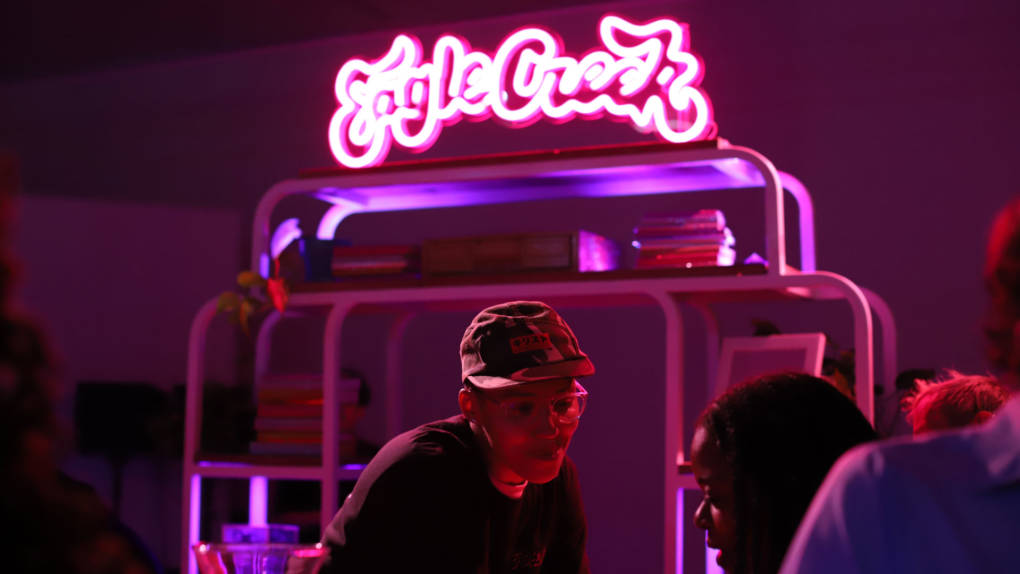
"caption": "\"The New Eagle Creek Saloon\" is on view Wednesday evenings until it's hoisted onto a float for the San Francisco Pride parade.\n",
"description": "\"The New Eagle Creek Saloon\" is on view Wednesday evenings until it's hoisted onto a float for the San Francisco Pride parade.",
"title": "Eagle-Creek-sign-and-bartender eagle creek saloon",
"credit": "Sam Lefebvre/KQED",
"status": "inherit",
"isLoading": false,
"fetchFailed": false
},
"arts_13858632": {
"type": "attachments",
"id": "arts_13858632",
"meta": {
"index": "attachments_1716263798",
"site": "arts",
"id": "13858632",
"found": true
},
"parent": 13858630,
"imgSizes": {
"twentyfourteen-full-width": {
"file": "https://ww2.kqed.org/app/uploads/sites/2/2019/05/alwaysbe2_wide-270a2d66619f05bef1f882fc103cb9227fdc8e08-1038x576.jpg",
"width": 1038,
"mimeType": "image/jpeg",
"height": 576
},
"thumbnail": {
"file": "https://ww2.kqed.org/app/uploads/sites/2/2019/05/alwaysbe2_wide-270a2d66619f05bef1f882fc103cb9227fdc8e08-160x90.jpg",
"width": 160,
"mimeType": "image/jpeg",
"height": 90
},
"post-thumbnail": {
"file": "https://ww2.kqed.org/app/uploads/sites/2/2019/05/alwaysbe2_wide-270a2d66619f05bef1f882fc103cb9227fdc8e08-672x372.jpg",
"width": 672,
"mimeType": "image/jpeg",
"height": 372
},
"kqedFullSize": {
"file": "https://ww2.kqed.org/app/uploads/sites/2/2019/05/alwaysbe2_wide-270a2d66619f05bef1f882fc103cb9227fdc8e08.jpg",
"width": 1647,
"height": 926
},
"large": {
"file": "https://ww2.kqed.org/app/uploads/sites/2/2019/05/alwaysbe2_wide-270a2d66619f05bef1f882fc103cb9227fdc8e08-1020x573.jpg",
"width": 1020,
"mimeType": "image/jpeg",
"height": 573
},
"complete_open_graph": {
"file": "https://ww2.kqed.org/app/uploads/sites/2/2019/05/alwaysbe2_wide-270a2d66619f05bef1f882fc103cb9227fdc8e08-1200x675.jpg",
"width": 1200,
"mimeType": "image/jpeg",
"height": 675
},
"medium": {
"file": "https://ww2.kqed.org/app/uploads/sites/2/2019/05/alwaysbe2_wide-270a2d66619f05bef1f882fc103cb9227fdc8e08-800x450.jpg",
"width": 800,
"mimeType": "image/jpeg",
"height": 450
},
"medium_large": {
"file": "https://ww2.kqed.org/app/uploads/sites/2/2019/05/alwaysbe2_wide-270a2d66619f05bef1f882fc103cb9227fdc8e08-768x432.jpg",
"width": 768,
"mimeType": "image/jpeg",
"height": 432
}
},
"publishDate": 1559321456,
"modified": 1559321526,
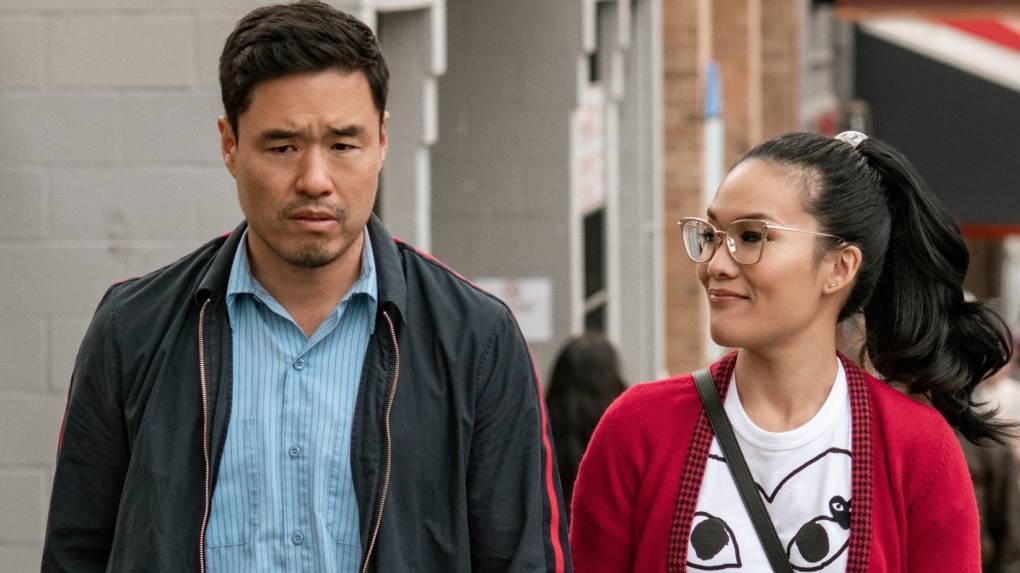
"caption": "Randall Park and Ali Wong star in Netflix's Always Be My Maybe.",
"description": "Randall Park and Ali Wong star in Netflix's Always Be My Maybe.",
"title": "Randall Park and Ali Wong star in Netflix's Always Be My Maybe.",
"credit": "Ed Araquel/Netflix",
"status": "inherit",
"isLoading": false,
"fetchFailed": false
},
"arts_13854906": {
"type": "attachments",
"id": "arts_13854906",
"meta": {
"index": "attachments_1716263798",
"site": "arts",
"id": "13854906",
"found": true
},
"parent": 13854904,
"imgSizes": {
"twentyfourteen-full-width": {
"file": "https://ww2.kqed.org/app/uploads/sites/2/2019/04/Image-from-iOS-1038x576.jpg",
"width": 1038,
"mimeType": "image/jpeg",
"height": 576
},
"thumbnail": {
"file": "https://ww2.kqed.org/app/uploads/sites/2/2019/04/Image-from-iOS-160x107.jpg",
"width": 160,
"mimeType": "image/jpeg",
"height": 107
},
"post-thumbnail": {
"file": "https://ww2.kqed.org/app/uploads/sites/2/2019/04/Image-from-iOS-672x372.jpg",
"width": 672,
"mimeType": "image/jpeg",
"height": 372
},
"kqedFullSize": {
"file": "https://ww2.kqed.org/app/uploads/sites/2/2019/04/Image-from-iOS.jpg",
"width": 1616,
"height": 1080
},
"large": {
"file": "https://ww2.kqed.org/app/uploads/sites/2/2019/04/Image-from-iOS-1020x682.jpg",
"width": 1020,
"mimeType": "image/jpeg",
"height": 682
},
"complete_open_graph": {
"file": "https://ww2.kqed.org/app/uploads/sites/2/2019/04/Image-from-iOS-1200x802.jpg",
"width": 1200,
"mimeType": "image/jpeg",
"height": 802
},
"guest-author-50": {
"file": "https://ww2.kqed.org/app/uploads/sites/2/2019/04/Image-from-iOS-50x50.jpg",
"width": 50,
"mimeType": "image/jpeg",
"height": 50
},
"guest-author-96": {
"file": "https://ww2.kqed.org/app/uploads/sites/2/2019/04/Image-from-iOS-96x96.jpg",
"width": 96,
"mimeType": "image/jpeg",
"height": 96
},
"medium": {
"file": "https://ww2.kqed.org/app/uploads/sites/2/2019/04/Image-from-iOS-800x535.jpg",
"width": 800,
"mimeType": "image/jpeg",
"height": 535
},
"guest-author-64": {
"file": "https://ww2.kqed.org/app/uploads/sites/2/2019/04/Image-from-iOS-64x64.jpg",
"width": 64,
"mimeType": "image/jpeg",
"height": 64
},
"guest-author-32": {
"file": "https://ww2.kqed.org/app/uploads/sites/2/2019/04/Image-from-iOS-32x32.jpg",
"width": 32,
"mimeType": "image/jpeg",
"height": 32
},
"medium_large": {
"file": "https://ww2.kqed.org/app/uploads/sites/2/2019/04/Image-from-iOS-768x513.jpg",
"width": 768,
"mimeType": "image/jpeg",
"height": 513
},
"guest-author-128": {
"file": "https://ww2.kqed.org/app/uploads/sites/2/2019/04/Image-from-iOS-128x128.jpg",
"width": 128,
"mimeType": "image/jpeg",
"height": 128
}
},
"publishDate": 1555087304,
"modified": 1555087338,
"caption": "Nina Parks, marijuana equity advocate",
"description": "Nina Parks, marijuana equity advocate",
"title": "Nina Parks, marijuana equity advocate",
"credit": "Pendarvis Harshaw",
"status": "inherit",
"isLoading": false,
"fetchFailed": false
}
},
"audioPlayerReducer": {
"postId": "stream_live",
"isPaused": true,
"isPlaying": false,
"pfsActive": false,
"pledgeModalIsOpen": true,
"playerDrawerIsOpen": false,
"liveAudioPlayStartedAt": 0,
"liveAudioPlayContext": ""
},
"authorsReducer": {
"byline_arts_13858630": {
"type": "authors",
"id": "byline_arts_13858630",
"meta": {
"override": true
},
"slug": "byline_arts_13858630",
"name": "Linda Holmes",
"isLoading": false
},
"shotchkiss": {
"type": "authors",
"id": "61",
"meta": {
"index": "authors_1716337520",
"id": "61",
"found": true
},
"name": "Sarah Hotchkiss",
"firstName": "Sarah",
"lastName": "Hotchkiss",
"slug": "shotchkiss",
"email": "shotchkiss@kqed.org",
"display_author_email": true,
"staff_mastheads": [
"arts"
],
"title": "Senior Editor",
"bio": "Sarah Hotchkiss is a San Francisco \u003ca href=\"http://www.sarahhotchkiss.com\">artist\u003c/a> and arts writer. In 2019, she received the Dorothea & Leo Rabkin Foundation grant for visual art journalism and in 2020 she received a Society of Professional Journalists, Northern California award for excellence in arts and culture reporting.",
"avatar": "https://secure.gravatar.com/avatar/bc662df144b3d27fd8b1b6f1c2a420d34e91e53154d411bb7ad353cc8b6cea8d?s=600&d=blank&r=g",
"twitter": null,
"bluesky": null,
"facebook": null,
"instagram": null,
"linkedin": null,
"sites": [
{
"site": "",
"roles": [
"editor"
]
},
{
"site": "arts",
"roles": [
"Contributor",
"administrator"
]
},
{
"site": "artschool",
"roles": [
"administrator"
]
},
{
"site": "news",
"roles": [
"editor"
]
},
{
"site": "pop",
"roles": [
"administrator"
]
},
{
"site": "bayareabites",
"roles": [
"editor"
]
},
{
"site": "spark",
"roles": [
"editor"
]
},
{
"site": "checkplease",
"roles": [
"editor"
]
}
],
"headData": {
"title": "Sarah Hotchkiss | KQED",
"description": "Senior Editor",
"ogImgSrc": "https://secure.gravatar.com/avatar/bc662df144b3d27fd8b1b6f1c2a420d34e91e53154d411bb7ad353cc8b6cea8d?s=600&d=blank&r=g",
"twImgSrc": "https://secure.gravatar.com/avatar/bc662df144b3d27fd8b1b6f1c2a420d34e91e53154d411bb7ad353cc8b6cea8d?s=600&d=blank&r=g"
},
"isLoading": false,
"link": "/author/shotchkiss"
},
"gmeline": {
"type": "authors",
"id": "185",
"meta": {
"index": "authors_1716337520",
"id": "185",
"found": true
},
"name": "Gabe Meline",
"firstName": "Gabe",
"lastName": "Meline",
"slug": "gmeline",
"email": "gmeline@kqed.org",
"display_author_email": true,
"staff_mastheads": [
"arts"
],
"title": "Senior Editor, KQED Arts & Culture",
"bio": "Gabe Meline entered journalism at age 15 making photocopied zines, and has since earned awards from the Edward R. Murrow Awards, the Society for Professional Journalists, the Online Journalism Awards, the Association of Alternative Newsweeklies and the California Newspaper Publishers Association. Prior to KQED, he was the editor of the \u003cem>North Bay Bohemian\u003c/em> and a touring musician. He lives with his wife and daughter in his hometown of Santa Rosa, CA.",
"avatar": "https://secure.gravatar.com/avatar/5bebe57be0d8bc2dd318934feb47299e2d2d10cba28d09d8d7afb389a2ce2bdd?s=600&d=blank&r=g",
"twitter": null,
"bluesky": null,
"facebook": null,
"instagram": null,
"linkedin": null,
"sites": [
{
"site": "",
"roles": [
"editor"
]
},
{
"site": "arts",
"roles": [
"administrator"
]
},
{
"site": "artschool",
"roles": [
"editor"
]
},
{
"site": "news",
"roles": [
"author"
]
},
{
"site": "pop",
"roles": [
"editor"
]
},
{
"site": "bayareabites",
"roles": [
"editor"
]
},
{
"site": "food",
"roles": [
"editor"
]
},
{
"site": "forum",
"roles": [
"administrator"
]
},
{
"site": "liveblog",
"roles": [
"editor"
]
},
{
"site": "hiphop",
"roles": [
"editor"
]
}
],
"headData": {
"title": "Gabe Meline | KQED",
"description": "Senior Editor, KQED Arts & Culture",
"ogImgSrc": "https://secure.gravatar.com/avatar/5bebe57be0d8bc2dd318934feb47299e2d2d10cba28d09d8d7afb389a2ce2bdd?s=600&d=blank&r=g",
"twImgSrc": "https://secure.gravatar.com/avatar/5bebe57be0d8bc2dd318934feb47299e2d2d10cba28d09d8d7afb389a2ce2bdd?s=600&d=blank&r=g"
},
"isLoading": false,
"link": "/author/gmeline"
},
"cveltman": {
"type": "authors",
"id": "8608",
"meta": {
"index": "authors_1716337520",
"id": "8608",
"found": true
},
"name": "Chloe Veltman",
"firstName": "Chloe",
"lastName": "Veltman",
"slug": "cveltman",
"email": "cveltman@kqed.org",
"display_author_email": true,
"staff_mastheads": [],
"title": "Arts and Culture Reporter",
"bio": "Chloe Veltman is a former arts and culture reporter for KQED. Prior to joining the organization, she launched and led the arts bureau at Colorado Public Radio, served as the Bay Area's culture columnist for the New York Times, and was the founder, host and executive producer of VoiceBox, a national award-winning weekly podcast/radio show and live events series all about the human voice. Chloe is the recipient of numerous prizes, grants and fellowships including a Webby Award for her work on interactive storytelling, both the John S Knight Journalism Fellowship and Humanities Center Fellowship at Stanford University, the Sundance Arts Writing Fellowship and a Library of Congress Research Fellowship. She is the author of the book \"On Acting\" and has appeared as a guest lecturer at Yale University and the San Francisco Conservatory of Music among other institutions. She holds a BA in english literature from King's College, Cambridge, and a Masters in Dramaturgy from the Central School of Speech and Drama/Harvard Institute for Advanced Theater Training.\r\n\u003ca href=\"https://www.chloeveltman.com\">www.chloeveltman.com\u003c/a>",
"avatar": "https://secure.gravatar.com/avatar/55403394b00a1ddab683952c2eb2cf85?s=600&d=blank&r=g",
"twitter": "chloeveltman",
"facebook": null,
"instagram": null,
"linkedin": null,
"sites": [
{
"site": "arts",
"roles": []
},
{
"site": "news",
"roles": [
"author"
]
},
{
"site": "pop",
"roles": [
"editor"
]
},
{
"site": "science",
"roles": []
}
],
"headData": {
"title": "Chloe Veltman | KQED",
"description": "Arts and Culture Reporter",
"ogImgSrc": "https://secure.gravatar.com/avatar/55403394b00a1ddab683952c2eb2cf85?s=600&d=blank&r=g",
"twImgSrc": "https://secure.gravatar.com/avatar/55403394b00a1ddab683952c2eb2cf85?s=600&d=blank&r=g"
},
"isLoading": false,
"link": "/author/cveltman"
},
"slefebvre": {
"type": "authors",
"id": "11091",
"meta": {
"index": "authors_1716337520",
"id": "11091",
"found": true
},
"name": "Sam Lefebvre",
"firstName": "Sam",
"lastName": "Lefebvre",
"slug": "slefebvre",
"email": "sdlefebvre@gmail.com",
"display_author_email": false,
"staff_mastheads": [],
"title": "KQED Contributor",
"bio": "Sam Lefebvre is an award-winning reporter at KQED Arts. He has worked as an editor and columnist at the \u003cem>East Bay Express\u003c/em>, \u003cem>SF Weekly \u003c/em>and Impose Magazine, and his journalism and criticism has appeared in \u003cem>The New York Times\u003c/em>, the Guardian and Pitchfork.",
"avatar": "https://secure.gravatar.com/avatar/49d39b42930b77fb13784ddd9fa63fe780666b71bf289368509dba576b64e69b?s=600&d=blank&r=g",
"twitter": "Lefebvre_Sam",
"bluesky": null,
"facebook": null,
"instagram": null,
"linkedin": null,
"sites": [
{
"site": "arts",
"roles": [
"subscriber"
]
},
{
"site": "news",
"roles": [
"author"
]
}
],
"headData": {
"title": "Sam Lefebvre | KQED",
"description": "KQED Contributor",
"ogImgSrc": "https://secure.gravatar.com/avatar/49d39b42930b77fb13784ddd9fa63fe780666b71bf289368509dba576b64e69b?s=600&d=blank&r=g",
"twImgSrc": "https://secure.gravatar.com/avatar/49d39b42930b77fb13784ddd9fa63fe780666b71bf289368509dba576b64e69b?s=600&d=blank&r=g"
},
"isLoading": false,
"link": "/author/slefebvre"
},
"ralexandra": {
"type": "authors",
"id": "11242",
"meta": {
"index": "authors_1716337520",
"id": "11242",
"found": true
},
"name": "Rae Alexandra",
"firstName": "Rae",
"lastName": "Alexandra",
"slug": "ralexandra",
"email": "ralexandra@kqed.org",
"display_author_email": true,
"staff_mastheads": [],
"title": "Reporter/Producer",
"bio": "Rae Alexandra is a Reporter/Producer for KQED Arts & Culture, and the creator/author of the \u003ca href=\"https://www.kqed.org/arts/program/rebel-girls-from-bay-area-history\">Rebel Girls From Bay Area History\u003c/a> and \u003ca href=\"https://www.kqed.org/bizarrebayarea\">Bizarre Bay Area\u003c/a> series. Her debut book, \u003ca href=\"https://citylights.com/politics-current-events-history/unsung-heroines35-women-who-changed/\">Unsung Heroines: 35 Women Who Changed the Bay Area\u003c/a> was published by City Lights in March 2026. In 2023, Rae was awarded an SPJ Excellence in Journalism Award for Arts & Culture. Rae was born and raised in Wales and subsequently — even after two decades in Northern California — still uses phrases that regularly baffle her coworkers.",
"avatar": "https://secure.gravatar.com/avatar/edfee8176c80cc0a382b051190f5341997df378a934a5774dcb0977732dfd401?s=600&d=blank&r=g",
"twitter": null,
"bluesky": null,
"facebook": null,
"instagram": null,
"linkedin": null,
"sites": [
{
"site": "arts",
"roles": [
"subscriber"
]
},
{
"site": "news",
"roles": [
"subscriber"
]
},
{
"site": "pop",
"roles": [
"subscriber"
]
},
{
"site": "bayareabites",
"roles": [
"subscriber"
]
},
{
"site": "science",
"roles": [
"subscriber"
]
}
],
"headData": {
"title": "Rae Alexandra | KQED",
"description": "Reporter/Producer",
"ogImgSrc": "https://secure.gravatar.com/avatar/edfee8176c80cc0a382b051190f5341997df378a934a5774dcb0977732dfd401?s=600&d=blank&r=g",
"twImgSrc": "https://secure.gravatar.com/avatar/edfee8176c80cc0a382b051190f5341997df378a934a5774dcb0977732dfd401?s=600&d=blank&r=g"
},
"isLoading": false,
"link": "/author/ralexandra"
},
"nvoynovskaya": {
"type": "authors",
"id": "11387",
"meta": {
"index": "authors_1716337520",
"id": "11387",
"found": true
},
"name": "Nastia Voynovskaya",
"firstName": "Nastia",
"lastName": "Voynovskaya",
"slug": "nvoynovskaya",
"email": "nvoynovskaya@kqed.org",
"display_author_email": false,
"staff_mastheads": [
"arts"
],
"title": "Editor and reporter",
"bio": "Nastia Voynovskaya is a reporter, editor and host at KQED Arts & Culture. She's been covering the arts in the Bay Area for over a decade, with a focus on music, queer culture, labor issues and grassroots organizing. She has edited KQED story series such as Trans Bay: A History of San Francisco's Gender-Diverse Community, and co-created KQED's Bay Area hip-hop history project, That's My Word. Nastia's work has been recognized by the Society of Professional Journalists and San Francisco Press Club. She regularly appears on podcasts and radio programs, including NPR's All Songs Considered, and hosts live events where music, culture and conversation meet.",
"avatar": "https://secure.gravatar.com/avatar/5025ee460e5a85d69ca20ea6c6f2f80d7e17795c828f61ea3aecfcd924e9042e?s=600&d=blank&r=g",
"twitter": null,
"bluesky": null,
"facebook": null,
"instagram": "https://www.instagram.com/nananastia/",
"linkedin": null,
"sites": [
{
"site": "",
"roles": [
"editor"
]
},
{
"site": "arts",
"roles": [
"administrator"
]
},
{
"site": "news",
"roles": [
"editor"
]
},
{
"site": "pop",
"roles": [
"administrator"
]
},
{
"site": "bayareabites",
"roles": [
"editor"
]
},
{
"site": "podcasts",
"roles": [
"editor"
]
},
{
"site": "hiphop",
"roles": [
"editor"
]
}
],
"headData": {
"title": "Nastia Voynovskaya | KQED",
"description": "Editor and reporter",
"ogImgSrc": "https://secure.gravatar.com/avatar/5025ee460e5a85d69ca20ea6c6f2f80d7e17795c828f61ea3aecfcd924e9042e?s=600&d=blank&r=g",
"twImgSrc": "https://secure.gravatar.com/avatar/5025ee460e5a85d69ca20ea6c6f2f80d7e17795c828f61ea3aecfcd924e9042e?s=600&d=blank&r=g"
},
"isLoading": false,
"link": "/author/nvoynovskaya"
},
"ogpenn": {
"type": "authors",
"id": "11491",
"meta": {
"index": "authors_1716337520",
"id": "11491",
"found": true
},
"name": "Pendarvis Harshaw",
"firstName": "Pendarvis",
"lastName": "Harshaw",
"slug": "ogpenn",
"email": "ogpenn@gmail.com",
"display_author_email": false,
"staff_mastheads": [
"arts"
],
"title": "Community Engagement Reporter",
"bio": "Pendarvis Harshaw is an educator, host and writer with KQED Arts.",
"avatar": "https://secure.gravatar.com/avatar/972b77ee8e3f346ae2b00622661187fbfabd059b5693bbdc1475ea7a722fd4cd?s=600&d=blank&r=g",
"twitter": null,
"bluesky": null,
"facebook": null,
"instagram": "ogpenn",
"linkedin": null,
"sites": [
{
"site": "arts",
"roles": [
"administrator"
]
},
{
"site": "news",
"roles": [
"editor"
]
},
{
"site": "bayareabites",
"roles": [
"author"
]
},
{
"site": "hiphop",
"roles": [
"editor"
]
}
],
"headData": {
"title": "Pendarvis Harshaw | KQED",
"description": "Community Engagement Reporter",
"ogImgSrc": "https://secure.gravatar.com/avatar/972b77ee8e3f346ae2b00622661187fbfabd059b5693bbdc1475ea7a722fd4cd?s=600&d=blank&r=g",
"twImgSrc": "https://secure.gravatar.com/avatar/972b77ee8e3f346ae2b00622661187fbfabd059b5693bbdc1475ea7a722fd4cd?s=600&d=blank&r=g"
},
"isLoading": false,
"link": "/author/ogpenn"
}
},
"pagesReducer": {
"arts_tag_san-francisco": {
"type": "terms",
"id": "arts_1146",
"meta": {
"index": "terms_1716263798",
"site": "arts",
"id": "1146",
"score": 6.7228413
},
"featImg": null,
"name": "San Francisco",
"description": null,
"taxonomy": "tag",
"headData": {
"twImgId": null,
"twTitle": null,
"ogTitle": null,
"ogImgId": null,
"twDescription": null,
"description": null,
"title": "San Francisco Archives | KQED Arts",
"ogDescription": null
},
"ttid": 701,
"slug": "san-francisco",
"isLoading": false,
"title": "San Francisco",
"pageMeta": {
"site": "arts",
"WpPageTemplate": "page-topic-editorial",
"currentPage": 49
},
"blocks": [
{
"blockName": "kqed/post-list",
"attrs": {
"layout": "cardArticle2",
"query": "posts/arts?tag=san-francisco",
"seeMore": false,
"paginated": true,
"page": 49
}
},
{
"blockName": "kqed/ad"
}
]
}
},
"pfsSessionReducer": {},
"postsReducer": {
"stream_live": {
"type": "live",
"id": "stream_live",
"audioUrl": "https://streams.kqed.org/kqedradio",
"title": "Live Stream",
"excerpt": "Live Stream information currently unavailable.",
"link": "/radio",
"featImg": "",
"label": {
"name": "KQED Live",
"link": "/"
}
},
"stream_kqedNewscast": {
"type": "posts",
"id": "stream_kqedNewscast",
"audioUrl": "https://www.kqed.org/.stream/anon/radio/RDnews/newscast.mp3?_=1",
"title": "KQED Newscast",
"featImg": "",
"label": {
"name": "88.5 FM",
"link": "/"
}
},
"arts_13869311": {
"type": "posts",
"id": "arts_13869311",
"meta": {
"index": "posts_1716263798",
"site": "arts",
"id": "13869311",
"score": null,
"sort": [
1572904815000
]
},
"parent": 0,
"labelTerm": {
"site": "arts",
"term": 140
},
"blocks": [],
"publishDate": 1572904815,
"format": "standard",
"title": "A One-Stop Seasonal Gift Shop at the Renegade Craft Fair",
"headTitle": "A One-Stop Seasonal Gift Shop at the Renegade Craft Fair | KQED",
"content": "\u003cp>Uh-oh, it’s that time of year again: the point after Halloween when you get all focused on planning your Thanksgiving travel, and forget entirely about that festive section of December when you’re supposed to actually give people stuff.\u003c/p>\n\u003cp>A lot of us run this routine annually. Luckily, some of us have gotten rescued by \u003ca href=\"https://www.renegadecraft.com/\" target=\"_blank\" rel=\"noopener\">Renegade Craft Fair\u003c/a> year-in, year-out, since it first arrived in San Francisco. (Renegade was founded in Chicago in 2003, but now takes place twice a year in 11 American cities.)\u003c/p>\n\u003cp>Not only is the winter fair a one-stop seasonal shop, it covers all the best gift bases—jewelry, beauty, decor, fashion, toys, art, candy—and does it in a style that feels warm and personal. That’s thanks to the independent thinkers who hand-make all of the contemporary crafts on offer. Think of it as \u003ca href=\"https://www.etsy.com/\" target=\"_blank\" rel=\"noopener\">Etsy\u003c/a> IRL, minus shipping delays, plus bonus food trucks.\u003c/p>\n\u003cp>Renegade San Francisco now attracts 200+ creatives and 17,500 visitors per fair. Here’s a taste of last year’s event, which helps demonstrate why it’s so enduringly popular. (And yes, those \u003cem>are\u003c/em> porcelain butt vases.)\u003c/p>\n\u003cp>https://www.youtube.com/watch?v=-pcrGEXnKn4\u003c/p>\n\u003cp>[ad fullwidth]\u003c/p>\u003cp>\u003c/p>\n",
"stats": {
"hasVideo": true,
"hasChartOrMap": false,
"hasAudio": false,
"hasPolis": false,
"wordCount": 212,
"hasGoogleForm": false,
"hasGallery": false,
"hasHearkenModule": false,
"iframeSrcs": [],
"paragraphCount": 6
},
"modified": 1705021867,
"excerpt": "Need a one-stop shop for all your holiday gifts? We all do! Renegade Craft Fair is here to help.",
"headData": {
"twImgId": "",
"twTitle": "",
"ogTitle": "",
"ogImgId": "",
"twDescription": "",
"description": "Need a one-stop shop for all your holiday gifts? We all do! Renegade Craft Fair is here to help.",
"title": "A One-Stop Seasonal Gift Shop at the Renegade Craft Fair | KQED",
"ogDescription": "",
"schema": {
"@context": "https://schema.org",
"@type": "Article",
"headline": "A One-Stop Seasonal Gift Shop at the Renegade Craft Fair",
"datePublished": "2019-11-04T14:00:15-08:00",
"dateModified": "2024-01-11T17:11:07-08:00",
"image": "https://cdn.kqed.org/wp-content/uploads/2020/02/KQED-OG-Image@1x.png"
}
},
"guestAuthors": [],
"slug": "a-one-stop-seasonal-gift-shop-at-the-renegade-craft-fair",
"status": "publish",
"templateType": "event",
"venueName": "Fort Mason Center Festival Pavilion",
"featuredImageType": "standard",
"sticky": false,
"startTime": 1573930800,
"endTime": 1574038800,
"startTimeString": "Nov. 16 and 17, 2019",
"venueAddress": "2 Marina Blvd, San Francisco, CA 94123",
"eventLink": "https://www.renegadecraft.com/participation_kit/san-francisco-winter-fair",
"path": "/arts/13869311/a-one-stop-seasonal-gift-shop-at-the-renegade-craft-fair",
"audioTrackLength": null,
"parsedContent": [
{
"type": "contentString",
"content": "\u003cdiv class=\"post-body\">\u003cp>\u003cp>Uh-oh, it’s that time of year again: the point after Halloween when you get all focused on planning your Thanksgiving travel, and forget entirely about that festive section of December when you’re supposed to actually give people stuff.\u003c/p>\n\u003cp>A lot of us run this routine annually. Luckily, some of us have gotten rescued by \u003ca href=\"https://www.renegadecraft.com/\" target=\"_blank\" rel=\"noopener\">Renegade Craft Fair\u003c/a> year-in, year-out, since it first arrived in San Francisco. (Renegade was founded in Chicago in 2003, but now takes place twice a year in 11 American cities.)\u003c/p>\n\u003cp>Not only is the winter fair a one-stop seasonal shop, it covers all the best gift bases—jewelry, beauty, decor, fashion, toys, art, candy—and does it in a style that feels warm and personal. That’s thanks to the independent thinkers who hand-make all of the contemporary crafts on offer. Think of it as \u003ca href=\"https://www.etsy.com/\" target=\"_blank\" rel=\"noopener\">Etsy\u003c/a> IRL, minus shipping delays, plus bonus food trucks.\u003c/p>\n\u003cp>Renegade San Francisco now attracts 200+ creatives and 17,500 visitors per fair. Here’s a taste of last year’s event, which helps demonstrate why it’s so enduringly popular. (And yes, those \u003cem>are\u003c/em> porcelain butt vases.)\u003c/p>\u003c/p>\u003cp>\u003cspan class='utils-parseShortcode-shortcodes-__youtubeShortcode__embedYoutube'>\n \u003cspan class='utils-parseShortcode-shortcodes-__youtubeShortcode__embedYoutubeInside'>\n \u003ciframe\n loading='lazy'\n class='utils-parseShortcode-shortcodes-__youtubeShortcode__youtubePlayer'\n type='text/html'\n src='//www.youtube.com/embed/-pcrGEXnKn4'\n title='//www.youtube.com/embed/-pcrGEXnKn4'\n allowfullscreen='true'\n style='border:0;'>\u003c/iframe>\n \u003c/span>\n \u003c/span>\u003c/p>\u003cp>\u003cp>\u003c/p>\u003c/div>",
"attributes": {
"named": {},
"numeric": []
}
},
{
"type": "component",
"content": "",
"name": "ad",
"attributes": {
"named": {
"label": "fullwidth"
},
"numeric": [
"fullwidth"
]
}
},
{
"type": "contentString",
"content": "\u003cdiv class=\"post-body\">\u003cp>\u003c/p>\u003cp>\u003c/p>\n\u003c/div>\u003c/p>",
"attributes": {
"named": {},
"numeric": []
}
}
],
"link": "/arts/13869311/a-one-stop-seasonal-gift-shop-at-the-renegade-craft-fair",
"authors": [
"11242"
],
"programs": [
"arts_140"
],
"categories": [
"arts_76",
"arts_70"
],
"tags": [
"arts_5684",
"arts_1696",
"arts_3978",
"arts_3247",
"arts_1146"
],
"featImg": "arts_13869313",
"label": "arts_140"
},
"arts_13868054": {
"type": "posts",
"id": "arts_13868054",
"meta": {
"index": "posts_1716263798",
"site": "arts",
"id": "13868054",
"score": null,
"sort": [
1571088076000
]
},
"guestAuthors": [],
"slug": "a-day-of-power-possibility-and-fun-at-the-worldwidewomen-girls-festival",
"title": "A Day of Power, Possibility and Fun at the WorldWideWomen Girls' Festival",
"publishDate": 1571088076,
"format": "standard",
"headTitle": "A Day of Power, Possibility and Fun at the WorldWideWomen Girls’ Festival | KQED",
"labelTerm": {
"term": 140,
"site": "arts"
},
"content": "\u003cp>It may have been eight years since Beyoncé first declared, \u003cem>“\u003ca href=\"https://www.youtube.com/watch?v=VBmMU_iwe6U\" target=\"_blank\" rel=\"noopener\">Who run the world? Girls!\u003c/a>“\u003c/em> but global statistics firmly demonstrate the opposite. In 2018, only 24 CEOs on \u003cem>Fortune\u003c/em>‘s annual \u003ca href=\"https://www.cnbc.com/2018/05/21/2018s-fortune-500-companies-have-just-24-female-ceos.html\" target=\"_blank\" rel=\"noopener\">500 list\u003c/a> were female. Though there are more female senators than ever before, \u003ca href=\"https://cawp.rutgers.edu/current-numbers\" target=\"_blank\" rel=\"noopener\">76% of Congress\u003c/a> is still male. Earlier this year, the first all-female \u003ca href=\"https://www.theatlantic.com/science/archive/2019/03/nasa-spacesuit-women-spacewalk/585805/\" target=\"_blank\" rel=\"noopener\">spacewalk was canceled\u003c/a> because the International Space Station didn’t have enough space suits for women.\u003c/p>\n\u003cp>The fourth annual WorldWideWomen Girls’ Festival aims to address these kinds of imbalances early with over 100 workshops, mentoring sessions and performances specifically designed to prep girls for the road to reach their goals, no matter what challenges might arise. Held on Nov. 9 at the Palace of Fine Arts, the festival includes STEM training, advice from female professionals and athletes, an interactive expo, a wide range of workshops, and even a “gentle” \u003cem>Shark Tank\u003c/em>-style “\u003ca href=\"https://worldwidewomengirlsfestival.org/girls-festival/program/17/girlpreneur-competition-2\" target=\"_blank\" rel=\"noopener\">Girlpreneur\u003c/a>” competition with a first place prize of $1,000.\u003c/p>\n\u003cp>The day-long event isn’t all business, though—there will also be a fashion show, a range of music and dance performances, a slam poetry contest, self-defense classes and an obstacle course set up by the \u003ca href=\"http://ufsw.org/\" target=\"_blank\" rel=\"noopener\">United Fire Service Women\u003c/a>. You can also get your retail fix with 35 pop-up shops, plus a marketplace of services and products from female-owned businesses.\u003c/p>\n\u003cp>Speaking at last year’s festival, Maureen Broderick, founder and CEO of \u003ca href=\"https://www.youtube.com/watch?v=IPbqBbRSWic\" target=\"_blank\" rel=\"noopener\">WorldWide Women\u003c/a>, summed up what she hoped attendees would get from the event. “I want them to take away connections,” she said. “I want them to take away possibilities and excitement and ‘Oh my gosh, I like technology,’ ‘I like science,’ ‘I want to be a filmmaker,’ ‘I want to be an entrepreneur.’ I want them to take away all the possibilities.”\u003c/p>\n\u003cp>You can see more of what went on at last year’s festival in the video below.\u003c/p>\n\u003cp>[ad fullwidth]\u003c/p>\n\u003cp>\u003c/p>\n\u003cp>https://www.youtube.com/watch?v=IPbqBbRSWic\u003c/p>\n\n",
"blocks": [],
"excerpt": "WorldWideWomen's fourth annual Girls' Festival aims to give young women all the tools they need to succeed. ",
"status": "publish",
"parent": 0,
"modified": 1726766080,
"stats": {
"hasAudio": false,
"hasVideo": true,
"hasChartOrMap": false,
"iframeSrcs": [],
"hasGoogleForm": false,
"hasGallery": false,
"hasHearkenModule": false,
"hasPolis": false,
"paragraphCount": 7,
"wordCount": 352
},
"headData": {
"title": "A Day of Power, Possibility and Fun at the WorldWideWomen Girls' Festival | KQED",
"description": "WorldWideWomen's fourth annual Girls' Festival aims to give young women all the tools they need to succeed. ",
"ogTitle": "",
"ogDescription": "",
"ogImgId": "",
"twTitle": "",
"twDescription": "",
"twImgId": "",
"schema": {
"@context": "https://schema.org",
"@type": "Article",
"headline": "A Day of Power, Possibility and Fun at the WorldWideWomen Girls' Festival",
"datePublished": "2019-10-14T14:21:16-07:00",
"dateModified": "2024-09-19T10:14:40-07:00",
"image": "https://cdn.kqed.org/wp-content/uploads/2020/02/KQED-OG-Image@1x.png"
}
},
"sticky": false,
"templateType": "event",
"featuredImageType": "standard",
"startTime": 1573322400,
"endTime": 1573344000,
"startTimeString": "Nov. 9, 2019",
"venueName": "Palace of Fine Arts",
"venueAddress": "3601 Lyon Street, San Francisco, CA 94123",
"eventLink": "https://worldwidewomen.co/girls-festival",
"path": "/arts/13868054/a-day-of-power-possibility-and-fun-at-the-worldwidewomen-girls-festival",
"audioTrackLength": null,
"parsedContent": [
{
"type": "contentString",
"content": "\u003cdiv class=\"post-body\">\u003cp>\u003cp>It may have been eight years since Beyoncé first declared, \u003cem>“\u003ca href=\"https://www.youtube.com/watch?v=VBmMU_iwe6U\" target=\"_blank\" rel=\"noopener\">Who run the world? Girls!\u003c/a>“\u003c/em> but global statistics firmly demonstrate the opposite. In 2018, only 24 CEOs on \u003cem>Fortune\u003c/em>‘s annual \u003ca href=\"https://www.cnbc.com/2018/05/21/2018s-fortune-500-companies-have-just-24-female-ceos.html\" target=\"_blank\" rel=\"noopener\">500 list\u003c/a> were female. Though there are more female senators than ever before, \u003ca href=\"https://cawp.rutgers.edu/current-numbers\" target=\"_blank\" rel=\"noopener\">76% of Congress\u003c/a> is still male. Earlier this year, the first all-female \u003ca href=\"https://www.theatlantic.com/science/archive/2019/03/nasa-spacesuit-women-spacewalk/585805/\" target=\"_blank\" rel=\"noopener\">spacewalk was canceled\u003c/a> because the International Space Station didn’t have enough space suits for women.\u003c/p>\n\u003cp>The fourth annual WorldWideWomen Girls’ Festival aims to address these kinds of imbalances early with over 100 workshops, mentoring sessions and performances specifically designed to prep girls for the road to reach their goals, no matter what challenges might arise. Held on Nov. 9 at the Palace of Fine Arts, the festival includes STEM training, advice from female professionals and athletes, an interactive expo, a wide range of workshops, and even a “gentle” \u003cem>Shark Tank\u003c/em>-style “\u003ca href=\"https://worldwidewomengirlsfestival.org/girls-festival/program/17/girlpreneur-competition-2\" target=\"_blank\" rel=\"noopener\">Girlpreneur\u003c/a>” competition with a first place prize of $1,000.\u003c/p>\n\u003cp>The day-long event isn’t all business, though—there will also be a fashion show, a range of music and dance performances, a slam poetry contest, self-defense classes and an obstacle course set up by the \u003ca href=\"http://ufsw.org/\" target=\"_blank\" rel=\"noopener\">United Fire Service Women\u003c/a>. You can also get your retail fix with 35 pop-up shops, plus a marketplace of services and products from female-owned businesses.\u003c/p>\n\u003cp>Speaking at last year’s festival, Maureen Broderick, founder and CEO of \u003ca href=\"https://www.youtube.com/watch?v=IPbqBbRSWic\" target=\"_blank\" rel=\"noopener\">WorldWide Women\u003c/a>, summed up what she hoped attendees would get from the event. “I want them to take away connections,” she said. “I want them to take away possibilities and excitement and ‘Oh my gosh, I like technology,’ ‘I like science,’ ‘I want to be a filmmaker,’ ‘I want to be an entrepreneur.’ I want them to take away all the possibilities.”\u003c/p>\n\u003cp>You can see more of what went on at last year’s festival in the video below.\u003c/p>\n\u003cp>\u003c/p>\u003c/div>",
"attributes": {
"named": {},
"numeric": []
}
},
{
"type": "component",
"content": "",
"name": "ad",
"attributes": {
"named": {
"label": "fullwidth"
},
"numeric": [
"fullwidth"
]
}
},
{
"type": "contentString",
"content": "\u003cdiv class=\"post-body\">\u003cp>\u003c/p>\n\u003cp>\u003c/p>\u003c/p>\u003cp>\u003cspan class='utils-parseShortcode-shortcodes-__youtubeShortcode__embedYoutube'>\n \u003cspan class='utils-parseShortcode-shortcodes-__youtubeShortcode__embedYoutubeInside'>\n \u003ciframe\n loading='lazy'\n class='utils-parseShortcode-shortcodes-__youtubeShortcode__youtubePlayer'\n type='text/html'\n src='//www.youtube.com/embed/IPbqBbRSWic'\n title='//www.youtube.com/embed/IPbqBbRSWic'\n allowfullscreen='true'\n style='border:0;'>\u003c/iframe>\n \u003c/span>\n \u003c/span>\u003c/p>\u003cp>\n\u003c/div>\u003c/p>",
"attributes": {
"named": {},
"numeric": []
}
}
],
"link": "/arts/13868054/a-day-of-power-possibility-and-fun-at-the-worldwidewomen-girls-festival",
"authors": [
"11242"
],
"programs": [
"arts_140"
],
"categories": [
"arts_966",
"arts_76",
"arts_69"
],
"tags": [
"arts_4725",
"arts_1962",
"arts_1146"
],
"featImg": "arts_13868056",
"label": "arts_140"
},
"arts_13867021": {
"type": "posts",
"id": "arts_13867021",
"meta": {
"index": "posts_1716263798",
"site": "arts",
"id": "13867021",
"score": null,
"sort": [
1569438032000
]
},
"parent": 0,
"labelTerm": {
"site": "arts"
},
"blocks": [],
"publishDate": 1569438032,
"format": "standard",
"title": "At Cloaca Projects, 'The Pleasure Ground' Turns 'Round Right",
"headTitle": "At Cloaca Projects, ‘The Pleasure Ground’ Turns ‘Round Right | KQED",
"content": "\u003cp>The night of Matt Savitsky’s opening at \u003ca href=\"https://cloacaprojects.com/pleasureground/\" target=\"_blank\" rel=\"noopener\">Cloaca Projects\u003c/a>, the crowd divided itself into two factions: those who knew the song and those who didn’t know the song.\u003c/p>\n\u003cp>“Do \u003ci>you\u003c/i> know this song?” someone asked me the moment I stepped inside the show—or to be more precise, into a plywood barn-like extension cantilevered out from the project space’s metal facade.\u003c/p>\n\u003cp>I listened. “No?”\u003c/p>\n\u003cp>The song, sung in two different keys by a woman seen in two video projections facing each other, plays as a round in a piece titled \u003ci>Crop Circles\u003c/i>. But the two overlapping melodies sometimes clash atonally, hauntingly, making it even harder to pin down.\u003c/p>\n\u003cp>The effect is disorienting, compounded by the video’s visuals: In both projections, the singer walks in a circle in an open field, but she is seen only in the reflection of a rectangular mirror with beveled corners. Someone else’s legs appear walking behind the mirror, and the camera tracks it all. A full explanation of the apparatus that enables this slowly spinning shot isn’t concealed; it’s right there in the show’s takeaway exhibition text, along with the revelation that the singer is Savitsky’s sister, a vocalist and music educator. All the work in \u003ci>The Pleasure Ground\u003c/i> was made during a self-created residency in the artist’s hometown of Lancaster, Pennsylvania.\u003c/p>\n\u003cfigure id=\"attachment_13867066\" class=\"wp-caption aligncenter\" style=\"max-width: 1200px\">\u003cimg loading=\"lazy\" decoding=\"async\" class=\"size-full wp-image-13867066\" src=\"https://ww2.kqed.org/arts/wp-content/uploads/sites/2/2019/09/thepleasureground-6_1200.jpg\" alt=\"Matt Savitsky, Installation view of 'Crop Circles,' 2019.\" width=\"1200\" height=\"800\" srcset=\"https://cdn.kqed.org/wp-content/uploads/sites/2/2019/09/thepleasureground-6_1200.jpg 1200w, https://cdn.kqed.org/wp-content/uploads/sites/2/2019/09/thepleasureground-6_1200-160x107.jpg 160w, https://cdn.kqed.org/wp-content/uploads/sites/2/2019/09/thepleasureground-6_1200-800x533.jpg 800w, https://cdn.kqed.org/wp-content/uploads/sites/2/2019/09/thepleasureground-6_1200-768x512.jpg 768w, https://cdn.kqed.org/wp-content/uploads/sites/2/2019/09/thepleasureground-6_1200-1020x680.jpg 1020w\" sizes=\"(max-width: 1200px) 100vw, 1200px\">\u003cfigcaption class=\"wp-caption-text\">Matt Savitsky, Installation view of ‘Crop Circles,’ 2019. \u003ccite>(Photo by Andreas Tagger)\u003c/cite>\u003c/figcaption>\u003c/figure>\n\u003cp>As I wrapped my head around the camera, wooden axle, mirror, and brother-and-sister arrangement that went into making \u003ci>Crop Circles\u003c/i>, the song finally clicked.\u003c/p>\n\u003cp>“\u003ca href=\"https://www.youtube.com/watch?v=9EO8p7QiwdY\" target=\"_blank\" rel=\"noopener\">Simple Gifts\u003c/a>,” a Shaker hymn written in 1848 by Joseph Brackett, is a one-verse song about finding one’s place, gaining true simplicity—and entering “the valley of love and delight.” I learned it as a child, whether at church or school or from my parents, I can’t say; the lyrics are lodged deep. It ends: “To turn, turn will be our delight / Till by turning, turning we come ’round right.”\u003c/p>\n\u003cp>Deeper inside Cloaca Projects’ now extended space, behind \u003ci>Crop Circles\u003c/i>, Savitsy’s second piece also goes round and round, this time silently. \u003ci>Turn Bridge\u003c/i> initially looks like a giant cube, roughly constructed of wood, foam board and foam. A small projector sits on top, casting a video onto the back wall of the gallery—this time of a landscape viewed through the tunnel of a covered bridge (the opening a now-familiar shape of a rectangle with beveled corners). The bridge seems to spin, providing a sweeping view of fields, barns, fences and trees.\u003c/p>\n\u003cp>But why would a bridge turn? I entertained a number of ideas, all of which made some kind of sense to my puzzled brain when I initially viewed the piece from afar. Maybe it’s a bridge suspended over a shipping channel, turning to provide passage (like the 1976 Richard Serra film \u003ci>\u003ca href=\"http://www.ubu.com/film/serra_turnbridge.html\" target=\"_blank\" rel=\"noopener\">Railroad Turnbridge\u003c/a>\u003c/i> referenced in the exhibition text). Maybe it’s a covered bridge in transit—on a flatbed truck—and we’re watching the landscape fly by.\u003c/p>\n\u003cfigure id=\"attachment_13867067\" class=\"wp-caption aligncenter\" style=\"max-width: 1200px\">\u003cimg loading=\"lazy\" decoding=\"async\" class=\"size-full wp-image-13867067\" src=\"https://ww2.kqed.org/arts/wp-content/uploads/sites/2/2019/09/thepleasureground-9_1200.jpg\" alt=\"Matt Savitsky, installation view of 'Turn Bridge,' 2019.\" width=\"1200\" height=\"800\" srcset=\"https://cdn.kqed.org/wp-content/uploads/sites/2/2019/09/thepleasureground-9_1200.jpg 1200w, https://cdn.kqed.org/wp-content/uploads/sites/2/2019/09/thepleasureground-9_1200-160x107.jpg 160w, https://cdn.kqed.org/wp-content/uploads/sites/2/2019/09/thepleasureground-9_1200-800x533.jpg 800w, https://cdn.kqed.org/wp-content/uploads/sites/2/2019/09/thepleasureground-9_1200-768x512.jpg 768w, https://cdn.kqed.org/wp-content/uploads/sites/2/2019/09/thepleasureground-9_1200-1020x680.jpg 1020w\" sizes=\"(max-width: 1200px) 100vw, 1200px\">\u003cfigcaption class=\"wp-caption-text\">Matt Savitsky, installation view of ‘Turn Bridge,’ 2019. \u003ccite>(Photo by Andreas Tagger)\u003c/cite>\u003c/figcaption>\u003c/figure>\n\u003cp>Such speculations are quickly quashed by a thin gap along one side of the cube’s foam top. This strip of light in the otherwise darkened space lets visitors peer into \u003ci>Turn Bridge\u003c/i>’s inner workings. If the mechanism of \u003ci>Crop Circles\u003c/i>’ making is slightly opaque, and requires some reading (or question-asking) to understand, \u003ci>Turn Bridge\u003c/i> is fully transparent. The view through that gap is so delightful, and so mesmerizing, I can’t in good conscience spoil it here. Suffice it to say: something is happening inside the box that reveals the projected video is not a preexisting recording.\u003c/p>\n\u003cp>All that turning, and the sound of Savitsky’s sister singing with herself, is a bit dizzying in the contained space of \u003ci>The Pleasure Ground\u003c/i>. (The title seems to be a reference to a style of \u003ca href=\"https://en.wikipedia.org/wiki/Pleasure_ground\" target=\"_blank\" rel=\"noopener\">English landscaping\u003c/a> that emphasizes artistic elements over natural ones.) It fits—there’s plenty of pleasure to be had in Savitsky’s installation, which emphasizes a dreamy, highly personal depiction of Lancaster’s environs over a dispassionate or documentary view. But in addition to pleasure, there’s also the slightly sick feeling that comes from too much of a good thing—like spinning too fast, for too long, until you can’t stand up straight.\u003c/p>\n\u003cp>Warping sights and sounds, Savitsky creates an installation with its own kind of tunnel vision: a looped and circular memory of a specific place. Inside \u003ci>The Pleasure Ground\u003c/i>, Savitsky transfers these memories to Cloaca’s visitors not only through representation, but through vicarious experience. By the end of everyone’s visit, they, too, will know the song.\u003c/p>\n\u003cp>\u003cimg loading=\"lazy\" decoding=\"async\" class=\"aligncenter size-full wp-image-12127869\" src=\"https://ww2.kqed.org/arts/wp-content/uploads/sites/2/2016/09/Q.Logo_.Break_.jpg\" alt=\"\" width=\"800\" height=\"78\" srcset=\"https://cdn.kqed.org/wp-content/uploads/sites/2/2016/09/Q.Logo_.Break_.jpg 800w, https://cdn.kqed.org/wp-content/uploads/sites/2/2016/09/Q.Logo_.Break_-400x39.jpg 400w, https://cdn.kqed.org/wp-content/uploads/sites/2/2016/09/Q.Logo_.Break_-768x75.jpg 768w\" sizes=\"(max-width: 800px) 100vw, 800px\">\u003c/p>\n\u003cp>\u003ci>‘The Pleasure Ground’ is on view at Cloaca Projects (1460 Davidson Ave., San Francisco) through Oct. 26, open Saturdays 1–6pm and by appointment. \u003ca href=\"https://cloacaprojects.com/pleasureground/\" target=\"_blank\" rel=\"noopener\">Details here\u003c/a>.\u003c/i>\u003c/p>\n\u003cp>[ad fullwidth]\u003c/p>\n\u003cp>\u003c/p>\n",
"stats": {
"hasVideo": false,
"hasChartOrMap": false,
"hasAudio": false,
"hasPolis": false,
"wordCount": 875,
"hasGoogleForm": false,
"hasGallery": false,
"hasHearkenModule": false,
"iframeSrcs": [],
"paragraphCount": 16
},
"modified": 1705022090,
"excerpt": "Matt Savitsky's installation of sculpture and video work draws from the rural sights and sounds of his Pennsylvania hometown. ",
"headData": {
"twImgId": "",
"twTitle": "",
"ogTitle": "",
"ogImgId": "",
"twDescription": "",
"description": "Matt Savitsky's installation of sculpture and video work draws from the rural sights and sounds of his Pennsylvania hometown. ",
"title": "At Cloaca Projects, 'The Pleasure Ground' Turns 'Round Right | KQED",
"ogDescription": "",
"schema": {
"@context": "https://schema.org",
"@type": "Article",
"headline": "At Cloaca Projects, 'The Pleasure Ground' Turns 'Round Right",
"datePublished": "2019-09-25T12:00:32-07:00",
"dateModified": "2024-01-11T17:14:50-08:00",
"image": "https://cdn.kqed.org/wp-content/uploads/2020/02/KQED-OG-Image@1x.png"
}
},
"guestAuthors": [],
"slug": "at-cloaca-projects-the-pleasure-ground-turns-round-right",
"status": "publish",
"templateType": "standard",
"venueName": "Cloaca Projects",
"featuredImageType": "standard",
"sticky": false,
"startTime": 1567843200,
"endTime": 1572156000,
"startTimeString": "Sept. 7–Oct. 26",
"venueAddress": "1460 Davidson Ave., San Francisco",
"eventLink": "https://cloacaprojects.com",
"path": "/arts/13867021/at-cloaca-projects-the-pleasure-ground-turns-round-right",
"audioTrackLength": null,
"parsedContent": [
{
"type": "contentString",
"content": "\u003cdiv class=\"post-body\">\u003cp>\u003cp>The night of Matt Savitsky’s opening at \u003ca href=\"https://cloacaprojects.com/pleasureground/\" target=\"_blank\" rel=\"noopener\">Cloaca Projects\u003c/a>, the crowd divided itself into two factions: those who knew the song and those who didn’t know the song.\u003c/p>\n\u003cp>“Do \u003ci>you\u003c/i> know this song?” someone asked me the moment I stepped inside the show—or to be more precise, into a plywood barn-like extension cantilevered out from the project space’s metal facade.\u003c/p>\n\u003cp>I listened. “No?”\u003c/p>\n\u003cp>The song, sung in two different keys by a woman seen in two video projections facing each other, plays as a round in a piece titled \u003ci>Crop Circles\u003c/i>. But the two overlapping melodies sometimes clash atonally, hauntingly, making it even harder to pin down.\u003c/p>\n\u003cp>The effect is disorienting, compounded by the video’s visuals: In both projections, the singer walks in a circle in an open field, but she is seen only in the reflection of a rectangular mirror with beveled corners. Someone else’s legs appear walking behind the mirror, and the camera tracks it all. A full explanation of the apparatus that enables this slowly spinning shot isn’t concealed; it’s right there in the show’s takeaway exhibition text, along with the revelation that the singer is Savitsky’s sister, a vocalist and music educator. All the work in \u003ci>The Pleasure Ground\u003c/i> was made during a self-created residency in the artist’s hometown of Lancaster, Pennsylvania.\u003c/p>\n\u003cfigure id=\"attachment_13867066\" class=\"wp-caption aligncenter\" style=\"max-width: 1200px\">\u003cimg loading=\"lazy\" decoding=\"async\" class=\"size-full wp-image-13867066\" src=\"https://ww2.kqed.org/arts/wp-content/uploads/sites/2/2019/09/thepleasureground-6_1200.jpg\" alt=\"Matt Savitsky, Installation view of 'Crop Circles,' 2019.\" width=\"1200\" height=\"800\" srcset=\"https://cdn.kqed.org/wp-content/uploads/sites/2/2019/09/thepleasureground-6_1200.jpg 1200w, https://cdn.kqed.org/wp-content/uploads/sites/2/2019/09/thepleasureground-6_1200-160x107.jpg 160w, https://cdn.kqed.org/wp-content/uploads/sites/2/2019/09/thepleasureground-6_1200-800x533.jpg 800w, https://cdn.kqed.org/wp-content/uploads/sites/2/2019/09/thepleasureground-6_1200-768x512.jpg 768w, https://cdn.kqed.org/wp-content/uploads/sites/2/2019/09/thepleasureground-6_1200-1020x680.jpg 1020w\" sizes=\"(max-width: 1200px) 100vw, 1200px\">\u003cfigcaption class=\"wp-caption-text\">Matt Savitsky, Installation view of ‘Crop Circles,’ 2019. \u003ccite>(Photo by Andreas Tagger)\u003c/cite>\u003c/figcaption>\u003c/figure>\n\u003cp>As I wrapped my head around the camera, wooden axle, mirror, and brother-and-sister arrangement that went into making \u003ci>Crop Circles\u003c/i>, the song finally clicked.\u003c/p>\n\u003cp>“\u003ca href=\"https://www.youtube.com/watch?v=9EO8p7QiwdY\" target=\"_blank\" rel=\"noopener\">Simple Gifts\u003c/a>,” a Shaker hymn written in 1848 by Joseph Brackett, is a one-verse song about finding one’s place, gaining true simplicity—and entering “the valley of love and delight.” I learned it as a child, whether at church or school or from my parents, I can’t say; the lyrics are lodged deep. It ends: “To turn, turn will be our delight / Till by turning, turning we come ’round right.”\u003c/p>\n\u003cp>Deeper inside Cloaca Projects’ now extended space, behind \u003ci>Crop Circles\u003c/i>, Savitsy’s second piece also goes round and round, this time silently. \u003ci>Turn Bridge\u003c/i> initially looks like a giant cube, roughly constructed of wood, foam board and foam. A small projector sits on top, casting a video onto the back wall of the gallery—this time of a landscape viewed through the tunnel of a covered bridge (the opening a now-familiar shape of a rectangle with beveled corners). The bridge seems to spin, providing a sweeping view of fields, barns, fences and trees.\u003c/p>\n\u003cp>But why would a bridge turn? I entertained a number of ideas, all of which made some kind of sense to my puzzled brain when I initially viewed the piece from afar. Maybe it’s a bridge suspended over a shipping channel, turning to provide passage (like the 1976 Richard Serra film \u003ci>\u003ca href=\"http://www.ubu.com/film/serra_turnbridge.html\" target=\"_blank\" rel=\"noopener\">Railroad Turnbridge\u003c/a>\u003c/i> referenced in the exhibition text). Maybe it’s a covered bridge in transit—on a flatbed truck—and we’re watching the landscape fly by.\u003c/p>\n\u003cfigure id=\"attachment_13867067\" class=\"wp-caption aligncenter\" style=\"max-width: 1200px\">\u003cimg loading=\"lazy\" decoding=\"async\" class=\"size-full wp-image-13867067\" src=\"https://ww2.kqed.org/arts/wp-content/uploads/sites/2/2019/09/thepleasureground-9_1200.jpg\" alt=\"Matt Savitsky, installation view of 'Turn Bridge,' 2019.\" width=\"1200\" height=\"800\" srcset=\"https://cdn.kqed.org/wp-content/uploads/sites/2/2019/09/thepleasureground-9_1200.jpg 1200w, https://cdn.kqed.org/wp-content/uploads/sites/2/2019/09/thepleasureground-9_1200-160x107.jpg 160w, https://cdn.kqed.org/wp-content/uploads/sites/2/2019/09/thepleasureground-9_1200-800x533.jpg 800w, https://cdn.kqed.org/wp-content/uploads/sites/2/2019/09/thepleasureground-9_1200-768x512.jpg 768w, https://cdn.kqed.org/wp-content/uploads/sites/2/2019/09/thepleasureground-9_1200-1020x680.jpg 1020w\" sizes=\"(max-width: 1200px) 100vw, 1200px\">\u003cfigcaption class=\"wp-caption-text\">Matt Savitsky, installation view of ‘Turn Bridge,’ 2019. \u003ccite>(Photo by Andreas Tagger)\u003c/cite>\u003c/figcaption>\u003c/figure>\n\u003cp>Such speculations are quickly quashed by a thin gap along one side of the cube’s foam top. This strip of light in the otherwise darkened space lets visitors peer into \u003ci>Turn Bridge\u003c/i>’s inner workings. If the mechanism of \u003ci>Crop Circles\u003c/i>’ making is slightly opaque, and requires some reading (or question-asking) to understand, \u003ci>Turn Bridge\u003c/i> is fully transparent. The view through that gap is so delightful, and so mesmerizing, I can’t in good conscience spoil it here. Suffice it to say: something is happening inside the box that reveals the projected video is not a preexisting recording.\u003c/p>\n\u003cp>All that turning, and the sound of Savitsky’s sister singing with herself, is a bit dizzying in the contained space of \u003ci>The Pleasure Ground\u003c/i>. (The title seems to be a reference to a style of \u003ca href=\"https://en.wikipedia.org/wiki/Pleasure_ground\" target=\"_blank\" rel=\"noopener\">English landscaping\u003c/a> that emphasizes artistic elements over natural ones.) It fits—there’s plenty of pleasure to be had in Savitsky’s installation, which emphasizes a dreamy, highly personal depiction of Lancaster’s environs over a dispassionate or documentary view. But in addition to pleasure, there’s also the slightly sick feeling that comes from too much of a good thing—like spinning too fast, for too long, until you can’t stand up straight.\u003c/p>\n\u003cp>Warping sights and sounds, Savitsky creates an installation with its own kind of tunnel vision: a looped and circular memory of a specific place. Inside \u003ci>The Pleasure Ground\u003c/i>, Savitsky transfers these memories to Cloaca’s visitors not only through representation, but through vicarious experience. By the end of everyone’s visit, they, too, will know the song.\u003c/p>\n\u003cp>\u003cimg loading=\"lazy\" decoding=\"async\" class=\"aligncenter size-full wp-image-12127869\" src=\"https://ww2.kqed.org/arts/wp-content/uploads/sites/2/2016/09/Q.Logo_.Break_.jpg\" alt=\"\" width=\"800\" height=\"78\" srcset=\"https://cdn.kqed.org/wp-content/uploads/sites/2/2016/09/Q.Logo_.Break_.jpg 800w, https://cdn.kqed.org/wp-content/uploads/sites/2/2016/09/Q.Logo_.Break_-400x39.jpg 400w, https://cdn.kqed.org/wp-content/uploads/sites/2/2016/09/Q.Logo_.Break_-768x75.jpg 768w\" sizes=\"(max-width: 800px) 100vw, 800px\">\u003c/p>\n\u003cp>\u003ci>‘The Pleasure Ground’ is on view at Cloaca Projects (1460 Davidson Ave., San Francisco) through Oct. 26, open Saturdays 1–6pm and by appointment. \u003ca href=\"https://cloacaprojects.com/pleasureground/\" target=\"_blank\" rel=\"noopener\">Details here\u003c/a>.\u003c/i>\u003c/p>\n\u003cp>\u003c/p>\u003c/div>",
"attributes": {
"named": {},
"numeric": []
}
},
{
"type": "component",
"content": "",
"name": "ad",
"attributes": {
"named": {
"label": "fullwidth"
},
"numeric": [
"fullwidth"
]
}
},
{
"type": "contentString",
"content": "\u003cdiv class=\"post-body\">\u003cp>\u003c/p>\n\u003cp>\u003c/p>\n\u003c/div>\u003c/p>",
"attributes": {
"named": {},
"numeric": []
}
}
],
"link": "/arts/13867021/at-cloaca-projects-the-pleasure-ground-turns-round-right",
"authors": [
"61"
],
"categories": [
"arts_70"
],
"tags": [
"arts_1118",
"arts_3649",
"arts_769",
"arts_1146"
],
"featImg": "arts_13867065",
"label": "arts"
},
"arts_13866660": {
"type": "posts",
"id": "arts_13866660",
"meta": {
"index": "posts_1716263798",
"site": "arts",
"id": "13866660",
"score": null,
"sort": [
1568910305000
]
},
"guestAuthors": [],
"slug": "historic-presidio-theatre-reopens-following-40-million-renovation",
"title": "Historic Presidio Theatre Reopens Following $40 Million Renovation",
"publishDate": 1568910305,
"format": "audio",
"headTitle": "Historic Presidio Theatre Reopens Following $40 Million Renovation | KQED",
"labelTerm": {
"site": "arts"
},
"content": "\u003cp>Following a $40 million dollar face lift, the \u003ca href=\"https://www.presidiotheatre.org\" target=\"_blank\" rel=\"noopener\">Presidio Theatre\u003c/a> in San Francisco is reopening this weekend after decades of neglect and disuse. \u003c/p>\n\u003cp>The venue was built in 1939 as the main social and entertainment hub for military personnel stationed at the Presidio army base, and it has a star-studded past.\u003c/p>\n\u003cp>Around 3,000 people showed up to see comedian and vaudevillian Jack Benny perform there in 1942, and millions more heard the \u003ca href=\"https://bayarearadio.org/audio/jack-benny\" target=\"_blank\" rel=\"noopener\">NBC radio broadcast\u003c/a> across the country and around the world.\u003c/p>\n\u003cfigure id=\"attachment_13866667\" class=\"wp-caption alignright\" style=\"max-width: 800px\">\u003cimg loading=\"lazy\" decoding=\"async\" class=\"size-medium wp-image-13866667\" src=\"https://ww2.kqed.org/arts/wp-content/uploads/sites/2/2019/09/Brad-Rosenstein-800x600.jpg\" alt=\"Presidio Trust Program Producer Brad Rosenstein\" width=\"800\" height=\"600\" srcset=\"https://cdn.kqed.org/wp-content/uploads/sites/2/2019/09/Brad-Rosenstein-800x600.jpg 800w, https://cdn.kqed.org/wp-content/uploads/sites/2/2019/09/Brad-Rosenstein-160x120.jpg 160w, https://cdn.kqed.org/wp-content/uploads/sites/2/2019/09/Brad-Rosenstein-768x576.jpg 768w, https://cdn.kqed.org/wp-content/uploads/sites/2/2019/09/Brad-Rosenstein-1020x765.jpg 1020w, https://cdn.kqed.org/wp-content/uploads/sites/2/2019/09/Brad-Rosenstein-1200x900.jpg 1200w, https://cdn.kqed.org/wp-content/uploads/sites/2/2019/09/Brad-Rosenstein-1920x1440.jpg 1920w, https://cdn.kqed.org/wp-content/uploads/sites/2/2019/09/Brad-Rosenstein.jpg 2048w\" sizes=\"(max-width: 800px) 100vw, 800px\">\u003cfigcaption class=\"wp-caption-text\">Presidio Trust Program Producer Brad Rosenstein. \u003ccite>(Chloe Veltman/KQED)\u003c/cite>\u003c/figcaption>\u003c/figure>\n\u003cp>“He was one of the great performers of his time,” said Presidio Trust program producer Brad Rosenstein of the famed entertainer. “So that was a huge event to have happen here.”\u003c/p>\n\u003cp>Benny was just one of many big names who appeared at the venue. Marlene Dietrich, Lucille Ball, Loretta Young and Bob Hope also came through.\u003c/p>\n\u003cp>The celebrities visited the troops, signed autographs and sometimes put on shows.\u003c/p>\n\u003cp>\u003cb>\u003c/b>“They weren’t trying to show off,” Rosenstein said. “They were doing it because they genuinely supported the war effort. They were here to visit the wounded soldiers. They weren’t trying to be stars.”\u003c/p>\n\u003cp>Back then, the theater wasn’t an ideal place to put on a live performance. It lacked dressing rooms. And the narrow, cramped stage didn’t have proper wings.\u003c/p>\n\u003cp>Rosenstein said stars like Benny and Hope got away with performing there because of the relatively low-key demands of radio production.\u003c/p>\n\u003cp>\u003cb>\u003c/b>“These radio programs, because they didn’t have the requirements of a big stage production, could kind of squeeze into that space between the the apron and the screen,” Rosenstein said.\u003c/p>\n\u003cp>When the army moved out in 1994, the elegant, Spanish Colonial-style building fell into disuse.\u003c/p>\n\u003cfigure id=\"attachment_13866668\" class=\"wp-caption alignright\" style=\"max-width: 800px\">\u003cimg loading=\"lazy\" decoding=\"async\" class=\"size-medium wp-image-13866668\" src=\"https://ww2.kqed.org/arts/wp-content/uploads/sites/2/2019/09/Mark-Hornberger-800x600.jpg\" alt=\"Architect Mark Hornberger\" width=\"800\" height=\"600\" srcset=\"https://cdn.kqed.org/wp-content/uploads/sites/2/2019/09/Mark-Hornberger-800x600.jpg 800w, https://cdn.kqed.org/wp-content/uploads/sites/2/2019/09/Mark-Hornberger-160x120.jpg 160w, https://cdn.kqed.org/wp-content/uploads/sites/2/2019/09/Mark-Hornberger-768x576.jpg 768w, https://cdn.kqed.org/wp-content/uploads/sites/2/2019/09/Mark-Hornberger-1020x765.jpg 1020w, https://cdn.kqed.org/wp-content/uploads/sites/2/2019/09/Mark-Hornberger-1200x900.jpg 1200w, https://cdn.kqed.org/wp-content/uploads/sites/2/2019/09/Mark-Hornberger-1920x1440.jpg 1920w, https://cdn.kqed.org/wp-content/uploads/sites/2/2019/09/Mark-Hornberger.jpg 2048w\" sizes=\"(max-width: 800px) 100vw, 800px\">\u003cfigcaption class=\"wp-caption-text\">Architect Mark Hornberger. \u003ccite>(Chloe Veltman/KQED)\u003c/cite>\u003c/figcaption>\u003c/figure>\n\u003cp>“It was dark. No lights. No power,” said San Francisco architect Mark Hornberger about visiting the run-down space for the first time a few years ago. “The ceiling had partially collapsed because the roof was leaking.”\u003c/p>\n\u003cp>Hornberger was part of the team that worked on the renovation project.\u003c/p>\n\u003cp>Originally conceived as a movie theater, the newly spruced-up building will now serve the broader community as a live events venue, as well as a space for screening films.\u003c/p>\n\u003cp>The eclectic programming for the coming months includes a dance performance by \u003ca href=\"https://www.presidiotheatre.org/show/kaisahan-unidad/\" target=\"_blank\" rel=\"noopener\">Ballet Folklórico de San Francisco and LIKHA-Pilipino Folk Ensemble\u003c/a>, the pop group \u003ca href=\"https://www.presidiotheatre.org/show/the-family-crest/\" target=\"_blank\" rel=\"noopener\">The Family Crest\u003c/a> in concert, a magic show from Bay Area illusionist \u003ca href=\"https://www.presidiotheatre.org/show/andrew-evans-an-evening-of-mystery-and-illusion/\" target=\"_blank\" rel=\"noopener\">Andrew Evans\u003c/a>, a rare public screening of \u003ca href=\"https://www.presidiotheatre.org/show/janes-declaration-of-independence/\" target=\"_blank\" rel=\"noopener\">the oldest-known movie shot in the Presidio\u003c/a> and an awards ceremony for this year’s \u003ca href=\"https://www.presidiotheatre.org/show/american-indian-motion-picture-awards-show/\" target=\"_blank\" rel=\"noopener\">American Indian Film Festival.\u003c/a>\u003c/p>\n\u003cp>The venue now has a roomy stage, a fancy sound and lighting system, gleaming dressing rooms and a customizable rehearsal space. And many of the historical features, such as the foundations, the auditorium ceiling fixtures and the projection booth, are still intact.\u003c/p>\n\u003cp>The theater now seats 600 audience members instead of the original 900. Hornberger said he thinks people will love the greater comfort and coziness, including the performers.\u003c/p>\n\u003cp>\u003cb>\u003c/b>\u003ci>“\u003c/i>You really feel like you can see the eyes of every member of the audience, and they feel like they’re just within reach,” Hornberger said, gazing out at the rows of blue, fabric-upholstered seats from the stage. “It’s a very intimate space.”\u003c/p>\n\u003cp>[ad fullwidth]\u003c/p>\n\u003cp> \u003c/p>\n\u003cp>\u003c/p>\n",
"blocks": [],
"excerpt": "The venue, built in 1939 as the main social and entertainment hub for military personnel, has a star-studded past.",
"status": "publish",
"parent": 0,
"modified": 1726766197,
"stats": {
"hasAudio": false,
"hasVideo": false,
"hasChartOrMap": false,
"iframeSrcs": [],
"hasGoogleForm": false,
"hasGallery": false,
"hasHearkenModule": false,
"hasPolis": false,
"paragraphCount": 20,
"wordCount": 591
},
"headData": {
"title": "Historic Presidio Theatre Reopens Following $40 Million Renovation | KQED",
"description": "The venue, built in 1939 as the main social and entertainment hub for military personnel, has a star-studded past.",
"ogTitle": "",
"ogDescription": "",
"ogImgId": "",
"twTitle": "",
"twDescription": "",
"twImgId": "",
"schema": {
"@context": "https://schema.org",
"@type": "Article",
"headline": "Historic Presidio Theatre Reopens Following $40 Million Renovation",
"datePublished": "2019-09-19T09:25:05-07:00",
"dateModified": "2024-09-19T10:16:37-07:00",
"image": "https://cdn.kqed.org/wp-content/uploads/2020/02/KQED-OG-Image@1x.png"
}
},
"audioUrl": "https://www.kqed.org/.stream/anon/radio/RDnews/2019/09/VeltmanPresidioTheatre.mp3",
"sticky": false,
"audioTrackLength": 192,
"templateType": "standard",
"featuredImageType": "standard",
"path": "/arts/13866660/historic-presidio-theatre-reopens-following-40-million-renovation",
"parsedContent": [
{
"type": "contentString",
"content": "\u003cdiv class=\"post-body\">\u003cp>\u003cp>Following a $40 million dollar face lift, the \u003ca href=\"https://www.presidiotheatre.org\" target=\"_blank\" rel=\"noopener\">Presidio Theatre\u003c/a> in San Francisco is reopening this weekend after decades of neglect and disuse. \u003c/p>\n\u003cp>The venue was built in 1939 as the main social and entertainment hub for military personnel stationed at the Presidio army base, and it has a star-studded past.\u003c/p>\n\u003cp>Around 3,000 people showed up to see comedian and vaudevillian Jack Benny perform there in 1942, and millions more heard the \u003ca href=\"https://bayarearadio.org/audio/jack-benny\" target=\"_blank\" rel=\"noopener\">NBC radio broadcast\u003c/a> across the country and around the world.\u003c/p>\n\u003cfigure id=\"attachment_13866667\" class=\"wp-caption alignright\" style=\"max-width: 800px\">\u003cimg loading=\"lazy\" decoding=\"async\" class=\"size-medium wp-image-13866667\" src=\"https://ww2.kqed.org/arts/wp-content/uploads/sites/2/2019/09/Brad-Rosenstein-800x600.jpg\" alt=\"Presidio Trust Program Producer Brad Rosenstein\" width=\"800\" height=\"600\" srcset=\"https://cdn.kqed.org/wp-content/uploads/sites/2/2019/09/Brad-Rosenstein-800x600.jpg 800w, https://cdn.kqed.org/wp-content/uploads/sites/2/2019/09/Brad-Rosenstein-160x120.jpg 160w, https://cdn.kqed.org/wp-content/uploads/sites/2/2019/09/Brad-Rosenstein-768x576.jpg 768w, https://cdn.kqed.org/wp-content/uploads/sites/2/2019/09/Brad-Rosenstein-1020x765.jpg 1020w, https://cdn.kqed.org/wp-content/uploads/sites/2/2019/09/Brad-Rosenstein-1200x900.jpg 1200w, https://cdn.kqed.org/wp-content/uploads/sites/2/2019/09/Brad-Rosenstein-1920x1440.jpg 1920w, https://cdn.kqed.org/wp-content/uploads/sites/2/2019/09/Brad-Rosenstein.jpg 2048w\" sizes=\"(max-width: 800px) 100vw, 800px\">\u003cfigcaption class=\"wp-caption-text\">Presidio Trust Program Producer Brad Rosenstein. \u003ccite>(Chloe Veltman/KQED)\u003c/cite>\u003c/figcaption>\u003c/figure>\n\u003cp>“He was one of the great performers of his time,” said Presidio Trust program producer Brad Rosenstein of the famed entertainer. “So that was a huge event to have happen here.”\u003c/p>\n\u003cp>Benny was just one of many big names who appeared at the venue. Marlene Dietrich, Lucille Ball, Loretta Young and Bob Hope also came through.\u003c/p>\n\u003cp>The celebrities visited the troops, signed autographs and sometimes put on shows.\u003c/p>\n\u003cp>\u003cb>\u003c/b>“They weren’t trying to show off,” Rosenstein said. “They were doing it because they genuinely supported the war effort. They were here to visit the wounded soldiers. They weren’t trying to be stars.”\u003c/p>\n\u003cp>Back then, the theater wasn’t an ideal place to put on a live performance. It lacked dressing rooms. And the narrow, cramped stage didn’t have proper wings.\u003c/p>\n\u003cp>Rosenstein said stars like Benny and Hope got away with performing there because of the relatively low-key demands of radio production.\u003c/p>\n\u003cp>\u003cb>\u003c/b>“These radio programs, because they didn’t have the requirements of a big stage production, could kind of squeeze into that space between the the apron and the screen,” Rosenstein said.\u003c/p>\n\u003cp>When the army moved out in 1994, the elegant, Spanish Colonial-style building fell into disuse.\u003c/p>\n\u003cfigure id=\"attachment_13866668\" class=\"wp-caption alignright\" style=\"max-width: 800px\">\u003cimg loading=\"lazy\" decoding=\"async\" class=\"size-medium wp-image-13866668\" src=\"https://ww2.kqed.org/arts/wp-content/uploads/sites/2/2019/09/Mark-Hornberger-800x600.jpg\" alt=\"Architect Mark Hornberger\" width=\"800\" height=\"600\" srcset=\"https://cdn.kqed.org/wp-content/uploads/sites/2/2019/09/Mark-Hornberger-800x600.jpg 800w, https://cdn.kqed.org/wp-content/uploads/sites/2/2019/09/Mark-Hornberger-160x120.jpg 160w, https://cdn.kqed.org/wp-content/uploads/sites/2/2019/09/Mark-Hornberger-768x576.jpg 768w, https://cdn.kqed.org/wp-content/uploads/sites/2/2019/09/Mark-Hornberger-1020x765.jpg 1020w, https://cdn.kqed.org/wp-content/uploads/sites/2/2019/09/Mark-Hornberger-1200x900.jpg 1200w, https://cdn.kqed.org/wp-content/uploads/sites/2/2019/09/Mark-Hornberger-1920x1440.jpg 1920w, https://cdn.kqed.org/wp-content/uploads/sites/2/2019/09/Mark-Hornberger.jpg 2048w\" sizes=\"(max-width: 800px) 100vw, 800px\">\u003cfigcaption class=\"wp-caption-text\">Architect Mark Hornberger. \u003ccite>(Chloe Veltman/KQED)\u003c/cite>\u003c/figcaption>\u003c/figure>\n\u003cp>“It was dark. No lights. No power,” said San Francisco architect Mark Hornberger about visiting the run-down space for the first time a few years ago. “The ceiling had partially collapsed because the roof was leaking.”\u003c/p>\n\u003cp>Hornberger was part of the team that worked on the renovation project.\u003c/p>\n\u003cp>Originally conceived as a movie theater, the newly spruced-up building will now serve the broader community as a live events venue, as well as a space for screening films.\u003c/p>\n\u003cp>The eclectic programming for the coming months includes a dance performance by \u003ca href=\"https://www.presidiotheatre.org/show/kaisahan-unidad/\" target=\"_blank\" rel=\"noopener\">Ballet Folklórico de San Francisco and LIKHA-Pilipino Folk Ensemble\u003c/a>, the pop group \u003ca href=\"https://www.presidiotheatre.org/show/the-family-crest/\" target=\"_blank\" rel=\"noopener\">The Family Crest\u003c/a> in concert, a magic show from Bay Area illusionist \u003ca href=\"https://www.presidiotheatre.org/show/andrew-evans-an-evening-of-mystery-and-illusion/\" target=\"_blank\" rel=\"noopener\">Andrew Evans\u003c/a>, a rare public screening of \u003ca href=\"https://www.presidiotheatre.org/show/janes-declaration-of-independence/\" target=\"_blank\" rel=\"noopener\">the oldest-known movie shot in the Presidio\u003c/a> and an awards ceremony for this year’s \u003ca href=\"https://www.presidiotheatre.org/show/american-indian-motion-picture-awards-show/\" target=\"_blank\" rel=\"noopener\">American Indian Film Festival.\u003c/a>\u003c/p>\n\u003cp>The venue now has a roomy stage, a fancy sound and lighting system, gleaming dressing rooms and a customizable rehearsal space. And many of the historical features, such as the foundations, the auditorium ceiling fixtures and the projection booth, are still intact.\u003c/p>\n\u003cp>The theater now seats 600 audience members instead of the original 900. Hornberger said he thinks people will love the greater comfort and coziness, including the performers.\u003c/p>\n\u003cp>\u003cb>\u003c/b>\u003ci>“\u003c/i>You really feel like you can see the eyes of every member of the audience, and they feel like they’re just within reach,” Hornberger said, gazing out at the rows of blue, fabric-upholstered seats from the stage. “It’s a very intimate space.”\u003c/p>\n\u003cp>\u003c/p>\u003c/div>",
"attributes": {
"named": {},
"numeric": []
}
},
{
"type": "component",
"content": "",
"name": "ad",
"attributes": {
"named": {
"label": "fullwidth"
},
"numeric": [
"fullwidth"
]
}
},
{
"type": "contentString",
"content": "\u003cdiv class=\"post-body\">\u003cp>\u003c/p>\n\u003cp> \u003c/p>\n\u003cp>\u003c/p>\n\u003c/div>\u003c/p>",
"attributes": {
"named": {},
"numeric": []
}
}
],
"link": "/arts/13866660/historic-presidio-theatre-reopens-following-40-million-renovation",
"authors": [
"8608"
],
"categories": [
"arts_1",
"arts_235",
"arts_967"
],
"tags": [
"arts_1118",
"arts_977",
"arts_1146"
],
"featImg": "arts_13866665",
"label": "arts"
},
"arts_13865613": {
"type": "posts",
"id": "arts_13865613",
"meta": {
"index": "posts_1716263798",
"site": "arts",
"id": "13865613",
"score": null,
"sort": [
1568066620000
]
},
"guestAuthors": [],
"slug": "sealed-for-10-years-an-excelsior-butcher-shop-becomes-a-vibrant-teen-art-space",
"title": "Sealed for 10 Years, an Excelsior Butcher Shop Becomes a Vibrant Teen Art Space",
"publishDate": 1568066620,
"format": "standard",
"headTitle": "Sealed for 10 Years, an Excelsior Butcher Shop Becomes a Vibrant Teen Art Space | KQED",
"labelTerm": {
"site": "arts"
},
"content": "\u003cp>\u003cspan style=\"font-size: 4.6875em;float: left;line-height: 0.733em;padding: 0.05em 0.1em 0 0;font-family: times, serif, georgia\">O\u003c/span>n an overcast August afternoon, \u003ca href=\"https://www.youthartexchange.org/xspace\" target=\"_blank\" rel=\"noopener\">[x]space\u003c/a> is bustling with dozens of teenagers, parents and neighbors eager to see summertime work by Youth Art Exchange students. A group of girls hawk screen-printed, hand-dyed patches and tote bags with slogans like “Melt I.C.E.!” Succulents in handmade planters hang from wooden “living walls” built by students themselves. At one point, kids beeline to the music studio in the back, where videos they recorded and edited screen in surround sound and high definition.\u003c/p>\n\u003cp>The neon pink meat hooks hanging above the music studio are the only evidence that just a year ago, this vibrant Excelsior art space was a derelict butcher shop that had been abruptly sealed shut and left as-is for 10 years.\u003c/p>\n\u003cfigure id=\"attachment_13865910\" class=\"wp-caption aligncenter\" style=\"max-width: 800px\">\u003cimg loading=\"lazy\" decoding=\"async\" class=\"size-medium wp-image-13865910\" src=\"https://ww2.kqed.org/arts/wp-content/uploads/sites/2/2019/09/IMG_3391-800x533.jpg\" alt=\"Students, parents and neighbors gather at Youth Art Exchange's X Space for a teen art show.\" width=\"800\" height=\"533\" srcset=\"https://cdn.kqed.org/wp-content/uploads/sites/2/2019/09/IMG_3391-800x533.jpg 800w, https://cdn.kqed.org/wp-content/uploads/sites/2/2019/09/IMG_3391-160x107.jpg 160w, https://cdn.kqed.org/wp-content/uploads/sites/2/2019/09/IMG_3391-768x512.jpg 768w, https://cdn.kqed.org/wp-content/uploads/sites/2/2019/09/IMG_3391-1020x680.jpg 1020w, https://cdn.kqed.org/wp-content/uploads/sites/2/2019/09/IMG_3391-1200x800.jpg 1200w, https://cdn.kqed.org/wp-content/uploads/sites/2/2019/09/IMG_3391.jpg 1920w\" sizes=\"(max-width: 800px) 100vw, 800px\">\u003cfigcaption class=\"wp-caption-text\">Students, parents and neighbors gather at Youth Art Exchange’s [x]space for a teen art show. \u003ccite>(Nastia Voynovskaya)\u003c/cite>\u003c/figcaption>\u003c/figure>\n\u003cp>With sky-high real estate prices in San Francisco, the story of how the teen-focused art space came to be is an unlikely one. In 2018, a grant from San Francisco’s Office of Economic and Workforce Development presented \u003ca href=\"https://www.youthartexchange.org\" target=\"_blank\" rel=\"noopener\">Youth Art Exchange\u003c/a> an opportunity to find a brick-and-mortar location. Until that point, the small nonprofit had run its free after-school and summer arts programs out of various classrooms across the city. [pullquote align='right' citation='Jorge Courtade']“This is a safe space for people growing up in a city that’s changing by the day.”[/pullquote]\u003c/p>\n\u003cp>Youth Art Exchange organizers knew full well that they didn’t fit the profile of a typical commercial tenant. Property owners seemed confused when executive director Reed Davaz McGowan and deputy director Raffaella Falchi Macias told them that they weren’t selling anything, and would pay rent through a combination of several grants. Meanwhile, most landlords wanted a tenant willing to commit to a 10-year lease, while they were only looking to sign for one to three years.\u003c/p>\n\u003cp>Undeterred, Davaz McGowan and Falchi Macias spent six months hitting the streets and calling numbers on any “For Rent” sign they could find. Eventually, the business development group Excelsior Action Group introduced them to the three brothers who owned the Chuck’s Market building. To Davaz McGowan and Falchi Macias’ surprise, they decided to take a chance on Youth Art Exchange.\u003c/p>\n\u003cp>[ad fullwidth]\u003c/p>\n\u003cp>The only catch? Their storefront on the corner of Mission Street and Geneva Avenue needed a ton of work. The first thing Falchi Macias and Davaz McGowan noticed was the smell.\u003c/p>\n\u003cp>“It was rotting flesh with a little side of fish,” recalls Davaz McGowan, wrinkling her nose. “Imagine that mixed with 10 years of mildew and funk.”\u003c/p>\n\u003cfigure id=\"attachment_13865907\" class=\"wp-caption aligncenter\" style=\"max-width: 800px\">\u003cimg loading=\"lazy\" decoding=\"async\" class=\"size-medium wp-image-13865907\" src=\"https://ww2.kqed.org/arts/wp-content/uploads/sites/2/2019/09/yax2-800x533.jpg\" alt=\"\" width=\"800\" height=\"533\" srcset=\"https://cdn.kqed.org/wp-content/uploads/sites/2/2019/09/yax2-800x533.jpg 800w, https://cdn.kqed.org/wp-content/uploads/sites/2/2019/09/yax2-160x107.jpg 160w, https://cdn.kqed.org/wp-content/uploads/sites/2/2019/09/yax2-768x512.jpg 768w, https://cdn.kqed.org/wp-content/uploads/sites/2/2019/09/yax2-1020x680.jpg 1020w, https://cdn.kqed.org/wp-content/uploads/sites/2/2019/09/yax2-1200x800.jpg 1200w, https://cdn.kqed.org/wp-content/uploads/sites/2/2019/09/yax2.jpg 1920w\" sizes=\"(max-width: 800px) 100vw, 800px\">\u003cfigcaption class=\"wp-caption-text\">Printmaking students show off apparel with activist slogans at Youth Art Exchange’s [x]space. \u003ccite>(Nastia Voynovskaya )\u003c/cite>\u003c/figcaption>\u003c/figure>\n\u003cp>\u003cspan style=\"font-size: 4.6875em;float: left;line-height: 0.733em;padding: 0.05em 0.1em 0 0;font-family: times, serif, georgia\">W\u003c/span>ith the help of 50 volunteers, the Youth Art Exchange team emptied ancient dish buckets, threw away rusty lobster cages, cleared out old deli fridges and chiseled tiles off the walls. The nonprofit ArtSpan, which came on as a co-tenant and keeps an artist studio in the space, activated its network of artists to help. Three months later, in June 2018, Youth Art Exchange’s first classes at the new [x]space were in session.\u003c/p>\n\u003cp>With a faculty of practicing artists, including musicians, designers and photographers, [x]space offers a wide range of \u003ca href=\"https://www.youthartexchange.org/core-programs\" target=\"_blank\" rel=\"noopener\">curricula\u003c/a> to diverse cohorts of high school students, and all after-school classes and summer programs are free. (They also regularly offer free events and workshops to the public, like the upcoming \u003ca href=\"https://www.youthartexchange.org/events/artmart2019\" target=\"_blank\" rel=\"noopener\">fundraiser and art market\u003c/a> on Oct. 10.) This past summer’s intensive programs focused on printmaking, film and music production. Sessions kicking off this school year include the above-mentioned disciplines, plus architecture, photography, industrial and product design, fashion design and dance.\u003c/p>\n\u003cp>“We want to make the arts really accessible across economic boundaries,” says Falchi Macias, explaining that Youth Art Exchange programming is designed to mirror intro-level college art studio classes.\u003c/p>\n\u003cfigure id=\"attachment_13866018\" class=\"wp-caption aligncenter\" style=\"max-width: 800px\">\u003cimg loading=\"lazy\" decoding=\"async\" class=\"size-medium wp-image-13866018\" src=\"https://ww2.kqed.org/arts/wp-content/uploads/sites/2/2019/09/IMG_6244-800x533.jpg\" alt=\"Students dance at Youth Art Exchange's Youth Digital Music Festival, which took place at X Space in May.\" width=\"800\" height=\"533\" srcset=\"https://cdn.kqed.org/wp-content/uploads/sites/2/2019/09/IMG_6244-800x533.jpg 800w, https://cdn.kqed.org/wp-content/uploads/sites/2/2019/09/IMG_6244-160x107.jpg 160w, https://cdn.kqed.org/wp-content/uploads/sites/2/2019/09/IMG_6244-768x512.jpg 768w, https://cdn.kqed.org/wp-content/uploads/sites/2/2019/09/IMG_6244-1020x680.jpg 1020w, https://cdn.kqed.org/wp-content/uploads/sites/2/2019/09/IMG_6244-1200x800.jpg 1200w, https://cdn.kqed.org/wp-content/uploads/sites/2/2019/09/IMG_6244.jpg 1920w\" sizes=\"(max-width: 800px) 100vw, 800px\">\u003cfigcaption class=\"wp-caption-text\">Students dance to each other’s music at Youth Art Exchange’s Youth Digital Music Festival, which took place at [x]space in May. \u003ccite>(Chantelle Schultz/Youth Art Exchange)\u003c/cite>\u003c/figcaption>\u003c/figure>\n\u003cp>“Some youth come in and they have very limited skills, and we’re bringing them to a high-beginning, lower-intermediate level as fast as we can,” says music production instructor Alfie Macias, who is also a percussionist, DJ and the musical director of award-winning Brazilian dance ensemble \u003ca href=\"https://www.facebook.com/sambaxe/\" target=\"_blank\" rel=\"noopener\">Sambaxé\u003c/a>. “And others are coming in with vocal training, instrument training, theory, so with them we’re going straight into composition and showing them what’s possible in a recording environment.”\u003c/p>\n\u003cp>He adds that one of his main goals is to expose students to audio careers in the Bay Area, where the industry is geared towards audio-for-video and live sound engineering. Indeed, some Youth Art Exchange students are well on their way to professional music careers. At Youth Art Exchange’s Youth Digital Music Festival this past May (where, full disclosure, I was a guest speaker), a 16-year-old rapper named Fusion casually announced that he was stopping in to “do this little show” for his teachers before heading off for tour in Central America.\u003c/p>\n\u003cfigure id=\"attachment_13865908\" class=\"wp-caption aligncenter\" style=\"max-width: 800px\">\u003cimg loading=\"lazy\" decoding=\"async\" class=\"size-medium wp-image-13865908\" src=\"https://ww2.kqed.org/arts/wp-content/uploads/sites/2/2019/09/yax1-800x533.jpg\" alt=\"Music instructor Alfie Macias talks to a parent at X Space. \" width=\"800\" height=\"533\" srcset=\"https://cdn.kqed.org/wp-content/uploads/sites/2/2019/09/yax1-800x533.jpg 800w, https://cdn.kqed.org/wp-content/uploads/sites/2/2019/09/yax1-160x107.jpg 160w, https://cdn.kqed.org/wp-content/uploads/sites/2/2019/09/yax1-768x512.jpg 768w, https://cdn.kqed.org/wp-content/uploads/sites/2/2019/09/yax1-1020x680.jpg 1020w, https://cdn.kqed.org/wp-content/uploads/sites/2/2019/09/yax1-1200x800.jpg 1200w, https://cdn.kqed.org/wp-content/uploads/sites/2/2019/09/yax1.jpg 1920w\" sizes=\"(max-width: 800px) 100vw, 800px\">\u003cfigcaption class=\"wp-caption-text\">Music instructor Alfie Macias talks to a parent at [x]space. \u003ccite>(Nastia Voynovskaya)\u003c/cite>\u003c/figcaption>\u003c/figure>\n\u003cp>\u003cspan style=\"font-size: 4.6875em;float: left;line-height: 0.733em;padding: 0.05em 0.1em 0 0;font-family: times, serif, georgia\">T\u003c/span>he students who use [x]space come from the Excelsior, Mission and Bayview neighborhoods, among others, and represent a wide variety of public schools. [x]space, located on a busy block with Chinese restaurants, liquor stores and a pupusería, sits in the heart of a diverse neighborhood that’s predominantly Asian and Latinx. As San Francisco becomes increasingly more affluent, white and childless, [x]space serves as a crucial gathering space for teens of color whose families bear the brunt of current economic pressures. [aside postid='arts_13864750']\u003c/p>\n\u003cp>Indeed, San Francisco Supervisor Ahsha Safaí, whose office supported [x]space with funding and logistics, says that his constituency in the Excelsior has the highest concentration of children under 18 in San Francisco, along with Bayview-Hunters Point. “There are immigrant families and families of color living in my district, so having a place that’s near their home that readily promotes the arts is extremely important, and opens up opportunities and experiences for our families and our youth,” he says.\u003c/p>\n\u003cp>“I wish I could have had this kind of place when I was younger and in high school,” says Jorge Courtade, Youth Art Exchange’s program associate, who is also known as DJ \u003ca href=\"https://soundcloud.com/juannydepp\" target=\"_blank\" rel=\"noopener\">Juanny Depp\u003c/a> from the music collective Amor Digital. He was raised in Millbrae and some of his family, immigrants from Honduras, settled in the Excelsior. “Being a teenager is a strange time in anyone’s life, especially when factors like institutional poverty and racism exist, so this is a safe space for people growing up in a city that’s changing by the day.”\u003c/p>\n\u003cfigure id=\"attachment_13865909\" class=\"wp-caption aligncenter\" style=\"max-width: 800px\">\u003cimg loading=\"lazy\" decoding=\"async\" class=\"wp-image-13865909 size-medium\" src=\"https://ww2.kqed.org/arts/wp-content/uploads/sites/2/2019/09/IMG_3393-800x533.jpg\" alt=\"Youth Art Exchange deputy director Raffaella Falchi Macias and executive director Reed Davaz McGowan.\" width=\"800\" height=\"533\" srcset=\"https://cdn.kqed.org/wp-content/uploads/sites/2/2019/09/IMG_3393-800x533.jpg 800w, https://cdn.kqed.org/wp-content/uploads/sites/2/2019/09/IMG_3393-160x107.jpg 160w, https://cdn.kqed.org/wp-content/uploads/sites/2/2019/09/IMG_3393-768x512.jpg 768w, https://cdn.kqed.org/wp-content/uploads/sites/2/2019/09/IMG_3393-1020x680.jpg 1020w, https://cdn.kqed.org/wp-content/uploads/sites/2/2019/09/IMG_3393-1200x800.jpg 1200w, https://cdn.kqed.org/wp-content/uploads/sites/2/2019/09/IMG_3393.jpg 1920w\" sizes=\"(max-width: 800px) 100vw, 800px\">\u003cfigcaption class=\"wp-caption-text\">Youth Art Exchange deputy director Raffaella Falchi Macias and Reed Davaz McGowan. \u003ccite>(Nastia Voynovskaya)\u003c/cite>\u003c/figcaption>\u003c/figure>\n\u003cp>Much of Youth Art Exchange programming is designed to give students a voice at a time when change in San Francisco is largely dictated by governmental and corporate forces, and it’s easy for individuals to feel powerless. In recent years, architecture students designed parklets near City Hall. Printmaking students screen-printed public art for utility boxes on Ocean Avenue. And music students performed songs about gentrification in English, Spanish and Haitian Creole in a collaboration with SFJAZZ called Beats on the Corner. [aside postid='arts_13865238']\u003c/p>\n\u003cp>“Since the Trump presidency specifically, we were feeling really scared and we didn’t know what we could really do to make a difference,” says Fiona Gray, a Youth Art Exchange alumni who graduated from Mission High School this year. “A lot of it is just getting out there and getting your message heard.”\u003c/p>\n\u003cp>Davaz McGowan and Falchi Macias agree. “[Youth] often don’t have agency, or are often thought of as ‘they’re too young and don’t know anything yet, so we shouldn’t listen to what they have to say,'” says Falchi Macias.\u003c/p>\n\u003cp>Although most of the Youth Art Exchange kids can’t vote yet, the directors explain, the program’s emphasis on civic engagement through art—getting their hands dirty setting up [x]space included—is one way they’re making an impact on their community.\u003c/p>\n\u003cp>As Davaz McGowan says, “They actually get to make the San Francisco they want to have.”\u003c/p>\n\u003cp>\u003cimg loading=\"lazy\" decoding=\"async\" class=\"aligncenter size-medium wp-image-12127869\" src=\"https://ww2.kqed.org/arts/wp-content/uploads/sites/2/2016/09/Q.Logo_.Break_-800x78.jpg\" alt=\"\" width=\"800\" height=\"78\" srcset=\"https://cdn.kqed.org/wp-content/uploads/sites/2/2016/09/Q.Logo_.Break_.jpg 800w, https://cdn.kqed.org/wp-content/uploads/sites/2/2016/09/Q.Logo_.Break_-400x39.jpg 400w, https://cdn.kqed.org/wp-content/uploads/sites/2/2016/09/Q.Logo_.Break_-768x75.jpg 768w\" sizes=\"(max-width: 800px) 100vw, 800px\">\u003c/p>\n\u003cp>[ad floatright]\u003c/p>\n\u003cp>\u003cstrong>\u003cem>Correction:\u003c/em> \u003c/strong>\u003cem>This story originally referred to the organization that connected Youth Art Exchange to the owners of Chuck’s Market as Excelsior Collaborative. The group was Excelsior Action Group.\u003c/em>\u003c/p>\n\n",
"blocks": [],
"excerpt": "With grit, determination and 50 volunteers, Youth Art Exchange created a vital space for diverse student artists. ",
"status": "publish",
"parent": 0,
"modified": 1726766244,
"stats": {
"hasAudio": false,
"hasVideo": false,
"hasChartOrMap": false,
"iframeSrcs": [],
"hasGoogleForm": false,
"hasGallery": false,
"hasHearkenModule": false,
"hasPolis": false,
"paragraphCount": 24,
"wordCount": 1507
},
"headData": {
"title": "Sealed for 10 Years, an Excelsior Butcher Shop Becomes a Vibrant Teen Art Space | KQED",
"description": "With grit, determination and 50 volunteers, Youth Art Exchange created a vital space for diverse student artists. ",
"ogTitle": "",
"ogDescription": "",
"ogImgId": "",
"twTitle": "",
"twDescription": "",
"twImgId": "",
"schema": {
"@context": "https://schema.org",
"@type": "Article",
"headline": "Sealed for 10 Years, an Excelsior Butcher Shop Becomes a Vibrant Teen Art Space",
"datePublished": "2019-09-09T15:03:40-07:00",
"dateModified": "2024-09-19T10:17:24-07:00",
"image": "https://cdn.kqed.org/wp-content/uploads/2020/02/KQED-OG-Image@1x.png"
}
},
"sticky": false,
"templateType": "standard",
"featuredImageType": "standard",
"path": "/arts/13865613/sealed-for-10-years-an-excelsior-butcher-shop-becomes-a-vibrant-teen-art-space",
"audioTrackLength": null,
"parsedContent": [
{
"type": "contentString",
"content": "\u003cdiv class=\"post-body\">\u003cp>\u003cp>\u003cspan style=\"font-size: 4.6875em;float: left;line-height: 0.733em;padding: 0.05em 0.1em 0 0;font-family: times, serif, georgia\">O\u003c/span>n an overcast August afternoon, \u003ca href=\"https://www.youthartexchange.org/xspace\" target=\"_blank\" rel=\"noopener\">[x]space\u003c/a> is bustling with dozens of teenagers, parents and neighbors eager to see summertime work by Youth Art Exchange students. A group of girls hawk screen-printed, hand-dyed patches and tote bags with slogans like “Melt I.C.E.!” Succulents in handmade planters hang from wooden “living walls” built by students themselves. At one point, kids beeline to the music studio in the back, where videos they recorded and edited screen in surround sound and high definition.\u003c/p>\n\u003cp>The neon pink meat hooks hanging above the music studio are the only evidence that just a year ago, this vibrant Excelsior art space was a derelict butcher shop that had been abruptly sealed shut and left as-is for 10 years.\u003c/p>\n\u003cfigure id=\"attachment_13865910\" class=\"wp-caption aligncenter\" style=\"max-width: 800px\">\u003cimg loading=\"lazy\" decoding=\"async\" class=\"size-medium wp-image-13865910\" src=\"https://ww2.kqed.org/arts/wp-content/uploads/sites/2/2019/09/IMG_3391-800x533.jpg\" alt=\"Students, parents and neighbors gather at Youth Art Exchange's X Space for a teen art show.\" width=\"800\" height=\"533\" srcset=\"https://cdn.kqed.org/wp-content/uploads/sites/2/2019/09/IMG_3391-800x533.jpg 800w, https://cdn.kqed.org/wp-content/uploads/sites/2/2019/09/IMG_3391-160x107.jpg 160w, https://cdn.kqed.org/wp-content/uploads/sites/2/2019/09/IMG_3391-768x512.jpg 768w, https://cdn.kqed.org/wp-content/uploads/sites/2/2019/09/IMG_3391-1020x680.jpg 1020w, https://cdn.kqed.org/wp-content/uploads/sites/2/2019/09/IMG_3391-1200x800.jpg 1200w, https://cdn.kqed.org/wp-content/uploads/sites/2/2019/09/IMG_3391.jpg 1920w\" sizes=\"(max-width: 800px) 100vw, 800px\">\u003cfigcaption class=\"wp-caption-text\">Students, parents and neighbors gather at Youth Art Exchange’s [x]space for a teen art show. \u003ccite>(Nastia Voynovskaya)\u003c/cite>\u003c/figcaption>\u003c/figure>\n\u003cp>With sky-high real estate prices in San Francisco, the story of how the teen-focused art space came to be is an unlikely one. In 2018, a grant from San Francisco’s Office of Economic and Workforce Development presented \u003ca href=\"https://www.youthartexchange.org\" target=\"_blank\" rel=\"noopener\">Youth Art Exchange\u003c/a> an opportunity to find a brick-and-mortar location. Until that point, the small nonprofit had run its free after-school and summer arts programs out of various classrooms across the city. \u003c/p>\u003c/div>",
"attributes": {
"named": {},
"numeric": []
}
},
{
"type": "component",
"content": "“This is a safe space for people growing up in a city that’s changing by the day.”",
"name": "pullquote",
"attributes": {
"named": {
"align": "right",
"citation": "Jorge Courtade",
"label": ""
},
"numeric": []
}
},
{
"type": "contentString",
"content": "\u003cdiv class=\"post-body\">\u003cp>\u003c/p>\n\u003cp>Youth Art Exchange organizers knew full well that they didn’t fit the profile of a typical commercial tenant. Property owners seemed confused when executive director Reed Davaz McGowan and deputy director Raffaella Falchi Macias told them that they weren’t selling anything, and would pay rent through a combination of several grants. Meanwhile, most landlords wanted a tenant willing to commit to a 10-year lease, while they were only looking to sign for one to three years.\u003c/p>\n\u003cp>Undeterred, Davaz McGowan and Falchi Macias spent six months hitting the streets and calling numbers on any “For Rent” sign they could find. Eventually, the business development group Excelsior Action Group introduced them to the three brothers who owned the Chuck’s Market building. To Davaz McGowan and Falchi Macias’ surprise, they decided to take a chance on Youth Art Exchange.\u003c/p>\n\u003cp>\u003c/p>\u003c/div>",
"attributes": {
"named": {},
"numeric": []
}
},
{
"type": "component",
"content": "",
"name": "ad",
"attributes": {
"named": {
"label": "fullwidth"
},
"numeric": [
"fullwidth"
]
}
},
{
"type": "contentString",
"content": "\u003cdiv class=\"post-body\">\u003cp>\u003c/p>\n\u003cp>The only catch? Their storefront on the corner of Mission Street and Geneva Avenue needed a ton of work. The first thing Falchi Macias and Davaz McGowan noticed was the smell.\u003c/p>\n\u003cp>“It was rotting flesh with a little side of fish,” recalls Davaz McGowan, wrinkling her nose. “Imagine that mixed with 10 years of mildew and funk.”\u003c/p>\n\u003cfigure id=\"attachment_13865907\" class=\"wp-caption aligncenter\" style=\"max-width: 800px\">\u003cimg loading=\"lazy\" decoding=\"async\" class=\"size-medium wp-image-13865907\" src=\"https://ww2.kqed.org/arts/wp-content/uploads/sites/2/2019/09/yax2-800x533.jpg\" alt=\"\" width=\"800\" height=\"533\" srcset=\"https://cdn.kqed.org/wp-content/uploads/sites/2/2019/09/yax2-800x533.jpg 800w, https://cdn.kqed.org/wp-content/uploads/sites/2/2019/09/yax2-160x107.jpg 160w, https://cdn.kqed.org/wp-content/uploads/sites/2/2019/09/yax2-768x512.jpg 768w, https://cdn.kqed.org/wp-content/uploads/sites/2/2019/09/yax2-1020x680.jpg 1020w, https://cdn.kqed.org/wp-content/uploads/sites/2/2019/09/yax2-1200x800.jpg 1200w, https://cdn.kqed.org/wp-content/uploads/sites/2/2019/09/yax2.jpg 1920w\" sizes=\"(max-width: 800px) 100vw, 800px\">\u003cfigcaption class=\"wp-caption-text\">Printmaking students show off apparel with activist slogans at Youth Art Exchange’s [x]space. \u003ccite>(Nastia Voynovskaya )\u003c/cite>\u003c/figcaption>\u003c/figure>\n\u003cp>\u003cspan style=\"font-size: 4.6875em;float: left;line-height: 0.733em;padding: 0.05em 0.1em 0 0;font-family: times, serif, georgia\">W\u003c/span>ith the help of 50 volunteers, the Youth Art Exchange team emptied ancient dish buckets, threw away rusty lobster cages, cleared out old deli fridges and chiseled tiles off the walls. The nonprofit ArtSpan, which came on as a co-tenant and keeps an artist studio in the space, activated its network of artists to help. Three months later, in June 2018, Youth Art Exchange’s first classes at the new [x]space were in session.\u003c/p>\n\u003cp>With a faculty of practicing artists, including musicians, designers and photographers, [x]space offers a wide range of \u003ca href=\"https://www.youthartexchange.org/core-programs\" target=\"_blank\" rel=\"noopener\">curricula\u003c/a> to diverse cohorts of high school students, and all after-school classes and summer programs are free. (They also regularly offer free events and workshops to the public, like the upcoming \u003ca href=\"https://www.youthartexchange.org/events/artmart2019\" target=\"_blank\" rel=\"noopener\">fundraiser and art market\u003c/a> on Oct. 10.) This past summer’s intensive programs focused on printmaking, film and music production. Sessions kicking off this school year include the above-mentioned disciplines, plus architecture, photography, industrial and product design, fashion design and dance.\u003c/p>\n\u003cp>“We want to make the arts really accessible across economic boundaries,” says Falchi Macias, explaining that Youth Art Exchange programming is designed to mirror intro-level college art studio classes.\u003c/p>\n\u003cfigure id=\"attachment_13866018\" class=\"wp-caption aligncenter\" style=\"max-width: 800px\">\u003cimg loading=\"lazy\" decoding=\"async\" class=\"size-medium wp-image-13866018\" src=\"https://ww2.kqed.org/arts/wp-content/uploads/sites/2/2019/09/IMG_6244-800x533.jpg\" alt=\"Students dance at Youth Art Exchange's Youth Digital Music Festival, which took place at X Space in May.\" width=\"800\" height=\"533\" srcset=\"https://cdn.kqed.org/wp-content/uploads/sites/2/2019/09/IMG_6244-800x533.jpg 800w, https://cdn.kqed.org/wp-content/uploads/sites/2/2019/09/IMG_6244-160x107.jpg 160w, https://cdn.kqed.org/wp-content/uploads/sites/2/2019/09/IMG_6244-768x512.jpg 768w, https://cdn.kqed.org/wp-content/uploads/sites/2/2019/09/IMG_6244-1020x680.jpg 1020w, https://cdn.kqed.org/wp-content/uploads/sites/2/2019/09/IMG_6244-1200x800.jpg 1200w, https://cdn.kqed.org/wp-content/uploads/sites/2/2019/09/IMG_6244.jpg 1920w\" sizes=\"(max-width: 800px) 100vw, 800px\">\u003cfigcaption class=\"wp-caption-text\">Students dance to each other’s music at Youth Art Exchange’s Youth Digital Music Festival, which took place at [x]space in May. \u003ccite>(Chantelle Schultz/Youth Art Exchange)\u003c/cite>\u003c/figcaption>\u003c/figure>\n\u003cp>“Some youth come in and they have very limited skills, and we’re bringing them to a high-beginning, lower-intermediate level as fast as we can,” says music production instructor Alfie Macias, who is also a percussionist, DJ and the musical director of award-winning Brazilian dance ensemble \u003ca href=\"https://www.facebook.com/sambaxe/\" target=\"_blank\" rel=\"noopener\">Sambaxé\u003c/a>. “And others are coming in with vocal training, instrument training, theory, so with them we’re going straight into composition and showing them what’s possible in a recording environment.”\u003c/p>\n\u003cp>He adds that one of his main goals is to expose students to audio careers in the Bay Area, where the industry is geared towards audio-for-video and live sound engineering. Indeed, some Youth Art Exchange students are well on their way to professional music careers. At Youth Art Exchange’s Youth Digital Music Festival this past May (where, full disclosure, I was a guest speaker), a 16-year-old rapper named Fusion casually announced that he was stopping in to “do this little show” for his teachers before heading off for tour in Central America.\u003c/p>\n\u003cfigure id=\"attachment_13865908\" class=\"wp-caption aligncenter\" style=\"max-width: 800px\">\u003cimg loading=\"lazy\" decoding=\"async\" class=\"size-medium wp-image-13865908\" src=\"https://ww2.kqed.org/arts/wp-content/uploads/sites/2/2019/09/yax1-800x533.jpg\" alt=\"Music instructor Alfie Macias talks to a parent at X Space. \" width=\"800\" height=\"533\" srcset=\"https://cdn.kqed.org/wp-content/uploads/sites/2/2019/09/yax1-800x533.jpg 800w, https://cdn.kqed.org/wp-content/uploads/sites/2/2019/09/yax1-160x107.jpg 160w, https://cdn.kqed.org/wp-content/uploads/sites/2/2019/09/yax1-768x512.jpg 768w, https://cdn.kqed.org/wp-content/uploads/sites/2/2019/09/yax1-1020x680.jpg 1020w, https://cdn.kqed.org/wp-content/uploads/sites/2/2019/09/yax1-1200x800.jpg 1200w, https://cdn.kqed.org/wp-content/uploads/sites/2/2019/09/yax1.jpg 1920w\" sizes=\"(max-width: 800px) 100vw, 800px\">\u003cfigcaption class=\"wp-caption-text\">Music instructor Alfie Macias talks to a parent at [x]space. \u003ccite>(Nastia Voynovskaya)\u003c/cite>\u003c/figcaption>\u003c/figure>\n\u003cp>\u003cspan style=\"font-size: 4.6875em;float: left;line-height: 0.733em;padding: 0.05em 0.1em 0 0;font-family: times, serif, georgia\">T\u003c/span>he students who use [x]space come from the Excelsior, Mission and Bayview neighborhoods, among others, and represent a wide variety of public schools. [x]space, located on a busy block with Chinese restaurants, liquor stores and a pupusería, sits in the heart of a diverse neighborhood that’s predominantly Asian and Latinx. As San Francisco becomes increasingly more affluent, white and childless, [x]space serves as a crucial gathering space for teens of color whose families bear the brunt of current economic pressures. \u003c/p>\u003c/div>",
"attributes": {
"named": {},
"numeric": []
}
},
{
"type": "component",
"content": "",
"name": "aside",
"attributes": {
"named": {
"postid": "arts_13864750",
"label": ""
},
"numeric": []
}
},
{
"type": "contentString",
"content": "\u003cdiv class=\"post-body\">\u003cp>\u003c/p>\n\u003cp>Indeed, San Francisco Supervisor Ahsha Safaí, whose office supported [x]space with funding and logistics, says that his constituency in the Excelsior has the highest concentration of children under 18 in San Francisco, along with Bayview-Hunters Point. “There are immigrant families and families of color living in my district, so having a place that’s near their home that readily promotes the arts is extremely important, and opens up opportunities and experiences for our families and our youth,” he says.\u003c/p>\n\u003cp>“I wish I could have had this kind of place when I was younger and in high school,” says Jorge Courtade, Youth Art Exchange’s program associate, who is also known as DJ \u003ca href=\"https://soundcloud.com/juannydepp\" target=\"_blank\" rel=\"noopener\">Juanny Depp\u003c/a> from the music collective Amor Digital. He was raised in Millbrae and some of his family, immigrants from Honduras, settled in the Excelsior. “Being a teenager is a strange time in anyone’s life, especially when factors like institutional poverty and racism exist, so this is a safe space for people growing up in a city that’s changing by the day.”\u003c/p>\n\u003cfigure id=\"attachment_13865909\" class=\"wp-caption aligncenter\" style=\"max-width: 800px\">\u003cimg loading=\"lazy\" decoding=\"async\" class=\"wp-image-13865909 size-medium\" src=\"https://ww2.kqed.org/arts/wp-content/uploads/sites/2/2019/09/IMG_3393-800x533.jpg\" alt=\"Youth Art Exchange deputy director Raffaella Falchi Macias and executive director Reed Davaz McGowan.\" width=\"800\" height=\"533\" srcset=\"https://cdn.kqed.org/wp-content/uploads/sites/2/2019/09/IMG_3393-800x533.jpg 800w, https://cdn.kqed.org/wp-content/uploads/sites/2/2019/09/IMG_3393-160x107.jpg 160w, https://cdn.kqed.org/wp-content/uploads/sites/2/2019/09/IMG_3393-768x512.jpg 768w, https://cdn.kqed.org/wp-content/uploads/sites/2/2019/09/IMG_3393-1020x680.jpg 1020w, https://cdn.kqed.org/wp-content/uploads/sites/2/2019/09/IMG_3393-1200x800.jpg 1200w, https://cdn.kqed.org/wp-content/uploads/sites/2/2019/09/IMG_3393.jpg 1920w\" sizes=\"(max-width: 800px) 100vw, 800px\">\u003cfigcaption class=\"wp-caption-text\">Youth Art Exchange deputy director Raffaella Falchi Macias and Reed Davaz McGowan. \u003ccite>(Nastia Voynovskaya)\u003c/cite>\u003c/figcaption>\u003c/figure>\n\u003cp>Much of Youth Art Exchange programming is designed to give students a voice at a time when change in San Francisco is largely dictated by governmental and corporate forces, and it’s easy for individuals to feel powerless. In recent years, architecture students designed parklets near City Hall. Printmaking students screen-printed public art for utility boxes on Ocean Avenue. And music students performed songs about gentrification in English, Spanish and Haitian Creole in a collaboration with SFJAZZ called Beats on the Corner. \u003c/p>\u003c/div>",
"attributes": {
"named": {},
"numeric": []
}
},
{
"type": "component",
"content": "",
"name": "aside",
"attributes": {
"named": {
"postid": "arts_13865238",
"label": ""
},
"numeric": []
}
},
{
"type": "contentString",
"content": "\u003cdiv class=\"post-body\">\u003cp>\u003c/p>\n\u003cp>“Since the Trump presidency specifically, we were feeling really scared and we didn’t know what we could really do to make a difference,” says Fiona Gray, a Youth Art Exchange alumni who graduated from Mission High School this year. “A lot of it is just getting out there and getting your message heard.”\u003c/p>\n\u003cp>Davaz McGowan and Falchi Macias agree. “[Youth] often don’t have agency, or are often thought of as ‘they’re too young and don’t know anything yet, so we shouldn’t listen to what they have to say,'” says Falchi Macias.\u003c/p>\n\u003cp>Although most of the Youth Art Exchange kids can’t vote yet, the directors explain, the program’s emphasis on civic engagement through art—getting their hands dirty setting up [x]space included—is one way they’re making an impact on their community.\u003c/p>\n\u003cp>As Davaz McGowan says, “They actually get to make the San Francisco they want to have.”\u003c/p>\n\u003cp>\u003cimg loading=\"lazy\" decoding=\"async\" class=\"aligncenter size-medium wp-image-12127869\" src=\"https://ww2.kqed.org/arts/wp-content/uploads/sites/2/2016/09/Q.Logo_.Break_-800x78.jpg\" alt=\"\" width=\"800\" height=\"78\" srcset=\"https://cdn.kqed.org/wp-content/uploads/sites/2/2016/09/Q.Logo_.Break_.jpg 800w, https://cdn.kqed.org/wp-content/uploads/sites/2/2016/09/Q.Logo_.Break_-400x39.jpg 400w, https://cdn.kqed.org/wp-content/uploads/sites/2/2016/09/Q.Logo_.Break_-768x75.jpg 768w\" sizes=\"(max-width: 800px) 100vw, 800px\">\u003c/p>\n\u003cp>\u003c/p>\u003c/div>",
"attributes": {
"named": {},
"numeric": []
}
},
{
"type": "component",
"content": "",
"name": "ad",
"attributes": {
"named": {
"label": "floatright"
},
"numeric": [
"floatright"
]
}
},
{
"type": "contentString",
"content": "\u003cdiv class=\"post-body\">\u003cp>\u003c/p>\n\u003cp>\u003cstrong>\u003cem>Correction:\u003c/em> \u003c/strong>\u003cem>This story originally referred to the organization that connected Youth Art Exchange to the owners of Chuck’s Market as Excelsior Collaborative. The group was Excelsior Action Group.\u003c/em>\u003c/p>\n\n\u003c/div>\u003c/p>",
"attributes": {
"named": {},
"numeric": []
}
}
],
"link": "/arts/13865613/sealed-for-10-years-an-excelsior-butcher-shop-becomes-a-vibrant-teen-art-space",
"authors": [
"11387"
],
"categories": [
"arts_69",
"arts_235",
"arts_70"
],
"tags": [
"arts_1118",
"arts_3649",
"arts_1332",
"arts_5849",
"arts_1146"
],
"featImg": "arts_13865906",
"label": "arts"
},
"arts_13865951": {
"type": "posts",
"id": "arts_13865951",
"meta": {
"index": "posts_1716263798",
"site": "arts",
"id": "13865951",
"score": null,
"sort": [
1568048039000
]
},
"guestAuthors": [],
"slug": "a-live-recording-of-the-muni-diaries-podcast",
"title": "A Live Recording of the 'Muni Diaries' Podcast",
"publishDate": 1568048039,
"format": "standard",
"headTitle": "A Live Recording of the ‘Muni Diaries’ Podcast | KQED",
"labelTerm": {
"term": 140,
"site": "arts"
},
"content": "\u003cp>Back in 1996, during my first visit to San Francisco and mid-journey on the 21 Hayes, the driver noticed a group of teens occupying the front seats, leaving several seniors stranded on their feet. The driver slammed on the brakes.\u003c/p>\n\u003cp>“Hey!” she yelled, loud enough to render the entire bus silent. “If you’re sittin’ up front, your head better be bald or grey! Do you hear me?! Don’t make me come back there!”\u003c/p>\n\u003cp>The next day, a driver on the 22 abandoned us mid-ride for 10 minutes to go get a cup of coffee. The day after that, I was elbowed into submission on the 30 Stockton by elderly women carrying the biggest shopping bags I’d ever seen.\u003c/p>\n\u003cp>It was immediately clear to me—having taken buses and trains across Europe, Australia and the United States, and never seen anything quite like this—that the beautiful daily chaos on Muni was something very specific to San Francisco. In the decades since, I’ve learned that, while effectively getting us from A to B, Muni is really just a microcosm of city living.\u003c/p>\n\u003cp>This is why Muni buses show up in graffiti and murals all over San Francisco; it’s why local underground artists have filmed \u003ca href=\"https://www.youtube.com/watch?v=k24jHzJiyvM\" target=\"_blank\" rel=\"noopener\">music videos\u003c/a> on Muni for years; and it’s why \u003ca href=\"https://www.munidiaries.com/\" target=\"_blank\" rel=\"noopener\">MuniDiaries.com\u003c/a>—a website that documents “the good, bad, gross, and great parts of our lives in transit”—is now in its 11th year.\u003c/p>\n\u003cp>[ad fullwidth]\u003c/p>\n\u003cp>https://www.youtube.com/watch?v=oJwEUWNF51k\u003c/p>\n\u003cp>What started as an outlet for a “ragtag group of Muni riders” quickly turned into a citywide project, with thousands of people (including drivers) sending in their own stories. The blog proved so popular, it quickly turned into both a \u003ca href=\"https://www.munidiaries.com/podcast/\" target=\"_blank\" rel=\"noopener\">podcast\u003c/a> and a twice-annual \u003ca href=\"https://www.munidiaries.com/see-muni-diaries-live/\" target=\"_blank\" rel=\"noopener\">live event\u003c/a> that gives members of the public (like “Driver Doug” above) opportunities to tell their stories to an audience directly, \u003ca href=\"https://themoth.org/events\" target=\"_blank\" rel=\"noopener\">Moth\u003c/a>-style.\u003c/p>\n\u003cp>On Thursday, Oct. 3, \u003cem>Muni Diaries\u003c/em> combines its love of podcasting and public events, as part of \u003ca href=\"https://www.betabrand.com/\" target=\"_blank\" rel=\"noopener\">Betabrand\u003c/a>‘s \u003ca href=\"https://www.google.com/search?q=betabrand+podcast+theater&oq=Betabrand+Podcast+Theater&aqs=chrome.0.0j69i60.312j0j9&sourceid=chrome&ie=UTF-8&ibp=htl;events&rciv=evn&sa=X&ved=2ahUKEwi69cmI88LkAhUhNX0KHfM1BZ8Q5bwDMAF6BAgKEAE#fpstate=tldetail&htidocid=VcT05JKNO9akCWuWJpA8-A%3D%3D&htivrt=events\" target=\"_blank\" rel=\"noopener\">“Podcast Theatre”\u003c/a> series. Long-serving diarist Eugenia Chen will guide proceedings as a brand new \u003cem>Muni Diaries\u003c/em> podcast is recorded before an 18-and-over audience.\u003c/p>\n\u003cp>Like the website itself, you can expect this to be an entertaining, enriching and ultimately bonding experience. As the \u003ca href=\"https://www.facebook.com/munidiaries/\" target=\"_blank\" rel=\"noopener\">\u003cem>Muni Diaries\u003c/em> Facebook page\u003c/a> notes: “Everyone has a Muni story to tell. Love it or hate it, Muni is our city’s collective living room, where people spread out (literally) and get comfy (even when they shouldn’t, see also: nail clippers), and you never know who you’ll meet.”\u003c/p>\n\u003cp>\u003c/p>\n\u003cp>—\u003cem>Rae Alexandra\u003c/em>\u003c/p>\n\n",
"blocks": [],
"excerpt": "Anyone who's ridden Muni has a story about it, as the Muni Diaries podcast proves.",
"status": "publish",
"parent": 0,
"modified": 1726766254,
"stats": {
"hasAudio": false,
"hasVideo": true,
"hasChartOrMap": false,
"iframeSrcs": [],
"hasGoogleForm": false,
"hasGallery": false,
"hasHearkenModule": false,
"hasPolis": false,
"paragraphCount": 11,
"wordCount": 470
},
"headData": {
"title": "A Live Recording of the 'Muni Diaries' Podcast | KQED",
"description": "Anyone who's ridden Muni has a story about it, as the Muni Diaries podcast proves.",
"ogTitle": "",
"ogDescription": "",
"ogImgId": "",
"twTitle": "",
"twDescription": "",
"twImgId": "",
"schema": {
"@context": "https://schema.org",
"@type": "Article",
"headline": "A Live Recording of the 'Muni Diaries' Podcast",
"datePublished": "2019-09-09T09:53:59-07:00",
"dateModified": "2024-09-19T10:17:34-07:00",
"image": "https://cdn.kqed.org/wp-content/uploads/2020/02/KQED-OG-Image@1x.png"
}
},
"sticky": false,
"templateType": "event",
"featuredImageType": "standard",
"startTime": 1570152600,
"endTime": 1570158000,
"startTimeString": "Thursday Oct. 3, 2019, 6:30pm",
"venueName": "Betabrand",
"venueAddress": "780 Valencia St.",
"eventLink": "https://www.facebook.com/events/441010356498571/",
"path": "/arts/13865951/a-live-recording-of-the-muni-diaries-podcast",
"audioTrackLength": null,
"parsedContent": [
{
"type": "contentString",
"content": "\u003cdiv class=\"post-body\">\u003cp>\u003cp>Back in 1996, during my first visit to San Francisco and mid-journey on the 21 Hayes, the driver noticed a group of teens occupying the front seats, leaving several seniors stranded on their feet. The driver slammed on the brakes.\u003c/p>\n\u003cp>“Hey!” she yelled, loud enough to render the entire bus silent. “If you’re sittin’ up front, your head better be bald or grey! Do you hear me?! Don’t make me come back there!”\u003c/p>\n\u003cp>The next day, a driver on the 22 abandoned us mid-ride for 10 minutes to go get a cup of coffee. The day after that, I was elbowed into submission on the 30 Stockton by elderly women carrying the biggest shopping bags I’d ever seen.\u003c/p>\n\u003cp>It was immediately clear to me—having taken buses and trains across Europe, Australia and the United States, and never seen anything quite like this—that the beautiful daily chaos on Muni was something very specific to San Francisco. In the decades since, I’ve learned that, while effectively getting us from A to B, Muni is really just a microcosm of city living.\u003c/p>\n\u003cp>This is why Muni buses show up in graffiti and murals all over San Francisco; it’s why local underground artists have filmed \u003ca href=\"https://www.youtube.com/watch?v=k24jHzJiyvM\" target=\"_blank\" rel=\"noopener\">music videos\u003c/a> on Muni for years; and it’s why \u003ca href=\"https://www.munidiaries.com/\" target=\"_blank\" rel=\"noopener\">MuniDiaries.com\u003c/a>—a website that documents “the good, bad, gross, and great parts of our lives in transit”—is now in its 11th year.\u003c/p>\n\u003cp>\u003c/p>\u003c/div>",
"attributes": {
"named": {},
"numeric": []
}
},
{
"type": "component",
"content": "",
"name": "ad",
"attributes": {
"named": {
"label": "fullwidth"
},
"numeric": [
"fullwidth"
]
}
},
{
"type": "contentString",
"content": "\u003cdiv class=\"post-body\">\u003cp>\u003c/p>\u003c/p>\u003cp>\u003cspan class='utils-parseShortcode-shortcodes-__youtubeShortcode__embedYoutube'>\n \u003cspan class='utils-parseShortcode-shortcodes-__youtubeShortcode__embedYoutubeInside'>\n \u003ciframe\n loading='lazy'\n class='utils-parseShortcode-shortcodes-__youtubeShortcode__youtubePlayer'\n type='text/html'\n src='//www.youtube.com/embed/oJwEUWNF51k'\n title='//www.youtube.com/embed/oJwEUWNF51k'\n allowfullscreen='true'\n style='border:0;'>\u003c/iframe>\n \u003c/span>\n \u003c/span>\u003c/p>\u003cp>\u003cp>What started as an outlet for a “ragtag group of Muni riders” quickly turned into a citywide project, with thousands of people (including drivers) sending in their own stories. The blog proved so popular, it quickly turned into both a \u003ca href=\"https://www.munidiaries.com/podcast/\" target=\"_blank\" rel=\"noopener\">podcast\u003c/a> and a twice-annual \u003ca href=\"https://www.munidiaries.com/see-muni-diaries-live/\" target=\"_blank\" rel=\"noopener\">live event\u003c/a> that gives members of the public (like “Driver Doug” above) opportunities to tell their stories to an audience directly, \u003ca href=\"https://themoth.org/events\" target=\"_blank\" rel=\"noopener\">Moth\u003c/a>-style.\u003c/p>\n\u003cp>On Thursday, Oct. 3, \u003cem>Muni Diaries\u003c/em> combines its love of podcasting and public events, as part of \u003ca href=\"https://www.betabrand.com/\" target=\"_blank\" rel=\"noopener\">Betabrand\u003c/a>‘s \u003ca href=\"https://www.google.com/search?q=betabrand+podcast+theater&oq=Betabrand+Podcast+Theater&aqs=chrome.0.0j69i60.312j0j9&sourceid=chrome&ie=UTF-8&ibp=htl;events&rciv=evn&sa=X&ved=2ahUKEwi69cmI88LkAhUhNX0KHfM1BZ8Q5bwDMAF6BAgKEAE#fpstate=tldetail&htidocid=VcT05JKNO9akCWuWJpA8-A%3D%3D&htivrt=events\" target=\"_blank\" rel=\"noopener\">“Podcast Theatre”\u003c/a> series. Long-serving diarist Eugenia Chen will guide proceedings as a brand new \u003cem>Muni Diaries\u003c/em> podcast is recorded before an 18-and-over audience.\u003c/p>\n\u003cp>Like the website itself, you can expect this to be an entertaining, enriching and ultimately bonding experience. As the \u003ca href=\"https://www.facebook.com/munidiaries/\" target=\"_blank\" rel=\"noopener\">\u003cem>Muni Diaries\u003c/em> Facebook page\u003c/a> notes: “Everyone has a Muni story to tell. Love it or hate it, Muni is our city’s collective living room, where people spread out (literally) and get comfy (even when they shouldn’t, see also: nail clippers), and you never know who you’ll meet.”\u003c/p>\n\u003cp>\u003c/p>\n\u003cp>—\u003cem>Rae Alexandra\u003c/em>\u003c/p>\n\n\u003c/div>\u003c/p>",
"attributes": {
"named": {},
"numeric": []
}
}
],
"link": "/arts/13865951/a-live-recording-of-the-muni-diaries-podcast",
"authors": [
"11242"
],
"programs": [
"arts_140"
],
"categories": [
"arts_967"
],
"tags": [
"arts_7718",
"arts_3837",
"arts_8550",
"arts_1146",
"arts_1334"
],
"featImg": "arts_13865953",
"label": "arts_140"
},
"arts_13863443": {
"type": "posts",
"id": "arts_13863443",
"meta": {
"index": "posts_1716263798",
"site": "arts",
"id": "13863443",
"score": null,
"sort": [
1565362858000
]
},
"guestAuthors": [],
"slug": "a-pinoy-rock-band-from-the-1970s-mission-district-plays-again",
"title": "A Pinoy Rock Band from the 1970s Mission District Plays Again",
"publishDate": 1565362858,
"format": "standard",
"headTitle": "A Pinoy Rock Band from the 1970s Mission District Plays Again | KQED",
"labelTerm": {
"term": 140,
"site": "arts"
},
"content": "\u003cp>In the Mission District of the early 1970s, Latin rock reigned. Bands like Santana and Malo explored new cross-cultural hybrids, and captured the nation’s attention. Into this fertile ground came Dakila, a group of young men who snagged a deal with Epic Records by playing in a similar style, with one subtle but notable exception: singing in Tagalog.\u003c/p>\n\u003cp>As the Bay Area’s first Pinoy rock band on a major label, Dakila served as inspiration not only for the region’s growing Filipino population, but for other Filipino bands that followed (a decade later, Death Angel took the local thrash metal scene by storm). Periodically rescued from dollar bins, the band’s 1972 self-titled album evinces a harder sound than the average soulful Latin styles of the day. Within a few years, though, the band disintegrated.\u003c/p>\n\u003cp>Fast-forward to the current day, and original member David Bustamante has assembled a new Dakila lineup, one which performs at the Undiscovered pop-up on Aug. 18 as part of the Sunday Streets festival in SOMA’s Filipino cultural district. Also performing are reggae band Natural Elements, DJ Don Don, and the Astig DJ Crew, with food galore and other celebrations of Filipino culture.\u003cem>—Gabe Meline\u003c/em>\u003c/p>\n\u003cp>[ad fullwidth]\u003c/p>\u003cp>\u003c/p>\n",
"blocks": [],
"excerpt": "Dakila were the Bay Area's first Filipino rock band on a major label.",
"status": "publish",
"parent": 0,
"modified": 1726766451,
"stats": {
"hasAudio": false,
"hasVideo": false,
"hasChartOrMap": false,
"iframeSrcs": [],
"hasGoogleForm": false,
"hasGallery": false,
"hasHearkenModule": false,
"hasPolis": false,
"paragraphCount": 5,
"wordCount": 214
},
"headData": {
"title": "A Pinoy Rock Band from the 1970s Mission District Plays Again | KQED",
"description": "Dakila were the Bay Area's first Filipino rock band on a major label.",
"ogTitle": "",
"ogDescription": "",
"ogImgId": "",
"twTitle": "",
"twDescription": "",
"twImgId": "",
"schema": {
"@context": "https://schema.org",
"@type": "Article",
"headline": "A Pinoy Rock Band from the 1970s Mission District Plays Again",
"datePublished": "2019-08-09T08:00:58-07:00",
"dateModified": "2024-09-19T10:20:51-07:00",
"image": "https://cdn.kqed.org/wp-content/uploads/2020/02/KQED-OG-Image@1x.png"
}
},
"sticky": false,
"templateType": "event",
"featuredImageType": "standard",
"eventPrice": "Free",
"startTime": 1566151200,
"endTime": 1566169200,
"startTimeString": "Aug. 18, 11am–4pm",
"venueName": "Folsom Street",
"venueAddress": "Between 6th and 7th Streets",
"eventLink": "https://www.undiscoveredsf.com/aug2019sundaystreets",
"path": "/arts/13863443/a-pinoy-rock-band-from-the-1970s-mission-district-plays-again",
"audioTrackLength": null,
"parsedContent": [
{
"type": "contentString",
"content": "\u003cdiv class=\"post-body\">\u003cp>\u003cp>In the Mission District of the early 1970s, Latin rock reigned. Bands like Santana and Malo explored new cross-cultural hybrids, and captured the nation’s attention. Into this fertile ground came Dakila, a group of young men who snagged a deal with Epic Records by playing in a similar style, with one subtle but notable exception: singing in Tagalog.\u003c/p>\n\u003cp>As the Bay Area’s first Pinoy rock band on a major label, Dakila served as inspiration not only for the region’s growing Filipino population, but for other Filipino bands that followed (a decade later, Death Angel took the local thrash metal scene by storm). Periodically rescued from dollar bins, the band’s 1972 self-titled album evinces a harder sound than the average soulful Latin styles of the day. Within a few years, though, the band disintegrated.\u003c/p>\n\u003cp>Fast-forward to the current day, and original member David Bustamante has assembled a new Dakila lineup, one which performs at the Undiscovered pop-up on Aug. 18 as part of the Sunday Streets festival in SOMA’s Filipino cultural district. Also performing are reggae band Natural Elements, DJ Don Don, and the Astig DJ Crew, with food galore and other celebrations of Filipino culture.\u003cem>—Gabe Meline\u003c/em>\u003c/p>\n\u003cp>\u003c/p>\u003c/div>",
"attributes": {
"named": {},
"numeric": []
}
},
{
"type": "component",
"content": "",
"name": "ad",
"attributes": {
"named": {
"label": "fullwidth"
},
"numeric": [
"fullwidth"
]
}
},
{
"type": "contentString",
"content": "\u003cdiv class=\"post-body\">\u003cp>\u003c/p>\u003cp>\u003c/p>\n\u003c/div>\u003c/p>",
"attributes": {
"named": {},
"numeric": []
}
}
],
"link": "/arts/13863443/a-pinoy-rock-band-from-the-1970s-mission-district-plays-again",
"authors": [
"185"
],
"programs": [
"arts_140"
],
"categories": [
"arts_69"
],
"tags": [
"arts_2855",
"arts_1257",
"arts_8208",
"arts_905",
"arts_1146",
"arts_4903"
],
"featImg": "arts_13863445",
"label": "arts_140"
},
"arts_13862886": {
"type": "posts",
"id": "arts_13862886",
"meta": {
"index": "posts_1716263798",
"site": "arts",
"id": "13862886",
"score": null,
"sort": [
1564774768000
]
},
"guestAuthors": [],
"slug": "rightnowish-dj-lamont-offers-lessons-on-the-ones-and-twos",
"title": "Rightnowish: DJ Lamont Offers Lessons on the Ones and Twos",
"publishDate": 1564774768,
"format": "audio",
"headTitle": "Rightnowish: DJ Lamont Offers Lessons on the Ones and Twos | KQED",
"labelTerm": {
"term": 8720,
"site": "arts"
},
"content": "\u003cp>Lamont Young has been a DJ for 40 years, and in that time, he’s accumulated thousands of albums, many of which he has on display at his office. But his very his first record, Sylvia Striplin’s “Give Me Your Love”—the one that started him on this path—he keeps in a special place.\u003c/p>\n\u003cp>When I recently walked into the headquarters of his business, \u003ca href=\"http://www.fingersnaps.net/index.html\" target=\"_blank\" rel=\"noopener\">Finger Snaps Media\u003c/a>, on 20th Street in San Francisco’s Mission District, DJ Lamont wasted no time. He showed me around the space, told me how he got started spinning records back in the day and even kicked some quality philosophy on why we need a DJ nowadays, given all the advances in modern technology.\u003c/p>\n\u003cp>And, using his copy of his very first record, tucked away on a specific shelf, he gave me a lesson on how to get down on the ones and twos.\u003c/p>\n\u003cfigure id=\"attachment_13862912\" class=\"wp-caption aligncenter\" style=\"max-width: 400px\">\u003cimg loading=\"lazy\" decoding=\"async\" class=\"size-medium wp-image-13862912\" src=\"https://ww2.kqed.org/arts/wp-content/uploads/sites/2/2019/08/IMG_5451-800x1067.jpg\" alt=\"DJ Lamont \" width=\"400\" height=\"533\" srcset=\"https://cdn.kqed.org/wp-content/uploads/sites/2/2019/08/IMG_5451-800x1067.jpg 800w, https://cdn.kqed.org/wp-content/uploads/sites/2/2019/08/IMG_5451-160x213.jpg 160w, https://cdn.kqed.org/wp-content/uploads/sites/2/2019/08/IMG_5451-768x1024.jpg 768w, https://cdn.kqed.org/wp-content/uploads/sites/2/2019/08/IMG_5451-1020x1360.jpg 1020w, https://cdn.kqed.org/wp-content/uploads/sites/2/2019/08/IMG_5451-900x1200.jpg 900w, https://cdn.kqed.org/wp-content/uploads/sites/2/2019/08/IMG_5451-1920x2560.jpg 1920w, https://cdn.kqed.org/wp-content/uploads/sites/2/2019/08/IMG_5451.jpg 1536w\" sizes=\"(max-width: 400px) 100vw, 400px\">\u003cfigcaption class=\"wp-caption-text\">DJ Lamont. \u003ccite>(Pendarvis Harshaw)\u003c/cite>\u003c/figcaption>\u003c/figure>\n\u003cp>This is what DJ Lamont does: he teaches people how to DJ. He offers classes on all levels, and sometimes even he does classes for free. DJ Lamont, who’s also an on-air host of KPOO’s \u003cem>Fingersnap Music Salon\u003c/em>, says he’s taught DJ classes for the past 15 years.\u003c/p>\n\u003cp>Young classes at his storefront, and sometimes even out on the streets in front of the store. On Sunday, Aug. 18th, he’ll be teaching at \u003ca href=\"http://www.sundaystreetssf.com/sunday-streets-2019/soma081819/?utm_source=Livable+City+%26+Sunday+Streets&utm_campaign=edad8788da-EMAIL_CAMPAIGN_2018_11_12_07_21_COPY_01&utm_medium=email&utm_term=0_d2017db71e-edad8788da-65629073\" target=\"_blank\" rel=\"noopener\">SF Streets\u003c/a>, and every Thursday from now until October, he’ll give free DJ lessons at the newly reopened Salesforce Park.\u003c/p>\n\u003cp>[ad fullwidth]\u003c/p>\n\u003cp>\u003c/p>\n\u003cp>To get a taste of what DJ Lamont is spinning, click the audio link above and enjoy the music.\u003c/p>\n\n",
"blocks": [],
"excerpt": "The veteran Bay Area DJ teaches a new generation the art of the perfect turntable mix.",
"status": "publish",
"parent": 0,
"modified": 1726766531,
"stats": {
"hasAudio": false,
"hasVideo": false,
"hasChartOrMap": false,
"iframeSrcs": [],
"hasGoogleForm": false,
"hasGallery": false,
"hasHearkenModule": false,
"hasPolis": false,
"paragraphCount": 8,
"wordCount": 289
},
"headData": {
"title": "Rightnowish: DJ Lamont Offers Lessons on the Ones and Twos | KQED",
"description": "The veteran Bay Area DJ teaches a new generation the art of the perfect turntable mix.",
"ogTitle": "",
"ogDescription": "",
"ogImgId": "",
"twTitle": "",
"twDescription": "",
"twImgId": "",
"schema": {
"@context": "https://schema.org",
"@type": "Article",
"headline": "Rightnowish: DJ Lamont Offers Lessons on the Ones and Twos",
"datePublished": "2019-08-02T12:39:28-07:00",
"dateModified": "2024-09-19T10:22:11-07:00",
"image": "https://cdn.kqed.org/wp-content/uploads/2020/02/KQED-OG-Image@1x.png"
}
},
"audioUrl": "https://www.kqed.org/.stream/anon/radio/rightnowish/2019/08/RightnowishEp24DJLamontWeb.mp3",
"sticky": false,
"audioTrackLength": 218,
"templateType": "standard",
"featuredImageType": "standard",
"path": "/arts/13862886/rightnowish-dj-lamont-offers-lessons-on-the-ones-and-twos",
"parsedContent": [
{
"type": "contentString",
"content": "\u003cdiv class=\"post-body\">\u003cp>\u003cp>Lamont Young has been a DJ for 40 years, and in that time, he’s accumulated thousands of albums, many of which he has on display at his office. But his very his first record, Sylvia Striplin’s “Give Me Your Love”—the one that started him on this path—he keeps in a special place.\u003c/p>\n\u003cp>When I recently walked into the headquarters of his business, \u003ca href=\"http://www.fingersnaps.net/index.html\" target=\"_blank\" rel=\"noopener\">Finger Snaps Media\u003c/a>, on 20th Street in San Francisco’s Mission District, DJ Lamont wasted no time. He showed me around the space, told me how he got started spinning records back in the day and even kicked some quality philosophy on why we need a DJ nowadays, given all the advances in modern technology.\u003c/p>\n\u003cp>And, using his copy of his very first record, tucked away on a specific shelf, he gave me a lesson on how to get down on the ones and twos.\u003c/p>\n\u003cfigure id=\"attachment_13862912\" class=\"wp-caption aligncenter\" style=\"max-width: 400px\">\u003cimg loading=\"lazy\" decoding=\"async\" class=\"size-medium wp-image-13862912\" src=\"https://ww2.kqed.org/arts/wp-content/uploads/sites/2/2019/08/IMG_5451-800x1067.jpg\" alt=\"DJ Lamont \" width=\"400\" height=\"533\" srcset=\"https://cdn.kqed.org/wp-content/uploads/sites/2/2019/08/IMG_5451-800x1067.jpg 800w, https://cdn.kqed.org/wp-content/uploads/sites/2/2019/08/IMG_5451-160x213.jpg 160w, https://cdn.kqed.org/wp-content/uploads/sites/2/2019/08/IMG_5451-768x1024.jpg 768w, https://cdn.kqed.org/wp-content/uploads/sites/2/2019/08/IMG_5451-1020x1360.jpg 1020w, https://cdn.kqed.org/wp-content/uploads/sites/2/2019/08/IMG_5451-900x1200.jpg 900w, https://cdn.kqed.org/wp-content/uploads/sites/2/2019/08/IMG_5451-1920x2560.jpg 1920w, https://cdn.kqed.org/wp-content/uploads/sites/2/2019/08/IMG_5451.jpg 1536w\" sizes=\"(max-width: 400px) 100vw, 400px\">\u003cfigcaption class=\"wp-caption-text\">DJ Lamont. \u003ccite>(Pendarvis Harshaw)\u003c/cite>\u003c/figcaption>\u003c/figure>\n\u003cp>This is what DJ Lamont does: he teaches people how to DJ. He offers classes on all levels, and sometimes even he does classes for free. DJ Lamont, who’s also an on-air host of KPOO’s \u003cem>Fingersnap Music Salon\u003c/em>, says he’s taught DJ classes for the past 15 years.\u003c/p>\n\u003cp>Young classes at his storefront, and sometimes even out on the streets in front of the store. On Sunday, Aug. 18th, he’ll be teaching at \u003ca href=\"http://www.sundaystreetssf.com/sunday-streets-2019/soma081819/?utm_source=Livable+City+%26+Sunday+Streets&utm_campaign=edad8788da-EMAIL_CAMPAIGN_2018_11_12_07_21_COPY_01&utm_medium=email&utm_term=0_d2017db71e-edad8788da-65629073\" target=\"_blank\" rel=\"noopener\">SF Streets\u003c/a>, and every Thursday from now until October, he’ll give free DJ lessons at the newly reopened Salesforce Park.\u003c/p>\n\u003cp>\u003c/p>\u003c/div>",
"attributes": {
"named": {},
"numeric": []
}
},
{
"type": "component",
"content": "",
"name": "ad",
"attributes": {
"named": {
"label": "fullwidth"
},
"numeric": [
"fullwidth"
]
}
},
{
"type": "contentString",
"content": "\u003cdiv class=\"post-body\">\u003cp>\u003c/p>\n\u003cp>\u003c/p>\n\u003cp>To get a taste of what DJ Lamont is spinning, click the audio link above and enjoy the music.\u003c/p>\n\n\u003c/div>\u003c/p>",
"attributes": {
"named": {},
"numeric": []
}
}
],
"link": "/arts/13862886/rightnowish-dj-lamont-offers-lessons-on-the-ones-and-twos",
"authors": [
"11491"
],
"programs": [
"arts_8720"
],
"categories": [
"arts_69",
"arts_235",
"arts_21759"
],
"tags": [
"arts_1118",
"arts_6764",
"arts_1146",
"arts_5939"
],
"featImg": "arts_13862915",
"label": "arts_8720"
},
"arts_13862278": {
"type": "posts",
"id": "arts_13862278",
"meta": {
"index": "posts_1716263798",
"site": "arts",
"id": "13862278",
"score": null,
"sort": [
1564171215000
]
},
"guestAuthors": [],
"slug": "rightnowish-don-tamaki-on-japanese-internment-and-then-they-came-for-me",
"title": "Rightnowish: Don Tamaki on Japanese Internment and 'Then They Came For Me'",
"publishDate": 1564171215,
"format": "audio",
"headTitle": "Rightnowish: Don Tamaki on Japanese Internment and ‘Then They Came For Me’ | KQED",
"labelTerm": {
"term": 8720,
"site": "arts"
},
"content": "\u003cp>On a summer day in San Francisco clear enough to see beyond the Golden Gate Bridge from the Presidio, I walked into the building at 100 Montgomery Street for an exhibition of photos taken from a particularly ugly time period in America’s history—during Japanese internment.\u003c/p>\n\u003cp>The exhibition, \u003cem>Then They Came For Me\u003c/em>, not only shows images from the mass roundup and internment of Japanese Americans during World War II, but also acknowledges the connection to the current day as the United States keeps thousands of people immigrating to the U.S. in facilities best described as concentration camps.\u003c/p>\n\u003cp>One of the people who sees that connection quite clearly is civil rights lawyer Don Tamaki, who guided me around the exhibition. His family lived through internment in the early 40s; he told how his father’s degree from UC Berkeley was mailed to a horse stable at the Tanforan Racetrack in San Bruno, where the family had been forced to live.\u003c/p>\n\u003cfigure id=\"attachment_13862296\" class=\"wp-caption alignnone\" style=\"max-width: 800px\">\u003cimg loading=\"lazy\" decoding=\"async\" class=\"size-medium wp-image-13862296\" src=\"https://ww2.kqed.org/arts/wp-content/uploads/sites/2/2019/07/LRG__DSC5754-800x535.jpg\" alt='Don Tamaki at the \"And Then They Came for Me\" exhibition' width=\"800\" height=\"535\" srcset=\"https://cdn.kqed.org/wp-content/uploads/sites/2/2019/07/LRG__DSC5754-800x535.jpg 800w, https://cdn.kqed.org/wp-content/uploads/sites/2/2019/07/LRG__DSC5754-160x107.jpg 160w, https://cdn.kqed.org/wp-content/uploads/sites/2/2019/07/LRG__DSC5754-768x513.jpg 768w, https://cdn.kqed.org/wp-content/uploads/sites/2/2019/07/LRG__DSC5754-1020x682.jpg 1020w, https://cdn.kqed.org/wp-content/uploads/sites/2/2019/07/LRG__DSC5754-1200x802.jpg 1200w, https://cdn.kqed.org/wp-content/uploads/sites/2/2019/07/LRG__DSC5754.jpg 1616w\" sizes=\"(max-width: 800px) 100vw, 800px\">\u003cfigcaption class=\"wp-caption-text\">Don Tamaki at the ‘And Then They Came for Me’ exhibition. \u003ccite>(Pendarvis Harshaw)\u003c/cite>\u003c/figcaption>\u003c/figure>\n\u003cp>Years later, informed by his family’s experience, Tamaki used his education to bring light to the wrongdoings of the U.S. government. He was a part of the team to reopen the landmark Supreme Court case \u003cem>Korematsu v. the United States\u003c/em>, and to help Fred Korematsu win exoneration for refusing to be interred due to his race.\u003c/p>\n\u003cp>As Tamaki and I walked and talked among the exhibition’s photos—the majority taken by \u003ca href=\"https://www.kqed.org/arts/13156032/once-suppressed-dorothea-lange-photographs-capture-wartime-paranoia\" target=\"_blank\" rel=\"noopener\">Dorothea Lange\u003c/a>—he pointed out their mostly Northern Californian locales. Tamaki noted how the Japanese Americans in the photos wore their “Sunday best,” in attempt to look like the dignified Americans they were. And he made it clear that while the events happened 75 years ago, it is still chillingly relevant to this day.\u003c/p>\n\u003cp>[ad fullwidth]\u003c/p>\n\u003cp>To hear this story, click the audio link above.\u003c/p>\n\u003cp>\u003cimg loading=\"lazy\" decoding=\"async\" class=\"aligncenter size-medium wp-image-12127869\" src=\"https://ww2.kqed.org/arts/wp-content/uploads/sites/2/2016/09/Q.Logo_.Break_-800x78.jpg\" alt=\"\" width=\"800\" height=\"78\" srcset=\"https://cdn.kqed.org/wp-content/uploads/sites/2/2016/09/Q.Logo_.Break_.jpg 800w, https://cdn.kqed.org/wp-content/uploads/sites/2/2016/09/Q.Logo_.Break_-400x39.jpg 400w, https://cdn.kqed.org/wp-content/uploads/sites/2/2016/09/Q.Logo_.Break_-768x75.jpg 768w\" sizes=\"(max-width: 800px) 100vw, 800px\">\u003c/p>\n\u003cp>‘Then They Came For Me’ runs through Sept. 1, 2019. \u003ca href=\"https://thentheycame.org/\" target=\"_blank\" rel=\"noopener\">Details here\u003c/a>.\u003c/p>\n\u003cp>\u003c/p>\n\u003cp>[ad=fullwidth]\u003c/p>\n\n",
"blocks": [],
"excerpt": "The Bay Area leader discusses internment camps his family was forced to inhabit and their ominous similarities to today's border.",
"status": "publish",
"parent": 0,
"modified": 1729111978,
"stats": {
"hasAudio": false,
"hasVideo": false,
"hasChartOrMap": false,
"iframeSrcs": [],
"hasGoogleForm": false,
"hasGallery": false,
"hasHearkenModule": false,
"hasPolis": false,
"paragraphCount": 11,
"wordCount": 343
},
"headData": {
"title": "Rightnowish: Don Tamaki on Japanese Internment and 'Then They Came For Me' | KQED",
"description": "The Bay Area leader discusses internment camps his family was forced to inhabit and their ominous similarities to today's border.",
"ogTitle": "",
"ogDescription": "",
"ogImgId": "",
"twTitle": "",
"twDescription": "",
"twImgId": "",
"schema": {
"@context": "https://schema.org",
"@type": "Article",
"headline": "Rightnowish: Don Tamaki on Japanese Internment and 'Then They Came For Me'",
"datePublished": "2019-07-26T13:00:15-07:00",
"dateModified": "2024-10-16T13:52:58-07:00",
"image": "https://cdn.kqed.org/wp-content/uploads/2020/02/KQED-OG-Image@1x.png"
}
},
"audioUrl": "https://www.kqed.org/.stream/anon/radio/rightnowish/2019/07/RightnowishEp23ThenTheyCameForMeWeb.mp3",
"sticky": false,
"audioTrackLength": 266,
"templateType": "standard",
"featuredImageType": "standard",
"path": "/arts/13862278/rightnowish-don-tamaki-on-japanese-internment-and-then-they-came-for-me",
"parsedContent": [
{
"type": "contentString",
"content": "\u003cdiv class=\"post-body\">\u003cp>\u003cp>On a summer day in San Francisco clear enough to see beyond the Golden Gate Bridge from the Presidio, I walked into the building at 100 Montgomery Street for an exhibition of photos taken from a particularly ugly time period in America’s history—during Japanese internment.\u003c/p>\n\u003cp>The exhibition, \u003cem>Then They Came For Me\u003c/em>, not only shows images from the mass roundup and internment of Japanese Americans during World War II, but also acknowledges the connection to the current day as the United States keeps thousands of people immigrating to the U.S. in facilities best described as concentration camps.\u003c/p>\n\u003cp>One of the people who sees that connection quite clearly is civil rights lawyer Don Tamaki, who guided me around the exhibition. His family lived through internment in the early 40s; he told how his father’s degree from UC Berkeley was mailed to a horse stable at the Tanforan Racetrack in San Bruno, where the family had been forced to live.\u003c/p>\n\u003cfigure id=\"attachment_13862296\" class=\"wp-caption alignnone\" style=\"max-width: 800px\">\u003cimg loading=\"lazy\" decoding=\"async\" class=\"size-medium wp-image-13862296\" src=\"https://ww2.kqed.org/arts/wp-content/uploads/sites/2/2019/07/LRG__DSC5754-800x535.jpg\" alt='Don Tamaki at the \"And Then They Came for Me\" exhibition' width=\"800\" height=\"535\" srcset=\"https://cdn.kqed.org/wp-content/uploads/sites/2/2019/07/LRG__DSC5754-800x535.jpg 800w, https://cdn.kqed.org/wp-content/uploads/sites/2/2019/07/LRG__DSC5754-160x107.jpg 160w, https://cdn.kqed.org/wp-content/uploads/sites/2/2019/07/LRG__DSC5754-768x513.jpg 768w, https://cdn.kqed.org/wp-content/uploads/sites/2/2019/07/LRG__DSC5754-1020x682.jpg 1020w, https://cdn.kqed.org/wp-content/uploads/sites/2/2019/07/LRG__DSC5754-1200x802.jpg 1200w, https://cdn.kqed.org/wp-content/uploads/sites/2/2019/07/LRG__DSC5754.jpg 1616w\" sizes=\"(max-width: 800px) 100vw, 800px\">\u003cfigcaption class=\"wp-caption-text\">Don Tamaki at the ‘And Then They Came for Me’ exhibition. \u003ccite>(Pendarvis Harshaw)\u003c/cite>\u003c/figcaption>\u003c/figure>\n\u003cp>Years later, informed by his family’s experience, Tamaki used his education to bring light to the wrongdoings of the U.S. government. He was a part of the team to reopen the landmark Supreme Court case \u003cem>Korematsu v. the United States\u003c/em>, and to help Fred Korematsu win exoneration for refusing to be interred due to his race.\u003c/p>\n\u003cp>As Tamaki and I walked and talked among the exhibition’s photos—the majority taken by \u003ca href=\"https://www.kqed.org/arts/13156032/once-suppressed-dorothea-lange-photographs-capture-wartime-paranoia\" target=\"_blank\" rel=\"noopener\">Dorothea Lange\u003c/a>—he pointed out their mostly Northern Californian locales. Tamaki noted how the Japanese Americans in the photos wore their “Sunday best,” in attempt to look like the dignified Americans they were. And he made it clear that while the events happened 75 years ago, it is still chillingly relevant to this day.\u003c/p>\n\u003cp>\u003c/p>\u003c/div>",
"attributes": {
"named": {},
"numeric": []
}
},
{
"type": "component",
"content": "",
"name": "ad",
"attributes": {
"named": {
"label": "fullwidth"
},
"numeric": [
"fullwidth"
]
}
},
{
"type": "contentString",
"content": "\u003cdiv class=\"post-body\">\u003cp>\u003c/p>\n\u003cp>To hear this story, click the audio link above.\u003c/p>\n\u003cp>\u003cimg loading=\"lazy\" decoding=\"async\" class=\"aligncenter size-medium wp-image-12127869\" src=\"https://ww2.kqed.org/arts/wp-content/uploads/sites/2/2016/09/Q.Logo_.Break_-800x78.jpg\" alt=\"\" width=\"800\" height=\"78\" srcset=\"https://cdn.kqed.org/wp-content/uploads/sites/2/2016/09/Q.Logo_.Break_.jpg 800w, https://cdn.kqed.org/wp-content/uploads/sites/2/2016/09/Q.Logo_.Break_-400x39.jpg 400w, https://cdn.kqed.org/wp-content/uploads/sites/2/2016/09/Q.Logo_.Break_-768x75.jpg 768w\" sizes=\"(max-width: 800px) 100vw, 800px\">\u003c/p>\n\u003cp>‘Then They Came For Me’ runs through Sept. 1, 2019. \u003ca href=\"https://thentheycame.org/\" target=\"_blank\" rel=\"noopener\">Details here\u003c/a>.\u003c/p>\n\u003cp>\u003c/p>\n\u003cp>\u003c/p>\u003c/div>",
"attributes": {
"named": {},
"numeric": []
}
},
{
"type": "component",
"content": "",
"name": "ad",
"attributes": {
"named": {
"label": "=fullwidth"
},
"numeric": [
"=fullwidth"
]
}
},
{
"type": "contentString",
"content": "\u003cdiv class=\"post-body\">\u003cp>\u003c/p>\n\n\u003c/div>\u003c/p>",
"attributes": {
"named": {},
"numeric": []
}
}
],
"link": "/arts/13862278/rightnowish-don-tamaki-on-japanese-internment-and-then-they-came-for-me",
"authors": [
"11491"
],
"programs": [
"arts_8720"
],
"categories": [
"arts_22352",
"arts_21759",
"arts_70"
],
"tags": [
"arts_4754",
"arts_1118",
"arts_1773",
"arts_4922",
"arts_6764",
"arts_1146"
],
"featImg": "arts_13862305",
"label": "arts_8720"
},
"arts_13858290": {
"type": "posts",
"id": "arts_13858290",
"meta": {
"index": "posts_1716263798",
"site": "arts",
"id": "13858290",
"score": null,
"sort": [
1559674832000
]
},
"guestAuthors": [],
"slug": "sfs-first-black-owned-gay-bar-offered-refuge-from-racism-in-the-90s-queer-scene",
"title": "SF's First Black-Owned Gay Bar Offered Refuge from Racism in the '90s Queer Scene",
"publishDate": 1559674832,
"format": "standard",
"headTitle": "SF’s First Black-Owned Gay Bar Offered Refuge from Racism in the ’90s Queer Scene | KQED",
"labelTerm": {
"site": "arts"
},
"content": "\u003cp>\u003cem>\u003cstrong>Editor’s Note:\u003c/strong> This article is part of KQED Arts’ story series \u003ca href=\"https://www.kqed.org/arts/program/pride-as-protest\" target=\"_blank\" rel=\"noopener\">Pride as Protest\u003c/a>, which chronicles the past and present of LGBTQ+ activism in honor of the 50th anniversary of the Stonewall riots. Learn more about the series \u003ca href=\"https://www.kqed.org/arts/13858609/welcome-to-pride-as-protest-a-new-kqed-arts-story-series\" target=\"_blank\" rel=\"noopener\">here\u003c/a>.\u003c/em>\u003c/p>\n\u003cp>One Saturday evening last month, dozens of people hovered around a horseshoe-shaped bar in the Mission District of San Francisco. Diffuse blue and fuchsia lights shone on white patent leather sofas, and a DJ played vinyl—mostly throwback funk and disco beating with a steady pulse. Arched over the scene was a pink neon sign with the words “Eagle Creek.”\u003c/p>\n\u003cp>As the music quieted, \u003ca href=\"http://www.sadiebarnette.com/\" target=\"_blank\" rel=\"noopener\">Sadie Barnette\u003c/a> and her father Rodney sat on stools beneath the neon, and explained why this art space, usually known as \u003ca href=\"https://www.thelab.org/\" target=\"_blank\" rel=\"noopener\">the Lab\u003c/a>, looked and felt like a nightclub. In the 1970s and 1980s, Rodney recalled, gay bars were among the least hospitable places in San Francisco for black people such as himself. There was hardly a place for gay black people to dance, let alone throw a fundraiser for a gay black political candidate.\u003c/p>\n\u003cp>“That’s why I bought the Eagle Creek,” he said.\u003c/p>\n\u003cfigure id=\"attachment_13858718\" class=\"wp-caption aligncenter\" style=\"max-width: 800px\">\u003cimg loading=\"lazy\" decoding=\"async\" class=\"size-medium wp-image-13858718\" src=\"https://ww2.kqed.org/arts/wp-content/uploads/sites/2/2019/05/Sadie-and-Rodney-Barnette-2-800x533.jpg\" alt=\"Sadie Barnette (L) used her residency at The Lab to honor San Francisco's first black-owned gay bar the Eagle Creek Saloon, which her father Rodney (R) opened in 1990.\" width=\"800\" height=\"533\" srcset=\"https://cdn.kqed.org/wp-content/uploads/sites/2/2019/05/Sadie-and-Rodney-Barnette-2-800x533.jpg 800w, https://cdn.kqed.org/wp-content/uploads/sites/2/2019/05/Sadie-and-Rodney-Barnette-2-160x107.jpg 160w, https://cdn.kqed.org/wp-content/uploads/sites/2/2019/05/Sadie-and-Rodney-Barnette-2-768x512.jpg 768w, https://cdn.kqed.org/wp-content/uploads/sites/2/2019/05/Sadie-and-Rodney-Barnette-2-1020x680.jpg 1020w, https://cdn.kqed.org/wp-content/uploads/sites/2/2019/05/Sadie-and-Rodney-Barnette-2-1200x800.jpg 1200w, https://cdn.kqed.org/wp-content/uploads/sites/2/2019/05/Sadie-and-Rodney-Barnette-2.jpg 1920w\" sizes=\"(max-width: 800px) 100vw, 800px\">\u003cfigcaption class=\"wp-caption-text\">Sadie Barnette (L) used her residency at The Lab to honor San Francisco’s first black-owned gay bar the Eagle Creek Saloon, which her father Rodney (R) opened in 1990. \u003ccite>(Sam Lefebvre/KQED)\u003c/cite>\u003c/figcaption>\u003c/figure>\n\u003cp>Sadie was five years old in 1990 when her father acquired the bar that for the next three years provided gay people of color a site of protest, refuge and revelry on Market Street—”a friendly place with a funky bass for every race,” as its slogan went. Now the Oakland artist is using her \u003ca href=\"https://www.thelab.org/projects/2019/5/11/sadie-barnette-the-new-eagle-creek-saloon\" target=\"_blank\" rel=\"noopener\">residency\u003c/a> at the Lab to to honor her father’s venture with “something living, something more than a referential archive,” she said. “I want this to channel Eagle Creek, not just be about it.” [aside postid='arts_13858167']\u003c/p>\n\u003cp>Sadie’s most vivid memory of the city’s first black-owned gay bar is from 1992, when the Eagle Creek sponsored what Rodney calls the first black float in the San Francisco Pride parade. The theme was black people through the ages, and Sadie stood alongside pharaohs and astronauts in an ornately tasseled ensemble created by a bar regular. Her residency at the Lab culminates with this year’s parade on June 30, when the entire bar will be hoisted onto a float. Until then, the bar is on view every Wednesday 5-8pm.\u003c/p>\n\u003cp>\u003cspan style=\"font-weight: 400\">[pullquote size='large' align='right' citation='Rodney Barnette, owner of Eagle Creek Saloon']“The bigger the community got, the worse the discrimination was. I started avoiding even driving through the Castro.”[/pullquote]\u003c/span>\u003c/p>\n\u003cp>“The New Eagle Creek Saloon” is not a reproduction of Eagle Creek so much as a fondly embellished memory. Sadie called the aesthetic “disco limbo,” saying in a recent interview that it connects to her work in terms of familiar objects or scenes portrayed with a hyperbolic grandeur to suggest their liberatory potential. The bar is part altar, with photos of the Barnette family from the time, and part sculpture, with crushed cans and stereo equipment enameled in glitter. There are branded matchbooks and coasters, and the bar itself is sturdy enough for people to dance on.\u003c/p>\n\u003cfigure id=\"attachment_13858711\" class=\"wp-caption aligncenter\" style=\"max-width: 800px\">\u003cimg loading=\"lazy\" decoding=\"async\" class=\"size-medium wp-image-13858711\" src=\"https://ww2.kqed.org/arts/wp-content/uploads/sites/2/2019/05/Barnette-family-and-regulars-eagle-creek-saloon-800x618.jpg\" alt='L to R: Alvin and Carl Barnette, Eagle Creek regulars Sammy \"La Creek\" and Frank \"Lady F,\" and Rodney Barnette.' width=\"800\" height=\"618\" srcset=\"https://cdn.kqed.org/wp-content/uploads/sites/2/2019/05/Barnette-family-and-regulars-eagle-creek-saloon-800x618.jpg 800w, https://cdn.kqed.org/wp-content/uploads/sites/2/2019/05/Barnette-family-and-regulars-eagle-creek-saloon-160x124.jpg 160w, https://cdn.kqed.org/wp-content/uploads/sites/2/2019/05/Barnette-family-and-regulars-eagle-creek-saloon-768x594.jpg 768w, https://cdn.kqed.org/wp-content/uploads/sites/2/2019/05/Barnette-family-and-regulars-eagle-creek-saloon-1020x788.jpg 1020w, https://cdn.kqed.org/wp-content/uploads/sites/2/2019/05/Barnette-family-and-regulars-eagle-creek-saloon-1200x928.jpg 1200w, https://cdn.kqed.org/wp-content/uploads/sites/2/2019/05/Barnette-family-and-regulars-eagle-creek-saloon.jpg 1920w\" sizes=\"(max-width: 800px) 100vw, 800px\">\u003cfigcaption class=\"wp-caption-text\">L to R: Alvin and Carl Barnette, Eagle Creek regulars Sammy “La Creek” and Frank “Lady F,” and Rodney Barnette. \u003ccite>(Courtesy Sadie Barnette)\u003c/cite>\u003c/figcaption>\u003c/figure>\n\u003cp>Sadie aims for the installation to also be a queer social space, inviting organizations such as the Black Aesthetic film collective to contribute programming. This way, the project at once enhances the historical record, gathering memories and materials related to a little-documented bar, and addresses a still-urgent need for black-centered queer spaces. “Discrimination at clubs doesn’t take the same forms now,” she said. “But we shouldn’t relegate the struggle to the past.”\u003c/p>\n\u003cp>Rodney was wounded in the Vietnam War, and upon returning to Los Angeles realized American police occupied the black community the way American soldiers occupied Vietnam. He founded the Compton chapter of the Black Panther Party in 1968, landing on the Federal Bureau of Investigation’s Counterintelligence Program (COINTELPRO) watchlist. [aside postid='arts_13858829']\u003c/p>\n\u003cp>Sadie incorporated his FBI file, acquired via a public records request, into her installation \u003cem>My Father’s FBI File, Project I\u003c/em>, which debuted in 2016 at the Oakland Museum of California’s exhibition \u003cem>All Power to the People: Black Panthers at 50\u003c/em>. She had in mind a piece inspired by Eagle Creek even before that project, but it wasn’t until the Lab residency that she had the opportunity. “Something that’s as much performance as shrine or nightclub needs somewhere as flexible as the Lab,” she said.\u003c/p>\n\u003cfigure id=\"attachment_13858712\" class=\"wp-caption aligncenter\" style=\"max-width: 800px\">\u003cimg loading=\"lazy\" decoding=\"async\" class=\"size-medium wp-image-13858712\" src=\"https://ww2.kqed.org/arts/wp-content/uploads/sites/2/2019/05/Bar-sculpture-Eagle-Creek-800x450.jpg\" alt=\"The bar is part altar, with photos of the Barnette family from the time, and part sculpture, with crushed cans and stereo equipment enameled in glitter.\" width=\"800\" height=\"450\" srcset=\"https://cdn.kqed.org/wp-content/uploads/sites/2/2019/05/Bar-sculpture-Eagle-Creek-800x450.jpg 800w, https://cdn.kqed.org/wp-content/uploads/sites/2/2019/05/Bar-sculpture-Eagle-Creek-160x90.jpg 160w, https://cdn.kqed.org/wp-content/uploads/sites/2/2019/05/Bar-sculpture-Eagle-Creek-768x432.jpg 768w, https://cdn.kqed.org/wp-content/uploads/sites/2/2019/05/Bar-sculpture-Eagle-Creek-1020x574.jpg 1020w, https://cdn.kqed.org/wp-content/uploads/sites/2/2019/05/Bar-sculpture-Eagle-Creek-1200x675.jpg 1200w, https://cdn.kqed.org/wp-content/uploads/sites/2/2019/05/Bar-sculpture-Eagle-Creek.jpg 1920w\" sizes=\"(max-width: 800px) 100vw, 800px\">\u003cfigcaption class=\"wp-caption-text\">The bar is part altar, with photos of the Barnette family from the time, and part sculpture, with crushed cans and stereo equipment enameled in glitter. \u003ccite>(Sam Lefebvre/KQED)\u003c/cite>\u003c/figcaption>\u003c/figure>\n\u003cp>Rodney, who moved to San Francisco in 1969, said he was surprised to find racism in the gay scene to be more pronounced than in the city over all. As he recalls, the Rendezvous cut the music when black people started to dance, citing a rule against bodily contact, and the Stud removed the black music from the jukebox. At the Mineshaft, like other gay bars, black people were often asked for three forms of identification at the door. “And the bigger the community got, the worse the discrimination was,” Rodney said. “I started avoiding even driving through the Castro.”\u003c/p>\n\u003cp>Even the opening of the Eagle Creek, in 1990, was followed by what Rodney considered a racist smear in San Francisco’s LGBTQ+ newspaper, \u003cem>Bay Area Reporter\u003c/em>. A news item on a white gay man found strangled to death at home noted that he was an Eagle Creek regular with a “sexual preference for black males,” unsubtly implying a connection. Rodney wrote the newspaper expressing sympathy for the victim and outrage at the innuendo, prompting a retraction.\u003c/p>\n\u003cfigure id=\"attachment_13858710\" class=\"wp-caption aligncenter\" style=\"max-width: 800px\">\u003cimg loading=\"lazy\" decoding=\"async\" class=\"size-medium wp-image-13858710\" src=\"https://ww2.kqed.org/arts/wp-content/uploads/sites/2/2019/05/Bar-by-day-800x507.jpg\" alt='Sadie Barnette aims for \"The New Eagle Creek Saloon\" to be a queer social space. ' width=\"800\" height=\"507\" srcset=\"https://cdn.kqed.org/wp-content/uploads/sites/2/2019/05/Bar-by-day-800x507.jpg 800w, https://cdn.kqed.org/wp-content/uploads/sites/2/2019/05/Bar-by-day-160x101.jpg 160w, https://cdn.kqed.org/wp-content/uploads/sites/2/2019/05/Bar-by-day-768x486.jpg 768w, https://cdn.kqed.org/wp-content/uploads/sites/2/2019/05/Bar-by-day-1020x646.jpg 1020w, https://cdn.kqed.org/wp-content/uploads/sites/2/2019/05/Bar-by-day-1200x760.jpg 1200w, https://cdn.kqed.org/wp-content/uploads/sites/2/2019/05/Bar-by-day.jpg 1920w\" sizes=\"(max-width: 800px) 100vw, 800px\">\u003cfigcaption class=\"wp-caption-text\">Sadie Barnette aims for “The New Eagle Creek Saloon” to be a queer social space. \u003ccite>(Sam Lefebvre/KQED)\u003c/cite>\u003c/figcaption>\u003c/figure>\n\u003cp>A hub of gay rights activism, the bar hosted fundraisers for groups such as Lesbians and Gays of African Descent for Democratic Action, which in turn pressured the San Francisco Board of Supervisors to pass legislation forestalling the discriminatory identification checks. The bar closed during candlelight vigils on Market Street for community members lost to the AIDS epidemic. Rodney said it also brought him closer to his two straight brothers. [aside postid='arts_13858699']\u003c/p>\n\u003cp>The Eagle Creek shuttered in 1993 because business tapered during an economic downturn, and another short-lived bar aimed at straight people, The Drunk Tank, opened in its place. But it left deep impressions on its patrons, many of whom turned out to the opening last month at the Lab. After the Barnettes’ presentation, one former regular lyrically recalled a muscular bartender with a tiny chihuahua. Another, choking up, remembered himself as painfully closeted, at all times withdrawn into his hoodie.\u003c/p>\n\u003cp>“I was hiding,” he said. “At the Eagle Creek, I opened up.”\u003c/p>\n\u003cp>[ad fullwidth]\u003c/p>\n\u003cp>[ad floatright]\u003c/p>\n",
"blocks": [],
"excerpt": "Racism at gay bars prompted Rodney Barnette to open the Eagle Creek Saloon, a story his daughter Sadie Barnette is resurfacing at the Lab. ",
"status": "publish",
"parent": 0,
"modified": 1726771184,
"stats": {
"hasAudio": false,
"hasVideo": false,
"hasChartOrMap": false,
"iframeSrcs": [],
"hasGoogleForm": false,
"hasGallery": false,
"hasHearkenModule": false,
"hasPolis": false,
"paragraphCount": 18,
"wordCount": 1234
},
"headData": {
"title": "SF's First Black-Owned Gay Bar Offered Refuge from Racism in the '90s Queer Scene | KQED",
"description": "Racism at gay bars prompted Rodney Barnette to open the Eagle Creek Saloon, a story his daughter Sadie Barnette is resurfacing at the Lab. ",
"ogTitle": "",
"ogDescription": "",
"ogImgId": "",
"twTitle": "",
"twDescription": "",
"twImgId": "",
"schema": {
"@context": "https://schema.org",
"@type": "Article",
"headline": "SF's First Black-Owned Gay Bar Offered Refuge from Racism in the '90s Queer Scene",
"datePublished": "2019-06-04T12:00:32-07:00",
"dateModified": "2024-09-19T11:39:44-07:00",
"image": "https://cdn.kqed.org/wp-content/uploads/2020/02/KQED-OG-Image@1x.png"
}
},
"sticky": false,
"templateType": "standard",
"featuredImageType": "standard",
"path": "/arts/13858290/sfs-first-black-owned-gay-bar-offered-refuge-from-racism-in-the-90s-queer-scene",
"audioTrackLength": null,
"parsedContent": [
{
"type": "contentString",
"content": "\u003cdiv class=\"post-body\">\u003cp>\u003cp>\u003cem>\u003cstrong>Editor’s Note:\u003c/strong> This article is part of KQED Arts’ story series \u003ca href=\"https://www.kqed.org/arts/program/pride-as-protest\" target=\"_blank\" rel=\"noopener\">Pride as Protest\u003c/a>, which chronicles the past and present of LGBTQ+ activism in honor of the 50th anniversary of the Stonewall riots. Learn more about the series \u003ca href=\"https://www.kqed.org/arts/13858609/welcome-to-pride-as-protest-a-new-kqed-arts-story-series\" target=\"_blank\" rel=\"noopener\">here\u003c/a>.\u003c/em>\u003c/p>\n\u003cp>One Saturday evening last month, dozens of people hovered around a horseshoe-shaped bar in the Mission District of San Francisco. Diffuse blue and fuchsia lights shone on white patent leather sofas, and a DJ played vinyl—mostly throwback funk and disco beating with a steady pulse. Arched over the scene was a pink neon sign with the words “Eagle Creek.”\u003c/p>\n\u003cp>As the music quieted, \u003ca href=\"http://www.sadiebarnette.com/\" target=\"_blank\" rel=\"noopener\">Sadie Barnette\u003c/a> and her father Rodney sat on stools beneath the neon, and explained why this art space, usually known as \u003ca href=\"https://www.thelab.org/\" target=\"_blank\" rel=\"noopener\">the Lab\u003c/a>, looked and felt like a nightclub. In the 1970s and 1980s, Rodney recalled, gay bars were among the least hospitable places in San Francisco for black people such as himself. There was hardly a place for gay black people to dance, let alone throw a fundraiser for a gay black political candidate.\u003c/p>\n\u003cp>“That’s why I bought the Eagle Creek,” he said.\u003c/p>\n\u003cfigure id=\"attachment_13858718\" class=\"wp-caption aligncenter\" style=\"max-width: 800px\">\u003cimg loading=\"lazy\" decoding=\"async\" class=\"size-medium wp-image-13858718\" src=\"https://ww2.kqed.org/arts/wp-content/uploads/sites/2/2019/05/Sadie-and-Rodney-Barnette-2-800x533.jpg\" alt=\"Sadie Barnette (L) used her residency at The Lab to honor San Francisco's first black-owned gay bar the Eagle Creek Saloon, which her father Rodney (R) opened in 1990.\" width=\"800\" height=\"533\" srcset=\"https://cdn.kqed.org/wp-content/uploads/sites/2/2019/05/Sadie-and-Rodney-Barnette-2-800x533.jpg 800w, https://cdn.kqed.org/wp-content/uploads/sites/2/2019/05/Sadie-and-Rodney-Barnette-2-160x107.jpg 160w, https://cdn.kqed.org/wp-content/uploads/sites/2/2019/05/Sadie-and-Rodney-Barnette-2-768x512.jpg 768w, https://cdn.kqed.org/wp-content/uploads/sites/2/2019/05/Sadie-and-Rodney-Barnette-2-1020x680.jpg 1020w, https://cdn.kqed.org/wp-content/uploads/sites/2/2019/05/Sadie-and-Rodney-Barnette-2-1200x800.jpg 1200w, https://cdn.kqed.org/wp-content/uploads/sites/2/2019/05/Sadie-and-Rodney-Barnette-2.jpg 1920w\" sizes=\"(max-width: 800px) 100vw, 800px\">\u003cfigcaption class=\"wp-caption-text\">Sadie Barnette (L) used her residency at The Lab to honor San Francisco’s first black-owned gay bar the Eagle Creek Saloon, which her father Rodney (R) opened in 1990. \u003ccite>(Sam Lefebvre/KQED)\u003c/cite>\u003c/figcaption>\u003c/figure>\n\u003cp>Sadie was five years old in 1990 when her father acquired the bar that for the next three years provided gay people of color a site of protest, refuge and revelry on Market Street—”a friendly place with a funky bass for every race,” as its slogan went. Now the Oakland artist is using her \u003ca href=\"https://www.thelab.org/projects/2019/5/11/sadie-barnette-the-new-eagle-creek-saloon\" target=\"_blank\" rel=\"noopener\">residency\u003c/a> at the Lab to to honor her father’s venture with “something living, something more than a referential archive,” she said. “I want this to channel Eagle Creek, not just be about it.” \u003c/p>\u003c/div>",
"attributes": {
"named": {},
"numeric": []
}
},
{
"type": "component",
"content": "",
"name": "aside",
"attributes": {
"named": {
"postid": "arts_13858167",
"label": ""
},
"numeric": []
}
},
{
"type": "contentString",
"content": "\u003cdiv class=\"post-body\">\u003cp>\u003c/p>\n\u003cp>Sadie’s most vivid memory of the city’s first black-owned gay bar is from 1992, when the Eagle Creek sponsored what Rodney calls the first black float in the San Francisco Pride parade. The theme was black people through the ages, and Sadie stood alongside pharaohs and astronauts in an ornately tasseled ensemble created by a bar regular. Her residency at the Lab culminates with this year’s parade on June 30, when the entire bar will be hoisted onto a float. Until then, the bar is on view every Wednesday 5-8pm.\u003c/p>\n\u003cp>\u003cspan style=\"font-weight: 400\">\u003c/p>\u003c/div>",
"attributes": {
"named": {},
"numeric": []
}
},
{
"type": "component",
"content": "“The bigger the community got, the worse the discrimination was. I started avoiding even driving through the Castro.”",
"name": "pullquote",
"attributes": {
"named": {
"size": "large",
"align": "right",
"citation": "Rodney Barnette, owner of Eagle Creek Saloon",
"label": ""
},
"numeric": []
}
},
{
"type": "contentString",
"content": "\u003cdiv class=\"post-body\">\u003cp>\u003c/span>\u003c/p>\n\u003cp>“The New Eagle Creek Saloon” is not a reproduction of Eagle Creek so much as a fondly embellished memory. Sadie called the aesthetic “disco limbo,” saying in a recent interview that it connects to her work in terms of familiar objects or scenes portrayed with a hyperbolic grandeur to suggest their liberatory potential. The bar is part altar, with photos of the Barnette family from the time, and part sculpture, with crushed cans and stereo equipment enameled in glitter. There are branded matchbooks and coasters, and the bar itself is sturdy enough for people to dance on.\u003c/p>\n\u003cfigure id=\"attachment_13858711\" class=\"wp-caption aligncenter\" style=\"max-width: 800px\">\u003cimg loading=\"lazy\" decoding=\"async\" class=\"size-medium wp-image-13858711\" src=\"https://ww2.kqed.org/arts/wp-content/uploads/sites/2/2019/05/Barnette-family-and-regulars-eagle-creek-saloon-800x618.jpg\" alt='L to R: Alvin and Carl Barnette, Eagle Creek regulars Sammy \"La Creek\" and Frank \"Lady F,\" and Rodney Barnette.' width=\"800\" height=\"618\" srcset=\"https://cdn.kqed.org/wp-content/uploads/sites/2/2019/05/Barnette-family-and-regulars-eagle-creek-saloon-800x618.jpg 800w, https://cdn.kqed.org/wp-content/uploads/sites/2/2019/05/Barnette-family-and-regulars-eagle-creek-saloon-160x124.jpg 160w, https://cdn.kqed.org/wp-content/uploads/sites/2/2019/05/Barnette-family-and-regulars-eagle-creek-saloon-768x594.jpg 768w, https://cdn.kqed.org/wp-content/uploads/sites/2/2019/05/Barnette-family-and-regulars-eagle-creek-saloon-1020x788.jpg 1020w, https://cdn.kqed.org/wp-content/uploads/sites/2/2019/05/Barnette-family-and-regulars-eagle-creek-saloon-1200x928.jpg 1200w, https://cdn.kqed.org/wp-content/uploads/sites/2/2019/05/Barnette-family-and-regulars-eagle-creek-saloon.jpg 1920w\" sizes=\"(max-width: 800px) 100vw, 800px\">\u003cfigcaption class=\"wp-caption-text\">L to R: Alvin and Carl Barnette, Eagle Creek regulars Sammy “La Creek” and Frank “Lady F,” and Rodney Barnette. \u003ccite>(Courtesy Sadie Barnette)\u003c/cite>\u003c/figcaption>\u003c/figure>\n\u003cp>Sadie aims for the installation to also be a queer social space, inviting organizations such as the Black Aesthetic film collective to contribute programming. This way, the project at once enhances the historical record, gathering memories and materials related to a little-documented bar, and addresses a still-urgent need for black-centered queer spaces. “Discrimination at clubs doesn’t take the same forms now,” she said. “But we shouldn’t relegate the struggle to the past.”\u003c/p>\n\u003cp>Rodney was wounded in the Vietnam War, and upon returning to Los Angeles realized American police occupied the black community the way American soldiers occupied Vietnam. He founded the Compton chapter of the Black Panther Party in 1968, landing on the Federal Bureau of Investigation’s Counterintelligence Program (COINTELPRO) watchlist. \u003c/p>\u003c/div>",
"attributes": {
"named": {},
"numeric": []
}
},
{
"type": "component",
"content": "",
"name": "aside",
"attributes": {
"named": {
"postid": "arts_13858829",
"label": ""
},
"numeric": []
}
},
{
"type": "contentString",
"content": "\u003cdiv class=\"post-body\">\u003cp>\u003c/p>\n\u003cp>Sadie incorporated his FBI file, acquired via a public records request, into her installation \u003cem>My Father’s FBI File, Project I\u003c/em>, which debuted in 2016 at the Oakland Museum of California’s exhibition \u003cem>All Power to the People: Black Panthers at 50\u003c/em>. She had in mind a piece inspired by Eagle Creek even before that project, but it wasn’t until the Lab residency that she had the opportunity. “Something that’s as much performance as shrine or nightclub needs somewhere as flexible as the Lab,” she said.\u003c/p>\n\u003cfigure id=\"attachment_13858712\" class=\"wp-caption aligncenter\" style=\"max-width: 800px\">\u003cimg loading=\"lazy\" decoding=\"async\" class=\"size-medium wp-image-13858712\" src=\"https://ww2.kqed.org/arts/wp-content/uploads/sites/2/2019/05/Bar-sculpture-Eagle-Creek-800x450.jpg\" alt=\"The bar is part altar, with photos of the Barnette family from the time, and part sculpture, with crushed cans and stereo equipment enameled in glitter.\" width=\"800\" height=\"450\" srcset=\"https://cdn.kqed.org/wp-content/uploads/sites/2/2019/05/Bar-sculpture-Eagle-Creek-800x450.jpg 800w, https://cdn.kqed.org/wp-content/uploads/sites/2/2019/05/Bar-sculpture-Eagle-Creek-160x90.jpg 160w, https://cdn.kqed.org/wp-content/uploads/sites/2/2019/05/Bar-sculpture-Eagle-Creek-768x432.jpg 768w, https://cdn.kqed.org/wp-content/uploads/sites/2/2019/05/Bar-sculpture-Eagle-Creek-1020x574.jpg 1020w, https://cdn.kqed.org/wp-content/uploads/sites/2/2019/05/Bar-sculpture-Eagle-Creek-1200x675.jpg 1200w, https://cdn.kqed.org/wp-content/uploads/sites/2/2019/05/Bar-sculpture-Eagle-Creek.jpg 1920w\" sizes=\"(max-width: 800px) 100vw, 800px\">\u003cfigcaption class=\"wp-caption-text\">The bar is part altar, with photos of the Barnette family from the time, and part sculpture, with crushed cans and stereo equipment enameled in glitter. \u003ccite>(Sam Lefebvre/KQED)\u003c/cite>\u003c/figcaption>\u003c/figure>\n\u003cp>Rodney, who moved to San Francisco in 1969, said he was surprised to find racism in the gay scene to be more pronounced than in the city over all. As he recalls, the Rendezvous cut the music when black people started to dance, citing a rule against bodily contact, and the Stud removed the black music from the jukebox. At the Mineshaft, like other gay bars, black people were often asked for three forms of identification at the door. “And the bigger the community got, the worse the discrimination was,” Rodney said. “I started avoiding even driving through the Castro.”\u003c/p>\n\u003cp>Even the opening of the Eagle Creek, in 1990, was followed by what Rodney considered a racist smear in San Francisco’s LGBTQ+ newspaper, \u003cem>Bay Area Reporter\u003c/em>. A news item on a white gay man found strangled to death at home noted that he was an Eagle Creek regular with a “sexual preference for black males,” unsubtly implying a connection. Rodney wrote the newspaper expressing sympathy for the victim and outrage at the innuendo, prompting a retraction.\u003c/p>\n\u003cfigure id=\"attachment_13858710\" class=\"wp-caption aligncenter\" style=\"max-width: 800px\">\u003cimg loading=\"lazy\" decoding=\"async\" class=\"size-medium wp-image-13858710\" src=\"https://ww2.kqed.org/arts/wp-content/uploads/sites/2/2019/05/Bar-by-day-800x507.jpg\" alt='Sadie Barnette aims for \"The New Eagle Creek Saloon\" to be a queer social space. ' width=\"800\" height=\"507\" srcset=\"https://cdn.kqed.org/wp-content/uploads/sites/2/2019/05/Bar-by-day-800x507.jpg 800w, https://cdn.kqed.org/wp-content/uploads/sites/2/2019/05/Bar-by-day-160x101.jpg 160w, https://cdn.kqed.org/wp-content/uploads/sites/2/2019/05/Bar-by-day-768x486.jpg 768w, https://cdn.kqed.org/wp-content/uploads/sites/2/2019/05/Bar-by-day-1020x646.jpg 1020w, https://cdn.kqed.org/wp-content/uploads/sites/2/2019/05/Bar-by-day-1200x760.jpg 1200w, https://cdn.kqed.org/wp-content/uploads/sites/2/2019/05/Bar-by-day.jpg 1920w\" sizes=\"(max-width: 800px) 100vw, 800px\">\u003cfigcaption class=\"wp-caption-text\">Sadie Barnette aims for “The New Eagle Creek Saloon” to be a queer social space. \u003ccite>(Sam Lefebvre/KQED)\u003c/cite>\u003c/figcaption>\u003c/figure>\n\u003cp>A hub of gay rights activism, the bar hosted fundraisers for groups such as Lesbians and Gays of African Descent for Democratic Action, which in turn pressured the San Francisco Board of Supervisors to pass legislation forestalling the discriminatory identification checks. The bar closed during candlelight vigils on Market Street for community members lost to the AIDS epidemic. Rodney said it also brought him closer to his two straight brothers. \u003c/p>\u003c/div>",
"attributes": {
"named": {},
"numeric": []
}
},
{
"type": "component",
"content": "",
"name": "aside",
"attributes": {
"named": {
"postid": "arts_13858699",
"label": ""
},
"numeric": []
}
},
{
"type": "contentString",
"content": "\u003cdiv class=\"post-body\">\u003cp>\u003c/p>\n\u003cp>The Eagle Creek shuttered in 1993 because business tapered during an economic downturn, and another short-lived bar aimed at straight people, The Drunk Tank, opened in its place. But it left deep impressions on its patrons, many of whom turned out to the opening last month at the Lab. After the Barnettes’ presentation, one former regular lyrically recalled a muscular bartender with a tiny chihuahua. Another, choking up, remembered himself as painfully closeted, at all times withdrawn into his hoodie.\u003c/p>\n\u003cp>“I was hiding,” he said. “At the Eagle Creek, I opened up.”\u003c/p>\n\u003cp>\u003c/p>\u003c/div>",
"attributes": {
"named": {},
"numeric": []
}
},
{
"type": "component",
"content": "",
"name": "ad",
"attributes": {
"named": {
"label": "fullwidth"
},
"numeric": [
"fullwidth"
]
}
},
{
"type": "contentString",
"content": "\u003cdiv class=\"post-body\">\u003cp>\u003c/p>\n\u003cp>\u003c/p>\u003c/div>",
"attributes": {
"named": {},
"numeric": []
}
},
{
"type": "component",
"content": "",
"name": "ad",
"attributes": {
"named": {
"label": "floatright"
},
"numeric": [
"floatright"
]
}
},
{
"type": "contentString",
"content": "\u003cdiv class=\"post-body\">\u003cp>\u003c/p>\n\u003c/div>\u003c/p>",
"attributes": {
"named": {},
"numeric": []
}
}
],
"link": "/arts/13858290/sfs-first-black-owned-gay-bar-offered-refuge-from-racism-in-the-90s-queer-scene",
"authors": [
"11091"
],
"categories": [
"arts_1"
],
"tags": [
"arts_1118",
"arts_977",
"arts_1297",
"arts_3226",
"arts_5849",
"arts_596",
"arts_5158",
"arts_7503",
"arts_1146",
"arts_4109",
"arts_901"
],
"featImg": "arts_13858716",
"label": "arts"
},
"arts_13858630": {
"type": "posts",
"id": "arts_13858630",
"meta": {
"index": "posts_1716263798",
"site": "arts",
"id": "13858630",
"score": null,
"sort": [
1559322459000
]
},
"guestAuthors": [],
"slug": "love-finds-ali-wong-and-randall-park-in-always-be-my-maybe",
"title": "Love Finds Ali Wong And Randall Park In 'Always Be My Maybe'",
"publishDate": 1559322459,
"format": "standard",
"headTitle": "Love Finds Ali Wong And Randall Park In ‘Always Be My Maybe’ | KQED",
"labelTerm": {
"term": 137,
"site": "arts"
},
"content": "\u003cp>With San Francisco as its backdrop, Ali Wong and Randall Park’s latest project is so much more than a romantic comedy.\u003c/p>\n\u003cp>\u003cem>Always Be My Maybe \u003c/em>is an enormously refreshing rom-com in a couple of ways that people who have covered its release have talked about a lot. Specifically, it’s an American rom-com (released on Netflix) that features two Asian American characters from a Korean American and Vietnamese American families who have sex, fall in love, break up, date other people and then find each other again. It stars Randall Park, who \u003ca href=\"https://www.npr.org/2015/10/14/448278570/actor-randall-park-says-fresh-off-the-boat-is-comedy-without-the-clich\">has spent the last several years\u003c/a> on ABC’s \u003cem>Fresh Off the Boat \u003c/em>but has had a long and varied career in comedy, and Ali Wong, \u003ca href=\"https://www.npr.org/2016/08/02/484163577/marriage-and-motherhood-are-a-source-of-power-says-comic-ali-wong\">whose career boomed after\u003c/a> the release of her comedy specials \u003cem>Baby Cobra \u003c/em>and then \u003cem>Hard Knock Wife\u003c/em>. Park and Wong have known each other a long time, and they have eager fan excitement to thank (at least in part) for the fact that they decided to actually go ahead with the project.\u003c/p>\n\u003cp>\u003ciframe loading=\"lazy\" title=\"Always Be My Maybe | Trailer | Netflix\" width=\"640\" height=\"360\" src=\"https://www.youtube.com/embed/iHBcWHY9lN4?feature=oembed\" frameborder=\"0\" allow=\"accelerometer; autoplay; clipboard-write; encrypted-media; gyroscope; picture-in-picture; web-share\" referrerpolicy=\"strict-origin-when-cross-origin\" allowfullscreen>\u003c/iframe>\u003c/p>\n\u003cp>As romantic comedies have contracted after their post-’90s boom, those featuring leads of color have been, regrettably but predictably, hit especially hard. And while \u003cem>Crazy Rich Asians \u003c/em>in 2018 \u003ca href=\"https://www.npr.org/sections/codeswitch/2018/08/14/637168347/opinion-dont-sweat-the-repsweats-and-let-crazy-rich-asians-be-what-it-is\">brought welcome representation\u003c/a> for Asian American actors in both romance and comedy, it was not really quite a romantic comedy in the traditional sense.\u003c/p>\n\u003cp>This is one. Straight-up, down-the-middle, glorious romantic comedy for people who really and truly love and miss that kind of movie — and the fact that both leads are Asian American isn’t the only way in which it’s fresh-faced. It’s also noteworthy that Park is 45 and Wong is 37, making them significantly older than rom-com leads often are. (When Billy Crystal and Meg Ryan appeared in \u003cem>When Harry Met Sally…,\u003c/em> also a long-relationship film and the one Wong and Park have often cited as inspiration, Crystal was just over 40 and Ryan was in her late 20s.)\u003c/p>\n\u003cp>[ad fullwidth]\u003c/p>\n\u003cp>The two play Marcus and Sasha, who become best pals as kids in San Francisco’s Richmond district. They share one awkward sexual experience and then go their separate ways. Years later, when he’s still working with his father and she’s a celebrity chef, they meet up again. But he has a new and unusual girlfriend (a very funny Vivian Bang), and she’s dating a fancypants rich guy played by the always welcome Daniel Dae Kim.\u003c/p>\n\u003cp>I love what Wong is doing here with the idea of the very driven and successful romantic comedy heroine. Sasha is unapologetic about being ambitious, with the only conflict about her work coming from what feel like very fresh conversations with Marcus about whom she’s trying to please with “elevated Asian cuisine.” While discussing the menu with a consultant, she opts for rice paper because “white people eat it up.” There’s no sense that she needs to give up her job, and it’s clear that she’s probably going to remain famous while he remains not famous, no matter what else happens. Marcus is in a band, but while it would be easy to wrap this up by making his band a big hit, it would … not be particularly believable. (His band is called Hello Peril, which is just \u003ca href=\"https://www.npr.org/sections/codeswitch/2018/09/27/647989652/if-we-called-ourselves-yellow\">a great, great joke\u003c/a>.) For those who grew up in the Bay Area, the bonus nod to DJ star Lyrics Born and a nearly-miss-it cameo with DJ Q-bert add to that San Francisco pride.\u003c/p>\n\u003cp>[aside postID='arts_13812554' hero='https://ww2.kqed.org/wp-content/uploads/sites/2/2017/10/ARTS_FILIPINODJS_1.jpg' target='_blank']\u003c/p>\n\u003cp>Sasha’s best friend, Veronica (Michelle Buteau, because the great comedy people just keep on coming), is super-pregnant for most of the film (perhaps significantly, the same way Wong was when she shot both her comedy specials), and she’s spared just about every bad best-friend cliché. In fact, Veronica’s pregnancy almost operates like a subtle assurance that although she loves her friend, this love story is not the most important thing going on in her life at the moment.\u003c/p>\n\u003cp>Park, too, is just marvelously appealing, supportive and still sometimes kind of foolish in the way you have to be for a rom-com not to end until it’s time for it to end. His dad is played by the marvelous James Saito, and the two of them have an easy and funny chemistry. Both Marcus’ and Sasha’s parents certainly have some culturally specific touchstones, but it’s embarrassing how unusual it is to see Asian American characters with parents firmly outside any super-driven or super-silly stereotypes. (This was also a marvelous aspect of \u003ca href=\"https://www.npr.org/2019/03/13/703140118/cringing-through-hulus-pen15-in-a-good-way\">Hulu’s coming-of-age series\u003c/a> \u003cem>PEN15\u003c/em> and its portrayal of Maya’s mom.)\u003c/p>\n\u003cp>We have to talk about Keanu Reeves, though, because Keanu Reeves is in the marketing.\u003c/p>\n\u003cp>One of the tricks with a film like this is that the middle often drags. After you get through the first part, in which you meet the characters and set up their lives and their love story (SPOILER ALERT), and before you get to the end, as they begin to approach a happy ending (SPOILER ALERT!!), there’s a section in the middle where it can feel like you’re just … waiting. You’re waiting for the people to figure out that they love each other or that their current partners are wrong for them. You’re waiting for obstacles to clear. And that section often needs something. The people who made \u003cem>Always Be My Maybe\u003c/em> very wisely concluded that what it needed was Keanu Reeves.\u003c/p>\n\u003cp>Without saying too much about his role, let’s say that Reeves here is riffing on what you might call the Keanu Reeves Cultural Ideal — this notion that he’s a fighter and a poet and a paragon of decency who probably meditates in the shower. And of all the times I’ve seen an actor goof around with his own image, this just might be my very favorite — even above the Neil Patrick Harris appearance in \u003cem>Harold & Kumar Go to White Castle\u003c/em>. Reeves is a tremendously good sport and a fabulous comic actor, and every tiny decision he makes in these scenes is exactly right. It would be unfair to say he steals the film, because he doesn’t. But what you can say is that his appearance helps enormously in kicking the middle of the film in the pants to keep it from sagging.\u003c/p>\n\u003cp>It’s a film that delivers on all its promises, gives a lot of funny people a chance to shine and — yes indeed — provides some much-needed representation to a lot of potential love-story leads who don’t see themselves in Hollywood nearly often enough.\u003c/p>\n\u003cp>[ad floatright]\u003c/p>\n\u003cp>And let me add: If you don’t stick around at least through the part of the credits with … the surprise audio, you may be sad later. Because later, someone will show you what you missed, and you will say, “I should have listened to that NPR critic.” Stay at least through the childhood photos. They’re pretty fun anyway.\u003c/p>\n\u003chr>\n\u003cdiv class=\"fullattribution\">Copyright 2019 \u003ca href=\"https://www.npr.org\" target=\"_blank\" rel=\"noopener\">NPR\u003c/a>.\u003cimg decoding=\"async\" src=\"https://www.google-analytics.com/__utm.gif?utmac=UA-5828686-4&utmdt=Love+Finds+Ali+Wong+And+Randall+Park+In+%27Always+Be+My+Maybe%27&utme=8(APIKey)9(MDAxOTAwOTE4MDEyMTkxMDAzNjczZDljZA004)\">\u003c/div>\n\n",
"blocks": [],
"excerpt": "Randall Park and Ali Wong star in a Netflix romantic comedy about two young friends who grow up and grow apart, only to find each other again as adults. Also, there's Keanu Reeves.",
"status": "publish",
"parent": 0,
"modified": 1726705156,
"stats": {
"hasAudio": false,
"hasVideo": true,
"hasChartOrMap": false,
"iframeSrcs": [],
"hasGoogleForm": false,
"hasGallery": false,
"hasHearkenModule": false,
"hasPolis": false,
"paragraphCount": 17,
"wordCount": 1260
},
"headData": {
"title": "Love Finds Ali Wong And Randall Park In 'Always Be My Maybe' | KQED",
"description": "Randall Park and Ali Wong star in a Netflix romantic comedy about two young friends who grow up and grow apart, only to find each other again as adults. Also, there's Keanu Reeves.",
"ogTitle": "",
"ogDescription": "",
"ogImgId": "",
"twTitle": "",
"twDescription": "",
"twImgId": "",
"schema": {
"@context": "https://schema.org",
"@type": "Article",
"headline": "Love Finds Ali Wong And Randall Park In 'Always Be My Maybe'",
"datePublished": "2019-05-31T10:07:39-07:00",
"dateModified": "2024-09-18T17:19:16-07:00",
"image": "https://cdn.kqed.org/wp-content/uploads/2020/02/KQED-OG-Image@1x.png"
}
},
"sticky": false,
"nprImageCredit": "Ed Araquel",
"nprByline": "Linda Holmes",
"nprImageAgency": "Netflix",
"nprStoryId": "728311649",
"nprApiLink": "http://api.npr.org/query?id=728311649&apiKey=MDAxOTAwOTE4MDEyMTkxMDAzNjczZDljZA004",
"nprHtmlLink": "https://www.npr.org/2019/05/31/728311649/love-finds-ali-wong-and-randall-park-in-always-be-my-maybe?ft=nprml&f=728311649",
"nprRetrievedStory": "1",
"nprPubDate": "Fri, 31 May 2019 09:46:00 -0400",
"nprStoryDate": "Fri, 31 May 2019 05:00:48 -0400",
"nprLastModifiedDate": "Fri, 31 May 2019 09:46:56 -0400",
"path": "/arts/13858630/love-finds-ali-wong-and-randall-park-in-always-be-my-maybe",
"audioTrackLength": null,
"parsedContent": [
{
"type": "contentString",
"content": "\u003cdiv class=\"post-body\">\u003cp>\u003cp>With San Francisco as its backdrop, Ali Wong and Randall Park’s latest project is so much more than a romantic comedy.\u003c/p>\n\u003cp>\u003cem>Always Be My Maybe \u003c/em>is an enormously refreshing rom-com in a couple of ways that people who have covered its release have talked about a lot. Specifically, it’s an American rom-com (released on Netflix) that features two Asian American characters from a Korean American and Vietnamese American families who have sex, fall in love, break up, date other people and then find each other again. It stars Randall Park, who \u003ca href=\"https://www.npr.org/2015/10/14/448278570/actor-randall-park-says-fresh-off-the-boat-is-comedy-without-the-clich\">has spent the last several years\u003c/a> on ABC’s \u003cem>Fresh Off the Boat \u003c/em>but has had a long and varied career in comedy, and Ali Wong, \u003ca href=\"https://www.npr.org/2016/08/02/484163577/marriage-and-motherhood-are-a-source-of-power-says-comic-ali-wong\">whose career boomed after\u003c/a> the release of her comedy specials \u003cem>Baby Cobra \u003c/em>and then \u003cem>Hard Knock Wife\u003c/em>. Park and Wong have known each other a long time, and they have eager fan excitement to thank (at least in part) for the fact that they decided to actually go ahead with the project.\u003c/p>\n\u003cp>\u003ciframe loading=\"lazy\" title=\"Always Be My Maybe | Trailer | Netflix\" width=\"640\" height=\"360\" src=\"https://www.youtube.com/embed/iHBcWHY9lN4?feature=oembed\" frameborder=\"0\" allow=\"accelerometer; autoplay; clipboard-write; encrypted-media; gyroscope; picture-in-picture; web-share\" referrerpolicy=\"strict-origin-when-cross-origin\" allowfullscreen>\u003c/iframe>\u003c/p>\n\u003cp>As romantic comedies have contracted after their post-’90s boom, those featuring leads of color have been, regrettably but predictably, hit especially hard. And while \u003cem>Crazy Rich Asians \u003c/em>in 2018 \u003ca href=\"https://www.npr.org/sections/codeswitch/2018/08/14/637168347/opinion-dont-sweat-the-repsweats-and-let-crazy-rich-asians-be-what-it-is\">brought welcome representation\u003c/a> for Asian American actors in both romance and comedy, it was not really quite a romantic comedy in the traditional sense.\u003c/p>\n\u003cp>This is one. Straight-up, down-the-middle, glorious romantic comedy for people who really and truly love and miss that kind of movie — and the fact that both leads are Asian American isn’t the only way in which it’s fresh-faced. It’s also noteworthy that Park is 45 and Wong is 37, making them significantly older than rom-com leads often are. (When Billy Crystal and Meg Ryan appeared in \u003cem>When Harry Met Sally…,\u003c/em> also a long-relationship film and the one Wong and Park have often cited as inspiration, Crystal was just over 40 and Ryan was in her late 20s.)\u003c/p>\n\u003cp>\u003c/p>\u003c/div>",
"attributes": {
"named": {},
"numeric": []
}
},
{
"type": "component",
"content": "",
"name": "ad",
"attributes": {
"named": {
"label": "fullwidth"
},
"numeric": [
"fullwidth"
]
}
},
{
"type": "contentString",
"content": "\u003cdiv class=\"post-body\">\u003cp>\u003c/p>\n\u003cp>The two play Marcus and Sasha, who become best pals as kids in San Francisco’s Richmond district. They share one awkward sexual experience and then go their separate ways. Years later, when he’s still working with his father and she’s a celebrity chef, they meet up again. But he has a new and unusual girlfriend (a very funny Vivian Bang), and she’s dating a fancypants rich guy played by the always welcome Daniel Dae Kim.\u003c/p>\n\u003cp>I love what Wong is doing here with the idea of the very driven and successful romantic comedy heroine. Sasha is unapologetic about being ambitious, with the only conflict about her work coming from what feel like very fresh conversations with Marcus about whom she’s trying to please with “elevated Asian cuisine.” While discussing the menu with a consultant, she opts for rice paper because “white people eat it up.” There’s no sense that she needs to give up her job, and it’s clear that she’s probably going to remain famous while he remains not famous, no matter what else happens. Marcus is in a band, but while it would be easy to wrap this up by making his band a big hit, it would … not be particularly believable. (His band is called Hello Peril, which is just \u003ca href=\"https://www.npr.org/sections/codeswitch/2018/09/27/647989652/if-we-called-ourselves-yellow\">a great, great joke\u003c/a>.) For those who grew up in the Bay Area, the bonus nod to DJ star Lyrics Born and a nearly-miss-it cameo with DJ Q-bert add to that San Francisco pride.\u003c/p>\n\u003cp>\u003c/p>\u003c/div>",
"attributes": {
"named": {},
"numeric": []
}
},
{
"type": "component",
"content": "",
"name": "aside",
"attributes": {
"named": {
"postid": "arts_13812554",
"hero": "https://ww2.kqed.org/wp-content/uploads/sites/2/2017/10/ARTS_FILIPINODJS_1.jpg",
"target": "_blank",
"label": ""
},
"numeric": []
}
},
{
"type": "contentString",
"content": "\u003cdiv class=\"post-body\">\u003cp>\u003c/p>\n\u003cp>Sasha’s best friend, Veronica (Michelle Buteau, because the great comedy people just keep on coming), is super-pregnant for most of the film (perhaps significantly, the same way Wong was when she shot both her comedy specials), and she’s spared just about every bad best-friend cliché. In fact, Veronica’s pregnancy almost operates like a subtle assurance that although she loves her friend, this love story is not the most important thing going on in her life at the moment.\u003c/p>\n\u003cp>Park, too, is just marvelously appealing, supportive and still sometimes kind of foolish in the way you have to be for a rom-com not to end until it’s time for it to end. His dad is played by the marvelous James Saito, and the two of them have an easy and funny chemistry. Both Marcus’ and Sasha’s parents certainly have some culturally specific touchstones, but it’s embarrassing how unusual it is to see Asian American characters with parents firmly outside any super-driven or super-silly stereotypes. (This was also a marvelous aspect of \u003ca href=\"https://www.npr.org/2019/03/13/703140118/cringing-through-hulus-pen15-in-a-good-way\">Hulu’s coming-of-age series\u003c/a> \u003cem>PEN15\u003c/em> and its portrayal of Maya’s mom.)\u003c/p>\n\u003cp>We have to talk about Keanu Reeves, though, because Keanu Reeves is in the marketing.\u003c/p>\n\u003cp>One of the tricks with a film like this is that the middle often drags. After you get through the first part, in which you meet the characters and set up their lives and their love story (SPOILER ALERT), and before you get to the end, as they begin to approach a happy ending (SPOILER ALERT!!), there’s a section in the middle where it can feel like you’re just … waiting. You’re waiting for the people to figure out that they love each other or that their current partners are wrong for them. You’re waiting for obstacles to clear. And that section often needs something. The people who made \u003cem>Always Be My Maybe\u003c/em> very wisely concluded that what it needed was Keanu Reeves.\u003c/p>\n\u003cp>Without saying too much about his role, let’s say that Reeves here is riffing on what you might call the Keanu Reeves Cultural Ideal — this notion that he’s a fighter and a poet and a paragon of decency who probably meditates in the shower. And of all the times I’ve seen an actor goof around with his own image, this just might be my very favorite — even above the Neil Patrick Harris appearance in \u003cem>Harold & Kumar Go to White Castle\u003c/em>. Reeves is a tremendously good sport and a fabulous comic actor, and every tiny decision he makes in these scenes is exactly right. It would be unfair to say he steals the film, because he doesn’t. But what you can say is that his appearance helps enormously in kicking the middle of the film in the pants to keep it from sagging.\u003c/p>\n\u003cp>It’s a film that delivers on all its promises, gives a lot of funny people a chance to shine and — yes indeed — provides some much-needed representation to a lot of potential love-story leads who don’t see themselves in Hollywood nearly often enough.\u003c/p>\n\u003cp>\u003c/p>\u003c/div>",
"attributes": {
"named": {},
"numeric": []
}
},
{
"type": "component",
"content": "",
"name": "ad",
"attributes": {
"named": {
"label": "floatright"
},
"numeric": [
"floatright"
]
}
},
{
"type": "contentString",
"content": "\u003cdiv class=\"post-body\">\u003cp>\u003c/p>\n\u003cp>And let me add: If you don’t stick around at least through the part of the credits with … the surprise audio, you may be sad later. Because later, someone will show you what you missed, and you will say, “I should have listened to that NPR critic.” Stay at least through the childhood photos. They’re pretty fun anyway.\u003c/p>\n\u003chr>\n\u003cdiv class=\"fullattribution\">Copyright 2019 \u003ca href=\"https://www.npr.org\" target=\"_blank\" rel=\"noopener\">NPR\u003c/a>.\u003cimg decoding=\"async\" src=\"https://www.google-analytics.com/__utm.gif?utmac=UA-5828686-4&utmdt=Love+Finds+Ali+Wong+And+Randall+Park+In+%27Always+Be+My+Maybe%27&utme=8(APIKey)9(MDAxOTAwOTE4MDEyMTkxMDAzNjczZDljZA004)\">\u003c/div>\n\n\u003c/div>\u003c/p>",
"attributes": {
"named": {},
"numeric": []
}
}
],
"link": "/arts/13858630/love-finds-ali-wong-and-randall-park-in-always-be-my-maybe",
"authors": [
"byline_arts_13858630"
],
"categories": [
"arts_968",
"arts_235",
"arts_75"
],
"tags": [
"arts_549",
"arts_1118",
"arts_977",
"arts_3324",
"arts_596",
"arts_1146"
],
"affiliates": [
"arts_137"
],
"featImg": "arts_13858632",
"label": "arts_137"
},
"arts_13854904": {
"type": "posts",
"id": "arts_13854904",
"meta": {
"index": "posts_1716263798",
"site": "arts",
"id": "13854904",
"score": null,
"sort": [
1555102169000
]
},
"guestAuthors": [],
"slug": "rightnowish-nina-parks-marijuana-equity-advocate",
"title": "Rightnowish: Nina Parks, Marijuana Equity Advocate",
"publishDate": 1555102169,
"format": "audio",
"headTitle": "Rightnowish: Nina Parks, Marijuana Equity Advocate | KQED",
"labelTerm": {
"term": 8720,
"site": "arts"
},
"content": "\u003cp>This coming weekend is 4/20, and all around the nation, people will toke up in celebration.\u003c/p>\n\u003cp>In California, where recreational marijuana has been legal for just over a year, there’s a strong push from advocates to see that marijuana dispensary ownership is rolled out in an equitable fashion. Along with this push is the effort to help people adversely impacted by the “War On Drugs” to not only get their records expunged, but have some sort of agency in this burgeoning industry.\u003c/p>\n\u003cp>That push for equity is where Nina Parks comes in.\u003c/p>\n\u003cfigure id=\"attachment_13854907\" class=\"wp-caption alignnone\" style=\"max-width: 800px\">\u003cimg loading=\"lazy\" decoding=\"async\" class=\"size-medium wp-image-13854907\" src=\"https://ww2.kqed.org/arts/wp-content/uploads/sites/2/2019/04/Image-from-iOS-1-800x535.jpg\" alt=\"Nina Parks and the Equity Sessions motto\" width=\"800\" height=\"535\" srcset=\"https://cdn.kqed.org/wp-content/uploads/sites/2/2019/04/Image-from-iOS-1-800x535.jpg 800w, https://cdn.kqed.org/wp-content/uploads/sites/2/2019/04/Image-from-iOS-1-160x107.jpg 160w, https://cdn.kqed.org/wp-content/uploads/sites/2/2019/04/Image-from-iOS-1-768x513.jpg 768w, https://cdn.kqed.org/wp-content/uploads/sites/2/2019/04/Image-from-iOS-1-1020x682.jpg 1020w, https://cdn.kqed.org/wp-content/uploads/sites/2/2019/04/Image-from-iOS-1-1200x802.jpg 1200w, https://cdn.kqed.org/wp-content/uploads/sites/2/2019/04/Image-from-iOS-1.jpg 1616w\" sizes=\"(max-width: 800px) 100vw, 800px\">\u003cfigcaption class=\"wp-caption-text\">Nina Parks and the Equity Sessions motto. \u003ccite>(Pendarvis Harshaw)\u003c/cite>\u003c/figcaption>\u003c/figure>\n\u003cp>As a San Francisco native, Nina grew up watching people close to her criminalized for their involvement with marijuana. After her brother was incarcerated for a weed-related charge, Nina got involved in the industry. Now, she’s the force behind \u003ca href=\"http://www.equitysessions.com/\">Equity Sessions\u003c/a>, a series of workshops that offers guidance on thriving in the legal marijuana sector to those historically disenfranchised from it.\u003c/p>\n\u003cp>For this week’s \u003cem>Rightnowish\u003c/em>, I caught up with Nina right before one of her workshops—and, coincidentally, right before her birthday. It’s almost too perfect: Nina was born on 4/20.\u003c/p>\n\u003cp>[ad fullwidth]\u003c/p>\n\u003cp>\u003c/p>\n\u003cp>Click the link above to hear about the great work she’s doing.\u003c/p>\n\n",
"blocks": [],
"excerpt": "Meet the woman who offers guidance on legal marijuana to those historically disenfranchised from the industry.",
"status": "publish",
"parent": 0,
"modified": 1726767092,
"stats": {
"hasAudio": false,
"hasVideo": false,
"hasChartOrMap": false,
"iframeSrcs": [],
"hasGoogleForm": false,
"hasGallery": false,
"hasHearkenModule": false,
"hasPolis": false,
"paragraphCount": 8,
"wordCount": 222
},
"headData": {
"title": "Rightnowish: Nina Parks, Marijuana Equity Advocate | KQED",
"description": "Meet the woman who offers guidance on legal marijuana to those historically disenfranchised from the industry.",
"ogTitle": "",
"ogDescription": "",
"ogImgId": "",
"twTitle": "",
"twDescription": "",
"twImgId": "",
"schema": {
"@context": "https://schema.org",
"@type": "Article",
"headline": "Rightnowish: Nina Parks, Marijuana Equity Advocate",
"datePublished": "2019-04-12T13:49:29-07:00",
"dateModified": "2024-09-19T10:31:32-07:00",
"image": "https://cdn.kqed.org/wp-content/uploads/2020/02/KQED-OG-Image@1x.png"
}
},
"audioUrl": "https://www.kqed.org/.stream/anon/radio/rightnowish/2019/06/RightnowishEp8NinaParksWeb.mp3",
"sticky": false,
"audioTrackLength": 230,
"templateType": "standard",
"featuredImageType": "standard",
"path": "/arts/13854904/rightnowish-nina-parks-marijuana-equity-advocate",
"parsedContent": [
{
"type": "contentString",
"content": "\u003cdiv class=\"post-body\">\u003cp>\u003cp>This coming weekend is 4/20, and all around the nation, people will toke up in celebration.\u003c/p>\n\u003cp>In California, where recreational marijuana has been legal for just over a year, there’s a strong push from advocates to see that marijuana dispensary ownership is rolled out in an equitable fashion. Along with this push is the effort to help people adversely impacted by the “War On Drugs” to not only get their records expunged, but have some sort of agency in this burgeoning industry.\u003c/p>\n\u003cp>That push for equity is where Nina Parks comes in.\u003c/p>\n\u003cfigure id=\"attachment_13854907\" class=\"wp-caption alignnone\" style=\"max-width: 800px\">\u003cimg loading=\"lazy\" decoding=\"async\" class=\"size-medium wp-image-13854907\" src=\"https://ww2.kqed.org/arts/wp-content/uploads/sites/2/2019/04/Image-from-iOS-1-800x535.jpg\" alt=\"Nina Parks and the Equity Sessions motto\" width=\"800\" height=\"535\" srcset=\"https://cdn.kqed.org/wp-content/uploads/sites/2/2019/04/Image-from-iOS-1-800x535.jpg 800w, https://cdn.kqed.org/wp-content/uploads/sites/2/2019/04/Image-from-iOS-1-160x107.jpg 160w, https://cdn.kqed.org/wp-content/uploads/sites/2/2019/04/Image-from-iOS-1-768x513.jpg 768w, https://cdn.kqed.org/wp-content/uploads/sites/2/2019/04/Image-from-iOS-1-1020x682.jpg 1020w, https://cdn.kqed.org/wp-content/uploads/sites/2/2019/04/Image-from-iOS-1-1200x802.jpg 1200w, https://cdn.kqed.org/wp-content/uploads/sites/2/2019/04/Image-from-iOS-1.jpg 1616w\" sizes=\"(max-width: 800px) 100vw, 800px\">\u003cfigcaption class=\"wp-caption-text\">Nina Parks and the Equity Sessions motto. \u003ccite>(Pendarvis Harshaw)\u003c/cite>\u003c/figcaption>\u003c/figure>\n\u003cp>As a San Francisco native, Nina grew up watching people close to her criminalized for their involvement with marijuana. After her brother was incarcerated for a weed-related charge, Nina got involved in the industry. Now, she’s the force behind \u003ca href=\"http://www.equitysessions.com/\">Equity Sessions\u003c/a>, a series of workshops that offers guidance on thriving in the legal marijuana sector to those historically disenfranchised from it.\u003c/p>\n\u003cp>For this week’s \u003cem>Rightnowish\u003c/em>, I caught up with Nina right before one of her workshops—and, coincidentally, right before her birthday. It’s almost too perfect: Nina was born on 4/20.\u003c/p>\n\u003cp>\u003c/p>\u003c/div>",
"attributes": {
"named": {},
"numeric": []
}
},
{
"type": "component",
"content": "",
"name": "ad",
"attributes": {
"named": {
"label": "fullwidth"
},
"numeric": [
"fullwidth"
]
}
},
{
"type": "contentString",
"content": "\u003cdiv class=\"post-body\">\u003cp>\u003c/p>\n\u003cp>\u003c/p>\n\u003cp>Click the link above to hear about the great work she’s doing.\u003c/p>\n\n\u003c/div>\u003c/p>",
"attributes": {
"named": {},
"numeric": []
}
}
],
"link": "/arts/13854904/rightnowish-nina-parks-marijuana-equity-advocate",
"authors": [
"11491"
],
"programs": [
"arts_8720"
],
"categories": [
"arts_21759"
],
"tags": [
"arts_7158",
"arts_3077",
"arts_1118",
"arts_7160",
"arts_3078",
"arts_6764",
"arts_1146"
],
"featImg": "arts_13854906",
"label": "arts_8720"
}
},
"podcastsReducer": {
"isFetching": false,
"fetchFailed": false,
"hasFetched": false,
"podcasts": {}
},
"radioProgramsReducer": {
"isFetching": false,
"fetchFailed": false,
"hasFetched": false,
"radioPrograms": {}
},
"radioSearchSegmentsReducer": {},
"programsReducer": {
"all-things-considered": {
"id": "all-things-considered",
"title": "All Things Considered",
"info": "Every weekday, \u003cem>All Things Considered\u003c/em> hosts Robert Siegel, Audie Cornish, Ari Shapiro, and Kelly McEvers present the program's trademark mix of news, interviews, commentaries, reviews, and offbeat features. Michel Martin hosts on the weekends.",
"airtime": "MON-FRI 1pm-2pm, 4:30pm-6:30pm\u003cbr />SAT-SUN 5pm-6pm",
"imageSrc": "https://cdn.kqed.org/wp-content/uploads/2024/04/All-Things-Considered-Podcast-Tile-360x360-1.jpg",
"officialWebsiteLink": "https://www.npr.org/programs/all-things-considered/",
"meta": {
"site": "news",
"source": "npr"
},
"link": "/radio/program/all-things-considered"
},
"american-suburb-podcast": {
"id": "american-suburb-podcast",
"title": "American Suburb: The Podcast",
"tagline": "The flip side of gentrification, told through one town",
"info": "Gentrification is changing cities across America, forcing people from neighborhoods they have long called home. Call them the displaced. Now those priced out of the Bay Area are looking for a better life in an unlikely place. American Suburb follows this migration to one California town along the Delta, 45 miles from San Francisco. But is this once sleepy suburb ready for them?",
"imageSrc": "https://cdn.kqed.org/wp-content/uploads/2024/04/American-Suburb-Podcast-Tile-703x703-1.jpg",
"officialWebsiteLink": "/news/series/american-suburb-podcast",
"meta": {
"site": "news",
"source": "kqed",
"order": 19
},
"link": "/news/series/american-suburb-podcast/",
"subscribe": {
"npr": "https://rpb3r.app.goo.gl/RBrW",
"apple": "https://itunes.apple.com/WebObjects/MZStore.woa/wa/viewPodcast?mt=2&id=1287748328",
"tuneIn": "https://tunein.com/radio/American-Suburb-p1086805/",
"rss": "https://ww2.kqed.org/news/series/american-suburb-podcast/feed/podcast",
"google": "https://podcasts.google.com/feed/aHR0cHM6Ly9mZWVkcy5tZWdhcGhvbmUuZm0vS1FJTkMzMDExODgxNjA5"
}
},
"baycurious": {
"id": "baycurious",
"title": "Bay Curious",
"tagline": "Exploring the Bay Area, one question at a time",
"info": "KQED’s new podcast, Bay Curious, gets to the bottom of the mysteries — both profound and peculiar — that give the Bay Area its unique identity. And we’ll do it with your help! You ask the questions. You decide what Bay Curious investigates. And you join us on the journey to find the answers.",
"imageSrc": "https://cdn.kqed.org/wp-content/uploads/2024/04/Bay-Curious-Podcast-Tile-703x703-1.jpg",
"imageAlt": "KQED Bay Curious",
"officialWebsiteLink": "/news/series/baycurious",
"meta": {
"site": "news",
"source": "kqed",
"order": 3
},
"link": "/podcasts/baycurious",
"subscribe": {
"apple": "https://podcasts.apple.com/us/podcast/bay-curious/id1172473406",
"npr": "https://www.npr.org/podcasts/500557090/bay-curious",
"rss": "https://ww2.kqed.org/news/category/bay-curious-podcast/feed/podcast",
"amazon": "https://music.amazon.com/podcasts/9a90d476-aa04-455d-9a4c-0871ed6216d4/bay-curious",
"stitcher": "https://www.stitcher.com/podcast/kqed/bay-curious",
"spotify": "https://open.spotify.com/show/6O76IdmhixfijmhTZLIJ8k"
}
},
"bbc-world-service": {
"id": "bbc-world-service",
"title": "BBC World Service",
"info": "The day's top stories from BBC News compiled twice daily in the week, once at weekends.",
"airtime": "MON-FRI 9pm-10pm, TUE-FRI 1am-2am",
"imageSrc": "https://cdn.kqed.org/wp-content/uploads/2024/04/BBC-World-Service-Podcast-Tile-360x360-1.jpg",
"officialWebsiteLink": "https://www.bbc.co.uk/sounds/play/live:bbc_world_service",
"meta": {
"site": "news",
"source": "BBC World Service"
},
"link": "/radio/program/bbc-world-service",
"subscribe": {
"apple": "https://itunes.apple.com/us/podcast/global-news-podcast/id135067274?mt=2",
"tuneIn": "https://tunein.com/radio/BBC-World-Service-p455581/",
"rss": "https://podcasts.files.bbci.co.uk/p02nq0gn.rss"
}
},
"californiareport": {
"id": "californiareport",
"title": "The California Report",
"tagline": "California, day by day",
"info": "KQED’s statewide radio news program providing daily coverage of issues, trends and public policy decisions.",
"imageSrc": "https://cdn.kqed.org/wp-content/uploads/2024/04/The-California-Report-Podcast-Tile-703x703-1.jpg",
"imageAlt": "KQED The California Report",
"officialWebsiteLink": "/californiareport",
"meta": {
"site": "news",
"source": "kqed",
"order": 8
},
"link": "/californiareport",
"subscribe": {
"apple": "https://podcasts.apple.com/us/podcast/kqeds-the-california-report/id79681292",
"amazon": "https://music.amazon.com/podcasts/26099305-72af-4542-9dde-ac1807fe36d5/kqed-s-the-california-report",
"npr": "https://www.npr.org/podcasts/432285393/the-california-report",
"stitcher": "https://www.stitcher.com/podcast/kqedfm-kqeds-the-california-report-podcast-8838",
"rss": "https://ww2.kqed.org/news/tag/tcram/feed/podcast"
}
},
"californiareportmagazine": {
"id": "californiareportmagazine",
"title": "The California Report Magazine",
"tagline": "Your state, your stories",
"info": "Every week, The California Report Magazine takes you on a road trip for the ears: to visit the places and meet the people who make California unique. The in-depth storytelling podcast from the California Report.",
"airtime": "FRI 4:30pm-5pm, 6:30pm-7pm, 11pm-11:30pm",
"imageSrc": "https://cdn.kqed.org/wp-content/uploads/2024/04/The-California-Report-Magazine-Podcast-Tile-703x703-1.jpg",
"imageAlt": "KQED The California Report Magazine",
"officialWebsiteLink": "/californiareportmagazine",
"meta": {
"site": "news",
"source": "kqed",
"order": 10
},
"link": "/californiareportmagazine",
"subscribe": {
"apple": "https://podcasts.apple.com/us/podcast/the-california-report-magazine/id1314750545",
"google": "https://podcasts.google.com/feed/aHR0cHM6Ly9mZWVkcy5tZWdhcGhvbmUuZm0vS1FJTkM3NjkwNjk1OTAz",
"npr": "https://www.npr.org/podcasts/564733126/the-california-report-magazine",
"stitcher": "https://www.stitcher.com/podcast/kqed/the-california-report-magazine",
"rss": "https://ww2.kqed.org/news/tag/tcrmag/feed/podcast"
}
},
"city-arts": {
"id": "city-arts",
"title": "City Arts & Lectures",
"info": "A one-hour radio program to hear celebrated writers, artists and thinkers address contemporary ideas and values, often discussing the creative process. Please note: tapes or transcripts are not available",
"imageSrc": "https://ww2.kqed.org/radio/wp-content/uploads/sites/50/2018/05/cityartsandlecture-300x300.jpg",
"officialWebsiteLink": "https://www.cityarts.net/",
"airtime": "SUN 1pm-2pm, TUE 10pm, WED 1am",
"meta": {
"site": "news",
"source": "City Arts & Lectures"
},
"link": "https://www.cityarts.net",
"subscribe": {
"tuneIn": "https://tunein.com/radio/City-Arts-and-Lectures-p692/",
"rss": "https://www.cityarts.net/feed/"
}
},
"closealltabs": {
"id": "closealltabs",
"title": "Close All Tabs",
"tagline": "Your irreverent guide to the trends redefining our world",
"info": "Close All Tabs breaks down how digital culture shapes our world through thoughtful insights and irreverent humor.",
"imageSrc": "https://cdn.kqed.org/wp-content/uploads/2025/02/CAT_2_Tile-scaled.jpg",
"imageAlt": "KQED Close All Tabs",
"officialWebsiteLink": "/podcasts/closealltabs",
"meta": {
"site": "news",
"source": "kqed",
"order": 1
},
"link": "/podcasts/closealltabs",
"subscribe": {
"apple": "https://podcasts.apple.com/us/podcast/close-all-tabs/id214663465",
"rss": "https://feeds.megaphone.fm/KQINC6993880386",
"amazon": "https://music.amazon.com/podcasts/92d9d4ac-67a3-4eed-b10a-fb45d45b1ef2/close-all-tabs",
"spotify": "https://open.spotify.com/show/6LAJFHnGK1pYXYzv6SIol6?si=deb0cae19813417c"
}
},
"code-switch-life-kit": {
"id": "code-switch-life-kit",
"title": "Code Switch / Life Kit",
"info": "\u003cem>Code Switch\u003c/em>, which listeners will hear in the first part of the hour, has fearless and much-needed conversations about race. Hosted by journalists of color, the show tackles the subject of race head-on, exploring how it impacts every part of society — from politics and pop culture to history, sports and more.\u003cbr />\u003cbr />\u003cem>Life Kit\u003c/em>, which will be in the second part of the hour, guides you through spaces and feelings no one prepares you for — from finances to mental health, from workplace microaggressions to imposter syndrome, from relationships to parenting. The show features experts with real world experience and shares their knowledge. Because everyone needs a little help being human.\u003cbr />\u003cbr />\u003ca href=\"https://www.npr.org/podcasts/510312/codeswitch\">\u003cem>Code Switch\u003c/em> offical site and podcast\u003c/a>\u003cbr />\u003ca href=\"https://www.npr.org/lifekit\">\u003cem>Life Kit\u003c/em> offical site and podcast\u003c/a>\u003cbr />",
"airtime": "SUN 9pm-10pm",
"imageSrc": "https://cdn.kqed.org/wp-content/uploads/2024/04/Code-Switch-Life-Kit-Podcast-Tile-360x360-1.jpg",
"meta": {
"site": "radio",
"source": "npr"
},
"link": "/radio/program/code-switch-life-kit",
"subscribe": {
"apple": "https://podcasts.apple.com/podcast/1112190608?mt=2&at=11l79Y&ct=nprdirectory",
"google": "https://podcasts.google.com/feed/aHR0cHM6Ly93d3cubnByLm9yZy9yc3MvcG9kY2FzdC5waHA_aWQ9NTEwMzEy",
"spotify": "https://open.spotify.com/show/3bExJ9JQpkwNhoHvaIIuyV",
"rss": "https://feeds.npr.org/510312/podcast.xml"
}
},
"commonwealth-club": {
"id": "commonwealth-club",
"title": "Commonwealth Club of California Podcast",
"info": "The Commonwealth Club of California is the nation's oldest and largest public affairs forum. As a non-partisan forum, The Club brings to the public airwaves diverse viewpoints on important topics. The Club's weekly radio broadcast - the oldest in the U.S., dating back to 1924 - is carried across the nation on public radio stations and is now podcasting. Our website archive features audio of our recent programs, as well as selected speeches from our long and distinguished history. This podcast feed is usually updated twice a week and is always un-edited.",
"airtime": "THU 10pm, FRI 1am",
"imageSrc": "https://cdn.kqed.org/wp-content/uploads/2024/04/Commonwealth-Club-Podcast-Tile-360x360-1.jpg",
"officialWebsiteLink": "https://www.commonwealthclub.org/podcasts",
"meta": {
"site": "news",
"source": "Commonwealth Club of California"
},
"link": "/radio/program/commonwealth-club",
"subscribe": {
"apple": "https://itunes.apple.com/us/podcast/commonwealth-club-of-california-podcast/id976334034?mt=2",
"google": "https://podcasts.google.com/feed/aHR0cDovL3d3dy5jb21tb253ZWFsdGhjbHViLm9yZy9hdWRpby9wb2RjYXN0L3dlZWtseS54bWw",
"tuneIn": "https://tunein.com/radio/Commonwealth-Club-of-California-p1060/"
}
},
"forum": {
"id": "forum",
"title": "Forum",
"tagline": "The conversation starts here",
"info": "KQED’s live call-in program discussing local, state, national and international issues, as well as in-depth interviews.",
"airtime": "MON-FRI 9am-11am, 10pm-11pm",
"imageSrc": "https://cdn.kqed.org/wp-content/uploads/2024/04/Forum-Podcast-Tile-703x703-1.jpg",
"imageAlt": "KQED Forum with Mina Kim and Alexis Madrigal",
"officialWebsiteLink": "/forum",
"meta": {
"site": "news",
"source": "kqed",
"order": 9
},
"link": "/forum",
"subscribe": {
"apple": "https://podcasts.apple.com/us/podcast/kqeds-forum/id73329719",
"google": "https://podcasts.google.com/feed/aHR0cHM6Ly9mZWVkcy5tZWdhcGhvbmUuZm0vS1FJTkM5NTU3MzgxNjMz",
"npr": "https://www.npr.org/podcasts/432307980/forum",
"stitcher": "https://www.stitcher.com/podcast/kqedfm-kqeds-forum-podcast",
"rss": "https://feeds.megaphone.fm/KQINC9557381633"
}
},
"freakonomics-radio": {
"id": "freakonomics-radio",
"title": "Freakonomics Radio",
"info": "Freakonomics Radio is a one-hour award-winning podcast and public-radio project hosted by Stephen Dubner, with co-author Steve Levitt as a regular guest. It is produced in partnership with WNYC.",
"imageSrc": "https://ww2.kqed.org/news/wp-content/uploads/sites/10/2018/05/freakonomicsRadio.png",
"officialWebsiteLink": "http://freakonomics.com/",
"airtime": "SUN 1am-2am, SAT 3pm-4pm",
"meta": {
"site": "radio",
"source": "WNYC"
},
"link": "/radio/program/freakonomics-radio",
"subscribe": {
"npr": "https://rpb3r.app.goo.gl/4s8b",
"apple": "https://itunes.apple.com/us/podcast/freakonomics-radio/id354668519",
"tuneIn": "https://tunein.com/podcasts/WNYC-Podcasts/Freakonomics-Radio-p272293/",
"rss": "https://feeds.feedburner.com/freakonomicsradio"
}
},
"fresh-air": {
"id": "fresh-air",
"title": "Fresh Air",
"info": "Hosted by Terry Gross, \u003cem>Fresh Air from WHYY\u003c/em> is the Peabody Award-winning weekday magazine of contemporary arts and issues. One of public radio's most popular programs, Fresh Air features intimate conversations with today's biggest luminaries.",
"airtime": "MON-FRI 7pm-8pm",
"imageSrc": "https://cdn.kqed.org/wp-content/uploads/2024/04/Fresh-Air-Podcast-Tile-360x360-1.jpg",
"officialWebsiteLink": "https://www.npr.org/programs/fresh-air/",
"meta": {
"site": "radio",
"source": "npr"
},
"link": "/radio/program/fresh-air",
"subscribe": {
"npr": "https://rpb3r.app.goo.gl/4s8b",
"apple": "https://itunes.apple.com/WebObjects/MZStore.woa/wa/viewPodcast?s=143441&mt=2&id=214089682&at=11l79Y&ct=nprdirectory",
"tuneIn": "https://tunein.com/radio/Fresh-Air-p17/",
"rss": "https://feeds.npr.org/381444908/podcast.xml"
}
},
"here-and-now": {
"id": "here-and-now",
"title": "Here & Now",
"info": "A live production of NPR and WBUR Boston, in collaboration with stations across the country, Here & Now reflects the fluid world of news as it's happening in the middle of the day, with timely, in-depth news, interviews and conversation. Hosted by Robin Young, Jeremy Hobson and Tonya Mosley.",
"airtime": "MON-THU 11am-12pm",
"imageSrc": "https://cdn.kqed.org/wp-content/uploads/2024/04/Here-And-Now-Podcast-Tile-360x360-1.jpg",
"officialWebsiteLink": "http://www.wbur.org/hereandnow",
"meta": {
"site": "news",
"source": "npr"
},
"link": "/radio/program/here-and-now",
"subsdcribe": {
"apple": "https://itunes.apple.com/WebObjects/MZStore.woa/wa/viewPodcast?mt=2&id=426698661",
"tuneIn": "https://tunein.com/radio/Here--Now-p211/",
"rss": "https://feeds.npr.org/510051/podcast.xml"
}
},
"hidden-brain": {
"id": "hidden-brain",
"title": "Hidden Brain",
"info": "Shankar Vedantam uses science and storytelling to reveal the unconscious patterns that drive human behavior, shape our choices and direct our relationships.",
"imageSrc": "https://ww2.kqed.org/radio/wp-content/uploads/sites/50/2018/05/hiddenbrain.jpg",
"officialWebsiteLink": "https://www.npr.org/series/423302056/hidden-brain",
"airtime": "SUN 7pm-8pm",
"meta": {
"site": "news",
"source": "NPR"
},
"link": "/radio/program/hidden-brain",
"subscribe": {
"apple": "https://itunes.apple.com/us/podcast/hidden-brain/id1028908750?mt=2",
"tuneIn": "https://tunein.com/podcasts/Science-Podcasts/Hidden-Brain-p787503/",
"rss": "https://feeds.npr.org/510308/podcast.xml"
}
},
"how-i-built-this": {
"id": "how-i-built-this",
"title": "How I Built This with Guy Raz",
"info": "Guy Raz dives into the stories behind some of the world's best known companies. How I Built This weaves a narrative journey about innovators, entrepreneurs and idealists—and the movements they built.",
"imageSrc": "https://ww2.kqed.org/news/wp-content/uploads/sites/10/2018/05/howIBuiltThis.png",
"officialWebsiteLink": "https://www.npr.org/podcasts/510313/how-i-built-this",
"airtime": "SUN 7:30pm-8pm",
"meta": {
"site": "news",
"source": "npr"
},
"link": "/radio/program/how-i-built-this",
"subscribe": {
"npr": "https://rpb3r.app.goo.gl/3zxy",
"apple": "https://itunes.apple.com/us/podcast/how-i-built-this-with-guy-raz/id1150510297?mt=2",
"tuneIn": "https://tunein.com/podcasts/Arts--Culture-Podcasts/How-I-Built-This-p910896/",
"rss": "https://feeds.npr.org/510313/podcast.xml"
}
},
"hyphenacion": {
"id": "hyphenacion",
"title": "Hyphenación",
"tagline": "Where conversation and cultura meet",
"info": "What kind of no sabo word is Hyphenación? For us, it’s about living within a hyphenation. Like being a third-gen Mexican-American from the Texas border now living that Bay Area Chicano life. Like Xorje! Each week we bring together a couple of hyphenated Latinos to talk all about personal life choices: family, careers, relationships, belonging … everything is on the table. ",
"imageSrc": "https://cdn.kqed.org/wp-content/uploads/2025/03/Hyphenacion_FinalAssets_PodcastTile.png",
"imageAlt": "KQED Hyphenación",
"officialWebsiteLink": "/podcasts/hyphenacion",
"meta": {
"site": "news",
"source": "kqed",
"order": 15
},
"link": "/podcasts/hyphenacion",
"subscribe": {
"apple": "https://podcasts.apple.com/us/podcast/hyphenaci%C3%B3n/id1191591838",
"spotify": "https://open.spotify.com/show/2p3Fifq96nw9BPcmFdIq0o?si=39209f7b25774f38",
"youtube": "https://www.youtube.com/c/kqedarts",
"amazon": "https://music.amazon.com/podcasts/6c3dd23c-93fb-4aab-97ba-1725fa6315f1/hyphenaci%C3%B3n",
"rss": "https://feeds.megaphone.fm/KQINC2275451163"
}
},
"jerrybrown": {
"id": "jerrybrown",
"title": "The Political Mind of Jerry Brown",
"tagline": "Lessons from a lifetime in politics",
"info": "The Political Mind of Jerry Brown brings listeners the wisdom of the former Governor, Mayor, and presidential candidate. Scott Shafer interviewed Brown for more than 40 hours, covering the former governor's life and half-century in the political game – and Brown has some lessons he'd like to share. ",
"imageSrc": "https://cdn.kqed.org/wp-content/uploads/2024/04/The-Political-Mind-of-Jerry-Brown-Podcast-Tile-703x703-1.jpg",
"imageAlt": "KQED The Political Mind of Jerry Brown",
"officialWebsiteLink": "/podcasts/jerrybrown",
"meta": {
"site": "news",
"source": "kqed",
"order": 18
},
"link": "/podcasts/jerrybrown",
"subscribe": {
"npr": "https://www.npr.org/podcasts/790253322/the-political-mind-of-jerry-brown",
"apple": "https://itunes.apple.com/us/podcast/id1492194549",
"rss": "https://ww2.kqed.org/news/series/jerrybrown/feed/podcast/",
"tuneIn": "http://tun.in/pjGcK",
"stitcher": "https://www.stitcher.com/podcast/kqed/the-political-mind-of-jerry-brown",
"spotify": "https://open.spotify.com/show/54C1dmuyFyKMFttY6X2j6r?si=K8SgRCoISNK6ZbjpXrX5-w",
"amazon": "https://music.amazon.com/podcasts/44420f75-3b0e-4301-ab3b-16da6b09e543/the-political-mind-of-jerry-brown"
}
},
"latino-usa": {
"id": "latino-usa",
"title": "Latino USA",
"airtime": "MON 1am-2am, SUN 6pm-7pm",
"info": "Latino USA, the radio journal of news and culture, is the only national, English-language radio program produced from a Latino perspective.",
"imageSrc": "https://ww2.kqed.org/radio/wp-content/uploads/sites/50/2018/04/latinoUsa.jpg",
"officialWebsiteLink": "http://latinousa.org/",
"meta": {
"site": "news",
"source": "npr"
},
"link": "/radio/program/latino-usa",
"subscribe": {
"npr": "https://rpb3r.app.goo.gl/xtTd",
"apple": "https://itunes.apple.com/WebObjects/MZStore.woa/wa/viewPodcast?s=143441&mt=2&id=79681317&at=11l79Y&ct=nprdirectory",
"tuneIn": "https://tunein.com/radio/Latino-USA-p621/",
"rss": "https://feeds.npr.org/510016/podcast.xml"
}
},
"marketplace": {
"id": "marketplace",
"title": "Marketplace",
"info": "Our flagship program, helmed by Kai Ryssdal, examines what the day in money delivered, through stories, conversations, newsworthy numbers and more. Updated Monday through Friday at about 3:30 p.m. PT.",
"airtime": "MON-FRI 4pm-4:30pm, MON-WED 6:30pm-7pm",
"imageSrc": "https://cdn.kqed.org/wp-content/uploads/2024/04/Marketplace-Podcast-Tile-360x360-1.jpg",
"officialWebsiteLink": "https://www.marketplace.org/",
"meta": {
"site": "news",
"source": "American Public Media"
},
"link": "/radio/program/marketplace",
"subscribe": {
"apple": "https://itunes.apple.com/WebObjects/MZStore.woa/wa/viewPodcast?s=143441&mt=2&id=201853034&at=11l79Y&ct=nprdirectory",
"tuneIn": "https://tunein.com/radio/APM-Marketplace-p88/",
"rss": "https://feeds.publicradio.org/public_feeds/marketplace-pm/rss/rss"
}
},
"masters-of-scale": {
"id": "masters-of-scale",
"title": "Masters of Scale",
"info": "Masters of Scale is an original podcast in which LinkedIn co-founder and Greylock Partner Reid Hoffman sets out to describe and prove theories that explain how great entrepreneurs take their companies from zero to a gazillion in ingenious fashion.",
"airtime": "Every other Wednesday June 12 through October 16 at 8pm (repeats Thursdays at 2am)",
"imageSrc": "https://cdn.kqed.org/wp-content/uploads/2024/04/Masters-of-Scale-Podcast-Tile-360x360-1.jpg",
"officialWebsiteLink": "https://mastersofscale.com/",
"meta": {
"site": "radio",
"source": "WaitWhat"
},
"link": "/radio/program/masters-of-scale",
"subscribe": {
"apple": "http://mastersofscale.app.link/",
"rss": "https://rss.art19.com/masters-of-scale"
}
},
"mindshift": {
"id": "mindshift",
"title": "MindShift",
"tagline": "A podcast about the future of learning and how we raise our kids",
"info": "The MindShift podcast explores the innovations in education that are shaping how kids learn. Hosts Ki Sung and Katrina Schwartz introduce listeners to educators, researchers, parents and students who are developing effective ways to improve how kids learn. We cover topics like how fed-up administrators are developing surprising tactics to deal with classroom disruptions; how listening to podcasts are helping kids develop reading skills; the consequences of overparenting; and why interdisciplinary learning can engage students on all ends of the traditional achievement spectrum. This podcast is part of the MindShift education site, a division of KQED News. KQED is an NPR/PBS member station based in San Francisco. You can also visit the MindShift website for episodes and supplemental blog posts or tweet us \u003ca href=\"https://twitter.com/MindShiftKQED\">@MindShiftKQED\u003c/a> or visit us at \u003ca href=\"/mindshift\">MindShift.KQED.org\u003c/a>",
"imageSrc": "https://cdn.kqed.org/wp-content/uploads/2024/04/Mindshift-Podcast-Tile-703x703-1.jpg",
"imageAlt": "KQED MindShift: How We Will Learn",
"officialWebsiteLink": "/mindshift/",
"meta": {
"site": "news",
"source": "kqed",
"order": 12
},
"link": "/podcasts/mindshift",
"subscribe": {
"apple": "https://podcasts.apple.com/us/podcast/mindshift-podcast/id1078765985",
"google": "https://podcasts.google.com/feed/aHR0cHM6Ly9mZWVkcy5tZWdhcGhvbmUuZm0vS1FJTkM1NzY0NjAwNDI5",
"npr": "https://www.npr.org/podcasts/464615685/mind-shift-podcast",
"stitcher": "https://www.stitcher.com/podcast/kqed/stories-teachers-share",
"spotify": "https://open.spotify.com/show/0MxSpNYZKNprFLCl7eEtyx"
}
},
"morning-edition": {
"id": "morning-edition",
"title": "Morning Edition",
"info": "\u003cem>Morning Edition\u003c/em> takes listeners around the country and the world with multi-faceted stories and commentaries every weekday. Hosts Steve Inskeep, David Greene and Rachel Martin bring you the latest breaking news and features to prepare you for the day.",
"airtime": "MON-FRI 3am-9am",
"imageSrc": "https://cdn.kqed.org/wp-content/uploads/2024/04/Morning-Edition-Podcast-Tile-360x360-1.jpg",
"officialWebsiteLink": "https://www.npr.org/programs/morning-edition/",
"meta": {
"site": "news",
"source": "npr"
},
"link": "/radio/program/morning-edition"
},
"onourwatch": {
"id": "onourwatch",
"title": "On Our Watch",
"tagline": "Deeply-reported investigative journalism",
"info": "For decades, the process for how police police themselves has been inconsistent – if not opaque. In some states, like California, these proceedings were completely hidden. After a new police transparency law unsealed scores of internal affairs files, our reporters set out to examine these cases and the shadow world of police discipline. On Our Watch brings listeners into the rooms where officers are questioned and witnesses are interrogated to find out who this system is really protecting. Is it the officers, or the public they've sworn to serve?",
"imageSrc": "https://cdn.kqed.org/wp-content/uploads/2024/04/On-Our-Watch-Podcast-Tile-703x703-1.jpg",
"imageAlt": "On Our Watch from NPR and KQED",
"officialWebsiteLink": "/podcasts/onourwatch",
"meta": {
"site": "news",
"source": "kqed",
"order": 11
},
"link": "/podcasts/onourwatch",
"subscribe": {
"apple": "https://podcasts.apple.com/podcast/id1567098962",
"google": "https://podcasts.google.com/feed/aHR0cHM6Ly9mZWVkcy5ucHIub3JnLzUxMDM2MC9wb2RjYXN0LnhtbD9zYz1nb29nbGVwb2RjYXN0cw",
"npr": "https://rpb3r.app.goo.gl/onourwatch",
"spotify": "https://open.spotify.com/show/0OLWoyizopu6tY1XiuX70x",
"tuneIn": "https://tunein.com/radio/On-Our-Watch-p1436229/",
"stitcher": "https://www.stitcher.com/show/on-our-watch",
"rss": "https://feeds.npr.org/510360/podcast.xml"
}
},
"on-the-media": {
"id": "on-the-media",
"title": "On The Media",
"info": "Our weekly podcast explores how the media 'sausage' is made, casts an incisive eye on fluctuations in the marketplace of ideas, and examines threats to the freedom of information and expression in America and abroad. For one hour a week, the show tries to lift the veil from the process of \"making media,\" especially news media, because it's through that lens that we see the world and the world sees us",
"airtime": "SUN 2pm-3pm, MON 12am-1am",
"imageSrc": "https://ww2.kqed.org/radio/wp-content/uploads/sites/50/2018/04/onTheMedia.png",
"officialWebsiteLink": "https://www.wnycstudios.org/shows/otm",
"meta": {
"site": "news",
"source": "wnyc"
},
"link": "/radio/program/on-the-media",
"subscribe": {
"apple": "https://itunes.apple.com/us/podcast/on-the-media/id73330715?mt=2",
"tuneIn": "https://tunein.com/radio/On-the-Media-p69/",
"rss": "http://feeds.wnyc.org/onthemedia"
}
},
"pbs-newshour": {
"id": "pbs-newshour",
"title": "PBS NewsHour",
"info": "Analysis, background reports and updates from the PBS NewsHour putting today's news in context.",
"airtime": "MON-FRI 3pm-4pm",
"imageSrc": "https://cdn.kqed.org/wp-content/uploads/2024/04/PBS-News-Hour-Podcast-Tile-360x360-1.jpg",
"officialWebsiteLink": "https://www.pbs.org/newshour/",
"meta": {
"site": "news",
"source": "pbs"
},
"link": "/radio/program/pbs-newshour",
"subscribe": {
"apple": "https://itunes.apple.com/us/podcast/pbs-newshour-full-show/id394432287?mt=2",
"tuneIn": "https://tunein.com/radio/PBS-NewsHour---Full-Show-p425698/",
"rss": "https://www.pbs.org/newshour/feeds/rss/podcasts/show"
}
},
"perspectives": {
"id": "perspectives",
"title": "Perspectives",
"tagline": "KQED's series of daily listener commentaries since 1991",
"info": "KQED's series of daily listener commentaries since 1991.",
"imageSrc": "https://cdn.kqed.org/wp-content/uploads/2025/01/Perspectives_Tile_Final.jpg",
"imageAlt": "KQED Perspectives",
"officialWebsiteLink": "/perspectives/",
"meta": {
"site": "radio",
"source": "kqed",
"order": 14
},
"link": "/perspectives",
"subscribe": {
"apple": "https://podcasts.apple.com/us/podcast/id73801135",
"npr": "https://www.npr.org/podcasts/432309616/perspectives",
"rss": "https://ww2.kqed.org/perspectives/category/perspectives/feed/",
"google": "https://podcasts.google.com/feed/aHR0cHM6Ly93dzIua3FlZC5vcmcvcGVyc3BlY3RpdmVzL2NhdGVnb3J5L3BlcnNwZWN0aXZlcy9mZWVkLw"
}
},
"planet-money": {
"id": "planet-money",
"title": "Planet Money",
"info": "The economy explained. Imagine you could call up a friend and say, Meet me at the bar and tell me what's going on with the economy. Now imagine that's actually a fun evening.",
"airtime": "SUN 3pm-4pm",
"imageSrc": "https://ww2.kqed.org/radio/wp-content/uploads/sites/50/2018/04/planetmoney.jpg",
"officialWebsiteLink": "https://www.npr.org/sections/money/",
"meta": {
"site": "news",
"source": "npr"
},
"link": "/radio/program/planet-money",
"subscribe": {
"npr": "https://rpb3r.app.goo.gl/M4f5",
"apple": "https://itunes.apple.com/us/podcast/planet-money/id290783428?mt=2",
"tuneIn": "https://tunein.com/podcasts/Business--Economics-Podcasts/Planet-Money-p164680/",
"rss": "https://feeds.npr.org/510289/podcast.xml"
}
},
"politicalbreakdown": {
"id": "politicalbreakdown",
"title": "Political Breakdown",
"tagline": "Politics from a personal perspective",
"info": "Political Breakdown is a new series that explores the political intersection of California and the nation. Each week hosts Scott Shafer and Marisa Lagos are joined with a new special guest to unpack politics -- with personality — and offer an insider’s glimpse at how politics happens.",
"airtime": "THU 6:30pm-7pm",
"imageSrc": "https://cdn.kqed.org/wp-content/uploads/2024/04/Political-Breakdown-2024-Podcast-Tile-703x703-1.jpg",
"imageAlt": "KQED Political Breakdown",
"officialWebsiteLink": "/podcasts/politicalbreakdown",
"meta": {
"site": "radio",
"source": "kqed",
"order": 5
},
"link": "/podcasts/politicalbreakdown",
"subscribe": {
"apple": "https://podcasts.apple.com/us/podcast/political-breakdown/id1327641087",
"amazon": "https://music.amazon.com/podcasts/e0c2d153-ad36-4c8d-901d-f1da6a724824/political-breakdown",
"npr": "https://www.npr.org/podcasts/572155894/political-breakdown",
"stitcher": "https://www.stitcher.com/podcast/kqed/political-breakdown",
"spotify": "https://open.spotify.com/show/07RVyIjIdk2WDuVehvBMoN",
"rss": "https://ww2.kqed.org/news/tag/political-breakdown/feed/podcast"
}
},
"possible": {
"id": "possible",
"title": "Possible",
"info": "Possible is hosted by entrepreneur Reid Hoffman and writer Aria Finger. Together in Possible, Hoffman and Finger lead enlightening discussions about building a brighter collective future. The show features interviews with visionary guests like Trevor Noah, Sam Altman and Janette Sadik-Khan. Possible paints an optimistic portrait of the world we can create through science, policy, business, art and our shared humanity. It asks: What if everything goes right for once? How can we get there? Each episode also includes a short fiction story generated by advanced AI GPT-4, serving as a thought-provoking springboard to speculate how humanity could leverage technology for good.",
"airtime": "SUN 2pm",
"imageSrc": "https://cdn.kqed.org/wp-content/uploads/2024/04/Possible-Podcast-Tile-360x360-1.jpg",
"officialWebsiteLink": "https://www.possible.fm/",
"meta": {
"site": "news",
"source": "Possible"
},
"link": "/radio/program/possible",
"subscribe": {
"apple": "https://podcasts.apple.com/us/podcast/possible/id1677184070",
"spotify": "https://open.spotify.com/show/730YpdUSNlMyPQwNnyjp4k"
}
},
"pri-the-world": {
"id": "pri-the-world",
"title": "PRI's The World: Latest Edition",
"info": "Each weekday, host Marco Werman and his team of producers bring you the world's most interesting stories in an hour of radio that reminds us just how small our planet really is.",
"airtime": "MON-FRI 2pm-3pm",
"imageSrc": "https://cdn.kqed.org/wp-content/uploads/2024/04/The-World-Podcast-Tile-360x360-1.jpg",
"officialWebsiteLink": "https://www.pri.org/programs/the-world",
"meta": {
"site": "news",
"source": "PRI"
},
"link": "/radio/program/pri-the-world",
"subscribe": {
"apple": "https://itunes.apple.com/us/podcast/pris-the-world-latest-edition/id278196007?mt=2",
"tuneIn": "https://tunein.com/podcasts/News--Politics-Podcasts/PRIs-The-World-p24/",
"rss": "http://feeds.feedburner.com/pri/theworld"
}
},
"radiolab": {
"id": "radiolab",
"title": "Radiolab",
"info": "A two-time Peabody Award-winner, Radiolab is an investigation told through sounds and stories, and centered around one big idea. In the Radiolab world, information sounds like music and science and culture collide. Hosted by Jad Abumrad and Robert Krulwich, the show is designed for listeners who demand skepticism, but appreciate wonder. WNYC Studios is the producer of other leading podcasts including Freakonomics Radio, Death, Sex & Money, On the Media and many more.",
"airtime": "SUN 12am-1am, SAT 2pm-3pm",
"imageSrc": "https://ww2.kqed.org/radio/wp-content/uploads/sites/50/2018/04/radiolab1400.png",
"officialWebsiteLink": "https://www.wnycstudios.org/shows/radiolab/",
"meta": {
"site": "science",
"source": "WNYC"
},
"link": "/radio/program/radiolab",
"subscribe": {
"apple": "https://itunes.apple.com/us/podcast/radiolab/id152249110?mt=2",
"tuneIn": "https://tunein.com/radio/RadioLab-p68032/",
"rss": "https://feeds.wnyc.org/radiolab"
}
},
"reveal": {
"id": "reveal",
"title": "Reveal",
"info": "Created by The Center for Investigative Reporting and PRX, Reveal is public radios first one-hour weekly radio show and podcast dedicated to investigative reporting. Credible, fact based and without a partisan agenda, Reveal combines the power and artistry of driveway moment storytelling with data-rich reporting on critically important issues. The result is stories that inform and inspire, arming our listeners with information to right injustices, hold the powerful accountable and improve lives.Reveal is hosted by Al Letson and showcases the award-winning work of CIR and newsrooms large and small across the nation. In a radio and podcast market crowded with choices, Reveal focuses on important and often surprising stories that illuminate the world for our listeners.",
"airtime": "SAT 4pm-5pm",
"imageSrc": "https://ww2.kqed.org/radio/wp-content/uploads/sites/50/2018/04/reveal300px.png",
"officialWebsiteLink": "https://www.revealnews.org/episodes/",
"meta": {
"site": "news",
"source": "npr"
},
"link": "/radio/program/reveal",
"subscribe": {
"apple": "https://itunes.apple.com/us/podcast/reveal/id886009669",
"tuneIn": "https://tunein.com/radio/Reveal-p679597/",
"rss": "http://feeds.revealradio.org/revealpodcast"
}
},
"rightnowish": {
"id": "rightnowish",
"title": "Rightnowish",
"tagline": "Art is where you find it",
"info": "Rightnowish digs into life in the Bay Area right now… ish. Journalist Pendarvis Harshaw takes us to galleries painted on the sides of liquor stores in West Oakland. We'll dance in warehouses in the Bayview, make smoothies with kids in South Berkeley, and listen to classical music in a 1984 Cutlass Supreme in Richmond. Every week, Pen talks to movers and shakers about how the Bay Area shapes what they create, and how they shape the place we call home.",
"imageSrc": "https://cdn.kqed.org/wp-content/uploads/2024/04/Rightnowish-Podcast-Tile-500x500-1.jpg",
"imageAlt": "KQED Rightnowish with Pendarvis Harshaw",
"officialWebsiteLink": "/podcasts/rightnowish",
"meta": {
"site": "arts",
"source": "kqed",
"order": 16
},
"link": "/podcasts/rightnowish",
"subscribe": {
"npr": "https://www.npr.org/podcasts/721590300/rightnowish",
"rss": "https://ww2.kqed.org/arts/programs/rightnowish/feed/podcast",
"apple": "https://podcasts.apple.com/us/podcast/rightnowish/id1482187648",
"stitcher": "https://www.stitcher.com/podcast/kqed/rightnowish",
"google": "https://podcasts.google.com/feed/aHR0cHM6Ly9mZWVkcy5tZWdhcGhvbmUuZm0vS1FJTkMxMjU5MTY3NDc4",
"spotify": "https://open.spotify.com/show/7kEJuafTzTVan7B78ttz1I"
}
},
"science-friday": {
"id": "science-friday",
"title": "Science Friday",
"info": "Science Friday is a weekly science talk show, broadcast live over public radio stations nationwide. Each week, the show focuses on science topics that are in the news and tries to bring an educated, balanced discussion to bear on the scientific issues at hand. Panels of expert guests join host Ira Flatow, a veteran science journalist, to discuss science and to take questions from listeners during the call-in portion of the program.",
"airtime": "FRI 11am-1pm",
"imageSrc": "https://cdn.kqed.org/wp-content/uploads/2024/04/Science-Friday-Podcast-Tile-360x360-1.jpg",
"officialWebsiteLink": "https://www.wnycstudios.org/shows/science-friday",
"meta": {
"site": "news",
"source": "npr"
},
"link": "/radio/program/science-friday",
"subscribe": {
"apple": "https://itunes.apple.com/WebObjects/MZStore.woa/wa/viewPodcast?s=143441&mt=2&id=73329284&at=11l79Y&ct=nprdirectory",
"tuneIn": "https://tunein.com/radio/Science-Friday-p394/",
"rss": "http://feeds.wnyc.org/science-friday"
}
},
"snap-judgment": {
"id": "snap-judgment",
"title": "Snap Judgment",
"tagline": "Real stories with killer beats",
"info": "The Snap Judgment radio show and podcast mixes real stories with killer beats to produce cinematic, dramatic radio. Snap's musical brand of storytelling dares listeners to see the world through the eyes of another. This is storytelling... with a BEAT!! Snap first aired on public radio stations nationwide in July 2010. Today, Snap Judgment airs on over 450 public radio stations and is brought to the airwaves by KQED & PRX.",
"airtime": "SAT 1pm-2pm, 9pm-10pm",
"imageSrc": "https://cdn.kqed.org/wp-content/uploads/2024/05/Snap-Judgment-Podcast-Tile-703x703-1.jpg",
"imageAlt": "KQED Snap Judgment",
"officialWebsiteLink": "https://snapjudgment.org",
"meta": {
"site": "arts",
"source": "kqed",
"order": 4
},
"link": "https://snapjudgment.org",
"subscribe": {
"apple": "https://podcasts.apple.com/us/podcast/snap-judgment/id283657561",
"npr": "https://www.npr.org/podcasts/449018144/snap-judgment",
"stitcher": "https://www.pandora.com/podcast/snap-judgment/PC:241?source=stitcher-sunset",
"spotify": "https://open.spotify.com/show/3Cct7ZWmxHNAtLgBTqjC5v",
"rss": "https://snap.feed.snapjudgment.org/"
}
},
"soldout": {
"id": "soldout",
"title": "SOLD OUT: Rethinking Housing in America",
"tagline": "A new future for housing",
"info": "Sold Out: Rethinking Housing in America",
"imageSrc": "https://cdn.kqed.org/wp-content/uploads/2024/04/Sold-Out-Podcast-Tile-703x703-1.jpg",
"imageAlt": "KQED Sold Out: Rethinking Housing in America",
"officialWebsiteLink": "/podcasts/soldout",
"meta": {
"site": "news",
"source": "kqed",
"order": 13
},
"link": "/podcasts/soldout",
"subscribe": {
"npr": "https://www.npr.org/podcasts/911586047/s-o-l-d-o-u-t-a-new-future-for-housing",
"apple": "https://podcasts.apple.com/us/podcast/introducing-sold-out-rethinking-housing-in-america/id1531354937",
"rss": "https://feeds.megaphone.fm/soldout",
"spotify": "https://open.spotify.com/show/38dTBSk2ISFoPiyYNoKn1X",
"stitcher": "https://www.stitcher.com/podcast/kqed/sold-out-rethinking-housing-in-america",
"tunein": "https://tunein.com/radio/SOLD-OUT-Rethinking-Housing-in-America-p1365871/"
}
},
"spooked": {
"id": "spooked",
"title": "Spooked",
"tagline": "True-life supernatural stories",
"info": "",
"imageSrc": "https://cdn.kqed.org/wp-content/uploads/2024/10/Spooked-Podcast-Tile-703x703-1.jpg",
"imageAlt": "KQED Spooked",
"officialWebsiteLink": "https://spookedpodcast.org/",
"meta": {
"site": "news",
"source": "kqed",
"order": 7
},
"link": "https://spookedpodcast.org/",
"subscribe": {
"apple": "https://podcasts.apple.com/us/podcast/spooked/id1279361017",
"npr": "https://www.npr.org/podcasts/549547848/snap-judgment-presents-spooked",
"spotify": "https://open.spotify.com/show/76571Rfl3m7PLJQZKQIGCT",
"rss": "https://feeds.simplecast.com/TBotaapn"
}
},
"tech-nation": {
"id": "tech-nation",
"title": "Tech Nation Radio Podcast",
"info": "Tech Nation is a weekly public radio program, hosted by Dr. Moira Gunn. Founded in 1993, it has grown from a simple interview show to a multi-faceted production, featuring conversations with noted technology and science leaders, and a weekly science and technology-related commentary.",
"airtime": "FRI 10pm",
"imageSrc": "https://cdn.kqed.org/wp-content/uploads/2024/04/Tech-Nation-Radio-Podcast-Tile-360x360-1.jpg",
"officialWebsiteLink": "http://technation.podomatic.com/",
"meta": {
"site": "science",
"source": "Tech Nation Media"
},
"link": "/radio/program/tech-nation",
"subscribe": {
"rss": "https://technation.podomatic.com/rss2.xml"
}
},
"ted-radio-hour": {
"id": "ted-radio-hour",
"title": "TED Radio Hour",
"info": "The TED Radio Hour is a journey through fascinating ideas, astonishing inventions, fresh approaches to old problems, and new ways to think and create.",
"airtime": "SUN 3pm-4pm, SAT 10pm-11pm",
"imageSrc": "https://ww2.kqed.org/radio/wp-content/uploads/sites/50/2018/04/tedRadioHour.jpg",
"officialWebsiteLink": "https://www.npr.org/programs/ted-radio-hour/?showDate=2018-06-22",
"meta": {
"site": "news",
"source": "npr"
},
"link": "/radio/program/ted-radio-hour",
"subscribe": {
"npr": "https://rpb3r.app.goo.gl/8vsS",
"apple": "https://itunes.apple.com/WebObjects/MZStore.woa/wa/viewPodcast?s=143441&mt=2&id=523121474&at=11l79Y&ct=nprdirectory",
"tuneIn": "https://tunein.com/radio/TED-Radio-Hour-p418021/",
"rss": "https://feeds.npr.org/510298/podcast.xml"
}
},
"thebay": {
"id": "thebay",
"title": "The Bay",
"tagline": "Local news to keep you rooted",
"info": "Host Devin Katayama walks you through the biggest story of the day with reporters and newsmakers.",
"imageSrc": "https://cdn.kqed.org/wp-content/uploads/2024/04/The-Bay-Podcast-Tile-703x703-1.jpg",
"imageAlt": "KQED The Bay",
"officialWebsiteLink": "/podcasts/thebay",
"meta": {
"site": "radio",
"source": "kqed",
"order": 2
},
"link": "/podcasts/thebay",
"subscribe": {
"apple": "https://podcasts.apple.com/us/podcast/the-bay/id1350043452",
"amazon": "https://music.amazon.com/podcasts/d800ea4c-7a2c-42f2-b861-edaf78a5db0b/the-bay",
"npr": "https://www.npr.org/podcasts/586725995/the-bay",
"stitcher": "https://www.stitcher.com/podcast/kqed/the-bay",
"spotify": "https://open.spotify.com/show/4BIKBKIujizLHlIlBNaAqQ",
"rss": "https://feeds.megaphone.fm/KQINC8259786327"
}
},
"thelatest": {
"id": "thelatest",
"title": "The Latest",
"tagline": "Trusted local news in real time",
"info": "",
"imageSrc": "https://cdn.kqed.org/wp-content/uploads/2025/05/The-Latest-2025-Podcast-Tile-703x703-1.jpg",
"imageAlt": "KQED The Latest",
"officialWebsiteLink": "/thelatest",
"meta": {
"site": "news",
"source": "kqed",
"order": 6
},
"link": "/thelatest",
"subscribe": {
"apple": "https://podcasts.apple.com/us/podcast/the-latest-from-kqed/id1197721799",
"npr": "https://www.npr.org/podcasts/1257949365/the-latest-from-k-q-e-d",
"spotify": "https://open.spotify.com/show/5KIIXMgM9GTi5AepwOYvIZ?si=bd3053fec7244dba",
"rss": "https://feeds.megaphone.fm/KQINC9137121918"
}
},
"theleap": {
"id": "theleap",
"title": "The Leap",
"tagline": "What if you closed your eyes, and jumped?",
"info": "Stories about people making dramatic, risky changes, told by award-winning public radio reporter Judy Campbell.",
"imageSrc": "https://cdn.kqed.org/wp-content/uploads/2024/04/The-Leap-Podcast-Tile-703x703-1.jpg",
"imageAlt": "KQED The Leap",
"officialWebsiteLink": "/podcasts/theleap",
"meta": {
"site": "news",
"source": "kqed",
"order": 17
},
"link": "/podcasts/theleap",
"subscribe": {
"apple": "https://podcasts.apple.com/us/podcast/the-leap/id1046668171",
"npr": "https://www.npr.org/podcasts/447248267/the-leap",
"stitcher": "https://www.stitcher.com/podcast/kqed/the-leap",
"spotify": "https://open.spotify.com/show/3sSlVHHzU0ytLwuGs1SD1U",
"rss": "https://ww2.kqed.org/news/programs/the-leap/feed/podcast"
}
},
"the-moth-radio-hour": {
"id": "the-moth-radio-hour",
"title": "The Moth Radio Hour",
"info": "Since its launch in 1997, The Moth has presented thousands of true stories, told live and without notes, to standing-room-only crowds worldwide. Moth storytellers stand alone, under a spotlight, with only a microphone and a roomful of strangers. The storyteller and the audience embark on a high-wire act of shared experience which is both terrifying and exhilarating. Since 2008, The Moth podcast has featured many of our favorite stories told live on Moth stages around the country. For information on all of our programs and live events, visit themoth.org.",
"airtime": "SAT 8pm-9pm and SUN 11am-12pm",
"imageSrc": "https://ww2.kqed.org/radio/wp-content/uploads/sites/50/2018/04/theMoth.jpg",
"officialWebsiteLink": "https://themoth.org/",
"meta": {
"site": "arts",
"source": "prx"
},
"link": "/radio/program/the-moth-radio-hour",
"subscribe": {
"apple": "https://itunes.apple.com/us/podcast/the-moth-podcast/id275699983?mt=2",
"tuneIn": "https://tunein.com/radio/The-Moth-p273888/",
"rss": "http://feeds.themoth.org/themothpodcast"
}
},
"the-new-yorker-radio-hour": {
"id": "the-new-yorker-radio-hour",
"title": "The New Yorker Radio Hour",
"info": "The New Yorker Radio Hour is a weekly program presented by the magazine's editor, David Remnick, and produced by WNYC Studios and The New Yorker. Each episode features a diverse mix of interviews, profiles, storytelling, and an occasional burst of humor inspired by the magazine, and shaped by its writers, artists, and editors. This isn't a radio version of a magazine, but something all its own, reflecting the rich possibilities of audio storytelling and conversation. Theme music for the show was composed and performed by Merrill Garbus of tUnE-YArDs.",
"airtime": "SAT 10am-11am",
"imageSrc": "https://cdn.kqed.org/wp-content/uploads/2024/04/The-New-Yorker-Podcast-Tile-360x360-1.jpg",
"officialWebsiteLink": "https://www.wnycstudios.org/shows/tnyradiohour",
"meta": {
"site": "arts",
"source": "WNYC"
},
"link": "/radio/program/the-new-yorker-radio-hour",
"subscribe": {
"apple": "https://itunes.apple.com/us/podcast/id1050430296",
"tuneIn": "https://tunein.com/podcasts/WNYC-Podcasts/New-Yorker-Radio-Hour-p803804/",
"rss": "https://feeds.feedburner.com/newyorkerradiohour"
}
},
"the-sam-sanders-show": {
"id": "the-sam-sanders-show",
"title": "The Sam Sanders Show",
"info": "One of public radio's most dynamic voices, Sam Sanders helped launch The NPR Politics Podcast and hosted NPR's hit show It's Been A Minute. Now, the award-winning host returns with something brand new, The Sam Sanders Show. Every week, Sam Sanders and friends dig into the culture that shapes our lives: what's driving the biggest trends, how artists really think, and even the memes you can't stop scrolling past. Sam is beloved for his way of unpacking the world and bringing you up close to fresh currents and engaging conversations. The Sam Sanders Show is smart, funny and always a good time.",
"airtime": "FRI 12-1pm AND SAT 11am-12pm",
"imageSrc": "https://cdn.kqed.org/wp-content/uploads/2025/11/The-Sam-Sanders-Show-Podcast-Tile-400x400-1.jpg",
"officialWebsiteLink": "https://www.kcrw.com/shows/the-sam-sanders-show/latest",
"meta": {
"site": "arts",
"source": "KCRW"
},
"link": "https://www.kcrw.com/shows/the-sam-sanders-show/latest",
"subscribe": {
"rss": "https://feed.cdnstream1.com/zjb/feed/download/ac/28/59/ac28594c-e1d0-4231-8728-61865cdc80e8.xml"
}
},
"the-splendid-table": {
"id": "the-splendid-table",
"title": "The Splendid Table",
"info": "\u003cem>The Splendid Table\u003c/em> hosts our nation's conversations about cooking, sustainability and food culture.",
"imageSrc": "https://cdn.kqed.org/wp-content/uploads/2024/04/The-Splendid-Table-Podcast-Tile-360x360-1.jpg",
"officialWebsiteLink": "https://www.splendidtable.org/",
"airtime": "SUN 10-11 pm",
"meta": {
"site": "radio",
"source": "npr"
},
"link": "/radio/program/the-splendid-table"
},
"this-american-life": {
"id": "this-american-life",
"title": "This American Life",
"info": "This American Life is a weekly public radio show, heard by 2.2 million people on more than 500 stations. Another 2.5 million people download the weekly podcast. It is hosted by Ira Glass, produced in collaboration with Chicago Public Media, delivered to stations by PRX The Public Radio Exchange, and has won all of the major broadcasting awards.",
"airtime": "SAT 12pm-1pm, 7pm-8pm",
"imageSrc": "https://ww2.kqed.org/radio/wp-content/uploads/sites/50/2018/04/thisAmericanLife.png",
"officialWebsiteLink": "https://www.thisamericanlife.org/",
"meta": {
"site": "news",
"source": "wbez"
},
"link": "/radio/program/this-american-life",
"subscribe": {
"apple": "https://itunes.apple.com/WebObjects/MZStore.woa/wa/viewPodcast?s=143441&mt=2&id=201671138&at=11l79Y&ct=nprdirectory",
"rss": "https://www.thisamericanlife.org/podcast/rss.xml"
}
},
"tinydeskradio": {
"id": "tinydeskradio",
"title": "Tiny Desk Radio",
"info": "We're bringing the best of Tiny Desk to the airwaves, only on public radio.",
"airtime": "SUN 8pm and SAT 9pm",
"imageSrc": "https://cdn.kqed.org/wp-content/uploads/2025/04/300x300-For-Member-Station-Logo-Tiny-Desk-Radio-@2x.png",
"officialWebsiteLink": "https://www.npr.org/series/g-s1-52030/tiny-desk-radio",
"meta": {
"site": "news",
"source": "npr"
},
"link": "/radio/program/tinydeskradio",
"subscribe": {
"rss": "https://feeds.npr.org/g-s1-52030/rss.xml"
}
},
"wait-wait-dont-tell-me": {
"id": "wait-wait-dont-tell-me",
"title": "Wait Wait... Don't Tell Me!",
"info": "Peter Sagal and Bill Kurtis host the weekly NPR News quiz show alongside some of the best and brightest news and entertainment personalities.",
"airtime": "SUN 10am-11am, SAT 11am-12pm, SAT 6pm-7pm",
"imageSrc": "https://cdn.kqed.org/wp-content/uploads/2024/04/Wait-Wait-Podcast-Tile-300x300-1.jpg",
"officialWebsiteLink": "https://www.npr.org/programs/wait-wait-dont-tell-me/",
"meta": {
"site": "news",
"source": "npr"
},
"link": "/radio/program/wait-wait-dont-tell-me",
"subscribe": {
"npr": "https://rpb3r.app.goo.gl/Xogv",
"apple": "https://itunes.apple.com/WebObjects/MZStore.woa/wa/viewPodcast?s=143441&mt=2&id=121493804&at=11l79Y&ct=nprdirectory",
"tuneIn": "https://tunein.com/radio/Wait-Wait-Dont-Tell-Me-p46/",
"rss": "https://feeds.npr.org/344098539/podcast.xml"
}
},
"weekend-edition-saturday": {
"id": "weekend-edition-saturday",
"title": "Weekend Edition Saturday",
"info": "Weekend Edition Saturday wraps up the week's news and offers a mix of analysis and features on a wide range of topics, including arts, sports, entertainment, and human interest stories. The two-hour program is hosted by NPR's Peabody Award-winning Scott Simon.",
"airtime": "SAT 5am-10am",
"imageSrc": "https://cdn.kqed.org/wp-content/uploads/2024/04/Weekend-Edition-Podcast-Tile-360x360-1.jpg",
"officialWebsiteLink": "https://www.npr.org/programs/weekend-edition-saturday/",
"meta": {
"site": "news",
"source": "npr"
},
"link": "/radio/program/weekend-edition-saturday"
},
"weekend-edition-sunday": {
"id": "weekend-edition-sunday",
"title": "Weekend Edition Sunday",
"info": "Weekend Edition Sunday features interviews with newsmakers, artists, scientists, politicians, musicians, writers, theologians and historians. The program has covered news events from Nelson Mandela's 1990 release from a South African prison to the capture of Saddam Hussein.",
"airtime": "SUN 5am-10am",
"imageSrc": "https://cdn.kqed.org/wp-content/uploads/2024/04/Weekend-Edition-Podcast-Tile-360x360-1.jpg",
"officialWebsiteLink": "https://www.npr.org/programs/weekend-edition-sunday/",
"meta": {
"site": "news",
"source": "npr"
},
"link": "/radio/program/weekend-edition-sunday"
}
},
"racesReducer": {},
"racesGenElectionReducer": {},
"racesGenElection2026Reducer": {},
"radioSchedulesReducer": {},
"listsReducer": {
"posts/arts?tag=san-francisco": {
"isFetching": false,
"latestQuery": {
"from": 576,
"size": 12
},
"vitalsOnly": false,
"totalRequested": 12,
"isLoading": false,
"isLoadingMore": true,
"total": {
"value": 616,
"relation": "eq"
},
"items": [
"arts_13869311",
"arts_13868054",
"arts_13867021",
"arts_13866660",
"arts_13865613",
"arts_13865951",
"arts_13863443",
"arts_13862886",
"arts_13862278",
"arts_13858290",
"arts_13858630",
"arts_13854904"
],
"complete": true
}
},
"recallGuideReducer": {
"intros": {},
"policy": {},
"candidates": {}
},
"savedArticleReducer": {
"articles": [],
"status": {}
},
"newslettersReducer": {
"isFetching": false,
"fetchFailed": false,
"hasFetched": false,
"newsletters": {},
"isSubscribing": false,
"isUnsubscribing": false,
"subscribedNewsletters": {}
},
"termsReducer": {
"about": {
"name": "About",
"type": "terms",
"id": "about",
"slug": "about",
"link": "/about",
"taxonomy": "site"
},
"arts": {
"name": "Arts & Culture",
"grouping": [
"arts",
"pop",
"trulyca"
],
"description": "KQED Arts provides daily in-depth coverage of the Bay Area's music, art, film, performing arts, literature and arts news, as well as cultural commentary and criticism.",
"type": "terms",
"id": "arts",
"slug": "arts",
"link": "/arts",
"taxonomy": "site"
},
"artschool": {
"name": "Art School",
"parent": "arts",
"type": "terms",
"id": "artschool",
"slug": "artschool",
"link": "/artschool",
"taxonomy": "site"
},
"bayareabites": {
"name": "KQED food",
"grouping": [
"food",
"bayareabites",
"checkplease"
],
"parent": "food",
"type": "terms",
"id": "bayareabites",
"slug": "bayareabites",
"link": "/food",
"taxonomy": "site"
},
"bayareahiphop": {
"name": "Bay Area Hiphop",
"type": "terms",
"id": "bayareahiphop",
"slug": "bayareahiphop",
"link": "/bayareahiphop",
"taxonomy": "site"
},
"campaign21": {
"name": "Campaign 21",
"type": "terms",
"id": "campaign21",
"slug": "campaign21",
"link": "/campaign21",
"taxonomy": "site"
},
"careers": {
"name": "Careers",
"type": "terms",
"id": "careers",
"slug": "careers",
"link": "/careers",
"taxonomy": "site"
},
"checkplease": {
"name": "KQED food",
"grouping": [
"food",
"bayareabites",
"checkplease"
],
"parent": "food",
"type": "terms",
"id": "checkplease",
"slug": "checkplease",
"link": "/food",
"taxonomy": "site"
},
"education": {
"name": "Education",
"grouping": [
"education"
],
"type": "terms",
"id": "education",
"slug": "education",
"link": "/education",
"taxonomy": "site"
},
"elections": {
"name": "Elections",
"type": "terms",
"id": "elections",
"slug": "elections",
"link": "/elections",
"taxonomy": "site"
},
"events": {
"name": "Events",
"type": "terms",
"id": "events",
"slug": "events",
"link": "/events",
"taxonomy": "site"
},
"event": {
"name": "Event",
"alias": "events",
"type": "terms",
"id": "event",
"slug": "event",
"link": "/event",
"taxonomy": "site"
},
"filmschoolshorts": {
"name": "Film School Shorts",
"type": "terms",
"id": "filmschoolshorts",
"slug": "filmschoolshorts",
"link": "/filmschoolshorts",
"taxonomy": "site"
},
"food": {
"name": "KQED food",
"grouping": [
"food",
"bayareabites",
"checkplease"
],
"type": "terms",
"id": "food",
"slug": "food",
"link": "/food",
"taxonomy": "site"
},
"forum": {
"name": "Forum",
"relatedContentQuery": "posts/forum?",
"parent": "news",
"type": "terms",
"id": "forum",
"slug": "forum",
"link": "/forum",
"taxonomy": "site"
},
"futureofyou": {
"name": "Future of You",
"grouping": [
"science",
"futureofyou"
],
"parent": "science",
"type": "terms",
"id": "futureofyou",
"slug": "futureofyou",
"link": "/futureofyou",
"taxonomy": "site"
},
"jpepinheart": {
"name": "KQED food",
"relatedContentQuery": "posts/food,bayareabites,checkplease",
"parent": "food",
"type": "terms",
"id": "jpepinheart",
"slug": "jpepinheart",
"link": "/food",
"taxonomy": "site"
},
"liveblog": {
"name": "Live Blog",
"type": "terms",
"id": "liveblog",
"slug": "liveblog",
"link": "/liveblog",
"taxonomy": "site"
},
"livetv": {
"name": "Live TV",
"parent": "tv",
"type": "terms",
"id": "livetv",
"slug": "livetv",
"link": "/livetv",
"taxonomy": "site"
},
"lowdown": {
"name": "The Lowdown",
"relatedContentQuery": "posts/lowdown?",
"parent": "news",
"type": "terms",
"id": "lowdown",
"slug": "lowdown",
"link": "/lowdown",
"taxonomy": "site"
},
"mindshift": {
"name": "Mindshift",
"parent": "news",
"description": "MindShift explores the future of education by highlighting the innovative – and sometimes counterintuitive – ways educators and parents are helping all children succeed.",
"type": "terms",
"id": "mindshift",
"slug": "mindshift",
"link": "/mindshift",
"taxonomy": "site"
},
"news": {
"name": "News",
"grouping": [
"news",
"forum"
],
"type": "terms",
"id": "news",
"slug": "news",
"link": "/news",
"taxonomy": "site"
},
"newsletters": {
"name": "newsletters",
"type": "terms",
"id": "newsletters",
"slug": "newsletters",
"link": "/newsletters",
"taxonomy": "site"
},
"perspectives": {
"name": "Perspectives",
"parent": "radio",
"type": "terms",
"id": "perspectives",
"slug": "perspectives",
"link": "/perspectives",
"taxonomy": "site"
},
"podcasts": {
"name": "Podcasts",
"type": "terms",
"id": "podcasts",
"slug": "podcasts",
"link": "/podcasts",
"taxonomy": "site"
},
"pop": {
"name": "Pop",
"parent": "arts",
"type": "terms",
"id": "pop",
"slug": "pop",
"link": "/pop",
"taxonomy": "site"
},
"pressroom": {
"name": "Pressroom",
"type": "terms",
"id": "pressroom",
"slug": "pressroom",
"link": "/pressroom",
"taxonomy": "site"
},
"quest": {
"name": "Quest",
"parent": "science",
"type": "terms",
"id": "quest",
"slug": "quest",
"link": "/quest",
"taxonomy": "site"
},
"radio": {
"name": "Radio",
"grouping": [
"forum",
"perspectives"
],
"description": "Listen to KQED Public Radio – home of Forum and The California Report – on 88.5 FM in San Francisco, 89.3 FM in Sacramento, 88.3 FM in Santa Rosa and 88.1 FM in Martinez.",
"type": "terms",
"id": "radio",
"slug": "radio",
"link": "/radio",
"taxonomy": "site"
},
"root": {
"name": "KQED",
"image": "https://ww2.kqed.org/app/uploads/2020/02/KQED-OG-Image@1x.png",
"imageWidth": 1200,
"imageHeight": 630,
"headData": {
"title": "KQED | News, Radio, Podcasts, TV | Public Media for Northern California",
"description": "KQED provides public radio, television, and independent reporting on issues that matter to the Bay Area. We’re the NPR and PBS member station for Northern California."
},
"type": "terms",
"id": "root",
"slug": "root",
"link": "/root",
"taxonomy": "site"
},
"science": {
"name": "Science",
"grouping": [
"science",
"futureofyou"
],
"description": "KQED Science brings you award-winning science and environment coverage from the Bay Area and beyond.",
"type": "terms",
"id": "science",
"slug": "science",
"link": "/science",
"taxonomy": "site"
},
"stateofhealth": {
"name": "State of Health",
"parent": "science",
"type": "terms",
"id": "stateofhealth",
"slug": "stateofhealth",
"link": "/stateofhealth",
"taxonomy": "site"
},
"support": {
"name": "Support",
"type": "terms",
"id": "support",
"slug": "support",
"link": "/support",
"taxonomy": "site"
},
"thedolist": {
"name": "The Do List",
"parent": "arts",
"type": "terms",
"id": "thedolist",
"slug": "thedolist",
"link": "/thedolist",
"taxonomy": "site"
},
"trulyca": {
"name": "Truly CA",
"grouping": [
"arts",
"pop",
"trulyca"
],
"parent": "arts",
"type": "terms",
"id": "trulyca",
"slug": "trulyca",
"link": "/trulyca",
"taxonomy": "site"
},
"tv": {
"name": "TV",
"type": "terms",
"id": "tv",
"slug": "tv",
"link": "/tv",
"taxonomy": "site"
},
"voterguide": {
"name": "Voter Guide",
"parent": "elections",
"alias": "elections",
"type": "terms",
"id": "voterguide",
"slug": "voterguide",
"link": "/voterguide",
"taxonomy": "site"
},
"guiaelectoral": {
"name": "Guia Electoral",
"parent": "elections",
"alias": "elections",
"type": "terms",
"id": "guiaelectoral",
"slug": "guiaelectoral",
"link": "/guiaelectoral",
"taxonomy": "site"
},
"arts_tag_san-francisco": {
"isLoading": true
},
"arts_1146": {
"type": "terms",
"id": "arts_1146",
"meta": {
"index": "terms_1716263798",
"site": "arts",
"id": "1146",
"found": true
},
"relationships": {},
"featImg": null,
"name": "San Francisco",
"description": null,
"taxonomy": "tag",
"headData": {
"twImgId": null,
"twTitle": null,
"ogTitle": null,
"ogImgId": null,
"twDescription": null,
"description": null,
"title": "San Francisco Archives | KQED Arts",
"ogDescription": null
},
"ttid": 701,
"slug": "san-francisco",
"isLoading": false,
"link": "/arts/tag/san-francisco"
},
"arts_140": {
"type": "terms",
"id": "arts_140",
"meta": {
"index": "terms_1716263798",
"site": "arts",
"id": "140",
"found": true
},
"relationships": {},
"name": "The Do List",
"slug": "the-do-list",
"taxonomy": "program",
"description": null,
"featImg": "https://cdn.kqed.org/wp-content/uploads/sites/2/2015/11/The-Do-LIst-logo-2014-horizontal-015.png",
"headData": {
"title": "The Do List Archives | KQED Arts",
"description": null,
"ogTitle": null,
"ogDescription": null,
"ogImgId": null,
"twTitle": null,
"twDescription": null,
"twImgId": null
},
"ttid": 141,
"isLoading": false,
"link": "/arts/program/the-do-list"
},
"arts_76": {
"type": "terms",
"id": "arts_76",
"meta": {
"index": "terms_1716263798",
"site": "arts",
"id": "76",
"found": true
},
"relationships": {},
"featImg": null,
"name": "Fashion/Design",
"description": null,
"taxonomy": "category",
"headData": {
"twImgId": null,
"twTitle": null,
"ogTitle": null,
"ogImgId": null,
"twDescription": null,
"description": null,
"title": "Fashion/Design Archives | KQED Arts",
"ogDescription": null
},
"ttid": 77,
"slug": "design",
"isLoading": false,
"link": "/arts/category/design"
},
"arts_70": {
"type": "terms",
"id": "arts_70",
"meta": {
"index": "terms_1716263798",
"site": "arts",
"id": "70",
"found": true
},
"relationships": {},
"featImg": null,
"name": "Visual Arts",
"description": null,
"taxonomy": "category",
"headData": {
"twImgId": null,
"twTitle": null,
"ogTitle": null,
"ogImgId": null,
"twDescription": null,
"description": null,
"title": "Visual Arts Archives | KQED Arts",
"ogDescription": null
},
"ttid": 71,
"slug": "visualarts",
"isLoading": false,
"link": "/arts/category/visualarts"
},
"arts_5684": {
"type": "terms",
"id": "arts_5684",
"meta": {
"index": "terms_1716263798",
"site": "arts",
"id": "5684",
"found": true
},
"relationships": {},
"featImg": null,
"name": "craft",
"description": null,
"taxonomy": "tag",
"headData": {
"twImgId": null,
"twTitle": null,
"ogTitle": null,
"ogImgId": null,
"twDescription": null,
"description": null,
"title": "craft Archives | KQED Arts",
"ogDescription": null
},
"ttid": 5696,
"slug": "craft",
"isLoading": false,
"link": "/arts/tag/craft"
},
"arts_1696": {
"type": "terms",
"id": "arts_1696",
"meta": {
"index": "terms_1716263798",
"site": "arts",
"id": "1696",
"found": true
},
"relationships": {},
"featImg": null,
"name": "fashion",
"description": null,
"taxonomy": "tag",
"headData": {
"twImgId": null,
"twTitle": null,
"ogTitle": null,
"ogImgId": null,
"twDescription": null,
"description": null,
"title": "fashion Archives | KQED Arts",
"ogDescription": null
},
"ttid": 1708,
"slug": "fashion",
"isLoading": false,
"link": "/arts/tag/fashion"
},
"arts_3978": {
"type": "terms",
"id": "arts_3978",
"meta": {
"index": "terms_1716263798",
"site": "arts",
"id": "3978",
"found": true
},
"relationships": {},
"featImg": null,
"name": "Fort Mason",
"description": null,
"taxonomy": "tag",
"headData": {
"twImgId": null,
"twTitle": null,
"ogTitle": null,
"ogImgId": null,
"twDescription": null,
"description": null,
"title": "Fort Mason Archives | KQED Arts",
"ogDescription": null
},
"ttid": 3990,
"slug": "fort-mason",
"isLoading": false,
"link": "/arts/tag/fort-mason"
},
"arts_3247": {
"type": "terms",
"id": "arts_3247",
"meta": {
"index": "terms_1716263798",
"site": "arts",
"id": "3247",
"found": true
},
"relationships": {},
"featImg": null,
"name": "holidays",
"description": null,
"taxonomy": "tag",
"headData": {
"twImgId": null,
"twTitle": null,
"ogTitle": null,
"ogImgId": null,
"twDescription": null,
"description": null,
"title": "holidays Archives | KQED Arts",
"ogDescription": null
},
"ttid": 3259,
"slug": "holidays",
"isLoading": false,
"link": "/arts/tag/holidays"
},
"arts_966": {
"type": "terms",
"id": "arts_966",
"meta": {
"index": "terms_1716263798",
"site": "arts",
"id": "966",
"found": true
},
"relationships": {},
"featImg": null,
"name": "Dance",
"description": null,
"taxonomy": "category",
"headData": {
"twImgId": null,
"twTitle": null,
"ogTitle": null,
"ogImgId": null,
"twDescription": null,
"description": null,
"title": "Dance Archives | KQED Arts",
"ogDescription": null
},
"ttid": 984,
"slug": "dance",
"isLoading": false,
"link": "/arts/category/dance"
},
"arts_69": {
"type": "terms",
"id": "arts_69",
"meta": {
"index": "terms_1716263798",
"site": "arts",
"id": "69",
"found": true
},
"relationships": {},
"featImg": null,
"name": "Music",
"description": null,
"taxonomy": "category",
"headData": {
"twImgId": null,
"twTitle": null,
"ogTitle": null,
"ogImgId": null,
"twDescription": null,
"description": null,
"title": "Music Archives | KQED Arts",
"ogDescription": null
},
"ttid": 70,
"slug": "music",
"isLoading": false,
"link": "/arts/category/music"
},
"arts_4725": {
"type": "terms",
"id": "arts_4725",
"meta": {
"index": "terms_1716263798",
"site": "arts",
"id": "4725",
"found": true
},
"relationships": {},
"featImg": null,
"name": "education",
"description": null,
"taxonomy": "tag",
"headData": {
"twImgId": null,
"twTitle": null,
"ogTitle": null,
"ogImgId": null,
"twDescription": null,
"description": null,
"title": "education Archives | KQED Arts",
"ogDescription": null
},
"ttid": 4737,
"slug": "education",
"isLoading": false,
"link": "/arts/tag/education"
},
"arts_1962": {
"type": "terms",
"id": "arts_1962",
"meta": {
"index": "terms_1716263798",
"site": "arts",
"id": "1962",
"found": true
},
"relationships": {},
"featImg": null,
"name": "feminism",
"description": null,
"taxonomy": "tag",
"headData": {
"twImgId": null,
"twTitle": null,
"ogTitle": null,
"ogImgId": null,
"twDescription": null,
"description": null,
"title": "feminism Archives | KQED Arts",
"ogDescription": null
},
"ttid": 1974,
"slug": "feminism",
"isLoading": false,
"link": "/arts/tag/feminism"
},
"arts_1118": {
"type": "terms",
"id": "arts_1118",
"meta": {
"index": "terms_1716263798",
"site": "arts",
"id": "1118",
"found": true
},
"relationships": {},
"featImg": null,
"name": "featured",
"description": null,
"taxonomy": "tag",
"headData": {
"twImgId": null,
"twTitle": null,
"ogTitle": null,
"ogImgId": null,
"twDescription": null,
"description": null,
"title": "featured Archives | KQED Arts",
"ogDescription": null
},
"ttid": 1135,
"slug": "featured",
"isLoading": false,
"link": "/arts/tag/featured"
},
"arts_3649": {
"type": "terms",
"id": "arts_3649",
"meta": {
"index": "terms_1716263798",
"site": "arts",
"id": "3649",
"found": true
},
"relationships": {},
"featImg": null,
"name": "galleries",
"description": null,
"taxonomy": "tag",
"headData": {
"twImgId": null,
"twTitle": null,
"ogTitle": null,
"ogImgId": null,
"twDescription": null,
"description": null,
"title": "galleries Archives | KQED Arts",
"ogDescription": null
},
"ttid": 3661,
"slug": "galleries",
"isLoading": false,
"link": "/arts/tag/galleries"
},
"arts_769": {
"type": "terms",
"id": "arts_769",
"meta": {
"index": "terms_1716263798",
"site": "arts",
"id": "769",
"found": true
},
"relationships": {},
"featImg": null,
"name": "review",
"description": null,
"taxonomy": "tag",
"headData": {
"twImgId": null,
"twTitle": null,
"ogTitle": null,
"ogImgId": null,
"twDescription": null,
"description": null,
"title": "review Archives | KQED Arts",
"ogDescription": null
},
"ttid": 787,
"slug": "review",
"isLoading": false,
"link": "/arts/tag/review"
},
"arts_1": {
"type": "terms",
"id": "arts_1",
"meta": {
"index": "terms_1716263798",
"site": "arts",
"id": "1",
"found": true
},
"relationships": {},
"featImg": null,
"name": "Arts",
"description": null,
"taxonomy": "category",
"headData": {
"twImgId": null,
"twTitle": null,
"ogTitle": null,
"ogImgId": null,
"twDescription": null,
"description": null,
"title": "Arts Archives | KQED Arts",
"ogDescription": null
},
"ttid": 1,
"slug": "arts",
"isLoading": false,
"link": "/arts/category/arts"
},
"arts_235": {
"type": "terms",
"id": "arts_235",
"meta": {
"index": "terms_1716263798",
"site": "arts",
"id": "235",
"found": true
},
"relationships": {},
"featImg": null,
"name": "News",
"description": null,
"taxonomy": "category",
"headData": {
"twImgId": null,
"twTitle": null,
"ogTitle": null,
"ogImgId": null,
"twDescription": null,
"description": null,
"title": "News Archives | KQED Arts",
"ogDescription": null
},
"ttid": 236,
"slug": "news",
"isLoading": false,
"link": "/arts/category/news"
},
"arts_967": {
"type": "terms",
"id": "arts_967",
"meta": {
"index": "terms_1716263798",
"site": "arts",
"id": "967",
"found": true
},
"relationships": {},
"featImg": null,
"name": "Theater",
"description": null,
"taxonomy": "category",
"headData": {
"twImgId": null,
"twTitle": null,
"ogTitle": null,
"ogImgId": null,
"twDescription": null,
"description": null,
"title": "Theater Archives | KQED Arts",
"ogDescription": null
},
"ttid": 985,
"slug": "theater",
"isLoading": false,
"link": "/arts/category/theater"
},
"arts_977": {
"type": "terms",
"id": "arts_977",
"meta": {
"index": "terms_1716263798",
"site": "arts",
"id": "977",
"found": true
},
"relationships": {},
"name": "Film",
"slug": "film",
"taxonomy": "tag",
"description": null,
"featImg": null,
"headData": {
"title": "Film Archives | KQED Arts",
"description": null,
"ogTitle": null,
"ogDescription": null,
"ogImgId": null,
"twTitle": null,
"twDescription": null,
"twImgId": null
},
"ttid": 995,
"isLoading": false,
"link": "/arts/tag/film"
},
"arts_1332": {
"type": "terms",
"id": "arts_1332",
"meta": {
"index": "terms_1716263798",
"site": "arts",
"id": "1332",
"found": true
},
"relationships": {},
"featImg": null,
"name": "gentrification",
"description": null,
"taxonomy": "tag",
"headData": {
"twImgId": null,
"twTitle": null,
"ogTitle": null,
"ogImgId": null,
"twDescription": null,
"description": null,
"title": "gentrification Archives | KQED Arts",
"ogDescription": null
},
"ttid": 1344,
"slug": "gentrification",
"isLoading": false,
"link": "/arts/tag/gentrification"
},
"arts_5849": {
"type": "terms",
"id": "arts_5849",
"meta": {
"index": "terms_1716263798",
"site": "arts",
"id": "5849",
"found": true
},
"relationships": {},
"featImg": null,
"name": "long",
"description": null,
"taxonomy": "tag",
"headData": {
"twImgId": null,
"twTitle": null,
"ogTitle": null,
"ogImgId": null,
"twDescription": null,
"description": null,
"title": "long Archives | KQED Arts",
"ogDescription": null
},
"ttid": 5861,
"slug": "long",
"isLoading": false,
"link": "/arts/tag/long"
},
"arts_7718": {
"type": "terms",
"id": "arts_7718",
"meta": {
"index": "terms_1716263798",
"site": "arts",
"id": "7718",
"found": true
},
"relationships": {},
"featImg": null,
"name": "muni",
"description": null,
"taxonomy": "tag",
"headData": {
"twImgId": null,
"twTitle": null,
"ogTitle": null,
"ogImgId": null,
"twDescription": null,
"description": null,
"title": "muni Archives | KQED Arts",
"ogDescription": null
},
"ttid": 7730,
"slug": "muni",
"isLoading": false,
"link": "/arts/tag/muni"
},
"arts_3837": {
"type": "terms",
"id": "arts_3837",
"meta": {
"index": "terms_1716263798",
"site": "arts",
"id": "3837",
"found": true
},
"relationships": {},
"featImg": null,
"name": "podcasts",
"description": null,
"taxonomy": "tag",
"headData": {
"twImgId": null,
"twTitle": null,
"ogTitle": null,
"ogImgId": null,
"twDescription": null,
"description": null,
"title": "podcasts Archives | KQED Arts",
"ogDescription": null
},
"ttid": 3849,
"slug": "podcasts",
"isLoading": false,
"link": "/arts/tag/podcasts"
},
"arts_8550": {
"type": "terms",
"id": "arts_8550",
"meta": {
"index": "terms_1716263798",
"site": "arts",
"id": "8550",
"found": true
},
"relationships": {},
"featImg": null,
"name": "public transport",
"description": null,
"taxonomy": "tag",
"headData": {
"twImgId": null,
"twTitle": null,
"ogTitle": null,
"ogImgId": null,
"twDescription": null,
"description": null,
"title": "public transport Archives | KQED Arts",
"ogDescription": null
},
"ttid": 8562,
"slug": "public-transport",
"isLoading": false,
"link": "/arts/tag/public-transport"
},
"arts_1334": {
"type": "terms",
"id": "arts_1334",
"meta": {
"index": "terms_1716263798",
"site": "arts",
"id": "1334",
"found": true
},
"relationships": {},
"featImg": null,
"name": "the do list",
"description": null,
"taxonomy": "tag",
"headData": {
"twImgId": null,
"twTitle": null,
"ogTitle": null,
"ogImgId": null,
"twDescription": null,
"description": null,
"title": "the do list Archives | KQED Arts",
"ogDescription": null
},
"ttid": 1346,
"slug": "the-do-list",
"isLoading": false,
"link": "/arts/tag/the-do-list"
},
"arts_2855": {
"type": "terms",
"id": "arts_2855",
"meta": {
"index": "terms_1716263798",
"site": "arts",
"id": "2855",
"found": true
},
"relationships": {},
"featImg": null,
"name": "Filipino",
"description": null,
"taxonomy": "tag",
"headData": {
"twImgId": null,
"twTitle": null,
"ogTitle": null,
"ogImgId": null,
"twDescription": null,
"description": null,
"title": "Filipino Archives | KQED Arts",
"ogDescription": null
},
"ttid": 2867,
"slug": "filipino",
"isLoading": false,
"link": "/arts/tag/filipino"
},
"arts_1257": {
"type": "terms",
"id": "arts_1257",
"meta": {
"index": "terms_1716263798",
"site": "arts",
"id": "1257",
"found": true
},
"relationships": {},
"featImg": null,
"name": "Mission District",
"description": null,
"taxonomy": "tag",
"headData": {
"twImgId": null,
"twTitle": null,
"ogTitle": null,
"ogImgId": null,
"twDescription": null,
"description": null,
"title": "Mission District Archives | KQED Arts",
"ogDescription": null
},
"ttid": 1269,
"slug": "mission-district",
"isLoading": false,
"link": "/arts/tag/mission-district"
},
"arts_8208": {
"type": "terms",
"id": "arts_8208",
"meta": {
"index": "terms_1716263798",
"site": "arts",
"id": "8208",
"found": true
},
"relationships": {},
"featImg": null,
"name": "pinoy",
"description": null,
"taxonomy": "tag",
"headData": {
"twImgId": null,
"twTitle": null,
"ogTitle": null,
"ogImgId": null,
"twDescription": null,
"description": null,
"title": "pinoy Archives | KQED Arts",
"ogDescription": null
},
"ttid": 8220,
"slug": "pinoy",
"isLoading": false,
"link": "/arts/tag/pinoy"
},
"arts_905": {
"type": "terms",
"id": "arts_905",
"meta": {
"index": "terms_1716263798",
"site": "arts",
"id": "905",
"found": true
},
"relationships": {},
"featImg": null,
"name": "rock",
"description": null,
"taxonomy": "tag",
"headData": {
"twImgId": null,
"twTitle": null,
"ogTitle": null,
"ogImgId": null,
"twDescription": null,
"description": null,
"title": "rock Archives | KQED Arts",
"ogDescription": null
},
"ttid": 923,
"slug": "rock",
"isLoading": false,
"link": "/arts/tag/rock"
},
"arts_4903": {
"type": "terms",
"id": "arts_4903",
"meta": {
"index": "terms_1716263798",
"site": "arts",
"id": "4903",
"found": true
},
"relationships": {},
"featImg": null,
"name": "soma",
"description": null,
"taxonomy": "tag",
"headData": {
"twImgId": null,
"twTitle": null,
"ogTitle": null,
"ogImgId": null,
"twDescription": null,
"description": null,
"title": "soma Archives | KQED Arts",
"ogDescription": null
},
"ttid": 4915,
"slug": "soma",
"isLoading": false,
"link": "/arts/tag/soma"
},
"arts_8720": {
"type": "terms",
"id": "arts_8720",
"meta": {
"index": "terms_1716263798",
"site": "arts",
"id": "8720",
"found": true
},
"relationships": {},
"featImg": null,
"name": "Rightnowish",
"description": null,
"taxonomy": "program",
"headData": {
"twImgId": null,
"twTitle": null,
"ogTitle": null,
"ogImgId": null,
"twDescription": null,
"description": null,
"title": "Rightnowish Archives | KQED Arts",
"ogDescription": null
},
"ttid": 8732,
"slug": "rightnowish",
"isLoading": false,
"link": "/arts/program/rightnowish"
},
"arts_21759": {
"type": "terms",
"id": "arts_21759",
"meta": {
"index": "terms_1716263798",
"site": "arts",
"id": "21759",
"found": true
},
"relationships": {},
"featImg": null,
"name": "Podcast",
"description": null,
"taxonomy": "category",
"headData": {
"twImgId": null,
"twTitle": null,
"ogTitle": null,
"ogImgId": null,
"twDescription": null,
"description": null,
"title": "Podcast Archives | KQED Arts",
"ogDescription": null
},
"ttid": 21771,
"slug": "podcast",
"isLoading": false,
"link": "/arts/category/podcast"
},
"arts_6764": {
"type": "terms",
"id": "arts_6764",
"meta": {
"index": "terms_1716263798",
"site": "arts",
"id": "6764",
"found": true
},
"relationships": {},
"featImg": "https://ww2.kqed.org/app/uploads/sites/2/2019/02/Rightnowish-Link-for-Social.jpg",
"name": "Rightnowish",
"description": "Art is where you find it. Each week, follow lifelong Oaklander, Pendarvis Harshaw, on a brief but memorable trip through the Bay Area’s creative hubs. ",
"taxonomy": "tag",
"headData": {
"twImgId": null,
"twTitle": null,
"ogTitle": null,
"ogImgId": null,
"twDescription": null,
"description": "Art is where you find it. Each week, follow lifelong Oaklander, Pendarvis Harshaw, on a brief but memorable trip through the Bay Area’s creative hubs.",
"title": "Rightnowish Archives | KQED Arts",
"ogDescription": null
},
"ttid": 6776,
"slug": "rightnowish",
"isLoading": false,
"link": "/arts/tag/rightnowish"
},
"arts_5939": {
"type": "terms",
"id": "arts_5939",
"meta": {
"index": "terms_1716263798",
"site": "arts",
"id": "5939",
"found": true
},
"relationships": {},
"featImg": null,
"name": "SF",
"description": null,
"taxonomy": "tag",
"headData": {
"twImgId": null,
"twTitle": null,
"ogTitle": null,
"ogImgId": null,
"twDescription": null,
"description": null,
"title": "SF Archives | KQED Arts",
"ogDescription": null
},
"ttid": 5951,
"slug": "sf",
"isLoading": false,
"link": "/arts/tag/sf"
},
"arts_22352": {
"type": "terms",
"id": "arts_22352",
"meta": {
"index": "terms_1716263798",
"site": "arts",
"id": "22352",
"found": true
},
"relationships": {},
"name": "Immigration",
"slug": "immigration",
"taxonomy": "category",
"description": null,
"featImg": null,
"headData": {
"title": "Immigration | KQED Arts",
"description": null,
"ogTitle": null,
"ogDescription": null,
"ogImgId": null,
"twTitle": null,
"twDescription": null,
"twImgId": null
},
"ttid": 22364,
"isLoading": false,
"link": "/arts/category/immigration"
},
"arts_4754": {
"type": "terms",
"id": "arts_4754",
"meta": {
"index": "terms_1716263798",
"site": "arts",
"id": "4754",
"found": true
},
"relationships": {},
"featImg": null,
"name": "Dorothea Lange",
"description": null,
"taxonomy": "tag",
"headData": {
"twImgId": null,
"twTitle": null,
"ogTitle": null,
"ogImgId": null,
"twDescription": null,
"description": null,
"title": "Dorothea Lange Archives | KQED Arts",
"ogDescription": null
},
"ttid": 4766,
"slug": "dorothea-lange",
"isLoading": false,
"link": "/arts/tag/dorothea-lange"
},
"arts_1773": {
"type": "terms",
"id": "arts_1773",
"meta": {
"index": "terms_1716263798",
"site": "arts",
"id": "1773",
"found": true
},
"relationships": {},
"featImg": null,
"name": "immigration",
"description": null,
"taxonomy": "tag",
"headData": {
"twImgId": null,
"twTitle": null,
"ogTitle": null,
"ogImgId": null,
"twDescription": null,
"description": null,
"title": "immigration Archives | KQED Arts",
"ogDescription": null
},
"ttid": 1785,
"slug": "immigration",
"isLoading": false,
"link": "/arts/tag/immigration"
},
"arts_4922": {
"type": "terms",
"id": "arts_4922",
"meta": {
"index": "terms_1716263798",
"site": "arts",
"id": "4922",
"found": true
},
"relationships": {},
"featImg": null,
"name": "japanese internment",
"description": null,
"taxonomy": "tag",
"headData": {
"twImgId": null,
"twTitle": null,
"ogTitle": null,
"ogImgId": null,
"twDescription": null,
"description": null,
"title": "japanese internment Archives | KQED Arts",
"ogDescription": null
},
"ttid": 4934,
"slug": "japanese-internment",
"isLoading": false,
"link": "/arts/tag/japanese-internment"
},
"arts_1297": {
"type": "terms",
"id": "arts_1297",
"meta": {
"index": "terms_1716263798",
"site": "arts",
"id": "1297",
"found": true
},
"relationships": {},
"featImg": null,
"name": "food",
"description": null,
"taxonomy": "tag",
"headData": {
"twImgId": null,
"twTitle": null,
"ogTitle": null,
"ogImgId": null,
"twDescription": null,
"description": null,
"title": "food Archives | KQED Arts",
"ogDescription": null
},
"ttid": 1309,
"slug": "food",
"isLoading": false,
"link": "/arts/tag/food"
},
"arts_3226": {
"type": "terms",
"id": "arts_3226",
"meta": {
"index": "terms_1716263798",
"site": "arts",
"id": "3226",
"found": true
},
"relationships": {},
"name": "LGBTQ+",
"slug": "lgbtq",
"taxonomy": "tag",
"description": null,
"featImg": null,
"headData": {
"title": "LGBTQ+ | KQED Arts",
"description": null,
"ogTitle": null,
"ogDescription": null,
"ogImgId": null,
"twTitle": null,
"twDescription": null,
"twImgId": null
},
"ttid": 3238,
"isLoading": false,
"link": "/arts/tag/lgbtq"
},
"arts_596": {
"type": "terms",
"id": "arts_596",
"meta": {
"index": "terms_1716263798",
"site": "arts",
"id": "596",
"found": true
},
"relationships": {},
"featImg": null,
"name": "ntv",
"description": null,
"taxonomy": "tag",
"headData": {
"twImgId": null,
"twTitle": null,
"ogTitle": null,
"ogImgId": null,
"twDescription": null,
"description": null,
"title": "ntv Archives | KQED Arts",
"ogDescription": null
},
"ttid": 602,
"slug": "ntv",
"isLoading": false,
"link": "/arts/tag/ntv"
},
"arts_5158": {
"type": "terms",
"id": "arts_5158",
"meta": {
"index": "terms_1716263798",
"site": "arts",
"id": "5158",
"found": true
},
"relationships": {},
"name": "Pride",
"slug": "pride",
"taxonomy": "tag",
"description": null,
"featImg": null,
"headData": {
"title": "Pride | KQED Arts",
"description": null,
"ogTitle": null,
"ogDescription": null,
"ogImgId": null,
"twTitle": null,
"twDescription": null,
"twImgId": null
},
"ttid": 5170,
"isLoading": false,
"link": "/arts/tag/pride"
},
"arts_7503": {
"type": "terms",
"id": "arts_7503",
"meta": {
"index": "terms_1716263798",
"site": "arts",
"id": "7503",
"found": true
},
"relationships": {},
"featImg": null,
"name": "pride as protest",
"description": null,
"taxonomy": "tag",
"headData": {
"twImgId": null,
"twTitle": null,
"ogTitle": null,
"ogImgId": null,
"twDescription": null,
"description": null,
"title": "pride as protest Archives | KQED Arts",
"ogDescription": null
},
"ttid": 7515,
"slug": "pride-as-protest",
"isLoading": false,
"link": "/arts/tag/pride-as-protest"
},
"arts_4109": {
"type": "terms",
"id": "arts_4109",
"meta": {
"index": "terms_1716263798",
"site": "arts",
"id": "4109",
"found": true
},
"relationships": {},
"featImg": null,
"name": "The Lab",
"description": null,
"taxonomy": "tag",
"headData": {
"twImgId": null,
"twTitle": null,
"ogTitle": null,
"ogImgId": null,
"twDescription": null,
"description": null,
"title": "The Lab Archives | KQED Arts",
"ogDescription": null
},
"ttid": 4121,
"slug": "the-lab",
"isLoading": false,
"link": "/arts/tag/the-lab"
},
"arts_901": {
"type": "terms",
"id": "arts_901",
"meta": {
"index": "terms_1716263798",
"site": "arts",
"id": "901",
"found": true
},
"relationships": {},
"featImg": null,
"name": "visual art",
"description": null,
"taxonomy": "tag",
"headData": {
"twImgId": null,
"twTitle": null,
"ogTitle": null,
"ogImgId": null,
"twDescription": null,
"description": null,
"title": "visual art Archives | KQED Arts",
"ogDescription": null
},
"ttid": 919,
"slug": "visual-art",
"isLoading": false,
"link": "/arts/tag/visual-art"
},
"arts_968": {
"type": "terms",
"id": "arts_968",
"meta": {
"index": "terms_1716263798",
"site": "arts",
"id": "968",
"found": true
},
"relationships": {},
"featImg": null,
"name": "Comedy",
"description": null,
"taxonomy": "category",
"headData": {
"twImgId": null,
"twTitle": null,
"ogTitle": null,
"ogImgId": null,
"twDescription": null,
"description": null,
"title": "Comedy Archives | KQED Arts",
"ogDescription": null
},
"ttid": 986,
"slug": "comedy",
"isLoading": false,
"link": "/arts/category/comedy"
},
"arts_75": {
"type": "terms",
"id": "arts_75",
"meta": {
"index": "terms_1716263798",
"site": "arts",
"id": "75",
"found": true
},
"relationships": {},
"featImg": null,
"name": "Pop Culture",
"description": null,
"taxonomy": "category",
"headData": {
"twImgId": null,
"twTitle": null,
"ogTitle": null,
"ogImgId": null,
"twDescription": null,
"description": null,
"title": "Pop Culture Archives | KQED Arts",
"ogDescription": null
},
"ttid": 76,
"slug": "popculture",
"isLoading": false,
"link": "/arts/category/popculture"
},
"arts_549": {
"type": "terms",
"id": "arts_549",
"meta": {
"index": "terms_1716263798",
"site": "arts",
"id": "549",
"found": true
},
"relationships": {},
"featImg": null,
"name": "comedy",
"description": null,
"taxonomy": "tag",
"headData": {
"twImgId": null,
"twTitle": null,
"ogTitle": null,
"ogImgId": null,
"twDescription": null,
"description": null,
"title": "comedy Archives | KQED Arts",
"ogDescription": null
},
"ttid": 550,
"slug": "comedy",
"isLoading": false,
"link": "/arts/tag/comedy"
},
"arts_3324": {
"type": "terms",
"id": "arts_3324",
"meta": {
"index": "terms_1716263798",
"site": "arts",
"id": "3324",
"found": true
},
"relationships": {},
"featImg": null,
"name": "Netflix",
"description": null,
"taxonomy": "tag",
"headData": {
"twImgId": null,
"twTitle": null,
"ogTitle": null,
"ogImgId": null,
"twDescription": null,
"description": null,
"title": "Netflix Archives | KQED Arts",
"ogDescription": null
},
"ttid": 3336,
"slug": "netflix",
"isLoading": false,
"link": "/arts/tag/netflix"
},
"arts_137": {
"type": "terms",
"id": "arts_137",
"meta": {
"index": "terms_1716263798",
"site": "arts",
"id": "137",
"found": true
},
"relationships": {},
"featImg": "https://ww2.kqed.org/app/uploads/sites/2/2014/04/logo-npr-lg1.png",
"name": "NPR",
"description": null,
"taxonomy": "affiliate",
"headData": {
"twImgId": null,
"twTitle": null,
"ogTitle": null,
"ogImgId": null,
"twDescription": null,
"description": null,
"title": "NPR Archives | KQED Arts",
"ogDescription": null
},
"ttid": 138,
"slug": "npr",
"isLoading": false,
"link": "/arts/affiliate/npr"
},
"arts_7158": {
"type": "terms",
"id": "arts_7158",
"meta": {
"index": "terms_1716263798",
"site": "arts",
"id": "7158",
"found": true
},
"relationships": {},
"featImg": null,
"name": "4/20",
"description": null,
"taxonomy": "tag",
"headData": {
"twImgId": null,
"twTitle": null,
"ogTitle": null,
"ogImgId": null,
"twDescription": null,
"description": null,
"title": "4/20 Archives | KQED Arts",
"ogDescription": null
},
"ttid": 7170,
"slug": "4-20",
"isLoading": false,
"link": "/arts/tag/4-20"
},
"arts_3077": {
"type": "terms",
"id": "arts_3077",
"meta": {
"index": "terms_1716263798",
"site": "arts",
"id": "3077",
"found": true
},
"relationships": {},
"featImg": null,
"name": "cannabis",
"description": null,
"taxonomy": "tag",
"headData": {
"twImgId": null,
"twTitle": null,
"ogTitle": null,
"ogImgId": null,
"twDescription": null,
"description": null,
"title": "cannabis Archives | KQED Arts",
"ogDescription": null
},
"ttid": 3089,
"slug": "cannabis",
"isLoading": false,
"link": "/arts/tag/cannabis"
},
"arts_7160": {
"type": "terms",
"id": "arts_7160",
"meta": {
"index": "terms_1716263798",
"site": "arts",
"id": "7160",
"found": true
},
"relationships": {},
"featImg": null,
"name": "legalization",
"description": null,
"taxonomy": "tag",
"headData": {
"twImgId": null,
"twTitle": null,
"ogTitle": null,
"ogImgId": null,
"twDescription": null,
"description": null,
"title": "legalization Archives | KQED Arts",
"ogDescription": null
},
"ttid": 7172,
"slug": "legalization",
"isLoading": false,
"link": "/arts/tag/legalization"
},
"arts_3078": {
"type": "terms",
"id": "arts_3078",
"meta": {
"index": "terms_1716263798",
"site": "arts",
"id": "3078",
"found": true
},
"relationships": {},
"featImg": null,
"name": "marijuana",
"description": null,
"taxonomy": "tag",
"headData": {
"twImgId": null,
"twTitle": null,
"ogTitle": null,
"ogImgId": null,
"twDescription": null,
"description": null,
"title": "marijuana Archives | KQED Arts",
"ogDescription": null
},
"ttid": 3090,
"slug": "marijuana",
"isLoading": false,
"link": "/arts/tag/marijuana"
}
},
"userPermissionsReducer": {
"wpLoggedIn": false
},
"eventsReducer": {},
"fssReducer": {},
"tvDailyScheduleReducer": {},
"tvWeeklyScheduleReducer": {},
"tvPrimetimeScheduleReducer": {},
"tvMonthlyScheduleReducer": {},
"userAccountReducer": {
"user": {
"email": null,
"emailStatus": "EMAIL_UNVALIDATED",
"loggedStatus": "LOGGED_OUT",
"loggingChecked": false,
"articles": [],
"firstName": null,
"lastName": null,
"phoneNumber": null,
"fetchingMembership": false,
"membershipError": false,
"memberships": [
{
"id": null,
"startDate": null,
"firstName": null,
"lastName": null,
"familyNumber": null,
"memberNumber": null,
"memberSince": null,
"expirationDate": null,
"pfsEligible": false,
"isSustaining": false,
"membershipLevel": "Prospect",
"membershipStatus": "Non Member",
"lastGiftDate": null,
"renewalDate": null,
"lastDonationAmount": null
}
]
},
"authModal": {
"isOpen": false,
"view": "LANDING_VIEW"
},
"error": null
},
"youthMediaReducer": {},
"checkPleaseReducer": {
"filterData": {
"region": {
"key": "Restaurant Region",
"filters": [
"Any Region"
]
},
"cuisine": {
"key": "Restaurant Cuisine",
"filters": [
"Any Cuisine"
]
}
},
"restaurantDataById": {},
"restaurantIdsSorted": [],
"error": null
},
"userAgentReducer": {
"userAgent": "Mozilla/5.0 AppleWebKit/537.36 (KHTML, like Gecko; compatible; ClaudeBot/1.0; +claudebot@anthropic.com)",
"isBot": true
},
"requestOutcomesReducer": {
"notFound": []
}
}