window.__IS_SSR__=true
window.__INITIAL_STATE__={
"attachmentsReducer": {
"audio_0": {
"type": "attachments",
"id": "audio_0",
"imgSizes": {
"kqedFullSize": {
"file": "https://ww2.kqed.org/news/wp-content/themes/KQED-unified/img/audio_bgs/background0.jpg"
}
}
},
"audio_1": {
"type": "attachments",
"id": "audio_1",
"imgSizes": {
"kqedFullSize": {
"file": "https://ww2.kqed.org/news/wp-content/themes/KQED-unified/img/audio_bgs/background1.jpg"
}
}
},
"audio_2": {
"type": "attachments",
"id": "audio_2",
"imgSizes": {
"kqedFullSize": {
"file": "https://ww2.kqed.org/news/wp-content/themes/KQED-unified/img/audio_bgs/background2.jpg"
}
}
},
"audio_3": {
"type": "attachments",
"id": "audio_3",
"imgSizes": {
"kqedFullSize": {
"file": "https://ww2.kqed.org/news/wp-content/themes/KQED-unified/img/audio_bgs/background3.jpg"
}
}
},
"audio_4": {
"type": "attachments",
"id": "audio_4",
"imgSizes": {
"kqedFullSize": {
"file": "https://ww2.kqed.org/news/wp-content/themes/KQED-unified/img/audio_bgs/background4.jpg"
}
}
},
"placeholder": {
"type": "attachments",
"id": "placeholder",
"imgSizes": {
"thumbnail": {
"file": "https://cdn.kqed.org/wp-content/uploads/2024/12/KQED-Default-Image-816638274-2000x1333-1-160x107.jpg",
"width": 160,
"height": 107,
"mimeType": "image/jpeg"
},
"medium": {
"file": "https://cdn.kqed.org/wp-content/uploads/2024/12/KQED-Default-Image-816638274-2000x1333-1-800x533.jpg",
"width": 800,
"height": 533,
"mimeType": "image/jpeg"
},
"medium_large": {
"file": "https://cdn.kqed.org/wp-content/uploads/2024/12/KQED-Default-Image-816638274-2000x1333-1-768x512.jpg",
"width": 768,
"height": 512,
"mimeType": "image/jpeg"
},
"large": {
"file": "https://cdn.kqed.org/wp-content/uploads/2024/12/KQED-Default-Image-816638274-2000x1333-1-1020x680.jpg",
"width": 1020,
"height": 680,
"mimeType": "image/jpeg"
},
"1536x1536": {
"file": "https://cdn.kqed.org/wp-content/uploads/2024/12/KQED-Default-Image-816638274-2000x1333-1-1536x1024.jpg",
"width": 1536,
"height": 1024,
"mimeType": "image/jpeg"
},
"fd-lrg": {
"file": "https://cdn.kqed.org/wp-content/uploads/2024/12/KQED-Default-Image-816638274-2000x1333-1-1536x1024.jpg",
"width": 1536,
"height": 1024,
"mimeType": "image/jpeg"
},
"fd-med": {
"file": "https://cdn.kqed.org/wp-content/uploads/2024/12/KQED-Default-Image-816638274-2000x1333-1-1020x680.jpg",
"width": 1020,
"height": 680,
"mimeType": "image/jpeg"
},
"fd-sm": {
"file": "https://cdn.kqed.org/wp-content/uploads/2024/12/KQED-Default-Image-816638274-2000x1333-1-800x533.jpg",
"width": 800,
"height": 533,
"mimeType": "image/jpeg"
},
"post-thumbnail": {
"file": "https://cdn.kqed.org/wp-content/uploads/2024/12/KQED-Default-Image-816638274-2000x1333-1-672x372.jpg",
"width": 672,
"height": 372,
"mimeType": "image/jpeg"
},
"twentyfourteen-full-width": {
"file": "https://cdn.kqed.org/wp-content/uploads/2024/12/KQED-Default-Image-816638274-2000x1333-1-1038x576.jpg",
"width": 1038,
"height": 576,
"mimeType": "image/jpeg"
},
"xxsmall": {
"file": "https://cdn.kqed.org/wp-content/uploads/2024/12/KQED-Default-Image-816638274-2000x1333-1-160x107.jpg",
"width": 160,
"height": 107,
"mimeType": "image/jpeg"
},
"xsmall": {
"file": "https://cdn.kqed.org/wp-content/uploads/2024/12/KQED-Default-Image-816638274-2000x1333-1-672x372.jpg",
"width": 672,
"height": 372,
"mimeType": "image/jpeg"
},
"small": {
"file": "https://cdn.kqed.org/wp-content/uploads/2024/12/KQED-Default-Image-816638274-2000x1333-1-672x372.jpg",
"width": 672,
"height": 372,
"mimeType": "image/jpeg"
},
"xlarge": {
"file": "https://cdn.kqed.org/wp-content/uploads/2024/12/KQED-Default-Image-816638274-2000x1333-1-1020x680.jpg",
"width": 1020,
"height": 680,
"mimeType": "image/jpeg"
},
"full-width": {
"file": "https://cdn.kqed.org/wp-content/uploads/2024/12/KQED-Default-Image-816638274-2000x1333-1-1920x1280.jpg",
"width": 1920,
"height": 1280,
"mimeType": "image/jpeg"
},
"guest-author-32": {
"file": "https://cdn.kqed.org/wp-content/uploads/2025/01/KQED-Default-Image-816638274-1333x1333-1-160x160.jpg",
"width": 32,
"height": 32,
"mimeType": "image/jpeg"
},
"guest-author-50": {
"file": "https://cdn.kqed.org/wp-content/uploads/2025/01/KQED-Default-Image-816638274-1333x1333-1-160x160.jpg",
"width": 50,
"height": 50,
"mimeType": "image/jpeg"
},
"guest-author-64": {
"file": "https://cdn.kqed.org/wp-content/uploads/2025/01/KQED-Default-Image-816638274-1333x1333-1-160x160.jpg",
"width": 64,
"height": 64,
"mimeType": "image/jpeg"
},
"guest-author-96": {
"file": "https://cdn.kqed.org/wp-content/uploads/2025/01/KQED-Default-Image-816638274-1333x1333-1-160x160.jpg",
"width": 96,
"height": 96,
"mimeType": "image/jpeg"
},
"guest-author-128": {
"file": "https://cdn.kqed.org/wp-content/uploads/2025/01/KQED-Default-Image-816638274-1333x1333-1-160x160.jpg",
"width": 128,
"height": 128,
"mimeType": "image/jpeg"
},
"detail": {
"file": "https://cdn.kqed.org/wp-content/uploads/2025/01/KQED-Default-Image-816638274-1333x1333-1-160x160.jpg",
"width": 160,
"height": 160,
"mimeType": "image/jpeg"
},
"kqedFullSize": {
"file": "https://cdn.kqed.org/wp-content/uploads/2024/12/KQED-Default-Image-816638274-2000x1333-1.jpg",
"width": 2000,
"height": 1333
}
}
},
"arts_13880684": {
"type": "attachments",
"id": "arts_13880684",
"meta": {
"index": "attachments_1716263798",
"site": "arts",
"id": "13880684",
"found": true
},
"parent": 13880670,
"imgSizes": {
"twentyfourteen-full-width": {
"file": "https://ww2.kqed.org/app/uploads/sites/2/2020/05/ICCD304_SanFrancisco_NoLogo-1038x576.jpg",
"width": 1038,
"mimeType": "image/jpeg",
"height": 576
},
"thumbnail": {
"file": "https://ww2.kqed.org/app/uploads/sites/2/2020/05/ICCD304_SanFrancisco_NoLogo-160x90.jpg",
"width": 160,
"mimeType": "image/jpeg",
"height": 90
},
"post-thumbnail": {
"file": "https://ww2.kqed.org/app/uploads/sites/2/2020/05/ICCD304_SanFrancisco_NoLogo-672x372.jpg",
"width": 672,
"mimeType": "image/jpeg",
"height": 372
},
"kqedFullSize": {
"file": "https://ww2.kqed.org/app/uploads/sites/2/2020/05/ICCD304_SanFrancisco_NoLogo.jpg",
"width": 1920,
"height": 1079
},
"large": {
"file": "https://ww2.kqed.org/app/uploads/sites/2/2020/05/ICCD304_SanFrancisco_NoLogo-1020x573.jpg",
"width": 1020,
"mimeType": "image/jpeg",
"height": 573
},
"full-width": {
"file": "https://ww2.kqed.org/app/uploads/sites/2/2020/05/ICCD304_SanFrancisco_NoLogo-1920x1079.jpg",
"width": 1920,
"mimeType": "image/jpeg",
"height": 1079
},
"medium": {
"file": "https://ww2.kqed.org/app/uploads/sites/2/2020/05/ICCD304_SanFrancisco_NoLogo-800x450.jpg",
"width": 800,
"mimeType": "image/jpeg",
"height": 450
},
"medium_large": {
"file": "https://ww2.kqed.org/app/uploads/sites/2/2020/05/ICCD304_SanFrancisco_NoLogo-768x432.jpg",
"width": 768,
"mimeType": "image/jpeg",
"height": 432
}
},
"publishDate": 1589850624,
"modified": 1589850781,
"caption": "If Cities Could Dance, San Francisco: Tap and Zapateado",
"description": "If Cities Could Dance, San Francisco: Tap and Zapateado",
"title": "If Cities Could Dance, San Francisco: Tap and Zapateado",
"credit": null,
"status": "inherit",
"isLoading": false,
"fetchFailed": false
},
"arts_13878386": {
"type": "attachments",
"id": "arts_13878386",
"meta": {
"index": "attachments_1716263798",
"site": "arts",
"id": "13878386",
"found": true
},
"parent": 13878268,
"imgSizes": {
"twentyfourteen-full-width": {
"file": "https://ww2.kqed.org/app/uploads/sites/2/2020/04/engin-akyurt-KtYvqysesC4-unsplash-1038x576.jpg",
"width": 1038,
"mimeType": "image/jpeg",
"height": 576
},
"thumbnail": {
"file": "https://ww2.kqed.org/app/uploads/sites/2/2020/04/engin-akyurt-KtYvqysesC4-unsplash-160x107.jpg",
"width": 160,
"mimeType": "image/jpeg",
"height": 107
},
"post-thumbnail": {
"file": "https://ww2.kqed.org/app/uploads/sites/2/2020/04/engin-akyurt-KtYvqysesC4-unsplash-672x372.jpg",
"width": 672,
"mimeType": "image/jpeg",
"height": 372
},
"kqedFullSize": {
"file": "https://ww2.kqed.org/app/uploads/sites/2/2020/04/engin-akyurt-KtYvqysesC4-unsplash-e1586455681279.jpg",
"width": 1920,
"height": 1280
},
"large": {
"file": "https://ww2.kqed.org/app/uploads/sites/2/2020/04/engin-akyurt-KtYvqysesC4-unsplash-1020x680.jpg",
"width": 1020,
"mimeType": "image/jpeg",
"height": 680
},
"full-width": {
"file": "https://ww2.kqed.org/app/uploads/sites/2/2020/04/engin-akyurt-KtYvqysesC4-unsplash-1920x1280.jpg",
"width": 1920,
"mimeType": "image/jpeg",
"height": 1280
},
"medium": {
"file": "https://ww2.kqed.org/app/uploads/sites/2/2020/04/engin-akyurt-KtYvqysesC4-unsplash-800x533.jpg",
"width": 800,
"mimeType": "image/jpeg",
"height": 533
},
"medium_large": {
"file": "https://ww2.kqed.org/app/uploads/sites/2/2020/04/engin-akyurt-KtYvqysesC4-unsplash-768x512.jpg",
"width": 768,
"mimeType": "image/jpeg",
"height": 512
}
},
"publishDate": 1586455662,
"modified": 1586455712,
"caption": null,
"description": null,
"title": "engin-akyurt-KtYvqysesC4-unsplash",
"credit": "Engin Akyurt/ Unsplash",
"status": "inherit",
"isLoading": false,
"fetchFailed": false
},
"arts_13877121": {
"type": "attachments",
"id": "arts_13877121",
"meta": {
"index": "attachments_1716263798",
"site": "arts",
"id": "13877121",
"found": true
},
"parent": 13877054,
"imgSizes": {
"twentyfourteen-full-width": {
"file": "https://ww2.kqed.org/app/uploads/sites/2/2020/03/DSC8494-1038x576.jpg",
"width": 1038,
"mimeType": "image/jpeg",
"height": 576
},
"thumbnail": {
"file": "https://ww2.kqed.org/app/uploads/sites/2/2020/03/DSC8494-160x107.jpg",
"width": 160,
"mimeType": "image/jpeg",
"height": 107
},
"post-thumbnail": {
"file": "https://ww2.kqed.org/app/uploads/sites/2/2020/03/DSC8494-672x372.jpg",
"width": 672,
"mimeType": "image/jpeg",
"height": 372
},
"kqedFullSize": {
"file": "https://ww2.kqed.org/app/uploads/sites/2/2020/03/DSC8494.jpg",
"width": 1616,
"height": 1080
},
"large": {
"file": "https://ww2.kqed.org/app/uploads/sites/2/2020/03/DSC8494-1020x682.jpg",
"width": 1020,
"mimeType": "image/jpeg",
"height": 682
},
"medium": {
"file": "https://ww2.kqed.org/app/uploads/sites/2/2020/03/DSC8494-800x535.jpg",
"width": 800,
"mimeType": "image/jpeg",
"height": 535
},
"medium_large": {
"file": "https://ww2.kqed.org/app/uploads/sites/2/2020/03/DSC8494-768x513.jpg",
"width": 768,
"mimeType": "image/jpeg",
"height": 513
}
},
"publishDate": 1584654225,
"modified": 1584654334,
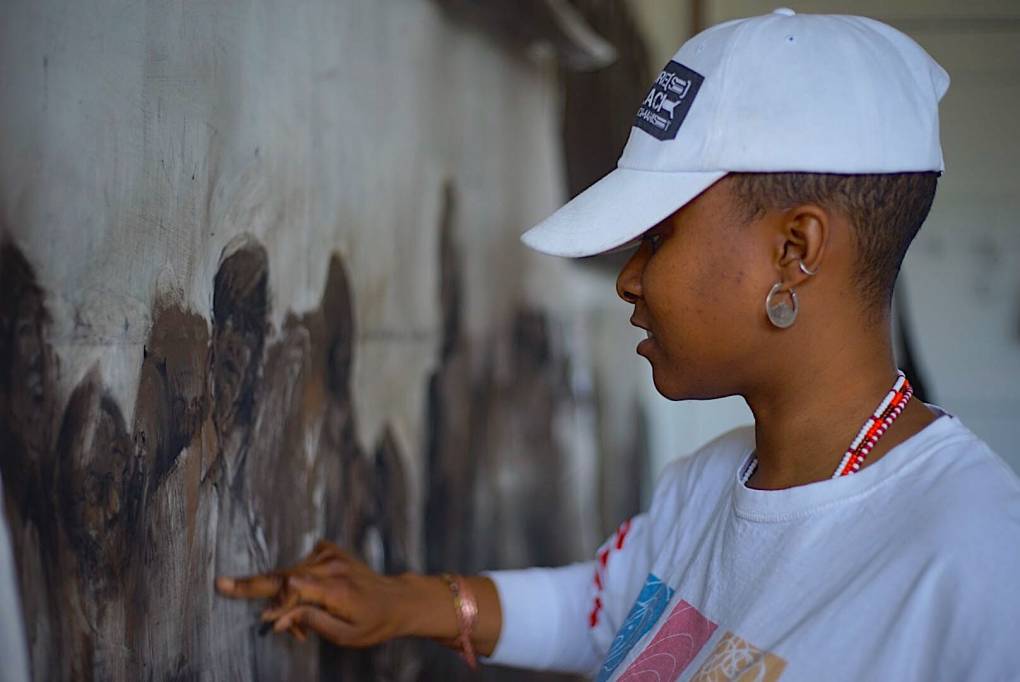
"caption": "Sydney Cain aka Sage Stargate, at work in her studio in San Francisco's Hunters Point Shipyard art studios",
"description": "Sydney Cain aka Sage Stargate, at work in her studio in San Francisco's Hunters Point Shipyard art studios",
"title": "Sydney Cain aka Sage Stargate, at work in her studio in San Francisco's Hunters Point Shipyard art studios",
"credit": "Pendarvis Harshaw",
"status": "inherit",
"isLoading": false,
"fetchFailed": false
},
"arts_13876839": {
"type": "attachments",
"id": "arts_13876839",
"meta": {
"index": "attachments_1716263798",
"site": "arts",
"id": "13876839",
"found": true
},
"parent": 13876835,
"imgSizes": {
"twentyfourteen-full-width": {
"file": "https://ww2.kqed.org/app/uploads/sites/2/2020/03/ToniStone_cast_credit_KevinBerne-1038x576.jpg",
"width": 1038,
"mimeType": "image/jpeg",
"height": 576
},
"thumbnail": {
"file": "https://ww2.kqed.org/app/uploads/sites/2/2020/03/ToniStone_cast_credit_KevinBerne-160x106.jpg",
"width": 160,
"mimeType": "image/jpeg",
"height": 106
},
"post-thumbnail": {
"file": "https://ww2.kqed.org/app/uploads/sites/2/2020/03/ToniStone_cast_credit_KevinBerne-672x372.jpg",
"width": 672,
"mimeType": "image/jpeg",
"height": 372
},
"kqedFullSize": {
"file": "https://ww2.kqed.org/app/uploads/sites/2/2020/03/ToniStone_cast_credit_KevinBerne.jpg",
"width": 2400,
"height": 1597
},
"large": {
"file": "https://ww2.kqed.org/app/uploads/sites/2/2020/03/ToniStone_cast_credit_KevinBerne-1020x679.jpg",
"width": 1020,
"mimeType": "image/jpeg",
"height": 679
},
"full-width": {
"file": "https://ww2.kqed.org/app/uploads/sites/2/2020/03/ToniStone_cast_credit_KevinBerne-1920x1278.jpg",
"width": 1920,
"mimeType": "image/jpeg",
"height": 1278
},
"medium": {
"file": "https://ww2.kqed.org/app/uploads/sites/2/2020/03/ToniStone_cast_credit_KevinBerne-800x532.jpg",
"width": 800,
"mimeType": "image/jpeg",
"height": 532
},
"medium_large": {
"file": "https://ww2.kqed.org/app/uploads/sites/2/2020/03/ToniStone_cast_credit_KevinBerne-768x511.jpg",
"width": 768,
"mimeType": "image/jpeg",
"height": 511
}
},
"publishDate": 1584399439,
"modified": 1584489757,
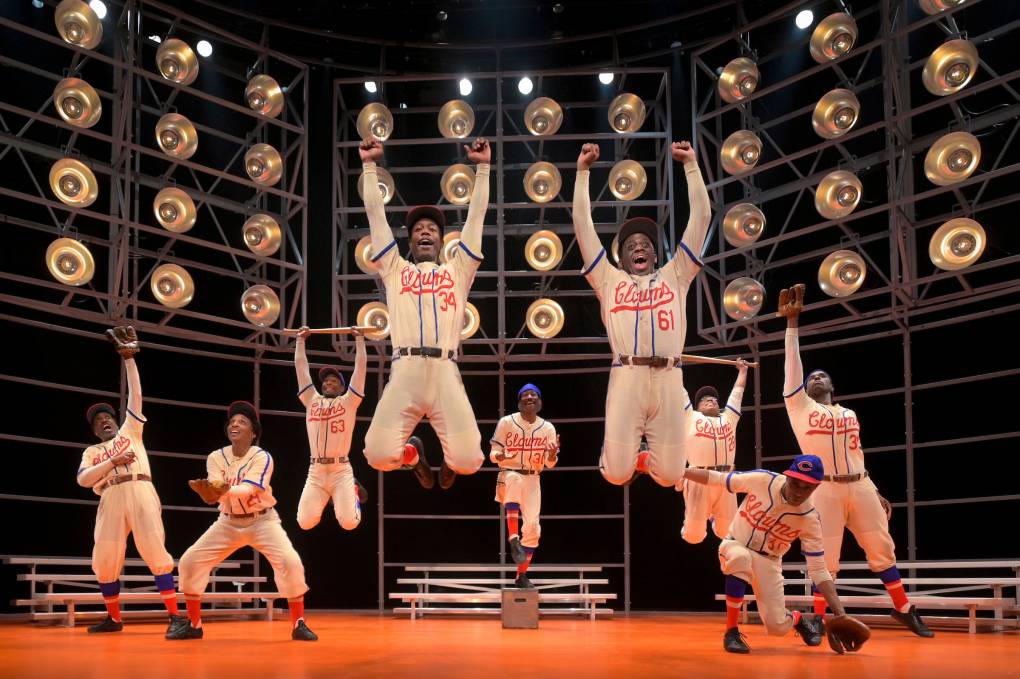
"caption": "The cast of 'Toni Stone' at A.C.T.",
"description": "The cast of 'Toni Stone' at A.C.T.",
"title": "ToniStone_cast_credit_KevinBerne",
"credit": "Kevin Berne",
"status": "inherit",
"isLoading": false,
"fetchFailed": false
},
"arts_13876670": {
"type": "attachments",
"id": "arts_13876670",
"meta": {
"index": "attachments_1716263798",
"site": "arts",
"id": "13876670",
"found": true
},
"parent": 13876658,
"imgSizes": {
"twentyfourteen-full-width": {
"file": "https://ww2.kqed.org/app/uploads/sites/2/2020/03/RS42016_DSC00441-qut-1038x576.jpg",
"width": 1038,
"mimeType": "image/jpeg",
"height": 576
},
"thumbnail": {
"file": "https://ww2.kqed.org/app/uploads/sites/2/2020/03/RS42016_DSC00441-qut-160x107.jpg",
"width": 160,
"mimeType": "image/jpeg",
"height": 107
},
"post-thumbnail": {
"file": "https://ww2.kqed.org/app/uploads/sites/2/2020/03/RS42016_DSC00441-qut-672x372.jpg",
"width": 672,
"mimeType": "image/jpeg",
"height": 372
},
"kqedFullSize": {
"file": "https://ww2.kqed.org/app/uploads/sites/2/2020/03/RS42016_DSC00441-qut.jpg",
"width": 1920,
"height": 1283
},
"large": {
"file": "https://ww2.kqed.org/app/uploads/sites/2/2020/03/RS42016_DSC00441-qut-1020x682.jpg",
"width": 1020,
"mimeType": "image/jpeg",
"height": 682
},
"full-width": {
"file": "https://ww2.kqed.org/app/uploads/sites/2/2020/03/RS42016_DSC00441-qut-1920x1283.jpg",
"width": 1920,
"mimeType": "image/jpeg",
"height": 1283
},
"medium": {
"file": "https://ww2.kqed.org/app/uploads/sites/2/2020/03/RS42016_DSC00441-qut-800x535.jpg",
"width": 800,
"mimeType": "image/jpeg",
"height": 535
},
"medium_large": {
"file": "https://ww2.kqed.org/app/uploads/sites/2/2020/03/RS42016_DSC00441-qut-768x513.jpg",
"width": 768,
"mimeType": "image/jpeg",
"height": 513
}
},
"publishDate": 1584205275,
"modified": 1584205316,
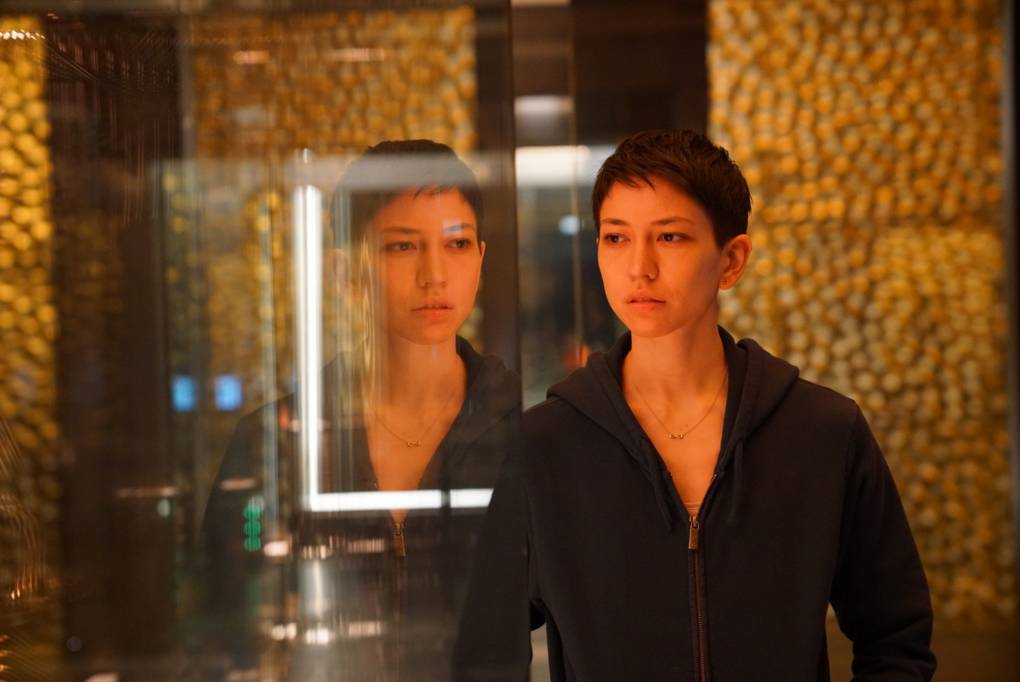
"caption": "Sonoya Mizuno stars in Devs, an ever so slightly fictional take on Silicon Valley; drenched in light, color and contrast.",
"description": "Sonoya Mizuno stars in Devs, an ever so slightly fictional take on Silicon Valley; drenched in light, color and contrast.",
"title": "Sonoya Mizuno stars in Devs, an ever so slightly fictional take on Silicon Valley; drenched in light, color and contrast.",
"credit": "Courtesy of Mia Mizuno/FX",
"status": "inherit",
"isLoading": false,
"fetchFailed": false
},
"arts_13876418": {
"type": "attachments",
"id": "arts_13876418",
"meta": {
"index": "attachments_1716263798",
"site": "arts",
"id": "13876418",
"found": true
},
"parent": 13876404,
"imgSizes": {
"twentyfourteen-full-width": {
"file": "https://ww2.kqed.org/app/uploads/sites/2/2020/03/Hamilton.Cast2_-1038x576.jpg",
"width": 1038,
"mimeType": "image/jpeg",
"height": 576
},
"thumbnail": {
"file": "https://ww2.kqed.org/app/uploads/sites/2/2020/03/Hamilton.Cast2_-160x90.jpg",
"width": 160,
"mimeType": "image/jpeg",
"height": 90
},
"post-thumbnail": {
"file": "https://ww2.kqed.org/app/uploads/sites/2/2020/03/Hamilton.Cast2_-672x372.jpg",
"width": 672,
"mimeType": "image/jpeg",
"height": 372
},
"kqedFullSize": {
"file": "https://ww2.kqed.org/app/uploads/sites/2/2020/03/Hamilton.Cast2_.jpg",
"width": 1319,
"height": 742
},
"large": {
"file": "https://ww2.kqed.org/app/uploads/sites/2/2020/03/Hamilton.Cast2_-1020x574.jpg",
"width": 1020,
"mimeType": "image/jpeg",
"height": 574
},
"medium": {
"file": "https://ww2.kqed.org/app/uploads/sites/2/2020/03/Hamilton.Cast2_-800x450.jpg",
"width": 800,
"mimeType": "image/jpeg",
"height": 450
},
"medium_large": {
"file": "https://ww2.kqed.org/app/uploads/sites/2/2020/03/Hamilton.Cast2_-768x432.jpg",
"width": 768,
"mimeType": "image/jpeg",
"height": 432
}
},
"publishDate": 1583965359,
"modified": 1622571360,
"caption": "'Hamilton' will return after being canceled due to coronavirus concerns last March in San Francisco.",
"description": "'Hamilton' will return after being canceled due to coronavirus concerns last March in San Francisco.",
"title": "Hamilton.Cast2",
"credit": "Broadway SF",
"status": "inherit",
"altTag": "'Hamilton' will return after being canceled due to coronavirus concerns last March in San Francisco.",
"isLoading": false,
"fetchFailed": false
},
"arts_13875797": {
"type": "attachments",
"id": "arts_13875797",
"meta": {
"index": "attachments_1716263798",
"site": "arts",
"id": "13875797",
"found": true
},
"parent": 13875796,
"imgSizes": {
"twentyfourteen-full-width": {
"file": "https://ww2.kqed.org/app/uploads/sites/2/2020/03/LaStrada-1038x576.jpg",
"width": 1038,
"mimeType": "image/jpeg",
"height": 576
},
"thumbnail": {
"file": "https://ww2.kqed.org/app/uploads/sites/2/2020/03/LaStrada-160x90.jpg",
"width": 160,
"mimeType": "image/jpeg",
"height": 90
},
"post-thumbnail": {
"file": "https://ww2.kqed.org/app/uploads/sites/2/2020/03/LaStrada-672x372.jpg",
"width": 672,
"mimeType": "image/jpeg",
"height": 372
},
"kqedFullSize": {
"file": "https://ww2.kqed.org/app/uploads/sites/2/2020/03/LaStrada.jpg",
"width": 1600,
"height": 900
},
"large": {
"file": "https://ww2.kqed.org/app/uploads/sites/2/2020/03/LaStrada-1020x574.jpg",
"width": 1020,
"mimeType": "image/jpeg",
"height": 574
},
"medium": {
"file": "https://ww2.kqed.org/app/uploads/sites/2/2020/03/LaStrada-800x450.jpg",
"width": 800,
"mimeType": "image/jpeg",
"height": 450
},
"medium_large": {
"file": "https://ww2.kqed.org/app/uploads/sites/2/2020/03/LaStrada-768x432.jpg",
"width": 768,
"mimeType": "image/jpeg",
"height": 432
}
},
"publishDate": 1583166609,
"modified": 1583166653,
"caption": "Giulietta Masina in 'La Strada.'",
"description": "Giulietta Masina in 'La Strada.'",
"title": "LaStrada",
"credit": "Cinema Italia SF",
"status": "inherit",
"isLoading": false,
"fetchFailed": false
},
"arts_13875697": {
"type": "attachments",
"id": "arts_13875697",
"meta": {
"index": "attachments_1716263798",
"site": "arts",
"id": "13875697",
"found": true
},
"parent": 13875686,
"imgSizes": {
"twentyfourteen-full-width": {
"file": "https://ww2.kqed.org/app/uploads/sites/2/2020/02/1_cemetery-1038x576.jpg",
"width": 1038,
"mimeType": "image/jpeg",
"height": 576
},
"thumbnail": {
"file": "https://ww2.kqed.org/app/uploads/sites/2/2020/02/1_cemetery-160x90.jpg",
"width": 160,
"mimeType": "image/jpeg",
"height": 90
},
"post-thumbnail": {
"file": "https://ww2.kqed.org/app/uploads/sites/2/2020/02/1_cemetery-672x372.jpg",
"width": 672,
"mimeType": "image/jpeg",
"height": 372
},
"kqedFullSize": {
"file": "https://ww2.kqed.org/app/uploads/sites/2/2020/02/1_cemetery.jpg",
"width": 1798,
"height": 1011
},
"large": {
"file": "https://ww2.kqed.org/app/uploads/sites/2/2020/02/1_cemetery-1020x574.jpg",
"width": 1020,
"mimeType": "image/jpeg",
"height": 574
},
"medium": {
"file": "https://ww2.kqed.org/app/uploads/sites/2/2020/02/1_cemetery-800x450.jpg",
"width": 800,
"mimeType": "image/jpeg",
"height": 450
},
"medium_large": {
"file": "https://ww2.kqed.org/app/uploads/sites/2/2020/02/1_cemetery-768x432.jpg",
"width": 768,
"mimeType": "image/jpeg",
"height": 432
}
},
"publishDate": 1582921510,
"modified": 1582921556,
"caption": "For neighbors in the Presidio, the pet cemetery represents a piece of the neighborhood's history. ",
"description": "For neighbors in the Presidio, the pet cemetery represents a piece of the neighborhood's history. ",
"title": "1_cemetery",
"credit": "Jasmine Garnett",
"status": "inherit",
"isLoading": false,
"fetchFailed": false
},
"arts_13875629": {
"type": "attachments",
"id": "arts_13875629",
"meta": {
"index": "attachments_1716263798",
"site": "arts",
"id": "13875629",
"found": true
},
"parent": 0,
"imgSizes": {
"twentyfourteen-full-width": {
"file": "https://ww2.kqed.org/app/uploads/sites/2/2020/02/Teatro.MAIN_-1038x576.jpg",
"width": 1038,
"mimeType": "image/jpeg",
"height": 576
},
"thumbnail": {
"file": "https://ww2.kqed.org/app/uploads/sites/2/2020/02/Teatro.MAIN_-160x90.jpg",
"width": 160,
"mimeType": "image/jpeg",
"height": 90
},
"post-thumbnail": {
"file": "https://ww2.kqed.org/app/uploads/sites/2/2020/02/Teatro.MAIN_-672x372.jpg",
"width": 672,
"mimeType": "image/jpeg",
"height": 372
},
"kqedFullSize": {
"file": "https://ww2.kqed.org/app/uploads/sites/2/2020/02/Teatro.MAIN_.jpg",
"width": 1920,
"height": 1079
},
"large": {
"file": "https://ww2.kqed.org/app/uploads/sites/2/2020/02/Teatro.MAIN_-1020x573.jpg",
"width": 1020,
"mimeType": "image/jpeg",
"height": 573
},
"full-width": {
"file": "https://ww2.kqed.org/app/uploads/sites/2/2020/02/Teatro.MAIN_-1920x1079.jpg",
"width": 1920,
"mimeType": "image/jpeg",
"height": 1079
},
"medium": {
"file": "https://ww2.kqed.org/app/uploads/sites/2/2020/02/Teatro.MAIN_-800x450.jpg",
"width": 800,
"mimeType": "image/jpeg",
"height": 450
},
"medium_large": {
"file": "https://ww2.kqed.org/app/uploads/sites/2/2020/02/Teatro.MAIN_-768x432.jpg",
"width": 768,
"mimeType": "image/jpeg",
"height": 432
}
},
"publishDate": 1582841763,
"modified": 1582841816,
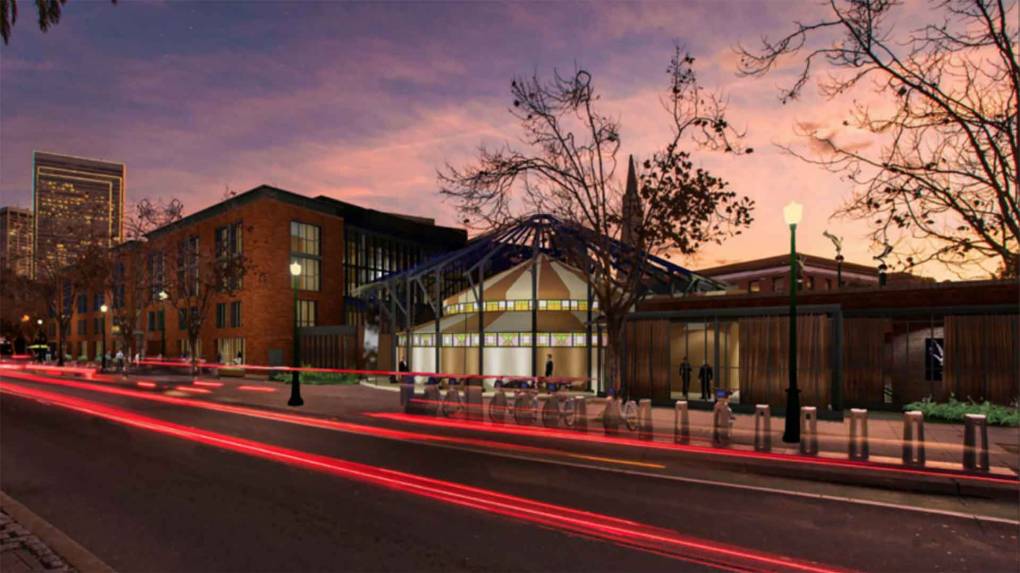
"caption": "Rendering of new Teatro ZinZanni location on San Francisco's waterfront.",
"description": "Rendering of new Teatro ZinZanni location on San Francisco's waterfront.",
"title": "Teatro.MAIN",
"credit": "Teatro ZinZanni",
"status": "inherit",
"isLoading": false,
"fetchFailed": false
},
"arts_13875353": {
"type": "attachments",
"id": "arts_13875353",
"meta": {
"index": "attachments_1716263798",
"site": "arts",
"id": "13875353",
"found": true
},
"parent": 13875346,
"imgSizes": {
"twentyfourteen-full-width": {
"file": "https://ww2.kqed.org/app/uploads/sites/2/2020/02/TheSupers_ensemble_credit_FernandoGamberoni-1038x576.jpeg",
"width": 1038,
"mimeType": "image/jpeg",
"height": 576
},
"thumbnail": {
"file": "https://ww2.kqed.org/app/uploads/sites/2/2020/02/TheSupers_ensemble_credit_FernandoGamberoni-160x107.jpeg",
"width": 160,
"mimeType": "image/jpeg",
"height": 107
},
"post-thumbnail": {
"file": "https://ww2.kqed.org/app/uploads/sites/2/2020/02/TheSupers_ensemble_credit_FernandoGamberoni-672x372.jpeg",
"width": 672,
"mimeType": "image/jpeg",
"height": 372
},
"kqedFullSize": {
"file": "https://ww2.kqed.org/app/uploads/sites/2/2020/02/TheSupers_ensemble_credit_FernandoGamberoni.jpeg",
"width": 2000,
"height": 1333
},
"large": {
"file": "https://ww2.kqed.org/app/uploads/sites/2/2020/02/TheSupers_ensemble_credit_FernandoGamberoni-1020x680.jpeg",
"width": 1020,
"mimeType": "image/jpeg",
"height": 680
},
"full-width": {
"file": "https://ww2.kqed.org/app/uploads/sites/2/2020/02/TheSupers_ensemble_credit_FernandoGamberoni-1920x1280.jpeg",
"width": 1920,
"mimeType": "image/jpeg",
"height": 1280
},
"medium": {
"file": "https://ww2.kqed.org/app/uploads/sites/2/2020/02/TheSupers_ensemble_credit_FernandoGamberoni-800x533.jpeg",
"width": 800,
"mimeType": "image/jpeg",
"height": 533
},
"medium_large": {
"file": "https://ww2.kqed.org/app/uploads/sites/2/2020/02/TheSupers_ensemble_credit_FernandoGamberoni-768x512.jpeg",
"width": 768,
"mimeType": "image/jpeg",
"height": 512
}
},
"publishDate": 1582561884,
"modified": 1582562025,
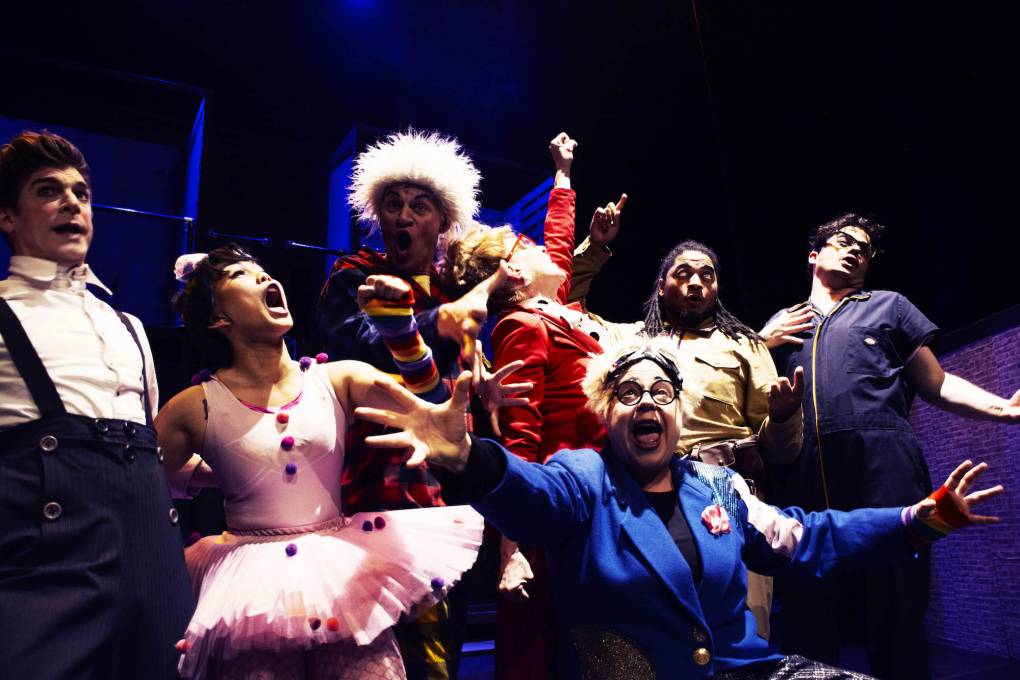
"caption": "The Supers lands at Z Space with an ensemble of superlative clowns.",
"description": "The Supers lands at Z Space with an ensemble of superlative clowns.",
"title": "TheSupers_ensemble_credit_FernandoGamberoni",
"credit": "Fernando Gamberoni",
"status": "inherit",
"isLoading": false,
"fetchFailed": false
},
"arts_13853399": {
"type": "attachments",
"id": "arts_13853399",
"meta": {
"index": "attachments_1716263798",
"site": "arts",
"id": "13853399",
"found": true
},
"parent": 0,
"imgSizes": {
"twentyfourteen-full-width": {
"file": "https://ww2.kqed.org/app/uploads/sites/2/2019/03/Brick-and-Mortar-Music-Hall-2-Feb-18-1038x576.jpg",
"width": 1038,
"mimeType": "image/jpeg",
"height": 576
},
"thumbnail": {
"file": "https://ww2.kqed.org/app/uploads/sites/2/2019/03/Brick-and-Mortar-Music-Hall-2-Feb-18-160x90.jpg",
"width": 160,
"mimeType": "image/jpeg",
"height": 90
},
"post-thumbnail": {
"file": "https://ww2.kqed.org/app/uploads/sites/2/2019/03/Brick-and-Mortar-Music-Hall-2-Feb-18-672x372.jpg",
"width": 672,
"mimeType": "image/jpeg",
"height": 372
},
"kqedFullSize": {
"file": "https://ww2.kqed.org/app/uploads/sites/2/2019/03/Brick-and-Mortar-Music-Hall-2-Feb-18.jpg",
"width": 1920,
"height": 1080
},
"large": {
"file": "https://ww2.kqed.org/app/uploads/sites/2/2019/03/Brick-and-Mortar-Music-Hall-2-Feb-18-1020x574.jpg",
"width": 1020,
"mimeType": "image/jpeg",
"height": 574
},
"complete_open_graph": {
"file": "https://ww2.kqed.org/app/uploads/sites/2/2019/03/Brick-and-Mortar-Music-Hall-2-Feb-18-1200x675.jpg",
"width": 1200,
"mimeType": "image/jpeg",
"height": 675
},
"guest-author-50": {
"file": "https://ww2.kqed.org/app/uploads/sites/2/2019/03/Brick-and-Mortar-Music-Hall-2-Feb-18-50x50.jpg",
"width": 50,
"mimeType": "image/jpeg",
"height": 50
},
"guest-author-96": {
"file": "https://ww2.kqed.org/app/uploads/sites/2/2019/03/Brick-and-Mortar-Music-Hall-2-Feb-18-96x96.jpg",
"width": 96,
"mimeType": "image/jpeg",
"height": 96
},
"medium": {
"file": "https://ww2.kqed.org/app/uploads/sites/2/2019/03/Brick-and-Mortar-Music-Hall-2-Feb-18-800x450.jpg",
"width": 800,
"mimeType": "image/jpeg",
"height": 450
},
"guest-author-64": {
"file": "https://ww2.kqed.org/app/uploads/sites/2/2019/03/Brick-and-Mortar-Music-Hall-2-Feb-18-64x64.jpg",
"width": 64,
"mimeType": "image/jpeg",
"height": 64
},
"guest-author-32": {
"file": "https://ww2.kqed.org/app/uploads/sites/2/2019/03/Brick-and-Mortar-Music-Hall-2-Feb-18-32x32.jpg",
"width": 32,
"mimeType": "image/jpeg",
"height": 32
},
"full-width": {
"file": "https://ww2.kqed.org/app/uploads/sites/2/2019/03/Brick-and-Mortar-Music-Hall-2-Feb-18-1920x1080.jpg",
"width": 1920,
"mimeType": "image/jpeg",
"height": 1080
},
"medium_large": {
"file": "https://ww2.kqed.org/app/uploads/sites/2/2019/03/Brick-and-Mortar-Music-Hall-2-Feb-18-768x432.jpg",
"width": 768,
"mimeType": "image/jpeg",
"height": 432
},
"guest-author-128": {
"file": "https://ww2.kqed.org/app/uploads/sites/2/2019/03/Brick-and-Mortar-Music-Hall-2-Feb-18-128x128.jpg",
"width": 128,
"mimeType": "image/jpeg",
"height": 128
}
},
"publishDate": 1553124879,
"modified": 1581465417,
"caption": "The Brick & Mortar Music Hall in San Francisco.",
"description": "The Brick & Mortar Music Hall in San Francisco.",
"title": "Jason-Perkins-Brick-and-Mortar-Music-Hall",
"credit": "Sam Lefebvre/KQED",
"status": "inherit",
"isLoading": false,
"fetchFailed": false
},
"arts_13874155": {
"type": "attachments",
"id": "arts_13874155",
"meta": {
"index": "attachments_1716263798",
"site": "arts",
"id": "13874155",
"found": true
},
"parent": 13874146,
"imgSizes": {
"thumbnail": {
"file": "https://ww2.kqed.org/app/uploads/sites/2/2020/01/RS40989_viora-1-1024x5751-qut-160x90.jpg",
"width": 160,
"mimeType": "image/jpeg",
"height": 90
},
"post-thumbnail": {
"file": "https://ww2.kqed.org/app/uploads/sites/2/2020/01/RS40989_viora-1-1024x5751-qut-672x372.jpg",
"width": 672,
"mimeType": "image/jpeg",
"height": 372
},
"kqedFullSize": {
"file": "https://ww2.kqed.org/app/uploads/sites/2/2020/01/RS40989_viora-1-1024x5751-qut.jpg",
"width": 1000,
"height": 563
},
"medium": {
"file": "https://ww2.kqed.org/app/uploads/sites/2/2020/01/RS40989_viora-1-1024x5751-qut-800x450.jpg",
"width": 800,
"mimeType": "image/jpeg",
"height": 450
},
"medium_large": {
"file": "https://ww2.kqed.org/app/uploads/sites/2/2020/01/RS40989_viora-1-1024x5751-qut-768x432.jpg",
"width": 768,
"mimeType": "image/jpeg",
"height": 432
}
},
"publishDate": 1580431825,
"modified": 1580432214,
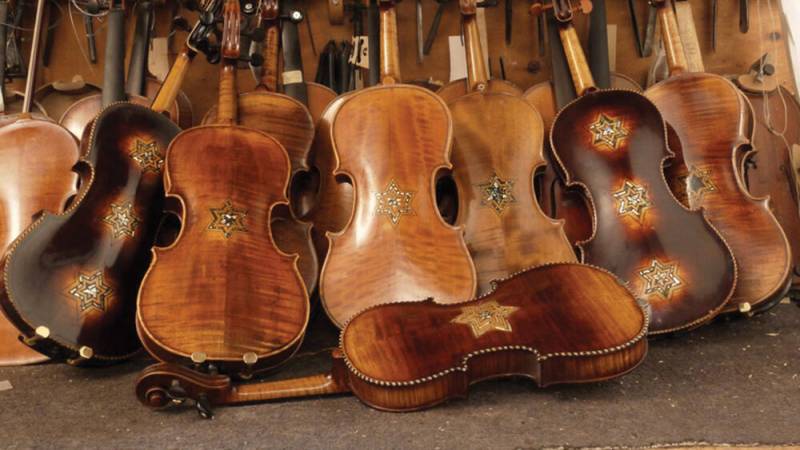
"caption": "A sampling of the Holocaust-era violins collected by Israeli luthiers Amnon and Avshalom Weinstein. The men and the violins are on tour throughout the San Francisco Bay Area as part of \"Violins of Hope,\" running through March 15, 2020.",
"description": "A sampling of the Holocaust-era violins collected by Israeli luthiers Amnon and Avshalom Weinstein. The men and the violins are on tour throughout the San Francisco Bay Area as part of \"Violins of Hope,\" running through March 15, 2020.",
"title": "RS40989_viora-1-1024x575+(1)-qut",
"credit": "Courtesy of Amnon Weinstein",
"status": "inherit",
"isLoading": false,
"fetchFailed": false
}
},
"audioPlayerReducer": {
"postId": "stream_live",
"isPaused": true,
"isPlaying": false,
"pfsActive": false,
"pledgeModalIsOpen": true,
"playerDrawerIsOpen": false,
"liveAudioPlayStartedAt": 0,
"liveAudioPlayContext": ""
},
"authorsReducer": {
"byline_arts_13880670": {
"type": "authors",
"id": "byline_arts_13880670",
"meta": {
"override": true
},
"slug": "byline_arts_13880670",
"name": "Kelly Whalen, Masha Pershay, Elie Khadra",
"isLoading": false
},
"gmeline": {
"type": "authors",
"id": "185",
"meta": {
"index": "authors_1716337520",
"id": "185",
"found": true
},
"name": "Gabe Meline",
"firstName": "Gabe",
"lastName": "Meline",
"slug": "gmeline",
"email": "gmeline@kqed.org",
"display_author_email": true,
"staff_mastheads": [
"arts"
],
"title": "Senior Editor, KQED Arts & Culture",
"bio": "Gabe Meline entered journalism at age 15 making photocopied zines, and has since earned awards from the Edward R. Murrow Awards, the Society for Professional Journalists, the Online Journalism Awards, the Association of Alternative Newsweeklies and the California Newspaper Publishers Association. Prior to KQED, he was the editor of the \u003cem>North Bay Bohemian\u003c/em> and a touring musician. He lives with his wife and daughter in his hometown of Santa Rosa, CA.",
"avatar": "https://secure.gravatar.com/avatar/5bebe57be0d8bc2dd318934feb47299e2d2d10cba28d09d8d7afb389a2ce2bdd?s=600&d=blank&r=g",
"twitter": null,
"bluesky": null,
"facebook": null,
"instagram": null,
"linkedin": null,
"sites": [
{
"site": "",
"roles": [
"editor"
]
},
{
"site": "arts",
"roles": [
"administrator"
]
},
{
"site": "artschool",
"roles": [
"editor"
]
},
{
"site": "news",
"roles": [
"author"
]
},
{
"site": "pop",
"roles": [
"editor"
]
},
{
"site": "bayareabites",
"roles": [
"editor"
]
},
{
"site": "food",
"roles": [
"editor"
]
},
{
"site": "forum",
"roles": [
"administrator"
]
},
{
"site": "liveblog",
"roles": [
"editor"
]
},
{
"site": "hiphop",
"roles": [
"editor"
]
}
],
"headData": {
"title": "Gabe Meline | KQED",
"description": "Senior Editor, KQED Arts & Culture",
"ogImgSrc": "https://secure.gravatar.com/avatar/5bebe57be0d8bc2dd318934feb47299e2d2d10cba28d09d8d7afb389a2ce2bdd?s=600&d=blank&r=g",
"twImgSrc": "https://secure.gravatar.com/avatar/5bebe57be0d8bc2dd318934feb47299e2d2d10cba28d09d8d7afb389a2ce2bdd?s=600&d=blank&r=g"
},
"isLoading": false,
"link": "/author/gmeline"
},
"rachael-myrow": {
"type": "authors",
"id": "251",
"meta": {
"index": "authors_1716337520",
"id": "251",
"found": true
},
"name": "Rachael Myrow",
"firstName": "Rachael",
"lastName": "Myrow",
"slug": "rachael-myrow",
"email": "rmyrow@kqed.org",
"display_author_email": true,
"staff_mastheads": [
"news"
],
"title": "Senior Editor of KQED's Silicon Valley News Desk",
"bio": "• I write and edit stories about how Silicon Valley power and policies shape everyday life in California. I’m also passionate about making Bay Area history and culture more accessible to a broad public. • I’ve been a journalist for most of my life, starting in high school with The Franklin Press in Los Angeles, where I grew up. While earning my first degree in English at UC Berkeley, I got my start in public radio at KALX-FM. After completing a second degree in journalism at Cal, I landed my first professional job at Marketplace, then moved on to KPCC (now LAist), and then KQED, where I hosted The California Report for more than seven years. • My reporting has appeared on NPR, The World, WBUR’s \u003ci>Here & Now\u003c/i>, and the BBC. I also guest host for KQED’s \u003ci>Forum\u003c/i>, as well as the Commonwealth Club in San Francisco. • I speak periodically on media, democracy and technology issues, and do voiceover work for documentaries and educational video projects. • Outside of the studio, you'll find me hiking Bay Area trails and whipping up Insta-ready meals in my kitchen. • I do not accept gifts, money, or favors from anyone connected to my reporting, I don't pay people for information, and I do not support or donate to political causes. • I strive to treat the people I report on with fairness, honesty, and respect. I also recognize there are often multiple sides to a story and work to verify information through multiple sources and documentation. If I get something wrong, I correct it.",
"avatar": "https://secure.gravatar.com/avatar/3ed8a3c5f26025e4a805ba634cda8cd764906b97438a6d9ce216b044e340da4e?s=600&d=blank&r=g",
"twitter": "rachaelmyrow",
"bluesky": null,
"facebook": null,
"instagram": null,
"linkedin": "https://www.linkedin.com/in/rachaelmyrow/",
"sites": [
{
"site": "arts",
"roles": [
"administrator"
]
},
{
"site": "news",
"roles": [
"edit_others_posts",
"editor"
]
},
{
"site": "futureofyou",
"roles": [
"editor"
]
},
{
"site": "bayareabites",
"roles": [
"editor"
]
},
{
"site": "stateofhealth",
"roles": [
"editor"
]
},
{
"site": "science",
"roles": [
"editor"
]
},
{
"site": "food",
"roles": [
"editor"
]
},
{
"site": "forum",
"roles": [
"editor"
]
},
{
"site": "liveblog",
"roles": [
"author"
]
}
],
"headData": {
"title": "Rachael Myrow | KQED",
"description": "Senior Editor of KQED's Silicon Valley News Desk",
"ogImgSrc": "https://secure.gravatar.com/avatar/3ed8a3c5f26025e4a805ba634cda8cd764906b97438a6d9ce216b044e340da4e?s=600&d=blank&r=g",
"twImgSrc": "https://secure.gravatar.com/avatar/3ed8a3c5f26025e4a805ba634cda8cd764906b97438a6d9ce216b044e340da4e?s=600&d=blank&r=g"
},
"isLoading": false,
"link": "/author/rachael-myrow"
},
"cveltman": {
"type": "authors",
"id": "8608",
"meta": {
"index": "authors_1716337520",
"id": "8608",
"found": true
},
"name": "Chloe Veltman",
"firstName": "Chloe",
"lastName": "Veltman",
"slug": "cveltman",
"email": "cveltman@kqed.org",
"display_author_email": true,
"staff_mastheads": [],
"title": "Arts and Culture Reporter",
"bio": "Chloe Veltman is a former arts and culture reporter for KQED. Prior to joining the organization, she launched and led the arts bureau at Colorado Public Radio, served as the Bay Area's culture columnist for the New York Times, and was the founder, host and executive producer of VoiceBox, a national award-winning weekly podcast/radio show and live events series all about the human voice. Chloe is the recipient of numerous prizes, grants and fellowships including a Webby Award for her work on interactive storytelling, both the John S Knight Journalism Fellowship and Humanities Center Fellowship at Stanford University, the Sundance Arts Writing Fellowship and a Library of Congress Research Fellowship. She is the author of the book \"On Acting\" and has appeared as a guest lecturer at Yale University and the San Francisco Conservatory of Music among other institutions. She holds a BA in english literature from King's College, Cambridge, and a Masters in Dramaturgy from the Central School of Speech and Drama/Harvard Institute for Advanced Theater Training.\r\n\u003ca href=\"https://www.chloeveltman.com\">www.chloeveltman.com\u003c/a>",
"avatar": "https://secure.gravatar.com/avatar/55403394b00a1ddab683952c2eb2cf85?s=600&d=blank&r=g",
"twitter": "chloeveltman",
"facebook": null,
"instagram": null,
"linkedin": null,
"sites": [
{
"site": "arts",
"roles": []
},
{
"site": "news",
"roles": [
"author"
]
},
{
"site": "pop",
"roles": [
"editor"
]
},
{
"site": "science",
"roles": []
}
],
"headData": {
"title": "Chloe Veltman | KQED",
"description": "Arts and Culture Reporter",
"ogImgSrc": "https://secure.gravatar.com/avatar/55403394b00a1ddab683952c2eb2cf85?s=600&d=blank&r=g",
"twImgSrc": "https://secure.gravatar.com/avatar/55403394b00a1ddab683952c2eb2cf85?s=600&d=blank&r=g"
},
"isLoading": false,
"link": "/author/cveltman"
},
"slefebvre": {
"type": "authors",
"id": "11091",
"meta": {
"index": "authors_1716337520",
"id": "11091",
"found": true
},
"name": "Sam Lefebvre",
"firstName": "Sam",
"lastName": "Lefebvre",
"slug": "slefebvre",
"email": "sdlefebvre@gmail.com",
"display_author_email": false,
"staff_mastheads": [],
"title": "KQED Contributor",
"bio": "Sam Lefebvre is an award-winning reporter at KQED Arts. He has worked as an editor and columnist at the \u003cem>East Bay Express\u003c/em>, \u003cem>SF Weekly \u003c/em>and Impose Magazine, and his journalism and criticism has appeared in \u003cem>The New York Times\u003c/em>, the Guardian and Pitchfork.",
"avatar": "https://secure.gravatar.com/avatar/49d39b42930b77fb13784ddd9fa63fe780666b71bf289368509dba576b64e69b?s=600&d=blank&r=g",
"twitter": "Lefebvre_Sam",
"bluesky": null,
"facebook": null,
"instagram": null,
"linkedin": null,
"sites": [
{
"site": "arts",
"roles": [
"subscriber"
]
},
{
"site": "news",
"roles": [
"author"
]
}
],
"headData": {
"title": "Sam Lefebvre | KQED",
"description": "KQED Contributor",
"ogImgSrc": "https://secure.gravatar.com/avatar/49d39b42930b77fb13784ddd9fa63fe780666b71bf289368509dba576b64e69b?s=600&d=blank&r=g",
"twImgSrc": "https://secure.gravatar.com/avatar/49d39b42930b77fb13784ddd9fa63fe780666b71bf289368509dba576b64e69b?s=600&d=blank&r=g"
},
"isLoading": false,
"link": "/author/slefebvre"
},
"ralexandra": {
"type": "authors",
"id": "11242",
"meta": {
"index": "authors_1716337520",
"id": "11242",
"found": true
},
"name": "Rae Alexandra",
"firstName": "Rae",
"lastName": "Alexandra",
"slug": "ralexandra",
"email": "ralexandra@kqed.org",
"display_author_email": true,
"staff_mastheads": [],
"title": "Reporter/Producer",
"bio": "Rae Alexandra is a Reporter/Producer for KQED Arts & Culture, and the creator/author of the \u003ca href=\"https://www.kqed.org/arts/program/rebel-girls-from-bay-area-history\">Rebel Girls From Bay Area History\u003c/a> and \u003ca href=\"https://www.kqed.org/bizarrebayarea\">Bizarre Bay Area\u003c/a> series. Her debut book, \u003ca href=\"https://citylights.com/politics-current-events-history/unsung-heroines35-women-who-changed/\">Unsung Heroines: 35 Women Who Changed the Bay Area\u003c/a> was published by City Lights in March 2026. In 2023, Rae was awarded an SPJ Excellence in Journalism Award for Arts & Culture. Rae was born and raised in Wales and subsequently — even after two decades in Northern California — still uses phrases that regularly baffle her coworkers.",
"avatar": "https://secure.gravatar.com/avatar/edfee8176c80cc0a382b051190f5341997df378a934a5774dcb0977732dfd401?s=600&d=blank&r=g",
"twitter": null,
"bluesky": null,
"facebook": null,
"instagram": null,
"linkedin": null,
"sites": [
{
"site": "arts",
"roles": [
"subscriber"
]
},
{
"site": "news",
"roles": [
"subscriber"
]
},
{
"site": "pop",
"roles": [
"subscriber"
]
},
{
"site": "bayareabites",
"roles": [
"subscriber"
]
},
{
"site": "science",
"roles": [
"subscriber"
]
}
],
"headData": {
"title": "Rae Alexandra | KQED",
"description": "Reporter/Producer",
"ogImgSrc": "https://secure.gravatar.com/avatar/edfee8176c80cc0a382b051190f5341997df378a934a5774dcb0977732dfd401?s=600&d=blank&r=g",
"twImgSrc": "https://secure.gravatar.com/avatar/edfee8176c80cc0a382b051190f5341997df378a934a5774dcb0977732dfd401?s=600&d=blank&r=g"
},
"isLoading": false,
"link": "/author/ralexandra"
},
"ogpenn": {
"type": "authors",
"id": "11491",
"meta": {
"index": "authors_1716337520",
"id": "11491",
"found": true
},
"name": "Pendarvis Harshaw",
"firstName": "Pendarvis",
"lastName": "Harshaw",
"slug": "ogpenn",
"email": "ogpenn@gmail.com",
"display_author_email": false,
"staff_mastheads": [
"arts"
],
"title": "Community Engagement Reporter",
"bio": "Pendarvis Harshaw is an educator, host and writer with KQED Arts.",
"avatar": "https://secure.gravatar.com/avatar/972b77ee8e3f346ae2b00622661187fbfabd059b5693bbdc1475ea7a722fd4cd?s=600&d=blank&r=g",
"twitter": null,
"bluesky": null,
"facebook": null,
"instagram": "ogpenn",
"linkedin": null,
"sites": [
{
"site": "arts",
"roles": [
"administrator"
]
},
{
"site": "news",
"roles": [
"editor"
]
},
{
"site": "bayareabites",
"roles": [
"author"
]
},
{
"site": "hiphop",
"roles": [
"editor"
]
}
],
"headData": {
"title": "Pendarvis Harshaw | KQED",
"description": "Community Engagement Reporter",
"ogImgSrc": "https://secure.gravatar.com/avatar/972b77ee8e3f346ae2b00622661187fbfabd059b5693bbdc1475ea7a722fd4cd?s=600&d=blank&r=g",
"twImgSrc": "https://secure.gravatar.com/avatar/972b77ee8e3f346ae2b00622661187fbfabd059b5693bbdc1475ea7a722fd4cd?s=600&d=blank&r=g"
},
"isLoading": false,
"link": "/author/ogpenn"
},
"ngluckstern": {
"type": "authors",
"id": "11497",
"meta": {
"index": "authors_1716337520",
"id": "11497",
"found": true
},
"name": "Nicole Gluckstern",
"firstName": "Nicole",
"lastName": "Gluckstern",
"slug": "ngluckstern",
"email": "gluckstern.nicole@gmail.com",
"display_author_email": false,
"staff_mastheads": [],
"title": "KQED Contributor",
"bio": null,
"avatar": "https://secure.gravatar.com/avatar/2c3d593194017bfe811a998ad03140909de330b22abebf4889e1a564ce5b3495?s=600&d=blank&r=g",
"twitter": null,
"bluesky": null,
"facebook": null,
"instagram": null,
"linkedin": null,
"sites": [
{
"site": "arts",
"roles": [
"contributor"
]
}
],
"headData": {
"title": "Nicole Gluckstern | KQED",
"description": "KQED Contributor",
"ogImgSrc": "https://secure.gravatar.com/avatar/2c3d593194017bfe811a998ad03140909de330b22abebf4889e1a564ce5b3495?s=600&d=blank&r=g",
"twImgSrc": "https://secure.gravatar.com/avatar/2c3d593194017bfe811a998ad03140909de330b22abebf4889e1a564ce5b3495?s=600&d=blank&r=g"
},
"isLoading": false,
"link": "/author/ngluckstern"
},
"jasminegarnett": {
"type": "authors",
"id": "11530",
"meta": {
"index": "authors_1716337520",
"id": "11530",
"found": true
},
"name": "Jasmine Garnett",
"firstName": "Jasmine",
"lastName": "Garnett",
"slug": "jasminegarnett",
"email": "JGarnett@KQED.org",
"display_author_email": false,
"staff_mastheads": [
"news"
],
"title": "Senior Engagement Platforms Producer",
"bio": "Jasmine is a Senior Engagement Platforms Producer on the KQED News team. She is also a freelance writer, with work appearing in KQED, Bitch Media, and Kotaku among others. Jasmine graduated from UC Berkeley with a degree in Media Studies, where she was also an Arts and Entertainment reporter at the Daily Californian.",
"avatar": "https://secure.gravatar.com/avatar/a6ea8b0641874311533b7401bee15c8e?s=600&d=blank&r=g",
"twitter": "JFLGarnett",
"facebook": null,
"instagram": null,
"linkedin": null,
"sites": [
{
"site": "arts",
"roles": [
"author"
]
},
{
"site": "news",
"roles": [
"editor"
]
},
{
"site": "about",
"roles": [
"editor"
]
},
{
"site": "science",
"roles": [
"editor"
]
},
{
"site": "forum",
"roles": [
"editor"
]
},
{
"site": "pressroom",
"roles": [
"editor"
]
}
],
"headData": {
"title": "Jasmine Garnett | KQED",
"description": "Senior Engagement Platforms Producer",
"ogImgSrc": "https://secure.gravatar.com/avatar/a6ea8b0641874311533b7401bee15c8e?s=600&d=blank&r=g",
"twImgSrc": "https://secure.gravatar.com/avatar/a6ea8b0641874311533b7401bee15c8e?s=600&d=blank&r=g"
},
"isLoading": false,
"link": "/author/jasminegarnett"
}
},
"pagesReducer": {
"arts_tag_san-francisco": {
"type": "terms",
"id": "arts_1146",
"meta": {
"index": "terms_1716263798",
"site": "arts",
"id": "1146",
"score": 6.722821
},
"featImg": null,
"name": "San Francisco",
"description": null,
"taxonomy": "tag",
"headData": {
"twImgId": null,
"twTitle": null,
"ogTitle": null,
"ogImgId": null,
"twDescription": null,
"description": null,
"title": "San Francisco Archives | KQED Arts",
"ogDescription": null
},
"ttid": 701,
"slug": "san-francisco",
"isLoading": false,
"title": "San Francisco",
"pageMeta": {
"site": "arts",
"WpPageTemplate": "page-topic-editorial",
"currentPage": 47
},
"blocks": [
{
"blockName": "kqed/post-list",
"attrs": {
"layout": "cardArticle2",
"query": "posts/arts?tag=san-francisco",
"seeMore": false,
"paginated": true,
"page": 47
}
},
{
"blockName": "kqed/ad"
}
]
}
},
"pfsSessionReducer": {},
"postsReducer": {
"stream_live": {
"type": "live",
"id": "stream_live",
"audioUrl": "https://streams.kqed.org/kqedradio",
"title": "Live Stream",
"excerpt": "Live Stream information currently unavailable.",
"link": "/radio",
"featImg": "",
"label": {
"name": "KQED Live",
"link": "/"
}
},
"stream_kqedNewscast": {
"type": "posts",
"id": "stream_kqedNewscast",
"audioUrl": "https://www.kqed.org/.stream/anon/radio/RDnews/newscast.mp3?_=1",
"title": "KQED Newscast",
"featImg": "",
"label": {
"name": "88.5 FM",
"link": "/"
}
},
"arts_13880670": {
"type": "posts",
"id": "arts_13880670",
"meta": {
"index": "posts_1716263798",
"site": "arts",
"id": "13880670",
"score": null,
"sort": [
1589900417000
]
},
"guestAuthors": [],
"slug": "if-cities-could-dance-san-francisco-la-mezcla",
"title": "Zoot Suits and Zapateado: How This SF Dance Crew Channels Chicana Resistance",
"publishDate": 1589900417,
"format": "video",
"headTitle": "Zoot Suits and Zapateado: How This SF Dance Crew Channels Chicana Resistance | KQED",
"labelTerm": {
"term": 4422,
"site": "arts"
},
"content": "\u003cp>\u003cem>Editor’s note: KQED Arts’ award-winning video series \u003ca href=\"https://www.youtube.com/playlist?list=PLeGdTT0--8Kh9ohLGAYIVzVb-TKwEAxER\" target=\"_blank\" rel=\"noopener noreferrer\">If Cities Could Dance\u003c/a> is back for a third season! In each episode, meet dancers across the country representing their city’s signature moves. New episodes premiere every two weeks.\u003c/em>\u003c/p>\n\u003cp>In the heart of the Mission, the pulsing beat of the neighborhood’s dense and vibrant mix of Latinx cultures comes from the clicking heels and toes of tap shoes.\u003c/p>\n\u003cp>San Francisco’s \u003ca href=\"https://vanessasanchez.net/lamezcla/\" target=\"_blank\" rel=\"noopener noreferrer\">La Mezcla dance company\u003c/a>, founded and led by Vanessa Sanchez, uses dance and song to tell stories of Chicana history, culture and resistance. Blending tap dance and zapateado (rhythmic footwork from Mexico), Sanchez describes La Mezcla’s unique dance style as “zapatap.”\u003c/p>\n\u003cfigure id=\"attachment_13880685\" class=\"wp-caption aligncenter\" style=\"max-width: 800px\">\u003cimg loading=\"lazy\" decoding=\"async\" class=\"size-medium wp-image-13880685\" src=\"https://ww2.kqed.org/app/uploads/sites/2/2020/05/ICCD_304_20200301_FS70143.MXF_.10_00_35_20.Still001-2-800x450.jpg\" alt=\"Vanessa Sanchez of La Mezcla.\" width=\"800\" height=\"450\" srcset=\"https://cdn.kqed.org/wp-content/uploads/sites/2/2020/05/ICCD_304_20200301_FS70143.MXF_.10_00_35_20.Still001-2-800x450.jpg 800w, https://cdn.kqed.org/wp-content/uploads/sites/2/2020/05/ICCD_304_20200301_FS70143.MXF_.10_00_35_20.Still001-2-160x90.jpg 160w, https://cdn.kqed.org/wp-content/uploads/sites/2/2020/05/ICCD_304_20200301_FS70143.MXF_.10_00_35_20.Still001-2-768x432.jpg 768w, https://cdn.kqed.org/wp-content/uploads/sites/2/2020/05/ICCD_304_20200301_FS70143.MXF_.10_00_35_20.Still001-2-1020x574.jpg 1020w, https://cdn.kqed.org/wp-content/uploads/sites/2/2020/05/ICCD_304_20200301_FS70143.MXF_.10_00_35_20.Still001-2.jpg 1024w\" sizes=\"(max-width: 800px) 100vw, 800px\">\u003cfigcaption class=\"wp-caption-text\">Vanessa Sanchez of La Mezcla (Photo by Elie Khadra)\u003c/figcaption>\u003c/figure>\n\u003cp>“Tap was one of those styles that just made sense to me,” Sanchez explains. “I was always a bit of an outsider and this speaks to why I do what I do now, because a lot of dance training and dance schools don’t necessarily fit dancers of color who are coming into the space.”\u003c/p>\n\u003cp>Zapatap draws on the history of tap as a form of African American resistance; on the Afro-Mexican dance and music tradition of son jarocho; and, in La Mezcla’s most recent show, \u003ca href=\"https://vanessasanchez.net/pachuquismo-2/\" target=\"_blank\" rel=\"noopener noreferrer\">\u003ci>Pachuquísmo\u003c/i>\u003c/a>, on the story of zoot-suited Chicanas in 1940s Los Angeles.\u003c/p>\n\u003cp>Tap dance originated in the United States in the early 19th century, at the crossroads of African and Irish-American dance forms. When slave owners took away traditional African drums, enslaved people took to percussive dancing to express themselves and maintain their cultural identities. Metal taps hit the market in 1910, and the dance form quickly became a mainstay of Broadway. (Fun fact: May 25 marks National Tap Day, the birthday of early tap dance star Bill “Bojangles” Robinson.)\u003c/p>\n\u003cp>Son jarocho was born a world away from tap, but also has its roots in a time of oppression and resistance. Developed in Veracruz, Mexico, its sounds are a blend of African, indigenous and Spanish influences, owing to the city’s history as a colonial port and a hub of the transatlantic slave trade. Musician Andres Huesca brought son jarocho to Los Angeles in the 1940s; in wider American pop culture, the most recognizable variation is likely Richie Valens’ 1958 hit “La Bamba.” Central to the musical form is the fandango, a gathering where dancers trade off center stage on the tarima (a wooden platform), to contribute the beat to long-form jams called sones.\u003c/p>\n\u003cp>\u003c!-- iframe plugin v.4.3 wordpress.org/plugins/iframe/ -->\u003cbr>\n\u003ciframe loading=\"lazy\" src=\"https://open.spotify.com/embed/playlist/0X8QRcLD3os9CorvGLHHoe\" width=\"100%\" height=\"400\" frameborder=\"0\" allowtransparency=\"true\" scrolling=\"yes\" class=\"iframe-class\">\u003c/iframe>\u003c/p>\n\u003cp>Sanchez absorbed this style of dance while living in Veracruz in the early 2010s, trading tap moves for zapateado rhythms. And when it came time to choreograph La Mezcla’s 2019 show about Chicana women who stood up to the racist attacks of the 1943 Zoot Suit Riots, this hybrid style—neither fully Mexican nor fully American—made perfect sense.\u003c/p>\n\u003cp>“I just feel like throughout history there’s these women that rise up and fight,” Sanchez says. “They fight for what is right, and fight against oppression, systemic racism and white supremacy. But their stories are often not told in the same way as their male counterparts.”\u003c/p>\n\u003cp>For her and other dancers in the group, embodying the spirit of those women is exhilarating. “When I put on the zoot suit, it’s like—I’m getting chills just talking about it,” Sandy Vazquez says. “It’s a really emotional experience for me continuing the legacy of resistance and survival that these women had to overcome, and then being able to put that on a stage.” Dressed in roomy trousers, their hair piled high on their heads, the women of La Mezcla claim the streets and the stage, proving tap isn’t reserved for Broadway shows.\u003c/p>\n\u003cp>\u003ciframe loading=\"lazy\" title=\"Tap Dance How-To for Beginners | If Cities Could Dance\" width=\"640\" height=\"360\" src=\"https://www.youtube.com/embed/jtiD3lC1X88?feature=oembed\" frameborder=\"0\" allow=\"accelerometer; autoplay; clipboard-write; encrypted-media; gyroscope; picture-in-picture; web-share\" referrerpolicy=\"strict-origin-when-cross-origin\" allowfullscreen>\u003c/iframe>\u003c/p>\n\u003cp>The percussive dance of zapatap is fierce; it demands attention in the moment and recognition for the people who informed its making. As they witness the Latinx residents of the Mission struggle with displacement and gentrification, La Mezcla uses zapatap as a way to claim not just the physical space they dance upon, but everywhere within earshot of their clicking, stomping feet.\u003c/p>\n\u003cp>Watch Vanessa Sanchez, Sandy Vazquez, Emmeline Gonzalez-Beban, and Kirsten Millan tour us along Calle 24, the Mission’s cultural corridor, and dance before some of the neighborhood’s most recognizable sights: atop Bernal Hill; in front of the Carnaval mural over the House of Brakes; and at Casa Bandido, musician Richard Segovia’s house covered in paintings by \u003ca href=\"http://www.precitaeyes.org/\" target=\"_blank\" rel=\"noopener noreferrer\">Precita Eyes Muralists\u003c/a> depicting the birth and evolution of Latin Rock in the Mission. — \u003cem>Text by Sarah Hotchkiss\u003c/em>\u003c/p>\n\u003cp>\u003cstrong>Explore our virtual story map and learn more about the murals and locations featured in this episode of \u003cem>If Cities Could Dance\u003c/em>. \u003c/strong>\u003c/p>\n\u003cp>\u003c!-- iframe plugin v.4.3 wordpress.org/plugins/iframe/ -->\u003cbr>\n\u003ciframe loading=\"lazy\" src=\"https://uploads.knightlab.com/storymapjs/4d72621d07063db4c4778f6461829723/if-cities-could-dance-san-francisco/index.html\" frameborder=\"0\" width=\"100%\" height=\"500\" scrolling=\"yes\" class=\"iframe-class\">\u003c/iframe>\u003c/p>\n\u003cp>[ad fullwidth]\u003c/p>\n\u003cp>\u003c/p>\n",
"blocks": [],
"excerpt": "The women of La Mezcla call on the histories of tap and son jarocho to create their own rhythmically percussive dance style.\r\n",
"status": "publish",
"parent": 0,
"modified": 1726792528,
"stats": {
"hasAudio": false,
"hasVideo": true,
"hasChartOrMap": true,
"iframeSrcs": [
"https://uploads.knightlab.com/storymapjs/4d72621d07063db4c4778f6461829723/if-cities-could-dance-san-francisco/index.html"
],
"hasGoogleForm": false,
"hasGallery": false,
"hasHearkenModule": false,
"hasPolis": false,
"paragraphCount": 18,
"wordCount": 830
},
"headData": {
"title": "Zoot Suits and Zapateado: How This SF Dance Crew Channels Chicana Resistance | KQED",
"description": "The women of La Mezcla call on the histories of tap and son jarocho to create their own rhythmically percussive dance style.\r\n",
"ogTitle": "",
"ogDescription": "",
"ogImgId": "",
"twTitle": "",
"twDescription": "",
"twImgId": "",
"schema": {
"@context": "https://schema.org",
"@type": "Article",
"headline": "Zoot Suits and Zapateado: How This SF Dance Crew Channels Chicana Resistance",
"datePublished": "2020-05-19T08:00:17-07:00",
"dateModified": "2024-09-19T17:35:28-07:00",
"image": "https://cdn.kqed.org/wp-content/uploads/2020/02/KQED-OG-Image@1x.png"
}
},
"videoEmbed": "https://youtu.be/U_vm9EU0YBU",
"pbsMediaId": "3043385555",
"sticky": false,
"nprByline": "Kelly Whalen, Masha Pershay, Elie Khadra",
"excludeFromSiteSearch": "Include",
"showOnAuthorArchivePages": "No",
"path": "/arts/13880670/if-cities-could-dance-san-francisco-la-mezcla",
"audioTrackLength": null,
"parsedContent": [
{
"type": "contentString",
"content": "\u003cdiv class=\"post-body\">\u003cp>\u003cp>\u003cem>Editor’s note: KQED Arts’ award-winning video series \u003ca href=\"https://www.youtube.com/playlist?list=PLeGdTT0--8Kh9ohLGAYIVzVb-TKwEAxER\" target=\"_blank\" rel=\"noopener noreferrer\">If Cities Could Dance\u003c/a> is back for a third season! In each episode, meet dancers across the country representing their city’s signature moves. New episodes premiere every two weeks.\u003c/em>\u003c/p>\n\u003cp>In the heart of the Mission, the pulsing beat of the neighborhood’s dense and vibrant mix of Latinx cultures comes from the clicking heels and toes of tap shoes.\u003c/p>\n\u003cp>San Francisco’s \u003ca href=\"https://vanessasanchez.net/lamezcla/\" target=\"_blank\" rel=\"noopener noreferrer\">La Mezcla dance company\u003c/a>, founded and led by Vanessa Sanchez, uses dance and song to tell stories of Chicana history, culture and resistance. Blending tap dance and zapateado (rhythmic footwork from Mexico), Sanchez describes La Mezcla’s unique dance style as “zapatap.”\u003c/p>\n\u003cfigure id=\"attachment_13880685\" class=\"wp-caption aligncenter\" style=\"max-width: 800px\">\u003cimg loading=\"lazy\" decoding=\"async\" class=\"size-medium wp-image-13880685\" src=\"https://ww2.kqed.org/app/uploads/sites/2/2020/05/ICCD_304_20200301_FS70143.MXF_.10_00_35_20.Still001-2-800x450.jpg\" alt=\"Vanessa Sanchez of La Mezcla.\" width=\"800\" height=\"450\" srcset=\"https://cdn.kqed.org/wp-content/uploads/sites/2/2020/05/ICCD_304_20200301_FS70143.MXF_.10_00_35_20.Still001-2-800x450.jpg 800w, https://cdn.kqed.org/wp-content/uploads/sites/2/2020/05/ICCD_304_20200301_FS70143.MXF_.10_00_35_20.Still001-2-160x90.jpg 160w, https://cdn.kqed.org/wp-content/uploads/sites/2/2020/05/ICCD_304_20200301_FS70143.MXF_.10_00_35_20.Still001-2-768x432.jpg 768w, https://cdn.kqed.org/wp-content/uploads/sites/2/2020/05/ICCD_304_20200301_FS70143.MXF_.10_00_35_20.Still001-2-1020x574.jpg 1020w, https://cdn.kqed.org/wp-content/uploads/sites/2/2020/05/ICCD_304_20200301_FS70143.MXF_.10_00_35_20.Still001-2.jpg 1024w\" sizes=\"(max-width: 800px) 100vw, 800px\">\u003cfigcaption class=\"wp-caption-text\">Vanessa Sanchez of La Mezcla (Photo by Elie Khadra)\u003c/figcaption>\u003c/figure>\n\u003cp>“Tap was one of those styles that just made sense to me,” Sanchez explains. “I was always a bit of an outsider and this speaks to why I do what I do now, because a lot of dance training and dance schools don’t necessarily fit dancers of color who are coming into the space.”\u003c/p>\n\u003cp>Zapatap draws on the history of tap as a form of African American resistance; on the Afro-Mexican dance and music tradition of son jarocho; and, in La Mezcla’s most recent show, \u003ca href=\"https://vanessasanchez.net/pachuquismo-2/\" target=\"_blank\" rel=\"noopener noreferrer\">\u003ci>Pachuquísmo\u003c/i>\u003c/a>, on the story of zoot-suited Chicanas in 1940s Los Angeles.\u003c/p>\n\u003cp>Tap dance originated in the United States in the early 19th century, at the crossroads of African and Irish-American dance forms. When slave owners took away traditional African drums, enslaved people took to percussive dancing to express themselves and maintain their cultural identities. Metal taps hit the market in 1910, and the dance form quickly became a mainstay of Broadway. (Fun fact: May 25 marks National Tap Day, the birthday of early tap dance star Bill “Bojangles” Robinson.)\u003c/p>\n\u003cp>Son jarocho was born a world away from tap, but also has its roots in a time of oppression and resistance. Developed in Veracruz, Mexico, its sounds are a blend of African, indigenous and Spanish influences, owing to the city’s history as a colonial port and a hub of the transatlantic slave trade. Musician Andres Huesca brought son jarocho to Los Angeles in the 1940s; in wider American pop culture, the most recognizable variation is likely Richie Valens’ 1958 hit “La Bamba.” Central to the musical form is the fandango, a gathering where dancers trade off center stage on the tarima (a wooden platform), to contribute the beat to long-form jams called sones.\u003c/p>\n\u003cp>\u003c!-- iframe plugin v.4.3 wordpress.org/plugins/iframe/ -->\u003cbr>\n\u003ciframe loading=\"lazy\" src=\"https://open.spotify.com/embed/playlist/0X8QRcLD3os9CorvGLHHoe\" width=\"100%\" height=\"400\" frameborder=\"0\" allowtransparency=\"true\" scrolling=\"yes\" class=\"iframe-class\">\u003c/iframe>\u003c/p>\n\u003cp>Sanchez absorbed this style of dance while living in Veracruz in the early 2010s, trading tap moves for zapateado rhythms. And when it came time to choreograph La Mezcla’s 2019 show about Chicana women who stood up to the racist attacks of the 1943 Zoot Suit Riots, this hybrid style—neither fully Mexican nor fully American—made perfect sense.\u003c/p>\n\u003cp>“I just feel like throughout history there’s these women that rise up and fight,” Sanchez says. “They fight for what is right, and fight against oppression, systemic racism and white supremacy. But their stories are often not told in the same way as their male counterparts.”\u003c/p>\n\u003cp>For her and other dancers in the group, embodying the spirit of those women is exhilarating. “When I put on the zoot suit, it’s like—I’m getting chills just talking about it,” Sandy Vazquez says. “It’s a really emotional experience for me continuing the legacy of resistance and survival that these women had to overcome, and then being able to put that on a stage.” Dressed in roomy trousers, their hair piled high on their heads, the women of La Mezcla claim the streets and the stage, proving tap isn’t reserved for Broadway shows.\u003c/p>\n\u003cp>\u003ciframe loading=\"lazy\" title=\"Tap Dance How-To for Beginners | If Cities Could Dance\" width=\"640\" height=\"360\" src=\"https://www.youtube.com/embed/jtiD3lC1X88?feature=oembed\" frameborder=\"0\" allow=\"accelerometer; autoplay; clipboard-write; encrypted-media; gyroscope; picture-in-picture; web-share\" referrerpolicy=\"strict-origin-when-cross-origin\" allowfullscreen>\u003c/iframe>\u003c/p>\n\u003cp>The percussive dance of zapatap is fierce; it demands attention in the moment and recognition for the people who informed its making. As they witness the Latinx residents of the Mission struggle with displacement and gentrification, La Mezcla uses zapatap as a way to claim not just the physical space they dance upon, but everywhere within earshot of their clicking, stomping feet.\u003c/p>\n\u003cp>Watch Vanessa Sanchez, Sandy Vazquez, Emmeline Gonzalez-Beban, and Kirsten Millan tour us along Calle 24, the Mission’s cultural corridor, and dance before some of the neighborhood’s most recognizable sights: atop Bernal Hill; in front of the Carnaval mural over the House of Brakes; and at Casa Bandido, musician Richard Segovia’s house covered in paintings by \u003ca href=\"http://www.precitaeyes.org/\" target=\"_blank\" rel=\"noopener noreferrer\">Precita Eyes Muralists\u003c/a> depicting the birth and evolution of Latin Rock in the Mission. — \u003cem>Text by Sarah Hotchkiss\u003c/em>\u003c/p>\n\u003cp>\u003cstrong>Explore our virtual story map and learn more about the murals and locations featured in this episode of \u003cem>If Cities Could Dance\u003c/em>. \u003c/strong>\u003c/p>\n\u003cp>\u003c!-- iframe plugin v.4.3 wordpress.org/plugins/iframe/ -->\u003cbr>\n\u003ciframe loading=\"lazy\" src=\"https://uploads.knightlab.com/storymapjs/4d72621d07063db4c4778f6461829723/if-cities-could-dance-san-francisco/index.html\" frameborder=\"0\" width=\"100%\" height=\"500\" scrolling=\"yes\" class=\"iframe-class\">\u003c/iframe>\u003c/p>\n\u003cp>\u003c/p>\u003c/div>",
"attributes": {
"named": {},
"numeric": []
}
},
{
"type": "component",
"content": "",
"name": "ad",
"attributes": {
"named": {
"label": "fullwidth"
},
"numeric": [
"fullwidth"
]
}
},
{
"type": "contentString",
"content": "\u003cdiv class=\"post-body\">\u003cp>\u003c/p>\n\u003cp>\u003c/p>\n\u003c/div>\u003c/p>",
"attributes": {
"named": {},
"numeric": []
}
}
],
"link": "/arts/13880670/if-cities-could-dance-san-francisco-la-mezcla",
"authors": [
"byline_arts_13880670"
],
"series": [
"arts_4422"
],
"categories": [
"arts_1",
"arts_22189"
],
"tags": [
"arts_7875",
"arts_2944",
"arts_1331",
"arts_3419",
"arts_9111",
"arts_7409",
"arts_879",
"arts_1118",
"arts_10278",
"arts_7083",
"arts_4522",
"arts_10882",
"arts_4524",
"arts_1256",
"arts_5747",
"arts_877",
"arts_5573",
"arts_868",
"arts_596",
"arts_1146",
"arts_1007",
"arts_901"
],
"featImg": "arts_13880684",
"label": "arts_4422"
},
"arts_13878268": {
"type": "posts",
"id": "arts_13878268",
"meta": {
"index": "posts_1716263798",
"site": "arts",
"id": "13878268",
"score": null,
"sort": [
1586797235000
]
},
"parent": 0,
"labelTerm": {
"site": "arts"
},
"blocks": [],
"publishDate": 1586797235,
"format": "standard",
"title": "Mindblowing Tales From San Francisco's (Long) History With Epidemics",
"headTitle": "Mindblowing Tales From San Francisco’s (Long) History With Epidemics | KQED",
"content": "\u003cp>As we slowly trudge, un-showered and in sweatpants, towards the end of the first month of lockdown, mood swings are almost inevitable. Oscillating wildly between resignation, frustration and good old-fashioned anxiety has become the new normal.\u003c/p>\n\u003cp>It’s probably the perfect time, then, to point out that not only has the Bay Area been through epidemics before, it definitely handled things much, much worse the last time. And the time before that. Repeatedly. Especially in San Francisco.\u003c/p>\n\u003cp>The \u003ca href=\"https://www.influenzaarchive.org/cities/city-sanfrancisco.html#\" target=\"_blank\" rel=\"noopener noreferrer\">last time a health-related lockdown\u003c/a> began in the city, it was Friday, Oct. 18, 1918, when the San Francisco Board of Health voted to close all schools and “places of public amusement” in an effort to stem the spread of the dreaded influenza. This was followed one week later by an order that required everyone in the city to don face masks in public.\u003c/p>\n\u003cp>Which all would have been smart and appropriate and proper if only city residents hadn’t been such stubborn jerks about cooperating with the orders. So many folks continued leaving their faces uncovered, the city had to start charging people with disturbing the peace, and punishing them with either $5-10 fines or county jail time.\u003c/p>\n\u003cp>https://twitter.com/coolgrey/status/1234018471702384641\u003c/p>\n\u003cp>[ad fullwidth]\u003c/p>\n\u003cp>Then, once restrictions on venues were lifted after a 28-day lockdown, people rushed straight out to socialize, fearlessly packing dance halls and theaters with their germs. Apparently leading by example, this included \u003ca href=\"https://www.influenzaarchive.org/cities/city-sanfrancisco.html\" target=\"_blank\" rel=\"noopener noreferrer\">Mayor James Rolph\u003c/a>, who attended a boxing match between Fred Fulton and Willie Meehan at the Civic Auditorium on Nov. 16, and was caught flouting his own mask rule so flagrantly that the police chief fined him $50.\u003c/p>\n\u003cp>Five days later, on Nov. 21 at noon, a city-wide whistle blast signaled that it was “safe” to take masks off. But people simply tossed them in the air, ignoring health officials’ pleas to save the gauze for later. The \u003cem>San Francisco Chronicle\u003c/em> reported the following day that “sidewalks and runnels were strewn with the relics of a torturous month.”\u003c/p>\n\u003cp>Unsurprisingly, flu numbers flared up again after this premature move, and the city responded by sending out as much mixed messaging as humanly possible. Mayor Rolph told San Franciscans on Dec. 7 to put their masks back on, but an official ordinance from the Board of Supervisors didn’t come until Jan. 17, 1919.\u003c/p>\n\u003cp>To make matters worse, the fact that public places were still open and operating was apparently not enough to appease freewheeling San Franciscans. We know this because over 2,000 residents banded together in January to attend a rally organized by some geniuses calling themselves the \u003ca href=\"https://www.sfchronicle.com/bayarea/article/A-city-of-masks-When-the-flu-tore-through-San-6499265.php\" target=\"_blank\" rel=\"noopener noreferrer\">Anti-Mask League\u003c/a>. Mandatory mask use was lifted once again on Feb. 1 as the city grew tired of dealing with loudmouthed rebels flouting the law.\u003c/p>\n\u003cp>All told, the flu epidemic infected 45,000 San Franciscans, and killed 3,000 in the city, due to a deadly combination of mixed messaging from authorities and public resistance to restrictions.\u003c/p>\n\u003cfigure id=\"attachment_13878373\" class=\"wp-caption alignnone\" style=\"max-width: 512px\">\u003cimg loading=\"lazy\" decoding=\"async\" class=\"size-full wp-image-13878373\" src=\"https://ww2.kqed.org/app/uploads/sites/2/2020/04/AP18006852068959.jpg\" alt=\"Red Cross volunteer nurses tend to flu patients at the Oakland Municipal Auditorium in 1918. It was used as a temporary hospital during the epidemic.\" width=\"512\" height=\"396\" srcset=\"https://cdn.kqed.org/wp-content/uploads/sites/2/2020/04/AP18006852068959.jpg 512w, https://cdn.kqed.org/wp-content/uploads/sites/2/2020/04/AP18006852068959-160x124.jpg 160w\" sizes=\"(max-width: 512px) 100vw, 512px\">\u003cfigcaption class=\"wp-caption-text\">Red Cross volunteer nurses tend to flu patients at the Oakland Municipal Auditorium in 1918. It was used as a temporary hospital during the epidemic. \u003ccite>(Edward A. \"Doc\" Rogers/Library of Congress via AP)\u003c/cite>\u003c/figcaption>\u003c/figure>\n\u003cp>San Francisco’s uneven response to health crises wasn’t limited to the 1918 flu epidemic. In 1888, a \u003ca href=\"https://books.google.com/books?id=oB4LAAAAIAAJ&printsec=frontcover&source=gbs_ge_summary_r&cad=0#v=onepage&q&f=false\" target=\"_blank\" rel=\"noopener noreferrer\">\u003cem>Biennial Report\u003c/em>\u003c/a> by the California Department of Public Health reported that the entire Bay Area was, at that time, dealing with cases of smallpox, scarlet fever, typhoid, consumption, diphtheria and cholera.\u003c/p>\n\u003cp>Amazingly, \u003ca href=\"https://books.google.com/books?id=HwwPAAAAYAAJ&printsec=frontcover&dq=The+Cholera+Epidemic+of+1873+in+the+United+States&hl=en&newbks=1&newbks_redir=0&sa=X&ved=2ahUKEwi_l_b_9tvoAhUrGDQIHR7sD6AQ6AEwAHoECAMQAg#v=onepage&q=The%20Cholera%20Epidemic%20of%201873%20in%20the%20United%20States&f=false\" target=\"_blank\" rel=\"noopener noreferrer\">\u003cem>The Cholera Epidemic of 1873 in the United States\u003c/em>\u003c/a>, written by the U.S. Surgeon General’s Office in 1875, reports that cholera first landed in San Francisco as early as September 1850. This was due to the arrival of the S.S. Carolina—a steamer ship that had \u003ca href=\"https://www.maritimeheritage.org/passengers/SS-Carolina-7October1850.html\" target=\"_blank\" rel=\"noopener noreferrer\">lost 13 passengers\u003c/a> to the disease before it even docked—and exacerbated by an attitude to\u003ca href=\"http://www.sf-info.org/history/d4/gold-rush\" target=\"_blank\" rel=\"noopener noreferrer\"> sanitation\u003c/a> that can most kindly be described as \u003cem>laissez faire\u003c/em>.\u003c/p>\n\u003cp>The following description is from 1854’s \u003ca href=\"https://books.google.com/books?id=RKJFAQAAMAAJ&pg=PA419&dq=san+francisco+cholera&hl=en&newbks=1&newbks_redir=0&sa=X&ved=2ahUKEwio-vKP9tvoAhXwHjQIHRUaBRAQ6AEwBXoECAIQAg#v=onepage&q=san%20francisco%20cholera&f=false\" target=\"_blank\" rel=\"noopener noreferrer\">\u003cem>Annals of San Francisco\u003c/em>\u003c/a>:\u003c/p>\n\u003cblockquote>\u003cp>The streets were thickly covered with black rotten mud. These were the proper dunghills of the town and were made a general depot for all kinds of rubbish and household sweepings, offal and filth. Sometimes the rains came and scattered the abominable stuffs, carrying part of them into the bay. Rats—huge, fat, lazy things—prowled about at pleasure… Sickening stenches invaded every quarter.\u003c/p>\u003c/blockquote>\n\u003cp>Outbreaks of cholera in San Jose, Carson Valley and Sacramento \u003ca href=\"https://cdnc.ucr.edu/?a=d&d=DAC18651009.2.4&e=-------en--20--1--txt-txIN--------1\" target=\"_blank\" rel=\"noopener noreferrer\">quickly followed\u003c/a>—said to be made worse by the spread of the illness via “overland emigrants.” By the end of the 1850 cholera outbreak, over 1,000 residents had died in Sacramento alone, out of a population of 8,000.\u003c/p>\n\u003cp>It’s true that infrastructure, including plumbing, had a hard time catching up to the population boom born of the Gold Rush, but it’s also true that San Francisco, for the longest time, cared not what was docking in its Bay. Having failed to learn its lesson after the 1850 cholera outbreak, another infested ship (the \u003ca href=\"https://books.google.com/books?id=9DKe_xdeFpYC&pg=PA14&lpg=PA14&dq=san+francisco+cholera+1855+SS+Sam&source=bl&ots=FFTLixEywm&sig=ACfU3U2wt41EiQGLwc45cDcT1TVq5gK5Mw&hl=en&sa=X&ved=2ahUKEwjD-dbyjNvoAhWXGDQIHVoQCHkQ6AEwDHoECA0QKg#v=onepage&q=san%20francisco%20cholera%201855%20SS%20Sam&f=false\" target=\"_blank\" rel=\"noopener noreferrer\">S.S. Sam\u003c/a> this time) was permitted to enter the city just five years later which—you guessed it—caused another deadly cholera outbreak.\u003c/p>\n\u003cp>This time, the disease’s spread was assisted by both crappy sanitation \u003cem>and\u003c/em> makeshift living quarters. \u003ca href=\"https://www.sfgate.com/sfhistory/article/San-Francisco-1855-1856-incorporation-Gold-Rush-12958094.php\" target=\"_blank\" rel=\"noopener noreferrer\">The San Francisco Historical Museum\u003c/a> has since described the city of the period thusly:\u003c/p>\n\u003cblockquote>\u003cp>What a strange town was that, the San Francisco of 1856, its 30,000 people in speedy transition from a city of tents and shacks to one of brick and stone buildings, architecturally on a par with those of Atlantic seaboard cities, and its flimsy wooden and more pretentious sheet iron buildings filling in the spaces in between.\u003c/p>\u003c/blockquote>\n\u003cp>Remarkably, an 1883 copy of the \u003ca href=\"https://books.google.com/books?id=cy4gAQAAIAAJ&pg=PA327&dq=san+francisco+cholera&hl=en&newbks=1&newbks_redir=0&sa=X&ved=2ahUKEwio-vKP9tvoAhXwHjQIHRUaBRAQ6AEwAXoECAEQAg#v=onepage&q=san%20francisco%20cholera&f=false\" target=\"_blank\" rel=\"noopener noreferrer\">\u003cem>San Francisco Western Lancet\u003c/em>\u003c/a> medical journal suggests that, despite these outbreaks and dangerous habitations, sanitation in San Francisco remained in an abysmal state, even three decades later.\u003c/p>\n\u003cblockquote>\u003cp>The sewer on Fifth Street, having no bottom, continually filling with shifting sand, causes the sewage to collect and foul gasses to generate. One man recently met his death there because of the foul condition of the sewer… Just consider for a moment the condition of a municipal government which will allow a cesspool five miles long to exist in the heart of its jurisdiction. It is a criminal neglect of duty.\u003c/p>\u003c/blockquote>\n\u003cp>No surprise, then, that San Francisco was treated to an \u003ca href=\"https://en.wikipedia.org/wiki/San_Francisco_plague_of_1900%E2%80%931904\" target=\"_blank\" rel=\"noopener noreferrer\">outbreak of plague\u003c/a> (actual Bubonic Plague!) as late as 1900. The neighborhood affected most was Chinatown, but California’s Governor at the time, Henry Gage, denied the outbreak was happening for two full years. By the time George Pardee replaced Gage in 1902 and started prioritizing people over commerce, the disease had such a foothold that it took another two years to quash.\u003c/p>\n\u003cp>Compared to these moments in the city’s history, we’re blessed in 2020 to have leadership willing to make decisive calls for the sake of public safety. Let’s not forget that San Francisco was the \u003ca href=\"https://www.cnn.com/2020/03/17/us/us-coronavirus-san-francisco-lockdown/index.html\" target=\"_blank\" rel=\"noopener noreferrer\">first American city\u003c/a> to issue a stay-at-home order in this coronavirus crisis, and had zero qualms about \u003ca href=\"https://813dcad3-2b07-4f3f-a25e-23c48c566922.filesusr.com/ugd/84606e_8b76957fcc4b4bab8d6876f7c2793d18.pdf\" target=\"_blank\" rel=\"noopener noreferrer\">extending its stay-at-home order\u003c/a> until at least May 3.\u003c/p>\n\u003cp>[ad floatright]\u003c/p>\n\u003cp>One \u003ca href=\"https://www.history.com/news/spanish-flu-pandemic-response-cities\" target=\"_blank\" rel=\"noopener noreferrer\">2007 analysis\u003c/a> of the 1918 flu epidemic claimed that if lockdown measures had stayed in place in San Francisco until Spring 1919, 90% of deaths in the region could have been prevented. The lessons from history are clear: Stay inside, be grateful for good plumbing and, most importantly of all, don’t be a rebellious jerk.\u003c/p>\n\n",
"stats": {
"hasVideo": false,
"hasChartOrMap": false,
"hasAudio": false,
"hasPolis": false,
"wordCount": 1291,
"hasGoogleForm": false,
"hasGallery": false,
"hasHearkenModule": false,
"iframeSrcs": [],
"paragraphCount": 24
},
"modified": 1705020908,
"excerpt": "Think this lockdown is hard? You should hear how the last one went.",
"headData": {
"twImgId": "",
"twTitle": "",
"ogTitle": "",
"ogImgId": "",
"twDescription": "",
"description": "Think this lockdown is hard? You should hear how the last one went.",
"title": "Mindblowing Tales From San Francisco's (Long) History With Epidemics | KQED",
"ogDescription": "",
"schema": {
"@context": "https://schema.org",
"@type": "Article",
"headline": "Mindblowing Tales From San Francisco's (Long) History With Epidemics",
"datePublished": "2020-04-13T10:00:35-07:00",
"dateModified": "2024-01-11T16:55:08-08:00",
"image": "https://cdn.kqed.org/wp-content/uploads/2020/02/KQED-OG-Image@1x.png"
}
},
"guestAuthors": [],
"slug": "mindblowing-tales-from-san-franciscos-long-history-with-epidemics",
"status": "publish",
"templateType": "standard",
"excludeFromSiteSearch": "Include",
"featuredImageType": "standard",
"sticky": false,
"articleAge": "0",
"path": "/arts/13878268/mindblowing-tales-from-san-franciscos-long-history-with-epidemics",
"audioTrackLength": null,
"parsedContent": [
{
"type": "contentString",
"content": "\u003cdiv class=\"post-body\">\u003cp>\u003cp>As we slowly trudge, un-showered and in sweatpants, towards the end of the first month of lockdown, mood swings are almost inevitable. Oscillating wildly between resignation, frustration and good old-fashioned anxiety has become the new normal.\u003c/p>\n\u003cp>It’s probably the perfect time, then, to point out that not only has the Bay Area been through epidemics before, it definitely handled things much, much worse the last time. And the time before that. Repeatedly. Especially in San Francisco.\u003c/p>\n\u003cp>The \u003ca href=\"https://www.influenzaarchive.org/cities/city-sanfrancisco.html#\" target=\"_blank\" rel=\"noopener noreferrer\">last time a health-related lockdown\u003c/a> began in the city, it was Friday, Oct. 18, 1918, when the San Francisco Board of Health voted to close all schools and “places of public amusement” in an effort to stem the spread of the dreaded influenza. This was followed one week later by an order that required everyone in the city to don face masks in public.\u003c/p>\n\u003cp>Which all would have been smart and appropriate and proper if only city residents hadn’t been such stubborn jerks about cooperating with the orders. So many folks continued leaving their faces uncovered, the city had to start charging people with disturbing the peace, and punishing them with either $5-10 fines or county jail time.\u003c/p>\u003c/p>\u003c/div>",
"attributes": {
"named": {},
"numeric": []
}
},
{
"type": "component",
"content": "",
"name": "singleTwitterStatus",
"attributes": {
"named": {
"id": "1234018471702384641"
},
"numeric": []
}
},
{
"type": "contentString",
"content": "\u003cdiv class=\"post-body\">\u003cp>\n\u003cp>\u003c/p>\u003c/div>",
"attributes": {
"named": {},
"numeric": []
}
},
{
"type": "component",
"content": "",
"name": "ad",
"attributes": {
"named": {
"label": "fullwidth"
},
"numeric": [
"fullwidth"
]
}
},
{
"type": "contentString",
"content": "\u003cdiv class=\"post-body\">\u003cp>\u003c/p>\n\u003cp>Then, once restrictions on venues were lifted after a 28-day lockdown, people rushed straight out to socialize, fearlessly packing dance halls and theaters with their germs. Apparently leading by example, this included \u003ca href=\"https://www.influenzaarchive.org/cities/city-sanfrancisco.html\" target=\"_blank\" rel=\"noopener noreferrer\">Mayor James Rolph\u003c/a>, who attended a boxing match between Fred Fulton and Willie Meehan at the Civic Auditorium on Nov. 16, and was caught flouting his own mask rule so flagrantly that the police chief fined him $50.\u003c/p>\n\u003cp>Five days later, on Nov. 21 at noon, a city-wide whistle blast signaled that it was “safe” to take masks off. But people simply tossed them in the air, ignoring health officials’ pleas to save the gauze for later. The \u003cem>San Francisco Chronicle\u003c/em> reported the following day that “sidewalks and runnels were strewn with the relics of a torturous month.”\u003c/p>\n\u003cp>Unsurprisingly, flu numbers flared up again after this premature move, and the city responded by sending out as much mixed messaging as humanly possible. Mayor Rolph told San Franciscans on Dec. 7 to put their masks back on, but an official ordinance from the Board of Supervisors didn’t come until Jan. 17, 1919.\u003c/p>\n\u003cp>To make matters worse, the fact that public places were still open and operating was apparently not enough to appease freewheeling San Franciscans. We know this because over 2,000 residents banded together in January to attend a rally organized by some geniuses calling themselves the \u003ca href=\"https://www.sfchronicle.com/bayarea/article/A-city-of-masks-When-the-flu-tore-through-San-6499265.php\" target=\"_blank\" rel=\"noopener noreferrer\">Anti-Mask League\u003c/a>. Mandatory mask use was lifted once again on Feb. 1 as the city grew tired of dealing with loudmouthed rebels flouting the law.\u003c/p>\n\u003cp>All told, the flu epidemic infected 45,000 San Franciscans, and killed 3,000 in the city, due to a deadly combination of mixed messaging from authorities and public resistance to restrictions.\u003c/p>\n\u003cfigure id=\"attachment_13878373\" class=\"wp-caption alignnone\" style=\"max-width: 512px\">\u003cimg loading=\"lazy\" decoding=\"async\" class=\"size-full wp-image-13878373\" src=\"https://ww2.kqed.org/app/uploads/sites/2/2020/04/AP18006852068959.jpg\" alt=\"Red Cross volunteer nurses tend to flu patients at the Oakland Municipal Auditorium in 1918. It was used as a temporary hospital during the epidemic.\" width=\"512\" height=\"396\" srcset=\"https://cdn.kqed.org/wp-content/uploads/sites/2/2020/04/AP18006852068959.jpg 512w, https://cdn.kqed.org/wp-content/uploads/sites/2/2020/04/AP18006852068959-160x124.jpg 160w\" sizes=\"(max-width: 512px) 100vw, 512px\">\u003cfigcaption class=\"wp-caption-text\">Red Cross volunteer nurses tend to flu patients at the Oakland Municipal Auditorium in 1918. It was used as a temporary hospital during the epidemic. \u003ccite>(Edward A. \"Doc\" Rogers/Library of Congress via AP)\u003c/cite>\u003c/figcaption>\u003c/figure>\n\u003cp>San Francisco’s uneven response to health crises wasn’t limited to the 1918 flu epidemic. In 1888, a \u003ca href=\"https://books.google.com/books?id=oB4LAAAAIAAJ&printsec=frontcover&source=gbs_ge_summary_r&cad=0#v=onepage&q&f=false\" target=\"_blank\" rel=\"noopener noreferrer\">\u003cem>Biennial Report\u003c/em>\u003c/a> by the California Department of Public Health reported that the entire Bay Area was, at that time, dealing with cases of smallpox, scarlet fever, typhoid, consumption, diphtheria and cholera.\u003c/p>\n\u003cp>Amazingly, \u003ca href=\"https://books.google.com/books?id=HwwPAAAAYAAJ&printsec=frontcover&dq=The+Cholera+Epidemic+of+1873+in+the+United+States&hl=en&newbks=1&newbks_redir=0&sa=X&ved=2ahUKEwi_l_b_9tvoAhUrGDQIHR7sD6AQ6AEwAHoECAMQAg#v=onepage&q=The%20Cholera%20Epidemic%20of%201873%20in%20the%20United%20States&f=false\" target=\"_blank\" rel=\"noopener noreferrer\">\u003cem>The Cholera Epidemic of 1873 in the United States\u003c/em>\u003c/a>, written by the U.S. Surgeon General’s Office in 1875, reports that cholera first landed in San Francisco as early as September 1850. This was due to the arrival of the S.S. Carolina—a steamer ship that had \u003ca href=\"https://www.maritimeheritage.org/passengers/SS-Carolina-7October1850.html\" target=\"_blank\" rel=\"noopener noreferrer\">lost 13 passengers\u003c/a> to the disease before it even docked—and exacerbated by an attitude to\u003ca href=\"http://www.sf-info.org/history/d4/gold-rush\" target=\"_blank\" rel=\"noopener noreferrer\"> sanitation\u003c/a> that can most kindly be described as \u003cem>laissez faire\u003c/em>.\u003c/p>\n\u003cp>The following description is from 1854’s \u003ca href=\"https://books.google.com/books?id=RKJFAQAAMAAJ&pg=PA419&dq=san+francisco+cholera&hl=en&newbks=1&newbks_redir=0&sa=X&ved=2ahUKEwio-vKP9tvoAhXwHjQIHRUaBRAQ6AEwBXoECAIQAg#v=onepage&q=san%20francisco%20cholera&f=false\" target=\"_blank\" rel=\"noopener noreferrer\">\u003cem>Annals of San Francisco\u003c/em>\u003c/a>:\u003c/p>\n\u003cblockquote>\u003cp>The streets were thickly covered with black rotten mud. These were the proper dunghills of the town and were made a general depot for all kinds of rubbish and household sweepings, offal and filth. Sometimes the rains came and scattered the abominable stuffs, carrying part of them into the bay. Rats—huge, fat, lazy things—prowled about at pleasure… Sickening stenches invaded every quarter.\u003c/p>\u003c/blockquote>\n\u003cp>Outbreaks of cholera in San Jose, Carson Valley and Sacramento \u003ca href=\"https://cdnc.ucr.edu/?a=d&d=DAC18651009.2.4&e=-------en--20--1--txt-txIN--------1\" target=\"_blank\" rel=\"noopener noreferrer\">quickly followed\u003c/a>—said to be made worse by the spread of the illness via “overland emigrants.” By the end of the 1850 cholera outbreak, over 1,000 residents had died in Sacramento alone, out of a population of 8,000.\u003c/p>\n\u003cp>It’s true that infrastructure, including plumbing, had a hard time catching up to the population boom born of the Gold Rush, but it’s also true that San Francisco, for the longest time, cared not what was docking in its Bay. Having failed to learn its lesson after the 1850 cholera outbreak, another infested ship (the \u003ca href=\"https://books.google.com/books?id=9DKe_xdeFpYC&pg=PA14&lpg=PA14&dq=san+francisco+cholera+1855+SS+Sam&source=bl&ots=FFTLixEywm&sig=ACfU3U2wt41EiQGLwc45cDcT1TVq5gK5Mw&hl=en&sa=X&ved=2ahUKEwjD-dbyjNvoAhWXGDQIHVoQCHkQ6AEwDHoECA0QKg#v=onepage&q=san%20francisco%20cholera%201855%20SS%20Sam&f=false\" target=\"_blank\" rel=\"noopener noreferrer\">S.S. Sam\u003c/a> this time) was permitted to enter the city just five years later which—you guessed it—caused another deadly cholera outbreak.\u003c/p>\n\u003cp>This time, the disease’s spread was assisted by both crappy sanitation \u003cem>and\u003c/em> makeshift living quarters. \u003ca href=\"https://www.sfgate.com/sfhistory/article/San-Francisco-1855-1856-incorporation-Gold-Rush-12958094.php\" target=\"_blank\" rel=\"noopener noreferrer\">The San Francisco Historical Museum\u003c/a> has since described the city of the period thusly:\u003c/p>\n\u003cblockquote>\u003cp>What a strange town was that, the San Francisco of 1856, its 30,000 people in speedy transition from a city of tents and shacks to one of brick and stone buildings, architecturally on a par with those of Atlantic seaboard cities, and its flimsy wooden and more pretentious sheet iron buildings filling in the spaces in between.\u003c/p>\u003c/blockquote>\n\u003cp>Remarkably, an 1883 copy of the \u003ca href=\"https://books.google.com/books?id=cy4gAQAAIAAJ&pg=PA327&dq=san+francisco+cholera&hl=en&newbks=1&newbks_redir=0&sa=X&ved=2ahUKEwio-vKP9tvoAhXwHjQIHRUaBRAQ6AEwAXoECAEQAg#v=onepage&q=san%20francisco%20cholera&f=false\" target=\"_blank\" rel=\"noopener noreferrer\">\u003cem>San Francisco Western Lancet\u003c/em>\u003c/a> medical journal suggests that, despite these outbreaks and dangerous habitations, sanitation in San Francisco remained in an abysmal state, even three decades later.\u003c/p>\n\u003cblockquote>\u003cp>The sewer on Fifth Street, having no bottom, continually filling with shifting sand, causes the sewage to collect and foul gasses to generate. One man recently met his death there because of the foul condition of the sewer… Just consider for a moment the condition of a municipal government which will allow a cesspool five miles long to exist in the heart of its jurisdiction. It is a criminal neglect of duty.\u003c/p>\u003c/blockquote>\n\u003cp>No surprise, then, that San Francisco was treated to an \u003ca href=\"https://en.wikipedia.org/wiki/San_Francisco_plague_of_1900%E2%80%931904\" target=\"_blank\" rel=\"noopener noreferrer\">outbreak of plague\u003c/a> (actual Bubonic Plague!) as late as 1900. The neighborhood affected most was Chinatown, but California’s Governor at the time, Henry Gage, denied the outbreak was happening for two full years. By the time George Pardee replaced Gage in 1902 and started prioritizing people over commerce, the disease had such a foothold that it took another two years to quash.\u003c/p>\n\u003cp>Compared to these moments in the city’s history, we’re blessed in 2020 to have leadership willing to make decisive calls for the sake of public safety. Let’s not forget that San Francisco was the \u003ca href=\"https://www.cnn.com/2020/03/17/us/us-coronavirus-san-francisco-lockdown/index.html\" target=\"_blank\" rel=\"noopener noreferrer\">first American city\u003c/a> to issue a stay-at-home order in this coronavirus crisis, and had zero qualms about \u003ca href=\"https://813dcad3-2b07-4f3f-a25e-23c48c566922.filesusr.com/ugd/84606e_8b76957fcc4b4bab8d6876f7c2793d18.pdf\" target=\"_blank\" rel=\"noopener noreferrer\">extending its stay-at-home order\u003c/a> until at least May 3.\u003c/p>\n\u003cp>\u003c/p>\u003c/div>",
"attributes": {
"named": {},
"numeric": []
}
},
{
"type": "component",
"content": "",
"name": "ad",
"attributes": {
"named": {
"label": "floatright"
},
"numeric": [
"floatright"
]
}
},
{
"type": "contentString",
"content": "\u003cdiv class=\"post-body\">\u003cp>\u003c/p>\n\u003cp>One \u003ca href=\"https://www.history.com/news/spanish-flu-pandemic-response-cities\" target=\"_blank\" rel=\"noopener noreferrer\">2007 analysis\u003c/a> of the 1918 flu epidemic claimed that if lockdown measures had stayed in place in San Francisco until Spring 1919, 90% of deaths in the region could have been prevented. The lessons from history are clear: Stay inside, be grateful for good plumbing and, most importantly of all, don’t be a rebellious jerk.\u003c/p>\n\n\u003c/div>\u003c/p>",
"attributes": {
"named": {},
"numeric": []
}
}
],
"link": "/arts/13878268/mindblowing-tales-from-san-franciscos-long-history-with-epidemics",
"authors": [
"11242"
],
"categories": [
"arts_1",
"arts_2303",
"arts_7862"
],
"tags": [
"arts_2767",
"arts_10342",
"arts_10278",
"arts_1146",
"arts_10416"
],
"featImg": "arts_13878386",
"label": "arts"
},
"arts_13877054": {
"type": "posts",
"id": "arts_13877054",
"meta": {
"index": "posts_1716263798",
"site": "arts",
"id": "13877054",
"score": null,
"sort": [
1584698447000
]
},
"guestAuthors": [],
"slug": "conjuring-the-ancestors-with-art",
"title": "Conjuring Our Ancestral Spirits Through Art",
"publishDate": 1584698447,
"format": "audio",
"headTitle": "Conjuring Our Ancestral Spirits Through Art | KQED",
"labelTerm": {
"term": 8720,
"site": "arts"
},
"content": "\u003cp>Sydney Cain uses her art to connect with her community, as well her ancestors.\u003c/p>\n\u003cp>By using a process of reduction, slowly moving her hands in a circular motion to move dust-sized pieces of elements, such as cobalt and graphite, around the surface of a canvas, she reveals lines, shapes and figures that tell a story of what used to be… and maybe still is in another realm.\u003c/p>\n\u003cp>Sydney, who also goes by \u003ca href=\"https://www.instagram.com/sagestargate/\">Sage Stargate\u003c/a>, is a third generation San Franciscan. She grew up in the Fillmore, and remembers it from before gentrification when it was a largely African American community.\u003c/p>\n\u003cp>https://www.instagram.com/p/BqdvclFBdp3/\u003c/p>\n\u003cp> \u003c/p>\n\u003cp>[ad fullwidth]\u003c/p>\n\u003cp>The images that appear in her artwork often harken back to that time, or to even earlier eras in her family’s history, like the Jim Crow South.\u003c/p>\n\u003cp>Sydney, who is one of the Museum of African Diaspora’s \u003ca href=\"https://www.moadsf.org/exhibition/moad-emerging-artists-presents-sydney-cain-refutations/\">Emerging Artists\u003c/a> this year, says her work has revealed images that look like ancestors she’s never met, but older family members see the figures and instantly recognize them. It’s almost like they’re still here– both the people, and the community.\u003c/p>\n\u003cp>Many would call Sydney’s work “art,” but it toes the line of what one might call a spiritual practice.\u003c/p>\n\u003cp>https://www.instagram.com/p/B7WyxGcBfjO/\u003c/p>\n\u003cp>\u003c/p>\n\u003cp>\u003cimg loading=\"lazy\" decoding=\"async\" class=\"aligncenter size-full wp-image-12127869\" src=\"https://ww2.kqed.org/app/uploads/sites/2/2016/09/Q.Logo_.Break_.jpg\" alt=\"\" width=\"800\" height=\"78\" srcset=\"https://cdn.kqed.org/wp-content/uploads/sites/2/2016/09/Q.Logo_.Break_.jpg 800w, https://cdn.kqed.org/wp-content/uploads/sites/2/2016/09/Q.Logo_.Break_-400x39.jpg 400w, https://cdn.kqed.org/wp-content/uploads/sites/2/2016/09/Q.Logo_.Break_-768x75.jpg 768w\" sizes=\"(max-width: 800px) 100vw, 800px\">\u003cbr>\n\u003cem>Rightnowish is an arts and culture podcast produced at KQED. Listen to it wherever you get your podcasts or click the play button at the top of this page.\u003c/em>\u003c/p>\n\n",
"blocks": [],
"excerpt": "Artist Sydney Cain uses art to reveal her connections to ancestors and community that are no longer here... or maybe they are, just in another realm.",
"status": "publish",
"parent": 0,
"modified": 1726764034,
"stats": {
"hasAudio": false,
"hasVideo": false,
"hasChartOrMap": false,
"iframeSrcs": [],
"hasGoogleForm": false,
"hasGallery": false,
"hasHearkenModule": false,
"hasPolis": false,
"paragraphCount": 9,
"wordCount": 257
},
"headData": {
"title": "Conjuring Our Ancestral Spirits Through Art | KQED",
"description": "Artist Sydney Cain uses art to reveal her connections to ancestors and community that are no longer here... or maybe they are, just in another realm.",
"ogTitle": "",
"ogDescription": "",
"ogImgId": "",
"twTitle": "",
"twDescription": "",
"twImgId": "",
"schema": {
"@context": "https://schema.org",
"@type": "Article",
"headline": "Conjuring Our Ancestral Spirits Through Art",
"datePublished": "2020-03-20T03:00:47-07:00",
"dateModified": "2024-09-19T09:40:34-07:00",
"image": "https://cdn.kqed.org/wp-content/uploads/2020/02/KQED-OG-Image@1x.png"
}
},
"audioUrl": "https://www.kqed.org/.stream/anon/radio/rightnowish/2020/03/RightnowishEp22Sage.mp3",
"sticky": false,
"path": "/arts/13877054/conjuring-the-ancestors-with-art",
"audioTrackLength": null,
"parsedContent": [
{
"type": "contentString",
"content": "\u003cdiv class=\"post-body\">\u003cp>\u003cp>Sydney Cain uses her art to connect with her community, as well her ancestors.\u003c/p>\n\u003cp>By using a process of reduction, slowly moving her hands in a circular motion to move dust-sized pieces of elements, such as cobalt and graphite, around the surface of a canvas, she reveals lines, shapes and figures that tell a story of what used to be… and maybe still is in another realm.\u003c/p>\n\u003cp>Sydney, who also goes by \u003ca href=\"https://www.instagram.com/sagestargate/\">Sage Stargate\u003c/a>, is a third generation San Franciscan. She grew up in the Fillmore, and remembers it from before gentrification when it was a largely African American community.\u003c/p>\u003c/p>\u003c/div>",
"attributes": {
"named": {},
"numeric": []
}
},
{
"type": "component",
"content": "",
"name": "instagramLink",
"attributes": {
"named": {
"instagramUrl": "https://www.instagram.com/p/BqdvclFBdp3/"
},
"numeric": []
}
},
{
"type": "contentString",
"content": "\u003cdiv class=\"post-body\">\u003cp>\u003cp> \u003c/p>\n\u003cp>\u003c/p>\u003c/div>",
"attributes": {
"named": {},
"numeric": []
}
},
{
"type": "component",
"content": "",
"name": "ad",
"attributes": {
"named": {
"label": "fullwidth"
},
"numeric": [
"fullwidth"
]
}
},
{
"type": "contentString",
"content": "\u003cdiv class=\"post-body\">\u003cp>\u003c/p>\n\u003cp>The images that appear in her artwork often harken back to that time, or to even earlier eras in her family’s history, like the Jim Crow South.\u003c/p>\n\u003cp>Sydney, who is one of the Museum of African Diaspora’s \u003ca href=\"https://www.moadsf.org/exhibition/moad-emerging-artists-presents-sydney-cain-refutations/\">Emerging Artists\u003c/a> this year, says her work has revealed images that look like ancestors she’s never met, but older family members see the figures and instantly recognize them. It’s almost like they’re still here– both the people, and the community.\u003c/p>\n\u003cp>Many would call Sydney’s work “art,” but it toes the line of what one might call a spiritual practice.\u003c/p>\u003c/p>\u003c/div>",
"attributes": {
"named": {},
"numeric": []
}
},
{
"type": "component",
"content": "",
"name": "instagramLink",
"attributes": {
"named": {
"instagramUrl": "https://www.instagram.com/p/B7WyxGcBfjO/"
},
"numeric": []
}
},
{
"type": "contentString",
"content": "\u003cdiv class=\"post-body\">\u003cp>\u003cp>\u003c/p>\n\u003cp>\u003cimg loading=\"lazy\" decoding=\"async\" class=\"aligncenter size-full wp-image-12127869\" src=\"https://ww2.kqed.org/app/uploads/sites/2/2016/09/Q.Logo_.Break_.jpg\" alt=\"\" width=\"800\" height=\"78\" srcset=\"https://cdn.kqed.org/wp-content/uploads/sites/2/2016/09/Q.Logo_.Break_.jpg 800w, https://cdn.kqed.org/wp-content/uploads/sites/2/2016/09/Q.Logo_.Break_-400x39.jpg 400w, https://cdn.kqed.org/wp-content/uploads/sites/2/2016/09/Q.Logo_.Break_-768x75.jpg 768w\" sizes=\"(max-width: 800px) 100vw, 800px\">\u003cbr>\n\u003cem>Rightnowish is an arts and culture podcast produced at KQED. Listen to it wherever you get your podcasts or click the play button at the top of this page.\u003c/em>\u003c/p>\n\n\u003c/div>\u003c/p>",
"attributes": {
"named": {},
"numeric": []
}
}
],
"link": "/arts/13877054/conjuring-the-ancestors-with-art",
"authors": [
"11491"
],
"programs": [
"arts_8720"
],
"categories": [
"arts_1",
"arts_7862",
"arts_21759"
],
"tags": [
"arts_2438",
"arts_1118",
"arts_1806",
"arts_4017",
"arts_1987",
"arts_6764",
"arts_10381",
"arts_1146",
"arts_901"
],
"featImg": "arts_13877121",
"label": "arts_8720"
},
"arts_13876835": {
"type": "posts",
"id": "arts_13876835",
"meta": {
"index": "posts_1716263798",
"site": "arts",
"id": "13876835",
"score": null,
"sort": [
1584555799000
]
},
"parent": 0,
"labelTerm": {
"site": "arts"
},
"blocks": [],
"publishDate": 1584555799,
"format": "standard",
"title": "Despite Early Closing, 'Toni Stone' Hits a Home Run at A.C.T., Moves Online",
"headTitle": "Despite Early Closing, ‘Toni Stone’ Hits a Home Run at A.C.T., Moves Online | KQED",
"content": "\u003cp>Attending opening night of A.C.T.’s production of \u003cem>Toni Stone\u003c/em> on March 11 was a singular experience. Following an announcement from Mayor London Breed limiting gatherings to under 1,000 people, the theater was far from capacity, and, like a half-empty sports arena, the atmosphere was subdued, though expectant.\u003c/p>\n\u003cp>Written by Lydia R. Diamond and directed by A.C.T.’s Artistic Director Pam MacKinnon, \u003cem>Toni Stone\u003c/em> was meant to be a crowning jewel in a season themed the “rules of play.” But through no fault of its own, its opening night was overshadowed by an unfolding public health crisis—which eventually resulted in a shelter-in-place order with firm restrictions on public gatherings, including at theaters.\u003c/p>\n\u003cp>Under these unenviable circumstances, the show did go on. And the next morning, it closed.\u003c/p>\n\u003cp>\u003cem>Toni Stone\u003c/em> is now being made \u003ca href=\"http://www.act-sf.org\" target=\"_blank\" rel=\"noopener noreferrer\">available to watch online\u003c/a>, filmed on stage at the Geary Theater, in a unique arrangement \u003ca href=\"http://<a%20href=\" target=\"_blank\" rel=\"noopener noreferrer\">also undertaken\u003c/a> by a handful of other theaters during the coronavirus shutdown. Tickets for the recorded performance are on a pay-what-you-will system. If you’re stuck at home, I recommend giving it a shot.\u003c/p>\n\u003cp>That’s because despite the external pressures on opening night, the cast and artistic team of \u003cem>Toni Stone\u003c/em> knocked it out of the park. Chronicling the high point of the career of the first professional woman baseball player in the Negro Leagues, \u003cem>Toni Stone\u003c/em> inhabits an episodic realm halfway between biopic and dramatic monologue, told through the perspective of its charismatic titular character, and supported by a strong team of eight additional players. Although a player for a short time with the San Francisco Sea Lions, \u003cem>Toni Stone\u003c/em> is set during her later stint with the Indianapolis Clowns, the team with which she commanded the most attention.\u003c/p>\n\u003cfigure id=\"attachment_13876840\" class=\"wp-caption aligncenter\" style=\"max-width: 800px\">\u003cimg loading=\"lazy\" decoding=\"async\" class=\"size-medium wp-image-13876840\" src=\"https://ww2.kqed.org/app/uploads/sites/2/2020/03/ToniStone_DawnUrsula_team_credit_KevinBerne-800x532.jpg\" alt=\"\" width=\"800\" height=\"532\" srcset=\"https://cdn.kqed.org/wp-content/uploads/sites/2/2020/03/ToniStone_DawnUrsula_team_credit_KevinBerne-800x532.jpg 800w, https://cdn.kqed.org/wp-content/uploads/sites/2/2020/03/ToniStone_DawnUrsula_team_credit_KevinBerne-160x106.jpg 160w, https://cdn.kqed.org/wp-content/uploads/sites/2/2020/03/ToniStone_DawnUrsula_team_credit_KevinBerne-768x511.jpg 768w, https://cdn.kqed.org/wp-content/uploads/sites/2/2020/03/ToniStone_DawnUrsula_team_credit_KevinBerne-1020x679.jpg 1020w, https://cdn.kqed.org/wp-content/uploads/sites/2/2020/03/ToniStone_DawnUrsula_team_credit_KevinBerne-1920x1278.jpg 1920w\" sizes=\"(max-width: 800px) 100vw, 800px\">\u003cfigcaption class=\"wp-caption-text\">Dawn Ursula as Toni Stone at A.C.T. \u003ccite>(Kevin Berne)\u003c/cite>\u003c/figcaption>\u003c/figure>\n\u003cp>Without preamble, Dawn Ursula as Toni Stone walks onstage to address the audience directly. Confident, solid, the embodiment of a consummate athlete, describing the weight of the ball as feeling like “what your hand, my hand, wanted all along.” As she describes herself and her preoccupation with the logistics of the game, her teammates enter the stage one by one, posing seriously with their bats. She introduces them with warm camaraderie—a litany of mostly forgotten, real-life players such as Spec (Daniel J. Bryant), King Tut (JaBen Early), and Elzie (Rodney Earl Jackson Jr.)—and the game begins in earnest.\u003c/p>\n\u003cp>[ad fullwidth]\u003c/p>\n\u003cp>As they “play,” the team’s exemplary choreography (Camille A. Brown with movement coach Danyon Davis) fills the stage with something akin to the energy of a live game while the character of Toni delves into the specifics of it. Balls are tossed, bats swung, bases rounded, banter flies. With all of the measurements of the game divisible by three, they reference the holy trinity, declaring the playing field a church. Like angels, the players glide across the floorboards, slightly above the gritty fray.\u003c/p>\n\u003cfigure id=\"attachment_13876838\" class=\"wp-caption aligncenter\" style=\"max-width: 800px\">\u003cimg loading=\"lazy\" decoding=\"async\" class=\"size-medium wp-image-13876838\" src=\"https://ww2.kqed.org/app/uploads/sites/2/2020/03/ToniStone_DawnUrsula_JaBenEarly_credit_KevinBerne-800x533.jpg\" alt=\"\" width=\"800\" height=\"533\" srcset=\"https://cdn.kqed.org/wp-content/uploads/sites/2/2020/03/ToniStone_DawnUrsula_JaBenEarly_credit_KevinBerne-800x533.jpg 800w, https://cdn.kqed.org/wp-content/uploads/sites/2/2020/03/ToniStone_DawnUrsula_JaBenEarly_credit_KevinBerne-160x107.jpg 160w, https://cdn.kqed.org/wp-content/uploads/sites/2/2020/03/ToniStone_DawnUrsula_JaBenEarly_credit_KevinBerne-768x512.jpg 768w, https://cdn.kqed.org/wp-content/uploads/sites/2/2020/03/ToniStone_DawnUrsula_JaBenEarly_credit_KevinBerne-1020x680.jpg 1020w, https://cdn.kqed.org/wp-content/uploads/sites/2/2020/03/ToniStone_DawnUrsula_JaBenEarly_credit_KevinBerne-1920x1280.jpg 1920w\" sizes=\"(max-width: 800px) 100vw, 800px\">\u003cfigcaption class=\"wp-caption-text\">Dawn Ursula and JaBen Early on the off-season in ‘Toni Stone’ at A.C.T. \u003ccite>(Kevin Berne)\u003c/cite>\u003c/figcaption>\u003c/figure>\n\u003cp>In the idealized world of the theatrical, the raw sharp edges of life on the road are somewhat smoothed, addressing the many hardships faced by the team without forcing the actors to reenact each in too-excruciating detail. Forced to run from a crowd of racists during an exhibition game, the audience can feel reasonably certain that they’ll make it back to their van unscathed. Forced to ride through the night in search of a place to lay their heads, we know the bus will make it in one piece. Forced to sleep in a brothel in lieu of a hotel, Toni even makes a friend, the enigmatic Millie (Kenn E. Head), who offers some welcome comfort and sage advice.\u003c/p>\n\u003cp>But smoothed out certainly doesn’t mean edge-free, and the harsher realities of barnstorming in the League never stray far from the spotlight. A particularly agonizing sequence shows the players participating in the humiliating tradition of fifth-inning “clowning” during which their consummate athleticism becomes a framework for a minstrel-style show of synchronized soft-shoe and barely suppressed rage; pointedly implicating the watching audience. Toni must face and push back on the rampant sexism she encounters on and off the field, from threats of sexual violence to “helpful” suggestions that she wear a skirt as her uniform. Her teammates chafe and strain at their straightened circumstances, as over in New York, Jackie Robinson is breaking the color line in the majors, but not wide enough for them to join him.\u003c/p>\n\u003cfigure id=\"attachment_13876841\" class=\"wp-caption aligncenter\" style=\"max-width: 800px\">\u003cimg loading=\"lazy\" decoding=\"async\" class=\"size-medium wp-image-13876841\" src=\"https://ww2.kqed.org/app/uploads/sites/2/2020/03/ToniStone_MarquisDGibson_Dawn-Ursula_credit_KevinBerne-800x1202.jpg\" alt=\"\" width=\"800\" height=\"1202\" srcset=\"https://cdn.kqed.org/wp-content/uploads/sites/2/2020/03/ToniStone_MarquisDGibson_Dawn-Ursula_credit_KevinBerne-800x1202.jpg 800w, https://cdn.kqed.org/wp-content/uploads/sites/2/2020/03/ToniStone_MarquisDGibson_Dawn-Ursula_credit_KevinBerne-160x240.jpg 160w, https://cdn.kqed.org/wp-content/uploads/sites/2/2020/03/ToniStone_MarquisDGibson_Dawn-Ursula_credit_KevinBerne-768x1154.jpg 768w, https://cdn.kqed.org/wp-content/uploads/sites/2/2020/03/ToniStone_MarquisDGibson_Dawn-Ursula_credit_KevinBerne-1020x1533.jpg 1020w, https://cdn.kqed.org/wp-content/uploads/sites/2/2020/03/ToniStone_MarquisDGibson_Dawn-Ursula_credit_KevinBerne.jpg 1597w\" sizes=\"(max-width: 800px) 100vw, 800px\">\u003cfigcaption class=\"wp-caption-text\">Marquis D. Gibson and Dawn Ursula in ‘Toni Stone’ at A.C.T. \u003ccite>(Kevin Berne)\u003c/cite>\u003c/figcaption>\u003c/figure>\n\u003cp>Worldly yet guileless, self-sufficient but doggedly literal, Toni remains true to her own ambitions, no matter how many well-meaning voices try to talk her into desiring something else. A life of the creature comforts those voices promise is not the life she craves. It’s the dirt under her fingernails and the extra stretch in her arm as she reaches for an approaching ball, eager to feel the weight of it. Dawn Ursula deftly captures each shifting mood of her expressive character, while her talented teammates field the many bit roles: worried parents, overbearing bosses, bored bartenders, tender couples dancing in the dim half-light of memory. It feels a little strange that the play omits the overlap between Toni’s short tenure with the Indianapolis Clowns with those of their subsequent hires—Mamie “Peanut” Johnson and Connie Morgan—but as it already clocks in at close to two-and-a-half hours, it’s hard to say where they would fit in.\u003c/p>\n\u003cp>In what feels almost like an outrageously improbable doomsday scenario, both theater productions \u003cem>and\u003c/em> major sporting events are effectively canceled for now, making the truncated run of this particular sports-themed show feel like a double whammy. But at least the show’s online stream ensures that the many years of work that went into this one production won’t be completely lost to posterity.\u003c/p>\n\u003cp>It took this many years for the Bay Area to give Toni Stone her due. And it’s good to see she’s not going down without a fight.\u003c/p>\n\u003cp>\u003cimg loading=\"lazy\" decoding=\"async\" class=\"aligncenter size-medium wp-image-12127869\" src=\"https://ww2.kqed.org/app/uploads/sites/2/2016/09/Q.Logo_.Break_-800x78.jpg\" alt=\"\" width=\"800\" height=\"78\" srcset=\"https://cdn.kqed.org/wp-content/uploads/sites/2/2016/09/Q.Logo_.Break_.jpg 800w, https://cdn.kqed.org/wp-content/uploads/sites/2/2016/09/Q.Logo_.Break_-400x39.jpg 400w, https://cdn.kqed.org/wp-content/uploads/sites/2/2016/09/Q.Logo_.Break_-768x75.jpg 768w\" sizes=\"(max-width: 800px) 100vw, 800px\">\u003c/p>\n\u003cp>[ad floatright]\u003c/p>\n\u003cp>\u003cem>Toni Stone \u003c/em>live performances have been canceled in San Francisco due to COVID-19 concerns. Find more details about watching the play online \u003ca href=\"http://www.act-sf.org\">here\u003c/a>.\u003c/p>\n\n",
"stats": {
"hasVideo": false,
"hasChartOrMap": false,
"hasAudio": false,
"hasPolis": false,
"wordCount": 1105,
"hasGoogleForm": false,
"hasGallery": false,
"hasHearkenModule": false,
"iframeSrcs": [],
"paragraphCount": 16
},
"modified": 1705021062,
"excerpt": "This remarkable play about a pioneering female baseball player deserves to be seen—even if only online.",
"headData": {
"twImgId": "",
"twTitle": "",
"ogTitle": "",
"ogImgId": "",
"twDescription": "",
"description": "This remarkable play about a pioneering female baseball player deserves to be seen—even if only online.",
"title": "Despite Early Closing, 'Toni Stone' Hits a Home Run at A.C.T., Moves Online | KQED",
"ogDescription": "",
"schema": {
"@context": "https://schema.org",
"@type": "Article",
"headline": "Despite Early Closing, 'Toni Stone' Hits a Home Run at A.C.T., Moves Online",
"datePublished": "2020-03-18T11:23:19-07:00",
"dateModified": "2024-01-11T16:57:42-08:00",
"image": "https://cdn.kqed.org/wp-content/uploads/2020/02/KQED-OG-Image@1x.png"
}
},
"guestAuthors": [],
"slug": "despite-an-early-closing-toni-stone-hits-a-home-run-at-a-c-t",
"status": "publish",
"templateType": "standard",
"featuredImageType": "standard",
"sticky": false,
"path": "/arts/13876835/despite-an-early-closing-toni-stone-hits-a-home-run-at-a-c-t",
"audioTrackLength": null,
"parsedContent": [
{
"type": "contentString",
"content": "\u003cdiv class=\"post-body\">\u003cp>\u003cp>Attending opening night of A.C.T.’s production of \u003cem>Toni Stone\u003c/em> on March 11 was a singular experience. Following an announcement from Mayor London Breed limiting gatherings to under 1,000 people, the theater was far from capacity, and, like a half-empty sports arena, the atmosphere was subdued, though expectant.\u003c/p>\n\u003cp>Written by Lydia R. Diamond and directed by A.C.T.’s Artistic Director Pam MacKinnon, \u003cem>Toni Stone\u003c/em> was meant to be a crowning jewel in a season themed the “rules of play.” But through no fault of its own, its opening night was overshadowed by an unfolding public health crisis—which eventually resulted in a shelter-in-place order with firm restrictions on public gatherings, including at theaters.\u003c/p>\n\u003cp>Under these unenviable circumstances, the show did go on. And the next morning, it closed.\u003c/p>\n\u003cp>\u003cem>Toni Stone\u003c/em> is now being made \u003ca href=\"http://www.act-sf.org\" target=\"_blank\" rel=\"noopener noreferrer\">available to watch online\u003c/a>, filmed on stage at the Geary Theater, in a unique arrangement \u003ca href=\"http://<a%20href=\" target=\"_blank\" rel=\"noopener noreferrer\">also undertaken\u003c/a> by a handful of other theaters during the coronavirus shutdown. Tickets for the recorded performance are on a pay-what-you-will system. If you’re stuck at home, I recommend giving it a shot.\u003c/p>\n\u003cp>That’s because despite the external pressures on opening night, the cast and artistic team of \u003cem>Toni Stone\u003c/em> knocked it out of the park. Chronicling the high point of the career of the first professional woman baseball player in the Negro Leagues, \u003cem>Toni Stone\u003c/em> inhabits an episodic realm halfway between biopic and dramatic monologue, told through the perspective of its charismatic titular character, and supported by a strong team of eight additional players. Although a player for a short time with the San Francisco Sea Lions, \u003cem>Toni Stone\u003c/em> is set during her later stint with the Indianapolis Clowns, the team with which she commanded the most attention.\u003c/p>\n\u003cfigure id=\"attachment_13876840\" class=\"wp-caption aligncenter\" style=\"max-width: 800px\">\u003cimg loading=\"lazy\" decoding=\"async\" class=\"size-medium wp-image-13876840\" src=\"https://ww2.kqed.org/app/uploads/sites/2/2020/03/ToniStone_DawnUrsula_team_credit_KevinBerne-800x532.jpg\" alt=\"\" width=\"800\" height=\"532\" srcset=\"https://cdn.kqed.org/wp-content/uploads/sites/2/2020/03/ToniStone_DawnUrsula_team_credit_KevinBerne-800x532.jpg 800w, https://cdn.kqed.org/wp-content/uploads/sites/2/2020/03/ToniStone_DawnUrsula_team_credit_KevinBerne-160x106.jpg 160w, https://cdn.kqed.org/wp-content/uploads/sites/2/2020/03/ToniStone_DawnUrsula_team_credit_KevinBerne-768x511.jpg 768w, https://cdn.kqed.org/wp-content/uploads/sites/2/2020/03/ToniStone_DawnUrsula_team_credit_KevinBerne-1020x679.jpg 1020w, https://cdn.kqed.org/wp-content/uploads/sites/2/2020/03/ToniStone_DawnUrsula_team_credit_KevinBerne-1920x1278.jpg 1920w\" sizes=\"(max-width: 800px) 100vw, 800px\">\u003cfigcaption class=\"wp-caption-text\">Dawn Ursula as Toni Stone at A.C.T. \u003ccite>(Kevin Berne)\u003c/cite>\u003c/figcaption>\u003c/figure>\n\u003cp>Without preamble, Dawn Ursula as Toni Stone walks onstage to address the audience directly. Confident, solid, the embodiment of a consummate athlete, describing the weight of the ball as feeling like “what your hand, my hand, wanted all along.” As she describes herself and her preoccupation with the logistics of the game, her teammates enter the stage one by one, posing seriously with their bats. She introduces them with warm camaraderie—a litany of mostly forgotten, real-life players such as Spec (Daniel J. Bryant), King Tut (JaBen Early), and Elzie (Rodney Earl Jackson Jr.)—and the game begins in earnest.\u003c/p>\n\u003cp>\u003c/p>\u003c/div>",
"attributes": {
"named": {},
"numeric": []
}
},
{
"type": "component",
"content": "",
"name": "ad",
"attributes": {
"named": {
"label": "fullwidth"
},
"numeric": [
"fullwidth"
]
}
},
{
"type": "contentString",
"content": "\u003cdiv class=\"post-body\">\u003cp>\u003c/p>\n\u003cp>As they “play,” the team’s exemplary choreography (Camille A. Brown with movement coach Danyon Davis) fills the stage with something akin to the energy of a live game while the character of Toni delves into the specifics of it. Balls are tossed, bats swung, bases rounded, banter flies. With all of the measurements of the game divisible by three, they reference the holy trinity, declaring the playing field a church. Like angels, the players glide across the floorboards, slightly above the gritty fray.\u003c/p>\n\u003cfigure id=\"attachment_13876838\" class=\"wp-caption aligncenter\" style=\"max-width: 800px\">\u003cimg loading=\"lazy\" decoding=\"async\" class=\"size-medium wp-image-13876838\" src=\"https://ww2.kqed.org/app/uploads/sites/2/2020/03/ToniStone_DawnUrsula_JaBenEarly_credit_KevinBerne-800x533.jpg\" alt=\"\" width=\"800\" height=\"533\" srcset=\"https://cdn.kqed.org/wp-content/uploads/sites/2/2020/03/ToniStone_DawnUrsula_JaBenEarly_credit_KevinBerne-800x533.jpg 800w, https://cdn.kqed.org/wp-content/uploads/sites/2/2020/03/ToniStone_DawnUrsula_JaBenEarly_credit_KevinBerne-160x107.jpg 160w, https://cdn.kqed.org/wp-content/uploads/sites/2/2020/03/ToniStone_DawnUrsula_JaBenEarly_credit_KevinBerne-768x512.jpg 768w, https://cdn.kqed.org/wp-content/uploads/sites/2/2020/03/ToniStone_DawnUrsula_JaBenEarly_credit_KevinBerne-1020x680.jpg 1020w, https://cdn.kqed.org/wp-content/uploads/sites/2/2020/03/ToniStone_DawnUrsula_JaBenEarly_credit_KevinBerne-1920x1280.jpg 1920w\" sizes=\"(max-width: 800px) 100vw, 800px\">\u003cfigcaption class=\"wp-caption-text\">Dawn Ursula and JaBen Early on the off-season in ‘Toni Stone’ at A.C.T. \u003ccite>(Kevin Berne)\u003c/cite>\u003c/figcaption>\u003c/figure>\n\u003cp>In the idealized world of the theatrical, the raw sharp edges of life on the road are somewhat smoothed, addressing the many hardships faced by the team without forcing the actors to reenact each in too-excruciating detail. Forced to run from a crowd of racists during an exhibition game, the audience can feel reasonably certain that they’ll make it back to their van unscathed. Forced to ride through the night in search of a place to lay their heads, we know the bus will make it in one piece. Forced to sleep in a brothel in lieu of a hotel, Toni even makes a friend, the enigmatic Millie (Kenn E. Head), who offers some welcome comfort and sage advice.\u003c/p>\n\u003cp>But smoothed out certainly doesn’t mean edge-free, and the harsher realities of barnstorming in the League never stray far from the spotlight. A particularly agonizing sequence shows the players participating in the humiliating tradition of fifth-inning “clowning” during which their consummate athleticism becomes a framework for a minstrel-style show of synchronized soft-shoe and barely suppressed rage; pointedly implicating the watching audience. Toni must face and push back on the rampant sexism she encounters on and off the field, from threats of sexual violence to “helpful” suggestions that she wear a skirt as her uniform. Her teammates chafe and strain at their straightened circumstances, as over in New York, Jackie Robinson is breaking the color line in the majors, but not wide enough for them to join him.\u003c/p>\n\u003cfigure id=\"attachment_13876841\" class=\"wp-caption aligncenter\" style=\"max-width: 800px\">\u003cimg loading=\"lazy\" decoding=\"async\" class=\"size-medium wp-image-13876841\" src=\"https://ww2.kqed.org/app/uploads/sites/2/2020/03/ToniStone_MarquisDGibson_Dawn-Ursula_credit_KevinBerne-800x1202.jpg\" alt=\"\" width=\"800\" height=\"1202\" srcset=\"https://cdn.kqed.org/wp-content/uploads/sites/2/2020/03/ToniStone_MarquisDGibson_Dawn-Ursula_credit_KevinBerne-800x1202.jpg 800w, https://cdn.kqed.org/wp-content/uploads/sites/2/2020/03/ToniStone_MarquisDGibson_Dawn-Ursula_credit_KevinBerne-160x240.jpg 160w, https://cdn.kqed.org/wp-content/uploads/sites/2/2020/03/ToniStone_MarquisDGibson_Dawn-Ursula_credit_KevinBerne-768x1154.jpg 768w, https://cdn.kqed.org/wp-content/uploads/sites/2/2020/03/ToniStone_MarquisDGibson_Dawn-Ursula_credit_KevinBerne-1020x1533.jpg 1020w, https://cdn.kqed.org/wp-content/uploads/sites/2/2020/03/ToniStone_MarquisDGibson_Dawn-Ursula_credit_KevinBerne.jpg 1597w\" sizes=\"(max-width: 800px) 100vw, 800px\">\u003cfigcaption class=\"wp-caption-text\">Marquis D. Gibson and Dawn Ursula in ‘Toni Stone’ at A.C.T. \u003ccite>(Kevin Berne)\u003c/cite>\u003c/figcaption>\u003c/figure>\n\u003cp>Worldly yet guileless, self-sufficient but doggedly literal, Toni remains true to her own ambitions, no matter how many well-meaning voices try to talk her into desiring something else. A life of the creature comforts those voices promise is not the life she craves. It’s the dirt under her fingernails and the extra stretch in her arm as she reaches for an approaching ball, eager to feel the weight of it. Dawn Ursula deftly captures each shifting mood of her expressive character, while her talented teammates field the many bit roles: worried parents, overbearing bosses, bored bartenders, tender couples dancing in the dim half-light of memory. It feels a little strange that the play omits the overlap between Toni’s short tenure with the Indianapolis Clowns with those of their subsequent hires—Mamie “Peanut” Johnson and Connie Morgan—but as it already clocks in at close to two-and-a-half hours, it’s hard to say where they would fit in.\u003c/p>\n\u003cp>In what feels almost like an outrageously improbable doomsday scenario, both theater productions \u003cem>and\u003c/em> major sporting events are effectively canceled for now, making the truncated run of this particular sports-themed show feel like a double whammy. But at least the show’s online stream ensures that the many years of work that went into this one production won’t be completely lost to posterity.\u003c/p>\n\u003cp>It took this many years for the Bay Area to give Toni Stone her due. And it’s good to see she’s not going down without a fight.\u003c/p>\n\u003cp>\u003cimg loading=\"lazy\" decoding=\"async\" class=\"aligncenter size-medium wp-image-12127869\" src=\"https://ww2.kqed.org/app/uploads/sites/2/2016/09/Q.Logo_.Break_-800x78.jpg\" alt=\"\" width=\"800\" height=\"78\" srcset=\"https://cdn.kqed.org/wp-content/uploads/sites/2/2016/09/Q.Logo_.Break_.jpg 800w, https://cdn.kqed.org/wp-content/uploads/sites/2/2016/09/Q.Logo_.Break_-400x39.jpg 400w, https://cdn.kqed.org/wp-content/uploads/sites/2/2016/09/Q.Logo_.Break_-768x75.jpg 768w\" sizes=\"(max-width: 800px) 100vw, 800px\">\u003c/p>\n\u003cp>\u003c/p>\u003c/div>",
"attributes": {
"named": {},
"numeric": []
}
},
{
"type": "component",
"content": "",
"name": "ad",
"attributes": {
"named": {
"label": "floatright"
},
"numeric": [
"floatright"
]
}
},
{
"type": "contentString",
"content": "\u003cdiv class=\"post-body\">\u003cp>\u003c/p>\n\u003cp>\u003cem>Toni Stone \u003c/em>live performances have been canceled in San Francisco due to COVID-19 concerns. Find more details about watching the play online \u003ca href=\"http://www.act-sf.org\">here\u003c/a>.\u003c/p>\n\n\u003c/div>\u003c/p>",
"attributes": {
"named": {},
"numeric": []
}
}
],
"link": "/arts/13876835/despite-an-early-closing-toni-stone-hits-a-home-run-at-a-c-t",
"authors": [
"11497"
],
"categories": [
"arts_967"
],
"tags": [
"arts_1238",
"arts_10092",
"arts_10278",
"arts_10318",
"arts_1146",
"arts_4506",
"arts_1072",
"arts_585"
],
"featImg": "arts_13876839",
"label": "arts"
},
"arts_13876658": {
"type": "posts",
"id": "arts_13876658",
"meta": {
"index": "posts_1716263798",
"site": "arts",
"id": "13876658",
"score": null,
"sort": [
1584206204000
]
},
"guestAuthors": [],
"slug": "beautiful-but-oh-so-cold-devs-delivers-arty-take-on-silicon-valley-dystopia",
"title": "Beautiful But Oh So Cold: 'Devs' Delivers Arty Take on Silicon Valley Dystopia",
"publishDate": 1584206204,
"format": "standard",
"headTitle": "Beautiful But Oh So Cold: ‘Devs’ Delivers Arty Take on Silicon Valley Dystopia | KQED",
"labelTerm": {
"site": "arts"
},
"content": "\u003cp>Regardless of whether you like anything else about the FX sci fi thriller \u003ca href=\"https://www.fxnetworks.com/shows/devs\" target=\"_blank\" rel=\"noopener noreferrer\">\u003cem>Devs\u003c/em>\u003c/a>, its cold, ethereal, luminous vision of the San Francisco Bay Area in the near future captures the look and feel of our lives right now. From a strictly visual perspective, \u003cem>Devs\u003c/em> is a work of art.\u003c/p>\n\u003cp>Writer/director \u003ca href=\"https://en.wikipedia.org/wiki/Alex_Garland\" target=\"_blank\" rel=\"noopener noreferrer\">Alex Garland\u003c/a> (\u003cem>Ex Machina\u003c/em>, \u003cem>Annihilation\u003c/em>) has a degree in art history, and with this TV series, he reconstituted a team with a history of producing visually striking work: production designer \u003ca href=\"https://gersh.com/production/clients/mark-digby/\" target=\"_blank\" rel=\"noopener noreferrer\">Mark Digby\u003c/a>, set decorator \u003ca href=\"http://www.michelle-day.com\" target=\"_blank\" rel=\"noopener noreferrer\">Michelle Day\u003c/a>, cinematographer \u003ca href=\"https://luxartists.net/rob-hardy/\" target=\"_blank\" rel=\"noopener noreferrer\">Rob Hardy\u003c/a> and visual effects supervisor \u003ca href=\"http://www.andrew-whitehurst.net\" target=\"_blank\" rel=\"noopener noreferrer\">Andrew Whitehurst\u003c/a>. Together, they’ve created an ever so slightly fictional take on Silicon Valley, one drenched in light, color and contrast.\u003c/p>\n\u003cp>Naturally, there are establishing shots of San Francisco: foggy, silver, washed out, when it’s not glowing like a silicon chip at night. The series begins in the white, washed out apartment of software engineer \u003ca href=\"https://www.instagram.com/p/B9DGqaVH7jJ/\" target=\"_blank\" rel=\"noopener noreferrer\">Lily\u003c/a> (Sonoya Mizuno) and her boyfriend Sergei (Karl Glusman). Both live in the city and ride a company shuttle to work far, far away in some unnamed suburb to the south.\u003c/p>\n\u003cp>Amaya, the cultish tech company where they work, is set on a campus tucked inside a grove of redwoods — in real life \u003ca href=\"https://www.thecinemaholic.com/devs-filming-locations/\" target=\"_blank\" rel=\"noopener noreferrer\">shot at UC Santa Cruz\u003c/a>.\u003c/p>\n\u003cfigure id=\"attachment_13876669\" class=\"wp-caption aligncenter\" style=\"max-width: 1920px\">\u003cimg loading=\"lazy\" decoding=\"async\" class=\"size-full wp-image-13876669\" src=\"https://ww2.kqed.org/app/uploads/sites/2/2020/03/RS42015_DEVS_101_0059-qut.jpg\" alt=\"The crew of the FX TV series Devs shoots a scene on the campus of UC Santa Cruz\" width=\"1920\" height=\"1280\" srcset=\"https://cdn.kqed.org/wp-content/uploads/sites/2/2020/03/RS42015_DEVS_101_0059-qut.jpg 1920w, https://cdn.kqed.org/wp-content/uploads/sites/2/2020/03/RS42015_DEVS_101_0059-qut-160x107.jpg 160w, https://cdn.kqed.org/wp-content/uploads/sites/2/2020/03/RS42015_DEVS_101_0059-qut-800x533.jpg 800w, https://cdn.kqed.org/wp-content/uploads/sites/2/2020/03/RS42015_DEVS_101_0059-qut-768x512.jpg 768w, https://cdn.kqed.org/wp-content/uploads/sites/2/2020/03/RS42015_DEVS_101_0059-qut-1020x680.jpg 1020w\" sizes=\"(max-width: 1920px) 100vw, 1920px\">\u003cfigcaption class=\"wp-caption-text\">The crew of the FX TV series Devs shoots a scene on the campus of UC Santa Cruz \u003ccite>(Courtesy of Raymond Liu/FX)\u003c/cite>\u003c/figcaption>\u003c/figure>\n\u003cp>Why UC Santa Cruz? For a start, it was available. “\u003cb>\u003c/b>We would never be able to use the real [tech campuses], because they’re always in use by the companies. We needed somewhere that we were going to be for several months, shooting in and out, coming back,” said Digby, who admits the \u003cem>Devs\u003c/em> team was initially looking for a modern campus full of glass and steel, more akin to what you see in downtown San Francisco today.\u003c/p>\n\u003cp>[ad fullwidth]\u003c/p>\n\u003cp>But as with any visual production team, they adjusted to account for practical constraints and on-site inspiration. “I\u003cb>\u003c/b>t was a little bit out of left field,” Digby said of the slightly older, Brutalist buildings that dominate the UC Santa Cruz campus. Their characteristically massive, monolithic appearance, though, won the team over. “The minute we stepped foot in the area, we fell in love.”\u003c/p>\n\u003cp>So it was McHenry Library, Quarry Plaza and Science Hill provided the exteriors for Amaya’s public-facing office complex in \u003cem>Devs\u003c/em>. And from the inside, you could be looking at any Silicon Valley open floor office plan, featuring floor-to-ceiling glass and sweetly nerdy Millenials tapping away intently at their computer stations.\u003c/p>\n\u003cp>In this case, they look out on those bucolic, green redwoods. “\u003cb>\u003c/b>The redwoods embed you in California and the Bay Area,” Digby said.\u003c/p>\n\u003cp>Add a monumental, pop art statue of a little girl incongruously towering over the campus in a manner not unlike Robert Arneson’s \u003cem>Eggheads\u003c/em> at \u003ca href=\"https://www.kqed.org/arts/12413395/the-10-shocking-toilets-that-helped-put-uc-davis-on-the-art-world-map\" target=\"_blank\" rel=\"noopener noreferrer\">UC Davis\u003c/a>, and you have \u003cem>foreshadowing\u003c/em>.\u003c/p>\n\u003cfigure id=\"attachment_13876668\" class=\"wp-caption aligncenter\" style=\"max-width: 1600px\">\u003cimg loading=\"lazy\" decoding=\"async\" class=\"size-full wp-image-13876668\" src=\"https://ww2.kqed.org/app/uploads/sites/2/2020/03/DEVS_SET_033.jpg\" alt=\"The quantum supercomputer at the heart of Devs, an eight episode FX series that streaming on Hulu in March.\" width=\"1600\" height=\"1067\" srcset=\"https://cdn.kqed.org/wp-content/uploads/sites/2/2020/03/DEVS_SET_033.jpg 1600w, https://cdn.kqed.org/wp-content/uploads/sites/2/2020/03/DEVS_SET_033-160x107.jpg 160w, https://cdn.kqed.org/wp-content/uploads/sites/2/2020/03/DEVS_SET_033-800x534.jpg 800w, https://cdn.kqed.org/wp-content/uploads/sites/2/2020/03/DEVS_SET_033-768x512.jpg 768w, https://cdn.kqed.org/wp-content/uploads/sites/2/2020/03/DEVS_SET_033-1020x680.jpg 1020w\" sizes=\"(max-width: 1600px) 100vw, 1600px\">\u003cfigcaption class=\"wp-caption-text\">The quantum supercomputer at the heart of Devs, an eight episode FX series that streaming on Hulu in March. \u003ccite>(Courtesy of Mia Mizuno/FX)\u003c/cite>\u003c/figcaption>\u003c/figure>\n\u003ch2>What’s Inside the Box\u003c/h2>\n\u003cp>Because, of course, all is not well in this Garden of Eden. The company is running a secret operation that the world and most of its employees know nothing about.\u003c/p>\n\u003cp>Set off from the other buildings in a nearby meadow, there sits a computer-generated, concrete ziggurat that looks like a bunker or utility building from the World War II era. “It’s supposed to detract from any interest,” said Digby, “but it’s supposed to have scale. Also, from the outside, it’s supposed to juxtapose with what’s inside. W\u003cb>\u003c/b>hat’s inside is supposed to take your breath away.”\u003c/p>\n\u003cp>Inside sits a shimmering, gold jewel box of an office that is the heart of \u003cem>Devs\u003c/em>. Constructed and shot in a U.K. sound studio, it’s also an unabashed temple to technology as it might be in the near future. At the center of the cube, encased in glass, floats the innards of a quantum supercomputer that looks a lot like, for example, IBM’s Q System One.\u003c/p>\n\u003cfigure id=\"attachment_13876667\" class=\"wp-caption aligncenter\" style=\"max-width: 1919px\">\u003cimg loading=\"lazy\" decoding=\"async\" class=\"size-full wp-image-13876667\" src=\"https://ww2.kqed.org/app/uploads/sites/2/2020/03/RS42014_GettyImages-1091456252-qut.jpeg\" alt=\"The quantum supercomputer at the center of the FX TV series Devs looks a lot like IBM's Q System One.\" width=\"1919\" height=\"2027\" srcset=\"https://cdn.kqed.org/wp-content/uploads/sites/2/2020/03/RS42014_GettyImages-1091456252-qut.jpeg 1919w, https://cdn.kqed.org/wp-content/uploads/sites/2/2020/03/RS42014_GettyImages-1091456252-qut-160x169.jpeg 160w, https://cdn.kqed.org/wp-content/uploads/sites/2/2020/03/RS42014_GettyImages-1091456252-qut-800x845.jpeg 800w, https://cdn.kqed.org/wp-content/uploads/sites/2/2020/03/RS42014_GettyImages-1091456252-qut-768x811.jpeg 768w, https://cdn.kqed.org/wp-content/uploads/sites/2/2020/03/RS42014_GettyImages-1091456252-qut-1020x1077.jpeg 1020w\" sizes=\"(max-width: 1919px) 100vw, 1919px\">\u003cfigcaption class=\"wp-caption-text\">The quantum supercomputer at the center of the FX TV series Devs looks a lot like IBM’s Q System One. \u003ccite>(Courtesy of David Becker/Getty Images)\u003c/cite>\u003c/figcaption>\u003c/figure>\n\u003cp>Which was the idea.\u003c/p>\n\u003cp>“They are amazing pieces of art. Once they’re taken out of their shields, they are these gold and glass and aluminum and silver masterpieces. You know, the machines that we use, the insides of computers, are absolutely beautiful. It can be Awesome!-inspiring. It’s a character in itself,” Digby said.\u003c/p>\n\u003cp>The supercomputer is also at the center of the \u003cem>Devs\u003c/em> story. Much as my first impression of the space was of the lobby of a boutique hotel, or a futuristic, black, gold and glass inversion of an Apple store, Digby explained that science inspired the visual look of the supercomputer’s home.\u003c/p>\n\u003cp>Sound waves, light waves, electromagnetic waves — nothing will be able to penetrate this bunker encased in concrete and lined with lead and gold. Or gold leaf: the team applied hundreds of squares of gold leaf to the walls, using a recurring fractal pattern called a \u003ca href=\"https://en.wikipedia.org/wiki/Menger_sponge\" target=\"_blank\" rel=\"noopener noreferrer\">Menger sponge\u003c/a>, a visual representation of the idea of boxes within boxes within boxes.\u003c/p>\n\u003cp>[youtube https://www.youtube.com/watch?v=Fp9LMsI6uJ8]It’s a gilded, airless, isolated space that also looks and feels quasi-religious. The story circles around a metaphysical topic obsessed about in classic, \u003ca href=\"https://www.kqed.org/arts/13876008/devs-explores-modern-tech-driven-cultural-alienation-in-san-francisco\" target=\"_blank\" rel=\"noopener noreferrer\">over-heated\u003c/a> sci fi fashion by Amaya’s multibillionaire founder, Forest (Nick Offerman).\u003c/p>\n\u003cp>Does knowing the future allows us to change it to something more akin to our liking? Or are we compelled to act out the future laid before us in the magic mirror by artificial intelligence we built? It’s the old free will versus determinism debate some of you will remember from university philosophy classes.\u003c/p>\n\u003cp>\u003c/p>\n\u003cp>Moody, self-doubting, passively trapped in a gilded box of our own making: sounds like Silicon Valley in 2020. Looks like it, too.\u003c/p>\n\n",
"blocks": [],
"excerpt": "Moody, self-doubting, trapped in a gilded box of our own making: sounds like Silicon Valley in 2020. Looks like it, too, in the FX TV series Devs.",
"status": "publish",
"parent": 0,
"modified": 1726764118,
"stats": {
"hasAudio": false,
"hasVideo": true,
"hasChartOrMap": false,
"iframeSrcs": [],
"hasGoogleForm": false,
"hasGallery": false,
"hasHearkenModule": false,
"hasPolis": false,
"paragraphCount": 21,
"wordCount": 1047
},
"headData": {
"title": "Beautiful But Oh So Cold: 'Devs' Delivers Arty Take on Silicon Valley Dystopia | KQED",
"description": "Moody, self-doubting, trapped in a gilded box of our own making: sounds like Silicon Valley in 2020. Looks like it, too, in the FX TV series Devs.",
"ogTitle": "",
"ogDescription": "",
"ogImgId": "",
"twTitle": "",
"twDescription": "",
"twImgId": "",
"schema": {
"@context": "https://schema.org",
"@type": "Article",
"headline": "Beautiful But Oh So Cold: 'Devs' Delivers Arty Take on Silicon Valley Dystopia",
"datePublished": "2020-03-14T10:16:44-07:00",
"dateModified": "2024-09-19T09:41:58-07:00",
"image": "https://cdn.kqed.org/wp-content/uploads/2020/02/KQED-OG-Image@1x.png"
}
},
"sticky": false,
"templateType": "standard",
"featuredImageType": "standard",
"path": "/arts/13876658/beautiful-but-oh-so-cold-devs-delivers-arty-take-on-silicon-valley-dystopia",
"audioTrackLength": null,
"parsedContent": [
{
"type": "contentString",
"content": "\u003cdiv class=\"post-body\">\u003cp>\u003cp>Regardless of whether you like anything else about the FX sci fi thriller \u003ca href=\"https://www.fxnetworks.com/shows/devs\" target=\"_blank\" rel=\"noopener noreferrer\">\u003cem>Devs\u003c/em>\u003c/a>, its cold, ethereal, luminous vision of the San Francisco Bay Area in the near future captures the look and feel of our lives right now. From a strictly visual perspective, \u003cem>Devs\u003c/em> is a work of art.\u003c/p>\n\u003cp>Writer/director \u003ca href=\"https://en.wikipedia.org/wiki/Alex_Garland\" target=\"_blank\" rel=\"noopener noreferrer\">Alex Garland\u003c/a> (\u003cem>Ex Machina\u003c/em>, \u003cem>Annihilation\u003c/em>) has a degree in art history, and with this TV series, he reconstituted a team with a history of producing visually striking work: production designer \u003ca href=\"https://gersh.com/production/clients/mark-digby/\" target=\"_blank\" rel=\"noopener noreferrer\">Mark Digby\u003c/a>, set decorator \u003ca href=\"http://www.michelle-day.com\" target=\"_blank\" rel=\"noopener noreferrer\">Michelle Day\u003c/a>, cinematographer \u003ca href=\"https://luxartists.net/rob-hardy/\" target=\"_blank\" rel=\"noopener noreferrer\">Rob Hardy\u003c/a> and visual effects supervisor \u003ca href=\"http://www.andrew-whitehurst.net\" target=\"_blank\" rel=\"noopener noreferrer\">Andrew Whitehurst\u003c/a>. Together, they’ve created an ever so slightly fictional take on Silicon Valley, one drenched in light, color and contrast.\u003c/p>\n\u003cp>Naturally, there are establishing shots of San Francisco: foggy, silver, washed out, when it’s not glowing like a silicon chip at night. The series begins in the white, washed out apartment of software engineer \u003ca href=\"https://www.instagram.com/p/B9DGqaVH7jJ/\" target=\"_blank\" rel=\"noopener noreferrer\">Lily\u003c/a> (Sonoya Mizuno) and her boyfriend Sergei (Karl Glusman). Both live in the city and ride a company shuttle to work far, far away in some unnamed suburb to the south.\u003c/p>\n\u003cp>Amaya, the cultish tech company where they work, is set on a campus tucked inside a grove of redwoods — in real life \u003ca href=\"https://www.thecinemaholic.com/devs-filming-locations/\" target=\"_blank\" rel=\"noopener noreferrer\">shot at UC Santa Cruz\u003c/a>.\u003c/p>\n\u003cfigure id=\"attachment_13876669\" class=\"wp-caption aligncenter\" style=\"max-width: 1920px\">\u003cimg loading=\"lazy\" decoding=\"async\" class=\"size-full wp-image-13876669\" src=\"https://ww2.kqed.org/app/uploads/sites/2/2020/03/RS42015_DEVS_101_0059-qut.jpg\" alt=\"The crew of the FX TV series Devs shoots a scene on the campus of UC Santa Cruz\" width=\"1920\" height=\"1280\" srcset=\"https://cdn.kqed.org/wp-content/uploads/sites/2/2020/03/RS42015_DEVS_101_0059-qut.jpg 1920w, https://cdn.kqed.org/wp-content/uploads/sites/2/2020/03/RS42015_DEVS_101_0059-qut-160x107.jpg 160w, https://cdn.kqed.org/wp-content/uploads/sites/2/2020/03/RS42015_DEVS_101_0059-qut-800x533.jpg 800w, https://cdn.kqed.org/wp-content/uploads/sites/2/2020/03/RS42015_DEVS_101_0059-qut-768x512.jpg 768w, https://cdn.kqed.org/wp-content/uploads/sites/2/2020/03/RS42015_DEVS_101_0059-qut-1020x680.jpg 1020w\" sizes=\"(max-width: 1920px) 100vw, 1920px\">\u003cfigcaption class=\"wp-caption-text\">The crew of the FX TV series Devs shoots a scene on the campus of UC Santa Cruz \u003ccite>(Courtesy of Raymond Liu/FX)\u003c/cite>\u003c/figcaption>\u003c/figure>\n\u003cp>Why UC Santa Cruz? For a start, it was available. “\u003cb>\u003c/b>We would never be able to use the real [tech campuses], because they’re always in use by the companies. We needed somewhere that we were going to be for several months, shooting in and out, coming back,” said Digby, who admits the \u003cem>Devs\u003c/em> team was initially looking for a modern campus full of glass and steel, more akin to what you see in downtown San Francisco today.\u003c/p>\n\u003cp>\u003c/p>\u003c/div>",
"attributes": {
"named": {},
"numeric": []
}
},
{
"type": "component",
"content": "",
"name": "ad",
"attributes": {
"named": {
"label": "fullwidth"
},
"numeric": [
"fullwidth"
]
}
},
{
"type": "contentString",
"content": "\u003cdiv class=\"post-body\">\u003cp>\u003c/p>\n\u003cp>But as with any visual production team, they adjusted to account for practical constraints and on-site inspiration. “I\u003cb>\u003c/b>t was a little bit out of left field,” Digby said of the slightly older, Brutalist buildings that dominate the UC Santa Cruz campus. Their characteristically massive, monolithic appearance, though, won the team over. “The minute we stepped foot in the area, we fell in love.”\u003c/p>\n\u003cp>So it was McHenry Library, Quarry Plaza and Science Hill provided the exteriors for Amaya’s public-facing office complex in \u003cem>Devs\u003c/em>. And from the inside, you could be looking at any Silicon Valley open floor office plan, featuring floor-to-ceiling glass and sweetly nerdy Millenials tapping away intently at their computer stations.\u003c/p>\n\u003cp>In this case, they look out on those bucolic, green redwoods. “\u003cb>\u003c/b>The redwoods embed you in California and the Bay Area,” Digby said.\u003c/p>\n\u003cp>Add a monumental, pop art statue of a little girl incongruously towering over the campus in a manner not unlike Robert Arneson’s \u003cem>Eggheads\u003c/em> at \u003ca href=\"https://www.kqed.org/arts/12413395/the-10-shocking-toilets-that-helped-put-uc-davis-on-the-art-world-map\" target=\"_blank\" rel=\"noopener noreferrer\">UC Davis\u003c/a>, and you have \u003cem>foreshadowing\u003c/em>.\u003c/p>\n\u003cfigure id=\"attachment_13876668\" class=\"wp-caption aligncenter\" style=\"max-width: 1600px\">\u003cimg loading=\"lazy\" decoding=\"async\" class=\"size-full wp-image-13876668\" src=\"https://ww2.kqed.org/app/uploads/sites/2/2020/03/DEVS_SET_033.jpg\" alt=\"The quantum supercomputer at the heart of Devs, an eight episode FX series that streaming on Hulu in March.\" width=\"1600\" height=\"1067\" srcset=\"https://cdn.kqed.org/wp-content/uploads/sites/2/2020/03/DEVS_SET_033.jpg 1600w, https://cdn.kqed.org/wp-content/uploads/sites/2/2020/03/DEVS_SET_033-160x107.jpg 160w, https://cdn.kqed.org/wp-content/uploads/sites/2/2020/03/DEVS_SET_033-800x534.jpg 800w, https://cdn.kqed.org/wp-content/uploads/sites/2/2020/03/DEVS_SET_033-768x512.jpg 768w, https://cdn.kqed.org/wp-content/uploads/sites/2/2020/03/DEVS_SET_033-1020x680.jpg 1020w\" sizes=\"(max-width: 1600px) 100vw, 1600px\">\u003cfigcaption class=\"wp-caption-text\">The quantum supercomputer at the heart of Devs, an eight episode FX series that streaming on Hulu in March. \u003ccite>(Courtesy of Mia Mizuno/FX)\u003c/cite>\u003c/figcaption>\u003c/figure>\n\u003ch2>What’s Inside the Box\u003c/h2>\n\u003cp>Because, of course, all is not well in this Garden of Eden. The company is running a secret operation that the world and most of its employees know nothing about.\u003c/p>\n\u003cp>Set off from the other buildings in a nearby meadow, there sits a computer-generated, concrete ziggurat that looks like a bunker or utility building from the World War II era. “It’s supposed to detract from any interest,” said Digby, “but it’s supposed to have scale. Also, from the outside, it’s supposed to juxtapose with what’s inside. W\u003cb>\u003c/b>hat’s inside is supposed to take your breath away.”\u003c/p>\n\u003cp>Inside sits a shimmering, gold jewel box of an office that is the heart of \u003cem>Devs\u003c/em>. Constructed and shot in a U.K. sound studio, it’s also an unabashed temple to technology as it might be in the near future. At the center of the cube, encased in glass, floats the innards of a quantum supercomputer that looks a lot like, for example, IBM’s Q System One.\u003c/p>\n\u003cfigure id=\"attachment_13876667\" class=\"wp-caption aligncenter\" style=\"max-width: 1919px\">\u003cimg loading=\"lazy\" decoding=\"async\" class=\"size-full wp-image-13876667\" src=\"https://ww2.kqed.org/app/uploads/sites/2/2020/03/RS42014_GettyImages-1091456252-qut.jpeg\" alt=\"The quantum supercomputer at the center of the FX TV series Devs looks a lot like IBM's Q System One.\" width=\"1919\" height=\"2027\" srcset=\"https://cdn.kqed.org/wp-content/uploads/sites/2/2020/03/RS42014_GettyImages-1091456252-qut.jpeg 1919w, https://cdn.kqed.org/wp-content/uploads/sites/2/2020/03/RS42014_GettyImages-1091456252-qut-160x169.jpeg 160w, https://cdn.kqed.org/wp-content/uploads/sites/2/2020/03/RS42014_GettyImages-1091456252-qut-800x845.jpeg 800w, https://cdn.kqed.org/wp-content/uploads/sites/2/2020/03/RS42014_GettyImages-1091456252-qut-768x811.jpeg 768w, https://cdn.kqed.org/wp-content/uploads/sites/2/2020/03/RS42014_GettyImages-1091456252-qut-1020x1077.jpeg 1020w\" sizes=\"(max-width: 1919px) 100vw, 1919px\">\u003cfigcaption class=\"wp-caption-text\">The quantum supercomputer at the center of the FX TV series Devs looks a lot like IBM’s Q System One. \u003ccite>(Courtesy of David Becker/Getty Images)\u003c/cite>\u003c/figcaption>\u003c/figure>\n\u003cp>Which was the idea.\u003c/p>\n\u003cp>“They are amazing pieces of art. Once they’re taken out of their shields, they are these gold and glass and aluminum and silver masterpieces. You know, the machines that we use, the insides of computers, are absolutely beautiful. It can be Awesome!-inspiring. It’s a character in itself,” Digby said.\u003c/p>\n\u003cp>The supercomputer is also at the center of the \u003cem>Devs\u003c/em> story. Much as my first impression of the space was of the lobby of a boutique hotel, or a futuristic, black, gold and glass inversion of an Apple store, Digby explained that science inspired the visual look of the supercomputer’s home.\u003c/p>\n\u003cp>Sound waves, light waves, electromagnetic waves — nothing will be able to penetrate this bunker encased in concrete and lined with lead and gold. Or gold leaf: the team applied hundreds of squares of gold leaf to the walls, using a recurring fractal pattern called a \u003ca href=\"https://en.wikipedia.org/wiki/Menger_sponge\" target=\"_blank\" rel=\"noopener noreferrer\">Menger sponge\u003c/a>, a visual representation of the idea of boxes within boxes within boxes.\u003c/p>\n\u003cp>\u003c/p>\u003cp>\u003cspan class='utils-parseShortcode-shortcodes-__youtubeShortcode__embedYoutube'>\n \u003cspan class='utils-parseShortcode-shortcodes-__youtubeShortcode__embedYoutubeInside'>\n \u003ciframe\n loading='lazy'\n class='utils-parseShortcode-shortcodes-__youtubeShortcode__youtubePlayer'\n type='text/html'\n src='//www.youtube.com/embed/Fp9LMsI6uJ8'\n title='//www.youtube.com/embed/Fp9LMsI6uJ8'\n allowfullscreen='true'\n style='border:0;'>\u003c/iframe>\n \u003c/span>\n \u003c/span>\u003c/p>\u003cp>It’s a gilded, airless, isolated space that also looks and feels quasi-religious. The story circles around a metaphysical topic obsessed about in classic, \u003ca href=\"https://www.kqed.org/arts/13876008/devs-explores-modern-tech-driven-cultural-alienation-in-san-francisco\" target=\"_blank\" rel=\"noopener noreferrer\">over-heated\u003c/a> sci fi fashion by Amaya’s multibillionaire founder, Forest (Nick Offerman).\u003c/p>\n\u003cp>Does knowing the future allows us to change it to something more akin to our liking? Or are we compelled to act out the future laid before us in the magic mirror by artificial intelligence we built? It’s the old free will versus determinism debate some of you will remember from university philosophy classes.\u003c/p>\n\u003cp>\u003c/p>\n\u003cp>Moody, self-doubting, passively trapped in a gilded box of our own making: sounds like Silicon Valley in 2020. Looks like it, too.\u003c/p>\n\n\u003c/div>\u003c/p>",
"attributes": {
"named": {},
"numeric": []
}
}
],
"link": "/arts/13876658/beautiful-but-oh-so-cold-devs-delivers-arty-take-on-silicon-valley-dystopia",
"authors": [
"251"
],
"categories": [
"arts_235",
"arts_990",
"arts_70"
],
"tags": [
"arts_4178",
"arts_4642",
"arts_1146",
"arts_1028",
"arts_3797",
"arts_1884",
"arts_3001",
"arts_585"
],
"featImg": "arts_13876670",
"label": "arts"
},
"arts_13876404": {
"type": "posts",
"id": "arts_13876404",
"meta": {
"index": "posts_1716263798",
"site": "arts",
"id": "13876404",
"score": null,
"sort": [
1583965398000
]
},
"parent": 0,
"labelTerm": {
"site": "arts"
},
"blocks": [],
"publishDate": 1583965398,
"format": "standard",
"title": "'Hamilton' Canceled in San Francisco Due to Coronavirus",
"headTitle": "‘Hamilton’ Canceled in San Francisco Due to Coronavirus | KQED",
"content": "\u003cp>\u003cem>\u003cstrong>UPDATE, March 31\u003c/strong>: The current tour of ‘Hamilton’ has now closed for good in San Francisco. It had been scheduled to play through May 31, 2020. ‘The Last Ship’ and others are now \u003ca href=\"https://www.broadwaysf.com/Online/default.asp\" rel=\"noopener noreferrer\" target=\"_blank\">canceled as well\u003c/a>.\u003c/em>\u003c/p>\n\u003cp>\u003cem>Hamilton\u003c/em> has gone dark.\u003c/p>\n\u003cp>The hit Broadway musical currently at the Orpheum in San Francisco has been \u003ca href=\"https://www.broadwaysf.com/Online/default.asp\" rel=\"noopener noreferrer\" target=\"_blank\">temporarily canceled\u003c/a> due to coronavirus concerns. Additionally, \u003cem>The Last Ship\u003c/em>, starring Sting at the Golden Gate Theatre, has been put on hiatus as well.\u003c/p>\n\u003cp>Starting tonight, all performances of \u003cem>Hamilton\u003c/em> and \u003cem>The Last Ship\u003c/em> will be canceled through Tuesday, March 31. \u003c/p>\n\u003cp>Those who purchased official tickets for one of the canceled shows through \u003ca href=\"https://www.broadwaysf.com/Online/default.asp\" rel=\"noopener noreferrer\" target=\"_blank\">BroadwaySF\u003c/a>, the show’s presenter, will get a refund. (Tickets sold on a second-hand site are subject to that site’s terms and conditions.)\u003c/p>\n\u003cp>The statement from the show’s organizers follows: \u003c/p>\n\u003cp>\u003cem>At the direction of the City of San Francisco’s mandate to ban events larger than 1,000 people across the city, all BroadwaySF productions at the Orpheum and Golden Gate Theatres will be canceled beginning this evening (tonight’s performances of HAMILTON at 7pm and THE LAST SHIP at 7:30pm) through \u003cdel datetime=\"2020-03-12T20:58:28+00:00\">Wednesday March 25\u003c/del> Tuesday, March 31.\u003c/em>\u003c/p>\n\u003cp>\u003cem>If you have purchased tickets to a performance of HAMILTON or THE LAST SHIP during this time period, you will receive a refund. Tickets purchased through Goldstar, Vivid Seats, TodayTix and any other sources that are not BroadwaySF related should consult their place of purchase for a refund.\u003c/em>\u003c/p>\n\u003cp>\u003cem>We take the health and safety of our patrons, staff and community seriously and urge everyone to continue to follow the guidelines set forth by public health officials.\u003c/em>\u003c/p>\n\u003cp>\u003cem>We will continue to monitor the situation closely and provide updates as we receive them.\u003c/em>\u003c/p>\n\u003cp>[ad fullwidth]\u003c/p>\n\u003cp>\u003c/p>\n",
"stats": {
"hasVideo": false,
"hasChartOrMap": false,
"hasAudio": false,
"hasPolis": false,
"wordCount": 300,
"hasGoogleForm": false,
"hasGallery": false,
"hasHearkenModule": false,
"iframeSrcs": [],
"paragraphCount": 12
},
"modified": 1705021117,
"excerpt": "The hit Broadway show 'Hamilton' and Sting's 'The Last Ship' will both go dark in San Francisco through March 25.",
"headData": {
"twImgId": "",
"twTitle": "",
"ogTitle": "",
"ogImgId": "",
"twDescription": "",
"description": "The hit Broadway show 'Hamilton' and Sting's 'The Last Ship' will both go dark in San Francisco through March 25.",
"title": "'Hamilton' Canceled in San Francisco Due to Coronavirus | KQED",
"ogDescription": "",
"schema": {
"@context": "https://schema.org",
"@type": "Article",
"headline": "'Hamilton' Canceled in San Francisco Due to Coronavirus",
"datePublished": "2020-03-11T15:23:18-07:00",
"dateModified": "2024-01-11T16:58:37-08:00",
"image": "https://cdn.kqed.org/wp-content/uploads/2020/02/KQED-OG-Image@1x.png"
}
},
"guestAuthors": [],
"slug": "hamilton-canceled-in-san-francisco-due-to-coronavirus",
"status": "publish",
"templateType": "standard",
"featuredImageType": "standard",
"sticky": false,
"path": "/arts/13876404/hamilton-canceled-in-san-francisco-due-to-coronavirus",
"audioTrackLength": null,
"parsedContent": [
{
"type": "contentString",
"content": "\u003cdiv class=\"post-body\">\u003cp>\u003cp>\u003cem>\u003cstrong>UPDATE, March 31\u003c/strong>: The current tour of ‘Hamilton’ has now closed for good in San Francisco. It had been scheduled to play through May 31, 2020. ‘The Last Ship’ and others are now \u003ca href=\"https://www.broadwaysf.com/Online/default.asp\" rel=\"noopener noreferrer\" target=\"_blank\">canceled as well\u003c/a>.\u003c/em>\u003c/p>\n\u003cp>\u003cem>Hamilton\u003c/em> has gone dark.\u003c/p>\n\u003cp>The hit Broadway musical currently at the Orpheum in San Francisco has been \u003ca href=\"https://www.broadwaysf.com/Online/default.asp\" rel=\"noopener noreferrer\" target=\"_blank\">temporarily canceled\u003c/a> due to coronavirus concerns. Additionally, \u003cem>The Last Ship\u003c/em>, starring Sting at the Golden Gate Theatre, has been put on hiatus as well.\u003c/p>\n\u003cp>Starting tonight, all performances of \u003cem>Hamilton\u003c/em> and \u003cem>The Last Ship\u003c/em> will be canceled through Tuesday, March 31. \u003c/p>\n\u003cp>Those who purchased official tickets for one of the canceled shows through \u003ca href=\"https://www.broadwaysf.com/Online/default.asp\" rel=\"noopener noreferrer\" target=\"_blank\">BroadwaySF\u003c/a>, the show’s presenter, will get a refund. (Tickets sold on a second-hand site are subject to that site’s terms and conditions.)\u003c/p>\n\u003cp>The statement from the show’s organizers follows: \u003c/p>\n\u003cp>\u003cem>At the direction of the City of San Francisco’s mandate to ban events larger than 1,000 people across the city, all BroadwaySF productions at the Orpheum and Golden Gate Theatres will be canceled beginning this evening (tonight’s performances of HAMILTON at 7pm and THE LAST SHIP at 7:30pm) through \u003cdel datetime=\"2020-03-12T20:58:28+00:00\">Wednesday March 25\u003c/del> Tuesday, March 31.\u003c/em>\u003c/p>\n\u003cp>\u003cem>If you have purchased tickets to a performance of HAMILTON or THE LAST SHIP during this time period, you will receive a refund. Tickets purchased through Goldstar, Vivid Seats, TodayTix and any other sources that are not BroadwaySF related should consult their place of purchase for a refund.\u003c/em>\u003c/p>\n\u003cp>\u003cem>We take the health and safety of our patrons, staff and community seriously and urge everyone to continue to follow the guidelines set forth by public health officials.\u003c/em>\u003c/p>\n\u003cp>\u003cem>We will continue to monitor the situation closely and provide updates as we receive them.\u003c/em>\u003c/p>\n\u003cp>\u003c/p>\u003c/div>",
"attributes": {
"named": {},
"numeric": []
}
},
{
"type": "component",
"content": "",
"name": "ad",
"attributes": {
"named": {
"label": "fullwidth"
},
"numeric": [
"fullwidth"
]
}
},
{
"type": "contentString",
"content": "\u003cdiv class=\"post-body\">\u003cp>\u003c/p>\n\u003cp>\u003c/p>\n\u003c/div>\u003c/p>",
"attributes": {
"named": {},
"numeric": []
}
}
],
"link": "/arts/13876404/hamilton-canceled-in-san-francisco-due-to-coronavirus",
"authors": [
"185"
],
"categories": [
"arts_235",
"arts_967"
],
"tags": [
"arts_10126",
"arts_7032",
"arts_1922",
"arts_2366",
"arts_1146",
"arts_1072"
],
"featImg": "arts_13876418",
"label": "arts"
},
"arts_13875796": {
"type": "posts",
"id": "arts_13875796",
"meta": {
"index": "posts_1716263798",
"site": "arts",
"id": "13875796",
"score": null,
"sort": [
1583185962000
]
},
"parent": 0,
"labelTerm": {
"site": "arts",
"term": 140
},
"blocks": [],
"publishDate": 1583185962,
"format": "standard",
"title": "An All-Day Celebration of Fellini at the Castro",
"headTitle": "An All-Day Celebration of Fellini at the Castro | KQED",
"content": "\u003cp>The film director Frederico Fellini is often thought of as heady, art-film neorealist auteur, dealing in heavy themes. So imagine my surprise when, a Sunday morning a few years ago, my six-year-old daughter noticed my DVD copy of Fellni’s film \u003cem>La Strada\u003c/em>, asked me about the people on the cover, then sat down and watched it with me—and \u003cem>loved\u003c/em> it.\u003c/p>\n\u003cp>The truth is that for all his seriousness, Fellini was frequently funny and childlike in his directing style. Now, to celebrate the centennial of the director’s birth, the Castro Theater hosts \u003ca href=\"http://www.cinemaitaliasf.com/\" rel=\"noopener noreferrer\" target=\"_blank\">Fellini 100\u003c/a>, an all-day celebration with four Fellini films: \u003cem>La Strada, Juliet of the Spirits, Amarcord, and I Vitelloni\u003c/em>. I may be biased, but if you’re a newcomer to Fellini’s work, start with \u003cem>La Strada\u003c/em>—a charming, slightly dark movie about a brutish traveling strongman and his partner, with brilliant star roles for Anthony Quinn and Guilietta Masina. Fellini 100 gets underway on Saturday, March 7, at the Castro Theater in San Francisco. \u003ca href=\"http://www.cinemaitaliasf.com/\" rel=\"noopener noreferrer\" target=\"_blank\">Details here\u003c/a>.—\u003cem>Gabe Meline\u003c/em>\u003c/p>\n\u003cp>[ad fullwidth]\u003c/p>\u003cp>\u003c/p>\n",
"stats": {
"hasVideo": false,
"hasChartOrMap": false,
"hasAudio": false,
"hasPolis": false,
"wordCount": 186,
"hasGoogleForm": false,
"hasGallery": false,
"hasHearkenModule": false,
"iframeSrcs": [],
"paragraphCount": 4
},
"modified": 1705021186,
"excerpt": "Including screenings of 'La Strada,' 'Juliet of the Spirits,' 'Amarcord,' and 'I Vitelloni.'",
"headData": {
"twImgId": "",
"twTitle": "",
"ogTitle": "",
"ogImgId": "",
"twDescription": "",
"description": "Including screenings of 'La Strada,' 'Juliet of the Spirits,' 'Amarcord,' and 'I Vitelloni.'",
"title": "An All-Day Celebration of Fellini at the Castro | KQED",
"ogDescription": "",
"schema": {
"@context": "https://schema.org",
"@type": "Article",
"headline": "An All-Day Celebration of Fellini at the Castro",
"datePublished": "2020-03-02T13:52:42-08:00",
"dateModified": "2024-01-11T16:59:46-08:00",
"image": "https://cdn.kqed.org/wp-content/uploads/2020/02/KQED-OG-Image@1x.png"
}
},
"guestAuthors": [],
"slug": "an-all-day-celebration-of-fellini-at-the-castro",
"status": "publish",
"templateType": "event",
"venueName": "Castro Theatre",
"featuredImageType": "standard",
"sticky": false,
"startTime": 1583568000,
"endTime": 1583654400,
"startTimeString": "March 7, 2020",
"venueAddress": "429 Castro St., San Francisco",
"eventLink": "http://www.cinemaitaliasf.com/",
"path": "/arts/13875796/an-all-day-celebration-of-fellini-at-the-castro",
"audioTrackLength": null,
"parsedContent": [
{
"type": "contentString",
"content": "\u003cdiv class=\"post-body\">\u003cp>\u003cp>The film director Frederico Fellini is often thought of as heady, art-film neorealist auteur, dealing in heavy themes. So imagine my surprise when, a Sunday morning a few years ago, my six-year-old daughter noticed my DVD copy of Fellni’s film \u003cem>La Strada\u003c/em>, asked me about the people on the cover, then sat down and watched it with me—and \u003cem>loved\u003c/em> it.\u003c/p>\n\u003cp>The truth is that for all his seriousness, Fellini was frequently funny and childlike in his directing style. Now, to celebrate the centennial of the director’s birth, the Castro Theater hosts \u003ca href=\"http://www.cinemaitaliasf.com/\" rel=\"noopener noreferrer\" target=\"_blank\">Fellini 100\u003c/a>, an all-day celebration with four Fellini films: \u003cem>La Strada, Juliet of the Spirits, Amarcord, and I Vitelloni\u003c/em>. I may be biased, but if you’re a newcomer to Fellini’s work, start with \u003cem>La Strada\u003c/em>—a charming, slightly dark movie about a brutish traveling strongman and his partner, with brilliant star roles for Anthony Quinn and Guilietta Masina. Fellini 100 gets underway on Saturday, March 7, at the Castro Theater in San Francisco. \u003ca href=\"http://www.cinemaitaliasf.com/\" rel=\"noopener noreferrer\" target=\"_blank\">Details here\u003c/a>.—\u003cem>Gabe Meline\u003c/em>\u003c/p>\n\u003cp>\u003c/p>\u003c/div>",
"attributes": {
"named": {},
"numeric": []
}
},
{
"type": "component",
"content": "",
"name": "ad",
"attributes": {
"named": {
"label": "fullwidth"
},
"numeric": [
"fullwidth"
]
}
},
{
"type": "contentString",
"content": "\u003cdiv class=\"post-body\">\u003cp>\u003c/p>\u003cp>\u003c/p>\n\u003c/div>\u003c/p>",
"attributes": {
"named": {},
"numeric": []
}
}
],
"link": "/arts/13875796/an-all-day-celebration-of-fellini-at-the-castro",
"authors": [
"185"
],
"programs": [
"arts_140"
],
"categories": [
"arts_74"
],
"tags": [
"arts_6476",
"arts_1146"
],
"featImg": "arts_13875797",
"label": "arts_140"
},
"arts_13875686": {
"type": "posts",
"id": "arts_13875686",
"meta": {
"index": "posts_1716263798",
"site": "arts",
"id": "13875686",
"score": null,
"sort": [
1582992016000
]
},
"guestAuthors": [],
"slug": "dedicated-neighbors-keep-a-pet-cemetery-and-presidio-history-alive",
"title": "Dedicated Neighbors Keep a Pet Cemetery, and Presidio History, Alive",
"publishDate": 1582992016,
"format": "standard",
"headTitle": "Dedicated Neighbors Keep a Pet Cemetery, and Presidio History, Alive | KQED",
"labelTerm": {
"site": "arts"
},
"content": "\u003cp>Rest in peace, Schmelly. Knuckle-head, you’re in parakeet paradise. And aloha, Woody—you were one great weiner dog.\u003c/p>\n\u003cp>A detour under a highway might not sound like an appealing destination. But next time you take a walk along San Francisco’s Presidio Promenade, consider making a stop at the pet cemetery, reopened in the last year after temporarily shuttering for the reconstruction of Doyle Drive.\u003c/p>\n\u003cp>The cemetery dates back to 1952, when it served as a final resting place for pets of the military families that lived in the Presidio. It was originally cared for by local Boy Scouts, who would bury pets and make grave markers for a small fee. The cemetery was almost full in 1963, and by the mid ’70s, it closed to new burials and began to fall into decline.\u003c/p>\n\u003cp>In 1978, an article in the \u003ca href=\"https://p.widencdn.net/y1bked/1978.03.31.pet.cemetery\" target=\"_blank\" rel=\"noopener noreferrer\">\u003cem>Star Presidian\u003c/em>\u003c/a> newsletter revealed that a retired member of the Navy named Ken had taken up caring for the pet cemetery. While requesting to remain anonymous, the mysterious good Samaritan described using his retirement pay to buy new paint and lumber to replace rotting markers. Michael Lamb, historic landscape architect at the Presidio Trust, has a hunch as to how to identify signs refurbished by Ken. One that reads “The Love These Animals Gave Will Never Be Forgotten” is in suspiciously good condition considering its age.\u003c/p>\n\u003cfigure id=\"attachment_13875698\" class=\"wp-caption aligncenter\" style=\"max-width: 800px\">\u003cimg loading=\"lazy\" decoding=\"async\" class=\"size-medium wp-image-13875698\" src=\"https://ww2.kqed.org/app/uploads/sites/2/2020/02/parakeet-800x450.jpg\" alt=\"Knuckle Head the parakeet's gravestone in the Presidio pet cemetary.\" width=\"800\" height=\"450\" srcset=\"https://cdn.kqed.org/wp-content/uploads/sites/2/2020/02/parakeet-800x450.jpg 800w, https://cdn.kqed.org/wp-content/uploads/sites/2/2020/02/parakeet-160x90.jpg 160w, https://cdn.kqed.org/wp-content/uploads/sites/2/2020/02/parakeet-768x432.jpg 768w, https://cdn.kqed.org/wp-content/uploads/sites/2/2020/02/parakeet-1020x574.jpg 1020w, https://cdn.kqed.org/wp-content/uploads/sites/2/2020/02/parakeet.jpg 1034w\" sizes=\"(max-width: 800px) 100vw, 800px\">\u003cfigcaption class=\"wp-caption-text\">Knuckle Head the parakeet’s gravestone in the Presidio pet cemetary. \u003ccite>(Jasmine Garnett)\u003c/cite>\u003c/figcaption>\u003c/figure>\n\u003cp>The cemetery has been under stewardship of the Presidio Trust since 1998. Over the last 20 years, it’s relied on volunteers and veterans for minor maintenance and upkeep. They reinforced the old, failing fence a couple of times and cut back an invading ice plant, and there were one or two community work days to clean up the site. Other than that, not much else has been done. But as Lamb explains, “With the established trees and the seasonal grasses from the winter rains, the site took on a rough appearance that actually contributed to its charm.”\u003c/p>\n\u003cp>[ad fullwidth]\u003c/p>\n\u003cp>Recently, the Presidio Trust and a private donor funded even more improvements—among them, a new picket fence, trees, signs and ornamental plants. For two Saturdays in October, volunteers painted the fence white.\u003c/p>\n\u003cp>Two of the volunteers were veteran Phil Gioia and his daughter—who, fittingly, is a Girl Scout. He remembers the pet cemetery as “one of the most unique things about the Presidio” from when he was stationed there in 1975. Back when it was an active military post, he says, the cemetery was right across the street from the veterinarian, who took care of working animals and pets alike. (Many military families had exotic pets, which is how the cemetery ended up with pigeons and bats next to cats and dogs.)\u003c/p>\n\u003cp>As Gioia remembers, the generals commanding the Presidio were aware of the cemetery and its significance to the people who lived there. “One of them, back in the 1950s, was really emphatic that this place be taken care of and families have the opportunity to bury their pets there,” Gioia says.“We buried a cat there years ago, and he’s in there with all the other little critters, among all his buddies, I’m sure, playing a harp in the little critter orchestra there.”\u003c/p>\n\u003cfigure id=\"attachment_13875699\" class=\"wp-caption aligncenter\" style=\"max-width: 800px\">\u003cimg loading=\"lazy\" decoding=\"async\" class=\"size-medium wp-image-13875699\" src=\"https://ww2.kqed.org/app/uploads/sites/2/2020/02/woody-800x456.jpg\" alt=\"Woody the wiener dog's grave site in the Presidio pet cemetery.\" width=\"800\" height=\"456\" srcset=\"https://cdn.kqed.org/wp-content/uploads/sites/2/2020/02/woody-800x456.jpg 800w, https://cdn.kqed.org/wp-content/uploads/sites/2/2020/02/woody-160x91.jpg 160w, https://cdn.kqed.org/wp-content/uploads/sites/2/2020/02/woody-768x437.jpg 768w, https://cdn.kqed.org/wp-content/uploads/sites/2/2020/02/woody-1020x581.jpg 1020w, https://cdn.kqed.org/wp-content/uploads/sites/2/2020/02/woody.jpg 1022w\" sizes=\"(max-width: 800px) 100vw, 800px\">\u003cfigcaption class=\"wp-caption-text\">Woody the wiener dog’s grave site in the Presidio pet cemetery. \u003ccite>(Jasmine Garnett)\u003c/cite>\u003c/figcaption>\u003c/figure>\n\u003cp>Sam Bibbens lives at the Veterans Academy, a supportive housing site for veterans less than two miles away from the pet cemetery in the Presidio. He’s also volunteered at the cemetery several times, digging and cleaning to make the space beautiful. Explaining what drew him to the project, he says, “As a veteran, I’m just a concerned citizen who saw something that may have been a valuable historical resource at the time and wanted to stop it from disappearing.”\u003c/p>\n\u003cp>Bibbens knows that most people probably find the whole thing a bit unusual. Not all of them, though. “Some of them love animals more than they love people,” he says.\u003c/p>\n\u003cp>A banner at the entrance of the reopened cemetery reads, “While not considered historic, the Presidio Trust recognizes that the Pet Cemetery is a unique and treasured spot in San Francisco and is working on its rehabilitation.” The only scheduled closure will take place in the summer for some soil grading; periodic volunteer events promise to keep the cemetery in tip-top shape.\u003c/p>\n\u003cp>\u003c/p>\n\u003cp>Throughout its nearly 70-year history, whenever the cemetery starts getting a little run down, someone steps up to fix it. Maybe it’s a connection to the past, or the bond between people and their pets, but the Presidio Pet Cemetery shows that sometimes love is a painstakingly repainted grave marker that says “Cindy Pooper.”\u003c/p>\n\n",
"blocks": [],
"excerpt": "Military families buried cats, dogs and parakeets there in the '50s, '60s and '70s. In the years since, devoted neighbors saved it from decline.",
"status": "publish",
"parent": 0,
"modified": 1726764224,
"stats": {
"hasAudio": false,
"hasVideo": false,
"hasChartOrMap": false,
"iframeSrcs": [],
"hasGoogleForm": false,
"hasGallery": false,
"hasHearkenModule": false,
"hasPolis": false,
"paragraphCount": 14,
"wordCount": 826
},
"headData": {
"title": "Dedicated Neighbors Keep a Pet Cemetery, and Presidio History, Alive | KQED",
"description": "Military families buried cats, dogs and parakeets there in the '50s, '60s and '70s. In the years since, devoted neighbors saved it from decline.",
"ogTitle": "",
"ogDescription": "",
"ogImgId": "",
"twTitle": "",
"twDescription": "",
"twImgId": "",
"schema": {
"@context": "https://schema.org",
"@type": "Article",
"headline": "Dedicated Neighbors Keep a Pet Cemetery, and Presidio History, Alive",
"datePublished": "2020-02-29T08:00:16-08:00",
"dateModified": "2024-09-19T09:43:44-07:00",
"image": "https://cdn.kqed.org/wp-content/uploads/2020/02/KQED-OG-Image@1x.png"
}
},
"sticky": false,
"templateType": "standard",
"featuredImageType": "standard",
"path": "/arts/13875686/dedicated-neighbors-keep-a-pet-cemetery-and-presidio-history-alive",
"audioTrackLength": null,
"parsedContent": [
{
"type": "contentString",
"content": "\u003cdiv class=\"post-body\">\u003cp>\u003cp>Rest in peace, Schmelly. Knuckle-head, you’re in parakeet paradise. And aloha, Woody—you were one great weiner dog.\u003c/p>\n\u003cp>A detour under a highway might not sound like an appealing destination. But next time you take a walk along San Francisco’s Presidio Promenade, consider making a stop at the pet cemetery, reopened in the last year after temporarily shuttering for the reconstruction of Doyle Drive.\u003c/p>\n\u003cp>The cemetery dates back to 1952, when it served as a final resting place for pets of the military families that lived in the Presidio. It was originally cared for by local Boy Scouts, who would bury pets and make grave markers for a small fee. The cemetery was almost full in 1963, and by the mid ’70s, it closed to new burials and began to fall into decline.\u003c/p>\n\u003cp>In 1978, an article in the \u003ca href=\"https://p.widencdn.net/y1bked/1978.03.31.pet.cemetery\" target=\"_blank\" rel=\"noopener noreferrer\">\u003cem>Star Presidian\u003c/em>\u003c/a> newsletter revealed that a retired member of the Navy named Ken had taken up caring for the pet cemetery. While requesting to remain anonymous, the mysterious good Samaritan described using his retirement pay to buy new paint and lumber to replace rotting markers. Michael Lamb, historic landscape architect at the Presidio Trust, has a hunch as to how to identify signs refurbished by Ken. One that reads “The Love These Animals Gave Will Never Be Forgotten” is in suspiciously good condition considering its age.\u003c/p>\n\u003cfigure id=\"attachment_13875698\" class=\"wp-caption aligncenter\" style=\"max-width: 800px\">\u003cimg loading=\"lazy\" decoding=\"async\" class=\"size-medium wp-image-13875698\" src=\"https://ww2.kqed.org/app/uploads/sites/2/2020/02/parakeet-800x450.jpg\" alt=\"Knuckle Head the parakeet's gravestone in the Presidio pet cemetary.\" width=\"800\" height=\"450\" srcset=\"https://cdn.kqed.org/wp-content/uploads/sites/2/2020/02/parakeet-800x450.jpg 800w, https://cdn.kqed.org/wp-content/uploads/sites/2/2020/02/parakeet-160x90.jpg 160w, https://cdn.kqed.org/wp-content/uploads/sites/2/2020/02/parakeet-768x432.jpg 768w, https://cdn.kqed.org/wp-content/uploads/sites/2/2020/02/parakeet-1020x574.jpg 1020w, https://cdn.kqed.org/wp-content/uploads/sites/2/2020/02/parakeet.jpg 1034w\" sizes=\"(max-width: 800px) 100vw, 800px\">\u003cfigcaption class=\"wp-caption-text\">Knuckle Head the parakeet’s gravestone in the Presidio pet cemetary. \u003ccite>(Jasmine Garnett)\u003c/cite>\u003c/figcaption>\u003c/figure>\n\u003cp>The cemetery has been under stewardship of the Presidio Trust since 1998. Over the last 20 years, it’s relied on volunteers and veterans for minor maintenance and upkeep. They reinforced the old, failing fence a couple of times and cut back an invading ice plant, and there were one or two community work days to clean up the site. Other than that, not much else has been done. But as Lamb explains, “With the established trees and the seasonal grasses from the winter rains, the site took on a rough appearance that actually contributed to its charm.”\u003c/p>\n\u003cp>\u003c/p>\u003c/div>",
"attributes": {
"named": {},
"numeric": []
}
},
{
"type": "component",
"content": "",
"name": "ad",
"attributes": {
"named": {
"label": "fullwidth"
},
"numeric": [
"fullwidth"
]
}
},
{
"type": "contentString",
"content": "\u003cdiv class=\"post-body\">\u003cp>\u003c/p>\n\u003cp>Recently, the Presidio Trust and a private donor funded even more improvements—among them, a new picket fence, trees, signs and ornamental plants. For two Saturdays in October, volunteers painted the fence white.\u003c/p>\n\u003cp>Two of the volunteers were veteran Phil Gioia and his daughter—who, fittingly, is a Girl Scout. He remembers the pet cemetery as “one of the most unique things about the Presidio” from when he was stationed there in 1975. Back when it was an active military post, he says, the cemetery was right across the street from the veterinarian, who took care of working animals and pets alike. (Many military families had exotic pets, which is how the cemetery ended up with pigeons and bats next to cats and dogs.)\u003c/p>\n\u003cp>As Gioia remembers, the generals commanding the Presidio were aware of the cemetery and its significance to the people who lived there. “One of them, back in the 1950s, was really emphatic that this place be taken care of and families have the opportunity to bury their pets there,” Gioia says.“We buried a cat there years ago, and he’s in there with all the other little critters, among all his buddies, I’m sure, playing a harp in the little critter orchestra there.”\u003c/p>\n\u003cfigure id=\"attachment_13875699\" class=\"wp-caption aligncenter\" style=\"max-width: 800px\">\u003cimg loading=\"lazy\" decoding=\"async\" class=\"size-medium wp-image-13875699\" src=\"https://ww2.kqed.org/app/uploads/sites/2/2020/02/woody-800x456.jpg\" alt=\"Woody the wiener dog's grave site in the Presidio pet cemetery.\" width=\"800\" height=\"456\" srcset=\"https://cdn.kqed.org/wp-content/uploads/sites/2/2020/02/woody-800x456.jpg 800w, https://cdn.kqed.org/wp-content/uploads/sites/2/2020/02/woody-160x91.jpg 160w, https://cdn.kqed.org/wp-content/uploads/sites/2/2020/02/woody-768x437.jpg 768w, https://cdn.kqed.org/wp-content/uploads/sites/2/2020/02/woody-1020x581.jpg 1020w, https://cdn.kqed.org/wp-content/uploads/sites/2/2020/02/woody.jpg 1022w\" sizes=\"(max-width: 800px) 100vw, 800px\">\u003cfigcaption class=\"wp-caption-text\">Woody the wiener dog’s grave site in the Presidio pet cemetery. \u003ccite>(Jasmine Garnett)\u003c/cite>\u003c/figcaption>\u003c/figure>\n\u003cp>Sam Bibbens lives at the Veterans Academy, a supportive housing site for veterans less than two miles away from the pet cemetery in the Presidio. He’s also volunteered at the cemetery several times, digging and cleaning to make the space beautiful. Explaining what drew him to the project, he says, “As a veteran, I’m just a concerned citizen who saw something that may have been a valuable historical resource at the time and wanted to stop it from disappearing.”\u003c/p>\n\u003cp>Bibbens knows that most people probably find the whole thing a bit unusual. Not all of them, though. “Some of them love animals more than they love people,” he says.\u003c/p>\n\u003cp>A banner at the entrance of the reopened cemetery reads, “While not considered historic, the Presidio Trust recognizes that the Pet Cemetery is a unique and treasured spot in San Francisco and is working on its rehabilitation.” The only scheduled closure will take place in the summer for some soil grading; periodic volunteer events promise to keep the cemetery in tip-top shape.\u003c/p>\n\u003cp>\u003c/p>\n\u003cp>Throughout its nearly 70-year history, whenever the cemetery starts getting a little run down, someone steps up to fix it. Maybe it’s a connection to the past, or the bond between people and their pets, but the Presidio Pet Cemetery shows that sometimes love is a painstakingly repainted grave marker that says “Cindy Pooper.”\u003c/p>\n\n\u003c/div>\u003c/p>",
"attributes": {
"named": {},
"numeric": []
}
}
],
"link": "/arts/13875686/dedicated-neighbors-keep-a-pet-cemetery-and-presidio-history-alive",
"authors": [
"11530"
],
"categories": [
"arts_1"
],
"tags": [
"arts_6660",
"arts_1118",
"arts_2640",
"arts_1146"
],
"featImg": "arts_13875697",
"label": "arts"
},
"arts_13875591": {
"type": "posts",
"id": "arts_13875591",
"meta": {
"index": "posts_1716263798",
"site": "arts",
"id": "13875591",
"score": null,
"sort": [
1582842232000
]
},
"guestAuthors": [],
"slug": "teatro-zinzanni-to-return-to-sf-waterfront-permanently",
"title": "Teatro Zinzanni to Return to SF Waterfront—Permanently",
"publishDate": 1582842232,
"format": "standard",
"headTitle": "Teatro Zinzanni to Return to SF Waterfront—Permanently | KQED",
"labelTerm": {
"site": "arts"
},
"content": "\u003cp>San Francisco City officials have given the green light for the return of \u003ca href=\"https://zinzanni.com/sf/\" target=\"_blank\" rel=\"noopener noreferrer\">Teatro ZinZanni\u003c/a> to the Embarcadero after an absence of nine years.\u003c/p>\n\u003cp>For just over a decade, from 2000 to 2011, the beloved entertainment spot attracted hundreds of thousands of tourists and locals to Pier 29 with its popular blend of circus, cabaret, comedy and dinner—all of it served up in a vintage wooden tent lined with mirrors and stained glass known as the “spiegeltent.”\u003c/p>\n\u003cp>But the Teatro ZinZanni company, which also has locations in Seattle and Chicago, was forced to shut down its San Francisco operation to make way for the 2013 America’s Cup sailboat race.\u003c/p>\n\u003cp>It’s been negotiating with city officials to reopen ever since.\u003c/p>\n\u003cfigure id=\"attachment_13875623\" class=\"wp-caption aligncenter\" style=\"max-width: 800px\">\u003cimg loading=\"lazy\" decoding=\"async\" class=\"size-medium wp-image-13875623\" src=\"https://ww2.kqed.org/app/uploads/sites/2/2020/02/RS41644_Palais-Nostalgique-Tent-photo-credit-Teatro-ZinZanni-qut-800x556.jpg\" alt=\"\" width=\"800\" height=\"556\" srcset=\"https://cdn.kqed.org/wp-content/uploads/sites/2/2020/02/RS41644_Palais-Nostalgique-Tent-photo-credit-Teatro-ZinZanni-qut-800x556.jpg 800w, https://cdn.kqed.org/wp-content/uploads/sites/2/2020/02/RS41644_Palais-Nostalgique-Tent-photo-credit-Teatro-ZinZanni-qut-160x111.jpg 160w, https://cdn.kqed.org/wp-content/uploads/sites/2/2020/02/RS41644_Palais-Nostalgique-Tent-photo-credit-Teatro-ZinZanni-qut-768x534.jpg 768w, https://cdn.kqed.org/wp-content/uploads/sites/2/2020/02/RS41644_Palais-Nostalgique-Tent-photo-credit-Teatro-ZinZanni-qut-1020x709.jpg 1020w, https://cdn.kqed.org/wp-content/uploads/sites/2/2020/02/RS41644_Palais-Nostalgique-Tent-photo-credit-Teatro-ZinZanni-qut.jpg 1280w\" sizes=\"(max-width: 800px) 100vw, 800px\">\u003cfigcaption class=\"wp-caption-text\">Inside the spiegeltent. \u003ccite>(Teatro ZinZanni)\u003c/cite>\u003c/figcaption>\u003c/figure>\n\u003cp>“We have worked for almost a decade to return to the city we love,” said Teatro ZinZanni founder Norman Langill, in a statement about the $142 million project. “We know it would not have been possible without the strong support of the community, our artists and our fans.”\u003c/p>\n\u003cp>Over the past nine years, several circus shows in a similar vein to Teatro ZinZanni emerged in the Bay Area, including the \u003ca href=\"https://thesoileddove.com/\" rel=\"noopener noreferrer\" target=\"_blank\">Soiled Dove\u003c/a>, held in a giant tent pitched on Broadway in downtown Oakland. Teatro ZinZanni’s return, say officials, is intended to be permanent.\u003c/p>\n\u003cp>[ad fullwidth]\u003c/p>\n\u003cp>Plans for the new Teatro ZinZanni—which will be housed in a different location, a port-owned seawall property at Embarcadero and Broadway (currently a parking lot)—will include a 192-room hotel and surrounding public park.\u003c/p>\n\u003cp>But the spiegeltent itself, known as the “Palais Nostalgique,” will be the same one that operated in San Francisco at Pier 29.\u003c/p>\n\u003cp>Teatro ZinZanni aims to reopen its doors in summer 2022.\u003c/p>\n\u003cp>\u003c/p>\n",
"blocks": [],
"excerpt": "Since closing nine years ago, the beloved dinner theater venue aims to reopen its doors in summer 2022.",
"status": "publish",
"parent": 0,
"modified": 1726704408,
"stats": {
"hasAudio": false,
"hasVideo": false,
"hasChartOrMap": false,
"iframeSrcs": [],
"hasGoogleForm": false,
"hasGallery": false,
"hasHearkenModule": false,
"hasPolis": false,
"paragraphCount": 11,
"wordCount": 306
},
"headData": {
"title": "Teatro Zinzanni to Return to SF Waterfront—Permanently | KQED",
"description": "Since closing nine years ago, the beloved dinner theater venue aims to reopen its doors in summer 2022.",
"ogTitle": "",
"ogDescription": "",
"ogImgId": "",
"twTitle": "",
"twDescription": "",
"twImgId": "",
"schema": {
"@context": "https://schema.org",
"@type": "Article",
"headline": "Teatro Zinzanni to Return to SF Waterfront—Permanently",
"datePublished": "2020-02-27T14:23:52-08:00",
"dateModified": "2024-09-18T17:06:48-07:00",
"image": "https://cdn.kqed.org/wp-content/uploads/2020/02/KQED-OG-Image@1x.png"
}
},
"sticky": false,
"templateType": "standard",
"featuredImageType": "standard",
"path": "/arts/13875591/teatro-zinzanni-to-return-to-sf-waterfront-permanently",
"audioTrackLength": null,
"parsedContent": [
{
"type": "contentString",
"content": "\u003cdiv class=\"post-body\">\u003cp>\u003cp>San Francisco City officials have given the green light for the return of \u003ca href=\"https://zinzanni.com/sf/\" target=\"_blank\" rel=\"noopener noreferrer\">Teatro ZinZanni\u003c/a> to the Embarcadero after an absence of nine years.\u003c/p>\n\u003cp>For just over a decade, from 2000 to 2011, the beloved entertainment spot attracted hundreds of thousands of tourists and locals to Pier 29 with its popular blend of circus, cabaret, comedy and dinner—all of it served up in a vintage wooden tent lined with mirrors and stained glass known as the “spiegeltent.”\u003c/p>\n\u003cp>But the Teatro ZinZanni company, which also has locations in Seattle and Chicago, was forced to shut down its San Francisco operation to make way for the 2013 America’s Cup sailboat race.\u003c/p>\n\u003cp>It’s been negotiating with city officials to reopen ever since.\u003c/p>\n\u003cfigure id=\"attachment_13875623\" class=\"wp-caption aligncenter\" style=\"max-width: 800px\">\u003cimg loading=\"lazy\" decoding=\"async\" class=\"size-medium wp-image-13875623\" src=\"https://ww2.kqed.org/app/uploads/sites/2/2020/02/RS41644_Palais-Nostalgique-Tent-photo-credit-Teatro-ZinZanni-qut-800x556.jpg\" alt=\"\" width=\"800\" height=\"556\" srcset=\"https://cdn.kqed.org/wp-content/uploads/sites/2/2020/02/RS41644_Palais-Nostalgique-Tent-photo-credit-Teatro-ZinZanni-qut-800x556.jpg 800w, https://cdn.kqed.org/wp-content/uploads/sites/2/2020/02/RS41644_Palais-Nostalgique-Tent-photo-credit-Teatro-ZinZanni-qut-160x111.jpg 160w, https://cdn.kqed.org/wp-content/uploads/sites/2/2020/02/RS41644_Palais-Nostalgique-Tent-photo-credit-Teatro-ZinZanni-qut-768x534.jpg 768w, https://cdn.kqed.org/wp-content/uploads/sites/2/2020/02/RS41644_Palais-Nostalgique-Tent-photo-credit-Teatro-ZinZanni-qut-1020x709.jpg 1020w, https://cdn.kqed.org/wp-content/uploads/sites/2/2020/02/RS41644_Palais-Nostalgique-Tent-photo-credit-Teatro-ZinZanni-qut.jpg 1280w\" sizes=\"(max-width: 800px) 100vw, 800px\">\u003cfigcaption class=\"wp-caption-text\">Inside the spiegeltent. \u003ccite>(Teatro ZinZanni)\u003c/cite>\u003c/figcaption>\u003c/figure>\n\u003cp>“We have worked for almost a decade to return to the city we love,” said Teatro ZinZanni founder Norman Langill, in a statement about the $142 million project. “We know it would not have been possible without the strong support of the community, our artists and our fans.”\u003c/p>\n\u003cp>Over the past nine years, several circus shows in a similar vein to Teatro ZinZanni emerged in the Bay Area, including the \u003ca href=\"https://thesoileddove.com/\" rel=\"noopener noreferrer\" target=\"_blank\">Soiled Dove\u003c/a>, held in a giant tent pitched on Broadway in downtown Oakland. Teatro ZinZanni’s return, say officials, is intended to be permanent.\u003c/p>\n\u003cp>\u003c/p>\u003c/div>",
"attributes": {
"named": {},
"numeric": []
}
},
{
"type": "component",
"content": "",
"name": "ad",
"attributes": {
"named": {
"label": "fullwidth"
},
"numeric": [
"fullwidth"
]
}
},
{
"type": "contentString",
"content": "\u003cdiv class=\"post-body\">\u003cp>\u003c/p>\n\u003cp>Plans for the new Teatro ZinZanni—which will be housed in a different location, a port-owned seawall property at Embarcadero and Broadway (currently a parking lot)—will include a 192-room hotel and surrounding public park.\u003c/p>\n\u003cp>But the spiegeltent itself, known as the “Palais Nostalgique,” will be the same one that operated in San Francisco at Pier 29.\u003c/p>\n\u003cp>Teatro ZinZanni aims to reopen its doors in summer 2022.\u003c/p>\n\u003cp>\u003c/p>\n\u003c/div>\u003c/p>",
"attributes": {
"named": {},
"numeric": []
}
}
],
"link": "/arts/13875591/teatro-zinzanni-to-return-to-sf-waterfront-permanently",
"authors": [
"8608"
],
"categories": [
"arts_1",
"arts_235",
"arts_967"
],
"tags": [
"arts_1707",
"arts_1146"
],
"featImg": "arts_13875629",
"label": "arts"
},
"arts_13875346": {
"type": "posts",
"id": "arts_13875346",
"meta": {
"index": "posts_1716263798",
"site": "arts",
"id": "13875346",
"score": null,
"sort": [
1582660854000
]
},
"guestAuthors": [],
"slug": "two-otherworldly-immigrant-tales-unfold-in-the-supers-and-retablos-at-z-space",
"title": "Two Otherworldly Immigrant Tales Unfold in 'The Supers' and 'Retablos' at Z Space",
"publishDate": 1582660854,
"format": "standard",
"headTitle": "Two Otherworldly Immigrant Tales Unfold in ‘The Supers’ and ‘Retablos’ at Z Space | KQED",
"labelTerm": {
"term": 140,
"site": "arts"
},
"content": "\u003cp>Since taking over the Theatre Artaud space in 2009, Z Space has presented and produced a wide spectrum of disciplines and narrative techniques. From rock operas to lyric operas, cabaret to Kathak, innovative touring companies to local playwrights, Z Space is a place one goes to experience outside-of-the-box theatricals.\u003c/p>\n\u003cp>This past weekend, I camped out at Z Space and its companion venue, Z Below, to experience its wide variety with two world premieres that are worlds apart: \u003cem>The Supers\u003c/em>, by Sara Moore, and \u003cem>Retablos\u003c/em>, by Word for Word.\u003c/p>\n\u003cp>\u003cspan style=\"font-size: 4.6875em;float: left;line-height: 0.733em;padding: 0.05em 0.1em 0 0;font-family: times, serif, georgia\">A\u003c/span> multi-dimensional, multi-media expedition, \u003cem>The Supers\u003c/em> unfolds across a playfully conceptualized universe. Propelled by a cinematic score composed by Rob Reich, and accompanied by videos of colorful constellations designed by director Colin Johnson, a quintet of mostly non-verbal clowns hurtle through space in search of sanctuary. After losing one of their party—the presumptive hero, Jess, played by writer of the show and Director of the Clown Conservatory at Circus Center, Sara Moore—the remaining four land on Earth to start over.\u003c/p>\n\u003cfigure id=\"attachment_13875351\" class=\"wp-caption aligncenter\" style=\"max-width: 800px\">\u003cimg loading=\"lazy\" decoding=\"async\" class=\"size-medium wp-image-13875351\" src=\"https://ww2.kqed.org/app/uploads/sites/2/2020/02/TheSuper_electricity_credit_FernandoGamberoni-800x800.jpeg\" alt=\"\" width=\"800\" height=\"800\" srcset=\"https://cdn.kqed.org/wp-content/uploads/sites/2/2020/02/TheSuper_electricity_credit_FernandoGamberoni-800x800.jpeg 800w, https://cdn.kqed.org/wp-content/uploads/sites/2/2020/02/TheSuper_electricity_credit_FernandoGamberoni-160x160.jpeg 160w, https://cdn.kqed.org/wp-content/uploads/sites/2/2020/02/TheSuper_electricity_credit_FernandoGamberoni-768x768.jpeg 768w, https://cdn.kqed.org/wp-content/uploads/sites/2/2020/02/TheSuper_electricity_credit_FernandoGamberoni.jpeg 1000w\" sizes=\"(max-width: 800px) 100vw, 800px\">\u003cfigcaption class=\"wp-caption-text\">Sara Moore, Maureen McVerry, Guilhem Milhau, DeMarcello Funes and Kaylamay Paz Suarez discover electricity. \u003ccite>(Fernando Gamberoni)\u003c/cite>\u003c/figcaption>\u003c/figure>\n\u003cp>A now-leaderless collective of outcasts, each has a signature source of power. Helena (Maureen McVerry), an older spinster in power reds, displays a penchant for torch songs. The deceptively sweet Oopsy (Kaylamay Paz Suarez) packs a powerful punch and totes a marshmallow-shooting rifle. The plaid-clad Charlie (Guilhem Milhau) generates electricity from his fingertips. And the fatigue-wearing Edgar (DeMarcello Funes) has traveled the universe, gathering experiences and hoarding oranges. Though they frequently react with skittish, fearful energy at the many obstacles they encounter on their journey, they manage to stick together, and stand up for themselves when it counts.\u003c/p>\n\u003cp>Their Earthly immigrant experience begins like so many: by crowding into a rundown tenement of cramped single-occupancy rooms (courtesy of Katie Whitcraft and Jacque Bugler) run by a suspicious curmudgeon in coveralls (Adam Roy). As they figure out their daily routines, they’re spied upon, threatened, and have their possessions stolen by the increasingly paranoid “Super” whose rage contorts his body in every direction. At times he appears to be made of convulsive silly-putty, his limbs appearing to elongate and contract with his acrimony. His unfortunate companion, Waldo (Joel Baker), does his best to keep his equilibrium under the Super’s erratic onslaughts, showing off his superlative ability to keep a straight face.\u003c/p>\n\u003cp>[ad fullwidth]\u003c/p>\n\u003cp>That each character is able to convey so much of their backstory non-verbally—assisted by some key animated sequences—is \u003cem>The Supers\u003c/em> ecstatic superpower. And while it’s not always clear how each vignette connects to the next, the plucky performances occasionally becoming overwhelmed by the force of the immersive soundscape, this vibrant and colorful “human cartoon” admirably showcases its whimsical ensemble with genuine heart.\u003c/p>\n\u003cfigure id=\"attachment_13875352\" class=\"wp-caption aligncenter\" style=\"max-width: 800px\">\u003cimg loading=\"lazy\" decoding=\"async\" class=\"size-medium wp-image-13875352\" src=\"https://ww2.kqed.org/app/uploads/sites/2/2020/02/thesupers_fear_credit_FernandoGamberoni-800x800.jpeg\" alt=\"\" width=\"800\" height=\"800\" srcset=\"https://cdn.kqed.org/wp-content/uploads/sites/2/2020/02/thesupers_fear_credit_FernandoGamberoni-800x800.jpeg 800w, https://cdn.kqed.org/wp-content/uploads/sites/2/2020/02/thesupers_fear_credit_FernandoGamberoni-160x160.jpeg 160w, https://cdn.kqed.org/wp-content/uploads/sites/2/2020/02/thesupers_fear_credit_FernandoGamberoni-768x768.jpeg 768w, https://cdn.kqed.org/wp-content/uploads/sites/2/2020/02/thesupers_fear_credit_FernandoGamberoni.jpeg 1000w\" sizes=\"(max-width: 800px) 100vw, 800px\">\u003cfigcaption class=\"wp-caption-text\">Sara Moore, Maureen McVerry, Guilhem Milhau, DeMarcello Funes and Kaylamay Paz Suarez confronting a fear. \u003ccite>(Fernando Gamberoni)\u003c/cite>\u003c/figcaption>\u003c/figure>\n\u003cp>\u003cspan style=\"font-size: 4.6875em;float: left;line-height: 0.733em;padding: 0.05em 0.1em 0 0;font-family: times, serif, georgia\">A\u003c/span>n immigrant experience more rooted on Earth, though refracted through the gently blurred lens of reminiscence, is Octavio Solis’ \u003cem>Retablos\u003c/em>, a collection of short stories set in the El Paso of Solis’ childhood. Staged by Z Space’s resident theater company, Word for Word, each tale unfolds against a stunning backdrop of mountains and ominously looming clouds (set design Nina Ball, Scenic Artisan Vola Rubens) in a shimmering mélange of memories and emotion. A stooped old woman crosses the border to sweep floors and feed children who do not yet understand what she must have sacrificed to be their caretaker, a Mexican-American immigration officer terrorizes the local teenagers, a macho father struggles to apologize to his son for his missteps, a hungry child drinks a bottle of turpentine—yet lives.\u003c/p>\n\u003cfigure id=\"attachment_13875357\" class=\"wp-caption aligncenter\" style=\"max-width: 800px\">\u003cimg loading=\"lazy\" decoding=\"async\" class=\"size-medium wp-image-13875357\" src=\"https://ww2.kqed.org/app/uploads/sites/2/2020/02/Retablos_ReginaMorales_GabrielMontoya_BradyMorales-Woolery_CarlaGallardo_credit_LorenzoFernandez-Kopec-800x532.jpg\" alt=\"\" width=\"800\" height=\"532\" srcset=\"https://cdn.kqed.org/wp-content/uploads/sites/2/2020/02/Retablos_ReginaMorales_GabrielMontoya_BradyMorales-Woolery_CarlaGallardo_credit_LorenzoFernandez-Kopec-800x532.jpg 800w, https://cdn.kqed.org/wp-content/uploads/sites/2/2020/02/Retablos_ReginaMorales_GabrielMontoya_BradyMorales-Woolery_CarlaGallardo_credit_LorenzoFernandez-Kopec-160x106.jpg 160w, https://cdn.kqed.org/wp-content/uploads/sites/2/2020/02/Retablos_ReginaMorales_GabrielMontoya_BradyMorales-Woolery_CarlaGallardo_credit_LorenzoFernandez-Kopec-768x511.jpg 768w, https://cdn.kqed.org/wp-content/uploads/sites/2/2020/02/Retablos_ReginaMorales_GabrielMontoya_BradyMorales-Woolery_CarlaGallardo_credit_LorenzoFernandez-Kopec-1020x679.jpg 1020w, https://cdn.kqed.org/wp-content/uploads/sites/2/2020/02/Retablos_ReginaMorales_GabrielMontoya_BradyMorales-Woolery_CarlaGallardo_credit_LorenzoFernandez-Kopec.jpg 1500w\" sizes=\"(max-width: 800px) 100vw, 800px\">\u003cfigcaption class=\"wp-caption-text\">A family moment with Regina Morales, Gabriel Montoya, Brady Morales-Woolery and Carla Gallardo. \u003ccite>(Lorenzo Fernandez-Kopec)\u003c/cite>\u003c/figcaption>\u003c/figure>\n\u003cp>As fans of Word for Word already know, and new converts to the method via Elevator Repair Service’s \u003cem>Gatz\u003c/em> (playing at Berkeley Rep until March 1) may wish to, the stories in Solis’ poetic, episodic memoir are spoken exactly as written on the page, with every “\u003cem>dice ella\u003c/em>/she said” integrated into the actor’s lines. In rotation, the actors in Word for Word’s production enact the spoken text with measured grace, trading roles as they go. One story might be narrated by the youthful Edie Flores, whose rakish pompadour sweeps high above his perpetually startled-looking eyes. Another might issue from Gabriel Montoya, whose maturity tinges his storytelling with the inescapable weight of melancholy. Altogether, an ensemble of eight paints a portrait of as El Paso as delicate and intricate as an altar piece, or \u003cem>retablo.\u003c/em>\u003c/p>\n\u003cp>Because most of the stories take place in the past, co-directors Sheila Balter and Jim Cave use the stylistic framing of a “memory play” to bolster their directing choices. Assisted greatly by the saturated secondary colors of Jeff Rowlings’ lighting and the flowing musical interludes and key effects of David R. Molina’s sound design, Solis’ El Paso floats to the surface, as if emerging from a subterranean consciousness.\u003c/p>\n\u003cfigure id=\"attachment_13875355\" class=\"wp-caption aligncenter\" style=\"max-width: 800px\">\u003cimg loading=\"lazy\" decoding=\"async\" class=\"size-medium wp-image-13875355\" src=\"https://ww2.kqed.org/app/uploads/sites/2/2020/02/Retablos_Quincean%CC%83eraDance_credit_LorenzoFernandez-Kopec-800x640.jpg\" alt=\"\" width=\"800\" height=\"640\" srcset=\"https://cdn.kqed.org/wp-content/uploads/sites/2/2020/02/Retablos_QuinceañeraDance_credit_LorenzoFernandez-Kopec-800x640.jpg 800w, https://cdn.kqed.org/wp-content/uploads/sites/2/2020/02/Retablos_QuinceañeraDance_credit_LorenzoFernandez-Kopec-160x128.jpg 160w, https://cdn.kqed.org/wp-content/uploads/sites/2/2020/02/Retablos_QuinceañeraDance_credit_LorenzoFernandez-Kopec-768x614.jpg 768w, https://cdn.kqed.org/wp-content/uploads/sites/2/2020/02/Retablos_QuinceañeraDance_credit_LorenzoFernandez-Kopec.jpg 1000w\" sizes=\"(max-width: 800px) 100vw, 800px\">\u003cfigcaption class=\"wp-caption-text\">At the Quinceañera, with the cast of ‘Retablos’ at Z Below. \u003ccite>(Lorenzo Fernandez-Kopec)\u003c/cite>\u003c/figcaption>\u003c/figure>\n\u003cp>In an illustrative vignette, a teenager (Edie Flores) at a Quinceañera finds himself dancing, not with the girl he’d been flirting with the night before, but her sullen sister (Carla Gallardo), who’s encumbered by a leg brace. Recalling the classic Tennessee Williams “memory play,” \u003cem>The Glass Menagerie,\u003c/em> the scene spins by in a whirl of dimmed light, the lurching burden of the brace, the tender moment where Flores becomes aware of Gallardo’s breath at his shoulder. Throughout, the music takes on a muffled, distorted quality, while the LED-laden DJ Ball fills the room with prismatic flashes of light, giving the entire scene an otherworldly incandescence—until the kicker of an earthy last line.\u003c/p>\n\u003cp>Memory, like dream, is as fleeting as it is mutable. We can never be certain that our memories are completely accurate, and yet we insist on revisiting them, retelling them, and revising them in a continual compilation of our own mythology. By honoring the page as it is written, Word for Word is able to allow Solis’ singular mythology to take center stage, his lush recollections materializing briefly, one by one, only to slip away leaving the audience with an embodied experience of a singular El Paso, melding with our own unreliable remembrances in the realm of reverie.\u003c/p>\n\u003cfigure id=\"attachment_13875354\" class=\"wp-caption aligncenter\" style=\"max-width: 800px\">\u003cimg loading=\"lazy\" decoding=\"async\" class=\"size-medium wp-image-13875354\" src=\"https://ww2.kqed.org/app/uploads/sites/2/2020/02/Retablos_ReginaMorales_credit_LorenzoFernandez-Kopec-800x1000.jpg\" alt=\"\" width=\"800\" height=\"1000\" srcset=\"https://cdn.kqed.org/wp-content/uploads/sites/2/2020/02/Retablos_ReginaMorales_credit_LorenzoFernandez-Kopec.jpg 800w, https://cdn.kqed.org/wp-content/uploads/sites/2/2020/02/Retablos_ReginaMorales_credit_LorenzoFernandez-Kopec-160x200.jpg 160w, https://cdn.kqed.org/wp-content/uploads/sites/2/2020/02/Retablos_ReginaMorales_credit_LorenzoFernandez-Kopec-768x960.jpg 768w\" sizes=\"(max-width: 800px) 100vw, 800px\">\u003cfigcaption class=\"wp-caption-text\">Regina Morales as the Virgen de Guadalupe, in ‘Retablos,’ at Z Below. \u003ccite>(Lorenzo Fernandez-Kopec)\u003c/cite>\u003c/figcaption>\u003c/figure>\n\u003cp>[ad floatright]\u003c/p>\n\u003cp>\u003cem>‘The Supers’ runs at Z Space through Feb. 29; \u003ca href=\"http://www.zspace.org/supers\">details here\u003c/a>. ‘Retablos’ runs at Z Below through March 15; \u003ca href=\"http://www.zspace.org/retablos-word-for-word\">details here\u003c/a>.\u003c/em>\u003c/p>\n\n",
"blocks": [],
"excerpt": "One begins in outer space, the other in El Paso, but both plays capture something special about mythology and memory.",
"status": "publish",
"parent": 0,
"modified": 1729111955,
"stats": {
"hasAudio": false,
"hasVideo": false,
"hasChartOrMap": false,
"iframeSrcs": [],
"hasGoogleForm": false,
"hasGallery": false,
"hasHearkenModule": false,
"hasPolis": false,
"paragraphCount": 14,
"wordCount": 1166
},
"headData": {
"title": "Two Otherworldly Immigrant Tales Unfold in 'The Supers' and 'Retablos' at Z Space | KQED",
"description": "One begins in outer space, the other in El Paso, but both plays capture something special about mythology and memory.",
"ogTitle": "",
"ogDescription": "",
"ogImgId": "",
"twTitle": "",
"twDescription": "",
"twImgId": "",
"schema": {
"@context": "https://schema.org",
"@type": "Article",
"headline": "Two Otherworldly Immigrant Tales Unfold in 'The Supers' and 'Retablos' at Z Space",
"datePublished": "2020-02-25T12:00:54-08:00",
"dateModified": "2024-10-16T13:52:35-07:00",
"image": "https://cdn.kqed.org/wp-content/uploads/2020/02/KQED-OG-Image@1x.png"
}
},
"sticky": false,
"templateType": "standard",
"featuredImageType": "standard",
"startTime": 1582531200,
"endTime": 1584342000,
"startTimeString": "Through March 15, 2020",
"venueName": "Z Space / Z Below",
"venueAddress": "450 Florida St., San Francisco",
"eventLink": "http://www.zspace.org/",
"path": "/arts/13875346/two-otherworldly-immigrant-tales-unfold-in-the-supers-and-retablos-at-z-space",
"audioTrackLength": null,
"parsedContent": [
{
"type": "contentString",
"content": "\u003cdiv class=\"post-body\">\u003cp>\u003cp>Since taking over the Theatre Artaud space in 2009, Z Space has presented and produced a wide spectrum of disciplines and narrative techniques. From rock operas to lyric operas, cabaret to Kathak, innovative touring companies to local playwrights, Z Space is a place one goes to experience outside-of-the-box theatricals.\u003c/p>\n\u003cp>This past weekend, I camped out at Z Space and its companion venue, Z Below, to experience its wide variety with two world premieres that are worlds apart: \u003cem>The Supers\u003c/em>, by Sara Moore, and \u003cem>Retablos\u003c/em>, by Word for Word.\u003c/p>\n\u003cp>\u003cspan style=\"font-size: 4.6875em;float: left;line-height: 0.733em;padding: 0.05em 0.1em 0 0;font-family: times, serif, georgia\">A\u003c/span> multi-dimensional, multi-media expedition, \u003cem>The Supers\u003c/em> unfolds across a playfully conceptualized universe. Propelled by a cinematic score composed by Rob Reich, and accompanied by videos of colorful constellations designed by director Colin Johnson, a quintet of mostly non-verbal clowns hurtle through space in search of sanctuary. After losing one of their party—the presumptive hero, Jess, played by writer of the show and Director of the Clown Conservatory at Circus Center, Sara Moore—the remaining four land on Earth to start over.\u003c/p>\n\u003cfigure id=\"attachment_13875351\" class=\"wp-caption aligncenter\" style=\"max-width: 800px\">\u003cimg loading=\"lazy\" decoding=\"async\" class=\"size-medium wp-image-13875351\" src=\"https://ww2.kqed.org/app/uploads/sites/2/2020/02/TheSuper_electricity_credit_FernandoGamberoni-800x800.jpeg\" alt=\"\" width=\"800\" height=\"800\" srcset=\"https://cdn.kqed.org/wp-content/uploads/sites/2/2020/02/TheSuper_electricity_credit_FernandoGamberoni-800x800.jpeg 800w, https://cdn.kqed.org/wp-content/uploads/sites/2/2020/02/TheSuper_electricity_credit_FernandoGamberoni-160x160.jpeg 160w, https://cdn.kqed.org/wp-content/uploads/sites/2/2020/02/TheSuper_electricity_credit_FernandoGamberoni-768x768.jpeg 768w, https://cdn.kqed.org/wp-content/uploads/sites/2/2020/02/TheSuper_electricity_credit_FernandoGamberoni.jpeg 1000w\" sizes=\"(max-width: 800px) 100vw, 800px\">\u003cfigcaption class=\"wp-caption-text\">Sara Moore, Maureen McVerry, Guilhem Milhau, DeMarcello Funes and Kaylamay Paz Suarez discover electricity. \u003ccite>(Fernando Gamberoni)\u003c/cite>\u003c/figcaption>\u003c/figure>\n\u003cp>A now-leaderless collective of outcasts, each has a signature source of power. Helena (Maureen McVerry), an older spinster in power reds, displays a penchant for torch songs. The deceptively sweet Oopsy (Kaylamay Paz Suarez) packs a powerful punch and totes a marshmallow-shooting rifle. The plaid-clad Charlie (Guilhem Milhau) generates electricity from his fingertips. And the fatigue-wearing Edgar (DeMarcello Funes) has traveled the universe, gathering experiences and hoarding oranges. Though they frequently react with skittish, fearful energy at the many obstacles they encounter on their journey, they manage to stick together, and stand up for themselves when it counts.\u003c/p>\n\u003cp>Their Earthly immigrant experience begins like so many: by crowding into a rundown tenement of cramped single-occupancy rooms (courtesy of Katie Whitcraft and Jacque Bugler) run by a suspicious curmudgeon in coveralls (Adam Roy). As they figure out their daily routines, they’re spied upon, threatened, and have their possessions stolen by the increasingly paranoid “Super” whose rage contorts his body in every direction. At times he appears to be made of convulsive silly-putty, his limbs appearing to elongate and contract with his acrimony. His unfortunate companion, Waldo (Joel Baker), does his best to keep his equilibrium under the Super’s erratic onslaughts, showing off his superlative ability to keep a straight face.\u003c/p>\n\u003cp>\u003c/p>\u003c/div>",
"attributes": {
"named": {},
"numeric": []
}
},
{
"type": "component",
"content": "",
"name": "ad",
"attributes": {
"named": {
"label": "fullwidth"
},
"numeric": [
"fullwidth"
]
}
},
{
"type": "contentString",
"content": "\u003cdiv class=\"post-body\">\u003cp>\u003c/p>\n\u003cp>That each character is able to convey so much of their backstory non-verbally—assisted by some key animated sequences—is \u003cem>The Supers\u003c/em> ecstatic superpower. And while it’s not always clear how each vignette connects to the next, the plucky performances occasionally becoming overwhelmed by the force of the immersive soundscape, this vibrant and colorful “human cartoon” admirably showcases its whimsical ensemble with genuine heart.\u003c/p>\n\u003cfigure id=\"attachment_13875352\" class=\"wp-caption aligncenter\" style=\"max-width: 800px\">\u003cimg loading=\"lazy\" decoding=\"async\" class=\"size-medium wp-image-13875352\" src=\"https://ww2.kqed.org/app/uploads/sites/2/2020/02/thesupers_fear_credit_FernandoGamberoni-800x800.jpeg\" alt=\"\" width=\"800\" height=\"800\" srcset=\"https://cdn.kqed.org/wp-content/uploads/sites/2/2020/02/thesupers_fear_credit_FernandoGamberoni-800x800.jpeg 800w, https://cdn.kqed.org/wp-content/uploads/sites/2/2020/02/thesupers_fear_credit_FernandoGamberoni-160x160.jpeg 160w, https://cdn.kqed.org/wp-content/uploads/sites/2/2020/02/thesupers_fear_credit_FernandoGamberoni-768x768.jpeg 768w, https://cdn.kqed.org/wp-content/uploads/sites/2/2020/02/thesupers_fear_credit_FernandoGamberoni.jpeg 1000w\" sizes=\"(max-width: 800px) 100vw, 800px\">\u003cfigcaption class=\"wp-caption-text\">Sara Moore, Maureen McVerry, Guilhem Milhau, DeMarcello Funes and Kaylamay Paz Suarez confronting a fear. \u003ccite>(Fernando Gamberoni)\u003c/cite>\u003c/figcaption>\u003c/figure>\n\u003cp>\u003cspan style=\"font-size: 4.6875em;float: left;line-height: 0.733em;padding: 0.05em 0.1em 0 0;font-family: times, serif, georgia\">A\u003c/span>n immigrant experience more rooted on Earth, though refracted through the gently blurred lens of reminiscence, is Octavio Solis’ \u003cem>Retablos\u003c/em>, a collection of short stories set in the El Paso of Solis’ childhood. Staged by Z Space’s resident theater company, Word for Word, each tale unfolds against a stunning backdrop of mountains and ominously looming clouds (set design Nina Ball, Scenic Artisan Vola Rubens) in a shimmering mélange of memories and emotion. A stooped old woman crosses the border to sweep floors and feed children who do not yet understand what she must have sacrificed to be their caretaker, a Mexican-American immigration officer terrorizes the local teenagers, a macho father struggles to apologize to his son for his missteps, a hungry child drinks a bottle of turpentine—yet lives.\u003c/p>\n\u003cfigure id=\"attachment_13875357\" class=\"wp-caption aligncenter\" style=\"max-width: 800px\">\u003cimg loading=\"lazy\" decoding=\"async\" class=\"size-medium wp-image-13875357\" src=\"https://ww2.kqed.org/app/uploads/sites/2/2020/02/Retablos_ReginaMorales_GabrielMontoya_BradyMorales-Woolery_CarlaGallardo_credit_LorenzoFernandez-Kopec-800x532.jpg\" alt=\"\" width=\"800\" height=\"532\" srcset=\"https://cdn.kqed.org/wp-content/uploads/sites/2/2020/02/Retablos_ReginaMorales_GabrielMontoya_BradyMorales-Woolery_CarlaGallardo_credit_LorenzoFernandez-Kopec-800x532.jpg 800w, https://cdn.kqed.org/wp-content/uploads/sites/2/2020/02/Retablos_ReginaMorales_GabrielMontoya_BradyMorales-Woolery_CarlaGallardo_credit_LorenzoFernandez-Kopec-160x106.jpg 160w, https://cdn.kqed.org/wp-content/uploads/sites/2/2020/02/Retablos_ReginaMorales_GabrielMontoya_BradyMorales-Woolery_CarlaGallardo_credit_LorenzoFernandez-Kopec-768x511.jpg 768w, https://cdn.kqed.org/wp-content/uploads/sites/2/2020/02/Retablos_ReginaMorales_GabrielMontoya_BradyMorales-Woolery_CarlaGallardo_credit_LorenzoFernandez-Kopec-1020x679.jpg 1020w, https://cdn.kqed.org/wp-content/uploads/sites/2/2020/02/Retablos_ReginaMorales_GabrielMontoya_BradyMorales-Woolery_CarlaGallardo_credit_LorenzoFernandez-Kopec.jpg 1500w\" sizes=\"(max-width: 800px) 100vw, 800px\">\u003cfigcaption class=\"wp-caption-text\">A family moment with Regina Morales, Gabriel Montoya, Brady Morales-Woolery and Carla Gallardo. \u003ccite>(Lorenzo Fernandez-Kopec)\u003c/cite>\u003c/figcaption>\u003c/figure>\n\u003cp>As fans of Word for Word already know, and new converts to the method via Elevator Repair Service’s \u003cem>Gatz\u003c/em> (playing at Berkeley Rep until March 1) may wish to, the stories in Solis’ poetic, episodic memoir are spoken exactly as written on the page, with every “\u003cem>dice ella\u003c/em>/she said” integrated into the actor’s lines. In rotation, the actors in Word for Word’s production enact the spoken text with measured grace, trading roles as they go. One story might be narrated by the youthful Edie Flores, whose rakish pompadour sweeps high above his perpetually startled-looking eyes. Another might issue from Gabriel Montoya, whose maturity tinges his storytelling with the inescapable weight of melancholy. Altogether, an ensemble of eight paints a portrait of as El Paso as delicate and intricate as an altar piece, or \u003cem>retablo.\u003c/em>\u003c/p>\n\u003cp>Because most of the stories take place in the past, co-directors Sheila Balter and Jim Cave use the stylistic framing of a “memory play” to bolster their directing choices. Assisted greatly by the saturated secondary colors of Jeff Rowlings’ lighting and the flowing musical interludes and key effects of David R. Molina’s sound design, Solis’ El Paso floats to the surface, as if emerging from a subterranean consciousness.\u003c/p>\n\u003cfigure id=\"attachment_13875355\" class=\"wp-caption aligncenter\" style=\"max-width: 800px\">\u003cimg loading=\"lazy\" decoding=\"async\" class=\"size-medium wp-image-13875355\" src=\"https://ww2.kqed.org/app/uploads/sites/2/2020/02/Retablos_Quincean%CC%83eraDance_credit_LorenzoFernandez-Kopec-800x640.jpg\" alt=\"\" width=\"800\" height=\"640\" srcset=\"https://cdn.kqed.org/wp-content/uploads/sites/2/2020/02/Retablos_QuinceañeraDance_credit_LorenzoFernandez-Kopec-800x640.jpg 800w, https://cdn.kqed.org/wp-content/uploads/sites/2/2020/02/Retablos_QuinceañeraDance_credit_LorenzoFernandez-Kopec-160x128.jpg 160w, https://cdn.kqed.org/wp-content/uploads/sites/2/2020/02/Retablos_QuinceañeraDance_credit_LorenzoFernandez-Kopec-768x614.jpg 768w, https://cdn.kqed.org/wp-content/uploads/sites/2/2020/02/Retablos_QuinceañeraDance_credit_LorenzoFernandez-Kopec.jpg 1000w\" sizes=\"(max-width: 800px) 100vw, 800px\">\u003cfigcaption class=\"wp-caption-text\">At the Quinceañera, with the cast of ‘Retablos’ at Z Below. \u003ccite>(Lorenzo Fernandez-Kopec)\u003c/cite>\u003c/figcaption>\u003c/figure>\n\u003cp>In an illustrative vignette, a teenager (Edie Flores) at a Quinceañera finds himself dancing, not with the girl he’d been flirting with the night before, but her sullen sister (Carla Gallardo), who’s encumbered by a leg brace. Recalling the classic Tennessee Williams “memory play,” \u003cem>The Glass Menagerie,\u003c/em> the scene spins by in a whirl of dimmed light, the lurching burden of the brace, the tender moment where Flores becomes aware of Gallardo’s breath at his shoulder. Throughout, the music takes on a muffled, distorted quality, while the LED-laden DJ Ball fills the room with prismatic flashes of light, giving the entire scene an otherworldly incandescence—until the kicker of an earthy last line.\u003c/p>\n\u003cp>Memory, like dream, is as fleeting as it is mutable. We can never be certain that our memories are completely accurate, and yet we insist on revisiting them, retelling them, and revising them in a continual compilation of our own mythology. By honoring the page as it is written, Word for Word is able to allow Solis’ singular mythology to take center stage, his lush recollections materializing briefly, one by one, only to slip away leaving the audience with an embodied experience of a singular El Paso, melding with our own unreliable remembrances in the realm of reverie.\u003c/p>\n\u003cfigure id=\"attachment_13875354\" class=\"wp-caption aligncenter\" style=\"max-width: 800px\">\u003cimg loading=\"lazy\" decoding=\"async\" class=\"size-medium wp-image-13875354\" src=\"https://ww2.kqed.org/app/uploads/sites/2/2020/02/Retablos_ReginaMorales_credit_LorenzoFernandez-Kopec-800x1000.jpg\" alt=\"\" width=\"800\" height=\"1000\" srcset=\"https://cdn.kqed.org/wp-content/uploads/sites/2/2020/02/Retablos_ReginaMorales_credit_LorenzoFernandez-Kopec.jpg 800w, https://cdn.kqed.org/wp-content/uploads/sites/2/2020/02/Retablos_ReginaMorales_credit_LorenzoFernandez-Kopec-160x200.jpg 160w, https://cdn.kqed.org/wp-content/uploads/sites/2/2020/02/Retablos_ReginaMorales_credit_LorenzoFernandez-Kopec-768x960.jpg 768w\" sizes=\"(max-width: 800px) 100vw, 800px\">\u003cfigcaption class=\"wp-caption-text\">Regina Morales as the Virgen de Guadalupe, in ‘Retablos,’ at Z Below. \u003ccite>(Lorenzo Fernandez-Kopec)\u003c/cite>\u003c/figcaption>\u003c/figure>\n\u003cp>\u003c/p>\u003c/div>",
"attributes": {
"named": {},
"numeric": []
}
},
{
"type": "component",
"content": "",
"name": "ad",
"attributes": {
"named": {
"label": "floatright"
},
"numeric": [
"floatright"
]
}
},
{
"type": "contentString",
"content": "\u003cdiv class=\"post-body\">\u003cp>\u003c/p>\n\u003cp>\u003cem>‘The Supers’ runs at Z Space through Feb. 29; \u003ca href=\"http://www.zspace.org/supers\">details here\u003c/a>. ‘Retablos’ runs at Z Below through March 15; \u003ca href=\"http://www.zspace.org/retablos-word-for-word\">details here\u003c/a>.\u003c/em>\u003c/p>\n\n\u003c/div>\u003c/p>",
"attributes": {
"named": {},
"numeric": []
}
}
],
"link": "/arts/13875346/two-otherworldly-immigrant-tales-unfold-in-the-supers-and-retablos-at-z-space",
"authors": [
"11497"
],
"programs": [
"arts_140"
],
"categories": [
"arts_22352",
"arts_967"
],
"tags": [
"arts_1773",
"arts_769",
"arts_1146",
"arts_1240"
],
"featImg": "arts_13875353",
"label": "arts_140"
},
"arts_13874540": {
"type": "posts",
"id": "arts_13874540",
"meta": {
"index": "posts_1716263798",
"site": "arts",
"id": "13874540",
"score": null,
"sort": [
1581357624000
]
},
"parent": 0,
"labelTerm": {
"site": "arts"
},
"blocks": [],
"publishDate": 1581357624,
"format": "standard",
"title": "Brick & Mortar Music Hall Cuts Ties With Controversial Co-Owner, Signs Ten-Year Lease",
"headTitle": "Brick & Mortar Music Hall Cuts Ties With Controversial Co-Owner, Signs Ten-Year Lease | KQED",
"content": "\u003cp>\u003cem>This report contains a correction.\u003c/em>\u003c/p>\n\u003cp>Controversial Bay Area nightlife figure Jason Perkins no longer co-owns the Brick & Mortar Music Hall, and the independent music venue has secured a ten-year lease extension on its 250-capacity Mission District location, according to the new partnership group at the helm. [aside postID=arts_13853477,arts_10973414,arts_13873227]\u003c/p>\n\u003cp>Michael Rosen in January notified the San Francisco Entertainment Commission of the change in ownership, as required by the venue’s entertainment permit, saying the Brick & Mortar is now run by Michael O’Connor, Barry Smyth of the Crafty Fox Ale House and himself.\u003c/p>\n\u003cp>“We’re looking to get a new sense of goodwill in the community,” Rosen said, without mentioning Perkins. Rosen described “initiatives that can communicate a different approach to running the business than in the past,” including flyering for an informational community event.\u003c/p>\n\u003cp>O’Connor, previously Perkins’ partner in several businesses under the now-defunct Parish Entertainment Group, said the venue renewed its lease for ten years in December and declined to comment further. The extension runs against a trend of small- to mid-sized independent venues \u003ca href=\"https://www.kqed.org/arts/13873227/amnesia-is-the-latest-san-francisco-music-venue-to-close\">closing\u003c/a> or \u003ca href=\"https://www.kqed.org/arts/13850185/slims-great-american-music-hall-workers-axed-as-goldenvoice-expands\">ceding booking\u003c/a> to the corporate promoters Live Nation and Goldenvoice.\u003c/p>\n\u003cp>[ad fullwidth]\u003c/p>\n\u003cp>Brick & Mortar Music Hall’s \u003ca href=\"https://www.brickandmortarmusic.com/\">calendar\u003c/a> currently lists near-daily indie rock, hip-hop and soul events presented by promoters such as Noise Pop and Sean Healy.\u003c/p>\n\u003cp>Perkins was once the co-owner of several venues, bars and restaurants in the Bay Area and Northern California, and \u003ca href=\"https://www.kqed.org/arts/10973414/entertainment-commission-nightlife-heroes-or-instrument-of-destruction\">styled himself as a crusader\u003c/a> against public corruption while also appearing to use his short-lived music magazine to impugn local artists in unsigned editorials.\u003c/p>\n\u003cp>In recent years, however, Perkins faced costly breach-of-contract litigation as well as accusations, including from a former employee who leaked video evidence, that he harassed and accosted homeless people in the Mission District. Perkins, who didn’t respond to a request for comment, has declared in court filings that he now lives with his family in Israel.\u003c/p>\n\u003cp>The security footage showed a 2018 altercation between Perkins and a homeless man that, according to the former employee, followed Perkins leaving threatening notes on tents. (Perkins has denied leaving the notes, and said the video showed self-defense.) After the outcry, news outlets reported that Allen Scott, an executive at Another Planet Entertainment, had earlier bought Perkins’ stake in the New Parish in Oakland.\u003c/p>\n\u003cp>In the background, \u003ca href=\"https://www.kqed.org/arts/13853477/how-a-club-owner-raised-ticket-fees-pocketed-bonuses-and-lost-big-in-court\">as KQED previously reported\u003c/a>, Perkins faced lawsuits from ticketing service providers Ticketfly and Crowdtorch alleging he sought and received hundreds of thousands of dollars in signing bonuses for Brick & Mortar before deliberately reneging on the contracts.\u003c/p>\n\u003cp>Crowdtorch won judgment against Perkins and O’Connor in 2017 for $323,000. Last year a judge dismissed the defendants’ appeal of a ruling favoring Ticketfly, which is now owned by Eventbrite. Ticketfly’s attorney recently filed a request for default judgment totaling $824,824.\u003c/p>\n\u003cp>Perkins’ businesses Place Pigalle in San Francisco, Leo’s Music Club in Oakland and Sierra Valley Lodge in Calpine all closed following his conflicts with city officials and property owners.\u003c/p>\n\u003cp> \u003c/p>\n\u003cp>\u003c/p>\n\u003cp>\u003cem>Feb. 11: The original version of this story contained an inaccurate timeline of Perkins’ divestment from the New Parish. Perkins sold his stake in the Oakland club before, not after, public outcry over his altercation with a homeless man. The story has been edited to correct the inaccuracy. An original headline also alluded to Perkins being removed from the ownership of Brick & Mortar Music Hall by his partners in the venture; one of the club’s current owners has since stated this is not the case. \u003c/em>\u003c/p>\n\n",
"stats": {
"hasVideo": false,
"hasChartOrMap": false,
"hasAudio": false,
"hasPolis": false,
"wordCount": 619,
"hasGoogleForm": false,
"hasGallery": false,
"hasHearkenModule": false,
"iframeSrcs": [],
"paragraphCount": 15
},
"modified": 1705021324,
"excerpt": "Jason Perkins once co-owned several venues, bars and restaurants in the Bay Area and Northern California.",
"headData": {
"twImgId": "",
"twTitle": "",
"ogTitle": "",
"ogImgId": "",
"twDescription": "",
"description": "Jason Perkins once co-owned several venues, bars and restaurants in the Bay Area and Northern California.",
"title": "Brick & Mortar Music Hall Cuts Ties With Controversial Co-Owner, Signs Ten-Year Lease | KQED",
"ogDescription": "",
"schema": {
"@context": "https://schema.org",
"@type": "Article",
"headline": "Brick & Mortar Music Hall Cuts Ties With Controversial Co-Owner, Signs Ten-Year Lease",
"datePublished": "2020-02-10T10:00:24-08:00",
"dateModified": "2024-01-11T17:02:04-08:00",
"image": "https://cdn.kqed.org/wp-content/uploads/2020/02/KQED-OG-Image@1x.png"
}
},
"guestAuthors": [],
"slug": "brick-mortar-music-hall-ousts-controversial-co-owner-signs-ten-year-lease",
"status": "publish",
"templateType": "standard",
"featuredImageType": "standard",
"sticky": false,
"path": "/arts/13874540/brick-mortar-music-hall-ousts-controversial-co-owner-signs-ten-year-lease",
"audioTrackLength": null,
"parsedContent": [
{
"type": "contentString",
"content": "\u003cdiv class=\"post-body\">\u003cp>\u003cp>\u003cem>This report contains a correction.\u003c/em>\u003c/p>\n\u003cp>Controversial Bay Area nightlife figure Jason Perkins no longer co-owns the Brick & Mortar Music Hall, and the independent music venue has secured a ten-year lease extension on its 250-capacity Mission District location, according to the new partnership group at the helm. \u003c/p>\u003c/div>",
"attributes": {
"named": {},
"numeric": []
}
},
{
"type": "component",
"content": "",
"name": "aside",
"attributes": {
"named": {
"postid": "arts_13853477,arts_10973414,arts_13873227",
"label": ""
},
"numeric": []
}
},
{
"type": "contentString",
"content": "\u003cdiv class=\"post-body\">\u003cp>\u003c/p>\n\u003cp>Michael Rosen in January notified the San Francisco Entertainment Commission of the change in ownership, as required by the venue’s entertainment permit, saying the Brick & Mortar is now run by Michael O’Connor, Barry Smyth of the Crafty Fox Ale House and himself.\u003c/p>\n\u003cp>“We’re looking to get a new sense of goodwill in the community,” Rosen said, without mentioning Perkins. Rosen described “initiatives that can communicate a different approach to running the business than in the past,” including flyering for an informational community event.\u003c/p>\n\u003cp>O’Connor, previously Perkins’ partner in several businesses under the now-defunct Parish Entertainment Group, said the venue renewed its lease for ten years in December and declined to comment further. The extension runs against a trend of small- to mid-sized independent venues \u003ca href=\"https://www.kqed.org/arts/13873227/amnesia-is-the-latest-san-francisco-music-venue-to-close\">closing\u003c/a> or \u003ca href=\"https://www.kqed.org/arts/13850185/slims-great-american-music-hall-workers-axed-as-goldenvoice-expands\">ceding booking\u003c/a> to the corporate promoters Live Nation and Goldenvoice.\u003c/p>\n\u003cp>\u003c/p>\u003c/div>",
"attributes": {
"named": {},
"numeric": []
}
},
{
"type": "component",
"content": "",
"name": "ad",
"attributes": {
"named": {
"label": "fullwidth"
},
"numeric": [
"fullwidth"
]
}
},
{
"type": "contentString",
"content": "\u003cdiv class=\"post-body\">\u003cp>\u003c/p>\n\u003cp>Brick & Mortar Music Hall’s \u003ca href=\"https://www.brickandmortarmusic.com/\">calendar\u003c/a> currently lists near-daily indie rock, hip-hop and soul events presented by promoters such as Noise Pop and Sean Healy.\u003c/p>\n\u003cp>Perkins was once the co-owner of several venues, bars and restaurants in the Bay Area and Northern California, and \u003ca href=\"https://www.kqed.org/arts/10973414/entertainment-commission-nightlife-heroes-or-instrument-of-destruction\">styled himself as a crusader\u003c/a> against public corruption while also appearing to use his short-lived music magazine to impugn local artists in unsigned editorials.\u003c/p>\n\u003cp>In recent years, however, Perkins faced costly breach-of-contract litigation as well as accusations, including from a former employee who leaked video evidence, that he harassed and accosted homeless people in the Mission District. Perkins, who didn’t respond to a request for comment, has declared in court filings that he now lives with his family in Israel.\u003c/p>\n\u003cp>The security footage showed a 2018 altercation between Perkins and a homeless man that, according to the former employee, followed Perkins leaving threatening notes on tents. (Perkins has denied leaving the notes, and said the video showed self-defense.) After the outcry, news outlets reported that Allen Scott, an executive at Another Planet Entertainment, had earlier bought Perkins’ stake in the New Parish in Oakland.\u003c/p>\n\u003cp>In the background, \u003ca href=\"https://www.kqed.org/arts/13853477/how-a-club-owner-raised-ticket-fees-pocketed-bonuses-and-lost-big-in-court\">as KQED previously reported\u003c/a>, Perkins faced lawsuits from ticketing service providers Ticketfly and Crowdtorch alleging he sought and received hundreds of thousands of dollars in signing bonuses for Brick & Mortar before deliberately reneging on the contracts.\u003c/p>\n\u003cp>Crowdtorch won judgment against Perkins and O’Connor in 2017 for $323,000. Last year a judge dismissed the defendants’ appeal of a ruling favoring Ticketfly, which is now owned by Eventbrite. Ticketfly’s attorney recently filed a request for default judgment totaling $824,824.\u003c/p>\n\u003cp>Perkins’ businesses Place Pigalle in San Francisco, Leo’s Music Club in Oakland and Sierra Valley Lodge in Calpine all closed following his conflicts with city officials and property owners.\u003c/p>\n\u003cp> \u003c/p>\n\u003cp>\u003c/p>\n\u003cp>\u003cem>Feb. 11: The original version of this story contained an inaccurate timeline of Perkins’ divestment from the New Parish. Perkins sold his stake in the Oakland club before, not after, public outcry over his altercation with a homeless man. The story has been edited to correct the inaccuracy. An original headline also alluded to Perkins being removed from the ownership of Brick & Mortar Music Hall by his partners in the venture; one of the club’s current owners has since stated this is not the case. \u003c/em>\u003c/p>\n\n\u003c/div>\u003c/p>",
"attributes": {
"named": {},
"numeric": []
}
}
],
"link": "/arts/13874540/brick-mortar-music-hall-ousts-controversial-co-owner-signs-ten-year-lease",
"authors": [
"11091"
],
"categories": [
"arts_1",
"arts_69",
"arts_235"
],
"tags": [
"arts_1118",
"arts_6387",
"arts_1220",
"arts_746",
"arts_596",
"arts_1146"
],
"featImg": "arts_13853399",
"label": "arts"
},
"arts_13874146": {
"type": "posts",
"id": "arts_13874146",
"meta": {
"index": "posts_1716263798",
"site": "arts",
"id": "13874146",
"score": null,
"sort": [
1580566536000
]
},
"guestAuthors": [],
"slug": "violins-of-hope-survived-the-holocaust-now-they-tour-the-bay-area",
"title": "‘Violins of Hope’ Survived the Holocaust, Now They Tour the Bay Area",
"publishDate": 1580566536,
"format": "standard",
"headTitle": "‘Violins of Hope’ Survived the Holocaust, Now They Tour the Bay Area | KQED",
"labelTerm": {
"site": "arts"
},
"content": "\u003cp>Ask a musician: every instrument has a story behind it. Who played it, where, why and how. One father and son team in Israel has built a collection of 87 violins (and counting) that survived the Holocaust. Now they’re in the San Francisco Bay Area through mid-March, sharing those violins and their stories.\u003c/p>\n\u003cp>Most of the violins have been restored: revarnished, restrung, the bridge, chin rest and other parts replaced. But some have been left untouched, so you can see they’ve been to hell and back, literally. Violins are light enough to carry, even on a death march; valuable enough to bury in the backyard, or sell, if you’re starving.\u003c/p>\n\u003cp>Many musicians in the concentration camps could lengthen their lives by playing in orchestras there, because many Nazis liked to listen to classical music and forced their prisoners to entertain them. A surprising number of violins survived the Holocaust, even though their owners didn’t.\u003c/p>\n\u003cp>Tel Aviv luthier Amnon Weinstein, himself a son of Holocaust survivors from Lithuania, began collecting these violins after another Holocaust survivor brought him one to restore. When Weinstein opened up the man’s violin, he found ashes inside from the concentration camp the man had once played in.\u003c/p>\n\u003cp>Initially appalled, Weinsten began to lovingly restore them as vehicles for the transmission of history. His collection expanded on that of his father’s, who held on to instruments other Holocaust survivors were desperate to discard as they sloughed off all things German to start life anew in Israel.\u003c/p>\n\u003cfigure id=\"attachment_13874165\" class=\"wp-caption aligncenter\" style=\"max-width: 1024px\">\u003cimg loading=\"lazy\" decoding=\"async\" class=\"size-full wp-image-13874165\" src=\"https://ww2.kqed.org/app/uploads/sites/2/2020/02/RS40988_Music-at-Kohl-Amnon-Weinstein-working-on-Violins-of-Hope-photo-courtesy-Amnon-Weinstein-qut.jpg\" alt=\"Amnon Weinstein repairing a violin in his Tel Aviv workshop.\" width=\"1024\" height=\"683\" srcset=\"https://cdn.kqed.org/wp-content/uploads/sites/2/2020/02/RS40988_Music-at-Kohl-Amnon-Weinstein-working-on-Violins-of-Hope-photo-courtesy-Amnon-Weinstein-qut.jpg 1024w, https://cdn.kqed.org/wp-content/uploads/sites/2/2020/02/RS40988_Music-at-Kohl-Amnon-Weinstein-working-on-Violins-of-Hope-photo-courtesy-Amnon-Weinstein-qut-160x107.jpg 160w, https://cdn.kqed.org/wp-content/uploads/sites/2/2020/02/RS40988_Music-at-Kohl-Amnon-Weinstein-working-on-Violins-of-Hope-photo-courtesy-Amnon-Weinstein-qut-800x534.jpg 800w, https://cdn.kqed.org/wp-content/uploads/sites/2/2020/02/RS40988_Music-at-Kohl-Amnon-Weinstein-working-on-Violins-of-Hope-photo-courtesy-Amnon-Weinstein-qut-768x512.jpg 768w, https://cdn.kqed.org/wp-content/uploads/sites/2/2020/02/RS40988_Music-at-Kohl-Amnon-Weinstein-working-on-Violins-of-Hope-photo-courtesy-Amnon-Weinstein-qut-1020x680.jpg 1020w\" sizes=\"(max-width: 1024px) 100vw, 1024px\">\u003cfigcaption class=\"wp-caption-text\">Amnon Weinstein repairing a violin in his Tel Aviv workshop. \u003ccite>(Courtesy of Amnon Weinstein)\u003c/cite>\u003c/figcaption>\u003c/figure>\n\u003cp>Weinstein’s son Avshalom inherited his father’s love of violin-making, as well as his passion for keeping the memory of the Holocaust alive as the world’s collective memory of it fades with passing of the last generation of survivors. “There was music everywhere. Every camp had at least one orchestra,” he said.\u003c/p>\n\u003cp>[ad fullwidth]\u003c/p>\n\u003cp>Now they have 87 violins, a viola and a cello. That may seem like a lot, but consider that almost every Jewish household in Europe owned one or more violin before World War II. Each violin has a story, though not all the violins come with family members who know of it. Sometimes, the story is one of resilience and survival against the odds. Sometimes, the story is one of inevitable tragedy.\u003c/p>\n\u003cp>When the Weinsteins don’t know who the violin belonged to, they name it after a survivor they do know. One restored violin is named, for instance after Amnon’s wife’s grandfather, one of the three brothers who formed the Bielski brigade in Belarus who inspired the movie \u003ca href=\"https://www.youtube.com/watch?v=yw6Rwum7zcU\" target=\"_blank\" rel=\"noopener noreferrer\">\u003cem>Defiance\u003c/em>\u003c/a>.\u003c/p>\n\u003cp>Father and son began touring in 2008, combining stories they know of with performances by local musicians. Both Weinsteins feel these violins must be played, not just put on display.\u003c/p>\n\u003cp>So it was this past week at \u003ca href=\"https://www.numulosgatos.org/exhibitions-2/voh\" target=\"_blank\" rel=\"noopener noreferrer\">New Museum Los Gatos\u003c/a>, that violinist \u003ca href=\"https://hannahtarley.weebly.com\" target=\"_blank\" rel=\"noopener noreferrer\">Hannah Tarley\u003c/a>, whose ancestors hailed from Belarus, picked up one of these surviving violins to play a Yiddish song from the 19th century called \u003cem>Oyfn Pripetshik\u003c/em>. It’s considered one of the most poignant musical memories of pre-holocaust Europe.\u003c/p>\n\u003cp>[soundcloud url=”https://api.soundcloud.com/tracks/752423227″ params=”color=#ff5500&auto_play=false&hide_related=false&show_comments=true&show_user=true&show_reposts=false&show_teaser=true&visual=true” width=”100%” height=”300″ iframe=”true” /]\u003c/p>\n\u003cp>As Tarley played before an audience full of members of \u003ca href=\"https://www.shirhadash.org\" target=\"_blank\" rel=\"noopener noreferrer\">Congregation Shir Hadash\u003c/a> in Los Gatos, many of them began to hum along, haunting proof of the way music has the capacity to survive the loss of so much cultural memory.\u003c/p>\n\u003cp>The lyrics of the fourth stanza reference the long history of persecution of Jews in Europe, but today, they eerily seem to prophesy worse horrors to come:\u003c/p>\n\u003cp>\u003cem>Ir vet, kinder, elter vern,\u003c/em>\u003cbr>\n\u003cem>Vet ir aleyn farshteyn,\u003c/em>\u003cbr>\n\u003cem>Vifl in di oysyes lign trern,\u003c/em>\u003cbr>\n\u003cem>Un vi fil geveyn.\u003c/em>\u003c/p>\n\u003cp>\u003cem>When you grow older, children,\u003c/em>\u003cbr>\n\u003cem>You will understand by yourselves,\u003c/em>\u003cbr>\n\u003cem>How many tears lie in these letters,\u003c/em>\u003cbr>\n\u003cem>And how much lament.\u003c/em>\u003c/p>\n\u003cp>\u003ca href=\"https://violinsofhopesfba.org/\" target=\"_blank\" rel=\"noopener noreferrer\">Violins of Hope San Francisco Bay Area Project\u003c/a> has something — a concert, an exhibition, a classroom visit — planned for eight Bay Area counties. The two-month residency, involving more than 40 local arts, educational, community and religious institutions, is the brainchild of Patricia Kristof Moy, the executive director of \u003ca href=\"https://musicatkohl.org/violins-of-hope-2/\" target=\"_blank\" rel=\"noopener noreferrer\">Music at Kohl Mansion\u003c/a> in Burlingame.\u003c/p>\n\u003cfigure id=\"attachment_13874157\" class=\"wp-caption aligncenter\" style=\"max-width: 1045px\">\u003cimg loading=\"lazy\" decoding=\"async\" class=\"size-full wp-image-13874157\" src=\"https://ww2.kqed.org/app/uploads/sites/2/2020/01/RS40992_Bielski-ViolinWEB.jpeg\" alt=\"Detail of an affordably priced German model circa 1870s, designed for an unknown Klezmer musician, hence the inlaid mother of pearl Star of David.\" width=\"1045\" height=\"695\" srcset=\"https://cdn.kqed.org/wp-content/uploads/sites/2/2020/01/RS40992_Bielski-ViolinWEB.jpeg 1045w, https://cdn.kqed.org/wp-content/uploads/sites/2/2020/01/RS40992_Bielski-ViolinWEB-160x106.jpeg 160w, https://cdn.kqed.org/wp-content/uploads/sites/2/2020/01/RS40992_Bielski-ViolinWEB-800x532.jpeg 800w, https://cdn.kqed.org/wp-content/uploads/sites/2/2020/01/RS40992_Bielski-ViolinWEB-768x511.jpeg 768w, https://cdn.kqed.org/wp-content/uploads/sites/2/2020/01/RS40992_Bielski-ViolinWEB-1020x678.jpeg 1020w\" sizes=\"(max-width: 1045px) 100vw, 1045px\">\u003cfigcaption class=\"wp-caption-text\">Detail of an affordably priced German model circa 1870s, designed for an unknown Klezmer musician, hence the inlaid mother of pearl Star of David. \u003ccite>(Courtesy of Amnon Weinstein)\u003c/cite>\u003c/figcaption>\u003c/figure>\n\u003cp id=\"yui_3_17_2_1_1580435548622_162\">Moy, also the descendent of Holocaust survivors, saw the Weinsteins in Cleveland several years ago and committed herself to lining up the funding and organizational support to bring them to the Bay Area.\u003c/p>\n\u003cp>“We really had no idea when we started planning this five years ago that our world would be in the state of turmoil that it’s in,” she said. “This extraordinary project is more timely than we ever knew. It’s the violins of hope. It’s not the violins of despair. To hope is to be human.”\u003c/p>\n\u003cp>\u003cimg loading=\"lazy\" decoding=\"async\" class=\"aligncenter size-full wp-image-12127869\" src=\"https://ww2.kqed.org/app/uploads/sites/2/2016/09/Q.Logo_.Break_.jpg\" alt=\"\" width=\"800\" height=\"78\" srcset=\"https://cdn.kqed.org/wp-content/uploads/sites/2/2016/09/Q.Logo_.Break_.jpg 800w, https://cdn.kqed.org/wp-content/uploads/sites/2/2016/09/Q.Logo_.Break_-400x39.jpg 400w, https://cdn.kqed.org/wp-content/uploads/sites/2/2016/09/Q.Logo_.Break_-768x75.jpg 768w\" sizes=\"(max-width: 800px) 100vw, 800px\">\u003c/p>\n\u003cp>\u003c/p>\n\u003cp>\u003cem>\u003cstrong>Violins of Hope San Francisco Bay Area Project \u003c/strong>runs through March 15, 2020, featuring more than 70 events region-wide including concerts, lectures, exhibits, films, community forums, ecumenical services, interfaith dialogues and educational workshops. For more information click \u003cstrong>\u003ca href=\"http://violinsofhopesfba.org/events\" target=\"_blank\" rel=\"noopener noreferrer\">here\u003c/a>\u003c/strong>.\u003c/em>\u003c/p>\n\n",
"blocks": [],
"excerpt": "Violins of Hope San Francisco Bay Area Project runs through March 15, 2020, featuring more than 70 events region-wide.",
"status": "publish",
"parent": 0,
"modified": 1726764338,
"stats": {
"hasAudio": false,
"hasVideo": false,
"hasChartOrMap": false,
"iframeSrcs": [],
"hasGoogleForm": false,
"hasGallery": false,
"hasHearkenModule": false,
"hasPolis": false,
"paragraphCount": 21,
"wordCount": 928
},
"headData": {
"title": "‘Violins of Hope’ Survived the Holocaust, Now They Tour the Bay Area | KQED",
"description": "Violins of Hope San Francisco Bay Area Project runs through March 15, 2020, featuring more than 70 events region-wide.",
"ogTitle": "",
"ogDescription": "",
"ogImgId": "",
"twTitle": "",
"twDescription": "",
"twImgId": "",
"schema": {
"@context": "https://schema.org",
"@type": "Article",
"headline": "‘Violins of Hope’ Survived the Holocaust, Now They Tour the Bay Area",
"datePublished": "2020-02-01T06:15:36-08:00",
"dateModified": "2024-09-19T09:45:38-07:00",
"image": "https://cdn.kqed.org/wp-content/uploads/2020/02/KQED-OG-Image@1x.png"
}
},
"sticky": false,
"path": "/arts/13874146/violins-of-hope-survived-the-holocaust-now-they-tour-the-bay-area",
"audioTrackLength": null,
"parsedContent": [
{
"type": "contentString",
"content": "\u003cdiv class=\"post-body\">\u003cp>\u003cp>Ask a musician: every instrument has a story behind it. Who played it, where, why and how. One father and son team in Israel has built a collection of 87 violins (and counting) that survived the Holocaust. Now they’re in the San Francisco Bay Area through mid-March, sharing those violins and their stories.\u003c/p>\n\u003cp>Most of the violins have been restored: revarnished, restrung, the bridge, chin rest and other parts replaced. But some have been left untouched, so you can see they’ve been to hell and back, literally. Violins are light enough to carry, even on a death march; valuable enough to bury in the backyard, or sell, if you’re starving.\u003c/p>\n\u003cp>Many musicians in the concentration camps could lengthen their lives by playing in orchestras there, because many Nazis liked to listen to classical music and forced their prisoners to entertain them. A surprising number of violins survived the Holocaust, even though their owners didn’t.\u003c/p>\n\u003cp>Tel Aviv luthier Amnon Weinstein, himself a son of Holocaust survivors from Lithuania, began collecting these violins after another Holocaust survivor brought him one to restore. When Weinstein opened up the man’s violin, he found ashes inside from the concentration camp the man had once played in.\u003c/p>\n\u003cp>Initially appalled, Weinsten began to lovingly restore them as vehicles for the transmission of history. His collection expanded on that of his father’s, who held on to instruments other Holocaust survivors were desperate to discard as they sloughed off all things German to start life anew in Israel.\u003c/p>\n\u003cfigure id=\"attachment_13874165\" class=\"wp-caption aligncenter\" style=\"max-width: 1024px\">\u003cimg loading=\"lazy\" decoding=\"async\" class=\"size-full wp-image-13874165\" src=\"https://ww2.kqed.org/app/uploads/sites/2/2020/02/RS40988_Music-at-Kohl-Amnon-Weinstein-working-on-Violins-of-Hope-photo-courtesy-Amnon-Weinstein-qut.jpg\" alt=\"Amnon Weinstein repairing a violin in his Tel Aviv workshop.\" width=\"1024\" height=\"683\" srcset=\"https://cdn.kqed.org/wp-content/uploads/sites/2/2020/02/RS40988_Music-at-Kohl-Amnon-Weinstein-working-on-Violins-of-Hope-photo-courtesy-Amnon-Weinstein-qut.jpg 1024w, https://cdn.kqed.org/wp-content/uploads/sites/2/2020/02/RS40988_Music-at-Kohl-Amnon-Weinstein-working-on-Violins-of-Hope-photo-courtesy-Amnon-Weinstein-qut-160x107.jpg 160w, https://cdn.kqed.org/wp-content/uploads/sites/2/2020/02/RS40988_Music-at-Kohl-Amnon-Weinstein-working-on-Violins-of-Hope-photo-courtesy-Amnon-Weinstein-qut-800x534.jpg 800w, https://cdn.kqed.org/wp-content/uploads/sites/2/2020/02/RS40988_Music-at-Kohl-Amnon-Weinstein-working-on-Violins-of-Hope-photo-courtesy-Amnon-Weinstein-qut-768x512.jpg 768w, https://cdn.kqed.org/wp-content/uploads/sites/2/2020/02/RS40988_Music-at-Kohl-Amnon-Weinstein-working-on-Violins-of-Hope-photo-courtesy-Amnon-Weinstein-qut-1020x680.jpg 1020w\" sizes=\"(max-width: 1024px) 100vw, 1024px\">\u003cfigcaption class=\"wp-caption-text\">Amnon Weinstein repairing a violin in his Tel Aviv workshop. \u003ccite>(Courtesy of Amnon Weinstein)\u003c/cite>\u003c/figcaption>\u003c/figure>\n\u003cp>Weinstein’s son Avshalom inherited his father’s love of violin-making, as well as his passion for keeping the memory of the Holocaust alive as the world’s collective memory of it fades with passing of the last generation of survivors. “There was music everywhere. Every camp had at least one orchestra,” he said.\u003c/p>\n\u003cp>\u003c/p>\u003c/div>",
"attributes": {
"named": {},
"numeric": []
}
},
{
"type": "component",
"content": "",
"name": "ad",
"attributes": {
"named": {
"label": "fullwidth"
},
"numeric": [
"fullwidth"
]
}
},
{
"type": "contentString",
"content": "\u003cdiv class=\"post-body\">\u003cp>\u003c/p>\n\u003cp>Now they have 87 violins, a viola and a cello. That may seem like a lot, but consider that almost every Jewish household in Europe owned one or more violin before World War II. Each violin has a story, though not all the violins come with family members who know of it. Sometimes, the story is one of resilience and survival against the odds. Sometimes, the story is one of inevitable tragedy.\u003c/p>\n\u003cp>When the Weinsteins don’t know who the violin belonged to, they name it after a survivor they do know. One restored violin is named, for instance after Amnon’s wife’s grandfather, one of the three brothers who formed the Bielski brigade in Belarus who inspired the movie \u003ca href=\"https://www.youtube.com/watch?v=yw6Rwum7zcU\" target=\"_blank\" rel=\"noopener noreferrer\">\u003cem>Defiance\u003c/em>\u003c/a>.\u003c/p>\n\u003cp>Father and son began touring in 2008, combining stories they know of with performances by local musicians. Both Weinsteins feel these violins must be played, not just put on display.\u003c/p>\n\u003cp>So it was this past week at \u003ca href=\"https://www.numulosgatos.org/exhibitions-2/voh\" target=\"_blank\" rel=\"noopener noreferrer\">New Museum Los Gatos\u003c/a>, that violinist \u003ca href=\"https://hannahtarley.weebly.com\" target=\"_blank\" rel=\"noopener noreferrer\">Hannah Tarley\u003c/a>, whose ancestors hailed from Belarus, picked up one of these surviving violins to play a Yiddish song from the 19th century called \u003cem>Oyfn Pripetshik\u003c/em>. It’s considered one of the most poignant musical memories of pre-holocaust Europe.\u003c/p>\n\u003cp>\u003c/p>\u003cp>\u003cdiv class='utils-parseShortcode-shortcodes-__shortcodes__shortcodeWrapper'>\n \u003ciframe width='”100%”' height='”300″'\n scrolling='no' frameborder='no'\n src='https://w.soundcloud.com/player/?url=”https://api.soundcloud.com/tracks/752423227″&visual=true&”color=#ff5500&auto_play=false&hide_related=false&show_comments=true&show_user=true&show_reposts=false&show_teaser=true&visual=true”'\n title='”https://api.soundcloud.com/tracks/752423227″'>\n \u003c/iframe>\n \u003c/div>\u003c/p>\u003cp>\u003c/p>\n\u003cp>As Tarley played before an audience full of members of \u003ca href=\"https://www.shirhadash.org\" target=\"_blank\" rel=\"noopener noreferrer\">Congregation Shir Hadash\u003c/a> in Los Gatos, many of them began to hum along, haunting proof of the way music has the capacity to survive the loss of so much cultural memory.\u003c/p>\n\u003cp>The lyrics of the fourth stanza reference the long history of persecution of Jews in Europe, but today, they eerily seem to prophesy worse horrors to come:\u003c/p>\n\u003cp>\u003cem>Ir vet, kinder, elter vern,\u003c/em>\u003cbr>\n\u003cem>Vet ir aleyn farshteyn,\u003c/em>\u003cbr>\n\u003cem>Vifl in di oysyes lign trern,\u003c/em>\u003cbr>\n\u003cem>Un vi fil geveyn.\u003c/em>\u003c/p>\n\u003cp>\u003cem>When you grow older, children,\u003c/em>\u003cbr>\n\u003cem>You will understand by yourselves,\u003c/em>\u003cbr>\n\u003cem>How many tears lie in these letters,\u003c/em>\u003cbr>\n\u003cem>And how much lament.\u003c/em>\u003c/p>\n\u003cp>\u003ca href=\"https://violinsofhopesfba.org/\" target=\"_blank\" rel=\"noopener noreferrer\">Violins of Hope San Francisco Bay Area Project\u003c/a> has something — a concert, an exhibition, a classroom visit — planned for eight Bay Area counties. The two-month residency, involving more than 40 local arts, educational, community and religious institutions, is the brainchild of Patricia Kristof Moy, the executive director of \u003ca href=\"https://musicatkohl.org/violins-of-hope-2/\" target=\"_blank\" rel=\"noopener noreferrer\">Music at Kohl Mansion\u003c/a> in Burlingame.\u003c/p>\n\u003cfigure id=\"attachment_13874157\" class=\"wp-caption aligncenter\" style=\"max-width: 1045px\">\u003cimg loading=\"lazy\" decoding=\"async\" class=\"size-full wp-image-13874157\" src=\"https://ww2.kqed.org/app/uploads/sites/2/2020/01/RS40992_Bielski-ViolinWEB.jpeg\" alt=\"Detail of an affordably priced German model circa 1870s, designed for an unknown Klezmer musician, hence the inlaid mother of pearl Star of David.\" width=\"1045\" height=\"695\" srcset=\"https://cdn.kqed.org/wp-content/uploads/sites/2/2020/01/RS40992_Bielski-ViolinWEB.jpeg 1045w, https://cdn.kqed.org/wp-content/uploads/sites/2/2020/01/RS40992_Bielski-ViolinWEB-160x106.jpeg 160w, https://cdn.kqed.org/wp-content/uploads/sites/2/2020/01/RS40992_Bielski-ViolinWEB-800x532.jpeg 800w, https://cdn.kqed.org/wp-content/uploads/sites/2/2020/01/RS40992_Bielski-ViolinWEB-768x511.jpeg 768w, https://cdn.kqed.org/wp-content/uploads/sites/2/2020/01/RS40992_Bielski-ViolinWEB-1020x678.jpeg 1020w\" sizes=\"(max-width: 1045px) 100vw, 1045px\">\u003cfigcaption class=\"wp-caption-text\">Detail of an affordably priced German model circa 1870s, designed for an unknown Klezmer musician, hence the inlaid mother of pearl Star of David. \u003ccite>(Courtesy of Amnon Weinstein)\u003c/cite>\u003c/figcaption>\u003c/figure>\n\u003cp id=\"yui_3_17_2_1_1580435548622_162\">Moy, also the descendent of Holocaust survivors, saw the Weinsteins in Cleveland several years ago and committed herself to lining up the funding and organizational support to bring them to the Bay Area.\u003c/p>\n\u003cp>“We really had no idea when we started planning this five years ago that our world would be in the state of turmoil that it’s in,” she said. “This extraordinary project is more timely than we ever knew. It’s the violins of hope. It’s not the violins of despair. To hope is to be human.”\u003c/p>\n\u003cp>\u003cimg loading=\"lazy\" decoding=\"async\" class=\"aligncenter size-full wp-image-12127869\" src=\"https://ww2.kqed.org/app/uploads/sites/2/2016/09/Q.Logo_.Break_.jpg\" alt=\"\" width=\"800\" height=\"78\" srcset=\"https://cdn.kqed.org/wp-content/uploads/sites/2/2016/09/Q.Logo_.Break_.jpg 800w, https://cdn.kqed.org/wp-content/uploads/sites/2/2016/09/Q.Logo_.Break_-400x39.jpg 400w, https://cdn.kqed.org/wp-content/uploads/sites/2/2016/09/Q.Logo_.Break_-768x75.jpg 768w\" sizes=\"(max-width: 800px) 100vw, 800px\">\u003c/p>\n\u003cp>\u003c/p>\n\u003cp>\u003cem>\u003cstrong>Violins of Hope San Francisco Bay Area Project \u003c/strong>runs through March 15, 2020, featuring more than 70 events region-wide including concerts, lectures, exhibits, films, community forums, ecumenical services, interfaith dialogues and educational workshops. For more information click \u003cstrong>\u003ca href=\"http://violinsofhopesfba.org/events\" target=\"_blank\" rel=\"noopener noreferrer\">here\u003c/a>\u003c/strong>.\u003c/em>\u003c/p>\n\n\u003c/div>\u003c/p>",
"attributes": {
"named": {},
"numeric": []
}
}
],
"link": "/arts/13874146/violins-of-hope-survived-the-holocaust-now-they-tour-the-bay-area",
"authors": [
"251"
],
"categories": [
"arts_1",
"arts_7862",
"arts_69",
"arts_235"
],
"tags": [
"arts_1312",
"arts_1118",
"arts_9830",
"arts_5792",
"arts_596",
"arts_1143",
"arts_4642",
"arts_1146"
],
"featImg": "arts_13874155",
"label": "arts"
}
},
"podcastsReducer": {
"isFetching": false,
"fetchFailed": false,
"hasFetched": false,
"podcasts": {}
},
"radioProgramsReducer": {
"isFetching": false,
"fetchFailed": false,
"hasFetched": false,
"radioPrograms": {}
},
"radioSearchSegmentsReducer": {},
"programsReducer": {
"all-things-considered": {
"id": "all-things-considered",
"title": "All Things Considered",
"info": "Every weekday, \u003cem>All Things Considered\u003c/em> hosts Robert Siegel, Audie Cornish, Ari Shapiro, and Kelly McEvers present the program's trademark mix of news, interviews, commentaries, reviews, and offbeat features. Michel Martin hosts on the weekends.",
"airtime": "MON-FRI 1pm-2pm, 4:30pm-6:30pm\u003cbr />SAT-SUN 5pm-6pm",
"imageSrc": "https://cdn.kqed.org/wp-content/uploads/2024/04/All-Things-Considered-Podcast-Tile-360x360-1.jpg",
"officialWebsiteLink": "https://www.npr.org/programs/all-things-considered/",
"meta": {
"site": "news",
"source": "npr"
},
"link": "/radio/program/all-things-considered"
},
"american-suburb-podcast": {
"id": "american-suburb-podcast",
"title": "American Suburb: The Podcast",
"tagline": "The flip side of gentrification, told through one town",
"info": "Gentrification is changing cities across America, forcing people from neighborhoods they have long called home. Call them the displaced. Now those priced out of the Bay Area are looking for a better life in an unlikely place. American Suburb follows this migration to one California town along the Delta, 45 miles from San Francisco. But is this once sleepy suburb ready for them?",
"imageSrc": "https://cdn.kqed.org/wp-content/uploads/2024/04/American-Suburb-Podcast-Tile-703x703-1.jpg",
"officialWebsiteLink": "/news/series/american-suburb-podcast",
"meta": {
"site": "news",
"source": "kqed",
"order": 19
},
"link": "/news/series/american-suburb-podcast/",
"subscribe": {
"npr": "https://rpb3r.app.goo.gl/RBrW",
"apple": "https://itunes.apple.com/WebObjects/MZStore.woa/wa/viewPodcast?mt=2&id=1287748328",
"tuneIn": "https://tunein.com/radio/American-Suburb-p1086805/",
"rss": "https://ww2.kqed.org/news/series/american-suburb-podcast/feed/podcast",
"google": "https://podcasts.google.com/feed/aHR0cHM6Ly9mZWVkcy5tZWdhcGhvbmUuZm0vS1FJTkMzMDExODgxNjA5"
}
},
"baycurious": {
"id": "baycurious",
"title": "Bay Curious",
"tagline": "Exploring the Bay Area, one question at a time",
"info": "KQED’s new podcast, Bay Curious, gets to the bottom of the mysteries — both profound and peculiar — that give the Bay Area its unique identity. And we’ll do it with your help! You ask the questions. You decide what Bay Curious investigates. And you join us on the journey to find the answers.",
"imageSrc": "https://cdn.kqed.org/wp-content/uploads/2024/04/Bay-Curious-Podcast-Tile-703x703-1.jpg",
"imageAlt": "KQED Bay Curious",
"officialWebsiteLink": "/news/series/baycurious",
"meta": {
"site": "news",
"source": "kqed",
"order": 3
},
"link": "/podcasts/baycurious",
"subscribe": {
"apple": "https://podcasts.apple.com/us/podcast/bay-curious/id1172473406",
"npr": "https://www.npr.org/podcasts/500557090/bay-curious",
"rss": "https://ww2.kqed.org/news/category/bay-curious-podcast/feed/podcast",
"amazon": "https://music.amazon.com/podcasts/9a90d476-aa04-455d-9a4c-0871ed6216d4/bay-curious",
"stitcher": "https://www.stitcher.com/podcast/kqed/bay-curious",
"spotify": "https://open.spotify.com/show/6O76IdmhixfijmhTZLIJ8k"
}
},
"bbc-world-service": {
"id": "bbc-world-service",
"title": "BBC World Service",
"info": "The day's top stories from BBC News compiled twice daily in the week, once at weekends.",
"airtime": "MON-FRI 9pm-10pm, TUE-FRI 1am-2am",
"imageSrc": "https://cdn.kqed.org/wp-content/uploads/2024/04/BBC-World-Service-Podcast-Tile-360x360-1.jpg",
"officialWebsiteLink": "https://www.bbc.co.uk/sounds/play/live:bbc_world_service",
"meta": {
"site": "news",
"source": "BBC World Service"
},
"link": "/radio/program/bbc-world-service",
"subscribe": {
"apple": "https://itunes.apple.com/us/podcast/global-news-podcast/id135067274?mt=2",
"tuneIn": "https://tunein.com/radio/BBC-World-Service-p455581/",
"rss": "https://podcasts.files.bbci.co.uk/p02nq0gn.rss"
}
},
"californiareport": {
"id": "californiareport",
"title": "The California Report",
"tagline": "California, day by day",
"info": "KQED’s statewide radio news program providing daily coverage of issues, trends and public policy decisions.",
"imageSrc": "https://cdn.kqed.org/wp-content/uploads/2024/04/The-California-Report-Podcast-Tile-703x703-1.jpg",
"imageAlt": "KQED The California Report",
"officialWebsiteLink": "/californiareport",
"meta": {
"site": "news",
"source": "kqed",
"order": 8
},
"link": "/californiareport",
"subscribe": {
"apple": "https://podcasts.apple.com/us/podcast/kqeds-the-california-report/id79681292",
"amazon": "https://music.amazon.com/podcasts/26099305-72af-4542-9dde-ac1807fe36d5/kqed-s-the-california-report",
"npr": "https://www.npr.org/podcasts/432285393/the-california-report",
"stitcher": "https://www.stitcher.com/podcast/kqedfm-kqeds-the-california-report-podcast-8838",
"rss": "https://ww2.kqed.org/news/tag/tcram/feed/podcast"
}
},
"californiareportmagazine": {
"id": "californiareportmagazine",
"title": "The California Report Magazine",
"tagline": "Your state, your stories",
"info": "Every week, The California Report Magazine takes you on a road trip for the ears: to visit the places and meet the people who make California unique. The in-depth storytelling podcast from the California Report.",
"airtime": "FRI 4:30pm-5pm, 6:30pm-7pm, 11pm-11:30pm",
"imageSrc": "https://cdn.kqed.org/wp-content/uploads/2024/04/The-California-Report-Magazine-Podcast-Tile-703x703-1.jpg",
"imageAlt": "KQED The California Report Magazine",
"officialWebsiteLink": "/californiareportmagazine",
"meta": {
"site": "news",
"source": "kqed",
"order": 10
},
"link": "/californiareportmagazine",
"subscribe": {
"apple": "https://podcasts.apple.com/us/podcast/the-california-report-magazine/id1314750545",
"google": "https://podcasts.google.com/feed/aHR0cHM6Ly9mZWVkcy5tZWdhcGhvbmUuZm0vS1FJTkM3NjkwNjk1OTAz",
"npr": "https://www.npr.org/podcasts/564733126/the-california-report-magazine",
"stitcher": "https://www.stitcher.com/podcast/kqed/the-california-report-magazine",
"rss": "https://ww2.kqed.org/news/tag/tcrmag/feed/podcast"
}
},
"city-arts": {
"id": "city-arts",
"title": "City Arts & Lectures",
"info": "A one-hour radio program to hear celebrated writers, artists and thinkers address contemporary ideas and values, often discussing the creative process. Please note: tapes or transcripts are not available",
"imageSrc": "https://ww2.kqed.org/radio/wp-content/uploads/sites/50/2018/05/cityartsandlecture-300x300.jpg",
"officialWebsiteLink": "https://www.cityarts.net/",
"airtime": "SUN 1pm-2pm, TUE 10pm, WED 1am",
"meta": {
"site": "news",
"source": "City Arts & Lectures"
},
"link": "https://www.cityarts.net",
"subscribe": {
"tuneIn": "https://tunein.com/radio/City-Arts-and-Lectures-p692/",
"rss": "https://www.cityarts.net/feed/"
}
},
"closealltabs": {
"id": "closealltabs",
"title": "Close All Tabs",
"tagline": "Your irreverent guide to the trends redefining our world",
"info": "Close All Tabs breaks down how digital culture shapes our world through thoughtful insights and irreverent humor.",
"imageSrc": "https://cdn.kqed.org/wp-content/uploads/2025/02/CAT_2_Tile-scaled.jpg",
"imageAlt": "KQED Close All Tabs",
"officialWebsiteLink": "/podcasts/closealltabs",
"meta": {
"site": "news",
"source": "kqed",
"order": 1
},
"link": "/podcasts/closealltabs",
"subscribe": {
"apple": "https://podcasts.apple.com/us/podcast/close-all-tabs/id214663465",
"rss": "https://feeds.megaphone.fm/KQINC6993880386",
"amazon": "https://music.amazon.com/podcasts/92d9d4ac-67a3-4eed-b10a-fb45d45b1ef2/close-all-tabs",
"spotify": "https://open.spotify.com/show/6LAJFHnGK1pYXYzv6SIol6?si=deb0cae19813417c"
}
},
"code-switch-life-kit": {
"id": "code-switch-life-kit",
"title": "Code Switch / Life Kit",
"info": "\u003cem>Code Switch\u003c/em>, which listeners will hear in the first part of the hour, has fearless and much-needed conversations about race. Hosted by journalists of color, the show tackles the subject of race head-on, exploring how it impacts every part of society — from politics and pop culture to history, sports and more.\u003cbr />\u003cbr />\u003cem>Life Kit\u003c/em>, which will be in the second part of the hour, guides you through spaces and feelings no one prepares you for — from finances to mental health, from workplace microaggressions to imposter syndrome, from relationships to parenting. The show features experts with real world experience and shares their knowledge. Because everyone needs a little help being human.\u003cbr />\u003cbr />\u003ca href=\"https://www.npr.org/podcasts/510312/codeswitch\">\u003cem>Code Switch\u003c/em> offical site and podcast\u003c/a>\u003cbr />\u003ca href=\"https://www.npr.org/lifekit\">\u003cem>Life Kit\u003c/em> offical site and podcast\u003c/a>\u003cbr />",
"airtime": "SUN 9pm-10pm",
"imageSrc": "https://cdn.kqed.org/wp-content/uploads/2024/04/Code-Switch-Life-Kit-Podcast-Tile-360x360-1.jpg",
"meta": {
"site": "radio",
"source": "npr"
},
"link": "/radio/program/code-switch-life-kit",
"subscribe": {
"apple": "https://podcasts.apple.com/podcast/1112190608?mt=2&at=11l79Y&ct=nprdirectory",
"google": "https://podcasts.google.com/feed/aHR0cHM6Ly93d3cubnByLm9yZy9yc3MvcG9kY2FzdC5waHA_aWQ9NTEwMzEy",
"spotify": "https://open.spotify.com/show/3bExJ9JQpkwNhoHvaIIuyV",
"rss": "https://feeds.npr.org/510312/podcast.xml"
}
},
"commonwealth-club": {
"id": "commonwealth-club",
"title": "Commonwealth Club of California Podcast",
"info": "The Commonwealth Club of California is the nation's oldest and largest public affairs forum. As a non-partisan forum, The Club brings to the public airwaves diverse viewpoints on important topics. The Club's weekly radio broadcast - the oldest in the U.S., dating back to 1924 - is carried across the nation on public radio stations and is now podcasting. Our website archive features audio of our recent programs, as well as selected speeches from our long and distinguished history. This podcast feed is usually updated twice a week and is always un-edited.",
"airtime": "THU 10pm, FRI 1am",
"imageSrc": "https://cdn.kqed.org/wp-content/uploads/2024/04/Commonwealth-Club-Podcast-Tile-360x360-1.jpg",
"officialWebsiteLink": "https://www.commonwealthclub.org/podcasts",
"meta": {
"site": "news",
"source": "Commonwealth Club of California"
},
"link": "/radio/program/commonwealth-club",
"subscribe": {
"apple": "https://itunes.apple.com/us/podcast/commonwealth-club-of-california-podcast/id976334034?mt=2",
"google": "https://podcasts.google.com/feed/aHR0cDovL3d3dy5jb21tb253ZWFsdGhjbHViLm9yZy9hdWRpby9wb2RjYXN0L3dlZWtseS54bWw",
"tuneIn": "https://tunein.com/radio/Commonwealth-Club-of-California-p1060/"
}
},
"forum": {
"id": "forum",
"title": "Forum",
"tagline": "The conversation starts here",
"info": "KQED’s live call-in program discussing local, state, national and international issues, as well as in-depth interviews.",
"airtime": "MON-FRI 9am-11am, 10pm-11pm",
"imageSrc": "https://cdn.kqed.org/wp-content/uploads/2024/04/Forum-Podcast-Tile-703x703-1.jpg",
"imageAlt": "KQED Forum with Mina Kim and Alexis Madrigal",
"officialWebsiteLink": "/forum",
"meta": {
"site": "news",
"source": "kqed",
"order": 9
},
"link": "/forum",
"subscribe": {
"apple": "https://podcasts.apple.com/us/podcast/kqeds-forum/id73329719",
"google": "https://podcasts.google.com/feed/aHR0cHM6Ly9mZWVkcy5tZWdhcGhvbmUuZm0vS1FJTkM5NTU3MzgxNjMz",
"npr": "https://www.npr.org/podcasts/432307980/forum",
"stitcher": "https://www.stitcher.com/podcast/kqedfm-kqeds-forum-podcast",
"rss": "https://feeds.megaphone.fm/KQINC9557381633"
}
},
"freakonomics-radio": {
"id": "freakonomics-radio",
"title": "Freakonomics Radio",
"info": "Freakonomics Radio is a one-hour award-winning podcast and public-radio project hosted by Stephen Dubner, with co-author Steve Levitt as a regular guest. It is produced in partnership with WNYC.",
"imageSrc": "https://ww2.kqed.org/news/wp-content/uploads/sites/10/2018/05/freakonomicsRadio.png",
"officialWebsiteLink": "http://freakonomics.com/",
"airtime": "SUN 1am-2am, SAT 3pm-4pm",
"meta": {
"site": "radio",
"source": "WNYC"
},
"link": "/radio/program/freakonomics-radio",
"subscribe": {
"npr": "https://rpb3r.app.goo.gl/4s8b",
"apple": "https://itunes.apple.com/us/podcast/freakonomics-radio/id354668519",
"tuneIn": "https://tunein.com/podcasts/WNYC-Podcasts/Freakonomics-Radio-p272293/",
"rss": "https://feeds.feedburner.com/freakonomicsradio"
}
},
"fresh-air": {
"id": "fresh-air",
"title": "Fresh Air",
"info": "Hosted by Terry Gross, \u003cem>Fresh Air from WHYY\u003c/em> is the Peabody Award-winning weekday magazine of contemporary arts and issues. One of public radio's most popular programs, Fresh Air features intimate conversations with today's biggest luminaries.",
"airtime": "MON-FRI 7pm-8pm",
"imageSrc": "https://cdn.kqed.org/wp-content/uploads/2024/04/Fresh-Air-Podcast-Tile-360x360-1.jpg",
"officialWebsiteLink": "https://www.npr.org/programs/fresh-air/",
"meta": {
"site": "radio",
"source": "npr"
},
"link": "/radio/program/fresh-air",
"subscribe": {
"npr": "https://rpb3r.app.goo.gl/4s8b",
"apple": "https://itunes.apple.com/WebObjects/MZStore.woa/wa/viewPodcast?s=143441&mt=2&id=214089682&at=11l79Y&ct=nprdirectory",
"tuneIn": "https://tunein.com/radio/Fresh-Air-p17/",
"rss": "https://feeds.npr.org/381444908/podcast.xml"
}
},
"here-and-now": {
"id": "here-and-now",
"title": "Here & Now",
"info": "A live production of NPR and WBUR Boston, in collaboration with stations across the country, Here & Now reflects the fluid world of news as it's happening in the middle of the day, with timely, in-depth news, interviews and conversation. Hosted by Robin Young, Jeremy Hobson and Tonya Mosley.",
"airtime": "MON-THU 11am-12pm",
"imageSrc": "https://cdn.kqed.org/wp-content/uploads/2024/04/Here-And-Now-Podcast-Tile-360x360-1.jpg",
"officialWebsiteLink": "http://www.wbur.org/hereandnow",
"meta": {
"site": "news",
"source": "npr"
},
"link": "/radio/program/here-and-now",
"subsdcribe": {
"apple": "https://itunes.apple.com/WebObjects/MZStore.woa/wa/viewPodcast?mt=2&id=426698661",
"tuneIn": "https://tunein.com/radio/Here--Now-p211/",
"rss": "https://feeds.npr.org/510051/podcast.xml"
}
},
"hidden-brain": {
"id": "hidden-brain",
"title": "Hidden Brain",
"info": "Shankar Vedantam uses science and storytelling to reveal the unconscious patterns that drive human behavior, shape our choices and direct our relationships.",
"imageSrc": "https://ww2.kqed.org/radio/wp-content/uploads/sites/50/2018/05/hiddenbrain.jpg",
"officialWebsiteLink": "https://www.npr.org/series/423302056/hidden-brain",
"airtime": "SUN 7pm-8pm",
"meta": {
"site": "news",
"source": "NPR"
},
"link": "/radio/program/hidden-brain",
"subscribe": {
"apple": "https://itunes.apple.com/us/podcast/hidden-brain/id1028908750?mt=2",
"tuneIn": "https://tunein.com/podcasts/Science-Podcasts/Hidden-Brain-p787503/",
"rss": "https://feeds.npr.org/510308/podcast.xml"
}
},
"how-i-built-this": {
"id": "how-i-built-this",
"title": "How I Built This with Guy Raz",
"info": "Guy Raz dives into the stories behind some of the world's best known companies. How I Built This weaves a narrative journey about innovators, entrepreneurs and idealists—and the movements they built.",
"imageSrc": "https://ww2.kqed.org/news/wp-content/uploads/sites/10/2018/05/howIBuiltThis.png",
"officialWebsiteLink": "https://www.npr.org/podcasts/510313/how-i-built-this",
"airtime": "SUN 7:30pm-8pm",
"meta": {
"site": "news",
"source": "npr"
},
"link": "/radio/program/how-i-built-this",
"subscribe": {
"npr": "https://rpb3r.app.goo.gl/3zxy",
"apple": "https://itunes.apple.com/us/podcast/how-i-built-this-with-guy-raz/id1150510297?mt=2",
"tuneIn": "https://tunein.com/podcasts/Arts--Culture-Podcasts/How-I-Built-This-p910896/",
"rss": "https://feeds.npr.org/510313/podcast.xml"
}
},
"hyphenacion": {
"id": "hyphenacion",
"title": "Hyphenación",
"tagline": "Where conversation and cultura meet",
"info": "What kind of no sabo word is Hyphenación? For us, it’s about living within a hyphenation. Like being a third-gen Mexican-American from the Texas border now living that Bay Area Chicano life. Like Xorje! Each week we bring together a couple of hyphenated Latinos to talk all about personal life choices: family, careers, relationships, belonging … everything is on the table. ",
"imageSrc": "https://cdn.kqed.org/wp-content/uploads/2025/03/Hyphenacion_FinalAssets_PodcastTile.png",
"imageAlt": "KQED Hyphenación",
"officialWebsiteLink": "/podcasts/hyphenacion",
"meta": {
"site": "news",
"source": "kqed",
"order": 15
},
"link": "/podcasts/hyphenacion",
"subscribe": {
"apple": "https://podcasts.apple.com/us/podcast/hyphenaci%C3%B3n/id1191591838",
"spotify": "https://open.spotify.com/show/2p3Fifq96nw9BPcmFdIq0o?si=39209f7b25774f38",
"youtube": "https://www.youtube.com/c/kqedarts",
"amazon": "https://music.amazon.com/podcasts/6c3dd23c-93fb-4aab-97ba-1725fa6315f1/hyphenaci%C3%B3n",
"rss": "https://feeds.megaphone.fm/KQINC2275451163"
}
},
"jerrybrown": {
"id": "jerrybrown",
"title": "The Political Mind of Jerry Brown",
"tagline": "Lessons from a lifetime in politics",
"info": "The Political Mind of Jerry Brown brings listeners the wisdom of the former Governor, Mayor, and presidential candidate. Scott Shafer interviewed Brown for more than 40 hours, covering the former governor's life and half-century in the political game – and Brown has some lessons he'd like to share. ",
"imageSrc": "https://cdn.kqed.org/wp-content/uploads/2024/04/The-Political-Mind-of-Jerry-Brown-Podcast-Tile-703x703-1.jpg",
"imageAlt": "KQED The Political Mind of Jerry Brown",
"officialWebsiteLink": "/podcasts/jerrybrown",
"meta": {
"site": "news",
"source": "kqed",
"order": 18
},
"link": "/podcasts/jerrybrown",
"subscribe": {
"npr": "https://www.npr.org/podcasts/790253322/the-political-mind-of-jerry-brown",
"apple": "https://itunes.apple.com/us/podcast/id1492194549",
"rss": "https://ww2.kqed.org/news/series/jerrybrown/feed/podcast/",
"tuneIn": "http://tun.in/pjGcK",
"stitcher": "https://www.stitcher.com/podcast/kqed/the-political-mind-of-jerry-brown",
"spotify": "https://open.spotify.com/show/54C1dmuyFyKMFttY6X2j6r?si=K8SgRCoISNK6ZbjpXrX5-w",
"amazon": "https://music.amazon.com/podcasts/44420f75-3b0e-4301-ab3b-16da6b09e543/the-political-mind-of-jerry-brown"
}
},
"latino-usa": {
"id": "latino-usa",
"title": "Latino USA",
"airtime": "MON 1am-2am, SUN 6pm-7pm",
"info": "Latino USA, the radio journal of news and culture, is the only national, English-language radio program produced from a Latino perspective.",
"imageSrc": "https://ww2.kqed.org/radio/wp-content/uploads/sites/50/2018/04/latinoUsa.jpg",
"officialWebsiteLink": "http://latinousa.org/",
"meta": {
"site": "news",
"source": "npr"
},
"link": "/radio/program/latino-usa",
"subscribe": {
"npr": "https://rpb3r.app.goo.gl/xtTd",
"apple": "https://itunes.apple.com/WebObjects/MZStore.woa/wa/viewPodcast?s=143441&mt=2&id=79681317&at=11l79Y&ct=nprdirectory",
"tuneIn": "https://tunein.com/radio/Latino-USA-p621/",
"rss": "https://feeds.npr.org/510016/podcast.xml"
}
},
"marketplace": {
"id": "marketplace",
"title": "Marketplace",
"info": "Our flagship program, helmed by Kai Ryssdal, examines what the day in money delivered, through stories, conversations, newsworthy numbers and more. Updated Monday through Friday at about 3:30 p.m. PT.",
"airtime": "MON-FRI 4pm-4:30pm, MON-WED 6:30pm-7pm",
"imageSrc": "https://cdn.kqed.org/wp-content/uploads/2024/04/Marketplace-Podcast-Tile-360x360-1.jpg",
"officialWebsiteLink": "https://www.marketplace.org/",
"meta": {
"site": "news",
"source": "American Public Media"
},
"link": "/radio/program/marketplace",
"subscribe": {
"apple": "https://itunes.apple.com/WebObjects/MZStore.woa/wa/viewPodcast?s=143441&mt=2&id=201853034&at=11l79Y&ct=nprdirectory",
"tuneIn": "https://tunein.com/radio/APM-Marketplace-p88/",
"rss": "https://feeds.publicradio.org/public_feeds/marketplace-pm/rss/rss"
}
},
"masters-of-scale": {
"id": "masters-of-scale",
"title": "Masters of Scale",
"info": "Masters of Scale is an original podcast in which LinkedIn co-founder and Greylock Partner Reid Hoffman sets out to describe and prove theories that explain how great entrepreneurs take their companies from zero to a gazillion in ingenious fashion.",
"airtime": "Every other Wednesday June 12 through October 16 at 8pm (repeats Thursdays at 2am)",
"imageSrc": "https://cdn.kqed.org/wp-content/uploads/2024/04/Masters-of-Scale-Podcast-Tile-360x360-1.jpg",
"officialWebsiteLink": "https://mastersofscale.com/",
"meta": {
"site": "radio",
"source": "WaitWhat"
},
"link": "/radio/program/masters-of-scale",
"subscribe": {
"apple": "http://mastersofscale.app.link/",
"rss": "https://rss.art19.com/masters-of-scale"
}
},
"mindshift": {
"id": "mindshift",
"title": "MindShift",
"tagline": "A podcast about the future of learning and how we raise our kids",
"info": "The MindShift podcast explores the innovations in education that are shaping how kids learn. Hosts Ki Sung and Katrina Schwartz introduce listeners to educators, researchers, parents and students who are developing effective ways to improve how kids learn. We cover topics like how fed-up administrators are developing surprising tactics to deal with classroom disruptions; how listening to podcasts are helping kids develop reading skills; the consequences of overparenting; and why interdisciplinary learning can engage students on all ends of the traditional achievement spectrum. This podcast is part of the MindShift education site, a division of KQED News. KQED is an NPR/PBS member station based in San Francisco. You can also visit the MindShift website for episodes and supplemental blog posts or tweet us \u003ca href=\"https://twitter.com/MindShiftKQED\">@MindShiftKQED\u003c/a> or visit us at \u003ca href=\"/mindshift\">MindShift.KQED.org\u003c/a>",
"imageSrc": "https://cdn.kqed.org/wp-content/uploads/2024/04/Mindshift-Podcast-Tile-703x703-1.jpg",
"imageAlt": "KQED MindShift: How We Will Learn",
"officialWebsiteLink": "/mindshift/",
"meta": {
"site": "news",
"source": "kqed",
"order": 12
},
"link": "/podcasts/mindshift",
"subscribe": {
"apple": "https://podcasts.apple.com/us/podcast/mindshift-podcast/id1078765985",
"google": "https://podcasts.google.com/feed/aHR0cHM6Ly9mZWVkcy5tZWdhcGhvbmUuZm0vS1FJTkM1NzY0NjAwNDI5",
"npr": "https://www.npr.org/podcasts/464615685/mind-shift-podcast",
"stitcher": "https://www.stitcher.com/podcast/kqed/stories-teachers-share",
"spotify": "https://open.spotify.com/show/0MxSpNYZKNprFLCl7eEtyx"
}
},
"morning-edition": {
"id": "morning-edition",
"title": "Morning Edition",
"info": "\u003cem>Morning Edition\u003c/em> takes listeners around the country and the world with multi-faceted stories and commentaries every weekday. Hosts Steve Inskeep, David Greene and Rachel Martin bring you the latest breaking news and features to prepare you for the day.",
"airtime": "MON-FRI 3am-9am",
"imageSrc": "https://cdn.kqed.org/wp-content/uploads/2024/04/Morning-Edition-Podcast-Tile-360x360-1.jpg",
"officialWebsiteLink": "https://www.npr.org/programs/morning-edition/",
"meta": {
"site": "news",
"source": "npr"
},
"link": "/radio/program/morning-edition"
},
"onourwatch": {
"id": "onourwatch",
"title": "On Our Watch",
"tagline": "Deeply-reported investigative journalism",
"info": "For decades, the process for how police police themselves has been inconsistent – if not opaque. In some states, like California, these proceedings were completely hidden. After a new police transparency law unsealed scores of internal affairs files, our reporters set out to examine these cases and the shadow world of police discipline. On Our Watch brings listeners into the rooms where officers are questioned and witnesses are interrogated to find out who this system is really protecting. Is it the officers, or the public they've sworn to serve?",
"imageSrc": "https://cdn.kqed.org/wp-content/uploads/2024/04/On-Our-Watch-Podcast-Tile-703x703-1.jpg",
"imageAlt": "On Our Watch from NPR and KQED",
"officialWebsiteLink": "/podcasts/onourwatch",
"meta": {
"site": "news",
"source": "kqed",
"order": 11
},
"link": "/podcasts/onourwatch",
"subscribe": {
"apple": "https://podcasts.apple.com/podcast/id1567098962",
"google": "https://podcasts.google.com/feed/aHR0cHM6Ly9mZWVkcy5ucHIub3JnLzUxMDM2MC9wb2RjYXN0LnhtbD9zYz1nb29nbGVwb2RjYXN0cw",
"npr": "https://rpb3r.app.goo.gl/onourwatch",
"spotify": "https://open.spotify.com/show/0OLWoyizopu6tY1XiuX70x",
"tuneIn": "https://tunein.com/radio/On-Our-Watch-p1436229/",
"stitcher": "https://www.stitcher.com/show/on-our-watch",
"rss": "https://feeds.npr.org/510360/podcast.xml"
}
},
"on-the-media": {
"id": "on-the-media",
"title": "On The Media",
"info": "Our weekly podcast explores how the media 'sausage' is made, casts an incisive eye on fluctuations in the marketplace of ideas, and examines threats to the freedom of information and expression in America and abroad. For one hour a week, the show tries to lift the veil from the process of \"making media,\" especially news media, because it's through that lens that we see the world and the world sees us",
"airtime": "SUN 2pm-3pm, MON 12am-1am",
"imageSrc": "https://ww2.kqed.org/radio/wp-content/uploads/sites/50/2018/04/onTheMedia.png",
"officialWebsiteLink": "https://www.wnycstudios.org/shows/otm",
"meta": {
"site": "news",
"source": "wnyc"
},
"link": "/radio/program/on-the-media",
"subscribe": {
"apple": "https://itunes.apple.com/us/podcast/on-the-media/id73330715?mt=2",
"tuneIn": "https://tunein.com/radio/On-the-Media-p69/",
"rss": "http://feeds.wnyc.org/onthemedia"
}
},
"pbs-newshour": {
"id": "pbs-newshour",
"title": "PBS NewsHour",
"info": "Analysis, background reports and updates from the PBS NewsHour putting today's news in context.",
"airtime": "MON-FRI 3pm-4pm",
"imageSrc": "https://cdn.kqed.org/wp-content/uploads/2024/04/PBS-News-Hour-Podcast-Tile-360x360-1.jpg",
"officialWebsiteLink": "https://www.pbs.org/newshour/",
"meta": {
"site": "news",
"source": "pbs"
},
"link": "/radio/program/pbs-newshour",
"subscribe": {
"apple": "https://itunes.apple.com/us/podcast/pbs-newshour-full-show/id394432287?mt=2",
"tuneIn": "https://tunein.com/radio/PBS-NewsHour---Full-Show-p425698/",
"rss": "https://www.pbs.org/newshour/feeds/rss/podcasts/show"
}
},
"perspectives": {
"id": "perspectives",
"title": "Perspectives",
"tagline": "KQED's series of daily listener commentaries since 1991",
"info": "KQED's series of daily listener commentaries since 1991.",
"imageSrc": "https://cdn.kqed.org/wp-content/uploads/2025/01/Perspectives_Tile_Final.jpg",
"imageAlt": "KQED Perspectives",
"officialWebsiteLink": "/perspectives/",
"meta": {
"site": "radio",
"source": "kqed",
"order": 14
},
"link": "/perspectives",
"subscribe": {
"apple": "https://podcasts.apple.com/us/podcast/id73801135",
"npr": "https://www.npr.org/podcasts/432309616/perspectives",
"rss": "https://ww2.kqed.org/perspectives/category/perspectives/feed/",
"google": "https://podcasts.google.com/feed/aHR0cHM6Ly93dzIua3FlZC5vcmcvcGVyc3BlY3RpdmVzL2NhdGVnb3J5L3BlcnNwZWN0aXZlcy9mZWVkLw"
}
},
"planet-money": {
"id": "planet-money",
"title": "Planet Money",
"info": "The economy explained. Imagine you could call up a friend and say, Meet me at the bar and tell me what's going on with the economy. Now imagine that's actually a fun evening.",
"airtime": "SUN 3pm-4pm",
"imageSrc": "https://ww2.kqed.org/radio/wp-content/uploads/sites/50/2018/04/planetmoney.jpg",
"officialWebsiteLink": "https://www.npr.org/sections/money/",
"meta": {
"site": "news",
"source": "npr"
},
"link": "/radio/program/planet-money",
"subscribe": {
"npr": "https://rpb3r.app.goo.gl/M4f5",
"apple": "https://itunes.apple.com/us/podcast/planet-money/id290783428?mt=2",
"tuneIn": "https://tunein.com/podcasts/Business--Economics-Podcasts/Planet-Money-p164680/",
"rss": "https://feeds.npr.org/510289/podcast.xml"
}
},
"politicalbreakdown": {
"id": "politicalbreakdown",
"title": "Political Breakdown",
"tagline": "Politics from a personal perspective",
"info": "Political Breakdown is a new series that explores the political intersection of California and the nation. Each week hosts Scott Shafer and Marisa Lagos are joined with a new special guest to unpack politics -- with personality — and offer an insider’s glimpse at how politics happens.",
"airtime": "THU 6:30pm-7pm",
"imageSrc": "https://cdn.kqed.org/wp-content/uploads/2024/04/Political-Breakdown-2024-Podcast-Tile-703x703-1.jpg",
"imageAlt": "KQED Political Breakdown",
"officialWebsiteLink": "/podcasts/politicalbreakdown",
"meta": {
"site": "radio",
"source": "kqed",
"order": 5
},
"link": "/podcasts/politicalbreakdown",
"subscribe": {
"apple": "https://podcasts.apple.com/us/podcast/political-breakdown/id1327641087",
"amazon": "https://music.amazon.com/podcasts/e0c2d153-ad36-4c8d-901d-f1da6a724824/political-breakdown",
"npr": "https://www.npr.org/podcasts/572155894/political-breakdown",
"stitcher": "https://www.stitcher.com/podcast/kqed/political-breakdown",
"spotify": "https://open.spotify.com/show/07RVyIjIdk2WDuVehvBMoN",
"rss": "https://ww2.kqed.org/news/tag/political-breakdown/feed/podcast"
}
},
"possible": {
"id": "possible",
"title": "Possible",
"info": "Possible is hosted by entrepreneur Reid Hoffman and writer Aria Finger. Together in Possible, Hoffman and Finger lead enlightening discussions about building a brighter collective future. The show features interviews with visionary guests like Trevor Noah, Sam Altman and Janette Sadik-Khan. Possible paints an optimistic portrait of the world we can create through science, policy, business, art and our shared humanity. It asks: What if everything goes right for once? How can we get there? Each episode also includes a short fiction story generated by advanced AI GPT-4, serving as a thought-provoking springboard to speculate how humanity could leverage technology for good.",
"airtime": "SUN 2pm",
"imageSrc": "https://cdn.kqed.org/wp-content/uploads/2024/04/Possible-Podcast-Tile-360x360-1.jpg",
"officialWebsiteLink": "https://www.possible.fm/",
"meta": {
"site": "news",
"source": "Possible"
},
"link": "/radio/program/possible",
"subscribe": {
"apple": "https://podcasts.apple.com/us/podcast/possible/id1677184070",
"spotify": "https://open.spotify.com/show/730YpdUSNlMyPQwNnyjp4k"
}
},
"pri-the-world": {
"id": "pri-the-world",
"title": "PRI's The World: Latest Edition",
"info": "Each weekday, host Marco Werman and his team of producers bring you the world's most interesting stories in an hour of radio that reminds us just how small our planet really is.",
"airtime": "MON-FRI 2pm-3pm",
"imageSrc": "https://cdn.kqed.org/wp-content/uploads/2024/04/The-World-Podcast-Tile-360x360-1.jpg",
"officialWebsiteLink": "https://www.pri.org/programs/the-world",
"meta": {
"site": "news",
"source": "PRI"
},
"link": "/radio/program/pri-the-world",
"subscribe": {
"apple": "https://itunes.apple.com/us/podcast/pris-the-world-latest-edition/id278196007?mt=2",
"tuneIn": "https://tunein.com/podcasts/News--Politics-Podcasts/PRIs-The-World-p24/",
"rss": "http://feeds.feedburner.com/pri/theworld"
}
},
"radiolab": {
"id": "radiolab",
"title": "Radiolab",
"info": "A two-time Peabody Award-winner, Radiolab is an investigation told through sounds and stories, and centered around one big idea. In the Radiolab world, information sounds like music and science and culture collide. Hosted by Jad Abumrad and Robert Krulwich, the show is designed for listeners who demand skepticism, but appreciate wonder. WNYC Studios is the producer of other leading podcasts including Freakonomics Radio, Death, Sex & Money, On the Media and many more.",
"airtime": "SUN 12am-1am, SAT 2pm-3pm",
"imageSrc": "https://ww2.kqed.org/radio/wp-content/uploads/sites/50/2018/04/radiolab1400.png",
"officialWebsiteLink": "https://www.wnycstudios.org/shows/radiolab/",
"meta": {
"site": "science",
"source": "WNYC"
},
"link": "/radio/program/radiolab",
"subscribe": {
"apple": "https://itunes.apple.com/us/podcast/radiolab/id152249110?mt=2",
"tuneIn": "https://tunein.com/radio/RadioLab-p68032/",
"rss": "https://feeds.wnyc.org/radiolab"
}
},
"reveal": {
"id": "reveal",
"title": "Reveal",
"info": "Created by The Center for Investigative Reporting and PRX, Reveal is public radios first one-hour weekly radio show and podcast dedicated to investigative reporting. Credible, fact based and without a partisan agenda, Reveal combines the power and artistry of driveway moment storytelling with data-rich reporting on critically important issues. The result is stories that inform and inspire, arming our listeners with information to right injustices, hold the powerful accountable and improve lives.Reveal is hosted by Al Letson and showcases the award-winning work of CIR and newsrooms large and small across the nation. In a radio and podcast market crowded with choices, Reveal focuses on important and often surprising stories that illuminate the world for our listeners.",
"airtime": "SAT 4pm-5pm",
"imageSrc": "https://ww2.kqed.org/radio/wp-content/uploads/sites/50/2018/04/reveal300px.png",
"officialWebsiteLink": "https://www.revealnews.org/episodes/",
"meta": {
"site": "news",
"source": "npr"
},
"link": "/radio/program/reveal",
"subscribe": {
"apple": "https://itunes.apple.com/us/podcast/reveal/id886009669",
"tuneIn": "https://tunein.com/radio/Reveal-p679597/",
"rss": "http://feeds.revealradio.org/revealpodcast"
}
},
"rightnowish": {
"id": "rightnowish",
"title": "Rightnowish",
"tagline": "Art is where you find it",
"info": "Rightnowish digs into life in the Bay Area right now… ish. Journalist Pendarvis Harshaw takes us to galleries painted on the sides of liquor stores in West Oakland. We'll dance in warehouses in the Bayview, make smoothies with kids in South Berkeley, and listen to classical music in a 1984 Cutlass Supreme in Richmond. Every week, Pen talks to movers and shakers about how the Bay Area shapes what they create, and how they shape the place we call home.",
"imageSrc": "https://cdn.kqed.org/wp-content/uploads/2024/04/Rightnowish-Podcast-Tile-500x500-1.jpg",
"imageAlt": "KQED Rightnowish with Pendarvis Harshaw",
"officialWebsiteLink": "/podcasts/rightnowish",
"meta": {
"site": "arts",
"source": "kqed",
"order": 16
},
"link": "/podcasts/rightnowish",
"subscribe": {
"npr": "https://www.npr.org/podcasts/721590300/rightnowish",
"rss": "https://ww2.kqed.org/arts/programs/rightnowish/feed/podcast",
"apple": "https://podcasts.apple.com/us/podcast/rightnowish/id1482187648",
"stitcher": "https://www.stitcher.com/podcast/kqed/rightnowish",
"google": "https://podcasts.google.com/feed/aHR0cHM6Ly9mZWVkcy5tZWdhcGhvbmUuZm0vS1FJTkMxMjU5MTY3NDc4",
"spotify": "https://open.spotify.com/show/7kEJuafTzTVan7B78ttz1I"
}
},
"science-friday": {
"id": "science-friday",
"title": "Science Friday",
"info": "Science Friday is a weekly science talk show, broadcast live over public radio stations nationwide. Each week, the show focuses on science topics that are in the news and tries to bring an educated, balanced discussion to bear on the scientific issues at hand. Panels of expert guests join host Ira Flatow, a veteran science journalist, to discuss science and to take questions from listeners during the call-in portion of the program.",
"airtime": "FRI 11am-1pm",
"imageSrc": "https://cdn.kqed.org/wp-content/uploads/2024/04/Science-Friday-Podcast-Tile-360x360-1.jpg",
"officialWebsiteLink": "https://www.wnycstudios.org/shows/science-friday",
"meta": {
"site": "news",
"source": "npr"
},
"link": "/radio/program/science-friday",
"subscribe": {
"apple": "https://itunes.apple.com/WebObjects/MZStore.woa/wa/viewPodcast?s=143441&mt=2&id=73329284&at=11l79Y&ct=nprdirectory",
"tuneIn": "https://tunein.com/radio/Science-Friday-p394/",
"rss": "http://feeds.wnyc.org/science-friday"
}
},
"snap-judgment": {
"id": "snap-judgment",
"title": "Snap Judgment",
"tagline": "Real stories with killer beats",
"info": "The Snap Judgment radio show and podcast mixes real stories with killer beats to produce cinematic, dramatic radio. Snap's musical brand of storytelling dares listeners to see the world through the eyes of another. This is storytelling... with a BEAT!! Snap first aired on public radio stations nationwide in July 2010. Today, Snap Judgment airs on over 450 public radio stations and is brought to the airwaves by KQED & PRX.",
"airtime": "SAT 1pm-2pm, 9pm-10pm",
"imageSrc": "https://cdn.kqed.org/wp-content/uploads/2024/05/Snap-Judgment-Podcast-Tile-703x703-1.jpg",
"imageAlt": "KQED Snap Judgment",
"officialWebsiteLink": "https://snapjudgment.org",
"meta": {
"site": "arts",
"source": "kqed",
"order": 4
},
"link": "https://snapjudgment.org",
"subscribe": {
"apple": "https://podcasts.apple.com/us/podcast/snap-judgment/id283657561",
"npr": "https://www.npr.org/podcasts/449018144/snap-judgment",
"stitcher": "https://www.pandora.com/podcast/snap-judgment/PC:241?source=stitcher-sunset",
"spotify": "https://open.spotify.com/show/3Cct7ZWmxHNAtLgBTqjC5v",
"rss": "https://snap.feed.snapjudgment.org/"
}
},
"soldout": {
"id": "soldout",
"title": "SOLD OUT: Rethinking Housing in America",
"tagline": "A new future for housing",
"info": "Sold Out: Rethinking Housing in America",
"imageSrc": "https://cdn.kqed.org/wp-content/uploads/2024/04/Sold-Out-Podcast-Tile-703x703-1.jpg",
"imageAlt": "KQED Sold Out: Rethinking Housing in America",
"officialWebsiteLink": "/podcasts/soldout",
"meta": {
"site": "news",
"source": "kqed",
"order": 13
},
"link": "/podcasts/soldout",
"subscribe": {
"npr": "https://www.npr.org/podcasts/911586047/s-o-l-d-o-u-t-a-new-future-for-housing",
"apple": "https://podcasts.apple.com/us/podcast/introducing-sold-out-rethinking-housing-in-america/id1531354937",
"rss": "https://feeds.megaphone.fm/soldout",
"spotify": "https://open.spotify.com/show/38dTBSk2ISFoPiyYNoKn1X",
"stitcher": "https://www.stitcher.com/podcast/kqed/sold-out-rethinking-housing-in-america",
"tunein": "https://tunein.com/radio/SOLD-OUT-Rethinking-Housing-in-America-p1365871/"
}
},
"spooked": {
"id": "spooked",
"title": "Spooked",
"tagline": "True-life supernatural stories",
"info": "",
"imageSrc": "https://cdn.kqed.org/wp-content/uploads/2024/10/Spooked-Podcast-Tile-703x703-1.jpg",
"imageAlt": "KQED Spooked",
"officialWebsiteLink": "https://spookedpodcast.org/",
"meta": {
"site": "news",
"source": "kqed",
"order": 7
},
"link": "https://spookedpodcast.org/",
"subscribe": {
"apple": "https://podcasts.apple.com/us/podcast/spooked/id1279361017",
"npr": "https://www.npr.org/podcasts/549547848/snap-judgment-presents-spooked",
"spotify": "https://open.spotify.com/show/76571Rfl3m7PLJQZKQIGCT",
"rss": "https://feeds.simplecast.com/TBotaapn"
}
},
"tech-nation": {
"id": "tech-nation",
"title": "Tech Nation Radio Podcast",
"info": "Tech Nation is a weekly public radio program, hosted by Dr. Moira Gunn. Founded in 1993, it has grown from a simple interview show to a multi-faceted production, featuring conversations with noted technology and science leaders, and a weekly science and technology-related commentary.",
"airtime": "FRI 10pm",
"imageSrc": "https://cdn.kqed.org/wp-content/uploads/2024/04/Tech-Nation-Radio-Podcast-Tile-360x360-1.jpg",
"officialWebsiteLink": "http://technation.podomatic.com/",
"meta": {
"site": "science",
"source": "Tech Nation Media"
},
"link": "/radio/program/tech-nation",
"subscribe": {
"rss": "https://technation.podomatic.com/rss2.xml"
}
},
"ted-radio-hour": {
"id": "ted-radio-hour",
"title": "TED Radio Hour",
"info": "The TED Radio Hour is a journey through fascinating ideas, astonishing inventions, fresh approaches to old problems, and new ways to think and create.",
"airtime": "SUN 3pm-4pm, SAT 10pm-11pm",
"imageSrc": "https://ww2.kqed.org/radio/wp-content/uploads/sites/50/2018/04/tedRadioHour.jpg",
"officialWebsiteLink": "https://www.npr.org/programs/ted-radio-hour/?showDate=2018-06-22",
"meta": {
"site": "news",
"source": "npr"
},
"link": "/radio/program/ted-radio-hour",
"subscribe": {
"npr": "https://rpb3r.app.goo.gl/8vsS",
"apple": "https://itunes.apple.com/WebObjects/MZStore.woa/wa/viewPodcast?s=143441&mt=2&id=523121474&at=11l79Y&ct=nprdirectory",
"tuneIn": "https://tunein.com/radio/TED-Radio-Hour-p418021/",
"rss": "https://feeds.npr.org/510298/podcast.xml"
}
},
"thebay": {
"id": "thebay",
"title": "The Bay",
"tagline": "Local news to keep you rooted",
"info": "Host Devin Katayama walks you through the biggest story of the day with reporters and newsmakers.",
"imageSrc": "https://cdn.kqed.org/wp-content/uploads/2024/04/The-Bay-Podcast-Tile-703x703-1.jpg",
"imageAlt": "KQED The Bay",
"officialWebsiteLink": "/podcasts/thebay",
"meta": {
"site": "radio",
"source": "kqed",
"order": 2
},
"link": "/podcasts/thebay",
"subscribe": {
"apple": "https://podcasts.apple.com/us/podcast/the-bay/id1350043452",
"amazon": "https://music.amazon.com/podcasts/d800ea4c-7a2c-42f2-b861-edaf78a5db0b/the-bay",
"npr": "https://www.npr.org/podcasts/586725995/the-bay",
"stitcher": "https://www.stitcher.com/podcast/kqed/the-bay",
"spotify": "https://open.spotify.com/show/4BIKBKIujizLHlIlBNaAqQ",
"rss": "https://feeds.megaphone.fm/KQINC8259786327"
}
},
"thelatest": {
"id": "thelatest",
"title": "The Latest",
"tagline": "Trusted local news in real time",
"info": "",
"imageSrc": "https://cdn.kqed.org/wp-content/uploads/2025/05/The-Latest-2025-Podcast-Tile-703x703-1.jpg",
"imageAlt": "KQED The Latest",
"officialWebsiteLink": "/thelatest",
"meta": {
"site": "news",
"source": "kqed",
"order": 6
},
"link": "/thelatest",
"subscribe": {
"apple": "https://podcasts.apple.com/us/podcast/the-latest-from-kqed/id1197721799",
"npr": "https://www.npr.org/podcasts/1257949365/the-latest-from-k-q-e-d",
"spotify": "https://open.spotify.com/show/5KIIXMgM9GTi5AepwOYvIZ?si=bd3053fec7244dba",
"rss": "https://feeds.megaphone.fm/KQINC9137121918"
}
},
"theleap": {
"id": "theleap",
"title": "The Leap",
"tagline": "What if you closed your eyes, and jumped?",
"info": "Stories about people making dramatic, risky changes, told by award-winning public radio reporter Judy Campbell.",
"imageSrc": "https://cdn.kqed.org/wp-content/uploads/2024/04/The-Leap-Podcast-Tile-703x703-1.jpg",
"imageAlt": "KQED The Leap",
"officialWebsiteLink": "/podcasts/theleap",
"meta": {
"site": "news",
"source": "kqed",
"order": 17
},
"link": "/podcasts/theleap",
"subscribe": {
"apple": "https://podcasts.apple.com/us/podcast/the-leap/id1046668171",
"npr": "https://www.npr.org/podcasts/447248267/the-leap",
"stitcher": "https://www.stitcher.com/podcast/kqed/the-leap",
"spotify": "https://open.spotify.com/show/3sSlVHHzU0ytLwuGs1SD1U",
"rss": "https://ww2.kqed.org/news/programs/the-leap/feed/podcast"
}
},
"the-moth-radio-hour": {
"id": "the-moth-radio-hour",
"title": "The Moth Radio Hour",
"info": "Since its launch in 1997, The Moth has presented thousands of true stories, told live and without notes, to standing-room-only crowds worldwide. Moth storytellers stand alone, under a spotlight, with only a microphone and a roomful of strangers. The storyteller and the audience embark on a high-wire act of shared experience which is both terrifying and exhilarating. Since 2008, The Moth podcast has featured many of our favorite stories told live on Moth stages around the country. For information on all of our programs and live events, visit themoth.org.",
"airtime": "SAT 8pm-9pm and SUN 11am-12pm",
"imageSrc": "https://ww2.kqed.org/radio/wp-content/uploads/sites/50/2018/04/theMoth.jpg",
"officialWebsiteLink": "https://themoth.org/",
"meta": {
"site": "arts",
"source": "prx"
},
"link": "/radio/program/the-moth-radio-hour",
"subscribe": {
"apple": "https://itunes.apple.com/us/podcast/the-moth-podcast/id275699983?mt=2",
"tuneIn": "https://tunein.com/radio/The-Moth-p273888/",
"rss": "http://feeds.themoth.org/themothpodcast"
}
},
"the-new-yorker-radio-hour": {
"id": "the-new-yorker-radio-hour",
"title": "The New Yorker Radio Hour",
"info": "The New Yorker Radio Hour is a weekly program presented by the magazine's editor, David Remnick, and produced by WNYC Studios and The New Yorker. Each episode features a diverse mix of interviews, profiles, storytelling, and an occasional burst of humor inspired by the magazine, and shaped by its writers, artists, and editors. This isn't a radio version of a magazine, but something all its own, reflecting the rich possibilities of audio storytelling and conversation. Theme music for the show was composed and performed by Merrill Garbus of tUnE-YArDs.",
"airtime": "SAT 10am-11am",
"imageSrc": "https://cdn.kqed.org/wp-content/uploads/2024/04/The-New-Yorker-Podcast-Tile-360x360-1.jpg",
"officialWebsiteLink": "https://www.wnycstudios.org/shows/tnyradiohour",
"meta": {
"site": "arts",
"source": "WNYC"
},
"link": "/radio/program/the-new-yorker-radio-hour",
"subscribe": {
"apple": "https://itunes.apple.com/us/podcast/id1050430296",
"tuneIn": "https://tunein.com/podcasts/WNYC-Podcasts/New-Yorker-Radio-Hour-p803804/",
"rss": "https://feeds.feedburner.com/newyorkerradiohour"
}
},
"the-sam-sanders-show": {
"id": "the-sam-sanders-show",
"title": "The Sam Sanders Show",
"info": "One of public radio's most dynamic voices, Sam Sanders helped launch The NPR Politics Podcast and hosted NPR's hit show It's Been A Minute. Now, the award-winning host returns with something brand new, The Sam Sanders Show. Every week, Sam Sanders and friends dig into the culture that shapes our lives: what's driving the biggest trends, how artists really think, and even the memes you can't stop scrolling past. Sam is beloved for his way of unpacking the world and bringing you up close to fresh currents and engaging conversations. The Sam Sanders Show is smart, funny and always a good time.",
"airtime": "FRI 12-1pm AND SAT 11am-12pm",
"imageSrc": "https://cdn.kqed.org/wp-content/uploads/2025/11/The-Sam-Sanders-Show-Podcast-Tile-400x400-1.jpg",
"officialWebsiteLink": "https://www.kcrw.com/shows/the-sam-sanders-show/latest",
"meta": {
"site": "arts",
"source": "KCRW"
},
"link": "https://www.kcrw.com/shows/the-sam-sanders-show/latest",
"subscribe": {
"rss": "https://feed.cdnstream1.com/zjb/feed/download/ac/28/59/ac28594c-e1d0-4231-8728-61865cdc80e8.xml"
}
},
"the-splendid-table": {
"id": "the-splendid-table",
"title": "The Splendid Table",
"info": "\u003cem>The Splendid Table\u003c/em> hosts our nation's conversations about cooking, sustainability and food culture.",
"imageSrc": "https://cdn.kqed.org/wp-content/uploads/2024/04/The-Splendid-Table-Podcast-Tile-360x360-1.jpg",
"officialWebsiteLink": "https://www.splendidtable.org/",
"airtime": "SUN 10-11 pm",
"meta": {
"site": "radio",
"source": "npr"
},
"link": "/radio/program/the-splendid-table"
},
"this-american-life": {
"id": "this-american-life",
"title": "This American Life",
"info": "This American Life is a weekly public radio show, heard by 2.2 million people on more than 500 stations. Another 2.5 million people download the weekly podcast. It is hosted by Ira Glass, produced in collaboration with Chicago Public Media, delivered to stations by PRX The Public Radio Exchange, and has won all of the major broadcasting awards.",
"airtime": "SAT 12pm-1pm, 7pm-8pm",
"imageSrc": "https://ww2.kqed.org/radio/wp-content/uploads/sites/50/2018/04/thisAmericanLife.png",
"officialWebsiteLink": "https://www.thisamericanlife.org/",
"meta": {
"site": "news",
"source": "wbez"
},
"link": "/radio/program/this-american-life",
"subscribe": {
"apple": "https://itunes.apple.com/WebObjects/MZStore.woa/wa/viewPodcast?s=143441&mt=2&id=201671138&at=11l79Y&ct=nprdirectory",
"rss": "https://www.thisamericanlife.org/podcast/rss.xml"
}
},
"tinydeskradio": {
"id": "tinydeskradio",
"title": "Tiny Desk Radio",
"info": "We're bringing the best of Tiny Desk to the airwaves, only on public radio.",
"airtime": "SUN 8pm and SAT 9pm",
"imageSrc": "https://cdn.kqed.org/wp-content/uploads/2025/04/300x300-For-Member-Station-Logo-Tiny-Desk-Radio-@2x.png",
"officialWebsiteLink": "https://www.npr.org/series/g-s1-52030/tiny-desk-radio",
"meta": {
"site": "news",
"source": "npr"
},
"link": "/radio/program/tinydeskradio",
"subscribe": {
"rss": "https://feeds.npr.org/g-s1-52030/rss.xml"
}
},
"wait-wait-dont-tell-me": {
"id": "wait-wait-dont-tell-me",
"title": "Wait Wait... Don't Tell Me!",
"info": "Peter Sagal and Bill Kurtis host the weekly NPR News quiz show alongside some of the best and brightest news and entertainment personalities.",
"airtime": "SUN 10am-11am, SAT 11am-12pm, SAT 6pm-7pm",
"imageSrc": "https://cdn.kqed.org/wp-content/uploads/2024/04/Wait-Wait-Podcast-Tile-300x300-1.jpg",
"officialWebsiteLink": "https://www.npr.org/programs/wait-wait-dont-tell-me/",
"meta": {
"site": "news",
"source": "npr"
},
"link": "/radio/program/wait-wait-dont-tell-me",
"subscribe": {
"npr": "https://rpb3r.app.goo.gl/Xogv",
"apple": "https://itunes.apple.com/WebObjects/MZStore.woa/wa/viewPodcast?s=143441&mt=2&id=121493804&at=11l79Y&ct=nprdirectory",
"tuneIn": "https://tunein.com/radio/Wait-Wait-Dont-Tell-Me-p46/",
"rss": "https://feeds.npr.org/344098539/podcast.xml"
}
},
"weekend-edition-saturday": {
"id": "weekend-edition-saturday",
"title": "Weekend Edition Saturday",
"info": "Weekend Edition Saturday wraps up the week's news and offers a mix of analysis and features on a wide range of topics, including arts, sports, entertainment, and human interest stories. The two-hour program is hosted by NPR's Peabody Award-winning Scott Simon.",
"airtime": "SAT 5am-10am",
"imageSrc": "https://cdn.kqed.org/wp-content/uploads/2024/04/Weekend-Edition-Podcast-Tile-360x360-1.jpg",
"officialWebsiteLink": "https://www.npr.org/programs/weekend-edition-saturday/",
"meta": {
"site": "news",
"source": "npr"
},
"link": "/radio/program/weekend-edition-saturday"
},
"weekend-edition-sunday": {
"id": "weekend-edition-sunday",
"title": "Weekend Edition Sunday",
"info": "Weekend Edition Sunday features interviews with newsmakers, artists, scientists, politicians, musicians, writers, theologians and historians. The program has covered news events from Nelson Mandela's 1990 release from a South African prison to the capture of Saddam Hussein.",
"airtime": "SUN 5am-10am",
"imageSrc": "https://cdn.kqed.org/wp-content/uploads/2024/04/Weekend-Edition-Podcast-Tile-360x360-1.jpg",
"officialWebsiteLink": "https://www.npr.org/programs/weekend-edition-sunday/",
"meta": {
"site": "news",
"source": "npr"
},
"link": "/radio/program/weekend-edition-sunday"
}
},
"racesReducer": {},
"racesGenElectionReducer": {},
"racesGenElection2026Reducer": {},
"radioSchedulesReducer": {},
"listsReducer": {
"posts/arts?tag=san-francisco": {
"isFetching": false,
"latestQuery": {
"from": 552,
"size": 12
},
"vitalsOnly": false,
"totalRequested": 12,
"isLoading": false,
"isLoadingMore": true,
"total": {
"value": 616,
"relation": "eq"
},
"items": [
"arts_13880670",
"arts_13878268",
"arts_13877054",
"arts_13876835",
"arts_13876658",
"arts_13876404",
"arts_13875796",
"arts_13875686",
"arts_13875591",
"arts_13875346",
"arts_13874540",
"arts_13874146"
],
"complete": true
}
},
"recallGuideReducer": {
"intros": {},
"policy": {},
"candidates": {}
},
"savedArticleReducer": {
"articles": [],
"status": {}
},
"newslettersReducer": {
"isFetching": false,
"fetchFailed": false,
"hasFetched": false,
"newsletters": {},
"isSubscribing": false,
"isUnsubscribing": false,
"subscribedNewsletters": {}
},
"termsReducer": {
"about": {
"name": "About",
"type": "terms",
"id": "about",
"slug": "about",
"link": "/about",
"taxonomy": "site"
},
"arts": {
"name": "Arts & Culture",
"grouping": [
"arts",
"pop",
"trulyca"
],
"description": "KQED Arts provides daily in-depth coverage of the Bay Area's music, art, film, performing arts, literature and arts news, as well as cultural commentary and criticism.",
"type": "terms",
"id": "arts",
"slug": "arts",
"link": "/arts",
"taxonomy": "site"
},
"artschool": {
"name": "Art School",
"parent": "arts",
"type": "terms",
"id": "artschool",
"slug": "artschool",
"link": "/artschool",
"taxonomy": "site"
},
"bayareabites": {
"name": "KQED food",
"grouping": [
"food",
"bayareabites",
"checkplease"
],
"parent": "food",
"type": "terms",
"id": "bayareabites",
"slug": "bayareabites",
"link": "/food",
"taxonomy": "site"
},
"bayareahiphop": {
"name": "Bay Area Hiphop",
"type": "terms",
"id": "bayareahiphop",
"slug": "bayareahiphop",
"link": "/bayareahiphop",
"taxonomy": "site"
},
"campaign21": {
"name": "Campaign 21",
"type": "terms",
"id": "campaign21",
"slug": "campaign21",
"link": "/campaign21",
"taxonomy": "site"
},
"careers": {
"name": "Careers",
"type": "terms",
"id": "careers",
"slug": "careers",
"link": "/careers",
"taxonomy": "site"
},
"checkplease": {
"name": "KQED food",
"grouping": [
"food",
"bayareabites",
"checkplease"
],
"parent": "food",
"type": "terms",
"id": "checkplease",
"slug": "checkplease",
"link": "/food",
"taxonomy": "site"
},
"education": {
"name": "Education",
"grouping": [
"education"
],
"type": "terms",
"id": "education",
"slug": "education",
"link": "/education",
"taxonomy": "site"
},
"elections": {
"name": "Elections",
"type": "terms",
"id": "elections",
"slug": "elections",
"link": "/elections",
"taxonomy": "site"
},
"events": {
"name": "Events",
"type": "terms",
"id": "events",
"slug": "events",
"link": "/events",
"taxonomy": "site"
},
"event": {
"name": "Event",
"alias": "events",
"type": "terms",
"id": "event",
"slug": "event",
"link": "/event",
"taxonomy": "site"
},
"filmschoolshorts": {
"name": "Film School Shorts",
"type": "terms",
"id": "filmschoolshorts",
"slug": "filmschoolshorts",
"link": "/filmschoolshorts",
"taxonomy": "site"
},
"food": {
"name": "KQED food",
"grouping": [
"food",
"bayareabites",
"checkplease"
],
"type": "terms",
"id": "food",
"slug": "food",
"link": "/food",
"taxonomy": "site"
},
"forum": {
"name": "Forum",
"relatedContentQuery": "posts/forum?",
"parent": "news",
"type": "terms",
"id": "forum",
"slug": "forum",
"link": "/forum",
"taxonomy": "site"
},
"futureofyou": {
"name": "Future of You",
"grouping": [
"science",
"futureofyou"
],
"parent": "science",
"type": "terms",
"id": "futureofyou",
"slug": "futureofyou",
"link": "/futureofyou",
"taxonomy": "site"
},
"jpepinheart": {
"name": "KQED food",
"relatedContentQuery": "posts/food,bayareabites,checkplease",
"parent": "food",
"type": "terms",
"id": "jpepinheart",
"slug": "jpepinheart",
"link": "/food",
"taxonomy": "site"
},
"liveblog": {
"name": "Live Blog",
"type": "terms",
"id": "liveblog",
"slug": "liveblog",
"link": "/liveblog",
"taxonomy": "site"
},
"livetv": {
"name": "Live TV",
"parent": "tv",
"type": "terms",
"id": "livetv",
"slug": "livetv",
"link": "/livetv",
"taxonomy": "site"
},
"lowdown": {
"name": "The Lowdown",
"relatedContentQuery": "posts/lowdown?",
"parent": "news",
"type": "terms",
"id": "lowdown",
"slug": "lowdown",
"link": "/lowdown",
"taxonomy": "site"
},
"mindshift": {
"name": "Mindshift",
"parent": "news",
"description": "MindShift explores the future of education by highlighting the innovative – and sometimes counterintuitive – ways educators and parents are helping all children succeed.",
"type": "terms",
"id": "mindshift",
"slug": "mindshift",
"link": "/mindshift",
"taxonomy": "site"
},
"news": {
"name": "News",
"grouping": [
"news",
"forum"
],
"type": "terms",
"id": "news",
"slug": "news",
"link": "/news",
"taxonomy": "site"
},
"newsletters": {
"name": "newsletters",
"type": "terms",
"id": "newsletters",
"slug": "newsletters",
"link": "/newsletters",
"taxonomy": "site"
},
"perspectives": {
"name": "Perspectives",
"parent": "radio",
"type": "terms",
"id": "perspectives",
"slug": "perspectives",
"link": "/perspectives",
"taxonomy": "site"
},
"podcasts": {
"name": "Podcasts",
"type": "terms",
"id": "podcasts",
"slug": "podcasts",
"link": "/podcasts",
"taxonomy": "site"
},
"pop": {
"name": "Pop",
"parent": "arts",
"type": "terms",
"id": "pop",
"slug": "pop",
"link": "/pop",
"taxonomy": "site"
},
"pressroom": {
"name": "Pressroom",
"type": "terms",
"id": "pressroom",
"slug": "pressroom",
"link": "/pressroom",
"taxonomy": "site"
},
"quest": {
"name": "Quest",
"parent": "science",
"type": "terms",
"id": "quest",
"slug": "quest",
"link": "/quest",
"taxonomy": "site"
},
"radio": {
"name": "Radio",
"grouping": [
"forum",
"perspectives"
],
"description": "Listen to KQED Public Radio – home of Forum and The California Report – on 88.5 FM in San Francisco, 89.3 FM in Sacramento, 88.3 FM in Santa Rosa and 88.1 FM in Martinez.",
"type": "terms",
"id": "radio",
"slug": "radio",
"link": "/radio",
"taxonomy": "site"
},
"root": {
"name": "KQED",
"image": "https://ww2.kqed.org/app/uploads/2020/02/KQED-OG-Image@1x.png",
"imageWidth": 1200,
"imageHeight": 630,
"headData": {
"title": "KQED | News, Radio, Podcasts, TV | Public Media for Northern California",
"description": "KQED provides public radio, television, and independent reporting on issues that matter to the Bay Area. We’re the NPR and PBS member station for Northern California."
},
"type": "terms",
"id": "root",
"slug": "root",
"link": "/root",
"taxonomy": "site"
},
"science": {
"name": "Science",
"grouping": [
"science",
"futureofyou"
],
"description": "KQED Science brings you award-winning science and environment coverage from the Bay Area and beyond.",
"type": "terms",
"id": "science",
"slug": "science",
"link": "/science",
"taxonomy": "site"
},
"stateofhealth": {
"name": "State of Health",
"parent": "science",
"type": "terms",
"id": "stateofhealth",
"slug": "stateofhealth",
"link": "/stateofhealth",
"taxonomy": "site"
},
"support": {
"name": "Support",
"type": "terms",
"id": "support",
"slug": "support",
"link": "/support",
"taxonomy": "site"
},
"thedolist": {
"name": "The Do List",
"parent": "arts",
"type": "terms",
"id": "thedolist",
"slug": "thedolist",
"link": "/thedolist",
"taxonomy": "site"
},
"trulyca": {
"name": "Truly CA",
"grouping": [
"arts",
"pop",
"trulyca"
],
"parent": "arts",
"type": "terms",
"id": "trulyca",
"slug": "trulyca",
"link": "/trulyca",
"taxonomy": "site"
},
"tv": {
"name": "TV",
"type": "terms",
"id": "tv",
"slug": "tv",
"link": "/tv",
"taxonomy": "site"
},
"voterguide": {
"name": "Voter Guide",
"parent": "elections",
"alias": "elections",
"type": "terms",
"id": "voterguide",
"slug": "voterguide",
"link": "/voterguide",
"taxonomy": "site"
},
"guiaelectoral": {
"name": "Guia Electoral",
"parent": "elections",
"alias": "elections",
"type": "terms",
"id": "guiaelectoral",
"slug": "guiaelectoral",
"link": "/guiaelectoral",
"taxonomy": "site"
},
"arts_tag_san-francisco": {
"isLoading": true
},
"arts_1146": {
"type": "terms",
"id": "arts_1146",
"meta": {
"index": "terms_1716263798",
"site": "arts",
"id": "1146",
"found": true
},
"relationships": {},
"featImg": null,
"name": "San Francisco",
"description": null,
"taxonomy": "tag",
"headData": {
"twImgId": null,
"twTitle": null,
"ogTitle": null,
"ogImgId": null,
"twDescription": null,
"description": null,
"title": "San Francisco Archives | KQED Arts",
"ogDescription": null
},
"ttid": 701,
"slug": "san-francisco",
"isLoading": false,
"link": "/arts/tag/san-francisco"
},
"arts_4422": {
"type": "terms",
"id": "arts_4422",
"meta": {
"index": "terms_1716263798",
"site": "arts",
"id": "4422",
"found": true
},
"relationships": {},
"featImg": null,
"name": "If Cities Could Dance: A Video Series",
"description": null,
"taxonomy": "series",
"headData": {
"twImgId": null,
"twTitle": null,
"ogTitle": null,
"ogImgId": null,
"twDescription": null,
"description": null,
"title": "If Cities Could Dance: A Video Series Archives | KQED Arts",
"ogDescription": null
},
"ttid": 4434,
"slug": "ifcitiescoulddance",
"isLoading": false,
"link": "/arts/series/ifcitiescoulddance"
},
"arts_1": {
"type": "terms",
"id": "arts_1",
"meta": {
"index": "terms_1716263798",
"site": "arts",
"id": "1",
"found": true
},
"relationships": {},
"featImg": null,
"name": "Arts",
"description": null,
"taxonomy": "category",
"headData": {
"twImgId": null,
"twTitle": null,
"ogTitle": null,
"ogImgId": null,
"twDescription": null,
"description": null,
"title": "Arts Archives | KQED Arts",
"ogDescription": null
},
"ttid": 1,
"slug": "arts",
"isLoading": false,
"link": "/arts/category/arts"
},
"arts_22189": {
"type": "terms",
"id": "arts_22189",
"meta": {
"index": "terms_1716263798",
"site": "arts",
"id": "22189",
"found": true
},
"relationships": {},
"name": "Video",
"slug": "video",
"taxonomy": "category",
"description": null,
"featImg": null,
"headData": {
"title": "Video Archives | KQED Arts",
"description": null,
"ogTitle": null,
"ogDescription": null,
"ogImgId": null,
"twTitle": null,
"twDescription": null,
"twImgId": null
},
"ttid": 22201,
"isLoading": false,
"link": "/arts/category/video"
},
"arts_7875": {
"type": "terms",
"id": "arts_7875",
"meta": {
"index": "terms_1716263798",
"site": "arts",
"id": "7875",
"found": true
},
"relationships": {},
"featImg": null,
"name": "afro-latinx representation",
"description": null,
"taxonomy": "tag",
"headData": {
"twImgId": null,
"twTitle": null,
"ogTitle": null,
"ogImgId": null,
"twDescription": null,
"description": null,
"title": "afro-latinx representation Archives | KQED Arts",
"ogDescription": null
},
"ttid": 7887,
"slug": "afro-latinx-representation",
"isLoading": false,
"link": "/arts/tag/afro-latinx-representation"
},
"arts_2944": {
"type": "terms",
"id": "arts_2944",
"meta": {
"index": "terms_1716263798",
"site": "arts",
"id": "2944",
"found": true
},
"relationships": {},
"featImg": null,
"name": "arts-video",
"description": null,
"taxonomy": "tag",
"headData": {
"twImgId": null,
"twTitle": null,
"ogTitle": null,
"ogImgId": null,
"twDescription": null,
"description": null,
"title": "arts-video Archives | KQED Arts",
"ogDescription": null
},
"ttid": 2956,
"slug": "arts-video",
"isLoading": false,
"link": "/arts/tag/arts-video"
},
"arts_1331": {
"type": "terms",
"id": "arts_1331",
"meta": {
"index": "terms_1716263798",
"site": "arts",
"id": "1331",
"found": true
},
"relationships": {},
"featImg": null,
"name": "bay area",
"description": null,
"taxonomy": "tag",
"headData": {
"twImgId": null,
"twTitle": null,
"ogTitle": null,
"ogImgId": null,
"twDescription": null,
"description": null,
"title": "bay area Archives | KQED Arts",
"ogDescription": null
},
"ttid": 1343,
"slug": "bay-area",
"isLoading": false,
"link": "/arts/tag/bay-area"
},
"arts_3419": {
"type": "terms",
"id": "arts_3419",
"meta": {
"index": "terms_1716263798",
"site": "arts",
"id": "3419",
"found": true
},
"relationships": {},
"featImg": null,
"name": "Chicano",
"description": null,
"taxonomy": "tag",
"headData": {
"twImgId": null,
"twTitle": null,
"ogTitle": null,
"ogImgId": null,
"twDescription": null,
"description": null,
"title": "Chicano Archives | KQED Arts",
"ogDescription": null
},
"ttid": 3431,
"slug": "chicano",
"isLoading": false,
"link": "/arts/tag/chicano"
},
"arts_9111": {
"type": "terms",
"id": "arts_9111",
"meta": {
"index": "terms_1716263798",
"site": "arts",
"id": "9111",
"found": true
},
"relationships": {},
"featImg": null,
"name": "chicano art",
"description": null,
"taxonomy": "tag",
"headData": {
"twImgId": null,
"twTitle": null,
"ogTitle": null,
"ogImgId": null,
"twDescription": null,
"description": null,
"title": "chicano art Archives | KQED Arts",
"ogDescription": null
},
"ttid": 9123,
"slug": "chicano-art",
"isLoading": false,
"link": "/arts/tag/chicano-art"
},
"arts_7409": {
"type": "terms",
"id": "arts_7409",
"meta": {
"index": "terms_1716263798",
"site": "arts",
"id": "7409",
"found": true
},
"relationships": {},
"featImg": null,
"name": "choreography",
"description": null,
"taxonomy": "tag",
"headData": {
"twImgId": null,
"twTitle": null,
"ogTitle": null,
"ogImgId": null,
"twDescription": null,
"description": null,
"title": "choreography Archives | KQED Arts",
"ogDescription": null
},
"ttid": 7421,
"slug": "choreography",
"isLoading": false,
"link": "/arts/tag/choreography"
},
"arts_879": {
"type": "terms",
"id": "arts_879",
"meta": {
"index": "terms_1716263798",
"site": "arts",
"id": "879",
"found": true
},
"relationships": {},
"featImg": null,
"name": "dance",
"description": "Covering dance events in the Bay Area and more.",
"taxonomy": "tag",
"headData": {
"twImgId": null,
"twTitle": null,
"ogTitle": null,
"ogImgId": null,
"twDescription": null,
"description": "Covering dance events in the Bay Area and more.",
"title": "dance Archives | KQED Arts",
"ogDescription": null
},
"ttid": 897,
"slug": "dance",
"isLoading": false,
"link": "/arts/tag/dance"
},
"arts_1118": {
"type": "terms",
"id": "arts_1118",
"meta": {
"index": "terms_1716263798",
"site": "arts",
"id": "1118",
"found": true
},
"relationships": {},
"featImg": null,
"name": "featured",
"description": null,
"taxonomy": "tag",
"headData": {
"twImgId": null,
"twTitle": null,
"ogTitle": null,
"ogImgId": null,
"twDescription": null,
"description": null,
"title": "featured Archives | KQED Arts",
"ogDescription": null
},
"ttid": 1135,
"slug": "featured",
"isLoading": false,
"link": "/arts/tag/featured"
},
"arts_10278": {
"type": "terms",
"id": "arts_10278",
"meta": {
"index": "terms_1716263798",
"site": "arts",
"id": "10278",
"found": true
},
"relationships": {},
"featImg": null,
"name": "featured-arts",
"description": null,
"taxonomy": "tag",
"headData": {
"twImgId": null,
"twTitle": null,
"ogTitle": null,
"ogImgId": null,
"twDescription": null,
"description": null,
"title": "featured-arts Archives | KQED Arts",
"ogDescription": null
},
"ttid": 10290,
"slug": "featured-arts",
"isLoading": false,
"link": "/arts/tag/featured-arts"
},
"arts_7083": {
"type": "terms",
"id": "arts_7083",
"meta": {
"index": "terms_1716263798",
"site": "arts",
"id": "7083",
"found": true
},
"relationships": {},
"featImg": null,
"name": "footwork",
"description": null,
"taxonomy": "tag",
"headData": {
"twImgId": null,
"twTitle": null,
"ogTitle": null,
"ogImgId": null,
"twDescription": null,
"description": null,
"title": "footwork Archives | KQED Arts",
"ogDescription": null
},
"ttid": 7095,
"slug": "footwork",
"isLoading": false,
"link": "/arts/tag/footwork"
},
"arts_4522": {
"type": "terms",
"id": "arts_4522",
"meta": {
"index": "terms_1716263798",
"site": "arts",
"id": "4522",
"found": true
},
"relationships": {},
"featImg": null,
"name": "if cities could dance",
"description": null,
"taxonomy": "tag",
"headData": {
"twImgId": null,
"twTitle": null,
"ogTitle": null,
"ogImgId": null,
"twDescription": null,
"description": null,
"title": "if cities could dance Archives | KQED Arts",
"ogDescription": null
},
"ttid": 4534,
"slug": "if-cities-could-dance",
"isLoading": false,
"link": "/arts/tag/if-cities-could-dance"
},
"arts_10882": {
"type": "terms",
"id": "arts_10882",
"meta": {
"index": "terms_1716263798",
"site": "arts",
"id": "10882",
"found": true
},
"relationships": {},
"featImg": null,
"name": "if cities could dance 3",
"description": null,
"taxonomy": "tag",
"headData": {
"twImgId": null,
"twTitle": null,
"ogTitle": null,
"ogImgId": null,
"twDescription": null,
"description": null,
"title": "if cities could dance 3 Archives | KQED Arts",
"ogDescription": null
},
"ttid": 10894,
"slug": "if-cities-could-dance-3",
"isLoading": false,
"link": "/arts/tag/if-cities-could-dance-3"
},
"arts_4524": {
"type": "terms",
"id": "arts_4524",
"meta": {
"index": "terms_1716263798",
"site": "arts",
"id": "4524",
"found": true
},
"relationships": {},
"featImg": null,
"name": "if-cities-could-dance-featured",
"description": null,
"taxonomy": "tag",
"headData": {
"twImgId": null,
"twTitle": null,
"ogTitle": null,
"ogImgId": null,
"twDescription": null,
"description": null,
"title": "if-cities-could-dance-featured Archives | KQED Arts",
"ogDescription": null
},
"ttid": 4536,
"slug": "if-cities-could-dance-featured",
"isLoading": false,
"link": "/arts/tag/if-cities-could-dance-featured"
},
"arts_1256": {
"type": "terms",
"id": "arts_1256",
"meta": {
"index": "terms_1716263798",
"site": "arts",
"id": "1256",
"found": true
},
"relationships": {},
"featImg": null,
"name": "Latino",
"description": null,
"taxonomy": "tag",
"headData": {
"twImgId": null,
"twTitle": null,
"ogTitle": null,
"ogImgId": null,
"twDescription": null,
"description": null,
"title": "Latino Archives | KQED Arts",
"ogDescription": null
},
"ttid": 1268,
"slug": "latino",
"isLoading": false,
"link": "/arts/tag/latino"
},
"arts_5747": {
"type": "terms",
"id": "arts_5747",
"meta": {
"index": "terms_1716263798",
"site": "arts",
"id": "5747",
"found": true
},
"relationships": {},
"featImg": null,
"name": "latinx",
"description": null,
"taxonomy": "tag",
"headData": {
"twImgId": null,
"twTitle": null,
"ogTitle": null,
"ogImgId": null,
"twDescription": null,
"description": null,
"title": "latinx Archives | KQED Arts",
"ogDescription": null
},
"ttid": 5759,
"slug": "latinx",
"isLoading": false,
"link": "/arts/tag/latinx"
},
"arts_877": {
"type": "terms",
"id": "arts_877",
"meta": {
"index": "terms_1716263798",
"site": "arts",
"id": "877",
"found": true
},
"relationships": {},
"featImg": null,
"name": "Mexican American",
"description": null,
"taxonomy": "tag",
"headData": {
"twImgId": null,
"twTitle": null,
"ogTitle": null,
"ogImgId": null,
"twDescription": null,
"description": null,
"title": "Mexican American Archives | KQED Arts",
"ogDescription": null
},
"ttid": 895,
"slug": "mexican-american",
"isLoading": false,
"link": "/arts/tag/mexican-american"
},
"arts_5573": {
"type": "terms",
"id": "arts_5573",
"meta": {
"index": "terms_1716263798",
"site": "arts",
"id": "5573",
"found": true
},
"relationships": {},
"featImg": null,
"name": "mexico",
"description": null,
"taxonomy": "tag",
"headData": {
"twImgId": null,
"twTitle": null,
"ogTitle": null,
"ogImgId": null,
"twDescription": null,
"description": null,
"title": "mexico Archives | KQED Arts",
"ogDescription": null
},
"ttid": 5585,
"slug": "mexico",
"isLoading": false,
"link": "/arts/tag/mexico"
},
"arts_868": {
"type": "terms",
"id": "arts_868",
"meta": {
"index": "terms_1716263798",
"site": "arts",
"id": "868",
"found": true
},
"relationships": {},
"featImg": null,
"name": "Mission Disctrict",
"description": null,
"taxonomy": "tag",
"headData": {
"twImgId": null,
"twTitle": null,
"ogTitle": null,
"ogImgId": null,
"twDescription": null,
"description": null,
"title": "Mission Disctrict Archives | KQED Arts",
"ogDescription": null
},
"ttid": 886,
"slug": "mission-disctrict",
"isLoading": false,
"link": "/arts/tag/mission-disctrict"
},
"arts_596": {
"type": "terms",
"id": "arts_596",
"meta": {
"index": "terms_1716263798",
"site": "arts",
"id": "596",
"found": true
},
"relationships": {},
"featImg": null,
"name": "ntv",
"description": null,
"taxonomy": "tag",
"headData": {
"twImgId": null,
"twTitle": null,
"ogTitle": null,
"ogImgId": null,
"twDescription": null,
"description": null,
"title": "ntv Archives | KQED Arts",
"ogDescription": null
},
"ttid": 602,
"slug": "ntv",
"isLoading": false,
"link": "/arts/tag/ntv"
},
"arts_1007": {
"type": "terms",
"id": "arts_1007",
"meta": {
"index": "terms_1716263798",
"site": "arts",
"id": "1007",
"found": true
},
"relationships": {},
"featImg": null,
"name": "video",
"description": null,
"taxonomy": "tag",
"headData": {
"twImgId": null,
"twTitle": null,
"ogTitle": null,
"ogImgId": null,
"twDescription": null,
"description": null,
"title": "video Archives | KQED Arts",
"ogDescription": null
},
"ttid": 1024,
"slug": "video",
"isLoading": false,
"link": "/arts/tag/video"
},
"arts_901": {
"type": "terms",
"id": "arts_901",
"meta": {
"index": "terms_1716263798",
"site": "arts",
"id": "901",
"found": true
},
"relationships": {},
"featImg": null,
"name": "visual art",
"description": null,
"taxonomy": "tag",
"headData": {
"twImgId": null,
"twTitle": null,
"ogTitle": null,
"ogImgId": null,
"twDescription": null,
"description": null,
"title": "visual art Archives | KQED Arts",
"ogDescription": null
},
"ttid": 919,
"slug": "visual-art",
"isLoading": false,
"link": "/arts/tag/visual-art"
},
"arts_2303": {
"type": "terms",
"id": "arts_2303",
"meta": {
"index": "terms_1716263798",
"site": "arts",
"id": "2303",
"found": true
},
"relationships": {},
"featImg": null,
"name": "Commentary",
"description": null,
"taxonomy": "category",
"headData": {
"twImgId": null,
"twTitle": null,
"ogTitle": null,
"ogImgId": null,
"twDescription": null,
"description": null,
"title": "Commentary Archives | KQED Arts",
"ogDescription": null
},
"ttid": 2315,
"slug": "commentary",
"isLoading": false,
"link": "/arts/category/commentary"
},
"arts_7862": {
"type": "terms",
"id": "arts_7862",
"meta": {
"index": "terms_1716263798",
"site": "arts",
"id": "7862",
"found": true
},
"relationships": {},
"featImg": null,
"name": "History",
"description": null,
"taxonomy": "category",
"headData": {
"twImgId": null,
"twTitle": null,
"ogTitle": null,
"ogImgId": null,
"twDescription": null,
"description": null,
"title": "History Archives | KQED Arts",
"ogDescription": null
},
"ttid": 7874,
"slug": "history",
"isLoading": false,
"link": "/arts/category/history"
},
"arts_2767": {
"type": "terms",
"id": "arts_2767",
"meta": {
"index": "terms_1716263798",
"site": "arts",
"id": "2767",
"found": true
},
"relationships": {},
"featImg": null,
"name": "commentary",
"description": null,
"taxonomy": "tag",
"headData": {
"twImgId": null,
"twTitle": null,
"ogTitle": null,
"ogImgId": null,
"twDescription": null,
"description": null,
"title": "commentary Archives | KQED Arts",
"ogDescription": null
},
"ttid": 2779,
"slug": "commentary",
"isLoading": false,
"link": "/arts/tag/commentary"
},
"arts_10342": {
"type": "terms",
"id": "arts_10342",
"meta": {
"index": "terms_1716263798",
"site": "arts",
"id": "10342",
"found": true
},
"relationships": {},
"featImg": null,
"name": "editorspick",
"description": null,
"taxonomy": "tag",
"headData": {
"twImgId": null,
"twTitle": null,
"ogTitle": null,
"ogImgId": null,
"twDescription": null,
"description": null,
"title": "editorspick Archives | KQED Arts",
"ogDescription": null
},
"ttid": 10354,
"slug": "editorspick",
"isLoading": false,
"link": "/arts/tag/editorspick"
},
"arts_10416": {
"type": "terms",
"id": "arts_10416",
"meta": {
"index": "terms_1716263798",
"site": "arts",
"id": "10416",
"found": true
},
"relationships": {},
"featImg": null,
"name": "shelter in place",
"description": null,
"taxonomy": "tag",
"headData": {
"twImgId": null,
"twTitle": null,
"ogTitle": null,
"ogImgId": null,
"twDescription": null,
"description": null,
"title": "shelter in place Archives | KQED Arts",
"ogDescription": null
},
"ttid": 10428,
"slug": "shelter-in-place",
"isLoading": false,
"link": "/arts/tag/shelter-in-place"
},
"arts_8720": {
"type": "terms",
"id": "arts_8720",
"meta": {
"index": "terms_1716263798",
"site": "arts",
"id": "8720",
"found": true
},
"relationships": {},
"featImg": null,
"name": "Rightnowish",
"description": null,
"taxonomy": "program",
"headData": {
"twImgId": null,
"twTitle": null,
"ogTitle": null,
"ogImgId": null,
"twDescription": null,
"description": null,
"title": "Rightnowish Archives | KQED Arts",
"ogDescription": null
},
"ttid": 8732,
"slug": "rightnowish",
"isLoading": false,
"link": "/arts/program/rightnowish"
},
"arts_21759": {
"type": "terms",
"id": "arts_21759",
"meta": {
"index": "terms_1716263798",
"site": "arts",
"id": "21759",
"found": true
},
"relationships": {},
"featImg": null,
"name": "Podcast",
"description": null,
"taxonomy": "category",
"headData": {
"twImgId": null,
"twTitle": null,
"ogTitle": null,
"ogImgId": null,
"twDescription": null,
"description": null,
"title": "Podcast Archives | KQED Arts",
"ogDescription": null
},
"ttid": 21771,
"slug": "podcast",
"isLoading": false,
"link": "/arts/category/podcast"
},
"arts_2438": {
"type": "terms",
"id": "arts_2438",
"meta": {
"index": "terms_1716263798",
"site": "arts",
"id": "2438",
"found": true
},
"relationships": {},
"featImg": null,
"name": "African diaspora",
"description": null,
"taxonomy": "tag",
"headData": {
"twImgId": null,
"twTitle": null,
"ogTitle": null,
"ogImgId": null,
"twDescription": null,
"description": null,
"title": "African diaspora Archives | KQED Arts",
"ogDescription": null
},
"ttid": 2450,
"slug": "african-diaspora",
"isLoading": false,
"link": "/arts/tag/african-diaspora"
},
"arts_1806": {
"type": "terms",
"id": "arts_1806",
"meta": {
"index": "terms_1716263798",
"site": "arts",
"id": "1806",
"found": true
},
"relationships": {},
"featImg": null,
"name": "fillmore",
"description": null,
"taxonomy": "tag",
"headData": {
"twImgId": null,
"twTitle": null,
"ogTitle": null,
"ogImgId": null,
"twDescription": null,
"description": null,
"title": "fillmore Archives | KQED Arts",
"ogDescription": null
},
"ttid": 1818,
"slug": "fillmore",
"isLoading": false,
"link": "/arts/tag/fillmore"
},
"arts_4017": {
"type": "terms",
"id": "arts_4017",
"meta": {
"index": "terms_1716263798",
"site": "arts",
"id": "4017",
"found": true
},
"relationships": {},
"featImg": null,
"name": "hunters point",
"description": null,
"taxonomy": "tag",
"headData": {
"twImgId": null,
"twTitle": null,
"ogTitle": null,
"ogImgId": null,
"twDescription": null,
"description": null,
"title": "hunters point Archives | KQED Arts",
"ogDescription": null
},
"ttid": 4029,
"slug": "hunters-point",
"isLoading": false,
"link": "/arts/tag/hunters-point"
},
"arts_1987": {
"type": "terms",
"id": "arts_1987",
"meta": {
"index": "terms_1716263798",
"site": "arts",
"id": "1987",
"found": true
},
"relationships": {},
"featImg": null,
"name": "Museum of the African Diaspora",
"description": null,
"taxonomy": "tag",
"headData": {
"twImgId": null,
"twTitle": null,
"ogTitle": null,
"ogImgId": null,
"twDescription": null,
"description": null,
"title": "Museum of the African Diaspora Archives | KQED Arts",
"ogDescription": null
},
"ttid": 1999,
"slug": "museum-of-the-african-diaspora",
"isLoading": false,
"link": "/arts/tag/museum-of-the-african-diaspora"
},
"arts_6764": {
"type": "terms",
"id": "arts_6764",
"meta": {
"index": "terms_1716263798",
"site": "arts",
"id": "6764",
"found": true
},
"relationships": {},
"featImg": "https://ww2.kqed.org/app/uploads/sites/2/2019/02/Rightnowish-Link-for-Social.jpg",
"name": "Rightnowish",
"description": "Art is where you find it. Each week, follow lifelong Oaklander, Pendarvis Harshaw, on a brief but memorable trip through the Bay Area’s creative hubs. ",
"taxonomy": "tag",
"headData": {
"twImgId": null,
"twTitle": null,
"ogTitle": null,
"ogImgId": null,
"twDescription": null,
"description": "Art is where you find it. Each week, follow lifelong Oaklander, Pendarvis Harshaw, on a brief but memorable trip through the Bay Area’s creative hubs.",
"title": "Rightnowish Archives | KQED Arts",
"ogDescription": null
},
"ttid": 6776,
"slug": "rightnowish",
"isLoading": false,
"link": "/arts/tag/rightnowish"
},
"arts_10381": {
"type": "terms",
"id": "arts_10381",
"meta": {
"index": "terms_1716263798",
"site": "arts",
"id": "10381",
"found": true
},
"relationships": {},
"featImg": null,
"name": "Sage Stargate",
"description": null,
"taxonomy": "tag",
"headData": {
"twImgId": null,
"twTitle": null,
"ogTitle": null,
"ogImgId": null,
"twDescription": null,
"description": null,
"title": "Sage Stargate Archives | KQED Arts",
"ogDescription": null
},
"ttid": 10393,
"slug": "sage-stargate",
"isLoading": false,
"link": "/arts/tag/sage-stargate"
},
"arts_967": {
"type": "terms",
"id": "arts_967",
"meta": {
"index": "terms_1716263798",
"site": "arts",
"id": "967",
"found": true
},
"relationships": {},
"featImg": null,
"name": "Theater",
"description": null,
"taxonomy": "category",
"headData": {
"twImgId": null,
"twTitle": null,
"ogTitle": null,
"ogImgId": null,
"twDescription": null,
"description": null,
"title": "Theater Archives | KQED Arts",
"ogDescription": null
},
"ttid": 985,
"slug": "theater",
"isLoading": false,
"link": "/arts/category/theater"
},
"arts_1238": {
"type": "terms",
"id": "arts_1238",
"meta": {
"index": "terms_1716263798",
"site": "arts",
"id": "1238",
"found": true
},
"relationships": {},
"featImg": null,
"name": "ACT",
"description": null,
"taxonomy": "tag",
"headData": {
"twImgId": null,
"twTitle": null,
"ogTitle": null,
"ogImgId": null,
"twDescription": null,
"description": null,
"title": "ACT Archives | KQED Arts",
"ogDescription": null
},
"ttid": 1250,
"slug": "act",
"isLoading": false,
"link": "/arts/tag/act"
},
"arts_10092": {
"type": "terms",
"id": "arts_10092",
"meta": {
"index": "terms_1716263798",
"site": "arts",
"id": "10092",
"found": true
},
"relationships": {},
"featImg": null,
"name": "Baseball",
"description": null,
"taxonomy": "tag",
"headData": {
"twImgId": null,
"twTitle": null,
"ogTitle": null,
"ogImgId": null,
"twDescription": null,
"description": null,
"title": "Baseball Archives | KQED Arts",
"ogDescription": null
},
"ttid": 10104,
"slug": "baseball",
"isLoading": false,
"link": "/arts/tag/baseball"
},
"arts_10318": {
"type": "terms",
"id": "arts_10318",
"meta": {
"index": "terms_1716263798",
"site": "arts",
"id": "10318",
"found": true
},
"relationships": {},
"featImg": null,
"name": "livestreaming",
"description": null,
"taxonomy": "tag",
"headData": {
"twImgId": null,
"twTitle": null,
"ogTitle": null,
"ogImgId": null,
"twDescription": null,
"description": null,
"title": "livestreaming Archives | KQED Arts",
"ogDescription": null
},
"ttid": 10330,
"slug": "livestreaming",
"isLoading": false,
"link": "/arts/tag/livestreaming"
},
"arts_4506": {
"type": "terms",
"id": "arts_4506",
"meta": {
"index": "terms_1716263798",
"site": "arts",
"id": "4506",
"found": true
},
"relationships": {},
"featImg": null,
"name": "Sports",
"description": null,
"taxonomy": "tag",
"headData": {
"twImgId": null,
"twTitle": null,
"ogTitle": null,
"ogImgId": null,
"twDescription": null,
"description": null,
"title": "Sports Archives | KQED Arts",
"ogDescription": null
},
"ttid": 4518,
"slug": "sports",
"isLoading": false,
"link": "/arts/tag/sports"
},
"arts_1072": {
"type": "terms",
"id": "arts_1072",
"meta": {
"index": "terms_1716263798",
"site": "arts",
"id": "1072",
"found": true
},
"relationships": {},
"featImg": null,
"name": "theater",
"description": null,
"taxonomy": "tag",
"headData": {
"twImgId": null,
"twTitle": null,
"ogTitle": null,
"ogImgId": null,
"twDescription": null,
"description": null,
"title": "theater Archives | KQED Arts",
"ogDescription": null
},
"ttid": 1089,
"slug": "theater",
"isLoading": false,
"link": "/arts/tag/theater"
},
"arts_585": {
"type": "terms",
"id": "arts_585",
"meta": {
"index": "terms_1716263798",
"site": "arts",
"id": "585",
"found": true
},
"relationships": {},
"featImg": null,
"name": "thedolist",
"description": null,
"taxonomy": "tag",
"headData": {
"twImgId": null,
"twTitle": null,
"ogTitle": null,
"ogImgId": null,
"twDescription": null,
"description": null,
"title": "thedolist Archives | KQED Arts",
"ogDescription": null
},
"ttid": 590,
"slug": "thedolist",
"isLoading": false,
"link": "/arts/tag/thedolist"
},
"arts_235": {
"type": "terms",
"id": "arts_235",
"meta": {
"index": "terms_1716263798",
"site": "arts",
"id": "235",
"found": true
},
"relationships": {},
"featImg": null,
"name": "News",
"description": null,
"taxonomy": "category",
"headData": {
"twImgId": null,
"twTitle": null,
"ogTitle": null,
"ogImgId": null,
"twDescription": null,
"description": null,
"title": "News Archives | KQED Arts",
"ogDescription": null
},
"ttid": 236,
"slug": "news",
"isLoading": false,
"link": "/arts/category/news"
},
"arts_990": {
"type": "terms",
"id": "arts_990",
"meta": {
"index": "terms_1716263798",
"site": "arts",
"id": "990",
"found": true
},
"relationships": {},
"featImg": null,
"name": "TV",
"description": null,
"taxonomy": "category",
"headData": {
"twImgId": null,
"twTitle": null,
"ogTitle": null,
"ogImgId": null,
"twDescription": null,
"description": null,
"title": "TV Archives | KQED Arts",
"ogDescription": null
},
"ttid": 1008,
"slug": "tv",
"isLoading": false,
"link": "/arts/category/tv"
},
"arts_70": {
"type": "terms",
"id": "arts_70",
"meta": {
"index": "terms_1716263798",
"site": "arts",
"id": "70",
"found": true
},
"relationships": {},
"featImg": null,
"name": "Visual Arts",
"description": null,
"taxonomy": "category",
"headData": {
"twImgId": null,
"twTitle": null,
"ogTitle": null,
"ogImgId": null,
"twDescription": null,
"description": null,
"title": "Visual Arts Archives | KQED Arts",
"ogDescription": null
},
"ttid": 71,
"slug": "visualarts",
"isLoading": false,
"link": "/arts/category/visualarts"
},
"arts_4178": {
"type": "terms",
"id": "arts_4178",
"meta": {
"index": "terms_1716263798",
"site": "arts",
"id": "4178",
"found": true
},
"relationships": {},
"featImg": null,
"name": "architecture",
"description": null,
"taxonomy": "tag",
"headData": {
"twImgId": null,
"twTitle": null,
"ogTitle": null,
"ogImgId": null,
"twDescription": null,
"description": null,
"title": "architecture Archives | KQED Arts",
"ogDescription": null
},
"ttid": 4190,
"slug": "architecture",
"isLoading": false,
"link": "/arts/tag/architecture"
},
"arts_4642": {
"type": "terms",
"id": "arts_4642",
"meta": {
"index": "terms_1716263798",
"site": "arts",
"id": "4642",
"found": true
},
"relationships": {},
"featImg": null,
"name": "Rachael Myrow",
"description": null,
"taxonomy": "tag",
"headData": {
"twImgId": null,
"twTitle": null,
"ogTitle": null,
"ogImgId": null,
"twDescription": null,
"description": null,
"title": "Rachael Myrow Archives | KQED Arts",
"ogDescription": null
},
"ttid": 4654,
"slug": "rachael-myrow",
"isLoading": false,
"link": "/arts/tag/rachael-myrow"
},
"arts_1028": {
"type": "terms",
"id": "arts_1028",
"meta": {
"index": "terms_1716263798",
"site": "arts",
"id": "1028",
"found": true
},
"relationships": {},
"featImg": null,
"name": "Santa Cruz",
"description": null,
"taxonomy": "tag",
"headData": {
"twImgId": null,
"twTitle": null,
"ogTitle": null,
"ogImgId": null,
"twDescription": null,
"description": null,
"title": "Santa Cruz Archives | KQED Arts",
"ogDescription": null
},
"ttid": 1045,
"slug": "santa-cruz",
"isLoading": false,
"link": "/arts/tag/santa-cruz"
},
"arts_3797": {
"type": "terms",
"id": "arts_3797",
"meta": {
"index": "terms_1716263798",
"site": "arts",
"id": "3797",
"found": true
},
"relationships": {},
"featImg": null,
"name": "sci-fi",
"description": null,
"taxonomy": "tag",
"headData": {
"twImgId": null,
"twTitle": null,
"ogTitle": null,
"ogImgId": null,
"twDescription": null,
"description": null,
"title": "sci-fi Archives | KQED Arts",
"ogDescription": null
},
"ttid": 3809,
"slug": "sci-fi",
"isLoading": false,
"link": "/arts/tag/sci-fi"
},
"arts_1884": {
"type": "terms",
"id": "arts_1884",
"meta": {
"index": "terms_1716263798",
"site": "arts",
"id": "1884",
"found": true
},
"relationships": {},
"featImg": null,
"name": "science fiction",
"description": null,
"taxonomy": "tag",
"headData": {
"twImgId": null,
"twTitle": null,
"ogTitle": null,
"ogImgId": null,
"twDescription": null,
"description": null,
"title": "science fiction Archives | KQED Arts",
"ogDescription": null
},
"ttid": 1896,
"slug": "science-fiction",
"isLoading": false,
"link": "/arts/tag/science-fiction"
},
"arts_3001": {
"type": "terms",
"id": "arts_3001",
"meta": {
"index": "terms_1716263798",
"site": "arts",
"id": "3001",
"found": true
},
"relationships": {},
"featImg": null,
"name": "silicon valley",
"description": null,
"taxonomy": "tag",
"headData": {
"twImgId": null,
"twTitle": null,
"ogTitle": null,
"ogImgId": null,
"twDescription": null,
"description": null,
"title": "silicon valley Archives | KQED Arts",
"ogDescription": null
},
"ttid": 3013,
"slug": "silicon-valley",
"isLoading": false,
"link": "/arts/tag/silicon-valley"
},
"arts_10126": {
"type": "terms",
"id": "arts_10126",
"meta": {
"index": "terms_1716263798",
"site": "arts",
"id": "10126",
"found": true
},
"relationships": {},
"featImg": null,
"name": "coronavirus",
"description": null,
"taxonomy": "tag",
"headData": {
"twImgId": null,
"twTitle": null,
"ogTitle": null,
"ogImgId": null,
"twDescription": null,
"description": null,
"title": "coronavirus Archives | KQED Arts",
"ogDescription": null
},
"ttid": 10138,
"slug": "coronavirus",
"isLoading": false,
"link": "/arts/tag/coronavirus"
},
"arts_7032": {
"type": "terms",
"id": "arts_7032",
"meta": {
"index": "terms_1716263798",
"site": "arts",
"id": "7032",
"found": true
},
"relationships": {},
"featImg": null,
"name": "golden gate theatre",
"description": null,
"taxonomy": "tag",
"headData": {
"twImgId": null,
"twTitle": null,
"ogTitle": null,
"ogImgId": null,
"twDescription": null,
"description": null,
"title": "golden gate theatre Archives | KQED Arts",
"ogDescription": null
},
"ttid": 7044,
"slug": "golden-gate-theatre",
"isLoading": false,
"link": "/arts/tag/golden-gate-theatre"
},
"arts_1922": {
"type": "terms",
"id": "arts_1922",
"meta": {
"index": "terms_1716263798",
"site": "arts",
"id": "1922",
"found": true
},
"relationships": {},
"featImg": null,
"name": "hamilton",
"description": null,
"taxonomy": "tag",
"headData": {
"twImgId": null,
"twTitle": null,
"ogTitle": null,
"ogImgId": null,
"twDescription": null,
"description": null,
"title": "hamilton Archives | KQED Arts",
"ogDescription": null
},
"ttid": 1934,
"slug": "hamilton",
"isLoading": false,
"link": "/arts/tag/hamilton"
},
"arts_2366": {
"type": "terms",
"id": "arts_2366",
"meta": {
"index": "terms_1716263798",
"site": "arts",
"id": "2366",
"found": true
},
"relationships": {},
"featImg": null,
"name": "orpheum theatre",
"description": null,
"taxonomy": "tag",
"headData": {
"twImgId": null,
"twTitle": null,
"ogTitle": null,
"ogImgId": null,
"twDescription": null,
"description": null,
"title": "orpheum theatre Archives | KQED Arts",
"ogDescription": null
},
"ttid": 2378,
"slug": "orpheum-theatre",
"isLoading": false,
"link": "/arts/tag/orpheum-theatre"
},
"arts_140": {
"type": "terms",
"id": "arts_140",
"meta": {
"index": "terms_1716263798",
"site": "arts",
"id": "140",
"found": true
},
"relationships": {},
"name": "The Do List",
"slug": "the-do-list",
"taxonomy": "program",
"description": null,
"featImg": "https://cdn.kqed.org/wp-content/uploads/sites/2/2015/11/The-Do-LIst-logo-2014-horizontal-015.png",
"headData": {
"title": "The Do List Archives | KQED Arts",
"description": null,
"ogTitle": null,
"ogDescription": null,
"ogImgId": null,
"twTitle": null,
"twDescription": null,
"twImgId": null
},
"ttid": 141,
"isLoading": false,
"link": "/arts/program/the-do-list"
},
"arts_74": {
"type": "terms",
"id": "arts_74",
"meta": {
"index": "terms_1716263798",
"site": "arts",
"id": "74",
"found": true
},
"relationships": {},
"featImg": null,
"name": "Movies",
"description": null,
"taxonomy": "category",
"headData": {
"twImgId": null,
"twTitle": null,
"ogTitle": null,
"ogImgId": null,
"twDescription": null,
"description": null,
"title": "Movies Archives | KQED Arts",
"ogDescription": null
},
"ttid": 75,
"slug": "movies",
"isLoading": false,
"link": "/arts/category/movies"
},
"arts_6476": {
"type": "terms",
"id": "arts_6476",
"meta": {
"index": "terms_1716263798",
"site": "arts",
"id": "6476",
"found": true
},
"relationships": {},
"featImg": null,
"name": "castro theatre",
"description": null,
"taxonomy": "tag",
"headData": {
"twImgId": null,
"twTitle": null,
"ogTitle": null,
"ogImgId": null,
"twDescription": null,
"description": null,
"title": "castro theatre Archives | KQED Arts",
"ogDescription": null
},
"ttid": 6488,
"slug": "castro-theatre",
"isLoading": false,
"link": "/arts/tag/castro-theatre"
},
"arts_6660": {
"type": "terms",
"id": "arts_6660",
"meta": {
"index": "terms_1716263798",
"site": "arts",
"id": "6660",
"found": true
},
"relationships": {},
"featImg": null,
"name": "bay area history",
"description": null,
"taxonomy": "tag",
"headData": {
"twImgId": null,
"twTitle": null,
"ogTitle": null,
"ogImgId": null,
"twDescription": null,
"description": null,
"title": "bay area history Archives | KQED Arts",
"ogDescription": null
},
"ttid": 6672,
"slug": "bay-area-history",
"isLoading": false,
"link": "/arts/tag/bay-area-history"
},
"arts_2640": {
"type": "terms",
"id": "arts_2640",
"meta": {
"index": "terms_1716263798",
"site": "arts",
"id": "2640",
"found": true
},
"relationships": {},
"featImg": null,
"name": "history",
"description": null,
"taxonomy": "tag",
"headData": {
"twImgId": null,
"twTitle": null,
"ogTitle": null,
"ogImgId": null,
"twDescription": null,
"description": null,
"title": "history Archives | KQED Arts",
"ogDescription": null
},
"ttid": 2652,
"slug": "history",
"isLoading": false,
"link": "/arts/tag/history"
},
"arts_1707": {
"type": "terms",
"id": "arts_1707",
"meta": {
"index": "terms_1716263798",
"site": "arts",
"id": "1707",
"found": true
},
"relationships": {},
"featImg": null,
"name": "Circus",
"description": null,
"taxonomy": "tag",
"headData": {
"twImgId": null,
"twTitle": null,
"ogTitle": null,
"ogImgId": null,
"twDescription": null,
"description": null,
"title": "Circus Archives | KQED Arts",
"ogDescription": null
},
"ttid": 1719,
"slug": "circus",
"isLoading": false,
"link": "/arts/tag/circus"
},
"arts_22352": {
"type": "terms",
"id": "arts_22352",
"meta": {
"index": "terms_1716263798",
"site": "arts",
"id": "22352",
"found": true
},
"relationships": {},
"name": "Immigration",
"slug": "immigration",
"taxonomy": "category",
"description": null,
"featImg": null,
"headData": {
"title": "Immigration | KQED Arts",
"description": null,
"ogTitle": null,
"ogDescription": null,
"ogImgId": null,
"twTitle": null,
"twDescription": null,
"twImgId": null
},
"ttid": 22364,
"isLoading": false,
"link": "/arts/category/immigration"
},
"arts_1773": {
"type": "terms",
"id": "arts_1773",
"meta": {
"index": "terms_1716263798",
"site": "arts",
"id": "1773",
"found": true
},
"relationships": {},
"featImg": null,
"name": "immigration",
"description": null,
"taxonomy": "tag",
"headData": {
"twImgId": null,
"twTitle": null,
"ogTitle": null,
"ogImgId": null,
"twDescription": null,
"description": null,
"title": "immigration Archives | KQED Arts",
"ogDescription": null
},
"ttid": 1785,
"slug": "immigration",
"isLoading": false,
"link": "/arts/tag/immigration"
},
"arts_769": {
"type": "terms",
"id": "arts_769",
"meta": {
"index": "terms_1716263798",
"site": "arts",
"id": "769",
"found": true
},
"relationships": {},
"featImg": null,
"name": "review",
"description": null,
"taxonomy": "tag",
"headData": {
"twImgId": null,
"twTitle": null,
"ogTitle": null,
"ogImgId": null,
"twDescription": null,
"description": null,
"title": "review Archives | KQED Arts",
"ogDescription": null
},
"ttid": 787,
"slug": "review",
"isLoading": false,
"link": "/arts/tag/review"
},
"arts_1240": {
"type": "terms",
"id": "arts_1240",
"meta": {
"index": "terms_1716263798",
"site": "arts",
"id": "1240",
"found": true
},
"relationships": {},
"featImg": null,
"name": "Z Space",
"description": null,
"taxonomy": "tag",
"headData": {
"twImgId": null,
"twTitle": null,
"ogTitle": null,
"ogImgId": null,
"twDescription": null,
"description": null,
"title": "Z Space Archives | KQED Arts",
"ogDescription": null
},
"ttid": 1252,
"slug": "z-space",
"isLoading": false,
"link": "/arts/tag/z-space"
},
"arts_69": {
"type": "terms",
"id": "arts_69",
"meta": {
"index": "terms_1716263798",
"site": "arts",
"id": "69",
"found": true
},
"relationships": {},
"featImg": null,
"name": "Music",
"description": null,
"taxonomy": "category",
"headData": {
"twImgId": null,
"twTitle": null,
"ogTitle": null,
"ogImgId": null,
"twDescription": null,
"description": null,
"title": "Music Archives | KQED Arts",
"ogDescription": null
},
"ttid": 70,
"slug": "music",
"isLoading": false,
"link": "/arts/category/music"
},
"arts_6387": {
"type": "terms",
"id": "arts_6387",
"meta": {
"index": "terms_1716263798",
"site": "arts",
"id": "6387",
"found": true
},
"relationships": {},
"featImg": null,
"name": "music venues",
"description": null,
"taxonomy": "tag",
"headData": {
"twImgId": null,
"twTitle": null,
"ogTitle": null,
"ogImgId": null,
"twDescription": null,
"description": null,
"title": "music venues Archives | KQED Arts",
"ogDescription": null
},
"ttid": 6399,
"slug": "music-venues",
"isLoading": false,
"link": "/arts/tag/music-venues"
},
"arts_1220": {
"type": "terms",
"id": "arts_1220",
"meta": {
"index": "terms_1716263798",
"site": "arts",
"id": "1220",
"found": true
},
"relationships": {},
"featImg": null,
"name": "New Parish",
"description": null,
"taxonomy": "tag",
"headData": {
"twImgId": null,
"twTitle": null,
"ogTitle": null,
"ogImgId": null,
"twDescription": null,
"description": null,
"title": "New Parish Archives | KQED Arts",
"ogDescription": null
},
"ttid": 1232,
"slug": "new-parish",
"isLoading": false,
"link": "/arts/tag/new-parish"
},
"arts_746": {
"type": "terms",
"id": "arts_746",
"meta": {
"index": "terms_1716263798",
"site": "arts",
"id": "746",
"found": true
},
"relationships": {},
"featImg": null,
"name": "news",
"description": null,
"taxonomy": "tag",
"headData": {
"twImgId": null,
"twTitle": null,
"ogTitle": null,
"ogImgId": null,
"twDescription": null,
"description": null,
"title": "news Archives | KQED Arts",
"ogDescription": null
},
"ttid": 764,
"slug": "news-2",
"isLoading": false,
"link": "/arts/tag/news-2"
},
"arts_1312": {
"type": "terms",
"id": "arts_1312",
"meta": {
"index": "terms_1716263798",
"site": "arts",
"id": "1312",
"found": true
},
"relationships": {},
"featImg": null,
"name": "classical music",
"description": null,
"taxonomy": "tag",
"headData": {
"twImgId": null,
"twTitle": null,
"socialTitle": "From Symphony Hall to Hidden Gems: Bay Area's Classical Music Stories",
"ogTitle": null,
"ogImgId": null,
"twDescription": null,
"description": "Immerse yourself in the Bay Area's rich classical music world! KQED brings you news, educational resources, and event listings.",
"metaRobotsNoIndex": "index",
"title": "From Symphony Hall to Hidden Gems: Bay Area's Classical Music Stories",
"ogDescription": null
},
"ttid": 1324,
"slug": "classical-music",
"isLoading": false,
"link": "/arts/tag/classical-music"
},
"arts_9830": {
"type": "terms",
"id": "arts_9830",
"meta": {
"index": "terms_1716263798",
"site": "arts",
"id": "9830",
"found": true
},
"relationships": {},
"featImg": null,
"name": "Holocaust",
"description": null,
"taxonomy": "tag",
"headData": {
"twImgId": null,
"twTitle": null,
"ogTitle": null,
"ogImgId": null,
"twDescription": null,
"description": null,
"title": "Holocaust Archives | KQED Arts",
"ogDescription": null
},
"ttid": 9842,
"slug": "holocaust",
"isLoading": false,
"link": "/arts/tag/holocaust"
},
"arts_5792": {
"type": "terms",
"id": "arts_5792",
"meta": {
"index": "terms_1716263798",
"site": "arts",
"id": "5792",
"found": true
},
"relationships": {},
"featImg": null,
"name": "Los Gatos",
"description": null,
"taxonomy": "tag",
"headData": {
"twImgId": null,
"twTitle": null,
"ogTitle": null,
"ogImgId": null,
"twDescription": null,
"description": null,
"title": "Los Gatos Archives | KQED Arts",
"ogDescription": null
},
"ttid": 5804,
"slug": "los-gatos",
"isLoading": false,
"link": "/arts/tag/los-gatos"
},
"arts_1143": {
"type": "terms",
"id": "arts_1143",
"meta": {
"index": "terms_1716263798",
"site": "arts",
"id": "1143",
"found": true
},
"relationships": {},
"featImg": null,
"name": "Oakland",
"description": null,
"taxonomy": "tag",
"headData": {
"twImgId": null,
"twTitle": null,
"ogTitle": null,
"ogImgId": null,
"twDescription": null,
"description": null,
"title": "Oakland Archives | KQED Arts",
"ogDescription": null
},
"ttid": 692,
"slug": "oakland",
"isLoading": false,
"link": "/arts/tag/oakland"
}
},
"userPermissionsReducer": {
"wpLoggedIn": false
},
"eventsReducer": {},
"fssReducer": {},
"tvDailyScheduleReducer": {},
"tvWeeklyScheduleReducer": {},
"tvPrimetimeScheduleReducer": {},
"tvMonthlyScheduleReducer": {},
"userAccountReducer": {
"user": {
"email": null,
"emailStatus": "EMAIL_UNVALIDATED",
"loggedStatus": "LOGGED_OUT",
"loggingChecked": false,
"articles": [],
"firstName": null,
"lastName": null,
"phoneNumber": null,
"fetchingMembership": false,
"membershipError": false,
"memberships": [
{
"id": null,
"startDate": null,
"firstName": null,
"lastName": null,
"familyNumber": null,
"memberNumber": null,
"memberSince": null,
"expirationDate": null,
"pfsEligible": false,
"isSustaining": false,
"membershipLevel": "Prospect",
"membershipStatus": "Non Member",
"lastGiftDate": null,
"renewalDate": null,
"lastDonationAmount": null
}
]
},
"authModal": {
"isOpen": false,
"view": "LANDING_VIEW"
},
"error": null
},
"youthMediaReducer": {},
"checkPleaseReducer": {
"filterData": {
"region": {
"key": "Restaurant Region",
"filters": [
"Any Region"
]
},
"cuisine": {
"key": "Restaurant Cuisine",
"filters": [
"Any Cuisine"
]
}
},
"restaurantDataById": {},
"restaurantIdsSorted": [],
"error": null
},
"userAgentReducer": {
"userAgent": "Mozilla/5.0 AppleWebKit/537.36 (KHTML, like Gecko; compatible; ClaudeBot/1.0; +claudebot@anthropic.com)",
"isBot": true
},
"requestOutcomesReducer": {
"notFound": []
}
}