window.__IS_SSR__=true
window.__INITIAL_STATE__={
"attachmentsReducer": {
"audio_0": {
"type": "attachments",
"id": "audio_0",
"imgSizes": {
"kqedFullSize": {
"file": "https://ww2.kqed.org/news/wp-content/themes/KQED-unified/img/audio_bgs/background0.jpg"
}
}
},
"audio_1": {
"type": "attachments",
"id": "audio_1",
"imgSizes": {
"kqedFullSize": {
"file": "https://ww2.kqed.org/news/wp-content/themes/KQED-unified/img/audio_bgs/background1.jpg"
}
}
},
"audio_2": {
"type": "attachments",
"id": "audio_2",
"imgSizes": {
"kqedFullSize": {
"file": "https://ww2.kqed.org/news/wp-content/themes/KQED-unified/img/audio_bgs/background2.jpg"
}
}
},
"audio_3": {
"type": "attachments",
"id": "audio_3",
"imgSizes": {
"kqedFullSize": {
"file": "https://ww2.kqed.org/news/wp-content/themes/KQED-unified/img/audio_bgs/background3.jpg"
}
}
},
"audio_4": {
"type": "attachments",
"id": "audio_4",
"imgSizes": {
"kqedFullSize": {
"file": "https://ww2.kqed.org/news/wp-content/themes/KQED-unified/img/audio_bgs/background4.jpg"
}
}
},
"placeholder": {
"type": "attachments",
"id": "placeholder",
"imgSizes": {
"thumbnail": {
"file": "https://cdn.kqed.org/wp-content/uploads/2024/12/KQED-Default-Image-816638274-2000x1333-1-160x107.jpg",
"width": 160,
"height": 107,
"mimeType": "image/jpeg"
},
"medium": {
"file": "https://cdn.kqed.org/wp-content/uploads/2024/12/KQED-Default-Image-816638274-2000x1333-1-800x533.jpg",
"width": 800,
"height": 533,
"mimeType": "image/jpeg"
},
"medium_large": {
"file": "https://cdn.kqed.org/wp-content/uploads/2024/12/KQED-Default-Image-816638274-2000x1333-1-768x512.jpg",
"width": 768,
"height": 512,
"mimeType": "image/jpeg"
},
"large": {
"file": "https://cdn.kqed.org/wp-content/uploads/2024/12/KQED-Default-Image-816638274-2000x1333-1-1020x680.jpg",
"width": 1020,
"height": 680,
"mimeType": "image/jpeg"
},
"1536x1536": {
"file": "https://cdn.kqed.org/wp-content/uploads/2024/12/KQED-Default-Image-816638274-2000x1333-1-1536x1024.jpg",
"width": 1536,
"height": 1024,
"mimeType": "image/jpeg"
},
"fd-lrg": {
"file": "https://cdn.kqed.org/wp-content/uploads/2024/12/KQED-Default-Image-816638274-2000x1333-1-1536x1024.jpg",
"width": 1536,
"height": 1024,
"mimeType": "image/jpeg"
},
"fd-med": {
"file": "https://cdn.kqed.org/wp-content/uploads/2024/12/KQED-Default-Image-816638274-2000x1333-1-1020x680.jpg",
"width": 1020,
"height": 680,
"mimeType": "image/jpeg"
},
"fd-sm": {
"file": "https://cdn.kqed.org/wp-content/uploads/2024/12/KQED-Default-Image-816638274-2000x1333-1-800x533.jpg",
"width": 800,
"height": 533,
"mimeType": "image/jpeg"
},
"post-thumbnail": {
"file": "https://cdn.kqed.org/wp-content/uploads/2024/12/KQED-Default-Image-816638274-2000x1333-1-672x372.jpg",
"width": 672,
"height": 372,
"mimeType": "image/jpeg"
},
"twentyfourteen-full-width": {
"file": "https://cdn.kqed.org/wp-content/uploads/2024/12/KQED-Default-Image-816638274-2000x1333-1-1038x576.jpg",
"width": 1038,
"height": 576,
"mimeType": "image/jpeg"
},
"xxsmall": {
"file": "https://cdn.kqed.org/wp-content/uploads/2024/12/KQED-Default-Image-816638274-2000x1333-1-160x107.jpg",
"width": 160,
"height": 107,
"mimeType": "image/jpeg"
},
"xsmall": {
"file": "https://cdn.kqed.org/wp-content/uploads/2024/12/KQED-Default-Image-816638274-2000x1333-1-672x372.jpg",
"width": 672,
"height": 372,
"mimeType": "image/jpeg"
},
"small": {
"file": "https://cdn.kqed.org/wp-content/uploads/2024/12/KQED-Default-Image-816638274-2000x1333-1-672x372.jpg",
"width": 672,
"height": 372,
"mimeType": "image/jpeg"
},
"xlarge": {
"file": "https://cdn.kqed.org/wp-content/uploads/2024/12/KQED-Default-Image-816638274-2000x1333-1-1020x680.jpg",
"width": 1020,
"height": 680,
"mimeType": "image/jpeg"
},
"full-width": {
"file": "https://cdn.kqed.org/wp-content/uploads/2024/12/KQED-Default-Image-816638274-2000x1333-1-1920x1280.jpg",
"width": 1920,
"height": 1280,
"mimeType": "image/jpeg"
},
"guest-author-32": {
"file": "https://cdn.kqed.org/wp-content/uploads/2025/01/KQED-Default-Image-816638274-1333x1333-1-160x160.jpg",
"width": 32,
"height": 32,
"mimeType": "image/jpeg"
},
"guest-author-50": {
"file": "https://cdn.kqed.org/wp-content/uploads/2025/01/KQED-Default-Image-816638274-1333x1333-1-160x160.jpg",
"width": 50,
"height": 50,
"mimeType": "image/jpeg"
},
"guest-author-64": {
"file": "https://cdn.kqed.org/wp-content/uploads/2025/01/KQED-Default-Image-816638274-1333x1333-1-160x160.jpg",
"width": 64,
"height": 64,
"mimeType": "image/jpeg"
},
"guest-author-96": {
"file": "https://cdn.kqed.org/wp-content/uploads/2025/01/KQED-Default-Image-816638274-1333x1333-1-160x160.jpg",
"width": 96,
"height": 96,
"mimeType": "image/jpeg"
},
"guest-author-128": {
"file": "https://cdn.kqed.org/wp-content/uploads/2025/01/KQED-Default-Image-816638274-1333x1333-1-160x160.jpg",
"width": 128,
"height": 128,
"mimeType": "image/jpeg"
},
"detail": {
"file": "https://cdn.kqed.org/wp-content/uploads/2025/01/KQED-Default-Image-816638274-1333x1333-1-160x160.jpg",
"width": 160,
"height": 160,
"mimeType": "image/jpeg"
},
"kqedFullSize": {
"file": "https://cdn.kqed.org/wp-content/uploads/2024/12/KQED-Default-Image-816638274-2000x1333-1.jpg",
"width": 2000,
"height": 1333
}
}
},
"arts_13977239": {
"type": "attachments",
"id": "arts_13977239",
"meta": {
"index": "attachments_1716263798",
"site": "arts",
"id": "13977239",
"found": true
},
"title": "0-3",
"publishDate": 1749235400,
"status": "inherit",
"parent": 13977165,
"modified": 1749235671,
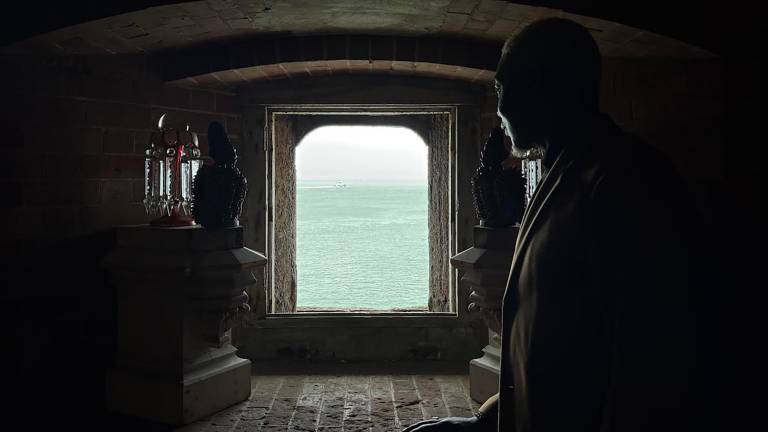
"caption": "Fine artist Bryan Keith Thomas peers out a window overlooking the San Francisco Bay. Thomas’ work is part of ’Black Gold: Stories Untold,’ an exhibition at Fort Point exploring important Black figures throughout California history.",
"credit": "Pendarvis Harshaw/KQED",
"altTag": "An open window looks out into the San Francisco Bay waters as the backlit silhouette of a man looks outward.",
"description": null,
"imgSizes": {
"thumbnail": {
"file": "https://cdn.kqed.org/wp-content/uploads/sites/2/2025/06/0-3-1-160x90.jpg",
"width": 160,
"height": 90,
"mimeType": "image/jpeg"
},
"medium_large": {
"file": "https://cdn.kqed.org/wp-content/uploads/sites/2/2025/06/0-3-1-768x432.jpg",
"width": 768,
"height": 432,
"mimeType": "image/jpeg"
},
"1536x1536": {
"file": "https://cdn.kqed.org/wp-content/uploads/sites/2/2025/06/0-3-1-1536x863.jpg",
"width": 1536,
"height": 863,
"mimeType": "image/jpeg"
},
"post-thumbnail": {
"file": "https://cdn.kqed.org/wp-content/uploads/sites/2/2025/06/0-3-1-672x372.jpg",
"width": 672,
"height": 372,
"mimeType": "image/jpeg"
},
"twentyfourteen-full-width": {
"file": "https://cdn.kqed.org/wp-content/uploads/sites/2/2025/06/0-3-1-1038x576.jpg",
"width": 1038,
"height": 576,
"mimeType": "image/jpeg"
},
"kqedFullSize": {
"file": "https://cdn.kqed.org/wp-content/uploads/sites/2/2025/06/0-3-1.jpg",
"width": 2000,
"height": 1124
}
},
"fetchFailed": false,
"isLoading": false
},
"arts_13976235": {
"type": "attachments",
"id": "arts_13976235",
"meta": {
"index": "attachments_1716263798",
"site": "arts",
"id": "13976235",
"found": true
},
"title": "chaplin",
"publishDate": 1747180524,
"status": "inherit",
"parent": 13976231,
"modified": 1747180606,
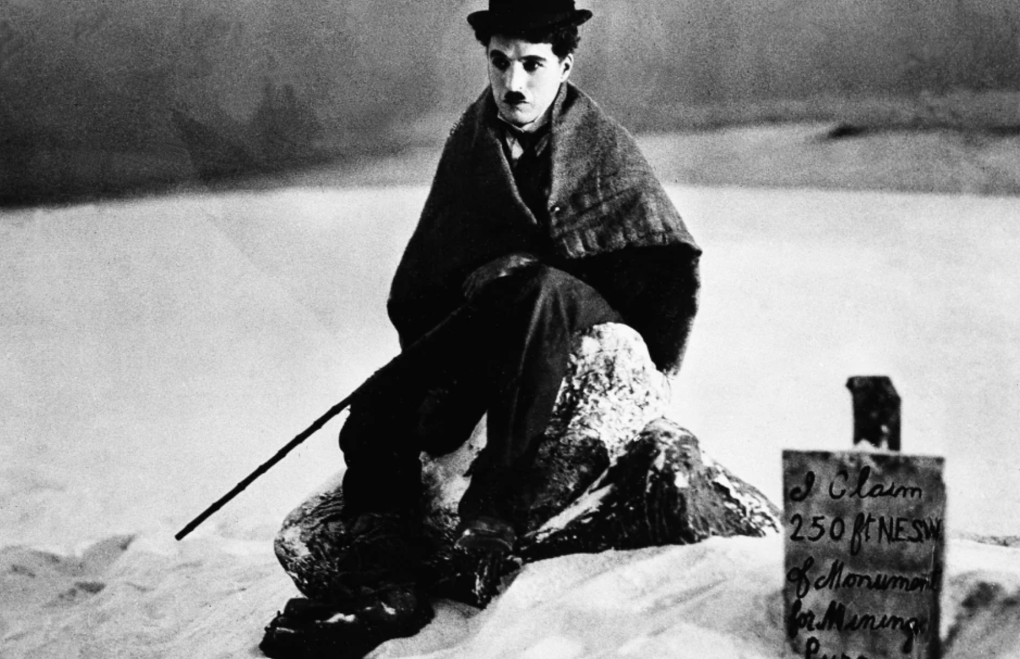
"caption": "Charlie Chaplin starring in ‘The Gold Rush’ (1925).",
"credit": "AP Photo",
"altTag": "A white man with a square mustache sits on a snowy bank wearing a bowler hat and blanket around his shoulders. A walking stick is at his side.",
"description": null,
"imgSizes": {
"medium": {
"file": "https://cdn.kqed.org/wp-content/uploads/sites/2/2025/05/chaplin-800x517.png",
"width": 800,
"height": 517,
"mimeType": "image/png"
},
"large": {
"file": "https://cdn.kqed.org/wp-content/uploads/sites/2/2025/05/chaplin-1020x659.png",
"width": 1020,
"height": 659,
"mimeType": "image/png"
},
"thumbnail": {
"file": "https://cdn.kqed.org/wp-content/uploads/sites/2/2025/05/chaplin-160x103.png",
"width": 160,
"height": 103,
"mimeType": "image/png"
},
"medium_large": {
"file": "https://cdn.kqed.org/wp-content/uploads/sites/2/2025/05/chaplin-768x496.png",
"width": 768,
"height": 496,
"mimeType": "image/png"
},
"1536x1536": {
"file": "https://cdn.kqed.org/wp-content/uploads/sites/2/2025/05/chaplin-1536x992.png",
"width": 1536,
"height": 992,
"mimeType": "image/png"
},
"post-thumbnail": {
"file": "https://cdn.kqed.org/wp-content/uploads/sites/2/2025/05/chaplin-672x372.png",
"width": 672,
"height": 372,
"mimeType": "image/png"
},
"twentyfourteen-full-width": {
"file": "https://cdn.kqed.org/wp-content/uploads/sites/2/2025/05/chaplin-1038x576.png",
"width": 1038,
"height": 576,
"mimeType": "image/png"
},
"full-width": {
"file": "https://cdn.kqed.org/wp-content/uploads/sites/2/2025/05/chaplin-1920x1240.png",
"width": 1920,
"height": 1240,
"mimeType": "image/png"
},
"kqedFullSize": {
"file": "https://cdn.kqed.org/wp-content/uploads/sites/2/2025/05/chaplin.png",
"width": 2000,
"height": 1292
}
},
"fetchFailed": false,
"isLoading": false
},
"arts_13930165": {
"type": "attachments",
"id": "arts_13930165",
"meta": {
"index": "attachments_1716263798",
"site": "arts",
"id": "13930165",
"found": true
},
"parent": 13930138,
"imgSizes": {
"twentyfourteen-full-width": {
"file": "https://ww2.kqed.org/app/uploads/sites/2/2023/06/chile_lindo-featured-1038x576.jpg",
"width": 1038,
"mimeType": "image/jpeg",
"height": 576
},
"thumbnail": {
"file": "https://ww2.kqed.org/app/uploads/sites/2/2023/06/chile_lindo-featured-160x90.jpg",
"width": 160,
"mimeType": "image/jpeg",
"height": 90
},
"post-thumbnail": {
"file": "https://ww2.kqed.org/app/uploads/sites/2/2023/06/chile_lindo-featured-672x372.jpg",
"width": 672,
"mimeType": "image/jpeg",
"height": 372
},
"kqedFullSize": {
"file": "https://ww2.kqed.org/app/uploads/sites/2/2023/06/chile_lindo-featured.jpg",
"width": 1920,
"height": 1080
},
"large": {
"file": "https://ww2.kqed.org/app/uploads/sites/2/2023/06/chile_lindo-featured-1020x574.jpg",
"width": 1020,
"mimeType": "image/jpeg",
"height": 574
},
"1536x1536": {
"file": "https://ww2.kqed.org/app/uploads/sites/2/2023/06/chile_lindo-featured-1536x864.jpg",
"width": 1536,
"mimeType": "image/jpeg",
"height": 864
},
"medium": {
"file": "https://ww2.kqed.org/app/uploads/sites/2/2023/06/chile_lindo-featured-800x450.jpg",
"width": 800,
"mimeType": "image/jpeg",
"height": 450
},
"medium_large": {
"file": "https://ww2.kqed.org/app/uploads/sites/2/2023/06/chile_lindo-featured-768x432.jpg",
"width": 768,
"mimeType": "image/jpeg",
"height": 432
}
},
"publishDate": 1686083319,
"modified": 1686083719,
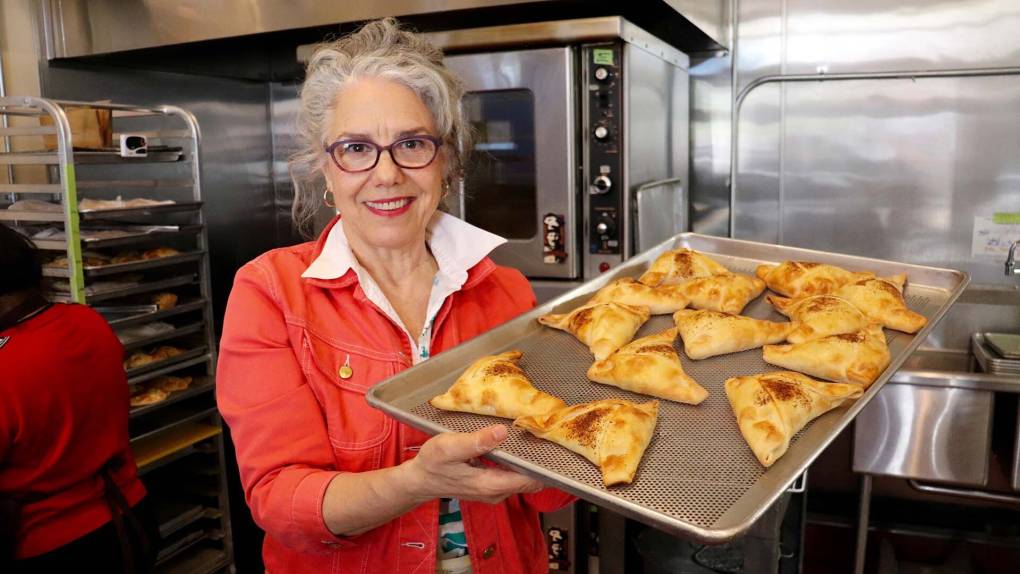
"caption": "For decades, Paula Tejeda, owner of Chile Lindo, has been proudly sharing Chilean flavors in the Mission District.",
"description": null,
"title": "chile_lindo-featured",
"credit": "Alan Chazaro",
"status": "inherit",
"altTag": "a Chilean foodmaker holds up a baking tray of empanadas inside Chile Lindo",
"fetchFailed": false,
"isLoading": false
},
"arts_13924955": {
"type": "attachments",
"id": "arts_13924955",
"meta": {
"index": "attachments_1716263798",
"site": "arts",
"id": "13924955",
"found": true
},
"parent": 13924949,
"imgSizes": {
"twentyfourteen-full-width": {
"file": "https://ww2.kqed.org/app/uploads/sites/2/2023/02/IMG_5087-1-1038x576.jpeg",
"width": 1038,
"mimeType": "image/jpeg",
"height": 576
},
"thumbnail": {
"file": "https://ww2.kqed.org/app/uploads/sites/2/2023/02/IMG_5087-1-160x140.jpeg",
"width": 160,
"mimeType": "image/jpeg",
"height": 140
},
"post-thumbnail": {
"file": "https://ww2.kqed.org/app/uploads/sites/2/2023/02/IMG_5087-1-672x372.jpeg",
"width": 672,
"mimeType": "image/jpeg",
"height": 372
},
"kqedFullSize": {
"file": "https://ww2.kqed.org/app/uploads/sites/2/2023/02/IMG_5087-1-scaled.jpeg",
"width": 2560,
"height": 2248
},
"2048x2048": {
"file": "https://ww2.kqed.org/app/uploads/sites/2/2023/02/IMG_5087-1-2048x1798.jpeg",
"width": 2048,
"mimeType": "image/jpeg",
"height": 1798
},
"large": {
"file": "https://ww2.kqed.org/app/uploads/sites/2/2023/02/IMG_5087-1-1020x895.jpeg",
"width": 1020,
"mimeType": "image/jpeg",
"height": 895
},
"1536x1536": {
"file": "https://ww2.kqed.org/app/uploads/sites/2/2023/02/IMG_5087-1-1536x1349.jpeg",
"width": 1536,
"mimeType": "image/jpeg",
"height": 1349
},
"full-width": {
"file": "https://ww2.kqed.org/app/uploads/sites/2/2023/02/IMG_5087-1-1920x1686.jpeg",
"width": 1920,
"mimeType": "image/jpeg",
"height": 1686
},
"medium": {
"file": "https://ww2.kqed.org/app/uploads/sites/2/2023/02/IMG_5087-1-800x702.jpeg",
"width": 800,
"mimeType": "image/jpeg",
"height": 702
},
"medium_large": {
"file": "https://ww2.kqed.org/app/uploads/sites/2/2023/02/IMG_5087-1-768x674.jpeg",
"width": 768,
"mimeType": "image/jpeg",
"height": 674
}
},
"publishDate": 1675991702,
"modified": 1675991759,
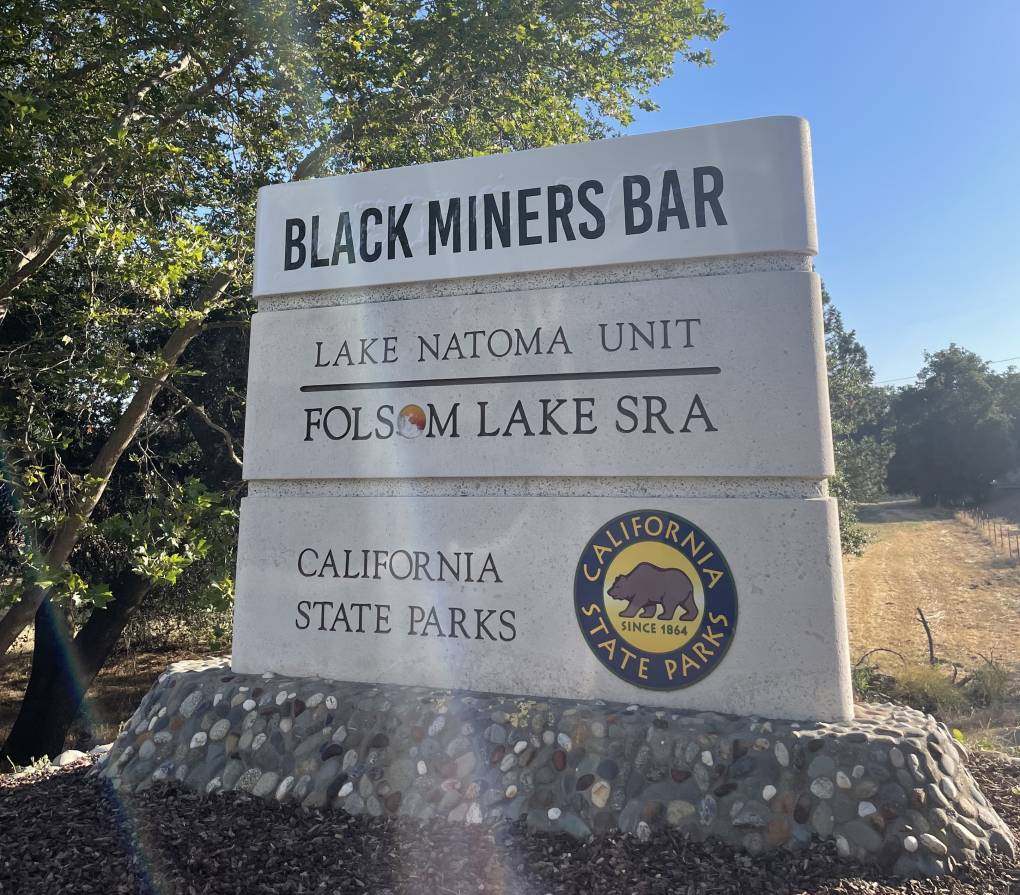
"caption": "The Black Miners Bar sign, freshly painted in summer of 2022.",
"description": "The Black Miners Bar sign, freshly painted in summer of 2022.",
"title": "The Black Miners Bar sign, freshly painted in summer of 2022.",
"credit": "Dorean Raye",
"status": "inherit",
"altTag": "The Black Miners Bar sign, freshly painted in summer of 2022.",
"fetchFailed": false,
"isLoading": false
},
"arts_13912565": {
"type": "attachments",
"id": "arts_13912565",
"meta": {
"index": "attachments_1716263798",
"site": "arts",
"id": "13912565",
"found": true
},
"parent": 13912438,
"imgSizes": {
"twentyfourteen-full-width": {
"file": "https://ww2.kqed.org/app/uploads/sites/2/2022/04/Lazarus-and-Bummer-1038x576.png",
"width": 1038,
"mimeType": "image/png",
"height": 576
},
"thumbnail": {
"file": "https://ww2.kqed.org/app/uploads/sites/2/2022/04/Lazarus-and-Bummer-160x97.png",
"width": 160,
"mimeType": "image/png",
"height": 97
},
"post-thumbnail": {
"file": "https://ww2.kqed.org/app/uploads/sites/2/2022/04/Lazarus-and-Bummer-672x372.png",
"width": 672,
"mimeType": "image/png",
"height": 372
},
"kqedFullSize": {
"file": "https://ww2.kqed.org/app/uploads/sites/2/2022/04/Lazarus-and-Bummer.png",
"width": 1614,
"height": 982
},
"large": {
"file": "https://ww2.kqed.org/app/uploads/sites/2/2022/04/Lazarus-and-Bummer-1020x621.png",
"width": 1020,
"mimeType": "image/png",
"height": 621
},
"1536x1536": {
"file": "https://ww2.kqed.org/app/uploads/sites/2/2022/04/Lazarus-and-Bummer-1536x935.png",
"width": 1536,
"mimeType": "image/png",
"height": 935
},
"medium": {
"file": "https://ww2.kqed.org/app/uploads/sites/2/2022/04/Lazarus-and-Bummer-800x487.png",
"width": 800,
"mimeType": "image/png",
"height": 487
},
"medium_large": {
"file": "https://ww2.kqed.org/app/uploads/sites/2/2022/04/Lazarus-and-Bummer-768x467.png",
"width": 768,
"mimeType": "image/png",
"height": 467
}
},
"publishDate": 1651087834,
"modified": 1651186126,
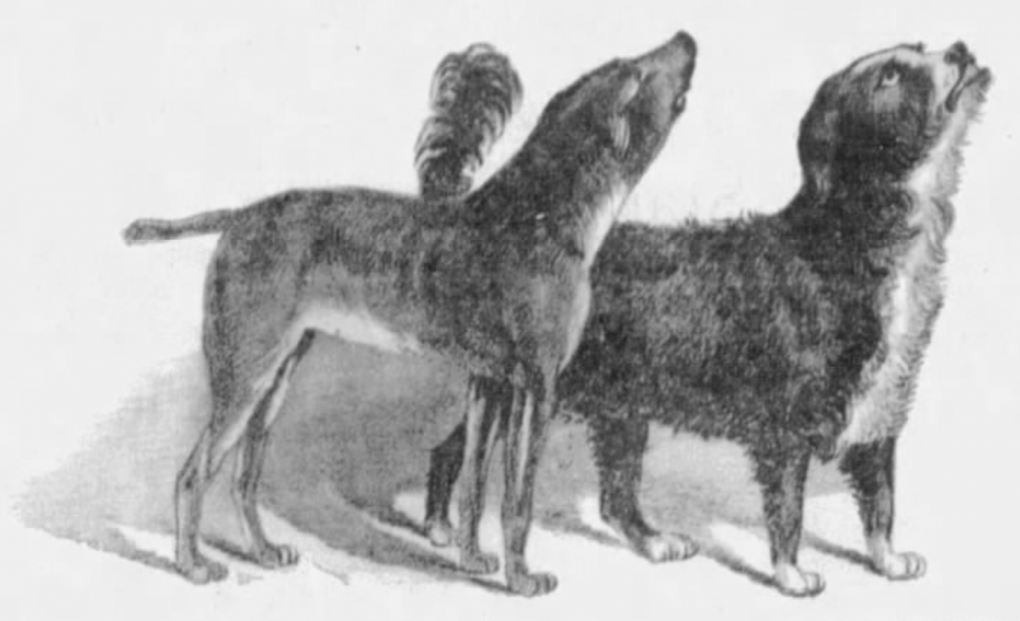
"caption": "Bummer (R) and Lazarus (L), as seen on the cover of Malcolm E. Barker's 1984 book, 'Bummer & Lazarus.'",
"description": null,
"title": "Bummer (R) and Lazarus (L), as seen on the cover of Malcolm E. Barker's 1984 book, 'Bummer & Lazarus'.",
"credit": "Public domain",
"status": "inherit",
"altTag": "Black and white illustration of two dogs with heads up as if howling",
"fetchFailed": false,
"isLoading": false
},
"arts_13908438": {
"type": "attachments",
"id": "arts_13908438",
"meta": {
"index": "attachments_1716263798",
"site": "arts",
"id": "13908438",
"found": true
},
"parent": 13908327,
"imgSizes": {
"twentyfourteen-full-width": {
"file": "https://ww2.kqed.org/app/uploads/sites/2/2022/01/EleanorDumont-1038x576.jpg",
"width": 1038,
"mimeType": "image/jpeg",
"height": 576
},
"thumbnail": {
"file": "https://ww2.kqed.org/app/uploads/sites/2/2022/01/EleanorDumont-160x90.jpg",
"width": 160,
"mimeType": "image/jpeg",
"height": 90
},
"post-thumbnail": {
"file": "https://ww2.kqed.org/app/uploads/sites/2/2022/01/EleanorDumont-672x372.jpg",
"width": 672,
"mimeType": "image/jpeg",
"height": 372
},
"kqedFullSize": {
"file": "https://ww2.kqed.org/app/uploads/sites/2/2022/01/EleanorDumont.jpg",
"width": 1920,
"height": 1080
},
"large": {
"file": "https://ww2.kqed.org/app/uploads/sites/2/2022/01/EleanorDumont-1020x574.jpg",
"width": 1020,
"mimeType": "image/jpeg",
"height": 574
},
"1536x1536": {
"file": "https://ww2.kqed.org/app/uploads/sites/2/2022/01/EleanorDumont-1536x864.jpg",
"width": 1536,
"mimeType": "image/jpeg",
"height": 864
},
"medium": {
"file": "https://ww2.kqed.org/app/uploads/sites/2/2022/01/EleanorDumont-800x450.jpg",
"width": 800,
"mimeType": "image/jpeg",
"height": 450
},
"medium_large": {
"file": "https://ww2.kqed.org/app/uploads/sites/2/2022/01/EleanorDumont-768x432.jpg",
"width": 768,
"mimeType": "image/jpeg",
"height": 432
}
},
"publishDate": 1642793475,
"modified": 1642793475,
"caption": null,
"description": null,
"title": "EleanorDumont",
"credit": null,
"status": "inherit",
"altTag": null,
"fetchFailed": false,
"isLoading": false
},
"arts_13893515": {
"type": "attachments",
"id": "arts_13893515",
"meta": {
"index": "attachments_1716263798",
"site": "arts",
"id": "13893515",
"found": true
},
"parent": 13893272,
"imgSizes": {
"twentyfourteen-full-width": {
"file": "https://ww2.kqed.org/app/uploads/sites/2/2021/03/Hounds-1038x576.jpg",
"width": 1038,
"mimeType": "image/jpeg",
"height": 576
},
"thumbnail": {
"file": "https://ww2.kqed.org/app/uploads/sites/2/2021/03/Hounds-160x100.jpg",
"width": 160,
"mimeType": "image/jpeg",
"height": 100
},
"post-thumbnail": {
"file": "https://ww2.kqed.org/app/uploads/sites/2/2021/03/Hounds-672x372.jpg",
"width": 672,
"mimeType": "image/jpeg",
"height": 372
},
"kqedFullSize": {
"file": "https://ww2.kqed.org/app/uploads/sites/2/2021/03/Hounds.jpg",
"width": 1920,
"height": 1200
},
"large": {
"file": "https://ww2.kqed.org/app/uploads/sites/2/2021/03/Hounds-1020x638.jpg",
"width": 1020,
"mimeType": "image/jpeg",
"height": 638
},
"1536x1536": {
"file": "https://ww2.kqed.org/app/uploads/sites/2/2021/03/Hounds-1536x960.jpg",
"width": 1536,
"mimeType": "image/jpeg",
"height": 960
},
"medium": {
"file": "https://ww2.kqed.org/app/uploads/sites/2/2021/03/Hounds-800x500.jpg",
"width": 800,
"mimeType": "image/jpeg",
"height": 500
},
"medium_large": {
"file": "https://ww2.kqed.org/app/uploads/sites/2/2021/03/Hounds-768x480.jpg",
"width": 768,
"mimeType": "image/jpeg",
"height": 480
}
},
"publishDate": 1614734663,
"modified": 1614734696,
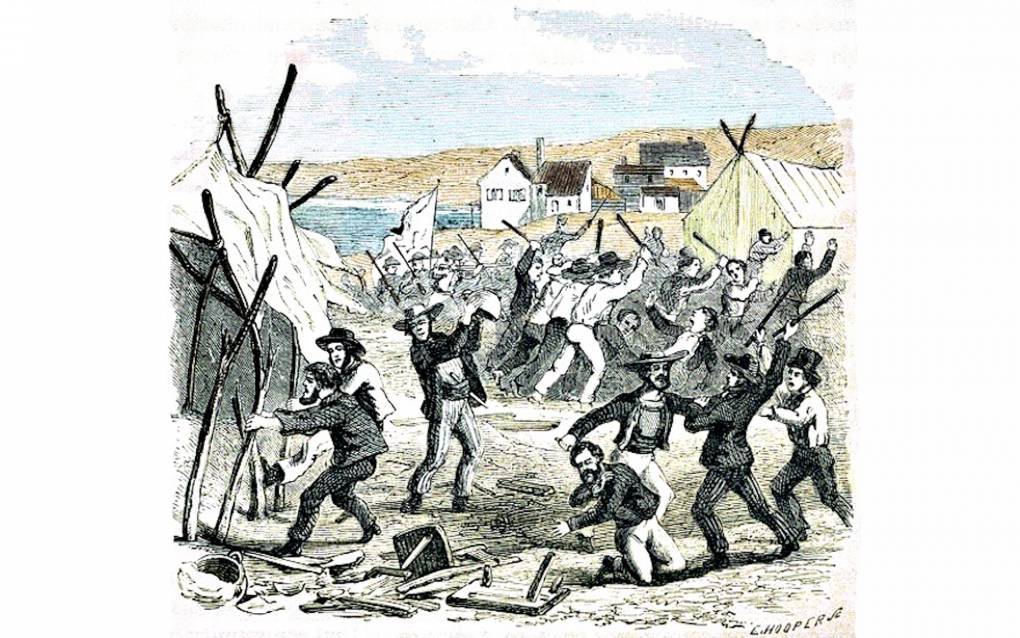
"caption": "An artist's rendition of the Hounds attacking a Chilean mining camp in San Francisco in 1849.",
"description": "An artist's rendition of the Hounds attacking a Chilean mining camp in San Francisco in 1849.",
"title": "Hounds",
"credit": "'The Annals of San Francisco,' 1855",
"status": "inherit",
"altTag": "An artist's rendition of the Hounds attacking a Chilean mining camp in San Francisco in 1849.",
"fetchFailed": false,
"isLoading": false
},
"arts_13876068": {
"type": "attachments",
"id": "arts_13876068",
"meta": {
"index": "attachments_1716263798",
"site": "arts",
"id": "13876068",
"found": true
},
"parent": 13876066,
"imgSizes": {
"twentyfourteen-full-width": {
"file": "https://ww2.kqed.org/app/uploads/sites/2/2020/03/RS41902_15-qut-1038x576.jpg",
"width": 1038,
"mimeType": "image/jpeg",
"height": 576
},
"thumbnail": {
"file": "https://ww2.kqed.org/app/uploads/sites/2/2020/03/RS41902_15-qut-160x160.jpg",
"width": 160,
"mimeType": "image/jpeg",
"height": 160
},
"post-thumbnail": {
"file": "https://ww2.kqed.org/app/uploads/sites/2/2020/03/RS41902_15-qut-672x372.jpg",
"width": 672,
"mimeType": "image/jpeg",
"height": 372
},
"kqedFullSize": {
"file": "https://ww2.kqed.org/app/uploads/sites/2/2020/03/RS41902_15-qut.jpg",
"width": 1920,
"height": 1920
},
"large": {
"file": "https://ww2.kqed.org/app/uploads/sites/2/2020/03/RS41902_15-qut-1020x1020.jpg",
"width": 1020,
"mimeType": "image/jpeg",
"height": 1020
},
"full-width": {
"file": "https://ww2.kqed.org/app/uploads/sites/2/2020/03/RS41902_15-qut-1920x1920.jpg",
"width": 1920,
"mimeType": "image/jpeg",
"height": 1920
},
"medium": {
"file": "https://ww2.kqed.org/app/uploads/sites/2/2020/03/RS41902_15-qut-800x800.jpg",
"width": 800,
"mimeType": "image/jpeg",
"height": 800
},
"medium_large": {
"file": "https://ww2.kqed.org/app/uploads/sites/2/2020/03/RS41902_15-qut-768x768.jpg",
"width": 768,
"mimeType": "image/jpeg",
"height": 768
}
},
"publishDate": 1583465940,
"modified": 1583465970,
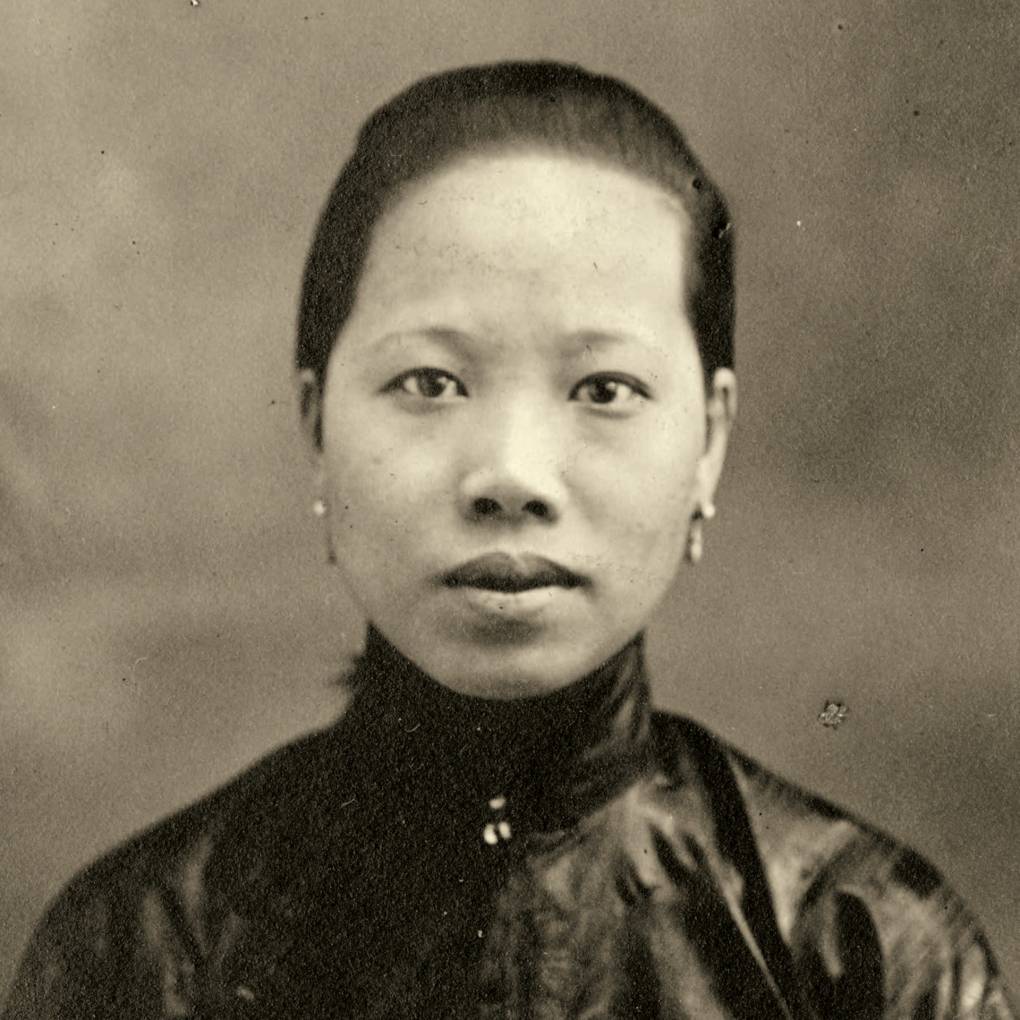
"caption": "This unidentified woman is one of 40 Gold Rush pioneers featured in \"Her Side of the Story: Tales of California Pioneer Women\" at the Arbuckle Gallery in History Park San Jose through June 28th, 2020.",
"description": "This unidentified woman is one of 40 Gold Rush pioneers featured in \"Her Side of the Story: Tales of California Pioneer Women\" at the Arbuckle Gallery in History Park San Jose through June 28th, 2020.",
"title": "RS41902_15-qut",
"credit": "Courtesy of the Society of California Pioneers",
"status": "inherit",
"fetchFailed": false,
"isLoading": false
},
"arts_13873235": {
"type": "attachments",
"id": "arts_13873235",
"meta": {
"index": "attachments_1716263798",
"site": "arts",
"id": "13873235",
"found": true
},
"parent": 13873181,
"imgSizes": {
"twentyfourteen-full-width": {
"file": "https://ww2.kqed.org/app/uploads/sites/2/2020/01/79455542_10156956567606172_1304566771079970816_o-1038x576.jpg",
"width": 1038,
"mimeType": "image/jpeg",
"height": 576
},
"thumbnail": {
"file": "https://ww2.kqed.org/app/uploads/sites/2/2020/01/79455542_10156956567606172_1304566771079970816_o-160x120.jpg",
"width": 160,
"mimeType": "image/jpeg",
"height": 120
},
"post-thumbnail": {
"file": "https://ww2.kqed.org/app/uploads/sites/2/2020/01/79455542_10156956567606172_1304566771079970816_o-672x372.jpg",
"width": 672,
"mimeType": "image/jpeg",
"height": 372
},
"kqedFullSize": {
"file": "https://ww2.kqed.org/app/uploads/sites/2/2020/01/79455542_10156956567606172_1304566771079970816_o.jpg",
"width": 2048,
"height": 1536
},
"large": {
"file": "https://ww2.kqed.org/app/uploads/sites/2/2020/01/79455542_10156956567606172_1304566771079970816_o-1020x765.jpg",
"width": 1020,
"mimeType": "image/jpeg",
"height": 765
},
"complete_open_graph": {
"file": "https://ww2.kqed.org/app/uploads/sites/2/2020/01/79455542_10156956567606172_1304566771079970816_o-1200x900.jpg",
"width": 1200,
"mimeType": "image/jpeg",
"height": 900
},
"full-width": {
"file": "https://ww2.kqed.org/app/uploads/sites/2/2020/01/79455542_10156956567606172_1304566771079970816_o-1920x1440.jpg",
"width": 1920,
"mimeType": "image/jpeg",
"height": 1440
},
"medium": {
"file": "https://ww2.kqed.org/app/uploads/sites/2/2020/01/79455542_10156956567606172_1304566771079970816_o-800x600.jpg",
"width": 800,
"mimeType": "image/jpeg",
"height": 600
},
"medium_large": {
"file": "https://ww2.kqed.org/app/uploads/sites/2/2020/01/79455542_10156956567606172_1304566771079970816_o-768x576.jpg",
"width": 768,
"mimeType": "image/jpeg",
"height": 576
}
},
"publishDate": 1578970307,
"modified": 1578970365,
"caption": "“The Buried Ships of Yerba Buena Cove, San Francisco”",
"description": "“The Buried Ships of Yerba Buena Cove, San Francisco”",
"title": "“The Buried Ships of Yerba Buena Cove, San Francisco”",
"credit": null,
"status": "inherit",
"fetchFailed": false,
"isLoading": false
}
},
"audioPlayerReducer": {
"postId": "stream_live",
"isPaused": true,
"isPlaying": false,
"pfsActive": false,
"pledgeModalIsOpen": true,
"playerDrawerIsOpen": false
},
"authorsReducer": {
"byline_arts_13976231": {
"type": "authors",
"id": "byline_arts_13976231",
"meta": {
"override": true
},
"slug": "byline_arts_13976231",
"name": "Jake Coyle, Associated Press",
"isLoading": false
},
"rachael-myrow": {
"type": "authors",
"id": "251",
"meta": {
"index": "authors_1716337520",
"id": "251",
"found": true
},
"name": "Rachael Myrow",
"firstName": "Rachael",
"lastName": "Myrow",
"slug": "rachael-myrow",
"email": "rmyrow@kqed.org",
"display_author_email": true,
"staff_mastheads": [
"news"
],
"title": "Senior Editor of KQED's Silicon Valley News Desk",
"bio": "• I write and edit stories about how Silicon Valley power and policies shape everyday life in California. I’m also passionate about making Bay Area history and culture more accessible to a broad public. • I’ve been a journalist for most of my life, starting in high school with The Franklin Press in Los Angeles, where I grew up. While earning my first degree in English at UC Berkeley, I got my start in public radio at KALX-FM. After completing a second degree in journalism at Cal, I landed my first professional job at Marketplace, then moved on to KPCC (now LAist), and then KQED, where I hosted The California Report for more than seven years. • My reporting has appeared on NPR, The World, WBUR’s \u003ci>Here & Now\u003c/i>, and the BBC. I also guest host for KQED’s \u003ci>Forum\u003c/i>, as well as the Commonwealth Club in San Francisco. • I speak periodically on media, democracy and technology issues, and do voiceover work for documentaries and educational video projects. • Outside of the studio, you'll find me hiking Bay Area trails and whipping up Insta-ready meals in my kitchen. • I do not accept gifts, money, or favors from anyone connected to my reporting, I don't pay people for information, and I do not support or donate to political causes. • I strive to treat the people I report on with fairness, honesty, and respect. I also recognize there are often multiple sides to a story and work to verify information through multiple sources and documentation. If I get something wrong, I correct it.",
"avatar": "https://secure.gravatar.com/avatar/87bf8cb5874e045cdff430523a6d48b1?s=600&d=blank&r=g",
"twitter": "rachaelmyrow",
"facebook": null,
"instagram": null,
"linkedin": "https://www.linkedin.com/in/rachaelmyrow/",
"sites": [
{
"site": "arts",
"roles": [
"administrator"
]
},
{
"site": "news",
"roles": [
"edit_others_posts",
"editor"
]
},
{
"site": "futureofyou",
"roles": [
"editor"
]
},
{
"site": "bayareabites",
"roles": [
"editor"
]
},
{
"site": "stateofhealth",
"roles": [
"editor"
]
},
{
"site": "science",
"roles": [
"editor"
]
},
{
"site": "food",
"roles": [
"editor"
]
},
{
"site": "forum",
"roles": [
"editor"
]
},
{
"site": "liveblog",
"roles": [
"author"
]
}
],
"headData": {
"title": "Rachael Myrow | KQED",
"description": "Senior Editor of KQED's Silicon Valley News Desk",
"ogImgSrc": "https://secure.gravatar.com/avatar/87bf8cb5874e045cdff430523a6d48b1?s=600&d=blank&r=g",
"twImgSrc": "https://secure.gravatar.com/avatar/87bf8cb5874e045cdff430523a6d48b1?s=600&d=blank&r=g"
},
"isLoading": false,
"link": "/author/rachael-myrow"
},
"ralexandra": {
"type": "authors",
"id": "11242",
"meta": {
"index": "authors_1716337520",
"id": "11242",
"found": true
},
"name": "Rae Alexandra",
"firstName": "Rae",
"lastName": "Alexandra",
"slug": "ralexandra",
"email": "ralexandra@kqed.org",
"display_author_email": true,
"staff_mastheads": [
"arts"
],
"title": "Reporter/Producer",
"bio": "Rae Alexandra is a Reporter/Producer for KQED Arts & Culture, and the creator/author of the \u003ca href=\"https://www.kqed.org/arts/program/rebel-girls-from-bay-area-history\">Rebel Girls From Bay Area History\u003c/a> and \u003ca href=\"https://www.kqed.org/bizarrebayarea\">Bizarre Bay Area\u003c/a> series. Her debut book, \u003ca href=\"https://citylights.com/politics-current-events-history/unsung-heroines35-women-who-changed/\">Unsung Heroines: 35 Women Who Changed the Bay Area\u003c/a> was published by City Lights in March 2026. In 2023, Rae was awarded an SPJ Excellence in Journalism Award for Arts & Culture. Rae was born and raised in Wales and subsequently — even after two decades in Northern California — still uses phrases that regularly baffle her coworkers.",
"avatar": "https://secure.gravatar.com/avatar/d5ef3d663d9adae1345d06932a3951de?s=600&d=blank&r=g",
"twitter": null,
"bluesky": null,
"facebook": null,
"instagram": null,
"linkedin": null,
"sites": [
{
"site": "arts",
"roles": [
"editor"
]
},
{
"site": "news",
"roles": [
"editor"
]
},
{
"site": "pop",
"roles": [
"editor"
]
},
{
"site": "bayareabites",
"roles": [
"editor"
]
},
{
"site": "science",
"roles": [
"editor"
]
}
],
"headData": {
"title": "Rae Alexandra | KQED",
"description": "Reporter/Producer",
"ogImgSrc": "https://secure.gravatar.com/avatar/d5ef3d663d9adae1345d06932a3951de?s=600&d=blank&r=g",
"twImgSrc": "https://secure.gravatar.com/avatar/d5ef3d663d9adae1345d06932a3951de?s=600&d=blank&r=g"
},
"isLoading": false,
"link": "/author/ralexandra"
},
"ogpenn": {
"type": "authors",
"id": "11491",
"meta": {
"index": "authors_1716337520",
"id": "11491",
"found": true
},
"name": "Pendarvis Harshaw",
"firstName": "Pendarvis",
"lastName": "Harshaw",
"slug": "ogpenn",
"email": "ogpenn@gmail.com",
"display_author_email": false,
"staff_mastheads": [
"arts"
],
"title": "Community Engagement Reporter",
"bio": "Pendarvis Harshaw is an educator, host and writer with KQED Arts.",
"avatar": "https://secure.gravatar.com/avatar/093d33baff5354890e29ad83d58d2c49?s=600&d=blank&r=g",
"twitter": null,
"facebook": null,
"instagram": "ogpenn",
"linkedin": null,
"sites": [
{
"site": "arts",
"roles": [
"editor"
]
},
{
"site": "news",
"roles": [
"editor"
]
},
{
"site": "bayareabites",
"roles": [
"author"
]
},
{
"site": "hiphop",
"roles": [
"editor"
]
}
],
"headData": {
"title": "Pendarvis Harshaw | KQED",
"description": "Community Engagement Reporter",
"ogImgSrc": "https://secure.gravatar.com/avatar/093d33baff5354890e29ad83d58d2c49?s=600&d=blank&r=g",
"twImgSrc": "https://secure.gravatar.com/avatar/093d33baff5354890e29ad83d58d2c49?s=600&d=blank&r=g"
},
"isLoading": false,
"link": "/author/ogpenn"
},
"mmedina": {
"type": "authors",
"id": "11528",
"meta": {
"index": "authors_1716337520",
"id": "11528",
"found": true
},
"name": "Marisol Medina-Cadena",
"firstName": "Marisol",
"lastName": "Medina-Cadena",
"slug": "mmedina",
"email": "mmedina@KQED.org",
"display_author_email": true,
"staff_mastheads": [],
"title": "Producer, Rightnowish Podcast",
"bio": "Marisol Medina-Cadena is a radio reporter and podcast producer. Before working at KQED, she produced for PBS member station, KCET, in Los Angeles. In 2017, Marisol won an Emmy Award for her work on the televised documentary, \u003cem>City Rising\u003c/em>, examining California's affordable housing crisis and the historical roots of gentrification.",
"avatar": "https://secure.gravatar.com/avatar/6c3db46a1cabb5e1fe9a365b5f4e681e?s=600&d=blank&r=g",
"twitter": "marisolreports",
"facebook": null,
"instagram": null,
"linkedin": null,
"sites": [
{
"site": "arts",
"roles": []
},
{
"site": "news",
"roles": [
"edit_others_posts"
]
}
],
"headData": {
"title": "Marisol Medina-Cadena | KQED",
"description": "Producer, Rightnowish Podcast",
"ogImgSrc": "https://secure.gravatar.com/avatar/6c3db46a1cabb5e1fe9a365b5f4e681e?s=600&d=blank&r=g",
"twImgSrc": "https://secure.gravatar.com/avatar/6c3db46a1cabb5e1fe9a365b5f4e681e?s=600&d=blank&r=g"
},
"isLoading": false,
"link": "/author/mmedina"
},
"achazaro": {
"type": "authors",
"id": "11748",
"meta": {
"index": "authors_1716337520",
"id": "11748",
"found": true
},
"name": "Alan Chazaro",
"firstName": "Alan",
"lastName": "Chazaro",
"slug": "achazaro",
"email": "agchazaro@gmail.com",
"display_author_email": true,
"staff_mastheads": [],
"title": "Food Writer and Reporter",
"bio": "Alan Chazaro is the author of \u003cem>This Is Not a Frank Ocean Cover Album\u003c/em> (Black Lawrence Press, 2019), \u003cem>Piñata Theory\u003c/em> (Black Lawrence Press, 2020), and \u003cem>Notes from the Eastern Span of the Bay Bridge\u003c/em> (Ghost City Press, 2021). He is a graduate of June Jordan’s Poetry for the People program at UC Berkeley and a former Lawrence Ferlinghetti Fellow at the University of San Francisco. He writes about sports, food, art, music, education, and culture while repping the Bay on \u003ca href=\"https://twitter.com/alan_chazaro\">Twitter\u003c/a> and \u003ca href=\"https://www.instagram.com/alan_chazaro/?hl=en\">Instagram\u003c/a> at @alan_chazaro.",
"avatar": "https://secure.gravatar.com/avatar/ea8b6dd970fc5c29e7a188e7d5861df7?s=600&d=blank&r=g",
"twitter": "alan_chazaro",
"facebook": null,
"instagram": null,
"linkedin": null,
"sites": [
{
"site": "arts",
"roles": [
"contributor"
]
},
{
"site": "news",
"roles": [
"editor"
]
}
],
"headData": {
"title": "Alan Chazaro | KQED",
"description": "Food Writer and Reporter",
"ogImgSrc": "https://secure.gravatar.com/avatar/ea8b6dd970fc5c29e7a188e7d5861df7?s=600&d=blank&r=g",
"twImgSrc": "https://secure.gravatar.com/avatar/ea8b6dd970fc5c29e7a188e7d5861df7?s=600&d=blank&r=g"
},
"isLoading": false,
"link": "/author/achazaro"
}
},
"breakingNewsReducer": {},
"pagesReducer": {},
"postsReducer": {
"stream_live": {
"type": "live",
"id": "stream_live",
"audioUrl": "https://streams.kqed.org/kqedradio",
"title": "Live Stream",
"excerpt": "Live Stream information currently unavailable.",
"link": "/radio",
"featImg": "",
"label": {
"name": "KQED Live",
"link": "/"
}
},
"stream_kqedNewscast": {
"type": "posts",
"id": "stream_kqedNewscast",
"audioUrl": "https://www.kqed.org/.stream/anon/radio/RDnews/newscast.mp3?_=1",
"title": "KQED Newscast",
"featImg": "",
"label": {
"name": "88.5 FM",
"link": "/"
}
},
"arts_13977165": {
"type": "posts",
"id": "arts_13977165",
"meta": {
"index": "posts_1716263798",
"site": "arts",
"id": "13977165",
"score": null,
"sort": [
1749238777000
]
},
"guestAuthors": [],
"slug": "review-black-gold-fort-point-san-francisco",
"title": "At Fort Point, An Ode to ‘Black Gold,’ Then and Now",
"publishDate": 1749238777,
"format": "standard",
"headTitle": "At Fort Point, An Ode to ‘Black Gold,’ Then and Now | KQED",
"labelTerm": {},
"content": "\u003cp>Directly beneath the \u003ca href=\"https://www.kqed.org/news/tag/golden-gate-bridge\">Golden Gate Bridge\u003c/a>, Fort Point’s red brick ceilings and white walls are currently a three-story display of fine art. While the works highlight the golden legacies of African Americans of yesteryear, they wouldn’t be possible without the jewels dropped by the creators of today.\u003c/p>\n\u003cp>\u003ca href=\"https://www.for-site.org/black-gold-stories-untold\" target=\"_blank\" rel=\"noopener\">\u003cem>Black Gold: Stories Untold\u003c/em>\u003c/a> is a free exhibition highlighting the lives of African Americans during the California Gold Rush, the Civil War and the Reconstruction period. Curated by \u003ca href=\"https://www.for-site.org/\" target=\"_blank\" rel=\"noopener\">FOR-SITE Foundation\u003c/a> founder Cheryl Haines, it features the works of 17 artists, including the Bay Area’s own \u003ca href=\"https://www.instagram.com/adrianlburrell/?hl=en\" target=\"_blank\" rel=\"noopener\">Adrian L. Burrell\u003c/a> and \u003ca href=\"https://www.instagram.com/mildredhoward/?hl=en\" target=\"_blank\" rel=\"noopener\">Mildred Howard\u003c/a>, as well as artists from around the country like \u003ca href=\"https://www.instagram.com/hankwillisthomas/?hl=en\" target=\"_blank\" rel=\"noopener\">Hank Willis Thomas\u003c/a>.\u003c/p>\n\u003cfigure id=\"attachment_13977192\" class=\"wp-caption aligncenter\" style=\"max-width: 1197px\">\u003cimg loading=\"lazy\" decoding=\"async\" class=\"wp-image-13977192 size-full\" src=\"https://cdn.kqed.org/wp-content/uploads/sites/2/2025/06/0-6.jpg\" alt=\"\" width=\"1197\" height=\"1596\" srcset=\"https://cdn.kqed.org/wp-content/uploads/sites/2/2025/06/0-6.jpg 1197w, https://cdn.kqed.org/wp-content/uploads/sites/2/2025/06/0-6-160x213.jpg 160w, https://cdn.kqed.org/wp-content/uploads/sites/2/2025/06/0-6-768x1024.jpg 768w, https://cdn.kqed.org/wp-content/uploads/sites/2/2025/06/0-6-1152x1536.jpg 1152w\" sizes=\"auto, (max-width: 1197px) 100vw, 1197px\">\u003cfigcaption class=\"wp-caption-text\">Hank Willis Thomas’ ‘Solidarity,’ part of ‘Black Gold: Stories Untold’ at Fort Point in San Francisco. \u003ccite>(Pendarvis Harshaw)\u003c/cite>\u003c/figcaption>\u003c/figure>\n\u003cp>The combination of lingering fog overhead and dim lights inside the oddly-shaped site create a spooky aura. Multimedia pieces play in the fort’s cul-de-sacs while paintings hang near the barracks. Around the building are sculptures, tintype photographs and tiny ships constructed inside of small glass bottles. The stories behind the art reference pioneers, whale captains, millionaires and military leaders; all of them African American people who shared a special connection to the Bay Area, more than a century ago.\u003c/p>\n\u003cp>On the third floor at Fort Point, a former military outpost constructed in the 1860s, a seven-minute film shows a montage of one of the highest ranking African American servicemen in this country’s history.\u003c/p>\n\u003cp>“It’s crazy to me that people don’t know him,” says filmmaker \u003ca href=\"https://www.trinamrobinson.com/\" target=\"_blank\" rel=\"noopener\">Trina Michelle Robinson\u003c/a>, discussing the U.S. Army’s \u003ca href=\"https://www.thenmusa.org/biographies/charles-young/\" target=\"_blank\" rel=\"noopener\">Brigadier General Charles Young\u003c/a>, the subject of her short film, \u003cem>Transposing Landscapes: A Requiem for Charles Young\u003c/em>.\u003c/p>\n\u003cfigure id=\"attachment_13977190\" class=\"wp-caption aligncenter\" style=\"max-width: 1197px\">\u003cimg loading=\"lazy\" decoding=\"async\" class=\"wp-image-13977190 size-full\" src=\"https://cdn.kqed.org/wp-content/uploads/sites/2/2025/06/0-4.jpg\" alt=\"\" width=\"1197\" height=\"1596\" srcset=\"https://cdn.kqed.org/wp-content/uploads/sites/2/2025/06/0-4.jpg 1197w, https://cdn.kqed.org/wp-content/uploads/sites/2/2025/06/0-4-160x213.jpg 160w, https://cdn.kqed.org/wp-content/uploads/sites/2/2025/06/0-4-768x1024.jpg 768w, https://cdn.kqed.org/wp-content/uploads/sites/2/2025/06/0-4-1152x1536.jpg 1152w\" sizes=\"auto, (max-width: 1197px) 100vw, 1197px\">\u003cfigcaption class=\"wp-caption-text\">Filmmaker Trina Michelle Robinson at of her exhibition, ‘Transposing Landscapes: A Requiem for Charles Young’ at San Francisco’s Fort Point as a part of ‘Black Gold: Stories Untold.’ \u003ccite>(Pendarvis Harshaw)\u003c/cite>\u003c/figcaption>\u003c/figure>\n\u003cp>Robinson refers to Young, a composer and skilled pianist, as a genius. He was a lifelong friend of former colleague \u003ca href=\"https://naacp.org/find-resources/history-explained/civil-rights-leaders/web-du-bois\" target=\"_blank\" rel=\"noopener\">W.E.B. Du Bois\u003c/a> and mentor to \u003ca href=\"https://www.thenmusa.org/biographies/benjamin-o-davis-sr/\">Sgt. Maj. Benjamin O. Davis, Sr.\u003c/a>, the first Black general in the U.S. Army. Young was also a well-traveled Black man who spoke multiple languages, despite being born enslaved.\u003c/p>\n\u003cp>[ad fullwidth]\u003c/p>\n\u003cp>“I wanted a piano composition of his to be the focus,” says Robinson of the film. Young’s 1918 song “\u003ca href=\"https://www.loc.gov/item/2014564253/\">There’s A Service-Flag In The Window\u003c/a>,” an enthusiastic number with a military march tempo, is emblematic of his brilliance. “It’s not that he could just play it,” she says. “He could compose a classic composition.”\u003c/p>\n\u003cp>At Fort Point, the film plays across two screens. One shows reenactments that serve as theatrical glimpses into Young’s life story; the other centers shots of nature with a simplified version of Young’s composition, arranged by the Haitian American composer \u003ca href=\"https://www.joelstjulien.com/\" target=\"_blank\" rel=\"noopener\">Joel st. Julien\u003c/a> and played by Bay Area-based musician \u003ca href=\"https://www.nilsbultmann.com/\" target=\"_blank\" rel=\"noopener\">Nils Bultmann.\u003c/a>\u003c/p>\n\u003cfigure id=\"attachment_13977191\" class=\"wp-caption aligncenter\" style=\"max-width: 1197px\">\u003cimg loading=\"lazy\" decoding=\"async\" class=\"wp-image-13977191 size-full\" src=\"https://cdn.kqed.org/wp-content/uploads/sites/2/2025/06/0-5.jpg\" alt=\"\" width=\"1197\" height=\"1596\" srcset=\"https://cdn.kqed.org/wp-content/uploads/sites/2/2025/06/0-5.jpg 1197w, https://cdn.kqed.org/wp-content/uploads/sites/2/2025/06/0-5-160x213.jpg 160w, https://cdn.kqed.org/wp-content/uploads/sites/2/2025/06/0-5-768x1024.jpg 768w, https://cdn.kqed.org/wp-content/uploads/sites/2/2025/06/0-5-1152x1536.jpg 1152w\" sizes=\"auto, (max-width: 1197px) 100vw, 1197px\">\u003cfigcaption class=\"wp-caption-text\">Brigadier General Charles Young’s sheet music for the composition ‘There’s a Service-Flag in the Window.’ \u003ccite>(Pendarvis Harshaw)\u003c/cite>\u003c/figcaption>\u003c/figure>\n\u003cp>Robinson says the alternative version that plays throughout the film is reflective of how Young’s genius has been lost over time. But at the film’s end, his accomplishments are on full display. As the credits roll, Young’s original composition of “There’s A Service-Flag In The Window” is played by College of Alameda jazz professor \u003ca href=\"https://peraltacitizen.com/2024/03/04/the-humble-grammy-winning-pianist-leading-coas-music-program/\" target=\"_blank\" rel=\"noopener\">Glen Pearson\u003c/a> and paired with archival footage of President Theodore Rosevelt’s visit to San Francisco in 1903.\u003c/p>\n\u003cp>“Theodore requested both Charles Young and \u003ca href=\"https://nmaahc.si.edu/explore/stories/buffalo-soldiers\" target=\"_blank\" rel=\"noopener\">the Buffalo Soldiers\u003c/a> to escort him down Market Street,” explains Robinson, pointing to the footage.\u003c/p>\n\u003cp>While making the film, Robinson thought deeply about her own family’s history, as well as the internal conflict Young must have felt as a man born enslaved who later served in a racially divided military.\u003c/p>\n\u003cp>That dichotomy, where amazing people live in a country that treats them as if they’re less than human, is present throughout the exhibition.\u003c/p>\n\u003cfigure id=\"attachment_13977230\" class=\"wp-caption aligncenter\" style=\"max-width: 2000px\">\u003cimg loading=\"lazy\" decoding=\"async\" class=\"size-full wp-image-13977230\" src=\"https://cdn.kqed.org/wp-content/uploads/sites/2/2025/06/BlackGold.MAIN_.jpg\" alt=\"A triptych of a tapestry of a Black woman looking at the camera; a goblet with a reflective orb, reflecting the Golden Gate Bridge in the background; a blue tapestry with tassels.\" width=\"2000\" height=\"1125\" srcset=\"https://cdn.kqed.org/wp-content/uploads/sites/2/2025/06/BlackGold.MAIN_.jpg 2000w, https://cdn.kqed.org/wp-content/uploads/sites/2/2025/06/BlackGold.MAIN_-160x90.jpg 160w, https://cdn.kqed.org/wp-content/uploads/sites/2/2025/06/BlackGold.MAIN_-768x432.jpg 768w, https://cdn.kqed.org/wp-content/uploads/sites/2/2025/06/BlackGold.MAIN_-1536x864.jpg 1536w\" sizes=\"auto, (max-width: 2000px) 100vw, 2000px\">\u003cfigcaption class=\"wp-caption-text\">(L–R) Akea Brionne, ‘Mary Ellen Pleasant,’ 2025; Bryan Keith Thomas, detail of ‘Heirloom’ Gilded Box, 2025; Demetri Broxton, ‘Eyes That Have Seen the Ocean Will Not Tremble at the Sight of the Lagoon,’ 2025. \u003ccite>(Courtesy Akea Brionne and Library Street Collective; Pendarvis Harshaw/KQED; Demetri Broxton, Eyes That Have Seen the Ocean Will Not Tremble at the Sight of the Lagoon, 2025 Courtesy of Demetri Broxton and Patricia Sweetow Gallery. )\u003c/cite>\u003c/figcaption>\u003c/figure>\n\u003cp>Just down the brick-lined hallway is the work of \u003ca href=\"https://www.bryankeiththomas.com/?fbclid=PAZXh0bgNhZW0CMTEAAaePkShcv_LMmTry7C_ba2mI3KlD8fLHxbOV1lEemNglAoQ02cAzwd_xdbLvxA_aem_Rav6UaTQwB8i9lo9bEjUGg\" target=\"_blank\" rel=\"noopener\">Bryan Keith Thomas\u003c/a>. He explores duality by juxtaposing African spirituality, fly dandyism and gilded golden eggs with stolen heirlooms and watches used by mixed-race enslaved children, given to them by their white fathers so they could buy their own freedom.\u003c/p>\n\u003cp>Thomas’ exhibit, “‘Heirloom’ Gilded Box,” brings together items from around the world as a sort of “homecoming,” he says. Standing in a room of vintage items — a royal chair carved from redwood, fine vases, miniature statues and an image of \u003ca style=\"color: #41a62a\" href=\"https://oregonblackpioneers.org/black-history-spotlight-louis-southworth/\" target=\"_blank\" rel=\"noopener\">Louis Southworth\u003c/a>, a man who bought his freedom by playing the fiddle — Thomas explains that African Americans weren’t always the ones polishing these fine pieces of art. We were also the ones owning them.\u003c/p>\n\u003cp>“When children come and look at this exhibition,” says Thomas, “they will see Africa and they will see themselves. They will also see aspects of opulence, aspects of home, aspects of faith and aspects of religion.”\u003c/p>\n\u003cfigure id=\"attachment_13977188\" class=\"wp-caption aligncenter\" style=\"max-width: 1197px\">\u003cimg loading=\"lazy\" decoding=\"async\" class=\"wp-image-13977188 size-full\" src=\"https://cdn.kqed.org/wp-content/uploads/sites/2/2025/06/0-7.jpg\" alt=\"\" width=\"1197\" height=\"1596\" srcset=\"https://cdn.kqed.org/wp-content/uploads/sites/2/2025/06/0-7.jpg 1197w, https://cdn.kqed.org/wp-content/uploads/sites/2/2025/06/0-7-160x213.jpg 160w, https://cdn.kqed.org/wp-content/uploads/sites/2/2025/06/0-7-768x1024.jpg 768w, https://cdn.kqed.org/wp-content/uploads/sites/2/2025/06/0-7-1152x1536.jpg 1152w\" sizes=\"auto, (max-width: 1197px) 100vw, 1197px\">\u003cfigcaption class=\"wp-caption-text\">Metalworker and fine artist Tiff Massey stands next to her piece ‘72 Reasons Why I’m Not Playing’ at Fort Point in San Francisco as part of ‘Black Gold: Stories Untold.’ \u003ccite>(Pendarvis Harshaw)\u003c/cite>\u003c/figcaption>\u003c/figure>\n\u003cp>That idea is echoed by \u003ca href=\"https://www.instagram.com/tiff_massey/?hl=en\" target=\"_blank\" rel=\"noopener\">Tiff Massey.\u003c/a> Her piece “72 Reasons Why I’m Not Playing” is made of 72 huge brass links in a chain, laid on the floor of a walkway inside Fort Point.\u003c/p>\n\u003cp>“I have a love affair with brass,” she jokes. “We’ve been going steady since 2014.” A Detroit-raised, classically trained metalsmith, Massey’s path to fine art started with making wearable objects, like necklaces. She has since drastically scaled her productions. “My largest piece to date,” Massey says, “is \u003ca href=\"https://www.pbs.org/video/tiff-massey-7-mile-livernois-exhibit-at-the-dia-xo0ra3/\" target=\"_blank\" rel=\"noopener\">15,000 pounds of stainless steel\u003c/a> that people can walk through.”\u003ci> \u003c/i>\u003c/p>\n\u003cp>[aside postID='arts_13976567']Unsatisfied with the individualized experience of designing for one person at a time, Massey began to look at architecture and the ways in which people inhabit space, herself included.\u003c/p>\n\u003cp>“I’m a Black woman that deals with adornment,” she says, adding that “there’s no other culture in the world that adorns themselves like Africans and people through that diaspora.”\u003c/p>\n\u003cp>When asked to contribute work to an exhibition about Black gold, Massey says her goal was twofold. First, she wanted to create an oversized jewelry piece that occupied a large amount of space. And, at the same time, she wanted to ensure that people don’t look past the obvious.\u003c/p>\n\u003cp>“Black gold?,” says Massey, a metalworker adorned in her own handmade jewelry. “I am literally Black gold.”\u003c/p>\n\u003chr>\n\u003cp>[ad floatright]\u003c/p>\n\u003cp>\u003cem>‘\u003ca href=\"https://www.for-site.org/black-gold-stories-untold\">Black Gold: Stories Untold\u003c/a>’ is on view through Nov. 2 at Fort Point in San Francisco. Admission is free to all ages. Special artist talks and performances take place on June 7. \u003ca href=\"https://www.for-site.org/black-gold-stories-untold\" target=\"_blank\" rel=\"noopener\">Details here\u003c/a>.\u003c/em>\u003c/p>\n\n",
"blocks": [],
"excerpt": "The exhibition at San Francisco's historic Fort Point connects today’s top artists with historical Black genius.",
"status": "publish",
"parent": 0,
"modified": 1749304085,
"stats": {
"hasAudio": false,
"hasVideo": false,
"hasChartOrMap": false,
"iframeSrcs": [],
"hasGoogleForm": false,
"hasGallery": false,
"hasHearkenModule": false,
"hasPolis": false,
"paragraphCount": 24,
"wordCount": 1302
},
"headData": {
"title": "At Fort Point, An Ode to ‘Black Gold,’ Then and Now | KQED",
"description": "The exhibition at San Francisco's historic Fort Point connects today’s top artists with historical Black genius.",
"ogTitle": "",
"ogDescription": "",
"ogImgId": "",
"twTitle": "",
"twDescription": "",
"twImgId": "",
"schema": {
"@context": "https://schema.org",
"@type": "Article",
"headline": "At Fort Point, An Ode to ‘Black Gold,’ Then and Now",
"datePublished": "2025-06-06T12:39:37-07:00",
"dateModified": "2025-06-07T06:48:05-07:00",
"image": "https://cdn.kqed.org/wp-content/uploads/2020/02/KQED-OG-Image@1x.png"
}
},
"source": "The Do List",
"sourceUrl": "https://www.kqed.org/thedolist",
"sticky": false,
"nprStoryId": "kqed-13977165",
"templateType": "standard",
"featuredImageType": "standard",
"excludeFromSiteSearch": "Include",
"articleAge": "0",
"path": "/arts/13977165/review-black-gold-fort-point-san-francisco",
"audioTrackLength": null,
"parsedContent": [
{
"type": "contentString",
"content": "\u003cdiv class=\"post-body\">\u003cp>\u003cp>Directly beneath the \u003ca href=\"https://www.kqed.org/news/tag/golden-gate-bridge\">Golden Gate Bridge\u003c/a>, Fort Point’s red brick ceilings and white walls are currently a three-story display of fine art. While the works highlight the golden legacies of African Americans of yesteryear, they wouldn’t be possible without the jewels dropped by the creators of today.\u003c/p>\n\u003cp>\u003ca href=\"https://www.for-site.org/black-gold-stories-untold\" target=\"_blank\" rel=\"noopener\">\u003cem>Black Gold: Stories Untold\u003c/em>\u003c/a> is a free exhibition highlighting the lives of African Americans during the California Gold Rush, the Civil War and the Reconstruction period. Curated by \u003ca href=\"https://www.for-site.org/\" target=\"_blank\" rel=\"noopener\">FOR-SITE Foundation\u003c/a> founder Cheryl Haines, it features the works of 17 artists, including the Bay Area’s own \u003ca href=\"https://www.instagram.com/adrianlburrell/?hl=en\" target=\"_blank\" rel=\"noopener\">Adrian L. Burrell\u003c/a> and \u003ca href=\"https://www.instagram.com/mildredhoward/?hl=en\" target=\"_blank\" rel=\"noopener\">Mildred Howard\u003c/a>, as well as artists from around the country like \u003ca href=\"https://www.instagram.com/hankwillisthomas/?hl=en\" target=\"_blank\" rel=\"noopener\">Hank Willis Thomas\u003c/a>.\u003c/p>\n\u003cfigure id=\"attachment_13977192\" class=\"wp-caption aligncenter\" style=\"max-width: 1197px\">\u003cimg loading=\"lazy\" decoding=\"async\" class=\"wp-image-13977192 size-full\" src=\"https://cdn.kqed.org/wp-content/uploads/sites/2/2025/06/0-6.jpg\" alt=\"\" width=\"1197\" height=\"1596\" srcset=\"https://cdn.kqed.org/wp-content/uploads/sites/2/2025/06/0-6.jpg 1197w, https://cdn.kqed.org/wp-content/uploads/sites/2/2025/06/0-6-160x213.jpg 160w, https://cdn.kqed.org/wp-content/uploads/sites/2/2025/06/0-6-768x1024.jpg 768w, https://cdn.kqed.org/wp-content/uploads/sites/2/2025/06/0-6-1152x1536.jpg 1152w\" sizes=\"auto, (max-width: 1197px) 100vw, 1197px\">\u003cfigcaption class=\"wp-caption-text\">Hank Willis Thomas’ ‘Solidarity,’ part of ‘Black Gold: Stories Untold’ at Fort Point in San Francisco. \u003ccite>(Pendarvis Harshaw)\u003c/cite>\u003c/figcaption>\u003c/figure>\n\u003cp>The combination of lingering fog overhead and dim lights inside the oddly-shaped site create a spooky aura. Multimedia pieces play in the fort’s cul-de-sacs while paintings hang near the barracks. Around the building are sculptures, tintype photographs and tiny ships constructed inside of small glass bottles. The stories behind the art reference pioneers, whale captains, millionaires and military leaders; all of them African American people who shared a special connection to the Bay Area, more than a century ago.\u003c/p>\n\u003cp>On the third floor at Fort Point, a former military outpost constructed in the 1860s, a seven-minute film shows a montage of one of the highest ranking African American servicemen in this country’s history.\u003c/p>\n\u003cp>“It’s crazy to me that people don’t know him,” says filmmaker \u003ca href=\"https://www.trinamrobinson.com/\" target=\"_blank\" rel=\"noopener\">Trina Michelle Robinson\u003c/a>, discussing the U.S. Army’s \u003ca href=\"https://www.thenmusa.org/biographies/charles-young/\" target=\"_blank\" rel=\"noopener\">Brigadier General Charles Young\u003c/a>, the subject of her short film, \u003cem>Transposing Landscapes: A Requiem for Charles Young\u003c/em>.\u003c/p>\n\u003cfigure id=\"attachment_13977190\" class=\"wp-caption aligncenter\" style=\"max-width: 1197px\">\u003cimg loading=\"lazy\" decoding=\"async\" class=\"wp-image-13977190 size-full\" src=\"https://cdn.kqed.org/wp-content/uploads/sites/2/2025/06/0-4.jpg\" alt=\"\" width=\"1197\" height=\"1596\" srcset=\"https://cdn.kqed.org/wp-content/uploads/sites/2/2025/06/0-4.jpg 1197w, https://cdn.kqed.org/wp-content/uploads/sites/2/2025/06/0-4-160x213.jpg 160w, https://cdn.kqed.org/wp-content/uploads/sites/2/2025/06/0-4-768x1024.jpg 768w, https://cdn.kqed.org/wp-content/uploads/sites/2/2025/06/0-4-1152x1536.jpg 1152w\" sizes=\"auto, (max-width: 1197px) 100vw, 1197px\">\u003cfigcaption class=\"wp-caption-text\">Filmmaker Trina Michelle Robinson at of her exhibition, ‘Transposing Landscapes: A Requiem for Charles Young’ at San Francisco’s Fort Point as a part of ‘Black Gold: Stories Untold.’ \u003ccite>(Pendarvis Harshaw)\u003c/cite>\u003c/figcaption>\u003c/figure>\n\u003cp>Robinson refers to Young, a composer and skilled pianist, as a genius. He was a lifelong friend of former colleague \u003ca href=\"https://naacp.org/find-resources/history-explained/civil-rights-leaders/web-du-bois\" target=\"_blank\" rel=\"noopener\">W.E.B. Du Bois\u003c/a> and mentor to \u003ca href=\"https://www.thenmusa.org/biographies/benjamin-o-davis-sr/\">Sgt. Maj. Benjamin O. Davis, Sr.\u003c/a>, the first Black general in the U.S. Army. Young was also a well-traveled Black man who spoke multiple languages, despite being born enslaved.\u003c/p>\n\u003cp>\u003c/p>\u003c/div>",
"attributes": {
"named": {},
"numeric": []
}
},
{
"type": "component",
"content": "",
"name": "ad",
"attributes": {
"named": {
"label": "fullwidth"
},
"numeric": [
"fullwidth"
]
}
},
{
"type": "contentString",
"content": "\u003cdiv class=\"post-body\">\u003cp>\u003c/p>\n\u003cp>“I wanted a piano composition of his to be the focus,” says Robinson of the film. Young’s 1918 song “\u003ca href=\"https://www.loc.gov/item/2014564253/\">There’s A Service-Flag In The Window\u003c/a>,” an enthusiastic number with a military march tempo, is emblematic of his brilliance. “It’s not that he could just play it,” she says. “He could compose a classic composition.”\u003c/p>\n\u003cp>At Fort Point, the film plays across two screens. One shows reenactments that serve as theatrical glimpses into Young’s life story; the other centers shots of nature with a simplified version of Young’s composition, arranged by the Haitian American composer \u003ca href=\"https://www.joelstjulien.com/\" target=\"_blank\" rel=\"noopener\">Joel st. Julien\u003c/a> and played by Bay Area-based musician \u003ca href=\"https://www.nilsbultmann.com/\" target=\"_blank\" rel=\"noopener\">Nils Bultmann.\u003c/a>\u003c/p>\n\u003cfigure id=\"attachment_13977191\" class=\"wp-caption aligncenter\" style=\"max-width: 1197px\">\u003cimg loading=\"lazy\" decoding=\"async\" class=\"wp-image-13977191 size-full\" src=\"https://cdn.kqed.org/wp-content/uploads/sites/2/2025/06/0-5.jpg\" alt=\"\" width=\"1197\" height=\"1596\" srcset=\"https://cdn.kqed.org/wp-content/uploads/sites/2/2025/06/0-5.jpg 1197w, https://cdn.kqed.org/wp-content/uploads/sites/2/2025/06/0-5-160x213.jpg 160w, https://cdn.kqed.org/wp-content/uploads/sites/2/2025/06/0-5-768x1024.jpg 768w, https://cdn.kqed.org/wp-content/uploads/sites/2/2025/06/0-5-1152x1536.jpg 1152w\" sizes=\"auto, (max-width: 1197px) 100vw, 1197px\">\u003cfigcaption class=\"wp-caption-text\">Brigadier General Charles Young’s sheet music for the composition ‘There’s a Service-Flag in the Window.’ \u003ccite>(Pendarvis Harshaw)\u003c/cite>\u003c/figcaption>\u003c/figure>\n\u003cp>Robinson says the alternative version that plays throughout the film is reflective of how Young’s genius has been lost over time. But at the film’s end, his accomplishments are on full display. As the credits roll, Young’s original composition of “There’s A Service-Flag In The Window” is played by College of Alameda jazz professor \u003ca href=\"https://peraltacitizen.com/2024/03/04/the-humble-grammy-winning-pianist-leading-coas-music-program/\" target=\"_blank\" rel=\"noopener\">Glen Pearson\u003c/a> and paired with archival footage of President Theodore Rosevelt’s visit to San Francisco in 1903.\u003c/p>\n\u003cp>“Theodore requested both Charles Young and \u003ca href=\"https://nmaahc.si.edu/explore/stories/buffalo-soldiers\" target=\"_blank\" rel=\"noopener\">the Buffalo Soldiers\u003c/a> to escort him down Market Street,” explains Robinson, pointing to the footage.\u003c/p>\n\u003cp>While making the film, Robinson thought deeply about her own family’s history, as well as the internal conflict Young must have felt as a man born enslaved who later served in a racially divided military.\u003c/p>\n\u003cp>That dichotomy, where amazing people live in a country that treats them as if they’re less than human, is present throughout the exhibition.\u003c/p>\n\u003cfigure id=\"attachment_13977230\" class=\"wp-caption aligncenter\" style=\"max-width: 2000px\">\u003cimg loading=\"lazy\" decoding=\"async\" class=\"size-full wp-image-13977230\" src=\"https://cdn.kqed.org/wp-content/uploads/sites/2/2025/06/BlackGold.MAIN_.jpg\" alt=\"A triptych of a tapestry of a Black woman looking at the camera; a goblet with a reflective orb, reflecting the Golden Gate Bridge in the background; a blue tapestry with tassels.\" width=\"2000\" height=\"1125\" srcset=\"https://cdn.kqed.org/wp-content/uploads/sites/2/2025/06/BlackGold.MAIN_.jpg 2000w, https://cdn.kqed.org/wp-content/uploads/sites/2/2025/06/BlackGold.MAIN_-160x90.jpg 160w, https://cdn.kqed.org/wp-content/uploads/sites/2/2025/06/BlackGold.MAIN_-768x432.jpg 768w, https://cdn.kqed.org/wp-content/uploads/sites/2/2025/06/BlackGold.MAIN_-1536x864.jpg 1536w\" sizes=\"auto, (max-width: 2000px) 100vw, 2000px\">\u003cfigcaption class=\"wp-caption-text\">(L–R) Akea Brionne, ‘Mary Ellen Pleasant,’ 2025; Bryan Keith Thomas, detail of ‘Heirloom’ Gilded Box, 2025; Demetri Broxton, ‘Eyes That Have Seen the Ocean Will Not Tremble at the Sight of the Lagoon,’ 2025. \u003ccite>(Courtesy Akea Brionne and Library Street Collective; Pendarvis Harshaw/KQED; Demetri Broxton, Eyes That Have Seen the Ocean Will Not Tremble at the Sight of the Lagoon, 2025 Courtesy of Demetri Broxton and Patricia Sweetow Gallery. )\u003c/cite>\u003c/figcaption>\u003c/figure>\n\u003cp>Just down the brick-lined hallway is the work of \u003ca href=\"https://www.bryankeiththomas.com/?fbclid=PAZXh0bgNhZW0CMTEAAaePkShcv_LMmTry7C_ba2mI3KlD8fLHxbOV1lEemNglAoQ02cAzwd_xdbLvxA_aem_Rav6UaTQwB8i9lo9bEjUGg\" target=\"_blank\" rel=\"noopener\">Bryan Keith Thomas\u003c/a>. He explores duality by juxtaposing African spirituality, fly dandyism and gilded golden eggs with stolen heirlooms and watches used by mixed-race enslaved children, given to them by their white fathers so they could buy their own freedom.\u003c/p>\n\u003cp>Thomas’ exhibit, “‘Heirloom’ Gilded Box,” brings together items from around the world as a sort of “homecoming,” he says. Standing in a room of vintage items — a royal chair carved from redwood, fine vases, miniature statues and an image of \u003ca style=\"color: #41a62a\" href=\"https://oregonblackpioneers.org/black-history-spotlight-louis-southworth/\" target=\"_blank\" rel=\"noopener\">Louis Southworth\u003c/a>, a man who bought his freedom by playing the fiddle — Thomas explains that African Americans weren’t always the ones polishing these fine pieces of art. We were also the ones owning them.\u003c/p>\n\u003cp>“When children come and look at this exhibition,” says Thomas, “they will see Africa and they will see themselves. They will also see aspects of opulence, aspects of home, aspects of faith and aspects of religion.”\u003c/p>\n\u003cfigure id=\"attachment_13977188\" class=\"wp-caption aligncenter\" style=\"max-width: 1197px\">\u003cimg loading=\"lazy\" decoding=\"async\" class=\"wp-image-13977188 size-full\" src=\"https://cdn.kqed.org/wp-content/uploads/sites/2/2025/06/0-7.jpg\" alt=\"\" width=\"1197\" height=\"1596\" srcset=\"https://cdn.kqed.org/wp-content/uploads/sites/2/2025/06/0-7.jpg 1197w, https://cdn.kqed.org/wp-content/uploads/sites/2/2025/06/0-7-160x213.jpg 160w, https://cdn.kqed.org/wp-content/uploads/sites/2/2025/06/0-7-768x1024.jpg 768w, https://cdn.kqed.org/wp-content/uploads/sites/2/2025/06/0-7-1152x1536.jpg 1152w\" sizes=\"auto, (max-width: 1197px) 100vw, 1197px\">\u003cfigcaption class=\"wp-caption-text\">Metalworker and fine artist Tiff Massey stands next to her piece ‘72 Reasons Why I’m Not Playing’ at Fort Point in San Francisco as part of ‘Black Gold: Stories Untold.’ \u003ccite>(Pendarvis Harshaw)\u003c/cite>\u003c/figcaption>\u003c/figure>\n\u003cp>That idea is echoed by \u003ca href=\"https://www.instagram.com/tiff_massey/?hl=en\" target=\"_blank\" rel=\"noopener\">Tiff Massey.\u003c/a> Her piece “72 Reasons Why I’m Not Playing” is made of 72 huge brass links in a chain, laid on the floor of a walkway inside Fort Point.\u003c/p>\n\u003cp>“I have a love affair with brass,” she jokes. “We’ve been going steady since 2014.” A Detroit-raised, classically trained metalsmith, Massey’s path to fine art started with making wearable objects, like necklaces. She has since drastically scaled her productions. “My largest piece to date,” Massey says, “is \u003ca href=\"https://www.pbs.org/video/tiff-massey-7-mile-livernois-exhibit-at-the-dia-xo0ra3/\" target=\"_blank\" rel=\"noopener\">15,000 pounds of stainless steel\u003c/a> that people can walk through.”\u003ci> \u003c/i>\u003c/p>\n\u003cp>\u003c/p>\u003c/div>",
"attributes": {
"named": {},
"numeric": []
}
},
{
"type": "component",
"content": "",
"name": "aside",
"attributes": {
"named": {
"postid": "arts_13976567",
"label": ""
},
"numeric": []
}
},
{
"type": "contentString",
"content": "\u003cdiv class=\"post-body\">\u003cp>Unsatisfied with the individualized experience of designing for one person at a time, Massey began to look at architecture and the ways in which people inhabit space, herself included.\u003c/p>\n\u003cp>“I’m a Black woman that deals with adornment,” she says, adding that “there’s no other culture in the world that adorns themselves like Africans and people through that diaspora.”\u003c/p>\n\u003cp>When asked to contribute work to an exhibition about Black gold, Massey says her goal was twofold. First, she wanted to create an oversized jewelry piece that occupied a large amount of space. And, at the same time, she wanted to ensure that people don’t look past the obvious.\u003c/p>\n\u003cp>“Black gold?,” says Massey, a metalworker adorned in her own handmade jewelry. “I am literally Black gold.”\u003c/p>\n\u003chr>\n\u003cp>\u003c/p>\u003c/div>",
"attributes": {
"named": {},
"numeric": []
}
},
{
"type": "component",
"content": "",
"name": "ad",
"attributes": {
"named": {
"label": "floatright"
},
"numeric": [
"floatright"
]
}
},
{
"type": "contentString",
"content": "\u003cdiv class=\"post-body\">\u003cp>\u003c/p>\n\u003cp>\u003cem>‘\u003ca href=\"https://www.for-site.org/black-gold-stories-untold\">Black Gold: Stories Untold\u003c/a>’ is on view through Nov. 2 at Fort Point in San Francisco. Admission is free to all ages. Special artist talks and performances take place on June 7. \u003ca href=\"https://www.for-site.org/black-gold-stories-untold\" target=\"_blank\" rel=\"noopener\">Details here\u003c/a>.\u003c/em>\u003c/p>\n\n\u003c/div>\u003c/p>",
"attributes": {
"named": {},
"numeric": []
}
}
],
"link": "/arts/13977165/review-black-gold-fort-point-san-francisco",
"authors": [
"11491"
],
"categories": [
"arts_1",
"arts_22313",
"arts_70"
],
"tags": [
"arts_4097",
"arts_2272",
"arts_769",
"arts_1146",
"arts_7723"
],
"featImg": "arts_13977239",
"label": "source_arts_13977165"
},
"arts_13976231": {
"type": "posts",
"id": "arts_13976231",
"meta": {
"index": "posts_1716263798",
"site": "arts",
"id": "13976231",
"score": null,
"sort": [
1747180668000
]
},
"guestAuthors": [],
"slug": "charlie-chaplin-the-gold-rush-restoration-back-in-bay-area-theaters",
"title": "Charlie Chaplin’s ‘The Gold Rush’ Is Heading Back to the Big Screen",
"publishDate": 1747180668,
"format": "standard",
"headTitle": "Charlie Chaplin’s ‘The Gold Rush’ Is Heading Back to the Big Screen | KQED",
"labelTerm": {},
"content": "\u003cp>One hundred years after Charlie Chaplin made dinner rolls dance and ate his shoe like it was a fine meal, \u003cem>The Gold Rush\u003c/em> has been vividly brought back to life in a new restoration that premiered Tuesday at the Cannes Film Festival.\u003c/p>\n\u003cp>On the opening day of its 78th edition, Cannes debuted a 4K restoration of \u003cem>The Gold Rush\u003c/em>, one of Chaplin’s most beloved silent masterpieces. The screening, held just before the festival’s official opening ceremony, was part of a new day-one tradition for restored films, festival director Thierry Fremaux said before the screening at Cannes’ Debussy Theatre.\u003c/p>\n\u003cp>Years in the making, this\u003cem> Gold Rush\u003c/em> pristinely restores Chaplin’s Tramp to all his downtrodden glory. The 1925 Alaskan frontier comedy may be marking its centenary, but it looks bracingly fresh in the restoration carried out by La Cineteca di Bologna.\u003c/p>\n\u003cp>The restoration was more complicated than most because it included an extensive search for any missing footage. In 1942, Chaplin edited the film and re-released it with sound effects, music and narration. That version landed two Oscar nominations, but the restoration sought to get as close to the 1925 original as possible.\u003c/p>\n\u003cp>In \u003cem>The Gold Rush,\u003c/em> Chaplin’s lone prospector ambles through the snowy Alaskan wilds in pursuit less of gold than some food and perhaps companionship. His antic, cliff-dangling struggles make up much of the film’s deft slapstick, but the Little Tramp’s humble, sweet hopes for romance greatly exceed his strike-it-rich ambitions.\u003c/p>\n\u003cp>[ad fullwidth]\u003c/p>\n\u003cp>https://www.youtube.com/watch?v=kDlEvaKBkhU\u003c/p>\n\u003cp>The film’s premiere drew two grandchildren of Chaplin: Kiera Chaplin and Spencer Chaplin.\u003c/p>\n\u003cp>“What to say about \u003cem>The Gold Rush\u003c/em>?” said Spencer Chaplin. “It was his biggest production to date. He built the set — it was almost like a tourist attraction in L.A. at the time. He built the mountains.”\u003c/p>\n\u003cp>The screening in Cannes drew a packed house in one of Cannes’ largest theaters, a crowd that the Chaplin descendants warmly surveyed.\u003c/p>\n\u003cp>“Our grandfather would be really proud to see this, a hundred years later, to see all you here and interested in seeing the film,” said Kiera Chaplin.\u003c/p>\n\u003chr>\n\u003cp>\u003c/p>\n\u003cp>\u003cem>‘The Gold Rush’ will be back in theaters worldwide on June 26, 2025.\u003c/em>\u003c/p>\n\n",
"blocks": [],
"excerpt": "For its 100th anniversary, the Cannes Film Festival just debuted a 4K restoration of one of Chaplin’s most beloved movies.",
"status": "publish",
"parent": 0,
"modified": 1747180668,
"stats": {
"hasAudio": false,
"hasVideo": true,
"hasChartOrMap": false,
"iframeSrcs": [],
"hasGoogleForm": false,
"hasGallery": false,
"hasHearkenModule": false,
"hasPolis": false,
"paragraphCount": 12,
"wordCount": 393
},
"headData": {
"title": "One of Chaplin’s Greatest Movies Is Going Back to Theaters | KQED",
"description": "For its 100th anniversary, the Cannes Film Festival just debuted a 4K restoration of one of Chaplin’s most beloved movies.",
"ogTitle": "Charlie Chaplin’s ‘The Gold Rush’ Is Heading Back to the Big Screen",
"ogDescription": "",
"ogImgId": "",
"twTitle": "Charlie Chaplin’s ‘The Gold Rush’ Is Heading Back to the Big Screen",
"twDescription": "",
"twImgId": "",
"socialTitle": "One of Chaplin’s Greatest Movies Is Going Back to Theaters %%page%% %%sep%% KQED",
"schema": {
"@context": "https://schema.org",
"@type": "Article",
"headline": "Charlie Chaplin’s ‘The Gold Rush’ Is Heading Back to the Big Screen",
"datePublished": "2025-05-13T16:57:48-07:00",
"dateModified": "2025-05-13T16:57:48-07:00",
"image": "https://cdn.kqed.org/wp-content/uploads/2020/02/KQED-OG-Image@1x.png"
}
},
"source": "The Do List",
"sourceUrl": "https://www.kqed.org/thedolist",
"sticky": false,
"nprByline": "Jake Coyle, Associated Press",
"nprStoryId": "kqed-13976231",
"templateType": "standard",
"featuredImageType": "standard",
"excludeFromSiteSearch": "Include",
"showOnAuthorArchivePages": "No",
"articleAge": "0",
"path": "/arts/13976231/charlie-chaplin-the-gold-rush-restoration-back-in-bay-area-theaters",
"audioTrackLength": null,
"parsedContent": [
{
"type": "contentString",
"content": "\u003cdiv class=\"post-body\">\u003cp>\u003cp>One hundred years after Charlie Chaplin made dinner rolls dance and ate his shoe like it was a fine meal, \u003cem>The Gold Rush\u003c/em> has been vividly brought back to life in a new restoration that premiered Tuesday at the Cannes Film Festival.\u003c/p>\n\u003cp>On the opening day of its 78th edition, Cannes debuted a 4K restoration of \u003cem>The Gold Rush\u003c/em>, one of Chaplin’s most beloved silent masterpieces. The screening, held just before the festival’s official opening ceremony, was part of a new day-one tradition for restored films, festival director Thierry Fremaux said before the screening at Cannes’ Debussy Theatre.\u003c/p>\n\u003cp>Years in the making, this\u003cem> Gold Rush\u003c/em> pristinely restores Chaplin’s Tramp to all his downtrodden glory. The 1925 Alaskan frontier comedy may be marking its centenary, but it looks bracingly fresh in the restoration carried out by La Cineteca di Bologna.\u003c/p>\n\u003cp>The restoration was more complicated than most because it included an extensive search for any missing footage. In 1942, Chaplin edited the film and re-released it with sound effects, music and narration. That version landed two Oscar nominations, but the restoration sought to get as close to the 1925 original as possible.\u003c/p>\n\u003cp>In \u003cem>The Gold Rush,\u003c/em> Chaplin’s lone prospector ambles through the snowy Alaskan wilds in pursuit less of gold than some food and perhaps companionship. His antic, cliff-dangling struggles make up much of the film’s deft slapstick, but the Little Tramp’s humble, sweet hopes for romance greatly exceed his strike-it-rich ambitions.\u003c/p>\n\u003cp>\u003c/p>\u003c/div>",
"attributes": {
"named": {},
"numeric": []
}
},
{
"type": "component",
"content": "",
"name": "ad",
"attributes": {
"named": {
"label": "fullwidth"
},
"numeric": [
"fullwidth"
]
}
},
{
"type": "contentString",
"content": "\u003cdiv class=\"post-body\">\u003cp>\u003c/p>\u003c/p>\u003cp>\u003cspan class='utils-parseShortcode-shortcodes-__youtubeShortcode__embedYoutube'>\n \u003cspan class='utils-parseShortcode-shortcodes-__youtubeShortcode__embedYoutubeInside'>\n \u003ciframe\n loading='lazy'\n class='utils-parseShortcode-shortcodes-__youtubeShortcode__youtubePlayer'\n type='text/html'\n src='//www.youtube.com/embed/kDlEvaKBkhU'\n title='//www.youtube.com/embed/kDlEvaKBkhU'\n allowfullscreen='true'\n style='border:0;'>\u003c/iframe>\n \u003c/span>\n \u003c/span>\u003c/p>\u003cp>\u003cp>The film’s premiere drew two grandchildren of Chaplin: Kiera Chaplin and Spencer Chaplin.\u003c/p>\n\u003cp>“What to say about \u003cem>The Gold Rush\u003c/em>?” said Spencer Chaplin. “It was his biggest production to date. He built the set — it was almost like a tourist attraction in L.A. at the time. He built the mountains.”\u003c/p>\n\u003cp>The screening in Cannes drew a packed house in one of Cannes’ largest theaters, a crowd that the Chaplin descendants warmly surveyed.\u003c/p>\n\u003cp>“Our grandfather would be really proud to see this, a hundred years later, to see all you here and interested in seeing the film,” said Kiera Chaplin.\u003c/p>\n\u003chr>\n\u003cp>\u003c/p>\n\u003cp>\u003cem>‘The Gold Rush’ will be back in theaters worldwide on June 26, 2025.\u003c/em>\u003c/p>\n\n\u003c/div>\u003c/p>",
"attributes": {
"named": {},
"numeric": []
}
}
],
"link": "/arts/13976231/charlie-chaplin-the-gold-rush-restoration-back-in-bay-area-theaters",
"authors": [
"byline_arts_13976231"
],
"programs": [
"arts_140"
],
"categories": [
"arts_1",
"arts_968",
"arts_74",
"arts_75",
"arts_22313"
],
"tags": [
"arts_1201",
"arts_2272",
"arts_585"
],
"featImg": "arts_13976235",
"label": "source_arts_13976231"
},
"arts_13930138": {
"type": "posts",
"id": "arts_13930138",
"meta": {
"index": "posts_1716263798",
"site": "arts",
"id": "13930138",
"score": null,
"sort": [
1686243620000
]
},
"guestAuthors": [],
"slug": "chile-lindo-chilean-empanadas-mission-district-san-francisco-hella-hungry",
"title": "Chilean Empanadas Have Been a Mission District Staple for 50 Years",
"publishDate": 1686243620,
"format": "standard",
"headTitle": "Chilean Empanadas Have Been a Mission District Staple for 50 Years | KQED",
"labelTerm": {},
"content": "\u003cp>\u003cstrong>\u003ci>¡Hella Hungry! is a column about Bay Area foodmakers, exploring the region’s culinary cultures through the mouth of a first-generation local.\u003c/i>\u003c/strong>\u003c/p>\n\u003cp>There are certain restaurants in the Bay Area that, for a variety of reasons, are easy to miss — often old-school eateries without the buzz or viral TikTok and Instagram accounts to lure you in from afar.\u003c/p>\n\u003cp>But these modest establishments are just as capable of delivering culinary euphoria. In many cases, they also have decades’ worth of history waiting to be consumed. That’s exactly what the Mission’s \u003ca href=\"https://chilelindo.com/\">Chile Lindo\u003c/a> represents.\u003c/p>\n\u003cp>Ever since it opened in 1973, the small, independently-owned empanaderia has been a hideout for Chilean nationals. Many had come to California after being exiled from their native land under the harsh military dictatorship of Augusto Pinochet, who rose to power after a United States-backed military coup. Like many diasporas carrying trauma, they’ve found refuge in places like Chile Lindo.\u003c/p>\n\u003cp>Just one block east of the bustling 16th Street BART station, the shop blooms inside the Redstone Building, with a hand-painted advertisement for Chilean empanadas glossing the window. Since taking ownership in 1995, Paula Tejeda has seen her fair share of adversity, though. The restaurant’s original location is largely non-operational at the moment after a series of eviction notices, kitchen accidents and near closures throughout the pandemic. Yet somehow, Tejeda has found a way forward, as so many immigrants and children of immigrants do.\u003c/p>\n\u003cp>[ad fullwidth]\u003c/p>\n\u003cp>Last week, with the support of the Mission Housing Development Agency, she opened a sister location, Chile Lindo Kitchen Culture, directly across the street.\u003c/p>\n\u003cfigure id=\"attachment_13930164\" class=\"wp-caption alignnone\" style=\"max-width: 800px\">\u003cimg loading=\"lazy\" decoding=\"async\" class=\"wp-image-13930164 size-medium\" src=\"https://ww2.kqed.org/app/uploads/sites/2/2023/06/chile_lindo_storefront-800x533.jpg\" alt=\"A Chilean food maker stands in front of her colorful shop on 16th Street in San Francisco\" width=\"800\" height=\"533\" srcset=\"https://cdn.kqed.org/wp-content/uploads/sites/2/2023/06/chile_lindo_storefront-800x533.jpg 800w, https://cdn.kqed.org/wp-content/uploads/sites/2/2023/06/chile_lindo_storefront-1020x680.jpg 1020w, https://cdn.kqed.org/wp-content/uploads/sites/2/2023/06/chile_lindo_storefront-160x107.jpg 160w, https://cdn.kqed.org/wp-content/uploads/sites/2/2023/06/chile_lindo_storefront-768x512.jpg 768w, https://cdn.kqed.org/wp-content/uploads/sites/2/2023/06/chile_lindo_storefront-1536x1024.jpg 1536w, https://cdn.kqed.org/wp-content/uploads/sites/2/2023/06/chile_lindo_storefront.jpg 1920w\" sizes=\"(max-width: 800px) 100vw, 800px\">\u003cfigcaption class=\"wp-caption-text\">Tejeda stands in front of the original Chile Lindo on 16th Street. \u003ccite>(Alan Chazaro)\u003c/cite>\u003c/figcaption>\u003c/figure>\n\u003cp>Although the preservation of Chile’s culture isn’t always noticeable in the Bay Area — particularly when compared to other, more visible immigrant groups — Chileans maintain a deep reverence for their homeland, rallying around national treasures like soccer, empanadas and Chilean-style hotdogs, known as “completos.”\u003c/p>\n\u003cp>Few San Franciscans can speak to the unique history of Chile’s influence in the Mission like Tejeda can. There’s a reason her neighbors know her as “\u003ca href=\"https://missionlocal.org/2014/11/sometimes-its-not-all-about-the-empanadas/\">the Girl from Empanada\u003c/a>.” I stopped by Tejeda’s new shop to speak with her about gentrification, Chilean representation and the modern struggles of small business owners in San Francisco, all while she baked empanadas and prepared Chilenitos — cookie-sized Chilean pastries layered with wafers, dulce de leche and meringue.\u003c/p>\n\u003cp>\u003ci>This interview has been edited for length and clarity.\u003c/i>\u003c/p>\n\u003cp style=\"text-align: center\">\u003ci>********\u003c/i>\u003c/p>\n\u003cp>\u003cb>Alan Chazaro: What’s the history of Chile Lindo and how did you get involved in the Bay Area’s food scene?\u003c/b>\u003c/p>\n\u003cp>\u003cb>Paula Tejeda:\u003c/b> Chile Lindo has been here since 1973. It was owned by a Chilean woman for over a decade. She sold it to another Chilean. [In 1995] I had just moved from New York City and didn’t have work. Before that, I went to Laney College and studied television production and had an internship at KTVU and KPIX. I was admitted to San Francisco State but dropped out and moved to Chile and then to NYC.\u003c/p>\n\u003cp>[Back in San Francisco,] I was running around the neighborhood selling sandwiches. The Women’s Initiative for Self-Employment was around, and they had a Latin branch called ALAS. People in the community told me to get a loan from the program, and one day I got a call that Chile Lindo was for sale. It was going to go to a Cuban, they told us, and they wanted a Chilean owner. It was rundown at the time. I didn’t have a penny to buy this. So I went to the program to get a loan, and [the owner] gave me the keys right away. Overnight, I was a business owner. I was running around the neighborhood with a basket [selling empanadas].\u003c/p>\n\u003cfigure id=\"attachment_13930161\" class=\"wp-caption alignright\" style=\"max-width: 800px\">\u003cimg loading=\"lazy\" decoding=\"async\" class=\"size-medium wp-image-13930161\" src=\"https://ww2.kqed.org/app/uploads/sites/2/2023/06/chile_lindo_empanadas-800x1200.jpg\" alt=\"a large baking tray of empanadas before entering the oven\" width=\"800\" height=\"1200\" srcset=\"https://cdn.kqed.org/wp-content/uploads/sites/2/2023/06/chile_lindo_empanadas-800x1200.jpg 800w, https://cdn.kqed.org/wp-content/uploads/sites/2/2023/06/chile_lindo_empanadas-1020x1530.jpg 1020w, https://cdn.kqed.org/wp-content/uploads/sites/2/2023/06/chile_lindo_empanadas-160x240.jpg 160w, https://cdn.kqed.org/wp-content/uploads/sites/2/2023/06/chile_lindo_empanadas-768x1152.jpg 768w, https://cdn.kqed.org/wp-content/uploads/sites/2/2023/06/chile_lindo_empanadas-1024x1536.jpg 1024w, https://cdn.kqed.org/wp-content/uploads/sites/2/2023/06/chile_lindo_empanadas-1365x2048.jpg 1365w, https://cdn.kqed.org/wp-content/uploads/sites/2/2023/06/chile_lindo_empanadas-scaled.jpg 1707w\" sizes=\"(max-width: 800px) 100vw, 800px\">\u003cfigcaption class=\"wp-caption-text\">A fresh batch of Chilean empanadas. \u003ccite>(Alan Chazaro)\u003c/cite>\u003c/figcaption>\u003c/figure>\n\u003cp>\u003cb>How have you maintained your love for Chilean food and managed to run your business for nearly three decades?\u003c/b>\u003c/p>\n\u003cp>In 2009 I joined the street food movement. I was known as “the Girl from Empanada.” I joined programs to learn about business loans and how to keep the business afloat. I had a vision to bridge the cultures of Chile and the United States. It’s always been my motivation in more ways than one. With Chile Lindo, with food, you can create a network and represent your culture. I wanted to sell food, but also to produce artists and to provide intercultural consultations.\u003c/p>\n\u003cp>After 28 years, I’ve become a reference [point] for the link between Chile, California, the Bay Area, local artists, the Mission and North Beach. That’s very much been my motivation to keep going. To persevere as entrepreneurs, we have so many projects all the time because it’s one of the only ways to endure the hardships and losses of each day. We’re motivated by something bigger, a vision to make a difference. That has always been my drive. I know I can be an ambassador for all things Chilean.\u003c/p>\n\u003cp>\u003cb>What distinguishes Chilean empanadas from neighboring varieties, including those from Argentina, Mexico, Puerto Rico or \u003c/b>\u003ca href=\"https://www.kqed.org/arts/13926749/tasty-tings-jamaican-beef-patties-sf-oakland\">\u003cb>Jamaica\u003c/b>\u003c/a>\u003cb>?\u003c/b>\u003c/p>\n\u003cp>The idea of anything breaded is an international concept. Chilean empanadas are kind of renowned in South America because the Chileans made it their national food. You hear a lot about the asado in Argentina. Peru has a very unique and sophisticated cuisine. Mexico as well. But for Chileans, empanadas and wine are what they have to celebrate their independence. They celebrate for a month as if it happened yesterday.\u003c/p>\n\u003cp>[pullquote size=\"large\" align=\"right\" citation=\"Paula Tejeda\"]“I had a vision to bridge the cultures of Chile and the United States.”[/pullquote]The original difference is that [a Chilean empanada is] larger and baked. The Argentinian [style] is often deep-fried and smaller. Ours uses onions, cumin, paprika, beef, raisins, olive and a slice of hard-boiled egg. That’s called a pino, or a picadillo in some other countries. It’s labor-intensive for each product. We have always taken pride in Chilean empanadas.\u003c/p>\n\u003cp>\u003cb>What other dishes do you serve that are also popular in Chile? \u003c/b>\u003c/p>\n\u003cp>We serve Chilean pastries, empanadas, coffee. I just added the Chilean hot dog to the menu. It’s called “el completo” and has mayo, chopped tomatoes and avocado.\u003c/p>\n\u003cp>But when I started at Chile Lindo, I used to prepare many traditional dishes. Sandwiches with pork, steak, avocado. A typical Chilean lunch is a nice filet of fish with potato salad and parsley. That’s universal. A Chilean salad is tomatoes with finely sliced onions and cilantro. Or celery with cubed avocado and lemon, olive oil, salt. They’re simple recipes with ingredients you can recognize anywhere but are slightly different from what you see here [in California]. Anything with avocado is Chilean.\u003c/p>\n\u003cfigure id=\"attachment_13930162\" class=\"wp-caption alignleft\" style=\"max-width: 800px\">\u003cimg loading=\"lazy\" decoding=\"async\" class=\"size-medium wp-image-13930162\" src=\"https://ww2.kqed.org/app/uploads/sites/2/2023/06/chile_lindo_hot_dog-800x1200.jpg\" alt=\"A Chilean hotdog, which includes avocado, mayo, and chopped tomatoes, is held out by the foodmaker\" width=\"800\" height=\"1200\" srcset=\"https://cdn.kqed.org/wp-content/uploads/sites/2/2023/06/chile_lindo_hot_dog-800x1200.jpg 800w, https://cdn.kqed.org/wp-content/uploads/sites/2/2023/06/chile_lindo_hot_dog-1020x1530.jpg 1020w, https://cdn.kqed.org/wp-content/uploads/sites/2/2023/06/chile_lindo_hot_dog-160x240.jpg 160w, https://cdn.kqed.org/wp-content/uploads/sites/2/2023/06/chile_lindo_hot_dog-768x1152.jpg 768w, https://cdn.kqed.org/wp-content/uploads/sites/2/2023/06/chile_lindo_hot_dog-1024x1536.jpg 1024w, https://cdn.kqed.org/wp-content/uploads/sites/2/2023/06/chile_lindo_hot_dog-1365x2048.jpg 1365w, https://cdn.kqed.org/wp-content/uploads/sites/2/2023/06/chile_lindo_hot_dog-scaled.jpg 1707w\" sizes=\"(max-width: 800px) 100vw, 800px\">\u003cfigcaption class=\"wp-caption-text\">The “completo” is a beloved Chilean hot dog. \u003ccite>(Alan Chazaro)\u003c/cite>\u003c/figcaption>\u003c/figure>\n\u003cp>\u003cb>I imagine it’s more difficult than ever to operate a small food business in San Francisco. How do today’s neighborhood challenges compare to your previous decades here? What struggles are today’s business owners and food makers dealing with?\u003c/b>\u003c/p>\n\u003cp>The struggles have been one after the other, especially since COVID. Prices for rent and for payroll are going through the roof. When you sell a $3 coffee and have to pay $21 an hour, that’s hard. No one really works for less than $20 an hour [in SF]. Rents and city prices are outrageous, and it’s creating a cycle where everything is becoming unsustainable. We’ve lost customers, community, foot traffic. Buses to Silicon Valley, BART commuters, that’s all gone. That was a good part of my business.\u003c/p>\n\u003cp>There are many factors that have been building over the years, including mental health, not just homelessness. We blame the administrations, but this has been building for decades now. It’s the corporate takeovers and lack of human relationships. The new guard doesn’t even know who I am. When I call my new distributors, they don’t call back. I’m probably an account they don’t even want to bother with. Before, my rep knew me. They cared about me. We were a community. My landlord, I used to be able to call them. Now it’s run by a management company. If you’re one day late, you get a late fee. They don’t have the 25-year relationship I had with my former landlord. Phone calls, emails, all of this means you go back and forth trying, and what do you get? Not a person, but a phone and an automated prompt. We need a permit for our awning now. I’ve been here 28 years, and now I need a permit for my awning?\u003c/p>\n\u003cp>I had my parklet, a huge investment, during the pandemic. That was destroyed. It became a drug den with graffiti — I couldn’t keep up with it, the stress from the city that puts it on me if the vandalism isn’t cleaned up. We can’t keep repainting it. If we want to have a piano player? We need a permit. Outdoor tables? Health department. Some of these are legitimate, but for a sole proprietor, you’re one person doing operations, shopping, managing new staff, training, serving and financing. It’s not sustainable.\u003c/p>\n\u003cfigure id=\"attachment_13930163\" class=\"wp-caption alignnone\" style=\"max-width: 800px\">\u003cimg loading=\"lazy\" decoding=\"async\" class=\"size-medium wp-image-13930163\" src=\"https://ww2.kqed.org/app/uploads/sites/2/2023/06/chile_lindo_model-800x533.jpg\" alt=\"A small diorama replica of the restaurant Chile Lindo is displayed on the counter inside Chile Lindo\" width=\"800\" height=\"533\" srcset=\"https://cdn.kqed.org/wp-content/uploads/sites/2/2023/06/chile_lindo_model-800x533.jpg 800w, https://cdn.kqed.org/wp-content/uploads/sites/2/2023/06/chile_lindo_model-1020x680.jpg 1020w, https://cdn.kqed.org/wp-content/uploads/sites/2/2023/06/chile_lindo_model-160x107.jpg 160w, https://cdn.kqed.org/wp-content/uploads/sites/2/2023/06/chile_lindo_model-768x512.jpg 768w, https://cdn.kqed.org/wp-content/uploads/sites/2/2023/06/chile_lindo_model-1536x1024.jpg 1536w, https://cdn.kqed.org/wp-content/uploads/sites/2/2023/06/chile_lindo_model.jpg 1920w\" sizes=\"(max-width: 800px) 100vw, 800px\">\u003cfigcaption class=\"wp-caption-text\">A small diorama replica of the original Chile Lindo is displayed inside Chile Lindo Kitchen Culture. Art by Cindy De Losa. \u003ccite>(Alan Chazaro)\u003c/cite>\u003c/figcaption>\u003c/figure>\n\u003cp>\u003cb>That’s sad to hear. I often read about small businesses that can’t survive anymore in the Bay Area.\u003c/b>\u003c/p>\n\u003cp>It needs to be simplified for small business owners. Philz Coffee became what it became because he built it [in 2003]. If he tried to start today, would he be able to [do it] in our present situation? I don’t think so.\u003c/p>\n\u003cp>In terms of how much [small businesses] contribute, it’s a list of things: We create payroll. We train a new workforce, often students or immigrants. We buy locally from other small businesses. We provide a venue for arts that generates income for local bands and performers. We make the city interesting for tourists. We provide spaces for community members to come and go, to make friends. We pay taxes and licenses to the city. We give free food and coffee to the homeless community — we all do it, I’ve seen it with my own eyes and I do it myself. We clean sidewalks and pick up garbage. Those food delivery models? They depend on us.\u003c/p>\n\u003cp>It’s all such a fragile community. If we continue being eliminated, you are really hurting everyone; it’s a domino effect. People really need to become aware of how vulnerable we are and the reasons why so many small businesses are falling through the cracks.\u003c/p>\n\u003cp>\u003cb>Food is definitely a place for gathering safely. How is that embodied for you at Chile Lindo?\u003c/b>\u003c/p>\n\u003cp>When the pandemic hit, I had to reinvent myself completely. As we are recovering from the pandemic still, I’ve now opened my new kitchen and event space. I’ve decorated Kitchen Culture with paintings, posters, artesanias. It’s all traditional. Chile is a long country, a lot of what’s representative of the north is different from the central and southern parts. I tried to include it all. I also have memorabilia from the Mission. This is a space for music, meetings, poetry, jazz and some private parties. It’s a place where community groups can cater lunch. I’m organizing my own special events as well. I’m still figuring it out.\u003c/p>\n\u003cfigure id=\"attachment_13930160\" class=\"wp-caption alignnone\" style=\"max-width: 800px\">\u003cimg loading=\"lazy\" decoding=\"async\" class=\"size-medium wp-image-13930160\" src=\"https://ww2.kqed.org/app/uploads/sites/2/2023/06/chile_lindo_chilenitos-800x533.jpg\" alt=\"Chilean pastries are displayed on a marble counter top\" width=\"800\" height=\"533\" srcset=\"https://cdn.kqed.org/wp-content/uploads/sites/2/2023/06/chile_lindo_chilenitos-800x533.jpg 800w, https://cdn.kqed.org/wp-content/uploads/sites/2/2023/06/chile_lindo_chilenitos-1020x680.jpg 1020w, https://cdn.kqed.org/wp-content/uploads/sites/2/2023/06/chile_lindo_chilenitos-160x107.jpg 160w, https://cdn.kqed.org/wp-content/uploads/sites/2/2023/06/chile_lindo_chilenitos-768x512.jpg 768w, https://cdn.kqed.org/wp-content/uploads/sites/2/2023/06/chile_lindo_chilenitos-1536x1024.jpg 1536w, https://cdn.kqed.org/wp-content/uploads/sites/2/2023/06/chile_lindo_chilenitos.jpg 1920w\" sizes=\"(max-width: 800px) 100vw, 800px\">\u003cfigcaption class=\"wp-caption-text\">“Chilenitos” are a national dessert in Chile. \u003ccite>(Alan Chazaro)\u003c/cite>\u003c/figcaption>\u003c/figure>\n\u003cp>\u003cb>What’s the Chilean community in the Bay Area like? Is there a particular restaurant or venue besides your own where Chileans can gather?\u003c/b>\u003c/p>\n\u003cp>\u003cspan style=\"font-weight: 400\">[aside postID='arts_13926749,arts_13919032,arts_13929494']\u003c/span>There aren’t many Chilean restaurants in San Francisco. Some open and then they close. There used to be one in Berkeley called Cafe Valparaiso that was opened in support of those exiled during the dictatorship. They moved now. There used to be Sabores del Sur in Walnut Creek. They closed. Chileans don’t have such a strong presence, and they aren’t very knowledgeable of the strength of working as an immigrant group. It makes me crazy. There are some Chileans in Berkeley. There used to be a group in Stockton that got together. There’s a Chilean cultural group from the 1960s called \u003ca href=\"https://centrochilenolautaro.org/\">Chilean Centro Lautaro\u003c/a>. There are Chileans in Davis. There are Facebook groups. But we’re a little individualistic in nature, which makes us resilient and strong but [is] counterproductive in helping those in the community. The only thing that gets all the Chileans together is soccer.\u003c/p>\n\u003cp>There is also an older Chilean community here of intellectuals that goes back to the gold rush. The town of Marysville was the third largest city during the gold rush, and it was co-founded by \u003ca href=\"https://www.hmdb.org/m.asp?m=55758\">Jose Manuel Ramirez\u003c/a>, who was Chilean. He was already wealthy and was a part of the gold rush in Europe, then went back to Chile and hired miners, since Chile has always been a mining country. They found a lot of gold here. There’s a plaque on the sidewalk next to Francis Ford Copolla’s Cafe Zoetrope and film studios, for an area called \u003ca href=\"https://sf.curbed.com/2012/10/15/10317694/chilecito-or-san-franciscos-little-chile\">Chilecito (“Little Chile”)\u003c/a>, where the Chilean miners camped.\u003c/p>\n\u003cp>\u003cb>I never knew that. Thanks for sharing this unique Bay Area history. What’s next for you at Chile Lindo?\u003c/b>\u003c/p>\n\u003cp>I want to have a podcast or YouTube channel to share this kind of history. If I can outreach to the enormously diverse group of dreamers and entrepreneurs here, motivated by arts, I would like to interview people about food and the connections between Chile and California. Chile and California are actually parallel, with literally the same geography and Mediterranean weather, mountain ranges, the Pacific Ocean and the same distance from the equator. They’re a mirror image.\u003c/p>\n\u003cp>\u003cimg loading=\"lazy\" decoding=\"async\" class=\"alignnone size-medium wp-image-12127869\" src=\"https://ww2.kqed.org/app/uploads/sites/2/2016/09/Q.Logo_.Break_-800x78.jpg\" alt=\"\" width=\"800\" height=\"78\" srcset=\"https://cdn.kqed.org/wp-content/uploads/sites/2/2016/09/Q.Logo_.Break_.jpg 800w, https://cdn.kqed.org/wp-content/uploads/sites/2/2016/09/Q.Logo_.Break_-400x39.jpg 400w, https://cdn.kqed.org/wp-content/uploads/sites/2/2016/09/Q.Logo_.Break_-768x75.jpg 768w\" sizes=\"(max-width: 800px) 100vw, 800px\">\u003c/p>\n\u003cp>[ad floatright]\u003c/p>\n\u003cp>\u003ci>The original \u003c/i>\u003ca href=\"https://www.instagram.com/chilelindosf/\">\u003ci>Chile Lindo\u003c/i>\u003c/a>\u003ci> (2944 16th St., San Francisco\u003c/i>) \u003ci>is currently closed for renovation. Its newly opened sister location, Chile Lindo Kitchen Culture (2935 16th St.), is located across the street and is open from Thurs. to Sat. from 10 a.m. to 6 p.m. Kitchen Culture plans to host music, poetry, performances, and community conversations. It’s available for catering and private parties.\u003c/i>\u003c/p>\n\n",
"blocks": [],
"excerpt": "How Chile Lindo — one of SF's only Chilean food businesses — has persevered.",
"status": "publish",
"parent": 0,
"modified": 1727131856,
"stats": {
"hasAudio": false,
"hasVideo": false,
"hasChartOrMap": false,
"iframeSrcs": [],
"hasGoogleForm": false,
"hasGallery": false,
"hasHearkenModule": false,
"hasPolis": false,
"paragraphCount": 40,
"wordCount": 2499
},
"headData": {
"title": "Chilean Empanadas at Chile Lindo Are a Mission District Staple | KQED",
"description": "How Chile Lindo — one of SF's only Chilean food businesses — has persevered.",
"ogTitle": "Chilean Empanadas Have Been a Mission District Staple for 50 Years",
"ogDescription": "",
"ogImgId": "",
"twTitle": "Chilean Empanadas Have Been a Mission District Staple for 50 Years",
"twDescription": "",
"twImgId": "",
"socialTitle": "Chilean Empanadas at Chile Lindo Are a Mission District Staple %%page%% %%sep%% KQED",
"schema": {
"@context": "https://schema.org",
"@type": "Article",
"headline": "Chilean Empanadas Have Been a Mission District Staple for 50 Years",
"datePublished": "2023-06-08T10:00:20-07:00",
"dateModified": "2024-09-23T15:50:56-07:00",
"image": "https://cdn.kqed.org/wp-content/uploads/2020/02/KQED-OG-Image@1x.png"
}
},
"source": "Food",
"sourceUrl": "https://www.kqed.org/food",
"sticky": false,
"templateType": "standard",
"featuredImageType": "standard",
"excludeFromSiteSearch": "Include",
"articleAge": "0",
"path": "/arts/13930138/chile-lindo-chilean-empanadas-mission-district-san-francisco-hella-hungry",
"audioTrackLength": null,
"parsedContent": [
{
"type": "contentString",
"content": "\u003cdiv class=\"post-body\">\u003cp>\u003cp>\u003cstrong>\u003ci>¡Hella Hungry! is a column about Bay Area foodmakers, exploring the region’s culinary cultures through the mouth of a first-generation local.\u003c/i>\u003c/strong>\u003c/p>\n\u003cp>There are certain restaurants in the Bay Area that, for a variety of reasons, are easy to miss — often old-school eateries without the buzz or viral TikTok and Instagram accounts to lure you in from afar.\u003c/p>\n\u003cp>But these modest establishments are just as capable of delivering culinary euphoria. In many cases, they also have decades’ worth of history waiting to be consumed. That’s exactly what the Mission’s \u003ca href=\"https://chilelindo.com/\">Chile Lindo\u003c/a> represents.\u003c/p>\n\u003cp>Ever since it opened in 1973, the small, independently-owned empanaderia has been a hideout for Chilean nationals. Many had come to California after being exiled from their native land under the harsh military dictatorship of Augusto Pinochet, who rose to power after a United States-backed military coup. Like many diasporas carrying trauma, they’ve found refuge in places like Chile Lindo.\u003c/p>\n\u003cp>Just one block east of the bustling 16th Street BART station, the shop blooms inside the Redstone Building, with a hand-painted advertisement for Chilean empanadas glossing the window. Since taking ownership in 1995, Paula Tejeda has seen her fair share of adversity, though. The restaurant’s original location is largely non-operational at the moment after a series of eviction notices, kitchen accidents and near closures throughout the pandemic. Yet somehow, Tejeda has found a way forward, as so many immigrants and children of immigrants do.\u003c/p>\n\u003cp>\u003c/p>\u003c/div>",
"attributes": {
"named": {},
"numeric": []
}
},
{
"type": "component",
"content": "",
"name": "ad",
"attributes": {
"named": {
"label": "fullwidth"
},
"numeric": [
"fullwidth"
]
}
},
{
"type": "contentString",
"content": "\u003cdiv class=\"post-body\">\u003cp>\u003c/p>\n\u003cp>Last week, with the support of the Mission Housing Development Agency, she opened a sister location, Chile Lindo Kitchen Culture, directly across the street.\u003c/p>\n\u003cfigure id=\"attachment_13930164\" class=\"wp-caption alignnone\" style=\"max-width: 800px\">\u003cimg loading=\"lazy\" decoding=\"async\" class=\"wp-image-13930164 size-medium\" src=\"https://ww2.kqed.org/app/uploads/sites/2/2023/06/chile_lindo_storefront-800x533.jpg\" alt=\"A Chilean food maker stands in front of her colorful shop on 16th Street in San Francisco\" width=\"800\" height=\"533\" srcset=\"https://cdn.kqed.org/wp-content/uploads/sites/2/2023/06/chile_lindo_storefront-800x533.jpg 800w, https://cdn.kqed.org/wp-content/uploads/sites/2/2023/06/chile_lindo_storefront-1020x680.jpg 1020w, https://cdn.kqed.org/wp-content/uploads/sites/2/2023/06/chile_lindo_storefront-160x107.jpg 160w, https://cdn.kqed.org/wp-content/uploads/sites/2/2023/06/chile_lindo_storefront-768x512.jpg 768w, https://cdn.kqed.org/wp-content/uploads/sites/2/2023/06/chile_lindo_storefront-1536x1024.jpg 1536w, https://cdn.kqed.org/wp-content/uploads/sites/2/2023/06/chile_lindo_storefront.jpg 1920w\" sizes=\"(max-width: 800px) 100vw, 800px\">\u003cfigcaption class=\"wp-caption-text\">Tejeda stands in front of the original Chile Lindo on 16th Street. \u003ccite>(Alan Chazaro)\u003c/cite>\u003c/figcaption>\u003c/figure>\n\u003cp>Although the preservation of Chile’s culture isn’t always noticeable in the Bay Area — particularly when compared to other, more visible immigrant groups — Chileans maintain a deep reverence for their homeland, rallying around national treasures like soccer, empanadas and Chilean-style hotdogs, known as “completos.”\u003c/p>\n\u003cp>Few San Franciscans can speak to the unique history of Chile’s influence in the Mission like Tejeda can. There’s a reason her neighbors know her as “\u003ca href=\"https://missionlocal.org/2014/11/sometimes-its-not-all-about-the-empanadas/\">the Girl from Empanada\u003c/a>.” I stopped by Tejeda’s new shop to speak with her about gentrification, Chilean representation and the modern struggles of small business owners in San Francisco, all while she baked empanadas and prepared Chilenitos — cookie-sized Chilean pastries layered with wafers, dulce de leche and meringue.\u003c/p>\n\u003cp>\u003ci>This interview has been edited for length and clarity.\u003c/i>\u003c/p>\n\u003cp style=\"text-align: center\">\u003ci>********\u003c/i>\u003c/p>\n\u003cp>\u003cb>Alan Chazaro: What’s the history of Chile Lindo and how did you get involved in the Bay Area’s food scene?\u003c/b>\u003c/p>\n\u003cp>\u003cb>Paula Tejeda:\u003c/b> Chile Lindo has been here since 1973. It was owned by a Chilean woman for over a decade. She sold it to another Chilean. [In 1995] I had just moved from New York City and didn’t have work. Before that, I went to Laney College and studied television production and had an internship at KTVU and KPIX. I was admitted to San Francisco State but dropped out and moved to Chile and then to NYC.\u003c/p>\n\u003cp>[Back in San Francisco,] I was running around the neighborhood selling sandwiches. The Women’s Initiative for Self-Employment was around, and they had a Latin branch called ALAS. People in the community told me to get a loan from the program, and one day I got a call that Chile Lindo was for sale. It was going to go to a Cuban, they told us, and they wanted a Chilean owner. It was rundown at the time. I didn’t have a penny to buy this. So I went to the program to get a loan, and [the owner] gave me the keys right away. Overnight, I was a business owner. I was running around the neighborhood with a basket [selling empanadas].\u003c/p>\n\u003cfigure id=\"attachment_13930161\" class=\"wp-caption alignright\" style=\"max-width: 800px\">\u003cimg loading=\"lazy\" decoding=\"async\" class=\"size-medium wp-image-13930161\" src=\"https://ww2.kqed.org/app/uploads/sites/2/2023/06/chile_lindo_empanadas-800x1200.jpg\" alt=\"a large baking tray of empanadas before entering the oven\" width=\"800\" height=\"1200\" srcset=\"https://cdn.kqed.org/wp-content/uploads/sites/2/2023/06/chile_lindo_empanadas-800x1200.jpg 800w, https://cdn.kqed.org/wp-content/uploads/sites/2/2023/06/chile_lindo_empanadas-1020x1530.jpg 1020w, https://cdn.kqed.org/wp-content/uploads/sites/2/2023/06/chile_lindo_empanadas-160x240.jpg 160w, https://cdn.kqed.org/wp-content/uploads/sites/2/2023/06/chile_lindo_empanadas-768x1152.jpg 768w, https://cdn.kqed.org/wp-content/uploads/sites/2/2023/06/chile_lindo_empanadas-1024x1536.jpg 1024w, https://cdn.kqed.org/wp-content/uploads/sites/2/2023/06/chile_lindo_empanadas-1365x2048.jpg 1365w, https://cdn.kqed.org/wp-content/uploads/sites/2/2023/06/chile_lindo_empanadas-scaled.jpg 1707w\" sizes=\"(max-width: 800px) 100vw, 800px\">\u003cfigcaption class=\"wp-caption-text\">A fresh batch of Chilean empanadas. \u003ccite>(Alan Chazaro)\u003c/cite>\u003c/figcaption>\u003c/figure>\n\u003cp>\u003cb>How have you maintained your love for Chilean food and managed to run your business for nearly three decades?\u003c/b>\u003c/p>\n\u003cp>In 2009 I joined the street food movement. I was known as “the Girl from Empanada.” I joined programs to learn about business loans and how to keep the business afloat. I had a vision to bridge the cultures of Chile and the United States. It’s always been my motivation in more ways than one. With Chile Lindo, with food, you can create a network and represent your culture. I wanted to sell food, but also to produce artists and to provide intercultural consultations.\u003c/p>\n\u003cp>After 28 years, I’ve become a reference [point] for the link between Chile, California, the Bay Area, local artists, the Mission and North Beach. That’s very much been my motivation to keep going. To persevere as entrepreneurs, we have so many projects all the time because it’s one of the only ways to endure the hardships and losses of each day. We’re motivated by something bigger, a vision to make a difference. That has always been my drive. I know I can be an ambassador for all things Chilean.\u003c/p>\n\u003cp>\u003cb>What distinguishes Chilean empanadas from neighboring varieties, including those from Argentina, Mexico, Puerto Rico or \u003c/b>\u003ca href=\"https://www.kqed.org/arts/13926749/tasty-tings-jamaican-beef-patties-sf-oakland\">\u003cb>Jamaica\u003c/b>\u003c/a>\u003cb>?\u003c/b>\u003c/p>\n\u003cp>The idea of anything breaded is an international concept. Chilean empanadas are kind of renowned in South America because the Chileans made it their national food. You hear a lot about the asado in Argentina. Peru has a very unique and sophisticated cuisine. Mexico as well. But for Chileans, empanadas and wine are what they have to celebrate their independence. They celebrate for a month as if it happened yesterday.\u003c/p>\n\u003cp>\u003c/p>\u003c/div>",
"attributes": {
"named": {},
"numeric": []
}
},
{
"type": "component",
"content": "“I had a vision to bridge the cultures of Chile and the United States.”",
"name": "pullquote",
"attributes": {
"named": {
"size": "large",
"align": "right",
"citation": "Paula Tejeda",
"label": ""
},
"numeric": []
}
},
{
"type": "contentString",
"content": "\u003cdiv class=\"post-body\">\u003cp>The original difference is that [a Chilean empanada is] larger and baked. The Argentinian [style] is often deep-fried and smaller. Ours uses onions, cumin, paprika, beef, raisins, olive and a slice of hard-boiled egg. That’s called a pino, or a picadillo in some other countries. It’s labor-intensive for each product. We have always taken pride in Chilean empanadas.\u003c/p>\n\u003cp>\u003cb>What other dishes do you serve that are also popular in Chile? \u003c/b>\u003c/p>\n\u003cp>We serve Chilean pastries, empanadas, coffee. I just added the Chilean hot dog to the menu. It’s called “el completo” and has mayo, chopped tomatoes and avocado.\u003c/p>\n\u003cp>But when I started at Chile Lindo, I used to prepare many traditional dishes. Sandwiches with pork, steak, avocado. A typical Chilean lunch is a nice filet of fish with potato salad and parsley. That’s universal. A Chilean salad is tomatoes with finely sliced onions and cilantro. Or celery with cubed avocado and lemon, olive oil, salt. They’re simple recipes with ingredients you can recognize anywhere but are slightly different from what you see here [in California]. Anything with avocado is Chilean.\u003c/p>\n\u003cfigure id=\"attachment_13930162\" class=\"wp-caption alignleft\" style=\"max-width: 800px\">\u003cimg loading=\"lazy\" decoding=\"async\" class=\"size-medium wp-image-13930162\" src=\"https://ww2.kqed.org/app/uploads/sites/2/2023/06/chile_lindo_hot_dog-800x1200.jpg\" alt=\"A Chilean hotdog, which includes avocado, mayo, and chopped tomatoes, is held out by the foodmaker\" width=\"800\" height=\"1200\" srcset=\"https://cdn.kqed.org/wp-content/uploads/sites/2/2023/06/chile_lindo_hot_dog-800x1200.jpg 800w, https://cdn.kqed.org/wp-content/uploads/sites/2/2023/06/chile_lindo_hot_dog-1020x1530.jpg 1020w, https://cdn.kqed.org/wp-content/uploads/sites/2/2023/06/chile_lindo_hot_dog-160x240.jpg 160w, https://cdn.kqed.org/wp-content/uploads/sites/2/2023/06/chile_lindo_hot_dog-768x1152.jpg 768w, https://cdn.kqed.org/wp-content/uploads/sites/2/2023/06/chile_lindo_hot_dog-1024x1536.jpg 1024w, https://cdn.kqed.org/wp-content/uploads/sites/2/2023/06/chile_lindo_hot_dog-1365x2048.jpg 1365w, https://cdn.kqed.org/wp-content/uploads/sites/2/2023/06/chile_lindo_hot_dog-scaled.jpg 1707w\" sizes=\"(max-width: 800px) 100vw, 800px\">\u003cfigcaption class=\"wp-caption-text\">The “completo” is a beloved Chilean hot dog. \u003ccite>(Alan Chazaro)\u003c/cite>\u003c/figcaption>\u003c/figure>\n\u003cp>\u003cb>I imagine it’s more difficult than ever to operate a small food business in San Francisco. How do today’s neighborhood challenges compare to your previous decades here? What struggles are today’s business owners and food makers dealing with?\u003c/b>\u003c/p>\n\u003cp>The struggles have been one after the other, especially since COVID. Prices for rent and for payroll are going through the roof. When you sell a $3 coffee and have to pay $21 an hour, that’s hard. No one really works for less than $20 an hour [in SF]. Rents and city prices are outrageous, and it’s creating a cycle where everything is becoming unsustainable. We’ve lost customers, community, foot traffic. Buses to Silicon Valley, BART commuters, that’s all gone. That was a good part of my business.\u003c/p>\n\u003cp>There are many factors that have been building over the years, including mental health, not just homelessness. We blame the administrations, but this has been building for decades now. It’s the corporate takeovers and lack of human relationships. The new guard doesn’t even know who I am. When I call my new distributors, they don’t call back. I’m probably an account they don’t even want to bother with. Before, my rep knew me. They cared about me. We were a community. My landlord, I used to be able to call them. Now it’s run by a management company. If you’re one day late, you get a late fee. They don’t have the 25-year relationship I had with my former landlord. Phone calls, emails, all of this means you go back and forth trying, and what do you get? Not a person, but a phone and an automated prompt. We need a permit for our awning now. I’ve been here 28 years, and now I need a permit for my awning?\u003c/p>\n\u003cp>I had my parklet, a huge investment, during the pandemic. That was destroyed. It became a drug den with graffiti — I couldn’t keep up with it, the stress from the city that puts it on me if the vandalism isn’t cleaned up. We can’t keep repainting it. If we want to have a piano player? We need a permit. Outdoor tables? Health department. Some of these are legitimate, but for a sole proprietor, you’re one person doing operations, shopping, managing new staff, training, serving and financing. It’s not sustainable.\u003c/p>\n\u003cfigure id=\"attachment_13930163\" class=\"wp-caption alignnone\" style=\"max-width: 800px\">\u003cimg loading=\"lazy\" decoding=\"async\" class=\"size-medium wp-image-13930163\" src=\"https://ww2.kqed.org/app/uploads/sites/2/2023/06/chile_lindo_model-800x533.jpg\" alt=\"A small diorama replica of the restaurant Chile Lindo is displayed on the counter inside Chile Lindo\" width=\"800\" height=\"533\" srcset=\"https://cdn.kqed.org/wp-content/uploads/sites/2/2023/06/chile_lindo_model-800x533.jpg 800w, https://cdn.kqed.org/wp-content/uploads/sites/2/2023/06/chile_lindo_model-1020x680.jpg 1020w, https://cdn.kqed.org/wp-content/uploads/sites/2/2023/06/chile_lindo_model-160x107.jpg 160w, https://cdn.kqed.org/wp-content/uploads/sites/2/2023/06/chile_lindo_model-768x512.jpg 768w, https://cdn.kqed.org/wp-content/uploads/sites/2/2023/06/chile_lindo_model-1536x1024.jpg 1536w, https://cdn.kqed.org/wp-content/uploads/sites/2/2023/06/chile_lindo_model.jpg 1920w\" sizes=\"(max-width: 800px) 100vw, 800px\">\u003cfigcaption class=\"wp-caption-text\">A small diorama replica of the original Chile Lindo is displayed inside Chile Lindo Kitchen Culture. Art by Cindy De Losa. \u003ccite>(Alan Chazaro)\u003c/cite>\u003c/figcaption>\u003c/figure>\n\u003cp>\u003cb>That’s sad to hear. I often read about small businesses that can’t survive anymore in the Bay Area.\u003c/b>\u003c/p>\n\u003cp>It needs to be simplified for small business owners. Philz Coffee became what it became because he built it [in 2003]. If he tried to start today, would he be able to [do it] in our present situation? I don’t think so.\u003c/p>\n\u003cp>In terms of how much [small businesses] contribute, it’s a list of things: We create payroll. We train a new workforce, often students or immigrants. We buy locally from other small businesses. We provide a venue for arts that generates income for local bands and performers. We make the city interesting for tourists. We provide spaces for community members to come and go, to make friends. We pay taxes and licenses to the city. We give free food and coffee to the homeless community — we all do it, I’ve seen it with my own eyes and I do it myself. We clean sidewalks and pick up garbage. Those food delivery models? They depend on us.\u003c/p>\n\u003cp>It’s all such a fragile community. If we continue being eliminated, you are really hurting everyone; it’s a domino effect. People really need to become aware of how vulnerable we are and the reasons why so many small businesses are falling through the cracks.\u003c/p>\n\u003cp>\u003cb>Food is definitely a place for gathering safely. How is that embodied for you at Chile Lindo?\u003c/b>\u003c/p>\n\u003cp>When the pandemic hit, I had to reinvent myself completely. As we are recovering from the pandemic still, I’ve now opened my new kitchen and event space. I’ve decorated Kitchen Culture with paintings, posters, artesanias. It’s all traditional. Chile is a long country, a lot of what’s representative of the north is different from the central and southern parts. I tried to include it all. I also have memorabilia from the Mission. This is a space for music, meetings, poetry, jazz and some private parties. It’s a place where community groups can cater lunch. I’m organizing my own special events as well. I’m still figuring it out.\u003c/p>\n\u003cfigure id=\"attachment_13930160\" class=\"wp-caption alignnone\" style=\"max-width: 800px\">\u003cimg loading=\"lazy\" decoding=\"async\" class=\"size-medium wp-image-13930160\" src=\"https://ww2.kqed.org/app/uploads/sites/2/2023/06/chile_lindo_chilenitos-800x533.jpg\" alt=\"Chilean pastries are displayed on a marble counter top\" width=\"800\" height=\"533\" srcset=\"https://cdn.kqed.org/wp-content/uploads/sites/2/2023/06/chile_lindo_chilenitos-800x533.jpg 800w, https://cdn.kqed.org/wp-content/uploads/sites/2/2023/06/chile_lindo_chilenitos-1020x680.jpg 1020w, https://cdn.kqed.org/wp-content/uploads/sites/2/2023/06/chile_lindo_chilenitos-160x107.jpg 160w, https://cdn.kqed.org/wp-content/uploads/sites/2/2023/06/chile_lindo_chilenitos-768x512.jpg 768w, https://cdn.kqed.org/wp-content/uploads/sites/2/2023/06/chile_lindo_chilenitos-1536x1024.jpg 1536w, https://cdn.kqed.org/wp-content/uploads/sites/2/2023/06/chile_lindo_chilenitos.jpg 1920w\" sizes=\"(max-width: 800px) 100vw, 800px\">\u003cfigcaption class=\"wp-caption-text\">“Chilenitos” are a national dessert in Chile. \u003ccite>(Alan Chazaro)\u003c/cite>\u003c/figcaption>\u003c/figure>\n\u003cp>\u003cb>What’s the Chilean community in the Bay Area like? Is there a particular restaurant or venue besides your own where Chileans can gather?\u003c/b>\u003c/p>\n\u003cp>\u003cspan style=\"font-weight: 400\">\u003c/p>\u003c/div>",
"attributes": {
"named": {},
"numeric": []
}
},
{
"type": "component",
"content": "",
"name": "aside",
"attributes": {
"named": {
"postid": "arts_13926749,arts_13919032,arts_13929494",
"label": ""
},
"numeric": []
}
},
{
"type": "contentString",
"content": "\u003cdiv class=\"post-body\">\u003cp>\u003c/span>There aren’t many Chilean restaurants in San Francisco. Some open and then they close. There used to be one in Berkeley called Cafe Valparaiso that was opened in support of those exiled during the dictatorship. They moved now. There used to be Sabores del Sur in Walnut Creek. They closed. Chileans don’t have such a strong presence, and they aren’t very knowledgeable of the strength of working as an immigrant group. It makes me crazy. There are some Chileans in Berkeley. There used to be a group in Stockton that got together. There’s a Chilean cultural group from the 1960s called \u003ca href=\"https://centrochilenolautaro.org/\">Chilean Centro Lautaro\u003c/a>. There are Chileans in Davis. There are Facebook groups. But we’re a little individualistic in nature, which makes us resilient and strong but [is] counterproductive in helping those in the community. The only thing that gets all the Chileans together is soccer.\u003c/p>\n\u003cp>There is also an older Chilean community here of intellectuals that goes back to the gold rush. The town of Marysville was the third largest city during the gold rush, and it was co-founded by \u003ca href=\"https://www.hmdb.org/m.asp?m=55758\">Jose Manuel Ramirez\u003c/a>, who was Chilean. He was already wealthy and was a part of the gold rush in Europe, then went back to Chile and hired miners, since Chile has always been a mining country. They found a lot of gold here. There’s a plaque on the sidewalk next to Francis Ford Copolla’s Cafe Zoetrope and film studios, for an area called \u003ca href=\"https://sf.curbed.com/2012/10/15/10317694/chilecito-or-san-franciscos-little-chile\">Chilecito (“Little Chile”)\u003c/a>, where the Chilean miners camped.\u003c/p>\n\u003cp>\u003cb>I never knew that. Thanks for sharing this unique Bay Area history. What’s next for you at Chile Lindo?\u003c/b>\u003c/p>\n\u003cp>I want to have a podcast or YouTube channel to share this kind of history. If I can outreach to the enormously diverse group of dreamers and entrepreneurs here, motivated by arts, I would like to interview people about food and the connections between Chile and California. Chile and California are actually parallel, with literally the same geography and Mediterranean weather, mountain ranges, the Pacific Ocean and the same distance from the equator. They’re a mirror image.\u003c/p>\n\u003cp>\u003cimg loading=\"lazy\" decoding=\"async\" class=\"alignnone size-medium wp-image-12127869\" src=\"https://ww2.kqed.org/app/uploads/sites/2/2016/09/Q.Logo_.Break_-800x78.jpg\" alt=\"\" width=\"800\" height=\"78\" srcset=\"https://cdn.kqed.org/wp-content/uploads/sites/2/2016/09/Q.Logo_.Break_.jpg 800w, https://cdn.kqed.org/wp-content/uploads/sites/2/2016/09/Q.Logo_.Break_-400x39.jpg 400w, https://cdn.kqed.org/wp-content/uploads/sites/2/2016/09/Q.Logo_.Break_-768x75.jpg 768w\" sizes=\"(max-width: 800px) 100vw, 800px\">\u003c/p>\n\u003cp>\u003c/p>\u003c/div>",
"attributes": {
"named": {},
"numeric": []
}
},
{
"type": "component",
"content": "",
"name": "ad",
"attributes": {
"named": {
"label": "floatright"
},
"numeric": [
"floatright"
]
}
},
{
"type": "contentString",
"content": "\u003cdiv class=\"post-body\">\u003cp>\u003c/p>\n\u003cp>\u003ci>The original \u003c/i>\u003ca href=\"https://www.instagram.com/chilelindosf/\">\u003ci>Chile Lindo\u003c/i>\u003c/a>\u003ci> (2944 16th St., San Francisco\u003c/i>) \u003ci>is currently closed for renovation. Its newly opened sister location, Chile Lindo Kitchen Culture (2935 16th St.), is located across the street and is open from Thurs. to Sat. from 10 a.m. to 6 p.m. Kitchen Culture plans to host music, poetry, performances, and community conversations. It’s available for catering and private parties.\u003c/i>\u003c/p>\n\n\u003c/div>\u003c/p>",
"attributes": {
"named": {},
"numeric": []
}
}
],
"link": "/arts/13930138/chile-lindo-chilean-empanadas-mission-district-san-francisco-hella-hungry",
"authors": [
"11748"
],
"series": [
"arts_22307"
],
"categories": [
"arts_1",
"arts_12276"
],
"tags": [
"arts_10278",
"arts_1297",
"arts_2272",
"arts_17573",
"arts_868",
"arts_1146"
],
"featImg": "arts_13930165",
"label": "source_arts_13930138"
},
"arts_13924949": {
"type": "posts",
"id": "arts_13924949",
"meta": {
"index": "posts_1716263798",
"site": "arts",
"id": "13924949",
"score": null,
"sort": [
1676026813000
]
},
"parent": 0,
"labelTerm": {
"site": "arts",
"term": 8720
},
"blocks": [],
"publishDate": 1676026813,
"format": "audio",
"title": "From the Soil: Unfolding the Story of Black Miners Bar",
"headTitle": "From the Soil: Unfolding the Story of Black Miners Bar | KQED",
"content": "\u003cp>\u003cspan style=\"font-weight: 400\">Just a few miles northeast of the California state capital, in the city of Folsom, a public recreation area has been recently renamed \u003c/span>\u003ca href=\"https://www.parks.ca.gov/?page_id=27866\">\u003cspan style=\"font-weight: 400\">Black Miners Bar \u003c/span>\u003c/a>\u003cspan style=\"font-weight: 400\">after decades of being called Negro Bar.\u003c/span>\u003c/p>\n\u003cp>The tree-laden piece of land sits adjacent to the American River, between Folsom Lake and Lake Natoma. Nowadays, it’s a place where people gather for boating and swimming during the summer months, while woodland creatures like birds, squirrels and snakes make it their home year-round.\u003c/p>\n\u003cfigure id=\"attachment_13924950\" class=\"wp-caption aligncenter\" style=\"max-width: 800px\">\u003cimg loading=\"lazy\" decoding=\"async\" class=\"size-medium wp-image-13924950\" src=\"https://ww2.kqed.org/app/uploads/sites/2/2023/02/Screenshot-2023-02-09-at-4.46.30-PM-800x892.png\" alt=\"Michael Harris, historian and chair of Friends of Negro Bar, sits at a park bench at the site of a forthcoming community center for the park. \" width=\"800\" height=\"892\" srcset=\"https://cdn.kqed.org/wp-content/uploads/sites/2/2023/02/Screenshot-2023-02-09-at-4.46.30-PM-800x892.png 800w, https://cdn.kqed.org/wp-content/uploads/sites/2/2023/02/Screenshot-2023-02-09-at-4.46.30-PM-160x178.png 160w, https://cdn.kqed.org/wp-content/uploads/sites/2/2023/02/Screenshot-2023-02-09-at-4.46.30-PM-768x857.png 768w, https://cdn.kqed.org/wp-content/uploads/sites/2/2023/02/Screenshot-2023-02-09-at-4.46.30-PM.png 952w\" sizes=\"(max-width: 800px) 100vw, 800px\">\u003cfigcaption class=\"wp-caption-text\">Michael Harris, historian and chair of Friends of Negro Bar, sits at a park bench at the site of a forthcoming community center for the park. \u003ccite>(Pendarvis Harshaw)\u003c/cite>\u003c/figcaption>\u003c/figure>\n\u003cp>Historically, the site is known as a place where African American miners were relegated to panning during California’s Gold Rush of the mid-1800s, but it wasn’t \u003cem>just\u003c/em> miners who settled there.\u003c/p>\n\u003cp>There were also people who worked in industries that supported the miners, and those stories are still being explored.\u003c/p>\n\u003cp>After some debate about the origins and connotation of the park’s name, in the summer of 2022 California State Parks unanimously voted to change the name of Negro Bar to Black Miners Bar temporarily, while the department conducts more research into the true history of the area.\u003c/p>\n\u003cfigure id=\"attachment_13924953\" class=\"wp-caption aligncenter\" style=\"max-width: 800px\">\u003cimg loading=\"lazy\" decoding=\"async\" class=\"size-medium wp-image-13924953\" src=\"https://ww2.kqed.org/app/uploads/sites/2/2023/02/download-copy-800x800.jpg\" alt=\"Susan D. Anderson, History Curator and Program Manager at the California African American Museum.\" width=\"800\" height=\"800\" srcset=\"https://cdn.kqed.org/wp-content/uploads/sites/2/2023/02/download-copy-800x800.jpg 800w, https://cdn.kqed.org/wp-content/uploads/sites/2/2023/02/download-copy-1020x1020.jpg 1020w, https://cdn.kqed.org/wp-content/uploads/sites/2/2023/02/download-copy-160x160.jpg 160w, https://cdn.kqed.org/wp-content/uploads/sites/2/2023/02/download-copy-768x768.jpg 768w, https://cdn.kqed.org/wp-content/uploads/sites/2/2023/02/download-copy.jpg 1229w\" sizes=\"(max-width: 800px) 100vw, 800px\">\u003cfigcaption class=\"wp-caption-text\">Susan D. Anderson, History Curator and Program Manager at the California African American Museum. \u003ccite>(Via Susan D. Anderson)\u003c/cite>\u003c/figcaption>\u003c/figure>\n\u003cp>\u003cspan style=\"font-weight: 400\">For more on what actually transpired on this piece of land we talk to\u003c/span>\u003ca href=\"https://caamuseum.org/content/9-about/2-press/caam_2020hires_pressrelease.pdf\">\u003cspan style=\"font-weight: 400\"> Susan D. Anderson\u003c/span>\u003c/a>\u003cspan style=\"font-weight: 400\">, History Curator and Program Manager at the California African American Museum, and one of the lead researchers on the project. We also talk to Michael Harris, a historian and chair of the \u003c/span>\u003ca href=\"https://www.facebook.com/people/Friends-of-Negro-Bar-State-Historic-Park/100064839878968/?paipv=0&eav=Afb5Rwklt-QO2INsp5C4bESuCCnMzTvmVZ2568YQDbPh1pUmlu6cDVRk6kFhWHBU54w&_rdr\">\u003cspan style=\"font-weight: 400\">Friends of Negro Bar\u003c/span>\u003c/a>\u003cspan style=\"font-weight: 400\"> community group.\u003c/span>\u003c/p>\n\u003cp>As we simultaneously celebrate Black History Month and kick-off our series on land and life in Northern California, there’s no better way to start than by exploring the real story of one of the first places African Americans called home in California.\u003c/p>\n\u003cp>\u003c!-- iframe plugin v.4.3 wordpress.org/plugins/iframe/ -->\u003cbr>\n\u003ciframe loading=\"lazy\" frameborder=\"0\" height=\"200\" scrolling=\"no\" src=\"https://playlist.megaphone.fm/?e=KQINC1152334202&light=true\" width=\"100%\" class=\"iframe-class\">\u003c/iframe>\u003c/p>\n\u003cp>\u003ca href=\"http://bit.ly/3IfLxMY\">Read the transcript\u003c/a>\u003c/p>\n\u003cp>\u003cstrong>Below are lightly edited excerpts of my conversations with Susan D. Anderson and Michael Harris. \u003c/strong>\u003c/p>\n\u003cp>\u003cb>PENDARVIS HARSHAW: \u003c/b>\u003cspan style=\"font-weight: 400\">According to the U.S. census from 1850, there were 500 to 600 residents at the site where Black Miners Bar is now. \u003c/span>\u003c/p>\n\u003cp>\u003cspan style=\"font-weight: 400\">So how was it that Black folks arrived on the West Coast in the first place?\u003c/span>\u003c/p>\n\u003cp>\u003cb>SUSAN D. ANDERSON: \u003c/b>\u003cspan style=\"font-weight: 400\"> People of African descent have been coming to California since people have been coming to California. People of conquest in Spain, they brought African descended Spaniards with them who were navigators, soldiers, sailors, priests, enslaved people. \u003c/span>\u003c/p>\n\u003cp>\u003cb>HARSHAW: \u003c/b>\u003cspan style=\"font-weight: 400\">And once the U.S. seized California, the migration of Black people happened for other reasons. \u003c/span>\u003c/p>\n\u003cp>\u003cb>ANDERSON: \u003c/b>\u003cspan style=\"font-weight: 400\"> The country was in a crisis, in a crisis over slavery. And the year that California came into the United States, African-Americans who were freed, who lived in places like Pennsylvania or New York or Massachusetts, they would be kidnaped on the streets by the lawful exercise of the Fugitive Slave Law. And so people became very interested in what were the possibilities in the West. Will we be able to escape this kind of danger for ourselves? So African-Americans were very interested in California as a possible beacon of freedom.\u003c/span>\u003c/p>\n\u003cp>\u003cb>HARSHAW:\u003c/b>\u003cspan style=\"font-weight: 400\"> Though California was a refuge, Black folks still faced racial discrimination, which is what led many black miners and their families to congregate in their own area. \u003c/span>\u003c/p>\n\u003cp>\u003cb>HARSHAW: \u003c/b>\u003cspan style=\"font-weight: 400\">For Michael, he really wants people to understand that this settlement is more than just Black folks searching for gold, it’s about Black folks searching for liberation. \u003c/span>\u003c/p>\n\u003cp>\u003cb>MICHAEL HARRIS:\u003c/b>\u003cspan style=\"font-weight: 400\">The people that were coming out West were yearning to be free. They were looking for freedom and a place to, like, raise their families and a place to be human beings and that was afforded to them in this area. \u003c/span>\u003c/p>\n\u003cp>\u003cb>HARSHAW: \u003c/b>\u003cspan style=\"font-weight: 400\">Which factors into why Michael thinks “Black Miners Bar” as the name isn’t fit to describe this settlement that included more than just miners. For him he’s okay with it remaining “Negro Bar”.\u003c/span>\u003c/p>\n\u003cp>\u003cb>HARRIS:\u003c/b>\u003cspan style=\"font-weight: 400\"> Some people, they want to use 2022 nomenclature and ideas and values to talk about an 1848 story. There was no one running around talking ‘I’m Black and I’m proud.’ So to call it Black Miners Bar, you know, completely erases and like disparages that there were people of African descent here trying to figure out how to be free and set up towns, not just one. I mean, towns all up and down the American River.\u003c/span>\u003ci>\u003cspan style=\"font-weight: 400\"> \u003c/span>\u003c/i>\u003c/p>\n\u003cp>\u003cb>HARSHAW:\u003c/b>\u003cspan style=\"font-weight: 400\">Those towns were not too far away from the Black Miners Bar area. There were black settlements in Sacramento, Marysville, and El Dorado county. In creating towns for themselves in these California cities, Black folks also established their own institutions. \u003c/span>\u003c/p>\n\u003cp>\u003cimg loading=\"lazy\" decoding=\"async\" class=\"aligncenter size-full wp-image-12127869\" src=\"https://ww2.kqed.org/app/uploads/sites/2/2016/09/Q.Logo_.Break_.jpg\" alt=\"\" width=\"800\" height=\"78\" srcset=\"https://cdn.kqed.org/wp-content/uploads/sites/2/2016/09/Q.Logo_.Break_.jpg 800w, https://cdn.kqed.org/wp-content/uploads/sites/2/2016/09/Q.Logo_.Break_-400x39.jpg 400w, https://cdn.kqed.org/wp-content/uploads/sites/2/2016/09/Q.Logo_.Break_-768x75.jpg 768w\" sizes=\"(max-width: 800px) 100vw, 800px\">\u003c/p>\n\u003cp>\u003cstrong>\u003cem>Rightnowish is an arts and culture podcast produced at KQED. Listen to it wherever you get your podcasts or click the play button at the top of this page and subscribe to the show on \u003ca href=\"https://www.npr.org/podcasts/721590300/rightnowish\">NPR One\u003c/a>, \u003ca href=\"https://open.spotify.com/show/7kEJuafTzTVan7B78ttz1I\">Spotify\u003c/a>, \u003ca href=\"https://podcasts.apple.com/us/podcast/rightnowish/id1482187648\">Apple Podcasts\u003c/a>, \u003ca href=\"https://tunein.com/podcasts/Arts--Culture-Podcasts/Rightnowish-p1258245/\">TuneIn\u003c/a>, \u003ca href=\"https://www.stitcher.com/podcast/kqed/rightnowish\">Stitcher\u003c/a> or wherever you get your podcasts. \u003c/em>\u003c/strong>\u003c/p>\n\u003cp>[ad fullwidth]=\u003c/p>\n\u003cp>\u003c/p>\n",
"stats": {
"hasVideo": false,
"hasChartOrMap": false,
"hasAudio": true,
"hasPolis": false,
"wordCount": 876,
"hasGoogleForm": false,
"hasGallery": false,
"hasHearkenModule": false,
"iframeSrcs": [],
"paragraphCount": 25
},
"modified": 1705005861,
"excerpt": "Susan D. Anderson and Michael Harris discuss the Black Miners Bar area in Folsom, California.",
"headData": {
"twImgId": "",
"twTitle": "",
"ogTitle": "",
"ogImgId": "",
"twDescription": "",
"description": "Susan D. Anderson and Michael Harris discuss the Black Miners Bar area in Folsom, California.",
"title": "From the Soil: Unfolding the Story of Black Miners Bar | KQED",
"ogDescription": "",
"schema": {
"@context": "https://schema.org",
"@type": "Article",
"headline": "From the Soil: Unfolding the Story of Black Miners Bar",
"datePublished": "2023-02-10T03:00:13-08:00",
"dateModified": "2024-01-11T12:44:21-08:00",
"image": "https://cdn.kqed.org/wp-content/uploads/2020/02/KQED-OG-Image@1x.png"
}
},
"guestAuthors": [],
"slug": "from-the-soil-unfolding-the-story-of-black-miners-bar",
"status": "publish",
"audioUrl": "https://www.podtrac.com/pts/redirect.mp3/chrt.fm/track/A511B8/traffic.megaphone.fm/KQINC1152334202.mp3?updated=1675986211",
"excludeFromSiteSearch": "Include",
"sticky": false,
"subhead": "What's the real story of this land?",
"articleAge": "0",
"path": "/arts/13924949/from-the-soil-unfolding-the-story-of-black-miners-bar",
"audioTrackLength": null,
"parsedContent": [
{
"type": "contentString",
"content": "\u003cdiv class=\"post-body\">\u003cp>\u003cp>\u003cspan style=\"font-weight: 400\">Just a few miles northeast of the California state capital, in the city of Folsom, a public recreation area has been recently renamed \u003c/span>\u003ca href=\"https://www.parks.ca.gov/?page_id=27866\">\u003cspan style=\"font-weight: 400\">Black Miners Bar \u003c/span>\u003c/a>\u003cspan style=\"font-weight: 400\">after decades of being called Negro Bar.\u003c/span>\u003c/p>\n\u003cp>The tree-laden piece of land sits adjacent to the American River, between Folsom Lake and Lake Natoma. Nowadays, it’s a place where people gather for boating and swimming during the summer months, while woodland creatures like birds, squirrels and snakes make it their home year-round.\u003c/p>\n\u003cfigure id=\"attachment_13924950\" class=\"wp-caption aligncenter\" style=\"max-width: 800px\">\u003cimg loading=\"lazy\" decoding=\"async\" class=\"size-medium wp-image-13924950\" src=\"https://ww2.kqed.org/app/uploads/sites/2/2023/02/Screenshot-2023-02-09-at-4.46.30-PM-800x892.png\" alt=\"Michael Harris, historian and chair of Friends of Negro Bar, sits at a park bench at the site of a forthcoming community center for the park. \" width=\"800\" height=\"892\" srcset=\"https://cdn.kqed.org/wp-content/uploads/sites/2/2023/02/Screenshot-2023-02-09-at-4.46.30-PM-800x892.png 800w, https://cdn.kqed.org/wp-content/uploads/sites/2/2023/02/Screenshot-2023-02-09-at-4.46.30-PM-160x178.png 160w, https://cdn.kqed.org/wp-content/uploads/sites/2/2023/02/Screenshot-2023-02-09-at-4.46.30-PM-768x857.png 768w, https://cdn.kqed.org/wp-content/uploads/sites/2/2023/02/Screenshot-2023-02-09-at-4.46.30-PM.png 952w\" sizes=\"(max-width: 800px) 100vw, 800px\">\u003cfigcaption class=\"wp-caption-text\">Michael Harris, historian and chair of Friends of Negro Bar, sits at a park bench at the site of a forthcoming community center for the park. \u003ccite>(Pendarvis Harshaw)\u003c/cite>\u003c/figcaption>\u003c/figure>\n\u003cp>Historically, the site is known as a place where African American miners were relegated to panning during California’s Gold Rush of the mid-1800s, but it wasn’t \u003cem>just\u003c/em> miners who settled there.\u003c/p>\n\u003cp>There were also people who worked in industries that supported the miners, and those stories are still being explored.\u003c/p>\n\u003cp>After some debate about the origins and connotation of the park’s name, in the summer of 2022 California State Parks unanimously voted to change the name of Negro Bar to Black Miners Bar temporarily, while the department conducts more research into the true history of the area.\u003c/p>\n\u003cfigure id=\"attachment_13924953\" class=\"wp-caption aligncenter\" style=\"max-width: 800px\">\u003cimg loading=\"lazy\" decoding=\"async\" class=\"size-medium wp-image-13924953\" src=\"https://ww2.kqed.org/app/uploads/sites/2/2023/02/download-copy-800x800.jpg\" alt=\"Susan D. Anderson, History Curator and Program Manager at the California African American Museum.\" width=\"800\" height=\"800\" srcset=\"https://cdn.kqed.org/wp-content/uploads/sites/2/2023/02/download-copy-800x800.jpg 800w, https://cdn.kqed.org/wp-content/uploads/sites/2/2023/02/download-copy-1020x1020.jpg 1020w, https://cdn.kqed.org/wp-content/uploads/sites/2/2023/02/download-copy-160x160.jpg 160w, https://cdn.kqed.org/wp-content/uploads/sites/2/2023/02/download-copy-768x768.jpg 768w, https://cdn.kqed.org/wp-content/uploads/sites/2/2023/02/download-copy.jpg 1229w\" sizes=\"(max-width: 800px) 100vw, 800px\">\u003cfigcaption class=\"wp-caption-text\">Susan D. Anderson, History Curator and Program Manager at the California African American Museum. \u003ccite>(Via Susan D. Anderson)\u003c/cite>\u003c/figcaption>\u003c/figure>\n\u003cp>\u003cspan style=\"font-weight: 400\">For more on what actually transpired on this piece of land we talk to\u003c/span>\u003ca href=\"https://caamuseum.org/content/9-about/2-press/caam_2020hires_pressrelease.pdf\">\u003cspan style=\"font-weight: 400\"> Susan D. Anderson\u003c/span>\u003c/a>\u003cspan style=\"font-weight: 400\">, History Curator and Program Manager at the California African American Museum, and one of the lead researchers on the project. We also talk to Michael Harris, a historian and chair of the \u003c/span>\u003ca href=\"https://www.facebook.com/people/Friends-of-Negro-Bar-State-Historic-Park/100064839878968/?paipv=0&eav=Afb5Rwklt-QO2INsp5C4bESuCCnMzTvmVZ2568YQDbPh1pUmlu6cDVRk6kFhWHBU54w&_rdr\">\u003cspan style=\"font-weight: 400\">Friends of Negro Bar\u003c/span>\u003c/a>\u003cspan style=\"font-weight: 400\"> community group.\u003c/span>\u003c/p>\n\u003cp>As we simultaneously celebrate Black History Month and kick-off our series on land and life in Northern California, there’s no better way to start than by exploring the real story of one of the first places African Americans called home in California.\u003c/p>\n\u003cp>\u003c!-- iframe plugin v.4.3 wordpress.org/plugins/iframe/ -->\u003cbr>\n\u003ciframe loading=\"lazy\" frameborder=\"0\" height=\"200\" scrolling=\"no\" src=\"https://playlist.megaphone.fm/?e=KQINC1152334202&light=true\" width=\"100%\" class=\"iframe-class\">\u003c/iframe>\u003c/p>\n\u003cp>\u003ca href=\"http://bit.ly/3IfLxMY\">Read the transcript\u003c/a>\u003c/p>\n\u003cp>\u003cstrong>Below are lightly edited excerpts of my conversations with Susan D. Anderson and Michael Harris. \u003c/strong>\u003c/p>\n\u003cp>\u003cb>PENDARVIS HARSHAW: \u003c/b>\u003cspan style=\"font-weight: 400\">According to the U.S. census from 1850, there were 500 to 600 residents at the site where Black Miners Bar is now. \u003c/span>\u003c/p>\n\u003cp>\u003cspan style=\"font-weight: 400\">So how was it that Black folks arrived on the West Coast in the first place?\u003c/span>\u003c/p>\n\u003cp>\u003cb>SUSAN D. ANDERSON: \u003c/b>\u003cspan style=\"font-weight: 400\"> People of African descent have been coming to California since people have been coming to California. People of conquest in Spain, they brought African descended Spaniards with them who were navigators, soldiers, sailors, priests, enslaved people. \u003c/span>\u003c/p>\n\u003cp>\u003cb>HARSHAW: \u003c/b>\u003cspan style=\"font-weight: 400\">And once the U.S. seized California, the migration of Black people happened for other reasons. \u003c/span>\u003c/p>\n\u003cp>\u003cb>ANDERSON: \u003c/b>\u003cspan style=\"font-weight: 400\"> The country was in a crisis, in a crisis over slavery. And the year that California came into the United States, African-Americans who were freed, who lived in places like Pennsylvania or New York or Massachusetts, they would be kidnaped on the streets by the lawful exercise of the Fugitive Slave Law. And so people became very interested in what were the possibilities in the West. Will we be able to escape this kind of danger for ourselves? So African-Americans were very interested in California as a possible beacon of freedom.\u003c/span>\u003c/p>\n\u003cp>\u003cb>HARSHAW:\u003c/b>\u003cspan style=\"font-weight: 400\"> Though California was a refuge, Black folks still faced racial discrimination, which is what led many black miners and their families to congregate in their own area. \u003c/span>\u003c/p>\n\u003cp>\u003cb>HARSHAW: \u003c/b>\u003cspan style=\"font-weight: 400\">For Michael, he really wants people to understand that this settlement is more than just Black folks searching for gold, it’s about Black folks searching for liberation. \u003c/span>\u003c/p>\n\u003cp>\u003cb>MICHAEL HARRIS:\u003c/b>\u003cspan style=\"font-weight: 400\">The people that were coming out West were yearning to be free. They were looking for freedom and a place to, like, raise their families and a place to be human beings and that was afforded to them in this area. \u003c/span>\u003c/p>\n\u003cp>\u003cb>HARSHAW: \u003c/b>\u003cspan style=\"font-weight: 400\">Which factors into why Michael thinks “Black Miners Bar” as the name isn’t fit to describe this settlement that included more than just miners. For him he’s okay with it remaining “Negro Bar”.\u003c/span>\u003c/p>\n\u003cp>\u003cb>HARRIS:\u003c/b>\u003cspan style=\"font-weight: 400\"> Some people, they want to use 2022 nomenclature and ideas and values to talk about an 1848 story. There was no one running around talking ‘I’m Black and I’m proud.’ So to call it Black Miners Bar, you know, completely erases and like disparages that there were people of African descent here trying to figure out how to be free and set up towns, not just one. I mean, towns all up and down the American River.\u003c/span>\u003ci>\u003cspan style=\"font-weight: 400\"> \u003c/span>\u003c/i>\u003c/p>\n\u003cp>\u003cb>HARSHAW:\u003c/b>\u003cspan style=\"font-weight: 400\">Those towns were not too far away from the Black Miners Bar area. There were black settlements in Sacramento, Marysville, and El Dorado county. In creating towns for themselves in these California cities, Black folks also established their own institutions. \u003c/span>\u003c/p>\n\u003cp>\u003cimg loading=\"lazy\" decoding=\"async\" class=\"aligncenter size-full wp-image-12127869\" src=\"https://ww2.kqed.org/app/uploads/sites/2/2016/09/Q.Logo_.Break_.jpg\" alt=\"\" width=\"800\" height=\"78\" srcset=\"https://cdn.kqed.org/wp-content/uploads/sites/2/2016/09/Q.Logo_.Break_.jpg 800w, https://cdn.kqed.org/wp-content/uploads/sites/2/2016/09/Q.Logo_.Break_-400x39.jpg 400w, https://cdn.kqed.org/wp-content/uploads/sites/2/2016/09/Q.Logo_.Break_-768x75.jpg 768w\" sizes=\"(max-width: 800px) 100vw, 800px\">\u003c/p>\n\u003cp>\u003cstrong>\u003cem>Rightnowish is an arts and culture podcast produced at KQED. Listen to it wherever you get your podcasts or click the play button at the top of this page and subscribe to the show on \u003ca href=\"https://www.npr.org/podcasts/721590300/rightnowish\">NPR One\u003c/a>, \u003ca href=\"https://open.spotify.com/show/7kEJuafTzTVan7B78ttz1I\">Spotify\u003c/a>, \u003ca href=\"https://podcasts.apple.com/us/podcast/rightnowish/id1482187648\">Apple Podcasts\u003c/a>, \u003ca href=\"https://tunein.com/podcasts/Arts--Culture-Podcasts/Rightnowish-p1258245/\">TuneIn\u003c/a>, \u003ca href=\"https://www.stitcher.com/podcast/kqed/rightnowish\">Stitcher\u003c/a> or wherever you get your podcasts. \u003c/em>\u003c/strong>\u003c/p>\n\u003cp>\u003c/p>\u003c/div>",
"attributes": {
"named": {},
"numeric": []
}
},
{
"type": "component",
"content": "",
"name": "ad",
"attributes": {
"named": {
"label": "fullwidth"
},
"numeric": [
"fullwidth"
]
}
},
{
"type": "contentString",
"content": "\u003cdiv class=\"post-body\">\u003cp>=\u003c/p>\n\u003cp>\u003c/p>\n\u003c/div>\u003c/p>",
"attributes": {
"named": {},
"numeric": []
}
}
],
"link": "/arts/13924949/from-the-soil-unfolding-the-story-of-black-miners-bar",
"authors": [
"11491",
"11528"
],
"programs": [
"arts_8720"
],
"categories": [
"arts_1",
"arts_7862",
"arts_21759"
],
"tags": [
"arts_19899",
"arts_4097",
"arts_1398",
"arts_2272",
"arts_5779"
],
"featImg": "arts_13924955",
"label": "arts_8720"
},
"arts_13912438": {
"type": "posts",
"id": "arts_13912438",
"meta": {
"index": "posts_1716263798",
"site": "arts",
"id": "13912438",
"score": null,
"sort": [
1651417210000
]
},
"guestAuthors": [],
"slug": "bummer-lazarus-san-francisco-history-gold-rush-dogs",
"title": "Bummer and Lazarus: An Epic Gold Rush Tale of Triumph and Tragedy",
"publishDate": 1651417210,
"format": "standard",
"headTitle": "Bummer and Lazarus: An Epic Gold Rush Tale of Triumph and Tragedy | KQED",
"labelTerm": {
"site": "arts"
},
"content": "\u003cp>[dropcap]G[/dropcap]old Rush San Francisco had a stray dog problem. Teams of snarling, scrapping mutts roamed the city untethered and reproducing faster than humans could handle. The dogs were as determined to survive as the locals who fed them scraps when there was meat to share. But they were an often-troublesome addition to city streets that were already wild by anyone’s standards. In April 1860, the \u003cem>Daily Alta California\u003c/em> reported: “We never knew a city in America so used with the canine nuisance as San Francisco. Sometimes at night, their howling is enough to drive one distracted.”\u003c/p>\n\u003cp>Two years after that report, the city took brutal measures to prevent the dog population from getting any larger. An ordinance was passed by the Board of Supervisors (est. 1856) that banned canines anywhere north of Ninth Street and east of Larkin. Dogs that had neither leash nor muzzle could be shot on sight by police officers, or else locked up in the pound by the local dogcatcher. The impounded pups were released only when a human companion forked over $5 (roughly $142 in 2022 money). Most were killed. The dogs that outsmarted the catcher weren’t much better off—their human neighbors were not averse to leaving poisoned meat scraps on the street to fell their numbers.\u003c/p>\n\u003cp>It was a dark time for the dogs of San Francisco—well, most of them anyway. By some miracle, out of the anti-canine maelstrom emerged a puppy pair that the city actually wanted to root for: Bummer and Lazarus.\u003c/p>\n\u003cp>[aside postid='arts_13906656']Bummer was a black and white Newfoundland mix with ears that had been cropped unevenly. He earned his name by patrolling businesses up and down Montgomery Street and begging for scraps on a set schedule. He was understood to be uncommonly intelligent and was particularly popular at Martin & Horton’s. The saloon at 534 Montgomery, at the corner of Clay, was owned by Frederick Martin and renowned for the cheapness of its liquor. It was also frequented by the many reporters who worked in nearby newspaper offices. These journalists would go on to make Bummer famous across the city—but only after he took up with his less streetwise pal, Lazarus.\u003c/p>\n\u003cp>Lazarus was described in one paper as “part hound, part terrier and a good many parts of several other varieties.” In another, he was merely “a sleek, half-starved mongrel.” After Bummer rescued Lazarus from an attack by a bigger dog, the pair became fast and inseparable associates. Witnessing the friendship form, the reporters at Martin & Horton’s were rapt. Soon, so was the whole city.\u003c/p>\n\u003cp>[ad fullwidth]\u003c/p>\n\u003cp>On Jan. 18, 1861, Bummer and Lazarus made their first appearance in the \u003cem>Daily Alta\u003c/em> together:\u003c/p>\n\u003cblockquote>\u003cp>Three or four days ago, a poor, lean, mangy cur [mongrel] was attacked in the street by a larger dog, and was getting unmercifully walloped when Bummer’s ire being aroused at the unequal contest, he rushed in and gave the attacking canine such a rough handling that he was glad to quit the field yelping … Every night since that, the two dogs have slept coiled up together, close to some doorway—Bummer always giving the lame cur the inside berth, and trying to keep him as warm as possible.\u003c/p>\u003c/blockquote>\n\u003cp>[dropcap]I[/dropcap]n the four years that followed, any time a slow news day presented itself, readers of San Francisco’s newspapers could expect an update about Bummer and Lazarus. (The latter named after the biblical figure who was revived after four days of death.) The stories about the duo were frequent and dramatic.\u003c/p>\n\u003cp>The dogs were hailed as heroes after they apparently stopped a runaway horse and cart. There were reports about them taking scraps to each other when they were too sick to go out and beg themselves. There were tales about their run-ins with local merchants—in particular after the pair got into a jewelry store and smashed some display cases. (On another occasion, Lazarus accidentally got locked in a stationery store overnight.) If it was a particularly slow day, readers could expect a story about the pair stealing bones from other dogs.\u003c/p>\n\u003cfigure id=\"attachment_13912567\" class=\"wp-caption aligncenter\" style=\"max-width: 800px\">\u003cimg loading=\"lazy\" decoding=\"async\" class=\"size-medium wp-image-13912567\" src=\"https://ww2.kqed.org/app/uploads/sites/2/2022/04/1200x0-800x569.jpg\" alt=\"\" width=\"800\" height=\"569\" srcset=\"https://cdn.kqed.org/wp-content/uploads/sites/2/2022/04/1200x0-800x569.jpg 800w, https://cdn.kqed.org/wp-content/uploads/sites/2/2022/04/1200x0-1020x726.jpg 1020w, https://cdn.kqed.org/wp-content/uploads/sites/2/2022/04/1200x0-160x114.jpg 160w, https://cdn.kqed.org/wp-content/uploads/sites/2/2022/04/1200x0-768x547.jpg 768w, https://cdn.kqed.org/wp-content/uploads/sites/2/2022/04/1200x0.jpg 1200w\" sizes=\"auto, (max-width: 800px) 100vw, 800px\">\u003cfigcaption class=\"wp-caption-text\">Cartoonist Edward Jump often drew Bummer and Lazarus in the company of Emperor Norton. Norton was reportedly so angered by this image of him dining with the dogs, he broke his own cane. \u003ccite>(Public domain)\u003c/cite>\u003c/figcaption>\u003c/figure>\n\u003cp>Yes, San Francisco loved the dogs because of their friendship and their adventures together. But, more than that, San Francisco loved Bummer and Lazarus because of one activity they both excelled at: killing rats. And there were enough rats in the city at the time to outnumber dogs and humans combined. The businesses Bummer and Lazarus frequented for food were paid back tenfold in rat population control. Legend has it, the pair once killed 85 rats in 20 minutes. At one rat-catching contest held between Clay and Merchant Streets, the duo beat out all other competition, including pedigree dogs.\u003c/p>\n\u003cp>[aside postid='arts_13910308']One of the only people in the city not to know of the dogs’ ratting prowess—or their enormous popularity—was the dogcatcher who made the mistake of picking up Lazarus in June 1862. “If that dog-catcher had not made good haste out of the neighborhood,” the \u003cem>San Francisco Call\u003c/em> reported on July 3, 1892, “he would have been roughly handled for his zeal.”\u003c/p>\n\u003cp>Within hours of the news spreading down Montgomery, Clay, Sansome and Merchant, enough donations had been collected from saloons, butcher shops and eateries to free Bummer’s BFF from the pound. But people’s relief at the dogs’ reunion was short-lived. Concern quickly spread that one of downtown’s most beloved dogs would soon be caught again. It was then that a plan was hatched to acquire permanent protections for Bummer and Lazarus.\u003c/p>\n\u003cp>A petition was quickly written up, asking for: “The consecration of the two dogs as city property, whereby they may be exempted from taxation or destruction.” Hundreds of Bummer and Lazarus fans signed the document and then presented it to the Board of Supervisors on June 16, 1862.\u003c/p>\n\u003cp>The following day, the \u003cem>Daily Alta\u003c/em> reported:\u003c/p>\n\u003cblockquote>\u003cp>A mammoth petition was presented to the Board of Supervisors last evening, praying that the public dogs, Bummer and Lazarus be exempt from the provisions of the present stringent Ordinance for the destruction of the race … At the hour of convening the board of supervisors they lay crouched at the threshold of the chamber, apparently eager to hear what was to be said and done for their benefit. If any man carried them there, it was a cute dodge to get favorable action on their petition; if they went there voluntarily, they ought to have free run of the town during the rest of their lives.\u003c/p>\u003c/blockquote>\n\u003cp>And guess what? After the hearing, Bummer and Lazarus \u003cem>were\u003c/em> granted free run of the town for the rest of their lives, safe and unimpeded by the dogcatcher.\u003c/p>\n\u003cp>[aside postid='arts_13909983'][dropcap]S[/dropcap]adly, the freedom to roam the city could not save them from the cruelty within it. In October 1863, Lazarus died after eating poisoned meat. The city mourned his loss, but mourned Bummer’s bereavement even more so. The \u003cem>Daily Evening Bulletin\u003c/em> printed an obituary titled “Lament for Lazarus,” which referred to Bummer and his fallen companion as “two dogs with but a single bark, two tails that wagged as one.”\u003c/p>\n\u003cp>Bummer survived two more years without his pal. And though he occasionally took a new friend under his wing, he never bonded with another dog the way he had bonded with Lazarus. Like his old friend, Bummer died a cruel death, kicked down some stairs by a drunk named Henry Rippey. Rippey was apprehended, punched in the nose by his cell-mate and forced to pay a hefty fine.\u003c/p>\n\u003cp>Bummer was warmly eulogized just as Lazarus had been. On Nov. 3, 1865, the \u003cem>Daily Evening Bulletin\u003c/em> wrote:\u003c/p>\n\u003cblockquote>\u003cp>[Bummer’s] independence and the novelty of his genius took with the people, and from that day he has been the pet of everybody without distinction of party … His remarkable friendship for … Lazarus will now deathless meet its reward, and thee twain can once more walk side by side.\u003c/p>\u003c/blockquote>\n\u003cp>After shuffling off this mortal coil, Bummer and Lazarus were both stuffed and put on display in their former haunts. Lazarus ended up in a Sansome Street business owned by one Gus Van Bergen. Bummer’s taxidermied body was purchased by a Mr. Erlenwein, who had assumed ownership of Martin & Horton’s. The dogs were displayed together at 1894’s Midwinter Fair, and donated to the Golden Gate Park Museum in 1906, but ultimately destroyed sometime in the early 20th century. Which is appropriate given that, by that point, what was left of the dogs had definitely seen better days.\u003c/p>\n\u003cfigure id=\"attachment_13912564\" class=\"wp-caption aligncenter\" style=\"max-width: 800px\">\u003cimg loading=\"lazy\" decoding=\"async\" class=\"size-medium wp-image-13912564\" src=\"https://ww2.kqed.org/app/uploads/sites/2/2022/04/stuffed-800x365.png\" alt=\"\" width=\"800\" height=\"365\" srcset=\"https://cdn.kqed.org/wp-content/uploads/sites/2/2022/04/stuffed-800x365.png 800w, https://cdn.kqed.org/wp-content/uploads/sites/2/2022/04/stuffed-1020x465.png 1020w, https://cdn.kqed.org/wp-content/uploads/sites/2/2022/04/stuffed-160x73.png 160w, https://cdn.kqed.org/wp-content/uploads/sites/2/2022/04/stuffed-768x350.png 768w, https://cdn.kqed.org/wp-content/uploads/sites/2/2022/04/stuffed.png 1062w\" sizes=\"auto, (max-width: 800px) 100vw, 800px\">\u003cfigcaption class=\"wp-caption-text\">The poor, old, taxidermied bodies of Bummer (L) and Lazarus (R). \u003ccite>(Public domain)\u003c/cite>\u003c/figcaption>\u003c/figure>\n\u003cp>Today, the memory of Bummer and Lazarus lives on in San Francisco. Bayview’s Raff Distillerie makes a \u003ca href=\"https://raffdistillerie.com/gin.html\" target=\"_blank\" rel=\"noopener noreferrer\">Bummer and Lazarus gin\u003c/a>, featuring an ornate label adorned with the dogs. Even more fitting is the tribute that \u003ca href=\"https://en.wikipedia.org/wiki/E_Clampus_Vitus\" target=\"_blank\" rel=\"noopener noreferrer\">E Clampus Vitus\u003c/a> (aka The Clampers) installed in Redwood Park, in the shadow of the Transamerica building.\u003c/p>\n\u003cp>Sitting right in the heart of Bummer and Lazarus’ old stomping grounds since March 1992, a plaque dedicated to their memory declares:\u003c/p>\n\u003cblockquote>\u003cp>Their devotion to each other endeared them to the citizenry, and the newspapers reported their joint adventures … They were welcomed, regular customers at popular eating and drinking establishments on Montgomery Street. Contrary to common belief, they were not Emperor Norton’s dogs. They belonged to no one person. They belonged to San Francisco.\u003c/p>\u003c/blockquote>\n\u003chr>\n\u003cp>[ad floatright]\u003c/p>\n\u003cp>\u003cem>Correction: A previous version of this story stated the year that Bummer and Lazarus’ taxidermied skins were destroyed. The exact year is unknown. \u003c/em>\u003c/p>\n\n",
"blocks": [],
"excerpt": "Bummer and Lazarus were the most beloved dogs in San Francisco history—but life wasn’t easy for the stray pups.",
"status": "publish",
"parent": 0,
"modified": 1736884879,
"stats": {
"hasAudio": false,
"hasVideo": false,
"hasChartOrMap": false,
"iframeSrcs": [],
"hasGoogleForm": false,
"hasGallery": false,
"hasHearkenModule": false,
"hasPolis": false,
"paragraphCount": 27,
"wordCount": 1692
},
"headData": {
"title": "Bummer and Lazarus: An Epic Gold Rush Tale of Triumph and Tragedy | KQED",
"description": "Bummer and Lazarus were the most beloved dogs in San Francisco history—but life wasn’t easy for the stray pups.",
"ogTitle": "",
"ogDescription": "",
"ogImgId": "",
"twTitle": "",
"twDescription": "",
"twImgId": "",
"schema": {
"@context": "https://schema.org",
"@type": "Article",
"headline": "Bummer and Lazarus: An Epic Gold Rush Tale of Triumph and Tragedy",
"datePublished": "2022-05-01T08:00:10-07:00",
"dateModified": "2025-01-14T12:01:19-08:00",
"image": "https://cdn.kqed.org/wp-content/uploads/2020/02/KQED-OG-Image@1x.png"
}
},
"sticky": false,
"templateType": "standard",
"featuredImageType": "standard",
"excludeFromSiteSearch": "Include",
"articleAge": "0",
"path": "/arts/13912438/bummer-lazarus-san-francisco-history-gold-rush-dogs",
"audioTrackLength": null,
"parsedContent": [
{
"type": "contentString",
"content": "\u003cdiv class=\"post-body\">\u003cp>\u003cp>\u003c/p>\u003cp>\u003cspan class=\"utils-parseShortcode-shortcodes-__dropcapShortcode__dropcap\">G\u003c/span>\u003c/p>\u003cp>old Rush San Francisco had a stray dog problem. Teams of snarling, scrapping mutts roamed the city untethered and reproducing faster than humans could handle. The dogs were as determined to survive as the locals who fed them scraps when there was meat to share. But they were an often-troublesome addition to city streets that were already wild by anyone’s standards. In April 1860, the \u003cem>Daily Alta California\u003c/em> reported: “We never knew a city in America so used with the canine nuisance as San Francisco. Sometimes at night, their howling is enough to drive one distracted.”\u003c/p>\n\u003cp>Two years after that report, the city took brutal measures to prevent the dog population from getting any larger. An ordinance was passed by the Board of Supervisors (est. 1856) that banned canines anywhere north of Ninth Street and east of Larkin. Dogs that had neither leash nor muzzle could be shot on sight by police officers, or else locked up in the pound by the local dogcatcher. The impounded pups were released only when a human companion forked over $5 (roughly $142 in 2022 money). Most were killed. The dogs that outsmarted the catcher weren’t much better off—their human neighbors were not averse to leaving poisoned meat scraps on the street to fell their numbers.\u003c/p>\n\u003cp>It was a dark time for the dogs of San Francisco—well, most of them anyway. By some miracle, out of the anti-canine maelstrom emerged a puppy pair that the city actually wanted to root for: Bummer and Lazarus.\u003c/p>\n\u003cp>\u003c/p>\u003c/div>",
"attributes": {
"named": {},
"numeric": []
}
},
{
"type": "component",
"content": "",
"name": "aside",
"attributes": {
"named": {
"postid": "arts_13906656",
"label": ""
},
"numeric": []
}
},
{
"type": "contentString",
"content": "\u003cdiv class=\"post-body\">\u003cp>Bummer was a black and white Newfoundland mix with ears that had been cropped unevenly. He earned his name by patrolling businesses up and down Montgomery Street and begging for scraps on a set schedule. He was understood to be uncommonly intelligent and was particularly popular at Martin & Horton’s. The saloon at 534 Montgomery, at the corner of Clay, was owned by Frederick Martin and renowned for the cheapness of its liquor. It was also frequented by the many reporters who worked in nearby newspaper offices. These journalists would go on to make Bummer famous across the city—but only after he took up with his less streetwise pal, Lazarus.\u003c/p>\n\u003cp>Lazarus was described in one paper as “part hound, part terrier and a good many parts of several other varieties.” In another, he was merely “a sleek, half-starved mongrel.” After Bummer rescued Lazarus from an attack by a bigger dog, the pair became fast and inseparable associates. Witnessing the friendship form, the reporters at Martin & Horton’s were rapt. Soon, so was the whole city.\u003c/p>\n\u003cp>\u003c/p>\u003c/div>",
"attributes": {
"named": {},
"numeric": []
}
},
{
"type": "component",
"content": "",
"name": "ad",
"attributes": {
"named": {
"label": "fullwidth"
},
"numeric": [
"fullwidth"
]
}
},
{
"type": "contentString",
"content": "\u003cdiv class=\"post-body\">\u003cp>\u003c/p>\n\u003cp>On Jan. 18, 1861, Bummer and Lazarus made their first appearance in the \u003cem>Daily Alta\u003c/em> together:\u003c/p>\n\u003cblockquote>\u003cp>Three or four days ago, a poor, lean, mangy cur [mongrel] was attacked in the street by a larger dog, and was getting unmercifully walloped when Bummer’s ire being aroused at the unequal contest, he rushed in and gave the attacking canine such a rough handling that he was glad to quit the field yelping … Every night since that, the two dogs have slept coiled up together, close to some doorway—Bummer always giving the lame cur the inside berth, and trying to keep him as warm as possible.\u003c/p>\u003c/blockquote>\n\u003cp>\u003c/p>\u003cp>\u003cspan class=\"utils-parseShortcode-shortcodes-__dropcapShortcode__dropcap\">I\u003c/span>\u003c/p>\u003cp>n the four years that followed, any time a slow news day presented itself, readers of San Francisco’s newspapers could expect an update about Bummer and Lazarus. (The latter named after the biblical figure who was revived after four days of death.) The stories about the duo were frequent and dramatic.\u003c/p>\n\u003cp>The dogs were hailed as heroes after they apparently stopped a runaway horse and cart. There were reports about them taking scraps to each other when they were too sick to go out and beg themselves. There were tales about their run-ins with local merchants—in particular after the pair got into a jewelry store and smashed some display cases. (On another occasion, Lazarus accidentally got locked in a stationery store overnight.) If it was a particularly slow day, readers could expect a story about the pair stealing bones from other dogs.\u003c/p>\n\u003cfigure id=\"attachment_13912567\" class=\"wp-caption aligncenter\" style=\"max-width: 800px\">\u003cimg loading=\"lazy\" decoding=\"async\" class=\"size-medium wp-image-13912567\" src=\"https://ww2.kqed.org/app/uploads/sites/2/2022/04/1200x0-800x569.jpg\" alt=\"\" width=\"800\" height=\"569\" srcset=\"https://cdn.kqed.org/wp-content/uploads/sites/2/2022/04/1200x0-800x569.jpg 800w, https://cdn.kqed.org/wp-content/uploads/sites/2/2022/04/1200x0-1020x726.jpg 1020w, https://cdn.kqed.org/wp-content/uploads/sites/2/2022/04/1200x0-160x114.jpg 160w, https://cdn.kqed.org/wp-content/uploads/sites/2/2022/04/1200x0-768x547.jpg 768w, https://cdn.kqed.org/wp-content/uploads/sites/2/2022/04/1200x0.jpg 1200w\" sizes=\"auto, (max-width: 800px) 100vw, 800px\">\u003cfigcaption class=\"wp-caption-text\">Cartoonist Edward Jump often drew Bummer and Lazarus in the company of Emperor Norton. Norton was reportedly so angered by this image of him dining with the dogs, he broke his own cane. \u003ccite>(Public domain)\u003c/cite>\u003c/figcaption>\u003c/figure>\n\u003cp>Yes, San Francisco loved the dogs because of their friendship and their adventures together. But, more than that, San Francisco loved Bummer and Lazarus because of one activity they both excelled at: killing rats. And there were enough rats in the city at the time to outnumber dogs and humans combined. The businesses Bummer and Lazarus frequented for food were paid back tenfold in rat population control. Legend has it, the pair once killed 85 rats in 20 minutes. At one rat-catching contest held between Clay and Merchant Streets, the duo beat out all other competition, including pedigree dogs.\u003c/p>\n\u003cp>\u003c/p>\u003c/div>",
"attributes": {
"named": {},
"numeric": []
}
},
{
"type": "component",
"content": "",
"name": "aside",
"attributes": {
"named": {
"postid": "arts_13910308",
"label": ""
},
"numeric": []
}
},
{
"type": "contentString",
"content": "\u003cdiv class=\"post-body\">\u003cp>One of the only people in the city not to know of the dogs’ ratting prowess—or their enormous popularity—was the dogcatcher who made the mistake of picking up Lazarus in June 1862. “If that dog-catcher had not made good haste out of the neighborhood,” the \u003cem>San Francisco Call\u003c/em> reported on July 3, 1892, “he would have been roughly handled for his zeal.”\u003c/p>\n\u003cp>Within hours of the news spreading down Montgomery, Clay, Sansome and Merchant, enough donations had been collected from saloons, butcher shops and eateries to free Bummer’s BFF from the pound. But people’s relief at the dogs’ reunion was short-lived. Concern quickly spread that one of downtown’s most beloved dogs would soon be caught again. It was then that a plan was hatched to acquire permanent protections for Bummer and Lazarus.\u003c/p>\n\u003cp>A petition was quickly written up, asking for: “The consecration of the two dogs as city property, whereby they may be exempted from taxation or destruction.” Hundreds of Bummer and Lazarus fans signed the document and then presented it to the Board of Supervisors on June 16, 1862.\u003c/p>\n\u003cp>The following day, the \u003cem>Daily Alta\u003c/em> reported:\u003c/p>\n\u003cblockquote>\u003cp>A mammoth petition was presented to the Board of Supervisors last evening, praying that the public dogs, Bummer and Lazarus be exempt from the provisions of the present stringent Ordinance for the destruction of the race … At the hour of convening the board of supervisors they lay crouched at the threshold of the chamber, apparently eager to hear what was to be said and done for their benefit. If any man carried them there, it was a cute dodge to get favorable action on their petition; if they went there voluntarily, they ought to have free run of the town during the rest of their lives.\u003c/p>\u003c/blockquote>\n\u003cp>And guess what? After the hearing, Bummer and Lazarus \u003cem>were\u003c/em> granted free run of the town for the rest of their lives, safe and unimpeded by the dogcatcher.\u003c/p>\n\u003cp>\u003c/p>\u003c/div>",
"attributes": {
"named": {},
"numeric": []
}
},
{
"type": "component",
"content": "",
"name": "aside",
"attributes": {
"named": {
"postid": "arts_13909983",
"label": ""
},
"numeric": []
}
},
{
"type": "contentString",
"content": "\u003cdiv class=\"post-body\">\u003cp>\u003c/p>\u003cp>\u003cspan class=\"utils-parseShortcode-shortcodes-__dropcapShortcode__dropcap\">S\u003c/span>\u003c/p>\u003cp>adly, the freedom to roam the city could not save them from the cruelty within it. In October 1863, Lazarus died after eating poisoned meat. The city mourned his loss, but mourned Bummer’s bereavement even more so. The \u003cem>Daily Evening Bulletin\u003c/em> printed an obituary titled “Lament for Lazarus,” which referred to Bummer and his fallen companion as “two dogs with but a single bark, two tails that wagged as one.”\u003c/p>\n\u003cp>Bummer survived two more years without his pal. And though he occasionally took a new friend under his wing, he never bonded with another dog the way he had bonded with Lazarus. Like his old friend, Bummer died a cruel death, kicked down some stairs by a drunk named Henry Rippey. Rippey was apprehended, punched in the nose by his cell-mate and forced to pay a hefty fine.\u003c/p>\n\u003cp>Bummer was warmly eulogized just as Lazarus had been. On Nov. 3, 1865, the \u003cem>Daily Evening Bulletin\u003c/em> wrote:\u003c/p>\n\u003cblockquote>\u003cp>[Bummer’s] independence and the novelty of his genius took with the people, and from that day he has been the pet of everybody without distinction of party … His remarkable friendship for … Lazarus will now deathless meet its reward, and thee twain can once more walk side by side.\u003c/p>\u003c/blockquote>\n\u003cp>After shuffling off this mortal coil, Bummer and Lazarus were both stuffed and put on display in their former haunts. Lazarus ended up in a Sansome Street business owned by one Gus Van Bergen. Bummer’s taxidermied body was purchased by a Mr. Erlenwein, who had assumed ownership of Martin & Horton’s. The dogs were displayed together at 1894’s Midwinter Fair, and donated to the Golden Gate Park Museum in 1906, but ultimately destroyed sometime in the early 20th century. Which is appropriate given that, by that point, what was left of the dogs had definitely seen better days.\u003c/p>\n\u003cfigure id=\"attachment_13912564\" class=\"wp-caption aligncenter\" style=\"max-width: 800px\">\u003cimg loading=\"lazy\" decoding=\"async\" class=\"size-medium wp-image-13912564\" src=\"https://ww2.kqed.org/app/uploads/sites/2/2022/04/stuffed-800x365.png\" alt=\"\" width=\"800\" height=\"365\" srcset=\"https://cdn.kqed.org/wp-content/uploads/sites/2/2022/04/stuffed-800x365.png 800w, https://cdn.kqed.org/wp-content/uploads/sites/2/2022/04/stuffed-1020x465.png 1020w, https://cdn.kqed.org/wp-content/uploads/sites/2/2022/04/stuffed-160x73.png 160w, https://cdn.kqed.org/wp-content/uploads/sites/2/2022/04/stuffed-768x350.png 768w, https://cdn.kqed.org/wp-content/uploads/sites/2/2022/04/stuffed.png 1062w\" sizes=\"auto, (max-width: 800px) 100vw, 800px\">\u003cfigcaption class=\"wp-caption-text\">The poor, old, taxidermied bodies of Bummer (L) and Lazarus (R). \u003ccite>(Public domain)\u003c/cite>\u003c/figcaption>\u003c/figure>\n\u003cp>Today, the memory of Bummer and Lazarus lives on in San Francisco. Bayview’s Raff Distillerie makes a \u003ca href=\"https://raffdistillerie.com/gin.html\" target=\"_blank\" rel=\"noopener noreferrer\">Bummer and Lazarus gin\u003c/a>, featuring an ornate label adorned with the dogs. Even more fitting is the tribute that \u003ca href=\"https://en.wikipedia.org/wiki/E_Clampus_Vitus\" target=\"_blank\" rel=\"noopener noreferrer\">E Clampus Vitus\u003c/a> (aka The Clampers) installed in Redwood Park, in the shadow of the Transamerica building.\u003c/p>\n\u003cp>Sitting right in the heart of Bummer and Lazarus’ old stomping grounds since March 1992, a plaque dedicated to their memory declares:\u003c/p>\n\u003cblockquote>\u003cp>Their devotion to each other endeared them to the citizenry, and the newspapers reported their joint adventures … They were welcomed, regular customers at popular eating and drinking establishments on Montgomery Street. Contrary to common belief, they were not Emperor Norton’s dogs. They belonged to no one person. They belonged to San Francisco.\u003c/p>\u003c/blockquote>\n\u003chr>\n\u003cp>\u003c/p>\u003c/div>",
"attributes": {
"named": {},
"numeric": []
}
},
{
"type": "component",
"content": "",
"name": "ad",
"attributes": {
"named": {
"label": "floatright"
},
"numeric": [
"floatright"
]
}
},
{
"type": "contentString",
"content": "\u003cdiv class=\"post-body\">\u003cp>\u003c/p>\n\u003cp>\u003cem>Correction: A previous version of this story stated the year that Bummer and Lazarus’ taxidermied skins were destroyed. The exact year is unknown. \u003c/em>\u003c/p>\n\n\u003c/div>\u003c/p>",
"attributes": {
"named": {},
"numeric": []
}
}
],
"link": "/arts/13912438/bummer-lazarus-san-francisco-history-gold-rush-dogs",
"authors": [
"11242"
],
"categories": [
"arts_1",
"arts_7862"
],
"tags": [
"arts_9124",
"arts_6660",
"arts_8819",
"arts_10278",
"arts_2272",
"arts_1146"
],
"featImg": "arts_13912565",
"label": "arts"
},
"arts_13908327": {
"type": "posts",
"id": "arts_13908327",
"meta": {
"index": "posts_1716263798",
"site": "arts",
"id": "13908327",
"score": null,
"sort": [
1643123570000
]
},
"guestAuthors": [],
"slug": "the-pistol-packing-gold-rush-gambler-who-beat-men-at-their-own-game",
"title": "The Pistol-Packing Gold Rush Gambler Who Beat Men at Their Own Game",
"publishDate": 1643123570,
"format": "standard",
"headTitle": "The Pistol-Packing Gold Rush Gambler Who Beat Men at Their Own Game | KQED",
"labelTerm": {},
"content": "\u003cp>[dropcap]A[/dropcap]s Eleanor Dumont walked home alone one night after a successful evening of gambling, her path was suddenly blocked by two men. Holding her at gunpoint, the pair demanded she hand over her purse or suffer the consequences. Dumont nodded, maintaining the trademark cool that local gold rush miners knew her for, and reached into her skirt. Rather than pulling out her winnings, she instead retrieved her derringer pistol. She quickly shot the man with the gun, while her other assailant fled in fear. Then Dumont continued her journey home, without a hair out of place.\u003c/p>\n\u003cp>This was life in the Wild West, and Madame Eleanor Dumont had—by then—learned the hard way how to deal with it.\u003c/p>\n\u003cp>The Frenchwoman—whose real name was Simone Jules—had arrived in San Francisco in 1850, aged 21, and immediately started work as a professional gambler. She was the only woman to deal cards at the Bella Union Hotel (a privilege not afforded to women on the Las Vegas strip until 1971). She was an elegant presence in the Portsmouth Square establishment—always well-dressed and quick to find an easy rapport with the customers. Not only was Dumont enormously skilled with a card deck, she was also an excellent conversationalist. There was never a dull moment at her table.\u003c/p>\n\u003cfigure id=\"attachment_13908397\" class=\"wp-caption aligncenter\" style=\"max-width: 800px\">\u003cimg loading=\"lazy\" decoding=\"async\" class=\"size-medium wp-image-13908397\" src=\"https://ww2.kqed.org/app/uploads/sites/2/2022/01/The-Bella-Union-Hotel-in-1855-on-the-Northside-of-Portsmouth-Square-800x570.png\" alt=\"A row of Gold Rush era store fronts line a street with sparsely populated hills behind.\" width=\"800\" height=\"570\" srcset=\"https://cdn.kqed.org/wp-content/uploads/sites/2/2022/01/The-Bella-Union-Hotel-in-1855-on-the-Northside-of-Portsmouth-Square-800x570.png 800w, https://cdn.kqed.org/wp-content/uploads/sites/2/2022/01/The-Bella-Union-Hotel-in-1855-on-the-Northside-of-Portsmouth-Square-1020x727.png 1020w, https://cdn.kqed.org/wp-content/uploads/sites/2/2022/01/The-Bella-Union-Hotel-in-1855-on-the-Northside-of-Portsmouth-Square-160x114.png 160w, https://cdn.kqed.org/wp-content/uploads/sites/2/2022/01/The-Bella-Union-Hotel-in-1855-on-the-Northside-of-Portsmouth-Square-768x547.png 768w, https://cdn.kqed.org/wp-content/uploads/sites/2/2022/01/The-Bella-Union-Hotel-in-1855-on-the-Northside-of-Portsmouth-Square-1536x1095.png 1536w, https://cdn.kqed.org/wp-content/uploads/sites/2/2022/01/The-Bella-Union-Hotel-in-1855-on-the-Northside-of-Portsmouth-Square.png 1692w\" sizes=\"auto, (max-width: 800px) 100vw, 800px\">\u003cfigcaption class=\"wp-caption-text\">The Bella Union Hotel, on the north side of Portsmouth Square, as seen in 1855. \u003ccite>(Public domain)\u003c/cite>\u003c/figcaption>\u003c/figure>\n\u003cp>Despite her popularity, Dumont lost her job at the hotel after she was accused of hustling players. In all likelihood, this was the result of a disgruntled guest who underestimated Dumont’s skill level and resented losing to a woman. Outside of the Bella Union, Dumont had a lifelong reputation for playing a fair game, and handing over winnings graciously when they were due.\u003c/p>\n\u003cp>Dumont’s firing may also have been influenced by the stereotypes about French women that were pervasive in San Francisco at the time. William Perkins, a Canadian miner and merchant who \u003ca href=\"https://www.worldcat.org/title/three-years-in-california-william-perkins-journal-of-life-at-sonora-1849-1852/oclc/555460\" target=\"_blank\" rel=\"noopener noreferrer\">documented his travels across the United States between 1849 and 1852\u003c/a>, once wrote: “French women … are one of the peculiar features of California society. They are to be met with every where, and every where they are the same: money making, unscrupulous, [but] outwardly well-behaved.”\u003c/p>\n\u003cp>[ad fullwidth]\u003c/p>\n\u003cp>After the Bella Union, Dumont knew instinctively it was time to strike out on her own. So in 1854, she arrived by stagecoach to Nevada City—a booming mining town where gold nuggets were plentiful, and miners were starved of female company. Though the move would go on to be a winning combination for Dumont, locals greeted her incredulously at first. They simply couldn’t figure out why a young woman, dressed in finery, would be walking up and down Broad Street on her own for hours on end. She was looking for the perfect storefront to open a casino, but one confused woman reportedly commented: “There’s got to be some bad in a girl with all her charms who seems to have nothing to do but strut up and down main street.”\u003c/p>\n\u003cp>[aside postid='arts_13902628']Once Dumont had opened what one newspaper ad described as the “best gambling emporium in Northern California,” it all made sense. Dumont called her casino Vingt-et-Un (21 in French) after her favorite card game—a precursor to blackjack. And there was nothing like it in Nevada City, or any other mining town for that matter. The grand, 50 ft.–long room was decorated with luxurious carpets, gas-powered chandeliers and plush furnishings. Rare liquors and wines were served while a small orchestra played. Gamblers were offered free champagne upon arrival. Dumont enforced a dress code (jackets, ties and hats) and strictly prohibited swearing, smoking, spitting and fighting. She was bringing class to the rough-and-tumble mining community—and they absolutely loved it. Not least because it offered the opportunity to play against the mysterious Madame Dumont herself.\u003c/p>\n\u003cp>“She possessed a peculiar power over the roughest of her customers,” the \u003cem>Hamilton County Democrat\u003c/em> reported in Oct. 1879. “It became a saying of theirs that there was more satisfaction in playing against the Madame’s game and losing, than in winning at any other game.”\u003c/p>\n\u003cp>[dropcap]I[/dropcap]n the course of running Vingt-et-Un\u003cem>,\u003c/em> Dumont met a fellow professional gambler named David Tobin. The two hit it off, became romantically involved, and she soon invited him to co-manage the casino. Partnering with Tobin enabled Dumont to broaden her horizons and open a second venue. Dumont’s Place, as it was called, specialized in games not played at Vingt-et-Un, including keno, roulette, poker, chuck-a-luck (a game of chance played with three dice) and the most popular game of the day, faro.\u003c/p>\n\u003cfigure id=\"attachment_13908457\" class=\"wp-caption aligncenter\" style=\"max-width: 440px\">\u003cimg loading=\"lazy\" decoding=\"async\" class=\"size-full wp-image-13908457\" src=\"https://ww2.kqed.org/app/uploads/sites/2/2022/01/440px-Faro_card_game.jpg\" alt=\"\" width=\"440\" height=\"309\" srcset=\"https://cdn.kqed.org/wp-content/uploads/sites/2/2022/01/440px-Faro_card_game.jpg 440w, https://cdn.kqed.org/wp-content/uploads/sites/2/2022/01/440px-Faro_card_game-160x112.jpg 160w\" sizes=\"auto, (max-width: 440px) 100vw, 440px\">\u003cfigcaption class=\"wp-caption-text\">Gold rush gamblers playing a game of Faro in Tombstone, Arizona—where Eleanor Dumont lived, and gambled, for a time. \u003ccite>(Public domain)\u003c/cite>\u003c/figcaption>\u003c/figure>\n\u003cp>The couple’s success was short-lived. By 1857, as gold lodes dwindled, so did casino customers. Dumont and Tobin cut their losses, sold the businesses and parted ways. Tobin headed to New York where he died a very wealthy man in 1865. Dumont followed the miners to Columbia, California where a new wealth of gold was being uncovered. Dumont set up a gambling table inside a hotel and, as with Nevada City, she made a good living as long as the miners did. Once gold supplies petered out and prospectors began moving on, Dumont faithfully and fearlessly followed. She would go on to travel extensively in pursuit of mining money, spending the 1860s bouncing between Virginia City and Pioche in Nevada, Fort Benton and Bannack in Montana, Helena and Salmon in Idaho, Colorado City in Arizona, and Corinne and Silver City in Utah.\u003c/p>\n\u003cp>None of this was in Dumont’s original life plan.\u003c/p>\n\u003cp>Dumont had made an attempt to embrace a quieter life at the end of the 1850s. She had saved enough money by that time to buy herself a ranch in Carson City, Nevada—and she was determined to get off the road and make a go of it. It might just have worked out if she hadn’t fallen in love with a saloon owner named Jack McKnight. McKnight told Dumont he was a cattleman who could turn the ranch into a successful business. Swept up in what seemed like a happy ending, Dumont married McKnight and signed over the ranch to him so he could manage it for her. Within a month, he had sold the property and skipped town with everything Dumont had worked so hard for. She had no choice but to hit the road once more, and she never again attempted to settle down.\u003c/p>\n\u003cp>[aside postid='arts_13874853']Something about the experience with McKnight hardened Dumont. She became a heavy drinker, took less care with her appearance and was outwardly more cynical. She started carrying a gun wherever she went, and when fate crossed her path with McKnight’s once more, she wasted no time in shooting him dead. Dumont was never charged with any crime, however. Some said there simply wasn’t enough evidence to charge her; others claimed the sheriff knew what McKnight had done to Dumont and thought he had it coming. Only many years after the crime did Dumont admit to the murder.\u003c/p>\n\u003cp>Dumont’s newfound toughness found its way into her card games. She is said to have horsewhipped one cheating gambler during a game in Colorado City. Rumors were rife that after one of her customers angrily accused her of not really being French, she had him thrown through a door. In Fort Benton, Dumont’s gambling house, the Cosmopolitan, stood right in the middle of what was commonly referred to at the time as “the bloodiest block in the West”—a lawless cluster of bars, brothels and casinos.\u003c/p>\n\u003cp>One night on that chaotic street, word began to spread that trouble was on the horizon—a steamboat said to be carrying many passengers with smallpox was about to dock, bringing the feared disease to Fort Benton. Dumont sprang into action, and raced down to the docks with a pistol in each hand. When the boat arrived, she threatened to shoot the captain if he attempted to dock. Needless to say, he abandoned the plan and turned around. Dumont made her way back to the Cosmopolitan, told her customers the danger had passed and bought everyone drinks on the house.\u003c/p>\n\u003cp>[dropcap]D[/dropcap]espite Dumont’s necessary assimilation into the harshest of environments, she never did lose her charm. Throughout her life, she retained a knack for defusing dangerous situations using only her grace and wit. On one occasion, she is said to have single-handedly prevented a riot that was brewing amongst an angry mob of unemployed miners and Mexican laborers.\u003c/p>\n\u003cp>On another, the \u003cem>Hamilton County Democrat\u003c/em> reported:\u003c/p>\n\u003cblockquote>\u003cp>In Pioche, the room in which she was dealing her game became filled with a noisy, quarreling crowd of miners, maddened with drink and flourishing pistols … The bar keepers and faro dealers were fruitlessly trying to quiet the crowd, when Madame Dumont … quietly approached the noisies and laughingly removing them for ungallant conduct, succeeded in clearing the room and avoiding a bloody row.\u003c/p>\u003c/blockquote>\n\u003cp>By 1864, while residing in Bannack, Dumont decided to open a brothel to supplement her gambling earnings. It was a far cry from Vingt-et-Un, where women had been banned, lest prostution lure her customers away from the card table. In Bannack, Dumont drummed up brothel business by driving her girls around town in carriages, never missing the construction camps along the route of the Union Pacific Railroad.\u003c/p>\n\u003cp>Four years later, she took a chance on the Kootenai Mines in British Columbia. But as soon as she arrived and started building a new casino, the miners and prospectors found a more promising lode down the line and moved on. Dumont quickly ran out of cash and skipped town by mule train, without telling the contractors who’d been building her new venue. Dumont made her way to central Montana, where she made herself a fast fortune at the mining camps. One year later, she tracked down her old contractors in Reynolds City and paid them back in full, in what \u003cem>The Butte Miner\u003c/em> newspaper later referred to as “bankable gold dust.”\u003c/p>\n\u003cp>[aside postid='arts_13894842']It was in middle age that Dumont acquired the cruel nickname that never left her: Madame Mustache. As she aged, the hair on Dumont’s upper lip had darkened and, after an angry customer threw the insult at her one day, the sobriquet stuck and followed her around the country wherever she traveled.\u003c/p>\n\u003cp>It’s almost impossible to map Dumont’s exact movements during the 1870s—except to say that she showed up at card tables across the west. Boise City, Oklahoma. Cheyenne, Wyoming. Blackfoot City, Idaho. Eureka, Nevada. Tombstone, Arizona. Deadwood, South Dakota—where Dumont, incidentally, befriended Calamity Jane and taught her how to gamble. No wonder the \u003cem>Bodie Standard\u003c/em> reported in 1878 that, “Probably no woman on the Pacific Coast is better known.” And they were right. In July of that same year, a single week-long visit to Modesto earned Dumont two separate articles in the \u003cem>Modesto Herald \u003c/em>newspaper. She was merely passing through on her way to Bodie—the only town she never left.\u003c/p>\n\u003cp>After arriving in Bodie, Dumont began dealing 21 at the Magnolia saloon on Main Street. She was welcomed warmly. “She appears young as ever and those who knew her ever so many years ago would instantly recognize her now,” the \u003cem>Bodie Standard\u003c/em> cheerfully reported.\u003c/p>\n\u003cp>[dropcap]O[/dropcap]n the morning of Sept. 8, 1879, a sheep herder discovered Eleanor Dumont’s lifeless body, head resting on a stone, a mile outside of Bodie. She had killed herself by drinking a combination of morphine and red wine, and left a note addressed to the public administrator. In it, she gave instructions about what to do with her worldly possessions and stated simply that she was “tired of life.” Friends reported that she had borrowed $300 to gamble with the night before (over $8,000 in today’s money), and was bereft after losing it all within a few short hours.\u003c/p>\n\u003cp>[aside postid='news_11640709']The outpouring prompted by the death of Dumont was immense. Local women lovingly prepared her body for burial, while miners raised money to give her an appropriate sendoff. \u003cem>The Bridgeport Chronicle Union\u003c/em> wrote: “It is said that of the hundreds of funerals held in the mining sample, that of Madame Mustache was the largest. The gamblers of the place buried her with all honors and carriages were brought in from Carson City, NV, a distance of 120 miles.”\u003c/p>\n\u003cp>Dumont was buried in the section of Bodie’s cemetery reserved for outcasts and sinners. Still, newspapers across the country reported Dumont’s death with reverence and respect. The \u003cem>Bodie Morning News\u003c/em> reported that she “bore a character of virtue possessed by few in her line.” The \u003cem>Hamilton County Democrat\u003c/em> wrote: “Despite her strange surrounding and unusual mode of living, [Dumont] possessed the respect, as well as the admiration of her rough companions for years.” Montana’s \u003cem>Butte Miner\u003c/em> noted: “Truthful and honest, whatever other faults she might have had, always smiling, never forgetting the politeness of her native France, and her purse ever open at the appeal of sickness or suffering, Madame Mustache leaves friends in almost every class of Western society.”\u003c/p>\n\u003cp>Shortly after her death, the\u003cem> San Francisco Chronicle\u003c/em> quoted a miner who had known and loved Dumont. He perhaps summed up her life best.\u003c/p>\n\u003cblockquote>\u003cp>Her life was as square a game as was ever dealt. The world played against her with all sorts of combinations but she generally beat it. The turn was called on her at last for a few paltry hundreds … and she passed in her checks, game to the last.\u003c/p>\u003c/blockquote>\n\u003cp>\u003cimg loading=\"lazy\" decoding=\"async\" class=\"aligncenter size-medium wp-image-12127869\" src=\"https://ww2.kqed.org/arts/wp-content/uploads/sites/2/2016/09/Q.Logo_.Break_-800x78.jpg\" alt=\"\" width=\"800\" height=\"78\" srcset=\"https://cdn.kqed.org/wp-content/uploads/sites/2/2016/09/Q.Logo_.Break_.jpg 800w, https://cdn.kqed.org/wp-content/uploads/sites/2/2016/09/Q.Logo_.Break_-400x39.jpg 400w, https://cdn.kqed.org/wp-content/uploads/sites/2/2016/09/Q.Logo_.Break_-768x75.jpg 768w\" sizes=\"auto, (max-width: 800px) 100vw, 800px\">\u003c/p>\n\u003cp>\u003cem>To learn about other Rebel Girls from Bay Area History, visit the \u003ca href=\"https://www.kqed.org/rebelgirls\" target=\"_blank\" rel=\"noopener noreferrer\">Rebel Girls homepage\u003c/a>.\u003c/em>\u003c/p>\n\u003cp>[ad floatright]\u003c/p>\n\u003cp>\u003cem>A book celebrating women from the Rebel Girls series, \u003ca href=\"https://citylights.com/politics-current-events-history/unsung-heroines35-women-who-changed/\">‘Unsung Heroines: 35 Women Who Changed the Bay Area,’\u003c/a> is available now from City Lights.\u003c/em>\u003c/p>\n\n",
"blocks": [],
"excerpt": "Frenchwoman Eleanor Dumont—nicknamed 'Madame Mustache'—followed miners all over the West, winning their gold in card games. ",
"status": "publish",
"parent": 0,
"modified": 1769720155,
"stats": {
"hasAudio": false,
"hasVideo": false,
"hasChartOrMap": false,
"iframeSrcs": [],
"hasGoogleForm": false,
"hasGallery": false,
"hasHearkenModule": false,
"hasPolis": false,
"paragraphCount": 33,
"wordCount": 2437
},
"headData": {
"title": "The Pistol-Packing Gold Rush Gambler Who Beat Men at Their Own Game | KQED",
"description": "Frenchwoman Eleanor Dumont—nicknamed 'Madame Mustache'—followed miners all over the West, winning their gold in card games. ",
"ogTitle": "",
"ogDescription": "",
"ogImgId": "",
"twTitle": "",
"twDescription": "",
"twImgId": "",
"schema": {
"@context": "https://schema.org",
"@type": "Article",
"headline": "The Pistol-Packing Gold Rush Gambler Who Beat Men at Their Own Game",
"datePublished": "2022-01-25T07:12:50-08:00",
"dateModified": "2026-01-29T12:55:55-08:00",
"image": "https://cdn.kqed.org/wp-content/uploads/2020/02/KQED-OG-Image@1x.png"
}
},
"primaryCategory": {
"termId": 7862,
"slug": "history",
"name": "History"
},
"source": "Rebel Girls",
"sourceUrl": "https://www.kqed.org/rebelgirls",
"audioUrl": "https://traffic.omny.fm/d/clips/0af137ef-751e-4b19-a055-aaef00d2d578/ffca7e9f-6831-4[…]f-aaef00f5a073/47ce2e8e-e1ba-44f7-b080-ae5f0178401b/audio.mp3",
"sticky": false,
"templateType": "standard",
"featuredImageType": "standard",
"excludeFromSiteSearch": "Include",
"articleAge": "0",
"path": "/arts/13908327/the-pistol-packing-gold-rush-gambler-who-beat-men-at-their-own-game",
"audioTrackLength": null,
"parsedContent": [
{
"type": "contentString",
"content": "\u003cdiv class=\"post-body\">\u003cp>\u003cp>\u003c/p>\u003cp>\u003cspan class=\"utils-parseShortcode-shortcodes-__dropcapShortcode__dropcap\">A\u003c/span>\u003c/p>\u003cp>s Eleanor Dumont walked home alone one night after a successful evening of gambling, her path was suddenly blocked by two men. Holding her at gunpoint, the pair demanded she hand over her purse or suffer the consequences. Dumont nodded, maintaining the trademark cool that local gold rush miners knew her for, and reached into her skirt. Rather than pulling out her winnings, she instead retrieved her derringer pistol. She quickly shot the man with the gun, while her other assailant fled in fear. Then Dumont continued her journey home, without a hair out of place.\u003c/p>\n\u003cp>This was life in the Wild West, and Madame Eleanor Dumont had—by then—learned the hard way how to deal with it.\u003c/p>\n\u003cp>The Frenchwoman—whose real name was Simone Jules—had arrived in San Francisco in 1850, aged 21, and immediately started work as a professional gambler. She was the only woman to deal cards at the Bella Union Hotel (a privilege not afforded to women on the Las Vegas strip until 1971). She was an elegant presence in the Portsmouth Square establishment—always well-dressed and quick to find an easy rapport with the customers. Not only was Dumont enormously skilled with a card deck, she was also an excellent conversationalist. There was never a dull moment at her table.\u003c/p>\n\u003cfigure id=\"attachment_13908397\" class=\"wp-caption aligncenter\" style=\"max-width: 800px\">\u003cimg loading=\"lazy\" decoding=\"async\" class=\"size-medium wp-image-13908397\" src=\"https://ww2.kqed.org/app/uploads/sites/2/2022/01/The-Bella-Union-Hotel-in-1855-on-the-Northside-of-Portsmouth-Square-800x570.png\" alt=\"A row of Gold Rush era store fronts line a street with sparsely populated hills behind.\" width=\"800\" height=\"570\" srcset=\"https://cdn.kqed.org/wp-content/uploads/sites/2/2022/01/The-Bella-Union-Hotel-in-1855-on-the-Northside-of-Portsmouth-Square-800x570.png 800w, https://cdn.kqed.org/wp-content/uploads/sites/2/2022/01/The-Bella-Union-Hotel-in-1855-on-the-Northside-of-Portsmouth-Square-1020x727.png 1020w, https://cdn.kqed.org/wp-content/uploads/sites/2/2022/01/The-Bella-Union-Hotel-in-1855-on-the-Northside-of-Portsmouth-Square-160x114.png 160w, https://cdn.kqed.org/wp-content/uploads/sites/2/2022/01/The-Bella-Union-Hotel-in-1855-on-the-Northside-of-Portsmouth-Square-768x547.png 768w, https://cdn.kqed.org/wp-content/uploads/sites/2/2022/01/The-Bella-Union-Hotel-in-1855-on-the-Northside-of-Portsmouth-Square-1536x1095.png 1536w, https://cdn.kqed.org/wp-content/uploads/sites/2/2022/01/The-Bella-Union-Hotel-in-1855-on-the-Northside-of-Portsmouth-Square.png 1692w\" sizes=\"auto, (max-width: 800px) 100vw, 800px\">\u003cfigcaption class=\"wp-caption-text\">The Bella Union Hotel, on the north side of Portsmouth Square, as seen in 1855. \u003ccite>(Public domain)\u003c/cite>\u003c/figcaption>\u003c/figure>\n\u003cp>Despite her popularity, Dumont lost her job at the hotel after she was accused of hustling players. In all likelihood, this was the result of a disgruntled guest who underestimated Dumont’s skill level and resented losing to a woman. Outside of the Bella Union, Dumont had a lifelong reputation for playing a fair game, and handing over winnings graciously when they were due.\u003c/p>\n\u003cp>Dumont’s firing may also have been influenced by the stereotypes about French women that were pervasive in San Francisco at the time. William Perkins, a Canadian miner and merchant who \u003ca href=\"https://www.worldcat.org/title/three-years-in-california-william-perkins-journal-of-life-at-sonora-1849-1852/oclc/555460\" target=\"_blank\" rel=\"noopener noreferrer\">documented his travels across the United States between 1849 and 1852\u003c/a>, once wrote: “French women … are one of the peculiar features of California society. They are to be met with every where, and every where they are the same: money making, unscrupulous, [but] outwardly well-behaved.”\u003c/p>\n\u003cp>\u003c/p>\u003c/div>",
"attributes": {
"named": {},
"numeric": []
}
},
{
"type": "component",
"content": "",
"name": "ad",
"attributes": {
"named": {
"label": "fullwidth"
},
"numeric": [
"fullwidth"
]
}
},
{
"type": "contentString",
"content": "\u003cdiv class=\"post-body\">\u003cp>\u003c/p>\n\u003cp>After the Bella Union, Dumont knew instinctively it was time to strike out on her own. So in 1854, she arrived by stagecoach to Nevada City—a booming mining town where gold nuggets were plentiful, and miners were starved of female company. Though the move would go on to be a winning combination for Dumont, locals greeted her incredulously at first. They simply couldn’t figure out why a young woman, dressed in finery, would be walking up and down Broad Street on her own for hours on end. She was looking for the perfect storefront to open a casino, but one confused woman reportedly commented: “There’s got to be some bad in a girl with all her charms who seems to have nothing to do but strut up and down main street.”\u003c/p>\n\u003cp>\u003c/p>\u003c/div>",
"attributes": {
"named": {},
"numeric": []
}
},
{
"type": "component",
"content": "",
"name": "aside",
"attributes": {
"named": {
"postid": "arts_13902628",
"label": ""
},
"numeric": []
}
},
{
"type": "contentString",
"content": "\u003cdiv class=\"post-body\">\u003cp>Once Dumont had opened what one newspaper ad described as the “best gambling emporium in Northern California,” it all made sense. Dumont called her casino Vingt-et-Un (21 in French) after her favorite card game—a precursor to blackjack. And there was nothing like it in Nevada City, or any other mining town for that matter. The grand, 50 ft.–long room was decorated with luxurious carpets, gas-powered chandeliers and plush furnishings. Rare liquors and wines were served while a small orchestra played. Gamblers were offered free champagne upon arrival. Dumont enforced a dress code (jackets, ties and hats) and strictly prohibited swearing, smoking, spitting and fighting. She was bringing class to the rough-and-tumble mining community—and they absolutely loved it. Not least because it offered the opportunity to play against the mysterious Madame Dumont herself.\u003c/p>\n\u003cp>“She possessed a peculiar power over the roughest of her customers,” the \u003cem>Hamilton County Democrat\u003c/em> reported in Oct. 1879. “It became a saying of theirs that there was more satisfaction in playing against the Madame’s game and losing, than in winning at any other game.”\u003c/p>\n\u003cp>\u003c/p>\u003cp>\u003cspan class=\"utils-parseShortcode-shortcodes-__dropcapShortcode__dropcap\">I\u003c/span>\u003c/p>\u003cp>n the course of running Vingt-et-Un\u003cem>,\u003c/em> Dumont met a fellow professional gambler named David Tobin. The two hit it off, became romantically involved, and she soon invited him to co-manage the casino. Partnering with Tobin enabled Dumont to broaden her horizons and open a second venue. Dumont’s Place, as it was called, specialized in games not played at Vingt-et-Un, including keno, roulette, poker, chuck-a-luck (a game of chance played with three dice) and the most popular game of the day, faro.\u003c/p>\n\u003cfigure id=\"attachment_13908457\" class=\"wp-caption aligncenter\" style=\"max-width: 440px\">\u003cimg loading=\"lazy\" decoding=\"async\" class=\"size-full wp-image-13908457\" src=\"https://ww2.kqed.org/app/uploads/sites/2/2022/01/440px-Faro_card_game.jpg\" alt=\"\" width=\"440\" height=\"309\" srcset=\"https://cdn.kqed.org/wp-content/uploads/sites/2/2022/01/440px-Faro_card_game.jpg 440w, https://cdn.kqed.org/wp-content/uploads/sites/2/2022/01/440px-Faro_card_game-160x112.jpg 160w\" sizes=\"auto, (max-width: 440px) 100vw, 440px\">\u003cfigcaption class=\"wp-caption-text\">Gold rush gamblers playing a game of Faro in Tombstone, Arizona—where Eleanor Dumont lived, and gambled, for a time. \u003ccite>(Public domain)\u003c/cite>\u003c/figcaption>\u003c/figure>\n\u003cp>The couple’s success was short-lived. By 1857, as gold lodes dwindled, so did casino customers. Dumont and Tobin cut their losses, sold the businesses and parted ways. Tobin headed to New York where he died a very wealthy man in 1865. Dumont followed the miners to Columbia, California where a new wealth of gold was being uncovered. Dumont set up a gambling table inside a hotel and, as with Nevada City, she made a good living as long as the miners did. Once gold supplies petered out and prospectors began moving on, Dumont faithfully and fearlessly followed. She would go on to travel extensively in pursuit of mining money, spending the 1860s bouncing between Virginia City and Pioche in Nevada, Fort Benton and Bannack in Montana, Helena and Salmon in Idaho, Colorado City in Arizona, and Corinne and Silver City in Utah.\u003c/p>\n\u003cp>None of this was in Dumont’s original life plan.\u003c/p>\n\u003cp>Dumont had made an attempt to embrace a quieter life at the end of the 1850s. She had saved enough money by that time to buy herself a ranch in Carson City, Nevada—and she was determined to get off the road and make a go of it. It might just have worked out if she hadn’t fallen in love with a saloon owner named Jack McKnight. McKnight told Dumont he was a cattleman who could turn the ranch into a successful business. Swept up in what seemed like a happy ending, Dumont married McKnight and signed over the ranch to him so he could manage it for her. Within a month, he had sold the property and skipped town with everything Dumont had worked so hard for. She had no choice but to hit the road once more, and she never again attempted to settle down.\u003c/p>\n\u003cp>\u003c/p>\u003c/div>",
"attributes": {
"named": {},
"numeric": []
}
},
{
"type": "component",
"content": "",
"name": "aside",
"attributes": {
"named": {
"postid": "arts_13874853",
"label": ""
},
"numeric": []
}
},
{
"type": "contentString",
"content": "\u003cdiv class=\"post-body\">\u003cp>Something about the experience with McKnight hardened Dumont. She became a heavy drinker, took less care with her appearance and was outwardly more cynical. She started carrying a gun wherever she went, and when fate crossed her path with McKnight’s once more, she wasted no time in shooting him dead. Dumont was never charged with any crime, however. Some said there simply wasn’t enough evidence to charge her; others claimed the sheriff knew what McKnight had done to Dumont and thought he had it coming. Only many years after the crime did Dumont admit to the murder.\u003c/p>\n\u003cp>Dumont’s newfound toughness found its way into her card games. She is said to have horsewhipped one cheating gambler during a game in Colorado City. Rumors were rife that after one of her customers angrily accused her of not really being French, she had him thrown through a door. In Fort Benton, Dumont’s gambling house, the Cosmopolitan, stood right in the middle of what was commonly referred to at the time as “the bloodiest block in the West”—a lawless cluster of bars, brothels and casinos.\u003c/p>\n\u003cp>One night on that chaotic street, word began to spread that trouble was on the horizon—a steamboat said to be carrying many passengers with smallpox was about to dock, bringing the feared disease to Fort Benton. Dumont sprang into action, and raced down to the docks with a pistol in each hand. When the boat arrived, she threatened to shoot the captain if he attempted to dock. Needless to say, he abandoned the plan and turned around. Dumont made her way back to the Cosmopolitan, told her customers the danger had passed and bought everyone drinks on the house.\u003c/p>\n\u003cp>\u003c/p>\u003cp>\u003cspan class=\"utils-parseShortcode-shortcodes-__dropcapShortcode__dropcap\">D\u003c/span>\u003c/p>\u003cp>espite Dumont’s necessary assimilation into the harshest of environments, she never did lose her charm. Throughout her life, she retained a knack for defusing dangerous situations using only her grace and wit. On one occasion, she is said to have single-handedly prevented a riot that was brewing amongst an angry mob of unemployed miners and Mexican laborers.\u003c/p>\n\u003cp>On another, the \u003cem>Hamilton County Democrat\u003c/em> reported:\u003c/p>\n\u003cblockquote>\u003cp>In Pioche, the room in which she was dealing her game became filled with a noisy, quarreling crowd of miners, maddened with drink and flourishing pistols … The bar keepers and faro dealers were fruitlessly trying to quiet the crowd, when Madame Dumont … quietly approached the noisies and laughingly removing them for ungallant conduct, succeeded in clearing the room and avoiding a bloody row.\u003c/p>\u003c/blockquote>\n\u003cp>By 1864, while residing in Bannack, Dumont decided to open a brothel to supplement her gambling earnings. It was a far cry from Vingt-et-Un, where women had been banned, lest prostution lure her customers away from the card table. In Bannack, Dumont drummed up brothel business by driving her girls around town in carriages, never missing the construction camps along the route of the Union Pacific Railroad.\u003c/p>\n\u003cp>Four years later, she took a chance on the Kootenai Mines in British Columbia. But as soon as she arrived and started building a new casino, the miners and prospectors found a more promising lode down the line and moved on. Dumont quickly ran out of cash and skipped town by mule train, without telling the contractors who’d been building her new venue. Dumont made her way to central Montana, where she made herself a fast fortune at the mining camps. One year later, she tracked down her old contractors in Reynolds City and paid them back in full, in what \u003cem>The Butte Miner\u003c/em> newspaper later referred to as “bankable gold dust.”\u003c/p>\n\u003cp>\u003c/p>\u003c/div>",
"attributes": {
"named": {},
"numeric": []
}
},
{
"type": "component",
"content": "",
"name": "aside",
"attributes": {
"named": {
"postid": "arts_13894842",
"label": ""
},
"numeric": []
}
},
{
"type": "contentString",
"content": "\u003cdiv class=\"post-body\">\u003cp>It was in middle age that Dumont acquired the cruel nickname that never left her: Madame Mustache. As she aged, the hair on Dumont’s upper lip had darkened and, after an angry customer threw the insult at her one day, the sobriquet stuck and followed her around the country wherever she traveled.\u003c/p>\n\u003cp>It’s almost impossible to map Dumont’s exact movements during the 1870s—except to say that she showed up at card tables across the west. Boise City, Oklahoma. Cheyenne, Wyoming. Blackfoot City, Idaho. Eureka, Nevada. Tombstone, Arizona. Deadwood, South Dakota—where Dumont, incidentally, befriended Calamity Jane and taught her how to gamble. No wonder the \u003cem>Bodie Standard\u003c/em> reported in 1878 that, “Probably no woman on the Pacific Coast is better known.” And they were right. In July of that same year, a single week-long visit to Modesto earned Dumont two separate articles in the \u003cem>Modesto Herald \u003c/em>newspaper. She was merely passing through on her way to Bodie—the only town she never left.\u003c/p>\n\u003cp>After arriving in Bodie, Dumont began dealing 21 at the Magnolia saloon on Main Street. She was welcomed warmly. “She appears young as ever and those who knew her ever so many years ago would instantly recognize her now,” the \u003cem>Bodie Standard\u003c/em> cheerfully reported.\u003c/p>\n\u003cp>\u003c/p>\u003cp>\u003cspan class=\"utils-parseShortcode-shortcodes-__dropcapShortcode__dropcap\">O\u003c/span>\u003c/p>\u003cp>n the morning of Sept. 8, 1879, a sheep herder discovered Eleanor Dumont’s lifeless body, head resting on a stone, a mile outside of Bodie. She had killed herself by drinking a combination of morphine and red wine, and left a note addressed to the public administrator. In it, she gave instructions about what to do with her worldly possessions and stated simply that she was “tired of life.” Friends reported that she had borrowed $300 to gamble with the night before (over $8,000 in today’s money), and was bereft after losing it all within a few short hours.\u003c/p>\n\u003cp>\u003c/p>\u003c/div>",
"attributes": {
"named": {},
"numeric": []
}
},
{
"type": "component",
"content": "",
"name": "aside",
"attributes": {
"named": {
"postid": "news_11640709",
"label": ""
},
"numeric": []
}
},
{
"type": "contentString",
"content": "\u003cdiv class=\"post-body\">\u003cp>The outpouring prompted by the death of Dumont was immense. Local women lovingly prepared her body for burial, while miners raised money to give her an appropriate sendoff. \u003cem>The Bridgeport Chronicle Union\u003c/em> wrote: “It is said that of the hundreds of funerals held in the mining sample, that of Madame Mustache was the largest. The gamblers of the place buried her with all honors and carriages were brought in from Carson City, NV, a distance of 120 miles.”\u003c/p>\n\u003cp>Dumont was buried in the section of Bodie’s cemetery reserved for outcasts and sinners. Still, newspapers across the country reported Dumont’s death with reverence and respect. The \u003cem>Bodie Morning News\u003c/em> reported that she “bore a character of virtue possessed by few in her line.” The \u003cem>Hamilton County Democrat\u003c/em> wrote: “Despite her strange surrounding and unusual mode of living, [Dumont] possessed the respect, as well as the admiration of her rough companions for years.” Montana’s \u003cem>Butte Miner\u003c/em> noted: “Truthful and honest, whatever other faults she might have had, always smiling, never forgetting the politeness of her native France, and her purse ever open at the appeal of sickness or suffering, Madame Mustache leaves friends in almost every class of Western society.”\u003c/p>\n\u003cp>Shortly after her death, the\u003cem> San Francisco Chronicle\u003c/em> quoted a miner who had known and loved Dumont. He perhaps summed up her life best.\u003c/p>\n\u003cblockquote>\u003cp>Her life was as square a game as was ever dealt. The world played against her with all sorts of combinations but she generally beat it. The turn was called on her at last for a few paltry hundreds … and she passed in her checks, game to the last.\u003c/p>\u003c/blockquote>\n\u003cp>\u003cimg loading=\"lazy\" decoding=\"async\" class=\"aligncenter size-medium wp-image-12127869\" src=\"https://ww2.kqed.org/arts/wp-content/uploads/sites/2/2016/09/Q.Logo_.Break_-800x78.jpg\" alt=\"\" width=\"800\" height=\"78\" srcset=\"https://cdn.kqed.org/wp-content/uploads/sites/2/2016/09/Q.Logo_.Break_.jpg 800w, https://cdn.kqed.org/wp-content/uploads/sites/2/2016/09/Q.Logo_.Break_-400x39.jpg 400w, https://cdn.kqed.org/wp-content/uploads/sites/2/2016/09/Q.Logo_.Break_-768x75.jpg 768w\" sizes=\"auto, (max-width: 800px) 100vw, 800px\">\u003c/p>\n\u003cp>\u003cem>To learn about other Rebel Girls from Bay Area History, visit the \u003ca href=\"https://www.kqed.org/rebelgirls\" target=\"_blank\" rel=\"noopener noreferrer\">Rebel Girls homepage\u003c/a>.\u003c/em>\u003c/p>\n\u003cp>\u003c/p>\u003c/div>",
"attributes": {
"named": {},
"numeric": []
}
},
{
"type": "component",
"content": "",
"name": "ad",
"attributes": {
"named": {
"label": "floatright"
},
"numeric": [
"floatright"
]
}
},
{
"type": "contentString",
"content": "\u003cdiv class=\"post-body\">\u003cp>\u003c/p>\n\u003cp>\u003cem>A book celebrating women from the Rebel Girls series, \u003ca href=\"https://citylights.com/politics-current-events-history/unsung-heroines35-women-who-changed/\">‘Unsung Heroines: 35 Women Who Changed the Bay Area,’\u003c/a> is available now from City Lights.\u003c/em>\u003c/p>\n\n\u003c/div>\u003c/p>",
"attributes": {
"named": {},
"numeric": []
}
}
],
"link": "/arts/13908327/the-pistol-packing-gold-rush-gambler-who-beat-men-at-their-own-game",
"authors": [
"11242"
],
"series": [
"arts_22303"
],
"categories": [
"arts_1",
"arts_7862"
],
"tags": [
"arts_10278",
"arts_2272",
"arts_2640",
"arts_16493",
"arts_21841"
],
"featImg": "arts_13908438",
"label": "source_arts_13908327"
},
"arts_13893272": {
"type": "posts",
"id": "arts_13893272",
"meta": {
"index": "posts_1716263798",
"site": "arts",
"id": "13893272",
"score": null,
"sort": [
1614787227000
]
},
"parent": 0,
"labelTerm": {
"site": "arts"
},
"blocks": [],
"publishDate": 1614787227,
"format": "standard",
"title": "When San Francisco Rose Up to Chase a Racist Gang Out of Town",
"headTitle": "When San Francisco Rose Up to Chase a Racist Gang Out of Town | KQED",
"content": "\u003cp>In 1848, as San Francisco rapidly transformed from a small town of a few hundred people to a city besieged by Gold Rush fortune-seekers, a pervasive lawlessness took over. There was no police force; it was every-human-for-themselves. Out of the chaos, a violent racist group emerged. They called themselves the Hounds and, for the better part of a year, they terrorized the city.\u003c/p>\n\u003cp>The Hounds were young, angry and arrogant. (Think of them as Proud Boys for the Gold Rush era.) They loosely formed during the latter half of 1848, but in February 1849, the Hounds went official. They appointed leaders and established headquarters in a large tent near the intersection of Clay and Kearny. They called it “Tammany Hall” after New York’s \u003ca href=\"http://archives.nypl.org/mss/2946\" target=\"_blank\" rel=\"noopener noreferrer\">Tammany Society\u003c/a>—a fraternal organization for American-born men wishing to wield political influence. [aside postid='arts_13892672']\u003c/p>\n\u003cp>While the group’s official reason for being was “mutual defense,” members talked openly of the need to protect white citizens from immigrants. In truth, many of the Hounds were veterans of the \u003ca href=\"https://www.britannica.com/event/Mexican-American-War\" target=\"_blank\" rel=\"noopener noreferrer\">Mexican-American war\u003c/a>—which had come to an end in February 1848—and continued to harbor resentments towards Mexican citizens. That racism extended to all people of color, and foreigners more generally. (A Frenchman named Jules Rousson later testified that the Hounds attacked his restaurant repeatedly.)\u003c/p>\n\u003cp>Every Sunday, the Hounds would parade through the streets, waving weapons and banners, and playing drums and flutes. By night, they terrorized immigrants on the unlit streets. At the time, many structures in the city were impermanent because lumber was so expensive. That meant Mexican, Peruvian and Chilean miners living in tent encampments were particularly vulnerable to the Hounds. The gang beat, rob and attacked them with impunity.\u003c/p>\n\u003cp>No part of the city went undisrupted. The Hounds also ran \u003ca href=\"https://www.sfweekly.com/news/yesterdays-crimes-news/yesterdays-crimes-when-san-francisco-got-tough-on-immigration/\" target=\"_blank\" rel=\"noopener noreferrer\">protection rackets\u003c/a>, forcing multiple local businesses to pay up. In addition, according to the 1855 \u003ca href=\"https://books.google.com/books?id=XiHWAAAAMAAJ&pg=PA556&lpg=PA556&dq=annals+of+san+francisco+A+favorite+sport+was+to+intrude+themselves,+even+in+open+day,+in+a+numerous+gang,+upon+taverns+and+hotels,+and+demand+high+priced+drinks+and+food,+which+on+receiving--for+people+were+too+much+afraid+of+their+lives+and+property+to+refuse--they+would+recklessly+destroy+the+furniture+nearest+at+hand+and+forthwith+decamp+as+boldly+as+they+had+entered,+without+troubling+their+heads+as+to+who+should+pay+for+the+damage+or+the+articles+consumed.&source=bl&ots=rSRRNp7IWX&sig=ACfU3U1oUB3t03GU3pec3FjpCsDe7e0jtg&hl=en&sa=X&ved=2ahUKEwjr5dDLjJDvAhWYtZ4KHcnkC90Q6AEwAXoECAUQAw#v=onepage&q=annals%20of%20san%20francisco%20A%20favorite%20sport%20was%20to%20intrude%20themselves%2C%20even%20in%20open%20day%2C%20in%20a%20numerous%20gang%2C%20upon%20taverns%20and%20hotels%2C%20and%20demand%20high%20priced%20drinks%20and%20food%2C%20which%20on%20receiving--for%20people%20were%20too%20much%20afraid%20of%20their%20lives%20and%20property%20to%20refuse--they%20would%20recklessly%20destroy%20the%20furniture%20nearest%20at%20hand%20and%20forthwith%20decamp%20as%20boldly%20as%20they%20had%20entered%2C%20without%20troubling%20their%20heads%20as%20to%20who%20should%20pay%20for%20the%20damage%20or%20the%20articles%20consumed.&f=false\" target=\"_blank\" rel=\"noopener noreferrer\">\u003cem>Annals of San Francisco\u003c/em>\u003c/a>:\u003c/p>\n\u003cblockquote>\u003cp>A favorite sport was to intrude themselves, even in open day, in a numerous gang, upon taverns and hotels, and demand high priced drinks and food, which on receiving—for people were too much afraid of their lives and property to refuse—they would recklessly destroy the furniture nearest at hand and forthwith decamp as boldly as they had entered.\u003c/p>\u003c/blockquote>\n\u003cp>Emboldened by months of getting away with these kinds of intimidations, on Sunday, July 15, 1849, the Hounds went on a daylight rampage that would ultimately be their undoing.\u003c/p>\n\u003cp>[ad fullwidth]\u003c/p>\n\u003cp>That afternoon, on returning from a thieving expedition in Contra Costa County, the Hounds—now trying to rebrand themselves as “Regulators”—held an armed parade through the city. Guided by Hounds leader Samuel Roberts, who dressed in military uniform and was addressed as “Lieutenant,” the march ended at a Chilean encampment at Clark’s Point. (Today’s Embarcadero.)\u003c/p>\n\u003cp>There, the Hounds went on a wrecking spree, savagely beating and raping occupants, stealing money and valuables, and destroying tents and personal affects. Facing little opposition, they eventually began firing their weapons indiscriminately. There is no record of how many people the Hounds shot that afternoon, but at least one child later died from his injuries.\u003c/p>\n\u003cp>The \u003cem>Weekly Alta California\u003c/em> \u003ca href=\"https://cdnc.ucr.edu/?a=d&d=WAC18490804.2.2&e=-------en--20--1--txt-txIN--------1\" target=\"_blank\" rel=\"noopener noreferrer\">reported on Aug. 4, 1849\u003c/a>:\u003c/p>\n\u003cblockquote>\u003cp>\u003cspan style=\"color: #2b2b2b;font-size: 16px\">The scene, as heard by those residing in the vicinity, is described as heart-rending. In every direction were heard the cries and shrieks of women and children, mingled with the oaths and demoniac laughter of reckless and impious men, whilst the report of fire-arms, and the sound of blows falling thick and fast upon the defenseless gave to the act its finishing touch of cowardly outrage.\u003c/span>\u003c/p>\u003c/blockquote>\n\u003cp>Within hours of the attack, word of the carnage spread across San Francisco, and the city rose up in protest.\u003c/p>\n\u003cp>For months, the serving alcalde (mayor, for all intents and purposes), \u003ca href=\"https://springsmuseum.org/leavenworths-house/\" target=\"_blank\" rel=\"noopener noreferrer\">Thaddeus M. Leavenworth\u003c/a>, had been unsure how to tackle the gang. The day after the attack, however, Leavenworth was approached by two respected citizens with a plan. The first was entrepreneur \u003ca href=\"https://www.pbs.org/wgbh/americanexperience/features/goldrush-samuel-brannan/\" target=\"_blank\" rel=\"noopener noreferrer\">Samuel Brannan\u003c/a>, publisher of the \u003cem>California Star—\u003c/em>San Francisco’s first newspaper—and the first Gold Rush millionaire\u003cem>. \u003c/em>The second was \u003ca href=\"https://www.findagrave.com/memorial/59724921/bezer-simmons\" target=\"_blank\" rel=\"noopener noreferrer\">Captain Bezer Simmons\u003c/a>, an adventurer from Vermont with an honorable reputation. The two implored Leavenworth to deputize citizens and capture the Hounds.\u003c/p>\n\u003cfigure id=\"attachment_13893501\" class=\"wp-caption aligncenter\" style=\"max-width: 800px\">\u003cimg loading=\"lazy\" decoding=\"async\" class=\"size-medium wp-image-13893501\" src=\"https://ww2.kqed.org/app/uploads/sites/2/2021/03/Leavenworth-and-Brannan-800x743.jpg\" alt=\"Historical portraits of (L) Thaddeus M. Leavenworth and (R) Samuel Brannan.\" width=\"800\" height=\"743\" srcset=\"https://cdn.kqed.org/wp-content/uploads/sites/2/2021/03/Leavenworth-and-Brannan-800x743.jpg 800w, https://cdn.kqed.org/wp-content/uploads/sites/2/2021/03/Leavenworth-and-Brannan-1020x947.jpg 1020w, https://cdn.kqed.org/wp-content/uploads/sites/2/2021/03/Leavenworth-and-Brannan-160x149.jpg 160w, https://cdn.kqed.org/wp-content/uploads/sites/2/2021/03/Leavenworth-and-Brannan-768x713.jpg 768w, https://cdn.kqed.org/wp-content/uploads/sites/2/2021/03/Leavenworth-and-Brannan-1536x1426.jpg 1536w, https://cdn.kqed.org/wp-content/uploads/sites/2/2021/03/Leavenworth-and-Brannan-2048x1901.jpg 2048w, https://cdn.kqed.org/wp-content/uploads/sites/2/2021/03/Leavenworth-and-Brannan-1920x1782.jpg 1920w\" sizes=\"(max-width: 800px) 100vw, 800px\">\u003cfigcaption class=\"wp-caption-text\">(L) Thaddeus M. Leavenworth and (R) Samuel Brannan.\u003c/figcaption>\u003c/figure>\n\u003cp>Almost immediately, Leavenworth called the frustrated citizens of San Francisco to gather at 3pm at Portsmouth Square—right outside Tammany Hall. The meeting was passionate but remained orderly. Local businessman \u003ca href=\"https://burlingamefoundingfamilies.wordpress.com/howard-introduction/william-davis-merry-howard/\" target=\"_blank\" rel=\"noopener noreferrer\">William Davis Merry Howard\u003c/a> was elected president of the meeting. \u003ca href=\"https://www.guardiansofthecity.org/sfpd/historical_review/index.html\" target=\"_blank\" rel=\"noopener noreferrer\">James Ward\u003c/a> and merchant \u003ca href=\"https://www.jstor.org/stable/25156337?seq=1\" target=\"_blank\" rel=\"noopener noreferrer\">William Heath Davis\u003c/a> were vice-presidents; local doctor Victor J. Fourgeaud served as secretary; and Bezer Simmons was chairman.\u003c/p>\n\u003cp>Brannan took to the podium, denounced the Hounds, and asked that survivors of the previous day’s attack step forward and sign up for relief packets at the nearby \u003ca href=\"https://www.smdailyjournal.com/news/local/gambling-houses-hustlers-and-hookers/article_8930a569-c405-5c85-9b91-6c43e4d534af.html\" target=\"_blank\" rel=\"noopener noreferrer\">Parker House\u003c/a>—a high-end gambling den. Then Brannan implored able-bodied San Franciscans to volunteer as special constables. [aside postid='arts_13884403']\u003c/p>\n\u003cp>Two hundred and thirty people stepped up, and a man named Hiram Webb provided 60 muskets for them. Mr. A. J. Ellis was nominated as sheriff, and W. E. Spofford was made chief of police. On accepting the nomination, Spofford declared: “\u003ca href=\"https://www.guardiansofthecity.org/sfpd/historical_review/index.html\" target=\"_blank\" rel=\"noopener noreferrer\">When I forget my duty, may God forget me\u003c/a>.” He then organized volunteers into ten different police forces led by individual captains—Bezer Simmons was one of them.\u003c/p>\n\u003cp>That same day, just 24 hours after the Hounds had attacked the Chilean encampment, 20 members of the gang were caught and locked up. That group included Samuel Roberts, who had been caught trying to escape to Stockton via schooner, and prominent gang member John Curley, who was apprehended in the Mission. The Hounds were held in a makeshift jail on board the USS Warren, a stores ship. (The only jail in San Francisco at the time stood at Clay and Stockton, and was notoriously\u003ca href=\"https://www.foundsf.org/index.php?title=The_Prison_Ship_%27Euphemia%27\" target=\"_blank\" rel=\"noopener noreferrer\"> easy to escape from\u003c/a>.)\u003c/p>\n\u003cp>On Tuesday, July 17, the Hounds appeared before a grand jury comprised of three elected judges (Leavenworth, Ward and future senator, \u003ca href=\"https://en.wikipedia.org/wiki/William_M._Gwin\" target=\"_blank\" rel=\"noopener noreferrer\">William McKendree Gwin\u003c/a>) and a jury of citizens. The gang was charged with conspiracy, riot, robbery and assault with intent to kill. In his opening remarks, prosecution lawyer \u003ca href=\"https://en.wikipedia.org/wiki/Francis_J._Lippitt\" target=\"_blank\" rel=\"noopener noreferrer\">Francis J. Lippitt\u003c/a> noted: “The charges… do not present the whole of the outrages… We have called it simply conspiracy to avoid technicalities.”\u003c/p>\n\u003cp>Bizarrely, one of the witnesses that testified was Leavenworth himself. As soon as the alcalde arrived on the stand, the Hounds’ defense lawyer vehemently objected. Leavenworth made matters worse by threatening to have the lawyer arrested. Another judge was forced to intervene in the subsequent melee, stating: “If the alcalde comes on to the stand as a witness, he must abide by the rules applicable to all witnesses and cannot, for the time, be considered a part of the court.”\u003c/p>\n\u003cp>In the end, Roberts was found guilty on all counts, and eight of his cohorts were guilty of one or more of the charges. All were sentenced to prison time with hard labor. Unfortunately, all escaped without punishment due to the lack of judicial infrastructure that plagued San Francisco at the time, as well as the influence of corrupt local politicians.\u003c/p>\n\u003cp>The trial did accomplish one thing, though. After the Hounds’ escape from formal punishment, its members were too afraid to regroup. Making their lives even more precarious was the fact that the city never forgot the atrocities the Hounds committed. It was later reported that, after the gang split up, some members sought work in the mines, only to be instantly recognized by those they had previously attacked. Several were hanged on the spot by revenge-thirsty miners.\u003c/p>\n\u003cp>While the meting out of official justice ultimately failed on this occasion, the swift process of capturing and removing the Hounds from San Francisco streets left many in the city convinced that the concept of organized policing could work. An Irish immigrant named Malachi Fallon was quickly called on to form a police force. “The merchants of the town having heard of my former connections with police matters, called to see me and offered inducements to remain and organize a police,” \u003ca href=\"https://sfgov.org/policecommission/sfpd-history\" target=\"_blank\" rel=\"noopener noreferrer\">Fallon later wrote\u003c/a>. “The council met and appointed me Chief of Police at a salary of six thousand dollars a year.” [aside postid='arts_13890853']\u003c/p>\n\u003cp>Fallon started work on Aug. 13, 1849, and immediately appointed 30 officers, three sergeants and a deputy captain. The men had no formal training and no uniforms, and they made their headquarters in a one-room former schoolhouse near Portsmouth Square. Two months later, the town council announced the purchase of a new secure prison. It was a ship—\u003ca href=\"https://www.foundsf.org/index.php?title=The_Prison_Ship_%27Euphemia%27\" target=\"_blank\" rel=\"noopener noreferrer\">the brig Euphemia\u003c/a>—and it was ready for prisoners by February 1850.\u003c/p>\n\u003cp>[ad floatright]\u003c/p>\n\u003cp>It wasn’t all smooth sailing; \u003ca href=\"https://en.wikipedia.org/wiki/San_Francisco_Committee_of_Vigilance\" target=\"_blank\" rel=\"noopener noreferrer\">Vigilance Committees\u003c/a> briefly popped up in 1851 and 1856 and took matters of justice into their own hands, publicly hanging eight people in the streets. But Fallon’s police force marked the very beginning of law and order in San Francisco—a system that rose, initially at least, out of citizens declaring that enough was enough.\u003c/p>\n\n",
"stats": {
"hasVideo": false,
"hasChartOrMap": false,
"hasAudio": false,
"hasPolis": false,
"wordCount": 1565,
"hasGoogleForm": false,
"hasGallery": false,
"hasHearkenModule": false,
"iframeSrcs": [],
"paragraphCount": 26
},
"modified": 1705019402,
"excerpt": "The eradication of the Hounds, in 1849, formed the roots of San Francisco policing and justice.",
"headData": {
"twImgId": "",
"twTitle": "",
"ogTitle": "",
"ogImgId": "",
"twDescription": "",
"description": "The eradication of the Hounds, in 1849, formed the roots of San Francisco policing and justice.",
"title": "When San Francisco Rose Up to Chase a Racist Gang Out of Town | KQED",
"ogDescription": "",
"schema": {
"@context": "https://schema.org",
"@type": "Article",
"headline": "When San Francisco Rose Up to Chase a Racist Gang Out of Town",
"datePublished": "2021-03-03T08:00:27-08:00",
"dateModified": "2024-01-11T16:30:02-08:00",
"image": "https://cdn.kqed.org/wp-content/uploads/2020/02/KQED-OG-Image@1x.png"
}
},
"guestAuthors": [],
"slug": "when-san-francisco-rose-up-to-chase-a-racist-gang-out-of-town",
"status": "publish",
"templateType": "standard",
"excludeFromSiteSearch": "Include",
"featuredImageType": "standard",
"sticky": false,
"articleAge": "0",
"path": "/arts/13893272/when-san-francisco-rose-up-to-chase-a-racist-gang-out-of-town",
"audioTrackLength": null,
"parsedContent": [
{
"type": "contentString",
"content": "\u003cdiv class=\"post-body\">\u003cp>\u003cp>In 1848, as San Francisco rapidly transformed from a small town of a few hundred people to a city besieged by Gold Rush fortune-seekers, a pervasive lawlessness took over. There was no police force; it was every-human-for-themselves. Out of the chaos, a violent racist group emerged. They called themselves the Hounds and, for the better part of a year, they terrorized the city.\u003c/p>\n\u003cp>The Hounds were young, angry and arrogant. (Think of them as Proud Boys for the Gold Rush era.) They loosely formed during the latter half of 1848, but in February 1849, the Hounds went official. They appointed leaders and established headquarters in a large tent near the intersection of Clay and Kearny. They called it “Tammany Hall” after New York’s \u003ca href=\"http://archives.nypl.org/mss/2946\" target=\"_blank\" rel=\"noopener noreferrer\">Tammany Society\u003c/a>—a fraternal organization for American-born men wishing to wield political influence. \u003c/p>\u003c/div>",
"attributes": {
"named": {},
"numeric": []
}
},
{
"type": "component",
"content": "",
"name": "aside",
"attributes": {
"named": {
"postid": "arts_13892672",
"label": ""
},
"numeric": []
}
},
{
"type": "contentString",
"content": "\u003cdiv class=\"post-body\">\u003cp>\u003c/p>\n\u003cp>While the group’s official reason for being was “mutual defense,” members talked openly of the need to protect white citizens from immigrants. In truth, many of the Hounds were veterans of the \u003ca href=\"https://www.britannica.com/event/Mexican-American-War\" target=\"_blank\" rel=\"noopener noreferrer\">Mexican-American war\u003c/a>—which had come to an end in February 1848—and continued to harbor resentments towards Mexican citizens. That racism extended to all people of color, and foreigners more generally. (A Frenchman named Jules Rousson later testified that the Hounds attacked his restaurant repeatedly.)\u003c/p>\n\u003cp>Every Sunday, the Hounds would parade through the streets, waving weapons and banners, and playing drums and flutes. By night, they terrorized immigrants on the unlit streets. At the time, many structures in the city were impermanent because lumber was so expensive. That meant Mexican, Peruvian and Chilean miners living in tent encampments were particularly vulnerable to the Hounds. The gang beat, rob and attacked them with impunity.\u003c/p>\n\u003cp>No part of the city went undisrupted. The Hounds also ran \u003ca href=\"https://www.sfweekly.com/news/yesterdays-crimes-news/yesterdays-crimes-when-san-francisco-got-tough-on-immigration/\" target=\"_blank\" rel=\"noopener noreferrer\">protection rackets\u003c/a>, forcing multiple local businesses to pay up. In addition, according to the 1855 \u003ca href=\"https://books.google.com/books?id=XiHWAAAAMAAJ&pg=PA556&lpg=PA556&dq=annals+of+san+francisco+A+favorite+sport+was+to+intrude+themselves,+even+in+open+day,+in+a+numerous+gang,+upon+taverns+and+hotels,+and+demand+high+priced+drinks+and+food,+which+on+receiving--for+people+were+too+much+afraid+of+their+lives+and+property+to+refuse--they+would+recklessly+destroy+the+furniture+nearest+at+hand+and+forthwith+decamp+as+boldly+as+they+had+entered,+without+troubling+their+heads+as+to+who+should+pay+for+the+damage+or+the+articles+consumed.&source=bl&ots=rSRRNp7IWX&sig=ACfU3U1oUB3t03GU3pec3FjpCsDe7e0jtg&hl=en&sa=X&ved=2ahUKEwjr5dDLjJDvAhWYtZ4KHcnkC90Q6AEwAXoECAUQAw#v=onepage&q=annals%20of%20san%20francisco%20A%20favorite%20sport%20was%20to%20intrude%20themselves%2C%20even%20in%20open%20day%2C%20in%20a%20numerous%20gang%2C%20upon%20taverns%20and%20hotels%2C%20and%20demand%20high%20priced%20drinks%20and%20food%2C%20which%20on%20receiving--for%20people%20were%20too%20much%20afraid%20of%20their%20lives%20and%20property%20to%20refuse--they%20would%20recklessly%20destroy%20the%20furniture%20nearest%20at%20hand%20and%20forthwith%20decamp%20as%20boldly%20as%20they%20had%20entered%2C%20without%20troubling%20their%20heads%20as%20to%20who%20should%20pay%20for%20the%20damage%20or%20the%20articles%20consumed.&f=false\" target=\"_blank\" rel=\"noopener noreferrer\">\u003cem>Annals of San Francisco\u003c/em>\u003c/a>:\u003c/p>\n\u003cblockquote>\u003cp>A favorite sport was to intrude themselves, even in open day, in a numerous gang, upon taverns and hotels, and demand high priced drinks and food, which on receiving—for people were too much afraid of their lives and property to refuse—they would recklessly destroy the furniture nearest at hand and forthwith decamp as boldly as they had entered.\u003c/p>\u003c/blockquote>\n\u003cp>Emboldened by months of getting away with these kinds of intimidations, on Sunday, July 15, 1849, the Hounds went on a daylight rampage that would ultimately be their undoing.\u003c/p>\n\u003cp>\u003c/p>\u003c/div>",
"attributes": {
"named": {},
"numeric": []
}
},
{
"type": "component",
"content": "",
"name": "ad",
"attributes": {
"named": {
"label": "fullwidth"
},
"numeric": [
"fullwidth"
]
}
},
{
"type": "contentString",
"content": "\u003cdiv class=\"post-body\">\u003cp>\u003c/p>\n\u003cp>That afternoon, on returning from a thieving expedition in Contra Costa County, the Hounds—now trying to rebrand themselves as “Regulators”—held an armed parade through the city. Guided by Hounds leader Samuel Roberts, who dressed in military uniform and was addressed as “Lieutenant,” the march ended at a Chilean encampment at Clark’s Point. (Today’s Embarcadero.)\u003c/p>\n\u003cp>There, the Hounds went on a wrecking spree, savagely beating and raping occupants, stealing money and valuables, and destroying tents and personal affects. Facing little opposition, they eventually began firing their weapons indiscriminately. There is no record of how many people the Hounds shot that afternoon, but at least one child later died from his injuries.\u003c/p>\n\u003cp>The \u003cem>Weekly Alta California\u003c/em> \u003ca href=\"https://cdnc.ucr.edu/?a=d&d=WAC18490804.2.2&e=-------en--20--1--txt-txIN--------1\" target=\"_blank\" rel=\"noopener noreferrer\">reported on Aug. 4, 1849\u003c/a>:\u003c/p>\n\u003cblockquote>\u003cp>\u003cspan style=\"color: #2b2b2b;font-size: 16px\">The scene, as heard by those residing in the vicinity, is described as heart-rending. In every direction were heard the cries and shrieks of women and children, mingled with the oaths and demoniac laughter of reckless and impious men, whilst the report of fire-arms, and the sound of blows falling thick and fast upon the defenseless gave to the act its finishing touch of cowardly outrage.\u003c/span>\u003c/p>\u003c/blockquote>\n\u003cp>Within hours of the attack, word of the carnage spread across San Francisco, and the city rose up in protest.\u003c/p>\n\u003cp>For months, the serving alcalde (mayor, for all intents and purposes), \u003ca href=\"https://springsmuseum.org/leavenworths-house/\" target=\"_blank\" rel=\"noopener noreferrer\">Thaddeus M. Leavenworth\u003c/a>, had been unsure how to tackle the gang. The day after the attack, however, Leavenworth was approached by two respected citizens with a plan. The first was entrepreneur \u003ca href=\"https://www.pbs.org/wgbh/americanexperience/features/goldrush-samuel-brannan/\" target=\"_blank\" rel=\"noopener noreferrer\">Samuel Brannan\u003c/a>, publisher of the \u003cem>California Star—\u003c/em>San Francisco’s first newspaper—and the first Gold Rush millionaire\u003cem>. \u003c/em>The second was \u003ca href=\"https://www.findagrave.com/memorial/59724921/bezer-simmons\" target=\"_blank\" rel=\"noopener noreferrer\">Captain Bezer Simmons\u003c/a>, an adventurer from Vermont with an honorable reputation. The two implored Leavenworth to deputize citizens and capture the Hounds.\u003c/p>\n\u003cfigure id=\"attachment_13893501\" class=\"wp-caption aligncenter\" style=\"max-width: 800px\">\u003cimg loading=\"lazy\" decoding=\"async\" class=\"size-medium wp-image-13893501\" src=\"https://ww2.kqed.org/app/uploads/sites/2/2021/03/Leavenworth-and-Brannan-800x743.jpg\" alt=\"Historical portraits of (L) Thaddeus M. Leavenworth and (R) Samuel Brannan.\" width=\"800\" height=\"743\" srcset=\"https://cdn.kqed.org/wp-content/uploads/sites/2/2021/03/Leavenworth-and-Brannan-800x743.jpg 800w, https://cdn.kqed.org/wp-content/uploads/sites/2/2021/03/Leavenworth-and-Brannan-1020x947.jpg 1020w, https://cdn.kqed.org/wp-content/uploads/sites/2/2021/03/Leavenworth-and-Brannan-160x149.jpg 160w, https://cdn.kqed.org/wp-content/uploads/sites/2/2021/03/Leavenworth-and-Brannan-768x713.jpg 768w, https://cdn.kqed.org/wp-content/uploads/sites/2/2021/03/Leavenworth-and-Brannan-1536x1426.jpg 1536w, https://cdn.kqed.org/wp-content/uploads/sites/2/2021/03/Leavenworth-and-Brannan-2048x1901.jpg 2048w, https://cdn.kqed.org/wp-content/uploads/sites/2/2021/03/Leavenworth-and-Brannan-1920x1782.jpg 1920w\" sizes=\"(max-width: 800px) 100vw, 800px\">\u003cfigcaption class=\"wp-caption-text\">(L) Thaddeus M. Leavenworth and (R) Samuel Brannan.\u003c/figcaption>\u003c/figure>\n\u003cp>Almost immediately, Leavenworth called the frustrated citizens of San Francisco to gather at 3pm at Portsmouth Square—right outside Tammany Hall. The meeting was passionate but remained orderly. Local businessman \u003ca href=\"https://burlingamefoundingfamilies.wordpress.com/howard-introduction/william-davis-merry-howard/\" target=\"_blank\" rel=\"noopener noreferrer\">William Davis Merry Howard\u003c/a> was elected president of the meeting. \u003ca href=\"https://www.guardiansofthecity.org/sfpd/historical_review/index.html\" target=\"_blank\" rel=\"noopener noreferrer\">James Ward\u003c/a> and merchant \u003ca href=\"https://www.jstor.org/stable/25156337?seq=1\" target=\"_blank\" rel=\"noopener noreferrer\">William Heath Davis\u003c/a> were vice-presidents; local doctor Victor J. Fourgeaud served as secretary; and Bezer Simmons was chairman.\u003c/p>\n\u003cp>Brannan took to the podium, denounced the Hounds, and asked that survivors of the previous day’s attack step forward and sign up for relief packets at the nearby \u003ca href=\"https://www.smdailyjournal.com/news/local/gambling-houses-hustlers-and-hookers/article_8930a569-c405-5c85-9b91-6c43e4d534af.html\" target=\"_blank\" rel=\"noopener noreferrer\">Parker House\u003c/a>—a high-end gambling den. Then Brannan implored able-bodied San Franciscans to volunteer as special constables. \u003c/p>\u003c/div>",
"attributes": {
"named": {},
"numeric": []
}
},
{
"type": "component",
"content": "",
"name": "aside",
"attributes": {
"named": {
"postid": "arts_13884403",
"label": ""
},
"numeric": []
}
},
{
"type": "contentString",
"content": "\u003cdiv class=\"post-body\">\u003cp>\u003c/p>\n\u003cp>Two hundred and thirty people stepped up, and a man named Hiram Webb provided 60 muskets for them. Mr. A. J. Ellis was nominated as sheriff, and W. E. Spofford was made chief of police. On accepting the nomination, Spofford declared: “\u003ca href=\"https://www.guardiansofthecity.org/sfpd/historical_review/index.html\" target=\"_blank\" rel=\"noopener noreferrer\">When I forget my duty, may God forget me\u003c/a>.” He then organized volunteers into ten different police forces led by individual captains—Bezer Simmons was one of them.\u003c/p>\n\u003cp>That same day, just 24 hours after the Hounds had attacked the Chilean encampment, 20 members of the gang were caught and locked up. That group included Samuel Roberts, who had been caught trying to escape to Stockton via schooner, and prominent gang member John Curley, who was apprehended in the Mission. The Hounds were held in a makeshift jail on board the USS Warren, a stores ship. (The only jail in San Francisco at the time stood at Clay and Stockton, and was notoriously\u003ca href=\"https://www.foundsf.org/index.php?title=The_Prison_Ship_%27Euphemia%27\" target=\"_blank\" rel=\"noopener noreferrer\"> easy to escape from\u003c/a>.)\u003c/p>\n\u003cp>On Tuesday, July 17, the Hounds appeared before a grand jury comprised of three elected judges (Leavenworth, Ward and future senator, \u003ca href=\"https://en.wikipedia.org/wiki/William_M._Gwin\" target=\"_blank\" rel=\"noopener noreferrer\">William McKendree Gwin\u003c/a>) and a jury of citizens. The gang was charged with conspiracy, riot, robbery and assault with intent to kill. In his opening remarks, prosecution lawyer \u003ca href=\"https://en.wikipedia.org/wiki/Francis_J._Lippitt\" target=\"_blank\" rel=\"noopener noreferrer\">Francis J. Lippitt\u003c/a> noted: “The charges… do not present the whole of the outrages… We have called it simply conspiracy to avoid technicalities.”\u003c/p>\n\u003cp>Bizarrely, one of the witnesses that testified was Leavenworth himself. As soon as the alcalde arrived on the stand, the Hounds’ defense lawyer vehemently objected. Leavenworth made matters worse by threatening to have the lawyer arrested. Another judge was forced to intervene in the subsequent melee, stating: “If the alcalde comes on to the stand as a witness, he must abide by the rules applicable to all witnesses and cannot, for the time, be considered a part of the court.”\u003c/p>\n\u003cp>In the end, Roberts was found guilty on all counts, and eight of his cohorts were guilty of one or more of the charges. All were sentenced to prison time with hard labor. Unfortunately, all escaped without punishment due to the lack of judicial infrastructure that plagued San Francisco at the time, as well as the influence of corrupt local politicians.\u003c/p>\n\u003cp>The trial did accomplish one thing, though. After the Hounds’ escape from formal punishment, its members were too afraid to regroup. Making their lives even more precarious was the fact that the city never forgot the atrocities the Hounds committed. It was later reported that, after the gang split up, some members sought work in the mines, only to be instantly recognized by those they had previously attacked. Several were hanged on the spot by revenge-thirsty miners.\u003c/p>\n\u003cp>While the meting out of official justice ultimately failed on this occasion, the swift process of capturing and removing the Hounds from San Francisco streets left many in the city convinced that the concept of organized policing could work. An Irish immigrant named Malachi Fallon was quickly called on to form a police force. “The merchants of the town having heard of my former connections with police matters, called to see me and offered inducements to remain and organize a police,” \u003ca href=\"https://sfgov.org/policecommission/sfpd-history\" target=\"_blank\" rel=\"noopener noreferrer\">Fallon later wrote\u003c/a>. “The council met and appointed me Chief of Police at a salary of six thousand dollars a year.” \u003c/p>\u003c/div>",
"attributes": {
"named": {},
"numeric": []
}
},
{
"type": "component",
"content": "",
"name": "aside",
"attributes": {
"named": {
"postid": "arts_13890853",
"label": ""
},
"numeric": []
}
},
{
"type": "contentString",
"content": "\u003cdiv class=\"post-body\">\u003cp>\u003c/p>\n\u003cp>Fallon started work on Aug. 13, 1849, and immediately appointed 30 officers, three sergeants and a deputy captain. The men had no formal training and no uniforms, and they made their headquarters in a one-room former schoolhouse near Portsmouth Square. Two months later, the town council announced the purchase of a new secure prison. It was a ship—\u003ca href=\"https://www.foundsf.org/index.php?title=The_Prison_Ship_%27Euphemia%27\" target=\"_blank\" rel=\"noopener noreferrer\">the brig Euphemia\u003c/a>—and it was ready for prisoners by February 1850.\u003c/p>\n\u003cp>\u003c/p>\u003c/div>",
"attributes": {
"named": {},
"numeric": []
}
},
{
"type": "component",
"content": "",
"name": "ad",
"attributes": {
"named": {
"label": "floatright"
},
"numeric": [
"floatright"
]
}
},
{
"type": "contentString",
"content": "\u003cdiv class=\"post-body\">\u003cp>\u003c/p>\n\u003cp>It wasn’t all smooth sailing; \u003ca href=\"https://en.wikipedia.org/wiki/San_Francisco_Committee_of_Vigilance\" target=\"_blank\" rel=\"noopener noreferrer\">Vigilance Committees\u003c/a> briefly popped up in 1851 and 1856 and took matters of justice into their own hands, publicly hanging eight people in the streets. But Fallon’s police force marked the very beginning of law and order in San Francisco—a system that rose, initially at least, out of citizens declaring that enough was enough.\u003c/p>\n\n\u003c/div>\u003c/p>",
"attributes": {
"named": {},
"numeric": []
}
}
],
"link": "/arts/13893272/when-san-francisco-rose-up-to-chase-a-racist-gang-out-of-town",
"authors": [
"11242"
],
"categories": [
"arts_1",
"arts_7862"
],
"tags": [
"arts_6660",
"arts_10342",
"arts_2272",
"arts_4730"
],
"featImg": "arts_13893515",
"label": "arts"
},
"arts_13876066": {
"type": "posts",
"id": "arts_13876066",
"meta": {
"index": "posts_1716263798",
"site": "arts",
"id": "13876066",
"score": null,
"sort": [
1583590527000
]
},
"parent": 0,
"labelTerm": {
"site": "arts"
},
"blocks": [],
"publishDate": 1583590527,
"format": "audio",
"title": "Her Side of the Story: Tales of California Pioneer Women",
"headTitle": "Her Side of the Story: Tales of California Pioneer Women | KQED",
"content": "\u003cp>In an age that delights in ripping apart hackneyed origin stories, there remains the fact that the promise of gold really did launch an exodus from all over the world to a place the \u003ca href=\"https://www.kqed.org/news/92759/when-california-was-an-island\" target=\"_blank\" rel=\"noopener noreferrer\">Spanish\u003c/a> named California.\u003c/p>\n\u003cp>An estimated 300,000 people from the rest of the United States and abroad proverbially dropped their plows in the field, and left half-written sermons fluttering on church pulpits to join ships and wagon trains headed to a land where life-changing fortunes could be made.\u003c/p>\n\u003cp>Most of these bright-eyed fortune-seekers were men, but women came, too. They dragged with them trunks, sewing machines, laundry tubs, even wedding gowns half-way across the world in their zeal to start a new life in unfamiliar territory. A new exhibition tells \u003ca href=\"http://historysanjose.org/wp/exhibits-activities/hotel-gallery/\" target=\"_blank\" rel=\"noopener noreferrer\">\u003cem>Her Side of the Story: Tales of California Pioneer Women\u003c/em>\u003c/a> at History San Jose.\u003c/p>\n\u003cp>The California Gold Rush (1848–1855) began on January 24, 1848, when gold was found by James W. Marshall at Sutter’s Mill in Coloma. The exhibit, produced in collaboration with the \u003ca href=\"https://www.californiapioneers.org\" target=\"_blank\" rel=\"noopener noreferrer\">Society of California Pioneers\u003c/a> in San Francisco, features 30 first-person accounts from women who came to California prior to 1854. Also: 40 portraits of unidentified women, whose stories were not recorded at the time, taken by photographers we’ll never know either.\u003c/p>\n\u003cp>\u003cimg loading=\"lazy\" decoding=\"async\" class=\"aligncenter size-full wp-image-13876072\" src=\"https://ww2.kqed.org/app/uploads/sites/2/2020/03/OVERLAND-CHOLERA-SCURVEY.jpg\" alt=\"\" width=\"1800\" height=\"1800\" srcset=\"https://cdn.kqed.org/wp-content/uploads/sites/2/2020/03/OVERLAND-CHOLERA-SCURVEY.jpg 1800w, https://cdn.kqed.org/wp-content/uploads/sites/2/2020/03/OVERLAND-CHOLERA-SCURVEY-160x160.jpg 160w, https://cdn.kqed.org/wp-content/uploads/sites/2/2020/03/OVERLAND-CHOLERA-SCURVEY-800x800.jpg 800w, https://cdn.kqed.org/wp-content/uploads/sites/2/2020/03/OVERLAND-CHOLERA-SCURVEY-768x768.jpg 768w, https://cdn.kqed.org/wp-content/uploads/sites/2/2020/03/OVERLAND-CHOLERA-SCURVEY-1020x1020.jpg 1020w\" sizes=\"(max-width: 1800px) 100vw, 1800px\">As preparations were made to commemorate California’s Golden Jubilee in 1900, the Association of Pioneer Women of California collected reminiscences of women, many of whom arrived here as children alongside their mothers 50 years prior. These stories, more than 800 of them, form the basis for the exhibition at History San Jose.\u003c/p>\n\u003cp>[ad fullwidth]\u003c/p>\n\u003cp>What strikes me most reading them is the matter-of-fact way these women wrote about experiences most of us today would find traumatic. For instance, watching loved ones die on the way to California, or almost die.\u003c/p>\n\u003cblockquote>\u003cp>“Mother was so ill from seasickness and exposure that she had to be carried off the steamer. After leaving Gorgona she was strapped on the back of a mule, but the mule refused to move. After some coaxing, he trotted off, passed all others on the way, reaching Panama far in advance.” – Kathleen Cole, originally of Ireland\u003c/p>\u003c/blockquote>\n\u003cp>Rosa Reynolds Boyd came by steamer in 1853. The ship she was on got lost in heavy fog, and hit rocks off the coast of Marin County.\u003c/p>\n\u003cp>“My mother was the first to be lowered to the life boat. We spent two days and one night on the beach,” Boyd wrote.\u003c/p>\n\u003cfigure id=\"attachment_13876067\" class=\"wp-caption aligncenter\" style=\"max-width: 1800px\">\u003cimg loading=\"lazy\" decoding=\"async\" class=\"size-full wp-image-13876067\" src=\"https://ww2.kqed.org/app/uploads/sites/2/2020/03/WRECK-OFF-MARIN-COAST.jpg\" alt=\"Rosa Reynolds Boyd survived her journey to California, but just barely.\" width=\"1800\" height=\"1800\" srcset=\"https://cdn.kqed.org/wp-content/uploads/sites/2/2020/03/WRECK-OFF-MARIN-COAST.jpg 1800w, https://cdn.kqed.org/wp-content/uploads/sites/2/2020/03/WRECK-OFF-MARIN-COAST-160x160.jpg 160w, https://cdn.kqed.org/wp-content/uploads/sites/2/2020/03/WRECK-OFF-MARIN-COAST-800x800.jpg 800w, https://cdn.kqed.org/wp-content/uploads/sites/2/2020/03/WRECK-OFF-MARIN-COAST-768x768.jpg 768w, https://cdn.kqed.org/wp-content/uploads/sites/2/2020/03/WRECK-OFF-MARIN-COAST-1020x1020.jpg 1020w\" sizes=\"(max-width: 1800px) 100vw, 1800px\">\u003cfigcaption class=\"wp-caption-text\">Rosa Reynolds Boyd survived her journey to California, but just barely. \u003ccite>(Courtesy of The Society of California Pioneers)\u003c/cite>\u003c/figcaption>\u003c/figure>\n\u003cp>The party made it to shore, but just about everything other than the clothes on their backs sank with the steamer.\u003c/p>\n\u003cp>“The first step my mother made in S.F. was upon a bright shining silver quarter dollar, which she deemed an omen of good fortune. But not so. That very night, the Hotel we were in was burnt to the ground.”\u003c/p>\n\u003cp>White men have hogged the headlines for generations. If you think of Gold Rush era women at all, it’s typically as exotified prostitutes, or dutiful wives. Many did come bound to serve others, dying as constricted as they were in the places they started in.\u003c/p>\n\u003cp>But others took advantage of the opportunities presented by fast-burgeoning settlements in desperate need of talent, charm and business acumen. Women were saloon keepers, chefs, seamstresses, journalists and even \u003ca href=\"https://www.kqed.org/news/11700225/the-ghost-of-a-legend-how-a-san-francisco-civil-rights-icon-was-made-a-monster\" target=\"_blank\" rel=\"noopener noreferrer\">entrepreneurs\u003c/a> who made fortunes, when there were fortunes to be made.\u003c/p>\n\u003cfigure id=\"attachment_13876074\" class=\"wp-caption aligncenter\" style=\"max-width: 1920px\">\u003cimg loading=\"lazy\" decoding=\"async\" class=\"size-full wp-image-13876074\" src=\"https://ww2.kqed.org/app/uploads/sites/2/2020/03/RS41904_35-2-qut.jpg\" alt='This unidentified woman is one of 40 Gold Rush pioneers featured in \"Her Side of the Story: Tales of California Pioneer Women\" at the Arbuckle Gallery in History Park San Jose through June 28th, 2020.' width=\"1920\" height=\"1920\" srcset=\"https://cdn.kqed.org/wp-content/uploads/sites/2/2020/03/RS41904_35-2-qut.jpg 1920w, https://cdn.kqed.org/wp-content/uploads/sites/2/2020/03/RS41904_35-2-qut-160x160.jpg 160w, https://cdn.kqed.org/wp-content/uploads/sites/2/2020/03/RS41904_35-2-qut-800x800.jpg 800w, https://cdn.kqed.org/wp-content/uploads/sites/2/2020/03/RS41904_35-2-qut-768x768.jpg 768w, https://cdn.kqed.org/wp-content/uploads/sites/2/2020/03/RS41904_35-2-qut-1020x1020.jpg 1020w\" sizes=\"(max-width: 1920px) 100vw, 1920px\">\u003cfigcaption class=\"wp-caption-text\">This unidentified woman is one of 40 Gold Rush pioneers featured in “Her Side of the Story: Tales of California Pioneer Women” at the Arbuckle Gallery in History Park San Jose through June 28th, 2020. \u003ccite>(Courtesy of the Society of California Pioneers)\u003c/cite>\u003c/figcaption>\u003c/figure>\n\u003cp>They came from \u003ca href=\"https://www.kqed.org/news/11626850/for-chinas-gold-rush-prospectors-bone-scraping-was-the-last-way-home\" target=\"_blank\" rel=\"noopener noreferrer\">China\u003c/a>, Mexico, Chile, France, Italy and Ireland, as well as the Eastern Seaboard and the Midwest. My imagination yearns for the stories set down in languages other than English, or never set down at all.\u003c/p>\n\u003cp>We have today a wealth of newspapers, books, TV shows and movies to tell us the stories of the men who came to California, but those seeking enlightenment about women must sift through fragmentary evidence like untitled daguerreotypes and divorce records.\u003c/p>\n\u003cp>Artists like Bay Area composer \u003ca href=\"https://www.kqed.org/arts/13815647/girls-of-the-golden-west-is-nothing-like-your-high-school-history-book\" target=\"_blank\" rel=\"noopener noreferrer\">John Adams\u003c/a> have only just begun to mine the legacy, to reimagine our past from a perspective more sympathetic to and curious about women. His opera owes much to Louise Amelia Clappe, whose 1851-52 letters were published as \u003cem>The Shirley Papers\u003c/em>. Perhaps exploring these first-person accounts, you’ll be inspired to add to this genre, so rich with unrealized potential.\u003c/p>\n\u003cp>History San Jose’s exhibitions coordinator Dan Charm says \u003cem>Her Side of the Story\u003c/em> “represents a part of history that has been under-told.” To him, that’s the very best kind of history to tell now.\u003c/p>\n\u003cp>\u003cem>\u003cstrong>Her Side of the Story: Tales of California Pioneer Women \u003c/strong> runs March 5 – June 28, 2020 at History San Jose. For more information, click \u003ca href=\"http://historysanjose.org/wp/exhibits-activities/hotel-gallery/\" target=\"_blank\" rel=\"noopener noreferrer\">\u003cstrong>here\u003c/strong>\u003c/a>.\u003c/em>\u003c/p>\n\u003cp>\u003c/p>\n\u003cp>\u003cimg loading=\"lazy\" decoding=\"async\" class=\"aligncenter size-medium wp-image-12127869\" src=\"https://ww2.kqed.org/arts/wp-content/uploads/sites/2/2016/09/Q.Logo_.Break_-800x78.jpg\" alt=\"\" width=\"800\" height=\"78\" srcset=\"https://cdn.kqed.org/wp-content/uploads/sites/2/2016/09/Q.Logo_.Break_.jpg 800w, https://cdn.kqed.org/wp-content/uploads/sites/2/2016/09/Q.Logo_.Break_-400x39.jpg 400w, https://cdn.kqed.org/wp-content/uploads/sites/2/2016/09/Q.Logo_.Break_-768x75.jpg 768w\" sizes=\"(max-width: 800px) 100vw, 800px\">\u003c/p>\n\n",
"stats": {
"hasVideo": false,
"hasChartOrMap": false,
"hasAudio": false,
"hasPolis": false,
"wordCount": 859,
"hasGoogleForm": false,
"hasGallery": false,
"hasHearkenModule": false,
"iframeSrcs": [],
"paragraphCount": 21
},
"modified": 1705021142,
"excerpt": "A new exhibit at History San Jose explores first-hand accounts of the California Gold Rush from women.",
"headData": {
"twImgId": "",
"twTitle": "",
"ogTitle": "",
"ogImgId": "",
"twDescription": "",
"description": "A new exhibit at History San Jose explores first-hand accounts of the California Gold Rush from women.",
"title": "Her Side of the Story: Tales of California Pioneer Women | KQED",
"ogDescription": "",
"schema": {
"@context": "https://schema.org",
"@type": "Article",
"headline": "Her Side of the Story: Tales of California Pioneer Women",
"datePublished": "2020-03-07T06:15:27-08:00",
"dateModified": "2024-01-11T16:59:02-08:00",
"image": "https://cdn.kqed.org/wp-content/uploads/2020/02/KQED-OG-Image@1x.png"
}
},
"guestAuthors": [],
"slug": "her-side-of-the-story-tales-of-california-pioneer-women",
"status": "publish",
"audioUrl": "https://www.kqed.org/.stream/anon/radio/RDnews/2020/03/MyrowGoldRushWomen.mp3",
"sticky": false,
"path": "/arts/13876066/her-side-of-the-story-tales-of-california-pioneer-women",
"audioDuration": 95000,
"audioTrackLength": null,
"parsedContent": [
{
"type": "contentString",
"content": "\u003cdiv class=\"post-body\">\u003cp>\u003cp>In an age that delights in ripping apart hackneyed origin stories, there remains the fact that the promise of gold really did launch an exodus from all over the world to a place the \u003ca href=\"https://www.kqed.org/news/92759/when-california-was-an-island\" target=\"_blank\" rel=\"noopener noreferrer\">Spanish\u003c/a> named California.\u003c/p>\n\u003cp>An estimated 300,000 people from the rest of the United States and abroad proverbially dropped their plows in the field, and left half-written sermons fluttering on church pulpits to join ships and wagon trains headed to a land where life-changing fortunes could be made.\u003c/p>\n\u003cp>Most of these bright-eyed fortune-seekers were men, but women came, too. They dragged with them trunks, sewing machines, laundry tubs, even wedding gowns half-way across the world in their zeal to start a new life in unfamiliar territory. A new exhibition tells \u003ca href=\"http://historysanjose.org/wp/exhibits-activities/hotel-gallery/\" target=\"_blank\" rel=\"noopener noreferrer\">\u003cem>Her Side of the Story: Tales of California Pioneer Women\u003c/em>\u003c/a> at History San Jose.\u003c/p>\n\u003cp>The California Gold Rush (1848–1855) began on January 24, 1848, when gold was found by James W. Marshall at Sutter’s Mill in Coloma. The exhibit, produced in collaboration with the \u003ca href=\"https://www.californiapioneers.org\" target=\"_blank\" rel=\"noopener noreferrer\">Society of California Pioneers\u003c/a> in San Francisco, features 30 first-person accounts from women who came to California prior to 1854. Also: 40 portraits of unidentified women, whose stories were not recorded at the time, taken by photographers we’ll never know either.\u003c/p>\n\u003cp>\u003cimg loading=\"lazy\" decoding=\"async\" class=\"aligncenter size-full wp-image-13876072\" src=\"https://ww2.kqed.org/app/uploads/sites/2/2020/03/OVERLAND-CHOLERA-SCURVEY.jpg\" alt=\"\" width=\"1800\" height=\"1800\" srcset=\"https://cdn.kqed.org/wp-content/uploads/sites/2/2020/03/OVERLAND-CHOLERA-SCURVEY.jpg 1800w, https://cdn.kqed.org/wp-content/uploads/sites/2/2020/03/OVERLAND-CHOLERA-SCURVEY-160x160.jpg 160w, https://cdn.kqed.org/wp-content/uploads/sites/2/2020/03/OVERLAND-CHOLERA-SCURVEY-800x800.jpg 800w, https://cdn.kqed.org/wp-content/uploads/sites/2/2020/03/OVERLAND-CHOLERA-SCURVEY-768x768.jpg 768w, https://cdn.kqed.org/wp-content/uploads/sites/2/2020/03/OVERLAND-CHOLERA-SCURVEY-1020x1020.jpg 1020w\" sizes=\"(max-width: 1800px) 100vw, 1800px\">As preparations were made to commemorate California’s Golden Jubilee in 1900, the Association of Pioneer Women of California collected reminiscences of women, many of whom arrived here as children alongside their mothers 50 years prior. These stories, more than 800 of them, form the basis for the exhibition at History San Jose.\u003c/p>\n\u003cp>\u003c/p>\u003c/div>",
"attributes": {
"named": {},
"numeric": []
}
},
{
"type": "component",
"content": "",
"name": "ad",
"attributes": {
"named": {
"label": "fullwidth"
},
"numeric": [
"fullwidth"
]
}
},
{
"type": "contentString",
"content": "\u003cdiv class=\"post-body\">\u003cp>\u003c/p>\n\u003cp>What strikes me most reading them is the matter-of-fact way these women wrote about experiences most of us today would find traumatic. For instance, watching loved ones die on the way to California, or almost die.\u003c/p>\n\u003cblockquote>\u003cp>“Mother was so ill from seasickness and exposure that she had to be carried off the steamer. After leaving Gorgona she was strapped on the back of a mule, but the mule refused to move. After some coaxing, he trotted off, passed all others on the way, reaching Panama far in advance.” – Kathleen Cole, originally of Ireland\u003c/p>\u003c/blockquote>\n\u003cp>Rosa Reynolds Boyd came by steamer in 1853. The ship she was on got lost in heavy fog, and hit rocks off the coast of Marin County.\u003c/p>\n\u003cp>“My mother was the first to be lowered to the life boat. We spent two days and one night on the beach,” Boyd wrote.\u003c/p>\n\u003cfigure id=\"attachment_13876067\" class=\"wp-caption aligncenter\" style=\"max-width: 1800px\">\u003cimg loading=\"lazy\" decoding=\"async\" class=\"size-full wp-image-13876067\" src=\"https://ww2.kqed.org/app/uploads/sites/2/2020/03/WRECK-OFF-MARIN-COAST.jpg\" alt=\"Rosa Reynolds Boyd survived her journey to California, but just barely.\" width=\"1800\" height=\"1800\" srcset=\"https://cdn.kqed.org/wp-content/uploads/sites/2/2020/03/WRECK-OFF-MARIN-COAST.jpg 1800w, https://cdn.kqed.org/wp-content/uploads/sites/2/2020/03/WRECK-OFF-MARIN-COAST-160x160.jpg 160w, https://cdn.kqed.org/wp-content/uploads/sites/2/2020/03/WRECK-OFF-MARIN-COAST-800x800.jpg 800w, https://cdn.kqed.org/wp-content/uploads/sites/2/2020/03/WRECK-OFF-MARIN-COAST-768x768.jpg 768w, https://cdn.kqed.org/wp-content/uploads/sites/2/2020/03/WRECK-OFF-MARIN-COAST-1020x1020.jpg 1020w\" sizes=\"(max-width: 1800px) 100vw, 1800px\">\u003cfigcaption class=\"wp-caption-text\">Rosa Reynolds Boyd survived her journey to California, but just barely. \u003ccite>(Courtesy of The Society of California Pioneers)\u003c/cite>\u003c/figcaption>\u003c/figure>\n\u003cp>The party made it to shore, but just about everything other than the clothes on their backs sank with the steamer.\u003c/p>\n\u003cp>“The first step my mother made in S.F. was upon a bright shining silver quarter dollar, which she deemed an omen of good fortune. But not so. That very night, the Hotel we were in was burnt to the ground.”\u003c/p>\n\u003cp>White men have hogged the headlines for generations. If you think of Gold Rush era women at all, it’s typically as exotified prostitutes, or dutiful wives. Many did come bound to serve others, dying as constricted as they were in the places they started in.\u003c/p>\n\u003cp>But others took advantage of the opportunities presented by fast-burgeoning settlements in desperate need of talent, charm and business acumen. Women were saloon keepers, chefs, seamstresses, journalists and even \u003ca href=\"https://www.kqed.org/news/11700225/the-ghost-of-a-legend-how-a-san-francisco-civil-rights-icon-was-made-a-monster\" target=\"_blank\" rel=\"noopener noreferrer\">entrepreneurs\u003c/a> who made fortunes, when there were fortunes to be made.\u003c/p>\n\u003cfigure id=\"attachment_13876074\" class=\"wp-caption aligncenter\" style=\"max-width: 1920px\">\u003cimg loading=\"lazy\" decoding=\"async\" class=\"size-full wp-image-13876074\" src=\"https://ww2.kqed.org/app/uploads/sites/2/2020/03/RS41904_35-2-qut.jpg\" alt='This unidentified woman is one of 40 Gold Rush pioneers featured in \"Her Side of the Story: Tales of California Pioneer Women\" at the Arbuckle Gallery in History Park San Jose through June 28th, 2020.' width=\"1920\" height=\"1920\" srcset=\"https://cdn.kqed.org/wp-content/uploads/sites/2/2020/03/RS41904_35-2-qut.jpg 1920w, https://cdn.kqed.org/wp-content/uploads/sites/2/2020/03/RS41904_35-2-qut-160x160.jpg 160w, https://cdn.kqed.org/wp-content/uploads/sites/2/2020/03/RS41904_35-2-qut-800x800.jpg 800w, https://cdn.kqed.org/wp-content/uploads/sites/2/2020/03/RS41904_35-2-qut-768x768.jpg 768w, https://cdn.kqed.org/wp-content/uploads/sites/2/2020/03/RS41904_35-2-qut-1020x1020.jpg 1020w\" sizes=\"(max-width: 1920px) 100vw, 1920px\">\u003cfigcaption class=\"wp-caption-text\">This unidentified woman is one of 40 Gold Rush pioneers featured in “Her Side of the Story: Tales of California Pioneer Women” at the Arbuckle Gallery in History Park San Jose through June 28th, 2020. \u003ccite>(Courtesy of the Society of California Pioneers)\u003c/cite>\u003c/figcaption>\u003c/figure>\n\u003cp>They came from \u003ca href=\"https://www.kqed.org/news/11626850/for-chinas-gold-rush-prospectors-bone-scraping-was-the-last-way-home\" target=\"_blank\" rel=\"noopener noreferrer\">China\u003c/a>, Mexico, Chile, France, Italy and Ireland, as well as the Eastern Seaboard and the Midwest. My imagination yearns for the stories set down in languages other than English, or never set down at all.\u003c/p>\n\u003cp>We have today a wealth of newspapers, books, TV shows and movies to tell us the stories of the men who came to California, but those seeking enlightenment about women must sift through fragmentary evidence like untitled daguerreotypes and divorce records.\u003c/p>\n\u003cp>Artists like Bay Area composer \u003ca href=\"https://www.kqed.org/arts/13815647/girls-of-the-golden-west-is-nothing-like-your-high-school-history-book\" target=\"_blank\" rel=\"noopener noreferrer\">John Adams\u003c/a> have only just begun to mine the legacy, to reimagine our past from a perspective more sympathetic to and curious about women. His opera owes much to Louise Amelia Clappe, whose 1851-52 letters were published as \u003cem>The Shirley Papers\u003c/em>. Perhaps exploring these first-person accounts, you’ll be inspired to add to this genre, so rich with unrealized potential.\u003c/p>\n\u003cp>History San Jose’s exhibitions coordinator Dan Charm says \u003cem>Her Side of the Story\u003c/em> “represents a part of history that has been under-told.” To him, that’s the very best kind of history to tell now.\u003c/p>\n\u003cp>\u003cem>\u003cstrong>Her Side of the Story: Tales of California Pioneer Women \u003c/strong> runs March 5 – June 28, 2020 at History San Jose. For more information, click \u003ca href=\"http://historysanjose.org/wp/exhibits-activities/hotel-gallery/\" target=\"_blank\" rel=\"noopener noreferrer\">\u003cstrong>here\u003c/strong>\u003c/a>.\u003c/em>\u003c/p>\n\u003cp>\u003c/p>\n\u003cp>\u003cimg loading=\"lazy\" decoding=\"async\" class=\"aligncenter size-medium wp-image-12127869\" src=\"https://ww2.kqed.org/arts/wp-content/uploads/sites/2/2016/09/Q.Logo_.Break_-800x78.jpg\" alt=\"\" width=\"800\" height=\"78\" srcset=\"https://cdn.kqed.org/wp-content/uploads/sites/2/2016/09/Q.Logo_.Break_.jpg 800w, https://cdn.kqed.org/wp-content/uploads/sites/2/2016/09/Q.Logo_.Break_-400x39.jpg 400w, https://cdn.kqed.org/wp-content/uploads/sites/2/2016/09/Q.Logo_.Break_-768x75.jpg 768w\" sizes=\"(max-width: 800px) 100vw, 800px\">\u003c/p>\n\n\u003c/div>\u003c/p>",
"attributes": {
"named": {},
"numeric": []
}
}
],
"link": "/arts/13876066/her-side-of-the-story-tales-of-california-pioneer-women",
"authors": [
"251"
],
"categories": [
"arts_1",
"arts_7862",
"arts_235"
],
"tags": [
"arts_3649",
"arts_2272",
"arts_2640",
"arts_1677",
"arts_4642"
],
"featImg": "arts_13876068",
"label": "arts"
},
"arts_13873181": {
"type": "posts",
"id": "arts_13873181",
"meta": {
"index": "posts_1716263798",
"site": "arts",
"id": "13873181",
"score": null,
"sort": [
1579134312000
]
},
"parent": 0,
"labelTerm": {
"site": "arts",
"term": 140
},
"blocks": [],
"publishDate": 1579134312,
"format": "standard",
"title": "Dig Up Info About the Buried Ships of San Francisco",
"headTitle": "Dig Up Info About the Buried Ships of San Francisco | KQED",
"content": "\u003cp>\u003cstrong>By Rae Alexandra\u003c/strong>\u003c/p>\n\u003cp>If you’ve ever taken an outbound N Judah or K Ingleside train from Embarcadero Station, then you’ve unwittingly passed through the hull of \u003ca href=\"https://www.sfmta.com/blog/ghost-ship-muni-metro-part-1\" target=\"_blank\" rel=\"noopener noreferrer\">a gigantic underground ship named Rome\u003c/a>.\u003c/p>\n\u003cp>Rome has been lying beneath downtown San Francisco since 1852, when it was abandoned by a crew too interested in the gold rush to return to her, and subsequently deliberately sunk. \u003ca href=\"https://www.sfmta.com/blog/ghost-ship-muni-metro-part-2\" target=\"_blank\" rel=\"noopener noreferrer\">Rome was rediscovered in 1994\u003c/a> when Muni’s Metro Turnback tunnel was under construction, but she was too big and too delicate to extract. Remarkably, there are dozens of other vessels just like Rome buried beneath the city’s streets.\u003c/p>\n\u003cp>The estimated 30–60 ships ended up becoming part of the city when the shoreline was extended to facilitate the task of getting cargo from ships to land. Sinking ships and building on top of them was simply \u003ca href=\"https://www.kqed.org/news/11633087/the-buried-ships-of-san-francisco\" target=\"_blank\" rel=\"noopener noreferrer\">the easiest way\u003c/a> to claim and fill in the land at the time.\u003c/p>\n\u003cp>In 2017, KQED’s own \u003ca href=\"https://www.kqed.org/news/11633087/the-buried-ships-of-san-francisco\" target=\"_blank\" rel=\"noopener noreferrer\">Bay Curious\u003c/a> did a wonderful exploration of the “ghost fleet beneath your feet.” Now a presentation at the Mechanics’ Institute promises to delve deeper into this fascinating topic, using a revised historical map of Yerba Buena Cove (today’s financial district and Embarcadero). The map is the final result of painstaking research by archaeologists working alongside staff at the San Francisco Maritime Museum.\u003c/p>\n\u003cp>[ad fullwidth]\u003c/p>\n\u003cp>\u003c/p>\n\u003cp>Richard Everett, former curator of exhibits at San Francisco Maritime National Historical Park, will be present to explain all. —\u003cem>Rae Alexandra\u003c/em>\u003c/p>\n\n",
"stats": {
"hasVideo": false,
"hasChartOrMap": false,
"hasAudio": false,
"hasPolis": false,
"wordCount": 262,
"hasGoogleForm": false,
"hasGallery": false,
"hasHearkenModule": false,
"iframeSrcs": [],
"paragraphCount": 8
},
"modified": 1705021490,
"excerpt": "An estimated 30–60 ships became the foundation for modern-day San Francisco.",
"headData": {
"twImgId": "",
"twTitle": "",
"ogTitle": "",
"ogImgId": "",
"twDescription": "",
"description": "An estimated 30–60 ships became the foundation for modern-day San Francisco.",
"title": "Dig Up Info About the Buried Ships of San Francisco | KQED",
"ogDescription": "",
"schema": {
"@context": "https://schema.org",
"@type": "Article",
"headline": "Dig Up Info About the Buried Ships of San Francisco",
"datePublished": "2020-01-15T16:25:12-08:00",
"dateModified": "2024-01-11T17:04:50-08:00",
"image": "https://cdn.kqed.org/wp-content/uploads/2020/02/KQED-OG-Image@1x.png"
}
},
"guestAuthors": [],
"slug": "dig-up-info-about-the-buried-ships-of-san-francisco",
"status": "publish",
"templateType": "event",
"venueName": "Mechanics' Institute ",
"featuredImageType": "standard",
"sticky": false,
"startTime": 1581062400,
"endTime": 1581109200,
"startTimeString": "Friday, Feb. 7, 12–1pm",
"venueAddress": "57 Post St., San Francisco",
"eventLink": "https://www.milibrary.org/events/buried-ships-san-francisco-feb-07-2020",
"path": "/arts/13873181/dig-up-info-about-the-buried-ships-of-san-francisco",
"audioTrackLength": null,
"parsedContent": [
{
"type": "contentString",
"content": "\u003cdiv class=\"post-body\">\u003cp>\u003cp>\u003cstrong>By Rae Alexandra\u003c/strong>\u003c/p>\n\u003cp>If you’ve ever taken an outbound N Judah or K Ingleside train from Embarcadero Station, then you’ve unwittingly passed through the hull of \u003ca href=\"https://www.sfmta.com/blog/ghost-ship-muni-metro-part-1\" target=\"_blank\" rel=\"noopener noreferrer\">a gigantic underground ship named Rome\u003c/a>.\u003c/p>\n\u003cp>Rome has been lying beneath downtown San Francisco since 1852, when it was abandoned by a crew too interested in the gold rush to return to her, and subsequently deliberately sunk. \u003ca href=\"https://www.sfmta.com/blog/ghost-ship-muni-metro-part-2\" target=\"_blank\" rel=\"noopener noreferrer\">Rome was rediscovered in 1994\u003c/a> when Muni’s Metro Turnback tunnel was under construction, but she was too big and too delicate to extract. Remarkably, there are dozens of other vessels just like Rome buried beneath the city’s streets.\u003c/p>\n\u003cp>The estimated 30–60 ships ended up becoming part of the city when the shoreline was extended to facilitate the task of getting cargo from ships to land. Sinking ships and building on top of them was simply \u003ca href=\"https://www.kqed.org/news/11633087/the-buried-ships-of-san-francisco\" target=\"_blank\" rel=\"noopener noreferrer\">the easiest way\u003c/a> to claim and fill in the land at the time.\u003c/p>\n\u003cp>In 2017, KQED’s own \u003ca href=\"https://www.kqed.org/news/11633087/the-buried-ships-of-san-francisco\" target=\"_blank\" rel=\"noopener noreferrer\">Bay Curious\u003c/a> did a wonderful exploration of the “ghost fleet beneath your feet.” Now a presentation at the Mechanics’ Institute promises to delve deeper into this fascinating topic, using a revised historical map of Yerba Buena Cove (today’s financial district and Embarcadero). The map is the final result of painstaking research by archaeologists working alongside staff at the San Francisco Maritime Museum.\u003c/p>\n\u003cp>\u003c/p>\u003c/div>",
"attributes": {
"named": {},
"numeric": []
}
},
{
"type": "component",
"content": "",
"name": "ad",
"attributes": {
"named": {
"label": "fullwidth"
},
"numeric": [
"fullwidth"
]
}
},
{
"type": "contentString",
"content": "\u003cdiv class=\"post-body\">\u003cp>\u003c/p>\n\u003cp>\u003c/p>\n\u003cp>Richard Everett, former curator of exhibits at San Francisco Maritime National Historical Park, will be present to explain all. —\u003cem>Rae Alexandra\u003c/em>\u003c/p>\n\n\u003c/div>\u003c/p>",
"attributes": {
"named": {},
"numeric": []
}
}
],
"link": "/arts/13873181/dig-up-info-about-the-buried-ships-of-san-francisco",
"authors": [
"11242"
],
"programs": [
"arts_140"
],
"categories": [
"arts_7862"
],
"tags": [
"arts_2272",
"arts_2640"
],
"featImg": "arts_13873235",
"label": "arts_140"
}
},
"programsReducer": {
"all-things-considered": {
"id": "all-things-considered",
"title": "All Things Considered",
"info": "Every weekday, \u003cem>All Things Considered\u003c/em> hosts Robert Siegel, Audie Cornish, Ari Shapiro, and Kelly McEvers present the program's trademark mix of news, interviews, commentaries, reviews, and offbeat features. Michel Martin hosts on the weekends.",
"airtime": "MON-FRI 1pm-2pm, 4:30pm-6:30pm\u003cbr />SAT-SUN 5pm-6pm",
"imageSrc": "https://cdn.kqed.org/wp-content/uploads/2024/04/All-Things-Considered-Podcast-Tile-360x360-1.jpg",
"officialWebsiteLink": "https://www.npr.org/programs/all-things-considered/",
"meta": {
"site": "news",
"source": "npr"
},
"link": "/radio/program/all-things-considered"
},
"american-suburb-podcast": {
"id": "american-suburb-podcast",
"title": "American Suburb: The Podcast",
"tagline": "The flip side of gentrification, told through one town",
"info": "Gentrification is changing cities across America, forcing people from neighborhoods they have long called home. Call them the displaced. Now those priced out of the Bay Area are looking for a better life in an unlikely place. American Suburb follows this migration to one California town along the Delta, 45 miles from San Francisco. But is this once sleepy suburb ready for them?",
"imageSrc": "https://cdn.kqed.org/wp-content/uploads/2024/04/American-Suburb-Podcast-Tile-703x703-1.jpg",
"officialWebsiteLink": "/news/series/american-suburb-podcast",
"meta": {
"site": "news",
"source": "kqed",
"order": 19
},
"link": "/news/series/american-suburb-podcast/",
"subscribe": {
"npr": "https://rpb3r.app.goo.gl/RBrW",
"apple": "https://itunes.apple.com/WebObjects/MZStore.woa/wa/viewPodcast?mt=2&id=1287748328",
"tuneIn": "https://tunein.com/radio/American-Suburb-p1086805/",
"rss": "https://ww2.kqed.org/news/series/american-suburb-podcast/feed/podcast",
"google": "https://podcasts.google.com/feed/aHR0cHM6Ly9mZWVkcy5tZWdhcGhvbmUuZm0vS1FJTkMzMDExODgxNjA5"
}
},
"baycurious": {
"id": "baycurious",
"title": "Bay Curious",
"tagline": "Exploring the Bay Area, one question at a time",
"info": "KQED’s new podcast, Bay Curious, gets to the bottom of the mysteries — both profound and peculiar — that give the Bay Area its unique identity. And we’ll do it with your help! You ask the questions. You decide what Bay Curious investigates. And you join us on the journey to find the answers.",
"imageSrc": "https://cdn.kqed.org/wp-content/uploads/2024/04/Bay-Curious-Podcast-Tile-703x703-1.jpg",
"imageAlt": "KQED Bay Curious",
"officialWebsiteLink": "/news/series/baycurious",
"meta": {
"site": "news",
"source": "kqed",
"order": 3
},
"link": "/podcasts/baycurious",
"subscribe": {
"apple": "https://podcasts.apple.com/us/podcast/bay-curious/id1172473406",
"npr": "https://www.npr.org/podcasts/500557090/bay-curious",
"rss": "https://ww2.kqed.org/news/category/bay-curious-podcast/feed/podcast",
"amazon": "https://music.amazon.com/podcasts/9a90d476-aa04-455d-9a4c-0871ed6216d4/bay-curious",
"stitcher": "https://www.stitcher.com/podcast/kqed/bay-curious",
"spotify": "https://open.spotify.com/show/6O76IdmhixfijmhTZLIJ8k"
}
},
"bbc-world-service": {
"id": "bbc-world-service",
"title": "BBC World Service",
"info": "The day's top stories from BBC News compiled twice daily in the week, once at weekends.",
"airtime": "MON-FRI 9pm-10pm, TUE-FRI 1am-2am",
"imageSrc": "https://cdn.kqed.org/wp-content/uploads/2024/04/BBC-World-Service-Podcast-Tile-360x360-1.jpg",
"officialWebsiteLink": "https://www.bbc.co.uk/sounds/play/live:bbc_world_service",
"meta": {
"site": "news",
"source": "BBC World Service"
},
"link": "/radio/program/bbc-world-service",
"subscribe": {
"apple": "https://itunes.apple.com/us/podcast/global-news-podcast/id135067274?mt=2",
"tuneIn": "https://tunein.com/radio/BBC-World-Service-p455581/",
"rss": "https://podcasts.files.bbci.co.uk/p02nq0gn.rss"
}
},
"californiareport": {
"id": "californiareport",
"title": "The California Report",
"tagline": "California, day by day",
"info": "KQED’s statewide radio news program providing daily coverage of issues, trends and public policy decisions.",
"imageSrc": "https://cdn.kqed.org/wp-content/uploads/2024/04/The-California-Report-Podcast-Tile-703x703-1.jpg",
"imageAlt": "KQED The California Report",
"officialWebsiteLink": "/californiareport",
"meta": {
"site": "news",
"source": "kqed",
"order": 8
},
"link": "/californiareport",
"subscribe": {
"apple": "https://podcasts.apple.com/us/podcast/kqeds-the-california-report/id79681292",
"google": "https://podcasts.google.com/feed/aHR0cHM6Ly9mZWVkcy5tZWdhcGhvbmUuZm0vS1FJTkM1MDAyODE4NTgz",
"npr": "https://www.npr.org/podcasts/432285393/the-california-report",
"stitcher": "https://www.stitcher.com/podcast/kqedfm-kqeds-the-california-report-podcast-8838",
"rss": "https://ww2.kqed.org/news/tag/tcram/feed/podcast"
}
},
"californiareportmagazine": {
"id": "californiareportmagazine",
"title": "The California Report Magazine",
"tagline": "Your state, your stories",
"info": "Every week, The California Report Magazine takes you on a road trip for the ears: to visit the places and meet the people who make California unique. The in-depth storytelling podcast from the California Report.",
"airtime": "FRI 4:30pm-5pm, 6:30pm-7pm, 11pm-11:30pm",
"imageSrc": "https://cdn.kqed.org/wp-content/uploads/2024/04/The-California-Report-Magazine-Podcast-Tile-703x703-1.jpg",
"imageAlt": "KQED The California Report Magazine",
"officialWebsiteLink": "/californiareportmagazine",
"meta": {
"site": "news",
"source": "kqed",
"order": 10
},
"link": "/californiareportmagazine",
"subscribe": {
"apple": "https://podcasts.apple.com/us/podcast/the-california-report-magazine/id1314750545",
"google": "https://podcasts.google.com/feed/aHR0cHM6Ly9mZWVkcy5tZWdhcGhvbmUuZm0vS1FJTkM3NjkwNjk1OTAz",
"npr": "https://www.npr.org/podcasts/564733126/the-california-report-magazine",
"stitcher": "https://www.stitcher.com/podcast/kqed/the-california-report-magazine",
"rss": "https://ww2.kqed.org/news/tag/tcrmag/feed/podcast"
}
},
"city-arts": {
"id": "city-arts",
"title": "City Arts & Lectures",
"info": "A one-hour radio program to hear celebrated writers, artists and thinkers address contemporary ideas and values, often discussing the creative process. Please note: tapes or transcripts are not available",
"imageSrc": "https://ww2.kqed.org/radio/wp-content/uploads/sites/50/2018/05/cityartsandlecture-300x300.jpg",
"officialWebsiteLink": "https://www.cityarts.net/",
"airtime": "SUN 1pm-2pm, TUE 10pm, WED 1am",
"meta": {
"site": "news",
"source": "City Arts & Lectures"
},
"link": "https://www.cityarts.net",
"subscribe": {
"tuneIn": "https://tunein.com/radio/City-Arts-and-Lectures-p692/",
"rss": "https://www.cityarts.net/feed/"
}
},
"closealltabs": {
"id": "closealltabs",
"title": "Close All Tabs",
"tagline": "Your irreverent guide to the trends redefining our world",
"info": "Close All Tabs breaks down how digital culture shapes our world through thoughtful insights and irreverent humor.",
"imageSrc": "https://cdn.kqed.org/wp-content/uploads/2025/02/CAT_2_Tile-scaled.jpg",
"imageAlt": "KQED Close All Tabs",
"officialWebsiteLink": "/podcasts/closealltabs",
"meta": {
"site": "news",
"source": "kqed",
"order": 1
},
"link": "/podcasts/closealltabs",
"subscribe": {
"apple": "https://podcasts.apple.com/us/podcast/close-all-tabs/id214663465",
"rss": "https://feeds.megaphone.fm/KQINC6993880386",
"amazon": "https://music.amazon.com/podcasts/92d9d4ac-67a3-4eed-b10a-fb45d45b1ef2/close-all-tabs",
"spotify": "https://open.spotify.com/show/6LAJFHnGK1pYXYzv6SIol6?si=deb0cae19813417c"
}
},
"code-switch-life-kit": {
"id": "code-switch-life-kit",
"title": "Code Switch / Life Kit",
"info": "\u003cem>Code Switch\u003c/em>, which listeners will hear in the first part of the hour, has fearless and much-needed conversations about race. Hosted by journalists of color, the show tackles the subject of race head-on, exploring how it impacts every part of society — from politics and pop culture to history, sports and more.\u003cbr />\u003cbr />\u003cem>Life Kit\u003c/em>, which will be in the second part of the hour, guides you through spaces and feelings no one prepares you for — from finances to mental health, from workplace microaggressions to imposter syndrome, from relationships to parenting. The show features experts with real world experience and shares their knowledge. Because everyone needs a little help being human.\u003cbr />\u003cbr />\u003ca href=\"https://www.npr.org/podcasts/510312/codeswitch\">\u003cem>Code Switch\u003c/em> offical site and podcast\u003c/a>\u003cbr />\u003ca href=\"https://www.npr.org/lifekit\">\u003cem>Life Kit\u003c/em> offical site and podcast\u003c/a>\u003cbr />",
"airtime": "SUN 9pm-10pm",
"imageSrc": "https://cdn.kqed.org/wp-content/uploads/2024/04/Code-Switch-Life-Kit-Podcast-Tile-360x360-1.jpg",
"meta": {
"site": "radio",
"source": "npr"
},
"link": "/radio/program/code-switch-life-kit",
"subscribe": {
"apple": "https://podcasts.apple.com/podcast/1112190608?mt=2&at=11l79Y&ct=nprdirectory",
"google": "https://podcasts.google.com/feed/aHR0cHM6Ly93d3cubnByLm9yZy9yc3MvcG9kY2FzdC5waHA_aWQ9NTEwMzEy",
"spotify": "https://open.spotify.com/show/3bExJ9JQpkwNhoHvaIIuyV",
"rss": "https://feeds.npr.org/510312/podcast.xml"
}
},
"commonwealth-club": {
"id": "commonwealth-club",
"title": "Commonwealth Club of California Podcast",
"info": "The Commonwealth Club of California is the nation's oldest and largest public affairs forum. As a non-partisan forum, The Club brings to the public airwaves diverse viewpoints on important topics. The Club's weekly radio broadcast - the oldest in the U.S., dating back to 1924 - is carried across the nation on public radio stations and is now podcasting. Our website archive features audio of our recent programs, as well as selected speeches from our long and distinguished history. This podcast feed is usually updated twice a week and is always un-edited.",
"airtime": "THU 10pm, FRI 1am",
"imageSrc": "https://cdn.kqed.org/wp-content/uploads/2024/04/Commonwealth-Club-Podcast-Tile-360x360-1.jpg",
"officialWebsiteLink": "https://www.commonwealthclub.org/podcasts",
"meta": {
"site": "news",
"source": "Commonwealth Club of California"
},
"link": "/radio/program/commonwealth-club",
"subscribe": {
"apple": "https://itunes.apple.com/us/podcast/commonwealth-club-of-california-podcast/id976334034?mt=2",
"google": "https://podcasts.google.com/feed/aHR0cDovL3d3dy5jb21tb253ZWFsdGhjbHViLm9yZy9hdWRpby9wb2RjYXN0L3dlZWtseS54bWw",
"tuneIn": "https://tunein.com/radio/Commonwealth-Club-of-California-p1060/"
}
},
"forum": {
"id": "forum",
"title": "Forum",
"tagline": "The conversation starts here",
"info": "KQED’s live call-in program discussing local, state, national and international issues, as well as in-depth interviews.",
"airtime": "MON-FRI 9am-11am, 10pm-11pm",
"imageSrc": "https://cdn.kqed.org/wp-content/uploads/2024/04/Forum-Podcast-Tile-703x703-1.jpg",
"imageAlt": "KQED Forum with Mina Kim and Alexis Madrigal",
"officialWebsiteLink": "/forum",
"meta": {
"site": "news",
"source": "kqed",
"order": 9
},
"link": "/forum",
"subscribe": {
"apple": "https://podcasts.apple.com/us/podcast/kqeds-forum/id73329719",
"google": "https://podcasts.google.com/feed/aHR0cHM6Ly9mZWVkcy5tZWdhcGhvbmUuZm0vS1FJTkM5NTU3MzgxNjMz",
"npr": "https://www.npr.org/podcasts/432307980/forum",
"stitcher": "https://www.stitcher.com/podcast/kqedfm-kqeds-forum-podcast",
"rss": "https://feeds.megaphone.fm/KQINC9557381633"
}
},
"freakonomics-radio": {
"id": "freakonomics-radio",
"title": "Freakonomics Radio",
"info": "Freakonomics Radio is a one-hour award-winning podcast and public-radio project hosted by Stephen Dubner, with co-author Steve Levitt as a regular guest. It is produced in partnership with WNYC.",
"imageSrc": "https://ww2.kqed.org/news/wp-content/uploads/sites/10/2018/05/freakonomicsRadio.png",
"officialWebsiteLink": "http://freakonomics.com/",
"airtime": "SUN 1am-2am, SAT 3pm-4pm",
"meta": {
"site": "radio",
"source": "WNYC"
},
"link": "/radio/program/freakonomics-radio",
"subscribe": {
"npr": "https://rpb3r.app.goo.gl/4s8b",
"apple": "https://itunes.apple.com/us/podcast/freakonomics-radio/id354668519",
"tuneIn": "https://tunein.com/podcasts/WNYC-Podcasts/Freakonomics-Radio-p272293/",
"rss": "https://feeds.feedburner.com/freakonomicsradio"
}
},
"fresh-air": {
"id": "fresh-air",
"title": "Fresh Air",
"info": "Hosted by Terry Gross, \u003cem>Fresh Air from WHYY\u003c/em> is the Peabody Award-winning weekday magazine of contemporary arts and issues. One of public radio's most popular programs, Fresh Air features intimate conversations with today's biggest luminaries.",
"airtime": "MON-FRI 7pm-8pm",
"imageSrc": "https://cdn.kqed.org/wp-content/uploads/2024/04/Fresh-Air-Podcast-Tile-360x360-1.jpg",
"officialWebsiteLink": "https://www.npr.org/programs/fresh-air/",
"meta": {
"site": "radio",
"source": "npr"
},
"link": "/radio/program/fresh-air",
"subscribe": {
"npr": "https://rpb3r.app.goo.gl/4s8b",
"apple": "https://itunes.apple.com/WebObjects/MZStore.woa/wa/viewPodcast?s=143441&mt=2&id=214089682&at=11l79Y&ct=nprdirectory",
"tuneIn": "https://tunein.com/radio/Fresh-Air-p17/",
"rss": "https://feeds.npr.org/381444908/podcast.xml"
}
},
"here-and-now": {
"id": "here-and-now",
"title": "Here & Now",
"info": "A live production of NPR and WBUR Boston, in collaboration with stations across the country, Here & Now reflects the fluid world of news as it's happening in the middle of the day, with timely, in-depth news, interviews and conversation. Hosted by Robin Young, Jeremy Hobson and Tonya Mosley.",
"airtime": "MON-THU 11am-12pm",
"imageSrc": "https://cdn.kqed.org/wp-content/uploads/2024/04/Here-And-Now-Podcast-Tile-360x360-1.jpg",
"officialWebsiteLink": "http://www.wbur.org/hereandnow",
"meta": {
"site": "news",
"source": "npr"
},
"link": "/radio/program/here-and-now",
"subsdcribe": {
"apple": "https://itunes.apple.com/WebObjects/MZStore.woa/wa/viewPodcast?mt=2&id=426698661",
"tuneIn": "https://tunein.com/radio/Here--Now-p211/",
"rss": "https://feeds.npr.org/510051/podcast.xml"
}
},
"hidden-brain": {
"id": "hidden-brain",
"title": "Hidden Brain",
"info": "Shankar Vedantam uses science and storytelling to reveal the unconscious patterns that drive human behavior, shape our choices and direct our relationships.",
"imageSrc": "https://ww2.kqed.org/radio/wp-content/uploads/sites/50/2018/05/hiddenbrain.jpg",
"officialWebsiteLink": "https://www.npr.org/series/423302056/hidden-brain",
"airtime": "SUN 7pm-8pm",
"meta": {
"site": "news",
"source": "NPR"
},
"link": "/radio/program/hidden-brain",
"subscribe": {
"apple": "https://itunes.apple.com/us/podcast/hidden-brain/id1028908750?mt=2",
"tuneIn": "https://tunein.com/podcasts/Science-Podcasts/Hidden-Brain-p787503/",
"rss": "https://feeds.npr.org/510308/podcast.xml"
}
},
"how-i-built-this": {
"id": "how-i-built-this",
"title": "How I Built This with Guy Raz",
"info": "Guy Raz dives into the stories behind some of the world's best known companies. How I Built This weaves a narrative journey about innovators, entrepreneurs and idealists—and the movements they built.",
"imageSrc": "https://ww2.kqed.org/news/wp-content/uploads/sites/10/2018/05/howIBuiltThis.png",
"officialWebsiteLink": "https://www.npr.org/podcasts/510313/how-i-built-this",
"airtime": "SUN 7:30pm-8pm",
"meta": {
"site": "news",
"source": "npr"
},
"link": "/radio/program/how-i-built-this",
"subscribe": {
"npr": "https://rpb3r.app.goo.gl/3zxy",
"apple": "https://itunes.apple.com/us/podcast/how-i-built-this-with-guy-raz/id1150510297?mt=2",
"tuneIn": "https://tunein.com/podcasts/Arts--Culture-Podcasts/How-I-Built-This-p910896/",
"rss": "https://feeds.npr.org/510313/podcast.xml"
}
},
"hyphenacion": {
"id": "hyphenacion",
"title": "Hyphenación",
"tagline": "Where conversation and cultura meet",
"info": "What kind of no sabo word is Hyphenación? For us, it’s about living within a hyphenation. Like being a third-gen Mexican-American from the Texas border now living that Bay Area Chicano life. Like Xorje! Each week we bring together a couple of hyphenated Latinos to talk all about personal life choices: family, careers, relationships, belonging … everything is on the table. ",
"imageSrc": "https://cdn.kqed.org/wp-content/uploads/2025/03/Hyphenacion_FinalAssets_PodcastTile.png",
"imageAlt": "KQED Hyphenación",
"officialWebsiteLink": "/podcasts/hyphenacion",
"meta": {
"site": "news",
"source": "kqed",
"order": 15
},
"link": "/podcasts/hyphenacion",
"subscribe": {
"apple": "https://podcasts.apple.com/us/podcast/hyphenaci%C3%B3n/id1191591838",
"spotify": "https://open.spotify.com/show/2p3Fifq96nw9BPcmFdIq0o?si=39209f7b25774f38",
"youtube": "https://www.youtube.com/c/kqedarts",
"amazon": "https://music.amazon.com/podcasts/6c3dd23c-93fb-4aab-97ba-1725fa6315f1/hyphenaci%C3%B3n",
"rss": "https://feeds.megaphone.fm/KQINC2275451163"
}
},
"jerrybrown": {
"id": "jerrybrown",
"title": "The Political Mind of Jerry Brown",
"tagline": "Lessons from a lifetime in politics",
"info": "The Political Mind of Jerry Brown brings listeners the wisdom of the former Governor, Mayor, and presidential candidate. Scott Shafer interviewed Brown for more than 40 hours, covering the former governor's life and half-century in the political game – and Brown has some lessons he'd like to share. ",
"imageSrc": "https://cdn.kqed.org/wp-content/uploads/2024/04/The-Political-Mind-of-Jerry-Brown-Podcast-Tile-703x703-1.jpg",
"imageAlt": "KQED The Political Mind of Jerry Brown",
"officialWebsiteLink": "/podcasts/jerrybrown",
"meta": {
"site": "news",
"source": "kqed",
"order": 18
},
"link": "/podcasts/jerrybrown",
"subscribe": {
"npr": "https://www.npr.org/podcasts/790253322/the-political-mind-of-jerry-brown",
"apple": "https://itunes.apple.com/us/podcast/id1492194549",
"rss": "https://ww2.kqed.org/news/series/jerrybrown/feed/podcast/",
"tuneIn": "http://tun.in/pjGcK",
"stitcher": "https://www.stitcher.com/podcast/kqed/the-political-mind-of-jerry-brown",
"spotify": "https://open.spotify.com/show/54C1dmuyFyKMFttY6X2j6r?si=K8SgRCoISNK6ZbjpXrX5-w",
"google": "https://podcasts.google.com/feed/aHR0cHM6Ly93dzIua3FlZC5vcmcvbmV3cy9zZXJpZXMvamVycnlicm93bi9mZWVkL3BvZGNhc3Qv"
}
},
"latino-usa": {
"id": "latino-usa",
"title": "Latino USA",
"airtime": "MON 1am-2am, SUN 6pm-7pm",
"info": "Latino USA, the radio journal of news and culture, is the only national, English-language radio program produced from a Latino perspective.",
"imageSrc": "https://ww2.kqed.org/radio/wp-content/uploads/sites/50/2018/04/latinoUsa.jpg",
"officialWebsiteLink": "http://latinousa.org/",
"meta": {
"site": "news",
"source": "npr"
},
"link": "/radio/program/latino-usa",
"subscribe": {
"npr": "https://rpb3r.app.goo.gl/xtTd",
"apple": "https://itunes.apple.com/WebObjects/MZStore.woa/wa/viewPodcast?s=143441&mt=2&id=79681317&at=11l79Y&ct=nprdirectory",
"tuneIn": "https://tunein.com/radio/Latino-USA-p621/",
"rss": "https://feeds.npr.org/510016/podcast.xml"
}
},
"marketplace": {
"id": "marketplace",
"title": "Marketplace",
"info": "Our flagship program, helmed by Kai Ryssdal, examines what the day in money delivered, through stories, conversations, newsworthy numbers and more. Updated Monday through Friday at about 3:30 p.m. PT.",
"airtime": "MON-FRI 4pm-4:30pm, MON-WED 6:30pm-7pm",
"imageSrc": "https://cdn.kqed.org/wp-content/uploads/2024/04/Marketplace-Podcast-Tile-360x360-1.jpg",
"officialWebsiteLink": "https://www.marketplace.org/",
"meta": {
"site": "news",
"source": "American Public Media"
},
"link": "/radio/program/marketplace",
"subscribe": {
"apple": "https://itunes.apple.com/WebObjects/MZStore.woa/wa/viewPodcast?s=143441&mt=2&id=201853034&at=11l79Y&ct=nprdirectory",
"tuneIn": "https://tunein.com/radio/APM-Marketplace-p88/",
"rss": "https://feeds.publicradio.org/public_feeds/marketplace-pm/rss/rss"
}
},
"masters-of-scale": {
"id": "masters-of-scale",
"title": "Masters of Scale",
"info": "Masters of Scale is an original podcast in which LinkedIn co-founder and Greylock Partner Reid Hoffman sets out to describe and prove theories that explain how great entrepreneurs take their companies from zero to a gazillion in ingenious fashion.",
"airtime": "Every other Wednesday June 12 through October 16 at 8pm (repeats Thursdays at 2am)",
"imageSrc": "https://cdn.kqed.org/wp-content/uploads/2024/04/Masters-of-Scale-Podcast-Tile-360x360-1.jpg",
"officialWebsiteLink": "https://mastersofscale.com/",
"meta": {
"site": "radio",
"source": "WaitWhat"
},
"link": "/radio/program/masters-of-scale",
"subscribe": {
"apple": "http://mastersofscale.app.link/",
"rss": "https://rss.art19.com/masters-of-scale"
}
},
"mindshift": {
"id": "mindshift",
"title": "MindShift",
"tagline": "A podcast about the future of learning and how we raise our kids",
"info": "The MindShift podcast explores the innovations in education that are shaping how kids learn. Hosts Ki Sung and Katrina Schwartz introduce listeners to educators, researchers, parents and students who are developing effective ways to improve how kids learn. We cover topics like how fed-up administrators are developing surprising tactics to deal with classroom disruptions; how listening to podcasts are helping kids develop reading skills; the consequences of overparenting; and why interdisciplinary learning can engage students on all ends of the traditional achievement spectrum. This podcast is part of the MindShift education site, a division of KQED News. KQED is an NPR/PBS member station based in San Francisco. You can also visit the MindShift website for episodes and supplemental blog posts or tweet us \u003ca href=\"https://twitter.com/MindShiftKQED\">@MindShiftKQED\u003c/a> or visit us at \u003ca href=\"/mindshift\">MindShift.KQED.org\u003c/a>",
"imageSrc": "https://cdn.kqed.org/wp-content/uploads/2024/04/Mindshift-Podcast-Tile-703x703-1.jpg",
"imageAlt": "KQED MindShift: How We Will Learn",
"officialWebsiteLink": "/mindshift/",
"meta": {
"site": "news",
"source": "kqed",
"order": 12
},
"link": "/podcasts/mindshift",
"subscribe": {
"apple": "https://podcasts.apple.com/us/podcast/mindshift-podcast/id1078765985",
"google": "https://podcasts.google.com/feed/aHR0cHM6Ly9mZWVkcy5tZWdhcGhvbmUuZm0vS1FJTkM1NzY0NjAwNDI5",
"npr": "https://www.npr.org/podcasts/464615685/mind-shift-podcast",
"stitcher": "https://www.stitcher.com/podcast/kqed/stories-teachers-share",
"spotify": "https://open.spotify.com/show/0MxSpNYZKNprFLCl7eEtyx"
}
},
"morning-edition": {
"id": "morning-edition",
"title": "Morning Edition",
"info": "\u003cem>Morning Edition\u003c/em> takes listeners around the country and the world with multi-faceted stories and commentaries every weekday. Hosts Steve Inskeep, David Greene and Rachel Martin bring you the latest breaking news and features to prepare you for the day.",
"airtime": "MON-FRI 3am-9am",
"imageSrc": "https://cdn.kqed.org/wp-content/uploads/2024/04/Morning-Edition-Podcast-Tile-360x360-1.jpg",
"officialWebsiteLink": "https://www.npr.org/programs/morning-edition/",
"meta": {
"site": "news",
"source": "npr"
},
"link": "/radio/program/morning-edition"
},
"onourwatch": {
"id": "onourwatch",
"title": "On Our Watch",
"tagline": "Deeply-reported investigative journalism",
"info": "For decades, the process for how police police themselves has been inconsistent – if not opaque. In some states, like California, these proceedings were completely hidden. After a new police transparency law unsealed scores of internal affairs files, our reporters set out to examine these cases and the shadow world of police discipline. On Our Watch brings listeners into the rooms where officers are questioned and witnesses are interrogated to find out who this system is really protecting. Is it the officers, or the public they've sworn to serve?",
"imageSrc": "https://cdn.kqed.org/wp-content/uploads/2024/04/On-Our-Watch-Podcast-Tile-703x703-1.jpg",
"imageAlt": "On Our Watch from NPR and KQED",
"officialWebsiteLink": "/podcasts/onourwatch",
"meta": {
"site": "news",
"source": "kqed",
"order": 11
},
"link": "/podcasts/onourwatch",
"subscribe": {
"apple": "https://podcasts.apple.com/podcast/id1567098962",
"google": "https://podcasts.google.com/feed/aHR0cHM6Ly9mZWVkcy5ucHIub3JnLzUxMDM2MC9wb2RjYXN0LnhtbD9zYz1nb29nbGVwb2RjYXN0cw",
"npr": "https://rpb3r.app.goo.gl/onourwatch",
"spotify": "https://open.spotify.com/show/0OLWoyizopu6tY1XiuX70x",
"tuneIn": "https://tunein.com/radio/On-Our-Watch-p1436229/",
"stitcher": "https://www.stitcher.com/show/on-our-watch",
"rss": "https://feeds.npr.org/510360/podcast.xml"
}
},
"on-the-media": {
"id": "on-the-media",
"title": "On The Media",
"info": "Our weekly podcast explores how the media 'sausage' is made, casts an incisive eye on fluctuations in the marketplace of ideas, and examines threats to the freedom of information and expression in America and abroad. For one hour a week, the show tries to lift the veil from the process of \"making media,\" especially news media, because it's through that lens that we see the world and the world sees us",
"airtime": "SUN 2pm-3pm, MON 12am-1am",
"imageSrc": "https://ww2.kqed.org/radio/wp-content/uploads/sites/50/2018/04/onTheMedia.png",
"officialWebsiteLink": "https://www.wnycstudios.org/shows/otm",
"meta": {
"site": "news",
"source": "wnyc"
},
"link": "/radio/program/on-the-media",
"subscribe": {
"apple": "https://itunes.apple.com/us/podcast/on-the-media/id73330715?mt=2",
"tuneIn": "https://tunein.com/radio/On-the-Media-p69/",
"rss": "http://feeds.wnyc.org/onthemedia"
}
},
"pbs-newshour": {
"id": "pbs-newshour",
"title": "PBS NewsHour",
"info": "Analysis, background reports and updates from the PBS NewsHour putting today's news in context.",
"airtime": "MON-FRI 3pm-4pm",
"imageSrc": "https://cdn.kqed.org/wp-content/uploads/2024/04/PBS-News-Hour-Podcast-Tile-360x360-1.jpg",
"officialWebsiteLink": "https://www.pbs.org/newshour/",
"meta": {
"site": "news",
"source": "pbs"
},
"link": "/radio/program/pbs-newshour",
"subscribe": {
"apple": "https://itunes.apple.com/us/podcast/pbs-newshour-full-show/id394432287?mt=2",
"tuneIn": "https://tunein.com/radio/PBS-NewsHour---Full-Show-p425698/",
"rss": "https://www.pbs.org/newshour/feeds/rss/podcasts/show"
}
},
"perspectives": {
"id": "perspectives",
"title": "Perspectives",
"tagline": "KQED's series of daily listener commentaries since 1991",
"info": "KQED's series of daily listener commentaries since 1991.",
"imageSrc": "https://cdn.kqed.org/wp-content/uploads/2025/01/Perspectives_Tile_Final.jpg",
"imageAlt": "KQED Perspectives",
"officialWebsiteLink": "/perspectives/",
"meta": {
"site": "radio",
"source": "kqed",
"order": 14
},
"link": "/perspectives",
"subscribe": {
"apple": "https://podcasts.apple.com/us/podcast/id73801135",
"npr": "https://www.npr.org/podcasts/432309616/perspectives",
"rss": "https://ww2.kqed.org/perspectives/category/perspectives/feed/",
"google": "https://podcasts.google.com/feed/aHR0cHM6Ly93dzIua3FlZC5vcmcvcGVyc3BlY3RpdmVzL2NhdGVnb3J5L3BlcnNwZWN0aXZlcy9mZWVkLw"
}
},
"planet-money": {
"id": "planet-money",
"title": "Planet Money",
"info": "The economy explained. Imagine you could call up a friend and say, Meet me at the bar and tell me what's going on with the economy. Now imagine that's actually a fun evening.",
"airtime": "SUN 3pm-4pm",
"imageSrc": "https://ww2.kqed.org/radio/wp-content/uploads/sites/50/2018/04/planetmoney.jpg",
"officialWebsiteLink": "https://www.npr.org/sections/money/",
"meta": {
"site": "news",
"source": "npr"
},
"link": "/radio/program/planet-money",
"subscribe": {
"npr": "https://rpb3r.app.goo.gl/M4f5",
"apple": "https://itunes.apple.com/us/podcast/planet-money/id290783428?mt=2",
"tuneIn": "https://tunein.com/podcasts/Business--Economics-Podcasts/Planet-Money-p164680/",
"rss": "https://feeds.npr.org/510289/podcast.xml"
}
},
"politicalbreakdown": {
"id": "politicalbreakdown",
"title": "Political Breakdown",
"tagline": "Politics from a personal perspective",
"info": "Political Breakdown is a new series that explores the political intersection of California and the nation. Each week hosts Scott Shafer and Marisa Lagos are joined with a new special guest to unpack politics -- with personality — and offer an insider’s glimpse at how politics happens.",
"airtime": "THU 6:30pm-7pm",
"imageSrc": "https://cdn.kqed.org/wp-content/uploads/2024/04/Political-Breakdown-2024-Podcast-Tile-703x703-1.jpg",
"imageAlt": "KQED Political Breakdown",
"officialWebsiteLink": "/podcasts/politicalbreakdown",
"meta": {
"site": "radio",
"source": "kqed",
"order": 5
},
"link": "/podcasts/politicalbreakdown",
"subscribe": {
"apple": "https://podcasts.apple.com/us/podcast/political-breakdown/id1327641087",
"google": "https://podcasts.google.com/feed/aHR0cHM6Ly9mZWVkcy5tZWdhcGhvbmUuZm0vS1FJTkM5Nzk2MzI2MTEx",
"npr": "https://www.npr.org/podcasts/572155894/political-breakdown",
"stitcher": "https://www.stitcher.com/podcast/kqed/political-breakdown",
"spotify": "https://open.spotify.com/show/07RVyIjIdk2WDuVehvBMoN",
"rss": "https://ww2.kqed.org/news/tag/political-breakdown/feed/podcast"
}
},
"possible": {
"id": "possible",
"title": "Possible",
"info": "Possible is hosted by entrepreneur Reid Hoffman and writer Aria Finger. Together in Possible, Hoffman and Finger lead enlightening discussions about building a brighter collective future. The show features interviews with visionary guests like Trevor Noah, Sam Altman and Janette Sadik-Khan. Possible paints an optimistic portrait of the world we can create through science, policy, business, art and our shared humanity. It asks: What if everything goes right for once? How can we get there? Each episode also includes a short fiction story generated by advanced AI GPT-4, serving as a thought-provoking springboard to speculate how humanity could leverage technology for good.",
"airtime": "SUN 2pm",
"imageSrc": "https://cdn.kqed.org/wp-content/uploads/2024/04/Possible-Podcast-Tile-360x360-1.jpg",
"officialWebsiteLink": "https://www.possible.fm/",
"meta": {
"site": "news",
"source": "Possible"
},
"link": "/radio/program/possible",
"subscribe": {
"apple": "https://podcasts.apple.com/us/podcast/possible/id1677184070",
"spotify": "https://open.spotify.com/show/730YpdUSNlMyPQwNnyjp4k"
}
},
"pri-the-world": {
"id": "pri-the-world",
"title": "PRI's The World: Latest Edition",
"info": "Each weekday, host Marco Werman and his team of producers bring you the world's most interesting stories in an hour of radio that reminds us just how small our planet really is.",
"airtime": "MON-FRI 2pm-3pm",
"imageSrc": "https://cdn.kqed.org/wp-content/uploads/2024/04/The-World-Podcast-Tile-360x360-1.jpg",
"officialWebsiteLink": "https://www.pri.org/programs/the-world",
"meta": {
"site": "news",
"source": "PRI"
},
"link": "/radio/program/pri-the-world",
"subscribe": {
"apple": "https://itunes.apple.com/us/podcast/pris-the-world-latest-edition/id278196007?mt=2",
"tuneIn": "https://tunein.com/podcasts/News--Politics-Podcasts/PRIs-The-World-p24/",
"rss": "http://feeds.feedburner.com/pri/theworld"
}
},
"radiolab": {
"id": "radiolab",
"title": "Radiolab",
"info": "A two-time Peabody Award-winner, Radiolab is an investigation told through sounds and stories, and centered around one big idea. In the Radiolab world, information sounds like music and science and culture collide. Hosted by Jad Abumrad and Robert Krulwich, the show is designed for listeners who demand skepticism, but appreciate wonder. WNYC Studios is the producer of other leading podcasts including Freakonomics Radio, Death, Sex & Money, On the Media and many more.",
"airtime": "SUN 12am-1am, SAT 2pm-3pm",
"imageSrc": "https://ww2.kqed.org/radio/wp-content/uploads/sites/50/2018/04/radiolab1400.png",
"officialWebsiteLink": "https://www.wnycstudios.org/shows/radiolab/",
"meta": {
"site": "science",
"source": "WNYC"
},
"link": "/radio/program/radiolab",
"subscribe": {
"apple": "https://itunes.apple.com/us/podcast/radiolab/id152249110?mt=2",
"tuneIn": "https://tunein.com/radio/RadioLab-p68032/",
"rss": "https://feeds.wnyc.org/radiolab"
}
},
"reveal": {
"id": "reveal",
"title": "Reveal",
"info": "Created by The Center for Investigative Reporting and PRX, Reveal is public radios first one-hour weekly radio show and podcast dedicated to investigative reporting. Credible, fact based and without a partisan agenda, Reveal combines the power and artistry of driveway moment storytelling with data-rich reporting on critically important issues. The result is stories that inform and inspire, arming our listeners with information to right injustices, hold the powerful accountable and improve lives.Reveal is hosted by Al Letson and showcases the award-winning work of CIR and newsrooms large and small across the nation. In a radio and podcast market crowded with choices, Reveal focuses on important and often surprising stories that illuminate the world for our listeners.",
"airtime": "SAT 4pm-5pm",
"imageSrc": "https://ww2.kqed.org/radio/wp-content/uploads/sites/50/2018/04/reveal300px.png",
"officialWebsiteLink": "https://www.revealnews.org/episodes/",
"meta": {
"site": "news",
"source": "npr"
},
"link": "/radio/program/reveal",
"subscribe": {
"apple": "https://itunes.apple.com/us/podcast/reveal/id886009669",
"tuneIn": "https://tunein.com/radio/Reveal-p679597/",
"rss": "http://feeds.revealradio.org/revealpodcast"
}
},
"rightnowish": {
"id": "rightnowish",
"title": "Rightnowish",
"tagline": "Art is where you find it",
"info": "Rightnowish digs into life in the Bay Area right now… ish. Journalist Pendarvis Harshaw takes us to galleries painted on the sides of liquor stores in West Oakland. We'll dance in warehouses in the Bayview, make smoothies with kids in South Berkeley, and listen to classical music in a 1984 Cutlass Supreme in Richmond. Every week, Pen talks to movers and shakers about how the Bay Area shapes what they create, and how they shape the place we call home.",
"imageSrc": "https://cdn.kqed.org/wp-content/uploads/2024/04/Rightnowish-Podcast-Tile-500x500-1.jpg",
"imageAlt": "KQED Rightnowish with Pendarvis Harshaw",
"officialWebsiteLink": "/podcasts/rightnowish",
"meta": {
"site": "arts",
"source": "kqed",
"order": 16
},
"link": "/podcasts/rightnowish",
"subscribe": {
"npr": "https://www.npr.org/podcasts/721590300/rightnowish",
"rss": "https://ww2.kqed.org/arts/programs/rightnowish/feed/podcast",
"apple": "https://podcasts.apple.com/us/podcast/rightnowish/id1482187648",
"stitcher": "https://www.stitcher.com/podcast/kqed/rightnowish",
"google": "https://podcasts.google.com/feed/aHR0cHM6Ly9mZWVkcy5tZWdhcGhvbmUuZm0vS1FJTkMxMjU5MTY3NDc4",
"spotify": "https://open.spotify.com/show/7kEJuafTzTVan7B78ttz1I"
}
},
"science-friday": {
"id": "science-friday",
"title": "Science Friday",
"info": "Science Friday is a weekly science talk show, broadcast live over public radio stations nationwide. Each week, the show focuses on science topics that are in the news and tries to bring an educated, balanced discussion to bear on the scientific issues at hand. Panels of expert guests join host Ira Flatow, a veteran science journalist, to discuss science and to take questions from listeners during the call-in portion of the program.",
"airtime": "FRI 11am-1pm",
"imageSrc": "https://cdn.kqed.org/wp-content/uploads/2024/04/Science-Friday-Podcast-Tile-360x360-1.jpg",
"officialWebsiteLink": "https://www.wnycstudios.org/shows/science-friday",
"meta": {
"site": "news",
"source": "npr"
},
"link": "/radio/program/science-friday",
"subscribe": {
"apple": "https://itunes.apple.com/WebObjects/MZStore.woa/wa/viewPodcast?s=143441&mt=2&id=73329284&at=11l79Y&ct=nprdirectory",
"tuneIn": "https://tunein.com/radio/Science-Friday-p394/",
"rss": "http://feeds.wnyc.org/science-friday"
}
},
"snap-judgment": {
"id": "snap-judgment",
"title": "Snap Judgment",
"tagline": "Real stories with killer beats",
"info": "The Snap Judgment radio show and podcast mixes real stories with killer beats to produce cinematic, dramatic radio. Snap's musical brand of storytelling dares listeners to see the world through the eyes of another. This is storytelling... with a BEAT!! Snap first aired on public radio stations nationwide in July 2010. Today, Snap Judgment airs on over 450 public radio stations and is brought to the airwaves by KQED & PRX.",
"airtime": "SAT 1pm-2pm, 9pm-10pm",
"imageSrc": "https://cdn.kqed.org/wp-content/uploads/2024/05/Snap-Judgment-Podcast-Tile-703x703-1.jpg",
"imageAlt": "KQED Snap Judgment",
"officialWebsiteLink": "https://snapjudgment.org",
"meta": {
"site": "arts",
"source": "kqed",
"order": 4
},
"link": "https://snapjudgment.org",
"subscribe": {
"apple": "https://podcasts.apple.com/us/podcast/snap-judgment/id283657561",
"npr": "https://www.npr.org/podcasts/449018144/snap-judgment",
"stitcher": "https://www.pandora.com/podcast/snap-judgment/PC:241?source=stitcher-sunset",
"spotify": "https://open.spotify.com/show/3Cct7ZWmxHNAtLgBTqjC5v",
"rss": "https://snap.feed.snapjudgment.org/"
}
},
"soldout": {
"id": "soldout",
"title": "SOLD OUT: Rethinking Housing in America",
"tagline": "A new future for housing",
"info": "Sold Out: Rethinking Housing in America",
"imageSrc": "https://cdn.kqed.org/wp-content/uploads/2024/04/Sold-Out-Podcast-Tile-703x703-1.jpg",
"imageAlt": "KQED Sold Out: Rethinking Housing in America",
"officialWebsiteLink": "/podcasts/soldout",
"meta": {
"site": "news",
"source": "kqed",
"order": 13
},
"link": "/podcasts/soldout",
"subscribe": {
"npr": "https://www.npr.org/podcasts/911586047/s-o-l-d-o-u-t-a-new-future-for-housing",
"apple": "https://podcasts.apple.com/us/podcast/introducing-sold-out-rethinking-housing-in-america/id1531354937",
"rss": "https://feeds.megaphone.fm/soldout",
"spotify": "https://open.spotify.com/show/38dTBSk2ISFoPiyYNoKn1X",
"stitcher": "https://www.stitcher.com/podcast/kqed/sold-out-rethinking-housing-in-america",
"tunein": "https://tunein.com/radio/SOLD-OUT-Rethinking-Housing-in-America-p1365871/",
"google": "https://podcasts.google.com/feed/aHR0cHM6Ly9mZWVkcy5tZWdhcGhvbmUuZm0vc29sZG91dA"
}
},
"spooked": {
"id": "spooked",
"title": "Spooked",
"tagline": "True-life supernatural stories",
"info": "",
"imageSrc": "https://cdn.kqed.org/wp-content/uploads/2024/10/Spooked-Podcast-Tile-703x703-1.jpg",
"imageAlt": "KQED Spooked",
"officialWebsiteLink": "https://spookedpodcast.org/",
"meta": {
"site": "news",
"source": "kqed",
"order": 7
},
"link": "https://spookedpodcast.org/",
"subscribe": {
"apple": "https://podcasts.apple.com/us/podcast/spooked/id1279361017",
"npr": "https://www.npr.org/podcasts/549547848/snap-judgment-presents-spooked",
"spotify": "https://open.spotify.com/show/76571Rfl3m7PLJQZKQIGCT",
"rss": "https://feeds.simplecast.com/TBotaapn"
}
},
"tech-nation": {
"id": "tech-nation",
"title": "Tech Nation Radio Podcast",
"info": "Tech Nation is a weekly public radio program, hosted by Dr. Moira Gunn. Founded in 1993, it has grown from a simple interview show to a multi-faceted production, featuring conversations with noted technology and science leaders, and a weekly science and technology-related commentary.",
"airtime": "FRI 10pm",
"imageSrc": "https://cdn.kqed.org/wp-content/uploads/2024/04/Tech-Nation-Radio-Podcast-Tile-360x360-1.jpg",
"officialWebsiteLink": "http://technation.podomatic.com/",
"meta": {
"site": "science",
"source": "Tech Nation Media"
},
"link": "/radio/program/tech-nation",
"subscribe": {
"rss": "https://technation.podomatic.com/rss2.xml"
}
},
"ted-radio-hour": {
"id": "ted-radio-hour",
"title": "TED Radio Hour",
"info": "The TED Radio Hour is a journey through fascinating ideas, astonishing inventions, fresh approaches to old problems, and new ways to think and create.",
"airtime": "SUN 3pm-4pm, SAT 10pm-11pm",
"imageSrc": "https://ww2.kqed.org/radio/wp-content/uploads/sites/50/2018/04/tedRadioHour.jpg",
"officialWebsiteLink": "https://www.npr.org/programs/ted-radio-hour/?showDate=2018-06-22",
"meta": {
"site": "news",
"source": "npr"
},
"link": "/radio/program/ted-radio-hour",
"subscribe": {
"npr": "https://rpb3r.app.goo.gl/8vsS",
"apple": "https://itunes.apple.com/WebObjects/MZStore.woa/wa/viewPodcast?s=143441&mt=2&id=523121474&at=11l79Y&ct=nprdirectory",
"tuneIn": "https://tunein.com/radio/TED-Radio-Hour-p418021/",
"rss": "https://feeds.npr.org/510298/podcast.xml"
}
},
"thebay": {
"id": "thebay",
"title": "The Bay",
"tagline": "Local news to keep you rooted",
"info": "Host Devin Katayama walks you through the biggest story of the day with reporters and newsmakers.",
"imageSrc": "https://cdn.kqed.org/wp-content/uploads/2024/04/The-Bay-Podcast-Tile-703x703-1.jpg",
"imageAlt": "KQED The Bay",
"officialWebsiteLink": "/podcasts/thebay",
"meta": {
"site": "radio",
"source": "kqed",
"order": 2
},
"link": "/podcasts/thebay",
"subscribe": {
"apple": "https://podcasts.apple.com/us/podcast/the-bay/id1350043452",
"google": "https://podcasts.google.com/feed/aHR0cHM6Ly9mZWVkcy5tZWdhcGhvbmUuZm0vS1FJTkM4MjU5Nzg2MzI3",
"npr": "https://www.npr.org/podcasts/586725995/the-bay",
"stitcher": "https://www.stitcher.com/podcast/kqed/the-bay",
"spotify": "https://open.spotify.com/show/4BIKBKIujizLHlIlBNaAqQ",
"rss": "https://feeds.megaphone.fm/KQINC8259786327"
}
},
"thelatest": {
"id": "thelatest",
"title": "The Latest",
"tagline": "Trusted local news in real time",
"info": "",
"imageSrc": "https://cdn.kqed.org/wp-content/uploads/2025/05/The-Latest-2025-Podcast-Tile-703x703-1.jpg",
"imageAlt": "KQED The Latest",
"officialWebsiteLink": "/thelatest",
"meta": {
"site": "news",
"source": "kqed",
"order": 6
},
"link": "/thelatest",
"subscribe": {
"apple": "https://podcasts.apple.com/us/podcast/the-latest-from-kqed/id1197721799",
"npr": "https://www.npr.org/podcasts/1257949365/the-latest-from-k-q-e-d",
"spotify": "https://open.spotify.com/show/5KIIXMgM9GTi5AepwOYvIZ?si=bd3053fec7244dba",
"rss": "https://feeds.megaphone.fm/KQINC9137121918"
}
},
"theleap": {
"id": "theleap",
"title": "The Leap",
"tagline": "What if you closed your eyes, and jumped?",
"info": "Stories about people making dramatic, risky changes, told by award-winning public radio reporter Judy Campbell.",
"imageSrc": "https://cdn.kqed.org/wp-content/uploads/2024/04/The-Leap-Podcast-Tile-703x703-1.jpg",
"imageAlt": "KQED The Leap",
"officialWebsiteLink": "/podcasts/theleap",
"meta": {
"site": "news",
"source": "kqed",
"order": 17
},
"link": "/podcasts/theleap",
"subscribe": {
"apple": "https://podcasts.apple.com/us/podcast/the-leap/id1046668171",
"google": "https://podcasts.google.com/feed/aHR0cHM6Ly9mZWVkcy5tZWdhcGhvbmUuZm0vS1FJTkM0NTcwODQ2MjY2",
"npr": "https://www.npr.org/podcasts/447248267/the-leap",
"stitcher": "https://www.stitcher.com/podcast/kqed/the-leap",
"spotify": "https://open.spotify.com/show/3sSlVHHzU0ytLwuGs1SD1U",
"rss": "https://ww2.kqed.org/news/programs/the-leap/feed/podcast"
}
},
"the-moth-radio-hour": {
"id": "the-moth-radio-hour",
"title": "The Moth Radio Hour",
"info": "Since its launch in 1997, The Moth has presented thousands of true stories, told live and without notes, to standing-room-only crowds worldwide. Moth storytellers stand alone, under a spotlight, with only a microphone and a roomful of strangers. The storyteller and the audience embark on a high-wire act of shared experience which is both terrifying and exhilarating. Since 2008, The Moth podcast has featured many of our favorite stories told live on Moth stages around the country. For information on all of our programs and live events, visit themoth.org.",
"airtime": "SAT 8pm-9pm and SUN 11am-12pm",
"imageSrc": "https://ww2.kqed.org/radio/wp-content/uploads/sites/50/2018/04/theMoth.jpg",
"officialWebsiteLink": "https://themoth.org/",
"meta": {
"site": "arts",
"source": "prx"
},
"link": "/radio/program/the-moth-radio-hour",
"subscribe": {
"apple": "https://itunes.apple.com/us/podcast/the-moth-podcast/id275699983?mt=2",
"tuneIn": "https://tunein.com/radio/The-Moth-p273888/",
"rss": "http://feeds.themoth.org/themothpodcast"
}
},
"the-new-yorker-radio-hour": {
"id": "the-new-yorker-radio-hour",
"title": "The New Yorker Radio Hour",
"info": "The New Yorker Radio Hour is a weekly program presented by the magazine's editor, David Remnick, and produced by WNYC Studios and The New Yorker. Each episode features a diverse mix of interviews, profiles, storytelling, and an occasional burst of humor inspired by the magazine, and shaped by its writers, artists, and editors. This isn't a radio version of a magazine, but something all its own, reflecting the rich possibilities of audio storytelling and conversation. Theme music for the show was composed and performed by Merrill Garbus of tUnE-YArDs.",
"airtime": "SAT 10am-11am",
"imageSrc": "https://cdn.kqed.org/wp-content/uploads/2024/04/The-New-Yorker-Podcast-Tile-360x360-1.jpg",
"officialWebsiteLink": "https://www.wnycstudios.org/shows/tnyradiohour",
"meta": {
"site": "arts",
"source": "WNYC"
},
"link": "/radio/program/the-new-yorker-radio-hour",
"subscribe": {
"apple": "https://itunes.apple.com/us/podcast/id1050430296",
"tuneIn": "https://tunein.com/podcasts/WNYC-Podcasts/New-Yorker-Radio-Hour-p803804/",
"rss": "https://feeds.feedburner.com/newyorkerradiohour"
}
},
"the-sam-sanders-show": {
"id": "the-sam-sanders-show",
"title": "The Sam Sanders Show",
"info": "One of public radio's most dynamic voices, Sam Sanders helped launch The NPR Politics Podcast and hosted NPR's hit show It's Been A Minute. Now, the award-winning host returns with something brand new, The Sam Sanders Show. Every week, Sam Sanders and friends dig into the culture that shapes our lives: what's driving the biggest trends, how artists really think, and even the memes you can't stop scrolling past. Sam is beloved for his way of unpacking the world and bringing you up close to fresh currents and engaging conversations. The Sam Sanders Show is smart, funny and always a good time.",
"airtime": "FRI 12-1pm AND SAT 11am-12pm",
"imageSrc": "https://cdn.kqed.org/wp-content/uploads/2025/11/The-Sam-Sanders-Show-Podcast-Tile-400x400-1.jpg",
"officialWebsiteLink": "https://www.kcrw.com/shows/the-sam-sanders-show/latest",
"meta": {
"site": "arts",
"source": "KCRW"
},
"link": "https://www.kcrw.com/shows/the-sam-sanders-show/latest",
"subscribe": {
"rss": "https://feed.cdnstream1.com/zjb/feed/download/ac/28/59/ac28594c-e1d0-4231-8728-61865cdc80e8.xml"
}
},
"the-splendid-table": {
"id": "the-splendid-table",
"title": "The Splendid Table",
"info": "\u003cem>The Splendid Table\u003c/em> hosts our nation's conversations about cooking, sustainability and food culture.",
"imageSrc": "https://cdn.kqed.org/wp-content/uploads/2024/04/The-Splendid-Table-Podcast-Tile-360x360-1.jpg",
"officialWebsiteLink": "https://www.splendidtable.org/",
"airtime": "SUN 10-11 pm",
"meta": {
"site": "radio",
"source": "npr"
},
"link": "/radio/program/the-splendid-table"
},
"this-american-life": {
"id": "this-american-life",
"title": "This American Life",
"info": "This American Life is a weekly public radio show, heard by 2.2 million people on more than 500 stations. Another 2.5 million people download the weekly podcast. It is hosted by Ira Glass, produced in collaboration with Chicago Public Media, delivered to stations by PRX The Public Radio Exchange, and has won all of the major broadcasting awards.",
"airtime": "SAT 12pm-1pm, 7pm-8pm",
"imageSrc": "https://ww2.kqed.org/radio/wp-content/uploads/sites/50/2018/04/thisAmericanLife.png",
"officialWebsiteLink": "https://www.thisamericanlife.org/",
"meta": {
"site": "news",
"source": "wbez"
},
"link": "/radio/program/this-american-life",
"subscribe": {
"apple": "https://itunes.apple.com/WebObjects/MZStore.woa/wa/viewPodcast?s=143441&mt=2&id=201671138&at=11l79Y&ct=nprdirectory",
"rss": "https://www.thisamericanlife.org/podcast/rss.xml"
}
},
"tinydeskradio": {
"id": "tinydeskradio",
"title": "Tiny Desk Radio",
"info": "We're bringing the best of Tiny Desk to the airwaves, only on public radio.",
"airtime": "SUN 8pm and SAT 9pm",
"imageSrc": "https://cdn.kqed.org/wp-content/uploads/2025/04/300x300-For-Member-Station-Logo-Tiny-Desk-Radio-@2x.png",
"officialWebsiteLink": "https://www.npr.org/series/g-s1-52030/tiny-desk-radio",
"meta": {
"site": "news",
"source": "npr"
},
"link": "/radio/program/tinydeskradio",
"subscribe": {
"rss": "https://feeds.npr.org/g-s1-52030/rss.xml"
}
},
"wait-wait-dont-tell-me": {
"id": "wait-wait-dont-tell-me",
"title": "Wait Wait... Don't Tell Me!",
"info": "Peter Sagal and Bill Kurtis host the weekly NPR News quiz show alongside some of the best and brightest news and entertainment personalities.",
"airtime": "SUN 10am-11am, SAT 11am-12pm, SAT 6pm-7pm",
"imageSrc": "https://cdn.kqed.org/wp-content/uploads/2024/04/Wait-Wait-Podcast-Tile-300x300-1.jpg",
"officialWebsiteLink": "https://www.npr.org/programs/wait-wait-dont-tell-me/",
"meta": {
"site": "news",
"source": "npr"
},
"link": "/radio/program/wait-wait-dont-tell-me",
"subscribe": {
"npr": "https://rpb3r.app.goo.gl/Xogv",
"apple": "https://itunes.apple.com/WebObjects/MZStore.woa/wa/viewPodcast?s=143441&mt=2&id=121493804&at=11l79Y&ct=nprdirectory",
"tuneIn": "https://tunein.com/radio/Wait-Wait-Dont-Tell-Me-p46/",
"rss": "https://feeds.npr.org/344098539/podcast.xml"
}
},
"weekend-edition-saturday": {
"id": "weekend-edition-saturday",
"title": "Weekend Edition Saturday",
"info": "Weekend Edition Saturday wraps up the week's news and offers a mix of analysis and features on a wide range of topics, including arts, sports, entertainment, and human interest stories. The two-hour program is hosted by NPR's Peabody Award-winning Scott Simon.",
"airtime": "SAT 5am-10am",
"imageSrc": "https://cdn.kqed.org/wp-content/uploads/2024/04/Weekend-Edition-Podcast-Tile-360x360-1.jpg",
"officialWebsiteLink": "https://www.npr.org/programs/weekend-edition-saturday/",
"meta": {
"site": "news",
"source": "npr"
},
"link": "/radio/program/weekend-edition-saturday"
},
"weekend-edition-sunday": {
"id": "weekend-edition-sunday",
"title": "Weekend Edition Sunday",
"info": "Weekend Edition Sunday features interviews with newsmakers, artists, scientists, politicians, musicians, writers, theologians and historians. The program has covered news events from Nelson Mandela's 1990 release from a South African prison to the capture of Saddam Hussein.",
"airtime": "SUN 5am-10am",
"imageSrc": "https://cdn.kqed.org/wp-content/uploads/2024/04/Weekend-Edition-Podcast-Tile-360x360-1.jpg",
"officialWebsiteLink": "https://www.npr.org/programs/weekend-edition-sunday/",
"meta": {
"site": "news",
"source": "npr"
},
"link": "/radio/program/weekend-edition-sunday"
}
},
"racesReducer": {},
"racesGenElectionReducer": {},
"radioSchedulesReducer": {},
"listsReducer": {
"posts/arts?tag=gold-rush": {
"isFetching": false,
"latestQuery": {
"from": 0,
"postsToRender": 9
},
"tag": null,
"vitalsOnly": true,
"totalRequested": 9,
"isLoading": false,
"isLoadingMore": true,
"total": {
"value": 11,
"relation": "eq"
},
"items": [
"arts_13977165",
"arts_13976231",
"arts_13930138",
"arts_13924949",
"arts_13912438",
"arts_13908327",
"arts_13893272",
"arts_13876066",
"arts_13873181"
]
}
},
"recallGuideReducer": {
"intros": {},
"policy": {},
"candidates": {}
},
"savedArticleReducer": {
"articles": [],
"status": {}
},
"pfsSessionReducer": {},
"subscriptionsReducer": {},
"termsReducer": {
"about": {
"name": "About",
"type": "terms",
"id": "about",
"slug": "about",
"link": "/about",
"taxonomy": "site"
},
"arts": {
"name": "Arts & Culture",
"grouping": [
"arts",
"pop",
"trulyca"
],
"description": "KQED Arts provides daily in-depth coverage of the Bay Area's music, art, film, performing arts, literature and arts news, as well as cultural commentary and criticism.",
"type": "terms",
"id": "arts",
"slug": "arts",
"link": "/arts",
"taxonomy": "site"
},
"artschool": {
"name": "Art School",
"parent": "arts",
"type": "terms",
"id": "artschool",
"slug": "artschool",
"link": "/artschool",
"taxonomy": "site"
},
"bayareabites": {
"name": "KQED food",
"grouping": [
"food",
"bayareabites",
"checkplease"
],
"parent": "food",
"type": "terms",
"id": "bayareabites",
"slug": "bayareabites",
"link": "/food",
"taxonomy": "site"
},
"bayareahiphop": {
"name": "Bay Area Hiphop",
"type": "terms",
"id": "bayareahiphop",
"slug": "bayareahiphop",
"link": "/bayareahiphop",
"taxonomy": "site"
},
"campaign21": {
"name": "Campaign 21",
"type": "terms",
"id": "campaign21",
"slug": "campaign21",
"link": "/campaign21",
"taxonomy": "site"
},
"checkplease": {
"name": "KQED food",
"grouping": [
"food",
"bayareabites",
"checkplease"
],
"parent": "food",
"type": "terms",
"id": "checkplease",
"slug": "checkplease",
"link": "/food",
"taxonomy": "site"
},
"education": {
"name": "Education",
"grouping": [
"education"
],
"type": "terms",
"id": "education",
"slug": "education",
"link": "/education",
"taxonomy": "site"
},
"elections": {
"name": "Elections",
"type": "terms",
"id": "elections",
"slug": "elections",
"link": "/elections",
"taxonomy": "site"
},
"events": {
"name": "Events",
"type": "terms",
"id": "events",
"slug": "events",
"link": "/events",
"taxonomy": "site"
},
"event": {
"name": "Event",
"alias": "events",
"type": "terms",
"id": "event",
"slug": "event",
"link": "/event",
"taxonomy": "site"
},
"filmschoolshorts": {
"name": "Film School Shorts",
"type": "terms",
"id": "filmschoolshorts",
"slug": "filmschoolshorts",
"link": "/filmschoolshorts",
"taxonomy": "site"
},
"food": {
"name": "KQED food",
"grouping": [
"food",
"bayareabites",
"checkplease"
],
"type": "terms",
"id": "food",
"slug": "food",
"link": "/food",
"taxonomy": "site"
},
"forum": {
"name": "Forum",
"relatedContentQuery": "posts/forum?",
"parent": "news",
"type": "terms",
"id": "forum",
"slug": "forum",
"link": "/forum",
"taxonomy": "site"
},
"futureofyou": {
"name": "Future of You",
"grouping": [
"science",
"futureofyou"
],
"parent": "science",
"type": "terms",
"id": "futureofyou",
"slug": "futureofyou",
"link": "/futureofyou",
"taxonomy": "site"
},
"jpepinheart": {
"name": "KQED food",
"relatedContentQuery": "posts/food,bayareabites,checkplease",
"parent": "food",
"type": "terms",
"id": "jpepinheart",
"slug": "jpepinheart",
"link": "/food",
"taxonomy": "site"
},
"liveblog": {
"name": "Live Blog",
"type": "terms",
"id": "liveblog",
"slug": "liveblog",
"link": "/liveblog",
"taxonomy": "site"
},
"livetv": {
"name": "Live TV",
"parent": "tv",
"type": "terms",
"id": "livetv",
"slug": "livetv",
"link": "/livetv",
"taxonomy": "site"
},
"lowdown": {
"name": "The Lowdown",
"relatedContentQuery": "posts/lowdown?",
"parent": "news",
"type": "terms",
"id": "lowdown",
"slug": "lowdown",
"link": "/lowdown",
"taxonomy": "site"
},
"mindshift": {
"name": "Mindshift",
"parent": "news",
"description": "MindShift explores the future of education by highlighting the innovative – and sometimes counterintuitive – ways educators and parents are helping all children succeed.",
"type": "terms",
"id": "mindshift",
"slug": "mindshift",
"link": "/mindshift",
"taxonomy": "site"
},
"news": {
"name": "News",
"grouping": [
"news",
"forum"
],
"type": "terms",
"id": "news",
"slug": "news",
"link": "/news",
"taxonomy": "site"
},
"perspectives": {
"name": "Perspectives",
"parent": "radio",
"type": "terms",
"id": "perspectives",
"slug": "perspectives",
"link": "/perspectives",
"taxonomy": "site"
},
"podcasts": {
"name": "Podcasts",
"type": "terms",
"id": "podcasts",
"slug": "podcasts",
"link": "/podcasts",
"taxonomy": "site"
},
"pop": {
"name": "Pop",
"parent": "arts",
"type": "terms",
"id": "pop",
"slug": "pop",
"link": "/pop",
"taxonomy": "site"
},
"pressroom": {
"name": "Pressroom",
"type": "terms",
"id": "pressroom",
"slug": "pressroom",
"link": "/pressroom",
"taxonomy": "site"
},
"quest": {
"name": "Quest",
"parent": "science",
"type": "terms",
"id": "quest",
"slug": "quest",
"link": "/quest",
"taxonomy": "site"
},
"radio": {
"name": "Radio",
"grouping": [
"forum",
"perspectives"
],
"description": "Listen to KQED Public Radio – home of Forum and The California Report – on 88.5 FM in San Francisco, 89.3 FM in Sacramento, 88.3 FM in Santa Rosa and 88.1 FM in Martinez.",
"type": "terms",
"id": "radio",
"slug": "radio",
"link": "/radio",
"taxonomy": "site"
},
"root": {
"name": "KQED",
"image": "https://ww2.kqed.org/app/uploads/2020/02/KQED-OG-Image@1x.png",
"imageWidth": 1200,
"imageHeight": 630,
"headData": {
"title": "KQED | News, Radio, Podcasts, TV | Public Media for Northern California",
"description": "KQED provides public radio, television, and independent reporting on issues that matter to the Bay Area. We’re the NPR and PBS member station for Northern California."
},
"type": "terms",
"id": "root",
"slug": "root",
"link": "/root",
"taxonomy": "site"
},
"science": {
"name": "Science",
"grouping": [
"science",
"futureofyou"
],
"description": "KQED Science brings you award-winning science and environment coverage from the Bay Area and beyond.",
"type": "terms",
"id": "science",
"slug": "science",
"link": "/science",
"taxonomy": "site"
},
"stateofhealth": {
"name": "State of Health",
"parent": "science",
"type": "terms",
"id": "stateofhealth",
"slug": "stateofhealth",
"link": "/stateofhealth",
"taxonomy": "site"
},
"support": {
"name": "Support",
"type": "terms",
"id": "support",
"slug": "support",
"link": "/support",
"taxonomy": "site"
},
"thedolist": {
"name": "The Do List",
"parent": "arts",
"type": "terms",
"id": "thedolist",
"slug": "thedolist",
"link": "/thedolist",
"taxonomy": "site"
},
"trulyca": {
"name": "Truly CA",
"grouping": [
"arts",
"pop",
"trulyca"
],
"parent": "arts",
"type": "terms",
"id": "trulyca",
"slug": "trulyca",
"link": "/trulyca",
"taxonomy": "site"
},
"tv": {
"name": "TV",
"type": "terms",
"id": "tv",
"slug": "tv",
"link": "/tv",
"taxonomy": "site"
},
"voterguide": {
"name": "Voter Guide",
"parent": "elections",
"alias": "elections",
"type": "terms",
"id": "voterguide",
"slug": "voterguide",
"link": "/voterguide",
"taxonomy": "site"
},
"guiaelectoral": {
"name": "Guia Electoral",
"parent": "elections",
"alias": "elections",
"type": "terms",
"id": "guiaelectoral",
"slug": "guiaelectoral",
"link": "/guiaelectoral",
"taxonomy": "site"
},
"arts_2272": {
"type": "terms",
"id": "arts_2272",
"meta": {
"index": "terms_1716263798",
"site": "arts",
"id": "2272",
"found": true
},
"relationships": {},
"featImg": null,
"name": "gold rush",
"description": null,
"taxonomy": "tag",
"headData": {
"twImgId": null,
"twTitle": null,
"ogTitle": null,
"ogImgId": null,
"twDescription": null,
"description": null,
"title": "gold rush Archives | KQED Arts",
"ogDescription": null,
"imageData": {
"ogImageSize": {
"file": "https://cdn.kqed.org/wp-content/uploads/2020/02/KQED-OG-Image@1x.png",
"width": 1200,
"height": 630
},
"twImageSize": {
"file": "https://cdn.kqed.org/wp-content/uploads/2020/02/KQED-OG-Image@1x.png"
},
"twitterCard": "summary_large_image"
}
},
"ttid": 2284,
"slug": "gold-rush",
"isLoading": false,
"link": "/arts/tag/gold-rush"
},
"source_arts_13977165": {
"type": "terms",
"id": "source_arts_13977165",
"meta": {
"override": true
},
"name": "The Do List",
"link": "https://www.kqed.org/thedolist",
"isLoading": false
},
"source_arts_13976231": {
"type": "terms",
"id": "source_arts_13976231",
"meta": {
"override": true
},
"name": "The Do List",
"link": "https://www.kqed.org/thedolist",
"isLoading": false
},
"source_arts_13930138": {
"type": "terms",
"id": "source_arts_13930138",
"meta": {
"override": true
},
"name": "Food",
"link": "https://www.kqed.org/food",
"isLoading": false
},
"source_arts_13908327": {
"type": "terms",
"id": "source_arts_13908327",
"meta": {
"override": true
},
"name": "Rebel Girls",
"link": "https://www.kqed.org/rebelgirls",
"isLoading": false
},
"arts_1": {
"type": "terms",
"id": "arts_1",
"meta": {
"index": "terms_1716263798",
"site": "arts",
"id": "1",
"found": true
},
"relationships": {},
"featImg": null,
"name": "Arts",
"description": null,
"taxonomy": "category",
"headData": {
"twImgId": null,
"twTitle": null,
"ogTitle": null,
"ogImgId": null,
"twDescription": null,
"description": null,
"title": "Arts Archives | KQED Arts",
"ogDescription": null
},
"ttid": 1,
"slug": "arts",
"isLoading": false,
"link": "/arts/category/arts"
},
"arts_22313": {
"type": "terms",
"id": "arts_22313",
"meta": {
"index": "terms_1716263798",
"site": "arts",
"id": "22313",
"found": true
},
"relationships": {},
"name": "The Do List",
"slug": "the-do-list",
"taxonomy": "category",
"description": null,
"featImg": null,
"headData": {
"title": "The Do List | KQED Arts",
"description": null,
"ogTitle": null,
"ogDescription": null,
"ogImgId": null,
"twTitle": null,
"twDescription": null,
"twImgId": null
},
"ttid": 22325,
"isLoading": false,
"link": "/arts/category/the-do-list"
},
"arts_70": {
"type": "terms",
"id": "arts_70",
"meta": {
"index": "terms_1716263798",
"site": "arts",
"id": "70",
"found": true
},
"relationships": {},
"featImg": null,
"name": "Visual Arts",
"description": null,
"taxonomy": "category",
"headData": {
"twImgId": null,
"twTitle": null,
"ogTitle": null,
"ogImgId": null,
"twDescription": null,
"description": null,
"title": "Visual Arts Archives | KQED Arts",
"ogDescription": null
},
"ttid": 71,
"slug": "visualarts",
"isLoading": false,
"link": "/arts/category/visualarts"
},
"arts_4097": {
"type": "terms",
"id": "arts_4097",
"meta": {
"index": "terms_1716263798",
"site": "arts",
"id": "4097",
"found": true
},
"relationships": {},
"featImg": null,
"name": "black history",
"description": null,
"taxonomy": "tag",
"headData": {
"twImgId": null,
"twTitle": null,
"ogTitle": null,
"ogImgId": null,
"twDescription": null,
"description": null,
"title": "black history Archives | KQED Arts",
"ogDescription": null
},
"ttid": 4109,
"slug": "black-history",
"isLoading": false,
"link": "/arts/tag/black-history"
},
"arts_769": {
"type": "terms",
"id": "arts_769",
"meta": {
"index": "terms_1716263798",
"site": "arts",
"id": "769",
"found": true
},
"relationships": {},
"featImg": null,
"name": "review",
"description": null,
"taxonomy": "tag",
"headData": {
"twImgId": null,
"twTitle": null,
"ogTitle": null,
"ogImgId": null,
"twDescription": null,
"description": null,
"title": "review Archives | KQED Arts",
"ogDescription": null
},
"ttid": 787,
"slug": "review",
"isLoading": false,
"link": "/arts/tag/review"
},
"arts_1146": {
"type": "terms",
"id": "arts_1146",
"meta": {
"index": "terms_1716263798",
"site": "arts",
"id": "1146",
"found": true
},
"relationships": {},
"featImg": null,
"name": "San Francisco",
"description": null,
"taxonomy": "tag",
"headData": {
"twImgId": null,
"twTitle": null,
"ogTitle": null,
"ogImgId": null,
"twDescription": null,
"description": null,
"title": "San Francisco Archives | KQED Arts",
"ogDescription": null
},
"ttid": 701,
"slug": "san-francisco",
"isLoading": false,
"link": "/arts/tag/san-francisco"
},
"arts_7723": {
"type": "terms",
"id": "arts_7723",
"meta": {
"index": "terms_1716263798",
"site": "arts",
"id": "7723",
"found": true
},
"relationships": {},
"featImg": null,
"name": "slavery",
"description": null,
"taxonomy": "tag",
"headData": {
"twImgId": null,
"twTitle": null,
"ogTitle": null,
"ogImgId": null,
"twDescription": null,
"description": null,
"title": "slavery Archives | KQED Arts",
"ogDescription": null
},
"ttid": 7735,
"slug": "slavery",
"isLoading": false,
"link": "/arts/tag/slavery"
},
"arts_21866": {
"type": "terms",
"id": "arts_21866",
"meta": {
"index": "terms_1716263798",
"site": "arts",
"id": "21866",
"found": true
},
"relationships": {},
"featImg": null,
"name": "Arts and Culture",
"description": null,
"taxonomy": "interest",
"headData": {
"twImgId": null,
"twTitle": null,
"ogTitle": null,
"ogImgId": null,
"twDescription": null,
"description": null,
"title": "Arts and Culture Archives | KQED Arts",
"ogDescription": null
},
"ttid": 21878,
"slug": "arts-and-culture",
"isLoading": false,
"link": "/arts/interest/arts-and-culture"
},
"arts_21870": {
"type": "terms",
"id": "arts_21870",
"meta": {
"index": "terms_1716263798",
"site": "arts",
"id": "21870",
"found": true
},
"relationships": {},
"featImg": null,
"name": "Events",
"description": null,
"taxonomy": "interest",
"headData": {
"twImgId": null,
"twTitle": null,
"ogTitle": null,
"ogImgId": null,
"twDescription": null,
"description": null,
"title": "Events Archives | KQED Arts",
"ogDescription": null
},
"ttid": 21882,
"slug": "events",
"isLoading": false,
"link": "/arts/interest/events"
},
"arts_21859": {
"type": "terms",
"id": "arts_21859",
"meta": {
"index": "terms_1716263798",
"site": "arts",
"id": "21859",
"found": true
},
"relationships": {},
"featImg": null,
"name": "San Francisco",
"description": null,
"taxonomy": "interest",
"headData": {
"twImgId": null,
"twTitle": null,
"ogTitle": null,
"ogImgId": null,
"twDescription": null,
"description": null,
"title": "San Francisco Archives | KQED Arts",
"ogDescription": null
},
"ttid": 21871,
"slug": "san-francisco",
"isLoading": false,
"link": "/arts/interest/san-francisco"
},
"arts_140": {
"type": "terms",
"id": "arts_140",
"meta": {
"index": "terms_1716263798",
"site": "arts",
"id": "140",
"found": true
},
"relationships": {},
"name": "The Do List",
"slug": "the-do-list",
"taxonomy": "program",
"description": null,
"featImg": "https://cdn.kqed.org/wp-content/uploads/sites/2/2015/11/The-Do-LIst-logo-2014-horizontal-015.png",
"headData": {
"title": "The Do List Archives | KQED Arts",
"description": null,
"ogTitle": null,
"ogDescription": null,
"ogImgId": null,
"twTitle": null,
"twDescription": null,
"twImgId": null
},
"ttid": 141,
"isLoading": false,
"link": "/arts/program/the-do-list"
},
"arts_968": {
"type": "terms",
"id": "arts_968",
"meta": {
"index": "terms_1716263798",
"site": "arts",
"id": "968",
"found": true
},
"relationships": {},
"featImg": null,
"name": "Comedy",
"description": null,
"taxonomy": "category",
"headData": {
"twImgId": null,
"twTitle": null,
"ogTitle": null,
"ogImgId": null,
"twDescription": null,
"description": null,
"title": "Comedy Archives | KQED Arts",
"ogDescription": null
},
"ttid": 986,
"slug": "comedy",
"isLoading": false,
"link": "/arts/category/comedy"
},
"arts_74": {
"type": "terms",
"id": "arts_74",
"meta": {
"index": "terms_1716263798",
"site": "arts",
"id": "74",
"found": true
},
"relationships": {},
"featImg": null,
"name": "Movies",
"description": null,
"taxonomy": "category",
"headData": {
"twImgId": null,
"twTitle": null,
"ogTitle": null,
"ogImgId": null,
"twDescription": null,
"description": null,
"title": "Movies Archives | KQED Arts",
"ogDescription": null
},
"ttid": 75,
"slug": "movies",
"isLoading": false,
"link": "/arts/category/movies"
},
"arts_75": {
"type": "terms",
"id": "arts_75",
"meta": {
"index": "terms_1716263798",
"site": "arts",
"id": "75",
"found": true
},
"relationships": {},
"featImg": null,
"name": "Pop Culture",
"description": null,
"taxonomy": "category",
"headData": {
"twImgId": null,
"twTitle": null,
"ogTitle": null,
"ogImgId": null,
"twDescription": null,
"description": null,
"title": "Pop Culture Archives | KQED Arts",
"ogDescription": null
},
"ttid": 76,
"slug": "popculture",
"isLoading": false,
"link": "/arts/category/popculture"
},
"arts_1201": {
"type": "terms",
"id": "arts_1201",
"meta": {
"index": "terms_1716263798",
"site": "arts",
"id": "1201",
"found": true
},
"relationships": {},
"featImg": null,
"name": "film festivals",
"description": null,
"taxonomy": "tag",
"headData": {
"twImgId": null,
"twTitle": null,
"ogTitle": null,
"ogImgId": null,
"twDescription": null,
"description": null,
"title": "film festivals Archives | KQED Arts",
"ogDescription": null
},
"ttid": 1213,
"slug": "film-festivals",
"isLoading": false,
"link": "/arts/tag/film-festivals"
},
"arts_585": {
"type": "terms",
"id": "arts_585",
"meta": {
"index": "terms_1716263798",
"site": "arts",
"id": "585",
"found": true
},
"relationships": {},
"featImg": null,
"name": "thedolist",
"description": null,
"taxonomy": "tag",
"headData": {
"twImgId": null,
"twTitle": null,
"ogTitle": null,
"ogImgId": null,
"twDescription": null,
"description": null,
"title": "thedolist Archives | KQED Arts",
"ogDescription": null
},
"ttid": 590,
"slug": "thedolist",
"isLoading": false,
"link": "/arts/tag/thedolist"
},
"arts_21868": {
"type": "terms",
"id": "arts_21868",
"meta": {
"index": "terms_1716263798",
"site": "arts",
"id": "21868",
"found": true
},
"relationships": {},
"featImg": null,
"name": "California",
"description": null,
"taxonomy": "interest",
"headData": {
"twImgId": null,
"twTitle": null,
"ogTitle": null,
"ogImgId": null,
"twDescription": null,
"description": null,
"title": "California Archives | KQED Arts",
"ogDescription": null
},
"ttid": 21880,
"slug": "california",
"isLoading": false,
"link": "/arts/interest/california"
},
"arts_21879": {
"type": "terms",
"id": "arts_21879",
"meta": {
"index": "terms_1716263798",
"site": "arts",
"id": "21879",
"found": true
},
"relationships": {},
"featImg": null,
"name": "Entertainment",
"description": null,
"taxonomy": "interest",
"headData": {
"twImgId": null,
"twTitle": null,
"ogTitle": null,
"ogImgId": null,
"twDescription": null,
"description": null,
"title": "Entertainment Archives | KQED Arts",
"ogDescription": null
},
"ttid": 21891,
"slug": "entertainment",
"isLoading": false,
"link": "/arts/interest/entertainment"
},
"arts_22307": {
"type": "terms",
"id": "arts_22307",
"meta": {
"index": "terms_1716263798",
"site": "arts",
"id": "22307",
"found": true
},
"relationships": {},
"name": "¡Hella Hungry!",
"slug": "hella-hungry",
"taxonomy": "series",
"description": null,
"featImg": null,
"headData": {
"title": "¡Hella Hungry! | KQED Arts",
"description": null,
"ogTitle": null,
"ogDescription": null,
"ogImgId": null,
"twTitle": null,
"twDescription": null,
"twImgId": null
},
"ttid": 22319,
"isLoading": false,
"link": "/arts/series/hella-hungry"
},
"arts_12276": {
"type": "terms",
"id": "arts_12276",
"meta": {
"index": "terms_1716263798",
"site": "arts",
"id": "12276",
"found": true
},
"relationships": {},
"featImg": null,
"name": "Food",
"description": null,
"taxonomy": "category",
"headData": {
"twImgId": null,
"twTitle": null,
"ogTitle": null,
"ogImgId": null,
"twDescription": null,
"description": "Explore the Bay Area culinary scene through KQED's food stories, recipes, dining experiences, and stories from the diverse tastemakers that define the Bay's cuisines.",
"title": "Bay Area Food Archives, Articles, News, and Reviews | KQED",
"ogDescription": null
},
"ttid": 12288,
"slug": "food",
"isLoading": false,
"link": "/arts/category/food"
},
"arts_10278": {
"type": "terms",
"id": "arts_10278",
"meta": {
"index": "terms_1716263798",
"site": "arts",
"id": "10278",
"found": true
},
"relationships": {},
"featImg": null,
"name": "featured-arts",
"description": null,
"taxonomy": "tag",
"headData": {
"twImgId": null,
"twTitle": null,
"ogTitle": null,
"ogImgId": null,
"twDescription": null,
"description": null,
"title": "featured-arts Archives | KQED Arts",
"ogDescription": null
},
"ttid": 10290,
"slug": "featured-arts",
"isLoading": false,
"link": "/arts/tag/featured-arts"
},
"arts_1297": {
"type": "terms",
"id": "arts_1297",
"meta": {
"index": "terms_1716263798",
"site": "arts",
"id": "1297",
"found": true
},
"relationships": {},
"featImg": null,
"name": "food",
"description": null,
"taxonomy": "tag",
"headData": {
"twImgId": null,
"twTitle": null,
"ogTitle": null,
"ogImgId": null,
"twDescription": null,
"description": null,
"title": "food Archives | KQED Arts",
"ogDescription": null
},
"ttid": 1309,
"slug": "food",
"isLoading": false,
"link": "/arts/tag/food"
},
"arts_17573": {
"type": "terms",
"id": "arts_17573",
"meta": {
"index": "terms_1716263798",
"site": "arts",
"id": "17573",
"found": true
},
"relationships": {},
"featImg": null,
"name": "hella hungry",
"description": null,
"taxonomy": "tag",
"headData": {
"twImgId": null,
"twTitle": null,
"socialTitle": "From Tamales to Trendy Toasts: Hella Hungry Tours Bay Area Flavors",
"ogTitle": null,
"ogImgId": null,
"twDescription": null,
"description": "KQED's food blog, Hella Hungry, dives into the Bay Area's diverse culinary scene. Discover hidden gems, meet passionate chefs, and explore the stories behind the flavors.",
"metaRobotsNoIndex": "index",
"title": "From Tamales to Trendy Toasts: Hella Hungry Tours Bay Area Flavors",
"ogDescription": null
},
"ttid": 17585,
"slug": "hella-hungry",
"isLoading": false,
"link": "/arts/tag/hella-hungry"
},
"arts_868": {
"type": "terms",
"id": "arts_868",
"meta": {
"index": "terms_1716263798",
"site": "arts",
"id": "868",
"found": true
},
"relationships": {},
"featImg": null,
"name": "Mission Disctrict",
"description": null,
"taxonomy": "tag",
"headData": {
"twImgId": null,
"twTitle": null,
"ogTitle": null,
"ogImgId": null,
"twDescription": null,
"description": null,
"title": "Mission Disctrict Archives | KQED Arts",
"ogDescription": null
},
"ttid": 886,
"slug": "mission-disctrict",
"isLoading": false,
"link": "/arts/tag/mission-disctrict"
},
"arts_8720": {
"type": "terms",
"id": "arts_8720",
"meta": {
"index": "terms_1716263798",
"site": "arts",
"id": "8720",
"found": true
},
"relationships": {},
"featImg": null,
"name": "Rightnowish",
"description": null,
"taxonomy": "program",
"headData": {
"twImgId": null,
"twTitle": null,
"ogTitle": null,
"ogImgId": null,
"twDescription": null,
"description": null,
"title": "Rightnowish Archives | KQED Arts",
"ogDescription": null
},
"ttid": 8732,
"slug": "rightnowish",
"isLoading": false,
"link": "/arts/program/rightnowish"
},
"arts_7862": {
"type": "terms",
"id": "arts_7862",
"meta": {
"index": "terms_1716263798",
"site": "arts",
"id": "7862",
"found": true
},
"relationships": {},
"featImg": null,
"name": "History",
"description": null,
"taxonomy": "category",
"headData": {
"twImgId": null,
"twTitle": null,
"ogTitle": null,
"ogImgId": null,
"twDescription": null,
"description": null,
"title": "History Archives | KQED Arts",
"ogDescription": null
},
"ttid": 7874,
"slug": "history",
"isLoading": false,
"link": "/arts/category/history"
},
"arts_21759": {
"type": "terms",
"id": "arts_21759",
"meta": {
"index": "terms_1716263798",
"site": "arts",
"id": "21759",
"found": true
},
"relationships": {},
"featImg": null,
"name": "Podcast",
"description": null,
"taxonomy": "category",
"headData": {
"twImgId": null,
"twTitle": null,
"ogTitle": null,
"ogImgId": null,
"twDescription": null,
"description": null,
"title": "Podcast Archives | KQED Arts",
"ogDescription": null
},
"ttid": 21771,
"slug": "podcast",
"isLoading": false,
"link": "/arts/category/podcast"
},
"arts_19899": {
"type": "terms",
"id": "arts_19899",
"meta": {
"index": "terms_1716263798",
"site": "arts",
"id": "19899",
"found": true
},
"relationships": {},
"featImg": null,
"name": "#fromthesoil",
"description": null,
"taxonomy": "tag",
"headData": {
"twImgId": null,
"twTitle": null,
"ogTitle": null,
"ogImgId": null,
"twDescription": null,
"description": null,
"title": "#fromthesoil Archives | KQED Arts",
"ogDescription": null
},
"ttid": 19911,
"slug": "fromthesoil",
"isLoading": false,
"link": "/arts/tag/fromthesoil"
},
"arts_1398": {
"type": "terms",
"id": "arts_1398",
"meta": {
"index": "terms_1716263798",
"site": "arts",
"id": "1398",
"found": true
},
"relationships": {},
"featImg": null,
"name": "California",
"description": null,
"taxonomy": "tag",
"headData": {
"twImgId": null,
"twTitle": null,
"ogTitle": null,
"ogImgId": null,
"twDescription": null,
"description": null,
"title": "California Archives | KQED Arts",
"ogDescription": null
},
"ttid": 1410,
"slug": "california",
"isLoading": false,
"link": "/arts/tag/california"
},
"arts_5779": {
"type": "terms",
"id": "arts_5779",
"meta": {
"index": "terms_1716263798",
"site": "arts",
"id": "5779",
"found": true
},
"relationships": {},
"featImg": null,
"name": "sacramento",
"description": null,
"taxonomy": "tag",
"headData": {
"twImgId": null,
"twTitle": null,
"ogTitle": null,
"ogImgId": null,
"twDescription": null,
"description": null,
"title": "sacramento Archives | KQED Arts",
"ogDescription": null
},
"ttid": 5791,
"slug": "sacramento",
"isLoading": false,
"link": "/arts/tag/sacramento"
},
"arts_9124": {
"type": "terms",
"id": "arts_9124",
"meta": {
"index": "terms_1716263798",
"site": "arts",
"id": "9124",
"found": true
},
"relationships": {},
"name": "Animals",
"slug": "animals",
"taxonomy": "tag",
"description": null,
"featImg": null,
"headData": {
"title": "Animals | KQED Arts",
"description": null,
"ogTitle": null,
"ogDescription": null,
"ogImgId": null,
"twTitle": null,
"twDescription": null,
"twImgId": null
},
"ttid": 9136,
"isLoading": false,
"link": "/arts/tag/animals"
},
"arts_6660": {
"type": "terms",
"id": "arts_6660",
"meta": {
"index": "terms_1716263798",
"site": "arts",
"id": "6660",
"found": true
},
"relationships": {},
"featImg": null,
"name": "bay area history",
"description": null,
"taxonomy": "tag",
"headData": {
"twImgId": null,
"twTitle": null,
"ogTitle": null,
"ogImgId": null,
"twDescription": null,
"description": null,
"title": "bay area history Archives | KQED Arts",
"ogDescription": null
},
"ttid": 6672,
"slug": "bay-area-history",
"isLoading": false,
"link": "/arts/tag/bay-area-history"
},
"arts_8819": {
"type": "terms",
"id": "arts_8819",
"meta": {
"index": "terms_1716263798",
"site": "arts",
"id": "8819",
"found": true
},
"relationships": {},
"featImg": null,
"name": "dogs",
"description": null,
"taxonomy": "tag",
"headData": {
"twImgId": null,
"twTitle": null,
"ogTitle": null,
"ogImgId": null,
"twDescription": null,
"description": null,
"title": "dogs Archives | KQED Arts",
"ogDescription": null
},
"ttid": 8831,
"slug": "dogs",
"isLoading": false,
"link": "/arts/tag/dogs"
},
"arts_22303": {
"type": "terms",
"id": "arts_22303",
"meta": {
"index": "terms_1716263798",
"site": "arts",
"id": "22303",
"found": true
},
"relationships": {},
"name": "Rebel Girls from Bay Area History",
"slug": "rebelgirls",
"taxonomy": "series",
"description": null,
"featImg": null,
"headData": {
"title": "Rebel Girls from Bay Area History | KQED Arts",
"description": null,
"ogTitle": null,
"ogDescription": null,
"ogImgId": null,
"twTitle": null,
"twDescription": null,
"twImgId": null
},
"ttid": 22315,
"isLoading": false,
"link": "/arts/series/rebelgirls"
},
"arts_2640": {
"type": "terms",
"id": "arts_2640",
"meta": {
"index": "terms_1716263798",
"site": "arts",
"id": "2640",
"found": true
},
"relationships": {},
"featImg": null,
"name": "history",
"description": null,
"taxonomy": "tag",
"headData": {
"twImgId": null,
"twTitle": null,
"ogTitle": null,
"ogImgId": null,
"twDescription": null,
"description": null,
"title": "history Archives | KQED Arts",
"ogDescription": null
},
"ttid": 2652,
"slug": "history",
"isLoading": false,
"link": "/arts/tag/history"
},
"arts_16493": {
"type": "terms",
"id": "arts_16493",
"meta": {
"index": "terms_1716263798",
"site": "arts",
"id": "16493",
"found": true
},
"relationships": {},
"featImg": null,
"name": "old west",
"description": null,
"taxonomy": "tag",
"headData": {
"twImgId": null,
"twTitle": null,
"ogTitle": null,
"ogImgId": null,
"twDescription": null,
"description": null,
"title": "old west Archives | KQED Arts",
"ogDescription": null
},
"ttid": 16505,
"slug": "old-west",
"isLoading": false,
"link": "/arts/tag/old-west"
},
"arts_21841": {
"type": "terms",
"id": "arts_21841",
"meta": {
"index": "terms_1716263798",
"site": "arts",
"id": "21841",
"found": true
},
"relationships": {},
"featImg": null,
"name": "rebelgirls",
"description": null,
"taxonomy": "tag",
"headData": {
"twImgId": null,
"twTitle": null,
"ogTitle": null,
"ogImgId": null,
"twDescription": null,
"description": null,
"title": "rebelgirls Archives | KQED Arts",
"ogDescription": null
},
"ttid": 21853,
"slug": "rebelgirls",
"isLoading": false,
"link": "/arts/tag/rebelgirls"
},
"arts_10342": {
"type": "terms",
"id": "arts_10342",
"meta": {
"index": "terms_1716263798",
"site": "arts",
"id": "10342",
"found": true
},
"relationships": {},
"featImg": null,
"name": "editorspick",
"description": null,
"taxonomy": "tag",
"headData": {
"twImgId": null,
"twTitle": null,
"ogTitle": null,
"ogImgId": null,
"twDescription": null,
"description": null,
"title": "editorspick Archives | KQED Arts",
"ogDescription": null
},
"ttid": 10354,
"slug": "editorspick",
"isLoading": false,
"link": "/arts/tag/editorspick"
},
"arts_4730": {
"type": "terms",
"id": "arts_4730",
"meta": {
"index": "terms_1716263798",
"site": "arts",
"id": "4730",
"found": true
},
"relationships": {},
"featImg": null,
"name": "police",
"description": null,
"taxonomy": "tag",
"headData": {
"twImgId": null,
"twTitle": null,
"ogTitle": null,
"ogImgId": null,
"twDescription": null,
"description": null,
"title": "police Archives | KQED Arts",
"ogDescription": null
},
"ttid": 4742,
"slug": "police",
"isLoading": false,
"link": "/arts/tag/police"
},
"arts_235": {
"type": "terms",
"id": "arts_235",
"meta": {
"index": "terms_1716263798",
"site": "arts",
"id": "235",
"found": true
},
"relationships": {},
"featImg": null,
"name": "News",
"description": null,
"taxonomy": "category",
"headData": {
"twImgId": null,
"twTitle": null,
"ogTitle": null,
"ogImgId": null,
"twDescription": null,
"description": null,
"title": "News Archives | KQED Arts",
"ogDescription": null
},
"ttid": 236,
"slug": "news",
"isLoading": false,
"link": "/arts/category/news"
},
"arts_3649": {
"type": "terms",
"id": "arts_3649",
"meta": {
"index": "terms_1716263798",
"site": "arts",
"id": "3649",
"found": true
},
"relationships": {},
"featImg": null,
"name": "galleries",
"description": null,
"taxonomy": "tag",
"headData": {
"twImgId": null,
"twTitle": null,
"ogTitle": null,
"ogImgId": null,
"twDescription": null,
"description": null,
"title": "galleries Archives | KQED Arts",
"ogDescription": null
},
"ttid": 3661,
"slug": "galleries",
"isLoading": false,
"link": "/arts/tag/galleries"
},
"arts_1677": {
"type": "terms",
"id": "arts_1677",
"meta": {
"index": "terms_1716263798",
"site": "arts",
"id": "1677",
"found": true
},
"relationships": {},
"featImg": null,
"name": "john adams",
"description": null,
"taxonomy": "tag",
"headData": {
"twImgId": null,
"twTitle": null,
"ogTitle": null,
"ogImgId": null,
"twDescription": null,
"description": null,
"title": "john adams Archives | KQED Arts",
"ogDescription": null
},
"ttid": 1689,
"slug": "john-adams",
"isLoading": false,
"link": "/arts/tag/john-adams"
},
"arts_4642": {
"type": "terms",
"id": "arts_4642",
"meta": {
"index": "terms_1716263798",
"site": "arts",
"id": "4642",
"found": true
},
"relationships": {},
"featImg": null,
"name": "Rachael Myrow",
"description": null,
"taxonomy": "tag",
"headData": {
"twImgId": null,
"twTitle": null,
"ogTitle": null,
"ogImgId": null,
"twDescription": null,
"description": null,
"title": "Rachael Myrow Archives | KQED Arts",
"ogDescription": null
},
"ttid": 4654,
"slug": "rachael-myrow",
"isLoading": false,
"link": "/arts/tag/rachael-myrow"
}
},
"userAgentReducer": {
"userAgent": "Mozilla/5.0 AppleWebKit/537.36 (KHTML, like Gecko; compatible; ClaudeBot/1.0; +claudebot@anthropic.com)",
"isBot": true
},
"userPermissionsReducer": {
"wpLoggedIn": false
},
"localStorageReducer": {},
"browserHistoryReducer": [],
"eventsReducer": {},
"fssReducer": {},
"tvDailyScheduleReducer": {},
"tvWeeklyScheduleReducer": {},
"tvPrimetimeScheduleReducer": {},
"tvMonthlyScheduleReducer": {},
"userAccountReducer": {
"user": {
"email": null,
"emailStatus": "EMAIL_UNVALIDATED",
"loggedStatus": "LOGGED_OUT",
"loggingChecked": false,
"articles": [],
"firstName": null,
"lastName": null,
"phoneNumber": null,
"fetchingMembership": false,
"membershipError": false,
"memberships": [
{
"id": null,
"startDate": null,
"firstName": null,
"lastName": null,
"familyNumber": null,
"memberNumber": null,
"memberSince": null,
"expirationDate": null,
"pfsEligible": false,
"isSustaining": false,
"membershipLevel": "Prospect",
"membershipStatus": "Non Member",
"lastGiftDate": null,
"renewalDate": null,
"lastDonationAmount": null
}
]
},
"authModal": {
"isOpen": false,
"view": "LANDING_VIEW"
},
"error": null
},
"youthMediaReducer": {},
"checkPleaseReducer": {
"filterData": {
"region": {
"key": "Restaurant Region",
"filters": [
"Any Region"
]
},
"cuisine": {
"key": "Restaurant Cuisine",
"filters": [
"Any Cuisine"
]
}
},
"restaurantDataById": {},
"restaurantIdsSorted": [],
"error": null
},
"location": {
"pathname": "/arts/tag/gold-rush",
"previousPathname": "/"
}
}