window.__IS_SSR__=true
window.__INITIAL_STATE__={
"attachmentsReducer": {
"audio_0": {
"type": "attachments",
"id": "audio_0",
"imgSizes": {
"kqedFullSize": {
"file": "https://ww2.kqed.org/news/wp-content/themes/KQED-unified/img/audio_bgs/background0.jpg"
}
}
},
"audio_1": {
"type": "attachments",
"id": "audio_1",
"imgSizes": {
"kqedFullSize": {
"file": "https://ww2.kqed.org/news/wp-content/themes/KQED-unified/img/audio_bgs/background1.jpg"
}
}
},
"audio_2": {
"type": "attachments",
"id": "audio_2",
"imgSizes": {
"kqedFullSize": {
"file": "https://ww2.kqed.org/news/wp-content/themes/KQED-unified/img/audio_bgs/background2.jpg"
}
}
},
"audio_3": {
"type": "attachments",
"id": "audio_3",
"imgSizes": {
"kqedFullSize": {
"file": "https://ww2.kqed.org/news/wp-content/themes/KQED-unified/img/audio_bgs/background3.jpg"
}
}
},
"audio_4": {
"type": "attachments",
"id": "audio_4",
"imgSizes": {
"kqedFullSize": {
"file": "https://ww2.kqed.org/news/wp-content/themes/KQED-unified/img/audio_bgs/background4.jpg"
}
}
},
"placeholder": {
"type": "attachments",
"id": "placeholder",
"imgSizes": {
"thumbnail": {
"file": "https://cdn.kqed.org/wp-content/uploads/2024/12/KQED-Default-Image-816638274-2000x1333-1-160x107.jpg",
"width": 160,
"height": 107,
"mimeType": "image/jpeg"
},
"medium": {
"file": "https://cdn.kqed.org/wp-content/uploads/2024/12/KQED-Default-Image-816638274-2000x1333-1-800x533.jpg",
"width": 800,
"height": 533,
"mimeType": "image/jpeg"
},
"medium_large": {
"file": "https://cdn.kqed.org/wp-content/uploads/2024/12/KQED-Default-Image-816638274-2000x1333-1-768x512.jpg",
"width": 768,
"height": 512,
"mimeType": "image/jpeg"
},
"large": {
"file": "https://cdn.kqed.org/wp-content/uploads/2024/12/KQED-Default-Image-816638274-2000x1333-1-1020x680.jpg",
"width": 1020,
"height": 680,
"mimeType": "image/jpeg"
},
"1536x1536": {
"file": "https://cdn.kqed.org/wp-content/uploads/2024/12/KQED-Default-Image-816638274-2000x1333-1-1536x1024.jpg",
"width": 1536,
"height": 1024,
"mimeType": "image/jpeg"
},
"fd-lrg": {
"file": "https://cdn.kqed.org/wp-content/uploads/2024/12/KQED-Default-Image-816638274-2000x1333-1-1536x1024.jpg",
"width": 1536,
"height": 1024,
"mimeType": "image/jpeg"
},
"fd-med": {
"file": "https://cdn.kqed.org/wp-content/uploads/2024/12/KQED-Default-Image-816638274-2000x1333-1-1020x680.jpg",
"width": 1020,
"height": 680,
"mimeType": "image/jpeg"
},
"fd-sm": {
"file": "https://cdn.kqed.org/wp-content/uploads/2024/12/KQED-Default-Image-816638274-2000x1333-1-800x533.jpg",
"width": 800,
"height": 533,
"mimeType": "image/jpeg"
},
"post-thumbnail": {
"file": "https://cdn.kqed.org/wp-content/uploads/2024/12/KQED-Default-Image-816638274-2000x1333-1-672x372.jpg",
"width": 672,
"height": 372,
"mimeType": "image/jpeg"
},
"twentyfourteen-full-width": {
"file": "https://cdn.kqed.org/wp-content/uploads/2024/12/KQED-Default-Image-816638274-2000x1333-1-1038x576.jpg",
"width": 1038,
"height": 576,
"mimeType": "image/jpeg"
},
"xxsmall": {
"file": "https://cdn.kqed.org/wp-content/uploads/2024/12/KQED-Default-Image-816638274-2000x1333-1-160x107.jpg",
"width": 160,
"height": 107,
"mimeType": "image/jpeg"
},
"xsmall": {
"file": "https://cdn.kqed.org/wp-content/uploads/2024/12/KQED-Default-Image-816638274-2000x1333-1-672x372.jpg",
"width": 672,
"height": 372,
"mimeType": "image/jpeg"
},
"small": {
"file": "https://cdn.kqed.org/wp-content/uploads/2024/12/KQED-Default-Image-816638274-2000x1333-1-672x372.jpg",
"width": 672,
"height": 372,
"mimeType": "image/jpeg"
},
"xlarge": {
"file": "https://cdn.kqed.org/wp-content/uploads/2024/12/KQED-Default-Image-816638274-2000x1333-1-1020x680.jpg",
"width": 1020,
"height": 680,
"mimeType": "image/jpeg"
},
"full-width": {
"file": "https://cdn.kqed.org/wp-content/uploads/2024/12/KQED-Default-Image-816638274-2000x1333-1-1920x1280.jpg",
"width": 1920,
"height": 1280,
"mimeType": "image/jpeg"
},
"guest-author-32": {
"file": "https://cdn.kqed.org/wp-content/uploads/2025/01/KQED-Default-Image-816638274-1333x1333-1-160x160.jpg",
"width": 32,
"height": 32,
"mimeType": "image/jpeg"
},
"guest-author-50": {
"file": "https://cdn.kqed.org/wp-content/uploads/2025/01/KQED-Default-Image-816638274-1333x1333-1-160x160.jpg",
"width": 50,
"height": 50,
"mimeType": "image/jpeg"
},
"guest-author-64": {
"file": "https://cdn.kqed.org/wp-content/uploads/2025/01/KQED-Default-Image-816638274-1333x1333-1-160x160.jpg",
"width": 64,
"height": 64,
"mimeType": "image/jpeg"
},
"guest-author-96": {
"file": "https://cdn.kqed.org/wp-content/uploads/2025/01/KQED-Default-Image-816638274-1333x1333-1-160x160.jpg",
"width": 96,
"height": 96,
"mimeType": "image/jpeg"
},
"guest-author-128": {
"file": "https://cdn.kqed.org/wp-content/uploads/2025/01/KQED-Default-Image-816638274-1333x1333-1-160x160.jpg",
"width": 128,
"height": 128,
"mimeType": "image/jpeg"
},
"detail": {
"file": "https://cdn.kqed.org/wp-content/uploads/2025/01/KQED-Default-Image-816638274-1333x1333-1-160x160.jpg",
"width": 160,
"height": 160,
"mimeType": "image/jpeg"
},
"kqedFullSize": {
"file": "https://cdn.kqed.org/wp-content/uploads/2024/12/KQED-Default-Image-816638274-2000x1333-1.jpg",
"width": 2000,
"height": 1333
}
}
},
"arts_13995128": {
"type": "attachments",
"id": "arts_13995128",
"meta": {
"index": "attachments_1716263798",
"site": "arts",
"id": "13995128",
"found": true
},
"title": "everest 1",
"publishDate": 1793209866,
"status": "inherit",
"parent": 13995126,
"modified": 1793209958,
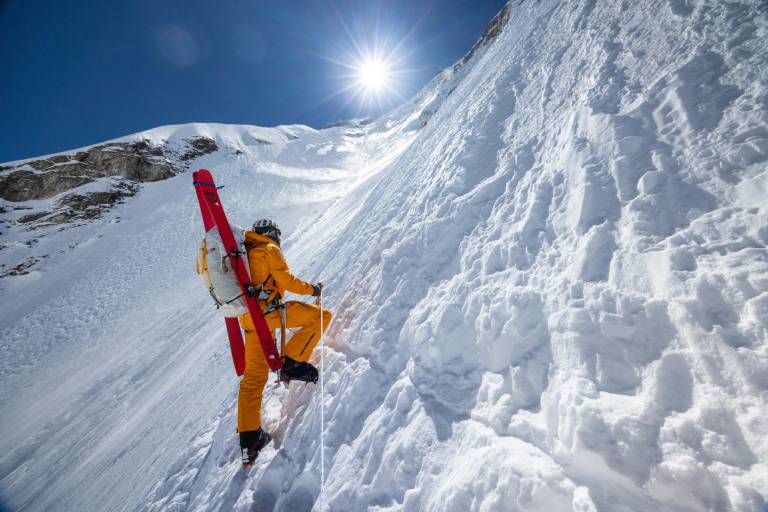
"caption": "Ski mountaineer Jim Morrison climbing Mount Everest in a scene from ‘Everest: The Other Side.’",
"credit": "Jimmy Chin/National Geographic",
"altTag": null,
"description": "Ski mountaineer Jim Morrison climbing Mount Everest in a scene from ‘Everest: The Other Side.’",
"imgSizes": {
"thumbnail": {
"file": "https://cdn.kqed.org/wp-content/uploads/sites/2/2026/10/everest-1-c1dba19b-160x107.jpg",
"width": 160,
"height": 107,
"mimeType": "image/jpeg"
},
"medium_large": {
"file": "https://cdn.kqed.org/wp-content/uploads/sites/2/2026/10/everest-1-c1dba19b-768x512.jpg",
"width": 768,
"height": 512,
"mimeType": "image/jpeg"
},
"1536x1536": {
"file": "https://cdn.kqed.org/wp-content/uploads/sites/2/2026/10/everest-1-c1dba19b-1536x1024.jpg",
"width": 1536,
"height": 1024,
"mimeType": "image/jpeg"
},
"post-thumbnail": {
"file": "https://cdn.kqed.org/wp-content/uploads/sites/2/2026/10/everest-1-c1dba19b-672x372.jpg",
"width": 672,
"height": 372,
"mimeType": "image/jpeg"
},
"twentyfourteen-full-width": {
"file": "https://cdn.kqed.org/wp-content/uploads/sites/2/2026/10/everest-1-c1dba19b-1038x576.jpg",
"width": 1038,
"height": 576,
"mimeType": "image/jpeg"
},
"npr-cds-wide": {
"file": "https://cdn.kqed.org/wp-content/uploads/sites/2/2026/10/everest-1-c1dba19b-1200x675.jpg",
"width": 1200,
"height": 675,
"mimeType": "image/jpeg"
},
"npr-cds-square": {
"file": "https://cdn.kqed.org/wp-content/uploads/sites/2/2026/10/everest-1-c1dba19b-600x600.jpg",
"width": 600,
"height": 600,
"mimeType": "image/jpeg"
},
"kqedFullSize": {
"file": "https://cdn.kqed.org/wp-content/uploads/sites/2/2026/10/everest-1-c1dba19b.jpg",
"width": 2000,
"height": 1333
}
},
"isLoading": false,
"fetchFailed": false
},
"arts_13995101": {
"type": "attachments",
"id": "arts_13995101",
"meta": {
"index": "attachments_1716263798",
"site": "arts",
"id": "13995101",
"found": true
},
"title": "Brody_silo_ONCE-UPON-A-TIME-IN-HARLEM-1",
"publishDate": 1793061940,
"status": "inherit",
"parent": 0,
"modified": 1793062000,
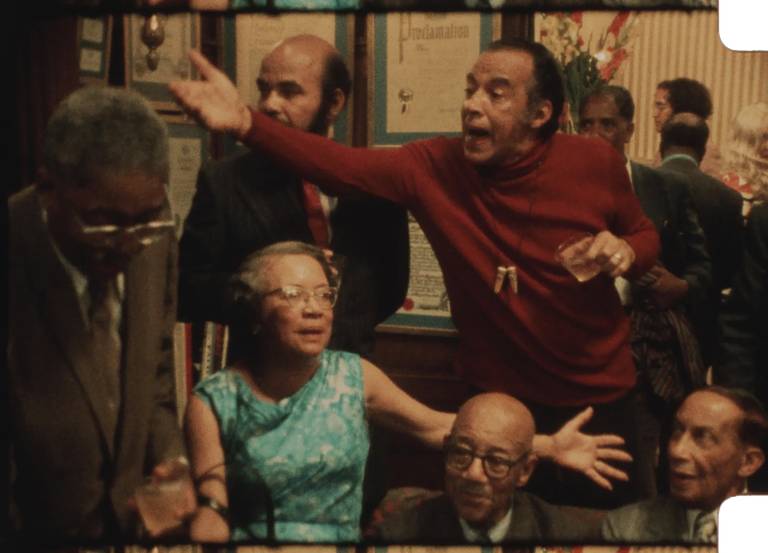
"caption": "A scene from ‘Once Upon a Time in Harlem.’",
"credit": "Neon",
"altTag": null,
"description": null,
"imgSizes": {
"thumbnail": {
"file": "https://cdn.kqed.org/wp-content/uploads/sites/2/2026/10/Brody_silo_ONCE-UPON-A-TIME-IN-HARLEM-1-b73f1a73-160x115.jpg",
"width": 160,
"height": 115,
"mimeType": "image/jpeg"
},
"medium_large": {
"file": "https://cdn.kqed.org/wp-content/uploads/sites/2/2026/10/Brody_silo_ONCE-UPON-A-TIME-IN-HARLEM-1-b73f1a73-768x553.jpg",
"width": 768,
"height": 553,
"mimeType": "image/jpeg"
},
"1536x1536": {
"file": "https://cdn.kqed.org/wp-content/uploads/sites/2/2026/10/Brody_silo_ONCE-UPON-A-TIME-IN-HARLEM-1-b73f1a73-1536x1107.jpg",
"width": 1536,
"height": 1107,
"mimeType": "image/jpeg"
},
"post-thumbnail": {
"file": "https://cdn.kqed.org/wp-content/uploads/sites/2/2026/10/Brody_silo_ONCE-UPON-A-TIME-IN-HARLEM-1-b73f1a73-672x372.jpg",
"width": 672,
"height": 372,
"mimeType": "image/jpeg"
},
"twentyfourteen-full-width": {
"file": "https://cdn.kqed.org/wp-content/uploads/sites/2/2026/10/Brody_silo_ONCE-UPON-A-TIME-IN-HARLEM-1-b73f1a73-1038x576.jpg",
"width": 1038,
"height": 576,
"mimeType": "image/jpeg"
},
"npr-cds-wide": {
"file": "https://cdn.kqed.org/wp-content/uploads/sites/2/2026/10/Brody_silo_ONCE-UPON-A-TIME-IN-HARLEM-1-b73f1a73-1200x675.jpg",
"width": 1200,
"height": 675,
"mimeType": "image/jpeg"
},
"npr-cds-square": {
"file": "https://cdn.kqed.org/wp-content/uploads/sites/2/2026/10/Brody_silo_ONCE-UPON-A-TIME-IN-HARLEM-1-b73f1a73-600x600.jpg",
"width": 600,
"height": 600,
"mimeType": "image/jpeg"
},
"kqedFullSize": {
"file": "https://cdn.kqed.org/wp-content/uploads/sites/2/2026/10/Brody_silo_ONCE-UPON-A-TIME-IN-HARLEM-1-b73f1a73.jpg",
"width": 2000,
"height": 1441
}
},
"isLoading": false,
"fetchFailed": false
},
"arts_13994762": {
"type": "attachments",
"id": "arts_13994762",
"meta": {
"index": "attachments_1716263798",
"site": "arts",
"id": "13994762",
"found": true
},
"title": "you can see everything",
"publishDate": 1792003129,
"status": "inherit",
"parent": 13994760,
"modified": 1792003177,
"caption": "Billy Evans, Nathan Fielder, and Elizabeth Holmes in ‘You Can See Everything.’",
"credit": "A24",
"altTag": null,
"description": "Billy Evans, Nathan Fielder, and Elizabeth Holmes in ‘You Can See Everything.’",
"imgSizes": {
"thumbnail": {
"file": "https://cdn.kqed.org/wp-content/uploads/sites/2/2026/10/you-can-see-everything-ed3bcc7c-160x120.jpg",
"width": 160,
"height": 120,
"mimeType": "image/jpeg"
},
"medium_large": {
"file": "https://cdn.kqed.org/wp-content/uploads/sites/2/2026/10/you-can-see-everything-ed3bcc7c-768x576.jpg",
"width": 768,
"height": 576,
"mimeType": "image/jpeg"
},
"1536x1536": {
"file": "https://cdn.kqed.org/wp-content/uploads/sites/2/2026/10/you-can-see-everything-ed3bcc7c-1536x1152.jpg",
"width": 1536,
"height": 1152,
"mimeType": "image/jpeg"
},
"post-thumbnail": {
"file": "https://cdn.kqed.org/wp-content/uploads/sites/2/2026/10/you-can-see-everything-ed3bcc7c-672x372.jpg",
"width": 672,
"height": 372,
"mimeType": "image/jpeg"
},
"twentyfourteen-full-width": {
"file": "https://cdn.kqed.org/wp-content/uploads/sites/2/2026/10/you-can-see-everything-ed3bcc7c-1038x576.jpg",
"width": 1038,
"height": 576,
"mimeType": "image/jpeg"
},
"npr-cds-wide": {
"file": "https://cdn.kqed.org/wp-content/uploads/sites/2/2026/10/you-can-see-everything-ed3bcc7c-1200x675.jpg",
"width": 1200,
"height": 675,
"mimeType": "image/jpeg"
},
"npr-cds-square": {
"file": "https://cdn.kqed.org/wp-content/uploads/sites/2/2026/10/you-can-see-everything-ed3bcc7c-600x600.jpg",
"width": 600,
"height": 600,
"mimeType": "image/jpeg"
},
"kqedFullSize": {
"file": "https://cdn.kqed.org/wp-content/uploads/sites/2/2026/10/you-can-see-everything-ed3bcc7c.jpg",
"width": 2000,
"height": 1500
}
},
"isLoading": false,
"fetchFailed": false
},
"arts_13994032": {
"type": "attachments",
"id": "arts_13994032",
"meta": {
"index": "attachments_1716263798",
"site": "arts",
"id": "13994032",
"found": true
},
"title": "Still-1---Jeanne-Calment,-age-121_1996_credit-Reuters--Jean-Paul-Pelissier_2000",
"publishDate": 1789752761,
"status": "inherit",
"parent": 13994012,
"modified": 1789753806,
"caption": "Jeanne Calment, age 121 in 1996.",
"credit": "Reuters/Jean Paul Pelissier",
"altTag": "old white woman surrounded by reporters holding microphones",
"description": null,
"imgSizes": {
"thumbnail": {
"file": "https://cdn.kqed.org/wp-content/uploads/sites/2/2026/09/Still-1-Jeanne-Calment-age-121_1996_credit-Reuters-Jean-Paul-Pelissier_2000-160x107.jpg",
"width": 160,
"height": 107,
"mimeType": "image/jpeg"
},
"medium_large": {
"file": "https://cdn.kqed.org/wp-content/uploads/sites/2/2026/09/Still-1-Jeanne-Calment-age-121_1996_credit-Reuters-Jean-Paul-Pelissier_2000-768x513.jpg",
"width": 768,
"height": 513,
"mimeType": "image/jpeg"
},
"1536x1536": {
"file": "https://cdn.kqed.org/wp-content/uploads/sites/2/2026/09/Still-1-Jeanne-Calment-age-121_1996_credit-Reuters-Jean-Paul-Pelissier_2000-1536x1026.jpg",
"width": 1536,
"height": 1026,
"mimeType": "image/jpeg"
},
"post-thumbnail": {
"file": "https://cdn.kqed.org/wp-content/uploads/sites/2/2026/09/Still-1-Jeanne-Calment-age-121_1996_credit-Reuters-Jean-Paul-Pelissier_2000-672x372.jpg",
"width": 672,
"height": 372,
"mimeType": "image/jpeg"
},
"twentyfourteen-full-width": {
"file": "https://cdn.kqed.org/wp-content/uploads/sites/2/2026/09/Still-1-Jeanne-Calment-age-121_1996_credit-Reuters-Jean-Paul-Pelissier_2000-1038x576.jpg",
"width": 1038,
"height": 576,
"mimeType": "image/jpeg"
},
"npr-cds-wide": {
"file": "https://cdn.kqed.org/wp-content/uploads/sites/2/2026/09/Still-1-Jeanne-Calment-age-121_1996_credit-Reuters-Jean-Paul-Pelissier_2000-1200x675.jpg",
"width": 1200,
"height": 675,
"mimeType": "image/jpeg"
},
"npr-cds-square": {
"file": "https://cdn.kqed.org/wp-content/uploads/sites/2/2026/09/Still-1-Jeanne-Calment-age-121_1996_credit-Reuters-Jean-Paul-Pelissier_2000-600x600.jpg",
"width": 600,
"height": 600,
"mimeType": "image/jpeg"
},
"kqedFullSize": {
"file": "https://cdn.kqed.org/wp-content/uploads/sites/2/2026/09/Still-1-Jeanne-Calment-age-121_1996_credit-Reuters-Jean-Paul-Pelissier_2000.jpg",
"width": 2000,
"height": 1336
}
},
"isLoading": false,
"fetchFailed": false
},
"arts_13993986": {
"type": "attachments",
"id": "arts_13993986",
"meta": {
"index": "attachments_1716263798",
"site": "arts",
"id": "13993986",
"found": true
},
"title": "Eltrym2,-Baker-City-OR_2000",
"publishDate": 1789674759,
"status": "inherit",
"parent": 0,
"modified": 1789675282,
"caption": "The Eltrym Historic Theater in Baker City, Oregon, opened in 1940.",
"credit": "Foghorn Features",
"altTag": "neon sign and marquee of small theater against sky with sunset",
"description": null,
"imgSizes": {
"thumbnail": {
"file": "https://cdn.kqed.org/wp-content/uploads/sites/2/2026/09/Eltrym2-Baker-City-OR_2000-160x90.jpg",
"width": 160,
"height": 90,
"mimeType": "image/jpeg"
},
"medium_large": {
"file": "https://cdn.kqed.org/wp-content/uploads/sites/2/2026/09/Eltrym2-Baker-City-OR_2000-768x432.jpg",
"width": 768,
"height": 432,
"mimeType": "image/jpeg"
},
"1536x1536": {
"file": "https://cdn.kqed.org/wp-content/uploads/sites/2/2026/09/Eltrym2-Baker-City-OR_2000-1536x864.jpg",
"width": 1536,
"height": 864,
"mimeType": "image/jpeg"
},
"post-thumbnail": {
"file": "https://cdn.kqed.org/wp-content/uploads/sites/2/2026/09/Eltrym2-Baker-City-OR_2000-672x372.jpg",
"width": 672,
"height": 372,
"mimeType": "image/jpeg"
},
"twentyfourteen-full-width": {
"file": "https://cdn.kqed.org/wp-content/uploads/sites/2/2026/09/Eltrym2-Baker-City-OR_2000-1038x576.jpg",
"width": 1038,
"height": 576,
"mimeType": "image/jpeg"
},
"npr-cds-wide": {
"file": "https://cdn.kqed.org/wp-content/uploads/sites/2/2026/09/Eltrym2-Baker-City-OR_2000-1200x675.jpg",
"width": 1200,
"height": 675,
"mimeType": "image/jpeg"
},
"npr-cds-square": {
"file": "https://cdn.kqed.org/wp-content/uploads/sites/2/2026/09/Eltrym2-Baker-City-OR_2000-600x600.jpg",
"width": 600,
"height": 600,
"mimeType": "image/jpeg"
},
"kqedFullSize": {
"file": "https://cdn.kqed.org/wp-content/uploads/sites/2/2026/09/Eltrym2-Baker-City-OR_2000.jpg",
"width": 2000,
"height": 1125
}
},
"isLoading": false,
"fetchFailed": false
},
"arts_13993300": {
"type": "attachments",
"id": "arts_13993300",
"meta": {
"index": "attachments_1716263798",
"site": "arts",
"id": "13993300",
"found": true
},
"title": "gay lions",
"publishDate": 1787692842,
"status": "inherit",
"parent": 13993298,
"modified": 1789061645,
"caption": "Yes, these lions are doing gay stuff. Find out more by watching ‘Second Nature,’ narrated by Elliot Page.",
"credit": "Courtesy of SF Critter Fest",
"altTag": "One male lion mounts another male lion in a shaded grove.",
"description": null,
"imgSizes": {
"thumbnail": {
"file": "https://cdn.kqed.org/wp-content/uploads/sites/2/2026/08/gay-lions-160x81.png",
"width": 160,
"height": 81,
"mimeType": "image/png"
},
"medium_large": {
"file": "https://cdn.kqed.org/wp-content/uploads/sites/2/2026/08/gay-lions-768x387.png",
"width": 768,
"height": 387,
"mimeType": "image/png"
},
"1536x1536": {
"file": "https://cdn.kqed.org/wp-content/uploads/sites/2/2026/08/gay-lions-1536x774.png",
"width": 1536,
"height": 774,
"mimeType": "image/png"
},
"post-thumbnail": {
"file": "https://cdn.kqed.org/wp-content/uploads/sites/2/2026/08/gay-lions-672x372.png",
"width": 672,
"height": 372,
"mimeType": "image/png"
},
"twentyfourteen-full-width": {
"file": "https://cdn.kqed.org/wp-content/uploads/sites/2/2026/08/gay-lions-1038x576.png",
"width": 1038,
"height": 576,
"mimeType": "image/png"
},
"npr-cds-wide": {
"file": "https://cdn.kqed.org/wp-content/uploads/sites/2/2026/08/gay-lions-1200x675.png",
"width": 1200,
"height": 675,
"mimeType": "image/png"
},
"npr-cds-square": {
"file": "https://cdn.kqed.org/wp-content/uploads/sites/2/2026/08/gay-lions-600x600.png",
"width": 600,
"height": 600,
"mimeType": "image/png"
},
"kqedFullSize": {
"file": "https://cdn.kqed.org/wp-content/uploads/sites/2/2026/08/gay-lions.png",
"width": 2000,
"height": 1008
}
},
"isLoading": false,
"fetchFailed": false
},
"arts_13992060": {
"type": "attachments",
"id": "arts_13992060",
"meta": {
"index": "attachments_1716263798",
"site": "arts",
"id": "13992060",
"found": true
},
"title": "americanpachuco_still_01",
"publishDate": 1785171849,
"status": "inherit",
"parent": 0,
"modified": 1785172849,
"caption": "Luis Valdez reads a script in a scene from the documentary ‘American Pachuco: The Legend of Luis Valdez.’ ",
"credit": "Elizabeth Sunflower / Retro Photo Archive",
"altTag": "A Latino man, seen from a low angle, holds a pen and goes through papers against a wall background with theatre advertisements and photographs.",
"description": null,
"imgSizes": {
"thumbnail": {
"file": "https://cdn.kqed.org/wp-content/uploads/sites/2/2026/07/americanpachuco_still_01-160x90.jpg",
"width": 160,
"height": 90,
"mimeType": "image/jpeg"
},
"medium_large": {
"file": "https://cdn.kqed.org/wp-content/uploads/sites/2/2026/07/americanpachuco_still_01-768x432.jpg",
"width": 768,
"height": 432,
"mimeType": "image/jpeg"
},
"1536x1536": {
"file": "https://cdn.kqed.org/wp-content/uploads/sites/2/2026/07/americanpachuco_still_01-1536x864.jpg",
"width": 1536,
"height": 864,
"mimeType": "image/jpeg"
},
"post-thumbnail": {
"file": "https://cdn.kqed.org/wp-content/uploads/sites/2/2026/07/americanpachuco_still_01-672x372.jpg",
"width": 672,
"height": 372,
"mimeType": "image/jpeg"
},
"twentyfourteen-full-width": {
"file": "https://cdn.kqed.org/wp-content/uploads/sites/2/2026/07/americanpachuco_still_01-1038x576.jpg",
"width": 1038,
"height": 576,
"mimeType": "image/jpeg"
},
"npr-cds-wide": {
"file": "https://cdn.kqed.org/wp-content/uploads/sites/2/2026/07/americanpachuco_still_01-1200x675.jpg",
"width": 1200,
"height": 675,
"mimeType": "image/jpeg"
},
"npr-cds-square": {
"file": "https://cdn.kqed.org/wp-content/uploads/sites/2/2026/07/americanpachuco_still_01-600x600.jpg",
"width": 600,
"height": 600,
"mimeType": "image/jpeg"
},
"kqedFullSize": {
"file": "https://cdn.kqed.org/wp-content/uploads/sites/2/2026/07/americanpachuco_still_01.jpg",
"width": 2000,
"height": 1125
}
},
"isLoading": false,
"fetchFailed": false
},
"arts_13991842": {
"type": "attachments",
"id": "arts_13991842",
"meta": {
"index": "attachments_1716263798",
"site": "arts",
"id": "13991842",
"found": true
},
"title": "Vivien's Wild Ride",
"publishDate": 1784578989,
"status": "inherit",
"parent": 13991838,
"modified": 1784579040,
"caption": "Catch ‘Vivien’s Wild Ride’ at the Roxie this weekend.",
"credit": "PBS Independent Lens",
"altTag": "A senior person on a couch holds up a large, black and white photo of a young woman's face. The image hides the face of the person on the couch.",
"description": null,
"imgSizes": {
"thumbnail": {
"file": "https://cdn.kqed.org/wp-content/uploads/sites/2/2026/07/Viviens-Wild-Ride-160x104.png",
"width": 160,
"height": 104,
"mimeType": "image/png"
},
"medium_large": {
"file": "https://cdn.kqed.org/wp-content/uploads/sites/2/2026/07/Viviens-Wild-Ride-768x499.png",
"width": 768,
"height": 499,
"mimeType": "image/png"
},
"1536x1536": {
"file": "https://cdn.kqed.org/wp-content/uploads/sites/2/2026/07/Viviens-Wild-Ride-1536x998.png",
"width": 1536,
"height": 998,
"mimeType": "image/png"
},
"post-thumbnail": {
"file": "https://cdn.kqed.org/wp-content/uploads/sites/2/2026/07/Viviens-Wild-Ride-672x372.png",
"width": 672,
"height": 372,
"mimeType": "image/png"
},
"twentyfourteen-full-width": {
"file": "https://cdn.kqed.org/wp-content/uploads/sites/2/2026/07/Viviens-Wild-Ride-1038x576.png",
"width": 1038,
"height": 576,
"mimeType": "image/png"
},
"npr-cds-wide": {
"file": "https://cdn.kqed.org/wp-content/uploads/sites/2/2026/07/Viviens-Wild-Ride-1200x675.png",
"width": 1200,
"height": 675,
"mimeType": "image/png"
},
"npr-cds-square": {
"file": "https://cdn.kqed.org/wp-content/uploads/sites/2/2026/07/Viviens-Wild-Ride-600x600.png",
"width": 600,
"height": 600,
"mimeType": "image/png"
},
"kqedFullSize": {
"file": "https://cdn.kqed.org/wp-content/uploads/sites/2/2026/07/Viviens-Wild-Ride.png",
"width": 2000,
"height": 1299
}
},
"isLoading": false,
"fetchFailed": false
},
"arts_13991614": {
"type": "attachments",
"id": "arts_13991614",
"meta": {
"index": "attachments_1716263798",
"site": "arts",
"id": "13991614",
"found": true
},
"title": "007_KQED_WoodStreet_ErinBaldassari_IMG_3463-1020x765-1",
"publishDate": 1783983429,
"status": "inherit",
"parent": 13991605,
"modified": 1783983449,
"caption": "John Janosko speaks with other members of the Wood Street Commons before a meeting with the city of Oakland and its nonprofit contractor, Building Opportunities for Self-Sufficiency (BOSS), on Nov. 30, 2022.",
"credit": "Erin Baldassari/KQED",
"altTag": null,
"description": null,
"imgSizes": {
"thumbnail": {
"file": "https://cdn.kqed.org/wp-content/uploads/sites/2/2026/07/007_KQED_WoodStreet_ErinBaldassari_IMG_3463-1020x765-1-160x107.jpg",
"width": 160,
"height": 107,
"mimeType": "image/jpeg"
},
"medium_large": {
"file": "https://cdn.kqed.org/wp-content/uploads/sites/2/2026/07/007_KQED_WoodStreet_ErinBaldassari_IMG_3463-1020x765-1-768x512.jpg",
"width": 768,
"height": 512,
"mimeType": "image/jpeg"
},
"1536x1536": {
"file": "https://cdn.kqed.org/wp-content/uploads/sites/2/2026/07/007_KQED_WoodStreet_ErinBaldassari_IMG_3463-1020x765-1-1536x1024.jpg",
"width": 1536,
"height": 1024,
"mimeType": "image/jpeg"
},
"post-thumbnail": {
"file": "https://cdn.kqed.org/wp-content/uploads/sites/2/2026/07/007_KQED_WoodStreet_ErinBaldassari_IMG_3463-1020x765-1-672x372.jpg",
"width": 672,
"height": 372,
"mimeType": "image/jpeg"
},
"twentyfourteen-full-width": {
"file": "https://cdn.kqed.org/wp-content/uploads/sites/2/2026/07/007_KQED_WoodStreet_ErinBaldassari_IMG_3463-1020x765-1-1038x576.jpg",
"width": 1038,
"height": 576,
"mimeType": "image/jpeg"
},
"npr-cds-wide": {
"file": "https://cdn.kqed.org/wp-content/uploads/sites/2/2026/07/007_KQED_WoodStreet_ErinBaldassari_IMG_3463-1020x765-1-1200x675.jpg",
"width": 1200,
"height": 675,
"mimeType": "image/jpeg"
},
"npr-cds-square": {
"file": "https://cdn.kqed.org/wp-content/uploads/sites/2/2026/07/007_KQED_WoodStreet_ErinBaldassari_IMG_3463-1020x765-1-600x600.jpg",
"width": 600,
"height": 600,
"mimeType": "image/jpeg"
},
"kqedFullSize": {
"file": "https://cdn.kqed.org/wp-content/uploads/sites/2/2026/07/007_KQED_WoodStreet_ErinBaldassari_IMG_3463-1020x765-1.jpg",
"width": 1920,
"height": 1280
}
},
"isLoading": false,
"fetchFailed": false
},
"arts_13989593": {
"type": "attachments",
"id": "arts_13989593",
"meta": {
"index": "attachments_1716263798",
"site": "arts",
"id": "13989593",
"found": true
},
"title": "Movie Still",
"publishDate": 1778729752,
"status": "inherit",
"parent": 13989206,
"modified": 1778779950,
"caption": "Eric Melvin and ‘Fat’ Mike Burkett perform on stage during new NOFX documentary, ‘40 Years of Fuckin’ Up.’",
"credit": "Pyramid Productions Inc.",
"altTag": "On stage, before a huge audience, a shirtless white man with green dreadlocks faces a white man with a green mohawk. Both gesture at each other wildly, holding guitars aloft.",
"description": null,
"imgSizes": {
"thumbnail": {
"file": "https://cdn.kqed.org/wp-content/uploads/sites/2/2026/05/Movie-Still-160x87.jpeg",
"width": 160,
"height": 87,
"mimeType": "image/jpeg"
},
"medium_large": {
"file": "https://cdn.kqed.org/wp-content/uploads/sites/2/2026/05/Movie-Still-768x419.jpeg",
"width": 768,
"height": 419,
"mimeType": "image/jpeg"
},
"1536x1536": {
"file": "https://cdn.kqed.org/wp-content/uploads/sites/2/2026/05/Movie-Still-1536x839.jpeg",
"width": 1536,
"height": 839,
"mimeType": "image/jpeg"
},
"post-thumbnail": {
"file": "https://cdn.kqed.org/wp-content/uploads/sites/2/2026/05/Movie-Still-672x372.jpeg",
"width": 672,
"height": 372,
"mimeType": "image/jpeg"
},
"twentyfourteen-full-width": {
"file": "https://cdn.kqed.org/wp-content/uploads/sites/2/2026/05/Movie-Still-1038x576.jpeg",
"width": 1038,
"height": 576,
"mimeType": "image/jpeg"
},
"npr-cds-wide": {
"file": "https://cdn.kqed.org/wp-content/uploads/sites/2/2026/05/Movie-Still-1200x675.jpeg",
"width": 1200,
"height": 675,
"mimeType": "image/jpeg"
},
"npr-cds-square": {
"file": "https://cdn.kqed.org/wp-content/uploads/sites/2/2026/05/Movie-Still-600x600.jpeg",
"width": 600,
"height": 600,
"mimeType": "image/jpeg"
},
"kqedFullSize": {
"file": "https://cdn.kqed.org/wp-content/uploads/sites/2/2026/05/Movie-Still.jpeg",
"width": 2000,
"height": 1092
}
},
"isLoading": false,
"fetchFailed": false
},
"arts_13989343": {
"type": "attachments",
"id": "arts_13989343",
"meta": {
"index": "attachments_1716263798",
"site": "arts",
"id": "13989343",
"found": true
},
"title": "Thomas McElroy Jr.",
"publishDate": 1778198245,
"status": "inherit",
"parent": 13989273,
"modified": 1778198305,
"caption": "Rising boxing star Thomas McElroy Jr. represents the latest wave of talented fighters from Oakland. ",
"credit": "Pendarvis Harshaw",
"altTag": "A boxer, sitting and posing for a photo.",
"description": null,
"imgSizes": {
"thumbnail": {
"file": "https://cdn.kqed.org/wp-content/uploads/sites/2/2026/05/DSC01205-160x107.jpg",
"width": 160,
"height": 107,
"mimeType": "image/jpeg"
},
"medium_large": {
"file": "https://cdn.kqed.org/wp-content/uploads/sites/2/2026/05/DSC01205-768x513.jpg",
"width": 768,
"height": 513,
"mimeType": "image/jpeg"
},
"1536x1536": {
"file": "https://cdn.kqed.org/wp-content/uploads/sites/2/2026/05/DSC01205-1536x1027.jpg",
"width": 1536,
"height": 1027,
"mimeType": "image/jpeg"
},
"post-thumbnail": {
"file": "https://cdn.kqed.org/wp-content/uploads/sites/2/2026/05/DSC01205-672x372.jpg",
"width": 672,
"height": 372,
"mimeType": "image/jpeg"
},
"twentyfourteen-full-width": {
"file": "https://cdn.kqed.org/wp-content/uploads/sites/2/2026/05/DSC01205-1038x576.jpg",
"width": 1038,
"height": 576,
"mimeType": "image/jpeg"
},
"npr-cds-wide": {
"file": "https://cdn.kqed.org/wp-content/uploads/sites/2/2026/05/DSC01205-1200x675.jpg",
"width": 1200,
"height": 675,
"mimeType": "image/jpeg"
},
"npr-cds-square": {
"file": "https://cdn.kqed.org/wp-content/uploads/sites/2/2026/05/DSC01205-600x600.jpg",
"width": 600,
"height": 600,
"mimeType": "image/jpeg"
},
"kqedFullSize": {
"file": "https://cdn.kqed.org/wp-content/uploads/sites/2/2026/05/DSC01205.jpg",
"width": 2000,
"height": 1337
}
},
"isLoading": false,
"fetchFailed": false
},
"arts_13988892": {
"type": "attachments",
"id": "arts_13988892",
"meta": {
"index": "attachments_1716263798",
"site": "arts",
"id": "13988892",
"found": true
},
"title": "Betti Ono Website Collage (History) - 2",
"publishDate": 1777309555,
"status": "inherit",
"parent": 13988875,
"modified": 1777321791,
"caption": "A collage of artists and community members who frequented Betti Ono gallery during its time on Broadway in downtown Oakland. ",
"credit": "Collage by Maud Alcorn",
"altTag": "A collage of artists and community members who've frequented the now defunct Betti Ono art gallery.",
"description": null,
"imgSizes": {
"thumbnail": {
"file": "https://cdn.kqed.org/wp-content/uploads/sites/2/2026/04/BettiOnoWebsiteCollageHistory2-160x90.jpeg",
"width": 160,
"height": 90,
"mimeType": "image/jpeg"
},
"medium_large": {
"file": "https://cdn.kqed.org/wp-content/uploads/sites/2/2026/04/BettiOnoWebsiteCollageHistory2-768x432.jpeg",
"width": 768,
"height": 432,
"mimeType": "image/jpeg"
},
"1536x1536": {
"file": "https://cdn.kqed.org/wp-content/uploads/sites/2/2026/04/BettiOnoWebsiteCollageHistory2-1536x864.jpeg",
"width": 1536,
"height": 864,
"mimeType": "image/jpeg"
},
"post-thumbnail": {
"file": "https://cdn.kqed.org/wp-content/uploads/sites/2/2026/04/BettiOnoWebsiteCollageHistory2-672x372.jpeg",
"width": 672,
"height": 372,
"mimeType": "image/jpeg"
},
"twentyfourteen-full-width": {
"file": "https://cdn.kqed.org/wp-content/uploads/sites/2/2026/04/BettiOnoWebsiteCollageHistory2-1038x576.jpeg",
"width": 1038,
"height": 576,
"mimeType": "image/jpeg"
},
"npr-cds-wide": {
"file": "https://cdn.kqed.org/wp-content/uploads/sites/2/2026/04/BettiOnoWebsiteCollageHistory2-1200x675.jpeg",
"width": 1200,
"height": 675,
"mimeType": "image/jpeg"
},
"npr-cds-square": {
"file": "https://cdn.kqed.org/wp-content/uploads/sites/2/2026/04/BettiOnoWebsiteCollageHistory2-600x600.jpeg",
"width": 600,
"height": 600,
"mimeType": "image/jpeg"
},
"kqedFullSize": {
"file": "https://cdn.kqed.org/wp-content/uploads/sites/2/2026/04/BettiOnoWebsiteCollageHistory2.jpeg",
"width": 2000,
"height": 1125
}
},
"isLoading": false,
"fetchFailed": false
}
},
"audioPlayerReducer": {
"postId": "stream_live",
"isPaused": true,
"isPlaying": false,
"pfsActive": false,
"pledgeModalIsOpen": true,
"playerDrawerIsOpen": false,
"liveAudioPlayStartedAt": 0,
"liveAudioPlayContext": ""
},
"authorsReducer": {
"byline_arts_13995126": {
"type": "authors",
"id": "byline_arts_13995126",
"meta": {
"override": true
},
"slug": "byline_arts_13995126",
"name": "Jake Coyle, Associated Press",
"isLoading": false
},
"byline_arts_13994760": {
"type": "authors",
"id": "byline_arts_13994760",
"meta": {
"override": true
},
"slug": "byline_arts_13994760",
"name": "Lindsey Bahr, Associated Press",
"isLoading": false
},
"mfox": {
"type": "authors",
"id": "22",
"meta": {
"index": "authors_1716337520",
"id": "22",
"found": true
},
"name": "Michael Fox",
"firstName": "Michael",
"lastName": "Fox",
"slug": "mfox",
"email": "foxonfilm@yahoo.com",
"display_author_email": false,
"staff_mastheads": [],
"title": "KQED Contributor",
"bio": "Michael Fox has written about film for dozens of publications since 1987. He is a founding member of the San Francisco Bay Area Film Critics Circle.",
"avatar": "https://secure.gravatar.com/avatar/d9849d6c659c41414795c471d907bb97b396e2a32b88e20e6ff66f65fbdd6dcd?s=600&d=blank&r=g",
"twitter": null,
"bluesky": null,
"facebook": null,
"instagram": null,
"linkedin": null,
"sites": [
{
"site": "arts",
"roles": [
"Contributor",
"contributor"
]
}
],
"headData": {
"title": "Michael Fox | KQED",
"description": "KQED Contributor",
"ogImgSrc": "https://secure.gravatar.com/avatar/d9849d6c659c41414795c471d907bb97b396e2a32b88e20e6ff66f65fbdd6dcd?s=600&d=blank&r=g",
"twImgSrc": "https://secure.gravatar.com/avatar/d9849d6c659c41414795c471d907bb97b396e2a32b88e20e6ff66f65fbdd6dcd?s=600&d=blank&r=g"
},
"isLoading": false,
"link": "/author/mfox"
},
"shotchkiss": {
"type": "authors",
"id": "61",
"meta": {
"index": "authors_1716337520",
"id": "61",
"found": true
},
"name": "Sarah Hotchkiss",
"firstName": "Sarah",
"lastName": "Hotchkiss",
"slug": "shotchkiss",
"email": "shotchkiss@kqed.org",
"display_author_email": true,
"staff_mastheads": [
"arts"
],
"title": "Senior Editor",
"bio": "Sarah Hotchkiss is a San Francisco \u003ca href=\"http://www.sarahhotchkiss.com\">artist\u003c/a> and arts writer. In 2019, she received the Dorothea & Leo Rabkin Foundation grant for visual art journalism and in 2020 she received a Society of Professional Journalists, Northern California award for excellence in arts and culture reporting.",
"avatar": "https://secure.gravatar.com/avatar/bc662df144b3d27fd8b1b6f1c2a420d34e91e53154d411bb7ad353cc8b6cea8d?s=600&d=blank&r=g",
"twitter": null,
"bluesky": null,
"facebook": null,
"instagram": null,
"linkedin": null,
"sites": [
{
"site": "",
"roles": [
"editor"
]
},
{
"site": "arts",
"roles": [
"Contributor",
"administrator"
]
},
{
"site": "artschool",
"roles": [
"administrator"
]
},
{
"site": "news",
"roles": [
"editor"
]
},
{
"site": "pop",
"roles": [
"administrator"
]
},
{
"site": "bayareabites",
"roles": [
"editor"
]
},
{
"site": "spark",
"roles": [
"editor"
]
},
{
"site": "checkplease",
"roles": [
"editor"
]
}
],
"headData": {
"title": "Sarah Hotchkiss | KQED",
"description": "Senior Editor",
"ogImgSrc": "https://secure.gravatar.com/avatar/bc662df144b3d27fd8b1b6f1c2a420d34e91e53154d411bb7ad353cc8b6cea8d?s=600&d=blank&r=g",
"twImgSrc": "https://secure.gravatar.com/avatar/bc662df144b3d27fd8b1b6f1c2a420d34e91e53154d411bb7ad353cc8b6cea8d?s=600&d=blank&r=g"
},
"isLoading": false,
"link": "/author/shotchkiss"
},
"ralexandra": {
"type": "authors",
"id": "11242",
"meta": {
"index": "authors_1716337520",
"id": "11242",
"found": true
},
"name": "Rae Alexandra",
"firstName": "Rae",
"lastName": "Alexandra",
"slug": "ralexandra",
"email": "rae-alexandra@outlook.com",
"display_author_email": true,
"staff_mastheads": [],
"title": "Former Staff Writer and Reporter, KQED Arts & Culture",
"bio": "Rae Alexandra is the creator and author of the series \u003ca href=\"https://www.kqed.org/arts/program/rebel-girls-from-bay-area-history\">Rebel Girls From Bay Area History\u003c/a> and \u003ca href=\"https://www.kqed.org/bizarrebayarea\">Bizarre Bay Area\u003c/a>. Her debut book, \u003ca href=\"https://citylights.com/politics-current-events-history/unsung-heroines35-women-who-changed/\">Unsung Heroines: 35 Women Who Changed the Bay Area\u003c/a> was published by City Lights in March 2026. In 2023, Rae was awarded an SPJ Excellence in Journalism Award for Arts & Culture. Rae was born and raised in Wales and subsequently — even after two decades in Northern California — still uses phrases that regularly baffle her coworkers.",
"avatar": "https://secure.gravatar.com/avatar/4cfcc3e7d8f591d2193600c92003ff8b3519bc2d4aebb2c04075082fd1cc0838?s=600&d=blank&r=g",
"twitter": null,
"bluesky": null,
"facebook": null,
"instagram": null,
"linkedin": null,
"sites": [
{
"site": "arts",
"roles": [
"contributor"
]
},
{
"site": "news",
"roles": [
"subscriber"
]
},
{
"site": "pop",
"roles": [
"subscriber"
]
},
{
"site": "bayareabites",
"roles": [
"subscriber"
]
},
{
"site": "science",
"roles": [
"subscriber"
]
}
],
"headData": {
"title": "Rae Alexandra | KQED",
"description": "Former Staff Writer and Reporter, KQED Arts & Culture",
"ogImgSrc": "https://secure.gravatar.com/avatar/4cfcc3e7d8f591d2193600c92003ff8b3519bc2d4aebb2c04075082fd1cc0838?s=600&d=blank&r=g",
"twImgSrc": "https://secure.gravatar.com/avatar/4cfcc3e7d8f591d2193600c92003ff8b3519bc2d4aebb2c04075082fd1cc0838?s=600&d=blank&r=g"
},
"isLoading": false,
"link": "/author/ralexandra"
},
"nvoynovskaya": {
"type": "authors",
"id": "11387",
"meta": {
"index": "authors_1716337520",
"id": "11387",
"found": true
},
"name": "Nastia Voynovskaya",
"firstName": "Nastia",
"lastName": "Voynovskaya",
"slug": "nvoynovskaya",
"email": "nvoynovskaya@kqed.org",
"display_author_email": false,
"staff_mastheads": [
"arts"
],
"title": "Editor and reporter",
"bio": "Nastia Voynovskaya is a reporter, editor and host at KQED Arts & Culture. She's been covering the arts in the Bay Area for over a decade, with a focus on music, queer culture, labor issues and grassroots organizing. She has edited KQED story series such as Trans Bay: A History of San Francisco's Gender-Diverse Community, and co-created KQED's Bay Area hip-hop history project, That's My Word. Nastia's work has been recognized by the Society of Professional Journalists and San Francisco Press Club. She regularly appears on podcasts and radio programs, including NPR's All Songs Considered, and hosts live events where music, culture and conversation meet.",
"avatar": "https://secure.gravatar.com/avatar/5025ee460e5a85d69ca20ea6c6f2f80d7e17795c828f61ea3aecfcd924e9042e?s=600&d=blank&r=g",
"twitter": null,
"bluesky": null,
"facebook": null,
"instagram": "https://www.instagram.com/nananastia/",
"linkedin": null,
"sites": [
{
"site": "",
"roles": [
"editor"
]
},
{
"site": "arts",
"roles": [
"administrator"
]
},
{
"site": "news",
"roles": [
"editor"
]
},
{
"site": "pop",
"roles": [
"administrator"
]
},
{
"site": "bayareabites",
"roles": [
"editor"
]
},
{
"site": "podcasts",
"roles": [
"editor"
]
},
{
"site": "hiphop",
"roles": [
"editor"
]
}
],
"headData": {
"title": "Nastia Voynovskaya | KQED",
"description": "Editor and reporter",
"ogImgSrc": "https://secure.gravatar.com/avatar/5025ee460e5a85d69ca20ea6c6f2f80d7e17795c828f61ea3aecfcd924e9042e?s=600&d=blank&r=g",
"twImgSrc": "https://secure.gravatar.com/avatar/5025ee460e5a85d69ca20ea6c6f2f80d7e17795c828f61ea3aecfcd924e9042e?s=600&d=blank&r=g"
},
"isLoading": false,
"link": "/author/nvoynovskaya"
},
"ogpenn": {
"type": "authors",
"id": "11491",
"meta": {
"index": "authors_1716337520",
"id": "11491",
"found": true
},
"name": "Pendarvis Harshaw",
"firstName": "Pendarvis",
"lastName": "Harshaw",
"slug": "ogpenn",
"email": "ogpenn@gmail.com",
"display_author_email": false,
"staff_mastheads": [
"arts"
],
"title": "Community Engagement Reporter",
"bio": "Pendarvis Harshaw is an educator, host and writer with KQED Arts.",
"avatar": "https://secure.gravatar.com/avatar/972b77ee8e3f346ae2b00622661187fbfabd059b5693bbdc1475ea7a722fd4cd?s=600&d=blank&r=g",
"twitter": null,
"bluesky": null,
"facebook": null,
"instagram": "ogpenn",
"linkedin": null,
"sites": [
{
"site": "arts",
"roles": [
"administrator"
]
},
{
"site": "news",
"roles": [
"editor"
]
},
{
"site": "bayareabites",
"roles": [
"author"
]
},
{
"site": "hiphop",
"roles": [
"editor"
]
}
],
"headData": {
"title": "Pendarvis Harshaw | KQED",
"description": "Community Engagement Reporter",
"ogImgSrc": "https://secure.gravatar.com/avatar/972b77ee8e3f346ae2b00622661187fbfabd059b5693bbdc1475ea7a722fd4cd?s=600&d=blank&r=g",
"twImgSrc": "https://secure.gravatar.com/avatar/972b77ee8e3f346ae2b00622661187fbfabd059b5693bbdc1475ea7a722fd4cd?s=600&d=blank&r=g"
},
"isLoading": false,
"link": "/author/ogpenn"
}
},
"pagesReducer": {
"arts_tag_documentaries": {
"type": "terms",
"id": "arts_13672",
"meta": {
"index": "terms_1716263798",
"site": "arts",
"id": "13672",
"score": 9.560442
},
"name": "Documentaries",
"slug": "documentaries",
"taxonomy": "tag",
"description": null,
"featImg": null,
"headData": {
"title": "Documentaries | KQED Arts",
"description": null,
"ogTitle": null,
"ogDescription": null,
"ogImgId": null,
"twTitle": null,
"twDescription": null,
"twImgId": null
},
"ttid": 13684,
"isLoading": false,
"title": "Documentaries",
"pageMeta": {
"site": "arts",
"WpPageTemplate": "page-topic-editorial",
"currentPage": 1
},
"blocks": [
{
"blockName": "kqed/post-list",
"attrs": {
"layout": "cardArticle2",
"query": "posts/arts?tag=documentaries",
"seeMore": false,
"paginated": true,
"page": 1
}
},
{
"blockName": "kqed/ad"
}
]
}
},
"pfsSessionReducer": {},
"postsReducer": {
"stream_live": {
"type": "live",
"id": "stream_live",
"audioUrl": "https://hls.kqed.org/hls/kqed_app/playlist.m3u8",
"title": "Live Stream",
"excerpt": "Live Stream information currently unavailable.",
"link": "/radio",
"featImg": "",
"label": {
"name": "KQED Live",
"link": "/"
}
},
"stream_kqedNewscast": {
"type": "posts",
"id": "stream_kqedNewscast",
"audioUrl": "https://www.kqed.org/.stream/anon/radio/RDnews/newscast.mp3?_=1",
"title": "KQED Newscast",
"featImg": "",
"label": {
"name": "88.5 FM",
"link": "/"
}
},
"arts_13995126": {
"type": "posts",
"id": "arts_13995126",
"meta": {
"index": "posts_1716263798",
"site": "arts",
"id": "13995126",
"score": null,
"sort": [
1793216960000
]
},
"guestAuthors": [],
"slug": "everest-the-other-side-documentary-movie-review",
"title": "In ‘Everest: The Other Side,’ Tragedy and Triumph Intermingle on the Peaks of Nepal",
"publishDate": 1793216960,
"format": "standard",
"headTitle": "In ‘Everest: The Other Side,’ Tragedy and Triumph Intermingle on the Peaks of Nepal | KQED",
"labelTerm": {
"site": "arts"
},
"content": "\n\u003cp class=\"wp-block-paragraph\">Hike up and ski down was Jim Morrison’s relatively straightforward dream, albeit not on your typical ski hill.\u003c/p>\n\n\n\n\u003cp class=\"wp-block-paragraph\">Morrison and his partner Hilaree Nelson aspired to summit Mount Everest’s north side, something only five people had ever done. None had ever skied down it. Given the long stream of mountaineers that queue up on the south face, you could call it the most drastic feat ever of avoiding a lift line.\u003c/p>\n\n\n\n\u003cp class=\"wp-block-paragraph\">\u003cem>Everest: The Other Side\u003c/em>, by \u003cem>Free Solo\u003c/em> filmmakers Elizabeth Chai Vasarhelyi and Jimmy Chin, is the big-screen chronicle of Morrison and Nelson’s mission. Theirs is a quixotic aspiration: climb the world’s highest peak and then coast down.\u003c/p>\n\n\n\n\u003cfigure class=\"wp-block-embed is-type-video is-provider-youtube wp-block-embed-youtube wp-embed-aspect-16-9 wp-has-aspect-ratio\">\u003cdiv class=\"wp-block-embed__wrapper\">\nhttps://www.youtube.com/watch?v=8gjOXAjeisY\n\u003c/div>\u003c/figure>\n\n\n\n\u003cp class=\"wp-block-paragraph\">But \u003cem>Everest: The Other Side\u003c/em> is as much a document of tragedy and grief as it is one of extreme sport. On a similar expedition in 2022 while biding their time for Everest, Morrison and Nelson — partners in love and adventure — reached the top of a Nepalese mountain. But after just a few turns on her skis, a sheet of snow dislodged underneath Nelson. She died in the avalanche.\u003c/p>\n\n\n\n\u003cp class=\"wp-block-paragraph\">Nelson’s death reverberated through the mountaineering world and it reshaped the film Vasarhelyi and Chin were making. In \u003cem>Free Solo\u003c/em>, which documents \u003ca href=\"https://www.kqed.org/news/11496917/alex-honnold-scales-el-capitan-without-ropes-and-the-climbing-world-reels\">Alex Honnold\u003c/a> ascending El Capitan in Yosemite without ropes or a harness, the filmmakers had to contemplate the possibility that Honnold might fall to his death.\u003c/p>\n\n\n\n\u003cp class=\"wp-block-paragraph\">In \u003cem>Everest\u003c/em>, that awful possibility comes to pass. Nelson’s fatal fall, as well as Morrison’s recovery of her body two days later, is captured with agonizing IMAX clarity. If \u003cem>Free Solo\u003c/em> was about an unmitigated triumph, \u003cem>Everest\u003c/em> wrestles with a darker side of such perilous exploits.\u003c/p>\n\n\n\n\u003cfigure class=\"wp-block-image size-full\">\u003cimg loading=\"lazy\" decoding=\"async\" width=\"2000\" height=\"1333\" src=\"https://cdn.kqed.org/wp-content/uploads/sites/2/2026/10/everest-2-0724ed18.jpg\" alt=\"\" class=\"wp-image-13995129\" srcset=\"https://cdn.kqed.org/wp-content/uploads/sites/2/2026/10/everest-2-0724ed18.jpg 2000w, https://cdn.kqed.org/wp-content/uploads/sites/2/2026/10/everest-2-0724ed18-160x107.jpg 160w, https://cdn.kqed.org/wp-content/uploads/sites/2/2026/10/everest-2-0724ed18-768x512.jpg 768w, https://cdn.kqed.org/wp-content/uploads/sites/2/2026/10/everest-2-0724ed18-1536x1024.jpg 1536w\" sizes=\"auto, (max-width: 2000px) 100vw, 2000px\" />\u003cfigcaption class=\"wp-element-caption\">Ski mountaineer Jim Morrison, filmmaker Jimmy Chin, and Mark Fisher during the making of the documentary ‘Everest: The Other Side.’ (Erich Roepke /National Geographic)\u003c/figcaption>\u003c/figure>\n\n\n\n\u003cp class=\"wp-block-paragraph\">“This movie, the worst happened,” Vasarhelyi says in a brief moment on screen.\u003c/p>\n\n\n\n\u003cp class=\"wp-block-paragraph\">Risk tolerance is a common topic for Vasarhelyi and Chin, filmmakers who have intrepidly fused nature documentaries with adventure drama. Chin is himself a decorated climber; he summited and skied down the south face of Everest in 2006.\u003c/p>\n\n\n\n\u003cp class=\"wp-block-paragraph\">But in \u003cem>Everest\u003c/em>, questioning whether it’s worth it is front and center. The movie lingers on the moments when Morrison and his team leave their homes, parting with children for two-month stints during which they’ll risk their lives on desolate peaks on the other side of the world. When Nelson dies, she leaves behind two boys. As the years tick on in the documentary, we watch them grow up without their mother.\u003c/p>\n\n\n\n\u003cfigure class=\"wp-block-image size-full\">\u003cimg loading=\"lazy\" decoding=\"async\" width=\"2000\" height=\"1333\" src=\"https://cdn.kqed.org/wp-content/uploads/sites/2/2026/10/everest-3-e91e37a0.jpg\" alt=\"\" class=\"wp-image-13995130\" srcset=\"https://cdn.kqed.org/wp-content/uploads/sites/2/2026/10/everest-3-e91e37a0.jpg 2000w, https://cdn.kqed.org/wp-content/uploads/sites/2/2026/10/everest-3-e91e37a0-160x107.jpg 160w, https://cdn.kqed.org/wp-content/uploads/sites/2/2026/10/everest-3-e91e37a0-768x512.jpg 768w, https://cdn.kqed.org/wp-content/uploads/sites/2/2026/10/everest-3-e91e37a0-1536x1024.jpg 1536w\" sizes=\"auto, (max-width: 2000px) 100vw, 2000px\" />\u003cfigcaption class=\"wp-element-caption\">Jim Morrison climbing the north face of Mount Everest in a scene from ‘Everest: The Other Side.’ (Jimmy Chin/National Geographic)\u003c/figcaption>\u003c/figure>\n\n\n\n\u003cp class=\"wp-block-paragraph\">Yet within months of her death, Morrison, from his lakeside Tahoe home, resolves to push ahead with the Everest climb. Tragedy isn’t new to him. Years earlier, he lost his wife, Katie, and two children, Wyatt and Hannah, in a plane crash. After first finding a walk down the driveway an insurmountable hike, Morrison resolves to live for them.\u003c/p>\n\n\n\n\u003cp class=\"wp-block-paragraph\">So his aim to reach the top of Everest and ski down may be a daredevil feat, but it’s also a grieving, heavy-hearted quest. He describes his yearning to ride down “the raddest ski line in the world.” But what’s compelling him is also something that can’t be easily articulated.\u003c/p>\n\n\n\n\u003cp class=\"wp-block-paragraph\">\u003cem>Everest: The Other Side\u003c/em> is, to a certain extent, alive to these quandaries. The filmmakers even share in them. Chin accompanies Morrison on both an aborted ascent and the successful attempt in 2025.\u003c/p>\n\n\n\n\u003cfigure class=\"wp-block-image size-full\">\u003cimg loading=\"lazy\" decoding=\"async\" width=\"2560\" height=\"1707\" src=\"https://cdn.kqed.org/wp-content/uploads/sites/2/2026/10/everest-4-e68404d4-scaled.jpg\" alt=\"\" class=\"wp-image-13995131\" srcset=\"https://cdn.kqed.org/wp-content/uploads/sites/2/2026/10/everest-4-e68404d4-scaled.jpg 2560w, https://cdn.kqed.org/wp-content/uploads/sites/2/2026/10/everest-4-e68404d4-2000x1333.jpg 2000w, https://cdn.kqed.org/wp-content/uploads/sites/2/2026/10/everest-4-e68404d4-160x107.jpg 160w, https://cdn.kqed.org/wp-content/uploads/sites/2/2026/10/everest-4-e68404d4-768x512.jpg 768w, https://cdn.kqed.org/wp-content/uploads/sites/2/2026/10/everest-4-e68404d4-1536x1024.jpg 1536w, https://cdn.kqed.org/wp-content/uploads/sites/2/2026/10/everest-4-e68404d4-2048x1365.jpg 2048w\" sizes=\"auto, (max-width: 2560px) 100vw, 2560px\" />\u003cfigcaption class=\"wp-element-caption\">Jim Morrison, left, and Jimmy Chin during the making of the documentary ‘Everest: The Other Side.’ (Savannah Cumming/National Geographic)\u003c/figcaption>\u003c/figure>\n\n\n\n\u003cp class=\"wp-block-paragraph\">Deciding to continue with the project is its own debate for Chin and Vasarhelyi. They have two children of their own. Their proximity to extreme expeditions has already brought tragedy close to home. “How many people who have eaten at our dinner table have died?” Vasarhelyi asks him. The couple divorced in 2025, though their separation goes unmentioned in the film.\u003c/p>\n\n\n\n\u003cp class=\"wp-block-paragraph\">While these debates are often present in the documentary, \u003cem>Everest: The Other Side\u003c/em> grows increasingly shy of them. The higher Morrison climbs, the less inquisitive the movie gets. On the first attempted ascent, some of the Sherpas grow wary of the risks involved. Their sensible hesitations don’t put Morrison, handsomely outfitted by his North Face sponsor, in the best light.\u003c/p>\n\n\n\n\u003cp class=\"wp-block-paragraph\">By the time Morrison realizes his dream, it feels as though many have, off camera, moved on with their lives. The families back home fall out of the movie. \u003cem>Everest: The Other Side\u003c/em> becomes a mournful and increasingly solitary march.\u003c/p>\n\n\n\n\u003cp class=\"wp-block-paragraph\">Maybe that’s appropriate. Morrison’s extreme compulsion inevitably pulls him away from us, leaving behind a more disquieting film. Even he can’t help but notice while hiking up that the snow conditions he’ll be skiing down are rock hard and terrible. The descent, lasting four hours, is a feat of skill, perseverance and bravery. Even on a bad day, he’d have to grant, the skiing would have been better back home.\u003c/p>\n\n\n\n\u003chr class=\"wp-block-separator has-alpha-channel-opacity\"/>\n\n\n\n\u003cp class=\"wp-block-paragraph\">\u003cem>‘Everest: The Other Side’ is released in theaters nationwide on Oct. 30, 2026.\u003c/em>\u003c/p>\n",
"blocks": [
{
"blockName": "core/paragraph",
"attrs": {
"dropCap": false
},
"innerHTML": "\n\u003cp>Hike up and ski down was Jim Morrison’s relatively straightforward dream, albeit not on your typical ski hill.\u003c/p>\n",
"innerContent": [
"\n\u003cp>Hike up and ski down was Jim Morrison’s relatively straightforward dream, albeit not on your typical ski hill.\u003c/p>\n"
],
"innerBlocks": []
},
{
"blockName": "core/paragraph",
"attrs": {
"dropCap": false
},
"innerHTML": "\n\u003cp>Morrison and his partner Hilaree Nelson aspired to summit Mount Everest’s north side, something only five people had ever done. None had ever skied down it. Given the long stream of mountaineers that queue up on the south face, you could call it the most drastic feat ever of avoiding a lift line.\u003c/p>\n",
"innerContent": [
"\n\u003cp>Morrison and his partner Hilaree Nelson aspired to summit Mount Everest’s north side, something only five people had ever done. None had ever skied down it. Given the long stream of mountaineers that queue up on the south face, you could call it the most drastic feat ever of avoiding a lift line.\u003c/p>\n"
],
"innerBlocks": []
},
{
"blockName": "core/paragraph",
"attrs": {
"dropCap": false
},
"innerHTML": "\n\u003cp>\u003cem>Everest: The Other Side\u003c/em>, by \u003cem>Free Solo\u003c/em> filmmakers Elizabeth Chai Vasarhelyi and Jimmy Chin, is the big-screen chronicle of Morrison and Nelson’s mission. Theirs is a quixotic aspiration: climb the world’s highest peak and then coast down.\u003c/p>\n",
"innerContent": [
"\n\u003cp>\u003cem>Everest: The Other Side\u003c/em>, by \u003cem>Free Solo\u003c/em> filmmakers Elizabeth Chai Vasarhelyi and Jimmy Chin, is the big-screen chronicle of Morrison and Nelson’s mission. Theirs is a quixotic aspiration: climb the world’s highest peak and then coast down.\u003c/p>\n"
],
"innerBlocks": []
},
{
"blockName": "core/embed",
"attrs": {
"url": "https://www.youtube.com/watch?v=8gjOXAjeisY",
"type": "video",
"providerNameSlug": "youtube",
"responsive": true,
"className": "wp-embed-aspect-16-9 wp-has-aspect-ratio",
"allowResponsive": true,
"previewable": true
},
"innerHTML": "\n\u003cfigure class=\"wp-block-embed is-type-video is-provider-youtube wp-block-embed-youtube wp-embed-aspect-16-9 wp-has-aspect-ratio\">\u003cdiv class=\"wp-block-embed__wrapper\">\nhttps://www.youtube.com/watch?v=8gjOXAjeisY\n\u003c/div>\u003c/figure>\n",
"innerContent": [
"\n\u003cfigure class=\"wp-block-embed is-type-video is-provider-youtube wp-block-embed-youtube wp-embed-aspect-16-9 wp-has-aspect-ratio\">\u003cdiv class=\"wp-block-embed__wrapper\">\nhttps://www.youtube.com/watch?v=8gjOXAjeisY\n\u003c/div>\u003c/figure>\n"
],
"innerBlocks": []
},
{
"blockName": "core/paragraph",
"attrs": {
"dropCap": false
},
"innerHTML": "\n\u003cp>But \u003cem>Everest: The Other Side\u003c/em> is as much a document of tragedy and grief as it is one of extreme sport. On a similar expedition in 2022 while biding their time for Everest, Morrison and Nelson — partners in love and adventure — reached the top of a Nepalese mountain. But after just a few turns on her skis, a sheet of snow dislodged underneath Nelson. She died in the avalanche.\u003c/p>\n",
"innerContent": [
"\n\u003cp>But \u003cem>Everest: The Other Side\u003c/em> is as much a document of tragedy and grief as it is one of extreme sport. On a similar expedition in 2022 while biding their time for Everest, Morrison and Nelson — partners in love and adventure — reached the top of a Nepalese mountain. But after just a few turns on her skis, a sheet of snow dislodged underneath Nelson. She died in the avalanche.\u003c/p>\n"
],
"innerBlocks": []
},
{
"blockName": "core/paragraph",
"attrs": {
"dropCap": false
},
"innerHTML": "\n\u003cp>Nelson’s death reverberated through the mountaineering world and it reshaped the film Vasarhelyi and Chin were making. In \u003cem>Free Solo\u003c/em>, which documents \u003ca href=\"https://www.kqed.org/news/11496917/alex-honnold-scales-el-capitan-without-ropes-and-the-climbing-world-reels\">Alex Honnold\u003c/a> ascending El Capitan in Yosemite without ropes or a harness, the filmmakers had to contemplate the possibility that Honnold might fall to his death.\u003c/p>\n",
"innerContent": [
"\n\u003cp>Nelson’s death reverberated through the mountaineering world and it reshaped the film Vasarhelyi and Chin were making. In \u003cem>Free Solo\u003c/em>, which documents \u003ca href=\"https://www.kqed.org/news/11496917/alex-honnold-scales-el-capitan-without-ropes-and-the-climbing-world-reels\">Alex Honnold\u003c/a> ascending El Capitan in Yosemite without ropes or a harness, the filmmakers had to contemplate the possibility that Honnold might fall to his death.\u003c/p>\n"
],
"innerBlocks": []
},
{
"blockName": "core/paragraph",
"attrs": {
"dropCap": false
},
"innerHTML": "\n\u003cp>In \u003cem>Everest\u003c/em>, that awful possibility comes to pass. Nelson’s fatal fall, as well as Morrison’s recovery of her body two days later, is captured with agonizing IMAX clarity. If \u003cem>Free Solo\u003c/em> was about an unmitigated triumph, \u003cem>Everest\u003c/em> wrestles with a darker side of such perilous exploits.\u003c/p>\n",
"innerContent": [
"\n\u003cp>In \u003cem>Everest\u003c/em>, that awful possibility comes to pass. Nelson’s fatal fall, as well as Morrison’s recovery of her body two days later, is captured with agonizing IMAX clarity. If \u003cem>Free Solo\u003c/em> was about an unmitigated triumph, \u003cem>Everest\u003c/em> wrestles with a darker side of such perilous exploits.\u003c/p>\n"
],
"innerBlocks": []
},
{
"blockName": "core/image",
"attrs": {
"id": 13995129,
"sizeSlug": "full",
"linkDestination": "none",
"alt": "",
"srcset": "https://cdn.kqed.org/wp-content/uploads/sites/2/2026/10/everest-2-0724ed18.jpg 2000w, https://cdn.kqed.org/wp-content/uploads/sites/2/2026/10/everest-2-0724ed18-160x107.jpg 160w, https://cdn.kqed.org/wp-content/uploads/sites/2/2026/10/everest-2-0724ed18-768x512.jpg 768w, https://cdn.kqed.org/wp-content/uploads/sites/2/2026/10/everest-2-0724ed18-1536x1024.jpg 1536w",
"sizes": "(min-width: 992px) min(100vw, 1536px), (min-width: 768px) min(100vw, 1280px), min(100vw, 1020px)",
"isDecorative": false
},
"innerHTML": "\n\u003cfigure class=\"wp-block-image size-full\">\u003cimg src=\"https://cdn.kqed.org/wp-content/uploads/sites/2/2026/10/everest-2-0724ed18.jpg\" alt=\"\" class=\"wp-image-13995129\" srcset=\"https://cdn.kqed.org/wp-content/uploads/sites/2/2026/10/everest-2-0724ed18.jpg 2000w, https://cdn.kqed.org/wp-content/uploads/sites/2/2026/10/everest-2-0724ed18-160x107.jpg 160w, https://cdn.kqed.org/wp-content/uploads/sites/2/2026/10/everest-2-0724ed18-768x512.jpg 768w, https://cdn.kqed.org/wp-content/uploads/sites/2/2026/10/everest-2-0724ed18-1536x1024.jpg 1536w\" sizes=\"(min-width: 992px) min(100vw, 1536px), (min-width: 768px) min(100vw, 1280px), min(100vw, 1020px)\"/>\u003cfigcaption class=\"wp-element-caption\">Ski mountaineer Jim Morrison, filmmaker Jimmy Chin, and Mark Fisher during the making of the documentary ‘Everest: The Other Side.’\u003ccite class=\"wp-inline-image-credit\"> (Erich Roepke /National Geographic)\u003c/cite>\u003c/figcaption>\u003c/figure>\n",
"innerContent": [
"\n\u003cfigure class=\"wp-block-image size-full\">\u003cimg src=\"https://cdn.kqed.org/wp-content/uploads/sites/2/2026/10/everest-2-0724ed18.jpg\" alt=\"\" class=\"wp-image-13995129\"/>\u003cfigcaption class=\"wp-element-caption\">Ski mountaineer Jim Morrison, filmmaker Jimmy Chin, and Mark Fisher during the making of the documentary ‘Everest: The Other Side.’\u003ccite class=\"wp-inline-image-credit\"> (Erich Roepke /National Geographic)\u003c/cite>\u003c/figcaption>\u003c/figure>\n"
],
"innerBlocks": []
},
{
"blockName": "core/paragraph",
"attrs": {
"dropCap": false
},
"innerHTML": "\n\u003cp>“This movie, the worst happened,” Vasarhelyi says in a brief moment on screen.\u003c/p>\n",
"innerContent": [
"\n\u003cp>“This movie, the worst happened,” Vasarhelyi says in a brief moment on screen.\u003c/p>\n"
],
"innerBlocks": []
},
{
"blockName": "core/paragraph",
"attrs": {
"dropCap": false
},
"innerHTML": "\n\u003cp>Risk tolerance is a common topic for Vasarhelyi and Chin, filmmakers who have intrepidly fused nature documentaries with adventure drama. Chin is himself a decorated climber; he summited and skied down the south face of Everest in 2006.\u003c/p>\n",
"innerContent": [
"\n\u003cp>Risk tolerance is a common topic for Vasarhelyi and Chin, filmmakers who have intrepidly fused nature documentaries with adventure drama. Chin is himself a decorated climber; he summited and skied down the south face of Everest in 2006.\u003c/p>\n"
],
"innerBlocks": []
},
{
"blockName": "core/paragraph",
"attrs": {
"dropCap": false
},
"innerHTML": "\n\u003cp>But in \u003cem>Everest\u003c/em>, questioning whether it’s worth it is front and center. The movie lingers on the moments when Morrison and his team leave their homes, parting with children for two-month stints during which they’ll risk their lives on desolate peaks on the other side of the world. When Nelson dies, she leaves behind two boys. As the years tick on in the documentary, we watch them grow up without their mother.\u003c/p>\n",
"innerContent": [
"\n\u003cp>But in \u003cem>Everest\u003c/em>, questioning whether it’s worth it is front and center. The movie lingers on the moments when Morrison and his team leave their homes, parting with children for two-month stints during which they’ll risk their lives on desolate peaks on the other side of the world. When Nelson dies, she leaves behind two boys. As the years tick on in the documentary, we watch them grow up without their mother.\u003c/p>\n"
],
"innerBlocks": []
},
{
"blockName": "core/image",
"attrs": {
"id": 13995130,
"sizeSlug": "full",
"linkDestination": "none",
"alt": "",
"srcset": "https://cdn.kqed.org/wp-content/uploads/sites/2/2026/10/everest-3-e91e37a0.jpg 2000w, https://cdn.kqed.org/wp-content/uploads/sites/2/2026/10/everest-3-e91e37a0-160x107.jpg 160w, https://cdn.kqed.org/wp-content/uploads/sites/2/2026/10/everest-3-e91e37a0-768x512.jpg 768w, https://cdn.kqed.org/wp-content/uploads/sites/2/2026/10/everest-3-e91e37a0-1536x1024.jpg 1536w",
"sizes": "(min-width: 992px) min(100vw, 1536px), (min-width: 768px) min(100vw, 1280px), min(100vw, 1020px)",
"isDecorative": false
},
"innerHTML": "\n\u003cfigure class=\"wp-block-image size-full\">\u003cimg src=\"https://cdn.kqed.org/wp-content/uploads/sites/2/2026/10/everest-3-e91e37a0.jpg\" alt=\"\" class=\"wp-image-13995130\" srcset=\"https://cdn.kqed.org/wp-content/uploads/sites/2/2026/10/everest-3-e91e37a0.jpg 2000w, https://cdn.kqed.org/wp-content/uploads/sites/2/2026/10/everest-3-e91e37a0-160x107.jpg 160w, https://cdn.kqed.org/wp-content/uploads/sites/2/2026/10/everest-3-e91e37a0-768x512.jpg 768w, https://cdn.kqed.org/wp-content/uploads/sites/2/2026/10/everest-3-e91e37a0-1536x1024.jpg 1536w\" sizes=\"(min-width: 992px) min(100vw, 1536px), (min-width: 768px) min(100vw, 1280px), min(100vw, 1020px)\"/>\u003cfigcaption class=\"wp-element-caption\">Jim Morrison climbing the north face of Mount Everest in a scene from ‘Everest: The Other Side.’\u003ccite class=\"wp-inline-image-credit\"> (Jimmy Chin/National Geographic)\u003c/cite>\u003c/figcaption>\u003c/figure>\n",
"innerContent": [
"\n\u003cfigure class=\"wp-block-image size-full\">\u003cimg src=\"https://cdn.kqed.org/wp-content/uploads/sites/2/2026/10/everest-3-e91e37a0.jpg\" alt=\"\" class=\"wp-image-13995130\"/>\u003cfigcaption class=\"wp-element-caption\">Jim Morrison climbing the north face of Mount Everest in a scene from ‘Everest: The Other Side.’\u003ccite class=\"wp-inline-image-credit\"> (Jimmy Chin/National Geographic)\u003c/cite>\u003c/figcaption>\u003c/figure>\n"
],
"innerBlocks": []
},
{
"blockName": "core/paragraph",
"attrs": {
"dropCap": false
},
"innerHTML": "\n\u003cp>Yet within months of her death, Morrison, from his lakeside Tahoe home, resolves to push ahead with the Everest climb. Tragedy isn’t new to him. Years earlier, he lost his wife, Katie, and two children, Wyatt and Hannah, in a plane crash. After first finding a walk down the driveway an insurmountable hike, Morrison resolves to live for them.\u003c/p>\n",
"innerContent": [
"\n\u003cp>Yet within months of her death, Morrison, from his lakeside Tahoe home, resolves to push ahead with the Everest climb. Tragedy isn’t new to him. Years earlier, he lost his wife, Katie, and two children, Wyatt and Hannah, in a plane crash. After first finding a walk down the driveway an insurmountable hike, Morrison resolves to live for them.\u003c/p>\n"
],
"innerBlocks": []
},
{
"blockName": "core/paragraph",
"attrs": {
"dropCap": false
},
"innerHTML": "\n\u003cp>So his aim to reach the top of Everest and ski down may be a daredevil feat, but it’s also a grieving, heavy-hearted quest. He describes his yearning to ride down “the raddest ski line in the world.” But what’s compelling him is also something that can’t be easily articulated.\u003c/p>\n",
"innerContent": [
"\n\u003cp>So his aim to reach the top of Everest and ski down may be a daredevil feat, but it’s also a grieving, heavy-hearted quest. He describes his yearning to ride down “the raddest ski line in the world.” But what’s compelling him is also something that can’t be easily articulated.\u003c/p>\n"
],
"innerBlocks": []
},
{
"blockName": "core/paragraph",
"attrs": {
"dropCap": false
},
"innerHTML": "\n\u003cp>\u003cem>Everest: The Other Side\u003c/em> is, to a certain extent, alive to these quandaries. The filmmakers even share in them. Chin accompanies Morrison on both an aborted ascent and the successful attempt in 2025.\u003c/p>\n",
"innerContent": [
"\n\u003cp>\u003cem>Everest: The Other Side\u003c/em> is, to a certain extent, alive to these quandaries. The filmmakers even share in them. Chin accompanies Morrison on both an aborted ascent and the successful attempt in 2025.\u003c/p>\n"
],
"innerBlocks": []
},
{
"blockName": "core/image",
"attrs": {
"id": 13995131,
"sizeSlug": "full",
"linkDestination": "none",
"alt": "",
"srcset": "https://cdn.kqed.org/wp-content/uploads/sites/2/2026/10/everest-4-e68404d4-scaled.jpg 2560w, https://cdn.kqed.org/wp-content/uploads/sites/2/2026/10/everest-4-e68404d4-2000x1333.jpg 2000w, https://cdn.kqed.org/wp-content/uploads/sites/2/2026/10/everest-4-e68404d4-160x107.jpg 160w, https://cdn.kqed.org/wp-content/uploads/sites/2/2026/10/everest-4-e68404d4-768x512.jpg 768w, https://cdn.kqed.org/wp-content/uploads/sites/2/2026/10/everest-4-e68404d4-1536x1024.jpg 1536w, https://cdn.kqed.org/wp-content/uploads/sites/2/2026/10/everest-4-e68404d4-2048x1365.jpg 2048w",
"sizes": "(min-width: 992px) min(100vw, 1536px), (min-width: 768px) min(100vw, 1280px), min(100vw, 1020px)",
"isDecorative": false
},
"innerHTML": "\n\u003cfigure class=\"wp-block-image size-full\">\u003cimg src=\"https://cdn.kqed.org/wp-content/uploads/sites/2/2026/10/everest-4-e68404d4-scaled.jpg\" alt=\"\" class=\"wp-image-13995131\" srcset=\"https://cdn.kqed.org/wp-content/uploads/sites/2/2026/10/everest-4-e68404d4-scaled.jpg 2560w, https://cdn.kqed.org/wp-content/uploads/sites/2/2026/10/everest-4-e68404d4-2000x1333.jpg 2000w, https://cdn.kqed.org/wp-content/uploads/sites/2/2026/10/everest-4-e68404d4-160x107.jpg 160w, https://cdn.kqed.org/wp-content/uploads/sites/2/2026/10/everest-4-e68404d4-768x512.jpg 768w, https://cdn.kqed.org/wp-content/uploads/sites/2/2026/10/everest-4-e68404d4-1536x1024.jpg 1536w, https://cdn.kqed.org/wp-content/uploads/sites/2/2026/10/everest-4-e68404d4-2048x1365.jpg 2048w\" sizes=\"(min-width: 992px) min(100vw, 1536px), (min-width: 768px) min(100vw, 1280px), min(100vw, 1020px)\"/>\u003cfigcaption class=\"wp-element-caption\">Jim Morrison, left, and Jimmy Chin during the making of the documentary ‘Everest: The Other Side.’\u003ccite class=\"wp-inline-image-credit\"> (Savannah Cumming/National Geographic)\u003c/cite>\u003c/figcaption>\u003c/figure>\n",
"innerContent": [
"\n\u003cfigure class=\"wp-block-image size-full\">\u003cimg src=\"https://cdn.kqed.org/wp-content/uploads/sites/2/2026/10/everest-4-e68404d4-scaled.jpg\" alt=\"\" class=\"wp-image-13995131\"/>\u003cfigcaption class=\"wp-element-caption\">Jim Morrison, left, and Jimmy Chin during the making of the documentary ‘Everest: The Other Side.’\u003ccite class=\"wp-inline-image-credit\"> (Savannah Cumming/National Geographic)\u003c/cite>\u003c/figcaption>\u003c/figure>\n"
],
"innerBlocks": []
},
{
"blockName": "core/paragraph",
"attrs": {
"dropCap": false
},
"innerHTML": "\n\u003cp>Deciding to continue with the project is its own debate for Chin and Vasarhelyi. They have two children of their own. Their proximity to extreme expeditions has already brought tragedy close to home. “How many people who have eaten at our dinner table have died?” Vasarhelyi asks him. The couple divorced in 2025, though their separation goes unmentioned in the film.\u003c/p>\n",
"innerContent": [
"\n\u003cp>Deciding to continue with the project is its own debate for Chin and Vasarhelyi. They have two children of their own. Their proximity to extreme expeditions has already brought tragedy close to home. “How many people who have eaten at our dinner table have died?” Vasarhelyi asks him. The couple divorced in 2025, though their separation goes unmentioned in the film.\u003c/p>\n"
],
"innerBlocks": []
},
{
"blockName": "core/paragraph",
"attrs": {
"dropCap": false
},
"innerHTML": "\n\u003cp>While these debates are often present in the documentary, \u003cem>Everest: The Other Side\u003c/em> grows increasingly shy of them. The higher Morrison climbs, the less inquisitive the movie gets. On the first attempted ascent, some of the Sherpas grow wary of the risks involved. Their sensible hesitations don’t put Morrison, handsomely outfitted by his North Face sponsor, in the best light.\u003c/p>\n",
"innerContent": [
"\n\u003cp>While these debates are often present in the documentary, \u003cem>Everest: The Other Side\u003c/em> grows increasingly shy of them. The higher Morrison climbs, the less inquisitive the movie gets. On the first attempted ascent, some of the Sherpas grow wary of the risks involved. Their sensible hesitations don’t put Morrison, handsomely outfitted by his North Face sponsor, in the best light.\u003c/p>\n"
],
"innerBlocks": []
},
{
"blockName": "core/paragraph",
"attrs": {
"dropCap": false
},
"innerHTML": "\n\u003cp>By the time Morrison realizes his dream, it feels as though many have, off camera, moved on with their lives. The families back home fall out of the movie. \u003cem>Everest: The Other Side\u003c/em> becomes a mournful and increasingly solitary march.\u003c/p>\n",
"innerContent": [
"\n\u003cp>By the time Morrison realizes his dream, it feels as though many have, off camera, moved on with their lives. The families back home fall out of the movie. \u003cem>Everest: The Other Side\u003c/em> becomes a mournful and increasingly solitary march.\u003c/p>\n"
],
"innerBlocks": []
},
{
"blockName": "core/paragraph",
"attrs": {
"dropCap": false
},
"innerHTML": "\n\u003cp>Maybe that’s appropriate. Morrison’s extreme compulsion inevitably pulls him away from us, leaving behind a more disquieting film. Even he can’t help but notice while hiking up that the snow conditions he’ll be skiing down are rock hard and terrible. The descent, lasting four hours, is a feat of skill, perseverance and bravery. Even on a bad day, he’d have to grant, the skiing would have been better back home.\u003c/p>\n",
"innerContent": [
"\n\u003cp>Maybe that’s appropriate. Morrison’s extreme compulsion inevitably pulls him away from us, leaving behind a more disquieting film. Even he can’t help but notice while hiking up that the snow conditions he’ll be skiing down are rock hard and terrible. The descent, lasting four hours, is a feat of skill, perseverance and bravery. Even on a bad day, he’d have to grant, the skiing would have been better back home.\u003c/p>\n"
],
"innerBlocks": []
},
{
"blockName": "core/separator",
"attrs": {
"opacity": "alpha-channel",
"tagName": "hr"
},
"innerHTML": "\n\u003chr class=\"wp-block-separator has-alpha-channel-opacity\"/>\n",
"innerContent": [
"\n\u003chr class=\"wp-block-separator has-alpha-channel-opacity\"/>\n"
],
"innerBlocks": []
},
{
"blockName": "core/paragraph",
"attrs": {
"dropCap": false
},
"innerHTML": "\n\u003cp>\u003cem>‘Everest: The Other Side’ is released in theaters nationwide on Oct. 30, 2026.\u003c/em>\u003c/p>\n",
"innerContent": [
"\n\u003cp>\u003cem>‘Everest: The Other Side’ is released in theaters nationwide on Oct. 30, 2026.\u003c/em>\u003c/p>\n"
],
"innerBlocks": []
}
],
"excerpt": "The new National Geographic feature is as much a document of tragedy and grief as it is of extreme sport.",
"status": "publish",
"parent": 0,
"modified": 1793216969,
"stats": {
"hasAudio": false,
"hasVideo": false,
"hasChartOrMap": false,
"iframeSrcs": [],
"hasGoogleForm": false,
"hasGallery": false,
"hasHearkenModule": false,
"hasPolis": false,
"paragraphCount": 0,
"wordCount": 874
},
"headData": {
"title": "Movie Review: ‘Everest: The Other Side’ Documentary | KQED",
"description": "The new National Geographic feature is as much a document of tragedy and grief as it is of extreme sport.",
"ogTitle": "In ‘Everest: The Other Side,’ Tragedy and Triumph Intermingle on the Peaks of Nepal",
"ogDescription": "",
"ogImgId": "",
"twTitle": "In ‘Everest: The Other Side,’ Tragedy and Triumph Intermingle on the Peaks of Nepal",
"twDescription": "",
"twImgId": "",
"socialTitle": "Movie Review: ‘Everest: The Other Side’ Documentary %%page%% %%sep%% KQED",
"schema": {
"@context": "https://schema.org",
"@type": "Article",
"headline": "In ‘Everest: The Other Side,’ Tragedy and Triumph Intermingle on the Peaks of Nepal",
"datePublished": "2026-10-28T12:49:20-07:00",
"dateModified": "2026-10-28T12:49:29-07:00",
"image": "https://cdn.kqed.org/wp-content/uploads/2020/02/KQED-OG-Image@1x.png"
}
},
"primaryCategory": {
"termId": 1,
"slug": "arts",
"name": "Arts"
},
"sticky": false,
"nprByline": "Jake Coyle, Associated Press",
"templateType": "standard",
"featuredImageType": "standard",
"excludeFromSiteSearch": "Include",
"showOnAuthorArchivePages": "No",
"articleAge": "0",
"path": "/arts/13995126/everest-the-other-side-documentary-movie-review",
"audioTrackLength": null,
"parsedContent": [
{
"type": "contentString",
"content": "\u003cdiv class=\"post-body\">\u003cp>\n\u003cp class=\"wp-block-paragraph\">Hike up and ski down was Jim Morrison’s relatively straightforward dream, albeit not on your typical ski hill.\u003c/p>\n\n\n\n\u003cp class=\"wp-block-paragraph\">Morrison and his partner Hilaree Nelson aspired to summit Mount Everest’s north side, something only five people had ever done. None had ever skied down it. Given the long stream of mountaineers that queue up on the south face, you could call it the most drastic feat ever of avoiding a lift line.\u003c/p>\n\n\n\n\u003cp class=\"wp-block-paragraph\">\u003cem>Everest: The Other Side\u003c/em>, by \u003cem>Free Solo\u003c/em> filmmakers Elizabeth Chai Vasarhelyi and Jimmy Chin, is the big-screen chronicle of Morrison and Nelson’s mission. Theirs is a quixotic aspiration: climb the world’s highest peak and then coast down.\u003c/p>\n\n\n\n\u003cfigure class=\"wp-block-embed is-type-video is-provider-youtube wp-block-embed-youtube wp-embed-aspect-16-9 wp-has-aspect-ratio\">\u003cdiv class=\"wp-block-embed__wrapper\">\u003c/p>\u003cp>\u003cspan class='utils-parseShortcode-shortcodes-__youtubeShortcode__embedYoutube'>\n \u003cspan class='utils-parseShortcode-shortcodes-__youtubeShortcode__embedYoutubeInside'>\n \u003ciframe\n loading='lazy'\n class='utils-parseShortcode-shortcodes-__youtubeShortcode__youtubePlayer'\n type='text/html'\n src='//www.youtube.com/embed/8gjOXAjeisY'\n title='//www.youtube.com/embed/8gjOXAjeisY'\n allowfullscreen='true'\n style='border:0;'>\u003c/iframe>\n \u003c/span>\n \u003c/span>\u003c/p>\u003cp>\u003c/div>\u003c/figure>\n\n\n\n\u003cp class=\"wp-block-paragraph\">But \u003cem>Everest: The Other Side\u003c/em> is as much a document of tragedy and grief as it is one of extreme sport. On a similar expedition in 2022 while biding their time for Everest, Morrison and Nelson — partners in love and adventure — reached the top of a Nepalese mountain. But after just a few turns on her skis, a sheet of snow dislodged underneath Nelson. She died in the avalanche.\u003c/p>\n\n\n\n\u003cp class=\"wp-block-paragraph\">Nelson’s death reverberated through the mountaineering world and it reshaped the film Vasarhelyi and Chin were making. In \u003cem>Free Solo\u003c/em>, which documents \u003ca href=\"https://www.kqed.org/news/11496917/alex-honnold-scales-el-capitan-without-ropes-and-the-climbing-world-reels\">Alex Honnold\u003c/a> ascending El Capitan in Yosemite without ropes or a harness, the filmmakers had to contemplate the possibility that Honnold might fall to his death.\u003c/p>\n\n\n\n\u003cp class=\"wp-block-paragraph\">In \u003cem>Everest\u003c/em>, that awful possibility comes to pass. Nelson’s fatal fall, as well as Morrison’s recovery of her body two days later, is captured with agonizing IMAX clarity. If \u003cem>Free Solo\u003c/em> was about an unmitigated triumph, \u003cem>Everest\u003c/em> wrestles with a darker side of such perilous exploits.\u003c/p>\n\n\n\n\u003cfigure class=\"wp-block-image size-full\">\u003cimg loading=\"lazy\" decoding=\"async\" width=\"2000\" height=\"1333\" src=\"https://cdn.kqed.org/wp-content/uploads/sites/2/2026/10/everest-2-0724ed18.jpg\" alt=\"\" class=\"wp-image-13995129\" srcset=\"https://cdn.kqed.org/wp-content/uploads/sites/2/2026/10/everest-2-0724ed18.jpg 2000w, https://cdn.kqed.org/wp-content/uploads/sites/2/2026/10/everest-2-0724ed18-160x107.jpg 160w, https://cdn.kqed.org/wp-content/uploads/sites/2/2026/10/everest-2-0724ed18-768x512.jpg 768w, https://cdn.kqed.org/wp-content/uploads/sites/2/2026/10/everest-2-0724ed18-1536x1024.jpg 1536w\" sizes=\"auto, (max-width: 2000px) 100vw, 2000px\" />\u003cfigcaption class=\"wp-element-caption\">Ski mountaineer Jim Morrison, filmmaker Jimmy Chin, and Mark Fisher during the making of the documentary ‘Everest: The Other Side.’ (Erich Roepke /National Geographic)\u003c/figcaption>\u003c/figure>\n\n\n\n\u003cp class=\"wp-block-paragraph\">“This movie, the worst happened,” Vasarhelyi says in a brief moment on screen.\u003c/p>\n\n\n\n\u003cp class=\"wp-block-paragraph\">Risk tolerance is a common topic for Vasarhelyi and Chin, filmmakers who have intrepidly fused nature documentaries with adventure drama. Chin is himself a decorated climber; he summited and skied down the south face of Everest in 2006.\u003c/p>\n\n\n\n\u003cp class=\"wp-block-paragraph\">But in \u003cem>Everest\u003c/em>, questioning whether it’s worth it is front and center. The movie lingers on the moments when Morrison and his team leave their homes, parting with children for two-month stints during which they’ll risk their lives on desolate peaks on the other side of the world. When Nelson dies, she leaves behind two boys. As the years tick on in the documentary, we watch them grow up without their mother.\u003c/p>\n\n\n\n\u003cfigure class=\"wp-block-image size-full\">\u003cimg loading=\"lazy\" decoding=\"async\" width=\"2000\" height=\"1333\" src=\"https://cdn.kqed.org/wp-content/uploads/sites/2/2026/10/everest-3-e91e37a0.jpg\" alt=\"\" class=\"wp-image-13995130\" srcset=\"https://cdn.kqed.org/wp-content/uploads/sites/2/2026/10/everest-3-e91e37a0.jpg 2000w, https://cdn.kqed.org/wp-content/uploads/sites/2/2026/10/everest-3-e91e37a0-160x107.jpg 160w, https://cdn.kqed.org/wp-content/uploads/sites/2/2026/10/everest-3-e91e37a0-768x512.jpg 768w, https://cdn.kqed.org/wp-content/uploads/sites/2/2026/10/everest-3-e91e37a0-1536x1024.jpg 1536w\" sizes=\"auto, (max-width: 2000px) 100vw, 2000px\" />\u003cfigcaption class=\"wp-element-caption\">Jim Morrison climbing the north face of Mount Everest in a scene from ‘Everest: The Other Side.’ (Jimmy Chin/National Geographic)\u003c/figcaption>\u003c/figure>\n\n\n\n\u003cp class=\"wp-block-paragraph\">Yet within months of her death, Morrison, from his lakeside Tahoe home, resolves to push ahead with the Everest climb. Tragedy isn’t new to him. Years earlier, he lost his wife, Katie, and two children, Wyatt and Hannah, in a plane crash. After first finding a walk down the driveway an insurmountable hike, Morrison resolves to live for them.\u003c/p>\n\n\n\n\u003cp class=\"wp-block-paragraph\">So his aim to reach the top of Everest and ski down may be a daredevil feat, but it’s also a grieving, heavy-hearted quest. He describes his yearning to ride down “the raddest ski line in the world.” But what’s compelling him is also something that can’t be easily articulated.\u003c/p>\n\n\n\n\u003cp class=\"wp-block-paragraph\">\u003cem>Everest: The Other Side\u003c/em> is, to a certain extent, alive to these quandaries. The filmmakers even share in them. Chin accompanies Morrison on both an aborted ascent and the successful attempt in 2025.\u003c/p>\n\n\n\n\u003cfigure class=\"wp-block-image size-full\">\u003cimg loading=\"lazy\" decoding=\"async\" width=\"2560\" height=\"1707\" src=\"https://cdn.kqed.org/wp-content/uploads/sites/2/2026/10/everest-4-e68404d4-scaled.jpg\" alt=\"\" class=\"wp-image-13995131\" srcset=\"https://cdn.kqed.org/wp-content/uploads/sites/2/2026/10/everest-4-e68404d4-scaled.jpg 2560w, https://cdn.kqed.org/wp-content/uploads/sites/2/2026/10/everest-4-e68404d4-2000x1333.jpg 2000w, https://cdn.kqed.org/wp-content/uploads/sites/2/2026/10/everest-4-e68404d4-160x107.jpg 160w, https://cdn.kqed.org/wp-content/uploads/sites/2/2026/10/everest-4-e68404d4-768x512.jpg 768w, https://cdn.kqed.org/wp-content/uploads/sites/2/2026/10/everest-4-e68404d4-1536x1024.jpg 1536w, https://cdn.kqed.org/wp-content/uploads/sites/2/2026/10/everest-4-e68404d4-2048x1365.jpg 2048w\" sizes=\"auto, (max-width: 2560px) 100vw, 2560px\" />\u003cfigcaption class=\"wp-element-caption\">Jim Morrison, left, and Jimmy Chin during the making of the documentary ‘Everest: The Other Side.’ (Savannah Cumming/National Geographic)\u003c/figcaption>\u003c/figure>\n\n\n\n\u003cp class=\"wp-block-paragraph\">Deciding to continue with the project is its own debate for Chin and Vasarhelyi. They have two children of their own. Their proximity to extreme expeditions has already brought tragedy close to home. “How many people who have eaten at our dinner table have died?” Vasarhelyi asks him. The couple divorced in 2025, though their separation goes unmentioned in the film.\u003c/p>\n\n\n\n\u003cp class=\"wp-block-paragraph\">While these debates are often present in the documentary, \u003cem>Everest: The Other Side\u003c/em> grows increasingly shy of them. The higher Morrison climbs, the less inquisitive the movie gets. On the first attempted ascent, some of the Sherpas grow wary of the risks involved. Their sensible hesitations don’t put Morrison, handsomely outfitted by his North Face sponsor, in the best light.\u003c/p>\n\n\n\n\u003cp class=\"wp-block-paragraph\">By the time Morrison realizes his dream, it feels as though many have, off camera, moved on with their lives. The families back home fall out of the movie. \u003cem>Everest: The Other Side\u003c/em> becomes a mournful and increasingly solitary march.\u003c/p>\n\n\n\n\u003cp class=\"wp-block-paragraph\">Maybe that’s appropriate. Morrison’s extreme compulsion inevitably pulls him away from us, leaving behind a more disquieting film. Even he can’t help but notice while hiking up that the snow conditions he’ll be skiing down are rock hard and terrible. The descent, lasting four hours, is a feat of skill, perseverance and bravery. Even on a bad day, he’d have to grant, the skiing would have been better back home.\u003c/p>\n\n\n\n\u003chr class=\"wp-block-separator has-alpha-channel-opacity\"/>\n\n\n\n\u003cp class=\"wp-block-paragraph\">\u003cem>‘Everest: The Other Side’ is released in theaters nationwide on Oct. 30, 2026.\u003c/em>\u003c/p>\n\u003c/div>\u003c/p>",
"attributes": {
"named": {},
"numeric": []
}
}
],
"link": "/arts/13995126/everest-the-other-side-documentary-movie-review",
"authors": [
"byline_arts_13995126"
],
"categories": [
"arts_1",
"arts_74"
],
"tags": [
"arts_13672",
"arts_12322",
"arts_22631",
"arts_3465"
],
"featImg": "arts_13995128",
"label": "arts"
},
"arts_13994943": {
"type": "posts",
"id": "arts_13994943",
"meta": {
"index": "posts_1716263798",
"site": "arts",
"id": "13994943",
"score": null,
"sort": [
1793123084000
]
},
"guestAuthors": [],
"slug": "once-upon-a-time-in-harlem-party-1972-liani-david-greaves",
"title": "Incredible Footage of a World-Class Party at Duke Ellington’s Apartment, Released 54 Years Later",
"publishDate": 1793123084,
"format": "standard",
"headTitle": "Incredible Footage of a World-Class Party at Duke Ellington’s Apartment, Released 54 Years Later | KQED",
"labelTerm": {},
"content": "\n\u003cp class=\"wp-block-paragraph\">It’s an August night in 1972, and inside of Duke Ellington’s Harlem townhouse, there’s a cocktail party full of cultural giants.\u003c/p>\n\n\n\n\u003cp class=\"wp-block-paragraph\">Artists who contributed to the Harlem Renaissance, one of the most significant artistic movements in U.S. history, sip drinks and swap stories. Photographer \u003ca href=\"https://www.studiomuseum.org/artists/james-van-der-zee\">James Van Der Zee\u003c/a>, painter \u003ca href=\"https://beardenfoundation.org/romare-bearden/\">Romare Bearden\u003c/a> and activist \u003ca href=\"https://ue.berkeley.edu/projects-initiatives/guide-150-years-women-uc-berkeley-mural/louise-alone-thompson-patterson\">Louise Alone Thompson Patterson\u003c/a> are present. They’re joined by the likes of scholar \u003ca href=\"https://www.zinnedproject.org/news/tdih/john-henrik-clarke-born/\">John Henrik Clarke\u003c/a>, music composer \u003ca href=\"https://www.operabaltimore.org/eubie-blake\">Eubie Blake\u003c/a> and others, as the group discusses big questions. Namely, \u003cem>What was the Harlem Renaissance?\u003c/em>\u003c/p>\n\n\n\n\u003cp class=\"wp-block-paragraph\">This gathering forms the basis for the new documentary \u003cem>\u003ca href=\"https://www.youtube.com/watch?v=ESnX3LQbCVI\">Once Upon a Time in Harlem\u003c/a>\u003c/em>, which is part national treasure, part family heirloom, all wrapped up in a 100-minute film.\u003c/p>\n\n\n\n\u003cfigure class=\"wp-block-image size-full\">\u003cimg loading=\"lazy\" decoding=\"async\" width=\"2000\" height=\"2308\" src=\"https://cdn.kqed.org/wp-content/uploads/sites/2/2026/10/DavidLianiGreaves-00b25fd0.jpg\" alt=\"Two people, an older African American man and a middle aged African American woman, sit on a couch and pose for a photo.\" class=\"wp-image-13994983\" srcset=\"https://cdn.kqed.org/wp-content/uploads/sites/2/2026/10/DavidLianiGreaves-00b25fd0.jpg 2000w, https://cdn.kqed.org/wp-content/uploads/sites/2/2026/10/DavidLianiGreaves-00b25fd0-160x185.jpg 160w, https://cdn.kqed.org/wp-content/uploads/sites/2/2026/10/DavidLianiGreaves-00b25fd0-768x886.jpg 768w, https://cdn.kqed.org/wp-content/uploads/sites/2/2026/10/DavidLianiGreaves-00b25fd0-1331x1536.jpg 1331w, https://cdn.kqed.org/wp-content/uploads/sites/2/2026/10/DavidLianiGreaves-00b25fd0-1775x2048.jpg 1775w\" sizes=\"auto, (max-width: 2000px) 100vw, 2000px\" />\u003cfigcaption class=\"wp-element-caption\">David Greaves and Liani Greaves, pictured in Mill Valley, are the father-daughter duo behind the film ‘Once Upon A Time in Harlem,’ currently showing at select theaters. (Pendarvis Harshaw/KQED)\u003c/figcaption>\u003c/figure>\n\n\n\n\u003cp class=\"wp-block-paragraph\">\u003cem>Once Upon a Time in Harlem\u003c/em> comes to the Bay Area this weekend at screenings in San Francisco, Berkeley and Oakland, each accompanied by a Q&A with the filmmaking daughter-father duo of \u003ca href=\"https://www.instagram.com/lianigreaves/?hl=en\">Liani Greaves\u003c/a> and \u003ca href=\"https://www.sundance.org/blogs/give-me-the-backstory-get-to-know-david-greaves-the-co-director-of-once-upon-a-time-in-harlem/\">David Greaves\u003c/a>.\u003c/p>\n\n\n\n\u003cp class=\"wp-block-paragraph\">Before a screening at the Mill Valley Film Festival earlier this month, Liani and David shared a green room couch as they explained that the production of \u003cem>Once Upon a Time in Harlem\u003c/em> actually spans three generations. The original 1972 footage was orchestrated by David’s late father, the filmmaker \u003ca href=\"http://www.williamgreaves.com/\">William Greaves\u003c/a>, who also organized the party in the film.\u003c/p>\n\n\n\n\u003cp class=\"wp-block-paragraph\">William, a member of the Black Filmmaker’s Hall of Fame, is most widely recognized for the landmark experimental film \u003cem>Symbiopsychotaxiplasm: Take One (1968\u003c/em>). But David says his father did much more. He did communications for the United Nations and acted alongside Sidney Poitier, he made films about historical figures and documented the times — specifically Black America in the mid-1900s.\u003c/p>\n\n\n\n\u003cp class=\"wp-block-paragraph\">“He has a whole body of work,” David says of his father’s vast catalog. \u003c/p>\n\n\n\n\u003cfigure class=\"wp-block-image size-full\">\u003cimg loading=\"lazy\" decoding=\"async\" width=\"2000\" height=\"1350\" src=\"https://cdn.kqed.org/wp-content/uploads/sites/2/2026/10/william-greaves-on-the-set-of-once-upon-a-time-in-harlem-26989cbe.jpg\" alt=\"\" class=\"wp-image-13995100\" srcset=\"https://cdn.kqed.org/wp-content/uploads/sites/2/2026/10/william-greaves-on-the-set-of-once-upon-a-time-in-harlem-26989cbe.jpg 2000w, https://cdn.kqed.org/wp-content/uploads/sites/2/2026/10/william-greaves-on-the-set-of-once-upon-a-time-in-harlem-26989cbe-160x108.jpg 160w, https://cdn.kqed.org/wp-content/uploads/sites/2/2026/10/william-greaves-on-the-set-of-once-upon-a-time-in-harlem-26989cbe-768x518.jpg 768w, https://cdn.kqed.org/wp-content/uploads/sites/2/2026/10/william-greaves-on-the-set-of-once-upon-a-time-in-harlem-26989cbe-1536x1037.jpg 1536w\" sizes=\"auto, (max-width: 2000px) 100vw, 2000px\" />\u003cfigcaption class=\"wp-element-caption\">William Greaves on the set of ‘Once Upon a Time in Harlem,’ with son David Greaves holding a camera. (Neon)\u003c/figcaption>\u003c/figure>\n\n\n\n\u003cp class=\"wp-block-paragraph\">Liani adds that her grandfather made over 79 films and worked on 200 others, but he always considered the footage that came to be \u003cem>Once Upon a Time in Harlem\u003c/em> “the most important event that he’d ever put on film.”\u003c/p>\n\n\n\n\u003cp class=\"wp-block-paragraph\">The subject matter certainly helped. The Harlem Renaissance of the 1920s was a period of high art, fly fashion, political astuteness and intellectual prowess. In the film, writer George Schuyler characterizes the period as “an awakening of people who wrote and thought,” while poet Arna Bontemps praises its “prism reflecting all of the Black experience, from the beginnings to the present.”\u003c/p>\n\n\n\n\u003cp class=\"wp-block-paragraph\">William died in 2014, and both David and Liani credit William’s widow, Louise Archambault Greaves, for preserving the footage and encouraging them to pursue the project. (Louise herself died in 2023.) Once in possession of the reels, the duo worked with editors to restore William’s footage of the salon-style gathering from over 50 years ago, pulling the most moving clips from over 60,000 feet worth of 16mm film.\u003c/p>\n\n\n\n\u003cp class=\"wp-block-paragraph\">“You just sit down and go through it,” David tells me with a laugh, reflecting on the filmmaking process. “It’s just a matter of looking at it all.” As a young adult, he was actually one of the cameramen present that day, but David says he doesn’t clearly recall the shoot.\u003c/p>\n\n\n\n\u003cfigure class=\"wp-block-image size-full\">\u003cimg loading=\"lazy\" decoding=\"async\" width=\"2000\" height=\"1350\" src=\"https://cdn.kqed.org/wp-content/uploads/sites/2/2026/10/leigh-whipper-in-once-upon-a-time-in-harlem-fca60c28.jpg\" alt=\"\" class=\"wp-image-13995102\" srcset=\"https://cdn.kqed.org/wp-content/uploads/sites/2/2026/10/leigh-whipper-in-once-upon-a-time-in-harlem-fca60c28.jpg 2000w, https://cdn.kqed.org/wp-content/uploads/sites/2/2026/10/leigh-whipper-in-once-upon-a-time-in-harlem-fca60c28-160x108.jpg 160w, https://cdn.kqed.org/wp-content/uploads/sites/2/2026/10/leigh-whipper-in-once-upon-a-time-in-harlem-fca60c28-768x518.jpg 768w, https://cdn.kqed.org/wp-content/uploads/sites/2/2026/10/leigh-whipper-in-once-upon-a-time-in-harlem-fca60c28-1536x1037.jpg 1536w\" sizes=\"auto, (max-width: 2000px) 100vw, 2000px\" />\u003cfigcaption class=\"wp-element-caption\">Actor Leigh Whipper, featured in the film ‘Once Upon a Time in Harlem.’ (Neon)\u003c/figcaption>\u003c/figure>\n\n\n\n\u003cp class=\"wp-block-paragraph\">During the editing process, Liani noticed that of the artists in the film who contributed to the Harlem Renaissance, “many of them say they didn’t know that \u003cem>that’s\u003c/em> what they were doing,” she says. “They were just being artists.”\u003c/p>\n\n\n\n\u003cp class=\"wp-block-paragraph\">Liani, who earlier in her career worked on cult classics \u003cem>I Like It Like That\u003c/em> and \u003cem>Above The Rim,\u003c/em> says that in making \u003cem>Once Upon a Time in Harlem\u003c/em>, she saw the importance of “paying attention to your now,” because “this is history being made, this is the legacy.”\u003c/p>\n\n\n\n\u003cp class=\"wp-block-paragraph\">In the course of conversing, some elders recite full poems and monologues from memory. “That’s who they were,” David Greaves tells me. “The poetry of the time was \u003cem>so\u003c/em> \u003cem>much\u003c/em> of an event, and \u003cem>so\u003c/em> \u003cem>geared\u003c/em> into what was happening,” he says, referencing pieces like Claude McKay’s “If I Must Die” and Langston Hughes’ “The Negro Speaks of Rivers.”\u003c/p>\n\n\n\n\u003cp class=\"wp-block-paragraph\">“I think about how hip-hop too, has a place in telling the times,” says Liani. “That’s what the poetry was.” \u003c/p>\n\n\n\n\u003cp class=\"wp-block-paragraph\">She also credits the lack of modern technology for the elders’ ability to recite lines from 50 years prior. “That is what your brain would look like without being on cell phones,” Liani says. Being in your 80s with a keen mind, she adds, is the product of regularly reading and writing things out by hand. “And it’s pretty amazing.”\u003c/p>\n\n\n\n\u003cfigure class=\"wp-block-embed is-type-video is-provider-youtube wp-block-embed-youtube wp-embed-aspect-16-9 wp-has-aspect-ratio\">\u003cdiv class=\"wp-block-embed__wrapper\">\nhttps://www.youtube.com/watch?v=ESnX3LQbCVI\n\u003c/div>\u003c/figure>\n\n\n\n\u003cp class=\"wp-block-paragraph\">At points, the film shows contention between attendees, as the the cross-room discussion turns into a sparring match about the significance of certain historical figures and works of art. “Not everybody agreed with everyone else across the board,” Liani says. “But much of the Renaissance is about that — it’s about them getting together anyhow.”\u003c/p>\n\n\n\n\u003cp class=\"wp-block-paragraph\">Also important were the spaces where all that getting together took place, including the public library. “They were very much the nucleus for so many of the artists,” says Liani of the library branches. “The librarians were that first stop, they were the ones that were introducing people to each other.”\u003c/p>\n\n\n\n\u003cp class=\"wp-block-paragraph\">After closing time, librarians would invite people into their private residences to continue the conversations. In the film, librarian Regina Anderson Andrews reflects on how Langston Hughes might be writing a poem in one corner while Aaron Douglas sketched in another. “It’s exciting to think about that,” says Liani, “and to think about it now — could that happen now? Those are the things that would need to be happening. The artist would need to be\u003cem> really\u003c/em> in that space.”\u003c/p>\n\n\n\n\u003cfigure class=\"wp-block-image size-full\">\u003cimg loading=\"lazy\" decoding=\"async\" width=\"1280\" height=\"968\" src=\"https://cdn.kqed.org/wp-content/uploads/sites/2/2026/10/still-5-gerri-major-in-once-upon-a-time-in-harlem-courtesy-of-neon-1280x968-1-7894511b.jpg\" alt=\"\" class=\"wp-image-13995099\" srcset=\"https://cdn.kqed.org/wp-content/uploads/sites/2/2026/10/still-5-gerri-major-in-once-upon-a-time-in-harlem-courtesy-of-neon-1280x968-1-7894511b.jpg 1280w, https://cdn.kqed.org/wp-content/uploads/sites/2/2026/10/still-5-gerri-major-in-once-upon-a-time-in-harlem-courtesy-of-neon-1280x968-1-7894511b-160x121.jpg 160w, https://cdn.kqed.org/wp-content/uploads/sites/2/2026/10/still-5-gerri-major-in-once-upon-a-time-in-harlem-courtesy-of-neon-1280x968-1-7894511b-768x581.jpg 768w\" sizes=\"auto, (max-width: 1280px) 100vw, 1280px\" />\u003cfigcaption class=\"wp-element-caption\">Journalist Gerri Major featured in a scene from ‘Once Upon a Time in Harlem.’ (Neon)\u003c/figcaption>\u003c/figure>\n\n\n\n\u003cp class=\"wp-block-paragraph\">The documentary is dense, and almost calls for a notepad to write down the names of historical figures who deserve more fanfare, like the successful businesswoman A’Leila Walker or the multitalented performing artist Florence Mills.\u003c/p>\n\n\n\n\u003cp class=\"wp-block-paragraph\">Throughout, the audience is subtly reminded this was a group of people from the African Diaspora — some one generation removed from U.S. slavery, others children of immigrants, but all immersed in the pursuit of intellectual growth and artistic expression.\u003c/p>\n\n\n\n\u003cp class=\"wp-block-paragraph\">And beyond the narrative onscreen is the story of a family working together, and allowing viewers to soak up a slice of history, with a side of spiritual stewardship.\u003c/p>\n\n\n\n\u003cfigure class=\"wp-block-image size-full\">\u003cimg loading=\"lazy\" decoding=\"async\" width=\"1563\" height=\"2560\" src=\"https://cdn.kqed.org/wp-content/uploads/sites/2/2026/10/David_Liani_Greaves-9eb399ac-scaled.jpg\" alt=\"An African-American man and woman pose for a photo outside, on a walkway in a tree-lined area.\" class=\"wp-image-13994984\" srcset=\"https://cdn.kqed.org/wp-content/uploads/sites/2/2026/10/David_Liani_Greaves-9eb399ac-scaled.jpg 1563w, https://cdn.kqed.org/wp-content/uploads/sites/2/2026/10/David_Liani_Greaves-9eb399ac-160x262.jpg 160w, https://cdn.kqed.org/wp-content/uploads/sites/2/2026/10/David_Liani_Greaves-9eb399ac-768x1258.jpg 768w, https://cdn.kqed.org/wp-content/uploads/sites/2/2026/10/David_Liani_Greaves-9eb399ac-938x1536.jpg 938w, https://cdn.kqed.org/wp-content/uploads/sites/2/2026/10/David_Liani_Greaves-9eb399ac-1250x2048.jpg 1250w\" sizes=\"auto, (max-width: 1563px) 100vw, 1563px\" />\u003cfigcaption class=\"wp-element-caption\">David Greaves and Liani Greaves at the 2026 Mill Valley Film Festival before a screening of their documentary, ‘Once Upon A Time in Harlem.’ (Pendarvis Harshaw/KQED)\u003c/figcaption>\u003c/figure>\n\n\n\n\u003cp class=\"wp-block-paragraph\">“Well, it certainly wasn’t planned,” says Liani about working with her father. The two share a birthday of Oct. 2 and a love of laughter, the latter of which was key to the filmmaking process. “Humor is important,” she says, sitting next to her dad. “We don’t take anybody too seriously.”\u003c/p>\n\n\n\n\u003cp class=\"wp-block-paragraph\">But there’s balance, as they both know how important this work is.\u003c/p>\n\n\n\n\u003cp class=\"wp-block-paragraph\">“It’s so precious,” Liani clarifies, adding that the combination of care and joy are the key ingredients. “We wanted for this to be a really beautiful experience because we knew the creation of it would honor my grandparents, and also those ancestors that are in the film.”\u003c/p>\n\n\n\n\u003chr class=\"wp-block-separator has-alpha-channel-opacity\"/>\n\n\n\n\u003cp class=\"wp-block-paragraph\">\u003cem>Once Upon a Time in Harlem screens at San Francisco’s AMC Kabuki 8 on Friday, Oct. 30; Berkeley’s Rialto Cinemas Elmwood on Saturday, Oct. 31; and Oakland’s Grand Lake Theater on Sunday, Nov. 1. Filmmakers Liani Greaves and David Greaves will be present for each screening.\u003c/em>\u003c/p>\n",
"blocks": [
{
"blockName": "core/paragraph",
"attrs": {
"dropCap": false
},
"innerHTML": "\n\u003cp>It’s an August night in 1972, and inside of Duke Ellington’s Harlem townhouse, there’s a cocktail party full of cultural giants.\u003c/p>\n",
"innerContent": [
"\n\u003cp>It’s an August night in 1972, and inside of Duke Ellington’s Harlem townhouse, there’s a cocktail party full of cultural giants.\u003c/p>\n"
],
"innerBlocks": []
},
{
"blockName": "core/paragraph",
"attrs": {
"dropCap": false
},
"innerHTML": "\n\u003cp>Artists who contributed to the Harlem Renaissance, one of the most significant artistic movements in U.S. history, sip drinks and swap stories. Photographer \u003ca href=\"https://www.studiomuseum.org/artists/james-van-der-zee\">James Van Der Zee\u003c/a>, painter \u003ca href=\"https://beardenfoundation.org/romare-bearden/\">Romare Bearden\u003c/a> and activist \u003ca href=\"https://ue.berkeley.edu/projects-initiatives/guide-150-years-women-uc-berkeley-mural/louise-alone-thompson-patterson\">Louise Alone Thompson Patterson\u003c/a> are present. They’re joined by the likes of scholar \u003ca href=\"https://www.zinnedproject.org/news/tdih/john-henrik-clarke-born/\">John Henrik Clarke\u003c/a>, music composer \u003ca href=\"https://www.operabaltimore.org/eubie-blake\">Eubie Blake\u003c/a> and others, as the group discusses big questions. Namely, \u003cem>What was the Harlem Renaissance?\u003c/em>\u003c/p>\n",
"innerContent": [
"\n\u003cp>Artists who contributed to the Harlem Renaissance, one of the most significant artistic movements in U.S. history, sip drinks and swap stories. Photographer \u003ca href=\"https://www.studiomuseum.org/artists/james-van-der-zee\">James Van Der Zee\u003c/a>, painter \u003ca href=\"https://beardenfoundation.org/romare-bearden/\">Romare Bearden\u003c/a> and activist \u003ca href=\"https://ue.berkeley.edu/projects-initiatives/guide-150-years-women-uc-berkeley-mural/louise-alone-thompson-patterson\">Louise Alone Thompson Patterson\u003c/a> are present. They’re joined by the likes of scholar \u003ca href=\"https://www.zinnedproject.org/news/tdih/john-henrik-clarke-born/\">John Henrik Clarke\u003c/a>, music composer \u003ca href=\"https://www.operabaltimore.org/eubie-blake\">Eubie Blake\u003c/a> and others, as the group discusses big questions. Namely, \u003cem>What was the Harlem Renaissance?\u003c/em>\u003c/p>\n"
],
"innerBlocks": []
},
{
"blockName": "core/paragraph",
"attrs": {
"dropCap": false
},
"innerHTML": "\n\u003cp>This gathering forms the basis for the new documentary \u003cem>\u003ca href=\"https://www.youtube.com/watch?v=ESnX3LQbCVI\">Once Upon a Time in Harlem\u003c/a>\u003c/em>, which is part national treasure, part family heirloom, all wrapped up in a 100-minute film.\u003c/p>\n",
"innerContent": [
"\n\u003cp>This gathering forms the basis for the new documentary \u003cem>\u003ca href=\"https://www.youtube.com/watch?v=ESnX3LQbCVI\">Once Upon a Time in Harlem\u003c/a>\u003c/em>, which is part national treasure, part family heirloom, all wrapped up in a 100-minute film.\u003c/p>\n"
],
"innerBlocks": []
},
{
"blockName": "core/image",
"attrs": {
"id": 13994983,
"sizeSlug": "full",
"linkDestination": "none",
"alt": "Two people, an older African American man and a middle aged African American woman, sit on a couch and pose for a photo.",
"srcset": "https://cdn.kqed.org/wp-content/uploads/sites/2/2026/10/DavidLianiGreaves-00b25fd0.jpg 2000w, https://cdn.kqed.org/wp-content/uploads/sites/2/2026/10/DavidLianiGreaves-00b25fd0-160x185.jpg 160w, https://cdn.kqed.org/wp-content/uploads/sites/2/2026/10/DavidLianiGreaves-00b25fd0-768x886.jpg 768w, https://cdn.kqed.org/wp-content/uploads/sites/2/2026/10/DavidLianiGreaves-00b25fd0-1331x1536.jpg 1331w, https://cdn.kqed.org/wp-content/uploads/sites/2/2026/10/DavidLianiGreaves-00b25fd0-1775x2048.jpg 1775w",
"sizes": "(min-width: 992px) min(100vw, 1536px), (min-width: 768px) min(100vw, 1280px), min(100vw, 1020px)",
"isDecorative": false
},
"innerHTML": "\n\u003cfigure class=\"wp-block-image size-full\">\u003cimg src=\"https://cdn.kqed.org/wp-content/uploads/sites/2/2026/10/DavidLianiGreaves-00b25fd0.jpg\" alt=\"Two people, an older African American man and a middle aged African American woman, sit on a couch and pose for a photo.\" class=\"wp-image-13994983\" srcset=\"https://cdn.kqed.org/wp-content/uploads/sites/2/2026/10/DavidLianiGreaves-00b25fd0.jpg 2000w, https://cdn.kqed.org/wp-content/uploads/sites/2/2026/10/DavidLianiGreaves-00b25fd0-160x185.jpg 160w, https://cdn.kqed.org/wp-content/uploads/sites/2/2026/10/DavidLianiGreaves-00b25fd0-768x886.jpg 768w, https://cdn.kqed.org/wp-content/uploads/sites/2/2026/10/DavidLianiGreaves-00b25fd0-1331x1536.jpg 1331w, https://cdn.kqed.org/wp-content/uploads/sites/2/2026/10/DavidLianiGreaves-00b25fd0-1775x2048.jpg 1775w\" sizes=\"(min-width: 992px) min(100vw, 1536px), (min-width: 768px) min(100vw, 1280px), min(100vw, 1020px)\"/>\u003cfigcaption class=\"wp-element-caption\">David Greaves and Liani Greaves, pictured in Mill Valley, are the father-daughter duo behind the film ‘Once Upon A Time in Harlem,’ currently showing at select theaters. \u003ccite class=\"wp-inline-image-credit\"> (Pendarvis Harshaw/KQED)\u003c/cite>\u003c/figcaption>\u003c/figure>\n",
"innerContent": [
"\n\u003cfigure class=\"wp-block-image size-full\">\u003cimg src=\"https://cdn.kqed.org/wp-content/uploads/sites/2/2026/10/DavidLianiGreaves-00b25fd0.jpg\" alt=\"Two people, an older African American man and a middle aged African American woman, sit on a couch and pose for a photo.\" class=\"wp-image-13994983\"/>\u003cfigcaption class=\"wp-element-caption\">David Greaves and Liani Greaves, pictured in Mill Valley, are the father-daughter duo behind the film ‘Once Upon A Time in Harlem,’ currently showing at select theaters. \u003ccite class=\"wp-inline-image-credit\"> (Pendarvis Harshaw/KQED)\u003c/cite>\u003c/figcaption>\u003c/figure>\n"
],
"innerBlocks": []
},
{
"blockName": "core/paragraph",
"attrs": {
"dropCap": false
},
"innerHTML": "\n\u003cp>\u003cem>Once Upon a Time in Harlem\u003c/em> comes to the Bay Area this weekend at screenings in San Francisco, Berkeley and Oakland, each accompanied by a Q&A with the filmmaking daughter-father duo of \u003ca href=\"https://www.instagram.com/lianigreaves/?hl=en\">Liani Greaves\u003c/a> and \u003ca href=\"https://www.sundance.org/blogs/give-me-the-backstory-get-to-know-david-greaves-the-co-director-of-once-upon-a-time-in-harlem/\">David Greaves\u003c/a>.\u003c/p>\n",
"innerContent": [
"\n\u003cp>\u003cem>Once Upon a Time in Harlem\u003c/em> comes to the Bay Area this weekend at screenings in San Francisco, Berkeley and Oakland, each accompanied by a Q&A with the filmmaking daughter-father duo of \u003ca href=\"https://www.instagram.com/lianigreaves/?hl=en\">Liani Greaves\u003c/a> and \u003ca href=\"https://www.sundance.org/blogs/give-me-the-backstory-get-to-know-david-greaves-the-co-director-of-once-upon-a-time-in-harlem/\">David Greaves\u003c/a>.\u003c/p>\n"
],
"innerBlocks": []
},
{
"blockName": "core/paragraph",
"attrs": {
"dropCap": false
},
"innerHTML": "\n\u003cp>Before a screening at the Mill Valley Film Festival earlier this month, Liani and David shared a green room couch as they explained that the production of \u003cem>Once Upon a Time in Harlem\u003c/em> actually spans three generations. The original 1972 footage was orchestrated by David’s late father, the filmmaker \u003ca href=\"http://www.williamgreaves.com/\">William Greaves\u003c/a>, who also organized the party in the film.\u003c/p>\n",
"innerContent": [
"\n\u003cp>Before a screening at the Mill Valley Film Festival earlier this month, Liani and David shared a green room couch as they explained that the production of \u003cem>Once Upon a Time in Harlem\u003c/em> actually spans three generations. The original 1972 footage was orchestrated by David’s late father, the filmmaker \u003ca href=\"http://www.williamgreaves.com/\">William Greaves\u003c/a>, who also organized the party in the film.\u003c/p>\n"
],
"innerBlocks": []
},
{
"blockName": "core/paragraph",
"attrs": {
"dropCap": false
},
"innerHTML": "\n\u003cp>William, a member of the Black Filmmaker’s Hall of Fame, is most widely recognized for the landmark experimental film \u003cem>Symbiopsychotaxiplasm: Take One (1968\u003c/em>). But David says his father did much more. He did communications for the United Nations and acted alongside Sidney Poitier, he made films about historical figures and documented the times — specifically Black America in the mid-1900s.\u003c/p>\n",
"innerContent": [
"\n\u003cp>William, a member of the Black Filmmaker’s Hall of Fame, is most widely recognized for the landmark experimental film \u003cem>Symbiopsychotaxiplasm: Take One (1968\u003c/em>). But David says his father did much more. He did communications for the United Nations and acted alongside Sidney Poitier, he made films about historical figures and documented the times — specifically Black America in the mid-1900s.\u003c/p>\n"
],
"innerBlocks": []
},
{
"blockName": "core/paragraph",
"attrs": {
"dropCap": false
},
"innerHTML": "\n\u003cp>“He has a whole body of work,” David says of his father’s vast catalog. \u003c/p>\n",
"innerContent": [
"\n\u003cp>“He has a whole body of work,” David says of his father’s vast catalog. \u003c/p>\n"
],
"innerBlocks": []
},
{
"blockName": "core/image",
"attrs": {
"id": 13995100,
"sizeSlug": "full",
"linkDestination": "none",
"alt": "",
"srcset": "https://cdn.kqed.org/wp-content/uploads/sites/2/2026/10/william-greaves-on-the-set-of-once-upon-a-time-in-harlem-26989cbe.jpg 2000w, https://cdn.kqed.org/wp-content/uploads/sites/2/2026/10/william-greaves-on-the-set-of-once-upon-a-time-in-harlem-26989cbe-160x108.jpg 160w, https://cdn.kqed.org/wp-content/uploads/sites/2/2026/10/william-greaves-on-the-set-of-once-upon-a-time-in-harlem-26989cbe-768x518.jpg 768w, https://cdn.kqed.org/wp-content/uploads/sites/2/2026/10/william-greaves-on-the-set-of-once-upon-a-time-in-harlem-26989cbe-1536x1037.jpg 1536w",
"sizes": "(min-width: 992px) min(100vw, 1536px), (min-width: 768px) min(100vw, 1280px), min(100vw, 1020px)",
"isDecorative": false
},
"innerHTML": "\n\u003cfigure class=\"wp-block-image size-full\">\u003cimg src=\"https://cdn.kqed.org/wp-content/uploads/sites/2/2026/10/william-greaves-on-the-set-of-once-upon-a-time-in-harlem-26989cbe.jpg\" alt=\"\" class=\"wp-image-13995100\" srcset=\"https://cdn.kqed.org/wp-content/uploads/sites/2/2026/10/william-greaves-on-the-set-of-once-upon-a-time-in-harlem-26989cbe.jpg 2000w, https://cdn.kqed.org/wp-content/uploads/sites/2/2026/10/william-greaves-on-the-set-of-once-upon-a-time-in-harlem-26989cbe-160x108.jpg 160w, https://cdn.kqed.org/wp-content/uploads/sites/2/2026/10/william-greaves-on-the-set-of-once-upon-a-time-in-harlem-26989cbe-768x518.jpg 768w, https://cdn.kqed.org/wp-content/uploads/sites/2/2026/10/william-greaves-on-the-set-of-once-upon-a-time-in-harlem-26989cbe-1536x1037.jpg 1536w\" sizes=\"(min-width: 992px) min(100vw, 1536px), (min-width: 768px) min(100vw, 1280px), min(100vw, 1020px)\"/>\u003cfigcaption class=\"wp-element-caption\">William Greaves on the set of ‘Once Upon a Time in Harlem,’ with son David Greaves holding a camera.\u003ccite class=\"wp-inline-image-credit\"> (Neon)\u003c/cite>\u003c/figcaption>\u003c/figure>\n",
"innerContent": [
"\n\u003cfigure class=\"wp-block-image size-full\">\u003cimg src=\"https://cdn.kqed.org/wp-content/uploads/sites/2/2026/10/william-greaves-on-the-set-of-once-upon-a-time-in-harlem-26989cbe.jpg\" alt=\"\" class=\"wp-image-13995100\"/>\u003cfigcaption class=\"wp-element-caption\">William Greaves on the set of ‘Once Upon a Time in Harlem,’ with son David Greaves holding a camera.\u003ccite class=\"wp-inline-image-credit\"> (Neon)\u003c/cite>\u003c/figcaption>\u003c/figure>\n"
],
"innerBlocks": []
},
{
"blockName": "core/paragraph",
"attrs": {
"dropCap": false
},
"innerHTML": "\n\u003cp>Liani adds that her grandfather made over 79 films and worked on 200 others, but he always considered the footage that came to be \u003cem>Once Upon a Time in Harlem\u003c/em> “the most important event that he’d ever put on film.”\u003c/p>\n",
"innerContent": [
"\n\u003cp>Liani adds that her grandfather made over 79 films and worked on 200 others, but he always considered the footage that came to be \u003cem>Once Upon a Time in Harlem\u003c/em> “the most important event that he’d ever put on film.”\u003c/p>\n"
],
"innerBlocks": []
},
{
"blockName": "core/paragraph",
"attrs": {
"dropCap": false
},
"innerHTML": "\n\u003cp>The subject matter certainly helped. The Harlem Renaissance of the 1920s was a period of high art, fly fashion, political astuteness and intellectual prowess. In the film, writer George Schuyler characterizes the period as “an awakening of people who wrote and thought,” while poet Arna Bontemps praises its “prism reflecting all of the Black experience, from the beginnings to the present.”\u003c/p>\n",
"innerContent": [
"\n\u003cp>The subject matter certainly helped. The Harlem Renaissance of the 1920s was a period of high art, fly fashion, political astuteness and intellectual prowess. In the film, writer George Schuyler characterizes the period as “an awakening of people who wrote and thought,” while poet Arna Bontemps praises its “prism reflecting all of the Black experience, from the beginnings to the present.”\u003c/p>\n"
],
"innerBlocks": []
},
{
"blockName": "core/paragraph",
"attrs": {
"dropCap": false
},
"innerHTML": "\n\u003cp>William died in 2014, and both David and Liani credit William’s widow, Louise Archambault Greaves, for preserving the footage and encouraging them to pursue the project. (Louise herself died in 2023.) Once in possession of the reels, the duo worked with editors to restore William’s footage of the salon-style gathering from over 50 years ago, pulling the most moving clips from over 60,000 feet worth of 16mm film.\u003c/p>\n",
"innerContent": [
"\n\u003cp>William died in 2014, and both David and Liani credit William’s widow, Louise Archambault Greaves, for preserving the footage and encouraging them to pursue the project. (Louise herself died in 2023.) Once in possession of the reels, the duo worked with editors to restore William’s footage of the salon-style gathering from over 50 years ago, pulling the most moving clips from over 60,000 feet worth of 16mm film.\u003c/p>\n"
],
"innerBlocks": []
},
{
"blockName": "core/paragraph",
"attrs": {
"dropCap": false
},
"innerHTML": "\n\u003cp>“You just sit down and go through it,” David tells me with a laugh, reflecting on the filmmaking process. “It’s just a matter of looking at it all.” As a young adult, he was actually one of the cameramen present that day, but David says he doesn’t clearly recall the shoot.\u003c/p>\n",
"innerContent": [
"\n\u003cp>“You just sit down and go through it,” David tells me with a laugh, reflecting on the filmmaking process. “It’s just a matter of looking at it all.” As a young adult, he was actually one of the cameramen present that day, but David says he doesn’t clearly recall the shoot.\u003c/p>\n"
],
"innerBlocks": []
},
{
"blockName": "core/image",
"attrs": {
"id": 13995102,
"sizeSlug": "full",
"linkDestination": "none",
"alt": "",
"srcset": "https://cdn.kqed.org/wp-content/uploads/sites/2/2026/10/leigh-whipper-in-once-upon-a-time-in-harlem-fca60c28.jpg 2000w, https://cdn.kqed.org/wp-content/uploads/sites/2/2026/10/leigh-whipper-in-once-upon-a-time-in-harlem-fca60c28-160x108.jpg 160w, https://cdn.kqed.org/wp-content/uploads/sites/2/2026/10/leigh-whipper-in-once-upon-a-time-in-harlem-fca60c28-768x518.jpg 768w, https://cdn.kqed.org/wp-content/uploads/sites/2/2026/10/leigh-whipper-in-once-upon-a-time-in-harlem-fca60c28-1536x1037.jpg 1536w",
"sizes": "(min-width: 992px) min(100vw, 1536px), (min-width: 768px) min(100vw, 1280px), min(100vw, 1020px)",
"isDecorative": false
},
"innerHTML": "\n\u003cfigure class=\"wp-block-image size-full\">\u003cimg src=\"https://cdn.kqed.org/wp-content/uploads/sites/2/2026/10/leigh-whipper-in-once-upon-a-time-in-harlem-fca60c28.jpg\" alt=\"\" class=\"wp-image-13995102\" srcset=\"https://cdn.kqed.org/wp-content/uploads/sites/2/2026/10/leigh-whipper-in-once-upon-a-time-in-harlem-fca60c28.jpg 2000w, https://cdn.kqed.org/wp-content/uploads/sites/2/2026/10/leigh-whipper-in-once-upon-a-time-in-harlem-fca60c28-160x108.jpg 160w, https://cdn.kqed.org/wp-content/uploads/sites/2/2026/10/leigh-whipper-in-once-upon-a-time-in-harlem-fca60c28-768x518.jpg 768w, https://cdn.kqed.org/wp-content/uploads/sites/2/2026/10/leigh-whipper-in-once-upon-a-time-in-harlem-fca60c28-1536x1037.jpg 1536w\" sizes=\"(min-width: 992px) min(100vw, 1536px), (min-width: 768px) min(100vw, 1280px), min(100vw, 1020px)\"/>\u003cfigcaption class=\"wp-element-caption\">Actor Leigh Whipper, featured in the film ‘Once Upon a Time in Harlem.’\u003ccite class=\"wp-inline-image-credit\"> (Neon)\u003c/cite>\u003c/figcaption>\u003c/figure>\n",
"innerContent": [
"\n\u003cfigure class=\"wp-block-image size-full\">\u003cimg src=\"https://cdn.kqed.org/wp-content/uploads/sites/2/2026/10/leigh-whipper-in-once-upon-a-time-in-harlem-fca60c28.jpg\" alt=\"\" class=\"wp-image-13995102\"/>\u003cfigcaption class=\"wp-element-caption\">Actor Leigh Whipper, featured in the film ‘Once Upon a Time in Harlem.’\u003ccite class=\"wp-inline-image-credit\"> (Neon)\u003c/cite>\u003c/figcaption>\u003c/figure>\n"
],
"innerBlocks": []
},
{
"blockName": "core/paragraph",
"attrs": {
"dropCap": false
},
"innerHTML": "\n\u003cp>During the editing process, Liani noticed that of the artists in the film who contributed to the Harlem Renaissance, “many of them say they didn’t know that \u003cem>that’s\u003c/em> what they were doing,” she says. “They were just being artists.”\u003c/p>\n",
"innerContent": [
"\n\u003cp>During the editing process, Liani noticed that of the artists in the film who contributed to the Harlem Renaissance, “many of them say they didn’t know that \u003cem>that’s\u003c/em> what they were doing,” she says. “They were just being artists.”\u003c/p>\n"
],
"innerBlocks": []
},
{
"blockName": "core/paragraph",
"attrs": {
"dropCap": false
},
"innerHTML": "\n\u003cp>Liani, who earlier in her career worked on cult classics \u003cem>I Like It Like That\u003c/em> and \u003cem>Above The Rim,\u003c/em> says that in making \u003cem>Once Upon a Time in Harlem\u003c/em>, she saw the importance of “paying attention to your now,” because “this is history being made, this is the legacy.”\u003c/p>\n",
"innerContent": [
"\n\u003cp>Liani, who earlier in her career worked on cult classics \u003cem>I Like It Like That\u003c/em> and \u003cem>Above The Rim,\u003c/em> says that in making \u003cem>Once Upon a Time in Harlem\u003c/em>, she saw the importance of “paying attention to your now,” because “this is history being made, this is the legacy.”\u003c/p>\n"
],
"innerBlocks": []
},
{
"blockName": "core/paragraph",
"attrs": {
"dropCap": false
},
"innerHTML": "\n\u003cp>In the course of conversing, some elders recite full poems and monologues from memory. “That’s who they were,” David Greaves tells me. “The poetry of the time was \u003cem>so\u003c/em> \u003cem>much\u003c/em> of an event, and \u003cem>so\u003c/em> \u003cem>geared\u003c/em> into what was happening,” he says, referencing pieces like Claude McKay’s “If I Must Die” and Langston Hughes’ “The Negro Speaks of Rivers.”\u003c/p>\n",
"innerContent": [
"\n\u003cp>In the course of conversing, some elders recite full poems and monologues from memory. “That’s who they were,” David Greaves tells me. “The poetry of the time was \u003cem>so\u003c/em> \u003cem>much\u003c/em> of an event, and \u003cem>so\u003c/em> \u003cem>geared\u003c/em> into what was happening,” he says, referencing pieces like Claude McKay’s “If I Must Die” and Langston Hughes’ “The Negro Speaks of Rivers.”\u003c/p>\n"
],
"innerBlocks": []
},
{
"blockName": "core/paragraph",
"attrs": {
"dropCap": false
},
"innerHTML": "\n\u003cp>“I think about how hip-hop too, has a place in telling the times,” says Liani. “That’s what the poetry was.” \u003c/p>\n",
"innerContent": [
"\n\u003cp>“I think about how hip-hop too, has a place in telling the times,” says Liani. “That’s what the poetry was.” \u003c/p>\n"
],
"innerBlocks": []
},
{
"blockName": "core/paragraph",
"attrs": {
"dropCap": false
},
"innerHTML": "\n\u003cp>She also credits the lack of modern technology for the elders’ ability to recite lines from 50 years prior. “That is what your brain would look like without being on cell phones,” Liani says. Being in your 80s with a keen mind, she adds, is the product of regularly reading and writing things out by hand. “And it’s pretty amazing.”\u003c/p>\n",
"innerContent": [
"\n\u003cp>She also credits the lack of modern technology for the elders’ ability to recite lines from 50 years prior. “That is what your brain would look like without being on cell phones,” Liani says. Being in your 80s with a keen mind, she adds, is the product of regularly reading and writing things out by hand. “And it’s pretty amazing.”\u003c/p>\n"
],
"innerBlocks": []
},
{
"blockName": "core/embed",
"attrs": {
"url": "https://www.youtube.com/watch?v=ESnX3LQbCVI",
"type": "video",
"providerNameSlug": "youtube",
"responsive": true,
"className": "wp-embed-aspect-16-9 wp-has-aspect-ratio",
"allowResponsive": true,
"previewable": true
},
"innerHTML": "\n\u003cfigure class=\"wp-block-embed is-type-video is-provider-youtube wp-block-embed-youtube wp-embed-aspect-16-9 wp-has-aspect-ratio\">\u003cdiv class=\"wp-block-embed__wrapper\">\nhttps://www.youtube.com/watch?v=ESnX3LQbCVI\n\u003c/div>\u003c/figure>\n",
"innerContent": [
"\n\u003cfigure class=\"wp-block-embed is-type-video is-provider-youtube wp-block-embed-youtube wp-embed-aspect-16-9 wp-has-aspect-ratio\">\u003cdiv class=\"wp-block-embed__wrapper\">\nhttps://www.youtube.com/watch?v=ESnX3LQbCVI\n\u003c/div>\u003c/figure>\n"
],
"innerBlocks": []
},
{
"blockName": "core/paragraph",
"attrs": {
"dropCap": false
},
"innerHTML": "\n\u003cp>At points, the film shows contention between attendees, as the the cross-room discussion turns into a sparring match about the significance of certain historical figures and works of art. “Not everybody agreed with everyone else across the board,” Liani says. “But much of the Renaissance is about that — it’s about them getting together anyhow.”\u003c/p>\n",
"innerContent": [
"\n\u003cp>At points, the film shows contention between attendees, as the the cross-room discussion turns into a sparring match about the significance of certain historical figures and works of art. “Not everybody agreed with everyone else across the board,” Liani says. “But much of the Renaissance is about that — it’s about them getting together anyhow.”\u003c/p>\n"
],
"innerBlocks": []
},
{
"blockName": "core/paragraph",
"attrs": {
"dropCap": false
},
"innerHTML": "\n\u003cp>Also important were the spaces where all that getting together took place, including the public library. “They were very much the nucleus for so many of the artists,” says Liani of the library branches. “The librarians were that first stop, they were the ones that were introducing people to each other.”\u003c/p>\n",
"innerContent": [
"\n\u003cp>Also important were the spaces where all that getting together took place, including the public library. “They were very much the nucleus for so many of the artists,” says Liani of the library branches. “The librarians were that first stop, they were the ones that were introducing people to each other.”\u003c/p>\n"
],
"innerBlocks": []
},
{
"blockName": "core/paragraph",
"attrs": {
"dropCap": false
},
"innerHTML": "\n\u003cp>After closing time, librarians would invite people into their private residences to continue the conversations. In the film, librarian Regina Anderson Andrews reflects on how Langston Hughes might be writing a poem in one corner while Aaron Douglas sketched in another. “It’s exciting to think about that,” says Liani, “and to think about it now — could that happen now? Those are the things that would need to be happening. The artist would need to be\u003cem> really\u003c/em> in that space.”\u003c/p>\n",
"innerContent": [
"\n\u003cp>After closing time, librarians would invite people into their private residences to continue the conversations. In the film, librarian Regina Anderson Andrews reflects on how Langston Hughes might be writing a poem in one corner while Aaron Douglas sketched in another. “It’s exciting to think about that,” says Liani, “and to think about it now — could that happen now? Those are the things that would need to be happening. The artist would need to be\u003cem> really\u003c/em> in that space.”\u003c/p>\n"
],
"innerBlocks": []
},
{
"blockName": "core/image",
"attrs": {
"id": 13995099,
"sizeSlug": "full",
"linkDestination": "none",
"alt": "",
"srcset": "https://cdn.kqed.org/wp-content/uploads/sites/2/2026/10/still-5-gerri-major-in-once-upon-a-time-in-harlem-courtesy-of-neon-1280x968-1-7894511b.jpg 1280w, https://cdn.kqed.org/wp-content/uploads/sites/2/2026/10/still-5-gerri-major-in-once-upon-a-time-in-harlem-courtesy-of-neon-1280x968-1-7894511b-160x121.jpg 160w, https://cdn.kqed.org/wp-content/uploads/sites/2/2026/10/still-5-gerri-major-in-once-upon-a-time-in-harlem-courtesy-of-neon-1280x968-1-7894511b-768x581.jpg 768w",
"sizes": "(min-width: 992px) min(100vw, 1536px), (min-width: 768px) min(100vw, 1280px), min(100vw, 1020px)",
"isDecorative": false
},
"innerHTML": "\n\u003cfigure class=\"wp-block-image size-full\">\u003cimg src=\"https://cdn.kqed.org/wp-content/uploads/sites/2/2026/10/still-5-gerri-major-in-once-upon-a-time-in-harlem-courtesy-of-neon-1280x968-1-7894511b.jpg\" alt=\"\" class=\"wp-image-13995099\" srcset=\"https://cdn.kqed.org/wp-content/uploads/sites/2/2026/10/still-5-gerri-major-in-once-upon-a-time-in-harlem-courtesy-of-neon-1280x968-1-7894511b.jpg 1280w, https://cdn.kqed.org/wp-content/uploads/sites/2/2026/10/still-5-gerri-major-in-once-upon-a-time-in-harlem-courtesy-of-neon-1280x968-1-7894511b-160x121.jpg 160w, https://cdn.kqed.org/wp-content/uploads/sites/2/2026/10/still-5-gerri-major-in-once-upon-a-time-in-harlem-courtesy-of-neon-1280x968-1-7894511b-768x581.jpg 768w\" sizes=\"(min-width: 992px) min(100vw, 1536px), (min-width: 768px) min(100vw, 1280px), min(100vw, 1020px)\"/>\u003cfigcaption class=\"wp-element-caption\">Journalist Gerri Major featured in a scene from ‘Once Upon a Time in Harlem.’\u003ccite class=\"wp-inline-image-credit\"> (Neon)\u003c/cite>\u003c/figcaption>\u003c/figure>\n",
"innerContent": [
"\n\u003cfigure class=\"wp-block-image size-full\">\u003cimg src=\"https://cdn.kqed.org/wp-content/uploads/sites/2/2026/10/still-5-gerri-major-in-once-upon-a-time-in-harlem-courtesy-of-neon-1280x968-1-7894511b.jpg\" alt=\"\" class=\"wp-image-13995099\"/>\u003cfigcaption class=\"wp-element-caption\">Journalist Gerri Major featured in a scene from ‘Once Upon a Time in Harlem.’\u003ccite class=\"wp-inline-image-credit\"> (Neon)\u003c/cite>\u003c/figcaption>\u003c/figure>\n"
],
"innerBlocks": []
},
{
"blockName": "core/paragraph",
"attrs": {
"dropCap": false
},
"innerHTML": "\n\u003cp>The documentary is dense, and almost calls for a notepad to write down the names of historical figures who deserve more fanfare, like the successful businesswoman A’Leila Walker or the multitalented performing artist Florence Mills.\u003c/p>\n",
"innerContent": [
"\n\u003cp>The documentary is dense, and almost calls for a notepad to write down the names of historical figures who deserve more fanfare, like the successful businesswoman A’Leila Walker or the multitalented performing artist Florence Mills.\u003c/p>\n"
],
"innerBlocks": []
},
{
"blockName": "core/paragraph",
"attrs": {
"dropCap": false
},
"innerHTML": "\n\u003cp>Throughout, the audience is subtly reminded this was a group of people from the African Diaspora — some one generation removed from U.S. slavery, others children of immigrants, but all immersed in the pursuit of intellectual growth and artistic expression.\u003c/p>\n",
"innerContent": [
"\n\u003cp>Throughout, the audience is subtly reminded this was a group of people from the African Diaspora — some one generation removed from U.S. slavery, others children of immigrants, but all immersed in the pursuit of intellectual growth and artistic expression.\u003c/p>\n"
],
"innerBlocks": []
},
{
"blockName": "core/paragraph",
"attrs": {
"dropCap": false
},
"innerHTML": "\n\u003cp>And beyond the narrative onscreen is the story of a family working together, and allowing viewers to soak up a slice of history, with a side of spiritual stewardship.\u003c/p>\n",
"innerContent": [
"\n\u003cp>And beyond the narrative onscreen is the story of a family working together, and allowing viewers to soak up a slice of history, with a side of spiritual stewardship.\u003c/p>\n"
],
"innerBlocks": []
},
{
"blockName": "core/image",
"attrs": {
"id": 13994984,
"sizeSlug": "full",
"linkDestination": "none",
"alt": "An African-American man and woman pose for a photo outside, on a walkway in a tree-lined area.",
"srcset": "https://cdn.kqed.org/wp-content/uploads/sites/2/2026/10/David_Liani_Greaves-9eb399ac-scaled.jpg 1563w, https://cdn.kqed.org/wp-content/uploads/sites/2/2026/10/David_Liani_Greaves-9eb399ac-160x262.jpg 160w, https://cdn.kqed.org/wp-content/uploads/sites/2/2026/10/David_Liani_Greaves-9eb399ac-768x1258.jpg 768w, https://cdn.kqed.org/wp-content/uploads/sites/2/2026/10/David_Liani_Greaves-9eb399ac-938x1536.jpg 938w, https://cdn.kqed.org/wp-content/uploads/sites/2/2026/10/David_Liani_Greaves-9eb399ac-1250x2048.jpg 1250w",
"sizes": "(min-width: 992px) min(100vw, 1536px), (min-width: 768px) min(100vw, 1280px), min(100vw, 1020px)",
"isDecorative": false
},
"innerHTML": "\n\u003cfigure class=\"wp-block-image size-full\">\u003cimg src=\"https://cdn.kqed.org/wp-content/uploads/sites/2/2026/10/David_Liani_Greaves-9eb399ac-scaled.jpg\" alt=\"An African-American man and woman pose for a photo outside, on a walkway in a tree-lined area.\" class=\"wp-image-13994984\" srcset=\"https://cdn.kqed.org/wp-content/uploads/sites/2/2026/10/David_Liani_Greaves-9eb399ac-scaled.jpg 1563w, https://cdn.kqed.org/wp-content/uploads/sites/2/2026/10/David_Liani_Greaves-9eb399ac-160x262.jpg 160w, https://cdn.kqed.org/wp-content/uploads/sites/2/2026/10/David_Liani_Greaves-9eb399ac-768x1258.jpg 768w, https://cdn.kqed.org/wp-content/uploads/sites/2/2026/10/David_Liani_Greaves-9eb399ac-938x1536.jpg 938w, https://cdn.kqed.org/wp-content/uploads/sites/2/2026/10/David_Liani_Greaves-9eb399ac-1250x2048.jpg 1250w\" sizes=\"(min-width: 992px) min(100vw, 1536px), (min-width: 768px) min(100vw, 1280px), min(100vw, 1020px)\"/>\u003cfigcaption class=\"wp-element-caption\">David Greaves and Liani Greaves at the 2026 Mill Valley Film Festival before a screening of their documentary, ‘Once Upon A Time in Harlem.’\u003ccite class=\"wp-inline-image-credit\"> (Pendarvis Harshaw/KQED)\u003c/cite>\u003c/figcaption>\u003c/figure>\n",
"innerContent": [
"\n\u003cfigure class=\"wp-block-image size-full\">\u003cimg src=\"https://cdn.kqed.org/wp-content/uploads/sites/2/2026/10/David_Liani_Greaves-9eb399ac-scaled.jpg\" alt=\"An African-American man and woman pose for a photo outside, on a walkway in a tree-lined area.\" class=\"wp-image-13994984\"/>\u003cfigcaption class=\"wp-element-caption\">David Greaves and Liani Greaves at the 2026 Mill Valley Film Festival before a screening of their documentary, ‘Once Upon A Time in Harlem.’\u003ccite class=\"wp-inline-image-credit\"> (Pendarvis Harshaw/KQED)\u003c/cite>\u003c/figcaption>\u003c/figure>\n"
],
"innerBlocks": []
},
{
"blockName": "core/paragraph",
"attrs": {
"dropCap": false
},
"innerHTML": "\n\u003cp>“Well, it certainly wasn’t planned,” says Liani about working with her father. The two share a birthday of Oct. 2 and a love of laughter, the latter of which was key to the filmmaking process. “Humor is important,” she says, sitting next to her dad. “We don’t take anybody too seriously.”\u003c/p>\n",
"innerContent": [
"\n\u003cp>“Well, it certainly wasn’t planned,” says Liani about working with her father. The two share a birthday of Oct. 2 and a love of laughter, the latter of which was key to the filmmaking process. “Humor is important,” she says, sitting next to her dad. “We don’t take anybody too seriously.”\u003c/p>\n"
],
"innerBlocks": []
},
{
"blockName": "core/paragraph",
"attrs": {
"dropCap": false
},
"innerHTML": "\n\u003cp>But there’s balance, as they both know how important this work is.\u003c/p>\n",
"innerContent": [
"\n\u003cp>But there’s balance, as they both know how important this work is.\u003c/p>\n"
],
"innerBlocks": []
},
{
"blockName": "core/paragraph",
"attrs": {
"dropCap": false
},
"innerHTML": "\n\u003cp>“It’s so precious,” Liani clarifies, adding that the combination of care and joy are the key ingredients. “We wanted for this to be a really beautiful experience because we knew the creation of it would honor my grandparents, and also those ancestors that are in the film.”\u003c/p>\n",
"innerContent": [
"\n\u003cp>“It’s so precious,” Liani clarifies, adding that the combination of care and joy are the key ingredients. “We wanted for this to be a really beautiful experience because we knew the creation of it would honor my grandparents, and also those ancestors that are in the film.”\u003c/p>\n"
],
"innerBlocks": []
},
{
"blockName": "core/separator",
"attrs": {
"opacity": "alpha-channel",
"tagName": "hr"
},
"innerHTML": "\n\u003chr class=\"wp-block-separator has-alpha-channel-opacity\"/>\n",
"innerContent": [
"\n\u003chr class=\"wp-block-separator has-alpha-channel-opacity\"/>\n"
],
"innerBlocks": []
},
{
"blockName": "core/paragraph",
"attrs": {
"dropCap": false
},
"innerHTML": "\n\u003cp>\u003cem>Once Upon a Time in Harlem screens at San Francisco’s AMC Kabuki 8 on Friday, Oct. 30; Berkeley’s Rialto Cinemas Elmwood on Saturday, Oct. 31; and Oakland’s Grand Lake Theater on Sunday, Nov. 1. Filmmakers Liani Greaves and David Greaves will be present for each screening.\u003c/em>\u003c/p>\n",
"innerContent": [
"\n\u003cp>\u003cem>Once Upon a Time in Harlem screens at San Francisco’s AMC Kabuki 8 on Friday, Oct. 30; Berkeley’s Rialto Cinemas Elmwood on Saturday, Oct. 31; and Oakland’s Grand Lake Theater on Sunday, Nov. 1. Filmmakers Liani Greaves and David Greaves will be present for each screening.\u003c/em>\u003c/p>\n"
],
"innerBlocks": []
}
],
"excerpt": "‘Once Upon a Time in Harlem’ captures a historic salon-style artists' gathering in 1972. ",
"status": "publish",
"parent": 0,
"modified": 1793125502,
"stats": {
"hasAudio": false,
"hasVideo": false,
"hasChartOrMap": false,
"iframeSrcs": [],
"hasGoogleForm": false,
"hasGallery": false,
"hasHearkenModule": false,
"hasPolis": false,
"paragraphCount": 0,
"wordCount": 1414
},
"headData": {
"title": "Incredible Footage of a World-Class Party at Duke Ellington’s Apartment, Released 54 Years Later | KQED",
"description": "‘Once Upon a Time in Harlem’ captures a historic salon-style artists' gathering in 1972. ",
"ogTitle": "",
"ogDescription": "",
"ogImgId": "",
"twTitle": "",
"twDescription": "",
"twImgId": "",
"schema": {
"@context": "https://schema.org",
"@type": "Article",
"headline": "Incredible Footage of a World-Class Party at Duke Ellington’s Apartment, Released 54 Years Later",
"datePublished": "2026-10-27T10:44:44-07:00",
"dateModified": "2026-10-27T11:25:02-07:00",
"image": "https://cdn.kqed.org/wp-content/uploads/2020/02/KQED-OG-Image@1x.png"
}
},
"primaryCategory": {
"termId": 1,
"slug": "arts",
"name": "Arts"
},
"source": "The Do List",
"sourceUrl": "https://www.kqed.org/thedolist",
"sticky": false,
"WpOldSlug": "incredible-footage-of-a-world-class-party-at-duke-ellingtons-apartment-released-54-years-later",
"nprStoryId": "kqed-13994943",
"templateType": "standard",
"featuredImageType": "standard",
"excludeFromSiteSearch": "Include",
"articleAge": "0",
"path": "/arts/13994943/once-upon-a-time-in-harlem-party-1972-liani-david-greaves",
"audioTrackLength": null,
"parsedContent": [
{
"type": "contentString",
"content": "\u003cdiv class=\"post-body\">\u003cp>\n\u003cp class=\"wp-block-paragraph\">It’s an August night in 1972, and inside of Duke Ellington’s Harlem townhouse, there’s a cocktail party full of cultural giants.\u003c/p>\n\n\n\n\u003cp class=\"wp-block-paragraph\">Artists who contributed to the Harlem Renaissance, one of the most significant artistic movements in U.S. history, sip drinks and swap stories. Photographer \u003ca href=\"https://www.studiomuseum.org/artists/james-van-der-zee\">James Van Der Zee\u003c/a>, painter \u003ca href=\"https://beardenfoundation.org/romare-bearden/\">Romare Bearden\u003c/a> and activist \u003ca href=\"https://ue.berkeley.edu/projects-initiatives/guide-150-years-women-uc-berkeley-mural/louise-alone-thompson-patterson\">Louise Alone Thompson Patterson\u003c/a> are present. They’re joined by the likes of scholar \u003ca href=\"https://www.zinnedproject.org/news/tdih/john-henrik-clarke-born/\">John Henrik Clarke\u003c/a>, music composer \u003ca href=\"https://www.operabaltimore.org/eubie-blake\">Eubie Blake\u003c/a> and others, as the group discusses big questions. Namely, \u003cem>What was the Harlem Renaissance?\u003c/em>\u003c/p>\n\n\n\n\u003cp class=\"wp-block-paragraph\">This gathering forms the basis for the new documentary \u003cem>\u003ca href=\"https://www.youtube.com/watch?v=ESnX3LQbCVI\">Once Upon a Time in Harlem\u003c/a>\u003c/em>, which is part national treasure, part family heirloom, all wrapped up in a 100-minute film.\u003c/p>\n\n\n\n\u003cfigure class=\"wp-block-image size-full\">\u003cimg loading=\"lazy\" decoding=\"async\" width=\"2000\" height=\"2308\" src=\"https://cdn.kqed.org/wp-content/uploads/sites/2/2026/10/DavidLianiGreaves-00b25fd0.jpg\" alt=\"Two people, an older African American man and a middle aged African American woman, sit on a couch and pose for a photo.\" class=\"wp-image-13994983\" srcset=\"https://cdn.kqed.org/wp-content/uploads/sites/2/2026/10/DavidLianiGreaves-00b25fd0.jpg 2000w, https://cdn.kqed.org/wp-content/uploads/sites/2/2026/10/DavidLianiGreaves-00b25fd0-160x185.jpg 160w, https://cdn.kqed.org/wp-content/uploads/sites/2/2026/10/DavidLianiGreaves-00b25fd0-768x886.jpg 768w, https://cdn.kqed.org/wp-content/uploads/sites/2/2026/10/DavidLianiGreaves-00b25fd0-1331x1536.jpg 1331w, https://cdn.kqed.org/wp-content/uploads/sites/2/2026/10/DavidLianiGreaves-00b25fd0-1775x2048.jpg 1775w\" sizes=\"auto, (max-width: 2000px) 100vw, 2000px\" />\u003cfigcaption class=\"wp-element-caption\">David Greaves and Liani Greaves, pictured in Mill Valley, are the father-daughter duo behind the film ‘Once Upon A Time in Harlem,’ currently showing at select theaters. (Pendarvis Harshaw/KQED)\u003c/figcaption>\u003c/figure>\n\n\n\n\u003cp class=\"wp-block-paragraph\">\u003cem>Once Upon a Time in Harlem\u003c/em> comes to the Bay Area this weekend at screenings in San Francisco, Berkeley and Oakland, each accompanied by a Q&A with the filmmaking daughter-father duo of \u003ca href=\"https://www.instagram.com/lianigreaves/?hl=en\">Liani Greaves\u003c/a> and \u003ca href=\"https://www.sundance.org/blogs/give-me-the-backstory-get-to-know-david-greaves-the-co-director-of-once-upon-a-time-in-harlem/\">David Greaves\u003c/a>.\u003c/p>\n\n\n\n\u003cp class=\"wp-block-paragraph\">Before a screening at the Mill Valley Film Festival earlier this month, Liani and David shared a green room couch as they explained that the production of \u003cem>Once Upon a Time in Harlem\u003c/em> actually spans three generations. The original 1972 footage was orchestrated by David’s late father, the filmmaker \u003ca href=\"http://www.williamgreaves.com/\">William Greaves\u003c/a>, who also organized the party in the film.\u003c/p>\n\n\n\n\u003cp class=\"wp-block-paragraph\">William, a member of the Black Filmmaker’s Hall of Fame, is most widely recognized for the landmark experimental film \u003cem>Symbiopsychotaxiplasm: Take One (1968\u003c/em>). But David says his father did much more. He did communications for the United Nations and acted alongside Sidney Poitier, he made films about historical figures and documented the times — specifically Black America in the mid-1900s.\u003c/p>\n\n\n\n\u003cp class=\"wp-block-paragraph\">“He has a whole body of work,” David says of his father’s vast catalog. \u003c/p>\n\n\n\n\u003cfigure class=\"wp-block-image size-full\">\u003cimg loading=\"lazy\" decoding=\"async\" width=\"2000\" height=\"1350\" src=\"https://cdn.kqed.org/wp-content/uploads/sites/2/2026/10/william-greaves-on-the-set-of-once-upon-a-time-in-harlem-26989cbe.jpg\" alt=\"\" class=\"wp-image-13995100\" srcset=\"https://cdn.kqed.org/wp-content/uploads/sites/2/2026/10/william-greaves-on-the-set-of-once-upon-a-time-in-harlem-26989cbe.jpg 2000w, https://cdn.kqed.org/wp-content/uploads/sites/2/2026/10/william-greaves-on-the-set-of-once-upon-a-time-in-harlem-26989cbe-160x108.jpg 160w, https://cdn.kqed.org/wp-content/uploads/sites/2/2026/10/william-greaves-on-the-set-of-once-upon-a-time-in-harlem-26989cbe-768x518.jpg 768w, https://cdn.kqed.org/wp-content/uploads/sites/2/2026/10/william-greaves-on-the-set-of-once-upon-a-time-in-harlem-26989cbe-1536x1037.jpg 1536w\" sizes=\"auto, (max-width: 2000px) 100vw, 2000px\" />\u003cfigcaption class=\"wp-element-caption\">William Greaves on the set of ‘Once Upon a Time in Harlem,’ with son David Greaves holding a camera. (Neon)\u003c/figcaption>\u003c/figure>\n\n\n\n\u003cp class=\"wp-block-paragraph\">Liani adds that her grandfather made over 79 films and worked on 200 others, but he always considered the footage that came to be \u003cem>Once Upon a Time in Harlem\u003c/em> “the most important event that he’d ever put on film.”\u003c/p>\n\n\n\n\u003cp class=\"wp-block-paragraph\">The subject matter certainly helped. The Harlem Renaissance of the 1920s was a period of high art, fly fashion, political astuteness and intellectual prowess. In the film, writer George Schuyler characterizes the period as “an awakening of people who wrote and thought,” while poet Arna Bontemps praises its “prism reflecting all of the Black experience, from the beginnings to the present.”\u003c/p>\n\n\n\n\u003cp class=\"wp-block-paragraph\">William died in 2014, and both David and Liani credit William’s widow, Louise Archambault Greaves, for preserving the footage and encouraging them to pursue the project. (Louise herself died in 2023.) Once in possession of the reels, the duo worked with editors to restore William’s footage of the salon-style gathering from over 50 years ago, pulling the most moving clips from over 60,000 feet worth of 16mm film.\u003c/p>\n\n\n\n\u003cp class=\"wp-block-paragraph\">“You just sit down and go through it,” David tells me with a laugh, reflecting on the filmmaking process. “It’s just a matter of looking at it all.” As a young adult, he was actually one of the cameramen present that day, but David says he doesn’t clearly recall the shoot.\u003c/p>\n\n\n\n\u003cfigure class=\"wp-block-image size-full\">\u003cimg loading=\"lazy\" decoding=\"async\" width=\"2000\" height=\"1350\" src=\"https://cdn.kqed.org/wp-content/uploads/sites/2/2026/10/leigh-whipper-in-once-upon-a-time-in-harlem-fca60c28.jpg\" alt=\"\" class=\"wp-image-13995102\" srcset=\"https://cdn.kqed.org/wp-content/uploads/sites/2/2026/10/leigh-whipper-in-once-upon-a-time-in-harlem-fca60c28.jpg 2000w, https://cdn.kqed.org/wp-content/uploads/sites/2/2026/10/leigh-whipper-in-once-upon-a-time-in-harlem-fca60c28-160x108.jpg 160w, https://cdn.kqed.org/wp-content/uploads/sites/2/2026/10/leigh-whipper-in-once-upon-a-time-in-harlem-fca60c28-768x518.jpg 768w, https://cdn.kqed.org/wp-content/uploads/sites/2/2026/10/leigh-whipper-in-once-upon-a-time-in-harlem-fca60c28-1536x1037.jpg 1536w\" sizes=\"auto, (max-width: 2000px) 100vw, 2000px\" />\u003cfigcaption class=\"wp-element-caption\">Actor Leigh Whipper, featured in the film ‘Once Upon a Time in Harlem.’ (Neon)\u003c/figcaption>\u003c/figure>\n\n\n\n\u003cp class=\"wp-block-paragraph\">During the editing process, Liani noticed that of the artists in the film who contributed to the Harlem Renaissance, “many of them say they didn’t know that \u003cem>that’s\u003c/em> what they were doing,” she says. “They were just being artists.”\u003c/p>\n\n\n\n\u003cp class=\"wp-block-paragraph\">Liani, who earlier in her career worked on cult classics \u003cem>I Like It Like That\u003c/em> and \u003cem>Above The Rim,\u003c/em> says that in making \u003cem>Once Upon a Time in Harlem\u003c/em>, she saw the importance of “paying attention to your now,” because “this is history being made, this is the legacy.”\u003c/p>\n\n\n\n\u003cp class=\"wp-block-paragraph\">In the course of conversing, some elders recite full poems and monologues from memory. “That’s who they were,” David Greaves tells me. “The poetry of the time was \u003cem>so\u003c/em> \u003cem>much\u003c/em> of an event, and \u003cem>so\u003c/em> \u003cem>geared\u003c/em> into what was happening,” he says, referencing pieces like Claude McKay’s “If I Must Die” and Langston Hughes’ “The Negro Speaks of Rivers.”\u003c/p>\n\n\n\n\u003cp class=\"wp-block-paragraph\">“I think about how hip-hop too, has a place in telling the times,” says Liani. “That’s what the poetry was.” \u003c/p>\n\n\n\n\u003cp class=\"wp-block-paragraph\">She also credits the lack of modern technology for the elders’ ability to recite lines from 50 years prior. “That is what your brain would look like without being on cell phones,” Liani says. Being in your 80s with a keen mind, she adds, is the product of regularly reading and writing things out by hand. “And it’s pretty amazing.”\u003c/p>\n\n\n\n\u003cfigure class=\"wp-block-embed is-type-video is-provider-youtube wp-block-embed-youtube wp-embed-aspect-16-9 wp-has-aspect-ratio\">\u003cdiv class=\"wp-block-embed__wrapper\">\u003c/p>\u003cp>\u003cspan class='utils-parseShortcode-shortcodes-__youtubeShortcode__embedYoutube'>\n \u003cspan class='utils-parseShortcode-shortcodes-__youtubeShortcode__embedYoutubeInside'>\n \u003ciframe\n loading='lazy'\n class='utils-parseShortcode-shortcodes-__youtubeShortcode__youtubePlayer'\n type='text/html'\n src='//www.youtube.com/embed/ESnX3LQbCVI'\n title='//www.youtube.com/embed/ESnX3LQbCVI'\n allowfullscreen='true'\n style='border:0;'>\u003c/iframe>\n \u003c/span>\n \u003c/span>\u003c/p>\u003cp>\u003c/div>\u003c/figure>\n\n\n\n\u003cp class=\"wp-block-paragraph\">At points, the film shows contention between attendees, as the the cross-room discussion turns into a sparring match about the significance of certain historical figures and works of art. “Not everybody agreed with everyone else across the board,” Liani says. “But much of the Renaissance is about that — it’s about them getting together anyhow.”\u003c/p>\n\n\n\n\u003cp class=\"wp-block-paragraph\">Also important were the spaces where all that getting together took place, including the public library. “They were very much the nucleus for so many of the artists,” says Liani of the library branches. “The librarians were that first stop, they were the ones that were introducing people to each other.”\u003c/p>\n\n\n\n\u003cp class=\"wp-block-paragraph\">After closing time, librarians would invite people into their private residences to continue the conversations. In the film, librarian Regina Anderson Andrews reflects on how Langston Hughes might be writing a poem in one corner while Aaron Douglas sketched in another. “It’s exciting to think about that,” says Liani, “and to think about it now — could that happen now? Those are the things that would need to be happening. The artist would need to be\u003cem> really\u003c/em> in that space.”\u003c/p>\n\n\n\n\u003cfigure class=\"wp-block-image size-full\">\u003cimg loading=\"lazy\" decoding=\"async\" width=\"1280\" height=\"968\" src=\"https://cdn.kqed.org/wp-content/uploads/sites/2/2026/10/still-5-gerri-major-in-once-upon-a-time-in-harlem-courtesy-of-neon-1280x968-1-7894511b.jpg\" alt=\"\" class=\"wp-image-13995099\" srcset=\"https://cdn.kqed.org/wp-content/uploads/sites/2/2026/10/still-5-gerri-major-in-once-upon-a-time-in-harlem-courtesy-of-neon-1280x968-1-7894511b.jpg 1280w, https://cdn.kqed.org/wp-content/uploads/sites/2/2026/10/still-5-gerri-major-in-once-upon-a-time-in-harlem-courtesy-of-neon-1280x968-1-7894511b-160x121.jpg 160w, https://cdn.kqed.org/wp-content/uploads/sites/2/2026/10/still-5-gerri-major-in-once-upon-a-time-in-harlem-courtesy-of-neon-1280x968-1-7894511b-768x581.jpg 768w\" sizes=\"auto, (max-width: 1280px) 100vw, 1280px\" />\u003cfigcaption class=\"wp-element-caption\">Journalist Gerri Major featured in a scene from ‘Once Upon a Time in Harlem.’ (Neon)\u003c/figcaption>\u003c/figure>\n\n\n\n\u003cp class=\"wp-block-paragraph\">The documentary is dense, and almost calls for a notepad to write down the names of historical figures who deserve more fanfare, like the successful businesswoman A’Leila Walker or the multitalented performing artist Florence Mills.\u003c/p>\n\n\n\n\u003cp class=\"wp-block-paragraph\">Throughout, the audience is subtly reminded this was a group of people from the African Diaspora — some one generation removed from U.S. slavery, others children of immigrants, but all immersed in the pursuit of intellectual growth and artistic expression.\u003c/p>\n\n\n\n\u003cp class=\"wp-block-paragraph\">And beyond the narrative onscreen is the story of a family working together, and allowing viewers to soak up a slice of history, with a side of spiritual stewardship.\u003c/p>\n\n\n\n\u003cfigure class=\"wp-block-image size-full\">\u003cimg loading=\"lazy\" decoding=\"async\" width=\"1563\" height=\"2560\" src=\"https://cdn.kqed.org/wp-content/uploads/sites/2/2026/10/David_Liani_Greaves-9eb399ac-scaled.jpg\" alt=\"An African-American man and woman pose for a photo outside, on a walkway in a tree-lined area.\" class=\"wp-image-13994984\" srcset=\"https://cdn.kqed.org/wp-content/uploads/sites/2/2026/10/David_Liani_Greaves-9eb399ac-scaled.jpg 1563w, https://cdn.kqed.org/wp-content/uploads/sites/2/2026/10/David_Liani_Greaves-9eb399ac-160x262.jpg 160w, https://cdn.kqed.org/wp-content/uploads/sites/2/2026/10/David_Liani_Greaves-9eb399ac-768x1258.jpg 768w, https://cdn.kqed.org/wp-content/uploads/sites/2/2026/10/David_Liani_Greaves-9eb399ac-938x1536.jpg 938w, https://cdn.kqed.org/wp-content/uploads/sites/2/2026/10/David_Liani_Greaves-9eb399ac-1250x2048.jpg 1250w\" sizes=\"auto, (max-width: 1563px) 100vw, 1563px\" />\u003cfigcaption class=\"wp-element-caption\">David Greaves and Liani Greaves at the 2026 Mill Valley Film Festival before a screening of their documentary, ‘Once Upon A Time in Harlem.’ (Pendarvis Harshaw/KQED)\u003c/figcaption>\u003c/figure>\n\n\n\n\u003cp class=\"wp-block-paragraph\">“Well, it certainly wasn’t planned,” says Liani about working with her father. The two share a birthday of Oct. 2 and a love of laughter, the latter of which was key to the filmmaking process. “Humor is important,” she says, sitting next to her dad. “We don’t take anybody too seriously.”\u003c/p>\n\n\n\n\u003cp class=\"wp-block-paragraph\">But there’s balance, as they both know how important this work is.\u003c/p>\n\n\n\n\u003cp class=\"wp-block-paragraph\">“It’s so precious,” Liani clarifies, adding that the combination of care and joy are the key ingredients. “We wanted for this to be a really beautiful experience because we knew the creation of it would honor my grandparents, and also those ancestors that are in the film.”\u003c/p>\n\n\n\n\u003chr class=\"wp-block-separator has-alpha-channel-opacity\"/>\n\n\n\n\u003cp class=\"wp-block-paragraph\">\u003cem>Once Upon a Time in Harlem screens at San Francisco’s AMC Kabuki 8 on Friday, Oct. 30; Berkeley’s Rialto Cinemas Elmwood on Saturday, Oct. 31; and Oakland’s Grand Lake Theater on Sunday, Nov. 1. Filmmakers Liani Greaves and David Greaves will be present for each screening.\u003c/em>\u003c/p>\n\u003c/div>\u003c/p>",
"attributes": {
"named": {},
"numeric": []
}
}
],
"link": "/arts/13994943/once-upon-a-time-in-harlem-party-1972-liani-david-greaves",
"authors": [
"11491"
],
"programs": [
"arts_140"
],
"categories": [
"arts_1",
"arts_74",
"arts_22313"
],
"tags": [
"arts_4097",
"arts_13672",
"arts_10278",
"arts_1420",
"arts_7131",
"arts_1496",
"arts_585"
],
"featImg": "arts_13995101",
"label": "source_arts_13994943"
},
"arts_13994760": {
"type": "posts",
"id": "arts_13994760",
"meta": {
"index": "posts_1716263798",
"site": "arts",
"id": "13994760",
"score": null,
"sort": [
1792004302000
]
},
"guestAuthors": [],
"slug": "you-can-see-everything-elizabeth-holmes-nathan-fielder-movie-review",
"title": "‘You Can See Everything’ Shows Elizabeth Holmes Through Nathan Fielder’s Singular Lens",
"publishDate": 1792004302,
"format": "standard",
"headTitle": "‘You Can See Everything’ Shows Elizabeth Holmes Through Nathan Fielder’s Singular Lens | KQED",
"labelTerm": {
"site": "arts"
},
"content": "\n\u003cp>Thirty-four days before the disgraced \u003ca href=\"https://www.kqed.org/science/tag/theranos\">Theranos\u003c/a> founder Elizabeth Holmes was due in federal prison to serve an 11-year sentence for conspiracy and fraud, she and her partner, Billy Evans, welcomed a film crew into their beachside cottage.\u003c/p>\n\n\n\n\u003cp>The idea, Holmes and Evans said, was to help the public understand who Holmes really is. The narrative was incorrect. The journalists and the television shows, like the Hulu miniseries \u003cem>\u003ca href=\"https://www.kqed.org/arts/13910084/the-dropout-hulu-elizabeth-holmes-theranos-amanda-seyfried-palo-alto-tech\">The Dropout\u003c/a>\u003c/em>, had gotten her wrong.\u003c/p>\n\n\n\n\u003cp>And so, in one of the many mysteries of this fascinating project, they chose Nathan Fielder, a comedian known for blurring fiction and reality in absurdist shows like \u003cem>Nathan for You\u003c/em> and \u003cem>The Rehearsal\u003c/em>, to come into their rented home in Del Mar, California, and document their life with their two young children in her final days before prison. They even invited Fielder to stay with them — an offer that he declines at first but later accepts, about 20 days in.\u003c/p>\n\n\n\n\u003cfigure class=\"wp-block-embed is-type-video is-provider-youtube wp-block-embed-youtube wp-embed-aspect-4-3 wp-has-aspect-ratio\">\u003cdiv class=\"wp-block-embed__wrapper\">\nhttps://www.youtube.com/watch?v=HvW_N5p1q44\n\u003c/div>\u003c/figure>\n\n\n\n\u003cp>The resulting film, \u003cem>You Can See Everything\u003c/em>, (in theaters Friday) defies categorization. In some ways, it is a staggering piece of performance art by everyone involved. It’s also wildly entertaining, confounding and wholly unique. I’m not even sure an interest in Holmes is any sort of prerequisite for enjoyment. Besides, even after this nearly three-hour exercise, which somehow flies by, she remains as enigmatic as ever.\u003c/p>\n\n\n\n\u003cp>Fielder shares directing credits with Lance Oppenheim, who also directed the recent Robert Pattinson-as-Chris Hansen drama \u003cem>\u003ca href=\"https://www.kqed.org/arts/13994184/primetime-robert-pattinson-chris-hansen-a24-movie-review\">Primetime\u003c/a>\u003c/em>. As in Fielder’s aforementioned television shows, he is as much a character in \u003cem>You Can See Everything\u003c/em> as his subjects. At the beginning, he’s even shot somewhat ominously, a voyeuristic creeper lurking in the corners or in the distance with his headphones and portable monitor almost always affixed to his person. He is our portal into this world and we’re compelled to empathize with and trust him — what other choice do we have, really?\u003c/p>\n\n\n\n\n\n\u003cp>Though Fielder doesn’t pretend to be a journalist, or a science expert, his questions are direct and perceptive. In polite conversation, when someone is telling you how they fell in love at first sight, you might just nod and accept their story. Fielder asks why and follows up again and again and again, either until something starts to make sense to him, or until he gives up (to his credit, it’s usually due to some external interruption). He is never afraid to just let silence sit.\u003c/p>\n\n\n\n\u003cp>And these are not easy subjects. Holmes continues to maintain that she did nothing wrong, and that her invention — a device that was supposed to be able to detect a multitude of diseases and conditions from a few drops of blood — worked. At one point, she even tells Fielder that she’s never told a lie. That teaser for the film (you know, the one where their faces are awkwardly close and she asks Fielder without blinking, “Why would I deceive you?”) may not play out exactly how it was initially cut, but it feels spiritually true to the endeavor.\u003c/p>\n\n\n\n\u003cp>And then there is Evans, who emerges as perhaps the biggest puzzle. His early demeanor toward Fielder has a tinge of contention. Fielder homes in on oddities in the couple’s relationship. He interrogates their first meeting — in which Evans claims to have not known who Holmes was for the first hour of their conversation — and Evans’ tendency to step in and steamroll situations (even to correct the way Holmes is limply mixing raw eggs). This is a strange couple and observing them together is probably not the PR campaign they thought it would be.\u003c/p>\n\n\n\n\u003cp>One thing they are particularly obsessed with is a juicy quote that a 2023 \u003cem>New York Times\u003c/em> profile attributes to Holmes: “They’re not playing me. They’re playing a character I created.” She’s ostensibly talking about fictionalized depictions, from Amanda Seyfried’s Emmy-winning performance to a scrapped Jennifer Lawrence movie. Evans and Holmes say this doesn’t sound like her. They also say that they recorded the conversation as well and allege she was misquoted (though they don’t allow Fielder to listen). The \u003cem>New York Times\u003c/em> stands by its reporting.\u003c/p>\n\n\n\n\u003cfigure class=\"wp-block-image size-full\">\u003cimg loading=\"lazy\" decoding=\"async\" width=\"1920\" height=\"1141\" src=\"https://cdn.kqed.org/wp-content/uploads/sites/2/2026/10/You-Can-See-Everything-dd57411e.jpg\" alt=\"\" class=\"wp-image-13994766\" srcset=\"https://cdn.kqed.org/wp-content/uploads/sites/2/2026/10/You-Can-See-Everything-dd57411e.jpg 1920w, https://cdn.kqed.org/wp-content/uploads/sites/2/2026/10/You-Can-See-Everything-dd57411e-160x95.jpg 160w, https://cdn.kqed.org/wp-content/uploads/sites/2/2026/10/You-Can-See-Everything-dd57411e-768x456.jpg 768w, https://cdn.kqed.org/wp-content/uploads/sites/2/2026/10/You-Can-See-Everything-dd57411e-1536x913.jpg 1536w\" sizes=\"auto, (max-width: 1920px) 100vw, 1920px\" />\u003cfigcaption class=\"wp-element-caption\">Elizabeth Holmes in ‘You Can See Everything.’ (A24)\u003c/figcaption>\u003c/figure>\n\n\n\n\u003cp>There are several disconnects like this in the film, some of which seem to come down to simple semantics, and others that can be spun out into elaborate metaphors for why we’re here in the first place. The totality of it may have you questioning your own perception of reality.\u003c/p>\n\n\n\n\u003cp>\u003cem>You Can See Everything\u003c/em> is difficult to write about in part because of what it is, but we’ll blame it on the fact that it has a secret up its sleeve, too, which the filmmakers and studios are hoping to keep for as long as possible. While I’m of the mind that no great film can be diminished by knowing a “spoiler,” we’ll play along.\u003c/p>\n\n\n\n\u003cp>It will be interesting to see how long that secret can be kept from the masses, if it matters, or if the masses will turn \u003cem>You Can See Everything\u003c/em> into the cinematic event it deserves to be. You want something you haven’t seen before? Here it is.\u003c/p>\n\n\n\n\u003chr class=\"wp-block-separator has-alpha-channel-opacity\"/>\n\n\n\n\u003cp>\u003cem>‘You Can See Everything’ is released in theaters nationwide on Oct. 16.\u003c/em>\u003c/p>\n",
"blocks": [
{
"blockName": "core/paragraph",
"attrs": {
"dropCap": false
},
"innerHTML": "\n\u003cp>Thirty-four days before the disgraced \u003ca href=\"https://www.kqed.org/science/tag/theranos\">Theranos\u003c/a> founder Elizabeth Holmes was due in federal prison to serve an 11-year sentence for conspiracy and fraud, she and her partner, Billy Evans, welcomed a film crew into their beachside cottage.\u003c/p>\n",
"innerContent": [
"\n\u003cp>Thirty-four days before the disgraced \u003ca href=\"https://www.kqed.org/science/tag/theranos\">Theranos\u003c/a> founder Elizabeth Holmes was due in federal prison to serve an 11-year sentence for conspiracy and fraud, she and her partner, Billy Evans, welcomed a film crew into their beachside cottage.\u003c/p>\n"
],
"innerBlocks": []
},
{
"blockName": "core/paragraph",
"attrs": {
"dropCap": false
},
"innerHTML": "\n\u003cp>The idea, Holmes and Evans said, was to help the public understand who Holmes really is. The narrative was incorrect. The journalists and the television shows, like the Hulu miniseries \u003cem>\u003ca href=\"https://www.kqed.org/arts/13910084/the-dropout-hulu-elizabeth-holmes-theranos-amanda-seyfried-palo-alto-tech\">The Dropout\u003c/a>\u003c/em>, had gotten her wrong.\u003c/p>\n",
"innerContent": [
"\n\u003cp>The idea, Holmes and Evans said, was to help the public understand who Holmes really is. The narrative was incorrect. The journalists and the television shows, like the Hulu miniseries \u003cem>\u003ca href=\"https://www.kqed.org/arts/13910084/the-dropout-hulu-elizabeth-holmes-theranos-amanda-seyfried-palo-alto-tech\">The Dropout\u003c/a>\u003c/em>, had gotten her wrong.\u003c/p>\n"
],
"innerBlocks": []
},
{
"blockName": "core/paragraph",
"attrs": {
"dropCap": false
},
"innerHTML": "\n\u003cp>And so, in one of the many mysteries of this fascinating project, they chose Nathan Fielder, a comedian known for blurring fiction and reality in absurdist shows like \u003cem>Nathan for You\u003c/em> and \u003cem>The Rehearsal\u003c/em>, to come into their rented home in Del Mar, California, and document their life with their two young children in her final days before prison. They even invited Fielder to stay with them — an offer that he declines at first but later accepts, about 20 days in.\u003c/p>\n",
"innerContent": [
"\n\u003cp>And so, in one of the many mysteries of this fascinating project, they chose Nathan Fielder, a comedian known for blurring fiction and reality in absurdist shows like \u003cem>Nathan for You\u003c/em> and \u003cem>The Rehearsal\u003c/em>, to come into their rented home in Del Mar, California, and document their life with their two young children in her final days before prison. They even invited Fielder to stay with them — an offer that he declines at first but later accepts, about 20 days in.\u003c/p>\n"
],
"innerBlocks": []
},
{
"blockName": "core/embed",
"attrs": {
"url": "https://www.youtube.com/watch?v=HvW_N5p1q44",
"type": "video",
"providerNameSlug": "youtube",
"responsive": true,
"className": "wp-embed-aspect-4-3 wp-has-aspect-ratio",
"allowResponsive": true,
"previewable": true
},
"innerHTML": "\n\u003cfigure class=\"wp-block-embed is-type-video is-provider-youtube wp-block-embed-youtube wp-embed-aspect-4-3 wp-has-aspect-ratio\">\u003cdiv class=\"wp-block-embed__wrapper\">\nhttps://www.youtube.com/watch?v=HvW_N5p1q44\n\u003c/div>\u003c/figure>\n",
"innerContent": [
"\n\u003cfigure class=\"wp-block-embed is-type-video is-provider-youtube wp-block-embed-youtube wp-embed-aspect-4-3 wp-has-aspect-ratio\">\u003cdiv class=\"wp-block-embed__wrapper\">\nhttps://www.youtube.com/watch?v=HvW_N5p1q44\n\u003c/div>\u003c/figure>\n"
],
"innerBlocks": []
},
{
"blockName": "core/paragraph",
"attrs": {
"dropCap": false
},
"innerHTML": "\n\u003cp>The resulting film, \u003cem>You Can See Everything\u003c/em>, (in theaters Friday) defies categorization. In some ways, it is a staggering piece of performance art by everyone involved. It’s also wildly entertaining, confounding and wholly unique. I’m not even sure an interest in Holmes is any sort of prerequisite for enjoyment. Besides, even after this nearly three-hour exercise, which somehow flies by, she remains as enigmatic as ever.\u003c/p>\n",
"innerContent": [
"\n\u003cp>The resulting film, \u003cem>You Can See Everything\u003c/em>, (in theaters Friday) defies categorization. In some ways, it is a staggering piece of performance art by everyone involved. It’s also wildly entertaining, confounding and wholly unique. I’m not even sure an interest in Holmes is any sort of prerequisite for enjoyment. Besides, even after this nearly three-hour exercise, which somehow flies by, she remains as enigmatic as ever.\u003c/p>\n"
],
"innerBlocks": []
},
{
"blockName": "core/paragraph",
"attrs": {
"dropCap": false
},
"innerHTML": "\n\u003cp>Fielder shares directing credits with Lance Oppenheim, who also directed the recent Robert Pattinson-as-Chris Hansen drama \u003cem>\u003ca href=\"https://www.kqed.org/arts/13994184/primetime-robert-pattinson-chris-hansen-a24-movie-review\">Primetime\u003c/a>\u003c/em>. As in Fielder’s aforementioned television shows, he is as much a character in \u003cem>You Can See Everything\u003c/em> as his subjects. At the beginning, he’s even shot somewhat ominously, a voyeuristic creeper lurking in the corners or in the distance with his headphones and portable monitor almost always affixed to his person. He is our portal into this world and we’re compelled to empathize with and trust him — what other choice do we have, really?\u003c/p>\n",
"innerContent": [
"\n\u003cp>Fielder shares directing credits with Lance Oppenheim, who also directed the recent Robert Pattinson-as-Chris Hansen drama \u003cem>\u003ca href=\"https://www.kqed.org/arts/13994184/primetime-robert-pattinson-chris-hansen-a24-movie-review\">Primetime\u003c/a>\u003c/em>. As in Fielder’s aforementioned television shows, he is as much a character in \u003cem>You Can See Everything\u003c/em> as his subjects. At the beginning, he’s even shot somewhat ominously, a voyeuristic creeper lurking in the corners or in the distance with his headphones and portable monitor almost always affixed to his person. He is our portal into this world and we’re compelled to empathize with and trust him — what other choice do we have, really?\u003c/p>\n"
],
"innerBlocks": []
},
{
"blockName": "kqed-v2/related-articles",
"attrs": {
"postIds": [
"arts_13994184"
],
"labelWasCleared": true,
"query": "",
"label": "",
"maxPosts": 3,
"showImages": true,
"heroImage": "",
"heroImageAlt": "",
"heroImageLink": "",
"labelLink": "",
"alignment": "right",
"target": "_self",
"manualLinks": [],
"posts": []
},
"innerHTML": "",
"innerContent": [],
"innerBlocks": []
},
{
"blockName": "core/paragraph",
"attrs": {
"dropCap": false
},
"innerHTML": "\n\u003cp>Though Fielder doesn’t pretend to be a journalist, or a science expert, his questions are direct and perceptive. In polite conversation, when someone is telling you how they fell in love at first sight, you might just nod and accept their story. Fielder asks why and follows up again and again and again, either until something starts to make sense to him, or until he gives up (to his credit, it’s usually due to some external interruption). He is never afraid to just let silence sit.\u003c/p>\n",
"innerContent": [
"\n\u003cp>Though Fielder doesn’t pretend to be a journalist, or a science expert, his questions are direct and perceptive. In polite conversation, when someone is telling you how they fell in love at first sight, you might just nod and accept their story. Fielder asks why and follows up again and again and again, either until something starts to make sense to him, or until he gives up (to his credit, it’s usually due to some external interruption). He is never afraid to just let silence sit.\u003c/p>\n"
],
"innerBlocks": []
},
{
"blockName": "core/paragraph",
"attrs": {
"dropCap": false
},
"innerHTML": "\n\u003cp>And these are not easy subjects. Holmes continues to maintain that she did nothing wrong, and that her invention — a device that was supposed to be able to detect a multitude of diseases and conditions from a few drops of blood — worked. At one point, she even tells Fielder that she’s never told a lie. That teaser for the film (you know, the one where their faces are awkwardly close and she asks Fielder without blinking, “Why would I deceive you?”) may not play out exactly how it was initially cut, but it feels spiritually true to the endeavor.\u003c/p>\n",
"innerContent": [
"\n\u003cp>And these are not easy subjects. Holmes continues to maintain that she did nothing wrong, and that her invention — a device that was supposed to be able to detect a multitude of diseases and conditions from a few drops of blood — worked. At one point, she even tells Fielder that she’s never told a lie. That teaser for the film (you know, the one where their faces are awkwardly close and she asks Fielder without blinking, “Why would I deceive you?”) may not play out exactly how it was initially cut, but it feels spiritually true to the endeavor.\u003c/p>\n"
],
"innerBlocks": []
},
{
"blockName": "core/paragraph",
"attrs": {
"dropCap": false
},
"innerHTML": "\n\u003cp>And then there is Evans, who emerges as perhaps the biggest puzzle. His early demeanor toward Fielder has a tinge of contention. Fielder homes in on oddities in the couple’s relationship. He interrogates their first meeting — in which Evans claims to have not known who Holmes was for the first hour of their conversation — and Evans’ tendency to step in and steamroll situations (even to correct the way Holmes is limply mixing raw eggs). This is a strange couple and observing them together is probably not the PR campaign they thought it would be.\u003c/p>\n",
"innerContent": [
"\n\u003cp>And then there is Evans, who emerges as perhaps the biggest puzzle. His early demeanor toward Fielder has a tinge of contention. Fielder homes in on oddities in the couple’s relationship. He interrogates their first meeting — in which Evans claims to have not known who Holmes was for the first hour of their conversation — and Evans’ tendency to step in and steamroll situations (even to correct the way Holmes is limply mixing raw eggs). This is a strange couple and observing them together is probably not the PR campaign they thought it would be.\u003c/p>\n"
],
"innerBlocks": []
},
{
"blockName": "core/paragraph",
"attrs": {
"dropCap": false
},
"innerHTML": "\n\u003cp>One thing they are particularly obsessed with is a juicy quote that a 2023 \u003cem>New York Times\u003c/em> profile attributes to Holmes: “They’re not playing me. They’re playing a character I created.” She’s ostensibly talking about fictionalized depictions, from Amanda Seyfried’s Emmy-winning performance to a scrapped Jennifer Lawrence movie. Evans and Holmes say this doesn’t sound like her. They also say that they recorded the conversation as well and allege she was misquoted (though they don’t allow Fielder to listen). The \u003cem>New York Times\u003c/em> stands by its reporting.\u003c/p>\n",
"innerContent": [
"\n\u003cp>One thing they are particularly obsessed with is a juicy quote that a 2023 \u003cem>New York Times\u003c/em> profile attributes to Holmes: “They’re not playing me. They’re playing a character I created.” She’s ostensibly talking about fictionalized depictions, from Amanda Seyfried’s Emmy-winning performance to a scrapped Jennifer Lawrence movie. Evans and Holmes say this doesn’t sound like her. They also say that they recorded the conversation as well and allege she was misquoted (though they don’t allow Fielder to listen). The \u003cem>New York Times\u003c/em> stands by its reporting.\u003c/p>\n"
],
"innerBlocks": []
},
{
"blockName": "core/image",
"attrs": {
"id": 13994766,
"sizeSlug": "full",
"linkDestination": "none",
"alt": "",
"srcset": "https://cdn.kqed.org/wp-content/uploads/sites/2/2026/10/You-Can-See-Everything-dd57411e.jpg 1920w, https://cdn.kqed.org/wp-content/uploads/sites/2/2026/10/You-Can-See-Everything-dd57411e-160x95.jpg 160w, https://cdn.kqed.org/wp-content/uploads/sites/2/2026/10/You-Can-See-Everything-dd57411e-768x456.jpg 768w, https://cdn.kqed.org/wp-content/uploads/sites/2/2026/10/You-Can-See-Everything-dd57411e-1536x913.jpg 1536w",
"sizes": "(min-width: 992px) min(100vw, 1536px), (min-width: 768px) min(100vw, 1280px), min(100vw, 1020px)"
},
"innerHTML": "\n\u003cfigure class=\"wp-block-image size-full\">\u003cimg src=\"https://cdn.kqed.org/wp-content/uploads/sites/2/2026/10/You-Can-See-Everything-dd57411e.jpg\" alt=\"\" class=\"wp-image-13994766\" srcset=\"https://cdn.kqed.org/wp-content/uploads/sites/2/2026/10/You-Can-See-Everything-dd57411e.jpg 1920w, https://cdn.kqed.org/wp-content/uploads/sites/2/2026/10/You-Can-See-Everything-dd57411e-160x95.jpg 160w, https://cdn.kqed.org/wp-content/uploads/sites/2/2026/10/You-Can-See-Everything-dd57411e-768x456.jpg 768w, https://cdn.kqed.org/wp-content/uploads/sites/2/2026/10/You-Can-See-Everything-dd57411e-1536x913.jpg 1536w\" sizes=\"(min-width: 992px) min(100vw, 1536px), (min-width: 768px) min(100vw, 1280px), min(100vw, 1020px)\"/>\u003cfigcaption class=\"wp-element-caption\">Elizabeth Holmes in ‘You Can See Everything.’\u003ccite class=\"wp-inline-image-credit\"> (A24)\u003c/cite>\u003c/figcaption>\u003c/figure>\n",
"innerContent": [
"\n\u003cfigure class=\"wp-block-image size-full\">\u003cimg src=\"https://cdn.kqed.org/wp-content/uploads/sites/2/2026/10/You-Can-See-Everything-dd57411e.jpg\" alt=\"\" class=\"wp-image-13994766\"/>\u003cfigcaption class=\"wp-element-caption\">Elizabeth Holmes in ‘You Can See Everything.’\u003ccite class=\"wp-inline-image-credit\"> (A24)\u003c/cite>\u003c/figcaption>\u003c/figure>\n"
],
"innerBlocks": []
},
{
"blockName": "core/paragraph",
"attrs": {
"dropCap": false
},
"innerHTML": "\n\u003cp>There are several disconnects like this in the film, some of which seem to come down to simple semantics, and others that can be spun out into elaborate metaphors for why we’re here in the first place. The totality of it may have you questioning your own perception of reality.\u003c/p>\n",
"innerContent": [
"\n\u003cp>There are several disconnects like this in the film, some of which seem to come down to simple semantics, and others that can be spun out into elaborate metaphors for why we’re here in the first place. The totality of it may have you questioning your own perception of reality.\u003c/p>\n"
],
"innerBlocks": []
},
{
"blockName": "core/paragraph",
"attrs": {
"dropCap": false
},
"innerHTML": "\n\u003cp>\u003cem>You Can See Everything\u003c/em> is difficult to write about in part because of what it is, but we’ll blame it on the fact that it has a secret up its sleeve, too, which the filmmakers and studios are hoping to keep for as long as possible. While I’m of the mind that no great film can be diminished by knowing a “spoiler,” we’ll play along.\u003c/p>\n",
"innerContent": [
"\n\u003cp>\u003cem>You Can See Everything\u003c/em> is difficult to write about in part because of what it is, but we’ll blame it on the fact that it has a secret up its sleeve, too, which the filmmakers and studios are hoping to keep for as long as possible. While I’m of the mind that no great film can be diminished by knowing a “spoiler,” we’ll play along.\u003c/p>\n"
],
"innerBlocks": []
},
{
"blockName": "core/paragraph",
"attrs": {
"dropCap": false
},
"innerHTML": "\n\u003cp>It will be interesting to see how long that secret can be kept from the masses, if it matters, or if the masses will turn \u003cem>You Can See Everything\u003c/em> into the cinematic event it deserves to be. You want something you haven’t seen before? Here it is.\u003c/p>\n",
"innerContent": [
"\n\u003cp>It will be interesting to see how long that secret can be kept from the masses, if it matters, or if the masses will turn \u003cem>You Can See Everything\u003c/em> into the cinematic event it deserves to be. You want something you haven’t seen before? Here it is.\u003c/p>\n"
],
"innerBlocks": []
},
{
"blockName": "core/separator",
"attrs": {
"opacity": "alpha-channel",
"tagName": "hr"
},
"innerHTML": "\n\u003chr class=\"wp-block-separator has-alpha-channel-opacity\"/>\n",
"innerContent": [
"\n\u003chr class=\"wp-block-separator has-alpha-channel-opacity\"/>\n"
],
"innerBlocks": []
},
{
"blockName": "core/paragraph",
"attrs": {
"dropCap": false
},
"innerHTML": "\n\u003cp>\u003cem>‘You Can See Everything’ is released in theaters nationwide on Oct. 16.\u003c/em>\u003c/p>\n",
"innerContent": [
"\n\u003cp>\u003cem>‘You Can See Everything’ is released in theaters nationwide on Oct. 16.\u003c/em>\u003c/p>\n"
],
"innerBlocks": []
}
],
"excerpt": "Days before Holmes was due to start her 11-year prison sentence, she invited a film crew into her home.",
"status": "publish",
"parent": 0,
"modified": 1792004309,
"stats": {
"hasAudio": false,
"hasVideo": false,
"hasChartOrMap": false,
"iframeSrcs": [],
"hasGoogleForm": false,
"hasGallery": false,
"hasHearkenModule": false,
"hasPolis": false,
"paragraphCount": 13,
"wordCount": 892
},
"headData": {
"title": "Review: Elizabeth Holmes Doc ‘You Can See Everything’ | KQED",
"description": "Days before Holmes was due to start her 11-year prison sentence, she invited a film crew into her home.",
"ogTitle": "‘You Can See Everything’ Shows Elizabeth Holmes Through Nathan Fielder’s Singular Lens",
"ogDescription": "",
"ogImgId": "",
"twTitle": "‘You Can See Everything’ Shows Elizabeth Holmes Through Nathan Fielder’s Singular Lens",
"twDescription": "",
"twImgId": "",
"socialTitle": "Review: Elizabeth Holmes Doc ‘You Can See Everything’ %%page%% %%sep%% KQED",
"schema": {
"@context": "https://schema.org",
"@type": "Article",
"headline": "‘You Can See Everything’ Shows Elizabeth Holmes Through Nathan Fielder’s Singular Lens",
"datePublished": "2026-10-14T11:58:22-07:00",
"dateModified": "2026-10-14T11:58:29-07:00",
"image": "https://cdn.kqed.org/wp-content/uploads/2020/02/KQED-OG-Image@1x.png"
}
},
"primaryCategory": {
"termId": 1,
"slug": "arts",
"name": "Arts"
},
"sticky": false,
"nprByline": "Lindsey Bahr, Associated Press",
"templateType": "standard",
"featuredImageType": "standard",
"excludeFromSiteSearch": "Include",
"showOnAuthorArchivePages": "No",
"articleAge": "0",
"path": "/arts/13994760/you-can-see-everything-elizabeth-holmes-nathan-fielder-movie-review",
"audioTrackLength": null,
"parsedContent": [
{
"type": "contentString",
"content": "\u003cdiv class=\"post-body\">\u003cp>\n\u003cp>Thirty-four days before the disgraced \u003ca href=\"https://www.kqed.org/science/tag/theranos\">Theranos\u003c/a> founder Elizabeth Holmes was due in federal prison to serve an 11-year sentence for conspiracy and fraud, she and her partner, Billy Evans, welcomed a film crew into their beachside cottage.\u003c/p>\n\n\n\n\u003cp>The idea, Holmes and Evans said, was to help the public understand who Holmes really is. The narrative was incorrect. The journalists and the television shows, like the Hulu miniseries \u003cem>\u003ca href=\"https://www.kqed.org/arts/13910084/the-dropout-hulu-elizabeth-holmes-theranos-amanda-seyfried-palo-alto-tech\">The Dropout\u003c/a>\u003c/em>, had gotten her wrong.\u003c/p>\n\n\n\n\u003cp>And so, in one of the many mysteries of this fascinating project, they chose Nathan Fielder, a comedian known for blurring fiction and reality in absurdist shows like \u003cem>Nathan for You\u003c/em> and \u003cem>The Rehearsal\u003c/em>, to come into their rented home in Del Mar, California, and document their life with their two young children in her final days before prison. They even invited Fielder to stay with them — an offer that he declines at first but later accepts, about 20 days in.\u003c/p>\n\n\n\n\u003cfigure class=\"wp-block-embed is-type-video is-provider-youtube wp-block-embed-youtube wp-embed-aspect-4-3 wp-has-aspect-ratio\">\u003cdiv class=\"wp-block-embed__wrapper\">\u003c/p>\u003cp>\u003cspan class='utils-parseShortcode-shortcodes-__youtubeShortcode__embedYoutube'>\n \u003cspan class='utils-parseShortcode-shortcodes-__youtubeShortcode__embedYoutubeInside'>\n \u003ciframe\n loading='lazy'\n class='utils-parseShortcode-shortcodes-__youtubeShortcode__youtubePlayer'\n type='text/html'\n src='//www.youtube.com/embed/HvW_N5p1q44'\n title='//www.youtube.com/embed/HvW_N5p1q44'\n allowfullscreen='true'\n style='border:0;'>\u003c/iframe>\n \u003c/span>\n \u003c/span>\u003c/p>\u003cp>\u003c/div>\u003c/figure>\n\n\n\n\u003cp>The resulting film, \u003cem>You Can See Everything\u003c/em>, (in theaters Friday) defies categorization. In some ways, it is a staggering piece of performance art by everyone involved. It’s also wildly entertaining, confounding and wholly unique. I’m not even sure an interest in Holmes is any sort of prerequisite for enjoyment. Besides, even after this nearly three-hour exercise, which somehow flies by, she remains as enigmatic as ever.\u003c/p>\n\n\n\n\u003cp>Fielder shares directing credits with Lance Oppenheim, who also directed the recent Robert Pattinson-as-Chris Hansen drama \u003cem>\u003ca href=\"https://www.kqed.org/arts/13994184/primetime-robert-pattinson-chris-hansen-a24-movie-review\">Primetime\u003c/a>\u003c/em>. As in Fielder’s aforementioned television shows, he is as much a character in \u003cem>You Can See Everything\u003c/em> as his subjects. At the beginning, he’s even shot somewhat ominously, a voyeuristic creeper lurking in the corners or in the distance with his headphones and portable monitor almost always affixed to his person. He is our portal into this world and we’re compelled to empathize with and trust him — what other choice do we have, really?\u003c/p>\n\n\n\n\n\n\u003cp>Though Fielder doesn’t pretend to be a journalist, or a science expert, his questions are direct and perceptive. In polite conversation, when someone is telling you how they fell in love at first sight, you might just nod and accept their story. Fielder asks why and follows up again and again and again, either until something starts to make sense to him, or until he gives up (to his credit, it’s usually due to some external interruption). He is never afraid to just let silence sit.\u003c/p>\n\n\n\n\u003cp>And these are not easy subjects. Holmes continues to maintain that she did nothing wrong, and that her invention — a device that was supposed to be able to detect a multitude of diseases and conditions from a few drops of blood — worked. At one point, she even tells Fielder that she’s never told a lie. That teaser for the film (you know, the one where their faces are awkwardly close and she asks Fielder without blinking, “Why would I deceive you?”) may not play out exactly how it was initially cut, but it feels spiritually true to the endeavor.\u003c/p>\n\n\n\n\u003cp>And then there is Evans, who emerges as perhaps the biggest puzzle. His early demeanor toward Fielder has a tinge of contention. Fielder homes in on oddities in the couple’s relationship. He interrogates their first meeting — in which Evans claims to have not known who Holmes was for the first hour of their conversation — and Evans’ tendency to step in and steamroll situations (even to correct the way Holmes is limply mixing raw eggs). This is a strange couple and observing them together is probably not the PR campaign they thought it would be.\u003c/p>\n\n\n\n\u003cp>One thing they are particularly obsessed with is a juicy quote that a 2023 \u003cem>New York Times\u003c/em> profile attributes to Holmes: “They’re not playing me. They’re playing a character I created.” She’s ostensibly talking about fictionalized depictions, from Amanda Seyfried’s Emmy-winning performance to a scrapped Jennifer Lawrence movie. Evans and Holmes say this doesn’t sound like her. They also say that they recorded the conversation as well and allege she was misquoted (though they don’t allow Fielder to listen). The \u003cem>New York Times\u003c/em> stands by its reporting.\u003c/p>\n\n\n\n\u003cfigure class=\"wp-block-image size-full\">\u003cimg loading=\"lazy\" decoding=\"async\" width=\"1920\" height=\"1141\" src=\"https://cdn.kqed.org/wp-content/uploads/sites/2/2026/10/You-Can-See-Everything-dd57411e.jpg\" alt=\"\" class=\"wp-image-13994766\" srcset=\"https://cdn.kqed.org/wp-content/uploads/sites/2/2026/10/You-Can-See-Everything-dd57411e.jpg 1920w, https://cdn.kqed.org/wp-content/uploads/sites/2/2026/10/You-Can-See-Everything-dd57411e-160x95.jpg 160w, https://cdn.kqed.org/wp-content/uploads/sites/2/2026/10/You-Can-See-Everything-dd57411e-768x456.jpg 768w, https://cdn.kqed.org/wp-content/uploads/sites/2/2026/10/You-Can-See-Everything-dd57411e-1536x913.jpg 1536w\" sizes=\"auto, (max-width: 1920px) 100vw, 1920px\" />\u003cfigcaption class=\"wp-element-caption\">Elizabeth Holmes in ‘You Can See Everything.’ (A24)\u003c/figcaption>\u003c/figure>\n\n\n\n\u003cp>There are several disconnects like this in the film, some of which seem to come down to simple semantics, and others that can be spun out into elaborate metaphors for why we’re here in the first place. The totality of it may have you questioning your own perception of reality.\u003c/p>\n\n\n\n\u003cp>\u003cem>You Can See Everything\u003c/em> is difficult to write about in part because of what it is, but we’ll blame it on the fact that it has a secret up its sleeve, too, which the filmmakers and studios are hoping to keep for as long as possible. While I’m of the mind that no great film can be diminished by knowing a “spoiler,” we’ll play along.\u003c/p>\n\n\n\n\u003cp>It will be interesting to see how long that secret can be kept from the masses, if it matters, or if the masses will turn \u003cem>You Can See Everything\u003c/em> into the cinematic event it deserves to be. You want something you haven’t seen before? Here it is.\u003c/p>\n\n\n\n\u003chr class=\"wp-block-separator has-alpha-channel-opacity\"/>\n\n\n\n\u003cp>\u003cem>‘You Can See Everything’ is released in theaters nationwide on Oct. 16.\u003c/em>\u003c/p>\n\u003c/div>\u003c/p>",
"attributes": {
"named": {},
"numeric": []
}
}
],
"link": "/arts/13994760/you-can-see-everything-elizabeth-holmes-nathan-fielder-movie-review",
"authors": [
"byline_arts_13994760"
],
"categories": [
"arts_1",
"arts_74",
"arts_75"
],
"tags": [
"arts_13672",
"arts_977",
"arts_22631",
"arts_3465"
],
"featImg": "arts_13994762",
"label": "arts"
},
"arts_13994012": {
"type": "posts",
"id": "arts_13994012",
"meta": {
"index": "posts_1716263798",
"site": "arts",
"id": "13994012",
"score": null,
"sort": [
1789756339000
]
},
"guestAuthors": [],
"slug": "sam-green-the-oldest-person-in-the-world-documentary",
"title": "Sam Green’s Latest Documentary Searches for Longevity and Meaning",
"publishDate": 1789756339,
"format": "standard",
"headTitle": "Sam Green’s Latest Documentary Searches for Longevity and Meaning | KQED",
"labelTerm": {},
"content": "\n\u003cp>Every new Sam Green documentary is an event. It has a lot to do with his unique in-person presentation/performance of works like \u003cem>\u003ca href=\"https://utopiainfourmovements.com/\">Utopia in Four Movements\u003c/a>\u003c/em> (2010), \u003cem>\u003ca href=\"https://buckminsterfullerfilm.com/\">The Love Song of R. Buckminster Fuller\u003c/a>\u003c/em> (2012, with live accompaniment by Yo La Tengo), \u003cem>\u003ca href=\"https://athousandthoughts.film/\">A Thousand Thoughts\u003c/a>\u003c/em> (2018, live with Kronos Quartet) and \u003cem>\u003ca href=\"https://www.kqed.org/arts/13931594/32-sounds-sam-green-documentary-live-film\">32 Sounds\u003c/a>\u003c/em> (2022, live with JD Samson).\u003c/p>\n\n\n\n\u003cp>Another special quality of Green’s films, though, is that they proffer a genuine invitation — wide open, no obligation — into curious crannies and nooks of our life on Earth. As interviewer and narrator, Green is an empathetic and acutely nonjudgmental witness of whoever is in front of his camera. He oozes both wonder and respect at his subjects’ singular passions or off-the-wall perspectives.\u003c/p>\n\n\n\n\u003cp>His narrator persona is Curious Everyman Philosopher, and I imagine Green’s mantra to be something like, “Life — no, \u003cem>people\u003c/em> — are stranger and deeper and richer than I could have ever imagined, and I am so lucky that I found a job that pays me to meet them.”\u003c/p>\n\n\n\n\u003cfigure class=\"wp-block-image size-full\">\u003cimg loading=\"lazy\" decoding=\"async\" width=\"1200\" height=\"800\" src=\"https://cdn.kqed.org/wp-content/uploads/sites/2/2026/09/Director-Sam-Green-in-studio_credit-Catalina-Kulczar.jpg\" alt=\"white man with gray hair smiles in front of wall covered in movie posters and photographs\" class=\"wp-image-13994033\" srcset=\"https://cdn.kqed.org/wp-content/uploads/sites/2/2026/09/Director-Sam-Green-in-studio_credit-Catalina-Kulczar.jpg 1200w, https://cdn.kqed.org/wp-content/uploads/sites/2/2026/09/Director-Sam-Green-in-studio_credit-Catalina-Kulczar-160x107.jpg 160w, https://cdn.kqed.org/wp-content/uploads/sites/2/2026/09/Director-Sam-Green-in-studio_credit-Catalina-Kulczar-768x512.jpg 768w\" sizes=\"auto, (max-width: 1200px) 100vw, 1200px\" />\u003cfigcaption class=\"wp-element-caption\">Director Sam Green in his studio. (Catalina Kulczar)\u003c/figcaption>\u003c/figure>\n\n\n\n\u003cp>While that is the Sam Green that comes through in his films, I also knew him personally during his pivotal years in the vibrant local documentary scene after he got a master’s degree in journalism at UC Berkeley in the 1990s. He made the remarkable \u003cem>\u003ca href=\"https://archive.org/details/rainbowman\">The Rainbow Man/John 3:16\u003c/a>\u003c/em> and the 2004 Academy Award-nominated \u003cem>\u003ca href=\"http://www.theweatherunderground.info/\">The Weather Underground\u003c/a>\u003c/em> in the Bay Area before moving back to the East Coast, and it’s fair to say he developed his collaborative skills as well as his voice here.\u003c/p>\n\n\n\n\n\n\u003cp>One of the corollaries of Green being a lovely guy is that his films are designed and constructed to continually allow each viewer space for their own experience. That can involve a prompt (the surprising audio slices that comprise the brilliant \u003cem>32 Sounds\u003c/em>, for example) that makes us remember a departed loved one, or that triggers a free-associating reverie that (speaking from personal experience) evokes the ephemeral, mysterious sensation of being human and alive.\u003c/p>\n\n\n\n\u003cp>While Green was our guide through his last several films, he casts himself as the protagonist of his latest work, \u003cem>\u003ca href=\"https://www.theoldestperson.com/\">The Oldest Person in the World\u003c/a>\u003c/em> (screening around the Bay Area Sept. 20–22, with the filmmaker in person at all shows). The new film, which premiered (like nearly all his films) at Sundance and screened at SFFILM in April, is the director’s most personal work, incorporating his young son, deceased brother and nonagenarian mother. It is also, to me, his least compelling film.\u003c/p>\n\n\n\n\u003cp>For more than a decade, Green has filmed the current (and inevitably temporary) holder of the Guinness World Record for \u003ca href=\"https://www.guinnessworldrecords.com/world-records/84549-oldest-person-living\">oldest person in the world\u003c/a>. He found a poignant way to insert a segment on the subject into a previous film; here he places that pursuit at the center of the proceedings, beginning with Brooklyn resident Susannah Mushatt Jones in 2015 and continuing to the present.\u003c/p>\n\n\n\n\u003cfigure class=\"wp-block-image size-full\">\u003cimg loading=\"lazy\" decoding=\"async\" width=\"1600\" height=\"1026\" src=\"https://cdn.kqed.org/wp-content/uploads/sites/2/2026/09/Still-3-Susannah-Mushatt-Jones-age-116_credit-Yoni-Brook.jpg\" alt=\"old Black woman faces large birthday cake with poeple around her\" class=\"wp-image-13994035\" srcset=\"https://cdn.kqed.org/wp-content/uploads/sites/2/2026/09/Still-3-Susannah-Mushatt-Jones-age-116_credit-Yoni-Brook.jpg 1600w, https://cdn.kqed.org/wp-content/uploads/sites/2/2026/09/Still-3-Susannah-Mushatt-Jones-age-116_credit-Yoni-Brook-160x103.jpg 160w, https://cdn.kqed.org/wp-content/uploads/sites/2/2026/09/Still-3-Susannah-Mushatt-Jones-age-116_credit-Yoni-Brook-768x492.jpg 768w, https://cdn.kqed.org/wp-content/uploads/sites/2/2026/09/Still-3-Susannah-Mushatt-Jones-age-116_credit-Yoni-Brook-1536x985.jpg 1536w\" sizes=\"auto, (max-width: 1600px) 100vw, 1600px\" />\u003cfigcaption class=\"wp-element-caption\">Susannah Mushatt Jones at 116. (Yoni Brook)\u003c/figcaption>\u003c/figure>\n\n\n\n\u003cp>The problem is that while our first response to most Guinness records is “Yowsa! That’s incredible!,” our next thought is, “OK, but what does it actually mean? What does that cool factoid tell us about our world?” The answer, in most cases, is not much.\u003c/p>\n\n\n\n\u003cp>For some reason, Green asks the oldest living people the same pedestrian question that every TV reporter asks: “What’s your secret?” That proves to be another dead end, as nobody has an illuminating or satisfying answer.\u003c/p>\n\n\n\n\u003cp>Green realizes that he isn’t looking for lessons to live by from these folks so much as probing why the rest of us — generally in our active primes with ample possibilities to pick from—are fascinated by and seemingly envious of their longevity. (Green doesn’t comment on their frailty, diminished mobility, proximate need for round-the-clock care, the circumscribed routine of their day-to-day — none of which we look forward to.)\u003c/p>\n\n\n\n\u003cfigure class=\"wp-block-image size-full\">\u003cimg loading=\"lazy\" decoding=\"async\" width=\"1600\" height=\"1280\" src=\"https://cdn.kqed.org/wp-content/uploads/sites/2/2026/09/Still-2-Emma-Morano-age-114_2013_credit-Roberto-Masiero.jpg\" alt=\"old smiling woman in knit shawl next to framed pictures of younger woman and baby\" class=\"wp-image-13994034\" srcset=\"https://cdn.kqed.org/wp-content/uploads/sites/2/2026/09/Still-2-Emma-Morano-age-114_2013_credit-Roberto-Masiero.jpg 1600w, https://cdn.kqed.org/wp-content/uploads/sites/2/2026/09/Still-2-Emma-Morano-age-114_2013_credit-Roberto-Masiero-160x128.jpg 160w, https://cdn.kqed.org/wp-content/uploads/sites/2/2026/09/Still-2-Emma-Morano-age-114_2013_credit-Roberto-Masiero-768x614.jpg 768w, https://cdn.kqed.org/wp-content/uploads/sites/2/2026/09/Still-2-Emma-Morano-age-114_2013_credit-Roberto-Masiero-1536x1229.jpg 1536w\" sizes=\"auto, (max-width: 1600px) 100vw, 1600px\" />\u003cfigcaption class=\"wp-element-caption\">Emma Morano, age 114 in 2013. (Roberto Masiero)\u003c/figcaption>\u003c/figure>\n\n\n\n\u003cp>I think he’s reaching for our default setting that life is precious and finite and cherished. To that end, the filmmaker grapples with the loss of his brother by suicide 15 years earlier, and the arrival of his first child some 10 years ago. Green has never been a sentimentalist, though, and his voice-over, to my ears, wavers without finding the right through line between hard knocks and soft-centered.\u003c/p>\n\n\n\n\u003cp>The sticky, tricky truth about life — both living it and looking back on it — is that the profound and the banal go hand in hand. The same could be said of moviemaking. The relative success of turning a rare snippet of decades-old home-movie footage of Green and his brother, or of Green’s small kid saying the “darndest” things in response to his dad’s questions, into an emotional or dramatic moment is, for better and worse, in the eye of the beholder.\u003c/p>\n\n\n\n\u003cp>Consequently, as with all of his films, watching \u003cem>The Oldest Person in the World\u003c/em> is a personal experience. Green’s musings about presence and absence, and film’s ability to freeze moments and memorialize the dead, will speak to many people. In my case, cinematic immortality works better with Greta Garbo and Tim Curry than with my family.\u003c/p>\n\n\n\n\u003chr class=\"wp-block-separator has-alpha-channel-opacity\"/>\n\n\n\n\u003cp>\u003cem>‘The Oldest Person in the World’ screens Sept. 19 at 2:30 pm at the \u003ca href=\"https://rialtocinemas.com/now-playing-elm/the-oldest-person-in-the-world-elm/\">Rialto Elmwood\u003c/a> (2966 College Ave., Berkeley); Sept. 20 and 22, 2026 at the \u003ca href=\"https://roxie.com/film/the-oldest-person-in-the-world/\">Roxie Theater\u003c/a> (3116 16th St., San Francisco); and Sept. 20 at the \u003ca href=\"https://cinema.cafilm.org/film/the-oldest-person-in-the-world\">Smith Rafael Film Center\u003c/a> in (1118 Fourth St., San Rafael).\u003c/em>\u003c/p>\n\n\n\n\u003cp>\u003cem>Sam Green will be in person for Q&As after each screening.\u003c/em>\u003c/p>\n\n\n\n\u003cp>\u003c/p>\n",
"blocks": [
{
"blockName": "core/paragraph",
"attrs": {
"dropCap": false
},
"innerHTML": "\n\u003cp>Every new Sam Green documentary is an event. It has a lot to do with his unique in-person presentation/performance of works like \u003cem>\u003ca href=\"https://utopiainfourmovements.com/\">Utopia in Four Movements\u003c/a>\u003c/em> (2010), \u003cem>\u003ca href=\"https://buckminsterfullerfilm.com/\">The Love Song of R. Buckminster Fuller\u003c/a>\u003c/em> (2012, with live accompaniment by Yo La Tengo), \u003cem>\u003ca href=\"https://athousandthoughts.film/\">A Thousand Thoughts\u003c/a>\u003c/em> (2018, live with Kronos Quartet) and \u003cem>\u003ca href=\"https://www.kqed.org/arts/13931594/32-sounds-sam-green-documentary-live-film\">32 Sounds\u003c/a>\u003c/em> (2022, live with JD Samson).\u003c/p>\n",
"innerContent": [
"\n\u003cp>Every new Sam Green documentary is an event. It has a lot to do with his unique in-person presentation/performance of works like \u003cem>\u003ca href=\"https://utopiainfourmovements.com/\">Utopia in Four Movements\u003c/a>\u003c/em> (2010), \u003cem>\u003ca href=\"https://buckminsterfullerfilm.com/\">The Love Song of R. Buckminster Fuller\u003c/a>\u003c/em> (2012, with live accompaniment by Yo La Tengo), \u003cem>\u003ca href=\"https://athousandthoughts.film/\">A Thousand Thoughts\u003c/a>\u003c/em> (2018, live with Kronos Quartet) and \u003cem>\u003ca href=\"https://www.kqed.org/arts/13931594/32-sounds-sam-green-documentary-live-film\">32 Sounds\u003c/a>\u003c/em> (2022, live with JD Samson).\u003c/p>\n"
],
"innerBlocks": []
},
{
"blockName": "core/paragraph",
"attrs": {
"dropCap": false
},
"innerHTML": "\n\u003cp>Another special quality of Green’s films, though, is that they proffer a genuine invitation — wide open, no obligation — into curious crannies and nooks of our life on Earth. As interviewer and narrator, Green is an empathetic and acutely nonjudgmental witness of whoever is in front of his camera. He oozes both wonder and respect at his subjects’ singular passions or off-the-wall perspectives.\u003c/p>\n",
"innerContent": [
"\n\u003cp>Another special quality of Green’s films, though, is that they proffer a genuine invitation — wide open, no obligation — into curious crannies and nooks of our life on Earth. As interviewer and narrator, Green is an empathetic and acutely nonjudgmental witness of whoever is in front of his camera. He oozes both wonder and respect at his subjects’ singular passions or off-the-wall perspectives.\u003c/p>\n"
],
"innerBlocks": []
},
{
"blockName": "core/paragraph",
"attrs": {
"dropCap": false
},
"innerHTML": "\n\u003cp>His narrator persona is Curious Everyman Philosopher, and I imagine Green’s mantra to be something like, “Life — no, \u003cem>people\u003c/em> — are stranger and deeper and richer than I could have ever imagined, and I am so lucky that I found a job that pays me to meet them.”\u003c/p>\n",
"innerContent": [
"\n\u003cp>His narrator persona is Curious Everyman Philosopher, and I imagine Green’s mantra to be something like, “Life — no, \u003cem>people\u003c/em> — are stranger and deeper and richer than I could have ever imagined, and I am so lucky that I found a job that pays me to meet them.”\u003c/p>\n"
],
"innerBlocks": []
},
{
"blockName": "core/image",
"attrs": {
"id": 13994033,
"sizeSlug": "full",
"linkDestination": "none",
"alt": "white man with gray hair smiles in front of wall covered in movie posters and photographs",
"srcset": "https://cdn.kqed.org/wp-content/uploads/sites/2/2026/09/Director-Sam-Green-in-studio_credit-Catalina-Kulczar.jpg 1200w, https://cdn.kqed.org/wp-content/uploads/sites/2/2026/09/Director-Sam-Green-in-studio_credit-Catalina-Kulczar-160x107.jpg 160w, https://cdn.kqed.org/wp-content/uploads/sites/2/2026/09/Director-Sam-Green-in-studio_credit-Catalina-Kulczar-768x512.jpg 768w",
"sizes": "(min-width: 992px) min(100vw, 1536px), (min-width: 768px) min(100vw, 1280px), min(100vw, 1020px)"
},
"innerHTML": "\n\u003cfigure class=\"wp-block-image size-full\">\u003cimg src=\"https://cdn.kqed.org/wp-content/uploads/sites/2/2026/09/Director-Sam-Green-in-studio_credit-Catalina-Kulczar.jpg\" alt=\"white man with gray hair smiles in front of wall covered in movie posters and photographs\" class=\"wp-image-13994033\" srcset=\"https://cdn.kqed.org/wp-content/uploads/sites/2/2026/09/Director-Sam-Green-in-studio_credit-Catalina-Kulczar.jpg 1200w, https://cdn.kqed.org/wp-content/uploads/sites/2/2026/09/Director-Sam-Green-in-studio_credit-Catalina-Kulczar-160x107.jpg 160w, https://cdn.kqed.org/wp-content/uploads/sites/2/2026/09/Director-Sam-Green-in-studio_credit-Catalina-Kulczar-768x512.jpg 768w\" sizes=\"(min-width: 992px) min(100vw, 1536px), (min-width: 768px) min(100vw, 1280px), min(100vw, 1020px)\"/>\u003cfigcaption class=\"wp-element-caption\">Director Sam Green in his studio.\u003ccite class=\"wp-inline-image-credit\"> (Catalina Kulczar)\u003c/cite>\u003c/figcaption>\u003c/figure>\n",
"innerContent": [
"\n\u003cfigure class=\"wp-block-image size-full\">\u003cimg src=\"https://cdn.kqed.org/wp-content/uploads/sites/2/2026/09/Director-Sam-Green-in-studio_credit-Catalina-Kulczar.jpg\" alt=\"white man with gray hair smiles in front of wall covered in movie posters and photographs\" class=\"wp-image-13994033\"/>\u003cfigcaption class=\"wp-element-caption\">Director Sam Green in his studio.\u003ccite class=\"wp-inline-image-credit\"> (Catalina Kulczar)\u003c/cite>\u003c/figcaption>\u003c/figure>\n"
],
"innerBlocks": []
},
{
"blockName": "core/paragraph",
"attrs": {
"dropCap": false
},
"innerHTML": "\n\u003cp>While that is the Sam Green that comes through in his films, I also knew him personally during his pivotal years in the vibrant local documentary scene after he got a master’s degree in journalism at UC Berkeley in the 1990s. He made the remarkable \u003cem>\u003ca href=\"https://archive.org/details/rainbowman\">The Rainbow Man/John 3:16\u003c/a>\u003c/em> and the 2004 Academy Award-nominated \u003cem>\u003ca href=\"http://www.theweatherunderground.info/\">The Weather Underground\u003c/a>\u003c/em> in the Bay Area before moving back to the East Coast, and it’s fair to say he developed his collaborative skills as well as his voice here.\u003c/p>\n",
"innerContent": [
"\n\u003cp>While that is the Sam Green that comes through in his films, I also knew him personally during his pivotal years in the vibrant local documentary scene after he got a master’s degree in journalism at UC Berkeley in the 1990s. He made the remarkable \u003cem>\u003ca href=\"https://archive.org/details/rainbowman\">The Rainbow Man/John 3:16\u003c/a>\u003c/em> and the 2004 Academy Award-nominated \u003cem>\u003ca href=\"http://www.theweatherunderground.info/\">The Weather Underground\u003c/a>\u003c/em> in the Bay Area before moving back to the East Coast, and it’s fair to say he developed his collaborative skills as well as his voice here.\u003c/p>\n"
],
"innerBlocks": []
},
{
"blockName": "kqed-v2/related-articles",
"attrs": {
"postIds": [
"arts_13931594"
],
"labelWasCleared": true,
"query": "",
"label": "",
"maxPosts": 3,
"showImages": true,
"heroImage": "",
"heroImageAlt": "",
"heroImageLink": "",
"labelLink": "",
"alignment": "right",
"target": "_self",
"manualLinks": [],
"posts": []
},
"innerHTML": "",
"innerContent": [],
"innerBlocks": []
},
{
"blockName": "core/paragraph",
"attrs": {
"dropCap": false
},
"innerHTML": "\n\u003cp>One of the corollaries of Green being a lovely guy is that his films are designed and constructed to continually allow each viewer space for their own experience. That can involve a prompt (the surprising audio slices that comprise the brilliant \u003cem>32 Sounds\u003c/em>, for example) that makes us remember a departed loved one, or that triggers a free-associating reverie that (speaking from personal experience) evokes the ephemeral, mysterious sensation of being human and alive.\u003c/p>\n",
"innerContent": [
"\n\u003cp>One of the corollaries of Green being a lovely guy is that his films are designed and constructed to continually allow each viewer space for their own experience. That can involve a prompt (the surprising audio slices that comprise the brilliant \u003cem>32 Sounds\u003c/em>, for example) that makes us remember a departed loved one, or that triggers a free-associating reverie that (speaking from personal experience) evokes the ephemeral, mysterious sensation of being human and alive.\u003c/p>\n"
],
"innerBlocks": []
},
{
"blockName": "core/paragraph",
"attrs": {
"dropCap": false
},
"innerHTML": "\n\u003cp>While Green was our guide through his last several films, he casts himself as the protagonist of his latest work, \u003cem>\u003ca href=\"https://www.theoldestperson.com/\">The Oldest Person in the World\u003c/a>\u003c/em> (screening around the Bay Area Sept. 20–22, with the filmmaker in person at all shows). The new film, which premiered (like nearly all his films) at Sundance and screened at SFFILM in April, is the director’s most personal work, incorporating his young son, deceased brother and nonagenarian mother. It is also, to me, his least compelling film.\u003c/p>\n",
"innerContent": [
"\n\u003cp>While Green was our guide through his last several films, he casts himself as the protagonist of his latest work, \u003cem>\u003ca href=\"https://www.theoldestperson.com/\">The Oldest Person in the World\u003c/a>\u003c/em> (screening around the Bay Area Sept. 20–22, with the filmmaker in person at all shows). The new film, which premiered (like nearly all his films) at Sundance and screened at SFFILM in April, is the director’s most personal work, incorporating his young son, deceased brother and nonagenarian mother. It is also, to me, his least compelling film.\u003c/p>\n"
],
"innerBlocks": []
},
{
"blockName": "core/paragraph",
"attrs": {
"dropCap": false
},
"innerHTML": "\n\u003cp>For more than a decade, Green has filmed the current (and inevitably temporary) holder of the Guinness World Record for \u003ca href=\"https://www.guinnessworldrecords.com/world-records/84549-oldest-person-living\">oldest person in the world\u003c/a>. He found a poignant way to insert a segment on the subject into a previous film; here he places that pursuit at the center of the proceedings, beginning with Brooklyn resident Susannah Mushatt Jones in 2015 and continuing to the present.\u003c/p>\n",
"innerContent": [
"\n\u003cp>For more than a decade, Green has filmed the current (and inevitably temporary) holder of the Guinness World Record for \u003ca href=\"https://www.guinnessworldrecords.com/world-records/84549-oldest-person-living\">oldest person in the world\u003c/a>. He found a poignant way to insert a segment on the subject into a previous film; here he places that pursuit at the center of the proceedings, beginning with Brooklyn resident Susannah Mushatt Jones in 2015 and continuing to the present.\u003c/p>\n"
],
"innerBlocks": []
},
{
"blockName": "core/image",
"attrs": {
"id": 13994035,
"sizeSlug": "full",
"linkDestination": "none",
"alt": "old Black woman faces large birthday cake with poeple around her",
"srcset": "https://cdn.kqed.org/wp-content/uploads/sites/2/2026/09/Still-3-Susannah-Mushatt-Jones-age-116_credit-Yoni-Brook.jpg 1600w, https://cdn.kqed.org/wp-content/uploads/sites/2/2026/09/Still-3-Susannah-Mushatt-Jones-age-116_credit-Yoni-Brook-160x103.jpg 160w, https://cdn.kqed.org/wp-content/uploads/sites/2/2026/09/Still-3-Susannah-Mushatt-Jones-age-116_credit-Yoni-Brook-768x492.jpg 768w, https://cdn.kqed.org/wp-content/uploads/sites/2/2026/09/Still-3-Susannah-Mushatt-Jones-age-116_credit-Yoni-Brook-1536x985.jpg 1536w",
"sizes": "(min-width: 992px) min(100vw, 1536px), (min-width: 768px) min(100vw, 1280px), min(100vw, 1020px)"
},
"innerHTML": "\n\u003cfigure class=\"wp-block-image size-full\">\u003cimg src=\"https://cdn.kqed.org/wp-content/uploads/sites/2/2026/09/Still-3-Susannah-Mushatt-Jones-age-116_credit-Yoni-Brook.jpg\" alt=\"old Black woman faces large birthday cake with poeple around her\" class=\"wp-image-13994035\" srcset=\"https://cdn.kqed.org/wp-content/uploads/sites/2/2026/09/Still-3-Susannah-Mushatt-Jones-age-116_credit-Yoni-Brook.jpg 1600w, https://cdn.kqed.org/wp-content/uploads/sites/2/2026/09/Still-3-Susannah-Mushatt-Jones-age-116_credit-Yoni-Brook-160x103.jpg 160w, https://cdn.kqed.org/wp-content/uploads/sites/2/2026/09/Still-3-Susannah-Mushatt-Jones-age-116_credit-Yoni-Brook-768x492.jpg 768w, https://cdn.kqed.org/wp-content/uploads/sites/2/2026/09/Still-3-Susannah-Mushatt-Jones-age-116_credit-Yoni-Brook-1536x985.jpg 1536w\" sizes=\"(min-width: 992px) min(100vw, 1536px), (min-width: 768px) min(100vw, 1280px), min(100vw, 1020px)\"/>\u003cfigcaption class=\"wp-element-caption\"> Susannah Mushatt Jones at 116.\u003ccite class=\"wp-inline-image-credit\"> (Yoni Brook)\u003c/cite>\u003c/figcaption>\u003c/figure>\n",
"innerContent": [
"\n\u003cfigure class=\"wp-block-image size-full\">\u003cimg src=\"https://cdn.kqed.org/wp-content/uploads/sites/2/2026/09/Still-3-Susannah-Mushatt-Jones-age-116_credit-Yoni-Brook.jpg\" alt=\"old Black woman faces large birthday cake with poeple around her\" class=\"wp-image-13994035\"/>\u003cfigcaption class=\"wp-element-caption\"> Susannah Mushatt Jones at 116.\u003ccite class=\"wp-inline-image-credit\"> (Yoni Brook)\u003c/cite>\u003c/figcaption>\u003c/figure>\n"
],
"innerBlocks": []
},
{
"blockName": "core/paragraph",
"attrs": {
"dropCap": false
},
"innerHTML": "\n\u003cp>The problem is that while our first response to most Guinness records is “Yowsa! That’s incredible!,” our next thought is, “OK, but what does it actually mean? What does that cool factoid tell us about our world?” The answer, in most cases, is not much.\u003c/p>\n",
"innerContent": [
"\n\u003cp>The problem is that while our first response to most Guinness records is “Yowsa! That’s incredible!,” our next thought is, “OK, but what does it actually mean? What does that cool factoid tell us about our world?” The answer, in most cases, is not much.\u003c/p>\n"
],
"innerBlocks": []
},
{
"blockName": "core/paragraph",
"attrs": {
"dropCap": false
},
"innerHTML": "\n\u003cp>For some reason, Green asks the oldest living people the same pedestrian question that every TV reporter asks: “What’s your secret?” That proves to be another dead end, as nobody has an illuminating or satisfying answer.\u003c/p>\n",
"innerContent": [
"\n\u003cp>For some reason, Green asks the oldest living people the same pedestrian question that every TV reporter asks: “What’s your secret?” That proves to be another dead end, as nobody has an illuminating or satisfying answer.\u003c/p>\n"
],
"innerBlocks": []
},
{
"blockName": "core/paragraph",
"attrs": {
"dropCap": false
},
"innerHTML": "\n\u003cp>Green realizes that he isn’t looking for lessons to live by from these folks so much as probing why the rest of us — generally in our active primes with ample possibilities to pick from—are fascinated by and seemingly envious of their longevity. (Green doesn’t comment on their frailty, diminished mobility, proximate need for round-the-clock care, the circumscribed routine of their day-to-day — none of which we look forward to.)\u003c/p>\n",
"innerContent": [
"\n\u003cp>Green realizes that he isn’t looking for lessons to live by from these folks so much as probing why the rest of us — generally in our active primes with ample possibilities to pick from—are fascinated by and seemingly envious of their longevity. (Green doesn’t comment on their frailty, diminished mobility, proximate need for round-the-clock care, the circumscribed routine of their day-to-day — none of which we look forward to.)\u003c/p>\n"
],
"innerBlocks": []
},
{
"blockName": "core/image",
"attrs": {
"id": 13994034,
"sizeSlug": "full",
"linkDestination": "none",
"alt": "old smiling woman in knit shawl next to framed pictures of younger woman and baby",
"srcset": "https://cdn.kqed.org/wp-content/uploads/sites/2/2026/09/Still-2-Emma-Morano-age-114_2013_credit-Roberto-Masiero.jpg 1600w, https://cdn.kqed.org/wp-content/uploads/sites/2/2026/09/Still-2-Emma-Morano-age-114_2013_credit-Roberto-Masiero-160x128.jpg 160w, https://cdn.kqed.org/wp-content/uploads/sites/2/2026/09/Still-2-Emma-Morano-age-114_2013_credit-Roberto-Masiero-768x614.jpg 768w, https://cdn.kqed.org/wp-content/uploads/sites/2/2026/09/Still-2-Emma-Morano-age-114_2013_credit-Roberto-Masiero-1536x1229.jpg 1536w",
"sizes": "(min-width: 992px) min(100vw, 1536px), (min-width: 768px) min(100vw, 1280px), min(100vw, 1020px)"
},
"innerHTML": "\n\u003cfigure class=\"wp-block-image size-full\">\u003cimg src=\"https://cdn.kqed.org/wp-content/uploads/sites/2/2026/09/Still-2-Emma-Morano-age-114_2013_credit-Roberto-Masiero.jpg\" alt=\"old smiling woman in knit shawl next to framed pictures of younger woman and baby\" class=\"wp-image-13994034\" srcset=\"https://cdn.kqed.org/wp-content/uploads/sites/2/2026/09/Still-2-Emma-Morano-age-114_2013_credit-Roberto-Masiero.jpg 1600w, https://cdn.kqed.org/wp-content/uploads/sites/2/2026/09/Still-2-Emma-Morano-age-114_2013_credit-Roberto-Masiero-160x128.jpg 160w, https://cdn.kqed.org/wp-content/uploads/sites/2/2026/09/Still-2-Emma-Morano-age-114_2013_credit-Roberto-Masiero-768x614.jpg 768w, https://cdn.kqed.org/wp-content/uploads/sites/2/2026/09/Still-2-Emma-Morano-age-114_2013_credit-Roberto-Masiero-1536x1229.jpg 1536w\" sizes=\"(min-width: 992px) min(100vw, 1536px), (min-width: 768px) min(100vw, 1280px), min(100vw, 1020px)\"/>\u003cfigcaption class=\"wp-element-caption\">Emma Morano, age 114 in 2013.\u003ccite class=\"wp-inline-image-credit\"> (Roberto Masiero)\u003c/cite>\u003c/figcaption>\u003c/figure>\n",
"innerContent": [
"\n\u003cfigure class=\"wp-block-image size-full\">\u003cimg src=\"https://cdn.kqed.org/wp-content/uploads/sites/2/2026/09/Still-2-Emma-Morano-age-114_2013_credit-Roberto-Masiero.jpg\" alt=\"old smiling woman in knit shawl next to framed pictures of younger woman and baby\" class=\"wp-image-13994034\"/>\u003cfigcaption class=\"wp-element-caption\">Emma Morano, age 114 in 2013.\u003ccite class=\"wp-inline-image-credit\"> (Roberto Masiero)\u003c/cite>\u003c/figcaption>\u003c/figure>\n"
],
"innerBlocks": []
},
{
"blockName": "core/paragraph",
"attrs": {
"dropCap": false
},
"innerHTML": "\n\u003cp>I think he’s reaching for our default setting that life is precious and finite and cherished. To that end, the filmmaker grapples with the loss of his brother by suicide 15 years earlier, and the arrival of his first child some 10 years ago. Green has never been a sentimentalist, though, and his voice-over, to my ears, wavers without finding the right through line between hard knocks and soft-centered.\u003c/p>\n",
"innerContent": [
"\n\u003cp>I think he’s reaching for our default setting that life is precious and finite and cherished. To that end, the filmmaker grapples with the loss of his brother by suicide 15 years earlier, and the arrival of his first child some 10 years ago. Green has never been a sentimentalist, though, and his voice-over, to my ears, wavers without finding the right through line between hard knocks and soft-centered.\u003c/p>\n"
],
"innerBlocks": []
},
{
"blockName": "core/paragraph",
"attrs": {
"dropCap": false
},
"innerHTML": "\n\u003cp>The sticky, tricky truth about life — both living it and looking back on it — is that the profound and the banal go hand in hand. The same could be said of moviemaking. The relative success of turning a rare snippet of decades-old home-movie footage of Green and his brother, or of Green’s small kid saying the “darndest” things in response to his dad’s questions, into an emotional or dramatic moment is, for better and worse, in the eye of the beholder.\u003c/p>\n",
"innerContent": [
"\n\u003cp>The sticky, tricky truth about life — both living it and looking back on it — is that the profound and the banal go hand in hand. The same could be said of moviemaking. The relative success of turning a rare snippet of decades-old home-movie footage of Green and his brother, or of Green’s small kid saying the “darndest” things in response to his dad’s questions, into an emotional or dramatic moment is, for better and worse, in the eye of the beholder.\u003c/p>\n"
],
"innerBlocks": []
},
{
"blockName": "core/paragraph",
"attrs": {
"dropCap": false
},
"innerHTML": "\n\u003cp>Consequently, as with all of his films, watching \u003cem>The Oldest Person in the World\u003c/em> is a personal experience. Green’s musings about presence and absence, and film’s ability to freeze moments and memorialize the dead, will speak to many people. In my case, cinematic immortality works better with Greta Garbo and Tim Curry than with my family.\u003c/p>\n",
"innerContent": [
"\n\u003cp>Consequently, as with all of his films, watching \u003cem>The Oldest Person in the World\u003c/em> is a personal experience. Green’s musings about presence and absence, and film’s ability to freeze moments and memorialize the dead, will speak to many people. In my case, cinematic immortality works better with Greta Garbo and Tim Curry than with my family.\u003c/p>\n"
],
"innerBlocks": []
},
{
"blockName": "core/separator",
"attrs": {
"opacity": "alpha-channel",
"tagName": "hr"
},
"innerHTML": "\n\u003chr class=\"wp-block-separator has-alpha-channel-opacity\"/>\n",
"innerContent": [
"\n\u003chr class=\"wp-block-separator has-alpha-channel-opacity\"/>\n"
],
"innerBlocks": []
},
{
"blockName": "core/paragraph",
"attrs": {
"dropCap": false
},
"innerHTML": "\n\u003cp>\u003cem>‘The Oldest Person in the World’ screens Sept. 19 at 2:30 pm at the \u003ca href=\"https://rialtocinemas.com/now-playing-elm/the-oldest-person-in-the-world-elm/\">Rialto Elmwood\u003c/a> (2966 College Ave., Berkeley); Sept. 20 and 22, 2026 at the \u003ca href=\"https://roxie.com/film/the-oldest-person-in-the-world/\">Roxie Theater\u003c/a> (3116 16th St., San Francisco); and Sept. 20 at the \u003ca href=\"https://cinema.cafilm.org/film/the-oldest-person-in-the-world\">Smith Rafael Film Center\u003c/a> in (1118 Fourth St., San Rafael).\u003c/em>\u003c/p>\n",
"innerContent": [
"\n\u003cp>\u003cem>‘The Oldest Person in the World’ screens Sept. 19 at 2:30 pm at the \u003ca href=\"https://rialtocinemas.com/now-playing-elm/the-oldest-person-in-the-world-elm/\">Rialto Elmwood\u003c/a> (2966 College Ave., Berkeley); Sept. 20 and 22, 2026 at the \u003ca href=\"https://roxie.com/film/the-oldest-person-in-the-world/\">Roxie Theater\u003c/a> (3116 16th St., San Francisco); and Sept. 20 at the \u003ca href=\"https://cinema.cafilm.org/film/the-oldest-person-in-the-world\">Smith Rafael Film Center\u003c/a> in (1118 Fourth St., San Rafael).\u003c/em>\u003c/p>\n"
],
"innerBlocks": []
},
{
"blockName": "core/paragraph",
"attrs": {
"dropCap": false
},
"innerHTML": "\n\u003cp>\u003cem>Sam Green will be in person for Q&As after each screening.\u003c/em>\u003c/p>\n",
"innerContent": [
"\n\u003cp>\u003cem>Sam Green will be in person for Q&As after each screening.\u003c/em>\u003c/p>\n"
],
"innerBlocks": []
},
{
"blockName": "core/paragraph",
"attrs": {
"dropCap": false
},
"innerHTML": "\n\u003cp>\u003c/p>\n",
"innerContent": [
"\n\u003cp>\u003c/p>\n"
],
"innerBlocks": []
}
],
"excerpt": "In ‘The Oldest Person in the World,’ the filmmaker grapples with aging, mortality and life’s other great mysteries.",
"status": "publish",
"parent": 0,
"modified": 1789756347,
"stats": {
"hasAudio": false,
"hasVideo": false,
"hasChartOrMap": false,
"iframeSrcs": [],
"hasGoogleForm": false,
"hasGallery": false,
"hasHearkenModule": false,
"hasPolis": false,
"paragraphCount": 16,
"wordCount": 947
},
"headData": {
"title": "‘The Oldest Person in the World’ Film: A Search for Meaning | KQED",
"description": "In ‘The Oldest Person in the World,’ the filmmaker grapples with aging, mortality and life’s other great mysteries.",
"ogTitle": "Sam Green’s Latest Documentary Searches for Longevity and Meaning",
"ogDescription": "",
"ogImgId": "",
"twTitle": "Sam Green’s Latest Documentary Searches for Longevity and Meaning",
"twDescription": "",
"twImgId": "",
"socialTitle": "‘The Oldest Person in the World’ Film: A Search for Meaning %%page%% %%sep%% KQED",
"schema": {
"@context": "https://schema.org",
"@type": "Article",
"headline": "Sam Green’s Latest Documentary Searches for Longevity and Meaning",
"datePublished": "2026-09-18T11:32:19-07:00",
"dateModified": "2026-09-18T11:32:27-07:00",
"image": "https://cdn.kqed.org/wp-content/uploads/2020/02/KQED-OG-Image@1x.png"
}
},
"primaryCategory": {
"termId": 1,
"slug": "arts",
"name": "Arts"
},
"source": "The Do List",
"sourceUrl": "https://www.kqed.org/thedolist",
"sticky": false,
"nprStoryId": "kqed-13994012",
"templateType": "standard",
"featuredImageType": "standard",
"excludeFromSiteSearch": "Include",
"articleAge": "0",
"path": "/arts/13994012/sam-green-the-oldest-person-in-the-world-documentary",
"audioTrackLength": null,
"parsedContent": [
{
"type": "contentString",
"content": "\u003cdiv class=\"post-body\">\u003cp>\n\u003cp>Every new Sam Green documentary is an event. It has a lot to do with his unique in-person presentation/performance of works like \u003cem>\u003ca href=\"https://utopiainfourmovements.com/\">Utopia in Four Movements\u003c/a>\u003c/em> (2010), \u003cem>\u003ca href=\"https://buckminsterfullerfilm.com/\">The Love Song of R. Buckminster Fuller\u003c/a>\u003c/em> (2012, with live accompaniment by Yo La Tengo), \u003cem>\u003ca href=\"https://athousandthoughts.film/\">A Thousand Thoughts\u003c/a>\u003c/em> (2018, live with Kronos Quartet) and \u003cem>\u003ca href=\"https://www.kqed.org/arts/13931594/32-sounds-sam-green-documentary-live-film\">32 Sounds\u003c/a>\u003c/em> (2022, live with JD Samson).\u003c/p>\n\n\n\n\u003cp>Another special quality of Green’s films, though, is that they proffer a genuine invitation — wide open, no obligation — into curious crannies and nooks of our life on Earth. As interviewer and narrator, Green is an empathetic and acutely nonjudgmental witness of whoever is in front of his camera. He oozes both wonder and respect at his subjects’ singular passions or off-the-wall perspectives.\u003c/p>\n\n\n\n\u003cp>His narrator persona is Curious Everyman Philosopher, and I imagine Green’s mantra to be something like, “Life — no, \u003cem>people\u003c/em> — are stranger and deeper and richer than I could have ever imagined, and I am so lucky that I found a job that pays me to meet them.”\u003c/p>\n\n\n\n\u003cfigure class=\"wp-block-image size-full\">\u003cimg loading=\"lazy\" decoding=\"async\" width=\"1200\" height=\"800\" src=\"https://cdn.kqed.org/wp-content/uploads/sites/2/2026/09/Director-Sam-Green-in-studio_credit-Catalina-Kulczar.jpg\" alt=\"white man with gray hair smiles in front of wall covered in movie posters and photographs\" class=\"wp-image-13994033\" srcset=\"https://cdn.kqed.org/wp-content/uploads/sites/2/2026/09/Director-Sam-Green-in-studio_credit-Catalina-Kulczar.jpg 1200w, https://cdn.kqed.org/wp-content/uploads/sites/2/2026/09/Director-Sam-Green-in-studio_credit-Catalina-Kulczar-160x107.jpg 160w, https://cdn.kqed.org/wp-content/uploads/sites/2/2026/09/Director-Sam-Green-in-studio_credit-Catalina-Kulczar-768x512.jpg 768w\" sizes=\"auto, (max-width: 1200px) 100vw, 1200px\" />\u003cfigcaption class=\"wp-element-caption\">Director Sam Green in his studio. (Catalina Kulczar)\u003c/figcaption>\u003c/figure>\n\n\n\n\u003cp>While that is the Sam Green that comes through in his films, I also knew him personally during his pivotal years in the vibrant local documentary scene after he got a master’s degree in journalism at UC Berkeley in the 1990s. He made the remarkable \u003cem>\u003ca href=\"https://archive.org/details/rainbowman\">The Rainbow Man/John 3:16\u003c/a>\u003c/em> and the 2004 Academy Award-nominated \u003cem>\u003ca href=\"http://www.theweatherunderground.info/\">The Weather Underground\u003c/a>\u003c/em> in the Bay Area before moving back to the East Coast, and it’s fair to say he developed his collaborative skills as well as his voice here.\u003c/p>\n\n\n\n\n\n\u003cp>One of the corollaries of Green being a lovely guy is that his films are designed and constructed to continually allow each viewer space for their own experience. That can involve a prompt (the surprising audio slices that comprise the brilliant \u003cem>32 Sounds\u003c/em>, for example) that makes us remember a departed loved one, or that triggers a free-associating reverie that (speaking from personal experience) evokes the ephemeral, mysterious sensation of being human and alive.\u003c/p>\n\n\n\n\u003cp>While Green was our guide through his last several films, he casts himself as the protagonist of his latest work, \u003cem>\u003ca href=\"https://www.theoldestperson.com/\">The Oldest Person in the World\u003c/a>\u003c/em> (screening around the Bay Area Sept. 20–22, with the filmmaker in person at all shows). The new film, which premiered (like nearly all his films) at Sundance and screened at SFFILM in April, is the director’s most personal work, incorporating his young son, deceased brother and nonagenarian mother. It is also, to me, his least compelling film.\u003c/p>\n\n\n\n\u003cp>For more than a decade, Green has filmed the current (and inevitably temporary) holder of the Guinness World Record for \u003ca href=\"https://www.guinnessworldrecords.com/world-records/84549-oldest-person-living\">oldest person in the world\u003c/a>. He found a poignant way to insert a segment on the subject into a previous film; here he places that pursuit at the center of the proceedings, beginning with Brooklyn resident Susannah Mushatt Jones in 2015 and continuing to the present.\u003c/p>\n\n\n\n\u003cfigure class=\"wp-block-image size-full\">\u003cimg loading=\"lazy\" decoding=\"async\" width=\"1600\" height=\"1026\" src=\"https://cdn.kqed.org/wp-content/uploads/sites/2/2026/09/Still-3-Susannah-Mushatt-Jones-age-116_credit-Yoni-Brook.jpg\" alt=\"old Black woman faces large birthday cake with poeple around her\" class=\"wp-image-13994035\" srcset=\"https://cdn.kqed.org/wp-content/uploads/sites/2/2026/09/Still-3-Susannah-Mushatt-Jones-age-116_credit-Yoni-Brook.jpg 1600w, https://cdn.kqed.org/wp-content/uploads/sites/2/2026/09/Still-3-Susannah-Mushatt-Jones-age-116_credit-Yoni-Brook-160x103.jpg 160w, https://cdn.kqed.org/wp-content/uploads/sites/2/2026/09/Still-3-Susannah-Mushatt-Jones-age-116_credit-Yoni-Brook-768x492.jpg 768w, https://cdn.kqed.org/wp-content/uploads/sites/2/2026/09/Still-3-Susannah-Mushatt-Jones-age-116_credit-Yoni-Brook-1536x985.jpg 1536w\" sizes=\"auto, (max-width: 1600px) 100vw, 1600px\" />\u003cfigcaption class=\"wp-element-caption\">Susannah Mushatt Jones at 116. (Yoni Brook)\u003c/figcaption>\u003c/figure>\n\n\n\n\u003cp>The problem is that while our first response to most Guinness records is “Yowsa! That’s incredible!,” our next thought is, “OK, but what does it actually mean? What does that cool factoid tell us about our world?” The answer, in most cases, is not much.\u003c/p>\n\n\n\n\u003cp>For some reason, Green asks the oldest living people the same pedestrian question that every TV reporter asks: “What’s your secret?” That proves to be another dead end, as nobody has an illuminating or satisfying answer.\u003c/p>\n\n\n\n\u003cp>Green realizes that he isn’t looking for lessons to live by from these folks so much as probing why the rest of us — generally in our active primes with ample possibilities to pick from—are fascinated by and seemingly envious of their longevity. (Green doesn’t comment on their frailty, diminished mobility, proximate need for round-the-clock care, the circumscribed routine of their day-to-day — none of which we look forward to.)\u003c/p>\n\n\n\n\u003cfigure class=\"wp-block-image size-full\">\u003cimg loading=\"lazy\" decoding=\"async\" width=\"1600\" height=\"1280\" src=\"https://cdn.kqed.org/wp-content/uploads/sites/2/2026/09/Still-2-Emma-Morano-age-114_2013_credit-Roberto-Masiero.jpg\" alt=\"old smiling woman in knit shawl next to framed pictures of younger woman and baby\" class=\"wp-image-13994034\" srcset=\"https://cdn.kqed.org/wp-content/uploads/sites/2/2026/09/Still-2-Emma-Morano-age-114_2013_credit-Roberto-Masiero.jpg 1600w, https://cdn.kqed.org/wp-content/uploads/sites/2/2026/09/Still-2-Emma-Morano-age-114_2013_credit-Roberto-Masiero-160x128.jpg 160w, https://cdn.kqed.org/wp-content/uploads/sites/2/2026/09/Still-2-Emma-Morano-age-114_2013_credit-Roberto-Masiero-768x614.jpg 768w, https://cdn.kqed.org/wp-content/uploads/sites/2/2026/09/Still-2-Emma-Morano-age-114_2013_credit-Roberto-Masiero-1536x1229.jpg 1536w\" sizes=\"auto, (max-width: 1600px) 100vw, 1600px\" />\u003cfigcaption class=\"wp-element-caption\">Emma Morano, age 114 in 2013. (Roberto Masiero)\u003c/figcaption>\u003c/figure>\n\n\n\n\u003cp>I think he’s reaching for our default setting that life is precious and finite and cherished. To that end, the filmmaker grapples with the loss of his brother by suicide 15 years earlier, and the arrival of his first child some 10 years ago. Green has never been a sentimentalist, though, and his voice-over, to my ears, wavers without finding the right through line between hard knocks and soft-centered.\u003c/p>\n\n\n\n\u003cp>The sticky, tricky truth about life — both living it and looking back on it — is that the profound and the banal go hand in hand. The same could be said of moviemaking. The relative success of turning a rare snippet of decades-old home-movie footage of Green and his brother, or of Green’s small kid saying the “darndest” things in response to his dad’s questions, into an emotional or dramatic moment is, for better and worse, in the eye of the beholder.\u003c/p>\n\n\n\n\u003cp>Consequently, as with all of his films, watching \u003cem>The Oldest Person in the World\u003c/em> is a personal experience. Green’s musings about presence and absence, and film’s ability to freeze moments and memorialize the dead, will speak to many people. In my case, cinematic immortality works better with Greta Garbo and Tim Curry than with my family.\u003c/p>\n\n\n\n\u003chr class=\"wp-block-separator has-alpha-channel-opacity\"/>\n\n\n\n\u003cp>\u003cem>‘The Oldest Person in the World’ screens Sept. 19 at 2:30 pm at the \u003ca href=\"https://rialtocinemas.com/now-playing-elm/the-oldest-person-in-the-world-elm/\">Rialto Elmwood\u003c/a> (2966 College Ave., Berkeley); Sept. 20 and 22, 2026 at the \u003ca href=\"https://roxie.com/film/the-oldest-person-in-the-world/\">Roxie Theater\u003c/a> (3116 16th St., San Francisco); and Sept. 20 at the \u003ca href=\"https://cinema.cafilm.org/film/the-oldest-person-in-the-world\">Smith Rafael Film Center\u003c/a> in (1118 Fourth St., San Rafael).\u003c/em>\u003c/p>\n\n\n\n\u003cp>\u003cem>Sam Green will be in person for Q&As after each screening.\u003c/em>\u003c/p>\n\n\n\n\u003cp>\u003c/p>\n\u003c/div>\u003c/p>",
"attributes": {
"named": {},
"numeric": []
}
}
],
"link": "/arts/13994012/sam-green-the-oldest-person-in-the-world-documentary",
"authors": [
"22"
],
"programs": [
"arts_140"
],
"categories": [
"arts_1",
"arts_74",
"arts_22313"
],
"tags": [
"arts_13672",
"arts_10278",
"arts_977",
"arts_769",
"arts_3163",
"arts_585"
],
"featImg": "arts_13994032",
"label": "source_arts_13994012"
},
"arts_13993981": {
"type": "posts",
"id": "arts_13993981",
"meta": {
"index": "posts_1716263798",
"site": "arts",
"id": "13993981",
"score": null,
"sort": [
1789677922000
]
},
"guestAuthors": [],
"slug": "the-last-picture-shows-rustin-thompson-documentary",
"title": "Small-Town Movie Theaters Glow in This Elegiac Documentary",
"publishDate": 1789677922,
"format": "standard",
"headTitle": "Small-Town Movie Theaters Glow in This Elegiac Documentary | KQED",
"labelTerm": {},
"content": "\n\u003cp>There’s a hopeful note to Rustin Thompson’s \u003cem>\u003ca href=\"https://rustinthompson.com/last-picture-shows/\">The Last Picture Shows\u003c/a>\u003c/em>, despite the numbers the documentary routinely deploys to stress the struggles of small-town \u003ca href=\"https://www.kqed.org/arts/tag/movie-theaters\">movie theaters\u003c/a>. A century ago, there were 22,000 movie theaters in the U.S.; now there are fewer than 3,000. Since the pandemic, nearly 5,000 movie screens have stayed dark. Many people in “cinema deserts” live five, 10 or 50 miles from the nearest theater.\u003c/p>\n\n\n\n\u003cp>These statistics sound bleak, and many of the façades Thompson captured on an epic tour of the American West (10 states, 10,925 miles, 123 theaters) are boarded up, emptied out or converted to other businesses. But Thompson makes sure those quiet shots are countered by livelier ones. We see the electric glow of neon signs, marquees bearing the names of current-day films and the smiling faces of the people still doggedly running their single-screen and drive-in theaters for the good of their communities. \u003c/p>\n\n\n\n\u003cp>“It’s effort,” says \u003ca href=\"https://www.monteriotheater.com/\">Rio Theater\u003c/a> owner Dave Lockhart in Monte Rio, California, “but if you can make it work, it’s the best thing.”\u003c/p>\n\n\n\n\u003cfigure class=\"wp-block-image size-full\">\u003cimg loading=\"lazy\" decoding=\"async\" width=\"2000\" height=\"1125\" src=\"https://cdn.kqed.org/wp-content/uploads/sites/2/2026/09/Monte-Rio-Monte-Rio-CA_2000.jpg\" alt=\"man stands in front of empty marquee on pink façade of quonset hut theater\" class=\"wp-image-13993989\" srcset=\"https://cdn.kqed.org/wp-content/uploads/sites/2/2026/09/Monte-Rio-Monte-Rio-CA_2000.jpg 2000w, https://cdn.kqed.org/wp-content/uploads/sites/2/2026/09/Monte-Rio-Monte-Rio-CA_2000-160x90.jpg 160w, https://cdn.kqed.org/wp-content/uploads/sites/2/2026/09/Monte-Rio-Monte-Rio-CA_2000-768x432.jpg 768w, https://cdn.kqed.org/wp-content/uploads/sites/2/2026/09/Monte-Rio-Monte-Rio-CA_2000-1536x864.jpg 1536w, https://cdn.kqed.org/wp-content/uploads/sites/2/2026/09/Monte-Rio-Monte-Rio-CA_2000-1200x675.jpg 1200w\" sizes=\"auto, (max-width: 2000px) 100vw, 2000px\" />\u003cfigcaption class=\"wp-element-caption\">Dave Lockhart stands in front of the Rio Theater in Monte Rio, California. (Foghorn Features)\u003c/figcaption>\u003c/figure>\n\n\n\n\u003cp>\u003cem>The Last Picture Shows\u003c/em> is guided by intermittent history lessons from Ross Melnick, a UC Santa Barbara professor of film and media studies and the author of \u003ca href=\"https://www.cinematreasures.org/book\">\u003cem>Cinema Treasures\u003c/em>\u003c/a>. Melnick sketches a timeline from vaudeville to the present day, charting the booms and busts of moviegoing against population shifts and economic hard times. \u003c/p>\n\n\n\n\u003cp>There have been previous cycles of competition between moviegoing and other media, he explains, whether that was radio, television or streaming. But a still-active downtown movie theater is proof that the arts are a central part of that town’s daily life. Alongside restaurants and retail, a vibrant downtown should have cultural offerings, Melnick argues, and those cultural offerings should be available to everyone.\u003c/p>\n\n\n\n\u003cp>Many of the theater owners Thompson interviewed echo that belief. Cody Jones, part of a community group restoring the 113-year-old \u003ca href=\"http://www.seeleytheatre.com/\">Seeley Theatre\u003c/a> in Pomeroy, Washington, estimates between 60–70% of the town’s high school graduates leave; there’s not enough jobs or culture to keep them around.\u003c/p>\n\n\n\n\u003cp>“We don’t have anything else here,” says \u003ca href=\"https://www.facebook.com/deserthistorictheatre/\">Desert Historic Theater\u003c/a> owner Mel “Tiny” Pedersen in Burns, Oregon — a town of around 2,700 people. “There’s not a bowling alley, there’s not a video game machine, there’s absolutely nothing else for high school kids or teenagers or even young adults to have a night out on the town with a date.” \u003c/p>\n\n\n\n\u003cfigure class=\"wp-block-image size-full\">\u003cimg loading=\"lazy\" decoding=\"async\" width=\"2000\" height=\"1125\" src=\"https://cdn.kqed.org/wp-content/uploads/sites/2/2026/09/Desert-Historic-Theater-Burns-OR.-owner-Tiny-Pedersen_2000.jpg\" alt=\"older white man in suspenders leans against concession stand counter\" class=\"wp-image-13993985\" srcset=\"https://cdn.kqed.org/wp-content/uploads/sites/2/2026/09/Desert-Historic-Theater-Burns-OR.-owner-Tiny-Pedersen_2000.jpg 2000w, https://cdn.kqed.org/wp-content/uploads/sites/2/2026/09/Desert-Historic-Theater-Burns-OR.-owner-Tiny-Pedersen_2000-160x90.jpg 160w, https://cdn.kqed.org/wp-content/uploads/sites/2/2026/09/Desert-Historic-Theater-Burns-OR.-owner-Tiny-Pedersen_2000-768x432.jpg 768w, https://cdn.kqed.org/wp-content/uploads/sites/2/2026/09/Desert-Historic-Theater-Burns-OR.-owner-Tiny-Pedersen_2000-1536x864.jpg 1536w, https://cdn.kqed.org/wp-content/uploads/sites/2/2026/09/Desert-Historic-Theater-Burns-OR.-owner-Tiny-Pedersen_2000-1200x675.jpg 1200w\" sizes=\"auto, (max-width: 2000px) 100vw, 2000px\" />\u003cfigcaption class=\"wp-element-caption\">Mel ‘Tiny’ Pedersen, owner of the Desert Historic Theater in Burns, Oregon. (Foghorn Features)\u003c/figcaption>\u003c/figure>\n\n\n\n\u003cp>Pedersen is the first theater owner we meet in Rustin’s 78-minute film, but the challenges he faces are repeated across state lines: the movie studio bookings are too restrictive; COVID closures have shifted audience habits; everything’s so darn expensive. (A running visual gag in the documentary is the number of marquees bearing the title \u003cem>Shazam\u003c/em>.)\u003c/p>\n\n\n\n\u003cp>As might be expected, \u003cem>The Last Picture Shows\u003c/em> also includes clips from movies featuring moviegoing, including its namesake, Peter Bogdanovich’s 1971 film \u003cem>The Last Picture Show\u003c/em>, about life in a small Texas town with one movie theater. “Won’t be much to do in town once the picture show closes,” says a very young Jeff Bridges in one scene.\u003c/p>\n\n\n\n\u003cp>With clips like these, a soundtrack of spare, twangy guitar and plenty of nearly still shots of boxy theaters, Thompson’s \u003cem>The Last Picture Shows\u003c/em> can be downright melancholy at times. That is, until we meet 14-year-old \u003ca href=\"https://www.facebook.com/panguitchgem/\">Gem Theater\u003c/a> employee Maverick Albrecht, who we see working the concession stand at the Panguich, Utah theater. (Yes, he was named after \u003cem>Top Gun\u003c/em>.)\u003c/p>\n\n\n\n\u003cp>It’s important to have a place in town where you can just go and chill, Albrecht says, “like a date night little setting.” I dare any filmmaker to find a greater spokesperson for the importance of small-town movie theaters. \u003c/p>\n\n\n\n\u003cfigure class=\"wp-block-image size-full\">\u003cimg loading=\"lazy\" decoding=\"async\" width=\"2000\" height=\"1125\" src=\"https://cdn.kqed.org/wp-content/uploads/sites/2/2026/09/Gem-Maverick-Albrecht-employee-Panguitch-UT_2000.jpg\" alt=\"young white person in front of movie theater marquee\" class=\"wp-image-13993987\" srcset=\"https://cdn.kqed.org/wp-content/uploads/sites/2/2026/09/Gem-Maverick-Albrecht-employee-Panguitch-UT_2000.jpg 2000w, https://cdn.kqed.org/wp-content/uploads/sites/2/2026/09/Gem-Maverick-Albrecht-employee-Panguitch-UT_2000-160x90.jpg 160w, https://cdn.kqed.org/wp-content/uploads/sites/2/2026/09/Gem-Maverick-Albrecht-employee-Panguitch-UT_2000-768x432.jpg 768w, https://cdn.kqed.org/wp-content/uploads/sites/2/2026/09/Gem-Maverick-Albrecht-employee-Panguitch-UT_2000-1536x864.jpg 1536w, https://cdn.kqed.org/wp-content/uploads/sites/2/2026/09/Gem-Maverick-Albrecht-employee-Panguitch-UT_2000-1200x675.jpg 1200w\" sizes=\"auto, (max-width: 2000px) 100vw, 2000px\" />\u003cfigcaption class=\"wp-element-caption\">Maverick Albrecht, an employee of the Gem Theatre in Panguitch, Utah. (Foghorn Features)\u003c/figcaption>\u003c/figure>\n\n\n\n\u003cp>Despite some perplexing sequences of unexplained sepia-toned images — are these theaters dearly departed, or are they just old? — \u003cem>The Last Picture Shows\u003c/em> is a dreamy journey through small towns and vast landscapes. It might even spark a few road trips of its own.\u003c/p>\n\n\n\n\u003cp>The film’s title is a nice homage, but it falsely conveys an irreversible finality, an idea that this is the last gasp of a declining business model. Overall, the film is about optimism and resilience.\u003c/p>\n\n\n\n\u003cp>In Thompson’s interview with Teresa McQuisten of the \u003ca href=\"https://www.eltrym.com/\">Eltrym Theater\u003c/a> in Baker City, Oregon, the cheery bustle of people passing through the lobby interrupts the conversation multiple times. \u003c/p>\n\n\n\n\u003cp>“It’s actually not a business that I worry about,” McQuisten says. “People always want to get together with friends outside the house.”\u003c/p>\n\n\n\n\u003chr class=\"wp-block-separator has-alpha-channel-opacity\" />\n\n\n\n\u003cp>\u003cem>‘\u003ca href=\"https://rustinthompson.com/last-picture-shows/\">The Last Picture Shows\u003c/a>’ plays Sept. 20–21 at the \u003ca href=\"https://www.balboamovies.com/calendar-of-events/the-last-picture-shows-september-20\">Balboa Theater\u003c/a> (3630 Balboa St., San Francisco); Sept. 22 at \u003ca href=\"https://rialtocinemas.com/now-playing/the-last-picture-shows-seb/\">Rialto Cinemas Sebastopol\u003c/a> (6868 McKinley Ave.); Sept. 23 at \u003ca href=\"https://rialtocinemas.com/coming-soon-elm/#last\">Rialto Cinemas Elmwood\u003c/a> (2966 College Ave., Berkeley); and Sept. 24 at \u003ca href=\"https://cinema.cafilm.org/film/the-last-picture-shows\">Smith Rafael Film Center\u003c/a> (1118 4th St., San Rafael).\u003c/em>\u003c/p>\n\n\n\n\u003cp>\u003cem>Each screening is followed by a Q&A with filmmaker Rustin Thompson.\u003c/em>\u003c/p>\n",
"blocks": [
{
"blockName": "core/paragraph",
"attrs": {
"dropCap": false
},
"innerHTML": "\n\u003cp>There’s a hopeful note to Rustin Thompson’s \u003cem>\u003ca href=\"https://rustinthompson.com/last-picture-shows/\">The Last Picture Shows\u003c/a>\u003c/em>, despite the numbers the documentary routinely deploys to stress the struggles of small-town \u003ca href=\"https://www.kqed.org/arts/tag/movie-theaters\">movie theaters\u003c/a>. A century ago, there were 22,000 movie theaters in the U.S.; now there are fewer than 3,000. Since the pandemic, nearly 5,000 movie screens have stayed dark. Many people in “cinema deserts” live five, 10 or 50 miles from the nearest theater.\u003c/p>\n",
"innerContent": [
"\n\u003cp>There’s a hopeful note to Rustin Thompson’s \u003cem>\u003ca href=\"https://rustinthompson.com/last-picture-shows/\">The Last Picture Shows\u003c/a>\u003c/em>, despite the numbers the documentary routinely deploys to stress the struggles of small-town \u003ca href=\"https://www.kqed.org/arts/tag/movie-theaters\">movie theaters\u003c/a>. A century ago, there were 22,000 movie theaters in the U.S.; now there are fewer than 3,000. Since the pandemic, nearly 5,000 movie screens have stayed dark. Many people in “cinema deserts” live five, 10 or 50 miles from the nearest theater.\u003c/p>\n"
],
"innerBlocks": []
},
{
"blockName": "core/paragraph",
"attrs": {
"dropCap": false
},
"innerHTML": "\n\u003cp>These statistics sound bleak, and many of the façades Thompson captured on an epic tour of the American West (10 states, 10,925 miles, 123 theaters) are boarded up, emptied out or converted to other businesses. But Thompson makes sure those quiet shots are countered by livelier ones. We see the electric glow of neon signs, marquees bearing the names of current-day films and the smiling faces of the people still doggedly running their single-screen and drive-in theaters for the good of their communities. \u003c/p>\n",
"innerContent": [
"\n\u003cp>These statistics sound bleak, and many of the façades Thompson captured on an epic tour of the American West (10 states, 10,925 miles, 123 theaters) are boarded up, emptied out or converted to other businesses. But Thompson makes sure those quiet shots are countered by livelier ones. We see the electric glow of neon signs, marquees bearing the names of current-day films and the smiling faces of the people still doggedly running their single-screen and drive-in theaters for the good of their communities. \u003c/p>\n"
],
"innerBlocks": []
},
{
"blockName": "core/paragraph",
"attrs": {
"dropCap": false
},
"innerHTML": "\n\u003cp>“It’s effort,” says \u003ca href=\"https://www.monteriotheater.com/\">Rio Theater\u003c/a> owner Dave Lockhart in Monte Rio, California, “but if you can make it work, it’s the best thing.”\u003c/p>\n",
"innerContent": [
"\n\u003cp>“It’s effort,” says \u003ca href=\"https://www.monteriotheater.com/\">Rio Theater\u003c/a> owner Dave Lockhart in Monte Rio, California, “but if you can make it work, it’s the best thing.”\u003c/p>\n"
],
"innerBlocks": []
},
{
"blockName": "core/image",
"attrs": {
"id": 13993989,
"sizeSlug": "full",
"linkDestination": "none",
"alt": "man stands in front of empty marquee on pink façade of quonset hut theater",
"srcset": "https://cdn.kqed.org/wp-content/uploads/sites/2/2026/09/Monte-Rio-Monte-Rio-CA_2000.jpg 2000w, https://cdn.kqed.org/wp-content/uploads/sites/2/2026/09/Monte-Rio-Monte-Rio-CA_2000-160x90.jpg 160w, https://cdn.kqed.org/wp-content/uploads/sites/2/2026/09/Monte-Rio-Monte-Rio-CA_2000-768x432.jpg 768w, https://cdn.kqed.org/wp-content/uploads/sites/2/2026/09/Monte-Rio-Monte-Rio-CA_2000-1536x864.jpg 1536w, https://cdn.kqed.org/wp-content/uploads/sites/2/2026/09/Monte-Rio-Monte-Rio-CA_2000-1200x675.jpg 1200w",
"sizes": "(min-width: 992px) min(100vw, 1536px), (min-width: 768px) min(100vw, 1280px), min(100vw, 1020px)"
},
"innerHTML": "\n\u003cfigure class=\"wp-block-image size-full\">\u003cimg src=\"https://cdn.kqed.org/wp-content/uploads/sites/2/2026/09/Monte-Rio-Monte-Rio-CA_2000.jpg\" alt=\"man stands in front of empty marquee on pink façade of quonset hut theater\" class=\"wp-image-13993989\" srcset=\"https://cdn.kqed.org/wp-content/uploads/sites/2/2026/09/Monte-Rio-Monte-Rio-CA_2000.jpg 2000w, https://cdn.kqed.org/wp-content/uploads/sites/2/2026/09/Monte-Rio-Monte-Rio-CA_2000-160x90.jpg 160w, https://cdn.kqed.org/wp-content/uploads/sites/2/2026/09/Monte-Rio-Monte-Rio-CA_2000-768x432.jpg 768w, https://cdn.kqed.org/wp-content/uploads/sites/2/2026/09/Monte-Rio-Monte-Rio-CA_2000-1536x864.jpg 1536w, https://cdn.kqed.org/wp-content/uploads/sites/2/2026/09/Monte-Rio-Monte-Rio-CA_2000-1200x675.jpg 1200w\" sizes=\"(min-width: 992px) min(100vw, 1536px), (min-width: 768px) min(100vw, 1280px), min(100vw, 1020px)\" />\u003cfigcaption class=\"wp-element-caption\">Dave Lockhart stands in front of the Rio Theater in Monte Rio, California.\u003ccite class=\"wp-inline-image-credit\"> (Foghorn Features)\u003c/cite>\u003c/figcaption>\u003c/figure>\n",
"innerContent": [
"\n\u003cfigure class=\"wp-block-image size-full\">\u003cimg src=\"https://cdn.kqed.org/wp-content/uploads/sites/2/2026/09/Monte-Rio-Monte-Rio-CA_2000.jpg\" alt=\"man stands in front of empty marquee on pink façade of quonset hut theater\" class=\"wp-image-13993989\" />\u003cfigcaption class=\"wp-element-caption\">Dave Lockhart stands in front of the Rio Theater in Monte Rio, California.\u003ccite class=\"wp-inline-image-credit\"> (Foghorn Features)\u003c/cite>\u003c/figcaption>\u003c/figure>\n"
],
"innerBlocks": []
},
{
"blockName": "core/paragraph",
"attrs": {
"dropCap": false
},
"innerHTML": "\n\u003cp>\u003cem>The Last Picture Shows\u003c/em> is guided by intermittent history lessons from Ross Melnick, a UC Santa Barbara professor of film and media studies and the author of \u003ca href=\"https://www.cinematreasures.org/book\">\u003cem>Cinema Treasures\u003c/em>\u003c/a>. Melnick sketches a timeline from vaudeville to the present day, charting the booms and busts of moviegoing against population shifts and economic hard times. \u003c/p>\n",
"innerContent": [
"\n\u003cp>\u003cem>The Last Picture Shows\u003c/em> is guided by intermittent history lessons from Ross Melnick, a UC Santa Barbara professor of film and media studies and the author of \u003ca href=\"https://www.cinematreasures.org/book\">\u003cem>Cinema Treasures\u003c/em>\u003c/a>. Melnick sketches a timeline from vaudeville to the present day, charting the booms and busts of moviegoing against population shifts and economic hard times. \u003c/p>\n"
],
"innerBlocks": []
},
{
"blockName": "core/paragraph",
"attrs": {
"dropCap": false
},
"innerHTML": "\n\u003cp>There have been previous cycles of competition between moviegoing and other media, he explains, whether that was radio, television or streaming. But a still-active downtown movie theater is proof that the arts are a central part of that town’s daily life. Alongside restaurants and retail, a vibrant downtown should have cultural offerings, Melnick argues, and those cultural offerings should be available to everyone.\u003c/p>\n",
"innerContent": [
"\n\u003cp>There have been previous cycles of competition between moviegoing and other media, he explains, whether that was radio, television or streaming. But a still-active downtown movie theater is proof that the arts are a central part of that town’s daily life. Alongside restaurants and retail, a vibrant downtown should have cultural offerings, Melnick argues, and those cultural offerings should be available to everyone.\u003c/p>\n"
],
"innerBlocks": []
},
{
"blockName": "core/paragraph",
"attrs": {
"dropCap": false
},
"innerHTML": "\n\u003cp>Many of the theater owners Thompson interviewed echo that belief. Cody Jones, part of a community group restoring the 113-year-old \u003ca href=\"http://www.seeleytheatre.com/\">Seeley Theatre\u003c/a> in Pomeroy, Washington, estimates between 60–70% of the town’s high school graduates leave; there’s not enough jobs or culture to keep them around.\u003c/p>\n",
"innerContent": [
"\n\u003cp>Many of the theater owners Thompson interviewed echo that belief. Cody Jones, part of a community group restoring the 113-year-old \u003ca href=\"http://www.seeleytheatre.com/\">Seeley Theatre\u003c/a> in Pomeroy, Washington, estimates between 60–70% of the town’s high school graduates leave; there’s not enough jobs or culture to keep them around.\u003c/p>\n"
],
"innerBlocks": []
},
{
"blockName": "core/paragraph",
"attrs": {
"dropCap": false
},
"innerHTML": "\n\u003cp>“We don’t have anything else here,” says \u003ca href=\"https://www.facebook.com/deserthistorictheatre/\">Desert Historic Theater\u003c/a> owner Mel “Tiny” Pedersen in Burns, Oregon — a town of around 2,700 people. “There’s not a bowling alley, there’s not a video game machine, there’s absolutely nothing else for high school kids or teenagers or even young adults to have a night out on the town with a date.” \u003c/p>\n",
"innerContent": [
"\n\u003cp>“We don’t have anything else here,” says \u003ca href=\"https://www.facebook.com/deserthistorictheatre/\">Desert Historic Theater\u003c/a> owner Mel “Tiny” Pedersen in Burns, Oregon — a town of around 2,700 people. “There’s not a bowling alley, there’s not a video game machine, there’s absolutely nothing else for high school kids or teenagers or even young adults to have a night out on the town with a date.” \u003c/p>\n"
],
"innerBlocks": []
},
{
"blockName": "core/image",
"attrs": {
"id": 13993985,
"sizeSlug": "full",
"linkDestination": "none",
"alt": "older white man in suspenders leans against concession stand counter",
"srcset": "https://cdn.kqed.org/wp-content/uploads/sites/2/2026/09/Desert-Historic-Theater-Burns-OR.-owner-Tiny-Pedersen_2000.jpg 2000w, https://cdn.kqed.org/wp-content/uploads/sites/2/2026/09/Desert-Historic-Theater-Burns-OR.-owner-Tiny-Pedersen_2000-160x90.jpg 160w, https://cdn.kqed.org/wp-content/uploads/sites/2/2026/09/Desert-Historic-Theater-Burns-OR.-owner-Tiny-Pedersen_2000-768x432.jpg 768w, https://cdn.kqed.org/wp-content/uploads/sites/2/2026/09/Desert-Historic-Theater-Burns-OR.-owner-Tiny-Pedersen_2000-1536x864.jpg 1536w, https://cdn.kqed.org/wp-content/uploads/sites/2/2026/09/Desert-Historic-Theater-Burns-OR.-owner-Tiny-Pedersen_2000-1200x675.jpg 1200w",
"sizes": "(min-width: 992px) min(100vw, 1536px), (min-width: 768px) min(100vw, 1280px), min(100vw, 1020px)"
},
"innerHTML": "\n\u003cfigure class=\"wp-block-image size-full\">\u003cimg src=\"https://cdn.kqed.org/wp-content/uploads/sites/2/2026/09/Desert-Historic-Theater-Burns-OR.-owner-Tiny-Pedersen_2000.jpg\" alt=\"older white man in suspenders leans against concession stand counter\" class=\"wp-image-13993985\" srcset=\"https://cdn.kqed.org/wp-content/uploads/sites/2/2026/09/Desert-Historic-Theater-Burns-OR.-owner-Tiny-Pedersen_2000.jpg 2000w, https://cdn.kqed.org/wp-content/uploads/sites/2/2026/09/Desert-Historic-Theater-Burns-OR.-owner-Tiny-Pedersen_2000-160x90.jpg 160w, https://cdn.kqed.org/wp-content/uploads/sites/2/2026/09/Desert-Historic-Theater-Burns-OR.-owner-Tiny-Pedersen_2000-768x432.jpg 768w, https://cdn.kqed.org/wp-content/uploads/sites/2/2026/09/Desert-Historic-Theater-Burns-OR.-owner-Tiny-Pedersen_2000-1536x864.jpg 1536w, https://cdn.kqed.org/wp-content/uploads/sites/2/2026/09/Desert-Historic-Theater-Burns-OR.-owner-Tiny-Pedersen_2000-1200x675.jpg 1200w\" sizes=\"(min-width: 992px) min(100vw, 1536px), (min-width: 768px) min(100vw, 1280px), min(100vw, 1020px)\" />\u003cfigcaption class=\"wp-element-caption\">Mel ‘Tiny’ Pedersen, owner of the Desert Historic Theater in Burns, Oregon.\u003ccite class=\"wp-inline-image-credit\"> (Foghorn Features)\u003c/cite>\u003c/figcaption>\u003c/figure>\n",
"innerContent": [
"\n\u003cfigure class=\"wp-block-image size-full\">\u003cimg src=\"https://cdn.kqed.org/wp-content/uploads/sites/2/2026/09/Desert-Historic-Theater-Burns-OR.-owner-Tiny-Pedersen_2000.jpg\" alt=\"older white man in suspenders leans against concession stand counter\" class=\"wp-image-13993985\" />\u003cfigcaption class=\"wp-element-caption\">Mel ‘Tiny’ Pedersen, owner of the Desert Historic Theater in Burns, Oregon.\u003ccite class=\"wp-inline-image-credit\"> (Foghorn Features)\u003c/cite>\u003c/figcaption>\u003c/figure>\n"
],
"innerBlocks": []
},
{
"blockName": "core/paragraph",
"attrs": {
"dropCap": false
},
"innerHTML": "\n\u003cp>Pedersen is the first theater owner we meet in Rustin’s 78-minute film, but the challenges he faces are repeated across state lines: the movie studio bookings are too restrictive; COVID closures have shifted audience habits; everything’s so darn expensive. (A running visual gag in the documentary is the number of marquees bearing the title \u003cem>Shazam\u003c/em>.)\u003c/p>\n",
"innerContent": [
"\n\u003cp>Pedersen is the first theater owner we meet in Rustin’s 78-minute film, but the challenges he faces are repeated across state lines: the movie studio bookings are too restrictive; COVID closures have shifted audience habits; everything’s so darn expensive. (A running visual gag in the documentary is the number of marquees bearing the title \u003cem>Shazam\u003c/em>.)\u003c/p>\n"
],
"innerBlocks": []
},
{
"blockName": "core/paragraph",
"attrs": {
"dropCap": false
},
"innerHTML": "\n\u003cp>As might be expected, \u003cem>The Last Picture Shows\u003c/em> also includes clips from movies featuring moviegoing, including its namesake, Peter Bogdanovich’s 1971 film \u003cem>The Last Picture Show\u003c/em>, about life in a small Texas town with one movie theater. “Won’t be much to do in town once the picture show closes,” says a very young Jeff Bridges in one scene.\u003c/p>\n",
"innerContent": [
"\n\u003cp>As might be expected, \u003cem>The Last Picture Shows\u003c/em> also includes clips from movies featuring moviegoing, including its namesake, Peter Bogdanovich’s 1971 film \u003cem>The Last Picture Show\u003c/em>, about life in a small Texas town with one movie theater. “Won’t be much to do in town once the picture show closes,” says a very young Jeff Bridges in one scene.\u003c/p>\n"
],
"innerBlocks": []
},
{
"blockName": "core/paragraph",
"attrs": {
"dropCap": false
},
"innerHTML": "\n\u003cp>With clips like these, a soundtrack of spare, twangy guitar and plenty of nearly still shots of boxy theaters, Thompson’s \u003cem>The Last Picture Shows\u003c/em> can be downright melancholy at times. That is, until we meet 14-year-old \u003ca href=\"https://www.facebook.com/panguitchgem/\">Gem Theater\u003c/a> employee Maverick Albrecht, who we see working the concession stand at the Panguich, Utah theater. (Yes, he was named after \u003cem>Top Gun\u003c/em>.)\u003c/p>\n",
"innerContent": [
"\n\u003cp>With clips like these, a soundtrack of spare, twangy guitar and plenty of nearly still shots of boxy theaters, Thompson’s \u003cem>The Last Picture Shows\u003c/em> can be downright melancholy at times. That is, until we meet 14-year-old \u003ca href=\"https://www.facebook.com/panguitchgem/\">Gem Theater\u003c/a> employee Maverick Albrecht, who we see working the concession stand at the Panguich, Utah theater. (Yes, he was named after \u003cem>Top Gun\u003c/em>.)\u003c/p>\n"
],
"innerBlocks": []
},
{
"blockName": "core/paragraph",
"attrs": {
"dropCap": false
},
"innerHTML": "\n\u003cp>It’s important to have a place in town where you can just go and chill, Albrecht says, “like a date night little setting.” I dare any filmmaker to find a greater spokesperson for the importance of small-town movie theaters. \u003c/p>\n",
"innerContent": [
"\n\u003cp>It’s important to have a place in town where you can just go and chill, Albrecht says, “like a date night little setting.” I dare any filmmaker to find a greater spokesperson for the importance of small-town movie theaters. \u003c/p>\n"
],
"innerBlocks": []
},
{
"blockName": "core/image",
"attrs": {
"id": 13993987,
"sizeSlug": "full",
"linkDestination": "none",
"alt": "young white person in front of movie theater marquee",
"srcset": "https://cdn.kqed.org/wp-content/uploads/sites/2/2026/09/Gem-Maverick-Albrecht-employee-Panguitch-UT_2000.jpg 2000w, https://cdn.kqed.org/wp-content/uploads/sites/2/2026/09/Gem-Maverick-Albrecht-employee-Panguitch-UT_2000-160x90.jpg 160w, https://cdn.kqed.org/wp-content/uploads/sites/2/2026/09/Gem-Maverick-Albrecht-employee-Panguitch-UT_2000-768x432.jpg 768w, https://cdn.kqed.org/wp-content/uploads/sites/2/2026/09/Gem-Maverick-Albrecht-employee-Panguitch-UT_2000-1536x864.jpg 1536w, https://cdn.kqed.org/wp-content/uploads/sites/2/2026/09/Gem-Maverick-Albrecht-employee-Panguitch-UT_2000-1200x675.jpg 1200w",
"sizes": "(min-width: 992px) min(100vw, 1536px), (min-width: 768px) min(100vw, 1280px), min(100vw, 1020px)"
},
"innerHTML": "\n\u003cfigure class=\"wp-block-image size-full\">\u003cimg src=\"https://cdn.kqed.org/wp-content/uploads/sites/2/2026/09/Gem-Maverick-Albrecht-employee-Panguitch-UT_2000.jpg\" alt=\"young white person in front of movie theater marquee\" class=\"wp-image-13993987\" srcset=\"https://cdn.kqed.org/wp-content/uploads/sites/2/2026/09/Gem-Maverick-Albrecht-employee-Panguitch-UT_2000.jpg 2000w, https://cdn.kqed.org/wp-content/uploads/sites/2/2026/09/Gem-Maverick-Albrecht-employee-Panguitch-UT_2000-160x90.jpg 160w, https://cdn.kqed.org/wp-content/uploads/sites/2/2026/09/Gem-Maverick-Albrecht-employee-Panguitch-UT_2000-768x432.jpg 768w, https://cdn.kqed.org/wp-content/uploads/sites/2/2026/09/Gem-Maverick-Albrecht-employee-Panguitch-UT_2000-1536x864.jpg 1536w, https://cdn.kqed.org/wp-content/uploads/sites/2/2026/09/Gem-Maverick-Albrecht-employee-Panguitch-UT_2000-1200x675.jpg 1200w\" sizes=\"(min-width: 992px) min(100vw, 1536px), (min-width: 768px) min(100vw, 1280px), min(100vw, 1020px)\" />\u003cfigcaption class=\"wp-element-caption\">Maverick Albrecht, an employee of the Gem Theatre in Panguitch, Utah.\u003ccite class=\"wp-inline-image-credit\"> (Foghorn Features)\u003c/cite>\u003c/figcaption>\u003c/figure>\n",
"innerContent": [
"\n\u003cfigure class=\"wp-block-image size-full\">\u003cimg src=\"https://cdn.kqed.org/wp-content/uploads/sites/2/2026/09/Gem-Maverick-Albrecht-employee-Panguitch-UT_2000.jpg\" alt=\"young white person in front of movie theater marquee\" class=\"wp-image-13993987\" />\u003cfigcaption class=\"wp-element-caption\">Maverick Albrecht, an employee of the Gem Theatre in Panguitch, Utah.\u003ccite class=\"wp-inline-image-credit\"> (Foghorn Features)\u003c/cite>\u003c/figcaption>\u003c/figure>\n"
],
"innerBlocks": []
},
{
"blockName": "core/paragraph",
"attrs": {
"dropCap": false
},
"innerHTML": "\n\u003cp>Despite some perplexing sequences of unexplained sepia-toned images — are these theaters dearly departed, or are they just old? — \u003cem>The Last Picture Shows\u003c/em> is a dreamy journey through small towns and vast landscapes. It might even spark a few road trips of its own.\u003c/p>\n",
"innerContent": [
"\n\u003cp>Despite some perplexing sequences of unexplained sepia-toned images — are these theaters dearly departed, or are they just old? — \u003cem>The Last Picture Shows\u003c/em> is a dreamy journey through small towns and vast landscapes. It might even spark a few road trips of its own.\u003c/p>\n"
],
"innerBlocks": []
},
{
"blockName": "core/paragraph",
"attrs": {
"dropCap": false
},
"innerHTML": "\n\u003cp>The film’s title is a nice homage, but it falsely conveys an irreversible finality, an idea that this is the last gasp of a declining business model. Overall, the film is about optimism and resilience.\u003c/p>\n",
"innerContent": [
"\n\u003cp>The film’s title is a nice homage, but it falsely conveys an irreversible finality, an idea that this is the last gasp of a declining business model. Overall, the film is about optimism and resilience.\u003c/p>\n"
],
"innerBlocks": []
},
{
"blockName": "core/paragraph",
"attrs": {
"dropCap": false
},
"innerHTML": "\n\u003cp>In Thompson’s interview with Teresa McQuisten of the \u003ca href=\"https://www.eltrym.com/\">Eltrym Theater\u003c/a> in Baker City, Oregon, the cheery bustle of people passing through the lobby interrupts the conversation multiple times. \u003c/p>\n",
"innerContent": [
"\n\u003cp>In Thompson’s interview with Teresa McQuisten of the \u003ca href=\"https://www.eltrym.com/\">Eltrym Theater\u003c/a> in Baker City, Oregon, the cheery bustle of people passing through the lobby interrupts the conversation multiple times. \u003c/p>\n"
],
"innerBlocks": []
},
{
"blockName": "core/paragraph",
"attrs": {
"dropCap": false
},
"innerHTML": "\n\u003cp>“It’s actually not a business that I worry about,” McQuisten says. “People always want to get together with friends outside the house.”\u003c/p>\n",
"innerContent": [
"\n\u003cp>“It’s actually not a business that I worry about,” McQuisten says. “People always want to get together with friends outside the house.”\u003c/p>\n"
],
"innerBlocks": []
},
{
"blockName": "core/separator",
"attrs": {
"opacity": "alpha-channel",
"tagName": "hr"
},
"innerHTML": "\n\u003chr class=\"wp-block-separator has-alpha-channel-opacity\" />\n",
"innerContent": [
"\n\u003chr class=\"wp-block-separator has-alpha-channel-opacity\" />\n"
],
"innerBlocks": []
},
{
"blockName": "core/paragraph",
"attrs": {
"dropCap": false
},
"innerHTML": "\n\u003cp>\u003cem>‘\u003ca href=\"https://rustinthompson.com/last-picture-shows/\">The Last Picture Shows\u003c/a>’ plays Sept. 20–21 at the \u003ca href=\"https://www.balboamovies.com/calendar-of-events/the-last-picture-shows-september-20\">Balboa Theater\u003c/a> (3630 Balboa St., San Francisco); Sept. 22 at \u003ca href=\"https://rialtocinemas.com/now-playing/the-last-picture-shows-seb/\">Rialto Cinemas Sebastopol\u003c/a> (6868 McKinley Ave.); Sept. 23 at \u003ca href=\"https://rialtocinemas.com/coming-soon-elm/#last\">Rialto Cinemas Elmwood\u003c/a> (2966 College Ave., Berkeley); and Sept. 24 at \u003ca href=\"https://cinema.cafilm.org/film/the-last-picture-shows\">Smith Rafael Film Center\u003c/a> (1118 4th St., San Rafael).\u003c/em>\u003c/p>\n",
"innerContent": [
"\n\u003cp>\u003cem>‘\u003ca href=\"https://rustinthompson.com/last-picture-shows/\">The Last Picture Shows\u003c/a>’ plays Sept. 20–21 at the \u003ca href=\"https://www.balboamovies.com/calendar-of-events/the-last-picture-shows-september-20\">Balboa Theater\u003c/a> (3630 Balboa St., San Francisco); Sept. 22 at \u003ca href=\"https://rialtocinemas.com/now-playing/the-last-picture-shows-seb/\">Rialto Cinemas Sebastopol\u003c/a> (6868 McKinley Ave.); Sept. 23 at \u003ca href=\"https://rialtocinemas.com/coming-soon-elm/#last\">Rialto Cinemas Elmwood\u003c/a> (2966 College Ave., Berkeley); and Sept. 24 at \u003ca href=\"https://cinema.cafilm.org/film/the-last-picture-shows\">Smith Rafael Film Center\u003c/a> (1118 4th St., San Rafael).\u003c/em>\u003c/p>\n"
],
"innerBlocks": []
},
{
"blockName": "core/paragraph",
"attrs": {
"dropCap": false
},
"innerHTML": "\n\u003cp>\u003cem>Each screening is followed by a Q&A with filmmaker Rustin Thompson.\u003c/em>\u003c/p>\n",
"innerContent": [
"\n\u003cp>\u003cem>Each screening is followed by a Q&A with filmmaker Rustin Thompson.\u003c/em>\u003c/p>\n"
],
"innerBlocks": []
}
],
"excerpt": "Rustin Thompson’s ‘The Last Picture Shows’ is an homage to the movie theaters of the American West.",
"status": "publish",
"parent": 0,
"modified": 1789677930,
"stats": {
"hasAudio": false,
"hasVideo": false,
"hasChartOrMap": false,
"iframeSrcs": [],
"hasGoogleForm": false,
"hasGallery": false,
"hasHearkenModule": false,
"hasPolis": false,
"paragraphCount": 17,
"wordCount": 883
},
"headData": {
"title": "Small-Town Movie Theaters Glow in ‘The Last Picture Shows’ | KQED",
"description": "Rustin Thompson’s ‘The Last Picture Shows’ is an homage to the movie theaters of the American West.",
"ogTitle": "Small-Town Movie Theaters Glow in This Elegiac Documentary",
"ogDescription": "",
"ogImgId": "",
"twTitle": "Small-Town Movie Theaters Glow in This Elegiac Documentary",
"twDescription": "",
"twImgId": "",
"socialTitle": "Small-Town Movie Theaters Glow in ‘The Last Picture Shows’ %%page%% %%sep%% KQED",
"schema": {
"@context": "https://schema.org",
"@type": "Article",
"headline": "Small-Town Movie Theaters Glow in This Elegiac Documentary",
"datePublished": "2026-09-17T13:45:22-07:00",
"dateModified": "2026-09-17T13:45:30-07:00",
"image": "https://cdn.kqed.org/wp-content/uploads/2020/02/KQED-OG-Image@1x.png"
}
},
"primaryCategory": {
"termId": 1,
"slug": "arts",
"name": "Arts"
},
"source": "The Do List",
"sourceUrl": "https://www.kqed.org/thedolist",
"sticky": false,
"nprStoryId": "kqed-13993981",
"templateType": "standard",
"featuredImageType": "standard",
"excludeFromSiteSearch": "Include",
"articleAge": "0",
"path": "/arts/13993981/the-last-picture-shows-rustin-thompson-documentary",
"audioTrackLength": null,
"parsedContent": [
{
"type": "contentString",
"content": "\u003cdiv class=\"post-body\">\u003cp>\n\u003cp>There’s a hopeful note to Rustin Thompson’s \u003cem>\u003ca href=\"https://rustinthompson.com/last-picture-shows/\">The Last Picture Shows\u003c/a>\u003c/em>, despite the numbers the documentary routinely deploys to stress the struggles of small-town \u003ca href=\"https://www.kqed.org/arts/tag/movie-theaters\">movie theaters\u003c/a>. A century ago, there were 22,000 movie theaters in the U.S.; now there are fewer than 3,000. Since the pandemic, nearly 5,000 movie screens have stayed dark. Many people in “cinema deserts” live five, 10 or 50 miles from the nearest theater.\u003c/p>\n\n\n\n\u003cp>These statistics sound bleak, and many of the façades Thompson captured on an epic tour of the American West (10 states, 10,925 miles, 123 theaters) are boarded up, emptied out or converted to other businesses. But Thompson makes sure those quiet shots are countered by livelier ones. We see the electric glow of neon signs, marquees bearing the names of current-day films and the smiling faces of the people still doggedly running their single-screen and drive-in theaters for the good of their communities. \u003c/p>\n\n\n\n\u003cp>“It’s effort,” says \u003ca href=\"https://www.monteriotheater.com/\">Rio Theater\u003c/a> owner Dave Lockhart in Monte Rio, California, “but if you can make it work, it’s the best thing.”\u003c/p>\n\n\n\n\u003cfigure class=\"wp-block-image size-full\">\u003cimg loading=\"lazy\" decoding=\"async\" width=\"2000\" height=\"1125\" src=\"https://cdn.kqed.org/wp-content/uploads/sites/2/2026/09/Monte-Rio-Monte-Rio-CA_2000.jpg\" alt=\"man stands in front of empty marquee on pink façade of quonset hut theater\" class=\"wp-image-13993989\" srcset=\"https://cdn.kqed.org/wp-content/uploads/sites/2/2026/09/Monte-Rio-Monte-Rio-CA_2000.jpg 2000w, https://cdn.kqed.org/wp-content/uploads/sites/2/2026/09/Monte-Rio-Monte-Rio-CA_2000-160x90.jpg 160w, https://cdn.kqed.org/wp-content/uploads/sites/2/2026/09/Monte-Rio-Monte-Rio-CA_2000-768x432.jpg 768w, https://cdn.kqed.org/wp-content/uploads/sites/2/2026/09/Monte-Rio-Monte-Rio-CA_2000-1536x864.jpg 1536w, https://cdn.kqed.org/wp-content/uploads/sites/2/2026/09/Monte-Rio-Monte-Rio-CA_2000-1200x675.jpg 1200w\" sizes=\"auto, (max-width: 2000px) 100vw, 2000px\" />\u003cfigcaption class=\"wp-element-caption\">Dave Lockhart stands in front of the Rio Theater in Monte Rio, California. (Foghorn Features)\u003c/figcaption>\u003c/figure>\n\n\n\n\u003cp>\u003cem>The Last Picture Shows\u003c/em> is guided by intermittent history lessons from Ross Melnick, a UC Santa Barbara professor of film and media studies and the author of \u003ca href=\"https://www.cinematreasures.org/book\">\u003cem>Cinema Treasures\u003c/em>\u003c/a>. Melnick sketches a timeline from vaudeville to the present day, charting the booms and busts of moviegoing against population shifts and economic hard times. \u003c/p>\n\n\n\n\u003cp>There have been previous cycles of competition between moviegoing and other media, he explains, whether that was radio, television or streaming. But a still-active downtown movie theater is proof that the arts are a central part of that town’s daily life. Alongside restaurants and retail, a vibrant downtown should have cultural offerings, Melnick argues, and those cultural offerings should be available to everyone.\u003c/p>\n\n\n\n\u003cp>Many of the theater owners Thompson interviewed echo that belief. Cody Jones, part of a community group restoring the 113-year-old \u003ca href=\"http://www.seeleytheatre.com/\">Seeley Theatre\u003c/a> in Pomeroy, Washington, estimates between 60–70% of the town’s high school graduates leave; there’s not enough jobs or culture to keep them around.\u003c/p>\n\n\n\n\u003cp>“We don’t have anything else here,” says \u003ca href=\"https://www.facebook.com/deserthistorictheatre/\">Desert Historic Theater\u003c/a> owner Mel “Tiny” Pedersen in Burns, Oregon — a town of around 2,700 people. “There’s not a bowling alley, there’s not a video game machine, there’s absolutely nothing else for high school kids or teenagers or even young adults to have a night out on the town with a date.” \u003c/p>\n\n\n\n\u003cfigure class=\"wp-block-image size-full\">\u003cimg loading=\"lazy\" decoding=\"async\" width=\"2000\" height=\"1125\" src=\"https://cdn.kqed.org/wp-content/uploads/sites/2/2026/09/Desert-Historic-Theater-Burns-OR.-owner-Tiny-Pedersen_2000.jpg\" alt=\"older white man in suspenders leans against concession stand counter\" class=\"wp-image-13993985\" srcset=\"https://cdn.kqed.org/wp-content/uploads/sites/2/2026/09/Desert-Historic-Theater-Burns-OR.-owner-Tiny-Pedersen_2000.jpg 2000w, https://cdn.kqed.org/wp-content/uploads/sites/2/2026/09/Desert-Historic-Theater-Burns-OR.-owner-Tiny-Pedersen_2000-160x90.jpg 160w, https://cdn.kqed.org/wp-content/uploads/sites/2/2026/09/Desert-Historic-Theater-Burns-OR.-owner-Tiny-Pedersen_2000-768x432.jpg 768w, https://cdn.kqed.org/wp-content/uploads/sites/2/2026/09/Desert-Historic-Theater-Burns-OR.-owner-Tiny-Pedersen_2000-1536x864.jpg 1536w, https://cdn.kqed.org/wp-content/uploads/sites/2/2026/09/Desert-Historic-Theater-Burns-OR.-owner-Tiny-Pedersen_2000-1200x675.jpg 1200w\" sizes=\"auto, (max-width: 2000px) 100vw, 2000px\" />\u003cfigcaption class=\"wp-element-caption\">Mel ‘Tiny’ Pedersen, owner of the Desert Historic Theater in Burns, Oregon. (Foghorn Features)\u003c/figcaption>\u003c/figure>\n\n\n\n\u003cp>Pedersen is the first theater owner we meet in Rustin’s 78-minute film, but the challenges he faces are repeated across state lines: the movie studio bookings are too restrictive; COVID closures have shifted audience habits; everything’s so darn expensive. (A running visual gag in the documentary is the number of marquees bearing the title \u003cem>Shazam\u003c/em>.)\u003c/p>\n\n\n\n\u003cp>As might be expected, \u003cem>The Last Picture Shows\u003c/em> also includes clips from movies featuring moviegoing, including its namesake, Peter Bogdanovich’s 1971 film \u003cem>The Last Picture Show\u003c/em>, about life in a small Texas town with one movie theater. “Won’t be much to do in town once the picture show closes,” says a very young Jeff Bridges in one scene.\u003c/p>\n\n\n\n\u003cp>With clips like these, a soundtrack of spare, twangy guitar and plenty of nearly still shots of boxy theaters, Thompson’s \u003cem>The Last Picture Shows\u003c/em> can be downright melancholy at times. That is, until we meet 14-year-old \u003ca href=\"https://www.facebook.com/panguitchgem/\">Gem Theater\u003c/a> employee Maverick Albrecht, who we see working the concession stand at the Panguich, Utah theater. (Yes, he was named after \u003cem>Top Gun\u003c/em>.)\u003c/p>\n\n\n\n\u003cp>It’s important to have a place in town where you can just go and chill, Albrecht says, “like a date night little setting.” I dare any filmmaker to find a greater spokesperson for the importance of small-town movie theaters. \u003c/p>\n\n\n\n\u003cfigure class=\"wp-block-image size-full\">\u003cimg loading=\"lazy\" decoding=\"async\" width=\"2000\" height=\"1125\" src=\"https://cdn.kqed.org/wp-content/uploads/sites/2/2026/09/Gem-Maverick-Albrecht-employee-Panguitch-UT_2000.jpg\" alt=\"young white person in front of movie theater marquee\" class=\"wp-image-13993987\" srcset=\"https://cdn.kqed.org/wp-content/uploads/sites/2/2026/09/Gem-Maverick-Albrecht-employee-Panguitch-UT_2000.jpg 2000w, https://cdn.kqed.org/wp-content/uploads/sites/2/2026/09/Gem-Maverick-Albrecht-employee-Panguitch-UT_2000-160x90.jpg 160w, https://cdn.kqed.org/wp-content/uploads/sites/2/2026/09/Gem-Maverick-Albrecht-employee-Panguitch-UT_2000-768x432.jpg 768w, https://cdn.kqed.org/wp-content/uploads/sites/2/2026/09/Gem-Maverick-Albrecht-employee-Panguitch-UT_2000-1536x864.jpg 1536w, https://cdn.kqed.org/wp-content/uploads/sites/2/2026/09/Gem-Maverick-Albrecht-employee-Panguitch-UT_2000-1200x675.jpg 1200w\" sizes=\"auto, (max-width: 2000px) 100vw, 2000px\" />\u003cfigcaption class=\"wp-element-caption\">Maverick Albrecht, an employee of the Gem Theatre in Panguitch, Utah. (Foghorn Features)\u003c/figcaption>\u003c/figure>\n\n\n\n\u003cp>Despite some perplexing sequences of unexplained sepia-toned images — are these theaters dearly departed, or are they just old? — \u003cem>The Last Picture Shows\u003c/em> is a dreamy journey through small towns and vast landscapes. It might even spark a few road trips of its own.\u003c/p>\n\n\n\n\u003cp>The film’s title is a nice homage, but it falsely conveys an irreversible finality, an idea that this is the last gasp of a declining business model. Overall, the film is about optimism and resilience.\u003c/p>\n\n\n\n\u003cp>In Thompson’s interview with Teresa McQuisten of the \u003ca href=\"https://www.eltrym.com/\">Eltrym Theater\u003c/a> in Baker City, Oregon, the cheery bustle of people passing through the lobby interrupts the conversation multiple times. \u003c/p>\n\n\n\n\u003cp>“It’s actually not a business that I worry about,” McQuisten says. “People always want to get together with friends outside the house.”\u003c/p>\n\n\n\n\u003chr class=\"wp-block-separator has-alpha-channel-opacity\" />\n\n\n\n\u003cp>\u003cem>‘\u003ca href=\"https://rustinthompson.com/last-picture-shows/\">The Last Picture Shows\u003c/a>’ plays Sept. 20–21 at the \u003ca href=\"https://www.balboamovies.com/calendar-of-events/the-last-picture-shows-september-20\">Balboa Theater\u003c/a> (3630 Balboa St., San Francisco); Sept. 22 at \u003ca href=\"https://rialtocinemas.com/now-playing/the-last-picture-shows-seb/\">Rialto Cinemas Sebastopol\u003c/a> (6868 McKinley Ave.); Sept. 23 at \u003ca href=\"https://rialtocinemas.com/coming-soon-elm/#last\">Rialto Cinemas Elmwood\u003c/a> (2966 College Ave., Berkeley); and Sept. 24 at \u003ca href=\"https://cinema.cafilm.org/film/the-last-picture-shows\">Smith Rafael Film Center\u003c/a> (1118 4th St., San Rafael).\u003c/em>\u003c/p>\n\n\n\n\u003cp>\u003cem>Each screening is followed by a Q&A with filmmaker Rustin Thompson.\u003c/em>\u003c/p>\n\u003c/div>\u003c/p>",
"attributes": {
"named": {},
"numeric": []
}
}
],
"link": "/arts/13993981/the-last-picture-shows-rustin-thompson-documentary",
"authors": [
"61"
],
"programs": [
"arts_140"
],
"categories": [
"arts_1",
"arts_74",
"arts_22313"
],
"tags": [
"arts_13672",
"arts_10278",
"arts_977",
"arts_5544",
"arts_585"
],
"featImg": "arts_13993986",
"label": "source_arts_13993981"
},
"arts_13993298": {
"type": "posts",
"id": "arts_13993298",
"meta": {
"index": "posts_1716263798",
"site": "arts",
"id": "13993298",
"score": null,
"sort": [
1789062773000
]
},
"guestAuthors": [],
"slug": "critterfest-san-francisco-documentary-film-festival-animals-4-star-theater",
"title": "SF CritterFest Debuts With Films About Gay Lions and Hot-Tubbing Bears",
"publishDate": 1789062773,
"format": "standard",
"headTitle": "SF CritterFest Debuts With Films About Gay Lions and Hot-Tubbing Bears | KQED",
"labelTerm": {},
"content": "\n\u003cp>There are two kinds of humans in this world. Those who love \u003ca href=\"https://www.kqed.org/arts/tag/animals\">animals\u003c/a> and find comfort and solace in experiencing the world through their eyes, and those who are meat-suit monsters with no soul. (I said what I said.)\u003c/p>\n\n\n\n\u003cp>Now, in what is bound to be a delight for the former, the geniuses at \u003ca href=\"https://www.kqed.org/arts/13970126/2025-sf-indiefest-independent-film-roxie-vogue-streaming\">SF IndieFest\u003c/a> have created \u003ca href=\"https://sfcritterfest.eventive.org/welcome\">SF CritterFest\u003c/a>, a film series dedicated to our furry and feathery friends around the world. Running Sept. 17–20 at the 4 Star Theater, the festival will include 19 short and feature documentary offerings that examine the realms of \u003ca href=\"https://sfcritterfest.eventive.org/films/6a71de9f5c189121a4adba13\">deadly sea bunnies\u003c/a>, \u003ca href=\"https://sfcritterfest.eventive.org/films/6a71de9f5c189121a4adba21\">mysterious owls\u003c/a> and — this \u003cem>is \u003c/em>San Francisco, baby! — a bunch of \u003ca href=\"https://sfcritterfest.eventive.org/films/6a4a5eb5073f6d988159fb10\">unabashedly queer wild animals\u003c/a>.\u003c/p>\n\n\n\n\u003cp>Notable short films include \u003cem>\u003ca href=\"https://sfcritterfest.eventive.org/films/6a71de9f5c189121a4adba19\">Bears in Hot Tubs\u003c/a>\u003c/em>, a 17-minute jaunt that follows black bears as they invade the garden amenities of Los Angeles residents. There’s \u003cem>\u003ca href=\"https://sfcritterfest.eventive.org/films/6a71de9f5c189121a4adba16\">Austin Bat Rescue\u003c/a>\u003c/em>, which provides viewers with an 8-minute visit to a Mexican free-tailed bat rehab in Central Texas. There’s also a 13-minute profile of one German lady and her beloved cow in \u003cem>\u003ca href=\"https://sfcritterfest.eventive.org/films/6a71de9f5c189121a4adba1d\">Gianna & Anne — Significant Otherness\u003c/a>\u003c/em>. And of particular interest to San Francisco ornithologists will be \u003cem>\u003ca href=\"https://sfcritterfest.eventive.org/films/6a71de9f5c189121a4adba23\">The Western Snowy Plover\u003c/a>\u003c/em>, which explores the lives of the small shorebird at Ocean Beach.\u003c/p>\n\n\n\n\u003cfigure class=\"wp-block-embed is-type-video is-provider-youtube wp-block-embed-youtube wp-embed-aspect-16-9 wp-has-aspect-ratio\">\u003cdiv class=\"wp-block-embed__wrapper\">\nhttps://www.youtube.com/watch?v=Rjr08_jFarY\n\u003c/div>\u003c/figure>\n\n\n\n\u003cp>At the top of the list of inspiring features not to miss is \u003cem>\u003ca href=\"https://sfcritterfest.eventive.org/films/6a71de9f5c189121a4adba29\">Better Call Babs\u003c/a>\u003c/em>, about a one-woman rescue mission in San Diego. Babs Fry leaps into action to locate and return lost pets to their distressed owners; she’s such an unstoppable badass, she’s now a Red Cross Award recipient. Get to know her — and her personal struggles — in this heartfelt documentary.\u003c/p>\n\n\n\n\u003cp>The festival has also programmed a few free screenings. \u003cem>\u003ca href=\"https://sfcritterfest.eventive.org/schedule/6a4a60e62b7070dd22b77671\">The Secret Lives of Pets 2\u003c/a>\u003c/em> will play at the outdoor Hayes Valley screen Proxy (432 Octavia Blvd.) on Sept. 18 in association with the \u003ca href=\"https://www.kqed.org/arts/13988369/spca-sf-free-birthday-block-party-april-2026-line-up-san-francisco-adoption-center\">San Francisco SPCA\u003c/a>. Also on offer is \u003cem>\u003ca href=\"https://sfcritterfest.eventive.org/films/6a626c7c0a87e779d02f8b3d\">Stoner Cats\u003c/a>\u003c/em>, a hugely popular animated short series about a bunch of cats that gain superintelligence (and insatiable munchies) after inhaling too much of their mom’s weed. That one will be available to stream online — so you can watch it at home with your own kitties.\u003c/p>\n\n\n\n\u003chr class=\"wp-block-separator has-alpha-channel-opacity\" />\n\n\n\n\u003cp>\u003cem>\u003ca href=\"https://sfcritterfest.eventive.org/welcome\">SF CritterFest\u003c/a> runs Sept. 17–20, 2026 at the 4 Star Theater (2200 Clement St., San Francisco). Tickets can be purchased separately for each screening, and \u003ca href=\"https://sfcritterfest.eventive.org/pass/buy\">‘all film’ passes\u003c/a> are available starting at $60.\u003c/em>\u003c/p>\n",
"blocks": [
{
"blockName": "core/paragraph",
"attrs": {
"dropCap": false
},
"innerHTML": "\n\u003cp>There are two kinds of humans in this world. Those who love \u003ca href=\"https://www.kqed.org/arts/tag/animals\">animals\u003c/a> and find comfort and solace in experiencing the world through their eyes, and those who are meat-suit monsters with no soul. (I said what I said.)\u003c/p>\n",
"innerContent": [
"\n\u003cp>There are two kinds of humans in this world. Those who love \u003ca href=\"https://www.kqed.org/arts/tag/animals\">animals\u003c/a> and find comfort and solace in experiencing the world through their eyes, and those who are meat-suit monsters with no soul. (I said what I said.)\u003c/p>\n"
],
"innerBlocks": []
},
{
"blockName": "core/paragraph",
"attrs": {
"dropCap": false
},
"innerHTML": "\n\u003cp>Now, in what is bound to be a delight for the former, the geniuses at \u003ca href=\"https://www.kqed.org/arts/13970126/2025-sf-indiefest-independent-film-roxie-vogue-streaming\">SF IndieFest\u003c/a> have created \u003ca href=\"https://sfcritterfest.eventive.org/welcome\">SF CritterFest\u003c/a>, a film series dedicated to our furry and feathery friends around the world. Running Sept. 17–20 at the 4 Star Theater, the festival will include 19 short and feature documentary offerings that examine the realms of \u003ca href=\"https://sfcritterfest.eventive.org/films/6a71de9f5c189121a4adba13\">deadly sea bunnies\u003c/a>, \u003ca href=\"https://sfcritterfest.eventive.org/films/6a71de9f5c189121a4adba21\">mysterious owls\u003c/a> and — this \u003cem>is \u003c/em>San Francisco, baby! — a bunch of \u003ca href=\"https://sfcritterfest.eventive.org/films/6a4a5eb5073f6d988159fb10\">unabashedly queer wild animals\u003c/a>.\u003c/p>\n",
"innerContent": [
"\n\u003cp>Now, in what is bound to be a delight for the former, the geniuses at \u003ca href=\"https://www.kqed.org/arts/13970126/2025-sf-indiefest-independent-film-roxie-vogue-streaming\">SF IndieFest\u003c/a> have created \u003ca href=\"https://sfcritterfest.eventive.org/welcome\">SF CritterFest\u003c/a>, a film series dedicated to our furry and feathery friends around the world. Running Sept. 17–20 at the 4 Star Theater, the festival will include 19 short and feature documentary offerings that examine the realms of \u003ca href=\"https://sfcritterfest.eventive.org/films/6a71de9f5c189121a4adba13\">deadly sea bunnies\u003c/a>, \u003ca href=\"https://sfcritterfest.eventive.org/films/6a71de9f5c189121a4adba21\">mysterious owls\u003c/a> and — this \u003cem>is \u003c/em>San Francisco, baby! — a bunch of \u003ca href=\"https://sfcritterfest.eventive.org/films/6a4a5eb5073f6d988159fb10\">unabashedly queer wild animals\u003c/a>.\u003c/p>\n"
],
"innerBlocks": []
},
{
"blockName": "core/paragraph",
"attrs": {
"dropCap": false
},
"innerHTML": "\n\u003cp>Notable short films include \u003cem>\u003ca href=\"https://sfcritterfest.eventive.org/films/6a71de9f5c189121a4adba19\">Bears in Hot Tubs\u003c/a>\u003c/em>, a 17-minute jaunt that follows black bears as they invade the garden amenities of Los Angeles residents. There’s \u003cem>\u003ca href=\"https://sfcritterfest.eventive.org/films/6a71de9f5c189121a4adba16\">Austin Bat Rescue\u003c/a>\u003c/em>, which provides viewers with an 8-minute visit to a Mexican free-tailed bat rehab in Central Texas. There’s also a 13-minute profile of one German lady and her beloved cow in \u003cem>\u003ca href=\"https://sfcritterfest.eventive.org/films/6a71de9f5c189121a4adba1d\">Gianna & Anne — Significant Otherness\u003c/a>\u003c/em>. And of particular interest to San Francisco ornithologists will be \u003cem>\u003ca href=\"https://sfcritterfest.eventive.org/films/6a71de9f5c189121a4adba23\">The Western Snowy Plover\u003c/a>\u003c/em>, which explores the lives of the small shorebird at Ocean Beach.\u003c/p>\n",
"innerContent": [
"\n\u003cp>Notable short films include \u003cem>\u003ca href=\"https://sfcritterfest.eventive.org/films/6a71de9f5c189121a4adba19\">Bears in Hot Tubs\u003c/a>\u003c/em>, a 17-minute jaunt that follows black bears as they invade the garden amenities of Los Angeles residents. There’s \u003cem>\u003ca href=\"https://sfcritterfest.eventive.org/films/6a71de9f5c189121a4adba16\">Austin Bat Rescue\u003c/a>\u003c/em>, which provides viewers with an 8-minute visit to a Mexican free-tailed bat rehab in Central Texas. There’s also a 13-minute profile of one German lady and her beloved cow in \u003cem>\u003ca href=\"https://sfcritterfest.eventive.org/films/6a71de9f5c189121a4adba1d\">Gianna & Anne — Significant Otherness\u003c/a>\u003c/em>. And of particular interest to San Francisco ornithologists will be \u003cem>\u003ca href=\"https://sfcritterfest.eventive.org/films/6a71de9f5c189121a4adba23\">The Western Snowy Plover\u003c/a>\u003c/em>, which explores the lives of the small shorebird at Ocean Beach.\u003c/p>\n"
],
"innerBlocks": []
},
{
"blockName": "core/embed",
"attrs": {
"url": "https://www.youtube.com/watch?v=Rjr08_jFarY",
"type": "video",
"providerNameSlug": "youtube",
"responsive": true,
"className": "wp-embed-aspect-16-9 wp-has-aspect-ratio",
"allowResponsive": true,
"previewable": true
},
"innerHTML": "\n\u003cfigure class=\"wp-block-embed is-type-video is-provider-youtube wp-block-embed-youtube wp-embed-aspect-16-9 wp-has-aspect-ratio\">\u003cdiv class=\"wp-block-embed__wrapper\">\nhttps://www.youtube.com/watch?v=Rjr08_jFarY\n\u003c/div>\u003c/figure>\n",
"innerContent": [
"\n\u003cfigure class=\"wp-block-embed is-type-video is-provider-youtube wp-block-embed-youtube wp-embed-aspect-16-9 wp-has-aspect-ratio\">\u003cdiv class=\"wp-block-embed__wrapper\">\nhttps://www.youtube.com/watch?v=Rjr08_jFarY\n\u003c/div>\u003c/figure>\n"
],
"innerBlocks": []
},
{
"blockName": "core/paragraph",
"attrs": {
"dropCap": false
},
"innerHTML": "\n\u003cp>At the top of the list of inspiring features not to miss is \u003cem>\u003ca href=\"https://sfcritterfest.eventive.org/films/6a71de9f5c189121a4adba29\">Better Call Babs\u003c/a>\u003c/em>, about a one-woman rescue mission in San Diego. Babs Fry leaps into action to locate and return lost pets to their distressed owners; she’s such an unstoppable badass, she’s now a Red Cross Award recipient. Get to know her — and her personal struggles — in this heartfelt documentary.\u003c/p>\n",
"innerContent": [
"\n\u003cp>At the top of the list of inspiring features not to miss is \u003cem>\u003ca href=\"https://sfcritterfest.eventive.org/films/6a71de9f5c189121a4adba29\">Better Call Babs\u003c/a>\u003c/em>, about a one-woman rescue mission in San Diego. Babs Fry leaps into action to locate and return lost pets to their distressed owners; she’s such an unstoppable badass, she’s now a Red Cross Award recipient. Get to know her — and her personal struggles — in this heartfelt documentary.\u003c/p>\n"
],
"innerBlocks": []
},
{
"blockName": "core/paragraph",
"attrs": {
"dropCap": false
},
"innerHTML": "\n\u003cp>The festival has also programmed a few free screenings. \u003cem>\u003ca href=\"https://sfcritterfest.eventive.org/schedule/6a4a60e62b7070dd22b77671\">The Secret Lives of Pets 2\u003c/a>\u003c/em> will play at the outdoor Hayes Valley screen Proxy (432 Octavia Blvd.) on Sept. 18 in association with the \u003ca href=\"https://www.kqed.org/arts/13988369/spca-sf-free-birthday-block-party-april-2026-line-up-san-francisco-adoption-center\">San Francisco SPCA\u003c/a>. Also on offer is \u003cem>\u003ca href=\"https://sfcritterfest.eventive.org/films/6a626c7c0a87e779d02f8b3d\">Stoner Cats\u003c/a>\u003c/em>, a hugely popular animated short series about a bunch of cats that gain superintelligence (and insatiable munchies) after inhaling too much of their mom’s weed. That one will be available to stream online — so you can watch it at home with your own kitties.\u003c/p>\n",
"innerContent": [
"\n\u003cp>The festival has also programmed a few free screenings. \u003cem>\u003ca href=\"https://sfcritterfest.eventive.org/schedule/6a4a60e62b7070dd22b77671\">The Secret Lives of Pets 2\u003c/a>\u003c/em> will play at the outdoor Hayes Valley screen Proxy (432 Octavia Blvd.) on Sept. 18 in association with the \u003ca href=\"https://www.kqed.org/arts/13988369/spca-sf-free-birthday-block-party-april-2026-line-up-san-francisco-adoption-center\">San Francisco SPCA\u003c/a>. Also on offer is \u003cem>\u003ca href=\"https://sfcritterfest.eventive.org/films/6a626c7c0a87e779d02f8b3d\">Stoner Cats\u003c/a>\u003c/em>, a hugely popular animated short series about a bunch of cats that gain superintelligence (and insatiable munchies) after inhaling too much of their mom’s weed. That one will be available to stream online — so you can watch it at home with your own kitties.\u003c/p>\n"
],
"innerBlocks": []
},
{
"blockName": "core/separator",
"attrs": {
"opacity": "alpha-channel",
"tagName": "hr"
},
"innerHTML": "\n\u003chr class=\"wp-block-separator has-alpha-channel-opacity\" />\n",
"innerContent": [
"\n\u003chr class=\"wp-block-separator has-alpha-channel-opacity\" />\n"
],
"innerBlocks": []
},
{
"blockName": "core/paragraph",
"attrs": {
"dropCap": false
},
"innerHTML": "\n\u003cp>\u003cem>\u003ca href=\"https://sfcritterfest.eventive.org/welcome\">SF CritterFest\u003c/a> runs Sept. 17–20, 2026 at the 4 Star Theater (2200 Clement St., San Francisco). Tickets can be purchased separately for each screening, and \u003ca href=\"https://sfcritterfest.eventive.org/pass/buy\">‘all film’ passes\u003c/a> are available starting at $60.\u003c/em>\u003c/p>\n",
"innerContent": [
"\n\u003cp>\u003cem>\u003ca href=\"https://sfcritterfest.eventive.org/welcome\">SF CritterFest\u003c/a> runs Sept. 17–20, 2026 at the 4 Star Theater (2200 Clement St., San Francisco). Tickets can be purchased separately for each screening, and \u003ca href=\"https://sfcritterfest.eventive.org/pass/buy\">‘all film’ passes\u003c/a> are available starting at $60.\u003c/em>\u003c/p>\n"
],
"innerBlocks": []
}
],
"excerpt": "This documentary festival at the 4 Star Theater offers unexpected glimpses into the animal kingdom.",
"status": "publish",
"parent": 0,
"modified": 1789062782,
"stats": {
"hasAudio": false,
"hasVideo": false,
"hasChartOrMap": false,
"iframeSrcs": [],
"hasGoogleForm": false,
"hasGallery": false,
"hasHearkenModule": false,
"hasPolis": false,
"paragraphCount": 6,
"wordCount": 411
},
"headData": {
"title": "SF CritterFest: Documentary Film Lineup and Tickets | KQED",
"description": "This documentary festival at the 4 Star Theater offers unexpected glimpses into the animal kingdom.",
"ogTitle": "SF CritterFest Debuts With Films About Gay Lions and Hot-Tubbing Bears",
"ogDescription": "",
"ogImgId": "",
"twTitle": "SF CritterFest Debuts With Films About Gay Lions and Hot-Tubbing Bears",
"twDescription": "",
"twImgId": "",
"socialTitle": "SF CritterFest: Documentary Film Lineup and Tickets %%page%% %%sep%% KQED",
"schema": {
"@context": "https://schema.org",
"@type": "Article",
"headline": "SF CritterFest Debuts With Films About Gay Lions and Hot-Tubbing Bears",
"datePublished": "2026-09-10T10:52:53-07:00",
"dateModified": "2026-09-10T10:53:02-07:00",
"image": "https://cdn.kqed.org/wp-content/uploads/2020/02/KQED-OG-Image@1x.png"
}
},
"primaryCategory": {
"termId": 22313,
"slug": "the-do-list",
"name": "The Do List"
},
"source": "The Do List",
"sourceUrl": "https://www.kqed.org/thedolist",
"sticky": false,
"nprStoryId": "kqed-13993298",
"templateType": "standard",
"featuredImageType": "standard",
"excludeFromSiteSearch": "Include",
"articleAge": "0",
"path": "/arts/13993298/critterfest-san-francisco-documentary-film-festival-animals-4-star-theater",
"audioTrackLength": null,
"parsedContent": [
{
"type": "contentString",
"content": "\u003cdiv class=\"post-body\">\u003cp>\n\u003cp>There are two kinds of humans in this world. Those who love \u003ca href=\"https://www.kqed.org/arts/tag/animals\">animals\u003c/a> and find comfort and solace in experiencing the world through their eyes, and those who are meat-suit monsters with no soul. (I said what I said.)\u003c/p>\n\n\n\n\u003cp>Now, in what is bound to be a delight for the former, the geniuses at \u003ca href=\"https://www.kqed.org/arts/13970126/2025-sf-indiefest-independent-film-roxie-vogue-streaming\">SF IndieFest\u003c/a> have created \u003ca href=\"https://sfcritterfest.eventive.org/welcome\">SF CritterFest\u003c/a>, a film series dedicated to our furry and feathery friends around the world. Running Sept. 17–20 at the 4 Star Theater, the festival will include 19 short and feature documentary offerings that examine the realms of \u003ca href=\"https://sfcritterfest.eventive.org/films/6a71de9f5c189121a4adba13\">deadly sea bunnies\u003c/a>, \u003ca href=\"https://sfcritterfest.eventive.org/films/6a71de9f5c189121a4adba21\">mysterious owls\u003c/a> and — this \u003cem>is \u003c/em>San Francisco, baby! — a bunch of \u003ca href=\"https://sfcritterfest.eventive.org/films/6a4a5eb5073f6d988159fb10\">unabashedly queer wild animals\u003c/a>.\u003c/p>\n\n\n\n\u003cp>Notable short films include \u003cem>\u003ca href=\"https://sfcritterfest.eventive.org/films/6a71de9f5c189121a4adba19\">Bears in Hot Tubs\u003c/a>\u003c/em>, a 17-minute jaunt that follows black bears as they invade the garden amenities of Los Angeles residents. There’s \u003cem>\u003ca href=\"https://sfcritterfest.eventive.org/films/6a71de9f5c189121a4adba16\">Austin Bat Rescue\u003c/a>\u003c/em>, which provides viewers with an 8-minute visit to a Mexican free-tailed bat rehab in Central Texas. There’s also a 13-minute profile of one German lady and her beloved cow in \u003cem>\u003ca href=\"https://sfcritterfest.eventive.org/films/6a71de9f5c189121a4adba1d\">Gianna & Anne — Significant Otherness\u003c/a>\u003c/em>. And of particular interest to San Francisco ornithologists will be \u003cem>\u003ca href=\"https://sfcritterfest.eventive.org/films/6a71de9f5c189121a4adba23\">The Western Snowy Plover\u003c/a>\u003c/em>, which explores the lives of the small shorebird at Ocean Beach.\u003c/p>\n\n\n\n\u003cfigure class=\"wp-block-embed is-type-video is-provider-youtube wp-block-embed-youtube wp-embed-aspect-16-9 wp-has-aspect-ratio\">\u003cdiv class=\"wp-block-embed__wrapper\">\u003c/p>\u003cp>\u003cspan class='utils-parseShortcode-shortcodes-__youtubeShortcode__embedYoutube'>\n \u003cspan class='utils-parseShortcode-shortcodes-__youtubeShortcode__embedYoutubeInside'>\n \u003ciframe\n loading='lazy'\n class='utils-parseShortcode-shortcodes-__youtubeShortcode__youtubePlayer'\n type='text/html'\n src='//www.youtube.com/embed/Rjr08_jFarY'\n title='//www.youtube.com/embed/Rjr08_jFarY'\n allowfullscreen='true'\n style='border:0;'>\u003c/iframe>\n \u003c/span>\n \u003c/span>\u003c/p>\u003cp>\u003c/div>\u003c/figure>\n\n\n\n\u003cp>At the top of the list of inspiring features not to miss is \u003cem>\u003ca href=\"https://sfcritterfest.eventive.org/films/6a71de9f5c189121a4adba29\">Better Call Babs\u003c/a>\u003c/em>, about a one-woman rescue mission in San Diego. Babs Fry leaps into action to locate and return lost pets to their distressed owners; she’s such an unstoppable badass, she’s now a Red Cross Award recipient. Get to know her — and her personal struggles — in this heartfelt documentary.\u003c/p>\n\n\n\n\u003cp>The festival has also programmed a few free screenings. \u003cem>\u003ca href=\"https://sfcritterfest.eventive.org/schedule/6a4a60e62b7070dd22b77671\">The Secret Lives of Pets 2\u003c/a>\u003c/em> will play at the outdoor Hayes Valley screen Proxy (432 Octavia Blvd.) on Sept. 18 in association with the \u003ca href=\"https://www.kqed.org/arts/13988369/spca-sf-free-birthday-block-party-april-2026-line-up-san-francisco-adoption-center\">San Francisco SPCA\u003c/a>. Also on offer is \u003cem>\u003ca href=\"https://sfcritterfest.eventive.org/films/6a626c7c0a87e779d02f8b3d\">Stoner Cats\u003c/a>\u003c/em>, a hugely popular animated short series about a bunch of cats that gain superintelligence (and insatiable munchies) after inhaling too much of their mom’s weed. That one will be available to stream online — so you can watch it at home with your own kitties.\u003c/p>\n\n\n\n\u003chr class=\"wp-block-separator has-alpha-channel-opacity\" />\n\n\n\n\u003cp>\u003cem>\u003ca href=\"https://sfcritterfest.eventive.org/welcome\">SF CritterFest\u003c/a> runs Sept. 17–20, 2026 at the 4 Star Theater (2200 Clement St., San Francisco). Tickets can be purchased separately for each screening, and \u003ca href=\"https://sfcritterfest.eventive.org/pass/buy\">‘all film’ passes\u003c/a> are available starting at $60.\u003c/em>\u003c/p>\n\u003c/div>\u003c/p>",
"attributes": {
"named": {},
"numeric": []
}
}
],
"link": "/arts/13993298/critterfest-san-francisco-documentary-film-festival-animals-4-star-theater",
"authors": [
"11242"
],
"programs": [
"arts_140"
],
"categories": [
"arts_1",
"arts_74",
"arts_75",
"arts_22313"
],
"tags": [
"arts_22557",
"arts_9124",
"arts_13672",
"arts_10278",
"arts_977",
"arts_1201",
"arts_3847"
],
"featImg": "arts_13993300",
"label": "source_arts_13993298"
},
"arts_13992108": {
"type": "posts",
"id": "arts_13992108",
"meta": {
"index": "posts_1716263798",
"site": "arts",
"id": "13992108",
"score": null,
"sort": [
1785342352000
]
},
"guestAuthors": [],
"slug": "luis-valdez-claims-the-spotlight-in-american-pachuco",
"title": "Luis Valdez Claims the Spotlight in ‘American Pachuco’",
"publishDate": 1785342352,
"format": "standard",
"headTitle": "Luis Valdez Claims the Spotlight in ‘American Pachuco’ | KQED",
"labelTerm": {},
"content": "\u003cp>Luis Valdez was just a young boy when he landed his first theatrical role. Before he could join his classmates on stage, however, his family was evicted on short notice, and forced to move.\u003c/p>\n\n\n\n\u003cp>All these years later, Valdez, one of 10 children of California migrant farmworkers, still remembers the pain. He could have slipped down the hole of disappointment. Instead, he says, “It became the hungry mouth of my creativity.”\u003c/p>\n\n\n\n\u003cp>In David Alvarado’s crisply entertaining documentary \u003cem>American Pachuco: The Legend of Luis Valdez\u003c/em>, ample justice is given to a gifted artist who transcended his circumstances and carved new trails. The film, which earlier this year won an Audience Award at Sundance, opens Friday, July 31 at the Roxie Theater with director David Alvarado and Valdez himself on hand.\u003c/p>\n\n\n\n\u003cp>The Delano, California-born Valdez wrote and directed plays for El Teatro Campesino (The Farm Workers Theatre), which he founded in his early 20s and led for decades. His major works include \u003cem>Zoot Suit\u003c/em> (the first Chicano play on Broadway, later adapted into a film) and \u003cem>Corridos! Tales of Passion and Revolution\u003c/em>, a hit at San Francisco’s Marines Memorial Theater in the early ’80s (and which Valdez adapted a few years later for PBS).\u003c/p>\n\n\n\n\u003cp>Valdez’s most widely seen work, however, is \u003cem>La Bamba\u003c/em>, the 1987 biopic of Chicano rock ‘n’ roller Richie Valens that Valdez researched, wrote and directed. (Among its other lasting merits, the film also yielded Los Lobos’ hit cover of the title track.)\u003c/p>\n\n\n\n\u003cfigure class=\"wp-block-image size-full\">\u003cimg loading=\"lazy\" decoding=\"async\" width=\"2000\" height=\"1125\" src=\"https://cdn.kqed.org/wp-content/uploads/sites/2/2026/07/americanpachuco_still_02.jpg\" alt=\"Four men, outdoors and seen from below, act out a scene dressed in simple clothes and wearing signs around their neck to indicate which group they belong to.\" class=\"wp-image-13992059\" srcset=\"https://cdn.kqed.org/wp-content/uploads/sites/2/2026/07/americanpachuco_still_02.jpg 2000w, https://cdn.kqed.org/wp-content/uploads/sites/2/2026/07/americanpachuco_still_02-160x90.jpg 160w, https://cdn.kqed.org/wp-content/uploads/sites/2/2026/07/americanpachuco_still_02-768x432.jpg 768w, https://cdn.kqed.org/wp-content/uploads/sites/2/2026/07/americanpachuco_still_02-1536x864.jpg 1536w, https://cdn.kqed.org/wp-content/uploads/sites/2/2026/07/americanpachuco_still_02-1200x675.jpg 1200w\" sizes=\"auto, (max-width: 2000px) 100vw, 2000px\">\u003cfigcaption class=\"wp-element-caption\">Luis Valdez (center) performing with El Teatro Campensino with Felipe Cantu (left) and Danny Valdez (right) in a scene from the documentary ‘American Pachuco: The Legend of Luis Valdez.’ (Courtesy of the Tom & Ethel Bradley Center at California State University, Northridge)\u003c/figcaption>\u003c/figure>\n\n\n\n\u003cp>\u003cem>American Pachuco: The Legend of Luis Valdez\u003c/em> employs two narrators. Valdez, sharp and jovial in his mid-80s, recalls his youthful stint with the San Francisco Mime Troupe before getting involved in the nascent National Farm Workers Association (NFWA) founded by Cesar Chavez in 1962. The Mime Troupe’s influence colors Valdez’s early plays like \u003cem>The Shrunken Head of Pancho Villa\u003c/em>, which used absurdist comedy to depict the economic and social situation of Mexican and Mexican-American laborers and their families.\u003c/p>\n\n\n\n\u003cp>[ad fullwidth]\u003c/p>\n\u003cp>During the catalytic NFWA march to Sacramento in the spring of 1966, El Teatro Campesino performed in many places along the route, attracting new participants to the cause. Chavez, meanwhile, decided he needed organizers and activists for NFWA’s expanding national campaign more than he needed actors, and Valdez and his cohorts set off on their own, making San Juan Bautista their base.\u003c/p>\n\n\n\n\u003cp>David Alvarado illustrates this splendid oral history with acres of compelling archival footage — the young Valdez, sporting an omnipresent Che Guevara-esque cigar, is charming and charismatic. Alvarado bolsters this through interviews with NFWA luminary Dolores Huerta, as well as Valdez’s brother and wife, who performed with El Teatro Campesino.\u003c/p>\n\n\n\n\u003cp>Alvarado also makes an unexpected and rather risky choice. He invites a second narrator, a streetwise commentator, to this genially mannered affair: a pachuco, similar to the swaggering L.A. protagonist of \u003cem>Zoot Suit\u003c/em>, a 1940s “street cat with style.”\u003c/p>\n\n\n\n\u003cp>For that play, Valdez drew on grim, forgotten events in Southern California history, namely the Sleepy Lagoon murder that preceded the Zoot Suit Riots of 1943. The riots consisted of servicemen and sailors attacking Mexican-American youths and ripping off their clothes – their justification being that zoot suits used an excessive and “unpatriotic” amount of fabric during wartime rationing.\u003c/p>\n\n\n\n\u003cp>It was blatant racism, of course. The zoot suit, in the ’40s and in Valdez’s play, was an expression of identity and style. It was adopted by guys whose parents worked menial jobs to make a better life for their kids. (Like the fieldwork of the ’60s and the stockyard labor of today, the jobs were essential, arduous and largely performed by immigrants.)\u003c/p>\n\n\n\n\u003cp>This is the quintessential American phenomenon — children of immigrants navigating racist treatment on the slow path to assimilation. The zoot suiters of the ’40s, just like the newly minted Chicanos of the ’60s, were simply trying to make their way.\u003c/p>\n\n\n\n\u003cfigure class=\"wp-block-image size-full\">\u003cimg loading=\"lazy\" decoding=\"async\" width=\"2000\" height=\"1125\" src=\"https://cdn.kqed.org/wp-content/uploads/sites/2/2026/07/americanpachuco_still_03.jpg\" alt=\"An older latino man in a Black jacket and glasses sits inside a high-ceiling church-like building, with chandeliers and wooden features\" class=\"wp-image-13992061\" srcset=\"https://cdn.kqed.org/wp-content/uploads/sites/2/2026/07/americanpachuco_still_03.jpg 2000w, https://cdn.kqed.org/wp-content/uploads/sites/2/2026/07/americanpachuco_still_03-160x90.jpg 160w, https://cdn.kqed.org/wp-content/uploads/sites/2/2026/07/americanpachuco_still_03-768x432.jpg 768w, https://cdn.kqed.org/wp-content/uploads/sites/2/2026/07/americanpachuco_still_03-1536x864.jpg 1536w, https://cdn.kqed.org/wp-content/uploads/sites/2/2026/07/americanpachuco_still_03-1200x675.jpg 1200w\" sizes=\"auto, (max-width: 2000px) 100vw, 2000px\">\u003cfigcaption class=\"wp-element-caption\">Luis Valdez being interviewed in a scene from the documentary ‘American Pachuco: The Legend of Luis Valdez.’ \u003cbr> (Frasier Bradshaw)\u003c/figcaption>\u003c/figure>\n\n\n\n\u003cp>A recurring thread of \u003cem>American Pachuco\u003c/em> is the divergent path of Luis Valdez’s older brother Frank, a science whiz who became an Air Force engineer. Frank believed that achieving the American dream was his ticket to burying and denying his roots as a child of farmworkers. No matter what he accomplished, though, the racism he encountered reminded him that many people saw him as Mexican, not American.\u003c/p>\n\n\n\n\u003cp>One of the functions of the documentary’s pachuco commentator (voiced by \u003cem>Zoot Suit\u003c/em> star Edward James Olmos) is to mirror Valdez’s affection for knocking down the fourth wall separating the audience from the performers. His early plays included improvisation and audience participation. The protagonist of \u003cem>Zoot Suit\u003c/em> famously addresses and confronts the audience directly.\u003c/p>\n\n\n\n\u003cp>By including the pachuco, I think Alvarado is nodding to Valdez’s sophistication as a writer and director. He was not only well-versed in the dynamics of agitprop and commedia del’arte, but in the theory and philosophy of theater. This intellectual component of Valdez’s practice — alluded to when the visionary director Peter Brook visits El Teatro Campesino — is downplayed in the documentary, as if it might distract us from the hard lessons of the fields and the streets. \u003c/p>\n\n\n\n\u003cp>The second half of \u003cem>American Pachuco\u003c/em> walks us backstage for Valdez’s greatest hits, \u003cem>Zoot Suit\u003c/em> and \u003cem>La Bamba\u003c/em>. The L.A. triumph of \u003cem>Zoot Suit\u003c/em> is the film’s highpoint, a moment of public celebration of Chicanos as well as of Valdez, while the New York reviewers’ failure to connect with the culture and language led to them criticizing what they couldn’t understand.\u003c/p>\n\n\n\n\u003cp>In the wake of the \u003cem>pachucos\u003c/em>, Richie Valens emerged in the ’50s with, as one interviewee notes, “Different threads. Different beats. But he had the same swagger.” It’s fair to say that Luis Valdez got past his devastating childhood letdown the same way: through talent and swagger.\u003c/p>\n\n\n\n\u003chr class=\"wp-block-separator has-alpha-channel-opacity\">\n\n\n\n\u003cp>\u003cem>‘American Pachuco: The Legend of Luis Valdez’ opens Friday, July 31, at the \u003ca href=\"https://roxie.com/film/american-pachuco-the-legend-of-luis-valdez/\">Roxie Theater\u003c/a> (3116 16th St., San Francisco). Following the 6:10 p.m. screening, Roberto Hernandez moderates a Q&A with Luis Valdez and filmmakers David Alvarado, Everett Katigbak and Lauren DeFilippo.\u003c/em>\u003c/p>\n\n\n\n\u003cp>[ad floatright]\u003c/p>\n\u003cp>\u003cem>Further Q&As with Alvarado take place on Saturday, Aug. 1 at the \u003ca href=\"https://rafaelfilm.cafilm.org/american-pachuco/\">Smith Rafael Film Center\u003c/a> in San Rafael; Saturday and Sunday, Aug. 1 and 2, at \u003ca href=\"https://rialtocinemas.com/now-playing-elm/american-pachuco-elm/\">Rialto Cinemas Elmwood\u003c/a> in Berkeley; and Sunday, Aug. 2, again at the Roxie\u003c/em>.\u003c/p>\n\n",
"blocks": [
{
"blockName": "core/paragraph",
"attrs": [],
"innerHTML": "\n\u003cp>Luis Valdez was just a young boy when he landed his first theatrical role. Before he could join his classmates on stage, however, his family was evicted on short notice, and forced to move.\u003c/p>\n",
"innerContent": [
"\n\u003cp>Luis Valdez was just a young boy when he landed his first theatrical role. Before he could join his classmates on stage, however, his family was evicted on short notice, and forced to move.\u003c/p>\n"
],
"innerBlocks": []
},
{
"blockName": "core/paragraph",
"attrs": [],
"innerHTML": "\n\u003cp>All these years later, Valdez, one of 10 children of California migrant farmworkers, still remembers the pain. He could have slipped down the hole of disappointment. Instead, he says, “It became the hungry mouth of my creativity.”\u003c/p>\n",
"innerContent": [
"\n\u003cp>All these years later, Valdez, one of 10 children of California migrant farmworkers, still remembers the pain. He could have slipped down the hole of disappointment. Instead, he says, “It became the hungry mouth of my creativity.”\u003c/p>\n"
],
"innerBlocks": []
},
{
"blockName": "core/paragraph",
"attrs": [],
"innerHTML": "\n\u003cp>In David Alvarado’s crisply entertaining documentary \u003cem>American Pachuco: The Legend of Luis Valdez\u003c/em>, ample justice is given to a gifted artist who transcended his circumstances and carved new trails. The film, which earlier this year won an Audience Award at Sundance, opens Friday, July 31 at the Roxie Theater with director David Alvarado and Valdez himself on hand.\u003c/p>\n",
"innerContent": [
"\n\u003cp>In David Alvarado’s crisply entertaining documentary \u003cem>American Pachuco: The Legend of Luis Valdez\u003c/em>, ample justice is given to a gifted artist who transcended his circumstances and carved new trails. The film, which earlier this year won an Audience Award at Sundance, opens Friday, July 31 at the Roxie Theater with director David Alvarado and Valdez himself on hand.\u003c/p>\n"
],
"innerBlocks": []
},
{
"blockName": "core/paragraph",
"attrs": [],
"innerHTML": "\n\u003cp>The Delano, California-born Valdez wrote and directed plays for El Teatro Campesino (The Farm Workers Theatre), which he founded in his early 20s and led for decades. His major works include \u003cem>Zoot Suit\u003c/em> (the first Chicano play on Broadway, later adapted into a film) and \u003cem>Corridos! Tales of Passion and Revolution\u003c/em>, a hit at San Francisco’s Marines Memorial Theater in the early ’80s (and which Valdez adapted a few years later for PBS).\u003c/p>\n",
"innerContent": [
"\n\u003cp>The Delano, California-born Valdez wrote and directed plays for El Teatro Campesino (The Farm Workers Theatre), which he founded in his early 20s and led for decades. His major works include \u003cem>Zoot Suit\u003c/em> (the first Chicano play on Broadway, later adapted into a film) and \u003cem>Corridos! Tales of Passion and Revolution\u003c/em>, a hit at San Francisco’s Marines Memorial Theater in the early ’80s (and which Valdez adapted a few years later for PBS).\u003c/p>\n"
],
"innerBlocks": []
},
{
"blockName": "core/paragraph",
"attrs": [],
"innerHTML": "\n\u003cp>Valdez’s most widely seen work, however, is \u003cem>La Bamba\u003c/em>, the 1987 biopic of Chicano rock ‘n’ roller Richie Valens that Valdez researched, wrote and directed. (Among its other lasting merits, the film also yielded Los Lobos’ hit cover of the title track.)\u003c/p>\n",
"innerContent": [
"\n\u003cp>Valdez’s most widely seen work, however, is \u003cem>La Bamba\u003c/em>, the 1987 biopic of Chicano rock ‘n’ roller Richie Valens that Valdez researched, wrote and directed. (Among its other lasting merits, the film also yielded Los Lobos’ hit cover of the title track.)\u003c/p>\n"
],
"innerBlocks": []
},
{
"blockName": "core/image",
"attrs": {
"id": 13992059,
"sizeSlug": "full",
"linkDestination": "none",
"imageCredit": "Courtesy of the Tom & Ethel Bradley Center at California State University, Northridge",
"srcset": "https://cdn.kqed.org/wp-content/uploads/sites/2/2026/07/americanpachuco_still_02.jpg 2000w, https://cdn.kqed.org/wp-content/uploads/sites/2/2026/07/americanpachuco_still_02-160x90.jpg 160w, https://cdn.kqed.org/wp-content/uploads/sites/2/2026/07/americanpachuco_still_02-768x432.jpg 768w, https://cdn.kqed.org/wp-content/uploads/sites/2/2026/07/americanpachuco_still_02-1536x864.jpg 1536w, https://cdn.kqed.org/wp-content/uploads/sites/2/2026/07/americanpachuco_still_02-1200x675.jpg 1200w",
"sizes": "(min-width: 992px) min(100vw, 1536px), (min-width: 768px) min(100vw, 1280px), min(100vw, 1020px)"
},
"innerHTML": "\n\u003cfigure class=\"wp-block-image size-full\">\u003cimg src=\"https://cdn.kqed.org/wp-content/uploads/sites/2/2026/07/americanpachuco_still_02.jpg\" alt=\"Four men, outdoors and seen from below, act out a scene dressed in simple clothes and wearing signs around their neck to indicate which group they belong to.\" class=\"wp-image-13992059\" srcset=\"https://cdn.kqed.org/wp-content/uploads/sites/2/2026/07/americanpachuco_still_02.jpg 2000w, https://cdn.kqed.org/wp-content/uploads/sites/2/2026/07/americanpachuco_still_02-160x90.jpg 160w, https://cdn.kqed.org/wp-content/uploads/sites/2/2026/07/americanpachuco_still_02-768x432.jpg 768w, https://cdn.kqed.org/wp-content/uploads/sites/2/2026/07/americanpachuco_still_02-1536x864.jpg 1536w, https://cdn.kqed.org/wp-content/uploads/sites/2/2026/07/americanpachuco_still_02-1200x675.jpg 1200w\" sizes=\"(min-width: 992px) min(100vw, 1536px), (min-width: 768px) min(100vw, 1280px), min(100vw, 1020px)\"/>\u003cfigcaption class=\"wp-element-caption\">Luis Valdez (center) performing with El Teatro Campensino with Felipe Cantu (left) and Danny Valdez (right) in a scene from the documentary ‘American Pachuco: The Legend of Luis Valdez.’ \u003c/figcaption>\u003c/figure>\n",
"innerContent": [
"\n\u003cfigure class=\"wp-block-image size-full\">\u003cimg src=\"https://cdn.kqed.org/wp-content/uploads/sites/2/2026/07/americanpachuco_still_02.jpg\" alt=\"Four men, outdoors and seen from below, act out a scene dressed in simple clothes and wearing signs around their neck to indicate which group they belong to.\" class=\"wp-image-13992059\"/>\u003cfigcaption class=\"wp-element-caption\">Luis Valdez (center) performing with El Teatro Campensino with Felipe Cantu (left) and Danny Valdez (right) in a scene from the documentary ‘American Pachuco: The Legend of Luis Valdez.’ \u003c/figcaption>\u003c/figure>\n"
],
"innerBlocks": []
},
{
"blockName": "core/paragraph",
"attrs": [],
"innerHTML": "\n\u003cp>\u003cem>American Pachuco: The Legend of Luis Valdez\u003c/em> employs two narrators. Valdez, sharp and jovial in his mid-80s, recalls his youthful stint with the San Francisco Mime Troupe before getting involved in the nascent National Farm Workers Association (NFWA) founded by Cesar Chavez in 1962. The Mime Troupe’s influence colors Valdez’s early plays like \u003cem>The Shrunken Head of Pancho Villa\u003c/em>, which used absurdist comedy to depict the economic and social situation of Mexican and Mexican-American laborers and their families.\u003c/p>\n",
"innerContent": [
"\n\u003cp>\u003cem>American Pachuco: The Legend of Luis Valdez\u003c/em> employs two narrators. Valdez, sharp and jovial in his mid-80s, recalls his youthful stint with the San Francisco Mime Troupe before getting involved in the nascent National Farm Workers Association (NFWA) founded by Cesar Chavez in 1962. The Mime Troupe’s influence colors Valdez’s early plays like \u003cem>The Shrunken Head of Pancho Villa\u003c/em>, which used absurdist comedy to depict the economic and social situation of Mexican and Mexican-American laborers and their families.\u003c/p>\n"
],
"innerBlocks": []
},
{
"blockName": "kqed/ad",
"attrs": {
"format": "fullwidth"
},
"innerBlocks": [],
"innerHTML": "",
"innerContent": []
},
{
"blockName": "core/paragraph",
"attrs": [],
"innerHTML": "\n\u003cp>During the catalytic NFWA march to Sacramento in the spring of 1966, El Teatro Campesino performed in many places along the route, attracting new participants to the cause. Chavez, meanwhile, decided he needed organizers and activists for NFWA’s expanding national campaign more than he needed actors, and Valdez and his cohorts set off on their own, making San Juan Bautista their base.\u003c/p>\n",
"innerContent": [
"\n\u003cp>During the catalytic NFWA march to Sacramento in the spring of 1966, El Teatro Campesino performed in many places along the route, attracting new participants to the cause. Chavez, meanwhile, decided he needed organizers and activists for NFWA’s expanding national campaign more than he needed actors, and Valdez and his cohorts set off on their own, making San Juan Bautista their base.\u003c/p>\n"
],
"innerBlocks": []
},
{
"blockName": "core/paragraph",
"attrs": [],
"innerHTML": "\n\u003cp>David Alvarado illustrates this splendid oral history with acres of compelling archival footage — the young Valdez, sporting an omnipresent Che Guevara-esque cigar, is charming and charismatic. Alvarado bolsters this through interviews with NFWA luminary Dolores Huerta, as well as Valdez’s brother and wife, who performed with El Teatro Campesino.\u003c/p>\n",
"innerContent": [
"\n\u003cp>David Alvarado illustrates this splendid oral history with acres of compelling archival footage — the young Valdez, sporting an omnipresent Che Guevara-esque cigar, is charming and charismatic. Alvarado bolsters this through interviews with NFWA luminary Dolores Huerta, as well as Valdez’s brother and wife, who performed with El Teatro Campesino.\u003c/p>\n"
],
"innerBlocks": []
},
{
"blockName": "core/paragraph",
"attrs": [],
"innerHTML": "\n\u003cp>Alvarado also makes an unexpected and rather risky choice. He invites a second narrator, a streetwise commentator, to this genially mannered affair: a pachuco, similar to the swaggering L.A. protagonist of \u003cem>Zoot Suit\u003c/em>, a 1940s “street cat with style.”\u003c/p>\n",
"innerContent": [
"\n\u003cp>Alvarado also makes an unexpected and rather risky choice. He invites a second narrator, a streetwise commentator, to this genially mannered affair: a pachuco, similar to the swaggering L.A. protagonist of \u003cem>Zoot Suit\u003c/em>, a 1940s “street cat with style.”\u003c/p>\n"
],
"innerBlocks": []
},
{
"blockName": "core/paragraph",
"attrs": [],
"innerHTML": "\n\u003cp>For that play, Valdez drew on grim, forgotten events in Southern California history, namely the Sleepy Lagoon murder that preceded the Zoot Suit Riots of 1943. The riots consisted of servicemen and sailors attacking Mexican-American youths and ripping off their clothes – their justification being that zoot suits used an excessive and “unpatriotic” amount of fabric during wartime rationing.\u003c/p>\n",
"innerContent": [
"\n\u003cp>For that play, Valdez drew on grim, forgotten events in Southern California history, namely the Sleepy Lagoon murder that preceded the Zoot Suit Riots of 1943. The riots consisted of servicemen and sailors attacking Mexican-American youths and ripping off their clothes – their justification being that zoot suits used an excessive and “unpatriotic” amount of fabric during wartime rationing.\u003c/p>\n"
],
"innerBlocks": []
},
{
"blockName": "core/paragraph",
"attrs": [],
"innerHTML": "\n\u003cp>It was blatant racism, of course. The zoot suit, in the ’40s and in Valdez’s play, was an expression of identity and style. It was adopted by guys whose parents worked menial jobs to make a better life for their kids. (Like the fieldwork of the ’60s and the stockyard labor of today, the jobs were essential, arduous and largely performed by immigrants.)\u003c/p>\n",
"innerContent": [
"\n\u003cp>It was blatant racism, of course. The zoot suit, in the ’40s and in Valdez’s play, was an expression of identity and style. It was adopted by guys whose parents worked menial jobs to make a better life for their kids. (Like the fieldwork of the ’60s and the stockyard labor of today, the jobs were essential, arduous and largely performed by immigrants.)\u003c/p>\n"
],
"innerBlocks": []
},
{
"blockName": "core/paragraph",
"attrs": [],
"innerHTML": "\n\u003cp>This is the quintessential American phenomenon — children of immigrants navigating racist treatment on the slow path to assimilation. The zoot suiters of the ’40s, just like the newly minted Chicanos of the ’60s, were simply trying to make their way.\u003c/p>\n",
"innerContent": [
"\n\u003cp>This is the quintessential American phenomenon — children of immigrants navigating racist treatment on the slow path to assimilation. The zoot suiters of the ’40s, just like the newly minted Chicanos of the ’60s, were simply trying to make their way.\u003c/p>\n"
],
"innerBlocks": []
},
{
"blockName": "core/image",
"attrs": {
"id": 13992061,
"sizeSlug": "full",
"linkDestination": "none",
"imageCredit": "Frasier Bradshaw",
"srcset": "https://cdn.kqed.org/wp-content/uploads/sites/2/2026/07/americanpachuco_still_03.jpg 2000w, https://cdn.kqed.org/wp-content/uploads/sites/2/2026/07/americanpachuco_still_03-160x90.jpg 160w, https://cdn.kqed.org/wp-content/uploads/sites/2/2026/07/americanpachuco_still_03-768x432.jpg 768w, https://cdn.kqed.org/wp-content/uploads/sites/2/2026/07/americanpachuco_still_03-1536x864.jpg 1536w, https://cdn.kqed.org/wp-content/uploads/sites/2/2026/07/americanpachuco_still_03-1200x675.jpg 1200w",
"sizes": "(min-width: 992px) min(100vw, 1536px), (min-width: 768px) min(100vw, 1280px), min(100vw, 1020px)"
},
"innerHTML": "\n\u003cfigure class=\"wp-block-image size-full\">\u003cimg src=\"https://cdn.kqed.org/wp-content/uploads/sites/2/2026/07/americanpachuco_still_03.jpg\" alt=\"An older latino man in a Black jacket and glasses sits inside a high-ceiling church-like building, with chandeliers and wooden features\" class=\"wp-image-13992061\" srcset=\"https://cdn.kqed.org/wp-content/uploads/sites/2/2026/07/americanpachuco_still_03.jpg 2000w, https://cdn.kqed.org/wp-content/uploads/sites/2/2026/07/americanpachuco_still_03-160x90.jpg 160w, https://cdn.kqed.org/wp-content/uploads/sites/2/2026/07/americanpachuco_still_03-768x432.jpg 768w, https://cdn.kqed.org/wp-content/uploads/sites/2/2026/07/americanpachuco_still_03-1536x864.jpg 1536w, https://cdn.kqed.org/wp-content/uploads/sites/2/2026/07/americanpachuco_still_03-1200x675.jpg 1200w\" sizes=\"(min-width: 992px) min(100vw, 1536px), (min-width: 768px) min(100vw, 1280px), min(100vw, 1020px)\"/>\u003cfigcaption class=\"wp-element-caption\">Luis Valdez being interviewed in a scene from the documentary ‘American Pachuco: The Legend of Luis Valdez.’ \u003cbr>\u003c/figcaption>\u003c/figure>\n",
"innerContent": [
"\n\u003cfigure class=\"wp-block-image size-full\">\u003cimg src=\"https://cdn.kqed.org/wp-content/uploads/sites/2/2026/07/americanpachuco_still_03.jpg\" alt=\"An older latino man in a Black jacket and glasses sits inside a high-ceiling church-like building, with chandeliers and wooden features\" class=\"wp-image-13992061\"/>\u003cfigcaption class=\"wp-element-caption\">Luis Valdez being interviewed in a scene from the documentary ‘American Pachuco: The Legend of Luis Valdez.’ \u003cbr>\u003c/figcaption>\u003c/figure>\n"
],
"innerBlocks": []
},
{
"blockName": "core/paragraph",
"attrs": [],
"innerHTML": "\n\u003cp>A recurring thread of \u003cem>American Pachuco\u003c/em> is the divergent path of Luis Valdez’s older brother Frank, a science whiz who became an Air Force engineer. Frank believed that achieving the American dream was his ticket to burying and denying his roots as a child of farmworkers. No matter what he accomplished, though, the racism he encountered reminded him that many people saw him as Mexican, not American.\u003c/p>\n",
"innerContent": [
"\n\u003cp>A recurring thread of \u003cem>American Pachuco\u003c/em> is the divergent path of Luis Valdez’s older brother Frank, a science whiz who became an Air Force engineer. Frank believed that achieving the American dream was his ticket to burying and denying his roots as a child of farmworkers. No matter what he accomplished, though, the racism he encountered reminded him that many people saw him as Mexican, not American.\u003c/p>\n"
],
"innerBlocks": []
},
{
"blockName": "core/paragraph",
"attrs": [],
"innerHTML": "\n\u003cp>One of the functions of the documentary’s pachuco commentator (voiced by \u003cem>Zoot Suit\u003c/em> star Edward James Olmos) is to mirror Valdez’s affection for knocking down the fourth wall separating the audience from the performers. His early plays included improvisation and audience participation. The protagonist of \u003cem>Zoot Suit\u003c/em> famously addresses and confronts the audience directly.\u003c/p>\n",
"innerContent": [
"\n\u003cp>One of the functions of the documentary’s pachuco commentator (voiced by \u003cem>Zoot Suit\u003c/em> star Edward James Olmos) is to mirror Valdez’s affection for knocking down the fourth wall separating the audience from the performers. His early plays included improvisation and audience participation. The protagonist of \u003cem>Zoot Suit\u003c/em> famously addresses and confronts the audience directly.\u003c/p>\n"
],
"innerBlocks": []
},
{
"blockName": "core/paragraph",
"attrs": [],
"innerHTML": "\n\u003cp>By including the pachuco, I think Alvarado is nodding to Valdez’s sophistication as a writer and director. He was not only well-versed in the dynamics of agitprop and commedia del’arte, but in the theory and philosophy of theater. This intellectual component of Valdez’s practice — alluded to when the visionary director Peter Brook visits El Teatro Campesino — is downplayed in the documentary, as if it might distract us from the hard lessons of the fields and the streets. \u003c/p>\n",
"innerContent": [
"\n\u003cp>By including the pachuco, I think Alvarado is nodding to Valdez’s sophistication as a writer and director. He was not only well-versed in the dynamics of agitprop and commedia del’arte, but in the theory and philosophy of theater. This intellectual component of Valdez’s practice — alluded to when the visionary director Peter Brook visits El Teatro Campesino — is downplayed in the documentary, as if it might distract us from the hard lessons of the fields and the streets. \u003c/p>\n"
],
"innerBlocks": []
},
{
"blockName": "core/paragraph",
"attrs": [],
"innerHTML": "\n\u003cp>The second half of \u003cem>American Pachuco\u003c/em> walks us backstage for Valdez’s greatest hits, \u003cem>Zoot Suit\u003c/em> and \u003cem>La Bamba\u003c/em>. The L.A. triumph of \u003cem>Zoot Suit\u003c/em> is the film’s highpoint, a moment of public celebration of Chicanos as well as of Valdez, while the New York reviewers’ failure to connect with the culture and language led to them criticizing what they couldn’t understand.\u003c/p>\n",
"innerContent": [
"\n\u003cp>The second half of \u003cem>American Pachuco\u003c/em> walks us backstage for Valdez’s greatest hits, \u003cem>Zoot Suit\u003c/em> and \u003cem>La Bamba\u003c/em>. The L.A. triumph of \u003cem>Zoot Suit\u003c/em> is the film’s highpoint, a moment of public celebration of Chicanos as well as of Valdez, while the New York reviewers’ failure to connect with the culture and language led to them criticizing what they couldn’t understand.\u003c/p>\n"
],
"innerBlocks": []
},
{
"blockName": "core/paragraph",
"attrs": [],
"innerHTML": "\n\u003cp>In the wake of the \u003cem>pachucos\u003c/em>, Richie Valens emerged in the ’50s with, as one interviewee notes, “Different threads. Different beats. But he had the same swagger.” It’s fair to say that Luis Valdez got past his devastating childhood letdown the same way: through talent and swagger.\u003c/p>\n",
"innerContent": [
"\n\u003cp>In the wake of the \u003cem>pachucos\u003c/em>, Richie Valens emerged in the ’50s with, as one interviewee notes, “Different threads. Different beats. But he had the same swagger.” It’s fair to say that Luis Valdez got past his devastating childhood letdown the same way: through talent and swagger.\u003c/p>\n"
],
"innerBlocks": []
},
{
"blockName": "core/separator",
"attrs": [],
"innerHTML": "\n\u003chr class=\"wp-block-separator has-alpha-channel-opacity\"/>\n",
"innerContent": [
"\n\u003chr class=\"wp-block-separator has-alpha-channel-opacity\"/>\n"
],
"innerBlocks": []
},
{
"blockName": "core/paragraph",
"attrs": [],
"innerHTML": "\n\u003cp>\u003cem>‘American Pachuco: The Legend of Luis Valdez’ opens Friday, July 31, at the \u003ca href=\"https://roxie.com/film/american-pachuco-the-legend-of-luis-valdez/\">Roxie Theater\u003c/a> (3116 16th St., San Francisco). Following the 6:10 p.m. screening, Roberto Hernandez moderates a Q&A with Luis Valdez and filmmakers David Alvarado, Everett Katigbak and Lauren DeFilippo.\u003c/em>\u003c/p>\n",
"innerContent": [
"\n\u003cp>\u003cem>‘American Pachuco: The Legend of Luis Valdez’ opens Friday, July 31, at the \u003ca href=\"https://roxie.com/film/american-pachuco-the-legend-of-luis-valdez/\">Roxie Theater\u003c/a> (3116 16th St., San Francisco). Following the 6:10 p.m. screening, Roberto Hernandez moderates a Q&A with Luis Valdez and filmmakers David Alvarado, Everett Katigbak and Lauren DeFilippo.\u003c/em>\u003c/p>\n"
],
"innerBlocks": []
},
{
"blockName": "kqed/ad",
"attrs": {
"format": "floatright"
},
"innerBlocks": [],
"innerHTML": "",
"innerContent": []
},
{
"blockName": "core/paragraph",
"attrs": [],
"innerHTML": "\n\u003cp>\u003cem>Further Q&As with Alvarado take place on Saturday, Aug. 1 at the \u003ca href=\"https://rafaelfilm.cafilm.org/american-pachuco/\">Smith Rafael Film Center\u003c/a> in San Rafael; Saturday and Sunday, Aug. 1 and 2, at \u003ca href=\"https://rialtocinemas.com/now-playing-elm/american-pachuco-elm/\">Rialto Cinemas Elmwood\u003c/a> in Berkeley; and Sunday, Aug. 2, again at the Roxie\u003c/em>.\u003c/p>\n",
"innerContent": [
"\n\u003cp>\u003cem>Further Q&As with Alvarado take place on Saturday, Aug. 1 at the \u003ca href=\"https://rafaelfilm.cafilm.org/american-pachuco/\">Smith Rafael Film Center\u003c/a> in San Rafael; Saturday and Sunday, Aug. 1 and 2, at \u003ca href=\"https://rialtocinemas.com/now-playing-elm/american-pachuco-elm/\">Rialto Cinemas Elmwood\u003c/a> in Berkeley; and Sunday, Aug. 2, again at the Roxie\u003c/em>.\u003c/p>\n"
],
"innerBlocks": []
}
],
"excerpt": "The writer-director of ‘La Bamba’ and ‘Zoot Suit’ was also the first Chicano playwright on Broadway.",
"status": "publish",
"parent": 0,
"modified": 1785882229,
"stats": {
"hasAudio": false,
"hasVideo": false,
"hasChartOrMap": false,
"iframeSrcs": [],
"hasGoogleForm": false,
"hasGallery": false,
"hasHearkenModule": false,
"hasPolis": false,
"paragraphCount": 21,
"wordCount": 1166
},
"headData": {
"title": "Luis Valdez Claims the Spotlight in ‘American Pachuco’ | KQED",
"description": "The writer-director of ‘La Bamba’ and ‘Zoot Suit’ was also the first Chicano playwright on Broadway.",
"ogTitle": "",
"ogDescription": "",
"ogImgId": "",
"twTitle": "",
"twDescription": "",
"twImgId": "",
"schema": {
"@context": "https://schema.org",
"@type": "Article",
"headline": "Luis Valdez Claims the Spotlight in ‘American Pachuco’",
"datePublished": "2026-07-29T09:25:52-07:00",
"dateModified": "2026-08-04T15:23:49-07:00",
"image": "https://cdn.kqed.org/wp-content/uploads/2020/02/KQED-OG-Image@1x.png"
}
},
"primaryCategory": {
"termId": 1,
"slug": "arts",
"name": "Arts"
},
"source": "The Do List",
"sourceUrl": "https://www.kqed.org/thedolist",
"audioUrl": "https://traffic.omny.fm/d/clips/0af137ef-751e-4b19-a055-aaef00d2d578/ffca7e9f-6831-41c5-bcaf-aaef00f5a073/0017bb39-8533-4359-9180-b49c01301089/audio.mp3",
"sticky": false,
"nprStoryId": "kqed-13992108",
"templateType": "standard",
"featuredImageType": "standard",
"excludeFromSiteSearch": "Include",
"articleAge": "0",
"path": "/arts/13992108/luis-valdez-claims-the-spotlight-in-american-pachuco",
"audioTrackLength": null,
"parsedContent": [
{
"type": "contentString",
"content": "\u003cdiv class=\"post-body\">\u003cp>\u003cp>Luis Valdez was just a young boy when he landed his first theatrical role. Before he could join his classmates on stage, however, his family was evicted on short notice, and forced to move.\u003c/p>\n\n\n\n\u003cp>All these years later, Valdez, one of 10 children of California migrant farmworkers, still remembers the pain. He could have slipped down the hole of disappointment. Instead, he says, “It became the hungry mouth of my creativity.”\u003c/p>\n\n\n\n\u003cp>In David Alvarado’s crisply entertaining documentary \u003cem>American Pachuco: The Legend of Luis Valdez\u003c/em>, ample justice is given to a gifted artist who transcended his circumstances and carved new trails. The film, which earlier this year won an Audience Award at Sundance, opens Friday, July 31 at the Roxie Theater with director David Alvarado and Valdez himself on hand.\u003c/p>\n\n\n\n\u003cp>The Delano, California-born Valdez wrote and directed plays for El Teatro Campesino (The Farm Workers Theatre), which he founded in his early 20s and led for decades. His major works include \u003cem>Zoot Suit\u003c/em> (the first Chicano play on Broadway, later adapted into a film) and \u003cem>Corridos! Tales of Passion and Revolution\u003c/em>, a hit at San Francisco’s Marines Memorial Theater in the early ’80s (and which Valdez adapted a few years later for PBS).\u003c/p>\n\n\n\n\u003cp>Valdez’s most widely seen work, however, is \u003cem>La Bamba\u003c/em>, the 1987 biopic of Chicano rock ‘n’ roller Richie Valens that Valdez researched, wrote and directed. (Among its other lasting merits, the film also yielded Los Lobos’ hit cover of the title track.)\u003c/p>\n\n\n\n\u003cfigure class=\"wp-block-image size-full\">\u003cimg loading=\"lazy\" decoding=\"async\" width=\"2000\" height=\"1125\" src=\"https://cdn.kqed.org/wp-content/uploads/sites/2/2026/07/americanpachuco_still_02.jpg\" alt=\"Four men, outdoors and seen from below, act out a scene dressed in simple clothes and wearing signs around their neck to indicate which group they belong to.\" class=\"wp-image-13992059\" srcset=\"https://cdn.kqed.org/wp-content/uploads/sites/2/2026/07/americanpachuco_still_02.jpg 2000w, https://cdn.kqed.org/wp-content/uploads/sites/2/2026/07/americanpachuco_still_02-160x90.jpg 160w, https://cdn.kqed.org/wp-content/uploads/sites/2/2026/07/americanpachuco_still_02-768x432.jpg 768w, https://cdn.kqed.org/wp-content/uploads/sites/2/2026/07/americanpachuco_still_02-1536x864.jpg 1536w, https://cdn.kqed.org/wp-content/uploads/sites/2/2026/07/americanpachuco_still_02-1200x675.jpg 1200w\" sizes=\"auto, (max-width: 2000px) 100vw, 2000px\">\u003cfigcaption class=\"wp-element-caption\">Luis Valdez (center) performing with El Teatro Campensino with Felipe Cantu (left) and Danny Valdez (right) in a scene from the documentary ‘American Pachuco: The Legend of Luis Valdez.’ (Courtesy of the Tom & Ethel Bradley Center at California State University, Northridge)\u003c/figcaption>\u003c/figure>\n\n\n\n\u003cp>\u003cem>American Pachuco: The Legend of Luis Valdez\u003c/em> employs two narrators. Valdez, sharp and jovial in his mid-80s, recalls his youthful stint with the San Francisco Mime Troupe before getting involved in the nascent National Farm Workers Association (NFWA) founded by Cesar Chavez in 1962. The Mime Troupe’s influence colors Valdez’s early plays like \u003cem>The Shrunken Head of Pancho Villa\u003c/em>, which used absurdist comedy to depict the economic and social situation of Mexican and Mexican-American laborers and their families.\u003c/p>\n\n\n\n\u003cp>\u003c/p>\u003c/div>",
"attributes": {
"named": {},
"numeric": []
}
},
{
"type": "component",
"content": "",
"name": "ad",
"attributes": {
"named": {
"label": "fullwidth"
},
"numeric": [
"fullwidth"
]
}
},
{
"type": "contentString",
"content": "\u003cdiv class=\"post-body\">\u003cp>\u003c/p>\n\u003cp>During the catalytic NFWA march to Sacramento in the spring of 1966, El Teatro Campesino performed in many places along the route, attracting new participants to the cause. Chavez, meanwhile, decided he needed organizers and activists for NFWA’s expanding national campaign more than he needed actors, and Valdez and his cohorts set off on their own, making San Juan Bautista their base.\u003c/p>\n\n\n\n\u003cp>David Alvarado illustrates this splendid oral history with acres of compelling archival footage — the young Valdez, sporting an omnipresent Che Guevara-esque cigar, is charming and charismatic. Alvarado bolsters this through interviews with NFWA luminary Dolores Huerta, as well as Valdez’s brother and wife, who performed with El Teatro Campesino.\u003c/p>\n\n\n\n\u003cp>Alvarado also makes an unexpected and rather risky choice. He invites a second narrator, a streetwise commentator, to this genially mannered affair: a pachuco, similar to the swaggering L.A. protagonist of \u003cem>Zoot Suit\u003c/em>, a 1940s “street cat with style.”\u003c/p>\n\n\n\n\u003cp>For that play, Valdez drew on grim, forgotten events in Southern California history, namely the Sleepy Lagoon murder that preceded the Zoot Suit Riots of 1943. The riots consisted of servicemen and sailors attacking Mexican-American youths and ripping off their clothes – their justification being that zoot suits used an excessive and “unpatriotic” amount of fabric during wartime rationing.\u003c/p>\n\n\n\n\u003cp>It was blatant racism, of course. The zoot suit, in the ’40s and in Valdez’s play, was an expression of identity and style. It was adopted by guys whose parents worked menial jobs to make a better life for their kids. (Like the fieldwork of the ’60s and the stockyard labor of today, the jobs were essential, arduous and largely performed by immigrants.)\u003c/p>\n\n\n\n\u003cp>This is the quintessential American phenomenon — children of immigrants navigating racist treatment on the slow path to assimilation. The zoot suiters of the ’40s, just like the newly minted Chicanos of the ’60s, were simply trying to make their way.\u003c/p>\n\n\n\n\u003cfigure class=\"wp-block-image size-full\">\u003cimg loading=\"lazy\" decoding=\"async\" width=\"2000\" height=\"1125\" src=\"https://cdn.kqed.org/wp-content/uploads/sites/2/2026/07/americanpachuco_still_03.jpg\" alt=\"An older latino man in a Black jacket and glasses sits inside a high-ceiling church-like building, with chandeliers and wooden features\" class=\"wp-image-13992061\" srcset=\"https://cdn.kqed.org/wp-content/uploads/sites/2/2026/07/americanpachuco_still_03.jpg 2000w, https://cdn.kqed.org/wp-content/uploads/sites/2/2026/07/americanpachuco_still_03-160x90.jpg 160w, https://cdn.kqed.org/wp-content/uploads/sites/2/2026/07/americanpachuco_still_03-768x432.jpg 768w, https://cdn.kqed.org/wp-content/uploads/sites/2/2026/07/americanpachuco_still_03-1536x864.jpg 1536w, https://cdn.kqed.org/wp-content/uploads/sites/2/2026/07/americanpachuco_still_03-1200x675.jpg 1200w\" sizes=\"auto, (max-width: 2000px) 100vw, 2000px\">\u003cfigcaption class=\"wp-element-caption\">Luis Valdez being interviewed in a scene from the documentary ‘American Pachuco: The Legend of Luis Valdez.’ \u003cbr> (Frasier Bradshaw)\u003c/figcaption>\u003c/figure>\n\n\n\n\u003cp>A recurring thread of \u003cem>American Pachuco\u003c/em> is the divergent path of Luis Valdez’s older brother Frank, a science whiz who became an Air Force engineer. Frank believed that achieving the American dream was his ticket to burying and denying his roots as a child of farmworkers. No matter what he accomplished, though, the racism he encountered reminded him that many people saw him as Mexican, not American.\u003c/p>\n\n\n\n\u003cp>One of the functions of the documentary’s pachuco commentator (voiced by \u003cem>Zoot Suit\u003c/em> star Edward James Olmos) is to mirror Valdez’s affection for knocking down the fourth wall separating the audience from the performers. His early plays included improvisation and audience participation. The protagonist of \u003cem>Zoot Suit\u003c/em> famously addresses and confronts the audience directly.\u003c/p>\n\n\n\n\u003cp>By including the pachuco, I think Alvarado is nodding to Valdez’s sophistication as a writer and director. He was not only well-versed in the dynamics of agitprop and commedia del’arte, but in the theory and philosophy of theater. This intellectual component of Valdez’s practice — alluded to when the visionary director Peter Brook visits El Teatro Campesino — is downplayed in the documentary, as if it might distract us from the hard lessons of the fields and the streets. \u003c/p>\n\n\n\n\u003cp>The second half of \u003cem>American Pachuco\u003c/em> walks us backstage for Valdez’s greatest hits, \u003cem>Zoot Suit\u003c/em> and \u003cem>La Bamba\u003c/em>. The L.A. triumph of \u003cem>Zoot Suit\u003c/em> is the film’s highpoint, a moment of public celebration of Chicanos as well as of Valdez, while the New York reviewers’ failure to connect with the culture and language led to them criticizing what they couldn’t understand.\u003c/p>\n\n\n\n\u003cp>In the wake of the \u003cem>pachucos\u003c/em>, Richie Valens emerged in the ’50s with, as one interviewee notes, “Different threads. Different beats. But he had the same swagger.” It’s fair to say that Luis Valdez got past his devastating childhood letdown the same way: through talent and swagger.\u003c/p>\n\n\n\n\u003chr class=\"wp-block-separator has-alpha-channel-opacity\">\n\n\n\n\u003cp>\u003cem>‘American Pachuco: The Legend of Luis Valdez’ opens Friday, July 31, at the \u003ca href=\"https://roxie.com/film/american-pachuco-the-legend-of-luis-valdez/\">Roxie Theater\u003c/a> (3116 16th St., San Francisco). Following the 6:10 p.m. screening, Roberto Hernandez moderates a Q&A with Luis Valdez and filmmakers David Alvarado, Everett Katigbak and Lauren DeFilippo.\u003c/em>\u003c/p>\n\n\n\n\u003cp>\u003c/p>\u003c/div>",
"attributes": {
"named": {},
"numeric": []
}
},
{
"type": "component",
"content": "",
"name": "ad",
"attributes": {
"named": {
"label": "floatright"
},
"numeric": [
"floatright"
]
}
},
{
"type": "contentString",
"content": "\u003cdiv class=\"post-body\">\u003cp>\u003c/p>\n\u003cp>\u003cem>Further Q&As with Alvarado take place on Saturday, Aug. 1 at the \u003ca href=\"https://rafaelfilm.cafilm.org/american-pachuco/\">Smith Rafael Film Center\u003c/a> in San Rafael; Saturday and Sunday, Aug. 1 and 2, at \u003ca href=\"https://rialtocinemas.com/now-playing-elm/american-pachuco-elm/\">Rialto Cinemas Elmwood\u003c/a> in Berkeley; and Sunday, Aug. 2, again at the Roxie\u003c/em>.\u003c/p>\n\n\u003c/div>\u003c/p>",
"attributes": {
"named": {},
"numeric": []
}
}
],
"link": "/arts/13992108/luis-valdez-claims-the-spotlight-in-american-pachuco",
"authors": [
"22"
],
"programs": [
"arts_140"
],
"categories": [
"arts_1",
"arts_74",
"arts_22313"
],
"tags": [
"arts_3419",
"arts_13672",
"arts_22453",
"arts_10278",
"arts_1256",
"arts_3163",
"arts_585"
],
"featImg": "arts_13992060",
"label": "source_arts_13992108"
},
"arts_13991838": {
"type": "posts",
"id": "arts_13991838",
"meta": {
"index": "posts_1716263798",
"site": "arts",
"id": "13991838",
"score": null,
"sort": [
1784660260000
]
},
"guestAuthors": [],
"slug": "ada-anniversary-celebration-the-roxie-glbt-historical-society-504-viviens-wild-ride-pbs",
"title": "Celebrating the Americans With Disabilities Act in San Francisco",
"publishDate": 1784660260,
"format": "standard",
"headTitle": "Celebrating the Americans With Disabilities Act in San Francisco | KQED",
"labelTerm": {},
"content": "\u003cp>On July 26, 1990, President George H.W. Bush signed the \u003ca href=\"https://www.kqed.org/news/tag/americans-with-disabilities-act\">Americans With Disabilities Act\u003c/a> into law, declaring: “Let the shameful wall of exclusion finally come tumbling down.” \u003c/p>\n\n\n\n\u003cp>The law had been hard-fought, with disability rights activists working for more than a decade to get it passed. An important core group of those activists, including \u003ca href=\"https://www.kqed.org/arts/13966861/judith-heumann-disability-rights-uc-berkeley-center-independent-living\">Judy Heumann\u003c/a> and \u003ca href=\"https://www.kqed.org/forum/2010101863500/disability-rights-advocates-recognized-on-ed-roberts-day\">Ed Roberts\u003c/a>, were based in the Bay Area, and had proved to be an unstoppable force.\u003c/p>\n\n\n\n\u003cp>Thirteen years earlier, they led more than 100 disability rights protesters in a 26-day occupation of the Department of Health, Education and Welfare inside San Francisco’s Federal Building. They demanded that Section 504 of 1973’s Rehabilitation Act finally be signed, so that any organization receiving federal funds would be compeled to make buildings accessible for the disabled.\u003c/p>\n\n\n\n\u003cp>The sit-in was brought to wider attention in 2020, thanks to the acclaimed Netflix documentary \u003cem>\u003ca href=\"https://www.kqed.org/arts/13877373/now-playing-crip-camp-recalls-coming-of-age-through-activism\">Crip Camp\u003c/a>\u003c/em>. This weekend, meanwhile, offers an opportunity to see the federal building occupation from a whole new angle.\u003c/p>\n\n\n\n\u003cp>To mark the 36th anniversary of the ADA’s passage, the GLBT Historical Society will screen its own short film about the protest at San Francisco’s \u003ca href=\"https://www.kqed.org/arts/tag/roxie-theater\">Roxie Theater\u003c/a>. \u003cem>Sign 504 Now!\u003c/em> lasts a swift 30 minutes, comprised of on-the-ground insider footage. The short, sometimes grainy black-and-white film offers an immersive view into what really went on behind the scenes during the grueling sit-in.\u003c/p>\n\n\n\n\u003cp>[ad fullwidth]\u003c/p>\n\u003cp>Inside the federal building, we see the squatters navigating overcrowded and inaccessible conditions using only a collective sense of righteousness, a tenacious dedication to organizing and — grabbing joy where they can — a surprising amount of singing and bubble-blowing. Holed up in the offices, the protesters pass the time engaged in philosophical debates, or discussing the erasure of disabled folks from pop culture. They also express gratitude for the support the protest receives from Black Panthers, union organizers and LGBTQ advocates, among many others.\u003c/p>\n\n\n\n\n\n\u003cp>Near the federal building’s front doors, we see supporters gathering, passionate speeches being made, and protest musicians demanding in song (accompanied by an ASL translator, of course) that 504 be signed. After almost a month of the federal building occupation, Secretary of Health, Education and Welfare Joseph Califano finally caved and 504 was enacted.\u003c/p>\n\n\n\n\u003cp>It marked a triumphant win for the protesters. Once their work was done, however, they soon regrouped and began campaigning for what would later become the ADA.\u003c/p>\n\n\n\n\u003cp>\u003cem>Sign 504 Now!\u003c/em> captures both the hardship and hardiness of the protesters during what was, at the time, the longest nonviolent occupation of a federal building in U.S. history. In 2026, their story serves as an inspiring reminder of what can happen when ordinary people fight back against oppression in large enough numbers.\u003c/p>\n\n\n\n\u003cp>At the Roxie Theater, which \u003ca href=\"https://www.kqed.org/arts/13899598/bay-area-historic-movie-theaters-move-towards-greater-accessibility\">made its own ADA upgrades\u003c/a> during the pandemic’s downtime, the \u003cem>Sign 504 Now!\u003c/em> screening will be followed by a panel discussion, moderated by \u003cem>Crip Camp\u003c/em> director Jim LeBrecht. Disability rights experts \u003ca href=\"https://www.pinedafoundation.org/\">Dr. Victor Santiago Pineda\u003c/a> and \u003ca href=\"https://med.stanford.edu/profiles/kevin-mintz\">Dr. Kevin Mintz\u003c/a> join as guests, along with renowned Bay Area film editor Vivien Hillgrove.\u003c/p>\n\n\n\n\u003cp>Following the conversation is a screening of Hillgrove’s own documentary, \u003cem>\u003ca href=\"https://www.kqed.org/arts/13974577/viviens-wild-ride-documentary-review\">Vivien’s Wild Ride\u003c/a>\u003c/em>. Self-directed, the film charts her struggles with macular degeneration and sight loss. As her disability progresses, Hillgrove mentally retreats into her past to examine the strengths she formed and lessons she learned in the 1960s as a single teen mom forced to give her child up for adoption. Like \u003cem>Sign 504 Now!\u003c/em>, Hillgrove’s story is one of resilience and disability, and also features fantastic footage of a bygone San Francisco.\u003c/p>\n\n\n\n\u003cfigure class=\"wp-block-embed is-type-video is-provider-youtube wp-block-embed-youtube wp-embed-aspect-16-9 wp-has-aspect-ratio\">\u003cdiv class=\"wp-block-embed__wrapper\">\nhttps://www.youtube.com/watch?v=VstYZ5DVLWY\n\u003c/div>\u003c/figure>\n\n\n\n\u003cp>The Roxie and GLBT Historical Society joined forces with the California State Council on Developmental Disabilities, and the Center for Independent Living for the double-feature event. It is a fitting way to celebrate the existence of the ADA, to remember what life might be like without it, and remember the tenacious activists who made the law a reality.\u003c/p>\n\n\n\n\u003chr class=\"wp-block-separator has-alpha-channel-opacity\">\n\n\n\n\u003cp>\u003c/p>\n\u003cp>\u003cem>\u003ca href=\"https://roxie.com/film/ada-celebration-viviens-wild-ride-sign-504-now/\">The Roxie’s ADA Celebration\u003c/a>, featuring ‘Sign 504 Now!’\u003c/em> and \u003cem>‘Vivien’s Wild Ride,’ takes place at the Roxie (3117 16th St., San Francisco) on July 26, 2026, at 1 p.m.\u003c/em>\u003c/p>\n\n",
"blocks": [
{
"blockName": "core/paragraph",
"attrs": [],
"innerHTML": "\n\u003cp>On July 26, 1990, President George H.W. Bush signed the \u003ca href=\"https://www.kqed.org/news/tag/americans-with-disabilities-act\">Americans With Disabilities Act\u003c/a> into law, declaring: “Let the shameful wall of exclusion finally come tumbling down.” \u003c/p>\n",
"innerContent": [
"\n\u003cp>On July 26, 1990, President George H.W. Bush signed the \u003ca href=\"https://www.kqed.org/news/tag/americans-with-disabilities-act\">Americans With Disabilities Act\u003c/a> into law, declaring: “Let the shameful wall of exclusion finally come tumbling down.” \u003c/p>\n"
],
"innerBlocks": []
},
{
"blockName": "core/paragraph",
"attrs": [],
"innerHTML": "\n\u003cp>The law had been hard-fought, with disability rights activists working for more than a decade to get it passed. An important core group of those activists, including \u003ca href=\"https://www.kqed.org/arts/13966861/judith-heumann-disability-rights-uc-berkeley-center-independent-living\">Judy Heumann\u003c/a> and \u003ca href=\"https://www.kqed.org/forum/2010101863500/disability-rights-advocates-recognized-on-ed-roberts-day\">Ed Roberts\u003c/a>, were based in the Bay Area, and had proved to be an unstoppable force.\u003c/p>\n",
"innerContent": [
"\n\u003cp>The law had been hard-fought, with disability rights activists working for more than a decade to get it passed. An important core group of those activists, including \u003ca href=\"https://www.kqed.org/arts/13966861/judith-heumann-disability-rights-uc-berkeley-center-independent-living\">Judy Heumann\u003c/a> and \u003ca href=\"https://www.kqed.org/forum/2010101863500/disability-rights-advocates-recognized-on-ed-roberts-day\">Ed Roberts\u003c/a>, were based in the Bay Area, and had proved to be an unstoppable force.\u003c/p>\n"
],
"innerBlocks": []
},
{
"blockName": "core/paragraph",
"attrs": [],
"innerHTML": "\n\u003cp>Thirteen years earlier, they led more than 100 disability rights protesters in a 26-day occupation of the Department of Health, Education and Welfare inside San Francisco’s Federal Building. They demanded that Section 504 of 1973’s Rehabilitation Act finally be signed, so that any organization receiving federal funds would be compeled to make buildings accessible for the disabled.\u003c/p>\n",
"innerContent": [
"\n\u003cp>Thirteen years earlier, they led more than 100 disability rights protesters in a 26-day occupation of the Department of Health, Education and Welfare inside San Francisco’s Federal Building. They demanded that Section 504 of 1973’s Rehabilitation Act finally be signed, so that any organization receiving federal funds would be compeled to make buildings accessible for the disabled.\u003c/p>\n"
],
"innerBlocks": []
},
{
"blockName": "core/paragraph",
"attrs": [],
"innerHTML": "\n\u003cp>The sit-in was brought to wider attention in 2020, thanks to the acclaimed Netflix documentary \u003cem>\u003ca href=\"https://www.kqed.org/arts/13877373/now-playing-crip-camp-recalls-coming-of-age-through-activism\">Crip Camp\u003c/a>\u003c/em>. This weekend, meanwhile, offers an opportunity to see the federal building occupation from a whole new angle.\u003c/p>\n",
"innerContent": [
"\n\u003cp>The sit-in was brought to wider attention in 2020, thanks to the acclaimed Netflix documentary \u003cem>\u003ca href=\"https://www.kqed.org/arts/13877373/now-playing-crip-camp-recalls-coming-of-age-through-activism\">Crip Camp\u003c/a>\u003c/em>. This weekend, meanwhile, offers an opportunity to see the federal building occupation from a whole new angle.\u003c/p>\n"
],
"innerBlocks": []
},
{
"blockName": "core/paragraph",
"attrs": [],
"innerHTML": "\n\u003cp>To mark the 36th anniversary of the ADA’s passage, the GLBT Historical Society will screen its own short film about the protest at San Francisco’s \u003ca href=\"https://www.kqed.org/arts/tag/roxie-theater\">Roxie Theater\u003c/a>. \u003cem>Sign 504 Now!\u003c/em> lasts a swift 30 minutes, comprised of on-the-ground insider footage. The short, sometimes grainy black-and-white film offers an immersive view into what really went on behind the scenes during the grueling sit-in.\u003c/p>\n",
"innerContent": [
"\n\u003cp>To mark the 36th anniversary of the ADA’s passage, the GLBT Historical Society will screen its own short film about the protest at San Francisco’s \u003ca href=\"https://www.kqed.org/arts/tag/roxie-theater\">Roxie Theater\u003c/a>. \u003cem>Sign 504 Now!\u003c/em> lasts a swift 30 minutes, comprised of on-the-ground insider footage. The short, sometimes grainy black-and-white film offers an immersive view into what really went on behind the scenes during the grueling sit-in.\u003c/p>\n"
],
"innerBlocks": []
},
{
"blockName": "kqed/ad",
"attrs": {
"format": "fullwidth"
},
"innerBlocks": [],
"innerHTML": "",
"innerContent": []
},
{
"blockName": "core/paragraph",
"attrs": [],
"innerHTML": "\n\u003cp>Inside the federal building, we see the squatters navigating overcrowded and inaccessible conditions using only a collective sense of righteousness, a tenacious dedication to organizing and — grabbing joy where they can — a surprising amount of singing and bubble-blowing. Holed up in the offices, the protesters pass the time engaged in philosophical debates, or discussing the erasure of disabled folks from pop culture. They also express gratitude for the support the protest receives from Black Panthers, union organizers and LGBTQ advocates, among many others.\u003c/p>\n",
"innerContent": [
"\n\u003cp>Inside the federal building, we see the squatters navigating overcrowded and inaccessible conditions using only a collective sense of righteousness, a tenacious dedication to organizing and — grabbing joy where they can — a surprising amount of singing and bubble-blowing. Holed up in the offices, the protesters pass the time engaged in philosophical debates, or discussing the erasure of disabled folks from pop culture. They also express gratitude for the support the protest receives from Black Panthers, union organizers and LGBTQ advocates, among many others.\u003c/p>\n"
],
"innerBlocks": []
},
{
"blockName": "kqed-v2/related-articles",
"attrs": {
"postIds": [
"arts_13966861",
"news_12053162",
"arts_13877373"
],
"labelWasCleared": true
},
"innerHTML": "",
"innerContent": [],
"innerBlocks": []
},
{
"blockName": "core/paragraph",
"attrs": [],
"innerHTML": "\n\u003cp>Near the federal building’s front doors, we see supporters gathering, passionate speeches being made, and protest musicians demanding in song (accompanied by an ASL translator, of course) that 504 be signed. After almost a month of the federal building occupation, Secretary of Health, Education and Welfare Joseph Califano finally caved and 504 was enacted.\u003c/p>\n",
"innerContent": [
"\n\u003cp>Near the federal building’s front doors, we see supporters gathering, passionate speeches being made, and protest musicians demanding in song (accompanied by an ASL translator, of course) that 504 be signed. After almost a month of the federal building occupation, Secretary of Health, Education and Welfare Joseph Califano finally caved and 504 was enacted.\u003c/p>\n"
],
"innerBlocks": []
},
{
"blockName": "core/paragraph",
"attrs": [],
"innerHTML": "\n\u003cp>It marked a triumphant win for the protesters. Once their work was done, however, they soon regrouped and began campaigning for what would later become the ADA.\u003c/p>\n",
"innerContent": [
"\n\u003cp>It marked a triumphant win for the protesters. Once their work was done, however, they soon regrouped and began campaigning for what would later become the ADA.\u003c/p>\n"
],
"innerBlocks": []
},
{
"blockName": "core/paragraph",
"attrs": [],
"innerHTML": "\n\u003cp>\u003cem>Sign 504 Now!\u003c/em> captures both the hardship and hardiness of the protesters during what was, at the time, the longest nonviolent occupation of a federal building in U.S. history. In 2026, their story serves as an inspiring reminder of what can happen when ordinary people fight back against oppression in large enough numbers.\u003c/p>\n",
"innerContent": [
"\n\u003cp>\u003cem>Sign 504 Now!\u003c/em> captures both the hardship and hardiness of the protesters during what was, at the time, the longest nonviolent occupation of a federal building in U.S. history. In 2026, their story serves as an inspiring reminder of what can happen when ordinary people fight back against oppression in large enough numbers.\u003c/p>\n"
],
"innerBlocks": []
},
{
"blockName": "core/paragraph",
"attrs": [],
"innerHTML": "\n\u003cp>At the Roxie Theater, which \u003ca href=\"https://www.kqed.org/arts/13899598/bay-area-historic-movie-theaters-move-towards-greater-accessibility\">made its own ADA upgrades\u003c/a> during the pandemic’s downtime, the \u003cem>Sign 504 Now!\u003c/em> screening will be followed by a panel discussion, moderated by \u003cem>Crip Camp\u003c/em> director Jim LeBrecht. Disability rights experts \u003ca href=\"https://www.pinedafoundation.org/\">Dr. Victor Santiago Pineda\u003c/a> and \u003ca href=\"https://med.stanford.edu/profiles/kevin-mintz\">Dr. Kevin Mintz\u003c/a> join as guests, along with renowned Bay Area film editor Vivien Hillgrove.\u003c/p>\n",
"innerContent": [
"\n\u003cp>At the Roxie Theater, which \u003ca href=\"https://www.kqed.org/arts/13899598/bay-area-historic-movie-theaters-move-towards-greater-accessibility\">made its own ADA upgrades\u003c/a> during the pandemic’s downtime, the \u003cem>Sign 504 Now!\u003c/em> screening will be followed by a panel discussion, moderated by \u003cem>Crip Camp\u003c/em> director Jim LeBrecht. Disability rights experts \u003ca href=\"https://www.pinedafoundation.org/\">Dr. Victor Santiago Pineda\u003c/a> and \u003ca href=\"https://med.stanford.edu/profiles/kevin-mintz\">Dr. Kevin Mintz\u003c/a> join as guests, along with renowned Bay Area film editor Vivien Hillgrove.\u003c/p>\n"
],
"innerBlocks": []
},
{
"blockName": "core/paragraph",
"attrs": [],
"innerHTML": "\n\u003cp>Following the conversation is a screening of Hillgrove’s own documentary, \u003cem>\u003ca href=\"https://www.kqed.org/arts/13974577/viviens-wild-ride-documentary-review\">Vivien’s Wild Ride\u003c/a>\u003c/em>. Self-directed, the film charts her struggles with macular degeneration and sight loss. As her disability progresses, Hillgrove mentally retreats into her past to examine the strengths she formed and lessons she learned in the 1960s as a single teen mom forced to give her child up for adoption. Like \u003cem>Sign 504 Now!\u003c/em>, Hillgrove’s story is one of resilience and disability, and also features fantastic footage of a bygone San Francisco.\u003c/p>\n",
"innerContent": [
"\n\u003cp>Following the conversation is a screening of Hillgrove’s own documentary, \u003cem>\u003ca href=\"https://www.kqed.org/arts/13974577/viviens-wild-ride-documentary-review\">Vivien’s Wild Ride\u003c/a>\u003c/em>. Self-directed, the film charts her struggles with macular degeneration and sight loss. As her disability progresses, Hillgrove mentally retreats into her past to examine the strengths she formed and lessons she learned in the 1960s as a single teen mom forced to give her child up for adoption. Like \u003cem>Sign 504 Now!\u003c/em>, Hillgrove’s story is one of resilience and disability, and also features fantastic footage of a bygone San Francisco.\u003c/p>\n"
],
"innerBlocks": []
},
{
"blockName": "core/embed",
"attrs": {
"url": "https://www.youtube.com/watch?v=VstYZ5DVLWY",
"type": "video",
"providerNameSlug": "youtube",
"responsive": true,
"className": "wp-embed-aspect-16-9 wp-has-aspect-ratio"
},
"innerHTML": "\n\u003cfigure class=\"wp-block-embed is-type-video is-provider-youtube wp-block-embed-youtube wp-embed-aspect-16-9 wp-has-aspect-ratio\">\u003cdiv class=\"wp-block-embed__wrapper\">\nhttps://www.youtube.com/watch?v=VstYZ5DVLWY\n\u003c/div>\u003c/figure>\n",
"innerContent": [
"\n\u003cfigure class=\"wp-block-embed is-type-video is-provider-youtube wp-block-embed-youtube wp-embed-aspect-16-9 wp-has-aspect-ratio\">\u003cdiv class=\"wp-block-embed__wrapper\">\nhttps://www.youtube.com/watch?v=VstYZ5DVLWY\n\u003c/div>\u003c/figure>\n"
],
"innerBlocks": []
},
{
"blockName": "core/paragraph",
"attrs": [],
"innerHTML": "\n\u003cp>The Roxie and GLBT Historical Society joined forces with the California State Council on Developmental Disabilities, and the Center for Independent Living for the double-feature event. It is a fitting way to celebrate the existence of the ADA, to remember what life might be like without it, and remember the tenacious activists who made the law a reality.\u003c/p>\n",
"innerContent": [
"\n\u003cp>The Roxie and GLBT Historical Society joined forces with the California State Council on Developmental Disabilities, and the Center for Independent Living for the double-feature event. It is a fitting way to celebrate the existence of the ADA, to remember what life might be like without it, and remember the tenacious activists who made the law a reality.\u003c/p>\n"
],
"innerBlocks": []
},
{
"blockName": "core/separator",
"attrs": [],
"innerHTML": "\n\u003chr class=\"wp-block-separator has-alpha-channel-opacity\"/>\n",
"innerContent": [
"\n\u003chr class=\"wp-block-separator has-alpha-channel-opacity\"/>\n"
],
"innerBlocks": []
},
{
"blockName": "kqed/ad",
"attrs": {
"format": "floatright"
},
"innerBlocks": [],
"innerHTML": "",
"innerContent": []
},
{
"blockName": "core/paragraph",
"attrs": [],
"innerHTML": "\n\u003cp>\u003cem>\u003ca href=\"https://roxie.com/film/ada-celebration-viviens-wild-ride-sign-504-now/\">The Roxie’s ADA Celebration\u003c/a>, featuring ‘Sign 504 Now!’\u003c/em> and \u003cem>‘Vivien’s Wild Ride,’ takes place at the Roxie (3117 16th St., San Francisco) on July 26, 2026, at 1 p.m.\u003c/em>\u003c/p>\n",
"innerContent": [
"\n\u003cp>\u003cem>\u003ca href=\"https://roxie.com/film/ada-celebration-viviens-wild-ride-sign-504-now/\">The Roxie’s ADA Celebration\u003c/a>, featuring ‘Sign 504 Now!’\u003c/em> and \u003cem>‘Vivien’s Wild Ride,’ takes place at the Roxie (3117 16th St., San Francisco) on July 26, 2026, at 1 p.m.\u003c/em>\u003c/p>\n"
],
"innerBlocks": []
}
],
"excerpt": "Roxie Theater screenings of ‘Sign 504 Now!’ and ‘Vivien’s Wild Ride’ are accompanied by a panel discussion.",
"status": "publish",
"parent": 0,
"modified": 1784660426,
"stats": {
"hasAudio": false,
"hasVideo": false,
"hasChartOrMap": false,
"iframeSrcs": [],
"hasGoogleForm": false,
"hasGallery": false,
"hasHearkenModule": false,
"hasPolis": false,
"paragraphCount": 15,
"wordCount": 722
},
"headData": {
"title": "The Roxie Celebrates the 36th Anniversary of the ADA | KQED",
"description": "Roxie Theater screenings of ‘Sign 504 Now!’ and ‘Vivien’s Wild Ride’ are accompanied by a panel discussion.",
"ogTitle": "Celebrating the Americans With Disabilities Act in San Francisco",
"ogDescription": "",
"ogImgId": "",
"twTitle": "Celebrating the Americans With Disabilities Act in San Francisco",
"twDescription": "",
"twImgId": "",
"socialTitle": "The Roxie Celebrates the 36th Anniversary of the ADA %%page%% %%sep%% KQED",
"schema": {
"@context": "https://schema.org",
"@type": "Article",
"headline": "Celebrating the Americans With Disabilities Act in San Francisco",
"datePublished": "2026-07-21T11:57:40-07:00",
"dateModified": "2026-07-21T12:00:26-07:00",
"image": "https://cdn.kqed.org/wp-content/uploads/2020/02/KQED-OG-Image@1x.png"
}
},
"primaryCategory": {
"termId": 22313,
"slug": "the-do-list",
"name": "The Do List"
},
"source": "The Do List",
"sourceUrl": "https://www.kqed.org/thedolist",
"sticky": false,
"nprStoryId": "kqed-13991838",
"templateType": "standard",
"featuredImageType": "standard",
"excludeFromSiteSearch": "Include",
"articleAge": "0",
"path": "/arts/13991838/ada-anniversary-celebration-the-roxie-glbt-historical-society-504-viviens-wild-ride-pbs",
"audioTrackLength": null,
"parsedContent": [
{
"type": "contentString",
"content": "\u003cdiv class=\"post-body\">\u003cp>\u003cp>On July 26, 1990, President George H.W. Bush signed the \u003ca href=\"https://www.kqed.org/news/tag/americans-with-disabilities-act\">Americans With Disabilities Act\u003c/a> into law, declaring: “Let the shameful wall of exclusion finally come tumbling down.” \u003c/p>\n\n\n\n\u003cp>The law had been hard-fought, with disability rights activists working for more than a decade to get it passed. An important core group of those activists, including \u003ca href=\"https://www.kqed.org/arts/13966861/judith-heumann-disability-rights-uc-berkeley-center-independent-living\">Judy Heumann\u003c/a> and \u003ca href=\"https://www.kqed.org/forum/2010101863500/disability-rights-advocates-recognized-on-ed-roberts-day\">Ed Roberts\u003c/a>, were based in the Bay Area, and had proved to be an unstoppable force.\u003c/p>\n\n\n\n\u003cp>Thirteen years earlier, they led more than 100 disability rights protesters in a 26-day occupation of the Department of Health, Education and Welfare inside San Francisco’s Federal Building. They demanded that Section 504 of 1973’s Rehabilitation Act finally be signed, so that any organization receiving federal funds would be compeled to make buildings accessible for the disabled.\u003c/p>\n\n\n\n\u003cp>The sit-in was brought to wider attention in 2020, thanks to the acclaimed Netflix documentary \u003cem>\u003ca href=\"https://www.kqed.org/arts/13877373/now-playing-crip-camp-recalls-coming-of-age-through-activism\">Crip Camp\u003c/a>\u003c/em>. This weekend, meanwhile, offers an opportunity to see the federal building occupation from a whole new angle.\u003c/p>\n\n\n\n\u003cp>To mark the 36th anniversary of the ADA’s passage, the GLBT Historical Society will screen its own short film about the protest at San Francisco’s \u003ca href=\"https://www.kqed.org/arts/tag/roxie-theater\">Roxie Theater\u003c/a>. \u003cem>Sign 504 Now!\u003c/em> lasts a swift 30 minutes, comprised of on-the-ground insider footage. The short, sometimes grainy black-and-white film offers an immersive view into what really went on behind the scenes during the grueling sit-in.\u003c/p>\n\n\n\n\u003cp>\u003c/p>\u003c/div>",
"attributes": {
"named": {},
"numeric": []
}
},
{
"type": "component",
"content": "",
"name": "ad",
"attributes": {
"named": {
"label": "fullwidth"
},
"numeric": [
"fullwidth"
]
}
},
{
"type": "contentString",
"content": "\u003cdiv class=\"post-body\">\u003cp>\u003c/p>\n\u003cp>Inside the federal building, we see the squatters navigating overcrowded and inaccessible conditions using only a collective sense of righteousness, a tenacious dedication to organizing and — grabbing joy where they can — a surprising amount of singing and bubble-blowing. Holed up in the offices, the protesters pass the time engaged in philosophical debates, or discussing the erasure of disabled folks from pop culture. They also express gratitude for the support the protest receives from Black Panthers, union organizers and LGBTQ advocates, among many others.\u003c/p>\n\n\n\n\n\n\u003cp>Near the federal building’s front doors, we see supporters gathering, passionate speeches being made, and protest musicians demanding in song (accompanied by an ASL translator, of course) that 504 be signed. After almost a month of the federal building occupation, Secretary of Health, Education and Welfare Joseph Califano finally caved and 504 was enacted.\u003c/p>\n\n\n\n\u003cp>It marked a triumphant win for the protesters. Once their work was done, however, they soon regrouped and began campaigning for what would later become the ADA.\u003c/p>\n\n\n\n\u003cp>\u003cem>Sign 504 Now!\u003c/em> captures both the hardship and hardiness of the protesters during what was, at the time, the longest nonviolent occupation of a federal building in U.S. history. In 2026, their story serves as an inspiring reminder of what can happen when ordinary people fight back against oppression in large enough numbers.\u003c/p>\n\n\n\n\u003cp>At the Roxie Theater, which \u003ca href=\"https://www.kqed.org/arts/13899598/bay-area-historic-movie-theaters-move-towards-greater-accessibility\">made its own ADA upgrades\u003c/a> during the pandemic’s downtime, the \u003cem>Sign 504 Now!\u003c/em> screening will be followed by a panel discussion, moderated by \u003cem>Crip Camp\u003c/em> director Jim LeBrecht. Disability rights experts \u003ca href=\"https://www.pinedafoundation.org/\">Dr. Victor Santiago Pineda\u003c/a> and \u003ca href=\"https://med.stanford.edu/profiles/kevin-mintz\">Dr. Kevin Mintz\u003c/a> join as guests, along with renowned Bay Area film editor Vivien Hillgrove.\u003c/p>\n\n\n\n\u003cp>Following the conversation is a screening of Hillgrove’s own documentary, \u003cem>\u003ca href=\"https://www.kqed.org/arts/13974577/viviens-wild-ride-documentary-review\">Vivien’s Wild Ride\u003c/a>\u003c/em>. Self-directed, the film charts her struggles with macular degeneration and sight loss. As her disability progresses, Hillgrove mentally retreats into her past to examine the strengths she formed and lessons she learned in the 1960s as a single teen mom forced to give her child up for adoption. Like \u003cem>Sign 504 Now!\u003c/em>, Hillgrove’s story is one of resilience and disability, and also features fantastic footage of a bygone San Francisco.\u003c/p>\n\n\n\n\u003cfigure class=\"wp-block-embed is-type-video is-provider-youtube wp-block-embed-youtube wp-embed-aspect-16-9 wp-has-aspect-ratio\">\u003cdiv class=\"wp-block-embed__wrapper\">\u003c/p>\u003cp>\u003cspan class='utils-parseShortcode-shortcodes-__youtubeShortcode__embedYoutube'>\n \u003cspan class='utils-parseShortcode-shortcodes-__youtubeShortcode__embedYoutubeInside'>\n \u003ciframe\n loading='lazy'\n class='utils-parseShortcode-shortcodes-__youtubeShortcode__youtubePlayer'\n type='text/html'\n src='//www.youtube.com/embed/VstYZ5DVLWY'\n title='//www.youtube.com/embed/VstYZ5DVLWY'\n allowfullscreen='true'\n style='border:0;'>\u003c/iframe>\n \u003c/span>\n \u003c/span>\u003c/p>\u003cp>\u003c/div>\u003c/figure>\n\n\n\n\u003cp>The Roxie and GLBT Historical Society joined forces with the California State Council on Developmental Disabilities, and the Center for Independent Living for the double-feature event. It is a fitting way to celebrate the existence of the ADA, to remember what life might be like without it, and remember the tenacious activists who made the law a reality.\u003c/p>\n\n\n\n\u003chr class=\"wp-block-separator has-alpha-channel-opacity\">\n\n\n\n\u003cp>\u003c/p>\n\u003cp>\u003cem>\u003ca href=\"https://roxie.com/film/ada-celebration-viviens-wild-ride-sign-504-now/\">The Roxie’s ADA Celebration\u003c/a>, featuring ‘Sign 504 Now!’\u003c/em> and \u003cem>‘Vivien’s Wild Ride,’ takes place at the Roxie (3117 16th St., San Francisco) on July 26, 2026, at 1 p.m.\u003c/em>\u003c/p>\n\n\u003c/div>\u003c/p>",
"attributes": {
"named": {},
"numeric": []
}
}
],
"link": "/arts/13991838/ada-anniversary-celebration-the-roxie-glbt-historical-society-504-viviens-wild-ride-pbs",
"authors": [
"11242"
],
"programs": [
"arts_140"
],
"categories": [
"arts_1",
"arts_74",
"arts_22313"
],
"tags": [
"arts_9693",
"arts_13672",
"arts_3226",
"arts_3163",
"arts_1146"
],
"featImg": "arts_13991842",
"label": "source_arts_13991838"
},
"arts_13991605": {
"type": "posts",
"id": "arts_13991605",
"meta": {
"index": "posts_1716263798",
"site": "arts",
"id": "13991605",
"score": null,
"sort": [
1783984449000
]
},
"guestAuthors": [],
"slug": "wood-street-oakland-documentary-caron-creighton",
"title": "In ‘Wood Street,’ Encampment Residents Fight to Remain",
"publishDate": 1783984449,
"format": "standard",
"headTitle": "In ‘Wood Street,’ Encampment Residents Fight to Remain | KQED",
"labelTerm": {},
"content": "\u003cp>For years, when Oakland police kicked people out of encampments, they’d tell them to go to \u003ca href=\"https://www.kqed.org/news/tag/wood-street\">Wood Street\u003c/a>. \u003c/p>\n\n\n\n\u003cp>Eventually, the Caltrans- and city-owned lot in West Oakland grew into Northern California’s largest community of unhoused people, with 300 residents at its peak during the pandemic. They laid bricks, hammered plywood and planted flowers. They cobbled together makeshift homes and two community centers with showers, bathrooms and a free store. For many struggling with mental health and addiction, the shelter and resources they built for themselves became a lifeline.\u003c/p>\n\n\n\n\u003cp>Filmmaker Caron Creighton first got to know these residents as a multimedia producer at the \u003cem>San Francisco Chronicle\u003c/em>. When the Wood Street encampment received an eviction notice in 2022, she quit her job and spent nearly a year following them with her camera, documenting their efforts to stop the sweeps.\u003c/p>\n\n\n\n\n\n\u003cp>“I just thought it was really powerful,” she says, “people really taking their power back and fighting for what they believed in.”\u003c/p>\n\n\n\n\u003cp>Creighton’s new documentary, \u003cem>\u003ca href=\"https://www.woodstmovie.com/\">Wood Street\u003c/a>\u003c/em>, premieres in Oakland this week with screenings at the New Parkway (July 14, 6:30 p.m.) and the Grand Lake Theatre (July 15, 7:30 p.m.). The film follows two Wood Street residents, John Janosko and LaMonté Ford, as they rally their community to defend their home. With the help of lawyers and advocates, Wood Street residents eventually sue the city and state to attempt to stop the evictions.\u003c/p>\n\n\n\n\u003cp>[ad fullwidth]\u003c/p>\n\u003cp>“All this stuff, these resources, these connections, these people, this caring, this love — that took time,” Janosko said in a 2023 \u003ca href=\"https://www.kqed.org/news/11949327/the-end-of-wood-street-inside-the-struggle-for-stability-housing-on-the-margins-of-the-bay-area\">KQED interview \u003c/a>about the encampment. “It takes time to be able to get to a point where you’re able to take care of yourself, and also help take care of your community.”\u003c/p>\n\n\n\n\u003cp>Throughout the film, many residents explain that they’ve settled at Wood Street because there’s a lack of dignified housing alternatives. In order to access temporary shelter beds, unhoused people must abandon their pets and belongings, only to be sent back on the street shortly after. At tiny home sites, residents say they are left to fend for themselves amid a lack of resources and outbreaks of violence. And neither shelters nor tiny home communities have enough space to accommodate Oakland’s estimated \u003ca href=\"https://oaklandside.org/2026/05/19/oakland-pit-count-homeless-drop-20-percent/\">4,410 homeless residents\u003c/a>. \u003c/p>\n\n\n\n\u003cfigure class=\"wp-block-image size-full\">\u003cimg loading=\"lazy\" decoding=\"async\" width=\"1920\" height=\"1080\" src=\"https://cdn.kqed.org/wp-content/uploads/sites/2/2026/07/shot-of-demands-sign-and-community-in-the-background-color.jpg\" alt='A sign outside the Wood Street encampment reads: \"Permanent and supportive housing, public land for public good, resident advisory board, moratorium on all evictions, meet with the mayor and city officials.\"' class=\"wp-image-13991610\" srcset=\"https://cdn.kqed.org/wp-content/uploads/sites/2/2026/07/shot-of-demands-sign-and-community-in-the-background-color.jpg 1920w, https://cdn.kqed.org/wp-content/uploads/sites/2/2026/07/shot-of-demands-sign-and-community-in-the-background-color-160x90.jpg 160w, https://cdn.kqed.org/wp-content/uploads/sites/2/2026/07/shot-of-demands-sign-and-community-in-the-background-color-768x432.jpg 768w, https://cdn.kqed.org/wp-content/uploads/sites/2/2026/07/shot-of-demands-sign-and-community-in-the-background-color-1536x864.jpg 1536w, https://cdn.kqed.org/wp-content/uploads/sites/2/2026/07/shot-of-demands-sign-and-community-in-the-background-color-1200x675.jpg 1200w\" sizes=\"auto, (max-width: 1920px) 100vw, 1920px\">\u003cfigcaption class=\"wp-element-caption\">Wood Street residents’ demands to the city of Oakland. (Bad Name Media/Caron Creighton)\u003c/figcaption>\u003c/figure>\n\n\n\n\u003cp>Notably, \u003cem>Wood Street\u003c/em> doesn’t feature interviews with politicians or other talking heads. Nor does it portray its protagonists merely as victims. In Janosko’s phone footage of community meals and clean-ups, we see imperfect people making a way despite dismal circumstances. \u003c/p>\n\n\n\n\u003cp>“As I was a reporter covering homelessness, it felt like you always had to have an outside expert talking about it, but a homeless person’s experience isn’t necessarily considered an expertise,” Creighton says. \u003c/p>\n\n\n\n\u003cp>With the documentary, she set out to change that. Creighton captures the psychological toll of the looming eviction as residents relapse into addiction, struggle with mental health and lose the tenuous sense of stability they’d managed to build. Strong personalities emerge, and tensions run high.\u003c/p>\n\n\n\n\u003cp>“I wanted to show how all of these processes move to impact an individual. They impact people’s mental health in such a negative way,” Creighton says. “A lot of people are struggling with addiction, and the stress of an encampment sweep isn’t going to help them get clean.”\u003c/p>\n\n\n\n\u003cfigure class=\"wp-block-image size-full\">\u003cimg loading=\"lazy\" decoding=\"async\" width=\"1920\" height=\"1080\" src=\"https://cdn.kqed.org/wp-content/uploads/sites/2/2026/07/Wood-Street-crushing-flowers-1.jpg\" alt=\"\" class=\"wp-image-13991609\" srcset=\"https://cdn.kqed.org/wp-content/uploads/sites/2/2026/07/Wood-Street-crushing-flowers-1.jpg 1920w, https://cdn.kqed.org/wp-content/uploads/sites/2/2026/07/Wood-Street-crushing-flowers-1-160x90.jpg 160w, https://cdn.kqed.org/wp-content/uploads/sites/2/2026/07/Wood-Street-crushing-flowers-1-768x432.jpg 768w, https://cdn.kqed.org/wp-content/uploads/sites/2/2026/07/Wood-Street-crushing-flowers-1-1536x864.jpg 1536w, https://cdn.kqed.org/wp-content/uploads/sites/2/2026/07/Wood-Street-crushing-flowers-1-1200x675.jpg 1200w\" sizes=\"auto, (max-width: 1920px) 100vw, 1920px\">\u003cfigcaption class=\"wp-element-caption\">A still from ’Wood Street.’ The new documentary follows unhoused residents of a makeshift community as they attempt to fight their eviction. (Bad Name Media/Caron Creighton)\u003c/figcaption>\u003c/figure>\n\n\n\n\u003cp>\u003cem>Wood Street\u003c/em> comes to a tear-jerking crescendo when bulldozers finally arrive to crush people’s homes and belongings. City officials justify the eviction by citing a new affordable housing development slated for the site. That building is now open, and with rents starting at $1,845 for a studio apartment, it’s out of reach for many low-income workers. The encampment site itself is now a parking lot. \u003c/p>\n\n\n\n\u003cp>“The word ‘affordable,’ I think, is incredibly misleading,” Creighton says.\u003c/p>\n\n\n\n\u003cp>After Wood Street was cleared out in 2023, many of the residents moved into a tiny home site, which the \u003ca href=\"https://www.kqed.org/news/12047641/oakland-built-a-shelter-for-unhoused-residents-of-wood-street-now-its-evicting-them\">city of Oakland also later evicted\u003c/a>. Only a fraction of them made it into permanent housing. The rest have scattered to encampments around the area. \u003c/p>\n\n\n\n\u003cp>Meanwhile, California \u003ca href=\"https://www.kqed.org/news/12046259/how-grants-pass-ruling-affected-homeless-enforcement-in-california\">ramped up encampment sweeps\u003c/a> after the Supreme Court’s 2024 Grants Pass Supreme Court ruling. For many homeless people, each sweep means losing irreplaceable documents, possessions and support systems. These life disruptions can have dire consequences, \u003ca href=\"https://nhchc.org/study-shows-involuntary-displacement-of-people-experiencing-homelessness-may-cause-significant-spikes-in-mortality-overdoses-and-hospitalizations/\">including increased chances of overdose and even death\u003c/a>. \u003c/p>\n\n\n\n\u003cp>“There’s a better way, there has to be,” Creighton says. “We don’t have to be traumatizing people in order to get them off the street.”\u003c/p>\n\n\n\n\u003chr class=\"wp-block-separator has-alpha-channel-opacity\">\n\n\n\n\u003cp>\u003c/p>\n\u003cp>\u003cem>‘Wood Street’ screens on Tuesday, July 14 at 6:30 p.m. at the \u003c/em>\u003ca href=\"https://www.thenewparkway.com/upcomingevents/calendar/\">\u003cem>New Parkway\u003c/em>\u003c/a>\u003cem> (474 24th St., Oakland), and on Wednesday, July 15 at 7:30 p.m., at the \u003c/em>\u003ca href=\"https://www.renaissancerialto.com/directions.php\">\u003cem>Grand Lake Theatre\u003c/em>\u003c/a>\u003cem> (3200 Grand Ave., Oakland). Sold out online; limited tickets available at the door.\u003c/em>\u003c/p>\n\n",
"blocks": [
{
"blockName": "core/paragraph",
"attrs": [],
"innerHTML": "\n\u003cp>For years, when Oakland police kicked people out of encampments, they’d tell them to go to \u003ca href=\"https://www.kqed.org/news/tag/wood-street\">Wood Street\u003c/a>. \u003c/p>\n",
"innerContent": [
"\n\u003cp>For years, when Oakland police kicked people out of encampments, they’d tell them to go to \u003ca href=\"https://www.kqed.org/news/tag/wood-street\">Wood Street\u003c/a>. \u003c/p>\n"
],
"innerBlocks": []
},
{
"blockName": "core/paragraph",
"attrs": [],
"innerHTML": "\n\u003cp>Eventually, the Caltrans- and city-owned lot in West Oakland grew into Northern California’s largest community of unhoused people, with 300 residents at its peak during the pandemic. They laid bricks, hammered plywood and planted flowers. They cobbled together makeshift homes and two community centers with showers, bathrooms and a free store. For many struggling with mental health and addiction, the shelter and resources they built for themselves became a lifeline.\u003c/p>\n",
"innerContent": [
"\n\u003cp>Eventually, the Caltrans- and city-owned lot in West Oakland grew into Northern California’s largest community of unhoused people, with 300 residents at its peak during the pandemic. They laid bricks, hammered plywood and planted flowers. They cobbled together makeshift homes and two community centers with showers, bathrooms and a free store. For many struggling with mental health and addiction, the shelter and resources they built for themselves became a lifeline.\u003c/p>\n"
],
"innerBlocks": []
},
{
"blockName": "core/paragraph",
"attrs": [],
"innerHTML": "\n\u003cp>Filmmaker Caron Creighton first got to know these residents as a multimedia producer at the \u003cem>San Francisco Chronicle\u003c/em>. When the Wood Street encampment received an eviction notice in 2022, she quit her job and spent nearly a year following them with her camera, documenting their efforts to stop the sweeps.\u003c/p>\n",
"innerContent": [
"\n\u003cp>Filmmaker Caron Creighton first got to know these residents as a multimedia producer at the \u003cem>San Francisco Chronicle\u003c/em>. When the Wood Street encampment received an eviction notice in 2022, she quit her job and spent nearly a year following them with her camera, documenting their efforts to stop the sweeps.\u003c/p>\n"
],
"innerBlocks": []
},
{
"blockName": "kqed-v2/related-articles",
"attrs": {
"postIds": [
"news_11949327"
],
"labelWasCleared": true
},
"innerHTML": "",
"innerContent": [],
"innerBlocks": []
},
{
"blockName": "core/paragraph",
"attrs": [],
"innerHTML": "\n\u003cp>“I just thought it was really powerful,” she says, “people really taking their power back and fighting for what they believed in.”\u003c/p>\n",
"innerContent": [
"\n\u003cp>“I just thought it was really powerful,” she says, “people really taking their power back and fighting for what they believed in.”\u003c/p>\n"
],
"innerBlocks": []
},
{
"blockName": "core/paragraph",
"attrs": [],
"innerHTML": "\n\u003cp>Creighton’s new documentary, \u003cem>\u003ca href=\"https://www.woodstmovie.com/\">Wood Street\u003c/a>\u003c/em>, premieres in Oakland this week with screenings at the New Parkway (July 14, 6:30 p.m.) and the Grand Lake Theatre (July 15, 7:30 p.m.). The film follows two Wood Street residents, John Janosko and LaMonté Ford, as they rally their community to defend their home. With the help of lawyers and advocates, Wood Street residents eventually sue the city and state to attempt to stop the evictions.\u003c/p>\n",
"innerContent": [
"\n\u003cp>Creighton’s new documentary, \u003cem>\u003ca href=\"https://www.woodstmovie.com/\">Wood Street\u003c/a>\u003c/em>, premieres in Oakland this week with screenings at the New Parkway (July 14, 6:30 p.m.) and the Grand Lake Theatre (July 15, 7:30 p.m.). The film follows two Wood Street residents, John Janosko and LaMonté Ford, as they rally their community to defend their home. With the help of lawyers and advocates, Wood Street residents eventually sue the city and state to attempt to stop the evictions.\u003c/p>\n"
],
"innerBlocks": []
},
{
"blockName": "kqed/ad",
"attrs": {
"format": "fullwidth"
},
"innerBlocks": [],
"innerHTML": "",
"innerContent": []
},
{
"blockName": "core/paragraph",
"attrs": [],
"innerHTML": "\n\u003cp>“All this stuff, these resources, these connections, these people, this caring, this love — that took time,” Janosko said in a 2023 \u003ca href=\"https://www.kqed.org/news/11949327/the-end-of-wood-street-inside-the-struggle-for-stability-housing-on-the-margins-of-the-bay-area\">KQED interview \u003c/a>about the encampment. “It takes time to be able to get to a point where you’re able to take care of yourself, and also help take care of your community.”\u003c/p>\n",
"innerContent": [
"\n\u003cp>“All this stuff, these resources, these connections, these people, this caring, this love — that took time,” Janosko said in a 2023 \u003ca href=\"https://www.kqed.org/news/11949327/the-end-of-wood-street-inside-the-struggle-for-stability-housing-on-the-margins-of-the-bay-area\">KQED interview \u003c/a>about the encampment. “It takes time to be able to get to a point where you’re able to take care of yourself, and also help take care of your community.”\u003c/p>\n"
],
"innerBlocks": []
},
{
"blockName": "core/paragraph",
"attrs": [],
"innerHTML": "\n\u003cp>Throughout the film, many residents explain that they’ve settled at Wood Street because there’s a lack of dignified housing alternatives. In order to access temporary shelter beds, unhoused people must abandon their pets and belongings, only to be sent back on the street shortly after. At tiny home sites, residents say they are left to fend for themselves amid a lack of resources and outbreaks of violence. And neither shelters nor tiny home communities have enough space to accommodate Oakland’s estimated \u003ca href=\"https://oaklandside.org/2026/05/19/oakland-pit-count-homeless-drop-20-percent/\">4,410 homeless residents\u003c/a>. \u003c/p>\n",
"innerContent": [
"\n\u003cp>Throughout the film, many residents explain that they’ve settled at Wood Street because there’s a lack of dignified housing alternatives. In order to access temporary shelter beds, unhoused people must abandon their pets and belongings, only to be sent back on the street shortly after. At tiny home sites, residents say they are left to fend for themselves amid a lack of resources and outbreaks of violence. And neither shelters nor tiny home communities have enough space to accommodate Oakland’s estimated \u003ca href=\"https://oaklandside.org/2026/05/19/oakland-pit-count-homeless-drop-20-percent/\">4,410 homeless residents\u003c/a>. \u003c/p>\n"
],
"innerBlocks": []
},
{
"blockName": "core/image",
"attrs": {
"id": 13991610,
"sizeSlug": "full",
"linkDestination": "none",
"imageCredit": "Bad Name Media/Caron Creighton",
"srcset": "https://cdn.kqed.org/wp-content/uploads/sites/2/2026/07/shot-of-demands-sign-and-community-in-the-background-color.jpg 1920w, https://cdn.kqed.org/wp-content/uploads/sites/2/2026/07/shot-of-demands-sign-and-community-in-the-background-color-160x90.jpg 160w, https://cdn.kqed.org/wp-content/uploads/sites/2/2026/07/shot-of-demands-sign-and-community-in-the-background-color-768x432.jpg 768w, https://cdn.kqed.org/wp-content/uploads/sites/2/2026/07/shot-of-demands-sign-and-community-in-the-background-color-1536x864.jpg 1536w, https://cdn.kqed.org/wp-content/uploads/sites/2/2026/07/shot-of-demands-sign-and-community-in-the-background-color-1200x675.jpg 1200w",
"sizes": "(min-width: 992px) min(100vw, 1536px), (min-width: 768px) min(100vw, 1280px), min(100vw, 1020px)"
},
"innerHTML": "\n\u003cfigure class=\"wp-block-image size-full\">\u003cimg src=\"https://cdn.kqed.org/wp-content/uploads/sites/2/2026/07/shot-of-demands-sign-and-community-in-the-background-color.jpg\" alt=\"A sign outside the Wood Street encampment reads: "Permanent and supportive housing, public land for public good, resident advisory board, moratorium on all evictions, meet with the mayor and city officials."\" class=\"wp-image-13991610\" srcset=\"https://cdn.kqed.org/wp-content/uploads/sites/2/2026/07/shot-of-demands-sign-and-community-in-the-background-color.jpg 1920w, https://cdn.kqed.org/wp-content/uploads/sites/2/2026/07/shot-of-demands-sign-and-community-in-the-background-color-160x90.jpg 160w, https://cdn.kqed.org/wp-content/uploads/sites/2/2026/07/shot-of-demands-sign-and-community-in-the-background-color-768x432.jpg 768w, https://cdn.kqed.org/wp-content/uploads/sites/2/2026/07/shot-of-demands-sign-and-community-in-the-background-color-1536x864.jpg 1536w, https://cdn.kqed.org/wp-content/uploads/sites/2/2026/07/shot-of-demands-sign-and-community-in-the-background-color-1200x675.jpg 1200w\" sizes=\"(min-width: 992px) min(100vw, 1536px), (min-width: 768px) min(100vw, 1280px), min(100vw, 1020px)\" />\u003cfigcaption class=\"wp-element-caption\">Wood Street residents’ demands to the city of Oakland. \u003c/figcaption>\u003c/figure>\n",
"innerContent": [
"\n\u003cfigure class=\"wp-block-image size-full\">\u003cimg src=\"https://cdn.kqed.org/wp-content/uploads/sites/2/2026/07/shot-of-demands-sign-and-community-in-the-background-color.jpg\" alt=\"A sign outside the Wood Street encampment reads: "Permanent and supportive housing, public land for public good, resident advisory board, moratorium on all evictions, meet with the mayor and city officials."\" class=\"wp-image-13991610\" />\u003cfigcaption class=\"wp-element-caption\">Wood Street residents’ demands to the city of Oakland. \u003c/figcaption>\u003c/figure>\n"
],
"innerBlocks": []
},
{
"blockName": "core/paragraph",
"attrs": [],
"innerHTML": "\n\u003cp>Notably, \u003cem>Wood Street\u003c/em> doesn’t feature interviews with politicians or other talking heads. Nor does it portray its protagonists merely as victims. In Janosko’s phone footage of community meals and clean-ups, we see imperfect people making a way despite dismal circumstances. \u003c/p>\n",
"innerContent": [
"\n\u003cp>Notably, \u003cem>Wood Street\u003c/em> doesn’t feature interviews with politicians or other talking heads. Nor does it portray its protagonists merely as victims. In Janosko’s phone footage of community meals and clean-ups, we see imperfect people making a way despite dismal circumstances. \u003c/p>\n"
],
"innerBlocks": []
},
{
"blockName": "core/paragraph",
"attrs": [],
"innerHTML": "\n\u003cp>“As I was a reporter covering homelessness, it felt like you always had to have an outside expert talking about it, but a homeless person’s experience isn’t necessarily considered an expertise,” Creighton says. \u003c/p>\n",
"innerContent": [
"\n\u003cp>“As I was a reporter covering homelessness, it felt like you always had to have an outside expert talking about it, but a homeless person’s experience isn’t necessarily considered an expertise,” Creighton says. \u003c/p>\n"
],
"innerBlocks": []
},
{
"blockName": "core/paragraph",
"attrs": [],
"innerHTML": "\n\u003cp>With the documentary, she set out to change that. Creighton captures the psychological toll of the looming eviction as residents relapse into addiction, struggle with mental health and lose the tenuous sense of stability they’d managed to build. Strong personalities emerge, and tensions run high.\u003c/p>\n",
"innerContent": [
"\n\u003cp>With the documentary, she set out to change that. Creighton captures the psychological toll of the looming eviction as residents relapse into addiction, struggle with mental health and lose the tenuous sense of stability they’d managed to build. Strong personalities emerge, and tensions run high.\u003c/p>\n"
],
"innerBlocks": []
},
{
"blockName": "core/paragraph",
"attrs": [],
"innerHTML": "\n\u003cp>“I wanted to show how all of these processes move to impact an individual. They impact people’s mental health in such a negative way,” Creighton says. “A lot of people are struggling with addiction, and the stress of an encampment sweep isn’t going to help them get clean.”\u003c/p>\n",
"innerContent": [
"\n\u003cp>“I wanted to show how all of these processes move to impact an individual. They impact people’s mental health in such a negative way,” Creighton says. “A lot of people are struggling with addiction, and the stress of an encampment sweep isn’t going to help them get clean.”\u003c/p>\n"
],
"innerBlocks": []
},
{
"blockName": "core/image",
"attrs": {
"id": 13991609,
"sizeSlug": "full",
"linkDestination": "none",
"imageCredit": "Bad Name Media/Caron Creighton",
"srcset": "https://cdn.kqed.org/wp-content/uploads/sites/2/2026/07/Wood-Street-crushing-flowers-1.jpg 1920w, https://cdn.kqed.org/wp-content/uploads/sites/2/2026/07/Wood-Street-crushing-flowers-1-160x90.jpg 160w, https://cdn.kqed.org/wp-content/uploads/sites/2/2026/07/Wood-Street-crushing-flowers-1-768x432.jpg 768w, https://cdn.kqed.org/wp-content/uploads/sites/2/2026/07/Wood-Street-crushing-flowers-1-1536x864.jpg 1536w, https://cdn.kqed.org/wp-content/uploads/sites/2/2026/07/Wood-Street-crushing-flowers-1-1200x675.jpg 1200w",
"sizes": "(min-width: 992px) min(100vw, 1536px), (min-width: 768px) min(100vw, 1280px), min(100vw, 1020px)"
},
"innerHTML": "\n\u003cfigure class=\"wp-block-image size-full\">\u003cimg src=\"https://cdn.kqed.org/wp-content/uploads/sites/2/2026/07/Wood-Street-crushing-flowers-1.jpg\" alt=\"\" class=\"wp-image-13991609\" srcset=\"https://cdn.kqed.org/wp-content/uploads/sites/2/2026/07/Wood-Street-crushing-flowers-1.jpg 1920w, https://cdn.kqed.org/wp-content/uploads/sites/2/2026/07/Wood-Street-crushing-flowers-1-160x90.jpg 160w, https://cdn.kqed.org/wp-content/uploads/sites/2/2026/07/Wood-Street-crushing-flowers-1-768x432.jpg 768w, https://cdn.kqed.org/wp-content/uploads/sites/2/2026/07/Wood-Street-crushing-flowers-1-1536x864.jpg 1536w, https://cdn.kqed.org/wp-content/uploads/sites/2/2026/07/Wood-Street-crushing-flowers-1-1200x675.jpg 1200w\" sizes=\"(min-width: 992px) min(100vw, 1536px), (min-width: 768px) min(100vw, 1280px), min(100vw, 1020px)\" />\u003cfigcaption class=\"wp-element-caption\">A still from ’Wood Street.’ The new documentary follows unhoused residents of a makeshift community as they attempt to fight their eviction. \u003c/figcaption>\u003c/figure>\n",
"innerContent": [
"\n\u003cfigure class=\"wp-block-image size-full\">\u003cimg src=\"https://cdn.kqed.org/wp-content/uploads/sites/2/2026/07/Wood-Street-crushing-flowers-1.jpg\" alt=\"\" class=\"wp-image-13991609\" />\u003cfigcaption class=\"wp-element-caption\">A still from ’Wood Street.’ The new documentary follows unhoused residents of a makeshift community as they attempt to fight their eviction. \u003c/figcaption>\u003c/figure>\n"
],
"innerBlocks": []
},
{
"blockName": "core/paragraph",
"attrs": [],
"innerHTML": "\n\u003cp>\u003cem>Wood Street\u003c/em> comes to a tear-jerking crescendo when bulldozers finally arrive to crush people’s homes and belongings. City officials justify the eviction by citing a new affordable housing development slated for the site. That building is now open, and with rents starting at $1,845 for a studio apartment, it’s out of reach for many low-income workers. The encampment site itself is now a parking lot. \u003c/p>\n",
"innerContent": [
"\n\u003cp>\u003cem>Wood Street\u003c/em> comes to a tear-jerking crescendo when bulldozers finally arrive to crush people’s homes and belongings. City officials justify the eviction by citing a new affordable housing development slated for the site. That building is now open, and with rents starting at $1,845 for a studio apartment, it’s out of reach for many low-income workers. The encampment site itself is now a parking lot. \u003c/p>\n"
],
"innerBlocks": []
},
{
"blockName": "core/paragraph",
"attrs": [],
"innerHTML": "\n\u003cp>“The word ‘affordable,’ I think, is incredibly misleading,” Creighton says.\u003c/p>\n",
"innerContent": [
"\n\u003cp>“The word ‘affordable,’ I think, is incredibly misleading,” Creighton says.\u003c/p>\n"
],
"innerBlocks": []
},
{
"blockName": "core/paragraph",
"attrs": [],
"innerHTML": "\n\u003cp>After Wood Street was cleared out in 2023, many of the residents moved into a tiny home site, which the \u003ca href=\"https://www.kqed.org/news/12047641/oakland-built-a-shelter-for-unhoused-residents-of-wood-street-now-its-evicting-them\">city of Oakland also later evicted\u003c/a>. Only a fraction of them made it into permanent housing. The rest have scattered to encampments around the area. \u003c/p>\n",
"innerContent": [
"\n\u003cp>After Wood Street was cleared out in 2023, many of the residents moved into a tiny home site, which the \u003ca href=\"https://www.kqed.org/news/12047641/oakland-built-a-shelter-for-unhoused-residents-of-wood-street-now-its-evicting-them\">city of Oakland also later evicted\u003c/a>. Only a fraction of them made it into permanent housing. The rest have scattered to encampments around the area. \u003c/p>\n"
],
"innerBlocks": []
},
{
"blockName": "core/paragraph",
"attrs": [],
"innerHTML": "\n\u003cp>Meanwhile, California \u003ca href=\"https://www.kqed.org/news/12046259/how-grants-pass-ruling-affected-homeless-enforcement-in-california\">ramped up encampment sweeps\u003c/a> after the Supreme Court’s 2024 Grants Pass Supreme Court ruling. For many homeless people, each sweep means losing irreplaceable documents, possessions and support systems. These life disruptions can have dire consequences, \u003ca href=\"https://nhchc.org/study-shows-involuntary-displacement-of-people-experiencing-homelessness-may-cause-significant-spikes-in-mortality-overdoses-and-hospitalizations/\">including increased chances of overdose and even death\u003c/a>. \u003c/p>\n",
"innerContent": [
"\n\u003cp>Meanwhile, California \u003ca href=\"https://www.kqed.org/news/12046259/how-grants-pass-ruling-affected-homeless-enforcement-in-california\">ramped up encampment sweeps\u003c/a> after the Supreme Court’s 2024 Grants Pass Supreme Court ruling. For many homeless people, each sweep means losing irreplaceable documents, possessions and support systems. These life disruptions can have dire consequences, \u003ca href=\"https://nhchc.org/study-shows-involuntary-displacement-of-people-experiencing-homelessness-may-cause-significant-spikes-in-mortality-overdoses-and-hospitalizations/\">including increased chances of overdose and even death\u003c/a>. \u003c/p>\n"
],
"innerBlocks": []
},
{
"blockName": "core/paragraph",
"attrs": [],
"innerHTML": "\n\u003cp>“There’s a better way, there has to be,” Creighton says. “We don’t have to be traumatizing people in order to get them off the street.”\u003c/p>\n",
"innerContent": [
"\n\u003cp>“There’s a better way, there has to be,” Creighton says. “We don’t have to be traumatizing people in order to get them off the street.”\u003c/p>\n"
],
"innerBlocks": []
},
{
"blockName": "core/separator",
"attrs": [],
"innerHTML": "\n\u003chr class=\"wp-block-separator has-alpha-channel-opacity\" />\n",
"innerContent": [
"\n\u003chr class=\"wp-block-separator has-alpha-channel-opacity\" />\n"
],
"innerBlocks": []
},
{
"blockName": "kqed/ad",
"attrs": {
"format": "floatright"
},
"innerBlocks": [],
"innerHTML": "",
"innerContent": []
},
{
"blockName": "core/paragraph",
"attrs": [],
"innerHTML": "\n\u003cp>\u003cem>‘Wood Street’ screens on Tuesday, July 14 at 6:30 p.m. at the \u003c/em>\u003ca href=\"https://www.thenewparkway.com/upcomingevents/calendar/\">\u003cem>New Parkway\u003c/em>\u003c/a>\u003cem> (474 24th St., Oakland), and on Wednesday, July 15 at 7:30 p.m., at the \u003c/em>\u003ca href=\"https://www.renaissancerialto.com/directions.php\">\u003cem>Grand Lake Theatre\u003c/em>\u003c/a>\u003cem> (3200 Grand Ave., Oakland). Sold out online; limited tickets available at the door.\u003c/em>\u003c/p>\n",
"innerContent": [
"\n\u003cp>\u003cem>‘Wood Street’ screens on Tuesday, July 14 at 6:30 p.m. at the \u003c/em>\u003ca href=\"https://www.thenewparkway.com/upcomingevents/calendar/\">\u003cem>New Parkway\u003c/em>\u003c/a>\u003cem> (474 24th St., Oakland), and on Wednesday, July 15 at 7:30 p.m., at the \u003c/em>\u003ca href=\"https://www.renaissancerialto.com/directions.php\">\u003cem>Grand Lake Theatre\u003c/em>\u003c/a>\u003cem> (3200 Grand Ave., Oakland). Sold out online; limited tickets available at the door.\u003c/em>\u003c/p>\n"
],
"innerBlocks": []
}
],
"excerpt": "Homeless Oaklanders organize against a devastating eviction in Caron Creighton’s new documentary.",
"status": "publish",
"parent": 0,
"modified": 1784049970,
"stats": {
"hasAudio": false,
"hasVideo": false,
"hasChartOrMap": false,
"iframeSrcs": [],
"hasGoogleForm": false,
"hasGallery": false,
"hasHearkenModule": false,
"hasPolis": false,
"paragraphCount": 19,
"wordCount": 900
},
"headData": {
"title": "In ‘Wood Street,’ Encampment Residents Fight to Remain | KQED",
"description": "Homeless Oaklanders organize against a devastating eviction in Caron Creighton’s new documentary.",
"ogTitle": "",
"ogDescription": "",
"ogImgId": "",
"twTitle": "",
"twDescription": "",
"twImgId": "",
"schema": {
"@context": "https://schema.org",
"@type": "Article",
"headline": "In ‘Wood Street,’ Encampment Residents Fight to Remain",
"datePublished": "2026-07-13T16:14:09-07:00",
"dateModified": "2026-07-14T10:26:10-07:00",
"image": "https://cdn.kqed.org/wp-content/uploads/2020/02/KQED-OG-Image@1x.png"
}
},
"primaryCategory": {
"termId": 1,
"slug": "arts",
"name": "Arts"
},
"source": "The Do List",
"sourceUrl": "https://www.kqed.org/thedolist",
"sticky": false,
"nprStoryId": "kqed-13991605",
"templateType": "standard",
"featuredImageType": "standard",
"excludeFromSiteSearch": "Include",
"articleAge": "0",
"path": "/arts/13991605/wood-street-oakland-documentary-caron-creighton",
"audioTrackLength": null,
"parsedContent": [
{
"type": "contentString",
"content": "\u003cdiv class=\"post-body\">\u003cp>\u003cp>For years, when Oakland police kicked people out of encampments, they’d tell them to go to \u003ca href=\"https://www.kqed.org/news/tag/wood-street\">Wood Street\u003c/a>. \u003c/p>\n\n\n\n\u003cp>Eventually, the Caltrans- and city-owned lot in West Oakland grew into Northern California’s largest community of unhoused people, with 300 residents at its peak during the pandemic. They laid bricks, hammered plywood and planted flowers. They cobbled together makeshift homes and two community centers with showers, bathrooms and a free store. For many struggling with mental health and addiction, the shelter and resources they built for themselves became a lifeline.\u003c/p>\n\n\n\n\u003cp>Filmmaker Caron Creighton first got to know these residents as a multimedia producer at the \u003cem>San Francisco Chronicle\u003c/em>. When the Wood Street encampment received an eviction notice in 2022, she quit her job and spent nearly a year following them with her camera, documenting their efforts to stop the sweeps.\u003c/p>\n\n\n\n\n\n\u003cp>“I just thought it was really powerful,” she says, “people really taking their power back and fighting for what they believed in.”\u003c/p>\n\n\n\n\u003cp>Creighton’s new documentary, \u003cem>\u003ca href=\"https://www.woodstmovie.com/\">Wood Street\u003c/a>\u003c/em>, premieres in Oakland this week with screenings at the New Parkway (July 14, 6:30 p.m.) and the Grand Lake Theatre (July 15, 7:30 p.m.). The film follows two Wood Street residents, John Janosko and LaMonté Ford, as they rally their community to defend their home. With the help of lawyers and advocates, Wood Street residents eventually sue the city and state to attempt to stop the evictions.\u003c/p>\n\n\n\n\u003cp>\u003c/p>\u003c/div>",
"attributes": {
"named": {},
"numeric": []
}
},
{
"type": "component",
"content": "",
"name": "ad",
"attributes": {
"named": {
"label": "fullwidth"
},
"numeric": [
"fullwidth"
]
}
},
{
"type": "contentString",
"content": "\u003cdiv class=\"post-body\">\u003cp>\u003c/p>\n\u003cp>“All this stuff, these resources, these connections, these people, this caring, this love — that took time,” Janosko said in a 2023 \u003ca href=\"https://www.kqed.org/news/11949327/the-end-of-wood-street-inside-the-struggle-for-stability-housing-on-the-margins-of-the-bay-area\">KQED interview \u003c/a>about the encampment. “It takes time to be able to get to a point where you’re able to take care of yourself, and also help take care of your community.”\u003c/p>\n\n\n\n\u003cp>Throughout the film, many residents explain that they’ve settled at Wood Street because there’s a lack of dignified housing alternatives. In order to access temporary shelter beds, unhoused people must abandon their pets and belongings, only to be sent back on the street shortly after. At tiny home sites, residents say they are left to fend for themselves amid a lack of resources and outbreaks of violence. And neither shelters nor tiny home communities have enough space to accommodate Oakland’s estimated \u003ca href=\"https://oaklandside.org/2026/05/19/oakland-pit-count-homeless-drop-20-percent/\">4,410 homeless residents\u003c/a>. \u003c/p>\n\n\n\n\u003cfigure class=\"wp-block-image size-full\">\u003cimg loading=\"lazy\" decoding=\"async\" width=\"1920\" height=\"1080\" src=\"https://cdn.kqed.org/wp-content/uploads/sites/2/2026/07/shot-of-demands-sign-and-community-in-the-background-color.jpg\" alt='A sign outside the Wood Street encampment reads: \"Permanent and supportive housing, public land for public good, resident advisory board, moratorium on all evictions, meet with the mayor and city officials.\"' class=\"wp-image-13991610\" srcset=\"https://cdn.kqed.org/wp-content/uploads/sites/2/2026/07/shot-of-demands-sign-and-community-in-the-background-color.jpg 1920w, https://cdn.kqed.org/wp-content/uploads/sites/2/2026/07/shot-of-demands-sign-and-community-in-the-background-color-160x90.jpg 160w, https://cdn.kqed.org/wp-content/uploads/sites/2/2026/07/shot-of-demands-sign-and-community-in-the-background-color-768x432.jpg 768w, https://cdn.kqed.org/wp-content/uploads/sites/2/2026/07/shot-of-demands-sign-and-community-in-the-background-color-1536x864.jpg 1536w, https://cdn.kqed.org/wp-content/uploads/sites/2/2026/07/shot-of-demands-sign-and-community-in-the-background-color-1200x675.jpg 1200w\" sizes=\"auto, (max-width: 1920px) 100vw, 1920px\">\u003cfigcaption class=\"wp-element-caption\">Wood Street residents’ demands to the city of Oakland. (Bad Name Media/Caron Creighton)\u003c/figcaption>\u003c/figure>\n\n\n\n\u003cp>Notably, \u003cem>Wood Street\u003c/em> doesn’t feature interviews with politicians or other talking heads. Nor does it portray its protagonists merely as victims. In Janosko’s phone footage of community meals and clean-ups, we see imperfect people making a way despite dismal circumstances. \u003c/p>\n\n\n\n\u003cp>“As I was a reporter covering homelessness, it felt like you always had to have an outside expert talking about it, but a homeless person’s experience isn’t necessarily considered an expertise,” Creighton says. \u003c/p>\n\n\n\n\u003cp>With the documentary, she set out to change that. Creighton captures the psychological toll of the looming eviction as residents relapse into addiction, struggle with mental health and lose the tenuous sense of stability they’d managed to build. Strong personalities emerge, and tensions run high.\u003c/p>\n\n\n\n\u003cp>“I wanted to show how all of these processes move to impact an individual. They impact people’s mental health in such a negative way,” Creighton says. “A lot of people are struggling with addiction, and the stress of an encampment sweep isn’t going to help them get clean.”\u003c/p>\n\n\n\n\u003cfigure class=\"wp-block-image size-full\">\u003cimg loading=\"lazy\" decoding=\"async\" width=\"1920\" height=\"1080\" src=\"https://cdn.kqed.org/wp-content/uploads/sites/2/2026/07/Wood-Street-crushing-flowers-1.jpg\" alt=\"\" class=\"wp-image-13991609\" srcset=\"https://cdn.kqed.org/wp-content/uploads/sites/2/2026/07/Wood-Street-crushing-flowers-1.jpg 1920w, https://cdn.kqed.org/wp-content/uploads/sites/2/2026/07/Wood-Street-crushing-flowers-1-160x90.jpg 160w, https://cdn.kqed.org/wp-content/uploads/sites/2/2026/07/Wood-Street-crushing-flowers-1-768x432.jpg 768w, https://cdn.kqed.org/wp-content/uploads/sites/2/2026/07/Wood-Street-crushing-flowers-1-1536x864.jpg 1536w, https://cdn.kqed.org/wp-content/uploads/sites/2/2026/07/Wood-Street-crushing-flowers-1-1200x675.jpg 1200w\" sizes=\"auto, (max-width: 1920px) 100vw, 1920px\">\u003cfigcaption class=\"wp-element-caption\">A still from ’Wood Street.’ The new documentary follows unhoused residents of a makeshift community as they attempt to fight their eviction. (Bad Name Media/Caron Creighton)\u003c/figcaption>\u003c/figure>\n\n\n\n\u003cp>\u003cem>Wood Street\u003c/em> comes to a tear-jerking crescendo when bulldozers finally arrive to crush people’s homes and belongings. City officials justify the eviction by citing a new affordable housing development slated for the site. That building is now open, and with rents starting at $1,845 for a studio apartment, it’s out of reach for many low-income workers. The encampment site itself is now a parking lot. \u003c/p>\n\n\n\n\u003cp>“The word ‘affordable,’ I think, is incredibly misleading,” Creighton says.\u003c/p>\n\n\n\n\u003cp>After Wood Street was cleared out in 2023, many of the residents moved into a tiny home site, which the \u003ca href=\"https://www.kqed.org/news/12047641/oakland-built-a-shelter-for-unhoused-residents-of-wood-street-now-its-evicting-them\">city of Oakland also later evicted\u003c/a>. Only a fraction of them made it into permanent housing. The rest have scattered to encampments around the area. \u003c/p>\n\n\n\n\u003cp>Meanwhile, California \u003ca href=\"https://www.kqed.org/news/12046259/how-grants-pass-ruling-affected-homeless-enforcement-in-california\">ramped up encampment sweeps\u003c/a> after the Supreme Court’s 2024 Grants Pass Supreme Court ruling. For many homeless people, each sweep means losing irreplaceable documents, possessions and support systems. These life disruptions can have dire consequences, \u003ca href=\"https://nhchc.org/study-shows-involuntary-displacement-of-people-experiencing-homelessness-may-cause-significant-spikes-in-mortality-overdoses-and-hospitalizations/\">including increased chances of overdose and even death\u003c/a>. \u003c/p>\n\n\n\n\u003cp>“There’s a better way, there has to be,” Creighton says. “We don’t have to be traumatizing people in order to get them off the street.”\u003c/p>\n\n\n\n\u003chr class=\"wp-block-separator has-alpha-channel-opacity\">\n\n\n\n\u003cp>\u003c/p>\n\u003cp>\u003cem>‘Wood Street’ screens on Tuesday, July 14 at 6:30 p.m. at the \u003c/em>\u003ca href=\"https://www.thenewparkway.com/upcomingevents/calendar/\">\u003cem>New Parkway\u003c/em>\u003c/a>\u003cem> (474 24th St., Oakland), and on Wednesday, July 15 at 7:30 p.m., at the \u003c/em>\u003ca href=\"https://www.renaissancerialto.com/directions.php\">\u003cem>Grand Lake Theatre\u003c/em>\u003c/a>\u003cem> (3200 Grand Ave., Oakland). Sold out online; limited tickets available at the door.\u003c/em>\u003c/p>\n\n\u003c/div>\u003c/p>",
"attributes": {
"named": {},
"numeric": []
}
}
],
"link": "/arts/13991605/wood-street-oakland-documentary-caron-creighton",
"authors": [
"11387"
],
"programs": [
"arts_140"
],
"categories": [
"arts_1",
"arts_74",
"arts_235",
"arts_22313"
],
"tags": [
"arts_13672",
"arts_10278",
"arts_977",
"arts_1355",
"arts_1143"
],
"featImg": "arts_13991614",
"label": "source_arts_13991605"
},
"arts_13989206": {
"type": "posts",
"id": "arts_13989206",
"meta": {
"index": "posts_1716263798",
"site": "arts",
"id": "13989206",
"score": null,
"sort": [
1779465601000
]
},
"guestAuthors": [],
"slug": "nofx-documentary-movie-review-40-years-of-fking-up-sf-docfest-roxie",
"title": "New NOFX Documentary Charts the Band’s Unruly Rise and Wrapping Up",
"publishDate": 1779465601,
"format": "standard",
"headTitle": "New NOFX Documentary Charts the Band’s Unruly Rise and Wrapping Up | KQED",
"labelTerm": {
"term": 140,
"site": "arts"
},
"content": "\u003cp>Fat Mike is not my favorite person. Let’s just get that out of the way. While his band \u003ca href=\"https://www.kqed.org/arts/11531393/san-francisco-punks-nofx-add-best-selling-book-to-list-of-achievements\">NOFX\u003c/a> is undoubtedly one of the most iconic of ’90s and early-aughts pop punk — and they long ago mastered the art of fun, unpredictable live shows — anyone with longterm involvements with \u003ca href=\"https://www.kqed.org/arts/tag/bay-area-punk\">punk\u003c/a>, Bay Area or otherwise, has been witness to the front man’s air of entitlement in one form or another.\u003c/p>\n\u003cp>[aside postid='arts_13927278']Some of my issues with Fat Mike (real name: Mike Burkett) are petty — like the time I saw him skip to the front of a very long bathroom line at a show and respond to objectors with the words “But I’m Fat Mike.” Some of the things that turned me off were full-blown controversies — like the time he gave his own audience shots of tequila that \u003ca href=\"https://www.avclub.com/turns-out-you-probably-didnt-drink-fat-mikes-piss-at-1798220189\">may or may not\u003c/a> have contained his pee. Or the time he publicly \u003ca href=\"https://www.kqed.org/arts/13833821/nofxs-fat-mike-under-fire-for-tasteless-joke-about-las-vegas-massacre\">made a tasteless joke about a Las Vegas mass shooting\u003c/a>.\u003c/p>\n\u003cp>Truthfully, most of the things that have soured me on the vocalist/bassist are behind-the-scenes tales that I’ll not risk writing about here because I am aware that NOFX as a unit can be rather litigious. (I once received a “cease and desist” notice from the band’s lawyer for attempting to sell a punk rock dog hoodie on Etsy that included one of their patches.) Refreshingly, NOFX’s penchant for legal wrangling is reflected immediately in the band’s new documentary — an honest move, given that they produced \u003ca href=\"https://www.40yearsoffuckinup.com/\">\u003cem>40 Years of Fuckin’ Up\u003c/em>\u003c/a> themselves.\u003c/p>\n\u003cp>The first words the viewer sees on screen are as follows:\u003c/p>\n\u003cblockquote>\u003cp>In 2024, the punk rock band NOFX ended their 40 year career after a worldwide final tour. At the time of filming, some of the band’s members were no longer speaking and involved in legal disputes. This is the last time they will ever be seen on film together.\u003c/p>\u003c/blockquote>\n\u003cp>This is in reference to the fact that guitarist Eric Melvin served Fat Mike with legal papers requesting financial records to make sure he had been paid appropriately for his work. Or, as Fat Mike puts it in \u003cem>40 Years\u003c/em>, Melvin accused the front man of “skimming millions of dollars from NOFX.”\u003c/p>\n\u003cp>[ad fullwidth]\u003c/p>\n\u003cp>\u003cem>40 Years\u003c/em>, then, does a decent job of reflecting the messy goings-on in this band. The film is not a tell-all, exactly — despite some revealing moments in one of Fat Mike’s BDSM closets and some graphic cell phone footage of the night he almost died — but it is a good summary of much of what they’ve been through together. A lot of which appears to revolve around Fat Mike’s long-documented dependencies on drugs and alcohol. (“They act like they’re worried about my health which is total fucking bullshit,” he says at one point. “They’re worried about their fucking paychecks.”)\u003c/p>\n\u003cp>[aside postid='arts_13984438']The movie is broken down into five broad chapters. The first covers NOFX’s earliest days, slogging it out in a van with small audiences and even smaller financial returns. The second sees the band turning a corner and takes the viewer behind the scenes for the recording of 1994’s \u003cem>Punk in Drublic\u003c/em>, the quartet’s breakthrough album. The third documents NOFX’s marriage to a DIY ethos and their reasons for actively swerving major label interest. The fourth is almost entirely about drugs and health problems. The fifth covers NOFX’s emotional final shows. Throughout it all, Fat Mike is portrayed as a savvy businessman, despite his many issues.\u003c/p>\n\u003cp>If there is a hero of the piece, it turns out to be NOFX drummer, Erik “Smelly” Sandin. His recovery in the band’s early days, from a serious heroin addiction (“a bottomless pit of misery,” he reflects) makes for one of the most engrossing portions of \u003cem>40 Years\u003c/em>. Possibly because of that personal experience, Smelly now seems like the most level-headed person in his band. There is gravitas to his words when he talks of Fat Mike’s predilection for inhaling substances. “When you’re doing drugs, you’re stuffing your internal voices that are telling you you’re not worthy,” he says. “You’re a scared little boy.”\u003c/p>\n\u003cfigure id=\"attachment_13989594\" class=\"wp-caption aligncenter\" style=\"max-width: 2000px\">\u003cimg loading=\"lazy\" decoding=\"async\" class=\"size-full wp-image-13989594\" src=\"https://cdn.kqed.org/wp-content/uploads/sites/2/2026/05/Movie-Still_Fat-Mike.jpeg\" alt=\"A white man with a green mohawk stands wearing a black rubber suit and dog collar with his arms and neck tethered to the wall via chains.\" width=\"2000\" height=\"1054\" srcset=\"https://cdn.kqed.org/wp-content/uploads/sites/2/2026/05/Movie-Still_Fat-Mike.jpeg 2000w, https://cdn.kqed.org/wp-content/uploads/sites/2/2026/05/Movie-Still_Fat-Mike-160x84.jpeg 160w, https://cdn.kqed.org/wp-content/uploads/sites/2/2026/05/Movie-Still_Fat-Mike-768x405.jpeg 768w, https://cdn.kqed.org/wp-content/uploads/sites/2/2026/05/Movie-Still_Fat-Mike-1536x809.jpeg 1536w\" sizes=\"auto, (max-width: 2000px) 100vw, 2000px\">\u003cfigcaption class=\"wp-caption-text\">Fat Mike at his home, in ‘40 Years of Fuckin’ Up.’ \u003ccite>(Pyramid Productions Inc.)\u003c/cite>\u003c/figcaption>\u003c/figure>\n\u003cp>Fat Mike’s own words in \u003cem>40 Years\u003c/em> reflect this at times. “I don’t like performing anymore,” he says, “I don’t want to be the center of attention.” (Which is an odd thing to assert for someone who spends ample time on camera here, indulging in bondage-related situations.) In another interview, the front man reiterates: “I can’t pretend to rock out to these songs I’ve been playing for 40 years unless I’m loaded.” (In the next breath, he refers to NOFX’s stage shows as “absolutely authentic.” Make of that what you will.)\u003c/p>\n\u003cp>Regardless of the band’s inherent messiness, the sheer number of very famous punk musicians featured in the film reflects the fact that there remains a mountain of goodwill towards everyone in NOFX. Interviewees include members of The Offspring, Descendents, Youth Brigade, Against Me!, The Vandals, Less Than Jake, Bad Religion, Fishbone, RKL, The Exploited, Good Riddance, Bad Cop/Bad Cop, Hi-Standard and Pennywise. (Wil Wheaton also shows up for some reason.)\u003c/p>\n\u003cp>It’s an inescapable fact that a lot of bands have longterm careers because of Fat Wreck Chords, the San Francisco-based record label that Fat Mike co-founded with his then-wife Erin Burkett back in 1990. The fact that Fat Wreck’s impact doesn’t feature more directly in this documentary is a little confounding. Especially considering that half of NOFX’s back catalog was released through the label.\u003c/p>\n\u003cp>[aside postid='arts_13953628']\u003cem>40 Years\u003c/em> is — unsurprisingly for a movie about pop punk — an overwhelmingly male affair. \u003ca href=\"https://www.kqed.org/arts/13976994/dance-hall-crashers-reunion-interview\">Dance Hall Crashers\u003c/a>’ Karina Denike appears only briefly, despite being referred to as “the actual 5th member of NOFX” in the movie’s credits. \u003cem>40 Years\u003c/em> would have benefited greatly from hearing her perspectives on the band, especially as she performed alongside them on their (clearly fraught, at times) final tour.\u003c/p>\n\u003cp>One of the most remarkable things about \u003cem>40 Years of Fuckin’ Up\u003c/em> is that it is wildly entertaining throughout, whether or not you find Fat Mike profoundly irritating. (This offers a clue to their sustained success.) Whichever way you slice it, NOFX’s history makes for fascinating — and if you’re a DIY musician, educational — viewing.\u003c/p>\n\u003cp>By the end of the two-hour film, you’ll wonder how this band didn’t slide off the rails and burst into flames many, many years ago. But you’ll also appreciate the fact that they had the good sense to document the bedlam.\u003c/p>\n\u003chr>\n\u003cp>[ad floatright]\u003c/p>\n\u003cp>\u003cem>‘\u003ca href=\"https://sfdocfest2026.eventive.org/films/69c588aecb08015dcc67a5ac\">40 Years of Fuckin’ Up\u003c/a>’ screens May 28, 2026 at the Roxie (3117 16th St., San Francisco) as part of the 25th \u003ca href=\"https://sfdocfest2026.eventive.org/welcome\">San Francisco Documentary Festival\u003c/a>.\u003c/em>\u003c/p>\n\n",
"blocks": [],
"excerpt": "‘40 Years of Fuckin’ Up’ — part of this year’s SF DocFest — chronicles decades of punk rock misbehavior. ",
"status": "publish",
"parent": 0,
"modified": 1779408602,
"stats": {
"hasAudio": false,
"hasVideo": false,
"hasChartOrMap": false,
"iframeSrcs": [],
"hasGoogleForm": false,
"hasGallery": false,
"hasHearkenModule": false,
"hasPolis": false,
"paragraphCount": 18,
"wordCount": 1256
},
"headData": {
"title": "Review: NOFX Doc Follows 40 Years of Punk Mayhem | KQED",
"description": "‘40 Years of Fuckin’ Up’ — part of this year’s SF DocFest — chronicles decades of punk rock misbehavior. ",
"ogTitle": "New NOFX Documentary Charts the Band’s Unruly Rise and Wrapping Up",
"ogDescription": "",
"ogImgId": "",
"twTitle": "New NOFX Documentary Charts the Band’s Unruly Rise and Wrapping Up",
"twDescription": "",
"twImgId": "",
"socialTitle": "Review: NOFX Doc Follows 40 Years of Punk Mayhem %%page%% %%sep%% KQED",
"schema": {
"@context": "https://schema.org",
"@type": "Article",
"headline": "New NOFX Documentary Charts the Band’s Unruly Rise and Wrapping Up",
"datePublished": "2026-05-22T09:00:01-07:00",
"dateModified": "2026-05-21T17:10:02-07:00",
"image": "https://cdn.kqed.org/wp-content/uploads/2020/02/KQED-OG-Image@1x.png"
}
},
"primaryCategory": {
"termId": 74,
"slug": "movies",
"name": "Movies"
},
"sticky": false,
"templateType": "standard",
"featuredImageType": "standard",
"excludeFromSiteSearch": "Include",
"articleAge": "0",
"path": "/arts/13989206/nofx-documentary-movie-review-40-years-of-fking-up-sf-docfest-roxie",
"audioTrackLength": null,
"parsedContent": [
{
"type": "contentString",
"content": "\u003cdiv class=\"post-body\">\u003cp>\u003cp>Fat Mike is not my favorite person. Let’s just get that out of the way. While his band \u003ca href=\"https://www.kqed.org/arts/11531393/san-francisco-punks-nofx-add-best-selling-book-to-list-of-achievements\">NOFX\u003c/a> is undoubtedly one of the most iconic of ’90s and early-aughts pop punk — and they long ago mastered the art of fun, unpredictable live shows — anyone with longterm involvements with \u003ca href=\"https://www.kqed.org/arts/tag/bay-area-punk\">punk\u003c/a>, Bay Area or otherwise, has been witness to the front man’s air of entitlement in one form or another.\u003c/p>\n\u003cp>\u003c/p>\u003c/div>",
"attributes": {
"named": {},
"numeric": []
}
},
{
"type": "component",
"content": "",
"name": "aside",
"attributes": {
"named": {
"postid": "arts_13927278",
"label": ""
},
"numeric": []
}
},
{
"type": "contentString",
"content": "\u003cdiv class=\"post-body\">\u003cp>Some of my issues with Fat Mike (real name: Mike Burkett) are petty — like the time I saw him skip to the front of a very long bathroom line at a show and respond to objectors with the words “But I’m Fat Mike.” Some of the things that turned me off were full-blown controversies — like the time he gave his own audience shots of tequila that \u003ca href=\"https://www.avclub.com/turns-out-you-probably-didnt-drink-fat-mikes-piss-at-1798220189\">may or may not\u003c/a> have contained his pee. Or the time he publicly \u003ca href=\"https://www.kqed.org/arts/13833821/nofxs-fat-mike-under-fire-for-tasteless-joke-about-las-vegas-massacre\">made a tasteless joke about a Las Vegas mass shooting\u003c/a>.\u003c/p>\n\u003cp>Truthfully, most of the things that have soured me on the vocalist/bassist are behind-the-scenes tales that I’ll not risk writing about here because I am aware that NOFX as a unit can be rather litigious. (I once received a “cease and desist” notice from the band’s lawyer for attempting to sell a punk rock dog hoodie on Etsy that included one of their patches.) Refreshingly, NOFX’s penchant for legal wrangling is reflected immediately in the band’s new documentary — an honest move, given that they produced \u003ca href=\"https://www.40yearsoffuckinup.com/\">\u003cem>40 Years of Fuckin’ Up\u003c/em>\u003c/a> themselves.\u003c/p>\n\u003cp>The first words the viewer sees on screen are as follows:\u003c/p>\n\u003cblockquote>\u003cp>In 2024, the punk rock band NOFX ended their 40 year career after a worldwide final tour. At the time of filming, some of the band’s members were no longer speaking and involved in legal disputes. This is the last time they will ever be seen on film together.\u003c/p>\u003c/blockquote>\n\u003cp>This is in reference to the fact that guitarist Eric Melvin served Fat Mike with legal papers requesting financial records to make sure he had been paid appropriately for his work. Or, as Fat Mike puts it in \u003cem>40 Years\u003c/em>, Melvin accused the front man of “skimming millions of dollars from NOFX.”\u003c/p>\n\u003cp>\u003c/p>\u003c/div>",
"attributes": {
"named": {},
"numeric": []
}
},
{
"type": "component",
"content": "",
"name": "ad",
"attributes": {
"named": {
"label": "fullwidth"
},
"numeric": [
"fullwidth"
]
}
},
{
"type": "contentString",
"content": "\u003cdiv class=\"post-body\">\u003cp>\u003c/p>\n\u003cp>\u003cem>40 Years\u003c/em>, then, does a decent job of reflecting the messy goings-on in this band. The film is not a tell-all, exactly — despite some revealing moments in one of Fat Mike’s BDSM closets and some graphic cell phone footage of the night he almost died — but it is a good summary of much of what they’ve been through together. A lot of which appears to revolve around Fat Mike’s long-documented dependencies on drugs and alcohol. (“They act like they’re worried about my health which is total fucking bullshit,” he says at one point. “They’re worried about their fucking paychecks.”)\u003c/p>\n\u003cp>\u003c/p>\u003c/div>",
"attributes": {
"named": {},
"numeric": []
}
},
{
"type": "component",
"content": "",
"name": "aside",
"attributes": {
"named": {
"postid": "arts_13984438",
"label": ""
},
"numeric": []
}
},
{
"type": "contentString",
"content": "\u003cdiv class=\"post-body\">\u003cp>The movie is broken down into five broad chapters. The first covers NOFX’s earliest days, slogging it out in a van with small audiences and even smaller financial returns. The second sees the band turning a corner and takes the viewer behind the scenes for the recording of 1994’s \u003cem>Punk in Drublic\u003c/em>, the quartet’s breakthrough album. The third documents NOFX’s marriage to a DIY ethos and their reasons for actively swerving major label interest. The fourth is almost entirely about drugs and health problems. The fifth covers NOFX’s emotional final shows. Throughout it all, Fat Mike is portrayed as a savvy businessman, despite his many issues.\u003c/p>\n\u003cp>If there is a hero of the piece, it turns out to be NOFX drummer, Erik “Smelly” Sandin. His recovery in the band’s early days, from a serious heroin addiction (“a bottomless pit of misery,” he reflects) makes for one of the most engrossing portions of \u003cem>40 Years\u003c/em>. Possibly because of that personal experience, Smelly now seems like the most level-headed person in his band. There is gravitas to his words when he talks of Fat Mike’s predilection for inhaling substances. “When you’re doing drugs, you’re stuffing your internal voices that are telling you you’re not worthy,” he says. “You’re a scared little boy.”\u003c/p>\n\u003cfigure id=\"attachment_13989594\" class=\"wp-caption aligncenter\" style=\"max-width: 2000px\">\u003cimg loading=\"lazy\" decoding=\"async\" class=\"size-full wp-image-13989594\" src=\"https://cdn.kqed.org/wp-content/uploads/sites/2/2026/05/Movie-Still_Fat-Mike.jpeg\" alt=\"A white man with a green mohawk stands wearing a black rubber suit and dog collar with his arms and neck tethered to the wall via chains.\" width=\"2000\" height=\"1054\" srcset=\"https://cdn.kqed.org/wp-content/uploads/sites/2/2026/05/Movie-Still_Fat-Mike.jpeg 2000w, https://cdn.kqed.org/wp-content/uploads/sites/2/2026/05/Movie-Still_Fat-Mike-160x84.jpeg 160w, https://cdn.kqed.org/wp-content/uploads/sites/2/2026/05/Movie-Still_Fat-Mike-768x405.jpeg 768w, https://cdn.kqed.org/wp-content/uploads/sites/2/2026/05/Movie-Still_Fat-Mike-1536x809.jpeg 1536w\" sizes=\"auto, (max-width: 2000px) 100vw, 2000px\">\u003cfigcaption class=\"wp-caption-text\">Fat Mike at his home, in ‘40 Years of Fuckin’ Up.’ \u003ccite>(Pyramid Productions Inc.)\u003c/cite>\u003c/figcaption>\u003c/figure>\n\u003cp>Fat Mike’s own words in \u003cem>40 Years\u003c/em> reflect this at times. “I don’t like performing anymore,” he says, “I don’t want to be the center of attention.” (Which is an odd thing to assert for someone who spends ample time on camera here, indulging in bondage-related situations.) In another interview, the front man reiterates: “I can’t pretend to rock out to these songs I’ve been playing for 40 years unless I’m loaded.” (In the next breath, he refers to NOFX’s stage shows as “absolutely authentic.” Make of that what you will.)\u003c/p>\n\u003cp>Regardless of the band’s inherent messiness, the sheer number of very famous punk musicians featured in the film reflects the fact that there remains a mountain of goodwill towards everyone in NOFX. Interviewees include members of The Offspring, Descendents, Youth Brigade, Against Me!, The Vandals, Less Than Jake, Bad Religion, Fishbone, RKL, The Exploited, Good Riddance, Bad Cop/Bad Cop, Hi-Standard and Pennywise. (Wil Wheaton also shows up for some reason.)\u003c/p>\n\u003cp>It’s an inescapable fact that a lot of bands have longterm careers because of Fat Wreck Chords, the San Francisco-based record label that Fat Mike co-founded with his then-wife Erin Burkett back in 1990. The fact that Fat Wreck’s impact doesn’t feature more directly in this documentary is a little confounding. Especially considering that half of NOFX’s back catalog was released through the label.\u003c/p>\n\u003cp>\u003c/p>\u003c/div>",
"attributes": {
"named": {},
"numeric": []
}
},
{
"type": "component",
"content": "",
"name": "aside",
"attributes": {
"named": {
"postid": "arts_13953628",
"label": ""
},
"numeric": []
}
},
{
"type": "contentString",
"content": "\u003cdiv class=\"post-body\">\u003cp>\u003cem>40 Years\u003c/em> is — unsurprisingly for a movie about pop punk — an overwhelmingly male affair. \u003ca href=\"https://www.kqed.org/arts/13976994/dance-hall-crashers-reunion-interview\">Dance Hall Crashers\u003c/a>’ Karina Denike appears only briefly, despite being referred to as “the actual 5th member of NOFX” in the movie’s credits. \u003cem>40 Years\u003c/em> would have benefited greatly from hearing her perspectives on the band, especially as she performed alongside them on their (clearly fraught, at times) final tour.\u003c/p>\n\u003cp>One of the most remarkable things about \u003cem>40 Years of Fuckin’ Up\u003c/em> is that it is wildly entertaining throughout, whether or not you find Fat Mike profoundly irritating. (This offers a clue to their sustained success.) Whichever way you slice it, NOFX’s history makes for fascinating — and if you’re a DIY musician, educational — viewing.\u003c/p>\n\u003cp>By the end of the two-hour film, you’ll wonder how this band didn’t slide off the rails and burst into flames many, many years ago. But you’ll also appreciate the fact that they had the good sense to document the bedlam.\u003c/p>\n\u003chr>\n\u003cp>\u003c/p>\u003c/div>",
"attributes": {
"named": {},
"numeric": []
}
},
{
"type": "component",
"content": "",
"name": "ad",
"attributes": {
"named": {
"label": "floatright"
},
"numeric": [
"floatright"
]
}
},
{
"type": "contentString",
"content": "\u003cdiv class=\"post-body\">\u003cp>\u003c/p>\n\u003cp>\u003cem>‘\u003ca href=\"https://sfdocfest2026.eventive.org/films/69c588aecb08015dcc67a5ac\">40 Years of Fuckin’ Up\u003c/a>’ screens May 28, 2026 at the Roxie (3117 16th St., San Francisco) as part of the 25th \u003ca href=\"https://sfdocfest2026.eventive.org/welcome\">San Francisco Documentary Festival\u003c/a>.\u003c/em>\u003c/p>\n\n\u003c/div>\u003c/p>",
"attributes": {
"named": {},
"numeric": []
}
}
],
"link": "/arts/13989206/nofx-documentary-movie-review-40-years-of-fking-up-sf-docfest-roxie",
"authors": [
"11242"
],
"programs": [
"arts_140"
],
"categories": [
"arts_1",
"arts_74",
"arts_69",
"arts_75"
],
"tags": [
"arts_9964",
"arts_13672",
"arts_22057",
"arts_585"
],
"featImg": "arts_13989593",
"label": "arts_140"
},
"arts_13989273": {
"type": "posts",
"id": "arts_13989273",
"meta": {
"index": "posts_1716263798",
"site": "arts",
"id": "13989273",
"score": null,
"sort": [
1778440507000
]
},
"guestAuthors": [],
"slug": "oakland-boxing-thomas-mcelroy-lightnings-gym-documentary",
"title": "With His Mother’s Support, A Young Oakland Boxer Carries on The Town's Deep Legacy",
"publishDate": 1778440507,
"format": "standard",
"headTitle": "With His Mother’s Support, A Young Oakland Boxer Carries on The Town’s Deep Legacy | KQED",
"labelTerm": {
"site": "arts"
},
"content": "\u003cp>After \u003ca href=\"https://www.nbcbayarea.com/news/local/oakland-lightning-boxing-car-crash/4006888/\">a car smashed through the front doors\u003c/a> of Lightning’s Boxing Club in East Oakland this past New Year’s Eve, the young fighters who’d found sanctuary at the facility went looking for a new home.\u003c/p>\n\u003cp>That explains why there’s currently a boxing ring inside downtown Oakland’s landmark nightclub \u003ca href=\"https://geoffreyslive.com/\">Geoffery’s Inner Circle\u003c/a>.\u003c/p>\n\u003cp>Up two flights of stairs, past framed images of superstars who’ve performed on the Geoffrey’s stage, there’s all the amenities of a boxing gym. Punching bags suspended from the ceiling. Weights stacked near a bench press.\u003c/p>\n\u003cp>During a recent visit, a boxer jumps rope in the mirror on the far side, while another gets lessons from the gym’s owner, coach Kris “Lightning” Lopez. In the center of the room is a traditional boxing ring, and shadowboxing in the middle of it is a determined young man named Thomas McElroy Jr.\u003c/p>\n\u003cfigure id=\"attachment_13989346\" class=\"wp-caption aligncenter\" style=\"max-width: 2000px\">\u003cimg loading=\"lazy\" decoding=\"async\" class=\"wp-image-13989346 size-full\" src=\"https://cdn.kqed.org/wp-content/uploads/sites/2/2026/05/DSC01189.jpg\" alt=\"A young African American man shadowboxing in a boxing ring. \" width=\"2000\" height=\"1337\" srcset=\"https://cdn.kqed.org/wp-content/uploads/sites/2/2026/05/DSC01189.jpg 2000w, https://cdn.kqed.org/wp-content/uploads/sites/2/2026/05/DSC01189-160x107.jpg 160w, https://cdn.kqed.org/wp-content/uploads/sites/2/2026/05/DSC01189-768x513.jpg 768w, https://cdn.kqed.org/wp-content/uploads/sites/2/2026/05/DSC01189-1536x1027.jpg 1536w\" sizes=\"auto, (max-width: 2000px) 100vw, 2000px\">\u003cfigcaption class=\"wp-caption-text\">Thomas McElroy Jr. and his friends train daily in downtown Oakland. \u003ccite>(Pendarvis Harshaw)\u003c/cite>\u003c/figcaption>\u003c/figure>\n\u003cp>A nationally top-ranked amateur fighter with medal-wining bouts behind him and miles of potential in front of him, McElroy Jr. and his circle of boxing friends represent the next wave of boxers carrying the baton for the Bay.\u003c/p>\n\u003cp>[ad fullwidth]\u003c/p>\n\u003cp>His story, along with other rising fighters, is illuminated in the new four-part documentary series \u003cem>\u003ca href=\"https://www.sonsofthesweetscience.com/\">Sons of the Sweet Science\u003c/a>.\u003c/em>\u003c/p>\n\u003cp>“There’s a lot of great fighters from this gym, and all around Oakland,” McElroy Jr. tells me. At 19 years old, he’s fully aware of the legacy of this soil.\u003c/p>\n\u003cp>Retired Olympic gold medalist \u003ca href=\"https://boxrec.com/en/box-pro/281958\">Andre Ward\u003c/a> and current World Boxing Organization welterweight champion \u003ca href=\"https://boxrec.com/en/box-pro/741718\">Devin Haney\u003c/a> both started in the Town. Notable fighters like \u003ca href=\"https://boxrec.com/en/box-pro/100759\">Bilal Mahasin\u003c/a>, \u003ca href=\"https://boxrec.com/en/box-pro/873678\">Amari Jones\u003c/a> and \u003ca href=\"https://boxrec.com/en/box-pro/853206\">Anthony Garnica\u003c/a> learned the ropes here, as did \u003ca href=\"https://boxrec.com/en/box-pro/048243\">Nonito “The Filipino Flash” Donaire\u003c/a> and \u003ca href=\"https://boxrec.com/en/box-pro/25178\">Juaquin “Killer” Gallardo\u003c/a>, a 1996 U.S. Olympic team alternate.\u003c/p>\n\u003cp>The first African American fighter to win the Light Heavyweight title, \u003ca href=\"https://www.britishvintageboxing.com/blogs/news/john-henry-lewis-sensationally-humble\">John Henry Lewis\u003c/a>, spent his adult years in the East Bay, running a gym with his brothers. (He was also the father of \u003ca href=\"https://www.illustrationhistory.org/artists/joan-tarika-lewis\">Joan Tarika Lewis\u003c/a>, the first woman to join the Black Panther Party.)\u003c/p>\n\u003cp>Reflecting on the Town’s lineage, McElroy says, “I’m just adding the cherry on top.”\u003c/p>\n\u003cfigure id=\"attachment_13989368\" class=\"wp-caption aligncenter\" style=\"max-width: 2000px\">\u003cimg loading=\"lazy\" decoding=\"async\" class=\"wp-image-13989368 size-full\" src=\"https://cdn.kqed.org/wp-content/uploads/sites/2/2026/05/image1.jpg\" alt=\"A black and white image of a young African American man wearing multiple medals around his neck. \" width=\"2000\" height=\"1303\" srcset=\"https://cdn.kqed.org/wp-content/uploads/sites/2/2026/05/image1.jpg 2000w, https://cdn.kqed.org/wp-content/uploads/sites/2/2026/05/image1-160x104.jpg 160w, https://cdn.kqed.org/wp-content/uploads/sites/2/2026/05/image1-768x500.jpg 768w, https://cdn.kqed.org/wp-content/uploads/sites/2/2026/05/image1-1536x1001.jpg 1536w\" sizes=\"auto, (max-width: 2000px) 100vw, 2000px\">\u003cfigcaption class=\"wp-caption-text\">Thomas McElroy Jr. has accomplished a lot as an amateur fighter. Now, he’s looking to turn pro. \u003ccite>(Renée Moncada-McElroy)\u003c/cite>\u003c/figcaption>\u003c/figure>\n\u003cp>Formerly ranked No. 2 in the nation in the 143-pound weight class, McElroy recently moved up to the 154-pound division, where he’s ranked No. 6. Fresh from winning an exhibition fight by unanimous decision in Las Vegas this past weekend, McElroy Jr. is preparing for the Junior Olympics in June — which he predicts will be his last tournament before turning pro.\u003c/p>\n\u003cp>And with that, he’ll start the next chapter of a story he started as a baby.\u003c/p>\n\u003cp>“I have a picture of him with his big old boxing gloves on,” says \u003ca href=\"https://www.instagram.com/renee_electronika/\">Renée Moncada-McElroy\u003c/a>. “He’s literally been doing this all his life.”\u003c/p>\n\u003cfigure id=\"attachment_13989355\" class=\"wp-caption aligncenter\" style=\"max-width: 2000px\">\u003cimg loading=\"lazy\" decoding=\"async\" class=\"wp-image-13989355 size-full\" src=\"https://cdn.kqed.org/wp-content/uploads/sites/2/2026/05/IMG_3738.jpg\" alt=\"An African American toddler wearing boxing gloves and kicking a punching bag. \" width=\"2000\" height=\"1333\" srcset=\"https://cdn.kqed.org/wp-content/uploads/sites/2/2026/05/IMG_3738.jpg 2000w, https://cdn.kqed.org/wp-content/uploads/sites/2/2026/05/IMG_3738-160x107.jpg 160w, https://cdn.kqed.org/wp-content/uploads/sites/2/2026/05/IMG_3738-768x512.jpg 768w, https://cdn.kqed.org/wp-content/uploads/sites/2/2026/05/IMG_3738-1536x1024.jpg 1536w\" sizes=\"auto, (max-width: 2000px) 100vw, 2000px\">\u003cfigcaption class=\"wp-caption-text\">As a toddler, Thomas McElroy Jr. put on his first pair of boxing gloves — and he hasn’t stopped fighting since. \u003ccite>(Renée Moncada-McElroy)\u003c/cite>\u003c/figcaption>\u003c/figure>\n\u003ch2>‘It’s not just about boxing’\u003c/h2>\n\u003cp>Moncada-McElroy, McElroy Jr.’s mother, is also the creator of the documentary series \u003cem>Sons of the Sweet Science\u003c/em>; the latest production credit on her already stacked résumé.\u003c/p>\n\u003cp>She’s worked as a producer for the reality show \u003cem>Big Freedia: Queen of Bounce\u003c/em> and the nature show \u003cem>Man vs. Fish\u003c/em>. She also directed on the series \u003cem>Chain Gang Girls\u003c/em> and was the force behind a documentary about Oakland rap legend Too Short, \u003cem>Life Is: The Life and Times of Todd Shaw\u003c/em>.\u003c/p>\n\u003cp>But this one is different.\u003c/p>\n\u003cp>“It’s not just about boxing,” says Moncada-McElroy, explaining her goal to show the ring as a rite of passage. “Coming of age under pressure,” as she calls it, “\u003cem>and\u003c/em> it’s connected to real-world stakes.”\u003c/p>\n\u003cfigure id=\"attachment_13989364\" class=\"wp-caption aligncenter\" style=\"max-width: 2000px\">\u003cimg loading=\"lazy\" decoding=\"async\" class=\"wp-image-13989364 size-full\" src=\"https://cdn.kqed.org/wp-content/uploads/sites/2/2026/05/DSC01242.jpg\" alt=\"A young African American man wears boxing gloves as he poses for a photo next to his mother and father. \" width=\"2000\" height=\"1337\" srcset=\"https://cdn.kqed.org/wp-content/uploads/sites/2/2026/05/DSC01242.jpg 2000w, https://cdn.kqed.org/wp-content/uploads/sites/2/2026/05/DSC01242-160x107.jpg 160w, https://cdn.kqed.org/wp-content/uploads/sites/2/2026/05/DSC01242-768x513.jpg 768w, https://cdn.kqed.org/wp-content/uploads/sites/2/2026/05/DSC01242-1536x1027.jpg 1536w\" sizes=\"auto, (max-width: 2000px) 100vw, 2000px\">\u003cfigcaption class=\"wp-caption-text\">Thomas McElroy Jr. and his parents, Renée Moncada-McElroy and Thomas McElroy.\u003c/figcaption>\u003c/figure>\n\u003cp>The series was filmed around 2021, in the wake of the police killing of George Floyd and numerous other high-profile extrajudicial murders of Black people. “The gym was a safe space for them during that time,” says the filmmaker, recognizing the pressure that her son and his friends faced as teenage Black men in America.\u003c/p>\n\u003cp>She credits coaches Kris Lopez and Abe Morones for creating a place for young people to fully express themselves. “The gyms are social service agencies,” asserts Moncada-McElroy. “They’re an alternative to the streets for a lot of these boys.”\u003c/p>\n\u003cp>But even in finding a bit of escape, the influence of the Town isn’t far behind.\u003c/p>\n\u003cp>“The Oakland style of boxing,” says coach Kris Lopez, “is an intellectual style of boxing.” The best fighters from the region, he says, have a great understanding of distance, and of keeping their front guard hand up at a 45-degree angle. They also make tremendous use of the jab.\u003c/p>\n\u003cp>It’s a balanced style that doesn’t rely on power punching, but instead focuses on rhythm, good fundamentals, sharp lines and timing.\u003c/p>\n\u003cp>“You’re not going to catch an Oakland fighter sitting in the shell too long,” says Lopez. “They’re going to dictate the fight with the jab and be more like a sniper, landing clean shots.”\u003c/p>\n\u003cfigure id=\"attachment_13989365\" class=\"wp-caption aligncenter\" style=\"max-width: 1616px\">\u003cimg loading=\"lazy\" decoding=\"async\" class=\"wp-image-13989365 size-full\" src=\"https://cdn.kqed.org/wp-content/uploads/sites/2/2026/05/DSC01183.jpg\" alt=\"A coach and young boxer secure gloves and get ready to train. \" width=\"1616\" height=\"1080\" srcset=\"https://cdn.kqed.org/wp-content/uploads/sites/2/2026/05/DSC01183.jpg 1616w, https://cdn.kqed.org/wp-content/uploads/sites/2/2026/05/DSC01183-160x107.jpg 160w, https://cdn.kqed.org/wp-content/uploads/sites/2/2026/05/DSC01183-768x513.jpg 768w, https://cdn.kqed.org/wp-content/uploads/sites/2/2026/05/DSC01183-1536x1027.jpg 1536w\" sizes=\"auto, (max-width: 1616px) 100vw, 1616px\">\u003cfigcaption class=\"wp-caption-text\">Coach Kris “Lightning” Lopez secures the gloves on a young boxer’s hands before a training session. \u003ccite>(Pendarvis Harshaw)\u003c/cite>\u003c/figcaption>\u003c/figure>\n\u003cp>In addition to the technical aspects of the sport, the community safety net and coming-of-age experience, the series centers fatherhood.\u003c/p>\n\u003cp>Rattling off a list of great boxers, male and female, Moncada-McElroy notes how deeply their fathers (or father figures) were involved in their upbringing. Thomas McElroy Jr. is no different.\u003c/p>\n\u003ch2>A mother’s love, a father’s guidance\u003c/h2>\n\u003cp>“I love that my son is achieving all that he wants to achieve so far in boxing,” says the elder Thomas McElroy. “There’s so much you can learn from boxing that doesn’t have anything to do with punching and not getting punched.”\u003c/p>\n\u003cp>McElroy, as one half of the acclaimed music production team \u003ca href=\"https://www.allmusic.com/artist/thomas-mcelroy-mn0000488357#songs\">Foster and McElroy\u003c/a>, has produced hits for legendary groups En Vogue and Tony! Toni! Toné!, as well as Timex Social Club and Club Nouveau.\u003c/p>\n\u003cp>He’s also a longtime Muay Thai kickboxer.\u003c/p>\n\u003cfigure id=\"attachment_13989372\" class=\"wp-caption aligncenter\" style=\"max-width: 2000px\">\u003cimg loading=\"lazy\" decoding=\"async\" class=\"wp-image-13989372 size-full\" src=\"https://cdn.kqed.org/wp-content/uploads/sites/2/2026/05/IMG_3733.jpg\" alt=\"A boy stands in a boxing ring, as his father stands outside of the ring looking on in admiration. \" width=\"2000\" height=\"2507\" srcset=\"https://cdn.kqed.org/wp-content/uploads/sites/2/2026/05/IMG_3733.jpg 2000w, https://cdn.kqed.org/wp-content/uploads/sites/2/2026/05/IMG_3733-160x201.jpg 160w, https://cdn.kqed.org/wp-content/uploads/sites/2/2026/05/IMG_3733-768x963.jpg 768w, https://cdn.kqed.org/wp-content/uploads/sites/2/2026/05/IMG_3733-1225x1536.jpg 1225w, https://cdn.kqed.org/wp-content/uploads/sites/2/2026/05/IMG_3733-1634x2048.jpg 1634w\" sizes=\"auto, (max-width: 2000px) 100vw, 2000px\">\u003cfigcaption class=\"wp-caption-text\">Thomas McElroy Jr. has been training with his father all his life. \u003ccite>(Renée Moncada-McElroy)\u003c/cite>\u003c/figcaption>\u003c/figure>\n\u003cp>“Boxing is a beautiful art, it’s a craft,” says McElroy, describing the lessons his son is gleaning in the ring.\u003c/p>\n\u003cp>It takes a certain type of person to want to become a boxer, McElroy says. Most folks avoid conflict. “They don’t want to get in the ring and fight, they’d rather run,” he says. “And then some people run toward the flame, you know? They don’t mind getting burned. They don’t mind getting heated up.”\u003c/p>\n\u003cp>McElroy says, “They just add to the flame when they get there.”\u003c/p>\n\u003cp>McElroy Jr. maintains a healthy relationship with his father, somebody he says he can talk to any time. “He’s a very cool dude,” adds the young boxer, referring to him as a coach, trainer and an all-around person in his corner.\u003c/p>\n\u003cp>“I look at my dad,” McElroy Jr. says, “as more than just a father.”\u003c/p>\n\u003ch2>Oakland boxing is different\u003c/h2>\n\u003cp>The importance of family support, the intricate mindset of a young boxer and the texture of the Town are all prominent in the first episode of \u003cem>Sons of the Sweet Science\u003c/em>.\u003c/p>\n\u003cp>In one scene, fathers deescalate a potentially bad situation where a boxer doesn’t have proper equipment. In another brief clip, Moncada-McElroy holds her son close as he processes emotions after a rough fight. And in yet another scene, McElroy Jr. and his friends smile wide as they jump into a swimming pool, evidence that they retain their childlike joy in the midst of constantly training for battle.\u003c/p>\n\u003cfigure id=\"attachment_13989370\" class=\"wp-caption aligncenter\" style=\"max-width: 1616px\">\u003cimg loading=\"lazy\" decoding=\"async\" class=\"wp-image-13989370 size-full\" src=\"https://cdn.kqed.org/wp-content/uploads/sites/2/2026/05/DSC01220.jpg\" alt=\"A silhouette of a boxer swinging at a suspended weight bag.\" width=\"1616\" height=\"1080\" srcset=\"https://cdn.kqed.org/wp-content/uploads/sites/2/2026/05/DSC01220.jpg 1616w, https://cdn.kqed.org/wp-content/uploads/sites/2/2026/05/DSC01220-160x107.jpg 160w, https://cdn.kqed.org/wp-content/uploads/sites/2/2026/05/DSC01220-768x513.jpg 768w, https://cdn.kqed.org/wp-content/uploads/sites/2/2026/05/DSC01220-1536x1027.jpg 1536w\" sizes=\"auto, (max-width: 1616px) 100vw, 1616px\">\u003cfigcaption class=\"wp-caption-text\">In addition to boxing, Thomas McElroy Jr. is a visual artist, musician and craftsman. \u003ccite>(Pendarvis Harshaw)\u003c/cite>\u003c/figcaption>\u003c/figure>\n\u003cp>By fusing narrative storytelling with a very intentional soundtrack, Moncada-McElroy guides the viewers through the emotions that come with fighting — both inside and outside the ring. In the end, for an activity that involves getting punched in the face, she creates a language that expresses the \u003cem>poetry\u003c/em> of the sport.\u003c/p>\n\u003cp>“It’s strategy, it’s precision, timing and control,” she says. “And so I wanted to make sure that I used certain tools or certain formats to communicate the language that boxing has.”\u003c/p>\n\u003cp>Moncada-McElroy breaks that language down into a bit of a paradox, one that parallels the knotty nature of Oakland.\u003c/p>\n\u003cp>“It’s complicated,” she says, comparing the Town to the sport. “You have opportunities, but you also have limitations. There’s community, but there’s also isolation.”\u003c/p>\n\u003cp>Within Oakland’s style of boxing, she sees a deeper dichotomy: “There’s a sort of lightheartedness,” Moncada-McElroy says of the boxers she watches, “but they do take care of business when they get in the ring … They may not start it, but they’re gonna finish it.”\u003c/p>\n\u003cp>Even the existential questions that the boxing gym currently faces illustrate a duality. It’s unfortunate that a stolen car busted through the gym’s front wall six months ago. It’s also truly beautiful that a storied nightclub and cultural hub would open up its space and allow its young athletes to continue to grow.\u003c/p>\n\u003cp>It turns out that the secrets to being an incredible city and a respected fighter are one and the same: support from community, a bit of conflict, and a confident jab. And balance — always maintain your balance.\u003c/p>\n\u003chr>\n\u003cp>[ad floatright]\u003c/p>\n\u003cp>\u003cem>The first episode of ‘Sons of the Sweet Science’ is available to watch now. \u003ca href=\"https://www.sonsofthesweetscience.com/\">Check the series site for upcoming episodes and more information\u003c/a>. \u003c/em>\u003c/p>\n\n",
"blocks": [],
"excerpt": "Thomas McElroy Jr. is set for a boxing career like no other, assisted by family, coaches and Oakland’s community network.",
"status": "publish",
"parent": 0,
"modified": 1779116737,
"stats": {
"hasAudio": false,
"hasVideo": false,
"hasChartOrMap": false,
"iframeSrcs": [],
"hasGoogleForm": false,
"hasGallery": false,
"hasHearkenModule": false,
"hasPolis": false,
"paragraphCount": 45,
"wordCount": 1785
},
"headData": {
"title": "Boxing in Oakland: The Gym Training Future Pros Like Thomas McElroy Jr. | KQED",
"description": "Thomas McElroy Jr. is set for a boxing career like no other, assisted by family, coaches and Oakland’s community network.",
"ogTitle": "A Young Oakland Boxer, Poised for Greatness, Carries on The Town’s Deep Legacy",
"ogDescription": "",
"ogImgId": "",
"twTitle": "A Young Oakland Boxer, Poised for Greatness, Carries on The Town’s Deep Legacy",
"twDescription": "",
"twImgId": "",
"socialTitle": "Boxing in Oakland: The Gym Training Future Pros Like Thomas McElroy Jr. %%page%% %%sep%% KQED",
"schema": {
"@context": "https://schema.org",
"@type": "Article",
"headline": "With His Mother’s Support, A Young Oakland Boxer Carries on The Town's Deep Legacy",
"datePublished": "2026-05-10T12:15:07-07:00",
"dateModified": "2026-05-18T08:05:37-07:00",
"image": "https://cdn.kqed.org/wp-content/uploads/2020/02/KQED-OG-Image@1x.png"
}
},
"primaryCategory": {
"termId": 1,
"slug": "arts",
"name": "Arts"
},
"sticky": false,
"nprStoryId": "kqed-13989273",
"templateType": "standard",
"featuredImageType": "standard",
"excludeFromSiteSearch": "Include",
"articleAge": "0",
"path": "/arts/13989273/oakland-boxing-thomas-mcelroy-lightnings-gym-documentary",
"audioTrackLength": null,
"parsedContent": [
{
"type": "contentString",
"content": "\u003cdiv class=\"post-body\">\u003cp>\u003cp>After \u003ca href=\"https://www.nbcbayarea.com/news/local/oakland-lightning-boxing-car-crash/4006888/\">a car smashed through the front doors\u003c/a> of Lightning’s Boxing Club in East Oakland this past New Year’s Eve, the young fighters who’d found sanctuary at the facility went looking for a new home.\u003c/p>\n\u003cp>That explains why there’s currently a boxing ring inside downtown Oakland’s landmark nightclub \u003ca href=\"https://geoffreyslive.com/\">Geoffery’s Inner Circle\u003c/a>.\u003c/p>\n\u003cp>Up two flights of stairs, past framed images of superstars who’ve performed on the Geoffrey’s stage, there’s all the amenities of a boxing gym. Punching bags suspended from the ceiling. Weights stacked near a bench press.\u003c/p>\n\u003cp>During a recent visit, a boxer jumps rope in the mirror on the far side, while another gets lessons from the gym’s owner, coach Kris “Lightning” Lopez. In the center of the room is a traditional boxing ring, and shadowboxing in the middle of it is a determined young man named Thomas McElroy Jr.\u003c/p>\n\u003cfigure id=\"attachment_13989346\" class=\"wp-caption aligncenter\" style=\"max-width: 2000px\">\u003cimg loading=\"lazy\" decoding=\"async\" class=\"wp-image-13989346 size-full\" src=\"https://cdn.kqed.org/wp-content/uploads/sites/2/2026/05/DSC01189.jpg\" alt=\"A young African American man shadowboxing in a boxing ring. \" width=\"2000\" height=\"1337\" srcset=\"https://cdn.kqed.org/wp-content/uploads/sites/2/2026/05/DSC01189.jpg 2000w, https://cdn.kqed.org/wp-content/uploads/sites/2/2026/05/DSC01189-160x107.jpg 160w, https://cdn.kqed.org/wp-content/uploads/sites/2/2026/05/DSC01189-768x513.jpg 768w, https://cdn.kqed.org/wp-content/uploads/sites/2/2026/05/DSC01189-1536x1027.jpg 1536w\" sizes=\"auto, (max-width: 2000px) 100vw, 2000px\">\u003cfigcaption class=\"wp-caption-text\">Thomas McElroy Jr. and his friends train daily in downtown Oakland. \u003ccite>(Pendarvis Harshaw)\u003c/cite>\u003c/figcaption>\u003c/figure>\n\u003cp>A nationally top-ranked amateur fighter with medal-wining bouts behind him and miles of potential in front of him, McElroy Jr. and his circle of boxing friends represent the next wave of boxers carrying the baton for the Bay.\u003c/p>\n\u003cp>\u003c/p>\u003c/div>",
"attributes": {
"named": {},
"numeric": []
}
},
{
"type": "component",
"content": "",
"name": "ad",
"attributes": {
"named": {
"label": "fullwidth"
},
"numeric": [
"fullwidth"
]
}
},
{
"type": "contentString",
"content": "\u003cdiv class=\"post-body\">\u003cp>\u003c/p>\n\u003cp>His story, along with other rising fighters, is illuminated in the new four-part documentary series \u003cem>\u003ca href=\"https://www.sonsofthesweetscience.com/\">Sons of the Sweet Science\u003c/a>.\u003c/em>\u003c/p>\n\u003cp>“There’s a lot of great fighters from this gym, and all around Oakland,” McElroy Jr. tells me. At 19 years old, he’s fully aware of the legacy of this soil.\u003c/p>\n\u003cp>Retired Olympic gold medalist \u003ca href=\"https://boxrec.com/en/box-pro/281958\">Andre Ward\u003c/a> and current World Boxing Organization welterweight champion \u003ca href=\"https://boxrec.com/en/box-pro/741718\">Devin Haney\u003c/a> both started in the Town. Notable fighters like \u003ca href=\"https://boxrec.com/en/box-pro/100759\">Bilal Mahasin\u003c/a>, \u003ca href=\"https://boxrec.com/en/box-pro/873678\">Amari Jones\u003c/a> and \u003ca href=\"https://boxrec.com/en/box-pro/853206\">Anthony Garnica\u003c/a> learned the ropes here, as did \u003ca href=\"https://boxrec.com/en/box-pro/048243\">Nonito “The Filipino Flash” Donaire\u003c/a> and \u003ca href=\"https://boxrec.com/en/box-pro/25178\">Juaquin “Killer” Gallardo\u003c/a>, a 1996 U.S. Olympic team alternate.\u003c/p>\n\u003cp>The first African American fighter to win the Light Heavyweight title, \u003ca href=\"https://www.britishvintageboxing.com/blogs/news/john-henry-lewis-sensationally-humble\">John Henry Lewis\u003c/a>, spent his adult years in the East Bay, running a gym with his brothers. (He was also the father of \u003ca href=\"https://www.illustrationhistory.org/artists/joan-tarika-lewis\">Joan Tarika Lewis\u003c/a>, the first woman to join the Black Panther Party.)\u003c/p>\n\u003cp>Reflecting on the Town’s lineage, McElroy says, “I’m just adding the cherry on top.”\u003c/p>\n\u003cfigure id=\"attachment_13989368\" class=\"wp-caption aligncenter\" style=\"max-width: 2000px\">\u003cimg loading=\"lazy\" decoding=\"async\" class=\"wp-image-13989368 size-full\" src=\"https://cdn.kqed.org/wp-content/uploads/sites/2/2026/05/image1.jpg\" alt=\"A black and white image of a young African American man wearing multiple medals around his neck. \" width=\"2000\" height=\"1303\" srcset=\"https://cdn.kqed.org/wp-content/uploads/sites/2/2026/05/image1.jpg 2000w, https://cdn.kqed.org/wp-content/uploads/sites/2/2026/05/image1-160x104.jpg 160w, https://cdn.kqed.org/wp-content/uploads/sites/2/2026/05/image1-768x500.jpg 768w, https://cdn.kqed.org/wp-content/uploads/sites/2/2026/05/image1-1536x1001.jpg 1536w\" sizes=\"auto, (max-width: 2000px) 100vw, 2000px\">\u003cfigcaption class=\"wp-caption-text\">Thomas McElroy Jr. has accomplished a lot as an amateur fighter. Now, he’s looking to turn pro. \u003ccite>(Renée Moncada-McElroy)\u003c/cite>\u003c/figcaption>\u003c/figure>\n\u003cp>Formerly ranked No. 2 in the nation in the 143-pound weight class, McElroy recently moved up to the 154-pound division, where he’s ranked No. 6. Fresh from winning an exhibition fight by unanimous decision in Las Vegas this past weekend, McElroy Jr. is preparing for the Junior Olympics in June — which he predicts will be his last tournament before turning pro.\u003c/p>\n\u003cp>And with that, he’ll start the next chapter of a story he started as a baby.\u003c/p>\n\u003cp>“I have a picture of him with his big old boxing gloves on,” says \u003ca href=\"https://www.instagram.com/renee_electronika/\">Renée Moncada-McElroy\u003c/a>. “He’s literally been doing this all his life.”\u003c/p>\n\u003cfigure id=\"attachment_13989355\" class=\"wp-caption aligncenter\" style=\"max-width: 2000px\">\u003cimg loading=\"lazy\" decoding=\"async\" class=\"wp-image-13989355 size-full\" src=\"https://cdn.kqed.org/wp-content/uploads/sites/2/2026/05/IMG_3738.jpg\" alt=\"An African American toddler wearing boxing gloves and kicking a punching bag. \" width=\"2000\" height=\"1333\" srcset=\"https://cdn.kqed.org/wp-content/uploads/sites/2/2026/05/IMG_3738.jpg 2000w, https://cdn.kqed.org/wp-content/uploads/sites/2/2026/05/IMG_3738-160x107.jpg 160w, https://cdn.kqed.org/wp-content/uploads/sites/2/2026/05/IMG_3738-768x512.jpg 768w, https://cdn.kqed.org/wp-content/uploads/sites/2/2026/05/IMG_3738-1536x1024.jpg 1536w\" sizes=\"auto, (max-width: 2000px) 100vw, 2000px\">\u003cfigcaption class=\"wp-caption-text\">As a toddler, Thomas McElroy Jr. put on his first pair of boxing gloves — and he hasn’t stopped fighting since. \u003ccite>(Renée Moncada-McElroy)\u003c/cite>\u003c/figcaption>\u003c/figure>\n\u003ch2>‘It’s not just about boxing’\u003c/h2>\n\u003cp>Moncada-McElroy, McElroy Jr.’s mother, is also the creator of the documentary series \u003cem>Sons of the Sweet Science\u003c/em>; the latest production credit on her already stacked résumé.\u003c/p>\n\u003cp>She’s worked as a producer for the reality show \u003cem>Big Freedia: Queen of Bounce\u003c/em> and the nature show \u003cem>Man vs. Fish\u003c/em>. She also directed on the series \u003cem>Chain Gang Girls\u003c/em> and was the force behind a documentary about Oakland rap legend Too Short, \u003cem>Life Is: The Life and Times of Todd Shaw\u003c/em>.\u003c/p>\n\u003cp>But this one is different.\u003c/p>\n\u003cp>“It’s not just about boxing,” says Moncada-McElroy, explaining her goal to show the ring as a rite of passage. “Coming of age under pressure,” as she calls it, “\u003cem>and\u003c/em> it’s connected to real-world stakes.”\u003c/p>\n\u003cfigure id=\"attachment_13989364\" class=\"wp-caption aligncenter\" style=\"max-width: 2000px\">\u003cimg loading=\"lazy\" decoding=\"async\" class=\"wp-image-13989364 size-full\" src=\"https://cdn.kqed.org/wp-content/uploads/sites/2/2026/05/DSC01242.jpg\" alt=\"A young African American man wears boxing gloves as he poses for a photo next to his mother and father. \" width=\"2000\" height=\"1337\" srcset=\"https://cdn.kqed.org/wp-content/uploads/sites/2/2026/05/DSC01242.jpg 2000w, https://cdn.kqed.org/wp-content/uploads/sites/2/2026/05/DSC01242-160x107.jpg 160w, https://cdn.kqed.org/wp-content/uploads/sites/2/2026/05/DSC01242-768x513.jpg 768w, https://cdn.kqed.org/wp-content/uploads/sites/2/2026/05/DSC01242-1536x1027.jpg 1536w\" sizes=\"auto, (max-width: 2000px) 100vw, 2000px\">\u003cfigcaption class=\"wp-caption-text\">Thomas McElroy Jr. and his parents, Renée Moncada-McElroy and Thomas McElroy.\u003c/figcaption>\u003c/figure>\n\u003cp>The series was filmed around 2021, in the wake of the police killing of George Floyd and numerous other high-profile extrajudicial murders of Black people. “The gym was a safe space for them during that time,” says the filmmaker, recognizing the pressure that her son and his friends faced as teenage Black men in America.\u003c/p>\n\u003cp>She credits coaches Kris Lopez and Abe Morones for creating a place for young people to fully express themselves. “The gyms are social service agencies,” asserts Moncada-McElroy. “They’re an alternative to the streets for a lot of these boys.”\u003c/p>\n\u003cp>But even in finding a bit of escape, the influence of the Town isn’t far behind.\u003c/p>\n\u003cp>“The Oakland style of boxing,” says coach Kris Lopez, “is an intellectual style of boxing.” The best fighters from the region, he says, have a great understanding of distance, and of keeping their front guard hand up at a 45-degree angle. They also make tremendous use of the jab.\u003c/p>\n\u003cp>It’s a balanced style that doesn’t rely on power punching, but instead focuses on rhythm, good fundamentals, sharp lines and timing.\u003c/p>\n\u003cp>“You’re not going to catch an Oakland fighter sitting in the shell too long,” says Lopez. “They’re going to dictate the fight with the jab and be more like a sniper, landing clean shots.”\u003c/p>\n\u003cfigure id=\"attachment_13989365\" class=\"wp-caption aligncenter\" style=\"max-width: 1616px\">\u003cimg loading=\"lazy\" decoding=\"async\" class=\"wp-image-13989365 size-full\" src=\"https://cdn.kqed.org/wp-content/uploads/sites/2/2026/05/DSC01183.jpg\" alt=\"A coach and young boxer secure gloves and get ready to train. \" width=\"1616\" height=\"1080\" srcset=\"https://cdn.kqed.org/wp-content/uploads/sites/2/2026/05/DSC01183.jpg 1616w, https://cdn.kqed.org/wp-content/uploads/sites/2/2026/05/DSC01183-160x107.jpg 160w, https://cdn.kqed.org/wp-content/uploads/sites/2/2026/05/DSC01183-768x513.jpg 768w, https://cdn.kqed.org/wp-content/uploads/sites/2/2026/05/DSC01183-1536x1027.jpg 1536w\" sizes=\"auto, (max-width: 1616px) 100vw, 1616px\">\u003cfigcaption class=\"wp-caption-text\">Coach Kris “Lightning” Lopez secures the gloves on a young boxer’s hands before a training session. \u003ccite>(Pendarvis Harshaw)\u003c/cite>\u003c/figcaption>\u003c/figure>\n\u003cp>In addition to the technical aspects of the sport, the community safety net and coming-of-age experience, the series centers fatherhood.\u003c/p>\n\u003cp>Rattling off a list of great boxers, male and female, Moncada-McElroy notes how deeply their fathers (or father figures) were involved in their upbringing. Thomas McElroy Jr. is no different.\u003c/p>\n\u003ch2>A mother’s love, a father’s guidance\u003c/h2>\n\u003cp>“I love that my son is achieving all that he wants to achieve so far in boxing,” says the elder Thomas McElroy. “There’s so much you can learn from boxing that doesn’t have anything to do with punching and not getting punched.”\u003c/p>\n\u003cp>McElroy, as one half of the acclaimed music production team \u003ca href=\"https://www.allmusic.com/artist/thomas-mcelroy-mn0000488357#songs\">Foster and McElroy\u003c/a>, has produced hits for legendary groups En Vogue and Tony! Toni! Toné!, as well as Timex Social Club and Club Nouveau.\u003c/p>\n\u003cp>He’s also a longtime Muay Thai kickboxer.\u003c/p>\n\u003cfigure id=\"attachment_13989372\" class=\"wp-caption aligncenter\" style=\"max-width: 2000px\">\u003cimg loading=\"lazy\" decoding=\"async\" class=\"wp-image-13989372 size-full\" src=\"https://cdn.kqed.org/wp-content/uploads/sites/2/2026/05/IMG_3733.jpg\" alt=\"A boy stands in a boxing ring, as his father stands outside of the ring looking on in admiration. \" width=\"2000\" height=\"2507\" srcset=\"https://cdn.kqed.org/wp-content/uploads/sites/2/2026/05/IMG_3733.jpg 2000w, https://cdn.kqed.org/wp-content/uploads/sites/2/2026/05/IMG_3733-160x201.jpg 160w, https://cdn.kqed.org/wp-content/uploads/sites/2/2026/05/IMG_3733-768x963.jpg 768w, https://cdn.kqed.org/wp-content/uploads/sites/2/2026/05/IMG_3733-1225x1536.jpg 1225w, https://cdn.kqed.org/wp-content/uploads/sites/2/2026/05/IMG_3733-1634x2048.jpg 1634w\" sizes=\"auto, (max-width: 2000px) 100vw, 2000px\">\u003cfigcaption class=\"wp-caption-text\">Thomas McElroy Jr. has been training with his father all his life. \u003ccite>(Renée Moncada-McElroy)\u003c/cite>\u003c/figcaption>\u003c/figure>\n\u003cp>“Boxing is a beautiful art, it’s a craft,” says McElroy, describing the lessons his son is gleaning in the ring.\u003c/p>\n\u003cp>It takes a certain type of person to want to become a boxer, McElroy says. Most folks avoid conflict. “They don’t want to get in the ring and fight, they’d rather run,” he says. “And then some people run toward the flame, you know? They don’t mind getting burned. They don’t mind getting heated up.”\u003c/p>\n\u003cp>McElroy says, “They just add to the flame when they get there.”\u003c/p>\n\u003cp>McElroy Jr. maintains a healthy relationship with his father, somebody he says he can talk to any time. “He’s a very cool dude,” adds the young boxer, referring to him as a coach, trainer and an all-around person in his corner.\u003c/p>\n\u003cp>“I look at my dad,” McElroy Jr. says, “as more than just a father.”\u003c/p>\n\u003ch2>Oakland boxing is different\u003c/h2>\n\u003cp>The importance of family support, the intricate mindset of a young boxer and the texture of the Town are all prominent in the first episode of \u003cem>Sons of the Sweet Science\u003c/em>.\u003c/p>\n\u003cp>In one scene, fathers deescalate a potentially bad situation where a boxer doesn’t have proper equipment. In another brief clip, Moncada-McElroy holds her son close as he processes emotions after a rough fight. And in yet another scene, McElroy Jr. and his friends smile wide as they jump into a swimming pool, evidence that they retain their childlike joy in the midst of constantly training for battle.\u003c/p>\n\u003cfigure id=\"attachment_13989370\" class=\"wp-caption aligncenter\" style=\"max-width: 1616px\">\u003cimg loading=\"lazy\" decoding=\"async\" class=\"wp-image-13989370 size-full\" src=\"https://cdn.kqed.org/wp-content/uploads/sites/2/2026/05/DSC01220.jpg\" alt=\"A silhouette of a boxer swinging at a suspended weight bag.\" width=\"1616\" height=\"1080\" srcset=\"https://cdn.kqed.org/wp-content/uploads/sites/2/2026/05/DSC01220.jpg 1616w, https://cdn.kqed.org/wp-content/uploads/sites/2/2026/05/DSC01220-160x107.jpg 160w, https://cdn.kqed.org/wp-content/uploads/sites/2/2026/05/DSC01220-768x513.jpg 768w, https://cdn.kqed.org/wp-content/uploads/sites/2/2026/05/DSC01220-1536x1027.jpg 1536w\" sizes=\"auto, (max-width: 1616px) 100vw, 1616px\">\u003cfigcaption class=\"wp-caption-text\">In addition to boxing, Thomas McElroy Jr. is a visual artist, musician and craftsman. \u003ccite>(Pendarvis Harshaw)\u003c/cite>\u003c/figcaption>\u003c/figure>\n\u003cp>By fusing narrative storytelling with a very intentional soundtrack, Moncada-McElroy guides the viewers through the emotions that come with fighting — both inside and outside the ring. In the end, for an activity that involves getting punched in the face, she creates a language that expresses the \u003cem>poetry\u003c/em> of the sport.\u003c/p>\n\u003cp>“It’s strategy, it’s precision, timing and control,” she says. “And so I wanted to make sure that I used certain tools or certain formats to communicate the language that boxing has.”\u003c/p>\n\u003cp>Moncada-McElroy breaks that language down into a bit of a paradox, one that parallels the knotty nature of Oakland.\u003c/p>\n\u003cp>“It’s complicated,” she says, comparing the Town to the sport. “You have opportunities, but you also have limitations. There’s community, but there’s also isolation.”\u003c/p>\n\u003cp>Within Oakland’s style of boxing, she sees a deeper dichotomy: “There’s a sort of lightheartedness,” Moncada-McElroy says of the boxers she watches, “but they do take care of business when they get in the ring … They may not start it, but they’re gonna finish it.”\u003c/p>\n\u003cp>Even the existential questions that the boxing gym currently faces illustrate a duality. It’s unfortunate that a stolen car busted through the gym’s front wall six months ago. It’s also truly beautiful that a storied nightclub and cultural hub would open up its space and allow its young athletes to continue to grow.\u003c/p>\n\u003cp>It turns out that the secrets to being an incredible city and a respected fighter are one and the same: support from community, a bit of conflict, and a confident jab. And balance — always maintain your balance.\u003c/p>\n\u003chr>\n\u003cp>\u003c/p>\u003c/div>",
"attributes": {
"named": {},
"numeric": []
}
},
{
"type": "component",
"content": "",
"name": "ad",
"attributes": {
"named": {
"label": "floatright"
},
"numeric": [
"floatright"
]
}
},
{
"type": "contentString",
"content": "\u003cdiv class=\"post-body\">\u003cp>\u003c/p>\n\u003cp>\u003cem>The first episode of ‘Sons of the Sweet Science’ is available to watch now. \u003ca href=\"https://www.sonsofthesweetscience.com/\">Check the series site for upcoming episodes and more information\u003c/a>. \u003c/em>\u003c/p>\n\n\u003c/div>\u003c/p>",
"attributes": {
"named": {},
"numeric": []
}
}
],
"link": "/arts/13989273/oakland-boxing-thomas-mcelroy-lightnings-gym-documentary",
"authors": [
"11491"
],
"categories": [
"arts_1",
"arts_74",
"arts_235",
"arts_13238"
],
"tags": [
"arts_22248",
"arts_13672",
"arts_5016",
"arts_10342",
"arts_10278",
"arts_10422",
"arts_22437",
"arts_1143"
],
"featImg": "arts_13989343",
"label": "arts"
},
"arts_13988875": {
"type": "posts",
"id": "arts_13988875",
"meta": {
"index": "posts_1716263798",
"site": "arts",
"id": "13988875",
"score": null,
"sort": [
1777320309000
]
},
"guestAuthors": [],
"slug": "celebrating-oaklands-betti-ono-gallery-a-decade-long-cultural-anchor",
"title": "Celebrating Oakland’s Betti Ono Gallery, a Decade-Long Cultural Anchor",
"publishDate": 1777320309,
"format": "standard",
"headTitle": "Celebrating Oakland’s Betti Ono Gallery, a Decade-Long Cultural Anchor | KQED",
"labelTerm": {},
"content": "\u003cp>From 2011 until 2021, the Betti Ono art gallery served as a community anchor in the heart of downtown Oakland. As a cultural incubator, it benefited a number of local and national creatives — myself included.\u003c/p>\n\u003cp>Inside the expansive windows of 1427 Broadway, the concept of the traditional white box gallery was flipped on its head.\u003c/p>\n\u003cp>Betti Ono showcased visual artists and musicians. It hosted joyous baby showers and somber vigils. It held lit parties and sultry poetry nights. It gave space to conversations about housing rights, and provided a home for multimedia pieces addressing the biggest social issues of the time.\u003c/p>\n\u003cp>When KQED launched \u003ca href=\"https://www.kqed.org/podcasts/rightnowish\">the \u003cem>Rightnowish\u003c/em> podcast\u003c/a>, it was the perfect venue for our first live event. The gallery, much like the podcast, was all about prioritizing art and community connections.\u003c/p>\n\u003cp>For a decade, some of the Bay Area’s most talented people frequented Betti Ono. In many ways, the people \u003cem>were\u003c/em> the art. Now, a documentary puts the significance of the gallery in its proper context.\u003c/p>\n\u003cp>[ad fullwidth]\u003c/p>\n\u003cp>https://www.youtube.com/watch?app=desktop&v=HC-asXWJ1vg&si=V1s6Qt3KoQRwCbXs\u003c/p>\n\u003cp>\u003ca href=\"https://www.youtube.com/watch?app=desktop&v=HC-asXWJ1vg&si=V1s6Qt3KoQRwCbXs\">\u003cem>Art and Everyday People: The Story of the Betti Ono Foundation\u003c/em>\u003c/a> charts the birth of Betti Ono, its impact and what’s next for the organization now, 15 years after its founding.\u003c/p>\n\u003cp>The short documentary film, directed by former KQED reporter \u003ca href=\"https://www.arianaproehl.com/\">Ariana Proehl\u003c/a>, shows “all the beautiful people” who frequented the space. Proehl predicts that \u003ca href=\"https://www.eventbrite.com/e/premiere-art-everyday-people-the-story-of-the-betti-ono-foundation-tickets-1986571180879\">the film’s free premiere this Wednesday at the New Parkway in Oakland\u003c/a> will be a much-needed reconvening of that community.\u003c/p>\n\u003cp>“It’s going to be a really great reunion for Betti Ono,” Proehl tells me during a video call, adding that right now, “we need some reminders of our power.”\u003c/p>\n\u003cp>One example of the film’s power is found in its photo montages, poetically presented over a score by Oakland-based musician and educator \u003ca href=\"https://chanelleignant.com/\">Chanelle Ignant\u003c/a>, also formerly of KQED.\u003c/p>\n\u003cp>[aside postID='arts_13810477']Each clip reveals a who’s-who of renowned artists, often smiling or sharing an embrace. Those include photographer \u003ca href=\"https://www.kqed.org/arts/13973477/photographer-brittsense-oakland-roots-coliseum\">Britt Sense\u003c/a>, singer \u003ca href=\"https://www.kqed.org/education/8355/8355\">Aisha Fukushima\u003c/a> and rapper \u003ca href=\"https://www.kqed.org/arts/13908051/rising-artist-ovrkast-makes-introspective-rap-for-cloudy-days\">Ovrkast.\u003c/a>, multitalented radio host \u003ca href=\"https://www.kqed.org/arts/13878784/how-theater-prepared-this-artist-for-the-funeral-home\">Paris Warr\u003c/a>, augmented reality artist \u003ca href=\"https://www.kqed.org/arts/13958122/black-terminus-ar-says-new-tech-is-for-the-people\">Damien McDuffie\u003c/a>, cultural icon \u003ca href=\"https://www.kqed.org/arts/13986932/emory-douglas-black-panthers-interview-aaacc-san-francisco\">Emory Douglas\u003c/a>, visual artists \u003ca href=\"https://www.kqed.org/arts/13909758/rightnowish-biglove-karen-and-malik-seneferu\">Karen and Malik Seneferu\u003c/a> and more.\u003c/p>\n\u003cp>The “\u003ca href=\"https://stoptellingwomentosmile.com/\">Stop Telling Women to Smile\u003c/a>” social campaign by \u003ca href=\"https://tlynnfaz.com/\">Tatyana Fazlalizadeh\u003c/a>, a visual artist who had a residency at Betti Ono, exemplifies the international reach of the gallery’s diaspora.\u003c/p>\n\u003cp>The \u003ca href=\"https://www.notonemoregirl.com/\">#NotOneMoreGirl\u003c/a> initiative, a push to end gender-based violence on public transit and a response to the killing of \u003ca href=\"https://www.kqed.org/arts/13837639/nia-wilson-and-the-war-on-black-women\">Nia Wilson\u003c/a>, underscores the gallery’s work locally.\u003c/p>\n\u003cp>And Betti Ono’s \u003ca href=\"https://www.bettiono.com/our-work-main/the-arts-and-civic-engagement-ace-youth-fellows\">Arts and Civic Engagement fellowship\u003c/a> (ACE), a space for youth to advance solutions to community issues, highlights the organization’s investment in the next generation.\u003c/p>\n\u003cfigure id=\"attachment_13988898\" class=\"wp-caption aligncenter\" style=\"max-width: 2000px\">\u003cimg loading=\"lazy\" decoding=\"async\" class=\"size-full wp-image-13988898\" src=\"https://cdn.kqed.org/wp-content/uploads/sites/2/2026/04/Art-Everyday-People-Film-Still-Anyka-Howard.png\" alt=\"An African American woman in a hat sitting while being interviewed. \" width=\"2000\" height=\"1121\" srcset=\"https://cdn.kqed.org/wp-content/uploads/sites/2/2026/04/Art-Everyday-People-Film-Still-Anyka-Howard.png 2000w, https://cdn.kqed.org/wp-content/uploads/sites/2/2026/04/Art-Everyday-People-Film-Still-Anyka-Howard-160x90.png 160w, https://cdn.kqed.org/wp-content/uploads/sites/2/2026/04/Art-Everyday-People-Film-Still-Anyka-Howard-768x430.png 768w, https://cdn.kqed.org/wp-content/uploads/sites/2/2026/04/Art-Everyday-People-Film-Still-Anyka-Howard-1536x861.png 1536w\" sizes=\"auto, (max-width: 2000px) 100vw, 2000px\">\u003cfigcaption class=\"wp-caption-text\">Anyka Howard, founder of Betti Ono, discussing the gallery’s history and future. \u003ccite>(Ariana Proehl)\u003c/cite>\u003c/figcaption>\u003c/figure>\n\u003cp>The film features conversations with muralist and printmaker \u003ca href=\"https://www.jessicasabogal.com\" target=\"_blank\" rel=\"noopener\">Jessica Sabogal\u003c/a> and photographer \u003ca href=\"http://www.kierrajohnson.com/\">Kierra Jenaé Johnson\u003c/a>, both of whom explain how the space incubated them as young artists and pushed them further in their careers.\u003c/p>\n\u003cp>Providing a larger context of Oakland in the 2010s are interviews with artist and curator \u003ca href=\"https://www.sh8peshiftyourlife.com/\">Zakiya Harris\u003c/a>, lyricist and educator \u003ca href=\"https://www.emceedodat.com/\">Davin “Do D.A.T.” Thompson\u003c/a> and journalist and author \u003ca href=\"https://www.kqed.org/author/earnold\">Eric K. Arnold\u003c/a>.\u003c/p>\n\u003cp>The three note that before Betti Ono, a rapidly changing downtown Oakland offered far too little space to the Black community largely responsible for the Town’s cultural currency. In the midst of those changes, Betti Ono founder \u003ca href=\"https://www.bettiono.com/team-anyka-howard\">Anyka Howard\u003c/a> returned to the Bay Area from Atlanta, bringing with her an appetite for community gatherings and artistic events.\u003c/p>\n\u003cp>Howard traces Betti Ono’s roots to 2010, when she started a weekly event called Smashbox Live, a “live arts experience that brings creative people together to network, collaborate, exchange ideas and also promote their practice.”\u003c/p>\n\u003cp>The idea took off, but the she was forced to change the name after receiving a cease-and-desist letter. She settled on a name inspired by funk singer and songwriter \u003ca href=\"https://www.npr.org/2022/02/13/1080151853/game-was-her-middle-name-the-world-was-never-ready-for-betty-davis\">Betty Davis\u003c/a> and multitalented artist and activist \u003ca href=\"https://www.tate.org.uk/art/artists/yoko-ono-1719\">Yoko Ono\u003c/a>. The two women, Howard says in the film, represented “this notion of smashing the box and challenging the status quo.”\u003c/p>\n\u003cfigure id=\"attachment_13988899\" class=\"wp-caption aligncenter\" style=\"max-width: 2000px\">\u003cimg loading=\"lazy\" decoding=\"async\" class=\"size-full wp-image-13988899\" src=\"https://cdn.kqed.org/wp-content/uploads/sites/2/2026/04/What-is-Buried-Is-Not-Lost-Karen-and-Malik-Seneferu-Exhibition-at-Betti-Ono-2012.jpg\" alt=\"Eight people gather to take a photo inside of an art gallery. \" width=\"2000\" height=\"1329\" srcset=\"https://cdn.kqed.org/wp-content/uploads/sites/2/2026/04/What-is-Buried-Is-Not-Lost-Karen-and-Malik-Seneferu-Exhibition-at-Betti-Ono-2012.jpg 2000w, https://cdn.kqed.org/wp-content/uploads/sites/2/2026/04/What-is-Buried-Is-Not-Lost-Karen-and-Malik-Seneferu-Exhibition-at-Betti-Ono-2012-160x106.jpg 160w, https://cdn.kqed.org/wp-content/uploads/sites/2/2026/04/What-is-Buried-Is-Not-Lost-Karen-and-Malik-Seneferu-Exhibition-at-Betti-Ono-2012-768x510.jpg 768w, https://cdn.kqed.org/wp-content/uploads/sites/2/2026/04/What-is-Buried-Is-Not-Lost-Karen-and-Malik-Seneferu-Exhibition-at-Betti-Ono-2012-1536x1021.jpg 1536w\" sizes=\"auto, (max-width: 2000px) 100vw, 2000px\">\u003cfigcaption class=\"wp-caption-text\">Artists gather for a photo during a 2012 exhibition titled ‘What is Buried Is Not Lost’ at Betti Ono gallery in downtown Oakland. \u003ccite>(Courtesy of Betti Ono)\u003c/cite>\u003c/figcaption>\u003c/figure>\n\u003cp>In the film, Howard opens up about her community work, and how it stems from generations of Black women committed to and caring for their people. As a child, Howard would accompany her great-grandmother as she visited the sick and infirm. She also watched her grandmother as she ran Richmond’s youth employment program, ensuring young people had summertime work.\u003c/p>\n\u003cp>“They weren’t waving flags,” Howard says in the film, discussing her family’s matriarchs. “They were just living in their truth.”\u003c/p>\n\u003cp>Through Betti Ono, Howard co-founded the \u003ca href=\"https://www.blacspace.coop/\">BlacSPACECooperative\u003c/a> and \u003ca href=\"https://eastbayexpress.com/oaklands-new-creative-neighborhoods-coalition-announces-first-meeting-2-1/\">the Oakland Creative Neighborhoods Coalition\u003c/a>. She pushed for cultural preservation, challenged city policy regarding arts funding and navigated instances of police scrutinizing large gatherings of people of color.\u003c/p>\n\u003cfigure id=\"attachment_13988900\" class=\"wp-caption aligncenter\" style=\"max-width: 2000px\">\u003cimg loading=\"lazy\" decoding=\"async\" class=\"size-full wp-image-13988900\" src=\"https://cdn.kqed.org/wp-content/uploads/sites/2/2026/04/Brittani-Sensabaugh-Opening-1-Credit-Jon-Crisp.jpg\" alt=\"A large gathering of African American women artists pose for a photo inside of a gallery.\" width=\"2000\" height=\"1279\" srcset=\"https://cdn.kqed.org/wp-content/uploads/sites/2/2026/04/Brittani-Sensabaugh-Opening-1-Credit-Jon-Crisp.jpg 2000w, https://cdn.kqed.org/wp-content/uploads/sites/2/2026/04/Brittani-Sensabaugh-Opening-1-Credit-Jon-Crisp-160x102.jpg 160w, https://cdn.kqed.org/wp-content/uploads/sites/2/2026/04/Brittani-Sensabaugh-Opening-1-Credit-Jon-Crisp-768x491.jpg 768w, https://cdn.kqed.org/wp-content/uploads/sites/2/2026/04/Brittani-Sensabaugh-Opening-1-Credit-Jon-Crisp-1536x982.jpg 1536w\" sizes=\"auto, (max-width: 2000px) 100vw, 2000px\">\u003cfigcaption class=\"wp-caption-text\">Betti Ono held over 60 exhibitions and public programs over the course of its 10-year run. \u003ccite>(Jon Crisp)\u003c/cite>\u003c/figcaption>\u003c/figure>\n\u003cp>While the gallery stood out amongst the changing face of Oakland by providing a space for creative communities to thrive, its backbone was that it was simply serving the people through art.\u003c/p>\n\u003cp>“That’s totally in line with what the Black Panthers were doing, what the Black Arts Movement was all about,” says Eric Arnold in the film. “This whole legacy of cultural arts in Oakland that goes back to the ’60s and ’70s, and really created a global movement that hasn’t stopped yet.”\u003c/p>\n\u003cp>In making the film, Proehl looked closely at how Betti Ono served the people, herself included.\u003c/p>\n\u003cp>A first-time filmmaker with a background in journalism and poetry, Proehl had wanted to make a film since the early 2000s, when she was enrolled as an ethnic studies student at UC Berkeley. She started off volunteering at the Women of Color Film Festival, an annual event at Berkeley’s Pacific Film Archive. “I ended up becoming a co-director and co-curator,” says Proehl. “At that point in time, I was like, ‘Oh, I really wanna make a documentary.’”\u003c/p>\n\u003cp>But desire and a camcorder weren’t enough. “I didn’t have the confidence, or the know-how,” reflects Proehl. When Howard and the Betti Ono team reached out for help telling the story of the organization ahead of its 15th anniversary, Proehl took it as a sign.\u003c/p>\n\u003cp>“It all culminates,” she says of her past work experience, informing this next step in her career. “I feel like I’m in my lane now, it feels really good.”\u003c/p>\n\u003cp>Her first move in that lane: telling the intimate story of one of the most significant spaces for artists in Oakland in the 15 years.\u003c/p>\n\u003cp>“Getting to see a woman’s — a Black woman’s vision,” says Proehl, describing Howard’s trajectory from simply wanting to “have an art night” to opening her own gallery and holding space for so many community members, “that’s just a beautiful thing.”\u003c/p>\n\u003chr>\n\u003cp>\u003cem>‘\u003ca href=\"https://www.eventbrite.com/e/premiere-art-everyday-people-the-story-of-the-betti-ono-foundation-tickets-1986571180879\">Art & Everyday People: The Story of the Betti Ono Foundation\u003c/a>‘ premieres on Wednesday, April 29, at 7 p.m. at the New Parkway Theater (474 24th St., Oakland). The screening will be followed by a Q&A with Anyka Howard and Ariana Proehl, hosted by Jada Imani.\u003c/em>\u003c/p>\n\u003cp>\u003cem>There will also be a post-screening reception at Night Heron, 1780 Telegraph Ave in Uptown Oakland. \u003c/em>\u003c/p>\n\u003cp>[ad floatright]\u003c/p>\n\u003cp>\u003cem>For more information \u003ca href=\"https://www.eventbrite.com/e/premiere-art-everyday-people-the-story-of-the-betti-ono-foundation-tickets-1986571180879\">check here.\u003c/a> \u003c/em>\u003c/p>\n\n",
"blocks": [],
"excerpt": "The former downtown community hub is the subject of a new documentary short, ‘Art and Everyday People.’",
"status": "publish",
"parent": 0,
"modified": 1777331168,
"stats": {
"hasAudio": false,
"hasVideo": true,
"hasChartOrMap": false,
"iframeSrcs": [],
"hasGoogleForm": false,
"hasGallery": false,
"hasHearkenModule": false,
"hasPolis": false,
"paragraphCount": 34,
"wordCount": 1344
},
"headData": {
"title": "New Film About Oakland's Betti Ono Gallery to Premiere | KQED",
"description": "The former downtown community hub is the subject of a new documentary short, ‘Art and Everyday People.’",
"ogTitle": "Celebrating Oakland’s Betti Ono Gallery, a Decade-Long Cultural Anchor",
"ogDescription": "",
"ogImgId": "",
"twTitle": "Celebrating Oakland’s Betti Ono Gallery, a Decade-Long Cultural Anchor",
"twDescription": "",
"twImgId": "",
"socialTitle": "New Film About Oakland's Betti Ono Gallery to Premiere %%page%% %%sep%% KQED",
"schema": {
"@context": "https://schema.org",
"@type": "Article",
"headline": "Celebrating Oakland’s Betti Ono Gallery, a Decade-Long Cultural Anchor",
"datePublished": "2026-04-27T13:05:09-07:00",
"dateModified": "2026-04-27T16:06:08-07:00",
"image": "https://cdn.kqed.org/wp-content/uploads/2020/02/KQED-OG-Image@1x.png"
}
},
"primaryCategory": {
"termId": 1,
"slug": "arts",
"name": "Arts"
},
"source": "The Do List",
"sourceUrl": "https://www.kqed.org/thedolist",
"sticky": false,
"nprStoryId": "kqed-13988875",
"templateType": "standard",
"featuredImageType": "standard",
"excludeFromSiteSearch": "Include",
"articleAge": "0",
"path": "/arts/13988875/celebrating-oaklands-betti-ono-gallery-a-decade-long-cultural-anchor",
"audioTrackLength": null,
"parsedContent": [
{
"type": "contentString",
"content": "\u003cdiv class=\"post-body\">\u003cp>\u003cp>From 2011 until 2021, the Betti Ono art gallery served as a community anchor in the heart of downtown Oakland. As a cultural incubator, it benefited a number of local and national creatives — myself included.\u003c/p>\n\u003cp>Inside the expansive windows of 1427 Broadway, the concept of the traditional white box gallery was flipped on its head.\u003c/p>\n\u003cp>Betti Ono showcased visual artists and musicians. It hosted joyous baby showers and somber vigils. It held lit parties and sultry poetry nights. It gave space to conversations about housing rights, and provided a home for multimedia pieces addressing the biggest social issues of the time.\u003c/p>\n\u003cp>When KQED launched \u003ca href=\"https://www.kqed.org/podcasts/rightnowish\">the \u003cem>Rightnowish\u003c/em> podcast\u003c/a>, it was the perfect venue for our first live event. The gallery, much like the podcast, was all about prioritizing art and community connections.\u003c/p>\n\u003cp>For a decade, some of the Bay Area’s most talented people frequented Betti Ono. In many ways, the people \u003cem>were\u003c/em> the art. Now, a documentary puts the significance of the gallery in its proper context.\u003c/p>\n\u003cp>\u003c/p>\u003c/div>",
"attributes": {
"named": {},
"numeric": []
}
},
{
"type": "component",
"content": "",
"name": "ad",
"attributes": {
"named": {
"label": "fullwidth"
},
"numeric": [
"fullwidth"
]
}
},
{
"type": "contentString",
"content": "\u003cdiv class=\"post-body\">\u003cp>\u003c/p>\u003c/p>\u003cp>\u003cspan class='utils-parseShortcode-shortcodes-__youtubeShortcode__embedYoutube'>\n \u003cspan class='utils-parseShortcode-shortcodes-__youtubeShortcode__embedYoutubeInside'>\n \u003ciframe\n loading='lazy'\n class='utils-parseShortcode-shortcodes-__youtubeShortcode__youtubePlayer'\n type='text/html'\n src='//www.youtube.com/embed/HC-asXWJ1vg'\n title='//www.youtube.com/embed/HC-asXWJ1vg'\n allowfullscreen='true'\n style='border:0;'>\u003c/iframe>\n \u003c/span>\n \u003c/span>\u003c/p>\u003cp>\u003cp>\u003ca href=\"https://www.youtube.com/watch?app=desktop&v=HC-asXWJ1vg&si=V1s6Qt3KoQRwCbXs\">\u003cem>Art and Everyday People: The Story of the Betti Ono Foundation\u003c/em>\u003c/a> charts the birth of Betti Ono, its impact and what’s next for the organization now, 15 years after its founding.\u003c/p>\n\u003cp>The short documentary film, directed by former KQED reporter \u003ca href=\"https://www.arianaproehl.com/\">Ariana Proehl\u003c/a>, shows “all the beautiful people” who frequented the space. Proehl predicts that \u003ca href=\"https://www.eventbrite.com/e/premiere-art-everyday-people-the-story-of-the-betti-ono-foundation-tickets-1986571180879\">the film’s free premiere this Wednesday at the New Parkway in Oakland\u003c/a> will be a much-needed reconvening of that community.\u003c/p>\n\u003cp>“It’s going to be a really great reunion for Betti Ono,” Proehl tells me during a video call, adding that right now, “we need some reminders of our power.”\u003c/p>\n\u003cp>One example of the film’s power is found in its photo montages, poetically presented over a score by Oakland-based musician and educator \u003ca href=\"https://chanelleignant.com/\">Chanelle Ignant\u003c/a>, also formerly of KQED.\u003c/p>\n\u003cp>\u003c/p>\u003c/div>",
"attributes": {
"named": {},
"numeric": []
}
},
{
"type": "component",
"content": "",
"name": "aside",
"attributes": {
"named": {
"postid": "arts_13810477",
"label": ""
},
"numeric": []
}
},
{
"type": "contentString",
"content": "\u003cdiv class=\"post-body\">\u003cp>Each clip reveals a who’s-who of renowned artists, often smiling or sharing an embrace. Those include photographer \u003ca href=\"https://www.kqed.org/arts/13973477/photographer-brittsense-oakland-roots-coliseum\">Britt Sense\u003c/a>, singer \u003ca href=\"https://www.kqed.org/education/8355/8355\">Aisha Fukushima\u003c/a> and rapper \u003ca href=\"https://www.kqed.org/arts/13908051/rising-artist-ovrkast-makes-introspective-rap-for-cloudy-days\">Ovrkast.\u003c/a>, multitalented radio host \u003ca href=\"https://www.kqed.org/arts/13878784/how-theater-prepared-this-artist-for-the-funeral-home\">Paris Warr\u003c/a>, augmented reality artist \u003ca href=\"https://www.kqed.org/arts/13958122/black-terminus-ar-says-new-tech-is-for-the-people\">Damien McDuffie\u003c/a>, cultural icon \u003ca href=\"https://www.kqed.org/arts/13986932/emory-douglas-black-panthers-interview-aaacc-san-francisco\">Emory Douglas\u003c/a>, visual artists \u003ca href=\"https://www.kqed.org/arts/13909758/rightnowish-biglove-karen-and-malik-seneferu\">Karen and Malik Seneferu\u003c/a> and more.\u003c/p>\n\u003cp>The “\u003ca href=\"https://stoptellingwomentosmile.com/\">Stop Telling Women to Smile\u003c/a>” social campaign by \u003ca href=\"https://tlynnfaz.com/\">Tatyana Fazlalizadeh\u003c/a>, a visual artist who had a residency at Betti Ono, exemplifies the international reach of the gallery’s diaspora.\u003c/p>\n\u003cp>The \u003ca href=\"https://www.notonemoregirl.com/\">#NotOneMoreGirl\u003c/a> initiative, a push to end gender-based violence on public transit and a response to the killing of \u003ca href=\"https://www.kqed.org/arts/13837639/nia-wilson-and-the-war-on-black-women\">Nia Wilson\u003c/a>, underscores the gallery’s work locally.\u003c/p>\n\u003cp>And Betti Ono’s \u003ca href=\"https://www.bettiono.com/our-work-main/the-arts-and-civic-engagement-ace-youth-fellows\">Arts and Civic Engagement fellowship\u003c/a> (ACE), a space for youth to advance solutions to community issues, highlights the organization’s investment in the next generation.\u003c/p>\n\u003cfigure id=\"attachment_13988898\" class=\"wp-caption aligncenter\" style=\"max-width: 2000px\">\u003cimg loading=\"lazy\" decoding=\"async\" class=\"size-full wp-image-13988898\" src=\"https://cdn.kqed.org/wp-content/uploads/sites/2/2026/04/Art-Everyday-People-Film-Still-Anyka-Howard.png\" alt=\"An African American woman in a hat sitting while being interviewed. \" width=\"2000\" height=\"1121\" srcset=\"https://cdn.kqed.org/wp-content/uploads/sites/2/2026/04/Art-Everyday-People-Film-Still-Anyka-Howard.png 2000w, https://cdn.kqed.org/wp-content/uploads/sites/2/2026/04/Art-Everyday-People-Film-Still-Anyka-Howard-160x90.png 160w, https://cdn.kqed.org/wp-content/uploads/sites/2/2026/04/Art-Everyday-People-Film-Still-Anyka-Howard-768x430.png 768w, https://cdn.kqed.org/wp-content/uploads/sites/2/2026/04/Art-Everyday-People-Film-Still-Anyka-Howard-1536x861.png 1536w\" sizes=\"auto, (max-width: 2000px) 100vw, 2000px\">\u003cfigcaption class=\"wp-caption-text\">Anyka Howard, founder of Betti Ono, discussing the gallery’s history and future. \u003ccite>(Ariana Proehl)\u003c/cite>\u003c/figcaption>\u003c/figure>\n\u003cp>The film features conversations with muralist and printmaker \u003ca href=\"https://www.jessicasabogal.com\" target=\"_blank\" rel=\"noopener\">Jessica Sabogal\u003c/a> and photographer \u003ca href=\"http://www.kierrajohnson.com/\">Kierra Jenaé Johnson\u003c/a>, both of whom explain how the space incubated them as young artists and pushed them further in their careers.\u003c/p>\n\u003cp>Providing a larger context of Oakland in the 2010s are interviews with artist and curator \u003ca href=\"https://www.sh8peshiftyourlife.com/\">Zakiya Harris\u003c/a>, lyricist and educator \u003ca href=\"https://www.emceedodat.com/\">Davin “Do D.A.T.” Thompson\u003c/a> and journalist and author \u003ca href=\"https://www.kqed.org/author/earnold\">Eric K. Arnold\u003c/a>.\u003c/p>\n\u003cp>The three note that before Betti Ono, a rapidly changing downtown Oakland offered far too little space to the Black community largely responsible for the Town’s cultural currency. In the midst of those changes, Betti Ono founder \u003ca href=\"https://www.bettiono.com/team-anyka-howard\">Anyka Howard\u003c/a> returned to the Bay Area from Atlanta, bringing with her an appetite for community gatherings and artistic events.\u003c/p>\n\u003cp>Howard traces Betti Ono’s roots to 2010, when she started a weekly event called Smashbox Live, a “live arts experience that brings creative people together to network, collaborate, exchange ideas and also promote their practice.”\u003c/p>\n\u003cp>The idea took off, but the she was forced to change the name after receiving a cease-and-desist letter. She settled on a name inspired by funk singer and songwriter \u003ca href=\"https://www.npr.org/2022/02/13/1080151853/game-was-her-middle-name-the-world-was-never-ready-for-betty-davis\">Betty Davis\u003c/a> and multitalented artist and activist \u003ca href=\"https://www.tate.org.uk/art/artists/yoko-ono-1719\">Yoko Ono\u003c/a>. The two women, Howard says in the film, represented “this notion of smashing the box and challenging the status quo.”\u003c/p>\n\u003cfigure id=\"attachment_13988899\" class=\"wp-caption aligncenter\" style=\"max-width: 2000px\">\u003cimg loading=\"lazy\" decoding=\"async\" class=\"size-full wp-image-13988899\" src=\"https://cdn.kqed.org/wp-content/uploads/sites/2/2026/04/What-is-Buried-Is-Not-Lost-Karen-and-Malik-Seneferu-Exhibition-at-Betti-Ono-2012.jpg\" alt=\"Eight people gather to take a photo inside of an art gallery. \" width=\"2000\" height=\"1329\" srcset=\"https://cdn.kqed.org/wp-content/uploads/sites/2/2026/04/What-is-Buried-Is-Not-Lost-Karen-and-Malik-Seneferu-Exhibition-at-Betti-Ono-2012.jpg 2000w, https://cdn.kqed.org/wp-content/uploads/sites/2/2026/04/What-is-Buried-Is-Not-Lost-Karen-and-Malik-Seneferu-Exhibition-at-Betti-Ono-2012-160x106.jpg 160w, https://cdn.kqed.org/wp-content/uploads/sites/2/2026/04/What-is-Buried-Is-Not-Lost-Karen-and-Malik-Seneferu-Exhibition-at-Betti-Ono-2012-768x510.jpg 768w, https://cdn.kqed.org/wp-content/uploads/sites/2/2026/04/What-is-Buried-Is-Not-Lost-Karen-and-Malik-Seneferu-Exhibition-at-Betti-Ono-2012-1536x1021.jpg 1536w\" sizes=\"auto, (max-width: 2000px) 100vw, 2000px\">\u003cfigcaption class=\"wp-caption-text\">Artists gather for a photo during a 2012 exhibition titled ‘What is Buried Is Not Lost’ at Betti Ono gallery in downtown Oakland. \u003ccite>(Courtesy of Betti Ono)\u003c/cite>\u003c/figcaption>\u003c/figure>\n\u003cp>In the film, Howard opens up about her community work, and how it stems from generations of Black women committed to and caring for their people. As a child, Howard would accompany her great-grandmother as she visited the sick and infirm. She also watched her grandmother as she ran Richmond’s youth employment program, ensuring young people had summertime work.\u003c/p>\n\u003cp>“They weren’t waving flags,” Howard says in the film, discussing her family’s matriarchs. “They were just living in their truth.”\u003c/p>\n\u003cp>Through Betti Ono, Howard co-founded the \u003ca href=\"https://www.blacspace.coop/\">BlacSPACECooperative\u003c/a> and \u003ca href=\"https://eastbayexpress.com/oaklands-new-creative-neighborhoods-coalition-announces-first-meeting-2-1/\">the Oakland Creative Neighborhoods Coalition\u003c/a>. She pushed for cultural preservation, challenged city policy regarding arts funding and navigated instances of police scrutinizing large gatherings of people of color.\u003c/p>\n\u003cfigure id=\"attachment_13988900\" class=\"wp-caption aligncenter\" style=\"max-width: 2000px\">\u003cimg loading=\"lazy\" decoding=\"async\" class=\"size-full wp-image-13988900\" src=\"https://cdn.kqed.org/wp-content/uploads/sites/2/2026/04/Brittani-Sensabaugh-Opening-1-Credit-Jon-Crisp.jpg\" alt=\"A large gathering of African American women artists pose for a photo inside of a gallery.\" width=\"2000\" height=\"1279\" srcset=\"https://cdn.kqed.org/wp-content/uploads/sites/2/2026/04/Brittani-Sensabaugh-Opening-1-Credit-Jon-Crisp.jpg 2000w, https://cdn.kqed.org/wp-content/uploads/sites/2/2026/04/Brittani-Sensabaugh-Opening-1-Credit-Jon-Crisp-160x102.jpg 160w, https://cdn.kqed.org/wp-content/uploads/sites/2/2026/04/Brittani-Sensabaugh-Opening-1-Credit-Jon-Crisp-768x491.jpg 768w, https://cdn.kqed.org/wp-content/uploads/sites/2/2026/04/Brittani-Sensabaugh-Opening-1-Credit-Jon-Crisp-1536x982.jpg 1536w\" sizes=\"auto, (max-width: 2000px) 100vw, 2000px\">\u003cfigcaption class=\"wp-caption-text\">Betti Ono held over 60 exhibitions and public programs over the course of its 10-year run. \u003ccite>(Jon Crisp)\u003c/cite>\u003c/figcaption>\u003c/figure>\n\u003cp>While the gallery stood out amongst the changing face of Oakland by providing a space for creative communities to thrive, its backbone was that it was simply serving the people through art.\u003c/p>\n\u003cp>“That’s totally in line with what the Black Panthers were doing, what the Black Arts Movement was all about,” says Eric Arnold in the film. “This whole legacy of cultural arts in Oakland that goes back to the ’60s and ’70s, and really created a global movement that hasn’t stopped yet.”\u003c/p>\n\u003cp>In making the film, Proehl looked closely at how Betti Ono served the people, herself included.\u003c/p>\n\u003cp>A first-time filmmaker with a background in journalism and poetry, Proehl had wanted to make a film since the early 2000s, when she was enrolled as an ethnic studies student at UC Berkeley. She started off volunteering at the Women of Color Film Festival, an annual event at Berkeley’s Pacific Film Archive. “I ended up becoming a co-director and co-curator,” says Proehl. “At that point in time, I was like, ‘Oh, I really wanna make a documentary.’”\u003c/p>\n\u003cp>But desire and a camcorder weren’t enough. “I didn’t have the confidence, or the know-how,” reflects Proehl. When Howard and the Betti Ono team reached out for help telling the story of the organization ahead of its 15th anniversary, Proehl took it as a sign.\u003c/p>\n\u003cp>“It all culminates,” she says of her past work experience, informing this next step in her career. “I feel like I’m in my lane now, it feels really good.”\u003c/p>\n\u003cp>Her first move in that lane: telling the intimate story of one of the most significant spaces for artists in Oakland in the 15 years.\u003c/p>\n\u003cp>“Getting to see a woman’s — a Black woman’s vision,” says Proehl, describing Howard’s trajectory from simply wanting to “have an art night” to opening her own gallery and holding space for so many community members, “that’s just a beautiful thing.”\u003c/p>\n\u003chr>\n\u003cp>\u003cem>‘\u003ca href=\"https://www.eventbrite.com/e/premiere-art-everyday-people-the-story-of-the-betti-ono-foundation-tickets-1986571180879\">Art & Everyday People: The Story of the Betti Ono Foundation\u003c/a>‘ premieres on Wednesday, April 29, at 7 p.m. at the New Parkway Theater (474 24th St., Oakland). The screening will be followed by a Q&A with Anyka Howard and Ariana Proehl, hosted by Jada Imani.\u003c/em>\u003c/p>\n\u003cp>\u003cem>There will also be a post-screening reception at Night Heron, 1780 Telegraph Ave in Uptown Oakland. \u003c/em>\u003c/p>\n\u003cp>\u003c/p>\u003c/div>",
"attributes": {
"named": {},
"numeric": []
}
},
{
"type": "component",
"content": "",
"name": "ad",
"attributes": {
"named": {
"label": "floatright"
},
"numeric": [
"floatright"
]
}
},
{
"type": "contentString",
"content": "\u003cdiv class=\"post-body\">\u003cp>\u003c/p>\n\u003cp>\u003cem>For more information \u003ca href=\"https://www.eventbrite.com/e/premiere-art-everyday-people-the-story-of-the-betti-ono-foundation-tickets-1986571180879\">check here.\u003c/a> \u003c/em>\u003c/p>\n\n\u003c/div>\u003c/p>",
"attributes": {
"named": {},
"numeric": []
}
}
],
"link": "/arts/13988875/celebrating-oaklands-betti-ono-gallery-a-decade-long-cultural-anchor",
"authors": [
"11491"
],
"programs": [
"arts_140"
],
"categories": [
"arts_1",
"arts_74",
"arts_22313",
"arts_70"
],
"tags": [
"arts_1346",
"arts_8167",
"arts_13672",
"arts_10278",
"arts_1143",
"arts_585"
],
"featImg": "arts_13988892",
"label": "source_arts_13988875"
}
},
"podcastsReducer": {
"isFetching": false,
"fetchFailed": false,
"hasFetched": false,
"podcasts": {}
},
"radioProgramsReducer": {
"isFetching": false,
"fetchFailed": false,
"hasFetched": false,
"radioPrograms": {}
},
"radioSearchSegmentsReducer": {},
"programsReducer": {
"all-things-considered": {
"id": "all-things-considered",
"title": "All Things Considered",
"info": "Every weekday, \u003cem>All Things Considered\u003c/em> hosts Robert Siegel, Audie Cornish, Ari Shapiro, and Kelly McEvers present the program's trademark mix of news, interviews, commentaries, reviews, and offbeat features. Michel Martin hosts on the weekends.",
"airtime": "MON-FRI 1pm-2pm, 4:30pm-6:30pm\u003cbr />SAT-SUN 5pm-6pm",
"imageSrc": "https://cdn.kqed.org/wp-content/uploads/2024/04/All-Things-Considered-Podcast-Tile-360x360-1.jpg",
"officialWebsiteLink": "https://www.npr.org/programs/all-things-considered/",
"meta": {
"site": "news",
"source": "npr"
},
"link": "/radio/program/all-things-considered"
},
"american-suburb-podcast": {
"id": "american-suburb-podcast",
"title": "American Suburb: The Podcast",
"tagline": "The flip side of gentrification, told through one town",
"info": "Gentrification is changing cities across America, forcing people from neighborhoods they have long called home. Call them the displaced. Now those priced out of the Bay Area are looking for a better life in an unlikely place. American Suburb follows this migration to one California town along the Delta, 45 miles from San Francisco. But is this once sleepy suburb ready for them?",
"imageSrc": "https://cdn.kqed.org/wp-content/uploads/2024/04/American-Suburb-Podcast-Tile-703x703-1.jpg",
"officialWebsiteLink": "/news/series/american-suburb-podcast",
"meta": {
"site": "news",
"source": "kqed",
"order": 19
},
"link": "/news/series/american-suburb-podcast/",
"subscribe": {
"npr": "https://rpb3r.app.goo.gl/RBrW",
"apple": "https://itunes.apple.com/WebObjects/MZStore.woa/wa/viewPodcast?mt=2&id=1287748328",
"tuneIn": "https://tunein.com/radio/American-Suburb-p1086805/",
"rss": "https://ww2.kqed.org/news/series/american-suburb-podcast/feed/podcast",
"google": "https://podcasts.google.com/feed/aHR0cHM6Ly9mZWVkcy5tZWdhcGhvbmUuZm0vS1FJTkMzMDExODgxNjA5"
}
},
"baycurious": {
"id": "baycurious",
"title": "Bay Curious",
"tagline": "Exploring the Bay Area, one question at a time",
"info": "KQED’s new podcast, Bay Curious, gets to the bottom of the mysteries — both profound and peculiar — that give the Bay Area its unique identity. And we’ll do it with your help! You ask the questions. You decide what Bay Curious investigates. And you join us on the journey to find the answers.",
"imageSrc": "https://cdn.kqed.org/wp-content/uploads/2024/04/Bay-Curious-Podcast-Tile-703x703-1.jpg",
"imageAlt": "KQED Bay Curious",
"officialWebsiteLink": "/news/series/baycurious",
"meta": {
"site": "news",
"source": "kqed",
"order": 3
},
"link": "/podcasts/baycurious",
"subscribe": {
"apple": "https://podcasts.apple.com/us/podcast/bay-curious/id1172473406",
"npr": "https://www.npr.org/podcasts/500557090/bay-curious",
"rss": "https://ww2.kqed.org/news/category/bay-curious-podcast/feed/podcast",
"amazon": "https://music.amazon.com/podcasts/9a90d476-aa04-455d-9a4c-0871ed6216d4/bay-curious",
"stitcher": "https://www.stitcher.com/podcast/kqed/bay-curious",
"spotify": "https://open.spotify.com/show/6O76IdmhixfijmhTZLIJ8k"
}
},
"bbc-world-service": {
"id": "bbc-world-service",
"title": "BBC World Service",
"info": "The day's top stories from BBC News compiled twice daily in the week, once at weekends.",
"airtime": "MON-FRI 9pm-10pm, TUE-FRI 1am-2am",
"imageSrc": "https://cdn.kqed.org/wp-content/uploads/2024/04/BBC-World-Service-Podcast-Tile-360x360-1.jpg",
"officialWebsiteLink": "https://www.bbc.co.uk/sounds/play/live:bbc_world_service",
"meta": {
"site": "news",
"source": "BBC World Service"
},
"link": "/radio/program/bbc-world-service",
"subscribe": {
"apple": "https://itunes.apple.com/us/podcast/global-news-podcast/id135067274?mt=2",
"tuneIn": "https://tunein.com/radio/BBC-World-Service-p455581/",
"rss": "https://podcasts.files.bbci.co.uk/p02nq0gn.rss"
}
},
"californiareport": {
"id": "californiareport",
"title": "The California Report",
"tagline": "California, day by day",
"info": "KQED’s statewide radio news program providing daily coverage of issues, trends and public policy decisions.",
"imageSrc": "https://cdn.kqed.org/wp-content/uploads/2024/04/The-California-Report-Podcast-Tile-703x703-1.jpg",
"imageAlt": "KQED The California Report",
"officialWebsiteLink": "/californiareport",
"meta": {
"site": "news",
"source": "kqed",
"order": 8
},
"link": "/californiareport",
"subscribe": {
"apple": "https://podcasts.apple.com/us/podcast/kqeds-the-california-report/id79681292",
"amazon": "https://music.amazon.com/podcasts/26099305-72af-4542-9dde-ac1807fe36d5/kqed-s-the-california-report",
"npr": "https://www.npr.org/podcasts/432285393/the-california-report",
"stitcher": "https://www.stitcher.com/podcast/kqedfm-kqeds-the-california-report-podcast-8838",
"rss": "https://ww2.kqed.org/news/tag/tcram/feed/podcast"
}
},
"californiareportmagazine": {
"id": "californiareportmagazine",
"title": "The California Report Magazine",
"tagline": "Your state, your stories",
"info": "Every week, The California Report Magazine takes you on a road trip for the ears: to visit the places and meet the people who make California unique. The in-depth storytelling podcast from the California Report.",
"airtime": "FRI 4:30pm-5pm, 6:30pm-7pm, 11pm-11:30pm",
"imageSrc": "https://cdn.kqed.org/wp-content/uploads/2024/04/The-California-Report-Magazine-Podcast-Tile-703x703-1.jpg",
"imageAlt": "KQED The California Report Magazine",
"officialWebsiteLink": "/californiareportmagazine",
"meta": {
"site": "news",
"source": "kqed",
"order": 10
},
"link": "/californiareportmagazine",
"subscribe": {
"apple": "https://podcasts.apple.com/us/podcast/the-california-report-magazine/id1314750545",
"google": "https://podcasts.google.com/feed/aHR0cHM6Ly9mZWVkcy5tZWdhcGhvbmUuZm0vS1FJTkM3NjkwNjk1OTAz",
"npr": "https://www.npr.org/podcasts/564733126/the-california-report-magazine",
"stitcher": "https://www.stitcher.com/podcast/kqed/the-california-report-magazine",
"rss": "https://ww2.kqed.org/news/tag/tcrmag/feed/podcast"
}
},
"city-arts": {
"id": "city-arts",
"title": "City Arts & Lectures",
"info": "A one-hour radio program to hear celebrated writers, artists and thinkers address contemporary ideas and values, often discussing the creative process. Please note: tapes or transcripts are not available",
"imageSrc": "https://ww2.kqed.org/radio/wp-content/uploads/sites/50/2018/05/cityartsandlecture-300x300.jpg",
"officialWebsiteLink": "https://www.cityarts.net/",
"airtime": "SUN 1pm-2pm, TUE 10pm, WED 1am",
"meta": {
"site": "news",
"source": "City Arts & Lectures"
},
"link": "https://www.cityarts.net",
"subscribe": {
"tuneIn": "https://tunein.com/radio/City-Arts-and-Lectures-p692/",
"rss": "https://www.cityarts.net/feed/"
}
},
"closealltabs": {
"id": "closealltabs",
"title": "Close All Tabs",
"tagline": "Your irreverent guide to the trends redefining our world",
"info": "Close All Tabs breaks down how digital culture shapes our world through thoughtful insights and irreverent humor.",
"imageSrc": "https://cdn.kqed.org/wp-content/uploads/2025/02/CAT_2_Tile-scaled.jpg",
"imageAlt": "KQED Close All Tabs",
"officialWebsiteLink": "/podcasts/closealltabs",
"meta": {
"site": "news",
"source": "kqed",
"order": 1
},
"link": "/podcasts/closealltabs",
"subscribe": {
"apple": "https://podcasts.apple.com/us/podcast/close-all-tabs/id214663465",
"rss": "https://feeds.megaphone.fm/KQINC6993880386",
"amazon": "https://music.amazon.com/podcasts/92d9d4ac-67a3-4eed-b10a-fb45d45b1ef2/close-all-tabs",
"spotify": "https://open.spotify.com/show/6LAJFHnGK1pYXYzv6SIol6?si=deb0cae19813417c"
}
},
"code-switch-life-kit": {
"id": "code-switch-life-kit",
"title": "Code Switch / Life Kit",
"info": "\u003cem>Code Switch\u003c/em>, which listeners will hear in the first part of the hour, has fearless and much-needed conversations about race. Hosted by journalists of color, the show tackles the subject of race head-on, exploring how it impacts every part of society — from politics and pop culture to history, sports and more.\u003cbr />\u003cbr />\u003cem>Life Kit\u003c/em>, which will be in the second part of the hour, guides you through spaces and feelings no one prepares you for — from finances to mental health, from workplace microaggressions to imposter syndrome, from relationships to parenting. The show features experts with real world experience and shares their knowledge. Because everyone needs a little help being human.\u003cbr />\u003cbr />\u003ca href=\"https://www.npr.org/podcasts/510312/codeswitch\">\u003cem>Code Switch\u003c/em> offical site and podcast\u003c/a>\u003cbr />\u003ca href=\"https://www.npr.org/lifekit\">\u003cem>Life Kit\u003c/em> offical site and podcast\u003c/a>\u003cbr />",
"airtime": "SUN 9pm-10pm",
"imageSrc": "https://cdn.kqed.org/wp-content/uploads/2024/04/Code-Switch-Life-Kit-Podcast-Tile-360x360-1.jpg",
"meta": {
"site": "radio",
"source": "npr"
},
"link": "/radio/program/code-switch-life-kit",
"subscribe": {
"apple": "https://podcasts.apple.com/podcast/1112190608?mt=2&at=11l79Y&ct=nprdirectory",
"google": "https://podcasts.google.com/feed/aHR0cHM6Ly93d3cubnByLm9yZy9yc3MvcG9kY2FzdC5waHA_aWQ9NTEwMzEy",
"spotify": "https://open.spotify.com/show/3bExJ9JQpkwNhoHvaIIuyV",
"rss": "https://feeds.npr.org/510312/podcast.xml"
}
},
"commonwealth-club": {
"id": "commonwealth-club",
"title": "Commonwealth Club of California Podcast",
"info": "The Commonwealth Club of California is the nation's oldest and largest public affairs forum. As a non-partisan forum, The Club brings to the public airwaves diverse viewpoints on important topics. The Club's weekly radio broadcast - the oldest in the U.S., dating back to 1924 - is carried across the nation on public radio stations and is now podcasting. Our website archive features audio of our recent programs, as well as selected speeches from our long and distinguished history. This podcast feed is usually updated twice a week and is always un-edited.",
"airtime": "THU 10pm, FRI 1am",
"imageSrc": "https://cdn.kqed.org/wp-content/uploads/2024/04/Commonwealth-Club-Podcast-Tile-360x360-1.jpg",
"officialWebsiteLink": "https://www.commonwealthclub.org/podcasts",
"meta": {
"site": "news",
"source": "Commonwealth Club of California"
},
"link": "/radio/program/commonwealth-club",
"subscribe": {
"apple": "https://itunes.apple.com/us/podcast/commonwealth-club-of-california-podcast/id976334034?mt=2",
"google": "https://podcasts.google.com/feed/aHR0cDovL3d3dy5jb21tb253ZWFsdGhjbHViLm9yZy9hdWRpby9wb2RjYXN0L3dlZWtseS54bWw",
"tuneIn": "https://tunein.com/radio/Commonwealth-Club-of-California-p1060/"
}
},
"forum": {
"id": "forum",
"title": "Forum",
"tagline": "The conversation starts here",
"info": "KQED’s live call-in program discussing local, state, national and international issues, as well as in-depth interviews.",
"airtime": "MON-FRI 9am-11am, 10pm-11pm",
"imageSrc": "https://cdn.kqed.org/wp-content/uploads/2024/04/Forum-Podcast-Tile-703x703-1.jpg",
"imageAlt": "KQED Forum with Mina Kim and Alexis Madrigal",
"officialWebsiteLink": "/forum",
"meta": {
"site": "news",
"source": "kqed",
"order": 9
},
"link": "/forum",
"subscribe": {
"apple": "https://podcasts.apple.com/us/podcast/kqeds-forum/id73329719",
"google": "https://podcasts.google.com/feed/aHR0cHM6Ly9mZWVkcy5tZWdhcGhvbmUuZm0vS1FJTkM5NTU3MzgxNjMz",
"npr": "https://www.npr.org/podcasts/432307980/forum",
"stitcher": "https://www.stitcher.com/podcast/kqedfm-kqeds-forum-podcast",
"rss": "https://feeds.megaphone.fm/KQINC9557381633"
}
},
"freakonomics-radio": {
"id": "freakonomics-radio",
"title": "Freakonomics Radio",
"info": "Freakonomics Radio is a one-hour award-winning podcast and public-radio project hosted by Stephen Dubner, with co-author Steve Levitt as a regular guest. It is produced in partnership with WNYC.",
"imageSrc": "https://ww2.kqed.org/news/wp-content/uploads/sites/10/2018/05/freakonomicsRadio.png",
"officialWebsiteLink": "http://freakonomics.com/",
"airtime": "SUN 1am-2am, SAT 3pm-4pm",
"meta": {
"site": "radio",
"source": "WNYC"
},
"link": "/radio/program/freakonomics-radio",
"subscribe": {
"npr": "https://rpb3r.app.goo.gl/4s8b",
"apple": "https://itunes.apple.com/us/podcast/freakonomics-radio/id354668519",
"tuneIn": "https://tunein.com/podcasts/WNYC-Podcasts/Freakonomics-Radio-p272293/",
"rss": "https://feeds.feedburner.com/freakonomicsradio"
}
},
"fresh-air": {
"id": "fresh-air",
"title": "Fresh Air",
"info": "Hosted by Terry Gross, \u003cem>Fresh Air from WHYY\u003c/em> is the Peabody Award-winning weekday magazine of contemporary arts and issues. One of public radio's most popular programs, Fresh Air features intimate conversations with today's biggest luminaries.",
"airtime": "MON-FRI 7pm-8pm",
"imageSrc": "https://cdn.kqed.org/wp-content/uploads/2024/04/Fresh-Air-Podcast-Tile-360x360-1.jpg",
"officialWebsiteLink": "https://www.npr.org/programs/fresh-air/",
"meta": {
"site": "radio",
"source": "npr"
},
"link": "/radio/program/fresh-air",
"subscribe": {
"npr": "https://rpb3r.app.goo.gl/4s8b",
"apple": "https://itunes.apple.com/WebObjects/MZStore.woa/wa/viewPodcast?s=143441&mt=2&id=214089682&at=11l79Y&ct=nprdirectory",
"tuneIn": "https://tunein.com/radio/Fresh-Air-p17/",
"rss": "https://feeds.npr.org/381444908/podcast.xml"
}
},
"here-and-now": {
"id": "here-and-now",
"title": "Here & Now",
"info": "A live production of NPR and WBUR Boston, in collaboration with stations across the country, Here & Now reflects the fluid world of news as it's happening in the middle of the day, with timely, in-depth news, interviews and conversation. Hosted by Robin Young, Jeremy Hobson and Tonya Mosley.",
"airtime": "MON-THU 11am-12pm",
"imageSrc": "https://cdn.kqed.org/wp-content/uploads/2024/04/Here-And-Now-Podcast-Tile-360x360-1.jpg",
"officialWebsiteLink": "http://www.wbur.org/hereandnow",
"meta": {
"site": "news",
"source": "npr"
},
"link": "/radio/program/here-and-now",
"subsdcribe": {
"apple": "https://itunes.apple.com/WebObjects/MZStore.woa/wa/viewPodcast?mt=2&id=426698661",
"tuneIn": "https://tunein.com/radio/Here--Now-p211/",
"rss": "https://feeds.npr.org/510051/podcast.xml"
}
},
"hidden-brain": {
"id": "hidden-brain",
"title": "Hidden Brain",
"info": "Shankar Vedantam uses science and storytelling to reveal the unconscious patterns that drive human behavior, shape our choices and direct our relationships.",
"imageSrc": "https://ww2.kqed.org/radio/wp-content/uploads/sites/50/2018/05/hiddenbrain.jpg",
"officialWebsiteLink": "https://www.npr.org/series/423302056/hidden-brain",
"airtime": "SUN 7pm-8pm",
"meta": {
"site": "news",
"source": "NPR"
},
"link": "/radio/program/hidden-brain",
"subscribe": {
"apple": "https://itunes.apple.com/us/podcast/hidden-brain/id1028908750?mt=2",
"tuneIn": "https://tunein.com/podcasts/Science-Podcasts/Hidden-Brain-p787503/",
"rss": "https://feeds.npr.org/510308/podcast.xml"
}
},
"how-i-built-this": {
"id": "how-i-built-this",
"title": "How I Built This with Guy Raz",
"info": "Guy Raz dives into the stories behind some of the world's best known companies. How I Built This weaves a narrative journey about innovators, entrepreneurs and idealists—and the movements they built.",
"imageSrc": "https://ww2.kqed.org/news/wp-content/uploads/sites/10/2018/05/howIBuiltThis.png",
"officialWebsiteLink": "https://www.npr.org/podcasts/510313/how-i-built-this",
"airtime": "SUN 7:30pm-8pm",
"meta": {
"site": "news",
"source": "npr"
},
"link": "/radio/program/how-i-built-this",
"subscribe": {
"npr": "https://rpb3r.app.goo.gl/3zxy",
"apple": "https://itunes.apple.com/us/podcast/how-i-built-this-with-guy-raz/id1150510297?mt=2",
"tuneIn": "https://tunein.com/podcasts/Arts--Culture-Podcasts/How-I-Built-This-p910896/",
"rss": "https://feeds.npr.org/510313/podcast.xml"
}
},
"hyphenacion": {
"id": "hyphenacion",
"title": "Hyphenación",
"tagline": "Where conversation and cultura meet",
"info": "What kind of no sabo word is Hyphenación? For us, it’s about living within a hyphenation. Like being a third-gen Mexican-American from the Texas border now living that Bay Area Chicano life. Like Xorje! Each week we bring together a couple of hyphenated Latinos to talk all about personal life choices: family, careers, relationships, belonging … everything is on the table. ",
"imageSrc": "https://cdn.kqed.org/wp-content/uploads/2025/03/Hyphenacion_FinalAssets_PodcastTile.png",
"imageAlt": "KQED Hyphenación",
"officialWebsiteLink": "/podcasts/hyphenacion",
"meta": {
"site": "news",
"source": "kqed",
"order": 15
},
"link": "/podcasts/hyphenacion",
"subscribe": {
"apple": "https://podcasts.apple.com/us/podcast/hyphenaci%C3%B3n/id1191591838",
"spotify": "https://open.spotify.com/show/2p3Fifq96nw9BPcmFdIq0o?si=39209f7b25774f38",
"youtube": "https://www.youtube.com/c/kqedarts",
"amazon": "https://music.amazon.com/podcasts/6c3dd23c-93fb-4aab-97ba-1725fa6315f1/hyphenaci%C3%B3n",
"rss": "https://feeds.megaphone.fm/KQINC2275451163"
}
},
"jerrybrown": {
"id": "jerrybrown",
"title": "The Political Mind of Jerry Brown",
"tagline": "Lessons from a lifetime in politics",
"info": "The Political Mind of Jerry Brown brings listeners the wisdom of the former Governor, Mayor, and presidential candidate. Scott Shafer interviewed Brown for more than 40 hours, covering the former governor's life and half-century in the political game – and Brown has some lessons he'd like to share. ",
"imageSrc": "https://cdn.kqed.org/wp-content/uploads/2024/04/The-Political-Mind-of-Jerry-Brown-Podcast-Tile-703x703-1.jpg",
"imageAlt": "KQED The Political Mind of Jerry Brown",
"officialWebsiteLink": "/podcasts/jerrybrown",
"meta": {
"site": "news",
"source": "kqed",
"order": 18
},
"link": "/podcasts/jerrybrown",
"subscribe": {
"npr": "https://www.npr.org/podcasts/790253322/the-political-mind-of-jerry-brown",
"apple": "https://itunes.apple.com/us/podcast/id1492194549",
"rss": "https://ww2.kqed.org/news/series/jerrybrown/feed/podcast/",
"tuneIn": "http://tun.in/pjGcK",
"stitcher": "https://www.stitcher.com/podcast/kqed/the-political-mind-of-jerry-brown",
"spotify": "https://open.spotify.com/show/54C1dmuyFyKMFttY6X2j6r?si=K8SgRCoISNK6ZbjpXrX5-w",
"amazon": "https://music.amazon.com/podcasts/44420f75-3b0e-4301-ab3b-16da6b09e543/the-political-mind-of-jerry-brown"
}
},
"latino-usa": {
"id": "latino-usa",
"title": "Latino USA",
"airtime": "MON 1am-2am, SUN 6pm-7pm",
"info": "Latino USA, the radio journal of news and culture, is the only national, English-language radio program produced from a Latino perspective.",
"imageSrc": "https://ww2.kqed.org/radio/wp-content/uploads/sites/50/2018/04/latinoUsa.jpg",
"officialWebsiteLink": "http://latinousa.org/",
"meta": {
"site": "news",
"source": "npr"
},
"link": "/radio/program/latino-usa",
"subscribe": {
"npr": "https://rpb3r.app.goo.gl/xtTd",
"apple": "https://itunes.apple.com/WebObjects/MZStore.woa/wa/viewPodcast?s=143441&mt=2&id=79681317&at=11l79Y&ct=nprdirectory",
"tuneIn": "https://tunein.com/radio/Latino-USA-p621/",
"rss": "https://feeds.npr.org/510016/podcast.xml"
}
},
"marketplace": {
"id": "marketplace",
"title": "Marketplace",
"info": "Our flagship program, helmed by Kai Ryssdal, examines what the day in money delivered, through stories, conversations, newsworthy numbers and more. Updated Monday through Friday at about 3:30 p.m. PT.",
"airtime": "MON-FRI 4pm-4:30pm, MON-WED 6:30pm-7pm",
"imageSrc": "https://cdn.kqed.org/wp-content/uploads/2024/04/Marketplace-Podcast-Tile-360x360-1.jpg",
"officialWebsiteLink": "https://www.marketplace.org/",
"meta": {
"site": "news",
"source": "American Public Media"
},
"link": "/radio/program/marketplace",
"subscribe": {
"apple": "https://itunes.apple.com/WebObjects/MZStore.woa/wa/viewPodcast?s=143441&mt=2&id=201853034&at=11l79Y&ct=nprdirectory",
"tuneIn": "https://tunein.com/radio/APM-Marketplace-p88/",
"rss": "https://feeds.publicradio.org/public_feeds/marketplace-pm/rss/rss"
}
},
"masters-of-scale": {
"id": "masters-of-scale",
"title": "Masters of Scale",
"info": "Masters of Scale is an original podcast in which LinkedIn co-founder and Greylock Partner Reid Hoffman sets out to describe and prove theories that explain how great entrepreneurs take their companies from zero to a gazillion in ingenious fashion.",
"airtime": "Every other Wednesday June 12 through October 16 at 8pm (repeats Thursdays at 2am)",
"imageSrc": "https://cdn.kqed.org/wp-content/uploads/2024/04/Masters-of-Scale-Podcast-Tile-360x360-1.jpg",
"officialWebsiteLink": "https://mastersofscale.com/",
"meta": {
"site": "radio",
"source": "WaitWhat"
},
"link": "/radio/program/masters-of-scale",
"subscribe": {
"apple": "http://mastersofscale.app.link/",
"rss": "https://rss.art19.com/masters-of-scale"
}
},
"mindshift": {
"id": "mindshift",
"title": "MindShift",
"tagline": "A podcast about the future of learning and how we raise our kids",
"info": "The MindShift podcast explores the innovations in education that are shaping how kids learn. Hosts Ki Sung and Katrina Schwartz introduce listeners to educators, researchers, parents and students who are developing effective ways to improve how kids learn. We cover topics like how fed-up administrators are developing surprising tactics to deal with classroom disruptions; how listening to podcasts are helping kids develop reading skills; the consequences of overparenting; and why interdisciplinary learning can engage students on all ends of the traditional achievement spectrum. This podcast is part of the MindShift education site, a division of KQED News. KQED is an NPR/PBS member station based in San Francisco. You can also visit the MindShift website for episodes and supplemental blog posts or tweet us \u003ca href=\"https://twitter.com/MindShiftKQED\">@MindShiftKQED\u003c/a> or visit us at \u003ca href=\"/mindshift\">MindShift.KQED.org\u003c/a>",
"imageSrc": "https://cdn.kqed.org/wp-content/uploads/2024/04/Mindshift-Podcast-Tile-703x703-1.jpg",
"imageAlt": "KQED MindShift: How We Will Learn",
"officialWebsiteLink": "/mindshift/",
"meta": {
"site": "news",
"source": "kqed",
"order": 12
},
"link": "/podcasts/mindshift",
"subscribe": {
"apple": "https://podcasts.apple.com/us/podcast/mindshift-podcast/id1078765985",
"google": "https://podcasts.google.com/feed/aHR0cHM6Ly9mZWVkcy5tZWdhcGhvbmUuZm0vS1FJTkM1NzY0NjAwNDI5",
"npr": "https://www.npr.org/podcasts/464615685/mind-shift-podcast",
"stitcher": "https://www.stitcher.com/podcast/kqed/stories-teachers-share",
"spotify": "https://open.spotify.com/show/0MxSpNYZKNprFLCl7eEtyx"
}
},
"morning-edition": {
"id": "morning-edition",
"title": "Morning Edition",
"info": "\u003cem>Morning Edition\u003c/em> takes listeners around the country and the world with multi-faceted stories and commentaries every weekday. Hosts Steve Inskeep, David Greene and Rachel Martin bring you the latest breaking news and features to prepare you for the day.",
"airtime": "MON-FRI 3am-9am",
"imageSrc": "https://cdn.kqed.org/wp-content/uploads/2024/04/Morning-Edition-Podcast-Tile-360x360-1.jpg",
"officialWebsiteLink": "https://www.npr.org/programs/morning-edition/",
"meta": {
"site": "news",
"source": "npr"
},
"link": "/radio/program/morning-edition"
},
"onourwatch": {
"id": "onourwatch",
"title": "On Our Watch",
"tagline": "Deeply-reported investigative journalism",
"info": "For decades, the process for how police police themselves has been inconsistent – if not opaque. In some states, like California, these proceedings were completely hidden. After a new police transparency law unsealed scores of internal affairs files, our reporters set out to examine these cases and the shadow world of police discipline. On Our Watch brings listeners into the rooms where officers are questioned and witnesses are interrogated to find out who this system is really protecting. Is it the officers, or the public they've sworn to serve?",
"imageSrc": "https://cdn.kqed.org/wp-content/uploads/2024/04/On-Our-Watch-Podcast-Tile-703x703-1.jpg",
"imageAlt": "On Our Watch from NPR and KQED",
"officialWebsiteLink": "/podcasts/onourwatch",
"meta": {
"site": "news",
"source": "kqed",
"order": 11
},
"link": "/podcasts/onourwatch",
"subscribe": {
"apple": "https://podcasts.apple.com/podcast/id1567098962",
"google": "https://podcasts.google.com/feed/aHR0cHM6Ly9mZWVkcy5ucHIub3JnLzUxMDM2MC9wb2RjYXN0LnhtbD9zYz1nb29nbGVwb2RjYXN0cw",
"npr": "https://rpb3r.app.goo.gl/onourwatch",
"spotify": "https://open.spotify.com/show/0OLWoyizopu6tY1XiuX70x",
"tuneIn": "https://tunein.com/radio/On-Our-Watch-p1436229/",
"stitcher": "https://www.stitcher.com/show/on-our-watch",
"rss": "https://feeds.npr.org/510360/podcast.xml"
}
},
"on-the-media": {
"id": "on-the-media",
"title": "On The Media",
"info": "Our weekly podcast explores how the media 'sausage' is made, casts an incisive eye on fluctuations in the marketplace of ideas, and examines threats to the freedom of information and expression in America and abroad. For one hour a week, the show tries to lift the veil from the process of \"making media,\" especially news media, because it's through that lens that we see the world and the world sees us",
"airtime": "SUN 2pm-3pm, MON 12am-1am",
"imageSrc": "https://ww2.kqed.org/radio/wp-content/uploads/sites/50/2018/04/onTheMedia.png",
"officialWebsiteLink": "https://www.wnycstudios.org/shows/otm",
"meta": {
"site": "news",
"source": "wnyc"
},
"link": "/radio/program/on-the-media",
"subscribe": {
"apple": "https://itunes.apple.com/us/podcast/on-the-media/id73330715?mt=2",
"tuneIn": "https://tunein.com/radio/On-the-Media-p69/",
"rss": "http://feeds.wnyc.org/onthemedia"
}
},
"pbs-newshour": {
"id": "pbs-newshour",
"title": "PBS NewsHour",
"info": "Analysis, background reports and updates from the PBS NewsHour putting today's news in context.",
"airtime": "MON-FRI 3pm-4pm",
"imageSrc": "https://cdn.kqed.org/wp-content/uploads/2024/04/PBS-News-Hour-Podcast-Tile-360x360-1.jpg",
"officialWebsiteLink": "https://www.pbs.org/newshour/",
"meta": {
"site": "news",
"source": "pbs"
},
"link": "/radio/program/pbs-newshour",
"subscribe": {
"apple": "https://itunes.apple.com/us/podcast/pbs-newshour-full-show/id394432287?mt=2",
"tuneIn": "https://tunein.com/radio/PBS-NewsHour---Full-Show-p425698/",
"rss": "https://www.pbs.org/newshour/feeds/rss/podcasts/show"
}
},
"perspectives": {
"id": "perspectives",
"title": "Perspectives",
"tagline": "KQED's series of daily listener commentaries since 1991",
"info": "KQED's series of daily listener commentaries since 1991.",
"imageSrc": "https://cdn.kqed.org/wp-content/uploads/2025/01/Perspectives_Tile_Final.jpg",
"imageAlt": "KQED Perspectives",
"officialWebsiteLink": "/perspectives/",
"meta": {
"site": "radio",
"source": "kqed",
"order": 14
},
"link": "/perspectives",
"subscribe": {
"apple": "https://podcasts.apple.com/us/podcast/id73801135",
"npr": "https://www.npr.org/podcasts/432309616/perspectives",
"rss": "https://ww2.kqed.org/perspectives/category/perspectives/feed/",
"google": "https://podcasts.google.com/feed/aHR0cHM6Ly93dzIua3FlZC5vcmcvcGVyc3BlY3RpdmVzL2NhdGVnb3J5L3BlcnNwZWN0aXZlcy9mZWVkLw"
}
},
"planet-money": {
"id": "planet-money",
"title": "Planet Money",
"info": "The economy explained. Imagine you could call up a friend and say, Meet me at the bar and tell me what's going on with the economy. Now imagine that's actually a fun evening.",
"airtime": "SUN 3pm-4pm",
"imageSrc": "https://ww2.kqed.org/radio/wp-content/uploads/sites/50/2018/04/planetmoney.jpg",
"officialWebsiteLink": "https://www.npr.org/sections/money/",
"meta": {
"site": "news",
"source": "npr"
},
"link": "/radio/program/planet-money",
"subscribe": {
"npr": "https://rpb3r.app.goo.gl/M4f5",
"apple": "https://itunes.apple.com/us/podcast/planet-money/id290783428?mt=2",
"tuneIn": "https://tunein.com/podcasts/Business--Economics-Podcasts/Planet-Money-p164680/",
"rss": "https://feeds.npr.org/510289/podcast.xml"
}
},
"politicalbreakdown": {
"id": "politicalbreakdown",
"title": "Political Breakdown",
"tagline": "Politics from a personal perspective",
"info": "Political Breakdown is a new series that explores the political intersection of California and the nation. Each week hosts Scott Shafer and Marisa Lagos are joined with a new special guest to unpack politics -- with personality — and offer an insider’s glimpse at how politics happens.",
"airtime": "THU 6:30pm-7pm",
"imageSrc": "https://cdn.kqed.org/wp-content/uploads/2024/04/Political-Breakdown-2024-Podcast-Tile-703x703-1.jpg",
"imageAlt": "KQED Political Breakdown",
"officialWebsiteLink": "/podcasts/politicalbreakdown",
"meta": {
"site": "radio",
"source": "kqed",
"order": 5
},
"link": "/podcasts/politicalbreakdown",
"subscribe": {
"apple": "https://podcasts.apple.com/us/podcast/political-breakdown/id1327641087",
"amazon": "https://music.amazon.com/podcasts/e0c2d153-ad36-4c8d-901d-f1da6a724824/political-breakdown",
"npr": "https://www.npr.org/podcasts/572155894/political-breakdown",
"stitcher": "https://www.stitcher.com/podcast/kqed/political-breakdown",
"spotify": "https://open.spotify.com/show/07RVyIjIdk2WDuVehvBMoN",
"rss": "https://ww2.kqed.org/news/tag/political-breakdown/feed/podcast"
}
},
"possible": {
"id": "possible",
"title": "Possible",
"info": "Possible is hosted by entrepreneur Reid Hoffman and writer Aria Finger. Together in Possible, Hoffman and Finger lead enlightening discussions about building a brighter collective future. The show features interviews with visionary guests like Trevor Noah, Sam Altman and Janette Sadik-Khan. Possible paints an optimistic portrait of the world we can create through science, policy, business, art and our shared humanity. It asks: What if everything goes right for once? How can we get there? Each episode also includes a short fiction story generated by advanced AI GPT-4, serving as a thought-provoking springboard to speculate how humanity could leverage technology for good.",
"airtime": "SUN 2pm",
"imageSrc": "https://cdn.kqed.org/wp-content/uploads/2024/04/Possible-Podcast-Tile-360x360-1.jpg",
"officialWebsiteLink": "https://www.possible.fm/",
"meta": {
"site": "news",
"source": "Possible"
},
"link": "/radio/program/possible",
"subscribe": {
"apple": "https://podcasts.apple.com/us/podcast/possible/id1677184070",
"spotify": "https://open.spotify.com/show/730YpdUSNlMyPQwNnyjp4k"
}
},
"pri-the-world": {
"id": "pri-the-world",
"title": "PRI's The World: Latest Edition",
"info": "Each weekday, host Marco Werman and his team of producers bring you the world's most interesting stories in an hour of radio that reminds us just how small our planet really is.",
"airtime": "MON-FRI 2pm-3pm",
"imageSrc": "https://cdn.kqed.org/wp-content/uploads/2024/04/The-World-Podcast-Tile-360x360-1.jpg",
"officialWebsiteLink": "https://www.pri.org/programs/the-world",
"meta": {
"site": "news",
"source": "PRI"
},
"link": "/radio/program/pri-the-world",
"subscribe": {
"apple": "https://itunes.apple.com/us/podcast/pris-the-world-latest-edition/id278196007?mt=2",
"tuneIn": "https://tunein.com/podcasts/News--Politics-Podcasts/PRIs-The-World-p24/",
"rss": "http://feeds.feedburner.com/pri/theworld"
}
},
"radiolab": {
"id": "radiolab",
"title": "Radiolab",
"info": "A two-time Peabody Award-winner, Radiolab is an investigation told through sounds and stories, and centered around one big idea. In the Radiolab world, information sounds like music and science and culture collide. Hosted by Jad Abumrad and Robert Krulwich, the show is designed for listeners who demand skepticism, but appreciate wonder. WNYC Studios is the producer of other leading podcasts including Freakonomics Radio, Death, Sex & Money, On the Media and many more.",
"airtime": "SUN 12am-1am, SAT 2pm-3pm",
"imageSrc": "https://ww2.kqed.org/radio/wp-content/uploads/sites/50/2018/04/radiolab1400.png",
"officialWebsiteLink": "https://www.wnycstudios.org/shows/radiolab/",
"meta": {
"site": "science",
"source": "WNYC"
},
"link": "/radio/program/radiolab",
"subscribe": {
"apple": "https://itunes.apple.com/us/podcast/radiolab/id152249110?mt=2",
"tuneIn": "https://tunein.com/radio/RadioLab-p68032/",
"rss": "https://feeds.wnyc.org/radiolab"
}
},
"reveal": {
"id": "reveal",
"title": "Reveal",
"info": "Created by The Center for Investigative Reporting and PRX, Reveal is public radios first one-hour weekly radio show and podcast dedicated to investigative reporting. Credible, fact based and without a partisan agenda, Reveal combines the power and artistry of driveway moment storytelling with data-rich reporting on critically important issues. The result is stories that inform and inspire, arming our listeners with information to right injustices, hold the powerful accountable and improve lives.Reveal is hosted by Al Letson and showcases the award-winning work of CIR and newsrooms large and small across the nation. In a radio and podcast market crowded with choices, Reveal focuses on important and often surprising stories that illuminate the world for our listeners.",
"airtime": "SAT 4pm-5pm",
"imageSrc": "https://ww2.kqed.org/radio/wp-content/uploads/sites/50/2018/04/reveal300px.png",
"officialWebsiteLink": "https://www.revealnews.org/episodes/",
"meta": {
"site": "news",
"source": "npr"
},
"link": "/radio/program/reveal",
"subscribe": {
"apple": "https://itunes.apple.com/us/podcast/reveal/id886009669",
"tuneIn": "https://tunein.com/radio/Reveal-p679597/",
"rss": "http://feeds.revealradio.org/revealpodcast"
}
},
"rightnowish": {
"id": "rightnowish",
"title": "Rightnowish",
"tagline": "Art is where you find it",
"info": "Rightnowish digs into life in the Bay Area right now… ish. Journalist Pendarvis Harshaw takes us to galleries painted on the sides of liquor stores in West Oakland. We'll dance in warehouses in the Bayview, make smoothies with kids in South Berkeley, and listen to classical music in a 1984 Cutlass Supreme in Richmond. Every week, Pen talks to movers and shakers about how the Bay Area shapes what they create, and how they shape the place we call home.",
"imageSrc": "https://cdn.kqed.org/wp-content/uploads/2024/04/Rightnowish-Podcast-Tile-500x500-1.jpg",
"imageAlt": "KQED Rightnowish with Pendarvis Harshaw",
"officialWebsiteLink": "/podcasts/rightnowish",
"meta": {
"site": "arts",
"source": "kqed",
"order": 16
},
"link": "/podcasts/rightnowish",
"subscribe": {
"npr": "https://www.npr.org/podcasts/721590300/rightnowish",
"rss": "https://ww2.kqed.org/arts/programs/rightnowish/feed/podcast",
"apple": "https://podcasts.apple.com/us/podcast/rightnowish/id1482187648",
"stitcher": "https://www.stitcher.com/podcast/kqed/rightnowish",
"google": "https://podcasts.google.com/feed/aHR0cHM6Ly9mZWVkcy5tZWdhcGhvbmUuZm0vS1FJTkMxMjU5MTY3NDc4",
"spotify": "https://open.spotify.com/show/7kEJuafTzTVan7B78ttz1I"
}
},
"science-friday": {
"id": "science-friday",
"title": "Science Friday",
"info": "Science Friday is a weekly science talk show, broadcast live over public radio stations nationwide. Each week, the show focuses on science topics that are in the news and tries to bring an educated, balanced discussion to bear on the scientific issues at hand. Panels of expert guests join host Ira Flatow, a veteran science journalist, to discuss science and to take questions from listeners during the call-in portion of the program.",
"airtime": "FRI 11am-1pm",
"imageSrc": "https://cdn.kqed.org/wp-content/uploads/2024/04/Science-Friday-Podcast-Tile-360x360-1.jpg",
"officialWebsiteLink": "https://www.wnycstudios.org/shows/science-friday",
"meta": {
"site": "news",
"source": "npr"
},
"link": "/radio/program/science-friday",
"subscribe": {
"apple": "https://itunes.apple.com/WebObjects/MZStore.woa/wa/viewPodcast?s=143441&mt=2&id=73329284&at=11l79Y&ct=nprdirectory",
"tuneIn": "https://tunein.com/radio/Science-Friday-p394/",
"rss": "http://feeds.wnyc.org/science-friday"
}
},
"snap-judgment": {
"id": "snap-judgment",
"title": "Snap Judgment",
"tagline": "Real stories with killer beats",
"info": "The Snap Judgment radio show and podcast mixes real stories with killer beats to produce cinematic, dramatic radio. Snap's musical brand of storytelling dares listeners to see the world through the eyes of another. This is storytelling... with a BEAT!! Snap first aired on public radio stations nationwide in July 2010. Today, Snap Judgment airs on over 450 public radio stations and is brought to the airwaves by KQED & PRX.",
"airtime": "SAT 1pm-2pm, 9pm-10pm",
"imageSrc": "https://cdn.kqed.org/wp-content/uploads/2024/05/Snap-Judgment-Podcast-Tile-703x703-1.jpg",
"imageAlt": "KQED Snap Judgment",
"officialWebsiteLink": "https://snapjudgment.org",
"meta": {
"site": "arts",
"source": "kqed",
"order": 4
},
"link": "https://snapjudgment.org",
"subscribe": {
"apple": "https://podcasts.apple.com/us/podcast/snap-judgment/id283657561",
"npr": "https://www.npr.org/podcasts/449018144/snap-judgment",
"stitcher": "https://www.pandora.com/podcast/snap-judgment/PC:241?source=stitcher-sunset",
"spotify": "https://open.spotify.com/show/3Cct7ZWmxHNAtLgBTqjC5v",
"rss": "https://snap.feed.snapjudgment.org/"
}
},
"soldout": {
"id": "soldout",
"title": "SOLD OUT: Rethinking Housing in America",
"tagline": "A new future for housing",
"info": "Sold Out: Rethinking Housing in America",
"imageSrc": "https://cdn.kqed.org/wp-content/uploads/2024/04/Sold-Out-Podcast-Tile-703x703-1.jpg",
"imageAlt": "KQED Sold Out: Rethinking Housing in America",
"officialWebsiteLink": "/podcasts/soldout",
"meta": {
"site": "news",
"source": "kqed",
"order": 13
},
"link": "/podcasts/soldout",
"subscribe": {
"npr": "https://www.npr.org/podcasts/911586047/s-o-l-d-o-u-t-a-new-future-for-housing",
"apple": "https://podcasts.apple.com/us/podcast/introducing-sold-out-rethinking-housing-in-america/id1531354937",
"rss": "https://feeds.megaphone.fm/soldout",
"spotify": "https://open.spotify.com/show/38dTBSk2ISFoPiyYNoKn1X",
"stitcher": "https://www.stitcher.com/podcast/kqed/sold-out-rethinking-housing-in-america",
"tunein": "https://tunein.com/radio/SOLD-OUT-Rethinking-Housing-in-America-p1365871/"
}
},
"spooked": {
"id": "spooked",
"title": "Spooked",
"tagline": "True-life supernatural stories",
"info": "",
"imageSrc": "https://cdn.kqed.org/wp-content/uploads/2024/10/Spooked-Podcast-Tile-703x703-1.jpg",
"imageAlt": "KQED Spooked",
"officialWebsiteLink": "https://spookedpodcast.org/",
"meta": {
"site": "news",
"source": "kqed",
"order": 7
},
"link": "https://spookedpodcast.org/",
"subscribe": {
"apple": "https://podcasts.apple.com/us/podcast/spooked/id1279361017",
"npr": "https://www.npr.org/podcasts/549547848/snap-judgment-presents-spooked",
"spotify": "https://open.spotify.com/show/76571Rfl3m7PLJQZKQIGCT",
"rss": "https://feeds.simplecast.com/TBotaapn"
}
},
"tech-nation": {
"id": "tech-nation",
"title": "Tech Nation Radio Podcast",
"info": "Tech Nation is a weekly public radio program, hosted by Dr. Moira Gunn. Founded in 1993, it has grown from a simple interview show to a multi-faceted production, featuring conversations with noted technology and science leaders, and a weekly science and technology-related commentary.",
"airtime": "FRI 10pm",
"imageSrc": "https://cdn.kqed.org/wp-content/uploads/2024/04/Tech-Nation-Radio-Podcast-Tile-360x360-1.jpg",
"officialWebsiteLink": "http://technation.podomatic.com/",
"meta": {
"site": "science",
"source": "Tech Nation Media"
},
"link": "/radio/program/tech-nation",
"subscribe": {
"rss": "https://technation.podomatic.com/rss2.xml"
}
},
"ted-radio-hour": {
"id": "ted-radio-hour",
"title": "TED Radio Hour",
"info": "The TED Radio Hour is a journey through fascinating ideas, astonishing inventions, fresh approaches to old problems, and new ways to think and create.",
"airtime": "SUN 3pm-4pm, SAT 10pm-11pm",
"imageSrc": "https://ww2.kqed.org/radio/wp-content/uploads/sites/50/2018/04/tedRadioHour.jpg",
"officialWebsiteLink": "https://www.npr.org/programs/ted-radio-hour/?showDate=2018-06-22",
"meta": {
"site": "news",
"source": "npr"
},
"link": "/radio/program/ted-radio-hour",
"subscribe": {
"npr": "https://rpb3r.app.goo.gl/8vsS",
"apple": "https://itunes.apple.com/WebObjects/MZStore.woa/wa/viewPodcast?s=143441&mt=2&id=523121474&at=11l79Y&ct=nprdirectory",
"tuneIn": "https://tunein.com/radio/TED-Radio-Hour-p418021/",
"rss": "https://feeds.npr.org/510298/podcast.xml"
}
},
"thebay": {
"id": "thebay",
"title": "The Bay",
"tagline": "Local news to keep you rooted",
"info": "Host Devin Katayama walks you through the biggest story of the day with reporters and newsmakers.",
"imageSrc": "https://cdn.kqed.org/wp-content/uploads/2024/04/The-Bay-Podcast-Tile-703x703-1.jpg",
"imageAlt": "KQED The Bay",
"officialWebsiteLink": "/podcasts/thebay",
"meta": {
"site": "radio",
"source": "kqed",
"order": 2
},
"link": "/podcasts/thebay",
"subscribe": {
"apple": "https://podcasts.apple.com/us/podcast/the-bay/id1350043452",
"amazon": "https://music.amazon.com/podcasts/d800ea4c-7a2c-42f2-b861-edaf78a5db0b/the-bay",
"npr": "https://www.npr.org/podcasts/586725995/the-bay",
"stitcher": "https://www.stitcher.com/podcast/kqed/the-bay",
"spotify": "https://open.spotify.com/show/4BIKBKIujizLHlIlBNaAqQ",
"rss": "https://feeds.megaphone.fm/KQINC8259786327"
}
},
"thelatest": {
"id": "thelatest",
"title": "The Latest",
"tagline": "Trusted local news in real time",
"info": "",
"imageSrc": "https://cdn.kqed.org/wp-content/uploads/2025/05/The-Latest-2025-Podcast-Tile-703x703-1.jpg",
"imageAlt": "KQED The Latest",
"officialWebsiteLink": "/thelatest",
"meta": {
"site": "news",
"source": "kqed",
"order": 6
},
"link": "/thelatest",
"subscribe": {
"apple": "https://podcasts.apple.com/us/podcast/the-latest-from-kqed/id1197721799",
"npr": "https://www.npr.org/podcasts/1257949365/the-latest-from-k-q-e-d",
"spotify": "https://open.spotify.com/show/5KIIXMgM9GTi5AepwOYvIZ?si=bd3053fec7244dba",
"rss": "https://feeds.megaphone.fm/KQINC9137121918"
}
},
"theleap": {
"id": "theleap",
"title": "The Leap",
"tagline": "What if you closed your eyes, and jumped?",
"info": "Stories about people making dramatic, risky changes, told by award-winning public radio reporter Judy Campbell.",
"imageSrc": "https://cdn.kqed.org/wp-content/uploads/2024/04/The-Leap-Podcast-Tile-703x703-1.jpg",
"imageAlt": "KQED The Leap",
"officialWebsiteLink": "/podcasts/theleap",
"meta": {
"site": "news",
"source": "kqed",
"order": 17
},
"link": "/podcasts/theleap",
"subscribe": {
"apple": "https://podcasts.apple.com/us/podcast/the-leap/id1046668171",
"npr": "https://www.npr.org/podcasts/447248267/the-leap",
"stitcher": "https://www.stitcher.com/podcast/kqed/the-leap",
"spotify": "https://open.spotify.com/show/3sSlVHHzU0ytLwuGs1SD1U",
"rss": "https://ww2.kqed.org/news/programs/the-leap/feed/podcast"
}
},
"the-moth-radio-hour": {
"id": "the-moth-radio-hour",
"title": "The Moth Radio Hour",
"info": "Since its launch in 1997, The Moth has presented thousands of true stories, told live and without notes, to standing-room-only crowds worldwide. Moth storytellers stand alone, under a spotlight, with only a microphone and a roomful of strangers. The storyteller and the audience embark on a high-wire act of shared experience which is both terrifying and exhilarating. Since 2008, The Moth podcast has featured many of our favorite stories told live on Moth stages around the country. For information on all of our programs and live events, visit themoth.org.",
"airtime": "SAT 8pm-9pm and SUN 11am-12pm",
"imageSrc": "https://ww2.kqed.org/radio/wp-content/uploads/sites/50/2018/04/theMoth.jpg",
"officialWebsiteLink": "https://themoth.org/",
"meta": {
"site": "arts",
"source": "prx"
},
"link": "/radio/program/the-moth-radio-hour",
"subscribe": {
"apple": "https://itunes.apple.com/us/podcast/the-moth-podcast/id275699983?mt=2",
"tuneIn": "https://tunein.com/radio/The-Moth-p273888/",
"rss": "http://feeds.themoth.org/themothpodcast"
}
},
"the-new-yorker-radio-hour": {
"id": "the-new-yorker-radio-hour",
"title": "The New Yorker Radio Hour",
"info": "The New Yorker Radio Hour is a weekly program presented by the magazine's editor, David Remnick, and produced by WNYC Studios and The New Yorker. Each episode features a diverse mix of interviews, profiles, storytelling, and an occasional burst of humor inspired by the magazine, and shaped by its writers, artists, and editors. This isn't a radio version of a magazine, but something all its own, reflecting the rich possibilities of audio storytelling and conversation. Theme music for the show was composed and performed by Merrill Garbus of tUnE-YArDs.",
"airtime": "SAT 10am-11am",
"imageSrc": "https://cdn.kqed.org/wp-content/uploads/2024/04/The-New-Yorker-Podcast-Tile-360x360-1.jpg",
"officialWebsiteLink": "https://www.wnycstudios.org/shows/tnyradiohour",
"meta": {
"site": "arts",
"source": "WNYC"
},
"link": "/radio/program/the-new-yorker-radio-hour",
"subscribe": {
"apple": "https://itunes.apple.com/us/podcast/id1050430296",
"tuneIn": "https://tunein.com/podcasts/WNYC-Podcasts/New-Yorker-Radio-Hour-p803804/",
"rss": "https://feeds.feedburner.com/newyorkerradiohour"
}
},
"the-sam-sanders-show": {
"id": "the-sam-sanders-show",
"title": "The Sam Sanders Show",
"info": "One of public radio's most dynamic voices, Sam Sanders helped launch The NPR Politics Podcast and hosted NPR's hit show It's Been A Minute. Now, the award-winning host returns with something brand new, The Sam Sanders Show. Every week, Sam Sanders and friends dig into the culture that shapes our lives: what's driving the biggest trends, how artists really think, and even the memes you can't stop scrolling past. Sam is beloved for his way of unpacking the world and bringing you up close to fresh currents and engaging conversations. The Sam Sanders Show is smart, funny and always a good time.",
"airtime": "FRI 12-1pm AND SAT 11am-12pm",
"imageSrc": "https://cdn.kqed.org/wp-content/uploads/2025/11/The-Sam-Sanders-Show-Podcast-Tile-400x400-1.jpg",
"officialWebsiteLink": "https://www.kcrw.com/shows/the-sam-sanders-show/latest",
"meta": {
"site": "arts",
"source": "KCRW"
},
"link": "https://www.kcrw.com/shows/the-sam-sanders-show/latest",
"subscribe": {
"rss": "https://feed.cdnstream1.com/zjb/feed/download/ac/28/59/ac28594c-e1d0-4231-8728-61865cdc80e8.xml"
}
},
"the-splendid-table": {
"id": "the-splendid-table",
"title": "The Splendid Table",
"info": "\u003cem>The Splendid Table\u003c/em> hosts our nation's conversations about cooking, sustainability and food culture.",
"imageSrc": "https://cdn.kqed.org/wp-content/uploads/2024/04/The-Splendid-Table-Podcast-Tile-360x360-1.jpg",
"officialWebsiteLink": "https://www.splendidtable.org/",
"airtime": "SUN 10-11 pm",
"meta": {
"site": "radio",
"source": "npr"
},
"link": "/radio/program/the-splendid-table"
},
"this-american-life": {
"id": "this-american-life",
"title": "This American Life",
"info": "This American Life is a weekly public radio show, heard by 2.2 million people on more than 500 stations. Another 2.5 million people download the weekly podcast. It is hosted by Ira Glass, produced in collaboration with Chicago Public Media, delivered to stations by PRX The Public Radio Exchange, and has won all of the major broadcasting awards.",
"airtime": "SAT 12pm-1pm, 7pm-8pm",
"imageSrc": "https://ww2.kqed.org/radio/wp-content/uploads/sites/50/2018/04/thisAmericanLife.png",
"officialWebsiteLink": "https://www.thisamericanlife.org/",
"meta": {
"site": "news",
"source": "wbez"
},
"link": "/radio/program/this-american-life",
"subscribe": {
"apple": "https://itunes.apple.com/WebObjects/MZStore.woa/wa/viewPodcast?s=143441&mt=2&id=201671138&at=11l79Y&ct=nprdirectory",
"rss": "https://www.thisamericanlife.org/podcast/rss.xml"
}
},
"tinydeskradio": {
"id": "tinydeskradio",
"title": "Tiny Desk Radio",
"info": "We're bringing the best of Tiny Desk to the airwaves, only on public radio.",
"airtime": "SUN 8pm and SAT 9pm",
"imageSrc": "https://cdn.kqed.org/wp-content/uploads/2025/04/300x300-For-Member-Station-Logo-Tiny-Desk-Radio-@2x.png",
"officialWebsiteLink": "https://www.npr.org/series/g-s1-52030/tiny-desk-radio",
"meta": {
"site": "news",
"source": "npr"
},
"link": "/radio/program/tinydeskradio",
"subscribe": {
"rss": "https://feeds.npr.org/g-s1-52030/rss.xml"
}
},
"wait-wait-dont-tell-me": {
"id": "wait-wait-dont-tell-me",
"title": "Wait Wait... Don't Tell Me!",
"info": "Peter Sagal and Bill Kurtis host the weekly NPR News quiz show alongside some of the best and brightest news and entertainment personalities.",
"airtime": "SUN 10am-11am, SAT 11am-12pm, SAT 6pm-7pm",
"imageSrc": "https://cdn.kqed.org/wp-content/uploads/2024/04/Wait-Wait-Podcast-Tile-300x300-1.jpg",
"officialWebsiteLink": "https://www.npr.org/programs/wait-wait-dont-tell-me/",
"meta": {
"site": "news",
"source": "npr"
},
"link": "/radio/program/wait-wait-dont-tell-me",
"subscribe": {
"npr": "https://rpb3r.app.goo.gl/Xogv",
"apple": "https://itunes.apple.com/WebObjects/MZStore.woa/wa/viewPodcast?s=143441&mt=2&id=121493804&at=11l79Y&ct=nprdirectory",
"tuneIn": "https://tunein.com/radio/Wait-Wait-Dont-Tell-Me-p46/",
"rss": "https://feeds.npr.org/344098539/podcast.xml"
}
},
"weekend-edition-saturday": {
"id": "weekend-edition-saturday",
"title": "Weekend Edition Saturday",
"info": "Weekend Edition Saturday wraps up the week's news and offers a mix of analysis and features on a wide range of topics, including arts, sports, entertainment, and human interest stories. The two-hour program is hosted by NPR's Peabody Award-winning Scott Simon.",
"airtime": "SAT 5am-10am",
"imageSrc": "https://cdn.kqed.org/wp-content/uploads/2024/04/Weekend-Edition-Podcast-Tile-360x360-1.jpg",
"officialWebsiteLink": "https://www.npr.org/programs/weekend-edition-saturday/",
"meta": {
"site": "news",
"source": "npr"
},
"link": "/radio/program/weekend-edition-saturday"
},
"weekend-edition-sunday": {
"id": "weekend-edition-sunday",
"title": "Weekend Edition Sunday",
"info": "Weekend Edition Sunday features interviews with newsmakers, artists, scientists, politicians, musicians, writers, theologians and historians. The program has covered news events from Nelson Mandela's 1990 release from a South African prison to the capture of Saddam Hussein.",
"airtime": "SUN 5am-10am",
"imageSrc": "https://cdn.kqed.org/wp-content/uploads/2024/04/Weekend-Edition-Podcast-Tile-360x360-1.jpg",
"officialWebsiteLink": "https://www.npr.org/programs/weekend-edition-sunday/",
"meta": {
"site": "news",
"source": "npr"
},
"link": "/radio/program/weekend-edition-sunday"
}
},
"racesReducer": {},
"racesGenElectionReducer": {},
"racesGenElection2026Reducer": {},
"racesGeneralEl2026Reducer": {},
"radioSchedulesReducer": {},
"listsReducer": {
"posts/arts?tag=documentaries": {
"isFetching": false,
"latestQuery": {
"from": 0,
"size": 12
},
"vitalsOnly": false,
"totalRequested": 12,
"isLoading": false,
"isLoadingMore": true,
"total": {
"value": 208,
"relation": "eq"
},
"items": [
"arts_13995126",
"arts_13994943",
"arts_13994760",
"arts_13994012",
"arts_13993981",
"arts_13993298",
"arts_13992108",
"arts_13991838",
"arts_13991605",
"arts_13989206",
"arts_13989273",
"arts_13988875"
],
"complete": true
}
},
"recallGuideReducer": {
"intros": {},
"policy": {},
"candidates": {}
},
"savedArticleReducer": {
"articles": [],
"status": {}
},
"newslettersReducer": {
"isFetching": false,
"fetchFailed": false,
"hasFetched": false,
"newsletters": {},
"isSubscribing": false,
"isUnsubscribing": false,
"subscribedNewsletters": {}
},
"termsReducer": {
"about": {
"name": "About",
"type": "terms",
"id": "about",
"slug": "about",
"link": "/about",
"taxonomy": "site"
},
"arts": {
"name": "Arts & Culture",
"grouping": [
"arts",
"pop",
"trulyca"
],
"description": "KQED Arts provides daily in-depth coverage of the Bay Area's music, art, film, performing arts, literature and arts news, as well as cultural commentary and criticism.",
"type": "terms",
"id": "arts",
"slug": "arts",
"link": "/arts",
"taxonomy": "site"
},
"artschool": {
"name": "Art School",
"parent": "arts",
"type": "terms",
"id": "artschool",
"slug": "artschool",
"link": "/artschool",
"taxonomy": "site"
},
"bayareabites": {
"name": "KQED food",
"grouping": [
"food",
"bayareabites",
"checkplease"
],
"parent": "food",
"type": "terms",
"id": "bayareabites",
"slug": "bayareabites",
"link": "/food",
"taxonomy": "site"
},
"bayareahiphop": {
"name": "Bay Area Hiphop",
"type": "terms",
"id": "bayareahiphop",
"slug": "bayareahiphop",
"link": "/bayareahiphop",
"taxonomy": "site"
},
"campaign21": {
"name": "Campaign 21",
"type": "terms",
"id": "campaign21",
"slug": "campaign21",
"link": "/campaign21",
"taxonomy": "site"
},
"careers": {
"name": "Careers",
"type": "terms",
"id": "careers",
"slug": "careers",
"link": "/careers",
"taxonomy": "site"
},
"checkplease": {
"name": "KQED food",
"grouping": [
"food",
"bayareabites",
"checkplease"
],
"parent": "food",
"type": "terms",
"id": "checkplease",
"slug": "checkplease",
"link": "/food",
"taxonomy": "site"
},
"education": {
"name": "Education",
"grouping": [
"education"
],
"type": "terms",
"id": "education",
"slug": "education",
"link": "/education",
"taxonomy": "site"
},
"elections": {
"name": "Elections",
"type": "terms",
"id": "elections",
"slug": "elections",
"link": "/elections",
"taxonomy": "site"
},
"events": {
"name": "Events",
"type": "terms",
"id": "events",
"slug": "events",
"link": "/events",
"taxonomy": "site"
},
"event": {
"name": "Event",
"alias": "events",
"type": "terms",
"id": "event",
"slug": "event",
"link": "/event",
"taxonomy": "site"
},
"filmschoolshorts": {
"name": "Film School Shorts",
"type": "terms",
"id": "filmschoolshorts",
"slug": "filmschoolshorts",
"link": "/filmschoolshorts",
"taxonomy": "site"
},
"food": {
"name": "KQED food",
"grouping": [
"food",
"bayareabites",
"checkplease"
],
"type": "terms",
"id": "food",
"slug": "food",
"link": "/food",
"taxonomy": "site"
},
"forum": {
"name": "Forum",
"relatedContentQuery": "posts/forum?",
"parent": "news",
"type": "terms",
"id": "forum",
"slug": "forum",
"link": "/forum",
"taxonomy": "site"
},
"futureofyou": {
"name": "Future of You",
"grouping": [
"science",
"futureofyou"
],
"parent": "science",
"type": "terms",
"id": "futureofyou",
"slug": "futureofyou",
"link": "/futureofyou",
"taxonomy": "site"
},
"jpepinheart": {
"name": "KQED food",
"relatedContentQuery": "posts/food,bayareabites,checkplease",
"parent": "food",
"type": "terms",
"id": "jpepinheart",
"slug": "jpepinheart",
"link": "/food",
"taxonomy": "site"
},
"liveblog": {
"name": "Live Blog",
"type": "terms",
"id": "liveblog",
"slug": "liveblog",
"link": "/liveblog",
"taxonomy": "site"
},
"livetv": {
"name": "Live TV",
"parent": "tv",
"type": "terms",
"id": "livetv",
"slug": "livetv",
"link": "/livetv",
"taxonomy": "site"
},
"lowdown": {
"name": "The Lowdown",
"relatedContentQuery": "posts/lowdown?",
"parent": "news",
"type": "terms",
"id": "lowdown",
"slug": "lowdown",
"link": "/lowdown",
"taxonomy": "site"
},
"mindshift": {
"name": "Mindshift",
"parent": "news",
"description": "MindShift explores the future of education by highlighting the innovative – and sometimes counterintuitive – ways educators and parents are helping all children succeed.",
"type": "terms",
"id": "mindshift",
"slug": "mindshift",
"link": "/mindshift",
"taxonomy": "site"
},
"news": {
"name": "News",
"grouping": [
"news",
"forum"
],
"type": "terms",
"id": "news",
"slug": "news",
"link": "/news",
"taxonomy": "site"
},
"newsletters": {
"name": "newsletters",
"type": "terms",
"id": "newsletters",
"slug": "newsletters",
"link": "/newsletters",
"taxonomy": "site"
},
"perspectives": {
"name": "Perspectives",
"parent": "radio",
"type": "terms",
"id": "perspectives",
"slug": "perspectives",
"link": "/perspectives",
"taxonomy": "site"
},
"podcasts": {
"name": "Podcasts",
"type": "terms",
"id": "podcasts",
"slug": "podcasts",
"link": "/podcasts",
"taxonomy": "site"
},
"pop": {
"name": "Pop",
"parent": "arts",
"type": "terms",
"id": "pop",
"slug": "pop",
"link": "/pop",
"taxonomy": "site"
},
"pressroom": {
"name": "Pressroom",
"type": "terms",
"id": "pressroom",
"slug": "pressroom",
"link": "/pressroom",
"taxonomy": "site"
},
"quest": {
"name": "Quest",
"parent": "science",
"type": "terms",
"id": "quest",
"slug": "quest",
"link": "/quest",
"taxonomy": "site"
},
"radio": {
"name": "Radio",
"grouping": [
"forum",
"perspectives"
],
"description": "Listen to KQED Public Radio – home of Forum and The California Report – on 88.5 FM in San Francisco, 89.3 FM in Sacramento, 88.3 FM in Santa Rosa and 88.1 FM in Martinez.",
"type": "terms",
"id": "radio",
"slug": "radio",
"link": "/radio",
"taxonomy": "site"
},
"root": {
"name": "KQED",
"image": "https://ww2.kqed.org/app/uploads/2020/02/KQED-OG-Image@1x.png",
"imageWidth": 1200,
"imageHeight": 630,
"headData": {
"title": "KQED | News, Radio, Podcasts, TV | Public Media for Northern California",
"description": "KQED provides public radio, television, and independent reporting on issues that matter to the Bay Area. We’re the NPR and PBS member station for Northern California."
},
"type": "terms",
"id": "root",
"slug": "root",
"link": "/root",
"taxonomy": "site"
},
"science": {
"name": "Science",
"grouping": [
"science",
"futureofyou"
],
"description": "KQED Science brings you award-winning science and environment coverage from the Bay Area and beyond.",
"type": "terms",
"id": "science",
"slug": "science",
"link": "/science",
"taxonomy": "site"
},
"stateofhealth": {
"name": "State of Health",
"parent": "science",
"type": "terms",
"id": "stateofhealth",
"slug": "stateofhealth",
"link": "/stateofhealth",
"taxonomy": "site"
},
"support": {
"name": "Support",
"type": "terms",
"id": "support",
"slug": "support",
"link": "/support",
"taxonomy": "site"
},
"thedolist": {
"name": "The Do List",
"parent": "arts",
"type": "terms",
"id": "thedolist",
"slug": "thedolist",
"link": "/thedolist",
"taxonomy": "site"
},
"trulyca": {
"name": "Truly CA",
"grouping": [
"arts",
"pop",
"trulyca"
],
"parent": "arts",
"type": "terms",
"id": "trulyca",
"slug": "trulyca",
"link": "/trulyca",
"taxonomy": "site"
},
"tv": {
"name": "TV",
"type": "terms",
"id": "tv",
"slug": "tv",
"link": "/tv",
"taxonomy": "site"
},
"voterguide": {
"name": "Voter Guide",
"parent": "elections",
"alias": "elections",
"type": "terms",
"id": "voterguide",
"slug": "voterguide",
"link": "/voterguide",
"taxonomy": "site"
},
"guiaelectoral": {
"name": "Guia Electoral",
"parent": "elections",
"alias": "elections",
"type": "terms",
"id": "guiaelectoral",
"slug": "guiaelectoral",
"link": "/guiaelectoral",
"taxonomy": "site"
},
"arts_tag_documentaries": {
"isLoading": true
},
"arts_13672": {
"type": "terms",
"id": "arts_13672",
"meta": {
"index": "terms_1716263798",
"site": "arts",
"id": "13672",
"found": true
},
"relationships": {},
"name": "Documentaries",
"slug": "documentaries",
"taxonomy": "tag",
"description": null,
"featImg": null,
"headData": {
"title": "Documentaries | KQED Arts",
"description": null,
"ogTitle": null,
"ogDescription": null,
"ogImgId": null,
"twTitle": null,
"twDescription": null,
"twImgId": null
},
"ttid": 13684,
"isLoading": false,
"link": "/arts/tag/documentaries"
},
"source_arts_13994943": {
"type": "terms",
"id": "source_arts_13994943",
"meta": {
"override": true
},
"name": "The Do List",
"link": "https://www.kqed.org/thedolist",
"isLoading": false
},
"source_arts_13994012": {
"type": "terms",
"id": "source_arts_13994012",
"meta": {
"override": true
},
"name": "The Do List",
"link": "https://www.kqed.org/thedolist",
"isLoading": false
},
"source_arts_13993981": {
"type": "terms",
"id": "source_arts_13993981",
"meta": {
"override": true
},
"name": "The Do List",
"link": "https://www.kqed.org/thedolist",
"isLoading": false
},
"source_arts_13993298": {
"type": "terms",
"id": "source_arts_13993298",
"meta": {
"override": true
},
"name": "The Do List",
"link": "https://www.kqed.org/thedolist",
"isLoading": false
},
"source_arts_13992108": {
"type": "terms",
"id": "source_arts_13992108",
"meta": {
"override": true
},
"name": "The Do List",
"link": "https://www.kqed.org/thedolist",
"isLoading": false
},
"source_arts_13991838": {
"type": "terms",
"id": "source_arts_13991838",
"meta": {
"override": true
},
"name": "The Do List",
"link": "https://www.kqed.org/thedolist",
"isLoading": false
},
"source_arts_13991605": {
"type": "terms",
"id": "source_arts_13991605",
"meta": {
"override": true
},
"name": "The Do List",
"link": "https://www.kqed.org/thedolist",
"isLoading": false
},
"source_arts_13988875": {
"type": "terms",
"id": "source_arts_13988875",
"meta": {
"override": true
},
"name": "The Do List",
"link": "https://www.kqed.org/thedolist",
"isLoading": false
},
"arts_1": {
"type": "terms",
"id": "arts_1",
"meta": {
"index": "terms_1716263798",
"site": "arts",
"id": "1",
"found": true
},
"relationships": {},
"featImg": null,
"name": "Arts",
"description": null,
"taxonomy": "category",
"headData": {
"twImgId": null,
"twTitle": null,
"ogTitle": null,
"ogImgId": null,
"twDescription": null,
"description": null,
"title": "Arts Archives | KQED Arts",
"ogDescription": null
},
"ttid": 1,
"slug": "arts",
"isLoading": false,
"link": "/arts/category/arts"
},
"arts_74": {
"type": "terms",
"id": "arts_74",
"meta": {
"index": "terms_1716263798",
"site": "arts",
"id": "74",
"found": true
},
"relationships": {},
"featImg": null,
"name": "Movies",
"description": null,
"taxonomy": "category",
"headData": {
"twImgId": null,
"twTitle": null,
"ogTitle": null,
"ogImgId": null,
"twDescription": null,
"description": null,
"title": "Movies Archives | KQED Arts",
"ogDescription": null
},
"ttid": 75,
"slug": "movies",
"isLoading": false,
"link": "/arts/category/movies"
},
"arts_12322": {
"type": "terms",
"id": "arts_12322",
"meta": {
"index": "terms_1716263798",
"site": "arts",
"id": "12322",
"found": true
},
"relationships": {},
"featImg": null,
"name": "films",
"description": null,
"taxonomy": "tag",
"headData": {
"twImgId": null,
"twTitle": null,
"ogTitle": null,
"ogImgId": null,
"twDescription": null,
"description": null,
"title": "films Archives | KQED Arts",
"ogDescription": null
},
"ttid": 12334,
"slug": "films",
"isLoading": false,
"link": "/arts/tag/films"
},
"arts_22631": {
"type": "terms",
"id": "arts_22631",
"meta": {
"index": "terms_1716263798",
"site": "arts",
"id": "22631",
"found": true
},
"relationships": {},
"name": "movie review",
"slug": "movie-review",
"taxonomy": "tag",
"description": null,
"featImg": null,
"headData": {
"title": "movie review | KQED Arts",
"description": null,
"ogTitle": null,
"ogDescription": null,
"ogImgId": null,
"twTitle": null,
"twDescription": null,
"twImgId": null
},
"ttid": 22643,
"isLoading": false,
"link": "/arts/tag/movie-review"
},
"arts_3465": {
"type": "terms",
"id": "arts_3465",
"meta": {
"index": "terms_1716263798",
"site": "arts",
"id": "3465",
"found": true
},
"relationships": {},
"featImg": null,
"name": "movies",
"description": null,
"taxonomy": "tag",
"headData": {
"twImgId": null,
"twTitle": null,
"ogTitle": null,
"ogImgId": null,
"twDescription": null,
"description": null,
"title": "movies Archives | KQED Arts",
"ogDescription": null
},
"ttid": 3477,
"slug": "movies",
"isLoading": false,
"link": "/arts/tag/movies"
},
"arts_21866": {
"type": "terms",
"id": "arts_21866",
"meta": {
"index": "terms_1716263798",
"site": "arts",
"id": "21866",
"found": true
},
"relationships": {},
"featImg": null,
"name": "Arts and Culture",
"description": null,
"taxonomy": "interest",
"headData": {
"twImgId": null,
"twTitle": null,
"ogTitle": null,
"ogImgId": null,
"twDescription": null,
"description": null,
"title": "Arts and Culture Archives | KQED Arts",
"ogDescription": null
},
"ttid": 21878,
"slug": "arts-and-culture",
"isLoading": false,
"link": "/arts/interest/arts-and-culture"
},
"arts_21879": {
"type": "terms",
"id": "arts_21879",
"meta": {
"index": "terms_1716263798",
"site": "arts",
"id": "21879",
"found": true
},
"relationships": {},
"featImg": null,
"name": "Entertainment",
"description": null,
"taxonomy": "interest",
"headData": {
"twImgId": null,
"twTitle": null,
"ogTitle": null,
"ogImgId": null,
"twDescription": null,
"description": null,
"title": "Entertainment Archives | KQED Arts",
"ogDescription": null
},
"ttid": 21891,
"slug": "entertainment",
"isLoading": false,
"link": "/arts/interest/entertainment"
},
"arts_140": {
"type": "terms",
"id": "arts_140",
"meta": {
"index": "terms_1716263798",
"site": "arts",
"id": "140",
"found": true
},
"relationships": {},
"name": "The Do List",
"slug": "the-do-list",
"taxonomy": "program",
"description": null,
"featImg": "https://cdn.kqed.org/wp-content/uploads/sites/2/2015/11/The-Do-LIst-logo-2014-horizontal-015.png",
"headData": {
"title": "The Do List Archives | KQED Arts",
"description": null,
"ogTitle": null,
"ogDescription": null,
"ogImgId": null,
"twTitle": null,
"twDescription": null,
"twImgId": null
},
"ttid": 141,
"isLoading": false,
"link": "/arts/program/the-do-list"
},
"arts_22313": {
"type": "terms",
"id": "arts_22313",
"meta": {
"index": "terms_1716263798",
"site": "arts",
"id": "22313",
"found": true
},
"relationships": {},
"name": "The Do List",
"slug": "the-do-list",
"taxonomy": "category",
"description": null,
"featImg": null,
"headData": {
"title": "The Do List | KQED Arts",
"description": null,
"ogTitle": null,
"ogDescription": null,
"ogImgId": null,
"twTitle": null,
"twDescription": null,
"twImgId": null
},
"ttid": 22325,
"isLoading": false,
"link": "/arts/category/the-do-list"
},
"arts_4097": {
"type": "terms",
"id": "arts_4097",
"meta": {
"index": "terms_1716263798",
"site": "arts",
"id": "4097",
"found": true
},
"relationships": {},
"featImg": null,
"name": "black history",
"description": null,
"taxonomy": "tag",
"headData": {
"twImgId": null,
"twTitle": null,
"ogTitle": null,
"ogImgId": null,
"twDescription": null,
"description": null,
"title": "black history Archives | KQED Arts",
"ogDescription": null
},
"ttid": 4109,
"slug": "black-history",
"isLoading": false,
"link": "/arts/tag/black-history"
},
"arts_10278": {
"type": "terms",
"id": "arts_10278",
"meta": {
"index": "terms_1716263798",
"site": "arts",
"id": "10278",
"found": true
},
"relationships": {},
"featImg": null,
"name": "featured-arts",
"description": null,
"taxonomy": "tag",
"headData": {
"twImgId": null,
"twTitle": null,
"ogTitle": null,
"ogImgId": null,
"twDescription": null,
"description": null,
"title": "featured-arts Archives | KQED Arts",
"ogDescription": null
},
"ttid": 10290,
"slug": "featured-arts",
"isLoading": false,
"link": "/arts/tag/featured-arts"
},
"arts_1420": {
"type": "terms",
"id": "arts_1420",
"meta": {
"index": "terms_1716263798",
"site": "arts",
"id": "1420",
"found": true
},
"relationships": {},
"featImg": null,
"name": "jazz",
"description": null,
"taxonomy": "tag",
"headData": {
"twImgId": null,
"twTitle": null,
"ogTitle": null,
"ogImgId": null,
"twDescription": null,
"description": null,
"title": "jazz Archives | KQED Arts",
"ogDescription": null
},
"ttid": 1432,
"slug": "jazz",
"isLoading": false,
"link": "/arts/tag/jazz"
},
"arts_7131": {
"type": "terms",
"id": "arts_7131",
"meta": {
"index": "terms_1716263798",
"site": "arts",
"id": "7131",
"found": true
},
"relationships": {},
"featImg": null,
"name": "new york",
"description": null,
"taxonomy": "tag",
"headData": {
"twImgId": null,
"twTitle": null,
"ogTitle": null,
"ogImgId": null,
"twDescription": null,
"description": null,
"title": "new york Archives | KQED Arts",
"ogDescription": null
},
"ttid": 7143,
"slug": "new-york",
"isLoading": false,
"link": "/arts/tag/new-york"
},
"arts_1496": {
"type": "terms",
"id": "arts_1496",
"meta": {
"index": "terms_1716263798",
"site": "arts",
"id": "1496",
"found": true
},
"relationships": {},
"featImg": null,
"name": "Poetry",
"description": null,
"taxonomy": "tag",
"headData": {
"twImgId": null,
"twTitle": null,
"ogTitle": null,
"ogImgId": null,
"twDescription": null,
"description": null,
"title": "Poetry Archives | KQED Arts",
"ogDescription": null
},
"ttid": 1508,
"slug": "poetry",
"isLoading": false,
"link": "/arts/tag/poetry"
},
"arts_585": {
"type": "terms",
"id": "arts_585",
"meta": {
"index": "terms_1716263798",
"site": "arts",
"id": "585",
"found": true
},
"relationships": {},
"featImg": null,
"name": "thedolist",
"description": null,
"taxonomy": "tag",
"headData": {
"twImgId": null,
"twTitle": null,
"ogTitle": null,
"ogImgId": null,
"twDescription": null,
"description": null,
"title": "thedolist Archives | KQED Arts",
"ogDescription": null
},
"ttid": 590,
"slug": "thedolist",
"isLoading": false,
"link": "/arts/tag/thedolist"
},
"arts_75": {
"type": "terms",
"id": "arts_75",
"meta": {
"index": "terms_1716263798",
"site": "arts",
"id": "75",
"found": true
},
"relationships": {},
"featImg": null,
"name": "Pop Culture",
"description": null,
"taxonomy": "category",
"headData": {
"twImgId": null,
"twTitle": null,
"ogTitle": null,
"ogImgId": null,
"twDescription": null,
"description": null,
"title": "Pop Culture Archives | KQED Arts",
"ogDescription": null
},
"ttid": 76,
"slug": "popculture",
"isLoading": false,
"link": "/arts/category/popculture"
},
"arts_977": {
"type": "terms",
"id": "arts_977",
"meta": {
"index": "terms_1716263798",
"site": "arts",
"id": "977",
"found": true
},
"relationships": {},
"name": "Film",
"slug": "film",
"taxonomy": "tag",
"description": null,
"featImg": null,
"headData": {
"title": "Film Archives | KQED Arts",
"description": null,
"ogTitle": null,
"ogDescription": null,
"ogImgId": null,
"twTitle": null,
"twDescription": null,
"twImgId": null
},
"ttid": 995,
"isLoading": false,
"link": "/arts/tag/film"
},
"arts_769": {
"type": "terms",
"id": "arts_769",
"meta": {
"index": "terms_1716263798",
"site": "arts",
"id": "769",
"found": true
},
"relationships": {},
"featImg": null,
"name": "review",
"description": null,
"taxonomy": "tag",
"headData": {
"twImgId": null,
"twTitle": null,
"ogTitle": null,
"ogImgId": null,
"twDescription": null,
"description": null,
"title": "review Archives | KQED Arts",
"ogDescription": null
},
"ttid": 787,
"slug": "review",
"isLoading": false,
"link": "/arts/tag/review"
},
"arts_3163": {
"type": "terms",
"id": "arts_3163",
"meta": {
"index": "terms_1716263798",
"site": "arts",
"id": "3163",
"found": true
},
"relationships": {},
"featImg": null,
"name": "Roxie Theater",
"description": null,
"taxonomy": "tag",
"headData": {
"twImgId": null,
"twTitle": null,
"ogTitle": null,
"ogImgId": null,
"twDescription": null,
"description": null,
"title": "Roxie Theater Archives | KQED Arts",
"ogDescription": null
},
"ttid": 3175,
"slug": "roxie-theater",
"isLoading": false,
"link": "/arts/tag/roxie-theater"
},
"arts_21870": {
"type": "terms",
"id": "arts_21870",
"meta": {
"index": "terms_1716263798",
"site": "arts",
"id": "21870",
"found": true
},
"relationships": {},
"featImg": null,
"name": "Events",
"description": null,
"taxonomy": "interest",
"headData": {
"twImgId": null,
"twTitle": null,
"ogTitle": null,
"ogImgId": null,
"twDescription": null,
"description": null,
"title": "Events Archives | KQED Arts",
"ogDescription": null
},
"ttid": 21882,
"slug": "events",
"isLoading": false,
"link": "/arts/interest/events"
},
"arts_5544": {
"type": "terms",
"id": "arts_5544",
"meta": {
"index": "terms_1716263798",
"site": "arts",
"id": "5544",
"found": true
},
"relationships": {},
"featImg": null,
"name": "movie theaters",
"description": null,
"taxonomy": "tag",
"headData": {
"twImgId": null,
"twTitle": null,
"ogTitle": null,
"ogImgId": null,
"twDescription": null,
"description": null,
"title": "movie theaters Archives | KQED Arts",
"ogDescription": null
},
"ttid": 5556,
"slug": "movie-theaters",
"isLoading": false,
"link": "/arts/tag/movie-theaters"
},
"arts_22557": {
"type": "terms",
"id": "arts_22557",
"meta": {
"index": "terms_1716263798",
"site": "arts",
"id": "22557",
"found": true
},
"relationships": {},
"name": "4 star theater",
"slug": "4-star-theater",
"taxonomy": "tag",
"description": null,
"featImg": null,
"headData": {
"title": "4 star theater | KQED Arts",
"description": null,
"ogTitle": null,
"ogDescription": null,
"ogImgId": null,
"twTitle": null,
"twDescription": null,
"twImgId": null
},
"ttid": 22569,
"isLoading": false,
"link": "/arts/tag/4-star-theater"
},
"arts_9124": {
"type": "terms",
"id": "arts_9124",
"meta": {
"index": "terms_1716263798",
"site": "arts",
"id": "9124",
"found": true
},
"relationships": {},
"name": "Animals",
"slug": "animals",
"taxonomy": "tag",
"description": null,
"featImg": null,
"headData": {
"title": "Animals | KQED Arts",
"description": null,
"ogTitle": null,
"ogDescription": null,
"ogImgId": null,
"twTitle": null,
"twDescription": null,
"twImgId": null
},
"ttid": 9136,
"isLoading": false,
"link": "/arts/tag/animals"
},
"arts_1201": {
"type": "terms",
"id": "arts_1201",
"meta": {
"index": "terms_1716263798",
"site": "arts",
"id": "1201",
"found": true
},
"relationships": {},
"featImg": null,
"name": "film festivals",
"description": null,
"taxonomy": "tag",
"headData": {
"twImgId": null,
"twTitle": null,
"ogTitle": null,
"ogImgId": null,
"twDescription": null,
"description": null,
"title": "film festivals Archives | KQED Arts",
"ogDescription": null
},
"ttid": 1213,
"slug": "film-festivals",
"isLoading": false,
"link": "/arts/tag/film-festivals"
},
"arts_3847": {
"type": "terms",
"id": "arts_3847",
"meta": {
"index": "terms_1716263798",
"site": "arts",
"id": "3847",
"found": true
},
"relationships": {},
"featImg": null,
"name": "sf indiefest",
"description": null,
"taxonomy": "tag",
"headData": {
"twImgId": null,
"twTitle": null,
"ogTitle": null,
"ogImgId": null,
"twDescription": null,
"description": null,
"title": "sf indiefest Archives | KQED Arts",
"ogDescription": null
},
"ttid": 3859,
"slug": "sf-indiefest",
"isLoading": false,
"link": "/arts/tag/sf-indiefest"
},
"arts_21859": {
"type": "terms",
"id": "arts_21859",
"meta": {
"index": "terms_1716263798",
"site": "arts",
"id": "21859",
"found": true
},
"relationships": {},
"featImg": null,
"name": "San Francisco",
"description": null,
"taxonomy": "interest",
"headData": {
"twImgId": null,
"twTitle": null,
"ogTitle": null,
"ogImgId": null,
"twDescription": null,
"description": null,
"title": "San Francisco Archives | KQED Arts",
"ogDescription": null
},
"ttid": 21871,
"slug": "san-francisco",
"isLoading": false,
"link": "/arts/interest/san-francisco"
},
"arts_3419": {
"type": "terms",
"id": "arts_3419",
"meta": {
"index": "terms_1716263798",
"site": "arts",
"id": "3419",
"found": true
},
"relationships": {},
"featImg": null,
"name": "Chicano",
"description": null,
"taxonomy": "tag",
"headData": {
"twImgId": null,
"twTitle": null,
"ogTitle": null,
"ogImgId": null,
"twDescription": null,
"description": null,
"title": "Chicano Archives | KQED Arts",
"ogDescription": null
},
"ttid": 3431,
"slug": "chicano",
"isLoading": false,
"link": "/arts/tag/chicano"
},
"arts_22453": {
"type": "terms",
"id": "arts_22453",
"meta": {
"index": "terms_1716263798",
"site": "arts",
"id": "22453",
"found": true
},
"relationships": {},
"name": "farmworkers",
"slug": "farmworkers",
"taxonomy": "tag",
"description": null,
"featImg": null,
"headData": {
"title": "farmworkers | KQED Arts",
"description": null,
"ogTitle": null,
"ogDescription": null,
"ogImgId": null,
"twTitle": null,
"twDescription": null,
"twImgId": null
},
"ttid": 22465,
"isLoading": false,
"link": "/arts/tag/farmworkers"
},
"arts_1256": {
"type": "terms",
"id": "arts_1256",
"meta": {
"index": "terms_1716263798",
"site": "arts",
"id": "1256",
"found": true
},
"relationships": {},
"featImg": null,
"name": "Latino",
"description": null,
"taxonomy": "tag",
"headData": {
"twImgId": null,
"twTitle": null,
"ogTitle": null,
"ogImgId": null,
"twDescription": null,
"description": null,
"title": "Latino Archives | KQED Arts",
"ogDescription": null
},
"ttid": 1268,
"slug": "latino",
"isLoading": false,
"link": "/arts/tag/latino"
},
"arts_9693": {
"type": "terms",
"id": "arts_9693",
"meta": {
"index": "terms_1716263798",
"site": "arts",
"id": "9693",
"found": true
},
"relationships": {},
"featImg": null,
"name": "disability",
"description": null,
"taxonomy": "tag",
"headData": {
"twImgId": null,
"twTitle": null,
"ogTitle": null,
"ogImgId": null,
"twDescription": null,
"description": null,
"title": "disability Archives | KQED Arts",
"ogDescription": null
},
"ttid": 9705,
"slug": "disability",
"isLoading": false,
"link": "/arts/tag/disability"
},
"arts_3226": {
"type": "terms",
"id": "arts_3226",
"meta": {
"index": "terms_1716263798",
"site": "arts",
"id": "3226",
"found": true
},
"relationships": {},
"name": "LGBTQ+",
"slug": "lgbtq",
"taxonomy": "tag",
"description": null,
"featImg": null,
"headData": {
"title": "LGBTQ+ | KQED Arts",
"description": null,
"ogTitle": null,
"ogDescription": null,
"ogImgId": null,
"twTitle": null,
"twDescription": null,
"twImgId": null
},
"ttid": 3238,
"isLoading": false,
"link": "/arts/tag/lgbtq"
},
"arts_1146": {
"type": "terms",
"id": "arts_1146",
"meta": {
"index": "terms_1716263798",
"site": "arts",
"id": "1146",
"found": true
},
"relationships": {},
"featImg": null,
"name": "San Francisco",
"description": null,
"taxonomy": "tag",
"headData": {
"twImgId": null,
"twTitle": null,
"ogTitle": null,
"ogImgId": null,
"twDescription": null,
"description": null,
"title": "San Francisco Archives | KQED Arts",
"ogDescription": null
},
"ttid": 701,
"slug": "san-francisco",
"isLoading": false,
"link": "/arts/tag/san-francisco"
},
"arts_235": {
"type": "terms",
"id": "arts_235",
"meta": {
"index": "terms_1716263798",
"site": "arts",
"id": "235",
"found": true
},
"relationships": {},
"featImg": null,
"name": "News",
"description": null,
"taxonomy": "category",
"headData": {
"twImgId": null,
"twTitle": null,
"ogTitle": null,
"ogImgId": null,
"twDescription": null,
"description": null,
"title": "News Archives | KQED Arts",
"ogDescription": null
},
"ttid": 236,
"slug": "news",
"isLoading": false,
"link": "/arts/category/news"
},
"arts_1355": {
"type": "terms",
"id": "arts_1355",
"meta": {
"index": "terms_1716263798",
"site": "arts",
"id": "1355",
"found": true
},
"relationships": {},
"featImg": null,
"name": "homelessness",
"description": null,
"taxonomy": "tag",
"headData": {
"twImgId": null,
"twTitle": null,
"ogTitle": null,
"ogImgId": null,
"twDescription": null,
"description": null,
"title": "homelessness Archives | KQED Arts",
"ogDescription": null
},
"ttid": 1367,
"slug": "homelessness",
"isLoading": false,
"link": "/arts/tag/homelessness"
},
"arts_1143": {
"type": "terms",
"id": "arts_1143",
"meta": {
"index": "terms_1716263798",
"site": "arts",
"id": "1143",
"found": true
},
"relationships": {},
"featImg": null,
"name": "Oakland",
"description": null,
"taxonomy": "tag",
"headData": {
"twImgId": null,
"twTitle": null,
"ogTitle": null,
"ogImgId": null,
"twDescription": null,
"description": null,
"title": "Oakland Archives | KQED Arts",
"ogDescription": null
},
"ttid": 692,
"slug": "oakland",
"isLoading": false,
"link": "/arts/tag/oakland"
},
"arts_69": {
"type": "terms",
"id": "arts_69",
"meta": {
"index": "terms_1716263798",
"site": "arts",
"id": "69",
"found": true
},
"relationships": {},
"featImg": null,
"name": "Music",
"description": null,
"taxonomy": "category",
"headData": {
"twImgId": null,
"twTitle": null,
"ogTitle": null,
"ogImgId": null,
"twDescription": null,
"description": null,
"title": "Music Archives | KQED Arts",
"ogDescription": null
},
"ttid": 70,
"slug": "music",
"isLoading": false,
"link": "/arts/category/music"
},
"arts_9964": {
"type": "terms",
"id": "arts_9964",
"meta": {
"index": "terms_1716263798",
"site": "arts",
"id": "9964",
"found": true
},
"relationships": {},
"featImg": null,
"name": "bay area punk",
"description": null,
"taxonomy": "tag",
"headData": {
"twImgId": null,
"twTitle": null,
"ogTitle": null,
"ogImgId": null,
"twDescription": null,
"description": null,
"title": "bay area punk Archives | KQED Arts",
"ogDescription": null
},
"ttid": 9976,
"slug": "bay-area-punk",
"isLoading": false,
"link": "/arts/tag/bay-area-punk"
},
"arts_22057": {
"type": "terms",
"id": "arts_22057",
"meta": {
"index": "terms_1716263798",
"site": "arts",
"id": "22057",
"found": true
},
"relationships": {},
"featImg": null,
"name": "punk rock",
"description": null,
"taxonomy": "tag",
"headData": {
"twImgId": null,
"twTitle": null,
"ogTitle": null,
"ogImgId": null,
"twDescription": null,
"description": null,
"title": "punk rock Archives | KQED Arts",
"ogDescription": null
},
"ttid": 22069,
"slug": "punk-rock",
"isLoading": false,
"link": "/arts/tag/punk-rock"
},
"arts_13238": {
"type": "terms",
"id": "arts_13238",
"meta": {
"index": "terms_1716263798",
"site": "arts",
"id": "13238",
"found": true
},
"relationships": {},
"featImg": null,
"name": "Sports",
"description": null,
"taxonomy": "category",
"headData": {
"twImgId": null,
"twTitle": null,
"ogTitle": null,
"ogImgId": null,
"twDescription": null,
"description": null,
"title": "Sports Archives | KQED Arts",
"ogDescription": null
},
"ttid": 13250,
"slug": "sports",
"isLoading": false,
"link": "/arts/category/sports"
},
"arts_22248": {
"type": "terms",
"id": "arts_22248",
"meta": {
"index": "terms_1716263798",
"site": "arts",
"id": "22248",
"found": true
},
"relationships": {},
"name": "boxing",
"slug": "boxing",
"taxonomy": "tag",
"description": null,
"featImg": null,
"headData": {
"title": "boxing Archives | KQED Arts",
"description": null,
"ogTitle": null,
"ogDescription": null,
"ogImgId": null,
"twTitle": null,
"twDescription": null,
"twImgId": null
},
"ttid": 22260,
"isLoading": false,
"link": "/arts/tag/boxing"
},
"arts_5016": {
"type": "terms",
"id": "arts_5016",
"meta": {
"index": "terms_1716263798",
"site": "arts",
"id": "5016",
"found": true
},
"relationships": {},
"featImg": null,
"name": "east oakland",
"description": null,
"taxonomy": "tag",
"headData": {
"twImgId": null,
"twTitle": null,
"ogTitle": null,
"ogImgId": null,
"twDescription": null,
"description": null,
"title": "east oakland Archives | KQED Arts",
"ogDescription": null
},
"ttid": 5028,
"slug": "east-oakland",
"isLoading": false,
"link": "/arts/tag/east-oakland"
},
"arts_10342": {
"type": "terms",
"id": "arts_10342",
"meta": {
"index": "terms_1716263798",
"site": "arts",
"id": "10342",
"found": true
},
"relationships": {},
"featImg": null,
"name": "editorspick",
"description": null,
"taxonomy": "tag",
"headData": {
"twImgId": null,
"twTitle": null,
"ogTitle": null,
"ogImgId": null,
"twDescription": null,
"description": null,
"title": "editorspick Archives | KQED Arts",
"ogDescription": null
},
"ttid": 10354,
"slug": "editorspick",
"isLoading": false,
"link": "/arts/tag/editorspick"
},
"arts_10422": {
"type": "terms",
"id": "arts_10422",
"meta": {
"index": "terms_1716263798",
"site": "arts",
"id": "10422",
"found": true
},
"relationships": {},
"featImg": null,
"name": "featured-news",
"description": null,
"taxonomy": "tag",
"headData": {
"twImgId": null,
"twTitle": null,
"ogTitle": null,
"ogImgId": null,
"twDescription": null,
"description": null,
"title": "featured-news Archives | KQED Arts",
"ogDescription": null
},
"ttid": 10434,
"slug": "featured-news",
"isLoading": false,
"link": "/arts/tag/featured-news"
},
"arts_22437": {
"type": "terms",
"id": "arts_22437",
"meta": {
"index": "terms_1716263798",
"site": "arts",
"id": "22437",
"found": true
},
"relationships": {},
"name": "nightclubs",
"slug": "nightclubs",
"taxonomy": "tag",
"description": null,
"featImg": null,
"headData": {
"title": "nightclubs | KQED Arts",
"description": null,
"ogTitle": null,
"ogDescription": null,
"ogImgId": null,
"twTitle": null,
"twDescription": null,
"twImgId": null
},
"ttid": 22449,
"isLoading": false,
"link": "/arts/tag/nightclubs"
},
"arts_21871": {
"type": "terms",
"id": "arts_21871",
"meta": {
"index": "terms_1716263798",
"site": "arts",
"id": "21871",
"found": true
},
"relationships": {},
"featImg": null,
"name": "East Bay",
"description": null,
"taxonomy": "interest",
"headData": {
"twImgId": null,
"twTitle": null,
"ogTitle": null,
"ogImgId": null,
"twDescription": null,
"description": null,
"title": "East Bay Archives | KQED Arts",
"ogDescription": null
},
"ttid": 21883,
"slug": "east-bay",
"isLoading": false,
"link": "/arts/interest/east-bay"
},
"arts_21863": {
"type": "terms",
"id": "arts_21863",
"meta": {
"index": "terms_1716263798",
"site": "arts",
"id": "21863",
"found": true
},
"relationships": {},
"featImg": null,
"name": "News",
"description": null,
"taxonomy": "interest",
"headData": {
"twImgId": null,
"twTitle": null,
"ogTitle": null,
"ogImgId": null,
"twDescription": null,
"description": null,
"title": "News Archives | KQED Arts",
"ogDescription": null
},
"ttid": 21875,
"slug": "news",
"isLoading": false,
"link": "/arts/interest/news"
},
"arts_21860": {
"type": "terms",
"id": "arts_21860",
"meta": {
"index": "terms_1716263798",
"site": "arts",
"id": "21860",
"found": true
},
"relationships": {},
"featImg": null,
"name": "Oakland",
"description": null,
"taxonomy": "interest",
"headData": {
"twImgId": null,
"twTitle": null,
"ogTitle": null,
"ogImgId": null,
"twDescription": null,
"description": null,
"title": "Oakland Archives | KQED Arts",
"ogDescription": null
},
"ttid": 21872,
"slug": "oakland",
"isLoading": false,
"link": "/arts/interest/oakland"
},
"arts_70": {
"type": "terms",
"id": "arts_70",
"meta": {
"index": "terms_1716263798",
"site": "arts",
"id": "70",
"found": true
},
"relationships": {},
"featImg": null,
"name": "Visual Arts",
"description": null,
"taxonomy": "category",
"headData": {
"twImgId": null,
"twTitle": null,
"ogTitle": null,
"ogImgId": null,
"twDescription": null,
"description": null,
"title": "Visual Arts Archives | KQED Arts",
"ogDescription": null
},
"ttid": 71,
"slug": "visualarts",
"isLoading": false,
"link": "/arts/category/visualarts"
},
"arts_1346": {
"type": "terms",
"id": "arts_1346",
"meta": {
"index": "terms_1716263798",
"site": "arts",
"id": "1346",
"found": true
},
"relationships": {},
"featImg": null,
"name": "Black Panthers",
"description": null,
"taxonomy": "tag",
"headData": {
"twImgId": null,
"twTitle": null,
"ogTitle": null,
"ogImgId": null,
"twDescription": null,
"description": null,
"title": "Black Panthers Archives | KQED Arts",
"ogDescription": null
},
"ttid": 1358,
"slug": "black-panthers",
"isLoading": false,
"link": "/arts/tag/black-panthers"
},
"arts_8167": {
"type": "terms",
"id": "arts_8167",
"meta": {
"index": "terms_1716263798",
"site": "arts",
"id": "8167",
"found": true
},
"relationships": {},
"featImg": null,
"name": "community",
"description": null,
"taxonomy": "tag",
"headData": {
"twImgId": null,
"twTitle": null,
"ogTitle": null,
"ogImgId": null,
"twDescription": null,
"description": null,
"title": "community Archives | KQED Arts",
"ogDescription": null
},
"ttid": 8179,
"slug": "community",
"isLoading": false,
"link": "/arts/tag/community"
}
},
"userPermissionsReducer": {
"wpLoggedIn": false
},
"eventsReducer": {},
"fssReducer": {},
"tvDailyScheduleReducer": {},
"tvWeeklyScheduleReducer": {},
"tvPrimetimeScheduleReducer": {},
"tvMonthlyScheduleReducer": {},
"userAccountReducer": {
"user": {
"email": null,
"emailStatus": "EMAIL_UNVALIDATED",
"loggedStatus": "LOGGED_OUT",
"loggingChecked": false,
"articles": [],
"firstName": null,
"lastName": null,
"phoneNumber": null,
"fetchingMembership": false,
"membershipError": false,
"memberships": [
{
"id": null,
"startDate": null,
"firstName": null,
"lastName": null,
"familyNumber": null,
"memberNumber": null,
"memberSince": null,
"expirationDate": null,
"pfsEligible": false,
"isSustaining": false,
"membershipLevel": "Prospect",
"membershipStatus": "Non Member",
"lastGiftDate": null,
"renewalDate": null,
"lastDonationAmount": null
}
]
},
"authModal": {
"isOpen": false,
"view": "LANDING_VIEW"
},
"error": null
},
"youthMediaReducer": {},
"checkPleaseReducer": {
"filterData": {
"region": {
"key": "Restaurant Region",
"filters": [
"Any Region"
]
},
"cuisine": {
"key": "Restaurant Cuisine",
"filters": [
"Any Cuisine"
]
}
},
"restaurantDataById": {},
"restaurantIdsSorted": [],
"error": null
},
"userAgentReducer": {
"userAgent": "Mozilla/5.0 AppleWebKit/537.36 (KHTML, like Gecko; compatible; ClaudeBot/1.0; +claudebot@anthropic.com)",
"isBot": true
},
"requestOutcomesReducer": {
"notFound": []
},
"navPromosReducer": {
"isFetching": false,
"fetchFailed": false,
"hasFetched": true,
"promos": {
"news": {},
"podcasts-radio": {},
"video-tv": {},
"events": {},
"support": {
"name": "Shop exclusive Bay Area offers",
"link": "https://shop.kqed.org/",
"imageURL": "https://cdn.kqed.org/wp-content/uploads/2026/11/Nav-Support-KQED-Marketplace@2x-e29b8111.png",
"description": "100% of net proceeds go to support KQED’s mission."
}
}
}
}