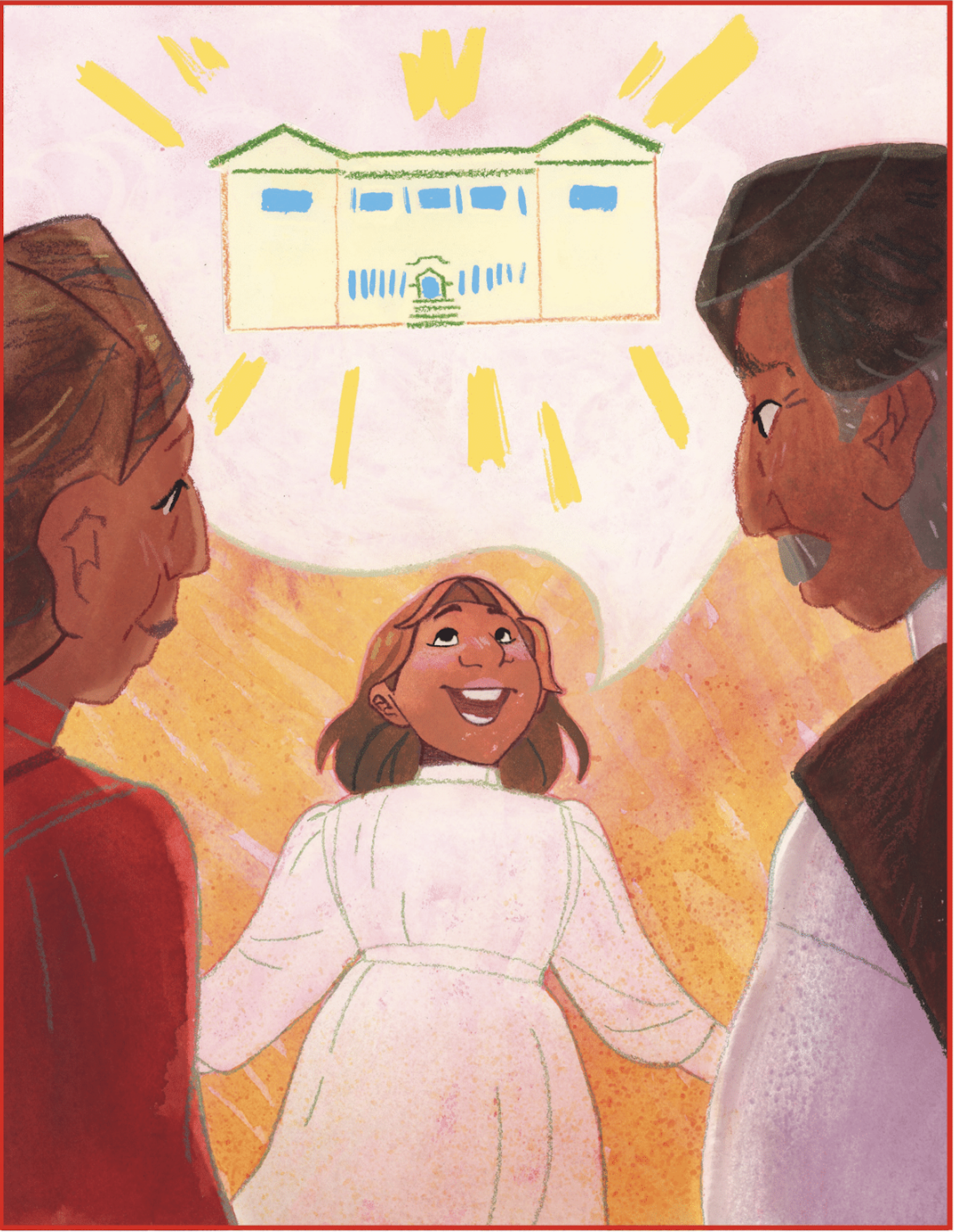
All Alice Piper wanted was a well-rounded education. But for an Indigenous girl growing up in the 1910s and ’20s, accessing one was no easy feat. Piper’s family lived in Soha-witü in Inyo County, and her earliest education was at a Native school in Big Pine, 40 miles from her home. At the government institution, Piper was trained in little more than laundry duties and canning vegetables. Understandably, she yearned for more.
When Big Pine public school opened in 1921, Piper jumped at the chance to attend. After she was refused entry based on her race, she fought back. With the assistance of San Francisco lawyer J. W. Henderson, and alongside the families of six other Indigenous children, 16-year-old Piper and her parents filed a petition directly with the California Supreme Court, arguing that her exclusion from Big Pine violated the 14th Amendment.
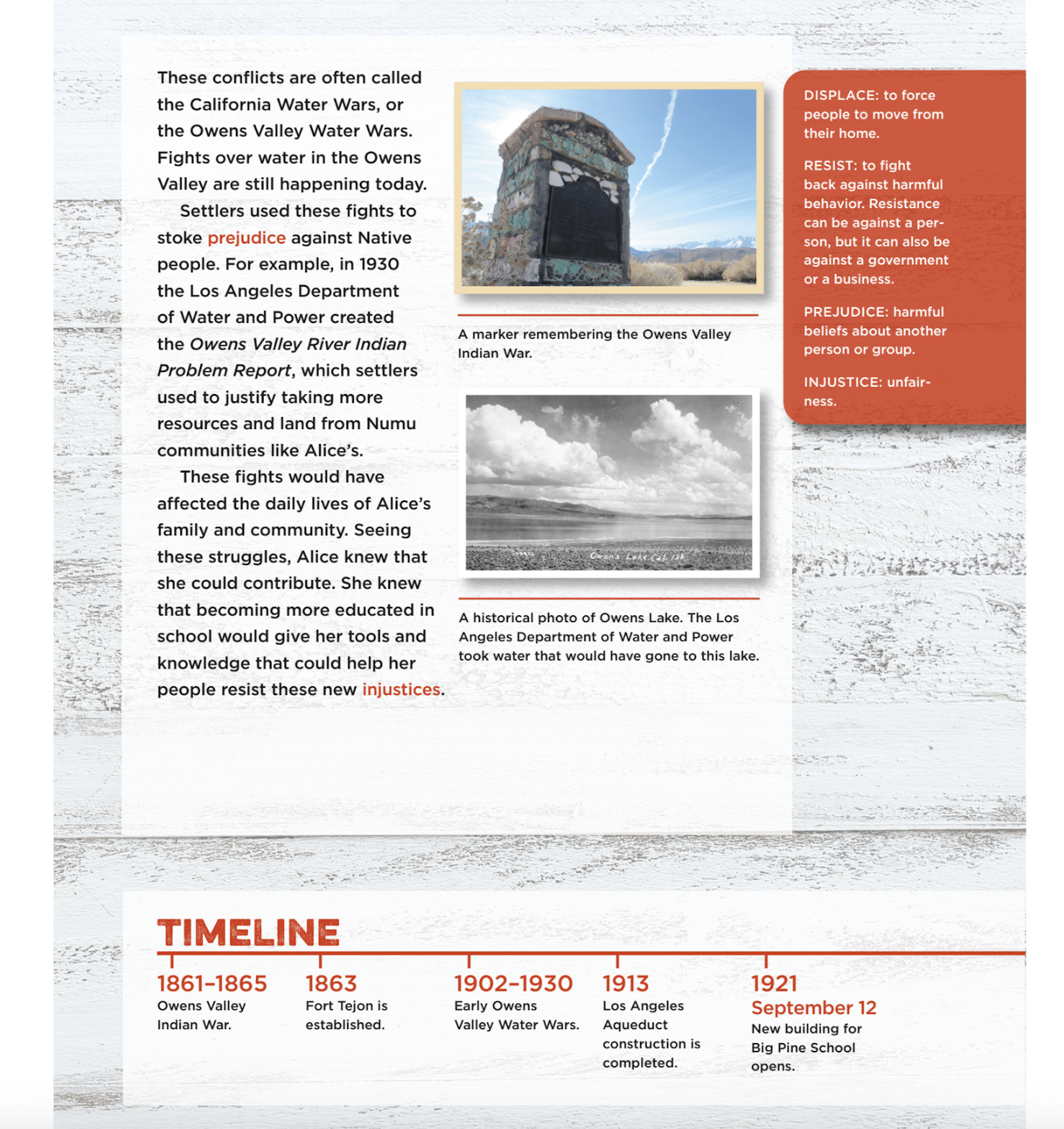
In June 1924, the court unanimously decided in Piper’s favor, forever changing the education opportunities available to Indigenous Californians. (Piper’s case was also cited as a precedent during Brown v. Board of Education in 1954.)
Now, a new book charts Piper’s victory in ways specifically designed to teach kids not just her heroic story, but also the long history of prejudice against Indigenous communities across the West. Alice Piper Speaks Up combines beautiful illustrations by Morgan Thompson with emotive prose written from Piper’s perspective.
The book — the third in Heyday’s Fighting for Justice series for children — is particularly successful in portraying Piper’s story in ways that are relatable for all ages. Her love for her family and for the traditions she shares with her people, the Numu, are portrayed vividly. So too are her longings for a better life and the fear and confusion she experiences during her court battle.


