window.__IS_SSR__=true
window.__INITIAL_STATE__={
"attachmentsReducer": {
"audio_0": {
"type": "attachments",
"id": "audio_0",
"imgSizes": {
"kqedFullSize": {
"file": "https://ww2.kqed.org/news/wp-content/themes/KQED-unified/img/audio_bgs/background0.jpg"
}
}
},
"audio_1": {
"type": "attachments",
"id": "audio_1",
"imgSizes": {
"kqedFullSize": {
"file": "https://ww2.kqed.org/news/wp-content/themes/KQED-unified/img/audio_bgs/background1.jpg"
}
}
},
"audio_2": {
"type": "attachments",
"id": "audio_2",
"imgSizes": {
"kqedFullSize": {
"file": "https://ww2.kqed.org/news/wp-content/themes/KQED-unified/img/audio_bgs/background2.jpg"
}
}
},
"audio_3": {
"type": "attachments",
"id": "audio_3",
"imgSizes": {
"kqedFullSize": {
"file": "https://ww2.kqed.org/news/wp-content/themes/KQED-unified/img/audio_bgs/background3.jpg"
}
}
},
"audio_4": {
"type": "attachments",
"id": "audio_4",
"imgSizes": {
"kqedFullSize": {
"file": "https://ww2.kqed.org/news/wp-content/themes/KQED-unified/img/audio_bgs/background4.jpg"
}
}
},
"placeholder": {
"type": "attachments",
"id": "placeholder",
"imgSizes": {
"thumbnail": {
"file": "https://cdn.kqed.org/wp-content/uploads/2024/12/KQED-Default-Image-816638274-2000x1333-1-160x107.jpg",
"width": 160,
"height": 107,
"mimeType": "image/jpeg"
},
"medium": {
"file": "https://cdn.kqed.org/wp-content/uploads/2024/12/KQED-Default-Image-816638274-2000x1333-1-800x533.jpg",
"width": 800,
"height": 533,
"mimeType": "image/jpeg"
},
"medium_large": {
"file": "https://cdn.kqed.org/wp-content/uploads/2024/12/KQED-Default-Image-816638274-2000x1333-1-768x512.jpg",
"width": 768,
"height": 512,
"mimeType": "image/jpeg"
},
"large": {
"file": "https://cdn.kqed.org/wp-content/uploads/2024/12/KQED-Default-Image-816638274-2000x1333-1-1020x680.jpg",
"width": 1020,
"height": 680,
"mimeType": "image/jpeg"
},
"1536x1536": {
"file": "https://cdn.kqed.org/wp-content/uploads/2024/12/KQED-Default-Image-816638274-2000x1333-1-1536x1024.jpg",
"width": 1536,
"height": 1024,
"mimeType": "image/jpeg"
},
"fd-lrg": {
"file": "https://cdn.kqed.org/wp-content/uploads/2024/12/KQED-Default-Image-816638274-2000x1333-1-1536x1024.jpg",
"width": 1536,
"height": 1024,
"mimeType": "image/jpeg"
},
"fd-med": {
"file": "https://cdn.kqed.org/wp-content/uploads/2024/12/KQED-Default-Image-816638274-2000x1333-1-1020x680.jpg",
"width": 1020,
"height": 680,
"mimeType": "image/jpeg"
},
"fd-sm": {
"file": "https://cdn.kqed.org/wp-content/uploads/2024/12/KQED-Default-Image-816638274-2000x1333-1-800x533.jpg",
"width": 800,
"height": 533,
"mimeType": "image/jpeg"
},
"post-thumbnail": {
"file": "https://cdn.kqed.org/wp-content/uploads/2024/12/KQED-Default-Image-816638274-2000x1333-1-672x372.jpg",
"width": 672,
"height": 372,
"mimeType": "image/jpeg"
},
"twentyfourteen-full-width": {
"file": "https://cdn.kqed.org/wp-content/uploads/2024/12/KQED-Default-Image-816638274-2000x1333-1-1038x576.jpg",
"width": 1038,
"height": 576,
"mimeType": "image/jpeg"
},
"xxsmall": {
"file": "https://cdn.kqed.org/wp-content/uploads/2024/12/KQED-Default-Image-816638274-2000x1333-1-160x107.jpg",
"width": 160,
"height": 107,
"mimeType": "image/jpeg"
},
"xsmall": {
"file": "https://cdn.kqed.org/wp-content/uploads/2024/12/KQED-Default-Image-816638274-2000x1333-1-672x372.jpg",
"width": 672,
"height": 372,
"mimeType": "image/jpeg"
},
"small": {
"file": "https://cdn.kqed.org/wp-content/uploads/2024/12/KQED-Default-Image-816638274-2000x1333-1-672x372.jpg",
"width": 672,
"height": 372,
"mimeType": "image/jpeg"
},
"xlarge": {
"file": "https://cdn.kqed.org/wp-content/uploads/2024/12/KQED-Default-Image-816638274-2000x1333-1-1020x680.jpg",
"width": 1020,
"height": 680,
"mimeType": "image/jpeg"
},
"full-width": {
"file": "https://cdn.kqed.org/wp-content/uploads/2024/12/KQED-Default-Image-816638274-2000x1333-1-1920x1280.jpg",
"width": 1920,
"height": 1280,
"mimeType": "image/jpeg"
},
"guest-author-32": {
"file": "https://cdn.kqed.org/wp-content/uploads/2025/01/KQED-Default-Image-816638274-1333x1333-1-160x160.jpg",
"width": 32,
"height": 32,
"mimeType": "image/jpeg"
},
"guest-author-50": {
"file": "https://cdn.kqed.org/wp-content/uploads/2025/01/KQED-Default-Image-816638274-1333x1333-1-160x160.jpg",
"width": 50,
"height": 50,
"mimeType": "image/jpeg"
},
"guest-author-64": {
"file": "https://cdn.kqed.org/wp-content/uploads/2025/01/KQED-Default-Image-816638274-1333x1333-1-160x160.jpg",
"width": 64,
"height": 64,
"mimeType": "image/jpeg"
},
"guest-author-96": {
"file": "https://cdn.kqed.org/wp-content/uploads/2025/01/KQED-Default-Image-816638274-1333x1333-1-160x160.jpg",
"width": 96,
"height": 96,
"mimeType": "image/jpeg"
},
"guest-author-128": {
"file": "https://cdn.kqed.org/wp-content/uploads/2025/01/KQED-Default-Image-816638274-1333x1333-1-160x160.jpg",
"width": 128,
"height": 128,
"mimeType": "image/jpeg"
},
"detail": {
"file": "https://cdn.kqed.org/wp-content/uploads/2025/01/KQED-Default-Image-816638274-1333x1333-1-160x160.jpg",
"width": 160,
"height": 160,
"mimeType": "image/jpeg"
},
"kqedFullSize": {
"file": "https://cdn.kqed.org/wp-content/uploads/2024/12/KQED-Default-Image-816638274-2000x1333-1.jpg",
"width": 2000,
"height": 1333
}
}
},
"science_1926969": {
"type": "attachments",
"id": "science_1926969",
"meta": {
"index": "attachments_1716263798",
"site": "science",
"id": "1926969",
"found": true
},
"parent": 1926961,
"imgSizes": {
"small": {
"file": "https://ww2.kqed.org/app/uploads/sites/35/2018/07/RS23868_GettyImages-3188665-qut-520x357.jpg",
"width": 520,
"mimeType": "image/jpeg",
"height": 357
},
"twentyfourteen-full-width": {
"file": "https://ww2.kqed.org/app/uploads/sites/35/2018/07/RS23868_GettyImages-3188665-qut-1038x576.jpg",
"width": 1038,
"mimeType": "image/jpeg",
"height": 576
},
"thumbnail": {
"file": "https://ww2.kqed.org/app/uploads/sites/35/2018/07/RS23868_GettyImages-3188665-qut-160x110.jpg",
"width": 160,
"mimeType": "image/jpeg",
"height": 110
},
"fd-sm": {
"file": "https://ww2.kqed.org/app/uploads/sites/35/2018/07/RS23868_GettyImages-3188665-qut-960x660.jpg",
"width": 960,
"mimeType": "image/jpeg",
"height": 660
},
"post-thumbnail": {
"file": "https://ww2.kqed.org/app/uploads/sites/35/2018/07/RS23868_GettyImages-3188665-qut-672x372.jpg",
"width": 672,
"mimeType": "image/jpeg",
"height": 372
},
"xsmall": {
"file": "https://ww2.kqed.org/app/uploads/sites/35/2018/07/RS23868_GettyImages-3188665-qut-375x258.jpg",
"width": 375,
"mimeType": "image/jpeg",
"height": 258
},
"kqedFullSize": {
"file": "https://ww2.kqed.org/app/uploads/sites/35/2018/07/RS23868_GettyImages-3188665-qut.jpg",
"width": 1920,
"height": 1319
},
"large": {
"file": "https://ww2.kqed.org/app/uploads/sites/35/2018/07/RS23868_GettyImages-3188665-qut-1020x701.jpg",
"width": 1020,
"mimeType": "image/jpeg",
"height": 701
},
"xlarge": {
"file": "https://ww2.kqed.org/app/uploads/sites/35/2018/07/RS23868_GettyImages-3188665-qut-1180x811.jpg",
"width": 1180,
"mimeType": "image/jpeg",
"height": 811
},
"complete_open_graph": {
"file": "https://ww2.kqed.org/app/uploads/sites/35/2018/07/RS23868_GettyImages-3188665-qut-1200x824.jpg",
"width": 1200,
"mimeType": "image/jpeg",
"height": 824
},
"guest-author-50": {
"file": "https://ww2.kqed.org/app/uploads/sites/35/2018/07/RS23868_GettyImages-3188665-qut-50x50.jpg",
"width": 50,
"mimeType": "image/jpeg",
"height": 50
},
"guest-author-96": {
"file": "https://ww2.kqed.org/app/uploads/sites/35/2018/07/RS23868_GettyImages-3188665-qut-96x96.jpg",
"width": 96,
"mimeType": "image/jpeg",
"height": 96
},
"medium": {
"file": "https://ww2.kqed.org/app/uploads/sites/35/2018/07/RS23868_GettyImages-3188665-qut-800x550.jpg",
"width": 800,
"mimeType": "image/jpeg",
"height": 550
},
"guest-author-64": {
"file": "https://ww2.kqed.org/app/uploads/sites/35/2018/07/RS23868_GettyImages-3188665-qut-64x64.jpg",
"width": 64,
"mimeType": "image/jpeg",
"height": 64
},
"guest-author-32": {
"file": "https://ww2.kqed.org/app/uploads/sites/35/2018/07/RS23868_GettyImages-3188665-qut-32x32.jpg",
"width": 32,
"mimeType": "image/jpeg",
"height": 32
},
"fd-lrg": {
"file": "https://ww2.kqed.org/app/uploads/sites/35/2018/07/RS23868_GettyImages-3188665-qut-1920x1319.jpg",
"width": 1920,
"mimeType": "image/jpeg",
"height": 1319
},
"fd-med": {
"file": "https://ww2.kqed.org/app/uploads/sites/35/2018/07/RS23868_GettyImages-3188665-qut-1180x811.jpg",
"width": 1180,
"mimeType": "image/jpeg",
"height": 811
},
"full-width": {
"file": "https://ww2.kqed.org/app/uploads/sites/35/2018/07/RS23868_GettyImages-3188665-qut-1920x1319.jpg",
"width": 1920,
"mimeType": "image/jpeg",
"height": 1319
},
"detail": {
"file": "https://ww2.kqed.org/app/uploads/sites/35/2018/07/RS23868_GettyImages-3188665-qut-150x150.jpg",
"width": 150,
"mimeType": "image/jpeg",
"height": 150
},
"medium_large": {
"file": "https://ww2.kqed.org/app/uploads/sites/35/2018/07/RS23868_GettyImages-3188665-qut-768x528.jpg",
"width": 768,
"mimeType": "image/jpeg",
"height": 528
},
"guest-author-128": {
"file": "https://ww2.kqed.org/app/uploads/sites/35/2018/07/RS23868_GettyImages-3188665-qut-128x128.jpg",
"width": 128,
"mimeType": "image/jpeg",
"height": 128
},
"xxsmall": {
"file": "https://ww2.kqed.org/app/uploads/sites/35/2018/07/RS23868_GettyImages-3188665-qut-240x165.jpg",
"width": 240,
"mimeType": "image/jpeg",
"height": 165
}
},
"publishDate": 1530899842,
"modified": 1530899978,
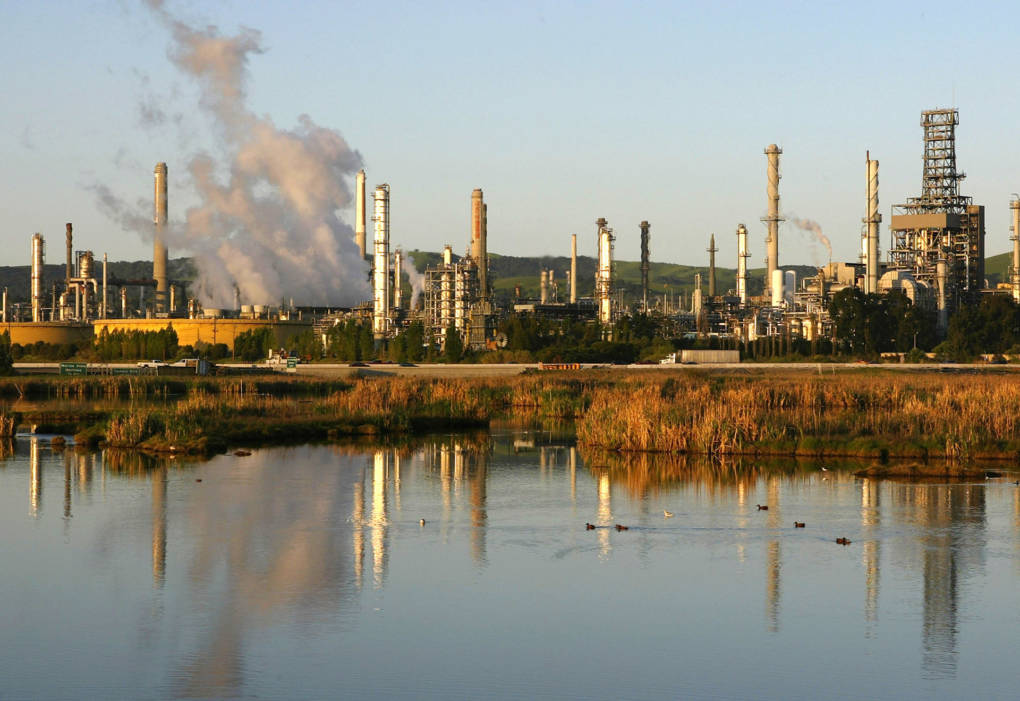
"caption": "An image of the Shell Oil refinery April 1, 2004 in Martinez, California. A health advisory issued for residents in Martinez and Pacheco has been lifted. The advisory followed an unspecified incident at the refinery. ",
"description": null,
"title": "RS23868_GettyImages-3188665-qut",
"credit": "Justin Sullivan/Getty Images",
"status": "inherit",
"isLoading": false,
"fetchFailed": false
},
"science_1921358": {
"type": "attachments",
"id": "science_1921358",
"meta": {
"index": "attachments_1716263798",
"site": "science",
"id": "1921358",
"found": true
},
"parent": 1921232,
"imgSizes": {
"small": {
"file": "https://ww2.kqed.org/app/uploads/sites/35/2018/03/GettyImages-56704756-520x347.jpg",
"width": 520,
"mimeType": "image/jpeg",
"height": 347
},
"twentyfourteen-full-width": {
"file": "https://ww2.kqed.org/app/uploads/sites/35/2018/03/GettyImages-56704756-1038x576.jpg",
"width": 1038,
"mimeType": "image/jpeg",
"height": 576
},
"thumbnail": {
"file": "https://ww2.kqed.org/app/uploads/sites/35/2018/03/GettyImages-56704756-160x107.jpg",
"width": 160,
"mimeType": "image/jpeg",
"height": 107
},
"fd-sm": {
"file": "https://ww2.kqed.org/app/uploads/sites/35/2018/03/GettyImages-56704756-960x640.jpg",
"width": 960,
"mimeType": "image/jpeg",
"height": 640
},
"post-thumbnail": {
"file": "https://ww2.kqed.org/app/uploads/sites/35/2018/03/GettyImages-56704756-672x372.jpg",
"width": 672,
"mimeType": "image/jpeg",
"height": 372
},
"xsmall": {
"file": "https://ww2.kqed.org/app/uploads/sites/35/2018/03/GettyImages-56704756-375x250.jpg",
"width": 375,
"mimeType": "image/jpeg",
"height": 250
},
"kqedFullSize": {
"file": "https://ww2.kqed.org/app/uploads/sites/35/2018/03/GettyImages-56704756.jpg",
"width": 3000,
"height": 2000
},
"large": {
"file": "https://ww2.kqed.org/app/uploads/sites/35/2018/03/GettyImages-56704756-1020x680.jpg",
"width": 1020,
"mimeType": "image/jpeg",
"height": 680
},
"xlarge": {
"file": "https://ww2.kqed.org/app/uploads/sites/35/2018/03/GettyImages-56704756-1180x787.jpg",
"width": 1180,
"mimeType": "image/jpeg",
"height": 787
},
"guest-author-50": {
"file": "https://ww2.kqed.org/app/uploads/sites/35/2018/03/GettyImages-56704756-50x50.jpg",
"width": 50,
"mimeType": "image/jpeg",
"height": 50
},
"guest-author-96": {
"file": "https://ww2.kqed.org/app/uploads/sites/35/2018/03/GettyImages-56704756-96x96.jpg",
"width": 96,
"mimeType": "image/jpeg",
"height": 96
},
"medium": {
"file": "https://ww2.kqed.org/app/uploads/sites/35/2018/03/GettyImages-56704756-800x533.jpg",
"width": 800,
"mimeType": "image/jpeg",
"height": 533
},
"guest-author-64": {
"file": "https://ww2.kqed.org/app/uploads/sites/35/2018/03/GettyImages-56704756-64x64.jpg",
"width": 64,
"mimeType": "image/jpeg",
"height": 64
},
"guest-author-32": {
"file": "https://ww2.kqed.org/app/uploads/sites/35/2018/03/GettyImages-56704756-32x32.jpg",
"width": 32,
"mimeType": "image/jpeg",
"height": 32
},
"fd-lrg": {
"file": "https://ww2.kqed.org/app/uploads/sites/35/2018/03/GettyImages-56704756-1920x1280.jpg",
"width": 1920,
"mimeType": "image/jpeg",
"height": 1280
},
"fd-med": {
"file": "https://ww2.kqed.org/app/uploads/sites/35/2018/03/GettyImages-56704756-1180x787.jpg",
"width": 1180,
"mimeType": "image/jpeg",
"height": 787
},
"full-width": {
"file": "https://ww2.kqed.org/app/uploads/sites/35/2018/03/GettyImages-56704756-1920x1280.jpg",
"width": 1920,
"mimeType": "image/jpeg",
"height": 1280
},
"detail": {
"file": "https://ww2.kqed.org/app/uploads/sites/35/2018/03/GettyImages-56704756-150x150.jpg",
"width": 150,
"mimeType": "image/jpeg",
"height": 150
},
"medium_large": {
"file": "https://ww2.kqed.org/app/uploads/sites/35/2018/03/GettyImages-56704756-768x512.jpg",
"width": 768,
"mimeType": "image/jpeg",
"height": 512
},
"guest-author-128": {
"file": "https://ww2.kqed.org/app/uploads/sites/35/2018/03/GettyImages-56704756-128x128.jpg",
"width": 128,
"mimeType": "image/jpeg",
"height": 128
},
"xxsmall": {
"file": "https://ww2.kqed.org/app/uploads/sites/35/2018/03/GettyImages-56704756-240x160.jpg",
"width": 240,
"mimeType": "image/jpeg",
"height": 160
}
},
"publishDate": 1521480456,
"modified": 1521480544,
"caption": "The smoke and steam billows from the stacks at the Exxon Mobil Corp. refinery in Joliet, Illinois, in 2006. ",
"description": null,
"title": "Exxon Mobil Posts Record $10.7 Billion Q4 Profit",
"credit": "Scott Olson/Getty Images",
"status": "inherit",
"isLoading": false,
"fetchFailed": false
},
"science_1918634": {
"type": "attachments",
"id": "science_1918634",
"meta": {
"index": "attachments_1716263798",
"site": "science",
"id": "1918634",
"found": true
},
"parent": 1918632,
"imgSizes": {
"small": {
"file": "https://ww2.kqed.org/app/uploads/sites/35/2018/01/RS1809_OilPlatform_120119-520x390.jpg",
"width": 520,
"mimeType": "image/jpeg",
"height": 390
},
"twentyfourteen-full-width": {
"file": "https://ww2.kqed.org/app/uploads/sites/35/2018/01/RS1809_OilPlatform_120119-1038x576.jpg",
"width": 1038,
"mimeType": "image/jpeg",
"height": 576
},
"thumbnail": {
"file": "https://ww2.kqed.org/app/uploads/sites/35/2018/01/RS1809_OilPlatform_120119-160x120.jpg",
"width": 160,
"mimeType": "image/jpeg",
"height": 120
},
"fd-sm": {
"file": "https://ww2.kqed.org/app/uploads/sites/35/2018/01/RS1809_OilPlatform_120119-960x720.jpg",
"width": 960,
"mimeType": "image/jpeg",
"height": 720
},
"post-thumbnail": {
"file": "https://ww2.kqed.org/app/uploads/sites/35/2018/01/RS1809_OilPlatform_120119-672x372.jpg",
"width": 672,
"mimeType": "image/jpeg",
"height": 372
},
"xsmall": {
"file": "https://ww2.kqed.org/app/uploads/sites/35/2018/01/RS1809_OilPlatform_120119-375x281.jpg",
"width": 375,
"mimeType": "image/jpeg",
"height": 281
},
"kqedFullSize": {
"file": "https://ww2.kqed.org/app/uploads/sites/35/2018/01/RS1809_OilPlatform_120119-e1518131215268.jpg",
"width": 1920,
"height": 1440
},
"large": {
"file": "https://ww2.kqed.org/app/uploads/sites/35/2018/01/RS1809_OilPlatform_120119-1020x765.jpg",
"width": 1020,
"mimeType": "image/jpeg",
"height": 765
},
"xlarge": {
"file": "https://ww2.kqed.org/app/uploads/sites/35/2018/01/RS1809_OilPlatform_120119-1180x885.jpg",
"width": 1180,
"mimeType": "image/jpeg",
"height": 885
},
"guest-author-50": {
"file": "https://ww2.kqed.org/app/uploads/sites/35/2018/01/RS1809_OilPlatform_120119-50x50.jpg",
"width": 50,
"mimeType": "image/jpeg",
"height": 50
},
"guest-author-96": {
"file": "https://ww2.kqed.org/app/uploads/sites/35/2018/01/RS1809_OilPlatform_120119-96x96.jpg",
"width": 96,
"mimeType": "image/jpeg",
"height": 96
},
"medium": {
"file": "https://ww2.kqed.org/app/uploads/sites/35/2018/01/RS1809_OilPlatform_120119-800x600.jpg",
"width": 800,
"mimeType": "image/jpeg",
"height": 600
},
"guest-author-64": {
"file": "https://ww2.kqed.org/app/uploads/sites/35/2018/01/RS1809_OilPlatform_120119-64x64.jpg",
"width": 64,
"mimeType": "image/jpeg",
"height": 64
},
"guest-author-32": {
"file": "https://ww2.kqed.org/app/uploads/sites/35/2018/01/RS1809_OilPlatform_120119-32x32.jpg",
"width": 32,
"mimeType": "image/jpeg",
"height": 32
},
"fd-lrg": {
"file": "https://ww2.kqed.org/app/uploads/sites/35/2018/01/RS1809_OilPlatform_120119-1920x1440.jpg",
"width": 1920,
"mimeType": "image/jpeg",
"height": 1440
},
"fd-med": {
"file": "https://ww2.kqed.org/app/uploads/sites/35/2018/01/RS1809_OilPlatform_120119-1180x885.jpg",
"width": 1180,
"mimeType": "image/jpeg",
"height": 885
},
"full-width": {
"file": "https://ww2.kqed.org/app/uploads/sites/35/2018/01/RS1809_OilPlatform_120119-1920x1440.jpg",
"width": 1920,
"mimeType": "image/jpeg",
"height": 1440
},
"detail": {
"file": "https://ww2.kqed.org/app/uploads/sites/35/2018/01/RS1809_OilPlatform_120119-150x150.jpg",
"width": 150,
"mimeType": "image/jpeg",
"height": 150
},
"medium_large": {
"file": "https://ww2.kqed.org/app/uploads/sites/35/2018/01/RS1809_OilPlatform_120119-768x576.jpg",
"width": 768,
"mimeType": "image/jpeg",
"height": 576
},
"guest-author-128": {
"file": "https://ww2.kqed.org/app/uploads/sites/35/2018/01/RS1809_OilPlatform_120119-128x128.jpg",
"width": 128,
"mimeType": "image/jpeg",
"height": 128
},
"xxsmall": {
"file": "https://ww2.kqed.org/app/uploads/sites/35/2018/01/RS1809_OilPlatform_120119-240x180.jpg",
"width": 240,
"mimeType": "image/jpeg",
"height": 180
}
},
"publishDate": 1515131733,
"modified": 1515131834,
"caption": "Since the 1980s, California's local governments have developed strategies to stop oil drilling in federal waters.",
"description": null,
"title": "RS1809_OilPlatform_120119",
"credit": "Molly Samuel/KQED",
"status": "inherit",
"isLoading": false,
"fetchFailed": false
},
"science_1914131": {
"type": "attachments",
"id": "science_1914131",
"meta": {
"index": "attachments_1716263798",
"site": "science",
"id": "1914131",
"found": true
},
"parent": 1914130,
"imgSizes": {
"small": {
"file": "https://ww2.kqed.org/app/uploads/sites/35/2017/08/Aera-Belridge_field-web-520x290.jpg",
"width": 520,
"mimeType": "image/jpeg",
"height": 290
},
"twentyfourteen-full-width": {
"file": "https://ww2.kqed.org/app/uploads/sites/35/2017/08/Aera-Belridge_field-web-1038x576.jpg",
"width": 1038,
"mimeType": "image/jpeg",
"height": 576
},
"thumbnail": {
"file": "https://ww2.kqed.org/app/uploads/sites/35/2017/08/Aera-Belridge_field-web-160x89.jpg",
"width": 160,
"mimeType": "image/jpeg",
"height": 89
},
"fd-sm": {
"file": "https://ww2.kqed.org/app/uploads/sites/35/2017/08/Aera-Belridge_field-web-960x535.jpg",
"width": 960,
"mimeType": "image/jpeg",
"height": 535
},
"post-thumbnail": {
"file": "https://ww2.kqed.org/app/uploads/sites/35/2017/08/Aera-Belridge_field-web-672x372.jpg",
"width": 672,
"mimeType": "image/jpeg",
"height": 372
},
"xsmall": {
"file": "https://ww2.kqed.org/app/uploads/sites/35/2017/08/Aera-Belridge_field-web-375x209.jpg",
"width": 375,
"mimeType": "image/jpeg",
"height": 209
},
"kqedFullSize": {
"file": "https://ww2.kqed.org/app/uploads/sites/35/2017/08/Aera-Belridge_field-web.jpg",
"width": 1920,
"height": 1070
},
"large": {
"file": "https://ww2.kqed.org/app/uploads/sites/35/2017/08/Aera-Belridge_field-web-1020x568.jpg",
"width": 1020,
"mimeType": "image/jpeg",
"height": 568
},
"xlarge": {
"file": "https://ww2.kqed.org/app/uploads/sites/35/2017/08/Aera-Belridge_field-web-1180x658.jpg",
"width": 1180,
"mimeType": "image/jpeg",
"height": 658
},
"guest-author-50": {
"file": "https://ww2.kqed.org/app/uploads/sites/35/2017/08/Aera-Belridge_field-web-50x50.jpg",
"width": 50,
"mimeType": "image/jpeg",
"height": 50
},
"guest-author-96": {
"file": "https://ww2.kqed.org/app/uploads/sites/35/2017/08/Aera-Belridge_field-web-96x96.jpg",
"width": 96,
"mimeType": "image/jpeg",
"height": 96
},
"medium": {
"file": "https://ww2.kqed.org/app/uploads/sites/35/2017/08/Aera-Belridge_field-web-800x446.jpg",
"width": 800,
"mimeType": "image/jpeg",
"height": 446
},
"guest-author-64": {
"file": "https://ww2.kqed.org/app/uploads/sites/35/2017/08/Aera-Belridge_field-web-64x64.jpg",
"width": 64,
"mimeType": "image/jpeg",
"height": 64
},
"guest-author-32": {
"file": "https://ww2.kqed.org/app/uploads/sites/35/2017/08/Aera-Belridge_field-web-32x32.jpg",
"width": 32,
"mimeType": "image/jpeg",
"height": 32
},
"fd-lrg": {
"file": "https://ww2.kqed.org/app/uploads/sites/35/2017/08/Aera-Belridge_field-web-1920x1070.jpg",
"width": 1920,
"mimeType": "image/jpeg",
"height": 1070
},
"fd-med": {
"file": "https://ww2.kqed.org/app/uploads/sites/35/2017/08/Aera-Belridge_field-web-1180x658.jpg",
"width": 1180,
"mimeType": "image/jpeg",
"height": 658
},
"full-width": {
"file": "https://ww2.kqed.org/app/uploads/sites/35/2017/08/Aera-Belridge_field-web-1920x1070.jpg",
"width": 1920,
"mimeType": "image/jpeg",
"height": 1070
},
"detail": {
"file": "https://ww2.kqed.org/app/uploads/sites/35/2017/08/Aera-Belridge_field-web-150x150.jpg",
"width": 150,
"mimeType": "image/jpeg",
"height": 150
},
"medium_large": {
"file": "https://ww2.kqed.org/app/uploads/sites/35/2017/08/Aera-Belridge_field-web-768x428.jpg",
"width": 768,
"mimeType": "image/jpeg",
"height": 428
},
"guest-author-128": {
"file": "https://ww2.kqed.org/app/uploads/sites/35/2017/08/Aera-Belridge_field-web-128x128.jpg",
"width": 128,
"mimeType": "image/jpeg",
"height": 128
},
"xxsmall": {
"file": "https://ww2.kqed.org/app/uploads/sites/35/2017/08/Aera-Belridge_field-web-240x134.jpg",
"width": 240,
"mimeType": "image/jpeg",
"height": 134
}
},
"publishDate": 1501708834,
"modified": 1501708907,
"caption": null,
"description": null,
"title": "Aera-Belridge_field-web",
"credit": "Aera Energy",
"status": "inherit",
"isLoading": false,
"fetchFailed": false
},
"science_1478357": {
"type": "attachments",
"id": "science_1478357",
"meta": {
"index": "attachments_1716263798",
"site": "science",
"id": "1478357",
"found": true
},
"parent": 1478355,
"imgSizes": {
"small": {
"file": "https://ww2.kqed.org/app/uploads/sites/35/2017/03/Pumpjack1-520x303.jpg",
"width": 520,
"mimeType": "image/jpeg",
"height": 303
},
"twentyfourteen-full-width": {
"file": "https://ww2.kqed.org/app/uploads/sites/35/2017/03/Pumpjack1-1038x576.jpg",
"width": 1038,
"mimeType": "image/jpeg",
"height": 576
},
"thumbnail": {
"file": "https://ww2.kqed.org/app/uploads/sites/35/2017/03/Pumpjack1-160x93.jpg",
"width": 160,
"mimeType": "image/jpeg",
"height": 93
},
"fd-sm": {
"file": "https://ww2.kqed.org/app/uploads/sites/35/2017/03/Pumpjack1-960x559.jpg",
"width": 960,
"mimeType": "image/jpeg",
"height": 559
},
"post-thumbnail": {
"file": "https://ww2.kqed.org/app/uploads/sites/35/2017/03/Pumpjack1-672x372.jpg",
"width": 672,
"mimeType": "image/jpeg",
"height": 372
},
"xsmall": {
"file": "https://ww2.kqed.org/app/uploads/sites/35/2017/03/Pumpjack1-375x218.jpg",
"width": 375,
"mimeType": "image/jpeg",
"height": 218
},
"kqedFullSize": {
"file": "https://ww2.kqed.org/app/uploads/sites/35/2017/03/Pumpjack1.jpg",
"width": 1920,
"height": 1117
},
"large": {
"file": "https://ww2.kqed.org/app/uploads/sites/35/2017/03/Pumpjack1-1020x593.jpg",
"width": 1020,
"mimeType": "image/jpeg",
"height": 593
},
"xlarge": {
"file": "https://ww2.kqed.org/app/uploads/sites/35/2017/03/Pumpjack1-1180x686.jpg",
"width": 1180,
"mimeType": "image/jpeg",
"height": 686
},
"guest-author-50": {
"file": "https://ww2.kqed.org/app/uploads/sites/35/2017/03/Pumpjack1-50x50.jpg",
"width": 50,
"mimeType": "image/jpeg",
"height": 50
},
"guest-author-96": {
"file": "https://ww2.kqed.org/app/uploads/sites/35/2017/03/Pumpjack1-96x96.jpg",
"width": 96,
"mimeType": "image/jpeg",
"height": 96
},
"medium": {
"file": "https://ww2.kqed.org/app/uploads/sites/35/2017/03/Pumpjack1-800x465.jpg",
"width": 800,
"mimeType": "image/jpeg",
"height": 465
},
"guest-author-64": {
"file": "https://ww2.kqed.org/app/uploads/sites/35/2017/03/Pumpjack1-64x64.jpg",
"width": 64,
"mimeType": "image/jpeg",
"height": 64
},
"guest-author-32": {
"file": "https://ww2.kqed.org/app/uploads/sites/35/2017/03/Pumpjack1-32x32.jpg",
"width": 32,
"mimeType": "image/jpeg",
"height": 32
},
"fd-lrg": {
"file": "https://ww2.kqed.org/app/uploads/sites/35/2017/03/Pumpjack1-1920x1117.jpg",
"width": 1920,
"mimeType": "image/jpeg",
"height": 1117
},
"fd-med": {
"file": "https://ww2.kqed.org/app/uploads/sites/35/2017/03/Pumpjack1-1180x686.jpg",
"width": 1180,
"mimeType": "image/jpeg",
"height": 686
},
"full-width": {
"file": "https://ww2.kqed.org/app/uploads/sites/35/2017/03/Pumpjack1-1920x1117.jpg",
"width": 1920,
"mimeType": "image/jpeg",
"height": 1117
},
"detail": {
"file": "https://ww2.kqed.org/app/uploads/sites/35/2017/03/Pumpjack1-150x150.jpg",
"width": 150,
"mimeType": "image/jpeg",
"height": 150
},
"medium_large": {
"file": "https://ww2.kqed.org/app/uploads/sites/35/2017/03/Pumpjack1-768x447.jpg",
"width": 768,
"mimeType": "image/jpeg",
"height": 447
},
"guest-author-128": {
"file": "https://ww2.kqed.org/app/uploads/sites/35/2017/03/Pumpjack1-128x128.jpg",
"width": 128,
"mimeType": "image/jpeg",
"height": 128
},
"xxsmall": {
"file": "https://ww2.kqed.org/app/uploads/sites/35/2017/03/Pumpjack1-240x140.jpg",
"width": 240,
"mimeType": "image/jpeg",
"height": 140
}
},
"publishDate": 1489521510,
"modified": 1489521557,
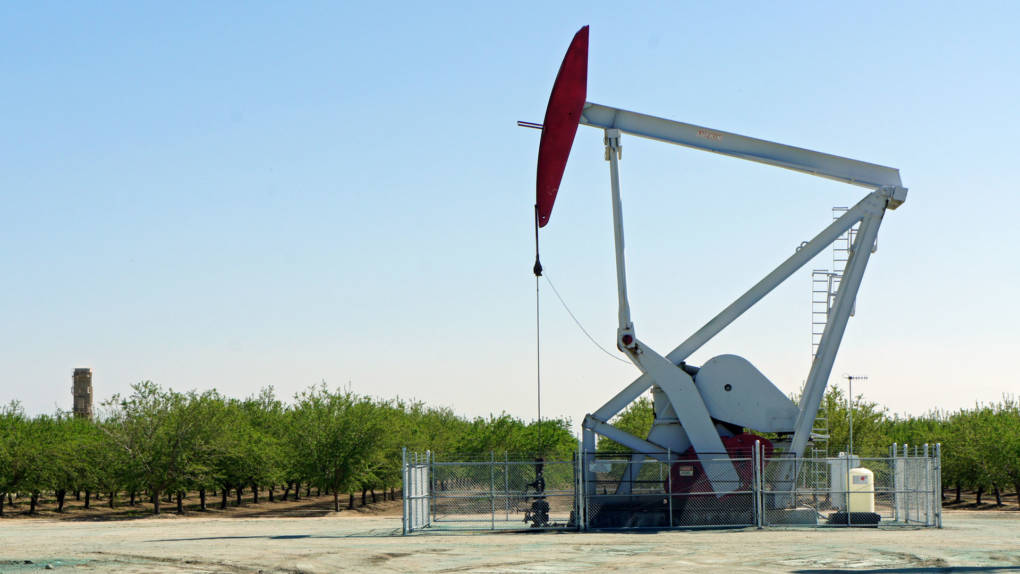
"caption": "Falling oil prices have triggered lay offs in Kern County.",
"description": null,
"title": "Pumpjack1",
"credit": "Lauren Sommer/KQED",
"status": "inherit",
"isLoading": false,
"fetchFailed": false
},
"science_1330779": {
"type": "attachments",
"id": "science_1330779",
"meta": {
"index": "attachments_1716263798",
"site": "science",
"id": "1330779",
"found": true
},
"parent": 1330777,
"imgSizes": {
"small": {
"file": "https://ww2.kqed.org/app/uploads/sites/35/2017/01/Oil-CentralValley-520x293.jpg",
"width": 520,
"mimeType": "image/jpeg",
"height": 293
},
"twentyfourteen-full-width": {
"file": "https://ww2.kqed.org/app/uploads/sites/35/2017/01/Oil-CentralValley-1038x576.jpg",
"width": 1038,
"mimeType": "image/jpeg",
"height": 576
},
"thumbnail": {
"file": "https://ww2.kqed.org/app/uploads/sites/35/2017/01/Oil-CentralValley-160x90.jpg",
"width": 160,
"mimeType": "image/jpeg",
"height": 90
},
"fd-sm": {
"file": "https://ww2.kqed.org/app/uploads/sites/35/2017/01/Oil-CentralValley-960x540.jpg",
"width": 960,
"mimeType": "image/jpeg",
"height": 540
},
"post-thumbnail": {
"file": "https://ww2.kqed.org/app/uploads/sites/35/2017/01/Oil-CentralValley-672x372.jpg",
"width": 672,
"mimeType": "image/jpeg",
"height": 372
},
"xsmall": {
"file": "https://ww2.kqed.org/app/uploads/sites/35/2017/01/Oil-CentralValley-375x211.jpg",
"width": 375,
"mimeType": "image/jpeg",
"height": 211
},
"kqedFullSize": {
"file": "https://ww2.kqed.org/app/uploads/sites/35/2017/01/Oil-CentralValley.jpg",
"width": 1920,
"height": 1080
},
"large": {
"file": "https://ww2.kqed.org/app/uploads/sites/35/2017/01/Oil-CentralValley-1020x574.jpg",
"width": 1020,
"mimeType": "image/jpeg",
"height": 574
},
"xlarge": {
"file": "https://ww2.kqed.org/app/uploads/sites/35/2017/01/Oil-CentralValley-1180x664.jpg",
"width": 1180,
"mimeType": "image/jpeg",
"height": 664
},
"guest-author-50": {
"file": "https://ww2.kqed.org/app/uploads/sites/35/2017/01/Oil-CentralValley-50x50.jpg",
"width": 50,
"mimeType": "image/jpeg",
"height": 50
},
"guest-author-96": {
"file": "https://ww2.kqed.org/app/uploads/sites/35/2017/01/Oil-CentralValley-96x96.jpg",
"width": 96,
"mimeType": "image/jpeg",
"height": 96
},
"medium": {
"file": "https://ww2.kqed.org/app/uploads/sites/35/2017/01/Oil-CentralValley-800x450.jpg",
"width": 800,
"mimeType": "image/jpeg",
"height": 450
},
"guest-author-64": {
"file": "https://ww2.kqed.org/app/uploads/sites/35/2017/01/Oil-CentralValley-64x64.jpg",
"width": 64,
"mimeType": "image/jpeg",
"height": 64
},
"guest-author-32": {
"file": "https://ww2.kqed.org/app/uploads/sites/35/2017/01/Oil-CentralValley-32x32.jpg",
"width": 32,
"mimeType": "image/jpeg",
"height": 32
},
"fd-lrg": {
"file": "https://ww2.kqed.org/app/uploads/sites/35/2017/01/Oil-CentralValley-1920x1080.jpg",
"width": 1920,
"mimeType": "image/jpeg",
"height": 1080
},
"fd-med": {
"file": "https://ww2.kqed.org/app/uploads/sites/35/2017/01/Oil-CentralValley-1180x664.jpg",
"width": 1180,
"mimeType": "image/jpeg",
"height": 664
},
"full-width": {
"file": "https://ww2.kqed.org/app/uploads/sites/35/2017/01/Oil-CentralValley-1920x1080.jpg",
"width": 1920,
"mimeType": "image/jpeg",
"height": 1080
},
"detail": {
"file": "https://ww2.kqed.org/app/uploads/sites/35/2017/01/Oil-CentralValley-150x150.jpg",
"width": 150,
"mimeType": "image/jpeg",
"height": 150
},
"medium_large": {
"file": "https://ww2.kqed.org/app/uploads/sites/35/2017/01/Oil-CentralValley-768x432.jpg",
"width": 768,
"mimeType": "image/jpeg",
"height": 432
},
"guest-author-128": {
"file": "https://ww2.kqed.org/app/uploads/sites/35/2017/01/Oil-CentralValley-128x128.jpg",
"width": 128,
"mimeType": "image/jpeg",
"height": 128
},
"xxsmall": {
"file": "https://ww2.kqed.org/app/uploads/sites/35/2017/01/Oil-CentralValley-240x135.jpg",
"width": 240,
"mimeType": "image/jpeg",
"height": 135
}
},
"publishDate": 1484689426,
"modified": 1484689607,
"caption": "An audit found state officials permitted thousands of oil industry wastewater wells in protected aquifers.",
"description": null,
"title": "Oil-CentralValley",
"credit": "Lauren Sommer/KQED",
"status": "inherit",
"isLoading": false,
"fetchFailed": false
},
"science_560425": {
"type": "attachments",
"id": "science_560425",
"meta": {
"index": "attachments_1716263798",
"site": "science",
"id": "560425",
"found": true
},
"parent": 560424,
"imgSizes": {
"twentyfourteen-full-width": {
"file": "https://ww2.kqed.org/app/uploads/sites/35/2016/03/4662824108_7cf8329eb5_b-1024x576.jpg",
"width": 1024,
"mimeType": "image/jpeg",
"height": 576
},
"thumbnail": {
"file": "https://ww2.kqed.org/app/uploads/sites/35/2016/03/4662824108_7cf8329eb5_b-400x266.jpg",
"width": 400,
"mimeType": "image/jpeg",
"height": 266
},
"fd-sm": {
"file": "https://ww2.kqed.org/app/uploads/sites/35/2016/03/4662824108_7cf8329eb5_b-960x638.jpg",
"width": 960,
"mimeType": "image/jpeg",
"height": 638
},
"post-thumbnail": {
"file": "https://ww2.kqed.org/app/uploads/sites/35/2016/03/4662824108_7cf8329eb5_b-672x372.jpg",
"width": 672,
"mimeType": "image/jpeg",
"height": 372
},
"kqedFullSize": {
"file": "https://ww2.kqed.org/app/uploads/sites/35/2016/03/4662824108_7cf8329eb5_b.jpg",
"width": 1024,
"height": 681
},
"guest-author-96": {
"file": "https://ww2.kqed.org/app/uploads/sites/35/2016/03/4662824108_7cf8329eb5_b-96x96.jpg",
"width": 96,
"mimeType": "image/jpeg",
"height": 96
},
"medium": {
"file": "https://ww2.kqed.org/app/uploads/sites/35/2016/03/4662824108_7cf8329eb5_b-800x532.jpg",
"width": 800,
"mimeType": "image/jpeg",
"height": 532
},
"guest-author-64": {
"file": "https://ww2.kqed.org/app/uploads/sites/35/2016/03/4662824108_7cf8329eb5_b-64x64.jpg",
"width": 64,
"mimeType": "image/jpeg",
"height": 64
},
"detail": {
"file": "https://ww2.kqed.org/app/uploads/sites/35/2016/03/4662824108_7cf8329eb5_b-75x75.jpg",
"width": 75,
"mimeType": "image/jpeg",
"height": 75
},
"guest-author-32": {
"file": "https://ww2.kqed.org/app/uploads/sites/35/2016/03/4662824108_7cf8329eb5_b-32x32.jpg",
"width": 32,
"mimeType": "image/jpeg",
"height": 32
},
"medium_large": {
"file": "https://ww2.kqed.org/app/uploads/sites/35/2016/03/4662824108_7cf8329eb5_b-768x511.jpg",
"width": 768,
"mimeType": "image/jpeg",
"height": 511
},
"guest-author-128": {
"file": "https://ww2.kqed.org/app/uploads/sites/35/2016/03/4662824108_7cf8329eb5_b-128x128.jpg",
"width": 128,
"mimeType": "image/jpeg",
"height": 128
}
},
"publishDate": 1457053904,
"modified": 1457053993,
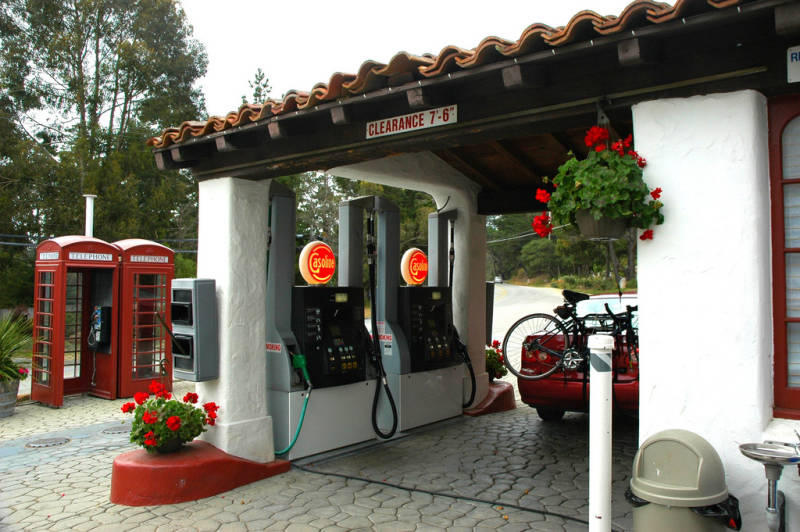
"caption": "A gas station on California's Highway 1.",
"description": null,
"title": "gas station",
"credit": null,
"status": "inherit",
"isLoading": false,
"fetchFailed": false
},
"science_23478": {
"type": "attachments",
"id": "science_23478",
"meta": {
"index": "attachments_1716263798",
"site": "science",
"id": "23478",
"found": true
},
"parent": 23473,
"imgSizes": {
"kqedFullSize": {
"file": "https://ww2.kqed.org/app/uploads/sites/35/2014/11/sanbenito-fracking.jpg",
"width": 800,
"height": 500
}
},
"publishDate": 1415236855,
"modified": 1415236855,
"caption": "San Benito County voters approved a fracking ban, but it's likely to face challenges. (Gabriela Quiros/KQED)",
"description": null,
"title": "sanbenito-fracking",
"credit": null,
"status": "inherit",
"isLoading": false,
"fetchFailed": false
},
"science_15995": {
"type": "attachments",
"id": "science_15995",
"meta": {
"index": "attachments_1716263798",
"site": "science",
"id": "15995",
"found": true
},
"parent": 15905,
"imgSizes": {
"kqedFullSize": {
"file": "https://ww2.kqed.org/app/uploads/sites/35/2014/03/DSC01214.jpg",
"width": 640,
"height": 360
}
},
"publishDate": 1396054188,
"modified": 1396054188,
"caption": null,
"description": null,
"title": "DSC01214",
"credit": null,
"status": "inherit",
"isLoading": false,
"fetchFailed": false
},
"science_19341": {
"type": "attachments",
"id": "science_19341",
"meta": {
"index": "attachments_1716263798",
"site": "science",
"id": "19341",
"found": true
},
"parent": 19337,
"imgSizes": {
"kqedFullSize": {
"file": "https://ww2.kqed.org/app/uploads/sites/35/2014/07/fracking2.jpg",
"width": 640,
"height": 360
}
},
"publishDate": 1405124208,
"modified": 1405124208,
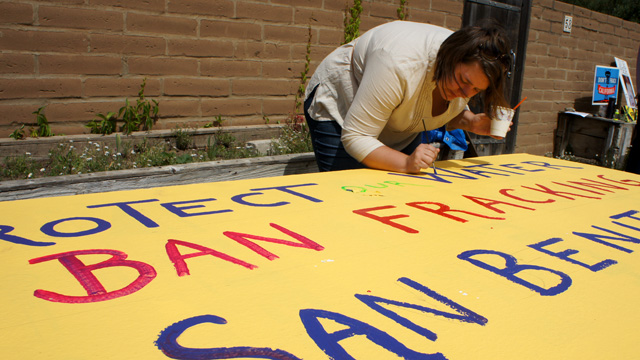
"caption": "A volunteer in San Benito County paints a sign in support of the fracking ban on the November ballot. (Lauren Sommer/KQED)",
"description": null,
"title": "fracking2",
"credit": null,
"status": "inherit",
"isLoading": false,
"fetchFailed": false
},
"science_19737": {
"type": "attachments",
"id": "science_19737",
"meta": {
"index": "attachments_1716263798",
"site": "science",
"id": "19737",
"found": true
},
"parent": 19694,
"imgSizes": {
"kqedFullSize": {
"file": "https://ww2.kqed.org/app/uploads/sites/35/2014/07/10880scr_fab34f3151f07aa-e1406166428720.jpg",
"width": 640,
"height": 480
}
},
"publishDate": 1406166398,
"modified": 1406166398,
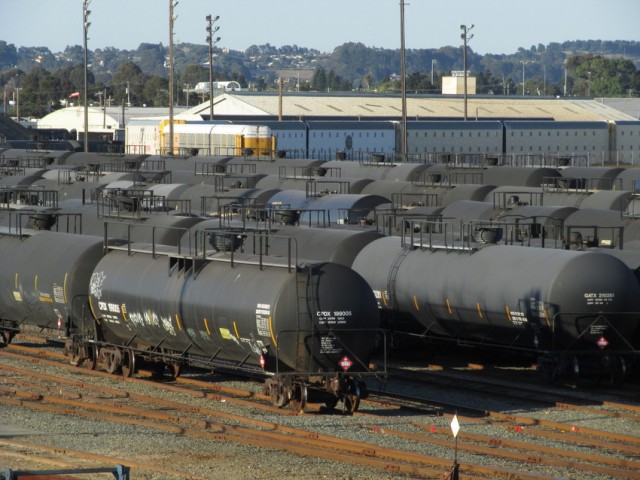
"caption": "Tank cars lined up in a rail yard in Richmond. (Craig Miller/KQED)",
"description": "Tank cars lined up in a rail yard in Richmond. (Craig Miller/KQED)",
"title": "10880scr_fab34f3151f07aa",
"credit": null,
"status": "inherit",
"isLoading": false,
"fetchFailed": false
},
"science_19710": {
"type": "attachments",
"id": "science_19710",
"meta": {
"index": "attachments_1716263798",
"site": "science",
"id": "19710",
"found": true
},
"parent": 19628,
"imgSizes": {
"kqedFullSize": {
"file": "https://ww2.kqed.org/app/uploads/sites/35/2014/07/chevron-e1406149837331.jpg",
"width": 639,
"height": 361
}
},
"publishDate": 1406149747,
"modified": 1406149747,
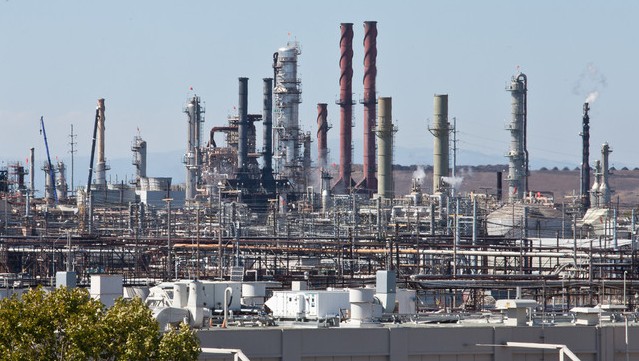
"caption": "The Chevron Refinery in Richmond is looking to increase its capacity to process crude oil with higher sulfur content. (Deborah Svoboda/KQED)",
"description": "The Chevron Refinery in Richmond is looking to increase its capacity to process crude oil with higher sulfur content.",
"title": "Chevron Plant",
"credit": null,
"status": "inherit",
"isLoading": false,
"fetchFailed": false
}
},
"audioPlayerReducer": {
"postId": "stream_live",
"isPaused": true,
"isPlaying": false,
"pfsActive": false,
"pledgeModalIsOpen": true,
"playerDrawerIsOpen": false,
"liveAudioPlayStartedAt": 0,
"liveAudioPlayContext": ""
},
"authorsReducer": {
"byline_science_560424": {
"type": "authors",
"id": "byline_science_560424",
"meta": {
"override": true
},
"slug": "byline_science_560424",
"name": "Laurel Rosenhall,\u003cbr>\u003cstrong>CALmatters\u003c/strong>",
"isLoading": false
},
"mollysamuel": {
"type": "authors",
"id": "200",
"meta": {
"index": "authors_1716337520",
"id": "200",
"found": true
},
"name": "Molly Samuel",
"firstName": "Molly",
"lastName": "Samuel",
"slug": "mollysamuel",
"email": "msamuel@kqed.org",
"display_author_email": false,
"staff_mastheads": [],
"title": null,
"bio": "Molly Samuel joined KQED as an intern in 2007, and since then has worked here as a reporter, producer, director and blogger. Before becoming KQED Science’s Multimedia Producer, she was a producer for Climate Watch. Molly has also reported for NPR, KALW and High Country News, and has produced audio stories for The Encyclopedia of Life and the Oakland Museum of California. She was a fellow with the Middlebury Fellowships in Environmental Journalism and a journalist-in-residence at the National Evolutionary Synthesis Center. Molly has a degree in Ancient Greek from Oberlin College and is a co-founder of the record label True Panther Sounds.",
"avatar": "https://secure.gravatar.com/avatar/a6abd3b949a89fe5109fa9917631d0b6?s=600&d=blank&r=g",
"twitter": null,
"facebook": null,
"instagram": null,
"linkedin": null,
"sites": [
{
"site": "news",
"roles": [
"subscriber"
]
},
{
"site": "stateofhealth",
"roles": [
"subscriber"
]
},
{
"site": "science",
"roles": [
"subscriber"
]
},
{
"site": "quest",
"roles": [
"edit_users",
"subscriber"
]
}
],
"headData": {
"title": "Molly Samuel | KQED",
"description": null,
"ogImgSrc": "https://secure.gravatar.com/avatar/a6abd3b949a89fe5109fa9917631d0b6?s=600&d=blank&r=g",
"twImgSrc": "https://secure.gravatar.com/avatar/a6abd3b949a89fe5109fa9917631d0b6?s=600&d=blank&r=g"
},
"isLoading": false,
"link": "/author/mollysamuel"
},
"laurensommer": {
"type": "authors",
"id": "239",
"meta": {
"index": "authors_1716337520",
"id": "239",
"found": true
},
"name": "Lauren Sommer",
"firstName": "Lauren",
"lastName": "Sommer",
"slug": "laurensommer",
"email": "lsommer@kqed.org",
"display_author_email": false,
"staff_mastheads": [],
"title": "KQED Contributor",
"bio": "Lauren is a radio reporter formerly covering environment, water, and energy for KQED Science. As part of her day job, she has scaled Sierra Nevada peaks, run from charging elephant seals, and desperately tried to get her sea legs - all in pursuit of good radio. Her work has appeared on Marketplace, Living on Earth, Science Friday and NPR's Morning Edition and All Things Considered. You can find her on Twitter at \u003ca href=\"https://twitter.com/lesommer\">@lesommer\u003c/a>.",
"avatar": "https://secure.gravatar.com/avatar/33aa3772bb86c6ad45b8aca6a238bbdf?s=600&d=blank&r=g",
"twitter": null,
"facebook": null,
"instagram": null,
"linkedin": null,
"sites": [
{
"site": "news",
"roles": [
"author"
]
},
{
"site": "science",
"roles": [
"editor",
"manage_content_types",
"manage_taxonomies"
]
},
{
"site": "quest",
"roles": [
"editor"
]
}
],
"headData": {
"title": "Lauren Sommer | KQED",
"description": "KQED Contributor",
"ogImgSrc": "https://secure.gravatar.com/avatar/33aa3772bb86c6ad45b8aca6a238bbdf?s=600&d=blank&r=g",
"twImgSrc": "https://secure.gravatar.com/avatar/33aa3772bb86c6ad45b8aca6a238bbdf?s=600&d=blank&r=g"
},
"isLoading": false,
"link": "/author/laurensommer"
},
"kqedscience": {
"type": "authors",
"id": "6387",
"meta": {
"index": "authors_1716337520",
"id": "6387",
"found": true
},
"name": "KQED Science",
"firstName": "KQED",
"lastName": "Science",
"slug": "kqedscience",
"email": "kqedscience@gmail.com",
"display_author_email": false,
"staff_mastheads": [],
"title": null,
"bio": "KQED Science brings you award-winning science and environment coverage from the Bay Area and beyond by the flagship Northern California PBS and NPR affiliate.",
"avatar": "https://secure.gravatar.com/avatar/5a295ff49cf82a8c0f30937d3f788b2f?s=600&d=blank&r=g",
"twitter": null,
"facebook": null,
"instagram": null,
"linkedin": null,
"sites": [
{
"site": "science",
"roles": [
"contributor"
]
},
{
"site": "quest",
"roles": [
"editor"
]
},
{
"site": "food",
"roles": [
"contributor"
]
}
],
"headData": {
"title": "KQED Science | KQED",
"description": null,
"ogImgSrc": "https://secure.gravatar.com/avatar/5a295ff49cf82a8c0f30937d3f788b2f?s=600&d=blank&r=g",
"twImgSrc": "https://secure.gravatar.com/avatar/5a295ff49cf82a8c0f30937d3f788b2f?s=600&d=blank&r=g"
},
"isLoading": false,
"link": "/author/kqedscience"
},
"mpeterson": {
"type": "authors",
"id": "11223",
"meta": {
"index": "authors_1716337520",
"id": "11223",
"found": true
},
"name": "Molly Peterson",
"firstName": "Molly",
"lastName": "Peterson",
"slug": "mpeterson",
"email": "mpeterson@kqed.org",
"display_author_email": false,
"staff_mastheads": [],
"title": null,
"bio": "Molly Peterson reports for KQED science and news on climate change, catastrophe and risk. Previously she was environment correspondent at Southern California Public Radio. Her work has also appeared at The New York Times, The Guardian, on NPR, at High Country News, on Code Switch, and other national outlets. She has been honored with awards from Public Radio News Directors Incorporated, Investigative Reporters and Editors, the Society for Professional Journalists, the Los Angeles Press Club, and RTNDA Edward R. Murrow awards, among others.",
"avatar": "https://secure.gravatar.com/avatar/7908e2807131f776cc8165c649530b05?s=600&d=blank&r=g",
"twitter": "Mollydacious",
"facebook": null,
"instagram": "https://www.instagram.com/radiomolly/",
"linkedin": null,
"sites": [
{
"site": "news",
"roles": [
"subscriber"
]
},
{
"site": "futureofyou",
"roles": [
"editor"
]
},
{
"site": "science",
"roles": [
"editor"
]
}
],
"headData": {
"title": "Molly Peterson | KQED",
"description": null,
"ogImgSrc": "https://secure.gravatar.com/avatar/7908e2807131f776cc8165c649530b05?s=600&d=blank&r=g",
"twImgSrc": "https://secure.gravatar.com/avatar/7908e2807131f776cc8165c649530b05?s=600&d=blank&r=g"
},
"isLoading": false,
"link": "/author/mpeterson"
},
"aahmed": {
"type": "authors",
"id": "11428",
"meta": {
"index": "authors_1716337520",
"id": "11428",
"found": true
},
"name": "Amel Ahmed",
"firstName": "Amel",
"lastName": "Ahmed",
"slug": "aahmed",
"email": "aahmed@kqed.org",
"display_author_email": false,
"staff_mastheads": [],
"title": "KQED Contributor",
"bio": "Amel Ahmed is a reporter for KQED. Prior to joining KQED, Amel worked at Al Jazeera America, Al Jazeera English, Democracy Now! and Punched Productions. She also helped produce \u003cem>Changing Face of Harlem\u003c/em>, a documentary that tracked gentrification in Harlem over a period of ten years. She is a 2013 graduate of Brooklyn Law School and is currently researching war on terror prosecutions for an upcoming book.",
"avatar": "https://secure.gravatar.com/avatar/c8b48ebc98e770640f3013c470d23f3e?s=600&d=blank&r=g",
"twitter": "amelscript",
"facebook": null,
"instagram": null,
"linkedin": null,
"sites": [
{
"site": "futureofyou",
"roles": []
},
{
"site": "science",
"roles": []
}
],
"headData": {
"title": "Amel Ahmed | KQED",
"description": "KQED Contributor",
"ogImgSrc": "https://secure.gravatar.com/avatar/c8b48ebc98e770640f3013c470d23f3e?s=600&d=blank&r=g",
"twImgSrc": "https://secure.gravatar.com/avatar/c8b48ebc98e770640f3013c470d23f3e?s=600&d=blank&r=g"
},
"isLoading": false,
"link": "/author/aahmed"
}
},
"pagesReducer": {
"science_tag_oil": {
"type": "terms",
"id": "science_952",
"meta": {
"index": "terms_1716263798",
"site": "science",
"id": "952",
"score": 9.103885
},
"featImg": null,
"name": "oil",
"description": null,
"taxonomy": "tag",
"headData": {
"twImgId": null,
"twTitle": null,
"ogTitle": null,
"ogImgId": null,
"twDescription": null,
"description": null,
"title": "oil Archives | KQED Science",
"ogDescription": null
},
"ttid": 959,
"slug": "oil",
"isLoading": false,
"title": "oil",
"pageMeta": {
"site": "science",
"WpPageTemplate": "page-topic-editorial",
"currentPage": 2
},
"blocks": [
{
"blockName": "kqed/post-list",
"attrs": {
"layout": "cardArticle2",
"query": "posts/science?tag=oil",
"seeMore": false,
"paginated": true,
"page": 2
}
},
{
"blockName": "kqed/ad"
}
]
}
},
"pfsSessionReducer": {},
"postsReducer": {
"stream_live": {
"type": "live",
"id": "stream_live",
"audioUrl": "https://streams.kqed.org/kqedradio",
"title": "Live Stream",
"excerpt": "Live Stream information currently unavailable.",
"link": "/radio",
"featImg": "",
"label": {
"name": "KQED Live",
"link": "/"
}
},
"stream_kqedNewscast": {
"type": "posts",
"id": "stream_kqedNewscast",
"audioUrl": "https://www.kqed.org/.stream/anon/radio/RDnews/newscast.mp3?_=1",
"title": "KQED Newscast",
"featImg": "",
"label": {
"name": "88.5 FM",
"link": "/"
}
},
"science_1926961": {
"type": "posts",
"id": "science_1926961",
"meta": {
"index": "posts_1716263798",
"site": "science",
"id": "1926961",
"score": null,
"sort": [
1530899981000
]
},
"parent": 0,
"labelTerm": {},
"blocks": [],
"publishDate": 1530899981,
"format": "standard",
"title": "Health Advisory Lifted for Martinez, Pacheco After Shell Refinery 'Shutdown'",
"headTitle": "Health Advisory Lifted for Martinez, Pacheco After Shell Refinery ‘Shutdown’ | KQED",
"content": "\u003cp>A public health advisory issued early Friday morning for residents of Martinez and Pacheco has been lifted following a “flaring incident” at the local Shell Refinery, officials said.\u003c/p>\n\u003cp>The advisory warned about “a potential for odors” that could impact those with respiratory conditions. Residents who experience eye, skin, nose or throat irritation were advised to go indoors and rinse out the irritated area of their body.\u003c/p>\n\u003cp>The Community Warning System, operated by the Contra Costa County Sheriff’s Office, issued the alert around 5:45 a.m.\u003c/p>\n\u003cp>“There is no further concern for people with sensitivities in the area and all normal activities can be resumed, “\u003ca href=\"http://www.cocosheriff.org/bureaus/support_services/community_warning.htm\" target=\"_blank\" rel=\"noopener\">the sheriff’s office said\u003c/a> on their site.\u003c/p>\n\u003cp>Shell spokeswoman Kristin Marczak, who spoke with \u003ca href=\"https://www.sfgate.com/bayarea/article/Shell-refinery-in-Martinez-has-unplanned-13053834.php\" target=\"_blank\" rel=\"noopener\">San Francisco Gate\u003c/a>, compared the incident to a “ car running and you have an unplanned shutdown of that car. We have a number of units within the plant that operate and one of those units had kind of an unplanned shutdown.”\u003c/p>\n\u003cp>[ad fullwidth]\u003c/p>\n\u003cp>\u003c/p>\n\u003cp>In a statement, Shell described the incident as a “unit upset” but did not provide specifics.\u003c/p>\n\n",
"stats": {
"hasVideo": false,
"hasChartOrMap": false,
"hasAudio": false,
"hasPolis": false,
"wordCount": 193,
"hasGoogleForm": false,
"hasGallery": false,
"hasHearkenModule": false,
"iframeSrcs": [],
"paragraphCount": 8
},
"modified": 1704927729,
"excerpt": "An unspecified incident at the Shell refinery caused officials to issue a health advisory for residents of Martinez and Pacheco.",
"headData": {
"twImgId": "",
"twTitle": "",
"ogTitle": "",
"ogImgId": "",
"twDescription": "",
"description": "An unspecified incident at the Shell refinery caused officials to issue a health advisory for residents of Martinez and Pacheco.",
"title": "Health Advisory Lifted for Martinez, Pacheco After Shell Refinery 'Shutdown' | KQED",
"ogDescription": "",
"schema": {
"@context": "https://schema.org",
"@type": "Article",
"headline": "Health Advisory Lifted for Martinez, Pacheco After Shell Refinery 'Shutdown'",
"datePublished": "2018-07-06T10:59:41-07:00",
"dateModified": "2024-01-10T15:02:09-08:00",
"image": "https://cdn.kqed.org/wp-content/uploads/2020/02/KQED-OG-Image@1x.png"
}
},
"guestAuthors": [],
"slug": "health-advisory-lifted-for-martinez-pacheco-after-shell-refinery-shutdown",
"status": "publish",
"sticky": false,
"source": "Health",
"path": "/science/1926961/health-advisory-lifted-for-martinez-pacheco-after-shell-refinery-shutdown",
"audioTrackLength": null,
"parsedContent": [
{
"type": "contentString",
"content": "\u003cdiv class=\"post-body\">\u003cp>\u003cp>A public health advisory issued early Friday morning for residents of Martinez and Pacheco has been lifted following a “flaring incident” at the local Shell Refinery, officials said.\u003c/p>\n\u003cp>The advisory warned about “a potential for odors” that could impact those with respiratory conditions. Residents who experience eye, skin, nose or throat irritation were advised to go indoors and rinse out the irritated area of their body.\u003c/p>\n\u003cp>The Community Warning System, operated by the Contra Costa County Sheriff’s Office, issued the alert around 5:45 a.m.\u003c/p>\n\u003cp>“There is no further concern for people with sensitivities in the area and all normal activities can be resumed, “\u003ca href=\"http://www.cocosheriff.org/bureaus/support_services/community_warning.htm\" target=\"_blank\" rel=\"noopener\">the sheriff’s office said\u003c/a> on their site.\u003c/p>\n\u003cp>Shell spokeswoman Kristin Marczak, who spoke with \u003ca href=\"https://www.sfgate.com/bayarea/article/Shell-refinery-in-Martinez-has-unplanned-13053834.php\" target=\"_blank\" rel=\"noopener\">San Francisco Gate\u003c/a>, compared the incident to a “ car running and you have an unplanned shutdown of that car. We have a number of units within the plant that operate and one of those units had kind of an unplanned shutdown.”\u003c/p>\n\u003cp>\u003c/p>\u003c/div>",
"attributes": {
"named": {},
"numeric": []
}
},
{
"type": "component",
"content": "",
"name": "ad",
"attributes": {
"named": {
"label": "fullwidth"
},
"numeric": [
"fullwidth"
]
}
},
{
"type": "contentString",
"content": "\u003cdiv class=\"post-body\">\u003cp>\u003c/p>\n\u003cp>\u003c/p>\n\u003cp>In a statement, Shell described the incident as a “unit upset” but did not provide specifics.\u003c/p>\n\n\u003c/div>\u003c/p>",
"attributes": {
"named": {},
"numeric": []
}
}
],
"link": "/science/1926961/health-advisory-lifted-for-martinez-pacheco-after-shell-refinery-shutdown",
"authors": [
"11428"
],
"categories": [
"science_35",
"science_37",
"science_39",
"science_40"
],
"tags": [
"science_1191",
"science_5181",
"science_952"
],
"featImg": "science_1926969",
"label": "source_science_1926961"
},
"science_1921232": {
"type": "posts",
"id": "science_1921232",
"meta": {
"index": "posts_1716263798",
"site": "science",
"id": "1921232",
"score": null,
"sort": [
1521469804000
]
},
"guestAuthors": [],
"slug": "what-exxon-knew-and-when-they-knew-it-climate-science-in-s-f-federal-court",
"title": "What Exxon Knew and When They Knew It: Climate Science in S.F. Federal Court",
"publishDate": 1521469804,
"format": "audio",
"headTitle": "What Exxon Knew and When They Knew It: Climate Science in S.F. Federal Court | KQED",
"labelTerm": {},
"content": "\u003cp>It’s not a trial, nor is it quite a debate, but what’s happening Wednesday in Judge William Alsup’s federal courtroom is an unusual and possibly unprecedented proceeding. That’s because Alsup \u003ca href=\"http://blogs2.law.columbia.edu/climate-change-litigation/wp-content/uploads/sites/16/case-documents/2018/20180227_docket-317-cv-06011_notice.pdf\">has ordered a four-hour tutorial on climate change\u003c/a> – what scientists know about global warming, and when they knew it. And it’s because of who’s responsible for the tutorial: Bay Area cities on one side, and oil companies on the other.\u003c/p>\n\u003cp>The cities sued the oil companies over the impacts of sea level rise, and the tutorial is a key early step in the case, one of dozens of similar cases across the country.\u003c/p>\n\u003cp>Lawyers for San Francisco and Oakland claim BP, Exxon, Chevron and others created a public nuisance to the Bay Area by producing and selling oil and gas while misleading the public about known consequences. The two Bay Area cases represent one strategy among several in a growing body of law relying on tort and common-law claims to hold fossil fuel producers responsible for global warming.\u003c/p>\n\u003cp>Complicating these arguments are the other human activities that also contribute to global warming – and the fact that fossil fuel burning is global, which means companies and countries in the oil and gas industry outside of California are responsible.\u003c/p>\n\u003cp>“And that’s why probably there’s going to be a big focus on the fraud part: who was overtly and aggressively denying the science, who knew internally,” says Stanford University historian of science Robert N. Proctor. “There’s a lot of evidence that some of these fossil fuel makers really did know quite a while ago that there was going to be this threat but they covered it up.”\u003c/p>\n\u003cp>[ad fullwidth]\u003c/p>\n\u003cp>Proctor says the cases resemble efforts to hold major tobacco producers responsible for smoking-related lung cancer.\u003c/p>\n\u003cp>“Both of these industries– tobacco and big carbon – have been kind of embracing science and a sense of open inquiry,” he says, “with the idea being that as long as we leave the inquiry open we can maximize uncertainty and say that we don’t really know the truth.”\u003c/p>\n\u003cp>Alsup has \u003ca href=\"http://blogs2.law.columbia.edu/climate-change-litigation/wp-content/uploads/sites/16/case-documents/2018/20180306_docket-317-cv-06011_order-1.pdf\" target=\"_blank\" rel=\"noopener\">issued a list of questions\u003c/a> he wants answered in the presentations. They include the cause of the ice ages, the origins of carbon dioxide in the atmosphere, and even whether billions of peoples’ breathing is warming up the planet.\u003c/p>\n\u003cp>“These questions are great questions, they’re interesting questions, but they’re not the questions that you would want to say, ‘What’s the state of knowledge?’” says Katherine Mach, a Stanford researcher whose work focuses on assessing climate science. Mach and other scientists characterized the questions as simple, and straightforward.\u003c/p>\n\u003cp>They’re also pretty easy to answer for scientists. “Turns out answers to those questions are actually pretty well known,” wrote Andrew Dressler, a climate scientist at Texas A&M. Dressler has sketched out his responses on Twitter.\u003c/p>\n\u003cp>https://twitter.com/AndrewDessler/status/971818482915532800\u003c/p>\n\u003cp>\u003ca href=\"http://www.realclimate.org/index.php/archives/2018/03/alsup-asks-for-answers/\">At the website Real Climate\u003c/a>, scientists are compiling and updating crowdsourced responses.\u003c/p>\n\u003cp>The semi-adversarial nature of the tutorial has reminded some observers of an idea circulated last year, \u003ca href=\"https://www.wsj.com/articles/a-red-team-exercise-would-strengthen-climate-science-1492728579\">by NYU professor Steven Koonin\u003c/a> and then by Environmental Protection Agency Administrator Scott Pruitt, that climate science should be the subject of an intellectual \u003ca href=\"https://www.washingtonpost.com/news/capital-weather-gang/wp/2017/06/07/epas-scott-pruitt-wants-to-set-up-opposing-teams-to-debate-climate-change-science/?utm_term=.22e1ad058e44\">“red team-blue team”\u003c/a> exercise, that name taken from military simulations in which one side attacks another. But Wednesday’s briefing is fundamentally different, for at least a few reasons: the judge has wide latitude in using the information presented there, and these days, it’s more likely that the science presented by cities and oil companies will overlap or even agree.\u003c/p>\n\u003cp>Fossil fuel companies now characterize themselves as active but risk-adverse participants in the global discussion about climate science – and these companies have acknowledged risks posed by climate change in public statements.\u003c/p>\n\u003cp>ExxonMobil, for example, \u003ca href=\"http://corporate.exxonmobil.com/en/current-issues/climate-policy/climate-perspectives/our-climate-science-history\">states\u003c/a> on its website that it “unequivocally reject[s] allegations that [it] suppressed climate change research contained in media reports that are inaccurate distortions of [the company’s] nearly 40-year history of climate research.”\u003c/p>\n\u003cp>But each side has its own time to present the best climate science, and its own version of history. Experts say that format means key differences may emerge in questions around certainty, both past and present.\u003c/p>\n\u003cp>Cities, for their part, are likely to emphasize growing certainty in climate research.\u003c/p>\n\u003cp>\u003c/p>\n\u003cp>“What we’ve seen over the last 5-10 years is an incredible amount of research into the science of detection and attribution,” says Aaron Strong, an associate professor of ocean science at the University of Maine. “There are a lot of uncertainties in terms of of future projection of sea level rise, but there’s not a lot of uncertainty in the fact that it’s rising at all.”\u003c/p>\n\n",
"blocks": [],
"excerpt": "San Francisco and Oakland sued oil companies, demanding they pay the costs of sea level rise. A federal judge hears the science Wednesday.",
"status": "publish",
"parent": 0,
"modified": 1727135731,
"stats": {
"hasAudio": false,
"hasVideo": false,
"hasChartOrMap": false,
"iframeSrcs": [],
"hasGoogleForm": false,
"hasGallery": false,
"hasHearkenModule": false,
"hasPolis": false,
"paragraphCount": 19,
"wordCount": 848
},
"headData": {
"title": "What Exxon Knew and When They Knew It: Climate Science in S.F. Federal Court | KQED",
"description": "San Francisco and Oakland sued oil companies, demanding they pay the costs of sea level rise. A federal judge hears the science Wednesday.",
"ogTitle": "",
"ogDescription": "",
"ogImgId": "",
"twTitle": "",
"twDescription": "",
"twImgId": "",
"schema": {
"@context": "https://schema.org",
"@type": "Article",
"headline": "What Exxon Knew and When They Knew It: Climate Science in S.F. Federal Court",
"datePublished": "2018-03-19T07:30:04-07:00",
"dateModified": "2024-09-23T16:55:31-07:00",
"image": "https://cdn.kqed.org/wp-content/uploads/2020/02/KQED-OG-Image@1x.png"
}
},
"source": "Climate",
"audioUrl": "https://www.kqed.org/.stream/anon/radio/science/2018/03/WEBClimateScienceinCourtPeterson180319.mp3",
"sticky": false,
"path": "/science/1921232/what-exxon-knew-and-when-they-knew-it-climate-science-in-s-f-federal-court",
"audioDuration": 284000,
"audioTrackLength": null,
"parsedContent": [
{
"type": "contentString",
"content": "\u003cdiv class=\"post-body\">\u003cp>\u003cp>It’s not a trial, nor is it quite a debate, but what’s happening Wednesday in Judge William Alsup’s federal courtroom is an unusual and possibly unprecedented proceeding. That’s because Alsup \u003ca href=\"http://blogs2.law.columbia.edu/climate-change-litigation/wp-content/uploads/sites/16/case-documents/2018/20180227_docket-317-cv-06011_notice.pdf\">has ordered a four-hour tutorial on climate change\u003c/a> – what scientists know about global warming, and when they knew it. And it’s because of who’s responsible for the tutorial: Bay Area cities on one side, and oil companies on the other.\u003c/p>\n\u003cp>The cities sued the oil companies over the impacts of sea level rise, and the tutorial is a key early step in the case, one of dozens of similar cases across the country.\u003c/p>\n\u003cp>Lawyers for San Francisco and Oakland claim BP, Exxon, Chevron and others created a public nuisance to the Bay Area by producing and selling oil and gas while misleading the public about known consequences. The two Bay Area cases represent one strategy among several in a growing body of law relying on tort and common-law claims to hold fossil fuel producers responsible for global warming.\u003c/p>\n\u003cp>Complicating these arguments are the other human activities that also contribute to global warming – and the fact that fossil fuel burning is global, which means companies and countries in the oil and gas industry outside of California are responsible.\u003c/p>\n\u003cp>“And that’s why probably there’s going to be a big focus on the fraud part: who was overtly and aggressively denying the science, who knew internally,” says Stanford University historian of science Robert N. Proctor. “There’s a lot of evidence that some of these fossil fuel makers really did know quite a while ago that there was going to be this threat but they covered it up.”\u003c/p>\n\u003cp>\u003c/p>\u003c/div>",
"attributes": {
"named": {},
"numeric": []
}
},
{
"type": "component",
"content": "",
"name": "ad",
"attributes": {
"named": {
"label": "fullwidth"
},
"numeric": [
"fullwidth"
]
}
},
{
"type": "contentString",
"content": "\u003cdiv class=\"post-body\">\u003cp>\u003c/p>\n\u003cp>Proctor says the cases resemble efforts to hold major tobacco producers responsible for smoking-related lung cancer.\u003c/p>\n\u003cp>“Both of these industries– tobacco and big carbon – have been kind of embracing science and a sense of open inquiry,” he says, “with the idea being that as long as we leave the inquiry open we can maximize uncertainty and say that we don’t really know the truth.”\u003c/p>\n\u003cp>Alsup has \u003ca href=\"http://blogs2.law.columbia.edu/climate-change-litigation/wp-content/uploads/sites/16/case-documents/2018/20180306_docket-317-cv-06011_order-1.pdf\" target=\"_blank\" rel=\"noopener\">issued a list of questions\u003c/a> he wants answered in the presentations. They include the cause of the ice ages, the origins of carbon dioxide in the atmosphere, and even whether billions of peoples’ breathing is warming up the planet.\u003c/p>\n\u003cp>“These questions are great questions, they’re interesting questions, but they’re not the questions that you would want to say, ‘What’s the state of knowledge?’” says Katherine Mach, a Stanford researcher whose work focuses on assessing climate science. Mach and other scientists characterized the questions as simple, and straightforward.\u003c/p>\n\u003cp>They’re also pretty easy to answer for scientists. “Turns out answers to those questions are actually pretty well known,” wrote Andrew Dressler, a climate scientist at Texas A&M. Dressler has sketched out his responses on Twitter.\u003c/p>\u003c/p>\u003c/div>",
"attributes": {
"named": {},
"numeric": []
}
},
{
"type": "component",
"content": "",
"name": "singleTwitterStatus",
"attributes": {
"named": {
"id": "971818482915532800"
},
"numeric": []
}
},
{
"type": "contentString",
"content": "\u003cdiv class=\"post-body\">\u003cp>\n\u003cp>\u003ca href=\"http://www.realclimate.org/index.php/archives/2018/03/alsup-asks-for-answers/\">At the website Real Climate\u003c/a>, scientists are compiling and updating crowdsourced responses.\u003c/p>\n\u003cp>The semi-adversarial nature of the tutorial has reminded some observers of an idea circulated last year, \u003ca href=\"https://www.wsj.com/articles/a-red-team-exercise-would-strengthen-climate-science-1492728579\">by NYU professor Steven Koonin\u003c/a> and then by Environmental Protection Agency Administrator Scott Pruitt, that climate science should be the subject of an intellectual \u003ca href=\"https://www.washingtonpost.com/news/capital-weather-gang/wp/2017/06/07/epas-scott-pruitt-wants-to-set-up-opposing-teams-to-debate-climate-change-science/?utm_term=.22e1ad058e44\">“red team-blue team”\u003c/a> exercise, that name taken from military simulations in which one side attacks another. But Wednesday’s briefing is fundamentally different, for at least a few reasons: the judge has wide latitude in using the information presented there, and these days, it’s more likely that the science presented by cities and oil companies will overlap or even agree.\u003c/p>\n\u003cp>Fossil fuel companies now characterize themselves as active but risk-adverse participants in the global discussion about climate science – and these companies have acknowledged risks posed by climate change in public statements.\u003c/p>\n\u003cp>ExxonMobil, for example, \u003ca href=\"http://corporate.exxonmobil.com/en/current-issues/climate-policy/climate-perspectives/our-climate-science-history\">states\u003c/a> on its website that it “unequivocally reject[s] allegations that [it] suppressed climate change research contained in media reports that are inaccurate distortions of [the company’s] nearly 40-year history of climate research.”\u003c/p>\n\u003cp>But each side has its own time to present the best climate science, and its own version of history. Experts say that format means key differences may emerge in questions around certainty, both past and present.\u003c/p>\n\u003cp>Cities, for their part, are likely to emphasize growing certainty in climate research.\u003c/p>\n\u003cp>\u003c/p>\n\u003cp>“What we’ve seen over the last 5-10 years is an incredible amount of research into the science of detection and attribution,” says Aaron Strong, an associate professor of ocean science at the University of Maine. “There are a lot of uncertainties in terms of of future projection of sea level rise, but there’s not a lot of uncertainty in the fact that it’s rising at all.”\u003c/p>\n\n\u003c/div>\u003c/p>",
"attributes": {
"named": {},
"numeric": []
}
}
],
"link": "/science/1921232/what-exxon-knew-and-when-they-knew-it-climate-science-in-s-f-federal-court",
"authors": [
"11223"
],
"programs": [
"science_5376"
],
"categories": [
"science_46",
"science_29",
"science_31",
"science_35",
"science_40",
"science_5141",
"science_3423"
],
"tags": [
"science_194",
"science_3370",
"science_952"
],
"featImg": "science_1921358",
"label": "source_science_1921232"
},
"science_1918632": {
"type": "posts",
"id": "science_1918632",
"meta": {
"index": "posts_1716263798",
"site": "science",
"id": "1918632",
"score": null,
"sort": [
1515168742000
]
},
"parent": 0,
"labelTerm": {
"site": "science"
},
"blocks": [],
"publishDate": 1515168742,
"format": "standard",
"title": "California Legislators Introduce Bill to Block Trump's Offshore Drilling Push",
"headTitle": "California Legislators Introduce Bill to Block Trump’s Offshore Drilling Push | KQED",
"content": "\u003cp>The Trump Administration is \u003ca href=\"https://www.doi.gov/pressreleases/secretary-zinke-announces-plan-unleashing-americas-offshore-oil-and-gas-potential\" target=\"_blank\" rel=\"noopener\">proposing a major expansion\u003c/a> of offshore oil leasing nationwide, including off the California Coast.\u003c/p>\n\u003cp>It would be the first West Coast oil lease sale since the 1980s, but that doesn’t mean it’s a done deal. State and local officials could easily throw a wrench in the plans.\u003c/p>\n\u003cp>“This is not going to be easy,” said Richard Charter, a senior fellow with the Ocean Foundation and long-time offshore drilling opponent. “I think the Pacific part of this five-year leasing plan is dead on arrival.”\u003c/p>\n\u003cp>\u003cstrong>Becoming an “Energy Superpower”\u003c/strong>\u003c/p>\n\u003cp>[contextly_sidebar id=”GLIZk81EAOtUBr7fLzR8YaTqpq1RGR9N”]The Department of the Interior is proposing lease sales from Northern to Southern California beginning in 2020, as well as in Alaska and on the Atlantic Coast. Exactly where those oil leases are would be determined later in the planning process.\u003c/p>\n\u003cp>[ad fullwidth]\u003c/p>\n\u003cp>“This is the largest number of lease sales ever proposed,” said Interior Secretary Ryan Zinke. “This is a clear difference between energy weakness and energy dominance.”\u003c/p>\n\u003cp>West Coast elected officials were quick to condemn the plan.\u003c/p>\n\u003cp>“They’ve chosen to forget the utter devastation of past offshore oil spills to wildlife and to the fishing, recreation and tourism industries in our states,” Governor Jerry Brown said in a joint statement with Oregon Governor Kate Brown and Washington Governor Jay Inslee. “They’ve chosen to ignore the science that tells us our climate is changing and we must reduce our dependence on fossil fuels.”\u003c/p>\n\u003cp>\u003cstrong>Cities and Counties Pull Up the Welcome Mat\u003c/strong>\u003c/p>\n\u003cp>The leases would be offered in federal waters, which begin three miles offshore and extend to 200 miles offshore.\u003c/p>\n\u003cp>But oil companies must bring that oil onshore to refine and sell it. That’s where they run into state and local jurisdictions.\u003c/p>\n\u003cp>During the last federal push to open up oil drilling in the 1980s, the City of Santa Cruz passed a measure that banned new onshore oil facilities, including pipelines, unless it went to a public vote.\u003c/p>\n\u003cp>[contextly_sidebar id=”aACJd54kqkEhCwjasMqRFK8ulSLjsge2″]Many other California cities and counties followed suit, including Sonoma, San Mateo, Monterey and San Luis Obispo Counties. These “onshore facilities” ordinances survived a legal challenge from an oil industry association in 1990.\u003c/p>\n\u003cp>“They still stand today and those tend to have a chilling effect on leasing by an oil company because they aren’t going to have anywhere to take any oil or gas they might find,” said Charter. “I think there’s going to be more pretty soon after today’s announcement.”\u003c/p>\n\u003cp>\u003cb>California Legislators Respond With New Bill\u003c/b>\u003c/p>\n\u003cp>California has banned offshore oil drilling in state waters, which extend from the coastline to three miles offshore. But state legislators are looking at taking it a step farther.\u003c/p>\n\u003cp>State Senator Hannah-Beth Jackson (D-Santa Barbara) is \u003ca href=\"http://sd19.senate.ca.gov/news/2018-01-04-jackson-and-muratsuchi-reintroduce-legislation-halt-new-federal-offshore-oil\" target=\"_blank\" rel=\"noopener\">introducing SB 834\u003c/a>, which would ban new pipelines, piers, wharves, or other infrastructure that would go through state waters. A similar bill died in committee last year. A companion bill, AB 1775, is being introduced by Assemblymember Al Muratsuchi (D-Torrance).\u003c/p>\n\u003cp>That could dissuade oil companies from buying oil leases. Without a pipeline to bring oil onshore, oil companies would have to turn to other means, like using ships for transport, which is generally seen as riskier and more expensive.\u003c/p>\n\u003cp>The State Lands Commission, which has jurisdiction over state waters, has already adopted a resolution that directs staff “to take appropriate actions to ensure that any oil and gas product from new drilling never makes landfall in California,” according to commission chair Lieutenant Governor Gavin Newsom.\u003c/p>\n\u003cp>\u003cstrong>Price of Oil\u003c/strong>\u003c/p>\n\u003cp>Economics is perhaps the largest factor in determining whether new oil rigs appear off the California coast. Oil prices have been low and offshore drilling is generally much more expensive than exploration on land.\u003c/p>\n\u003cp>Still, oil industry groups applauded the Administration’s drilling push.\u003c/p>\n\u003cp>“This new offshore leasing plan is an important step towards harnessing our nation’s energy potential for the benefit of American energy consumers,” said the American Petroleum Institute’s Erik Milito in a statement.\u003c/p>\n\u003cp>In comments to the Department of the Interior, Chevron expressed interest in opening the Pacific Coast for leasing, but \u003ca href=\"https://www.regulations.gov/document?D=BOEM-2017-0050-49497\" target=\"_blank\" rel=\"noopener\">ranked Southern California as seventh\u003c/a> on their priority list, after regions in the Gulf and Atlantic.\u003c/p>\n\u003cp>“Our priorities in offshore exploration are in the Gulf of Mexico and understanding the potential of the Atlantic waters off the East Coast,” Chevron said in an email.\u003c/p>\n\u003cp>Still, many environmental groups believe that today’s oil prices wouldn’t stop oil companies from speculating on leases now and waiting for the conditions to change.\u003c/p>\n\u003cp>“The economics aren’t there now,” said Charter. “But because they can acquire leases and hold them, they can drill later.”\u003c/p>\n\u003cp>\u003c/p>\n\u003cp>The Trump Administration’s plan could take up to two years to finalize with the first leases being offered in California in 2020. The public comment period opens on January 8 and the Department of the Interior will \u003ca href=\"https://www.boem.gov/National-Program-Participate/\" target=\"_blank\" rel=\"noopener\">hold a meeting\u003c/a> in Sacramento on February 8.\u003c/p>\n\n",
"stats": {
"hasVideo": false,
"hasChartOrMap": false,
"hasAudio": false,
"hasPolis": false,
"wordCount": 874,
"hasGoogleForm": false,
"hasGallery": false,
"hasHearkenModule": false,
"iframeSrcs": [],
"paragraphCount": 30
},
"modified": 1704928249,
"excerpt": "There's a lot state and local governments could do to stand in the way of offshore drilling in federal waters.",
"headData": {
"twImgId": "",
"twTitle": "",
"ogTitle": "",
"ogImgId": "",
"twDescription": "",
"description": "There's a lot state and local governments could do to stand in the way of offshore drilling in federal waters.",
"title": "California Legislators Introduce Bill to Block Trump's Offshore Drilling Push | KQED",
"ogDescription": "",
"schema": {
"@context": "https://schema.org",
"@type": "Article",
"headline": "California Legislators Introduce Bill to Block Trump's Offshore Drilling Push",
"datePublished": "2018-01-05T08:12:22-08:00",
"dateModified": "2024-01-10T15:10:49-08:00",
"image": "https://cdn.kqed.org/wp-content/uploads/2020/02/KQED-OG-Image@1x.png"
}
},
"guestAuthors": [],
"slug": "trump-plans-to-open-california-coast-for-oil-drilling-but-it-wont-be-easy",
"status": "publish",
"sticky": false,
"path": "/science/1918632/trump-plans-to-open-california-coast-for-oil-drilling-but-it-wont-be-easy",
"audioTrackLength": null,
"parsedContent": [
{
"type": "contentString",
"content": "\u003cdiv class=\"post-body\">\u003cp>\u003cp>The Trump Administration is \u003ca href=\"https://www.doi.gov/pressreleases/secretary-zinke-announces-plan-unleashing-americas-offshore-oil-and-gas-potential\" target=\"_blank\" rel=\"noopener\">proposing a major expansion\u003c/a> of offshore oil leasing nationwide, including off the California Coast.\u003c/p>\n\u003cp>It would be the first West Coast oil lease sale since the 1980s, but that doesn’t mean it’s a done deal. State and local officials could easily throw a wrench in the plans.\u003c/p>\n\u003cp>“This is not going to be easy,” said Richard Charter, a senior fellow with the Ocean Foundation and long-time offshore drilling opponent. “I think the Pacific part of this five-year leasing plan is dead on arrival.”\u003c/p>\n\u003cp>\u003cstrong>Becoming an “Energy Superpower”\u003c/strong>\u003c/p>\n\u003cp>\u003c/p>\u003cp>\u003c/p>\u003cp>The Department of the Interior is proposing lease sales from Northern to Southern California beginning in 2020, as well as in Alaska and on the Atlantic Coast. Exactly where those oil leases are would be determined later in the planning process.\u003c/p>\n\u003cp>\u003c/p>\u003c/div>",
"attributes": {
"named": {},
"numeric": []
}
},
{
"type": "component",
"content": "",
"name": "ad",
"attributes": {
"named": {
"label": "fullwidth"
},
"numeric": [
"fullwidth"
]
}
},
{
"type": "contentString",
"content": "\u003cdiv class=\"post-body\">\u003cp>\u003c/p>\n\u003cp>“This is the largest number of lease sales ever proposed,” said Interior Secretary Ryan Zinke. “This is a clear difference between energy weakness and energy dominance.”\u003c/p>\n\u003cp>West Coast elected officials were quick to condemn the plan.\u003c/p>\n\u003cp>“They’ve chosen to forget the utter devastation of past offshore oil spills to wildlife and to the fishing, recreation and tourism industries in our states,” Governor Jerry Brown said in a joint statement with Oregon Governor Kate Brown and Washington Governor Jay Inslee. “They’ve chosen to ignore the science that tells us our climate is changing and we must reduce our dependence on fossil fuels.”\u003c/p>\n\u003cp>\u003cstrong>Cities and Counties Pull Up the Welcome Mat\u003c/strong>\u003c/p>\n\u003cp>The leases would be offered in federal waters, which begin three miles offshore and extend to 200 miles offshore.\u003c/p>\n\u003cp>But oil companies must bring that oil onshore to refine and sell it. That’s where they run into state and local jurisdictions.\u003c/p>\n\u003cp>During the last federal push to open up oil drilling in the 1980s, the City of Santa Cruz passed a measure that banned new onshore oil facilities, including pipelines, unless it went to a public vote.\u003c/p>\n\u003cp>\u003c/p>\u003cp>\u003c/p>\u003cp>Many other California cities and counties followed suit, including Sonoma, San Mateo, Monterey and San Luis Obispo Counties. These “onshore facilities” ordinances survived a legal challenge from an oil industry association in 1990.\u003c/p>\n\u003cp>“They still stand today and those tend to have a chilling effect on leasing by an oil company because they aren’t going to have anywhere to take any oil or gas they might find,” said Charter. “I think there’s going to be more pretty soon after today’s announcement.”\u003c/p>\n\u003cp>\u003cb>California Legislators Respond With New Bill\u003c/b>\u003c/p>\n\u003cp>California has banned offshore oil drilling in state waters, which extend from the coastline to three miles offshore. But state legislators are looking at taking it a step farther.\u003c/p>\n\u003cp>State Senator Hannah-Beth Jackson (D-Santa Barbara) is \u003ca href=\"http://sd19.senate.ca.gov/news/2018-01-04-jackson-and-muratsuchi-reintroduce-legislation-halt-new-federal-offshore-oil\" target=\"_blank\" rel=\"noopener\">introducing SB 834\u003c/a>, which would ban new pipelines, piers, wharves, or other infrastructure that would go through state waters. A similar bill died in committee last year. A companion bill, AB 1775, is being introduced by Assemblymember Al Muratsuchi (D-Torrance).\u003c/p>\n\u003cp>That could dissuade oil companies from buying oil leases. Without a pipeline to bring oil onshore, oil companies would have to turn to other means, like using ships for transport, which is generally seen as riskier and more expensive.\u003c/p>\n\u003cp>The State Lands Commission, which has jurisdiction over state waters, has already adopted a resolution that directs staff “to take appropriate actions to ensure that any oil and gas product from new drilling never makes landfall in California,” according to commission chair Lieutenant Governor Gavin Newsom.\u003c/p>\n\u003cp>\u003cstrong>Price of Oil\u003c/strong>\u003c/p>\n\u003cp>Economics is perhaps the largest factor in determining whether new oil rigs appear off the California coast. Oil prices have been low and offshore drilling is generally much more expensive than exploration on land.\u003c/p>\n\u003cp>Still, oil industry groups applauded the Administration’s drilling push.\u003c/p>\n\u003cp>“This new offshore leasing plan is an important step towards harnessing our nation’s energy potential for the benefit of American energy consumers,” said the American Petroleum Institute’s Erik Milito in a statement.\u003c/p>\n\u003cp>In comments to the Department of the Interior, Chevron expressed interest in opening the Pacific Coast for leasing, but \u003ca href=\"https://www.regulations.gov/document?D=BOEM-2017-0050-49497\" target=\"_blank\" rel=\"noopener\">ranked Southern California as seventh\u003c/a> on their priority list, after regions in the Gulf and Atlantic.\u003c/p>\n\u003cp>“Our priorities in offshore exploration are in the Gulf of Mexico and understanding the potential of the Atlantic waters off the East Coast,” Chevron said in an email.\u003c/p>\n\u003cp>Still, many environmental groups believe that today’s oil prices wouldn’t stop oil companies from speculating on leases now and waiting for the conditions to change.\u003c/p>\n\u003cp>“The economics aren’t there now,” said Charter. “But because they can acquire leases and hold them, they can drill later.”\u003c/p>\n\u003cp>\u003c/p>\n\u003cp>The Trump Administration’s plan could take up to two years to finalize with the first leases being offered in California in 2020. The public comment period opens on January 8 and the Department of the Interior will \u003ca href=\"https://www.boem.gov/National-Program-Participate/\" target=\"_blank\" rel=\"noopener\">hold a meeting\u003c/a> in Sacramento on February 8.\u003c/p>\n\n\u003c/div>\u003c/p>",
"attributes": {
"named": {},
"numeric": []
}
}
],
"link": "/science/1918632/trump-plans-to-open-california-coast-for-oil-drilling-but-it-wont-be-easy",
"authors": [
"239"
],
"categories": [
"science_33",
"science_35",
"science_40"
],
"tags": [
"science_134",
"science_3370",
"science_952",
"science_3514"
],
"featImg": "science_1918634",
"label": "science"
},
"science_1914130": {
"type": "posts",
"id": "science_1914130",
"meta": {
"index": "posts_1716263798",
"site": "science",
"id": "1914130",
"score": null,
"sort": [
1501770628000
]
},
"guestAuthors": [],
"slug": "how-much-drinking-water-has-california-lost-to-oil-industry-waste-no-one-knows",
"title": "How Much Drinking Water Has California Lost to Oil Industry Waste? No One Knows",
"publishDate": 1501770628,
"format": "image",
"headTitle": "How Much Drinking Water Has California Lost to Oil Industry Waste? No One Knows | KQED",
"labelTerm": {
"term": 5376,
"site": "science"
},
"content": "\u003cp>California survived its historic drought, in large part by using groundwater. It was a lifeline in the Central Valley, where it was the only source of water for many farmers.\u003c/p>\n\u003cp>California regulators are charged with protecting that groundwater, but for years they failed to do so. Through a series of mistakes and miscommunication, they allowed oil companies to put wastewater into drinking water aquifers that were supposed to be safeguarded.\u003c/p>\n\u003cp>Now, a KQED investigation reveals that regulators still know little about the actual impact on the state’s groundwater reserves.\u003c/p>\n\u003cp>One of those errors was discovered by an unlikely person: Bill Samarin, a farmer in California’s San Joaquin Valley.\u003c/p>\n\u003cp>Oil and agriculture are the big employers in Tulare County, where Samarin lives. Among the citrus and almond orchards, you see steel pumpjacks bobbing above the treetops. So criticizing either of those industries doesn’t make you popular.\u003c/p>\n\u003cp>[ad fullwidth]\u003c/p>\n\u003cp>“That doesn’t set well with people around here,” Samarin said. “You’re some kind of environmentalist, which isn’t a very accepted thing to be if you’re a farmer out in this area.”\u003c/p>\n\u003cp>Samarin is not an environmentalist. He describes himself as a “pretty conservative guy.” So what he discovered about the oil industry put him in unfamiliar territory, straining relationships in this tight-knit community.\u003c/p>\n\u003cp>\u003cstrong>The Biggest Issue\u003c/strong>\u003c/p>\n\u003cp>It started with the oil field not far from his orchard.\u003c/p>\n\u003caside class=\"pullquote alignright\">‘Is this even possible that they could be taking wastewater and injecting it into drinking water?’\u003ccite>Bill Samarin, farmer\u003c/cite>\u003c/aside>\n\u003cp>“From our house, we could look across and it’s probably about three-quarters of a mile,” he said.\u003c/p>\n\u003cp>County officials had received an application to expand that oil field and allow more drilling. Given how close it was to his property, Samarin started doing some homework.\u003c/p>\n\u003cp>“When I looked into it further, I found out actually that the biggest issue out here isn’t the things you see on top of the ground,” he said. “The biggest issue out here is the wastewater and how they’re getting rid of it.”\u003c/p>\n\u003cp>Oil companies in California produce tons of wastewater. On average, for every barrel of oil, a California oil well produces 19 barrels of water, often laden with salts, trace metals and chemicals like benzene.\u003c/p>\n\u003cp>“They have to get rid of it somehow and in this area here, they pump it into the ground,” he said.\u003c/p>\n\u003cp>\u003cimg loading=\"lazy\" decoding=\"async\" class=\"alignright size-full wp-image-1914135\" src=\"https://ww2.kqed.org/science/wp-content/uploads/sites/35/2017/08/KQED_CAOilWstwtr.gif\" alt=\"\" width=\"400\" height=\"711\">It’s the standard way in which oil companies dispose of wastewater in California: using injection wells, which are not much more than a pipe going into the ground with a gauge to monitor water pressure.\u003c/p>\n\u003cp>Generally, the wastewater is deposited pretty deep, below the usable groundwater, into aquifers that are already too salty to be drinkable.\u003c/p>\n\u003cp>Samarin decided to look up all the wells near his orchard, to see where the wastewater was going. He couldn’t believe what he found.\u003c/p>\n\u003cp>“I was just stunned, stunned by how close it was to groundwater,” Samarin said. He uses groundwater on his crops, along with a lot of other farmers in the area.\u003c/p>\n\u003cp>“I just drilled a well here,” he said. “We drilled down to 740 feet. The injection wells in this area are injecting at similar depths.”\u003c/p>\n\u003cp>Alarmed, Samarin went to the local water regulators, the Central Valley Regional Water Quality Control Board. They told him how a water law, known as the Safe Drinking Water Act, works. Groundwater that’s potentially drinkable is automatically off limits for oil companies for wastewater disposal.\u003c/p>\n\u003cp>But if groundwater quality is already tainted by oil or salts, then companies can get permission from state agencies and the federal Environmental Protection Agency to put wastewater there.\u003c/p>\n\u003cp>The regulators gave Samarin a map of the land around his orchard that had been approved for wastewater disposal, as well as the areas that were protected.\u003c/p>\n\u003cp>Most people probably would have stopped there, but not Samarin. He wanted to know how close those injection wells were to his protected aquifer.\u003c/p>\n\u003cp>\u003cstrong>Digging Through the Maps\u003c/strong>\u003c/p>\n\u003cp>Samarin didn’t have to turn very far for help. His son, Alex, works with maps for a living.\u003c/p>\n\u003cp>“I think we’re both curious people,” said the younger Samarin. “Once the question is asked, we want to see what the answer is.”\u003c/p>\n\u003cp>He plotted coordinates for all the wastewater wells on top of the land approved for wastewater.\u003c/p>\n\u003cp>“Six out of the seven did fall within the allowable aquifer,” he said. “One was completely outside of it.”\u003c/p>\n\u003cp>That meant an oil company was putting its wastewater into a protected aquifer that was supposed to be off-limits.\u003c/p>\n\u003cp>“We were just stunned,” recalls Bill. “It was like: is this even possible that they could be taking wastewater and injecting it into drinking water? Can you imagine that that actually occurs in California in this day and age?”\u003c/p>\n\u003cfigure id=\"attachment_1914133\" class=\"wp-caption aligncenter\" style=\"max-width: 1920px\">\u003cimg loading=\"lazy\" decoding=\"async\" class=\"size-full wp-image-1914133\" src=\"https://ww2.kqed.org/science/wp-content/uploads/sites/35/2017/08/injection-well-web.jpg\" alt=\"\" width=\"1920\" height=\"1077\" srcset=\"https://cdn.kqed.org/wp-content/uploads/sites/35/2017/08/injection-well-web.jpg 1920w, https://cdn.kqed.org/wp-content/uploads/sites/35/2017/08/injection-well-web-160x90.jpg 160w, https://cdn.kqed.org/wp-content/uploads/sites/35/2017/08/injection-well-web-800x449.jpg 800w, https://cdn.kqed.org/wp-content/uploads/sites/35/2017/08/injection-well-web-768x431.jpg 768w, https://cdn.kqed.org/wp-content/uploads/sites/35/2017/08/injection-well-web-1020x572.jpg 1020w, https://cdn.kqed.org/wp-content/uploads/sites/35/2017/08/injection-well-web-1180x662.jpg 1180w, https://cdn.kqed.org/wp-content/uploads/sites/35/2017/08/injection-well-web-960x539.jpg 960w, https://cdn.kqed.org/wp-content/uploads/sites/35/2017/08/injection-well-web-240x135.jpg 240w, https://cdn.kqed.org/wp-content/uploads/sites/35/2017/08/injection-well-web-375x210.jpg 375w, https://cdn.kqed.org/wp-content/uploads/sites/35/2017/08/injection-well-web-520x292.jpg 520w\" sizes=\"(max-width: 1920px) 100vw, 1920px\">\u003cfigcaption class=\"wp-caption-text\">A wastewater injection well in San Joaquin County. \u003ccite>(Lauren Sommer/KQED)\u003c/cite>\u003c/figcaption>\u003c/figure>\n\u003cp>He decided to take it to county officials.\u003c/p>\n\u003cp>In 2014, Tulare County held hearings about whether to allow the oil operation near Samarin’s orchard to expand, and he filed an appeal against it.\u003c/p>\n\u003cp>He wanted the county to know about the mistake: that regulators with the state’s \u003ca href=\"http://www.conservation.ca.gov/dog\" target=\"_blank\" rel=\"noopener noreferrer\">Division of Oil, Gas, and Geothermal Resources\u003c/a> had permitted a wastewater well that it shouldn’t have. Over a decade, it had pumped 80 million gallons of wastewater into the aquifer.\u003c/p>\n\u003cp>At the hearing, Samarin presented his report, going over everything he and his son had found.\u003c/p>\n\u003cp>“Produced water associated with oil production can contain many constituents that may endanger the environment or the public health,” he testified.\u003c/p>\n\u003cp>When the meeting was opened for comments, Burton Ellison, a recently-retired regulator with DOGGR, challenged Samarin’s findings, calling them untrue. “Every one of those wells went through a rigorous review,” Ellison told the hearing. “As a matter of fact, I reviewed some of them back in 2008.”\u003c/p>\n\u003cp>In the end, county supervisors denied Samarin’s appeal, stating that regulating wastewater was the state’s job, not theirs.\u003c/p>\n\u003cp>Samarin let it drop for the time being. “I left it to other contacts,” he said. “The state water board knew about it.”\u003c/p>\n\u003caside class=\"pullquote alignright\">‘It looks like a completely broken system.’\u003ccite>Briana Mordick, Natural Resources Defense Council\u003c/cite>\u003c/aside>\n\u003cp>Six months later, those state water regulators reviewing wastewater wells discovered that Samarin had been right.\u003c/p>\n\u003cp>They ordered the errant injection well that Samarin had found be shut down. The oil company, Modus, Inc., responded that its wastewater didn’t contaminate the aquifer because it had the same salt level as the aquifer it was going into.\u003c/p>\n\u003cp>What Samarin didn’t know was that his wasn’t an isolated case. It was happening all over California.\u003c/p>\n\u003cp>\u003cstrong>“Broken System”\u003c/strong>\u003c/p>\n\u003cp>“There are thousands of wells spread all across the state that are potentially impacting clean drinking water,” says Briana Mordick of the Natural Resources Defense Council.\u003c/p>\n\u003cp>State oil regulators grant permits for wastewater injection wells, so knowing the boundaries between protected and unprotected aquifers is crucial. But for decades, Mordick says, state regulators confused those boundaries.\u003c/p>\n\u003cp>“It’s just a pretty shocking state of affairs,” says Mordick. “Just poor communication, poor record-keeping. It looks like a completely broken system.”\u003c/p>\n\u003cp>“Our records weren’t solid,” admits Teresa Schilling, a spokesperson for the division of oil and gas. “They were missing in many cases and it’s essential that we have accurate records.”\u003c/p>\n\u003cp>[audio src=https://www.kqed.org/.stream/anon/radio/science/2017/08/ScienceOilWastewaterISommer170802.mp3 program=\"KQED Science\" title=\"Oil and Groundwater – Part 1\" image=\"https://ww2.kqed.org/science/wp-content/uploads/sites/35/2017/03/Pumpjack1.jpg\"]\u003cbr>\nIn some cases, the aquifer maps were decades old with fuzzy boundaries. In other cases, the records regulators used to make decisions were mixed up 30 years ago. The Environmental Protection Agency had a complete list of the protected aquifers, but for unknown reasons, California oil regulators were working from an incomplete list that didn’t include 11 protected aquifers.\u003c/p>\n\u003cp>“We understand that the public has concern about what’s at stake with their drinking water,” says Schilling. “We all know we have a right to clean drinking water and we have a right to expect that our government will take care of that for us.”\u003c/p>\n\u003cp>What regulators are doing now, Schilling says, is reviewing records for thousands of wastewater injection wells, looking for mistakes. So far, about 175 wells have been shut down.\u003c/p>\n\u003cp>But six years after the problems emerged, there are still hundreds of wastewater wells operating in protected aquifers, mostly in Kern and Tulare counties. Schilling says these aquifers aren’t drinking-water quality and the state is going through the process of approving them for wastewater disposal. That was supposed to happen by February, but \u003ca href=\"https://ww2.kqed.org/science/2017/01/17/california-says-oil-companies-can-keep-dumping-wastewater-during-state-review/\" target=\"_blank\" rel=\"noopener noreferrer\">the process is still unfinished\u003c/a>.\u003c/p>\n\u003cp>[contextly_sidebar id=”15pcTtN87lI8MC5yd6uoTZdzBsD7cLTU”]“It’s very hard as a government entity to move fast but this has been a top priority at the Department of Conservation,” she says.\u003c/p>\n\u003cp>\u003cstrong>Minimal Testing\u003c/strong>\u003c/p>\n\u003cp>Still not fully understood is what impact all this has had on the quality of California’s drinking-water aquifers.\u003c/p>\n\u003cp>“The testing that has been performed has been minimal, I would say,” says John Borkovich of the State Water Resources Control Board.\u003c/p>\n\u003cp>The agency has tested some of the drinking water wells within a mile of the wastewater wells that were wrongly permitted. The tests looked at the quality of the drinking water.\u003c/p>\n\u003cp>Borkovich says officials have found no correlation between wastewater injection and “anything we’re finding in the water supply wells.” So far.\u003c/p>\n\u003cp>“Just because we haven’t seen anything, doesn’t mean there isn’t an issue out there,” he said.\u003c/p>\n\u003cp>The next, bigger challenge is determining what the long-term impact of wastewater has been on the larger aquifers. Some wastewater wells have been operating for decades.\u003c/p>\n\u003cp>[audio src=https://www.kqed.org/.stream/anon/radio/science/2017/08/oilwastewaterpt2.mp3 program=\"KQED Science\" title=\"Oil and Groundwater – Part 2\" image=\"https://ww2.kqed.org/science/wp-content/uploads/sites/35/2017/01/Oil-CentralValley.jpg\"]\u003c/p>\n\u003cp>KQED asked oil regulators for records showing contamination levels of the wastewater that oil companies put into the cleanest aquifers. Officials say they can’t produce those records for KQED, because the information is in stacks of paperwork, spread across several regional offices. They also say the division of oil and gas isn’t looking at that question.\u003c/p>\n\u003cp>Given how far back the permitting problems go, it could be a challenge for the state to reconstruct what’s happened underground.\u003c/p>\n\u003cp>“We don’t necessarily have good records of what the quality of that water would have been 20 years ago when they started doing this,” said NRDC’s Mordick. “So trying to figure out whether their actions have impacted the water is really difficult at this point.”\u003c/p>\n\u003cp>Mordick adds that the state may be overlooking certain chemicals in their testing.\u003c/p>\n\u003cp>“One of the complicating things is that the state doesn’t require disclosure of most of the stuff that oil and gas operators use,” Mordick says. “Things like drilling fluids, or maintenance fluids, enhanced oil recovery operations, so really, we wouldn’t know what to test for.”\u003c/p>\n\u003cp>The aquifers in question may not contain groundwater that California needs right now, but future droughts are inevitable.\u003c/p>\n\u003cp>“Those resources are becoming more and more valuable over time,” says Mordick. “Protecting our groundwater is really important. They need to follow the rules and California needs to step up and take this seriously because they haven’t been for a long time.”\u003c/p>\n\u003cp>[ad floatright]\u003c/p>\n\u003cp>State water regulators say they hope to figure out what the larger impacts have been in the years ahead, but have no set timeline. The risk is that they’ve allowed oil companies to contaminate drinking water aquifers to such an extent that Californians may have permanently lost those sources of fresh water.\u003c/p>\n\n",
"blocks": [],
"excerpt": "For years, California regulators mistakenly allowed oil companies to put their wastewater in protected aquifers.",
"status": "publish",
"parent": 0,
"modified": 1727135828,
"stats": {
"hasAudio": true,
"hasVideo": false,
"hasChartOrMap": false,
"iframeSrcs": [],
"hasGoogleForm": false,
"hasGallery": false,
"hasHearkenModule": false,
"hasPolis": false,
"paragraphCount": 67,
"wordCount": 2102
},
"headData": {
"title": "How Much Drinking Water Has California Lost to Oil Industry Waste? No One Knows | KQED",
"description": "For years, California regulators mistakenly allowed oil companies to put their wastewater in protected aquifers.",
"ogTitle": "",
"ogDescription": "",
"ogImgId": "",
"twTitle": "",
"twDescription": "",
"twImgId": "",
"schema": {
"@context": "https://schema.org",
"@type": "Article",
"headline": "How Much Drinking Water Has California Lost to Oil Industry Waste? No One Knows",
"datePublished": "2017-08-03T07:30:28-07:00",
"dateModified": "2024-09-23T16:57:08-07:00",
"image": "https://cdn.kqed.org/wp-content/uploads/2020/02/KQED-OG-Image@1x.png"
}
},
"sticky": false,
"path": "/science/1914130/how-much-drinking-water-has-california-lost-to-oil-industry-waste-no-one-knows",
"audioUrl": "https://www.kqed.org/.stream/anon/radio/science/2017/08/ScienceOilWastewaterISommer170802.mp3",
"audioDuration": 405000,
"audioTrackLength": null,
"parsedContent": [
{
"type": "contentString",
"content": "\u003cdiv class=\"post-body\">\u003cp>\u003cp>California survived its historic drought, in large part by using groundwater. It was a lifeline in the Central Valley, where it was the only source of water for many farmers.\u003c/p>\n\u003cp>California regulators are charged with protecting that groundwater, but for years they failed to do so. Through a series of mistakes and miscommunication, they allowed oil companies to put wastewater into drinking water aquifers that were supposed to be safeguarded.\u003c/p>\n\u003cp>Now, a KQED investigation reveals that regulators still know little about the actual impact on the state’s groundwater reserves.\u003c/p>\n\u003cp>One of those errors was discovered by an unlikely person: Bill Samarin, a farmer in California’s San Joaquin Valley.\u003c/p>\n\u003cp>Oil and agriculture are the big employers in Tulare County, where Samarin lives. Among the citrus and almond orchards, you see steel pumpjacks bobbing above the treetops. So criticizing either of those industries doesn’t make you popular.\u003c/p>\n\u003cp>\u003c/p>\u003c/div>",
"attributes": {
"named": {},
"numeric": []
}
},
{
"type": "component",
"content": "",
"name": "ad",
"attributes": {
"named": {
"label": "fullwidth"
},
"numeric": [
"fullwidth"
]
}
},
{
"type": "contentString",
"content": "\u003cdiv class=\"post-body\">\u003cp>\u003c/p>\n\u003cp>“That doesn’t set well with people around here,” Samarin said. “You’re some kind of environmentalist, which isn’t a very accepted thing to be if you’re a farmer out in this area.”\u003c/p>\n\u003cp>Samarin is not an environmentalist. He describes himself as a “pretty conservative guy.” So what he discovered about the oil industry put him in unfamiliar territory, straining relationships in this tight-knit community.\u003c/p>\n\u003cp>\u003cstrong>The Biggest Issue\u003c/strong>\u003c/p>\n\u003cp>It started with the oil field not far from his orchard.\u003c/p>\n\u003caside class=\"pullquote alignright\">‘Is this even possible that they could be taking wastewater and injecting it into drinking water?’\u003ccite>Bill Samarin, farmer\u003c/cite>\u003c/aside>\n\u003cp>“From our house, we could look across and it’s probably about three-quarters of a mile,” he said.\u003c/p>\n\u003cp>County officials had received an application to expand that oil field and allow more drilling. Given how close it was to his property, Samarin started doing some homework.\u003c/p>\n\u003cp>“When I looked into it further, I found out actually that the biggest issue out here isn’t the things you see on top of the ground,” he said. “The biggest issue out here is the wastewater and how they’re getting rid of it.”\u003c/p>\n\u003cp>Oil companies in California produce tons of wastewater. On average, for every barrel of oil, a California oil well produces 19 barrels of water, often laden with salts, trace metals and chemicals like benzene.\u003c/p>\n\u003cp>“They have to get rid of it somehow and in this area here, they pump it into the ground,” he said.\u003c/p>\n\u003cp>\u003cimg loading=\"lazy\" decoding=\"async\" class=\"alignright size-full wp-image-1914135\" src=\"https://ww2.kqed.org/science/wp-content/uploads/sites/35/2017/08/KQED_CAOilWstwtr.gif\" alt=\"\" width=\"400\" height=\"711\">It’s the standard way in which oil companies dispose of wastewater in California: using injection wells, which are not much more than a pipe going into the ground with a gauge to monitor water pressure.\u003c/p>\n\u003cp>Generally, the wastewater is deposited pretty deep, below the usable groundwater, into aquifers that are already too salty to be drinkable.\u003c/p>\n\u003cp>Samarin decided to look up all the wells near his orchard, to see where the wastewater was going. He couldn’t believe what he found.\u003c/p>\n\u003cp>“I was just stunned, stunned by how close it was to groundwater,” Samarin said. He uses groundwater on his crops, along with a lot of other farmers in the area.\u003c/p>\n\u003cp>“I just drilled a well here,” he said. “We drilled down to 740 feet. The injection wells in this area are injecting at similar depths.”\u003c/p>\n\u003cp>Alarmed, Samarin went to the local water regulators, the Central Valley Regional Water Quality Control Board. They told him how a water law, known as the Safe Drinking Water Act, works. Groundwater that’s potentially drinkable is automatically off limits for oil companies for wastewater disposal.\u003c/p>\n\u003cp>But if groundwater quality is already tainted by oil or salts, then companies can get permission from state agencies and the federal Environmental Protection Agency to put wastewater there.\u003c/p>\n\u003cp>The regulators gave Samarin a map of the land around his orchard that had been approved for wastewater disposal, as well as the areas that were protected.\u003c/p>\n\u003cp>Most people probably would have stopped there, but not Samarin. He wanted to know how close those injection wells were to his protected aquifer.\u003c/p>\n\u003cp>\u003cstrong>Digging Through the Maps\u003c/strong>\u003c/p>\n\u003cp>Samarin didn’t have to turn very far for help. His son, Alex, works with maps for a living.\u003c/p>\n\u003cp>“I think we’re both curious people,” said the younger Samarin. “Once the question is asked, we want to see what the answer is.”\u003c/p>\n\u003cp>He plotted coordinates for all the wastewater wells on top of the land approved for wastewater.\u003c/p>\n\u003cp>“Six out of the seven did fall within the allowable aquifer,” he said. “One was completely outside of it.”\u003c/p>\n\u003cp>That meant an oil company was putting its wastewater into a protected aquifer that was supposed to be off-limits.\u003c/p>\n\u003cp>“We were just stunned,” recalls Bill. “It was like: is this even possible that they could be taking wastewater and injecting it into drinking water? Can you imagine that that actually occurs in California in this day and age?”\u003c/p>\n\u003cfigure id=\"attachment_1914133\" class=\"wp-caption aligncenter\" style=\"max-width: 1920px\">\u003cimg loading=\"lazy\" decoding=\"async\" class=\"size-full wp-image-1914133\" src=\"https://ww2.kqed.org/science/wp-content/uploads/sites/35/2017/08/injection-well-web.jpg\" alt=\"\" width=\"1920\" height=\"1077\" srcset=\"https://cdn.kqed.org/wp-content/uploads/sites/35/2017/08/injection-well-web.jpg 1920w, https://cdn.kqed.org/wp-content/uploads/sites/35/2017/08/injection-well-web-160x90.jpg 160w, https://cdn.kqed.org/wp-content/uploads/sites/35/2017/08/injection-well-web-800x449.jpg 800w, https://cdn.kqed.org/wp-content/uploads/sites/35/2017/08/injection-well-web-768x431.jpg 768w, https://cdn.kqed.org/wp-content/uploads/sites/35/2017/08/injection-well-web-1020x572.jpg 1020w, https://cdn.kqed.org/wp-content/uploads/sites/35/2017/08/injection-well-web-1180x662.jpg 1180w, https://cdn.kqed.org/wp-content/uploads/sites/35/2017/08/injection-well-web-960x539.jpg 960w, https://cdn.kqed.org/wp-content/uploads/sites/35/2017/08/injection-well-web-240x135.jpg 240w, https://cdn.kqed.org/wp-content/uploads/sites/35/2017/08/injection-well-web-375x210.jpg 375w, https://cdn.kqed.org/wp-content/uploads/sites/35/2017/08/injection-well-web-520x292.jpg 520w\" sizes=\"(max-width: 1920px) 100vw, 1920px\">\u003cfigcaption class=\"wp-caption-text\">A wastewater injection well in San Joaquin County. \u003ccite>(Lauren Sommer/KQED)\u003c/cite>\u003c/figcaption>\u003c/figure>\n\u003cp>He decided to take it to county officials.\u003c/p>\n\u003cp>In 2014, Tulare County held hearings about whether to allow the oil operation near Samarin’s orchard to expand, and he filed an appeal against it.\u003c/p>\n\u003cp>He wanted the county to know about the mistake: that regulators with the state’s \u003ca href=\"http://www.conservation.ca.gov/dog\" target=\"_blank\" rel=\"noopener noreferrer\">Division of Oil, Gas, and Geothermal Resources\u003c/a> had permitted a wastewater well that it shouldn’t have. Over a decade, it had pumped 80 million gallons of wastewater into the aquifer.\u003c/p>\n\u003cp>At the hearing, Samarin presented his report, going over everything he and his son had found.\u003c/p>\n\u003cp>“Produced water associated with oil production can contain many constituents that may endanger the environment or the public health,” he testified.\u003c/p>\n\u003cp>When the meeting was opened for comments, Burton Ellison, a recently-retired regulator with DOGGR, challenged Samarin’s findings, calling them untrue. “Every one of those wells went through a rigorous review,” Ellison told the hearing. “As a matter of fact, I reviewed some of them back in 2008.”\u003c/p>\n\u003cp>In the end, county supervisors denied Samarin’s appeal, stating that regulating wastewater was the state’s job, not theirs.\u003c/p>\n\u003cp>Samarin let it drop for the time being. “I left it to other contacts,” he said. “The state water board knew about it.”\u003c/p>\n\u003caside class=\"pullquote alignright\">‘It looks like a completely broken system.’\u003ccite>Briana Mordick, Natural Resources Defense Council\u003c/cite>\u003c/aside>\n\u003cp>Six months later, those state water regulators reviewing wastewater wells discovered that Samarin had been right.\u003c/p>\n\u003cp>They ordered the errant injection well that Samarin had found be shut down. The oil company, Modus, Inc., responded that its wastewater didn’t contaminate the aquifer because it had the same salt level as the aquifer it was going into.\u003c/p>\n\u003cp>What Samarin didn’t know was that his wasn’t an isolated case. It was happening all over California.\u003c/p>\n\u003cp>\u003cstrong>“Broken System”\u003c/strong>\u003c/p>\n\u003cp>“There are thousands of wells spread all across the state that are potentially impacting clean drinking water,” says Briana Mordick of the Natural Resources Defense Council.\u003c/p>\n\u003cp>State oil regulators grant permits for wastewater injection wells, so knowing the boundaries between protected and unprotected aquifers is crucial. But for decades, Mordick says, state regulators confused those boundaries.\u003c/p>\n\u003cp>“It’s just a pretty shocking state of affairs,” says Mordick. “Just poor communication, poor record-keeping. It looks like a completely broken system.”\u003c/p>\n\u003cp>“Our records weren’t solid,” admits Teresa Schilling, a spokesperson for the division of oil and gas. “They were missing in many cases and it’s essential that we have accurate records.”\u003c/p>\n\u003cp>\u003c/p>\u003c/div>",
"attributes": {
"named": {},
"numeric": []
}
},
{
"type": "component",
"content": "",
"name": "audio",
"attributes": {
"named": {
"src": "https://www.kqed.org/.stream/anon/radio/science/2017/08/ScienceOilWastewaterISommer170802.mp3",
"program": "KQED Science",
"title": "Oil and Groundwater – Part 1",
"image": "https://ww2.kqed.org/science/wp-content/uploads/sites/35/2017/03/Pumpjack1.jpg",
"label": ""
},
"numeric": []
}
},
{
"type": "contentString",
"content": "\u003cdiv class=\"post-body\">\u003cp>\u003cbr>\nIn some cases, the aquifer maps were decades old with fuzzy boundaries. In other cases, the records regulators used to make decisions were mixed up 30 years ago. The Environmental Protection Agency had a complete list of the protected aquifers, but for unknown reasons, California oil regulators were working from an incomplete list that didn’t include 11 protected aquifers.\u003c/p>\n\u003cp>“We understand that the public has concern about what’s at stake with their drinking water,” says Schilling. “We all know we have a right to clean drinking water and we have a right to expect that our government will take care of that for us.”\u003c/p>\n\u003cp>What regulators are doing now, Schilling says, is reviewing records for thousands of wastewater injection wells, looking for mistakes. So far, about 175 wells have been shut down.\u003c/p>\n\u003cp>But six years after the problems emerged, there are still hundreds of wastewater wells operating in protected aquifers, mostly in Kern and Tulare counties. Schilling says these aquifers aren’t drinking-water quality and the state is going through the process of approving them for wastewater disposal. That was supposed to happen by February, but \u003ca href=\"https://ww2.kqed.org/science/2017/01/17/california-says-oil-companies-can-keep-dumping-wastewater-during-state-review/\" target=\"_blank\" rel=\"noopener noreferrer\">the process is still unfinished\u003c/a>.\u003c/p>\n\u003cp>\u003c/p>\u003cp>\u003c/p>\u003cp>“It’s very hard as a government entity to move fast but this has been a top priority at the Department of Conservation,” she says.\u003c/p>\n\u003cp>\u003cstrong>Minimal Testing\u003c/strong>\u003c/p>\n\u003cp>Still not fully understood is what impact all this has had on the quality of California’s drinking-water aquifers.\u003c/p>\n\u003cp>“The testing that has been performed has been minimal, I would say,” says John Borkovich of the State Water Resources Control Board.\u003c/p>\n\u003cp>The agency has tested some of the drinking water wells within a mile of the wastewater wells that were wrongly permitted. The tests looked at the quality of the drinking water.\u003c/p>\n\u003cp>Borkovich says officials have found no correlation between wastewater injection and “anything we’re finding in the water supply wells.” So far.\u003c/p>\n\u003cp>“Just because we haven’t seen anything, doesn’t mean there isn’t an issue out there,” he said.\u003c/p>\n\u003cp>The next, bigger challenge is determining what the long-term impact of wastewater has been on the larger aquifers. Some wastewater wells have been operating for decades.\u003c/p>\n\u003cp>\u003c/p>\u003c/div>",
"attributes": {
"named": {},
"numeric": []
}
},
{
"type": "component",
"content": "",
"name": "audio",
"attributes": {
"named": {
"src": "https://www.kqed.org/.stream/anon/radio/science/2017/08/oilwastewaterpt2.mp3",
"program": "KQED Science",
"title": "Oil and Groundwater – Part 2",
"image": "https://ww2.kqed.org/science/wp-content/uploads/sites/35/2017/01/Oil-CentralValley.jpg",
"label": ""
},
"numeric": []
}
},
{
"type": "contentString",
"content": "\u003cdiv class=\"post-body\">\u003cp>\u003c/p>\n\u003cp>KQED asked oil regulators for records showing contamination levels of the wastewater that oil companies put into the cleanest aquifers. Officials say they can’t produce those records for KQED, because the information is in stacks of paperwork, spread across several regional offices. They also say the division of oil and gas isn’t looking at that question.\u003c/p>\n\u003cp>Given how far back the permitting problems go, it could be a challenge for the state to reconstruct what’s happened underground.\u003c/p>\n\u003cp>“We don’t necessarily have good records of what the quality of that water would have been 20 years ago when they started doing this,” said NRDC’s Mordick. “So trying to figure out whether their actions have impacted the water is really difficult at this point.”\u003c/p>\n\u003cp>Mordick adds that the state may be overlooking certain chemicals in their testing.\u003c/p>\n\u003cp>“One of the complicating things is that the state doesn’t require disclosure of most of the stuff that oil and gas operators use,” Mordick says. “Things like drilling fluids, or maintenance fluids, enhanced oil recovery operations, so really, we wouldn’t know what to test for.”\u003c/p>\n\u003cp>The aquifers in question may not contain groundwater that California needs right now, but future droughts are inevitable.\u003c/p>\n\u003cp>“Those resources are becoming more and more valuable over time,” says Mordick. “Protecting our groundwater is really important. They need to follow the rules and California needs to step up and take this seriously because they haven’t been for a long time.”\u003c/p>\n\u003cp>\u003c/p>\u003c/div>",
"attributes": {
"named": {},
"numeric": []
}
},
{
"type": "component",
"content": "",
"name": "ad",
"attributes": {
"named": {
"label": "floatright"
},
"numeric": [
"floatright"
]
}
},
{
"type": "contentString",
"content": "\u003cdiv class=\"post-body\">\u003cp>\u003c/p>\n\u003cp>State water regulators say they hope to figure out what the larger impacts have been in the years ahead, but have no set timeline. The risk is that they’ve allowed oil companies to contaminate drinking water aquifers to such an extent that Californians may have permanently lost those sources of fresh water.\u003c/p>\n\n\u003c/div>\u003c/p>",
"attributes": {
"named": {},
"numeric": []
}
}
],
"link": "/science/1914130/how-much-drinking-water-has-california-lost-to-oil-industry-waste-no-one-knows",
"authors": [
"239"
],
"programs": [
"science_5376"
],
"categories": [
"science_33",
"science_35",
"science_40",
"science_5141",
"science_3423",
"science_98"
],
"tags": [
"science_1273",
"science_3370",
"science_490",
"science_952",
"science_2541",
"science_2581"
],
"featImg": "science_1914131",
"label": "science_5376"
},
"science_1478355": {
"type": "posts",
"id": "science_1478355",
"meta": {
"index": "posts_1716263798",
"site": "science",
"id": "1478355",
"score": null,
"sort": [
1489611172000
]
},
"parent": 0,
"labelTerm": {
"site": "science"
},
"blocks": [],
"publishDate": 1489611172,
"format": "audio",
"title": "California Oil Sees Ally in Trump, Even If He Can't Really Help Them",
"headTitle": "California Oil Sees Ally in Trump, Even If He Can’t Really Help Them | KQED",
"content": "\u003cp>President Trump has vowed to bolster the country’s oil and gas industry by rolling back environmental regulations.\u003c/p>\n\u003cp>But it may not make much of a difference for California oil. The industry’s success is tied to a broad mix of influences, some outside the scope of federal law.\u003c/p>\n\u003caside class=\"pullquote alignright\">‘If you ask me the biggest reason why I voted for Trump, it’s because they forgot the middle class. They completely forgot those guys that are out there working on that rig.’\u003ccite>Chad Hathaway, Hathaway LLC\u003c/cite>\u003c/aside>\n\u003cp>In Kern County, in the heart of California’s oil country, 53 percent of voters chose Trump in November and support for the President is strong. The county, at the southern end of the Central Valley, produces 70 percent of the oil pumped out of the ground here and is one of this blue state’s pockets of dark red.\u003c/p>\n\u003cp>But ask most oil folks if they think Trump will make a difference to their industry, and the answer is largely the same.\u003c/p>\n\u003cp>“Not really, no,” says Chad Hathaway, who owns a small oil company in Bakersfield.\u003c/p>\n\u003cp>[ad fullwidth]\u003c/p>\n\u003cp>Driving through town, you can’t miss how big oil is here — there are oil wells on the main streets of town.\u003c/p>\n\u003cp>“People are close,” says Hathaway. “We are family and when part of the family hurts, everybody feels it.”\u003c/p>\n\u003cp>People here hit a low point last year when oil dropped to $26 a barrel, a quarter of what it was three years ago. Many companies laid off workers.\u003c/p>\n\u003cp>Hathaway, a tall, 40-year-old guy with a determined streak, rode out the downturn by cutting pay. In December, he was able to drill some new oil wells and hire a few people.\u003c/p>\n\u003cfigure id=\"attachment_1478359\" class=\"wp-caption alignright\" style=\"max-width: 1920px\">\u003cimg loading=\"lazy\" decoding=\"async\" class=\"size-full wp-image-1478359\" src=\"https://ww2.kqed.org/science/wp-content/uploads/sites/35/2017/03/hathaway.jpg\" alt=\"Chad Hathaway owns an oil company in Bakersfield.\" width=\"1920\" height=\"1162\" srcset=\"https://cdn.kqed.org/wp-content/uploads/sites/35/2017/03/hathaway.jpg 1920w, https://cdn.kqed.org/wp-content/uploads/sites/35/2017/03/hathaway-160x97.jpg 160w, https://cdn.kqed.org/wp-content/uploads/sites/35/2017/03/hathaway-800x484.jpg 800w, https://cdn.kqed.org/wp-content/uploads/sites/35/2017/03/hathaway-768x465.jpg 768w, https://cdn.kqed.org/wp-content/uploads/sites/35/2017/03/hathaway-1020x617.jpg 1020w, https://cdn.kqed.org/wp-content/uploads/sites/35/2017/03/hathaway-1180x714.jpg 1180w, https://cdn.kqed.org/wp-content/uploads/sites/35/2017/03/hathaway-960x581.jpg 960w, https://cdn.kqed.org/wp-content/uploads/sites/35/2017/03/hathaway-240x145.jpg 240w, https://cdn.kqed.org/wp-content/uploads/sites/35/2017/03/hathaway-375x227.jpg 375w, https://cdn.kqed.org/wp-content/uploads/sites/35/2017/03/hathaway-520x315.jpg 520w\" sizes=\"(max-width: 1920px) 100vw, 1920px\">\u003cfigcaption class=\"wp-caption-text\">Chad Hathaway owns an oil company in Bakersfield. \u003ccite>(Lauren Sommer/KQED)\u003c/cite>\u003c/figcaption>\u003c/figure>\n\u003cp>“I had one of the roughnecks come up to me said, ‘You know what? My family, just having a job at Christmas time meant a lot to us,’” Hathaway says. “That’s meaningful.”\u003c/p>\n\u003cp>And that’s what it came down to on election day, when Hathaway filled out his ballot.\u003c/p>\n\u003cp>“If you ask me the biggest reason why I voted for Trump, it’s because they forgot the middle class,” he says about the Democrats. “They completely forgot those guys that are out there working on that rig.”\u003c/p>\n\u003cp>To Hathaway, Kern County is a forgotten part of California, overlooked by cities on the coast where the economic upswing has returned full-force.\u003c/p>\n\u003cp>“It’s like the people from LA and San Francisco,” he says. “They fly over this area all the time. They see all these farm fields and they can’t see the oil wells. But they don’t realize what we do to keep this state moving on daily basis.”\u003c/p>\n\u003cp>Hathaway is even a supporter of California’s booming solar industry. “I have a lot of solar,” he says. “I’m a huge solar guy. If it makes sense, I’ll do it. I am not stupid.”\u003c/p>\n\u003cp>Hathaway says he gets into Facebook battles with family members in the Bay Area who don’t understand\u003cb> \u003c/b>this part of the state, or his support for Trump.\u003c/p>\n\u003cp>“They just don’t understand,” he says. “How are we so dumb down here to think that this guy is actually going to do something for us? Well, nobody else was doing it for us before.”\u003c/p>\n\u003cp>But, as even Hathaway acknowledges, there may be little Trump can do for the state’s oil industry.\u003c/p>\n\u003cp>California is the fourth-largest oil-producing state in the nation, but production has been declining since the mid-1980s.\u003c/p>\n\u003cp>[contextly_sidebar id=”VoMPoJgde3sCIYWFTjOsMMKIdT4Gjt6T”]That’s because the major economic driver for the industry is the price of oil. It rises and falls due to global market forces, including the international consortium OPEC, which is largely beyond President Trump’s reach.\u003c/p>\n\u003cp>The other reason is that California has a major say in environmental regulations.\u003c/p>\n\u003cp>“Ninety percent of my problems are with Sacramento,” Hathaway says.\u003c/p>\n\u003cp>Hathaway doesn’t disparage all environmental regulations. ““Some are good,” he says. “Some are meaningful. Some are not.”\u003c/p>\n\u003cp>He was glad to see Trump get rid of a rule about air pollution, which regulated methane from oil and gas wells. Nonetheless, California \u003ca href=\"http://www.scpr.org/news/2017/02/08/68859/as-feds-roll-back-methane-rule-california-pushes-a/\" target=\"_blank\" rel=\"noopener\">has its own version of that rule\u003c/a>. So Hathaway won’t see much of a difference.\u003c/p>\n\u003cp>But other people here in Kern County are feeling more optimistic, because there are policies where the federal government holds sway.\u003c/p>\n\u003cp>“We’re in a good mood,” says Les Clark. He’s been in oil since 1965, but now runs a trade association called the Independent Oil Producers’ Agency.\u003c/p>\n\u003cp>We meet up in Taft, a small town west of Bakersfield that was built around oil. Clark’s granddaughter is playing in the Friday night basketball game at the high school, where he knows almost everyone.\u003c/p>\n\u003cp>Clark says the federal government controls some rules, like ones relating to oil industry wastewater. The \u003ca href=\"https://ww2.kqed.org/science/2017/01/17/california-says-oil-companies-can-keep-dumping-wastewater-during-state-review/\" target=\"_blank\" rel=\"noopener\">federal EPA is currently reviewing\u003c/a> where oil companies can dispose of that water, so Clark thinks the Trump Administration could make it easier.\u003c/p>\n\u003cp>“I think it’s going to help us, yeah,” he says. “I think a lot of those guys, they understand that some of these regulations are very onerous.”\u003c/p>\n\u003cp>Still, California lawmakers have said they plan to fight every inch of backsliding on environmental rules. A \u003ca href=\"http://sd24.senate.ca.gov/news/2017-02-23-senate-unveils-california-environmental-defense-act-public-lands-and-whistleblower\" target=\"_blank\" rel=\"noopener\">proposed legislative package\u003c/a> would lock in protections for water and air in the event the Trump Administration changes them.\u003c/p>\n\u003cp>\u003c/p>\n\u003cp>That federal-state push and pull is what Clark and others here in Kern County are watching. They’re waiting to see if Trump’s victory in November is actually a victory for them\u003c/p>\n\n",
"stats": {
"hasVideo": false,
"hasChartOrMap": false,
"hasAudio": false,
"hasPolis": false,
"wordCount": 1025,
"hasGoogleForm": false,
"hasGallery": false,
"hasHearkenModule": false,
"iframeSrcs": [],
"paragraphCount": 33
},
"modified": 1704928975,
"excerpt": "In an occasional series on California's political divide, we travel to oil country to find out what people want from the Trump Administration.",
"headData": {
"twImgId": "",
"twTitle": "",
"ogTitle": "",
"ogImgId": "",
"twDescription": "",
"description": "In an occasional series on California's political divide, we travel to oil country to find out what people want from the Trump Administration.",
"title": "California Oil Sees Ally in Trump, Even If He Can't Really Help Them | KQED",
"ogDescription": "",
"schema": {
"@context": "https://schema.org",
"@type": "Article",
"headline": "California Oil Sees Ally in Trump, Even If He Can't Really Help Them",
"datePublished": "2017-03-15T13:52:52-07:00",
"dateModified": "2024-01-10T15:22:55-08:00",
"image": "https://cdn.kqed.org/wp-content/uploads/2020/02/KQED-OG-Image@1x.png"
}
},
"guestAuthors": [],
"slug": "california-oil-sees-ally-in-trump-even-if-he-cant-really-help-them",
"status": "publish",
"audioUrl": "http://www.kqed.org/.stream/anon/radio/science/2017/03/WEBOilCountrySommer170314.mp3",
"sticky": false,
"path": "/science/1478355/california-oil-sees-ally-in-trump-even-if-he-cant-really-help-them",
"audioTrackLength": null,
"parsedContent": [
{
"type": "contentString",
"content": "\u003cdiv class=\"post-body\">\u003cp>\u003cp>President Trump has vowed to bolster the country’s oil and gas industry by rolling back environmental regulations.\u003c/p>\n\u003cp>But it may not make much of a difference for California oil. The industry’s success is tied to a broad mix of influences, some outside the scope of federal law.\u003c/p>\n\u003caside class=\"pullquote alignright\">‘If you ask me the biggest reason why I voted for Trump, it’s because they forgot the middle class. They completely forgot those guys that are out there working on that rig.’\u003ccite>Chad Hathaway, Hathaway LLC\u003c/cite>\u003c/aside>\n\u003cp>In Kern County, in the heart of California’s oil country, 53 percent of voters chose Trump in November and support for the President is strong. The county, at the southern end of the Central Valley, produces 70 percent of the oil pumped out of the ground here and is one of this blue state’s pockets of dark red.\u003c/p>\n\u003cp>But ask most oil folks if they think Trump will make a difference to their industry, and the answer is largely the same.\u003c/p>\n\u003cp>“Not really, no,” says Chad Hathaway, who owns a small oil company in Bakersfield.\u003c/p>\n\u003cp>\u003c/p>\u003c/div>",
"attributes": {
"named": {},
"numeric": []
}
},
{
"type": "component",
"content": "",
"name": "ad",
"attributes": {
"named": {
"label": "fullwidth"
},
"numeric": [
"fullwidth"
]
}
},
{
"type": "contentString",
"content": "\u003cdiv class=\"post-body\">\u003cp>\u003c/p>\n\u003cp>Driving through town, you can’t miss how big oil is here — there are oil wells on the main streets of town.\u003c/p>\n\u003cp>“People are close,” says Hathaway. “We are family and when part of the family hurts, everybody feels it.”\u003c/p>\n\u003cp>People here hit a low point last year when oil dropped to $26 a barrel, a quarter of what it was three years ago. Many companies laid off workers.\u003c/p>\n\u003cp>Hathaway, a tall, 40-year-old guy with a determined streak, rode out the downturn by cutting pay. In December, he was able to drill some new oil wells and hire a few people.\u003c/p>\n\u003cfigure id=\"attachment_1478359\" class=\"wp-caption alignright\" style=\"max-width: 1920px\">\u003cimg loading=\"lazy\" decoding=\"async\" class=\"size-full wp-image-1478359\" src=\"https://ww2.kqed.org/science/wp-content/uploads/sites/35/2017/03/hathaway.jpg\" alt=\"Chad Hathaway owns an oil company in Bakersfield.\" width=\"1920\" height=\"1162\" srcset=\"https://cdn.kqed.org/wp-content/uploads/sites/35/2017/03/hathaway.jpg 1920w, https://cdn.kqed.org/wp-content/uploads/sites/35/2017/03/hathaway-160x97.jpg 160w, https://cdn.kqed.org/wp-content/uploads/sites/35/2017/03/hathaway-800x484.jpg 800w, https://cdn.kqed.org/wp-content/uploads/sites/35/2017/03/hathaway-768x465.jpg 768w, https://cdn.kqed.org/wp-content/uploads/sites/35/2017/03/hathaway-1020x617.jpg 1020w, https://cdn.kqed.org/wp-content/uploads/sites/35/2017/03/hathaway-1180x714.jpg 1180w, https://cdn.kqed.org/wp-content/uploads/sites/35/2017/03/hathaway-960x581.jpg 960w, https://cdn.kqed.org/wp-content/uploads/sites/35/2017/03/hathaway-240x145.jpg 240w, https://cdn.kqed.org/wp-content/uploads/sites/35/2017/03/hathaway-375x227.jpg 375w, https://cdn.kqed.org/wp-content/uploads/sites/35/2017/03/hathaway-520x315.jpg 520w\" sizes=\"(max-width: 1920px) 100vw, 1920px\">\u003cfigcaption class=\"wp-caption-text\">Chad Hathaway owns an oil company in Bakersfield. \u003ccite>(Lauren Sommer/KQED)\u003c/cite>\u003c/figcaption>\u003c/figure>\n\u003cp>“I had one of the roughnecks come up to me said, ‘You know what? My family, just having a job at Christmas time meant a lot to us,’” Hathaway says. “That’s meaningful.”\u003c/p>\n\u003cp>And that’s what it came down to on election day, when Hathaway filled out his ballot.\u003c/p>\n\u003cp>“If you ask me the biggest reason why I voted for Trump, it’s because they forgot the middle class,” he says about the Democrats. “They completely forgot those guys that are out there working on that rig.”\u003c/p>\n\u003cp>To Hathaway, Kern County is a forgotten part of California, overlooked by cities on the coast where the economic upswing has returned full-force.\u003c/p>\n\u003cp>“It’s like the people from LA and San Francisco,” he says. “They fly over this area all the time. They see all these farm fields and they can’t see the oil wells. But they don’t realize what we do to keep this state moving on daily basis.”\u003c/p>\n\u003cp>Hathaway is even a supporter of California’s booming solar industry. “I have a lot of solar,” he says. “I’m a huge solar guy. If it makes sense, I’ll do it. I am not stupid.”\u003c/p>\n\u003cp>Hathaway says he gets into Facebook battles with family members in the Bay Area who don’t understand\u003cb> \u003c/b>this part of the state, or his support for Trump.\u003c/p>\n\u003cp>“They just don’t understand,” he says. “How are we so dumb down here to think that this guy is actually going to do something for us? Well, nobody else was doing it for us before.”\u003c/p>\n\u003cp>But, as even Hathaway acknowledges, there may be little Trump can do for the state’s oil industry.\u003c/p>\n\u003cp>California is the fourth-largest oil-producing state in the nation, but production has been declining since the mid-1980s.\u003c/p>\n\u003cp>\u003c/p>\u003cp>\u003c/p>\u003cp>That’s because the major economic driver for the industry is the price of oil. It rises and falls due to global market forces, including the international consortium OPEC, which is largely beyond President Trump’s reach.\u003c/p>\n\u003cp>The other reason is that California has a major say in environmental regulations.\u003c/p>\n\u003cp>“Ninety percent of my problems are with Sacramento,” Hathaway says.\u003c/p>\n\u003cp>Hathaway doesn’t disparage all environmental regulations. ““Some are good,” he says. “Some are meaningful. Some are not.”\u003c/p>\n\u003cp>He was glad to see Trump get rid of a rule about air pollution, which regulated methane from oil and gas wells. Nonetheless, California \u003ca href=\"http://www.scpr.org/news/2017/02/08/68859/as-feds-roll-back-methane-rule-california-pushes-a/\" target=\"_blank\" rel=\"noopener\">has its own version of that rule\u003c/a>. So Hathaway won’t see much of a difference.\u003c/p>\n\u003cp>But other people here in Kern County are feeling more optimistic, because there are policies where the federal government holds sway.\u003c/p>\n\u003cp>“We’re in a good mood,” says Les Clark. He’s been in oil since 1965, but now runs a trade association called the Independent Oil Producers’ Agency.\u003c/p>\n\u003cp>We meet up in Taft, a small town west of Bakersfield that was built around oil. Clark’s granddaughter is playing in the Friday night basketball game at the high school, where he knows almost everyone.\u003c/p>\n\u003cp>Clark says the federal government controls some rules, like ones relating to oil industry wastewater. The \u003ca href=\"https://ww2.kqed.org/science/2017/01/17/california-says-oil-companies-can-keep-dumping-wastewater-during-state-review/\" target=\"_blank\" rel=\"noopener\">federal EPA is currently reviewing\u003c/a> where oil companies can dispose of that water, so Clark thinks the Trump Administration could make it easier.\u003c/p>\n\u003cp>“I think it’s going to help us, yeah,” he says. “I think a lot of those guys, they understand that some of these regulations are very onerous.”\u003c/p>\n\u003cp>Still, California lawmakers have said they plan to fight every inch of backsliding on environmental rules. A \u003ca href=\"http://sd24.senate.ca.gov/news/2017-02-23-senate-unveils-california-environmental-defense-act-public-lands-and-whistleblower\" target=\"_blank\" rel=\"noopener\">proposed legislative package\u003c/a> would lock in protections for water and air in the event the Trump Administration changes them.\u003c/p>\n\u003cp>\u003c/p>\n\u003cp>That federal-state push and pull is what Clark and others here in Kern County are watching. They’re waiting to see if Trump’s victory in November is actually a victory for them\u003c/p>\n\n\u003c/div>\u003c/p>",
"attributes": {
"named": {},
"numeric": []
}
}
],
"link": "/science/1478355/california-oil-sees-ally-in-trump-even-if-he-cant-really-help-them",
"authors": [
"239"
],
"categories": [
"science_31",
"science_33",
"science_35",
"science_40"
],
"tags": [
"science_194",
"science_3221",
"science_134",
"science_952"
],
"featImg": "science_1478357",
"label": "science"
},
"science_1330777": {
"type": "posts",
"id": "science_1330777",
"meta": {
"index": "posts_1716263798",
"site": "science",
"id": "1330777",
"score": null,
"sort": [
1484697602000
]
},
"guestAuthors": [],
"slug": "california-says-oil-companies-can-keep-dumping-wastewater-during-state-review",
"title": "California Says Oil Companies Can Keep Dumping Wastewater During State Review",
"publishDate": 1484697602,
"format": "standard",
"headTitle": "California Says Oil Companies Can Keep Dumping Wastewater During State Review | KQED",
"labelTerm": {
"site": "science"
},
"content": "\u003cp>For decades, California oil companies have disposed of wastewater by pumping it into aquifers that were supposed to be protected by federal law.\u003c/p>\n\u003cp>California regulators mistakenly granted permits to do it, through a combination of poor record keeping, miscommunication and permitting errors.\u003c/p>\n\u003cp>Now, years after the errors first emerged, state officials say that 460 underground injection wells that were disposing of wastewater illegally will be shut down.\u003c/p>\n\u003caside class=\"pullquote alignright\">‘We don’t know the true extent of the damage.’\u003ccite>Hollin Kretzmann, Center for Biological Diversity\u003c/cite>\u003c/aside>\n\u003cp>However, the state will miss a deadline to shut down 1,650 other wastewater wells operated by oil companies. In fact, they don’t intend to shut them down at all.\u003c/p>\n\u003cp>Many of these wastewater wells are near Central Valley farmland, where groundwater has been a critical water source as reservoirs dried up during the state’s historic drought.\u003c/p>\n\u003cp>[ad fullwidth]\u003c/p>\n\u003cp>The wells were scheduled to be closed by mid-February this year, unless both federal and state water officials approved them through a public review process.\u003c/p>\n\u003cp>But California oil regulators are still in the process of filing the necessary paperwork for the environmental reviews.\u003c/p>\n\u003cp>Until that happens, state regulators announced today that the wells will be allowed to continue operating. They say the 1,650 wells are disposing of oil wastewater in areas where the groundwater isn’t clean enough to be a drinking water source, so no risk of contamination exists.\u003c/p>\n\u003cp>“We are very concerned about drinking water,” said Jason Marshall, Chief Deputy Director of the California Department of Conservation. “We wouldn’t be allowing injection to take place in a place where that exists, but these are zones where there is no such high quality water.”\u003c/p>\n\u003cp>Some environmental groups say the wastewater wells should have been shut down years ago, until the state could gauge the extent of the problem.\u003c/p>\n\u003cp>“It’s shocking that the state was completely asleep at the wheel while oil companies were contaminating these underground sources of drinking water,” says Hollin Kretzmann, an attorney with the Center for Biological Diversity. “The state has allowed continued operation in those aquifers, potentially harming them irreparably.”\u003c/p>\n\u003cp>\u003cstrong>Billions of Gallons of Oil Wastewater Pumped Underground\u003c/strong>\u003c/p>\n\u003cp>Oil companies produce massive amounts of wastewater, the result of drilling into California’s watery oil formations. For every barrel of oil, companies get 15 barrels of wastewater.\u003c/p>\n\u003cp>The “produced water,” as it’s known, is often extremely salty and holds trace metals and chemicals like benzene.\u003c/p>\n\u003cfigure id=\"attachment_1330915\" class=\"wp-caption alignright\" style=\"max-width: 450px\">\u003cimg loading=\"lazy\" decoding=\"async\" class=\"size-full wp-image-1330915\" src=\"http://ww2.kqed.org/science/wp-content/uploads/sites/35/2017/01/Wastewater-graphic.jpg\" alt=\"Oil formations are full of water in California, so after the oil is separated, oil companies pump the wastewater back underground.\" width=\"450\" height=\"519\" srcset=\"https://cdn.kqed.org/wp-content/uploads/sites/35/2017/01/Wastewater-graphic.jpg 450w, https://cdn.kqed.org/wp-content/uploads/sites/35/2017/01/Wastewater-graphic-160x185.jpg 160w, https://cdn.kqed.org/wp-content/uploads/sites/35/2017/01/Wastewater-graphic-240x277.jpg 240w, https://cdn.kqed.org/wp-content/uploads/sites/35/2017/01/Wastewater-graphic-375x433.jpg 375w\" sizes=\"(max-width: 450px) 100vw, 450px\">\u003cfigcaption class=\"wp-caption-text\">Oil formations are full of water in California, so after the oil is separated, oil companies pump the wastewater back underground. \u003ccite>(Penn State Public Media/WPSU)\u003c/cite>\u003c/figcaption>\u003c/figure>\n\u003cp>Handling that water is a major operation for California’s oil companies. Some of it is injected back underground into oil formations to boost production.\u003c/p>\n\u003cp>Most of the water is disposed of permanently by pumping it into underground rock formations through a well that’s similar to an oil well.\u003c/p>\n\u003cp>Disposing of wastewater this way is allowed by federal law when the groundwater is too salty to potentially be a drinking water supply.\u003c/p>\n\u003cp>But groundwater closer to the surface is automatically protected by federal law when it’s clean enough to drink or could be a drinking water supply with some treatment.\u003c/p>\n\u003cp>The only way oil companies can dispose of wastewater in those zones is when the aquifer has been \u003ca href=\"http://www.conservation.ca.gov/dog/Pages/Aquifer_Exemptions.aspx\" target=\"_blank\" rel=\"noopener\">exempted from federal protections\u003c/a>. The state must go through a public review process with the federal Environmental Protection Agency to get an exemption.\u003c/p>\n\u003cp>That’s where the California’s problems began.\u003c/p>\n\u003cp>\u003cstrong>Bad Paperwork, Bad Permitting\u003cbr>\n\u003c/strong>\u003c/p>\n\u003cp>In 2011, the federal EPA, which enforces groundwater protections, \u003ca href=\"https://www.epa.gov/pacific-southwest-media-center/epas-review-californias-underground-injection-control-uic-program\" target=\"_blank\" rel=\"noopener\">audited California’s oil regulatory agency\u003c/a>, the Division of Oil, Gas, and Geothermal Resources.\u003c/p>\n\u003cp>The audit uncovered a trove of problems. Wastewater was being disposed of in aquifers that were clean enough to drink.\u003c/p>\n\u003cp>In all, state officials mistakenly gave permits to more than 6,000 wastewater injection wells in protected aquifers.\u003c/p>\n\u003cp>The permits \u003ca href=\"http://www.calepa.ca.gov/Publications/Reports/2015/UICFindings.pdf\" target=\"_blank\" rel=\"noopener\">were given out due to confusion\u003c/a> over where the geographic boundaries of aquifers ended or whether the aquifer itself was protected or not.\u003c/p>\n\u003cp>By December, the state had ordered more than 200 wells to be closed, some of which were in the cleanest aquifers.\u003c/p>\n\u003cp>Since then, oil regulators have reviewed more than 5,000 other wastewater wells, to see whether the surrounding aquifer should be protected — or is too salty and should be exempted from federal protection.\u003c/p>\n\u003cp>The state agreed to complete that review and file for the necessary exemptions with the EPA by February 15, 2017, or the wells would be shut down.\u003c/p>\n\u003cp>[contextly_sidebar id=”n3Xgwtjewfo2Dk1ELQeAh9k3tQlBW5Nt”]Now, oil regulators say meeting that deadline isn’t possible for all the wells.\u003c/p>\n\u003cp>The agency brought on additional staff to do the reviews, but says the process has been slower than expected. In some cases, oil companies were slow to provide the necessary information. In other cases, the complexity of the underground geology required more time to analyze.\u003c/p>\n\u003cp>Now, 460 wells will be shut down because officials have received incomplete or no information from oil companies there.\u003c/p>\n\u003cp>State regulators say they plan to file for exemptions that will cover 1,650 wastewater wells, which will keep operating because they feel confident the exemptions will be approved.\u003c/p>\n\u003cp>Environmental groups are concerned that these exemption applications aren’t being given fair scrutiny.\u003c/p>\n\u003cp>“California depends on its groundwater so much right now and it’s going to be more and more vital in the future,” says Kretzmann. “For the state to be rubber-stamping these applications to give away that groundwater to the oil industry is just so shortsighted.”\u003c/p>\n\u003cp>\u003cstrong>Looking for Evidence of Groundwater Contamination\u003c/strong>\u003c/p>\n\u003cp>Since many of the illegal wastewater wells have been operating for decades, questions remain about what the effect has been on the groundwater, especially in places close to people or farmland.\u003c/p>\n\u003cp>State water officials ordered hundreds of groundwater tests in areas where drinking water wells were within one mile of the wastewater wells. They found no direct evidence the oil wastewater was spreading underground and contaminating these wells.\u003c/p>\n\u003cp>“That is part of our ongoing investigation,” says Marshall. “We have not seen any evidence of groundwater contamination from oil field operations.”\u003c/p>\n\u003cp>But environmental groups say, because billions of gallons of wastewater have been put underground over the years, there’s a high likelihood that some aquifers were made saltier.\u003c/p>\n\u003cp>“We don’t know the true extent of the damage, and the extent of the degradation is really hard to calculate,” says Kretzmann. “We’re going to come to need that groundwater in the future and it’s going to become more and more valuable.”\u003c/p>\n\u003cp>[ad floatright]\u003c/p>\n\u003cp>After today’s announcement, the federal EPA could reject the state’s plan to keep 1,650 wastewater wells open. State oil officials say there are thousands of other wastewater wells that still require some review.\u003c/p>\n\n",
"blocks": [],
"excerpt": "For years, California has allowed oil companies to put wastewater into protected aquifers. Now, they’re missing a deadline to stop it.",
"status": "publish",
"parent": 0,
"modified": 1721106745,
"stats": {
"hasAudio": false,
"hasVideo": false,
"hasChartOrMap": false,
"iframeSrcs": [],
"hasGoogleForm": false,
"hasGallery": false,
"hasHearkenModule": false,
"hasPolis": false,
"paragraphCount": 43,
"wordCount": 1183
},
"headData": {
"title": "California Says Oil Companies Can Keep Dumping Wastewater During State Review | KQED",
"description": "For years, California has allowed oil companies to put wastewater into protected aquifers. Now, they’re missing a deadline to stop it.",
"ogTitle": "",
"ogDescription": "",
"ogImgId": "",
"twTitle": "",
"twDescription": "",
"twImgId": "",
"schema": {
"@context": "https://schema.org",
"@type": "Article",
"headline": "California Says Oil Companies Can Keep Dumping Wastewater During State Review",
"datePublished": "2017-01-17T16:00:02-08:00",
"dateModified": "2024-07-15T22:12:25-07:00",
"image": "https://cdn.kqed.org/wp-content/uploads/2020/02/KQED-OG-Image@1x.png"
}
},
"sticky": false,
"path": "/science/1330777/california-says-oil-companies-can-keep-dumping-wastewater-during-state-review",
"audioTrackLength": null,
"parsedContent": [
{
"type": "contentString",
"content": "\u003cdiv class=\"post-body\">\u003cp>\u003cp>For decades, California oil companies have disposed of wastewater by pumping it into aquifers that were supposed to be protected by federal law.\u003c/p>\n\u003cp>California regulators mistakenly granted permits to do it, through a combination of poor record keeping, miscommunication and permitting errors.\u003c/p>\n\u003cp>Now, years after the errors first emerged, state officials say that 460 underground injection wells that were disposing of wastewater illegally will be shut down.\u003c/p>\n\u003caside class=\"pullquote alignright\">‘We don’t know the true extent of the damage.’\u003ccite>Hollin Kretzmann, Center for Biological Diversity\u003c/cite>\u003c/aside>\n\u003cp>However, the state will miss a deadline to shut down 1,650 other wastewater wells operated by oil companies. In fact, they don’t intend to shut them down at all.\u003c/p>\n\u003cp>Many of these wastewater wells are near Central Valley farmland, where groundwater has been a critical water source as reservoirs dried up during the state’s historic drought.\u003c/p>\n\u003cp>\u003c/p>\u003c/div>",
"attributes": {
"named": {},
"numeric": []
}
},
{
"type": "component",
"content": "",
"name": "ad",
"attributes": {
"named": {
"label": "fullwidth"
},
"numeric": [
"fullwidth"
]
}
},
{
"type": "contentString",
"content": "\u003cdiv class=\"post-body\">\u003cp>\u003c/p>\n\u003cp>The wells were scheduled to be closed by mid-February this year, unless both federal and state water officials approved them through a public review process.\u003c/p>\n\u003cp>But California oil regulators are still in the process of filing the necessary paperwork for the environmental reviews.\u003c/p>\n\u003cp>Until that happens, state regulators announced today that the wells will be allowed to continue operating. They say the 1,650 wells are disposing of oil wastewater in areas where the groundwater isn’t clean enough to be a drinking water source, so no risk of contamination exists.\u003c/p>\n\u003cp>“We are very concerned about drinking water,” said Jason Marshall, Chief Deputy Director of the California Department of Conservation. “We wouldn’t be allowing injection to take place in a place where that exists, but these are zones where there is no such high quality water.”\u003c/p>\n\u003cp>Some environmental groups say the wastewater wells should have been shut down years ago, until the state could gauge the extent of the problem.\u003c/p>\n\u003cp>“It’s shocking that the state was completely asleep at the wheel while oil companies were contaminating these underground sources of drinking water,” says Hollin Kretzmann, an attorney with the Center for Biological Diversity. “The state has allowed continued operation in those aquifers, potentially harming them irreparably.”\u003c/p>\n\u003cp>\u003cstrong>Billions of Gallons of Oil Wastewater Pumped Underground\u003c/strong>\u003c/p>\n\u003cp>Oil companies produce massive amounts of wastewater, the result of drilling into California’s watery oil formations. For every barrel of oil, companies get 15 barrels of wastewater.\u003c/p>\n\u003cp>The “produced water,” as it’s known, is often extremely salty and holds trace metals and chemicals like benzene.\u003c/p>\n\u003cfigure id=\"attachment_1330915\" class=\"wp-caption alignright\" style=\"max-width: 450px\">\u003cimg loading=\"lazy\" decoding=\"async\" class=\"size-full wp-image-1330915\" src=\"http://ww2.kqed.org/science/wp-content/uploads/sites/35/2017/01/Wastewater-graphic.jpg\" alt=\"Oil formations are full of water in California, so after the oil is separated, oil companies pump the wastewater back underground.\" width=\"450\" height=\"519\" srcset=\"https://cdn.kqed.org/wp-content/uploads/sites/35/2017/01/Wastewater-graphic.jpg 450w, https://cdn.kqed.org/wp-content/uploads/sites/35/2017/01/Wastewater-graphic-160x185.jpg 160w, https://cdn.kqed.org/wp-content/uploads/sites/35/2017/01/Wastewater-graphic-240x277.jpg 240w, https://cdn.kqed.org/wp-content/uploads/sites/35/2017/01/Wastewater-graphic-375x433.jpg 375w\" sizes=\"(max-width: 450px) 100vw, 450px\">\u003cfigcaption class=\"wp-caption-text\">Oil formations are full of water in California, so after the oil is separated, oil companies pump the wastewater back underground. \u003ccite>(Penn State Public Media/WPSU)\u003c/cite>\u003c/figcaption>\u003c/figure>\n\u003cp>Handling that water is a major operation for California’s oil companies. Some of it is injected back underground into oil formations to boost production.\u003c/p>\n\u003cp>Most of the water is disposed of permanently by pumping it into underground rock formations through a well that’s similar to an oil well.\u003c/p>\n\u003cp>Disposing of wastewater this way is allowed by federal law when the groundwater is too salty to potentially be a drinking water supply.\u003c/p>\n\u003cp>But groundwater closer to the surface is automatically protected by federal law when it’s clean enough to drink or could be a drinking water supply with some treatment.\u003c/p>\n\u003cp>The only way oil companies can dispose of wastewater in those zones is when the aquifer has been \u003ca href=\"http://www.conservation.ca.gov/dog/Pages/Aquifer_Exemptions.aspx\" target=\"_blank\" rel=\"noopener\">exempted from federal protections\u003c/a>. The state must go through a public review process with the federal Environmental Protection Agency to get an exemption.\u003c/p>\n\u003cp>That’s where the California’s problems began.\u003c/p>\n\u003cp>\u003cstrong>Bad Paperwork, Bad Permitting\u003cbr>\n\u003c/strong>\u003c/p>\n\u003cp>In 2011, the federal EPA, which enforces groundwater protections, \u003ca href=\"https://www.epa.gov/pacific-southwest-media-center/epas-review-californias-underground-injection-control-uic-program\" target=\"_blank\" rel=\"noopener\">audited California’s oil regulatory agency\u003c/a>, the Division of Oil, Gas, and Geothermal Resources.\u003c/p>\n\u003cp>The audit uncovered a trove of problems. Wastewater was being disposed of in aquifers that were clean enough to drink.\u003c/p>\n\u003cp>In all, state officials mistakenly gave permits to more than 6,000 wastewater injection wells in protected aquifers.\u003c/p>\n\u003cp>The permits \u003ca href=\"http://www.calepa.ca.gov/Publications/Reports/2015/UICFindings.pdf\" target=\"_blank\" rel=\"noopener\">were given out due to confusion\u003c/a> over where the geographic boundaries of aquifers ended or whether the aquifer itself was protected or not.\u003c/p>\n\u003cp>By December, the state had ordered more than 200 wells to be closed, some of which were in the cleanest aquifers.\u003c/p>\n\u003cp>Since then, oil regulators have reviewed more than 5,000 other wastewater wells, to see whether the surrounding aquifer should be protected — or is too salty and should be exempted from federal protection.\u003c/p>\n\u003cp>The state agreed to complete that review and file for the necessary exemptions with the EPA by February 15, 2017, or the wells would be shut down.\u003c/p>\n\u003cp>\u003c/p>\u003cp>\u003c/p>\u003cp>Now, oil regulators say meeting that deadline isn’t possible for all the wells.\u003c/p>\n\u003cp>The agency brought on additional staff to do the reviews, but says the process has been slower than expected. In some cases, oil companies were slow to provide the necessary information. In other cases, the complexity of the underground geology required more time to analyze.\u003c/p>\n\u003cp>Now, 460 wells will be shut down because officials have received incomplete or no information from oil companies there.\u003c/p>\n\u003cp>State regulators say they plan to file for exemptions that will cover 1,650 wastewater wells, which will keep operating because they feel confident the exemptions will be approved.\u003c/p>\n\u003cp>Environmental groups are concerned that these exemption applications aren’t being given fair scrutiny.\u003c/p>\n\u003cp>“California depends on its groundwater so much right now and it’s going to be more and more vital in the future,” says Kretzmann. “For the state to be rubber-stamping these applications to give away that groundwater to the oil industry is just so shortsighted.”\u003c/p>\n\u003cp>\u003cstrong>Looking for Evidence of Groundwater Contamination\u003c/strong>\u003c/p>\n\u003cp>Since many of the illegal wastewater wells have been operating for decades, questions remain about what the effect has been on the groundwater, especially in places close to people or farmland.\u003c/p>\n\u003cp>State water officials ordered hundreds of groundwater tests in areas where drinking water wells were within one mile of the wastewater wells. They found no direct evidence the oil wastewater was spreading underground and contaminating these wells.\u003c/p>\n\u003cp>“That is part of our ongoing investigation,” says Marshall. “We have not seen any evidence of groundwater contamination from oil field operations.”\u003c/p>\n\u003cp>But environmental groups say, because billions of gallons of wastewater have been put underground over the years, there’s a high likelihood that some aquifers were made saltier.\u003c/p>\n\u003cp>“We don’t know the true extent of the damage, and the extent of the degradation is really hard to calculate,” says Kretzmann. “We’re going to come to need that groundwater in the future and it’s going to become more and more valuable.”\u003c/p>\n\u003cp>\u003c/p>\u003c/div>",
"attributes": {
"named": {},
"numeric": []
}
},
{
"type": "component",
"content": "",
"name": "ad",
"attributes": {
"named": {
"label": "floatright"
},
"numeric": [
"floatright"
]
}
},
{
"type": "contentString",
"content": "\u003cdiv class=\"post-body\">\u003cp>\u003c/p>\n\u003cp>After today’s announcement, the federal EPA could reject the state’s plan to keep 1,650 wastewater wells open. State oil officials say there are thousands of other wastewater wells that still require some review.\u003c/p>\n\n\u003c/div>\u003c/p>",
"attributes": {
"named": {},
"numeric": []
}
}
],
"link": "/science/1330777/california-says-oil-companies-can-keep-dumping-wastewater-during-state-review",
"authors": [
"239"
],
"categories": [
"science_35",
"science_38",
"science_40",
"science_98"
],
"tags": [
"science_568",
"science_686",
"science_490",
"science_952",
"science_2581"
],
"featImg": "science_1330779",
"label": "science"
},
"science_560424": {
"type": "posts",
"id": "science_560424",
"meta": {
"index": "posts_1716263798",
"site": "science",
"id": "560424",
"score": null,
"sort": [
1457114425000
]
},
"parent": 0,
"labelTerm": {
"site": "science"
},
"blocks": [],
"publishDate": 1457114425,
"format": "standard",
"title": "Oil Gears Up for Another Climate Fight",
"headTitle": "Oil Gears Up for Another Climate Fight | KQED",
"content": "\u003cp>A Harvard economist known globally for his work on climate change policy sat in the Sacramento office of the oil industry’s lobbying firm recently, making the case that California is fighting global warming the wrong way.\u003c/p>\n\u003cp>The state has a good \u003ca href=\"https://calmatters.org/articles/cap-and-trade-is-california-a-leader-or-a-loner/\" target=\"_blank\" rel=\"noopener\">cap and trade system\u003c/a>, Robert Stavins said, but some of its other environmental policies are weakening it. He pointed to a rule known as the low carbon fuel standard, which is supposed to increase production of clean fuels. Environmental advocates consider it a complement to the \u003ca href=\"https://calmatters.org/atom/cap-and-trade-in-two-and-half-minutes-video\" target=\"_blank\" rel=\"noopener\">cap and trade\u003c/a> program that makes industry pay for emitting carbon; Stavins had other words.\u003c/p>\n\u003cp>“It’s contradictory. It’s counter productive. It’s perverse,” he said. “I would recommend eliminating it.”\u003c/p>\n\u003cp>California’s low carbon fuel policy is shaping up as a major fight this year for the state’s oil industry, an influential behemoth that spent more than $10.9 million lobbying Sacramento last year, more than any other interest group.\u003c/p>\n\u003cp>“There’s a storm coming,” biofuels lobbyist Chris Hessler told a roomful of clean energy advocates at a recent conference on low carbon fuels. “If we don’t meet this attack vigorously, we’re all going to be in a lot of trouble.”\u003c/p>\n\u003cp>[ad fullwidth]\u003c/p>\n\u003cp>The oil industry was front and center in the biggest fight to hit the state Capitol last year: a proposal to cut California’s petroleum consumption in half over the next 15 years to slow the pace of climate change. The industry won its battle when lawmakers \u003ca href=\"https://calmatters.org/articles/despite-setbacks-california-climate-push-accelerates/\" target=\"_blank\" rel=\"noopener\">stripped the oil provision\u003c/a> from Senate Bill 350. But California’s larger oil war is far from over, and the newest battle lines are beginning to emerge.\u003c/p>\n\u003cfigure id=\"attachment_560491\" class=\"wp-caption alignright\" style=\"max-width: 800px\">\u003ca href=\"http://ww2.kqed.org/science/wp-content/uploads/sites/35/2016/03/Stavins.jpg\" rel=\"attachment wp-att-560491\">\u003cimg loading=\"lazy\" decoding=\"async\" class=\"size-medium wp-image-560491\" src=\"http://ww2.kqed.org/science/wp-content/uploads/sites/35/2016/03/Stavins-800x600.jpg\" alt=\"Harvard economist Robert Stavins.\" width=\"800\" height=\"600\" srcset=\"https://cdn.kqed.org/wp-content/uploads/sites/35/2016/03/Stavins-800x600.jpg 800w, https://cdn.kqed.org/wp-content/uploads/sites/35/2016/03/Stavins-400x300.jpg 400w, https://cdn.kqed.org/wp-content/uploads/sites/35/2016/03/Stavins-768x576.jpg 768w, https://cdn.kqed.org/wp-content/uploads/sites/35/2016/03/Stavins-1180x885.jpg 1180w, https://cdn.kqed.org/wp-content/uploads/sites/35/2016/03/Stavins-960x720.jpg 960w, https://cdn.kqed.org/wp-content/uploads/sites/35/2016/03/Stavins.jpg 1200w\" sizes=\"(max-width: 800px) 100vw, 800px\">\u003c/a>\u003cfigcaption class=\"wp-caption-text\">Harvard economist Robert Stavins. \u003ccite>(Laurel Rosenhall/CALmatters)\u003c/cite>\u003c/figcaption>\u003c/figure>\n\u003cp>Gov. Jerry Brown is plowing ahead with plans to cut vehicle oil use in half through executive orders and regulations like the low carbon fuel standard. The standard requires producers to cut the carbon intensity of their fuels 10 percent by 2020. To reach the standard, refineries will have to make a blend that uses more alternative fuels – like ethanol – and less oil.\u003c/p>\n\u003cp>The program was adopted in 2009 but was locked in a court battle for years. California regulators prevailed, and took action last year to \u003ca href=\"http://bigstory.ap.org/article/2c27a7e0387b483bbc739b833898df51/california-regulators-restore-emissions-cutting-fuel-rule\" target=\"_blank\" rel=\"noopener\">resume the program\u003c/a>. Now producers must start changing the way they formulate their fuel or buy credits if their product is over the limit.\u003c/p>\n\u003cp>That’s led to higher costs for fuel makers, which they are passing on to consumers at a rate of about 4 cents per gallon, according to the California Energy Commission. At that rate, oil companies are paying about $750 million per year for the fuel standard. But the price is likely to keep increasing, the oil industry warns, as it gets tougher to meet the standard that increases over time.\u003c/p>\n\u003cp>Which is where Stavins’ argument comes in. It goes like this: the cleaner fuels required by the low carbon fuel standard will emit less greenhouse gas. That will reduce the need for fuel producers to buy permits in the cap and trade system (which makes industry pay for emitting climate-warming pollution) and create additional emissions by allowing other manufacturers to buy the pollution permits. Less demand will also depress prices on the cap and trade market.\u003c/p>\n\u003cp>[contextly_sidebar id=”Lk2E4GoDAWfNmHIH7oYj6jIjlcHzHDKs”]Stavins is the director of Harvard’s Environmental Economics Program and part of the Intergovernmental Panel on Climate Change, a prestigious group of experts who review research for the United Nations. He’s also an advisor to the Western States Petroleum Association, which paid him to make the trip to Sacramento, where he talked with reporters before a day of meetings with lawmakers and business leaders.\u003c/p>\n\u003cp>Environmental advocates and California clean air regulators reject his view. They say the fuel standard works in harmony with other carbon-reducing programs and it’s an important piece of California’s effort to achieve its climate change goals.\u003c/p>\n\u003cp>“One of the major goals of the low carbon fuel standard… is to drive innovation of new and alternative low carbon fuels,” said Stanley Young, spokesman for the California Air Resources Board. “The cap and trade program on its own cannot do that.”\u003c/p>\n\u003cp>Alternative fuel producers gathered in a ballroom near the Capitol days after Stavins’ visit to Sacramento. During a presentation on the rising price of low carbon fuel credits, Hessler, the biofuels lobbyist, warned that the program is coming under “political attack.”\u003c/p>\n\u003cp>He defended the fuel standard by saying the regulation limits the price of the credits, and the cost to consumers will be kept down as some fuel producers make money by selling credits to others. He urged conference participants to share his information with California policymakers to counter opposition to the low carbon fuel standard.\u003c/p>\n\u003cp>“We’ve got to be ready for this,” Hessler said.\u003c/p>\n\u003cp>A fight last year over a low carbon fuel standard in the state of Washington may provide some clues about how things could go down here. There, Democratic Gov. Jay Inslee proposed a low carbon fuel standard but failed to earn enough support for it in the Legislature. The fuel standard became a bargaining chip for Republicans in negotiations about funding for transportation infrastructure.\u003c/p>\n\u003cp>Here in California, lawmakers and Gov. Brown are also negotiating a plan to pay for a \u003ca href=\"https://calmatters.org/articles/long-neglected-road-maintenance-is-now-urgent-and-expensive/\" target=\"_blank\" rel=\"noopener\">backlog of repairs\u003c/a> to state roads and highways. Brown has pitched spending $36 billion over the next decade with a mix of taxes and other revenue sources. Republican votes are necessary to reach the two-thirds threshold for approving new taxes. So far, Republicans have balked at the plan, with some suggesting that the fuel standard should be included in the negotiations.\u003c/p>\n\u003cp>“As we’re having the discussions about transportation funding in general in California, and transportation taxes in particular, this ought to be part of the discussion,” said Assemblyman Jay Obernolte (R-Hesperia).\u003c/p>\n\u003cp>It’s a message echoed by the president of the Western States Petroleum Association, which advocated against the low carbon fuel standard in Washington. Catherine Reheis-Boyd said she wants California lawmakers to “take a very hard look” at the low carbon fuel standard as they consider the future of climate change policies and the desire to repair the state’s roads.\u003c/p>\n\u003cp>[ad floatright]\u003c/p>\n\u003cp>“All those things interplay,” Reheis-Boyd said. “That’s a big conversation. I think people across the state are willing to have it, and I think we’re at a pivotal point to have it this year.”\u003c/p>\n\n",
"stats": {
"hasVideo": false,
"hasChartOrMap": false,
"hasAudio": false,
"hasPolis": false,
"wordCount": 1131,
"hasGoogleForm": false,
"hasGallery": false,
"hasHearkenModule": false,
"iframeSrcs": [],
"paragraphCount": 23
},
"modified": 1704930528,
"excerpt": "Clean energy advocates are bracing for a battle over the state's low carbon fuel standard and other climate issues.",
"headData": {
"twImgId": "",
"twTitle": "",
"ogTitle": "",
"ogImgId": "",
"twDescription": "",
"description": "Clean energy advocates are bracing for a battle over the state's low carbon fuel standard and other climate issues.",
"title": "Oil Gears Up for Another Climate Fight | KQED",
"ogDescription": "",
"schema": {
"@context": "https://schema.org",
"@type": "Article",
"headline": "Oil Gears Up for Another Climate Fight",
"datePublished": "2016-03-04T10:00:25-08:00",
"dateModified": "2024-01-10T15:48:48-08:00",
"image": "https://cdn.kqed.org/wp-content/uploads/2020/02/KQED-OG-Image@1x.png"
}
},
"guestAuthors": [],
"slug": "oil-gears-up-for-another-climate-fight",
"status": "publish",
"nprByline": "Laurel Rosenhall,\u003cbr>\u003cstrong>CALmatters\u003c/strong>",
"sticky": false,
"path": "/science/560424/oil-gears-up-for-another-climate-fight",
"audioTrackLength": null,
"parsedContent": [
{
"type": "contentString",
"content": "\u003cdiv class=\"post-body\">\u003cp>\u003cp>A Harvard economist known globally for his work on climate change policy sat in the Sacramento office of the oil industry’s lobbying firm recently, making the case that California is fighting global warming the wrong way.\u003c/p>\n\u003cp>The state has a good \u003ca href=\"https://calmatters.org/articles/cap-and-trade-is-california-a-leader-or-a-loner/\" target=\"_blank\" rel=\"noopener\">cap and trade system\u003c/a>, Robert Stavins said, but some of its other environmental policies are weakening it. He pointed to a rule known as the low carbon fuel standard, which is supposed to increase production of clean fuels. Environmental advocates consider it a complement to the \u003ca href=\"https://calmatters.org/atom/cap-and-trade-in-two-and-half-minutes-video\" target=\"_blank\" rel=\"noopener\">cap and trade\u003c/a> program that makes industry pay for emitting carbon; Stavins had other words.\u003c/p>\n\u003cp>“It’s contradictory. It’s counter productive. It’s perverse,” he said. “I would recommend eliminating it.”\u003c/p>\n\u003cp>California’s low carbon fuel policy is shaping up as a major fight this year for the state’s oil industry, an influential behemoth that spent more than $10.9 million lobbying Sacramento last year, more than any other interest group.\u003c/p>\n\u003cp>“There’s a storm coming,” biofuels lobbyist Chris Hessler told a roomful of clean energy advocates at a recent conference on low carbon fuels. “If we don’t meet this attack vigorously, we’re all going to be in a lot of trouble.”\u003c/p>\n\u003cp>\u003c/p>\u003c/div>",
"attributes": {
"named": {},
"numeric": []
}
},
{
"type": "component",
"content": "",
"name": "ad",
"attributes": {
"named": {
"label": "fullwidth"
},
"numeric": [
"fullwidth"
]
}
},
{
"type": "contentString",
"content": "\u003cdiv class=\"post-body\">\u003cp>\u003c/p>\n\u003cp>The oil industry was front and center in the biggest fight to hit the state Capitol last year: a proposal to cut California’s petroleum consumption in half over the next 15 years to slow the pace of climate change. The industry won its battle when lawmakers \u003ca href=\"https://calmatters.org/articles/despite-setbacks-california-climate-push-accelerates/\" target=\"_blank\" rel=\"noopener\">stripped the oil provision\u003c/a> from Senate Bill 350. But California’s larger oil war is far from over, and the newest battle lines are beginning to emerge.\u003c/p>\n\u003cfigure id=\"attachment_560491\" class=\"wp-caption alignright\" style=\"max-width: 800px\">\u003ca href=\"http://ww2.kqed.org/science/wp-content/uploads/sites/35/2016/03/Stavins.jpg\" rel=\"attachment wp-att-560491\">\u003cimg loading=\"lazy\" decoding=\"async\" class=\"size-medium wp-image-560491\" src=\"http://ww2.kqed.org/science/wp-content/uploads/sites/35/2016/03/Stavins-800x600.jpg\" alt=\"Harvard economist Robert Stavins.\" width=\"800\" height=\"600\" srcset=\"https://cdn.kqed.org/wp-content/uploads/sites/35/2016/03/Stavins-800x600.jpg 800w, https://cdn.kqed.org/wp-content/uploads/sites/35/2016/03/Stavins-400x300.jpg 400w, https://cdn.kqed.org/wp-content/uploads/sites/35/2016/03/Stavins-768x576.jpg 768w, https://cdn.kqed.org/wp-content/uploads/sites/35/2016/03/Stavins-1180x885.jpg 1180w, https://cdn.kqed.org/wp-content/uploads/sites/35/2016/03/Stavins-960x720.jpg 960w, https://cdn.kqed.org/wp-content/uploads/sites/35/2016/03/Stavins.jpg 1200w\" sizes=\"(max-width: 800px) 100vw, 800px\">\u003c/a>\u003cfigcaption class=\"wp-caption-text\">Harvard economist Robert Stavins. \u003ccite>(Laurel Rosenhall/CALmatters)\u003c/cite>\u003c/figcaption>\u003c/figure>\n\u003cp>Gov. Jerry Brown is plowing ahead with plans to cut vehicle oil use in half through executive orders and regulations like the low carbon fuel standard. The standard requires producers to cut the carbon intensity of their fuels 10 percent by 2020. To reach the standard, refineries will have to make a blend that uses more alternative fuels – like ethanol – and less oil.\u003c/p>\n\u003cp>The program was adopted in 2009 but was locked in a court battle for years. California regulators prevailed, and took action last year to \u003ca href=\"http://bigstory.ap.org/article/2c27a7e0387b483bbc739b833898df51/california-regulators-restore-emissions-cutting-fuel-rule\" target=\"_blank\" rel=\"noopener\">resume the program\u003c/a>. Now producers must start changing the way they formulate their fuel or buy credits if their product is over the limit.\u003c/p>\n\u003cp>That’s led to higher costs for fuel makers, which they are passing on to consumers at a rate of about 4 cents per gallon, according to the California Energy Commission. At that rate, oil companies are paying about $750 million per year for the fuel standard. But the price is likely to keep increasing, the oil industry warns, as it gets tougher to meet the standard that increases over time.\u003c/p>\n\u003cp>Which is where Stavins’ argument comes in. It goes like this: the cleaner fuels required by the low carbon fuel standard will emit less greenhouse gas. That will reduce the need for fuel producers to buy permits in the cap and trade system (which makes industry pay for emitting climate-warming pollution) and create additional emissions by allowing other manufacturers to buy the pollution permits. Less demand will also depress prices on the cap and trade market.\u003c/p>\n\u003cp>\u003c/p>\u003cp>\u003c/p>\u003cp>Stavins is the director of Harvard’s Environmental Economics Program and part of the Intergovernmental Panel on Climate Change, a prestigious group of experts who review research for the United Nations. He’s also an advisor to the Western States Petroleum Association, which paid him to make the trip to Sacramento, where he talked with reporters before a day of meetings with lawmakers and business leaders.\u003c/p>\n\u003cp>Environmental advocates and California clean air regulators reject his view. They say the fuel standard works in harmony with other carbon-reducing programs and it’s an important piece of California’s effort to achieve its climate change goals.\u003c/p>\n\u003cp>“One of the major goals of the low carbon fuel standard… is to drive innovation of new and alternative low carbon fuels,” said Stanley Young, spokesman for the California Air Resources Board. “The cap and trade program on its own cannot do that.”\u003c/p>\n\u003cp>Alternative fuel producers gathered in a ballroom near the Capitol days after Stavins’ visit to Sacramento. During a presentation on the rising price of low carbon fuel credits, Hessler, the biofuels lobbyist, warned that the program is coming under “political attack.”\u003c/p>\n\u003cp>He defended the fuel standard by saying the regulation limits the price of the credits, and the cost to consumers will be kept down as some fuel producers make money by selling credits to others. He urged conference participants to share his information with California policymakers to counter opposition to the low carbon fuel standard.\u003c/p>\n\u003cp>“We’ve got to be ready for this,” Hessler said.\u003c/p>\n\u003cp>A fight last year over a low carbon fuel standard in the state of Washington may provide some clues about how things could go down here. There, Democratic Gov. Jay Inslee proposed a low carbon fuel standard but failed to earn enough support for it in the Legislature. The fuel standard became a bargaining chip for Republicans in negotiations about funding for transportation infrastructure.\u003c/p>\n\u003cp>Here in California, lawmakers and Gov. Brown are also negotiating a plan to pay for a \u003ca href=\"https://calmatters.org/articles/long-neglected-road-maintenance-is-now-urgent-and-expensive/\" target=\"_blank\" rel=\"noopener\">backlog of repairs\u003c/a> to state roads and highways. Brown has pitched spending $36 billion over the next decade with a mix of taxes and other revenue sources. Republican votes are necessary to reach the two-thirds threshold for approving new taxes. So far, Republicans have balked at the plan, with some suggesting that the fuel standard should be included in the negotiations.\u003c/p>\n\u003cp>“As we’re having the discussions about transportation funding in general in California, and transportation taxes in particular, this ought to be part of the discussion,” said Assemblyman Jay Obernolte (R-Hesperia).\u003c/p>\n\u003cp>It’s a message echoed by the president of the Western States Petroleum Association, which advocated against the low carbon fuel standard in Washington. Catherine Reheis-Boyd said she wants California lawmakers to “take a very hard look” at the low carbon fuel standard as they consider the future of climate change policies and the desire to repair the state’s roads.\u003c/p>\n\u003cp>\u003c/p>\u003c/div>",
"attributes": {
"named": {},
"numeric": []
}
},
{
"type": "component",
"content": "",
"name": "ad",
"attributes": {
"named": {
"label": "floatright"
},
"numeric": [
"floatright"
]
}
},
{
"type": "contentString",
"content": "\u003cdiv class=\"post-body\">\u003cp>\u003c/p>\n\u003cp>“All those things interplay,” Reheis-Boyd said. “That’s a big conversation. I think people across the state are willing to have it, and I think we’re at a pivotal point to have it this year.”\u003c/p>\n\n\u003c/div>\u003c/p>",
"attributes": {
"named": {},
"numeric": []
}
}
],
"link": "/science/560424/oil-gears-up-for-another-climate-fight",
"authors": [
"byline_science_560424"
],
"categories": [
"science_31",
"science_33",
"science_16",
"science_40"
],
"tags": [
"science_121",
"science_953",
"science_952"
],
"featImg": "science_560425",
"label": "science"
},
"science_23473": {
"type": "posts",
"id": "science_23473",
"meta": {
"index": "posts_1716263798",
"site": "science",
"id": "23473",
"score": null,
"sort": [
1415239760000
]
},
"parent": 0,
"labelTerm": {
"site": "science",
"term": 1022
},
"blocks": [],
"publishDate": 1415239760,
"format": "aside",
"title": "New California County Fracking Bans Likely to Face Challenges",
"headTitle": "New California County Fracking Bans Likely to Face Challenges | KQED",
"content": "\u003cfigure id=\"attachment_23478\" class=\"wp-caption alignleft\" style=\"max-width: 640px\">\u003ca href=\"http://ww2.kqed.org/science/wp-content/uploads/sites/35/2014/11/sanbenito-fracking.jpg\">\u003cimg loading=\"lazy\" decoding=\"async\" class=\"wp-image-23478\" src=\"http://ww2.kqed.org/science/wp-content/uploads/sites/35/2014/11/sanbenito-fracking.jpg\" alt=\"San Benito County voters approved a fracking ban, but it's likely to face challenges. (Gabriela Quiros/KQED)\" width=\"640\" height=\"400\">\u003c/a>\u003cfigcaption class=\"wp-caption-text\">San Benito County voters approved a fracking ban, but it’s likely to face challenges. (Gabriela Quiros/KQED)\u003c/figcaption>\u003c/figure>\n\u003cp>In the first major test of how California voters would react to \u003ca href=\"http://ww2.kqed.org/science/series/fracking-california/\">hydraulic fracturing\u003c/a> on the ballot, two counties in California approved fracking bans on Tuesday. Opponents of fracking are hoping the movement will spread to other counties.\u003c/p>\n\u003cp>But a measure to bar the controversial oil production technique in Santa Barbara County — where the oil industry is well-established — fell short. And in San Benito and Mendocino Counties, where the bans passed, they are likely to face court challenges.\u003c/p>\n\u003cp>“It was incredibly exciting,” says organizer Andy Hsia-Coron, who rallied support for the San Benito fracking ban by raising environmental concerns, like possible risks to groundwater.\u003c/p>\n\u003cp>“I think it sets a model for how you do these initiatives,” he says. “We’ve already been contacted by other counties making inquiries.”\u003c/p>\n\u003cp>[contextly_sidebar id=”HS3lmwEtvxtUvFY4tQglZEHsaS46E95y”]\u003c/p>\n\u003cp>The bans are pre-emptive. Currently, fracking doesn’t occur in San Benito or Mendocino Counties. But both measures also ban a more common oil extraction technique where steam is injected underground to induce oil flow.\u003c/p>\n\u003cp>[ad fullwidth]\u003c/p>\n\u003cp>While San Benito County’s oil industry is small, the change could be significant for the producers who work there, some of whom regard the law as a confiscation of property rights, also known as a “taking” in legal parlance.\u003c/p>\n\u003cp>“It’s a regulatory taking because it’s the regulation which is depriving property owners of the ability to extract value from their minerals or property,” says Armen Nahabedian of Citadel Exploration, a company that’s developing an oil project in San Benito.\u003c/p>\n\u003cp>“So it’s the duty of the county at this point to either allow people to continue to extract value from their property and not enforce the initiative or to compensate them accordingly with the fair market value of what they’ve been deprived of,” he says.\u003c/p>\n\u003cp>In July, Nahabedian\u003ca href=\"http://ww2.kqed.org/science/2014/10/10/anti-fracking-activists-in-california-take-fight-to-county-ballots/\"> described the use of steam injection\u003c/a> in a KQED report:\u003c/p>\n\u003cblockquote>\u003cp>Nahabedian’s company doesn’t use fracking, but it does use another oil extraction technique that the initiatives would ban, called cyclic steam injection. Oil in California is heavy, so producers inject steam underground to loosen it up.\u003c/p>\n\u003cp>“Steam injection is an old technique,” he says. “We’ve been using it in the industry since the early 1960s. It’s not much different than cleaning a dirty engine block.”\u003c/p>\n\u003cp>About 60 percent of oil produced in California is extracted with steam injection and similar methods, making it more common than fracking. Nahabedian says banning steam injection would mean the state’s refineries would have to look at importing oil from outside the state.\u003c/p>\u003c/blockquote>\n\u003cp>The oil industry went all-out to head off a ban in Santa Barbara County, where oil production is a larger part of the local economy. The “No on P” campaign raised more than $7 million to defeat it, largely from the oil industry.\u003c/p>\n\u003cp>\u003c/p>\n\u003cp>The battles over fracking on the local level are far from over. Butte County is set to vote on a fracking ban in 2016.\u003c/p>\n\n",
"stats": {
"hasVideo": false,
"hasChartOrMap": false,
"hasAudio": false,
"hasPolis": false,
"wordCount": 549,
"hasGoogleForm": false,
"hasGallery": false,
"hasHearkenModule": false,
"iframeSrcs": [],
"paragraphCount": 17
},
"modified": 1704932649,
"excerpt": "Passage of two out of three local measures may just set the stage for next battle.",
"headData": {
"twImgId": "",
"twTitle": "",
"ogTitle": "",
"ogImgId": "",
"twDescription": "",
"description": "Passage of two out of three local measures may just set the stage for next battle.",
"title": "New California County Fracking Bans Likely to Face Challenges | KQED",
"ogDescription": "",
"schema": {
"@context": "https://schema.org",
"@type": "Article",
"headline": "New California County Fracking Bans Likely to Face Challenges",
"datePublished": "2014-11-05T18:09:20-08:00",
"dateModified": "2024-01-10T16:24:09-08:00",
"image": "https://cdn.kqed.org/wp-content/uploads/2020/02/KQED-OG-Image@1x.png"
}
},
"guestAuthors": [],
"slug": "new-california-county-fracking-bans-likely-to-face-challenges",
"status": "publish",
"sticky": false,
"path": "/science/23473/new-california-county-fracking-bans-likely-to-face-challenges",
"audioTrackLength": null,
"parsedContent": [
{
"type": "contentString",
"content": "\u003cdiv class=\"post-body\">\u003cp>\u003cfigure id=\"attachment_23478\" class=\"wp-caption alignleft\" style=\"max-width: 640px\">\u003ca href=\"http://ww2.kqed.org/science/wp-content/uploads/sites/35/2014/11/sanbenito-fracking.jpg\">\u003cimg loading=\"lazy\" decoding=\"async\" class=\"wp-image-23478\" src=\"http://ww2.kqed.org/science/wp-content/uploads/sites/35/2014/11/sanbenito-fracking.jpg\" alt=\"San Benito County voters approved a fracking ban, but it's likely to face challenges. (Gabriela Quiros/KQED)\" width=\"640\" height=\"400\">\u003c/a>\u003cfigcaption class=\"wp-caption-text\">San Benito County voters approved a fracking ban, but it’s likely to face challenges. (Gabriela Quiros/KQED)\u003c/figcaption>\u003c/figure>\n\u003cp>In the first major test of how California voters would react to \u003ca href=\"http://ww2.kqed.org/science/series/fracking-california/\">hydraulic fracturing\u003c/a> on the ballot, two counties in California approved fracking bans on Tuesday. Opponents of fracking are hoping the movement will spread to other counties.\u003c/p>\n\u003cp>But a measure to bar the controversial oil production technique in Santa Barbara County — where the oil industry is well-established — fell short. And in San Benito and Mendocino Counties, where the bans passed, they are likely to face court challenges.\u003c/p>\n\u003cp>“It was incredibly exciting,” says organizer Andy Hsia-Coron, who rallied support for the San Benito fracking ban by raising environmental concerns, like possible risks to groundwater.\u003c/p>\n\u003cp>“I think it sets a model for how you do these initiatives,” he says. “We’ve already been contacted by other counties making inquiries.”\u003c/p>\n\u003cp>\u003c/p>\u003cp>\u003c/p>\u003cp>\u003c/p>\n\u003cp>The bans are pre-emptive. Currently, fracking doesn’t occur in San Benito or Mendocino Counties. But both measures also ban a more common oil extraction technique where steam is injected underground to induce oil flow.\u003c/p>\n\u003cp>\u003c/p>\u003c/div>",
"attributes": {
"named": {},
"numeric": []
}
},
{
"type": "component",
"content": "",
"name": "ad",
"attributes": {
"named": {
"label": "fullwidth"
},
"numeric": [
"fullwidth"
]
}
},
{
"type": "contentString",
"content": "\u003cdiv class=\"post-body\">\u003cp>\u003c/p>\n\u003cp>While San Benito County’s oil industry is small, the change could be significant for the producers who work there, some of whom regard the law as a confiscation of property rights, also known as a “taking” in legal parlance.\u003c/p>\n\u003cp>“It’s a regulatory taking because it’s the regulation which is depriving property owners of the ability to extract value from their minerals or property,” says Armen Nahabedian of Citadel Exploration, a company that’s developing an oil project in San Benito.\u003c/p>\n\u003cp>“So it’s the duty of the county at this point to either allow people to continue to extract value from their property and not enforce the initiative or to compensate them accordingly with the fair market value of what they’ve been deprived of,” he says.\u003c/p>\n\u003cp>In July, Nahabedian\u003ca href=\"http://ww2.kqed.org/science/2014/10/10/anti-fracking-activists-in-california-take-fight-to-county-ballots/\"> described the use of steam injection\u003c/a> in a KQED report:\u003c/p>\n\u003cblockquote>\u003cp>Nahabedian’s company doesn’t use fracking, but it does use another oil extraction technique that the initiatives would ban, called cyclic steam injection. Oil in California is heavy, so producers inject steam underground to loosen it up.\u003c/p>\n\u003cp>“Steam injection is an old technique,” he says. “We’ve been using it in the industry since the early 1960s. It’s not much different than cleaning a dirty engine block.”\u003c/p>\n\u003cp>About 60 percent of oil produced in California is extracted with steam injection and similar methods, making it more common than fracking. Nahabedian says banning steam injection would mean the state’s refineries would have to look at importing oil from outside the state.\u003c/p>\u003c/blockquote>\n\u003cp>The oil industry went all-out to head off a ban in Santa Barbara County, where oil production is a larger part of the local economy. The “No on P” campaign raised more than $7 million to defeat it, largely from the oil industry.\u003c/p>\n\u003cp>\u003c/p>\n\u003cp>The battles over fracking on the local level are far from over. Butte County is set to vote on a fracking ban in 2016.\u003c/p>\n\n\u003c/div>\u003c/p>",
"attributes": {
"named": {},
"numeric": []
}
}
],
"link": "/science/23473/new-california-county-fracking-bans-likely-to-face-challenges",
"authors": [
"239"
],
"series": [
"science_1022"
],
"categories": [
"science_33",
"science_89",
"science_35",
"science_40"
],
"tags": [
"science_2006",
"science_134",
"science_192",
"science_955",
"science_952"
],
"featImg": "science_23478",
"label": "science_1022"
},
"science_15905": {
"type": "posts",
"id": "science_15905",
"meta": {
"index": "posts_1716263798",
"site": "science",
"id": "15905",
"score": null,
"sort": [
1412938209000
]
},
"parent": 0,
"labelTerm": {
"site": "science",
"term": 1022
},
"blocks": [],
"publishDate": 1412938209,
"format": "aside",
"title": "With Drought, New Scrutiny Over Fracking's Water Use",
"headTitle": "With Drought, New Scrutiny Over Fracking’s Water Use | KQED",
"content": "\u003cdiv class=\"audio-wrap\">\n\u003ch2>Listen:\u003c/h2>\n\u003cp>http://www.kqed.org/.stream/anon/radio/science/2014/03/20140331science.mp3\u003c/p>\n\u003c/div>\n\u003cfigure class=\"wp-caption alignnone\" style=\"max-width: 640px\">\u003cimg loading=\"lazy\" decoding=\"async\" src=\"http://i.imgur.com/ttmAyey.gif\" alt=\"\" width=\"640\" height=\"360\">\u003cfigcaption class=\"wp-caption-text\">An oil well next to almond orchards in Wasco, California, where fracking has led to an expansion of oil drilling. (Lauren Sommer/KQED)\u003c/figcaption>\u003c/figure>\n\u003cp>\u003cem>NOTE: Updated October 10th with updates in bold. Originally published March 31st, 2014.\u003c/em>\u003c/p>\n\u003cp>California’s historic drought and shrinking water supplies are putting a spotlight on hydraulic fracturing or “fracking” and its thirst for freshwater. In other states, the controversial technique is a heavy water consumer, using millions of gallons of freshwater to extract oil or gas from each well.\u003c/p>\n\u003cp>In California, fracking uses less water on average than in other states, according to industry data. But that trend is shifting, as oil companies make a play for the Monterey Shale, though to be the largest untapped oil resource in the country.\u003c/p>\n\u003cp>The southern San Joaquin Valley is the site of rising tensions between farming and fracking, as the two industries are increasingly coming into contact. While farmers fallow land and pull up orchards, they’re asking whether there’s enough water to go around.\u003c/p>\n\u003cp>\u003cstrong>Pump Jacks and Almond Orchards\u003c/strong>\u003c/p>\n\u003cp>[ad fullwidth]\u003c/p>\n\u003cp>“We’re just coming off the bloom period and the bees are leaving the orchard,” says farmer Keith Gardiner, walking through rows of almond trees near Wasco, a small town north of Bakersfield.\u003c/p>\n\u003cp>Bring up the state’s drought and Gardiner reacts the way a lot of farmers do – with a frown and a shake of the head.\u003c/p>\n\u003cp>“As you can see, we’ve got major investments in these trees and we can’t lay idle for a year,” he says. “They have to have water every year.”\u003c/p>\n\u003cp>It’s easy to spot what’s adding to Gardiner’s concerns: oil wells are sprinkled throughout the orchards here. Pump jacks slowly bob into sight above the treetops.\u003c/p>\n\u003cp>“Not only is it the best farm ground in the world but it also holds some of the best deposits of minerals called the Monterey Shale,” he says. “And the new technology has allowed the oil companies to be able to extract that through the fracking process.”\u003c/p>\n\u003cfigure id=\"attachment_15952\" class=\"wp-caption alignleft\" style=\"max-width: 639px\">\u003ca href=\"http://ww2.kqed.org/science/wp-content/uploads/sites/35/2014/03/gardiner.jpg\">\u003cimg loading=\"lazy\" decoding=\"async\" class=\"size-full wp-image-15952\" src=\"http://ww2.kqed.org/science/wp-content/uploads/sites/35/2014/03/gardiner.jpg\" alt=\"Farmer Keith Gardiner stands in his almond orchards near Wasco, California, just north of Bakersfield. (Lauren Sommer/KQED)\" width=\"639\" height=\"359\">\u003c/a>\u003cfigcaption class=\"wp-caption-text\">Farmer Keith Gardiner stands in his almond orchards near Wasco, just north of Bakersfield. (Lauren Sommer/KQED)\u003c/figcaption>\u003c/figure>\n\u003cp>Oil drilling has steadily grown around Wasco over the last decade, making it one of California’s newer developments. It’s known as the “Rose” oil field, so-named because Wasco was once the rose-growing capital of the state. Individual oil wells here are nicknamed after varieties of roses, like “Betty Boop” and “Purple Tiger.”\u003c/p>\n\u003cp>\u003cstrong>Unlocking the Monterey Shale\u003c/strong>\u003c/p>\n\u003cp>The new interest is due to the Monterey Shale, a layer of rock about two miles under the surface. Twenty-five oil wells have been fracked in this 10-square-mile area. Water is injected into the well at high pressure, along with sand and chemicals. The process creates tiny cracks in the rock, freeing up the oil. Fracking generally takes a few weeks, after which the oil well produces for several years.\u003c/p>\n\u003cp>This technology has fueled expansive oil and gas booms in other states. In Pennsylvania, it’s been for natural gas. In North Dakota and Texas, it’s been for oil. In those fields, fracking uses several million gallons of water for each oil well. California hasn’t seen the same boom – at least, not yet.\u003c/p>\n\u003cp>“This is the Monterey formation,” says Dave Miner, an exploration manager for \u003ca href=\"http://www.aeraenergy.com/\">Aera Energy\u003c/a>, one of California’s largest oil producers. He shows off a piece of smooth, gray rock at their Bakersfield headquarters. “There is oil in this particular rock,” he says. “You can touch it and it won’t come out.”\u003c/p>\n\u003cp>Depending on your point of view, the rock Miner is holding is either California’s biggest energy opportunity or its biggest environmental threat.\u003c/p>\n\u003caside class=\"alignright\">\u003cstrong>How Water and Oil Mix in California\u003c/strong>\u003cbr>\n\u003ca href=\"http://ww2.kqed.org/science/2014/03/31/how-water-and-oil-mix-in-california/\" target=\"_blank\" rel=\"noopener\">See how water\u003c/a> is part of fracking and oil production in California.\u003ca href=\"http://ww2.kqed.org/science/2014/03/31/how-water-and-oil-mix-in-california/\">\u003cimg loading=\"lazy\" decoding=\"async\" class=\"aligncenter size-full wp-image-15920\" src=\"http://ww2.kqed.org/science/wp-content/uploads/sites/35/2014/03/KQED-Fraq-panel1-blank.jpg\" alt=\"KQED-Fraq-panel1-blank\" width=\"276\" height=\"276\">\u003c/a>\u003c/aside>\n\u003cp>The Monterey Shale holds what could be the largest oil resource in the country: 13.7 billion barrels \u003ca href=\"http://www.eia.gov/todayinenergy/detail.cfm?id=7190\">according to one estimate\u003c/a>. (\u003cstrong>UPDATE\u003c/strong>: Federal officials changed their estimate in May to 600 million barrels \u003ca href=\"http://ww2.kqed.org/science/2014/05/21/californias-monterey-shale-bonanza-or-bust-nobody-really-knows/\">over uncertainties about how much oil could be recovered\u003c/a>.)\u003c/p>\n\u003cp>Miner says oil companies are experimenting with how to use fracking to access it, given California’s complex geology.\u003c/p>\n\u003cp>“It’s very hard to get this oil out,” he says. “We’re in very early days trying to figure out what might make this work and be economic. It may take several years. It may take longer.”\u003c/p>\n\u003cp>\u003cstrong>Water Use Relatively Low in California\u003c/strong>\u003c/p>\n\u003cp>Fracking is nothing new in California. It’s been used for decades in some of the oldest oil fields near Bakersfield. But as interest in the less-developed Monterey Shale has grown, so have concerns over water contamination and water use.\u003c/p>\n\u003cp>In March, protesters in Sacramento called for a moratorium on fracking. “Governor Brown, California doesn’t want our water depleted from fracking or any hydraulic drilling methods,” said Latrice Carter of Carson, California, speaking to the crowd. The city of Carson recently \u003ca href=\"http://articles.latimes.com/2014/mar/19/local/la-me-0320-carson-drilling-20140320\">approved a 45-day moratorium\u003c/a> on oil drilling, amid fears around fracking.\u003c/p>\n\u003cp>“In California today, hydraulic fracturing uses very small amounts of water,” says Tupper Hull of the Western States Petroleum Association, an oil industry group.\u003c/p>\n\u003cp>He points out that all together, fracking operations across the state used 105 million gallons of water last year. That’s the same amount of water that 650 homes use in a year.\u003c/p>\n\u003cp>While oil fields in Texas use an average of 1-to-4 million gallons per well, an average frack job in California uses 134,000 gallons of water, according to a \u003ca href=\"http://www.ceres.org/resources/reports/hydraulic-fracturing-water-stress-water-demand-by-the-numbers/view\">report from Ceres\u003c/a>, a sustainability think tank. One acre of almond trees uses six times that amount annually.\u003c/p>\n\u003cp>[contextly_sidebar id=”8zOgu9O1L5lTIhWWVEgBHTV49aaFbArt”]\u003c/p>\n\u003cp>“It is not a lot of water in the big picture,” says Hull. “Companies are looking very diligently at ways to reduce that number. It’s expensive to use freshwater.”\u003c/p>\n\u003cp>\u003cstrong>Water Use Higher in Monterey Shale\u003c/strong>\u003c/p>\n\u003cp>As the Monterey Shale is explored, fracking operations could require more water. In the Rose oil field near Wasco, fracking uses from half a million to a million gallons of water per well, substantially more than other oil fields.\u003c/p>\n\u003cp>The difference has to do with how the wells are drilled. In older fields, wells are drilled directly down. In parts of the Monterey Shale, the well makes a sharp horizontal turn, extending as far as a mile along the layer of rock. Horizontal drilling has become common in other oil and gas formations where fracking is used.\u003c/p>\n\u003cp>“I think it’s fair to say that if this technology that has proved so successful in other parts of the country can be as successful here, that we will see water consumption for hydraulic fracturing going up,” Hull says. “The longer-reach, horizontal wells will use higher volumes of water but you’ll need fewer wells to produce the same amount of oil.”\u003c/p>\n\u003cp>According to \u003ca href=\"http://maps.conservation.ca.gov/doggr/iwst_index.html\">permits filed for the first time\u003c/a> this year under new state regulations, oil companies are planning about 250 new fracking jobs as of March that would draw water mostly from local water districts.\u003cbr>\n\u003c!-- iframe plugin v.4.3 wordpress.org/plugins/iframe/ -->\u003cbr>\n\u003ciframe loading=\"lazy\" src=\"http://www.kqed.org/assets/graph/drought-fracking-0328014.jsp\" width=\"640\" height=\"400\" frameborder=\"0\" scrolling=\"yes\" class=\"iframe-class\">\u003c/iframe>\u003c/p>\n\u003cp style=\"padding-left: 60px;padding-right: 60px\">\u003cem>\u003cspan style=\"font-size: small\">Under new rules, California oil companies must alert the state prior to fracking, disclosing the water volume and water source. The data above represents about 250 fracking jobs planned as of March 2014. Overall, the water use is the same as the annual demand of 260 homes.\u003c/span>\u003c/em>\u003c/p>\n\u003cp>Most of the districts, like the Belridge Water Storage District and the West Kern Water District, rely on water from the State Water Project, which is fed through the \u003ca href=\"http://ww2.kqed.org/science/series/ca-delta/\">highly-stressed Sacramento-San Joaquin Delta\u003c/a>. With the lack of rainfall, state officials have warned districts that little to no water will come from the project this year.\u003c/p>\n\u003cp>A spokesperson for Aera Energy says the company has banked enough water to meet its needs this year. A representative for Chevron says one of their suppliers has imposed water restrictions, but it hasn’t significantly affected their operations.\u003c/p>\n\u003cp>\u003cstrong>Farmers Wary Over Water\u003c/strong>\u003c/p>\n\u003cp>The potential for higher water use doesn’t sit well with some San Joaquin Valley farmers. “They’re competing for the same water that we’re using for our farms,” says Keith Gardiner. “That’s taken away from the farm fields.”\u003c/p>\n\u003cp>“It is an added pressure,” says Greg Wegis of Wegis and Young, a farming operation near Bakersfield. “From what I’ve seen, in some of the fracking wells, they’re using 3-to-4 acre-feet per well. That’s not helping the situation.”\u003c/p>\n\u003cp>“I know there’s a big push to try to figure out how to use some less desirable water that we can’t really farm with,” he adds.\u003c/p>\n\u003cp>While tensions have been high around Wasco, other parts of the farming community want to see fracking and farming coexist.\u003c/p>\n\u003cp>“Oil and agriculture are the heartbeat of Kern County’s economy,” said Benjamin McFarland, director of the Kern County Farm Bureau. “In terms of the Monterey Shale development, that’s been a lot of new activity that we haven’t seen in the past on farmland. So there’s been more interaction that requires communication.”\u003c/p>\n\u003cp>Supporters say expanding fracking would bring jobs to parts of the state with serious unemployment. According to a \u003ca href=\"http://gen.usc.edu/news/monterey-shale.htm\">study from the University of Southern California\u003c/a>, developing the Monterey Shale could produce up to $24 billion in tax revenue and as many as 2.8 million jobs by the end of the decade, though some of those jobs would be temporary. It could also reverse California’s shrinking oil production, which has been on the decline since the mid-1980s.\u003c/p>\n\u003cfigure id=\"attachment_15957\" class=\"wp-caption alignleft\" style=\"max-width: 640px\">\u003ca href=\"http://ww2.kqed.org/science/wp-content/uploads/sites/35/2014/03/DSC01227.jpg\">\u003cimg loading=\"lazy\" decoding=\"async\" class=\"size-full wp-image-15957\" src=\"http://ww2.kqed.org/science/wp-content/uploads/sites/35/2014/03/DSC01227.jpg\" alt=\"Almond orchards north of Bakersfield, where fracking has lead to an expansion of oil drilling. (Lauren Sommer/KQED)\" width=\"640\" height=\"360\">\u003c/a>\u003cfigcaption class=\"wp-caption-text\">Almond orchards north of Bakersfield. The drought has lead local farmers to rely heavily on groundwater. (Lauren Sommer/KQED)\u003c/figcaption>\u003c/figure>\n\u003cp>\u003cstrong>Fracking in Water-Stressed Areas\u003c/strong>\u003c/p>\n\u003cp>The amounts of water used by the oil industry are still a tiny fraction of what’s used by California agriculture. But some fear there will be a localized impact from fracking, because it happens in some of the most water-stressed parts of the state.\u003c/p>\n\u003cp>“If we combine the fracking and the drought question together, it’s just making a bad situation worse,” says Jay Famiglietti, a hydrologist and professor at UC Irvine.\u003c/p>\n\u003cp>Groundwater in the southern San Joaquin Valley has been dramatically over-pumped in the last 50 years, a trend that gets worse during drought years like this one. That pressure comes largely from agriculture, says Famiglietti, but he believes fracking doesn’t help.\u003c/p>\n\u003cp>“We have to decide: is it in our best interest to use those water resources, especially when they’re under stress, for that purpose, even if it means depleting the resources of a small town?” says Famiglietti. “Or do we not want to do that?”\u003c/p>\n\u003cp>\u003cstrong>Using Recycled Water for Fracking\u003c/strong>\u003c/p>\n\u003cp>[contextly_sidebar id=”c75386035aa9ab592a7ad0d259e54872″]\u003c/p>\n\u003cp>Fracking traditionally uses freshwater instead of salty or briny water.\u003c/p>\n\u003cp>Oil companies generally have easy access to briny water, since it’s produced from the rock formation along with the oil. It generally hasn’t been used for fracking, because the salts could react with chemicals in the fracking fluids, which are added to suspend sand particles in the solution.\u003c/p>\n\u003cp>But increasingly in other parts of the country, oil and gas companies are using recycled water to reduce their freshwater demand.\u003c/p>\n\u003cp>“It’s that need for freshwater that had people asking: how do we do this without freshwater?” says Walter Dale, strategic business manager for water solutions for Halliburton. The company runs fracking operations for several oil and gas companies around the country.\u003c/p>\n\u003cp>“About two years ago, we started saying, ‘Look, we don’t need freshwater anymore,’” he says. “We can now make frack fluids out of impaired waters but we just have to change the formulas in the frack fluids.”\u003c/p>\n\u003cp>Halliburton has started offering its technology last year, known as \u003ca href=\"https://www.youtube.com/embed/Win5Mr52Aa0\">H20 Forward\u003c/a>. Some companies also treat water from their operations, so it’s fresh enough to use in fracking again.\u003c/p>\n\u003cfigure id=\"attachment_15955\" class=\"wp-caption alignleft\" style=\"max-width: 640px\">\u003ca href=\"http://ww2.kqed.org/science/wp-content/uploads/sites/35/2014/03/DSC01200.jpg\">\u003cimg loading=\"lazy\" decoding=\"async\" class=\"size-full wp-image-15955\" src=\"http://ww2.kqed.org/science/wp-content/uploads/sites/35/2014/03/DSC01200.jpg\" alt=\"Oil wells in the Rose oil field near Wasco, California. The Monterey Shale is two miles below the surface. (Lauren Sommer/KQED)\" width=\"640\" height=\"360\">\u003c/a>\u003cfigcaption class=\"wp-caption-text\">Oil wells in the Rose oil field. The Monterey Shale is two miles below the surface. (Lauren Sommer/KQED)\u003c/figcaption>\u003c/figure>\n\u003cp>“Our highest levels of interest are in the Permian and the Bakken,” Dale says, mentioning oil fields in Texas and North Dakota. The highest adoption of water recycling is found in Pennsylvania, where water disposal is more expensive. “The Marcellus is probably the leader when it comes to recycling. They do recycle roughly 80 percent of their waters.”\u003c/p>\n\u003cp>Dale says he’s had conversations with some California oil companies, though it’s in early stages.\u003c/p>\n\u003cp>“California actually has the opportunity to look at the lessons learned in the last 4-to-5 years in the industry and implement some of those technologies to begin their field development,” he says.\u003c/p>\n\u003cp>Some fracking operations in California are already using recycled water, though most use freshwater, according to permits filed with state regulators.\u003c/p>\n\u003cp>One oil company, Occidental, says it plans to use recycled water in a handful of fracking wells this year. Representatives from Chevron and Aera Energy say the companies are investigating ways to reduce their reliance on freshwater.\u003c/p>\n\u003cp>[ad floatright]\u003c/p>\n\u003cp>In the meantime, the state legislature is turning its attention to water use in all forms around California, including in the oil and gas industry. State Senator Fran Pavley introduced a bill, \u003ca href=\"http://leginfo.legislature.ca.gov/faces/billNavClient.xhtml?bill_id=201320140SB1281\">SB 1281\u003c/a>, that would require oil companies to disclose the amounts of water they use in all operations, not just fracking. (\u003cstrong>UPDATE\u003c/strong>: The bill was signed by Governor Brown in September.)\u003c/p>\n\n",
"stats": {
"hasVideo": true,
"hasChartOrMap": true,
"hasAudio": true,
"hasPolis": false,
"wordCount": 2377,
"hasGoogleForm": false,
"hasGallery": false,
"hasHearkenModule": false,
"iframeSrcs": [
"http://www.kqed.org/assets/graph/drought-fracking-0328014.jsp"
],
"paragraphCount": 62
},
"modified": 1704932786,
"excerpt": "The drought is putting a spotlight on water use around California, including for hydraulic fracturing. How much water does fracking use and will it increase as companies tap into the Monterey Shale, estimated to be the largest oil resource in country?",
"headData": {
"twImgId": "",
"twTitle": "",
"ogTitle": "",
"ogImgId": "",
"twDescription": "",
"description": "The drought is putting a spotlight on water use around California, including for hydraulic fracturing. How much water does fracking use and will it increase as companies tap into the Monterey Shale, estimated to be the largest oil resource in country?",
"title": "With Drought, New Scrutiny Over Fracking's Water Use | KQED",
"ogDescription": "",
"schema": {
"@context": "https://schema.org",
"@type": "Article",
"headline": "With Drought, New Scrutiny Over Fracking's Water Use",
"datePublished": "2014-10-10T03:50:09-07:00",
"dateModified": "2024-01-10T16:26:26-08:00",
"image": "https://cdn.kqed.org/wp-content/uploads/2020/02/KQED-OG-Image@1x.png"
}
},
"guestAuthors": [],
"slug": "with-drought-new-scrutiny-over-frackings-water-use",
"status": "publish",
"audioUrl": "http://www.kqed.org/.stream/anon/radio/science/2014/03/20140331science.mp3",
"sticky": false,
"path": "/science/15905/with-drought-new-scrutiny-over-frackings-water-use",
"audioTrackLength": null,
"parsedContent": [
{
"type": "contentString",
"content": "\u003cdiv class=\"post-body\">\u003cp>\u003cdiv class=\"audio-wrap\">\n\u003ch2>Listen:\u003c/h2>\u003c/p>\u003c/div>",
"attributes": {
"named": {},
"numeric": []
}
},
{
"type": "component",
"content": "",
"name": "audioLink",
"attributes": {
"named": {
"src": "http://www.kqed.org/.stream/anon/radio/science/2014/03/20140331science.mp3"
},
"numeric": []
}
},
{
"type": "contentString",
"content": "\u003cdiv class=\"post-body\">\u003cp>\u003c/div>\n\u003cfigure class=\"wp-caption alignnone\" style=\"max-width: 640px\">\u003cimg loading=\"lazy\" decoding=\"async\" src=\"http://i.imgur.com/ttmAyey.gif\" alt=\"\" width=\"640\" height=\"360\">\u003cfigcaption class=\"wp-caption-text\">An oil well next to almond orchards in Wasco, California, where fracking has led to an expansion of oil drilling. (Lauren Sommer/KQED)\u003c/figcaption>\u003c/figure>\n\u003cp>\u003cem>NOTE: Updated October 10th with updates in bold. Originally published March 31st, 2014.\u003c/em>\u003c/p>\n\u003cp>California’s historic drought and shrinking water supplies are putting a spotlight on hydraulic fracturing or “fracking” and its thirst for freshwater. In other states, the controversial technique is a heavy water consumer, using millions of gallons of freshwater to extract oil or gas from each well.\u003c/p>\n\u003cp>In California, fracking uses less water on average than in other states, according to industry data. But that trend is shifting, as oil companies make a play for the Monterey Shale, though to be the largest untapped oil resource in the country.\u003c/p>\n\u003cp>The southern San Joaquin Valley is the site of rising tensions between farming and fracking, as the two industries are increasingly coming into contact. While farmers fallow land and pull up orchards, they’re asking whether there’s enough water to go around.\u003c/p>\n\u003cp>\u003cstrong>Pump Jacks and Almond Orchards\u003c/strong>\u003c/p>\n\u003cp>\u003c/p>\u003c/div>",
"attributes": {
"named": {},
"numeric": []
}
},
{
"type": "component",
"content": "",
"name": "ad",
"attributes": {
"named": {
"label": "fullwidth"
},
"numeric": [
"fullwidth"
]
}
},
{
"type": "contentString",
"content": "\u003cdiv class=\"post-body\">\u003cp>\u003c/p>\n\u003cp>“We’re just coming off the bloom period and the bees are leaving the orchard,” says farmer Keith Gardiner, walking through rows of almond trees near Wasco, a small town north of Bakersfield.\u003c/p>\n\u003cp>Bring up the state’s drought and Gardiner reacts the way a lot of farmers do – with a frown and a shake of the head.\u003c/p>\n\u003cp>“As you can see, we’ve got major investments in these trees and we can’t lay idle for a year,” he says. “They have to have water every year.”\u003c/p>\n\u003cp>It’s easy to spot what’s adding to Gardiner’s concerns: oil wells are sprinkled throughout the orchards here. Pump jacks slowly bob into sight above the treetops.\u003c/p>\n\u003cp>“Not only is it the best farm ground in the world but it also holds some of the best deposits of minerals called the Monterey Shale,” he says. “And the new technology has allowed the oil companies to be able to extract that through the fracking process.”\u003c/p>\n\u003cfigure id=\"attachment_15952\" class=\"wp-caption alignleft\" style=\"max-width: 639px\">\u003ca href=\"http://ww2.kqed.org/science/wp-content/uploads/sites/35/2014/03/gardiner.jpg\">\u003cimg loading=\"lazy\" decoding=\"async\" class=\"size-full wp-image-15952\" src=\"http://ww2.kqed.org/science/wp-content/uploads/sites/35/2014/03/gardiner.jpg\" alt=\"Farmer Keith Gardiner stands in his almond orchards near Wasco, California, just north of Bakersfield. (Lauren Sommer/KQED)\" width=\"639\" height=\"359\">\u003c/a>\u003cfigcaption class=\"wp-caption-text\">Farmer Keith Gardiner stands in his almond orchards near Wasco, just north of Bakersfield. (Lauren Sommer/KQED)\u003c/figcaption>\u003c/figure>\n\u003cp>Oil drilling has steadily grown around Wasco over the last decade, making it one of California’s newer developments. It’s known as the “Rose” oil field, so-named because Wasco was once the rose-growing capital of the state. Individual oil wells here are nicknamed after varieties of roses, like “Betty Boop” and “Purple Tiger.”\u003c/p>\n\u003cp>\u003cstrong>Unlocking the Monterey Shale\u003c/strong>\u003c/p>\n\u003cp>The new interest is due to the Monterey Shale, a layer of rock about two miles under the surface. Twenty-five oil wells have been fracked in this 10-square-mile area. Water is injected into the well at high pressure, along with sand and chemicals. The process creates tiny cracks in the rock, freeing up the oil. Fracking generally takes a few weeks, after which the oil well produces for several years.\u003c/p>\n\u003cp>This technology has fueled expansive oil and gas booms in other states. In Pennsylvania, it’s been for natural gas. In North Dakota and Texas, it’s been for oil. In those fields, fracking uses several million gallons of water for each oil well. California hasn’t seen the same boom – at least, not yet.\u003c/p>\n\u003cp>“This is the Monterey formation,” says Dave Miner, an exploration manager for \u003ca href=\"http://www.aeraenergy.com/\">Aera Energy\u003c/a>, one of California’s largest oil producers. He shows off a piece of smooth, gray rock at their Bakersfield headquarters. “There is oil in this particular rock,” he says. “You can touch it and it won’t come out.”\u003c/p>\n\u003cp>Depending on your point of view, the rock Miner is holding is either California’s biggest energy opportunity or its biggest environmental threat.\u003c/p>\n\u003caside class=\"alignright\">\u003cstrong>How Water and Oil Mix in California\u003c/strong>\u003cbr>\n\u003ca href=\"http://ww2.kqed.org/science/2014/03/31/how-water-and-oil-mix-in-california/\" target=\"_blank\" rel=\"noopener\">See how water\u003c/a> is part of fracking and oil production in California.\u003ca href=\"http://ww2.kqed.org/science/2014/03/31/how-water-and-oil-mix-in-california/\">\u003cimg loading=\"lazy\" decoding=\"async\" class=\"aligncenter size-full wp-image-15920\" src=\"http://ww2.kqed.org/science/wp-content/uploads/sites/35/2014/03/KQED-Fraq-panel1-blank.jpg\" alt=\"KQED-Fraq-panel1-blank\" width=\"276\" height=\"276\">\u003c/a>\u003c/aside>\n\u003cp>The Monterey Shale holds what could be the largest oil resource in the country: 13.7 billion barrels \u003ca href=\"http://www.eia.gov/todayinenergy/detail.cfm?id=7190\">according to one estimate\u003c/a>. (\u003cstrong>UPDATE\u003c/strong>: Federal officials changed their estimate in May to 600 million barrels \u003ca href=\"http://ww2.kqed.org/science/2014/05/21/californias-monterey-shale-bonanza-or-bust-nobody-really-knows/\">over uncertainties about how much oil could be recovered\u003c/a>.)\u003c/p>\n\u003cp>Miner says oil companies are experimenting with how to use fracking to access it, given California’s complex geology.\u003c/p>\n\u003cp>“It’s very hard to get this oil out,” he says. “We’re in very early days trying to figure out what might make this work and be economic. It may take several years. It may take longer.”\u003c/p>\n\u003cp>\u003cstrong>Water Use Relatively Low in California\u003c/strong>\u003c/p>\n\u003cp>Fracking is nothing new in California. It’s been used for decades in some of the oldest oil fields near Bakersfield. But as interest in the less-developed Monterey Shale has grown, so have concerns over water contamination and water use.\u003c/p>\n\u003cp>In March, protesters in Sacramento called for a moratorium on fracking. “Governor Brown, California doesn’t want our water depleted from fracking or any hydraulic drilling methods,” said Latrice Carter of Carson, California, speaking to the crowd. The city of Carson recently \u003ca href=\"http://articles.latimes.com/2014/mar/19/local/la-me-0320-carson-drilling-20140320\">approved a 45-day moratorium\u003c/a> on oil drilling, amid fears around fracking.\u003c/p>\n\u003cp>“In California today, hydraulic fracturing uses very small amounts of water,” says Tupper Hull of the Western States Petroleum Association, an oil industry group.\u003c/p>\n\u003cp>He points out that all together, fracking operations across the state used 105 million gallons of water last year. That’s the same amount of water that 650 homes use in a year.\u003c/p>\n\u003cp>While oil fields in Texas use an average of 1-to-4 million gallons per well, an average frack job in California uses 134,000 gallons of water, according to a \u003ca href=\"http://www.ceres.org/resources/reports/hydraulic-fracturing-water-stress-water-demand-by-the-numbers/view\">report from Ceres\u003c/a>, a sustainability think tank. One acre of almond trees uses six times that amount annually.\u003c/p>\n\u003cp>\u003c/p>\u003cp>\u003c/p>\u003cp>\u003c/p>\n\u003cp>“It is not a lot of water in the big picture,” says Hull. “Companies are looking very diligently at ways to reduce that number. It’s expensive to use freshwater.”\u003c/p>\n\u003cp>\u003cstrong>Water Use Higher in Monterey Shale\u003c/strong>\u003c/p>\n\u003cp>As the Monterey Shale is explored, fracking operations could require more water. In the Rose oil field near Wasco, fracking uses from half a million to a million gallons of water per well, substantially more than other oil fields.\u003c/p>\n\u003cp>The difference has to do with how the wells are drilled. In older fields, wells are drilled directly down. In parts of the Monterey Shale, the well makes a sharp horizontal turn, extending as far as a mile along the layer of rock. Horizontal drilling has become common in other oil and gas formations where fracking is used.\u003c/p>\n\u003cp>“I think it’s fair to say that if this technology that has proved so successful in other parts of the country can be as successful here, that we will see water consumption for hydraulic fracturing going up,” Hull says. “The longer-reach, horizontal wells will use higher volumes of water but you’ll need fewer wells to produce the same amount of oil.”\u003c/p>\n\u003cp>According to \u003ca href=\"http://maps.conservation.ca.gov/doggr/iwst_index.html\">permits filed for the first time\u003c/a> this year under new state regulations, oil companies are planning about 250 new fracking jobs as of March that would draw water mostly from local water districts.\u003cbr>\n\u003c!-- iframe plugin v.4.3 wordpress.org/plugins/iframe/ -->\u003cbr>\n\u003ciframe loading=\"lazy\" src=\"http://www.kqed.org/assets/graph/drought-fracking-0328014.jsp\" width=\"640\" height=\"400\" frameborder=\"0\" scrolling=\"yes\" class=\"iframe-class\">\u003c/iframe>\u003c/p>\n\u003cp style=\"padding-left: 60px;padding-right: 60px\">\u003cem>\u003cspan style=\"font-size: small\">Under new rules, California oil companies must alert the state prior to fracking, disclosing the water volume and water source. The data above represents about 250 fracking jobs planned as of March 2014. Overall, the water use is the same as the annual demand of 260 homes.\u003c/span>\u003c/em>\u003c/p>\n\u003cp>Most of the districts, like the Belridge Water Storage District and the West Kern Water District, rely on water from the State Water Project, which is fed through the \u003ca href=\"http://ww2.kqed.org/science/series/ca-delta/\">highly-stressed Sacramento-San Joaquin Delta\u003c/a>. With the lack of rainfall, state officials have warned districts that little to no water will come from the project this year.\u003c/p>\n\u003cp>A spokesperson for Aera Energy says the company has banked enough water to meet its needs this year. A representative for Chevron says one of their suppliers has imposed water restrictions, but it hasn’t significantly affected their operations.\u003c/p>\n\u003cp>\u003cstrong>Farmers Wary Over Water\u003c/strong>\u003c/p>\n\u003cp>The potential for higher water use doesn’t sit well with some San Joaquin Valley farmers. “They’re competing for the same water that we’re using for our farms,” says Keith Gardiner. “That’s taken away from the farm fields.”\u003c/p>\n\u003cp>“It is an added pressure,” says Greg Wegis of Wegis and Young, a farming operation near Bakersfield. “From what I’ve seen, in some of the fracking wells, they’re using 3-to-4 acre-feet per well. That’s not helping the situation.”\u003c/p>\n\u003cp>“I know there’s a big push to try to figure out how to use some less desirable water that we can’t really farm with,” he adds.\u003c/p>\n\u003cp>While tensions have been high around Wasco, other parts of the farming community want to see fracking and farming coexist.\u003c/p>\n\u003cp>“Oil and agriculture are the heartbeat of Kern County’s economy,” said Benjamin McFarland, director of the Kern County Farm Bureau. “In terms of the Monterey Shale development, that’s been a lot of new activity that we haven’t seen in the past on farmland. So there’s been more interaction that requires communication.”\u003c/p>\n\u003cp>Supporters say expanding fracking would bring jobs to parts of the state with serious unemployment. According to a \u003ca href=\"http://gen.usc.edu/news/monterey-shale.htm\">study from the University of Southern California\u003c/a>, developing the Monterey Shale could produce up to $24 billion in tax revenue and as many as 2.8 million jobs by the end of the decade, though some of those jobs would be temporary. It could also reverse California’s shrinking oil production, which has been on the decline since the mid-1980s.\u003c/p>\n\u003cfigure id=\"attachment_15957\" class=\"wp-caption alignleft\" style=\"max-width: 640px\">\u003ca href=\"http://ww2.kqed.org/science/wp-content/uploads/sites/35/2014/03/DSC01227.jpg\">\u003cimg loading=\"lazy\" decoding=\"async\" class=\"size-full wp-image-15957\" src=\"http://ww2.kqed.org/science/wp-content/uploads/sites/35/2014/03/DSC01227.jpg\" alt=\"Almond orchards north of Bakersfield, where fracking has lead to an expansion of oil drilling. (Lauren Sommer/KQED)\" width=\"640\" height=\"360\">\u003c/a>\u003cfigcaption class=\"wp-caption-text\">Almond orchards north of Bakersfield. The drought has lead local farmers to rely heavily on groundwater. (Lauren Sommer/KQED)\u003c/figcaption>\u003c/figure>\n\u003cp>\u003cstrong>Fracking in Water-Stressed Areas\u003c/strong>\u003c/p>\n\u003cp>The amounts of water used by the oil industry are still a tiny fraction of what’s used by California agriculture. But some fear there will be a localized impact from fracking, because it happens in some of the most water-stressed parts of the state.\u003c/p>\n\u003cp>“If we combine the fracking and the drought question together, it’s just making a bad situation worse,” says Jay Famiglietti, a hydrologist and professor at UC Irvine.\u003c/p>\n\u003cp>Groundwater in the southern San Joaquin Valley has been dramatically over-pumped in the last 50 years, a trend that gets worse during drought years like this one. That pressure comes largely from agriculture, says Famiglietti, but he believes fracking doesn’t help.\u003c/p>\n\u003cp>“We have to decide: is it in our best interest to use those water resources, especially when they’re under stress, for that purpose, even if it means depleting the resources of a small town?” says Famiglietti. “Or do we not want to do that?”\u003c/p>\n\u003cp>\u003cstrong>Using Recycled Water for Fracking\u003c/strong>\u003c/p>\n\u003cp>\u003c/p>\u003cp>\u003c/p>\u003cp>\u003c/p>\n\u003cp>Fracking traditionally uses freshwater instead of salty or briny water.\u003c/p>\n\u003cp>Oil companies generally have easy access to briny water, since it’s produced from the rock formation along with the oil. It generally hasn’t been used for fracking, because the salts could react with chemicals in the fracking fluids, which are added to suspend sand particles in the solution.\u003c/p>\n\u003cp>But increasingly in other parts of the country, oil and gas companies are using recycled water to reduce their freshwater demand.\u003c/p>\n\u003cp>“It’s that need for freshwater that had people asking: how do we do this without freshwater?” says Walter Dale, strategic business manager for water solutions for Halliburton. The company runs fracking operations for several oil and gas companies around the country.\u003c/p>\n\u003cp>“About two years ago, we started saying, ‘Look, we don’t need freshwater anymore,’” he says. “We can now make frack fluids out of impaired waters but we just have to change the formulas in the frack fluids.”\u003c/p>\n\u003cp>Halliburton has started offering its technology last year, known as \u003ca href=\"https://www.youtube.com/embed/Win5Mr52Aa0\">H20 Forward\u003c/a>. Some companies also treat water from their operations, so it’s fresh enough to use in fracking again.\u003c/p>\n\u003cfigure id=\"attachment_15955\" class=\"wp-caption alignleft\" style=\"max-width: 640px\">\u003ca href=\"http://ww2.kqed.org/science/wp-content/uploads/sites/35/2014/03/DSC01200.jpg\">\u003cimg loading=\"lazy\" decoding=\"async\" class=\"size-full wp-image-15955\" src=\"http://ww2.kqed.org/science/wp-content/uploads/sites/35/2014/03/DSC01200.jpg\" alt=\"Oil wells in the Rose oil field near Wasco, California. The Monterey Shale is two miles below the surface. (Lauren Sommer/KQED)\" width=\"640\" height=\"360\">\u003c/a>\u003cfigcaption class=\"wp-caption-text\">Oil wells in the Rose oil field. The Monterey Shale is two miles below the surface. (Lauren Sommer/KQED)\u003c/figcaption>\u003c/figure>\n\u003cp>“Our highest levels of interest are in the Permian and the Bakken,” Dale says, mentioning oil fields in Texas and North Dakota. The highest adoption of water recycling is found in Pennsylvania, where water disposal is more expensive. “The Marcellus is probably the leader when it comes to recycling. They do recycle roughly 80 percent of their waters.”\u003c/p>\n\u003cp>Dale says he’s had conversations with some California oil companies, though it’s in early stages.\u003c/p>\n\u003cp>“California actually has the opportunity to look at the lessons learned in the last 4-to-5 years in the industry and implement some of those technologies to begin their field development,” he says.\u003c/p>\n\u003cp>Some fracking operations in California are already using recycled water, though most use freshwater, according to permits filed with state regulators.\u003c/p>\n\u003cp>One oil company, Occidental, says it plans to use recycled water in a handful of fracking wells this year. Representatives from Chevron and Aera Energy say the companies are investigating ways to reduce their reliance on freshwater.\u003c/p>\n\u003cp>\u003c/p>\u003c/div>",
"attributes": {
"named": {},
"numeric": []
}
},
{
"type": "component",
"content": "",
"name": "ad",
"attributes": {
"named": {
"label": "floatright"
},
"numeric": [
"floatright"
]
}
},
{
"type": "contentString",
"content": "\u003cdiv class=\"post-body\">\u003cp>\u003c/p>\n\u003cp>In the meantime, the state legislature is turning its attention to water use in all forms around California, including in the oil and gas industry. State Senator Fran Pavley introduced a bill, \u003ca href=\"http://leginfo.legislature.ca.gov/faces/billNavClient.xhtml?bill_id=201320140SB1281\">SB 1281\u003c/a>, that would require oil companies to disclose the amounts of water they use in all operations, not just fracking. (\u003cstrong>UPDATE\u003c/strong>: The bill was signed by Governor Brown in September.)\u003c/p>\n\n\u003c/div>\u003c/p>",
"attributes": {
"named": {},
"numeric": []
}
}
],
"link": "/science/15905/with-drought-new-scrutiny-over-frackings-water-use",
"authors": [
"239"
],
"series": [
"science_1151",
"science_1022"
],
"categories": [
"science_46",
"science_33",
"science_89",
"science_35",
"science_40",
"science_43",
"science_98"
],
"tags": [
"science_392",
"science_572",
"science_134",
"science_1452",
"science_429",
"science_955",
"science_813",
"science_952",
"science_876"
],
"featImg": "science_15995",
"label": "science_1022"
},
"science_19337": {
"type": "posts",
"id": "science_19337",
"meta": {
"index": "posts_1716263798",
"site": "science",
"id": "19337",
"score": null,
"sort": [
1412935234000
]
},
"parent": 0,
"labelTerm": {
"site": "science",
"term": 1022
},
"blocks": [],
"publishDate": 1412935234,
"format": "aside",
"title": "Anti-Fracking Activists in California Take Fight to County Ballots",
"headTitle": "Anti-Fracking Activists in California Take Fight to County Ballots | KQED",
"content": "\u003cp>\u003cstrong>Update October 10th:\u003c/strong> Fracking bans are on the November ballots in Mendocino, San Benito and Santa Barbara Counties. Butte County voters could see a measure on the 2016 ballot.\u003c/p>\n\u003cp>\u003cstrong>Original Post, July 14th: \u003c/strong>Opponents of hydraulic fracturing — or fracking — have pushed for a statewide moratorium on the controversial oil production technique. With those efforts stalled in the state legislature, activists are taking the fight to the county level.\u003c/p>\n\u003cp>Copying tactics that have worked in Colorado and New York, activists have qualified November ballot measures that would ban fracking in two counties and possibly others, trying a piecemeal approach to banning fracking in the state.\u003c/p>\n\u003cp>http://www.youtube.com/embed/W2NeqeaSFTc\u003cbr>\n\u003cem>Video reported by Gabriela Quirós and Lauren Sommer, who narrates.\u003c/em>\u003c/p>\n\u003cp>Oil companies use fracking to squeeze more oil out of rocks. Water mixed with sand and chemicals is injected underground at high pressure to create tiny fractures. The sand props open the cracks, so oil can flow out.\u003c/p>\n\u003cp>[ad fullwidth]\u003c/p>\n\u003cp>[contextly_sidebar id=”w4nKuhIm9gQiH3d9tzQJf1PP2G6IOC4d”]\u003c/p>\n\u003cp>California legislators have debated a moratorium on fracking for the past four years, but the bills have repeatedly failed.\u003c/p>\n\u003cp>\u003cstrong>San Benito County Qualifies First\u003cbr>\n\u003c/strong>\u003c/p>\n\u003cp>In a parking lot in San Juan Bautista, an hour south of San Jose, volunteers paint signs that read, “Protect our water. Ban fracking in San Benito County.”\u003c/p>\n\u003cp>“We collected enough signatures to qualify in 14 days which was maybe a state record,” says Andy Hsia-Coron of San Benito Rising, the group that’s rallying support for a fracking ban on San Benito County’s November ballot.\u003c/p>\n\u003cp>[contextly_sidebar id=”d9531efb2815df8ad2fe5db4dd70d801″]\u003c/p>\n\u003cp>The ballot measure is largely pre-emptive. While San Benito County has a handful of oil wells in production, oil companies haven’t reported using fracking there.\u003c/p>\n\u003cp>“And we don’t want you to frack in San Benito County,” Hsia-Coron says. “We know this a county with a lot of oil potential.”\u003c/p>\n\u003cp>Hisa-Coron says his group is collaborating with activists across the country. Cities in Colorado and New York have banned fracking over concerns about groundwater contamination and land impacts.\u003c/p>\n\u003cp>\u003cstrong>Bigger Fight in Santa Barbara\u003c/strong>\u003c/p>\n\u003cp>“We see a battle for sure, but we also see a great opportunity,” says Rebecca Claassen of the Santa Barbara County Water Guardians, a volunteer group that’s put a measure on the local ballot to ban fracking on unincorporated land in the county.\u003c/p>\n\u003caside class=\"pullquote alignleft\">‘We see a battle for sure, but we also see a great opportunity.’\u003ccite>— Rebecca Claassen, Santa Barbara County Water Guardians\u003c/cite>\u003c/aside>\n\u003cp>Claassen says the legacy of Santa Barbara’s 1969 oil spill came up often as her group gathered 20,000 signatures for measure.\u003c/p>\n\u003cp>“Home of the first major oil spill in the United States,” she says. “In ’69, there were hundreds of thousands of gallons of oil pouring into the ocean and washing up on these beaches here.”\u003c/p>\n\u003cp>Also fueling support for the ban are economic concerns. “We have a lot of agriculture and tourism that both depend on clean water,” Claassen says, “and so the risks of water contamination really resonated with most everyone.”\u003c/p>\n\u003cp>Claasen’s group is facing an uphill battle, because Santa Barbara’s oil industry is much larger than San Benito’s. When the measure came up at county supervisors meeting, industry workers turned out in force with concerns about their jobs.\u003c/p>\n\u003cp>\u003cstrong>Banning More Than Fracking\u003c/strong>\u003c/p>\n\u003cp>“It’s attempting to outlaw all methods of oil extraction, not only fracking, but a number of other means of well stimulating,” says Armen Nahabedian of Citadel Exploration, a company that develops oil projects. “It is an absolute anti-hydrocarbon initiative.”\u003c/p>\n\u003cp>On a recent morning, Nahabedian is meeting with rancher Skip Ramsey about putting an oil well on his land outside of San Ardo, an hour south of Salinas.\u003c/p>\n\u003cfigure id=\"attachment_19346\" class=\"wp-caption alignleft\" style=\"max-width: 640px\">\u003ca href=\"http://ww2.kqed.org/science/wp-content/uploads/sites/35/2014/07/fracking3.jpg\">\u003cimg loading=\"lazy\" decoding=\"async\" class=\"size-full wp-image-19346\" src=\"http://ww2.kqed.org/science/wp-content/uploads/sites/35/2014/07/fracking3.jpg\" alt=\"Armen Nahabedian of Citadel Exploration talks with rancher Skip Ramsey about an oil project. (Lauren Sommer/KQED)\" width=\"640\" height=\"371\">\u003c/a>\u003cfigcaption class=\"wp-caption-text\">Armen Nahabedian of Citadel Exploration (right) talks with rancher Skip Ramsey about an oil project. (Lauren Sommer/KQED)\u003c/figcaption>\u003c/figure>\n\u003cp>The drought has hit Ramsey’s ranch hard, drying up feed for his cattle months sooner than expected. He says royalty payments from an oil well would go a long way for his family and his ranch. “To just support college educations,” he says, “and I’d like to increase my water capability to raise more feed for my cattle.”\u003c/p>\n\u003cp>Nahabedian says if the San Benito measure passes, it could stand in the way of deals like this one. “It’s difficult to make the same sort of offers to landowners in this area with this sort of uncertainty hanging the balance,” he says.\u003c/p>\n\u003cp>Nahabedian’s company doesn’t use fracking, but it does use another oil extraction technique that the initiatives would ban, called cyclic steam injection. Oil in California is heavy, so producers inject steam underground to loosen it up.\u003c/p>\n\u003caside class=\"pullquote alignleft\">‘You can drill for it or you can kill for it.’\u003ccite>— Armen Nahabedian, Citadel Exploration\u003c/cite>\u003c/aside>\n\u003cp> “Steam injection is an old technique,” he says. “We’ve been using it in the industry since the early 1960s. It’s not much different than cleaning a dirty engine block.”\u003c/p>\n\u003cp>About 60 percent of oil produced in California is extracted with steam injection and similar methods, making it more common than fracking. Nahabedian says banning steam injection would mean the state’s refineries would have to look at importing oil from outside the state.\u003c/p>\n\u003cp>“I say very simply — and some people say very crudely — that you can drill for it or you can kill for it, but that’s just the truth,” he says. “I’m a veteran from Operation Iraqi Freedom, and I have a firm belief that it’s our social responsibility and our civil responsibility to become a domestic producer that’s totally independent of foreign oil supply.”\u003c/p>\n\u003cfigure id=\"attachment_19348\" class=\"wp-caption alignleft\" style=\"max-width: 640px\">\u003ca href=\"http://ww2.kqed.org/science/wp-content/uploads/sites/35/2014/07/fracking1.jpg\">\u003cimg loading=\"lazy\" decoding=\"async\" class=\"size-full wp-image-19348\" src=\"http://ww2.kqed.org/science/wp-content/uploads/sites/35/2014/07/fracking1.jpg\" alt=\"About 60 percent of oil pumped in California uses steam injection or similar methods, something the ballot measures seek to ban. (Lauren Sommer/KQED)\" width=\"640\" height=\"360\">\u003c/a>\u003cfigcaption class=\"wp-caption-text\">About 60 percent of oil pumped in California is produced with steam injection or similar methods, which would also be banned under the ballot measures. (Lauren Sommer/KQED)\u003c/figcaption>\u003c/figure>\n\u003cp>“It would hurt oil production in our state, particularly in regions that are more economically depressed like the Central Valley,” says Sabrina Lockheart of Californians for Energy Independence, an advocacy group that’s funded in part by the oil industry and is fighting the local fracking bans.\u003c/p>\n\u003cp>California regulators \u003ca href=\"http://ww2.kqed.org/science/2013/11/15/what-californias-new-fracking-rules-would-do-and-not-do/\">are currently drafting new regulations\u003c/a> for fracking, ones that the oil industry says are more than enough to ensure fracking is done safely.\u003c/p>\n\u003cp>“They’re the strongest regulations in the country as it relates to fracking,” Lockheart says. “It includes conducting a science-based study, disclosure of the chemicals used, monitoring protected groundwater and prior notification of surrounding landowners.”\u003c/p>\n\u003cp>Activists like Andy Hsia-Coron don’t believe those regulations go far enough.\u003c/p>\n\u003cp>“We figure that if we pass these initiatives in November,” he says, “that dozens of counties will be filing their initiatives and it can even be done a city level.”\u003c/p>\n\u003cp>In May, Santa Cruz County supervisors voted to pass a fracking ban. Voters in San Benito and Santa Barbara counties will vote on bans in November. Activists in Butte and Mendocino counties are still working to qualify ballot measures.\u003c/p>\n\u003cp>[ad floatright]\u003c/p>\n\u003cp>\u003c!-- iframe plugin v.4.3 wordpress.org/plugins/iframe/ -->\u003cbr>\n\u003ciframe loading=\"lazy\" src=\"https://w.soundcloud.com/player/?url=https%3A//api.soundcloud.com/tracks/158339780&color=ff5500&auto_play=false&hide_related=false&show_comments=true&show_user=true&show_reposts=false\" width=\"100%\" height=\"166\" frameborder=\"no\" scrolling=\"no\" class=\"iframe-class\">\u003c/iframe>\u003c/p>\n\n",
"stats": {
"hasVideo": true,
"hasChartOrMap": false,
"hasAudio": true,
"hasPolis": false,
"wordCount": 1245,
"hasGoogleForm": false,
"hasGallery": false,
"hasHearkenModule": false,
"iframeSrcs": [],
"paragraphCount": 37
},
"modified": 1704932788,
"excerpt": "Activists are hoping local residents will do what state legislators haven’t done -- shut down the controversial oil production technique known as hydraulic fracturing.\r\n",
"headData": {
"twImgId": "",
"twTitle": "",
"ogTitle": "",
"ogImgId": "",
"twDescription": "",
"description": "Activists are hoping local residents will do what state legislators haven’t done -- shut down the controversial oil production technique known as hydraulic fracturing.\r\n",
"title": "Anti-Fracking Activists in California Take Fight to County Ballots | KQED",
"ogDescription": "",
"schema": {
"@context": "https://schema.org",
"@type": "Article",
"headline": "Anti-Fracking Activists in California Take Fight to County Ballots",
"datePublished": "2014-10-10T03:00:34-07:00",
"dateModified": "2024-01-10T16:26:28-08:00",
"image": "https://cdn.kqed.org/wp-content/uploads/2020/02/KQED-OG-Image@1x.png"
}
},
"guestAuthors": [],
"slug": "anti-fracking-activists-in-california-take-fight-to-county-ballots",
"status": "publish",
"sticky": false,
"path": "/science/19337/anti-fracking-activists-in-california-take-fight-to-county-ballots",
"audioTrackLength": null,
"parsedContent": [
{
"type": "contentString",
"content": "\u003cdiv class=\"post-body\">\u003cp>\u003cp>\u003cstrong>Update October 10th:\u003c/strong> Fracking bans are on the November ballots in Mendocino, San Benito and Santa Barbara Counties. Butte County voters could see a measure on the 2016 ballot.\u003c/p>\n\u003cp>\u003cstrong>Original Post, July 14th: \u003c/strong>Opponents of hydraulic fracturing — or fracking — have pushed for a statewide moratorium on the controversial oil production technique. With those efforts stalled in the state legislature, activists are taking the fight to the county level.\u003c/p>\n\u003cp>Copying tactics that have worked in Colorado and New York, activists have qualified November ballot measures that would ban fracking in two counties and possibly others, trying a piecemeal approach to banning fracking in the state.\u003c/p>\n\u003cp>http://www.youtube.com/embed/W2NeqeaSFTc\u003cbr>\n\u003cem>Video reported by Gabriela Quirós and Lauren Sommer, who narrates.\u003c/em>\u003c/p>\n\u003cp>Oil companies use fracking to squeeze more oil out of rocks. Water mixed with sand and chemicals is injected underground at high pressure to create tiny fractures. The sand props open the cracks, so oil can flow out.\u003c/p>\n\u003cp>\u003c/p>\u003c/div>",
"attributes": {
"named": {},
"numeric": []
}
},
{
"type": "component",
"content": "",
"name": "ad",
"attributes": {
"named": {
"label": "fullwidth"
},
"numeric": [
"fullwidth"
]
}
},
{
"type": "contentString",
"content": "\u003cdiv class=\"post-body\">\u003cp>\u003c/p>\n\u003cp>\u003c/p>\u003cp>\u003c/p>\u003cp>\u003c/p>\n\u003cp>California legislators have debated a moratorium on fracking for the past four years, but the bills have repeatedly failed.\u003c/p>\n\u003cp>\u003cstrong>San Benito County Qualifies First\u003cbr>\n\u003c/strong>\u003c/p>\n\u003cp>In a parking lot in San Juan Bautista, an hour south of San Jose, volunteers paint signs that read, “Protect our water. Ban fracking in San Benito County.”\u003c/p>\n\u003cp>“We collected enough signatures to qualify in 14 days which was maybe a state record,” says Andy Hsia-Coron of San Benito Rising, the group that’s rallying support for a fracking ban on San Benito County’s November ballot.\u003c/p>\n\u003cp>\u003c/p>\u003cp>\u003c/p>\u003cp>\u003c/p>\n\u003cp>The ballot measure is largely pre-emptive. While San Benito County has a handful of oil wells in production, oil companies haven’t reported using fracking there.\u003c/p>\n\u003cp>“And we don’t want you to frack in San Benito County,” Hsia-Coron says. “We know this a county with a lot of oil potential.”\u003c/p>\n\u003cp>Hisa-Coron says his group is collaborating with activists across the country. Cities in Colorado and New York have banned fracking over concerns about groundwater contamination and land impacts.\u003c/p>\n\u003cp>\u003cstrong>Bigger Fight in Santa Barbara\u003c/strong>\u003c/p>\n\u003cp>“We see a battle for sure, but we also see a great opportunity,” says Rebecca Claassen of the Santa Barbara County Water Guardians, a volunteer group that’s put a measure on the local ballot to ban fracking on unincorporated land in the county.\u003c/p>\n\u003caside class=\"pullquote alignleft\">‘We see a battle for sure, but we also see a great opportunity.’\u003ccite>— Rebecca Claassen, Santa Barbara County Water Guardians\u003c/cite>\u003c/aside>\n\u003cp>Claassen says the legacy of Santa Barbara’s 1969 oil spill came up often as her group gathered 20,000 signatures for measure.\u003c/p>\n\u003cp>“Home of the first major oil spill in the United States,” she says. “In ’69, there were hundreds of thousands of gallons of oil pouring into the ocean and washing up on these beaches here.”\u003c/p>\n\u003cp>Also fueling support for the ban are economic concerns. “We have a lot of agriculture and tourism that both depend on clean water,” Claassen says, “and so the risks of water contamination really resonated with most everyone.”\u003c/p>\n\u003cp>Claasen’s group is facing an uphill battle, because Santa Barbara’s oil industry is much larger than San Benito’s. When the measure came up at county supervisors meeting, industry workers turned out in force with concerns about their jobs.\u003c/p>\n\u003cp>\u003cstrong>Banning More Than Fracking\u003c/strong>\u003c/p>\n\u003cp>“It’s attempting to outlaw all methods of oil extraction, not only fracking, but a number of other means of well stimulating,” says Armen Nahabedian of Citadel Exploration, a company that develops oil projects. “It is an absolute anti-hydrocarbon initiative.”\u003c/p>\n\u003cp>On a recent morning, Nahabedian is meeting with rancher Skip Ramsey about putting an oil well on his land outside of San Ardo, an hour south of Salinas.\u003c/p>\n\u003cfigure id=\"attachment_19346\" class=\"wp-caption alignleft\" style=\"max-width: 640px\">\u003ca href=\"http://ww2.kqed.org/science/wp-content/uploads/sites/35/2014/07/fracking3.jpg\">\u003cimg loading=\"lazy\" decoding=\"async\" class=\"size-full wp-image-19346\" src=\"http://ww2.kqed.org/science/wp-content/uploads/sites/35/2014/07/fracking3.jpg\" alt=\"Armen Nahabedian of Citadel Exploration talks with rancher Skip Ramsey about an oil project. (Lauren Sommer/KQED)\" width=\"640\" height=\"371\">\u003c/a>\u003cfigcaption class=\"wp-caption-text\">Armen Nahabedian of Citadel Exploration (right) talks with rancher Skip Ramsey about an oil project. (Lauren Sommer/KQED)\u003c/figcaption>\u003c/figure>\n\u003cp>The drought has hit Ramsey’s ranch hard, drying up feed for his cattle months sooner than expected. He says royalty payments from an oil well would go a long way for his family and his ranch. “To just support college educations,” he says, “and I’d like to increase my water capability to raise more feed for my cattle.”\u003c/p>\n\u003cp>Nahabedian says if the San Benito measure passes, it could stand in the way of deals like this one. “It’s difficult to make the same sort of offers to landowners in this area with this sort of uncertainty hanging the balance,” he says.\u003c/p>\n\u003cp>Nahabedian’s company doesn’t use fracking, but it does use another oil extraction technique that the initiatives would ban, called cyclic steam injection. Oil in California is heavy, so producers inject steam underground to loosen it up.\u003c/p>\n\u003caside class=\"pullquote alignleft\">‘You can drill for it or you can kill for it.’\u003ccite>— Armen Nahabedian, Citadel Exploration\u003c/cite>\u003c/aside>\n\u003cp> “Steam injection is an old technique,” he says. “We’ve been using it in the industry since the early 1960s. It’s not much different than cleaning a dirty engine block.”\u003c/p>\n\u003cp>About 60 percent of oil produced in California is extracted with steam injection and similar methods, making it more common than fracking. Nahabedian says banning steam injection would mean the state’s refineries would have to look at importing oil from outside the state.\u003c/p>\n\u003cp>“I say very simply — and some people say very crudely — that you can drill for it or you can kill for it, but that’s just the truth,” he says. “I’m a veteran from Operation Iraqi Freedom, and I have a firm belief that it’s our social responsibility and our civil responsibility to become a domestic producer that’s totally independent of foreign oil supply.”\u003c/p>\n\u003cfigure id=\"attachment_19348\" class=\"wp-caption alignleft\" style=\"max-width: 640px\">\u003ca href=\"http://ww2.kqed.org/science/wp-content/uploads/sites/35/2014/07/fracking1.jpg\">\u003cimg loading=\"lazy\" decoding=\"async\" class=\"size-full wp-image-19348\" src=\"http://ww2.kqed.org/science/wp-content/uploads/sites/35/2014/07/fracking1.jpg\" alt=\"About 60 percent of oil pumped in California uses steam injection or similar methods, something the ballot measures seek to ban. (Lauren Sommer/KQED)\" width=\"640\" height=\"360\">\u003c/a>\u003cfigcaption class=\"wp-caption-text\">About 60 percent of oil pumped in California is produced with steam injection or similar methods, which would also be banned under the ballot measures. (Lauren Sommer/KQED)\u003c/figcaption>\u003c/figure>\n\u003cp>“It would hurt oil production in our state, particularly in regions that are more economically depressed like the Central Valley,” says Sabrina Lockheart of Californians for Energy Independence, an advocacy group that’s funded in part by the oil industry and is fighting the local fracking bans.\u003c/p>\n\u003cp>California regulators \u003ca href=\"http://ww2.kqed.org/science/2013/11/15/what-californias-new-fracking-rules-would-do-and-not-do/\">are currently drafting new regulations\u003c/a> for fracking, ones that the oil industry says are more than enough to ensure fracking is done safely.\u003c/p>\n\u003cp>“They’re the strongest regulations in the country as it relates to fracking,” Lockheart says. “It includes conducting a science-based study, disclosure of the chemicals used, monitoring protected groundwater and prior notification of surrounding landowners.”\u003c/p>\n\u003cp>Activists like Andy Hsia-Coron don’t believe those regulations go far enough.\u003c/p>\n\u003cp>“We figure that if we pass these initiatives in November,” he says, “that dozens of counties will be filing their initiatives and it can even be done a city level.”\u003c/p>\n\u003cp>In May, Santa Cruz County supervisors voted to pass a fracking ban. Voters in San Benito and Santa Barbara counties will vote on bans in November. Activists in Butte and Mendocino counties are still working to qualify ballot measures.\u003c/p>\n\u003cp>\u003c/p>\u003c/div>",
"attributes": {
"named": {},
"numeric": []
}
},
{
"type": "component",
"content": "",
"name": "ad",
"attributes": {
"named": {
"label": "floatright"
},
"numeric": [
"floatright"
]
}
},
{
"type": "contentString",
"content": "\u003cdiv class=\"post-body\">\u003cp>\u003c/p>\n\u003cp>\u003c!-- iframe plugin v.4.3 wordpress.org/plugins/iframe/ -->\u003cbr>\n\u003ciframe loading=\"lazy\" src=\"https://w.soundcloud.com/player/?url=https%3A//api.soundcloud.com/tracks/158339780&color=ff5500&auto_play=false&hide_related=false&show_comments=true&show_user=true&show_reposts=false\" width=\"100%\" height=\"166\" frameborder=\"no\" scrolling=\"no\" class=\"iframe-class\">\u003c/iframe>\u003c/p>\n\n\u003c/div>\u003c/p>",
"attributes": {
"named": {},
"numeric": []
}
}
],
"link": "/science/19337/anti-fracking-activists-in-california-take-fight-to-county-ballots",
"authors": [
"239"
],
"series": [
"science_1022"
],
"categories": [
"science_46",
"science_31",
"science_33",
"science_89",
"science_35",
"science_40",
"science_43",
"science_86",
"science_98"
],
"tags": [
"science_134",
"science_429",
"science_64",
"science_952",
"science_201"
],
"featImg": "science_19341",
"label": "science_1022"
},
"science_19694": {
"type": "posts",
"id": "science_19694",
"meta": {
"index": "posts_1716263798",
"site": "science",
"id": "19694",
"score": null,
"sort": [
1406166587000
]
},
"parent": 0,
"labelTerm": {
"site": "science",
"term": 1753
},
"blocks": [],
"publishDate": 1406166587,
"format": "aside",
"title": "Feds Propose New Safety Rules for Oil Trains",
"headTitle": "Feds Propose New Safety Rules for Oil Trains | KQED",
"content": "\u003cfigure id=\"attachment_19737\" class=\"wp-caption aligncenter\" style=\"max-width: 640px\">\u003ca href=\"http://ww2.kqed.org/science/wp-content/uploads/sites/35/2014/07/10880scr_fab34f3151f07aa-e1406166428720.jpg\">\u003cimg loading=\"lazy\" decoding=\"async\" class=\"size-full wp-image-19737\" src=\"http://ww2.kqed.org/science/wp-content/uploads/sites/35/2014/07/10880scr_fab34f3151f07aa-e1406166428720.jpg\" alt=\"Tank cars lined up in a rail yard in Richmond. (Craig Miller/KQED)\" width=\"640\" height=\"480\">\u003c/a>\u003cfigcaption class=\"wp-caption-text\">Tank cars lined up in a rail yard in Richmond. (Craig Miller/KQED)\u003c/figcaption>\u003c/figure>\n\u003cp>The U.S. Department of Transportation is \u003ca href=\"http://www.phmsa.dot.gov/pv_obj_cache/pv_obj_id_75F600DC57D81471F96C328EB5DF9177527E1000/filename/Proposed_Rulemaking_Enhanced_Tank_Car_Standards_and_Operational_Controls_for_High_Hazard_Flammable_Trains_PHMSA_2012_0082_%28HM_251%29_RIN_2137_AE91.pdf\">proposing regulations\u003c/a> that would make trains carrying oil safer. There have been several fiery oil train derailments in other parts of the country in the past year, and last July, a train carrying crude oil from North Dakota’s Bakken formation exploded in the town of \u003cspan class=\"st\">Lac-Mégantic, Quebec, killing 47 people\u003c/span>.\u003c/p>\n\u003cp>The new rules include lower speed limits, better brakes and safer rail cars.\u003c/p>\n\u003cp>“We’re pleased to see that these recommendations were made,” said Kelly Huston, a deputy director at California’s Office of Emergency Services. State regulators have been \u003ca href=\"http://ww2.kqed.org/science/audio/california-has-little-say-over-oil-train-safety/\">pushing for tighter federal regulations\u003c/a> on oil trains.\u003c/p>\n\u003cp>Currently, one train a week carries a minimum of one million gallons of Bakken from North Dakota to a rail yard in Richmond.\u003c/p>\n\u003cp>Along with the proposed rules, the D.O.T. also \u003ca href=\"http://www.phmsa.dot.gov/pv_obj_cache/pv_obj_id_10B6171B1F17B07B32E437ADB3AC37F61DD70400/filename/07_21_14_Operation_Safe_Delivery_Report.pdf\">issued a report\u003c/a> finding that crude from the Bakken is more volatile than crude from other parts of the U.S., and that “there is an increased risk of a significant incident involving this material due to the significant volume that is transported, the routes and the extremely long distances it is moving by rail.”\u003c/p>\n\u003cp>[ad fullwidth]\u003c/p>\n\u003cp>“There’s no doubt we’re going to have better tank cars,” said Patti Goldman, an attorney with Earthjustice. She welcomes the rules, but says she doesn’t like the timeline, which doesn’t require the unsafe rail cars to be phased out until October, 2017. “It’s just going to happen too slowly and for too small a part of the hazardous shipments that we have on the rails.”\u003c/p>\n\u003cp>Last week, Earthjustice \u003ca href=\"http://earthjustice.org/sites/default/files/files/PetitionforEmergencyOrderReBakkenCrudeRailCars.pdf\">filed a petition\u003c/a> asking for older rail cars to be phased out immediately. \u003ca href=\"http://www.caloes.ca.gov/HazardousMaterials/Pages/Oil-By-Rail.aspx\">According to California officials\u003c/a>, as much as 82 percent of crude oil shipped in the U.S. — including the Bakken crude — is carried in old tank cars that cannot protect against explosions.\u003c/p>\n\u003cp>Trains delivered more than six million barrels of oil to California \u003ca href=\"http://energyalmanac.ca.gov/petroleum/statistics/2013_crude_by_rail.html\">last year\u003c/a>, from North Dakota, Alberta, Wyoming and other western states. State officials project that by 2016, the amount of crude traveling into California by train could surpass 100 million barrels.\u003c/p>\n\u003cp>Huston said the regulations are just one piece of improving crude-by-rail safety.\u003c/p>\n\u003cp>“We also have to provide better training for our first responders,” he said. “We should expand our hazardous materials response capability in the state, and we should look at regulating and inspecting the railroads more closely.”\u003c/p>\n\u003cp>California recently hired more rail safety inspectors. Huston said the OES is now evaluating what training the hazardous materials response teams need, and whether the teams are located in the best places to respond if there were an oil train accident.\u003c/p>\n\u003cp>The Association of American Railroads, an industry group, said in a \u003ca href=\"https://www.aar.org/newsandevents/Press-Releases/Pages/AAR-Responds-to-US-DOT-Proposed-Rule-on-Safety-of-Moving-Flammable-Liquids-by-Rail.aspx#.U8_7C7GU58E\">statement\u003c/a> it’s reviewing the D.O.T.’s proposals. A spokesman for the Western States Petroleum Association, which represents oil refiners, said they needed more time to review the regulations before commenting.\u003c/p>\n\u003cp>\u003c/p>\n\u003cp>The D.O.T. is now \u003ca href=\"http://www.dot.gov/briefing-room/us-dot-announces-comprehensive-proposed-rulemaking-safe-transportation-crude-oil\">accepting public comment\u003c/a>.\u003c/p>\n\n",
"stats": {
"hasVideo": false,
"hasChartOrMap": false,
"hasAudio": false,
"hasPolis": false,
"wordCount": 540,
"hasGoogleForm": false,
"hasGallery": false,
"hasHearkenModule": false,
"iframeSrcs": [],
"paragraphCount": 15
},
"modified": 1704933240,
"excerpt": "There have been several fiery oil train derailments in other parts of the country in the past year. The new rules include lower speed limits, better brakes and safer rail cars. ",
"headData": {
"twImgId": "",
"twTitle": "",
"ogTitle": "",
"ogImgId": "",
"twDescription": "",
"description": "There have been several fiery oil train derailments in other parts of the country in the past year. The new rules include lower speed limits, better brakes and safer rail cars. ",
"title": "Feds Propose New Safety Rules for Oil Trains | KQED",
"ogDescription": "",
"schema": {
"@context": "https://schema.org",
"@type": "Article",
"headline": "Feds Propose New Safety Rules for Oil Trains",
"datePublished": "2014-07-23T18:49:47-07:00",
"dateModified": "2024-01-10T16:34:00-08:00",
"image": "https://cdn.kqed.org/wp-content/uploads/2020/02/KQED-OG-Image@1x.png"
}
},
"guestAuthors": [],
"slug": "feds-propose-new-safety-rules-for-oil-trains",
"status": "publish",
"sticky": false,
"path": "/science/19694/feds-propose-new-safety-rules-for-oil-trains",
"audioTrackLength": null,
"parsedContent": [
{
"type": "contentString",
"content": "\u003cdiv class=\"post-body\">\u003cp>\u003cfigure id=\"attachment_19737\" class=\"wp-caption aligncenter\" style=\"max-width: 640px\">\u003ca href=\"http://ww2.kqed.org/science/wp-content/uploads/sites/35/2014/07/10880scr_fab34f3151f07aa-e1406166428720.jpg\">\u003cimg loading=\"lazy\" decoding=\"async\" class=\"size-full wp-image-19737\" src=\"http://ww2.kqed.org/science/wp-content/uploads/sites/35/2014/07/10880scr_fab34f3151f07aa-e1406166428720.jpg\" alt=\"Tank cars lined up in a rail yard in Richmond. (Craig Miller/KQED)\" width=\"640\" height=\"480\">\u003c/a>\u003cfigcaption class=\"wp-caption-text\">Tank cars lined up in a rail yard in Richmond. (Craig Miller/KQED)\u003c/figcaption>\u003c/figure>\n\u003cp>The U.S. Department of Transportation is \u003ca href=\"http://www.phmsa.dot.gov/pv_obj_cache/pv_obj_id_75F600DC57D81471F96C328EB5DF9177527E1000/filename/Proposed_Rulemaking_Enhanced_Tank_Car_Standards_and_Operational_Controls_for_High_Hazard_Flammable_Trains_PHMSA_2012_0082_%28HM_251%29_RIN_2137_AE91.pdf\">proposing regulations\u003c/a> that would make trains carrying oil safer. There have been several fiery oil train derailments in other parts of the country in the past year, and last July, a train carrying crude oil from North Dakota’s Bakken formation exploded in the town of \u003cspan class=\"st\">Lac-Mégantic, Quebec, killing 47 people\u003c/span>.\u003c/p>\n\u003cp>The new rules include lower speed limits, better brakes and safer rail cars.\u003c/p>\n\u003cp>“We’re pleased to see that these recommendations were made,” said Kelly Huston, a deputy director at California’s Office of Emergency Services. State regulators have been \u003ca href=\"http://ww2.kqed.org/science/audio/california-has-little-say-over-oil-train-safety/\">pushing for tighter federal regulations\u003c/a> on oil trains.\u003c/p>\n\u003cp>Currently, one train a week carries a minimum of one million gallons of Bakken from North Dakota to a rail yard in Richmond.\u003c/p>\n\u003cp>Along with the proposed rules, the D.O.T. also \u003ca href=\"http://www.phmsa.dot.gov/pv_obj_cache/pv_obj_id_10B6171B1F17B07B32E437ADB3AC37F61DD70400/filename/07_21_14_Operation_Safe_Delivery_Report.pdf\">issued a report\u003c/a> finding that crude from the Bakken is more volatile than crude from other parts of the U.S., and that “there is an increased risk of a significant incident involving this material due to the significant volume that is transported, the routes and the extremely long distances it is moving by rail.”\u003c/p>\n\u003cp>\u003c/p>\u003c/div>",
"attributes": {
"named": {},
"numeric": []
}
},
{
"type": "component",
"content": "",
"name": "ad",
"attributes": {
"named": {
"label": "fullwidth"
},
"numeric": [
"fullwidth"
]
}
},
{
"type": "contentString",
"content": "\u003cdiv class=\"post-body\">\u003cp>\u003c/p>\n\u003cp>“There’s no doubt we’re going to have better tank cars,” said Patti Goldman, an attorney with Earthjustice. She welcomes the rules, but says she doesn’t like the timeline, which doesn’t require the unsafe rail cars to be phased out until October, 2017. “It’s just going to happen too slowly and for too small a part of the hazardous shipments that we have on the rails.”\u003c/p>\n\u003cp>Last week, Earthjustice \u003ca href=\"http://earthjustice.org/sites/default/files/files/PetitionforEmergencyOrderReBakkenCrudeRailCars.pdf\">filed a petition\u003c/a> asking for older rail cars to be phased out immediately. \u003ca href=\"http://www.caloes.ca.gov/HazardousMaterials/Pages/Oil-By-Rail.aspx\">According to California officials\u003c/a>, as much as 82 percent of crude oil shipped in the U.S. — including the Bakken crude — is carried in old tank cars that cannot protect against explosions.\u003c/p>\n\u003cp>Trains delivered more than six million barrels of oil to California \u003ca href=\"http://energyalmanac.ca.gov/petroleum/statistics/2013_crude_by_rail.html\">last year\u003c/a>, from North Dakota, Alberta, Wyoming and other western states. State officials project that by 2016, the amount of crude traveling into California by train could surpass 100 million barrels.\u003c/p>\n\u003cp>Huston said the regulations are just one piece of improving crude-by-rail safety.\u003c/p>\n\u003cp>“We also have to provide better training for our first responders,” he said. “We should expand our hazardous materials response capability in the state, and we should look at regulating and inspecting the railroads more closely.”\u003c/p>\n\u003cp>California recently hired more rail safety inspectors. Huston said the OES is now evaluating what training the hazardous materials response teams need, and whether the teams are located in the best places to respond if there were an oil train accident.\u003c/p>\n\u003cp>The Association of American Railroads, an industry group, said in a \u003ca href=\"https://www.aar.org/newsandevents/Press-Releases/Pages/AAR-Responds-to-US-DOT-Proposed-Rule-on-Safety-of-Moving-Flammable-Liquids-by-Rail.aspx#.U8_7C7GU58E\">statement\u003c/a> it’s reviewing the D.O.T.’s proposals. A spokesman for the Western States Petroleum Association, which represents oil refiners, said they needed more time to review the regulations before commenting.\u003c/p>\n\u003cp>\u003c/p>\n\u003cp>The D.O.T. is now \u003ca href=\"http://www.dot.gov/briefing-room/us-dot-announces-comprehensive-proposed-rulemaking-safe-transportation-crude-oil\">accepting public comment\u003c/a>.\u003c/p>\n\n\u003c/div>\u003c/p>",
"attributes": {
"named": {},
"numeric": []
}
}
],
"link": "/science/19694/feds-propose-new-safety-rules-for-oil-trains",
"authors": [
"200"
],
"series": [
"science_1753"
],
"categories": [
"science_33",
"science_40"
],
"tags": [
"science_1043",
"science_952"
],
"featImg": "science_19737",
"label": "science_1753"
},
"science_19628": {
"type": "posts",
"id": "science_19628",
"meta": {
"index": "posts_1716263798",
"site": "science",
"id": "19628",
"score": null,
"sort": [
1406151208000
]
},
"parent": 0,
"labelTerm": {
"site": "science"
},
"blocks": [],
"publishDate": 1406151208,
"format": "aside",
"title": "Richmond Nearly Ready to Approve Chevron Refinery Project",
"headTitle": "Richmond Nearly Ready to Approve Chevron Refinery Project | KQED",
"content": "\u003cfigure id=\"attachment_19710\" class=\"wp-caption aligncenter\" style=\"max-width: 639px\">\u003ca href=\"http://ww2.kqed.org/science/wp-content/uploads/sites/35/2014/07/chevron-e1406149837331.jpg\">\u003cimg loading=\"lazy\" decoding=\"async\" class=\"size-full wp-image-19710\" src=\"http://ww2.kqed.org/science/wp-content/uploads/sites/35/2014/07/chevron-e1406149837331.jpg\" alt=\"The Chevron Refinery in Richmond is looking to increase its capacity to process crude oil with higher sulfur content.\" width=\"639\" height=\"361\">\u003c/a>\u003cfigcaption class=\"wp-caption-text\">The Chevron Refinery in Richmond is looking to increase its capacity to process crude oil with higher sulfur content. (Deborah Svoboda/KQED)\u003c/figcaption>\u003c/figure>\n\u003cp>\u003cstrong>By Sara Hossaini and Molly Samuel\u003c/strong>\u003c/p>\n\u003cp>The Richmond City Council is slated to decide in one week whether to give final approval to \u003ca href=\"http://ww2.kqed.org/science/audio/chevron-tries-again-with-richmond-refinery-revamp/\">Chevron’s plans for a $1 billion project\u003c/a> at its refinery there. The council is now considering what conditions to place on the project, if it’s approved.\u003c/p>\n\u003cp>A hearing Tuesday night drew about 500 people; nearly 200 signed up to speak during the public comment period, both for and against the project.\u003c/p>\n\u003cp>“They come to us with plans to modernize only a part of their operation that will allow much dirtier sources of crude oil to be processed,” said Richmond resident Robert Bishop, “and to make millions and millions of dollars more profit each year by doing so.”\u003c/p>\n\u003cp>One of the goals of the project is to allow Chevron to refine crude with a higher sulfur content. The industry calls this “sour” crude; environmental groups call it “dirty” crude. Bishop said the project shouldn’t get the green light unless the council imposes the stricter conditions recommended by the city’s Planning Commission.\u003c/p>\n\u003cp>[ad fullwidth]\u003c/p>\n\u003cp>Environmental groups suggested those conditions and Chevron is appealing them.\u003c/p>\n\u003cp>The oil company has, however, agreed to a plan submitted by Attorney General Kamala Harris, and included in the EIR as Alternative 11. That alternative, unlike Chevron’s original proposal, would reduce how much sulfur the refinery could process, and would not increase greenhouse gas emissions. Chevron’s preferred plan would have allowed an increase in greenhouse gas emissions to be offset by carbon credits.\u003c/p>\n\u003cp>The company has also agreed to double community investment dollars over the next decade, to $60 million.\u003c/p>\n\u003cp>That would benefit all Richmond residents, said Chevron employee Suzanne Jackson. “A cleaner, newer, safer refinery will continue to support the bridge of the gap between social and economic change here in Richmond,” she said.\u003c/p>\n\u003cp>\u003cstrong>Planning Commission Approval\u003c/strong>\u003c/p>\n\u003cp>Earlier this month, Richmond’s planning commission \u003ca href=\"http://ww2.kqed.org/news/2014/07/11/round-2-of-richmond-hearing-on-chevron-refinery-plan/\">approved the environmental impact report\u003c/a> for the project, recommending the city council approve Alternative 11.\u003c/p>\n\u003cp>“This was a good project before, it’s a really great project now, so we’re very hopeful,” said Chevron spokeswoman Melissa Ritchie. “Greenhouse gas emissions will not increase as result of project, they will actually decrease.”\u003c/p>\n\u003cp>The planning commission also set forth a series of conditions proposed by environmental groups, and Chevron has appealed all of them.\u003c/p>\n\u003cp>One condition would require stricter pollution emission standards, the second would require a more thorough upgrade of parts of the refinery that handle highly corrosive high-sulfur crude oil, and the third would require the company to participate in “climate justice mitigation,” reportedly including a clean-energy jobs program.\u003c/p>\n\u003cp>Staff for the city council \u003ca href=\"http://chevronmodernization.com/wp-content/uploads/2014/07/0.ARF-and-FINAL-REPORT-CVRN-CC-7-22-2014.pdf\">oppose those conditions\u003c/a>, saying they are outside the scope of the EIR, or outside the jurisdiction of the city.\u003c/p>\n\u003cp>\u003cstrong>Another Lawsuit?\u003c/strong>\u003c/p>\n\u003cp>Without those additional conditions, Andrés Soto from CBE says he’s concerned Chevron’s lower emissions goals would be unenforceable.\u003c/p>\n\u003cp>“It just doesn’t have any teeth in it,” Soto said, of the possibility of adopting the lower-emissions scheme without the additional conditions. “We think not only would it be the wrong decision, we think it would be legally challengeable.”\u003c/p>\n\u003cp>If so, this would not be the first time Chevron’s refinery project went to the courts.\u003c/p>\n\u003cp>The project, called a modernization by the company and an expansion by its detractors, is a scaled-down version of an earlier proposal. That one was approved both by the Richmond planning commission and the city council in 2008, before environmental groups including Communities for a Better Environment successfully sued to stop it.\u003c/p>\n\u003cp>\u003c/p>\n\u003cp>The city council plans to decide on the fate of the project at a meeting next week.\u003c/p>\n\n",
"stats": {
"hasVideo": false,
"hasChartOrMap": false,
"hasAudio": false,
"hasPolis": false,
"wordCount": 678,
"hasGoogleForm": false,
"hasGallery": false,
"hasHearkenModule": false,
"iframeSrcs": [],
"paragraphCount": 23
},
"modified": 1704933241,
"excerpt": "The Richmond City Council is considering Chevron's plans for a $1 billion project at its refinery there. If it's approved, this is one of the last steps before construction on the project would actually begin.",
"headData": {
"twImgId": "",
"twTitle": "",
"ogTitle": "",
"ogImgId": "",
"twDescription": "",
"description": "The Richmond City Council is considering Chevron's plans for a $1 billion project at its refinery there. If it's approved, this is one of the last steps before construction on the project would actually begin.",
"title": "Richmond Nearly Ready to Approve Chevron Refinery Project | KQED",
"ogDescription": "",
"schema": {
"@context": "https://schema.org",
"@type": "Article",
"headline": "Richmond Nearly Ready to Approve Chevron Refinery Project",
"datePublished": "2014-07-23T14:33:28-07:00",
"dateModified": "2024-01-10T16:34:01-08:00",
"image": "https://cdn.kqed.org/wp-content/uploads/2020/02/KQED-OG-Image@1x.png"
}
},
"guestAuthors": [],
"slug": "richmond-nearly-ready-to-approve-chevron-refinery-project",
"status": "publish",
"sticky": false,
"path": "/science/19628/richmond-nearly-ready-to-approve-chevron-refinery-project",
"audioTrackLength": null,
"parsedContent": [
{
"type": "contentString",
"content": "\u003cdiv class=\"post-body\">\u003cp>\u003cfigure id=\"attachment_19710\" class=\"wp-caption aligncenter\" style=\"max-width: 639px\">\u003ca href=\"http://ww2.kqed.org/science/wp-content/uploads/sites/35/2014/07/chevron-e1406149837331.jpg\">\u003cimg loading=\"lazy\" decoding=\"async\" class=\"size-full wp-image-19710\" src=\"http://ww2.kqed.org/science/wp-content/uploads/sites/35/2014/07/chevron-e1406149837331.jpg\" alt=\"The Chevron Refinery in Richmond is looking to increase its capacity to process crude oil with higher sulfur content.\" width=\"639\" height=\"361\">\u003c/a>\u003cfigcaption class=\"wp-caption-text\">The Chevron Refinery in Richmond is looking to increase its capacity to process crude oil with higher sulfur content. (Deborah Svoboda/KQED)\u003c/figcaption>\u003c/figure>\n\u003cp>\u003cstrong>By Sara Hossaini and Molly Samuel\u003c/strong>\u003c/p>\n\u003cp>The Richmond City Council is slated to decide in one week whether to give final approval to \u003ca href=\"http://ww2.kqed.org/science/audio/chevron-tries-again-with-richmond-refinery-revamp/\">Chevron’s plans for a $1 billion project\u003c/a> at its refinery there. The council is now considering what conditions to place on the project, if it’s approved.\u003c/p>\n\u003cp>A hearing Tuesday night drew about 500 people; nearly 200 signed up to speak during the public comment period, both for and against the project.\u003c/p>\n\u003cp>“They come to us with plans to modernize only a part of their operation that will allow much dirtier sources of crude oil to be processed,” said Richmond resident Robert Bishop, “and to make millions and millions of dollars more profit each year by doing so.”\u003c/p>\n\u003cp>One of the goals of the project is to allow Chevron to refine crude with a higher sulfur content. The industry calls this “sour” crude; environmental groups call it “dirty” crude. Bishop said the project shouldn’t get the green light unless the council imposes the stricter conditions recommended by the city’s Planning Commission.\u003c/p>\n\u003cp>\u003c/p>\u003c/div>",
"attributes": {
"named": {},
"numeric": []
}
},
{
"type": "component",
"content": "",
"name": "ad",
"attributes": {
"named": {
"label": "fullwidth"
},
"numeric": [
"fullwidth"
]
}
},
{
"type": "contentString",
"content": "\u003cdiv class=\"post-body\">\u003cp>\u003c/p>\n\u003cp>Environmental groups suggested those conditions and Chevron is appealing them.\u003c/p>\n\u003cp>The oil company has, however, agreed to a plan submitted by Attorney General Kamala Harris, and included in the EIR as Alternative 11. That alternative, unlike Chevron’s original proposal, would reduce how much sulfur the refinery could process, and would not increase greenhouse gas emissions. Chevron’s preferred plan would have allowed an increase in greenhouse gas emissions to be offset by carbon credits.\u003c/p>\n\u003cp>The company has also agreed to double community investment dollars over the next decade, to $60 million.\u003c/p>\n\u003cp>That would benefit all Richmond residents, said Chevron employee Suzanne Jackson. “A cleaner, newer, safer refinery will continue to support the bridge of the gap between social and economic change here in Richmond,” she said.\u003c/p>\n\u003cp>\u003cstrong>Planning Commission Approval\u003c/strong>\u003c/p>\n\u003cp>Earlier this month, Richmond’s planning commission \u003ca href=\"http://ww2.kqed.org/news/2014/07/11/round-2-of-richmond-hearing-on-chevron-refinery-plan/\">approved the environmental impact report\u003c/a> for the project, recommending the city council approve Alternative 11.\u003c/p>\n\u003cp>“This was a good project before, it’s a really great project now, so we’re very hopeful,” said Chevron spokeswoman Melissa Ritchie. “Greenhouse gas emissions will not increase as result of project, they will actually decrease.”\u003c/p>\n\u003cp>The planning commission also set forth a series of conditions proposed by environmental groups, and Chevron has appealed all of them.\u003c/p>\n\u003cp>One condition would require stricter pollution emission standards, the second would require a more thorough upgrade of parts of the refinery that handle highly corrosive high-sulfur crude oil, and the third would require the company to participate in “climate justice mitigation,” reportedly including a clean-energy jobs program.\u003c/p>\n\u003cp>Staff for the city council \u003ca href=\"http://chevronmodernization.com/wp-content/uploads/2014/07/0.ARF-and-FINAL-REPORT-CVRN-CC-7-22-2014.pdf\">oppose those conditions\u003c/a>, saying they are outside the scope of the EIR, or outside the jurisdiction of the city.\u003c/p>\n\u003cp>\u003cstrong>Another Lawsuit?\u003c/strong>\u003c/p>\n\u003cp>Without those additional conditions, Andrés Soto from CBE says he’s concerned Chevron’s lower emissions goals would be unenforceable.\u003c/p>\n\u003cp>“It just doesn’t have any teeth in it,” Soto said, of the possibility of adopting the lower-emissions scheme without the additional conditions. “We think not only would it be the wrong decision, we think it would be legally challengeable.”\u003c/p>\n\u003cp>If so, this would not be the first time Chevron’s refinery project went to the courts.\u003c/p>\n\u003cp>The project, called a modernization by the company and an expansion by its detractors, is a scaled-down version of an earlier proposal. That one was approved both by the Richmond planning commission and the city council in 2008, before environmental groups including Communities for a Better Environment successfully sued to stop it.\u003c/p>\n\u003cp>\u003c/p>\n\u003cp>The city council plans to decide on the fate of the project at a meeting next week.\u003c/p>\n\n\u003c/div>\u003c/p>",
"attributes": {
"named": {},
"numeric": []
}
}
],
"link": "/science/19628/richmond-nearly-ready-to-approve-chevron-refinery-project",
"authors": [
"6387"
],
"categories": [
"science_31",
"science_33",
"science_40"
],
"tags": [
"science_5193",
"science_1754",
"science_952",
"science_553",
"science_1455"
],
"featImg": "science_19710",
"label": "science"
}
},
"podcastsReducer": {
"isFetching": false,
"fetchFailed": false,
"hasFetched": false,
"podcasts": {}
},
"radioProgramsReducer": {
"isFetching": false,
"fetchFailed": false,
"hasFetched": false,
"radioPrograms": {}
},
"radioSearchSegmentsReducer": {},
"programsReducer": {
"all-things-considered": {
"id": "all-things-considered",
"title": "All Things Considered",
"info": "Every weekday, \u003cem>All Things Considered\u003c/em> hosts Robert Siegel, Audie Cornish, Ari Shapiro, and Kelly McEvers present the program's trademark mix of news, interviews, commentaries, reviews, and offbeat features. Michel Martin hosts on the weekends.",
"airtime": "MON-FRI 1pm-2pm, 4:30pm-6:30pm\u003cbr />SAT-SUN 5pm-6pm",
"imageSrc": "https://cdn.kqed.org/wp-content/uploads/2024/04/All-Things-Considered-Podcast-Tile-360x360-1.jpg",
"officialWebsiteLink": "https://www.npr.org/programs/all-things-considered/",
"meta": {
"site": "news",
"source": "npr"
},
"link": "/radio/program/all-things-considered"
},
"american-suburb-podcast": {
"id": "american-suburb-podcast",
"title": "American Suburb: The Podcast",
"tagline": "The flip side of gentrification, told through one town",
"info": "Gentrification is changing cities across America, forcing people from neighborhoods they have long called home. Call them the displaced. Now those priced out of the Bay Area are looking for a better life in an unlikely place. American Suburb follows this migration to one California town along the Delta, 45 miles from San Francisco. But is this once sleepy suburb ready for them?",
"imageSrc": "https://cdn.kqed.org/wp-content/uploads/2024/04/American-Suburb-Podcast-Tile-703x703-1.jpg",
"officialWebsiteLink": "/news/series/american-suburb-podcast",
"meta": {
"site": "news",
"source": "kqed",
"order": 19
},
"link": "/news/series/american-suburb-podcast/",
"subscribe": {
"npr": "https://rpb3r.app.goo.gl/RBrW",
"apple": "https://itunes.apple.com/WebObjects/MZStore.woa/wa/viewPodcast?mt=2&id=1287748328",
"tuneIn": "https://tunein.com/radio/American-Suburb-p1086805/",
"rss": "https://ww2.kqed.org/news/series/american-suburb-podcast/feed/podcast",
"google": "https://podcasts.google.com/feed/aHR0cHM6Ly9mZWVkcy5tZWdhcGhvbmUuZm0vS1FJTkMzMDExODgxNjA5"
}
},
"baycurious": {
"id": "baycurious",
"title": "Bay Curious",
"tagline": "Exploring the Bay Area, one question at a time",
"info": "KQED’s new podcast, Bay Curious, gets to the bottom of the mysteries — both profound and peculiar — that give the Bay Area its unique identity. And we’ll do it with your help! You ask the questions. You decide what Bay Curious investigates. And you join us on the journey to find the answers.",
"imageSrc": "https://cdn.kqed.org/wp-content/uploads/2024/04/Bay-Curious-Podcast-Tile-703x703-1.jpg",
"imageAlt": "KQED Bay Curious",
"officialWebsiteLink": "/news/series/baycurious",
"meta": {
"site": "news",
"source": "kqed",
"order": 3
},
"link": "/podcasts/baycurious",
"subscribe": {
"apple": "https://podcasts.apple.com/us/podcast/bay-curious/id1172473406",
"npr": "https://www.npr.org/podcasts/500557090/bay-curious",
"rss": "https://ww2.kqed.org/news/category/bay-curious-podcast/feed/podcast",
"amazon": "https://music.amazon.com/podcasts/9a90d476-aa04-455d-9a4c-0871ed6216d4/bay-curious",
"stitcher": "https://www.stitcher.com/podcast/kqed/bay-curious",
"spotify": "https://open.spotify.com/show/6O76IdmhixfijmhTZLIJ8k"
}
},
"bbc-world-service": {
"id": "bbc-world-service",
"title": "BBC World Service",
"info": "The day's top stories from BBC News compiled twice daily in the week, once at weekends.",
"airtime": "MON-FRI 9pm-10pm, TUE-FRI 1am-2am",
"imageSrc": "https://cdn.kqed.org/wp-content/uploads/2024/04/BBC-World-Service-Podcast-Tile-360x360-1.jpg",
"officialWebsiteLink": "https://www.bbc.co.uk/sounds/play/live:bbc_world_service",
"meta": {
"site": "news",
"source": "BBC World Service"
},
"link": "/radio/program/bbc-world-service",
"subscribe": {
"apple": "https://itunes.apple.com/us/podcast/global-news-podcast/id135067274?mt=2",
"tuneIn": "https://tunein.com/radio/BBC-World-Service-p455581/",
"rss": "https://podcasts.files.bbci.co.uk/p02nq0gn.rss"
}
},
"californiareport": {
"id": "californiareport",
"title": "The California Report",
"tagline": "California, day by day",
"info": "KQED’s statewide radio news program providing daily coverage of issues, trends and public policy decisions.",
"imageSrc": "https://cdn.kqed.org/wp-content/uploads/2024/04/The-California-Report-Podcast-Tile-703x703-1.jpg",
"imageAlt": "KQED The California Report",
"officialWebsiteLink": "/californiareport",
"meta": {
"site": "news",
"source": "kqed",
"order": 8
},
"link": "/californiareport",
"subscribe": {
"apple": "https://podcasts.apple.com/us/podcast/kqeds-the-california-report/id79681292",
"amazon": "https://music.amazon.com/podcasts/26099305-72af-4542-9dde-ac1807fe36d5/kqed-s-the-california-report",
"npr": "https://www.npr.org/podcasts/432285393/the-california-report",
"stitcher": "https://www.stitcher.com/podcast/kqedfm-kqeds-the-california-report-podcast-8838",
"rss": "https://ww2.kqed.org/news/tag/tcram/feed/podcast"
}
},
"californiareportmagazine": {
"id": "californiareportmagazine",
"title": "The California Report Magazine",
"tagline": "Your state, your stories",
"info": "Every week, The California Report Magazine takes you on a road trip for the ears: to visit the places and meet the people who make California unique. The in-depth storytelling podcast from the California Report.",
"airtime": "FRI 4:30pm-5pm, 6:30pm-7pm, 11pm-11:30pm",
"imageSrc": "https://cdn.kqed.org/wp-content/uploads/2024/04/The-California-Report-Magazine-Podcast-Tile-703x703-1.jpg",
"imageAlt": "KQED The California Report Magazine",
"officialWebsiteLink": "/californiareportmagazine",
"meta": {
"site": "news",
"source": "kqed",
"order": 10
},
"link": "/californiareportmagazine",
"subscribe": {
"apple": "https://podcasts.apple.com/us/podcast/the-california-report-magazine/id1314750545",
"google": "https://podcasts.google.com/feed/aHR0cHM6Ly9mZWVkcy5tZWdhcGhvbmUuZm0vS1FJTkM3NjkwNjk1OTAz",
"npr": "https://www.npr.org/podcasts/564733126/the-california-report-magazine",
"stitcher": "https://www.stitcher.com/podcast/kqed/the-california-report-magazine",
"rss": "https://ww2.kqed.org/news/tag/tcrmag/feed/podcast"
}
},
"city-arts": {
"id": "city-arts",
"title": "City Arts & Lectures",
"info": "A one-hour radio program to hear celebrated writers, artists and thinkers address contemporary ideas and values, often discussing the creative process. Please note: tapes or transcripts are not available",
"imageSrc": "https://ww2.kqed.org/radio/wp-content/uploads/sites/50/2018/05/cityartsandlecture-300x300.jpg",
"officialWebsiteLink": "https://www.cityarts.net/",
"airtime": "SUN 1pm-2pm, TUE 10pm, WED 1am",
"meta": {
"site": "news",
"source": "City Arts & Lectures"
},
"link": "https://www.cityarts.net",
"subscribe": {
"tuneIn": "https://tunein.com/radio/City-Arts-and-Lectures-p692/",
"rss": "https://www.cityarts.net/feed/"
}
},
"closealltabs": {
"id": "closealltabs",
"title": "Close All Tabs",
"tagline": "Your irreverent guide to the trends redefining our world",
"info": "Close All Tabs breaks down how digital culture shapes our world through thoughtful insights and irreverent humor.",
"imageSrc": "https://cdn.kqed.org/wp-content/uploads/2025/02/CAT_2_Tile-scaled.jpg",
"imageAlt": "KQED Close All Tabs",
"officialWebsiteLink": "/podcasts/closealltabs",
"meta": {
"site": "news",
"source": "kqed",
"order": 1
},
"link": "/podcasts/closealltabs",
"subscribe": {
"apple": "https://podcasts.apple.com/us/podcast/close-all-tabs/id214663465",
"rss": "https://feeds.megaphone.fm/KQINC6993880386",
"amazon": "https://music.amazon.com/podcasts/92d9d4ac-67a3-4eed-b10a-fb45d45b1ef2/close-all-tabs",
"spotify": "https://open.spotify.com/show/6LAJFHnGK1pYXYzv6SIol6?si=deb0cae19813417c"
}
},
"code-switch-life-kit": {
"id": "code-switch-life-kit",
"title": "Code Switch / Life Kit",
"info": "\u003cem>Code Switch\u003c/em>, which listeners will hear in the first part of the hour, has fearless and much-needed conversations about race. Hosted by journalists of color, the show tackles the subject of race head-on, exploring how it impacts every part of society — from politics and pop culture to history, sports and more.\u003cbr />\u003cbr />\u003cem>Life Kit\u003c/em>, which will be in the second part of the hour, guides you through spaces and feelings no one prepares you for — from finances to mental health, from workplace microaggressions to imposter syndrome, from relationships to parenting. The show features experts with real world experience and shares their knowledge. Because everyone needs a little help being human.\u003cbr />\u003cbr />\u003ca href=\"https://www.npr.org/podcasts/510312/codeswitch\">\u003cem>Code Switch\u003c/em> offical site and podcast\u003c/a>\u003cbr />\u003ca href=\"https://www.npr.org/lifekit\">\u003cem>Life Kit\u003c/em> offical site and podcast\u003c/a>\u003cbr />",
"airtime": "SUN 9pm-10pm",
"imageSrc": "https://cdn.kqed.org/wp-content/uploads/2024/04/Code-Switch-Life-Kit-Podcast-Tile-360x360-1.jpg",
"meta": {
"site": "radio",
"source": "npr"
},
"link": "/radio/program/code-switch-life-kit",
"subscribe": {
"apple": "https://podcasts.apple.com/podcast/1112190608?mt=2&at=11l79Y&ct=nprdirectory",
"google": "https://podcasts.google.com/feed/aHR0cHM6Ly93d3cubnByLm9yZy9yc3MvcG9kY2FzdC5waHA_aWQ9NTEwMzEy",
"spotify": "https://open.spotify.com/show/3bExJ9JQpkwNhoHvaIIuyV",
"rss": "https://feeds.npr.org/510312/podcast.xml"
}
},
"commonwealth-club": {
"id": "commonwealth-club",
"title": "Commonwealth Club of California Podcast",
"info": "The Commonwealth Club of California is the nation's oldest and largest public affairs forum. As a non-partisan forum, The Club brings to the public airwaves diverse viewpoints on important topics. The Club's weekly radio broadcast - the oldest in the U.S., dating back to 1924 - is carried across the nation on public radio stations and is now podcasting. Our website archive features audio of our recent programs, as well as selected speeches from our long and distinguished history. This podcast feed is usually updated twice a week and is always un-edited.",
"airtime": "THU 10pm, FRI 1am",
"imageSrc": "https://cdn.kqed.org/wp-content/uploads/2024/04/Commonwealth-Club-Podcast-Tile-360x360-1.jpg",
"officialWebsiteLink": "https://www.commonwealthclub.org/podcasts",
"meta": {
"site": "news",
"source": "Commonwealth Club of California"
},
"link": "/radio/program/commonwealth-club",
"subscribe": {
"apple": "https://itunes.apple.com/us/podcast/commonwealth-club-of-california-podcast/id976334034?mt=2",
"google": "https://podcasts.google.com/feed/aHR0cDovL3d3dy5jb21tb253ZWFsdGhjbHViLm9yZy9hdWRpby9wb2RjYXN0L3dlZWtseS54bWw",
"tuneIn": "https://tunein.com/radio/Commonwealth-Club-of-California-p1060/"
}
},
"forum": {
"id": "forum",
"title": "Forum",
"tagline": "The conversation starts here",
"info": "KQED’s live call-in program discussing local, state, national and international issues, as well as in-depth interviews.",
"airtime": "MON-FRI 9am-11am, 10pm-11pm",
"imageSrc": "https://cdn.kqed.org/wp-content/uploads/2024/04/Forum-Podcast-Tile-703x703-1.jpg",
"imageAlt": "KQED Forum with Mina Kim and Alexis Madrigal",
"officialWebsiteLink": "/forum",
"meta": {
"site": "news",
"source": "kqed",
"order": 9
},
"link": "/forum",
"subscribe": {
"apple": "https://podcasts.apple.com/us/podcast/kqeds-forum/id73329719",
"google": "https://podcasts.google.com/feed/aHR0cHM6Ly9mZWVkcy5tZWdhcGhvbmUuZm0vS1FJTkM5NTU3MzgxNjMz",
"npr": "https://www.npr.org/podcasts/432307980/forum",
"stitcher": "https://www.stitcher.com/podcast/kqedfm-kqeds-forum-podcast",
"rss": "https://feeds.megaphone.fm/KQINC9557381633"
}
},
"freakonomics-radio": {
"id": "freakonomics-radio",
"title": "Freakonomics Radio",
"info": "Freakonomics Radio is a one-hour award-winning podcast and public-radio project hosted by Stephen Dubner, with co-author Steve Levitt as a regular guest. It is produced in partnership with WNYC.",
"imageSrc": "https://ww2.kqed.org/news/wp-content/uploads/sites/10/2018/05/freakonomicsRadio.png",
"officialWebsiteLink": "http://freakonomics.com/",
"airtime": "SUN 1am-2am, SAT 3pm-4pm",
"meta": {
"site": "radio",
"source": "WNYC"
},
"link": "/radio/program/freakonomics-radio",
"subscribe": {
"npr": "https://rpb3r.app.goo.gl/4s8b",
"apple": "https://itunes.apple.com/us/podcast/freakonomics-radio/id354668519",
"tuneIn": "https://tunein.com/podcasts/WNYC-Podcasts/Freakonomics-Radio-p272293/",
"rss": "https://feeds.feedburner.com/freakonomicsradio"
}
},
"fresh-air": {
"id": "fresh-air",
"title": "Fresh Air",
"info": "Hosted by Terry Gross, \u003cem>Fresh Air from WHYY\u003c/em> is the Peabody Award-winning weekday magazine of contemporary arts and issues. One of public radio's most popular programs, Fresh Air features intimate conversations with today's biggest luminaries.",
"airtime": "MON-FRI 7pm-8pm",
"imageSrc": "https://cdn.kqed.org/wp-content/uploads/2024/04/Fresh-Air-Podcast-Tile-360x360-1.jpg",
"officialWebsiteLink": "https://www.npr.org/programs/fresh-air/",
"meta": {
"site": "radio",
"source": "npr"
},
"link": "/radio/program/fresh-air",
"subscribe": {
"npr": "https://rpb3r.app.goo.gl/4s8b",
"apple": "https://itunes.apple.com/WebObjects/MZStore.woa/wa/viewPodcast?s=143441&mt=2&id=214089682&at=11l79Y&ct=nprdirectory",
"tuneIn": "https://tunein.com/radio/Fresh-Air-p17/",
"rss": "https://feeds.npr.org/381444908/podcast.xml"
}
},
"here-and-now": {
"id": "here-and-now",
"title": "Here & Now",
"info": "A live production of NPR and WBUR Boston, in collaboration with stations across the country, Here & Now reflects the fluid world of news as it's happening in the middle of the day, with timely, in-depth news, interviews and conversation. Hosted by Robin Young, Jeremy Hobson and Tonya Mosley.",
"airtime": "MON-THU 11am-12pm",
"imageSrc": "https://cdn.kqed.org/wp-content/uploads/2024/04/Here-And-Now-Podcast-Tile-360x360-1.jpg",
"officialWebsiteLink": "http://www.wbur.org/hereandnow",
"meta": {
"site": "news",
"source": "npr"
},
"link": "/radio/program/here-and-now",
"subsdcribe": {
"apple": "https://itunes.apple.com/WebObjects/MZStore.woa/wa/viewPodcast?mt=2&id=426698661",
"tuneIn": "https://tunein.com/radio/Here--Now-p211/",
"rss": "https://feeds.npr.org/510051/podcast.xml"
}
},
"hidden-brain": {
"id": "hidden-brain",
"title": "Hidden Brain",
"info": "Shankar Vedantam uses science and storytelling to reveal the unconscious patterns that drive human behavior, shape our choices and direct our relationships.",
"imageSrc": "https://ww2.kqed.org/radio/wp-content/uploads/sites/50/2018/05/hiddenbrain.jpg",
"officialWebsiteLink": "https://www.npr.org/series/423302056/hidden-brain",
"airtime": "SUN 7pm-8pm",
"meta": {
"site": "news",
"source": "NPR"
},
"link": "/radio/program/hidden-brain",
"subscribe": {
"apple": "https://itunes.apple.com/us/podcast/hidden-brain/id1028908750?mt=2",
"tuneIn": "https://tunein.com/podcasts/Science-Podcasts/Hidden-Brain-p787503/",
"rss": "https://feeds.npr.org/510308/podcast.xml"
}
},
"how-i-built-this": {
"id": "how-i-built-this",
"title": "How I Built This with Guy Raz",
"info": "Guy Raz dives into the stories behind some of the world's best known companies. How I Built This weaves a narrative journey about innovators, entrepreneurs and idealists—and the movements they built.",
"imageSrc": "https://ww2.kqed.org/news/wp-content/uploads/sites/10/2018/05/howIBuiltThis.png",
"officialWebsiteLink": "https://www.npr.org/podcasts/510313/how-i-built-this",
"airtime": "SUN 7:30pm-8pm",
"meta": {
"site": "news",
"source": "npr"
},
"link": "/radio/program/how-i-built-this",
"subscribe": {
"npr": "https://rpb3r.app.goo.gl/3zxy",
"apple": "https://itunes.apple.com/us/podcast/how-i-built-this-with-guy-raz/id1150510297?mt=2",
"tuneIn": "https://tunein.com/podcasts/Arts--Culture-Podcasts/How-I-Built-This-p910896/",
"rss": "https://feeds.npr.org/510313/podcast.xml"
}
},
"hyphenacion": {
"id": "hyphenacion",
"title": "Hyphenación",
"tagline": "Where conversation and cultura meet",
"info": "What kind of no sabo word is Hyphenación? For us, it’s about living within a hyphenation. Like being a third-gen Mexican-American from the Texas border now living that Bay Area Chicano life. Like Xorje! Each week we bring together a couple of hyphenated Latinos to talk all about personal life choices: family, careers, relationships, belonging … everything is on the table. ",
"imageSrc": "https://cdn.kqed.org/wp-content/uploads/2025/03/Hyphenacion_FinalAssets_PodcastTile.png",
"imageAlt": "KQED Hyphenación",
"officialWebsiteLink": "/podcasts/hyphenacion",
"meta": {
"site": "news",
"source": "kqed",
"order": 15
},
"link": "/podcasts/hyphenacion",
"subscribe": {
"apple": "https://podcasts.apple.com/us/podcast/hyphenaci%C3%B3n/id1191591838",
"spotify": "https://open.spotify.com/show/2p3Fifq96nw9BPcmFdIq0o?si=39209f7b25774f38",
"youtube": "https://www.youtube.com/c/kqedarts",
"amazon": "https://music.amazon.com/podcasts/6c3dd23c-93fb-4aab-97ba-1725fa6315f1/hyphenaci%C3%B3n",
"rss": "https://feeds.megaphone.fm/KQINC2275451163"
}
},
"jerrybrown": {
"id": "jerrybrown",
"title": "The Political Mind of Jerry Brown",
"tagline": "Lessons from a lifetime in politics",
"info": "The Political Mind of Jerry Brown brings listeners the wisdom of the former Governor, Mayor, and presidential candidate. Scott Shafer interviewed Brown for more than 40 hours, covering the former governor's life and half-century in the political game – and Brown has some lessons he'd like to share. ",
"imageSrc": "https://cdn.kqed.org/wp-content/uploads/2024/04/The-Political-Mind-of-Jerry-Brown-Podcast-Tile-703x703-1.jpg",
"imageAlt": "KQED The Political Mind of Jerry Brown",
"officialWebsiteLink": "/podcasts/jerrybrown",
"meta": {
"site": "news",
"source": "kqed",
"order": 18
},
"link": "/podcasts/jerrybrown",
"subscribe": {
"npr": "https://www.npr.org/podcasts/790253322/the-political-mind-of-jerry-brown",
"apple": "https://itunes.apple.com/us/podcast/id1492194549",
"rss": "https://ww2.kqed.org/news/series/jerrybrown/feed/podcast/",
"tuneIn": "http://tun.in/pjGcK",
"stitcher": "https://www.stitcher.com/podcast/kqed/the-political-mind-of-jerry-brown",
"spotify": "https://open.spotify.com/show/54C1dmuyFyKMFttY6X2j6r?si=K8SgRCoISNK6ZbjpXrX5-w",
"amazon": "https://music.amazon.com/podcasts/44420f75-3b0e-4301-ab3b-16da6b09e543/the-political-mind-of-jerry-brown"
}
},
"latino-usa": {
"id": "latino-usa",
"title": "Latino USA",
"airtime": "MON 1am-2am, SUN 6pm-7pm",
"info": "Latino USA, the radio journal of news and culture, is the only national, English-language radio program produced from a Latino perspective.",
"imageSrc": "https://ww2.kqed.org/radio/wp-content/uploads/sites/50/2018/04/latinoUsa.jpg",
"officialWebsiteLink": "http://latinousa.org/",
"meta": {
"site": "news",
"source": "npr"
},
"link": "/radio/program/latino-usa",
"subscribe": {
"npr": "https://rpb3r.app.goo.gl/xtTd",
"apple": "https://itunes.apple.com/WebObjects/MZStore.woa/wa/viewPodcast?s=143441&mt=2&id=79681317&at=11l79Y&ct=nprdirectory",
"tuneIn": "https://tunein.com/radio/Latino-USA-p621/",
"rss": "https://feeds.npr.org/510016/podcast.xml"
}
},
"marketplace": {
"id": "marketplace",
"title": "Marketplace",
"info": "Our flagship program, helmed by Kai Ryssdal, examines what the day in money delivered, through stories, conversations, newsworthy numbers and more. Updated Monday through Friday at about 3:30 p.m. PT.",
"airtime": "MON-FRI 4pm-4:30pm, MON-WED 6:30pm-7pm",
"imageSrc": "https://cdn.kqed.org/wp-content/uploads/2024/04/Marketplace-Podcast-Tile-360x360-1.jpg",
"officialWebsiteLink": "https://www.marketplace.org/",
"meta": {
"site": "news",
"source": "American Public Media"
},
"link": "/radio/program/marketplace",
"subscribe": {
"apple": "https://itunes.apple.com/WebObjects/MZStore.woa/wa/viewPodcast?s=143441&mt=2&id=201853034&at=11l79Y&ct=nprdirectory",
"tuneIn": "https://tunein.com/radio/APM-Marketplace-p88/",
"rss": "https://feeds.publicradio.org/public_feeds/marketplace-pm/rss/rss"
}
},
"masters-of-scale": {
"id": "masters-of-scale",
"title": "Masters of Scale",
"info": "Masters of Scale is an original podcast in which LinkedIn co-founder and Greylock Partner Reid Hoffman sets out to describe and prove theories that explain how great entrepreneurs take their companies from zero to a gazillion in ingenious fashion.",
"airtime": "Every other Wednesday June 12 through October 16 at 8pm (repeats Thursdays at 2am)",
"imageSrc": "https://cdn.kqed.org/wp-content/uploads/2024/04/Masters-of-Scale-Podcast-Tile-360x360-1.jpg",
"officialWebsiteLink": "https://mastersofscale.com/",
"meta": {
"site": "radio",
"source": "WaitWhat"
},
"link": "/radio/program/masters-of-scale",
"subscribe": {
"apple": "http://mastersofscale.app.link/",
"rss": "https://rss.art19.com/masters-of-scale"
}
},
"mindshift": {
"id": "mindshift",
"title": "MindShift",
"tagline": "A podcast about the future of learning and how we raise our kids",
"info": "The MindShift podcast explores the innovations in education that are shaping how kids learn. Hosts Ki Sung and Katrina Schwartz introduce listeners to educators, researchers, parents and students who are developing effective ways to improve how kids learn. We cover topics like how fed-up administrators are developing surprising tactics to deal with classroom disruptions; how listening to podcasts are helping kids develop reading skills; the consequences of overparenting; and why interdisciplinary learning can engage students on all ends of the traditional achievement spectrum. This podcast is part of the MindShift education site, a division of KQED News. KQED is an NPR/PBS member station based in San Francisco. You can also visit the MindShift website for episodes and supplemental blog posts or tweet us \u003ca href=\"https://twitter.com/MindShiftKQED\">@MindShiftKQED\u003c/a> or visit us at \u003ca href=\"/mindshift\">MindShift.KQED.org\u003c/a>",
"imageSrc": "https://cdn.kqed.org/wp-content/uploads/2024/04/Mindshift-Podcast-Tile-703x703-1.jpg",
"imageAlt": "KQED MindShift: How We Will Learn",
"officialWebsiteLink": "/mindshift/",
"meta": {
"site": "news",
"source": "kqed",
"order": 12
},
"link": "/podcasts/mindshift",
"subscribe": {
"apple": "https://podcasts.apple.com/us/podcast/mindshift-podcast/id1078765985",
"google": "https://podcasts.google.com/feed/aHR0cHM6Ly9mZWVkcy5tZWdhcGhvbmUuZm0vS1FJTkM1NzY0NjAwNDI5",
"npr": "https://www.npr.org/podcasts/464615685/mind-shift-podcast",
"stitcher": "https://www.stitcher.com/podcast/kqed/stories-teachers-share",
"spotify": "https://open.spotify.com/show/0MxSpNYZKNprFLCl7eEtyx"
}
},
"morning-edition": {
"id": "morning-edition",
"title": "Morning Edition",
"info": "\u003cem>Morning Edition\u003c/em> takes listeners around the country and the world with multi-faceted stories and commentaries every weekday. Hosts Steve Inskeep, David Greene and Rachel Martin bring you the latest breaking news and features to prepare you for the day.",
"airtime": "MON-FRI 3am-9am",
"imageSrc": "https://cdn.kqed.org/wp-content/uploads/2024/04/Morning-Edition-Podcast-Tile-360x360-1.jpg",
"officialWebsiteLink": "https://www.npr.org/programs/morning-edition/",
"meta": {
"site": "news",
"source": "npr"
},
"link": "/radio/program/morning-edition"
},
"onourwatch": {
"id": "onourwatch",
"title": "On Our Watch",
"tagline": "Deeply-reported investigative journalism",
"info": "For decades, the process for how police police themselves has been inconsistent – if not opaque. In some states, like California, these proceedings were completely hidden. After a new police transparency law unsealed scores of internal affairs files, our reporters set out to examine these cases and the shadow world of police discipline. On Our Watch brings listeners into the rooms where officers are questioned and witnesses are interrogated to find out who this system is really protecting. Is it the officers, or the public they've sworn to serve?",
"imageSrc": "https://cdn.kqed.org/wp-content/uploads/2024/04/On-Our-Watch-Podcast-Tile-703x703-1.jpg",
"imageAlt": "On Our Watch from NPR and KQED",
"officialWebsiteLink": "/podcasts/onourwatch",
"meta": {
"site": "news",
"source": "kqed",
"order": 11
},
"link": "/podcasts/onourwatch",
"subscribe": {
"apple": "https://podcasts.apple.com/podcast/id1567098962",
"google": "https://podcasts.google.com/feed/aHR0cHM6Ly9mZWVkcy5ucHIub3JnLzUxMDM2MC9wb2RjYXN0LnhtbD9zYz1nb29nbGVwb2RjYXN0cw",
"npr": "https://rpb3r.app.goo.gl/onourwatch",
"spotify": "https://open.spotify.com/show/0OLWoyizopu6tY1XiuX70x",
"tuneIn": "https://tunein.com/radio/On-Our-Watch-p1436229/",
"stitcher": "https://www.stitcher.com/show/on-our-watch",
"rss": "https://feeds.npr.org/510360/podcast.xml"
}
},
"on-the-media": {
"id": "on-the-media",
"title": "On The Media",
"info": "Our weekly podcast explores how the media 'sausage' is made, casts an incisive eye on fluctuations in the marketplace of ideas, and examines threats to the freedom of information and expression in America and abroad. For one hour a week, the show tries to lift the veil from the process of \"making media,\" especially news media, because it's through that lens that we see the world and the world sees us",
"airtime": "SUN 2pm-3pm, MON 12am-1am",
"imageSrc": "https://ww2.kqed.org/radio/wp-content/uploads/sites/50/2018/04/onTheMedia.png",
"officialWebsiteLink": "https://www.wnycstudios.org/shows/otm",
"meta": {
"site": "news",
"source": "wnyc"
},
"link": "/radio/program/on-the-media",
"subscribe": {
"apple": "https://itunes.apple.com/us/podcast/on-the-media/id73330715?mt=2",
"tuneIn": "https://tunein.com/radio/On-the-Media-p69/",
"rss": "http://feeds.wnyc.org/onthemedia"
}
},
"pbs-newshour": {
"id": "pbs-newshour",
"title": "PBS NewsHour",
"info": "Analysis, background reports and updates from the PBS NewsHour putting today's news in context.",
"airtime": "MON-FRI 3pm-4pm",
"imageSrc": "https://cdn.kqed.org/wp-content/uploads/2024/04/PBS-News-Hour-Podcast-Tile-360x360-1.jpg",
"officialWebsiteLink": "https://www.pbs.org/newshour/",
"meta": {
"site": "news",
"source": "pbs"
},
"link": "/radio/program/pbs-newshour",
"subscribe": {
"apple": "https://itunes.apple.com/us/podcast/pbs-newshour-full-show/id394432287?mt=2",
"tuneIn": "https://tunein.com/radio/PBS-NewsHour---Full-Show-p425698/",
"rss": "https://www.pbs.org/newshour/feeds/rss/podcasts/show"
}
},
"perspectives": {
"id": "perspectives",
"title": "Perspectives",
"tagline": "KQED's series of daily listener commentaries since 1991",
"info": "KQED's series of daily listener commentaries since 1991.",
"imageSrc": "https://cdn.kqed.org/wp-content/uploads/2025/01/Perspectives_Tile_Final.jpg",
"imageAlt": "KQED Perspectives",
"officialWebsiteLink": "/perspectives/",
"meta": {
"site": "radio",
"source": "kqed",
"order": 14
},
"link": "/perspectives",
"subscribe": {
"apple": "https://podcasts.apple.com/us/podcast/id73801135",
"npr": "https://www.npr.org/podcasts/432309616/perspectives",
"rss": "https://ww2.kqed.org/perspectives/category/perspectives/feed/",
"google": "https://podcasts.google.com/feed/aHR0cHM6Ly93dzIua3FlZC5vcmcvcGVyc3BlY3RpdmVzL2NhdGVnb3J5L3BlcnNwZWN0aXZlcy9mZWVkLw"
}
},
"planet-money": {
"id": "planet-money",
"title": "Planet Money",
"info": "The economy explained. Imagine you could call up a friend and say, Meet me at the bar and tell me what's going on with the economy. Now imagine that's actually a fun evening.",
"airtime": "SUN 3pm-4pm",
"imageSrc": "https://ww2.kqed.org/radio/wp-content/uploads/sites/50/2018/04/planetmoney.jpg",
"officialWebsiteLink": "https://www.npr.org/sections/money/",
"meta": {
"site": "news",
"source": "npr"
},
"link": "/radio/program/planet-money",
"subscribe": {
"npr": "https://rpb3r.app.goo.gl/M4f5",
"apple": "https://itunes.apple.com/us/podcast/planet-money/id290783428?mt=2",
"tuneIn": "https://tunein.com/podcasts/Business--Economics-Podcasts/Planet-Money-p164680/",
"rss": "https://feeds.npr.org/510289/podcast.xml"
}
},
"politicalbreakdown": {
"id": "politicalbreakdown",
"title": "Political Breakdown",
"tagline": "Politics from a personal perspective",
"info": "Political Breakdown is a new series that explores the political intersection of California and the nation. Each week hosts Scott Shafer and Marisa Lagos are joined with a new special guest to unpack politics -- with personality — and offer an insider’s glimpse at how politics happens.",
"airtime": "THU 6:30pm-7pm",
"imageSrc": "https://cdn.kqed.org/wp-content/uploads/2024/04/Political-Breakdown-2024-Podcast-Tile-703x703-1.jpg",
"imageAlt": "KQED Political Breakdown",
"officialWebsiteLink": "/podcasts/politicalbreakdown",
"meta": {
"site": "radio",
"source": "kqed",
"order": 5
},
"link": "/podcasts/politicalbreakdown",
"subscribe": {
"apple": "https://podcasts.apple.com/us/podcast/political-breakdown/id1327641087",
"amazon": "https://music.amazon.com/podcasts/e0c2d153-ad36-4c8d-901d-f1da6a724824/political-breakdown",
"npr": "https://www.npr.org/podcasts/572155894/political-breakdown",
"stitcher": "https://www.stitcher.com/podcast/kqed/political-breakdown",
"spotify": "https://open.spotify.com/show/07RVyIjIdk2WDuVehvBMoN",
"rss": "https://ww2.kqed.org/news/tag/political-breakdown/feed/podcast"
}
},
"possible": {
"id": "possible",
"title": "Possible",
"info": "Possible is hosted by entrepreneur Reid Hoffman and writer Aria Finger. Together in Possible, Hoffman and Finger lead enlightening discussions about building a brighter collective future. The show features interviews with visionary guests like Trevor Noah, Sam Altman and Janette Sadik-Khan. Possible paints an optimistic portrait of the world we can create through science, policy, business, art and our shared humanity. It asks: What if everything goes right for once? How can we get there? Each episode also includes a short fiction story generated by advanced AI GPT-4, serving as a thought-provoking springboard to speculate how humanity could leverage technology for good.",
"airtime": "SUN 2pm",
"imageSrc": "https://cdn.kqed.org/wp-content/uploads/2024/04/Possible-Podcast-Tile-360x360-1.jpg",
"officialWebsiteLink": "https://www.possible.fm/",
"meta": {
"site": "news",
"source": "Possible"
},
"link": "/radio/program/possible",
"subscribe": {
"apple": "https://podcasts.apple.com/us/podcast/possible/id1677184070",
"spotify": "https://open.spotify.com/show/730YpdUSNlMyPQwNnyjp4k"
}
},
"pri-the-world": {
"id": "pri-the-world",
"title": "PRI's The World: Latest Edition",
"info": "Each weekday, host Marco Werman and his team of producers bring you the world's most interesting stories in an hour of radio that reminds us just how small our planet really is.",
"airtime": "MON-FRI 2pm-3pm",
"imageSrc": "https://cdn.kqed.org/wp-content/uploads/2024/04/The-World-Podcast-Tile-360x360-1.jpg",
"officialWebsiteLink": "https://www.pri.org/programs/the-world",
"meta": {
"site": "news",
"source": "PRI"
},
"link": "/radio/program/pri-the-world",
"subscribe": {
"apple": "https://itunes.apple.com/us/podcast/pris-the-world-latest-edition/id278196007?mt=2",
"tuneIn": "https://tunein.com/podcasts/News--Politics-Podcasts/PRIs-The-World-p24/",
"rss": "http://feeds.feedburner.com/pri/theworld"
}
},
"radiolab": {
"id": "radiolab",
"title": "Radiolab",
"info": "A two-time Peabody Award-winner, Radiolab is an investigation told through sounds and stories, and centered around one big idea. In the Radiolab world, information sounds like music and science and culture collide. Hosted by Jad Abumrad and Robert Krulwich, the show is designed for listeners who demand skepticism, but appreciate wonder. WNYC Studios is the producer of other leading podcasts including Freakonomics Radio, Death, Sex & Money, On the Media and many more.",
"airtime": "SUN 12am-1am, SAT 2pm-3pm",
"imageSrc": "https://ww2.kqed.org/radio/wp-content/uploads/sites/50/2018/04/radiolab1400.png",
"officialWebsiteLink": "https://www.wnycstudios.org/shows/radiolab/",
"meta": {
"site": "science",
"source": "WNYC"
},
"link": "/radio/program/radiolab",
"subscribe": {
"apple": "https://itunes.apple.com/us/podcast/radiolab/id152249110?mt=2",
"tuneIn": "https://tunein.com/radio/RadioLab-p68032/",
"rss": "https://feeds.wnyc.org/radiolab"
}
},
"reveal": {
"id": "reveal",
"title": "Reveal",
"info": "Created by The Center for Investigative Reporting and PRX, Reveal is public radios first one-hour weekly radio show and podcast dedicated to investigative reporting. Credible, fact based and without a partisan agenda, Reveal combines the power and artistry of driveway moment storytelling with data-rich reporting on critically important issues. The result is stories that inform and inspire, arming our listeners with information to right injustices, hold the powerful accountable and improve lives.Reveal is hosted by Al Letson and showcases the award-winning work of CIR and newsrooms large and small across the nation. In a radio and podcast market crowded with choices, Reveal focuses on important and often surprising stories that illuminate the world for our listeners.",
"airtime": "SAT 4pm-5pm",
"imageSrc": "https://ww2.kqed.org/radio/wp-content/uploads/sites/50/2018/04/reveal300px.png",
"officialWebsiteLink": "https://www.revealnews.org/episodes/",
"meta": {
"site": "news",
"source": "npr"
},
"link": "/radio/program/reveal",
"subscribe": {
"apple": "https://itunes.apple.com/us/podcast/reveal/id886009669",
"tuneIn": "https://tunein.com/radio/Reveal-p679597/",
"rss": "http://feeds.revealradio.org/revealpodcast"
}
},
"rightnowish": {
"id": "rightnowish",
"title": "Rightnowish",
"tagline": "Art is where you find it",
"info": "Rightnowish digs into life in the Bay Area right now… ish. Journalist Pendarvis Harshaw takes us to galleries painted on the sides of liquor stores in West Oakland. We'll dance in warehouses in the Bayview, make smoothies with kids in South Berkeley, and listen to classical music in a 1984 Cutlass Supreme in Richmond. Every week, Pen talks to movers and shakers about how the Bay Area shapes what they create, and how they shape the place we call home.",
"imageSrc": "https://cdn.kqed.org/wp-content/uploads/2024/04/Rightnowish-Podcast-Tile-500x500-1.jpg",
"imageAlt": "KQED Rightnowish with Pendarvis Harshaw",
"officialWebsiteLink": "/podcasts/rightnowish",
"meta": {
"site": "arts",
"source": "kqed",
"order": 16
},
"link": "/podcasts/rightnowish",
"subscribe": {
"npr": "https://www.npr.org/podcasts/721590300/rightnowish",
"rss": "https://ww2.kqed.org/arts/programs/rightnowish/feed/podcast",
"apple": "https://podcasts.apple.com/us/podcast/rightnowish/id1482187648",
"stitcher": "https://www.stitcher.com/podcast/kqed/rightnowish",
"google": "https://podcasts.google.com/feed/aHR0cHM6Ly9mZWVkcy5tZWdhcGhvbmUuZm0vS1FJTkMxMjU5MTY3NDc4",
"spotify": "https://open.spotify.com/show/7kEJuafTzTVan7B78ttz1I"
}
},
"science-friday": {
"id": "science-friday",
"title": "Science Friday",
"info": "Science Friday is a weekly science talk show, broadcast live over public radio stations nationwide. Each week, the show focuses on science topics that are in the news and tries to bring an educated, balanced discussion to bear on the scientific issues at hand. Panels of expert guests join host Ira Flatow, a veteran science journalist, to discuss science and to take questions from listeners during the call-in portion of the program.",
"airtime": "FRI 11am-1pm",
"imageSrc": "https://cdn.kqed.org/wp-content/uploads/2024/04/Science-Friday-Podcast-Tile-360x360-1.jpg",
"officialWebsiteLink": "https://www.wnycstudios.org/shows/science-friday",
"meta": {
"site": "news",
"source": "npr"
},
"link": "/radio/program/science-friday",
"subscribe": {
"apple": "https://itunes.apple.com/WebObjects/MZStore.woa/wa/viewPodcast?s=143441&mt=2&id=73329284&at=11l79Y&ct=nprdirectory",
"tuneIn": "https://tunein.com/radio/Science-Friday-p394/",
"rss": "http://feeds.wnyc.org/science-friday"
}
},
"snap-judgment": {
"id": "snap-judgment",
"title": "Snap Judgment",
"tagline": "Real stories with killer beats",
"info": "The Snap Judgment radio show and podcast mixes real stories with killer beats to produce cinematic, dramatic radio. Snap's musical brand of storytelling dares listeners to see the world through the eyes of another. This is storytelling... with a BEAT!! Snap first aired on public radio stations nationwide in July 2010. Today, Snap Judgment airs on over 450 public radio stations and is brought to the airwaves by KQED & PRX.",
"airtime": "SAT 1pm-2pm, 9pm-10pm",
"imageSrc": "https://cdn.kqed.org/wp-content/uploads/2024/05/Snap-Judgment-Podcast-Tile-703x703-1.jpg",
"imageAlt": "KQED Snap Judgment",
"officialWebsiteLink": "https://snapjudgment.org",
"meta": {
"site": "arts",
"source": "kqed",
"order": 4
},
"link": "https://snapjudgment.org",
"subscribe": {
"apple": "https://podcasts.apple.com/us/podcast/snap-judgment/id283657561",
"npr": "https://www.npr.org/podcasts/449018144/snap-judgment",
"stitcher": "https://www.pandora.com/podcast/snap-judgment/PC:241?source=stitcher-sunset",
"spotify": "https://open.spotify.com/show/3Cct7ZWmxHNAtLgBTqjC5v",
"rss": "https://snap.feed.snapjudgment.org/"
}
},
"soldout": {
"id": "soldout",
"title": "SOLD OUT: Rethinking Housing in America",
"tagline": "A new future for housing",
"info": "Sold Out: Rethinking Housing in America",
"imageSrc": "https://cdn.kqed.org/wp-content/uploads/2024/04/Sold-Out-Podcast-Tile-703x703-1.jpg",
"imageAlt": "KQED Sold Out: Rethinking Housing in America",
"officialWebsiteLink": "/podcasts/soldout",
"meta": {
"site": "news",
"source": "kqed",
"order": 13
},
"link": "/podcasts/soldout",
"subscribe": {
"npr": "https://www.npr.org/podcasts/911586047/s-o-l-d-o-u-t-a-new-future-for-housing",
"apple": "https://podcasts.apple.com/us/podcast/introducing-sold-out-rethinking-housing-in-america/id1531354937",
"rss": "https://feeds.megaphone.fm/soldout",
"spotify": "https://open.spotify.com/show/38dTBSk2ISFoPiyYNoKn1X",
"stitcher": "https://www.stitcher.com/podcast/kqed/sold-out-rethinking-housing-in-america",
"tunein": "https://tunein.com/radio/SOLD-OUT-Rethinking-Housing-in-America-p1365871/"
}
},
"spooked": {
"id": "spooked",
"title": "Spooked",
"tagline": "True-life supernatural stories",
"info": "",
"imageSrc": "https://cdn.kqed.org/wp-content/uploads/2024/10/Spooked-Podcast-Tile-703x703-1.jpg",
"imageAlt": "KQED Spooked",
"officialWebsiteLink": "https://spookedpodcast.org/",
"meta": {
"site": "news",
"source": "kqed",
"order": 7
},
"link": "https://spookedpodcast.org/",
"subscribe": {
"apple": "https://podcasts.apple.com/us/podcast/spooked/id1279361017",
"npr": "https://www.npr.org/podcasts/549547848/snap-judgment-presents-spooked",
"spotify": "https://open.spotify.com/show/76571Rfl3m7PLJQZKQIGCT",
"rss": "https://feeds.simplecast.com/TBotaapn"
}
},
"tech-nation": {
"id": "tech-nation",
"title": "Tech Nation Radio Podcast",
"info": "Tech Nation is a weekly public radio program, hosted by Dr. Moira Gunn. Founded in 1993, it has grown from a simple interview show to a multi-faceted production, featuring conversations with noted technology and science leaders, and a weekly science and technology-related commentary.",
"airtime": "FRI 10pm",
"imageSrc": "https://cdn.kqed.org/wp-content/uploads/2024/04/Tech-Nation-Radio-Podcast-Tile-360x360-1.jpg",
"officialWebsiteLink": "http://technation.podomatic.com/",
"meta": {
"site": "science",
"source": "Tech Nation Media"
},
"link": "/radio/program/tech-nation",
"subscribe": {
"rss": "https://technation.podomatic.com/rss2.xml"
}
},
"ted-radio-hour": {
"id": "ted-radio-hour",
"title": "TED Radio Hour",
"info": "The TED Radio Hour is a journey through fascinating ideas, astonishing inventions, fresh approaches to old problems, and new ways to think and create.",
"airtime": "SUN 3pm-4pm, SAT 10pm-11pm",
"imageSrc": "https://ww2.kqed.org/radio/wp-content/uploads/sites/50/2018/04/tedRadioHour.jpg",
"officialWebsiteLink": "https://www.npr.org/programs/ted-radio-hour/?showDate=2018-06-22",
"meta": {
"site": "news",
"source": "npr"
},
"link": "/radio/program/ted-radio-hour",
"subscribe": {
"npr": "https://rpb3r.app.goo.gl/8vsS",
"apple": "https://itunes.apple.com/WebObjects/MZStore.woa/wa/viewPodcast?s=143441&mt=2&id=523121474&at=11l79Y&ct=nprdirectory",
"tuneIn": "https://tunein.com/radio/TED-Radio-Hour-p418021/",
"rss": "https://feeds.npr.org/510298/podcast.xml"
}
},
"thebay": {
"id": "thebay",
"title": "The Bay",
"tagline": "Local news to keep you rooted",
"info": "Host Devin Katayama walks you through the biggest story of the day with reporters and newsmakers.",
"imageSrc": "https://cdn.kqed.org/wp-content/uploads/2024/04/The-Bay-Podcast-Tile-703x703-1.jpg",
"imageAlt": "KQED The Bay",
"officialWebsiteLink": "/podcasts/thebay",
"meta": {
"site": "radio",
"source": "kqed",
"order": 2
},
"link": "/podcasts/thebay",
"subscribe": {
"apple": "https://podcasts.apple.com/us/podcast/the-bay/id1350043452",
"amazon": "https://music.amazon.com/podcasts/d800ea4c-7a2c-42f2-b861-edaf78a5db0b/the-bay",
"npr": "https://www.npr.org/podcasts/586725995/the-bay",
"stitcher": "https://www.stitcher.com/podcast/kqed/the-bay",
"spotify": "https://open.spotify.com/show/4BIKBKIujizLHlIlBNaAqQ",
"rss": "https://feeds.megaphone.fm/KQINC8259786327"
}
},
"thelatest": {
"id": "thelatest",
"title": "The Latest",
"tagline": "Trusted local news in real time",
"info": "",
"imageSrc": "https://cdn.kqed.org/wp-content/uploads/2025/05/The-Latest-2025-Podcast-Tile-703x703-1.jpg",
"imageAlt": "KQED The Latest",
"officialWebsiteLink": "/thelatest",
"meta": {
"site": "news",
"source": "kqed",
"order": 6
},
"link": "/thelatest",
"subscribe": {
"apple": "https://podcasts.apple.com/us/podcast/the-latest-from-kqed/id1197721799",
"npr": "https://www.npr.org/podcasts/1257949365/the-latest-from-k-q-e-d",
"spotify": "https://open.spotify.com/show/5KIIXMgM9GTi5AepwOYvIZ?si=bd3053fec7244dba",
"rss": "https://feeds.megaphone.fm/KQINC9137121918"
}
},
"theleap": {
"id": "theleap",
"title": "The Leap",
"tagline": "What if you closed your eyes, and jumped?",
"info": "Stories about people making dramatic, risky changes, told by award-winning public radio reporter Judy Campbell.",
"imageSrc": "https://cdn.kqed.org/wp-content/uploads/2024/04/The-Leap-Podcast-Tile-703x703-1.jpg",
"imageAlt": "KQED The Leap",
"officialWebsiteLink": "/podcasts/theleap",
"meta": {
"site": "news",
"source": "kqed",
"order": 17
},
"link": "/podcasts/theleap",
"subscribe": {
"apple": "https://podcasts.apple.com/us/podcast/the-leap/id1046668171",
"npr": "https://www.npr.org/podcasts/447248267/the-leap",
"stitcher": "https://www.stitcher.com/podcast/kqed/the-leap",
"spotify": "https://open.spotify.com/show/3sSlVHHzU0ytLwuGs1SD1U",
"rss": "https://ww2.kqed.org/news/programs/the-leap/feed/podcast"
}
},
"the-moth-radio-hour": {
"id": "the-moth-radio-hour",
"title": "The Moth Radio Hour",
"info": "Since its launch in 1997, The Moth has presented thousands of true stories, told live and without notes, to standing-room-only crowds worldwide. Moth storytellers stand alone, under a spotlight, with only a microphone and a roomful of strangers. The storyteller and the audience embark on a high-wire act of shared experience which is both terrifying and exhilarating. Since 2008, The Moth podcast has featured many of our favorite stories told live on Moth stages around the country. For information on all of our programs and live events, visit themoth.org.",
"airtime": "SAT 8pm-9pm and SUN 11am-12pm",
"imageSrc": "https://ww2.kqed.org/radio/wp-content/uploads/sites/50/2018/04/theMoth.jpg",
"officialWebsiteLink": "https://themoth.org/",
"meta": {
"site": "arts",
"source": "prx"
},
"link": "/radio/program/the-moth-radio-hour",
"subscribe": {
"apple": "https://itunes.apple.com/us/podcast/the-moth-podcast/id275699983?mt=2",
"tuneIn": "https://tunein.com/radio/The-Moth-p273888/",
"rss": "http://feeds.themoth.org/themothpodcast"
}
},
"the-new-yorker-radio-hour": {
"id": "the-new-yorker-radio-hour",
"title": "The New Yorker Radio Hour",
"info": "The New Yorker Radio Hour is a weekly program presented by the magazine's editor, David Remnick, and produced by WNYC Studios and The New Yorker. Each episode features a diverse mix of interviews, profiles, storytelling, and an occasional burst of humor inspired by the magazine, and shaped by its writers, artists, and editors. This isn't a radio version of a magazine, but something all its own, reflecting the rich possibilities of audio storytelling and conversation. Theme music for the show was composed and performed by Merrill Garbus of tUnE-YArDs.",
"airtime": "SAT 10am-11am",
"imageSrc": "https://cdn.kqed.org/wp-content/uploads/2024/04/The-New-Yorker-Podcast-Tile-360x360-1.jpg",
"officialWebsiteLink": "https://www.wnycstudios.org/shows/tnyradiohour",
"meta": {
"site": "arts",
"source": "WNYC"
},
"link": "/radio/program/the-new-yorker-radio-hour",
"subscribe": {
"apple": "https://itunes.apple.com/us/podcast/id1050430296",
"tuneIn": "https://tunein.com/podcasts/WNYC-Podcasts/New-Yorker-Radio-Hour-p803804/",
"rss": "https://feeds.feedburner.com/newyorkerradiohour"
}
},
"the-sam-sanders-show": {
"id": "the-sam-sanders-show",
"title": "The Sam Sanders Show",
"info": "One of public radio's most dynamic voices, Sam Sanders helped launch The NPR Politics Podcast and hosted NPR's hit show It's Been A Minute. Now, the award-winning host returns with something brand new, The Sam Sanders Show. Every week, Sam Sanders and friends dig into the culture that shapes our lives: what's driving the biggest trends, how artists really think, and even the memes you can't stop scrolling past. Sam is beloved for his way of unpacking the world and bringing you up close to fresh currents and engaging conversations. The Sam Sanders Show is smart, funny and always a good time.",
"airtime": "FRI 12-1pm AND SAT 11am-12pm",
"imageSrc": "https://cdn.kqed.org/wp-content/uploads/2025/11/The-Sam-Sanders-Show-Podcast-Tile-400x400-1.jpg",
"officialWebsiteLink": "https://www.kcrw.com/shows/the-sam-sanders-show/latest",
"meta": {
"site": "arts",
"source": "KCRW"
},
"link": "https://www.kcrw.com/shows/the-sam-sanders-show/latest",
"subscribe": {
"rss": "https://feed.cdnstream1.com/zjb/feed/download/ac/28/59/ac28594c-e1d0-4231-8728-61865cdc80e8.xml"
}
},
"the-splendid-table": {
"id": "the-splendid-table",
"title": "The Splendid Table",
"info": "\u003cem>The Splendid Table\u003c/em> hosts our nation's conversations about cooking, sustainability and food culture.",
"imageSrc": "https://cdn.kqed.org/wp-content/uploads/2024/04/The-Splendid-Table-Podcast-Tile-360x360-1.jpg",
"officialWebsiteLink": "https://www.splendidtable.org/",
"airtime": "SUN 10-11 pm",
"meta": {
"site": "radio",
"source": "npr"
},
"link": "/radio/program/the-splendid-table"
},
"this-american-life": {
"id": "this-american-life",
"title": "This American Life",
"info": "This American Life is a weekly public radio show, heard by 2.2 million people on more than 500 stations. Another 2.5 million people download the weekly podcast. It is hosted by Ira Glass, produced in collaboration with Chicago Public Media, delivered to stations by PRX The Public Radio Exchange, and has won all of the major broadcasting awards.",
"airtime": "SAT 12pm-1pm, 7pm-8pm",
"imageSrc": "https://ww2.kqed.org/radio/wp-content/uploads/sites/50/2018/04/thisAmericanLife.png",
"officialWebsiteLink": "https://www.thisamericanlife.org/",
"meta": {
"site": "news",
"source": "wbez"
},
"link": "/radio/program/this-american-life",
"subscribe": {
"apple": "https://itunes.apple.com/WebObjects/MZStore.woa/wa/viewPodcast?s=143441&mt=2&id=201671138&at=11l79Y&ct=nprdirectory",
"rss": "https://www.thisamericanlife.org/podcast/rss.xml"
}
},
"tinydeskradio": {
"id": "tinydeskradio",
"title": "Tiny Desk Radio",
"info": "We're bringing the best of Tiny Desk to the airwaves, only on public radio.",
"airtime": "SUN 8pm and SAT 9pm",
"imageSrc": "https://cdn.kqed.org/wp-content/uploads/2025/04/300x300-For-Member-Station-Logo-Tiny-Desk-Radio-@2x.png",
"officialWebsiteLink": "https://www.npr.org/series/g-s1-52030/tiny-desk-radio",
"meta": {
"site": "news",
"source": "npr"
},
"link": "/radio/program/tinydeskradio",
"subscribe": {
"rss": "https://feeds.npr.org/g-s1-52030/rss.xml"
}
},
"wait-wait-dont-tell-me": {
"id": "wait-wait-dont-tell-me",
"title": "Wait Wait... Don't Tell Me!",
"info": "Peter Sagal and Bill Kurtis host the weekly NPR News quiz show alongside some of the best and brightest news and entertainment personalities.",
"airtime": "SUN 10am-11am, SAT 11am-12pm, SAT 6pm-7pm",
"imageSrc": "https://cdn.kqed.org/wp-content/uploads/2024/04/Wait-Wait-Podcast-Tile-300x300-1.jpg",
"officialWebsiteLink": "https://www.npr.org/programs/wait-wait-dont-tell-me/",
"meta": {
"site": "news",
"source": "npr"
},
"link": "/radio/program/wait-wait-dont-tell-me",
"subscribe": {
"npr": "https://rpb3r.app.goo.gl/Xogv",
"apple": "https://itunes.apple.com/WebObjects/MZStore.woa/wa/viewPodcast?s=143441&mt=2&id=121493804&at=11l79Y&ct=nprdirectory",
"tuneIn": "https://tunein.com/radio/Wait-Wait-Dont-Tell-Me-p46/",
"rss": "https://feeds.npr.org/344098539/podcast.xml"
}
},
"weekend-edition-saturday": {
"id": "weekend-edition-saturday",
"title": "Weekend Edition Saturday",
"info": "Weekend Edition Saturday wraps up the week's news and offers a mix of analysis and features on a wide range of topics, including arts, sports, entertainment, and human interest stories. The two-hour program is hosted by NPR's Peabody Award-winning Scott Simon.",
"airtime": "SAT 5am-10am",
"imageSrc": "https://cdn.kqed.org/wp-content/uploads/2024/04/Weekend-Edition-Podcast-Tile-360x360-1.jpg",
"officialWebsiteLink": "https://www.npr.org/programs/weekend-edition-saturday/",
"meta": {
"site": "news",
"source": "npr"
},
"link": "/radio/program/weekend-edition-saturday"
},
"weekend-edition-sunday": {
"id": "weekend-edition-sunday",
"title": "Weekend Edition Sunday",
"info": "Weekend Edition Sunday features interviews with newsmakers, artists, scientists, politicians, musicians, writers, theologians and historians. The program has covered news events from Nelson Mandela's 1990 release from a South African prison to the capture of Saddam Hussein.",
"airtime": "SUN 5am-10am",
"imageSrc": "https://cdn.kqed.org/wp-content/uploads/2024/04/Weekend-Edition-Podcast-Tile-360x360-1.jpg",
"officialWebsiteLink": "https://www.npr.org/programs/weekend-edition-sunday/",
"meta": {
"site": "news",
"source": "npr"
},
"link": "/radio/program/weekend-edition-sunday"
}
},
"racesReducer": {},
"racesGenElectionReducer": {},
"racesGenElection2026Reducer": {},
"radioSchedulesReducer": {},
"listsReducer": {
"posts/science?tag=oil": {
"isFetching": false,
"latestQuery": {
"from": 12,
"size": 12
},
"vitalsOnly": false,
"totalRequested": 12,
"isLoading": false,
"isLoadingMore": true,
"total": {
"value": 37,
"relation": "eq"
},
"items": [
"science_1926961",
"science_1921232",
"science_1918632",
"science_1914130",
"science_1478355",
"science_1330777",
"science_560424",
"science_23473",
"science_15905",
"science_19337",
"science_19694",
"science_19628"
],
"complete": true
}
},
"recallGuideReducer": {
"intros": {},
"policy": {},
"candidates": {}
},
"savedArticleReducer": {
"articles": [],
"status": {}
},
"newslettersReducer": {
"isFetching": false,
"fetchFailed": false,
"hasFetched": false,
"newsletters": {},
"isSubscribing": false,
"isUnsubscribing": false,
"subscribedNewsletters": {}
},
"termsReducer": {
"about": {
"name": "About",
"type": "terms",
"id": "about",
"slug": "about",
"link": "/about",
"taxonomy": "site"
},
"arts": {
"name": "Arts & Culture",
"grouping": [
"arts",
"pop",
"trulyca"
],
"description": "KQED Arts provides daily in-depth coverage of the Bay Area's music, art, film, performing arts, literature and arts news, as well as cultural commentary and criticism.",
"type": "terms",
"id": "arts",
"slug": "arts",
"link": "/arts",
"taxonomy": "site"
},
"artschool": {
"name": "Art School",
"parent": "arts",
"type": "terms",
"id": "artschool",
"slug": "artschool",
"link": "/artschool",
"taxonomy": "site"
},
"bayareabites": {
"name": "KQED food",
"grouping": [
"food",
"bayareabites",
"checkplease"
],
"parent": "food",
"type": "terms",
"id": "bayareabites",
"slug": "bayareabites",
"link": "/food",
"taxonomy": "site"
},
"bayareahiphop": {
"name": "Bay Area Hiphop",
"type": "terms",
"id": "bayareahiphop",
"slug": "bayareahiphop",
"link": "/bayareahiphop",
"taxonomy": "site"
},
"campaign21": {
"name": "Campaign 21",
"type": "terms",
"id": "campaign21",
"slug": "campaign21",
"link": "/campaign21",
"taxonomy": "site"
},
"careers": {
"name": "Careers",
"type": "terms",
"id": "careers",
"slug": "careers",
"link": "/careers",
"taxonomy": "site"
},
"checkplease": {
"name": "KQED food",
"grouping": [
"food",
"bayareabites",
"checkplease"
],
"parent": "food",
"type": "terms",
"id": "checkplease",
"slug": "checkplease",
"link": "/food",
"taxonomy": "site"
},
"education": {
"name": "Education",
"grouping": [
"education"
],
"type": "terms",
"id": "education",
"slug": "education",
"link": "/education",
"taxonomy": "site"
},
"elections": {
"name": "Elections",
"type": "terms",
"id": "elections",
"slug": "elections",
"link": "/elections",
"taxonomy": "site"
},
"events": {
"name": "Events",
"type": "terms",
"id": "events",
"slug": "events",
"link": "/events",
"taxonomy": "site"
},
"event": {
"name": "Event",
"alias": "events",
"type": "terms",
"id": "event",
"slug": "event",
"link": "/event",
"taxonomy": "site"
},
"filmschoolshorts": {
"name": "Film School Shorts",
"type": "terms",
"id": "filmschoolshorts",
"slug": "filmschoolshorts",
"link": "/filmschoolshorts",
"taxonomy": "site"
},
"food": {
"name": "KQED food",
"grouping": [
"food",
"bayareabites",
"checkplease"
],
"type": "terms",
"id": "food",
"slug": "food",
"link": "/food",
"taxonomy": "site"
},
"forum": {
"name": "Forum",
"relatedContentQuery": "posts/forum?",
"parent": "news",
"type": "terms",
"id": "forum",
"slug": "forum",
"link": "/forum",
"taxonomy": "site"
},
"futureofyou": {
"name": "Future of You",
"grouping": [
"science",
"futureofyou"
],
"parent": "science",
"type": "terms",
"id": "futureofyou",
"slug": "futureofyou",
"link": "/futureofyou",
"taxonomy": "site"
},
"jpepinheart": {
"name": "KQED food",
"relatedContentQuery": "posts/food,bayareabites,checkplease",
"parent": "food",
"type": "terms",
"id": "jpepinheart",
"slug": "jpepinheart",
"link": "/food",
"taxonomy": "site"
},
"liveblog": {
"name": "Live Blog",
"type": "terms",
"id": "liveblog",
"slug": "liveblog",
"link": "/liveblog",
"taxonomy": "site"
},
"livetv": {
"name": "Live TV",
"parent": "tv",
"type": "terms",
"id": "livetv",
"slug": "livetv",
"link": "/livetv",
"taxonomy": "site"
},
"lowdown": {
"name": "The Lowdown",
"relatedContentQuery": "posts/lowdown?",
"parent": "news",
"type": "terms",
"id": "lowdown",
"slug": "lowdown",
"link": "/lowdown",
"taxonomy": "site"
},
"mindshift": {
"name": "Mindshift",
"parent": "news",
"description": "MindShift explores the future of education by highlighting the innovative – and sometimes counterintuitive – ways educators and parents are helping all children succeed.",
"type": "terms",
"id": "mindshift",
"slug": "mindshift",
"link": "/mindshift",
"taxonomy": "site"
},
"news": {
"name": "News",
"grouping": [
"news",
"forum"
],
"type": "terms",
"id": "news",
"slug": "news",
"link": "/news",
"taxonomy": "site"
},
"newsletters": {
"name": "newsletters",
"type": "terms",
"id": "newsletters",
"slug": "newsletters",
"link": "/newsletters",
"taxonomy": "site"
},
"perspectives": {
"name": "Perspectives",
"parent": "radio",
"type": "terms",
"id": "perspectives",
"slug": "perspectives",
"link": "/perspectives",
"taxonomy": "site"
},
"podcasts": {
"name": "Podcasts",
"type": "terms",
"id": "podcasts",
"slug": "podcasts",
"link": "/podcasts",
"taxonomy": "site"
},
"pop": {
"name": "Pop",
"parent": "arts",
"type": "terms",
"id": "pop",
"slug": "pop",
"link": "/pop",
"taxonomy": "site"
},
"pressroom": {
"name": "Pressroom",
"type": "terms",
"id": "pressroom",
"slug": "pressroom",
"link": "/pressroom",
"taxonomy": "site"
},
"quest": {
"name": "Quest",
"parent": "science",
"type": "terms",
"id": "quest",
"slug": "quest",
"link": "/quest",
"taxonomy": "site"
},
"radio": {
"name": "Radio",
"grouping": [
"forum",
"perspectives"
],
"description": "Listen to KQED Public Radio – home of Forum and The California Report – on 88.5 FM in San Francisco, 89.3 FM in Sacramento, 88.3 FM in Santa Rosa and 88.1 FM in Martinez.",
"type": "terms",
"id": "radio",
"slug": "radio",
"link": "/radio",
"taxonomy": "site"
},
"root": {
"name": "KQED",
"image": "https://ww2.kqed.org/app/uploads/2020/02/KQED-OG-Image@1x.png",
"imageWidth": 1200,
"imageHeight": 630,
"headData": {
"title": "KQED | News, Radio, Podcasts, TV | Public Media for Northern California",
"description": "KQED provides public radio, television, and independent reporting on issues that matter to the Bay Area. We’re the NPR and PBS member station for Northern California."
},
"type": "terms",
"id": "root",
"slug": "root",
"link": "/root",
"taxonomy": "site"
},
"science": {
"name": "Science",
"grouping": [
"science",
"futureofyou"
],
"description": "KQED Science brings you award-winning science and environment coverage from the Bay Area and beyond.",
"type": "terms",
"id": "science",
"slug": "science",
"link": "/science",
"taxonomy": "site"
},
"stateofhealth": {
"name": "State of Health",
"parent": "science",
"type": "terms",
"id": "stateofhealth",
"slug": "stateofhealth",
"link": "/stateofhealth",
"taxonomy": "site"
},
"support": {
"name": "Support",
"type": "terms",
"id": "support",
"slug": "support",
"link": "/support",
"taxonomy": "site"
},
"thedolist": {
"name": "The Do List",
"parent": "arts",
"type": "terms",
"id": "thedolist",
"slug": "thedolist",
"link": "/thedolist",
"taxonomy": "site"
},
"trulyca": {
"name": "Truly CA",
"grouping": [
"arts",
"pop",
"trulyca"
],
"parent": "arts",
"type": "terms",
"id": "trulyca",
"slug": "trulyca",
"link": "/trulyca",
"taxonomy": "site"
},
"tv": {
"name": "TV",
"type": "terms",
"id": "tv",
"slug": "tv",
"link": "/tv",
"taxonomy": "site"
},
"voterguide": {
"name": "Voter Guide",
"parent": "elections",
"alias": "elections",
"type": "terms",
"id": "voterguide",
"slug": "voterguide",
"link": "/voterguide",
"taxonomy": "site"
},
"guiaelectoral": {
"name": "Guia Electoral",
"parent": "elections",
"alias": "elections",
"type": "terms",
"id": "guiaelectoral",
"slug": "guiaelectoral",
"link": "/guiaelectoral",
"taxonomy": "site"
},
"science_tag_oil": {
"isLoading": true
},
"science_952": {
"type": "terms",
"id": "science_952",
"meta": {
"index": "terms_1716263798",
"site": "science",
"id": "952",
"found": true
},
"relationships": {},
"featImg": null,
"name": "oil",
"description": null,
"taxonomy": "tag",
"headData": {
"twImgId": null,
"twTitle": null,
"ogTitle": null,
"ogImgId": null,
"twDescription": null,
"description": null,
"title": "oil Archives | KQED Science",
"ogDescription": null
},
"ttid": 959,
"slug": "oil",
"isLoading": false,
"link": "/science/tag/oil"
},
"source_science_1926961": {
"type": "terms",
"id": "source_science_1926961",
"meta": {
"override": true
},
"name": "Health",
"isLoading": false
},
"source_science_1921232": {
"type": "terms",
"id": "source_science_1921232",
"meta": {
"override": true
},
"name": "Climate",
"isLoading": false
},
"science_35": {
"type": "terms",
"id": "science_35",
"meta": {
"index": "terms_1716263798",
"site": "science",
"id": "35",
"found": true
},
"relationships": {},
"featImg": null,
"name": "Environment",
"description": null,
"taxonomy": "category",
"headData": {
"twImgId": null,
"twTitle": null,
"ogTitle": null,
"ogImgId": null,
"twDescription": null,
"description": null,
"title": "Environment Archives | KQED Science",
"ogDescription": null
},
"ttid": 37,
"slug": "environment",
"isLoading": false,
"link": "/science/category/environment"
},
"science_37": {
"type": "terms",
"id": "science_37",
"meta": {
"index": "terms_1716263798",
"site": "science",
"id": "37",
"found": true
},
"relationships": {},
"featImg": null,
"name": "Events",
"description": null,
"taxonomy": "category",
"headData": {
"twImgId": null,
"twTitle": null,
"ogTitle": null,
"ogImgId": null,
"twDescription": null,
"description": null,
"title": "Events Archives | KQED Science",
"ogDescription": null
},
"ttid": 39,
"slug": "events",
"isLoading": false,
"link": "/science/category/events"
},
"science_39": {
"type": "terms",
"id": "science_39",
"meta": {
"index": "terms_1716263798",
"site": "science",
"id": "39",
"found": true
},
"relationships": {},
"featImg": null,
"name": "Health",
"description": null,
"taxonomy": "category",
"headData": {
"twImgId": null,
"twTitle": null,
"ogTitle": null,
"ogImgId": null,
"twDescription": null,
"description": null,
"title": "Health Archives | KQED Science",
"ogDescription": null
},
"ttid": 41,
"slug": "health",
"isLoading": false,
"link": "/science/category/health"
},
"science_40": {
"type": "terms",
"id": "science_40",
"meta": {
"index": "terms_1716263798",
"site": "science",
"id": "40",
"found": true
},
"relationships": {},
"featImg": null,
"name": "News",
"description": null,
"taxonomy": "category",
"headData": {
"twImgId": null,
"twTitle": null,
"ogTitle": null,
"ogImgId": null,
"twDescription": null,
"description": null,
"title": "News Archives | KQED Science",
"ogDescription": null
},
"ttid": 42,
"slug": "news",
"isLoading": false,
"link": "/science/category/news"
},
"science_1191": {
"type": "terms",
"id": "science_1191",
"meta": {
"index": "terms_1716263798",
"site": "science",
"id": "1191",
"found": true
},
"relationships": {},
"featImg": null,
"name": "chemicals",
"description": null,
"taxonomy": "tag",
"headData": {
"twImgId": null,
"twTitle": null,
"ogTitle": null,
"ogImgId": null,
"twDescription": null,
"description": null,
"title": "chemicals Archives | KQED Science",
"ogDescription": null
},
"ttid": 1200,
"slug": "chemicals",
"isLoading": false,
"link": "/science/tag/chemicals"
},
"science_5181": {
"type": "terms",
"id": "science_5181",
"meta": {
"index": "terms_1716263798",
"site": "science",
"id": "5181",
"found": true
},
"relationships": {},
"featImg": null,
"name": "health",
"description": null,
"taxonomy": "tag",
"headData": {
"twImgId": null,
"twTitle": null,
"ogTitle": null,
"ogImgId": null,
"twDescription": null,
"description": null,
"title": "health Archives | KQED Science",
"ogDescription": null
},
"ttid": 5181,
"slug": "health",
"isLoading": false,
"link": "/science/tag/health"
},
"science_5376": {
"type": "terms",
"id": "science_5376",
"meta": {
"index": "terms_1716263798",
"site": "science",
"id": "5376",
"found": true
},
"relationships": {},
"name": "Science Podcast",
"slug": "science-podcast",
"taxonomy": "program",
"description": null,
"featImg": null,
"headData": {
"title": "Science Podcast | KQED Science",
"description": null,
"ogTitle": null,
"ogDescription": null,
"ogImgId": null,
"twTitle": null,
"twDescription": null,
"twImgId": null
},
"ttid": 5376,
"isLoading": false,
"link": "/science/program/science-podcast"
},
"science_46": {
"type": "terms",
"id": "science_46",
"meta": {
"index": "terms_1716263798",
"site": "science",
"id": "46",
"found": true
},
"relationships": {},
"featImg": null,
"name": "Audio",
"description": null,
"taxonomy": "category",
"headData": {
"twImgId": null,
"twTitle": null,
"ogTitle": null,
"ogImgId": null,
"twDescription": null,
"description": null,
"title": "Audio Archives | KQED Science",
"ogDescription": null
},
"ttid": 48,
"slug": "audio",
"isLoading": false,
"link": "/science/category/audio"
},
"science_29": {
"type": "terms",
"id": "science_29",
"meta": {
"index": "terms_1716263798",
"site": "science",
"id": "29",
"found": true
},
"relationships": {},
"featImg": null,
"name": "Chemistry",
"description": null,
"taxonomy": "category",
"headData": {
"twImgId": null,
"twTitle": null,
"ogTitle": null,
"ogImgId": null,
"twDescription": null,
"description": null,
"title": "Chemistry Archives | KQED Science",
"ogDescription": null
},
"ttid": 31,
"slug": "chemistry",
"isLoading": false,
"link": "/science/category/chemistry"
},
"science_31": {
"type": "terms",
"id": "science_31",
"meta": {
"index": "terms_1716263798",
"site": "science",
"id": "31",
"found": true
},
"relationships": {},
"featImg": null,
"name": "Climate",
"description": null,
"taxonomy": "category",
"headData": {
"twImgId": null,
"twTitle": null,
"ogTitle": null,
"ogImgId": null,
"twDescription": null,
"description": null,
"title": "Climate Archives | KQED Science",
"ogDescription": null
},
"ttid": 33,
"slug": "climate",
"isLoading": false,
"link": "/science/category/climate"
},
"science_5141": {
"type": "terms",
"id": "science_5141",
"meta": {
"index": "terms_1716263798",
"site": "science",
"id": "5141",
"found": true
},
"relationships": {},
"featImg": null,
"name": "Podcast",
"description": null,
"taxonomy": "category",
"headData": {
"twImgId": null,
"twTitle": null,
"ogTitle": null,
"ogImgId": null,
"twDescription": null,
"description": null,
"title": "Podcast Archives | KQED Science",
"ogDescription": null
},
"ttid": 5141,
"slug": "podcast",
"isLoading": false,
"link": "/science/category/podcast"
},
"science_3423": {
"type": "terms",
"id": "science_3423",
"meta": {
"index": "terms_1716263798",
"site": "science",
"id": "3423",
"found": true
},
"relationships": {},
"featImg": null,
"name": "Science Podcast",
"description": null,
"taxonomy": "category",
"headData": {
"twImgId": null,
"twTitle": null,
"socialTitle": "Bay Area Science: Stories & Insights with KQED's Science Podcasts",
"ogTitle": null,
"ogImgId": null,
"twDescription": null,
"description": "Our captivating podcasts take you on a journey through the Bay Area's vibrant scientific landscape. Discover groundbreaking research & hear expert insights.",
"title": "Bay Area Science: Stories & Insights with KQED's Science Podcasts",
"ogDescription": null
},
"ttid": 3423,
"slug": "science-podcast",
"isLoading": false,
"link": "/science/category/science-podcast"
},
"science_194": {
"type": "terms",
"id": "science_194",
"meta": {
"index": "terms_1716263798",
"site": "science",
"id": "194",
"found": true
},
"relationships": {},
"featImg": null,
"name": "climate change",
"description": null,
"taxonomy": "tag",
"headData": {
"twImgId": null,
"twTitle": null,
"ogTitle": null,
"ogImgId": null,
"twDescription": null,
"description": null,
"title": "climate change Archives | KQED Science",
"ogDescription": null
},
"ttid": 198,
"slug": "climate-change",
"isLoading": false,
"link": "/science/tag/climate-change"
},
"science_3370": {
"type": "terms",
"id": "science_3370",
"meta": {
"index": "terms_1716263798",
"site": "science",
"id": "3370",
"found": true
},
"relationships": {},
"featImg": null,
"name": "featured",
"description": null,
"taxonomy": "tag",
"headData": {
"twImgId": null,
"twTitle": null,
"ogTitle": null,
"ogImgId": null,
"twDescription": null,
"description": null,
"title": "featured Archives | KQED Science",
"ogDescription": null
},
"ttid": 3370,
"slug": "featured",
"isLoading": false,
"link": "/science/tag/featured"
},
"science_33": {
"type": "terms",
"id": "science_33",
"meta": {
"index": "terms_1716263798",
"site": "science",
"id": "33",
"found": true
},
"relationships": {},
"featImg": null,
"name": "Energy",
"description": null,
"taxonomy": "category",
"headData": {
"twImgId": null,
"twTitle": null,
"ogTitle": null,
"ogImgId": null,
"twDescription": null,
"description": null,
"title": "Energy Archives | KQED Science",
"ogDescription": null
},
"ttid": 35,
"slug": "energy",
"isLoading": false,
"link": "/science/category/energy"
},
"science_134": {
"type": "terms",
"id": "science_134",
"meta": {
"index": "terms_1716263798",
"site": "science",
"id": "134",
"found": true
},
"relationships": {},
"featImg": null,
"name": "energy",
"description": null,
"taxonomy": "tag",
"headData": {
"twImgId": null,
"twTitle": null,
"ogTitle": null,
"ogImgId": null,
"twDescription": null,
"description": null,
"title": "energy Archives | KQED Science",
"ogDescription": null
},
"ttid": 138,
"slug": "energy-2",
"isLoading": false,
"link": "/science/tag/energy-2"
},
"science_3514": {
"type": "terms",
"id": "science_3514",
"meta": {
"index": "terms_1716263798",
"site": "science",
"id": "3514",
"found": true
},
"relationships": {},
"featImg": null,
"name": "Trump Administration",
"description": null,
"taxonomy": "tag",
"headData": {
"twImgId": null,
"twTitle": null,
"ogTitle": null,
"ogImgId": null,
"twDescription": null,
"description": null,
"title": "Trump Administration Archives | KQED Science",
"ogDescription": null
},
"ttid": 3514,
"slug": "trump-administration",
"isLoading": false,
"link": "/science/tag/trump-administration"
},
"science_98": {
"type": "terms",
"id": "science_98",
"meta": {
"index": "terms_1716263798",
"site": "science",
"id": "98",
"found": true
},
"relationships": {},
"featImg": null,
"name": "Water",
"description": null,
"taxonomy": "category",
"headData": {
"twImgId": null,
"twTitle": null,
"ogTitle": null,
"ogImgId": null,
"twDescription": null,
"description": null,
"title": "Water Archives | KQED Science",
"ogDescription": null
},
"ttid": 102,
"slug": "water",
"isLoading": false,
"link": "/science/category/water"
},
"science_1273": {
"type": "terms",
"id": "science_1273",
"meta": {
"index": "terms_1716263798",
"site": "science",
"id": "1273",
"found": true
},
"relationships": {},
"featImg": null,
"name": "drinking water",
"description": null,
"taxonomy": "tag",
"headData": {
"twImgId": null,
"twTitle": null,
"ogTitle": null,
"ogImgId": null,
"twDescription": null,
"description": null,
"title": "drinking water Archives | KQED Science",
"ogDescription": null
},
"ttid": 1282,
"slug": "drinking-water",
"isLoading": false,
"link": "/science/tag/drinking-water"
},
"science_490": {
"type": "terms",
"id": "science_490",
"meta": {
"index": "terms_1716263798",
"site": "science",
"id": "490",
"found": true
},
"relationships": {},
"featImg": null,
"name": "groundwater",
"description": null,
"taxonomy": "tag",
"headData": {
"twImgId": null,
"twTitle": null,
"ogTitle": null,
"ogImgId": null,
"twDescription": null,
"description": null,
"title": "groundwater Archives | KQED Science",
"ogDescription": null
},
"ttid": 496,
"slug": "groundwater",
"isLoading": false,
"link": "/science/tag/groundwater"
},
"science_2541": {
"type": "terms",
"id": "science_2541",
"meta": {
"index": "terms_1716263798",
"site": "science",
"id": "2541",
"found": true
},
"relationships": {},
"featImg": null,
"name": "oil drilling",
"description": null,
"taxonomy": "tag",
"headData": {
"twImgId": null,
"twTitle": null,
"ogTitle": null,
"ogImgId": null,
"twDescription": null,
"description": null,
"title": "oil drilling Archives | KQED Science",
"ogDescription": null
},
"ttid": 2553,
"slug": "oil-drilling",
"isLoading": false,
"link": "/science/tag/oil-drilling"
},
"science_2581": {
"type": "terms",
"id": "science_2581",
"meta": {
"index": "terms_1716263798",
"site": "science",
"id": "2581",
"found": true
},
"relationships": {},
"featImg": null,
"name": "wastewater",
"description": null,
"taxonomy": "tag",
"headData": {
"twImgId": null,
"twTitle": null,
"ogTitle": null,
"ogImgId": null,
"twDescription": null,
"description": null,
"title": "wastewater Archives | KQED Science",
"ogDescription": null
},
"ttid": 2593,
"slug": "wastewater",
"isLoading": false,
"link": "/science/tag/wastewater"
},
"science_3221": {
"type": "terms",
"id": "science_3221",
"meta": {
"index": "terms_1716263798",
"site": "science",
"id": "3221",
"found": true
},
"relationships": {},
"featImg": null,
"name": "Donald Trump",
"description": null,
"taxonomy": "tag",
"headData": {
"twImgId": null,
"twTitle": null,
"ogTitle": null,
"ogImgId": null,
"twDescription": null,
"description": null,
"title": "Donald Trump Archives | KQED Science",
"ogDescription": null
},
"ttid": 3221,
"slug": "donald-trump",
"isLoading": false,
"link": "/science/tag/donald-trump"
},
"science_38": {
"type": "terms",
"id": "science_38",
"meta": {
"index": "terms_1716263798",
"site": "science",
"id": "38",
"found": true
},
"relationships": {},
"featImg": null,
"name": "Geology",
"description": null,
"taxonomy": "category",
"headData": {
"twImgId": null,
"twTitle": null,
"ogTitle": null,
"ogImgId": null,
"twDescription": null,
"description": null,
"title": "Geology Archives | KQED Science",
"ogDescription": null
},
"ttid": 40,
"slug": "geology",
"isLoading": false,
"link": "/science/category/geology"
},
"science_568": {
"type": "terms",
"id": "science_568",
"meta": {
"index": "terms_1716263798",
"site": "science",
"id": "568",
"found": true
},
"relationships": {},
"featImg": null,
"name": "aquifers",
"description": null,
"taxonomy": "tag",
"headData": {
"twImgId": null,
"twTitle": null,
"ogTitle": null,
"ogImgId": null,
"twDescription": null,
"description": null,
"title": "aquifers Archives | KQED Science",
"ogDescription": null
},
"ttid": 574,
"slug": "aquifers",
"isLoading": false,
"link": "/science/tag/aquifers"
},
"science_686": {
"type": "terms",
"id": "science_686",
"meta": {
"index": "terms_1716263798",
"site": "science",
"id": "686",
"found": true
},
"relationships": {},
"featImg": null,
"name": "central valley",
"description": null,
"taxonomy": "tag",
"headData": {
"twImgId": null,
"twTitle": null,
"ogTitle": null,
"ogImgId": null,
"twDescription": null,
"description": null,
"title": "central valley Archives | KQED Science",
"ogDescription": null
},
"ttid": 693,
"slug": "central-valley",
"isLoading": false,
"link": "/science/tag/central-valley"
},
"science_16": {
"type": "terms",
"id": "science_16",
"meta": {
"index": "terms_1716263798",
"site": "science",
"id": "16",
"found": true
},
"relationships": {},
"featImg": null,
"name": "Import",
"description": null,
"taxonomy": "category",
"headData": {
"twImgId": null,
"twTitle": null,
"ogTitle": null,
"ogImgId": null,
"twDescription": null,
"description": null,
"title": "Import Archives | KQED Science",
"ogDescription": null
},
"ttid": 17,
"slug": "import",
"isLoading": false,
"link": "/science/category/import"
},
"science_121": {
"type": "terms",
"id": "science_121",
"meta": {
"index": "terms_1716263798",
"site": "science",
"id": "121",
"found": true
},
"relationships": {},
"featImg": null,
"name": "cap and trade",
"description": null,
"taxonomy": "tag",
"headData": {
"twImgId": null,
"twTitle": null,
"ogTitle": null,
"ogImgId": null,
"twDescription": null,
"description": null,
"title": "cap and trade Archives | KQED Science",
"ogDescription": null
},
"ttid": 125,
"slug": "cap-and-trade",
"isLoading": false,
"link": "/science/tag/cap-and-trade"
},
"science_953": {
"type": "terms",
"id": "science_953",
"meta": {
"index": "terms_1716263798",
"site": "science",
"id": "953",
"found": true
},
"relationships": {},
"featImg": null,
"name": "gas",
"description": null,
"taxonomy": "tag",
"headData": {
"twImgId": null,
"twTitle": null,
"ogTitle": null,
"ogImgId": null,
"twDescription": null,
"description": null,
"title": "gas Archives | KQED Science",
"ogDescription": null
},
"ttid": 960,
"slug": "gas",
"isLoading": false,
"link": "/science/tag/gas"
},
"science_1022": {
"type": "terms",
"id": "science_1022",
"meta": {
"index": "terms_1716263798",
"site": "science",
"id": "1022",
"found": true
},
"relationships": {},
"featImg": null,
"name": "Fracking in California",
"description": "[caption id=\"attachment_13657\" align=\"alignright\" width=\"351\"]\u003ca href=\"http://blogs.kqed.org/science/files/2014/01/Fracking-main.jpg\">\u003cimg class=\"size-full wp-image-13657\" src=\"https://ww2.kqed.org/science/files/2014/01/Fracking-main.jpg\" alt=\"Just over 2,000 wells have been fracked in California, according to industry data. (Craig Miller/KQED)\" width=\"351\" height=\"263\" />\u003c/a> Just over 2,000 wells have been fracked in California, according to industry data. (Craig Miller/KQED)[/caption]\r\n\r\nHydraulic fracturing, or fracking, has been used for more than 30 years in California, but it’s attracting attention and scrutiny because of renewed interest in the state’s large oil reserve, known as the \u003ca href=\"https://ww2.kqed.org/science/2014/05/21/californias-monterey-shale-bonanza-or-bust-nobody-really-knows/\">Monterey Shale\u003c/a>.\r\n\r\nIn California, fracking is done mainly for oil, while in other states with recent fracking booms, like Pennsylvania and Texas, it’s used largely for natural gas.\r\n\r\n\u003cstrong>What is it?\u003c/strong>\r\n\r\nFracking is just one phase of the process used to bring an oil or gas well into production. The technique is used to release oil from rocks deep underground. Water, mixed with sand and chemicals, is injected down the well bore at high pressure to create tiny fractures in the rock. \u003ca href=\"http://fracfocus.org/\">According to the oil industry\u003c/a>, more than 2,000 wells have been fracked in the state.\r\n\r\n\u003cstrong>Concerns\u003c/strong>\r\n\r\nEnvironmental groups have called for a moratorium on fracking until the state does a comprehensive review of potential impacts on both water and air quality. A chief concern is the chemicals used, some of which are carcinogens, and potential contamination of groundwater. Fracking also \u003ca href=\"http://blogs.kqed.org/science/audio/with-drought-new-scrutiny-over-frackings-water-use/\">uses large volumes of freshwater\u003c/a>. Industry sources say it uses less freshwater in California than is used in other states and no cases of groundwater contamination have been found.\r\n\r\n\u003cstrong>Where it Stands\r\n\u003c/strong>\r\n\r\nIn November 2013, state regulators \u003ca href=\"http://blogs.kqed.org/science/2013/11/15/what-californias-new-fracking-rules-would-do-and-not-do/\">released draft rules for fracking\u003c/a> that are now \u003ca href=\"http://blogs.kqed.org/science/2014/07/11/californias-new-fracking-regulations-delayed-half-a-year/\">expected to go into effect in July 2015\u003c/a>. They followed passage of \u003ca href=\"http://ww2.kqed.org/news/2013/09/11/110875/fracking-bill-caifornia-senate-vote\">SB 4\u003c/a>, a bill signed by Governor Jerry Brown, that spelled out what the regulations should cover.\r\n\r\nUnder the rules, oil and gas operators would be required to apply for a permit prior to fracking a well, and to provide written notice to nearby landowners. Operators would have to disclose what chemicals they use, but not the specific concentrations if they consider those a trade secret. State water regulators are also developing a groundwater monitoring program. The regulations are expected to be finalized by the end of 2014.",
"taxonomy": "series",
"headData": {
"twImgId": null,
"twTitle": null,
"ogTitle": null,
"ogImgId": null,
"twDescription": null,
"description": "[caption id=\"attachment_13657\" align=\"alignright\" width=\"351\"] Just over 2,000 wells have been fracked in California, according to industry data. (Craig Miller/KQED)[/caption] Hydraulic fracturing, or fracking, has been used for more than 30 years in California, but it’s attracting attention and scrutiny because of renewed interest in the state’s large oil reserve, known as the Monterey Shale. In California, fracking is done mainly for oil, while in other states with recent fracking booms, like Pennsylvania and Texas, it’s used largely for natural gas. What is it? Fracking is just one phase of the process used to bring an oil or gas well into production. The technique is used to release oil from rocks deep underground. Water, mixed with sand and chemicals, is injected down the well bore at high pressure to create tiny fractures in the rock. According to the oil industry, more than 2,000 wells have been fracked in the state. Concerns Environmental groups have called for a moratorium on fracking until the state does a comprehensive review of potential impacts on both water and air quality. A chief concern is the chemicals used, some of which are carcinogens, and potential contamination of groundwater. Fracking also uses large volumes of freshwater. Industry sources say it uses less freshwater in California than is used in other states and no cases of groundwater contamination have been found. Where it Stands In November 2013, state regulators released draft rules for fracking that are now expected to go into effect in July 2015. They followed passage of SB 4, a bill signed by Governor Jerry Brown, that spelled out what the regulations should cover. Under the rules, oil and gas operators would be required to apply for a permit prior to fracking a well, and to provide written notice to nearby landowners. Operators would have to disclose what chemicals they use, but not the specific concentrations if they consider those a trade secret. State water regulators are also developing a groundwater monitoring program. The regulations are expected to be finalized by the end of 2014.",
"title": "Fracking in California Archives | KQED Science",
"ogDescription": null
},
"ttid": 1030,
"slug": "fracking-california",
"isLoading": false,
"link": "/science/series/fracking-california"
},
"science_89": {
"type": "terms",
"id": "science_89",
"meta": {
"index": "terms_1716263798",
"site": "science",
"id": "89",
"found": true
},
"relationships": {},
"featImg": null,
"name": "Engineering",
"description": null,
"taxonomy": "category",
"headData": {
"twImgId": null,
"twTitle": null,
"ogTitle": null,
"ogImgId": null,
"twDescription": null,
"description": null,
"title": "Engineering Archives | KQED Science",
"ogDescription": null
},
"ttid": 92,
"slug": "engineering",
"isLoading": false,
"link": "/science/category/engineering"
},
"science_2006": {
"type": "terms",
"id": "science_2006",
"meta": {
"index": "terms_1716263798",
"site": "science",
"id": "2006",
"found": true
},
"relationships": {},
"featImg": null,
"name": "election",
"description": null,
"taxonomy": "tag",
"headData": {
"twImgId": null,
"twTitle": null,
"ogTitle": null,
"ogImgId": null,
"twDescription": null,
"description": null,
"title": "election Archives | KQED Science",
"ogDescription": null
},
"ttid": 2017,
"slug": "election",
"isLoading": false,
"link": "/science/tag/election"
},
"science_192": {
"type": "terms",
"id": "science_192",
"meta": {
"index": "terms_1716263798",
"site": "science",
"id": "192",
"found": true
},
"relationships": {},
"featImg": null,
"name": "environment",
"description": null,
"taxonomy": "tag",
"headData": {
"twImgId": null,
"twTitle": null,
"ogTitle": null,
"ogImgId": null,
"twDescription": null,
"description": null,
"title": "environment Archives | KQED Science",
"ogDescription": null
},
"ttid": 196,
"slug": "environment-2",
"isLoading": false,
"link": "/science/tag/environment-2"
},
"science_955": {
"type": "terms",
"id": "science_955",
"meta": {
"index": "terms_1716263798",
"site": "science",
"id": "955",
"found": true
},
"relationships": {},
"featImg": null,
"name": "hydraulic fracturing",
"description": null,
"taxonomy": "tag",
"headData": {
"twImgId": null,
"twTitle": null,
"ogTitle": null,
"ogImgId": null,
"twDescription": null,
"description": null,
"title": "hydraulic fracturing Archives | KQED Science",
"ogDescription": null
},
"ttid": 962,
"slug": "hydraulic-fracturing",
"isLoading": false,
"link": "/science/tag/hydraulic-fracturing"
},
"science_1151": {
"type": "terms",
"id": "science_1151",
"meta": {
"index": "terms_1716263798",
"site": "science",
"id": "1151",
"found": true
},
"relationships": {},
"featImg": null,
"name": "Drought Watch",
"description": "\u003cem>What California's reservoirs look like right now (From KQED's \u003ca href=\"http://ww2.kqed.org/lowdown/\">The Lowdown\u003c/a>)\u003c/em>\r\n\r\n[iframe src=\"http://kroodsma.com/KQED/water-supply-master/public/map.html\" width=\"640\" height=\"720\" frameborder=\"0\" scrolling=\"no\"]\r\n\r\n\u003cem>We’re collecting all of our California drought coverage here, starting with the current state of the drought, then providing the \u003ca href=\"#background\">background\u003c/a> and rounding up \u003ca href=\"#river\">all the stories\u003c/a> we’ve produced.\u003c/em>\r\n\r\n\u003cstrong>Relief at Last\r\n\u003c/strong>\r\n\r\nIn early April, after more than five years of the most withering drought on record, California Governor Jerry Brown finally lifted the emergency drought order he issued in January of 2014. By that time, the record-setting winter of 2016-17 had removed all doubt that the drought was over, though concerns over depleted groundwater levels still remain. According to the \u003ca href=\"http://droughtmonitor.unl.edu/\" target=\"_blank\">U.S. Drought Monitor\u003c/a>, less than 10 percent of California remains in “moderate drought” — compared to nearly 100 percent of the state a year ago.\r\n\r\n[http_redir]",
"taxonomy": "series",
"headData": {
"twImgId": null,
"twTitle": null,
"ogTitle": null,
"ogImgId": null,
"twDescription": null,
"description": "What California's reservoirs look like right now (From KQED's The Lowdown) [iframe src=\"http://kroodsma.com/KQED/water-supply-master/public/map.html\" width=\"640\" height=\"720\" frameborder=\"0\" scrolling=\"no\"] We’re collecting all of our California drought coverage here, starting with the current state of the drought, then providing the background and rounding up all the stories we’ve produced. Relief at Last In early April, after more than five years of the most withering drought on record, California Governor Jerry Brown finally lifted the emergency drought order he issued in January of 2014. By that time, the record-setting winter of 2016-17 had removed all doubt that the drought was over, though concerns over depleted groundwater levels still remain. According to the U.S. Drought Monitor, less than 10 percent of California remains in “moderate drought” — compared to nearly 100 percent of the state a year ago. [http_redir]",
"title": "Drought Watch Archives | KQED Science",
"ogDescription": null
},
"ttid": 1160,
"slug": "california-drought-watch",
"isLoading": false,
"link": "/science/series/california-drought-watch"
},
"science_43": {
"type": "terms",
"id": "science_43",
"meta": {
"index": "terms_1716263798",
"site": "science",
"id": "43",
"found": true
},
"relationships": {},
"featImg": null,
"name": "Radio",
"description": null,
"taxonomy": "category",
"headData": {
"twImgId": null,
"twTitle": null,
"ogTitle": null,
"ogImgId": null,
"twDescription": null,
"description": null,
"title": "Radio Archives | KQED Science",
"ogDescription": null
},
"ttid": 45,
"slug": "radio",
"isLoading": false,
"link": "/science/category/radio"
},
"science_392": {
"type": "terms",
"id": "science_392",
"meta": {
"index": "terms_1716263798",
"site": "science",
"id": "392",
"found": true
},
"relationships": {},
"featImg": null,
"name": "agriculture",
"description": null,
"taxonomy": "tag",
"headData": {
"twImgId": null,
"twTitle": null,
"ogTitle": null,
"ogImgId": null,
"twDescription": null,
"description": null,
"title": "agriculture Archives | KQED Science",
"ogDescription": null
},
"ttid": 398,
"slug": "agriculture",
"isLoading": false,
"link": "/science/tag/agriculture"
},
"science_572": {
"type": "terms",
"id": "science_572",
"meta": {
"index": "terms_1716263798",
"site": "science",
"id": "572",
"found": true
},
"relationships": {},
"featImg": null,
"name": "drought",
"description": null,
"taxonomy": "tag",
"headData": {
"twImgId": null,
"twTitle": null,
"ogTitle": null,
"ogImgId": null,
"twDescription": null,
"description": null,
"title": "drought Archives | KQED Science",
"ogDescription": null
},
"ttid": 578,
"slug": "drought",
"isLoading": false,
"link": "/science/tag/drought"
},
"science_1452": {
"type": "terms",
"id": "science_1452",
"meta": {
"index": "terms_1716263798",
"site": "science",
"id": "1452",
"found": true
},
"relationships": {},
"featImg": null,
"name": "farming",
"description": null,
"taxonomy": "tag",
"headData": {
"twImgId": null,
"twTitle": null,
"ogTitle": null,
"ogImgId": null,
"twDescription": null,
"description": null,
"title": "farming Archives | KQED Science",
"ogDescription": null
},
"ttid": 1461,
"slug": "farming",
"isLoading": false,
"link": "/science/tag/farming"
},
"science_429": {
"type": "terms",
"id": "science_429",
"meta": {
"index": "terms_1716263798",
"site": "science",
"id": "429",
"found": true
},
"relationships": {},
"featImg": null,
"name": "fracking",
"description": null,
"taxonomy": "tag",
"headData": {
"twImgId": null,
"twTitle": null,
"ogTitle": null,
"ogImgId": null,
"twDescription": null,
"description": null,
"title": "fracking Archives | KQED Science",
"ogDescription": null
},
"ttid": 435,
"slug": "fracking",
"isLoading": false,
"link": "/science/tag/fracking"
},
"science_813": {
"type": "terms",
"id": "science_813",
"meta": {
"index": "terms_1716263798",
"site": "science",
"id": "813",
"found": true
},
"relationships": {},
"featImg": null,
"name": "news",
"description": null,
"taxonomy": "tag",
"headData": {
"twImgId": null,
"twTitle": null,
"ogTitle": null,
"ogImgId": null,
"twDescription": null,
"description": null,
"title": "news Archives | KQED Science",
"ogDescription": null
},
"ttid": 820,
"slug": "news-2",
"isLoading": false,
"link": "/science/tag/news-2"
},
"science_876": {
"type": "terms",
"id": "science_876",
"meta": {
"index": "terms_1716263798",
"site": "science",
"id": "876",
"found": true
},
"relationships": {},
"featImg": null,
"name": "water conservation",
"description": null,
"taxonomy": "tag",
"headData": {
"twImgId": null,
"twTitle": null,
"ogTitle": null,
"ogImgId": null,
"twDescription": null,
"description": null,
"title": "water conservation Archives | KQED Science",
"ogDescription": null
},
"ttid": 882,
"slug": "water-conservation",
"isLoading": false,
"link": "/science/tag/water-conservation"
},
"science_86": {
"type": "terms",
"id": "science_86",
"meta": {
"index": "terms_1716263798",
"site": "science",
"id": "86",
"found": true
},
"relationships": {},
"featImg": null,
"name": "Video",
"description": null,
"taxonomy": "category",
"headData": {
"twImgId": null,
"twTitle": null,
"ogTitle": null,
"ogImgId": null,
"twDescription": null,
"description": null,
"title": "Video Archives | KQED Science",
"ogDescription": null
},
"ttid": 89,
"slug": "video",
"isLoading": false,
"link": "/science/category/video"
},
"science_64": {
"type": "terms",
"id": "science_64",
"meta": {
"index": "terms_1716263798",
"site": "science",
"id": "64",
"found": true
},
"relationships": {},
"featImg": null,
"name": "full-image",
"description": null,
"taxonomy": "tag",
"headData": {
"twImgId": null,
"twTitle": null,
"ogTitle": null,
"ogImgId": null,
"twDescription": null,
"description": null,
"title": "full-image Archives | KQED Science",
"ogDescription": null
},
"ttid": 67,
"slug": "full-image",
"isLoading": false,
"link": "/science/tag/full-image"
},
"science_201": {
"type": "terms",
"id": "science_201",
"meta": {
"index": "terms_1716263798",
"site": "science",
"id": "201",
"found": true
},
"relationships": {},
"featImg": null,
"name": "water",
"description": null,
"taxonomy": "tag",
"headData": {
"twImgId": null,
"twTitle": null,
"ogTitle": null,
"ogImgId": null,
"twDescription": null,
"description": null,
"title": "water Archives | KQED Science",
"ogDescription": null
},
"ttid": 205,
"slug": "water-2",
"isLoading": false,
"link": "/science/tag/water-2"
},
"science_1753": {
"type": "terms",
"id": "science_1753",
"meta": {
"index": "terms_1716263798",
"site": "science",
"id": "1753",
"found": true
},
"relationships": {},
"featImg": null,
"name": "Crude by Rail in California",
"description": null,
"taxonomy": "series",
"headData": {
"twImgId": null,
"twTitle": null,
"ogTitle": null,
"ogImgId": null,
"twDescription": null,
"description": null,
"title": "Crude by Rail in California Archives | KQED Science",
"ogDescription": null
},
"ttid": 1763,
"slug": "crude-by-rail-california",
"isLoading": false,
"link": "/science/series/crude-by-rail-california"
},
"science_1043": {
"type": "terms",
"id": "science_1043",
"meta": {
"index": "terms_1716263798",
"site": "science",
"id": "1043",
"found": true
},
"relationships": {},
"featImg": null,
"name": "crude-by-rail",
"description": null,
"taxonomy": "tag",
"headData": {
"twImgId": null,
"twTitle": null,
"ogTitle": null,
"ogImgId": null,
"twDescription": null,
"description": null,
"title": "crude-by-rail Archives | KQED Science",
"ogDescription": null
},
"ttid": 1051,
"slug": "crude-by-rail",
"isLoading": false,
"link": "/science/tag/crude-by-rail"
},
"science_5193": {
"type": "terms",
"id": "science_5193",
"meta": {
"index": "terms_1716263798",
"site": "science",
"id": "5193",
"found": true
},
"relationships": {},
"featImg": null,
"name": "Chevron",
"description": null,
"taxonomy": "tag",
"headData": {
"twImgId": null,
"twTitle": null,
"ogTitle": null,
"ogImgId": null,
"twDescription": null,
"description": null,
"title": "Chevron Archives | KQED Science",
"ogDescription": null
},
"ttid": 5193,
"slug": "chevron",
"isLoading": false,
"link": "/science/tag/chevron"
},
"science_1754": {
"type": "terms",
"id": "science_1754",
"meta": {
"index": "terms_1716263798",
"site": "science",
"id": "1754",
"found": true
},
"relationships": {},
"featImg": null,
"name": "environmental justice",
"description": null,
"taxonomy": "tag",
"headData": {
"twImgId": null,
"twTitle": null,
"ogTitle": null,
"ogImgId": null,
"twDescription": null,
"description": null,
"title": "environmental justice Archives | KQED Science",
"ogDescription": null
},
"ttid": 1764,
"slug": "environmental-justice",
"isLoading": false,
"link": "/science/tag/environmental-justice"
},
"science_553": {
"type": "terms",
"id": "science_553",
"meta": {
"index": "terms_1716263798",
"site": "science",
"id": "553",
"found": true
},
"relationships": {},
"featImg": null,
"name": "refinery",
"description": null,
"taxonomy": "tag",
"headData": {
"twImgId": null,
"twTitle": null,
"ogTitle": null,
"ogImgId": null,
"twDescription": null,
"description": null,
"title": "refinery Archives | KQED Science",
"ogDescription": null
},
"ttid": 559,
"slug": "refinery",
"isLoading": false,
"link": "/science/tag/refinery"
},
"science_1455": {
"type": "terms",
"id": "science_1455",
"meta": {
"index": "terms_1716263798",
"site": "science",
"id": "1455",
"found": true
},
"relationships": {},
"featImg": null,
"name": "richmond",
"description": null,
"taxonomy": "tag",
"headData": {
"twImgId": null,
"twTitle": null,
"ogTitle": null,
"ogImgId": null,
"twDescription": null,
"description": null,
"title": "richmond Archives | KQED Science",
"ogDescription": null
},
"ttid": 1464,
"slug": "richmond",
"isLoading": false,
"link": "/science/tag/richmond"
}
},
"userPermissionsReducer": {
"wpLoggedIn": false
},
"eventsReducer": {},
"fssReducer": {},
"tvDailyScheduleReducer": {},
"tvWeeklyScheduleReducer": {},
"tvPrimetimeScheduleReducer": {},
"tvMonthlyScheduleReducer": {},
"userAccountReducer": {
"user": {
"email": null,
"emailStatus": "EMAIL_UNVALIDATED",
"loggedStatus": "LOGGED_OUT",
"loggingChecked": false,
"articles": [],
"firstName": null,
"lastName": null,
"phoneNumber": null,
"fetchingMembership": false,
"membershipError": false,
"memberships": [
{
"id": null,
"startDate": null,
"firstName": null,
"lastName": null,
"familyNumber": null,
"memberNumber": null,
"memberSince": null,
"expirationDate": null,
"pfsEligible": false,
"isSustaining": false,
"membershipLevel": "Prospect",
"membershipStatus": "Non Member",
"lastGiftDate": null,
"renewalDate": null,
"lastDonationAmount": null
}
]
},
"authModal": {
"isOpen": false,
"view": "LANDING_VIEW"
},
"error": null
},
"youthMediaReducer": {},
"checkPleaseReducer": {
"filterData": {
"region": {
"key": "Restaurant Region",
"filters": [
"Any Region"
]
},
"cuisine": {
"key": "Restaurant Cuisine",
"filters": [
"Any Cuisine"
]
}
},
"restaurantDataById": {},
"restaurantIdsSorted": [],
"error": null
},
"userAgentReducer": {
"userAgent": "Mozilla/5.0 AppleWebKit/537.36 (KHTML, like Gecko; compatible; ClaudeBot/1.0; +claudebot@anthropic.com)",
"isBot": true
},
"requestOutcomesReducer": {
"notFound": []
}
}