The Antidote to Deadly Shellfish Poisoning May Be Inside a Frog
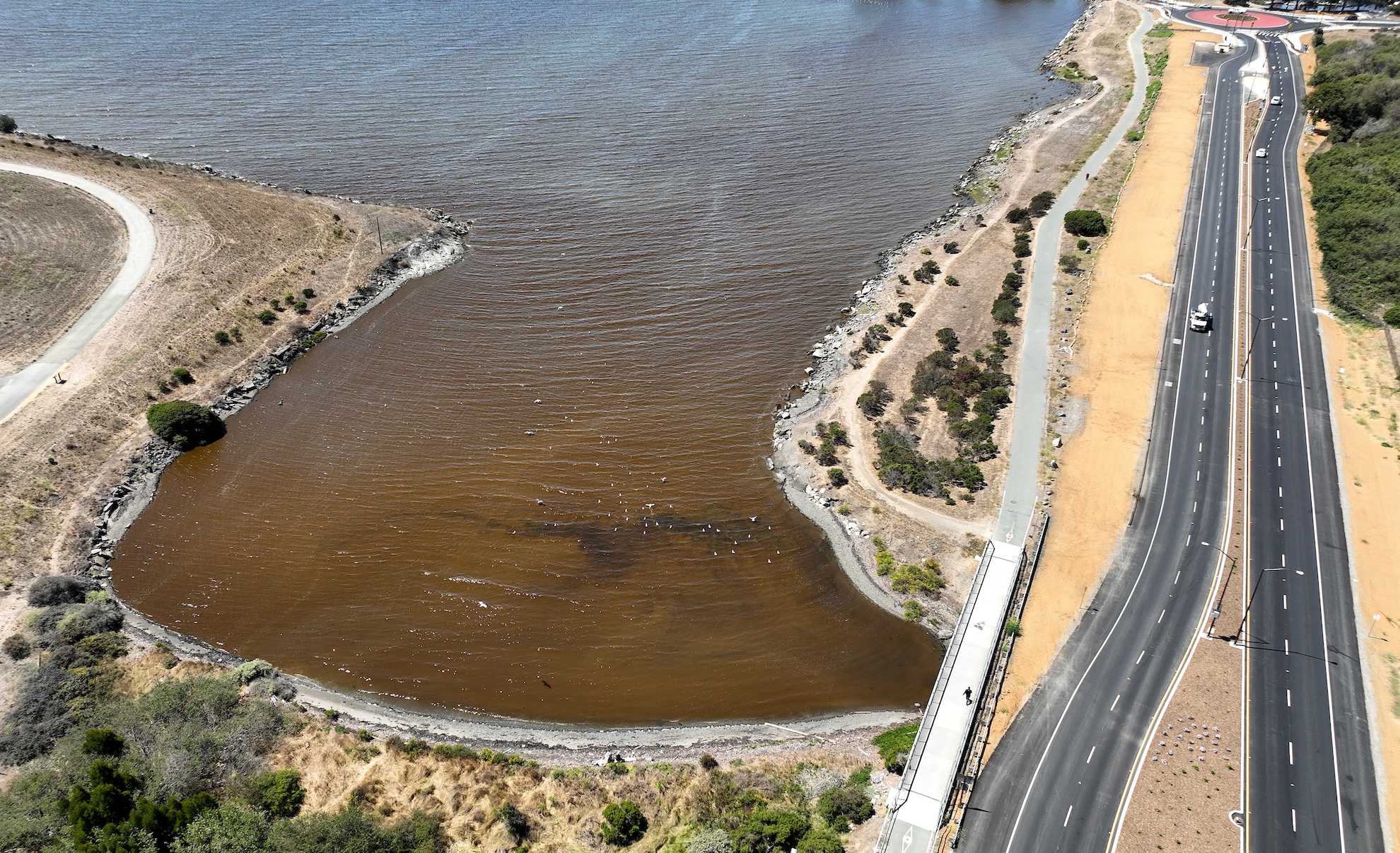
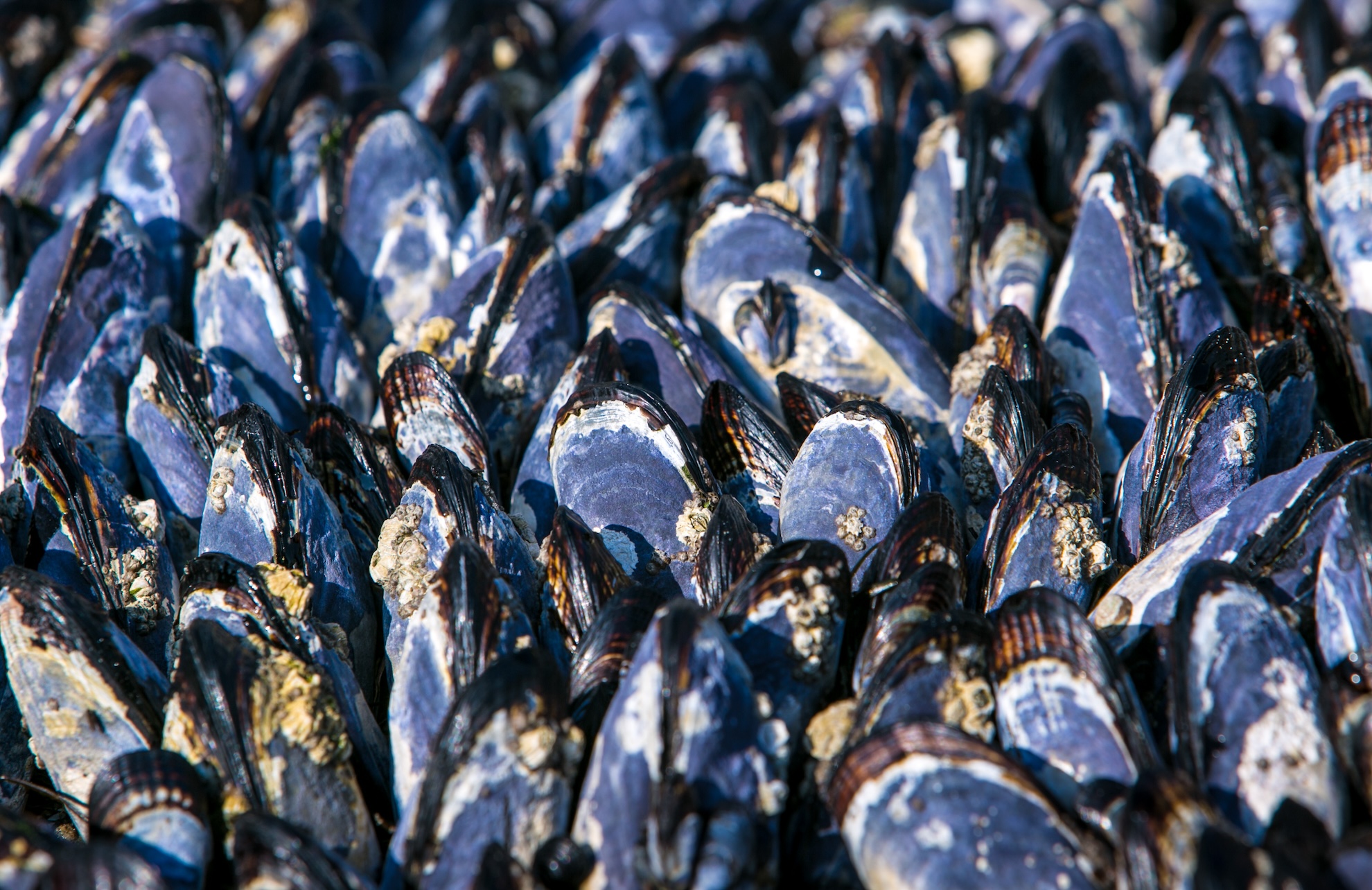
Every summer, California warns people not to collect mussels along the coast because they can become toxic during harmful algal blooms, sometimes called red tides.
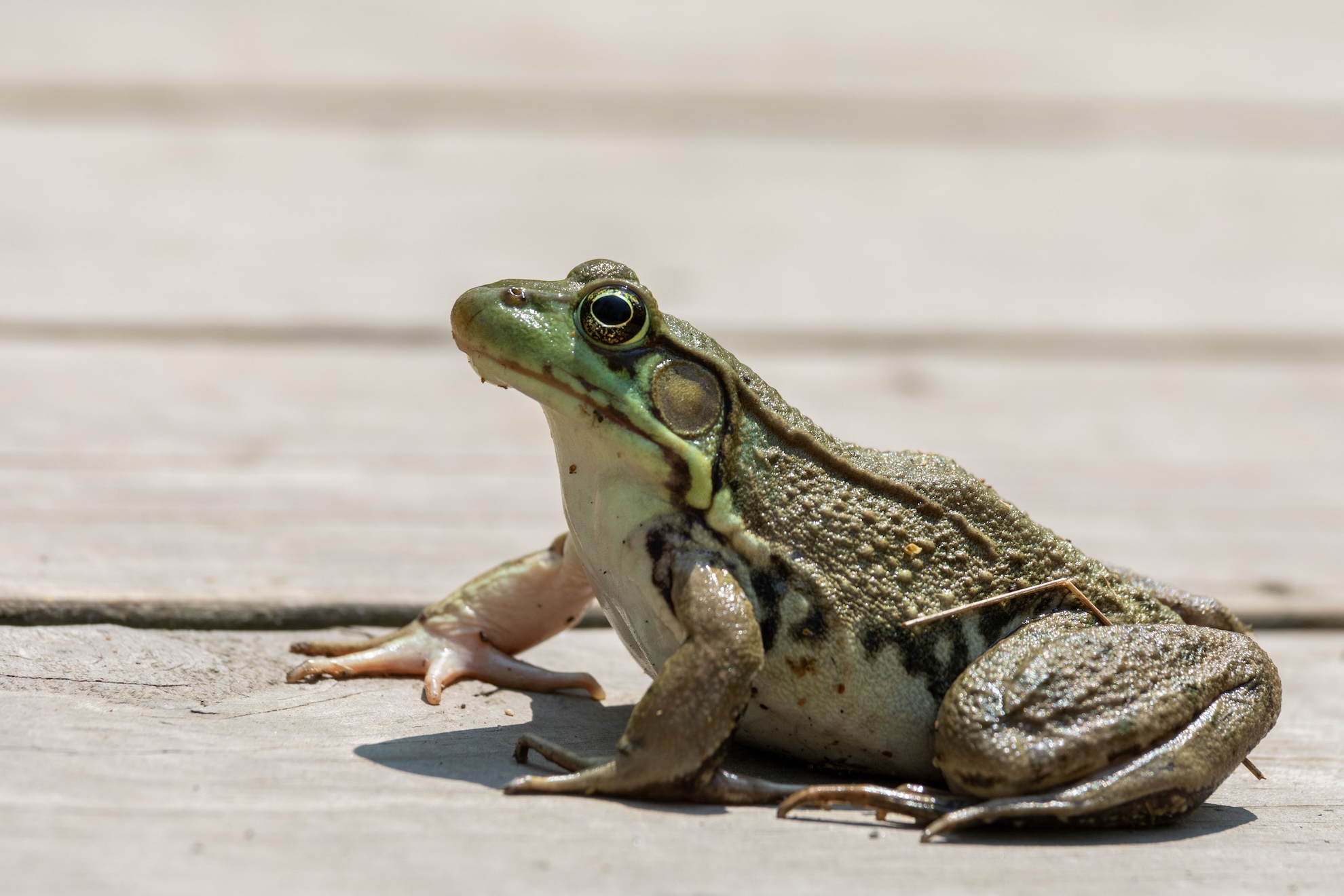
One of the most potent poisons is saxitoxin, the cause of paralytic shellfish poisoning, a life-threatening illness. Now, researchers at UCSF and Stanford University say they may have found a potential treatment in an unlikely source: the bullfrog.
In a study published Thursday in Nature Communications, the team found that a protein naturally produced by frogs protected mice from otherwise lethal doses of saxitoxin.
“Saxitoxin is so potent it’s actually classified as a chemical weapon,” said Daniel Minor, a UC San Francisco biophysicist and the study’s senior author.
Cooking, unfortunately, doesn’t destroy the toxin, and contaminated shellfish look, smell and taste perfectly normal.
If ingested, the poison shuts down the signals that allow your nerves to communicate. A toxic reaction can begin with tingling or numbness around the mouth and hands before progressing to muscle weakness, paralysis and, in severe cases, the inability to breathe.

The discovery of the antidote dates back nearly a century. UCSF physician-scientist Hermann Sommer investigated shellfish poisoning outbreaks along the California coast in the 1920s and ‘30s, and noticed that frogs appeared unusually resistant to the poison.
Today, scientists know frogs produce a protein called saxiphilin that binds tightly to the toxin. Minor’s team wondered whether that natural defense could become a medicine.
“It’s basically like a molecular sponge,” Minor said. “Or like the footballers in the World Cup. Somebody can steal the ball from someone else. And so basically, the saxiphilin is able to steal the toxin and filter it either to the liver or the kidneys to be excreted or removed.”
To test the idea, researchers produced the bullfrog protein in the laboratory and gave it to female mice exposed to high doses of saxitoxin. The protein protected mice before exposure and remained effective even after they had received the toxin.
Rebecca Tarvin, an evolutionary biologist at UC Berkeley who was not involved in the research, said she was impressed that the scientists tested the protein in multiple ways — preventing, neutralizing and rescuing animals from the toxin.
“I thought that was sort of a comprehensive approach to assessing its potential for therapeutics,” Tarvin said.
The findings are still preliminary. The treatment has not been tested in people, and researchers don’t yet know how well it will work against the dozens of related saxitoxins found in nature.
“There’s a huge jump in taking something that works in mice and trying to develop it for humans,” she said.
But the implications could extend well beyond shellfish poisoning. Tarvin believes studying how animals naturally resist toxins could lead to new medications. Some squirrels, for example, have evolved proteins in their blood that bind to rattlesnake venom, helping them survive bites.
Minor said the long-term goal is a treatment hospitals could keep on hand, much like antivenom for snakebites.