How Standing Up to Racism After 9/11 Changed One Immigrant Teenager's Life
Counting on Xenophobia
Separating Fact From Crazed Conspiracy Fiction
Another Way to Say 'Go Back'
Still Separating Families
Tijuana Struggles to Shelter Migrants, Combat Hostility of Some Local Residents
Sponsored
Player sponsored by
window.__IS_SSR__=true
window.__INITIAL_STATE__={
"attachmentsReducer": {
"audio_0": {
"type": "attachments",
"id": "audio_0",
"imgSizes": {
"kqedFullSize": {
"file": "https://ww2.kqed.org/news/wp-content/themes/KQED-unified/img/audio_bgs/background0.jpg"
}
}
},
"audio_1": {
"type": "attachments",
"id": "audio_1",
"imgSizes": {
"kqedFullSize": {
"file": "https://ww2.kqed.org/news/wp-content/themes/KQED-unified/img/audio_bgs/background1.jpg"
}
}
},
"audio_2": {
"type": "attachments",
"id": "audio_2",
"imgSizes": {
"kqedFullSize": {
"file": "https://ww2.kqed.org/news/wp-content/themes/KQED-unified/img/audio_bgs/background2.jpg"
}
}
},
"audio_3": {
"type": "attachments",
"id": "audio_3",
"imgSizes": {
"kqedFullSize": {
"file": "https://ww2.kqed.org/news/wp-content/themes/KQED-unified/img/audio_bgs/background3.jpg"
}
}
},
"audio_4": {
"type": "attachments",
"id": "audio_4",
"imgSizes": {
"kqedFullSize": {
"file": "https://ww2.kqed.org/news/wp-content/themes/KQED-unified/img/audio_bgs/background4.jpg"
}
}
},
"placeholder": {
"type": "attachments",
"id": "placeholder",
"imgSizes": {
"thumbnail": {
"file": "https://cdn.kqed.org/wp-content/uploads/2024/12/KQED-Default-Image-816638274-2000x1333-1-160x107.jpg",
"width": 160,
"height": 107,
"mimeType": "image/jpeg"
},
"medium": {
"file": "https://cdn.kqed.org/wp-content/uploads/2024/12/KQED-Default-Image-816638274-2000x1333-1-800x533.jpg",
"width": 800,
"height": 533,
"mimeType": "image/jpeg"
},
"medium_large": {
"file": "https://cdn.kqed.org/wp-content/uploads/2024/12/KQED-Default-Image-816638274-2000x1333-1-768x512.jpg",
"width": 768,
"height": 512,
"mimeType": "image/jpeg"
},
"large": {
"file": "https://cdn.kqed.org/wp-content/uploads/2024/12/KQED-Default-Image-816638274-2000x1333-1-1020x680.jpg",
"width": 1020,
"height": 680,
"mimeType": "image/jpeg"
},
"1536x1536": {
"file": "https://cdn.kqed.org/wp-content/uploads/2024/12/KQED-Default-Image-816638274-2000x1333-1-1536x1024.jpg",
"width": 1536,
"height": 1024,
"mimeType": "image/jpeg"
},
"fd-lrg": {
"file": "https://cdn.kqed.org/wp-content/uploads/2024/12/KQED-Default-Image-816638274-2000x1333-1-1536x1024.jpg",
"width": 1536,
"height": 1024,
"mimeType": "image/jpeg"
},
"fd-med": {
"file": "https://cdn.kqed.org/wp-content/uploads/2024/12/KQED-Default-Image-816638274-2000x1333-1-1020x680.jpg",
"width": 1020,
"height": 680,
"mimeType": "image/jpeg"
},
"fd-sm": {
"file": "https://cdn.kqed.org/wp-content/uploads/2024/12/KQED-Default-Image-816638274-2000x1333-1-800x533.jpg",
"width": 800,
"height": 533,
"mimeType": "image/jpeg"
},
"post-thumbnail": {
"file": "https://cdn.kqed.org/wp-content/uploads/2024/12/KQED-Default-Image-816638274-2000x1333-1-672x372.jpg",
"width": 672,
"height": 372,
"mimeType": "image/jpeg"
},
"twentyfourteen-full-width": {
"file": "https://cdn.kqed.org/wp-content/uploads/2024/12/KQED-Default-Image-816638274-2000x1333-1-1038x576.jpg",
"width": 1038,
"height": 576,
"mimeType": "image/jpeg"
},
"xxsmall": {
"file": "https://cdn.kqed.org/wp-content/uploads/2024/12/KQED-Default-Image-816638274-2000x1333-1-160x107.jpg",
"width": 160,
"height": 107,
"mimeType": "image/jpeg"
},
"xsmall": {
"file": "https://cdn.kqed.org/wp-content/uploads/2024/12/KQED-Default-Image-816638274-2000x1333-1-672x372.jpg",
"width": 672,
"height": 372,
"mimeType": "image/jpeg"
},
"small": {
"file": "https://cdn.kqed.org/wp-content/uploads/2024/12/KQED-Default-Image-816638274-2000x1333-1-672x372.jpg",
"width": 672,
"height": 372,
"mimeType": "image/jpeg"
},
"xlarge": {
"file": "https://cdn.kqed.org/wp-content/uploads/2024/12/KQED-Default-Image-816638274-2000x1333-1-1020x680.jpg",
"width": 1020,
"height": 680,
"mimeType": "image/jpeg"
},
"full-width": {
"file": "https://cdn.kqed.org/wp-content/uploads/2024/12/KQED-Default-Image-816638274-2000x1333-1-1920x1280.jpg",
"width": 1920,
"height": 1280,
"mimeType": "image/jpeg"
},
"guest-author-32": {
"file": "https://cdn.kqed.org/wp-content/uploads/2025/01/KQED-Default-Image-816638274-1333x1333-1-160x160.jpg",
"width": 32,
"height": 32,
"mimeType": "image/jpeg"
},
"guest-author-50": {
"file": "https://cdn.kqed.org/wp-content/uploads/2025/01/KQED-Default-Image-816638274-1333x1333-1-160x160.jpg",
"width": 50,
"height": 50,
"mimeType": "image/jpeg"
},
"guest-author-64": {
"file": "https://cdn.kqed.org/wp-content/uploads/2025/01/KQED-Default-Image-816638274-1333x1333-1-160x160.jpg",
"width": 64,
"height": 64,
"mimeType": "image/jpeg"
},
"guest-author-96": {
"file": "https://cdn.kqed.org/wp-content/uploads/2025/01/KQED-Default-Image-816638274-1333x1333-1-160x160.jpg",
"width": 96,
"height": 96,
"mimeType": "image/jpeg"
},
"guest-author-128": {
"file": "https://cdn.kqed.org/wp-content/uploads/2025/01/KQED-Default-Image-816638274-1333x1333-1-160x160.jpg",
"width": 128,
"height": 128,
"mimeType": "image/jpeg"
},
"detail": {
"file": "https://cdn.kqed.org/wp-content/uploads/2025/01/KQED-Default-Image-816638274-1333x1333-1-160x160.jpg",
"width": 160,
"height": 160,
"mimeType": "image/jpeg"
},
"kqedFullSize": {
"file": "https://cdn.kqed.org/wp-content/uploads/2024/12/KQED-Default-Image-816638274-2000x1333-1.jpg",
"width": 2000,
"height": 1333
}
}
},
"news_11888877": {
"type": "attachments",
"id": "news_11888877",
"meta": {
"index": "attachments_1716263798",
"site": "news",
"id": "11888877",
"found": true
},
"parent": 11888875,
"imgSizes": {
"twentyfourteen-full-width": {
"file": "https://ww2.kqed.org/app/uploads/sites/10/2021/09/IMG_E7528-1038x576.png",
"width": 1038,
"mimeType": "image/png",
"height": 576
},
"thumbnail": {
"file": "https://ww2.kqed.org/app/uploads/sites/10/2021/09/IMG_E7528-160x120.png",
"width": 160,
"mimeType": "image/png",
"height": 120
},
"post-thumbnail": {
"file": "https://ww2.kqed.org/app/uploads/sites/10/2021/09/IMG_E7528-672x372.png",
"width": 672,
"mimeType": "image/png",
"height": 372
},
"kqedFullSize": {
"file": "https://ww2.kqed.org/app/uploads/sites/10/2021/09/IMG_E7528.png",
"width": 3088,
"height": 2316
},
"2048x2048": {
"file": "https://ww2.kqed.org/app/uploads/sites/10/2021/09/IMG_E7528-2048x1536.png",
"width": 2048,
"mimeType": "image/png",
"height": 1536
},
"large": {
"file": "https://ww2.kqed.org/app/uploads/sites/10/2021/09/IMG_E7528-1020x765.png",
"width": 1020,
"mimeType": "image/png",
"height": 765
},
"1536x1536": {
"file": "https://ww2.kqed.org/app/uploads/sites/10/2021/09/IMG_E7528-1536x1152.png",
"width": 1536,
"mimeType": "image/png",
"height": 1152
},
"full-width": {
"file": "https://ww2.kqed.org/app/uploads/sites/10/2021/09/IMG_E7528-1920x1440.png",
"width": 1920,
"mimeType": "image/png",
"height": 1440
},
"medium": {
"file": "https://ww2.kqed.org/app/uploads/sites/10/2021/09/IMG_E7528-800x600.png",
"width": 800,
"mimeType": "image/png",
"height": 600
}
},
"publishDate": 1631823998,
"modified": 1631910173,
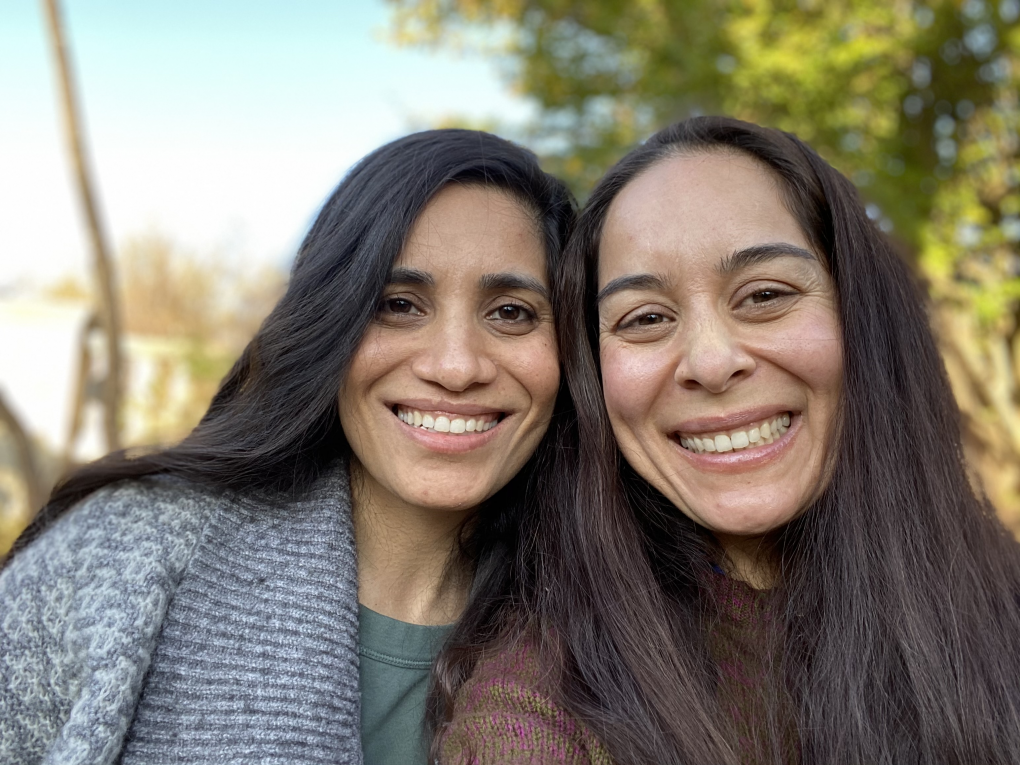
"caption": "Fatima Shah (R) and her sister Saima (L) were students at Berkeley High School on 9/11, when they organized to educate their classmates about South Asian culture and create a buddy system to keep their peers safe. ",
"description": "Sisters Fatima (L) and Saima Shah were students at Berkeley High School on 9/11, when they organized to educate their classmates about South Asian culture and create a buddy system to keep their peers safe. ",
"title": "IMG_E7528",
"credit": "Courtesy of Fatima Shah",
"status": "inherit",
"altTag": "Two women with big smiles lean their heads against each other.",
"fetchFailed": false,
"isLoading": false
},
"news_11830208": {
"type": "attachments",
"id": "news_11830208",
"meta": {
"index": "attachments_1716263798",
"site": "news",
"id": "11830208",
"found": true
},
"parent": 11830201,
"imgSizes": {
"apple_news_ca_landscape_5_5": {
"file": "https://ww2.kqed.org/app/uploads/sites/10/2020/07/getcounted_072220_final-1044x783.png",
"width": 1044,
"mimeType": "image/png",
"height": 783
},
"apple_news_ca_square_4_0": {
"file": "https://ww2.kqed.org/app/uploads/sites/10/2020/07/getcounted_072220_final-470x470.png",
"width": 470,
"mimeType": "image/png",
"height": 470
},
"twentyfourteen-full-width": {
"file": "https://ww2.kqed.org/app/uploads/sites/10/2020/07/getcounted_072220_final-1038x576.png",
"width": 1038,
"mimeType": "image/png",
"height": 576
},
"thumbnail": {
"file": "https://ww2.kqed.org/app/uploads/sites/10/2020/07/getcounted_072220_final-160x143.png",
"width": 160,
"mimeType": "image/png",
"height": 143
},
"post-thumbnail": {
"file": "https://ww2.kqed.org/app/uploads/sites/10/2020/07/getcounted_072220_final-672x372.png",
"width": 672,
"mimeType": "image/png",
"height": 372
},
"kqedFullSize": {
"file": "https://ww2.kqed.org/app/uploads/sites/10/2020/07/getcounted_072220_final.png",
"width": 1920,
"height": 1720
},
"apple_news_ca_landscape_4_7": {
"file": "https://ww2.kqed.org/app/uploads/sites/10/2020/07/getcounted_072220_final-632x474.png",
"width": 632,
"mimeType": "image/png",
"height": 474
},
"large": {
"file": "https://ww2.kqed.org/app/uploads/sites/10/2020/07/getcounted_072220_final-1020x914.png",
"width": 1020,
"mimeType": "image/png",
"height": 914
},
"apple_news_ca_landscape_4_0": {
"file": "https://ww2.kqed.org/app/uploads/sites/10/2020/07/getcounted_072220_final-536x402.png",
"width": 536,
"mimeType": "image/png",
"height": 402
},
"apple_news_ca_portrait_12_9": {
"file": "https://ww2.kqed.org/app/uploads/sites/10/2020/07/getcounted_072220_final-1122x1496.png",
"width": 1122,
"mimeType": "image/png",
"height": 1496
},
"medium": {
"file": "https://ww2.kqed.org/app/uploads/sites/10/2020/07/getcounted_072220_final-800x717.png",
"width": 800,
"mimeType": "image/png",
"height": 717
},
"apple_news_ca_portrait_4_0": {
"file": "https://ww2.kqed.org/app/uploads/sites/10/2020/07/getcounted_072220_final-354x472.png",
"width": 354,
"mimeType": "image/png",
"height": 472
},
"apple_news_ca_portrait_9_7": {
"file": "https://ww2.kqed.org/app/uploads/sites/10/2020/07/getcounted_072220_final-840x1120.png",
"width": 840,
"mimeType": "image/png",
"height": 1120
},
"apple_news_ca_landscape_12_9": {
"file": "https://ww2.kqed.org/app/uploads/sites/10/2020/07/getcounted_072220_final-1832x1374.png",
"width": 1832,
"mimeType": "image/png",
"height": 1374
},
"apple_news_ca_square_9_7": {
"file": "https://ww2.kqed.org/app/uploads/sites/10/2020/07/getcounted_072220_final-1104x1104.png",
"width": 1104,
"mimeType": "image/png",
"height": 1104
},
"1536x1536": {
"file": "https://ww2.kqed.org/app/uploads/sites/10/2020/07/getcounted_072220_final-1536x1376.png",
"width": 1536,
"mimeType": "image/png",
"height": 1376
},
"apple_news_ca_portrait_4_7": {
"file": "https://ww2.kqed.org/app/uploads/sites/10/2020/07/getcounted_072220_final-414x552.png",
"width": 414,
"mimeType": "image/png",
"height": 552
},
"apple_news_ca_square_12_9": {
"file": "https://ww2.kqed.org/app/uploads/sites/10/2020/07/getcounted_072220_final-1472x1472.png",
"width": 1472,
"mimeType": "image/png",
"height": 1472
},
"apple_news_ca_portrait_5_5": {
"file": "https://ww2.kqed.org/app/uploads/sites/10/2020/07/getcounted_072220_final-687x916.png",
"width": 687,
"mimeType": "image/png",
"height": 916
},
"apple_news_ca_square_4_7": {
"file": "https://ww2.kqed.org/app/uploads/sites/10/2020/07/getcounted_072220_final-550x550.png",
"width": 550,
"mimeType": "image/png",
"height": 550
},
"apple_news_ca_landscape_9_7": {
"file": "https://ww2.kqed.org/app/uploads/sites/10/2020/07/getcounted_072220_final-1376x1032.png",
"width": 1376,
"mimeType": "image/png",
"height": 1032
},
"apple_news_ca_square_5_5": {
"file": "https://ww2.kqed.org/app/uploads/sites/10/2020/07/getcounted_072220_final-912x912.png",
"width": 912,
"mimeType": "image/png",
"height": 912
}
},
"publishDate": 1595447380,
"modified": 1595447422,
"caption": null,
"description": null,
"title": "getcounted_072220_final",
"credit": null,
"status": "inherit",
"fetchFailed": false,
"isLoading": false
},
"news_11799374": {
"type": "attachments",
"id": "news_11799374",
"meta": {
"index": "attachments_1716263798",
"site": "news",
"id": "11799374",
"found": true
},
"parent": 11799364,
"imgSizes": {
"apple_news_ca_landscape_5_5": {
"file": "https://ww2.kqed.org/app/uploads/sites/10/2020/01/keepcalm_013120_final_featured-1044x783.jpg",
"width": 1044,
"mimeType": "image/jpeg",
"height": 783
},
"apple_news_ca_square_4_0": {
"file": "https://ww2.kqed.org/app/uploads/sites/10/2020/01/keepcalm_013120_final_featured-470x470.jpg",
"width": 470,
"mimeType": "image/jpeg",
"height": 470
},
"twentyfourteen-full-width": {
"file": "https://ww2.kqed.org/app/uploads/sites/10/2020/01/keepcalm_013120_final_featured-1038x576.jpg",
"width": 1038,
"mimeType": "image/jpeg",
"height": 576
},
"thumbnail": {
"file": "https://ww2.kqed.org/app/uploads/sites/10/2020/01/keepcalm_013120_final_featured-160x103.jpg",
"width": 160,
"mimeType": "image/jpeg",
"height": 103
},
"post-thumbnail": {
"file": "https://ww2.kqed.org/app/uploads/sites/10/2020/01/keepcalm_013120_final_featured-672x372.jpg",
"width": 672,
"mimeType": "image/jpeg",
"height": 372
},
"kqedFullSize": {
"file": "https://ww2.kqed.org/app/uploads/sites/10/2020/01/keepcalm_013120_final_featured.jpg",
"width": 1920,
"height": 1238
},
"apple_news_ca_landscape_4_7": {
"file": "https://ww2.kqed.org/app/uploads/sites/10/2020/01/keepcalm_013120_final_featured-632x474.jpg",
"width": 632,
"mimeType": "image/jpeg",
"height": 474
},
"large": {
"file": "https://ww2.kqed.org/app/uploads/sites/10/2020/01/keepcalm_013120_final_featured-1020x658.jpg",
"width": 1020,
"mimeType": "image/jpeg",
"height": 658
},
"apple_news_ca_landscape_4_0": {
"file": "https://ww2.kqed.org/app/uploads/sites/10/2020/01/keepcalm_013120_final_featured-536x402.jpg",
"width": 536,
"mimeType": "image/jpeg",
"height": 402
},
"apple_news_ca_portrait_12_9": {
"file": "https://ww2.kqed.org/app/uploads/sites/10/2020/01/keepcalm_013120_final_featured-1122x1238.jpg",
"width": 1122,
"mimeType": "image/jpeg",
"height": 1238
},
"medium": {
"file": "https://ww2.kqed.org/app/uploads/sites/10/2020/01/keepcalm_013120_final_featured-800x516.jpg",
"width": 800,
"mimeType": "image/jpeg",
"height": 516
},
"apple_news_ca_portrait_4_0": {
"file": "https://ww2.kqed.org/app/uploads/sites/10/2020/01/keepcalm_013120_final_featured-354x472.jpg",
"width": 354,
"mimeType": "image/jpeg",
"height": 472
},
"apple_news_ca_portrait_9_7": {
"file": "https://ww2.kqed.org/app/uploads/sites/10/2020/01/keepcalm_013120_final_featured-840x1120.jpg",
"width": 840,
"mimeType": "image/jpeg",
"height": 1120
},
"apple_news_ca_landscape_12_9": {
"file": "https://ww2.kqed.org/app/uploads/sites/10/2020/01/keepcalm_013120_final_featured-1832x1238.jpg",
"width": 1832,
"mimeType": "image/jpeg",
"height": 1238
},
"apple_news_ca_square_9_7": {
"file": "https://ww2.kqed.org/app/uploads/sites/10/2020/01/keepcalm_013120_final_featured-1104x1104.jpg",
"width": 1104,
"mimeType": "image/jpeg",
"height": 1104
},
"apple_news_ca_portrait_4_7": {
"file": "https://ww2.kqed.org/app/uploads/sites/10/2020/01/keepcalm_013120_final_featured-414x552.jpg",
"width": 414,
"mimeType": "image/jpeg",
"height": 552
},
"apple_news_ca_square_12_9": {
"file": "https://ww2.kqed.org/app/uploads/sites/10/2020/01/keepcalm_013120_final_featured-1472x1238.jpg",
"width": 1472,
"mimeType": "image/jpeg",
"height": 1238
},
"apple_news_ca_portrait_5_5": {
"file": "https://ww2.kqed.org/app/uploads/sites/10/2020/01/keepcalm_013120_final_featured-687x916.jpg",
"width": 687,
"mimeType": "image/jpeg",
"height": 916
},
"full-width": {
"file": "https://ww2.kqed.org/app/uploads/sites/10/2020/01/keepcalm_013120_final_featured-1920x1238.jpg",
"width": 1920,
"mimeType": "image/jpeg",
"height": 1238
},
"apple_news_ca_square_4_7": {
"file": "https://ww2.kqed.org/app/uploads/sites/10/2020/01/keepcalm_013120_final_featured-550x550.jpg",
"width": 550,
"mimeType": "image/jpeg",
"height": 550
},
"apple_news_ca_landscape_9_7": {
"file": "https://ww2.kqed.org/app/uploads/sites/10/2020/01/keepcalm_013120_final_featured-1376x1032.jpg",
"width": 1376,
"mimeType": "image/jpeg",
"height": 1032
},
"apple_news_ca_square_5_5": {
"file": "https://ww2.kqed.org/app/uploads/sites/10/2020/01/keepcalm_013120_final_featured-912x912.jpg",
"width": 912,
"mimeType": "image/jpeg",
"height": 912
}
},
"publishDate": 1580503416,
"modified": 1580503450,
"caption": null,
"description": null,
"title": "keepcalm_013120_final_featured",
"credit": null,
"status": "inherit",
"fetchFailed": false,
"isLoading": false
},
"news_11761511": {
"type": "attachments",
"id": "news_11761511",
"meta": {
"index": "attachments_1716263798",
"site": "news",
"id": "11761511",
"found": true
},
"parent": 11761485,
"imgSizes": {
"apple_news_ca_landscape_5_5": {
"file": "https://ww2.kqed.org/app/uploads/sites/10/2019/07/goback_071519_final-1044x783.jpg",
"width": 1044,
"mimeType": "image/jpeg",
"height": 783
},
"apple_news_ca_square_4_0": {
"file": "https://ww2.kqed.org/app/uploads/sites/10/2019/07/goback_071519_final-470x470.jpg",
"width": 470,
"mimeType": "image/jpeg",
"height": 470
},
"twentyfourteen-full-width": {
"file": "https://ww2.kqed.org/app/uploads/sites/10/2019/07/goback_071519_final-1038x576.jpg",
"width": 1038,
"mimeType": "image/jpeg",
"height": 576
},
"thumbnail": {
"file": "https://ww2.kqed.org/app/uploads/sites/10/2019/07/goback_071519_final-160x115.jpg",
"width": 160,
"mimeType": "image/jpeg",
"height": 115
},
"post-thumbnail": {
"file": "https://ww2.kqed.org/app/uploads/sites/10/2019/07/goback_071519_final-672x372.jpg",
"width": 672,
"mimeType": "image/jpeg",
"height": 372
},
"kqedFullSize": {
"file": "https://ww2.kqed.org/app/uploads/sites/10/2019/07/goback_071519_final.jpg",
"width": 1920,
"height": 1385
},
"apple_news_ca_landscape_4_7": {
"file": "https://ww2.kqed.org/app/uploads/sites/10/2019/07/goback_071519_final-632x474.jpg",
"width": 632,
"mimeType": "image/jpeg",
"height": 474
},
"large": {
"file": "https://ww2.kqed.org/app/uploads/sites/10/2019/07/goback_071519_final-1020x736.jpg",
"width": 1020,
"mimeType": "image/jpeg",
"height": 736
},
"complete_open_graph": {
"file": "https://ww2.kqed.org/app/uploads/sites/10/2019/07/goback_071519_final-1200x866.jpg",
"width": 1200,
"mimeType": "image/jpeg",
"height": 866
},
"apple_news_ca_landscape_4_0": {
"file": "https://ww2.kqed.org/app/uploads/sites/10/2019/07/goback_071519_final-536x402.jpg",
"width": 536,
"mimeType": "image/jpeg",
"height": 402
},
"apple_news_ca_portrait_12_9": {
"file": "https://ww2.kqed.org/app/uploads/sites/10/2019/07/goback_071519_final-1122x1385.jpg",
"width": 1122,
"mimeType": "image/jpeg",
"height": 1385
},
"medium": {
"file": "https://ww2.kqed.org/app/uploads/sites/10/2019/07/goback_071519_final-800x577.jpg",
"width": 800,
"mimeType": "image/jpeg",
"height": 577
},
"apple_news_ca_portrait_4_0": {
"file": "https://ww2.kqed.org/app/uploads/sites/10/2019/07/goback_071519_final-354x472.jpg",
"width": 354,
"mimeType": "image/jpeg",
"height": 472
},
"apple_news_ca_portrait_9_7": {
"file": "https://ww2.kqed.org/app/uploads/sites/10/2019/07/goback_071519_final-840x1120.jpg",
"width": 840,
"mimeType": "image/jpeg",
"height": 1120
},
"apple_news_ca_landscape_12_9": {
"file": "https://ww2.kqed.org/app/uploads/sites/10/2019/07/goback_071519_final-1832x1374.jpg",
"width": 1832,
"mimeType": "image/jpeg",
"height": 1374
},
"apple_news_ca_square_9_7": {
"file": "https://ww2.kqed.org/app/uploads/sites/10/2019/07/goback_071519_final-1104x1104.jpg",
"width": 1104,
"mimeType": "image/jpeg",
"height": 1104
},
"apple_news_ca_portrait_4_7": {
"file": "https://ww2.kqed.org/app/uploads/sites/10/2019/07/goback_071519_final-414x552.jpg",
"width": 414,
"mimeType": "image/jpeg",
"height": 552
},
"apple_news_ca_square_12_9": {
"file": "https://ww2.kqed.org/app/uploads/sites/10/2019/07/goback_071519_final-1472x1385.jpg",
"width": 1472,
"mimeType": "image/jpeg",
"height": 1385
},
"apple_news_ca_portrait_5_5": {
"file": "https://ww2.kqed.org/app/uploads/sites/10/2019/07/goback_071519_final-687x916.jpg",
"width": 687,
"mimeType": "image/jpeg",
"height": 916
},
"full-width": {
"file": "https://ww2.kqed.org/app/uploads/sites/10/2019/07/goback_071519_final-1920x1385.jpg",
"width": 1920,
"mimeType": "image/jpeg",
"height": 1385
},
"apple_news_ca_square_4_7": {
"file": "https://ww2.kqed.org/app/uploads/sites/10/2019/07/goback_071519_final-550x550.jpg",
"width": 550,
"mimeType": "image/jpeg",
"height": 550
},
"apple_news_ca_landscape_9_7": {
"file": "https://ww2.kqed.org/app/uploads/sites/10/2019/07/goback_071519_final-1376x1032.jpg",
"width": 1376,
"mimeType": "image/jpeg",
"height": 1032
},
"apple_news_ca_square_5_5": {
"file": "https://ww2.kqed.org/app/uploads/sites/10/2019/07/goback_071519_final-912x912.jpg",
"width": 912,
"mimeType": "image/jpeg",
"height": 912
}
},
"publishDate": 1563233445,
"modified": 1563233468,
"caption": null,
"description": null,
"title": "goback_071519_final",
"credit": null,
"status": "inherit",
"fetchFailed": false,
"isLoading": false
},
"news_11710936": {
"type": "attachments",
"id": "news_11710936",
"meta": {
"index": "attachments_1716263798",
"site": "news",
"id": "11710936",
"found": true
},
"parent": 11710928,
"imgSizes": {
"twentyfourteen-full-width": {
"file": "https://ww2.kqed.org/app/uploads/sites/10/2018/12/maintain_120718_final-1038x576.jpg",
"width": 1038,
"mimeType": "image/jpeg",
"height": 576
},
"thumbnail": {
"file": "https://ww2.kqed.org/app/uploads/sites/10/2018/12/maintain_120718_final-160x102.jpg",
"width": 160,
"mimeType": "image/jpeg",
"height": 102
},
"post-thumbnail": {
"file": "https://ww2.kqed.org/app/uploads/sites/10/2018/12/maintain_120718_final-672x372.jpg",
"width": 672,
"mimeType": "image/jpeg",
"height": 372
},
"kqedFullSize": {
"file": "https://ww2.kqed.org/app/uploads/sites/10/2018/12/maintain_120718_final.jpg",
"width": 1920,
"height": 1221
},
"large": {
"file": "https://ww2.kqed.org/app/uploads/sites/10/2018/12/maintain_120718_final-1020x649.jpg",
"width": 1020,
"mimeType": "image/jpeg",
"height": 649
},
"complete_open_graph": {
"file": "https://ww2.kqed.org/app/uploads/sites/10/2018/12/maintain_120718_final-1200x763.jpg",
"width": 1200,
"mimeType": "image/jpeg",
"height": 763
},
"guest-author-50": {
"file": "https://ww2.kqed.org/app/uploads/sites/10/2018/12/maintain_120718_final-50x50.jpg",
"width": 50,
"mimeType": "image/jpeg",
"height": 50
},
"guest-author-96": {
"file": "https://ww2.kqed.org/app/uploads/sites/10/2018/12/maintain_120718_final-96x96.jpg",
"width": 96,
"mimeType": "image/jpeg",
"height": 96
},
"medium": {
"file": "https://ww2.kqed.org/app/uploads/sites/10/2018/12/maintain_120718_final-800x509.jpg",
"width": 800,
"mimeType": "image/jpeg",
"height": 509
},
"guest-author-64": {
"file": "https://ww2.kqed.org/app/uploads/sites/10/2018/12/maintain_120718_final-64x64.jpg",
"width": 64,
"mimeType": "image/jpeg",
"height": 64
},
"guest-author-32": {
"file": "https://ww2.kqed.org/app/uploads/sites/10/2018/12/maintain_120718_final-32x32.jpg",
"width": 32,
"mimeType": "image/jpeg",
"height": 32
},
"full-width": {
"file": "https://ww2.kqed.org/app/uploads/sites/10/2018/12/maintain_120718_final-1920x1221.jpg",
"width": 1920,
"mimeType": "image/jpeg",
"height": 1221
},
"detail": {
"file": "https://ww2.kqed.org/app/uploads/sites/10/2018/12/maintain_120718_final-150x150.jpg",
"width": 150,
"mimeType": "image/jpeg",
"height": 150
},
"guest-author-128": {
"file": "https://ww2.kqed.org/app/uploads/sites/10/2018/12/maintain_120718_final-128x128.jpg",
"width": 128,
"mimeType": "image/jpeg",
"height": 128
}
},
"publishDate": 1544223164,
"modified": 1544223196,
"caption": null,
"description": null,
"title": "maintain_120718_final",
"credit": null,
"status": "inherit",
"fetchFailed": false,
"isLoading": false
},
"news_11706891": {
"type": "attachments",
"id": "news_11706891",
"meta": {
"index": "attachments_1716263798",
"site": "news",
"id": "11706891",
"found": true
},
"parent": 0,
"imgSizes": {
"twentyfourteen-full-width": {
"file": "https://ww2.kqed.org/app/uploads/sites/10/2018/11/Peluqueria_004-e1542403246973-1038x576.jpg",
"width": 1038,
"mimeType": "image/jpeg",
"height": 576
},
"thumbnail": {
"file": "https://ww2.kqed.org/app/uploads/sites/10/2018/11/Peluqueria_004-e1542403246973-160x107.jpg",
"width": 160,
"mimeType": "image/jpeg",
"height": 107
},
"post-thumbnail": {
"file": "https://ww2.kqed.org/app/uploads/sites/10/2018/11/Peluqueria_004-e1542403246973-672x372.jpg",
"width": 672,
"mimeType": "image/jpeg",
"height": 372
},
"kqedFullSize": {
"file": "https://ww2.kqed.org/app/uploads/sites/10/2018/11/Peluqueria_004-e1542403246973.jpg",
"width": 1590,
"height": 1060
},
"large": {
"file": "https://ww2.kqed.org/app/uploads/sites/10/2018/11/Peluqueria_004-e1542403246973-1020x680.jpg",
"width": 1020,
"mimeType": "image/jpeg",
"height": 680
},
"complete_open_graph": {
"file": "https://ww2.kqed.org/app/uploads/sites/10/2018/11/Peluqueria_004-e1542403246973-1200x800.jpg",
"width": 1200,
"mimeType": "image/jpeg",
"height": 800
},
"guest-author-50": {
"file": "https://ww2.kqed.org/app/uploads/sites/10/2018/11/Peluqueria_004-e1542403246973-50x50.jpg",
"width": 50,
"mimeType": "image/jpeg",
"height": 50
},
"guest-author-96": {
"file": "https://ww2.kqed.org/app/uploads/sites/10/2018/11/Peluqueria_004-e1542403246973-96x96.jpg",
"width": 96,
"mimeType": "image/jpeg",
"height": 96
},
"medium": {
"file": "https://ww2.kqed.org/app/uploads/sites/10/2018/11/Peluqueria_004-e1542403246973-800x533.jpg",
"width": 800,
"mimeType": "image/jpeg",
"height": 533
},
"guest-author-64": {
"file": "https://ww2.kqed.org/app/uploads/sites/10/2018/11/Peluqueria_004-e1542403246973-64x64.jpg",
"width": 64,
"mimeType": "image/jpeg",
"height": 64
},
"guest-author-32": {
"file": "https://ww2.kqed.org/app/uploads/sites/10/2018/11/Peluqueria_004-e1542403246973-32x32.jpg",
"width": 32,
"mimeType": "image/jpeg",
"height": 32
},
"detail": {
"file": "https://ww2.kqed.org/app/uploads/sites/10/2018/11/Peluqueria_004-e1542403246973-150x150.jpg",
"width": 150,
"mimeType": "image/jpeg",
"height": 150
},
"guest-author-128": {
"file": "https://ww2.kqed.org/app/uploads/sites/10/2018/11/Peluqueria_004-e1542403246973-128x128.jpg",
"width": 128,
"mimeType": "image/jpeg",
"height": 128
}
},
"publishDate": 1542402954,
"modified": 1542416440,
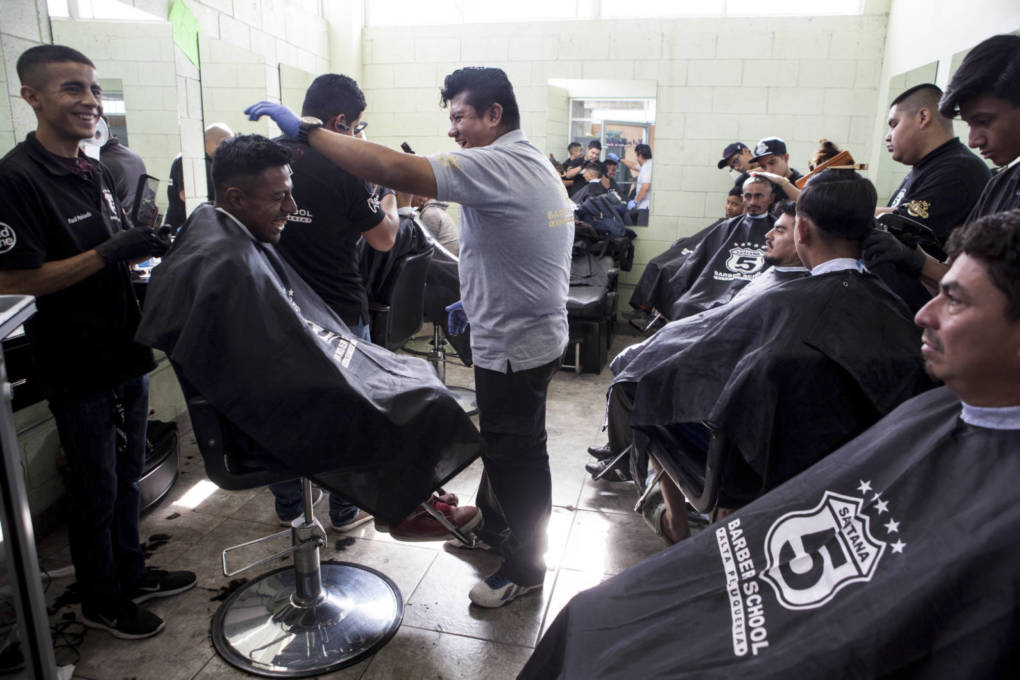
"caption": "Thousands of Central American migrants traveling together through Mexico to reach the U.S. border arrived in Tijuana Thursday, Nov. 15, 2018. At a Catholic center called Padre Chava, migrants received breakfast and free haircuts from students of Santana 5 Barber School. The school has provided free haircuts at the shelter for years. ",
"description": "(Left to right): Stylist Paul and client Julio's, professor Ricardo Reyes (center) stylist Miguel cuts Osby's hair, Jonathan cuts Angel's hair, Ricardo cuts William Antonio's hair, Azael cuts Christian's hair, Daniel Marquez cuts Victor's hair, and Berenice Bajo cuts Carlos' hair.",
"title": "Peluqueria_004",
"credit": "Erin Siegal McIntyre/KQED",
"status": "inherit",
"fetchFailed": false,
"isLoading": false
}
},
"audioPlayerReducer": {
"postId": "stream_live",
"isPaused": true,
"isPlaying": false,
"pfsActive": false,
"pledgeModalIsOpen": true,
"playerDrawerIsOpen": false
},
"authorsReducer": {
"sasha-khokha": {
"type": "authors",
"id": "254",
"meta": {
"index": "authors_1716337520",
"id": "254",
"found": true
},
"name": "Sasha Khokha",
"firstName": "Sasha",
"lastName": "Khokha",
"slug": "sasha-khokha",
"email": "skhokha@kqed.org",
"display_author_email": true,
"staff_mastheads": [
"news"
],
"title": "Host, The California Report Magazine",
"bio": "Sasha Khokha is the host of \u003cem>The California Report's \u003c/em> weekly magazine program, which takes listeners on sound-rich excursions to meet the people that make the Golden State unique -- through audio documentaries and long-form stories. As \u003cem>The California Report's\u003c/em> Central Valley Bureau Chief based in Fresno for nearly a dozen years, Sasha brought the lives and concerns of rural Californians to listeners around the state. Her reporting helped expose the hidden price immigrant women janitors and farmworkers may pay to keep their jobs: sexual assault at work. It inspired two new California laws to protect them from sexual harassment. She was a key member of the reporting team for the Frontline film \u003cem>Rape on the Night Shift, \u003c/em>which was nominated for two national Emmys. Sasha has also won a national Edward R. Murrow and a national PRNDI award for investigative reporting, as well as multiple prizes from the Society for Professional Journalists. Sasha is a proud alum of the UC Berkeley Graduate School of Journalism and Brown University and a member of the South Asian Journalists Association.",
"avatar": "https://secure.gravatar.com/avatar/e4b5e1541aaeea2aa356aa1fb2a68950?s=600&d=blank&r=g",
"twitter": "KQEDSashaKhokha",
"facebook": null,
"instagram": null,
"linkedin": null,
"sites": [
{
"site": "news",
"roles": [
"editor"
]
},
{
"site": "stateofhealth",
"roles": [
"author"
]
},
{
"site": "science",
"roles": [
"author"
]
},
{
"site": "quest",
"roles": [
"subscriber"
]
}
],
"headData": {
"title": "Sasha Khokha | KQED",
"description": "Host, The California Report Magazine",
"ogImgSrc": "https://secure.gravatar.com/avatar/e4b5e1541aaeea2aa356aa1fb2a68950?s=600&d=blank&r=g",
"twImgSrc": "https://secure.gravatar.com/avatar/e4b5e1541aaeea2aa356aa1fb2a68950?s=600&d=blank&r=g"
},
"isLoading": false,
"link": "/author/sasha-khokha"
},
"markfiore": {
"type": "authors",
"id": "3236",
"meta": {
"index": "authors_1716337520",
"id": "3236",
"found": true
},
"name": "Mark Fiore",
"firstName": "Mark",
"lastName": "Fiore",
"slug": "markfiore",
"email": "mark@markfiore.com",
"display_author_email": false,
"staff_mastheads": [
"news"
],
"title": "KQED News Cartoonist",
"bio": "\u003ca href=\"http://www.MarkFiore.com\">MarkFiore.com\u003c/a> | \u003ca href=\"https://twitter.com/markfiore\">Follow on Twitter\u003c/a> | \u003ca href=\"https://www.facebook.com/pages/Mark-Fiore-Animated-Political-Cartoons/94451707396?ref=bookmarks\">Facebook\u003c/a> | \u003ca href=\"mailto:mark@markfiore.com\">email\u003c/a>\r\n\r\nPulitzer Prize-winner, Mark Fiore, who the Wall Street Journal has called “the undisputed guru of the form,” creates animated political cartoons in San Francisco, where his work has been featured regularly on the San Francisco Chronicle’s web site, SFGate.com. His work has appeared on Newsweek.com, Slate.com, CBSNews.com, MotherJones.com, DailyKos.com and NPR’s web site. Fiore’s political animation has appeared on CNN, Frontline, Bill Moyers Journal, Salon.com and cable and broadcast outlets across the globe.\r\n\r\nBeginning his professional life by drawing traditional political cartoons for newspapers, Fiore’s work appeared in publications ranging from the Washington Post to the Los Angeles Times. In the late 1990s, he began to experiment with animating political cartoons and, after a short stint at the San Jose Mercury News as their staff cartoonist, Fiore devoted all his energies to animation.\r\nGrowing up in California, Fiore also spent a good portion of his life in the backwoods of Idaho. It was this combination that shaped him politically. Mark majored in political science at Colorado College, where, in a perfect send-off for a cartoonist, he received his diploma in 1991 as commencement speaker Dick Cheney smiled approvingly.\r\nMark Fiore was awarded the Pulitzer Prize for political cartooning in 2010, a Robert F. Kennedy Journalism Award in 2004 and has twice received an Online Journalism Award for commentary from the Online News Association (2002, 2008). Fiore has received two awards for his work in new media from the National Cartoonists Society (2001, 2002), and in 2006 received The James Madison Freedom of Information Award from The Society of Professional Journalists.",
"avatar": "https://secure.gravatar.com/avatar/fc4e2a612b15b67bad0c6f0e1db4ca9b?s=600&d=blank&r=g",
"twitter": "MarkFiore",
"facebook": null,
"instagram": "https://www.instagram.com/markfiore/?hl=en",
"linkedin": null,
"sites": [
{
"site": "arts",
"roles": [
"contributor"
]
},
{
"site": "news",
"roles": [
"editor"
]
},
{
"site": "futureofyou",
"roles": [
"editor"
]
},
{
"site": "science",
"roles": [
"editor"
]
}
],
"headData": {
"title": "Mark Fiore | KQED",
"description": "KQED News Cartoonist",
"ogImgSrc": "https://secure.gravatar.com/avatar/fc4e2a612b15b67bad0c6f0e1db4ca9b?s=600&d=blank&r=g",
"twImgSrc": "https://secure.gravatar.com/avatar/fc4e2a612b15b67bad0c6f0e1db4ca9b?s=600&d=blank&r=g"
},
"isLoading": false,
"link": "/author/markfiore"
}
},
"breakingNewsReducer": {},
"pagesReducer": {},
"postsReducer": {
"stream_live": {
"type": "live",
"id": "stream_live",
"audioUrl": "https://streams.kqed.org/kqedradio",
"title": "Live Stream",
"excerpt": "Live Stream information currently unavailable.",
"link": "/radio",
"featImg": "",
"label": {
"name": "KQED Live",
"link": "/"
}
},
"stream_kqedNewscast": {
"type": "posts",
"id": "stream_kqedNewscast",
"audioUrl": "https://www.kqed.org/.stream/anon/radio/RDnews/newscast.mp3?_=1",
"title": "KQED Newscast",
"featImg": "",
"label": {
"name": "88.5 FM",
"link": "/"
}
},
"news_11888875": {
"type": "posts",
"id": "news_11888875",
"meta": {
"index": "posts_1716263798",
"site": "news",
"id": "11888875",
"score": null,
"sort": [
1631916004000
]
},
"guestAuthors": [],
"slug": "how-standing-up-to-racism-after-9-11-changed-one-immigrant-teenagers-life",
"title": "How Standing Up to Racism After 9/11 Changed One Immigrant Teenager's Life",
"publishDate": 1631916004,
"format": "audio",
"headTitle": "How Standing Up to Racism After 9/11 Changed One Immigrant Teenager’s Life | KQED",
"labelTerm": {
"term": 26731,
"site": "news"
},
"content": "\u003cp>In the weeks following 9/11, I was a brand-new student at the UC Berkeley Graduate School of Journalism. I wanted to find out how the backlash against South Asians — my own community — was affecting young people. So I visited Berkeley High School, where I met a group of teenagers combatting racism, bias, and fear among their peers. I wrote a \u003ca href=\"https://web.archive.org/web/20070613101251/www.asianweek.com/2001_10_05/news_schools.html\">story for AsianWeek\u003c/a>\u003cspan style=\"font-weight: 400\"> that began like this:\u003c/span>\u003c/p>\n\u003cblockquote>\u003cp>“Fatima Shah, 17, missed school last week because her father was afraid kids would spit on her. She had reason to worry. The Berkeley High School senior wears a Salwar-Kameeze, a traditional South Asian dress, and after the Sept. 11 terrorist attacks, other students gave her dirty looks. Some told her she didn’t belong.”\u003c/p>\u003c/blockquote>\n\u003cp>Fatima’s peers told me about similar experiences, including a student who was hit on the back of the head and had to be hospitalized for what was largely believed to be a hate attack.\u003c/p>\n\u003cp>Twenty years later, I caught up with Fatima Shah, who still lives in the Bay Area, to talk about her experiences after 9/11 and how they shaped her over the last two decades.\u003c/p>\n\u003cfigure id=\"attachment_11888920\" class=\"wp-caption aligncenter\" style=\"max-width: 2560px\">\u003cimg loading=\"lazy\" decoding=\"async\" class=\"wp-image-11888920 size-full\" src=\"https://ww2.kqed.org/app/uploads/sites/10/2021/09/IMG_3975-scaled.jpg\" alt=\"\" width=\"2560\" height=\"1920\" srcset=\"https://cdn.kqed.org/wp-content/uploads/sites/10/2021/09/IMG_3975-scaled.jpg 2560w, https://cdn.kqed.org/wp-content/uploads/sites/10/2021/09/IMG_3975-800x600.jpg 800w, https://cdn.kqed.org/wp-content/uploads/sites/10/2021/09/IMG_3975-1020x765.jpg 1020w, https://cdn.kqed.org/wp-content/uploads/sites/10/2021/09/IMG_3975-160x120.jpg 160w, https://cdn.kqed.org/wp-content/uploads/sites/10/2021/09/IMG_3975-1536x1152.jpg 1536w, https://cdn.kqed.org/wp-content/uploads/sites/10/2021/09/IMG_3975-2048x1536.jpg 2048w, https://cdn.kqed.org/wp-content/uploads/sites/10/2021/09/IMG_3975-1920x1440.jpg 1920w\" sizes=\"(max-width: 2560px) 100vw, 2560px\">\u003cfigcaption class=\"wp-caption-text\">Fatima Shah, standing outside of Berkeley High School. \u003ccite>(Sasha Khokha/KQED)\u003c/cite>\u003c/figcaption>\u003c/figure>\n\u003ch3>‘We felt really vulnerable’\u003c/h3>\n\u003cp>Standing outside Berkeley High School, Fatima Shah gasped at how young the students looked to her. It triggered a flood of memories about how alienated she felt as a teenager — an ESL student and a recent immigrant.\u003c/p>\n\u003cp>“I would spend a lot of my time thinking and just wishing to God, I will do anything to just fit in,” Shah said. “That was my biggest life goal was to blend in, not stand out, because it was not cool to stand out.”\u003c/p>\n\u003cp>She remembers some of her classmates calling her “dirty Muslim” even before 9/11. It was hard to reconcile those experiences with Berkeley’s reputation as a liberal, open place.\u003c/p>\n\u003cp>“People want to find the enemy, and anyone that looks like the enemy, they become very easily targeted, even in communities like Berkeley,” Shah reflected.\u003c/p>\n\u003cp>She had come to California from Pakistan just a few years before 9/11, on her 13th birthday. Her family of seven lived in a tiny apartment in Berkeley, and her dad supported them as a busboy in a restaurant. He agreed to let his daughters go to school, as long as they wore the traditional salwar kameez\u003ci>.\u003c/i>\u003c/p>\n\u003cp>After the attacks, though, Shah’s father insisted on keeping his daughters home from school. He read reports of \u003ca href=\"https://saalt.org/policy-change/post-9-11-backlash/\">attacks targeting South Asian and Muslim people\u003c/a> and wanted to protect his kids from potential danger. [pullquote size='medium' align='right' citation='Fatima Shah']‘People want to find the enemy, and anyone that looks like the enemy, they become very easily targeted, even in communities like Berkeley.’[/pullquote]\u003c/p>\n\u003cp>“There were a lot of incidents, and we felt really vulnerable,” Shah said.\u003c/p>\n\u003cp>Before the attacks, Shah had started participating in a student group at Berkeley High called \u003ca href=\"http://www.youthtogether.net/\">Youth Together\u003c/a>. Members of the group came to Shah’s house and convinced her dad to send the kids back to school. Though the principal was initially reluctant, Shah and other students lobbied to be able to hold a first-of-its-kind teach-in about South Asian and Muslim culture.\u003c/p>\n\u003cp>“People would ask me a question like, ‘Oh, who’s bin Laden?’ and ‘You’re Muslim, but why don’t you cover your hair?’ or ‘What’s the difference between a Sikh and a Muslim? You both have long hair.’” Shah remembered.\u003c/p>\n\u003cp>Shah’s mom brought biryani for her classmates to try, and the group put on an all-school assembly, performing dances and talking about their faith. [aside postID='mindshift_58481,forum_2010101884955,arts_13902779' label='More Coverage']\u003c/p>\n\u003cp>“I remember very clearly being very anxious because I was on the stage. I have always wanted to blend in and here I am standing out. But at the same time, I felt a lot of excitement to talk about my experiences and [feel the crowd] supporting me,” Shah recalled.\u003c/p>\n\u003cp>“In the back of my head, I’m like, ‘Oh, I don’t want to be attacked. I don’t want somebody to throw something at me.’ I did not want to be booed off the stage because I couldn’t speak English clearly,” she said.\u003c/p>\n\u003cp>“We want other kids to know that we are as American as they are,” Shah said back in 2001, in the \u003ca href=\"https://web.archive.org/web/20070613101251/www.asianweek.com/2001_10_05/news_schools.html\">AsianWeek article\u003c/a>. “It doesn’t matter if we dress differently. They said, ‘Go back to your country, your country is responsible.’ But they don’t even know where Pakistan is.”\u003c/p>\n\u003cp>Shah also recalls leading her classmates through an exercise to help them understand scapegoating.\u003c/p>\n\u003cp>She and other Youth Together students asked for a volunteer. They taped a sign reading “terrorist” to that person’s back, then asked others to shout out different stereotypes.\u003c/p>\n\u003cp>“Foreigner, box-cutter, rag-head, Aladdin!” the students chanted.\u003c/p>\n\u003cp>Black and Latinx students said hearing from Shah and her fellow South Asian classmates taught them to see their peers in a new light, to realize that South Asian students also experienced racism and were subject to stereotypes.\u003c/p>\n\u003cp>“If I was that person, I’d feel real bad. I’d go home and start to cry,” said Bianca Watkins, a 15-year-old quoted in the 2001 AsianWeek article. Watkins volunteered to be the target in the scapegoating exercise and admitted that she had made stereotypical comments about Arab Americans and South Asians in the past. “But I take it all back now.”\u003c/p>\n\u003cfigure id=\"attachment_11888881\" class=\"wp-caption aligncenter\" style=\"max-width: 2560px\">\u003cimg loading=\"lazy\" decoding=\"async\" class=\"wp-image-11888881 size-full\" src=\"https://ww2.kqed.org/app/uploads/sites/10/2021/09/IMG_4041-scaled.jpg\" alt=\"Two hands hold up a picture in a binder of a group of smiling teenagers.\" width=\"2560\" height=\"1920\" srcset=\"https://cdn.kqed.org/wp-content/uploads/sites/10/2021/09/IMG_4041-scaled.jpg 2560w, https://cdn.kqed.org/wp-content/uploads/sites/10/2021/09/IMG_4041-800x600.jpg 800w, https://cdn.kqed.org/wp-content/uploads/sites/10/2021/09/IMG_4041-1020x765.jpg 1020w, https://cdn.kqed.org/wp-content/uploads/sites/10/2021/09/IMG_4041-160x120.jpg 160w, https://cdn.kqed.org/wp-content/uploads/sites/10/2021/09/IMG_4041-1536x1152.jpg 1536w, https://cdn.kqed.org/wp-content/uploads/sites/10/2021/09/IMG_4041-2048x1536.jpg 2048w, https://cdn.kqed.org/wp-content/uploads/sites/10/2021/09/IMG_4041-1920x1440.jpg 1920w\" sizes=\"(max-width: 2560px) 100vw, 2560px\">\u003cfigcaption class=\"wp-caption-text\">A picture from Khokha’s 2001 article about Fatima and Saima Shah (far right) and their peers, featured on the Berkeley South Asian Radical History Walking Tour, which is led by community historians. \u003ccite>(Sasha Khokha/KQED)\u003c/cite>\u003c/figcaption>\u003c/figure>\n\u003ch3>Building alliances and allies\u003c/h3>\n\u003cp>Standing in front of her former high school, Shah looked at a picture from September 2001. It captured a group of South Asian students, smiling, some in turbans, some in salwar kameez, some in jeans. They were all wearing green armbands, another of the group’s efforts to show solidarity and create a feeling of safety and community. Students from many different backgrounds wore armbands that fall at Berkeley High to indicate that they were allies — whether that meant eating lunch with a South Asian or Muslim student or walking them home.\u003c/p>\n\u003cp>“A blond white guy will have it on his backpack. And then African American girls had it around her wrist,” Shah recounted. “It really created a community, a place for me where I felt safe.”\u003c/p>\n\u003cp>Shah said the armbands also helped her feel a sense of belonging as an American. The teach-ins allowed her to humanize herself to her classmates and focus on shared experience, not difference.\u003c/p>\n\u003cp>Watching the students on campus today, in 2021, Shah said she has a message for them. “Become a friend with somebody that looks completely opposite of who they are in every possible way,” she said. “Become a friend with a Muslim student that looks completely different. Become a friend with ESL students that recently arrived to the country.”\u003c/p>\n\u003cp>“There are so many commonalities in our experiences as teenagers. And yet there are two different planets that we live on, and it’s amazing to coexist,” she said. [pullquote size='medium' align='right' citation='Anirvan Chatterjee, community historian']‘I’m amazed that these recent immigrant kids, these working-class kids showed up in a new school, that they managed to build alliances between communities and they managed to help bring safety not only just for themselves but for every other targeted student in their school.’[/pullquote]\u003c/p>\n\u003cp>The story of Shah and the other Youth Together students is one of several featured on \u003ca href=\"https://www.berkeleysouthasian.org/\" target=\"_blank\" rel=\"noopener noreferrer\">Berkeley’s South Asian Radical History walking tour\u003c/a>. Participants stop in front of Berkeley High, look at the picture of the students and hear the story of their courage.\u003c/p>\n\u003cp>“I’m amazed that these recent immigrant kids, these working-class kids showed up in a new school, that they managed to build alliances between communities and they managed to help bring safety not only just for themselves but for every other targeted student in their school,” said community historian Anirvan Chatterjee, who co-leads the tours with his wife, Barnali Ghosh. “One by one, white, African American, Latino, Asian American, mixed-race high school students, they all started putting on these green armbands. And little by little, the rate of attacks started to come down. They helped bring safety not only for themselves but for every other student at their school.”\u003c/p>\n\u003cp>The lessons Shah learned about allyship through Youth Together pushed her to pursue a career in education. She went on to community college, then attended UC Berkeley. Today she’s a counselor at Berkeley City College. She mostly works with undocumented students, refugee students and English-language learners. She helps them figure out their higher education goals, apply to four-year colleges and find jobs.\u003c/p>\n\u003cp>“I like to humanize my students and hear them and connect with them,” Shah said, the same way that teach-in 20 years ago helped her high school peers humanize her. [ad fullwidth]\u003c/p>\n\u003cp>She doesn’t see as many working-class South Asian students in Berkeley these days, she said. But she connects deeply with undocumented students and refugees from many countries.\u003c/p>\n\u003cp>“I help them break down their goals. So when I hear students say, ‘I just immigrated from Guatemala and I want to become a medical doctor,’ I say, ‘Good, that’s a very admirable goal. But let’s break it down to small goals. To learn the language so you can have a better foundation. It’s not gonna be right away. It’s gonna take these steps.’”\u003c/p>\n\u003cp>But Shah said she still feels the sting of prejudice in the place she’s lived for decades now. She recently bought her own house in Albany, just north of Berkeley, and says some of her new neighbors asked her where she came from.\u003c/p>\n\u003cp>“The question others you,” she said. “Then you’re reminded that you have to prove yourself in so many ways to be American. It’s a lot of work.”\u003c/p>\n\u003cp>\u003ci>Note: Sasha Khokha’s partner is a teacher at Berkeley High School who was not on staff back in 2001.\u003c/i>\u003c/p>\n\u003cp>[ad floatright]\u003c/p>\n",
"blocks": [],
"excerpt": "Twenty years after 9/11, Fatima Shah — who organized against anti-Muslim backlash as a teenager at Berkeley High School — reflects on how it changed her life.",
"status": "publish",
"parent": 0,
"modified": 1721157760,
"stats": {
"hasAudio": false,
"hasVideo": false,
"hasChartOrMap": false,
"iframeSrcs": [],
"hasGoogleForm": false,
"hasGallery": false,
"hasHearkenModule": false,
"hasPolis": false,
"paragraphCount": 37,
"wordCount": 1833
},
"headData": {
"title": "How Standing Up to Racism After 9/11 Changed One Immigrant Teenager's Life | KQED",
"description": "Twenty years after 9/11, Fatima Shah — who organized against anti-Muslim backlash as a teenager at Berkeley High School — reflects on how it changed her life.",
"ogTitle": "",
"ogDescription": "",
"ogImgId": "",
"twTitle": "",
"twDescription": "",
"twImgId": "",
"schema": {
"@context": "https://schema.org",
"@type": "NewsArticle",
"headline": "How Standing Up to Racism After 9/11 Changed One Immigrant Teenager's Life",
"datePublished": "2021-09-17T15:00:04-07:00",
"dateModified": "2024-07-16T12:22:40-07:00",
"image": "https://cdn.kqed.org/wp-content/uploads/2020/02/KQED-OG-Image@1x.png",
"isAccessibleForFree": "True",
"publisher": {
"@type": "NewsMediaOrganization",
"@id": "https://www.kqed.org/#organization",
"name": "KQED",
"logo": "https://cdn.kqed.org/wp-content/uploads/2020/02/KQED-OG-Image@1x.png",
"url": "https://www.kqed.org",
"sameAs": [
"https://www.facebook.com/KQED",
"https://twitter.com/KQED",
"https://www.instagram.com/kqed/",
"https://www.tiktok.com/@kqedofficial",
"https://www.linkedin.com/company/kqed",
"https://www.youtube.com/channel/UCeC0IOo7i1P_61zVUWbJ4nw"
]
}
}
},
"audioUrl": "https://traffic.omny.fm/d/clips/0af137ef-751e-4b19-a055-aaef00d2d578/ffca7e9f-6831-4[…]f-aaef00f5a073/9eb4c188-e860-4ea7-ae53-ada60164ba2f/audio.mp3",
"sticky": false,
"path": "/news/11888875/how-standing-up-to-racism-after-9-11-changed-one-immigrant-teenagers-life",
"audioTrackLength": null,
"parsedContent": [
{
"type": "contentString",
"content": "\u003cdiv class=\"post-body\">\u003cp>\u003cp>In the weeks following 9/11, I was a brand-new student at the UC Berkeley Graduate School of Journalism. I wanted to find out how the backlash against South Asians — my own community — was affecting young people. So I visited Berkeley High School, where I met a group of teenagers combatting racism, bias, and fear among their peers. I wrote a \u003ca href=\"https://web.archive.org/web/20070613101251/www.asianweek.com/2001_10_05/news_schools.html\">story for AsianWeek\u003c/a>\u003cspan style=\"font-weight: 400\"> that began like this:\u003c/span>\u003c/p>\n\u003cblockquote>\u003cp>“Fatima Shah, 17, missed school last week because her father was afraid kids would spit on her. She had reason to worry. The Berkeley High School senior wears a Salwar-Kameeze, a traditional South Asian dress, and after the Sept. 11 terrorist attacks, other students gave her dirty looks. Some told her she didn’t belong.”\u003c/p>\u003c/blockquote>\n\u003cp>Fatima’s peers told me about similar experiences, including a student who was hit on the back of the head and had to be hospitalized for what was largely believed to be a hate attack.\u003c/p>\n\u003cp>Twenty years later, I caught up with Fatima Shah, who still lives in the Bay Area, to talk about her experiences after 9/11 and how they shaped her over the last two decades.\u003c/p>\n\u003cfigure id=\"attachment_11888920\" class=\"wp-caption aligncenter\" style=\"max-width: 2560px\">\u003cimg loading=\"lazy\" decoding=\"async\" class=\"wp-image-11888920 size-full\" src=\"https://ww2.kqed.org/app/uploads/sites/10/2021/09/IMG_3975-scaled.jpg\" alt=\"\" width=\"2560\" height=\"1920\" srcset=\"https://cdn.kqed.org/wp-content/uploads/sites/10/2021/09/IMG_3975-scaled.jpg 2560w, https://cdn.kqed.org/wp-content/uploads/sites/10/2021/09/IMG_3975-800x600.jpg 800w, https://cdn.kqed.org/wp-content/uploads/sites/10/2021/09/IMG_3975-1020x765.jpg 1020w, https://cdn.kqed.org/wp-content/uploads/sites/10/2021/09/IMG_3975-160x120.jpg 160w, https://cdn.kqed.org/wp-content/uploads/sites/10/2021/09/IMG_3975-1536x1152.jpg 1536w, https://cdn.kqed.org/wp-content/uploads/sites/10/2021/09/IMG_3975-2048x1536.jpg 2048w, https://cdn.kqed.org/wp-content/uploads/sites/10/2021/09/IMG_3975-1920x1440.jpg 1920w\" sizes=\"(max-width: 2560px) 100vw, 2560px\">\u003cfigcaption class=\"wp-caption-text\">Fatima Shah, standing outside of Berkeley High School. \u003ccite>(Sasha Khokha/KQED)\u003c/cite>\u003c/figcaption>\u003c/figure>\n\u003ch3>‘We felt really vulnerable’\u003c/h3>\n\u003cp>Standing outside Berkeley High School, Fatima Shah gasped at how young the students looked to her. It triggered a flood of memories about how alienated she felt as a teenager — an ESL student and a recent immigrant.\u003c/p>\n\u003cp>“I would spend a lot of my time thinking and just wishing to God, I will do anything to just fit in,” Shah said. “That was my biggest life goal was to blend in, not stand out, because it was not cool to stand out.”\u003c/p>\n\u003cp>She remembers some of her classmates calling her “dirty Muslim” even before 9/11. It was hard to reconcile those experiences with Berkeley’s reputation as a liberal, open place.\u003c/p>\n\u003cp>“People want to find the enemy, and anyone that looks like the enemy, they become very easily targeted, even in communities like Berkeley,” Shah reflected.\u003c/p>\n\u003cp>She had come to California from Pakistan just a few years before 9/11, on her 13th birthday. Her family of seven lived in a tiny apartment in Berkeley, and her dad supported them as a busboy in a restaurant. He agreed to let his daughters go to school, as long as they wore the traditional salwar kameez\u003ci>.\u003c/i>\u003c/p>\n\u003cp>After the attacks, though, Shah’s father insisted on keeping his daughters home from school. He read reports of \u003ca href=\"https://saalt.org/policy-change/post-9-11-backlash/\">attacks targeting South Asian and Muslim people\u003c/a> and wanted to protect his kids from potential danger. \u003c/p>\u003c/div>",
"attributes": {
"named": {},
"numeric": []
}
},
{
"type": "component",
"content": "‘People want to find the enemy, and anyone that looks like the enemy, they become very easily targeted, even in communities like Berkeley.’",
"name": "pullquote",
"attributes": {
"named": {
"size": "medium",
"align": "right",
"citation": "Fatima Shah",
"label": ""
},
"numeric": []
}
},
{
"type": "contentString",
"content": "\u003cdiv class=\"post-body\">\u003cp>\u003c/p>\n\u003cp>“There were a lot of incidents, and we felt really vulnerable,” Shah said.\u003c/p>\n\u003cp>Before the attacks, Shah had started participating in a student group at Berkeley High called \u003ca href=\"http://www.youthtogether.net/\">Youth Together\u003c/a>. Members of the group came to Shah’s house and convinced her dad to send the kids back to school. Though the principal was initially reluctant, Shah and other students lobbied to be able to hold a first-of-its-kind teach-in about South Asian and Muslim culture.\u003c/p>\n\u003cp>“People would ask me a question like, ‘Oh, who’s bin Laden?’ and ‘You’re Muslim, but why don’t you cover your hair?’ or ‘What’s the difference between a Sikh and a Muslim? You both have long hair.’” Shah remembered.\u003c/p>\n\u003cp>Shah’s mom brought biryani for her classmates to try, and the group put on an all-school assembly, performing dances and talking about their faith. \u003c/p>\u003c/div>",
"attributes": {
"named": {},
"numeric": []
}
},
{
"type": "component",
"content": "",
"name": "aside",
"attributes": {
"named": {
"postid": "mindshift_58481,forum_2010101884955,arts_13902779",
"label": "More Coverage "
},
"numeric": []
}
},
{
"type": "contentString",
"content": "\u003cdiv class=\"post-body\">\u003cp>\u003c/p>\n\u003cp>“I remember very clearly being very anxious because I was on the stage. I have always wanted to blend in and here I am standing out. But at the same time, I felt a lot of excitement to talk about my experiences and [feel the crowd] supporting me,” Shah recalled.\u003c/p>\n\u003cp>“In the back of my head, I’m like, ‘Oh, I don’t want to be attacked. I don’t want somebody to throw something at me.’ I did not want to be booed off the stage because I couldn’t speak English clearly,” she said.\u003c/p>\n\u003cp>“We want other kids to know that we are as American as they are,” Shah said back in 2001, in the \u003ca href=\"https://web.archive.org/web/20070613101251/www.asianweek.com/2001_10_05/news_schools.html\">AsianWeek article\u003c/a>. “It doesn’t matter if we dress differently. They said, ‘Go back to your country, your country is responsible.’ But they don’t even know where Pakistan is.”\u003c/p>\n\u003cp>Shah also recalls leading her classmates through an exercise to help them understand scapegoating.\u003c/p>\n\u003cp>She and other Youth Together students asked for a volunteer. They taped a sign reading “terrorist” to that person’s back, then asked others to shout out different stereotypes.\u003c/p>\n\u003cp>“Foreigner, box-cutter, rag-head, Aladdin!” the students chanted.\u003c/p>\n\u003cp>Black and Latinx students said hearing from Shah and her fellow South Asian classmates taught them to see their peers in a new light, to realize that South Asian students also experienced racism and were subject to stereotypes.\u003c/p>\n\u003cp>“If I was that person, I’d feel real bad. I’d go home and start to cry,” said Bianca Watkins, a 15-year-old quoted in the 2001 AsianWeek article. Watkins volunteered to be the target in the scapegoating exercise and admitted that she had made stereotypical comments about Arab Americans and South Asians in the past. “But I take it all back now.”\u003c/p>\n\u003cfigure id=\"attachment_11888881\" class=\"wp-caption aligncenter\" style=\"max-width: 2560px\">\u003cimg loading=\"lazy\" decoding=\"async\" class=\"wp-image-11888881 size-full\" src=\"https://ww2.kqed.org/app/uploads/sites/10/2021/09/IMG_4041-scaled.jpg\" alt=\"Two hands hold up a picture in a binder of a group of smiling teenagers.\" width=\"2560\" height=\"1920\" srcset=\"https://cdn.kqed.org/wp-content/uploads/sites/10/2021/09/IMG_4041-scaled.jpg 2560w, https://cdn.kqed.org/wp-content/uploads/sites/10/2021/09/IMG_4041-800x600.jpg 800w, https://cdn.kqed.org/wp-content/uploads/sites/10/2021/09/IMG_4041-1020x765.jpg 1020w, https://cdn.kqed.org/wp-content/uploads/sites/10/2021/09/IMG_4041-160x120.jpg 160w, https://cdn.kqed.org/wp-content/uploads/sites/10/2021/09/IMG_4041-1536x1152.jpg 1536w, https://cdn.kqed.org/wp-content/uploads/sites/10/2021/09/IMG_4041-2048x1536.jpg 2048w, https://cdn.kqed.org/wp-content/uploads/sites/10/2021/09/IMG_4041-1920x1440.jpg 1920w\" sizes=\"(max-width: 2560px) 100vw, 2560px\">\u003cfigcaption class=\"wp-caption-text\">A picture from Khokha’s 2001 article about Fatima and Saima Shah (far right) and their peers, featured on the Berkeley South Asian Radical History Walking Tour, which is led by community historians. \u003ccite>(Sasha Khokha/KQED)\u003c/cite>\u003c/figcaption>\u003c/figure>\n\u003ch3>Building alliances and allies\u003c/h3>\n\u003cp>Standing in front of her former high school, Shah looked at a picture from September 2001. It captured a group of South Asian students, smiling, some in turbans, some in salwar kameez, some in jeans. They were all wearing green armbands, another of the group’s efforts to show solidarity and create a feeling of safety and community. Students from many different backgrounds wore armbands that fall at Berkeley High to indicate that they were allies — whether that meant eating lunch with a South Asian or Muslim student or walking them home.\u003c/p>\n\u003cp>“A blond white guy will have it on his backpack. And then African American girls had it around her wrist,” Shah recounted. “It really created a community, a place for me where I felt safe.”\u003c/p>\n\u003cp>Shah said the armbands also helped her feel a sense of belonging as an American. The teach-ins allowed her to humanize herself to her classmates and focus on shared experience, not difference.\u003c/p>\n\u003cp>Watching the students on campus today, in 2021, Shah said she has a message for them. “Become a friend with somebody that looks completely opposite of who they are in every possible way,” she said. “Become a friend with a Muslim student that looks completely different. Become a friend with ESL students that recently arrived to the country.”\u003c/p>\n\u003cp>“There are so many commonalities in our experiences as teenagers. And yet there are two different planets that we live on, and it’s amazing to coexist,” she said. \u003c/p>\u003c/div>",
"attributes": {
"named": {},
"numeric": []
}
},
{
"type": "component",
"content": "‘I’m amazed that these recent immigrant kids, these working-class kids showed up in a new school, that they managed to build alliances between communities and they managed to help bring safety not only just for themselves but for every other targeted student in their school.’",
"name": "pullquote",
"attributes": {
"named": {
"size": "medium",
"align": "right",
"citation": "Anirvan Chatterjee, community historian",
"label": ""
},
"numeric": []
}
},
{
"type": "contentString",
"content": "\u003cdiv class=\"post-body\">\u003cp>\u003c/p>\n\u003cp>The story of Shah and the other Youth Together students is one of several featured on \u003ca href=\"https://www.berkeleysouthasian.org/\" target=\"_blank\" rel=\"noopener noreferrer\">Berkeley’s South Asian Radical History walking tour\u003c/a>. Participants stop in front of Berkeley High, look at the picture of the students and hear the story of their courage.\u003c/p>\n\u003cp>“I’m amazed that these recent immigrant kids, these working-class kids showed up in a new school, that they managed to build alliances between communities and they managed to help bring safety not only just for themselves but for every other targeted student in their school,” said community historian Anirvan Chatterjee, who co-leads the tours with his wife, Barnali Ghosh. “One by one, white, African American, Latino, Asian American, mixed-race high school students, they all started putting on these green armbands. And little by little, the rate of attacks started to come down. They helped bring safety not only for themselves but for every other student at their school.”\u003c/p>\n\u003cp>The lessons Shah learned about allyship through Youth Together pushed her to pursue a career in education. She went on to community college, then attended UC Berkeley. Today she’s a counselor at Berkeley City College. She mostly works with undocumented students, refugee students and English-language learners. She helps them figure out their higher education goals, apply to four-year colleges and find jobs.\u003c/p>\n\u003cp>“I like to humanize my students and hear them and connect with them,” Shah said, the same way that teach-in 20 years ago helped her high school peers humanize her. \u003c/p>\u003c/div>",
"attributes": {
"named": {},
"numeric": []
}
},
{
"type": "component",
"content": "",
"name": "ad",
"attributes": {
"named": {
"label": "fullwidth"
},
"numeric": [
"fullwidth"
]
}
},
{
"type": "contentString",
"content": "\u003cdiv class=\"post-body\">\u003cp>\u003c/p>\n\u003cp>She doesn’t see as many working-class South Asian students in Berkeley these days, she said. But she connects deeply with undocumented students and refugees from many countries.\u003c/p>\n\u003cp>“I help them break down their goals. So when I hear students say, ‘I just immigrated from Guatemala and I want to become a medical doctor,’ I say, ‘Good, that’s a very admirable goal. But let’s break it down to small goals. To learn the language so you can have a better foundation. It’s not gonna be right away. It’s gonna take these steps.’”\u003c/p>\n\u003cp>But Shah said she still feels the sting of prejudice in the place she’s lived for decades now. She recently bought her own house in Albany, just north of Berkeley, and says some of her new neighbors asked her where she came from.\u003c/p>\n\u003cp>“The question others you,” she said. “Then you’re reminded that you have to prove yourself in so many ways to be American. It’s a lot of work.”\u003c/p>\n\u003cp>\u003ci>Note: Sasha Khokha’s partner is a teacher at Berkeley High School who was not on staff back in 2001.\u003c/i>\u003c/p>\n\u003cp>\u003c/p>\u003c/div>",
"attributes": {
"named": {},
"numeric": []
}
},
{
"type": "component",
"content": "",
"name": "ad",
"attributes": {
"named": {
"label": "floatright"
},
"numeric": [
"floatright"
]
}
},
{
"type": "contentString",
"content": "\u003cdiv class=\"post-body\">\u003cp>\u003c/p>\n\u003c/div>\u003c/p>",
"attributes": {
"named": {},
"numeric": []
}
}
],
"link": "/news/11888875/how-standing-up-to-racism-after-9-11-changed-one-immigrant-teenagers-life",
"authors": [
"254"
],
"programs": [
"news_72",
"news_26731"
],
"categories": [
"news_8"
],
"tags": [
"news_1849",
"news_29910",
"news_129",
"news_1101",
"news_29026",
"news_20601",
"news_20219",
"news_28528",
"news_21121",
"news_24517"
],
"featImg": "news_11888877",
"label": "news_26731"
},
"news_11830201": {
"type": "posts",
"id": "news_11830201",
"meta": {
"index": "posts_1716263798",
"site": "news",
"id": "11830201",
"score": null,
"sort": [
1595448748000
]
},
"parent": 0,
"labelTerm": {
"site": "news",
"term": 18515
},
"blocks": [],
"publishDate": 1595448748,
"format": "standard",
"disqusTitle": "Counting on Xenophobia",
"title": "Counting on Xenophobia",
"headTitle": "Mark Fiore: Drawn to the Bay | KQED News",
"content": "\u003cp>President Trump wants to \u003ca href=\"https://bit.ly/fioretrumpcensus\">leave undocumented immigrants out of the 2020 Census count\u003c/a> even though the Constitution mandates every person living in the United States be counted.\u003c/p>\n\u003cp>Numerous places in our Constitution and U.S. Code refer to the count of \"persons\" or \"total population\" with no mention of immigration status.\u003c/p>\n\u003cp>The Trump administration likely knows this unconstitutional attempt to make immigrants invisible will hit a dead end in the courts.\u003c/p>\n\u003cp>No matter, though, it's all about rallying the base.\u003c/p>\n\u003cp>This will help stoke the fires of xenophobia that worked so well for Trump during his 2016 campaign.\u003c/p>\n\u003cp>If you haven't been counted in the 2020 Census yet, here's where you can get started and find more information \u003ca href=\"https://2020census.gov/en.html\">in English\u003c/a>, \u003ca href=\"https://2020census.gov/es.html\">Spanish\u003c/a> and \u003ca href=\"https://2020census.gov/en/languages.html\">46 other languages\u003c/a>.\u003c/p>\n\u003cp>[ad fullwidth]\u003c/p>\n\u003cp>\u003c/p>\n",
"disqusIdentifier": "11830201 https://ww2.kqed.org/news/?p=11830201",
"disqusUrl": "https://ww2.kqed.org/news/2020/07/22/counting-on-xenophobia/",
"stats": {
"hasVideo": false,
"hasChartOrMap": false,
"hasAudio": false,
"hasPolis": false,
"wordCount": 130,
"hasGoogleForm": false,
"hasGallery": false,
"hasHearkenModule": false,
"iframeSrcs": [],
"paragraphCount": 8
},
"modified": 1595448748,
"excerpt": "President Trump wants to leave undocumented immigrants out of the 2020 Census count. The Constitution mandates every person living in the United States be counted.",
"headData": {
"twImgId": "",
"twTitle": "",
"ogTitle": "",
"ogImgId": "",
"twDescription": "",
"description": "President Trump wants to leave undocumented immigrants out of the 2020 Census count. The Constitution mandates every person living in the United States be counted.",
"title": "Counting on Xenophobia | KQED",
"ogDescription": "",
"schema": {
"@context": "https://schema.org",
"@type": "NewsArticle",
"headline": "Counting on Xenophobia",
"datePublished": "2020-07-22T13:12:28-07:00",
"dateModified": "2020-07-22T13:12:28-07:00",
"image": "https://cdn.kqed.org/wp-content/uploads/2020/02/KQED-OG-Image@1x.png",
"isAccessibleForFree": "True",
"publisher": {
"@type": "NewsMediaOrganization",
"@id": "https://www.kqed.org/#organization",
"name": "KQED",
"logo": "https://cdn.kqed.org/wp-content/uploads/2020/02/KQED-OG-Image@1x.png",
"url": "https://www.kqed.org",
"sameAs": [
"https://www.facebook.com/KQED",
"https://twitter.com/KQED",
"https://www.instagram.com/kqed/",
"https://www.tiktok.com/@kqedofficial",
"https://www.linkedin.com/company/kqed",
"https://www.youtube.com/channel/UCeC0IOo7i1P_61zVUWbJ4nw"
]
}
}
},
"guestAuthors": [],
"slug": "counting-on-xenophobia",
"status": "publish",
"path": "/news/11830201/counting-on-xenophobia",
"audioTrackLength": null,
"parsedContent": [
{
"type": "contentString",
"content": "\u003cdiv class=\"post-body\">\u003cp>\u003cp>President Trump wants to \u003ca href=\"https://bit.ly/fioretrumpcensus\">leave undocumented immigrants out of the 2020 Census count\u003c/a> even though the Constitution mandates every person living in the United States be counted.\u003c/p>\n\u003cp>Numerous places in our Constitution and U.S. Code refer to the count of \"persons\" or \"total population\" with no mention of immigration status.\u003c/p>\n\u003cp>The Trump administration likely knows this unconstitutional attempt to make immigrants invisible will hit a dead end in the courts.\u003c/p>\n\u003cp>No matter, though, it's all about rallying the base.\u003c/p>\n\u003cp>This will help stoke the fires of xenophobia that worked so well for Trump during his 2016 campaign.\u003c/p>\n\u003cp>If you haven't been counted in the 2020 Census yet, here's where you can get started and find more information \u003ca href=\"https://2020census.gov/en.html\">in English\u003c/a>, \u003ca href=\"https://2020census.gov/es.html\">Spanish\u003c/a> and \u003ca href=\"https://2020census.gov/en/languages.html\">46 other languages\u003c/a>.\u003c/p>\n\u003cp>\u003c/p>\u003c/div>",
"attributes": {
"named": {},
"numeric": []
}
},
{
"type": "component",
"content": "",
"name": "ad",
"attributes": {
"named": {
"label": "fullwidth"
},
"numeric": [
"fullwidth"
]
}
},
{
"type": "contentString",
"content": "\u003cdiv class=\"post-body\">\u003cp>\u003c/p>\n\u003cp>\u003c/p>\n\u003c/div>\u003c/p>",
"attributes": {
"named": {},
"numeric": []
}
}
],
"link": "/news/11830201/counting-on-xenophobia",
"authors": [
"3236"
],
"series": [
"news_18515"
],
"categories": [
"news_1169",
"news_6188",
"news_13"
],
"tags": [
"news_26244",
"news_482",
"news_1323",
"news_20949",
"news_24517"
],
"featImg": "news_11830208",
"label": "news_18515"
},
"news_11799364": {
"type": "posts",
"id": "news_11799364",
"meta": {
"index": "posts_1716263798",
"site": "news",
"id": "11799364",
"score": null,
"sort": [
1580508441000
]
},
"guestAuthors": [],
"slug": "separating-fact-from-crazed-conspiracy-fiction",
"title": "Separating Fact From Crazed Conspiracy Fiction",
"publishDate": 1580508441,
"format": "standard",
"headTitle": "Separating Fact From Crazed Conspiracy Fiction | KQED",
"labelTerm": {
"term": 18515,
"site": "news"
},
"content": "\u003cp>No, bleach is not a good elixir, and coronavirus is \u003ca href=\"http://bit.ly/fiorecoronavirus\" target=\"_blank\" rel=\"noopener noreferrer\">not related to beer\u003c/a>.\u003c/p>\n\u003cp>Let’s all take a deep breath (with a face mask on if you prefer), and calm down.\u003c/p>\n\u003cp>Social media is of course magnifying conspiracy theories — but the danger of becoming infected in the United States is extremely low.\u003c/p>\n\u003cp>It’s time to \u003ca href=\"https://twitter.com/adrienneshih/status/1222986183778689024?s=20\" target=\"_blank\" rel=\"noopener noreferrer\">skip the xenophobia\u003c/a>, get that flu shot if you haven’t already and wash your hands regularly.\u003c/p>\n\u003cp>I know I’m a cartoonist and not a doctor, but even I know drinking bleach is not a good idea.\u003c/p>\n\u003cp>[ad fullwidth]\u003c/p>\n\u003cp>\u003c/p>\n",
"blocks": [],
"excerpt": "No, bleach is not a good elixir and coronavirus is not related to beer. Let's all take a deep breath (with a face mask on if you prefer), and calm down.",
"status": "publish",
"parent": 0,
"modified": 1726007377,
"stats": {
"hasAudio": false,
"hasVideo": false,
"hasChartOrMap": false,
"iframeSrcs": [],
"hasGoogleForm": false,
"hasGallery": false,
"hasHearkenModule": false,
"hasPolis": false,
"paragraphCount": 7,
"wordCount": 102
},
"headData": {
"title": "Separating Fact From Crazed Conspiracy Fiction | KQED",
"description": "No, bleach is not a good elixir and coronavirus is not related to beer. Let's all take a deep breath (with a face mask on if you prefer), and calm down.",
"ogTitle": "",
"ogDescription": "",
"ogImgId": "",
"twTitle": "",
"twDescription": "",
"twImgId": "",
"schema": {
"@context": "https://schema.org",
"@type": "NewsArticle",
"headline": "Separating Fact From Crazed Conspiracy Fiction",
"datePublished": "2020-01-31T14:07:21-08:00",
"dateModified": "2024-09-10T15:29:37-07:00",
"image": "https://cdn.kqed.org/wp-content/uploads/2020/02/KQED-OG-Image@1x.png",
"isAccessibleForFree": "True",
"publisher": {
"@type": "NewsMediaOrganization",
"@id": "https://www.kqed.org/#organization",
"name": "KQED",
"logo": "https://cdn.kqed.org/wp-content/uploads/2020/02/KQED-OG-Image@1x.png",
"url": "https://www.kqed.org",
"sameAs": [
"https://www.facebook.com/KQED",
"https://twitter.com/KQED",
"https://www.instagram.com/kqed/",
"https://www.tiktok.com/@kqedofficial",
"https://www.linkedin.com/company/kqed",
"https://www.youtube.com/channel/UCeC0IOo7i1P_61zVUWbJ4nw"
]
}
}
},
"sticky": false,
"path": "/news/11799364/separating-fact-from-crazed-conspiracy-fiction",
"audioTrackLength": null,
"parsedContent": [
{
"type": "contentString",
"content": "\u003cdiv class=\"post-body\">\u003cp>\u003cp>No, bleach is not a good elixir, and coronavirus is \u003ca href=\"http://bit.ly/fiorecoronavirus\" target=\"_blank\" rel=\"noopener noreferrer\">not related to beer\u003c/a>.\u003c/p>\n\u003cp>Let’s all take a deep breath (with a face mask on if you prefer), and calm down.\u003c/p>\n\u003cp>Social media is of course magnifying conspiracy theories — but the danger of becoming infected in the United States is extremely low.\u003c/p>\n\u003cp>It’s time to \u003ca href=\"https://twitter.com/adrienneshih/status/1222986183778689024?s=20\" target=\"_blank\" rel=\"noopener noreferrer\">skip the xenophobia\u003c/a>, get that flu shot if you haven’t already and wash your hands regularly.\u003c/p>\n\u003cp>I know I’m a cartoonist and not a doctor, but even I know drinking bleach is not a good idea.\u003c/p>\n\u003cp>\u003c/p>\u003c/div>",
"attributes": {
"named": {},
"numeric": []
}
},
{
"type": "component",
"content": "",
"name": "ad",
"attributes": {
"named": {
"label": "fullwidth"
},
"numeric": [
"fullwidth"
]
}
},
{
"type": "contentString",
"content": "\u003cdiv class=\"post-body\">\u003cp>\u003c/p>\n\u003cp>\u003c/p>\n\u003c/div>\u003c/p>",
"attributes": {
"named": {},
"numeric": []
}
}
],
"link": "/news/11799364/separating-fact-from-crazed-conspiracy-fiction",
"authors": [
"3236"
],
"series": [
"news_18515"
],
"categories": [
"news_457",
"news_1169",
"news_8"
],
"tags": [
"news_18378",
"news_27350",
"news_18543",
"news_20949",
"news_27369",
"news_24517"
],
"featImg": "news_11799374",
"label": "news_18515"
},
"news_11761485": {
"type": "posts",
"id": "news_11761485",
"meta": {
"index": "posts_1716263798",
"site": "news",
"id": "11761485",
"score": null,
"sort": [
1563234840000
]
},
"guestAuthors": [],
"slug": "another-way-to-say-go-back",
"title": "Another Way to Say 'Go Back'",
"publishDate": 1563234840,
"format": "standard",
"headTitle": "Another Way to Say ‘Go Back’ | KQED",
"labelTerm": {
"term": 18515,
"site": "news"
},
"content": "\u003cp>Days before President Trump sent out racist tweets telling Democratic congresswomen of color to \u003ca href=\"http://bit.ly/fioretrumpracisttweets\" target=\"_blank\" rel=\"noopener\">“go back” to where they came from\u003c/a>, he invited social media influencers with ties to white nationalism to the White House.\u003c/p>\n\u003cp>The “\u003ca href=\"https://www.npr.org/2019/07/13/741485104/white-house-social-media-summit-recap\" target=\"_blank\" rel=\"noopener\">Social Media Summit\u003c/a>” was made up of a \u003ca href=\"https://www.mediamatters.org/research/2019/07/09/Here-are-the-extremist-figures-going-to-the-White-House-social-media-summit/224147\" target=\"_blank\" rel=\"noopener\">rogues’ gallery\u003c/a> of far-right meme-makers and YouTube personalities that included Sept. 11 “Truthers” and other conspiracy theorists.\u003c/p>\n\u003cp>Of course, this isn’t the first time Trump has dabbled in \u003ca href=\"https://www.washingtonpost.com/politics/2019/03/18/sunday-tweetstorm-trump-elevates-series-conspiracy-theories-theorists/?utm_term=.ce54615c5032\" target=\"_blank\" rel=\"noopener\">conspiracy\u003c/a>, \u003ca href=\"https://www.kqed.org/news/11291018/protesters-rush-to-airports-as-trump-order-targeting-refugees-take-effect\" target=\"_blank\" rel=\"noopener\">xenophobia\u003c/a> and \u003ca href=\"https://www.npr.org/2017/08/12/543096579/trump-saw-many-sides-while-some-republicans-saw-white-supremacy-domestic-terrori\" target=\"_blank\" rel=\"noopener\">racism\u003c/a>.\u003c/p>\n\u003cp>Meanwhile, in another attempt to upend the asylum process, the Trump administration is instituting a rule that would \u003ca href=\"https://www.kqed.org/news/11761316/trump-administration-implementing-3rd-country-rule-on-migrants-seeking-asylum\" target=\"_blank\" rel=\"noopener\">severely limit\u003c/a> the ability of people to get asylum protection in the United States.\u003c/p>\n\u003cp>I bet those recent White House guests love the new rule.\u003c/p>\n\u003cp>[ad fullwidth]\u003c/p>\n\u003cp>\u003c/p>\n",
"blocks": [],
"excerpt": "Days before President Trump sent out racist tweets telling Democratic congresswomen of color to 'go back' to where they came from, he invited social media influencers with ties to white nationalism to the White House.",
"status": "publish",
"parent": 0,
"modified": 1738180122,
"stats": {
"hasAudio": false,
"hasVideo": false,
"hasChartOrMap": false,
"iframeSrcs": [],
"hasGoogleForm": false,
"hasGallery": false,
"hasHearkenModule": false,
"hasPolis": false,
"paragraphCount": 7,
"wordCount": 132
},
"headData": {
"title": "Another Way to Say 'Go Back' | KQED",
"description": "Days before President Trump sent out racist tweets telling Democratic congresswomen of color to 'go back' to where they came from, he invited social media influencers with ties to white nationalism to the White House.",
"ogTitle": "",
"ogDescription": "",
"ogImgId": "",
"twTitle": "",
"twDescription": "",
"twImgId": "",
"schema": {
"@context": "https://schema.org",
"@type": "NewsArticle",
"headline": "Another Way to Say 'Go Back'",
"datePublished": "2019-07-15T16:54:00-07:00",
"dateModified": "2025-01-29T11:48:42-08:00",
"image": "https://cdn.kqed.org/wp-content/uploads/2020/02/KQED-OG-Image@1x.png",
"isAccessibleForFree": "True",
"publisher": {
"@type": "NewsMediaOrganization",
"@id": "https://www.kqed.org/#organization",
"name": "KQED",
"logo": "https://cdn.kqed.org/wp-content/uploads/2020/02/KQED-OG-Image@1x.png",
"url": "https://www.kqed.org",
"sameAs": [
"https://www.facebook.com/KQED",
"https://twitter.com/KQED",
"https://www.instagram.com/kqed/",
"https://www.tiktok.com/@kqedofficial",
"https://www.linkedin.com/company/kqed",
"https://www.youtube.com/channel/UCeC0IOo7i1P_61zVUWbJ4nw"
]
}
}
},
"sticky": false,
"path": "/news/11761485/another-way-to-say-go-back",
"audioTrackLength": null,
"parsedContent": [
{
"type": "contentString",
"content": "\u003cdiv class=\"post-body\">\u003cp>\u003cp>Days before President Trump sent out racist tweets telling Democratic congresswomen of color to \u003ca href=\"http://bit.ly/fioretrumpracisttweets\" target=\"_blank\" rel=\"noopener\">“go back” to where they came from\u003c/a>, he invited social media influencers with ties to white nationalism to the White House.\u003c/p>\n\u003cp>The “\u003ca href=\"https://www.npr.org/2019/07/13/741485104/white-house-social-media-summit-recap\" target=\"_blank\" rel=\"noopener\">Social Media Summit\u003c/a>” was made up of a \u003ca href=\"https://www.mediamatters.org/research/2019/07/09/Here-are-the-extremist-figures-going-to-the-White-House-social-media-summit/224147\" target=\"_blank\" rel=\"noopener\">rogues’ gallery\u003c/a> of far-right meme-makers and YouTube personalities that included Sept. 11 “Truthers” and other conspiracy theorists.\u003c/p>\n\u003cp>Of course, this isn’t the first time Trump has dabbled in \u003ca href=\"https://www.washingtonpost.com/politics/2019/03/18/sunday-tweetstorm-trump-elevates-series-conspiracy-theories-theorists/?utm_term=.ce54615c5032\" target=\"_blank\" rel=\"noopener\">conspiracy\u003c/a>, \u003ca href=\"https://www.kqed.org/news/11291018/protesters-rush-to-airports-as-trump-order-targeting-refugees-take-effect\" target=\"_blank\" rel=\"noopener\">xenophobia\u003c/a> and \u003ca href=\"https://www.npr.org/2017/08/12/543096579/trump-saw-many-sides-while-some-republicans-saw-white-supremacy-domestic-terrori\" target=\"_blank\" rel=\"noopener\">racism\u003c/a>.\u003c/p>\n\u003cp>Meanwhile, in another attempt to upend the asylum process, the Trump administration is instituting a rule that would \u003ca href=\"https://www.kqed.org/news/11761316/trump-administration-implementing-3rd-country-rule-on-migrants-seeking-asylum\" target=\"_blank\" rel=\"noopener\">severely limit\u003c/a> the ability of people to get asylum protection in the United States.\u003c/p>\n\u003cp>I bet those recent White House guests love the new rule.\u003c/p>\n\u003cp>\u003c/p>\u003c/div>",
"attributes": {
"named": {},
"numeric": []
}
},
{
"type": "component",
"content": "",
"name": "ad",
"attributes": {
"named": {
"label": "fullwidth"
},
"numeric": [
"fullwidth"
]
}
},
{
"type": "contentString",
"content": "\u003cdiv class=\"post-body\">\u003cp>\u003c/p>\n\u003cp>\u003c/p>\n\u003c/div>\u003c/p>",
"attributes": {
"named": {},
"numeric": []
}
}
],
"link": "/news/11761485/another-way-to-say-go-back",
"authors": [
"3236"
],
"series": [
"news_18515"
],
"categories": [
"news_1169",
"news_6188",
"news_8",
"news_13"
],
"tags": [
"news_23087",
"news_23653",
"news_1323",
"news_20949",
"news_19216",
"news_24517"
],
"featImg": "news_11761511",
"label": "news_18515"
},
"news_11710928": {
"type": "posts",
"id": "news_11710928",
"meta": {
"index": "posts_1716263798",
"site": "news",
"id": "11710928",
"score": null,
"sort": [
1544223726000
]
},
"parent": 0,
"labelTerm": {
"site": "news",
"term": 18515
},
"blocks": [],
"publishDate": 1544223726,
"format": "standard",
"disqusTitle": "Still Separating Families",
"title": "Still Separating Families",
"headTitle": "Mark Fiore: Drawn to the Bay | KQED News",
"content": "\u003cp>Eighty-one migrant children have been \u003ca href=\"http://bit.ly/fioreseparationstill\" target=\"_blank\" rel=\"noopener\">separated from their families\u003c/a> at the border since President Trump's \u003ca href=\"https://www.gpo.gov/fdsys/pkg/FR-2018-06-25/pdf/2018-13696.pdf\" target=\"_blank\" rel=\"noopener\">executive order\u003c/a> in June that ostensibly put an end to the practice.\u003c/p>\n\u003cp>Immigration officials are still allowed to separate a child from a parent in some instances, which is concerning to immigrant rights advocates.\u003c/p>\n\u003cp>\"We are very concerned the government may be separating families based on vague allegations of criminal history,\" said American Civil Liberties Union attorney Lee Gelernt.\u003c/p>\n\u003cp>[ad fullwidth]\u003c/p>\u003cp>\u003c/p>\n",
"disqusIdentifier": "11710928 https://ww2.kqed.org/news/?p=11710928",
"disqusUrl": "https://ww2.kqed.org/news/2018/12/07/still-separating-families/",
"stats": {
"hasVideo": false,
"hasChartOrMap": false,
"hasAudio": false,
"hasPolis": false,
"wordCount": 78,
"hasGoogleForm": false,
"hasGallery": false,
"hasHearkenModule": false,
"iframeSrcs": [],
"paragraphCount": 5
},
"modified": 1544465093,
"excerpt": "81 migrant children have been separated from their families at the border since President Trump's executive order in June that ostensibly put an end to the practice. ",
"headData": {
"twImgId": "",
"twTitle": "",
"ogTitle": "",
"ogImgId": "",
"twDescription": "",
"description": "81 migrant children have been separated from their families at the border since President Trump's executive order in June that ostensibly put an end to the practice. ",
"title": "Still Separating Families | KQED",
"ogDescription": "",
"schema": {
"@context": "https://schema.org",
"@type": "NewsArticle",
"headline": "Still Separating Families",
"datePublished": "2018-12-07T15:02:06-08:00",
"dateModified": "2018-12-10T10:04:53-08:00",
"image": "https://cdn.kqed.org/wp-content/uploads/2020/02/KQED-OG-Image@1x.png",
"isAccessibleForFree": "True",
"publisher": {
"@type": "NewsMediaOrganization",
"@id": "https://www.kqed.org/#organization",
"name": "KQED",
"logo": "https://cdn.kqed.org/wp-content/uploads/2020/02/KQED-OG-Image@1x.png",
"url": "https://www.kqed.org",
"sameAs": [
"https://www.facebook.com/KQED",
"https://twitter.com/KQED",
"https://www.instagram.com/kqed/",
"https://www.tiktok.com/@kqedofficial",
"https://www.linkedin.com/company/kqed",
"https://www.youtube.com/channel/UCeC0IOo7i1P_61zVUWbJ4nw"
]
}
}
},
"guestAuthors": [],
"slug": "still-separating-families",
"status": "publish",
"path": "/news/11710928/still-separating-families",
"audioTrackLength": null,
"parsedContent": [
{
"type": "contentString",
"content": "\u003cdiv class=\"post-body\">\u003cp>\u003cp>Eighty-one migrant children have been \u003ca href=\"http://bit.ly/fioreseparationstill\" target=\"_blank\" rel=\"noopener\">separated from their families\u003c/a> at the border since President Trump's \u003ca href=\"https://www.gpo.gov/fdsys/pkg/FR-2018-06-25/pdf/2018-13696.pdf\" target=\"_blank\" rel=\"noopener\">executive order\u003c/a> in June that ostensibly put an end to the practice.\u003c/p>\n\u003cp>Immigration officials are still allowed to separate a child from a parent in some instances, which is concerning to immigrant rights advocates.\u003c/p>\n\u003cp>\"We are very concerned the government may be separating families based on vague allegations of criminal history,\" said American Civil Liberties Union attorney Lee Gelernt.\u003c/p>\n\u003cp>\u003c/p>\u003c/div>",
"attributes": {
"named": {},
"numeric": []
}
},
{
"type": "component",
"content": "",
"name": "ad",
"attributes": {
"named": {
"label": "fullwidth"
},
"numeric": [
"fullwidth"
]
}
},
{
"type": "contentString",
"content": "\u003cdiv class=\"post-body\">\u003cp>\u003c/p>\u003cp>\u003c/p>\n\u003c/div>\u003c/p>",
"attributes": {
"named": {},
"numeric": []
}
}
],
"link": "/news/11710928/still-separating-families",
"authors": [
"3236"
],
"series": [
"news_18515"
],
"categories": [
"news_1169",
"news_6188",
"news_8",
"news_13"
],
"tags": [
"news_23087",
"news_20458",
"news_20446",
"news_20466",
"news_23456",
"news_20202",
"news_20949",
"news_23138",
"news_23978",
"news_21038",
"news_24517",
"news_23457"
],
"featImg": "news_11710936",
"label": "news_18515"
},
"news_11706843": {
"type": "posts",
"id": "news_11706843",
"meta": {
"index": "posts_1716263798",
"site": "news",
"id": "11706843",
"score": null,
"sort": [
1542408304000
]
},
"guestAuthors": [],
"slug": "tijuana-struggles-to-shelter-migrants-combat-hostility-of-some-local-residents",
"title": "Tijuana Struggles to Shelter Migrants, Combat Hostility of Some Local Residents",
"publishDate": 1542408304,
"format": "image",
"headTitle": "Tijuana Struggles to Shelter Migrants, Combat Hostility of Some Local Residents | KQED",
"labelTerm": {
"term": 72,
"site": "news"
},
"content": "\u003cp>Juan Velasquez had just arrived in Tijuana on the migrant caravan, and was sitting in the barber’s chair at Padre Chava. It’s a Catholic center that serves breakfast, and offers migrants the use of a phone and free haircuts.\u003c/p>\n\u003cp>“I want to look more elegant, more cleaned up, so people here see us as good citizens,” said Velasquez.\u003c/p>\n\u003cp>He was talking about the friction that has ramped up in Tijuana, as some local residents have \u003ca href=\"https://www.kqed.org/news/11706554/central-american-migrants-arriving-in-tijuana-find-rest-relief-at-a-beach-then-hostility\">scuffled with migrants on the beach near the border\u003c/a>, shouting at them to “go home.”\u003c/p>\n\u003cfigure id=\"attachment_11706893\" class=\"wp-caption aligncenter\" style=\"max-width: 1590px\">\u003cimg loading=\"lazy\" decoding=\"async\" class=\"wp-image-11706893 size-full\" src=\"https://ww2.kqed.org/news/wp-content/uploads/sites/10/2018/11/Peluqueria_005-e1542403507849.jpg\" alt=\"\" width=\"1590\" height=\"1060\" srcset=\"https://cdn.kqed.org/wp-content/uploads/sites/10/2018/11/Peluqueria_005-e1542403507849.jpg 1590w, https://cdn.kqed.org/wp-content/uploads/sites/10/2018/11/Peluqueria_005-e1542403507849-160x107.jpg 160w, https://cdn.kqed.org/wp-content/uploads/sites/10/2018/11/Peluqueria_005-e1542403507849-800x533.jpg 800w, https://cdn.kqed.org/wp-content/uploads/sites/10/2018/11/Peluqueria_005-e1542403507849-1020x680.jpg 1020w, https://cdn.kqed.org/wp-content/uploads/sites/10/2018/11/Peluqueria_005-e1542403507849-1200x800.jpg 1200w\" sizes=\"(max-width: 1590px) 100vw, 1590px\">\u003cfigcaption class=\"wp-caption-text\">Barber school student Berenice Bajo cuts the hair of Juan Velasquez, a migrant from El Salvador, on Thursday, Nov. 15, 2018. Velasquez is one of the thousands of Central American migrants traveling together to the U.S-Mexico border. He was part of a group that arrived this week in Tijuana. At the Catholic center Padre Chava, migrants received breakfast and free haircuts provided by students at the Santana 5 Barber School. \u003ccite>(Erin Siegal McIntyre/KQED)\u003c/cite>\u003c/figcaption>\u003c/figure>\n\u003cp>Velasquez wants people in Tijuana to see him and other migrants as “people who are dignified, respectful, clean-cut. We’re not robbing people, causing trouble. We’re just human beings.”\u003c/p>\n\u003cp>Tears welled up in his eyes, as a volunteer beauty school student buzzed his hair with clippers. He said his father and siblings were killed in gang violence in El Salvador. He said he’s the only one left, and he’s gotten death threats, too.\u003c/p>\n\u003cp>“I can’t go back to my country. If the U.S. deports me back to El Salvador, it would be like sending me into a death trap,” he said in Spanish.\u003c/p>\n\u003cfigure id=\"attachment_11706884\" class=\"wp-caption alignright\" style=\"max-width: 1920px\">\u003cimg loading=\"lazy\" decoding=\"async\" class=\"size-full wp-image-11706884\" src=\"https://ww2.kqed.org/news/wp-content/uploads/sites/10/2018/11/Caravana_11152018_001-e1542402023840.jpg\" alt=\"\" width=\"1920\" height=\"1280\" srcset=\"https://cdn.kqed.org/wp-content/uploads/sites/10/2018/11/Caravana_11152018_001-e1542402023840.jpg 1920w, https://cdn.kqed.org/wp-content/uploads/sites/10/2018/11/Caravana_11152018_001-e1542402023840-160x107.jpg 160w, https://cdn.kqed.org/wp-content/uploads/sites/10/2018/11/Caravana_11152018_001-e1542402023840-800x533.jpg 800w, https://cdn.kqed.org/wp-content/uploads/sites/10/2018/11/Caravana_11152018_001-e1542402023840-1020x680.jpg 1020w, https://cdn.kqed.org/wp-content/uploads/sites/10/2018/11/Caravana_11152018_001-e1542402023840-1200x800.jpg 1200w\" sizes=\"(max-width: 1920px) 100vw, 1920px\">\u003cfigcaption class=\"wp-caption-text\">Migrants eat breakfast at the shelter Desayunador Padre Chava in Tijuana Thursday, Nov. 15, 2018. Thousands of Central American migrants traveling together in an exodus known as the “Caravan” continued arriving to the border city. \u003ccite>(Erin Siegal McIntyre/KQED)\u003c/cite>\u003c/figcaption>\u003c/figure>\n\u003cp>Busloads of migrants like Velasquez were dropped off at the Padre Chava center Thursday. But as of Friday, it’s closed for several days of long-planned building renovations.\u003c/p>\n\u003cp>That’s just part of the scramble to figure out where to feed and house migrants.\u003c/p>\n\u003cp>Instead of a triage effort, it could have been planned in advance, said Soraya Vasquez, with the \u003ca href=\"https://www.facebook.com/groups/702704259881756/%5D\">Comite Estrategico de Ayuda Humanitaria Tijuana\u003c/a>, a network of civic groups and activists that help migrants. She’s a lawyer who started the group when Haitian migrants began to arrive in Tijuana two years ago.\u003c/p>\n\u003cp>“The Haitians came so suddenly,” said Vasquez. “There was no planning. Here they’ve had a month. How is it that it’s a quarter to midnight and the government is just trying to figure out where to put people?”\u003c/p>\n\u003cfigure id=\"attachment_11706880\" class=\"wp-caption alignleft\" style=\"max-width: 800px\">\u003cimg loading=\"lazy\" decoding=\"async\" class=\"size-medium wp-image-11706880\" src=\"https://ww2.kqed.org/news/wp-content/uploads/sites/10/2018/11/Caravana_11152018_006-800x533.jpg\" alt=\"\" width=\"800\" height=\"533\">\u003cfigcaption class=\"wp-caption-text\">In the Mexican border city of Tijuana, thousands of Central American migrants traveling together in an exodus known as the “Caravan” continued arriving in the city Thursday, Nov. 15, 2018. Migrants rest in the temporary shelter operated by the Mexican government at the Unidad Deportiva Benito Juárez sports center. \u003ccite>(Erin Siegal McIntyre/KQED)\u003c/cite>\u003c/figcaption>\u003c/figure>\n\u003cp>Vasquez thinks large spaces, rather than a patchwork of smaller shelters, are going to be more effective. The caravan is made up of several large delegations, who don’t seem to want to be separated. There’s also been some resistance from migrants who don’t like the rules at traditional shelters, requiring residents to come and go at certain times.\u003c/p>\n\u003cp>As of Wednesday night, the government did open up a sports complex for people to sleep in. On Thursday afternoon, a few hundred camping mats were laid out in a large gymnasium-like room, and many other people were setting out their bedrolls under stadium bleachers outdoors.\u003c/p>\n\u003cp>Some migrants put down their backpacks and started up a game of soccer. Kids gravitated to the small playground inside the sports complex, shrieking with delight as they zipped down the slide.\u003c/p>\n\u003cp>Government officials say the stadium can hold up to 3,000 people, but they are still trying to figure out bathrooms and sanitation.\u003c/p>\n\u003cp>“The plan is to first make sure we take care of their health,” said Francisco Rueda Gomez, secretary general for the state of Baja California.\u003c/p>\n\u003cfigure id=\"attachment_11706882\" class=\"wp-caption alignright\" style=\"max-width: 800px\">\u003cimg loading=\"lazy\" decoding=\"async\" class=\"wp-image-11706882 size-medium\" src=\"https://ww2.kqed.org/news/wp-content/uploads/sites/10/2018/11/Caravana_11152018_008-800x533.jpg\" alt=\"\" width=\"800\" height=\"533\">\u003cfigcaption class=\"wp-caption-text\">In the Mexican border city of Tijuana, thousands of Central American migrants traveling together in an exodus known as the “Caravan” continued arriving in the city Thursday, Nov. 15, 2018. Migrant kids play in the temporary shelter operated by the Mexican government at the Unidad Deportiva Benito Juárez sports center. \u003ccite>(Erin Siegal McIntyre/KQED)\u003c/cite>\u003c/figcaption>\u003c/figure>\n\u003cp>The state is asking the Mexican federal government for 80 million pesos in aid (about $4 million) to cover medicine, food and shelter. Rueda Gomez said local resources can only stretch for a week or 10 days. The migrants are likely to be in Tijuana for months, as they wait their turn to seek asylum in the U.S.\u003c/p>\n\u003cp>At the same time, the government and some community advocates are trying to counter the xenophobia and classism that’s ramping up, as some Tijuana residents blame the newly arrived Central Americans for leaving trash, acting rowdy, drinking or smoking marijuana. A few migrants have also provoked anger by jumping up on the border fence.\u003c/p>\n\u003cp>“It’s natural that some people are afraid, because it’s a huge number of people coming into the city,” said Vasquez, the migrant advocate. “The government didn’t do a good job of advising people when the caravans would get here and what it would look like. But that doesn’t justify calls for hate, exclusion and discrimination.”\u003c/p>\n\u003cfigure id=\"attachment_11706964\" class=\"wp-caption aligncenter\" style=\"max-width: 1590px\">\u003cimg loading=\"lazy\" decoding=\"async\" class=\"wp-image-11706964 size-full\" src=\"https://ww2.kqed.org/news/wp-content/uploads/sites/10/2018/11/Caravana_11152018_010-e1542410017470.jpg\" alt=\"\" width=\"1590\" height=\"1060\" srcset=\"https://cdn.kqed.org/wp-content/uploads/sites/10/2018/11/Caravana_11152018_010-e1542410017470.jpg 1590w, https://cdn.kqed.org/wp-content/uploads/sites/10/2018/11/Caravana_11152018_010-e1542410017470-160x107.jpg 160w, https://cdn.kqed.org/wp-content/uploads/sites/10/2018/11/Caravana_11152018_010-e1542410017470-800x533.jpg 800w, https://cdn.kqed.org/wp-content/uploads/sites/10/2018/11/Caravana_11152018_010-e1542410017470-1020x680.jpg 1020w, https://cdn.kqed.org/wp-content/uploads/sites/10/2018/11/Caravana_11152018_010-e1542410017470-1200x800.jpg 1200w\" sizes=\"(max-width: 1590px) 100vw, 1590px\">\u003cfigcaption class=\"wp-caption-text\">Migrants line up to enter the temporary shelter operated by the Mexican government at the Unidad Deportiva Benito Juárez sports center in Tijuana on Thursday, Nov. 15, 2018. \u003ccite>(Erin Siegal McIntyre/KQED)\u003c/cite>\u003c/figcaption>\u003c/figure>\n\u003cfigure id=\"attachment_11706963\" class=\"wp-caption aligncenter\" style=\"max-width: 1200px\">\u003cimg loading=\"lazy\" decoding=\"async\" class=\"size-full wp-image-11706963\" src=\"https://ww2.kqed.org/news/wp-content/uploads/sites/10/2018/11/MG_8872.jpg\" alt=\"\" width=\"1200\" height=\"800\" srcset=\"https://cdn.kqed.org/wp-content/uploads/sites/10/2018/11/MG_8872.jpg 1200w, https://cdn.kqed.org/wp-content/uploads/sites/10/2018/11/MG_8872-160x107.jpg 160w, https://cdn.kqed.org/wp-content/uploads/sites/10/2018/11/MG_8872-800x533.jpg 800w, https://cdn.kqed.org/wp-content/uploads/sites/10/2018/11/MG_8872-1020x680.jpg 1020w\" sizes=\"(max-width: 1200px) 100vw, 1200px\">\u003cfigcaption class=\"wp-caption-text\">Two migrant girls arrive at a makeshift government shelter in Tijuana, Thursday Nov. 15, 2018. \u003ccite>(Erin Siegal McIntyre/KQED)\u003c/cite>\u003c/figcaption>\u003c/figure>\n\u003cfigure id=\"attachment_11706886\" class=\"wp-caption aligncenter\" style=\"max-width: 5616px\">\u003cimg loading=\"lazy\" decoding=\"async\" class=\"wp-image-11706886 size-full\" src=\"https://ww2.kqed.org/news/wp-content/uploads/sites/10/2018/11/Caravana_11152018_005.jpg\" alt=\"\" width=\"5616\" height=\"3744\" srcset=\"https://cdn.kqed.org/wp-content/uploads/sites/10/2018/11/Caravana_11152018_005.jpg 5616w, https://cdn.kqed.org/wp-content/uploads/sites/10/2018/11/Caravana_11152018_005-160x107.jpg 160w, https://cdn.kqed.org/wp-content/uploads/sites/10/2018/11/Caravana_11152018_005-800x533.jpg 800w, https://cdn.kqed.org/wp-content/uploads/sites/10/2018/11/Caravana_11152018_005-1020x680.jpg 1020w, https://cdn.kqed.org/wp-content/uploads/sites/10/2018/11/Caravana_11152018_005-1200x800.jpg 1200w, https://cdn.kqed.org/wp-content/uploads/sites/10/2018/11/Caravana_11152018_005-1920x1280.jpg 1920w\" sizes=\"(max-width: 5616px) 100vw, 5616px\">\u003cfigcaption class=\"wp-caption-text\">Migrants enter the temporary shelter operated by the Mexican government at the Unidad Deportiva Benito Juárez sports center in Tijuana on Thursday, Nov. 15, 2018. Large groups of Central American migrants, who have been traveling in a caravan through Mexico, started arriving in Tijuana this week. \u003ccite>(Erin Siegal McIntyre/KQED)\u003c/cite>\u003c/figcaption>\u003c/figure>\n\u003cp>Vasquez said many in Tijuana are ready to donate blankets, and step in to assist the Central American migrants. In the case of the Haitians, churches and community groups all pitched in, and ultimately helped more than 3,000 Haitians settle in Tijuana and find jobs.\u003c/p>\n\u003cp>“Tijuana is a city of migrants,” said Rueda Gomez. “Everyone here is from somewhere else.”\u003c/p>\n\u003cp>“The migrants are welcome here in Mexico,” he said. “There’s plenty of work here in Baja California. We’re one of the states with the lowest unemployment rate in the country. If people want to stay here to work, there’s work. People here will be OK with that. People in Baja California are generous and will receive them well, as they as long as they respect our laws.”\u003c/p>\n\u003cp>https://twitter.com/KQEDSashaKhokha/status/1063212935525400576\u003c/p>\n\u003cp>[ad fullwidth]\u003c/p>\n\u003cp>[ad floatright]\u003c/p>\n",
"blocks": [],
"excerpt": "As some in Tijuana lash out against a migrant caravan, one new arrival is hoping a haircut can help. ",
"status": "publish",
"parent": 0,
"modified": 1721153067,
"stats": {
"hasAudio": false,
"hasVideo": false,
"hasChartOrMap": false,
"iframeSrcs": [],
"hasGoogleForm": false,
"hasGallery": false,
"hasHearkenModule": false,
"hasPolis": false,
"paragraphCount": 23,
"wordCount": 1226
},
"headData": {
"title": "Tijuana Struggles to Shelter Migrants, Combat Hostility of Some Local Residents | KQED",
"description": "As some in Tijuana lash out against a migrant caravan, one new arrival is hoping a haircut can help. ",
"ogTitle": "",
"ogDescription": "",
"ogImgId": "",
"twTitle": "",
"twDescription": "",
"twImgId": "",
"schema": {
"@context": "https://schema.org",
"@type": "NewsArticle",
"headline": "Tijuana Struggles to Shelter Migrants, Combat Hostility of Some Local Residents",
"datePublished": "2018-11-16T14:45:04-08:00",
"dateModified": "2024-07-16T11:04:27-07:00",
"image": "https://cdn.kqed.org/wp-content/uploads/2020/02/KQED-OG-Image@1x.png",
"isAccessibleForFree": "True",
"publisher": {
"@type": "NewsMediaOrganization",
"@id": "https://www.kqed.org/#organization",
"name": "KQED",
"logo": "https://cdn.kqed.org/wp-content/uploads/2020/02/KQED-OG-Image@1x.png",
"url": "https://www.kqed.org",
"sameAs": [
"https://www.facebook.com/KQED",
"https://twitter.com/KQED",
"https://www.instagram.com/kqed/",
"https://www.tiktok.com/@kqedofficial",
"https://www.linkedin.com/company/kqed",
"https://www.youtube.com/channel/UCeC0IOo7i1P_61zVUWbJ4nw"
]
}
}
},
"audioUrl": "https://www.kqed.org/.stream/anon/radio/tcr/2018/11/KhokhaTijuana.mp3",
"sticky": false,
"WpOldSlug": "tijuana-struggles-to-shelter-migrants-combat-hostility-of-some-local-residents__trashed",
"audioTrackLength": 189,
"path": "/news/11706843/tijuana-struggles-to-shelter-migrants-combat-hostility-of-some-local-residents",
"audioDuration": 191000,
"parsedContent": [
{
"type": "contentString",
"content": "\u003cdiv class=\"post-body\">\u003cp>\u003cp>Juan Velasquez had just arrived in Tijuana on the migrant caravan, and was sitting in the barber’s chair at Padre Chava. It’s a Catholic center that serves breakfast, and offers migrants the use of a phone and free haircuts.\u003c/p>\n\u003cp>“I want to look more elegant, more cleaned up, so people here see us as good citizens,” said Velasquez.\u003c/p>\n\u003cp>He was talking about the friction that has ramped up in Tijuana, as some local residents have \u003ca href=\"https://www.kqed.org/news/11706554/central-american-migrants-arriving-in-tijuana-find-rest-relief-at-a-beach-then-hostility\">scuffled with migrants on the beach near the border\u003c/a>, shouting at them to “go home.”\u003c/p>\n\u003cfigure id=\"attachment_11706893\" class=\"wp-caption aligncenter\" style=\"max-width: 1590px\">\u003cimg loading=\"lazy\" decoding=\"async\" class=\"wp-image-11706893 size-full\" src=\"https://ww2.kqed.org/news/wp-content/uploads/sites/10/2018/11/Peluqueria_005-e1542403507849.jpg\" alt=\"\" width=\"1590\" height=\"1060\" srcset=\"https://cdn.kqed.org/wp-content/uploads/sites/10/2018/11/Peluqueria_005-e1542403507849.jpg 1590w, https://cdn.kqed.org/wp-content/uploads/sites/10/2018/11/Peluqueria_005-e1542403507849-160x107.jpg 160w, https://cdn.kqed.org/wp-content/uploads/sites/10/2018/11/Peluqueria_005-e1542403507849-800x533.jpg 800w, https://cdn.kqed.org/wp-content/uploads/sites/10/2018/11/Peluqueria_005-e1542403507849-1020x680.jpg 1020w, https://cdn.kqed.org/wp-content/uploads/sites/10/2018/11/Peluqueria_005-e1542403507849-1200x800.jpg 1200w\" sizes=\"(max-width: 1590px) 100vw, 1590px\">\u003cfigcaption class=\"wp-caption-text\">Barber school student Berenice Bajo cuts the hair of Juan Velasquez, a migrant from El Salvador, on Thursday, Nov. 15, 2018. Velasquez is one of the thousands of Central American migrants traveling together to the U.S-Mexico border. He was part of a group that arrived this week in Tijuana. At the Catholic center Padre Chava, migrants received breakfast and free haircuts provided by students at the Santana 5 Barber School. \u003ccite>(Erin Siegal McIntyre/KQED)\u003c/cite>\u003c/figcaption>\u003c/figure>\n\u003cp>Velasquez wants people in Tijuana to see him and other migrants as “people who are dignified, respectful, clean-cut. We’re not robbing people, causing trouble. We’re just human beings.”\u003c/p>\n\u003cp>Tears welled up in his eyes, as a volunteer beauty school student buzzed his hair with clippers. He said his father and siblings were killed in gang violence in El Salvador. He said he’s the only one left, and he’s gotten death threats, too.\u003c/p>\n\u003cp>“I can’t go back to my country. If the U.S. deports me back to El Salvador, it would be like sending me into a death trap,” he said in Spanish.\u003c/p>\n\u003cfigure id=\"attachment_11706884\" class=\"wp-caption alignright\" style=\"max-width: 1920px\">\u003cimg loading=\"lazy\" decoding=\"async\" class=\"size-full wp-image-11706884\" src=\"https://ww2.kqed.org/news/wp-content/uploads/sites/10/2018/11/Caravana_11152018_001-e1542402023840.jpg\" alt=\"\" width=\"1920\" height=\"1280\" srcset=\"https://cdn.kqed.org/wp-content/uploads/sites/10/2018/11/Caravana_11152018_001-e1542402023840.jpg 1920w, https://cdn.kqed.org/wp-content/uploads/sites/10/2018/11/Caravana_11152018_001-e1542402023840-160x107.jpg 160w, https://cdn.kqed.org/wp-content/uploads/sites/10/2018/11/Caravana_11152018_001-e1542402023840-800x533.jpg 800w, https://cdn.kqed.org/wp-content/uploads/sites/10/2018/11/Caravana_11152018_001-e1542402023840-1020x680.jpg 1020w, https://cdn.kqed.org/wp-content/uploads/sites/10/2018/11/Caravana_11152018_001-e1542402023840-1200x800.jpg 1200w\" sizes=\"(max-width: 1920px) 100vw, 1920px\">\u003cfigcaption class=\"wp-caption-text\">Migrants eat breakfast at the shelter Desayunador Padre Chava in Tijuana Thursday, Nov. 15, 2018. Thousands of Central American migrants traveling together in an exodus known as the “Caravan” continued arriving to the border city. \u003ccite>(Erin Siegal McIntyre/KQED)\u003c/cite>\u003c/figcaption>\u003c/figure>\n\u003cp>Busloads of migrants like Velasquez were dropped off at the Padre Chava center Thursday. But as of Friday, it’s closed for several days of long-planned building renovations.\u003c/p>\n\u003cp>That’s just part of the scramble to figure out where to feed and house migrants.\u003c/p>\n\u003cp>Instead of a triage effort, it could have been planned in advance, said Soraya Vasquez, with the \u003ca href=\"https://www.facebook.com/groups/702704259881756/%5D\">Comite Estrategico de Ayuda Humanitaria Tijuana\u003c/a>, a network of civic groups and activists that help migrants. She’s a lawyer who started the group when Haitian migrants began to arrive in Tijuana two years ago.\u003c/p>\n\u003cp>“The Haitians came so suddenly,” said Vasquez. “There was no planning. Here they’ve had a month. How is it that it’s a quarter to midnight and the government is just trying to figure out where to put people?”\u003c/p>\n\u003cfigure id=\"attachment_11706880\" class=\"wp-caption alignleft\" style=\"max-width: 800px\">\u003cimg loading=\"lazy\" decoding=\"async\" class=\"size-medium wp-image-11706880\" src=\"https://ww2.kqed.org/news/wp-content/uploads/sites/10/2018/11/Caravana_11152018_006-800x533.jpg\" alt=\"\" width=\"800\" height=\"533\">\u003cfigcaption class=\"wp-caption-text\">In the Mexican border city of Tijuana, thousands of Central American migrants traveling together in an exodus known as the “Caravan” continued arriving in the city Thursday, Nov. 15, 2018. Migrants rest in the temporary shelter operated by the Mexican government at the Unidad Deportiva Benito Juárez sports center. \u003ccite>(Erin Siegal McIntyre/KQED)\u003c/cite>\u003c/figcaption>\u003c/figure>\n\u003cp>Vasquez thinks large spaces, rather than a patchwork of smaller shelters, are going to be more effective. The caravan is made up of several large delegations, who don’t seem to want to be separated. There’s also been some resistance from migrants who don’t like the rules at traditional shelters, requiring residents to come and go at certain times.\u003c/p>\n\u003cp>As of Wednesday night, the government did open up a sports complex for people to sleep in. On Thursday afternoon, a few hundred camping mats were laid out in a large gymnasium-like room, and many other people were setting out their bedrolls under stadium bleachers outdoors.\u003c/p>\n\u003cp>Some migrants put down their backpacks and started up a game of soccer. Kids gravitated to the small playground inside the sports complex, shrieking with delight as they zipped down the slide.\u003c/p>\n\u003cp>Government officials say the stadium can hold up to 3,000 people, but they are still trying to figure out bathrooms and sanitation.\u003c/p>\n\u003cp>“The plan is to first make sure we take care of their health,” said Francisco Rueda Gomez, secretary general for the state of Baja California.\u003c/p>\n\u003cfigure id=\"attachment_11706882\" class=\"wp-caption alignright\" style=\"max-width: 800px\">\u003cimg loading=\"lazy\" decoding=\"async\" class=\"wp-image-11706882 size-medium\" src=\"https://ww2.kqed.org/news/wp-content/uploads/sites/10/2018/11/Caravana_11152018_008-800x533.jpg\" alt=\"\" width=\"800\" height=\"533\">\u003cfigcaption class=\"wp-caption-text\">In the Mexican border city of Tijuana, thousands of Central American migrants traveling together in an exodus known as the “Caravan” continued arriving in the city Thursday, Nov. 15, 2018. Migrant kids play in the temporary shelter operated by the Mexican government at the Unidad Deportiva Benito Juárez sports center. \u003ccite>(Erin Siegal McIntyre/KQED)\u003c/cite>\u003c/figcaption>\u003c/figure>\n\u003cp>The state is asking the Mexican federal government for 80 million pesos in aid (about $4 million) to cover medicine, food and shelter. Rueda Gomez said local resources can only stretch for a week or 10 days. The migrants are likely to be in Tijuana for months, as they wait their turn to seek asylum in the U.S.\u003c/p>\n\u003cp>At the same time, the government and some community advocates are trying to counter the xenophobia and classism that’s ramping up, as some Tijuana residents blame the newly arrived Central Americans for leaving trash, acting rowdy, drinking or smoking marijuana. A few migrants have also provoked anger by jumping up on the border fence.\u003c/p>\n\u003cp>“It’s natural that some people are afraid, because it’s a huge number of people coming into the city,” said Vasquez, the migrant advocate. “The government didn’t do a good job of advising people when the caravans would get here and what it would look like. But that doesn’t justify calls for hate, exclusion and discrimination.”\u003c/p>\n\u003cfigure id=\"attachment_11706964\" class=\"wp-caption aligncenter\" style=\"max-width: 1590px\">\u003cimg loading=\"lazy\" decoding=\"async\" class=\"wp-image-11706964 size-full\" src=\"https://ww2.kqed.org/news/wp-content/uploads/sites/10/2018/11/Caravana_11152018_010-e1542410017470.jpg\" alt=\"\" width=\"1590\" height=\"1060\" srcset=\"https://cdn.kqed.org/wp-content/uploads/sites/10/2018/11/Caravana_11152018_010-e1542410017470.jpg 1590w, https://cdn.kqed.org/wp-content/uploads/sites/10/2018/11/Caravana_11152018_010-e1542410017470-160x107.jpg 160w, https://cdn.kqed.org/wp-content/uploads/sites/10/2018/11/Caravana_11152018_010-e1542410017470-800x533.jpg 800w, https://cdn.kqed.org/wp-content/uploads/sites/10/2018/11/Caravana_11152018_010-e1542410017470-1020x680.jpg 1020w, https://cdn.kqed.org/wp-content/uploads/sites/10/2018/11/Caravana_11152018_010-e1542410017470-1200x800.jpg 1200w\" sizes=\"(max-width: 1590px) 100vw, 1590px\">\u003cfigcaption class=\"wp-caption-text\">Migrants line up to enter the temporary shelter operated by the Mexican government at the Unidad Deportiva Benito Juárez sports center in Tijuana on Thursday, Nov. 15, 2018. \u003ccite>(Erin Siegal McIntyre/KQED)\u003c/cite>\u003c/figcaption>\u003c/figure>\n\u003cfigure id=\"attachment_11706963\" class=\"wp-caption aligncenter\" style=\"max-width: 1200px\">\u003cimg loading=\"lazy\" decoding=\"async\" class=\"size-full wp-image-11706963\" src=\"https://ww2.kqed.org/news/wp-content/uploads/sites/10/2018/11/MG_8872.jpg\" alt=\"\" width=\"1200\" height=\"800\" srcset=\"https://cdn.kqed.org/wp-content/uploads/sites/10/2018/11/MG_8872.jpg 1200w, https://cdn.kqed.org/wp-content/uploads/sites/10/2018/11/MG_8872-160x107.jpg 160w, https://cdn.kqed.org/wp-content/uploads/sites/10/2018/11/MG_8872-800x533.jpg 800w, https://cdn.kqed.org/wp-content/uploads/sites/10/2018/11/MG_8872-1020x680.jpg 1020w\" sizes=\"(max-width: 1200px) 100vw, 1200px\">\u003cfigcaption class=\"wp-caption-text\">Two migrant girls arrive at a makeshift government shelter in Tijuana, Thursday Nov. 15, 2018. \u003ccite>(Erin Siegal McIntyre/KQED)\u003c/cite>\u003c/figcaption>\u003c/figure>\n\u003cfigure id=\"attachment_11706886\" class=\"wp-caption aligncenter\" style=\"max-width: 5616px\">\u003cimg loading=\"lazy\" decoding=\"async\" class=\"wp-image-11706886 size-full\" src=\"https://ww2.kqed.org/news/wp-content/uploads/sites/10/2018/11/Caravana_11152018_005.jpg\" alt=\"\" width=\"5616\" height=\"3744\" srcset=\"https://cdn.kqed.org/wp-content/uploads/sites/10/2018/11/Caravana_11152018_005.jpg 5616w, https://cdn.kqed.org/wp-content/uploads/sites/10/2018/11/Caravana_11152018_005-160x107.jpg 160w, https://cdn.kqed.org/wp-content/uploads/sites/10/2018/11/Caravana_11152018_005-800x533.jpg 800w, https://cdn.kqed.org/wp-content/uploads/sites/10/2018/11/Caravana_11152018_005-1020x680.jpg 1020w, https://cdn.kqed.org/wp-content/uploads/sites/10/2018/11/Caravana_11152018_005-1200x800.jpg 1200w, https://cdn.kqed.org/wp-content/uploads/sites/10/2018/11/Caravana_11152018_005-1920x1280.jpg 1920w\" sizes=\"(max-width: 5616px) 100vw, 5616px\">\u003cfigcaption class=\"wp-caption-text\">Migrants enter the temporary shelter operated by the Mexican government at the Unidad Deportiva Benito Juárez sports center in Tijuana on Thursday, Nov. 15, 2018. Large groups of Central American migrants, who have been traveling in a caravan through Mexico, started arriving in Tijuana this week. \u003ccite>(Erin Siegal McIntyre/KQED)\u003c/cite>\u003c/figcaption>\u003c/figure>\n\u003cp>Vasquez said many in Tijuana are ready to donate blankets, and step in to assist the Central American migrants. In the case of the Haitians, churches and community groups all pitched in, and ultimately helped more than 3,000 Haitians settle in Tijuana and find jobs.\u003c/p>\n\u003cp>“Tijuana is a city of migrants,” said Rueda Gomez. “Everyone here is from somewhere else.”\u003c/p>\n\u003cp>“The migrants are welcome here in Mexico,” he said. “There’s plenty of work here in Baja California. We’re one of the states with the lowest unemployment rate in the country. If people want to stay here to work, there’s work. People here will be OK with that. People in Baja California are generous and will receive them well, as they as long as they respect our laws.”\u003c/p>\u003c/p>\u003c/div>",
"attributes": {
"named": {},
"numeric": []
}
},
{
"type": "component",
"content": "",
"name": "singleTwitterStatus",
"attributes": {
"named": {
"id": "1063212935525400576"
},
"numeric": []
}
},
{
"type": "contentString",
"content": "\u003cdiv class=\"post-body\">\u003cp>\n\u003cp>\u003c/p>\u003c/div>",
"attributes": {
"named": {},
"numeric": []
}
},
{
"type": "component",
"content": "",
"name": "ad",
"attributes": {
"named": {
"label": "fullwidth"
},
"numeric": [
"fullwidth"
]
}
},
{
"type": "contentString",
"content": "\u003cdiv class=\"post-body\">\u003cp>\u003c/p>\n\u003cp>\u003c/p>\u003c/div>",
"attributes": {
"named": {},
"numeric": []
}
},
{
"type": "component",
"content": "",
"name": "ad",
"attributes": {
"named": {
"label": "floatright"
},
"numeric": [
"floatright"
]
}
},
{
"type": "contentString",
"content": "\u003cdiv class=\"post-body\">\u003cp>\u003c/p>\n\u003c/div>\u003c/p>",
"attributes": {
"named": {},
"numeric": []
}
}
],
"link": "/news/11706843/tijuana-struggles-to-shelter-migrants-combat-hostility-of-some-local-residents",
"authors": [
"254"
],
"programs": [
"news_72"
],
"categories": [
"news_1169",
"news_6188",
"news_8"
],
"tags": [
"news_20458",
"news_22334",
"news_22527",
"news_23138",
"news_17041",
"news_18121",
"news_24517"
],
"featImg": "news_11706891",
"label": "news_72"
}
},
"programsReducer": {
"all-things-considered": {
"id": "all-things-considered",
"title": "All Things Considered",
"info": "Every weekday, \u003cem>All Things Considered\u003c/em> hosts Robert Siegel, Audie Cornish, Ari Shapiro, and Kelly McEvers present the program's trademark mix of news, interviews, commentaries, reviews, and offbeat features. Michel Martin hosts on the weekends.",
"airtime": "MON-FRI 1pm-2pm, 4:30pm-6:30pm\u003cbr />SAT-SUN 5pm-6pm",
"imageSrc": "https://cdn.kqed.org/wp-content/uploads/2024/04/All-Things-Considered-Podcast-Tile-360x360-1.jpg",
"officialWebsiteLink": "https://www.npr.org/programs/all-things-considered/",
"meta": {
"site": "news",
"source": "npr"
},
"link": "/radio/program/all-things-considered"
},
"american-suburb-podcast": {
"id": "american-suburb-podcast",
"title": "American Suburb: The Podcast",
"tagline": "The flip side of gentrification, told through one town",
"info": "Gentrification is changing cities across America, forcing people from neighborhoods they have long called home. Call them the displaced. Now those priced out of the Bay Area are looking for a better life in an unlikely place. American Suburb follows this migration to one California town along the Delta, 45 miles from San Francisco. But is this once sleepy suburb ready for them?",
"imageSrc": "https://cdn.kqed.org/wp-content/uploads/2024/04/American-Suburb-Podcast-Tile-703x703-1.jpg",
"officialWebsiteLink": "/news/series/american-suburb-podcast",
"meta": {
"site": "news",
"source": "kqed",
"order": 19
},
"link": "/news/series/american-suburb-podcast/",
"subscribe": {
"npr": "https://rpb3r.app.goo.gl/RBrW",
"apple": "https://itunes.apple.com/WebObjects/MZStore.woa/wa/viewPodcast?mt=2&id=1287748328",
"tuneIn": "https://tunein.com/radio/American-Suburb-p1086805/",
"rss": "https://ww2.kqed.org/news/series/american-suburb-podcast/feed/podcast",
"google": "https://podcasts.google.com/feed/aHR0cHM6Ly9mZWVkcy5tZWdhcGhvbmUuZm0vS1FJTkMzMDExODgxNjA5"
}
},
"baycurious": {
"id": "baycurious",
"title": "Bay Curious",
"tagline": "Exploring the Bay Area, one question at a time",
"info": "KQED’s new podcast, Bay Curious, gets to the bottom of the mysteries — both profound and peculiar — that give the Bay Area its unique identity. And we’ll do it with your help! You ask the questions. You decide what Bay Curious investigates. And you join us on the journey to find the answers.",
"imageSrc": "https://cdn.kqed.org/wp-content/uploads/2024/04/Bay-Curious-Podcast-Tile-703x703-1.jpg",
"imageAlt": "\"KQED Bay Curious",
"officialWebsiteLink": "/news/series/baycurious",
"meta": {
"site": "news",
"source": "kqed",
"order": 3
},
"link": "/podcasts/baycurious",
"subscribe": {
"apple": "https://podcasts.apple.com/us/podcast/bay-curious/id1172473406",
"npr": "https://www.npr.org/podcasts/500557090/bay-curious",
"rss": "https://ww2.kqed.org/news/category/bay-curious-podcast/feed/podcast",
"google": "https://podcasts.google.com/feed/aHR0cHM6Ly93dzIua3FlZC5vcmcvbmV3cy9jYXRlZ29yeS9iYXktY3VyaW91cy1wb2RjYXN0L2ZlZWQvcG9kY2FzdA",
"stitcher": "https://www.stitcher.com/podcast/kqed/bay-curious",
"spotify": "https://open.spotify.com/show/6O76IdmhixfijmhTZLIJ8k"
}
},
"bbc-world-service": {
"id": "bbc-world-service",
"title": "BBC World Service",
"info": "The day's top stories from BBC News compiled twice daily in the week, once at weekends.",
"airtime": "MON-FRI 9pm-10pm, TUE-FRI 1am-2am",
"imageSrc": "https://cdn.kqed.org/wp-content/uploads/2024/04/BBC-World-Service-Podcast-Tile-360x360-1.jpg",
"officialWebsiteLink": "https://www.bbc.co.uk/sounds/play/live:bbc_world_service",
"meta": {
"site": "news",
"source": "BBC World Service"
},
"link": "/radio/program/bbc-world-service",
"subscribe": {
"apple": "https://itunes.apple.com/us/podcast/global-news-podcast/id135067274?mt=2",
"tuneIn": "https://tunein.com/radio/BBC-World-Service-p455581/",
"rss": "https://podcasts.files.bbci.co.uk/p02nq0gn.rss"
}
},
"californiareport": {
"id": "californiareport",
"title": "The California Report",
"tagline": "California, day by day",
"info": "KQED’s statewide radio news program providing daily coverage of issues, trends and public policy decisions.",
"imageSrc": "https://cdn.kqed.org/wp-content/uploads/2024/04/The-California-Report-Podcast-Tile-703x703-1.jpg",
"imageAlt": "KQED The California Report",
"officialWebsiteLink": "/californiareport",
"meta": {
"site": "news",
"source": "kqed",
"order": 8
},
"link": "/californiareport",
"subscribe": {
"apple": "https://podcasts.apple.com/us/podcast/kqeds-the-california-report/id79681292",
"google": "https://podcasts.google.com/feed/aHR0cHM6Ly9mZWVkcy5tZWdhcGhvbmUuZm0vS1FJTkM1MDAyODE4NTgz",
"npr": "https://www.npr.org/podcasts/432285393/the-california-report",
"stitcher": "https://www.stitcher.com/podcast/kqedfm-kqeds-the-california-report-podcast-8838",
"rss": "https://ww2.kqed.org/news/tag/tcram/feed/podcast"
}
},
"californiareportmagazine": {
"id": "californiareportmagazine",
"title": "The California Report Magazine",
"tagline": "Your state, your stories",
"info": "Every week, The California Report Magazine takes you on a road trip for the ears: to visit the places and meet the people who make California unique. The in-depth storytelling podcast from the California Report.",
"airtime": "FRI 4:30pm-5pm, 6:30pm-7pm, 11pm-11:30pm",
"imageSrc": "https://cdn.kqed.org/wp-content/uploads/2024/04/The-California-Report-Magazine-Podcast-Tile-703x703-1.jpg",
"imageAlt": "KQED The California Report Magazine",
"officialWebsiteLink": "/californiareportmagazine",
"meta": {
"site": "news",
"source": "kqed",
"order": 10
},
"link": "/californiareportmagazine",
"subscribe": {
"apple": "https://podcasts.apple.com/us/podcast/the-california-report-magazine/id1314750545",
"google": "https://podcasts.google.com/feed/aHR0cHM6Ly9mZWVkcy5tZWdhcGhvbmUuZm0vS1FJTkM3NjkwNjk1OTAz",
"npr": "https://www.npr.org/podcasts/564733126/the-california-report-magazine",
"stitcher": "https://www.stitcher.com/podcast/kqed/the-california-report-magazine",
"rss": "https://ww2.kqed.org/news/tag/tcrmag/feed/podcast"
}
},
"city-arts": {
"id": "city-arts",
"title": "City Arts & Lectures",
"info": "A one-hour radio program to hear celebrated writers, artists and thinkers address contemporary ideas and values, often discussing the creative process. Please note: tapes or transcripts are not available",
"imageSrc": "https://ww2.kqed.org/radio/wp-content/uploads/sites/50/2018/05/cityartsandlecture-300x300.jpg",
"officialWebsiteLink": "https://www.cityarts.net/",
"airtime": "SUN 1pm-2pm, TUE 10pm, WED 1am",
"meta": {
"site": "news",
"source": "City Arts & Lectures"
},
"link": "https://www.cityarts.net",
"subscribe": {
"tuneIn": "https://tunein.com/radio/City-Arts-and-Lectures-p692/",
"rss": "https://www.cityarts.net/feed/"
}
},
"closealltabs": {
"id": "closealltabs",
"title": "Close All Tabs",
"tagline": "Your irreverent guide to the trends redefining our world",
"info": "Close All Tabs breaks down how digital culture shapes our world through thoughtful insights and irreverent humor.",
"imageSrc": "https://cdn.kqed.org/wp-content/uploads/2025/02/CAT_2_Tile-scaled.jpg",
"imageAlt": "\"KQED Close All Tabs",
"officialWebsiteLink": "/podcasts/closealltabs",
"meta": {
"site": "news",
"source": "kqed",
"order": 1
},
"link": "/podcasts/closealltabs",
"subscribe": {
"apple": "https://podcasts.apple.com/us/podcast/close-all-tabs/id214663465",
"rss": "https://feeds.megaphone.fm/KQINC6993880386",
"amazon": "https://music.amazon.com/podcasts/92d9d4ac-67a3-4eed-b10a-fb45d45b1ef2/close-all-tabs",
"spotify": "https://open.spotify.com/show/6LAJFHnGK1pYXYzv6SIol6?si=deb0cae19813417c"
}
},
"code-switch-life-kit": {
"id": "code-switch-life-kit",
"title": "Code Switch / Life Kit",
"info": "\u003cem>Code Switch\u003c/em>, which listeners will hear in the first part of the hour, has fearless and much-needed conversations about race. Hosted by journalists of color, the show tackles the subject of race head-on, exploring how it impacts every part of society — from politics and pop culture to history, sports and more.\u003cbr />\u003cbr />\u003cem>Life Kit\u003c/em>, which will be in the second part of the hour, guides you through spaces and feelings no one prepares you for — from finances to mental health, from workplace microaggressions to imposter syndrome, from relationships to parenting. The show features experts with real world experience and shares their knowledge. Because everyone needs a little help being human.\u003cbr />\u003cbr />\u003ca href=\"https://www.npr.org/podcasts/510312/codeswitch\">\u003cem>Code Switch\u003c/em> offical site and podcast\u003c/a>\u003cbr />\u003ca href=\"https://www.npr.org/lifekit\">\u003cem>Life Kit\u003c/em> offical site and podcast\u003c/a>\u003cbr />",
"airtime": "SUN 9pm-10pm",
"imageSrc": "https://cdn.kqed.org/wp-content/uploads/2024/04/Code-Switch-Life-Kit-Podcast-Tile-360x360-1.jpg",
"meta": {
"site": "radio",
"source": "npr"
},
"link": "/radio/program/code-switch-life-kit",
"subscribe": {
"apple": "https://podcasts.apple.com/podcast/1112190608?mt=2&at=11l79Y&ct=nprdirectory",
"google": "https://podcasts.google.com/feed/aHR0cHM6Ly93d3cubnByLm9yZy9yc3MvcG9kY2FzdC5waHA_aWQ9NTEwMzEy",
"spotify": "https://open.spotify.com/show/3bExJ9JQpkwNhoHvaIIuyV",
"rss": "https://feeds.npr.org/510312/podcast.xml"
}
},
"commonwealth-club": {
"id": "commonwealth-club",
"title": "Commonwealth Club of California Podcast",
"info": "The Commonwealth Club of California is the nation's oldest and largest public affairs forum. As a non-partisan forum, The Club brings to the public airwaves diverse viewpoints on important topics. The Club's weekly radio broadcast - the oldest in the U.S., dating back to 1924 - is carried across the nation on public radio stations and is now podcasting. Our website archive features audio of our recent programs, as well as selected speeches from our long and distinguished history. This podcast feed is usually updated twice a week and is always un-edited.",
"airtime": "THU 10pm, FRI 1am",
"imageSrc": "https://cdn.kqed.org/wp-content/uploads/2024/04/Commonwealth-Club-Podcast-Tile-360x360-1.jpg",
"officialWebsiteLink": "https://www.commonwealthclub.org/podcasts",
"meta": {
"site": "news",
"source": "Commonwealth Club of California"
},
"link": "/radio/program/commonwealth-club",
"subscribe": {
"apple": "https://itunes.apple.com/us/podcast/commonwealth-club-of-california-podcast/id976334034?mt=2",
"google": "https://podcasts.google.com/feed/aHR0cDovL3d3dy5jb21tb253ZWFsdGhjbHViLm9yZy9hdWRpby9wb2RjYXN0L3dlZWtseS54bWw",
"tuneIn": "https://tunein.com/radio/Commonwealth-Club-of-California-p1060/"
}
},
"forum": {
"id": "forum",
"title": "Forum",
"tagline": "The conversation starts here",
"info": "KQED’s live call-in program discussing local, state, national and international issues, as well as in-depth interviews.",
"airtime": "MON-FRI 9am-11am, 10pm-11pm",
"imageSrc": "https://cdn.kqed.org/wp-content/uploads/2024/04/Forum-Podcast-Tile-703x703-1.jpg",
"imageAlt": "KQED Forum with Mina Kim and Alexis Madrigal",
"officialWebsiteLink": "/forum",
"meta": {
"site": "news",
"source": "kqed",
"order": 9
},
"link": "/forum",
"subscribe": {
"apple": "https://podcasts.apple.com/us/podcast/kqeds-forum/id73329719",
"google": "https://podcasts.google.com/feed/aHR0cHM6Ly9mZWVkcy5tZWdhcGhvbmUuZm0vS1FJTkM5NTU3MzgxNjMz",
"npr": "https://www.npr.org/podcasts/432307980/forum",
"stitcher": "https://www.stitcher.com/podcast/kqedfm-kqeds-forum-podcast",
"rss": "https://feeds.megaphone.fm/KQINC9557381633"
}
},
"freakonomics-radio": {
"id": "freakonomics-radio",
"title": "Freakonomics Radio",
"info": "Freakonomics Radio is a one-hour award-winning podcast and public-radio project hosted by Stephen Dubner, with co-author Steve Levitt as a regular guest. It is produced in partnership with WNYC.",
"imageSrc": "https://ww2.kqed.org/news/wp-content/uploads/sites/10/2018/05/freakonomicsRadio.png",
"officialWebsiteLink": "http://freakonomics.com/",
"airtime": "SUN 1am-2am, SAT 3pm-4pm",
"meta": {
"site": "radio",
"source": "WNYC"
},
"link": "/radio/program/freakonomics-radio",
"subscribe": {
"npr": "https://rpb3r.app.goo.gl/4s8b",
"apple": "https://itunes.apple.com/us/podcast/freakonomics-radio/id354668519",
"tuneIn": "https://tunein.com/podcasts/WNYC-Podcasts/Freakonomics-Radio-p272293/",
"rss": "https://feeds.feedburner.com/freakonomicsradio"
}
},
"fresh-air": {
"id": "fresh-air",
"title": "Fresh Air",
"info": "Hosted by Terry Gross, \u003cem>Fresh Air from WHYY\u003c/em> is the Peabody Award-winning weekday magazine of contemporary arts and issues. One of public radio's most popular programs, Fresh Air features intimate conversations with today's biggest luminaries.",
"airtime": "MON-FRI 7pm-8pm",
"imageSrc": "https://cdn.kqed.org/wp-content/uploads/2024/04/Fresh-Air-Podcast-Tile-360x360-1.jpg",
"officialWebsiteLink": "https://www.npr.org/programs/fresh-air/",
"meta": {
"site": "radio",
"source": "npr"
},
"link": "/radio/program/fresh-air",
"subscribe": {
"npr": "https://rpb3r.app.goo.gl/4s8b",
"apple": "https://itunes.apple.com/WebObjects/MZStore.woa/wa/viewPodcast?s=143441&mt=2&id=214089682&at=11l79Y&ct=nprdirectory",
"tuneIn": "https://tunein.com/radio/Fresh-Air-p17/",
"rss": "https://feeds.npr.org/381444908/podcast.xml"
}
},
"here-and-now": {
"id": "here-and-now",
"title": "Here & Now",
"info": "A live production of NPR and WBUR Boston, in collaboration with stations across the country, Here & Now reflects the fluid world of news as it's happening in the middle of the day, with timely, in-depth news, interviews and conversation. Hosted by Robin Young, Jeremy Hobson and Tonya Mosley.",
"airtime": "MON-THU 11am-12pm",
"imageSrc": "https://cdn.kqed.org/wp-content/uploads/2024/04/Here-And-Now-Podcast-Tile-360x360-1.jpg",
"officialWebsiteLink": "http://www.wbur.org/hereandnow",
"meta": {
"site": "news",
"source": "npr"
},
"link": "/radio/program/here-and-now",
"subsdcribe": {
"apple": "https://itunes.apple.com/WebObjects/MZStore.woa/wa/viewPodcast?mt=2&id=426698661",
"tuneIn": "https://tunein.com/radio/Here--Now-p211/",
"rss": "https://feeds.npr.org/510051/podcast.xml"
}
},
"hidden-brain": {
"id": "hidden-brain",
"title": "Hidden Brain",
"info": "Shankar Vedantam uses science and storytelling to reveal the unconscious patterns that drive human behavior, shape our choices and direct our relationships.",
"imageSrc": "https://ww2.kqed.org/radio/wp-content/uploads/sites/50/2018/05/hiddenbrain.jpg",
"officialWebsiteLink": "https://www.npr.org/series/423302056/hidden-brain",
"airtime": "SUN 7pm-8pm",
"meta": {
"site": "news",
"source": "NPR"
},
"link": "/radio/program/hidden-brain",
"subscribe": {
"apple": "https://itunes.apple.com/us/podcast/hidden-brain/id1028908750?mt=2",
"tuneIn": "https://tunein.com/podcasts/Science-Podcasts/Hidden-Brain-p787503/",
"rss": "https://feeds.npr.org/510308/podcast.xml"
}
},
"how-i-built-this": {
"id": "how-i-built-this",
"title": "How I Built This with Guy Raz",
"info": "Guy Raz dives into the stories behind some of the world's best known companies. How I Built This weaves a narrative journey about innovators, entrepreneurs and idealists—and the movements they built.",
"imageSrc": "https://ww2.kqed.org/news/wp-content/uploads/sites/10/2018/05/howIBuiltThis.png",
"officialWebsiteLink": "https://www.npr.org/podcasts/510313/how-i-built-this",
"airtime": "SUN 7:30pm-8pm",
"meta": {
"site": "news",
"source": "npr"
},
"link": "/radio/program/how-i-built-this",
"subscribe": {
"npr": "https://rpb3r.app.goo.gl/3zxy",
"apple": "https://itunes.apple.com/us/podcast/how-i-built-this-with-guy-raz/id1150510297?mt=2",
"tuneIn": "https://tunein.com/podcasts/Arts--Culture-Podcasts/How-I-Built-This-p910896/",
"rss": "https://feeds.npr.org/510313/podcast.xml"
}
},
"hyphenacion": {
"id": "hyphenacion",
"title": "Hyphenación",
"tagline": "Where conversation and cultura meet",
"info": "What kind of no sabo word is Hyphenación? For us, it’s about living within a hyphenation. Like being a third-gen Mexican-American from the Texas border now living that Bay Area Chicano life. Like Xorje! Each week we bring together a couple of hyphenated Latinos to talk all about personal life choices: family, careers, relationships, belonging … everything is on the table. ",
"imageSrc": "https://cdn.kqed.org/wp-content/uploads/2025/03/Hyphenacion_FinalAssets_PodcastTile.png",
"imageAlt": "KQED Hyphenación",
"officialWebsiteLink": "/podcasts/hyphenacion",
"meta": {
"site": "news",
"source": "kqed",
"order": 15
},
"link": "/podcasts/hyphenacion",
"subscribe": {
"apple": "https://podcasts.apple.com/us/podcast/hyphenaci%C3%B3n/id1191591838",
"spotify": "https://open.spotify.com/show/2p3Fifq96nw9BPcmFdIq0o?si=39209f7b25774f38",
"youtube": "https://www.youtube.com/c/kqedarts",
"amazon": "https://music.amazon.com/podcasts/6c3dd23c-93fb-4aab-97ba-1725fa6315f1/hyphenaci%C3%B3n",
"rss": "https://feeds.megaphone.fm/KQINC2275451163"
}
},
"jerrybrown": {
"id": "jerrybrown",
"title": "The Political Mind of Jerry Brown",
"tagline": "Lessons from a lifetime in politics",
"info": "The Political Mind of Jerry Brown brings listeners the wisdom of the former Governor, Mayor, and presidential candidate. Scott Shafer interviewed Brown for more than 40 hours, covering the former governor's life and half-century in the political game – and Brown has some lessons he'd like to share. ",
"imageSrc": "https://cdn.kqed.org/wp-content/uploads/2024/04/The-Political-Mind-of-Jerry-Brown-Podcast-Tile-703x703-1.jpg",
"imageAlt": "KQED The Political Mind of Jerry Brown",
"officialWebsiteLink": "/podcasts/jerrybrown",
"meta": {
"site": "news",
"source": "kqed",
"order": 18
},
"link": "/podcasts/jerrybrown",
"subscribe": {
"npr": "https://www.npr.org/podcasts/790253322/the-political-mind-of-jerry-brown",
"apple": "https://itunes.apple.com/us/podcast/id1492194549",
"rss": "https://ww2.kqed.org/news/series/jerrybrown/feed/podcast/",
"tuneIn": "http://tun.in/pjGcK",
"stitcher": "https://www.stitcher.com/podcast/kqed/the-political-mind-of-jerry-brown",
"spotify": "https://open.spotify.com/show/54C1dmuyFyKMFttY6X2j6r?si=K8SgRCoISNK6ZbjpXrX5-w",
"google": "https://podcasts.google.com/feed/aHR0cHM6Ly93dzIua3FlZC5vcmcvbmV3cy9zZXJpZXMvamVycnlicm93bi9mZWVkL3BvZGNhc3Qv"
}
},
"latino-usa": {
"id": "latino-usa",
"title": "Latino USA",
"airtime": "MON 1am-2am, SUN 6pm-7pm",
"info": "Latino USA, the radio journal of news and culture, is the only national, English-language radio program produced from a Latino perspective.",
"imageSrc": "https://ww2.kqed.org/radio/wp-content/uploads/sites/50/2018/04/latinoUsa.jpg",
"officialWebsiteLink": "http://latinousa.org/",
"meta": {
"site": "news",
"source": "npr"
},
"link": "/radio/program/latino-usa",
"subscribe": {
"npr": "https://rpb3r.app.goo.gl/xtTd",
"apple": "https://itunes.apple.com/WebObjects/MZStore.woa/wa/viewPodcast?s=143441&mt=2&id=79681317&at=11l79Y&ct=nprdirectory",
"tuneIn": "https://tunein.com/radio/Latino-USA-p621/",
"rss": "https://feeds.npr.org/510016/podcast.xml"
}
},
"marketplace": {
"id": "marketplace",
"title": "Marketplace",
"info": "Our flagship program, helmed by Kai Ryssdal, examines what the day in money delivered, through stories, conversations, newsworthy numbers and more. Updated Monday through Friday at about 3:30 p.m. PT.",
"airtime": "MON-FRI 4pm-4:30pm, MON-WED 6:30pm-7pm",
"imageSrc": "https://cdn.kqed.org/wp-content/uploads/2024/04/Marketplace-Podcast-Tile-360x360-1.jpg",
"officialWebsiteLink": "https://www.marketplace.org/",
"meta": {
"site": "news",
"source": "American Public Media"
},
"link": "/radio/program/marketplace",
"subscribe": {
"apple": "https://itunes.apple.com/WebObjects/MZStore.woa/wa/viewPodcast?s=143441&mt=2&id=201853034&at=11l79Y&ct=nprdirectory",
"tuneIn": "https://tunein.com/radio/APM-Marketplace-p88/",
"rss": "https://feeds.publicradio.org/public_feeds/marketplace-pm/rss/rss"
}
},
"masters-of-scale": {
"id": "masters-of-scale",
"title": "Masters of Scale",
"info": "Masters of Scale is an original podcast in which LinkedIn co-founder and Greylock Partner Reid Hoffman sets out to describe and prove theories that explain how great entrepreneurs take their companies from zero to a gazillion in ingenious fashion.",
"airtime": "Every other Wednesday June 12 through October 16 at 8pm (repeats Thursdays at 2am)",
"imageSrc": "https://cdn.kqed.org/wp-content/uploads/2024/04/Masters-of-Scale-Podcast-Tile-360x360-1.jpg",
"officialWebsiteLink": "https://mastersofscale.com/",
"meta": {
"site": "radio",
"source": "WaitWhat"
},
"link": "/radio/program/masters-of-scale",
"subscribe": {
"apple": "http://mastersofscale.app.link/",
"rss": "https://rss.art19.com/masters-of-scale"
}
},
"mindshift": {
"id": "mindshift",
"title": "MindShift",
"tagline": "A podcast about the future of learning and how we raise our kids",
"info": "The MindShift podcast explores the innovations in education that are shaping how kids learn. Hosts Ki Sung and Katrina Schwartz introduce listeners to educators, researchers, parents and students who are developing effective ways to improve how kids learn. We cover topics like how fed-up administrators are developing surprising tactics to deal with classroom disruptions; how listening to podcasts are helping kids develop reading skills; the consequences of overparenting; and why interdisciplinary learning can engage students on all ends of the traditional achievement spectrum. This podcast is part of the MindShift education site, a division of KQED News. KQED is an NPR/PBS member station based in San Francisco. You can also visit the MindShift website for episodes and supplemental blog posts or tweet us \u003ca href=\"https://twitter.com/MindShiftKQED\">@MindShiftKQED\u003c/a> or visit us at \u003ca href=\"/mindshift\">MindShift.KQED.org\u003c/a>",
"imageSrc": "https://cdn.kqed.org/wp-content/uploads/2024/04/Mindshift-Podcast-Tile-703x703-1.jpg",
"imageAlt": "KQED MindShift: How We Will Learn",
"officialWebsiteLink": "/mindshift/",
"meta": {
"site": "news",
"source": "kqed",
"order": 12
},
"link": "/podcasts/mindshift",
"subscribe": {
"apple": "https://podcasts.apple.com/us/podcast/mindshift-podcast/id1078765985",
"google": "https://podcasts.google.com/feed/aHR0cHM6Ly9mZWVkcy5tZWdhcGhvbmUuZm0vS1FJTkM1NzY0NjAwNDI5",
"npr": "https://www.npr.org/podcasts/464615685/mind-shift-podcast",
"stitcher": "https://www.stitcher.com/podcast/kqed/stories-teachers-share",
"spotify": "https://open.spotify.com/show/0MxSpNYZKNprFLCl7eEtyx"
}
},
"morning-edition": {
"id": "morning-edition",
"title": "Morning Edition",
"info": "\u003cem>Morning Edition\u003c/em> takes listeners around the country and the world with multi-faceted stories and commentaries every weekday. Hosts Steve Inskeep, David Greene and Rachel Martin bring you the latest breaking news and features to prepare you for the day.",
"airtime": "MON-FRI 3am-9am",
"imageSrc": "https://cdn.kqed.org/wp-content/uploads/2024/04/Morning-Edition-Podcast-Tile-360x360-1.jpg",
"officialWebsiteLink": "https://www.npr.org/programs/morning-edition/",
"meta": {
"site": "news",
"source": "npr"
},
"link": "/radio/program/morning-edition"
},
"onourwatch": {
"id": "onourwatch",
"title": "On Our Watch",
"tagline": "Deeply-reported investigative journalism",
"info": "For decades, the process for how police police themselves has been inconsistent – if not opaque. In some states, like California, these proceedings were completely hidden. After a new police transparency law unsealed scores of internal affairs files, our reporters set out to examine these cases and the shadow world of police discipline. On Our Watch brings listeners into the rooms where officers are questioned and witnesses are interrogated to find out who this system is really protecting. Is it the officers, or the public they've sworn to serve?",
"imageSrc": "https://cdn.kqed.org/wp-content/uploads/2024/04/On-Our-Watch-Podcast-Tile-703x703-1.jpg",
"imageAlt": "On Our Watch from NPR and KQED",
"officialWebsiteLink": "/podcasts/onourwatch",
"meta": {
"site": "news",
"source": "kqed",
"order": 11
},
"link": "/podcasts/onourwatch",
"subscribe": {
"apple": "https://podcasts.apple.com/podcast/id1567098962",
"google": "https://podcasts.google.com/feed/aHR0cHM6Ly9mZWVkcy5ucHIub3JnLzUxMDM2MC9wb2RjYXN0LnhtbD9zYz1nb29nbGVwb2RjYXN0cw",
"npr": "https://rpb3r.app.goo.gl/onourwatch",
"spotify": "https://open.spotify.com/show/0OLWoyizopu6tY1XiuX70x",
"tuneIn": "https://tunein.com/radio/On-Our-Watch-p1436229/",
"stitcher": "https://www.stitcher.com/show/on-our-watch",
"rss": "https://feeds.npr.org/510360/podcast.xml"
}
},
"on-the-media": {
"id": "on-the-media",
"title": "On The Media",
"info": "Our weekly podcast explores how the media 'sausage' is made, casts an incisive eye on fluctuations in the marketplace of ideas, and examines threats to the freedom of information and expression in America and abroad. For one hour a week, the show tries to lift the veil from the process of \"making media,\" especially news media, because it's through that lens that we see the world and the world sees us",
"airtime": "SUN 2pm-3pm, MON 12am-1am",
"imageSrc": "https://ww2.kqed.org/radio/wp-content/uploads/sites/50/2018/04/onTheMedia.png",
"officialWebsiteLink": "https://www.wnycstudios.org/shows/otm",
"meta": {
"site": "news",
"source": "wnyc"
},
"link": "/radio/program/on-the-media",
"subscribe": {
"apple": "https://itunes.apple.com/us/podcast/on-the-media/id73330715?mt=2",
"tuneIn": "https://tunein.com/radio/On-the-Media-p69/",
"rss": "http://feeds.wnyc.org/onthemedia"
}
},
"pbs-newshour": {
"id": "pbs-newshour",
"title": "PBS NewsHour",
"info": "Analysis, background reports and updates from the PBS NewsHour putting today's news in context.",
"airtime": "MON-FRI 3pm-4pm",
"imageSrc": "https://cdn.kqed.org/wp-content/uploads/2024/04/PBS-News-Hour-Podcast-Tile-360x360-1.jpg",
"officialWebsiteLink": "https://www.pbs.org/newshour/",
"meta": {
"site": "news",
"source": "pbs"
},
"link": "/radio/program/pbs-newshour",
"subscribe": {
"apple": "https://itunes.apple.com/us/podcast/pbs-newshour-full-show/id394432287?mt=2",
"tuneIn": "https://tunein.com/radio/PBS-NewsHour---Full-Show-p425698/",
"rss": "https://www.pbs.org/newshour/feeds/rss/podcasts/show"
}
},
"perspectives": {
"id": "perspectives",
"title": "Perspectives",
"tagline": "KQED's series of daily listener commentaries since 1991",
"info": "KQED's series of daily listener commentaries since 1991.",
"imageSrc": "https://cdn.kqed.org/wp-content/uploads/2025/01/Perspectives_Tile_Final.jpg",
"officialWebsiteLink": "/perspectives/",
"meta": {
"site": "radio",
"source": "kqed",
"order": 14
},
"link": "/perspectives",
"subscribe": {
"apple": "https://podcasts.apple.com/us/podcast/id73801135",
"npr": "https://www.npr.org/podcasts/432309616/perspectives",
"rss": "https://ww2.kqed.org/perspectives/category/perspectives/feed/",
"google": "https://podcasts.google.com/feed/aHR0cHM6Ly93dzIua3FlZC5vcmcvcGVyc3BlY3RpdmVzL2NhdGVnb3J5L3BlcnNwZWN0aXZlcy9mZWVkLw"
}
},
"planet-money": {
"id": "planet-money",
"title": "Planet Money",
"info": "The economy explained. Imagine you could call up a friend and say, Meet me at the bar and tell me what's going on with the economy. Now imagine that's actually a fun evening.",
"airtime": "SUN 3pm-4pm",
"imageSrc": "https://ww2.kqed.org/radio/wp-content/uploads/sites/50/2018/04/planetmoney.jpg",
"officialWebsiteLink": "https://www.npr.org/sections/money/",
"meta": {
"site": "news",
"source": "npr"
},
"link": "/radio/program/planet-money",
"subscribe": {
"npr": "https://rpb3r.app.goo.gl/M4f5",
"apple": "https://itunes.apple.com/us/podcast/planet-money/id290783428?mt=2",
"tuneIn": "https://tunein.com/podcasts/Business--Economics-Podcasts/Planet-Money-p164680/",
"rss": "https://feeds.npr.org/510289/podcast.xml"
}
},
"politicalbreakdown": {
"id": "politicalbreakdown",
"title": "Political Breakdown",
"tagline": "Politics from a personal perspective",
"info": "Political Breakdown is a new series that explores the political intersection of California and the nation. Each week hosts Scott Shafer and Marisa Lagos are joined with a new special guest to unpack politics -- with personality — and offer an insider’s glimpse at how politics happens.",
"airtime": "THU 6:30pm-7pm",
"imageSrc": "https://cdn.kqed.org/wp-content/uploads/2024/04/Political-Breakdown-2024-Podcast-Tile-703x703-1.jpg",
"imageAlt": "KQED Political Breakdown",
"officialWebsiteLink": "/podcasts/politicalbreakdown",
"meta": {
"site": "radio",
"source": "kqed",
"order": 5
},
"link": "/podcasts/politicalbreakdown",
"subscribe": {
"apple": "https://podcasts.apple.com/us/podcast/political-breakdown/id1327641087",
"google": "https://podcasts.google.com/feed/aHR0cHM6Ly9mZWVkcy5tZWdhcGhvbmUuZm0vS1FJTkM5Nzk2MzI2MTEx",
"npr": "https://www.npr.org/podcasts/572155894/political-breakdown",
"stitcher": "https://www.stitcher.com/podcast/kqed/political-breakdown",
"spotify": "https://open.spotify.com/show/07RVyIjIdk2WDuVehvBMoN",
"rss": "https://ww2.kqed.org/news/tag/political-breakdown/feed/podcast"
}
},
"possible": {
"id": "possible",
"title": "Possible",
"info": "Possible is hosted by entrepreneur Reid Hoffman and writer Aria Finger. Together in Possible, Hoffman and Finger lead enlightening discussions about building a brighter collective future. The show features interviews with visionary guests like Trevor Noah, Sam Altman and Janette Sadik-Khan. Possible paints an optimistic portrait of the world we can create through science, policy, business, art and our shared humanity. It asks: What if everything goes right for once? How can we get there? Each episode also includes a short fiction story generated by advanced AI GPT-4, serving as a thought-provoking springboard to speculate how humanity could leverage technology for good.",
"airtime": "SUN 2pm",
"imageSrc": "https://cdn.kqed.org/wp-content/uploads/2024/04/Possible-Podcast-Tile-360x360-1.jpg",
"officialWebsiteLink": "https://www.possible.fm/",
"meta": {
"site": "news",
"source": "Possible"
},
"link": "/radio/program/possible",
"subscribe": {
"apple": "https://podcasts.apple.com/us/podcast/possible/id1677184070",
"spotify": "https://open.spotify.com/show/730YpdUSNlMyPQwNnyjp4k"
}
},
"pri-the-world": {
"id": "pri-the-world",
"title": "PRI's The World: Latest Edition",
"info": "Each weekday, host Marco Werman and his team of producers bring you the world's most interesting stories in an hour of radio that reminds us just how small our planet really is.",
"airtime": "MON-FRI 2pm-3pm",
"imageSrc": "https://cdn.kqed.org/wp-content/uploads/2024/04/The-World-Podcast-Tile-360x360-1.jpg",
"officialWebsiteLink": "https://www.pri.org/programs/the-world",
"meta": {
"site": "news",
"source": "PRI"
},
"link": "/radio/program/pri-the-world",
"subscribe": {
"apple": "https://itunes.apple.com/us/podcast/pris-the-world-latest-edition/id278196007?mt=2",
"tuneIn": "https://tunein.com/podcasts/News--Politics-Podcasts/PRIs-The-World-p24/",
"rss": "http://feeds.feedburner.com/pri/theworld"
}
},
"radiolab": {
"id": "radiolab",
"title": "Radiolab",
"info": "A two-time Peabody Award-winner, Radiolab is an investigation told through sounds and stories, and centered around one big idea. In the Radiolab world, information sounds like music and science and culture collide. Hosted by Jad Abumrad and Robert Krulwich, the show is designed for listeners who demand skepticism, but appreciate wonder. WNYC Studios is the producer of other leading podcasts including Freakonomics Radio, Death, Sex & Money, On the Media and many more.",
"airtime": "SUN 12am-1am, SAT 2pm-3pm",
"imageSrc": "https://ww2.kqed.org/radio/wp-content/uploads/sites/50/2018/04/radiolab1400.png",
"officialWebsiteLink": "https://www.wnycstudios.org/shows/radiolab/",
"meta": {
"site": "science",
"source": "WNYC"
},
"link": "/radio/program/radiolab",
"subscribe": {
"apple": "https://itunes.apple.com/us/podcast/radiolab/id152249110?mt=2",
"tuneIn": "https://tunein.com/radio/RadioLab-p68032/",
"rss": "https://feeds.wnyc.org/radiolab"
}
},
"reveal": {
"id": "reveal",
"title": "Reveal",
"info": "Created by The Center for Investigative Reporting and PRX, Reveal is public radios first one-hour weekly radio show and podcast dedicated to investigative reporting. Credible, fact based and without a partisan agenda, Reveal combines the power and artistry of driveway moment storytelling with data-rich reporting on critically important issues. The result is stories that inform and inspire, arming our listeners with information to right injustices, hold the powerful accountable and improve lives.Reveal is hosted by Al Letson and showcases the award-winning work of CIR and newsrooms large and small across the nation. In a radio and podcast market crowded with choices, Reveal focuses on important and often surprising stories that illuminate the world for our listeners.",
"airtime": "SAT 4pm-5pm",
"imageSrc": "https://ww2.kqed.org/radio/wp-content/uploads/sites/50/2018/04/reveal300px.png",
"officialWebsiteLink": "https://www.revealnews.org/episodes/",
"meta": {
"site": "news",
"source": "npr"
},
"link": "/radio/program/reveal",
"subscribe": {
"apple": "https://itunes.apple.com/us/podcast/reveal/id886009669",
"tuneIn": "https://tunein.com/radio/Reveal-p679597/",
"rss": "http://feeds.revealradio.org/revealpodcast"
}
},
"rightnowish": {
"id": "rightnowish",
"title": "Rightnowish",
"tagline": "Art is where you find it",
"info": "Rightnowish digs into life in the Bay Area right now… ish. Journalist Pendarvis Harshaw takes us to galleries painted on the sides of liquor stores in West Oakland. We'll dance in warehouses in the Bayview, make smoothies with kids in South Berkeley, and listen to classical music in a 1984 Cutlass Supreme in Richmond. Every week, Pen talks to movers and shakers about how the Bay Area shapes what they create, and how they shape the place we call home.",
"imageSrc": "https://cdn.kqed.org/wp-content/uploads/2024/04/Rightnowish-Podcast-Tile-500x500-1.jpg",
"imageAlt": "KQED Rightnowish with Pendarvis Harshaw",
"officialWebsiteLink": "/podcasts/rightnowish",
"meta": {
"site": "arts",
"source": "kqed",
"order": 16
},
"link": "/podcasts/rightnowish",
"subscribe": {
"npr": "https://www.npr.org/podcasts/721590300/rightnowish",
"rss": "https://ww2.kqed.org/arts/programs/rightnowish/feed/podcast",
"apple": "https://podcasts.apple.com/us/podcast/rightnowish/id1482187648",
"stitcher": "https://www.stitcher.com/podcast/kqed/rightnowish",
"google": "https://podcasts.google.com/feed/aHR0cHM6Ly9mZWVkcy5tZWdhcGhvbmUuZm0vS1FJTkMxMjU5MTY3NDc4",
"spotify": "https://open.spotify.com/show/7kEJuafTzTVan7B78ttz1I"
}
},
"science-friday": {
"id": "science-friday",
"title": "Science Friday",
"info": "Science Friday is a weekly science talk show, broadcast live over public radio stations nationwide. Each week, the show focuses on science topics that are in the news and tries to bring an educated, balanced discussion to bear on the scientific issues at hand. Panels of expert guests join host Ira Flatow, a veteran science journalist, to discuss science and to take questions from listeners during the call-in portion of the program.",
"airtime": "FRI 11am-1pm",
"imageSrc": "https://cdn.kqed.org/wp-content/uploads/2024/04/Science-Friday-Podcast-Tile-360x360-1.jpg",
"officialWebsiteLink": "https://www.wnycstudios.org/shows/science-friday",
"meta": {
"site": "news",
"source": "npr"
},
"link": "/radio/program/science-friday",
"subscribe": {
"apple": "https://itunes.apple.com/WebObjects/MZStore.woa/wa/viewPodcast?s=143441&mt=2&id=73329284&at=11l79Y&ct=nprdirectory",
"tuneIn": "https://tunein.com/radio/Science-Friday-p394/",
"rss": "http://feeds.wnyc.org/science-friday"
}
},
"snap-judgment": {
"id": "snap-judgment",
"title": "Snap Judgment",
"tagline": "Real stories with killer beats",
"info": "The Snap Judgment radio show and podcast mixes real stories with killer beats to produce cinematic, dramatic radio. Snap's musical brand of storytelling dares listeners to see the world through the eyes of another. This is storytelling... with a BEAT!! Snap first aired on public radio stations nationwide in July 2010. Today, Snap Judgment airs on over 450 public radio stations and is brought to the airwaves by KQED & PRX.",
"airtime": "SAT 1pm-2pm, 9pm-10pm",
"imageSrc": "https://cdn.kqed.org/wp-content/uploads/2024/05/Snap-Judgment-Podcast-Tile-703x703-1.jpg",
"officialWebsiteLink": "https://snapjudgment.org",
"meta": {
"site": "arts",
"source": "kqed",
"order": 4
},
"link": "https://snapjudgment.org",
"subscribe": {
"apple": "https://podcasts.apple.com/us/podcast/snap-judgment/id283657561",
"npr": "https://www.npr.org/podcasts/449018144/snap-judgment",
"stitcher": "https://www.pandora.com/podcast/snap-judgment/PC:241?source=stitcher-sunset",
"spotify": "https://open.spotify.com/show/3Cct7ZWmxHNAtLgBTqjC5v",
"rss": "https://snap.feed.snapjudgment.org/"
}
},
"soldout": {
"id": "soldout",
"title": "SOLD OUT: Rethinking Housing in America",
"tagline": "A new future for housing",
"info": "Sold Out: Rethinking Housing in America",
"imageSrc": "https://cdn.kqed.org/wp-content/uploads/2024/04/Sold-Out-Podcast-Tile-703x703-1.jpg",
"imageAlt": "KQED Sold Out: Rethinking Housing in America",
"officialWebsiteLink": "/podcasts/soldout",
"meta": {
"site": "news",
"source": "kqed",
"order": 13
},
"link": "/podcasts/soldout",
"subscribe": {
"npr": "https://www.npr.org/podcasts/911586047/s-o-l-d-o-u-t-a-new-future-for-housing",
"apple": "https://podcasts.apple.com/us/podcast/introducing-sold-out-rethinking-housing-in-america/id1531354937",
"rss": "https://feeds.megaphone.fm/soldout",
"spotify": "https://open.spotify.com/show/38dTBSk2ISFoPiyYNoKn1X",
"stitcher": "https://www.stitcher.com/podcast/kqed/sold-out-rethinking-housing-in-america",
"tunein": "https://tunein.com/radio/SOLD-OUT-Rethinking-Housing-in-America-p1365871/",
"google": "https://podcasts.google.com/feed/aHR0cHM6Ly9mZWVkcy5tZWdhcGhvbmUuZm0vc29sZG91dA"
}
},
"spooked": {
"id": "spooked",
"title": "Spooked",
"tagline": "True-life supernatural stories",
"info": "",
"imageSrc": "https://cdn.kqed.org/wp-content/uploads/2024/10/Spooked-Podcast-Tile-703x703-1.jpg",
"imageAlt": "",
"officialWebsiteLink": "https://spookedpodcast.org/",
"meta": {
"site": "news",
"source": "kqed",
"order": 7
},
"link": "https://spookedpodcast.org/",
"subscribe": {
"apple": "https://podcasts.apple.com/us/podcast/spooked/id1279361017",
"npr": "https://www.npr.org/podcasts/549547848/snap-judgment-presents-spooked",
"spotify": "https://open.spotify.com/show/76571Rfl3m7PLJQZKQIGCT",
"rss": "https://feeds.simplecast.com/TBotaapn"
}
},
"tech-nation": {
"id": "tech-nation",
"title": "Tech Nation Radio Podcast",
"info": "Tech Nation is a weekly public radio program, hosted by Dr. Moira Gunn. Founded in 1993, it has grown from a simple interview show to a multi-faceted production, featuring conversations with noted technology and science leaders, and a weekly science and technology-related commentary.",
"airtime": "FRI 10pm",
"imageSrc": "https://cdn.kqed.org/wp-content/uploads/2024/04/Tech-Nation-Radio-Podcast-Tile-360x360-1.jpg",
"officialWebsiteLink": "http://technation.podomatic.com/",
"meta": {
"site": "science",
"source": "Tech Nation Media"
},
"link": "/radio/program/tech-nation",
"subscribe": {
"rss": "https://technation.podomatic.com/rss2.xml"
}
},
"ted-radio-hour": {
"id": "ted-radio-hour",
"title": "TED Radio Hour",
"info": "The TED Radio Hour is a journey through fascinating ideas, astonishing inventions, fresh approaches to old problems, and new ways to think and create.",
"airtime": "SUN 3pm-4pm, SAT 10pm-11pm",
"imageSrc": "https://ww2.kqed.org/radio/wp-content/uploads/sites/50/2018/04/tedRadioHour.jpg",
"officialWebsiteLink": "https://www.npr.org/programs/ted-radio-hour/?showDate=2018-06-22",
"meta": {
"site": "news",
"source": "npr"
},
"link": "/radio/program/ted-radio-hour",
"subscribe": {
"npr": "https://rpb3r.app.goo.gl/8vsS",
"apple": "https://itunes.apple.com/WebObjects/MZStore.woa/wa/viewPodcast?s=143441&mt=2&id=523121474&at=11l79Y&ct=nprdirectory",
"tuneIn": "https://tunein.com/radio/TED-Radio-Hour-p418021/",
"rss": "https://feeds.npr.org/510298/podcast.xml"
}
},
"thebay": {
"id": "thebay",
"title": "The Bay",
"tagline": "Local news to keep you rooted",
"info": "Host Devin Katayama walks you through the biggest story of the day with reporters and newsmakers.",
"imageSrc": "https://cdn.kqed.org/wp-content/uploads/2024/04/The-Bay-Podcast-Tile-703x703-1.jpg",
"imageAlt": "KQED The Bay",
"officialWebsiteLink": "/podcasts/thebay",
"meta": {
"site": "radio",
"source": "kqed",
"order": 2
},
"link": "/podcasts/thebay",
"subscribe": {
"apple": "https://podcasts.apple.com/us/podcast/the-bay/id1350043452",
"google": "https://podcasts.google.com/feed/aHR0cHM6Ly9mZWVkcy5tZWdhcGhvbmUuZm0vS1FJTkM4MjU5Nzg2MzI3",
"npr": "https://www.npr.org/podcasts/586725995/the-bay",
"stitcher": "https://www.stitcher.com/podcast/kqed/the-bay",
"spotify": "https://open.spotify.com/show/4BIKBKIujizLHlIlBNaAqQ",
"rss": "https://feeds.megaphone.fm/KQINC8259786327"
}
},
"thelatest": {
"id": "thelatest",
"title": "The Latest",
"tagline": "Trusted local news in real time",
"info": "",
"imageSrc": "https://cdn.kqed.org/wp-content/uploads/2025/05/The-Latest-2025-Podcast-Tile-703x703-1.jpg",
"imageAlt": "KQED The Latest",
"officialWebsiteLink": "/thelatest",
"meta": {
"site": "news",
"source": "kqed",
"order": 6
},
"link": "/thelatest",
"subscribe": {
"apple": "https://podcasts.apple.com/us/podcast/the-latest-from-kqed/id1197721799",
"npr": "https://www.npr.org/podcasts/1257949365/the-latest-from-k-q-e-d",
"spotify": "https://open.spotify.com/show/5KIIXMgM9GTi5AepwOYvIZ?si=bd3053fec7244dba",
"rss": "https://feeds.megaphone.fm/KQINC9137121918"
}
},
"theleap": {
"id": "theleap",
"title": "The Leap",
"tagline": "What if you closed your eyes, and jumped?",
"info": "Stories about people making dramatic, risky changes, told by award-winning public radio reporter Judy Campbell.",
"imageSrc": "https://cdn.kqed.org/wp-content/uploads/2024/04/The-Leap-Podcast-Tile-703x703-1.jpg",
"imageAlt": "KQED The Leap",
"officialWebsiteLink": "/podcasts/theleap",
"meta": {
"site": "news",
"source": "kqed",
"order": 17
},
"link": "/podcasts/theleap",
"subscribe": {
"apple": "https://podcasts.apple.com/us/podcast/the-leap/id1046668171",
"google": "https://podcasts.google.com/feed/aHR0cHM6Ly9mZWVkcy5tZWdhcGhvbmUuZm0vS1FJTkM0NTcwODQ2MjY2",
"npr": "https://www.npr.org/podcasts/447248267/the-leap",
"stitcher": "https://www.stitcher.com/podcast/kqed/the-leap",
"spotify": "https://open.spotify.com/show/3sSlVHHzU0ytLwuGs1SD1U",
"rss": "https://ww2.kqed.org/news/programs/the-leap/feed/podcast"
}
},
"the-moth-radio-hour": {
"id": "the-moth-radio-hour",
"title": "The Moth Radio Hour",
"info": "Since its launch in 1997, The Moth has presented thousands of true stories, told live and without notes, to standing-room-only crowds worldwide. Moth storytellers stand alone, under a spotlight, with only a microphone and a roomful of strangers. The storyteller and the audience embark on a high-wire act of shared experience which is both terrifying and exhilarating. Since 2008, The Moth podcast has featured many of our favorite stories told live on Moth stages around the country. For information on all of our programs and live events, visit themoth.org.",
"airtime": "SAT 8pm-9pm and SUN 11am-12pm",
"imageSrc": "https://ww2.kqed.org/radio/wp-content/uploads/sites/50/2018/04/theMoth.jpg",
"officialWebsiteLink": "https://themoth.org/",
"meta": {
"site": "arts",
"source": "prx"
},
"link": "/radio/program/the-moth-radio-hour",
"subscribe": {
"apple": "https://itunes.apple.com/us/podcast/the-moth-podcast/id275699983?mt=2",
"tuneIn": "https://tunein.com/radio/The-Moth-p273888/",
"rss": "http://feeds.themoth.org/themothpodcast"
}
},
"the-new-yorker-radio-hour": {
"id": "the-new-yorker-radio-hour",
"title": "The New Yorker Radio Hour",
"info": "The New Yorker Radio Hour is a weekly program presented by the magazine's editor, David Remnick, and produced by WNYC Studios and The New Yorker. Each episode features a diverse mix of interviews, profiles, storytelling, and an occasional burst of humor inspired by the magazine, and shaped by its writers, artists, and editors. This isn't a radio version of a magazine, but something all its own, reflecting the rich possibilities of audio storytelling and conversation. Theme music for the show was composed and performed by Merrill Garbus of tUnE-YArDs.",
"airtime": "SAT 10am-11am",
"imageSrc": "https://cdn.kqed.org/wp-content/uploads/2024/04/The-New-Yorker-Podcast-Tile-360x360-1.jpg",
"officialWebsiteLink": "https://www.wnycstudios.org/shows/tnyradiohour",
"meta": {
"site": "arts",
"source": "WNYC"
},
"link": "/radio/program/the-new-yorker-radio-hour",
"subscribe": {
"apple": "https://itunes.apple.com/us/podcast/id1050430296",
"tuneIn": "https://tunein.com/podcasts/WNYC-Podcasts/New-Yorker-Radio-Hour-p803804/",
"rss": "https://feeds.feedburner.com/newyorkerradiohour"
}
},
"the-sam-sanders-show": {
"id": "the-sam-sanders-show",
"title": "The Sam Sanders Show",
"info": "One of public radio's most dynamic voices, Sam Sanders helped launch The NPR Politics Podcast and hosted NPR's hit show It's Been A Minute. Now, the award-winning host returns with something brand new, The Sam Sanders Show. Every week, Sam Sanders and friends dig into the culture that shapes our lives: what's driving the biggest trends, how artists really think, and even the memes you can't stop scrolling past. Sam is beloved for his way of unpacking the world and bringing you up close to fresh currents and engaging conversations. The Sam Sanders Show is smart, funny and always a good time.",
"airtime": "FRI 12-1pm AND SAT 11am-12pm",
"imageSrc": "https://cdn.kqed.org/wp-content/uploads/2025/11/The-Sam-Sanders-Show-Podcast-Tile-400x400-1.jpg",
"officialWebsiteLink": "https://www.kcrw.com/shows/the-sam-sanders-show/latest",
"meta": {
"site": "arts",
"source": "KCRW"
},
"link": "https://www.kcrw.com/shows/the-sam-sanders-show/latest",
"subscribe": {
"rss": "https://feed.cdnstream1.com/zjb/feed/download/ac/28/59/ac28594c-e1d0-4231-8728-61865cdc80e8.xml"
}
},
"the-splendid-table": {
"id": "the-splendid-table",
"title": "The Splendid Table",
"info": "\u003cem>The Splendid Table\u003c/em> hosts our nation's conversations about cooking, sustainability and food culture.",
"imageSrc": "https://cdn.kqed.org/wp-content/uploads/2024/04/The-Splendid-Table-Podcast-Tile-360x360-1.jpg",
"officialWebsiteLink": "https://www.splendidtable.org/",
"airtime": "SUN 10-11 pm",
"meta": {
"site": "radio",
"source": "npr"
},
"link": "/radio/program/the-splendid-table"
},
"this-american-life": {
"id": "this-american-life",
"title": "This American Life",
"info": "This American Life is a weekly public radio show, heard by 2.2 million people on more than 500 stations. Another 2.5 million people download the weekly podcast. It is hosted by Ira Glass, produced in collaboration with Chicago Public Media, delivered to stations by PRX The Public Radio Exchange, and has won all of the major broadcasting awards.",
"airtime": "SAT 12pm-1pm, 7pm-8pm",
"imageSrc": "https://ww2.kqed.org/radio/wp-content/uploads/sites/50/2018/04/thisAmericanLife.png",
"officialWebsiteLink": "https://www.thisamericanlife.org/",
"meta": {
"site": "news",
"source": "wbez"
},
"link": "/radio/program/this-american-life",
"subscribe": {
"apple": "https://itunes.apple.com/WebObjects/MZStore.woa/wa/viewPodcast?s=143441&mt=2&id=201671138&at=11l79Y&ct=nprdirectory",
"rss": "https://www.thisamericanlife.org/podcast/rss.xml"
}
},
"tinydeskradio": {
"id": "tinydeskradio",
"title": "Tiny Desk Radio",
"info": "We're bringing the best of Tiny Desk to the airwaves, only on public radio.",
"airtime": "SUN 8pm and SAT 9pm",
"imageSrc": "https://cdn.kqed.org/wp-content/uploads/2025/04/300x300-For-Member-Station-Logo-Tiny-Desk-Radio-@2x.png",
"officialWebsiteLink": "https://www.npr.org/series/g-s1-52030/tiny-desk-radio",
"meta": {
"site": "news",
"source": "npr"
},
"link": "/radio/program/tinydeskradio",
"subscribe": {
"rss": "https://feeds.npr.org/g-s1-52030/rss.xml"
}
},
"wait-wait-dont-tell-me": {
"id": "wait-wait-dont-tell-me",
"title": "Wait Wait... Don't Tell Me!",
"info": "Peter Sagal and Bill Kurtis host the weekly NPR News quiz show alongside some of the best and brightest news and entertainment personalities.",
"airtime": "SUN 10am-11am, SAT 11am-12pm, SAT 6pm-7pm",
"imageSrc": "https://cdn.kqed.org/wp-content/uploads/2024/04/Wait-Wait-Podcast-Tile-300x300-1.jpg",
"officialWebsiteLink": "https://www.npr.org/programs/wait-wait-dont-tell-me/",
"meta": {
"site": "news",
"source": "npr"
},
"link": "/radio/program/wait-wait-dont-tell-me",
"subscribe": {
"npr": "https://rpb3r.app.goo.gl/Xogv",
"apple": "https://itunes.apple.com/WebObjects/MZStore.woa/wa/viewPodcast?s=143441&mt=2&id=121493804&at=11l79Y&ct=nprdirectory",
"tuneIn": "https://tunein.com/radio/Wait-Wait-Dont-Tell-Me-p46/",
"rss": "https://feeds.npr.org/344098539/podcast.xml"
}
},
"weekend-edition-saturday": {
"id": "weekend-edition-saturday",
"title": "Weekend Edition Saturday",
"info": "Weekend Edition Saturday wraps up the week's news and offers a mix of analysis and features on a wide range of topics, including arts, sports, entertainment, and human interest stories. The two-hour program is hosted by NPR's Peabody Award-winning Scott Simon.",
"airtime": "SAT 5am-10am",
"imageSrc": "https://cdn.kqed.org/wp-content/uploads/2024/04/Weekend-Edition-Podcast-Tile-360x360-1.jpg",
"officialWebsiteLink": "https://www.npr.org/programs/weekend-edition-saturday/",
"meta": {
"site": "news",
"source": "npr"
},
"link": "/radio/program/weekend-edition-saturday"
},
"weekend-edition-sunday": {
"id": "weekend-edition-sunday",
"title": "Weekend Edition Sunday",
"info": "Weekend Edition Sunday features interviews with newsmakers, artists, scientists, politicians, musicians, writers, theologians and historians. The program has covered news events from Nelson Mandela's 1990 release from a South African prison to the capture of Saddam Hussein.",
"airtime": "SUN 5am-10am",
"imageSrc": "https://cdn.kqed.org/wp-content/uploads/2024/04/Weekend-Edition-Podcast-Tile-360x360-1.jpg",
"officialWebsiteLink": "https://www.npr.org/programs/weekend-edition-sunday/",
"meta": {
"site": "news",
"source": "npr"
},
"link": "/radio/program/weekend-edition-sunday"
}
},
"racesReducer": {},
"racesGenElectionReducer": {},
"radioSchedulesReducer": {},
"listsReducer": {
"posts/news?tag=xenophobia": {
"isFetching": false,
"latestQuery": {
"from": 0,
"postsToRender": 9
},
"tag": null,
"vitalsOnly": true,
"totalRequested": 6,
"isLoading": false,
"isLoadingMore": true,
"total": {
"value": 6,
"relation": "eq"
},
"items": [
"news_11888875",
"news_11830201",
"news_11799364",
"news_11761485",
"news_11710928",
"news_11706843"
]
}
},
"recallGuideReducer": {
"intros": {},
"policy": {},
"candidates": {}
},
"savedArticleReducer": {
"articles": [],
"status": {}
},
"pfsSessionReducer": {},
"subscriptionsReducer": {},
"termsReducer": {
"about": {
"name": "About",
"type": "terms",
"id": "about",
"slug": "about",
"link": "/about",
"taxonomy": "site"
},
"arts": {
"name": "Arts & Culture",
"grouping": [
"arts",
"pop",
"trulyca"
],
"description": "KQED Arts provides daily in-depth coverage of the Bay Area's music, art, film, performing arts, literature and arts news, as well as cultural commentary and criticism.",
"type": "terms",
"id": "arts",
"slug": "arts",
"link": "/arts",
"taxonomy": "site"
},
"artschool": {
"name": "Art School",
"parent": "arts",
"type": "terms",
"id": "artschool",
"slug": "artschool",
"link": "/artschool",
"taxonomy": "site"
},
"bayareabites": {
"name": "KQED food",
"grouping": [
"food",
"bayareabites",
"checkplease"
],
"parent": "food",
"type": "terms",
"id": "bayareabites",
"slug": "bayareabites",
"link": "/food",
"taxonomy": "site"
},
"bayareahiphop": {
"name": "Bay Area Hiphop",
"type": "terms",
"id": "bayareahiphop",
"slug": "bayareahiphop",
"link": "/bayareahiphop",
"taxonomy": "site"
},
"campaign21": {
"name": "Campaign 21",
"type": "terms",
"id": "campaign21",
"slug": "campaign21",
"link": "/campaign21",
"taxonomy": "site"
},
"checkplease": {
"name": "KQED food",
"grouping": [
"food",
"bayareabites",
"checkplease"
],
"parent": "food",
"type": "terms",
"id": "checkplease",
"slug": "checkplease",
"link": "/food",
"taxonomy": "site"
},
"education": {
"name": "Education",
"grouping": [
"education"
],
"type": "terms",
"id": "education",
"slug": "education",
"link": "/education",
"taxonomy": "site"
},
"elections": {
"name": "Elections",
"type": "terms",
"id": "elections",
"slug": "elections",
"link": "/elections",
"taxonomy": "site"
},
"events": {
"name": "Events",
"type": "terms",
"id": "events",
"slug": "events",
"link": "/events",
"taxonomy": "site"
},
"event": {
"name": "Event",
"alias": "events",
"type": "terms",
"id": "event",
"slug": "event",
"link": "/event",
"taxonomy": "site"
},
"filmschoolshorts": {
"name": "Film School Shorts",
"type": "terms",
"id": "filmschoolshorts",
"slug": "filmschoolshorts",
"link": "/filmschoolshorts",
"taxonomy": "site"
},
"food": {
"name": "KQED food",
"grouping": [
"food",
"bayareabites",
"checkplease"
],
"type": "terms",
"id": "food",
"slug": "food",
"link": "/food",
"taxonomy": "site"
},
"forum": {
"name": "Forum",
"relatedContentQuery": "posts/forum?",
"parent": "news",
"type": "terms",
"id": "forum",
"slug": "forum",
"link": "/forum",
"taxonomy": "site"
},
"futureofyou": {
"name": "Future of You",
"grouping": [
"science",
"futureofyou"
],
"parent": "science",
"type": "terms",
"id": "futureofyou",
"slug": "futureofyou",
"link": "/futureofyou",
"taxonomy": "site"
},
"jpepinheart": {
"name": "KQED food",
"relatedContentQuery": "posts/food,bayareabites,checkplease",
"parent": "food",
"type": "terms",
"id": "jpepinheart",
"slug": "jpepinheart",
"link": "/food",
"taxonomy": "site"
},
"liveblog": {
"name": "Live Blog",
"type": "terms",
"id": "liveblog",
"slug": "liveblog",
"link": "/liveblog",
"taxonomy": "site"
},
"livetv": {
"name": "Live TV",
"parent": "tv",
"type": "terms",
"id": "livetv",
"slug": "livetv",
"link": "/livetv",
"taxonomy": "site"
},
"lowdown": {
"name": "The Lowdown",
"relatedContentQuery": "posts/lowdown?",
"parent": "news",
"type": "terms",
"id": "lowdown",
"slug": "lowdown",
"link": "/lowdown",
"taxonomy": "site"
},
"mindshift": {
"name": "Mindshift",
"parent": "news",
"description": "MindShift explores the future of education by highlighting the innovative – and sometimes counterintuitive – ways educators and parents are helping all children succeed.",
"type": "terms",
"id": "mindshift",
"slug": "mindshift",
"link": "/mindshift",
"taxonomy": "site"
},
"news": {
"name": "News",
"grouping": [
"news",
"forum"
],
"type": "terms",
"id": "news",
"slug": "news",
"link": "/news",
"taxonomy": "site"
},
"perspectives": {
"name": "Perspectives",
"parent": "radio",
"type": "terms",
"id": "perspectives",
"slug": "perspectives",
"link": "/perspectives",
"taxonomy": "site"
},
"podcasts": {
"name": "Podcasts",
"type": "terms",
"id": "podcasts",
"slug": "podcasts",
"link": "/podcasts",
"taxonomy": "site"
},
"pop": {
"name": "Pop",
"parent": "arts",
"type": "terms",
"id": "pop",
"slug": "pop",
"link": "/pop",
"taxonomy": "site"
},
"pressroom": {
"name": "Pressroom",
"type": "terms",
"id": "pressroom",
"slug": "pressroom",
"link": "/pressroom",
"taxonomy": "site"
},
"quest": {
"name": "Quest",
"parent": "science",
"type": "terms",
"id": "quest",
"slug": "quest",
"link": "/quest",
"taxonomy": "site"
},
"radio": {
"name": "Radio",
"grouping": [
"forum",
"perspectives"
],
"description": "Listen to KQED Public Radio – home of Forum and The California Report – on 88.5 FM in San Francisco, 89.3 FM in Sacramento, 88.3 FM in Santa Rosa and 88.1 FM in Martinez.",
"type": "terms",
"id": "radio",
"slug": "radio",
"link": "/radio",
"taxonomy": "site"
},
"root": {
"name": "KQED",
"image": "https://ww2.kqed.org/app/uploads/2020/02/KQED-OG-Image@1x.png",
"imageWidth": 1200,
"imageHeight": 630,
"headData": {
"title": "KQED | News, Radio, Podcasts, TV | Public Media for Northern California",
"description": "KQED provides public radio, television, and independent reporting on issues that matter to the Bay Area. We’re the NPR and PBS member station for Northern California."
},
"type": "terms",
"id": "root",
"slug": "root",
"link": "/root",
"taxonomy": "site"
},
"science": {
"name": "Science",
"grouping": [
"science",
"futureofyou"
],
"description": "KQED Science brings you award-winning science and environment coverage from the Bay Area and beyond.",
"type": "terms",
"id": "science",
"slug": "science",
"link": "/science",
"taxonomy": "site"
},
"stateofhealth": {
"name": "State of Health",
"parent": "science",
"type": "terms",
"id": "stateofhealth",
"slug": "stateofhealth",
"link": "/stateofhealth",
"taxonomy": "site"
},
"support": {
"name": "Support",
"type": "terms",
"id": "support",
"slug": "support",
"link": "/support",
"taxonomy": "site"
},
"thedolist": {
"name": "The Do List",
"parent": "arts",
"type": "terms",
"id": "thedolist",
"slug": "thedolist",
"link": "/thedolist",
"taxonomy": "site"
},
"trulyca": {
"name": "Truly CA",
"grouping": [
"arts",
"pop",
"trulyca"
],
"parent": "arts",
"type": "terms",
"id": "trulyca",
"slug": "trulyca",
"link": "/trulyca",
"taxonomy": "site"
},
"tv": {
"name": "TV",
"type": "terms",
"id": "tv",
"slug": "tv",
"link": "/tv",
"taxonomy": "site"
},
"voterguide": {
"name": "Voter Guide",
"parent": "elections",
"alias": "elections",
"type": "terms",
"id": "voterguide",
"slug": "voterguide",
"link": "/voterguide",
"taxonomy": "site"
},
"guiaelectoral": {
"name": "Guia Electoral",
"parent": "elections",
"alias": "elections",
"type": "terms",
"id": "guiaelectoral",
"slug": "guiaelectoral",
"link": "/guiaelectoral",
"taxonomy": "site"
},
"news_24517": {
"type": "terms",
"id": "news_24517",
"meta": {
"index": "terms_1716263798",
"site": "news",
"id": "24517",
"found": true
},
"relationships": {},
"featImg": null,
"name": "xenophobia",
"description": null,
"taxonomy": "tag",
"headData": {
"twImgId": null,
"twTitle": null,
"ogTitle": null,
"ogImgId": null,
"twDescription": null,
"description": null,
"title": "xenophobia Archives | KQED News",
"ogDescription": null,
"imageData": {
"ogImageSize": {
"file": "https://cdn.kqed.org/wp-content/uploads/2020/02/KQED-OG-Image@1x.png",
"width": 1200,
"height": 630
},
"twImageSize": {
"file": "https://cdn.kqed.org/wp-content/uploads/2020/02/KQED-OG-Image@1x.png"
},
"twitterCard": "summary_large_image"
}
},
"ttid": 24534,
"slug": "xenophobia",
"isLoading": false,
"link": "/news/tag/xenophobia"
},
"news_72": {
"type": "terms",
"id": "news_72",
"meta": {
"index": "terms_1716263798",
"site": "news",
"id": "72",
"found": true
},
"relationships": {},
"featImg": "https://ww2.kqed.org/app/uploads/sites/10/2014/10/TCR-2-Logo-Web-Banners-03.png",
"name": "The California Report",
"description": null,
"taxonomy": "program",
"headData": {
"twImgId": null,
"twTitle": null,
"ogTitle": null,
"ogImgId": null,
"twDescription": null,
"description": null,
"title": "The California Report Archives | KQED News",
"ogDescription": null
},
"ttid": 6969,
"slug": "the-california-report",
"isLoading": false,
"link": "/news/program/the-california-report"
},
"news_26731": {
"type": "terms",
"id": "news_26731",
"meta": {
"index": "terms_1716263798",
"site": "news",
"id": "26731",
"found": true
},
"relationships": {},
"featImg": null,
"name": "The California Report Magazine",
"description": null,
"taxonomy": "program",
"headData": {
"twImgId": null,
"twTitle": null,
"ogTitle": null,
"ogImgId": null,
"twDescription": null,
"description": null,
"title": "The California Report Magazine Archives | KQED News",
"ogDescription": null
},
"ttid": 26748,
"slug": "the-california-report-magazine",
"isLoading": false,
"link": "/news/program/the-california-report-magazine"
},
"news_8": {
"type": "terms",
"id": "news_8",
"meta": {
"index": "terms_1716263798",
"site": "news",
"id": "8",
"found": true
},
"relationships": {},
"featImg": null,
"name": "News",
"description": null,
"taxonomy": "category",
"headData": {
"twImgId": null,
"twTitle": null,
"ogTitle": null,
"ogImgId": null,
"twDescription": null,
"description": null,
"title": "News Archives | KQED News",
"ogDescription": null
},
"ttid": 8,
"slug": "news",
"isLoading": false,
"link": "/news/category/news"
},
"news_1849": {
"type": "terms",
"id": "news_1849",
"meta": {
"index": "terms_1716263798",
"site": "news",
"id": "1849",
"found": true
},
"relationships": {},
"featImg": null,
"name": "9/11",
"description": null,
"taxonomy": "tag",
"headData": {
"twImgId": null,
"twTitle": null,
"ogTitle": null,
"ogImgId": null,
"twDescription": null,
"description": null,
"title": "9/11 Archives | KQED News",
"ogDescription": null
},
"ttid": 1864,
"slug": "911",
"isLoading": false,
"link": "/news/tag/911"
},
"news_29910": {
"type": "terms",
"id": "news_29910",
"meta": {
"index": "terms_1716263798",
"site": "news",
"id": "29910",
"found": true
},
"relationships": {},
"name": "anti-Muslim",
"slug": "anti-muslim",
"taxonomy": "tag",
"description": null,
"featImg": null,
"headData": {
"title": "anti-Muslim | KQED News",
"description": null,
"ogTitle": null,
"ogDescription": null,
"ogImgId": null,
"twTitle": null,
"twDescription": null,
"twImgId": null,
"metaRobotsNoIndex": "noindex"
},
"ttid": 29927,
"isLoading": false,
"link": "/news/tag/anti-muslim"
},
"news_129": {
"type": "terms",
"id": "news_129",
"meta": {
"index": "terms_1716263798",
"site": "news",
"id": "129",
"found": true
},
"relationships": {},
"featImg": null,
"name": "Berkeley",
"description": null,
"taxonomy": "tag",
"headData": {
"twImgId": null,
"twTitle": null,
"ogTitle": null,
"ogImgId": null,
"twDescription": null,
"description": null,
"title": "Berkeley Archives | KQED News",
"ogDescription": null
},
"ttid": 133,
"slug": "berkeley",
"isLoading": false,
"link": "/news/tag/berkeley"
},
"news_1101": {
"type": "terms",
"id": "news_1101",
"meta": {
"index": "terms_1716263798",
"site": "news",
"id": "1101",
"found": true
},
"relationships": {},
"featImg": null,
"name": "Berkeley High School",
"description": null,
"taxonomy": "tag",
"headData": {
"twImgId": null,
"twTitle": null,
"ogTitle": null,
"ogImgId": null,
"twDescription": null,
"description": null,
"title": "Berkeley High School Archives | KQED News",
"ogDescription": null
},
"ttid": 1112,
"slug": "berkeley-high-school",
"isLoading": false,
"link": "/news/tag/berkeley-high-school"
},
"news_29026": {
"type": "terms",
"id": "news_29026",
"meta": {
"index": "terms_1716263798",
"site": "news",
"id": "29026",
"found": true
},
"relationships": {},
"featImg": null,
"name": "extremism",
"description": null,
"taxonomy": "tag",
"headData": {
"twImgId": null,
"twTitle": null,
"ogTitle": null,
"ogImgId": null,
"twDescription": null,
"description": null,
"title": "extremism Archives | KQED News",
"ogDescription": null
},
"ttid": 29043,
"slug": "extremism",
"isLoading": false,
"link": "/news/tag/extremism"
},
"news_20601": {
"type": "terms",
"id": "news_20601",
"meta": {
"index": "terms_1716263798",
"site": "news",
"id": "20601",
"found": true
},
"relationships": {},
"featImg": null,
"name": "Muslim",
"description": null,
"taxonomy": "tag",
"headData": {
"twImgId": null,
"twTitle": null,
"ogTitle": null,
"ogImgId": null,
"twDescription": null,
"description": null,
"title": "Muslim Archives | KQED News",
"ogDescription": null
},
"ttid": 20618,
"slug": "muslim",
"isLoading": false,
"link": "/news/tag/muslim"
},
"news_20219": {
"type": "terms",
"id": "news_20219",
"meta": {
"index": "terms_1716263798",
"site": "news",
"id": "20219",
"found": true
},
"relationships": {},
"featImg": null,
"name": "race",
"description": null,
"taxonomy": "tag",
"headData": {
"twImgId": null,
"twTitle": null,
"ogTitle": null,
"ogImgId": null,
"twDescription": null,
"description": null,
"title": "race Archives | KQED News",
"ogDescription": null
},
"ttid": 20236,
"slug": "race",
"isLoading": false,
"link": "/news/tag/race"
},
"news_28528": {
"type": "terms",
"id": "news_28528",
"meta": {
"index": "terms_1716263798",
"site": "news",
"id": "28528",
"found": true
},
"relationships": {},
"featImg": null,
"name": "south asian",
"description": null,
"taxonomy": "tag",
"headData": {
"twImgId": null,
"twTitle": null,
"ogTitle": null,
"ogImgId": null,
"twDescription": null,
"description": null,
"title": "south asian Archives | KQED News",
"ogDescription": null
},
"ttid": 28545,
"slug": "south-asian",
"isLoading": false,
"link": "/news/tag/south-asian"
},
"news_21121": {
"type": "terms",
"id": "news_21121",
"meta": {
"index": "terms_1716263798",
"site": "news",
"id": "21121",
"found": true
},
"relationships": {},
"featImg": null,
"name": "Teenagers",
"description": null,
"taxonomy": "tag",
"headData": {
"twImgId": null,
"twTitle": null,
"ogTitle": null,
"ogImgId": null,
"twDescription": null,
"description": null,
"title": "Teenagers Archives | KQED News",
"ogDescription": null
},
"ttid": 21138,
"slug": "teenagers",
"isLoading": false,
"link": "/news/tag/teenagers"
},
"news_18515": {
"type": "terms",
"id": "news_18515",
"meta": {
"index": "terms_1716263798",
"site": "news",
"id": "18515",
"found": true
},
"relationships": {},
"featImg": "https://ww2.kqed.org/app/uploads/sites/10/2015/09/DrawnBayHeader.jpg",
"name": "Mark Fiore: Drawn to the Bay",
"description": "\"Mark Fiore: Drawn to the Bay\" is a look at the Bay Area through the eyes of a longtime local cartoonist. Sometimes current, sometimes quirky, always interesting and engaging, you can find Drawn to the Bay here and on KQED’s Facebook, Twitter and Instagram feeds Monday through Friday. Mark Fiore is a Pulitzer Prize-winning political animator and cartoonist who hatched in California before the Intertubes were even invented.\r\n",
"taxonomy": "series",
"headData": {
"twImgId": null,
"twTitle": null,
"ogTitle": null,
"ogImgId": null,
"twDescription": null,
"description": "\"Mark Fiore: Drawn to the Bay\" is a look at the Bay Area through the eyes of a longtime local cartoonist. Sometimes current, sometimes quirky, always interesting and engaging, you can find Drawn to the Bay here and on KQED’s Facebook, Twitter and Instagram feeds Monday through Friday. Mark Fiore is a Pulitzer Prize-winning political animator and cartoonist who hatched in California before the Intertubes were even invented.",
"title": "Mark Fiore: Drawn to the Bay Archives | KQED News",
"ogDescription": null
},
"ttid": 18549,
"slug": "mark-fiore-drawn-to-the-bay",
"isLoading": false,
"link": "/news/series/mark-fiore-drawn-to-the-bay"
},
"news_1169": {
"type": "terms",
"id": "news_1169",
"meta": {
"index": "terms_1716263798",
"site": "news",
"id": "1169",
"found": true
},
"relationships": {},
"featImg": null,
"name": "Immigration",
"description": null,
"taxonomy": "category",
"headData": {
"twImgId": null,
"twTitle": null,
"ogTitle": null,
"ogImgId": null,
"twDescription": null,
"description": null,
"title": "Immigration Archives | KQED News",
"ogDescription": null
},
"ttid": 1180,
"slug": "immigration",
"isLoading": false,
"link": "/news/category/immigration"
},
"news_6188": {
"type": "terms",
"id": "news_6188",
"meta": {
"index": "terms_1716263798",
"site": "news",
"id": "6188",
"found": true
},
"relationships": {},
"featImg": null,
"name": "Law and Justice",
"description": null,
"taxonomy": "category",
"headData": {
"twImgId": null,
"twTitle": null,
"ogTitle": null,
"ogImgId": null,
"twDescription": null,
"description": null,
"title": "Law and Justice Archives | KQED News",
"ogDescription": null
},
"ttid": 6212,
"slug": "law-and-justice",
"isLoading": false,
"link": "/news/category/law-and-justice"
},
"news_13": {
"type": "terms",
"id": "news_13",
"meta": {
"index": "terms_1716263798",
"site": "news",
"id": "13",
"found": true
},
"relationships": {},
"name": "Politics",
"slug": "politics",
"taxonomy": "category",
"description": null,
"featImg": null,
"headData": {
"title": "Politics | KQED News",
"description": null,
"ogTitle": null,
"ogDescription": null,
"ogImgId": null,
"twTitle": null,
"twDescription": null,
"twImgId": null
},
"ttid": 13,
"isLoading": false,
"link": "/news/category/politics"
},
"news_26244": {
"type": "terms",
"id": "news_26244",
"meta": {
"index": "terms_1716263798",
"site": "news",
"id": "26244",
"found": true
},
"relationships": {},
"name": "2020 census",
"slug": "2020-census",
"taxonomy": "tag",
"description": null,
"featImg": null,
"headData": {
"title": "2020 census | KQED News",
"description": null,
"ogTitle": null,
"ogDescription": null,
"ogImgId": null,
"twTitle": null,
"twDescription": null,
"twImgId": null,
"metaRobotsNoIndex": "noindex"
},
"ttid": 26261,
"isLoading": false,
"link": "/news/tag/2020-census"
},
"news_482": {
"type": "terms",
"id": "news_482",
"meta": {
"index": "terms_1716263798",
"site": "news",
"id": "482",
"found": true
},
"relationships": {},
"featImg": null,
"name": "census",
"description": null,
"taxonomy": "tag",
"headData": {
"twImgId": null,
"twTitle": null,
"ogTitle": null,
"ogImgId": null,
"twDescription": null,
"description": null,
"title": "census Archives | KQED News",
"ogDescription": null
},
"ttid": 491,
"slug": "census",
"isLoading": false,
"link": "/news/tag/census"
},
"news_1323": {
"type": "terms",
"id": "news_1323",
"meta": {
"index": "terms_1716263798",
"site": "news",
"id": "1323",
"found": true
},
"relationships": {},
"featImg": null,
"name": "Donald Trump",
"description": null,
"taxonomy": "tag",
"headData": {
"twImgId": null,
"twTitle": null,
"ogTitle": null,
"ogImgId": null,
"twDescription": null,
"description": null,
"title": "Donald Trump Archives | KQED News",
"ogDescription": null
},
"ttid": 1335,
"slug": "donald-trump",
"isLoading": false,
"link": "/news/tag/donald-trump"
},
"news_20949": {
"type": "terms",
"id": "news_20949",
"meta": {
"index": "terms_1716263798",
"site": "news",
"id": "20949",
"found": true
},
"relationships": {},
"featImg": null,
"name": "mark-fiore-drawn-to-the-bay-featured",
"description": null,
"taxonomy": "tag",
"headData": {
"twImgId": null,
"twTitle": null,
"ogTitle": null,
"ogImgId": null,
"twDescription": null,
"description": null,
"title": "mark-fiore-drawn-to-the-bay-featured Archives | KQED News",
"ogDescription": null
},
"ttid": 20966,
"slug": "mark-fiore-drawn-to-the-bay-featured",
"isLoading": false,
"link": "/news/tag/mark-fiore-drawn-to-the-bay-featured"
},
"news_457": {
"type": "terms",
"id": "news_457",
"meta": {
"index": "terms_1716263798",
"site": "news",
"id": "457",
"found": true
},
"relationships": {},
"featImg": null,
"name": "Health",
"description": null,
"taxonomy": "category",
"headData": {
"twImgId": null,
"twTitle": null,
"ogTitle": null,
"ogImgId": null,
"twDescription": null,
"description": null,
"title": "Health Archives | KQED News",
"ogDescription": null
},
"ttid": 16998,
"slug": "health",
"isLoading": false,
"link": "/news/category/health"
},
"news_18378": {
"type": "terms",
"id": "news_18378",
"meta": {
"index": "terms_1716263798",
"site": "news",
"id": "18378",
"found": true
},
"relationships": {},
"featImg": null,
"name": "China",
"description": null,
"taxonomy": "tag",
"headData": {
"twImgId": null,
"twTitle": null,
"ogTitle": null,
"ogImgId": null,
"twDescription": null,
"description": null,
"title": "China Archives | KQED News",
"ogDescription": null
},
"ttid": 18412,
"slug": "china",
"isLoading": false,
"link": "/news/tag/china"
},
"news_27350": {
"type": "terms",
"id": "news_27350",
"meta": {
"index": "terms_1716263798",
"site": "news",
"id": "27350",
"found": true
},
"relationships": {},
"featImg": null,
"name": "coronavirus",
"description": null,
"taxonomy": "tag",
"headData": {
"twImgId": null,
"twTitle": null,
"ogTitle": null,
"ogImgId": null,
"twDescription": null,
"description": null,
"title": "coronavirus Archives | KQED News",
"ogDescription": null
},
"ttid": 27367,
"slug": "coronavirus",
"isLoading": false,
"link": "/news/tag/coronavirus"
},
"news_18543": {
"type": "terms",
"id": "news_18543",
"meta": {
"index": "terms_1716263798",
"site": "news",
"id": "18543",
"found": true
},
"relationships": {},
"featImg": null,
"name": "Health",
"description": null,
"taxonomy": "tag",
"headData": {
"twImgId": null,
"twTitle": null,
"ogTitle": null,
"ogImgId": null,
"twDescription": null,
"description": null,
"title": "Health Archives | KQED News",
"ogDescription": null
},
"ttid": 466,
"slug": "health",
"isLoading": false,
"link": "/news/tag/health"
},
"news_27369": {
"type": "terms",
"id": "news_27369",
"meta": {
"index": "terms_1716263798",
"site": "news",
"id": "27369",
"found": true
},
"relationships": {},
"featImg": null,
"name": "wuhan",
"description": null,
"taxonomy": "tag",
"headData": {
"twImgId": null,
"twTitle": null,
"ogTitle": null,
"ogImgId": null,
"twDescription": null,
"description": null,
"title": "wuhan Archives | KQED News",
"ogDescription": null
},
"ttid": 27386,
"slug": "wuhan",
"isLoading": false,
"link": "/news/tag/wuhan"
},
"news_23087": {
"type": "terms",
"id": "news_23087",
"meta": {
"index": "terms_1716263798",
"site": "news",
"id": "23087",
"found": true
},
"relationships": {},
"featImg": null,
"name": "Asylum",
"description": null,
"taxonomy": "tag",
"headData": {
"twImgId": null,
"twTitle": null,
"ogTitle": null,
"ogImgId": null,
"twDescription": null,
"description": null,
"title": "Asylum Archives | KQED News",
"ogDescription": null
},
"ttid": 23104,
"slug": "asylum",
"isLoading": false,
"link": "/news/tag/asylum"
},
"news_23653": {
"type": "terms",
"id": "news_23653",
"meta": {
"index": "terms_1716263798",
"site": "news",
"id": "23653",
"found": true
},
"relationships": {},
"featImg": null,
"name": "Asylum-seekers",
"description": null,
"taxonomy": "tag",
"headData": {
"twImgId": null,
"twTitle": null,
"ogTitle": null,
"ogImgId": null,
"twDescription": null,
"description": null,
"title": "Asylum-seekers Archives | KQED News",
"ogDescription": null
},
"ttid": 23670,
"slug": "asylum-seekers",
"isLoading": false,
"link": "/news/tag/asylum-seekers"
},
"news_19216": {
"type": "terms",
"id": "news_19216",
"meta": {
"index": "terms_1716263798",
"site": "news",
"id": "19216",
"found": true
},
"relationships": {},
"featImg": null,
"name": "racism",
"description": null,
"taxonomy": "tag",
"headData": {
"twImgId": null,
"twTitle": null,
"ogTitle": null,
"ogImgId": null,
"twDescription": null,
"description": null,
"title": "racism Archives | KQED News",
"ogDescription": null
},
"ttid": 19233,
"slug": "racism",
"isLoading": false,
"link": "/news/tag/racism"
},
"news_20458": {
"type": "terms",
"id": "news_20458",
"meta": {
"index": "terms_1716263798",
"site": "news",
"id": "20458",
"found": true
},
"relationships": {},
"featImg": null,
"name": "border",
"description": null,
"taxonomy": "tag",
"headData": {
"twImgId": null,
"twTitle": null,
"ogTitle": null,
"ogImgId": null,
"twDescription": null,
"description": null,
"title": "border Archives | KQED News",
"ogDescription": null
},
"ttid": 20475,
"slug": "border",
"isLoading": false,
"link": "/news/tag/border"
},
"news_20446": {
"type": "terms",
"id": "news_20446",
"meta": {
"index": "terms_1716263798",
"site": "news",
"id": "20446",
"found": true
},
"relationships": {},
"featImg": null,
"name": "Border Wall",
"description": null,
"taxonomy": "tag",
"headData": {
"twImgId": null,
"twTitle": null,
"ogTitle": null,
"ogImgId": null,
"twDescription": null,
"description": null,
"title": "Border Wall Archives | KQED News",
"ogDescription": null
},
"ttid": 20463,
"slug": "border-wall",
"isLoading": false,
"link": "/news/tag/border-wall"
},
"news_20466": {
"type": "terms",
"id": "news_20466",
"meta": {
"index": "terms_1716263798",
"site": "news",
"id": "20466",
"found": true
},
"relationships": {},
"featImg": null,
"name": "Executive Order",
"description": null,
"taxonomy": "tag",
"headData": {
"twImgId": null,
"twTitle": null,
"ogTitle": null,
"ogImgId": null,
"twDescription": null,
"description": null,
"title": "Executive Order Archives | KQED News",
"ogDescription": null
},
"ttid": 20483,
"slug": "executive-order",
"isLoading": false,
"link": "/news/tag/executive-order"
},
"news_23456": {
"type": "terms",
"id": "news_23456",
"meta": {
"index": "terms_1716263798",
"site": "news",
"id": "23456",
"found": true
},
"relationships": {},
"featImg": null,
"name": "family separation",
"description": null,
"taxonomy": "tag",
"headData": {
"twImgId": null,
"twTitle": null,
"ogTitle": null,
"ogImgId": null,
"twDescription": null,
"description": null,
"title": "family separation Archives | KQED News",
"ogDescription": null
},
"ttid": 23473,
"slug": "family-separation",
"isLoading": false,
"link": "/news/tag/family-separation"
},
"news_20202": {
"type": "terms",
"id": "news_20202",
"meta": {
"index": "terms_1716263798",
"site": "news",
"id": "20202",
"found": true
},
"relationships": {},
"featImg": null,
"name": "immigration",
"description": null,
"taxonomy": "tag",
"headData": {
"twImgId": null,
"twTitle": null,
"ogTitle": null,
"ogImgId": null,
"twDescription": null,
"description": null,
"title": "immigration Archives | KQED News",
"ogDescription": null
},
"ttid": 20219,
"slug": "immigration",
"isLoading": false,
"link": "/news/tag/immigration"
},
"news_23138": {
"type": "terms",
"id": "news_23138",
"meta": {
"index": "terms_1716263798",
"site": "news",
"id": "23138",
"found": true
},
"relationships": {},
"featImg": null,
"name": "migrant caravan",
"description": null,
"taxonomy": "tag",
"headData": {
"twImgId": null,
"twTitle": null,
"ogTitle": null,
"ogImgId": null,
"twDescription": null,
"description": null,
"title": "migrant caravan Archives | KQED News",
"ogDescription": null
},
"ttid": 23155,
"slug": "migrant-caravan",
"isLoading": false,
"link": "/news/tag/migrant-caravan"
},
"news_23978": {
"type": "terms",
"id": "news_23978",
"meta": {
"index": "terms_1716263798",
"site": "news",
"id": "23978",
"found": true
},
"relationships": {},
"featImg": null,
"name": "migrants",
"description": null,
"taxonomy": "tag",
"headData": {
"twImgId": null,
"twTitle": null,
"ogTitle": null,
"ogImgId": null,
"twDescription": null,
"description": null,
"title": "migrants Archives | KQED News",
"ogDescription": null
},
"ttid": 23995,
"slug": "migrants",
"isLoading": false,
"link": "/news/tag/migrants"
},
"news_21038": {
"type": "terms",
"id": "news_21038",
"meta": {
"index": "terms_1716263798",
"site": "news",
"id": "21038",
"found": true
},
"relationships": {},
"featImg": null,
"name": "U.S. Mexico border",
"description": null,
"taxonomy": "tag",
"headData": {
"twImgId": null,
"twTitle": null,
"ogTitle": null,
"ogImgId": null,
"twDescription": null,
"description": null,
"title": "U.S. Mexico border Archives | KQED News",
"ogDescription": null
},
"ttid": 21055,
"slug": "u-s-mexico-border",
"isLoading": false,
"link": "/news/tag/u-s-mexico-border"
},
"news_23457": {
"type": "terms",
"id": "news_23457",
"meta": {
"index": "terms_1716263798",
"site": "news",
"id": "23457",
"found": true
},
"relationships": {},
"featImg": null,
"name": "zero tolerance",
"description": null,
"taxonomy": "tag",
"headData": {
"twImgId": null,
"twTitle": null,
"ogTitle": null,
"ogImgId": null,
"twDescription": null,
"description": null,
"title": "zero tolerance Archives | KQED News",
"ogDescription": null
},
"ttid": 23474,
"slug": "zero-tolerance",
"isLoading": false,
"link": "/news/tag/zero-tolerance"
},
"news_22334": {
"type": "terms",
"id": "news_22334",
"meta": {
"index": "terms_1716263798",
"site": "news",
"id": "22334",
"found": true
},
"relationships": {},
"featImg": null,
"name": "El Salvador",
"description": null,
"taxonomy": "tag",
"headData": {
"twImgId": null,
"twTitle": null,
"ogTitle": null,
"ogImgId": null,
"twDescription": null,
"description": null,
"title": "El Salvador Archives | KQED News",
"ogDescription": null
},
"ttid": 22351,
"slug": "el-salvador",
"isLoading": false,
"link": "/news/tag/el-salvador"
},
"news_22527": {
"type": "terms",
"id": "news_22527",
"meta": {
"index": "terms_1716263798",
"site": "news",
"id": "22527",
"found": true
},
"relationships": {},
"featImg": null,
"name": "Honduras",
"description": null,
"taxonomy": "tag",
"headData": {
"twImgId": null,
"twTitle": null,
"ogTitle": null,
"ogImgId": null,
"twDescription": null,
"description": null,
"title": "Honduras Archives | KQED News",
"ogDescription": null
},
"ttid": 22544,
"slug": "honduras",
"isLoading": false,
"link": "/news/tag/honduras"
},
"news_17041": {
"type": "terms",
"id": "news_17041",
"meta": {
"index": "terms_1716263798",
"site": "news",
"id": "17041",
"found": true
},
"relationships": {},
"featImg": null,
"name": "the-california-report-featured",
"description": null,
"taxonomy": "tag",
"headData": {
"twImgId": null,
"twTitle": null,
"ogTitle": null,
"ogImgId": null,
"twDescription": null,
"description": null,
"title": "the-california-report-featured Archives | KQED News",
"ogDescription": null
},
"ttid": 17067,
"slug": "the-california-report-featured",
"isLoading": false,
"link": "/news/tag/the-california-report-featured"
},
"news_18121": {
"type": "terms",
"id": "news_18121",
"meta": {
"index": "terms_1716263798",
"site": "news",
"id": "18121",
"found": true
},
"relationships": {},
"featImg": null,
"name": "Tijuana",
"description": null,
"taxonomy": "tag",
"headData": {
"twImgId": null,
"twTitle": null,
"ogTitle": null,
"ogImgId": null,
"twDescription": null,
"description": null,
"title": "Tijuana Archives | KQED News",
"ogDescription": null
},
"ttid": 18155,
"slug": "tijuana",
"isLoading": false,
"link": "/news/tag/tijuana"
}
},
"userAgentReducer": {
"userAgent": "Mozilla/5.0 AppleWebKit/537.36 (KHTML, like Gecko; compatible; ClaudeBot/1.0; +claudebot@anthropic.com)",
"isBot": true
},
"userPermissionsReducer": {
"wpLoggedIn": false
},
"localStorageReducer": {},
"browserHistoryReducer": [],
"eventsReducer": {},
"fssReducer": {},
"tvDailyScheduleReducer": {},
"tvWeeklyScheduleReducer": {},
"tvPrimetimeScheduleReducer": {},
"tvMonthlyScheduleReducer": {},
"userAccountReducer": {
"user": {
"email": null,
"emailStatus": "EMAIL_UNVALIDATED",
"loggedStatus": "LOGGED_OUT",
"loggingChecked": false,
"articles": [],
"firstName": null,
"lastName": null,
"phoneNumber": null,
"fetchingMembership": false,
"membershipError": false,
"memberships": [
{
"id": null,
"startDate": null,
"firstName": null,
"lastName": null,
"familyNumber": null,
"memberNumber": null,
"memberSince": null,
"expirationDate": null,
"pfsEligible": false,
"isSustaining": false,
"membershipLevel": "Prospect",
"membershipStatus": "Non Member",
"lastGiftDate": null,
"renewalDate": null,
"lastDonationAmount": null
}
]
},
"authModal": {
"isOpen": false,
"view": "LANDING_VIEW"
},
"error": null
},
"youthMediaReducer": {},
"checkPleaseReducer": {
"filterData": {},
"restaurantData": []
},
"location": {
"pathname": "/news/tag/xenophobia",
"previousPathname": "/"
}
}