window.__IS_SSR__=true
window.__INITIAL_STATE__={
"attachmentsReducer": {
"audio_0": {
"type": "attachments",
"id": "audio_0",
"imgSizes": {
"kqedFullSize": {
"file": "https://ww2.kqed.org/news/wp-content/themes/KQED-unified/img/audio_bgs/background0.jpg"
}
}
},
"audio_1": {
"type": "attachments",
"id": "audio_1",
"imgSizes": {
"kqedFullSize": {
"file": "https://ww2.kqed.org/news/wp-content/themes/KQED-unified/img/audio_bgs/background1.jpg"
}
}
},
"audio_2": {
"type": "attachments",
"id": "audio_2",
"imgSizes": {
"kqedFullSize": {
"file": "https://ww2.kqed.org/news/wp-content/themes/KQED-unified/img/audio_bgs/background2.jpg"
}
}
},
"audio_3": {
"type": "attachments",
"id": "audio_3",
"imgSizes": {
"kqedFullSize": {
"file": "https://ww2.kqed.org/news/wp-content/themes/KQED-unified/img/audio_bgs/background3.jpg"
}
}
},
"audio_4": {
"type": "attachments",
"id": "audio_4",
"imgSizes": {
"kqedFullSize": {
"file": "https://ww2.kqed.org/news/wp-content/themes/KQED-unified/img/audio_bgs/background4.jpg"
}
}
},
"placeholder": {
"type": "attachments",
"id": "placeholder",
"imgSizes": {
"thumbnail": {
"file": "https://cdn.kqed.org/wp-content/uploads/2024/12/KQED-Default-Image-816638274-2000x1333-1-160x107.jpg",
"width": 160,
"height": 107,
"mimeType": "image/jpeg"
},
"medium": {
"file": "https://cdn.kqed.org/wp-content/uploads/2024/12/KQED-Default-Image-816638274-2000x1333-1-800x533.jpg",
"width": 800,
"height": 533,
"mimeType": "image/jpeg"
},
"medium_large": {
"file": "https://cdn.kqed.org/wp-content/uploads/2024/12/KQED-Default-Image-816638274-2000x1333-1-768x512.jpg",
"width": 768,
"height": 512,
"mimeType": "image/jpeg"
},
"large": {
"file": "https://cdn.kqed.org/wp-content/uploads/2024/12/KQED-Default-Image-816638274-2000x1333-1-1020x680.jpg",
"width": 1020,
"height": 680,
"mimeType": "image/jpeg"
},
"1536x1536": {
"file": "https://cdn.kqed.org/wp-content/uploads/2024/12/KQED-Default-Image-816638274-2000x1333-1-1536x1024.jpg",
"width": 1536,
"height": 1024,
"mimeType": "image/jpeg"
},
"fd-lrg": {
"file": "https://cdn.kqed.org/wp-content/uploads/2024/12/KQED-Default-Image-816638274-2000x1333-1-1536x1024.jpg",
"width": 1536,
"height": 1024,
"mimeType": "image/jpeg"
},
"fd-med": {
"file": "https://cdn.kqed.org/wp-content/uploads/2024/12/KQED-Default-Image-816638274-2000x1333-1-1020x680.jpg",
"width": 1020,
"height": 680,
"mimeType": "image/jpeg"
},
"fd-sm": {
"file": "https://cdn.kqed.org/wp-content/uploads/2024/12/KQED-Default-Image-816638274-2000x1333-1-800x533.jpg",
"width": 800,
"height": 533,
"mimeType": "image/jpeg"
},
"post-thumbnail": {
"file": "https://cdn.kqed.org/wp-content/uploads/2024/12/KQED-Default-Image-816638274-2000x1333-1-672x372.jpg",
"width": 672,
"height": 372,
"mimeType": "image/jpeg"
},
"twentyfourteen-full-width": {
"file": "https://cdn.kqed.org/wp-content/uploads/2024/12/KQED-Default-Image-816638274-2000x1333-1-1038x576.jpg",
"width": 1038,
"height": 576,
"mimeType": "image/jpeg"
},
"xxsmall": {
"file": "https://cdn.kqed.org/wp-content/uploads/2024/12/KQED-Default-Image-816638274-2000x1333-1-160x107.jpg",
"width": 160,
"height": 107,
"mimeType": "image/jpeg"
},
"xsmall": {
"file": "https://cdn.kqed.org/wp-content/uploads/2024/12/KQED-Default-Image-816638274-2000x1333-1-672x372.jpg",
"width": 672,
"height": 372,
"mimeType": "image/jpeg"
},
"small": {
"file": "https://cdn.kqed.org/wp-content/uploads/2024/12/KQED-Default-Image-816638274-2000x1333-1-672x372.jpg",
"width": 672,
"height": 372,
"mimeType": "image/jpeg"
},
"xlarge": {
"file": "https://cdn.kqed.org/wp-content/uploads/2024/12/KQED-Default-Image-816638274-2000x1333-1-1020x680.jpg",
"width": 1020,
"height": 680,
"mimeType": "image/jpeg"
},
"full-width": {
"file": "https://cdn.kqed.org/wp-content/uploads/2024/12/KQED-Default-Image-816638274-2000x1333-1-1920x1280.jpg",
"width": 1920,
"height": 1280,
"mimeType": "image/jpeg"
},
"guest-author-32": {
"file": "https://cdn.kqed.org/wp-content/uploads/2025/01/KQED-Default-Image-816638274-1333x1333-1-160x160.jpg",
"width": 32,
"height": 32,
"mimeType": "image/jpeg"
},
"guest-author-50": {
"file": "https://cdn.kqed.org/wp-content/uploads/2025/01/KQED-Default-Image-816638274-1333x1333-1-160x160.jpg",
"width": 50,
"height": 50,
"mimeType": "image/jpeg"
},
"guest-author-64": {
"file": "https://cdn.kqed.org/wp-content/uploads/2025/01/KQED-Default-Image-816638274-1333x1333-1-160x160.jpg",
"width": 64,
"height": 64,
"mimeType": "image/jpeg"
},
"guest-author-96": {
"file": "https://cdn.kqed.org/wp-content/uploads/2025/01/KQED-Default-Image-816638274-1333x1333-1-160x160.jpg",
"width": 96,
"height": 96,
"mimeType": "image/jpeg"
},
"guest-author-128": {
"file": "https://cdn.kqed.org/wp-content/uploads/2025/01/KQED-Default-Image-816638274-1333x1333-1-160x160.jpg",
"width": 128,
"height": 128,
"mimeType": "image/jpeg"
},
"detail": {
"file": "https://cdn.kqed.org/wp-content/uploads/2025/01/KQED-Default-Image-816638274-1333x1333-1-160x160.jpg",
"width": 160,
"height": 160,
"mimeType": "image/jpeg"
},
"kqedFullSize": {
"file": "https://cdn.kqed.org/wp-content/uploads/2024/12/KQED-Default-Image-816638274-2000x1333-1.jpg",
"width": 2000,
"height": 1333
}
}
},
"news_12089274": {
"type": "attachments",
"id": "news_12089274",
"meta": {
"index": "attachments_1716263798",
"site": "news",
"id": "12089274",
"found": true
},
"title": "Supreme Court Mail Ballots States",
"publishDate": 1782773320,
"status": "inherit",
"parent": 12089268,
"modified": 1782773355,
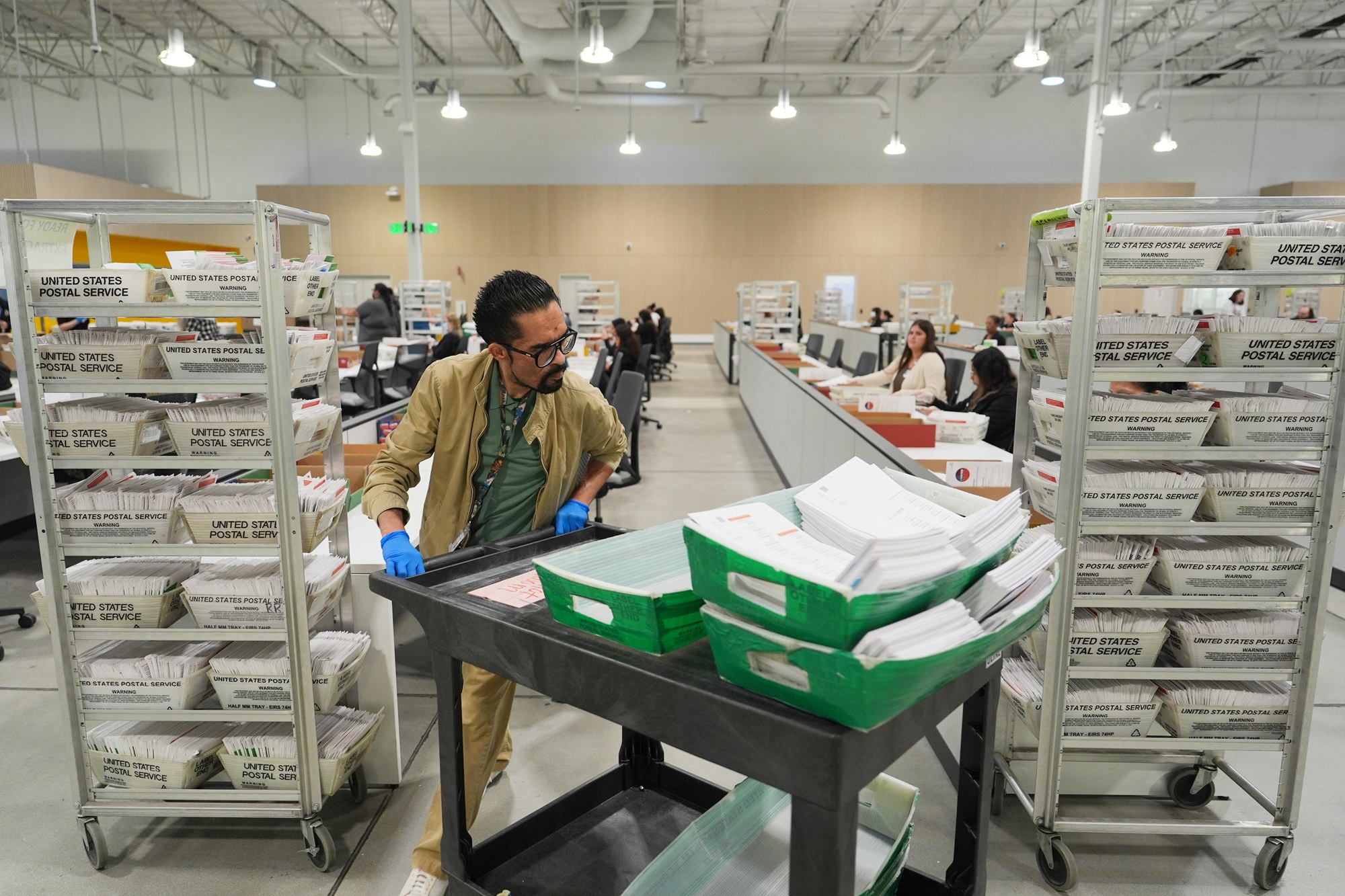
"caption": "Ballots are sorted the day after California's primary election at the L.A. County Ballot Processing Center on June 3, 2026, in City of Industry, California.",
"credit": "Jae C. Hong/AP Photo",
"altTag": null,
"description": null,
"imgSizes": {
"thumbnail": {
"file": "https://cdn.kqed.org/wp-content/uploads/sites/10/2026/06/CaliforniaBallotsSupremeCourtAP-160x107.jpg",
"width": 160,
"height": 107,
"mimeType": "image/jpeg"
},
"1536x1536": {
"file": "https://cdn.kqed.org/wp-content/uploads/sites/10/2026/06/CaliforniaBallotsSupremeCourtAP-1536x1024.jpg",
"width": 1536,
"height": 1024,
"mimeType": "image/jpeg"
},
"post-thumbnail": {
"file": "https://cdn.kqed.org/wp-content/uploads/sites/10/2026/06/CaliforniaBallotsSupremeCourtAP-672x372.jpg",
"width": 672,
"height": 372,
"mimeType": "image/jpeg"
},
"twentyfourteen-full-width": {
"file": "https://cdn.kqed.org/wp-content/uploads/sites/10/2026/06/CaliforniaBallotsSupremeCourtAP-1038x576.jpg",
"width": 1038,
"height": 576,
"mimeType": "image/jpeg"
},
"npr-cds-wide": {
"file": "https://cdn.kqed.org/wp-content/uploads/sites/10/2026/06/CaliforniaBallotsSupremeCourtAP-1200x675.jpg",
"width": 1200,
"height": 675,
"mimeType": "image/jpeg"
},
"npr-cds-square": {
"file": "https://cdn.kqed.org/wp-content/uploads/sites/10/2026/06/CaliforniaBallotsSupremeCourtAP-600x600.jpg",
"width": 600,
"height": 600,
"mimeType": "image/jpeg"
},
"kqedFullSize": {
"file": "https://cdn.kqed.org/wp-content/uploads/sites/10/2026/06/CaliforniaBallotsSupremeCourtAP.jpg",
"width": 2000,
"height": 1333
}
},
"isLoading": false,
"fetchFailed": false
},
"news_12078788": {
"type": "attachments",
"id": "news_12078788",
"meta": {
"index": "attachments_1716263798",
"site": "news",
"id": "12078788",
"found": true
},
"title": "San Francisco's Rents Rise To Highest In Nation",
"publishDate": 1775482035,
"status": "inherit",
"parent": 12078787,
"modified": 1789077775,
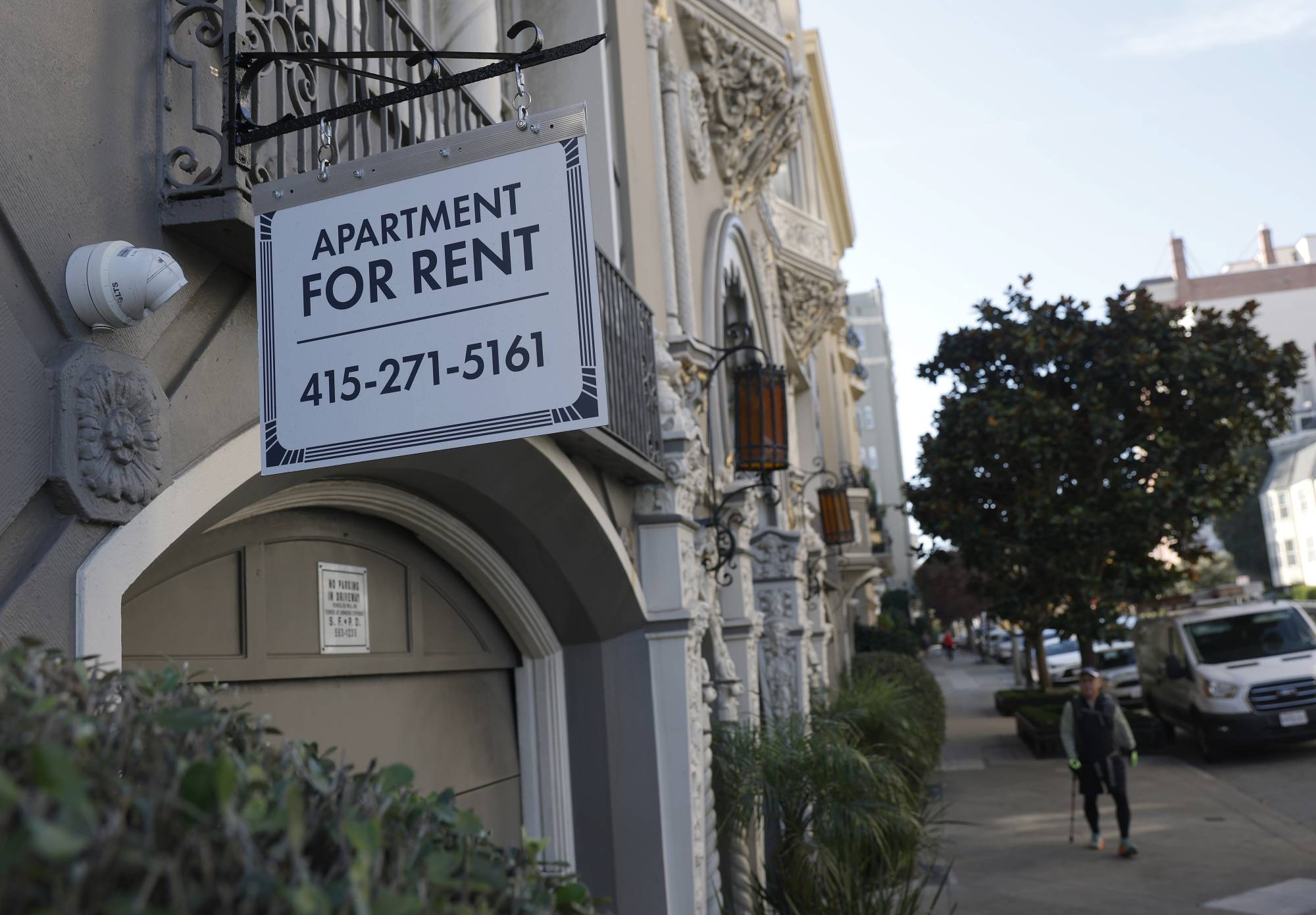
"caption": "An apartment for rent sign hangs outside of an apartment building on Dec. 4, 2025, in San Francisco, California. According to a report by Apartments.com, San Francisco is one of the most expensive cities in the U.S. for rent, with an average rent of $3,139 per month, a 6.5 percent increase over the past year and 92 percent higher than the national average rent price of $1,631 per month. ",
"credit": "Justin Sullivan/Getty Images",
"altTag": null,
"description": null,
"imgSizes": {
"medium": {
"file": "https://cdn.kqed.org/wp-content/uploads/sites/10/2026/04/GettyImages-2250030108-2000x1390.jpg",
"width": 2000,
"height": 1390,
"mimeType": "image/jpeg"
},
"large": {
"file": "https://cdn.kqed.org/wp-content/uploads/sites/10/2026/04/GettyImages-2250030108-2000x1390.jpg",
"width": 2000,
"height": 1390,
"mimeType": "image/jpeg"
},
"thumbnail": {
"file": "https://cdn.kqed.org/wp-content/uploads/sites/10/2026/04/GettyImages-2250030108-160x111.jpg",
"width": 160,
"height": 111,
"mimeType": "image/jpeg"
},
"1536x1536": {
"file": "https://cdn.kqed.org/wp-content/uploads/sites/10/2026/04/GettyImages-2250030108-1536x1068.jpg",
"width": 1536,
"height": 1068,
"mimeType": "image/jpeg"
},
"2048x2048": {
"file": "https://cdn.kqed.org/wp-content/uploads/sites/10/2026/04/GettyImages-2250030108-2048x1424.jpg",
"width": 2048,
"height": 1424,
"mimeType": "image/jpeg"
},
"post-thumbnail": {
"file": "https://cdn.kqed.org/wp-content/uploads/sites/10/2026/04/GettyImages-2250030108-672x372.jpg",
"width": 672,
"height": 372,
"mimeType": "image/jpeg"
},
"twentyfourteen-full-width": {
"file": "https://cdn.kqed.org/wp-content/uploads/sites/10/2026/04/GettyImages-2250030108-1038x576.jpg",
"width": 1038,
"height": 576,
"mimeType": "image/jpeg"
},
"full-width": {
"file": "https://cdn.kqed.org/wp-content/uploads/sites/10/2026/04/GettyImages-2250030108-2000x1390.jpg",
"width": 2000,
"height": 1390,
"mimeType": "image/jpeg"
},
"npr-cds-wide": {
"file": "https://cdn.kqed.org/wp-content/uploads/sites/10/2026/04/GettyImages-2250030108-1200x675.jpg",
"width": 1200,
"height": 675,
"mimeType": "image/jpeg"
},
"npr-cds-square": {
"file": "https://cdn.kqed.org/wp-content/uploads/sites/10/2026/04/GettyImages-2250030108-600x600.jpg",
"width": 600,
"height": 600,
"mimeType": "image/jpeg"
},
"kqedFullSize": {
"file": "https://cdn.kqed.org/wp-content/uploads/sites/10/2026/04/GettyImages-2250030108-scaled-e1789077751622.jpg",
"width": 2000,
"height": 1391
}
},
"isLoading": false,
"fetchFailed": false
},
"news_12077855": {
"type": "attachments",
"id": "news_12077855",
"meta": {
"index": "attachments_1716263798",
"site": "news",
"id": "12077855",
"found": true
},
"title": "Gubernatorial Candidate Riverside County Sheriff Chad Bianco Event",
"publishDate": 1774638443,
"status": "inherit",
"parent": 12077846,
"modified": 1775847179,
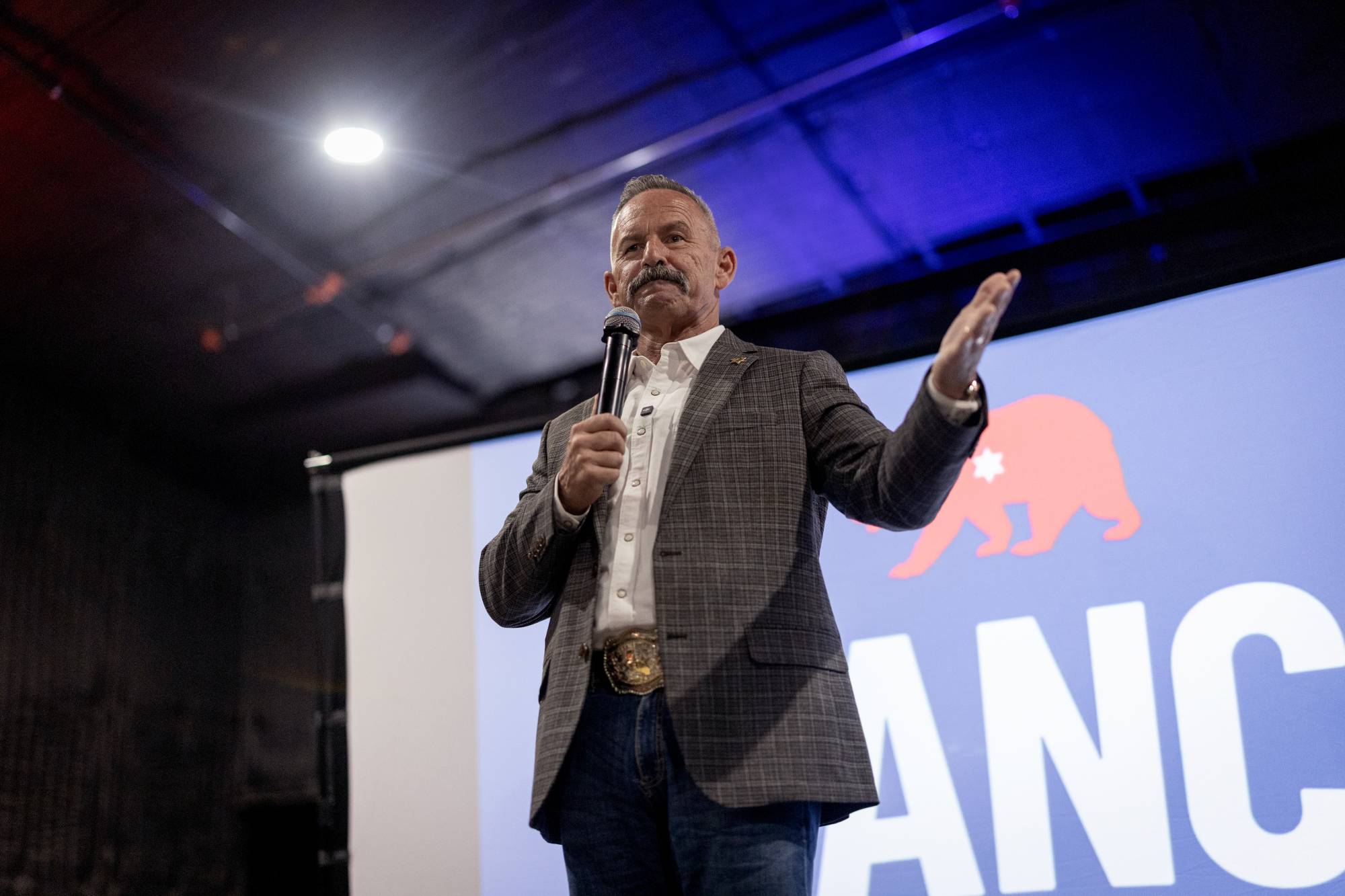
"caption": "Gubernatorial Candidate Riverside County Sheriff Chad Bianco speaks at an event in downtown Los Angeles on March 24, 2026. ",
"credit": "Eric Thayer/Los Angeles Times via Getty Images",
"altTag": null,
"description": null,
"imgSizes": {
"medium": {
"file": "https://cdn.kqed.org/wp-content/uploads/sites/10/2026/03/GettyImages-2267789591-2000x1333.jpg",
"width": 2000,
"height": 1333,
"mimeType": "image/jpeg"
},
"large": {
"file": "https://cdn.kqed.org/wp-content/uploads/sites/10/2026/03/GettyImages-2267789591-2000x1333.jpg",
"width": 2000,
"height": 1333,
"mimeType": "image/jpeg"
},
"thumbnail": {
"file": "https://cdn.kqed.org/wp-content/uploads/sites/10/2026/03/GettyImages-2267789591-160x107.jpg",
"width": 160,
"height": 107,
"mimeType": "image/jpeg"
},
"1536x1536": {
"file": "https://cdn.kqed.org/wp-content/uploads/sites/10/2026/03/GettyImages-2267789591-1536x1024.jpg",
"width": 1536,
"height": 1024,
"mimeType": "image/jpeg"
},
"2048x2048": {
"file": "https://cdn.kqed.org/wp-content/uploads/sites/10/2026/03/GettyImages-2267789591-2048x1365.jpg",
"width": 2048,
"height": 1365,
"mimeType": "image/jpeg"
},
"post-thumbnail": {
"file": "https://cdn.kqed.org/wp-content/uploads/sites/10/2026/03/GettyImages-2267789591-672x372.jpg",
"width": 672,
"height": 372,
"mimeType": "image/jpeg"
},
"twentyfourteen-full-width": {
"file": "https://cdn.kqed.org/wp-content/uploads/sites/10/2026/03/GettyImages-2267789591-1038x576.jpg",
"width": 1038,
"height": 576,
"mimeType": "image/jpeg"
},
"full-width": {
"file": "https://cdn.kqed.org/wp-content/uploads/sites/10/2026/03/GettyImages-2267789591-2000x1333.jpg",
"width": 2000,
"height": 1333,
"mimeType": "image/jpeg"
},
"npr-cds-wide": {
"file": "https://cdn.kqed.org/wp-content/uploads/sites/10/2026/03/GettyImages-2267789591-1200x675.jpg",
"width": 1200,
"height": 675,
"mimeType": "image/jpeg"
},
"npr-cds-square": {
"file": "https://cdn.kqed.org/wp-content/uploads/sites/10/2026/03/GettyImages-2267789591-600x600.jpg",
"width": 600,
"height": 600,
"mimeType": "image/jpeg"
},
"kqedFullSize": {
"file": "https://cdn.kqed.org/wp-content/uploads/sites/10/2026/03/GettyImages-2267789591-scaled-e1775847167430.jpg",
"width": 2000,
"height": 1334
}
},
"isLoading": false,
"fetchFailed": false
},
"news_12011413": {
"type": "attachments",
"id": "news_12011413",
"meta": {
"index": "attachments_1716263798",
"site": "news",
"id": "12011413",
"found": true
},
"title": "020_KQED_SanFrancisco_Election2020_TanyaYule_10092020_qed",
"publishDate": 1730152325,
"status": "inherit",
"parent": 12011386,
"modified": 1730152383,
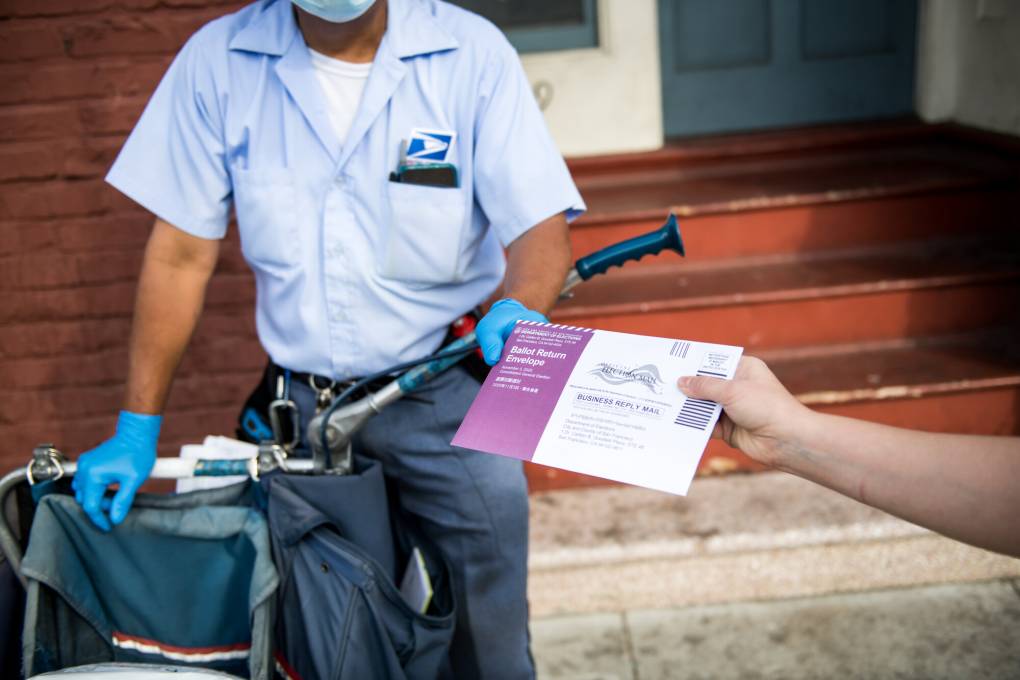
"caption": "A San Francisco resident hands their mail-in ballot to USPS employee Elmer Padilla on Oct. 9, 2020.",
"credit": "Beth LaBerge/KQED",
"altTag": "A postal worker on the street, wheeling a wagon, is handed a mail-in ballot.",
"description": null,
"imgSizes": {
"medium": {
"file": "https://cdn.kqed.org/wp-content/uploads/sites/10/2024/10/020_KQED_SanFrancisco_Election2020_TanyaYule_10092020_qed-800x533.jpg",
"width": 800,
"height": 533,
"mimeType": "image/jpeg"
},
"large": {
"file": "https://cdn.kqed.org/wp-content/uploads/sites/10/2024/10/020_KQED_SanFrancisco_Election2020_TanyaYule_10092020_qed-1020x680.jpg",
"width": 1020,
"height": 680,
"mimeType": "image/jpeg"
},
"thumbnail": {
"file": "https://cdn.kqed.org/wp-content/uploads/sites/10/2024/10/020_KQED_SanFrancisco_Election2020_TanyaYule_10092020_qed-160x107.jpg",
"width": 160,
"height": 107,
"mimeType": "image/jpeg"
},
"1536x1536": {
"file": "https://cdn.kqed.org/wp-content/uploads/sites/10/2024/10/020_KQED_SanFrancisco_Election2020_TanyaYule_10092020_qed-1536x1024.jpg",
"width": 1536,
"height": 1024,
"mimeType": "image/jpeg"
},
"post-thumbnail": {
"file": "https://cdn.kqed.org/wp-content/uploads/sites/10/2024/10/020_KQED_SanFrancisco_Election2020_TanyaYule_10092020_qed-672x372.jpg",
"width": 672,
"height": 372,
"mimeType": "image/jpeg"
},
"twentyfourteen-full-width": {
"file": "https://cdn.kqed.org/wp-content/uploads/sites/10/2024/10/020_KQED_SanFrancisco_Election2020_TanyaYule_10092020_qed-1038x576.jpg",
"width": 1038,
"height": 576,
"mimeType": "image/jpeg"
},
"full-width": {
"file": "https://cdn.kqed.org/wp-content/uploads/sites/10/2024/10/020_KQED_SanFrancisco_Election2020_TanyaYule_10092020_qed-1920x1280.jpg",
"width": 1920,
"height": 1280,
"mimeType": "image/jpeg"
},
"kqedFullSize": {
"file": "https://cdn.kqed.org/wp-content/uploads/sites/10/2024/10/020_KQED_SanFrancisco_Election2020_TanyaYule_10092020_qed.jpg",
"width": 2000,
"height": 1333
}
},
"isLoading": false,
"fetchFailed": false
},
"news_11855241": {
"type": "attachments",
"id": "news_11855241",
"meta": {
"index": "attachments_1716263798",
"site": "news",
"id": "11855241",
"found": true
},
"parent": 11855166,
"imgSizes": {
"apple_news_ca_landscape_5_5": {
"file": "https://ww2.kqed.org/app/uploads/sites/10/2021/01/RS45277_001_KQED_ElectionStockPhotos_JoyOkochi_10082020-qut-1044x783.jpg",
"width": 1044,
"mimeType": "image/jpeg",
"height": 783
},
"apple_news_ca_square_4_0": {
"file": "https://ww2.kqed.org/app/uploads/sites/10/2021/01/RS45277_001_KQED_ElectionStockPhotos_JoyOkochi_10082020-qut-470x470.jpg",
"width": 470,
"mimeType": "image/jpeg",
"height": 470
},
"twentyfourteen-full-width": {
"file": "https://ww2.kqed.org/app/uploads/sites/10/2021/01/RS45277_001_KQED_ElectionStockPhotos_JoyOkochi_10082020-qut-1038x576.jpg",
"width": 1038,
"mimeType": "image/jpeg",
"height": 576
},
"thumbnail": {
"file": "https://ww2.kqed.org/app/uploads/sites/10/2021/01/RS45277_001_KQED_ElectionStockPhotos_JoyOkochi_10082020-qut-160x107.jpg",
"width": 160,
"mimeType": "image/jpeg",
"height": 107
},
"post-thumbnail": {
"file": "https://ww2.kqed.org/app/uploads/sites/10/2021/01/RS45277_001_KQED_ElectionStockPhotos_JoyOkochi_10082020-qut-672x372.jpg",
"width": 672,
"mimeType": "image/jpeg",
"height": 372
},
"kqedFullSize": {
"file": "https://ww2.kqed.org/app/uploads/sites/10/2021/01/RS45277_001_KQED_ElectionStockPhotos_JoyOkochi_10082020-qut.jpg",
"width": 1920,
"height": 1280
},
"apple_news_ca_landscape_4_7": {
"file": "https://ww2.kqed.org/app/uploads/sites/10/2021/01/RS45277_001_KQED_ElectionStockPhotos_JoyOkochi_10082020-qut-632x474.jpg",
"width": 632,
"mimeType": "image/jpeg",
"height": 474
},
"large": {
"file": "https://ww2.kqed.org/app/uploads/sites/10/2021/01/RS45277_001_KQED_ElectionStockPhotos_JoyOkochi_10082020-qut-1020x680.jpg",
"width": 1020,
"mimeType": "image/jpeg",
"height": 680
},
"apple_news_ca_landscape_4_0": {
"file": "https://ww2.kqed.org/app/uploads/sites/10/2021/01/RS45277_001_KQED_ElectionStockPhotos_JoyOkochi_10082020-qut-536x402.jpg",
"width": 536,
"mimeType": "image/jpeg",
"height": 402
},
"apple_news_ca_portrait_12_9": {
"file": "https://ww2.kqed.org/app/uploads/sites/10/2021/01/RS45277_001_KQED_ElectionStockPhotos_JoyOkochi_10082020-qut-1122x1280.jpg",
"width": 1122,
"mimeType": "image/jpeg",
"height": 1280
},
"medium": {
"file": "https://ww2.kqed.org/app/uploads/sites/10/2021/01/RS45277_001_KQED_ElectionStockPhotos_JoyOkochi_10082020-qut-800x533.jpg",
"width": 800,
"mimeType": "image/jpeg",
"height": 533
},
"apple_news_ca_portrait_4_0": {
"file": "https://ww2.kqed.org/app/uploads/sites/10/2021/01/RS45277_001_KQED_ElectionStockPhotos_JoyOkochi_10082020-qut-354x472.jpg",
"width": 354,
"mimeType": "image/jpeg",
"height": 472
},
"apple_news_ca_portrait_9_7": {
"file": "https://ww2.kqed.org/app/uploads/sites/10/2021/01/RS45277_001_KQED_ElectionStockPhotos_JoyOkochi_10082020-qut-840x1120.jpg",
"width": 840,
"mimeType": "image/jpeg",
"height": 1120
},
"apple_news_ca_landscape_12_9": {
"file": "https://ww2.kqed.org/app/uploads/sites/10/2021/01/RS45277_001_KQED_ElectionStockPhotos_JoyOkochi_10082020-qut-1832x1280.jpg",
"width": 1832,
"mimeType": "image/jpeg",
"height": 1280
},
"apple_news_ca_square_9_7": {
"file": "https://ww2.kqed.org/app/uploads/sites/10/2021/01/RS45277_001_KQED_ElectionStockPhotos_JoyOkochi_10082020-qut-1104x1104.jpg",
"width": 1104,
"mimeType": "image/jpeg",
"height": 1104
},
"1536x1536": {
"file": "https://ww2.kqed.org/app/uploads/sites/10/2021/01/RS45277_001_KQED_ElectionStockPhotos_JoyOkochi_10082020-qut-1536x1024.jpg",
"width": 1536,
"mimeType": "image/jpeg",
"height": 1024
},
"apple_news_ca_portrait_4_7": {
"file": "https://ww2.kqed.org/app/uploads/sites/10/2021/01/RS45277_001_KQED_ElectionStockPhotos_JoyOkochi_10082020-qut-414x552.jpg",
"width": 414,
"mimeType": "image/jpeg",
"height": 552
},
"apple_news_ca_square_12_9": {
"file": "https://ww2.kqed.org/app/uploads/sites/10/2021/01/RS45277_001_KQED_ElectionStockPhotos_JoyOkochi_10082020-qut-1472x1280.jpg",
"width": 1472,
"mimeType": "image/jpeg",
"height": 1280
},
"apple_news_ca_portrait_5_5": {
"file": "https://ww2.kqed.org/app/uploads/sites/10/2021/01/RS45277_001_KQED_ElectionStockPhotos_JoyOkochi_10082020-qut-687x916.jpg",
"width": 687,
"mimeType": "image/jpeg",
"height": 916
},
"apple_news_ca_square_4_7": {
"file": "https://ww2.kqed.org/app/uploads/sites/10/2021/01/RS45277_001_KQED_ElectionStockPhotos_JoyOkochi_10082020-qut-550x550.jpg",
"width": 550,
"mimeType": "image/jpeg",
"height": 550
},
"apple_news_ca_landscape_9_7": {
"file": "https://ww2.kqed.org/app/uploads/sites/10/2021/01/RS45277_001_KQED_ElectionStockPhotos_JoyOkochi_10082020-qut-1376x1032.jpg",
"width": 1376,
"mimeType": "image/jpeg",
"height": 1032
},
"apple_news_ca_square_5_5": {
"file": "https://ww2.kqed.org/app/uploads/sites/10/2021/01/RS45277_001_KQED_ElectionStockPhotos_JoyOkochi_10082020-qut-912x912.jpg",
"width": 912,
"mimeType": "image/jpeg",
"height": 912
}
},
"publishDate": 1610583879,
"modified": 1632792976,
"caption": "Joy Okochi drops her mail-in ballot into a U.S. Postal Service mailbox in San Francisco on Oct. 8, 2020.",
"description": null,
"title": "RS45277_001_KQED_ElectionStockPhotos_JoyOkochi_10082020-qut",
"credit": "Beth LaBerge/KQED",
"status": "inherit",
"altTag": "A hand slides a ballot into a blue postal box.",
"isLoading": false,
"fetchFailed": false
},
"news_11869564": {
"type": "attachments",
"id": "news_11869564",
"meta": {
"index": "attachments_1716263798",
"site": "news",
"id": "11869564",
"found": true
},
"parent": 11869522,
"imgSizes": {
"twentyfourteen-full-width": {
"file": "https://ww2.kqed.org/app/uploads/sites/10/2021/04/RS45669_004_KQED_Berkeley_PollingPlace_11012020-qut-1038x576.jpg",
"width": 1038,
"mimeType": "image/jpeg",
"height": 576
},
"thumbnail": {
"file": "https://ww2.kqed.org/app/uploads/sites/10/2021/04/RS45669_004_KQED_Berkeley_PollingPlace_11012020-qut-160x107.jpg",
"width": 160,
"mimeType": "image/jpeg",
"height": 107
},
"post-thumbnail": {
"file": "https://ww2.kqed.org/app/uploads/sites/10/2021/04/RS45669_004_KQED_Berkeley_PollingPlace_11012020-qut-672x372.jpg",
"width": 672,
"mimeType": "image/jpeg",
"height": 372
},
"kqedFullSize": {
"file": "https://ww2.kqed.org/app/uploads/sites/10/2021/04/RS45669_004_KQED_Berkeley_PollingPlace_11012020-qut.jpg",
"width": 1920,
"height": 1280
},
"large": {
"file": "https://ww2.kqed.org/app/uploads/sites/10/2021/04/RS45669_004_KQED_Berkeley_PollingPlace_11012020-qut-1020x680.jpg",
"width": 1020,
"mimeType": "image/jpeg",
"height": 680
},
"1536x1536": {
"file": "https://ww2.kqed.org/app/uploads/sites/10/2021/04/RS45669_004_KQED_Berkeley_PollingPlace_11012020-qut-1536x1024.jpg",
"width": 1536,
"mimeType": "image/jpeg",
"height": 1024
},
"medium": {
"file": "https://ww2.kqed.org/app/uploads/sites/10/2021/04/RS45669_004_KQED_Berkeley_PollingPlace_11012020-qut-800x533.jpg",
"width": 800,
"mimeType": "image/jpeg",
"height": 533
}
},
"publishDate": 1618442276,
"modified": 1618453933,
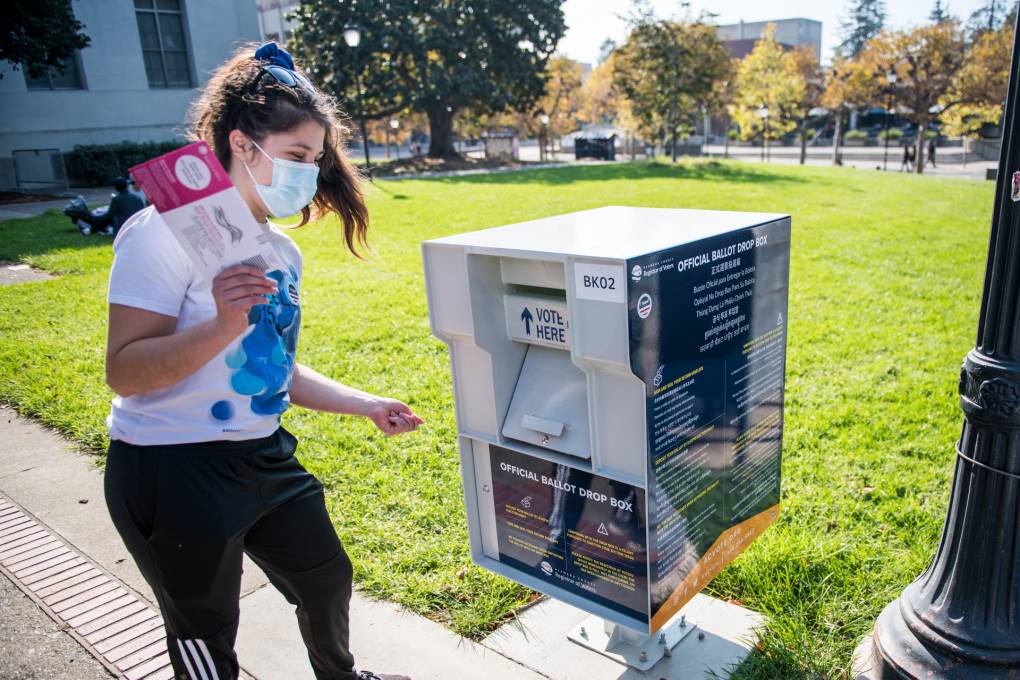
"caption": "A UC Berkeley student drops off a mail-in ballot at the official ballot dropbox on the campus on Nov. 1, 2020.",
"description": null,
"title": "RS45669_004_KQED_Berkeley_PollingPlace_11012020-qut",
"credit": "Beth LaBerge/KQED",
"status": "inherit",
"altTag": null,
"isLoading": false,
"fetchFailed": false
},
"news_11860623": {
"type": "attachments",
"id": "news_11860623",
"meta": {
"index": "attachments_1716263798",
"site": "news",
"id": "11860623",
"found": true
},
"parent": 11860552,
"imgSizes": {
"apple_news_ca_landscape_5_5": {
"file": "https://ww2.kqed.org/app/uploads/sites/10/2021/02/RS45473_021_KQED_Oakland_RegistrarofVoters_10272020-qut-1044x783.jpg",
"width": 1044,
"mimeType": "image/jpeg",
"height": 783
},
"apple_news_ca_square_4_0": {
"file": "https://ww2.kqed.org/app/uploads/sites/10/2021/02/RS45473_021_KQED_Oakland_RegistrarofVoters_10272020-qut-470x470.jpg",
"width": 470,
"mimeType": "image/jpeg",
"height": 470
},
"twentyfourteen-full-width": {
"file": "https://ww2.kqed.org/app/uploads/sites/10/2021/02/RS45473_021_KQED_Oakland_RegistrarofVoters_10272020-qut-1038x576.jpg",
"width": 1038,
"mimeType": "image/jpeg",
"height": 576
},
"thumbnail": {
"file": "https://ww2.kqed.org/app/uploads/sites/10/2021/02/RS45473_021_KQED_Oakland_RegistrarofVoters_10272020-qut-160x107.jpg",
"width": 160,
"mimeType": "image/jpeg",
"height": 107
},
"post-thumbnail": {
"file": "https://ww2.kqed.org/app/uploads/sites/10/2021/02/RS45473_021_KQED_Oakland_RegistrarofVoters_10272020-qut-672x372.jpg",
"width": 672,
"mimeType": "image/jpeg",
"height": 372
},
"kqedFullSize": {
"file": "https://ww2.kqed.org/app/uploads/sites/10/2021/02/RS45473_021_KQED_Oakland_RegistrarofVoters_10272020-qut.jpg",
"width": 1920,
"height": 1280
},
"apple_news_ca_landscape_4_7": {
"file": "https://ww2.kqed.org/app/uploads/sites/10/2021/02/RS45473_021_KQED_Oakland_RegistrarofVoters_10272020-qut-632x474.jpg",
"width": 632,
"mimeType": "image/jpeg",
"height": 474
},
"large": {
"file": "https://ww2.kqed.org/app/uploads/sites/10/2021/02/RS45473_021_KQED_Oakland_RegistrarofVoters_10272020-qut-1020x680.jpg",
"width": 1020,
"mimeType": "image/jpeg",
"height": 680
},
"apple_news_ca_landscape_4_0": {
"file": "https://ww2.kqed.org/app/uploads/sites/10/2021/02/RS45473_021_KQED_Oakland_RegistrarofVoters_10272020-qut-536x402.jpg",
"width": 536,
"mimeType": "image/jpeg",
"height": 402
},
"apple_news_ca_portrait_12_9": {
"file": "https://ww2.kqed.org/app/uploads/sites/10/2021/02/RS45473_021_KQED_Oakland_RegistrarofVoters_10272020-qut-1122x1280.jpg",
"width": 1122,
"mimeType": "image/jpeg",
"height": 1280
},
"medium": {
"file": "https://ww2.kqed.org/app/uploads/sites/10/2021/02/RS45473_021_KQED_Oakland_RegistrarofVoters_10272020-qut-800x533.jpg",
"width": 800,
"mimeType": "image/jpeg",
"height": 533
},
"apple_news_ca_portrait_4_0": {
"file": "https://ww2.kqed.org/app/uploads/sites/10/2021/02/RS45473_021_KQED_Oakland_RegistrarofVoters_10272020-qut-354x472.jpg",
"width": 354,
"mimeType": "image/jpeg",
"height": 472
},
"apple_news_ca_portrait_9_7": {
"file": "https://ww2.kqed.org/app/uploads/sites/10/2021/02/RS45473_021_KQED_Oakland_RegistrarofVoters_10272020-qut-840x1120.jpg",
"width": 840,
"mimeType": "image/jpeg",
"height": 1120
},
"apple_news_ca_landscape_12_9": {
"file": "https://ww2.kqed.org/app/uploads/sites/10/2021/02/RS45473_021_KQED_Oakland_RegistrarofVoters_10272020-qut-1832x1280.jpg",
"width": 1832,
"mimeType": "image/jpeg",
"height": 1280
},
"apple_news_ca_square_9_7": {
"file": "https://ww2.kqed.org/app/uploads/sites/10/2021/02/RS45473_021_KQED_Oakland_RegistrarofVoters_10272020-qut-1104x1104.jpg",
"width": 1104,
"mimeType": "image/jpeg",
"height": 1104
},
"1536x1536": {
"file": "https://ww2.kqed.org/app/uploads/sites/10/2021/02/RS45473_021_KQED_Oakland_RegistrarofVoters_10272020-qut-1536x1024.jpg",
"width": 1536,
"mimeType": "image/jpeg",
"height": 1024
},
"apple_news_ca_portrait_4_7": {
"file": "https://ww2.kqed.org/app/uploads/sites/10/2021/02/RS45473_021_KQED_Oakland_RegistrarofVoters_10272020-qut-414x552.jpg",
"width": 414,
"mimeType": "image/jpeg",
"height": 552
},
"apple_news_ca_square_12_9": {
"file": "https://ww2.kqed.org/app/uploads/sites/10/2021/02/RS45473_021_KQED_Oakland_RegistrarofVoters_10272020-qut-1472x1280.jpg",
"width": 1472,
"mimeType": "image/jpeg",
"height": 1280
},
"apple_news_ca_portrait_5_5": {
"file": "https://ww2.kqed.org/app/uploads/sites/10/2021/02/RS45473_021_KQED_Oakland_RegistrarofVoters_10272020-qut-687x916.jpg",
"width": 687,
"mimeType": "image/jpeg",
"height": 916
},
"apple_news_ca_square_4_7": {
"file": "https://ww2.kqed.org/app/uploads/sites/10/2021/02/RS45473_021_KQED_Oakland_RegistrarofVoters_10272020-qut-550x550.jpg",
"width": 550,
"mimeType": "image/jpeg",
"height": 550
},
"apple_news_ca_landscape_9_7": {
"file": "https://ww2.kqed.org/app/uploads/sites/10/2021/02/RS45473_021_KQED_Oakland_RegistrarofVoters_10272020-qut-1376x1032.jpg",
"width": 1376,
"mimeType": "image/jpeg",
"height": 1032
},
"apple_news_ca_square_5_5": {
"file": "https://ww2.kqed.org/app/uploads/sites/10/2021/02/RS45473_021_KQED_Oakland_RegistrarofVoters_10272020-qut-912x912.jpg",
"width": 912,
"mimeType": "image/jpeg",
"height": 912
}
},
"publishDate": 1613522316,
"modified": 1613589746,
"caption": "A vote-by-mail ballot collection box at the Alameda County Registrar of Voters in Oakland on Oct. 27, 2020.",
"description": "A Vote by Mail ballot collection box at the Alameda County Registrar of Voters in Oakland on Oct. 27, 2020.",
"title": "RS45473_021_KQED_Oakland_RegistrarofVoters_10272020-qut",
"credit": "Beth LaBerge/KQED",
"status": "inherit",
"altTag": null,
"isLoading": false,
"fetchFailed": false
},
"news_11768547": {
"type": "attachments",
"id": "news_11768547",
"meta": {
"index": "attachments_1716263798",
"site": "news",
"id": "11768547",
"found": true
},
"parent": 11768464,
"imgSizes": {
"apple_news_ca_landscape_5_5": {
"file": "https://ww2.kqed.org/app/uploads/sites/10/2019/08/RS38619_GettyImages-941502770-qut-1044x783.jpg",
"width": 1044,
"mimeType": "image/jpeg",
"height": 783
},
"apple_news_ca_square_4_0": {
"file": "https://ww2.kqed.org/app/uploads/sites/10/2019/08/RS38619_GettyImages-941502770-qut-470x470.jpg",
"width": 470,
"mimeType": "image/jpeg",
"height": 470
},
"twentyfourteen-full-width": {
"file": "https://ww2.kqed.org/app/uploads/sites/10/2019/08/RS38619_GettyImages-941502770-qut-1038x576.jpg",
"width": 1038,
"mimeType": "image/jpeg",
"height": 576
},
"thumbnail": {
"file": "https://ww2.kqed.org/app/uploads/sites/10/2019/08/RS38619_GettyImages-941502770-qut-160x107.jpg",
"width": 160,
"mimeType": "image/jpeg",
"height": 107
},
"post-thumbnail": {
"file": "https://ww2.kqed.org/app/uploads/sites/10/2019/08/RS38619_GettyImages-941502770-qut-672x372.jpg",
"width": 672,
"mimeType": "image/jpeg",
"height": 372
},
"kqedFullSize": {
"file": "https://ww2.kqed.org/app/uploads/sites/10/2019/08/RS38619_GettyImages-941502770-qut.jpg",
"width": 1920,
"height": 1280
},
"apple_news_ca_landscape_4_7": {
"file": "https://ww2.kqed.org/app/uploads/sites/10/2019/08/RS38619_GettyImages-941502770-qut-632x474.jpg",
"width": 632,
"mimeType": "image/jpeg",
"height": 474
},
"large": {
"file": "https://ww2.kqed.org/app/uploads/sites/10/2019/08/RS38619_GettyImages-941502770-qut-1020x680.jpg",
"width": 1020,
"mimeType": "image/jpeg",
"height": 680
},
"complete_open_graph": {
"file": "https://ww2.kqed.org/app/uploads/sites/10/2019/08/RS38619_GettyImages-941502770-qut-1200x800.jpg",
"width": 1200,
"mimeType": "image/jpeg",
"height": 800
},
"apple_news_ca_landscape_4_0": {
"file": "https://ww2.kqed.org/app/uploads/sites/10/2019/08/RS38619_GettyImages-941502770-qut-536x402.jpg",
"width": 536,
"mimeType": "image/jpeg",
"height": 402
},
"apple_news_ca_portrait_12_9": {
"file": "https://ww2.kqed.org/app/uploads/sites/10/2019/08/RS38619_GettyImages-941502770-qut-1122x1280.jpg",
"width": 1122,
"mimeType": "image/jpeg",
"height": 1280
},
"medium": {
"file": "https://ww2.kqed.org/app/uploads/sites/10/2019/08/RS38619_GettyImages-941502770-qut-800x533.jpg",
"width": 800,
"mimeType": "image/jpeg",
"height": 533
},
"apple_news_ca_portrait_4_0": {
"file": "https://ww2.kqed.org/app/uploads/sites/10/2019/08/RS38619_GettyImages-941502770-qut-354x472.jpg",
"width": 354,
"mimeType": "image/jpeg",
"height": 472
},
"apple_news_ca_portrait_9_7": {
"file": "https://ww2.kqed.org/app/uploads/sites/10/2019/08/RS38619_GettyImages-941502770-qut-840x1120.jpg",
"width": 840,
"mimeType": "image/jpeg",
"height": 1120
},
"apple_news_ca_landscape_12_9": {
"file": "https://ww2.kqed.org/app/uploads/sites/10/2019/08/RS38619_GettyImages-941502770-qut-1832x1280.jpg",
"width": 1832,
"mimeType": "image/jpeg",
"height": 1280
},
"apple_news_ca_square_9_7": {
"file": "https://ww2.kqed.org/app/uploads/sites/10/2019/08/RS38619_GettyImages-941502770-qut-1104x1104.jpg",
"width": 1104,
"mimeType": "image/jpeg",
"height": 1104
},
"apple_news_ca_portrait_4_7": {
"file": "https://ww2.kqed.org/app/uploads/sites/10/2019/08/RS38619_GettyImages-941502770-qut-414x552.jpg",
"width": 414,
"mimeType": "image/jpeg",
"height": 552
},
"apple_news_ca_square_12_9": {
"file": "https://ww2.kqed.org/app/uploads/sites/10/2019/08/RS38619_GettyImages-941502770-qut-1472x1280.jpg",
"width": 1472,
"mimeType": "image/jpeg",
"height": 1280
},
"apple_news_ca_portrait_5_5": {
"file": "https://ww2.kqed.org/app/uploads/sites/10/2019/08/RS38619_GettyImages-941502770-qut-687x916.jpg",
"width": 687,
"mimeType": "image/jpeg",
"height": 916
},
"full-width": {
"file": "https://ww2.kqed.org/app/uploads/sites/10/2019/08/RS38619_GettyImages-941502770-qut-1920x1280.jpg",
"width": 1920,
"mimeType": "image/jpeg",
"height": 1280
},
"apple_news_ca_square_4_7": {
"file": "https://ww2.kqed.org/app/uploads/sites/10/2019/08/RS38619_GettyImages-941502770-qut-550x550.jpg",
"width": 550,
"mimeType": "image/jpeg",
"height": 550
},
"apple_news_ca_landscape_9_7": {
"file": "https://ww2.kqed.org/app/uploads/sites/10/2019/08/RS38619_GettyImages-941502770-qut-1376x1032.jpg",
"width": 1376,
"mimeType": "image/jpeg",
"height": 1032
},
"apple_news_ca_square_5_5": {
"file": "https://ww2.kqed.org/app/uploads/sites/10/2019/08/RS38619_GettyImages-941502770-qut-912x912.jpg",
"width": 912,
"mimeType": "image/jpeg",
"height": 912
}
},
"publishDate": 1566257647,
"modified": 1609442623,
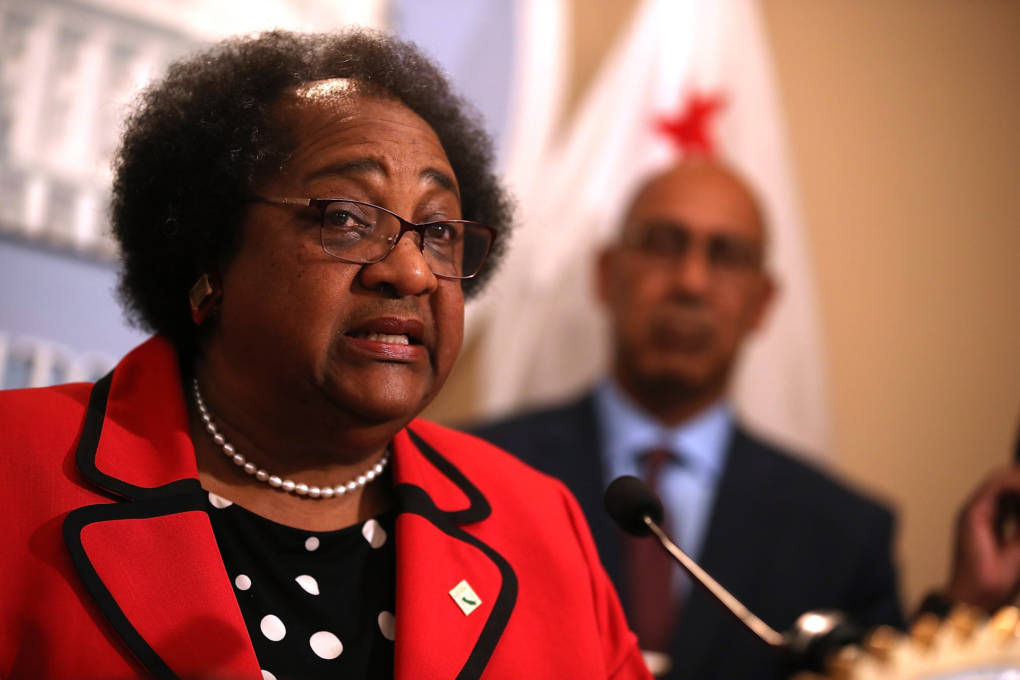
"caption": "California state Assemblywoman Shirley Weber, D-San Diego, speaks during a news conference to announce new legislation to address recent deadly police shootings on April 3, 2018 in Sacramento, California.",
"description": "California State Assemblymember Shirley Weber (D-San Diego) speaks during a news conference to announce new legislation to address recent deadly police shootings on April 3, 2018 in Sacramento, California.",
"title": "California Lawmakers Announce Bill To Alter Police Use Of Lethal Force Policy",
"credit": "Justin Sullivan/Getty Images",
"status": "inherit",
"altTag": "California State Assemblymember Shirley Weber (D-San Diego) speaks during a news conference to announce new legislation to address recent deadly police shootings on April 3, 2018 in Sacramento, California.",
"isLoading": false,
"fetchFailed": false
},
"news_11847170": {
"type": "attachments",
"id": "news_11847170",
"meta": {
"index": "attachments_1716263798",
"site": "news",
"id": "11847170",
"found": true
},
"parent": 11847064,
"imgSizes": {
"apple_news_ca_landscape_5_5": {
"file": "https://ww2.kqed.org/app/uploads/sites/10/2020/11/RS45375_017_KQED_SanMateo_ElectionsOffice_10212020-qut-1044x783.jpg",
"width": 1044,
"mimeType": "image/jpeg",
"height": 783
},
"apple_news_ca_square_4_0": {
"file": "https://ww2.kqed.org/app/uploads/sites/10/2020/11/RS45375_017_KQED_SanMateo_ElectionsOffice_10212020-qut-470x470.jpg",
"width": 470,
"mimeType": "image/jpeg",
"height": 470
},
"twentyfourteen-full-width": {
"file": "https://ww2.kqed.org/app/uploads/sites/10/2020/11/RS45375_017_KQED_SanMateo_ElectionsOffice_10212020-qut-1038x576.jpg",
"width": 1038,
"mimeType": "image/jpeg",
"height": 576
},
"thumbnail": {
"file": "https://ww2.kqed.org/app/uploads/sites/10/2020/11/RS45375_017_KQED_SanMateo_ElectionsOffice_10212020-qut-160x107.jpg",
"width": 160,
"mimeType": "image/jpeg",
"height": 107
},
"post-thumbnail": {
"file": "https://ww2.kqed.org/app/uploads/sites/10/2020/11/RS45375_017_KQED_SanMateo_ElectionsOffice_10212020-qut-672x372.jpg",
"width": 672,
"mimeType": "image/jpeg",
"height": 372
},
"kqedFullSize": {
"file": "https://ww2.kqed.org/app/uploads/sites/10/2020/11/RS45375_017_KQED_SanMateo_ElectionsOffice_10212020-qut.jpg",
"width": 1920,
"height": 1278
},
"apple_news_ca_landscape_4_7": {
"file": "https://ww2.kqed.org/app/uploads/sites/10/2020/11/RS45375_017_KQED_SanMateo_ElectionsOffice_10212020-qut-632x474.jpg",
"width": 632,
"mimeType": "image/jpeg",
"height": 474
},
"large": {
"file": "https://ww2.kqed.org/app/uploads/sites/10/2020/11/RS45375_017_KQED_SanMateo_ElectionsOffice_10212020-qut-1020x679.jpg",
"width": 1020,
"mimeType": "image/jpeg",
"height": 679
},
"apple_news_ca_landscape_4_0": {
"file": "https://ww2.kqed.org/app/uploads/sites/10/2020/11/RS45375_017_KQED_SanMateo_ElectionsOffice_10212020-qut-536x402.jpg",
"width": 536,
"mimeType": "image/jpeg",
"height": 402
},
"apple_news_ca_portrait_12_9": {
"file": "https://ww2.kqed.org/app/uploads/sites/10/2020/11/RS45375_017_KQED_SanMateo_ElectionsOffice_10212020-qut-1122x1278.jpg",
"width": 1122,
"mimeType": "image/jpeg",
"height": 1278
},
"medium": {
"file": "https://ww2.kqed.org/app/uploads/sites/10/2020/11/RS45375_017_KQED_SanMateo_ElectionsOffice_10212020-qut-800x533.jpg",
"width": 800,
"mimeType": "image/jpeg",
"height": 533
},
"apple_news_ca_portrait_4_0": {
"file": "https://ww2.kqed.org/app/uploads/sites/10/2020/11/RS45375_017_KQED_SanMateo_ElectionsOffice_10212020-qut-354x472.jpg",
"width": 354,
"mimeType": "image/jpeg",
"height": 472
},
"apple_news_ca_portrait_9_7": {
"file": "https://ww2.kqed.org/app/uploads/sites/10/2020/11/RS45375_017_KQED_SanMateo_ElectionsOffice_10212020-qut-840x1120.jpg",
"width": 840,
"mimeType": "image/jpeg",
"height": 1120
},
"apple_news_ca_landscape_12_9": {
"file": "https://ww2.kqed.org/app/uploads/sites/10/2020/11/RS45375_017_KQED_SanMateo_ElectionsOffice_10212020-qut-1832x1278.jpg",
"width": 1832,
"mimeType": "image/jpeg",
"height": 1278
},
"apple_news_ca_square_9_7": {
"file": "https://ww2.kqed.org/app/uploads/sites/10/2020/11/RS45375_017_KQED_SanMateo_ElectionsOffice_10212020-qut-1104x1104.jpg",
"width": 1104,
"mimeType": "image/jpeg",
"height": 1104
},
"1536x1536": {
"file": "https://ww2.kqed.org/app/uploads/sites/10/2020/11/RS45375_017_KQED_SanMateo_ElectionsOffice_10212020-qut-1536x1022.jpg",
"width": 1536,
"mimeType": "image/jpeg",
"height": 1022
},
"apple_news_ca_portrait_4_7": {
"file": "https://ww2.kqed.org/app/uploads/sites/10/2020/11/RS45375_017_KQED_SanMateo_ElectionsOffice_10212020-qut-414x552.jpg",
"width": 414,
"mimeType": "image/jpeg",
"height": 552
},
"apple_news_ca_square_12_9": {
"file": "https://ww2.kqed.org/app/uploads/sites/10/2020/11/RS45375_017_KQED_SanMateo_ElectionsOffice_10212020-qut-1472x1278.jpg",
"width": 1472,
"mimeType": "image/jpeg",
"height": 1278
},
"apple_news_ca_portrait_5_5": {
"file": "https://ww2.kqed.org/app/uploads/sites/10/2020/11/RS45375_017_KQED_SanMateo_ElectionsOffice_10212020-qut-687x916.jpg",
"width": 687,
"mimeType": "image/jpeg",
"height": 916
},
"apple_news_ca_square_4_7": {
"file": "https://ww2.kqed.org/app/uploads/sites/10/2020/11/RS45375_017_KQED_SanMateo_ElectionsOffice_10212020-qut-550x550.jpg",
"width": 550,
"mimeType": "image/jpeg",
"height": 550
},
"apple_news_ca_landscape_9_7": {
"file": "https://ww2.kqed.org/app/uploads/sites/10/2020/11/RS45375_017_KQED_SanMateo_ElectionsOffice_10212020-qut-1376x1032.jpg",
"width": 1376,
"mimeType": "image/jpeg",
"height": 1032
},
"apple_news_ca_square_5_5": {
"file": "https://ww2.kqed.org/app/uploads/sites/10/2020/11/RS45375_017_KQED_SanMateo_ElectionsOffice_10212020-qut-912x912.jpg",
"width": 912,
"mimeType": "image/jpeg",
"height": 912
}
},
"publishDate": 1605195774,
"modified": 1631575737,
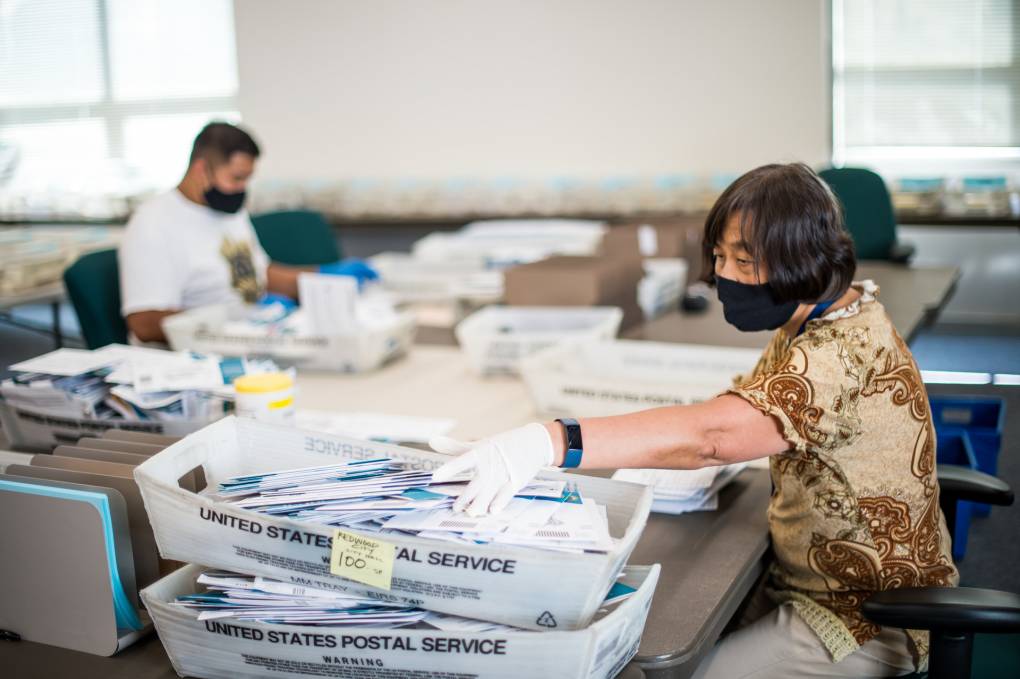
"caption": "An election employee works in the mail cleaning section, which includes arranging the ballots with their barcodes facing in one direction, at the San Mateo County Elections Office on Oct. 21, 2020.",
"description": "An election employee works in the mail cleaning section, which includes arranging the ballots with their barcodes facing in one direction, at the San Mateo County Elections Office on Oct. 21, 2020.",
"title": "RS45375_017_KQED_SanMateo_ElectionsOffice_10212020-qut",
"credit": "Beth LaBerge/KQED",
"status": "inherit",
"altTag": "A woman in short sleeves and a mask sits at a fold-out table in front of baskets of mail.",
"isLoading": false,
"fetchFailed": false
},
"news_11844373": {
"type": "attachments",
"id": "news_11844373",
"meta": {
"index": "attachments_1716263798",
"site": "news",
"id": "11844373",
"found": true
},
"parent": 11844367,
"imgSizes": {
"apple_news_ca_landscape_5_5": {
"file": "https://ww2.kqed.org/app/uploads/sites/10/2020/10/options_102920_final-1044x783.png",
"width": 1044,
"mimeType": "image/png",
"height": 783
},
"apple_news_ca_square_4_0": {
"file": "https://ww2.kqed.org/app/uploads/sites/10/2020/10/options_102920_final-470x470.png",
"width": 470,
"mimeType": "image/png",
"height": 470
},
"twentyfourteen-full-width": {
"file": "https://ww2.kqed.org/app/uploads/sites/10/2020/10/options_102920_final-1038x576.png",
"width": 1038,
"mimeType": "image/png",
"height": 576
},
"thumbnail": {
"file": "https://ww2.kqed.org/app/uploads/sites/10/2020/10/options_102920_final-160x100.png",
"width": 160,
"mimeType": "image/png",
"height": 100
},
"post-thumbnail": {
"file": "https://ww2.kqed.org/app/uploads/sites/10/2020/10/options_102920_final-672x372.png",
"width": 672,
"mimeType": "image/png",
"height": 372
},
"kqedFullSize": {
"file": "https://ww2.kqed.org/app/uploads/sites/10/2020/10/options_102920_final.png",
"width": 1920,
"height": 1199
},
"apple_news_ca_landscape_4_7": {
"file": "https://ww2.kqed.org/app/uploads/sites/10/2020/10/options_102920_final-632x474.png",
"width": 632,
"mimeType": "image/png",
"height": 474
},
"large": {
"file": "https://ww2.kqed.org/app/uploads/sites/10/2020/10/options_102920_final-1020x637.png",
"width": 1020,
"mimeType": "image/png",
"height": 637
},
"apple_news_ca_landscape_4_0": {
"file": "https://ww2.kqed.org/app/uploads/sites/10/2020/10/options_102920_final-536x402.png",
"width": 536,
"mimeType": "image/png",
"height": 402
},
"apple_news_ca_portrait_12_9": {
"file": "https://ww2.kqed.org/app/uploads/sites/10/2020/10/options_102920_final-1122x1199.png",
"width": 1122,
"mimeType": "image/png",
"height": 1199
},
"medium": {
"file": "https://ww2.kqed.org/app/uploads/sites/10/2020/10/options_102920_final-800x500.png",
"width": 800,
"mimeType": "image/png",
"height": 500
},
"apple_news_ca_portrait_4_0": {
"file": "https://ww2.kqed.org/app/uploads/sites/10/2020/10/options_102920_final-354x472.png",
"width": 354,
"mimeType": "image/png",
"height": 472
},
"apple_news_ca_portrait_9_7": {
"file": "https://ww2.kqed.org/app/uploads/sites/10/2020/10/options_102920_final-840x1120.png",
"width": 840,
"mimeType": "image/png",
"height": 1120
},
"apple_news_ca_landscape_12_9": {
"file": "https://ww2.kqed.org/app/uploads/sites/10/2020/10/options_102920_final-1832x1199.png",
"width": 1832,
"mimeType": "image/png",
"height": 1199
},
"apple_news_ca_square_9_7": {
"file": "https://ww2.kqed.org/app/uploads/sites/10/2020/10/options_102920_final-1104x1104.png",
"width": 1104,
"mimeType": "image/png",
"height": 1104
},
"1536x1536": {
"file": "https://ww2.kqed.org/app/uploads/sites/10/2020/10/options_102920_final-1536x959.png",
"width": 1536,
"mimeType": "image/png",
"height": 959
},
"apple_news_ca_portrait_4_7": {
"file": "https://ww2.kqed.org/app/uploads/sites/10/2020/10/options_102920_final-414x552.png",
"width": 414,
"mimeType": "image/png",
"height": 552
},
"apple_news_ca_square_12_9": {
"file": "https://ww2.kqed.org/app/uploads/sites/10/2020/10/options_102920_final-1472x1199.png",
"width": 1472,
"mimeType": "image/png",
"height": 1199
},
"apple_news_ca_portrait_5_5": {
"file": "https://ww2.kqed.org/app/uploads/sites/10/2020/10/options_102920_final-687x916.png",
"width": 687,
"mimeType": "image/png",
"height": 916
},
"apple_news_ca_square_4_7": {
"file": "https://ww2.kqed.org/app/uploads/sites/10/2020/10/options_102920_final-550x550.png",
"width": 550,
"mimeType": "image/png",
"height": 550
},
"apple_news_ca_landscape_9_7": {
"file": "https://ww2.kqed.org/app/uploads/sites/10/2020/10/options_102920_final-1376x1032.png",
"width": 1376,
"mimeType": "image/png",
"height": 1032
},
"apple_news_ca_square_5_5": {
"file": "https://ww2.kqed.org/app/uploads/sites/10/2020/10/options_102920_final-912x912.png",
"width": 912,
"mimeType": "image/png",
"height": 912
}
},
"publishDate": 1604008135,
"modified": 1604008183,
"caption": null,
"description": null,
"title": "options_102920_final",
"credit": null,
"status": "inherit",
"isLoading": false,
"fetchFailed": false
},
"news_11842977": {
"type": "attachments",
"id": "news_11842977",
"meta": {
"index": "attachments_1716263798",
"site": "news",
"id": "11842977",
"found": true
},
"parent": 11842972,
"imgSizes": {
"apple_news_ca_landscape_5_5": {
"file": "https://ww2.kqed.org/app/uploads/sites/10/2020/10/RS45283_010_KQED_ElectionStockPhotos_JoyOkochi_10082020-qut-1044x783.jpg",
"width": 1044,
"mimeType": "image/jpeg",
"height": 783
},
"apple_news_ca_square_4_0": {
"file": "https://ww2.kqed.org/app/uploads/sites/10/2020/10/RS45283_010_KQED_ElectionStockPhotos_JoyOkochi_10082020-qut-470x470.jpg",
"width": 470,
"mimeType": "image/jpeg",
"height": 470
},
"twentyfourteen-full-width": {
"file": "https://ww2.kqed.org/app/uploads/sites/10/2020/10/RS45283_010_KQED_ElectionStockPhotos_JoyOkochi_10082020-qut-1038x576.jpg",
"width": 1038,
"mimeType": "image/jpeg",
"height": 576
},
"thumbnail": {
"file": "https://ww2.kqed.org/app/uploads/sites/10/2020/10/RS45283_010_KQED_ElectionStockPhotos_JoyOkochi_10082020-qut-160x107.jpg",
"width": 160,
"mimeType": "image/jpeg",
"height": 107
},
"post-thumbnail": {
"file": "https://ww2.kqed.org/app/uploads/sites/10/2020/10/RS45283_010_KQED_ElectionStockPhotos_JoyOkochi_10082020-qut-672x372.jpg",
"width": 672,
"mimeType": "image/jpeg",
"height": 372
},
"kqedFullSize": {
"file": "https://ww2.kqed.org/app/uploads/sites/10/2020/10/RS45283_010_KQED_ElectionStockPhotos_JoyOkochi_10082020-qut.jpg",
"width": 1920,
"height": 1280
},
"apple_news_ca_landscape_4_7": {
"file": "https://ww2.kqed.org/app/uploads/sites/10/2020/10/RS45283_010_KQED_ElectionStockPhotos_JoyOkochi_10082020-qut-632x474.jpg",
"width": 632,
"mimeType": "image/jpeg",
"height": 474
},
"large": {
"file": "https://ww2.kqed.org/app/uploads/sites/10/2020/10/RS45283_010_KQED_ElectionStockPhotos_JoyOkochi_10082020-qut-1020x680.jpg",
"width": 1020,
"mimeType": "image/jpeg",
"height": 680
},
"apple_news_ca_landscape_4_0": {
"file": "https://ww2.kqed.org/app/uploads/sites/10/2020/10/RS45283_010_KQED_ElectionStockPhotos_JoyOkochi_10082020-qut-536x402.jpg",
"width": 536,
"mimeType": "image/jpeg",
"height": 402
},
"apple_news_ca_portrait_12_9": {
"file": "https://ww2.kqed.org/app/uploads/sites/10/2020/10/RS45283_010_KQED_ElectionStockPhotos_JoyOkochi_10082020-qut-1122x1280.jpg",
"width": 1122,
"mimeType": "image/jpeg",
"height": 1280
},
"medium": {
"file": "https://ww2.kqed.org/app/uploads/sites/10/2020/10/RS45283_010_KQED_ElectionStockPhotos_JoyOkochi_10082020-qut-800x533.jpg",
"width": 800,
"mimeType": "image/jpeg",
"height": 533
},
"apple_news_ca_portrait_4_0": {
"file": "https://ww2.kqed.org/app/uploads/sites/10/2020/10/RS45283_010_KQED_ElectionStockPhotos_JoyOkochi_10082020-qut-354x472.jpg",
"width": 354,
"mimeType": "image/jpeg",
"height": 472
},
"apple_news_ca_portrait_9_7": {
"file": "https://ww2.kqed.org/app/uploads/sites/10/2020/10/RS45283_010_KQED_ElectionStockPhotos_JoyOkochi_10082020-qut-840x1120.jpg",
"width": 840,
"mimeType": "image/jpeg",
"height": 1120
},
"apple_news_ca_landscape_12_9": {
"file": "https://ww2.kqed.org/app/uploads/sites/10/2020/10/RS45283_010_KQED_ElectionStockPhotos_JoyOkochi_10082020-qut-1832x1280.jpg",
"width": 1832,
"mimeType": "image/jpeg",
"height": 1280
},
"apple_news_ca_square_9_7": {
"file": "https://ww2.kqed.org/app/uploads/sites/10/2020/10/RS45283_010_KQED_ElectionStockPhotos_JoyOkochi_10082020-qut-1104x1104.jpg",
"width": 1104,
"mimeType": "image/jpeg",
"height": 1104
},
"1536x1536": {
"file": "https://ww2.kqed.org/app/uploads/sites/10/2020/10/RS45283_010_KQED_ElectionStockPhotos_JoyOkochi_10082020-qut-1536x1024.jpg",
"width": 1536,
"mimeType": "image/jpeg",
"height": 1024
},
"apple_news_ca_portrait_4_7": {
"file": "https://ww2.kqed.org/app/uploads/sites/10/2020/10/RS45283_010_KQED_ElectionStockPhotos_JoyOkochi_10082020-qut-414x552.jpg",
"width": 414,
"mimeType": "image/jpeg",
"height": 552
},
"apple_news_ca_square_12_9": {
"file": "https://ww2.kqed.org/app/uploads/sites/10/2020/10/RS45283_010_KQED_ElectionStockPhotos_JoyOkochi_10082020-qut-1472x1280.jpg",
"width": 1472,
"mimeType": "image/jpeg",
"height": 1280
},
"apple_news_ca_portrait_5_5": {
"file": "https://ww2.kqed.org/app/uploads/sites/10/2020/10/RS45283_010_KQED_ElectionStockPhotos_JoyOkochi_10082020-qut-687x916.jpg",
"width": 687,
"mimeType": "image/jpeg",
"height": 916
},
"apple_news_ca_square_4_7": {
"file": "https://ww2.kqed.org/app/uploads/sites/10/2020/10/RS45283_010_KQED_ElectionStockPhotos_JoyOkochi_10082020-qut-550x550.jpg",
"width": 550,
"mimeType": "image/jpeg",
"height": 550
},
"apple_news_ca_landscape_9_7": {
"file": "https://ww2.kqed.org/app/uploads/sites/10/2020/10/RS45283_010_KQED_ElectionStockPhotos_JoyOkochi_10082020-qut-1376x1032.jpg",
"width": 1376,
"mimeType": "image/jpeg",
"height": 1032
},
"apple_news_ca_square_5_5": {
"file": "https://ww2.kqed.org/app/uploads/sites/10/2020/10/RS45283_010_KQED_ElectionStockPhotos_JoyOkochi_10082020-qut-912x912.jpg",
"width": 912,
"mimeType": "image/jpeg",
"height": 912
}
},
"publishDate": 1603227658,
"modified": 1603227690,
"caption": "Joy Okochi drops her mail-in ballot into a US Postal Service mailbox in San Francisco on Oct. 8, 2020.",
"description": null,
"title": "RS45283_010_KQED_ElectionStockPhotos_JoyOkochi_10082020-qut",
"credit": "Beth LaBerge/KQED",
"status": "inherit",
"isLoading": false,
"fetchFailed": false
}
},
"audioPlayerReducer": {
"postId": "stream_live",
"isPaused": true,
"isPlaying": false,
"pfsActive": false,
"pledgeModalIsOpen": true,
"playerDrawerIsOpen": false,
"liveAudioPlayStartedAt": 0,
"liveAudioPlayContext": ""
},
"authorsReducer": {
"gmarzorati": {
"type": "authors",
"id": "227",
"meta": {
"index": "authors_1716337520",
"id": "227",
"found": true
},
"name": "Guy Marzorati",
"firstName": "Guy",
"lastName": "Marzorati",
"slug": "gmarzorati",
"email": "gmarzorati@KQED.org",
"display_author_email": true,
"staff_mastheads": [
"news"
],
"title": "Correspondent",
"bio": "Guy Marzorati is a correspondent on KQED's California Politics and Government Desk, based in San Jose. A graduate of Santa Clara University, Guy joined KQED in 2013. He reports on state and local politics and produces KQED's digital voter guide.",
"avatar": "https://secure.gravatar.com/avatar/e7038b8dbfd55b104369b76b1cd0b9de?s=600&d=blank&r=g",
"twitter": "guymarzorati",
"facebook": null,
"instagram": null,
"linkedin": null,
"sites": [
{
"site": "",
"roles": [
"editor"
]
},
{
"site": "news",
"roles": [
"editor"
]
},
{
"site": "science",
"roles": [
"editor"
]
},
{
"site": "forum",
"roles": [
"editor"
]
},
{
"site": "elections",
"roles": [
"editor"
]
},
{
"site": "liveblog",
"roles": [
"editor"
]
}
],
"headData": {
"title": "Guy Marzorati | KQED",
"description": "Correspondent",
"ogImgSrc": "https://secure.gravatar.com/avatar/e7038b8dbfd55b104369b76b1cd0b9de?s=600&d=blank&r=g",
"twImgSrc": "https://secure.gravatar.com/avatar/e7038b8dbfd55b104369b76b1cd0b9de?s=600&d=blank&r=g"
},
"isLoading": false,
"link": "/author/gmarzorati"
},
"scottshafer": {
"type": "authors",
"id": "255",
"meta": {
"index": "authors_1716337520",
"id": "255",
"found": true
},
"name": "Scott Shafer",
"firstName": "Scott",
"lastName": "Shafer",
"slug": "scottshafer",
"email": "sshafer@kqed.org",
"display_author_email": false,
"staff_mastheads": [
"news"
],
"title": "KQED Contributor",
"bio": "Scott Shafer is a senior editor with the KQED Politics and Government desk. He is co-host of Political Breakdown, the award-winning radio show and podcast with a personal take on the world of politics. Scott came to KQED in 1998 to host the statewide\u003cem> California Report\u003c/em>. Prior to that he had extended stints in politics and government\u003cem>.\u003c/em> He uses that inside experience at KQED in his, reporting, hosting and analysis for the politics desk. Scott collaborated \u003cem>Political Breakdown a\u003c/em>nd on \u003cem>The Political Mind of Jerry Brown, \u003c/em>an eight-part series about the life and extraordinary political career of the former governor. For fun, he plays water polo with the San Francisco Tsunami.",
"avatar": "https://secure.gravatar.com/avatar/a62ebae45b79d7aed1a39a0e3bf68104?s=600&d=blank&r=g",
"twitter": "scottshafer",
"bluesky": null,
"facebook": null,
"instagram": null,
"linkedin": null,
"sites": [
{
"site": "news",
"roles": [
"editor"
]
},
{
"site": "stateofhealth",
"roles": [
"author"
]
},
{
"site": "science",
"roles": [
"author"
]
},
{
"site": "forum",
"roles": [
"subscriber"
]
},
{
"site": "liveblog",
"roles": [
"author"
]
}
],
"headData": {
"title": "Scott Shafer | KQED",
"description": "KQED Contributor",
"ogImgSrc": "https://secure.gravatar.com/avatar/a62ebae45b79d7aed1a39a0e3bf68104?s=600&d=blank&r=g",
"twImgSrc": "https://secure.gravatar.com/avatar/a62ebae45b79d7aed1a39a0e3bf68104?s=600&d=blank&r=g"
},
"isLoading": false,
"link": "/author/scottshafer"
},
"markfiore": {
"type": "authors",
"id": "3236",
"meta": {
"index": "authors_1716337520",
"id": "3236",
"found": true
},
"name": "Mark Fiore",
"firstName": "Mark",
"lastName": "Fiore",
"slug": "markfiore",
"email": "mark@markfiore.com",
"display_author_email": false,
"staff_mastheads": [
"news"
],
"title": "KQED News Cartoonist",
"bio": "\u003ca href=\"http://www.MarkFiore.com\">MarkFiore.com\u003c/a> | \u003ca href=\"https://twitter.com/markfiore\">Follow on Twitter\u003c/a> | \u003ca href=\"https://www.facebook.com/pages/Mark-Fiore-Animated-Political-Cartoons/94451707396?ref=bookmarks\">Facebook\u003c/a> | \u003ca href=\"mailto:mark@markfiore.com\">email\u003c/a>\r\n\r\nPulitzer Prize-winner, Mark Fiore, who the Wall Street Journal has called “the undisputed guru of the form,” creates animated political cartoons in San Francisco, where his work has been featured regularly on the San Francisco Chronicle’s web site, SFGate.com. His work has appeared on Newsweek.com, Slate.com, CBSNews.com, MotherJones.com, DailyKos.com and NPR’s web site. Fiore’s political animation has appeared on CNN, Frontline, Bill Moyers Journal, Salon.com and cable and broadcast outlets across the globe.\r\n\r\nBeginning his professional life by drawing traditional political cartoons for newspapers, Fiore’s work appeared in publications ranging from the Washington Post to the Los Angeles Times. In the late 1990s, he began to experiment with animating political cartoons and, after a short stint at the San Jose Mercury News as their staff cartoonist, Fiore devoted all his energies to animation.\r\nGrowing up in California, Fiore also spent a good portion of his life in the backwoods of Idaho. It was this combination that shaped him politically. Mark majored in political science at Colorado College, where, in a perfect send-off for a cartoonist, he received his diploma in 1991 as commencement speaker Dick Cheney smiled approvingly.\r\nMark Fiore was awarded the Pulitzer Prize for political cartooning in 2010, a Robert F. Kennedy Journalism Award in 2004 and has twice received an Online Journalism Award for commentary from the Online News Association (2002, 2008). Fiore has received two awards for his work in new media from the National Cartoonists Society (2001, 2002), and in 2006 received The James Madison Freedom of Information Award from The Society of Professional Journalists.",
"avatar": "https://secure.gravatar.com/avatar/fc4e2a612b15b67bad0c6f0e1db4ca9b?s=600&d=blank&r=g",
"twitter": "MarkFiore",
"facebook": null,
"instagram": "https://www.instagram.com/markfiore/?hl=en",
"linkedin": null,
"sites": [
{
"site": "arts",
"roles": [
"contributor"
]
},
{
"site": "news",
"roles": [
"editor"
]
},
{
"site": "futureofyou",
"roles": [
"editor"
]
},
{
"site": "science",
"roles": [
"editor"
]
}
],
"headData": {
"title": "Mark Fiore | KQED",
"description": "KQED News Cartoonist",
"ogImgSrc": "https://secure.gravatar.com/avatar/fc4e2a612b15b67bad0c6f0e1db4ca9b?s=600&d=blank&r=g",
"twImgSrc": "https://secure.gravatar.com/avatar/fc4e2a612b15b67bad0c6f0e1db4ca9b?s=600&d=blank&r=g"
},
"isLoading": false,
"link": "/author/markfiore"
},
"mlagos": {
"type": "authors",
"id": "3239",
"meta": {
"index": "authors_1716337520",
"id": "3239",
"found": true
},
"name": "Marisa Lagos",
"firstName": "Marisa",
"lastName": "Lagos",
"slug": "mlagos",
"email": "mlagos@kqed.org",
"display_author_email": false,
"staff_mastheads": [
"news"
],
"title": "KQED Contributor",
"bio": "Marisa Lagos is a correspondent for KQED’s California Politics and Government Desk and co-hosts the award-winning show and podcast, Political Breakdown. At KQED, Lagos also conducts reporting, analysis and investigations into state, local and national politics for radio, TV, online and onstage. In 2022, she and co-host, Scott Shafer, moderated the only gubernatorial debate in California. In 2020, the \u003ci>Washington Post\u003c/i> named her one of the top political journalists in California; she was nominated for a Peabody and won several other awards for her work investigating the 2017 California wildfires. She has worked at the \u003ci>San Francisco Chronicle\u003c/i>, \u003ci>San Francisco Examiner\u003c/i> and \u003ci>Los Angeles Times\u003c/i>. A UC Santa Barbara graduate, she lives in San Francisco with her two sons and husband.",
"avatar": "https://secure.gravatar.com/avatar/a261a0d3696fc066871ef96b85b5e7d2?s=600&d=blank&r=g",
"twitter": "@mlagos",
"facebook": null,
"instagram": null,
"linkedin": null,
"sites": [
{
"site": "arts",
"roles": [
"author"
]
},
{
"site": "news",
"roles": [
"editor"
]
},
{
"site": "science",
"roles": [
"editor"
]
},
{
"site": "forum",
"roles": [
"author"
]
},
{
"site": "liveblog",
"roles": [
"author"
]
}
],
"headData": {
"title": "Marisa Lagos | KQED",
"description": "KQED Contributor",
"ogImgSrc": "https://secure.gravatar.com/avatar/a261a0d3696fc066871ef96b85b5e7d2?s=600&d=blank&r=g",
"twImgSrc": "https://secure.gravatar.com/avatar/a261a0d3696fc066871ef96b85b5e7d2?s=600&d=blank&r=g"
},
"isLoading": false,
"link": "/author/mlagos"
},
"carlysevern": {
"type": "authors",
"id": "3243",
"meta": {
"index": "authors_1716337520",
"id": "3243",
"found": true
},
"name": "Carly Severn",
"firstName": "Carly",
"lastName": "Severn",
"slug": "carlysevern",
"email": "csevern@kqed.org",
"display_author_email": false,
"staff_mastheads": [
"news"
],
"title": "Senior Editor, Audience News ",
"bio": "Carly is KQED's Senior Editor of Audience News on the Digital News team, and has reported for the California Report Magazine, Bay Curious and KQED Arts. She's formerly the host of \u003ca href=\"http://ww2.kqed.org/pop/category/the-cooler/\" rel=\"noopener noreferrer\">The Cooler\u003c/a> podcast.",
"avatar": "https://secure.gravatar.com/avatar/54037bf5c128fe678f0ef26cec97a93f2e7f220a22d7285703328f12c42c1b1d?s=600&d=blank&r=g",
"twitter": "teacupinthebay",
"bluesky": null,
"facebook": null,
"instagram": null,
"linkedin": null,
"sites": [
{
"site": "",
"roles": [
"editor"
]
},
{
"site": "arts",
"roles": [
"editor"
]
},
{
"site": "news",
"roles": [
"administrator"
]
},
{
"site": "pop",
"roles": [
"editor"
]
},
{
"site": "futureofyou",
"roles": [
"editor"
]
},
{
"site": "about",
"roles": [
"administrator"
]
},
{
"site": "mindshift",
"roles": [
"editor"
]
},
{
"site": "bayareabites",
"roles": [
"editor"
]
},
{
"site": "stateofhealth",
"roles": [
"editor"
]
},
{
"site": "science",
"roles": [
"editor"
]
},
{
"site": "food",
"roles": [
"contributor"
]
},
{
"site": "forum",
"roles": [
"editor"
]
},
{
"site": "perspectives",
"roles": [
"administrator"
]
},
{
"site": "liveblog",
"roles": [
"editor"
]
}
],
"headData": {
"title": "Carly Severn | KQED",
"description": "Senior Editor, Audience News ",
"ogImgSrc": "https://secure.gravatar.com/avatar/54037bf5c128fe678f0ef26cec97a93f2e7f220a22d7285703328f12c42c1b1d?s=600&d=blank&r=g",
"twImgSrc": "https://secure.gravatar.com/avatar/54037bf5c128fe678f0ef26cec97a93f2e7f220a22d7285703328f12c42c1b1d?s=600&d=blank&r=g"
},
"isLoading": false,
"link": "/author/carlysevern"
},
"kmizuguchi": {
"type": "authors",
"id": "11739",
"meta": {
"index": "authors_1716337520",
"id": "11739",
"found": true
},
"name": "Keith Mizuguchi",
"firstName": "Keith",
"lastName": "Mizuguchi",
"slug": "kmizuguchi",
"email": "kmizuguchi@kqed.org",
"display_author_email": false,
"staff_mastheads": [],
"title": "KQED Contributor",
"bio": null,
"avatar": "https://secure.gravatar.com/avatar/64d8a7de0723d4099b9fe4e915136103febcc20809abce228ee4415bcb237023?s=600&d=blank&r=g",
"twitter": null,
"bluesky": null,
"facebook": null,
"instagram": null,
"linkedin": null,
"sites": [
{
"site": "news",
"roles": [
"editor"
]
},
{
"site": "science",
"roles": [
"editor"
]
}
],
"headData": {
"title": "Keith Mizuguchi | KQED",
"description": "KQED Contributor",
"ogImgSrc": "https://secure.gravatar.com/avatar/64d8a7de0723d4099b9fe4e915136103febcc20809abce228ee4415bcb237023?s=600&d=blank&r=g",
"twImgSrc": "https://secure.gravatar.com/avatar/64d8a7de0723d4099b9fe4e915136103febcc20809abce228ee4415bcb237023?s=600&d=blank&r=g"
},
"isLoading": false,
"link": "/author/kmizuguchi"
}
},
"pagesReducer": {
"news_tag_vote-by-mail": {
"type": "terms",
"id": "news_19319",
"meta": {
"index": "terms_1716263798",
"site": "news",
"id": "19319",
"score": 10.404648
},
"featImg": null,
"name": "vote-by-mail",
"description": null,
"taxonomy": "tag",
"headData": {
"twImgId": null,
"twTitle": null,
"ogTitle": null,
"ogImgId": null,
"twDescription": null,
"description": null,
"title": "vote-by-mail Archives | KQED News",
"ogDescription": null
},
"ttid": 19336,
"slug": "vote-by-mail",
"isLoading": false,
"title": "vote-by-mail",
"pageMeta": {
"site": "news",
"WpPageTemplate": "page-topic-editorial",
"currentPage": 1
},
"blocks": [
{
"blockName": "kqed/post-list",
"attrs": {
"layout": "cardArticle2",
"query": "posts/news?tag=vote-by-mail",
"seeMore": false,
"paginated": true,
"page": 1
}
},
{
"blockName": "kqed/ad"
}
]
}
},
"pfsSessionReducer": {},
"postsReducer": {
"stream_live": {
"type": "live",
"id": "stream_live",
"audioUrl": "https://streams.kqed.org/kqedradio",
"title": "Live Stream",
"excerpt": "Live Stream information currently unavailable.",
"link": "/radio",
"featImg": "",
"label": {
"name": "KQED Live",
"link": "/"
}
},
"stream_kqedNewscast": {
"type": "posts",
"id": "stream_kqedNewscast",
"audioUrl": "https://www.kqed.org/.stream/anon/radio/RDnews/newscast.mp3?_=1",
"title": "KQED Newscast",
"featImg": "",
"label": {
"name": "88.5 FM",
"link": "/"
}
},
"news_12089268": {
"type": "posts",
"id": "news_12089268",
"meta": {
"index": "posts_1716263798",
"site": "news",
"id": "12089268",
"score": null,
"sort": [
1782773588000
]
},
"guestAuthors": [],
"slug": "supreme-court-ruling-allows-california-to-continue-accepting-ballots-after-election-day",
"title": "Supreme Court Ruling Allows California to Continue Accepting Ballots After Election Day",
"publishDate": 1782773588,
"format": "standard",
"headTitle": "Supreme Court Ruling Allows California to Continue Accepting Ballots After Election Day | KQED",
"labelTerm": {
"site": "news"
},
"content": "\u003cp>California and other states can continue to count \u003ca href=\"https://www.kqed.org/news/12077491/california-vote-by-mail-faces-legal-political-challenges-from-trump-allies\">vote-by-mail ballots\u003c/a> that are postmarked by Election Day but arrive later, after the Supreme Court on Monday rejected a challenge to a similar law in Mississippi.\u003c/p>\n\u003cp>The case, \u003cem>Watson v. RNC\u003c/em>, centered on a suit brought by the Republican National Committee against grace periods for ballot arrival.\u003c/p>\n\u003cp>Conservatives and Trump administration officials have argued that the practice erodes confidence in elections by slowing down the vote count and opening the door for voter fraud. But supporters of California’s law, which allows election officials to count ballots received up to a week after Election Day, celebrated the decision for protecting ballot access for hundreds of thousands of voters.\u003c/p>\n\u003cp>[ad fullwidth]\u003c/p>\n\u003cp>“The Supreme Court’s ruling today was a win for voting rights,” Sen. Alex Padilla said at a news conference on Monday morning in San Francisco. “And I think a clear message is that Donald Trump does not control elections. It’s the people who drive our democracy, not this president who has a tendency to overreach.”\u003c/p>\n\u003cp>In the court’s 5-4 decision, Justice Amy Coney Barrett, a Trump appointee, wrote that the Election Day laws written by Congress only established a uniform day of voting.\u003c/p>\n\u003cp>“The election-day statutes say nothing about ballot receipt, and we cannot add to the words Congress chose,” Barrett wrote.\u003c/p>\n\u003cfigure id=\"attachment_12046267\" class=\"wp-caption aligncenter\" style=\"max-width: 2000px\">\u003cimg loading=\"lazy\" decoding=\"async\" class=\"size-full wp-image-12046267\" src=\"https://cdn.kqed.org/wp-content/uploads/sites/10/2025/06/gettyimages-2209056030-4-scaled-e1772572598710.jpeg\" alt=\"The U.S. Supreme Court\" width=\"2000\" height=\"1334\">\u003cfigcaption class=\"wp-caption-text\">The U.S. Supreme Court on April 7, 2025, in Washington, D.C. \u003ccite>(Kayla Bartkowski/Getty Images)\u003c/cite>\u003c/figcaption>\u003c/figure>\n\u003cp>Barrett’s opinion was joined by justices Ketanji Brown Jackson, Elena Kagan and Sonia Sotomayor and Chief Justice John Roberts.\u003c/p>\n\u003cp>Justices Samuel Alito, Neil Gorsuch, Brett Kavanaugh and Clarence Thomas dissented.\u003c/p>\n\u003cp>“Allowing absentee ballots to pour in over the days and weeks after election day, by which point preliminary election returns are being publicly reported, creates greater opportunity for fraud and risks further undermining the public’s confidence in election integrity,” Alito wrote.[aside postID=news_12089029 hero='https://cdn.kqed.org/wp-content/uploads/sites/10/2026/06/GettyImages-2261843469-scaled.jpg']President Donald Trump called the ruling “a tremendous loss” in a social media \u003ca href=\"https://truthsocial.com/@realDonaldTrump/posts/116834002761429397\">post\u003c/a>, and he urged Congress to pass legislation that would require voter identification and limit mail-in voting. The Trump administration filed a “friend of the court” brief in the \u003cem>Watson \u003c/em>case, supporting the RNC.\u003c/p>\n\u003cp>During oral arguments in March, Alito pointed to arguments that late-arriving ballots can also erode public confidence by slowing down the counting of votes.\u003c/p>\n\u003cp>In reality, the prolonged vote count in California \u003ca href=\"https://www.kqed.org/news/12087984/three-ways-california-could-speed-up-vote-counting\">is the result\u003c/a> of the large numbers of vote-by-mail ballots received \u003cem>before\u003c/em> the end of Election Day.\u003c/p>\n\u003cp>Three days after the June 2 primary, California election officials reported 2.5 million uncounted ballots received through Election Day, compared to under 400,000 uncounted ballots received in the days after.\u003c/p>\n\u003cp>Election officials have spent years urging voters to return their ballots early — or to a ballot dropbox — to avoid missing the postmark deadline.\u003c/p>\n\u003cp>Still, in the 2024 general election, 406,132 ballots were received after Election Day in California, accounting for 2.5% of the overall turnout.\u003c/p>\n\u003cp>“That’s still a lot of ballots and a lot of voters, and so we’re really relieved to know that our grace period is protected,” said Kim Alexander, president of the California Voter Foundation.\u003c/p>\n\u003cfigure id=\"attachment_12085440\" class=\"wp-caption aligncenter\" style=\"max-width: 1980px\">\u003cimg loading=\"lazy\" decoding=\"async\" class=\"size-full wp-image-12085440\" src=\"https://cdn.kqed.org/wp-content/uploads/sites/10/2026/05/GettyImages-2278677958.jpg\" alt=\"\" width=\"1980\" height=\"1320\" srcset=\"https://cdn.kqed.org/wp-content/uploads/sites/10/2026/05/GettyImages-2278677958.jpg 1980w, https://cdn.kqed.org/wp-content/uploads/sites/10/2026/05/GettyImages-2278677958-160x107.jpg 160w, https://cdn.kqed.org/wp-content/uploads/sites/10/2026/05/GettyImages-2278677958-1536x1024.jpg 1536w\" sizes=\"auto, (max-width: 1980px) 100vw, 1980px\">\u003cfigcaption class=\"wp-caption-text\">Election workers receive vote-by-mail ballots to be tallied at the Los Angeles County Registrar-Recorder/County Clerk Ballot Processing Center on May 28, 2026. \u003ccite>(Gary Coronado/Los Angeles Times via Getty Images)\u003c/cite>\u003c/figcaption>\u003c/figure>\n\u003cp>The state budget agreement announced by Newsom and legislative leaders on Friday \u003ca href=\"https://leginfo.legislature.ca.gov/faces/billNavClient.xhtml?bill_id=202520260SB111\">sets aside\u003c/a> $29 million to help counties hire staff and purchase equipment to help speed up the counting of ballots, as well as $10 million for the secretary of state and counties to encourage voters to return their ballots early.\u003c/p>\n\u003cp>Alexander said challenges to California’s vote-by-mail system will continue beyond the \u003cem>Watson\u003c/em> case — including the Trump administration’s effort to have the U.S. Postal Service check vote-by-mail ballots against a list of eligible voters.\u003c/p>\n\u003cp>The order, which is currently \u003ca href=\"https://www.kqed.org/news/12078711/california-sues-to-block-trumps-order-on-vote-by-mail\">being challenged\u003c/a> in court by California, was blasted by Democratic senators \u003ca href=\"https://www.hsgac.senate.gov/wp-content/uploads/260623_USPS_Absentee_EO_Letter.pdf\">in a letter last week\u003c/a> as an effort to “allow USPS to adjudicate who can and cannot vote by mail.”\u003c/p>\n\u003cp>“The reality is that while this [\u003cem>Watson]\u003c/em> decision is great news for California voters and California elections, we aren’t out of the woods yet with regards to the U.S. Postal Service,” Alexander said.\u003c/p>\n\u003cp>\u003c/p>\n",
"blocks": [],
"excerpt": "California’s law allowing ballots postmarked by Election Day to arrive up to a week later will stand after the court’s ruling in Watson v. RNC.",
"status": "publish",
"parent": 0,
"modified": 1782775798,
"stats": {
"hasAudio": false,
"hasVideo": false,
"hasChartOrMap": false,
"iframeSrcs": [],
"hasGoogleForm": false,
"hasGallery": false,
"hasHearkenModule": false,
"hasPolis": false,
"paragraphCount": 21,
"wordCount": 779
},
"headData": {
"title": "Supreme Court Ruling Allows California to Continue Accepting Ballots After Election Day | KQED",
"description": "California’s law allowing ballots postmarked by Election Day to arrive up to a week later will stand after the court’s ruling in Watson v. RNC.",
"ogTitle": "",
"ogDescription": "",
"ogImgId": "",
"twTitle": "",
"twDescription": "",
"twImgId": "",
"schema": {
"@context": "https://schema.org",
"@type": "NewsArticle",
"headline": "Supreme Court Ruling Allows California to Continue Accepting Ballots After Election Day",
"datePublished": "2026-06-29T15:53:08-07:00",
"dateModified": "2026-06-29T16:29:58-07:00",
"image": "https://cdn.kqed.org/wp-content/uploads/2020/02/KQED-OG-Image@1x.png",
"isAccessibleForFree": "True",
"publisher": {
"@type": "NewsMediaOrganization",
"@id": "https://www.kqed.org/#organization",
"name": "KQED",
"logo": "https://cdn.kqed.org/wp-content/uploads/2020/02/KQED-OG-Image@1x.png",
"url": "https://www.kqed.org",
"sameAs": [
"https://www.facebook.com/KQED",
"https://twitter.com/KQED",
"https://www.instagram.com/kqed/",
"https://www.tiktok.com/@kqedofficial",
"https://www.linkedin.com/company/kqed",
"https://www.youtube.com/channel/UCeC0IOo7i1P_61zVUWbJ4nw"
]
}
}
},
"primaryCategory": {
"termId": 13,
"slug": "politics",
"name": "Politics"
},
"sticky": false,
"nprStoryId": "kqed-12089268",
"templateType": "standard",
"featuredImageType": "standard",
"excludeFromSiteSearch": "Include",
"articleAge": "0",
"path": "/news/12089268/supreme-court-ruling-allows-california-to-continue-accepting-ballots-after-election-day",
"audioTrackLength": null,
"parsedContent": [
{
"type": "contentString",
"content": "\u003cdiv class=\"post-body\">\u003cp>\u003cp>California and other states can continue to count \u003ca href=\"https://www.kqed.org/news/12077491/california-vote-by-mail-faces-legal-political-challenges-from-trump-allies\">vote-by-mail ballots\u003c/a> that are postmarked by Election Day but arrive later, after the Supreme Court on Monday rejected a challenge to a similar law in Mississippi.\u003c/p>\n\u003cp>The case, \u003cem>Watson v. RNC\u003c/em>, centered on a suit brought by the Republican National Committee against grace periods for ballot arrival.\u003c/p>\n\u003cp>Conservatives and Trump administration officials have argued that the practice erodes confidence in elections by slowing down the vote count and opening the door for voter fraud. But supporters of California’s law, which allows election officials to count ballots received up to a week after Election Day, celebrated the decision for protecting ballot access for hundreds of thousands of voters.\u003c/p>\n\u003cp>\u003c/p>\u003c/div>",
"attributes": {
"named": {},
"numeric": []
}
},
{
"type": "component",
"content": "",
"name": "ad",
"attributes": {
"named": {
"label": "fullwidth"
},
"numeric": [
"fullwidth"
]
}
},
{
"type": "contentString",
"content": "\u003cdiv class=\"post-body\">\u003cp>\u003c/p>\n\u003cp>“The Supreme Court’s ruling today was a win for voting rights,” Sen. Alex Padilla said at a news conference on Monday morning in San Francisco. “And I think a clear message is that Donald Trump does not control elections. It’s the people who drive our democracy, not this president who has a tendency to overreach.”\u003c/p>\n\u003cp>In the court’s 5-4 decision, Justice Amy Coney Barrett, a Trump appointee, wrote that the Election Day laws written by Congress only established a uniform day of voting.\u003c/p>\n\u003cp>“The election-day statutes say nothing about ballot receipt, and we cannot add to the words Congress chose,” Barrett wrote.\u003c/p>\n\u003cfigure id=\"attachment_12046267\" class=\"wp-caption aligncenter\" style=\"max-width: 2000px\">\u003cimg loading=\"lazy\" decoding=\"async\" class=\"size-full wp-image-12046267\" src=\"https://cdn.kqed.org/wp-content/uploads/sites/10/2025/06/gettyimages-2209056030-4-scaled-e1772572598710.jpeg\" alt=\"The U.S. Supreme Court\" width=\"2000\" height=\"1334\">\u003cfigcaption class=\"wp-caption-text\">The U.S. Supreme Court on April 7, 2025, in Washington, D.C. \u003ccite>(Kayla Bartkowski/Getty Images)\u003c/cite>\u003c/figcaption>\u003c/figure>\n\u003cp>Barrett’s opinion was joined by justices Ketanji Brown Jackson, Elena Kagan and Sonia Sotomayor and Chief Justice John Roberts.\u003c/p>\n\u003cp>Justices Samuel Alito, Neil Gorsuch, Brett Kavanaugh and Clarence Thomas dissented.\u003c/p>\n\u003cp>“Allowing absentee ballots to pour in over the days and weeks after election day, by which point preliminary election returns are being publicly reported, creates greater opportunity for fraud and risks further undermining the public’s confidence in election integrity,” Alito wrote.\u003c/p>\u003c/div>",
"attributes": {
"named": {},
"numeric": []
}
},
{
"type": "component",
"content": "",
"name": "aside",
"attributes": {
"named": {
"postid": "news_12089029",
"hero": "https://cdn.kqed.org/wp-content/uploads/sites/10/2026/06/GettyImages-2261843469-scaled.jpg",
"label": ""
},
"numeric": []
}
},
{
"type": "contentString",
"content": "\u003cdiv class=\"post-body\">\u003cp>President Donald Trump called the ruling “a tremendous loss” in a social media \u003ca href=\"https://truthsocial.com/@realDonaldTrump/posts/116834002761429397\">post\u003c/a>, and he urged Congress to pass legislation that would require voter identification and limit mail-in voting. The Trump administration filed a “friend of the court” brief in the \u003cem>Watson \u003c/em>case, supporting the RNC.\u003c/p>\n\u003cp>During oral arguments in March, Alito pointed to arguments that late-arriving ballots can also erode public confidence by slowing down the counting of votes.\u003c/p>\n\u003cp>In reality, the prolonged vote count in California \u003ca href=\"https://www.kqed.org/news/12087984/three-ways-california-could-speed-up-vote-counting\">is the result\u003c/a> of the large numbers of vote-by-mail ballots received \u003cem>before\u003c/em> the end of Election Day.\u003c/p>\n\u003cp>Three days after the June 2 primary, California election officials reported 2.5 million uncounted ballots received through Election Day, compared to under 400,000 uncounted ballots received in the days after.\u003c/p>\n\u003cp>Election officials have spent years urging voters to return their ballots early — or to a ballot dropbox — to avoid missing the postmark deadline.\u003c/p>\n\u003cp>Still, in the 2024 general election, 406,132 ballots were received after Election Day in California, accounting for 2.5% of the overall turnout.\u003c/p>\n\u003cp>“That’s still a lot of ballots and a lot of voters, and so we’re really relieved to know that our grace period is protected,” said Kim Alexander, president of the California Voter Foundation.\u003c/p>\n\u003cfigure id=\"attachment_12085440\" class=\"wp-caption aligncenter\" style=\"max-width: 1980px\">\u003cimg loading=\"lazy\" decoding=\"async\" class=\"size-full wp-image-12085440\" src=\"https://cdn.kqed.org/wp-content/uploads/sites/10/2026/05/GettyImages-2278677958.jpg\" alt=\"\" width=\"1980\" height=\"1320\" srcset=\"https://cdn.kqed.org/wp-content/uploads/sites/10/2026/05/GettyImages-2278677958.jpg 1980w, https://cdn.kqed.org/wp-content/uploads/sites/10/2026/05/GettyImages-2278677958-160x107.jpg 160w, https://cdn.kqed.org/wp-content/uploads/sites/10/2026/05/GettyImages-2278677958-1536x1024.jpg 1536w\" sizes=\"auto, (max-width: 1980px) 100vw, 1980px\">\u003cfigcaption class=\"wp-caption-text\">Election workers receive vote-by-mail ballots to be tallied at the Los Angeles County Registrar-Recorder/County Clerk Ballot Processing Center on May 28, 2026. \u003ccite>(Gary Coronado/Los Angeles Times via Getty Images)\u003c/cite>\u003c/figcaption>\u003c/figure>\n\u003cp>The state budget agreement announced by Newsom and legislative leaders on Friday \u003ca href=\"https://leginfo.legislature.ca.gov/faces/billNavClient.xhtml?bill_id=202520260SB111\">sets aside\u003c/a> $29 million to help counties hire staff and purchase equipment to help speed up the counting of ballots, as well as $10 million for the secretary of state and counties to encourage voters to return their ballots early.\u003c/p>\n\u003cp>Alexander said challenges to California’s vote-by-mail system will continue beyond the \u003cem>Watson\u003c/em> case — including the Trump administration’s effort to have the U.S. Postal Service check vote-by-mail ballots against a list of eligible voters.\u003c/p>\n\u003cp>The order, which is currently \u003ca href=\"https://www.kqed.org/news/12078711/california-sues-to-block-trumps-order-on-vote-by-mail\">being challenged\u003c/a> in court by California, was blasted by Democratic senators \u003ca href=\"https://www.hsgac.senate.gov/wp-content/uploads/260623_USPS_Absentee_EO_Letter.pdf\">in a letter last week\u003c/a> as an effort to “allow USPS to adjudicate who can and cannot vote by mail.”\u003c/p>\n\u003cp>“The reality is that while this [\u003cem>Watson]\u003c/em> decision is great news for California voters and California elections, we aren’t out of the woods yet with regards to the U.S. Postal Service,” Alexander said.\u003c/p>\n\u003cp>\u003c/p>\n\u003c/div>\u003c/p>",
"attributes": {
"named": {},
"numeric": []
}
}
],
"link": "/news/12089268/supreme-court-ruling-allows-california-to-continue-accepting-ballots-after-election-day",
"authors": [
"227"
],
"categories": [
"news_6188",
"news_8",
"news_13"
],
"tags": [
"news_35700",
"news_18538",
"news_27166",
"news_36336",
"news_36035",
"news_23394",
"news_27626",
"news_34377",
"news_36335",
"news_28404",
"news_17968",
"news_1172",
"news_19319"
],
"featImg": "news_12089274",
"label": "news"
},
"news_12078787": {
"type": "posts",
"id": "news_12078787",
"meta": {
"index": "posts_1716263798",
"site": "news",
"id": "12078787",
"score": null,
"sort": [
1775501131000
]
},
"guestAuthors": [],
"slug": "grass-is-really-greener-for-many-californians-leaving-the-state",
"title": "Grass Is Really Greener for Many Californians Leaving the State",
"publishDate": 1775501131,
"format": "standard",
"headTitle": "Grass Is Really Greener for Many Californians Leaving the State | KQED",
"labelTerm": {},
"content": "\u003cp>\u003cb>Here are the morning’s top stories on Monday, April 6, 2026\u003c/b>\u003c/p>\n\u003cul>\n\u003cli style=\"font-weight: 400\">\u003cspan style=\"font-weight: 400\">Want a better life? Move out of California. Well, sort of. According to \u003ca href=\"https://capolicylab.org/priced-out-relocation-amidst-californias-affordability-crisis/\">a new study from the California Policy Lab\u003c/a>, the Golden State’s high cost of living is still squeezing residents and pushing them out of the state.\u003c/span>\u003c/li>\n\u003cli style=\"font-weight: 400\">\u003cspan style=\"font-weight: 400\">President Trump is \u003ca href=\"https://www.kqed.org/news/12078793/trump-endorses-steve-hilton-for-california-governor-giving-gop-a-front-runner\">endorsing Republican Steve Hilton\u003c/a> in the race for California governor.\u003c/span>\u003c/li>\n\u003cli style=\"font-weight: 400\">\u003cspan style=\"font-weight: 400\">California is suing the Trump administration again, this time over the president’s executive order to give the US Postal Service new powers to \u003ca href=\"https://www.kqed.org/news/12078711/california-sues-to-block-trumps-order-on-vote-by-mail\">oversee voting by mail. \u003c/a>\u003c/span>\u003c/li>\n\u003cli style=\"font-weight: 400\">\u003cspan style=\"font-weight: 400\">An affordable housing project in Crescent City \u003ca href=\"https://www.ijpr.org/housing/2026-04-02/https-affordable-housing-project-in-crescent-city-set-to-resume-construction-after-months-of-delay\">plans to restart\u003c/a> construction soon after a series of setbacks.\u003c/span>\u003c/li>\n\u003c/ul>\n\u003ch2>\u003cstrong>California affordability challenges shaping who’s leaving the state\u003c/strong>\u003c/h2>\n\u003cp>As the cost of living continues to soar in California, more and more people are considering relocating and moving out of state.\u003c/p>\n\u003cp>A \u003ca href=\"https://capolicylab.org/priced-out-relocation-amidst-californias-affordability-crisis/\">new study from UC Berkeley’s California Policy Lab\u003c/a> examines who’s leaving, where they’re going and and what happens to their finances after they move. The findings suggest that affordability plays a major role in Californians’ relocation decisions. And Californians who leave move to much more affordable areas and see large increases in home ownership, on average.\u003c/p>\n\u003cp>“The affordability crisis in the state does seem to be impacting where people move and perhaps even the choice to move,” said California Policy Lab Executive Director Evan White. “Though when people leave the state, they are moving to much more affordable communities than the ones that they lived in in California. The housing costs in those communities are close to $700 cheaper than in the neighborhoods that they left. And then I should say the home prices in the new neighborhoods are $398,000 less.”\u003c/p>\n\u003cp>Researchers were able to track movers during the years after they leave California. And Californians who left the state were much more likely to own a home a few years later. That likelihood grows over time. Seven years after leaving California, movers were 11 percentage points (or 48%) more likely to be a homeowner than those who stayed in the state, even after controlling for age. By contrast, those who chose to move to California were only 6 percentage points (or 27%) more likely to be homeowners seven years after arriving than they were before they came to California.\u003c/p>\n\u003ch2>\u003ca href=\"https://www.kqed.org/news/12078793/trump-endorses-steve-hilton-for-california-governor-giving-gop-a-front-runner\">\u003cstrong>Trump endorses Republican Steve Hilton in governor’s race \u003c/strong>\u003c/a>\u003c/h2>\n\u003cp>President Donald Trump has endorsed Republican \u003cspan class=\"LinkEnhancement\">\u003ca class=\"Link AnClick-LinkEnhancement\" href=\"https://apnews.com/article/steve-hilton-california-governor-newsom-11c0ec5b378e8b2792721c2ff7597499\" data-gtm-enhancement-style=\"LinkEnhancementA\">Steve Hilton\u003c/a>\u003c/span> for California governor, reordering a crowded, wide-open race to lead the nation’s most populous state.\u003c/p>\n\u003cp>[ad fullwidth]\u003c/p>\n\u003cp>Trump \u003ca href=\"https://truthsocial.com/@realDonaldTrump/posts/116356081038721731\">posted late Sunday on his social media platform Truth Social\u003c/a> that he has known Hilton for years and called the conservative commentator “a truly fine man” who could turn around a state beset with notoriously high taxes. California, Trump wrote, “has gone to hell.” “With Federal help, and a Great Governor, like Steve Hilton, California can be better than ever before!” Trump added.\u003c/p>\n\u003cp>The endorsement — coming about a month before mail ballots go to voters in advance of the June 2 primary — will help Hilton coalesce conservative support in a race \u003cspan class=\"LinkEnhancement\">\u003ca class=\"Link AnClick-LinkEnhancement\" href=\"https://apnews.com/article/california-democrats-newsom-governor-trump-election-e40ca2ade2844240271daa0cb950c19f\" data-gtm-enhancement-style=\"LinkEnhancementA\">with no clear leader.\u003c/a>\u003c/span> However, Trump is widely unpopular in heavily Democratic California outside his conservative base and Trump’s backing would become a liability if Hilton faces a Democrat in the November election.\u003c/p>\n\u003cp>With a large field, Democrats have been fearful that a quirk in the state’s unusual “top two” primary system could \u003cspan class=\"LinkEnhancement\">\u003ca class=\"Link AnClick-LinkEnhancement\" href=\"https://apnews.com/article/california-republican-governor-democratic-candidates-422542e08fc8419c7101a1ebf62b4684\" data-gtm-enhancement-style=\"LinkEnhancementA\">allow only two Republicans\u003c/a>\u003c/span> to reach the November general election ballot — Hilton and GOP rival \u003cspan class=\"LinkEnhancement\">\u003ca class=\"Link AnClick-LinkEnhancement\" href=\"https://apnews.com/article/california-governor-race-riverside-county-sheriff-9f251ca0f09a16344ae3902c7ffe009e\" data-gtm-enhancement-style=\"LinkEnhancementA\">Chad Bianco,\u003c/a>\u003c/span> the Riverside County sheriff. Trump’s decision — a strong signal to undecided conservative voters — will make that outcome less likely by helping Hilton lure additional support.\u003c/p>\n\u003ch2 class=\"routes-Site-routes-Post-Title-__Title__title\">\u003ca href=\"https://www.kqed.org/news/12078711/california-sues-to-block-trumps-order-on-vote-by-mail\">\u003cstrong>California sues to block Trump’s order on vote-by-mail\u003c/strong>\u003c/a>\u003c/h2>\n\u003cp>California Attorney General \u003ca href=\"https://www.kqed.org/news/tag/rob-bonta\">Rob Bonta\u003c/a> filed suit on Friday to block President Donald Trump’s executive order that gives the United States Postal Service new power to oversee vote-by-mail.\u003c/p>\n\u003cp>Trump’s order is the latest move in his crusade to \u003ca href=\"https://www.kqed.org/news/12077491/california-vote-by-mail-faces-legal-political-challenges-from-trump-allies\">limit mail voting\u003c/a>, which he has described without evidence as a source of “massive cheating” in elections. In a lawsuit filed in federal court in Massachusetts, Bonta and nearly two dozen attorneys general argue that Trump is attempting a “shocking and unprecedented power grab” ahead of the 2026 election.\u003c/p>\n\u003cp>“The president doesn’t have authority over the time, place and manner of elections in the states, and he knows that,” Bonta said in a press call announcing the suit.\u003c/p>\n\u003cp>Since 2021, California has mailed all registered voters a ballot by default before each election. In the state’s 2025 special election, nearly 89% of voters cast a vote-by-mail ballot — which includes ballots returned to drop boxes, polling places and through the mail. Trump’s order would require the Department of Homeland Security to send each state a list of U.S. citizens who will be 18 by the next election. States would then have to send the United States Postal Service a list of eligible voters for the election. Under the order, the USPS would not return ballots from voters unless they appear on the states’ list.\u003c/p>\n\u003cp>In the lawsuit, Bonta and the other attorneys general argue that the Constitution vests the powers to regulate elections solely with the states and Congress.\u003c/p>\n\u003ch2 class=\"ArtP-headline\">\u003ca href=\"https://www.ijpr.org/housing/2026-04-02/https-affordable-housing-project-in-crescent-city-set-to-resume-construction-after-months-of-delay\">\u003cstrong>Crescent City affordable housing project plans to restart after costly setbacks\u003c/strong>\u003c/a>\u003c/h2>\n\u003cp>Construction on the Battery Point Apartments in Crescent City is expected to resume in the coming weeks after months of delays caused by storms, water damage and construction challenges.\u003c/p>\n\u003cp>Battery Point will include 162 units, with a mix of workforce housing for families, apartments for low-income seniors and two units for managers. Project leaders say the goal is to provide housing in Del Norte County, which has experienced one of the highest \u003ca class=\"Link\" href=\"https://www.census.gov/newsroom/press-releases/2026/2025-popest-metro-micro-counties.html\" target=\"_blank\" rel=\"noopener\">population declines\u003c/a> in the country.\u003c/p>\n\u003cp>Construction stalled after storms caused water damage and prevented site work. Additional delays came from unexpected seismic remediation needs, according to Bill Rice, president of \u003ca class=\"Link\" href=\"https://www.synergycdc.org/\" target=\"_blank\" rel=\"noopener\">Synergy Community Development Corp.\u003c/a>, the project’s developer. “All these things create kind of a cycle of slowing the process for what we desperately want to deliver, [which] is quality affordable housing for those senior residents because there’s huge demand for it,” he said.\u003c/p>\n\u003cp>The original geotechnical report incorrectly listed the soil conditions on the site, Rice said. That meant more work had to be done to strengthen the structures, especially the apartments for seniors, which are modular construction. Crews had to remove the entire bottom floor of each module, lift the structures so workers could reinforce them with new steel beams and then replace the flooring.\u003c/p>\n\u003cp>[ad floatright]\u003c/p>\n\u003cp>Battery Point is now about a year behind schedule. Rice said he expects to resume in the next couple of weeks, with a planned opening date in mid- to late-2027.\u003c/p>\n\n",
"blocks": [],
"excerpt": "A new study shows the high cost of living is still squeezing residents and pushing them out of the state.",
"status": "publish",
"parent": 0,
"modified": 1775501961,
"stats": {
"hasAudio": false,
"hasVideo": false,
"hasChartOrMap": false,
"iframeSrcs": [],
"hasGoogleForm": false,
"hasGallery": false,
"hasHearkenModule": false,
"hasPolis": false,
"paragraphCount": 21,
"wordCount": 1204
},
"headData": {
"title": "Grass Is Really Greener for Many Californians Leaving the State | KQED",
"description": "A new study shows the high cost of living is still squeezing residents and pushing them out of the state.",
"ogTitle": "",
"ogDescription": "",
"ogImgId": "",
"twTitle": "",
"twDescription": "",
"twImgId": "",
"schema": {
"@context": "https://schema.org",
"@type": "NewsArticle",
"headline": "Grass Is Really Greener for Many Californians Leaving the State",
"datePublished": "2026-04-06T11:45:31-07:00",
"dateModified": "2026-04-06T11:59:21-07:00",
"image": "https://cdn.kqed.org/wp-content/uploads/2020/02/KQED-OG-Image@1x.png",
"isAccessibleForFree": "True",
"publisher": {
"@type": "NewsMediaOrganization",
"@id": "https://www.kqed.org/#organization",
"name": "KQED",
"logo": "https://cdn.kqed.org/wp-content/uploads/2020/02/KQED-OG-Image@1x.png",
"url": "https://www.kqed.org",
"sameAs": [
"https://www.facebook.com/KQED",
"https://twitter.com/KQED",
"https://www.instagram.com/kqed/",
"https://www.tiktok.com/@kqedofficial",
"https://www.linkedin.com/company/kqed",
"https://www.youtube.com/channel/UCeC0IOo7i1P_61zVUWbJ4nw"
]
}
}
},
"primaryCategory": {
"termId": 33520,
"slug": "podcast",
"name": "Podcast"
},
"source": "The California Report",
"sourceUrl": "https://www.kqed.org/news/tag/tcrarchive/",
"audioUrl": "https://www.podtrac.com/pts/redirect.mp3/traffic.megaphone.fm/KQINC8864433339.mp3?updated=1775483394",
"sticky": false,
"nprStoryId": "kqed-12078787",
"templateType": "standard",
"featuredImageType": "standard",
"excludeFromSiteSearch": "Include",
"articleAge": "0",
"path": "/news/12078787/grass-is-really-greener-for-many-californians-leaving-the-state",
"audioTrackLength": null,
"parsedContent": [
{
"type": "contentString",
"content": "\u003cdiv class=\"post-body\">\u003cp>\u003cp>\u003cb>Here are the morning’s top stories on Monday, April 6, 2026\u003c/b>\u003c/p>\n\u003cul>\n\u003cli style=\"font-weight: 400\">\u003cspan style=\"font-weight: 400\">Want a better life? Move out of California. Well, sort of. According to \u003ca href=\"https://capolicylab.org/priced-out-relocation-amidst-californias-affordability-crisis/\">a new study from the California Policy Lab\u003c/a>, the Golden State’s high cost of living is still squeezing residents and pushing them out of the state.\u003c/span>\u003c/li>\n\u003cli style=\"font-weight: 400\">\u003cspan style=\"font-weight: 400\">President Trump is \u003ca href=\"https://www.kqed.org/news/12078793/trump-endorses-steve-hilton-for-california-governor-giving-gop-a-front-runner\">endorsing Republican Steve Hilton\u003c/a> in the race for California governor.\u003c/span>\u003c/li>\n\u003cli style=\"font-weight: 400\">\u003cspan style=\"font-weight: 400\">California is suing the Trump administration again, this time over the president’s executive order to give the US Postal Service new powers to \u003ca href=\"https://www.kqed.org/news/12078711/california-sues-to-block-trumps-order-on-vote-by-mail\">oversee voting by mail. \u003c/a>\u003c/span>\u003c/li>\n\u003cli style=\"font-weight: 400\">\u003cspan style=\"font-weight: 400\">An affordable housing project in Crescent City \u003ca href=\"https://www.ijpr.org/housing/2026-04-02/https-affordable-housing-project-in-crescent-city-set-to-resume-construction-after-months-of-delay\">plans to restart\u003c/a> construction soon after a series of setbacks.\u003c/span>\u003c/li>\n\u003c/ul>\n\u003ch2>\u003cstrong>California affordability challenges shaping who’s leaving the state\u003c/strong>\u003c/h2>\n\u003cp>As the cost of living continues to soar in California, more and more people are considering relocating and moving out of state.\u003c/p>\n\u003cp>A \u003ca href=\"https://capolicylab.org/priced-out-relocation-amidst-californias-affordability-crisis/\">new study from UC Berkeley’s California Policy Lab\u003c/a> examines who’s leaving, where they’re going and and what happens to their finances after they move. The findings suggest that affordability plays a major role in Californians’ relocation decisions. And Californians who leave move to much more affordable areas and see large increases in home ownership, on average.\u003c/p>\n\u003cp>“The affordability crisis in the state does seem to be impacting where people move and perhaps even the choice to move,” said California Policy Lab Executive Director Evan White. “Though when people leave the state, they are moving to much more affordable communities than the ones that they lived in in California. The housing costs in those communities are close to $700 cheaper than in the neighborhoods that they left. And then I should say the home prices in the new neighborhoods are $398,000 less.”\u003c/p>\n\u003cp>Researchers were able to track movers during the years after they leave California. And Californians who left the state were much more likely to own a home a few years later. That likelihood grows over time. Seven years after leaving California, movers were 11 percentage points (or 48%) more likely to be a homeowner than those who stayed in the state, even after controlling for age. By contrast, those who chose to move to California were only 6 percentage points (or 27%) more likely to be homeowners seven years after arriving than they were before they came to California.\u003c/p>\n\u003ch2>\u003ca href=\"https://www.kqed.org/news/12078793/trump-endorses-steve-hilton-for-california-governor-giving-gop-a-front-runner\">\u003cstrong>Trump endorses Republican Steve Hilton in governor’s race \u003c/strong>\u003c/a>\u003c/h2>\n\u003cp>President Donald Trump has endorsed Republican \u003cspan class=\"LinkEnhancement\">\u003ca class=\"Link AnClick-LinkEnhancement\" href=\"https://apnews.com/article/steve-hilton-california-governor-newsom-11c0ec5b378e8b2792721c2ff7597499\" data-gtm-enhancement-style=\"LinkEnhancementA\">Steve Hilton\u003c/a>\u003c/span> for California governor, reordering a crowded, wide-open race to lead the nation’s most populous state.\u003c/p>\n\u003cp>\u003c/p>\u003c/div>",
"attributes": {
"named": {},
"numeric": []
}
},
{
"type": "component",
"content": "",
"name": "ad",
"attributes": {
"named": {
"label": "fullwidth"
},
"numeric": [
"fullwidth"
]
}
},
{
"type": "contentString",
"content": "\u003cdiv class=\"post-body\">\u003cp>\u003c/p>\n\u003cp>Trump \u003ca href=\"https://truthsocial.com/@realDonaldTrump/posts/116356081038721731\">posted late Sunday on his social media platform Truth Social\u003c/a> that he has known Hilton for years and called the conservative commentator “a truly fine man” who could turn around a state beset with notoriously high taxes. California, Trump wrote, “has gone to hell.” “With Federal help, and a Great Governor, like Steve Hilton, California can be better than ever before!” Trump added.\u003c/p>\n\u003cp>The endorsement — coming about a month before mail ballots go to voters in advance of the June 2 primary — will help Hilton coalesce conservative support in a race \u003cspan class=\"LinkEnhancement\">\u003ca class=\"Link AnClick-LinkEnhancement\" href=\"https://apnews.com/article/california-democrats-newsom-governor-trump-election-e40ca2ade2844240271daa0cb950c19f\" data-gtm-enhancement-style=\"LinkEnhancementA\">with no clear leader.\u003c/a>\u003c/span> However, Trump is widely unpopular in heavily Democratic California outside his conservative base and Trump’s backing would become a liability if Hilton faces a Democrat in the November election.\u003c/p>\n\u003cp>With a large field, Democrats have been fearful that a quirk in the state’s unusual “top two” primary system could \u003cspan class=\"LinkEnhancement\">\u003ca class=\"Link AnClick-LinkEnhancement\" href=\"https://apnews.com/article/california-republican-governor-democratic-candidates-422542e08fc8419c7101a1ebf62b4684\" data-gtm-enhancement-style=\"LinkEnhancementA\">allow only two Republicans\u003c/a>\u003c/span> to reach the November general election ballot — Hilton and GOP rival \u003cspan class=\"LinkEnhancement\">\u003ca class=\"Link AnClick-LinkEnhancement\" href=\"https://apnews.com/article/california-governor-race-riverside-county-sheriff-9f251ca0f09a16344ae3902c7ffe009e\" data-gtm-enhancement-style=\"LinkEnhancementA\">Chad Bianco,\u003c/a>\u003c/span> the Riverside County sheriff. Trump’s decision — a strong signal to undecided conservative voters — will make that outcome less likely by helping Hilton lure additional support.\u003c/p>\n\u003ch2 class=\"routes-Site-routes-Post-Title-__Title__title\">\u003ca href=\"https://www.kqed.org/news/12078711/california-sues-to-block-trumps-order-on-vote-by-mail\">\u003cstrong>California sues to block Trump’s order on vote-by-mail\u003c/strong>\u003c/a>\u003c/h2>\n\u003cp>California Attorney General \u003ca href=\"https://www.kqed.org/news/tag/rob-bonta\">Rob Bonta\u003c/a> filed suit on Friday to block President Donald Trump’s executive order that gives the United States Postal Service new power to oversee vote-by-mail.\u003c/p>\n\u003cp>Trump’s order is the latest move in his crusade to \u003ca href=\"https://www.kqed.org/news/12077491/california-vote-by-mail-faces-legal-political-challenges-from-trump-allies\">limit mail voting\u003c/a>, which he has described without evidence as a source of “massive cheating” in elections. In a lawsuit filed in federal court in Massachusetts, Bonta and nearly two dozen attorneys general argue that Trump is attempting a “shocking and unprecedented power grab” ahead of the 2026 election.\u003c/p>\n\u003cp>“The president doesn’t have authority over the time, place and manner of elections in the states, and he knows that,” Bonta said in a press call announcing the suit.\u003c/p>\n\u003cp>Since 2021, California has mailed all registered voters a ballot by default before each election. In the state’s 2025 special election, nearly 89% of voters cast a vote-by-mail ballot — which includes ballots returned to drop boxes, polling places and through the mail. Trump’s order would require the Department of Homeland Security to send each state a list of U.S. citizens who will be 18 by the next election. States would then have to send the United States Postal Service a list of eligible voters for the election. Under the order, the USPS would not return ballots from voters unless they appear on the states’ list.\u003c/p>\n\u003cp>In the lawsuit, Bonta and the other attorneys general argue that the Constitution vests the powers to regulate elections solely with the states and Congress.\u003c/p>\n\u003ch2 class=\"ArtP-headline\">\u003ca href=\"https://www.ijpr.org/housing/2026-04-02/https-affordable-housing-project-in-crescent-city-set-to-resume-construction-after-months-of-delay\">\u003cstrong>Crescent City affordable housing project plans to restart after costly setbacks\u003c/strong>\u003c/a>\u003c/h2>\n\u003cp>Construction on the Battery Point Apartments in Crescent City is expected to resume in the coming weeks after months of delays caused by storms, water damage and construction challenges.\u003c/p>\n\u003cp>Battery Point will include 162 units, with a mix of workforce housing for families, apartments for low-income seniors and two units for managers. Project leaders say the goal is to provide housing in Del Norte County, which has experienced one of the highest \u003ca class=\"Link\" href=\"https://www.census.gov/newsroom/press-releases/2026/2025-popest-metro-micro-counties.html\" target=\"_blank\" rel=\"noopener\">population declines\u003c/a> in the country.\u003c/p>\n\u003cp>Construction stalled after storms caused water damage and prevented site work. Additional delays came from unexpected seismic remediation needs, according to Bill Rice, president of \u003ca class=\"Link\" href=\"https://www.synergycdc.org/\" target=\"_blank\" rel=\"noopener\">Synergy Community Development Corp.\u003c/a>, the project’s developer. “All these things create kind of a cycle of slowing the process for what we desperately want to deliver, [which] is quality affordable housing for those senior residents because there’s huge demand for it,” he said.\u003c/p>\n\u003cp>The original geotechnical report incorrectly listed the soil conditions on the site, Rice said. That meant more work had to be done to strengthen the structures, especially the apartments for seniors, which are modular construction. Crews had to remove the entire bottom floor of each module, lift the structures so workers could reinforce them with new steel beams and then replace the flooring.\u003c/p>\n\u003cp>\u003c/p>\u003c/div>",
"attributes": {
"named": {},
"numeric": []
}
},
{
"type": "component",
"content": "",
"name": "ad",
"attributes": {
"named": {
"label": "floatright"
},
"numeric": [
"floatright"
]
}
},
{
"type": "contentString",
"content": "\u003cdiv class=\"post-body\">\u003cp>\u003c/p>\n\u003cp>Battery Point is now about a year behind schedule. Rice said he expects to resume in the next couple of weeks, with a planned opening date in mid- to late-2027.\u003c/p>\n\n\u003c/div>\u003c/p>",
"attributes": {
"named": {},
"numeric": []
}
}
],
"link": "/news/12078787/grass-is-really-greener-for-many-californians-leaving-the-state",
"authors": [
"11739"
],
"programs": [
"news_72"
],
"categories": [
"news_33520",
"news_34018"
],
"tags": [
"news_35700",
"news_26598",
"news_3921",
"news_36703",
"news_1323",
"news_36382",
"news_36214",
"news_1775",
"news_20199",
"news_3865",
"news_35821",
"news_21998",
"news_21268",
"news_19319"
],
"featImg": "news_12078788",
"label": "source_news_12078787"
},
"news_12077846": {
"type": "posts",
"id": "news_12077846",
"meta": {
"index": "posts_1716263798",
"site": "news",
"id": "12077846",
"score": null,
"sort": [
1774653296000
]
},
"guestAuthors": [],
"slug": "threats-to-californias-vote-by-mail-mount-before-june-primary",
"title": "Threats to California’s Vote-By-Mail Mount Before June Primary",
"publishDate": 1774653296,
"format": "audio",
"headTitle": "Threats to California’s Vote-By-Mail Mount Before June Primary | KQED",
"labelTerm": {},
"content": "\u003cp>California’s vote-by-mail system is facing a \u003ca href=\"https://www.kqed.org/news/12077491/california-vote-by-mail-faces-legal-political-challenges-from-trump-allies\">two-pronged attack\u003c/a>. In Riverside County, the sheriff has seized hundreds of thousands of ballots from the November election, making highly questionable allegations of fraud. Plus, the U.S. Supreme Court is scrutinizing the practice of counting mail-in ballots that arrive after election day. Scott, Marisa and Guy discuss the threats to California’s voting laws and what they could mean for the June primary.\u003c/p>\n\u003cp>Then, they break down a debate debacle in Los Angeles, where the University of Southern California abruptly cancelled a scheduled gubernatorial debate after four candidates of color who were not invited protested that the criteria used to determine who to include was biased.\u003c/p>\n\u003cp>Check out \u003ca href=\"https://www.kqed.org/newsletters/political-breakdown\">Political Breakdown’s weekly newsletter\u003c/a>, delivered straight to your inbox.\u003c/p>\n\u003cp>[ad fullwidth]\u003c/p>\u003cp>\u003c/p>\n",
"blocks": [],
"excerpt": "On this week's Political Breakdown roundtable, the team discusses challenges to California election laws and the gubernatorial debate that never happened.",
"status": "publish",
"parent": 0,
"modified": 1774653296,
"stats": {
"hasAudio": false,
"hasVideo": false,
"hasChartOrMap": false,
"iframeSrcs": [],
"hasGoogleForm": false,
"hasGallery": false,
"hasHearkenModule": false,
"hasPolis": false,
"paragraphCount": 5,
"wordCount": 141
},
"headData": {
"title": "Threats to California’s Vote-By-Mail Mount Before June Primary | KQED",
"description": "On this week's Political Breakdown roundtable, the team discusses challenges to California election laws and the gubernatorial debate that never happened.",
"ogTitle": "",
"ogDescription": "",
"ogImgId": "",
"twTitle": "",
"twDescription": "",
"twImgId": "",
"schema": {
"@context": "https://schema.org",
"@type": "NewsArticle",
"headline": "Threats to California’s Vote-By-Mail Mount Before June Primary",
"datePublished": "2026-03-27T16:14:56-07:00",
"dateModified": "2026-03-27T16:14:56-07:00",
"image": "https://cdn.kqed.org/wp-content/uploads/2020/02/KQED-OG-Image@1x.png",
"isAccessibleForFree": "True",
"publisher": {
"@type": "NewsMediaOrganization",
"@id": "https://www.kqed.org/#organization",
"name": "KQED",
"logo": "https://cdn.kqed.org/wp-content/uploads/2020/02/KQED-OG-Image@1x.png",
"url": "https://www.kqed.org",
"sameAs": [
"https://www.facebook.com/KQED",
"https://twitter.com/KQED",
"https://www.instagram.com/kqed/",
"https://www.tiktok.com/@kqedofficial",
"https://www.linkedin.com/company/kqed",
"https://www.youtube.com/channel/UCeC0IOo7i1P_61zVUWbJ4nw"
]
}
}
},
"primaryCategory": {
"termId": 13,
"slug": "politics",
"name": "Politics"
},
"source": "Political Breakdown",
"audioUrl": "https://www.podtrac.com/pts/redirect.mp3/traffic.megaphone.fm/KQINC8383072835.mp3",
"sticky": false,
"nprStoryId": "kqed-12077846",
"templateType": "standard",
"featuredImageType": "standard",
"excludeFromSiteSearch": "Include",
"articleAge": "0",
"path": "/news/12077846/threats-to-californias-vote-by-mail-mount-before-june-primary",
"audioTrackLength": null,
"parsedContent": [
{
"type": "contentString",
"content": "\u003cdiv class=\"post-body\">\u003cp>\u003cp>California’s vote-by-mail system is facing a \u003ca href=\"https://www.kqed.org/news/12077491/california-vote-by-mail-faces-legal-political-challenges-from-trump-allies\">two-pronged attack\u003c/a>. In Riverside County, the sheriff has seized hundreds of thousands of ballots from the November election, making highly questionable allegations of fraud. Plus, the U.S. Supreme Court is scrutinizing the practice of counting mail-in ballots that arrive after election day. Scott, Marisa and Guy discuss the threats to California’s voting laws and what they could mean for the June primary.\u003c/p>\n\u003cp>Then, they break down a debate debacle in Los Angeles, where the University of Southern California abruptly cancelled a scheduled gubernatorial debate after four candidates of color who were not invited protested that the criteria used to determine who to include was biased.\u003c/p>\n\u003cp>Check out \u003ca href=\"https://www.kqed.org/newsletters/political-breakdown\">Political Breakdown’s weekly newsletter\u003c/a>, delivered straight to your inbox.\u003c/p>\n\u003cp>\u003c/p>\u003c/div>",
"attributes": {
"named": {},
"numeric": []
}
},
{
"type": "component",
"content": "",
"name": "ad",
"attributes": {
"named": {
"label": "fullwidth"
},
"numeric": [
"fullwidth"
]
}
},
{
"type": "contentString",
"content": "\u003cdiv class=\"post-body\">\u003cp>\u003c/p>\u003cp>\u003c/p>\n\u003c/div>\u003c/p>",
"attributes": {
"named": {},
"numeric": []
}
}
],
"link": "/news/12077846/threats-to-californias-vote-by-mail-mount-before-june-primary",
"authors": [
"255",
"3239",
"227"
],
"programs": [
"news_33544"
],
"categories": [
"news_8",
"news_13"
],
"tags": [
"news_36046",
"news_34377",
"news_22235",
"news_17968",
"news_19319"
],
"featImg": "news_12077855",
"label": "source_news_12077846"
},
"news_12011386": {
"type": "posts",
"id": "news_12011386",
"meta": {
"index": "posts_1716263798",
"site": "news",
"id": "12011386",
"score": null,
"sort": [
1730152828000
]
},
"guestAuthors": [],
"slug": "why-is-my-county-saying-i-should-mail-in-my-ballot-a-whole-week-before-election-day",
"title": "Why Is My County Saying I Should Mail in My Ballot A Whole Week Before Election Day?",
"publishDate": 1730152828,
"format": "standard",
"headTitle": "Why Is My County Saying I Should Mail in My Ballot A Whole Week Before Election Day? | KQED",
"labelTerm": {
"site": "news"
},
"content": "\u003cp>With Election Day — your last day to vote — just a week away, Bay Area election officials are urging voters to mail their completed ballots by Tuesday, Oct. 29 at the latest.\u003c/p>\n\u003cp>In a statement from the Coalition of Bay Area Election Officials about “important mail ballot deadlines approaching,” election officials from 10 greater Bay Area counties, including Monterey, said the “last recommended day to mail your ballot is Tuesday, October 29.” Your own ballot may have a slightly different recommended date by which you should mail your ballot; for example, Alameda County’s ballot recommends getting it in by Thursday, Oct. 31.\u003c/p>\n\u003cp>\u003cstrong>Jump straight to:\u003c/strong>\u003c/p>\n\u003cul>\n\u003cli>\u003cstrong>\u003ca href=\"#ballot-deadline-mail\">Can I still mail my ballot after Tuesday?\u003c/a>\u003c/strong>\u003c/li>\n\u003cli>\u003cstrong>\u003ca href=\"#ballot-drop-box\">What are my alternatives to USPS for submitting my ballot?\u003c/a>\u003c/strong>\u003c/li>\n\u003c/ul>\n\u003cp>It’s important to note that the final, legal deadline for mailing your ballot through the U.S. Postal Service (USPS) \u003ci>hasn’t \u003c/i>actually changed. That deadline is still Election Day — Tuesday, Nov. 5 — because ballots that are postmarked on or by that day will still be accepted and counted by your county elections office.[aside label=\"2024 California Voter Guide\" link1='https://www.kqed.org/voterguide,Learn everything you need to cast an informed ballot for the 2024 general election' hero=https://cdn.kqed.org/wp-content/uploads/sites/80/2024/09/Aside-California-Voter-Guide-2024-General-Election-1200x1200-1.png]But in order to count your ballot, your county elections office must receive it no later than Nov. 12, one week after Election Day. And this is why Bay Area election officials are urging voters to err on the side of caution and mail their ballots as soon as possible, said Deva Proto, Sonoma County’s voter registrar — so that USPS has ample time to deliver them where they need to go.\u003c/p>\n\u003cp>“This is going to be a high-turnout election,” Proto said. “So we want to make sure that everybody’s voice is a part of that.”\u003c/p>\n\u003cp>Keep reading for what you need to know about the deadline for mailing your ballot — and your alternatives to using USPS to submit it — all the way up until polls close at 8 p.m. on Election Day.\u003c/p>\n\u003ch2>\u003cb>If the Nov. 5 deadline to mail my ballot hasn’t changed, why are election officials recommending I do it this week instead?\u003c/b>\u003c/h2>\n\u003cp>It’s about making sure USPS processes your ballot in time for it to reach your county’s elections office for your vote to be counted.\u003c/p>\n\u003cp>The earlier you mail your ballot, the sooner it should reach your county — and the sooner your vote will be tallied.\u003c/p>\n\u003cp>Getting your ballot in earlier also leaves more time for your county to address any potential issues with it — like\u003ca href=\"https://www.kqed.org/news/12003469/election-2024-how-to-correct-a-mistake-on-your-ballot-correction\"> if you made a mistake and corrected it or if there’s an issue with the \u003c/a>signature on your envelope. If your county’s election office detects a mismatch with the signature on your ballot envelope, or if it’s missing altogether, they’ll reach out to you via mail to verify and work with you to correct it so that your ballot can be counted after all. It’s called “curing” a ballot.\u003c/p>\n\u003ch2>\u003cb>Is USPS experiencing delays that are prompting this recommendation?\u003c/b>\u003c/h2>\n\u003cp>No, Proto said, from Sonoma County — this is still “just a general recommendation.”\u003c/p>\n\u003cp>“Everything we’re seeing so far, it seems like the post office is working really well to prioritize and get those ballots back,” she said. “And we are in communication with USPS, as are election officials as a whole.”\u003c/p>\n\u003cp>“For the 2024 general election, the nation’s postal network is operating effectively without any major reported disruptions,” USPS said in a statement. The agency is echoing the call of local election officials to mail your ballot one week before Election Day, noting that “it would [be] a good idea to mail it by this Tuesday (October 29).”[aside postID=\"news_12008419\" hero='https://cdn.kqed.org/wp-content/uploads/sites/10/2024/10/GettyImages-1280030498-1020x680.jpg']“The Postal Service remains fully ready to successfully deliver the nation’s mail-in ballots for voters who choose to use us to vote,” USPS said in its statement. “[E]ven for return ballots that are entered in our system after Tuesday, we will continue to deploy our “extraordinary measures,” which are designed to accelerate the delivery of Ballot Mail in the final weeks of the election season.”\u003c/p>\n\u003cp>Those measures include extra deliveries and collections, special pick-ups, and “specialized sort plans at processing facilities to expedite delivery to boards of elections,” USPS said.\u003c/p>\n\u003ch2>\u003cb>Is there a chance that my ballot won’t reach my county elections office through USPS in time to be counted, even if it was postmarked by Nov. 5?\u003c/b>\u003c/h2>\n\u003cp>Yes, Proto said — sometimes even ballots mailed on time don’t make it to the county elections office by the “one week after Election Day” deadline (Nov. 12) to be counted.\u003c/p>\n\u003cp>“So the sooner that voters can get their vote-by-mail ballots in, the sooner our offices will be able to process them and the voters will be able to confirm that they are received — so they don’t lose out on that chance,” Proto said.\u003c/p>\n\u003cp>USPS said it “anticipates similar service performance as demonstrated in the 2020 general election,” in which 99.89% of ballots mailed from voters nationwide to election officials were delivered within a week.\u003c/p>\n\u003cp>This, of course, means that 0.11% of 2020 ballots nationwide were \u003cem>not \u003c/em>successfully delivered to county elections offices in time to be counted — or around 715,000 ballots, according to \u003ca href=\"https://www.pewresearch.org/short-reads/2020/11/10/most-mail-and-provisional-ballots-got-counted-in-past-u-s-elections-but-many-did-not/\" target=\"_blank\" rel=\"noopener\">the number of overall ballots cast that year\u003c/a>. While small, this rate may be enough to make you consider following the advice of election officials and USPS by mailing your ballot as soon as possible this week. (Or by \u003ca href=\"https://www.kqed.org/news/12008419/ballot-drop-off-location-near-me-early-voting-site-election-2024\">delivering your ballot by hand to an official drop-box or open voting location\u003c/a> instead.)\u003c/p>\n\u003cp>[ad fullwidth]\u003c/p>\n\u003ch2>\u003ca id=\"ballot-deadline-mail\">\u003c/a>Can I still mail my ballot after this Tuesday, Oct. 29?\u003c/h2>\n\u003cp>Absolutely. As long as your ballot is postmarked by Election Day (Nov. 5) and reaches your county elections office by Nov. 12, your vote will be counted.\u003c/p>\n\u003cp>But if you haven’t mailed your completed ballot by Election Day, Proto recommends that you instead place your ballot into \u003ca href=\"https://caearlyvoting.sos.ca.gov/\">a secure voting drop box, either at a voting location\u003c/a> or at your county elections office, by the time polls close at 8 p.m. on Nov. 5.[aside postID=\"news_12008332\" hero='https://cdn.kqed.org/wp-content/uploads/sites/10/2024/10/004_Oakland_ItzelDiazandFamily_09092021_qed-e1729796712493-1020x677.jpg']The reason for this recommendation: Some people who mail their ballot on Election Day before 8 p.m. may \u003ci>think \u003c/i>they’ve successfully gotten it in on time but have accidentally placed it in a USPS collection box that has already had its last collection for the day — which in many places is 5 p.m. or earlier.\u003c/p>\n\u003cp>And that means your ballot won’t be postmarked on Nov. 5, and your county elections office can’t count your vote. Delivering your ballot by hand via a drop-box or at a voting location by 8 p.m. on Election Day guarantees it’ll be counted, bringing you peace of mind that you’ve made the deadline.\u003c/p>\n\u003ch2>\u003ca id=\"ballot-drop-box\">\u003c/a>What’s the advantage of delivering my ballot by hand at a drop-box or voting location rather than using USPS?\u003c/h2>\n\u003cp>A few reasons you might prefer to hand deliver your completed ballot:\u003c/p>\n\u003cul>\n\u003cli>Peace of mind: There’s a satisfaction that comes from knowing your ballot will now travel straight to your county elections office rather than going through USPS’ sometimes sluggish collection, sorting and delivery process.\u003c/li>\n\u003cli>Timing: If Election Day is drawing near, using a drop-box or a voting location to drop off your ballot directly is the best way to be sure it’ll reach your county elections office in time to be counted.\u003c/li>\n\u003cli>Assistance: If you drop off your ballot at a voting location during operating hours and you have a few lingering questions about your ballot or the process, there’s a good chance you’ll find someone there to help answer them.\u003c/li>\n\u003c/ul>\n\u003cp>\u003cstrong>\u003ca href=\"https://www.kqed.org/news/12008419/ballot-drop-off-location-near-me-early-voting-site-election-2024\">Find your closest ballot drop-box or voting location here\u003c/a>.\u003c/strong>\u003c/p>\n\u003ch2>\u003cb>Once I’ve mailed my ballot, how will I know it reached my county elections office for counting?\u003c/b>\u003c/h2>\n\u003cp>\u003ca href=\"https://california.ballottrax.net/voter/\">Sign up to track your ballot online\u003c/a> through the state’s “Where’s My Ballot” tool. By doing this, you’ll also quickly be alerted of any issues with your ballot or your signature.\u003c/p>\n\u003cp>[ad floatright]\u003c/p>\n",
"blocks": [],
"excerpt": "If you’re hearing that you should mail your ballot this week, don’t worry — the official Nov. 5 deadline to submit it hasn’t changed. But here’s why officials are urging you to mail your ballot early.",
"status": "publish",
"parent": 0,
"modified": 1730221388,
"stats": {
"hasAudio": false,
"hasVideo": false,
"hasChartOrMap": false,
"iframeSrcs": [],
"hasGoogleForm": false,
"hasGallery": false,
"hasHearkenModule": false,
"hasPolis": false,
"paragraphCount": 25,
"wordCount": 1505
},
"headData": {
"title": "Why Is My County Saying I Should Mail in My Ballot A Whole Week Before Election Day? | KQED",
"description": "If you’re hearing that you should mail your ballot this week, don’t worry — the official Nov. 5 deadline to submit it hasn’t changed. But here’s why officials are urging you to mail your ballot early.",
"ogTitle": "",
"ogDescription": "",
"ogImgId": "",
"twTitle": "",
"twDescription": "",
"twImgId": "",
"schema": {
"@context": "https://schema.org",
"@type": "NewsArticle",
"headline": "Why Is My County Saying I Should Mail in My Ballot A Whole Week Before Election Day?",
"datePublished": "2024-10-28T15:00:28-07:00",
"dateModified": "2024-10-29T10:03:08-07:00",
"image": "https://cdn.kqed.org/wp-content/uploads/2020/02/KQED-OG-Image@1x.png",
"isAccessibleForFree": "True",
"publisher": {
"@type": "NewsMediaOrganization",
"@id": "https://www.kqed.org/#organization",
"name": "KQED",
"logo": "https://cdn.kqed.org/wp-content/uploads/2020/02/KQED-OG-Image@1x.png",
"url": "https://www.kqed.org",
"sameAs": [
"https://www.facebook.com/KQED",
"https://twitter.com/KQED",
"https://www.instagram.com/kqed/",
"https://www.tiktok.com/@kqedofficial",
"https://www.linkedin.com/company/kqed",
"https://www.youtube.com/channel/UCeC0IOo7i1P_61zVUWbJ4nw"
]
}
}
},
"sticky": false,
"nprStoryId": "kqed-12011386",
"excludeFromSiteSearch": "Include",
"articleAge": "0",
"path": "/news/12011386/why-is-my-county-saying-i-should-mail-in-my-ballot-a-whole-week-before-election-day",
"audioTrackLength": null,
"parsedContent": [
{
"type": "contentString",
"content": "\u003cdiv class=\"post-body\">\u003cp>\u003cp>With Election Day — your last day to vote — just a week away, Bay Area election officials are urging voters to mail their completed ballots by Tuesday, Oct. 29 at the latest.\u003c/p>\n\u003cp>In a statement from the Coalition of Bay Area Election Officials about “important mail ballot deadlines approaching,” election officials from 10 greater Bay Area counties, including Monterey, said the “last recommended day to mail your ballot is Tuesday, October 29.” Your own ballot may have a slightly different recommended date by which you should mail your ballot; for example, Alameda County’s ballot recommends getting it in by Thursday, Oct. 31.\u003c/p>\n\u003cp>\u003cstrong>Jump straight to:\u003c/strong>\u003c/p>\n\u003cul>\n\u003cli>\u003cstrong>\u003ca href=\"#ballot-deadline-mail\">Can I still mail my ballot after Tuesday?\u003c/a>\u003c/strong>\u003c/li>\n\u003cli>\u003cstrong>\u003ca href=\"#ballot-drop-box\">What are my alternatives to USPS for submitting my ballot?\u003c/a>\u003c/strong>\u003c/li>\n\u003c/ul>\n\u003cp>It’s important to note that the final, legal deadline for mailing your ballot through the U.S. Postal Service (USPS) \u003ci>hasn’t \u003c/i>actually changed. That deadline is still Election Day — Tuesday, Nov. 5 — because ballots that are postmarked on or by that day will still be accepted and counted by your county elections office.\u003c/p>\u003c/div>",
"attributes": {
"named": {},
"numeric": []
}
},
{
"type": "component",
"content": "",
"name": "aside",
"attributes": {
"named": {
"label": "2024 California Voter Guide ",
"link1": "https://www.kqed.org/voterguide,Learn everything you need to cast an informed ballot for the 2024 general election",
"hero": "https://cdn.kqed.org/wp-content/uploads/sites/80/2024/09/Aside-California-Voter-Guide-2024-General-Election-1200x1200-1.png"
},
"numeric": []
}
},
{
"type": "contentString",
"content": "\u003cdiv class=\"post-body\">\u003cp>But in order to count your ballot, your county elections office must receive it no later than Nov. 12, one week after Election Day. And this is why Bay Area election officials are urging voters to err on the side of caution and mail their ballots as soon as possible, said Deva Proto, Sonoma County’s voter registrar — so that USPS has ample time to deliver them where they need to go.\u003c/p>\n\u003cp>“This is going to be a high-turnout election,” Proto said. “So we want to make sure that everybody’s voice is a part of that.”\u003c/p>\n\u003cp>Keep reading for what you need to know about the deadline for mailing your ballot — and your alternatives to using USPS to submit it — all the way up until polls close at 8 p.m. on Election Day.\u003c/p>\n\u003ch2>\u003cb>If the Nov. 5 deadline to mail my ballot hasn’t changed, why are election officials recommending I do it this week instead?\u003c/b>\u003c/h2>\n\u003cp>It’s about making sure USPS processes your ballot in time for it to reach your county’s elections office for your vote to be counted.\u003c/p>\n\u003cp>The earlier you mail your ballot, the sooner it should reach your county — and the sooner your vote will be tallied.\u003c/p>\n\u003cp>Getting your ballot in earlier also leaves more time for your county to address any potential issues with it — like\u003ca href=\"https://www.kqed.org/news/12003469/election-2024-how-to-correct-a-mistake-on-your-ballot-correction\"> if you made a mistake and corrected it or if there’s an issue with the \u003c/a>signature on your envelope. If your county’s election office detects a mismatch with the signature on your ballot envelope, or if it’s missing altogether, they’ll reach out to you via mail to verify and work with you to correct it so that your ballot can be counted after all. It’s called “curing” a ballot.\u003c/p>\n\u003ch2>\u003cb>Is USPS experiencing delays that are prompting this recommendation?\u003c/b>\u003c/h2>\n\u003cp>No, Proto said, from Sonoma County — this is still “just a general recommendation.”\u003c/p>\n\u003cp>“Everything we’re seeing so far, it seems like the post office is working really well to prioritize and get those ballots back,” she said. “And we are in communication with USPS, as are election officials as a whole.”\u003c/p>\n\u003cp>“For the 2024 general election, the nation’s postal network is operating effectively without any major reported disruptions,” USPS said in a statement. The agency is echoing the call of local election officials to mail your ballot one week before Election Day, noting that “it would [be] a good idea to mail it by this Tuesday (October 29).”\u003c/p>\u003c/div>",
"attributes": {
"named": {},
"numeric": []
}
},
{
"type": "component",
"content": "",
"name": "aside",
"attributes": {
"named": {
"postid": "news_12008419",
"hero": "https://cdn.kqed.org/wp-content/uploads/sites/10/2024/10/GettyImages-1280030498-1020x680.jpg",
"label": ""
},
"numeric": []
}
},
{
"type": "contentString",
"content": "\u003cdiv class=\"post-body\">\u003cp>“The Postal Service remains fully ready to successfully deliver the nation’s mail-in ballots for voters who choose to use us to vote,” USPS said in its statement. “[E]ven for return ballots that are entered in our system after Tuesday, we will continue to deploy our “extraordinary measures,” which are designed to accelerate the delivery of Ballot Mail in the final weeks of the election season.”\u003c/p>\n\u003cp>Those measures include extra deliveries and collections, special pick-ups, and “specialized sort plans at processing facilities to expedite delivery to boards of elections,” USPS said.\u003c/p>\n\u003ch2>\u003cb>Is there a chance that my ballot won’t reach my county elections office through USPS in time to be counted, even if it was postmarked by Nov. 5?\u003c/b>\u003c/h2>\n\u003cp>Yes, Proto said — sometimes even ballots mailed on time don’t make it to the county elections office by the “one week after Election Day” deadline (Nov. 12) to be counted.\u003c/p>\n\u003cp>“So the sooner that voters can get their vote-by-mail ballots in, the sooner our offices will be able to process them and the voters will be able to confirm that they are received — so they don’t lose out on that chance,” Proto said.\u003c/p>\n\u003cp>USPS said it “anticipates similar service performance as demonstrated in the 2020 general election,” in which 99.89% of ballots mailed from voters nationwide to election officials were delivered within a week.\u003c/p>\n\u003cp>This, of course, means that 0.11% of 2020 ballots nationwide were \u003cem>not \u003c/em>successfully delivered to county elections offices in time to be counted — or around 715,000 ballots, according to \u003ca href=\"https://www.pewresearch.org/short-reads/2020/11/10/most-mail-and-provisional-ballots-got-counted-in-past-u-s-elections-but-many-did-not/\" target=\"_blank\" rel=\"noopener\">the number of overall ballots cast that year\u003c/a>. While small, this rate may be enough to make you consider following the advice of election officials and USPS by mailing your ballot as soon as possible this week. (Or by \u003ca href=\"https://www.kqed.org/news/12008419/ballot-drop-off-location-near-me-early-voting-site-election-2024\">delivering your ballot by hand to an official drop-box or open voting location\u003c/a> instead.)\u003c/p>\n\u003cp>\u003c/p>\u003c/div>",
"attributes": {
"named": {},
"numeric": []
}
},
{
"type": "component",
"content": "",
"name": "ad",
"attributes": {
"named": {
"label": "fullwidth"
},
"numeric": [
"fullwidth"
]
}
},
{
"type": "contentString",
"content": "\u003cdiv class=\"post-body\">\u003cp>\u003c/p>\n\u003ch2>\u003ca id=\"ballot-deadline-mail\">\u003c/a>Can I still mail my ballot after this Tuesday, Oct. 29?\u003c/h2>\n\u003cp>Absolutely. As long as your ballot is postmarked by Election Day (Nov. 5) and reaches your county elections office by Nov. 12, your vote will be counted.\u003c/p>\n\u003cp>But if you haven’t mailed your completed ballot by Election Day, Proto recommends that you instead place your ballot into \u003ca href=\"https://caearlyvoting.sos.ca.gov/\">a secure voting drop box, either at a voting location\u003c/a> or at your county elections office, by the time polls close at 8 p.m. on Nov. 5.\u003c/p>\u003c/div>",
"attributes": {
"named": {},
"numeric": []
}
},
{
"type": "component",
"content": "",
"name": "aside",
"attributes": {
"named": {
"postid": "news_12008332",
"hero": "https://cdn.kqed.org/wp-content/uploads/sites/10/2024/10/004_Oakland_ItzelDiazandFamily_09092021_qed-e1729796712493-1020x677.jpg",
"label": ""
},
"numeric": []
}
},
{
"type": "contentString",
"content": "\u003cdiv class=\"post-body\">\u003cp>The reason for this recommendation: Some people who mail their ballot on Election Day before 8 p.m. may \u003ci>think \u003c/i>they’ve successfully gotten it in on time but have accidentally placed it in a USPS collection box that has already had its last collection for the day — which in many places is 5 p.m. or earlier.\u003c/p>\n\u003cp>And that means your ballot won’t be postmarked on Nov. 5, and your county elections office can’t count your vote. Delivering your ballot by hand via a drop-box or at a voting location by 8 p.m. on Election Day guarantees it’ll be counted, bringing you peace of mind that you’ve made the deadline.\u003c/p>\n\u003ch2>\u003ca id=\"ballot-drop-box\">\u003c/a>What’s the advantage of delivering my ballot by hand at a drop-box or voting location rather than using USPS?\u003c/h2>\n\u003cp>A few reasons you might prefer to hand deliver your completed ballot:\u003c/p>\n\u003cul>\n\u003cli>Peace of mind: There’s a satisfaction that comes from knowing your ballot will now travel straight to your county elections office rather than going through USPS’ sometimes sluggish collection, sorting and delivery process.\u003c/li>\n\u003cli>Timing: If Election Day is drawing near, using a drop-box or a voting location to drop off your ballot directly is the best way to be sure it’ll reach your county elections office in time to be counted.\u003c/li>\n\u003cli>Assistance: If you drop off your ballot at a voting location during operating hours and you have a few lingering questions about your ballot or the process, there’s a good chance you’ll find someone there to help answer them.\u003c/li>\n\u003c/ul>\n\u003cp>\u003cstrong>\u003ca href=\"https://www.kqed.org/news/12008419/ballot-drop-off-location-near-me-early-voting-site-election-2024\">Find your closest ballot drop-box or voting location here\u003c/a>.\u003c/strong>\u003c/p>\n\u003ch2>\u003cb>Once I’ve mailed my ballot, how will I know it reached my county elections office for counting?\u003c/b>\u003c/h2>\n\u003cp>\u003ca href=\"https://california.ballottrax.net/voter/\">Sign up to track your ballot online\u003c/a> through the state’s “Where’s My Ballot” tool. By doing this, you’ll also quickly be alerted of any issues with your ballot or your signature.\u003c/p>\n\u003cp>\u003c/p>\u003c/div>",
"attributes": {
"named": {},
"numeric": []
}
},
{
"type": "component",
"content": "",
"name": "ad",
"attributes": {
"named": {
"label": "floatright"
},
"numeric": [
"floatright"
]
}
},
{
"type": "contentString",
"content": "\u003cdiv class=\"post-body\">\u003cp>\u003c/p>\n\u003c/div>\u003c/p>",
"attributes": {
"named": {},
"numeric": []
}
}
],
"link": "/news/12011386/why-is-my-county-saying-i-should-mail-in-my-ballot-a-whole-week-before-election-day",
"authors": [
"3243"
],
"categories": [
"news_8",
"news_13"
],
"tags": [
"news_32707",
"news_32839",
"news_28639",
"news_27626",
"news_28404",
"news_19319"
],
"featImg": "news_12011413",
"label": "news"
},
"news_11890023": {
"type": "posts",
"id": "news_11890023",
"meta": {
"index": "posts_1716263798",
"site": "news",
"id": "11890023",
"score": null,
"sort": [
1632788503000
]
},
"parent": 0,
"labelTerm": {
"site": "news"
},
"blocks": [],
"publishDate": 1632788503,
"format": "standard",
"disqusTitle": "California Adopts Vote-by-Mail System for All Future Elections",
"title": "California Adopts Vote-by-Mail System for All Future Elections",
"headTitle": "KQED News",
"content": "\u003cp>California voters will continue to automatically receive ballots in the mail in all future state and local elections, under a bill signed by Gov. Gavin Newsom on Monday.\u003c/p>\n\u003cp>After experimenting with a universal vote-by-mail system during the coronavirus pandemic — resulting in near-record high turnout — California will now become the eighth state in the U.S. to make the change permanent.\u003c/p>\n\u003cp>“As states across our country continue to enact undemocratic voter suppression laws, California is increasing voter access, expanding voting options and bolstering elections' integrity and transparency,” said Newsom in a statement announcing his intention to sign \u003ca href=\"https://leginfo.legislature.ca.gov/faces/billTextClient.xhtml?bill_id=202120220AB37\">Assembly Bill 37\u003c/a>.\u003c/p>\n\u003cp>[pullquote align=\"right\" size=\"medium\" citation=\"Assembly Marc Berman, D-Menlo Park\"]'I don't care who you vote for, I just want you to vote. And mailing a ballot to everybody makes it easier for them to vote and that's something that's good for California.'[/pullquote]\u003c/p>\n\u003cp>The move was applauded by voting rights advocates who credit the system with simplifying the voting process for Californians. Ballots are mailed out a month before elections and can be returned to county drop boxes, to voting sites or through the Postal Service, at no charge.\u003c/p>\n\u003cp>A \u003ca href=\"https://www.ppic.org/publication/vote-by-mail-and-voter-turnout-in-the-pandemic-election/\" target=\"_blank\" rel=\"noopener noreferrer\">study released by the Public Policy Institute of California\u003c/a>, or PPIC, earlier this year found that mailing voters a ballot by default was the most effective prescription for boosting voter participation.\u003c/p>\n\u003cp>\"The larger turnout that we saw in the recall election, the general election for 2020 that was the greatest [turnout] we had since Harry Truman was president — these are good things,\" Assemblymember Marc Berman, D-Menlo Park, who wrote the law, told KQED.\u003c/p>\n\u003cp>\"I don't care who you vote for, I just want you to vote,\" Berman added. \"And mailing a ballot to everybody makes it easier for them to vote and that's something that's good for California.\"\u003c/p>\n\u003cp>Universal mail-in voting, however, is not a permanent cure for voter apathy, as evidenced by a handful of special legislative elections this year in which fewer than a third of registered voters cast ballots, despite everybody receiving one.\u003c/p>\n\u003cp>But in this month's recall election, millions of ballots were cast before Election Day, helping push voter turnout to 57%, higher than some regularly scheduled gubernatorial votes in the past.\u003c/p>\n\u003cp>[ad fullwidth]\"Vote-by-mail has significantly increased participation of eligible voters,\" said Secretary of State Shirley Weber, in a statement. \"Voters like having options for returning their ballot whether by mail, at a secure drop box, a voting center or at a traditional polling station.\"\u003c/p>\n\u003cp>Sending every voter a ballot with prepaid postage also has driven up the cost of elections in the state. The recent recall vote cost at least $276 million, according to estimates compiled by the state Department of Finance. And counties likely will need financial assistance from the state to cover the cost of future all-mail elections.\u003c/p>\n\u003cp>Staff for the state Assembly Appropriations Committee estimated that the new law will result in counties mailing ballots to 2.3 million additional registered voters — those who had not previously opted to vote by mail — at an additional cost of $4 million for printing and mailing.\u003c/p>\n\u003cp>In future elections, voters will still be able to cast ballots in person, even as an increasing number of Californians prefer to fill out their ballots at home — an option available to all voters in the state since 1979.\u003c/p>\n\u003cp>A decade ago, a majority of voters still cast their ballots at traditional polling places. The shift to vote by mail has accelerated since then, particularly in the last five years, when more than a dozen counties began sending ballots to voters by default, under the 2016 Voter’s Choice Act.\u003c/p>\n\u003cp>[aside label=\"related coverage\" tag=\"mail-in-voting\"]Last year, after Newsom signed legislation to pilot a universal vote-by-mail system in the 2020 election, 86% of voters cast a mail ballot. In February, the vote-by-mail expansion was extended through the end of 2021.\u003c/p>\n\u003cp>None of the 28 Republicans in the state Legislature voted for AB 37, continuing the partisan divide over voting by mail that widened after the 2020 election.\u003c/p>\n\u003cp>Mail-in voting has not been shown to favor either political party at the polls, and Republicans in California have historically embraced it. In 2020, nine GOP legislators voted for a bill to send all voters a ballot by default for that year’s general election.\u003c/p>\n\u003cp>But in the wake of former President Donald Trump’s unfounded attacks on universal mail-in voting (which he claims, without evidence, is rife with fraud), just 13% of Republicans in California now have a great deal of confidence in the state’s voting system, according to a PPIC poll out this month.\u003c/p>\n\u003cp>\"I was really happy that we had bipartisan support in 2020 and I was pretty frustrated that we didn't have that in 2021,\" said Berman. \"I believe that there were Republicans that wanted to vote for this bill but who felt the pressure from their party and from the far right to not support it.\"\u003c/p>\n\u003cp>As AB 37 made its way through the Legislature, Republicans argued that an expansion of mail-in balloting was not necessary as the pandemic receded in the state and returning to the polls poised less of a health risk.\u003c/p>\n\u003cp>As the state shifts from Election Day voting to a month of mail-in ballot casting, the bill signed by Newsom also expands the window for county election officials to process ballots.\u003c/p>\n\u003cp>Election workers will be able to prepare ballots for counting (but not actually tally the results) up to 30 days before Election Day, adding time to review the signatures voters fill out on their ballot envelopes. The new law also allows county registrars to count ballots received up to seven days after polls close, as long as they were postmarked by Election Day.\u003c/p>\n\u003cp>\u003c/p>\n",
"disqusIdentifier": "11890023 https://ww2.kqed.org/news/?p=11890023",
"disqusUrl": "https://ww2.kqed.org/news/2021/09/27/california-adopts-vote-by-mail-system-for-all-future-elections/",
"stats": {
"hasVideo": false,
"hasChartOrMap": false,
"hasAudio": false,
"hasPolis": false,
"wordCount": 995,
"hasGoogleForm": false,
"hasGallery": false,
"hasHearkenModule": false,
"iframeSrcs": [],
"paragraphCount": 24
},
"modified": 1632872531,
"excerpt": "Governor Gavin Newsom signed Assembly Bill 37, making California the eighth state to automatically send all voters a ballot.",
"headData": {
"twImgId": "",
"twTitle": "",
"ogTitle": "",
"ogImgId": "",
"twDescription": "",
"description": "Governor Gavin Newsom signed Assembly Bill 37, making California the eighth state to automatically send all voters a ballot.",
"title": "California Adopts Vote-by-Mail System for All Future Elections | KQED",
"ogDescription": "",
"schema": {
"@context": "https://schema.org",
"@type": "NewsArticle",
"headline": "California Adopts Vote-by-Mail System for All Future Elections",
"datePublished": "2021-09-27T17:21:43-07:00",
"dateModified": "2021-09-28T16:42:11-07:00",
"image": "https://cdn.kqed.org/wp-content/uploads/2020/02/KQED-OG-Image@1x.png",
"isAccessibleForFree": "True",
"publisher": {
"@type": "NewsMediaOrganization",
"@id": "https://www.kqed.org/#organization",
"name": "KQED",
"logo": "https://cdn.kqed.org/wp-content/uploads/2020/02/KQED-OG-Image@1x.png",
"url": "https://www.kqed.org",
"sameAs": [
"https://www.facebook.com/KQED",
"https://twitter.com/KQED",
"https://www.instagram.com/kqed/",
"https://www.tiktok.com/@kqedofficial",
"https://www.linkedin.com/company/kqed",
"https://www.youtube.com/channel/UCeC0IOo7i1P_61zVUWbJ4nw"
]
}
}
},
"guestAuthors": [],
"slug": "california-adopts-vote-by-mail-system-for-all-future-elections",
"status": "publish",
"audioUrl": "https://traffic.omny.fm/d/clips/0af137ef-751e-4b19-a055-aaef00d2d578/ffca7e9f-6831-41c5-bcaf-aaef00f5a073/d4667b36-62f1-4b8d-87d1-adb101841e74/audio.mp3",
"path": "/news/11890023/california-adopts-vote-by-mail-system-for-all-future-elections",
"audioTrackLength": null,
"parsedContent": [
{
"type": "contentString",
"content": "\u003cdiv class=\"post-body\">\u003cp>\u003cp>California voters will continue to automatically receive ballots in the mail in all future state and local elections, under a bill signed by Gov. Gavin Newsom on Monday.\u003c/p>\n\u003cp>After experimenting with a universal vote-by-mail system during the coronavirus pandemic — resulting in near-record high turnout — California will now become the eighth state in the U.S. to make the change permanent.\u003c/p>\n\u003cp>“As states across our country continue to enact undemocratic voter suppression laws, California is increasing voter access, expanding voting options and bolstering elections' integrity and transparency,” said Newsom in a statement announcing his intention to sign \u003ca href=\"https://leginfo.legislature.ca.gov/faces/billTextClient.xhtml?bill_id=202120220AB37\">Assembly Bill 37\u003c/a>.\u003c/p>\n\u003cp>\u003c/p>\u003c/div>",
"attributes": {
"named": {},
"numeric": []
}
},
{
"type": "component",
"content": "'I don't care who you vote for, I just want you to vote. And mailing a ballot to everybody makes it easier for them to vote and that's something that's good for California.'",
"name": "pullquote",
"attributes": {
"named": {
"align": "right",
"size": "medium",
"citation": "Assembly Marc Berman, D-Menlo Park",
"label": ""
},
"numeric": []
}
},
{
"type": "contentString",
"content": "\u003cdiv class=\"post-body\">\u003cp>\u003c/p>\n\u003cp>The move was applauded by voting rights advocates who credit the system with simplifying the voting process for Californians. Ballots are mailed out a month before elections and can be returned to county drop boxes, to voting sites or through the Postal Service, at no charge.\u003c/p>\n\u003cp>A \u003ca href=\"https://www.ppic.org/publication/vote-by-mail-and-voter-turnout-in-the-pandemic-election/\" target=\"_blank\" rel=\"noopener noreferrer\">study released by the Public Policy Institute of California\u003c/a>, or PPIC, earlier this year found that mailing voters a ballot by default was the most effective prescription for boosting voter participation.\u003c/p>\n\u003cp>\"The larger turnout that we saw in the recall election, the general election for 2020 that was the greatest [turnout] we had since Harry Truman was president — these are good things,\" Assemblymember Marc Berman, D-Menlo Park, who wrote the law, told KQED.\u003c/p>\n\u003cp>\"I don't care who you vote for, I just want you to vote,\" Berman added. \"And mailing a ballot to everybody makes it easier for them to vote and that's something that's good for California.\"\u003c/p>\n\u003cp>Universal mail-in voting, however, is not a permanent cure for voter apathy, as evidenced by a handful of special legislative elections this year in which fewer than a third of registered voters cast ballots, despite everybody receiving one.\u003c/p>\n\u003cp>But in this month's recall election, millions of ballots were cast before Election Day, helping push voter turnout to 57%, higher than some regularly scheduled gubernatorial votes in the past.\u003c/p>\n\u003cp>\u003c/p>\u003c/div>",
"attributes": {
"named": {},
"numeric": []
}
},
{
"type": "component",
"content": "",
"name": "ad",
"attributes": {
"named": {
"label": "fullwidth"
},
"numeric": [
"fullwidth"
]
}
},
{
"type": "contentString",
"content": "\u003cdiv class=\"post-body\">\u003cp>\"Vote-by-mail has significantly increased participation of eligible voters,\" said Secretary of State Shirley Weber, in a statement. \"Voters like having options for returning their ballot whether by mail, at a secure drop box, a voting center or at a traditional polling station.\"\u003c/p>\n\u003cp>Sending every voter a ballot with prepaid postage also has driven up the cost of elections in the state. The recent recall vote cost at least $276 million, according to estimates compiled by the state Department of Finance. And counties likely will need financial assistance from the state to cover the cost of future all-mail elections.\u003c/p>\n\u003cp>Staff for the state Assembly Appropriations Committee estimated that the new law will result in counties mailing ballots to 2.3 million additional registered voters — those who had not previously opted to vote by mail — at an additional cost of $4 million for printing and mailing.\u003c/p>\n\u003cp>In future elections, voters will still be able to cast ballots in person, even as an increasing number of Californians prefer to fill out their ballots at home — an option available to all voters in the state since 1979.\u003c/p>\n\u003cp>A decade ago, a majority of voters still cast their ballots at traditional polling places. The shift to vote by mail has accelerated since then, particularly in the last five years, when more than a dozen counties began sending ballots to voters by default, under the 2016 Voter’s Choice Act.\u003c/p>\n\u003cp>\u003c/p>\u003c/div>",
"attributes": {
"named": {},
"numeric": []
}
},
{
"type": "component",
"content": "",
"name": "aside",
"attributes": {
"named": {
"label": "related coverage ",
"tag": "mail-in-voting"
},
"numeric": []
}
},
{
"type": "contentString",
"content": "\u003cdiv class=\"post-body\">\u003cp>Last year, after Newsom signed legislation to pilot a universal vote-by-mail system in the 2020 election, 86% of voters cast a mail ballot. In February, the vote-by-mail expansion was extended through the end of 2021.\u003c/p>\n\u003cp>None of the 28 Republicans in the state Legislature voted for AB 37, continuing the partisan divide over voting by mail that widened after the 2020 election.\u003c/p>\n\u003cp>Mail-in voting has not been shown to favor either political party at the polls, and Republicans in California have historically embraced it. In 2020, nine GOP legislators voted for a bill to send all voters a ballot by default for that year’s general election.\u003c/p>\n\u003cp>But in the wake of former President Donald Trump’s unfounded attacks on universal mail-in voting (which he claims, without evidence, is rife with fraud), just 13% of Republicans in California now have a great deal of confidence in the state’s voting system, according to a PPIC poll out this month.\u003c/p>\n\u003cp>\"I was really happy that we had bipartisan support in 2020 and I was pretty frustrated that we didn't have that in 2021,\" said Berman. \"I believe that there were Republicans that wanted to vote for this bill but who felt the pressure from their party and from the far right to not support it.\"\u003c/p>\n\u003cp>As AB 37 made its way through the Legislature, Republicans argued that an expansion of mail-in balloting was not necessary as the pandemic receded in the state and returning to the polls poised less of a health risk.\u003c/p>\n\u003cp>As the state shifts from Election Day voting to a month of mail-in ballot casting, the bill signed by Newsom also expands the window for county election officials to process ballots.\u003c/p>\n\u003cp>Election workers will be able to prepare ballots for counting (but not actually tally the results) up to 30 days before Election Day, adding time to review the signatures voters fill out on their ballot envelopes. The new law also allows county registrars to count ballots received up to seven days after polls close, as long as they were postmarked by Election Day.\u003c/p>\n\u003cp>\u003c/p>\n\u003c/div>\u003c/p>",
"attributes": {
"named": {},
"numeric": []
}
}
],
"link": "/news/11890023/california-adopts-vote-by-mail-system-for-all-future-elections",
"authors": [
"227"
],
"categories": [
"news_8",
"news_13"
],
"tags": [
"news_23394",
"news_27626",
"news_16",
"news_28403",
"news_17968",
"news_19319"
],
"featImg": "news_11855241",
"label": "news"
},
"news_11869522": {
"type": "posts",
"id": "news_11869522",
"meta": {
"index": "posts_1716263798",
"site": "news",
"id": "11869522",
"score": null,
"sort": [
1618471806000
]
},
"guestAuthors": [],
"slug": "touting-voter-turnout-vote-by-mail-advocates-seek-permanent-change-to-california-elections",
"title": "Touting High Turnout, Vote-by-Mail Advocates Seek Permanent Change to California Elections",
"publishDate": 1618471806,
"format": "audio",
"headTitle": "Touting High Turnout, Vote-by-Mail Advocates Seek Permanent Change to California Elections | KQED",
"labelTerm": {
"term": 72,
"site": "news"
},
"content": "\u003cp>With fights brewing in state legislatures across the country over proposed restrictions on voting, California lawmakers are moving in the opposite direction — advancing an expansion of mail-in voting that would transform future elections in the state.\u003c/p>\n\u003cp>In 2020, California enacted a universal vote-by-mail system, with supporters arguing that the policy was crucial to prevent voters from crowding and spreading COVID-19 at the polls.\u003c/p>\n\u003cp>[pullquote align=\"right\" size=\"medium\" citation=\"Eric McGhee, Public Policy Institute of California\"]‘If your goal is to increase turnout, mailing a ballot to every voter probably accomplishes most of the turnout benefits.’[/pullquote]\u003c/p>\n\u003cp>But with the pandemic waning in the state, advocates are pointing to the historic turnout and \u003ca href=\"https://www.kqed.org/news/11847064/inside-californias-pandemic-election-how-covid-19-changes-could-shape-the-future-of-voting\" target=\"_blank\" rel=\"noopener noreferrer\">smooth administration\u003c/a> of last year’s election in California, in a bid to make those voting changes permanent.\u003c/p>\n\u003cp>“If your goal is to increase turnout, mailing a ballot to every voter probably accomplishes most of the turnout benefits,” said Eric McGhee, senior fellow with the Public Policy Institute of California, which \u003ca href=\"https://www.ppic.org/publication/vote-by-mail-and-voter-turnout-in-the-pandemic-election/\" target=\"_blank\" rel=\"noopener noreferrer\">released a study this week\u003c/a> detailing the turnout effects of mail-in voting.\u003c/p>\n\u003cp>Legislation that would direct counties to send every registered voter a ballot by default in all future elections faces its first hearing in the state Assembly on Thursday.\u003c/p>\n\u003cp>The push for increased mail-in voting in California stands in contrast to moves by some Republican-controlled state legislatures across the country to restrict access to the ballot. Many proposals were launched in response to false claims of voter fraud in the 2020 election. According to the \u003ca href=\"https://www.brennancenter.org/our-work/research-reports/voting-laws-roundup-march-2021\" target=\"_blank\" rel=\"noopener noreferrer\">Brennan Center for Justice\u003c/a>, more than 350 restrictive bills have recently been introduced, and five have already been signed into law.\u003c/p>\n\u003cp>Before 2020, vote-by-mail expansion “wasn’t really a political fight,” said Sylvia Albert, voting and elections program director at the advocacy group Common Cause.\u003c/p>\n\u003cp>“These provisions have been passed in red, blue and purple states for years,” Albert said. “It’s really just now that we’re seeing a division where states that are improving access are generally Democratic-controlled and states that are attempting to suppress the vote are generally Republican-controlled.”\u003c/p>\n\u003cp>In February, Gov. Gavin Newsom \u003ca href=\"https://www.kqed.org/news/11860552/state-legislature-votes-to-extend-universal-vote-by-mail-through-2021\" target=\"_blank\" rel=\"noopener noreferrer\">signed legislation\u003c/a> to ensure voters will receive a ballot in the mail by default for all elections held in 2021.\u003c/p>\n\u003cp>\u003ca href=\"https://leginfo.legislature.ca.gov/faces/billTextClient.xhtml?bill_id=202120220AB37\" target=\"_blank\" rel=\"noopener noreferrer\">Assembly Bill 37\u003c/a>, which will be heard by the Assembly Committee on Elections, would make California the sixth state in the country to enact a permanent universal vote-by-mail policy. If it passes, in-person voting would still remain an option.\u003c/p>\n\u003cp>The bill would also allow counties to begin processing (but not counting) ballots a month before Election Day, and allow ballots mailed by Election Day to count if they are received by election officials within a week.\u003c/p>\n\u003cp>“While we see so many efforts in other states to make it harder for people to vote, let’s have California be a real example of what works well,” said Assemblymember Marc Berman, D-Menlo Park, the bill’s author.\u003c/p>\n\u003cp>Berman wrote the legislation that piloted a universal vote-by-mail system in California in 2020. That bill, which gained the support of nine Republicans in the Legislature, \u003ca href=\"https://www.kqed.org/news/11825137/state-legislature-approves-bill-to-mail-all-california-voters-a-ballot\" target=\"_blank\" rel=\"noopener noreferrer\">was trumpeted as a way to make voting at home\u003c/a> easy and safe during the pandemic.\u003c/p>\n\u003cp>Now, members of the GOP are likely to argue that long-term shifts toward voting at home are unnecessary as coronavirus cases fall. No Republican lawmaker voted in support of extending the vote-by-mail provisions through the end of the 2021.\u003c/p>\n\u003cp>Supporters of Berman’s bill are touting mail-in voting as a way to maintain the historic levels of voter participation seen in the 2020 election. Over 80% of registered voters cast a ballot in California, the highest mark since 1976.\u003cbr>\n[ad fullwidth]\u003cbr>\nThe PPIC report released this week found that sending every voter a ballot is the most effective strategy to boost voter participation. While a competitive presidential election led to a jump in turnout in nearly every state compared to 2016, states that shifted to universal mail balloting, including Utah, Hawaii and California, saw the largest average increases.\u003c/p>\n\u003cp>Other vote-by-mail provisions enacted across the county, such as removing the need for a reason to receive a mail ballot, or mailing all voters an application to sign up for it, had less effect on turnout, said McGhee, one of the report’s authors.\u003c/p>\n\u003cp>The impact of receiving a mail ballot was felt especially by California voters who previously cast ballots in person at their local precinct. Turnout among those new mail voters increased by an estimated 10.6%, the study found.\u003c/p>\n\u003cp>Sending every voter a ballot is not a panacea for boosting voter participation in all elections, however.\u003c/p>\n\u003cp>Last week, just 21% of registered voters in San Diego’s 79th Assembly District voted in a special election, despite every one of them receiving a ballot in the mail.\u003c/p>\n\u003cp>[aside label=\"related coverage\" tag=\"mail-in-voting\"]“It is pretty consistent that turnout is lower for these special elections,” said Cynthia Paes, San Diego’s interim registrar of voters, who noted that 62,000 voters cast a mail ballot, compared with just 1,650 who showed up to vote in person.\u003c/p>\n\u003cp>“Our registered voters tend to appreciate the convenience of voting by mail,” she added.\u003c/p>\n\u003cp>Some voting rights advocates argue that turnout is not the only benchmark for a successful election, and the PPIC report did not include data on turnout among specific demographic groups in 2020.\u003c/p>\n\u003cp>“When we’re thinking about who is most impacted by election policy, really look to folks like voters with disabilities,” said Lucille Wenegieme, director of communications with the National Vote at Home Institute. “What we’ve seen year over year is that gap does close for voters with disabilities when you’re able to create more access to voting by mail.”\u003c/p>\n\u003cp>A continuation of universal mail-in voting is likely in California, though some questions remain over how the system will work.\u003c/p>\n\u003cp>County registrars will likely request more money if they are asked to mail ballots as well as open voting locations in future years. And it remains to be seen whether changes to in-person voting piloted in 2020, such as requirements for some counties to open voting locations for multiple days, will be here to stay.\u003c/p>\n\u003cp>A coalition of voting rights groups has asked Berman to include funding in his bill for educational outreach about mail-in voting, along with options for voters to request translated ballots, and enhanced ballot tracking systems.\u003c/p>\n\u003cp>“While universal mailing of ballots is important to expand voter access, it is not without risks that may disproportionately impact underrepresented Californians and those to whom vote-by-mail is unfamiliar,” said Carol Moon Goldberg, president of the League of Women Voters of California.\u003c/p>\n\u003cp>[ad floatright]\u003c/p>\n",
"blocks": [],
"excerpt": "On the heels of historic 2020 voter turnout in California, a newly introduced bill would send every registered voter a ballot by default in all future elections.",
"status": "publish",
"parent": 0,
"modified": 1721129033,
"stats": {
"hasAudio": false,
"hasVideo": false,
"hasChartOrMap": false,
"iframeSrcs": [],
"hasGoogleForm": false,
"hasGallery": false,
"hasHearkenModule": false,
"hasPolis": false,
"paragraphCount": 29,
"wordCount": 1170
},
"headData": {
"title": "Touting High Turnout, Vote-by-Mail Advocates Seek Permanent Change to California Elections | KQED",
"description": "On the heels of historic 2020 voter turnout in California, a newly introduced bill would send every registered voter a ballot by default in all future elections.",
"ogTitle": "",
"ogDescription": "",
"ogImgId": "",
"twTitle": "",
"twDescription": "",
"twImgId": "",
"schema": {
"@context": "https://schema.org",
"@type": "NewsArticle",
"headline": "Touting High Turnout, Vote-by-Mail Advocates Seek Permanent Change to California Elections",
"datePublished": "2021-04-15T00:30:06-07:00",
"dateModified": "2024-07-16T04:23:53-07:00",
"image": "https://cdn.kqed.org/wp-content/uploads/2020/02/KQED-OG-Image@1x.png",
"isAccessibleForFree": "True",
"publisher": {
"@type": "NewsMediaOrganization",
"@id": "https://www.kqed.org/#organization",
"name": "KQED",
"logo": "https://cdn.kqed.org/wp-content/uploads/2020/02/KQED-OG-Image@1x.png",
"url": "https://www.kqed.org",
"sameAs": [
"https://www.facebook.com/KQED",
"https://twitter.com/KQED",
"https://www.instagram.com/kqed/",
"https://www.tiktok.com/@kqedofficial",
"https://www.linkedin.com/company/kqed",
"https://www.youtube.com/channel/UCeC0IOo7i1P_61zVUWbJ4nw"
]
}
}
},
"audioUrl": "https://traffic.omny.fm/d/clips/0af137ef-751e-4b19-a055-aaef00d2d578/ffca7e9f-6831-41c5-bcaf-aaef00f5a073/b5221d3a-1193-4018-93a2-ad0b011110de/audio.mp3",
"sticky": false,
"path": "/news/11869522/touting-voter-turnout-vote-by-mail-advocates-seek-permanent-change-to-california-elections",
"audioDuration": 106000,
"audioTrackLength": null,
"parsedContent": [
{
"type": "contentString",
"content": "\u003cdiv class=\"post-body\">\u003cp>\u003cp>With fights brewing in state legislatures across the country over proposed restrictions on voting, California lawmakers are moving in the opposite direction — advancing an expansion of mail-in voting that would transform future elections in the state.\u003c/p>\n\u003cp>In 2020, California enacted a universal vote-by-mail system, with supporters arguing that the policy was crucial to prevent voters from crowding and spreading COVID-19 at the polls.\u003c/p>\n\u003cp>\u003c/p>\u003c/div>",
"attributes": {
"named": {},
"numeric": []
}
},
{
"type": "component",
"content": "‘If your goal is to increase turnout, mailing a ballot to every voter probably accomplishes most of the turnout benefits.’",
"name": "pullquote",
"attributes": {
"named": {
"align": "right",
"size": "medium",
"citation": "Eric McGhee, Public Policy Institute of California",
"label": ""
},
"numeric": []
}
},
{
"type": "contentString",
"content": "\u003cdiv class=\"post-body\">\u003cp>\u003c/p>\n\u003cp>But with the pandemic waning in the state, advocates are pointing to the historic turnout and \u003ca href=\"https://www.kqed.org/news/11847064/inside-californias-pandemic-election-how-covid-19-changes-could-shape-the-future-of-voting\" target=\"_blank\" rel=\"noopener noreferrer\">smooth administration\u003c/a> of last year’s election in California, in a bid to make those voting changes permanent.\u003c/p>\n\u003cp>“If your goal is to increase turnout, mailing a ballot to every voter probably accomplishes most of the turnout benefits,” said Eric McGhee, senior fellow with the Public Policy Institute of California, which \u003ca href=\"https://www.ppic.org/publication/vote-by-mail-and-voter-turnout-in-the-pandemic-election/\" target=\"_blank\" rel=\"noopener noreferrer\">released a study this week\u003c/a> detailing the turnout effects of mail-in voting.\u003c/p>\n\u003cp>Legislation that would direct counties to send every registered voter a ballot by default in all future elections faces its first hearing in the state Assembly on Thursday.\u003c/p>\n\u003cp>The push for increased mail-in voting in California stands in contrast to moves by some Republican-controlled state legislatures across the country to restrict access to the ballot. Many proposals were launched in response to false claims of voter fraud in the 2020 election. According to the \u003ca href=\"https://www.brennancenter.org/our-work/research-reports/voting-laws-roundup-march-2021\" target=\"_blank\" rel=\"noopener noreferrer\">Brennan Center for Justice\u003c/a>, more than 350 restrictive bills have recently been introduced, and five have already been signed into law.\u003c/p>\n\u003cp>Before 2020, vote-by-mail expansion “wasn’t really a political fight,” said Sylvia Albert, voting and elections program director at the advocacy group Common Cause.\u003c/p>\n\u003cp>“These provisions have been passed in red, blue and purple states for years,” Albert said. “It’s really just now that we’re seeing a division where states that are improving access are generally Democratic-controlled and states that are attempting to suppress the vote are generally Republican-controlled.”\u003c/p>\n\u003cp>In February, Gov. Gavin Newsom \u003ca href=\"https://www.kqed.org/news/11860552/state-legislature-votes-to-extend-universal-vote-by-mail-through-2021\" target=\"_blank\" rel=\"noopener noreferrer\">signed legislation\u003c/a> to ensure voters will receive a ballot in the mail by default for all elections held in 2021.\u003c/p>\n\u003cp>\u003ca href=\"https://leginfo.legislature.ca.gov/faces/billTextClient.xhtml?bill_id=202120220AB37\" target=\"_blank\" rel=\"noopener noreferrer\">Assembly Bill 37\u003c/a>, which will be heard by the Assembly Committee on Elections, would make California the sixth state in the country to enact a permanent universal vote-by-mail policy. If it passes, in-person voting would still remain an option.\u003c/p>\n\u003cp>The bill would also allow counties to begin processing (but not counting) ballots a month before Election Day, and allow ballots mailed by Election Day to count if they are received by election officials within a week.\u003c/p>\n\u003cp>“While we see so many efforts in other states to make it harder for people to vote, let’s have California be a real example of what works well,” said Assemblymember Marc Berman, D-Menlo Park, the bill’s author.\u003c/p>\n\u003cp>Berman wrote the legislation that piloted a universal vote-by-mail system in California in 2020. That bill, which gained the support of nine Republicans in the Legislature, \u003ca href=\"https://www.kqed.org/news/11825137/state-legislature-approves-bill-to-mail-all-california-voters-a-ballot\" target=\"_blank\" rel=\"noopener noreferrer\">was trumpeted as a way to make voting at home\u003c/a> easy and safe during the pandemic.\u003c/p>\n\u003cp>Now, members of the GOP are likely to argue that long-term shifts toward voting at home are unnecessary as coronavirus cases fall. No Republican lawmaker voted in support of extending the vote-by-mail provisions through the end of the 2021.\u003c/p>\n\u003cp>Supporters of Berman’s bill are touting mail-in voting as a way to maintain the historic levels of voter participation seen in the 2020 election. Over 80% of registered voters cast a ballot in California, the highest mark since 1976.\u003cbr>\n\u003c/p>\u003c/div>",
"attributes": {
"named": {},
"numeric": []
}
},
{
"type": "component",
"content": "",
"name": "ad",
"attributes": {
"named": {
"label": "fullwidth"
},
"numeric": [
"fullwidth"
]
}
},
{
"type": "contentString",
"content": "\u003cdiv class=\"post-body\">\u003cp>\u003cbr>\nThe PPIC report released this week found that sending every voter a ballot is the most effective strategy to boost voter participation. While a competitive presidential election led to a jump in turnout in nearly every state compared to 2016, states that shifted to universal mail balloting, including Utah, Hawaii and California, saw the largest average increases.\u003c/p>\n\u003cp>Other vote-by-mail provisions enacted across the county, such as removing the need for a reason to receive a mail ballot, or mailing all voters an application to sign up for it, had less effect on turnout, said McGhee, one of the report’s authors.\u003c/p>\n\u003cp>The impact of receiving a mail ballot was felt especially by California voters who previously cast ballots in person at their local precinct. Turnout among those new mail voters increased by an estimated 10.6%, the study found.\u003c/p>\n\u003cp>Sending every voter a ballot is not a panacea for boosting voter participation in all elections, however.\u003c/p>\n\u003cp>Last week, just 21% of registered voters in San Diego’s 79th Assembly District voted in a special election, despite every one of them receiving a ballot in the mail.\u003c/p>\n\u003cp>\u003c/p>\u003c/div>",
"attributes": {
"named": {},
"numeric": []
}
},
{
"type": "component",
"content": "",
"name": "aside",
"attributes": {
"named": {
"label": "related coverage ",
"tag": "mail-in-voting"
},
"numeric": []
}
},
{
"type": "contentString",
"content": "\u003cdiv class=\"post-body\">\u003cp>“It is pretty consistent that turnout is lower for these special elections,” said Cynthia Paes, San Diego’s interim registrar of voters, who noted that 62,000 voters cast a mail ballot, compared with just 1,650 who showed up to vote in person.\u003c/p>\n\u003cp>“Our registered voters tend to appreciate the convenience of voting by mail,” she added.\u003c/p>\n\u003cp>Some voting rights advocates argue that turnout is not the only benchmark for a successful election, and the PPIC report did not include data on turnout among specific demographic groups in 2020.\u003c/p>\n\u003cp>“When we’re thinking about who is most impacted by election policy, really look to folks like voters with disabilities,” said Lucille Wenegieme, director of communications with the National Vote at Home Institute. “What we’ve seen year over year is that gap does close for voters with disabilities when you’re able to create more access to voting by mail.”\u003c/p>\n\u003cp>A continuation of universal mail-in voting is likely in California, though some questions remain over how the system will work.\u003c/p>\n\u003cp>County registrars will likely request more money if they are asked to mail ballots as well as open voting locations in future years. And it remains to be seen whether changes to in-person voting piloted in 2020, such as requirements for some counties to open voting locations for multiple days, will be here to stay.\u003c/p>\n\u003cp>A coalition of voting rights groups has asked Berman to include funding in his bill for educational outreach about mail-in voting, along with options for voters to request translated ballots, and enhanced ballot tracking systems.\u003c/p>\n\u003cp>“While universal mailing of ballots is important to expand voter access, it is not without risks that may disproportionately impact underrepresented Californians and those to whom vote-by-mail is unfamiliar,” said Carol Moon Goldberg, president of the League of Women Voters of California.\u003c/p>\n\u003cp>\u003c/p>\u003c/div>",
"attributes": {
"named": {},
"numeric": []
}
},
{
"type": "component",
"content": "",
"name": "ad",
"attributes": {
"named": {
"label": "floatright"
},
"numeric": [
"floatright"
]
}
},
{
"type": "contentString",
"content": "\u003cdiv class=\"post-body\">\u003cp>\u003c/p>\n\u003c/div>\u003c/p>",
"attributes": {
"named": {},
"numeric": []
}
}
],
"link": "/news/11869522/touting-voter-turnout-vote-by-mail-advocates-seek-permanent-change-to-california-elections",
"authors": [
"227"
],
"programs": [
"news_72"
],
"categories": [
"news_8",
"news_13"
],
"tags": [
"news_18538",
"news_28403",
"news_17968",
"news_19319",
"news_2027"
],
"featImg": "news_11869564",
"label": "news_72"
},
"news_11860552": {
"type": "posts",
"id": "news_11860552",
"meta": {
"index": "posts_1716263798",
"site": "news",
"id": "11860552",
"score": null,
"sort": [
1613526941000
]
},
"parent": 0,
"labelTerm": {
"site": "news"
},
"blocks": [],
"publishDate": 1613526941,
"format": "audio",
"disqusTitle": "State Legislature Votes to Extend Universal Vote-by-Mail Through 2021",
"title": "State Legislature Votes to Extend Universal Vote-by-Mail Through 2021",
"headTitle": "KQED News",
"content": "\u003cp>California voters will continue to receive a ballot in the mail without requesting one, under legislation approved by the State Assembly on Tuesday.\u003c/p>\n\u003cp>Senate Bill 29, which now heads to Gov. Gavin Newsom's desk, would continue the state’s universal vote-by-mail system until the end of the year — encompassing special elections and a potential recall election of Newsom that could take place in the fall.\u003c/p>\n\u003cp>A supermajority of legislators in both houses supported the bill, allowing it to take effect immediately after it is signed. Unlike previous advances of vote-by-mail, the bill was uniformly opposed by Republicans. [aside tag=\"voting,vote-by-mail\" label=\"more coverage\"]\u003c/p>\n\u003cp>The vote marks the latest step in California's transition away from traditional in-person voting. Last fall, election officials mailed every registered voter a ballot in order to prevent the spread of the coronavirus at the polls.\u003c/p>\n\u003cp>\"This bill recognizes that the pandemic has not gone away,\" said Assemblyman Marc Berman, D-Menlo Park.\u003c/p>\n\u003cp>Republicans called the idea of extending universal mail-in voting a bait and switch, arguing that the \u003ca href=\"https://www.kqed.org/news/11847064/inside-californias-pandemic-election-how-covid-19-changes-could-shape-the-future-of-voting\" target=\"_blank\" rel=\"noopener noreferrer\">changes made in 2020\u003c/a> were only meant to be temporary.\u003c/p>\n\u003cp>\"We were told this universal vote-by-mail process was necessary for the 2020 general election for safety reasons during the COVID-19 pandemic,\" said Assemblyman Steven Choi, R-Irvine. \"However, we know it is possible to administer in-person elections while protecting the public health from COVID-19.\"\u003c/p>\n\u003cp>The Centers for Disease Control and Prevention has published guidance for the safe administration of in-person voting, but \u003ca href=\"https://www.cdc.gov/coronavirus/2019-ncov/community/election-polling-locations.html#HealthyOperations\" target=\"_blank\" rel=\"noopener noreferrer\">urges election officials\u003c/a> to \"consider offering alternatives to in-person voting if allowed.\"\u003c/p>\n\u003cp>Supporters of vote-by-mail have not concealed their hope that the practice \u003ca href=\"https://www.kqed.org/news/11855166/after-historic-election-california-legislators-consider-keeping-voting-changes\" target=\"_blank\" rel=\"noopener noreferrer\">remain the default method \u003c/a>even after the pandemic is over — arguing that easier access to a ballot will spur greater voter participation.\u003c/p>\n\u003cp>Under the tenure of former Secretary of State Alex Padilla, the share of Californians voting with a mail-in ballot jumped from 57% in 2016, to 86% last year. Already, more than a dozen counties mail voters a ballot in every election.\u003c/p>\n\u003cp>Berman, who wrote the bill that expanded vote-by-mail last year, called the 2020 election \"a great success,\" pointing to historic levels of turnout and no widespread issues with election management.\u003c/p>\n\u003cp>He has written separate legislation to apply the change to all future elections, an idea \u003ca href=\"https://www.kqed.org/news/11853252/make-universal-vote-by-mail-permanent-says-california-secretary-of-state-nominee-shirley-weber\" target=\"_blank\" rel=\"noopener noreferrer\">backed by Secretary of State Shirley Weber\u003c/a>. [ad fullwidth]\u003c/p>\n\u003cp>On Tuesday, the fate of SB 29 hung in limbo for more than two hours, as the bill remained one vote short of passage after the first roll-call vote.\u003c/p>\n\u003cp>The decisive 54th vote was finally cast by Assemblywoman Wendy Carrillo, D-Los Angeles, who got to the Assembly floor from Los Angeles after participating in the opening of a new vaccination site in the morning.\u003c/p>\n\u003cp>The party-line vote on the measure was another indication of the Republican Party's growing aversion to voting by mail. Less than a year ago, nine Republicans in the Legislature \u003ca href=\"https://www.kqed.org/news/11825137/state-legislature-approves-bill-to-mail-all-california-voters-a-ballot\" target=\"_blank\" rel=\"noopener noreferrer\">backed the plan to send out ballots to all registered voters\u003c/a>.\u003c/p>\n\u003cp>[pullquote size='medium' align='right' citation='Assemblyman Chad Mayes, I-Yucca Valley']'What is shocking to me is at this stage, us even having this debate ... I remember being a young-ish Republican activist going out and trying to get more people to vote by mail, because we thought Republicans were going to turn out more.'[/pullquote]\u003c/p>\n\u003cp>\"What is shocking to me is at this stage, us even having this debate,\" said Assemblyman Chad Mayes, I-Yucca Valley, who supported the bill. \"I remember being a young-ish Republican activist going out and trying to get more people to vote by mail, because we thought Republicans were going to turn out more.\"\u003c/p>\n\u003cp>If signed by Newsom, SB 29 immediately applies to the special elections scheduled for the 30th Senate District in Los Angeles — which already sends every voter a ballot — and the 79th Assembly District in San Diego.\u003c/p>\n\u003cp>But the legislation's greatest impact could be felt in a gubernatorial recall election later this year, if a campaign to replace Newsom gathers enough signatures to put a recall before voters.\u003c/p>\n\u003cp>The 2003 recall election, when California voters replaced Gov. Gray Davis with Arnold Schwarzenegger, saw the highest levels of turnout of any gubernatorial election between 1986 and 2014. An election in which every voter received a ballot in advance could present both parties with a larger electorate from which to draw votes.\u003c/p>\n\u003cp>\"Once the rules are set [the California Republican Party] must strategize and play this game of politics to win,\" \u003ca href=\"https://twitter.com/devonjmathis/status/1361792524092809225\" target=\"_blank\" rel=\"noopener noreferrer\">tweeted Assemblyman Devon Mathis\u003c/a>, R-Visalia, during Tuesday's vote. \"Crying that the other side sets the rules is no way to win. Beat them at their own game.\"\u003c/p>\n\u003cp>\u003c/p>\n",
"disqusIdentifier": "11860552 https://ww2.kqed.org/news/?p=11860552",
"disqusUrl": "https://ww2.kqed.org/news/2021/02/16/state-legislature-votes-to-extend-universal-vote-by-mail-through-2021/",
"stats": {
"hasVideo": false,
"hasChartOrMap": false,
"hasAudio": false,
"hasPolis": false,
"wordCount": 800,
"hasGoogleForm": false,
"hasGallery": false,
"hasHearkenModule": false,
"iframeSrcs": [],
"paragraphCount": 22
},
"modified": 1613589758,
"excerpt": "Senate Bill 29 would require all registered voters be mailed a ballot for elections in 2021. ",
"headData": {
"twImgId": "",
"twTitle": "",
"ogTitle": "",
"ogImgId": "",
"twDescription": "",
"description": "Senate Bill 29 would require all registered voters be mailed a ballot for elections in 2021. ",
"title": "State Legislature Votes to Extend Universal Vote-by-Mail Through 2021 | KQED",
"ogDescription": "",
"schema": {
"@context": "https://schema.org",
"@type": "NewsArticle",
"headline": "State Legislature Votes to Extend Universal Vote-by-Mail Through 2021",
"datePublished": "2021-02-16T17:55:41-08:00",
"dateModified": "2021-02-17T11:22:38-08:00",
"image": "https://cdn.kqed.org/wp-content/uploads/2020/02/KQED-OG-Image@1x.png",
"isAccessibleForFree": "True",
"publisher": {
"@type": "NewsMediaOrganization",
"@id": "https://www.kqed.org/#organization",
"name": "KQED",
"logo": "https://cdn.kqed.org/wp-content/uploads/2020/02/KQED-OG-Image@1x.png",
"url": "https://www.kqed.org",
"sameAs": [
"https://www.facebook.com/KQED",
"https://twitter.com/KQED",
"https://www.instagram.com/kqed/",
"https://www.tiktok.com/@kqedofficial",
"https://www.linkedin.com/company/kqed",
"https://www.youtube.com/channel/UCeC0IOo7i1P_61zVUWbJ4nw"
]
}
}
},
"guestAuthors": [],
"slug": "state-legislature-votes-to-extend-universal-vote-by-mail-through-2021",
"status": "publish",
"audioUrl": "https://traffic.omny.fm/d/clips/0af137ef-751e-4b19-a055-aaef00d2d578/ffca7e9f-6831-4[…]f-aaef00f5a073/2b82e43f-f2d8-40a4-89f8-acd2011d9f9c/audio.mp3",
"path": "/news/11860552/state-legislature-votes-to-extend-universal-vote-by-mail-through-2021",
"audioTrackLength": null,
"parsedContent": [
{
"type": "contentString",
"content": "\u003cdiv class=\"post-body\">\u003cp>\u003cp>California voters will continue to receive a ballot in the mail without requesting one, under legislation approved by the State Assembly on Tuesday.\u003c/p>\n\u003cp>Senate Bill 29, which now heads to Gov. Gavin Newsom's desk, would continue the state’s universal vote-by-mail system until the end of the year — encompassing special elections and a potential recall election of Newsom that could take place in the fall.\u003c/p>\n\u003cp>A supermajority of legislators in both houses supported the bill, allowing it to take effect immediately after it is signed. Unlike previous advances of vote-by-mail, the bill was uniformly opposed by Republicans. \u003c/p>\u003c/div>",
"attributes": {
"named": {},
"numeric": []
}
},
{
"type": "component",
"content": "",
"name": "aside",
"attributes": {
"named": {
"tag": "voting,vote-by-mail",
"label": "more coverage "
},
"numeric": []
}
},
{
"type": "contentString",
"content": "\u003cdiv class=\"post-body\">\u003cp>\u003c/p>\n\u003cp>The vote marks the latest step in California's transition away from traditional in-person voting. Last fall, election officials mailed every registered voter a ballot in order to prevent the spread of the coronavirus at the polls.\u003c/p>\n\u003cp>\"This bill recognizes that the pandemic has not gone away,\" said Assemblyman Marc Berman, D-Menlo Park.\u003c/p>\n\u003cp>Republicans called the idea of extending universal mail-in voting a bait and switch, arguing that the \u003ca href=\"https://www.kqed.org/news/11847064/inside-californias-pandemic-election-how-covid-19-changes-could-shape-the-future-of-voting\" target=\"_blank\" rel=\"noopener noreferrer\">changes made in 2020\u003c/a> were only meant to be temporary.\u003c/p>\n\u003cp>\"We were told this universal vote-by-mail process was necessary for the 2020 general election for safety reasons during the COVID-19 pandemic,\" said Assemblyman Steven Choi, R-Irvine. \"However, we know it is possible to administer in-person elections while protecting the public health from COVID-19.\"\u003c/p>\n\u003cp>The Centers for Disease Control and Prevention has published guidance for the safe administration of in-person voting, but \u003ca href=\"https://www.cdc.gov/coronavirus/2019-ncov/community/election-polling-locations.html#HealthyOperations\" target=\"_blank\" rel=\"noopener noreferrer\">urges election officials\u003c/a> to \"consider offering alternatives to in-person voting if allowed.\"\u003c/p>\n\u003cp>Supporters of vote-by-mail have not concealed their hope that the practice \u003ca href=\"https://www.kqed.org/news/11855166/after-historic-election-california-legislators-consider-keeping-voting-changes\" target=\"_blank\" rel=\"noopener noreferrer\">remain the default method \u003c/a>even after the pandemic is over — arguing that easier access to a ballot will spur greater voter participation.\u003c/p>\n\u003cp>Under the tenure of former Secretary of State Alex Padilla, the share of Californians voting with a mail-in ballot jumped from 57% in 2016, to 86% last year. Already, more than a dozen counties mail voters a ballot in every election.\u003c/p>\n\u003cp>Berman, who wrote the bill that expanded vote-by-mail last year, called the 2020 election \"a great success,\" pointing to historic levels of turnout and no widespread issues with election management.\u003c/p>\n\u003cp>He has written separate legislation to apply the change to all future elections, an idea \u003ca href=\"https://www.kqed.org/news/11853252/make-universal-vote-by-mail-permanent-says-california-secretary-of-state-nominee-shirley-weber\" target=\"_blank\" rel=\"noopener noreferrer\">backed by Secretary of State Shirley Weber\u003c/a>. \u003c/p>\u003c/div>",
"attributes": {
"named": {},
"numeric": []
}
},
{
"type": "component",
"content": "",
"name": "ad",
"attributes": {
"named": {
"label": "fullwidth"
},
"numeric": [
"fullwidth"
]
}
},
{
"type": "contentString",
"content": "\u003cdiv class=\"post-body\">\u003cp>\u003c/p>\n\u003cp>On Tuesday, the fate of SB 29 hung in limbo for more than two hours, as the bill remained one vote short of passage after the first roll-call vote.\u003c/p>\n\u003cp>The decisive 54th vote was finally cast by Assemblywoman Wendy Carrillo, D-Los Angeles, who got to the Assembly floor from Los Angeles after participating in the opening of a new vaccination site in the morning.\u003c/p>\n\u003cp>The party-line vote on the measure was another indication of the Republican Party's growing aversion to voting by mail. Less than a year ago, nine Republicans in the Legislature \u003ca href=\"https://www.kqed.org/news/11825137/state-legislature-approves-bill-to-mail-all-california-voters-a-ballot\" target=\"_blank\" rel=\"noopener noreferrer\">backed the plan to send out ballots to all registered voters\u003c/a>.\u003c/p>\n\u003cp>\u003c/p>\u003c/div>",
"attributes": {
"named": {},
"numeric": []
}
},
{
"type": "component",
"content": "'What is shocking to me is at this stage, us even having this debate ... I remember being a young-ish Republican activist going out and trying to get more people to vote by mail, because we thought Republicans were going to turn out more.'",
"name": "pullquote",
"attributes": {
"named": {
"size": "medium",
"align": "right",
"citation": "Assemblyman Chad Mayes, I-Yucca Valley",
"label": ""
},
"numeric": []
}
},
{
"type": "contentString",
"content": "\u003cdiv class=\"post-body\">\u003cp>\u003c/p>\n\u003cp>\"What is shocking to me is at this stage, us even having this debate,\" said Assemblyman Chad Mayes, I-Yucca Valley, who supported the bill. \"I remember being a young-ish Republican activist going out and trying to get more people to vote by mail, because we thought Republicans were going to turn out more.\"\u003c/p>\n\u003cp>If signed by Newsom, SB 29 immediately applies to the special elections scheduled for the 30th Senate District in Los Angeles — which already sends every voter a ballot — and the 79th Assembly District in San Diego.\u003c/p>\n\u003cp>But the legislation's greatest impact could be felt in a gubernatorial recall election later this year, if a campaign to replace Newsom gathers enough signatures to put a recall before voters.\u003c/p>\n\u003cp>The 2003 recall election, when California voters replaced Gov. Gray Davis with Arnold Schwarzenegger, saw the highest levels of turnout of any gubernatorial election between 1986 and 2014. An election in which every voter received a ballot in advance could present both parties with a larger electorate from which to draw votes.\u003c/p>\n\u003cp>\"Once the rules are set [the California Republican Party] must strategize and play this game of politics to win,\" \u003ca href=\"https://twitter.com/devonjmathis/status/1361792524092809225\" target=\"_blank\" rel=\"noopener noreferrer\">tweeted Assemblyman Devon Mathis\u003c/a>, R-Visalia, during Tuesday's vote. \"Crying that the other side sets the rules is no way to win. Beat them at their own game.\"\u003c/p>\n\u003cp>\u003c/p>\n\u003c/div>\u003c/p>",
"attributes": {
"named": {},
"numeric": []
}
}
],
"link": "/news/11860552/state-legislature-votes-to-extend-universal-vote-by-mail-through-2021",
"authors": [
"227"
],
"categories": [
"news_8",
"news_13"
],
"tags": [
"news_23394",
"news_28403",
"news_17968",
"news_19319",
"news_2027"
],
"featImg": "news_11860623",
"label": "news"
},
"news_11855166": {
"type": "posts",
"id": "news_11855166",
"meta": {
"index": "posts_1716263798",
"site": "news",
"id": "11855166",
"score": null,
"sort": [
1610614842000
]
},
"parent": 0,
"labelTerm": {
"site": "news",
"term": 72
},
"blocks": [],
"publishDate": 1610614842,
"format": "audio",
"disqusTitle": "After Historic Election, California Legislators Consider Keeping Voting Changes",
"title": "After Historic Election, California Legislators Consider Keeping Voting Changes",
"headTitle": "The California Report | KQED News",
"content": "\u003cp>California's 2020 election was marked by historic levels of voter participation \u003ca href=\"https://www.kqed.org/news/11847064/inside-californias-pandemic-election-how-covid-19-changes-could-shape-the-future-of-voting\" target=\"_blank\" rel=\"noopener noreferrer\">amid rapid changes in the voting process. \u003c/a>\u003c/p>\n\u003cp>The COVID-19 pandemic spurred state lawmakers to broaden voting options in the name of safety. For the first time, every voter was mailed a ballot, while early voting was expanded and polling places were abandoned in favor of countywide voting locations.\u003c/p>\n\u003cp>In a report released Wednesday, \u003ca href=\"https://voteathome.org/\">the National Vote at Home Institute\u003c/a> gave California its highest score, praising the state for policy changes implemented in 2020.\u003c/p>\n\u003cp>\"They did achieve monumental success in terms of the adjustments while dealing with the pandemic,\" said Amber McReynolds, the institute's CEO.\u003c/p>\n\u003cp>Now, lawmakers in Sacramento have to figure out which changes to keep.\u003c/p>\n\u003cp>[ad fullwidth]\u003c/p>\n\u003cp>That work begins on Thursday, when the Senate Elections and Constitutional Amendments Committee is set to consider legislation that would extend the state's universal vote-by-mail provisions for another year. That would cover special elections (and any potential recall election) held in 2021.\u003c/p>\n\u003cp>\"We're going to look carefully at last year's mailing-a-ballot-to-everybody and confirming that that's been a healthy, fair, honest process,\" said Steve Glazer, D-Concord, the new chair of the Senate Elections Committee. \"I am hoping that the results will come in with a green light so that we can continue to advance ways to get more citizens involved.\"\u003c/p>\n\u003cp>Here's an early look at the election legislation on the docket this year:\u003c/p>\n\u003cp>\u003cstrong>Universal Vote by Mail: \u003c/strong>Last year, the Legislature approved a plan to send every registered voter in California a vote-by-mail ballot. The idea was to encourage voting at home in order to avoid crowding at the polls that might further spread the coronavirus.\u003c/p>\n\u003cp>\"Because it worked so well, we want to replicate that for 2021,\" said state Sen. Tom Umberg, D-Santa Ana.\u003c/p>\n\u003cp>Senate Bill 29, written by Umberg, would continue universal vote by mail for another year, covering the special election for the 30th District state Senate seat vacated by new Los Angeles County Supervisor Holly Mitchell. It could also apply to a special election to fill San Diego Democratic Assemblywoman Shirley Weber's seat (if she is confirmed as secretary of state) and \u003ca href=\"https://www.kqed.org/news/11854170/recall-newsom-campaign-reaches-1-million-signatures-proponents-say\">a potential recall campaign against Gov. Gavin Newsom\u003c/a>.\u003c/p>\n\u003cp>\"Special elections and off-year elections are notoriously low in terms of turnout,\" Umberg said. \"I think this should help turnout by making sure everybody has access to a ballot.\"\u003c/p>\n\u003cp>SB 29, which will have its first hearing in the state Senate on Thursday, is an urgency measure that would take effect immediately if approved.\u003c/p>\n\u003cp>[pullquote size=\"medium\" align=\"right\" citation=\"Carol Moon Goldberg, president of the League of Women Voters of California\"]\"We certainly don't want to see an end to in-person voting.\"[/pullquote]\u003c/p>\n\u003cp>Assembly Bill 37, written by Assemblyman Marc Berman, D-Menlo Park, would make universal vote by mail a permanent feature of California elections. Weber has said \u003ca href=\"https://www.kqed.org/news/11853252/make-universal-vote-by-mail-permanent-says-california-secretary-of-state-nominee-shirley-weber\" target=\"_blank\" rel=\"noopener noreferrer\">she would support the change\u003c/a> as secretary of state.\u003c/p>\n\u003cp>A handful of Republicans supported making the change last year, but it's unclear how many would back an ongoing expansion of mail voting.\u003c/p>\n\u003cp>\"I oppose the direct sending of the ballots,\" said state Sen. Jim Nielsen, R-Tehama, the top Republican on the Elections Committee. \"I believe there are too many vulnerabilities with that approach.\"\u003c/p>\n\u003cp>Even if vote by mail becomes the default in California, it doesn't appear that the state is going in the direction of Utah and Colorado, which have largely done away with in-person voting.\u003c/p>\n\u003cp>\"We certainly don't want to see an end to in-person voting,\" said Carol Moon Goldberg, president of the League of Women Voters of California. \"People do need to talk to other people — maybe they have a question about their registration, maybe they have a question about the ballot, maybe they need special equipment because of some sort of disability that makes it difficult to handle a ballot at home.\"\u003c/p>\n\u003cp>In 2020, California counties were allowed to reduce the number of voting locations that they offered if they opened for at least three days of early voting.\u003c/p>\n\u003cp>Legislators will need to decide on a new minimum amount of in-person voting that balances costs and voter needs. The law on the books requires counties that offer in-person voting to do so for 11 days, which many local officials see as cost prohibitive.\u003c/p>\n\u003cp>\u003cstrong>Funding for Election Administration: \u003c/strong>Local election officials throughout California credit \u003ca href=\"https://www.kqed.org/news/11847064/inside-californias-pandemic-election-how-covid-19-changes-could-shape-the-future-of-voting\">the success of the 2020 vote\u003c/a> to the additional funding that came their way, largely through the federal CARES Act.\u003c/p>\n\u003cp>In essence, they had the resources to conduct two elections: a vote-by-mail election that required sending every voter a ballot with a prepaid return envelope, complete with ballot tracking technology and drop-box locations; alongside an in-person election that required renting voting locations, recruiting poll workers and stocking up on sanitizer and protective gear.\u003c/p>\n\u003cfigure id=\"attachment_11842076\" class=\"wp-caption alignnone\" style=\"max-width: 800px\">\u003cimg class=\"size-medium wp-image-11842076\" src=\"https://ww2.kqed.org/app/uploads/sites/10/2020/10/RS45325_GettyImages-1229035665-qut-800x459.jpg\" alt=\"An official ballot drop box\" width=\"800\" height=\"459\" srcset=\"https://ww2.kqed.org/app/uploads/sites/10/2020/10/RS45325_GettyImages-1229035665-qut-800x459.jpg 800w, https://ww2.kqed.org/app/uploads/sites/10/2020/10/RS45325_GettyImages-1229035665-qut-1020x585.jpg 1020w, https://ww2.kqed.org/app/uploads/sites/10/2020/10/RS45325_GettyImages-1229035665-qut-160x92.jpg 160w, https://ww2.kqed.org/app/uploads/sites/10/2020/10/RS45325_GettyImages-1229035665-qut-1536x882.jpg 1536w, https://ww2.kqed.org/app/uploads/sites/10/2020/10/RS45325_GettyImages-1229035665-qut.jpg 1920w\" sizes=\"(max-width: 800px) 100vw, 800px\">\u003cfigcaption class=\"wp-caption-text\">A man walks past an official ballot drop box in Los Angeles on Oct. 12, 2020. Republicans had set up unofficial drop boxes at churches, gas stations and gun shops in at least three California counties. \u003ccite>(Frederic J. Brown/AFP via Getty Images)\u003c/cite>\u003c/figcaption>\u003c/figure>\n\u003cp>If the state wants to replicate that success in the future, they need to pay for it, said Cathy Darling Allen, registrar of voters in Shasta County, who noted that counties are currently not reimbursed at all by the state for special elections.\u003c/p>\n\u003cp>\"If I had just one thing to ask the legislature for in 2021, it would be to craft a regular and consistent funding to counties for the conduct of elections,\" Allen said.\u003c/p>\n\u003cp>\u003cstrong>Ballot Collection: \u003c/strong>Debate over California's ballot collection law, long a scourge of state Republicans, took a different twist in 2020. The provision allowing voters to entrust someone else to return their ballot was used by local GOP officials to justify the \u003ca href=\"https://www.kqed.org/news/11842237/battle-heats-up-over-legal-challenge-to-unofficial-gop-drop-boxes\" target=\"_blank\" rel=\"noopener noreferrer\">creation of private ballot drop boxes\u003c/a> — some with the label \"official.\" Democrats cried foul and the labels were removed, but under the law, the votes were allowed to be counted.\u003c/p>\n\u003cp>Now, lawmakers from both sides of the aisle are calling for reforms to the practice (often referred to as \"ballot harvesting\"), which could include requiring ballot collectors to identify themselves, helping local election officials maintain a chain of custody for the ballot.\u003c/p>\n\u003cp>SB 34, also written by Umberg, would create penalties for falsely labeling a voting location or drop box as \"official.\"\u003c/p>\n\u003cp>[aside tag=\"elections\" label=\"More election coverage\"]\u003c/p>\n\u003cp>\"We need to make sure that any confusion is absolutely eliminated and that people who try to do this in the future are sanctioned,\" he said.\u003c/p>\n\u003cp>\u003cstrong>Election Day Holiday: \u003c/strong>Assemblyman Evan Low, D-Campbell, is proposing to make Election Day a state holiday, with the goal of making it even easier for Californians to find time to vote.\u003c/p>\n\u003cp>Last year, companies including Twitter, Chase, Salesforce and Old Navy \u003ca href=\"https://www.marketplace.org/2020/10/01/why-more-workers-are-getting-paid-time-off-on-election-day/\" target=\"_blank\" rel=\"noopener noreferrer\">gave employees the day off\u003c/a> or paid them to work as poll workers.\u003c/p>\n\u003cp>AB 53 would avoid added costs by replacing the President's Day holiday with Election Day in even years.\u003c/p>\n\u003cp>A potential hurdle could be winning over education advocates: School funding is based on attendance, and a state holiday on a Tuesday could drive down attendance on the day before.\u003c/p>\n\u003cp>\u003cstrong>Restrictions on Presidential Electors: \u003c/strong>State law requires the state's presidential electors — a slate which includes state and local officeholders — to vote for the candidate who won California. But there's currently no recourse if the electors decide to go rogue.\u003c/p>\n\u003cp>Under SB 103, an elector who moved to cast their vote against the state's winner \"would be replaced or their vote would be changed to reflect the will of the voters,\" said state Sen. Bill Dodd, D-Napa, the bill's author.\u003c/p>\n\u003cp>[ad floatright]\u003c/p>\n\u003cp>States including Michigan and North Carolina already have similar elector laws on the books.\u003c/p>\n\n",
"disqusIdentifier": "11855166 https://ww2.kqed.org/news/?p=11855166",
"disqusUrl": "https://ww2.kqed.org/news/2021/01/14/after-historic-election-california-legislators-consider-keeping-voting-changes/",
"stats": {
"hasVideo": false,
"hasChartOrMap": false,
"hasAudio": false,
"hasPolis": false,
"wordCount": 1325,
"hasGoogleForm": false,
"hasGallery": false,
"hasHearkenModule": false,
"iframeSrcs": [],
"paragraphCount": 39
},
"modified": 1610663567,
"excerpt": "After a successful 2020 election in California, state lawmakers move to enshrine universal vote by mail, create an Election Day holiday and bar presidential electors from defying the will of voters. ",
"headData": {
"twImgId": "",
"twTitle": "",
"ogTitle": "",
"ogImgId": "",
"twDescription": "",
"description": "After a successful 2020 election in California, state lawmakers move to enshrine universal vote by mail, create an Election Day holiday and bar presidential electors from defying the will of voters. ",
"title": "After Historic Election, California Legislators Consider Keeping Voting Changes | KQED",
"ogDescription": "",
"schema": {
"@context": "https://schema.org",
"@type": "NewsArticle",
"headline": "After Historic Election, California Legislators Consider Keeping Voting Changes",
"datePublished": "2021-01-14T01:00:42-08:00",
"dateModified": "2021-01-14T14:32:47-08:00",
"image": "https://cdn.kqed.org/wp-content/uploads/2020/02/KQED-OG-Image@1x.png",
"isAccessibleForFree": "True",
"publisher": {
"@type": "NewsMediaOrganization",
"@id": "https://www.kqed.org/#organization",
"name": "KQED",
"logo": "https://cdn.kqed.org/wp-content/uploads/2020/02/KQED-OG-Image@1x.png",
"url": "https://www.kqed.org",
"sameAs": [
"https://www.facebook.com/KQED",
"https://twitter.com/KQED",
"https://www.instagram.com/kqed/",
"https://www.tiktok.com/@kqedofficial",
"https://www.linkedin.com/company/kqed",
"https://www.youtube.com/channel/UCeC0IOo7i1P_61zVUWbJ4nw"
]
}
}
},
"guestAuthors": [],
"slug": "after-historic-election-california-legislators-consider-keeping-voting-changes",
"status": "publish",
"audioUrl": "https://traffic.omny.fm/d/clips/0af137ef-751e-4b19-a055-aaef00d2d578/ffca7e9f-6831-41c5-bcaf-aaef00f5a073/eb175fa5-02a0-49b5-8604-acb0011679f2/audio.mp3",
"path": "/news/11855166/after-historic-election-california-legislators-consider-keeping-voting-changes",
"audioDuration": 67000,
"audioTrackLength": null,
"parsedContent": [
{
"type": "contentString",
"content": "\u003cdiv class=\"post-body\">\u003cp>\u003cp>California's 2020 election was marked by historic levels of voter participation \u003ca href=\"https://www.kqed.org/news/11847064/inside-californias-pandemic-election-how-covid-19-changes-could-shape-the-future-of-voting\" target=\"_blank\" rel=\"noopener noreferrer\">amid rapid changes in the voting process. \u003c/a>\u003c/p>\n\u003cp>The COVID-19 pandemic spurred state lawmakers to broaden voting options in the name of safety. For the first time, every voter was mailed a ballot, while early voting was expanded and polling places were abandoned in favor of countywide voting locations.\u003c/p>\n\u003cp>In a report released Wednesday, \u003ca href=\"https://voteathome.org/\">the National Vote at Home Institute\u003c/a> gave California its highest score, praising the state for policy changes implemented in 2020.\u003c/p>\n\u003cp>\"They did achieve monumental success in terms of the adjustments while dealing with the pandemic,\" said Amber McReynolds, the institute's CEO.\u003c/p>\n\u003cp>Now, lawmakers in Sacramento have to figure out which changes to keep.\u003c/p>\n\u003cp>\u003c/p>\u003c/div>",
"attributes": {
"named": {},
"numeric": []
}
},
{
"type": "component",
"content": "",
"name": "ad",
"attributes": {
"named": {
"label": "fullwidth"
},
"numeric": [
"fullwidth"
]
}
},
{
"type": "contentString",
"content": "\u003cdiv class=\"post-body\">\u003cp>\u003c/p>\n\u003cp>That work begins on Thursday, when the Senate Elections and Constitutional Amendments Committee is set to consider legislation that would extend the state's universal vote-by-mail provisions for another year. That would cover special elections (and any potential recall election) held in 2021.\u003c/p>\n\u003cp>\"We're going to look carefully at last year's mailing-a-ballot-to-everybody and confirming that that's been a healthy, fair, honest process,\" said Steve Glazer, D-Concord, the new chair of the Senate Elections Committee. \"I am hoping that the results will come in with a green light so that we can continue to advance ways to get more citizens involved.\"\u003c/p>\n\u003cp>Here's an early look at the election legislation on the docket this year:\u003c/p>\n\u003cp>\u003cstrong>Universal Vote by Mail: \u003c/strong>Last year, the Legislature approved a plan to send every registered voter in California a vote-by-mail ballot. The idea was to encourage voting at home in order to avoid crowding at the polls that might further spread the coronavirus.\u003c/p>\n\u003cp>\"Because it worked so well, we want to replicate that for 2021,\" said state Sen. Tom Umberg, D-Santa Ana.\u003c/p>\n\u003cp>Senate Bill 29, written by Umberg, would continue universal vote by mail for another year, covering the special election for the 30th District state Senate seat vacated by new Los Angeles County Supervisor Holly Mitchell. It could also apply to a special election to fill San Diego Democratic Assemblywoman Shirley Weber's seat (if she is confirmed as secretary of state) and \u003ca href=\"https://www.kqed.org/news/11854170/recall-newsom-campaign-reaches-1-million-signatures-proponents-say\">a potential recall campaign against Gov. Gavin Newsom\u003c/a>.\u003c/p>\n\u003cp>\"Special elections and off-year elections are notoriously low in terms of turnout,\" Umberg said. \"I think this should help turnout by making sure everybody has access to a ballot.\"\u003c/p>\n\u003cp>SB 29, which will have its first hearing in the state Senate on Thursday, is an urgency measure that would take effect immediately if approved.\u003c/p>\n\u003cp>\u003c/p>\u003c/div>",
"attributes": {
"named": {},
"numeric": []
}
},
{
"type": "component",
"content": "\"We certainly don't want to see an end to in-person voting.\"",
"name": "pullquote",
"attributes": {
"named": {
"size": "medium",
"align": "right",
"citation": "Carol Moon Goldberg, president of the League of Women Voters of California",
"label": ""
},
"numeric": []
}
},
{
"type": "contentString",
"content": "\u003cdiv class=\"post-body\">\u003cp>\u003c/p>\n\u003cp>Assembly Bill 37, written by Assemblyman Marc Berman, D-Menlo Park, would make universal vote by mail a permanent feature of California elections. Weber has said \u003ca href=\"https://www.kqed.org/news/11853252/make-universal-vote-by-mail-permanent-says-california-secretary-of-state-nominee-shirley-weber\" target=\"_blank\" rel=\"noopener noreferrer\">she would support the change\u003c/a> as secretary of state.\u003c/p>\n\u003cp>A handful of Republicans supported making the change last year, but it's unclear how many would back an ongoing expansion of mail voting.\u003c/p>\n\u003cp>\"I oppose the direct sending of the ballots,\" said state Sen. Jim Nielsen, R-Tehama, the top Republican on the Elections Committee. \"I believe there are too many vulnerabilities with that approach.\"\u003c/p>\n\u003cp>Even if vote by mail becomes the default in California, it doesn't appear that the state is going in the direction of Utah and Colorado, which have largely done away with in-person voting.\u003c/p>\n\u003cp>\"We certainly don't want to see an end to in-person voting,\" said Carol Moon Goldberg, president of the League of Women Voters of California. \"People do need to talk to other people — maybe they have a question about their registration, maybe they have a question about the ballot, maybe they need special equipment because of some sort of disability that makes it difficult to handle a ballot at home.\"\u003c/p>\n\u003cp>In 2020, California counties were allowed to reduce the number of voting locations that they offered if they opened for at least three days of early voting.\u003c/p>\n\u003cp>Legislators will need to decide on a new minimum amount of in-person voting that balances costs and voter needs. The law on the books requires counties that offer in-person voting to do so for 11 days, which many local officials see as cost prohibitive.\u003c/p>\n\u003cp>\u003cstrong>Funding for Election Administration: \u003c/strong>Local election officials throughout California credit \u003ca href=\"https://www.kqed.org/news/11847064/inside-californias-pandemic-election-how-covid-19-changes-could-shape-the-future-of-voting\">the success of the 2020 vote\u003c/a> to the additional funding that came their way, largely through the federal CARES Act.\u003c/p>\n\u003cp>In essence, they had the resources to conduct two elections: a vote-by-mail election that required sending every voter a ballot with a prepaid return envelope, complete with ballot tracking technology and drop-box locations; alongside an in-person election that required renting voting locations, recruiting poll workers and stocking up on sanitizer and protective gear.\u003c/p>\n\u003cfigure id=\"attachment_11842076\" class=\"wp-caption alignnone\" style=\"max-width: 800px\">\u003cimg class=\"size-medium wp-image-11842076\" src=\"https://ww2.kqed.org/app/uploads/sites/10/2020/10/RS45325_GettyImages-1229035665-qut-800x459.jpg\" alt=\"An official ballot drop box\" width=\"800\" height=\"459\" srcset=\"https://ww2.kqed.org/app/uploads/sites/10/2020/10/RS45325_GettyImages-1229035665-qut-800x459.jpg 800w, https://ww2.kqed.org/app/uploads/sites/10/2020/10/RS45325_GettyImages-1229035665-qut-1020x585.jpg 1020w, https://ww2.kqed.org/app/uploads/sites/10/2020/10/RS45325_GettyImages-1229035665-qut-160x92.jpg 160w, https://ww2.kqed.org/app/uploads/sites/10/2020/10/RS45325_GettyImages-1229035665-qut-1536x882.jpg 1536w, https://ww2.kqed.org/app/uploads/sites/10/2020/10/RS45325_GettyImages-1229035665-qut.jpg 1920w\" sizes=\"(max-width: 800px) 100vw, 800px\">\u003cfigcaption class=\"wp-caption-text\">A man walks past an official ballot drop box in Los Angeles on Oct. 12, 2020. Republicans had set up unofficial drop boxes at churches, gas stations and gun shops in at least three California counties. \u003ccite>(Frederic J. Brown/AFP via Getty Images)\u003c/cite>\u003c/figcaption>\u003c/figure>\n\u003cp>If the state wants to replicate that success in the future, they need to pay for it, said Cathy Darling Allen, registrar of voters in Shasta County, who noted that counties are currently not reimbursed at all by the state for special elections.\u003c/p>\n\u003cp>\"If I had just one thing to ask the legislature for in 2021, it would be to craft a regular and consistent funding to counties for the conduct of elections,\" Allen said.\u003c/p>\n\u003cp>\u003cstrong>Ballot Collection: \u003c/strong>Debate over California's ballot collection law, long a scourge of state Republicans, took a different twist in 2020. The provision allowing voters to entrust someone else to return their ballot was used by local GOP officials to justify the \u003ca href=\"https://www.kqed.org/news/11842237/battle-heats-up-over-legal-challenge-to-unofficial-gop-drop-boxes\" target=\"_blank\" rel=\"noopener noreferrer\">creation of private ballot drop boxes\u003c/a> — some with the label \"official.\" Democrats cried foul and the labels were removed, but under the law, the votes were allowed to be counted.\u003c/p>\n\u003cp>Now, lawmakers from both sides of the aisle are calling for reforms to the practice (often referred to as \"ballot harvesting\"), which could include requiring ballot collectors to identify themselves, helping local election officials maintain a chain of custody for the ballot.\u003c/p>\n\u003cp>SB 34, also written by Umberg, would create penalties for falsely labeling a voting location or drop box as \"official.\"\u003c/p>\n\u003cp>\u003c/p>\u003c/div>",
"attributes": {
"named": {},
"numeric": []
}
},
{
"type": "component",
"content": "",
"name": "aside",
"attributes": {
"named": {
"tag": "elections",
"label": "More election coverage "
},
"numeric": []
}
},
{
"type": "contentString",
"content": "\u003cdiv class=\"post-body\">\u003cp>\u003c/p>\n\u003cp>\"We need to make sure that any confusion is absolutely eliminated and that people who try to do this in the future are sanctioned,\" he said.\u003c/p>\n\u003cp>\u003cstrong>Election Day Holiday: \u003c/strong>Assemblyman Evan Low, D-Campbell, is proposing to make Election Day a state holiday, with the goal of making it even easier for Californians to find time to vote.\u003c/p>\n\u003cp>Last year, companies including Twitter, Chase, Salesforce and Old Navy \u003ca href=\"https://www.marketplace.org/2020/10/01/why-more-workers-are-getting-paid-time-off-on-election-day/\" target=\"_blank\" rel=\"noopener noreferrer\">gave employees the day off\u003c/a> or paid them to work as poll workers.\u003c/p>\n\u003cp>AB 53 would avoid added costs by replacing the President's Day holiday with Election Day in even years.\u003c/p>\n\u003cp>A potential hurdle could be winning over education advocates: School funding is based on attendance, and a state holiday on a Tuesday could drive down attendance on the day before.\u003c/p>\n\u003cp>\u003cstrong>Restrictions on Presidential Electors: \u003c/strong>State law requires the state's presidential electors — a slate which includes state and local officeholders — to vote for the candidate who won California. But there's currently no recourse if the electors decide to go rogue.\u003c/p>\n\u003cp>Under SB 103, an elector who moved to cast their vote against the state's winner \"would be replaced or their vote would be changed to reflect the will of the voters,\" said state Sen. Bill Dodd, D-Napa, the bill's author.\u003c/p>\n\u003cp>\u003c/p>\u003c/div>",
"attributes": {
"named": {},
"numeric": []
}
},
{
"type": "component",
"content": "",
"name": "ad",
"attributes": {
"named": {
"label": "floatright"
},
"numeric": [
"floatright"
]
}
},
{
"type": "contentString",
"content": "\u003cdiv class=\"post-body\">\u003cp>\u003c/p>\n\u003cp>States including Michigan and North Carolina already have similar elector laws on the books.\u003c/p>\n\n\u003c/div>\u003c/p>",
"attributes": {
"named": {},
"numeric": []
}
}
],
"link": "/news/11855166/after-historic-election-california-legislators-consider-keeping-voting-changes",
"authors": [
"227"
],
"programs": [
"news_72"
],
"categories": [
"news_8",
"news_13"
],
"tags": [
"news_18538",
"news_27504",
"news_27370",
"news_23394",
"news_28403",
"news_27660",
"news_17968",
"news_19319"
],
"featImg": "news_11855241",
"label": "news_72"
},
"news_11853252": {
"type": "posts",
"id": "news_11853252",
"meta": {
"index": "posts_1716263798",
"site": "news",
"id": "11853252",
"score": null,
"sort": [
1609423214000
]
},
"parent": 0,
"labelTerm": {
"site": "news"
},
"blocks": [],
"publishDate": 1609423214,
"format": "standard",
"disqusTitle": "Make Universal Vote by Mail ‘Permanent,’ Says California Secretary of State Nominee Shirley Weber",
"title": "Make Universal Vote by Mail ‘Permanent,’ Says California Secretary of State Nominee Shirley Weber",
"headTitle": "KQED News",
"content": "\u003cp>Assemblywoman Shirley Weber, D-San Diego, is poised to assume the management of California's elections at a crucial juncture as the state continues a yearslong shift in the way voters cast their ballots.\u003c/p>\n\u003cp>In an interview with KQED, the nominee for California secretary of state said she hopes to continue reforms that led to historic levels of voter participation in this year's election, where \u003ca href=\"https://electionresults.sos.ca.gov/returns/maps/voter-turnout\">over 80%\u003c/a> of registered voters in the state cast a ballot.\u003c/p>\n\u003cp>Those reforms include mailing every voter a ballot by default, which was piloted this year in order to prevent crowding at the polls during the COVID-19 pandemic.\u003c/p>\n\u003cp>Weber said she supports making that change permanent.\u003c/p>\n\u003cp>The San Diego Democrat was nominated by Gov. Gavin Newsom to replace current Secretary of State Alex Padilla, who will fill Vice President-elect Kamala Harris' seat in the U.S. Senate.\u003c/p>\n\u003cp>[ad fullwidth]\u003c/p>\n\u003cp>Weber has served in the state Assembly since 2012 and is a member (and former chair) of the Assembly Committee on Elections. The \u003ca href=\"https://www.kqed.org/news/11815526/dr-shirley-weber-on-her-familys-journey-to-california-and-the-teachers-who-paved-her-path\" target=\"_blank\" rel=\"noopener noreferrer\">daughter of sharecroppers, her father fled a lynch mob in Arkansas and ended up in Los Angeles\u003c/a>, where Weber was raised. Her grandfather died before the passage of the Voting Rights Act and never was able to cast a ballot.\u003c/p>\n\u003cp>KQED Politics and Government reporter Guy Marzorati spoke with Weber about what she hopes to accomplish as secretary of state if the Legislature confirms her nomination next month.\u003c/p>\n\u003cp>\u003cem>This interview has been edited for length and clarity.\u003c/em>\u003c/p>\n\u003cp>\u003cstrong>Guy Marzorati: Can you give us a preview of your agenda in leading the secretary of state’s office?\u003c/strong>\u003c/p>\n\u003cp>\u003cspan style=\"font-weight: 400\">[pullquote size=\"medium\" align=\"right\" citation=\"Assemblywoman Shirley Weber\"]'I think it's extremely important to make sure that we're transparent, that we restore people's confidence in our voting system, but also make it accessible and open to everyone.'[/pullquote]\u003c/span>\u003cstrong>Assemblywoman Shirley Weber:\u003c/strong> My goal is to continue opening up the process, making sure that we have access to voting in a variety of ways. The last election was a good example of the fact that people not only had the opportunity to vote by mail, but they could vote in person, they could vote early, all those kinds of things.\u003c/p>\n\u003cp>In this environment we're finding ourselves under attack in terms of voting, sometimes without good rationale. There's a lot of folks — and not always in California but across the nation — that are throwing things at voting and then discovering that there's nothing out of the ordinary. I think it's extremely important to make sure that we're transparent, that we restore people's confidence in our voting system, but also make it accessible and open to everyone. And so we want to continue those efforts in my administration.\u003c/p>\n\u003cp>\u003cstrong>In order to avoid crowding at the polls during the pandemic, California mailed every voter a ballot. Do you support making that change permanent?\u003cbr>\n\u003c/strong>\u003c/p>\n\u003cp>I do support that and the Legislature may as well. It is an option that's available that people can take advantage of and it worked well, I think, in California this last time. I do support making it a permanent fixture of California's options available to voters.\u003c/p>\n\u003cp>\u003cstrong>In many ways, the pandemic \u003ca href=\"https://www.kqed.org/news/11847064/inside-californias-pandemic-election-how-covid-19-changes-could-shape-the-future-of-voting\" target=\"_blank\" rel=\"noopener noreferrer\">accelerated California’s shift\u003c/a> under the Voter's Choice Act, with many counties opting for larger countywide vote centers instead of traditional assigned polling places. Will you encourage more counties to take that step?\u003c/strong>\u003c/p>\n\u003cp>The pandemic did push us in a lot of areas and a lot of ways that would have taken us longer to come to. I think we would have arrived there, but it would have been a slower process.\u003c/p>\n\u003cp>But it has pushed us, it has pushed us to try some new things and not only in voting but probably in every aspect of our lives. I mean, most of us didn't even know what Zoom was and now we've discovered that.\u003c/p>\n\u003cp>\u003cstrong>What do you see as the future of in-person voting in California?\u003c/strong>\u003c/p>\n\u003cp>I think in-person voting will continue to exist. I think we're going to see the shift where it's going to become a lot less [used].\u003c/p>\n\u003cp>\u003cspan style=\"font-weight: 400\">[pullquote size=\"medium\" align=\"right\" citation=\"Assemblywoman Shirley Weber\"]'Investing in outreach, investing in creating opportunities for people to vote, giving them more options, creates a better voting environment, a stronger democracy.'[/pullquote]\u003c/span>My mother used to be the poll supervisor in our home, in our living room. So that's always been part of my culture and part of who I am. And then you had part of the culture that was afraid to vote by mail because they figured in the South they would throw their ballots away. And so we're still confronted with some of that.\u003c/p>\n\u003cp>But it's interesting that I think more and more of that will go away, as I deal with individuals and communities that sometimes cannot get to the polls or have various challenges in getting there, they are much more willing to take that ballot and to mark it in advance.\u003c/p>\n\u003cp>\u003cstrong>There was some confusion and controversy this year over California's ballot collection law, labeled by some as “ballot harvesting.” The Republican party even \u003ca href=\"https://www.kqed.org/news/11842237/battle-heats-up-over-legal-challenge-to-unofficial-gop-drop-boxes\" target=\"_blank\" rel=\"noopener noreferrer\">set up their own private collection boxes\u003c/a> in some counties. Does the state’s ballot collection law need any changes in your mind?\u003c/strong>\u003c/p>\n\u003cp>I think at some point there will be a discussion about it — there should be — in the Legislature as to whether or not this is something we want to either put more regulations and restrictions on, or basically leave it as it is. There may be a need for greater restrictions or at least a definition of what a ballot box has to look like and maybe you have to get permission to have one.\u003c/p>\n\u003cp>It's a good challenge to say, 'OK, if we're going to have various places that people can drop them off, do we need to define where those places are? Do we need to make sure that the collection is occurring, that there's someone responsible for it?'\u003c/p>\n\u003cp>People were shocked when they saw the [GOP] ballot boxes and were like, 'There's a flaw in this somehow and there needs to be some clear restrictions and definitions.' And I think that should happen, and we may be requesting that.\u003c/p>\n\u003cp>\u003cstrong>You led the effort in 2016 to \u003ca href=\"https://leginfo.legislature.ca.gov/faces/billTextClient.xhtml?bill_id=201520160AB2466\" target=\"_blank\" rel=\"noopener noreferrer\">ensure the right to vote for Californians in county jail\u003c/a>. Now voters have re-enfranchised tens of thousands of parolees \u003ca href=\"https://www.kqed.org/news/11845049/proposition-17-passes-restoring-voting-rights-to-parolees-in-california\" target=\"_blank\" rel=\"noopener noreferrer\">with the passage of Proposition 17\u003c/a>. What does your office plan to do to spread info about this right to vote to Californians on parole?\u003c/strong>\u003c/p>\n\u003cp>[aside postID=\"news_11815526,news_11847064\" label=\"Related Coverage\"]California is a very progressive state. And yet that was one of the areas in which we weren't very progressive. People had served time, sometimes 20, 25 years, and were out on parole, sometimes parole terms were very long depending on certain circumstances and they didn't have the right to vote. I think the public said very clearly, yes, they should have the right to vote.\u003c/p>\n\u003cp>There was a bill that was going to come forward this year that I had been asked to carry. And I hope someone else [will introduce it]. It talked about when people are released, they should be given certain information. And one of those things should be a driver's license. Maybe the other thing should be a registration card so they can register to vote.\u003c/p>\n\u003cp>\u003cstrong>One thing I heard from election officials up and down the state this year is that they finally had the money they needed to run elections, largely because of funding from the federal CARES Act. Given that some tough budget years may be ahead in California, what’s your pitch to the governor and to your soon-to-be-former colleagues in the Legislature to make elections a budget priority?\u003c/strong>\u003c/p>\n\u003cp>Well, you know, being able to vote and having access to voting is truly, truly a part of what democracy is all about, and I think we have to prioritize that. I hope the Legislature saw that when you put the money into it, you get better results. You get people who go to vote. Investing in outreach, investing in creating opportunities for people to vote, giving them more options, creates a better voting environment, a stronger democracy.\u003c/p>\n\u003cp>[ad floatright]\u003c/p>\n\u003cp>So I'm going to do my best to make sure my colleagues — and they know I'm very persuasive — will know just how important it is. I know why it's extremely important for people to vote. And I also know what happens when people are disenfranchised. It is devastating and it's equally harmful when they not just vote, but when they're disenfranchised. And that can be a lack of opportunity with regards to not understanding our rights ... that voting is not accessible and it's too difficult for people to get to the polls. It's the highest priority of this democracy and we should make it that by what we do with the programs in the budget.\u003c/p>\n\n",
"disqusIdentifier": "11853252 https://ww2.kqed.org/news/?p=11853252",
"disqusUrl": "https://ww2.kqed.org/news/2020/12/31/make-universal-vote-by-mail-permanent-says-california-secretary-of-state-nominee-shirley-weber/",
"stats": {
"hasVideo": false,
"hasChartOrMap": false,
"hasAudio": false,
"hasPolis": false,
"wordCount": 1540,
"hasGoogleForm": false,
"hasGallery": false,
"hasHearkenModule": false,
"iframeSrcs": [],
"paragraphCount": 32
},
"modified": 1609442627,
"excerpt": "In an interview with KQED, Weber previewed her agenda if she is confirmed as secretary of state. ",
"headData": {
"twImgId": "",
"twTitle": "",
"ogTitle": "",
"ogImgId": "",
"twDescription": "",
"description": "In an interview with KQED, Weber previewed her agenda if she is confirmed as secretary of state. ",
"title": "Make Universal Vote by Mail ‘Permanent,’ Says California Secretary of State Nominee Shirley Weber | KQED",
"ogDescription": "",
"schema": {
"@context": "https://schema.org",
"@type": "NewsArticle",
"headline": "Make Universal Vote by Mail ‘Permanent,’ Says California Secretary of State Nominee Shirley Weber",
"datePublished": "2020-12-31T06:00:14-08:00",
"dateModified": "2020-12-31T11:23:47-08:00",
"image": "https://cdn.kqed.org/wp-content/uploads/2020/02/KQED-OG-Image@1x.png",
"isAccessibleForFree": "True",
"publisher": {
"@type": "NewsMediaOrganization",
"@id": "https://www.kqed.org/#organization",
"name": "KQED",
"logo": "https://cdn.kqed.org/wp-content/uploads/2020/02/KQED-OG-Image@1x.png",
"url": "https://www.kqed.org",
"sameAs": [
"https://www.facebook.com/KQED",
"https://twitter.com/KQED",
"https://www.instagram.com/kqed/",
"https://www.tiktok.com/@kqedofficial",
"https://www.linkedin.com/company/kqed",
"https://www.youtube.com/channel/UCeC0IOo7i1P_61zVUWbJ4nw"
]
}
}
},
"guestAuthors": [],
"slug": "make-universal-vote-by-mail-permanent-says-california-secretary-of-state-nominee-shirley-weber",
"status": "publish",
"path": "/news/11853252/make-universal-vote-by-mail-permanent-says-california-secretary-of-state-nominee-shirley-weber",
"audioTrackLength": null,
"parsedContent": [
{
"type": "contentString",
"content": "\u003cdiv class=\"post-body\">\u003cp>\u003cp>Assemblywoman Shirley Weber, D-San Diego, is poised to assume the management of California's elections at a crucial juncture as the state continues a yearslong shift in the way voters cast their ballots.\u003c/p>\n\u003cp>In an interview with KQED, the nominee for California secretary of state said she hopes to continue reforms that led to historic levels of voter participation in this year's election, where \u003ca href=\"https://electionresults.sos.ca.gov/returns/maps/voter-turnout\">over 80%\u003c/a> of registered voters in the state cast a ballot.\u003c/p>\n\u003cp>Those reforms include mailing every voter a ballot by default, which was piloted this year in order to prevent crowding at the polls during the COVID-19 pandemic.\u003c/p>\n\u003cp>Weber said she supports making that change permanent.\u003c/p>\n\u003cp>The San Diego Democrat was nominated by Gov. Gavin Newsom to replace current Secretary of State Alex Padilla, who will fill Vice President-elect Kamala Harris' seat in the U.S. Senate.\u003c/p>\n\u003cp>\u003c/p>\u003c/div>",
"attributes": {
"named": {},
"numeric": []
}
},
{
"type": "component",
"content": "",
"name": "ad",
"attributes": {
"named": {
"label": "fullwidth"
},
"numeric": [
"fullwidth"
]
}
},
{
"type": "contentString",
"content": "\u003cdiv class=\"post-body\">\u003cp>\u003c/p>\n\u003cp>Weber has served in the state Assembly since 2012 and is a member (and former chair) of the Assembly Committee on Elections. The \u003ca href=\"https://www.kqed.org/news/11815526/dr-shirley-weber-on-her-familys-journey-to-california-and-the-teachers-who-paved-her-path\" target=\"_blank\" rel=\"noopener noreferrer\">daughter of sharecroppers, her father fled a lynch mob in Arkansas and ended up in Los Angeles\u003c/a>, where Weber was raised. Her grandfather died before the passage of the Voting Rights Act and never was able to cast a ballot.\u003c/p>\n\u003cp>KQED Politics and Government reporter Guy Marzorati spoke with Weber about what she hopes to accomplish as secretary of state if the Legislature confirms her nomination next month.\u003c/p>\n\u003cp>\u003cem>This interview has been edited for length and clarity.\u003c/em>\u003c/p>\n\u003cp>\u003cstrong>Guy Marzorati: Can you give us a preview of your agenda in leading the secretary of state’s office?\u003c/strong>\u003c/p>\n\u003cp>\u003cspan style=\"font-weight: 400\">\u003c/p>\u003c/div>",
"attributes": {
"named": {},
"numeric": []
}
},
{
"type": "component",
"content": "'I think it's extremely important to make sure that we're transparent, that we restore people's confidence in our voting system, but also make it accessible and open to everyone.'",
"name": "pullquote",
"attributes": {
"named": {
"size": "medium",
"align": "right",
"citation": "Assemblywoman Shirley Weber",
"label": ""
},
"numeric": []
}
},
{
"type": "contentString",
"content": "\u003cdiv class=\"post-body\">\u003cp>\u003c/span>\u003cstrong>Assemblywoman Shirley Weber:\u003c/strong> My goal is to continue opening up the process, making sure that we have access to voting in a variety of ways. The last election was a good example of the fact that people not only had the opportunity to vote by mail, but they could vote in person, they could vote early, all those kinds of things.\u003c/p>\n\u003cp>In this environment we're finding ourselves under attack in terms of voting, sometimes without good rationale. There's a lot of folks — and not always in California but across the nation — that are throwing things at voting and then discovering that there's nothing out of the ordinary. I think it's extremely important to make sure that we're transparent, that we restore people's confidence in our voting system, but also make it accessible and open to everyone. And so we want to continue those efforts in my administration.\u003c/p>\n\u003cp>\u003cstrong>In order to avoid crowding at the polls during the pandemic, California mailed every voter a ballot. Do you support making that change permanent?\u003cbr>\n\u003c/strong>\u003c/p>\n\u003cp>I do support that and the Legislature may as well. It is an option that's available that people can take advantage of and it worked well, I think, in California this last time. I do support making it a permanent fixture of California's options available to voters.\u003c/p>\n\u003cp>\u003cstrong>In many ways, the pandemic \u003ca href=\"https://www.kqed.org/news/11847064/inside-californias-pandemic-election-how-covid-19-changes-could-shape-the-future-of-voting\" target=\"_blank\" rel=\"noopener noreferrer\">accelerated California’s shift\u003c/a> under the Voter's Choice Act, with many counties opting for larger countywide vote centers instead of traditional assigned polling places. Will you encourage more counties to take that step?\u003c/strong>\u003c/p>\n\u003cp>The pandemic did push us in a lot of areas and a lot of ways that would have taken us longer to come to. I think we would have arrived there, but it would have been a slower process.\u003c/p>\n\u003cp>But it has pushed us, it has pushed us to try some new things and not only in voting but probably in every aspect of our lives. I mean, most of us didn't even know what Zoom was and now we've discovered that.\u003c/p>\n\u003cp>\u003cstrong>What do you see as the future of in-person voting in California?\u003c/strong>\u003c/p>\n\u003cp>I think in-person voting will continue to exist. I think we're going to see the shift where it's going to become a lot less [used].\u003c/p>\n\u003cp>\u003cspan style=\"font-weight: 400\">\u003c/p>\u003c/div>",
"attributes": {
"named": {},
"numeric": []
}
},
{
"type": "component",
"content": "'Investing in outreach, investing in creating opportunities for people to vote, giving them more options, creates a better voting environment, a stronger democracy.'",
"name": "pullquote",
"attributes": {
"named": {
"size": "medium",
"align": "right",
"citation": "Assemblywoman Shirley Weber",
"label": ""
},
"numeric": []
}
},
{
"type": "contentString",
"content": "\u003cdiv class=\"post-body\">\u003cp>\u003c/span>My mother used to be the poll supervisor in our home, in our living room. So that's always been part of my culture and part of who I am. And then you had part of the culture that was afraid to vote by mail because they figured in the South they would throw their ballots away. And so we're still confronted with some of that.\u003c/p>\n\u003cp>But it's interesting that I think more and more of that will go away, as I deal with individuals and communities that sometimes cannot get to the polls or have various challenges in getting there, they are much more willing to take that ballot and to mark it in advance.\u003c/p>\n\u003cp>\u003cstrong>There was some confusion and controversy this year over California's ballot collection law, labeled by some as “ballot harvesting.” The Republican party even \u003ca href=\"https://www.kqed.org/news/11842237/battle-heats-up-over-legal-challenge-to-unofficial-gop-drop-boxes\" target=\"_blank\" rel=\"noopener noreferrer\">set up their own private collection boxes\u003c/a> in some counties. Does the state’s ballot collection law need any changes in your mind?\u003c/strong>\u003c/p>\n\u003cp>I think at some point there will be a discussion about it — there should be — in the Legislature as to whether or not this is something we want to either put more regulations and restrictions on, or basically leave it as it is. There may be a need for greater restrictions or at least a definition of what a ballot box has to look like and maybe you have to get permission to have one.\u003c/p>\n\u003cp>It's a good challenge to say, 'OK, if we're going to have various places that people can drop them off, do we need to define where those places are? Do we need to make sure that the collection is occurring, that there's someone responsible for it?'\u003c/p>\n\u003cp>People were shocked when they saw the [GOP] ballot boxes and were like, 'There's a flaw in this somehow and there needs to be some clear restrictions and definitions.' And I think that should happen, and we may be requesting that.\u003c/p>\n\u003cp>\u003cstrong>You led the effort in 2016 to \u003ca href=\"https://leginfo.legislature.ca.gov/faces/billTextClient.xhtml?bill_id=201520160AB2466\" target=\"_blank\" rel=\"noopener noreferrer\">ensure the right to vote for Californians in county jail\u003c/a>. Now voters have re-enfranchised tens of thousands of parolees \u003ca href=\"https://www.kqed.org/news/11845049/proposition-17-passes-restoring-voting-rights-to-parolees-in-california\" target=\"_blank\" rel=\"noopener noreferrer\">with the passage of Proposition 17\u003c/a>. What does your office plan to do to spread info about this right to vote to Californians on parole?\u003c/strong>\u003c/p>\n\u003cp>\u003c/p>\u003c/div>",
"attributes": {
"named": {},
"numeric": []
}
},
{
"type": "component",
"content": "",
"name": "aside",
"attributes": {
"named": {
"postid": "news_11815526,news_11847064",
"label": "Related Coverage "
},
"numeric": []
}
},
{
"type": "contentString",
"content": "\u003cdiv class=\"post-body\">\u003cp>California is a very progressive state. And yet that was one of the areas in which we weren't very progressive. People had served time, sometimes 20, 25 years, and were out on parole, sometimes parole terms were very long depending on certain circumstances and they didn't have the right to vote. I think the public said very clearly, yes, they should have the right to vote.\u003c/p>\n\u003cp>There was a bill that was going to come forward this year that I had been asked to carry. And I hope someone else [will introduce it]. It talked about when people are released, they should be given certain information. And one of those things should be a driver's license. Maybe the other thing should be a registration card so they can register to vote.\u003c/p>\n\u003cp>\u003cstrong>One thing I heard from election officials up and down the state this year is that they finally had the money they needed to run elections, largely because of funding from the federal CARES Act. Given that some tough budget years may be ahead in California, what’s your pitch to the governor and to your soon-to-be-former colleagues in the Legislature to make elections a budget priority?\u003c/strong>\u003c/p>\n\u003cp>Well, you know, being able to vote and having access to voting is truly, truly a part of what democracy is all about, and I think we have to prioritize that. I hope the Legislature saw that when you put the money into it, you get better results. You get people who go to vote. Investing in outreach, investing in creating opportunities for people to vote, giving them more options, creates a better voting environment, a stronger democracy.\u003c/p>\n\u003cp>\u003c/p>\u003c/div>",
"attributes": {
"named": {},
"numeric": []
}
},
{
"type": "component",
"content": "",
"name": "ad",
"attributes": {
"named": {
"label": "floatright"
},
"numeric": [
"floatright"
]
}
},
{
"type": "contentString",
"content": "\u003cdiv class=\"post-body\">\u003cp>\u003c/p>\n\u003cp>So I'm going to do my best to make sure my colleagues — and they know I'm very persuasive — will know just how important it is. I know why it's extremely important for people to vote. And I also know what happens when people are disenfranchised. It is devastating and it's equally harmful when they not just vote, but when they're disenfranchised. And that can be a lack of opportunity with regards to not understanding our rights ... that voting is not accessible and it's too difficult for people to get to the polls. It's the highest priority of this democracy and we should make it that by what we do with the programs in the budget.\u003c/p>\n\n\u003c/div>\u003c/p>",
"attributes": {
"named": {},
"numeric": []
}
}
],
"link": "/news/11853252/make-universal-vote-by-mail-permanent-says-california-secretary-of-state-nominee-shirley-weber",
"authors": [
"227"
],
"categories": [
"news_8"
],
"tags": [
"news_18538",
"news_27166",
"news_23420",
"news_28403",
"news_17968",
"news_25419",
"news_19319",
"news_2027"
],
"featImg": "news_11768547",
"label": "news"
},
"news_11847064": {
"type": "posts",
"id": "news_11847064",
"meta": {
"index": "posts_1716263798",
"site": "news",
"id": "11847064",
"score": null,
"sort": [
1605258041000
]
},
"guestAuthors": [],
"slug": "inside-californias-pandemic-election-how-covid-19-changes-could-shape-the-future-of-voting",
"title": "Inside California's Pandemic Election: How COVID-19 Changes Could Shape the Future of Voting",
"publishDate": 1605258041,
"format": "standard",
"headTitle": "Inside California’s Pandemic Election: How COVID-19 Changes Could Shape the Future of Voting | KQED",
"labelTerm": {
"site": "news"
},
"content": "\u003cp>Election officials across California are breathing a sigh of relief: An election that combined unprecedented changes and unmatched scrutiny amid a global pandemic resulted in historic levels of participation and few widespread issues.\u003c/p>\n\u003cp>Some features of this year’s vote will hopefully go down as historical aberrations, like poll workers in protective gear and masked voters physically distanced in voting locations stocked with hand sanitizer.\u003c/p>\n\u003cp>Other alterations brought on by the coronavirus — such as the expansion of voting by mail and the shift away from assigned polling places — could spur long lasting changes to the way in which Californians cast their ballots.\u003c/p>\n\u003cp>In interviews with KQED, more than a dozen election officials and voting advocates agreed that California’s recent election in the midst of a pandemic was a success, despite a tight timeline for changes and a few hiccups.\u003c/p>\n\u003cp>\u003cspan style=\"font-weight: 400\">“This is one of the smoothest elections that I’ve had,” said Neal Kelley, registrar of voters for Orange County. “I really believe we were as best prepared for a pandemic as we could ever be.” \u003c/span>\u003c/p>\n\u003ch3>\u003cstrong>‘Perfect Storm’ Ends With Record Participation\u003c/strong>\u003c/h3>\n\u003cp>In some ways, the pandemic merely accelerated voting changes already in the works under Secretary of State Alex Padilla, a Democrat.\u003c/p>\n\u003cp>Roughly three-quarters of voters received vote-by-mail ballots even before the pandemic. And 15 counties had previously abandoned precinct polling locations in favor of the Voters Choice Act model — sending a ballot to every voter and opening county-wide vote centers where any voter could cast a ballot.\u003c/p>\n\u003cp>But election officials faced unprecedented pressures in 2020: The logistical issues brought on by the virus were combined with attacks on the voting process by national Republicans.\u003c/p>\n\u003cp>“It was a perfect storm,” said Padilla, who added that the increased focus on election administration did have a positive effect: It sharpened the public’s attention to voting rules and deadlines.\u003c/p>\n\u003cp>\u003cspan style=\"font-weight: 400\">“If it helped increase registration and turnout as a result, then I think that is great for democracy at the end of the day,” he said. \u003c/span>\u003c/p>\n\u003cp>\u003cspan style=\"font-weight: 400\">[pullquote size=\"medium\" align=\"right\" citation=\"Alex Padilla, California Secretary of State\"]‘Despite the pandemic, this turned out to be a very successful election year and could very well serve as a model, not just for statewide adoption going forward, but for states across the country.’[/pullquote]\u003c/span>\u003c/p>\n\u003cp>In addition, counties finally had the money they needed to conduct elections, through funding from the federal CARES Act, said Kim Alexander, president of the California Voter Foundation.\u003c/p>\n\u003cp>And expanding vote-by-mail to every voter allowed advocates to broadcast one set of instructions across the entire state.\u003c/p>\n\u003cp>\u003cspan style=\"font-weight: 400\">“We never had the ability before this election to provide that kind of uniform message to all voters,” Alexander said. \u003c/span>\u003c/p>\n\u003cp>The result was record participation: More than 16 million Californians cast ballots, with three-quarters of votes cast before Election Day.\u003c/p>\n\u003cp>State lawmakers are already eyeing the possibility of making some of the pandemic-related changes permanent.\u003c/p>\n\u003cp>But voting experts caution that there is still work to do to reduce roadblocks to voting, like lines, confusion and language barriers. They hope the state Legislature, freed from election-year deadlines, can carefully consider any consequences for\u003cb>\u003c/b> voters with limited English proficiency, infrequent voters and others at risk of disenfranchisement.\u003c/p>\n\u003cp>\u003cspan style=\"font-weight: 400\">“If we are going to continue to make changes to electoral models, we should not do it in a rushed way as we were forced to do this year,” said Julia Marks, voting rights attorney at \u003c/span>Asian Americans Advancing Justice-Asian Law Caucus.\u003c/p>\n\u003cfigure id=\"attachment_11847168\" class=\"wp-caption alignnone\" style=\"max-width: 800px\">\u003cimg loading=\"lazy\" decoding=\"async\" class=\"size-medium wp-image-11847168\" src=\"https://ww2.kqed.org/app/uploads/sites/10/2020/11/RS45623_026_KQED_SanFrancisco_BallotDropOff_10312020-qut-800x533.jpg\" alt=\"Voters drop off their mail-in ballots at the Chase Center official ballot drop-off location on Oct. 31, 2020.\" width=\"800\" height=\"533\" srcset=\"https://cdn.kqed.org/wp-content/uploads/sites/10/2020/11/RS45623_026_KQED_SanFrancisco_BallotDropOff_10312020-qut-800x533.jpg 800w, https://cdn.kqed.org/wp-content/uploads/sites/10/2020/11/RS45623_026_KQED_SanFrancisco_BallotDropOff_10312020-qut-1020x680.jpg 1020w, https://cdn.kqed.org/wp-content/uploads/sites/10/2020/11/RS45623_026_KQED_SanFrancisco_BallotDropOff_10312020-qut-160x107.jpg 160w, https://cdn.kqed.org/wp-content/uploads/sites/10/2020/11/RS45623_026_KQED_SanFrancisco_BallotDropOff_10312020-qut-1536x1024.jpg 1536w, https://cdn.kqed.org/wp-content/uploads/sites/10/2020/11/RS45623_026_KQED_SanFrancisco_BallotDropOff_10312020-qut.jpg 1920w\" sizes=\"(max-width: 800px) 100vw, 800px\">\u003cfigcaption class=\"wp-caption-text\">Voters drop off their mail-in ballots at the Chase Center official ballot drop-off location on Oct. 31, 2020. \u003ccite>(Beth LaBerge/KQED)\u003c/cite>\u003c/figcaption>\u003c/figure>\n\u003ch3>\u003cstrong>Changing Approaches With ‘Clock Ticking’ \u003c/strong>\u003c/h3>\n\u003cp>California’s March 3 primary was largely unaffected by the spread of COVID-19, but weeks later, the state was in lockdown.\u003c/p>\n\u003cp>In early April, Assemblyman Marc Berman, D-Menlo Park, introduced legislation to mail every registered voter a ballot, and subsequent legislation allowed California counties to consolidate voting locations, if they agreed to offer three days of early voting.\u003c/p>\n\u003cp>Nationally, voting by mail became a political lightening rod, as President Donald Trump blasted the practice with unsubstantiated claims of widespread fraud.\u003c/p>\n\u003cp>But in California, the bill expanding mail voting \u003ca href=\"https://www.kqed.org/news/11825137/state-legislature-approves-bill-to-mail-all-california-voters-a-ballot\" target=\"_blank\" rel=\"noopener noreferrer\">received bipartisan support\u003c/a>. In recent years, California voters of both parties have embraced voting by mail.\u003cstrong> \u003c/strong>\u003c/p>\n\u003cp>\u003cspan style=\"font-weight: 400\">“I think the transition to sending every voter a ballot wasn’t as big a challenge as it was in some other states,” said Raúl Macías, counsel at the Brennan Center for Justice.\u003c/span>\u003c/p>\n\u003cp>[ad fullwidth]\u003c/p>\n\u003cp>The process still required delicate coordination between state officials and county registrars, who are ultimately in charge of local elections. Roughly two dozen counties decided to cut down on voting locations, with 17 jettisoning assigned polling places for the first time in favor of countywide voting hubs.\u003c/p>\n\u003cp>County registrars described weekly meetings with Padilla’s staff, along with l\u003cspan style=\"font-weight: 400\">ate night and weekend conversations to ensure a smooth transition.\u003c/span>\u003c/p>\n\u003cp>Meanwhile, nonprofits and labor groups successfully pressured lawmakers to maintain a baseline requirement for in-person voting. They argued that Black and Latino Californians are less likely to vote by mail than white Californians, and that in-person voting is crucial for voters with disabilities or language access needs.\u003c/p>\n\u003cp>\u003cb>\u003c/b>“I think Secretary Padilla deserves a lot of credit for the leadership he showed to bring folks together to try to come up with a model for November,” said \u003cspan style=\"font-weight: 400\">Macías\u003c/span>, who was \u003ca href=\"https://www.mercurynews.com/2020/05/21/opinion-california-needs-safe-in-person-voting-during-covid-19/\" target=\"_blank\" rel=\"noopener noreferrer\">among the voices calling\u003c/a> for the state to maintain in-person voting.\u003c/p>\n\u003cp>In August, Newsom \u003ca href=\"https://www.kqed.org/news/11832331/newsom-signs-plan-for-polling-place-changes-in-face-of-pandemic\" target=\"_blank\" rel=\"noopener noreferrer\">signed off on new regulations\u003c/a> setting minimum requirements for in-person voting, as counties scrambled to \u003ca href=\"https://www.kqed.org/news/11831335/all-hands-on-deck-as-california-election-officials-struggle-to-find-pandemic-safe-polling-places\" target=\"_blank\" rel=\"noopener noreferrer\">find voting locations\u003c/a> and \u003ca href=\"https://www.kqed.org/news/11833846/bay-areas-faithful-election-poll-workers-sidelined-by-pandemic\" target=\"_blank\" rel=\"noopener noreferrer\">recruit poll workers\u003c/a>.\u003c/p>\n\u003cp>“The clock was ticking so fast to November,” said John Arntz, director of San Francisco’s Department of Elections, who said local officials are typically “\u003cspan style=\"font-weight: 400\">planning six, seven, eight months before an election.” \u003c/span>\u003c/p>\n\u003cfigure id=\"attachment_11847171\" class=\"wp-caption alignnone\" style=\"max-width: 800px\">\u003cimg loading=\"lazy\" decoding=\"async\" class=\"size-medium wp-image-11847171\" src=\"https://ww2.kqed.org/app/uploads/sites/10/2020/11/RS45359_001_KQED_SanMateo_ElectionsOffice_10212020-qut-800x533.jpg\" alt=\"\" width=\"800\" height=\"533\" srcset=\"https://cdn.kqed.org/wp-content/uploads/sites/10/2020/11/RS45359_001_KQED_SanMateo_ElectionsOffice_10212020-qut-800x533.jpg 800w, https://cdn.kqed.org/wp-content/uploads/sites/10/2020/11/RS45359_001_KQED_SanMateo_ElectionsOffice_10212020-qut-1020x679.jpg 1020w, https://cdn.kqed.org/wp-content/uploads/sites/10/2020/11/RS45359_001_KQED_SanMateo_ElectionsOffice_10212020-qut-160x107.jpg 160w, https://cdn.kqed.org/wp-content/uploads/sites/10/2020/11/RS45359_001_KQED_SanMateo_ElectionsOffice_10212020-qut-1536x1022.jpg 1536w, https://cdn.kqed.org/wp-content/uploads/sites/10/2020/11/RS45359_001_KQED_SanMateo_ElectionsOffice_10212020-qut.jpg 1920w\" sizes=\"(max-width: 800px) 100vw, 800px\">\u003cfigcaption class=\"wp-caption-text\">Election staff are trained at the San Mateo County Elections Office on Oct. 21, 2020. \u003ccite>(Beth LaBerge/KQED)\u003c/cite>\u003c/figcaption>\u003c/figure>\n\u003ch3>\u003cstrong>Californians Embrace Expanded Voting by Mail and Early Voting\u003c/strong>\u003c/h3>\n\u003cp>Election officials feared that many longtime poll workers, traditionally retirees, would stay home during the pandemic. And many houses of worship and schools were reluctant to open their doors to voters when their own operations were in flux because of COVID-19 restrictions.\u003c/p>\n\u003cp>But the extra funding from Congress, \u003ca href=\"https://apnews.com/article/virus-outbreak-election-2020-lebron-james-elections-michelle-obama-7bb8edd08e32a77b350d5cfc5512b3b5\" target=\"_blank\" rel=\"noopener noreferrer\">partnerships with professional sports venues \u003c/a>and statewide poll worker recruitment drives left \u003ca href=\"https://elections.cdn.sos.ca.gov/statewide-elections/2020-general/butte-county-waiver.pdf\" target=\"_blank\" rel=\"noopener noreferrer\">only one county\u003c/a>, Butte, unable to meet the state’s requirements for in-person voting services.\u003c/p>\n\u003cp>\u003cspan style=\"font-weight: 400\">“We had thousands more people volunteer to be poll workers than we could actually assign,” Arntz said. “It was amazing.” \u003c/span>\u003c/p>\n\u003cp>Perhaps the most important factor in the smooth election was that Californians bought into voting by mail and early voting at record levels, easing the burden on Election Day staff.\u003c/p>\n\u003cp>According to the \u003ca href=\"https://electproject.github.io/Early-Vote-2020G/index.html\" target=\"_blank\" rel=\"noopener noreferrer\">U.S. Elections Project\u003c/a>, more than 12 million Californians voted before Election Day, with upwards of 80% using their mail-in ballot.\u003c/p>\n\u003cp>In Alameda, Contra Costa and San Francisco counties, just 6-7% of voters opted to cast a ballot in person.\u003c/p>\n\u003cp>And as ballots arrived, election workers were able to immediately prepare them for counting and avoid a backlog of ballots, thanks to a new state law permitting early ballot processing.\u003c/p>\n\u003cp>“That took that pressure off,” said Kelley, who said despite “massive” last minute poll worker cancellations in Orange County, “we were still able to handle that volume without any issues really at all.”\u003c/p>\n\u003cfigure id=\"attachment_11847169\" class=\"wp-caption aligncenter\" style=\"max-width: 1920px\">\u003cimg loading=\"lazy\" decoding=\"async\" class=\"size-full wp-image-11847169\" src=\"https://ww2.kqed.org/app/uploads/sites/10/2020/11/RS45583_026_KQED_SanFrancisco_VotingCenter_10302020-qut.jpg\" alt=\"\" width=\"1920\" height=\"1280\" srcset=\"https://cdn.kqed.org/wp-content/uploads/sites/10/2020/11/RS45583_026_KQED_SanFrancisco_VotingCenter_10302020-qut.jpg 1920w, https://cdn.kqed.org/wp-content/uploads/sites/10/2020/11/RS45583_026_KQED_SanFrancisco_VotingCenter_10302020-qut-800x533.jpg 800w, https://cdn.kqed.org/wp-content/uploads/sites/10/2020/11/RS45583_026_KQED_SanFrancisco_VotingCenter_10302020-qut-1020x680.jpg 1020w, https://cdn.kqed.org/wp-content/uploads/sites/10/2020/11/RS45583_026_KQED_SanFrancisco_VotingCenter_10302020-qut-160x107.jpg 160w, https://cdn.kqed.org/wp-content/uploads/sites/10/2020/11/RS45583_026_KQED_SanFrancisco_VotingCenter_10302020-qut-1536x1024.jpg 1536w\" sizes=\"(max-width: 1920px) 100vw, 1920px\">\u003cfigcaption class=\"wp-caption-text\">Mail-in ballots go through a machine that photographs the back of each envelope at San Francisco City Hall on Oct. 30, 2020. \u003ccite>(Beth LaBerge/KQED)\u003c/cite>\u003c/figcaption>\u003c/figure>\n\u003ch3>\u003cstrong>Voters Still Faced Issues in Some Counties\u003c/strong>\u003c/h3>\n\u003cp>That’s not to say problems were entirely avoided at the polls. Election officials and voting advocates reported long lines in Fresno, Merced, Riverside, Sacramento, San Joaquin and Santa Clara counties. Spacing was to blame in many locations, as social distancing requirements limited the number of voters who could enter the facilities and cast ballots.\u003c/p>\n\u003cp>\u003cspan style=\"font-weight: 400\">“That’s really what caused the lines,” said Brandi Orth, Fresno County clerk and registrar of voters and president of the California Association of Clerks and Election Officials. “We just couldn’t get as many people physically in the locations as we could in March.” \u003c/span>\u003c/p>\n\u003cp>And in Imperial and Kern counties, voters who arrived at polling places without their vote-by-mail ballots, expecting to vote in-person, were forced to cast provisional ballots, said Julia Gomez, attorney at the ACLU of Southern California.\u003c/p>\n\u003cp>That’s because the counties lacked the ability to check in real time if a voter’s mail-in ballot had already been cast.\u003c/p>\n\u003cp>\u003cspan style=\"font-weight: 400\">“Going forward we could avoid this problem with more public education and making sure that these counties have the technology,” Gomez said. \u003c/span>\u003c/p>\n\u003ch3>\u003cstrong>What’s Next for Voting\u003c/strong>\u003c/h3>\n\u003cp>In future elections, the state could also do more to expand language assistance for voters who lack English proficiency, such as Somali speakers in San Diego, Gomez said. A 2019 lawsuit forced the state to provide election materials in 14 additional languages this year.\u003c/p>\n\u003cp>On the wish list of some county officials: A revision of the state’s ballot collection laws, a hotbed of partisan debate. In October, state and local Republican parties \u003ca href=\"https://www.kqed.org/news/11842237/battle-heats-up-over-legal-challenge-to-unofficial-gop-drop-boxes\" target=\"_blank\" rel=\"noopener noreferrer\">created controversial private drop boxes\u003c/a> — some labeled “official” — that they argued followed state law allowing a designated person to deliver a voter’s ballot.\u003c/p>\n\u003cp>[aside tag=\"election-2020\" label=\"related coverage\"]\u003c/p>\n\u003cp>States including Minnesota and New Jersey have limits on the number of ballots a single person can collect, while Oregon requires that all private drop boxes be clearly labeled as unofficial.\u003c/p>\n\u003cp>And as more voters choose to vote by mail, counties will have to find solutions for the \u003ca href=\"https://www.kqed.org/news/11837810/study-finds-young-voters-more-likely-to-have-mail-ballots-rejected\" target=\"_blank\" rel=\"noopener noreferrer\">growing number of ballots that are rejected, \u003c/a>often because of an issue with the voter’s signature. One solution could be to scan and process a voter’s ballot while they are present, as Shasta County did this year.\u003c/p>\n\u003cp>Beyond addressing the issues that voters faced this year, lawmakers and election officials anticipate that many of the changes to voting brought on by COVID-19 could become permanent.\u003c/p>\n\u003cp>\u003cspan style=\"font-weight: 400\">“Despite the pandemic, this turned out to be a very successful election year and could very well serve as a model, not just for statewide adoption going forward, but for states across the country,” Padilla said. \u003c/span>\u003c/p>\n\u003cp>This week, Assemblyman Berman \u003ca href=\"https://www.kqed.org/news/11846789/who-should-get-the-coronavirus-vaccine-first\" target=\"_blank\" rel=\"noopener noreferrer\">announced that he will introduce legislation\u003c/a> to mail every registered voter a ballot in all future elections.\u003c/p>\n\u003cp>\u003cspan style=\"font-weight: 400\">“I think it is important to move in the direction of making this permanent because more and more voters are getting used to the convenience of voting by mail,” Berman said. \u003c/span>\u003c/p>\n\u003cp>Many counties, including Alameda, San Francisco and Sonoma, may opt in to the Voters Choice Act in future elections and leave neighborhood polling places in the past.\u003c/p>\n\u003cp>Still, the biggest hurdle is the current requirement to open vote centers for 11 days before the election which many registrars see as a waste of money for the amount of foot traffic they anticipate that far in advance of Election Day. This year, that requirement was reduced to three days of early voting.\u003c/p>\n\u003cp>More broadly, election officials in California disagree over the future need for in-person voting, given voters’ increasing preference for voting by mail.\u003c/p>\n\u003cp>\u003cspan style=\"font-weight: 400\">Berman said he opposes eliminating in-person voting in California, and advocates argue that voting locations are essential for voters who aren’t comfortable with mail-in voting, along with those who require language assistance at the polls. \u003c/span>\u003c/p>\n\u003cp>But under the hybrid system used this fall, counties are “doing two elections in parallel,” said Scott Konopasek, assistant registrar of voters in Contra Costa County. He said voting by mail cost his county nearly twice as much as in-person voting.\u003c/p>\n\u003cp>\u003cspan style=\"font-weight: 400\">“You’re doing an in-person election as if everyone’s going to show up in-person, and then you’re doing a vote-by-mail election as if everyone is going to vote by mail,” he said.\u003c/span>\u003c/p>\n\u003cp>In 2020, counties could tap the extra funding made available by Congress for pandemic-related election preparations. But as they prepare for 2022, local officials could be forced to reckon with tighter state budgets.\u003c/p>\n\u003cp>\u003cspan style=\"font-weight: 400\">“If you want to keep that [voter turnout] increase then you need to be looking hard and fast at providing the options for counties to successfully implement some version of this process that we just did,” said Joe Holland, registrar of voters in Santa Barbara County.\u003c/span>\u003c/p>\n\u003cp>\u003cspan style=\"font-weight: 400\">“Sure elections are expensive, but how darn important is it?” he added. “What’s a more important government function than securing our democracy?”\u003c/span>\u003c/p>\n\u003cp>[ad floatright]\u003c/p>\n",
"blocks": [],
"excerpt": "After a successful election in the midst of the COVID-19 pandemic, the state's expansion of voting by mail could be here to stay. ",
"status": "publish",
"parent": 0,
"modified": 1728430500,
"stats": {
"hasAudio": false,
"hasVideo": false,
"hasChartOrMap": false,
"iframeSrcs": [],
"hasGoogleForm": false,
"hasGallery": false,
"hasHearkenModule": false,
"hasPolis": false,
"paragraphCount": 62,
"wordCount": 2202
},
"headData": {
"title": "Inside California's Pandemic Election: How COVID-19 Changes Could Shape the Future of Voting | KQED",
"description": "After a successful election in the midst of the COVID-19 pandemic, the state's expansion of voting by mail could be here to stay. ",
"ogTitle": "",
"ogDescription": "",
"ogImgId": "",
"twTitle": "",
"twDescription": "",
"twImgId": "",
"schema": {
"@context": "https://schema.org",
"@type": "NewsArticle",
"headline": "Inside California's Pandemic Election: How COVID-19 Changes Could Shape the Future of Voting",
"datePublished": "2020-11-13T01:00:41-08:00",
"dateModified": "2024-10-08T16:35:00-07:00",
"image": "https://cdn.kqed.org/wp-content/uploads/2020/02/KQED-OG-Image@1x.png",
"isAccessibleForFree": "True",
"publisher": {
"@type": "NewsMediaOrganization",
"@id": "https://www.kqed.org/#organization",
"name": "KQED",
"logo": "https://cdn.kqed.org/wp-content/uploads/2020/02/KQED-OG-Image@1x.png",
"url": "https://www.kqed.org",
"sameAs": [
"https://www.facebook.com/KQED",
"https://twitter.com/KQED",
"https://www.instagram.com/kqed/",
"https://www.tiktok.com/@kqedofficial",
"https://www.linkedin.com/company/kqed",
"https://www.youtube.com/channel/UCeC0IOo7i1P_61zVUWbJ4nw"
]
}
}
},
"sticky": false,
"path": "/news/11847064/inside-californias-pandemic-election-how-covid-19-changes-could-shape-the-future-of-voting",
"audioTrackLength": null,
"parsedContent": [
{
"type": "contentString",
"content": "\u003cdiv class=\"post-body\">\u003cp>\u003cp>Election officials across California are breathing a sigh of relief: An election that combined unprecedented changes and unmatched scrutiny amid a global pandemic resulted in historic levels of participation and few widespread issues.\u003c/p>\n\u003cp>Some features of this year’s vote will hopefully go down as historical aberrations, like poll workers in protective gear and masked voters physically distanced in voting locations stocked with hand sanitizer.\u003c/p>\n\u003cp>Other alterations brought on by the coronavirus — such as the expansion of voting by mail and the shift away from assigned polling places — could spur long lasting changes to the way in which Californians cast their ballots.\u003c/p>\n\u003cp>In interviews with KQED, more than a dozen election officials and voting advocates agreed that California’s recent election in the midst of a pandemic was a success, despite a tight timeline for changes and a few hiccups.\u003c/p>\n\u003cp>\u003cspan style=\"font-weight: 400\">“This is one of the smoothest elections that I’ve had,” said Neal Kelley, registrar of voters for Orange County. “I really believe we were as best prepared for a pandemic as we could ever be.” \u003c/span>\u003c/p>\n\u003ch3>\u003cstrong>‘Perfect Storm’ Ends With Record Participation\u003c/strong>\u003c/h3>\n\u003cp>In some ways, the pandemic merely accelerated voting changes already in the works under Secretary of State Alex Padilla, a Democrat.\u003c/p>\n\u003cp>Roughly three-quarters of voters received vote-by-mail ballots even before the pandemic. And 15 counties had previously abandoned precinct polling locations in favor of the Voters Choice Act model — sending a ballot to every voter and opening county-wide vote centers where any voter could cast a ballot.\u003c/p>\n\u003cp>But election officials faced unprecedented pressures in 2020: The logistical issues brought on by the virus were combined with attacks on the voting process by national Republicans.\u003c/p>\n\u003cp>“It was a perfect storm,” said Padilla, who added that the increased focus on election administration did have a positive effect: It sharpened the public’s attention to voting rules and deadlines.\u003c/p>\n\u003cp>\u003cspan style=\"font-weight: 400\">“If it helped increase registration and turnout as a result, then I think that is great for democracy at the end of the day,” he said. \u003c/span>\u003c/p>\n\u003cp>\u003cspan style=\"font-weight: 400\">\u003c/p>\u003c/div>",
"attributes": {
"named": {},
"numeric": []
}
},
{
"type": "component",
"content": "‘Despite the pandemic, this turned out to be a very successful election year and could very well serve as a model, not just for statewide adoption going forward, but for states across the country.’",
"name": "pullquote",
"attributes": {
"named": {
"size": "medium",
"align": "right",
"citation": "Alex Padilla, California Secretary of State",
"label": ""
},
"numeric": []
}
},
{
"type": "contentString",
"content": "\u003cdiv class=\"post-body\">\u003cp>\u003c/span>\u003c/p>\n\u003cp>In addition, counties finally had the money they needed to conduct elections, through funding from the federal CARES Act, said Kim Alexander, president of the California Voter Foundation.\u003c/p>\n\u003cp>And expanding vote-by-mail to every voter allowed advocates to broadcast one set of instructions across the entire state.\u003c/p>\n\u003cp>\u003cspan style=\"font-weight: 400\">“We never had the ability before this election to provide that kind of uniform message to all voters,” Alexander said. \u003c/span>\u003c/p>\n\u003cp>The result was record participation: More than 16 million Californians cast ballots, with three-quarters of votes cast before Election Day.\u003c/p>\n\u003cp>State lawmakers are already eyeing the possibility of making some of the pandemic-related changes permanent.\u003c/p>\n\u003cp>But voting experts caution that there is still work to do to reduce roadblocks to voting, like lines, confusion and language barriers. They hope the state Legislature, freed from election-year deadlines, can carefully consider any consequences for\u003cb>\u003c/b> voters with limited English proficiency, infrequent voters and others at risk of disenfranchisement.\u003c/p>\n\u003cp>\u003cspan style=\"font-weight: 400\">“If we are going to continue to make changes to electoral models, we should not do it in a rushed way as we were forced to do this year,” said Julia Marks, voting rights attorney at \u003c/span>Asian Americans Advancing Justice-Asian Law Caucus.\u003c/p>\n\u003cfigure id=\"attachment_11847168\" class=\"wp-caption alignnone\" style=\"max-width: 800px\">\u003cimg loading=\"lazy\" decoding=\"async\" class=\"size-medium wp-image-11847168\" src=\"https://ww2.kqed.org/app/uploads/sites/10/2020/11/RS45623_026_KQED_SanFrancisco_BallotDropOff_10312020-qut-800x533.jpg\" alt=\"Voters drop off their mail-in ballots at the Chase Center official ballot drop-off location on Oct. 31, 2020.\" width=\"800\" height=\"533\" srcset=\"https://cdn.kqed.org/wp-content/uploads/sites/10/2020/11/RS45623_026_KQED_SanFrancisco_BallotDropOff_10312020-qut-800x533.jpg 800w, https://cdn.kqed.org/wp-content/uploads/sites/10/2020/11/RS45623_026_KQED_SanFrancisco_BallotDropOff_10312020-qut-1020x680.jpg 1020w, https://cdn.kqed.org/wp-content/uploads/sites/10/2020/11/RS45623_026_KQED_SanFrancisco_BallotDropOff_10312020-qut-160x107.jpg 160w, https://cdn.kqed.org/wp-content/uploads/sites/10/2020/11/RS45623_026_KQED_SanFrancisco_BallotDropOff_10312020-qut-1536x1024.jpg 1536w, https://cdn.kqed.org/wp-content/uploads/sites/10/2020/11/RS45623_026_KQED_SanFrancisco_BallotDropOff_10312020-qut.jpg 1920w\" sizes=\"(max-width: 800px) 100vw, 800px\">\u003cfigcaption class=\"wp-caption-text\">Voters drop off their mail-in ballots at the Chase Center official ballot drop-off location on Oct. 31, 2020. \u003ccite>(Beth LaBerge/KQED)\u003c/cite>\u003c/figcaption>\u003c/figure>\n\u003ch3>\u003cstrong>Changing Approaches With ‘Clock Ticking’ \u003c/strong>\u003c/h3>\n\u003cp>California’s March 3 primary was largely unaffected by the spread of COVID-19, but weeks later, the state was in lockdown.\u003c/p>\n\u003cp>In early April, Assemblyman Marc Berman, D-Menlo Park, introduced legislation to mail every registered voter a ballot, and subsequent legislation allowed California counties to consolidate voting locations, if they agreed to offer three days of early voting.\u003c/p>\n\u003cp>Nationally, voting by mail became a political lightening rod, as President Donald Trump blasted the practice with unsubstantiated claims of widespread fraud.\u003c/p>\n\u003cp>But in California, the bill expanding mail voting \u003ca href=\"https://www.kqed.org/news/11825137/state-legislature-approves-bill-to-mail-all-california-voters-a-ballot\" target=\"_blank\" rel=\"noopener noreferrer\">received bipartisan support\u003c/a>. In recent years, California voters of both parties have embraced voting by mail.\u003cstrong> \u003c/strong>\u003c/p>\n\u003cp>\u003cspan style=\"font-weight: 400\">“I think the transition to sending every voter a ballot wasn’t as big a challenge as it was in some other states,” said Raúl Macías, counsel at the Brennan Center for Justice.\u003c/span>\u003c/p>\n\u003cp>\u003c/p>\u003c/div>",
"attributes": {
"named": {},
"numeric": []
}
},
{
"type": "component",
"content": "",
"name": "ad",
"attributes": {
"named": {
"label": "fullwidth"
},
"numeric": [
"fullwidth"
]
}
},
{
"type": "contentString",
"content": "\u003cdiv class=\"post-body\">\u003cp>\u003c/p>\n\u003cp>The process still required delicate coordination between state officials and county registrars, who are ultimately in charge of local elections. Roughly two dozen counties decided to cut down on voting locations, with 17 jettisoning assigned polling places for the first time in favor of countywide voting hubs.\u003c/p>\n\u003cp>County registrars described weekly meetings with Padilla’s staff, along with l\u003cspan style=\"font-weight: 400\">ate night and weekend conversations to ensure a smooth transition.\u003c/span>\u003c/p>\n\u003cp>Meanwhile, nonprofits and labor groups successfully pressured lawmakers to maintain a baseline requirement for in-person voting. They argued that Black and Latino Californians are less likely to vote by mail than white Californians, and that in-person voting is crucial for voters with disabilities or language access needs.\u003c/p>\n\u003cp>\u003cb>\u003c/b>“I think Secretary Padilla deserves a lot of credit for the leadership he showed to bring folks together to try to come up with a model for November,” said \u003cspan style=\"font-weight: 400\">Macías\u003c/span>, who was \u003ca href=\"https://www.mercurynews.com/2020/05/21/opinion-california-needs-safe-in-person-voting-during-covid-19/\" target=\"_blank\" rel=\"noopener noreferrer\">among the voices calling\u003c/a> for the state to maintain in-person voting.\u003c/p>\n\u003cp>In August, Newsom \u003ca href=\"https://www.kqed.org/news/11832331/newsom-signs-plan-for-polling-place-changes-in-face-of-pandemic\" target=\"_blank\" rel=\"noopener noreferrer\">signed off on new regulations\u003c/a> setting minimum requirements for in-person voting, as counties scrambled to \u003ca href=\"https://www.kqed.org/news/11831335/all-hands-on-deck-as-california-election-officials-struggle-to-find-pandemic-safe-polling-places\" target=\"_blank\" rel=\"noopener noreferrer\">find voting locations\u003c/a> and \u003ca href=\"https://www.kqed.org/news/11833846/bay-areas-faithful-election-poll-workers-sidelined-by-pandemic\" target=\"_blank\" rel=\"noopener noreferrer\">recruit poll workers\u003c/a>.\u003c/p>\n\u003cp>“The clock was ticking so fast to November,” said John Arntz, director of San Francisco’s Department of Elections, who said local officials are typically “\u003cspan style=\"font-weight: 400\">planning six, seven, eight months before an election.” \u003c/span>\u003c/p>\n\u003cfigure id=\"attachment_11847171\" class=\"wp-caption alignnone\" style=\"max-width: 800px\">\u003cimg loading=\"lazy\" decoding=\"async\" class=\"size-medium wp-image-11847171\" src=\"https://ww2.kqed.org/app/uploads/sites/10/2020/11/RS45359_001_KQED_SanMateo_ElectionsOffice_10212020-qut-800x533.jpg\" alt=\"\" width=\"800\" height=\"533\" srcset=\"https://cdn.kqed.org/wp-content/uploads/sites/10/2020/11/RS45359_001_KQED_SanMateo_ElectionsOffice_10212020-qut-800x533.jpg 800w, https://cdn.kqed.org/wp-content/uploads/sites/10/2020/11/RS45359_001_KQED_SanMateo_ElectionsOffice_10212020-qut-1020x679.jpg 1020w, https://cdn.kqed.org/wp-content/uploads/sites/10/2020/11/RS45359_001_KQED_SanMateo_ElectionsOffice_10212020-qut-160x107.jpg 160w, https://cdn.kqed.org/wp-content/uploads/sites/10/2020/11/RS45359_001_KQED_SanMateo_ElectionsOffice_10212020-qut-1536x1022.jpg 1536w, https://cdn.kqed.org/wp-content/uploads/sites/10/2020/11/RS45359_001_KQED_SanMateo_ElectionsOffice_10212020-qut.jpg 1920w\" sizes=\"(max-width: 800px) 100vw, 800px\">\u003cfigcaption class=\"wp-caption-text\">Election staff are trained at the San Mateo County Elections Office on Oct. 21, 2020. \u003ccite>(Beth LaBerge/KQED)\u003c/cite>\u003c/figcaption>\u003c/figure>\n\u003ch3>\u003cstrong>Californians Embrace Expanded Voting by Mail and Early Voting\u003c/strong>\u003c/h3>\n\u003cp>Election officials feared that many longtime poll workers, traditionally retirees, would stay home during the pandemic. And many houses of worship and schools were reluctant to open their doors to voters when their own operations were in flux because of COVID-19 restrictions.\u003c/p>\n\u003cp>But the extra funding from Congress, \u003ca href=\"https://apnews.com/article/virus-outbreak-election-2020-lebron-james-elections-michelle-obama-7bb8edd08e32a77b350d5cfc5512b3b5\" target=\"_blank\" rel=\"noopener noreferrer\">partnerships with professional sports venues \u003c/a>and statewide poll worker recruitment drives left \u003ca href=\"https://elections.cdn.sos.ca.gov/statewide-elections/2020-general/butte-county-waiver.pdf\" target=\"_blank\" rel=\"noopener noreferrer\">only one county\u003c/a>, Butte, unable to meet the state’s requirements for in-person voting services.\u003c/p>\n\u003cp>\u003cspan style=\"font-weight: 400\">“We had thousands more people volunteer to be poll workers than we could actually assign,” Arntz said. “It was amazing.” \u003c/span>\u003c/p>\n\u003cp>Perhaps the most important factor in the smooth election was that Californians bought into voting by mail and early voting at record levels, easing the burden on Election Day staff.\u003c/p>\n\u003cp>According to the \u003ca href=\"https://electproject.github.io/Early-Vote-2020G/index.html\" target=\"_blank\" rel=\"noopener noreferrer\">U.S. Elections Project\u003c/a>, more than 12 million Californians voted before Election Day, with upwards of 80% using their mail-in ballot.\u003c/p>\n\u003cp>In Alameda, Contra Costa and San Francisco counties, just 6-7% of voters opted to cast a ballot in person.\u003c/p>\n\u003cp>And as ballots arrived, election workers were able to immediately prepare them for counting and avoid a backlog of ballots, thanks to a new state law permitting early ballot processing.\u003c/p>\n\u003cp>“That took that pressure off,” said Kelley, who said despite “massive” last minute poll worker cancellations in Orange County, “we were still able to handle that volume without any issues really at all.”\u003c/p>\n\u003cfigure id=\"attachment_11847169\" class=\"wp-caption aligncenter\" style=\"max-width: 1920px\">\u003cimg loading=\"lazy\" decoding=\"async\" class=\"size-full wp-image-11847169\" src=\"https://ww2.kqed.org/app/uploads/sites/10/2020/11/RS45583_026_KQED_SanFrancisco_VotingCenter_10302020-qut.jpg\" alt=\"\" width=\"1920\" height=\"1280\" srcset=\"https://cdn.kqed.org/wp-content/uploads/sites/10/2020/11/RS45583_026_KQED_SanFrancisco_VotingCenter_10302020-qut.jpg 1920w, https://cdn.kqed.org/wp-content/uploads/sites/10/2020/11/RS45583_026_KQED_SanFrancisco_VotingCenter_10302020-qut-800x533.jpg 800w, https://cdn.kqed.org/wp-content/uploads/sites/10/2020/11/RS45583_026_KQED_SanFrancisco_VotingCenter_10302020-qut-1020x680.jpg 1020w, https://cdn.kqed.org/wp-content/uploads/sites/10/2020/11/RS45583_026_KQED_SanFrancisco_VotingCenter_10302020-qut-160x107.jpg 160w, https://cdn.kqed.org/wp-content/uploads/sites/10/2020/11/RS45583_026_KQED_SanFrancisco_VotingCenter_10302020-qut-1536x1024.jpg 1536w\" sizes=\"(max-width: 1920px) 100vw, 1920px\">\u003cfigcaption class=\"wp-caption-text\">Mail-in ballots go through a machine that photographs the back of each envelope at San Francisco City Hall on Oct. 30, 2020. \u003ccite>(Beth LaBerge/KQED)\u003c/cite>\u003c/figcaption>\u003c/figure>\n\u003ch3>\u003cstrong>Voters Still Faced Issues in Some Counties\u003c/strong>\u003c/h3>\n\u003cp>That’s not to say problems were entirely avoided at the polls. Election officials and voting advocates reported long lines in Fresno, Merced, Riverside, Sacramento, San Joaquin and Santa Clara counties. Spacing was to blame in many locations, as social distancing requirements limited the number of voters who could enter the facilities and cast ballots.\u003c/p>\n\u003cp>\u003cspan style=\"font-weight: 400\">“That’s really what caused the lines,” said Brandi Orth, Fresno County clerk and registrar of voters and president of the California Association of Clerks and Election Officials. “We just couldn’t get as many people physically in the locations as we could in March.” \u003c/span>\u003c/p>\n\u003cp>And in Imperial and Kern counties, voters who arrived at polling places without their vote-by-mail ballots, expecting to vote in-person, were forced to cast provisional ballots, said Julia Gomez, attorney at the ACLU of Southern California.\u003c/p>\n\u003cp>That’s because the counties lacked the ability to check in real time if a voter’s mail-in ballot had already been cast.\u003c/p>\n\u003cp>\u003cspan style=\"font-weight: 400\">“Going forward we could avoid this problem with more public education and making sure that these counties have the technology,” Gomez said. \u003c/span>\u003c/p>\n\u003ch3>\u003cstrong>What’s Next for Voting\u003c/strong>\u003c/h3>\n\u003cp>In future elections, the state could also do more to expand language assistance for voters who lack English proficiency, such as Somali speakers in San Diego, Gomez said. A 2019 lawsuit forced the state to provide election materials in 14 additional languages this year.\u003c/p>\n\u003cp>On the wish list of some county officials: A revision of the state’s ballot collection laws, a hotbed of partisan debate. In October, state and local Republican parties \u003ca href=\"https://www.kqed.org/news/11842237/battle-heats-up-over-legal-challenge-to-unofficial-gop-drop-boxes\" target=\"_blank\" rel=\"noopener noreferrer\">created controversial private drop boxes\u003c/a> — some labeled “official” — that they argued followed state law allowing a designated person to deliver a voter’s ballot.\u003c/p>\n\u003cp>\u003c/p>\u003c/div>",
"attributes": {
"named": {},
"numeric": []
}
},
{
"type": "component",
"content": "",
"name": "aside",
"attributes": {
"named": {
"tag": "election-2020",
"label": "related coverage "
},
"numeric": []
}
},
{
"type": "contentString",
"content": "\u003cdiv class=\"post-body\">\u003cp>\u003c/p>\n\u003cp>States including Minnesota and New Jersey have limits on the number of ballots a single person can collect, while Oregon requires that all private drop boxes be clearly labeled as unofficial.\u003c/p>\n\u003cp>And as more voters choose to vote by mail, counties will have to find solutions for the \u003ca href=\"https://www.kqed.org/news/11837810/study-finds-young-voters-more-likely-to-have-mail-ballots-rejected\" target=\"_blank\" rel=\"noopener noreferrer\">growing number of ballots that are rejected, \u003c/a>often because of an issue with the voter’s signature. One solution could be to scan and process a voter’s ballot while they are present, as Shasta County did this year.\u003c/p>\n\u003cp>Beyond addressing the issues that voters faced this year, lawmakers and election officials anticipate that many of the changes to voting brought on by COVID-19 could become permanent.\u003c/p>\n\u003cp>\u003cspan style=\"font-weight: 400\">“Despite the pandemic, this turned out to be a very successful election year and could very well serve as a model, not just for statewide adoption going forward, but for states across the country,” Padilla said. \u003c/span>\u003c/p>\n\u003cp>This week, Assemblyman Berman \u003ca href=\"https://www.kqed.org/news/11846789/who-should-get-the-coronavirus-vaccine-first\" target=\"_blank\" rel=\"noopener noreferrer\">announced that he will introduce legislation\u003c/a> to mail every registered voter a ballot in all future elections.\u003c/p>\n\u003cp>\u003cspan style=\"font-weight: 400\">“I think it is important to move in the direction of making this permanent because more and more voters are getting used to the convenience of voting by mail,” Berman said. \u003c/span>\u003c/p>\n\u003cp>Many counties, including Alameda, San Francisco and Sonoma, may opt in to the Voters Choice Act in future elections and leave neighborhood polling places in the past.\u003c/p>\n\u003cp>Still, the biggest hurdle is the current requirement to open vote centers for 11 days before the election which many registrars see as a waste of money for the amount of foot traffic they anticipate that far in advance of Election Day. This year, that requirement was reduced to three days of early voting.\u003c/p>\n\u003cp>More broadly, election officials in California disagree over the future need for in-person voting, given voters’ increasing preference for voting by mail.\u003c/p>\n\u003cp>\u003cspan style=\"font-weight: 400\">Berman said he opposes eliminating in-person voting in California, and advocates argue that voting locations are essential for voters who aren’t comfortable with mail-in voting, along with those who require language assistance at the polls. \u003c/span>\u003c/p>\n\u003cp>But under the hybrid system used this fall, counties are “doing two elections in parallel,” said Scott Konopasek, assistant registrar of voters in Contra Costa County. He said voting by mail cost his county nearly twice as much as in-person voting.\u003c/p>\n\u003cp>\u003cspan style=\"font-weight: 400\">“You’re doing an in-person election as if everyone’s going to show up in-person, and then you’re doing a vote-by-mail election as if everyone is going to vote by mail,” he said.\u003c/span>\u003c/p>\n\u003cp>In 2020, counties could tap the extra funding made available by Congress for pandemic-related election preparations. But as they prepare for 2022, local officials could be forced to reckon with tighter state budgets.\u003c/p>\n\u003cp>\u003cspan style=\"font-weight: 400\">“If you want to keep that [voter turnout] increase then you need to be looking hard and fast at providing the options for counties to successfully implement some version of this process that we just did,” said Joe Holland, registrar of voters in Santa Barbara County.\u003c/span>\u003c/p>\n\u003cp>\u003cspan style=\"font-weight: 400\">“Sure elections are expensive, but how darn important is it?” he added. “What’s a more important government function than securing our democracy?”\u003c/span>\u003c/p>\n\u003cp>\u003c/p>\u003c/div>",
"attributes": {
"named": {},
"numeric": []
}
},
{
"type": "component",
"content": "",
"name": "ad",
"attributes": {
"named": {
"label": "floatright"
},
"numeric": [
"floatright"
]
}
},
{
"type": "contentString",
"content": "\u003cdiv class=\"post-body\">\u003cp>\u003c/p>\n\u003c/div>\u003c/p>",
"attributes": {
"named": {},
"numeric": []
}
}
],
"link": "/news/11847064/inside-californias-pandemic-election-how-covid-19-changes-could-shape-the-future-of-voting",
"authors": [
"227"
],
"categories": [
"news_8",
"news_13"
],
"tags": [
"news_19112",
"news_28756",
"news_28404",
"news_28403",
"news_17968",
"news_19319",
"news_2027"
],
"featImg": "news_11847170",
"label": "news"
},
"news_11844367": {
"type": "posts",
"id": "news_11844367",
"meta": {
"index": "posts_1716263798",
"site": "news",
"id": "11844367",
"score": null,
"sort": [
1604009205000
]
},
"guestAuthors": [],
"slug": "so-many-ways-to-be-heard",
"title": "So Many Ways to Be Heard",
"publishDate": 1604009205,
"format": "standard",
"headTitle": "So Many Ways to Be Heard | KQED",
"labelTerm": {
"term": 18515,
"site": "news"
},
"content": "\u003cp>However you do it, just vote! Know someone who hasn’t voted yet? Have questions about the propositions?\u003c/p>\n\u003cp>Check out \u003ca href=\"https://www.kqed.org/voterguide\">KQED’s California Voter Guide\u003c/a>, chock-full of useful information including how you can vote.\u003c/p>\n\u003cp>This is a crucial election that calls us to weigh in on everything from how our nation will handle a deadly pandemic, to affirmative action to, well, the future of democracy itself.\u003c/p>\n\u003cp>Good thing there are lots of options for voters this time around.\u003c/p>\n\u003cp>[ad fullwidth]\u003c/p>\n\u003cp>\u003c/p>\n",
"blocks": [],
"excerpt": "However you do it, just vote! Know someone who hasn’t voted yet? Have questions about the props? Check out KQED’s Voter Guide, chock-full of useful information including how you can vote.",
"status": "publish",
"parent": 0,
"modified": 1722892163,
"stats": {
"hasAudio": false,
"hasVideo": false,
"hasChartOrMap": false,
"iframeSrcs": [],
"hasGoogleForm": false,
"hasGallery": false,
"hasHearkenModule": false,
"hasPolis": false,
"paragraphCount": 6,
"wordCount": 83
},
"headData": {
"title": "So Many Ways to Be Heard | KQED",
"description": "However you do it, just vote! Know someone who hasn’t voted yet? Have questions about the props? Check out KQED’s Voter Guide, chock-full of useful information including how you can vote.",
"ogTitle": "",
"ogDescription": "",
"ogImgId": "",
"twTitle": "",
"twDescription": "",
"twImgId": "",
"schema": {
"@context": "https://schema.org",
"@type": "NewsArticle",
"headline": "So Many Ways to Be Heard",
"datePublished": "2020-10-29T15:06:45-07:00",
"dateModified": "2024-08-05T14:09:23-07:00",
"image": "https://cdn.kqed.org/wp-content/uploads/2020/02/KQED-OG-Image@1x.png",
"isAccessibleForFree": "True",
"publisher": {
"@type": "NewsMediaOrganization",
"@id": "https://www.kqed.org/#organization",
"name": "KQED",
"logo": "https://cdn.kqed.org/wp-content/uploads/2020/02/KQED-OG-Image@1x.png",
"url": "https://www.kqed.org",
"sameAs": [
"https://www.facebook.com/KQED",
"https://twitter.com/KQED",
"https://www.instagram.com/kqed/",
"https://www.tiktok.com/@kqedofficial",
"https://www.linkedin.com/company/kqed",
"https://www.youtube.com/channel/UCeC0IOo7i1P_61zVUWbJ4nw"
]
}
}
},
"sticky": false,
"path": "/news/11844367/so-many-ways-to-be-heard",
"audioTrackLength": null,
"parsedContent": [
{
"type": "contentString",
"content": "\u003cdiv class=\"post-body\">\u003cp>\u003cp>However you do it, just vote! Know someone who hasn’t voted yet? Have questions about the propositions?\u003c/p>\n\u003cp>Check out \u003ca href=\"https://www.kqed.org/voterguide\">KQED’s California Voter Guide\u003c/a>, chock-full of useful information including how you can vote.\u003c/p>\n\u003cp>This is a crucial election that calls us to weigh in on everything from how our nation will handle a deadly pandemic, to affirmative action to, well, the future of democracy itself.\u003c/p>\n\u003cp>Good thing there are lots of options for voters this time around.\u003c/p>\n\u003cp>\u003c/p>\u003c/div>",
"attributes": {
"named": {},
"numeric": []
}
},
{
"type": "component",
"content": "",
"name": "ad",
"attributes": {
"named": {
"label": "fullwidth"
},
"numeric": [
"fullwidth"
]
}
},
{
"type": "contentString",
"content": "\u003cdiv class=\"post-body\">\u003cp>\u003c/p>\n\u003cp>\u003c/p>\n\u003c/div>\u003c/p>",
"attributes": {
"named": {},
"numeric": []
}
}
],
"link": "/news/11844367/so-many-ways-to-be-heard",
"authors": [
"3236"
],
"series": [
"news_18515"
],
"categories": [
"news_13"
],
"tags": [
"news_28756",
"news_28404",
"news_28403",
"news_20949",
"news_19319",
"news_2027"
],
"featImg": "news_11844373",
"label": "news_18515"
},
"news_11842972": {
"type": "posts",
"id": "news_11842972",
"meta": {
"index": "posts_1716263798",
"site": "news",
"id": "11842972",
"score": null,
"sort": [
1603232589000
]
},
"parent": 0,
"labelTerm": {
"site": "news"
},
"blocks": [],
"publishDate": 1603232589,
"format": "standard",
"disqusTitle": "Regular Voters Are Casting Ballots Already. Progressive Groups Are Eyeing Who’s Left",
"title": "Regular Voters Are Casting Ballots Already. Progressive Groups Are Eyeing Who’s Left",
"headTitle": "KQED News",
"content": "\u003cp>With less two weeks left before Election Day, nearly 4 million Californians have already voted — and groups on the left, who are committed to expanding the electorate by bringing in more people of color and younger voters, are hoping 2020 will be a banner year.\u003c/p>\n\u003cp>So far, experts say, it looks like those turning in ballots early are people who would have voted in the past anyway.\u003c/p>\n\u003cp>But there’s a silver lining for those hoping to expand the electorate: Those early votes from high propensity voters mean campaigns now have more time to focus on motivating lower propensity voters in the final days of this election. And some grassroots groups say that’s exactly the playbook they are following.\u003c/p>\n\u003cp>In Los Angeles County, for example, the independent expenditure group L.A. Voice Action is supporting progressive candidates in the contentious district attorney’s race and one of the county supervisor’s races. This year, L.A. Voice Action is targeting 50,000 voters in Los Angeles County with a fundamental change in strategy from how campaigns have traditionally operated. [pullquote size=\"medium\" align=\"right\" citation=\"Tina McKinnor, director of civic engagement for L.A. Voice Action\"]'We've hired about 100 phone bankers ... Most of these phone bankers are previously incarcerated folks. These are some of the best phone bankers that I've ever worked with because they're passionate.'[/pullquote]\u003c/p>\n\u003cp>The difference? They aren’t just calling voters who have voted in the past — they’re also reaching out to people they hope will vote for the first time.\u003c/p>\n\u003cp>“I've worked on many campaigns,” said Tina McKinnor, the group’s director of civic engagement. Traditionally, she said, those campaigns “call the folks that voted in the last three to five elections because, you know, marketing. If you go by marketing, those are the people who vote. So that's where you put your money.”\u003c/p>\n\u003cp>Instead, her group — which is funded by the statewide California Donor Table — is making a point this year to reach out to people who didn’t vote in years past, and to have people who live in those communities do that outreach. She’s hoping it will be a “gamechanger.”\u003c/p>\n\u003cp>“We've hired about 100 phone bankers,” McKinnor said. “Most of these phone bankers are previously incarcerated folks. These are some of the best phone bankers that I've ever worked with because they're passionate.”\u003c/p>\n\u003cp>McKinnor, a former legislative staffer who has worked on state and national races, said the effort seems to be working.\u003c/p>\n\u003cp>That type of targeting could make a big difference, agreed Paul Mitchell, vice president of the voter data company Political Data Inc., which works with both Republicans and Democrats.\u003c/p>\n\u003cp>But based on who’s turned in their ballots so far, the electorate doesn’t look that different than it has in years past, he said.\u003c/p>\n\u003cp>“We're seeing a lot of the same people that we expected to vote just vote earlier. It's still an open question as to whether or not these unlikely voters are going to make it to the polls,” he said, noting that seniors are outpacing other age groups in early ballots returns, and that Latino voters are underrepresented among those who have already voted.\u003c/p>\n\u003cp>But, Mitchell said, this early voting provides groups like L.A. Voice Action a real opportunity to “cost-effectively turn out their voters,” by using targeted messaging to communicate with less likely voters in the final days through means such as text messages and digital ads — and ignore those who have already cast their ballots.\u003c/p>\n\u003cp>“It essentially takes a bunch of voters off of the playing field and allows them to focus more intently on those voters who might be lower turnout,” he said. “Any campaign would want to have those votes in the bank so that ... your resources can be used a lot more effectively.”\u003c/p>\n\u003cp>Groups like L.A. Voice Action and others funded by the California Donor Table need to carefully target voters, because they’re not only focusing on races between Republicans and Democrats.\u003c/p>\n\u003cp>Local races, for example, are often nonpartisan, said Ludovic Blain, executive director of California Donor Table, while California’s top-two voting system can pit candidates of the same party against one another in the general election.\u003c/p>\n\u003cp>“It's very hard to be an informed voter in California,” he said, “unlike in other places where you might be able to use identity and party ID as a shorthand for who is the most progressive candidate.”\u003c/p>\n\u003cp>[aside tag=\"election-2020\" label=\"MORE ELECTION COVERAGE\"] That means his group — which aims to improve communities of color by getting progressives elected — isn’t just interested in electing Democrats or people of color candidates. In Los Angeles, for example, they have put $2.25 million into supporting George Gascon, who is Cuban American, against current District Attorney Jackie Lacey — a Black, female Democrat. And they’ve put $1.3 million behind state Sen. Holly Mitchell, who’s running against a fellow Black Democrat, former City Councilman Herb Wesson, in a race for county supervisor.\u003c/p>\n\u003cp>Los Angeles County voter Wanza Tolliver is supporting Gascon in the D.A. race, and already sent in her ballot. The head of the Lawndale Democratic Club and a small business owner, Tolliver said she is hoping to have more conversations with friends and neighbors in these final weeks to encourage them to vote.\u003c/p>\n\u003cp>“I just keep asking, ‘Hey, do you need help? How can I help you?’” she said. “I want to make sure that they're getting their ballot out and that they’re voting. It’s important.”\u003c/p>\n\u003cp>Mitchell, the voter data expert, said he does expect California to break records this year. He noted that 85% of eligible voters are now registered — the highest percentage in a century — and predicted that turnout could reach as high as 78% among those registered voters. In contrast, turnout was 75% among registered voters in California in 2016.\u003c/p>\n\u003cp>[ad fullwidth] But, he said, campaigns on both sides of the aisle will have to work hard in these final days to make sure their voters are the ones coming out, because so far, Democrats have been outpacing Republicans in ballots returned. That’s a change from years past, he said, when GOP voters were more likely to vote by mail, and send in their ballots early.\u003c/p>\n\u003cp>“It probably is due to the fact that there's this polarization in how people want to vote based on if they’re Team Red or Team Blue,” he said, noting that Democrats have been pushing their base to vote by mail and do so early, while President Trump has appealed to Republicans to vote in person and cast unsubstantiated doubt on the security of voting by mail.\u003c/p>\n\u003cp>So don’t be surprised, Mitchell said, if Democrats ballot advantage shrinks as Election Day draws nearer.\u003c/p>\n\u003cp>[ad floatright]\u003c/p>\n",
"disqusIdentifier": "11842972 https://ww2.kqed.org/news/?p=11842972",
"disqusUrl": "https://ww2.kqed.org/news/2020/10/20/regular-voters-are-casting-ballots-already-progressive-groups-are-eyeing-whos-left/",
"stats": {
"hasVideo": false,
"hasChartOrMap": false,
"hasAudio": false,
"hasPolis": false,
"wordCount": 1212,
"hasGoogleForm": false,
"hasGallery": false,
"hasHearkenModule": false,
"iframeSrcs": [],
"paragraphCount": 25
},
"modified": 1603385475,
"excerpt": "There’s a silver lining for those hoping to expand the electorate: Those early votes from high propensity voters mean campaigns now have more time to focus on motivating lower propensity voters in the final days of this election. ",
"headData": {
"twImgId": "",
"twTitle": "",
"ogTitle": "",
"ogImgId": "",
"twDescription": "",
"description": "There’s a silver lining for those hoping to expand the electorate: Those early votes from high propensity voters mean campaigns now have more time to focus on motivating lower propensity voters in the final days of this election. ",
"title": "Regular Voters Are Casting Ballots Already. Progressive Groups Are Eyeing Who’s Left | KQED",
"ogDescription": "",
"schema": {
"@context": "https://schema.org",
"@type": "NewsArticle",
"headline": "Regular Voters Are Casting Ballots Already. Progressive Groups Are Eyeing Who’s Left",
"datePublished": "2020-10-20T15:23:09-07:00",
"dateModified": "2020-10-22T09:51:15-07:00",
"image": "https://cdn.kqed.org/wp-content/uploads/2020/02/KQED-OG-Image@1x.png",
"isAccessibleForFree": "True",
"publisher": {
"@type": "NewsMediaOrganization",
"@id": "https://www.kqed.org/#organization",
"name": "KQED",
"logo": "https://cdn.kqed.org/wp-content/uploads/2020/02/KQED-OG-Image@1x.png",
"url": "https://www.kqed.org",
"sameAs": [
"https://www.facebook.com/KQED",
"https://twitter.com/KQED",
"https://www.instagram.com/kqed/",
"https://www.tiktok.com/@kqedofficial",
"https://www.linkedin.com/company/kqed",
"https://www.youtube.com/channel/UCeC0IOo7i1P_61zVUWbJ4nw"
]
}
}
},
"guestAuthors": [],
"slug": "regular-voters-are-casting-ballots-already-progressive-groups-are-eyeing-whos-left",
"status": "publish",
"audioUrl": "https://traffic.omny.fm/d/clips/0af137ef-751e-4b19-a055-aaef00d2d578/ffca7e9f-6831-41c5-bcaf-aaef00f5a073/7c1bc3a9-089d-4db3-8a73-ac5b010f3b82/audio.mp3",
"path": "/news/11842972/regular-voters-are-casting-ballots-already-progressive-groups-are-eyeing-whos-left",
"audioTrackLength": null,
"parsedContent": [
{
"type": "contentString",
"content": "\u003cdiv class=\"post-body\">\u003cp>\u003cp>With less two weeks left before Election Day, nearly 4 million Californians have already voted — and groups on the left, who are committed to expanding the electorate by bringing in more people of color and younger voters, are hoping 2020 will be a banner year.\u003c/p>\n\u003cp>So far, experts say, it looks like those turning in ballots early are people who would have voted in the past anyway.\u003c/p>\n\u003cp>But there’s a silver lining for those hoping to expand the electorate: Those early votes from high propensity voters mean campaigns now have more time to focus on motivating lower propensity voters in the final days of this election. And some grassroots groups say that’s exactly the playbook they are following.\u003c/p>\n\u003cp>In Los Angeles County, for example, the independent expenditure group L.A. Voice Action is supporting progressive candidates in the contentious district attorney’s race and one of the county supervisor’s races. This year, L.A. Voice Action is targeting 50,000 voters in Los Angeles County with a fundamental change in strategy from how campaigns have traditionally operated. \u003c/p>\u003c/div>",
"attributes": {
"named": {},
"numeric": []
}
},
{
"type": "component",
"content": "'We've hired about 100 phone bankers ... Most of these phone bankers are previously incarcerated folks. These are some of the best phone bankers that I've ever worked with because they're passionate.'",
"name": "pullquote",
"attributes": {
"named": {
"size": "medium",
"align": "right",
"citation": "Tina McKinnor, director of civic engagement for L.A. Voice Action",
"label": ""
},
"numeric": []
}
},
{
"type": "contentString",
"content": "\u003cdiv class=\"post-body\">\u003cp>\u003c/p>\n\u003cp>The difference? They aren’t just calling voters who have voted in the past — they’re also reaching out to people they hope will vote for the first time.\u003c/p>\n\u003cp>“I've worked on many campaigns,” said Tina McKinnor, the group’s director of civic engagement. Traditionally, she said, those campaigns “call the folks that voted in the last three to five elections because, you know, marketing. If you go by marketing, those are the people who vote. So that's where you put your money.”\u003c/p>\n\u003cp>Instead, her group — which is funded by the statewide California Donor Table — is making a point this year to reach out to people who didn’t vote in years past, and to have people who live in those communities do that outreach. She’s hoping it will be a “gamechanger.”\u003c/p>\n\u003cp>“We've hired about 100 phone bankers,” McKinnor said. “Most of these phone bankers are previously incarcerated folks. These are some of the best phone bankers that I've ever worked with because they're passionate.”\u003c/p>\n\u003cp>McKinnor, a former legislative staffer who has worked on state and national races, said the effort seems to be working.\u003c/p>\n\u003cp>That type of targeting could make a big difference, agreed Paul Mitchell, vice president of the voter data company Political Data Inc., which works with both Republicans and Democrats.\u003c/p>\n\u003cp>But based on who’s turned in their ballots so far, the electorate doesn’t look that different than it has in years past, he said.\u003c/p>\n\u003cp>“We're seeing a lot of the same people that we expected to vote just vote earlier. It's still an open question as to whether or not these unlikely voters are going to make it to the polls,” he said, noting that seniors are outpacing other age groups in early ballots returns, and that Latino voters are underrepresented among those who have already voted.\u003c/p>\n\u003cp>But, Mitchell said, this early voting provides groups like L.A. Voice Action a real opportunity to “cost-effectively turn out their voters,” by using targeted messaging to communicate with less likely voters in the final days through means such as text messages and digital ads — and ignore those who have already cast their ballots.\u003c/p>\n\u003cp>“It essentially takes a bunch of voters off of the playing field and allows them to focus more intently on those voters who might be lower turnout,” he said. “Any campaign would want to have those votes in the bank so that ... your resources can be used a lot more effectively.”\u003c/p>\n\u003cp>Groups like L.A. Voice Action and others funded by the California Donor Table need to carefully target voters, because they’re not only focusing on races between Republicans and Democrats.\u003c/p>\n\u003cp>Local races, for example, are often nonpartisan, said Ludovic Blain, executive director of California Donor Table, while California’s top-two voting system can pit candidates of the same party against one another in the general election.\u003c/p>\n\u003cp>“It's very hard to be an informed voter in California,” he said, “unlike in other places where you might be able to use identity and party ID as a shorthand for who is the most progressive candidate.”\u003c/p>\n\u003cp>\u003c/p>\u003c/div>",
"attributes": {
"named": {},
"numeric": []
}
},
{
"type": "component",
"content": "",
"name": "aside",
"attributes": {
"named": {
"tag": "election-2020",
"label": "MORE ELECTION COVERAGE "
},
"numeric": []
}
},
{
"type": "contentString",
"content": "\u003cdiv class=\"post-body\">\u003cp> That means his group — which aims to improve communities of color by getting progressives elected — isn’t just interested in electing Democrats or people of color candidates. In Los Angeles, for example, they have put $2.25 million into supporting George Gascon, who is Cuban American, against current District Attorney Jackie Lacey — a Black, female Democrat. And they’ve put $1.3 million behind state Sen. Holly Mitchell, who’s running against a fellow Black Democrat, former City Councilman Herb Wesson, in a race for county supervisor.\u003c/p>\n\u003cp>Los Angeles County voter Wanza Tolliver is supporting Gascon in the D.A. race, and already sent in her ballot. The head of the Lawndale Democratic Club and a small business owner, Tolliver said she is hoping to have more conversations with friends and neighbors in these final weeks to encourage them to vote.\u003c/p>\n\u003cp>“I just keep asking, ‘Hey, do you need help? How can I help you?’” she said. “I want to make sure that they're getting their ballot out and that they’re voting. It’s important.”\u003c/p>\n\u003cp>Mitchell, the voter data expert, said he does expect California to break records this year. He noted that 85% of eligible voters are now registered — the highest percentage in a century — and predicted that turnout could reach as high as 78% among those registered voters. In contrast, turnout was 75% among registered voters in California in 2016.\u003c/p>\n\u003cp>\u003c/p>\u003c/div>",
"attributes": {
"named": {},
"numeric": []
}
},
{
"type": "component",
"content": "",
"name": "ad",
"attributes": {
"named": {
"label": "fullwidth"
},
"numeric": [
"fullwidth"
]
}
},
{
"type": "contentString",
"content": "\u003cdiv class=\"post-body\">\u003cp> But, he said, campaigns on both sides of the aisle will have to work hard in these final days to make sure their voters are the ones coming out, because so far, Democrats have been outpacing Republicans in ballots returned. That’s a change from years past, he said, when GOP voters were more likely to vote by mail, and send in their ballots early.\u003c/p>\n\u003cp>“It probably is due to the fact that there's this polarization in how people want to vote based on if they’re Team Red or Team Blue,” he said, noting that Democrats have been pushing their base to vote by mail and do so early, while President Trump has appealed to Republicans to vote in person and cast unsubstantiated doubt on the security of voting by mail.\u003c/p>\n\u003cp>So don’t be surprised, Mitchell said, if Democrats ballot advantage shrinks as Election Day draws nearer.\u003c/p>\n\u003cp>\u003c/p>\u003c/div>",
"attributes": {
"named": {},
"numeric": []
}
},
{
"type": "component",
"content": "",
"name": "ad",
"attributes": {
"named": {
"label": "floatright"
},
"numeric": [
"floatright"
]
}
},
{
"type": "contentString",
"content": "\u003cdiv class=\"post-body\">\u003cp>\u003c/p>\n\u003c/div>\u003c/p>",
"attributes": {
"named": {},
"numeric": []
}
}
],
"link": "/news/11842972/regular-voters-are-casting-ballots-already-progressive-groups-are-eyeing-whos-left",
"authors": [
"3239"
],
"categories": [
"news_8",
"news_13"
],
"tags": [
"news_27370",
"news_28689",
"news_17968",
"news_19319",
"news_17648"
],
"featImg": "news_11842977",
"label": "news"
}
},
"podcastsReducer": {
"isFetching": false,
"fetchFailed": false,
"hasFetched": false,
"podcasts": {}
},
"radioProgramsReducer": {
"isFetching": false,
"fetchFailed": false,
"hasFetched": false,
"radioPrograms": {}
},
"radioSearchSegmentsReducer": {},
"programsReducer": {
"all-things-considered": {
"id": "all-things-considered",
"title": "All Things Considered",
"info": "Every weekday, \u003cem>All Things Considered\u003c/em> hosts Robert Siegel, Audie Cornish, Ari Shapiro, and Kelly McEvers present the program's trademark mix of news, interviews, commentaries, reviews, and offbeat features. Michel Martin hosts on the weekends.",
"airtime": "MON-FRI 1pm-2pm, 4:30pm-6:30pm\u003cbr />SAT-SUN 5pm-6pm",
"imageSrc": "https://cdn.kqed.org/wp-content/uploads/2024/04/All-Things-Considered-Podcast-Tile-360x360-1.jpg",
"officialWebsiteLink": "https://www.npr.org/programs/all-things-considered/",
"meta": {
"site": "news",
"source": "npr"
},
"link": "/radio/program/all-things-considered"
},
"american-suburb-podcast": {
"id": "american-suburb-podcast",
"title": "American Suburb: The Podcast",
"tagline": "The flip side of gentrification, told through one town",
"info": "Gentrification is changing cities across America, forcing people from neighborhoods they have long called home. Call them the displaced. Now those priced out of the Bay Area are looking for a better life in an unlikely place. American Suburb follows this migration to one California town along the Delta, 45 miles from San Francisco. But is this once sleepy suburb ready for them?",
"imageSrc": "https://cdn.kqed.org/wp-content/uploads/2024/04/American-Suburb-Podcast-Tile-703x703-1.jpg",
"officialWebsiteLink": "/news/series/american-suburb-podcast",
"meta": {
"site": "news",
"source": "kqed",
"order": 19
},
"link": "/news/series/american-suburb-podcast/",
"subscribe": {
"npr": "https://rpb3r.app.goo.gl/RBrW",
"apple": "https://itunes.apple.com/WebObjects/MZStore.woa/wa/viewPodcast?mt=2&id=1287748328",
"tuneIn": "https://tunein.com/radio/American-Suburb-p1086805/",
"rss": "https://ww2.kqed.org/news/series/american-suburb-podcast/feed/podcast",
"google": "https://podcasts.google.com/feed/aHR0cHM6Ly9mZWVkcy5tZWdhcGhvbmUuZm0vS1FJTkMzMDExODgxNjA5"
}
},
"baycurious": {
"id": "baycurious",
"title": "Bay Curious",
"tagline": "Exploring the Bay Area, one question at a time",
"info": "KQED’s new podcast, Bay Curious, gets to the bottom of the mysteries — both profound and peculiar — that give the Bay Area its unique identity. And we’ll do it with your help! You ask the questions. You decide what Bay Curious investigates. And you join us on the journey to find the answers.",
"imageSrc": "https://cdn.kqed.org/wp-content/uploads/2024/04/Bay-Curious-Podcast-Tile-703x703-1.jpg",
"imageAlt": "KQED Bay Curious",
"officialWebsiteLink": "/news/series/baycurious",
"meta": {
"site": "news",
"source": "kqed",
"order": 3
},
"link": "/podcasts/baycurious",
"subscribe": {
"apple": "https://podcasts.apple.com/us/podcast/bay-curious/id1172473406",
"npr": "https://www.npr.org/podcasts/500557090/bay-curious",
"rss": "https://ww2.kqed.org/news/category/bay-curious-podcast/feed/podcast",
"amazon": "https://music.amazon.com/podcasts/9a90d476-aa04-455d-9a4c-0871ed6216d4/bay-curious",
"stitcher": "https://www.stitcher.com/podcast/kqed/bay-curious",
"spotify": "https://open.spotify.com/show/6O76IdmhixfijmhTZLIJ8k"
}
},
"bbc-world-service": {
"id": "bbc-world-service",
"title": "BBC World Service",
"info": "The day's top stories from BBC News compiled twice daily in the week, once at weekends.",
"airtime": "MON-FRI 9pm-10pm, TUE-FRI 1am-2am",
"imageSrc": "https://cdn.kqed.org/wp-content/uploads/2024/04/BBC-World-Service-Podcast-Tile-360x360-1.jpg",
"officialWebsiteLink": "https://www.bbc.co.uk/sounds/play/live:bbc_world_service",
"meta": {
"site": "news",
"source": "BBC World Service"
},
"link": "/radio/program/bbc-world-service",
"subscribe": {
"apple": "https://itunes.apple.com/us/podcast/global-news-podcast/id135067274?mt=2",
"tuneIn": "https://tunein.com/radio/BBC-World-Service-p455581/",
"rss": "https://podcasts.files.bbci.co.uk/p02nq0gn.rss"
}
},
"californiareport": {
"id": "californiareport",
"title": "The California Report",
"tagline": "California, day by day",
"info": "KQED’s statewide radio news program providing daily coverage of issues, trends and public policy decisions.",
"imageSrc": "https://cdn.kqed.org/wp-content/uploads/2024/04/The-California-Report-Podcast-Tile-703x703-1.jpg",
"imageAlt": "KQED The California Report",
"officialWebsiteLink": "/californiareport",
"meta": {
"site": "news",
"source": "kqed",
"order": 8
},
"link": "/californiareport",
"subscribe": {
"apple": "https://podcasts.apple.com/us/podcast/kqeds-the-california-report/id79681292",
"amazon": "https://music.amazon.com/podcasts/26099305-72af-4542-9dde-ac1807fe36d5/kqed-s-the-california-report",
"npr": "https://www.npr.org/podcasts/432285393/the-california-report",
"stitcher": "https://www.stitcher.com/podcast/kqedfm-kqeds-the-california-report-podcast-8838",
"rss": "https://ww2.kqed.org/news/tag/tcram/feed/podcast"
}
},
"californiareportmagazine": {
"id": "californiareportmagazine",
"title": "The California Report Magazine",
"tagline": "Your state, your stories",
"info": "Every week, The California Report Magazine takes you on a road trip for the ears: to visit the places and meet the people who make California unique. The in-depth storytelling podcast from the California Report.",
"airtime": "FRI 4:30pm-5pm, 6:30pm-7pm, 11pm-11:30pm",
"imageSrc": "https://cdn.kqed.org/wp-content/uploads/2024/04/The-California-Report-Magazine-Podcast-Tile-703x703-1.jpg",
"imageAlt": "KQED The California Report Magazine",
"officialWebsiteLink": "/californiareportmagazine",
"meta": {
"site": "news",
"source": "kqed",
"order": 10
},
"link": "/californiareportmagazine",
"subscribe": {
"apple": "https://podcasts.apple.com/us/podcast/the-california-report-magazine/id1314750545",
"google": "https://podcasts.google.com/feed/aHR0cHM6Ly9mZWVkcy5tZWdhcGhvbmUuZm0vS1FJTkM3NjkwNjk1OTAz",
"npr": "https://www.npr.org/podcasts/564733126/the-california-report-magazine",
"stitcher": "https://www.stitcher.com/podcast/kqed/the-california-report-magazine",
"rss": "https://ww2.kqed.org/news/tag/tcrmag/feed/podcast"
}
},
"city-arts": {
"id": "city-arts",
"title": "City Arts & Lectures",
"info": "A one-hour radio program to hear celebrated writers, artists and thinkers address contemporary ideas and values, often discussing the creative process. Please note: tapes or transcripts are not available",
"imageSrc": "https://ww2.kqed.org/radio/wp-content/uploads/sites/50/2018/05/cityartsandlecture-300x300.jpg",
"officialWebsiteLink": "https://www.cityarts.net/",
"airtime": "SUN 1pm-2pm, TUE 10pm, WED 1am",
"meta": {
"site": "news",
"source": "City Arts & Lectures"
},
"link": "https://www.cityarts.net",
"subscribe": {
"tuneIn": "https://tunein.com/radio/City-Arts-and-Lectures-p692/",
"rss": "https://www.cityarts.net/feed/"
}
},
"closealltabs": {
"id": "closealltabs",
"title": "Close All Tabs",
"tagline": "Your irreverent guide to the trends redefining our world",
"info": "Close All Tabs breaks down how digital culture shapes our world through thoughtful insights and irreverent humor.",
"imageSrc": "https://cdn.kqed.org/wp-content/uploads/2025/02/CAT_2_Tile-scaled.jpg",
"imageAlt": "KQED Close All Tabs",
"officialWebsiteLink": "/podcasts/closealltabs",
"meta": {
"site": "news",
"source": "kqed",
"order": 1
},
"link": "/podcasts/closealltabs",
"subscribe": {
"apple": "https://podcasts.apple.com/us/podcast/close-all-tabs/id214663465",
"rss": "https://feeds.megaphone.fm/KQINC6993880386",
"amazon": "https://music.amazon.com/podcasts/92d9d4ac-67a3-4eed-b10a-fb45d45b1ef2/close-all-tabs",
"spotify": "https://open.spotify.com/show/6LAJFHnGK1pYXYzv6SIol6?si=deb0cae19813417c"
}
},
"code-switch-life-kit": {
"id": "code-switch-life-kit",
"title": "Code Switch / Life Kit",
"info": "\u003cem>Code Switch\u003c/em>, which listeners will hear in the first part of the hour, has fearless and much-needed conversations about race. Hosted by journalists of color, the show tackles the subject of race head-on, exploring how it impacts every part of society — from politics and pop culture to history, sports and more.\u003cbr />\u003cbr />\u003cem>Life Kit\u003c/em>, which will be in the second part of the hour, guides you through spaces and feelings no one prepares you for — from finances to mental health, from workplace microaggressions to imposter syndrome, from relationships to parenting. The show features experts with real world experience and shares their knowledge. Because everyone needs a little help being human.\u003cbr />\u003cbr />\u003ca href=\"https://www.npr.org/podcasts/510312/codeswitch\">\u003cem>Code Switch\u003c/em> offical site and podcast\u003c/a>\u003cbr />\u003ca href=\"https://www.npr.org/lifekit\">\u003cem>Life Kit\u003c/em> offical site and podcast\u003c/a>\u003cbr />",
"airtime": "SUN 9pm-10pm",
"imageSrc": "https://cdn.kqed.org/wp-content/uploads/2024/04/Code-Switch-Life-Kit-Podcast-Tile-360x360-1.jpg",
"meta": {
"site": "radio",
"source": "npr"
},
"link": "/radio/program/code-switch-life-kit",
"subscribe": {
"apple": "https://podcasts.apple.com/podcast/1112190608?mt=2&at=11l79Y&ct=nprdirectory",
"google": "https://podcasts.google.com/feed/aHR0cHM6Ly93d3cubnByLm9yZy9yc3MvcG9kY2FzdC5waHA_aWQ9NTEwMzEy",
"spotify": "https://open.spotify.com/show/3bExJ9JQpkwNhoHvaIIuyV",
"rss": "https://feeds.npr.org/510312/podcast.xml"
}
},
"commonwealth-club": {
"id": "commonwealth-club",
"title": "Commonwealth Club of California Podcast",
"info": "The Commonwealth Club of California is the nation's oldest and largest public affairs forum. As a non-partisan forum, The Club brings to the public airwaves diverse viewpoints on important topics. The Club's weekly radio broadcast - the oldest in the U.S., dating back to 1924 - is carried across the nation on public radio stations and is now podcasting. Our website archive features audio of our recent programs, as well as selected speeches from our long and distinguished history. This podcast feed is usually updated twice a week and is always un-edited.",
"airtime": "THU 10pm, FRI 1am",
"imageSrc": "https://cdn.kqed.org/wp-content/uploads/2024/04/Commonwealth-Club-Podcast-Tile-360x360-1.jpg",
"officialWebsiteLink": "https://www.commonwealthclub.org/podcasts",
"meta": {
"site": "news",
"source": "Commonwealth Club of California"
},
"link": "/radio/program/commonwealth-club",
"subscribe": {
"apple": "https://itunes.apple.com/us/podcast/commonwealth-club-of-california-podcast/id976334034?mt=2",
"google": "https://podcasts.google.com/feed/aHR0cDovL3d3dy5jb21tb253ZWFsdGhjbHViLm9yZy9hdWRpby9wb2RjYXN0L3dlZWtseS54bWw",
"tuneIn": "https://tunein.com/radio/Commonwealth-Club-of-California-p1060/"
}
},
"forum": {
"id": "forum",
"title": "Forum",
"tagline": "The conversation starts here",
"info": "KQED’s live call-in program discussing local, state, national and international issues, as well as in-depth interviews.",
"airtime": "MON-FRI 9am-11am, 10pm-11pm",
"imageSrc": "https://cdn.kqed.org/wp-content/uploads/2024/04/Forum-Podcast-Tile-703x703-1.jpg",
"imageAlt": "KQED Forum with Mina Kim and Alexis Madrigal",
"officialWebsiteLink": "/forum",
"meta": {
"site": "news",
"source": "kqed",
"order": 9
},
"link": "/forum",
"subscribe": {
"apple": "https://podcasts.apple.com/us/podcast/kqeds-forum/id73329719",
"google": "https://podcasts.google.com/feed/aHR0cHM6Ly9mZWVkcy5tZWdhcGhvbmUuZm0vS1FJTkM5NTU3MzgxNjMz",
"npr": "https://www.npr.org/podcasts/432307980/forum",
"stitcher": "https://www.stitcher.com/podcast/kqedfm-kqeds-forum-podcast",
"rss": "https://feeds.megaphone.fm/KQINC9557381633"
}
},
"freakonomics-radio": {
"id": "freakonomics-radio",
"title": "Freakonomics Radio",
"info": "Freakonomics Radio is a one-hour award-winning podcast and public-radio project hosted by Stephen Dubner, with co-author Steve Levitt as a regular guest. It is produced in partnership with WNYC.",
"imageSrc": "https://ww2.kqed.org/news/wp-content/uploads/sites/10/2018/05/freakonomicsRadio.png",
"officialWebsiteLink": "http://freakonomics.com/",
"airtime": "SUN 1am-2am, SAT 3pm-4pm",
"meta": {
"site": "radio",
"source": "WNYC"
},
"link": "/radio/program/freakonomics-radio",
"subscribe": {
"npr": "https://rpb3r.app.goo.gl/4s8b",
"apple": "https://itunes.apple.com/us/podcast/freakonomics-radio/id354668519",
"tuneIn": "https://tunein.com/podcasts/WNYC-Podcasts/Freakonomics-Radio-p272293/",
"rss": "https://feeds.feedburner.com/freakonomicsradio"
}
},
"fresh-air": {
"id": "fresh-air",
"title": "Fresh Air",
"info": "Hosted by Terry Gross, \u003cem>Fresh Air from WHYY\u003c/em> is the Peabody Award-winning weekday magazine of contemporary arts and issues. One of public radio's most popular programs, Fresh Air features intimate conversations with today's biggest luminaries.",
"airtime": "MON-FRI 7pm-8pm",
"imageSrc": "https://cdn.kqed.org/wp-content/uploads/2024/04/Fresh-Air-Podcast-Tile-360x360-1.jpg",
"officialWebsiteLink": "https://www.npr.org/programs/fresh-air/",
"meta": {
"site": "radio",
"source": "npr"
},
"link": "/radio/program/fresh-air",
"subscribe": {
"npr": "https://rpb3r.app.goo.gl/4s8b",
"apple": "https://itunes.apple.com/WebObjects/MZStore.woa/wa/viewPodcast?s=143441&mt=2&id=214089682&at=11l79Y&ct=nprdirectory",
"tuneIn": "https://tunein.com/radio/Fresh-Air-p17/",
"rss": "https://feeds.npr.org/381444908/podcast.xml"
}
},
"here-and-now": {
"id": "here-and-now",
"title": "Here & Now",
"info": "A live production of NPR and WBUR Boston, in collaboration with stations across the country, Here & Now reflects the fluid world of news as it's happening in the middle of the day, with timely, in-depth news, interviews and conversation. Hosted by Robin Young, Jeremy Hobson and Tonya Mosley.",
"airtime": "MON-THU 11am-12pm",
"imageSrc": "https://cdn.kqed.org/wp-content/uploads/2024/04/Here-And-Now-Podcast-Tile-360x360-1.jpg",
"officialWebsiteLink": "http://www.wbur.org/hereandnow",
"meta": {
"site": "news",
"source": "npr"
},
"link": "/radio/program/here-and-now",
"subsdcribe": {
"apple": "https://itunes.apple.com/WebObjects/MZStore.woa/wa/viewPodcast?mt=2&id=426698661",
"tuneIn": "https://tunein.com/radio/Here--Now-p211/",
"rss": "https://feeds.npr.org/510051/podcast.xml"
}
},
"hidden-brain": {
"id": "hidden-brain",
"title": "Hidden Brain",
"info": "Shankar Vedantam uses science and storytelling to reveal the unconscious patterns that drive human behavior, shape our choices and direct our relationships.",
"imageSrc": "https://ww2.kqed.org/radio/wp-content/uploads/sites/50/2018/05/hiddenbrain.jpg",
"officialWebsiteLink": "https://www.npr.org/series/423302056/hidden-brain",
"airtime": "SUN 7pm-8pm",
"meta": {
"site": "news",
"source": "NPR"
},
"link": "/radio/program/hidden-brain",
"subscribe": {
"apple": "https://itunes.apple.com/us/podcast/hidden-brain/id1028908750?mt=2",
"tuneIn": "https://tunein.com/podcasts/Science-Podcasts/Hidden-Brain-p787503/",
"rss": "https://feeds.npr.org/510308/podcast.xml"
}
},
"how-i-built-this": {
"id": "how-i-built-this",
"title": "How I Built This with Guy Raz",
"info": "Guy Raz dives into the stories behind some of the world's best known companies. How I Built This weaves a narrative journey about innovators, entrepreneurs and idealists—and the movements they built.",
"imageSrc": "https://ww2.kqed.org/news/wp-content/uploads/sites/10/2018/05/howIBuiltThis.png",
"officialWebsiteLink": "https://www.npr.org/podcasts/510313/how-i-built-this",
"airtime": "SUN 7:30pm-8pm",
"meta": {
"site": "news",
"source": "npr"
},
"link": "/radio/program/how-i-built-this",
"subscribe": {
"npr": "https://rpb3r.app.goo.gl/3zxy",
"apple": "https://itunes.apple.com/us/podcast/how-i-built-this-with-guy-raz/id1150510297?mt=2",
"tuneIn": "https://tunein.com/podcasts/Arts--Culture-Podcasts/How-I-Built-This-p910896/",
"rss": "https://feeds.npr.org/510313/podcast.xml"
}
},
"hyphenacion": {
"id": "hyphenacion",
"title": "Hyphenación",
"tagline": "Where conversation and cultura meet",
"info": "What kind of no sabo word is Hyphenación? For us, it’s about living within a hyphenation. Like being a third-gen Mexican-American from the Texas border now living that Bay Area Chicano life. Like Xorje! Each week we bring together a couple of hyphenated Latinos to talk all about personal life choices: family, careers, relationships, belonging … everything is on the table. ",
"imageSrc": "https://cdn.kqed.org/wp-content/uploads/2025/03/Hyphenacion_FinalAssets_PodcastTile.png",
"imageAlt": "KQED Hyphenación",
"officialWebsiteLink": "/podcasts/hyphenacion",
"meta": {
"site": "news",
"source": "kqed",
"order": 15
},
"link": "/podcasts/hyphenacion",
"subscribe": {
"apple": "https://podcasts.apple.com/us/podcast/hyphenaci%C3%B3n/id1191591838",
"spotify": "https://open.spotify.com/show/2p3Fifq96nw9BPcmFdIq0o?si=39209f7b25774f38",
"youtube": "https://www.youtube.com/c/kqedarts",
"amazon": "https://music.amazon.com/podcasts/6c3dd23c-93fb-4aab-97ba-1725fa6315f1/hyphenaci%C3%B3n",
"rss": "https://feeds.megaphone.fm/KQINC2275451163"
}
},
"jerrybrown": {
"id": "jerrybrown",
"title": "The Political Mind of Jerry Brown",
"tagline": "Lessons from a lifetime in politics",
"info": "The Political Mind of Jerry Brown brings listeners the wisdom of the former Governor, Mayor, and presidential candidate. Scott Shafer interviewed Brown for more than 40 hours, covering the former governor's life and half-century in the political game – and Brown has some lessons he'd like to share. ",
"imageSrc": "https://cdn.kqed.org/wp-content/uploads/2024/04/The-Political-Mind-of-Jerry-Brown-Podcast-Tile-703x703-1.jpg",
"imageAlt": "KQED The Political Mind of Jerry Brown",
"officialWebsiteLink": "/podcasts/jerrybrown",
"meta": {
"site": "news",
"source": "kqed",
"order": 18
},
"link": "/podcasts/jerrybrown",
"subscribe": {
"npr": "https://www.npr.org/podcasts/790253322/the-political-mind-of-jerry-brown",
"apple": "https://itunes.apple.com/us/podcast/id1492194549",
"rss": "https://ww2.kqed.org/news/series/jerrybrown/feed/podcast/",
"tuneIn": "http://tun.in/pjGcK",
"stitcher": "https://www.stitcher.com/podcast/kqed/the-political-mind-of-jerry-brown",
"spotify": "https://open.spotify.com/show/54C1dmuyFyKMFttY6X2j6r?si=K8SgRCoISNK6ZbjpXrX5-w",
"amazon": "https://music.amazon.com/podcasts/44420f75-3b0e-4301-ab3b-16da6b09e543/the-political-mind-of-jerry-brown"
}
},
"latino-usa": {
"id": "latino-usa",
"title": "Latino USA",
"airtime": "MON 1am-2am, SUN 6pm-7pm",
"info": "Latino USA, the radio journal of news and culture, is the only national, English-language radio program produced from a Latino perspective.",
"imageSrc": "https://ww2.kqed.org/radio/wp-content/uploads/sites/50/2018/04/latinoUsa.jpg",
"officialWebsiteLink": "http://latinousa.org/",
"meta": {
"site": "news",
"source": "npr"
},
"link": "/radio/program/latino-usa",
"subscribe": {
"npr": "https://rpb3r.app.goo.gl/xtTd",
"apple": "https://itunes.apple.com/WebObjects/MZStore.woa/wa/viewPodcast?s=143441&mt=2&id=79681317&at=11l79Y&ct=nprdirectory",
"tuneIn": "https://tunein.com/radio/Latino-USA-p621/",
"rss": "https://feeds.npr.org/510016/podcast.xml"
}
},
"marketplace": {
"id": "marketplace",
"title": "Marketplace",
"info": "Our flagship program, helmed by Kai Ryssdal, examines what the day in money delivered, through stories, conversations, newsworthy numbers and more. Updated Monday through Friday at about 3:30 p.m. PT.",
"airtime": "MON-FRI 4pm-4:30pm, MON-WED 6:30pm-7pm",
"imageSrc": "https://cdn.kqed.org/wp-content/uploads/2024/04/Marketplace-Podcast-Tile-360x360-1.jpg",
"officialWebsiteLink": "https://www.marketplace.org/",
"meta": {
"site": "news",
"source": "American Public Media"
},
"link": "/radio/program/marketplace",
"subscribe": {
"apple": "https://itunes.apple.com/WebObjects/MZStore.woa/wa/viewPodcast?s=143441&mt=2&id=201853034&at=11l79Y&ct=nprdirectory",
"tuneIn": "https://tunein.com/radio/APM-Marketplace-p88/",
"rss": "https://feeds.publicradio.org/public_feeds/marketplace-pm/rss/rss"
}
},
"masters-of-scale": {
"id": "masters-of-scale",
"title": "Masters of Scale",
"info": "Masters of Scale is an original podcast in which LinkedIn co-founder and Greylock Partner Reid Hoffman sets out to describe and prove theories that explain how great entrepreneurs take their companies from zero to a gazillion in ingenious fashion.",
"airtime": "Every other Wednesday June 12 through October 16 at 8pm (repeats Thursdays at 2am)",
"imageSrc": "https://cdn.kqed.org/wp-content/uploads/2024/04/Masters-of-Scale-Podcast-Tile-360x360-1.jpg",
"officialWebsiteLink": "https://mastersofscale.com/",
"meta": {
"site": "radio",
"source": "WaitWhat"
},
"link": "/radio/program/masters-of-scale",
"subscribe": {
"apple": "http://mastersofscale.app.link/",
"rss": "https://rss.art19.com/masters-of-scale"
}
},
"mindshift": {
"id": "mindshift",
"title": "MindShift",
"tagline": "A podcast about the future of learning and how we raise our kids",
"info": "The MindShift podcast explores the innovations in education that are shaping how kids learn. Hosts Ki Sung and Katrina Schwartz introduce listeners to educators, researchers, parents and students who are developing effective ways to improve how kids learn. We cover topics like how fed-up administrators are developing surprising tactics to deal with classroom disruptions; how listening to podcasts are helping kids develop reading skills; the consequences of overparenting; and why interdisciplinary learning can engage students on all ends of the traditional achievement spectrum. This podcast is part of the MindShift education site, a division of KQED News. KQED is an NPR/PBS member station based in San Francisco. You can also visit the MindShift website for episodes and supplemental blog posts or tweet us \u003ca href=\"https://twitter.com/MindShiftKQED\">@MindShiftKQED\u003c/a> or visit us at \u003ca href=\"/mindshift\">MindShift.KQED.org\u003c/a>",
"imageSrc": "https://cdn.kqed.org/wp-content/uploads/2024/04/Mindshift-Podcast-Tile-703x703-1.jpg",
"imageAlt": "KQED MindShift: How We Will Learn",
"officialWebsiteLink": "/mindshift/",
"meta": {
"site": "news",
"source": "kqed",
"order": 12
},
"link": "/podcasts/mindshift",
"subscribe": {
"apple": "https://podcasts.apple.com/us/podcast/mindshift-podcast/id1078765985",
"google": "https://podcasts.google.com/feed/aHR0cHM6Ly9mZWVkcy5tZWdhcGhvbmUuZm0vS1FJTkM1NzY0NjAwNDI5",
"npr": "https://www.npr.org/podcasts/464615685/mind-shift-podcast",
"stitcher": "https://www.stitcher.com/podcast/kqed/stories-teachers-share",
"spotify": "https://open.spotify.com/show/0MxSpNYZKNprFLCl7eEtyx"
}
},
"morning-edition": {
"id": "morning-edition",
"title": "Morning Edition",
"info": "\u003cem>Morning Edition\u003c/em> takes listeners around the country and the world with multi-faceted stories and commentaries every weekday. Hosts Steve Inskeep, David Greene and Rachel Martin bring you the latest breaking news and features to prepare you for the day.",
"airtime": "MON-FRI 3am-9am",
"imageSrc": "https://cdn.kqed.org/wp-content/uploads/2024/04/Morning-Edition-Podcast-Tile-360x360-1.jpg",
"officialWebsiteLink": "https://www.npr.org/programs/morning-edition/",
"meta": {
"site": "news",
"source": "npr"
},
"link": "/radio/program/morning-edition"
},
"onourwatch": {
"id": "onourwatch",
"title": "On Our Watch",
"tagline": "Deeply-reported investigative journalism",
"info": "For decades, the process for how police police themselves has been inconsistent – if not opaque. In some states, like California, these proceedings were completely hidden. After a new police transparency law unsealed scores of internal affairs files, our reporters set out to examine these cases and the shadow world of police discipline. On Our Watch brings listeners into the rooms where officers are questioned and witnesses are interrogated to find out who this system is really protecting. Is it the officers, or the public they've sworn to serve?",
"imageSrc": "https://cdn.kqed.org/wp-content/uploads/2024/04/On-Our-Watch-Podcast-Tile-703x703-1.jpg",
"imageAlt": "On Our Watch from NPR and KQED",
"officialWebsiteLink": "/podcasts/onourwatch",
"meta": {
"site": "news",
"source": "kqed",
"order": 11
},
"link": "/podcasts/onourwatch",
"subscribe": {
"apple": "https://podcasts.apple.com/podcast/id1567098962",
"google": "https://podcasts.google.com/feed/aHR0cHM6Ly9mZWVkcy5ucHIub3JnLzUxMDM2MC9wb2RjYXN0LnhtbD9zYz1nb29nbGVwb2RjYXN0cw",
"npr": "https://rpb3r.app.goo.gl/onourwatch",
"spotify": "https://open.spotify.com/show/0OLWoyizopu6tY1XiuX70x",
"tuneIn": "https://tunein.com/radio/On-Our-Watch-p1436229/",
"stitcher": "https://www.stitcher.com/show/on-our-watch",
"rss": "https://feeds.npr.org/510360/podcast.xml"
}
},
"on-the-media": {
"id": "on-the-media",
"title": "On The Media",
"info": "Our weekly podcast explores how the media 'sausage' is made, casts an incisive eye on fluctuations in the marketplace of ideas, and examines threats to the freedom of information and expression in America and abroad. For one hour a week, the show tries to lift the veil from the process of \"making media,\" especially news media, because it's through that lens that we see the world and the world sees us",
"airtime": "SUN 2pm-3pm, MON 12am-1am",
"imageSrc": "https://ww2.kqed.org/radio/wp-content/uploads/sites/50/2018/04/onTheMedia.png",
"officialWebsiteLink": "https://www.wnycstudios.org/shows/otm",
"meta": {
"site": "news",
"source": "wnyc"
},
"link": "/radio/program/on-the-media",
"subscribe": {
"apple": "https://itunes.apple.com/us/podcast/on-the-media/id73330715?mt=2",
"tuneIn": "https://tunein.com/radio/On-the-Media-p69/",
"rss": "http://feeds.wnyc.org/onthemedia"
}
},
"pbs-newshour": {
"id": "pbs-newshour",
"title": "PBS NewsHour",
"info": "Analysis, background reports and updates from the PBS NewsHour putting today's news in context.",
"airtime": "MON-FRI 3pm-4pm",
"imageSrc": "https://cdn.kqed.org/wp-content/uploads/2024/04/PBS-News-Hour-Podcast-Tile-360x360-1.jpg",
"officialWebsiteLink": "https://www.pbs.org/newshour/",
"meta": {
"site": "news",
"source": "pbs"
},
"link": "/radio/program/pbs-newshour",
"subscribe": {
"apple": "https://itunes.apple.com/us/podcast/pbs-newshour-full-show/id394432287?mt=2",
"tuneIn": "https://tunein.com/radio/PBS-NewsHour---Full-Show-p425698/",
"rss": "https://www.pbs.org/newshour/feeds/rss/podcasts/show"
}
},
"perspectives": {
"id": "perspectives",
"title": "Perspectives",
"tagline": "KQED's series of daily listener commentaries since 1991",
"info": "KQED's series of daily listener commentaries since 1991.",
"imageSrc": "https://cdn.kqed.org/wp-content/uploads/2025/01/Perspectives_Tile_Final.jpg",
"imageAlt": "KQED Perspectives",
"officialWebsiteLink": "/perspectives/",
"meta": {
"site": "radio",
"source": "kqed",
"order": 14
},
"link": "/perspectives",
"subscribe": {
"apple": "https://podcasts.apple.com/us/podcast/id73801135",
"npr": "https://www.npr.org/podcasts/432309616/perspectives",
"rss": "https://ww2.kqed.org/perspectives/category/perspectives/feed/",
"google": "https://podcasts.google.com/feed/aHR0cHM6Ly93dzIua3FlZC5vcmcvcGVyc3BlY3RpdmVzL2NhdGVnb3J5L3BlcnNwZWN0aXZlcy9mZWVkLw"
}
},
"planet-money": {
"id": "planet-money",
"title": "Planet Money",
"info": "The economy explained. Imagine you could call up a friend and say, Meet me at the bar and tell me what's going on with the economy. Now imagine that's actually a fun evening.",
"airtime": "SUN 3pm-4pm",
"imageSrc": "https://ww2.kqed.org/radio/wp-content/uploads/sites/50/2018/04/planetmoney.jpg",
"officialWebsiteLink": "https://www.npr.org/sections/money/",
"meta": {
"site": "news",
"source": "npr"
},
"link": "/radio/program/planet-money",
"subscribe": {
"npr": "https://rpb3r.app.goo.gl/M4f5",
"apple": "https://itunes.apple.com/us/podcast/planet-money/id290783428?mt=2",
"tuneIn": "https://tunein.com/podcasts/Business--Economics-Podcasts/Planet-Money-p164680/",
"rss": "https://feeds.npr.org/510289/podcast.xml"
}
},
"politicalbreakdown": {
"id": "politicalbreakdown",
"title": "Political Breakdown",
"tagline": "Politics from a personal perspective",
"info": "Political Breakdown is a new series that explores the political intersection of California and the nation. Each week hosts Scott Shafer and Marisa Lagos are joined with a new special guest to unpack politics -- with personality — and offer an insider’s glimpse at how politics happens.",
"airtime": "THU 6:30pm-7pm",
"imageSrc": "https://cdn.kqed.org/wp-content/uploads/2024/04/Political-Breakdown-2024-Podcast-Tile-703x703-1.jpg",
"imageAlt": "KQED Political Breakdown",
"officialWebsiteLink": "/podcasts/politicalbreakdown",
"meta": {
"site": "radio",
"source": "kqed",
"order": 5
},
"link": "/podcasts/politicalbreakdown",
"subscribe": {
"apple": "https://podcasts.apple.com/us/podcast/political-breakdown/id1327641087",
"amazon": "https://music.amazon.com/podcasts/e0c2d153-ad36-4c8d-901d-f1da6a724824/political-breakdown",
"npr": "https://www.npr.org/podcasts/572155894/political-breakdown",
"stitcher": "https://www.stitcher.com/podcast/kqed/political-breakdown",
"spotify": "https://open.spotify.com/show/07RVyIjIdk2WDuVehvBMoN",
"rss": "https://ww2.kqed.org/news/tag/political-breakdown/feed/podcast"
}
},
"possible": {
"id": "possible",
"title": "Possible",
"info": "Possible is hosted by entrepreneur Reid Hoffman and writer Aria Finger. Together in Possible, Hoffman and Finger lead enlightening discussions about building a brighter collective future. The show features interviews with visionary guests like Trevor Noah, Sam Altman and Janette Sadik-Khan. Possible paints an optimistic portrait of the world we can create through science, policy, business, art and our shared humanity. It asks: What if everything goes right for once? How can we get there? Each episode also includes a short fiction story generated by advanced AI GPT-4, serving as a thought-provoking springboard to speculate how humanity could leverage technology for good.",
"airtime": "SUN 2pm",
"imageSrc": "https://cdn.kqed.org/wp-content/uploads/2024/04/Possible-Podcast-Tile-360x360-1.jpg",
"officialWebsiteLink": "https://www.possible.fm/",
"meta": {
"site": "news",
"source": "Possible"
},
"link": "/radio/program/possible",
"subscribe": {
"apple": "https://podcasts.apple.com/us/podcast/possible/id1677184070",
"spotify": "https://open.spotify.com/show/730YpdUSNlMyPQwNnyjp4k"
}
},
"pri-the-world": {
"id": "pri-the-world",
"title": "PRI's The World: Latest Edition",
"info": "Each weekday, host Marco Werman and his team of producers bring you the world's most interesting stories in an hour of radio that reminds us just how small our planet really is.",
"airtime": "MON-FRI 2pm-3pm",
"imageSrc": "https://cdn.kqed.org/wp-content/uploads/2024/04/The-World-Podcast-Tile-360x360-1.jpg",
"officialWebsiteLink": "https://www.pri.org/programs/the-world",
"meta": {
"site": "news",
"source": "PRI"
},
"link": "/radio/program/pri-the-world",
"subscribe": {
"apple": "https://itunes.apple.com/us/podcast/pris-the-world-latest-edition/id278196007?mt=2",
"tuneIn": "https://tunein.com/podcasts/News--Politics-Podcasts/PRIs-The-World-p24/",
"rss": "http://feeds.feedburner.com/pri/theworld"
}
},
"radiolab": {
"id": "radiolab",
"title": "Radiolab",
"info": "A two-time Peabody Award-winner, Radiolab is an investigation told through sounds and stories, and centered around one big idea. In the Radiolab world, information sounds like music and science and culture collide. Hosted by Jad Abumrad and Robert Krulwich, the show is designed for listeners who demand skepticism, but appreciate wonder. WNYC Studios is the producer of other leading podcasts including Freakonomics Radio, Death, Sex & Money, On the Media and many more.",
"airtime": "SUN 12am-1am, SAT 2pm-3pm",
"imageSrc": "https://ww2.kqed.org/radio/wp-content/uploads/sites/50/2018/04/radiolab1400.png",
"officialWebsiteLink": "https://www.wnycstudios.org/shows/radiolab/",
"meta": {
"site": "science",
"source": "WNYC"
},
"link": "/radio/program/radiolab",
"subscribe": {
"apple": "https://itunes.apple.com/us/podcast/radiolab/id152249110?mt=2",
"tuneIn": "https://tunein.com/radio/RadioLab-p68032/",
"rss": "https://feeds.wnyc.org/radiolab"
}
},
"reveal": {
"id": "reveal",
"title": "Reveal",
"info": "Created by The Center for Investigative Reporting and PRX, Reveal is public radios first one-hour weekly radio show and podcast dedicated to investigative reporting. Credible, fact based and without a partisan agenda, Reveal combines the power and artistry of driveway moment storytelling with data-rich reporting on critically important issues. The result is stories that inform and inspire, arming our listeners with information to right injustices, hold the powerful accountable and improve lives.Reveal is hosted by Al Letson and showcases the award-winning work of CIR and newsrooms large and small across the nation. In a radio and podcast market crowded with choices, Reveal focuses on important and often surprising stories that illuminate the world for our listeners.",
"airtime": "SAT 4pm-5pm",
"imageSrc": "https://ww2.kqed.org/radio/wp-content/uploads/sites/50/2018/04/reveal300px.png",
"officialWebsiteLink": "https://www.revealnews.org/episodes/",
"meta": {
"site": "news",
"source": "npr"
},
"link": "/radio/program/reveal",
"subscribe": {
"apple": "https://itunes.apple.com/us/podcast/reveal/id886009669",
"tuneIn": "https://tunein.com/radio/Reveal-p679597/",
"rss": "http://feeds.revealradio.org/revealpodcast"
}
},
"rightnowish": {
"id": "rightnowish",
"title": "Rightnowish",
"tagline": "Art is where you find it",
"info": "Rightnowish digs into life in the Bay Area right now… ish. Journalist Pendarvis Harshaw takes us to galleries painted on the sides of liquor stores in West Oakland. We'll dance in warehouses in the Bayview, make smoothies with kids in South Berkeley, and listen to classical music in a 1984 Cutlass Supreme in Richmond. Every week, Pen talks to movers and shakers about how the Bay Area shapes what they create, and how they shape the place we call home.",
"imageSrc": "https://cdn.kqed.org/wp-content/uploads/2024/04/Rightnowish-Podcast-Tile-500x500-1.jpg",
"imageAlt": "KQED Rightnowish with Pendarvis Harshaw",
"officialWebsiteLink": "/podcasts/rightnowish",
"meta": {
"site": "arts",
"source": "kqed",
"order": 16
},
"link": "/podcasts/rightnowish",
"subscribe": {
"npr": "https://www.npr.org/podcasts/721590300/rightnowish",
"rss": "https://ww2.kqed.org/arts/programs/rightnowish/feed/podcast",
"apple": "https://podcasts.apple.com/us/podcast/rightnowish/id1482187648",
"stitcher": "https://www.stitcher.com/podcast/kqed/rightnowish",
"google": "https://podcasts.google.com/feed/aHR0cHM6Ly9mZWVkcy5tZWdhcGhvbmUuZm0vS1FJTkMxMjU5MTY3NDc4",
"spotify": "https://open.spotify.com/show/7kEJuafTzTVan7B78ttz1I"
}
},
"science-friday": {
"id": "science-friday",
"title": "Science Friday",
"info": "Science Friday is a weekly science talk show, broadcast live over public radio stations nationwide. Each week, the show focuses on science topics that are in the news and tries to bring an educated, balanced discussion to bear on the scientific issues at hand. Panels of expert guests join host Ira Flatow, a veteran science journalist, to discuss science and to take questions from listeners during the call-in portion of the program.",
"airtime": "FRI 11am-1pm",
"imageSrc": "https://cdn.kqed.org/wp-content/uploads/2024/04/Science-Friday-Podcast-Tile-360x360-1.jpg",
"officialWebsiteLink": "https://www.wnycstudios.org/shows/science-friday",
"meta": {
"site": "news",
"source": "npr"
},
"link": "/radio/program/science-friday",
"subscribe": {
"apple": "https://itunes.apple.com/WebObjects/MZStore.woa/wa/viewPodcast?s=143441&mt=2&id=73329284&at=11l79Y&ct=nprdirectory",
"tuneIn": "https://tunein.com/radio/Science-Friday-p394/",
"rss": "http://feeds.wnyc.org/science-friday"
}
},
"snap-judgment": {
"id": "snap-judgment",
"title": "Snap Judgment",
"tagline": "Real stories with killer beats",
"info": "The Snap Judgment radio show and podcast mixes real stories with killer beats to produce cinematic, dramatic radio. Snap's musical brand of storytelling dares listeners to see the world through the eyes of another. This is storytelling... with a BEAT!! Snap first aired on public radio stations nationwide in July 2010. Today, Snap Judgment airs on over 450 public radio stations and is brought to the airwaves by KQED & PRX.",
"airtime": "SAT 1pm-2pm, 9pm-10pm",
"imageSrc": "https://cdn.kqed.org/wp-content/uploads/2024/05/Snap-Judgment-Podcast-Tile-703x703-1.jpg",
"imageAlt": "KQED Snap Judgment",
"officialWebsiteLink": "https://snapjudgment.org",
"meta": {
"site": "arts",
"source": "kqed",
"order": 4
},
"link": "https://snapjudgment.org",
"subscribe": {
"apple": "https://podcasts.apple.com/us/podcast/snap-judgment/id283657561",
"npr": "https://www.npr.org/podcasts/449018144/snap-judgment",
"stitcher": "https://www.pandora.com/podcast/snap-judgment/PC:241?source=stitcher-sunset",
"spotify": "https://open.spotify.com/show/3Cct7ZWmxHNAtLgBTqjC5v",
"rss": "https://snap.feed.snapjudgment.org/"
}
},
"soldout": {
"id": "soldout",
"title": "SOLD OUT: Rethinking Housing in America",
"tagline": "A new future for housing",
"info": "Sold Out: Rethinking Housing in America",
"imageSrc": "https://cdn.kqed.org/wp-content/uploads/2024/04/Sold-Out-Podcast-Tile-703x703-1.jpg",
"imageAlt": "KQED Sold Out: Rethinking Housing in America",
"officialWebsiteLink": "/podcasts/soldout",
"meta": {
"site": "news",
"source": "kqed",
"order": 13
},
"link": "/podcasts/soldout",
"subscribe": {
"npr": "https://www.npr.org/podcasts/911586047/s-o-l-d-o-u-t-a-new-future-for-housing",
"apple": "https://podcasts.apple.com/us/podcast/introducing-sold-out-rethinking-housing-in-america/id1531354937",
"rss": "https://feeds.megaphone.fm/soldout",
"spotify": "https://open.spotify.com/show/38dTBSk2ISFoPiyYNoKn1X",
"stitcher": "https://www.stitcher.com/podcast/kqed/sold-out-rethinking-housing-in-america",
"tunein": "https://tunein.com/radio/SOLD-OUT-Rethinking-Housing-in-America-p1365871/"
}
},
"spooked": {
"id": "spooked",
"title": "Spooked",
"tagline": "True-life supernatural stories",
"info": "",
"imageSrc": "https://cdn.kqed.org/wp-content/uploads/2024/10/Spooked-Podcast-Tile-703x703-1.jpg",
"imageAlt": "KQED Spooked",
"officialWebsiteLink": "https://spookedpodcast.org/",
"meta": {
"site": "news",
"source": "kqed",
"order": 7
},
"link": "https://spookedpodcast.org/",
"subscribe": {
"apple": "https://podcasts.apple.com/us/podcast/spooked/id1279361017",
"npr": "https://www.npr.org/podcasts/549547848/snap-judgment-presents-spooked",
"spotify": "https://open.spotify.com/show/76571Rfl3m7PLJQZKQIGCT",
"rss": "https://feeds.simplecast.com/TBotaapn"
}
},
"tech-nation": {
"id": "tech-nation",
"title": "Tech Nation Radio Podcast",
"info": "Tech Nation is a weekly public radio program, hosted by Dr. Moira Gunn. Founded in 1993, it has grown from a simple interview show to a multi-faceted production, featuring conversations with noted technology and science leaders, and a weekly science and technology-related commentary.",
"airtime": "FRI 10pm",
"imageSrc": "https://cdn.kqed.org/wp-content/uploads/2024/04/Tech-Nation-Radio-Podcast-Tile-360x360-1.jpg",
"officialWebsiteLink": "http://technation.podomatic.com/",
"meta": {
"site": "science",
"source": "Tech Nation Media"
},
"link": "/radio/program/tech-nation",
"subscribe": {
"rss": "https://technation.podomatic.com/rss2.xml"
}
},
"ted-radio-hour": {
"id": "ted-radio-hour",
"title": "TED Radio Hour",
"info": "The TED Radio Hour is a journey through fascinating ideas, astonishing inventions, fresh approaches to old problems, and new ways to think and create.",
"airtime": "SUN 3pm-4pm, SAT 10pm-11pm",
"imageSrc": "https://ww2.kqed.org/radio/wp-content/uploads/sites/50/2018/04/tedRadioHour.jpg",
"officialWebsiteLink": "https://www.npr.org/programs/ted-radio-hour/?showDate=2018-06-22",
"meta": {
"site": "news",
"source": "npr"
},
"link": "/radio/program/ted-radio-hour",
"subscribe": {
"npr": "https://rpb3r.app.goo.gl/8vsS",
"apple": "https://itunes.apple.com/WebObjects/MZStore.woa/wa/viewPodcast?s=143441&mt=2&id=523121474&at=11l79Y&ct=nprdirectory",
"tuneIn": "https://tunein.com/radio/TED-Radio-Hour-p418021/",
"rss": "https://feeds.npr.org/510298/podcast.xml"
}
},
"thebay": {
"id": "thebay",
"title": "The Bay",
"tagline": "Local news to keep you rooted",
"info": "Host Devin Katayama walks you through the biggest story of the day with reporters and newsmakers.",
"imageSrc": "https://cdn.kqed.org/wp-content/uploads/2024/04/The-Bay-Podcast-Tile-703x703-1.jpg",
"imageAlt": "KQED The Bay",
"officialWebsiteLink": "/podcasts/thebay",
"meta": {
"site": "radio",
"source": "kqed",
"order": 2
},
"link": "/podcasts/thebay",
"subscribe": {
"apple": "https://podcasts.apple.com/us/podcast/the-bay/id1350043452",
"amazon": "https://music.amazon.com/podcasts/d800ea4c-7a2c-42f2-b861-edaf78a5db0b/the-bay",
"npr": "https://www.npr.org/podcasts/586725995/the-bay",
"stitcher": "https://www.stitcher.com/podcast/kqed/the-bay",
"spotify": "https://open.spotify.com/show/4BIKBKIujizLHlIlBNaAqQ",
"rss": "https://feeds.megaphone.fm/KQINC8259786327"
}
},
"thelatest": {
"id": "thelatest",
"title": "The Latest",
"tagline": "Trusted local news in real time",
"info": "",
"imageSrc": "https://cdn.kqed.org/wp-content/uploads/2025/05/The-Latest-2025-Podcast-Tile-703x703-1.jpg",
"imageAlt": "KQED The Latest",
"officialWebsiteLink": "/thelatest",
"meta": {
"site": "news",
"source": "kqed",
"order": 6
},
"link": "/thelatest",
"subscribe": {
"apple": "https://podcasts.apple.com/us/podcast/the-latest-from-kqed/id1197721799",
"npr": "https://www.npr.org/podcasts/1257949365/the-latest-from-k-q-e-d",
"spotify": "https://open.spotify.com/show/5KIIXMgM9GTi5AepwOYvIZ?si=bd3053fec7244dba",
"rss": "https://feeds.megaphone.fm/KQINC9137121918"
}
},
"theleap": {
"id": "theleap",
"title": "The Leap",
"tagline": "What if you closed your eyes, and jumped?",
"info": "Stories about people making dramatic, risky changes, told by award-winning public radio reporter Judy Campbell.",
"imageSrc": "https://cdn.kqed.org/wp-content/uploads/2024/04/The-Leap-Podcast-Tile-703x703-1.jpg",
"imageAlt": "KQED The Leap",
"officialWebsiteLink": "/podcasts/theleap",
"meta": {
"site": "news",
"source": "kqed",
"order": 17
},
"link": "/podcasts/theleap",
"subscribe": {
"apple": "https://podcasts.apple.com/us/podcast/the-leap/id1046668171",
"npr": "https://www.npr.org/podcasts/447248267/the-leap",
"stitcher": "https://www.stitcher.com/podcast/kqed/the-leap",
"spotify": "https://open.spotify.com/show/3sSlVHHzU0ytLwuGs1SD1U",
"rss": "https://ww2.kqed.org/news/programs/the-leap/feed/podcast"
}
},
"the-moth-radio-hour": {
"id": "the-moth-radio-hour",
"title": "The Moth Radio Hour",
"info": "Since its launch in 1997, The Moth has presented thousands of true stories, told live and without notes, to standing-room-only crowds worldwide. Moth storytellers stand alone, under a spotlight, with only a microphone and a roomful of strangers. The storyteller and the audience embark on a high-wire act of shared experience which is both terrifying and exhilarating. Since 2008, The Moth podcast has featured many of our favorite stories told live on Moth stages around the country. For information on all of our programs and live events, visit themoth.org.",
"airtime": "SAT 8pm-9pm and SUN 11am-12pm",
"imageSrc": "https://ww2.kqed.org/radio/wp-content/uploads/sites/50/2018/04/theMoth.jpg",
"officialWebsiteLink": "https://themoth.org/",
"meta": {
"site": "arts",
"source": "prx"
},
"link": "/radio/program/the-moth-radio-hour",
"subscribe": {
"apple": "https://itunes.apple.com/us/podcast/the-moth-podcast/id275699983?mt=2",
"tuneIn": "https://tunein.com/radio/The-Moth-p273888/",
"rss": "http://feeds.themoth.org/themothpodcast"
}
},
"the-new-yorker-radio-hour": {
"id": "the-new-yorker-radio-hour",
"title": "The New Yorker Radio Hour",
"info": "The New Yorker Radio Hour is a weekly program presented by the magazine's editor, David Remnick, and produced by WNYC Studios and The New Yorker. Each episode features a diverse mix of interviews, profiles, storytelling, and an occasional burst of humor inspired by the magazine, and shaped by its writers, artists, and editors. This isn't a radio version of a magazine, but something all its own, reflecting the rich possibilities of audio storytelling and conversation. Theme music for the show was composed and performed by Merrill Garbus of tUnE-YArDs.",
"airtime": "SAT 10am-11am",
"imageSrc": "https://cdn.kqed.org/wp-content/uploads/2024/04/The-New-Yorker-Podcast-Tile-360x360-1.jpg",
"officialWebsiteLink": "https://www.wnycstudios.org/shows/tnyradiohour",
"meta": {
"site": "arts",
"source": "WNYC"
},
"link": "/radio/program/the-new-yorker-radio-hour",
"subscribe": {
"apple": "https://itunes.apple.com/us/podcast/id1050430296",
"tuneIn": "https://tunein.com/podcasts/WNYC-Podcasts/New-Yorker-Radio-Hour-p803804/",
"rss": "https://feeds.feedburner.com/newyorkerradiohour"
}
},
"the-sam-sanders-show": {
"id": "the-sam-sanders-show",
"title": "The Sam Sanders Show",
"info": "One of public radio's most dynamic voices, Sam Sanders helped launch The NPR Politics Podcast and hosted NPR's hit show It's Been A Minute. Now, the award-winning host returns with something brand new, The Sam Sanders Show. Every week, Sam Sanders and friends dig into the culture that shapes our lives: what's driving the biggest trends, how artists really think, and even the memes you can't stop scrolling past. Sam is beloved for his way of unpacking the world and bringing you up close to fresh currents and engaging conversations. The Sam Sanders Show is smart, funny and always a good time.",
"airtime": "FRI 12-1pm AND SAT 11am-12pm",
"imageSrc": "https://cdn.kqed.org/wp-content/uploads/2025/11/The-Sam-Sanders-Show-Podcast-Tile-400x400-1.jpg",
"officialWebsiteLink": "https://www.kcrw.com/shows/the-sam-sanders-show/latest",
"meta": {
"site": "arts",
"source": "KCRW"
},
"link": "https://www.kcrw.com/shows/the-sam-sanders-show/latest",
"subscribe": {
"rss": "https://feed.cdnstream1.com/zjb/feed/download/ac/28/59/ac28594c-e1d0-4231-8728-61865cdc80e8.xml"
}
},
"the-splendid-table": {
"id": "the-splendid-table",
"title": "The Splendid Table",
"info": "\u003cem>The Splendid Table\u003c/em> hosts our nation's conversations about cooking, sustainability and food culture.",
"imageSrc": "https://cdn.kqed.org/wp-content/uploads/2024/04/The-Splendid-Table-Podcast-Tile-360x360-1.jpg",
"officialWebsiteLink": "https://www.splendidtable.org/",
"airtime": "SUN 10-11 pm",
"meta": {
"site": "radio",
"source": "npr"
},
"link": "/radio/program/the-splendid-table"
},
"this-american-life": {
"id": "this-american-life",
"title": "This American Life",
"info": "This American Life is a weekly public radio show, heard by 2.2 million people on more than 500 stations. Another 2.5 million people download the weekly podcast. It is hosted by Ira Glass, produced in collaboration with Chicago Public Media, delivered to stations by PRX The Public Radio Exchange, and has won all of the major broadcasting awards.",
"airtime": "SAT 12pm-1pm, 7pm-8pm",
"imageSrc": "https://ww2.kqed.org/radio/wp-content/uploads/sites/50/2018/04/thisAmericanLife.png",
"officialWebsiteLink": "https://www.thisamericanlife.org/",
"meta": {
"site": "news",
"source": "wbez"
},
"link": "/radio/program/this-american-life",
"subscribe": {
"apple": "https://itunes.apple.com/WebObjects/MZStore.woa/wa/viewPodcast?s=143441&mt=2&id=201671138&at=11l79Y&ct=nprdirectory",
"rss": "https://www.thisamericanlife.org/podcast/rss.xml"
}
},
"tinydeskradio": {
"id": "tinydeskradio",
"title": "Tiny Desk Radio",
"info": "We're bringing the best of Tiny Desk to the airwaves, only on public radio.",
"airtime": "SUN 8pm and SAT 9pm",
"imageSrc": "https://cdn.kqed.org/wp-content/uploads/2025/04/300x300-For-Member-Station-Logo-Tiny-Desk-Radio-@2x.png",
"officialWebsiteLink": "https://www.npr.org/series/g-s1-52030/tiny-desk-radio",
"meta": {
"site": "news",
"source": "npr"
},
"link": "/radio/program/tinydeskradio",
"subscribe": {
"rss": "https://feeds.npr.org/g-s1-52030/rss.xml"
}
},
"wait-wait-dont-tell-me": {
"id": "wait-wait-dont-tell-me",
"title": "Wait Wait... Don't Tell Me!",
"info": "Peter Sagal and Bill Kurtis host the weekly NPR News quiz show alongside some of the best and brightest news and entertainment personalities.",
"airtime": "SUN 10am-11am, SAT 11am-12pm, SAT 6pm-7pm",
"imageSrc": "https://cdn.kqed.org/wp-content/uploads/2024/04/Wait-Wait-Podcast-Tile-300x300-1.jpg",
"officialWebsiteLink": "https://www.npr.org/programs/wait-wait-dont-tell-me/",
"meta": {
"site": "news",
"source": "npr"
},
"link": "/radio/program/wait-wait-dont-tell-me",
"subscribe": {
"npr": "https://rpb3r.app.goo.gl/Xogv",
"apple": "https://itunes.apple.com/WebObjects/MZStore.woa/wa/viewPodcast?s=143441&mt=2&id=121493804&at=11l79Y&ct=nprdirectory",
"tuneIn": "https://tunein.com/radio/Wait-Wait-Dont-Tell-Me-p46/",
"rss": "https://feeds.npr.org/344098539/podcast.xml"
}
},
"weekend-edition-saturday": {
"id": "weekend-edition-saturday",
"title": "Weekend Edition Saturday",
"info": "Weekend Edition Saturday wraps up the week's news and offers a mix of analysis and features on a wide range of topics, including arts, sports, entertainment, and human interest stories. The two-hour program is hosted by NPR's Peabody Award-winning Scott Simon.",
"airtime": "SAT 5am-10am",
"imageSrc": "https://cdn.kqed.org/wp-content/uploads/2024/04/Weekend-Edition-Podcast-Tile-360x360-1.jpg",
"officialWebsiteLink": "https://www.npr.org/programs/weekend-edition-saturday/",
"meta": {
"site": "news",
"source": "npr"
},
"link": "/radio/program/weekend-edition-saturday"
},
"weekend-edition-sunday": {
"id": "weekend-edition-sunday",
"title": "Weekend Edition Sunday",
"info": "Weekend Edition Sunday features interviews with newsmakers, artists, scientists, politicians, musicians, writers, theologians and historians. The program has covered news events from Nelson Mandela's 1990 release from a South African prison to the capture of Saddam Hussein.",
"airtime": "SUN 5am-10am",
"imageSrc": "https://cdn.kqed.org/wp-content/uploads/2024/04/Weekend-Edition-Podcast-Tile-360x360-1.jpg",
"officialWebsiteLink": "https://www.npr.org/programs/weekend-edition-sunday/",
"meta": {
"site": "news",
"source": "npr"
},
"link": "/radio/program/weekend-edition-sunday"
}
},
"racesReducer": {},
"racesGenElectionReducer": {},
"racesGenElection2026Reducer": {},
"racesGenElection2026PresidentialReducer": {},
"radioSchedulesReducer": {},
"listsReducer": {
"posts/news?tag=vote-by-mail": {
"isFetching": false,
"latestQuery": {
"from": 0,
"size": 12
},
"vitalsOnly": false,
"totalRequested": 12,
"isLoading": false,
"isLoadingMore": true,
"total": {
"value": 27,
"relation": "eq"
},
"items": [
"news_12089268",
"news_12078787",
"news_12077846",
"news_12011386",
"news_11890023",
"news_11869522",
"news_11860552",
"news_11855166",
"news_11853252",
"news_11847064",
"news_11844367",
"news_11842972"
],
"complete": true
}
},
"recallGuideReducer": {
"intros": {},
"policy": {},
"candidates": {}
},
"savedArticleReducer": {
"articles": [],
"status": {}
},
"newslettersReducer": {
"isFetching": false,
"fetchFailed": false,
"hasFetched": false,
"newsletters": {},
"isSubscribing": false,
"isUnsubscribing": false,
"subscribedNewsletters": {}
},
"termsReducer": {
"about": {
"name": "About",
"type": "terms",
"id": "about",
"slug": "about",
"link": "/about",
"taxonomy": "site"
},
"arts": {
"name": "Arts & Culture",
"grouping": [
"arts",
"pop",
"trulyca"
],
"description": "KQED Arts provides daily in-depth coverage of the Bay Area's music, art, film, performing arts, literature and arts news, as well as cultural commentary and criticism.",
"type": "terms",
"id": "arts",
"slug": "arts",
"link": "/arts",
"taxonomy": "site"
},
"artschool": {
"name": "Art School",
"parent": "arts",
"type": "terms",
"id": "artschool",
"slug": "artschool",
"link": "/artschool",
"taxonomy": "site"
},
"bayareabites": {
"name": "KQED food",
"grouping": [
"food",
"bayareabites",
"checkplease"
],
"parent": "food",
"type": "terms",
"id": "bayareabites",
"slug": "bayareabites",
"link": "/food",
"taxonomy": "site"
},
"bayareahiphop": {
"name": "Bay Area Hiphop",
"type": "terms",
"id": "bayareahiphop",
"slug": "bayareahiphop",
"link": "/bayareahiphop",
"taxonomy": "site"
},
"campaign21": {
"name": "Campaign 21",
"type": "terms",
"id": "campaign21",
"slug": "campaign21",
"link": "/campaign21",
"taxonomy": "site"
},
"careers": {
"name": "Careers",
"type": "terms",
"id": "careers",
"slug": "careers",
"link": "/careers",
"taxonomy": "site"
},
"checkplease": {
"name": "KQED food",
"grouping": [
"food",
"bayareabites",
"checkplease"
],
"parent": "food",
"type": "terms",
"id": "checkplease",
"slug": "checkplease",
"link": "/food",
"taxonomy": "site"
},
"education": {
"name": "Education",
"grouping": [
"education"
],
"type": "terms",
"id": "education",
"slug": "education",
"link": "/education",
"taxonomy": "site"
},
"elections": {
"name": "Elections",
"type": "terms",
"id": "elections",
"slug": "elections",
"link": "/elections",
"taxonomy": "site"
},
"events": {
"name": "Events",
"type": "terms",
"id": "events",
"slug": "events",
"link": "/events",
"taxonomy": "site"
},
"event": {
"name": "Event",
"alias": "events",
"type": "terms",
"id": "event",
"slug": "event",
"link": "/event",
"taxonomy": "site"
},
"filmschoolshorts": {
"name": "Film School Shorts",
"type": "terms",
"id": "filmschoolshorts",
"slug": "filmschoolshorts",
"link": "/filmschoolshorts",
"taxonomy": "site"
},
"food": {
"name": "KQED food",
"grouping": [
"food",
"bayareabites",
"checkplease"
],
"type": "terms",
"id": "food",
"slug": "food",
"link": "/food",
"taxonomy": "site"
},
"forum": {
"name": "Forum",
"relatedContentQuery": "posts/forum?",
"parent": "news",
"type": "terms",
"id": "forum",
"slug": "forum",
"link": "/forum",
"taxonomy": "site"
},
"futureofyou": {
"name": "Future of You",
"grouping": [
"science",
"futureofyou"
],
"parent": "science",
"type": "terms",
"id": "futureofyou",
"slug": "futureofyou",
"link": "/futureofyou",
"taxonomy": "site"
},
"jpepinheart": {
"name": "KQED food",
"relatedContentQuery": "posts/food,bayareabites,checkplease",
"parent": "food",
"type": "terms",
"id": "jpepinheart",
"slug": "jpepinheart",
"link": "/food",
"taxonomy": "site"
},
"liveblog": {
"name": "Live Blog",
"type": "terms",
"id": "liveblog",
"slug": "liveblog",
"link": "/liveblog",
"taxonomy": "site"
},
"livetv": {
"name": "Live TV",
"parent": "tv",
"type": "terms",
"id": "livetv",
"slug": "livetv",
"link": "/livetv",
"taxonomy": "site"
},
"lowdown": {
"name": "The Lowdown",
"relatedContentQuery": "posts/lowdown?",
"parent": "news",
"type": "terms",
"id": "lowdown",
"slug": "lowdown",
"link": "/lowdown",
"taxonomy": "site"
},
"mindshift": {
"name": "Mindshift",
"parent": "news",
"description": "MindShift explores the future of education by highlighting the innovative – and sometimes counterintuitive – ways educators and parents are helping all children succeed.",
"type": "terms",
"id": "mindshift",
"slug": "mindshift",
"link": "/mindshift",
"taxonomy": "site"
},
"news": {
"name": "News",
"grouping": [
"news",
"forum"
],
"type": "terms",
"id": "news",
"slug": "news",
"link": "/news",
"taxonomy": "site"
},
"newsletters": {
"name": "newsletters",
"type": "terms",
"id": "newsletters",
"slug": "newsletters",
"link": "/newsletters",
"taxonomy": "site"
},
"perspectives": {
"name": "Perspectives",
"parent": "radio",
"type": "terms",
"id": "perspectives",
"slug": "perspectives",
"link": "/perspectives",
"taxonomy": "site"
},
"podcasts": {
"name": "Podcasts",
"type": "terms",
"id": "podcasts",
"slug": "podcasts",
"link": "/podcasts",
"taxonomy": "site"
},
"pop": {
"name": "Pop",
"parent": "arts",
"type": "terms",
"id": "pop",
"slug": "pop",
"link": "/pop",
"taxonomy": "site"
},
"pressroom": {
"name": "Pressroom",
"type": "terms",
"id": "pressroom",
"slug": "pressroom",
"link": "/pressroom",
"taxonomy": "site"
},
"quest": {
"name": "Quest",
"parent": "science",
"type": "terms",
"id": "quest",
"slug": "quest",
"link": "/quest",
"taxonomy": "site"
},
"radio": {
"name": "Radio",
"grouping": [
"forum",
"perspectives"
],
"description": "Listen to KQED Public Radio – home of Forum and The California Report – on 88.5 FM in San Francisco, 89.3 FM in Sacramento, 88.3 FM in Santa Rosa and 88.1 FM in Martinez.",
"type": "terms",
"id": "radio",
"slug": "radio",
"link": "/radio",
"taxonomy": "site"
},
"root": {
"name": "KQED",
"image": "https://ww2.kqed.org/app/uploads/2020/02/KQED-OG-Image@1x.png",
"imageWidth": 1200,
"imageHeight": 630,
"headData": {
"title": "KQED | News, Radio, Podcasts, TV | Public Media for Northern California",
"description": "KQED provides public radio, television, and independent reporting on issues that matter to the Bay Area. We’re the NPR and PBS member station for Northern California."
},
"type": "terms",
"id": "root",
"slug": "root",
"link": "/root",
"taxonomy": "site"
},
"science": {
"name": "Science",
"grouping": [
"science",
"futureofyou"
],
"description": "KQED Science brings you award-winning science and environment coverage from the Bay Area and beyond.",
"type": "terms",
"id": "science",
"slug": "science",
"link": "/science",
"taxonomy": "site"
},
"stateofhealth": {
"name": "State of Health",
"parent": "science",
"type": "terms",
"id": "stateofhealth",
"slug": "stateofhealth",
"link": "/stateofhealth",
"taxonomy": "site"
},
"support": {
"name": "Support",
"type": "terms",
"id": "support",
"slug": "support",
"link": "/support",
"taxonomy": "site"
},
"thedolist": {
"name": "The Do List",
"parent": "arts",
"type": "terms",
"id": "thedolist",
"slug": "thedolist",
"link": "/thedolist",
"taxonomy": "site"
},
"trulyca": {
"name": "Truly CA",
"grouping": [
"arts",
"pop",
"trulyca"
],
"parent": "arts",
"type": "terms",
"id": "trulyca",
"slug": "trulyca",
"link": "/trulyca",
"taxonomy": "site"
},
"tv": {
"name": "TV",
"type": "terms",
"id": "tv",
"slug": "tv",
"link": "/tv",
"taxonomy": "site"
},
"voterguide": {
"name": "Voter Guide",
"parent": "elections",
"alias": "elections",
"type": "terms",
"id": "voterguide",
"slug": "voterguide",
"link": "/voterguide",
"taxonomy": "site"
},
"guiaelectoral": {
"name": "Guia Electoral",
"parent": "elections",
"alias": "elections",
"type": "terms",
"id": "guiaelectoral",
"slug": "guiaelectoral",
"link": "/guiaelectoral",
"taxonomy": "site"
},
"news_tag_vote-by-mail": {
"isLoading": true
},
"news_19319": {
"type": "terms",
"id": "news_19319",
"meta": {
"index": "terms_1716263798",
"site": "news",
"id": "19319",
"found": true
},
"relationships": {},
"featImg": null,
"name": "vote-by-mail",
"description": null,
"taxonomy": "tag",
"headData": {
"twImgId": null,
"twTitle": null,
"ogTitle": null,
"ogImgId": null,
"twDescription": null,
"description": null,
"title": "vote-by-mail Archives | KQED News",
"ogDescription": null
},
"ttid": 19336,
"slug": "vote-by-mail",
"isLoading": false,
"link": "/news/tag/vote-by-mail"
},
"source_news_12078787": {
"type": "terms",
"id": "source_news_12078787",
"meta": {
"override": true
},
"name": "The California Report",
"link": "https://www.kqed.org/news/tag/tcrarchive/",
"isLoading": false
},
"source_news_12077846": {
"type": "terms",
"id": "source_news_12077846",
"meta": {
"override": true
},
"name": "Political Breakdown",
"isLoading": false
},
"news_6188": {
"type": "terms",
"id": "news_6188",
"meta": {
"index": "terms_1716263798",
"site": "news",
"id": "6188",
"found": true
},
"relationships": {},
"featImg": null,
"name": "Law and Justice",
"description": null,
"taxonomy": "category",
"headData": {
"twImgId": null,
"twTitle": null,
"ogTitle": null,
"ogImgId": null,
"twDescription": null,
"description": null,
"title": "Law and Justice Archives | KQED News",
"ogDescription": null
},
"ttid": 6212,
"slug": "law-and-justice",
"isLoading": false,
"link": "/news/category/law-and-justice"
},
"news_8": {
"type": "terms",
"id": "news_8",
"meta": {
"index": "terms_1716263798",
"site": "news",
"id": "8",
"found": true
},
"relationships": {},
"featImg": null,
"name": "News",
"description": null,
"taxonomy": "category",
"headData": {
"twImgId": null,
"twTitle": null,
"ogTitle": null,
"ogImgId": null,
"twDescription": null,
"description": null,
"title": "News Archives | KQED News",
"ogDescription": null
},
"ttid": 8,
"slug": "news",
"isLoading": false,
"link": "/news/category/news"
},
"news_13": {
"type": "terms",
"id": "news_13",
"meta": {
"index": "terms_1716263798",
"site": "news",
"id": "13",
"found": true
},
"relationships": {},
"name": "Politics",
"slug": "politics",
"taxonomy": "category",
"description": null,
"featImg": null,
"headData": {
"title": "Politics | KQED News",
"description": null,
"ogTitle": null,
"ogDescription": null,
"ogImgId": null,
"twTitle": null,
"twDescription": null,
"twImgId": null
},
"ttid": 13,
"isLoading": false,
"link": "/news/category/politics"
},
"news_35700": {
"type": "terms",
"id": "news_35700",
"meta": {
"index": "terms_1716263798",
"site": "news",
"id": "35700",
"found": true
},
"relationships": {},
"name": "2026 governor's race",
"slug": "2026-governors-race",
"taxonomy": "tag",
"description": null,
"featImg": null,
"headData": {
"title": "2026 governor's race | KQED News",
"description": null,
"ogTitle": null,
"ogDescription": null,
"ogImgId": null,
"twTitle": null,
"twDescription": null,
"twImgId": null
},
"ttid": 35717,
"isLoading": false,
"link": "/news/tag/2026-governors-race"
},
"news_18538": {
"type": "terms",
"id": "news_18538",
"meta": {
"index": "terms_1716263798",
"site": "news",
"id": "18538",
"found": true
},
"relationships": {},
"featImg": null,
"name": "California",
"description": null,
"taxonomy": "tag",
"headData": {
"twImgId": null,
"twTitle": null,
"ogTitle": null,
"ogImgId": null,
"twDescription": null,
"description": null,
"title": "California Archives | KQED News",
"ogDescription": null
},
"ttid": 31,
"slug": "california",
"isLoading": false,
"link": "/news/tag/california"
},
"news_27166": {
"type": "terms",
"id": "news_27166",
"meta": {
"index": "terms_1716263798",
"site": "news",
"id": "27166",
"found": true
},
"relationships": {},
"featImg": null,
"name": "california voters",
"description": null,
"taxonomy": "tag",
"headData": {
"twImgId": null,
"twTitle": null,
"ogTitle": null,
"ogImgId": null,
"twDescription": null,
"description": null,
"title": "california voters Archives | KQED News",
"ogDescription": null
},
"ttid": 27183,
"slug": "california-voters",
"isLoading": false,
"link": "/news/tag/california-voters"
},
"news_36336": {
"type": "terms",
"id": "news_36336",
"meta": {
"index": "terms_1716263798",
"site": "news",
"id": "36336",
"found": true
},
"relationships": {},
"name": "Election 2026",
"slug": "election-2026",
"taxonomy": "tag",
"description": null,
"featImg": null,
"headData": {
"title": "Election 2026 | KQED News",
"description": null,
"ogTitle": null,
"ogDescription": null,
"ogImgId": null,
"twTitle": null,
"twDescription": null,
"twImgId": null
},
"ttid": 36353,
"isLoading": false,
"link": "/news/tag/election-2026"
},
"news_36035": {
"type": "terms",
"id": "news_36035",
"meta": {
"index": "terms_1716263798",
"site": "news",
"id": "36035",
"found": true
},
"relationships": {},
"name": "election day",
"slug": "election-day",
"taxonomy": "tag",
"description": null,
"featImg": null,
"headData": {
"title": "election day | KQED News",
"description": null,
"ogTitle": null,
"ogDescription": null,
"ogImgId": null,
"twTitle": null,
"twDescription": null,
"twImgId": null
},
"ttid": 36052,
"isLoading": false,
"link": "/news/tag/election-day"
},
"news_23394": {
"type": "terms",
"id": "news_23394",
"meta": {
"index": "terms_1716263798",
"site": "news",
"id": "23394",
"found": true
},
"relationships": {},
"featImg": null,
"name": "elections",
"description": null,
"taxonomy": "tag",
"headData": {
"twImgId": null,
"twTitle": null,
"ogTitle": null,
"ogImgId": null,
"twDescription": null,
"description": null,
"title": "elections Archives | KQED News",
"ogDescription": null
},
"ttid": 23411,
"slug": "elections",
"isLoading": false,
"link": "/news/tag/elections"
},
"news_27626": {
"type": "terms",
"id": "news_27626",
"meta": {
"index": "terms_1716263798",
"site": "news",
"id": "27626",
"found": true
},
"relationships": {},
"featImg": null,
"name": "featured-news",
"description": null,
"taxonomy": "tag",
"headData": {
"twImgId": null,
"twTitle": null,
"ogTitle": null,
"ogImgId": null,
"twDescription": null,
"description": null,
"title": "featured-news Archives | KQED News",
"ogDescription": null
},
"ttid": 27643,
"slug": "featured-news",
"isLoading": false,
"link": "/news/tag/featured-news"
},
"news_34377": {
"type": "terms",
"id": "news_34377",
"meta": {
"index": "terms_1716263798",
"site": "news",
"id": "34377",
"found": true
},
"relationships": {},
"name": "featured-politics",
"slug": "featured-politics",
"taxonomy": "tag",
"description": null,
"featImg": null,
"headData": {
"title": "featured-politics Archives | KQED News",
"description": null,
"ogTitle": null,
"ogDescription": null,
"ogImgId": null,
"twTitle": null,
"twDescription": null,
"twImgId": null
},
"ttid": 34394,
"isLoading": false,
"link": "/news/tag/featured-politics"
},
"news_36335": {
"type": "terms",
"id": "news_36335",
"meta": {
"index": "terms_1716263798",
"site": "news",
"id": "36335",
"found": true
},
"relationships": {},
"name": "Governor 2026",
"slug": "governor-2026",
"taxonomy": "tag",
"description": null,
"featImg": null,
"headData": {
"title": "Governor 2026 | KQED News",
"description": null,
"ogTitle": null,
"ogDescription": null,
"ogImgId": null,
"twTitle": null,
"twDescription": null,
"twImgId": null
},
"ttid": 36352,
"isLoading": false,
"link": "/news/tag/governor-2026"
},
"news_28404": {
"type": "terms",
"id": "news_28404",
"meta": {
"index": "terms_1716263798",
"site": "news",
"id": "28404",
"found": true
},
"relationships": {},
"featImg": null,
"name": "mail-in ballots",
"description": null,
"taxonomy": "tag",
"headData": {
"twImgId": null,
"twTitle": null,
"ogTitle": null,
"ogImgId": null,
"twDescription": null,
"description": null,
"title": "mail-in ballots Archives | KQED News",
"ogDescription": null
},
"ttid": 28421,
"slug": "mail-in-ballots",
"isLoading": false,
"link": "/news/tag/mail-in-ballots"
},
"news_17968": {
"type": "terms",
"id": "news_17968",
"meta": {
"index": "terms_1716263798",
"site": "news",
"id": "17968",
"found": true
},
"relationships": {},
"name": "Politics",
"slug": "politics",
"taxonomy": "tag",
"description": null,
"featImg": null,
"headData": {
"title": "Politics | KQED News",
"description": null,
"ogTitle": null,
"ogDescription": null,
"ogImgId": null,
"twTitle": null,
"twDescription": null,
"twImgId": null
},
"ttid": 18002,
"isLoading": false,
"link": "/news/tag/politics"
},
"news_1172": {
"type": "terms",
"id": "news_1172",
"meta": {
"index": "terms_1716263798",
"site": "news",
"id": "1172",
"found": true
},
"relationships": {},
"featImg": null,
"name": "U.S. Supreme Court",
"description": null,
"taxonomy": "tag",
"headData": {
"twImgId": null,
"twTitle": null,
"ogTitle": null,
"ogImgId": null,
"twDescription": null,
"description": null,
"title": "U.S. Supreme Court Archives | KQED News",
"ogDescription": null
},
"ttid": 1183,
"slug": "u-s-supreme-court",
"isLoading": false,
"link": "/news/tag/u-s-supreme-court"
},
"news_33738": {
"type": "terms",
"id": "news_33738",
"meta": {
"index": "terms_1716263798",
"site": "news",
"id": "33738",
"found": true
},
"relationships": {},
"featImg": null,
"name": "California",
"description": null,
"taxonomy": "interest",
"headData": {
"twImgId": null,
"twTitle": null,
"ogTitle": null,
"ogImgId": null,
"twDescription": null,
"description": null,
"title": "California Archives | KQED News",
"ogDescription": null
},
"ttid": 33755,
"slug": "california",
"isLoading": false,
"link": "/news/interest/california"
},
"news_33734": {
"type": "terms",
"id": "news_33734",
"meta": {
"index": "terms_1716263798",
"site": "news",
"id": "33734",
"found": true
},
"relationships": {},
"featImg": null,
"name": "Local Politics",
"description": null,
"taxonomy": "interest",
"headData": {
"twImgId": null,
"twTitle": null,
"ogTitle": null,
"ogImgId": null,
"twDescription": null,
"description": null,
"title": "Local Politics Archives | KQED News",
"ogDescription": null
},
"ttid": 33751,
"slug": "local-politics",
"isLoading": false,
"link": "/news/interest/local-politics"
},
"news_33733": {
"type": "terms",
"id": "news_33733",
"meta": {
"index": "terms_1716263798",
"site": "news",
"id": "33733",
"found": true
},
"relationships": {},
"featImg": null,
"name": "News",
"description": null,
"taxonomy": "interest",
"headData": {
"twImgId": null,
"twTitle": null,
"ogTitle": null,
"ogImgId": null,
"twDescription": null,
"description": null,
"title": "News Archives | KQED News",
"ogDescription": null
},
"ttid": 33750,
"slug": "news",
"isLoading": false,
"link": "/news/interest/news"
},
"news_72": {
"type": "terms",
"id": "news_72",
"meta": {
"index": "terms_1716263798",
"site": "news",
"id": "72",
"found": true
},
"relationships": {},
"featImg": "https://ww2.kqed.org/app/uploads/sites/10/2014/10/TCR-2-Logo-Web-Banners-03.png",
"name": "The California Report",
"description": null,
"taxonomy": "program",
"headData": {
"twImgId": null,
"twTitle": null,
"ogTitle": null,
"ogImgId": null,
"twDescription": null,
"description": null,
"title": "The California Report Archives | KQED News",
"ogDescription": null
},
"ttid": 6969,
"slug": "the-california-report",
"isLoading": false,
"link": "/news/program/the-california-report"
},
"news_33520": {
"type": "terms",
"id": "news_33520",
"meta": {
"index": "terms_1716263798",
"site": "news",
"id": "33520",
"found": true
},
"relationships": {},
"featImg": null,
"name": "Podcast",
"description": null,
"taxonomy": "category",
"headData": {
"twImgId": null,
"twTitle": null,
"ogTitle": null,
"ogImgId": null,
"twDescription": null,
"description": null,
"title": "Podcast Archives | KQED News",
"ogDescription": null
},
"ttid": 33537,
"slug": "podcast",
"isLoading": false,
"link": "/news/category/podcast"
},
"news_34018": {
"type": "terms",
"id": "news_34018",
"meta": {
"index": "terms_1716263798",
"site": "news",
"id": "34018",
"found": true
},
"relationships": {},
"featImg": null,
"name": "tcr",
"description": null,
"taxonomy": "category",
"headData": {
"twImgId": null,
"twTitle": null,
"ogTitle": null,
"ogImgId": null,
"twDescription": null,
"description": null,
"title": "tcr Archives | KQED News",
"ogDescription": null
},
"ttid": 34035,
"slug": "tcr",
"isLoading": false,
"link": "/news/category/tcr"
},
"news_26598": {
"type": "terms",
"id": "news_26598",
"meta": {
"index": "terms_1716263798",
"site": "news",
"id": "26598",
"found": true
},
"relationships": {},
"name": "affordability",
"slug": "affordability",
"taxonomy": "tag",
"description": null,
"featImg": null,
"headData": {
"title": "affordability | KQED News",
"description": null,
"ogTitle": null,
"ogDescription": null,
"ogImgId": null,
"twTitle": null,
"twDescription": null,
"twImgId": null,
"metaRobotsNoIndex": "noindex"
},
"ttid": 26615,
"isLoading": false,
"link": "/news/tag/affordability"
},
"news_3921": {
"type": "terms",
"id": "news_3921",
"meta": {
"index": "terms_1716263798",
"site": "news",
"id": "3921",
"found": true
},
"relationships": {},
"featImg": null,
"name": "affordable housing",
"description": null,
"taxonomy": "tag",
"headData": {
"twImgId": null,
"twTitle": null,
"ogTitle": null,
"ogImgId": null,
"twDescription": null,
"description": null,
"title": "affordable housing Archives | KQED News",
"ogDescription": null
},
"ttid": 3940,
"slug": "affordable-housing",
"isLoading": false,
"link": "/news/tag/affordable-housing"
},
"news_36703": {
"type": "terms",
"id": "news_36703",
"meta": {
"index": "terms_1716263798",
"site": "news",
"id": "36703",
"found": true
},
"relationships": {},
"name": "Crescent City",
"slug": "crescent-city",
"taxonomy": "tag",
"description": null,
"featImg": null,
"headData": {
"title": "Crescent City | KQED News",
"description": null,
"ogTitle": null,
"ogDescription": null,
"ogImgId": null,
"twTitle": null,
"twDescription": null,
"twImgId": null
},
"ttid": 36720,
"isLoading": false,
"link": "/news/tag/crescent-city"
},
"news_1323": {
"type": "terms",
"id": "news_1323",
"meta": {
"index": "terms_1716263798",
"site": "news",
"id": "1323",
"found": true
},
"relationships": {},
"featImg": null,
"name": "Donald Trump",
"description": null,
"taxonomy": "tag",
"headData": {
"twImgId": null,
"twTitle": null,
"ogTitle": null,
"ogImgId": null,
"twDescription": null,
"description": null,
"title": "Donald Trump Archives | KQED News",
"ogDescription": null
},
"ttid": 1335,
"slug": "donald-trump",
"isLoading": false,
"link": "/news/tag/donald-trump"
},
"news_36382": {
"type": "terms",
"id": "news_36382",
"meta": {
"index": "terms_1716263798",
"site": "news",
"id": "36382",
"found": true
},
"relationships": {},
"name": "endorsement",
"slug": "endorsement",
"taxonomy": "tag",
"description": null,
"featImg": null,
"headData": {
"title": "endorsement | KQED News",
"description": null,
"ogTitle": null,
"ogDescription": null,
"ogImgId": null,
"twTitle": null,
"twDescription": null,
"twImgId": null
},
"ttid": 36399,
"isLoading": false,
"link": "/news/tag/endorsement"
},
"news_36214": {
"type": "terms",
"id": "news_36214",
"meta": {
"index": "terms_1716263798",
"site": "news",
"id": "36214",
"found": true
},
"relationships": {},
"name": "home ownership",
"slug": "home-ownership",
"taxonomy": "tag",
"description": null,
"featImg": null,
"headData": {
"title": "home ownership | KQED News",
"description": null,
"ogTitle": null,
"ogDescription": null,
"ogImgId": null,
"twTitle": null,
"twDescription": null,
"twImgId": null
},
"ttid": 36231,
"isLoading": false,
"link": "/news/tag/home-ownership"
},
"news_1775": {
"type": "terms",
"id": "news_1775",
"meta": {
"index": "terms_1716263798",
"site": "news",
"id": "1775",
"found": true
},
"relationships": {},
"featImg": null,
"name": "housing",
"description": null,
"taxonomy": "tag",
"headData": {
"twImgId": null,
"twTitle": null,
"ogTitle": null,
"ogImgId": null,
"twDescription": null,
"description": null,
"title": "housing Archives | KQED News",
"ogDescription": null
},
"ttid": 1790,
"slug": "housing",
"isLoading": false,
"link": "/news/tag/housing"
},
"news_20199": {
"type": "terms",
"id": "news_20199",
"meta": {
"index": "terms_1716263798",
"site": "news",
"id": "20199",
"found": true
},
"relationships": {},
"featImg": null,
"name": "lawsuit",
"description": null,
"taxonomy": "tag",
"headData": {
"twImgId": null,
"twTitle": null,
"ogTitle": null,
"ogImgId": null,
"twDescription": null,
"description": null,
"title": "lawsuit Archives | KQED News",
"ogDescription": null
},
"ttid": 20216,
"slug": "lawsuit",
"isLoading": false,
"link": "/news/tag/lawsuit"
},
"news_3865": {
"type": "terms",
"id": "news_3865",
"meta": {
"index": "terms_1716263798",
"site": "news",
"id": "3865",
"found": true
},
"relationships": {},
"name": "relocating",
"slug": "relocating",
"taxonomy": "tag",
"description": null,
"featImg": null,
"headData": {
"title": "relocating | KQED News",
"description": null,
"ogTitle": null,
"ogDescription": null,
"ogImgId": null,
"twTitle": null,
"twDescription": null,
"twImgId": null,
"metaRobotsNoIndex": "noindex"
},
"ttid": 3884,
"isLoading": false,
"link": "/news/tag/relocating"
},
"news_35821": {
"type": "terms",
"id": "news_35821",
"meta": {
"index": "terms_1716263798",
"site": "news",
"id": "35821",
"found": true
},
"relationships": {},
"name": "Steve Hilton",
"slug": "steve-hilton",
"taxonomy": "tag",
"description": null,
"featImg": null,
"headData": {
"title": "Steve Hilton | KQED News",
"description": null,
"ogTitle": null,
"ogDescription": null,
"ogImgId": null,
"twTitle": null,
"twDescription": null,
"twImgId": null
},
"ttid": 35838,
"isLoading": false,
"link": "/news/tag/steve-hilton"
},
"news_21998": {
"type": "terms",
"id": "news_21998",
"meta": {
"index": "terms_1716263798",
"site": "news",
"id": "21998",
"found": true
},
"relationships": {},
"featImg": null,
"name": "TCRAM",
"description": null,
"taxonomy": "tag",
"headData": {
"twImgId": null,
"twTitle": null,
"ogTitle": null,
"ogImgId": null,
"twDescription": null,
"description": null,
"title": "TCRAM Archives | KQED News",
"ogDescription": null
},
"ttid": 22015,
"slug": "tcram",
"isLoading": false,
"link": "/news/tag/tcram"
},
"news_21268": {
"type": "terms",
"id": "news_21268",
"meta": {
"index": "terms_1716263798",
"site": "news",
"id": "21268",
"found": true
},
"relationships": {},
"featImg": null,
"name": "tcrarchive",
"description": null,
"taxonomy": "tag",
"headData": {
"twImgId": null,
"twTitle": null,
"ogTitle": null,
"ogImgId": null,
"twDescription": null,
"description": null,
"title": "tcrarchive Archives | KQED News",
"ogDescription": null
},
"ttid": 21285,
"slug": "tcrarchive",
"isLoading": false,
"link": "/news/tag/tcrarchive"
},
"news_33544": {
"type": "terms",
"id": "news_33544",
"meta": {
"index": "terms_1716263798",
"site": "news",
"id": "33544",
"found": true
},
"relationships": {},
"featImg": null,
"name": "Political Breakdown",
"description": null,
"taxonomy": "program",
"headData": {
"twImgId": null,
"twTitle": null,
"ogTitle": null,
"ogImgId": null,
"twDescription": null,
"description": null,
"title": "Political Breakdown Archives | KQED News",
"ogDescription": null
},
"ttid": 33561,
"slug": "political-breakdown",
"isLoading": false,
"link": "/news/program/political-breakdown"
},
"news_36046": {
"type": "terms",
"id": "news_36046",
"meta": {
"index": "terms_1716263798",
"site": "news",
"id": "36046",
"found": true
},
"relationships": {},
"name": "election",
"slug": "election",
"taxonomy": "tag",
"description": null,
"featImg": null,
"headData": {
"title": "election | KQED News",
"description": null,
"ogTitle": null,
"ogDescription": null,
"ogImgId": null,
"twTitle": null,
"twDescription": null,
"twImgId": null
},
"ttid": 36063,
"isLoading": false,
"link": "/news/tag/election"
},
"news_22235": {
"type": "terms",
"id": "news_22235",
"meta": {
"index": "terms_1716263798",
"site": "news",
"id": "22235",
"found": true
},
"relationships": {},
"featImg": null,
"name": "Political Breakdown",
"description": "\u003cimg class=\"alignnone size-medium wp-image-11638190\" src=\"https://ww2.kqed.org/news/wp-content/uploads/sites/10/2018/01/PB-for-FB-links.png\" alt=\"\" />\r\n\r\nJoin hosts\u003cstrong> Scott Shafer\u003c/strong> and \u003cstrong>Marisa Lagos\u003c/strong> as they unpack the week in politics with a California perspective. Featuring interviews with reporters and other insiders involved in the craft of politics—including elected officials, candidates, pollsters, campaign managers, fundraisers, and other political players—\u003ci>Political Breakdown \u003c/i>pulls back the curtain to offer an insider’s glimpse at how politics works today.\r\n\r\n\u003ca href=\"https://itunes.apple.com/us/podcast/political-breakdown/id1327641087?mt=2\">\u003cimg src=\"https://ww2.kqed.org/news/wp-content/uploads/sites/10/2018/01/Listen_on_Apple_Podcasts_sRGB_US-e1515635079510.png\" />\u003c/a>",
"taxonomy": "tag",
"headData": {
"twImgId": null,
"twTitle": null,
"ogTitle": null,
"ogImgId": null,
"twDescription": null,
"description": "Join hosts Scott Shafer and Marisa Lagos as they unpack the week in politics with a California perspective. Featuring interviews with reporters and other insiders involved in the craft of politics—including elected officials, candidates, pollsters, campaign managers, fundraisers, and other political players—Political Breakdown pulls back the curtain to offer an insider’s glimpse at how politics works today.",
"title": "Political Breakdown Archives | KQED News",
"ogDescription": null
},
"ttid": 22252,
"slug": "political-breakdown",
"isLoading": false,
"link": "/news/tag/political-breakdown"
},
"news_32707": {
"type": "terms",
"id": "news_32707",
"meta": {
"index": "terms_1716263798",
"site": "news",
"id": "32707",
"found": true
},
"relationships": {},
"featImg": null,
"name": "audience-news",
"description": null,
"taxonomy": "tag",
"headData": {
"twImgId": null,
"twTitle": null,
"ogTitle": null,
"ogImgId": null,
"twDescription": null,
"description": null,
"title": "audience-news Archives | KQED News",
"ogDescription": null
},
"ttid": 32724,
"slug": "audience-news",
"isLoading": false,
"link": "/news/tag/audience-news"
},
"news_32839": {
"type": "terms",
"id": "news_32839",
"meta": {
"index": "terms_1716263798",
"site": "news",
"id": "32839",
"found": true
},
"relationships": {},
"featImg": null,
"name": "Election 2024",
"description": null,
"taxonomy": "tag",
"headData": {
"twImgId": null,
"twTitle": null,
"ogTitle": null,
"ogImgId": null,
"twDescription": null,
"description": null,
"title": "Election 2024 Archives | KQED News",
"ogDescription": null
},
"ttid": 32856,
"slug": "election-2024",
"isLoading": false,
"link": "/news/tag/election-2024"
},
"news_28639": {
"type": "terms",
"id": "news_28639",
"meta": {
"index": "terms_1716263798",
"site": "news",
"id": "28639",
"found": true
},
"relationships": {},
"featImg": null,
"name": "Election Explainers",
"description": null,
"taxonomy": "tag",
"headData": {
"twImgId": null,
"twTitle": null,
"ogTitle": null,
"ogImgId": null,
"twDescription": null,
"description": null,
"title": "Election Explainers Archives | KQED News",
"ogDescription": null
},
"ttid": 28656,
"slug": "election-explainers",
"isLoading": false,
"link": "/news/tag/election-explainers"
},
"news_16": {
"type": "terms",
"id": "news_16",
"meta": {
"index": "terms_1716263798",
"site": "news",
"id": "16",
"found": true
},
"relationships": {},
"featImg": null,
"name": "Gavin Newsom",
"description": null,
"taxonomy": "tag",
"headData": {
"twImgId": null,
"twTitle": null,
"ogTitle": null,
"ogImgId": null,
"twDescription": null,
"description": null,
"title": "Gavin Newsom Archives | KQED News",
"ogDescription": null
},
"ttid": 16,
"slug": "gavin-newsom",
"isLoading": false,
"link": "/news/tag/gavin-newsom"
},
"news_28403": {
"type": "terms",
"id": "news_28403",
"meta": {
"index": "terms_1716263798",
"site": "news",
"id": "28403",
"found": true
},
"relationships": {},
"featImg": null,
"name": "mail-in voting",
"description": null,
"taxonomy": "tag",
"headData": {
"twImgId": null,
"twTitle": null,
"ogTitle": null,
"ogImgId": null,
"twDescription": null,
"description": null,
"title": "mail-in voting Archives | KQED News",
"ogDescription": null
},
"ttid": 28420,
"slug": "mail-in-voting",
"isLoading": false,
"link": "/news/tag/mail-in-voting"
},
"news_2027": {
"type": "terms",
"id": "news_2027",
"meta": {
"index": "terms_1716263798",
"site": "news",
"id": "2027",
"found": true
},
"relationships": {},
"featImg": null,
"name": "voting",
"description": null,
"taxonomy": "tag",
"headData": {
"twImgId": null,
"twTitle": null,
"ogTitle": null,
"ogImgId": null,
"twDescription": null,
"description": null,
"title": "voting Archives | KQED News",
"ogDescription": null
},
"ttid": 2042,
"slug": "voting",
"isLoading": false,
"link": "/news/tag/voting"
},
"news_27504": {
"type": "terms",
"id": "news_27504",
"meta": {
"index": "terms_1716263798",
"site": "news",
"id": "27504",
"found": true
},
"relationships": {},
"featImg": null,
"name": "covid-19",
"description": null,
"taxonomy": "tag",
"headData": {
"twImgId": null,
"twTitle": null,
"ogTitle": null,
"ogImgId": null,
"twDescription": null,
"description": null,
"title": "covid-19 Archives | KQED News",
"ogDescription": null
},
"ttid": 27521,
"slug": "covid-19",
"isLoading": false,
"link": "/news/tag/covid-19"
},
"news_27370": {
"type": "terms",
"id": "news_27370",
"meta": {
"index": "terms_1716263798",
"site": "news",
"id": "27370",
"found": true
},
"relationships": {},
"name": "Election2020",
"slug": "election2020",
"taxonomy": "tag",
"description": null,
"featImg": null,
"headData": {
"title": "Election2020 | KQED News",
"description": null,
"ogTitle": null,
"ogDescription": null,
"ogImgId": null,
"twTitle": null,
"twDescription": null,
"twImgId": null
},
"ttid": 27387,
"isLoading": false,
"link": "/news/tag/election2020"
},
"news_27660": {
"type": "terms",
"id": "news_27660",
"meta": {
"index": "terms_1716263798",
"site": "news",
"id": "27660",
"found": true
},
"relationships": {},
"featImg": null,
"name": "pandemic",
"description": null,
"taxonomy": "tag",
"headData": {
"twImgId": null,
"twTitle": null,
"ogTitle": null,
"ogImgId": null,
"twDescription": null,
"description": null,
"title": "pandemic Archives | KQED News",
"ogDescription": null
},
"ttid": 27677,
"slug": "pandemic",
"isLoading": false,
"link": "/news/tag/pandemic"
},
"news_25419": {
"type": "terms",
"id": "news_25419",
"meta": {
"index": "terms_1716263798",
"site": "news",
"id": "25419",
"found": true
},
"relationships": {},
"featImg": null,
"name": "Shirley Weber",
"description": null,
"taxonomy": "tag",
"headData": {
"twImgId": null,
"twTitle": null,
"ogTitle": null,
"ogImgId": null,
"twDescription": null,
"description": null,
"title": "Shirley Weber Archives | KQED News",
"ogDescription": null
},
"ttid": 25436,
"slug": "shirley-weber",
"isLoading": false,
"link": "/news/tag/shirley-weber"
},
"news_19112": {
"type": "terms",
"id": "news_19112",
"meta": {
"index": "terms_1716263798",
"site": "news",
"id": "19112",
"found": true
},
"relationships": {},
"featImg": null,
"name": "Alex Padilla",
"description": null,
"taxonomy": "tag",
"headData": {
"twImgId": null,
"twTitle": null,
"ogTitle": null,
"ogImgId": null,
"twDescription": null,
"description": null,
"title": "Alex Padilla Archives | KQED News",
"ogDescription": null
},
"ttid": 19129,
"slug": "alex-padilla",
"isLoading": false,
"link": "/news/tag/alex-padilla"
},
"news_28756": {
"type": "terms",
"id": "news_28756",
"meta": {
"index": "terms_1716263798",
"site": "news",
"id": "28756",
"found": true
},
"relationships": {},
"name": "Election 2020",
"slug": "election-2020",
"taxonomy": "tag",
"description": null,
"featImg": null,
"headData": {
"title": "Election 2020 | KQED News",
"description": null,
"ogTitle": null,
"ogDescription": null,
"ogImgId": null,
"twTitle": null,
"twDescription": null,
"twImgId": null
},
"ttid": 28773,
"isLoading": false,
"link": "/news/tag/election-2020"
},
"news_18515": {
"type": "terms",
"id": "news_18515",
"meta": {
"index": "terms_1716263798",
"site": "news",
"id": "18515",
"found": true
},
"relationships": {},
"featImg": "https://ww2.kqed.org/app/uploads/sites/10/2015/09/DrawnBayHeader.jpg",
"name": "Mark Fiore: Drawn to the Bay",
"description": "\"Mark Fiore: Drawn to the Bay\" is a look at the Bay Area through the eyes of a longtime local cartoonist. Sometimes current, sometimes quirky, always interesting and engaging, you can find Drawn to the Bay here and on KQED’s Facebook, Twitter and Instagram feeds Monday through Friday. Mark Fiore is a Pulitzer Prize-winning political animator and cartoonist who hatched in California before the Intertubes were even invented.\r\n",
"taxonomy": "series",
"headData": {
"twImgId": null,
"twTitle": null,
"ogTitle": null,
"ogImgId": null,
"twDescription": null,
"description": "\"Mark Fiore: Drawn to the Bay\" is a look at the Bay Area through the eyes of a longtime local cartoonist. Sometimes current, sometimes quirky, always interesting and engaging, you can find Drawn to the Bay here and on KQED’s Facebook, Twitter and Instagram feeds Monday through Friday. Mark Fiore is a Pulitzer Prize-winning political animator and cartoonist who hatched in California before the Intertubes were even invented.",
"title": "Mark Fiore: Drawn to the Bay Archives | KQED News",
"ogDescription": null
},
"ttid": 18549,
"slug": "mark-fiore-drawn-to-the-bay",
"isLoading": false,
"link": "/news/series/mark-fiore-drawn-to-the-bay"
},
"news_20949": {
"type": "terms",
"id": "news_20949",
"meta": {
"index": "terms_1716263798",
"site": "news",
"id": "20949",
"found": true
},
"relationships": {},
"featImg": null,
"name": "mark-fiore-drawn-to-the-bay-featured",
"description": null,
"taxonomy": "tag",
"headData": {
"twImgId": null,
"twTitle": null,
"ogTitle": null,
"ogImgId": null,
"twDescription": null,
"description": null,
"title": "mark-fiore-drawn-to-the-bay-featured Archives | KQED News",
"ogDescription": null
},
"ttid": 20966,
"slug": "mark-fiore-drawn-to-the-bay-featured",
"isLoading": false,
"link": "/news/tag/mark-fiore-drawn-to-the-bay-featured"
},
"news_17648": {
"type": "terms",
"id": "news_17648",
"meta": {
"index": "terms_1716263798",
"site": "news",
"id": "17648",
"found": true
},
"relationships": {},
"featImg": null,
"name": "voter turnout",
"description": null,
"taxonomy": "tag",
"headData": {
"twImgId": null,
"twTitle": null,
"ogTitle": null,
"ogImgId": null,
"twDescription": null,
"description": null,
"title": "voter turnout Archives | KQED News",
"ogDescription": null
},
"ttid": 17682,
"slug": "voter-turnout",
"isLoading": false,
"link": "/news/tag/voter-turnout"
}
},
"userPermissionsReducer": {
"wpLoggedIn": false
},
"eventsReducer": {},
"fssReducer": {},
"tvDailyScheduleReducer": {},
"tvWeeklyScheduleReducer": {},
"tvPrimetimeScheduleReducer": {},
"tvMonthlyScheduleReducer": {},
"userAccountReducer": {
"user": {
"email": null,
"emailStatus": "EMAIL_UNVALIDATED",
"loggedStatus": "LOGGED_OUT",
"loggingChecked": false,
"articles": [],
"firstName": null,
"lastName": null,
"phoneNumber": null,
"fetchingMembership": false,
"membershipError": false,
"memberships": [
{
"id": null,
"startDate": null,
"firstName": null,
"lastName": null,
"familyNumber": null,
"memberNumber": null,
"memberSince": null,
"expirationDate": null,
"pfsEligible": false,
"isSustaining": false,
"membershipLevel": "Prospect",
"membershipStatus": "Non Member",
"lastGiftDate": null,
"renewalDate": null,
"lastDonationAmount": null
}
]
},
"authModal": {
"isOpen": false,
"view": "LANDING_VIEW"
},
"error": null
},
"youthMediaReducer": {},
"checkPleaseReducer": {
"filterData": {
"region": {
"key": "Restaurant Region",
"filters": [
"Any Region"
]
},
"cuisine": {
"key": "Restaurant Cuisine",
"filters": [
"Any Cuisine"
]
}
},
"restaurantDataById": {},
"restaurantIdsSorted": [],
"error": null
},
"userAgentReducer": {
"userAgent": "Mozilla/5.0 AppleWebKit/537.36 (KHTML, like Gecko; compatible; ClaudeBot/1.0; +claudebot@anthropic.com)",
"isBot": true
},
"requestOutcomesReducer": {
"notFound": []
}
}