Valley Fever in California: Symptoms, Treatment and Where You're Most at Risk in 2025
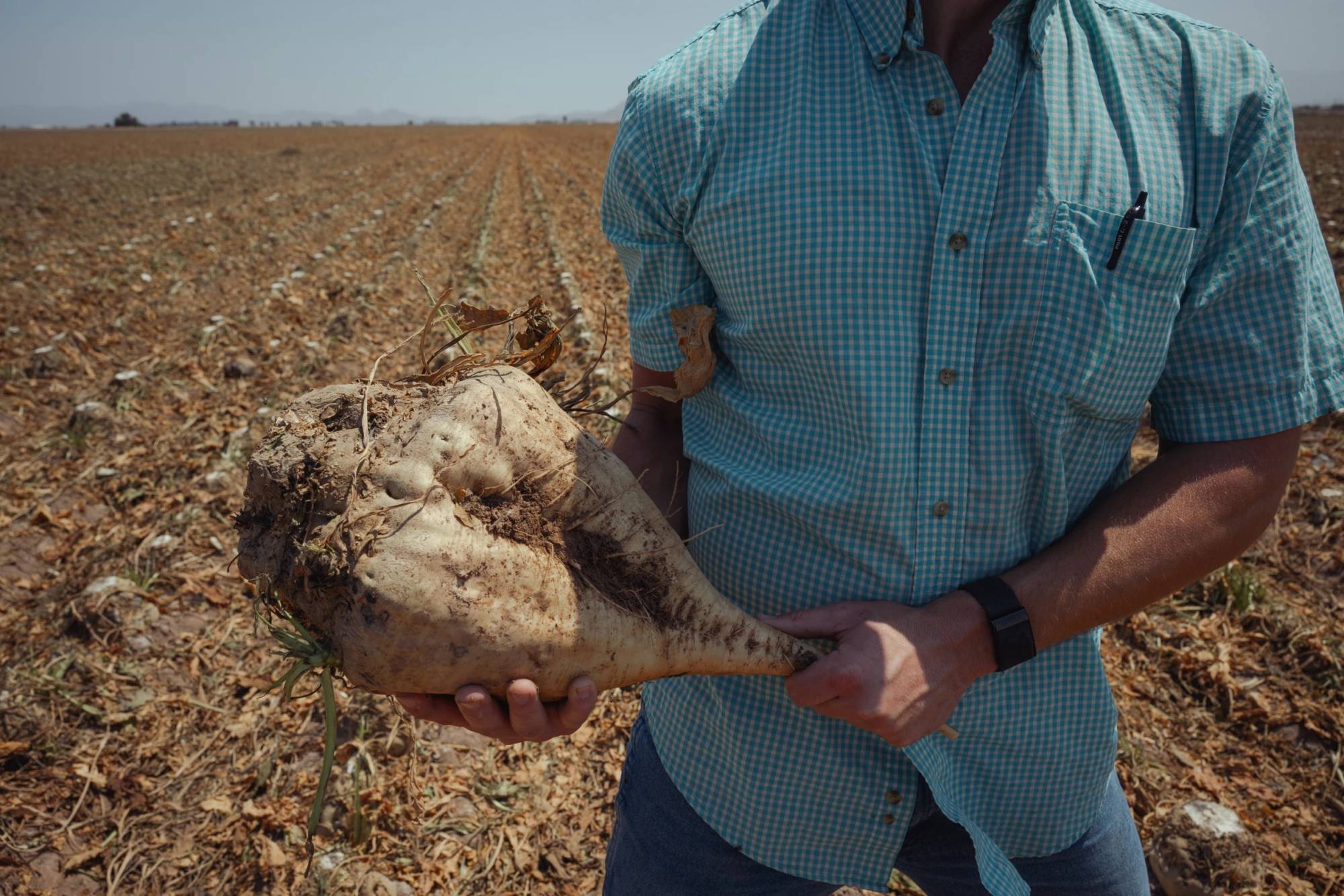
Imperial County Tries To Save Sugar Beet Industry
California Valley Fever Cases on Track for Record High
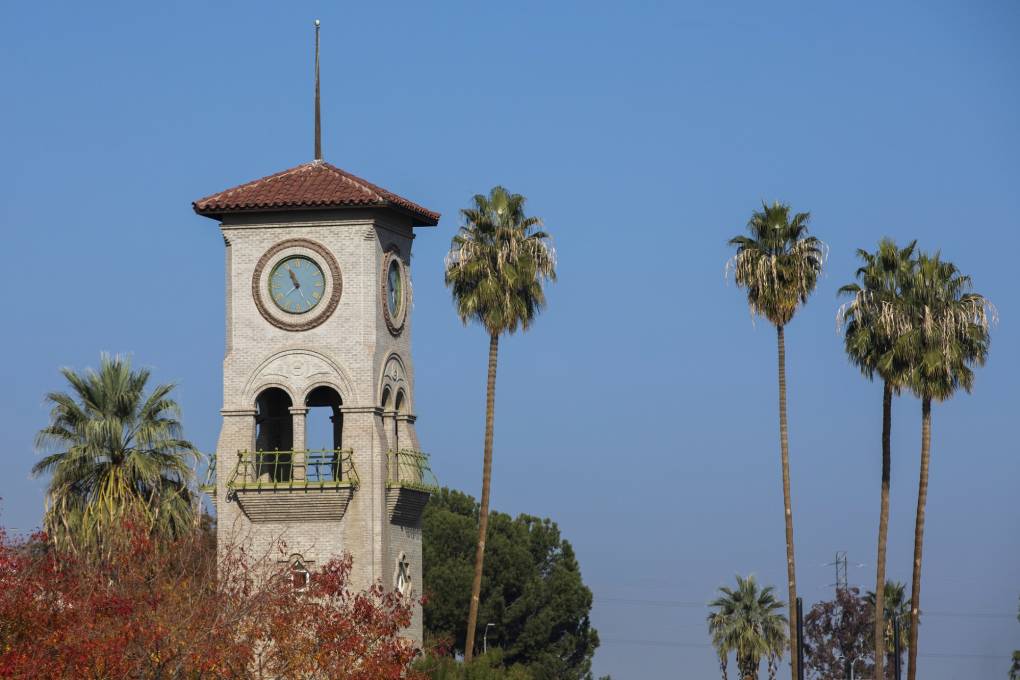
Valley Fever Cases Linked to California Music Festival Nearly Quadruple, and More Are Likely
Valley Fever Rises After California Music Festival, Experts Warn of Climate Change Link
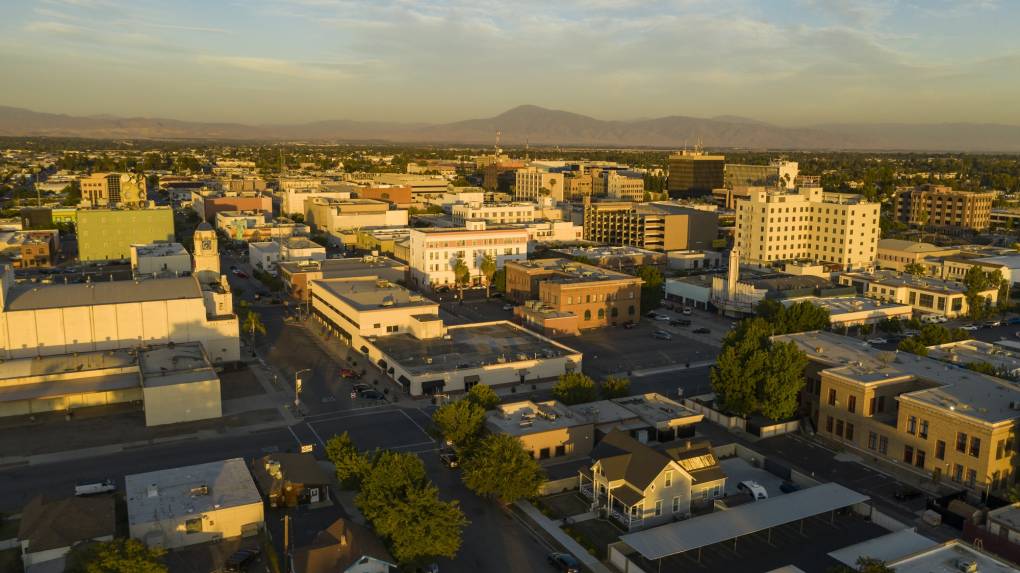
Valley Fever Cases Are on the Rise in California: What to Know About the Fungal Disease
Inmates Who Contracted Valley Fever in California Prisons Petition U.S. Supreme Court for Relief
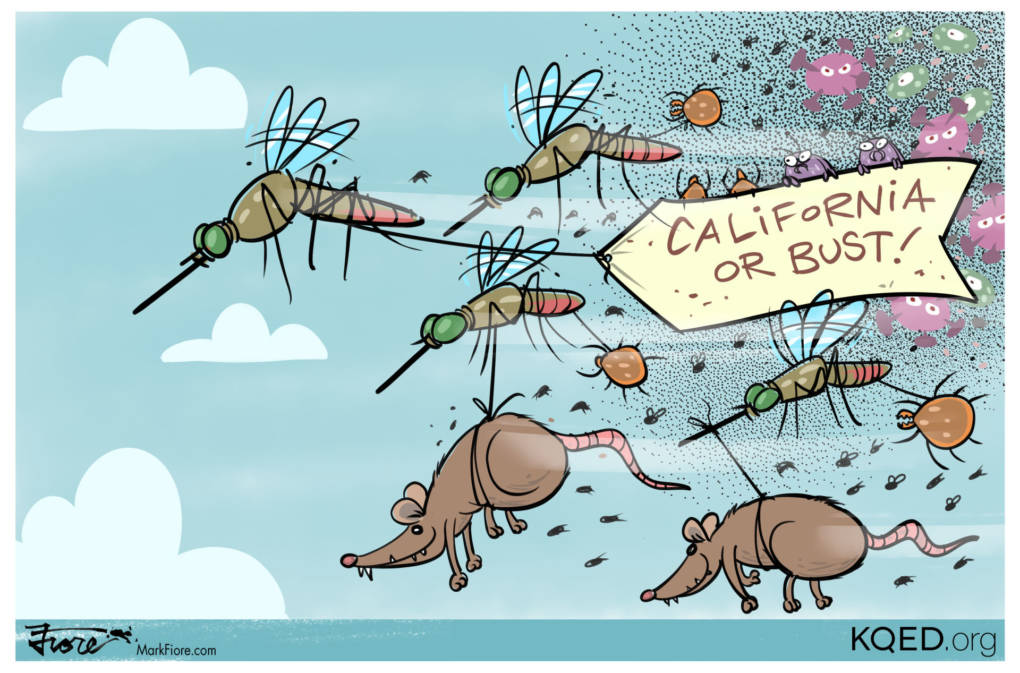
Creepy, Crawly Climate Change
Sponsored
Player sponsored by
window.__IS_SSR__=true
window.__INITIAL_STATE__={
"attachmentsReducer": {
"audio_0": {
"type": "attachments",
"id": "audio_0",
"imgSizes": {
"kqedFullSize": {
"file": "https://ww2.kqed.org/news/wp-content/themes/KQED-unified/img/audio_bgs/background0.jpg"
}
}
},
"audio_1": {
"type": "attachments",
"id": "audio_1",
"imgSizes": {
"kqedFullSize": {
"file": "https://ww2.kqed.org/news/wp-content/themes/KQED-unified/img/audio_bgs/background1.jpg"
}
}
},
"audio_2": {
"type": "attachments",
"id": "audio_2",
"imgSizes": {
"kqedFullSize": {
"file": "https://ww2.kqed.org/news/wp-content/themes/KQED-unified/img/audio_bgs/background2.jpg"
}
}
},
"audio_3": {
"type": "attachments",
"id": "audio_3",
"imgSizes": {
"kqedFullSize": {
"file": "https://ww2.kqed.org/news/wp-content/themes/KQED-unified/img/audio_bgs/background3.jpg"
}
}
},
"audio_4": {
"type": "attachments",
"id": "audio_4",
"imgSizes": {
"kqedFullSize": {
"file": "https://ww2.kqed.org/news/wp-content/themes/KQED-unified/img/audio_bgs/background4.jpg"
}
}
},
"placeholder": {
"type": "attachments",
"id": "placeholder",
"imgSizes": {
"thumbnail": {
"file": "https://cdn.kqed.org/wp-content/uploads/2024/12/KQED-Default-Image-816638274-2000x1333-1-160x107.jpg",
"width": 160,
"height": 107,
"mimeType": "image/jpeg"
},
"medium": {
"file": "https://cdn.kqed.org/wp-content/uploads/2024/12/KQED-Default-Image-816638274-2000x1333-1-800x533.jpg",
"width": 800,
"height": 533,
"mimeType": "image/jpeg"
},
"medium_large": {
"file": "https://cdn.kqed.org/wp-content/uploads/2024/12/KQED-Default-Image-816638274-2000x1333-1-768x512.jpg",
"width": 768,
"height": 512,
"mimeType": "image/jpeg"
},
"large": {
"file": "https://cdn.kqed.org/wp-content/uploads/2024/12/KQED-Default-Image-816638274-2000x1333-1-1020x680.jpg",
"width": 1020,
"height": 680,
"mimeType": "image/jpeg"
},
"1536x1536": {
"file": "https://cdn.kqed.org/wp-content/uploads/2024/12/KQED-Default-Image-816638274-2000x1333-1-1536x1024.jpg",
"width": 1536,
"height": 1024,
"mimeType": "image/jpeg"
},
"fd-lrg": {
"file": "https://cdn.kqed.org/wp-content/uploads/2024/12/KQED-Default-Image-816638274-2000x1333-1-1536x1024.jpg",
"width": 1536,
"height": 1024,
"mimeType": "image/jpeg"
},
"fd-med": {
"file": "https://cdn.kqed.org/wp-content/uploads/2024/12/KQED-Default-Image-816638274-2000x1333-1-1020x680.jpg",
"width": 1020,
"height": 680,
"mimeType": "image/jpeg"
},
"fd-sm": {
"file": "https://cdn.kqed.org/wp-content/uploads/2024/12/KQED-Default-Image-816638274-2000x1333-1-800x533.jpg",
"width": 800,
"height": 533,
"mimeType": "image/jpeg"
},
"post-thumbnail": {
"file": "https://cdn.kqed.org/wp-content/uploads/2024/12/KQED-Default-Image-816638274-2000x1333-1-672x372.jpg",
"width": 672,
"height": 372,
"mimeType": "image/jpeg"
},
"twentyfourteen-full-width": {
"file": "https://cdn.kqed.org/wp-content/uploads/2024/12/KQED-Default-Image-816638274-2000x1333-1-1038x576.jpg",
"width": 1038,
"height": 576,
"mimeType": "image/jpeg"
},
"xxsmall": {
"file": "https://cdn.kqed.org/wp-content/uploads/2024/12/KQED-Default-Image-816638274-2000x1333-1-160x107.jpg",
"width": 160,
"height": 107,
"mimeType": "image/jpeg"
},
"xsmall": {
"file": "https://cdn.kqed.org/wp-content/uploads/2024/12/KQED-Default-Image-816638274-2000x1333-1-672x372.jpg",
"width": 672,
"height": 372,
"mimeType": "image/jpeg"
},
"small": {
"file": "https://cdn.kqed.org/wp-content/uploads/2024/12/KQED-Default-Image-816638274-2000x1333-1-672x372.jpg",
"width": 672,
"height": 372,
"mimeType": "image/jpeg"
},
"xlarge": {
"file": "https://cdn.kqed.org/wp-content/uploads/2024/12/KQED-Default-Image-816638274-2000x1333-1-1020x680.jpg",
"width": 1020,
"height": 680,
"mimeType": "image/jpeg"
},
"full-width": {
"file": "https://cdn.kqed.org/wp-content/uploads/2024/12/KQED-Default-Image-816638274-2000x1333-1-1920x1280.jpg",
"width": 1920,
"height": 1280,
"mimeType": "image/jpeg"
},
"guest-author-32": {
"file": "https://cdn.kqed.org/wp-content/uploads/2025/01/KQED-Default-Image-816638274-1333x1333-1-160x160.jpg",
"width": 32,
"height": 32,
"mimeType": "image/jpeg"
},
"guest-author-50": {
"file": "https://cdn.kqed.org/wp-content/uploads/2025/01/KQED-Default-Image-816638274-1333x1333-1-160x160.jpg",
"width": 50,
"height": 50,
"mimeType": "image/jpeg"
},
"guest-author-64": {
"file": "https://cdn.kqed.org/wp-content/uploads/2025/01/KQED-Default-Image-816638274-1333x1333-1-160x160.jpg",
"width": 64,
"height": 64,
"mimeType": "image/jpeg"
},
"guest-author-96": {
"file": "https://cdn.kqed.org/wp-content/uploads/2025/01/KQED-Default-Image-816638274-1333x1333-1-160x160.jpg",
"width": 96,
"height": 96,
"mimeType": "image/jpeg"
},
"guest-author-128": {
"file": "https://cdn.kqed.org/wp-content/uploads/2025/01/KQED-Default-Image-816638274-1333x1333-1-160x160.jpg",
"width": 128,
"height": 128,
"mimeType": "image/jpeg"
},
"detail": {
"file": "https://cdn.kqed.org/wp-content/uploads/2025/01/KQED-Default-Image-816638274-1333x1333-1-160x160.jpg",
"width": 160,
"height": 160,
"mimeType": "image/jpeg"
},
"kqedFullSize": {
"file": "https://cdn.kqed.org/wp-content/uploads/2024/12/KQED-Default-Image-816638274-2000x1333-1.jpg",
"width": 2000,
"height": 1333
}
}
},
"news_12001945": {
"type": "attachments",
"id": "news_12001945",
"meta": {
"index": "attachments_1716263798",
"site": "news",
"id": "12001945",
"found": true
},
"title": "valley-fever-symptoms",
"publishDate": 1724712970,
"status": "inherit",
"parent": 12001920,
"modified": 1724719655,
"caption": "An illustration of thick-walled arthroconidia and arthrospores from the fungus coccidioides immitis. This fungus is found in desert and semi-arid regions and is endemic to southwestern USA, Mexico and South America. C. immitis is the causative agent of coccidioidomycosis, also known as valley fever.",
"credit": "Kateryna Kon/SciencePhoto Library",
"altTag": "An illustration of microscopic bacteria.",
"description": null,
"imgSizes": {
"medium": {
"file": "https://cdn.kqed.org/wp-content/uploads/sites/10/2024/08/GettyImages-1386022781-800x533.jpg",
"width": 800,
"height": 533,
"mimeType": "image/jpeg"
},
"large": {
"file": "https://cdn.kqed.org/wp-content/uploads/sites/10/2024/08/GettyImages-1386022781-1020x680.jpg",
"width": 1020,
"height": 680,
"mimeType": "image/jpeg"
},
"thumbnail": {
"file": "https://cdn.kqed.org/wp-content/uploads/sites/10/2024/08/GettyImages-1386022781-160x107.jpg",
"width": 160,
"height": 107,
"mimeType": "image/jpeg"
},
"1536x1536": {
"file": "https://cdn.kqed.org/wp-content/uploads/sites/10/2024/08/GettyImages-1386022781-1536x1024.jpg",
"width": 1536,
"height": 1024,
"mimeType": "image/jpeg"
},
"2048x2048": {
"file": "https://cdn.kqed.org/wp-content/uploads/sites/10/2024/08/GettyImages-1386022781-2048x1365.jpg",
"width": 2048,
"height": 1365,
"mimeType": "image/jpeg"
},
"post-thumbnail": {
"file": "https://cdn.kqed.org/wp-content/uploads/sites/10/2024/08/GettyImages-1386022781-672x372.jpg",
"width": 672,
"height": 372,
"mimeType": "image/jpeg"
},
"twentyfourteen-full-width": {
"file": "https://cdn.kqed.org/wp-content/uploads/sites/10/2024/08/GettyImages-1386022781-1038x576.jpg",
"width": 1038,
"height": 576,
"mimeType": "image/jpeg"
},
"full-width": {
"file": "https://cdn.kqed.org/wp-content/uploads/sites/10/2024/08/GettyImages-1386022781-1920x1280.jpg",
"width": 1920,
"height": 1280,
"mimeType": "image/jpeg"
},
"kqedFullSize": {
"file": "https://cdn.kqed.org/wp-content/uploads/sites/10/2024/08/GettyImages-1386022781.jpg",
"width": 2121,
"height": 1414
}
},
"fetchFailed": false,
"isLoading": false
},
"news_12052602": {
"type": "attachments",
"id": "news_12052602",
"meta": {
"index": "attachments_1716263798",
"site": "news",
"id": "12052602",
"found": true
},
"title": "sugar-beet-68a3308c4a14d",
"publishDate": 1755525305,
"status": "inherit",
"parent": 12052601,
"modified": 1755525379,
"caption": "Ben Abatti III holds a defoliated sugarbeet in one of his family's fields outside El Centro in Imperial County on July 16, 2025. Sugarbeets make up over a third of the crops that Abatti and his family grow every year.",
"credit": "Kori Suzuki/KPBS",
"altTag": null,
"description": null,
"imgSizes": {
"medium": {
"file": "https://cdn.kqed.org/wp-content/uploads/sites/10/2025/08/sugar-beet-68a3308c4a14d-2000x1334.jpg",
"width": 2000,
"height": 1334,
"mimeType": "image/jpeg"
},
"large": {
"file": "https://cdn.kqed.org/wp-content/uploads/sites/10/2025/08/sugar-beet-68a3308c4a14d-2000x1334.jpg",
"width": 2000,
"height": 1334,
"mimeType": "image/jpeg"
},
"thumbnail": {
"file": "https://cdn.kqed.org/wp-content/uploads/sites/10/2025/08/sugar-beet-68a3308c4a14d-160x107.jpg",
"width": 160,
"height": 107,
"mimeType": "image/jpeg"
},
"1536x1536": {
"file": "https://cdn.kqed.org/wp-content/uploads/sites/10/2025/08/sugar-beet-68a3308c4a14d-1536x1024.jpg",
"width": 1536,
"height": 1024,
"mimeType": "image/jpeg"
},
"2048x2048": {
"file": "https://cdn.kqed.org/wp-content/uploads/sites/10/2025/08/sugar-beet-68a3308c4a14d-2048x1366.jpg",
"width": 2048,
"height": 1366,
"mimeType": "image/jpeg"
},
"post-thumbnail": {
"file": "https://cdn.kqed.org/wp-content/uploads/sites/10/2025/08/sugar-beet-68a3308c4a14d-672x372.jpg",
"width": 672,
"height": 372,
"mimeType": "image/jpeg"
},
"twentyfourteen-full-width": {
"file": "https://cdn.kqed.org/wp-content/uploads/sites/10/2025/08/sugar-beet-68a3308c4a14d-1038x576.jpg",
"width": 1038,
"height": 576,
"mimeType": "image/jpeg"
},
"full-width": {
"file": "https://cdn.kqed.org/wp-content/uploads/sites/10/2025/08/sugar-beet-68a3308c4a14d-2000x1334.jpg",
"width": 2000,
"height": 1334,
"mimeType": "image/jpeg"
},
"kqedFullSize": {
"file": "https://cdn.kqed.org/wp-content/uploads/sites/10/2025/08/sugar-beet-68a3308c4a14d.jpg",
"width": 2480,
"height": 1654
}
},
"fetchFailed": false,
"isLoading": false
},
"news_12052488": {
"type": "attachments",
"id": "news_12052488",
"meta": {
"index": "attachments_1716263798",
"site": "news",
"id": "12052488",
"found": true
},
"title": "Valley Fever, or coccidioidomycosis, spreads as the climate warms",
"publishDate": 1755299703,
"status": "inherit",
"parent": 12052476,
"modified": 1755301570,
"caption": "A worker with the California Department of Public Health gathers a sample from a rodent hole in the Carrizo Plain National Monument in Santa Margarita, California, on Sept. 22, 2023. Approximately 30% of rodent holes in the area have coccidioidomycosis, or valley fever. It's a fungus that develops below the undisturbed surface of soils in hot, dry areas in the western United States. The fungus, when inhaled in dust, can cause long-term and sometimes severe health issues. If the fungus disseminates beyond the lungs, it can cause cocci meningitis, resulting in paralysis and neurological issues. As the climate warms and becomes drier, the fungus, which can also infect animals, could spread to new areas of the country. ",
"credit": "Carolyn Van Houten/The Washington Post via Getty Images",
"altTag": null,
"description": null,
"imgSizes": {
"thumbnail": {
"file": "https://cdn.kqed.org/wp-content/uploads/sites/10/2025/08/ValleyFeverGetty-160x107.jpg",
"width": 160,
"height": 107,
"mimeType": "image/jpeg"
},
"1536x1536": {
"file": "https://cdn.kqed.org/wp-content/uploads/sites/10/2025/08/ValleyFeverGetty-1536x1026.jpg",
"width": 1536,
"height": 1026,
"mimeType": "image/jpeg"
},
"post-thumbnail": {
"file": "https://cdn.kqed.org/wp-content/uploads/sites/10/2025/08/ValleyFeverGetty-672x372.jpg",
"width": 672,
"height": 372,
"mimeType": "image/jpeg"
},
"twentyfourteen-full-width": {
"file": "https://cdn.kqed.org/wp-content/uploads/sites/10/2025/08/ValleyFeverGetty-1038x576.jpg",
"width": 1038,
"height": 576,
"mimeType": "image/jpeg"
},
"kqedFullSize": {
"file": "https://cdn.kqed.org/wp-content/uploads/sites/10/2025/08/ValleyFeverGetty.jpg",
"width": 2000,
"height": 1336
}
},
"fetchFailed": false,
"isLoading": false
},
"news_12002997": {
"type": "attachments",
"id": "news_12002997",
"meta": {
"index": "attachments_1716263798",
"site": "news",
"id": "12002997",
"found": true
},
"title": "Bakersfield, California",
"publishDate": 1725472226,
"status": "inherit",
"parent": 12002977,
"modified": 1725472248,
"caption": "Daytime view of a historic public clock tower in downtown Bakersfield, California, USA.",
"credit": "Matt Gush/Getty Images",
"altTag": null,
"description": null,
"imgSizes": {
"medium": {
"file": "https://cdn.kqed.org/wp-content/uploads/sites/10/2024/09/BakersfieldClockTowerGetty1-800x533.jpg",
"width": 800,
"height": 533,
"mimeType": "image/jpeg"
},
"large": {
"file": "https://cdn.kqed.org/wp-content/uploads/sites/10/2024/09/BakersfieldClockTowerGetty1-1020x680.jpg",
"width": 1020,
"height": 680,
"mimeType": "image/jpeg"
},
"thumbnail": {
"file": "https://cdn.kqed.org/wp-content/uploads/sites/10/2024/09/BakersfieldClockTowerGetty1-160x107.jpg",
"width": 160,
"height": 107,
"mimeType": "image/jpeg"
},
"1536x1536": {
"file": "https://cdn.kqed.org/wp-content/uploads/sites/10/2024/09/BakersfieldClockTowerGetty1-1536x1024.jpg",
"width": 1536,
"height": 1024,
"mimeType": "image/jpeg"
},
"post-thumbnail": {
"file": "https://cdn.kqed.org/wp-content/uploads/sites/10/2024/09/BakersfieldClockTowerGetty1-672x372.jpg",
"width": 672,
"height": 372,
"mimeType": "image/jpeg"
},
"twentyfourteen-full-width": {
"file": "https://cdn.kqed.org/wp-content/uploads/sites/10/2024/09/BakersfieldClockTowerGetty1-1038x576.jpg",
"width": 1038,
"height": 576,
"mimeType": "image/jpeg"
},
"full-width": {
"file": "https://cdn.kqed.org/wp-content/uploads/sites/10/2024/09/BakersfieldClockTowerGetty1-1920x1280.jpg",
"width": 1920,
"height": 1280,
"mimeType": "image/jpeg"
},
"kqedFullSize": {
"file": "https://cdn.kqed.org/wp-content/uploads/sites/10/2024/09/BakersfieldClockTowerGetty1.jpg",
"width": 2000,
"height": 1333
}
},
"fetchFailed": false,
"isLoading": false
},
"news_12001312": {
"type": "attachments",
"id": "news_12001312",
"meta": {
"index": "attachments_1716263798",
"site": "news",
"id": "12001312",
"found": true
},
"title": "Late Afternoon Sun Hits the Architecture and Landscape in and around Bakersfield California",
"publishDate": 1724288402,
"status": "inherit",
"parent": 12001154,
"modified": 1724346373,
"caption": "Valley fever spread after a California music festival in Bakersfield earlier this summer. Experts warn that cases are becoming more common and might be fueled by climate change.",
"credit": "Chris Boswell/iStock via Getty Images",
"altTag": null,
"description": null,
"imgSizes": {
"medium": {
"file": "https://cdn.kqed.org/wp-content/uploads/sites/10/2024/08/Bakersfield1Getty-800x449.jpg",
"width": 800,
"height": 449,
"mimeType": "image/jpeg"
},
"large": {
"file": "https://cdn.kqed.org/wp-content/uploads/sites/10/2024/08/Bakersfield1Getty-1020x573.jpg",
"width": 1020,
"height": 573,
"mimeType": "image/jpeg"
},
"thumbnail": {
"file": "https://cdn.kqed.org/wp-content/uploads/sites/10/2024/08/Bakersfield1Getty-160x90.jpg",
"width": 160,
"height": 90,
"mimeType": "image/jpeg"
},
"1536x1536": {
"file": "https://cdn.kqed.org/wp-content/uploads/sites/10/2024/08/Bakersfield1Getty-1536x862.jpg",
"width": 1536,
"height": 862,
"mimeType": "image/jpeg"
},
"post-thumbnail": {
"file": "https://cdn.kqed.org/wp-content/uploads/sites/10/2024/08/Bakersfield1Getty-672x372.jpg",
"width": 672,
"height": 372,
"mimeType": "image/jpeg"
},
"twentyfourteen-full-width": {
"file": "https://cdn.kqed.org/wp-content/uploads/sites/10/2024/08/Bakersfield1Getty-1038x576.jpg",
"width": 1038,
"height": 576,
"mimeType": "image/jpeg"
},
"full-width": {
"file": "https://cdn.kqed.org/wp-content/uploads/sites/10/2024/08/Bakersfield1Getty-1920x1078.jpg",
"width": 1920,
"height": 1078,
"mimeType": "image/jpeg"
},
"kqedFullSize": {
"file": "https://cdn.kqed.org/wp-content/uploads/sites/10/2024/08/Bakersfield1Getty.jpg",
"width": 2000,
"height": 1123
}
},
"fetchFailed": false,
"isLoading": false
},
"news_11998720": {
"type": "attachments",
"id": "news_11998720",
"meta": {
"index": "attachments_1716263798",
"site": "news",
"id": "11998720",
"found": true
},
"title": "GettyImages-1771553132",
"publishDate": 1722645117,
"status": "inherit",
"parent": 11998703,
"modified": 1722645191,
"caption": "Valley fever is caused when people inhale microscopic spores of a fungus found in soil. This fungus typically affects the lungs.",
"credit": "Carolyn Van Houten/The Washington Post/Getty Images",
"altTag": "A picture of dirt on the ground.",
"description": null,
"imgSizes": {
"medium": {
"file": "https://cdn.kqed.org/wp-content/uploads/sites/10/2024/08/GettyImages-1771553132-800x535.jpg",
"width": 800,
"height": 535,
"mimeType": "image/jpeg"
},
"large": {
"file": "https://cdn.kqed.org/wp-content/uploads/sites/10/2024/08/GettyImages-1771553132-1020x682.jpg",
"width": 1020,
"height": 682,
"mimeType": "image/jpeg"
},
"thumbnail": {
"file": "https://cdn.kqed.org/wp-content/uploads/sites/10/2024/08/GettyImages-1771553132-160x107.jpg",
"width": 160,
"height": 107,
"mimeType": "image/jpeg"
},
"1536x1536": {
"file": "https://cdn.kqed.org/wp-content/uploads/sites/10/2024/08/GettyImages-1771553132-1536x1026.jpg",
"width": 1536,
"height": 1026,
"mimeType": "image/jpeg"
},
"post-thumbnail": {
"file": "https://cdn.kqed.org/wp-content/uploads/sites/10/2024/08/GettyImages-1771553132-672x372.jpg",
"width": 672,
"height": 372,
"mimeType": "image/jpeg"
},
"twentyfourteen-full-width": {
"file": "https://cdn.kqed.org/wp-content/uploads/sites/10/2024/08/GettyImages-1771553132-1038x576.jpg",
"width": 1038,
"height": 576,
"mimeType": "image/jpeg"
},
"kqedFullSize": {
"file": "https://cdn.kqed.org/wp-content/uploads/sites/10/2024/08/GettyImages-1771553132.jpg",
"width": 1920,
"height": 1283
}
},
"fetchFailed": false,
"isLoading": false
},
"news_11761681": {
"type": "attachments",
"id": "news_11761681",
"meta": {
"index": "attachments_1716263798",
"site": "news",
"id": "11761681",
"found": true
},
"parent": 11761679,
"imgSizes": {
"apple_news_ca_square_4_0": {
"file": "https://ww2.kqed.org/app/uploads/sites/10/2019/07/PleasantValley1-470x470.jpg",
"width": 470,
"mimeType": "image/jpeg",
"height": 470
},
"thumbnail": {
"file": "https://ww2.kqed.org/app/uploads/sites/10/2019/07/PleasantValley1-160x107.jpg",
"width": 160,
"mimeType": "image/jpeg",
"height": 107
},
"post-thumbnail": {
"file": "https://ww2.kqed.org/app/uploads/sites/10/2019/07/PleasantValley1-672x372.jpg",
"width": 672,
"mimeType": "image/jpeg",
"height": 372
},
"kqedFullSize": {
"file": "https://ww2.kqed.org/app/uploads/sites/10/2019/07/PleasantValley1.jpg",
"width": 800,
"height": 533
},
"apple_news_ca_landscape_4_7": {
"file": "https://ww2.kqed.org/app/uploads/sites/10/2019/07/PleasantValley1-632x474.jpg",
"width": 632,
"mimeType": "image/jpeg",
"height": 474
},
"apple_news_ca_portrait_4_7": {
"file": "https://ww2.kqed.org/app/uploads/sites/10/2019/07/PleasantValley1-414x533.jpg",
"width": 414,
"mimeType": "image/jpeg",
"height": 533
},
"apple_news_ca_portrait_5_5": {
"file": "https://ww2.kqed.org/app/uploads/sites/10/2019/07/PleasantValley1-687x533.jpg",
"width": 687,
"mimeType": "image/jpeg",
"height": 533
},
"apple_news_ca_square_4_7": {
"file": "https://ww2.kqed.org/app/uploads/sites/10/2019/07/PleasantValley1-550x533.jpg",
"width": 550,
"mimeType": "image/jpeg",
"height": 533
},
"apple_news_ca_landscape_4_0": {
"file": "https://ww2.kqed.org/app/uploads/sites/10/2019/07/PleasantValley1-536x402.jpg",
"width": 536,
"mimeType": "image/jpeg",
"height": 402
},
"medium": {
"file": "https://ww2.kqed.org/app/uploads/sites/10/2019/07/PleasantValley1-800x533.jpg",
"width": 800,
"mimeType": "image/jpeg",
"height": 533
},
"apple_news_ca_portrait_4_0": {
"file": "https://ww2.kqed.org/app/uploads/sites/10/2019/07/PleasantValley1-354x472.jpg",
"width": 354,
"mimeType": "image/jpeg",
"height": 472
}
},
"publishDate": 1563307530,
"modified": 1563319393,
"caption": "Pleasant Valley State Prison in Fresno County.",
"description": null,
"title": "PleasantValley1",
"credit": "Kerry Klein/KVPR ",
"status": "inherit",
"fetchFailed": false,
"isLoading": false
},
"news_11709125": {
"type": "attachments",
"id": "news_11709125",
"meta": {
"index": "attachments_1716263798",
"site": "news",
"id": "11709125",
"found": true
},
"parent": 11709116,
"imgSizes": {
"twentyfourteen-full-width": {
"file": "https://ww2.kqed.org/app/uploads/sites/10/2018/11/pathogens_112918_final-1038x576.jpg",
"width": 1038,
"mimeType": "image/jpeg",
"height": 576
},
"thumbnail": {
"file": "https://ww2.kqed.org/app/uploads/sites/10/2018/11/pathogens_112918_final-160x106.jpg",
"width": 160,
"mimeType": "image/jpeg",
"height": 106
},
"post-thumbnail": {
"file": "https://ww2.kqed.org/app/uploads/sites/10/2018/11/pathogens_112918_final-672x372.jpg",
"width": 672,
"mimeType": "image/jpeg",
"height": 372
},
"kqedFullSize": {
"file": "https://ww2.kqed.org/app/uploads/sites/10/2018/11/pathogens_112918_final.jpg",
"width": 1920,
"height": 1267
},
"large": {
"file": "https://ww2.kqed.org/app/uploads/sites/10/2018/11/pathogens_112918_final-1020x673.jpg",
"width": 1020,
"mimeType": "image/jpeg",
"height": 673
},
"complete_open_graph": {
"file": "https://ww2.kqed.org/app/uploads/sites/10/2018/11/pathogens_112918_final-1200x792.jpg",
"width": 1200,
"mimeType": "image/jpeg",
"height": 792
},
"guest-author-50": {
"file": "https://ww2.kqed.org/app/uploads/sites/10/2018/11/pathogens_112918_final-50x50.jpg",
"width": 50,
"mimeType": "image/jpeg",
"height": 50
},
"guest-author-96": {
"file": "https://ww2.kqed.org/app/uploads/sites/10/2018/11/pathogens_112918_final-96x96.jpg",
"width": 96,
"mimeType": "image/jpeg",
"height": 96
},
"medium": {
"file": "https://ww2.kqed.org/app/uploads/sites/10/2018/11/pathogens_112918_final-800x528.jpg",
"width": 800,
"mimeType": "image/jpeg",
"height": 528
},
"guest-author-64": {
"file": "https://ww2.kqed.org/app/uploads/sites/10/2018/11/pathogens_112918_final-64x64.jpg",
"width": 64,
"mimeType": "image/jpeg",
"height": 64
},
"guest-author-32": {
"file": "https://ww2.kqed.org/app/uploads/sites/10/2018/11/pathogens_112918_final-32x32.jpg",
"width": 32,
"mimeType": "image/jpeg",
"height": 32
},
"full-width": {
"file": "https://ww2.kqed.org/app/uploads/sites/10/2018/11/pathogens_112918_final-1920x1267.jpg",
"width": 1920,
"mimeType": "image/jpeg",
"height": 1267
},
"detail": {
"file": "https://ww2.kqed.org/app/uploads/sites/10/2018/11/pathogens_112918_final-150x150.jpg",
"width": 150,
"mimeType": "image/jpeg",
"height": 150
},
"guest-author-128": {
"file": "https://ww2.kqed.org/app/uploads/sites/10/2018/11/pathogens_112918_final-128x128.jpg",
"width": 128,
"mimeType": "image/jpeg",
"height": 128
}
},
"publishDate": 1543532602,
"modified": 1543532621,
"caption": null,
"description": null,
"title": "pathogens_112918_final",
"credit": null,
"status": "inherit",
"fetchFailed": false,
"isLoading": false
}
},
"audioPlayerReducer": {
"postId": "stream_live",
"isPaused": true,
"isPlaying": false,
"pfsActive": false,
"pledgeModalIsOpen": true,
"playerDrawerIsOpen": false
},
"authorsReducer": {
"byline_news_11998703": {
"type": "authors",
"id": "byline_news_11998703",
"meta": {
"override": true
},
"slug": "byline_news_11998703",
"name": "Ana B. Ibarra, CalMatters",
"isLoading": false
},
"kqed": {
"type": "authors",
"id": "236",
"meta": {
"index": "authors_1716337520",
"id": "236",
"found": true
},
"name": "KQED News Staff",
"firstName": "KQED News Staff",
"lastName": null,
"slug": "kqed",
"email": "faq@kqed.org",
"display_author_email": false,
"staff_mastheads": [],
"title": null,
"bio": null,
"avatar": "https://secure.gravatar.com/avatar/ef0e801a68c4c54afa9180db14084167?s=600&d=blank&r=g",
"twitter": null,
"facebook": null,
"instagram": null,
"linkedin": null,
"sites": [
{
"site": "arts",
"roles": [
"contributor"
]
},
{
"site": "news",
"roles": [
"editor"
]
},
{
"site": "futureofyou",
"roles": [
"author"
]
}
],
"headData": {
"title": "KQED News Staff | KQED",
"description": null,
"ogImgSrc": "https://secure.gravatar.com/avatar/ef0e801a68c4c54afa9180db14084167?s=600&d=blank&r=g",
"twImgSrc": "https://secure.gravatar.com/avatar/ef0e801a68c4c54afa9180db14084167?s=600&d=blank&r=g"
},
"isLoading": false,
"link": "/author/kqed"
},
"markfiore": {
"type": "authors",
"id": "3236",
"meta": {
"index": "authors_1716337520",
"id": "3236",
"found": true
},
"name": "Mark Fiore",
"firstName": "Mark",
"lastName": "Fiore",
"slug": "markfiore",
"email": "mark@markfiore.com",
"display_author_email": false,
"staff_mastheads": [
"news"
],
"title": "KQED News Cartoonist",
"bio": "\u003ca href=\"http://www.MarkFiore.com\">MarkFiore.com\u003c/a> | \u003ca href=\"https://twitter.com/markfiore\">Follow on Twitter\u003c/a> | \u003ca href=\"https://www.facebook.com/pages/Mark-Fiore-Animated-Political-Cartoons/94451707396?ref=bookmarks\">Facebook\u003c/a> | \u003ca href=\"mailto:mark@markfiore.com\">email\u003c/a>\r\n\r\nPulitzer Prize-winner, Mark Fiore, who the Wall Street Journal has called “the undisputed guru of the form,” creates animated political cartoons in San Francisco, where his work has been featured regularly on the San Francisco Chronicle’s web site, SFGate.com. His work has appeared on Newsweek.com, Slate.com, CBSNews.com, MotherJones.com, DailyKos.com and NPR’s web site. Fiore’s political animation has appeared on CNN, Frontline, Bill Moyers Journal, Salon.com and cable and broadcast outlets across the globe.\r\n\r\nBeginning his professional life by drawing traditional political cartoons for newspapers, Fiore’s work appeared in publications ranging from the Washington Post to the Los Angeles Times. In the late 1990s, he began to experiment with animating political cartoons and, after a short stint at the San Jose Mercury News as their staff cartoonist, Fiore devoted all his energies to animation.\r\nGrowing up in California, Fiore also spent a good portion of his life in the backwoods of Idaho. It was this combination that shaped him politically. Mark majored in political science at Colorado College, where, in a perfect send-off for a cartoonist, he received his diploma in 1991 as commencement speaker Dick Cheney smiled approvingly.\r\nMark Fiore was awarded the Pulitzer Prize for political cartooning in 2010, a Robert F. Kennedy Journalism Award in 2004 and has twice received an Online Journalism Award for commentary from the Online News Association (2002, 2008). Fiore has received two awards for his work in new media from the National Cartoonists Society (2001, 2002), and in 2006 received The James Madison Freedom of Information Award from The Society of Professional Journalists.",
"avatar": "https://secure.gravatar.com/avatar/fc4e2a612b15b67bad0c6f0e1db4ca9b?s=600&d=blank&r=g",
"twitter": "MarkFiore",
"facebook": null,
"instagram": "https://www.instagram.com/markfiore/?hl=en",
"linkedin": null,
"sites": [
{
"site": "arts",
"roles": [
"contributor"
]
},
{
"site": "news",
"roles": [
"editor"
]
},
{
"site": "futureofyou",
"roles": [
"editor"
]
},
{
"site": "science",
"roles": [
"editor"
]
}
],
"headData": {
"title": "Mark Fiore | KQED",
"description": "KQED News Cartoonist",
"ogImgSrc": "https://secure.gravatar.com/avatar/fc4e2a612b15b67bad0c6f0e1db4ca9b?s=600&d=blank&r=g",
"twImgSrc": "https://secure.gravatar.com/avatar/fc4e2a612b15b67bad0c6f0e1db4ca9b?s=600&d=blank&r=g"
},
"isLoading": false,
"link": "/author/markfiore"
},
"carlysevern": {
"type": "authors",
"id": "3243",
"meta": {
"index": "authors_1716337520",
"id": "3243",
"found": true
},
"name": "Carly Severn",
"firstName": "Carly",
"lastName": "Severn",
"slug": "carlysevern",
"email": "csevern@kqed.org",
"display_author_email": false,
"staff_mastheads": [
"news"
],
"title": "Senior Editor, Audience News ",
"bio": "Carly is KQED's Senior Editor of Audience News on the Digital News team, and has reported for the California Report Magazine, Bay Curious and KQED Arts. She's formerly the host of \u003ca href=\"http://ww2.kqed.org/pop/category/the-cooler/\" rel=\"noopener noreferrer\">The Cooler\u003c/a> podcast.",
"avatar": "https://secure.gravatar.com/avatar/2d8d6765f186e64c798cf7f0c8088a41?s=600&d=blank&r=g",
"twitter": "teacupinthebay",
"facebook": null,
"instagram": null,
"linkedin": null,
"sites": [
{
"site": "",
"roles": [
"editor"
]
},
{
"site": "arts",
"roles": [
"editor"
]
},
{
"site": "news",
"roles": [
"administrator"
]
},
{
"site": "pop",
"roles": [
"editor"
]
},
{
"site": "futureofyou",
"roles": [
"editor"
]
},
{
"site": "about",
"roles": [
"administrator"
]
},
{
"site": "mindshift",
"roles": [
"editor"
]
},
{
"site": "bayareabites",
"roles": [
"editor"
]
},
{
"site": "stateofhealth",
"roles": [
"editor"
]
},
{
"site": "science",
"roles": [
"editor"
]
},
{
"site": "food",
"roles": [
"contributor"
]
},
{
"site": "forum",
"roles": [
"editor"
]
},
{
"site": "perspectives",
"roles": [
"administrator"
]
},
{
"site": "liveblog",
"roles": [
"editor"
]
}
],
"headData": {
"title": "Carly Severn | KQED",
"description": "Senior Editor, Audience News ",
"ogImgSrc": "https://secure.gravatar.com/avatar/2d8d6765f186e64c798cf7f0c8088a41?s=600&d=blank&r=g",
"twImgSrc": "https://secure.gravatar.com/avatar/2d8d6765f186e64c798cf7f0c8088a41?s=600&d=blank&r=g"
},
"isLoading": false,
"link": "/author/carlysevern"
},
"hmcdede": {
"type": "authors",
"id": "11635",
"meta": {
"index": "authors_1716337520",
"id": "11635",
"found": true
},
"name": "Holly McDede",
"firstName": "Holly",
"lastName": "McDede",
"slug": "hmcdede",
"email": "hmcdede@KQED.org",
"display_author_email": false,
"staff_mastheads": [],
"title": "KQED Contributor",
"bio": null,
"avatar": "https://secure.gravatar.com/avatar/999d9bf31bb3a2f0511932d99526cb3e?s=600&d=blank&r=g",
"twitter": null,
"facebook": null,
"instagram": null,
"linkedin": null,
"sites": [
{
"site": "arts",
"roles": [
"editor"
]
},
{
"site": "news",
"roles": [
"edit_others_posts",
"editor"
]
},
{
"site": "science",
"roles": [
"editor"
]
},
{
"site": "forum",
"roles": [
"editor"
]
},
{
"site": "perspectives",
"roles": [
"administrator"
]
}
],
"headData": {
"title": "Holly McDede | KQED",
"description": "KQED Contributor",
"ogImgSrc": "https://secure.gravatar.com/avatar/999d9bf31bb3a2f0511932d99526cb3e?s=600&d=blank&r=g",
"twImgSrc": "https://secure.gravatar.com/avatar/999d9bf31bb3a2f0511932d99526cb3e?s=600&d=blank&r=g"
},
"isLoading": false,
"link": "/author/hmcdede"
},
"kmizuguchi": {
"type": "authors",
"id": "11739",
"meta": {
"index": "authors_1716337520",
"id": "11739",
"found": true
},
"name": "Keith Mizuguchi",
"firstName": "Keith",
"lastName": "Mizuguchi",
"slug": "kmizuguchi",
"email": "kmizuguchi@kqed.org",
"display_author_email": false,
"staff_mastheads": [],
"title": "KQED Contributor",
"bio": null,
"avatar": "https://secure.gravatar.com/avatar/ce1182f9924192ae5ea66d39a75cd7d1?s=600&d=blank&r=g",
"twitter": null,
"facebook": null,
"instagram": null,
"linkedin": null,
"sites": [
{
"site": "news",
"roles": [
"editor"
]
},
{
"site": "science",
"roles": [
"editor"
]
}
],
"headData": {
"title": "Keith Mizuguchi | KQED",
"description": "KQED Contributor",
"ogImgSrc": "https://secure.gravatar.com/avatar/ce1182f9924192ae5ea66d39a75cd7d1?s=600&d=blank&r=g",
"twImgSrc": "https://secure.gravatar.com/avatar/ce1182f9924192ae5ea66d39a75cd7d1?s=600&d=blank&r=g"
},
"isLoading": false,
"link": "/author/kmizuguchi"
},
"kdebenedetti": {
"type": "authors",
"id": "11913",
"meta": {
"index": "authors_1716337520",
"id": "11913",
"found": true
},
"name": "Katie DeBenedetti",
"firstName": "Katie",
"lastName": "DeBenedetti",
"slug": "kdebenedetti",
"email": "kdebenedetti@kqed.org",
"display_author_email": false,
"staff_mastheads": [
"news",
"science"
],
"title": "KQED Contributor",
"bio": "Katie DeBenedetti is a digital reporter covering daily news for the Express Desk. Prior to joining KQED as a culture reporting intern in January 2024, she covered education and city government for the Napa Valley Register.",
"avatar": "https://secure.gravatar.com/avatar/6e31073cb8f7e4214ab03f42771d0f45?s=600&d=blank&r=g",
"twitter": null,
"facebook": null,
"instagram": null,
"linkedin": null,
"sites": [
{
"site": "news",
"roles": [
"author"
]
},
{
"site": "science",
"roles": [
"author"
]
},
{
"site": "liveblog",
"roles": [
"author"
]
}
],
"headData": {
"title": "Katie DeBenedetti | KQED",
"description": "KQED Contributor",
"ogImgSrc": "https://secure.gravatar.com/avatar/6e31073cb8f7e4214ab03f42771d0f45?s=600&d=blank&r=g",
"twImgSrc": "https://secure.gravatar.com/avatar/6e31073cb8f7e4214ab03f42771d0f45?s=600&d=blank&r=g"
},
"isLoading": false,
"link": "/author/kdebenedetti"
}
},
"breakingNewsReducer": {},
"pagesReducer": {},
"postsReducer": {
"stream_live": {
"type": "live",
"id": "stream_live",
"audioUrl": "https://streams.kqed.org/kqedradio",
"title": "Live Stream",
"excerpt": "Live Stream information currently unavailable.",
"link": "/radio",
"featImg": "",
"label": {
"name": "KQED Live",
"link": "/"
}
},
"stream_kqedNewscast": {
"type": "posts",
"id": "stream_kqedNewscast",
"audioUrl": "https://www.kqed.org/.stream/anon/radio/RDnews/newscast.mp3?_=1",
"title": "KQED Newscast",
"featImg": "",
"label": {
"name": "88.5 FM",
"link": "/"
}
},
"news_12056264": {
"type": "posts",
"id": "news_12056264",
"meta": {
"index": "posts_1716263798",
"site": "news",
"id": "12056264",
"score": null,
"sort": [
1758120037000
]
},
"guestAuthors": [],
"slug": "valley-fever-cases-skyrocket-in-salinas-valley",
"title": "Valley Fever Cases Skyrocket in Salinas Valley",
"publishDate": 1758120037,
"format": "audio",
"headTitle": "Valley Fever Cases Skyrocket in Salinas Valley | KQED",
"labelTerm": {},
"content": "\u003cp>\u003cb>Here are the morning’s top stories on Wednesday, September 17, 2025…\u003c/b>\u003c/p>\n\u003cul>\n\u003cli style=\"font-weight: 400\">\u003ca href=\"https://www.npr.org/2025/09/16/g-s1-88926/fbi-director-patel-testimony-congress\">In his first Senate oversight hearing since taking office,\u003c/a> FBI Director Kash Patel called California Senator Adam Schiff, quote “a political buffoon.” Patel appeared before the Senate Judiciary Committee days after the killing of conservative activist Charlie Kirk.\u003c/li>\n\u003cli style=\"font-weight: 400\">Santa Barbara Senator Monique Limón is set to become the leader of the California Senate this November, and \u003ca href=\"https://calmatters.org/politics/2025/09/budget-bill-santa-barbara-housing-project/\">a recent housing bill she authored is raising some eyebrows.\u003c/a>\u003c/li>\n\u003cli style=\"font-weight: 400\">California has been experiencing \u003ca href=\"https://www.kqed.org/news/12001920/valley-fever-california-bay-area-fungus-symptoms-cases-map-diagnosis-and-treatment\">a record number of cases of Valley Fever\u003c/a>, a fungal infection that’s caused by breathing in spores that live in the soil.\u003c/li>\n\u003c/ul>\n\u003cdiv class=\"ArticlePage-main-content\">\n\u003carticle class=\"ArticlePage-mainContent\">\n\u003cdiv class=\"ArticlePage-headingContent\">\n\u003ch3 class=\"post-card__title\">Adam Schiff and Kash Patel Get Into Heated Confrontation\u003c/h3>\n\u003cp>During the Senate Judiciary Committee hearing on Tuesday, U.S. Senator Adam Schiff questioned FBI Director Kash Patel on the details related to the transfer of Ghislaine Maxwell to a minimum-security prison. Patel began shouting during the exchange, saying that was not his job.\u003c/p>\n\u003cp>“What I am doing is protecting this country, providing historic leadership, and combating the weaponization of intelligence by the likes of you,” Patel said, adding that Schiff was “the biggest fraud to ever sit in the U.S. Senate” and an “utter coward.”\u003c/p>\n\u003cp>Schiff later described Patel as “an Internet troll.”\u003c/p>\n\u003ch3>\u003ca href=\"https://calmatters.org/politics/2025/09/budget-bill-santa-barbara-housing-project/\">Carveout for Building Rules Appears to Target Single Project\u003c/a>\u003c/h3>\n\u003c/div>\n\u003cp>The California Environmental Quality Act, also known as CEQA, which requires government agencies to review the environmental impact of any development, including new housing.\u003c/p>\n\u003cp>Many developers argue that the CEQA review process has turned into a tactic to block or delay new housing. That’s why it was a big deal this summer \u003ca href=\"https://www.sacbee.com/news/politics-government/capitol-alert/article312092189.html\">when state lawmakers approved a bill that would roll back CEQA requirements for a lot of urban housing developments.\u003c/a>\u003c/p>\n\u003cp>A proposal that went to Governor Newsom over the weekend would keep these CEQA requirements in place \u003ca href=\"https://www.independent.com/2025/09/15/big-build-behind-santa-barbara-mission-slated-for-environmental-review/\">on one tiny plot of land in Senator Monique Limón’s Santa Barbara district.\u003c/a>\u003c/p>\n\u003cp>Senator Limón wrote the carve out. In a statement through her office, she denied that it’s targeting any one project, although she wasn’t able to point to any other projects that it would apply to.\u003c/p>\n\u003cp>Limón becomes the state Senate leader in November, and housing activists say the 11th-hour carve-out could be a bad sign for pro-development legislation.\u003c/p>\n\u003ch3>Valley Fever Hits Salinas Valley Hard\u003c/h3>\n\u003cp>\u003cspan style=\"font-weight: 400\">As California experiences a record number of cases of Valley Fever cases, the Salinas Valley is seeing one of the largest spikes. \u003c/span>\u003c/p>\n\u003cp>Clouds of dust rise up behind trucks and tractors in the fields and sweep across Highway 101 in the wind, creating the perfect conditions to spread spores of the fungus that causes Valley Fever. People who work outside, like farm and construction workers, are especially at risk.\u003c/p>\n\u003cp>Jessica Bader, though, doesn’t work outside. She and her husband Brian Bader live with their two children in Paso Robles, on the southern end of the Salinas Valley. Late last year, Jessica started feeling sick with symptoms similar to the flu or COVID-19, but she tested negative. Her doctor gave her antibiotics for pneumonia, but she kept getting worse.\u003c/p>\n\u003cp>Seven months pregnant on New Year’s Eve, she rushed to the emergency room. By the time she was diagnosed with Valley Fever, the infection had spread to her spinal cord and brain, a form of the illness called cocci meningitis. Bader survived, and she now takes a powerful anti-fungal every day to keep the disease at bay.\u003c/p>\n\u003cp>Most cases are so mild they don’t require any treatment at all. But anyone who inhales the spores can get a severe infection.\u003c/p>\n\u003c/article>\n\u003c/div>\n\u003cp>[ad fullwidth]\u003c/p>\u003cp>\u003c/p>\n",
"blocks": [],
"excerpt": "The Salinas Valley is seeing one of the largest increases of Valley Fever in California.",
"status": "publish",
"parent": 0,
"modified": 1758120037,
"stats": {
"hasAudio": false,
"hasVideo": false,
"hasChartOrMap": false,
"iframeSrcs": [],
"hasGoogleForm": false,
"hasGallery": false,
"hasHearkenModule": false,
"hasPolis": false,
"paragraphCount": 16,
"wordCount": 637
},
"headData": {
"title": "Valley Fever Cases Skyrocket in Salinas Valley | KQED",
"description": "The Salinas Valley is seeing one of the largest increases of Valley Fever in California.",
"ogTitle": "",
"ogDescription": "",
"ogImgId": "",
"twTitle": "",
"twDescription": "",
"twImgId": "",
"schema": {
"@context": "https://schema.org",
"@type": "NewsArticle",
"headline": "Valley Fever Cases Skyrocket in Salinas Valley",
"datePublished": "2025-09-17T07:40:37-07:00",
"dateModified": "2025-09-17T07:40:37-07:00",
"image": "https://cdn.kqed.org/wp-content/uploads/2020/02/KQED-OG-Image@1x.png",
"isAccessibleForFree": "True",
"publisher": {
"@type": "NewsMediaOrganization",
"@id": "https://www.kqed.org/#organization",
"name": "KQED",
"logo": "https://cdn.kqed.org/wp-content/uploads/2020/02/KQED-OG-Image@1x.png",
"url": "https://www.kqed.org",
"sameAs": [
"https://www.facebook.com/KQED",
"https://twitter.com/KQED",
"https://www.instagram.com/kqed/",
"https://www.tiktok.com/@kqedofficial",
"https://www.linkedin.com/company/kqed",
"https://www.youtube.com/channel/UCeC0IOo7i1P_61zVUWbJ4nw"
]
}
}
},
"primaryCategory": {
"termId": 33520,
"slug": "podcast",
"name": "Podcast"
},
"source": "The California Report",
"sourceUrl": "https://www.kqed.org/news/tag/tcrarchive/",
"audioUrl": "https://www.podtrac.com/pts/redirect.mp3/chrt.fm/track/G6C7C3/traffic.megaphone.fm/KQINC8535578805.mp3?updated=1758119021",
"sticky": false,
"nprStoryId": "kqed-12056264",
"templateType": "standard",
"featuredImageType": "standard",
"excludeFromSiteSearch": "Include",
"articleAge": "0",
"path": "/news/12056264/valley-fever-cases-skyrocket-in-salinas-valley",
"audioTrackLength": null,
"parsedContent": [
{
"type": "contentString",
"content": "\u003cdiv class=\"post-body\">\u003cp>\u003cp>\u003cb>Here are the morning’s top stories on Wednesday, September 17, 2025…\u003c/b>\u003c/p>\n\u003cul>\n\u003cli style=\"font-weight: 400\">\u003ca href=\"https://www.npr.org/2025/09/16/g-s1-88926/fbi-director-patel-testimony-congress\">In his first Senate oversight hearing since taking office,\u003c/a> FBI Director Kash Patel called California Senator Adam Schiff, quote “a political buffoon.” Patel appeared before the Senate Judiciary Committee days after the killing of conservative activist Charlie Kirk.\u003c/li>\n\u003cli style=\"font-weight: 400\">Santa Barbara Senator Monique Limón is set to become the leader of the California Senate this November, and \u003ca href=\"https://calmatters.org/politics/2025/09/budget-bill-santa-barbara-housing-project/\">a recent housing bill she authored is raising some eyebrows.\u003c/a>\u003c/li>\n\u003cli style=\"font-weight: 400\">California has been experiencing \u003ca href=\"https://www.kqed.org/news/12001920/valley-fever-california-bay-area-fungus-symptoms-cases-map-diagnosis-and-treatment\">a record number of cases of Valley Fever\u003c/a>, a fungal infection that’s caused by breathing in spores that live in the soil.\u003c/li>\n\u003c/ul>\n\u003cdiv class=\"ArticlePage-main-content\">\n\u003carticle class=\"ArticlePage-mainContent\">\n\u003cdiv class=\"ArticlePage-headingContent\">\n\u003ch3 class=\"post-card__title\">Adam Schiff and Kash Patel Get Into Heated Confrontation\u003c/h3>\n\u003cp>During the Senate Judiciary Committee hearing on Tuesday, U.S. Senator Adam Schiff questioned FBI Director Kash Patel on the details related to the transfer of Ghislaine Maxwell to a minimum-security prison. Patel began shouting during the exchange, saying that was not his job.\u003c/p>\n\u003cp>“What I am doing is protecting this country, providing historic leadership, and combating the weaponization of intelligence by the likes of you,” Patel said, adding that Schiff was “the biggest fraud to ever sit in the U.S. Senate” and an “utter coward.”\u003c/p>\n\u003cp>Schiff later described Patel as “an Internet troll.”\u003c/p>\n\u003ch3>\u003ca href=\"https://calmatters.org/politics/2025/09/budget-bill-santa-barbara-housing-project/\">Carveout for Building Rules Appears to Target Single Project\u003c/a>\u003c/h3>\n\u003c/div>\n\u003cp>The California Environmental Quality Act, also known as CEQA, which requires government agencies to review the environmental impact of any development, including new housing.\u003c/p>\n\u003cp>Many developers argue that the CEQA review process has turned into a tactic to block or delay new housing. That’s why it was a big deal this summer \u003ca href=\"https://www.sacbee.com/news/politics-government/capitol-alert/article312092189.html\">when state lawmakers approved a bill that would roll back CEQA requirements for a lot of urban housing developments.\u003c/a>\u003c/p>\n\u003cp>A proposal that went to Governor Newsom over the weekend would keep these CEQA requirements in place \u003ca href=\"https://www.independent.com/2025/09/15/big-build-behind-santa-barbara-mission-slated-for-environmental-review/\">on one tiny plot of land in Senator Monique Limón’s Santa Barbara district.\u003c/a>\u003c/p>\n\u003cp>Senator Limón wrote the carve out. In a statement through her office, she denied that it’s targeting any one project, although she wasn’t able to point to any other projects that it would apply to.\u003c/p>\n\u003cp>Limón becomes the state Senate leader in November, and housing activists say the 11th-hour carve-out could be a bad sign for pro-development legislation.\u003c/p>\n\u003ch3>Valley Fever Hits Salinas Valley Hard\u003c/h3>\n\u003cp>\u003cspan style=\"font-weight: 400\">As California experiences a record number of cases of Valley Fever cases, the Salinas Valley is seeing one of the largest spikes. \u003c/span>\u003c/p>\n\u003cp>Clouds of dust rise up behind trucks and tractors in the fields and sweep across Highway 101 in the wind, creating the perfect conditions to spread spores of the fungus that causes Valley Fever. People who work outside, like farm and construction workers, are especially at risk.\u003c/p>\n\u003cp>Jessica Bader, though, doesn’t work outside. She and her husband Brian Bader live with their two children in Paso Robles, on the southern end of the Salinas Valley. Late last year, Jessica started feeling sick with symptoms similar to the flu or COVID-19, but she tested negative. Her doctor gave her antibiotics for pneumonia, but she kept getting worse.\u003c/p>\n\u003cp>Seven months pregnant on New Year’s Eve, she rushed to the emergency room. By the time she was diagnosed with Valley Fever, the infection had spread to her spinal cord and brain, a form of the illness called cocci meningitis. Bader survived, and she now takes a powerful anti-fungal every day to keep the disease at bay.\u003c/p>\n\u003cp>Most cases are so mild they don’t require any treatment at all. But anyone who inhales the spores can get a severe infection.\u003c/p>\n\u003c/article>\n\u003c/div>\n\u003cp>\u003c/p>\u003c/div>",
"attributes": {
"named": {},
"numeric": []
}
},
{
"type": "component",
"content": "",
"name": "ad",
"attributes": {
"named": {
"label": "fullwidth"
},
"numeric": [
"fullwidth"
]
}
},
{
"type": "contentString",
"content": "\u003cdiv class=\"post-body\">\u003cp>\u003c/p>\u003cp>\u003c/p>\n\u003c/div>\u003c/p>",
"attributes": {
"named": {},
"numeric": []
}
}
],
"link": "/news/12056264/valley-fever-cases-skyrocket-in-salinas-valley",
"authors": [
"11635"
],
"programs": [
"news_72"
],
"categories": [
"news_33520",
"news_34018"
],
"tags": [
"news_20716",
"news_4248",
"news_21998",
"news_28386",
"news_20548"
],
"featImg": "news_12001945",
"label": "source_news_12056264"
},
"news_12001920": {
"type": "posts",
"id": "news_12001920",
"meta": {
"index": "posts_1716263798",
"site": "news",
"id": "12001920",
"score": null,
"sort": [
1755618346000
]
},
"guestAuthors": [],
"slug": "valley-fever-california-bay-area-fungus-symptoms-cases-map-diagnosis-and-treatment",
"title": "Valley Fever in California: Symptoms, Treatment and Where You're Most at Risk in 2025",
"publishDate": 1755618346,
"format": "image",
"headTitle": "Valley Fever in California: Symptoms, Treatment and Where You’re Most at Risk in 2025 | KQED",
"labelTerm": {
"site": "news"
},
"content": "\u003cp>\u003ca href=\"https://www.kqed.org/news/12052476/california-valley-fever-cases-on-track-for-record-high\">Cases of valley fever\u003c/a> — a lung infection that can cause severe sickness in some people — are once again rising across California in 2025. And this year, the state looks on track to hit record levels of the disease.\u003c/p>\n\u003cp>[ad fullwidth]\u003c/p>\n\u003cp>The California Department of Public Health is reporting \u003ca href=\"https://www.cdph.ca.gov/Programs/CID/DCDC/Pages/ValleyFeverProvisionalDashboard.aspx\">more than 5,500 provisional valley fever cases\u003c/a> as of July 31. Last year’s infection count —12,500 cases — was the highest year on record for the state. By contrast, only 7,000–9,000 cases were reported annually from 2017 through 2023.[aside postID=news_12052476 hero='https://cdn.kqed.org/wp-content/uploads/sites/10/2025/08/ValleyFeverGetty.jpg']\u003c/p>\n\u003cp>\u003ca href=\"https://www.kqed.org/news/12001154/valley-fever-rises-after-california-music-festival-experts-warn-of-climate-change-link\">Like last year\u003c/a>, state health officials are reporting more valley fever cases outside the Central Valley and Central Coast areas, where the disease is traditionally most common — including cases among Bay Area residents. As of July 31, \u003ca href=\"https://www.cdph.ca.gov/Programs/CID/DCDC/Pages/ValleyFeverProvisionalDashboard.aspx\">Alameda County has provisionally reported 72 cases of valley fever\u003c/a> and Contra Costa County has flagged 105 cases. \u003ca href=\"https://www.kqed.org/news/12052476/california-valley-fever-cases-on-track-for-record-high\">Read more about this year’s valley fever rates.\u003c/a>\u003c/p>\n\u003cp>\u003cstrong>Jump straight to:\u003c/strong>\u003c/p>\n\u003cul>\n\u003cli>\u003cstrong>\u003ca href=\"#valley-fever-symptoms\">What are the symptoms of valley fever?\u003c/a>\u003c/strong>\u003c/li>\n\u003cli>\u003cstrong>\u003ca href=\"#is-valley-fever-dangerous\">How dangerous is valley fever?\u003c/a>\u003c/strong>\u003c/li>\n\u003cli>\u003cstrong>\u003ca href=\"#protection-valley-fever\">What can I do to protect myself against valley fever in areas where it’s common?\u003c/a>\u003c/strong>\u003c/li>\n\u003c/ul>\n\u003cp>While valley fever, which is not contagious, has been present in the Western U.S. for years, \u003ca href=\"https://www.kqed.org/news/12001154/valley-fever-rises-after-california-music-festival-experts-warn-of-climate-change-link\">the frequency of cases has gone up in recent years.\u003c/a> According to new research funded by the National Institutes of Health, the number of valley fever cases tripled between 2014 and 2018 — and then tripled again between 2018 and 2022. Overall, the infection rate has increased by 800% over the past 20 years.\u003c/p>\n\u003cp>Climate and health experts believe that changing climate conditions are contributing to the increase, with whiplashed cycles of wet weather followed by drought creating an ideal environment for the fungus that causes valley fever to thrive. \u003ca href=\"https://www.kqed.org/news/12001154/valley-fever-rises-after-california-music-festival-experts-warn-of-climate-change-link\">Read more about the link between valley fever and climate change.\u003c/a>\u003c/p>\n\u003cp>This all means that Bay Area folks who were previously unfamiliar with valley fever — or have assumed the disease is unlikely to affect them personally — might benefit from knowing more about the condition and its symptoms. As CDPH epidemiologist Gail Cooksey said in 2024, \u003ca href=\"https://www.sfchronicle.com/health/article/valley-fever-cases-rise-record-high-california-19667254.php\">“something you may not have previously thought was in your [backyard] may start to emerge in those areas.” \u003c/a>\u003c/p>\n\u003cp>Keep reading for how to spot valley fever, who is most at risk of getting seriously sick and how to seek testing and treatment.\u003c/p>\n\u003cul>\n\u003cli>\u003cstrong>Jump to: \u003ca href=\"#valley-fever-symptoms\">What are the symptoms of valley fever?\u003c/a>\u003c/strong>\u003c/li>\n\u003c/ul>\n\u003ch2>What is valley fever and how do people catch it?\u003c/h2>\n\u003cp>Valley fever is a lung infection that’s caused by a fungus called coccidioides, or “cocci”, which lives in soil in certain areas of California and the Southwestern U.S.\u003c/p>\n\u003cp>When soil that’s contaminated with cocci is kicked up or otherwise disturbed, infectious spores — that is, tiny particles — are released into the air and can be inhaled by people and animals. From there, cocci can enter the lungs and cause the disease known as valley fever (or coccidioidomycosis), resulting in symptoms that resemble pneumonia.\u003c/p>\n\u003cp>\u003ca href=\"https://www.cdph.ca.gov/Programs/CID/DCDC/CDPH%20Document%20Library/ValleyFeverQA.pdf\">“You can get valley fever from just one breath\u003c/a>\u003ca href=\"https://www.cdph.ca.gov/Programs/CID/DCDC/CDPH%20Document%20Library/ValleyFeverQA.pdf\"> of dust\u003c/a> from outdoor air that contains spores of the valley fever fungus,” CDPH said. That said, the disease is “something that we think is much more common to get if you’re exposed to large amounts of dust,” Alexandra Heaney, an assistant professor of public health at UC San Diego, told KQED in 2024.\u003c/p>\n\u003cp>Anyone can get valley fever, but CDPH said that \u003ca href=\"https://www.cdph.ca.gov/Programs/CID/DCDC/Pages/ValleyFeverGroupsAtRisk.aspx\">people who live, work, or travel in areas with high rates of valley fever are particularly at risk\u003c/a> — especially people who are near areas where dirt and soil are stirred up, like construction, landscaping or archeological sites.\u003c/p>\n\u003cp>\u003ca href=\"https://www.cdph.ca.gov/Programs/CID/DCDC/Pages/ValleyFeverPets.aspx\">Pets can also be infected with valley fever \u003c/a>and \u003ca href=\"https://www.cdph.ca.gov/Programs/CID/DCDC/Pages/ValleyFeverPets.aspx\">present different symptoms than humans\u003c/a>.\u003c/p>\n\u003ch2>Where am I most at risk from valley fever?\u003c/h2>\n\u003cp>“\u003ca href=\"https://www.kqed.org/news/11998703/valley-fever-cases-are-on-the-rise-in-california-what-to-know-about-the-fungal-disease\">Valley fever” is named for the San Joaquin Valley\u003c/a>, where the majority of cases have historically been concentrated in California.\u003c/p>\n\u003cp>But \u003ca href=\"https://www.cdph.ca.gov/Programs/CID/DCDC/Pages/ValleyFeverBasics.aspx#Where\">the disease is no longer limited to the Central Valley and Central Coast areas,\u003c/a> where many people associate it with most. In an Aug. 14 statement, CDPH said cases have also been increasing in the northern Central Valley and the Central Coast.\u003c/p>\n\u003cp>For people in the Bay Area, traveling to areas where valley fever is most prevalent poses a risk of contracting the condition. As of July 31, \u003ca href=\"https://www.cdph.ca.gov/Programs/CID/DCDC/Pages/ValleyFeverProvisionalDashboard.aspx\">333 cases of the disease were reported\u003c/a> in residents of the nine-county Bay Area this year, up from 307 cases in the same timeframe in 2024.\u003c/p>\n\u003cp>\u003ca href=\"https://www.cdph.ca.gov/Programs/CID/DCDC/Pages/ValleyFeverBasics.aspx#Where\">See the California Department of Public Health’s map of areas where valley fever has been detected\u003c/a>:\u003c/p>\n\u003cfigure id=\"attachment_12052689\" class=\"wp-caption alignnone\" style=\"max-width: 935px\">\u003cimg loading=\"lazy\" decoding=\"async\" class=\"size-full wp-image-12052689\" src=\"https://cdn.kqed.org/wp-content/uploads/sites/10/2024/08/VF-Map.gif\" alt=\"\" width=\"935\" height=\"973\">\u003cfigcaption class=\"wp-caption-text\">CDPH’s map showing the spread of valley fever across the state from 2014 to 2024. \u003ccite>(California Department of Public Health)\u003c/cite>\u003c/figcaption>\u003c/figure>\n\u003cp>To complicate matters when it comes to the geography of the disease, the fungus that causes valley fever can travel some distance in the air. \u003ca href=\"https://www.kqed.org/news/11998703/valley-fever-cases-are-on-the-rise-in-california-what-to-know-about-the-fungal-disease\">“So even if you don’t live in the region, you still might be exposed,” \u003c/a>Katrina Hoyer, an immunologist at UC Merced, told CalMatters in 2024.\u003c/p>\n\u003cp>Wildfire smoke, which can already \u003ca href=\"https://www.kqed.org/science/1926793/protecting-your-health-from-toxic-wildfire-smoke\">travel huge distances and cause health complications\u003c/a>, could also contribute to the spread of the cocci fungus. According to \u003ca href=\"https://health.ucdavis.edu/news/headlines/wildfire-smoke-can-carry-microbes-that-cause-infectious-diseases/2020/12\">a 2020 paper published in the journal \u003ci>Science\u003c/i>\u003c/a>, the spores that cause valley fever can essentially hitch a ride with the smoke and travel hundreds — even thousands — of miles into areas where the disease isn’t usually common.\u003c/p>\n\u003ch2>Is there a particular time of year I’m most at risk from valley fever?\u003c/h2>\n\u003cp>People can get valley fever any time of the year, according to CDPH.\u003c/p>\n\u003cp>However, most people who contract the disease “breathe in the fungus in the late summer and fall and then get sick one to three weeks later,” said the agency.\u003c/p>\n\u003ch2>\u003ca id=\"valley-fever-symptoms\">\u003c/a>What are the symptoms of valley fever?\u003c/h2>\n\u003cp>Not everyone who is exposed to the cocci fungus will get valley fever. But those who do can get \u003ca href=\"https://www.cdc.gov/valley-fever/signs-symptoms/index.html\">the following symptoms\u003c/a>:\u003c/p>\n\u003cul>\n\u003cli style=\"font-weight: 400;\">Fatigue\u003c/li>\n\u003cli style=\"font-weight: 400;\">Cough\u003c/li>\n\u003cli style=\"font-weight: 400;\">Fever and headache\u003c/li>\n\u003cli style=\"font-weight: 400;\">Shortness of breath\u003c/li>\n\u003cli style=\"font-weight: 400;\">Night sweats\u003c/li>\n\u003cli style=\"font-weight: 400;\">Muscle aches or joint pain\u003c/li>\n\u003cli style=\"font-weight: 400;\">A rash on upper body or legs\u003c/li>\n\u003c/ul>\n\u003cp>The symptoms of valley fever can last for anywhere from a week to a few months, but health officials advise that\u003ca href=\"https://www.cdph.ca.gov/Programs/CID/DCDC/Pages/TalkingToDoctorValleyFever.aspx#\"> if symptoms last for more than a week, you should contact your healthcare provider\u003c/a>.\u003c/p>\n\u003ch2>Is valley fever contagious if I get it?\u003c/h2>\n\u003cp>No: Valley fever is a respiratory disease, but it isn’t contagious in the way that COVID-19 or the flu is. Other people with valley fever can’t infect you, and if you get it, you can’t infect others either.\u003c/p>\n\u003cfigure id=\"attachment_12052488\" class=\"wp-caption alignnone\" style=\"max-width: 2000px\">\u003cimg loading=\"lazy\" decoding=\"async\" class=\"size-full wp-image-12052488\" src=\"https://cdn.kqed.org/wp-content/uploads/sites/10/2025/08/ValleyFeverGetty.jpg\" alt=\"\" width=\"2000\" height=\"1336\" srcset=\"https://cdn.kqed.org/wp-content/uploads/sites/10/2025/08/ValleyFeverGetty.jpg 2000w, https://cdn.kqed.org/wp-content/uploads/sites/10/2025/08/ValleyFeverGetty-160x107.jpg 160w, https://cdn.kqed.org/wp-content/uploads/sites/10/2025/08/ValleyFeverGetty-1536x1026.jpg 1536w\" sizes=\"auto, (max-width: 2000px) 100vw, 2000px\">\u003cfigcaption class=\"wp-caption-text\">A worker with the California Department of Public Health gathers a sample from a rodent hole in the Carrizo Plain National Monument in Santa Margarita, California, on Sept. 22, 2023. Approximately 30% of rodent holes in the area have coccidioidomycosis, or valley fever. It’s a fungus that develops below the undisturbed surface of soils in hot, dry areas in the western United States. The fungus, when inhaled in dust, can cause long-term and sometimes severe health issues. If the fungus disseminates beyond the lungs, it can cause cocci meningitis, resulting in paralysis and neurological issues. As the climate warms and becomes drier, the fungus, which can also infect animals, could spread to new areas of the country. \u003ccite>(Carolyn Van Houten/The Washington Post via Getty Images)\u003c/cite>\u003c/figcaption>\u003c/figure>\n\u003ch2>How will I know if my symptoms are really valley fever? Is there a test?\u003c/h2>\n\u003cp>Valley fever has a fairly long incubation period, which can cause confusion when pinpointing the source of a sickness. \u003ca href=\"https://www.cdc.gov/valley-fever/signs-symptoms/index.html\">Symptoms don’t show up straight away\u003c/a> — rather, they take between one and three weeks to start. \u003ca href=\"https://www.cdph.ca.gov/Programs/CID/DCDC/Pages/ValleyFeverBasics.aspx#Where\">Several of the symptoms of valley fever can be easily confused with COVID-19\u003c/a>, including fever, cough, fatigue, and body aches.\u003c/p>\n\u003cp>All this means that \u003ca href=\"https://www.cdph.ca.gov/Programs/CID/DCDC/Pages/TalkingToDoctorValleyFever.aspx#\">“the only way to find out if you have Valley fever is to see a doctor,”\u003c/a> CDPH said. \u003ca href=\"https://www.cdc.gov/valley-fever/testing/index.html\">A blood test or a skin test can be used to diagnose valley fever\u003c/a> and is available from health care providers.\u003c/p>\n\u003cp>CDPH recommends that when you see a doctor, “think about any recent outdoor exposures to dirt and dust you may have had, especially if you work outdoors or have recently traveled to or through areas where valley fever is common.” You’ll also be asked if you’ve had any symptoms for more than a week.\u003c/p>\n\u003ch2>\u003ca id=\"is-valley-fever-dangerous\">\u003c/a>How dangerous is valley fever, and what treatment is available?\u003c/h2>\n\u003cp>The CDC said that\u003ca href=\"https://www.cdc.gov/valley-fever/treatment/index.html\"> many people who get sick with valley fever have “mild symptoms,”\u003c/a> and they’ll “often get better without medication within a few months.”\u003c/p>\n\u003cp>That said, Dr. Stuart Cohen, an infectious disease specialist at UC Davis, told KQED said he’s seeing more severe cases in 2025, even in otherwise healthy patients.\u003c/p>\n\u003cp>“We are seeing higher numbers, and it seems like we’re seeing sicker patients too,” Cohen said.\u003c/p>\n\u003cp>Some people who are at higher risk for severe disease from valley fever (see below) should seek treatment to make sure their infection doesn’t get worse. Currently, this treatment is a three- to six-month course of oral antifungal medication like fluconazole.\u003c/p>\n\u003cp>“Rarely,” \u003ca href=\"https://www.cdc.gov/valley-fever/signs-symptoms/index.html\">valley fever can result in severe lung infections \u003c/a>or infections throughout the body, according to the CDC. The agency said that around 5%–10% of people who get valley fever will develop “serious or long-term problems in their lungs,” and in around 1% of cases, the valley fever infection can spread from the lungs to elsewhere in the body, including the brain and nervous system, skin or bones.\u003c/p>\n\u003cp>In “extremely rare cases,” the agency said, the spores from the cocci fungus can enter your skin through a cut or even a splinter and cause an infection that way.\u003c/p>\n\u003ch2>Who’s most at risk of developing severe disease from valley fever?\u003c/h2>\n\u003cp>\u003ca href=\"https://www.cdph.ca.gov/Programs/CID/DCDC/Pages/ValleyFeverGroupsAtRisk.aspx\">CDPH said these groups include: \u003c/a>\u003c/p>\n\u003cul>\n\u003cli style=\"font-weight: 400;\">Older adults (60+ years old)\u003c/li>\n\u003cli style=\"font-weight: 400;\">People who are Black or Filipino\u003c/li>\n\u003cli style=\"font-weight: 400;\">Pregnant people, especially in the later stages of pregnancy\u003c/li>\n\u003cli style=\"font-weight: 400;\">People with diabetes\u003c/li>\n\u003cli style=\"font-weight: 400;\">People with health conditions that weaken the immune system, such as cancer, HIV, autoimmune illnesses, treatment with medications that affect the immune system like chemotherapy and steroids, and organ transplant recipients.\u003c/li>\n\u003c/ul>\n\u003ch2>\u003ca id=\"protection-valley-fever\">\u003c/a>What can I do to lower my risk of getting valley fever?\u003c/h2>\n\u003cp>There \u003ca href=\"https://www.cdc.gov/valley-fever/prevention/index.html\">currently is no vaccine against valley fever\u003c/a>, according to the CDC, but “scientists are continuing to work on a vaccine to prevent valley fever with minimal side effects.”\u003c/p>\n\u003cp>Moreover, the CDC acknowledges that it’s “very difficult” to avoid breathing in this type of fungus “in areas where it lives in the environment.”\u003c/p>\n\u003cp>\u003cb>When you’re driving through an area where valley fever is common:\u003c/b>\u003c/p>\n\u003cp>CDPH advised that you keep all car windows closed and use the “recirculating air” button in your car if you have one (it’s the button with the symbol of a car with a looping arrow inside it.)\u003c/p>\n\u003cp>When your recirculating air is on, your car will stop taking in any air from the outside — and instead, your AC will recirculate the air that’s already inside your car. This will help prevent dust carrying this fungus from entering your car while still keeping the inside of your car cool.\u003c/p>\n\u003cp>\u003cb>If you’re visiting where valley fever is common and there’s a lot of dust around:\u003c/b>\u003c/p>\n\u003cp>Locations like construction and excavation sites can pose more risk, as the cocci fungal spores can travel into the air when dust is kicked up. The CDC said that if you can’t avoid these areas outright, you should \u003ca href=\"https://www.cdc.gov/valley-fever/prevention/index.html\">wear a fitted N95 mask\u003c/a> and stay inside during dust storms.\u003c/p>\n\u003cp>The agency also recommended using air filtration or air conditioning indoors and avoiding activities like gardening that involve “contact with soil.” UC San Diego’s Heaney told KQED in 2024 that when activities like gardening or construction are unavoidable, “wetting down soil before doing any of that disruption can help prevent the emission of dust” and help reduce your valley fever risks.\u003c/p>\n\u003cp>\u003ci>KQED’s Holly McDede, Madi Bolaños, Katie DeBenedetti and Riley Cooke contributed to this story. A version of this story was originally published on Aug. 27, 2024.\u003c/i>\u003c/p>\n\u003cp>[ad floatright]\u003c/p>\n",
"blocks": [],
"excerpt": "The fungal lung infection has historically been most common around the Central Valley — but that's now changed as cases have skyrocketed in previous years. Find out about symptoms, treatment and who is most at risk.",
"status": "publish",
"parent": 0,
"modified": 1755618886,
"stats": {
"hasAudio": false,
"hasVideo": false,
"hasChartOrMap": false,
"iframeSrcs": [],
"hasGoogleForm": false,
"hasGallery": false,
"hasHearkenModule": false,
"hasPolis": false,
"paragraphCount": 45,
"wordCount": 2123
},
"headData": {
"title": "Valley Fever in California: Symptoms, Treatment and Where You're Most at Risk in 2025 | KQED",
"description": "The fungal lung infection has historically been most common around the Central Valley — but that's now changed as cases have skyrocketed in previous years. Find out about symptoms, treatment and who is most at risk.",
"ogTitle": "",
"ogDescription": "",
"ogImgId": "",
"twTitle": "",
"twDescription": "",
"twImgId": "",
"schema": {
"@context": "https://schema.org",
"@type": "NewsArticle",
"headline": "Valley Fever in California: Symptoms, Treatment and Where You're Most at Risk in 2025",
"datePublished": "2025-08-19T08:45:46-07:00",
"dateModified": "2025-08-19T08:54:46-07:00",
"image": "https://cdn.kqed.org/wp-content/uploads/2020/02/KQED-OG-Image@1x.png",
"isAccessibleForFree": "True",
"publisher": {
"@type": "NewsMediaOrganization",
"@id": "https://www.kqed.org/#organization",
"name": "KQED",
"logo": "https://cdn.kqed.org/wp-content/uploads/2020/02/KQED-OG-Image@1x.png",
"url": "https://www.kqed.org",
"sameAs": [
"https://www.facebook.com/KQED",
"https://twitter.com/KQED",
"https://www.instagram.com/kqed/",
"https://www.tiktok.com/@kqedofficial",
"https://www.linkedin.com/company/kqed",
"https://www.youtube.com/channel/UCeC0IOo7i1P_61zVUWbJ4nw"
]
}
}
},
"primaryCategory": {
"termId": 8,
"slug": "news",
"name": "News"
},
"sticky": false,
"WpOldSlug": "valley-fever-in-california-symptoms-protecting-yourself-and-why-cases-are-way-up",
"nprStoryId": "kqed-12001920",
"templateType": "standard",
"featuredImageType": "standard",
"excludeFromSiteSearch": "Include",
"articleAge": "0",
"path": "/news/12001920/valley-fever-california-bay-area-fungus-symptoms-cases-map-diagnosis-and-treatment",
"audioTrackLength": null,
"parsedContent": [
{
"type": "contentString",
"content": "\u003cdiv class=\"post-body\">\u003cp>\u003cp>\u003ca href=\"https://www.kqed.org/news/12052476/california-valley-fever-cases-on-track-for-record-high\">Cases of valley fever\u003c/a> — a lung infection that can cause severe sickness in some people — are once again rising across California in 2025. And this year, the state looks on track to hit record levels of the disease.\u003c/p>\n\u003cp>\u003c/p>\u003c/div>",
"attributes": {
"named": {},
"numeric": []
}
},
{
"type": "component",
"content": "",
"name": "ad",
"attributes": {
"named": {
"label": "fullwidth"
},
"numeric": [
"fullwidth"
]
}
},
{
"type": "contentString",
"content": "\u003cdiv class=\"post-body\">\u003cp>\u003c/p>\n\u003cp>The California Department of Public Health is reporting \u003ca href=\"https://www.cdph.ca.gov/Programs/CID/DCDC/Pages/ValleyFeverProvisionalDashboard.aspx\">more than 5,500 provisional valley fever cases\u003c/a> as of July 31. Last year’s infection count —12,500 cases — was the highest year on record for the state. By contrast, only 7,000–9,000 cases were reported annually from 2017 through 2023.\u003c/p>\u003c/div>",
"attributes": {
"named": {},
"numeric": []
}
},
{
"type": "component",
"content": "",
"name": "aside",
"attributes": {
"named": {
"postid": "news_12052476",
"hero": "https://cdn.kqed.org/wp-content/uploads/sites/10/2025/08/ValleyFeverGetty.jpg",
"label": ""
},
"numeric": []
}
},
{
"type": "contentString",
"content": "\u003cdiv class=\"post-body\">\u003cp>\u003c/p>\n\u003cp>\u003ca href=\"https://www.kqed.org/news/12001154/valley-fever-rises-after-california-music-festival-experts-warn-of-climate-change-link\">Like last year\u003c/a>, state health officials are reporting more valley fever cases outside the Central Valley and Central Coast areas, where the disease is traditionally most common — including cases among Bay Area residents. As of July 31, \u003ca href=\"https://www.cdph.ca.gov/Programs/CID/DCDC/Pages/ValleyFeverProvisionalDashboard.aspx\">Alameda County has provisionally reported 72 cases of valley fever\u003c/a> and Contra Costa County has flagged 105 cases. \u003ca href=\"https://www.kqed.org/news/12052476/california-valley-fever-cases-on-track-for-record-high\">Read more about this year’s valley fever rates.\u003c/a>\u003c/p>\n\u003cp>\u003cstrong>Jump straight to:\u003c/strong>\u003c/p>\n\u003cul>\n\u003cli>\u003cstrong>\u003ca href=\"#valley-fever-symptoms\">What are the symptoms of valley fever?\u003c/a>\u003c/strong>\u003c/li>\n\u003cli>\u003cstrong>\u003ca href=\"#is-valley-fever-dangerous\">How dangerous is valley fever?\u003c/a>\u003c/strong>\u003c/li>\n\u003cli>\u003cstrong>\u003ca href=\"#protection-valley-fever\">What can I do to protect myself against valley fever in areas where it’s common?\u003c/a>\u003c/strong>\u003c/li>\n\u003c/ul>\n\u003cp>While valley fever, which is not contagious, has been present in the Western U.S. for years, \u003ca href=\"https://www.kqed.org/news/12001154/valley-fever-rises-after-california-music-festival-experts-warn-of-climate-change-link\">the frequency of cases has gone up in recent years.\u003c/a> According to new research funded by the National Institutes of Health, the number of valley fever cases tripled between 2014 and 2018 — and then tripled again between 2018 and 2022. Overall, the infection rate has increased by 800% over the past 20 years.\u003c/p>\n\u003cp>Climate and health experts believe that changing climate conditions are contributing to the increase, with whiplashed cycles of wet weather followed by drought creating an ideal environment for the fungus that causes valley fever to thrive. \u003ca href=\"https://www.kqed.org/news/12001154/valley-fever-rises-after-california-music-festival-experts-warn-of-climate-change-link\">Read more about the link between valley fever and climate change.\u003c/a>\u003c/p>\n\u003cp>This all means that Bay Area folks who were previously unfamiliar with valley fever — or have assumed the disease is unlikely to affect them personally — might benefit from knowing more about the condition and its symptoms. As CDPH epidemiologist Gail Cooksey said in 2024, \u003ca href=\"https://www.sfchronicle.com/health/article/valley-fever-cases-rise-record-high-california-19667254.php\">“something you may not have previously thought was in your [backyard] may start to emerge in those areas.” \u003c/a>\u003c/p>\n\u003cp>Keep reading for how to spot valley fever, who is most at risk of getting seriously sick and how to seek testing and treatment.\u003c/p>\n\u003cul>\n\u003cli>\u003cstrong>Jump to: \u003ca href=\"#valley-fever-symptoms\">What are the symptoms of valley fever?\u003c/a>\u003c/strong>\u003c/li>\n\u003c/ul>\n\u003ch2>What is valley fever and how do people catch it?\u003c/h2>\n\u003cp>Valley fever is a lung infection that’s caused by a fungus called coccidioides, or “cocci”, which lives in soil in certain areas of California and the Southwestern U.S.\u003c/p>\n\u003cp>When soil that’s contaminated with cocci is kicked up or otherwise disturbed, infectious spores — that is, tiny particles — are released into the air and can be inhaled by people and animals. From there, cocci can enter the lungs and cause the disease known as valley fever (or coccidioidomycosis), resulting in symptoms that resemble pneumonia.\u003c/p>\n\u003cp>\u003ca href=\"https://www.cdph.ca.gov/Programs/CID/DCDC/CDPH%20Document%20Library/ValleyFeverQA.pdf\">“You can get valley fever from just one breath\u003c/a>\u003ca href=\"https://www.cdph.ca.gov/Programs/CID/DCDC/CDPH%20Document%20Library/ValleyFeverQA.pdf\"> of dust\u003c/a> from outdoor air that contains spores of the valley fever fungus,” CDPH said. That said, the disease is “something that we think is much more common to get if you’re exposed to large amounts of dust,” Alexandra Heaney, an assistant professor of public health at UC San Diego, told KQED in 2024.\u003c/p>\n\u003cp>Anyone can get valley fever, but CDPH said that \u003ca href=\"https://www.cdph.ca.gov/Programs/CID/DCDC/Pages/ValleyFeverGroupsAtRisk.aspx\">people who live, work, or travel in areas with high rates of valley fever are particularly at risk\u003c/a> — especially people who are near areas where dirt and soil are stirred up, like construction, landscaping or archeological sites.\u003c/p>\n\u003cp>\u003ca href=\"https://www.cdph.ca.gov/Programs/CID/DCDC/Pages/ValleyFeverPets.aspx\">Pets can also be infected with valley fever \u003c/a>and \u003ca href=\"https://www.cdph.ca.gov/Programs/CID/DCDC/Pages/ValleyFeverPets.aspx\">present different symptoms than humans\u003c/a>.\u003c/p>\n\u003ch2>Where am I most at risk from valley fever?\u003c/h2>\n\u003cp>“\u003ca href=\"https://www.kqed.org/news/11998703/valley-fever-cases-are-on-the-rise-in-california-what-to-know-about-the-fungal-disease\">Valley fever” is named for the San Joaquin Valley\u003c/a>, where the majority of cases have historically been concentrated in California.\u003c/p>\n\u003cp>But \u003ca href=\"https://www.cdph.ca.gov/Programs/CID/DCDC/Pages/ValleyFeverBasics.aspx#Where\">the disease is no longer limited to the Central Valley and Central Coast areas,\u003c/a> where many people associate it with most. In an Aug. 14 statement, CDPH said cases have also been increasing in the northern Central Valley and the Central Coast.\u003c/p>\n\u003cp>For people in the Bay Area, traveling to areas where valley fever is most prevalent poses a risk of contracting the condition. As of July 31, \u003ca href=\"https://www.cdph.ca.gov/Programs/CID/DCDC/Pages/ValleyFeverProvisionalDashboard.aspx\">333 cases of the disease were reported\u003c/a> in residents of the nine-county Bay Area this year, up from 307 cases in the same timeframe in 2024.\u003c/p>\n\u003cp>\u003ca href=\"https://www.cdph.ca.gov/Programs/CID/DCDC/Pages/ValleyFeverBasics.aspx#Where\">See the California Department of Public Health’s map of areas where valley fever has been detected\u003c/a>:\u003c/p>\n\u003cfigure id=\"attachment_12052689\" class=\"wp-caption alignnone\" style=\"max-width: 935px\">\u003cimg loading=\"lazy\" decoding=\"async\" class=\"size-full wp-image-12052689\" src=\"https://cdn.kqed.org/wp-content/uploads/sites/10/2024/08/VF-Map.gif\" alt=\"\" width=\"935\" height=\"973\">\u003cfigcaption class=\"wp-caption-text\">CDPH’s map showing the spread of valley fever across the state from 2014 to 2024. \u003ccite>(California Department of Public Health)\u003c/cite>\u003c/figcaption>\u003c/figure>\n\u003cp>To complicate matters when it comes to the geography of the disease, the fungus that causes valley fever can travel some distance in the air. \u003ca href=\"https://www.kqed.org/news/11998703/valley-fever-cases-are-on-the-rise-in-california-what-to-know-about-the-fungal-disease\">“So even if you don’t live in the region, you still might be exposed,” \u003c/a>Katrina Hoyer, an immunologist at UC Merced, told CalMatters in 2024.\u003c/p>\n\u003cp>Wildfire smoke, which can already \u003ca href=\"https://www.kqed.org/science/1926793/protecting-your-health-from-toxic-wildfire-smoke\">travel huge distances and cause health complications\u003c/a>, could also contribute to the spread of the cocci fungus. According to \u003ca href=\"https://health.ucdavis.edu/news/headlines/wildfire-smoke-can-carry-microbes-that-cause-infectious-diseases/2020/12\">a 2020 paper published in the journal \u003ci>Science\u003c/i>\u003c/a>, the spores that cause valley fever can essentially hitch a ride with the smoke and travel hundreds — even thousands — of miles into areas where the disease isn’t usually common.\u003c/p>\n\u003ch2>Is there a particular time of year I’m most at risk from valley fever?\u003c/h2>\n\u003cp>People can get valley fever any time of the year, according to CDPH.\u003c/p>\n\u003cp>However, most people who contract the disease “breathe in the fungus in the late summer and fall and then get sick one to three weeks later,” said the agency.\u003c/p>\n\u003ch2>\u003ca id=\"valley-fever-symptoms\">\u003c/a>What are the symptoms of valley fever?\u003c/h2>\n\u003cp>Not everyone who is exposed to the cocci fungus will get valley fever. But those who do can get \u003ca href=\"https://www.cdc.gov/valley-fever/signs-symptoms/index.html\">the following symptoms\u003c/a>:\u003c/p>\n\u003cul>\n\u003cli style=\"font-weight: 400;\">Fatigue\u003c/li>\n\u003cli style=\"font-weight: 400;\">Cough\u003c/li>\n\u003cli style=\"font-weight: 400;\">Fever and headache\u003c/li>\n\u003cli style=\"font-weight: 400;\">Shortness of breath\u003c/li>\n\u003cli style=\"font-weight: 400;\">Night sweats\u003c/li>\n\u003cli style=\"font-weight: 400;\">Muscle aches or joint pain\u003c/li>\n\u003cli style=\"font-weight: 400;\">A rash on upper body or legs\u003c/li>\n\u003c/ul>\n\u003cp>The symptoms of valley fever can last for anywhere from a week to a few months, but health officials advise that\u003ca href=\"https://www.cdph.ca.gov/Programs/CID/DCDC/Pages/TalkingToDoctorValleyFever.aspx#\"> if symptoms last for more than a week, you should contact your healthcare provider\u003c/a>.\u003c/p>\n\u003ch2>Is valley fever contagious if I get it?\u003c/h2>\n\u003cp>No: Valley fever is a respiratory disease, but it isn’t contagious in the way that COVID-19 or the flu is. Other people with valley fever can’t infect you, and if you get it, you can’t infect others either.\u003c/p>\n\u003cfigure id=\"attachment_12052488\" class=\"wp-caption alignnone\" style=\"max-width: 2000px\">\u003cimg loading=\"lazy\" decoding=\"async\" class=\"size-full wp-image-12052488\" src=\"https://cdn.kqed.org/wp-content/uploads/sites/10/2025/08/ValleyFeverGetty.jpg\" alt=\"\" width=\"2000\" height=\"1336\" srcset=\"https://cdn.kqed.org/wp-content/uploads/sites/10/2025/08/ValleyFeverGetty.jpg 2000w, https://cdn.kqed.org/wp-content/uploads/sites/10/2025/08/ValleyFeverGetty-160x107.jpg 160w, https://cdn.kqed.org/wp-content/uploads/sites/10/2025/08/ValleyFeverGetty-1536x1026.jpg 1536w\" sizes=\"auto, (max-width: 2000px) 100vw, 2000px\">\u003cfigcaption class=\"wp-caption-text\">A worker with the California Department of Public Health gathers a sample from a rodent hole in the Carrizo Plain National Monument in Santa Margarita, California, on Sept. 22, 2023. Approximately 30% of rodent holes in the area have coccidioidomycosis, or valley fever. It’s a fungus that develops below the undisturbed surface of soils in hot, dry areas in the western United States. The fungus, when inhaled in dust, can cause long-term and sometimes severe health issues. If the fungus disseminates beyond the lungs, it can cause cocci meningitis, resulting in paralysis and neurological issues. As the climate warms and becomes drier, the fungus, which can also infect animals, could spread to new areas of the country. \u003ccite>(Carolyn Van Houten/The Washington Post via Getty Images)\u003c/cite>\u003c/figcaption>\u003c/figure>\n\u003ch2>How will I know if my symptoms are really valley fever? Is there a test?\u003c/h2>\n\u003cp>Valley fever has a fairly long incubation period, which can cause confusion when pinpointing the source of a sickness. \u003ca href=\"https://www.cdc.gov/valley-fever/signs-symptoms/index.html\">Symptoms don’t show up straight away\u003c/a> — rather, they take between one and three weeks to start. \u003ca href=\"https://www.cdph.ca.gov/Programs/CID/DCDC/Pages/ValleyFeverBasics.aspx#Where\">Several of the symptoms of valley fever can be easily confused with COVID-19\u003c/a>, including fever, cough, fatigue, and body aches.\u003c/p>\n\u003cp>All this means that \u003ca href=\"https://www.cdph.ca.gov/Programs/CID/DCDC/Pages/TalkingToDoctorValleyFever.aspx#\">“the only way to find out if you have Valley fever is to see a doctor,”\u003c/a> CDPH said. \u003ca href=\"https://www.cdc.gov/valley-fever/testing/index.html\">A blood test or a skin test can be used to diagnose valley fever\u003c/a> and is available from health care providers.\u003c/p>\n\u003cp>CDPH recommends that when you see a doctor, “think about any recent outdoor exposures to dirt and dust you may have had, especially if you work outdoors or have recently traveled to or through areas where valley fever is common.” You’ll also be asked if you’ve had any symptoms for more than a week.\u003c/p>\n\u003ch2>\u003ca id=\"is-valley-fever-dangerous\">\u003c/a>How dangerous is valley fever, and what treatment is available?\u003c/h2>\n\u003cp>The CDC said that\u003ca href=\"https://www.cdc.gov/valley-fever/treatment/index.html\"> many people who get sick with valley fever have “mild symptoms,”\u003c/a> and they’ll “often get better without medication within a few months.”\u003c/p>\n\u003cp>That said, Dr. Stuart Cohen, an infectious disease specialist at UC Davis, told KQED said he’s seeing more severe cases in 2025, even in otherwise healthy patients.\u003c/p>\n\u003cp>“We are seeing higher numbers, and it seems like we’re seeing sicker patients too,” Cohen said.\u003c/p>\n\u003cp>Some people who are at higher risk for severe disease from valley fever (see below) should seek treatment to make sure their infection doesn’t get worse. Currently, this treatment is a three- to six-month course of oral antifungal medication like fluconazole.\u003c/p>\n\u003cp>“Rarely,” \u003ca href=\"https://www.cdc.gov/valley-fever/signs-symptoms/index.html\">valley fever can result in severe lung infections \u003c/a>or infections throughout the body, according to the CDC. The agency said that around 5%–10% of people who get valley fever will develop “serious or long-term problems in their lungs,” and in around 1% of cases, the valley fever infection can spread from the lungs to elsewhere in the body, including the brain and nervous system, skin or bones.\u003c/p>\n\u003cp>In “extremely rare cases,” the agency said, the spores from the cocci fungus can enter your skin through a cut or even a splinter and cause an infection that way.\u003c/p>\n\u003ch2>Who’s most at risk of developing severe disease from valley fever?\u003c/h2>\n\u003cp>\u003ca href=\"https://www.cdph.ca.gov/Programs/CID/DCDC/Pages/ValleyFeverGroupsAtRisk.aspx\">CDPH said these groups include: \u003c/a>\u003c/p>\n\u003cul>\n\u003cli style=\"font-weight: 400;\">Older adults (60+ years old)\u003c/li>\n\u003cli style=\"font-weight: 400;\">People who are Black or Filipino\u003c/li>\n\u003cli style=\"font-weight: 400;\">Pregnant people, especially in the later stages of pregnancy\u003c/li>\n\u003cli style=\"font-weight: 400;\">People with diabetes\u003c/li>\n\u003cli style=\"font-weight: 400;\">People with health conditions that weaken the immune system, such as cancer, HIV, autoimmune illnesses, treatment with medications that affect the immune system like chemotherapy and steroids, and organ transplant recipients.\u003c/li>\n\u003c/ul>\n\u003ch2>\u003ca id=\"protection-valley-fever\">\u003c/a>What can I do to lower my risk of getting valley fever?\u003c/h2>\n\u003cp>There \u003ca href=\"https://www.cdc.gov/valley-fever/prevention/index.html\">currently is no vaccine against valley fever\u003c/a>, according to the CDC, but “scientists are continuing to work on a vaccine to prevent valley fever with minimal side effects.”\u003c/p>\n\u003cp>Moreover, the CDC acknowledges that it’s “very difficult” to avoid breathing in this type of fungus “in areas where it lives in the environment.”\u003c/p>\n\u003cp>\u003cb>When you’re driving through an area where valley fever is common:\u003c/b>\u003c/p>\n\u003cp>CDPH advised that you keep all car windows closed and use the “recirculating air” button in your car if you have one (it’s the button with the symbol of a car with a looping arrow inside it.)\u003c/p>\n\u003cp>When your recirculating air is on, your car will stop taking in any air from the outside — and instead, your AC will recirculate the air that’s already inside your car. This will help prevent dust carrying this fungus from entering your car while still keeping the inside of your car cool.\u003c/p>\n\u003cp>\u003cb>If you’re visiting where valley fever is common and there’s a lot of dust around:\u003c/b>\u003c/p>\n\u003cp>Locations like construction and excavation sites can pose more risk, as the cocci fungal spores can travel into the air when dust is kicked up. The CDC said that if you can’t avoid these areas outright, you should \u003ca href=\"https://www.cdc.gov/valley-fever/prevention/index.html\">wear a fitted N95 mask\u003c/a> and stay inside during dust storms.\u003c/p>\n\u003cp>The agency also recommended using air filtration or air conditioning indoors and avoiding activities like gardening that involve “contact with soil.” UC San Diego’s Heaney told KQED in 2024 that when activities like gardening or construction are unavoidable, “wetting down soil before doing any of that disruption can help prevent the emission of dust” and help reduce your valley fever risks.\u003c/p>\n\u003cp>\u003ci>KQED’s Holly McDede, Madi Bolaños, Katie DeBenedetti and Riley Cooke contributed to this story. A version of this story was originally published on Aug. 27, 2024.\u003c/i>\u003c/p>\n\u003cp>\u003c/p>\u003c/div>",
"attributes": {
"named": {},
"numeric": []
}
},
{
"type": "component",
"content": "",
"name": "ad",
"attributes": {
"named": {
"label": "floatright"
},
"numeric": [
"floatright"
]
}
},
{
"type": "contentString",
"content": "\u003cdiv class=\"post-body\">\u003cp>\u003c/p>\n\u003c/div>\u003c/p>",
"attributes": {
"named": {},
"numeric": []
}
}
],
"link": "/news/12001920/valley-fever-california-bay-area-fungus-symptoms-cases-map-diagnosis-and-treatment",
"authors": [
"3243"
],
"categories": [
"news_34168",
"news_8",
"news_356"
],
"tags": [
"news_32707",
"news_1153",
"news_22221",
"news_3187",
"news_20548"
],
"featImg": "news_12001945",
"label": "news"
},
"news_12052601": {
"type": "posts",
"id": "news_12052601",
"meta": {
"index": "posts_1716263798",
"site": "news",
"id": "12052601",
"score": null,
"sort": [
1755536105000
]
},
"guestAuthors": [],
"slug": "imperial-county-tries-to-save-sugar-beet-industry",
"title": "Imperial County Tries To Save Sugar Beet Industry",
"publishDate": 1755536105,
"format": "audio",
"headTitle": "Imperial County Tries To Save Sugar Beet Industry | KQED",
"labelTerm": {},
"content": "\u003cp>\u003cb>Here are the morning’s top stories on Monday, August 18, 2025…\u003c/b>\u003c/p>\n\u003cul>\n\u003cli style=\"font-weight: 400\">\u003cspan style=\"font-weight: 400\">The Imperial Valley has been growing sugar beets for more than a century. But this summer’s harvest could be the region’s last. The valley’s only \u003c/span>\u003ca href=\"https://www.kpbs.org/news/environment/2025/08/14/californias-last-beet-sugar-plant-is-closing-can-imperial-county-keep-the-industry-alive\">\u003cspan style=\"font-weight: 400\">sugar beet factory is shutting down\u003c/span>\u003c/a>\u003cspan style=\"font-weight: 400\">, threatening hundreds of jobs and one of its staple crops.\u003c/span>\u003c/li>\n\u003cli style=\"font-weight: 400\">\u003cspan style=\"font-weight: 400\">San Diego Unified School District officials are condemning \u003c/span>\u003ca href=\"https://www.kpbs.org/news/border-immigration/2025/08/15/san-diego-unified-responds-to-ice-arrest-outside-linda-vista-elementary\">\u003cspan style=\"font-weight: 400\">the recent arrest of a parent\u003c/span>\u003c/a>\u003cspan style=\"font-weight: 400\"> near an elementary school by immigration agents.\u003c/span>\u003c/li>\n\u003cli>Valley Fever is \u003ca href=\"https://www.kqed.org/news/12052476/california-valley-fever-cases-on-track-for-record-high\">on the rise in California.\u003c/a> State health officials say there were more than 5,500 provisional cases from January through June, continuing an upward trend after last year’s record high.\u003c/li>\n\u003c/ul>\n\u003ch2 class=\"LongFormPage-headline\">\u003ca href=\"https://www.kpbs.org/news/environment/2025/08/14/californias-last-beet-sugar-plant-is-closing-can-imperial-county-keep-the-industry-alive\">\u003cstrong>California’s Last Sugar Beet Plant Is Closing. Can Imperial County Keep The Industry Alive?\u003c/strong>\u003c/a>\u003c/h2>\n\u003cp>Some of the sweetest, largest sugar beets in the world are grown in the Imperial Valley. The region has nutrient-rich soil, an abundance of sunlight and \u003ca class=\"Link\" href=\"https://www.propublica.org/article/california-farm-families-gained-control-colorado-river\" target=\"_blank\" rel=\"noopener\" data-cms-ai=\"0\">\u003cu>century-old claims to water\u003c/u>\u003c/a> from the Colorado River. Most importantly, the valley has the Spreckels Sugar factory in Brawley, which processes beets into sugar by the truckload.\u003c/p>\n\u003cp>But the valley likely won’t be able to grow sugar beets for much longer. That’s because this spring, the owner of the Spreckels factory, Southern Minnesota Beet Sugar Cooperative, \u003ca class=\"Link\" href=\"https://www.smbsc.com/ourstory-2/SMBSCMediaReleaseReSpreckelsSugarCompany2025.04.22.pdf\" target=\"_blank\" rel=\"noopener\" data-cms-ai=\"0\">\u003cu>announced\u003c/u>\u003c/a> plans to shut down the plant and consolidate their sugar operations to the Midwest. Due to strict federal limits on who can make beet sugar in the United States, the Imperial Valley will be unable to process any more beets once the plant closes — effectively ending sugar beet farming in the region.\u003c/p>\n\u003cp>The news has rocked the Imperial Valley, where jobs are hard to come by and farming is the second-largest employer. County officials say the plant’s closure means the loss of a $243 million industry and more than 700 local jobs. By the numbers, sugar beet and sugar cane farming together account for roughly 2% of the total crop value produced by the region’s powerful agriculture industry.\u003c/p>\n\u003cp>Some elected leaders are holding onto hopes that they can keep the industry alive. Earlier this summer, members of the Imperial County Board of Supervisors traveled to Washington D.C. in a bid to secure the federal permissions needed to build a new beet sugar plant.\u003c/p>\n\u003ch2 class=\"ArticlePage-headline\">\u003ca href=\"https://www.kpbs.org/news/border-immigration/2025/08/15/san-diego-unified-responds-to-ice-arrest-outside-linda-vista-elementary\">\u003cstrong>San Diego Unified Responds To ICE Arrest Outside Linda Vista Elementary\u003c/strong>\u003c/a>\u003c/h2>\n\u003cp>San Diego Unified School District officials said the parent of a student at Linda Vista Elementary School was detained by Immigration and Customs Enforcement (ICE) on Thursday.\u003c/p>\n\u003cp>[ad fullwidth]\u003c/p>\n\u003cp>The arrest occurred near the elementary school while the father was waiting to pick up his child, minutes before students were dismissed from their classrooms. The child’s mother was informed about the arrest and was able to pick them up from school, district officials said.\u003c/p>\n\u003cp>The Department of Homeland Security confirmed the name of the man arrested is Juan Jose Martinez Cortes, a Mexican national without legal status. In an emailed statement Tricia McLaughlin, assistant DHS secretary for public affairs, told KPBS Martinez was “fraudulently using an American’s social security number.”\u003c/p>\n\u003cp>On Friday, district officials held a news conference to address the incident. “Let me be clear: Our schools and our neighborhoods that surround them should be off limits to enforcement actions like this,” said SDUSD Superintendent Fabiola Bagula. “These are spaces for safety, for growth, for belonging, for joy. And there may be a lot of debates about immigration reform, but there should be no debate that this kind of tactic is inhumane.”\u003c/p>\n\u003cp>San Diego Unified Trustee Sabrina Bazzo said Linda Vista Elementary experienced a decline in attendance Friday as a result of the arrest.\u003c/p>\n\u003ch2 class=\"routes-Site-routes-Post-Title-__Title__title\">\u003ca href=\"https://www.kqed.org/news/12052476/california-valley-fever-cases-on-track-for-record-high\">\u003cstrong>California Valley Fever Cases On Track For Record High\u003c/strong>\u003c/a>\u003c/h2>\n\u003cp>California surpassed 5,500 provisional cases of valley fever in the first six months of 2025, putting the state on track to hit record levels, according to a \u003ca href=\"https://www.cdph.ca.gov/Programs/CID/DCDC/Pages/ValleyFeverProvisionalDashboard.aspx\">new snapshot of data\u003c/a> from the state’s Department of Public Health.\u003c/p>\n\u003cp>Last year, California saw 12,500 valley fever cases, the highest year on record in the state, and a major jump from the 7,000–9,000 cases reported annually from 2017 through 2023.\u003c/p>\n\u003cp>Valley fever — a fungal disease spread by airborne spores — is marked by symptoms similar to COVID-19, like coughs and fevers. The disease can also cause serious lung infections, like pneumonia. Most infections are mild. But Dr. Stuart Cohen, an infectious disease specialist at UC Davis, said he’s seeing more severe cases, even in otherwise healthy patients. “We are seeing higher numbers, and it seems like we’re seeing sicker patients too,” Cohen said.\u003c/p>\n\u003cp>\u003c/p>\n\u003cp>State health officials note that rates of valley fever continue to be highest in the southern San Joaquin Valley, but are also increasing in other areas, including the northern Central Valley and the Central Coast.\u003c/p>\n\n",
"blocks": [],
"excerpt": "The county's only sugar beet factory is shutting down, threatening hundreds of jobs and one of its staple crops.",
"status": "publish",
"parent": 0,
"modified": 1755536105,
"stats": {
"hasAudio": false,
"hasVideo": false,
"hasChartOrMap": false,
"iframeSrcs": [],
"hasGoogleForm": false,
"hasGallery": false,
"hasHearkenModule": false,
"hasPolis": false,
"paragraphCount": 16,
"wordCount": 836
},
"headData": {
"title": "Imperial County Tries To Save Sugar Beet Industry | KQED",
"description": "The county's only sugar beet factory is shutting down, threatening hundreds of jobs and one of its staple crops.",
"ogTitle": "",
"ogDescription": "",
"ogImgId": "",
"twTitle": "",
"twDescription": "",
"twImgId": "",
"schema": {
"@context": "https://schema.org",
"@type": "NewsArticle",
"headline": "Imperial County Tries To Save Sugar Beet Industry",
"datePublished": "2025-08-18T09:55:05-07:00",
"dateModified": "2025-08-18T09:55:05-07:00",
"image": "https://cdn.kqed.org/wp-content/uploads/2020/02/KQED-OG-Image@1x.png",
"isAccessibleForFree": "True",
"publisher": {
"@type": "NewsMediaOrganization",
"@id": "https://www.kqed.org/#organization",
"name": "KQED",
"logo": "https://cdn.kqed.org/wp-content/uploads/2020/02/KQED-OG-Image@1x.png",
"url": "https://www.kqed.org",
"sameAs": [
"https://www.facebook.com/KQED",
"https://twitter.com/KQED",
"https://www.instagram.com/kqed/",
"https://www.tiktok.com/@kqedofficial",
"https://www.linkedin.com/company/kqed",
"https://www.youtube.com/channel/UCeC0IOo7i1P_61zVUWbJ4nw"
]
}
}
},
"primaryCategory": {
"termId": 33520,
"slug": "podcast",
"name": "Podcast"
},
"source": "The California Report",
"sourceUrl": "https://www.kqed.org/news/tag/tcrarchive/",
"audioUrl": "https://www.podtrac.com/pts/redirect.mp3/chrt.fm/track/G6C7C3/traffic.megaphone.fm/KQINC6901704628.mp3?updated=1755527002",
"sticky": false,
"nprStoryId": "kqed-12052601",
"templateType": "standard",
"featuredImageType": "standard",
"excludeFromSiteSearch": "Include",
"articleAge": "0",
"path": "/news/12052601/imperial-county-tries-to-save-sugar-beet-industry",
"audioTrackLength": null,
"parsedContent": [
{
"type": "contentString",
"content": "\u003cdiv class=\"post-body\">\u003cp>\u003cp>\u003cb>Here are the morning’s top stories on Monday, August 18, 2025…\u003c/b>\u003c/p>\n\u003cul>\n\u003cli style=\"font-weight: 400\">\u003cspan style=\"font-weight: 400\">The Imperial Valley has been growing sugar beets for more than a century. But this summer’s harvest could be the region’s last. The valley’s only \u003c/span>\u003ca href=\"https://www.kpbs.org/news/environment/2025/08/14/californias-last-beet-sugar-plant-is-closing-can-imperial-county-keep-the-industry-alive\">\u003cspan style=\"font-weight: 400\">sugar beet factory is shutting down\u003c/span>\u003c/a>\u003cspan style=\"font-weight: 400\">, threatening hundreds of jobs and one of its staple crops.\u003c/span>\u003c/li>\n\u003cli style=\"font-weight: 400\">\u003cspan style=\"font-weight: 400\">San Diego Unified School District officials are condemning \u003c/span>\u003ca href=\"https://www.kpbs.org/news/border-immigration/2025/08/15/san-diego-unified-responds-to-ice-arrest-outside-linda-vista-elementary\">\u003cspan style=\"font-weight: 400\">the recent arrest of a parent\u003c/span>\u003c/a>\u003cspan style=\"font-weight: 400\"> near an elementary school by immigration agents.\u003c/span>\u003c/li>\n\u003cli>Valley Fever is \u003ca href=\"https://www.kqed.org/news/12052476/california-valley-fever-cases-on-track-for-record-high\">on the rise in California.\u003c/a> State health officials say there were more than 5,500 provisional cases from January through June, continuing an upward trend after last year’s record high.\u003c/li>\n\u003c/ul>\n\u003ch2 class=\"LongFormPage-headline\">\u003ca href=\"https://www.kpbs.org/news/environment/2025/08/14/californias-last-beet-sugar-plant-is-closing-can-imperial-county-keep-the-industry-alive\">\u003cstrong>California’s Last Sugar Beet Plant Is Closing. Can Imperial County Keep The Industry Alive?\u003c/strong>\u003c/a>\u003c/h2>\n\u003cp>Some of the sweetest, largest sugar beets in the world are grown in the Imperial Valley. The region has nutrient-rich soil, an abundance of sunlight and \u003ca class=\"Link\" href=\"https://www.propublica.org/article/california-farm-families-gained-control-colorado-river\" target=\"_blank\" rel=\"noopener\" data-cms-ai=\"0\">\u003cu>century-old claims to water\u003c/u>\u003c/a> from the Colorado River. Most importantly, the valley has the Spreckels Sugar factory in Brawley, which processes beets into sugar by the truckload.\u003c/p>\n\u003cp>But the valley likely won’t be able to grow sugar beets for much longer. That’s because this spring, the owner of the Spreckels factory, Southern Minnesota Beet Sugar Cooperative, \u003ca class=\"Link\" href=\"https://www.smbsc.com/ourstory-2/SMBSCMediaReleaseReSpreckelsSugarCompany2025.04.22.pdf\" target=\"_blank\" rel=\"noopener\" data-cms-ai=\"0\">\u003cu>announced\u003c/u>\u003c/a> plans to shut down the plant and consolidate their sugar operations to the Midwest. Due to strict federal limits on who can make beet sugar in the United States, the Imperial Valley will be unable to process any more beets once the plant closes — effectively ending sugar beet farming in the region.\u003c/p>\n\u003cp>The news has rocked the Imperial Valley, where jobs are hard to come by and farming is the second-largest employer. County officials say the plant’s closure means the loss of a $243 million industry and more than 700 local jobs. By the numbers, sugar beet and sugar cane farming together account for roughly 2% of the total crop value produced by the region’s powerful agriculture industry.\u003c/p>\n\u003cp>Some elected leaders are holding onto hopes that they can keep the industry alive. Earlier this summer, members of the Imperial County Board of Supervisors traveled to Washington D.C. in a bid to secure the federal permissions needed to build a new beet sugar plant.\u003c/p>\n\u003ch2 class=\"ArticlePage-headline\">\u003ca href=\"https://www.kpbs.org/news/border-immigration/2025/08/15/san-diego-unified-responds-to-ice-arrest-outside-linda-vista-elementary\">\u003cstrong>San Diego Unified Responds To ICE Arrest Outside Linda Vista Elementary\u003c/strong>\u003c/a>\u003c/h2>\n\u003cp>San Diego Unified School District officials said the parent of a student at Linda Vista Elementary School was detained by Immigration and Customs Enforcement (ICE) on Thursday.\u003c/p>\n\u003cp>\u003c/p>\u003c/div>",
"attributes": {
"named": {},
"numeric": []
}
},
{
"type": "component",
"content": "",
"name": "ad",
"attributes": {
"named": {
"label": "fullwidth"
},
"numeric": [
"fullwidth"
]
}
},
{
"type": "contentString",
"content": "\u003cdiv class=\"post-body\">\u003cp>\u003c/p>\n\u003cp>The arrest occurred near the elementary school while the father was waiting to pick up his child, minutes before students were dismissed from their classrooms. The child’s mother was informed about the arrest and was able to pick them up from school, district officials said.\u003c/p>\n\u003cp>The Department of Homeland Security confirmed the name of the man arrested is Juan Jose Martinez Cortes, a Mexican national without legal status. In an emailed statement Tricia McLaughlin, assistant DHS secretary for public affairs, told KPBS Martinez was “fraudulently using an American’s social security number.”\u003c/p>\n\u003cp>On Friday, district officials held a news conference to address the incident. “Let me be clear: Our schools and our neighborhoods that surround them should be off limits to enforcement actions like this,” said SDUSD Superintendent Fabiola Bagula. “These are spaces for safety, for growth, for belonging, for joy. And there may be a lot of debates about immigration reform, but there should be no debate that this kind of tactic is inhumane.”\u003c/p>\n\u003cp>San Diego Unified Trustee Sabrina Bazzo said Linda Vista Elementary experienced a decline in attendance Friday as a result of the arrest.\u003c/p>\n\u003ch2 class=\"routes-Site-routes-Post-Title-__Title__title\">\u003ca href=\"https://www.kqed.org/news/12052476/california-valley-fever-cases-on-track-for-record-high\">\u003cstrong>California Valley Fever Cases On Track For Record High\u003c/strong>\u003c/a>\u003c/h2>\n\u003cp>California surpassed 5,500 provisional cases of valley fever in the first six months of 2025, putting the state on track to hit record levels, according to a \u003ca href=\"https://www.cdph.ca.gov/Programs/CID/DCDC/Pages/ValleyFeverProvisionalDashboard.aspx\">new snapshot of data\u003c/a> from the state’s Department of Public Health.\u003c/p>\n\u003cp>Last year, California saw 12,500 valley fever cases, the highest year on record in the state, and a major jump from the 7,000–9,000 cases reported annually from 2017 through 2023.\u003c/p>\n\u003cp>Valley fever — a fungal disease spread by airborne spores — is marked by symptoms similar to COVID-19, like coughs and fevers. The disease can also cause serious lung infections, like pneumonia. Most infections are mild. But Dr. Stuart Cohen, an infectious disease specialist at UC Davis, said he’s seeing more severe cases, even in otherwise healthy patients. “We are seeing higher numbers, and it seems like we’re seeing sicker patients too,” Cohen said.\u003c/p>\n\u003cp>\u003c/p>\n\u003cp>State health officials note that rates of valley fever continue to be highest in the southern San Joaquin Valley, but are also increasing in other areas, including the northern Central Valley and the Central Coast.\u003c/p>\n\n\u003c/div>\u003c/p>",
"attributes": {
"named": {},
"numeric": []
}
}
],
"link": "/news/12052601/imperial-county-tries-to-save-sugar-beet-industry",
"authors": [
"11739"
],
"programs": [
"news_72"
],
"categories": [
"news_33520",
"news_34018"
],
"tags": [
"news_35766",
"news_24369",
"news_35765",
"news_35764",
"news_21998",
"news_21268",
"news_20548"
],
"featImg": "news_12052602",
"label": "source_news_12052601"
},
"news_12052476": {
"type": "posts",
"id": "news_12052476",
"meta": {
"index": "posts_1716263798",
"site": "news",
"id": "12052476",
"score": null,
"sort": [
1755301129000
]
},
"guestAuthors": [],
"slug": "california-valley-fever-cases-on-track-for-record-high",
"title": "California Valley Fever Cases on Track for Record High",
"publishDate": 1755301129,
"format": "standard",
"headTitle": "California Valley Fever Cases on Track for Record High | KQED",
"labelTerm": {
"site": "news"
},
"content": "\u003cp>California surpassed 5,500 provisional cases of valley fever in the first six months of 2025, putting the state on track to hit record levels, according to a \u003ca href=\"https://www.cdph.ca.gov/Programs/CID/DCDC/Pages/ValleyFeverProvisionalDashboard.aspx\">new snapshot of data\u003c/a> from the state’s Department of Public Health.\u003c/p>\n\u003cp>Last year, California saw 12,500 valley fever cases, the highest year on record in the state, and a major jump from the 7,000–9,000 cases reported annually from 2017 through 2023.\u003c/p>\n\u003cp>Valley fever — a fungal disease spread by airborne spores — is marked by symptoms similar to COVID-19, like coughs and fevers. The disease can also cause serious lung infections, like pneumonia.\u003c/p>\n\u003cp>[ad fullwidth]\u003c/p>\n\u003cp>Most infections are mild. But Dr. Stuart Cohen, an infectious disease specialist at UC Davis, said he’s seeing more severe cases, even in otherwise healthy patients.\u003c/p>\n\u003cp>“We are seeing higher numbers, and it seems like we’re seeing sicker patients too,” Cohen said.\u003c/p>\n\u003cp>\u003ca href=\"https://pubmed.ncbi.nlm.nih.gov/39432997/\">Research\u003c/a> has linked the increase in valley fever to an increase in dust storms and droughts due to climate change.\u003c/p>\n\u003cfigure id=\"attachment_11695474\" class=\"wp-caption aligncenter\" style=\"max-width: 1920px\">\u003cimg loading=\"lazy\" decoding=\"async\" class=\"wp-image-11695474 size-full\" src=\"https://cdn.kqed.org/wp-content/uploads/sites/10/2018/09/RS6665_85475461-e1538246933664.jpg\" alt=\"\" width=\"1920\" height=\"1294\">\u003cfigcaption class=\"wp-caption-text\">Fungal spores that cause valley fever are carried in the dust. Activities, including farming in the Central Valley, contribute to the spread of the spores. \u003ccite>(Robin Beck/Getty Images)\u003c/cite>\u003c/figcaption>\u003c/figure>\n\u003cp>State health officials note that rates of valley fever continue to be highest in the southern San Joaquin Valley, but are also increasing in other areas, including the northern Central Valley and the Central Coast.\u003c/p>\n\u003cp>As of July 31, provisional data from the state’s health department showed Alameda County reported 72 valley fever cases, while Contra Costa County had 105 cases.\u003c/p>\n\u003cp>Cohen said a wet winter two years ago may have played a role in the increase.\u003c/p>\n\u003cp>“It’s a mold. And so wet winters help the mold grow,” Cohen said. “Dry summers, particularly dry summers with wind, allow the organism to be blown around and then inhaled by people, which ultimately causes infections.[aside postID=news_12001920 hero='https://cdn.kqed.org/wp-content/uploads/sites/10/2024/08/GettyImages-1386022781-672x372.jpg']Researchers at UC Berkeley published a \u003ca href=\"https://publichealth.berkeley.edu/articles/spotlight/research/longer-drier-summers-extend-valley-fever-transmission\">study\u003c/a> this year showing that longer, drier summers in California can extend the disease’s transmission. The researchers call for targeted interventions, such as raising awareness among at-risk populations and improving diagnostic testing during peak periods.\u003c/p>\n\u003cp>\u003ca href=\"https://pmc.ncbi.nlm.nih.gov/articles/PMC11491959/\">Research\u003c/a> from the National Institutes of Health found that dust storms, exacerbated by climate change, also contribute to valley fever’s spread, transporting fungal spores over long distances and exposing larger populations to the risk of infection. Construction in high-risk areas may also contribute to an increase in reports of valley fever.\u003c/p>\n\u003cp>According to the Centers for Disease Control and Prevention, valley fever is \u003ca href=\"https://www.cdc.gov/valley-fever/php/statistics/index.html\">underdiagnosed\u003c/a>, and thousands of cases are not reported.\u003c/p>\n\u003cp>“We want to remind Californians, travelers to California, and their healthcare providers to watch for signs and symptoms of valley fever to help detect it early,” CDPH Director and state public health officer Dr. Erica Pan said in a statement.\u003c/p>\n\u003cp>The Department of Public Health is reminding residents — especially those who have been outdoors in dusty air in the Central Valley or Central Coast regions — to inquire with healthcare providers if they experience symptoms like cough, fever or trouble breathing for seven days or more.\u003c/p>\n\u003cp>Residents are also advised to keep windows and doors closed when it is windy outside and the air is dusty, and to keep windows closed when driving through dusty areas.\u003c/p>\n\u003cp>\u003cem>KQED’s \u003c/em>\u003ca href=\"https://www.kqed.org/author/mbolanos\">\u003cem>Madi Bolaños\u003c/em>\u003c/a>\u003cem> contributed to this report. \u003c/em>\u003c/p>\n\u003cp>\u003c/p>\n",
"blocks": [],
"excerpt": "Valley fever, a fungal infection once seen mostly in California’s Central Valley, is now appearing more often in parts of the Bay Area.",
"status": "publish",
"parent": 0,
"modified": 1755391966,
"stats": {
"hasAudio": false,
"hasVideo": false,
"hasChartOrMap": false,
"iframeSrcs": [],
"hasGoogleForm": false,
"hasGallery": false,
"hasHearkenModule": false,
"hasPolis": false,
"paragraphCount": 18,
"wordCount": 596
},
"headData": {
"title": "California Valley Fever Cases on Track for Record High | KQED",
"description": "Valley fever, a fungal infection once seen mostly in California’s Central Valley, is now appearing more often in parts of the Bay Area.",
"ogTitle": "",
"ogDescription": "",
"ogImgId": "",
"twTitle": "",
"twDescription": "",
"twImgId": "",
"schema": {
"@context": "https://schema.org",
"@type": "NewsArticle",
"headline": "California Valley Fever Cases on Track for Record High",
"datePublished": "2025-08-15T16:38:49-07:00",
"dateModified": "2025-08-16T17:52:46-07:00",
"image": "https://cdn.kqed.org/wp-content/uploads/2020/02/KQED-OG-Image@1x.png",
"isAccessibleForFree": "True",
"publisher": {
"@type": "NewsMediaOrganization",
"@id": "https://www.kqed.org/#organization",
"name": "KQED",
"logo": "https://cdn.kqed.org/wp-content/uploads/2020/02/KQED-OG-Image@1x.png",
"url": "https://www.kqed.org",
"sameAs": [
"https://www.facebook.com/KQED",
"https://twitter.com/KQED",
"https://www.instagram.com/kqed/",
"https://www.tiktok.com/@kqedofficial",
"https://www.linkedin.com/company/kqed",
"https://www.youtube.com/channel/UCeC0IOo7i1P_61zVUWbJ4nw"
]
}
}
},
"primaryCategory": {
"termId": 8,
"slug": "news",
"name": "News"
},
"sticky": false,
"nprStoryId": "kqed-12052476",
"templateType": "standard",
"featuredImageType": "standard",
"excludeFromSiteSearch": "Include",
"articleAge": "0",
"path": "/news/12052476/california-valley-fever-cases-on-track-for-record-high",
"audioTrackLength": null,
"parsedContent": [
{
"type": "contentString",
"content": "\u003cdiv class=\"post-body\">\u003cp>\u003cp>California surpassed 5,500 provisional cases of valley fever in the first six months of 2025, putting the state on track to hit record levels, according to a \u003ca href=\"https://www.cdph.ca.gov/Programs/CID/DCDC/Pages/ValleyFeverProvisionalDashboard.aspx\">new snapshot of data\u003c/a> from the state’s Department of Public Health.\u003c/p>\n\u003cp>Last year, California saw 12,500 valley fever cases, the highest year on record in the state, and a major jump from the 7,000–9,000 cases reported annually from 2017 through 2023.\u003c/p>\n\u003cp>Valley fever — a fungal disease spread by airborne spores — is marked by symptoms similar to COVID-19, like coughs and fevers. The disease can also cause serious lung infections, like pneumonia.\u003c/p>\n\u003cp>\u003c/p>\u003c/div>",
"attributes": {
"named": {},
"numeric": []
}
},
{
"type": "component",
"content": "",
"name": "ad",
"attributes": {
"named": {
"label": "fullwidth"
},
"numeric": [
"fullwidth"
]
}
},
{
"type": "contentString",
"content": "\u003cdiv class=\"post-body\">\u003cp>\u003c/p>\n\u003cp>Most infections are mild. But Dr. Stuart Cohen, an infectious disease specialist at UC Davis, said he’s seeing more severe cases, even in otherwise healthy patients.\u003c/p>\n\u003cp>“We are seeing higher numbers, and it seems like we’re seeing sicker patients too,” Cohen said.\u003c/p>\n\u003cp>\u003ca href=\"https://pubmed.ncbi.nlm.nih.gov/39432997/\">Research\u003c/a> has linked the increase in valley fever to an increase in dust storms and droughts due to climate change.\u003c/p>\n\u003cfigure id=\"attachment_11695474\" class=\"wp-caption aligncenter\" style=\"max-width: 1920px\">\u003cimg loading=\"lazy\" decoding=\"async\" class=\"wp-image-11695474 size-full\" src=\"https://cdn.kqed.org/wp-content/uploads/sites/10/2018/09/RS6665_85475461-e1538246933664.jpg\" alt=\"\" width=\"1920\" height=\"1294\">\u003cfigcaption class=\"wp-caption-text\">Fungal spores that cause valley fever are carried in the dust. Activities, including farming in the Central Valley, contribute to the spread of the spores. \u003ccite>(Robin Beck/Getty Images)\u003c/cite>\u003c/figcaption>\u003c/figure>\n\u003cp>State health officials note that rates of valley fever continue to be highest in the southern San Joaquin Valley, but are also increasing in other areas, including the northern Central Valley and the Central Coast.\u003c/p>\n\u003cp>As of July 31, provisional data from the state’s health department showed Alameda County reported 72 valley fever cases, while Contra Costa County had 105 cases.\u003c/p>\n\u003cp>Cohen said a wet winter two years ago may have played a role in the increase.\u003c/p>\n\u003cp>“It’s a mold. And so wet winters help the mold grow,” Cohen said. “Dry summers, particularly dry summers with wind, allow the organism to be blown around and then inhaled by people, which ultimately causes infections.\u003c/p>\u003c/div>",
"attributes": {
"named": {},
"numeric": []
}
},
{
"type": "component",
"content": "",
"name": "aside",
"attributes": {
"named": {
"postid": "news_12001920",
"hero": "https://cdn.kqed.org/wp-content/uploads/sites/10/2024/08/GettyImages-1386022781-672x372.jpg",
"label": ""
},
"numeric": []
}
},
{
"type": "contentString",
"content": "\u003cdiv class=\"post-body\">\u003cp>Researchers at UC Berkeley published a \u003ca href=\"https://publichealth.berkeley.edu/articles/spotlight/research/longer-drier-summers-extend-valley-fever-transmission\">study\u003c/a> this year showing that longer, drier summers in California can extend the disease’s transmission. The researchers call for targeted interventions, such as raising awareness among at-risk populations and improving diagnostic testing during peak periods.\u003c/p>\n\u003cp>\u003ca href=\"https://pmc.ncbi.nlm.nih.gov/articles/PMC11491959/\">Research\u003c/a> from the National Institutes of Health found that dust storms, exacerbated by climate change, also contribute to valley fever’s spread, transporting fungal spores over long distances and exposing larger populations to the risk of infection. Construction in high-risk areas may also contribute to an increase in reports of valley fever.\u003c/p>\n\u003cp>According to the Centers for Disease Control and Prevention, valley fever is \u003ca href=\"https://www.cdc.gov/valley-fever/php/statistics/index.html\">underdiagnosed\u003c/a>, and thousands of cases are not reported.\u003c/p>\n\u003cp>“We want to remind Californians, travelers to California, and their healthcare providers to watch for signs and symptoms of valley fever to help detect it early,” CDPH Director and state public health officer Dr. Erica Pan said in a statement.\u003c/p>\n\u003cp>The Department of Public Health is reminding residents — especially those who have been outdoors in dusty air in the Central Valley or Central Coast regions — to inquire with healthcare providers if they experience symptoms like cough, fever or trouble breathing for seven days or more.\u003c/p>\n\u003cp>Residents are also advised to keep windows and doors closed when it is windy outside and the air is dusty, and to keep windows closed when driving through dusty areas.\u003c/p>\n\u003cp>\u003cem>KQED’s \u003c/em>\u003ca href=\"https://www.kqed.org/author/mbolanos\">\u003cem>Madi Bolaños\u003c/em>\u003c/a>\u003cem> contributed to this report. \u003c/em>\u003c/p>\n\u003cp>\u003c/p>\n\u003c/div>\u003c/p>",
"attributes": {
"named": {},
"numeric": []
}
}
],
"link": "/news/12052476/california-valley-fever-cases-on-track-for-record-high",
"authors": [
"11635"
],
"categories": [
"news_31795",
"news_457",
"news_28250",
"news_8"
],
"tags": [
"news_1386",
"news_18538",
"news_311",
"news_18543",
"news_20320",
"news_19960",
"news_20548"
],
"featImg": "news_12052488",
"label": "news"
},
"news_12002977": {
"type": "posts",
"id": "news_12002977",
"meta": {
"index": "posts_1716263798",
"site": "news",
"id": "12002977",
"score": null,
"sort": [
1725479147000
]
},
"guestAuthors": [],
"slug": "valley-fever-cases-linked-to-california-music-festival-nearly-quadruple-and-more-are-likely",
"title": "Valley Fever Cases Linked to California Music Festival Nearly Quadruple, and More Are Likely",
"publishDate": 1725479147,
"format": "standard",
"headTitle": "Valley Fever Cases Linked to California Music Festival Nearly Quadruple, and More Are Likely | KQED",
"labelTerm": {
"site": "news"
},
"content": "\u003cp>\u003cem>Updated 1:50 p.m. Wednesday\u003c/em>\u003c/p>\n\u003cp>After a handful of people initially reported getting \u003ca href=\"https://www.kqed.org/news/12001154/valley-fever-rises-after-california-music-festival-experts-warn-of-climate-change-link\">valley fever at a Kern County music festival\u003c/a> in May, California public health officials say the number of cases linked to the event nearly quadrupled in a month.\u003c/p>\n\u003cp>In late July, the California Department of Public Health announced that five attendees of Lightning in a Bottle tested positive, and three were hospitalized with symptoms. Last week, the department said that \u003ca href=\"https://www.cdph.ca.gov/Programs/OPA/Pages/NR24-22.aspx\">as of Aug. 21\u003c/a>, the number of confirmed cases linked to the festival is at least 19, including eight hospitalizations.\u003c/p>\n\u003cp>The actual number of people infected is likely higher since \u003ca href=\"https://www.kqed.org/news/12001920/valley-fever-in-california-symptoms-protecting-yourself-and-why-cases-are-way-up\">valley fever symptoms\u003c/a> — cough, fever, chest pain and fatigue — can be confused with other common respiratory infections and COVID-19.\u003c/p>\n\u003cp>Valley fever is not contagious from person to person but infects people and animals who breathe in dust or dirt that contains fungal spores of coccidioides, or “cocci.” When this dust is blown up into the air, people in the area can inhale the cocci spores, which can infect the lungs.\u003c/p>\n\u003cp>[ad fullwidth]\u003c/p>\n\u003cp>State officials have warned that \u003ca href=\"https://www.kqed.org/news/12001920/valley-fever-in-california-symptoms-protecting-yourself-and-why-cases-are-way-up\">valley fever is on the rise\u003c/a> this year and being reported outside the Central Valley and Central Coast areas where it is traditionally most common. A music festival is somewhat of a perfect storm for the infection — dancing kicks loose dust containing the soil-dwelling fungus, and singing festival-goers breathe in the spores.\u003c/p>\n\u003cp>More than 20,000 people traveled from across the state and beyond to attend Lightning in a Bottle between May 22 and 27. Health officials are continuing to investigate the cases linked to the festival.\u003c/p>\n\u003cp>Following news stories about the cases, multiple \u003ca href=\"https://www.reddit.com/r/LightningInABottle/comments/1efxmgw/festival_is_hit_with_deadly_fungus_outbreak_that/\">Reddit users\u003c/a> discussing the festival reported feeling sick, and some say that getting a test for the infection has been difficult.\u003c/p>\n\u003cp>Lightning in a Bottle organizers told KQED that health and safety are a primary concern and that the festival adheres to guidance from the Centers for Disease Control and Prevention, CDPH and local authorities.\u003c/p>\n\u003cp>“We, like other large scale gatherings in the region, will continue to seek out the most up to date health and safety guidance made available to us as we plan for future events,” organizers said in a statement.\u003c/p>\n\u003cp>“You really have to advocate to get tested,” one said. Another reported having symptoms since two weeks after the festival but said they were turned away from the doctor’s office without a test.\u003c/p>\n\u003cp>[aside postID=news_12001920 hero='https://cdn.kqed.org/wp-content/uploads/sites/10/2024/08/GettyImages-1386022781.jpg']\u003c/p>\n\u003cp>State medical officials are warning of an increased risk of valley fever infection this fall, the high season throughout Central California. The disease has spread more rapidly this year so far than in previous years, with \u003ca href=\"https://www.cdph.ca.gov/Programs/CID/DCDC/CDPH%20Document%20Library/CocciinCAProvisionalMonthlyReport.pdf\">6,280 suspected, probable or confirmed infections through the end of July\u003c/a> — about 2,500 more than in the same period in 2023.\u003c/p>\n\u003cp>The disease is prevalent only in a few areas, including the San Joaquin Valley and desert regions of Arizona, but experts say that California’s \u003ca href=\"https://www.kqed.org/news/12001154/valley-fever-rises-after-california-music-festival-experts-warn-of-climate-change-link\">changing weather patterns\u003c/a> could make the climate here even more conducive to the fungus.\u003c/p>\n\u003cp>A recent study by Alexandra Heaney, an assistant professor of public health at UC San Diego, hypothesizes that the state’s flip-flopping heavy rain and drought periods fuel the fungus.\u003c/p>\n\u003cp>She and her co-authors believe extensive fungus grows during wet, rainy periods, while dry spells allow the fungus to form and release infectious spores into the air. Cocci can also withstand extremely dry, harsh conditions allowing it to outlast much of its competition during droughts.\u003c/p>\n\u003cp>“If this is going to continue to become more common due to climate change, it’s something that might be contributing to the increases we’ve seen and may actually promote increases in the future as well,” Heaney told KQED in August.\u003c/p>\n\u003cp>CDPH Director Dr. Tomás Aragón warns that the state is preparing for “another possible increase,” and Californians should be aware of valley fever symptoms to catch it early.\u003c/p>\n\u003cp>“If you have a lingering cough and fatigue, please talk to a doctor about valley fever, especially if you’ve been outdoors in dusty air in the Central Valley or Central Coast regions,” Aragón said in a statement.\u003c/p>\n\u003cp>\u003c/p>\n",
"blocks": [],
"excerpt": "The number of cases linked to Lightning in a Bottle has risen from five to 19 in a month as California public health officials warn of an increasing risk of infection.",
"status": "publish",
"parent": 0,
"modified": 1726000501,
"stats": {
"hasAudio": false,
"hasVideo": false,
"hasChartOrMap": false,
"iframeSrcs": [],
"hasGoogleForm": false,
"hasGallery": false,
"hasHearkenModule": false,
"hasPolis": false,
"paragraphCount": 21,
"wordCount": 734
},
"headData": {
"title": "Valley Fever Cases Linked to California Music Festival Nearly Quadruple, and More Are Likely | KQED",
"description": "The number of cases linked to Lightning in a Bottle has risen from five to 19 in a month as California public health officials warn of an increasing risk of infection.",
"ogTitle": "",
"ogDescription": "",
"ogImgId": "",
"twTitle": "",
"twDescription": "",
"twImgId": "",
"schema": {
"@context": "https://schema.org",
"@type": "NewsArticle",
"headline": "Valley Fever Cases Linked to California Music Festival Nearly Quadruple, and More Are Likely",
"datePublished": "2024-09-04T12:45:47-07:00",
"dateModified": "2024-09-10T13:35:01-07:00",
"image": "https://cdn.kqed.org/wp-content/uploads/2020/02/KQED-OG-Image@1x.png",
"isAccessibleForFree": "True",
"publisher": {
"@type": "NewsMediaOrganization",
"@id": "https://www.kqed.org/#organization",
"name": "KQED",
"logo": "https://cdn.kqed.org/wp-content/uploads/2020/02/KQED-OG-Image@1x.png",
"url": "https://www.kqed.org",
"sameAs": [
"https://www.facebook.com/KQED",
"https://twitter.com/KQED",
"https://www.instagram.com/kqed/",
"https://www.tiktok.com/@kqedofficial",
"https://www.linkedin.com/company/kqed",
"https://www.youtube.com/channel/UCeC0IOo7i1P_61zVUWbJ4nw"
]
}
}
},
"sticky": false,
"nprStoryId": "kqed-12002977",
"excludeFromSiteSearch": "Include",
"articleAge": "0",
"path": "/news/12002977/valley-fever-cases-linked-to-california-music-festival-nearly-quadruple-and-more-are-likely",
"audioTrackLength": null,
"parsedContent": [
{
"type": "contentString",
"content": "\u003cdiv class=\"post-body\">\u003cp>\u003cp>\u003cem>Updated 1:50 p.m. Wednesday\u003c/em>\u003c/p>\n\u003cp>After a handful of people initially reported getting \u003ca href=\"https://www.kqed.org/news/12001154/valley-fever-rises-after-california-music-festival-experts-warn-of-climate-change-link\">valley fever at a Kern County music festival\u003c/a> in May, California public health officials say the number of cases linked to the event nearly quadrupled in a month.\u003c/p>\n\u003cp>In late July, the California Department of Public Health announced that five attendees of Lightning in a Bottle tested positive, and three were hospitalized with symptoms. Last week, the department said that \u003ca href=\"https://www.cdph.ca.gov/Programs/OPA/Pages/NR24-22.aspx\">as of Aug. 21\u003c/a>, the number of confirmed cases linked to the festival is at least 19, including eight hospitalizations.\u003c/p>\n\u003cp>The actual number of people infected is likely higher since \u003ca href=\"https://www.kqed.org/news/12001920/valley-fever-in-california-symptoms-protecting-yourself-and-why-cases-are-way-up\">valley fever symptoms\u003c/a> — cough, fever, chest pain and fatigue — can be confused with other common respiratory infections and COVID-19.\u003c/p>\n\u003cp>Valley fever is not contagious from person to person but infects people and animals who breathe in dust or dirt that contains fungal spores of coccidioides, or “cocci.” When this dust is blown up into the air, people in the area can inhale the cocci spores, which can infect the lungs.\u003c/p>\n\u003cp>\u003c/p>\u003c/div>",
"attributes": {
"named": {},
"numeric": []
}
},
{
"type": "component",
"content": "",
"name": "ad",
"attributes": {
"named": {
"label": "fullwidth"
},
"numeric": [
"fullwidth"
]
}
},
{
"type": "contentString",
"content": "\u003cdiv class=\"post-body\">\u003cp>\u003c/p>\n\u003cp>State officials have warned that \u003ca href=\"https://www.kqed.org/news/12001920/valley-fever-in-california-symptoms-protecting-yourself-and-why-cases-are-way-up\">valley fever is on the rise\u003c/a> this year and being reported outside the Central Valley and Central Coast areas where it is traditionally most common. A music festival is somewhat of a perfect storm for the infection — dancing kicks loose dust containing the soil-dwelling fungus, and singing festival-goers breathe in the spores.\u003c/p>\n\u003cp>More than 20,000 people traveled from across the state and beyond to attend Lightning in a Bottle between May 22 and 27. Health officials are continuing to investigate the cases linked to the festival.\u003c/p>\n\u003cp>Following news stories about the cases, multiple \u003ca href=\"https://www.reddit.com/r/LightningInABottle/comments/1efxmgw/festival_is_hit_with_deadly_fungus_outbreak_that/\">Reddit users\u003c/a> discussing the festival reported feeling sick, and some say that getting a test for the infection has been difficult.\u003c/p>\n\u003cp>Lightning in a Bottle organizers told KQED that health and safety are a primary concern and that the festival adheres to guidance from the Centers for Disease Control and Prevention, CDPH and local authorities.\u003c/p>\n\u003cp>“We, like other large scale gatherings in the region, will continue to seek out the most up to date health and safety guidance made available to us as we plan for future events,” organizers said in a statement.\u003c/p>\n\u003cp>“You really have to advocate to get tested,” one said. Another reported having symptoms since two weeks after the festival but said they were turned away from the doctor’s office without a test.\u003c/p>\n\u003cp>\u003c/p>\u003c/div>",
"attributes": {
"named": {},
"numeric": []
}
},
{
"type": "component",
"content": "",
"name": "aside",
"attributes": {
"named": {
"postid": "news_12001920",
"hero": "https://cdn.kqed.org/wp-content/uploads/sites/10/2024/08/GettyImages-1386022781.jpg",
"label": ""
},
"numeric": []
}
},
{
"type": "contentString",
"content": "\u003cdiv class=\"post-body\">\u003cp>\u003c/p>\n\u003cp>State medical officials are warning of an increased risk of valley fever infection this fall, the high season throughout Central California. The disease has spread more rapidly this year so far than in previous years, with \u003ca href=\"https://www.cdph.ca.gov/Programs/CID/DCDC/CDPH%20Document%20Library/CocciinCAProvisionalMonthlyReport.pdf\">6,280 suspected, probable or confirmed infections through the end of July\u003c/a> — about 2,500 more than in the same period in 2023.\u003c/p>\n\u003cp>The disease is prevalent only in a few areas, including the San Joaquin Valley and desert regions of Arizona, but experts say that California’s \u003ca href=\"https://www.kqed.org/news/12001154/valley-fever-rises-after-california-music-festival-experts-warn-of-climate-change-link\">changing weather patterns\u003c/a> could make the climate here even more conducive to the fungus.\u003c/p>\n\u003cp>A recent study by Alexandra Heaney, an assistant professor of public health at UC San Diego, hypothesizes that the state’s flip-flopping heavy rain and drought periods fuel the fungus.\u003c/p>\n\u003cp>She and her co-authors believe extensive fungus grows during wet, rainy periods, while dry spells allow the fungus to form and release infectious spores into the air. Cocci can also withstand extremely dry, harsh conditions allowing it to outlast much of its competition during droughts.\u003c/p>\n\u003cp>“If this is going to continue to become more common due to climate change, it’s something that might be contributing to the increases we’ve seen and may actually promote increases in the future as well,” Heaney told KQED in August.\u003c/p>\n\u003cp>CDPH Director Dr. Tomás Aragón warns that the state is preparing for “another possible increase,” and Californians should be aware of valley fever symptoms to catch it early.\u003c/p>\n\u003cp>“If you have a lingering cough and fatigue, please talk to a doctor about valley fever, especially if you’ve been outdoors in dusty air in the Central Valley or Central Coast regions,” Aragón said in a statement.\u003c/p>\n\u003cp>\u003c/p>\n\u003c/div>\u003c/p>",
"attributes": {
"named": {},
"numeric": []
}
}
],
"link": "/news/12002977/valley-fever-cases-linked-to-california-music-festival-nearly-quadruple-and-more-are-likely",
"authors": [
"11913"
],
"categories": [
"news_31795",
"news_34165",
"news_457",
"news_8"
],
"tags": [
"news_5563",
"news_18538",
"news_1153",
"news_311",
"news_255",
"news_27626",
"news_18543",
"news_2496",
"news_19960",
"news_20548"
],
"featImg": "news_12002997",
"label": "news"
},
"news_12001154": {
"type": "posts",
"id": "news_12001154",
"meta": {
"index": "posts_1716263798",
"site": "news",
"id": "12001154",
"score": null,
"sort": [
1724331631000
]
},
"guestAuthors": [],
"slug": "valley-fever-rises-after-california-music-festival-experts-warn-of-climate-change-link",
"title": "Valley Fever Rises After California Music Festival, Experts Warn of Climate Change Link",
"publishDate": 1724331631,
"format": "standard",
"headTitle": "Valley Fever Rises After California Music Festival, Experts Warn of Climate Change Link | KQED",
"labelTerm": {
"site": "news"
},
"content": "\u003cp>Attendees at this month’s foggy, mild Outside Lands might find it hard to believe that climate change could be affecting concerts, but an early summer music festival in Bakersfield resulted in a handful of cases of an illness that experts believe is spreading more due to the state’s changing weather patterns.\u003c/p>\n\u003cp>Valley fever is a respiratory disease caused by coccidioides or “cocci,” a soil-dwelling fungus found in California and the southwestern U.S. When contaminated soil is disturbed, infectious spores are released into the air and can be inhaled by people and animals. Once inhaled, cocci can infect the lungs, leading to symptoms such as cough, fever, chest pain and fatigue, according to the California Department of Public Health.\u003c/p>\n\u003cp>While valley fever has been present in the western United States for years, its incidence rate is increasing. The number of cases has tripled between 2014 and 2018 and again between 2018 and 2022, according to new research funded by the National Institutes of Health. In the past 20 years, the rate of infection has increased by 800%.\u003c/p>\n\u003cp>[ad fullwidth]\u003c/p>\n\u003cp>By June 2024, more than 5,300 people in California have contracted the disease this year, including five who experienced symptoms after attending Bakersfield’s Lightning in a Bottle festival in May. The California Department of Public Health warned that these cases “occurred among people who traveled through Kern County, California, to attend the outdoor music festival.”\u003c/p>\n\u003cp>Climate and health experts believe that changing climate conditions contribute to the increase.\u003c/p>\n\u003cp>“We’ve had really the perfect conditions for the spread of coccidioides,” said Dr. George Thompson, a professor of medicine at UC Davis Medical Center in Sacramento. “The sort of cycle of precipitation and drought we’ve had really has favored the growth of coccidioides in the soil and then spread during and following periods of drought.”\u003c/p>\n\u003cfigure id=\"attachment_12001283\" class=\"wp-caption alignnone\" style=\"max-width: 1920px\">\u003ca href=\"https://cdn.kqed.org/wp-content/uploads/sites/10/2024/08/Valley-fever.png\">\u003cimg loading=\"lazy\" decoding=\"async\" class=\"size-full wp-image-12001283\" src=\"https://cdn.kqed.org/wp-content/uploads/sites/10/2024/08/Valley-fever.png\" alt=\"Two bar charts shoring valley fever rise in California and the Bay Area since 2022.\" width=\"1920\" height=\"1079\" srcset=\"https://cdn.kqed.org/wp-content/uploads/sites/10/2024/08/Valley-fever.png 1920w, https://cdn.kqed.org/wp-content/uploads/sites/10/2024/08/Valley-fever-800x450.png 800w, https://cdn.kqed.org/wp-content/uploads/sites/10/2024/08/Valley-fever-1020x573.png 1020w, https://cdn.kqed.org/wp-content/uploads/sites/10/2024/08/Valley-fever-160x90.png 160w, https://cdn.kqed.org/wp-content/uploads/sites/10/2024/08/Valley-fever-1536x863.png 1536w\" sizes=\"(max-width: 1920px) 100vw, 1920px\">\u003c/a>\u003cfigcaption class=\"wp-caption-text\">State health officials say California is on track to have more valley fever cases this year than ever before – including a notable uptick in the Bay Area – likely resulting in part from climate change. Source: \u003ca href=\"https://www.cdph.ca.gov/Programs/CID/DCDC/CDPH%20Document%20Library/CocciinCAProvisionalMonthlyReport.pdf\">California Department of Public Health\u003c/a> \u003ccite>(Chart by Kara Newhouse/KQED)\u003c/cite>\u003c/figcaption>\u003c/figure>\n\u003cp>The idea that drought could increase the number of valley fever cases is somewhat counterintuitive since it seems to dampen infection peaks in the short term.\u003c/p>\n\u003cp>However, Alexandra Heaney, an assistant professor of public health at UC San Diego and an author of the recent study, emphasized that her research indicated that drought increases the total number of cases in the long term.\u003c/p>\n\u003cp>“We think that there’s this sort of primary driver, which is wet conditions, followed by dry conditions, [that] leads to an increase in cases,” she said.\u003c/p>\n\u003cp>She and her co-authors hypothesize that wet, rainy periods promote extensive fungus growth, followed by dry spells that allow the fungus to form and release infectious spores into the air. Cocci can also withstand dryer, harsher conditions — allowing it to outlast much of its competition during droughts.\u003c/p>\n\u003cp>Another potential link between drought and valley fever is its impact on rodent populations, which serve as a nutrient source for the fungus. According to a release, Heaney and the team’s research suggests that during droughts, declining rodent populations lead to a “corresponding increase in rodent decomposition” and “may supply the necessary nutrients and moisture for the fungus to survive and spread in drought conditions.”\u003c/p>\n\u003cp>\u003cspan style=\"font-weight: 400;\">[aside postID=news_11998703 hero='https://cdn.kqed.org/wp-content/uploads/sites/10/2024/08/GettyImages-1771553132-1020x682.jpg']\u003c/span>\u003c/p>\n\u003cp>Drought also heightens the risk of wildfires, which can carry and spread infectious spores through smoke.\u003c/p>\n\u003cp>“Fire is going to follow droughts, just like valley fever follows droughts,” Thompson said. He explained that fires can create wind and updrafts that pull soil and particulate matter from the soil up into the air.\u003c/p>\n\u003cp>While the risk of infection remains low for most people, and valley fever is not transmitted from person to person, Heaney said that as climate change continues to alter California’s weather patterns, it could further accelerate the spread of the disease.\u003c/p>\n\u003cp>“Our evidence shows that these severe swings between really wet and really dry conditions tend to actually promote risk for the disease,” Heaney said. “And if this is going to continue to become more common due to climate change, it’s something that might be contributing to the increases we’ve seen and may actually promote increases in the future as well.”\u003c/p>\n\u003cp>\u003cem>KQED’s \u003c/em>\u003ca href=\"https://www.kqed.org/author/rcooke\">\u003cem>Riley Cooke\u003c/em>\u003c/a>\u003cem> contributed to this report.\u003c/em>\u003c/p>\n\u003cp>\u003c/p>\n",
"blocks": [],
"excerpt": "California is on pace to see a record number of valley fever cases this year, with experts pointing to climate change as a key driver behind the disease's spread.",
"status": "publish",
"parent": 0,
"modified": 1724364727,
"stats": {
"hasAudio": false,
"hasVideo": false,
"hasChartOrMap": false,
"iframeSrcs": [],
"hasGoogleForm": false,
"hasGallery": false,
"hasHearkenModule": false,
"hasPolis": false,
"paragraphCount": 19,
"wordCount": 775
},
"headData": {
"title": "Valley Fever Rises After California Music Festival, Experts Warn of Climate Change Link | KQED",
"description": "California is on pace to see a record number of valley fever cases this year, with experts pointing to climate change as a key driver behind the disease's spread.",
"ogTitle": "",
"ogDescription": "",
"ogImgId": "",
"twTitle": "",
"twDescription": "",
"twImgId": "",
"schema": {
"@context": "https://schema.org",
"@type": "NewsArticle",
"headline": "Valley Fever Rises After California Music Festival, Experts Warn of Climate Change Link",
"datePublished": "2024-08-22T06:00:31-07:00",
"dateModified": "2024-08-22T15:12:07-07:00",
"image": "https://cdn.kqed.org/wp-content/uploads/2020/02/KQED-OG-Image@1x.png",
"isAccessibleForFree": "True",
"publisher": {
"@type": "NewsMediaOrganization",
"@id": "https://www.kqed.org/#organization",
"name": "KQED",
"logo": "https://cdn.kqed.org/wp-content/uploads/2020/02/KQED-OG-Image@1x.png",
"url": "https://www.kqed.org",
"sameAs": [
"https://www.facebook.com/KQED",
"https://twitter.com/KQED",
"https://www.instagram.com/kqed/",
"https://www.tiktok.com/@kqedofficial",
"https://www.linkedin.com/company/kqed",
"https://www.youtube.com/channel/UCeC0IOo7i1P_61zVUWbJ4nw"
]
}
}
},
"sticky": false,
"nprStoryId": "kqed-12001154",
"excludeFromSiteSearch": "Include",
"articleAge": "0",
"path": "/news/12001154/valley-fever-rises-after-california-music-festival-experts-warn-of-climate-change-link",
"audioTrackLength": null,
"parsedContent": [
{
"type": "contentString",
"content": "\u003cdiv class=\"post-body\">\u003cp>\u003cp>Attendees at this month’s foggy, mild Outside Lands might find it hard to believe that climate change could be affecting concerts, but an early summer music festival in Bakersfield resulted in a handful of cases of an illness that experts believe is spreading more due to the state’s changing weather patterns.\u003c/p>\n\u003cp>Valley fever is a respiratory disease caused by coccidioides or “cocci,” a soil-dwelling fungus found in California and the southwestern U.S. When contaminated soil is disturbed, infectious spores are released into the air and can be inhaled by people and animals. Once inhaled, cocci can infect the lungs, leading to symptoms such as cough, fever, chest pain and fatigue, according to the California Department of Public Health.\u003c/p>\n\u003cp>While valley fever has been present in the western United States for years, its incidence rate is increasing. The number of cases has tripled between 2014 and 2018 and again between 2018 and 2022, according to new research funded by the National Institutes of Health. In the past 20 years, the rate of infection has increased by 800%.\u003c/p>\n\u003cp>\u003c/p>\u003c/div>",
"attributes": {
"named": {},
"numeric": []
}
},
{
"type": "component",
"content": "",
"name": "ad",
"attributes": {
"named": {
"label": "fullwidth"
},
"numeric": [
"fullwidth"
]
}
},
{
"type": "contentString",
"content": "\u003cdiv class=\"post-body\">\u003cp>\u003c/p>\n\u003cp>By June 2024, more than 5,300 people in California have contracted the disease this year, including five who experienced symptoms after attending Bakersfield’s Lightning in a Bottle festival in May. The California Department of Public Health warned that these cases “occurred among people who traveled through Kern County, California, to attend the outdoor music festival.”\u003c/p>\n\u003cp>Climate and health experts believe that changing climate conditions contribute to the increase.\u003c/p>\n\u003cp>“We’ve had really the perfect conditions for the spread of coccidioides,” said Dr. George Thompson, a professor of medicine at UC Davis Medical Center in Sacramento. “The sort of cycle of precipitation and drought we’ve had really has favored the growth of coccidioides in the soil and then spread during and following periods of drought.”\u003c/p>\n\u003cfigure id=\"attachment_12001283\" class=\"wp-caption alignnone\" style=\"max-width: 1920px\">\u003ca href=\"https://cdn.kqed.org/wp-content/uploads/sites/10/2024/08/Valley-fever.png\">\u003cimg loading=\"lazy\" decoding=\"async\" class=\"size-full wp-image-12001283\" src=\"https://cdn.kqed.org/wp-content/uploads/sites/10/2024/08/Valley-fever.png\" alt=\"Two bar charts shoring valley fever rise in California and the Bay Area since 2022.\" width=\"1920\" height=\"1079\" srcset=\"https://cdn.kqed.org/wp-content/uploads/sites/10/2024/08/Valley-fever.png 1920w, https://cdn.kqed.org/wp-content/uploads/sites/10/2024/08/Valley-fever-800x450.png 800w, https://cdn.kqed.org/wp-content/uploads/sites/10/2024/08/Valley-fever-1020x573.png 1020w, https://cdn.kqed.org/wp-content/uploads/sites/10/2024/08/Valley-fever-160x90.png 160w, https://cdn.kqed.org/wp-content/uploads/sites/10/2024/08/Valley-fever-1536x863.png 1536w\" sizes=\"(max-width: 1920px) 100vw, 1920px\">\u003c/a>\u003cfigcaption class=\"wp-caption-text\">State health officials say California is on track to have more valley fever cases this year than ever before – including a notable uptick in the Bay Area – likely resulting in part from climate change. Source: \u003ca href=\"https://www.cdph.ca.gov/Programs/CID/DCDC/CDPH%20Document%20Library/CocciinCAProvisionalMonthlyReport.pdf\">California Department of Public Health\u003c/a> \u003ccite>(Chart by Kara Newhouse/KQED)\u003c/cite>\u003c/figcaption>\u003c/figure>\n\u003cp>The idea that drought could increase the number of valley fever cases is somewhat counterintuitive since it seems to dampen infection peaks in the short term.\u003c/p>\n\u003cp>However, Alexandra Heaney, an assistant professor of public health at UC San Diego and an author of the recent study, emphasized that her research indicated that drought increases the total number of cases in the long term.\u003c/p>\n\u003cp>“We think that there’s this sort of primary driver, which is wet conditions, followed by dry conditions, [that] leads to an increase in cases,” she said.\u003c/p>\n\u003cp>She and her co-authors hypothesize that wet, rainy periods promote extensive fungus growth, followed by dry spells that allow the fungus to form and release infectious spores into the air. Cocci can also withstand dryer, harsher conditions — allowing it to outlast much of its competition during droughts.\u003c/p>\n\u003cp>Another potential link between drought and valley fever is its impact on rodent populations, which serve as a nutrient source for the fungus. According to a release, Heaney and the team’s research suggests that during droughts, declining rodent populations lead to a “corresponding increase in rodent decomposition” and “may supply the necessary nutrients and moisture for the fungus to survive and spread in drought conditions.”\u003c/p>\n\u003cp>\u003cspan style=\"font-weight: 400;\">\u003c/p>\u003c/div>",
"attributes": {
"named": {},
"numeric": []
}
},
{
"type": "component",
"content": "",
"name": "aside",
"attributes": {
"named": {
"postid": "news_11998703",
"hero": "https://cdn.kqed.org/wp-content/uploads/sites/10/2024/08/GettyImages-1771553132-1020x682.jpg",
"label": ""
},
"numeric": []
}
},
{
"type": "contentString",
"content": "\u003cdiv class=\"post-body\">\u003cp>\u003c/span>\u003c/p>\n\u003cp>Drought also heightens the risk of wildfires, which can carry and spread infectious spores through smoke.\u003c/p>\n\u003cp>“Fire is going to follow droughts, just like valley fever follows droughts,” Thompson said. He explained that fires can create wind and updrafts that pull soil and particulate matter from the soil up into the air.\u003c/p>\n\u003cp>While the risk of infection remains low for most people, and valley fever is not transmitted from person to person, Heaney said that as climate change continues to alter California’s weather patterns, it could further accelerate the spread of the disease.\u003c/p>\n\u003cp>“Our evidence shows that these severe swings between really wet and really dry conditions tend to actually promote risk for the disease,” Heaney said. “And if this is going to continue to become more common due to climate change, it’s something that might be contributing to the increases we’ve seen and may actually promote increases in the future as well.”\u003c/p>\n\u003cp>\u003cem>KQED’s \u003c/em>\u003ca href=\"https://www.kqed.org/author/rcooke\">\u003cem>Riley Cooke\u003c/em>\u003c/a>\u003cem> contributed to this report.\u003c/em>\u003c/p>\n\u003cp>\u003c/p>\n\u003c/div>\u003c/p>",
"attributes": {
"named": {},
"numeric": []
}
}
],
"link": "/news/12001154/valley-fever-rises-after-california-music-festival-experts-warn-of-climate-change-link",
"authors": [
"11913"
],
"categories": [
"news_457",
"news_8"
],
"tags": [
"news_18538",
"news_27626",
"news_18543",
"news_20548"
],
"featImg": "news_12001312",
"label": "news"
},
"news_11998703": {
"type": "posts",
"id": "news_11998703",
"meta": {
"index": "posts_1716263798",
"site": "news",
"id": "11998703",
"score": null,
"sort": [
1722695441000
]
},
"guestAuthors": [],
"slug": "valley-fever-cases-are-on-the-rise-in-california-what-to-know-about-the-fungal-disease",
"title": "Valley Fever Cases Are on the Rise in California: What to Know About the Fungal Disease",
"publishDate": 1722695441,
"format": "standard",
"headTitle": "Valley Fever Cases Are on the Rise in California: What to Know About the Fungal Disease | KQED",
"labelTerm": {},
"content": "\u003cp>It’s shaping up to be a bad year — possibly the worst yet — when it comes to Valley fever, a fungal disease marked by cough and fevers. More than 5,300 cases have been reported in California through June, that’s 63% more infections than the same period last year.\u003c/p>\n\u003cp>Valley fever is caused when people inhale microscopic spores of a fungus found in soil. This fungus typically affects the lungs. Many cases are mild and resolve on their own, but the infections, which are not contagious, can become serious enough to require hospitalization. About 80 Californians die every year from it. Moderate cases may last months and require antifungal medication.\u003c/p>\n\u003cp>Earlier this week the California Department of Public Health announced that at least a handful of people became sick with Valley fever after traveling to Kern County for an outdoor music festival at Buena Vista Lake in May. Three attendees were hospitalized, the department said. Health officials are encouraging people who attended the Lightning in a Bottle festival to contact their medical provider if they have been feeling sick and not improving.\u003c/p>\n\u003cp>Historically, the majority of Valley fever cases have been reported in Kern County, but a significant number have also been identified in Los Angeles, Fresno and in Central Coast counties.\u003c/p>\n\u003cp>As cases rise across the state, here are four things to know about Valley fever.[ad fullwidth]\u003c/p>\n\u003ch2>Valley fever fungus can travel long distances\u003c/h2>\n\u003cp>A fungus known as Coccidioides is responsible for Valley fever. Fungus spores can be rustled from the soil and into the air by activities such as farming and construction, but winds also stir them. In rare cases, infection can spread from the lungs to other parts of the body, including the heart and brain.\u003c/p>\n\u003cp>Valley fever is most common in the dry, hot southwestern U.S. and northern Mexico. In California, the majority of cases have been concentrated in the San Joaquin Valley — in fact, the region is the disease’s namesake. However, cases have been reported throughout the state.\u003c/p>\n\u003cp>The fungus can travel quite far in the air. “So even if you don’t live in the region, you still might be exposed,” said Katrina Hoyer, an immunologist and professor at UC Merced.\u003c/p>\n\u003cp>Avoiding dust is the best protection, said Kimberly Hernandez, an epidemiologist and division director of health services with the Kern County Public Health Department. That means avoiding going outside on especially windy days, if possible. People who have to be outdoors on a dusty day could benefit from wearing an N95 facemask.\u003c/p>\n\u003ch2>Valley fever cases in California tripled over the last 10 years\u003c/h2>\n\u003cp>[aside label=\"More Health Stories\" tag=\"valley-fever\"]Just over 2,300 people were diagnosed with Valley fever in 2014, according to the state’s data. By 2023, annual cases had more than tripled to more than 9,000. And in just the first six months of this year, 5,370 people were reported to have contracted Valley fever. About a third of this year’s cases have been reported in Kern County.\u003c/p>\n\u003cp>This growing number of reported infections could be attributed to a few different factors, experts say.\u003c/p>\n\u003cp>“There’s a lot more construction happening up and down the San Joaquin Valley, as we continue to grow in this region. More roads, more solar panels, more homes, all of that is disturbing the soil,” Hoyer said.\u003c/p>\n\u003cp>Also, more providers and patients are becoming aware of the disease and testing for it.\u003c/p>\n\u003cp>“We are hopeful in Kern County, given our history of having lots of Valley fever, that our health care providers are really good at looking for it,” Hernandez said. “That’s sort of the bright spot, even though we do have a lot of cases. We want people with Valley fever to get diagnosed, because if they need medication, we want them to be on that medication and to be monitored by their healthcare provider.”\u003c/p>\n\u003ch2>Symptoms may resemble COVID-19\u003c/h2>\n\u003cp>Some people may never develop symptoms, but those who do may experience a cough, fever, chest pain, headaches and fatigue. A rash and night sweats also may develop.\u003c/p>\n\u003cp>Valley fever symptoms typically show up one to three weeks after exposure and may last for a month or more.\u003c/p>\n\u003cp>Because it shares many of the same signs as COVID-19, health officials recommend that people first test for COVID-19. If COVID is ruled out, a blood test can check for antibodies to the fungus that causes Valley fever. Unlike COVID-19, Valley fever is not contagious.\u003c/p>\n\u003cp>In Kern County, the disease has hit close to home for public officials. Last week, the county’s own public health director, Brynn Carrigan, shared her own struggles with Valley fever. \u003ca href=\"https://www.bakersfield.com/news/public-health-director-shares-harrowing-experience-with-valley-fever-as-infection-numbers-rise/article_77919b98-4ac3-11ef-a572-d734cc2ec1b2.html\">The Bakersfield Californian reported\u003c/a> that Carrigan’s case developed into meningitis, a swelling of the tissue surrounding the spinal cord and brain, that can be fatal if left untreated.\u003c/p>\n\u003cp>“I knew I was sick, but I was shocked to hear how sick I really was,” Carrigan told the newspaper.\u003c/p>\n\u003ch2>Climate change plays a role\u003c/h2>\n\u003cp>Research has shown that cases of Valley fever tend to go up during dry seasons following a rainy period. “They call this the grow-and-blow hypothesis,” Hernandez said. “As a fungus, it likes moisture, and when it’s dark and it’s moist, that’s when it grows.\u003c/p>\n\u003cp>“And then when we get the next summer months, when it’s dry, there is more Valley fever fungus that can go into the air.”\u003c/p>\n\u003cp>Hernandez said Coccidioides is a hardy fungus that can survive even in severe droughts.\u003c/p>\n\u003cp>\u003ca href=\"https://agupubs.onlinelibrary.wiley.com/doi/pdf/10.1002/2017GL073524\">Some research has linked\u003c/a> the increasing number of cases to the growing incidence of dust storms in the southwest. As the Earth warms, the region is becoming drier and that means more dust storms blowing fungal spores into the air.\u003c/p>\n\u003cp>\u003c/p>\n",
"blocks": [],
"excerpt": "About 80 Californians die every year after contracting Valley fever, a fungal disease that typically affects the lungs. A recent outbreak was traced to a music festival in Kern County.",
"status": "publish",
"parent": 0,
"modified": 1722712320,
"stats": {
"hasAudio": false,
"hasVideo": false,
"hasChartOrMap": false,
"iframeSrcs": [],
"hasGoogleForm": false,
"hasGallery": false,
"hasHearkenModule": false,
"hasPolis": false,
"paragraphCount": 24,
"wordCount": 1001
},
"headData": {
"title": "Valley Fever Cases Are on the Rise in California: What to Know About the Fungal Disease | KQED",
"description": "About 80 Californians die every year after contracting Valley fever, a fungal disease that typically affects the lungs. A recent outbreak was traced to a music festival in Kern County.",
"ogTitle": "",
"ogDescription": "",
"ogImgId": "",
"twTitle": "",
"twDescription": "",
"twImgId": "",
"schema": {
"@context": "https://schema.org",
"@type": "NewsArticle",
"headline": "Valley Fever Cases Are on the Rise in California: What to Know About the Fungal Disease",
"datePublished": "2024-08-03T07:30:41-07:00",
"dateModified": "2024-08-03T12:12:00-07:00",
"image": "https://cdn.kqed.org/wp-content/uploads/2020/02/KQED-OG-Image@1x.png",
"isAccessibleForFree": "True",
"publisher": {
"@type": "NewsMediaOrganization",
"@id": "https://www.kqed.org/#organization",
"name": "KQED",
"logo": "https://cdn.kqed.org/wp-content/uploads/2020/02/KQED-OG-Image@1x.png",
"url": "https://www.kqed.org",
"sameAs": [
"https://www.facebook.com/KQED",
"https://twitter.com/KQED",
"https://www.instagram.com/kqed/",
"https://www.tiktok.com/@kqedofficial",
"https://www.linkedin.com/company/kqed",
"https://www.youtube.com/channel/UCeC0IOo7i1P_61zVUWbJ4nw"
]
}
}
},
"source": "CalMatters",
"sourceUrl": "https://calmatters.org/health/2024/08/valley-fever/",
"sticky": false,
"nprByline": "Ana B. Ibarra, CalMatters",
"nprStoryId": "kqed-11998703",
"excludeFromSiteSearch": "Include",
"showOnAuthorArchivePages": "No",
"articleAge": "0",
"path": "/news/11998703/valley-fever-cases-are-on-the-rise-in-california-what-to-know-about-the-fungal-disease",
"audioTrackLength": null,
"parsedContent": [
{
"type": "contentString",
"content": "\u003cdiv class=\"post-body\">\u003cp>\u003cp>It’s shaping up to be a bad year — possibly the worst yet — when it comes to Valley fever, a fungal disease marked by cough and fevers. More than 5,300 cases have been reported in California through June, that’s 63% more infections than the same period last year.\u003c/p>\n\u003cp>Valley fever is caused when people inhale microscopic spores of a fungus found in soil. This fungus typically affects the lungs. Many cases are mild and resolve on their own, but the infections, which are not contagious, can become serious enough to require hospitalization. About 80 Californians die every year from it. Moderate cases may last months and require antifungal medication.\u003c/p>\n\u003cp>Earlier this week the California Department of Public Health announced that at least a handful of people became sick with Valley fever after traveling to Kern County for an outdoor music festival at Buena Vista Lake in May. Three attendees were hospitalized, the department said. Health officials are encouraging people who attended the Lightning in a Bottle festival to contact their medical provider if they have been feeling sick and not improving.\u003c/p>\n\u003cp>Historically, the majority of Valley fever cases have been reported in Kern County, but a significant number have also been identified in Los Angeles, Fresno and in Central Coast counties.\u003c/p>\n\u003cp>As cases rise across the state, here are four things to know about Valley fever.\u003c/p>\u003c/div>",
"attributes": {
"named": {},
"numeric": []
}
},
{
"type": "component",
"content": "",
"name": "ad",
"attributes": {
"named": {
"label": "fullwidth"
},
"numeric": [
"fullwidth"
]
}
},
{
"type": "contentString",
"content": "\u003cdiv class=\"post-body\">\u003cp>\u003c/p>\n\u003ch2>Valley fever fungus can travel long distances\u003c/h2>\n\u003cp>A fungus known as Coccidioides is responsible for Valley fever. Fungus spores can be rustled from the soil and into the air by activities such as farming and construction, but winds also stir them. In rare cases, infection can spread from the lungs to other parts of the body, including the heart and brain.\u003c/p>\n\u003cp>Valley fever is most common in the dry, hot southwestern U.S. and northern Mexico. In California, the majority of cases have been concentrated in the San Joaquin Valley — in fact, the region is the disease’s namesake. However, cases have been reported throughout the state.\u003c/p>\n\u003cp>The fungus can travel quite far in the air. “So even if you don’t live in the region, you still might be exposed,” said Katrina Hoyer, an immunologist and professor at UC Merced.\u003c/p>\n\u003cp>Avoiding dust is the best protection, said Kimberly Hernandez, an epidemiologist and division director of health services with the Kern County Public Health Department. That means avoiding going outside on especially windy days, if possible. People who have to be outdoors on a dusty day could benefit from wearing an N95 facemask.\u003c/p>\n\u003ch2>Valley fever cases in California tripled over the last 10 years\u003c/h2>\n\u003cp>\u003c/p>\u003c/div>",
"attributes": {
"named": {},
"numeric": []
}
},
{
"type": "component",
"content": "",
"name": "aside",
"attributes": {
"named": {
"label": "More Health Stories ",
"tag": "valley-fever"
},
"numeric": []
}
},
{
"type": "contentString",
"content": "\u003cdiv class=\"post-body\">\u003cp>Just over 2,300 people were diagnosed with Valley fever in 2014, according to the state’s data. By 2023, annual cases had more than tripled to more than 9,000. And in just the first six months of this year, 5,370 people were reported to have contracted Valley fever. About a third of this year’s cases have been reported in Kern County.\u003c/p>\n\u003cp>This growing number of reported infections could be attributed to a few different factors, experts say.\u003c/p>\n\u003cp>“There’s a lot more construction happening up and down the San Joaquin Valley, as we continue to grow in this region. More roads, more solar panels, more homes, all of that is disturbing the soil,” Hoyer said.\u003c/p>\n\u003cp>Also, more providers and patients are becoming aware of the disease and testing for it.\u003c/p>\n\u003cp>“We are hopeful in Kern County, given our history of having lots of Valley fever, that our health care providers are really good at looking for it,” Hernandez said. “That’s sort of the bright spot, even though we do have a lot of cases. We want people with Valley fever to get diagnosed, because if they need medication, we want them to be on that medication and to be monitored by their healthcare provider.”\u003c/p>\n\u003ch2>Symptoms may resemble COVID-19\u003c/h2>\n\u003cp>Some people may never develop symptoms, but those who do may experience a cough, fever, chest pain, headaches and fatigue. A rash and night sweats also may develop.\u003c/p>\n\u003cp>Valley fever symptoms typically show up one to three weeks after exposure and may last for a month or more.\u003c/p>\n\u003cp>Because it shares many of the same signs as COVID-19, health officials recommend that people first test for COVID-19. If COVID is ruled out, a blood test can check for antibodies to the fungus that causes Valley fever. Unlike COVID-19, Valley fever is not contagious.\u003c/p>\n\u003cp>In Kern County, the disease has hit close to home for public officials. Last week, the county’s own public health director, Brynn Carrigan, shared her own struggles with Valley fever. \u003ca href=\"https://www.bakersfield.com/news/public-health-director-shares-harrowing-experience-with-valley-fever-as-infection-numbers-rise/article_77919b98-4ac3-11ef-a572-d734cc2ec1b2.html\">The Bakersfield Californian reported\u003c/a> that Carrigan’s case developed into meningitis, a swelling of the tissue surrounding the spinal cord and brain, that can be fatal if left untreated.\u003c/p>\n\u003cp>“I knew I was sick, but I was shocked to hear how sick I really was,” Carrigan told the newspaper.\u003c/p>\n\u003ch2>Climate change plays a role\u003c/h2>\n\u003cp>Research has shown that cases of Valley fever tend to go up during dry seasons following a rainy period. “They call this the grow-and-blow hypothesis,” Hernandez said. “As a fungus, it likes moisture, and when it’s dark and it’s moist, that’s when it grows.\u003c/p>\n\u003cp>“And then when we get the next summer months, when it’s dry, there is more Valley fever fungus that can go into the air.”\u003c/p>\n\u003cp>Hernandez said Coccidioides is a hardy fungus that can survive even in severe droughts.\u003c/p>\n\u003cp>\u003ca href=\"https://agupubs.onlinelibrary.wiley.com/doi/pdf/10.1002/2017GL073524\">Some research has linked\u003c/a> the increasing number of cases to the growing incidence of dust storms in the southwest. As the Earth warms, the region is becoming drier and that means more dust storms blowing fungal spores into the air.\u003c/p>\n\u003cp>\u003c/p>\n\u003c/div>\u003c/p>",
"attributes": {
"named": {},
"numeric": []
}
}
],
"link": "/news/11998703/valley-fever-cases-are-on-the-rise-in-california-what-to-know-about-the-fungal-disease",
"authors": [
"byline_news_11998703"
],
"categories": [
"news_457",
"news_8"
],
"tags": [
"news_18543",
"news_20320",
"news_20548"
],
"featImg": "news_11998720",
"label": "source_news_11998703"
},
"news_11761679": {
"type": "posts",
"id": "news_11761679",
"meta": {
"index": "posts_1716263798",
"site": "news",
"id": "11761679",
"score": null,
"sort": [
1563309780000
]
},
"parent": 0,
"labelTerm": {},
"blocks": [],
"publishDate": 1563309780,
"format": "audio",
"disqusTitle": "Inmates Who Contracted Valley Fever in California Prisons Petition U.S. Supreme Court for Relief",
"title": "Inmates Who Contracted Valley Fever in California Prisons Petition U.S. Supreme Court for Relief",
"headTitle": "The California Report | KQED News",
"content": "\u003cp>For more than a decade, lawsuits have been piling up against California from \u003ca href=\"https://www.kvpr.org/post/california-prisons-reduce-risk-valley-fever-inmates\" target=\"_blank\" rel=\"noopener\">inmates who contracted the fungal disease Valley fever while incarcerated in state prison\u003c/a>. Most plaintiffs have lost. Now, many of them are turning to a higher court.\u003c/p>\n\u003cp>A group of 117 currently and formerly incarcerated people petitioned the U.S. Supreme Court in late June and early July to argue the California Department of Corrections and Rehabilitation put them at risk of developing Valley fever. The petition calls for the Supreme Court to review a decision by the 9th U.S. Circuit Court of Appeals to reject an earlier Valley fever lawsuit.\u003c/p>\n\u003cp>Benjamin Pavone, San Diego attorney and lead counsel on the petition, says that before taking on this case, he had been taking a break from prison lawsuits.\u003c/p>\n\u003cp>“And I started getting letters pleading with me, ‘help us, we’re getting sick, there’s this disease,’ ” Pavone says. “It was unlike anything else. These letters are really heartfelt, they changed my whole mindset about it.”\u003c/p>\n\u003cp>Most Valley fever cases remain mild, resolving themselves with only minor symptoms, but severe cases \u003ca href=\"https://www.kvpr.org/post/valley-fever-changes-young-girls-life\" target=\"_blank\" rel=\"noopener\">can spread beyond the lungs and become disseminated throughout the body, causing debilitating side effects and requiring long-term medical care\u003c/a>. In 2011, the case rates in Pleasant Valley State Prison in Fresno County and Avenal State Prison in Kings County were hundreds of times higher than the state average. Over a 10-year period, dozens of inmates throughout California died.\u003c/p>\n\u003cp>[ad fullwidth]\u003c/p>\n\u003cp>Pavone argues the CDCR knew some inmates were more at risk than others, yet did little to protect them.\u003c/p>\n\u003cp>“It’s like anything else. If you have a nuclear meltdown you go into a whole mode of precautions, and they just didn’t do anything,” Pavone says.\u003c/p>\n\u003cp>The suit names 14 defendants, including officials at individual prisons as well as the former head of state prisons and former Gov. Arnold Schwarzenegger, all of whom the suit alleges failed to protect inmates.\u003c/p>\n\u003cp>“They thought of it, they bandied some ideas between them, but they just didn’t take it seriously,” Pavone says.\u003c/p>\n\u003cp>\u003c/p>\n\u003cp>The Supreme Court justices will announce in October whether they will see this case. If they decline, he says he’ll continue working in lower courts and possibly take this case to the United Nations.\u003c/p>\n\n",
"disqusIdentifier": "11761679 https://ww2.kqed.org/news/?p=11761679",
"disqusUrl": "https://ww2.kqed.org/news/2019/07/16/inmates-who-contracted-valley-fever-in-california-prisons-petition-u-s-supreme-court-for-relief/",
"stats": {
"hasVideo": false,
"hasChartOrMap": false,
"hasAudio": false,
"hasPolis": false,
"wordCount": 399,
"hasGoogleForm": false,
"hasGallery": false,
"hasHearkenModule": false,
"iframeSrcs": [],
"paragraphCount": 12
},
"modified": 1563319521,
"excerpt": "A group of 117 currently and formerly incarcerated people petitioned the U.S. Supreme Court in late June and early July to argue the California Department of Corrections and Rehabilitation put them at risk of developing Valley fever.",
"headData": {
"twImgId": "",
"twTitle": "",
"ogTitle": "",
"ogImgId": "",
"twDescription": "",
"description": "A group of 117 currently and formerly incarcerated people petitioned the U.S. Supreme Court in late June and early July to argue the California Department of Corrections and Rehabilitation put them at risk of developing Valley fever.",
"title": "Inmates Who Contracted Valley Fever in California Prisons Petition U.S. Supreme Court for Relief | KQED",
"ogDescription": "",
"schema": {
"@context": "https://schema.org",
"@type": "NewsArticle",
"headline": "Inmates Who Contracted Valley Fever in California Prisons Petition U.S. Supreme Court for Relief",
"datePublished": "2019-07-16T13:43:00-07:00",
"dateModified": "2019-07-16T16:25:21-07:00",
"image": "https://cdn.kqed.org/wp-content/uploads/2020/02/KQED-OG-Image@1x.png",
"isAccessibleForFree": "True",
"publisher": {
"@type": "NewsMediaOrganization",
"@id": "https://www.kqed.org/#organization",
"name": "KQED",
"logo": "https://cdn.kqed.org/wp-content/uploads/2020/02/KQED-OG-Image@1x.png",
"url": "https://www.kqed.org",
"sameAs": [
"https://www.facebook.com/KQED",
"https://twitter.com/KQED",
"https://www.instagram.com/kqed/",
"https://www.tiktok.com/@kqedofficial",
"https://www.linkedin.com/company/kqed",
"https://www.youtube.com/channel/UCeC0IOo7i1P_61zVUWbJ4nw"
]
}
}
},
"guestAuthors": [],
"slug": "inmates-who-contracted-valley-fever-in-california-prisons-petition-u-s-supreme-court-for-relief",
"status": "publish",
"sourceUrl": "https://www.kvpr.org/",
"audioUrl": "https://www.kqed.org/.stream/anon/radio/tcr/2019/07/Kleinvalleyfever.mp3",
"audioTrackLength": 107,
"source": "KVPR",
"path": "/news/11761679/inmates-who-contracted-valley-fever-in-california-prisons-petition-u-s-supreme-court-for-relief",
"audioDuration": 107000,
"parsedContent": [
{
"type": "contentString",
"content": "\u003cdiv class=\"post-body\">\u003cp>\u003cp>For more than a decade, lawsuits have been piling up against California from \u003ca href=\"https://www.kvpr.org/post/california-prisons-reduce-risk-valley-fever-inmates\" target=\"_blank\" rel=\"noopener\">inmates who contracted the fungal disease Valley fever while incarcerated in state prison\u003c/a>. Most plaintiffs have lost. Now, many of them are turning to a higher court.\u003c/p>\n\u003cp>A group of 117 currently and formerly incarcerated people petitioned the U.S. Supreme Court in late June and early July to argue the California Department of Corrections and Rehabilitation put them at risk of developing Valley fever. The petition calls for the Supreme Court to review a decision by the 9th U.S. Circuit Court of Appeals to reject an earlier Valley fever lawsuit.\u003c/p>\n\u003cp>Benjamin Pavone, San Diego attorney and lead counsel on the petition, says that before taking on this case, he had been taking a break from prison lawsuits.\u003c/p>\n\u003cp>“And I started getting letters pleading with me, ‘help us, we’re getting sick, there’s this disease,’ ” Pavone says. “It was unlike anything else. These letters are really heartfelt, they changed my whole mindset about it.”\u003c/p>\n\u003cp>Most Valley fever cases remain mild, resolving themselves with only minor symptoms, but severe cases \u003ca href=\"https://www.kvpr.org/post/valley-fever-changes-young-girls-life\" target=\"_blank\" rel=\"noopener\">can spread beyond the lungs and become disseminated throughout the body, causing debilitating side effects and requiring long-term medical care\u003c/a>. In 2011, the case rates in Pleasant Valley State Prison in Fresno County and Avenal State Prison in Kings County were hundreds of times higher than the state average. Over a 10-year period, dozens of inmates throughout California died.\u003c/p>\n\u003cp>\u003c/p>\u003c/div>",
"attributes": {
"named": {},
"numeric": []
}
},
{
"type": "component",
"content": "",
"name": "ad",
"attributes": {
"named": {
"label": "fullwidth"
},
"numeric": [
"fullwidth"
]
}
},
{
"type": "contentString",
"content": "\u003cdiv class=\"post-body\">\u003cp>\u003c/p>\n\u003cp>Pavone argues the CDCR knew some inmates were more at risk than others, yet did little to protect them.\u003c/p>\n\u003cp>“It’s like anything else. If you have a nuclear meltdown you go into a whole mode of precautions, and they just didn’t do anything,” Pavone says.\u003c/p>\n\u003cp>The suit names 14 defendants, including officials at individual prisons as well as the former head of state prisons and former Gov. Arnold Schwarzenegger, all of whom the suit alleges failed to protect inmates.\u003c/p>\n\u003cp>“They thought of it, they bandied some ideas between them, but they just didn’t take it seriously,” Pavone says.\u003c/p>\n\u003cp>\u003c/p>\n\u003cp>The Supreme Court justices will announce in October whether they will see this case. If they decline, he says he’ll continue working in lower courts and possibly take this case to the United Nations.\u003c/p>\n\n\u003c/div>\u003c/p>",
"attributes": {
"named": {},
"numeric": []
}
}
],
"link": "/news/11761679/inmates-who-contracted-valley-fever-in-california-prisons-petition-u-s-supreme-court-for-relief",
"authors": [
"236"
],
"programs": [
"news_72"
],
"categories": [
"news_457",
"news_6188",
"news_8"
],
"tags": [
"news_1172",
"news_20548"
],
"featImg": "news_11761681",
"label": "source_news_11761679"
},
"news_11709116": {
"type": "posts",
"id": "news_11709116",
"meta": {
"index": "posts_1716263798",
"site": "news",
"id": "11709116",
"score": null,
"sort": [
1543533936000
]
},
"guestAuthors": [],
"slug": "creepy-crawly-climate-change",
"title": "Creepy, Crawly Climate Change",
"publishDate": 1543533936,
"format": "standard",
"headTitle": "Creepy, Crawly Climate Change | KQED",
"labelTerm": {
"term": 18515,
"site": "news"
},
"content": "\u003cp>More mosquitoes, ticks and pathogens are coming to California thanks to climate change,\u003ca href=\"http://bit.ly/fioreclimatehazards\" target=\"_blank\" rel=\"noopener\"> according to a new state report.\u003c/a>\u003c/p>\n\u003cp>\u003ca href=\"https://www.kqed.org/science/1934983/how-climate-change-in-california-could-affect-your-health\" rel=\"noopener\" target=\"_blank\">The report\u003c/a> details a dramatic temperature increase that will bring a wide range of health and economic costs to California.\u003c/p>\n\u003cp>The changing climate is expected to increase the number of rodents and insects carrying pathogens and lead to a slew of other health problems for people living in California.\u003c/p>\n\u003cp>[ad fullwidth]\u003c/p>\u003cp>\u003c/p>\n",
"blocks": [],
"excerpt": "More mosquitoes, ticks and pathogens are coming to California thanks to climate change, according to a new state report. ",
"status": "publish",
"parent": 0,
"modified": 1726004113,
"stats": {
"hasAudio": false,
"hasVideo": false,
"hasChartOrMap": false,
"iframeSrcs": [],
"hasGoogleForm": false,
"hasGallery": false,
"hasHearkenModule": false,
"hasPolis": false,
"paragraphCount": 5,
"wordCount": 71
},
"headData": {
"title": "Creepy, Crawly Climate Change | KQED",
"description": "More mosquitoes, ticks and pathogens are coming to California thanks to climate change, according to a new state report. ",
"ogTitle": "",
"ogDescription": "",
"ogImgId": "",
"twTitle": "",
"twDescription": "",
"twImgId": "",
"schema": {
"@context": "https://schema.org",
"@type": "NewsArticle",
"headline": "Creepy, Crawly Climate Change",
"datePublished": "2018-11-29T15:25:36-08:00",
"dateModified": "2024-09-10T14:35:13-07:00",
"image": "https://cdn.kqed.org/wp-content/uploads/2020/02/KQED-OG-Image@1x.png",
"isAccessibleForFree": "True",
"publisher": {
"@type": "NewsMediaOrganization",
"@id": "https://www.kqed.org/#organization",
"name": "KQED",
"logo": "https://cdn.kqed.org/wp-content/uploads/2020/02/KQED-OG-Image@1x.png",
"url": "https://www.kqed.org",
"sameAs": [
"https://www.facebook.com/KQED",
"https://twitter.com/KQED",
"https://www.instagram.com/kqed/",
"https://www.tiktok.com/@kqedofficial",
"https://www.linkedin.com/company/kqed",
"https://www.youtube.com/channel/UCeC0IOo7i1P_61zVUWbJ4nw"
]
}
}
},
"sticky": false,
"path": "/news/11709116/creepy-crawly-climate-change",
"audioTrackLength": null,
"parsedContent": [
{
"type": "contentString",
"content": "\u003cdiv class=\"post-body\">\u003cp>\u003cp>More mosquitoes, ticks and pathogens are coming to California thanks to climate change,\u003ca href=\"http://bit.ly/fioreclimatehazards\" target=\"_blank\" rel=\"noopener\"> according to a new state report.\u003c/a>\u003c/p>\n\u003cp>\u003ca href=\"https://www.kqed.org/science/1934983/how-climate-change-in-california-could-affect-your-health\" rel=\"noopener\" target=\"_blank\">The report\u003c/a> details a dramatic temperature increase that will bring a wide range of health and economic costs to California.\u003c/p>\n\u003cp>The changing climate is expected to increase the number of rodents and insects carrying pathogens and lead to a slew of other health problems for people living in California.\u003c/p>\n\u003cp>\u003c/p>\u003c/div>",
"attributes": {
"named": {},
"numeric": []
}
},
{
"type": "component",
"content": "",
"name": "ad",
"attributes": {
"named": {
"label": "fullwidth"
},
"numeric": [
"fullwidth"
]
}
},
{
"type": "contentString",
"content": "\u003cdiv class=\"post-body\">\u003cp>\u003c/p>\u003cp>\u003c/p>\n\u003c/div>\u003c/p>",
"attributes": {
"named": {},
"numeric": []
}
}
],
"link": "/news/11709116/creepy-crawly-climate-change",
"authors": [
"3236"
],
"series": [
"news_18515"
],
"categories": [
"news_34165",
"news_19906",
"news_457",
"news_8"
],
"tags": [
"news_18145",
"news_255",
"news_328",
"news_20949",
"news_20548"
],
"featImg": "news_11709125",
"label": "news_18515"
}
},
"programsReducer": {
"all-things-considered": {
"id": "all-things-considered",
"title": "All Things Considered",
"info": "Every weekday, \u003cem>All Things Considered\u003c/em> hosts Robert Siegel, Audie Cornish, Ari Shapiro, and Kelly McEvers present the program's trademark mix of news, interviews, commentaries, reviews, and offbeat features. Michel Martin hosts on the weekends.",
"airtime": "MON-FRI 1pm-2pm, 4:30pm-6:30pm\u003cbr />SAT-SUN 5pm-6pm",
"imageSrc": "https://cdn.kqed.org/wp-content/uploads/2024/04/All-Things-Considered-Podcast-Tile-360x360-1.jpg",
"officialWebsiteLink": "https://www.npr.org/programs/all-things-considered/",
"meta": {
"site": "news",
"source": "npr"
},
"link": "/radio/program/all-things-considered"
},
"american-suburb-podcast": {
"id": "american-suburb-podcast",
"title": "American Suburb: The Podcast",
"tagline": "The flip side of gentrification, told through one town",
"info": "Gentrification is changing cities across America, forcing people from neighborhoods they have long called home. Call them the displaced. Now those priced out of the Bay Area are looking for a better life in an unlikely place. American Suburb follows this migration to one California town along the Delta, 45 miles from San Francisco. But is this once sleepy suburb ready for them?",
"imageSrc": "https://cdn.kqed.org/wp-content/uploads/2024/04/American-Suburb-Podcast-Tile-703x703-1.jpg",
"officialWebsiteLink": "/news/series/american-suburb-podcast",
"meta": {
"site": "news",
"source": "kqed",
"order": 19
},
"link": "/news/series/american-suburb-podcast/",
"subscribe": {
"npr": "https://rpb3r.app.goo.gl/RBrW",
"apple": "https://itunes.apple.com/WebObjects/MZStore.woa/wa/viewPodcast?mt=2&id=1287748328",
"tuneIn": "https://tunein.com/radio/American-Suburb-p1086805/",
"rss": "https://ww2.kqed.org/news/series/american-suburb-podcast/feed/podcast",
"google": "https://podcasts.google.com/feed/aHR0cHM6Ly9mZWVkcy5tZWdhcGhvbmUuZm0vS1FJTkMzMDExODgxNjA5"
}
},
"baycurious": {
"id": "baycurious",
"title": "Bay Curious",
"tagline": "Exploring the Bay Area, one question at a time",
"info": "KQED’s new podcast, Bay Curious, gets to the bottom of the mysteries — both profound and peculiar — that give the Bay Area its unique identity. And we’ll do it with your help! You ask the questions. You decide what Bay Curious investigates. And you join us on the journey to find the answers.",
"imageSrc": "https://cdn.kqed.org/wp-content/uploads/2024/04/Bay-Curious-Podcast-Tile-703x703-1.jpg",
"imageAlt": "\"KQED Bay Curious",
"officialWebsiteLink": "/news/series/baycurious",
"meta": {
"site": "news",
"source": "kqed",
"order": 3
},
"link": "/podcasts/baycurious",
"subscribe": {
"apple": "https://podcasts.apple.com/us/podcast/bay-curious/id1172473406",
"npr": "https://www.npr.org/podcasts/500557090/bay-curious",
"rss": "https://ww2.kqed.org/news/category/bay-curious-podcast/feed/podcast",
"google": "https://podcasts.google.com/feed/aHR0cHM6Ly93dzIua3FlZC5vcmcvbmV3cy9jYXRlZ29yeS9iYXktY3VyaW91cy1wb2RjYXN0L2ZlZWQvcG9kY2FzdA",
"stitcher": "https://www.stitcher.com/podcast/kqed/bay-curious",
"spotify": "https://open.spotify.com/show/6O76IdmhixfijmhTZLIJ8k"
}
},
"bbc-world-service": {
"id": "bbc-world-service",
"title": "BBC World Service",
"info": "The day's top stories from BBC News compiled twice daily in the week, once at weekends.",
"airtime": "MON-FRI 9pm-10pm, TUE-FRI 1am-2am",
"imageSrc": "https://cdn.kqed.org/wp-content/uploads/2024/04/BBC-World-Service-Podcast-Tile-360x360-1.jpg",
"officialWebsiteLink": "https://www.bbc.co.uk/sounds/play/live:bbc_world_service",
"meta": {
"site": "news",
"source": "BBC World Service"
},
"link": "/radio/program/bbc-world-service",
"subscribe": {
"apple": "https://itunes.apple.com/us/podcast/global-news-podcast/id135067274?mt=2",
"tuneIn": "https://tunein.com/radio/BBC-World-Service-p455581/",
"rss": "https://podcasts.files.bbci.co.uk/p02nq0gn.rss"
}
},
"californiareport": {
"id": "californiareport",
"title": "The California Report",
"tagline": "California, day by day",
"info": "KQED’s statewide radio news program providing daily coverage of issues, trends and public policy decisions.",
"imageSrc": "https://cdn.kqed.org/wp-content/uploads/2024/04/The-California-Report-Podcast-Tile-703x703-1.jpg",
"imageAlt": "KQED The California Report",
"officialWebsiteLink": "/californiareport",
"meta": {
"site": "news",
"source": "kqed",
"order": 8
},
"link": "/californiareport",
"subscribe": {
"apple": "https://podcasts.apple.com/us/podcast/kqeds-the-california-report/id79681292",
"google": "https://podcasts.google.com/feed/aHR0cHM6Ly9mZWVkcy5tZWdhcGhvbmUuZm0vS1FJTkM1MDAyODE4NTgz",
"npr": "https://www.npr.org/podcasts/432285393/the-california-report",
"stitcher": "https://www.stitcher.com/podcast/kqedfm-kqeds-the-california-report-podcast-8838",
"rss": "https://ww2.kqed.org/news/tag/tcram/feed/podcast"
}
},
"californiareportmagazine": {
"id": "californiareportmagazine",
"title": "The California Report Magazine",
"tagline": "Your state, your stories",
"info": "Every week, The California Report Magazine takes you on a road trip for the ears: to visit the places and meet the people who make California unique. The in-depth storytelling podcast from the California Report.",
"airtime": "FRI 4:30pm-5pm, 6:30pm-7pm, 11pm-11:30pm",
"imageSrc": "https://cdn.kqed.org/wp-content/uploads/2024/04/The-California-Report-Magazine-Podcast-Tile-703x703-1.jpg",
"imageAlt": "KQED The California Report Magazine",
"officialWebsiteLink": "/californiareportmagazine",
"meta": {
"site": "news",
"source": "kqed",
"order": 10
},
"link": "/californiareportmagazine",
"subscribe": {
"apple": "https://podcasts.apple.com/us/podcast/the-california-report-magazine/id1314750545",
"google": "https://podcasts.google.com/feed/aHR0cHM6Ly9mZWVkcy5tZWdhcGhvbmUuZm0vS1FJTkM3NjkwNjk1OTAz",
"npr": "https://www.npr.org/podcasts/564733126/the-california-report-magazine",
"stitcher": "https://www.stitcher.com/podcast/kqed/the-california-report-magazine",
"rss": "https://ww2.kqed.org/news/tag/tcrmag/feed/podcast"
}
},
"city-arts": {
"id": "city-arts",
"title": "City Arts & Lectures",
"info": "A one-hour radio program to hear celebrated writers, artists and thinkers address contemporary ideas and values, often discussing the creative process. Please note: tapes or transcripts are not available",
"imageSrc": "https://ww2.kqed.org/radio/wp-content/uploads/sites/50/2018/05/cityartsandlecture-300x300.jpg",
"officialWebsiteLink": "https://www.cityarts.net/",
"airtime": "SUN 1pm-2pm, TUE 10pm, WED 1am",
"meta": {
"site": "news",
"source": "City Arts & Lectures"
},
"link": "https://www.cityarts.net",
"subscribe": {
"tuneIn": "https://tunein.com/radio/City-Arts-and-Lectures-p692/",
"rss": "https://www.cityarts.net/feed/"
}
},
"closealltabs": {
"id": "closealltabs",
"title": "Close All Tabs",
"tagline": "Your irreverent guide to the trends redefining our world",
"info": "Close All Tabs breaks down how digital culture shapes our world through thoughtful insights and irreverent humor.",
"imageSrc": "https://cdn.kqed.org/wp-content/uploads/2025/02/CAT_2_Tile-scaled.jpg",
"imageAlt": "\"KQED Close All Tabs",
"officialWebsiteLink": "/podcasts/closealltabs",
"meta": {
"site": "news",
"source": "kqed",
"order": 1
},
"link": "/podcasts/closealltabs",
"subscribe": {
"apple": "https://podcasts.apple.com/us/podcast/close-all-tabs/id214663465",
"rss": "https://feeds.megaphone.fm/KQINC6993880386",
"amazon": "https://music.amazon.com/podcasts/92d9d4ac-67a3-4eed-b10a-fb45d45b1ef2/close-all-tabs",
"spotify": "https://open.spotify.com/show/6LAJFHnGK1pYXYzv6SIol6?si=deb0cae19813417c"
}
},
"code-switch-life-kit": {
"id": "code-switch-life-kit",
"title": "Code Switch / Life Kit",
"info": "\u003cem>Code Switch\u003c/em>, which listeners will hear in the first part of the hour, has fearless and much-needed conversations about race. Hosted by journalists of color, the show tackles the subject of race head-on, exploring how it impacts every part of society — from politics and pop culture to history, sports and more.\u003cbr />\u003cbr />\u003cem>Life Kit\u003c/em>, which will be in the second part of the hour, guides you through spaces and feelings no one prepares you for — from finances to mental health, from workplace microaggressions to imposter syndrome, from relationships to parenting. The show features experts with real world experience and shares their knowledge. Because everyone needs a little help being human.\u003cbr />\u003cbr />\u003ca href=\"https://www.npr.org/podcasts/510312/codeswitch\">\u003cem>Code Switch\u003c/em> offical site and podcast\u003c/a>\u003cbr />\u003ca href=\"https://www.npr.org/lifekit\">\u003cem>Life Kit\u003c/em> offical site and podcast\u003c/a>\u003cbr />",
"airtime": "SUN 9pm-10pm",
"imageSrc": "https://cdn.kqed.org/wp-content/uploads/2024/04/Code-Switch-Life-Kit-Podcast-Tile-360x360-1.jpg",
"meta": {
"site": "radio",
"source": "npr"
},
"link": "/radio/program/code-switch-life-kit",
"subscribe": {
"apple": "https://podcasts.apple.com/podcast/1112190608?mt=2&at=11l79Y&ct=nprdirectory",
"google": "https://podcasts.google.com/feed/aHR0cHM6Ly93d3cubnByLm9yZy9yc3MvcG9kY2FzdC5waHA_aWQ9NTEwMzEy",
"spotify": "https://open.spotify.com/show/3bExJ9JQpkwNhoHvaIIuyV",
"rss": "https://feeds.npr.org/510312/podcast.xml"
}
},
"commonwealth-club": {
"id": "commonwealth-club",
"title": "Commonwealth Club of California Podcast",
"info": "The Commonwealth Club of California is the nation's oldest and largest public affairs forum. As a non-partisan forum, The Club brings to the public airwaves diverse viewpoints on important topics. The Club's weekly radio broadcast - the oldest in the U.S., dating back to 1924 - is carried across the nation on public radio stations and is now podcasting. Our website archive features audio of our recent programs, as well as selected speeches from our long and distinguished history. This podcast feed is usually updated twice a week and is always un-edited.",
"airtime": "THU 10pm, FRI 1am",
"imageSrc": "https://cdn.kqed.org/wp-content/uploads/2024/04/Commonwealth-Club-Podcast-Tile-360x360-1.jpg",
"officialWebsiteLink": "https://www.commonwealthclub.org/podcasts",
"meta": {
"site": "news",
"source": "Commonwealth Club of California"
},
"link": "/radio/program/commonwealth-club",
"subscribe": {
"apple": "https://itunes.apple.com/us/podcast/commonwealth-club-of-california-podcast/id976334034?mt=2",
"google": "https://podcasts.google.com/feed/aHR0cDovL3d3dy5jb21tb253ZWFsdGhjbHViLm9yZy9hdWRpby9wb2RjYXN0L3dlZWtseS54bWw",
"tuneIn": "https://tunein.com/radio/Commonwealth-Club-of-California-p1060/"
}
},
"forum": {
"id": "forum",
"title": "Forum",
"tagline": "The conversation starts here",
"info": "KQED’s live call-in program discussing local, state, national and international issues, as well as in-depth interviews.",
"airtime": "MON-FRI 9am-11am, 10pm-11pm",
"imageSrc": "https://cdn.kqed.org/wp-content/uploads/2024/04/Forum-Podcast-Tile-703x703-1.jpg",
"imageAlt": "KQED Forum with Mina Kim and Alexis Madrigal",
"officialWebsiteLink": "/forum",
"meta": {
"site": "news",
"source": "kqed",
"order": 9
},
"link": "/forum",
"subscribe": {
"apple": "https://podcasts.apple.com/us/podcast/kqeds-forum/id73329719",
"google": "https://podcasts.google.com/feed/aHR0cHM6Ly9mZWVkcy5tZWdhcGhvbmUuZm0vS1FJTkM5NTU3MzgxNjMz",
"npr": "https://www.npr.org/podcasts/432307980/forum",
"stitcher": "https://www.stitcher.com/podcast/kqedfm-kqeds-forum-podcast",
"rss": "https://feeds.megaphone.fm/KQINC9557381633"
}
},
"freakonomics-radio": {
"id": "freakonomics-radio",
"title": "Freakonomics Radio",
"info": "Freakonomics Radio is a one-hour award-winning podcast and public-radio project hosted by Stephen Dubner, with co-author Steve Levitt as a regular guest. It is produced in partnership with WNYC.",
"imageSrc": "https://ww2.kqed.org/news/wp-content/uploads/sites/10/2018/05/freakonomicsRadio.png",
"officialWebsiteLink": "http://freakonomics.com/",
"airtime": "SUN 1am-2am, SAT 3pm-4pm",
"meta": {
"site": "radio",
"source": "WNYC"
},
"link": "/radio/program/freakonomics-radio",
"subscribe": {
"npr": "https://rpb3r.app.goo.gl/4s8b",
"apple": "https://itunes.apple.com/us/podcast/freakonomics-radio/id354668519",
"tuneIn": "https://tunein.com/podcasts/WNYC-Podcasts/Freakonomics-Radio-p272293/",
"rss": "https://feeds.feedburner.com/freakonomicsradio"
}
},
"fresh-air": {
"id": "fresh-air",
"title": "Fresh Air",
"info": "Hosted by Terry Gross, \u003cem>Fresh Air from WHYY\u003c/em> is the Peabody Award-winning weekday magazine of contemporary arts and issues. One of public radio's most popular programs, Fresh Air features intimate conversations with today's biggest luminaries.",
"airtime": "MON-FRI 7pm-8pm",
"imageSrc": "https://cdn.kqed.org/wp-content/uploads/2024/04/Fresh-Air-Podcast-Tile-360x360-1.jpg",
"officialWebsiteLink": "https://www.npr.org/programs/fresh-air/",
"meta": {
"site": "radio",
"source": "npr"
},
"link": "/radio/program/fresh-air",
"subscribe": {
"npr": "https://rpb3r.app.goo.gl/4s8b",
"apple": "https://itunes.apple.com/WebObjects/MZStore.woa/wa/viewPodcast?s=143441&mt=2&id=214089682&at=11l79Y&ct=nprdirectory",
"tuneIn": "https://tunein.com/radio/Fresh-Air-p17/",
"rss": "https://feeds.npr.org/381444908/podcast.xml"
}
},
"here-and-now": {
"id": "here-and-now",
"title": "Here & Now",
"info": "A live production of NPR and WBUR Boston, in collaboration with stations across the country, Here & Now reflects the fluid world of news as it's happening in the middle of the day, with timely, in-depth news, interviews and conversation. Hosted by Robin Young, Jeremy Hobson and Tonya Mosley.",
"airtime": "MON-THU 11am-12pm",
"imageSrc": "https://cdn.kqed.org/wp-content/uploads/2024/04/Here-And-Now-Podcast-Tile-360x360-1.jpg",
"officialWebsiteLink": "http://www.wbur.org/hereandnow",
"meta": {
"site": "news",
"source": "npr"
},
"link": "/radio/program/here-and-now",
"subsdcribe": {
"apple": "https://itunes.apple.com/WebObjects/MZStore.woa/wa/viewPodcast?mt=2&id=426698661",
"tuneIn": "https://tunein.com/radio/Here--Now-p211/",
"rss": "https://feeds.npr.org/510051/podcast.xml"
}
},
"hidden-brain": {
"id": "hidden-brain",
"title": "Hidden Brain",
"info": "Shankar Vedantam uses science and storytelling to reveal the unconscious patterns that drive human behavior, shape our choices and direct our relationships.",
"imageSrc": "https://ww2.kqed.org/radio/wp-content/uploads/sites/50/2018/05/hiddenbrain.jpg",
"officialWebsiteLink": "https://www.npr.org/series/423302056/hidden-brain",
"airtime": "SUN 7pm-8pm",
"meta": {
"site": "news",
"source": "NPR"
},
"link": "/radio/program/hidden-brain",
"subscribe": {
"apple": "https://itunes.apple.com/us/podcast/hidden-brain/id1028908750?mt=2",
"tuneIn": "https://tunein.com/podcasts/Science-Podcasts/Hidden-Brain-p787503/",
"rss": "https://feeds.npr.org/510308/podcast.xml"
}
},
"how-i-built-this": {
"id": "how-i-built-this",
"title": "How I Built This with Guy Raz",
"info": "Guy Raz dives into the stories behind some of the world's best known companies. How I Built This weaves a narrative journey about innovators, entrepreneurs and idealists—and the movements they built.",
"imageSrc": "https://ww2.kqed.org/news/wp-content/uploads/sites/10/2018/05/howIBuiltThis.png",
"officialWebsiteLink": "https://www.npr.org/podcasts/510313/how-i-built-this",
"airtime": "SUN 7:30pm-8pm",
"meta": {
"site": "news",
"source": "npr"
},
"link": "/radio/program/how-i-built-this",
"subscribe": {
"npr": "https://rpb3r.app.goo.gl/3zxy",
"apple": "https://itunes.apple.com/us/podcast/how-i-built-this-with-guy-raz/id1150510297?mt=2",
"tuneIn": "https://tunein.com/podcasts/Arts--Culture-Podcasts/How-I-Built-This-p910896/",
"rss": "https://feeds.npr.org/510313/podcast.xml"
}
},
"hyphenacion": {
"id": "hyphenacion",
"title": "Hyphenación",
"tagline": "Where conversation and cultura meet",
"info": "What kind of no sabo word is Hyphenación? For us, it’s about living within a hyphenation. Like being a third-gen Mexican-American from the Texas border now living that Bay Area Chicano life. Like Xorje! Each week we bring together a couple of hyphenated Latinos to talk all about personal life choices: family, careers, relationships, belonging … everything is on the table. ",
"imageSrc": "https://cdn.kqed.org/wp-content/uploads/2025/03/Hyphenacion_FinalAssets_PodcastTile.png",
"imageAlt": "KQED Hyphenación",
"officialWebsiteLink": "/podcasts/hyphenacion",
"meta": {
"site": "news",
"source": "kqed",
"order": 15
},
"link": "/podcasts/hyphenacion",
"subscribe": {
"apple": "https://podcasts.apple.com/us/podcast/hyphenaci%C3%B3n/id1191591838",
"spotify": "https://open.spotify.com/show/2p3Fifq96nw9BPcmFdIq0o?si=39209f7b25774f38",
"youtube": "https://www.youtube.com/c/kqedarts",
"amazon": "https://music.amazon.com/podcasts/6c3dd23c-93fb-4aab-97ba-1725fa6315f1/hyphenaci%C3%B3n",
"rss": "https://feeds.megaphone.fm/KQINC2275451163"
}
},
"jerrybrown": {
"id": "jerrybrown",
"title": "The Political Mind of Jerry Brown",
"tagline": "Lessons from a lifetime in politics",
"info": "The Political Mind of Jerry Brown brings listeners the wisdom of the former Governor, Mayor, and presidential candidate. Scott Shafer interviewed Brown for more than 40 hours, covering the former governor's life and half-century in the political game – and Brown has some lessons he'd like to share. ",
"imageSrc": "https://cdn.kqed.org/wp-content/uploads/2024/04/The-Political-Mind-of-Jerry-Brown-Podcast-Tile-703x703-1.jpg",
"imageAlt": "KQED The Political Mind of Jerry Brown",
"officialWebsiteLink": "/podcasts/jerrybrown",
"meta": {
"site": "news",
"source": "kqed",
"order": 18
},
"link": "/podcasts/jerrybrown",
"subscribe": {
"npr": "https://www.npr.org/podcasts/790253322/the-political-mind-of-jerry-brown",
"apple": "https://itunes.apple.com/us/podcast/id1492194549",
"rss": "https://ww2.kqed.org/news/series/jerrybrown/feed/podcast/",
"tuneIn": "http://tun.in/pjGcK",
"stitcher": "https://www.stitcher.com/podcast/kqed/the-political-mind-of-jerry-brown",
"spotify": "https://open.spotify.com/show/54C1dmuyFyKMFttY6X2j6r?si=K8SgRCoISNK6ZbjpXrX5-w",
"google": "https://podcasts.google.com/feed/aHR0cHM6Ly93dzIua3FlZC5vcmcvbmV3cy9zZXJpZXMvamVycnlicm93bi9mZWVkL3BvZGNhc3Qv"
}
},
"latino-usa": {
"id": "latino-usa",
"title": "Latino USA",
"airtime": "MON 1am-2am, SUN 6pm-7pm",
"info": "Latino USA, the radio journal of news and culture, is the only national, English-language radio program produced from a Latino perspective.",
"imageSrc": "https://ww2.kqed.org/radio/wp-content/uploads/sites/50/2018/04/latinoUsa.jpg",
"officialWebsiteLink": "http://latinousa.org/",
"meta": {
"site": "news",
"source": "npr"
},
"link": "/radio/program/latino-usa",
"subscribe": {
"npr": "https://rpb3r.app.goo.gl/xtTd",
"apple": "https://itunes.apple.com/WebObjects/MZStore.woa/wa/viewPodcast?s=143441&mt=2&id=79681317&at=11l79Y&ct=nprdirectory",
"tuneIn": "https://tunein.com/radio/Latino-USA-p621/",
"rss": "https://feeds.npr.org/510016/podcast.xml"
}
},
"marketplace": {
"id": "marketplace",
"title": "Marketplace",
"info": "Our flagship program, helmed by Kai Ryssdal, examines what the day in money delivered, through stories, conversations, newsworthy numbers and more. Updated Monday through Friday at about 3:30 p.m. PT.",
"airtime": "MON-FRI 4pm-4:30pm, MON-WED 6:30pm-7pm",
"imageSrc": "https://cdn.kqed.org/wp-content/uploads/2024/04/Marketplace-Podcast-Tile-360x360-1.jpg",
"officialWebsiteLink": "https://www.marketplace.org/",
"meta": {
"site": "news",
"source": "American Public Media"
},
"link": "/radio/program/marketplace",
"subscribe": {
"apple": "https://itunes.apple.com/WebObjects/MZStore.woa/wa/viewPodcast?s=143441&mt=2&id=201853034&at=11l79Y&ct=nprdirectory",
"tuneIn": "https://tunein.com/radio/APM-Marketplace-p88/",
"rss": "https://feeds.publicradio.org/public_feeds/marketplace-pm/rss/rss"
}
},
"masters-of-scale": {
"id": "masters-of-scale",
"title": "Masters of Scale",
"info": "Masters of Scale is an original podcast in which LinkedIn co-founder and Greylock Partner Reid Hoffman sets out to describe and prove theories that explain how great entrepreneurs take their companies from zero to a gazillion in ingenious fashion.",
"airtime": "Every other Wednesday June 12 through October 16 at 8pm (repeats Thursdays at 2am)",
"imageSrc": "https://cdn.kqed.org/wp-content/uploads/2024/04/Masters-of-Scale-Podcast-Tile-360x360-1.jpg",
"officialWebsiteLink": "https://mastersofscale.com/",
"meta": {
"site": "radio",
"source": "WaitWhat"
},
"link": "/radio/program/masters-of-scale",
"subscribe": {
"apple": "http://mastersofscale.app.link/",
"rss": "https://rss.art19.com/masters-of-scale"
}
},
"mindshift": {
"id": "mindshift",
"title": "MindShift",
"tagline": "A podcast about the future of learning and how we raise our kids",
"info": "The MindShift podcast explores the innovations in education that are shaping how kids learn. Hosts Ki Sung and Katrina Schwartz introduce listeners to educators, researchers, parents and students who are developing effective ways to improve how kids learn. We cover topics like how fed-up administrators are developing surprising tactics to deal with classroom disruptions; how listening to podcasts are helping kids develop reading skills; the consequences of overparenting; and why interdisciplinary learning can engage students on all ends of the traditional achievement spectrum. This podcast is part of the MindShift education site, a division of KQED News. KQED is an NPR/PBS member station based in San Francisco. You can also visit the MindShift website for episodes and supplemental blog posts or tweet us \u003ca href=\"https://twitter.com/MindShiftKQED\">@MindShiftKQED\u003c/a> or visit us at \u003ca href=\"/mindshift\">MindShift.KQED.org\u003c/a>",
"imageSrc": "https://cdn.kqed.org/wp-content/uploads/2024/04/Mindshift-Podcast-Tile-703x703-1.jpg",
"imageAlt": "KQED MindShift: How We Will Learn",
"officialWebsiteLink": "/mindshift/",
"meta": {
"site": "news",
"source": "kqed",
"order": 12
},
"link": "/podcasts/mindshift",
"subscribe": {
"apple": "https://podcasts.apple.com/us/podcast/mindshift-podcast/id1078765985",
"google": "https://podcasts.google.com/feed/aHR0cHM6Ly9mZWVkcy5tZWdhcGhvbmUuZm0vS1FJTkM1NzY0NjAwNDI5",
"npr": "https://www.npr.org/podcasts/464615685/mind-shift-podcast",
"stitcher": "https://www.stitcher.com/podcast/kqed/stories-teachers-share",
"spotify": "https://open.spotify.com/show/0MxSpNYZKNprFLCl7eEtyx"
}
},
"morning-edition": {
"id": "morning-edition",
"title": "Morning Edition",
"info": "\u003cem>Morning Edition\u003c/em> takes listeners around the country and the world with multi-faceted stories and commentaries every weekday. Hosts Steve Inskeep, David Greene and Rachel Martin bring you the latest breaking news and features to prepare you for the day.",
"airtime": "MON-FRI 3am-9am",
"imageSrc": "https://cdn.kqed.org/wp-content/uploads/2024/04/Morning-Edition-Podcast-Tile-360x360-1.jpg",
"officialWebsiteLink": "https://www.npr.org/programs/morning-edition/",
"meta": {
"site": "news",
"source": "npr"
},
"link": "/radio/program/morning-edition"
},
"onourwatch": {
"id": "onourwatch",
"title": "On Our Watch",
"tagline": "Deeply-reported investigative journalism",
"info": "For decades, the process for how police police themselves has been inconsistent – if not opaque. In some states, like California, these proceedings were completely hidden. After a new police transparency law unsealed scores of internal affairs files, our reporters set out to examine these cases and the shadow world of police discipline. On Our Watch brings listeners into the rooms where officers are questioned and witnesses are interrogated to find out who this system is really protecting. Is it the officers, or the public they've sworn to serve?",
"imageSrc": "https://cdn.kqed.org/wp-content/uploads/2024/04/On-Our-Watch-Podcast-Tile-703x703-1.jpg",
"imageAlt": "On Our Watch from NPR and KQED",
"officialWebsiteLink": "/podcasts/onourwatch",
"meta": {
"site": "news",
"source": "kqed",
"order": 11
},
"link": "/podcasts/onourwatch",
"subscribe": {
"apple": "https://podcasts.apple.com/podcast/id1567098962",
"google": "https://podcasts.google.com/feed/aHR0cHM6Ly9mZWVkcy5ucHIub3JnLzUxMDM2MC9wb2RjYXN0LnhtbD9zYz1nb29nbGVwb2RjYXN0cw",
"npr": "https://rpb3r.app.goo.gl/onourwatch",
"spotify": "https://open.spotify.com/show/0OLWoyizopu6tY1XiuX70x",
"tuneIn": "https://tunein.com/radio/On-Our-Watch-p1436229/",
"stitcher": "https://www.stitcher.com/show/on-our-watch",
"rss": "https://feeds.npr.org/510360/podcast.xml"
}
},
"on-the-media": {
"id": "on-the-media",
"title": "On The Media",
"info": "Our weekly podcast explores how the media 'sausage' is made, casts an incisive eye on fluctuations in the marketplace of ideas, and examines threats to the freedom of information and expression in America and abroad. For one hour a week, the show tries to lift the veil from the process of \"making media,\" especially news media, because it's through that lens that we see the world and the world sees us",
"airtime": "SUN 2pm-3pm, MON 12am-1am",
"imageSrc": "https://ww2.kqed.org/radio/wp-content/uploads/sites/50/2018/04/onTheMedia.png",
"officialWebsiteLink": "https://www.wnycstudios.org/shows/otm",
"meta": {
"site": "news",
"source": "wnyc"
},
"link": "/radio/program/on-the-media",
"subscribe": {
"apple": "https://itunes.apple.com/us/podcast/on-the-media/id73330715?mt=2",
"tuneIn": "https://tunein.com/radio/On-the-Media-p69/",
"rss": "http://feeds.wnyc.org/onthemedia"
}
},
"pbs-newshour": {
"id": "pbs-newshour",
"title": "PBS NewsHour",
"info": "Analysis, background reports and updates from the PBS NewsHour putting today's news in context.",
"airtime": "MON-FRI 3pm-4pm",
"imageSrc": "https://cdn.kqed.org/wp-content/uploads/2024/04/PBS-News-Hour-Podcast-Tile-360x360-1.jpg",
"officialWebsiteLink": "https://www.pbs.org/newshour/",
"meta": {
"site": "news",
"source": "pbs"
},
"link": "/radio/program/pbs-newshour",
"subscribe": {
"apple": "https://itunes.apple.com/us/podcast/pbs-newshour-full-show/id394432287?mt=2",
"tuneIn": "https://tunein.com/radio/PBS-NewsHour---Full-Show-p425698/",
"rss": "https://www.pbs.org/newshour/feeds/rss/podcasts/show"
}
},
"perspectives": {
"id": "perspectives",
"title": "Perspectives",
"tagline": "KQED's series of daily listener commentaries since 1991",
"info": "KQED's series of daily listener commentaries since 1991.",
"imageSrc": "https://cdn.kqed.org/wp-content/uploads/2025/01/Perspectives_Tile_Final.jpg",
"officialWebsiteLink": "/perspectives/",
"meta": {
"site": "radio",
"source": "kqed",
"order": 14
},
"link": "/perspectives",
"subscribe": {
"apple": "https://podcasts.apple.com/us/podcast/id73801135",
"npr": "https://www.npr.org/podcasts/432309616/perspectives",
"rss": "https://ww2.kqed.org/perspectives/category/perspectives/feed/",
"google": "https://podcasts.google.com/feed/aHR0cHM6Ly93dzIua3FlZC5vcmcvcGVyc3BlY3RpdmVzL2NhdGVnb3J5L3BlcnNwZWN0aXZlcy9mZWVkLw"
}
},
"planet-money": {
"id": "planet-money",
"title": "Planet Money",
"info": "The economy explained. Imagine you could call up a friend and say, Meet me at the bar and tell me what's going on with the economy. Now imagine that's actually a fun evening.",
"airtime": "SUN 3pm-4pm",
"imageSrc": "https://ww2.kqed.org/radio/wp-content/uploads/sites/50/2018/04/planetmoney.jpg",
"officialWebsiteLink": "https://www.npr.org/sections/money/",
"meta": {
"site": "news",
"source": "npr"
},
"link": "/radio/program/planet-money",
"subscribe": {
"npr": "https://rpb3r.app.goo.gl/M4f5",
"apple": "https://itunes.apple.com/us/podcast/planet-money/id290783428?mt=2",
"tuneIn": "https://tunein.com/podcasts/Business--Economics-Podcasts/Planet-Money-p164680/",
"rss": "https://feeds.npr.org/510289/podcast.xml"
}
},
"politicalbreakdown": {
"id": "politicalbreakdown",
"title": "Political Breakdown",
"tagline": "Politics from a personal perspective",
"info": "Political Breakdown is a new series that explores the political intersection of California and the nation. Each week hosts Scott Shafer and Marisa Lagos are joined with a new special guest to unpack politics -- with personality — and offer an insider’s glimpse at how politics happens.",
"airtime": "THU 6:30pm-7pm",
"imageSrc": "https://cdn.kqed.org/wp-content/uploads/2024/04/Political-Breakdown-2024-Podcast-Tile-703x703-1.jpg",
"imageAlt": "KQED Political Breakdown",
"officialWebsiteLink": "/podcasts/politicalbreakdown",
"meta": {
"site": "radio",
"source": "kqed",
"order": 5
},
"link": "/podcasts/politicalbreakdown",
"subscribe": {
"apple": "https://podcasts.apple.com/us/podcast/political-breakdown/id1327641087",
"google": "https://podcasts.google.com/feed/aHR0cHM6Ly9mZWVkcy5tZWdhcGhvbmUuZm0vS1FJTkM5Nzk2MzI2MTEx",
"npr": "https://www.npr.org/podcasts/572155894/political-breakdown",
"stitcher": "https://www.stitcher.com/podcast/kqed/political-breakdown",
"spotify": "https://open.spotify.com/show/07RVyIjIdk2WDuVehvBMoN",
"rss": "https://ww2.kqed.org/news/tag/political-breakdown/feed/podcast"
}
},
"possible": {
"id": "possible",
"title": "Possible",
"info": "Possible is hosted by entrepreneur Reid Hoffman and writer Aria Finger. Together in Possible, Hoffman and Finger lead enlightening discussions about building a brighter collective future. The show features interviews with visionary guests like Trevor Noah, Sam Altman and Janette Sadik-Khan. Possible paints an optimistic portrait of the world we can create through science, policy, business, art and our shared humanity. It asks: What if everything goes right for once? How can we get there? Each episode also includes a short fiction story generated by advanced AI GPT-4, serving as a thought-provoking springboard to speculate how humanity could leverage technology for good.",
"airtime": "SUN 2pm",
"imageSrc": "https://cdn.kqed.org/wp-content/uploads/2024/04/Possible-Podcast-Tile-360x360-1.jpg",
"officialWebsiteLink": "https://www.possible.fm/",
"meta": {
"site": "news",
"source": "Possible"
},
"link": "/radio/program/possible",
"subscribe": {
"apple": "https://podcasts.apple.com/us/podcast/possible/id1677184070",
"spotify": "https://open.spotify.com/show/730YpdUSNlMyPQwNnyjp4k"
}
},
"pri-the-world": {
"id": "pri-the-world",
"title": "PRI's The World: Latest Edition",
"info": "Each weekday, host Marco Werman and his team of producers bring you the world's most interesting stories in an hour of radio that reminds us just how small our planet really is.",
"airtime": "MON-FRI 2pm-3pm",
"imageSrc": "https://cdn.kqed.org/wp-content/uploads/2024/04/The-World-Podcast-Tile-360x360-1.jpg",
"officialWebsiteLink": "https://www.pri.org/programs/the-world",
"meta": {
"site": "news",
"source": "PRI"
},
"link": "/radio/program/pri-the-world",
"subscribe": {
"apple": "https://itunes.apple.com/us/podcast/pris-the-world-latest-edition/id278196007?mt=2",
"tuneIn": "https://tunein.com/podcasts/News--Politics-Podcasts/PRIs-The-World-p24/",
"rss": "http://feeds.feedburner.com/pri/theworld"
}
},
"radiolab": {
"id": "radiolab",
"title": "Radiolab",
"info": "A two-time Peabody Award-winner, Radiolab is an investigation told through sounds and stories, and centered around one big idea. In the Radiolab world, information sounds like music and science and culture collide. Hosted by Jad Abumrad and Robert Krulwich, the show is designed for listeners who demand skepticism, but appreciate wonder. WNYC Studios is the producer of other leading podcasts including Freakonomics Radio, Death, Sex & Money, On the Media and many more.",
"airtime": "SUN 12am-1am, SAT 2pm-3pm",
"imageSrc": "https://ww2.kqed.org/radio/wp-content/uploads/sites/50/2018/04/radiolab1400.png",
"officialWebsiteLink": "https://www.wnycstudios.org/shows/radiolab/",
"meta": {
"site": "science",
"source": "WNYC"
},
"link": "/radio/program/radiolab",
"subscribe": {
"apple": "https://itunes.apple.com/us/podcast/radiolab/id152249110?mt=2",
"tuneIn": "https://tunein.com/radio/RadioLab-p68032/",
"rss": "https://feeds.wnyc.org/radiolab"
}
},
"reveal": {
"id": "reveal",
"title": "Reveal",
"info": "Created by The Center for Investigative Reporting and PRX, Reveal is public radios first one-hour weekly radio show and podcast dedicated to investigative reporting. Credible, fact based and without a partisan agenda, Reveal combines the power and artistry of driveway moment storytelling with data-rich reporting on critically important issues. The result is stories that inform and inspire, arming our listeners with information to right injustices, hold the powerful accountable and improve lives.Reveal is hosted by Al Letson and showcases the award-winning work of CIR and newsrooms large and small across the nation. In a radio and podcast market crowded with choices, Reveal focuses on important and often surprising stories that illuminate the world for our listeners.",
"airtime": "SAT 4pm-5pm",
"imageSrc": "https://ww2.kqed.org/radio/wp-content/uploads/sites/50/2018/04/reveal300px.png",
"officialWebsiteLink": "https://www.revealnews.org/episodes/",
"meta": {
"site": "news",
"source": "npr"
},
"link": "/radio/program/reveal",
"subscribe": {
"apple": "https://itunes.apple.com/us/podcast/reveal/id886009669",
"tuneIn": "https://tunein.com/radio/Reveal-p679597/",
"rss": "http://feeds.revealradio.org/revealpodcast"
}
},
"rightnowish": {
"id": "rightnowish",
"title": "Rightnowish",
"tagline": "Art is where you find it",
"info": "Rightnowish digs into life in the Bay Area right now… ish. Journalist Pendarvis Harshaw takes us to galleries painted on the sides of liquor stores in West Oakland. We'll dance in warehouses in the Bayview, make smoothies with kids in South Berkeley, and listen to classical music in a 1984 Cutlass Supreme in Richmond. Every week, Pen talks to movers and shakers about how the Bay Area shapes what they create, and how they shape the place we call home.",
"imageSrc": "https://cdn.kqed.org/wp-content/uploads/2024/04/Rightnowish-Podcast-Tile-500x500-1.jpg",
"imageAlt": "KQED Rightnowish with Pendarvis Harshaw",
"officialWebsiteLink": "/podcasts/rightnowish",
"meta": {
"site": "arts",
"source": "kqed",
"order": 16
},
"link": "/podcasts/rightnowish",
"subscribe": {
"npr": "https://www.npr.org/podcasts/721590300/rightnowish",
"rss": "https://ww2.kqed.org/arts/programs/rightnowish/feed/podcast",
"apple": "https://podcasts.apple.com/us/podcast/rightnowish/id1482187648",
"stitcher": "https://www.stitcher.com/podcast/kqed/rightnowish",
"google": "https://podcasts.google.com/feed/aHR0cHM6Ly9mZWVkcy5tZWdhcGhvbmUuZm0vS1FJTkMxMjU5MTY3NDc4",
"spotify": "https://open.spotify.com/show/7kEJuafTzTVan7B78ttz1I"
}
},
"science-friday": {
"id": "science-friday",
"title": "Science Friday",
"info": "Science Friday is a weekly science talk show, broadcast live over public radio stations nationwide. Each week, the show focuses on science topics that are in the news and tries to bring an educated, balanced discussion to bear on the scientific issues at hand. Panels of expert guests join host Ira Flatow, a veteran science journalist, to discuss science and to take questions from listeners during the call-in portion of the program.",
"airtime": "FRI 11am-1pm",
"imageSrc": "https://cdn.kqed.org/wp-content/uploads/2024/04/Science-Friday-Podcast-Tile-360x360-1.jpg",
"officialWebsiteLink": "https://www.wnycstudios.org/shows/science-friday",
"meta": {
"site": "news",
"source": "npr"
},
"link": "/radio/program/science-friday",
"subscribe": {
"apple": "https://itunes.apple.com/WebObjects/MZStore.woa/wa/viewPodcast?s=143441&mt=2&id=73329284&at=11l79Y&ct=nprdirectory",
"tuneIn": "https://tunein.com/radio/Science-Friday-p394/",
"rss": "http://feeds.wnyc.org/science-friday"
}
},
"snap-judgment": {
"id": "snap-judgment",
"title": "Snap Judgment",
"tagline": "Real stories with killer beats",
"info": "The Snap Judgment radio show and podcast mixes real stories with killer beats to produce cinematic, dramatic radio. Snap's musical brand of storytelling dares listeners to see the world through the eyes of another. This is storytelling... with a BEAT!! Snap first aired on public radio stations nationwide in July 2010. Today, Snap Judgment airs on over 450 public radio stations and is brought to the airwaves by KQED & PRX.",
"airtime": "SAT 1pm-2pm, 9pm-10pm",
"imageSrc": "https://cdn.kqed.org/wp-content/uploads/2024/05/Snap-Judgment-Podcast-Tile-703x703-1.jpg",
"officialWebsiteLink": "https://snapjudgment.org",
"meta": {
"site": "arts",
"source": "kqed",
"order": 4
},
"link": "https://snapjudgment.org",
"subscribe": {
"apple": "https://podcasts.apple.com/us/podcast/snap-judgment/id283657561",
"npr": "https://www.npr.org/podcasts/449018144/snap-judgment",
"stitcher": "https://www.pandora.com/podcast/snap-judgment/PC:241?source=stitcher-sunset",
"spotify": "https://open.spotify.com/show/3Cct7ZWmxHNAtLgBTqjC5v",
"rss": "https://snap.feed.snapjudgment.org/"
}
},
"soldout": {
"id": "soldout",
"title": "SOLD OUT: Rethinking Housing in America",
"tagline": "A new future for housing",
"info": "Sold Out: Rethinking Housing in America",
"imageSrc": "https://cdn.kqed.org/wp-content/uploads/2024/04/Sold-Out-Podcast-Tile-703x703-1.jpg",
"imageAlt": "KQED Sold Out: Rethinking Housing in America",
"officialWebsiteLink": "/podcasts/soldout",
"meta": {
"site": "news",
"source": "kqed",
"order": 13
},
"link": "/podcasts/soldout",
"subscribe": {
"npr": "https://www.npr.org/podcasts/911586047/s-o-l-d-o-u-t-a-new-future-for-housing",
"apple": "https://podcasts.apple.com/us/podcast/introducing-sold-out-rethinking-housing-in-america/id1531354937",
"rss": "https://feeds.megaphone.fm/soldout",
"spotify": "https://open.spotify.com/show/38dTBSk2ISFoPiyYNoKn1X",
"stitcher": "https://www.stitcher.com/podcast/kqed/sold-out-rethinking-housing-in-america",
"tunein": "https://tunein.com/radio/SOLD-OUT-Rethinking-Housing-in-America-p1365871/",
"google": "https://podcasts.google.com/feed/aHR0cHM6Ly9mZWVkcy5tZWdhcGhvbmUuZm0vc29sZG91dA"
}
},
"spooked": {
"id": "spooked",
"title": "Spooked",
"tagline": "True-life supernatural stories",
"info": "",
"imageSrc": "https://cdn.kqed.org/wp-content/uploads/2024/10/Spooked-Podcast-Tile-703x703-1.jpg",
"imageAlt": "",
"officialWebsiteLink": "https://spookedpodcast.org/",
"meta": {
"site": "news",
"source": "kqed",
"order": 7
},
"link": "https://spookedpodcast.org/",
"subscribe": {
"apple": "https://podcasts.apple.com/us/podcast/spooked/id1279361017",
"npr": "https://www.npr.org/podcasts/549547848/snap-judgment-presents-spooked",
"spotify": "https://open.spotify.com/show/76571Rfl3m7PLJQZKQIGCT",
"rss": "https://feeds.simplecast.com/TBotaapn"
}
},
"tech-nation": {
"id": "tech-nation",
"title": "Tech Nation Radio Podcast",
"info": "Tech Nation is a weekly public radio program, hosted by Dr. Moira Gunn. Founded in 1993, it has grown from a simple interview show to a multi-faceted production, featuring conversations with noted technology and science leaders, and a weekly science and technology-related commentary.",
"airtime": "FRI 10pm",
"imageSrc": "https://cdn.kqed.org/wp-content/uploads/2024/04/Tech-Nation-Radio-Podcast-Tile-360x360-1.jpg",
"officialWebsiteLink": "http://technation.podomatic.com/",
"meta": {
"site": "science",
"source": "Tech Nation Media"
},
"link": "/radio/program/tech-nation",
"subscribe": {
"rss": "https://technation.podomatic.com/rss2.xml"
}
},
"ted-radio-hour": {
"id": "ted-radio-hour",
"title": "TED Radio Hour",
"info": "The TED Radio Hour is a journey through fascinating ideas, astonishing inventions, fresh approaches to old problems, and new ways to think and create.",
"airtime": "SUN 3pm-4pm, SAT 10pm-11pm",
"imageSrc": "https://ww2.kqed.org/radio/wp-content/uploads/sites/50/2018/04/tedRadioHour.jpg",
"officialWebsiteLink": "https://www.npr.org/programs/ted-radio-hour/?showDate=2018-06-22",
"meta": {
"site": "news",
"source": "npr"
},
"link": "/radio/program/ted-radio-hour",
"subscribe": {
"npr": "https://rpb3r.app.goo.gl/8vsS",
"apple": "https://itunes.apple.com/WebObjects/MZStore.woa/wa/viewPodcast?s=143441&mt=2&id=523121474&at=11l79Y&ct=nprdirectory",
"tuneIn": "https://tunein.com/radio/TED-Radio-Hour-p418021/",
"rss": "https://feeds.npr.org/510298/podcast.xml"
}
},
"thebay": {
"id": "thebay",
"title": "The Bay",
"tagline": "Local news to keep you rooted",
"info": "Host Devin Katayama walks you through the biggest story of the day with reporters and newsmakers.",
"imageSrc": "https://cdn.kqed.org/wp-content/uploads/2024/04/The-Bay-Podcast-Tile-703x703-1.jpg",
"imageAlt": "KQED The Bay",
"officialWebsiteLink": "/podcasts/thebay",
"meta": {
"site": "radio",
"source": "kqed",
"order": 2
},
"link": "/podcasts/thebay",
"subscribe": {
"apple": "https://podcasts.apple.com/us/podcast/the-bay/id1350043452",
"google": "https://podcasts.google.com/feed/aHR0cHM6Ly9mZWVkcy5tZWdhcGhvbmUuZm0vS1FJTkM4MjU5Nzg2MzI3",
"npr": "https://www.npr.org/podcasts/586725995/the-bay",
"stitcher": "https://www.stitcher.com/podcast/kqed/the-bay",
"spotify": "https://open.spotify.com/show/4BIKBKIujizLHlIlBNaAqQ",
"rss": "https://feeds.megaphone.fm/KQINC8259786327"
}
},
"thelatest": {
"id": "thelatest",
"title": "The Latest",
"tagline": "Trusted local news in real time",
"info": "",
"imageSrc": "https://cdn.kqed.org/wp-content/uploads/2025/05/The-Latest-2025-Podcast-Tile-703x703-1.jpg",
"imageAlt": "KQED The Latest",
"officialWebsiteLink": "/thelatest",
"meta": {
"site": "news",
"source": "kqed",
"order": 6
},
"link": "/thelatest",
"subscribe": {
"apple": "https://podcasts.apple.com/us/podcast/the-latest-from-kqed/id1197721799",
"npr": "https://www.npr.org/podcasts/1257949365/the-latest-from-k-q-e-d",
"spotify": "https://open.spotify.com/show/5KIIXMgM9GTi5AepwOYvIZ?si=bd3053fec7244dba",
"rss": "https://feeds.megaphone.fm/KQINC9137121918"
}
},
"theleap": {
"id": "theleap",
"title": "The Leap",
"tagline": "What if you closed your eyes, and jumped?",
"info": "Stories about people making dramatic, risky changes, told by award-winning public radio reporter Judy Campbell.",
"imageSrc": "https://cdn.kqed.org/wp-content/uploads/2024/04/The-Leap-Podcast-Tile-703x703-1.jpg",
"imageAlt": "KQED The Leap",
"officialWebsiteLink": "/podcasts/theleap",
"meta": {
"site": "news",
"source": "kqed",
"order": 17
},
"link": "/podcasts/theleap",
"subscribe": {
"apple": "https://podcasts.apple.com/us/podcast/the-leap/id1046668171",
"google": "https://podcasts.google.com/feed/aHR0cHM6Ly9mZWVkcy5tZWdhcGhvbmUuZm0vS1FJTkM0NTcwODQ2MjY2",
"npr": "https://www.npr.org/podcasts/447248267/the-leap",
"stitcher": "https://www.stitcher.com/podcast/kqed/the-leap",
"spotify": "https://open.spotify.com/show/3sSlVHHzU0ytLwuGs1SD1U",
"rss": "https://ww2.kqed.org/news/programs/the-leap/feed/podcast"
}
},
"the-moth-radio-hour": {
"id": "the-moth-radio-hour",
"title": "The Moth Radio Hour",
"info": "Since its launch in 1997, The Moth has presented thousands of true stories, told live and without notes, to standing-room-only crowds worldwide. Moth storytellers stand alone, under a spotlight, with only a microphone and a roomful of strangers. The storyteller and the audience embark on a high-wire act of shared experience which is both terrifying and exhilarating. Since 2008, The Moth podcast has featured many of our favorite stories told live on Moth stages around the country. For information on all of our programs and live events, visit themoth.org.",
"airtime": "SAT 8pm-9pm and SUN 11am-12pm",
"imageSrc": "https://ww2.kqed.org/radio/wp-content/uploads/sites/50/2018/04/theMoth.jpg",
"officialWebsiteLink": "https://themoth.org/",
"meta": {
"site": "arts",
"source": "prx"
},
"link": "/radio/program/the-moth-radio-hour",
"subscribe": {
"apple": "https://itunes.apple.com/us/podcast/the-moth-podcast/id275699983?mt=2",
"tuneIn": "https://tunein.com/radio/The-Moth-p273888/",
"rss": "http://feeds.themoth.org/themothpodcast"
}
},
"the-new-yorker-radio-hour": {
"id": "the-new-yorker-radio-hour",
"title": "The New Yorker Radio Hour",
"info": "The New Yorker Radio Hour is a weekly program presented by the magazine's editor, David Remnick, and produced by WNYC Studios and The New Yorker. Each episode features a diverse mix of interviews, profiles, storytelling, and an occasional burst of humor inspired by the magazine, and shaped by its writers, artists, and editors. This isn't a radio version of a magazine, but something all its own, reflecting the rich possibilities of audio storytelling and conversation. Theme music for the show was composed and performed by Merrill Garbus of tUnE-YArDs.",
"airtime": "SAT 10am-11am",
"imageSrc": "https://cdn.kqed.org/wp-content/uploads/2024/04/The-New-Yorker-Podcast-Tile-360x360-1.jpg",
"officialWebsiteLink": "https://www.wnycstudios.org/shows/tnyradiohour",
"meta": {
"site": "arts",
"source": "WNYC"
},
"link": "/radio/program/the-new-yorker-radio-hour",
"subscribe": {
"apple": "https://itunes.apple.com/us/podcast/id1050430296",
"tuneIn": "https://tunein.com/podcasts/WNYC-Podcasts/New-Yorker-Radio-Hour-p803804/",
"rss": "https://feeds.feedburner.com/newyorkerradiohour"
}
},
"the-sam-sanders-show": {
"id": "the-sam-sanders-show",
"title": "The Sam Sanders Show",
"info": "One of public radio's most dynamic voices, Sam Sanders helped launch The NPR Politics Podcast and hosted NPR's hit show It's Been A Minute. Now, the award-winning host returns with something brand new, The Sam Sanders Show. Every week, Sam Sanders and friends dig into the culture that shapes our lives: what's driving the biggest trends, how artists really think, and even the memes you can't stop scrolling past. Sam is beloved for his way of unpacking the world and bringing you up close to fresh currents and engaging conversations. The Sam Sanders Show is smart, funny and always a good time.",
"airtime": "FRI 12-1pm AND SAT 11am-12pm",
"imageSrc": "https://cdn.kqed.org/wp-content/uploads/2025/11/The-Sam-Sanders-Show-Podcast-Tile-400x400-1.jpg",
"officialWebsiteLink": "https://www.kcrw.com/shows/the-sam-sanders-show/latest",
"meta": {
"site": "arts",
"source": "KCRW"
},
"link": "https://www.kcrw.com/shows/the-sam-sanders-show/latest",
"subscribe": {
"rss": "https://feed.cdnstream1.com/zjb/feed/download/ac/28/59/ac28594c-e1d0-4231-8728-61865cdc80e8.xml"
}
},
"the-splendid-table": {
"id": "the-splendid-table",
"title": "The Splendid Table",
"info": "\u003cem>The Splendid Table\u003c/em> hosts our nation's conversations about cooking, sustainability and food culture.",
"imageSrc": "https://cdn.kqed.org/wp-content/uploads/2024/04/The-Splendid-Table-Podcast-Tile-360x360-1.jpg",
"officialWebsiteLink": "https://www.splendidtable.org/",
"airtime": "SUN 10-11 pm",
"meta": {
"site": "radio",
"source": "npr"
},
"link": "/radio/program/the-splendid-table"
},
"this-american-life": {
"id": "this-american-life",
"title": "This American Life",
"info": "This American Life is a weekly public radio show, heard by 2.2 million people on more than 500 stations. Another 2.5 million people download the weekly podcast. It is hosted by Ira Glass, produced in collaboration with Chicago Public Media, delivered to stations by PRX The Public Radio Exchange, and has won all of the major broadcasting awards.",
"airtime": "SAT 12pm-1pm, 7pm-8pm",
"imageSrc": "https://ww2.kqed.org/radio/wp-content/uploads/sites/50/2018/04/thisAmericanLife.png",
"officialWebsiteLink": "https://www.thisamericanlife.org/",
"meta": {
"site": "news",
"source": "wbez"
},
"link": "/radio/program/this-american-life",
"subscribe": {
"apple": "https://itunes.apple.com/WebObjects/MZStore.woa/wa/viewPodcast?s=143441&mt=2&id=201671138&at=11l79Y&ct=nprdirectory",
"rss": "https://www.thisamericanlife.org/podcast/rss.xml"
}
},
"tinydeskradio": {
"id": "tinydeskradio",
"title": "Tiny Desk Radio",
"info": "We're bringing the best of Tiny Desk to the airwaves, only on public radio.",
"airtime": "SUN 8pm and SAT 9pm",
"imageSrc": "https://cdn.kqed.org/wp-content/uploads/2025/04/300x300-For-Member-Station-Logo-Tiny-Desk-Radio-@2x.png",
"officialWebsiteLink": "https://www.npr.org/series/g-s1-52030/tiny-desk-radio",
"meta": {
"site": "news",
"source": "npr"
},
"link": "/radio/program/tinydeskradio",
"subscribe": {
"rss": "https://feeds.npr.org/g-s1-52030/rss.xml"
}
},
"wait-wait-dont-tell-me": {
"id": "wait-wait-dont-tell-me",
"title": "Wait Wait... Don't Tell Me!",
"info": "Peter Sagal and Bill Kurtis host the weekly NPR News quiz show alongside some of the best and brightest news and entertainment personalities.",
"airtime": "SUN 10am-11am, SAT 11am-12pm, SAT 6pm-7pm",
"imageSrc": "https://cdn.kqed.org/wp-content/uploads/2024/04/Wait-Wait-Podcast-Tile-300x300-1.jpg",
"officialWebsiteLink": "https://www.npr.org/programs/wait-wait-dont-tell-me/",
"meta": {
"site": "news",
"source": "npr"
},
"link": "/radio/program/wait-wait-dont-tell-me",
"subscribe": {
"npr": "https://rpb3r.app.goo.gl/Xogv",
"apple": "https://itunes.apple.com/WebObjects/MZStore.woa/wa/viewPodcast?s=143441&mt=2&id=121493804&at=11l79Y&ct=nprdirectory",
"tuneIn": "https://tunein.com/radio/Wait-Wait-Dont-Tell-Me-p46/",
"rss": "https://feeds.npr.org/344098539/podcast.xml"
}
},
"weekend-edition-saturday": {
"id": "weekend-edition-saturday",
"title": "Weekend Edition Saturday",
"info": "Weekend Edition Saturday wraps up the week's news and offers a mix of analysis and features on a wide range of topics, including arts, sports, entertainment, and human interest stories. The two-hour program is hosted by NPR's Peabody Award-winning Scott Simon.",
"airtime": "SAT 5am-10am",
"imageSrc": "https://cdn.kqed.org/wp-content/uploads/2024/04/Weekend-Edition-Podcast-Tile-360x360-1.jpg",
"officialWebsiteLink": "https://www.npr.org/programs/weekend-edition-saturday/",
"meta": {
"site": "news",
"source": "npr"
},
"link": "/radio/program/weekend-edition-saturday"
},
"weekend-edition-sunday": {
"id": "weekend-edition-sunday",
"title": "Weekend Edition Sunday",
"info": "Weekend Edition Sunday features interviews with newsmakers, artists, scientists, politicians, musicians, writers, theologians and historians. The program has covered news events from Nelson Mandela's 1990 release from a South African prison to the capture of Saddam Hussein.",
"airtime": "SUN 5am-10am",
"imageSrc": "https://cdn.kqed.org/wp-content/uploads/2024/04/Weekend-Edition-Podcast-Tile-360x360-1.jpg",
"officialWebsiteLink": "https://www.npr.org/programs/weekend-edition-sunday/",
"meta": {
"site": "news",
"source": "npr"
},
"link": "/radio/program/weekend-edition-sunday"
}
},
"racesReducer": {},
"racesGenElectionReducer": {},
"radioSchedulesReducer": {},
"listsReducer": {
"posts/news?tag=valley-fever": {
"isFetching": false,
"latestQuery": {
"from": 0,
"postsToRender": 9
},
"tag": null,
"vitalsOnly": true,
"totalRequested": 9,
"isLoading": false,
"isLoadingMore": true,
"total": {
"value": 13,
"relation": "eq"
},
"items": [
"news_12056264",
"news_12001920",
"news_12052601",
"news_12052476",
"news_12002977",
"news_12001154",
"news_11998703",
"news_11761679",
"news_11709116"
]
}
},
"recallGuideReducer": {
"intros": {},
"policy": {},
"candidates": {}
},
"savedArticleReducer": {
"articles": [],
"status": {}
},
"pfsSessionReducer": {},
"subscriptionsReducer": {},
"termsReducer": {
"about": {
"name": "About",
"type": "terms",
"id": "about",
"slug": "about",
"link": "/about",
"taxonomy": "site"
},
"arts": {
"name": "Arts & Culture",
"grouping": [
"arts",
"pop",
"trulyca"
],
"description": "KQED Arts provides daily in-depth coverage of the Bay Area's music, art, film, performing arts, literature and arts news, as well as cultural commentary and criticism.",
"type": "terms",
"id": "arts",
"slug": "arts",
"link": "/arts",
"taxonomy": "site"
},
"artschool": {
"name": "Art School",
"parent": "arts",
"type": "terms",
"id": "artschool",
"slug": "artschool",
"link": "/artschool",
"taxonomy": "site"
},
"bayareabites": {
"name": "KQED food",
"grouping": [
"food",
"bayareabites",
"checkplease"
],
"parent": "food",
"type": "terms",
"id": "bayareabites",
"slug": "bayareabites",
"link": "/food",
"taxonomy": "site"
},
"bayareahiphop": {
"name": "Bay Area Hiphop",
"type": "terms",
"id": "bayareahiphop",
"slug": "bayareahiphop",
"link": "/bayareahiphop",
"taxonomy": "site"
},
"campaign21": {
"name": "Campaign 21",
"type": "terms",
"id": "campaign21",
"slug": "campaign21",
"link": "/campaign21",
"taxonomy": "site"
},
"checkplease": {
"name": "KQED food",
"grouping": [
"food",
"bayareabites",
"checkplease"
],
"parent": "food",
"type": "terms",
"id": "checkplease",
"slug": "checkplease",
"link": "/food",
"taxonomy": "site"
},
"education": {
"name": "Education",
"grouping": [
"education"
],
"type": "terms",
"id": "education",
"slug": "education",
"link": "/education",
"taxonomy": "site"
},
"elections": {
"name": "Elections",
"type": "terms",
"id": "elections",
"slug": "elections",
"link": "/elections",
"taxonomy": "site"
},
"events": {
"name": "Events",
"type": "terms",
"id": "events",
"slug": "events",
"link": "/events",
"taxonomy": "site"
},
"event": {
"name": "Event",
"alias": "events",
"type": "terms",
"id": "event",
"slug": "event",
"link": "/event",
"taxonomy": "site"
},
"filmschoolshorts": {
"name": "Film School Shorts",
"type": "terms",
"id": "filmschoolshorts",
"slug": "filmschoolshorts",
"link": "/filmschoolshorts",
"taxonomy": "site"
},
"food": {
"name": "KQED food",
"grouping": [
"food",
"bayareabites",
"checkplease"
],
"type": "terms",
"id": "food",
"slug": "food",
"link": "/food",
"taxonomy": "site"
},
"forum": {
"name": "Forum",
"relatedContentQuery": "posts/forum?",
"parent": "news",
"type": "terms",
"id": "forum",
"slug": "forum",
"link": "/forum",
"taxonomy": "site"
},
"futureofyou": {
"name": "Future of You",
"grouping": [
"science",
"futureofyou"
],
"parent": "science",
"type": "terms",
"id": "futureofyou",
"slug": "futureofyou",
"link": "/futureofyou",
"taxonomy": "site"
},
"jpepinheart": {
"name": "KQED food",
"relatedContentQuery": "posts/food,bayareabites,checkplease",
"parent": "food",
"type": "terms",
"id": "jpepinheart",
"slug": "jpepinheart",
"link": "/food",
"taxonomy": "site"
},
"liveblog": {
"name": "Live Blog",
"type": "terms",
"id": "liveblog",
"slug": "liveblog",
"link": "/liveblog",
"taxonomy": "site"
},
"livetv": {
"name": "Live TV",
"parent": "tv",
"type": "terms",
"id": "livetv",
"slug": "livetv",
"link": "/livetv",
"taxonomy": "site"
},
"lowdown": {
"name": "The Lowdown",
"relatedContentQuery": "posts/lowdown?",
"parent": "news",
"type": "terms",
"id": "lowdown",
"slug": "lowdown",
"link": "/lowdown",
"taxonomy": "site"
},
"mindshift": {
"name": "Mindshift",
"parent": "news",
"description": "MindShift explores the future of education by highlighting the innovative – and sometimes counterintuitive – ways educators and parents are helping all children succeed.",
"type": "terms",
"id": "mindshift",
"slug": "mindshift",
"link": "/mindshift",
"taxonomy": "site"
},
"news": {
"name": "News",
"grouping": [
"news",
"forum"
],
"type": "terms",
"id": "news",
"slug": "news",
"link": "/news",
"taxonomy": "site"
},
"perspectives": {
"name": "Perspectives",
"parent": "radio",
"type": "terms",
"id": "perspectives",
"slug": "perspectives",
"link": "/perspectives",
"taxonomy": "site"
},
"podcasts": {
"name": "Podcasts",
"type": "terms",
"id": "podcasts",
"slug": "podcasts",
"link": "/podcasts",
"taxonomy": "site"
},
"pop": {
"name": "Pop",
"parent": "arts",
"type": "terms",
"id": "pop",
"slug": "pop",
"link": "/pop",
"taxonomy": "site"
},
"pressroom": {
"name": "Pressroom",
"type": "terms",
"id": "pressroom",
"slug": "pressroom",
"link": "/pressroom",
"taxonomy": "site"
},
"quest": {
"name": "Quest",
"parent": "science",
"type": "terms",
"id": "quest",
"slug": "quest",
"link": "/quest",
"taxonomy": "site"
},
"radio": {
"name": "Radio",
"grouping": [
"forum",
"perspectives"
],
"description": "Listen to KQED Public Radio – home of Forum and The California Report – on 88.5 FM in San Francisco, 89.3 FM in Sacramento, 88.3 FM in Santa Rosa and 88.1 FM in Martinez.",
"type": "terms",
"id": "radio",
"slug": "radio",
"link": "/radio",
"taxonomy": "site"
},
"root": {
"name": "KQED",
"image": "https://ww2.kqed.org/app/uploads/2020/02/KQED-OG-Image@1x.png",
"imageWidth": 1200,
"imageHeight": 630,
"headData": {
"title": "KQED | News, Radio, Podcasts, TV | Public Media for Northern California",
"description": "KQED provides public radio, television, and independent reporting on issues that matter to the Bay Area. We’re the NPR and PBS member station for Northern California."
},
"type": "terms",
"id": "root",
"slug": "root",
"link": "/root",
"taxonomy": "site"
},
"science": {
"name": "Science",
"grouping": [
"science",
"futureofyou"
],
"description": "KQED Science brings you award-winning science and environment coverage from the Bay Area and beyond.",
"type": "terms",
"id": "science",
"slug": "science",
"link": "/science",
"taxonomy": "site"
},
"stateofhealth": {
"name": "State of Health",
"parent": "science",
"type": "terms",
"id": "stateofhealth",
"slug": "stateofhealth",
"link": "/stateofhealth",
"taxonomy": "site"
},
"support": {
"name": "Support",
"type": "terms",
"id": "support",
"slug": "support",
"link": "/support",
"taxonomy": "site"
},
"thedolist": {
"name": "The Do List",
"parent": "arts",
"type": "terms",
"id": "thedolist",
"slug": "thedolist",
"link": "/thedolist",
"taxonomy": "site"
},
"trulyca": {
"name": "Truly CA",
"grouping": [
"arts",
"pop",
"trulyca"
],
"parent": "arts",
"type": "terms",
"id": "trulyca",
"slug": "trulyca",
"link": "/trulyca",
"taxonomy": "site"
},
"tv": {
"name": "TV",
"type": "terms",
"id": "tv",
"slug": "tv",
"link": "/tv",
"taxonomy": "site"
},
"voterguide": {
"name": "Voter Guide",
"parent": "elections",
"alias": "elections",
"type": "terms",
"id": "voterguide",
"slug": "voterguide",
"link": "/voterguide",
"taxonomy": "site"
},
"guiaelectoral": {
"name": "Guia Electoral",
"parent": "elections",
"alias": "elections",
"type": "terms",
"id": "guiaelectoral",
"slug": "guiaelectoral",
"link": "/guiaelectoral",
"taxonomy": "site"
},
"news_20548": {
"type": "terms",
"id": "news_20548",
"meta": {
"index": "terms_1716263798",
"site": "news",
"id": "20548",
"found": true
},
"relationships": {},
"featImg": null,
"name": "valley fever",
"description": null,
"taxonomy": "tag",
"headData": {
"twImgId": null,
"twTitle": null,
"ogTitle": null,
"ogImgId": null,
"twDescription": null,
"description": null,
"title": "valley fever Archives | KQED News",
"ogDescription": null,
"imageData": {
"ogImageSize": {
"file": "https://cdn.kqed.org/wp-content/uploads/2020/02/KQED-OG-Image@1x.png",
"width": 1200,
"height": 630
},
"twImageSize": {
"file": "https://cdn.kqed.org/wp-content/uploads/2020/02/KQED-OG-Image@1x.png"
},
"twitterCard": "summary_large_image"
}
},
"ttid": 20565,
"slug": "valley-fever",
"isLoading": false,
"link": "/news/tag/valley-fever"
},
"source_news_12056264": {
"type": "terms",
"id": "source_news_12056264",
"meta": {
"override": true
},
"name": "The California Report",
"link": "https://www.kqed.org/news/tag/tcrarchive/",
"isLoading": false
},
"source_news_12052601": {
"type": "terms",
"id": "source_news_12052601",
"meta": {
"override": true
},
"name": "The California Report",
"link": "https://www.kqed.org/news/tag/tcrarchive/",
"isLoading": false
},
"source_news_11998703": {
"type": "terms",
"id": "source_news_11998703",
"meta": {
"override": true
},
"name": "CalMatters",
"link": "https://calmatters.org/health/2024/08/valley-fever/",
"isLoading": false
},
"source_news_11761679": {
"type": "terms",
"id": "source_news_11761679",
"meta": {
"override": true
},
"name": "KVPR",
"link": "https://www.kvpr.org/",
"isLoading": false
},
"news_72": {
"type": "terms",
"id": "news_72",
"meta": {
"index": "terms_1716263798",
"site": "news",
"id": "72",
"found": true
},
"relationships": {},
"featImg": "https://ww2.kqed.org/app/uploads/sites/10/2014/10/TCR-2-Logo-Web-Banners-03.png",
"name": "The California Report",
"description": null,
"taxonomy": "program",
"headData": {
"twImgId": null,
"twTitle": null,
"ogTitle": null,
"ogImgId": null,
"twDescription": null,
"description": null,
"title": "The California Report Archives | KQED News",
"ogDescription": null
},
"ttid": 6969,
"slug": "the-california-report",
"isLoading": false,
"link": "/news/program/the-california-report"
},
"news_33520": {
"type": "terms",
"id": "news_33520",
"meta": {
"index": "terms_1716263798",
"site": "news",
"id": "33520",
"found": true
},
"relationships": {},
"featImg": null,
"name": "Podcast",
"description": null,
"taxonomy": "category",
"headData": {
"twImgId": null,
"twTitle": null,
"ogTitle": null,
"ogImgId": null,
"twDescription": null,
"description": null,
"title": "Podcast Archives | KQED News",
"ogDescription": null
},
"ttid": 33537,
"slug": "podcast",
"isLoading": false,
"link": "/news/category/podcast"
},
"news_34018": {
"type": "terms",
"id": "news_34018",
"meta": {
"index": "terms_1716263798",
"site": "news",
"id": "34018",
"found": true
},
"relationships": {},
"featImg": null,
"name": "tcr",
"description": null,
"taxonomy": "category",
"headData": {
"twImgId": null,
"twTitle": null,
"ogTitle": null,
"ogImgId": null,
"twDescription": null,
"description": null,
"title": "tcr Archives | KQED News",
"ogDescription": null
},
"ttid": 34035,
"slug": "tcr",
"isLoading": false,
"link": "/news/category/tcr"
},
"news_20716": {
"type": "terms",
"id": "news_20716",
"meta": {
"index": "terms_1716263798",
"site": "news",
"id": "20716",
"found": true
},
"relationships": {},
"featImg": null,
"name": "Adam Schiff",
"description": null,
"taxonomy": "tag",
"headData": {
"twImgId": null,
"twTitle": null,
"ogTitle": null,
"ogImgId": null,
"twDescription": null,
"description": null,
"title": "Adam Schiff Archives | KQED News",
"ogDescription": null
},
"ttid": 20733,
"slug": "adam-schiff",
"isLoading": false,
"link": "/news/tag/adam-schiff"
},
"news_4248": {
"type": "terms",
"id": "news_4248",
"meta": {
"index": "terms_1716263798",
"site": "news",
"id": "4248",
"found": true
},
"relationships": {},
"featImg": null,
"name": "ceqa",
"description": null,
"taxonomy": "tag",
"headData": {
"twImgId": null,
"twTitle": null,
"ogTitle": null,
"ogImgId": null,
"twDescription": null,
"description": null,
"title": "ceqa Archives | KQED News",
"ogDescription": null
},
"ttid": 4267,
"slug": "ceqa",
"isLoading": false,
"link": "/news/tag/ceqa"
},
"news_21998": {
"type": "terms",
"id": "news_21998",
"meta": {
"index": "terms_1716263798",
"site": "news",
"id": "21998",
"found": true
},
"relationships": {},
"featImg": null,
"name": "TCRAM",
"description": null,
"taxonomy": "tag",
"headData": {
"twImgId": null,
"twTitle": null,
"ogTitle": null,
"ogImgId": null,
"twDescription": null,
"description": null,
"title": "TCRAM Archives | KQED News",
"ogDescription": null
},
"ttid": 22015,
"slug": "tcram",
"isLoading": false,
"link": "/news/tag/tcram"
},
"news_28386": {
"type": "terms",
"id": "news_28386",
"meta": {
"index": "terms_1716263798",
"site": "news",
"id": "28386",
"found": true
},
"relationships": {},
"featImg": null,
"name": "tcramarchive",
"description": null,
"taxonomy": "tag",
"headData": {
"twImgId": null,
"twTitle": null,
"ogTitle": null,
"ogImgId": null,
"twDescription": null,
"description": null,
"title": "tcramarchive Archives | KQED News",
"ogDescription": null
},
"ttid": 28403,
"slug": "tcramarchive",
"isLoading": false,
"link": "/news/tag/tcramarchive"
},
"news_34168": {
"type": "terms",
"id": "news_34168",
"meta": {
"index": "terms_1716263798",
"site": "news",
"id": "34168",
"found": true
},
"relationships": {},
"name": "Guides and Explainers",
"slug": "guides-and-explainers",
"taxonomy": "category",
"description": null,
"featImg": null,
"headData": {
"title": "Guides and Explainers Archives | KQED News",
"description": null,
"ogTitle": null,
"ogDescription": null,
"ogImgId": null,
"twTitle": null,
"twDescription": null,
"twImgId": null
},
"ttid": 34185,
"isLoading": false,
"link": "/news/category/guides-and-explainers"
},
"news_8": {
"type": "terms",
"id": "news_8",
"meta": {
"index": "terms_1716263798",
"site": "news",
"id": "8",
"found": true
},
"relationships": {},
"featImg": null,
"name": "News",
"description": null,
"taxonomy": "category",
"headData": {
"twImgId": null,
"twTitle": null,
"ogTitle": null,
"ogImgId": null,
"twDescription": null,
"description": null,
"title": "News Archives | KQED News",
"ogDescription": null
},
"ttid": 8,
"slug": "news",
"isLoading": false,
"link": "/news/category/news"
},
"news_356": {
"type": "terms",
"id": "news_356",
"meta": {
"index": "terms_1716263798",
"site": "news",
"id": "356",
"found": true
},
"relationships": {},
"featImg": null,
"name": "Science",
"description": null,
"taxonomy": "category",
"headData": {
"twImgId": null,
"twTitle": null,
"ogTitle": null,
"ogImgId": null,
"twDescription": null,
"description": null,
"title": "Science Archives | KQED News",
"ogDescription": null
},
"ttid": 364,
"slug": "science",
"isLoading": false,
"link": "/news/category/science"
},
"news_32707": {
"type": "terms",
"id": "news_32707",
"meta": {
"index": "terms_1716263798",
"site": "news",
"id": "32707",
"found": true
},
"relationships": {},
"featImg": null,
"name": "audience-news",
"description": null,
"taxonomy": "tag",
"headData": {
"twImgId": null,
"twTitle": null,
"ogTitle": null,
"ogImgId": null,
"twDescription": null,
"description": null,
"title": "audience-news Archives | KQED News",
"ogDescription": null
},
"ttid": 32724,
"slug": "audience-news",
"isLoading": false,
"link": "/news/tag/audience-news"
},
"news_1153": {
"type": "terms",
"id": "news_1153",
"meta": {
"index": "terms_1716263798",
"site": "news",
"id": "1153",
"found": true
},
"relationships": {},
"featImg": null,
"name": "California Department of Public Health",
"description": null,
"taxonomy": "tag",
"headData": {
"twImgId": null,
"twTitle": null,
"ogTitle": null,
"ogImgId": null,
"twDescription": null,
"description": null,
"title": "California Department of Public Health Archives | KQED News",
"ogDescription": null
},
"ttid": 1164,
"slug": "california-department-of-public-health",
"isLoading": false,
"link": "/news/tag/california-department-of-public-health"
},
"news_22221": {
"type": "terms",
"id": "news_22221",
"meta": {
"index": "terms_1716263798",
"site": "news",
"id": "22221",
"found": true
},
"relationships": {},
"featImg": null,
"name": "cdc",
"description": null,
"taxonomy": "tag",
"headData": {
"twImgId": null,
"twTitle": null,
"ogTitle": null,
"ogImgId": null,
"twDescription": null,
"description": null,
"title": "cdc Archives | KQED News",
"ogDescription": null
},
"ttid": 22238,
"slug": "cdc",
"isLoading": false,
"link": "/news/tag/cdc"
},
"news_3187": {
"type": "terms",
"id": "news_3187",
"meta": {
"index": "terms_1716263798",
"site": "news",
"id": "3187",
"found": true
},
"relationships": {},
"featImg": null,
"name": "science",
"description": null,
"taxonomy": "tag",
"headData": {
"twImgId": null,
"twTitle": null,
"ogTitle": null,
"ogImgId": null,
"twDescription": null,
"description": null,
"title": "science Archives | KQED News",
"ogDescription": null
},
"ttid": 3205,
"slug": "science-2",
"isLoading": false,
"link": "/news/tag/science-2"
},
"news_33738": {
"type": "terms",
"id": "news_33738",
"meta": {
"index": "terms_1716263798",
"site": "news",
"id": "33738",
"found": true
},
"relationships": {},
"featImg": null,
"name": "California",
"description": null,
"taxonomy": "interest",
"headData": {
"twImgId": null,
"twTitle": null,
"ogTitle": null,
"ogImgId": null,
"twDescription": null,
"description": null,
"title": "California Archives | KQED News",
"ogDescription": null
},
"ttid": 33755,
"slug": "california",
"isLoading": false,
"link": "/news/interest/california"
},
"news_33747": {
"type": "terms",
"id": "news_33747",
"meta": {
"index": "terms_1716263798",
"site": "news",
"id": "33747",
"found": true
},
"relationships": {},
"featImg": null,
"name": "Health",
"description": null,
"taxonomy": "interest",
"headData": {
"twImgId": null,
"twTitle": null,
"ogTitle": null,
"ogImgId": null,
"twDescription": null,
"description": null,
"title": "Health Archives | KQED News",
"ogDescription": null
},
"ttid": 33764,
"slug": "health",
"isLoading": false,
"link": "/news/interest/health"
},
"news_35766": {
"type": "terms",
"id": "news_35766",
"meta": {
"index": "terms_1716263798",
"site": "news",
"id": "35766",
"found": true
},
"relationships": {},
"name": "immigration arrest",
"slug": "immigration-arrest",
"taxonomy": "tag",
"description": null,
"featImg": null,
"headData": {
"title": "immigration arrest | KQED News",
"description": null,
"ogTitle": null,
"ogDescription": null,
"ogImgId": null,
"twTitle": null,
"twDescription": null,
"twImgId": null
},
"ttid": 35783,
"isLoading": false,
"link": "/news/tag/immigration-arrest"
},
"news_24369": {
"type": "terms",
"id": "news_24369",
"meta": {
"index": "terms_1716263798",
"site": "news",
"id": "24369",
"found": true
},
"relationships": {},
"name": "Imperial Valley",
"slug": "imperial-valley",
"taxonomy": "tag",
"description": null,
"featImg": null,
"headData": {
"title": "Imperial Valley | KQED News",
"description": null,
"ogTitle": null,
"ogDescription": null,
"ogImgId": null,
"twTitle": null,
"twDescription": null,
"twImgId": null,
"metaRobotsNoIndex": "noindex"
},
"ttid": 24386,
"isLoading": false,
"link": "/news/tag/imperial-valley"
},
"news_35765": {
"type": "terms",
"id": "news_35765",
"meta": {
"index": "terms_1716263798",
"site": "news",
"id": "35765",
"found": true
},
"relationships": {},
"name": "San Diego Unified",
"slug": "san-diego-unified",
"taxonomy": "tag",
"description": null,
"featImg": null,
"headData": {
"title": "San Diego Unified | KQED News",
"description": null,
"ogTitle": null,
"ogDescription": null,
"ogImgId": null,
"twTitle": null,
"twDescription": null,
"twImgId": null
},
"ttid": 35782,
"isLoading": false,
"link": "/news/tag/san-diego-unified"
},
"news_35764": {
"type": "terms",
"id": "news_35764",
"meta": {
"index": "terms_1716263798",
"site": "news",
"id": "35764",
"found": true
},
"relationships": {},
"name": "sugar beet",
"slug": "sugar-beet",
"taxonomy": "tag",
"description": null,
"featImg": null,
"headData": {
"title": "sugar beet | KQED News",
"description": null,
"ogTitle": null,
"ogDescription": null,
"ogImgId": null,
"twTitle": null,
"twDescription": null,
"twImgId": null
},
"ttid": 35781,
"isLoading": false,
"link": "/news/tag/sugar-beet"
},
"news_21268": {
"type": "terms",
"id": "news_21268",
"meta": {
"index": "terms_1716263798",
"site": "news",
"id": "21268",
"found": true
},
"relationships": {},
"featImg": null,
"name": "tcrarchive",
"description": null,
"taxonomy": "tag",
"headData": {
"twImgId": null,
"twTitle": null,
"ogTitle": null,
"ogImgId": null,
"twDescription": null,
"description": null,
"title": "tcrarchive Archives | KQED News",
"ogDescription": null
},
"ttid": 21285,
"slug": "tcrarchive",
"isLoading": false,
"link": "/news/tag/tcrarchive"
},
"news_31795": {
"type": "terms",
"id": "news_31795",
"meta": {
"index": "terms_1716263798",
"site": "news",
"id": "31795",
"found": true
},
"relationships": {},
"featImg": null,
"name": "California",
"description": null,
"taxonomy": "category",
"headData": {
"twImgId": null,
"twTitle": null,
"ogTitle": null,
"ogImgId": null,
"twDescription": null,
"description": null,
"title": "California Archives | KQED News",
"ogDescription": null
},
"ttid": 31812,
"slug": "california",
"isLoading": false,
"link": "/news/category/california"
},
"news_457": {
"type": "terms",
"id": "news_457",
"meta": {
"index": "terms_1716263798",
"site": "news",
"id": "457",
"found": true
},
"relationships": {},
"featImg": null,
"name": "Health",
"description": null,
"taxonomy": "category",
"headData": {
"twImgId": null,
"twTitle": null,
"ogTitle": null,
"ogImgId": null,
"twDescription": null,
"description": null,
"title": "Health Archives | KQED News",
"ogDescription": null
},
"ttid": 16998,
"slug": "health",
"isLoading": false,
"link": "/news/category/health"
},
"news_28250": {
"type": "terms",
"id": "news_28250",
"meta": {
"index": "terms_1716263798",
"site": "news",
"id": "28250",
"found": true
},
"relationships": {},
"featImg": null,
"name": "Local",
"description": null,
"taxonomy": "category",
"headData": {
"twImgId": null,
"twTitle": null,
"ogTitle": null,
"ogImgId": null,
"twDescription": null,
"description": null,
"title": "Local Archives | KQED News",
"ogDescription": null
},
"ttid": 28267,
"slug": "local",
"isLoading": false,
"link": "/news/category/local"
},
"news_1386": {
"type": "terms",
"id": "news_1386",
"meta": {
"index": "terms_1716263798",
"site": "news",
"id": "1386",
"found": true
},
"relationships": {},
"featImg": null,
"name": "Bay Area",
"description": null,
"taxonomy": "tag",
"headData": {
"twImgId": null,
"twTitle": null,
"ogTitle": null,
"ogImgId": null,
"twDescription": null,
"description": null,
"title": "Bay Area Archives | KQED News",
"ogDescription": null
},
"ttid": 1398,
"slug": "bay-area",
"isLoading": false,
"link": "/news/tag/bay-area"
},
"news_18538": {
"type": "terms",
"id": "news_18538",
"meta": {
"index": "terms_1716263798",
"site": "news",
"id": "18538",
"found": true
},
"relationships": {},
"featImg": null,
"name": "California",
"description": null,
"taxonomy": "tag",
"headData": {
"twImgId": null,
"twTitle": null,
"ogTitle": null,
"ogImgId": null,
"twDescription": null,
"description": null,
"title": "California Archives | KQED News",
"ogDescription": null
},
"ttid": 31,
"slug": "california",
"isLoading": false,
"link": "/news/tag/california"
},
"news_311": {
"type": "terms",
"id": "news_311",
"meta": {
"index": "terms_1716263798",
"site": "news",
"id": "311",
"found": true
},
"relationships": {},
"featImg": null,
"name": "Central Valley",
"description": null,
"taxonomy": "tag",
"headData": {
"twImgId": null,
"twTitle": null,
"ogTitle": null,
"ogImgId": null,
"twDescription": null,
"description": null,
"title": "Central Valley Archives | KQED News",
"ogDescription": null
},
"ttid": 319,
"slug": "central-valley",
"isLoading": false,
"link": "/news/tag/central-valley"
},
"news_18543": {
"type": "terms",
"id": "news_18543",
"meta": {
"index": "terms_1716263798",
"site": "news",
"id": "18543",
"found": true
},
"relationships": {},
"featImg": null,
"name": "Health",
"description": null,
"taxonomy": "tag",
"headData": {
"twImgId": null,
"twTitle": null,
"ogTitle": null,
"ogImgId": null,
"twDescription": null,
"description": null,
"title": "Health Archives | KQED News",
"ogDescription": null
},
"ttid": 466,
"slug": "health",
"isLoading": false,
"link": "/news/tag/health"
},
"news_20320": {
"type": "terms",
"id": "news_20320",
"meta": {
"index": "terms_1716263798",
"site": "news",
"id": "20320",
"found": true
},
"relationships": {},
"featImg": null,
"name": "kern county",
"description": null,
"taxonomy": "tag",
"headData": {
"twImgId": null,
"twTitle": null,
"ogTitle": null,
"ogImgId": null,
"twDescription": null,
"description": null,
"title": "kern county Archives | KQED News",
"ogDescription": null
},
"ttid": 20337,
"slug": "kern-county",
"isLoading": false,
"link": "/news/tag/kern-county"
},
"news_19960": {
"type": "terms",
"id": "news_19960",
"meta": {
"index": "terms_1716263798",
"site": "news",
"id": "19960",
"found": true
},
"relationships": {},
"featImg": null,
"name": "public health",
"description": null,
"taxonomy": "tag",
"headData": {
"twImgId": null,
"twTitle": null,
"ogTitle": null,
"ogImgId": null,
"twDescription": null,
"description": null,
"title": "public health Archives | KQED News",
"ogDescription": null
},
"ttid": 19977,
"slug": "public-health",
"isLoading": false,
"link": "/news/tag/public-health"
},
"news_33733": {
"type": "terms",
"id": "news_33733",
"meta": {
"index": "terms_1716263798",
"site": "news",
"id": "33733",
"found": true
},
"relationships": {},
"featImg": null,
"name": "News",
"description": null,
"taxonomy": "interest",
"headData": {
"twImgId": null,
"twTitle": null,
"ogTitle": null,
"ogImgId": null,
"twDescription": null,
"description": null,
"title": "News Archives | KQED News",
"ogDescription": null
},
"ttid": 33750,
"slug": "news",
"isLoading": false,
"link": "/news/interest/news"
},
"news_34165": {
"type": "terms",
"id": "news_34165",
"meta": {
"index": "terms_1716263798",
"site": "news",
"id": "34165",
"found": true
},
"relationships": {},
"name": "Climate",
"slug": "climate",
"taxonomy": "category",
"description": null,
"featImg": null,
"headData": {
"title": "Climate Archives | KQED News",
"description": null,
"ogTitle": null,
"ogDescription": null,
"ogImgId": null,
"twTitle": null,
"twDescription": null,
"twImgId": null
},
"ttid": 34182,
"isLoading": false,
"link": "/news/category/climate"
},
"news_5563": {
"type": "terms",
"id": "news_5563",
"meta": {
"index": "terms_1716263798",
"site": "news",
"id": "5563",
"found": true
},
"relationships": {},
"featImg": null,
"name": "Bakersfield",
"description": null,
"taxonomy": "tag",
"headData": {
"twImgId": null,
"twTitle": null,
"ogTitle": null,
"ogImgId": null,
"twDescription": null,
"description": null,
"title": "Bakersfield Archives | KQED News",
"ogDescription": null
},
"ttid": 5587,
"slug": "bakersfield",
"isLoading": false,
"link": "/news/tag/bakersfield"
},
"news_255": {
"type": "terms",
"id": "news_255",
"meta": {
"index": "terms_1716263798",
"site": "news",
"id": "255",
"found": true
},
"relationships": {},
"featImg": null,
"name": "climate change",
"description": null,
"taxonomy": "tag",
"headData": {
"twImgId": null,
"twTitle": null,
"ogTitle": null,
"ogImgId": null,
"twDescription": null,
"description": null,
"title": "climate change Archives | KQED News",
"ogDescription": null
},
"ttid": 263,
"slug": "climate-change",
"isLoading": false,
"link": "/news/tag/climate-change"
},
"news_27626": {
"type": "terms",
"id": "news_27626",
"meta": {
"index": "terms_1716263798",
"site": "news",
"id": "27626",
"found": true
},
"relationships": {},
"featImg": null,
"name": "featured-news",
"description": null,
"taxonomy": "tag",
"headData": {
"twImgId": null,
"twTitle": null,
"ogTitle": null,
"ogImgId": null,
"twDescription": null,
"description": null,
"title": "featured-news Archives | KQED News",
"ogDescription": null
},
"ttid": 27643,
"slug": "featured-news",
"isLoading": false,
"link": "/news/tag/featured-news"
},
"news_2496": {
"type": "terms",
"id": "news_2496",
"meta": {
"index": "terms_1716263798",
"site": "news",
"id": "2496",
"found": true
},
"relationships": {},
"featImg": null,
"name": "infectious disease",
"description": null,
"taxonomy": "tag",
"headData": {
"twImgId": null,
"twTitle": null,
"ogTitle": null,
"ogImgId": null,
"twDescription": null,
"description": null,
"title": "infectious disease Archives | KQED News",
"ogDescription": null
},
"ttid": 2511,
"slug": "infectious-disease",
"isLoading": false,
"link": "/news/tag/infectious-disease"
},
"news_6188": {
"type": "terms",
"id": "news_6188",
"meta": {
"index": "terms_1716263798",
"site": "news",
"id": "6188",
"found": true
},
"relationships": {},
"featImg": null,
"name": "Law and Justice",
"description": null,
"taxonomy": "category",
"headData": {
"twImgId": null,
"twTitle": null,
"ogTitle": null,
"ogImgId": null,
"twDescription": null,
"description": null,
"title": "Law and Justice Archives | KQED News",
"ogDescription": null
},
"ttid": 6212,
"slug": "law-and-justice",
"isLoading": false,
"link": "/news/category/law-and-justice"
},
"news_1172": {
"type": "terms",
"id": "news_1172",
"meta": {
"index": "terms_1716263798",
"site": "news",
"id": "1172",
"found": true
},
"relationships": {},
"featImg": null,
"name": "U.S. Supreme Court",
"description": null,
"taxonomy": "tag",
"headData": {
"twImgId": null,
"twTitle": null,
"ogTitle": null,
"ogImgId": null,
"twDescription": null,
"description": null,
"title": "U.S. Supreme Court Archives | KQED News",
"ogDescription": null
},
"ttid": 1183,
"slug": "u-s-supreme-court",
"isLoading": false,
"link": "/news/tag/u-s-supreme-court"
},
"news_18515": {
"type": "terms",
"id": "news_18515",
"meta": {
"index": "terms_1716263798",
"site": "news",
"id": "18515",
"found": true
},
"relationships": {},
"featImg": "https://ww2.kqed.org/app/uploads/sites/10/2015/09/DrawnBayHeader.jpg",
"name": "Mark Fiore: Drawn to the Bay",
"description": "\"Mark Fiore: Drawn to the Bay\" is a look at the Bay Area through the eyes of a longtime local cartoonist. Sometimes current, sometimes quirky, always interesting and engaging, you can find Drawn to the Bay here and on KQED’s Facebook, Twitter and Instagram feeds Monday through Friday. Mark Fiore is a Pulitzer Prize-winning political animator and cartoonist who hatched in California before the Intertubes were even invented.\r\n",
"taxonomy": "series",
"headData": {
"twImgId": null,
"twTitle": null,
"ogTitle": null,
"ogImgId": null,
"twDescription": null,
"description": "\"Mark Fiore: Drawn to the Bay\" is a look at the Bay Area through the eyes of a longtime local cartoonist. Sometimes current, sometimes quirky, always interesting and engaging, you can find Drawn to the Bay here and on KQED’s Facebook, Twitter and Instagram feeds Monday through Friday. Mark Fiore is a Pulitzer Prize-winning political animator and cartoonist who hatched in California before the Intertubes were even invented.",
"title": "Mark Fiore: Drawn to the Bay Archives | KQED News",
"ogDescription": null
},
"ttid": 18549,
"slug": "mark-fiore-drawn-to-the-bay",
"isLoading": false,
"link": "/news/series/mark-fiore-drawn-to-the-bay"
},
"news_19906": {
"type": "terms",
"id": "news_19906",
"meta": {
"index": "terms_1716263798",
"site": "news",
"id": "19906",
"found": true
},
"relationships": {},
"featImg": null,
"name": "Environment",
"description": null,
"taxonomy": "category",
"headData": {
"twImgId": null,
"twTitle": null,
"ogTitle": null,
"ogImgId": null,
"twDescription": null,
"description": null,
"title": "Environment Archives | KQED News",
"ogDescription": null
},
"ttid": 19923,
"slug": "environment",
"isLoading": false,
"link": "/news/category/environment"
},
"news_18145": {
"type": "terms",
"id": "news_18145",
"meta": {
"index": "terms_1716263798",
"site": "news",
"id": "18145",
"found": true
},
"relationships": {},
"featImg": null,
"name": "asthma",
"description": null,
"taxonomy": "tag",
"headData": {
"twImgId": null,
"twTitle": null,
"ogTitle": null,
"ogImgId": null,
"twDescription": null,
"description": null,
"title": "asthma Archives | KQED News",
"ogDescription": null
},
"ttid": 18179,
"slug": "asthma",
"isLoading": false,
"link": "/news/tag/asthma"
},
"news_328": {
"type": "terms",
"id": "news_328",
"meta": {
"index": "terms_1716263798",
"site": "news",
"id": "328",
"found": true
},
"relationships": {},
"featImg": null,
"name": "global warming",
"description": null,
"taxonomy": "tag",
"headData": {
"twImgId": null,
"twTitle": null,
"ogTitle": null,
"ogImgId": null,
"twDescription": null,
"description": null,
"title": "global warming Archives | KQED News",
"ogDescription": null
},
"ttid": 336,
"slug": "global-warming",
"isLoading": false,
"link": "/news/tag/global-warming"
},
"news_20949": {
"type": "terms",
"id": "news_20949",
"meta": {
"index": "terms_1716263798",
"site": "news",
"id": "20949",
"found": true
},
"relationships": {},
"featImg": null,
"name": "mark-fiore-drawn-to-the-bay-featured",
"description": null,
"taxonomy": "tag",
"headData": {
"twImgId": null,
"twTitle": null,
"ogTitle": null,
"ogImgId": null,
"twDescription": null,
"description": null,
"title": "mark-fiore-drawn-to-the-bay-featured Archives | KQED News",
"ogDescription": null
},
"ttid": 20966,
"slug": "mark-fiore-drawn-to-the-bay-featured",
"isLoading": false,
"link": "/news/tag/mark-fiore-drawn-to-the-bay-featured"
}
},
"userAgentReducer": {
"userAgent": "Mozilla/5.0 AppleWebKit/537.36 (KHTML, like Gecko; compatible; ClaudeBot/1.0; +claudebot@anthropic.com)",
"isBot": true
},
"userPermissionsReducer": {
"wpLoggedIn": false
},
"localStorageReducer": {},
"browserHistoryReducer": [],
"eventsReducer": {},
"fssReducer": {},
"tvDailyScheduleReducer": {},
"tvWeeklyScheduleReducer": {},
"tvPrimetimeScheduleReducer": {},
"tvMonthlyScheduleReducer": {},
"userAccountReducer": {
"user": {
"email": null,
"emailStatus": "EMAIL_UNVALIDATED",
"loggedStatus": "LOGGED_OUT",
"loggingChecked": false,
"articles": [],
"firstName": null,
"lastName": null,
"phoneNumber": null,
"fetchingMembership": false,
"membershipError": false,
"memberships": [
{
"id": null,
"startDate": null,
"firstName": null,
"lastName": null,
"familyNumber": null,
"memberNumber": null,
"memberSince": null,
"expirationDate": null,
"pfsEligible": false,
"isSustaining": false,
"membershipLevel": "Prospect",
"membershipStatus": "Non Member",
"lastGiftDate": null,
"renewalDate": null,
"lastDonationAmount": null
}
]
},
"authModal": {
"isOpen": false,
"view": "LANDING_VIEW"
},
"error": null
},
"youthMediaReducer": {},
"checkPleaseReducer": {
"filterData": {},
"restaurantData": []
},
"location": {
"pathname": "/news/tag/valley-fever",
"previousPathname": "/"
}
}