window.__IS_SSR__=true
window.__INITIAL_STATE__={
"attachmentsReducer": {
"audio_0": {
"type": "attachments",
"id": "audio_0",
"imgSizes": {
"kqedFullSize": {
"file": "https://ww2.kqed.org/news/wp-content/themes/KQED-unified/img/audio_bgs/background0.jpg"
}
}
},
"audio_1": {
"type": "attachments",
"id": "audio_1",
"imgSizes": {
"kqedFullSize": {
"file": "https://ww2.kqed.org/news/wp-content/themes/KQED-unified/img/audio_bgs/background1.jpg"
}
}
},
"audio_2": {
"type": "attachments",
"id": "audio_2",
"imgSizes": {
"kqedFullSize": {
"file": "https://ww2.kqed.org/news/wp-content/themes/KQED-unified/img/audio_bgs/background2.jpg"
}
}
},
"audio_3": {
"type": "attachments",
"id": "audio_3",
"imgSizes": {
"kqedFullSize": {
"file": "https://ww2.kqed.org/news/wp-content/themes/KQED-unified/img/audio_bgs/background3.jpg"
}
}
},
"audio_4": {
"type": "attachments",
"id": "audio_4",
"imgSizes": {
"kqedFullSize": {
"file": "https://ww2.kqed.org/news/wp-content/themes/KQED-unified/img/audio_bgs/background4.jpg"
}
}
},
"placeholder": {
"type": "attachments",
"id": "placeholder",
"imgSizes": {
"thumbnail": {
"file": "https://cdn.kqed.org/wp-content/uploads/2024/12/KQED-Default-Image-816638274-2000x1333-1-160x107.jpg",
"width": 160,
"height": 107,
"mimeType": "image/jpeg"
},
"medium": {
"file": "https://cdn.kqed.org/wp-content/uploads/2024/12/KQED-Default-Image-816638274-2000x1333-1-800x533.jpg",
"width": 800,
"height": 533,
"mimeType": "image/jpeg"
},
"medium_large": {
"file": "https://cdn.kqed.org/wp-content/uploads/2024/12/KQED-Default-Image-816638274-2000x1333-1-768x512.jpg",
"width": 768,
"height": 512,
"mimeType": "image/jpeg"
},
"large": {
"file": "https://cdn.kqed.org/wp-content/uploads/2024/12/KQED-Default-Image-816638274-2000x1333-1-1020x680.jpg",
"width": 1020,
"height": 680,
"mimeType": "image/jpeg"
},
"1536x1536": {
"file": "https://cdn.kqed.org/wp-content/uploads/2024/12/KQED-Default-Image-816638274-2000x1333-1-1536x1024.jpg",
"width": 1536,
"height": 1024,
"mimeType": "image/jpeg"
},
"fd-lrg": {
"file": "https://cdn.kqed.org/wp-content/uploads/2024/12/KQED-Default-Image-816638274-2000x1333-1-1536x1024.jpg",
"width": 1536,
"height": 1024,
"mimeType": "image/jpeg"
},
"fd-med": {
"file": "https://cdn.kqed.org/wp-content/uploads/2024/12/KQED-Default-Image-816638274-2000x1333-1-1020x680.jpg",
"width": 1020,
"height": 680,
"mimeType": "image/jpeg"
},
"fd-sm": {
"file": "https://cdn.kqed.org/wp-content/uploads/2024/12/KQED-Default-Image-816638274-2000x1333-1-800x533.jpg",
"width": 800,
"height": 533,
"mimeType": "image/jpeg"
},
"post-thumbnail": {
"file": "https://cdn.kqed.org/wp-content/uploads/2024/12/KQED-Default-Image-816638274-2000x1333-1-672x372.jpg",
"width": 672,
"height": 372,
"mimeType": "image/jpeg"
},
"twentyfourteen-full-width": {
"file": "https://cdn.kqed.org/wp-content/uploads/2024/12/KQED-Default-Image-816638274-2000x1333-1-1038x576.jpg",
"width": 1038,
"height": 576,
"mimeType": "image/jpeg"
},
"xxsmall": {
"file": "https://cdn.kqed.org/wp-content/uploads/2024/12/KQED-Default-Image-816638274-2000x1333-1-160x107.jpg",
"width": 160,
"height": 107,
"mimeType": "image/jpeg"
},
"xsmall": {
"file": "https://cdn.kqed.org/wp-content/uploads/2024/12/KQED-Default-Image-816638274-2000x1333-1-672x372.jpg",
"width": 672,
"height": 372,
"mimeType": "image/jpeg"
},
"small": {
"file": "https://cdn.kqed.org/wp-content/uploads/2024/12/KQED-Default-Image-816638274-2000x1333-1-672x372.jpg",
"width": 672,
"height": 372,
"mimeType": "image/jpeg"
},
"xlarge": {
"file": "https://cdn.kqed.org/wp-content/uploads/2024/12/KQED-Default-Image-816638274-2000x1333-1-1020x680.jpg",
"width": 1020,
"height": 680,
"mimeType": "image/jpeg"
},
"full-width": {
"file": "https://cdn.kqed.org/wp-content/uploads/2024/12/KQED-Default-Image-816638274-2000x1333-1-1920x1280.jpg",
"width": 1920,
"height": 1280,
"mimeType": "image/jpeg"
},
"guest-author-32": {
"file": "https://cdn.kqed.org/wp-content/uploads/2025/01/KQED-Default-Image-816638274-1333x1333-1-160x160.jpg",
"width": 32,
"height": 32,
"mimeType": "image/jpeg"
},
"guest-author-50": {
"file": "https://cdn.kqed.org/wp-content/uploads/2025/01/KQED-Default-Image-816638274-1333x1333-1-160x160.jpg",
"width": 50,
"height": 50,
"mimeType": "image/jpeg"
},
"guest-author-64": {
"file": "https://cdn.kqed.org/wp-content/uploads/2025/01/KQED-Default-Image-816638274-1333x1333-1-160x160.jpg",
"width": 64,
"height": 64,
"mimeType": "image/jpeg"
},
"guest-author-96": {
"file": "https://cdn.kqed.org/wp-content/uploads/2025/01/KQED-Default-Image-816638274-1333x1333-1-160x160.jpg",
"width": 96,
"height": 96,
"mimeType": "image/jpeg"
},
"guest-author-128": {
"file": "https://cdn.kqed.org/wp-content/uploads/2025/01/KQED-Default-Image-816638274-1333x1333-1-160x160.jpg",
"width": 128,
"height": 128,
"mimeType": "image/jpeg"
},
"detail": {
"file": "https://cdn.kqed.org/wp-content/uploads/2025/01/KQED-Default-Image-816638274-1333x1333-1-160x160.jpg",
"width": 160,
"height": 160,
"mimeType": "image/jpeg"
},
"kqedFullSize": {
"file": "https://cdn.kqed.org/wp-content/uploads/2024/12/KQED-Default-Image-816638274-2000x1333-1.jpg",
"width": 2000,
"height": 1333
}
}
},
"news_11769313": {
"type": "attachments",
"id": "news_11769313",
"meta": {
"index": "attachments_1716263798",
"site": "news",
"id": "11769313",
"found": true
},
"parent": 11769266,
"imgSizes": {
"apple_news_ca_landscape_5_5": {
"file": "https://ww2.kqed.org/app/uploads/sites/10/2019/08/30241009303_406a23d5df_k-1044x783.jpg",
"width": 1044,
"mimeType": "image/jpeg",
"height": 783
},
"apple_news_ca_square_4_0": {
"file": "https://ww2.kqed.org/app/uploads/sites/10/2019/08/30241009303_406a23d5df_k-470x470.jpg",
"width": 470,
"mimeType": "image/jpeg",
"height": 470
},
"twentyfourteen-full-width": {
"file": "https://ww2.kqed.org/app/uploads/sites/10/2019/08/30241009303_406a23d5df_k-1038x576.jpg",
"width": 1038,
"mimeType": "image/jpeg",
"height": 576
},
"thumbnail": {
"file": "https://ww2.kqed.org/app/uploads/sites/10/2019/08/30241009303_406a23d5df_k-160x107.jpg",
"width": 160,
"mimeType": "image/jpeg",
"height": 107
},
"post-thumbnail": {
"file": "https://ww2.kqed.org/app/uploads/sites/10/2019/08/30241009303_406a23d5df_k-672x372.jpg",
"width": 672,
"mimeType": "image/jpeg",
"height": 372
},
"kqedFullSize": {
"file": "https://ww2.kqed.org/app/uploads/sites/10/2019/08/30241009303_406a23d5df_k-e1566517839893.jpg",
"width": 1920,
"height": 1280
},
"apple_news_ca_landscape_4_7": {
"file": "https://ww2.kqed.org/app/uploads/sites/10/2019/08/30241009303_406a23d5df_k-632x474.jpg",
"width": 632,
"mimeType": "image/jpeg",
"height": 474
},
"large": {
"file": "https://ww2.kqed.org/app/uploads/sites/10/2019/08/30241009303_406a23d5df_k-1020x680.jpg",
"width": 1020,
"mimeType": "image/jpeg",
"height": 680
},
"complete_open_graph": {
"file": "https://ww2.kqed.org/app/uploads/sites/10/2019/08/30241009303_406a23d5df_k-1200x800.jpg",
"width": 1200,
"mimeType": "image/jpeg",
"height": 800
},
"apple_news_ca_landscape_4_0": {
"file": "https://ww2.kqed.org/app/uploads/sites/10/2019/08/30241009303_406a23d5df_k-536x402.jpg",
"width": 536,
"mimeType": "image/jpeg",
"height": 402
},
"apple_news_ca_portrait_12_9": {
"file": "https://ww2.kqed.org/app/uploads/sites/10/2019/08/30241009303_406a23d5df_k-1122x1365.jpg",
"width": 1122,
"mimeType": "image/jpeg",
"height": 1365
},
"medium": {
"file": "https://ww2.kqed.org/app/uploads/sites/10/2019/08/30241009303_406a23d5df_k-800x533.jpg",
"width": 800,
"mimeType": "image/jpeg",
"height": 533
},
"apple_news_ca_portrait_4_0": {
"file": "https://ww2.kqed.org/app/uploads/sites/10/2019/08/30241009303_406a23d5df_k-354x472.jpg",
"width": 354,
"mimeType": "image/jpeg",
"height": 472
},
"apple_news_ca_portrait_9_7": {
"file": "https://ww2.kqed.org/app/uploads/sites/10/2019/08/30241009303_406a23d5df_k-840x1120.jpg",
"width": 840,
"mimeType": "image/jpeg",
"height": 1120
},
"apple_news_ca_landscape_12_9": {
"file": "https://ww2.kqed.org/app/uploads/sites/10/2019/08/30241009303_406a23d5df_k-1832x1365.jpg",
"width": 1832,
"mimeType": "image/jpeg",
"height": 1365
},
"apple_news_ca_square_9_7": {
"file": "https://ww2.kqed.org/app/uploads/sites/10/2019/08/30241009303_406a23d5df_k-1104x1104.jpg",
"width": 1104,
"mimeType": "image/jpeg",
"height": 1104
},
"apple_news_ca_portrait_4_7": {
"file": "https://ww2.kqed.org/app/uploads/sites/10/2019/08/30241009303_406a23d5df_k-414x552.jpg",
"width": 414,
"mimeType": "image/jpeg",
"height": 552
},
"apple_news_ca_square_12_9": {
"file": "https://ww2.kqed.org/app/uploads/sites/10/2019/08/30241009303_406a23d5df_k-1472x1365.jpg",
"width": 1472,
"mimeType": "image/jpeg",
"height": 1365
},
"apple_news_ca_portrait_5_5": {
"file": "https://ww2.kqed.org/app/uploads/sites/10/2019/08/30241009303_406a23d5df_k-687x916.jpg",
"width": 687,
"mimeType": "image/jpeg",
"height": 916
},
"full-width": {
"file": "https://ww2.kqed.org/app/uploads/sites/10/2019/08/30241009303_406a23d5df_k-1920x1280.jpg",
"width": 1920,
"mimeType": "image/jpeg",
"height": 1280
},
"apple_news_ca_square_4_7": {
"file": "https://ww2.kqed.org/app/uploads/sites/10/2019/08/30241009303_406a23d5df_k-550x550.jpg",
"width": 550,
"mimeType": "image/jpeg",
"height": 550
},
"apple_news_ca_landscape_9_7": {
"file": "https://ww2.kqed.org/app/uploads/sites/10/2019/08/30241009303_406a23d5df_k-1376x1032.jpg",
"width": 1376,
"mimeType": "image/jpeg",
"height": 1032
},
"apple_news_ca_square_5_5": {
"file": "https://ww2.kqed.org/app/uploads/sites/10/2019/08/30241009303_406a23d5df_k-912x912.jpg",
"width": 912,
"mimeType": "image/jpeg",
"height": 912
}
},
"publishDate": 1566511730,
"modified": 1566517831,
"caption": "Vallejo police officers have shot and killed 21 people since 2005.",
"description": "Vallejo police officers have shot and killed 21 people since 2005.",
"title": "Vallejo Police Department",
"credit": "\u003ca href=\"https://www.flickr.com/photos/thomashawk/30241009303/in/photolist-d136cy-dbBbh9-ceCjc5-d9AzpN-d9AF6N-ddcAj3-d9AEgN-moXwXU-JPmv9z-N5i5u8\">Thomas Hawk/Flickr\u003c/a>",
"status": "inherit",
"isLoading": false,
"fetchFailed": false
},
"news_11768693": {
"type": "attachments",
"id": "news_11768693",
"meta": {
"index": "attachments_1716263798",
"site": "news",
"id": "11768693",
"found": true
},
"parent": 11768675,
"imgSizes": {
"apple_news_ca_landscape_5_5": {
"file": "https://ww2.kqed.org/app/uploads/sites/10/2019/08/IMG_5432-1-1044x783.jpg",
"width": 1044,
"mimeType": "image/jpeg",
"height": 783
},
"apple_news_ca_square_4_0": {
"file": "https://ww2.kqed.org/app/uploads/sites/10/2019/08/IMG_5432-1-470x470.jpg",
"width": 470,
"mimeType": "image/jpeg",
"height": 470
},
"twentyfourteen-full-width": {
"file": "https://ww2.kqed.org/app/uploads/sites/10/2019/08/IMG_5432-1-1038x576.jpg",
"width": 1038,
"mimeType": "image/jpeg",
"height": 576
},
"thumbnail": {
"file": "https://ww2.kqed.org/app/uploads/sites/10/2019/08/IMG_5432-1-160x107.jpg",
"width": 160,
"mimeType": "image/jpeg",
"height": 107
},
"post-thumbnail": {
"file": "https://ww2.kqed.org/app/uploads/sites/10/2019/08/IMG_5432-1-672x372.jpg",
"width": 672,
"mimeType": "image/jpeg",
"height": 372
},
"kqedFullSize": {
"file": "https://ww2.kqed.org/app/uploads/sites/10/2019/08/IMG_5432-1.jpg",
"width": 1920,
"height": 1280
},
"apple_news_ca_landscape_4_7": {
"file": "https://ww2.kqed.org/app/uploads/sites/10/2019/08/IMG_5432-1-632x474.jpg",
"width": 632,
"mimeType": "image/jpeg",
"height": 474
},
"large": {
"file": "https://ww2.kqed.org/app/uploads/sites/10/2019/08/IMG_5432-1-1020x680.jpg",
"width": 1020,
"mimeType": "image/jpeg",
"height": 680
},
"complete_open_graph": {
"file": "https://ww2.kqed.org/app/uploads/sites/10/2019/08/IMG_5432-1-1200x800.jpg",
"width": 1200,
"mimeType": "image/jpeg",
"height": 800
},
"apple_news_ca_landscape_4_0": {
"file": "https://ww2.kqed.org/app/uploads/sites/10/2019/08/IMG_5432-1-536x402.jpg",
"width": 536,
"mimeType": "image/jpeg",
"height": 402
},
"apple_news_ca_portrait_12_9": {
"file": "https://ww2.kqed.org/app/uploads/sites/10/2019/08/IMG_5432-1-1122x1280.jpg",
"width": 1122,
"mimeType": "image/jpeg",
"height": 1280
},
"medium": {
"file": "https://ww2.kqed.org/app/uploads/sites/10/2019/08/IMG_5432-1-800x533.jpg",
"width": 800,
"mimeType": "image/jpeg",
"height": 533
},
"apple_news_ca_portrait_4_0": {
"file": "https://ww2.kqed.org/app/uploads/sites/10/2019/08/IMG_5432-1-354x472.jpg",
"width": 354,
"mimeType": "image/jpeg",
"height": 472
},
"apple_news_ca_portrait_9_7": {
"file": "https://ww2.kqed.org/app/uploads/sites/10/2019/08/IMG_5432-1-840x1120.jpg",
"width": 840,
"mimeType": "image/jpeg",
"height": 1120
},
"apple_news_ca_landscape_12_9": {
"file": "https://ww2.kqed.org/app/uploads/sites/10/2019/08/IMG_5432-1-1832x1280.jpg",
"width": 1832,
"mimeType": "image/jpeg",
"height": 1280
},
"apple_news_ca_square_9_7": {
"file": "https://ww2.kqed.org/app/uploads/sites/10/2019/08/IMG_5432-1-1104x1104.jpg",
"width": 1104,
"mimeType": "image/jpeg",
"height": 1104
},
"apple_news_ca_portrait_4_7": {
"file": "https://ww2.kqed.org/app/uploads/sites/10/2019/08/IMG_5432-1-414x552.jpg",
"width": 414,
"mimeType": "image/jpeg",
"height": 552
},
"apple_news_ca_square_12_9": {
"file": "https://ww2.kqed.org/app/uploads/sites/10/2019/08/IMG_5432-1-1472x1280.jpg",
"width": 1472,
"mimeType": "image/jpeg",
"height": 1280
},
"apple_news_ca_portrait_5_5": {
"file": "https://ww2.kqed.org/app/uploads/sites/10/2019/08/IMG_5432-1-687x916.jpg",
"width": 687,
"mimeType": "image/jpeg",
"height": 916
},
"full-width": {
"file": "https://ww2.kqed.org/app/uploads/sites/10/2019/08/IMG_5432-1-1920x1280.jpg",
"width": 1920,
"mimeType": "image/jpeg",
"height": 1280
},
"apple_news_ca_square_4_7": {
"file": "https://ww2.kqed.org/app/uploads/sites/10/2019/08/IMG_5432-1-550x550.jpg",
"width": 550,
"mimeType": "image/jpeg",
"height": 550
},
"apple_news_ca_landscape_9_7": {
"file": "https://ww2.kqed.org/app/uploads/sites/10/2019/08/IMG_5432-1-1376x1032.jpg",
"width": 1376,
"mimeType": "image/jpeg",
"height": 1032
},
"apple_news_ca_square_5_5": {
"file": "https://ww2.kqed.org/app/uploads/sites/10/2019/08/IMG_5432-1-912x912.jpg",
"width": 912,
"mimeType": "image/jpeg",
"height": 912
}
},
"publishDate": 1566332340,
"modified": 1566430249,
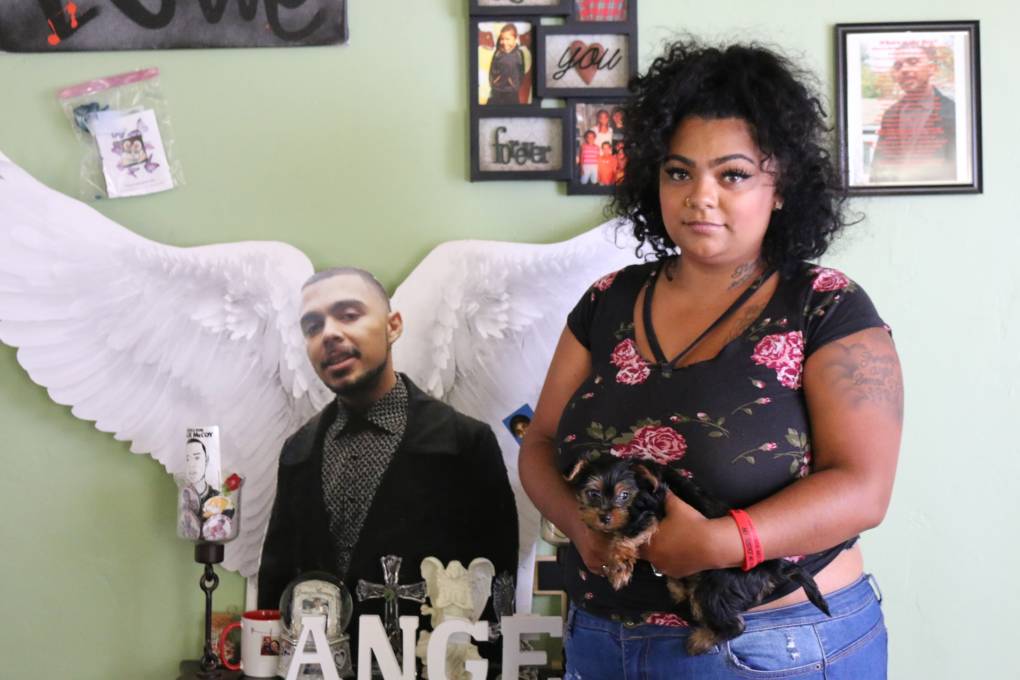
"caption": "Alicia Saddler, as seen in her mother's house in Vallejo, with a cutout portrait of her younger brother, Angel Ramos.",
"description": null,
"title": "Angel Ramos",
"credit": "Devin Katayama/KQED",
"status": "inherit",
"isLoading": false,
"fetchFailed": false
},
"news_11768021": {
"type": "attachments",
"id": "news_11768021",
"meta": {
"index": "attachments_1716263798",
"site": "news",
"id": "11768021",
"found": true
},
"parent": 11768008,
"imgSizes": {
"apple_news_ca_landscape_5_5": {
"file": "https://ww2.kqed.org/app/uploads/sites/10/2019/08/how-my-life-go-1044x783.jpg",
"width": 1044,
"mimeType": "image/jpeg",
"height": 783
},
"apple_news_ca_square_4_0": {
"file": "https://ww2.kqed.org/app/uploads/sites/10/2019/08/how-my-life-go-470x470.jpg",
"width": 470,
"mimeType": "image/jpeg",
"height": 470
},
"twentyfourteen-full-width": {
"file": "https://ww2.kqed.org/app/uploads/sites/10/2019/08/how-my-life-go-1038x576.jpg",
"width": 1038,
"mimeType": "image/jpeg",
"height": 576
},
"thumbnail": {
"file": "https://ww2.kqed.org/app/uploads/sites/10/2019/08/how-my-life-go-160x70.jpg",
"width": 160,
"mimeType": "image/jpeg",
"height": 70
},
"post-thumbnail": {
"file": "https://ww2.kqed.org/app/uploads/sites/10/2019/08/how-my-life-go-672x372.jpg",
"width": 672,
"mimeType": "image/jpeg",
"height": 372
},
"kqedFullSize": {
"file": "https://ww2.kqed.org/app/uploads/sites/10/2019/08/how-my-life-go.jpg",
"width": 1895,
"height": 831
},
"apple_news_ca_landscape_4_7": {
"file": "https://ww2.kqed.org/app/uploads/sites/10/2019/08/how-my-life-go-632x474.jpg",
"width": 632,
"mimeType": "image/jpeg",
"height": 474
},
"large": {
"file": "https://ww2.kqed.org/app/uploads/sites/10/2019/08/how-my-life-go-1020x447.jpg",
"width": 1020,
"mimeType": "image/jpeg",
"height": 447
},
"complete_open_graph": {
"file": "https://ww2.kqed.org/app/uploads/sites/10/2019/08/how-my-life-go-1200x526.jpg",
"width": 1200,
"mimeType": "image/jpeg",
"height": 526
},
"apple_news_ca_landscape_4_0": {
"file": "https://ww2.kqed.org/app/uploads/sites/10/2019/08/how-my-life-go-536x402.jpg",
"width": 536,
"mimeType": "image/jpeg",
"height": 402
},
"apple_news_ca_portrait_12_9": {
"file": "https://ww2.kqed.org/app/uploads/sites/10/2019/08/how-my-life-go-1122x831.jpg",
"width": 1122,
"mimeType": "image/jpeg",
"height": 831
},
"medium": {
"file": "https://ww2.kqed.org/app/uploads/sites/10/2019/08/how-my-life-go-800x351.jpg",
"width": 800,
"mimeType": "image/jpeg",
"height": 351
},
"apple_news_ca_portrait_4_0": {
"file": "https://ww2.kqed.org/app/uploads/sites/10/2019/08/how-my-life-go-354x472.jpg",
"width": 354,
"mimeType": "image/jpeg",
"height": 472
},
"apple_news_ca_portrait_9_7": {
"file": "https://ww2.kqed.org/app/uploads/sites/10/2019/08/how-my-life-go-840x831.jpg",
"width": 840,
"mimeType": "image/jpeg",
"height": 831
},
"apple_news_ca_landscape_12_9": {
"file": "https://ww2.kqed.org/app/uploads/sites/10/2019/08/how-my-life-go-1832x831.jpg",
"width": 1832,
"mimeType": "image/jpeg",
"height": 831
},
"apple_news_ca_square_9_7": {
"file": "https://ww2.kqed.org/app/uploads/sites/10/2019/08/how-my-life-go-1104x831.jpg",
"width": 1104,
"mimeType": "image/jpeg",
"height": 831
},
"apple_news_ca_portrait_4_7": {
"file": "https://ww2.kqed.org/app/uploads/sites/10/2019/08/how-my-life-go-414x552.jpg",
"width": 414,
"mimeType": "image/jpeg",
"height": 552
},
"apple_news_ca_square_12_9": {
"file": "https://ww2.kqed.org/app/uploads/sites/10/2019/08/how-my-life-go-1472x831.jpg",
"width": 1472,
"mimeType": "image/jpeg",
"height": 831
},
"apple_news_ca_portrait_5_5": {
"file": "https://ww2.kqed.org/app/uploads/sites/10/2019/08/how-my-life-go-687x831.jpg",
"width": 687,
"mimeType": "image/jpeg",
"height": 831
},
"apple_news_ca_square_4_7": {
"file": "https://ww2.kqed.org/app/uploads/sites/10/2019/08/how-my-life-go-550x550.jpg",
"width": 550,
"mimeType": "image/jpeg",
"height": 550
},
"apple_news_ca_landscape_9_7": {
"file": "https://ww2.kqed.org/app/uploads/sites/10/2019/08/how-my-life-go-1376x831.jpg",
"width": 1376,
"mimeType": "image/jpeg",
"height": 831
},
"apple_news_ca_square_5_5": {
"file": "https://ww2.kqed.org/app/uploads/sites/10/2019/08/how-my-life-go-912x831.jpg",
"width": 912,
"mimeType": "image/jpeg",
"height": 831
}
},
"publishDate": 1565984453,
"modified": 1565986041,
"caption": "Willie McCoy, center, was shot and killed by Vallejo Police on February 9, 2019.",
"description": null,
"title": "Willie McCoy",
"credit": "Courtesy of David Harrison",
"status": "inherit",
"isLoading": false,
"fetchFailed": false
},
"news_11736461": {
"type": "attachments",
"id": "news_11736461",
"meta": {
"index": "attachments_1716263798",
"site": "news",
"id": "11736461",
"found": true
},
"parent": 0,
"imgSizes": {
"post-thumbnail": {
"file": "https://ww2.kqed.org/app/uploads/sites/10/2019/03/VallejoPD_ois1-1-672x372.jpg",
"width": 672,
"mimeType": "image/jpeg",
"height": 372
},
"kqedFullSize": {
"file": "https://ww2.kqed.org/app/uploads/sites/10/2019/03/VallejoPD_ois1-1.jpg",
"width": 1920,
"height": 1080
},
"guest-author-50": {
"file": "https://ww2.kqed.org/app/uploads/sites/10/2019/03/VallejoPD_ois1-1-50x50.jpg",
"width": 50,
"mimeType": "image/jpeg",
"height": 50
},
"guest-author-96": {
"file": "https://ww2.kqed.org/app/uploads/sites/10/2019/03/VallejoPD_ois1-1-96x96.jpg",
"width": 96,
"mimeType": "image/jpeg",
"height": 96
},
"apple_news_ca_portrait_12_9": {
"file": "https://ww2.kqed.org/app/uploads/sites/10/2019/03/VallejoPD_ois1-1-1122x1080.jpg",
"width": 1122,
"mimeType": "image/jpeg",
"height": 1080
},
"medium": {
"file": "https://ww2.kqed.org/app/uploads/sites/10/2019/03/VallejoPD_ois1-1-800x450.jpg",
"width": 800,
"mimeType": "image/jpeg",
"height": 450
},
"guest-author-32": {
"file": "https://ww2.kqed.org/app/uploads/sites/10/2019/03/VallejoPD_ois1-1-32x32.jpg",
"width": 32,
"mimeType": "image/jpeg",
"height": 32
},
"apple_news_ca_portrait_9_7": {
"file": "https://ww2.kqed.org/app/uploads/sites/10/2019/03/VallejoPD_ois1-1-840x1080.jpg",
"width": 840,
"mimeType": "image/jpeg",
"height": 1080
},
"apple_news_ca_square_9_7": {
"file": "https://ww2.kqed.org/app/uploads/sites/10/2019/03/VallejoPD_ois1-1-1104x1080.jpg",
"width": 1104,
"mimeType": "image/jpeg",
"height": 1080
},
"apple_news_ca_portrait_4_7": {
"file": "https://ww2.kqed.org/app/uploads/sites/10/2019/03/VallejoPD_ois1-1-414x552.jpg",
"width": 414,
"mimeType": "image/jpeg",
"height": 552
},
"apple_news_ca_square_12_9": {
"file": "https://ww2.kqed.org/app/uploads/sites/10/2019/03/VallejoPD_ois1-1-1472x1080.jpg",
"width": 1472,
"mimeType": "image/jpeg",
"height": 1080
},
"apple_news_ca_portrait_5_5": {
"file": "https://ww2.kqed.org/app/uploads/sites/10/2019/03/VallejoPD_ois1-1-687x916.jpg",
"width": 687,
"mimeType": "image/jpeg",
"height": 916
},
"apple_news_ca_square_4_7": {
"file": "https://ww2.kqed.org/app/uploads/sites/10/2019/03/VallejoPD_ois1-1-550x550.jpg",
"width": 550,
"mimeType": "image/jpeg",
"height": 550
},
"apple_news_ca_square_5_5": {
"file": "https://ww2.kqed.org/app/uploads/sites/10/2019/03/VallejoPD_ois1-1-912x912.jpg",
"width": 912,
"mimeType": "image/jpeg",
"height": 912
},
"apple_news_ca_landscape_5_5": {
"file": "https://ww2.kqed.org/app/uploads/sites/10/2019/03/VallejoPD_ois1-1-1044x783.jpg",
"width": 1044,
"mimeType": "image/jpeg",
"height": 783
},
"apple_news_ca_square_4_0": {
"file": "https://ww2.kqed.org/app/uploads/sites/10/2019/03/VallejoPD_ois1-1-470x470.jpg",
"width": 470,
"mimeType": "image/jpeg",
"height": 470
},
"twentyfourteen-full-width": {
"file": "https://ww2.kqed.org/app/uploads/sites/10/2019/03/VallejoPD_ois1-1-1038x576.jpg",
"width": 1038,
"mimeType": "image/jpeg",
"height": 576
},
"thumbnail": {
"file": "https://ww2.kqed.org/app/uploads/sites/10/2019/03/VallejoPD_ois1-1-160x90.jpg",
"width": 160,
"mimeType": "image/jpeg",
"height": 90
},
"apple_news_ca_landscape_4_7": {
"file": "https://ww2.kqed.org/app/uploads/sites/10/2019/03/VallejoPD_ois1-1-632x474.jpg",
"width": 632,
"mimeType": "image/jpeg",
"height": 474
},
"large": {
"file": "https://ww2.kqed.org/app/uploads/sites/10/2019/03/VallejoPD_ois1-1-1020x574.jpg",
"width": 1020,
"mimeType": "image/jpeg",
"height": 574
},
"complete_open_graph": {
"file": "https://ww2.kqed.org/app/uploads/sites/10/2019/03/VallejoPD_ois1-1-1200x675.jpg",
"width": 1200,
"mimeType": "image/jpeg",
"height": 675
},
"apple_news_ca_landscape_4_0": {
"file": "https://ww2.kqed.org/app/uploads/sites/10/2019/03/VallejoPD_ois1-1-536x402.jpg",
"width": 536,
"mimeType": "image/jpeg",
"height": 402
},
"guest-author-64": {
"file": "https://ww2.kqed.org/app/uploads/sites/10/2019/03/VallejoPD_ois1-1-64x64.jpg",
"width": 64,
"mimeType": "image/jpeg",
"height": 64
},
"apple_news_ca_portrait_4_0": {
"file": "https://ww2.kqed.org/app/uploads/sites/10/2019/03/VallejoPD_ois1-1-354x472.jpg",
"width": 354,
"mimeType": "image/jpeg",
"height": 472
},
"apple_news_ca_landscape_12_9": {
"file": "https://ww2.kqed.org/app/uploads/sites/10/2019/03/VallejoPD_ois1-1-1832x1080.jpg",
"width": 1832,
"mimeType": "image/jpeg",
"height": 1080
},
"full-width": {
"file": "https://ww2.kqed.org/app/uploads/sites/10/2019/03/VallejoPD_ois1-1-1920x1080.jpg",
"width": 1920,
"mimeType": "image/jpeg",
"height": 1080
},
"guest-author-128": {
"file": "https://ww2.kqed.org/app/uploads/sites/10/2019/03/VallejoPD_ois1-1-128x128.jpg",
"width": 128,
"mimeType": "image/jpeg",
"height": 128
},
"apple_news_ca_landscape_9_7": {
"file": "https://ww2.kqed.org/app/uploads/sites/10/2019/03/VallejoPD_ois1-1-1376x1032.jpg",
"width": 1376,
"mimeType": "image/jpeg",
"height": 1032
}
},
"publishDate": 1553888266,
"modified": 1553900348,
"caption": "A screen capture from body-camera footage released Friday by the Vallejo Police Department of the deadly shooting of Willie McCoy on Feb. 9, 2019.",
"description": "A screen capture from body camera footage released Friday by the Vallejo Police Department of the deadly shooting of Willie McCoy on Feb. 9, 2019.",
"title": "VallejoPD_ois1",
"credit": "Via Vallejo Police Department",
"status": "inherit",
"isLoading": false,
"fetchFailed": false
},
"news_11658569": {
"type": "attachments",
"id": "news_11658569",
"meta": {
"index": "attachments_1716263798",
"site": "news",
"id": "11658569",
"found": true
},
"parent": 11658519,
"imgSizes": {
"small": {
"file": "https://ww2.kqed.org/app/uploads/sites/10/2018/03/IMG_6437-520x347.jpg",
"width": 520,
"mimeType": "image/jpeg",
"height": 347
},
"twentyfourteen-full-width": {
"file": "https://ww2.kqed.org/app/uploads/sites/10/2018/03/IMG_6437-1038x576.jpg",
"width": 1038,
"mimeType": "image/jpeg",
"height": 576
},
"thumbnail": {
"file": "https://ww2.kqed.org/app/uploads/sites/10/2018/03/IMG_6437-160x107.jpg",
"width": 160,
"mimeType": "image/jpeg",
"height": 107
},
"fd-sm": {
"file": "https://ww2.kqed.org/app/uploads/sites/10/2018/03/IMG_6437-960x640.jpg",
"width": 960,
"mimeType": "image/jpeg",
"height": 640
},
"post-thumbnail": {
"file": "https://ww2.kqed.org/app/uploads/sites/10/2018/03/IMG_6437-672x372.jpg",
"width": 672,
"mimeType": "image/jpeg",
"height": 372
},
"xsmall": {
"file": "https://ww2.kqed.org/app/uploads/sites/10/2018/03/IMG_6437-375x250.jpg",
"width": 375,
"mimeType": "image/jpeg",
"height": 250
},
"kqedFullSize": {
"file": "https://ww2.kqed.org/app/uploads/sites/10/2018/03/IMG_6437.jpg",
"width": 5184,
"height": 3456
},
"large": {
"file": "https://ww2.kqed.org/app/uploads/sites/10/2018/03/IMG_6437-1020x680.jpg",
"width": 1020,
"mimeType": "image/jpeg",
"height": 680
},
"xlarge": {
"file": "https://ww2.kqed.org/app/uploads/sites/10/2018/03/IMG_6437-1180x787.jpg",
"width": 1180,
"mimeType": "image/jpeg",
"height": 787
},
"guest-author-50": {
"file": "https://ww2.kqed.org/app/uploads/sites/10/2018/03/IMG_6437-50x50.jpg",
"width": 50,
"mimeType": "image/jpeg",
"height": 50
},
"guest-author-96": {
"file": "https://ww2.kqed.org/app/uploads/sites/10/2018/03/IMG_6437-96x96.jpg",
"width": 96,
"mimeType": "image/jpeg",
"height": 96
},
"medium": {
"file": "https://ww2.kqed.org/app/uploads/sites/10/2018/03/IMG_6437-800x533.jpg",
"width": 800,
"mimeType": "image/jpeg",
"height": 533
},
"guest-author-64": {
"file": "https://ww2.kqed.org/app/uploads/sites/10/2018/03/IMG_6437-64x64.jpg",
"width": 64,
"mimeType": "image/jpeg",
"height": 64
},
"guest-author-32": {
"file": "https://ww2.kqed.org/app/uploads/sites/10/2018/03/IMG_6437-32x32.jpg",
"width": 32,
"mimeType": "image/jpeg",
"height": 32
},
"fd-lrg": {
"file": "https://ww2.kqed.org/app/uploads/sites/10/2018/03/IMG_6437-1920x1280.jpg",
"width": 1920,
"mimeType": "image/jpeg",
"height": 1280
},
"fd-med": {
"file": "https://ww2.kqed.org/app/uploads/sites/10/2018/03/IMG_6437-1180x787.jpg",
"width": 1180,
"mimeType": "image/jpeg",
"height": 787
},
"full-width": {
"file": "https://ww2.kqed.org/app/uploads/sites/10/2018/03/IMG_6437-1920x1280.jpg",
"width": 1920,
"mimeType": "image/jpeg",
"height": 1280
},
"detail": {
"file": "https://ww2.kqed.org/app/uploads/sites/10/2018/03/IMG_6437-150x150.jpg",
"width": 150,
"mimeType": "image/jpeg",
"height": 150
},
"guest-author-128": {
"file": "https://ww2.kqed.org/app/uploads/sites/10/2018/03/IMG_6437-128x128.jpg",
"width": 128,
"mimeType": "image/jpeg",
"height": 128
},
"xxsmall": {
"file": "https://ww2.kqed.org/app/uploads/sites/10/2018/03/IMG_6437-240x160.jpg",
"width": 240,
"mimeType": "image/jpeg",
"height": 160
}
},
"publishDate": 1522281604,
"modified": 1522283863,
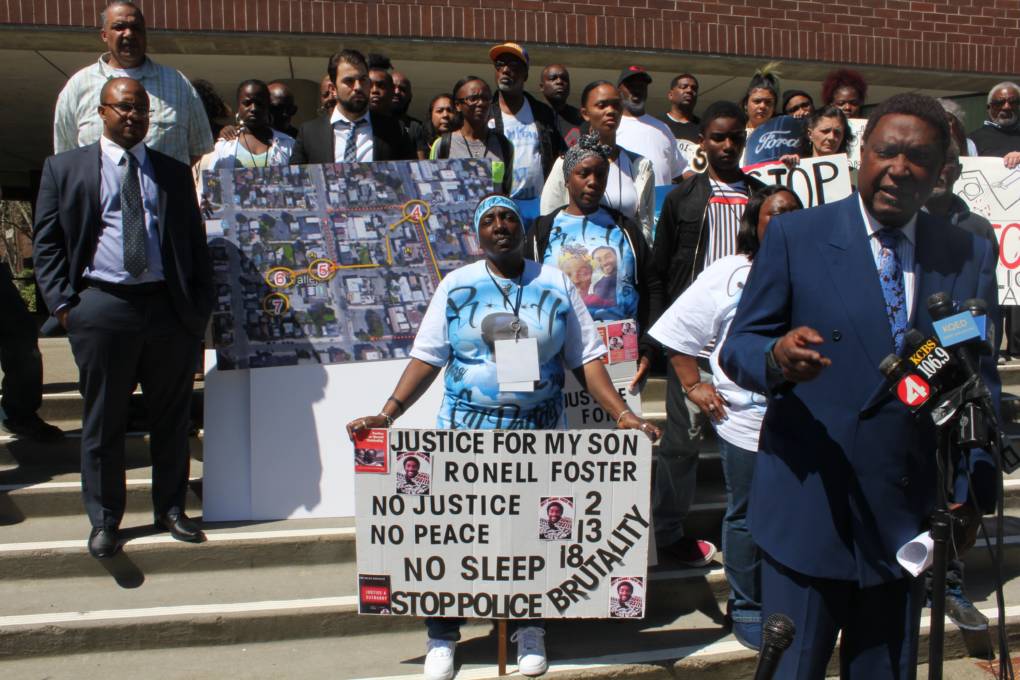
"caption": "Mother Paula McGowan watches as attorney John Burris outlines his case against the Vallejo Police Department in the killing of her son, Ronell Foster.",
"description": null,
"title": "IMG_6437",
"credit": "Sara Hossaini/KQED",
"status": "inherit",
"isLoading": false,
"fetchFailed": false
},
"news_11505717": {
"type": "attachments",
"id": "news_11505717",
"meta": {
"index": "attachments_1716263798",
"site": "news",
"id": "11505717",
"found": true
},
"parent": 11500307,
"imgSizes": {
"small": {
"file": "https://ww2.kqed.org/app/uploads/sites/10/2017/06/Valero-Benicia-Refinery-photo-from-Cal-EPA-520x390.jpg",
"width": 520,
"mimeType": "image/jpeg",
"height": 390
},
"twentyfourteen-full-width": {
"file": "https://ww2.kqed.org/app/uploads/sites/10/2017/06/Valero-Benicia-Refinery-photo-from-Cal-EPA-1038x576.jpg",
"width": 1038,
"mimeType": "image/jpeg",
"height": 576
},
"thumbnail": {
"file": "https://ww2.kqed.org/app/uploads/sites/10/2017/06/Valero-Benicia-Refinery-photo-from-Cal-EPA-160x120.jpg",
"width": 160,
"mimeType": "image/jpeg",
"height": 120
},
"fd-sm": {
"file": "https://ww2.kqed.org/app/uploads/sites/10/2017/06/Valero-Benicia-Refinery-photo-from-Cal-EPA-960x720.jpg",
"width": 960,
"mimeType": "image/jpeg",
"height": 720
},
"post-thumbnail": {
"file": "https://ww2.kqed.org/app/uploads/sites/10/2017/06/Valero-Benicia-Refinery-photo-from-Cal-EPA-672x372.jpg",
"width": 672,
"mimeType": "image/jpeg",
"height": 372
},
"xsmall": {
"file": "https://ww2.kqed.org/app/uploads/sites/10/2017/06/Valero-Benicia-Refinery-photo-from-Cal-EPA-375x281.jpg",
"width": 375,
"mimeType": "image/jpeg",
"height": 281
},
"kqedFullSize": {
"file": "https://ww2.kqed.org/app/uploads/sites/10/2017/06/Valero-Benicia-Refinery-photo-from-Cal-EPA-e1523552917405.jpg",
"width": 1440,
"height": 1080
},
"large": {
"file": "https://ww2.kqed.org/app/uploads/sites/10/2017/06/Valero-Benicia-Refinery-photo-from-Cal-EPA-1020x765.jpg",
"width": 1020,
"mimeType": "image/jpeg",
"height": 765
},
"xlarge": {
"file": "https://ww2.kqed.org/app/uploads/sites/10/2017/06/Valero-Benicia-Refinery-photo-from-Cal-EPA-1180x885.jpg",
"width": 1180,
"mimeType": "image/jpeg",
"height": 885
},
"guest-author-50": {
"file": "https://ww2.kqed.org/app/uploads/sites/10/2017/06/Valero-Benicia-Refinery-photo-from-Cal-EPA-50x50.jpg",
"width": 50,
"mimeType": "image/jpeg",
"height": 50
},
"guest-author-96": {
"file": "https://ww2.kqed.org/app/uploads/sites/10/2017/06/Valero-Benicia-Refinery-photo-from-Cal-EPA-96x96.jpg",
"width": 96,
"mimeType": "image/jpeg",
"height": 96
},
"medium": {
"file": "https://ww2.kqed.org/app/uploads/sites/10/2017/06/Valero-Benicia-Refinery-photo-from-Cal-EPA-800x600.jpg",
"width": 800,
"mimeType": "image/jpeg",
"height": 600
},
"guest-author-64": {
"file": "https://ww2.kqed.org/app/uploads/sites/10/2017/06/Valero-Benicia-Refinery-photo-from-Cal-EPA-64x64.jpg",
"width": 64,
"mimeType": "image/jpeg",
"height": 64
},
"guest-author-32": {
"file": "https://ww2.kqed.org/app/uploads/sites/10/2017/06/Valero-Benicia-Refinery-photo-from-Cal-EPA-32x32.jpg",
"width": 32,
"mimeType": "image/jpeg",
"height": 32
},
"fd-lrg": {
"file": "https://ww2.kqed.org/app/uploads/sites/10/2017/06/Valero-Benicia-Refinery-photo-from-Cal-EPA-1920x1440.jpg",
"width": 1920,
"mimeType": "image/jpeg",
"height": 1440
},
"fd-med": {
"file": "https://ww2.kqed.org/app/uploads/sites/10/2017/06/Valero-Benicia-Refinery-photo-from-Cal-EPA-1180x885.jpg",
"width": 1180,
"mimeType": "image/jpeg",
"height": 885
},
"full-width": {
"file": "https://ww2.kqed.org/app/uploads/sites/10/2017/06/Valero-Benicia-Refinery-photo-from-Cal-EPA-1920x1440.jpg",
"width": 1920,
"mimeType": "image/jpeg",
"height": 1440
},
"detail": {
"file": "https://ww2.kqed.org/app/uploads/sites/10/2017/06/Valero-Benicia-Refinery-photo-from-Cal-EPA-150x150.jpg",
"width": 150,
"mimeType": "image/jpeg",
"height": 150
},
"guest-author-128": {
"file": "https://ww2.kqed.org/app/uploads/sites/10/2017/06/Valero-Benicia-Refinery-photo-from-Cal-EPA-128x128.jpg",
"width": 128,
"mimeType": "image/jpeg",
"height": 128
},
"xxsmall": {
"file": "https://ww2.kqed.org/app/uploads/sites/10/2017/06/Valero-Benicia-Refinery-photo-from-Cal-EPA-240x180.jpg",
"width": 240,
"mimeType": "image/jpeg",
"height": 180
}
},
"publishDate": 1497270816,
"modified": 1510703174,
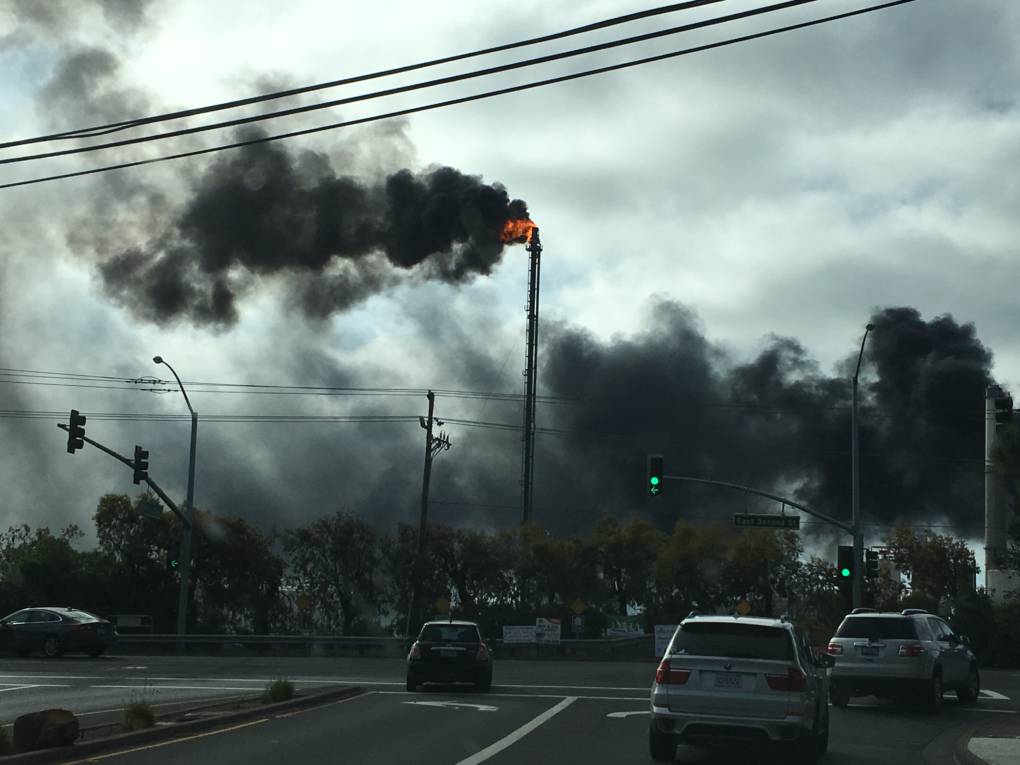
"caption": "A power outage on May 5, 2017, at Benicia's Valero refinery led to a prolonged episode of flaring during which more than 80,000 pounds of sulfur dioxide were released into the air. ",
"description": "A power outage on May 5, 2017 at Benicia's Valero refinery led to a prolonged episode of flaring during which more than 80,000 pounds of sulfur dioxide was released into the air. ",
"title": "Valero Benicia Refinery",
"credit": "California Environmental Protection Agency",
"status": "inherit",
"isLoading": false,
"fetchFailed": false
},
"news_11633014": {
"type": "attachments",
"id": "news_11633014",
"meta": {
"index": "attachments_1716263798",
"site": "news",
"id": "11633014",
"found": true
},
"parent": 11632699,
"imgSizes": {
"small": {
"file": "https://ww2.kqed.org/app/uploads/sites/10/2017/11/band2-520x374.jpg",
"width": 520,
"mimeType": "image/jpeg",
"height": 374
},
"twentyfourteen-full-width": {
"file": "https://ww2.kqed.org/app/uploads/sites/10/2017/11/band2-1038x576.jpg",
"width": 1038,
"mimeType": "image/jpeg",
"height": 576
},
"thumbnail": {
"file": "https://ww2.kqed.org/app/uploads/sites/10/2017/11/band2-160x115.jpg",
"width": 160,
"mimeType": "image/jpeg",
"height": 115
},
"fd-sm": {
"file": "https://ww2.kqed.org/app/uploads/sites/10/2017/11/band2-960x690.jpg",
"width": 960,
"mimeType": "image/jpeg",
"height": 690
},
"post-thumbnail": {
"file": "https://ww2.kqed.org/app/uploads/sites/10/2017/11/band2-672x372.jpg",
"width": 672,
"mimeType": "image/jpeg",
"height": 372
},
"xsmall": {
"file": "https://ww2.kqed.org/app/uploads/sites/10/2017/11/band2-375x269.jpg",
"width": 375,
"mimeType": "image/jpeg",
"height": 269
},
"kqedFullSize": {
"file": "https://ww2.kqed.org/app/uploads/sites/10/2017/11/band2-e1511380297663.jpg",
"width": 1920,
"height": 1379
},
"large": {
"file": "https://ww2.kqed.org/app/uploads/sites/10/2017/11/band2-1020x733.jpg",
"width": 1020,
"mimeType": "image/jpeg",
"height": 733
},
"xlarge": {
"file": "https://ww2.kqed.org/app/uploads/sites/10/2017/11/band2-1180x848.jpg",
"width": 1180,
"mimeType": "image/jpeg",
"height": 848
},
"guest-author-50": {
"file": "https://ww2.kqed.org/app/uploads/sites/10/2017/11/band2-50x50.jpg",
"width": 50,
"mimeType": "image/jpeg",
"height": 50
},
"guest-author-96": {
"file": "https://ww2.kqed.org/app/uploads/sites/10/2017/11/band2-96x96.jpg",
"width": 96,
"mimeType": "image/jpeg",
"height": 96
},
"medium": {
"file": "https://ww2.kqed.org/app/uploads/sites/10/2017/11/band2-800x575.jpg",
"width": 800,
"mimeType": "image/jpeg",
"height": 575
},
"guest-author-64": {
"file": "https://ww2.kqed.org/app/uploads/sites/10/2017/11/band2-64x64.jpg",
"width": 64,
"mimeType": "image/jpeg",
"height": 64
},
"guest-author-32": {
"file": "https://ww2.kqed.org/app/uploads/sites/10/2017/11/band2-32x32.jpg",
"width": 32,
"mimeType": "image/jpeg",
"height": 32
},
"fd-lrg": {
"file": "https://ww2.kqed.org/app/uploads/sites/10/2017/11/band2-1920x1379.jpg",
"width": 1920,
"mimeType": "image/jpeg",
"height": 1379
},
"fd-med": {
"file": "https://ww2.kqed.org/app/uploads/sites/10/2017/11/band2-1180x848.jpg",
"width": 1180,
"mimeType": "image/jpeg",
"height": 848
},
"full-width": {
"file": "https://ww2.kqed.org/app/uploads/sites/10/2017/11/band2-1920x1379.jpg",
"width": 1920,
"mimeType": "image/jpeg",
"height": 1379
},
"detail": {
"file": "https://ww2.kqed.org/app/uploads/sites/10/2017/11/band2-150x150.jpg",
"width": 150,
"mimeType": "image/jpeg",
"height": 150
},
"guest-author-128": {
"file": "https://ww2.kqed.org/app/uploads/sites/10/2017/11/band2-128x128.jpg",
"width": 128,
"mimeType": "image/jpeg",
"height": 128
},
"xxsmall": {
"file": "https://ww2.kqed.org/app/uploads/sites/10/2017/11/band2-240x172.jpg",
"width": 240,
"mimeType": "image/jpeg",
"height": 172
}
},
"publishDate": 1511380165,
"modified": 1511382777,
"caption": "Walter Morgan Jr. performs in the KQED studios on Nov. 21, 2017. He founded the Sons of the Soul Revivers in 1970. He and his brothers have been singing together ever since they were kids in church. They are now finally reaching audiences outside the church walls.",
"description": null,
"title": "band2",
"credit": "Sarah Craig/KQED",
"status": "inherit",
"isLoading": false,
"fetchFailed": false
},
"news_11620273": {
"type": "attachments",
"id": "news_11620273",
"meta": {
"index": "attachments_1716263798",
"site": "news",
"id": "11620273",
"found": true
},
"parent": 11619842,
"imgSizes": {
"small": {
"file": "https://ww2.kqed.org/app/uploads/sites/10/2017/10/RS27116_Hollywood-TC-qut-520x347.jpg",
"width": 520,
"mimeType": "image/jpeg",
"height": 347
},
"twentyfourteen-full-width": {
"file": "https://ww2.kqed.org/app/uploads/sites/10/2017/10/RS27116_Hollywood-TC-qut-1038x576.jpg",
"width": 1038,
"mimeType": "image/jpeg",
"height": 576
},
"thumbnail": {
"file": "https://ww2.kqed.org/app/uploads/sites/10/2017/10/RS27116_Hollywood-TC-qut-160x107.jpg",
"width": 160,
"mimeType": "image/jpeg",
"height": 107
},
"fd-sm": {
"file": "https://ww2.kqed.org/app/uploads/sites/10/2017/10/RS27116_Hollywood-TC-qut-960x640.jpg",
"width": 960,
"mimeType": "image/jpeg",
"height": 640
},
"post-thumbnail": {
"file": "https://ww2.kqed.org/app/uploads/sites/10/2017/10/RS27116_Hollywood-TC-qut-672x372.jpg",
"width": 672,
"mimeType": "image/jpeg",
"height": 372
},
"xsmall": {
"file": "https://ww2.kqed.org/app/uploads/sites/10/2017/10/RS27116_Hollywood-TC-qut-375x250.jpg",
"width": 375,
"mimeType": "image/jpeg",
"height": 250
},
"kqedFullSize": {
"file": "https://ww2.kqed.org/app/uploads/sites/10/2017/10/RS27116_Hollywood-TC-qut.jpg",
"width": 1920,
"height": 1280
},
"large": {
"file": "https://ww2.kqed.org/app/uploads/sites/10/2017/10/RS27116_Hollywood-TC-qut-1020x680.jpg",
"width": 1020,
"mimeType": "image/jpeg",
"height": 680
},
"xlarge": {
"file": "https://ww2.kqed.org/app/uploads/sites/10/2017/10/RS27116_Hollywood-TC-qut-1180x787.jpg",
"width": 1180,
"mimeType": "image/jpeg",
"height": 787
},
"guest-author-50": {
"file": "https://ww2.kqed.org/app/uploads/sites/10/2017/10/RS27116_Hollywood-TC-qut-50x50.jpg",
"width": 50,
"mimeType": "image/jpeg",
"height": 50
},
"guest-author-96": {
"file": "https://ww2.kqed.org/app/uploads/sites/10/2017/10/RS27116_Hollywood-TC-qut-96x96.jpg",
"width": 96,
"mimeType": "image/jpeg",
"height": 96
},
"medium": {
"file": "https://ww2.kqed.org/app/uploads/sites/10/2017/10/RS27116_Hollywood-TC-qut-800x533.jpg",
"width": 800,
"mimeType": "image/jpeg",
"height": 533
},
"guest-author-64": {
"file": "https://ww2.kqed.org/app/uploads/sites/10/2017/10/RS27116_Hollywood-TC-qut-64x64.jpg",
"width": 64,
"mimeType": "image/jpeg",
"height": 64
},
"guest-author-32": {
"file": "https://ww2.kqed.org/app/uploads/sites/10/2017/10/RS27116_Hollywood-TC-qut-32x32.jpg",
"width": 32,
"mimeType": "image/jpeg",
"height": 32
},
"fd-lrg": {
"file": "https://ww2.kqed.org/app/uploads/sites/10/2017/10/RS27116_Hollywood-TC-qut-1920x1280.jpg",
"width": 1920,
"mimeType": "image/jpeg",
"height": 1280
},
"fd-med": {
"file": "https://ww2.kqed.org/app/uploads/sites/10/2017/10/RS27116_Hollywood-TC-qut-1180x787.jpg",
"width": 1180,
"mimeType": "image/jpeg",
"height": 787
},
"full-width": {
"file": "https://ww2.kqed.org/app/uploads/sites/10/2017/10/RS27116_Hollywood-TC-qut-1920x1280.jpg",
"width": 1920,
"mimeType": "image/jpeg",
"height": 1280
},
"detail": {
"file": "https://ww2.kqed.org/app/uploads/sites/10/2017/10/RS27116_Hollywood-TC-qut-150x150.jpg",
"width": 150,
"mimeType": "image/jpeg",
"height": 150
},
"guest-author-128": {
"file": "https://ww2.kqed.org/app/uploads/sites/10/2017/10/RS27116_Hollywood-TC-qut-128x128.jpg",
"width": 128,
"mimeType": "image/jpeg",
"height": 128
},
"xxsmall": {
"file": "https://ww2.kqed.org/app/uploads/sites/10/2017/10/RS27116_Hollywood-TC-qut-240x160.jpg",
"width": 240,
"mimeType": "image/jpeg",
"height": 160
}
},
"publishDate": 1506912024,
"modified": 1509408575,
"caption": "The refurbished Hollywood Sign is seen atop of Mount Lee.",
"description": null,
"title": "Hollywood Sign Repainting Project Completed With LA Mayor Antonio Villaraigosa",
"credit": "David Livingston/Getty Images",
"status": "inherit",
"isLoading": false,
"fetchFailed": false
},
"news_11597136": {
"type": "attachments",
"id": "news_11597136",
"meta": {
"index": "attachments_1716263798",
"site": "news",
"id": "11597136",
"found": true
},
"parent": 11597125,
"imgSizes": {
"small": {
"file": "https://ww2.kqed.org/app/uploads/sites/10/2017/07/tankers_072717_final-520x520.jpg",
"width": 520,
"mimeType": "image/jpeg",
"height": 520
},
"twentyfourteen-full-width": {
"file": "https://ww2.kqed.org/app/uploads/sites/10/2017/07/tankers_072717_final-1038x576.jpg",
"width": 1038,
"mimeType": "image/jpeg",
"height": 576
},
"thumbnail": {
"file": "https://ww2.kqed.org/app/uploads/sites/10/2017/07/tankers_072717_final-160x160.jpg",
"width": 160,
"mimeType": "image/jpeg",
"height": 160
},
"fd-sm": {
"file": "https://ww2.kqed.org/app/uploads/sites/10/2017/07/tankers_072717_final-960x960.jpg",
"width": 960,
"mimeType": "image/jpeg",
"height": 960
},
"post-thumbnail": {
"file": "https://ww2.kqed.org/app/uploads/sites/10/2017/07/tankers_072717_final-672x372.jpg",
"width": 672,
"mimeType": "image/jpeg",
"height": 372
},
"xsmall": {
"file": "https://ww2.kqed.org/app/uploads/sites/10/2017/07/tankers_072717_final-375x375.jpg",
"width": 375,
"mimeType": "image/jpeg",
"height": 375
},
"kqedFullSize": {
"file": "https://ww2.kqed.org/app/uploads/sites/10/2017/07/tankers_072717_final.jpg",
"width": 1920,
"height": 1920
},
"large": {
"file": "https://ww2.kqed.org/app/uploads/sites/10/2017/07/tankers_072717_final-1020x1020.jpg",
"width": 1020,
"mimeType": "image/jpeg",
"height": 1020
},
"xlarge": {
"file": "https://ww2.kqed.org/app/uploads/sites/10/2017/07/tankers_072717_final-1180x1180.jpg",
"width": 1180,
"mimeType": "image/jpeg",
"height": 1180
},
"guest-author-50": {
"file": "https://ww2.kqed.org/app/uploads/sites/10/2017/07/tankers_072717_final-50x50.jpg",
"width": 50,
"mimeType": "image/jpeg",
"height": 50
},
"guest-author-96": {
"file": "https://ww2.kqed.org/app/uploads/sites/10/2017/07/tankers_072717_final-96x96.jpg",
"width": 96,
"mimeType": "image/jpeg",
"height": 96
},
"medium": {
"file": "https://ww2.kqed.org/app/uploads/sites/10/2017/07/tankers_072717_final-800x800.jpg",
"width": 800,
"mimeType": "image/jpeg",
"height": 800
},
"guest-author-64": {
"file": "https://ww2.kqed.org/app/uploads/sites/10/2017/07/tankers_072717_final-64x64.jpg",
"width": 64,
"mimeType": "image/jpeg",
"height": 64
},
"guest-author-32": {
"file": "https://ww2.kqed.org/app/uploads/sites/10/2017/07/tankers_072717_final-32x32.jpg",
"width": 32,
"mimeType": "image/jpeg",
"height": 32
},
"fd-lrg": {
"file": "https://ww2.kqed.org/app/uploads/sites/10/2017/07/tankers_072717_final-1920x1920.jpg",
"width": 1920,
"mimeType": "image/jpeg",
"height": 1920
},
"fd-med": {
"file": "https://ww2.kqed.org/app/uploads/sites/10/2017/07/tankers_072717_final-1180x1180.jpg",
"width": 1180,
"mimeType": "image/jpeg",
"height": 1180
},
"full-width": {
"file": "https://ww2.kqed.org/app/uploads/sites/10/2017/07/tankers_072717_final-1920x1920.jpg",
"width": 1920,
"mimeType": "image/jpeg",
"height": 1920
},
"detail": {
"file": "https://ww2.kqed.org/app/uploads/sites/10/2017/07/tankers_072717_final-150x150.jpg",
"width": 150,
"mimeType": "image/jpeg",
"height": 150
},
"guest-author-128": {
"file": "https://ww2.kqed.org/app/uploads/sites/10/2017/07/tankers_072717_final-128x128.jpg",
"width": 128,
"mimeType": "image/jpeg",
"height": 128
},
"xxsmall": {
"file": "https://ww2.kqed.org/app/uploads/sites/10/2017/07/tankers_072717_final-240x240.jpg",
"width": 240,
"mimeType": "image/jpeg",
"height": 240
}
},
"publishDate": 1501190132,
"modified": 1501190154,
"caption": null,
"description": null,
"title": "tankers_072717_final",
"credit": null,
"status": "inherit",
"isLoading": false,
"fetchFailed": false
},
"news_11098607": {
"type": "attachments",
"id": "news_11098607",
"meta": {
"index": "attachments_1716263798",
"site": "news",
"id": "11098607",
"found": true
},
"parent": 11097157,
"imgSizes": {
"twentyfourteen-full-width": {
"file": "https://ww2.kqed.org/app/uploads/sites/10/2016/09/RS21192_IMG_0698-qut-1038x576.jpg",
"width": 1038,
"mimeType": "image/jpeg",
"height": 576
},
"thumbnail": {
"file": "https://ww2.kqed.org/app/uploads/sites/10/2016/09/RS21192_IMG_0698-qut-400x267.jpg",
"width": 400,
"mimeType": "image/jpeg",
"height": 267
},
"fd-sm": {
"file": "https://ww2.kqed.org/app/uploads/sites/10/2016/09/RS21192_IMG_0698-qut-960x640.jpg",
"width": 960,
"mimeType": "image/jpeg",
"height": 640
},
"post-thumbnail": {
"file": "https://ww2.kqed.org/app/uploads/sites/10/2016/09/RS21192_IMG_0698-qut-672x372.jpg",
"width": 672,
"mimeType": "image/jpeg",
"height": 372
},
"kqedFullSize": {
"file": "https://ww2.kqed.org/app/uploads/sites/10/2016/09/RS21192_IMG_0698-qut.jpg",
"width": 1920,
"height": 1280
},
"large": {
"file": "https://ww2.kqed.org/app/uploads/sites/10/2016/09/RS21192_IMG_0698-qut-1920x1280.jpg",
"width": 1920,
"mimeType": "image/jpeg",
"height": 1280
},
"guest-author-50": {
"file": "https://ww2.kqed.org/app/uploads/sites/10/2016/09/RS21192_IMG_0698-qut-50x50.jpg",
"width": 50,
"mimeType": "image/jpeg",
"height": 50
},
"guest-author-96": {
"file": "https://ww2.kqed.org/app/uploads/sites/10/2016/09/RS21192_IMG_0698-qut-96x96.jpg",
"width": 96,
"mimeType": "image/jpeg",
"height": 96
},
"medium": {
"file": "https://ww2.kqed.org/app/uploads/sites/10/2016/09/RS21192_IMG_0698-qut-800x533.jpg",
"width": 800,
"mimeType": "image/jpeg",
"height": 533
},
"guest-author-64": {
"file": "https://ww2.kqed.org/app/uploads/sites/10/2016/09/RS21192_IMG_0698-qut-64x64.jpg",
"width": 64,
"mimeType": "image/jpeg",
"height": 64
},
"guest-author-32": {
"file": "https://ww2.kqed.org/app/uploads/sites/10/2016/09/RS21192_IMG_0698-qut-32x32.jpg",
"width": 32,
"mimeType": "image/jpeg",
"height": 32
},
"jmtc-small-thumb": {
"file": "https://ww2.kqed.org/app/uploads/sites/10/2016/09/RS21192_IMG_0698-qut-280x150.jpg",
"width": 280,
"mimeType": "image/jpeg",
"height": 150
},
"fd-lrg": {
"file": "https://ww2.kqed.org/app/uploads/sites/10/2016/09/RS21192_IMG_0698-qut-1920x1280.jpg",
"width": 1920,
"mimeType": "image/jpeg",
"height": 1280
},
"fd-med": {
"file": "https://ww2.kqed.org/app/uploads/sites/10/2016/09/RS21192_IMG_0698-qut-1180x787.jpg",
"width": 1180,
"mimeType": "image/jpeg",
"height": 787
},
"detail": {
"file": "https://ww2.kqed.org/app/uploads/sites/10/2016/09/RS21192_IMG_0698-qut-150x150.jpg",
"width": 150,
"mimeType": "image/jpeg",
"height": 150
},
"guest-author-128": {
"file": "https://ww2.kqed.org/app/uploads/sites/10/2016/09/RS21192_IMG_0698-qut-128x128.jpg",
"width": 128,
"mimeType": "image/jpeg",
"height": 128
}
},
"publishDate": 1474560405,
"modified": 1477089296,
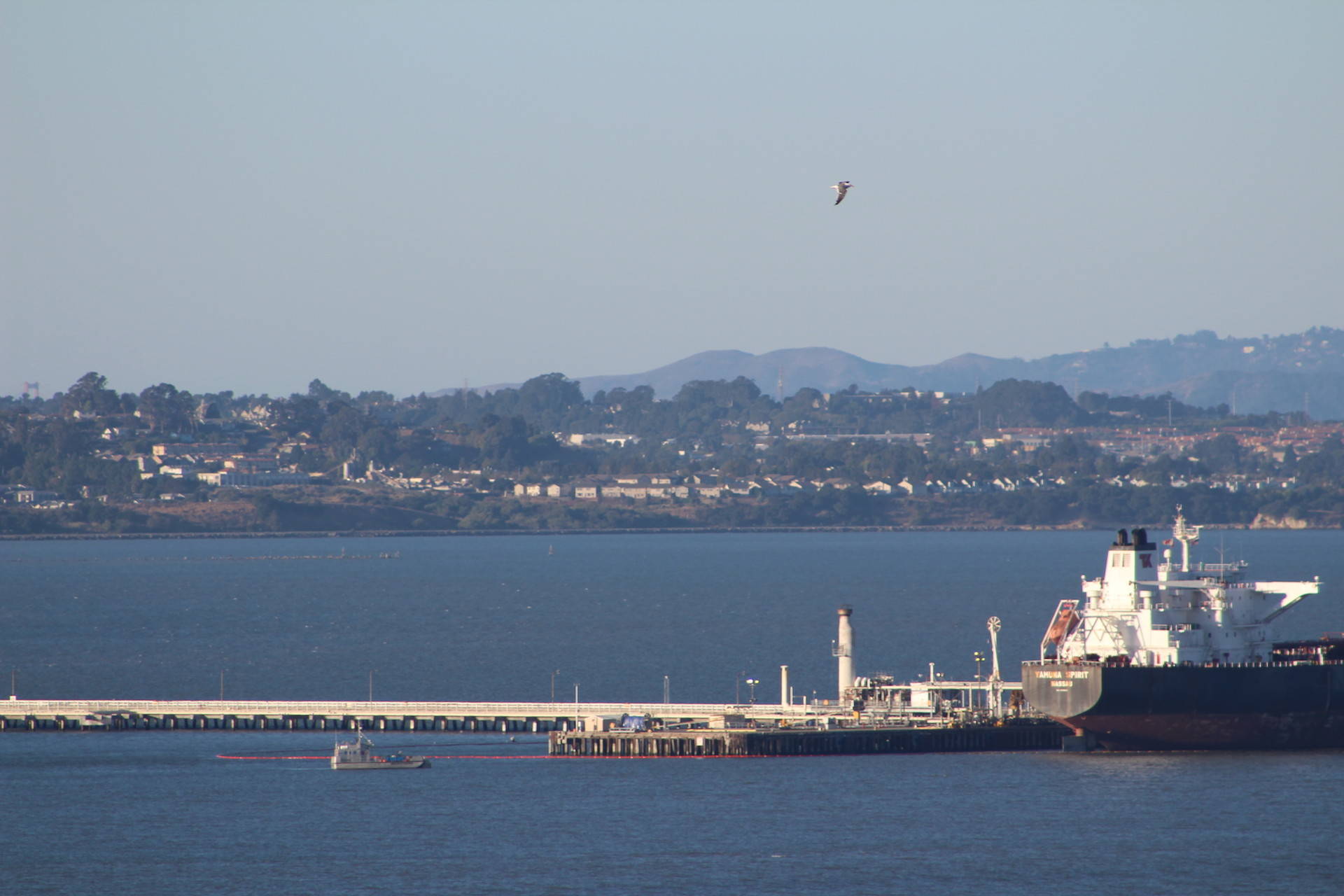
"caption": "A containment boom (seen as red line) is deployed around the tanker Yamuna Spirit at the Phillips 66 refinery in Rodeo.",
"description": null,
"title": "San Pablo Oil Spill",
"credit": "Heidemarie Carle",
"status": "inherit",
"isLoading": false,
"fetchFailed": false
},
"news_11357619": {
"type": "attachments",
"id": "news_11357619",
"meta": {
"index": "attachments_1716263798",
"site": "news",
"id": "11357619",
"found": true
},
"parent": 11357468,
"imgSizes": {
"small": {
"file": "https://ww2.kqed.org/app/uploads/sites/10/2017/03/RS24593_screen-grab-qut-520x255.jpg",
"width": 520,
"mimeType": "image/jpeg",
"height": 255
},
"thumbnail": {
"file": "https://ww2.kqed.org/app/uploads/sites/10/2017/03/RS24593_screen-grab-qut-160x79.jpg",
"width": 160,
"mimeType": "image/jpeg",
"height": 79
},
"post-thumbnail": {
"file": "https://ww2.kqed.org/app/uploads/sites/10/2017/03/RS24593_screen-grab-qut-672x372.jpg",
"width": 672,
"mimeType": "image/jpeg",
"height": 372
},
"xsmall": {
"file": "https://ww2.kqed.org/app/uploads/sites/10/2017/03/RS24593_screen-grab-qut-375x184.jpg",
"width": 375,
"mimeType": "image/jpeg",
"height": 184
},
"kqedFullSize": {
"file": "https://ww2.kqed.org/app/uploads/sites/10/2017/03/RS24593_screen-grab-qut.jpg",
"width": 892,
"height": 438
},
"guest-author-50": {
"file": "https://ww2.kqed.org/app/uploads/sites/10/2017/03/RS24593_screen-grab-qut-50x50.jpg",
"width": 50,
"mimeType": "image/jpeg",
"height": 50
},
"guest-author-96": {
"file": "https://ww2.kqed.org/app/uploads/sites/10/2017/03/RS24593_screen-grab-qut-96x96.jpg",
"width": 96,
"mimeType": "image/jpeg",
"height": 96
},
"medium": {
"file": "https://ww2.kqed.org/app/uploads/sites/10/2017/03/RS24593_screen-grab-qut-800x393.jpg",
"width": 800,
"mimeType": "image/jpeg",
"height": 393
},
"guest-author-64": {
"file": "https://ww2.kqed.org/app/uploads/sites/10/2017/03/RS24593_screen-grab-qut-64x64.jpg",
"width": 64,
"mimeType": "image/jpeg",
"height": 64
},
"guest-author-32": {
"file": "https://ww2.kqed.org/app/uploads/sites/10/2017/03/RS24593_screen-grab-qut-32x32.jpg",
"width": 32,
"mimeType": "image/jpeg",
"height": 32
},
"detail": {
"file": "https://ww2.kqed.org/app/uploads/sites/10/2017/03/RS24593_screen-grab-qut-150x150.jpg",
"width": 150,
"mimeType": "image/jpeg",
"height": 150
},
"guest-author-128": {
"file": "https://ww2.kqed.org/app/uploads/sites/10/2017/03/RS24593_screen-grab-qut-128x128.jpg",
"width": 128,
"mimeType": "image/jpeg",
"height": 128
},
"xxsmall": {
"file": "https://ww2.kqed.org/app/uploads/sites/10/2017/03/RS24593_screen-grab-qut-240x118.jpg",
"width": 240,
"mimeType": "image/jpeg",
"height": 118
}
},
"publishDate": 1489431666,
"modified": 1489431687,
"caption": "Screen grab from a video posted to YouTube of a Vallejo officer who can be seen in the footage pinning a man to the ground, punching and hitting him with a flashlight.\n",
"description": null,
"title": "RS24593_screen-grab-qut",
"credit": null,
"status": "inherit",
"isLoading": false,
"fetchFailed": false
}
},
"audioPlayerReducer": {
"postId": "stream_live",
"isPaused": true,
"isPlaying": false,
"pfsActive": false,
"pledgeModalIsOpen": true,
"playerDrawerIsOpen": false,
"liveAudioPlayStartedAt": 0,
"liveAudioPlayContext": ""
},
"authorsReducer": {
"byline_news_11357468": {
"type": "authors",
"id": "byline_news_11357468",
"meta": {
"override": true
},
"slug": "byline_news_11357468",
"name": "\u003cstrong>Associated Press\u003c/strong>",
"isLoading": false
},
"gmarzorati": {
"type": "authors",
"id": "227",
"meta": {
"index": "authors_1716337520",
"id": "227",
"found": true
},
"name": "Guy Marzorati",
"firstName": "Guy",
"lastName": "Marzorati",
"slug": "gmarzorati",
"email": "gmarzorati@KQED.org",
"display_author_email": true,
"staff_mastheads": [
"news"
],
"title": "Correspondent",
"bio": "Guy Marzorati is a correspondent on KQED's California Politics and Government Desk, based in San Jose. A graduate of Santa Clara University, Guy joined KQED in 2013. He reports on state and local politics and produces KQED's digital voter guide.",
"avatar": "https://secure.gravatar.com/avatar/e7038b8dbfd55b104369b76b1cd0b9de?s=600&d=blank&r=g",
"twitter": "guymarzorati",
"facebook": null,
"instagram": null,
"linkedin": null,
"sites": [
{
"site": "",
"roles": [
"editor"
]
},
{
"site": "news",
"roles": [
"editor"
]
},
{
"site": "science",
"roles": [
"editor"
]
},
{
"site": "forum",
"roles": [
"editor"
]
},
{
"site": "elections",
"roles": [
"editor"
]
},
{
"site": "liveblog",
"roles": [
"editor"
]
}
],
"headData": {
"title": "Guy Marzorati | KQED",
"description": "Correspondent",
"ogImgSrc": "https://secure.gravatar.com/avatar/e7038b8dbfd55b104369b76b1cd0b9de?s=600&d=blank&r=g",
"twImgSrc": "https://secure.gravatar.com/avatar/e7038b8dbfd55b104369b76b1cd0b9de?s=600&d=blank&r=g"
},
"isLoading": false,
"link": "/author/gmarzorati"
},
"kqednewsstaffandwires": {
"type": "authors",
"id": "237",
"meta": {
"index": "authors_1716337520",
"id": "237",
"found": true
},
"name": "KQED News Staff and Wires",
"firstName": "KQED News Staff and Wires",
"lastName": null,
"slug": "kqednewsstaffandwires",
"email": "onlinenewsstaff@kqed.org",
"display_author_email": false,
"staff_mastheads": [],
"title": null,
"bio": null,
"avatar": "https://secure.gravatar.com/avatar/72295af8ebbfbd19a4948f5271285664?s=600&d=blank&r=g",
"twitter": null,
"facebook": null,
"instagram": null,
"linkedin": null,
"sites": [
{
"site": "arts",
"roles": [
"contributor"
]
},
{
"site": "news",
"roles": [
"contributor"
]
},
{
"site": "lowdown",
"roles": [
"author"
]
},
{
"site": "stateofhealth",
"roles": [
"contributor"
]
},
{
"site": "food",
"roles": [
"author"
]
}
],
"headData": {
"title": "KQED News Staff and Wires | KQED",
"description": null,
"ogImgSrc": "https://secure.gravatar.com/avatar/72295af8ebbfbd19a4948f5271285664?s=600&d=blank&r=g",
"twImgSrc": "https://secure.gravatar.com/avatar/72295af8ebbfbd19a4948f5271285664?s=600&d=blank&r=g"
},
"isLoading": false,
"link": "/author/kqednewsstaffandwires"
},
"sasha-khokha": {
"type": "authors",
"id": "254",
"meta": {
"index": "authors_1716337520",
"id": "254",
"found": true
},
"name": "Sasha Khokha",
"firstName": "Sasha",
"lastName": "Khokha",
"slug": "sasha-khokha",
"email": "skhokha@kqed.org",
"display_author_email": true,
"staff_mastheads": [
"news"
],
"title": "Host, The California Report Magazine",
"bio": "Sasha Khokha is the host of \u003cem>The California Report's \u003c/em> weekly magazine program, which takes listeners on sound-rich excursions to meet the people that make the Golden State unique -- through audio documentaries and long-form stories. As \u003cem>The California Report's\u003c/em> Central Valley Bureau Chief based in Fresno for nearly a dozen years, Sasha brought the lives and concerns of rural Californians to listeners around the state. Her reporting helped expose the hidden price immigrant women janitors and farmworkers may pay to keep their jobs: sexual assault at work. It inspired two new California laws to protect them from sexual harassment. She was a key member of the reporting team for the Frontline film \u003cem>Rape on the Night Shift, \u003c/em>which was nominated for two national Emmys. Sasha has also won a national Edward R. Murrow and a national PRNDI award for investigative reporting, as well as multiple prizes from the Society for Professional Journalists. Sasha is a proud alum of the UC Berkeley Graduate School of Journalism and Brown University and a member of the South Asian Journalists Association.",
"avatar": "https://secure.gravatar.com/avatar/e4b5e1541aaeea2aa356aa1fb2a68950?s=600&d=blank&r=g",
"twitter": "KQEDSashaKhokha",
"facebook": null,
"instagram": null,
"linkedin": null,
"sites": [
{
"site": "news",
"roles": [
"editor"
]
},
{
"site": "stateofhealth",
"roles": [
"author"
]
},
{
"site": "science",
"roles": [
"author"
]
},
{
"site": "quest",
"roles": [
"subscriber"
]
}
],
"headData": {
"title": "Sasha Khokha | KQED",
"description": "Host, The California Report Magazine",
"ogImgSrc": "https://secure.gravatar.com/avatar/e4b5e1541aaeea2aa356aa1fb2a68950?s=600&d=blank&r=g",
"twImgSrc": "https://secure.gravatar.com/avatar/e4b5e1541aaeea2aa356aa1fb2a68950?s=600&d=blank&r=g"
},
"isLoading": false,
"link": "/author/sasha-khokha"
},
"tgoldberg": {
"type": "authors",
"id": "258",
"meta": {
"index": "authors_1716337520",
"id": "258",
"found": true
},
"name": "Ted Goldberg",
"firstName": "Ted",
"lastName": "Goldberg",
"slug": "tgoldberg",
"email": "tgoldberg@kqed.org",
"display_author_email": true,
"staff_mastheads": [
"news"
],
"title": "KQED Managing Editor, News and Newscasts",
"bio": "Ted Goldberg is Managing Editor of News and Newscasts at KQED. His main reporting beat is the Bay Area's oil refining industry.\r\n\r\nPrior to joining KQED in 2014, Ted worked at CBS News and WCBS AM in New York and Bay City News and KCBS Radio in San Francisco. He graduated from Oberlin College in Ohio in 1998.",
"avatar": "https://secure.gravatar.com/avatar/16d702c9ec5f696d78dbfb76b592cf0a?s=600&d=blank&r=g",
"twitter": "TedrickG",
"bluesky": null,
"facebook": null,
"instagram": null,
"linkedin": null,
"sites": [
{
"site": "news",
"roles": [
"editor"
]
},
{
"site": "science",
"roles": [
"editor"
]
}
],
"headData": {
"title": "Ted Goldberg | KQED",
"description": "KQED Managing Editor, News and Newscasts",
"ogImgSrc": "https://secure.gravatar.com/avatar/16d702c9ec5f696d78dbfb76b592cf0a?s=600&d=blank&r=g",
"twImgSrc": "https://secure.gravatar.com/avatar/16d702c9ec5f696d78dbfb76b592cf0a?s=600&d=blank&r=g"
},
"isLoading": false,
"link": "/author/tgoldberg"
},
"aemslie": {
"type": "authors",
"id": "3206",
"meta": {
"index": "authors_1716337520",
"id": "3206",
"found": true
},
"name": "Alex Emslie",
"firstName": "Alex",
"lastName": "Emslie",
"slug": "aemslie",
"email": "aemslie@kqed.org",
"display_author_email": true,
"staff_mastheads": [
"news"
],
"title": "KQED Senior Editor",
"bio": "Alex Emslie is senior editor of talent and development at KQED, where he manages dozens of early career journalists and oversees news department internships.\r\n\r\nHe is a former carpenter and proud graduate of City College of San Francisco and San Francisco State University, where he studied journalism and criminal justice before joining KQED in 2013.\r\n\r\nAlex produced investigative journalism focused on \u003ca href=\"https://www.kqed.org/news/11667594/the-trials-of-marvin-mutch-video\">criminal justice\u003c/a> and policing for most of a decade. He has broken major stories about \u003ca href=\"https://www.kqed.org/news/135682/amid-a-series-of-vallejo-police-shootings-one-officers-name-stands-out\">police use of deadly force\u003c/a>, \u003ca href=\"https://www.kqed.org/news/10454955/racist-texts-prompt-sfpd-internal-investigation\">officer misconduct\u003c/a> and \u003ca href=\"https://www.kqed.org/news/11712239/terrorist-or-troll-judge-to-weigh-whether-oakland-man-really-intended-to-attack-bay-area\">other\u003c/a> \u003ca href=\"https://www.kqed.org/news/11221414/hayward-paid-159000-to-husband-of-retired-police-chief-documents-show\">high\u003c/a>-\u003ca href=\"https://www.kqed.org/news/10622762/the-forgotten-tracking-two-homicides-in-san-francisco-public-housing\">profile\u003c/a> \u003ca href=\"https://www.kqed.org/news/11624516/federal-agency-promoted-ranger-just-months-after-his-gun-was-stolen-and-used-in-steinle-killing\">cases\u003c/a>. He co-founded the \u003ca href=\"https://projects.scpr.org/california-reporting-project/\">California Reporting Project\u003c/a> in 2019 to obtain and report on previously confidential police internal investigations. The effort produced well over 100 original stories and changed the course of multiple criminal cases.\r\n\r\nHis work has been recognized with numerous journalism awards, including a national Edward R. Murrow award for several years of \u003ca href=\"https://www.kqed.org/news/11688481/sfpd-officers-in-mario-woods-case-recount-shooting-in-newly-filed-depositions\">reporting\u003c/a> on the San Francisco Police shooting of Mario Woods. His \u003ca href=\"https://www.kqed.org/news/147854/half-of-those-killed-by-san-francisco-police-are-mentally-ill\">reporting\u003c/a> on police killings of people in psychiatric crisis was cited in amicus briefs before the U.S. Supreme Court.\r\n\r\nAlex now enjoys mentoring the next generation of journalists at KQED.",
"avatar": "https://secure.gravatar.com/avatar/e691e65209f20e9da202bd730ead5663?s=600&d=blank&r=g",
"twitter": "SFNewsReporter",
"facebook": null,
"instagram": null,
"linkedin": null,
"sites": [
{
"site": "arts",
"roles": [
"editor"
]
},
{
"site": "news",
"roles": [
"editor"
]
},
{
"site": "mindshift",
"roles": [
"editor"
]
},
{
"site": "stateofhealth",
"roles": [
"editor"
]
},
{
"site": "science",
"roles": [
"administrator"
]
}
],
"headData": {
"title": "Alex Emslie | KQED",
"description": "KQED Senior Editor",
"ogImgSrc": "https://secure.gravatar.com/avatar/e691e65209f20e9da202bd730ead5663?s=600&d=blank&r=g",
"twImgSrc": "https://secure.gravatar.com/avatar/e691e65209f20e9da202bd730ead5663?s=600&d=blank&r=g"
},
"isLoading": false,
"link": "/author/aemslie"
},
"markfiore": {
"type": "authors",
"id": "3236",
"meta": {
"index": "authors_1716337520",
"id": "3236",
"found": true
},
"name": "Mark Fiore",
"firstName": "Mark",
"lastName": "Fiore",
"slug": "markfiore",
"email": "mark@markfiore.com",
"display_author_email": false,
"staff_mastheads": [
"news"
],
"title": "KQED News Cartoonist",
"bio": "\u003ca href=\"http://www.MarkFiore.com\">MarkFiore.com\u003c/a> | \u003ca href=\"https://twitter.com/markfiore\">Follow on Twitter\u003c/a> | \u003ca href=\"https://www.facebook.com/pages/Mark-Fiore-Animated-Political-Cartoons/94451707396?ref=bookmarks\">Facebook\u003c/a> | \u003ca href=\"mailto:mark@markfiore.com\">email\u003c/a>\r\n\r\nPulitzer Prize-winner, Mark Fiore, who the Wall Street Journal has called “the undisputed guru of the form,” creates animated political cartoons in San Francisco, where his work has been featured regularly on the San Francisco Chronicle’s web site, SFGate.com. His work has appeared on Newsweek.com, Slate.com, CBSNews.com, MotherJones.com, DailyKos.com and NPR’s web site. Fiore’s political animation has appeared on CNN, Frontline, Bill Moyers Journal, Salon.com and cable and broadcast outlets across the globe.\r\n\r\nBeginning his professional life by drawing traditional political cartoons for newspapers, Fiore’s work appeared in publications ranging from the Washington Post to the Los Angeles Times. In the late 1990s, he began to experiment with animating political cartoons and, after a short stint at the San Jose Mercury News as their staff cartoonist, Fiore devoted all his energies to animation.\r\nGrowing up in California, Fiore also spent a good portion of his life in the backwoods of Idaho. It was this combination that shaped him politically. Mark majored in political science at Colorado College, where, in a perfect send-off for a cartoonist, he received his diploma in 1991 as commencement speaker Dick Cheney smiled approvingly.\r\nMark Fiore was awarded the Pulitzer Prize for political cartooning in 2010, a Robert F. Kennedy Journalism Award in 2004 and has twice received an Online Journalism Award for commentary from the Online News Association (2002, 2008). Fiore has received two awards for his work in new media from the National Cartoonists Society (2001, 2002), and in 2006 received The James Madison Freedom of Information Award from The Society of Professional Journalists.",
"avatar": "https://secure.gravatar.com/avatar/fc4e2a612b15b67bad0c6f0e1db4ca9b?s=600&d=blank&r=g",
"twitter": "MarkFiore",
"facebook": null,
"instagram": "https://www.instagram.com/markfiore/?hl=en",
"linkedin": null,
"sites": [
{
"site": "arts",
"roles": [
"contributor"
]
},
{
"site": "news",
"roles": [
"editor"
]
},
{
"site": "futureofyou",
"roles": [
"editor"
]
},
{
"site": "science",
"roles": [
"editor"
]
}
],
"headData": {
"title": "Mark Fiore | KQED",
"description": "KQED News Cartoonist",
"ogImgSrc": "https://secure.gravatar.com/avatar/fc4e2a612b15b67bad0c6f0e1db4ca9b?s=600&d=blank&r=g",
"twImgSrc": "https://secure.gravatar.com/avatar/fc4e2a612b15b67bad0c6f0e1db4ca9b?s=600&d=blank&r=g"
},
"isLoading": false,
"link": "/author/markfiore"
},
"ecruzguevarra": {
"type": "authors",
"id": "8654",
"meta": {
"index": "authors_1716337520",
"id": "8654",
"found": true
},
"name": "Ericka Cruz Guevarra",
"firstName": "Ericka",
"lastName": "Cruz Guevarra",
"slug": "ecruzguevarra",
"email": "ecruzguevarra@kqed.org",
"display_author_email": true,
"staff_mastheads": [
"news"
],
"title": "Producer, The Bay Podcast",
"bio": "Ericka Cruz Guevarra is host of \u003ca href=\"https://www.kqed.org/podcasts/thebay\">\u003cem>The Bay\u003c/em>\u003c/a> podcast at KQED. Before host, she was the show’s producer. Her work in that capacity includes a three-part reported series on policing in Vallejo, which won a 2020 excellence in journalism award from the Society of Professional Journalists. Ericka has worked as a breaking news reporter at Oregon Public Broadcasting, helped produce the Code Switch podcast, and was KQED’s inaugural Raul Ramirez Diversity Fund intern. She’s also an alumna of NPR’s Next Generation Radio program. Send her an email if you have strong feelings about whether Fairfield and Suisun City are the Bay. Ericka is represented by SAG-AFTRA.",
"avatar": "https://secure.gravatar.com/avatar/25e5ab8d3d53fad2dcc7bb2b5c506b1a?s=600&d=blank&r=g",
"twitter": "NotoriousECG",
"facebook": null,
"instagram": null,
"linkedin": null,
"sites": [
{
"site": "arts",
"roles": [
"subscriber"
]
},
{
"site": "news",
"roles": [
"editor",
"manage_categories"
]
},
{
"site": "futureofyou",
"roles": [
"subscriber"
]
},
{
"site": "stateofhealth",
"roles": [
"subscriber"
]
},
{
"site": "science",
"roles": [
"editor"
]
},
{
"site": "forum",
"roles": [
"subscriber"
]
}
],
"headData": {
"title": "Ericka Cruz Guevarra | KQED",
"description": "Producer, The Bay Podcast",
"ogImgSrc": "https://secure.gravatar.com/avatar/25e5ab8d3d53fad2dcc7bb2b5c506b1a?s=600&d=blank&r=g",
"twImgSrc": "https://secure.gravatar.com/avatar/25e5ab8d3d53fad2dcc7bb2b5c506b1a?s=600&d=blank&r=g"
},
"isLoading": false,
"link": "/author/ecruzguevarra"
}
},
"pagesReducer": {
"news_tag_vallejo": {
"type": "terms",
"id": "news_273",
"meta": {
"index": "terms_1716263798",
"site": "news",
"id": "273",
"score": 8.93464
},
"featImg": null,
"name": "Vallejo",
"description": null,
"taxonomy": "tag",
"headData": {
"twImgId": null,
"twTitle": null,
"ogTitle": null,
"ogImgId": null,
"twDescription": null,
"description": null,
"title": "Vallejo Archives | KQED News",
"ogDescription": null
},
"ttid": 281,
"slug": "vallejo",
"isLoading": false,
"title": "Vallejo",
"pageMeta": {
"site": "news",
"WpPageTemplate": "page-topic-editorial",
"currentPage": 5
},
"blocks": [
{
"blockName": "kqed/post-list",
"attrs": {
"layout": "cardArticle2",
"query": "posts/news?tag=vallejo",
"seeMore": false,
"paginated": true,
"page": 5
}
},
{
"blockName": "kqed/ad"
}
]
}
},
"pfsSessionReducer": {},
"postsReducer": {
"stream_live": {
"type": "live",
"id": "stream_live",
"audioUrl": "https://streams.kqed.org/kqedradio",
"title": "Live Stream",
"excerpt": "Live Stream information currently unavailable.",
"link": "/radio",
"featImg": "",
"label": {
"name": "KQED Live",
"link": "/"
}
},
"stream_kqedNewscast": {
"type": "posts",
"id": "stream_kqedNewscast",
"audioUrl": "https://www.kqed.org/.stream/anon/radio/RDnews/newscast.mp3?_=1",
"title": "KQED Newscast",
"featImg": "",
"label": {
"name": "88.5 FM",
"link": "/"
}
},
"news_11769266": {
"type": "posts",
"id": "news_11769266",
"meta": {
"index": "posts_1716263798",
"site": "news",
"id": "11769266",
"score": null,
"sort": [
1566554415000
]
},
"parent": 0,
"labelTerm": {},
"blocks": [],
"publishDate": 1566554415,
"format": "audio",
"title": "How Did Things Get So Bad Between Vallejo and Its Police?",
"headTitle": "How Did Things Get So Bad Between Vallejo and Its Police? | KQED",
"content": "\u003cp>\u003ci>\u003cspan style=\"font-weight: 400\">This is part III of The Bay’s three-part podcast series on policing in Vallejo. Here is \u003ca href=\"https://www.kqed.org/news/11768008/the-life-and-death-of-willie-mccoy\">part I\u003c/a> and \u003ca href=\"https://www.kqed.org/news/11768675/going-against-the-polices-narrative\">part II\u003c/a>.\u003c/span>\u003c/i>\u003c/p>\n\u003cp>[dropcap]V[/dropcap]allejo police officers have shot and killed 21 people since 2005, and residents and families of those victims have returned to City Hall repeatedly to say: They’ve had enough. But it’s not just police shootings, which have been driving people to protest in Vallejo since at least 2012. It’s also everyday run-ins with Vallejo police officers that, for years, have added to a sense of mistrust that’s blowing up in City Hall.\u003c/p>\n\u003cp>So, how did it get this bad?\u003c/p>\n\u003ch3>The Year the Money Dried Up\u003c/h3>\n\u003cp>Tensions with police today can be traced back to 2008, when Vallejo became the first city of its size to file for bankruptcy in California.\u003c/p>\n\u003cp>That year, the city had some tough choices to make. When the city went bankrupt, police and firefighter salaries, pensions and overtime accounted for 74% of Vallejo’s $80 million general budget, according to a \u003ca href=\"https://object.cato.org/sites/cato.org/files/pubs/pdf/pa645.pdf\">2009 study\u003c/a> by the Cato Institute, a libertarian think tank.\u003c/p>\n\u003cp>[aside label=\"Hear More on The Bay\" link1=\"https://www.kqed.org/news/tag/the-bay/,Subscribe to the podcast\" hero=\"https://ww2.kqed.org/news/wp-content/uploads/sites/10/2018/02/TheBay_1200x6301.png\"]\u003c/p>\n\u003cp>The city \u003ca href=\"https://www.kqed.org/news/135954/vallejo-city-manager-responds-to-questions-about-police-shootings\" target=\"_blank\" rel=\"noopener noreferrer\">could no longer afford\u003c/a> its contracts with police and firefighters. Osby Davis, the mayor at the time, said negotiations with the unions reached the 11th hour before the city decided to file for bankruptcy.\u003c/p>\n\u003cp>“It had an impact on the entire city, not just the police department,” said Davis, who served as Vallejo mayor for 10 years. The city lost employees as a result. At the police department, staffing for officers went from 126 to 77, he said.\u003c/p>\n\u003cp>“We stopped putting any money into our streets and roads, no money into infrastructure, no raises for any employees,” Davis said. “We were just … in dire straits.”\u003c/p>\n\u003cp>Citywide, businesses closed and people lost their homes. At the police department, there was an exodus of police officers, which put additional pressures on the ones who stayed.\u003c/p>\n\u003cp>“We had to pick up the slack and the duties of others that were no longer present,” said retired VPD Sgt. Brent Garrick, who had several jobs throughout his 30-year career with the department.\u003c/p>\n\u003cp>During the most dire years, Garrick was juggling more than one job at once. Officers began putting in a lot of overtime, he said.\u003c/p>\n\u003cp>“And so you didn’t have a consistency and continuity within the department, and that produced a situation where, you know, I’d kind of describe it as a perfect storm,” he said. “You don’t have a good sense of direction, policy, procedure.”\u003c/p>\n\u003cfigure id=\"attachment_11769309\" class=\"wp-caption aligncenter\" style=\"max-width: 800px\">\u003cimg decoding=\"async\" loading=\"lazy\" class=\"size-medium wp-image-11769309\" src=\"https://ww2.kqed.org/news/wp-content/uploads/sites/10/2019/08/IMG_6333-800x533.jpg\" alt=\"Vallejo police officers at a City Council meeting.\" width=\"800\" height=\"533\" srcset=\"https://ww2.kqed.org/app/uploads/sites/10/2019/08/IMG_6333-800x533.jpg 800w, https://ww2.kqed.org/app/uploads/sites/10/2019/08/IMG_6333-160x107.jpg 160w, https://ww2.kqed.org/app/uploads/sites/10/2019/08/IMG_6333-1020x680.jpg 1020w, https://ww2.kqed.org/app/uploads/sites/10/2019/08/IMG_6333-1200x800.jpg 1200w, https://ww2.kqed.org/app/uploads/sites/10/2019/08/IMG_6333.jpg 1920w\" sizes=\"(max-width: 800px) 100vw, 800px\">\u003cfigcaption class=\"wp-caption-text\">Vallejo police officers at a City Council meeting. \u003ccite>(Ericka Cruz Guevarra/KQED)\u003c/cite>\u003c/figcaption>\u003c/figure>\n\u003cp>The city had less money to send officers to training outside of the department, Garrick said. Before bankruptcy, the department required its officers to attend firearms training upward of six times a year — significantly more than the state standard, he said. But budget cuts meant fewer trips to the range, said Garrick. Officers began to worry that the lack of training was creating a liability for the city.\u003c/p>\n\u003cp>Then, in 2011, Officer James Lowell Capoot was shot and killed in the line of duty.\u003c/p>\n\u003cp>“I remember hearing some of the conversations: ‘Wow, you know, look what the city is doing to us, man they’re gonna get someone killed,’ ” Garrick said. “And sure enough, in 2011, that came to fruition, and people were really impacted by that and hurt by that.\u003c/p>\n\u003cp>“And it was a very turbulent time, and almost painful to even think about, because as a result a lot of people feel that, you know, officers were out there on a killing spree, and that was so far from the truth.”\u003c/p>\n\u003cp>[aside label=\"The Bay's Series on Vallejo Police Shootings\" tag=\"vallejo-police-shootings\"]\u003c/p>\n\u003cp>The next year, however, Vallejo experienced the deadliest year of police shootings in the last 14 years. In 2012, the city budgeted for about 85 police officers but Garrick said there were only around 76 cops patrolling the city, an all-time low for the department.\u003c/p>\n\u003cp>The staffing levels had a direct impact on officers in the field. There were fewer officers to call for backup. Garrick said that put officers in scary situations — often alone.\u003c/p>\n\u003cp>“You can imagine there was a fear factor that was going on,” he said. “Because the reality is you know we don’t know what’s behind that closed door.”\u003c/p>\n\u003cp>At the time, the department pointed to skyrocketing crime rates. Crimes did increase, almost 10 percent from the year before.\u003c/p>\n\u003cp>But Vallejo, even with its smaller population, still had \u003ca href=\"https://www.kqed.org/news/135682/amid-a-series-of-vallejo-police-shootings-one-officers-name-stands-out\">more shootings in 2012\u003c/a> than big Bay Area cities also dealing with high crime rates. That year, Oakland had one fatal officer-involved shooting, and San Francisco had two. In Vallejo, there were six.\u003c/p>\n\u003cp>Vallejo hasn’t had a year of police shootings that bad since then. So what makes this moment — when activists are showing up at City Hall to protest police violence again — different in Vallejo?\u003c/p>\n\u003ch3>‘The Only Way to Not See It Is to Close Your Eyes’\u003c/h3>\n\u003cp>Melissa Nold, an attorney with the Law Offices of John Burris and a Vallejo native, said police body camera and bystander video has changed everything. Nold and her group have represented the families of people shot by Vallejo police in lawsuits against the city and the police department.\u003c/p>\n\u003cp>“It’s changing because now you have this objective thing,” Nold said. “So I think people are willing to say: You know what, they haven’t been as forthcoming as we would like them to have been in the past.”\u003c/p>\n\u003cfigure id=\"attachment_11769312\" class=\"wp-caption aligncenter\" style=\"max-width: 800px\">\u003cimg decoding=\"async\" loading=\"lazy\" class=\"size-medium wp-image-11769312\" src=\"https://ww2.kqed.org/news/wp-content/uploads/sites/10/2019/08/IMG_6334-800x533.jpg\" alt=\"David Harrison (center) at a Vallejo City Council meeting on June 25, 2019.\" width=\"800\" height=\"533\" srcset=\"https://ww2.kqed.org/app/uploads/sites/10/2019/08/IMG_6334-800x533.jpg 800w, https://ww2.kqed.org/app/uploads/sites/10/2019/08/IMG_6334-160x107.jpg 160w, https://ww2.kqed.org/app/uploads/sites/10/2019/08/IMG_6334-1020x680.jpg 1020w, https://ww2.kqed.org/app/uploads/sites/10/2019/08/IMG_6334-1200x800.jpg 1200w, https://ww2.kqed.org/app/uploads/sites/10/2019/08/IMG_6334.jpg 1920w\" sizes=\"(max-width: 800px) 100vw, 800px\">\u003cfigcaption class=\"wp-caption-text\">David Harrison (center) at a Vallejo City Council meeting on June 25, 2019. \u003ccite>(Ericka Cruz Guevarra/KQED)\u003c/cite>\u003c/figcaption>\u003c/figure>\n\u003cp>Videos have played critical roles in the public’s response to the police killings of people like Oscar Grant in Oakland, Eric Garner in New York and Walter Scott in North Charleston. They’ve led to a cultural awakening nationwide to the way black and brown people are disproportionately impacted by police violence.\u003c/p>\n\u003cp>Nold said that awakening is happening in Vallejo with residents. But city leaders aren’t acting quickly enough.\u003c/p>\n\u003cp>“How do you not see the problem? The only way to not see it is to close your eyes,” said Nold.\u003c/p>\n\u003cp>Greg Nyhoff, Vallejo’s city manager, said the city is conducting risk analyses of its fire and police departments. The city hired the California-based consultant OIR Group to review the police department.\u003c/p>\n\u003cp>“I want to hear from the OIR Group on their expert observations before I make any statement or come to any conclusions regarding the extent of needed improvements,” Nyhoff wrote in an email to KQED.\u003c/p>\n\u003cp>At a June City Council meeting, Nyhoff told councilors that the number of police calls compared to the number of use-of-force incidents in each of the last three years don’t show a use-of-force problem in Vallejo.\u003c/p>\n\u003cp>[ad fullwidth]\u003c/p>\n\u003cp>In 2016, for example, Nyhoff said there were more than 69,000 calls made to Vallejo police. The same year, there were 150 use-of-force incidents.\u003c/p>\n\u003cp>“Those don’t seem like there’s excessive use of force, or a lot of use of force in our community,” he said. “That is such a tiny number when you think of how many times our officers interact with the public.”\u003c/p>\n\u003ch3>Beyond the Shootings\u003c/h3>\n\u003cp>Nold said problems with policing in Vallejo are costing the city — and taxpayers — money.\u003c/p>\n\u003cp>The city of Vallejo was paying so much in legal settlements related, in part, to cases against its police department that it impacted its relationship with the California Joint Powers Risk Management Authority — an agency that has effectively served as an insurance company for the city for about three decades.\u003c/p>\n\u003cp>But by 2017, documents from the authority show that Vallejo had become a liability. In a December 2017 meeting, the agency discussed how Vallejo’s losses are “large and disproportionate compared to the other members.”\u003c/p>\n\u003cfigure id=\"attachment_11769308\" class=\"wp-caption aligncenter\" style=\"max-width: 800px\">\u003cimg decoding=\"async\" loading=\"lazy\" class=\"size-medium wp-image-11769308\" src=\"https://ww2.kqed.org/news/wp-content/uploads/sites/10/2019/08/IMG_6340-800x533.jpg\" alt=\"The Vallejo City Council meets on June 25, 2019.\" width=\"800\" height=\"533\" srcset=\"https://ww2.kqed.org/app/uploads/sites/10/2019/08/IMG_6340-800x533.jpg 800w, https://ww2.kqed.org/app/uploads/sites/10/2019/08/IMG_6340-160x107.jpg 160w, https://ww2.kqed.org/app/uploads/sites/10/2019/08/IMG_6340-1020x680.jpg 1020w, https://ww2.kqed.org/app/uploads/sites/10/2019/08/IMG_6340-1200x800.jpg 1200w, https://ww2.kqed.org/app/uploads/sites/10/2019/08/IMG_6340.jpg 1920w\" sizes=\"(max-width: 800px) 100vw, 800px\">\u003cfigcaption class=\"wp-caption-text\">The Vallejo City Council meets on June 25, 2019. \u003ccite>(Ericka Cruz Guevarra/KQED)\u003c/cite>\u003c/figcaption>\u003c/figure>\n\u003cp>Nyhoff said the Authority planned to charge more for its insurance because of “a lack of risk management oversight and accountability generally.” The city left that group and joined another insurance pool.\u003c/p>\n\u003cp>“How can they approve these multimillion-dollar settlements and never ever for one second look in the mirror and go, ‘Hey what’s going on?’ ” said Dan Russo, a criminal defense attorney in Vallejo since 1978. In 2018, one of his clients settled a case against the police department for $2.5 million.\u003c/p>\n\u003cp>“Are we just unlucky? Are we just having a bad run of luck? Or is there some fundamental, basic problem that is more transcendent than a bad apple?”\u003c/p>\n\u003cp>Russo said city leaders aren’t living up to their obligation and responsibility to hold its police officers accountable — and it’s not just when it comes to police shootings. There have also been allegations of harassment, false arrests, intimidation and racial profiling.\u003c/p>\n\u003cp>“Those calls I get every day,” said Melissa Nold, who sees these calls as examples of a department that is afraid of its community.\u003c/p>\n\u003cp>Brent Garrick, the retired Vallejo police officer, is also a Vallejo native. He said being from the city has served him well in his career, because officers who don’t understand the communities they serve carry around a certain level of fear. By the time Garrick left the department, he said just a few officers had gone to school or grew up in Vallejo, or had families in Vallejo.\u003c/p>\n\u003cp>Nold said that kind of intimacy with the community is a matter of life or death.\u003c/p>\n\u003cp>“Just from a psychological perspective, it’s very difficult to kill people that you know,” Nold said.\u003c/p>\n\u003ch3>The Search for a New Police Chief\u003c/h3>\n\u003cp>Vallejo Police Chief Andrew Bidou retired in June, and the city is looking for its next chief. The city has held at least one community forum to get input from residents about what they want from their next chief.\u003c/p>\n\u003cp>“What I have heard is the public wants a chief who is a good listener, who cares about this community and who is proud to represent the Vallejo Police Department as a leader,” Nyhoff, the city manager, said in an email.\u003c/p>\n\u003cp>“They also want someone who is a communicator and will get out in the public to talk about tough issues, learn about their problems and bring ideas to the table to collaborate with our community and unite us in the common goals of public safety. They are also looking for accountability from Department leadership and tough — even if unpopular — decisions.”\u003c/p>\n\u003cp>Others have been showing up to City Hall, making their case for transparency and accountability.\u003c/p>\n\u003cp>In June, Alicia Saddler addressed the City Council, saying she wants to prevent what happened to her brother, Angel Ramos — \u003ca href=\"https://www.kqed.org/news/11768675/going-against-the-polices-narrative\" target=\"_blank\" rel=\"noopener noreferrer\">who was shot and killed by a Vallejo police officer in 2017\u003c/a> — from happening to anyone else.\u003c/p>\n\u003cp>“If you bring the right chief in, things can change. And our loved ones can get the justice, and nobody else’s family will have to feel the pain that me and all these other families have to feel,” she said.\u003c/p>\n\u003cp>\u003cem>This story was reported and produced by KQED’s local news podcast, \u003ca href=\"https://www.kqed.org/news/tag/the-bay\">The Bay\u003c/a>. Click the “listen” button above to hear the episode.\u003c/em>\u003c/p>\n\u003cp>\u003cem>Subscribe to The Bay on any of your favorite podcast apps to hear more local, Bay Area stories like this one. New episodes are released Monday, Wednesday and Friday at 3 a.m. Find The Bay on \u003ca href=\"https://podcasts.apple.com/us/podcast/the-bay/id1350043452?mt=2\">Apple Podcasts\u003c/a>, \u003ca href=\"https://open.spotify.com/show/4BIKBKIujizLHlIlBNaAqQ\">Spotify\u003c/a>, \u003ca href=\"https://www.stitcher.com/podcast/kqed/the-bay\">Stitcher\u003c/a>, NPR One, or via \u003ca href=\"https://www.amazon.com/KQED-The-Bay-Flash-Briefing/dp/B07H6YYV23\">Alexa\u003c/a>. \u003c/em>\u003c/p>\n\u003cp>[ad floatright]\u003c/p>\n",
"stats": {
"hasVideo": false,
"hasChartOrMap": false,
"hasAudio": false,
"hasPolis": false,
"wordCount": 2075,
"hasGoogleForm": false,
"hasGallery": false,
"hasHearkenModule": false,
"iframeSrcs": [],
"paragraphCount": 55
},
"modified": 1700694951,
"excerpt": "It's not just police shootings people are concerned about in Vallejo. It’s also everyday run-ins with Vallejo officers that for years have added to a sense of mistrust that’s blowing up in City Hall.",
"headData": {
"twImgId": "",
"twTitle": "",
"ogTitle": "",
"ogImgId": "",
"twDescription": "",
"description": "It's not just police shootings people are concerned about in Vallejo. It’s also everyday run-ins with Vallejo officers that for years have added to a sense of mistrust that’s blowing up in City Hall.",
"title": "How Did Things Get So Bad Between Vallejo and Its Police? | KQED",
"ogDescription": "",
"schema": {
"@context": "https://schema.org",
"@type": "NewsArticle",
"headline": "How Did Things Get So Bad Between Vallejo and Its Police?",
"datePublished": "2019-08-23T03:00:15-07:00",
"dateModified": "2023-11-22T15:15:51-08:00",
"image": "https://cdn.kqed.org/wp-content/uploads/2020/02/KQED-OG-Image@1x.png",
"isAccessibleForFree": "True",
"publisher": {
"@type": "NewsMediaOrganization",
"@id": "https://www.kqed.org/#organization",
"name": "KQED",
"logo": "https://cdn.kqed.org/wp-content/uploads/2020/02/KQED-OG-Image@1x.png",
"url": "https://www.kqed.org",
"sameAs": [
"https://www.facebook.com/KQED",
"https://twitter.com/KQED",
"https://www.instagram.com/kqed/",
"https://www.tiktok.com/@kqedofficial",
"https://www.linkedin.com/company/kqed",
"https://www.youtube.com/channel/UCeC0IOo7i1P_61zVUWbJ4nw"
]
}
}
},
"guestAuthors": [],
"slug": "the-long-storied-history-of-police-community-tension-in-vallejo",
"status": "publish",
"sourceUrl": "/thebay",
"templateType": "standard",
"audioUrl": "https://www.kqed.org/.stream/anon/radio/thebay/2019/08/Episode3FINAL.mp3",
"excludeFromSiteSearch": "Include",
"featuredImageType": "standard",
"audioTrackLength": 1519,
"source": "The Bay",
"articleAge": "0",
"path": "/news/11769266/the-long-storied-history-of-police-community-tension-in-vallejo",
"audioDuration": 1519000,
"parsedContent": [
{
"type": "contentString",
"content": "\u003cdiv class=\"post-body\">\u003cp>\u003cp>\u003ci>\u003cspan style=\"font-weight: 400\">This is part III of The Bay’s three-part podcast series on policing in Vallejo. Here is \u003ca href=\"https://www.kqed.org/news/11768008/the-life-and-death-of-willie-mccoy\">part I\u003c/a> and \u003ca href=\"https://www.kqed.org/news/11768675/going-against-the-polices-narrative\">part II\u003c/a>.\u003c/span>\u003c/i>\u003c/p>\n\u003cp>\u003c/p>\u003cp>\u003cspan class=\"utils-parseShortcode-shortcodes-__dropcapShortcode__dropcap\">V\u003c/span>\u003c/p>\u003cp>allejo police officers have shot and killed 21 people since 2005, and residents and families of those victims have returned to City Hall repeatedly to say: They’ve had enough. But it’s not just police shootings, which have been driving people to protest in Vallejo since at least 2012. It’s also everyday run-ins with Vallejo police officers that, for years, have added to a sense of mistrust that’s blowing up in City Hall.\u003c/p>\n\u003cp>So, how did it get this bad?\u003c/p>\n\u003ch3>The Year the Money Dried Up\u003c/h3>\n\u003cp>Tensions with police today can be traced back to 2008, when Vallejo became the first city of its size to file for bankruptcy in California.\u003c/p>\n\u003cp>That year, the city had some tough choices to make. When the city went bankrupt, police and firefighter salaries, pensions and overtime accounted for 74% of Vallejo’s $80 million general budget, according to a \u003ca href=\"https://object.cato.org/sites/cato.org/files/pubs/pdf/pa645.pdf\">2009 study\u003c/a> by the Cato Institute, a libertarian think tank.\u003c/p>\n\u003cp>\u003c/p>\u003c/div>",
"attributes": {
"named": {},
"numeric": []
}
},
{
"type": "component",
"content": "",
"name": "aside",
"attributes": {
"named": {
"label": "Hear More on The Bay ",
"link1": "https://www.kqed.org/news/tag/the-bay/,Subscribe to the podcast",
"hero": "https://ww2.kqed.org/news/wp-content/uploads/sites/10/2018/02/TheBay_1200x6301.png"
},
"numeric": []
}
},
{
"type": "contentString",
"content": "\u003cdiv class=\"post-body\">\u003cp>\u003c/p>\n\u003cp>The city \u003ca href=\"https://www.kqed.org/news/135954/vallejo-city-manager-responds-to-questions-about-police-shootings\" target=\"_blank\" rel=\"noopener noreferrer\">could no longer afford\u003c/a> its contracts with police and firefighters. Osby Davis, the mayor at the time, said negotiations with the unions reached the 11th hour before the city decided to file for bankruptcy.\u003c/p>\n\u003cp>“It had an impact on the entire city, not just the police department,” said Davis, who served as Vallejo mayor for 10 years. The city lost employees as a result. At the police department, staffing for officers went from 126 to 77, he said.\u003c/p>\n\u003cp>“We stopped putting any money into our streets and roads, no money into infrastructure, no raises for any employees,” Davis said. “We were just … in dire straits.”\u003c/p>\n\u003cp>Citywide, businesses closed and people lost their homes. At the police department, there was an exodus of police officers, which put additional pressures on the ones who stayed.\u003c/p>\n\u003cp>“We had to pick up the slack and the duties of others that were no longer present,” said retired VPD Sgt. Brent Garrick, who had several jobs throughout his 30-year career with the department.\u003c/p>\n\u003cp>During the most dire years, Garrick was juggling more than one job at once. Officers began putting in a lot of overtime, he said.\u003c/p>\n\u003cp>“And so you didn’t have a consistency and continuity within the department, and that produced a situation where, you know, I’d kind of describe it as a perfect storm,” he said. “You don’t have a good sense of direction, policy, procedure.”\u003c/p>\n\u003cfigure id=\"attachment_11769309\" class=\"wp-caption aligncenter\" style=\"max-width: 800px\">\u003cimg decoding=\"async\" loading=\"lazy\" class=\"size-medium wp-image-11769309\" src=\"https://ww2.kqed.org/news/wp-content/uploads/sites/10/2019/08/IMG_6333-800x533.jpg\" alt=\"Vallejo police officers at a City Council meeting.\" width=\"800\" height=\"533\" srcset=\"https://ww2.kqed.org/app/uploads/sites/10/2019/08/IMG_6333-800x533.jpg 800w, https://ww2.kqed.org/app/uploads/sites/10/2019/08/IMG_6333-160x107.jpg 160w, https://ww2.kqed.org/app/uploads/sites/10/2019/08/IMG_6333-1020x680.jpg 1020w, https://ww2.kqed.org/app/uploads/sites/10/2019/08/IMG_6333-1200x800.jpg 1200w, https://ww2.kqed.org/app/uploads/sites/10/2019/08/IMG_6333.jpg 1920w\" sizes=\"(max-width: 800px) 100vw, 800px\">\u003cfigcaption class=\"wp-caption-text\">Vallejo police officers at a City Council meeting. \u003ccite>(Ericka Cruz Guevarra/KQED)\u003c/cite>\u003c/figcaption>\u003c/figure>\n\u003cp>The city had less money to send officers to training outside of the department, Garrick said. Before bankruptcy, the department required its officers to attend firearms training upward of six times a year — significantly more than the state standard, he said. But budget cuts meant fewer trips to the range, said Garrick. Officers began to worry that the lack of training was creating a liability for the city.\u003c/p>\n\u003cp>Then, in 2011, Officer James Lowell Capoot was shot and killed in the line of duty.\u003c/p>\n\u003cp>“I remember hearing some of the conversations: ‘Wow, you know, look what the city is doing to us, man they’re gonna get someone killed,’ ” Garrick said. “And sure enough, in 2011, that came to fruition, and people were really impacted by that and hurt by that.\u003c/p>\n\u003cp>“And it was a very turbulent time, and almost painful to even think about, because as a result a lot of people feel that, you know, officers were out there on a killing spree, and that was so far from the truth.”\u003c/p>\n\u003cp>\u003c/p>\u003c/div>",
"attributes": {
"named": {},
"numeric": []
}
},
{
"type": "component",
"content": "",
"name": "aside",
"attributes": {
"named": {
"label": "The Bay's Series on Vallejo Police Shootings ",
"tag": "vallejo-police-shootings"
},
"numeric": []
}
},
{
"type": "contentString",
"content": "\u003cdiv class=\"post-body\">\u003cp>\u003c/p>\n\u003cp>The next year, however, Vallejo experienced the deadliest year of police shootings in the last 14 years. In 2012, the city budgeted for about 85 police officers but Garrick said there were only around 76 cops patrolling the city, an all-time low for the department.\u003c/p>\n\u003cp>The staffing levels had a direct impact on officers in the field. There were fewer officers to call for backup. Garrick said that put officers in scary situations — often alone.\u003c/p>\n\u003cp>“You can imagine there was a fear factor that was going on,” he said. “Because the reality is you know we don’t know what’s behind that closed door.”\u003c/p>\n\u003cp>At the time, the department pointed to skyrocketing crime rates. Crimes did increase, almost 10 percent from the year before.\u003c/p>\n\u003cp>But Vallejo, even with its smaller population, still had \u003ca href=\"https://www.kqed.org/news/135682/amid-a-series-of-vallejo-police-shootings-one-officers-name-stands-out\">more shootings in 2012\u003c/a> than big Bay Area cities also dealing with high crime rates. That year, Oakland had one fatal officer-involved shooting, and San Francisco had two. In Vallejo, there were six.\u003c/p>\n\u003cp>Vallejo hasn’t had a year of police shootings that bad since then. So what makes this moment — when activists are showing up at City Hall to protest police violence again — different in Vallejo?\u003c/p>\n\u003ch3>‘The Only Way to Not See It Is to Close Your Eyes’\u003c/h3>\n\u003cp>Melissa Nold, an attorney with the Law Offices of John Burris and a Vallejo native, said police body camera and bystander video has changed everything. Nold and her group have represented the families of people shot by Vallejo police in lawsuits against the city and the police department.\u003c/p>\n\u003cp>“It’s changing because now you have this objective thing,” Nold said. “So I think people are willing to say: You know what, they haven’t been as forthcoming as we would like them to have been in the past.”\u003c/p>\n\u003cfigure id=\"attachment_11769312\" class=\"wp-caption aligncenter\" style=\"max-width: 800px\">\u003cimg decoding=\"async\" loading=\"lazy\" class=\"size-medium wp-image-11769312\" src=\"https://ww2.kqed.org/news/wp-content/uploads/sites/10/2019/08/IMG_6334-800x533.jpg\" alt=\"David Harrison (center) at a Vallejo City Council meeting on June 25, 2019.\" width=\"800\" height=\"533\" srcset=\"https://ww2.kqed.org/app/uploads/sites/10/2019/08/IMG_6334-800x533.jpg 800w, https://ww2.kqed.org/app/uploads/sites/10/2019/08/IMG_6334-160x107.jpg 160w, https://ww2.kqed.org/app/uploads/sites/10/2019/08/IMG_6334-1020x680.jpg 1020w, https://ww2.kqed.org/app/uploads/sites/10/2019/08/IMG_6334-1200x800.jpg 1200w, https://ww2.kqed.org/app/uploads/sites/10/2019/08/IMG_6334.jpg 1920w\" sizes=\"(max-width: 800px) 100vw, 800px\">\u003cfigcaption class=\"wp-caption-text\">David Harrison (center) at a Vallejo City Council meeting on June 25, 2019. \u003ccite>(Ericka Cruz Guevarra/KQED)\u003c/cite>\u003c/figcaption>\u003c/figure>\n\u003cp>Videos have played critical roles in the public’s response to the police killings of people like Oscar Grant in Oakland, Eric Garner in New York and Walter Scott in North Charleston. They’ve led to a cultural awakening nationwide to the way black and brown people are disproportionately impacted by police violence.\u003c/p>\n\u003cp>Nold said that awakening is happening in Vallejo with residents. But city leaders aren’t acting quickly enough.\u003c/p>\n\u003cp>“How do you not see the problem? The only way to not see it is to close your eyes,” said Nold.\u003c/p>\n\u003cp>Greg Nyhoff, Vallejo’s city manager, said the city is conducting risk analyses of its fire and police departments. The city hired the California-based consultant OIR Group to review the police department.\u003c/p>\n\u003cp>“I want to hear from the OIR Group on their expert observations before I make any statement or come to any conclusions regarding the extent of needed improvements,” Nyhoff wrote in an email to KQED.\u003c/p>\n\u003cp>At a June City Council meeting, Nyhoff told councilors that the number of police calls compared to the number of use-of-force incidents in each of the last three years don’t show a use-of-force problem in Vallejo.\u003c/p>\n\u003cp>\u003c/p>\u003c/div>",
"attributes": {
"named": {},
"numeric": []
}
},
{
"type": "component",
"content": "",
"name": "ad",
"attributes": {
"named": {
"label": "fullwidth"
},
"numeric": [
"fullwidth"
]
}
},
{
"type": "contentString",
"content": "\u003cdiv class=\"post-body\">\u003cp>\u003c/p>\n\u003cp>In 2016, for example, Nyhoff said there were more than 69,000 calls made to Vallejo police. The same year, there were 150 use-of-force incidents.\u003c/p>\n\u003cp>“Those don’t seem like there’s excessive use of force, or a lot of use of force in our community,” he said. “That is such a tiny number when you think of how many times our officers interact with the public.”\u003c/p>\n\u003ch3>Beyond the Shootings\u003c/h3>\n\u003cp>Nold said problems with policing in Vallejo are costing the city — and taxpayers — money.\u003c/p>\n\u003cp>The city of Vallejo was paying so much in legal settlements related, in part, to cases against its police department that it impacted its relationship with the California Joint Powers Risk Management Authority — an agency that has effectively served as an insurance company for the city for about three decades.\u003c/p>\n\u003cp>But by 2017, documents from the authority show that Vallejo had become a liability. In a December 2017 meeting, the agency discussed how Vallejo’s losses are “large and disproportionate compared to the other members.”\u003c/p>\n\u003cfigure id=\"attachment_11769308\" class=\"wp-caption aligncenter\" style=\"max-width: 800px\">\u003cimg decoding=\"async\" loading=\"lazy\" class=\"size-medium wp-image-11769308\" src=\"https://ww2.kqed.org/news/wp-content/uploads/sites/10/2019/08/IMG_6340-800x533.jpg\" alt=\"The Vallejo City Council meets on June 25, 2019.\" width=\"800\" height=\"533\" srcset=\"https://ww2.kqed.org/app/uploads/sites/10/2019/08/IMG_6340-800x533.jpg 800w, https://ww2.kqed.org/app/uploads/sites/10/2019/08/IMG_6340-160x107.jpg 160w, https://ww2.kqed.org/app/uploads/sites/10/2019/08/IMG_6340-1020x680.jpg 1020w, https://ww2.kqed.org/app/uploads/sites/10/2019/08/IMG_6340-1200x800.jpg 1200w, https://ww2.kqed.org/app/uploads/sites/10/2019/08/IMG_6340.jpg 1920w\" sizes=\"(max-width: 800px) 100vw, 800px\">\u003cfigcaption class=\"wp-caption-text\">The Vallejo City Council meets on June 25, 2019. \u003ccite>(Ericka Cruz Guevarra/KQED)\u003c/cite>\u003c/figcaption>\u003c/figure>\n\u003cp>Nyhoff said the Authority planned to charge more for its insurance because of “a lack of risk management oversight and accountability generally.” The city left that group and joined another insurance pool.\u003c/p>\n\u003cp>“How can they approve these multimillion-dollar settlements and never ever for one second look in the mirror and go, ‘Hey what’s going on?’ ” said Dan Russo, a criminal defense attorney in Vallejo since 1978. In 2018, one of his clients settled a case against the police department for $2.5 million.\u003c/p>\n\u003cp>“Are we just unlucky? Are we just having a bad run of luck? Or is there some fundamental, basic problem that is more transcendent than a bad apple?”\u003c/p>\n\u003cp>Russo said city leaders aren’t living up to their obligation and responsibility to hold its police officers accountable — and it’s not just when it comes to police shootings. There have also been allegations of harassment, false arrests, intimidation and racial profiling.\u003c/p>\n\u003cp>“Those calls I get every day,” said Melissa Nold, who sees these calls as examples of a department that is afraid of its community.\u003c/p>\n\u003cp>Brent Garrick, the retired Vallejo police officer, is also a Vallejo native. He said being from the city has served him well in his career, because officers who don’t understand the communities they serve carry around a certain level of fear. By the time Garrick left the department, he said just a few officers had gone to school or grew up in Vallejo, or had families in Vallejo.\u003c/p>\n\u003cp>Nold said that kind of intimacy with the community is a matter of life or death.\u003c/p>\n\u003cp>“Just from a psychological perspective, it’s very difficult to kill people that you know,” Nold said.\u003c/p>\n\u003ch3>The Search for a New Police Chief\u003c/h3>\n\u003cp>Vallejo Police Chief Andrew Bidou retired in June, and the city is looking for its next chief. The city has held at least one community forum to get input from residents about what they want from their next chief.\u003c/p>\n\u003cp>“What I have heard is the public wants a chief who is a good listener, who cares about this community and who is proud to represent the Vallejo Police Department as a leader,” Nyhoff, the city manager, said in an email.\u003c/p>\n\u003cp>“They also want someone who is a communicator and will get out in the public to talk about tough issues, learn about their problems and bring ideas to the table to collaborate with our community and unite us in the common goals of public safety. They are also looking for accountability from Department leadership and tough — even if unpopular — decisions.”\u003c/p>\n\u003cp>Others have been showing up to City Hall, making their case for transparency and accountability.\u003c/p>\n\u003cp>In June, Alicia Saddler addressed the City Council, saying she wants to prevent what happened to her brother, Angel Ramos — \u003ca href=\"https://www.kqed.org/news/11768675/going-against-the-polices-narrative\" target=\"_blank\" rel=\"noopener noreferrer\">who was shot and killed by a Vallejo police officer in 2017\u003c/a> — from happening to anyone else.\u003c/p>\n\u003cp>“If you bring the right chief in, things can change. And our loved ones can get the justice, and nobody else’s family will have to feel the pain that me and all these other families have to feel,” she said.\u003c/p>\n\u003cp>\u003cem>This story was reported and produced by KQED’s local news podcast, \u003ca href=\"https://www.kqed.org/news/tag/the-bay\">The Bay\u003c/a>. Click the “listen” button above to hear the episode.\u003c/em>\u003c/p>\n\u003cp>\u003cem>Subscribe to The Bay on any of your favorite podcast apps to hear more local, Bay Area stories like this one. New episodes are released Monday, Wednesday and Friday at 3 a.m. Find The Bay on \u003ca href=\"https://podcasts.apple.com/us/podcast/the-bay/id1350043452?mt=2\">Apple Podcasts\u003c/a>, \u003ca href=\"https://open.spotify.com/show/4BIKBKIujizLHlIlBNaAqQ\">Spotify\u003c/a>, \u003ca href=\"https://www.stitcher.com/podcast/kqed/the-bay\">Stitcher\u003c/a>, NPR One, or via \u003ca href=\"https://www.amazon.com/KQED-The-Bay-Flash-Briefing/dp/B07H6YYV23\">Alexa\u003c/a>. \u003c/em>\u003c/p>\n\u003cp>\u003c/p>\u003c/div>",
"attributes": {
"named": {},
"numeric": []
}
},
{
"type": "component",
"content": "",
"name": "ad",
"attributes": {
"named": {
"label": "floatright"
},
"numeric": [
"floatright"
]
}
},
{
"type": "contentString",
"content": "\u003cdiv class=\"post-body\">\u003cp>\u003c/p>\n\u003c/div>\u003c/p>",
"attributes": {
"named": {},
"numeric": []
}
}
],
"link": "/news/11769266/the-long-storied-history-of-police-community-tension-in-vallejo",
"authors": [
"8654"
],
"programs": [
"news_28779"
],
"categories": [
"news_1758",
"news_6188",
"news_8",
"news_33520"
],
"tags": [
"news_19542",
"news_22598",
"news_273",
"news_25344",
"news_26464",
"news_28249"
],
"featImg": "news_11769313",
"label": "source_news_11769266"
},
"news_11768675": {
"type": "posts",
"id": "news_11768675",
"meta": {
"index": "posts_1716263798",
"site": "news",
"id": "11768675",
"score": null,
"sort": [
1566381740000
]
},
"parent": 0,
"labelTerm": {},
"blocks": [],
"publishDate": 1566381740,
"format": "audio",
"disqusTitle": "In Vallejo, a Sister Challenges the Police Narrative of Her Brother's Shooting",
"title": "In Vallejo, a Sister Challenges the Police Narrative of Her Brother's Shooting",
"headTitle": "KQED News",
"content": "\u003cp>\u003ci>\u003cspan style=\"font-weight: 400\">This is part II of The Bay’s three-part podcast series on policing in Vallejo. Here is \u003ca href=\"https://www.kqed.org/news/11768008/the-life-and-death-of-willie-mccoy\">part I\u003c/a> and \u003ca href=\"https://www.kqed.org/news/11769266/the-long-storied-history-of-police-community-tension-in-vallejo\">part III\u003c/a>.\u003c/span>\u003c/i>\u003c/p>\n\u003cp>[dropcap]A[/dropcap]t a quaint little green corner home off a busy street in Vallejo, Angel Ramos' family has opened the door to random strangers mourning his death. In 2017, Vallejo police shot and killed the 21-year-old in the backyard of this house, where his mother still lives.\u003c/p>\n\u003cp>\"So many people around here know him,\" said Alicia Saddler, Ramos' older sister. \"He stopped and talked to everybody.\"\u003c/p>\n\u003cp>Since the shooting, Ramos' family has pieced together a much different narrative from the police's story of what happened the night he was killed.\u003c/p>\n\u003cp>Ramos' family has gone through what other families of those more recently killed by police in Vallejo are going through now — a frustrating search for information about the killings of their loved ones, and an uphill battle against an institution we're meant to trust.\u003c/p>\n\u003cp>[aside label=\"Hear More on The Bay\" link1=\"https://www.kqed.org/news/tag/the-bay/,Subscribe to the podcast\" hero=\"https://ww2.kqed.org/news/wp-content/uploads/sites/10/2018/02/TheBay_1200x6301.png\"]\u003c/p>\n\u003cp>\"If [the police] were a regular person that kills somebody, they would be in jail right now awaiting trial,\" Saddler said. \"And here, no matter what, they get found innocent, and the evidence is like right there in your face and it doesn't matter. They still don't get in trouble.\"\u003c/p>\n\u003ch3>Jan. 23, 2017\u003c/h3>\n\u003cp>The Solano County District Attorney's Office deemed the shooting of Angel Ramos a lawful shooting by Vallejo police.\u003c/p>\n\u003cp>It happened at a family gathering the evening of Jan. 23, 2017. Saddler, her kids, two siblings and their partners were there — roughly 10 people.\u003c/p>\n\u003cp>\"Each of us didn’t really have a lot of friends,\" Saddler said. \"We just hung out with each other, and that was something we did every weekend, even during the week. We would just hang out, drink, watch movies, and it was never a party.\"\u003c/p>\n\u003cp>Saddler said a family fight had broken out, and her brothers, including Ramos, got involved. Police say they responded to calls from neighbors about a \"disturbance involving a large party of subjects fighting with weapons.\"\u003c/p>\n\u003cp>According to police reports, Officer Zachary Jacobsen and Matthew Samida arrived on the scene shortly after 12:30 a.m. and ran over to the backyard fence. Above them, about 15 to 20 meters away, was a second-story wooden porch attached to the back of the house where the fight broke out. The officers announced themselves, and told everyone to break it up. No one listened.\u003c/p>\n\u003cp>\"I remember screaming 'please don't shoot,' \" Saddler said. \"I could see my kids standing in the doorway, and I was like crying and screaming for them not to shoot.\"\u003c/p>\n\u003cp>[ad fullwidth]\u003c/p>\n\u003cp>Meanwhile, Officer Jacobsen had unholstered his service weapon and was watching Ramos. According to the DA’s report, Jacobsen said he saw Angel come rushing toward the other person in the fight, and that he saw Angel kneeling or “hovering” on top of him. Officer Jacobsen said he had an unobstructed view of Angel with a large kitchen knife, making stabbing motions toward the person underneath him.\u003c/p>\n\u003cp>\"It was at that point that I thought the only thing I could do to save this guy’s life was to shoot the man who was trying to stab him,\" Jacobsen told investigators.\u003c/p>\n\u003cp>He shot Ramos four times, once at the base of his neck and three times in the chest, according to the DA's report.\u003c/p>\n\u003cp>\"My 9-year-old seen, he heard the shots, and then saw Angel hit the ground,\" Saddler said. \"He immediately called my mom and he was like, 'Granny, I think the cops just killed Angel cuz I heard gunshots and he dropped to the floor, and there’s a bunch of blood coming from him.'\"\u003c/p>\n\u003cp>Police reports show Saddler was taken into custody at the Solano County Jail for resisting arrest and refusing to move out of officers' way after the shooting. It was in jail that she would learn that her brother died.\u003c/p>\n\u003cp>\"Not 'I’m sorry' or nothing,\" she said.\u003c/p>\n\u003cfigure id=\"attachment_11768698\" class=\"wp-caption aligncenter\" style=\"max-width: 800px\">\u003cimg class=\"size-medium wp-image-11768698\" src=\"https://ww2.kqed.org/news/wp-content/uploads/sites/10/2019/08/IMG_5414-1-800x533.jpg\" alt=\"Alicia Saddler lays out a blanket with photos of her brother, Angel Ramos, and their mother.\" width=\"800\" height=\"533\" srcset=\"https://ww2.kqed.org/app/uploads/sites/10/2019/08/IMG_5414-1-800x533.jpg 800w, https://ww2.kqed.org/app/uploads/sites/10/2019/08/IMG_5414-1-160x107.jpg 160w, https://ww2.kqed.org/app/uploads/sites/10/2019/08/IMG_5414-1-1020x680.jpg 1020w, https://ww2.kqed.org/app/uploads/sites/10/2019/08/IMG_5414-1-1200x800.jpg 1200w, https://ww2.kqed.org/app/uploads/sites/10/2019/08/IMG_5414-1.jpg 1920w\" sizes=\"(max-width: 800px) 100vw, 800px\">\u003cfigcaption class=\"wp-caption-text\">Alicia Saddler lays out a blanket with photos of her brother, Angel Ramos, and their mother. \u003ccite>(Devin Katayama/KQED)\u003c/cite>\u003c/figcaption>\u003c/figure>\n\u003ch3>No Sympathy\u003c/h3>\n\u003cp>Saddler's family was in shock. Their mom had moved the family from Oakland to Vallejo in 2011 because she worried about street violence. Vallejo, she thought, would be safer, said Saddler.\u003c/p>\n\u003cp>\"Things were good, like they didn’t get into no trouble out here,\" she said. \"They were going to school. Once they got older, working. Then, the cops killed my brother.\"\u003c/p>\n\u003cp>In a press release from the day of the shooting, Vallejo police said, \"The 21 year old male was holding a knife and presented himself as an immediate and lethal threat to the victim down on his back. One of the officers recognized the threat to the victim and fired his duty weapon at the suspect to stop the threat.\"\u003c/p>\n\u003cp>[aside label=\"The Bay's Series on Vallejo Police Shootings\" tag=\"vallejo-police-shootings\"]\u003c/p>\n\u003cp>Saddler and her family contend that Angel wasn't holding a knife when he was shot.\u003c/p>\n\u003cp>Immediately after the shooting, the family began showing up at Vallejo City Hall demanding answers from the city. They wanted to know the names of the officers who shot Ramos. They wanted to see officer body-camera footage and the autopsy report.\u003c/p>\n\u003cp>Saddler said the family met with then-Police Chief Andrew Bidou on March 20, 2017, in the city attorney’s office to view the body-camera footage. But Saddler said none of the videos show the shooting itself.\u003c/p>\n\u003cp>\"Just a whole bunch of nothing, basically,\" she said.\u003c/p>\n\u003cp>Saddler said police would stop and start the video to highlight certain moments.\u003c/p>\n\u003cp>\"You know like, to try and put another narrative in our own head,\" she said.\u003c/p>\n\u003cp>Vallejo police declined an interview for this story.\u003c/p>\n\u003cp>The family hasn’t seen any footage of the actual shooting. Melissa Nold, the attorney representing the family in a wrongful death lawsuit against the City of Vallejo and Officer Zachary Jacobsen, said that footage mysteriously doesn’t exist. According to Nold, Jacobsen — the only officer who shot Ramos — didn't have his camera on that night.\u003c/p>\n\u003cp>The family obtained dozens of videos from other officers who responded to the scene before and after the shooting. But none of the officers' lapel cameras captured the actual shooting, according to the lawsuit.\u003c/p>\n\u003cp>Saddler and her family didn't finish watching the footage in that meeting with the police chief. They were frustrated with how police talked to them. The family got up and walked out.\u003c/p>\n\u003cp>\"My brother is still dead. You still show somebody some type of sympathy. Like, we just lost our loved one.\" said Saddler.\u003c/p>\n\u003cfigure id=\"attachment_11768694\" class=\"wp-caption aligncenter\" style=\"max-width: 800px\">\u003cimg class=\"size-medium wp-image-11768694\" src=\"https://ww2.kqed.org/news/wp-content/uploads/sites/10/2019/08/IMG_5423-800x533.jpg\" alt=\"A remembrance for Angel Ramos outside the home of his mother in Vallejo.\" width=\"800\" height=\"533\" srcset=\"https://ww2.kqed.org/app/uploads/sites/10/2019/08/IMG_5423-800x533.jpg 800w, https://ww2.kqed.org/app/uploads/sites/10/2019/08/IMG_5423-160x107.jpg 160w, https://ww2.kqed.org/app/uploads/sites/10/2019/08/IMG_5423-1020x680.jpg 1020w, https://ww2.kqed.org/app/uploads/sites/10/2019/08/IMG_5423-1200x800.jpg 1200w, https://ww2.kqed.org/app/uploads/sites/10/2019/08/IMG_5423.jpg 1920w\" sizes=\"(max-width: 800px) 100vw, 800px\">\u003cfigcaption class=\"wp-caption-text\">A remembrance for Angel Ramos outside the home of his mother in Vallejo. \u003ccite>(Devin Katayama/KQED)\u003c/cite>\u003c/figcaption>\u003c/figure>\n\u003ch3>What Knife?\u003c/h3>\n\u003cp>Alicia and her family have always been skeptical of the Vallejo Police Department's narrative of what happened.\u003c/p>\n\u003cp>One reason is that another cop who was there — Officer Jeremy Callinan — told investigators he didn’t see Ramos with a knife. In investigative documents, Callinan described hand motions that looked like a “hammer strike” that led him to believe Ramos had a knife when he was shot.\u003c/p>\n\u003cp>But even though Officer Callinan said he didn’t see a knife, he still believed Ramos had posed a “lethal threat.” He told investigators that if Officer Jacobsen hadn’t shot Ramos, he would have.\u003c/p>\n\u003cp>[pullquote size='medium' align='right' citation=\"Alicia Saddler\"]'I can’t just be out here fighting for Angel. It's these other people now. I just decided it was time to do what I have to do to fight for families.'[/pullquote]\u003c/p>\n\u003cp>According to police reports, five knives were recovered from the home. Three of them were gathered from the kitchen. It's unclear from the police report where the other two were found.\u003c/p>\n\u003cp>In interviews Vallejo police Detective Rob Greenberg conducted on Feb. 3, 2017, with two firefighters who responded to the scene that night, neither said they saw any weapons near Ramos when they went to attend to his body.\u003c/p>\n\u003cp>And the alleged victim who Ramos was described as attacking with a knife the night of the shooting — Deshon Wilson — is cited in the family’s lawsuit against the city, denying the official police version of events.\u003c/p>\n\u003cp>\"The purported victim, D.W., steadfastly denies the offical [SIC] version of the events and reports that Angel Ramos was clearly and obviously unarmed when Officer Jacobsen inexplicably opened fire. The CITY’s official versions of the event are belied by the inciden [SIC] scene, physical evidence, placement of Decedent’s injury and physics.\"\u003c/p>\n\u003cfigure id=\"attachment_11768837\" class=\"wp-caption aligncenter\" style=\"max-width: 800px\">\u003cimg class=\"size-medium wp-image-11768837\" src=\"https://ww2.kqed.org/news/wp-content/uploads/sites/10/2019/08/Alicia-Saddler-800x564.jpg\" alt=\"Alicia Saddler addresses Vallejo City Councilmembers at a meeting on June 25, 2019.\" width=\"800\" height=\"564\" srcset=\"https://ww2.kqed.org/app/uploads/sites/10/2019/08/Alicia-Saddler-800x564.jpg 800w, https://ww2.kqed.org/app/uploads/sites/10/2019/08/Alicia-Saddler-160x113.jpg 160w, https://ww2.kqed.org/app/uploads/sites/10/2019/08/Alicia-Saddler-1020x719.jpg 1020w, https://ww2.kqed.org/app/uploads/sites/10/2019/08/Alicia-Saddler-1200x846.jpg 1200w, https://ww2.kqed.org/app/uploads/sites/10/2019/08/Alicia-Saddler.jpg 1616w\" sizes=\"(max-width: 800px) 100vw, 800px\">\u003cfigcaption class=\"wp-caption-text\">Alicia Saddler addresses Vallejo City Council members at a meeting on June 25, 2019. \u003ccite>(Ericka Cruz Guevarra/KQED)\u003c/cite>\u003c/figcaption>\u003c/figure>\n\u003ch3>Becoming an Activist\u003c/h3>\n\u003cp>Greg Nyhoff, Vallejo's city manager, wouldn't say whether there is a problem with policing in Vallejo. Nyhoff said many cities are currently struggling with providing police services and that officers in Vallejo are operating with limited resources.\u003c/p>\n\u003cp>The city has hired the independent California-based OIR Group to assess the police department's police practices and procedures.\u003c/p>\n\u003cp>\"I have been working in local government long enough to know there are lots of complexities and challenges that need to be considered before one concludes reform is required,\" Nyhoff said in an email.\u003c/p>\n\u003cp>\"I would like for residents to understand that the City is listening, and also that the City is very pointed on taking steps to address the concerns that have been raised and to continuously improve — not only with the Police Department — but with the organization as a whole.\"\u003c/p>\n\u003cp>Saddler, meanwhile, has taken up the role of an activist — a role she never thought she'd play.\u003c/p>\n\u003cp>\"I can’t just be out here fighting for Angel,\" she said. \"It's these other people now. I just decided it was time to do what I have to do to fight for families.\"\u003c/p>\n\u003cp>Following the shooting of Ramos in 2017, there was the shooting of Ronell Foster in 2018 and \u003ca href=\"https://www.kqed.org/news/11768008/the-life-and-death-of-willie-mccoy\" target=\"_blank\" rel=\"noopener noreferrer\">Willie McCoy\u003c/a>, who was shot earlier this year.\u003c/p>\n\u003cp>Saddler's family and their supporters have been critical of city leaders for not speaking up about shootings by its police officers. She also said her family has been intimidated by Vallejo police since speaking out.\u003c/p>\n\u003cp>She told City Council members at a meeting in June that she'd stopped at the corner of Nebraska and Sonoma streets in Vallejo, when she looked over and saw an officer pointing at her and other officers laughing.\u003c/p>\n\u003cp>\"Are they laughing because Jacobsen is getting away with murdering my brother?\" she asked council members. \"I wanna know what is so funny?\"\u003c/p>\n\u003cp>The fight to change the narrative around her brother's death has taken a toll on Saddler.\u003c/p>\n\u003cp>She has moved out of the house where the shooting happened. After the shooting, she felt guilty facing her mom. She felt like if they’d all just stopped fighting that night, police would have never showed up. On this past April 25, Alicia got a chance to view more police body-camera footage from that night that her lawyers obtained, showing something she hadn't seen before.\u003c/p>\n\u003cp>\"I blamed myself like: How come you didn't help him? How could you be that drunk and not know that your brother was hurt?\" she said. \"But in the video that we watched, I was screaming for them to call the ambulance to help my brother. So that was like a big weight off my chest.\"\u003c/p>\n\u003cp>Saddler won't leave Vallejo, she said, until her brother's case is over. She said she doesn't want the police to feel like they won.\u003c/p>\n\u003cp>[ad floatright]\u003c/p>\n",
"disqusIdentifier": "11768675 https://ww2.kqed.org/news/?p=11768675",
"disqusUrl": "https://ww2.kqed.org/news/2019/08/21/going-against-the-polices-narrative/",
"stats": {
"hasVideo": false,
"hasChartOrMap": false,
"hasAudio": false,
"hasPolis": false,
"wordCount": 2025,
"hasGoogleForm": false,
"hasGallery": false,
"hasHearkenModule": false,
"iframeSrcs": [],
"paragraphCount": 58
},
"modified": 1594664411,
"excerpt": "Vallejo police shot and killed 21-year-old Angel Ramos in 2017. Since then his older sister, Alicia Saddler, has pieced together a narrative much different from that of the police.",
"headData": {
"twImgId": "",
"twTitle": "",
"ogTitle": "",
"ogImgId": "",
"twDescription": "",
"description": "Vallejo police shot and killed 21-year-old Angel Ramos in 2017. Since then his older sister, Alicia Saddler, has pieced together a narrative much different from that of the police.",
"title": "In Vallejo, a Sister Challenges the Police Narrative of Her Brother's Shooting | KQED",
"ogDescription": "",
"schema": {
"@context": "https://schema.org",
"@type": "NewsArticle",
"headline": "In Vallejo, a Sister Challenges the Police Narrative of Her Brother's Shooting",
"datePublished": "2019-08-21T03:02:20-07:00",
"dateModified": "2020-07-13T11:20:11-07:00",
"image": "https://cdn.kqed.org/wp-content/uploads/2020/02/KQED-OG-Image@1x.png",
"isAccessibleForFree": "True",
"publisher": {
"@type": "NewsMediaOrganization",
"@id": "https://www.kqed.org/#organization",
"name": "KQED",
"logo": "https://cdn.kqed.org/wp-content/uploads/2020/02/KQED-OG-Image@1x.png",
"url": "https://www.kqed.org",
"sameAs": [
"https://www.facebook.com/KQED",
"https://twitter.com/KQED",
"https://www.instagram.com/kqed/",
"https://www.tiktok.com/@kqedofficial",
"https://www.linkedin.com/company/kqed",
"https://www.youtube.com/channel/UCeC0IOo7i1P_61zVUWbJ4nw"
]
}
}
},
"guestAuthors": [],
"slug": "going-against-the-polices-narrative",
"status": "publish",
"sourceUrl": "https://www.kqed.org/news/tag/the-bay/",
"audioUrl": "https://www.kqed.org/.stream/anon/radio/thebay/2019/08/Episode2FINAL.mp3",
"audioTrackLength": 1854,
"source": "The Bay",
"path": "/news/11768675/going-against-the-polices-narrative",
"parsedContent": [
{
"type": "contentString",
"content": "\u003cdiv class=\"post-body\">\u003cp>\u003cp>\u003ci>\u003cspan style=\"font-weight: 400\">This is part II of The Bay’s three-part podcast series on policing in Vallejo. Here is \u003ca href=\"https://www.kqed.org/news/11768008/the-life-and-death-of-willie-mccoy\">part I\u003c/a> and \u003ca href=\"https://www.kqed.org/news/11769266/the-long-storied-history-of-police-community-tension-in-vallejo\">part III\u003c/a>.\u003c/span>\u003c/i>\u003c/p>\n\u003cp>\u003c/p>\u003cp>\u003cspan class=\"utils-parseShortcode-shortcodes-__dropcapShortcode__dropcap\">A\u003c/span>\u003c/p>\u003cp>t a quaint little green corner home off a busy street in Vallejo, Angel Ramos' family has opened the door to random strangers mourning his death. In 2017, Vallejo police shot and killed the 21-year-old in the backyard of this house, where his mother still lives.\u003c/p>\n\u003cp>\"So many people around here know him,\" said Alicia Saddler, Ramos' older sister. \"He stopped and talked to everybody.\"\u003c/p>\n\u003cp>Since the shooting, Ramos' family has pieced together a much different narrative from the police's story of what happened the night he was killed.\u003c/p>\n\u003cp>Ramos' family has gone through what other families of those more recently killed by police in Vallejo are going through now — a frustrating search for information about the killings of their loved ones, and an uphill battle against an institution we're meant to trust.\u003c/p>\n\u003cp>\u003c/p>\u003c/div>",
"attributes": {
"named": {},
"numeric": []
}
},
{
"type": "component",
"content": "",
"name": "aside",
"attributes": {
"named": {
"label": "Hear More on The Bay ",
"link1": "https://www.kqed.org/news/tag/the-bay/,Subscribe to the podcast",
"hero": "https://ww2.kqed.org/news/wp-content/uploads/sites/10/2018/02/TheBay_1200x6301.png"
},
"numeric": []
}
},
{
"type": "contentString",
"content": "\u003cdiv class=\"post-body\">\u003cp>\u003c/p>\n\u003cp>\"If [the police] were a regular person that kills somebody, they would be in jail right now awaiting trial,\" Saddler said. \"And here, no matter what, they get found innocent, and the evidence is like right there in your face and it doesn't matter. They still don't get in trouble.\"\u003c/p>\n\u003ch3>Jan. 23, 2017\u003c/h3>\n\u003cp>The Solano County District Attorney's Office deemed the shooting of Angel Ramos a lawful shooting by Vallejo police.\u003c/p>\n\u003cp>It happened at a family gathering the evening of Jan. 23, 2017. Saddler, her kids, two siblings and their partners were there — roughly 10 people.\u003c/p>\n\u003cp>\"Each of us didn’t really have a lot of friends,\" Saddler said. \"We just hung out with each other, and that was something we did every weekend, even during the week. We would just hang out, drink, watch movies, and it was never a party.\"\u003c/p>\n\u003cp>Saddler said a family fight had broken out, and her brothers, including Ramos, got involved. Police say they responded to calls from neighbors about a \"disturbance involving a large party of subjects fighting with weapons.\"\u003c/p>\n\u003cp>According to police reports, Officer Zachary Jacobsen and Matthew Samida arrived on the scene shortly after 12:30 a.m. and ran over to the backyard fence. Above them, about 15 to 20 meters away, was a second-story wooden porch attached to the back of the house where the fight broke out. The officers announced themselves, and told everyone to break it up. No one listened.\u003c/p>\n\u003cp>\"I remember screaming 'please don't shoot,' \" Saddler said. \"I could see my kids standing in the doorway, and I was like crying and screaming for them not to shoot.\"\u003c/p>\n\u003cp>\u003c/p>\u003c/div>",
"attributes": {
"named": {},
"numeric": []
}
},
{
"type": "component",
"content": "",
"name": "ad",
"attributes": {
"named": {
"label": "fullwidth"
},
"numeric": [
"fullwidth"
]
}
},
{
"type": "contentString",
"content": "\u003cdiv class=\"post-body\">\u003cp>\u003c/p>\n\u003cp>Meanwhile, Officer Jacobsen had unholstered his service weapon and was watching Ramos. According to the DA’s report, Jacobsen said he saw Angel come rushing toward the other person in the fight, and that he saw Angel kneeling or “hovering” on top of him. Officer Jacobsen said he had an unobstructed view of Angel with a large kitchen knife, making stabbing motions toward the person underneath him.\u003c/p>\n\u003cp>\"It was at that point that I thought the only thing I could do to save this guy’s life was to shoot the man who was trying to stab him,\" Jacobsen told investigators.\u003c/p>\n\u003cp>He shot Ramos four times, once at the base of his neck and three times in the chest, according to the DA's report.\u003c/p>\n\u003cp>\"My 9-year-old seen, he heard the shots, and then saw Angel hit the ground,\" Saddler said. \"He immediately called my mom and he was like, 'Granny, I think the cops just killed Angel cuz I heard gunshots and he dropped to the floor, and there’s a bunch of blood coming from him.'\"\u003c/p>\n\u003cp>Police reports show Saddler was taken into custody at the Solano County Jail for resisting arrest and refusing to move out of officers' way after the shooting. It was in jail that she would learn that her brother died.\u003c/p>\n\u003cp>\"Not 'I’m sorry' or nothing,\" she said.\u003c/p>\n\u003cfigure id=\"attachment_11768698\" class=\"wp-caption aligncenter\" style=\"max-width: 800px\">\u003cimg class=\"size-medium wp-image-11768698\" src=\"https://ww2.kqed.org/news/wp-content/uploads/sites/10/2019/08/IMG_5414-1-800x533.jpg\" alt=\"Alicia Saddler lays out a blanket with photos of her brother, Angel Ramos, and their mother.\" width=\"800\" height=\"533\" srcset=\"https://ww2.kqed.org/app/uploads/sites/10/2019/08/IMG_5414-1-800x533.jpg 800w, https://ww2.kqed.org/app/uploads/sites/10/2019/08/IMG_5414-1-160x107.jpg 160w, https://ww2.kqed.org/app/uploads/sites/10/2019/08/IMG_5414-1-1020x680.jpg 1020w, https://ww2.kqed.org/app/uploads/sites/10/2019/08/IMG_5414-1-1200x800.jpg 1200w, https://ww2.kqed.org/app/uploads/sites/10/2019/08/IMG_5414-1.jpg 1920w\" sizes=\"(max-width: 800px) 100vw, 800px\">\u003cfigcaption class=\"wp-caption-text\">Alicia Saddler lays out a blanket with photos of her brother, Angel Ramos, and their mother. \u003ccite>(Devin Katayama/KQED)\u003c/cite>\u003c/figcaption>\u003c/figure>\n\u003ch3>No Sympathy\u003c/h3>\n\u003cp>Saddler's family was in shock. Their mom had moved the family from Oakland to Vallejo in 2011 because she worried about street violence. Vallejo, she thought, would be safer, said Saddler.\u003c/p>\n\u003cp>\"Things were good, like they didn’t get into no trouble out here,\" she said. \"They were going to school. Once they got older, working. Then, the cops killed my brother.\"\u003c/p>\n\u003cp>In a press release from the day of the shooting, Vallejo police said, \"The 21 year old male was holding a knife and presented himself as an immediate and lethal threat to the victim down on his back. One of the officers recognized the threat to the victim and fired his duty weapon at the suspect to stop the threat.\"\u003c/p>\n\u003cp>\u003c/p>\u003c/div>",
"attributes": {
"named": {},
"numeric": []
}
},
{
"type": "component",
"content": "",
"name": "aside",
"attributes": {
"named": {
"label": "The Bay's Series on Vallejo Police Shootings ",
"tag": "vallejo-police-shootings"
},
"numeric": []
}
},
{
"type": "contentString",
"content": "\u003cdiv class=\"post-body\">\u003cp>\u003c/p>\n\u003cp>Saddler and her family contend that Angel wasn't holding a knife when he was shot.\u003c/p>\n\u003cp>Immediately after the shooting, the family began showing up at Vallejo City Hall demanding answers from the city. They wanted to know the names of the officers who shot Ramos. They wanted to see officer body-camera footage and the autopsy report.\u003c/p>\n\u003cp>Saddler said the family met with then-Police Chief Andrew Bidou on March 20, 2017, in the city attorney’s office to view the body-camera footage. But Saddler said none of the videos show the shooting itself.\u003c/p>\n\u003cp>\"Just a whole bunch of nothing, basically,\" she said.\u003c/p>\n\u003cp>Saddler said police would stop and start the video to highlight certain moments.\u003c/p>\n\u003cp>\"You know like, to try and put another narrative in our own head,\" she said.\u003c/p>\n\u003cp>Vallejo police declined an interview for this story.\u003c/p>\n\u003cp>The family hasn’t seen any footage of the actual shooting. Melissa Nold, the attorney representing the family in a wrongful death lawsuit against the City of Vallejo and Officer Zachary Jacobsen, said that footage mysteriously doesn’t exist. According to Nold, Jacobsen — the only officer who shot Ramos — didn't have his camera on that night.\u003c/p>\n\u003cp>The family obtained dozens of videos from other officers who responded to the scene before and after the shooting. But none of the officers' lapel cameras captured the actual shooting, according to the lawsuit.\u003c/p>\n\u003cp>Saddler and her family didn't finish watching the footage in that meeting with the police chief. They were frustrated with how police talked to them. The family got up and walked out.\u003c/p>\n\u003cp>\"My brother is still dead. You still show somebody some type of sympathy. Like, we just lost our loved one.\" said Saddler.\u003c/p>\n\u003cfigure id=\"attachment_11768694\" class=\"wp-caption aligncenter\" style=\"max-width: 800px\">\u003cimg class=\"size-medium wp-image-11768694\" src=\"https://ww2.kqed.org/news/wp-content/uploads/sites/10/2019/08/IMG_5423-800x533.jpg\" alt=\"A remembrance for Angel Ramos outside the home of his mother in Vallejo.\" width=\"800\" height=\"533\" srcset=\"https://ww2.kqed.org/app/uploads/sites/10/2019/08/IMG_5423-800x533.jpg 800w, https://ww2.kqed.org/app/uploads/sites/10/2019/08/IMG_5423-160x107.jpg 160w, https://ww2.kqed.org/app/uploads/sites/10/2019/08/IMG_5423-1020x680.jpg 1020w, https://ww2.kqed.org/app/uploads/sites/10/2019/08/IMG_5423-1200x800.jpg 1200w, https://ww2.kqed.org/app/uploads/sites/10/2019/08/IMG_5423.jpg 1920w\" sizes=\"(max-width: 800px) 100vw, 800px\">\u003cfigcaption class=\"wp-caption-text\">A remembrance for Angel Ramos outside the home of his mother in Vallejo. \u003ccite>(Devin Katayama/KQED)\u003c/cite>\u003c/figcaption>\u003c/figure>\n\u003ch3>What Knife?\u003c/h3>\n\u003cp>Alicia and her family have always been skeptical of the Vallejo Police Department's narrative of what happened.\u003c/p>\n\u003cp>One reason is that another cop who was there — Officer Jeremy Callinan — told investigators he didn’t see Ramos with a knife. In investigative documents, Callinan described hand motions that looked like a “hammer strike” that led him to believe Ramos had a knife when he was shot.\u003c/p>\n\u003cp>But even though Officer Callinan said he didn’t see a knife, he still believed Ramos had posed a “lethal threat.” He told investigators that if Officer Jacobsen hadn’t shot Ramos, he would have.\u003c/p>\n\u003cp>\u003c/p>\u003c/div>",
"attributes": {
"named": {},
"numeric": []
}
},
{
"type": "component",
"content": "'I can’t just be out here fighting for Angel. It's these other people now. I just decided it was time to do what I have to do to fight for families.'",
"name": "pullquote",
"attributes": {
"named": {
"size": "medium",
"align": "right",
"citation": "Alicia Saddler",
"label": ""
},
"numeric": []
}
},
{
"type": "contentString",
"content": "\u003cdiv class=\"post-body\">\u003cp>\u003c/p>\n\u003cp>According to police reports, five knives were recovered from the home. Three of them were gathered from the kitchen. It's unclear from the police report where the other two were found.\u003c/p>\n\u003cp>In interviews Vallejo police Detective Rob Greenberg conducted on Feb. 3, 2017, with two firefighters who responded to the scene that night, neither said they saw any weapons near Ramos when they went to attend to his body.\u003c/p>\n\u003cp>And the alleged victim who Ramos was described as attacking with a knife the night of the shooting — Deshon Wilson — is cited in the family’s lawsuit against the city, denying the official police version of events.\u003c/p>\n\u003cp>\"The purported victim, D.W., steadfastly denies the offical [SIC] version of the events and reports that Angel Ramos was clearly and obviously unarmed when Officer Jacobsen inexplicably opened fire. The CITY’s official versions of the event are belied by the inciden [SIC] scene, physical evidence, placement of Decedent’s injury and physics.\"\u003c/p>\n\u003cfigure id=\"attachment_11768837\" class=\"wp-caption aligncenter\" style=\"max-width: 800px\">\u003cimg class=\"size-medium wp-image-11768837\" src=\"https://ww2.kqed.org/news/wp-content/uploads/sites/10/2019/08/Alicia-Saddler-800x564.jpg\" alt=\"Alicia Saddler addresses Vallejo City Councilmembers at a meeting on June 25, 2019.\" width=\"800\" height=\"564\" srcset=\"https://ww2.kqed.org/app/uploads/sites/10/2019/08/Alicia-Saddler-800x564.jpg 800w, https://ww2.kqed.org/app/uploads/sites/10/2019/08/Alicia-Saddler-160x113.jpg 160w, https://ww2.kqed.org/app/uploads/sites/10/2019/08/Alicia-Saddler-1020x719.jpg 1020w, https://ww2.kqed.org/app/uploads/sites/10/2019/08/Alicia-Saddler-1200x846.jpg 1200w, https://ww2.kqed.org/app/uploads/sites/10/2019/08/Alicia-Saddler.jpg 1616w\" sizes=\"(max-width: 800px) 100vw, 800px\">\u003cfigcaption class=\"wp-caption-text\">Alicia Saddler addresses Vallejo City Council members at a meeting on June 25, 2019. \u003ccite>(Ericka Cruz Guevarra/KQED)\u003c/cite>\u003c/figcaption>\u003c/figure>\n\u003ch3>Becoming an Activist\u003c/h3>\n\u003cp>Greg Nyhoff, Vallejo's city manager, wouldn't say whether there is a problem with policing in Vallejo. Nyhoff said many cities are currently struggling with providing police services and that officers in Vallejo are operating with limited resources.\u003c/p>\n\u003cp>The city has hired the independent California-based OIR Group to assess the police department's police practices and procedures.\u003c/p>\n\u003cp>\"I have been working in local government long enough to know there are lots of complexities and challenges that need to be considered before one concludes reform is required,\" Nyhoff said in an email.\u003c/p>\n\u003cp>\"I would like for residents to understand that the City is listening, and also that the City is very pointed on taking steps to address the concerns that have been raised and to continuously improve — not only with the Police Department — but with the organization as a whole.\"\u003c/p>\n\u003cp>Saddler, meanwhile, has taken up the role of an activist — a role she never thought she'd play.\u003c/p>\n\u003cp>\"I can’t just be out here fighting for Angel,\" she said. \"It's these other people now. I just decided it was time to do what I have to do to fight for families.\"\u003c/p>\n\u003cp>Following the shooting of Ramos in 2017, there was the shooting of Ronell Foster in 2018 and \u003ca href=\"https://www.kqed.org/news/11768008/the-life-and-death-of-willie-mccoy\" target=\"_blank\" rel=\"noopener noreferrer\">Willie McCoy\u003c/a>, who was shot earlier this year.\u003c/p>\n\u003cp>Saddler's family and their supporters have been critical of city leaders for not speaking up about shootings by its police officers. She also said her family has been intimidated by Vallejo police since speaking out.\u003c/p>\n\u003cp>She told City Council members at a meeting in June that she'd stopped at the corner of Nebraska and Sonoma streets in Vallejo, when she looked over and saw an officer pointing at her and other officers laughing.\u003c/p>\n\u003cp>\"Are they laughing because Jacobsen is getting away with murdering my brother?\" she asked council members. \"I wanna know what is so funny?\"\u003c/p>\n\u003cp>The fight to change the narrative around her brother's death has taken a toll on Saddler.\u003c/p>\n\u003cp>She has moved out of the house where the shooting happened. After the shooting, she felt guilty facing her mom. She felt like if they’d all just stopped fighting that night, police would have never showed up. On this past April 25, Alicia got a chance to view more police body-camera footage from that night that her lawyers obtained, showing something she hadn't seen before.\u003c/p>\n\u003cp>\"I blamed myself like: How come you didn't help him? How could you be that drunk and not know that your brother was hurt?\" she said. \"But in the video that we watched, I was screaming for them to call the ambulance to help my brother. So that was like a big weight off my chest.\"\u003c/p>\n\u003cp>Saddler won't leave Vallejo, she said, until her brother's case is over. She said she doesn't want the police to feel like they won.\u003c/p>\n\u003cp>\u003c/p>\u003c/div>",
"attributes": {
"named": {},
"numeric": []
}
},
{
"type": "component",
"content": "",
"name": "ad",
"attributes": {
"named": {
"label": "floatright"
},
"numeric": [
"floatright"
]
}
},
{
"type": "contentString",
"content": "\u003cdiv class=\"post-body\">\u003cp>\u003c/p>\n\u003c/div>\u003c/p>",
"attributes": {
"named": {},
"numeric": []
}
}
],
"link": "/news/11768675/going-against-the-polices-narrative",
"authors": [
"8654"
],
"categories": [
"news_6188",
"news_8"
],
"tags": [
"news_19542",
"news_4379",
"news_273",
"news_25344",
"news_26464",
"news_28249"
],
"featImg": "news_11768693",
"label": "source_news_11768675"
},
"news_11768008": {
"type": "posts",
"id": "news_11768008",
"meta": {
"index": "posts_1716263798",
"site": "news",
"id": "11768008",
"score": null,
"sort": [
1566208826000
]
},
"parent": 0,
"labelTerm": {},
"blocks": [],
"publishDate": 1566208826,
"format": "audio",
"title": "The Life and Death of Willie McCoy",
"headTitle": "The Life and Death of Willie McCoy | KQED",
"content": "\u003cp>\u003ci>\u003cspan style=\"font-weight: 400\">This is part I of The Bay’s three-part podcast series on policing in Vallejo. Here is \u003ca href=\"https://www.kqed.org/news/11768675/going-against-the-polices-narrative\">part II\u003c/a> and \u003ca href=\"https://www.kqed.org/news/11769266/the-long-storied-history-of-police-community-tension-in-vallejo\">part III\u003c/a>.\u003c/span>\u003c/i>\u003c/p>\n\u003cp>Before Willie McCoy became the latest name behind a police accountability movement in Vallejo, he was a rising young rapper who made music that was, in part, about what it meant to him to be a young black man in America.\u003c/p>\n\u003cp>Then, on Feb. 9, six officers fired 55 bullets at McCoy in a Taco Bell parking lot. McCoy appeared to be asleep in his car. He died just before his 21st birthday.\u003c/p>\n\u003cp>His death is one of about 21 fatal shootings by Vallejo police since 2005.\u003c/p>\n\u003cp>“It’s a reminder of soon as you get close to cracking the stratosphere for a little bit of success, there’s somebody right there to put you back in your place — this is where you belong boy,” said David Harrison, McCoy’s older cousin. “We want to unify the people to say: no more.”\u003c/p>\n\u003cp>[ad fullwidth]\u003c/p>\n\u003cp>Before he was killed, McCoy wanted to make music about police brutality, being pulled over by the police, the violence he saw in his community, but also the joy.\u003c/p>\n\u003cp>“The music that he made was just all about the struggle, and trying to identify himself with everyone that walked in the same footsteps as him,” said Damariee Cole, McCoy’s nephew.\u003c/p>\n\u003cp>“Everybody has a skill, and his skill was music,” Cole said. “He wanted everybody to understand his background and where he came from; his struggle, and letting everybody know that, you know, you can come out of poverty and be something.”\u003c/p>\n\u003cp>McCoy grew up in Sacramento and Vallejo. He was in Sacramento until his father died of mesothelioma when he was about 11 years old. He moved to Vallejo to live with his mom. About two months later, she died of breast cancer, said Harrison.\u003c/p>\n\u003cp>“He had a good culture to him you know,” Harrison said. “Willie was raised by the village by all of the family and the whole.”\u003c/p>\n\u003cp>McCoy’s family has filed a federal civil rights lawsuit for wrongful death against the city of Vallejo.\u003c/p>\n\u003cp>They’ve also joined a chorus of families of people shot by police in Vallejo who show up at City Hall demanding police officers be held accountable by city leaders.\u003c/p>\n\u003cp>“There’s no one watching the watcher,” Harrison said. “There’s no policing the police.”\u003c/p>\n\u003ch3>The Shooting\u003c/h3>\n\u003cp>Vallejo police received a call at approximately 10:36 p.m. on Feb. 9 from a Taco Bell employee. He was calling about a person in a vehicle unresponsive to car horn honks in the drive thru.\u003c/p>\n\u003cp>Vallejo Police responded to check on the welfare of the driver. When police arrived, they said the driver was unresponsive — with a gun on his lap.\u003c/p>\n\u003cfigure id=\"attachment_11768040\" class=\"wp-caption alignright\" style=\"max-width: 329px\">\u003cimg decoding=\"async\" loading=\"lazy\" class=\" wp-image-11768040\" src=\"https://ww2.kqed.org/news/wp-content/uploads/sites/10/2019/08/Image-from-iOS-7-1020x1813.jpg\" alt=\"\" width=\"329\" height=\"585\" srcset=\"https://ww2.kqed.org/app/uploads/sites/10/2019/08/Image-from-iOS-7-1020x1813.jpg 1020w, https://ww2.kqed.org/app/uploads/sites/10/2019/08/Image-from-iOS-7-160x284.jpg 160w, https://ww2.kqed.org/app/uploads/sites/10/2019/08/Image-from-iOS-7-800x1422.jpg 800w, https://ww2.kqed.org/app/uploads/sites/10/2019/08/Image-from-iOS-7-675x1200.jpg 675w, https://ww2.kqed.org/app/uploads/sites/10/2019/08/Image-from-iOS-7.jpg 1152w\" sizes=\"(max-width: 329px) 100vw, 329px\">\u003cfigcaption class=\"wp-caption-text\">David Harrison (left) with his cousin Willie McCoy (right) \u003ccite>(Courtesy of David Harrison)\u003c/cite>\u003c/figcaption>\u003c/figure>\n\u003cp>Police would later explain that officers didn’t try to wake McCoy up when they arrived on scene. They requested backup and came up with a plan: One officer would open the door, while another grabbed the handgun. But police said the doors were locked, and the car was in drive. While they worked to block his car with two patrol cars, McCoy started to wake up.\u003c/p>\n\u003cp>“The driver looked at the officers, and the officers began to yell commands to include ‘keep your hands up, show me your hands,’ ” said Sgt. Jeff Tai in \u003ca href=\"https://www.youtube.com/watch?v=dEeNg9kOjV0\">a video press release after the shooting\u003c/a>. “The driver suddenly reached down for the firearm, and at this point, six officers fire their duty weapons at the officer.”\u003c/p>\n\u003cp>At about 11:00 p.m. the night of the shooting, Harrison got a call from one of his cousins. Willie had been shot in Vallejo.\u003c/p>\n\u003cp>Harrison and his dad picked up family members in Oakland and Berkeley and headed for the Taco Bell on Admiral Callaghan Lane. There, they saw McCoy’s silver Mercedes.\u003c/p>\n\u003cp>Harrison said it took a while to learn whether McCoy was in the car or not. Police weren’t giving them much information and McCoy had a tendency to let people borrow his car.\u003c/p>\n\u003cp>It was cold and drizzling. Harrison said about eight officers lined up in front of police tape, blocking access to the scene. Harrison and his family faced them. One of his cousins approached an officer who said he could only share one thing with the family: “We can’t tell you anything,” Harrison recalled the officer saying.\u003c/p>\n\u003cp>The Vallejo Police Department has, so far, declined requests for a sit-down interview. City officials have said it is difficult to answer case-specific questions, in part because of the lawsuit.\u003c/p>\n\u003cp>Harrison doesn’t remember how long the family waited before confirming it was McCoy — it felt like an eternity. They sat there until they saw a tow truck come in to pull McCoy’s car away.\u003c/p>\n\u003cp>“When we seen all the bullets it was confirmed,” Harrison said. “They said the police shot him. And when he said that I looked at my cousin I said ‘Cuz, they executed him.'”\u003c/p>\n\u003cp>Harrison’s family began a desperate search for answers: Why was McCoy shot? What happened?\u003c/p>\n\u003cp>At least two of the officers involved in McCoy’s death have been involved in police shootings before. Among them was Ryan McMahon, who shot and killed an unarmed black man who was stopped for riding his bike without a light in 2018. Mark Thompson was involved in a police shooting in 2012. The other four officers involved in McCoy’s shooting are Collin Eaton, Bryan Glick, Jordan Patzer and Anthony Romero-Cano.\u003c/p>\n\u003cp>All officers have since been deemed able to return to their regular duties, \u003ca href=\"http://www.cityofvallejo.net/cms/One.aspx?portalId=13506&pageId=15286049&portletInstanceId=349184\">according to the police department\u003c/a>.\u003c/p>\n\u003ch3>The Search for Answers\u003c/h3>\n\u003cp>Since the shooting, David Harrison and McCoy’s family have been at city council meetings, rallies and anywhere else to tell McCoy’s story and to get information about his death.\u003c/p>\n\u003cp>About two months after the shooting, VPD released all six angles of the shooting from each officer in \u003ca href=\"https://www.youtube.com/watch?time_continue=589&v=i5aa_7fDvnE\">a single video\u003c/a>. The clearest view of the inside of the car came from the camera of an officer standing directly in front of the driver’s side window. VPD slowed down that video to show the moment McCoy was purported to have reached for a gun. The video is not clear enough to make out a gun.\u003c/p>\n\u003cfigure id=\"attachment_11768017\" class=\"wp-caption aligncenter\" style=\"max-width: 986px\">\u003cimg decoding=\"async\" loading=\"lazy\" class=\"size-full wp-image-11768017\" src=\"https://ww2.kqed.org/news/wp-content/uploads/sites/10/2019/08/IMG_6343-1.jpg\" alt=\"\" width=\"986\" height=\"657\" srcset=\"https://ww2.kqed.org/app/uploads/sites/10/2019/08/IMG_6343-1.jpg 986w, https://ww2.kqed.org/app/uploads/sites/10/2019/08/IMG_6343-1-160x107.jpg 160w, https://ww2.kqed.org/app/uploads/sites/10/2019/08/IMG_6343-1-800x533.jpg 800w\" sizes=\"(max-width: 986px) 100vw, 986px\">\u003cfigcaption class=\"wp-caption-text\">David Harrison, Willie McCoy’s cousin, speaking at a Vallejo City Council meeting June 25, 2019. \u003ccite>(Ericka Cruz Guevarra/KQED)\u003c/cite>\u003c/figcaption>\u003c/figure>\n\u003cp>Harrison doesn’t believe the police’s version of events. If police say they shot his cousin because he reached for a gun, he wants proof.\u003c/p>\n\u003cp>“The police narrative was that Willie had a gun on his lap and they feared for their lives, and he reached for the gun and so they had to initially shoot him,” Harrison said. “But after seeing the video, hey look, there’s no gun. I don’t see him pointing a gun at nobody.”\u003c/p>\n\u003cp>On June 27, 2019, Oakland civil rights attorney John Burris filed \u003ca href=\"https://www.documentcloud.org/documents/6174135-MCCOY-COMPLAINT.html\">a federal civil rights lawsuit\u003c/a> against the city of Vallejo, its city manager, police chief and six officers involved in McCoy’s death. Burris is seeking a federal court to monitor VPD compliance with civil rights law.\u003c/p>\n\u003cp>“The Vallejo Police Department’s unconstitutional policing has become so dire and widespread that the City’s residents live in terror of the police department,” the lawsuit states. “Despite being on notice of their well-documented history of violence and terror, the City of Vallejo refuses to acknowledge or remedy their failure to supervise, discipline or retrain their officers.”\u003c/p>\n\u003ch3>What Happened to the Music\u003c/h3>\n\u003cp>Sometimes, when Damariee Cole is driving in his car, he puts on \u003ca href=\"https://www.youtube.com/watch?v=lt7doj95ElY\">a song with McCoy on the track\u003c/a> and cries. He doesn’t always tell other family members, but it hurts. Since McCoy’s death, members of his rap groups have struggled to stay motivated.\u003c/p>\n\u003cp>“Willie was a leader,” he said. “Sometimes we didn’t want to do projects or go to the studio or write rhymes. Willie was always writing when there was no beat. He would be right in his car and he would have a full song already written out with no beat. So, when you lose a leader with somebody that’s given us that extra motivation, you know, it’s hard to continue.”\u003c/p>\n\u003cp>It’s also hard to be around everyone else in the group. It’s a reminder of who’s not there.\u003c/p>\n\u003cp>“When Willie was there, we always was one,” he said. “Now it’s like when we get together, it just reminds us so much of Willie that all of us just doing our own thing.”\u003c/p>\n\u003cp>Harrison believed McCoy was going to take their family to new heights — he was on a better path in life, studying music at Laney College in Oakland. Just as soon as things were on the up and up, he was killed, he said.\u003c/p>\n\u003cp>But Harrison pulls from the strength of his ancestors:\u003c/p>\n\u003cfigure id=\"attachment_11768043\" class=\"wp-caption alignleft\" style=\"max-width: 357px\">\u003cimg decoding=\"async\" loading=\"lazy\" class=\" wp-image-11768043\" src=\"https://ww2.kqed.org/news/wp-content/uploads/sites/10/2019/08/Image-from-iOS-9-1020x1210.jpg\" alt=\"\" width=\"357\" height=\"422\" srcset=\"https://ww2.kqed.org/app/uploads/sites/10/2019/08/Image-from-iOS-9-160x190.jpg 160w, https://ww2.kqed.org/app/uploads/sites/10/2019/08/Image-from-iOS-9-800x949.jpg 800w, https://ww2.kqed.org/app/uploads/sites/10/2019/08/Image-from-iOS-9-1012x1200.jpg 1012w, https://ww2.kqed.org/app/uploads/sites/10/2019/08/Image-from-iOS-9.jpg 1242w\" sizes=\"(max-width: 357px) 100vw, 357px\">\u003cfigcaption class=\"wp-caption-text\">Willie McCoy \u003ccite>(Courtesy of David Harrison)\u003c/cite>\u003c/figcaption>\u003c/figure>\n\u003cp>Harrison and McCoy and their fathers are descendants of slavery and Jim Crow — Mississippi natives — who joined the migration to Oakland and the Bay.\u003c/p>\n\u003cp>For Harrison, this shooting, the police’s narrative, the city’s response to him and his family, or lack thereof, is the same systemic racism his family escaped, manifesting itself in a different form. He has every intention of fighting it.\u003c/p>\n\u003ch3>No Justice, No Peace\u003c/h3>\n\u003cp>Harrison wants to see officers prosecuted in Vallejo. He wants a clear message sent to other officers: that there are consequences for killing people. Nationwide, that’s rare. \u003ca href=\"https://www.cnn.com/2017/05/18/us/police-involved-shooting-cases/index.html\">Rarely do officers face legal consequences for killing people on the job\u003c/a>.\u003c/p>\n\u003cp>Still, McCoy’s family has continued to show up in protest at Vallejo City Hall, demanding city leaders hold its police force accountable.\u003c/p>\n\u003cp>It’s been an uphill battle; Harrison hasn’t been satisfied with the response from city leaders, including the mayor. Harrison came to protest a Council meeting on June 25, in which councilmembers were scheduled to honor outgoing Vallejo Police Chief Andrew Bidou, who retired in the middle of growing protest against the department. Mayor Bob Sampayan \u003ca href=\"https://www.timesheraldonline.com/2019/03/13/vallejo-police-chief-andrew-bidou-announces-retirement/\">told the Vallejo Times-Herald\u003c/a> that his retirement had nothing to do with growing criticism of the department.\u003c/p>\n\u003cp>“Me and my family have come to these meetings time and time again,” Harrison told councilmembers in June. “But, I don’t think that it’s really fair that some of these constituents that come here, and they get congratulated on this side; you’ll speak after that and say something. And I was just waiting for one of you guys to say, ‘Hey, I seen what happened and it was horrible.'”\u003c/p>\n\u003cp>Vallejo councilmembers have declined or not responded to interview requests. City Manager Greg Nyoff did not want to sit for an interview, but responded to a set of questions via email.\u003c/p>\n\u003cp>“I can only begin to imagine how difficult it is to lose a family member in this way,” Nyoff wrote. “Unfortunately, the communications between family members and the City thus far have primarily been during public comment at council meetings, which is not the best venue for productive interactions on an emotionally laden topic such as this.”\u003c/p>\n\u003cfigure id=\"attachment_11768275\" class=\"wp-caption aligncenter\" style=\"max-width: 640px\">\u003cimg decoding=\"async\" loading=\"lazy\" class=\"size-large wp-image-11768275\" src=\"https://ww2.kqed.org/news/wp-content/uploads/sites/10/2019/08/IMG_9704-1020x765.jpg\" alt=\"\" width=\"640\" height=\"480\">\u003cfigcaption class=\"wp-caption-text\">Oscar Grant’s Uncle Bobby speaking at a picnic in Oakland honoring Willie McCoy on Aug. 17, 2019. \u003ccite>(Ericka Cruz Guevarra/KQED)\u003c/cite>\u003c/figcaption>\u003c/figure>\n\u003cp>Nyoff invited the families to attend community forums he said the city is planning with the help of the federal Department of Justice’s Community Relations Division.\u003c/p>\n\u003cp>“Every day our police officers head out to serve this community with the goal of doing the right thing, doing right by the public and ensuring our residents and our police officers end their day safely,” Nyoff wrote in an email. “Fatal interactions are a tragedy for all involved — though most clearly for the deceased and their loved ones. Each case needs to be reviewed, evaluated and investigated.”\u003c/p>\n\u003cp>Willie McCoy’s family is not alone in their fight at Vallejo City Hall for police reforms.\u003c/p>\n\u003cp>The families of \u003ca href=\"https://www.sfchronicle.com/bayarea/otisrtaylorjr/article/Vallejo-cop-wanted-to-educate-a-bicyclist-13830311.php\">Ronnell Foster\u003c/a> and \u003ca href=\"https://www.sfchronicle.com/news/article/Vallejo-police-fatally-shoot-man-during-fight-at-10877000.php\">Angel Ramos\u003c/a>, a young Latino man shot by police in his mom’s backyard in 2017, have been showing up to City Hall, too.\u003c/p>\n\u003cp>In 2012, \u003ca href=\"https://www.kqed.org/news/135682/amid-a-series-of-vallejo-police-shootings-one-officers-name-stands-out\">the worst year for police shootings in Vallejo\u003c/a>, it was the families of victims like 23-year-old Mario Romero. Those families have been putting up this fight for police accountability in Vallejo before anyone recently started paying close attention.\u003c/p>\n\u003cp>“I don’t want it to happen to another young African or another young Latino, Harrison said. “Not on my watch.”\u003c/p>\n\u003cp style=\"text-align: center\">\u003cem>This story was reported and produced by KQED’s local news podcast, \u003ca href=\"https://www.kqed.org/news/tag/the-bay\">The Bay\u003c/a>. Click the “listen” button above to hear the episode. \u003c/em>\u003c/p>\n\u003cp>[ad floatright]\u003c/p>\n\u003cp style=\"text-align: center\">\u003cem>Subscribe to The Bay on any of your favorite podcast apps to hear more local, Bay Area stories like this one. New episodes are released Monday, Wednesday and Friday at 3 a.m. Find The Bay on \u003ca href=\"https://podcasts.apple.com/us/podcast/the-bay/id1350043452?mt=2\">Apple Podcasts\u003c/a>, \u003ca href=\"https://open.spotify.com/show/4BIKBKIujizLHlIlBNaAqQ\">Spotify\u003c/a>, \u003ca href=\"https://www.stitcher.com/podcast/kqed/the-bay\">Stitcher\u003c/a>, NPR One, or via \u003ca href=\"https://www.amazon.com/KQED-The-Bay-Flash-Briefing/dp/B07H6YYV23\">Alexa\u003c/a>. \u003c/em>\u003c/p>\n\n",
"stats": {
"hasVideo": false,
"hasChartOrMap": false,
"hasAudio": false,
"hasPolis": false,
"wordCount": 2318,
"hasGoogleForm": false,
"hasGallery": false,
"hasHearkenModule": false,
"iframeSrcs": [],
"paragraphCount": 55
},
"modified": 1700694974,
"excerpt": "On Feb. 9, Vallejo police fired 55 bullets at Willie McCoy, who appeared to be asleep in his car at a Taco Bell. His name became the latest behind a police accountability movement in the East Bay city.",
"headData": {
"twImgId": "",
"twTitle": "",
"ogTitle": "",
"ogImgId": "",
"twDescription": "",
"description": "On Feb. 9, Vallejo police fired 55 bullets at Willie McCoy, who appeared to be asleep in his car at a Taco Bell. His name became the latest behind a police accountability movement in the East Bay city.",
"title": "The Life and Death of Willie McCoy | KQED",
"ogDescription": "",
"schema": {
"@context": "https://schema.org",
"@type": "NewsArticle",
"headline": "The Life and Death of Willie McCoy",
"datePublished": "2019-08-19T03:00:26-07:00",
"dateModified": "2023-11-22T15:16:14-08:00",
"image": "https://cdn.kqed.org/wp-content/uploads/2020/02/KQED-OG-Image@1x.png",
"isAccessibleForFree": "True",
"publisher": {
"@type": "NewsMediaOrganization",
"@id": "https://www.kqed.org/#organization",
"name": "KQED",
"logo": "https://cdn.kqed.org/wp-content/uploads/2020/02/KQED-OG-Image@1x.png",
"url": "https://www.kqed.org",
"sameAs": [
"https://www.facebook.com/KQED",
"https://twitter.com/KQED",
"https://www.instagram.com/kqed/",
"https://www.tiktok.com/@kqedofficial",
"https://www.linkedin.com/company/kqed",
"https://www.youtube.com/channel/UCeC0IOo7i1P_61zVUWbJ4nw"
]
}
}
},
"guestAuthors": [],
"slug": "the-life-and-death-of-willie-mccoy",
"status": "publish",
"sourceUrl": "https://www.kqed.org/news/tag/the-bay/",
"audioUrl": "https://www.kqed.org/.stream/anon/radio/thebay/2019/08/VallejoEpisode1FINAL.mp3",
"audioTrackLength": 1536,
"source": "The Bay",
"path": "/news/11768008/the-life-and-death-of-willie-mccoy",
"audioDuration": 1536000,
"parsedContent": [
{
"type": "contentString",
"content": "\u003cdiv class=\"post-body\">\u003cp>\u003cp>\u003ci>\u003cspan style=\"font-weight: 400\">This is part I of The Bay’s three-part podcast series on policing in Vallejo. Here is \u003ca href=\"https://www.kqed.org/news/11768675/going-against-the-polices-narrative\">part II\u003c/a> and \u003ca href=\"https://www.kqed.org/news/11769266/the-long-storied-history-of-police-community-tension-in-vallejo\">part III\u003c/a>.\u003c/span>\u003c/i>\u003c/p>\n\u003cp>Before Willie McCoy became the latest name behind a police accountability movement in Vallejo, he was a rising young rapper who made music that was, in part, about what it meant to him to be a young black man in America.\u003c/p>\n\u003cp>Then, on Feb. 9, six officers fired 55 bullets at McCoy in a Taco Bell parking lot. McCoy appeared to be asleep in his car. He died just before his 21st birthday.\u003c/p>\n\u003cp>His death is one of about 21 fatal shootings by Vallejo police since 2005.\u003c/p>\n\u003cp>“It’s a reminder of soon as you get close to cracking the stratosphere for a little bit of success, there’s somebody right there to put you back in your place — this is where you belong boy,” said David Harrison, McCoy’s older cousin. “We want to unify the people to say: no more.”\u003c/p>\n\u003cp>\u003c/p>\u003c/div>",
"attributes": {
"named": {},
"numeric": []
}
},
{
"type": "component",
"content": "",
"name": "ad",
"attributes": {
"named": {
"label": "fullwidth"
},
"numeric": [
"fullwidth"
]
}
},
{
"type": "contentString",
"content": "\u003cdiv class=\"post-body\">\u003cp>\u003c/p>\n\u003cp>Before he was killed, McCoy wanted to make music about police brutality, being pulled over by the police, the violence he saw in his community, but also the joy.\u003c/p>\n\u003cp>“The music that he made was just all about the struggle, and trying to identify himself with everyone that walked in the same footsteps as him,” said Damariee Cole, McCoy’s nephew.\u003c/p>\n\u003cp>“Everybody has a skill, and his skill was music,” Cole said. “He wanted everybody to understand his background and where he came from; his struggle, and letting everybody know that, you know, you can come out of poverty and be something.”\u003c/p>\n\u003cp>McCoy grew up in Sacramento and Vallejo. He was in Sacramento until his father died of mesothelioma when he was about 11 years old. He moved to Vallejo to live with his mom. About two months later, she died of breast cancer, said Harrison.\u003c/p>\n\u003cp>“He had a good culture to him you know,” Harrison said. “Willie was raised by the village by all of the family and the whole.”\u003c/p>\n\u003cp>McCoy’s family has filed a federal civil rights lawsuit for wrongful death against the city of Vallejo.\u003c/p>\n\u003cp>They’ve also joined a chorus of families of people shot by police in Vallejo who show up at City Hall demanding police officers be held accountable by city leaders.\u003c/p>\n\u003cp>“There’s no one watching the watcher,” Harrison said. “There’s no policing the police.”\u003c/p>\n\u003ch3>The Shooting\u003c/h3>\n\u003cp>Vallejo police received a call at approximately 10:36 p.m. on Feb. 9 from a Taco Bell employee. He was calling about a person in a vehicle unresponsive to car horn honks in the drive thru.\u003c/p>\n\u003cp>Vallejo Police responded to check on the welfare of the driver. When police arrived, they said the driver was unresponsive — with a gun on his lap.\u003c/p>\n\u003cfigure id=\"attachment_11768040\" class=\"wp-caption alignright\" style=\"max-width: 329px\">\u003cimg decoding=\"async\" loading=\"lazy\" class=\" wp-image-11768040\" src=\"https://ww2.kqed.org/news/wp-content/uploads/sites/10/2019/08/Image-from-iOS-7-1020x1813.jpg\" alt=\"\" width=\"329\" height=\"585\" srcset=\"https://ww2.kqed.org/app/uploads/sites/10/2019/08/Image-from-iOS-7-1020x1813.jpg 1020w, https://ww2.kqed.org/app/uploads/sites/10/2019/08/Image-from-iOS-7-160x284.jpg 160w, https://ww2.kqed.org/app/uploads/sites/10/2019/08/Image-from-iOS-7-800x1422.jpg 800w, https://ww2.kqed.org/app/uploads/sites/10/2019/08/Image-from-iOS-7-675x1200.jpg 675w, https://ww2.kqed.org/app/uploads/sites/10/2019/08/Image-from-iOS-7.jpg 1152w\" sizes=\"(max-width: 329px) 100vw, 329px\">\u003cfigcaption class=\"wp-caption-text\">David Harrison (left) with his cousin Willie McCoy (right) \u003ccite>(Courtesy of David Harrison)\u003c/cite>\u003c/figcaption>\u003c/figure>\n\u003cp>Police would later explain that officers didn’t try to wake McCoy up when they arrived on scene. They requested backup and came up with a plan: One officer would open the door, while another grabbed the handgun. But police said the doors were locked, and the car was in drive. While they worked to block his car with two patrol cars, McCoy started to wake up.\u003c/p>\n\u003cp>“The driver looked at the officers, and the officers began to yell commands to include ‘keep your hands up, show me your hands,’ ” said Sgt. Jeff Tai in \u003ca href=\"https://www.youtube.com/watch?v=dEeNg9kOjV0\">a video press release after the shooting\u003c/a>. “The driver suddenly reached down for the firearm, and at this point, six officers fire their duty weapons at the officer.”\u003c/p>\n\u003cp>At about 11:00 p.m. the night of the shooting, Harrison got a call from one of his cousins. Willie had been shot in Vallejo.\u003c/p>\n\u003cp>Harrison and his dad picked up family members in Oakland and Berkeley and headed for the Taco Bell on Admiral Callaghan Lane. There, they saw McCoy’s silver Mercedes.\u003c/p>\n\u003cp>Harrison said it took a while to learn whether McCoy was in the car or not. Police weren’t giving them much information and McCoy had a tendency to let people borrow his car.\u003c/p>\n\u003cp>It was cold and drizzling. Harrison said about eight officers lined up in front of police tape, blocking access to the scene. Harrison and his family faced them. One of his cousins approached an officer who said he could only share one thing with the family: “We can’t tell you anything,” Harrison recalled the officer saying.\u003c/p>\n\u003cp>The Vallejo Police Department has, so far, declined requests for a sit-down interview. City officials have said it is difficult to answer case-specific questions, in part because of the lawsuit.\u003c/p>\n\u003cp>Harrison doesn’t remember how long the family waited before confirming it was McCoy — it felt like an eternity. They sat there until they saw a tow truck come in to pull McCoy’s car away.\u003c/p>\n\u003cp>“When we seen all the bullets it was confirmed,” Harrison said. “They said the police shot him. And when he said that I looked at my cousin I said ‘Cuz, they executed him.'”\u003c/p>\n\u003cp>Harrison’s family began a desperate search for answers: Why was McCoy shot? What happened?\u003c/p>\n\u003cp>At least two of the officers involved in McCoy’s death have been involved in police shootings before. Among them was Ryan McMahon, who shot and killed an unarmed black man who was stopped for riding his bike without a light in 2018. Mark Thompson was involved in a police shooting in 2012. The other four officers involved in McCoy’s shooting are Collin Eaton, Bryan Glick, Jordan Patzer and Anthony Romero-Cano.\u003c/p>\n\u003cp>All officers have since been deemed able to return to their regular duties, \u003ca href=\"http://www.cityofvallejo.net/cms/One.aspx?portalId=13506&pageId=15286049&portletInstanceId=349184\">according to the police department\u003c/a>.\u003c/p>\n\u003ch3>The Search for Answers\u003c/h3>\n\u003cp>Since the shooting, David Harrison and McCoy’s family have been at city council meetings, rallies and anywhere else to tell McCoy’s story and to get information about his death.\u003c/p>\n\u003cp>About two months after the shooting, VPD released all six angles of the shooting from each officer in \u003ca href=\"https://www.youtube.com/watch?time_continue=589&v=i5aa_7fDvnE\">a single video\u003c/a>. The clearest view of the inside of the car came from the camera of an officer standing directly in front of the driver’s side window. VPD slowed down that video to show the moment McCoy was purported to have reached for a gun. The video is not clear enough to make out a gun.\u003c/p>\n\u003cfigure id=\"attachment_11768017\" class=\"wp-caption aligncenter\" style=\"max-width: 986px\">\u003cimg decoding=\"async\" loading=\"lazy\" class=\"size-full wp-image-11768017\" src=\"https://ww2.kqed.org/news/wp-content/uploads/sites/10/2019/08/IMG_6343-1.jpg\" alt=\"\" width=\"986\" height=\"657\" srcset=\"https://ww2.kqed.org/app/uploads/sites/10/2019/08/IMG_6343-1.jpg 986w, https://ww2.kqed.org/app/uploads/sites/10/2019/08/IMG_6343-1-160x107.jpg 160w, https://ww2.kqed.org/app/uploads/sites/10/2019/08/IMG_6343-1-800x533.jpg 800w\" sizes=\"(max-width: 986px) 100vw, 986px\">\u003cfigcaption class=\"wp-caption-text\">David Harrison, Willie McCoy’s cousin, speaking at a Vallejo City Council meeting June 25, 2019. \u003ccite>(Ericka Cruz Guevarra/KQED)\u003c/cite>\u003c/figcaption>\u003c/figure>\n\u003cp>Harrison doesn’t believe the police’s version of events. If police say they shot his cousin because he reached for a gun, he wants proof.\u003c/p>\n\u003cp>“The police narrative was that Willie had a gun on his lap and they feared for their lives, and he reached for the gun and so they had to initially shoot him,” Harrison said. “But after seeing the video, hey look, there’s no gun. I don’t see him pointing a gun at nobody.”\u003c/p>\n\u003cp>On June 27, 2019, Oakland civil rights attorney John Burris filed \u003ca href=\"https://www.documentcloud.org/documents/6174135-MCCOY-COMPLAINT.html\">a federal civil rights lawsuit\u003c/a> against the city of Vallejo, its city manager, police chief and six officers involved in McCoy’s death. Burris is seeking a federal court to monitor VPD compliance with civil rights law.\u003c/p>\n\u003cp>“The Vallejo Police Department’s unconstitutional policing has become so dire and widespread that the City’s residents live in terror of the police department,” the lawsuit states. “Despite being on notice of their well-documented history of violence and terror, the City of Vallejo refuses to acknowledge or remedy their failure to supervise, discipline or retrain their officers.”\u003c/p>\n\u003ch3>What Happened to the Music\u003c/h3>\n\u003cp>Sometimes, when Damariee Cole is driving in his car, he puts on \u003ca href=\"https://www.youtube.com/watch?v=lt7doj95ElY\">a song with McCoy on the track\u003c/a> and cries. He doesn’t always tell other family members, but it hurts. Since McCoy’s death, members of his rap groups have struggled to stay motivated.\u003c/p>\n\u003cp>“Willie was a leader,” he said. “Sometimes we didn’t want to do projects or go to the studio or write rhymes. Willie was always writing when there was no beat. He would be right in his car and he would have a full song already written out with no beat. So, when you lose a leader with somebody that’s given us that extra motivation, you know, it’s hard to continue.”\u003c/p>\n\u003cp>It’s also hard to be around everyone else in the group. It’s a reminder of who’s not there.\u003c/p>\n\u003cp>“When Willie was there, we always was one,” he said. “Now it’s like when we get together, it just reminds us so much of Willie that all of us just doing our own thing.”\u003c/p>\n\u003cp>Harrison believed McCoy was going to take their family to new heights — he was on a better path in life, studying music at Laney College in Oakland. Just as soon as things were on the up and up, he was killed, he said.\u003c/p>\n\u003cp>But Harrison pulls from the strength of his ancestors:\u003c/p>\n\u003cfigure id=\"attachment_11768043\" class=\"wp-caption alignleft\" style=\"max-width: 357px\">\u003cimg decoding=\"async\" loading=\"lazy\" class=\" wp-image-11768043\" src=\"https://ww2.kqed.org/news/wp-content/uploads/sites/10/2019/08/Image-from-iOS-9-1020x1210.jpg\" alt=\"\" width=\"357\" height=\"422\" srcset=\"https://ww2.kqed.org/app/uploads/sites/10/2019/08/Image-from-iOS-9-160x190.jpg 160w, https://ww2.kqed.org/app/uploads/sites/10/2019/08/Image-from-iOS-9-800x949.jpg 800w, https://ww2.kqed.org/app/uploads/sites/10/2019/08/Image-from-iOS-9-1012x1200.jpg 1012w, https://ww2.kqed.org/app/uploads/sites/10/2019/08/Image-from-iOS-9.jpg 1242w\" sizes=\"(max-width: 357px) 100vw, 357px\">\u003cfigcaption class=\"wp-caption-text\">Willie McCoy \u003ccite>(Courtesy of David Harrison)\u003c/cite>\u003c/figcaption>\u003c/figure>\n\u003cp>Harrison and McCoy and their fathers are descendants of slavery and Jim Crow — Mississippi natives — who joined the migration to Oakland and the Bay.\u003c/p>\n\u003cp>For Harrison, this shooting, the police’s narrative, the city’s response to him and his family, or lack thereof, is the same systemic racism his family escaped, manifesting itself in a different form. He has every intention of fighting it.\u003c/p>\n\u003ch3>No Justice, No Peace\u003c/h3>\n\u003cp>Harrison wants to see officers prosecuted in Vallejo. He wants a clear message sent to other officers: that there are consequences for killing people. Nationwide, that’s rare. \u003ca href=\"https://www.cnn.com/2017/05/18/us/police-involved-shooting-cases/index.html\">Rarely do officers face legal consequences for killing people on the job\u003c/a>.\u003c/p>\n\u003cp>Still, McCoy’s family has continued to show up in protest at Vallejo City Hall, demanding city leaders hold its police force accountable.\u003c/p>\n\u003cp>It’s been an uphill battle; Harrison hasn’t been satisfied with the response from city leaders, including the mayor. Harrison came to protest a Council meeting on June 25, in which councilmembers were scheduled to honor outgoing Vallejo Police Chief Andrew Bidou, who retired in the middle of growing protest against the department. Mayor Bob Sampayan \u003ca href=\"https://www.timesheraldonline.com/2019/03/13/vallejo-police-chief-andrew-bidou-announces-retirement/\">told the Vallejo Times-Herald\u003c/a> that his retirement had nothing to do with growing criticism of the department.\u003c/p>\n\u003cp>“Me and my family have come to these meetings time and time again,” Harrison told councilmembers in June. “But, I don’t think that it’s really fair that some of these constituents that come here, and they get congratulated on this side; you’ll speak after that and say something. And I was just waiting for one of you guys to say, ‘Hey, I seen what happened and it was horrible.'”\u003c/p>\n\u003cp>Vallejo councilmembers have declined or not responded to interview requests. City Manager Greg Nyoff did not want to sit for an interview, but responded to a set of questions via email.\u003c/p>\n\u003cp>“I can only begin to imagine how difficult it is to lose a family member in this way,” Nyoff wrote. “Unfortunately, the communications between family members and the City thus far have primarily been during public comment at council meetings, which is not the best venue for productive interactions on an emotionally laden topic such as this.”\u003c/p>\n\u003cfigure id=\"attachment_11768275\" class=\"wp-caption aligncenter\" style=\"max-width: 640px\">\u003cimg decoding=\"async\" loading=\"lazy\" class=\"size-large wp-image-11768275\" src=\"https://ww2.kqed.org/news/wp-content/uploads/sites/10/2019/08/IMG_9704-1020x765.jpg\" alt=\"\" width=\"640\" height=\"480\">\u003cfigcaption class=\"wp-caption-text\">Oscar Grant’s Uncle Bobby speaking at a picnic in Oakland honoring Willie McCoy on Aug. 17, 2019. \u003ccite>(Ericka Cruz Guevarra/KQED)\u003c/cite>\u003c/figcaption>\u003c/figure>\n\u003cp>Nyoff invited the families to attend community forums he said the city is planning with the help of the federal Department of Justice’s Community Relations Division.\u003c/p>\n\u003cp>“Every day our police officers head out to serve this community with the goal of doing the right thing, doing right by the public and ensuring our residents and our police officers end their day safely,” Nyoff wrote in an email. “Fatal interactions are a tragedy for all involved — though most clearly for the deceased and their loved ones. Each case needs to be reviewed, evaluated and investigated.”\u003c/p>\n\u003cp>Willie McCoy’s family is not alone in their fight at Vallejo City Hall for police reforms.\u003c/p>\n\u003cp>The families of \u003ca href=\"https://www.sfchronicle.com/bayarea/otisrtaylorjr/article/Vallejo-cop-wanted-to-educate-a-bicyclist-13830311.php\">Ronnell Foster\u003c/a> and \u003ca href=\"https://www.sfchronicle.com/news/article/Vallejo-police-fatally-shoot-man-during-fight-at-10877000.php\">Angel Ramos\u003c/a>, a young Latino man shot by police in his mom’s backyard in 2017, have been showing up to City Hall, too.\u003c/p>\n\u003cp>In 2012, \u003ca href=\"https://www.kqed.org/news/135682/amid-a-series-of-vallejo-police-shootings-one-officers-name-stands-out\">the worst year for police shootings in Vallejo\u003c/a>, it was the families of victims like 23-year-old Mario Romero. Those families have been putting up this fight for police accountability in Vallejo before anyone recently started paying close attention.\u003c/p>\n\u003cp>“I don’t want it to happen to another young African or another young Latino, Harrison said. “Not on my watch.”\u003c/p>\n\u003cp style=\"text-align: center\">\u003cem>This story was reported and produced by KQED’s local news podcast, \u003ca href=\"https://www.kqed.org/news/tag/the-bay\">The Bay\u003c/a>. Click the “listen” button above to hear the episode. \u003c/em>\u003c/p>\n\u003cp>\u003c/p>\u003c/div>",
"attributes": {
"named": {},
"numeric": []
}
},
{
"type": "component",
"content": "",
"name": "ad",
"attributes": {
"named": {
"label": "floatright"
},
"numeric": [
"floatright"
]
}
},
{
"type": "contentString",
"content": "\u003cdiv class=\"post-body\">\u003cp>\u003c/p>\n\u003cp style=\"text-align: center\">\u003cem>Subscribe to The Bay on any of your favorite podcast apps to hear more local, Bay Area stories like this one. New episodes are released Monday, Wednesday and Friday at 3 a.m. Find The Bay on \u003ca href=\"https://podcasts.apple.com/us/podcast/the-bay/id1350043452?mt=2\">Apple Podcasts\u003c/a>, \u003ca href=\"https://open.spotify.com/show/4BIKBKIujizLHlIlBNaAqQ\">Spotify\u003c/a>, \u003ca href=\"https://www.stitcher.com/podcast/kqed/the-bay\">Stitcher\u003c/a>, NPR One, or via \u003ca href=\"https://www.amazon.com/KQED-The-Bay-Flash-Briefing/dp/B07H6YYV23\">Alexa\u003c/a>. \u003c/em>\u003c/p>\n\n\u003c/div>\u003c/p>",
"attributes": {
"named": {},
"numeric": []
}
}
],
"link": "/news/11768008/the-life-and-death-of-willie-mccoy",
"authors": [
"8654"
],
"programs": [
"news_28779"
],
"categories": [
"news_6188",
"news_8",
"news_33520"
],
"tags": [
"news_19542",
"news_4379",
"news_22598",
"news_27852",
"news_273",
"news_25344",
"news_26464",
"news_28249"
],
"featImg": "news_11768021",
"label": "source_news_11768008"
},
"news_11736427": {
"type": "posts",
"id": "news_11736427",
"meta": {
"index": "posts_1716263798",
"site": "news",
"id": "11736427",
"score": null,
"sort": [
1553893553000
]
},
"parent": 0,
"labelTerm": {
"site": "news"
},
"blocks": [],
"publishDate": 1553893553,
"format": "standard",
"disqusTitle": "Vallejo Police Release Video of Deadly Shooting, Say Man Reached for Gun Before Officers Fired",
"title": "Vallejo Police Release Video of Deadly Shooting, Say Man Reached for Gun Before Officers Fired",
"headTitle": "KQED News",
"content": "\u003cp>The Vallejo Police Department released body-camera videos Friday of a fatal shooting last month in a Taco Bell drive-thru by six city police officers.\u003c/p>\n\u003cp>The Feb. 9 death of 20-year-old Willie McCoy has renewed criticism of the department, which has a high rate of police shootings. Officers responded to a 911 call from a Taco Bell employee after 10:30 p.m. and discovered McCoy unconscious in the driver's seat of his running car, parked in the drive-thru lane, with a semi-automatic handgun in his lap.\u003c/p>\n\u003cp>\"The Vallejo Police Department wants to address the questions that have been raised to help the public digest both the media reports and to facilitate a community dialogue about the facts of this incident,\" a written statement accompanying the videos' release says. \"Our hope is that this information helps members of the public separate fact from fiction regarding this incident.\"\u003c/p>\n\u003cp>An overview video released by the Police Department contains footage from each officer's camera, a synced split screen from all six shooting officers' video, and one perspective of the critical few seconds before officers fired, played in slow motion. The video states that McCoy reached for the gun in his lap moments before officers launched a hail of gunfire.\u003c/p>\n\u003cp>https://youtu.be/i5aa_7fDvnE\u003c/p>\n\u003cp>[ad fullwidth]\u003c/p>\n\u003cp>While McCoy's left hand can be seen moving forward as he bends at the waist, it's unclear from the video whether he was reaching for the gun.\u003c/p>\n\u003cp>Police have said a semi-automatic handgun with an extended magazine was recovered from the car.\u003c/p>\n\u003cp>John Burris, a civil rights attorney who plans to file a lawsuit against the Police Department on behalf of McCoy's family, saw the videos for the first time on Friday.\u003c/p>\n\u003cp>\"It was pretty shocking to see the young man being just slaughtered,\" Burris said, adding that McCoy, on the video, did not seem to be a threat to the officers.\u003c/p>\n\u003cp>\"We did not see any aggressive movements. We did not hear any statements from him,\" Burris said.\u003c/p>\n\u003cp>Burris said he plans to have experts view the footage.\u003c/p>\n\u003cp>[aside tag=\"police-records\" label=\"Unsealed: California's Secret Police Files\"]\u003c/p>\n\u003cp>\"The police put forth almost like a movie presentation of this, and that obviously raises questions,\" he said.\u003c/p>\n\u003cp>McCoy, who went by the name Willie Bo, was reportedly a \"\u003ca href=\"https://www.nbcnews.com/news/us-news/california-rapper-willie-mccoy-was-finding-his-voice-police-encounter-n979076\" target=\"_blank\" rel=\"noopener\">giver\u003c/a>,\" \"\u003ca href=\"https://www.theguardian.com/us-news/2019/mar/01/the-life-and-death-of-rapper-willie-mccoy-executed-by-police\" target=\"_blank\" rel=\"noopener\">leader\u003c/a>\" and up-and-coming rap artist in the Bay Area.\u003c/p>\n\u003cp>He may have also been linked to violent crime.\u003c/p>\n\u003cp>McCoy was arrested in April 2018 in San Francisco under suspicion of kidnapping a 19-year-old woman and driving her to Santa Clara County. Oakland police served a search warrant on McCoy's home, according to an San Francisco Police Department \u003ca href=\"https://sanfranciscopolice.org/article/sfpd-make-arrest-human-trafficking-related-kidnapping-18-054\" target=\"_blank\" rel=\"noopener\">news release\u003c/a>, and seized \"numerous firearms.\"\u003c/p>\n\u003cp>A victim in the case later recanted, according to a spokesman for the San Francisco District Attorney's Office, and charges were dismissed. An investigation remained open at the time of McCoy's death, however.\u003c/p>\n\u003cp>The Vallejo Police Department identified the six officers who fired at McCoy as Ryan McMahon, Colin Eaton, Bryan Glick, Jordon Patzer, Anthony Romero-Cano and Mark Thompson. All of the officers have been cleared to return to duty since the shooting.\u003c/p>\n\u003cp>\u003c/p>\n\u003cp>Autopsy and toxicology reports are pending. McCoy may have been shot more than 20 times, according to civil rights attorneys representing his family.\u003c/p>\n\n",
"disqusIdentifier": "11736427 https://ww2.kqed.org/news/?p=11736427",
"disqusUrl": "https://ww2.kqed.org/news/2019/03/29/vallejo-police-release-video-of-deadly-shooting-say-man-reached-for-gun-before-officers-fired/",
"stats": {
"hasVideo": false,
"hasChartOrMap": false,
"hasAudio": false,
"hasPolis": false,
"wordCount": 560,
"hasGoogleForm": false,
"hasGallery": false,
"hasHearkenModule": false,
"iframeSrcs": [],
"paragraphCount": 20
},
"modified": 1553900575,
"excerpt": "The Feb. 9 death of Willie McCoy, 20, in a Taco Bell drive-thru has renewed scrutiny of the department with a high rate of police shootings.",
"headData": {
"twImgId": "",
"twTitle": "",
"ogTitle": "",
"ogImgId": "",
"twDescription": "",
"description": "The Feb. 9 death of Willie McCoy, 20, in a Taco Bell drive-thru has renewed scrutiny of the department with a high rate of police shootings.",
"title": "Vallejo Police Release Video of Deadly Shooting, Say Man Reached for Gun Before Officers Fired | KQED",
"ogDescription": "",
"schema": {
"@context": "https://schema.org",
"@type": "NewsArticle",
"headline": "Vallejo Police Release Video of Deadly Shooting, Say Man Reached for Gun Before Officers Fired",
"datePublished": "2019-03-29T14:05:53-07:00",
"dateModified": "2019-03-29T16:02:55-07:00",
"image": "https://cdn.kqed.org/wp-content/uploads/2020/02/KQED-OG-Image@1x.png",
"isAccessibleForFree": "True",
"publisher": {
"@type": "NewsMediaOrganization",
"@id": "https://www.kqed.org/#organization",
"name": "KQED",
"logo": "https://cdn.kqed.org/wp-content/uploads/2020/02/KQED-OG-Image@1x.png",
"url": "https://www.kqed.org",
"sameAs": [
"https://www.facebook.com/KQED",
"https://twitter.com/KQED",
"https://www.instagram.com/kqed/",
"https://www.tiktok.com/@kqedofficial",
"https://www.linkedin.com/company/kqed",
"https://www.youtube.com/channel/UCeC0IOo7i1P_61zVUWbJ4nw"
]
}
}
},
"guestAuthors": [],
"slug": "vallejo-police-release-video-of-deadly-shooting-say-man-reached-for-gun-before-officers-fired",
"status": "publish",
"path": "/news/11736427/vallejo-police-release-video-of-deadly-shooting-say-man-reached-for-gun-before-officers-fired",
"audioTrackLength": null,
"parsedContent": [
{
"type": "contentString",
"content": "\u003cdiv class=\"post-body\">\u003cp>\u003cp>The Vallejo Police Department released body-camera videos Friday of a fatal shooting last month in a Taco Bell drive-thru by six city police officers.\u003c/p>\n\u003cp>The Feb. 9 death of 20-year-old Willie McCoy has renewed criticism of the department, which has a high rate of police shootings. Officers responded to a 911 call from a Taco Bell employee after 10:30 p.m. and discovered McCoy unconscious in the driver's seat of his running car, parked in the drive-thru lane, with a semi-automatic handgun in his lap.\u003c/p>\n\u003cp>\"The Vallejo Police Department wants to address the questions that have been raised to help the public digest both the media reports and to facilitate a community dialogue about the facts of this incident,\" a written statement accompanying the videos' release says. \"Our hope is that this information helps members of the public separate fact from fiction regarding this incident.\"\u003c/p>\n\u003cp>An overview video released by the Police Department contains footage from each officer's camera, a synced split screen from all six shooting officers' video, and one perspective of the critical few seconds before officers fired, played in slow motion. The video states that McCoy reached for the gun in his lap moments before officers launched a hail of gunfire.\u003c/p>\u003c/p>\u003cp>\u003cspan class='utils-parseShortcode-shortcodes-__youtubeShortcode__embedYoutube'>\n \u003cspan class='utils-parseShortcode-shortcodes-__youtubeShortcode__embedYoutubeInside'>\n \u003ciframe\n loading='lazy'\n class='utils-parseShortcode-shortcodes-__youtubeShortcode__youtubePlayer'\n type='text/html'\n src='//www.youtube.com/embed/i5aa_7fDvnE'\n title='//www.youtube.com/embed/i5aa_7fDvnE'\n allowfullscreen='true'\n style='border:0;'>\u003c/iframe>\n \u003c/span>\n \u003c/span>\u003c/p>\u003cp>\u003cp>\u003c/p>\u003c/div>",
"attributes": {
"named": {},
"numeric": []
}
},
{
"type": "component",
"content": "",
"name": "ad",
"attributes": {
"named": {
"label": "fullwidth"
},
"numeric": [
"fullwidth"
]
}
},
{
"type": "contentString",
"content": "\u003cdiv class=\"post-body\">\u003cp>\u003c/p>\n\u003cp>While McCoy's left hand can be seen moving forward as he bends at the waist, it's unclear from the video whether he was reaching for the gun.\u003c/p>\n\u003cp>Police have said a semi-automatic handgun with an extended magazine was recovered from the car.\u003c/p>\n\u003cp>John Burris, a civil rights attorney who plans to file a lawsuit against the Police Department on behalf of McCoy's family, saw the videos for the first time on Friday.\u003c/p>\n\u003cp>\"It was pretty shocking to see the young man being just slaughtered,\" Burris said, adding that McCoy, on the video, did not seem to be a threat to the officers.\u003c/p>\n\u003cp>\"We did not see any aggressive movements. We did not hear any statements from him,\" Burris said.\u003c/p>\n\u003cp>Burris said he plans to have experts view the footage.\u003c/p>\n\u003cp>\u003c/p>\u003c/div>",
"attributes": {
"named": {},
"numeric": []
}
},
{
"type": "component",
"content": "",
"name": "aside",
"attributes": {
"named": {
"tag": "police-records",
"label": "Unsealed: California's Secret Police Files "
},
"numeric": []
}
},
{
"type": "contentString",
"content": "\u003cdiv class=\"post-body\">\u003cp>\u003c/p>\n\u003cp>\"The police put forth almost like a movie presentation of this, and that obviously raises questions,\" he said.\u003c/p>\n\u003cp>McCoy, who went by the name Willie Bo, was reportedly a \"\u003ca href=\"https://www.nbcnews.com/news/us-news/california-rapper-willie-mccoy-was-finding-his-voice-police-encounter-n979076\" target=\"_blank\" rel=\"noopener\">giver\u003c/a>,\" \"\u003ca href=\"https://www.theguardian.com/us-news/2019/mar/01/the-life-and-death-of-rapper-willie-mccoy-executed-by-police\" target=\"_blank\" rel=\"noopener\">leader\u003c/a>\" and up-and-coming rap artist in the Bay Area.\u003c/p>\n\u003cp>He may have also been linked to violent crime.\u003c/p>\n\u003cp>McCoy was arrested in April 2018 in San Francisco under suspicion of kidnapping a 19-year-old woman and driving her to Santa Clara County. Oakland police served a search warrant on McCoy's home, according to an San Francisco Police Department \u003ca href=\"https://sanfranciscopolice.org/article/sfpd-make-arrest-human-trafficking-related-kidnapping-18-054\" target=\"_blank\" rel=\"noopener\">news release\u003c/a>, and seized \"numerous firearms.\"\u003c/p>\n\u003cp>A victim in the case later recanted, according to a spokesman for the San Francisco District Attorney's Office, and charges were dismissed. An investigation remained open at the time of McCoy's death, however.\u003c/p>\n\u003cp>The Vallejo Police Department identified the six officers who fired at McCoy as Ryan McMahon, Colin Eaton, Bryan Glick, Jordon Patzer, Anthony Romero-Cano and Mark Thompson. All of the officers have been cleared to return to duty since the shooting.\u003c/p>\n\u003cp>\u003c/p>\n\u003cp>Autopsy and toxicology reports are pending. McCoy may have been shot more than 20 times, according to civil rights attorneys representing his family.\u003c/p>\n\n\u003c/div>\u003c/p>",
"attributes": {
"named": {},
"numeric": []
}
}
],
"link": "/news/11736427/vallejo-police-release-video-of-deadly-shooting-say-man-reached-for-gun-before-officers-fired",
"authors": [
"3206",
"258"
],
"categories": [
"news_6188",
"news_8"
],
"tags": [
"news_19542",
"news_22850",
"news_273",
"news_25344"
],
"featImg": "news_11736461",
"label": "news"
},
"news_11658519": {
"type": "posts",
"id": "news_11658519",
"meta": {
"index": "posts_1716263798",
"site": "news",
"id": "11658519",
"score": null,
"sort": [
1522284332000
]
},
"parent": 0,
"labelTerm": {
"site": "news",
"term": 72
},
"blocks": [],
"publishDate": 1522284332,
"format": "standard",
"disqusTitle": "Family Sues Vallejo Over Fatal Police Shooting, Demands Release of Bodycam Video",
"title": "Family Sues Vallejo Over Fatal Police Shooting, Demands Release of Bodycam Video",
"headTitle": "The California Report | KQED News",
"content": "\u003cp>The family of a man fatally shot by a Vallejo police officer last month filed a federal lawsuit against the city Tuesday and demanded the release of video from the officer's body camera.\u003c/p>\n\u003cp>The lawsuit seeks unspecified monetary damages and names the city and its police department as defendants. It alleges that Officer Ryan McMahon shot Ronell Foster in the back on Feb. 13 and lied about a skirmish that preceded the shooting.\u003c/p>\n\u003cp>Police have said they approached Foster in the course of an investigation. Family attorney John Burris says that Foster had a \"discussion\" with his girlfriend earlier that day that could have prompted the stop, but declined to give more details about a possible dispute, or whether she may have called the police.\u003c/p>\n\u003cp>Regardless, says Burris, police didn't have a legal reason to follow the unarmed father of two. A witness never saw him struggle with McMahon before the officer opened fire, according to the lawsuit.\u003c/p>\n\u003cp>Burris says the Vallejo police have ignored requests to review body-camera footage of the shooting.\u003c/p>\n\u003cp>[ad fullwidth]\u003c/p>\n\u003cp>\"We find that very troubling because we've been in other cases where the police feel their conduct was really justified and they have readily given up the video,\" says Burris, \"but not in this case.\"\u003c/p>\n\u003cp>Burris says he currently has more than a half a dozen wrongful death and unlawful use-of-force cases pending against the Vallejo Police Department.\u003c/p>\n\u003cp>Foster's mother, Paula McGowan, says she wants to know why police took the life of her only son, whom her family affectionately called \"Catdaddy.\"\u003c/p>\n\u003cp>\"I will not rest until I get justice for my son. No justice, no sleep,\" says McGowan.\u003c/p>\n\u003cp>Sidney Alvin Polk says his nephew, a father of two young children, was a family man who did \"not deserve to die like a dog in the street'.\u003c/p>\n\u003cp>\"It's time that Vallejo police be held accountable for the things that they're doing to these young men in these streets. They're beating people, and they're shooting people, and nobody has been held accountable for this,\" says Polk. \"This has got to stop. We need transparency. Release the body-camera footage.'\u003c/p>\n\u003cp>Vallejo Police Chief Andrew Bidou said in a written statement Wednesday that the department \"will be working to meet with the Foster family so they can view the body camera footage of the incident.\"\u003c/p>\n\u003cp>He said the body-camera video will \"reveal a different story\" than the version of events described by the family's attorneys.\u003c/p>\n\u003cp>Officials have said McMahon shot Foster after the 33-year-old attacked the officer with a flashlight during a \"violent physical struggle\" following a brief pursuit. McMahon opened fire after a Taser proved ineffective in subduing Foster, the Police Department said last month.\u003c/p>\n\u003cp>Foster was riding his bike when he stopped to hang out with some friends, according to the complaint filed Tuesday. Shortly after riding away, McMahon and an unidentified second officer began to follow Foster and that's when he got off his bike and started running, the lawsuit says.\u003c/p>\n\u003cp>McMahon chased Foster into a residential alley and struck him on the head with a flashlight and then used a Taser on the man, the lawsuit says. When Foster again tried to flee over a fence, the officer fatally shot Foster in the back and the back of the head, the complaint says.\u003c/p>\n\u003cp>\"Now, Mr. Foster's son and daughter will have to grow up without their father because Officer McMahon decided to play judge, jury and executioner on the streets of Vallejo,\" Burris said in a statement.\u003c/p>\n\u003cp>\u003c/p>\n\u003cp>\u003cem>This post contains reporting from the Associated Press. \u003c/em>\u003c/p>\n\n",
"disqusIdentifier": "11658519 https://ww2.kqed.org/news/?p=11658519",
"disqusUrl": "https://ww2.kqed.org/news/2018/03/28/family-sues-vallejo-over-fatal-police-shooting-demands-release-of-bodycam-video/",
"stats": {
"hasVideo": false,
"hasChartOrMap": false,
"hasAudio": false,
"hasPolis": false,
"wordCount": 611,
"hasGoogleForm": false,
"hasGallery": false,
"hasHearkenModule": false,
"iframeSrcs": [],
"paragraphCount": 20
},
"modified": 1522295978,
"excerpt": "Police didn't have a legal reason to follow Ronell Foster, an unarmed father of two, and a witness never saw him struggle with Officer Ryan McMahon before the officer opened fire, the lawsuit says.",
"headData": {
"twImgId": "",
"twTitle": "",
"ogTitle": "",
"ogImgId": "",
"twDescription": "",
"description": "Police didn't have a legal reason to follow Ronell Foster, an unarmed father of two, and a witness never saw him struggle with Officer Ryan McMahon before the officer opened fire, the lawsuit says.",
"title": "Family Sues Vallejo Over Fatal Police Shooting, Demands Release of Bodycam Video | KQED",
"ogDescription": "",
"schema": {
"@context": "https://schema.org",
"@type": "NewsArticle",
"headline": "Family Sues Vallejo Over Fatal Police Shooting, Demands Release of Bodycam Video",
"datePublished": "2018-03-28T17:45:32-07:00",
"dateModified": "2018-03-28T20:59:38-07:00",
"image": "https://cdn.kqed.org/wp-content/uploads/2020/02/KQED-OG-Image@1x.png",
"isAccessibleForFree": "True",
"publisher": {
"@type": "NewsMediaOrganization",
"@id": "https://www.kqed.org/#organization",
"name": "KQED",
"logo": "https://cdn.kqed.org/wp-content/uploads/2020/02/KQED-OG-Image@1x.png",
"url": "https://www.kqed.org",
"sameAs": [
"https://www.facebook.com/KQED",
"https://twitter.com/KQED",
"https://www.instagram.com/kqed/",
"https://www.tiktok.com/@kqedofficial",
"https://www.linkedin.com/company/kqed",
"https://www.youtube.com/channel/UCeC0IOo7i1P_61zVUWbJ4nw"
]
}
}
},
"guestAuthors": [],
"slug": "family-sues-vallejo-over-fatal-police-shooting-demands-release-of-bodycam-video",
"status": "publish",
"path": "/news/11658519/family-sues-vallejo-over-fatal-police-shooting-demands-release-of-bodycam-video",
"audioTrackLength": null,
"parsedContent": [
{
"type": "contentString",
"content": "\u003cdiv class=\"post-body\">\u003cp>\u003cp>The family of a man fatally shot by a Vallejo police officer last month filed a federal lawsuit against the city Tuesday and demanded the release of video from the officer's body camera.\u003c/p>\n\u003cp>The lawsuit seeks unspecified monetary damages and names the city and its police department as defendants. It alleges that Officer Ryan McMahon shot Ronell Foster in the back on Feb. 13 and lied about a skirmish that preceded the shooting.\u003c/p>\n\u003cp>Police have said they approached Foster in the course of an investigation. Family attorney John Burris says that Foster had a \"discussion\" with his girlfriend earlier that day that could have prompted the stop, but declined to give more details about a possible dispute, or whether she may have called the police.\u003c/p>\n\u003cp>Regardless, says Burris, police didn't have a legal reason to follow the unarmed father of two. A witness never saw him struggle with McMahon before the officer opened fire, according to the lawsuit.\u003c/p>\n\u003cp>Burris says the Vallejo police have ignored requests to review body-camera footage of the shooting.\u003c/p>\n\u003cp>\u003c/p>\u003c/div>",
"attributes": {
"named": {},
"numeric": []
}
},
{
"type": "component",
"content": "",
"name": "ad",
"attributes": {
"named": {
"label": "fullwidth"
},
"numeric": [
"fullwidth"
]
}
},
{
"type": "contentString",
"content": "\u003cdiv class=\"post-body\">\u003cp>\u003c/p>\n\u003cp>\"We find that very troubling because we've been in other cases where the police feel their conduct was really justified and they have readily given up the video,\" says Burris, \"but not in this case.\"\u003c/p>\n\u003cp>Burris says he currently has more than a half a dozen wrongful death and unlawful use-of-force cases pending against the Vallejo Police Department.\u003c/p>\n\u003cp>Foster's mother, Paula McGowan, says she wants to know why police took the life of her only son, whom her family affectionately called \"Catdaddy.\"\u003c/p>\n\u003cp>\"I will not rest until I get justice for my son. No justice, no sleep,\" says McGowan.\u003c/p>\n\u003cp>Sidney Alvin Polk says his nephew, a father of two young children, was a family man who did \"not deserve to die like a dog in the street'.\u003c/p>\n\u003cp>\"It's time that Vallejo police be held accountable for the things that they're doing to these young men in these streets. They're beating people, and they're shooting people, and nobody has been held accountable for this,\" says Polk. \"This has got to stop. We need transparency. Release the body-camera footage.'\u003c/p>\n\u003cp>Vallejo Police Chief Andrew Bidou said in a written statement Wednesday that the department \"will be working to meet with the Foster family so they can view the body camera footage of the incident.\"\u003c/p>\n\u003cp>He said the body-camera video will \"reveal a different story\" than the version of events described by the family's attorneys.\u003c/p>\n\u003cp>Officials have said McMahon shot Foster after the 33-year-old attacked the officer with a flashlight during a \"violent physical struggle\" following a brief pursuit. McMahon opened fire after a Taser proved ineffective in subduing Foster, the Police Department said last month.\u003c/p>\n\u003cp>Foster was riding his bike when he stopped to hang out with some friends, according to the complaint filed Tuesday. Shortly after riding away, McMahon and an unidentified second officer began to follow Foster and that's when he got off his bike and started running, the lawsuit says.\u003c/p>\n\u003cp>McMahon chased Foster into a residential alley and struck him on the head with a flashlight and then used a Taser on the man, the lawsuit says. When Foster again tried to flee over a fence, the officer fatally shot Foster in the back and the back of the head, the complaint says.\u003c/p>\n\u003cp>\"Now, Mr. Foster's son and daughter will have to grow up without their father because Officer McMahon decided to play judge, jury and executioner on the streets of Vallejo,\" Burris said in a statement.\u003c/p>\n\u003cp>\u003c/p>\n\u003cp>\u003cem>This post contains reporting from the Associated Press. \u003c/em>\u003c/p>\n\n\u003c/div>\u003c/p>",
"attributes": {
"named": {},
"numeric": []
}
}
],
"link": "/news/11658519/family-sues-vallejo-over-fatal-police-shooting-demands-release-of-bodycam-video",
"authors": [
"237"
],
"programs": [
"news_72"
],
"categories": [
"news_6188",
"news_8"
],
"tags": [
"news_19542",
"news_22855",
"news_4379",
"news_17041",
"news_273"
],
"featImg": "news_11658569",
"label": "news_72"
},
"news_11649505": {
"type": "posts",
"id": "news_11649505",
"meta": {
"index": "posts_1716263798",
"site": "news",
"id": "11649505",
"score": null,
"sort": [
1518681663000
]
},
"parent": 0,
"labelTerm": {
"site": "news",
"term": 72
},
"blocks": [],
"publishDate": 1518681663,
"format": "audio",
"disqusTitle": "State Senate Bill Would Triple Penalties for Refinery Air Violations",
"title": "State Senate Bill Would Triple Penalties for Refinery Air Violations",
"headTitle": "The California Report | KQED News",
"content": "\u003cp>State Sen. Bill Dodd, D-Napa, wants to triple some of the most serious penalties local air districts can levy against oil companies when their refineries violate emissions regulations.\u003c/p>\n\u003cp>Dodd, who represents a district that's home to refineries owned by Shell, Tesoro and Valero, introduced legislation on Wednesday that would raise the limits on certain fines for the first time in decades.\u003c/p>\n\u003cp>\"The reality is, oil refineries are still part of our transportation system and the bottom line is, we have to be as safe as possible,\" Dodd said in an interview. \"The fines ought to be commensurate with the actions, or lack of actions, taken by the refineries.\"\u003c/p>\n\u003cp>Dodd says his bill, \u003ca href=\"https://leginfo.legislature.ca.gov/faces/billNavClient.xhtml?bill_id=201720180SB1144\" target=\"_blank\" rel=\"noopener\">SB 1144\u003c/a>, was prompted largely by two recent refinery incidents.\u003c/p>\n\u003cp>Last May, a power outage at Valero's Benicia refinery led to the \u003ca href=\"https://ww2.kqed.org/news/2017/11/14/benicia-still-looking-for-answers-from-valero-six-months-after-refinery-outage/\" target=\"_blank\" rel=\"noopener\">release\u003c/a> of more than 80,000 pounds of sulfur dioxide, resulting in evacuation and shelter-in-place orders for nearby residents. In late 2016, an oil spill at the Phillips 66 refinery in Rodeo \u003ca href=\"https://ww2.kqed.org/news/2017/03/09/under-pressure-air-district-says-its-still-investigating-vallejo-fumes/\" target=\"_blank\" rel=\"noopener\">sickened dozens of Vallejo residents\u003c/a>.\u003c/p>\n\u003cp>[ad fullwidth]\u003c/p>\n\u003cp>Currently, the maximum fine against an oil company found liable for violating air quality rules is $10,000 a day, an amount critics have described as pocket change for the energy industry.\u003c/p>\n\u003cp>Dodd's bill would raise that to as much as $30,000 a day in cases where a refinery or power plant accident injures at least one person or impacts at least 25 people -- for instance, in an incident that leads to a shelter-in-place order.\u003c/p>\n\u003cp>Oil refiners that are found negligent would see fines go from a maximum of $25,000 to as much as $75,000 per day.\u003c/p>\n\u003cp>In rare cases, when a refinery knows about a violation but fails to correct it in a reasonable time, current law calls for a fine of up to $40,000 a day. The bill would raise the maximum to $125,000 a day.\u003c/p>\n\u003cp>In cases where an energy company intentionally violates an emissions rule, maximum fines would jump from $75,000 to $250,000 a day.\u003c/p>\n\u003cp>Penalties would also increase to as much as $500,000 a day for refineries responsible for the same serious violation within three years.\u003c/p>\n\u003cp>Environmentalists and local air regulators agree that the current penalties are not high enough to provide a financial incentive for the industry to avoid serious violations.\u003c/p>\n\u003cp>But Contra Costa County Supervisor John Gioia, who represents an area that's home to Richmond's Chevron refinery, says Dodd's proposal doesn't go far enough.\u003c/p>\n\u003cp>\"We've had far too many chemical and refinery releases over the years and we need a higher penalty to provide even greater incentive for these companies to work even harder,\" said Gioia, who is a board member at the Bay Area Air Quality Management District.\u003c/p>\n\u003cp>\"We would welcome the opportunity to work with Sen. Dodd to strengthen the bill so that it does truly have a meaningful impact on these facilities and protect public health,\" Gioia said.\u003c/p>\n\u003cp>The air district has sponsored previous legislative efforts to raise the fines.\u003c/p>\n\u003cp>For example in 2013, on the heels of a major fire at Richmond's Chevron facility, then state Sen. Loni Hancock, D-Berkeley, introduced legislation to raise the penalties higher than what Dodd is proposing. Under Hancock's measure, the maximum fine against a refinery found liable for a violation would rise to $100,000 a day.\u003c/p>\n\u003cp>That bill was approved by the state Senate but failed on the Assembly floor amid opposition from energy companies.\u003c/p>\n\u003cp>\"Fines are so low. They are merely a cost of doing business for any large corporation,\" Hancock said. \"They need to be greatly increased to provide an incentive for better safety practices.\"\u003c/p>\n\u003cp>Dodd, who's considered a moderate, business-friendly Democrat, says he understands the power of the energy industry.\u003c/p>\n\u003cp>\"I do recognize that there's a huge lobby from the oil industry,\" Dodd said. \"I've gotten some very difficult bills across the finish line.\"\u003c/p>\n\u003cp>The industry group that represents the region's refineries has yet to take a position on the bill.\u003c/p>\n\u003cp>\"We are looking at Sen. Dodd's proposed legislation and how it might impact existing laws and air quality regulations,\" said Kevin Slagle, a spokesman for the Western States Petroleum Association.\u003c/p>\n\u003cp>\"The safety and protection of our employees and the communities in which we operate are our members' top priority,\" Slagle said in an emailed statement.\u003c/p>\n\u003cp>The air district, which is in charge of investigating air quality violations, has long supported an increase in fines. But the agency says it won't announce whether it will back the legislation until a vote by its board of directors.\u003c/p>\n\u003cp>\"The Bay Area air district has long supported efforts to reform the penalties for those who violate air quality laws,\" said Tom Addison, a senior policy adviser at the agency.\u003c/p>\n\u003cp>\"There are some violations for which the penalties in statute today are inadequate. When people comply with air quality regulations, public health is protected,\" Addison said.\u003c/p>\n\u003cp>\u003c/p>\n\u003cp>The bill is expected to face its first hearing next month, before the state Senate Environmental Quality Committee.\u003c/p>\n\n",
"disqusIdentifier": "11649505 https://ww2.kqed.org/news/?p=11649505",
"disqusUrl": "https://ww2.kqed.org/news/2018/02/15/state-senate-bill-would-triple-penalties-for-refinery-air-violations/",
"stats": {
"hasVideo": false,
"hasChartOrMap": false,
"hasAudio": false,
"hasPolis": false,
"wordCount": 864,
"hasGoogleForm": false,
"hasGallery": false,
"hasHearkenModule": false,
"iframeSrcs": [],
"paragraphCount": 30
},
"modified": 1518745375,
"excerpt": "Proposal from state Sen. Bill Dodd comes in response to incidents in Vallejo and Benicia. One local critic says fines should be even higher than those proposed in legislation. ",
"headData": {
"twImgId": "",
"twTitle": "",
"ogTitle": "",
"ogImgId": "",
"twDescription": "",
"description": "Proposal from state Sen. Bill Dodd comes in response to incidents in Vallejo and Benicia. One local critic says fines should be even higher than those proposed in legislation. ",
"title": "State Senate Bill Would Triple Penalties for Refinery Air Violations | KQED",
"ogDescription": "",
"schema": {
"@context": "https://schema.org",
"@type": "NewsArticle",
"headline": "State Senate Bill Would Triple Penalties for Refinery Air Violations",
"datePublished": "2018-02-15T00:01:03-08:00",
"dateModified": "2018-02-15T17:42:55-08:00",
"image": "https://cdn.kqed.org/wp-content/uploads/2020/02/KQED-OG-Image@1x.png",
"isAccessibleForFree": "True",
"publisher": {
"@type": "NewsMediaOrganization",
"@id": "https://www.kqed.org/#organization",
"name": "KQED",
"logo": "https://cdn.kqed.org/wp-content/uploads/2020/02/KQED-OG-Image@1x.png",
"url": "https://www.kqed.org",
"sameAs": [
"https://www.facebook.com/KQED",
"https://twitter.com/KQED",
"https://www.instagram.com/kqed/",
"https://www.tiktok.com/@kqedofficial",
"https://www.linkedin.com/company/kqed",
"https://www.youtube.com/channel/UCeC0IOo7i1P_61zVUWbJ4nw"
]
}
}
},
"guestAuthors": [],
"slug": "state-senate-bill-would-triple-penalties-for-refinery-air-violations",
"status": "publish",
"audioUrl": "https://www.kqed.org/.stream/anon/radio/RDnews/2018/02/GoldbergRefineryFines.mp3",
"path": "/news/11649505/state-senate-bill-would-triple-penalties-for-refinery-air-violations",
"audioDuration": 156000,
"audioTrackLength": null,
"parsedContent": [
{
"type": "contentString",
"content": "\u003cdiv class=\"post-body\">\u003cp>\u003cp>State Sen. Bill Dodd, D-Napa, wants to triple some of the most serious penalties local air districts can levy against oil companies when their refineries violate emissions regulations.\u003c/p>\n\u003cp>Dodd, who represents a district that's home to refineries owned by Shell, Tesoro and Valero, introduced legislation on Wednesday that would raise the limits on certain fines for the first time in decades.\u003c/p>\n\u003cp>\"The reality is, oil refineries are still part of our transportation system and the bottom line is, we have to be as safe as possible,\" Dodd said in an interview. \"The fines ought to be commensurate with the actions, or lack of actions, taken by the refineries.\"\u003c/p>\n\u003cp>Dodd says his bill, \u003ca href=\"https://leginfo.legislature.ca.gov/faces/billNavClient.xhtml?bill_id=201720180SB1144\" target=\"_blank\" rel=\"noopener\">SB 1144\u003c/a>, was prompted largely by two recent refinery incidents.\u003c/p>\n\u003cp>Last May, a power outage at Valero's Benicia refinery led to the \u003ca href=\"https://ww2.kqed.org/news/2017/11/14/benicia-still-looking-for-answers-from-valero-six-months-after-refinery-outage/\" target=\"_blank\" rel=\"noopener\">release\u003c/a> of more than 80,000 pounds of sulfur dioxide, resulting in evacuation and shelter-in-place orders for nearby residents. In late 2016, an oil spill at the Phillips 66 refinery in Rodeo \u003ca href=\"https://ww2.kqed.org/news/2017/03/09/under-pressure-air-district-says-its-still-investigating-vallejo-fumes/\" target=\"_blank\" rel=\"noopener\">sickened dozens of Vallejo residents\u003c/a>.\u003c/p>\n\u003cp>\u003c/p>\u003c/div>",
"attributes": {
"named": {},
"numeric": []
}
},
{
"type": "component",
"content": "",
"name": "ad",
"attributes": {
"named": {
"label": "fullwidth"
},
"numeric": [
"fullwidth"
]
}
},
{
"type": "contentString",
"content": "\u003cdiv class=\"post-body\">\u003cp>\u003c/p>\n\u003cp>Currently, the maximum fine against an oil company found liable for violating air quality rules is $10,000 a day, an amount critics have described as pocket change for the energy industry.\u003c/p>\n\u003cp>Dodd's bill would raise that to as much as $30,000 a day in cases where a refinery or power plant accident injures at least one person or impacts at least 25 people -- for instance, in an incident that leads to a shelter-in-place order.\u003c/p>\n\u003cp>Oil refiners that are found negligent would see fines go from a maximum of $25,000 to as much as $75,000 per day.\u003c/p>\n\u003cp>In rare cases, when a refinery knows about a violation but fails to correct it in a reasonable time, current law calls for a fine of up to $40,000 a day. The bill would raise the maximum to $125,000 a day.\u003c/p>\n\u003cp>In cases where an energy company intentionally violates an emissions rule, maximum fines would jump from $75,000 to $250,000 a day.\u003c/p>\n\u003cp>Penalties would also increase to as much as $500,000 a day for refineries responsible for the same serious violation within three years.\u003c/p>\n\u003cp>Environmentalists and local air regulators agree that the current penalties are not high enough to provide a financial incentive for the industry to avoid serious violations.\u003c/p>\n\u003cp>But Contra Costa County Supervisor John Gioia, who represents an area that's home to Richmond's Chevron refinery, says Dodd's proposal doesn't go far enough.\u003c/p>\n\u003cp>\"We've had far too many chemical and refinery releases over the years and we need a higher penalty to provide even greater incentive for these companies to work even harder,\" said Gioia, who is a board member at the Bay Area Air Quality Management District.\u003c/p>\n\u003cp>\"We would welcome the opportunity to work with Sen. Dodd to strengthen the bill so that it does truly have a meaningful impact on these facilities and protect public health,\" Gioia said.\u003c/p>\n\u003cp>The air district has sponsored previous legislative efforts to raise the fines.\u003c/p>\n\u003cp>For example in 2013, on the heels of a major fire at Richmond's Chevron facility, then state Sen. Loni Hancock, D-Berkeley, introduced legislation to raise the penalties higher than what Dodd is proposing. Under Hancock's measure, the maximum fine against a refinery found liable for a violation would rise to $100,000 a day.\u003c/p>\n\u003cp>That bill was approved by the state Senate but failed on the Assembly floor amid opposition from energy companies.\u003c/p>\n\u003cp>\"Fines are so low. They are merely a cost of doing business for any large corporation,\" Hancock said. \"They need to be greatly increased to provide an incentive for better safety practices.\"\u003c/p>\n\u003cp>Dodd, who's considered a moderate, business-friendly Democrat, says he understands the power of the energy industry.\u003c/p>\n\u003cp>\"I do recognize that there's a huge lobby from the oil industry,\" Dodd said. \"I've gotten some very difficult bills across the finish line.\"\u003c/p>\n\u003cp>The industry group that represents the region's refineries has yet to take a position on the bill.\u003c/p>\n\u003cp>\"We are looking at Sen. Dodd's proposed legislation and how it might impact existing laws and air quality regulations,\" said Kevin Slagle, a spokesman for the Western States Petroleum Association.\u003c/p>\n\u003cp>\"The safety and protection of our employees and the communities in which we operate are our members' top priority,\" Slagle said in an emailed statement.\u003c/p>\n\u003cp>The air district, which is in charge of investigating air quality violations, has long supported an increase in fines. But the agency says it won't announce whether it will back the legislation until a vote by its board of directors.\u003c/p>\n\u003cp>\"The Bay Area air district has long supported efforts to reform the penalties for those who violate air quality laws,\" said Tom Addison, a senior policy adviser at the agency.\u003c/p>\n\u003cp>\"There are some violations for which the penalties in statute today are inadequate. When people comply with air quality regulations, public health is protected,\" Addison said.\u003c/p>\n\u003cp>\u003c/p>\n\u003cp>The bill is expected to face its first hearing next month, before the state Senate Environmental Quality Committee.\u003c/p>\n\n\u003c/div>\u003c/p>",
"attributes": {
"named": {},
"numeric": []
}
}
],
"link": "/news/11649505/state-senate-bill-would-triple-penalties-for-refinery-air-violations",
"authors": [
"258"
],
"programs": [
"news_6944",
"news_72"
],
"categories": [
"news_19906",
"news_8",
"news_356"
],
"tags": [
"news_2036",
"news_20902",
"news_21595",
"news_21107",
"news_273"
],
"featImg": "news_11505717",
"label": "news_72"
},
"news_11632699": {
"type": "posts",
"id": "news_11632699",
"meta": {
"index": "posts_1716263798",
"site": "news",
"id": "11632699",
"score": null,
"sort": [
1511463655000
]
},
"guestAuthors": [],
"slug": "the-sons-of-the-soul-revivers-lifting-up-spirits-outside-the-church-walls",
"title": "The Sons of the Soul Revivers: Lifting Up Spirits, Outside the Church Walls",
"publishDate": 1511463655,
"format": "standard",
"headTitle": "The Sons of the Soul Revivers: Lifting Up Spirits, Outside the Church Walls | KQED",
"labelTerm": {
"term": 72,
"site": "news"
},
"content": "\u003cp>Some families figure out their groove together by making music, like the Vallejo-based gospel quartet, \u003ca href=\"https://www.facebook.com/TheSonsOfTheSoulReviversOfSanFranciscoCA/\" target=\"_blank\" rel=\"noopener\">The Sons of the Soul Revivers\u003c/a>. The Morgan brothers – Dwayne, James and Walter Jr. have been singing together in church since they were kids. Now, together with their nephew Quantae Johnson, they’re moving beyond church walls to reach a broader audience with their new album, \u003ca href=\"https://store.cdbaby.com/cd/thesongsofthesoulreviver\" target=\"_blank\" rel=\"noopener\">Live at Rancho Nicasio\u003c/a>.\u003c/p>\n\u003cp>[audio src=\"https://www.kqed.org/.stream/anon/radio/tcrmag/2017/11/SonsoftheSoulRevivers.mp3\" Image=\"https://ww2.kqed.org/news/wp-content/uploads/sites/10/2017/11/sonsedit-960x427.jpg\" Title=\"The Sons of the Soul Revivers: Lifting Up Spirits, Outside the Church Walls\" program=\"The California Report\"]\u003c/p>\n\u003cp>The following is an excerpt from a conversation with Sasha Khokha, host of the California Report Magazine. They joined her in studio to talk religion, family, and what has kept their music full of life after more than 40 years. They also played a little in-studio concert!\u003c/p>\n\u003cp>\u003cem>On their name:\u003c/em>\u003c/p>\n\u003cp>Walter Morgan, Jr.: “Our fathers were the Soul Revivers, and the year was 1970. I was around the age of eight, and a cousin of mine, we decided we wanted to form a group and we couldn’t think of a name. So we said well temporarily we’ll call ourselves The Sons of the Soul Revivers and the name just stuck.”\u003c/p>\n\u003cp>[ad fullwidth]\u003c/p>\n\u003cp>\u003cimg loading=\"lazy\" decoding=\"async\" class=\"alignnone size-full wp-image-11632781\" src=\"https://ww2.kqed.org/news/wp-content/uploads/sites/10/2017/11/RS28112_sons4-qut.jpg\" alt=\"\" width=\"464\" height=\"528\" srcset=\"https://cdn.kqed.org/wp-content/uploads/sites/10/2017/11/RS28112_sons4-qut.jpg 464w, https://cdn.kqed.org/wp-content/uploads/sites/10/2017/11/RS28112_sons4-qut-160x182.jpg 160w, https://cdn.kqed.org/wp-content/uploads/sites/10/2017/11/RS28112_sons4-qut-240x273.jpg 240w, https://cdn.kqed.org/wp-content/uploads/sites/10/2017/11/RS28112_sons4-qut-375x427.jpg 375w\" sizes=\"(max-width: 464px) 100vw, 464px\">\u003c/p>\n\u003cp>\u003cem>On performing with family members:\u003c/em>\u003c/p>\n\u003cp>James Morgan: “It’s a joy to be able to get up there and sing with my brothers and nephew. The feeling I get when I hit the stage is just hard to describe. I mean it’s just one of the greatest feelings I ever felt. And it’s a blessing; it’s a privilege for me to be a part of this group.”\u003c/p>\n\u003cp>Quantae Johnson: “Man, it’s a dream come true. I was watching these guys since I was a little guy, and so to be able to be on the same level as them, it feels great.”\u003c/p>\n\u003cp>\u003cimg loading=\"lazy\" decoding=\"async\" class=\"alignnone wp-image-11632780 size-full\" src=\"https://ww2.kqed.org/news/wp-content/uploads/sites/10/2017/11/RS28113_sons2-qut.jpg\" alt=\"\" width=\"480\" height=\"401\" srcset=\"https://cdn.kqed.org/wp-content/uploads/sites/10/2017/11/RS28113_sons2-qut.jpg 480w, https://cdn.kqed.org/wp-content/uploads/sites/10/2017/11/RS28113_sons2-qut-160x134.jpg 160w, https://cdn.kqed.org/wp-content/uploads/sites/10/2017/11/RS28113_sons2-qut-240x201.jpg 240w, https://cdn.kqed.org/wp-content/uploads/sites/10/2017/11/RS28113_sons2-qut-375x313.jpg 375w\" sizes=\"(max-width: 480px) 100vw, 480px\">\u003c/p>\n\u003cp>\u003cem>On what inspires them:\u003c/em>\u003c/p>\n\u003cp>Dwayne Morgan: “[Our] belief in Jesus Christ, our Savior. It’s a way for us to express the gospel through song. We just love to sing. And it’s a joy to watch the audience. Sometimes people are down and out, and sometimes a song can be very uplifting. So that’s what we’re all about. We like to spread joy through our music, and we love what we do.”\u003c/p>\n\u003cp>Walter Morgan: “Sometimes the words, through the song, can settle the mind. Whatever you’re going through, it gives you hope. It’s been tough on a lot of folks this year. And when people get so depressed, they don’t where to turn to, you need something to fall back on, a kind word, a beautiful song. Anything that can help lift a burden.”\u003c/p>\n\u003cfigure id=\"attachment_11632743\" class=\"wp-caption alignnone\" style=\"max-width: 800px\">\u003cimg loading=\"lazy\" decoding=\"async\" class=\"size-medium wp-image-11632743\" src=\"https://ww2.kqed.org/news/wp-content/uploads/sites/10/2017/11/RS28111_Son-of-The-Soul-Revivers3500-qut-800x533.jpg\" alt=\"Dwayne, Walter Jr, and James Morgan -- the Sons of the Soul Revivers -- have been singing together for 47 years.\" width=\"800\" height=\"533\" srcset=\"https://cdn.kqed.org/wp-content/uploads/sites/10/2017/11/RS28111_Son-of-The-Soul-Revivers3500-qut-800x533.jpg 800w, https://cdn.kqed.org/wp-content/uploads/sites/10/2017/11/RS28111_Son-of-The-Soul-Revivers3500-qut-160x107.jpg 160w, https://cdn.kqed.org/wp-content/uploads/sites/10/2017/11/RS28111_Son-of-The-Soul-Revivers3500-qut-1020x680.jpg 1020w, https://cdn.kqed.org/wp-content/uploads/sites/10/2017/11/RS28111_Son-of-The-Soul-Revivers3500-qut.jpg 1920w, https://cdn.kqed.org/wp-content/uploads/sites/10/2017/11/RS28111_Son-of-The-Soul-Revivers3500-qut-1180x787.jpg 1180w, https://cdn.kqed.org/wp-content/uploads/sites/10/2017/11/RS28111_Son-of-The-Soul-Revivers3500-qut-960x640.jpg 960w, https://cdn.kqed.org/wp-content/uploads/sites/10/2017/11/RS28111_Son-of-The-Soul-Revivers3500-qut-240x160.jpg 240w, https://cdn.kqed.org/wp-content/uploads/sites/10/2017/11/RS28111_Son-of-The-Soul-Revivers3500-qut-375x250.jpg 375w, https://cdn.kqed.org/wp-content/uploads/sites/10/2017/11/RS28111_Son-of-The-Soul-Revivers3500-qut-520x347.jpg 520w\" sizes=\"(max-width: 800px) 100vw, 800px\">\u003cfigcaption class=\"wp-caption-text\">Dwayne, Walter Jr, and James Morgan — the Sons of the Soul Revivers — have been singing together for 47 years. \u003ccite>(Courtesy of The Sons of the Soul Revivers)\u003c/cite>\u003c/figcaption>\u003c/figure>\n\u003cp>\u003cem>On reaching a broader audience outside of church, through their new album produced by the \u003ca href=\"http://littlevillagefoundation.com/\" target=\"_blank\" rel=\"noopener\">Little Village Foundation:\u003c/a>\u003c/em>\u003c/p>\n\u003cp>James Morgan: “It’s a thrill. What’s cool about it for me is we can be ourselves. We don’t have to pretend to be who we’re not. Sometimes I feel like a rock star. People will be surrounding me. We’re all having a good time. After 47 years of being together as a group, the difference between singing for a traditional church and going to these festivals, it’s incredible. We’re having the time of our lives.”\u003c/p>\n\u003cp>Dwayne Morgan: “It’s wonderful to see people smile. You may not believe it, but there a lot of people that are really searching, looking for that something spiritual. And then you get to be able to share Christ with them, and what we believe in. There’s people that might be suicidal and come to you and say, ‘You know what, I wanted to end my life. But when I heard you sing, I had a change of mind.'”\u003c/p>\n\u003cfigure id=\"attachment_11633011\" class=\"wp-caption alignnone\" style=\"max-width: 800px\">\u003cimg loading=\"lazy\" decoding=\"async\" class=\"size-medium wp-image-11633011\" src=\"https://ww2.kqed.org/news/wp-content/uploads/sites/10/2017/11/band1-800x533.jpg\" alt=\"Quantae Johnson and his uncle, Dwayne Morgan, of the Sons of the Soul Revivers, perform in KQED's studios on Nov. 21, 2017.\" width=\"800\" height=\"533\">\u003cfigcaption class=\"wp-caption-text\">Quantae Johnson and his uncle, Dwayne Morgan, of the Sons of the Soul Revivers, perform in KQED’s studios on Nov. 21, 2017. \u003ccite>(Sarah Craig/KQED)\u003c/cite>\u003c/figcaption>\u003c/figure>\n\u003cp>\u003cem>On having a day job:\u003c/em>\u003c/p>\n\u003cp>Dwayne Morgan: “I’m a school bus driver, but I’m ready to go on the road . And when people hear me sing at the yards, they ask me ‘What are you doing here? Why are you here? Your calling is out there. You know you always talk about faith. You need to have faith and move on and go on the road.'”\u003c/p>\n\u003cp>James Morgan: “I used to deliver uniforms until I slipped and fell on the job. Unfortunately for me, I’m on disability. It is what it is. I’m learning to deal with the pain I’m in. But it has not replaced who I am. It has not replaced my joy.”\u003c/p>\n\u003cp>\u003c/p>\n\u003cp>Quantae Johnson: “I’m a touring musician. I do this for a living. Music is what I do. I breathe it. I’ve been a drummer for Fantastic Negrito, out of Oakland. It’s the same thing, people in the audience are going crazy. But to know what you’re singing about, I can appreciate that more. I like singing with my family.”\u003c/p>\n\n",
"blocks": [],
"excerpt": "After singing together for 47 years, \"The Sons of the Soul Revivers\" are finding fame beyond traditional gospel audiences.",
"status": "publish",
"parent": 0,
"modified": 1721152500,
"stats": {
"hasAudio": true,
"hasVideo": false,
"hasChartOrMap": false,
"iframeSrcs": [],
"hasGoogleForm": false,
"hasGallery": false,
"hasHearkenModule": false,
"hasPolis": false,
"paragraphCount": 21,
"wordCount": 953
},
"headData": {
"title": "The Sons of the Soul Revivers: Lifting Up Spirits, Outside the Church Walls | KQED",
"description": "After singing together for 47 years, "The Sons of the Soul Revivers" are finding fame beyond traditional gospel audiences.",
"ogTitle": "",
"ogDescription": "",
"ogImgId": "",
"twTitle": "",
"twDescription": "",
"twImgId": "",
"schema": {
"@context": "https://schema.org",
"@type": "NewsArticle",
"headline": "The Sons of the Soul Revivers: Lifting Up Spirits, Outside the Church Walls",
"datePublished": "2017-11-23T11:00:55-08:00",
"dateModified": "2024-07-16T10:55:00-07:00",
"image": "https://cdn.kqed.org/wp-content/uploads/2020/02/KQED-OG-Image@1x.png",
"isAccessibleForFree": "True",
"publisher": {
"@type": "NewsMediaOrganization",
"@id": "https://www.kqed.org/#organization",
"name": "KQED",
"logo": "https://cdn.kqed.org/wp-content/uploads/2020/02/KQED-OG-Image@1x.png",
"url": "https://www.kqed.org",
"sameAs": [
"https://www.facebook.com/KQED",
"https://twitter.com/KQED",
"https://www.instagram.com/kqed/",
"https://www.tiktok.com/@kqedofficial",
"https://www.linkedin.com/company/kqed",
"https://www.youtube.com/channel/UCeC0IOo7i1P_61zVUWbJ4nw"
]
}
}
},
"sticky": false,
"path": "/news/11632699/the-sons-of-the-soul-revivers-lifting-up-spirits-outside-the-church-walls",
"audioTrackLength": null,
"parsedContent": [
{
"type": "contentString",
"content": "\u003cdiv class=\"post-body\">\u003cp>\u003cp>Some families figure out their groove together by making music, like the Vallejo-based gospel quartet, \u003ca href=\"https://www.facebook.com/TheSonsOfTheSoulReviversOfSanFranciscoCA/\" target=\"_blank\" rel=\"noopener\">The Sons of the Soul Revivers\u003c/a>. The Morgan brothers – Dwayne, James and Walter Jr. have been singing together in church since they were kids. Now, together with their nephew Quantae Johnson, they’re moving beyond church walls to reach a broader audience with their new album, \u003ca href=\"https://store.cdbaby.com/cd/thesongsofthesoulreviver\" target=\"_blank\" rel=\"noopener\">Live at Rancho Nicasio\u003c/a>.\u003c/p>\n\u003cp>\u003c/p>\u003c/div>",
"attributes": {
"named": {},
"numeric": []
}
},
{
"type": "component",
"content": "",
"name": "audio",
"attributes": {
"named": {
"src": "https://www.kqed.org/.stream/anon/radio/tcrmag/2017/11/SonsoftheSoulRevivers.mp3",
"image": "https://ww2.kqed.org/news/wp-content/uploads/sites/10/2017/11/sonsedit-960x427.jpg",
"title": "The Sons of the Soul Revivers: Lifting Up Spirits, Outside the Church Walls",
"program": "The California Report",
"label": ""
},
"numeric": []
}
},
{
"type": "contentString",
"content": "\u003cdiv class=\"post-body\">\u003cp>\u003c/p>\n\u003cp>The following is an excerpt from a conversation with Sasha Khokha, host of the California Report Magazine. They joined her in studio to talk religion, family, and what has kept their music full of life after more than 40 years. They also played a little in-studio concert!\u003c/p>\n\u003cp>\u003cem>On their name:\u003c/em>\u003c/p>\n\u003cp>Walter Morgan, Jr.: “Our fathers were the Soul Revivers, and the year was 1970. I was around the age of eight, and a cousin of mine, we decided we wanted to form a group and we couldn’t think of a name. So we said well temporarily we’ll call ourselves The Sons of the Soul Revivers and the name just stuck.”\u003c/p>\n\u003cp>\u003c/p>\u003c/div>",
"attributes": {
"named": {},
"numeric": []
}
},
{
"type": "component",
"content": "",
"name": "ad",
"attributes": {
"named": {
"label": "fullwidth"
},
"numeric": [
"fullwidth"
]
}
},
{
"type": "contentString",
"content": "\u003cdiv class=\"post-body\">\u003cp>\u003c/p>\n\u003cp>\u003cimg loading=\"lazy\" decoding=\"async\" class=\"alignnone size-full wp-image-11632781\" src=\"https://ww2.kqed.org/news/wp-content/uploads/sites/10/2017/11/RS28112_sons4-qut.jpg\" alt=\"\" width=\"464\" height=\"528\" srcset=\"https://cdn.kqed.org/wp-content/uploads/sites/10/2017/11/RS28112_sons4-qut.jpg 464w, https://cdn.kqed.org/wp-content/uploads/sites/10/2017/11/RS28112_sons4-qut-160x182.jpg 160w, https://cdn.kqed.org/wp-content/uploads/sites/10/2017/11/RS28112_sons4-qut-240x273.jpg 240w, https://cdn.kqed.org/wp-content/uploads/sites/10/2017/11/RS28112_sons4-qut-375x427.jpg 375w\" sizes=\"(max-width: 464px) 100vw, 464px\">\u003c/p>\n\u003cp>\u003cem>On performing with family members:\u003c/em>\u003c/p>\n\u003cp>James Morgan: “It’s a joy to be able to get up there and sing with my brothers and nephew. The feeling I get when I hit the stage is just hard to describe. I mean it’s just one of the greatest feelings I ever felt. And it’s a blessing; it’s a privilege for me to be a part of this group.”\u003c/p>\n\u003cp>Quantae Johnson: “Man, it’s a dream come true. I was watching these guys since I was a little guy, and so to be able to be on the same level as them, it feels great.”\u003c/p>\n\u003cp>\u003cimg loading=\"lazy\" decoding=\"async\" class=\"alignnone wp-image-11632780 size-full\" src=\"https://ww2.kqed.org/news/wp-content/uploads/sites/10/2017/11/RS28113_sons2-qut.jpg\" alt=\"\" width=\"480\" height=\"401\" srcset=\"https://cdn.kqed.org/wp-content/uploads/sites/10/2017/11/RS28113_sons2-qut.jpg 480w, https://cdn.kqed.org/wp-content/uploads/sites/10/2017/11/RS28113_sons2-qut-160x134.jpg 160w, https://cdn.kqed.org/wp-content/uploads/sites/10/2017/11/RS28113_sons2-qut-240x201.jpg 240w, https://cdn.kqed.org/wp-content/uploads/sites/10/2017/11/RS28113_sons2-qut-375x313.jpg 375w\" sizes=\"(max-width: 480px) 100vw, 480px\">\u003c/p>\n\u003cp>\u003cem>On what inspires them:\u003c/em>\u003c/p>\n\u003cp>Dwayne Morgan: “[Our] belief in Jesus Christ, our Savior. It’s a way for us to express the gospel through song. We just love to sing. And it’s a joy to watch the audience. Sometimes people are down and out, and sometimes a song can be very uplifting. So that’s what we’re all about. We like to spread joy through our music, and we love what we do.”\u003c/p>\n\u003cp>Walter Morgan: “Sometimes the words, through the song, can settle the mind. Whatever you’re going through, it gives you hope. It’s been tough on a lot of folks this year. And when people get so depressed, they don’t where to turn to, you need something to fall back on, a kind word, a beautiful song. Anything that can help lift a burden.”\u003c/p>\n\u003cfigure id=\"attachment_11632743\" class=\"wp-caption alignnone\" style=\"max-width: 800px\">\u003cimg loading=\"lazy\" decoding=\"async\" class=\"size-medium wp-image-11632743\" src=\"https://ww2.kqed.org/news/wp-content/uploads/sites/10/2017/11/RS28111_Son-of-The-Soul-Revivers3500-qut-800x533.jpg\" alt=\"Dwayne, Walter Jr, and James Morgan -- the Sons of the Soul Revivers -- have been singing together for 47 years.\" width=\"800\" height=\"533\" srcset=\"https://cdn.kqed.org/wp-content/uploads/sites/10/2017/11/RS28111_Son-of-The-Soul-Revivers3500-qut-800x533.jpg 800w, https://cdn.kqed.org/wp-content/uploads/sites/10/2017/11/RS28111_Son-of-The-Soul-Revivers3500-qut-160x107.jpg 160w, https://cdn.kqed.org/wp-content/uploads/sites/10/2017/11/RS28111_Son-of-The-Soul-Revivers3500-qut-1020x680.jpg 1020w, https://cdn.kqed.org/wp-content/uploads/sites/10/2017/11/RS28111_Son-of-The-Soul-Revivers3500-qut.jpg 1920w, https://cdn.kqed.org/wp-content/uploads/sites/10/2017/11/RS28111_Son-of-The-Soul-Revivers3500-qut-1180x787.jpg 1180w, https://cdn.kqed.org/wp-content/uploads/sites/10/2017/11/RS28111_Son-of-The-Soul-Revivers3500-qut-960x640.jpg 960w, https://cdn.kqed.org/wp-content/uploads/sites/10/2017/11/RS28111_Son-of-The-Soul-Revivers3500-qut-240x160.jpg 240w, https://cdn.kqed.org/wp-content/uploads/sites/10/2017/11/RS28111_Son-of-The-Soul-Revivers3500-qut-375x250.jpg 375w, https://cdn.kqed.org/wp-content/uploads/sites/10/2017/11/RS28111_Son-of-The-Soul-Revivers3500-qut-520x347.jpg 520w\" sizes=\"(max-width: 800px) 100vw, 800px\">\u003cfigcaption class=\"wp-caption-text\">Dwayne, Walter Jr, and James Morgan — the Sons of the Soul Revivers — have been singing together for 47 years. \u003ccite>(Courtesy of The Sons of the Soul Revivers)\u003c/cite>\u003c/figcaption>\u003c/figure>\n\u003cp>\u003cem>On reaching a broader audience outside of church, through their new album produced by the \u003ca href=\"http://littlevillagefoundation.com/\" target=\"_blank\" rel=\"noopener\">Little Village Foundation:\u003c/a>\u003c/em>\u003c/p>\n\u003cp>James Morgan: “It’s a thrill. What’s cool about it for me is we can be ourselves. We don’t have to pretend to be who we’re not. Sometimes I feel like a rock star. People will be surrounding me. We’re all having a good time. After 47 years of being together as a group, the difference between singing for a traditional church and going to these festivals, it’s incredible. We’re having the time of our lives.”\u003c/p>\n\u003cp>Dwayne Morgan: “It’s wonderful to see people smile. You may not believe it, but there a lot of people that are really searching, looking for that something spiritual. And then you get to be able to share Christ with them, and what we believe in. There’s people that might be suicidal and come to you and say, ‘You know what, I wanted to end my life. But when I heard you sing, I had a change of mind.'”\u003c/p>\n\u003cfigure id=\"attachment_11633011\" class=\"wp-caption alignnone\" style=\"max-width: 800px\">\u003cimg loading=\"lazy\" decoding=\"async\" class=\"size-medium wp-image-11633011\" src=\"https://ww2.kqed.org/news/wp-content/uploads/sites/10/2017/11/band1-800x533.jpg\" alt=\"Quantae Johnson and his uncle, Dwayne Morgan, of the Sons of the Soul Revivers, perform in KQED's studios on Nov. 21, 2017.\" width=\"800\" height=\"533\">\u003cfigcaption class=\"wp-caption-text\">Quantae Johnson and his uncle, Dwayne Morgan, of the Sons of the Soul Revivers, perform in KQED’s studios on Nov. 21, 2017. \u003ccite>(Sarah Craig/KQED)\u003c/cite>\u003c/figcaption>\u003c/figure>\n\u003cp>\u003cem>On having a day job:\u003c/em>\u003c/p>\n\u003cp>Dwayne Morgan: “I’m a school bus driver, but I’m ready to go on the road . And when people hear me sing at the yards, they ask me ‘What are you doing here? Why are you here? Your calling is out there. You know you always talk about faith. You need to have faith and move on and go on the road.'”\u003c/p>\n\u003cp>James Morgan: “I used to deliver uniforms until I slipped and fell on the job. Unfortunately for me, I’m on disability. It is what it is. I’m learning to deal with the pain I’m in. But it has not replaced who I am. It has not replaced my joy.”\u003c/p>\n\u003cp>\u003c/p>\n\u003cp>Quantae Johnson: “I’m a touring musician. I do this for a living. Music is what I do. I breathe it. I’ve been a drummer for Fantastic Negrito, out of Oakland. It’s the same thing, people in the audience are going crazy. But to know what you’re singing about, I can appreciate that more. I like singing with my family.”\u003c/p>\n\n\u003c/div>\u003c/p>",
"attributes": {
"named": {},
"numeric": []
}
}
],
"link": "/news/11632699/the-sons-of-the-soul-revivers-lifting-up-spirits-outside-the-church-walls",
"authors": [
"254"
],
"programs": [
"news_72"
],
"categories": [
"news_223",
"news_8"
],
"tags": [
"news_18143",
"news_1425",
"news_17286",
"news_273"
],
"featImg": "news_11633014",
"label": "news_72"
},
"news_11619842": {
"type": "posts",
"id": "news_11619842",
"meta": {
"index": "posts_1716263798",
"site": "news",
"id": "11619842",
"score": null,
"sort": [
1509348627000
]
},
"parent": 0,
"labelTerm": {
"site": "news",
"term": 72
},
"blocks": [],
"publishDate": 1509348627,
"format": "audio",
"disqusTitle": "Is a Hollywood Tax Credit Still Needed to Protect Industry Jobs?",
"title": "Is a Hollywood Tax Credit Still Needed to Protect Industry Jobs?",
"headTitle": "The California Report | KQED News",
"content": "\u003cp>Posters in the hallway announce upcoming club meetings and homecoming events. Placards next to lockers note yearly academic achievements. In a nearby basketball gym, banners hang from the ceiling to celebrate the Liberty High Tigers' past championships.\u003c/p>\n\u003cp>But you won't find any students at this meticulously detailed production set, constructed inside a former Navy recreation center on Mare Island in the Bay Area city of Vallejo.\u003c/p>\n\u003cp>Fields and buildings abandoned by the Navy in 1996 have been transformed into Film Mare Island, a production facility that hosted the soon-to-be-released second season of \"13 Reasons Why,\" the controversial Netflix show about a teen's suicide.\u003c/p>\n\u003cp>The facility has been heralded as a successful product of California's expanded film tax credit program, \u003ca href=\"https://www.youtube.com/watch?v=kLwZ3VAValw\" target=\"_blank\" rel=\"noopener\">signed by Gov. Jerry Brown \u003c/a>in 2014. The initiative aims to expand production to all corners of the state and to protect an industry at risk of losing film jobs to other countries and states.\u003c/p>\n\u003cfigure id=\"attachment_11620274\" class=\"wp-caption alignnone\" style=\"max-width: 800px\">\u003cimg class=\"wp-image-11620274 size-medium\" src=\"https://ww2.kqed.org/news/wp-content/uploads/sites/10/2017/10/13RW-e1506912178829-800x600.jpg\" alt=\"\" width=\"800\" height=\"600\" srcset=\"https://ww2.kqed.org/app/uploads/sites/10/2017/10/13RW-e1506912178829-800x600.jpg 800w, https://ww2.kqed.org/app/uploads/sites/10/2017/10/13RW-e1506912178829-160x120.jpg 160w, https://ww2.kqed.org/app/uploads/sites/10/2017/10/13RW-e1506912178829-1020x765.jpg 1020w, https://ww2.kqed.org/app/uploads/sites/10/2017/10/13RW-e1506912178829-1920x1440.jpg 1920w, https://ww2.kqed.org/app/uploads/sites/10/2017/10/13RW-e1506912178829-1180x885.jpg 1180w, https://ww2.kqed.org/app/uploads/sites/10/2017/10/13RW-e1506912178829-960x720.jpg 960w, https://ww2.kqed.org/app/uploads/sites/10/2017/10/13RW-e1506912178829-240x180.jpg 240w, https://ww2.kqed.org/app/uploads/sites/10/2017/10/13RW-e1506912178829-375x281.jpg 375w, https://ww2.kqed.org/app/uploads/sites/10/2017/10/13RW-e1506912178829-520x390.jpg 520w\" sizes=\"(max-width: 800px) 100vw, 800px\">\u003cfigcaption class=\"wp-caption-text\">A former naval building on Mare Island in Vallejo is transformed into the set of the Netflix hit \"13 Reasons Why.\" \u003ccite>(Guy Marzorati/KQED)\u003c/cite>\u003c/figcaption>\u003c/figure>\n\u003cp>But as many competing programs have come up short in their goal of creating sustained film production, it seems that the threat of new Tinseltowns sprouting up across the country has diminished.\u003c/p>\n\u003cp>[ad fullwidth]\u003c/p>\n\u003cp>Speaking in front of the Hollywood Chamber of Commerce \u003ca href=\"https://www.youtube.com/watch?v=gloBpyzENg8&t=2613s\" target=\"_blank\" rel=\"noopener\">in August\u003c/a>, Senate President Pro Tem Kevin de León said the film tax credit investment \"is paying off\" as other states reduce their incentive programs.\u003c/p>\n\u003cp>\"With the sheer scale of our commitment to the industry, we’re out-competing states like Florida and North Carolina,\" he said. \"Both states have dropped their programs after we overhauled ours here in California.\"\u003c/p>\n\u003cp>The extension and expansion of California's film and TV tax credit was chaptered in \u003ca href=\"https://leginfo.legislature.ca.gov/faces/billNavClient.xhtml?bill_id=201320140AB1839\" target=\"_blank\" rel=\"noopener\">Assembly Bill 1839\u003c/a>, which grew the program from $100 million to $330 million annually through 2020.\u003c/p>\n\u003cp>Proponents argued that the legislation, which received bipartisan support, would stem the tide of thousands of film production jobs \u003ca href=\"http://www.milkeninstitute.org/publications/view/620\" target=\"_blank\" rel=\"noopener\">leaving the state\u003c/a> every year.\u003c/p>\n\u003cp>\"The film and TV industry is an indigenous kind of industry, especially in Southern California,\" said Assemblyman Raul Bocanegra, D-Pacoima, who helped write the tax credit bill. \"We were losing our lunch to other places in the country and the world for filming.\"\u003c/p>\n\u003cp>The solution offers greater incentives to production companies than the original film tax credit program did and changed a number of features of the earlier program.\u003c/p>\n\u003cp>A budget cap that excluded blockbuster films from receiving credits was eliminated, and the process of selecting films to receive credits was changed from a random lottery to a formula that aims to choose productions most likely to deliver jobs.\u003c/p>\n\u003cp>Films and TV shows can receive a tax credit covering 20 percent of expenses with added incentives for shows relocating to California. The qualified expenses include wages for cameramen and crew, and money spent on equipment, but not the salaries of actors or directors.\u003c/p>\n\u003cp>[contextly_sidebar id=\"rqjy3ZLpNvtZJlhkJ0BNnG0JDPe5QqUY\"]\u003c/p>\n\u003cp>Without the tax credit, the money given back to film studios would go to the state's general fund to help pay for programs like public education and Medi-Cal.\u003c/p>\n\u003cp>The direct benefits of the program can be challenging to track.\u003c/p>\n\u003cp>Brian Weatherford, a fiscal and policy analyst with the Legislative Analyst's Office, says a \u003ca href=\"http://www.lao.ca.gov/reports/2016/3502/First-Film-Tax-Credit-Prog-092916.pdf\" target=\"_blank\" rel=\"noopener\">study of the first film incentive program \u003c/a>found that many productions that missed out on a tax credit in California ended up relocating to another state or country.\u003c/p>\n\u003cp>But the circumstances for each project are so unique that researchers found it impossible to simulate what would have happened to the industry if no tax breaks were given.\u003c/p>\n\u003cp>\"We found that there was some justification to consider having [the tax credits] because of this very aggressive competition from other states,\" Weatherford said, \"but we have no way of knowing what the alternative is.\"\u003c/p>\n\u003cp>Backers of the program say it has delivered on its goal of providing a shot in the arm to one of California's signature industries.\u003c/p>\n\u003cp>A \u003ca href=\"http://film.ca.gov/wp-content/uploads/CA-Tax-Credit-Progress-Report-09-2017-FINAL.pdf\" target=\"_blank\" rel=\"noopener\">recent report\u003c/a> from the California Film Commission concluded that during the program's first two years, the state \"attracted or retained\" 100 projects, which created an estimated $3.7 billion of spending.\u003c/p>\n\u003cp>\"We’re definitely seeing a resurgence in the level of production all over the state,\" said Amy Lemisch, executive director of the California Film Commission. \"Our soundstage facilities are pretty much operating at capacity.\"\u003c/p>\n\u003cp>Legislators behind the expansion also tout an extra 5 percent credit given to projects filming outside the 30-mile zone around Los Angeles.\u003c/p>\n\u003cp>Among the projects taking advantage of the bonus tax credit is \"13 Reasons Why,\" which this summer filmed its second season in the Bay Area.\u003c/p>\n\u003cp>\"It is the catalyst for why we're here today,\" said Mark Walter, general manager of Film Mare Island, where the Netflix show and an additional feature film are being shot. \"We would not be here if it wasn’t for that added incentive.\"\u003c/p>\n\u003cfigure id=\"attachment_11620275\" class=\"wp-caption alignnone\" style=\"max-width: 800px\">\u003cimg class=\"wp-image-11620275 size-medium\" src=\"https://ww2.kqed.org/news/wp-content/uploads/sites/10/2017/10/Mark-Walter-800x600.jpg\" alt=\"\" width=\"800\" height=\"600\" srcset=\"https://ww2.kqed.org/app/uploads/sites/10/2017/10/Mark-Walter-800x600.jpg 800w, https://ww2.kqed.org/app/uploads/sites/10/2017/10/Mark-Walter-160x120.jpg 160w, https://ww2.kqed.org/app/uploads/sites/10/2017/10/Mark-Walter-1020x765.jpg 1020w, https://ww2.kqed.org/app/uploads/sites/10/2017/10/Mark-Walter-1920x1440.jpg 1920w, https://ww2.kqed.org/app/uploads/sites/10/2017/10/Mark-Walter-1180x885.jpg 1180w, https://ww2.kqed.org/app/uploads/sites/10/2017/10/Mark-Walter-960x720.jpg 960w, https://ww2.kqed.org/app/uploads/sites/10/2017/10/Mark-Walter-240x180.jpg 240w, https://ww2.kqed.org/app/uploads/sites/10/2017/10/Mark-Walter-375x281.jpg 375w, https://ww2.kqed.org/app/uploads/sites/10/2017/10/Mark-Walter-520x390.jpg 520w\" sizes=\"(max-width: 800px) 100vw, 800px\">\u003cfigcaption class=\"wp-caption-text\">Film Mare Island General Manager Mark Walter, outside his office in Vallejo. \u003ccite>(Guy Marzorati/KQED)\u003c/cite>\u003c/figcaption>\u003c/figure>\n\u003cp>As he zips between soundstages and design studios in his golf cart, Walter points to the network of lumber yards, catering companies and hotels that benefit from a production coming to town.\u003c/p>\n\u003cp>The California Film Commission report found that during the production of the first season of \"13 Reasons Why,\" nearly $22 million was spent in Contra Costa, Marin, Solano and Sonoma counties.\u003c/p>\n\u003cp>\"The bill is doing what it was intended to do,\" said Assemblyman Bocanegra. \"Keep as many jobs as we can in California and to spread it around. Not just in Southern California but throughout the state.\"\u003c/p>\n\u003cp>The question that will face lawmakers when the current tax credit program expires in 2020 is whether California's well-established film infrastructure still needs help to stave off competition.\u003c/p>\n\u003cp>\"In an ideal world, we’d be competing on how good our soundstages are,\" said the Legislative Analyst's Office's Weatherford. \"Not because our government is giving away money.\"\u003c/p>\n\u003cp>Increasingly, other states are deciding that the tax credits are a race to the bottom.\u003c/p>\n\u003cp>A \u003ca href=\"https://priceschool.usc.edu/fade-to-black-exploring-policy-enactment-and-termination-through-the-rise-and-fall-of-state-tax-incentives-for-the-motion-picture-industry/\" target=\"_blank\" rel=\"noopener\">study\u003c/a> by University of Southern California Assistant Professor Michael Thom found that 11 of the 45 states that once offered film tax credits have ended their programs.\u003c/p>\n\u003cp>Others, like Louisiana, have \u003ca href=\"https://www.usnews.com/news/best-states/louisiana/articles/2017-06-02/louisianas-film-tax-credit-program-to-continue-with-a-cap\" target=\"_blank\" rel=\"noopener\">scaled back\u003c/a> investments after seeing little growth in jobs and productions.\u003c/p>\n\u003cp>“It did not help states attract larger shares of the industry,\" Thom said. \"In the long term, most of Hollywood stayed in Hollywood.\"\u003c/p>\n\u003cp>California and New York's inherent advantages (scenery; an established pool of actors, directors and writers; proximity to existing studios) were apparently too difficult to overcome, save for picking off an occasional big-name feature.\u003c/p>\n\u003cfigure id=\"attachment_11620276\" class=\"wp-caption alignnone\" style=\"max-width: 800px\">\u003cimg class=\"wp-image-11620276 size-medium\" src=\"https://ww2.kqed.org/news/wp-content/uploads/sites/10/2017/10/RS24761_20170324_SenatorKevindeLeon_Credit_BertJohnson-1-qut-800x533.jpg\" alt=\"\" width=\"800\" height=\"533\" srcset=\"https://ww2.kqed.org/app/uploads/sites/10/2017/10/RS24761_20170324_SenatorKevindeLeon_Credit_BertJohnson-1-qut-800x533.jpg 800w, https://ww2.kqed.org/app/uploads/sites/10/2017/10/RS24761_20170324_SenatorKevindeLeon_Credit_BertJohnson-1-qut-160x107.jpg 160w, https://ww2.kqed.org/app/uploads/sites/10/2017/10/RS24761_20170324_SenatorKevindeLeon_Credit_BertJohnson-1-qut-1020x680.jpg 1020w, https://ww2.kqed.org/app/uploads/sites/10/2017/10/RS24761_20170324_SenatorKevindeLeon_Credit_BertJohnson-1-qut.jpg 1920w, https://ww2.kqed.org/app/uploads/sites/10/2017/10/RS24761_20170324_SenatorKevindeLeon_Credit_BertJohnson-1-qut-1180x787.jpg 1180w, https://ww2.kqed.org/app/uploads/sites/10/2017/10/RS24761_20170324_SenatorKevindeLeon_Credit_BertJohnson-1-qut-960x640.jpg 960w, https://ww2.kqed.org/app/uploads/sites/10/2017/10/RS24761_20170324_SenatorKevindeLeon_Credit_BertJohnson-1-qut-240x160.jpg 240w, https://ww2.kqed.org/app/uploads/sites/10/2017/10/RS24761_20170324_SenatorKevindeLeon_Credit_BertJohnson-1-qut-375x250.jpg 375w, https://ww2.kqed.org/app/uploads/sites/10/2017/10/RS24761_20170324_SenatorKevindeLeon_Credit_BertJohnson-1-qut-520x347.jpg 520w\" sizes=\"(max-width: 800px) 100vw, 800px\">\u003cfigcaption class=\"wp-caption-text\">State Senate President Pro Tem Kevin de León, D-Los Angeles. \u003ccite>(Bert Johnson/KQED)\u003c/cite>\u003c/figcaption>\u003c/figure>\n\u003cp>As California's current film tax credit nears its midway point, lawmakers will consider an expansion amid a field of fewer competitors.\u003c/p>\n\u003cp>\"It’s sort of bizarre to watch California spend more money to retain jobs that there’s no real incentive to leave the state,\" Thom said.\u003c/p>\n\u003cp>Senate President Pro Tem de León said he'll consider possible changes to the program, but he doesn't want to take any chances in letting the incentives expire.\u003c/p>\n\u003cp>\"We have to extend it, and we have to send the signal that we're in this for the long haul,\" de León said. \"We're not out of the woods.\"\u003c/p>\n\u003cp>It may simply prove more politically costly to ditch the tax credits, which de León said many businesses view as \"catnip.\" That metaphor was echoed in Thom's research at USC, which found that the more a state invested in film tax credits, the less likely they were to scale back the incentive.\u003c/p>\n\u003cp>[ad floatright]\u003c/p>\n\u003cp>Once the investment is made and the industry becomes used to the benefit, \"it's very hard to overcome,\" Thom said.\u003c/p>\n\n",
"disqusIdentifier": "11619842 https://ww2.kqed.org/news/?p=11619842",
"disqusUrl": "https://ww2.kqed.org/news/2017/10/30/is-a-hollywood-tax-credit-still-needed-to-protect-industry-jobs/",
"stats": {
"hasVideo": false,
"hasChartOrMap": false,
"hasAudio": false,
"hasPolis": false,
"wordCount": 1349,
"hasGoogleForm": false,
"hasGallery": false,
"hasHearkenModule": false,
"iframeSrcs": [],
"paragraphCount": 43
},
"modified": 1509408692,
"excerpt": "California spends $330 million annually on film tax credits, but dozens of other states have scaled back their programs. ",
"headData": {
"twImgId": "",
"twTitle": "",
"ogTitle": "",
"ogImgId": "",
"twDescription": "",
"description": "California spends $330 million annually on film tax credits, but dozens of other states have scaled back their programs. ",
"title": "Is a Hollywood Tax Credit Still Needed to Protect Industry Jobs? | KQED",
"ogDescription": "",
"schema": {
"@context": "https://schema.org",
"@type": "NewsArticle",
"headline": "Is a Hollywood Tax Credit Still Needed to Protect Industry Jobs?",
"datePublished": "2017-10-30T00:30:27-07:00",
"dateModified": "2017-10-30T17:11:32-07:00",
"image": "https://cdn.kqed.org/wp-content/uploads/2020/02/KQED-OG-Image@1x.png",
"isAccessibleForFree": "True",
"publisher": {
"@type": "NewsMediaOrganization",
"@id": "https://www.kqed.org/#organization",
"name": "KQED",
"logo": "https://cdn.kqed.org/wp-content/uploads/2020/02/KQED-OG-Image@1x.png",
"url": "https://www.kqed.org",
"sameAs": [
"https://www.facebook.com/KQED",
"https://twitter.com/KQED",
"https://www.instagram.com/kqed/",
"https://www.tiktok.com/@kqedofficial",
"https://www.linkedin.com/company/kqed",
"https://www.youtube.com/channel/UCeC0IOo7i1P_61zVUWbJ4nw"
]
}
}
},
"guestAuthors": [],
"slug": "is-a-hollywood-tax-credit-still-needed-to-protect-industry-jobs",
"status": "publish",
"audioUrl": "https://www.kqed.org/.stream/anon/radio/tcr/2017/10/FilmTaxCreditsMarzorati171030.mp3",
"path": "/news/11619842/is-a-hollywood-tax-credit-still-needed-to-protect-industry-jobs",
"audioTrackLength": null,
"parsedContent": [
{
"type": "contentString",
"content": "\u003cdiv class=\"post-body\">\u003cp>\u003cp>Posters in the hallway announce upcoming club meetings and homecoming events. Placards next to lockers note yearly academic achievements. In a nearby basketball gym, banners hang from the ceiling to celebrate the Liberty High Tigers' past championships.\u003c/p>\n\u003cp>But you won't find any students at this meticulously detailed production set, constructed inside a former Navy recreation center on Mare Island in the Bay Area city of Vallejo.\u003c/p>\n\u003cp>Fields and buildings abandoned by the Navy in 1996 have been transformed into Film Mare Island, a production facility that hosted the soon-to-be-released second season of \"13 Reasons Why,\" the controversial Netflix show about a teen's suicide.\u003c/p>\n\u003cp>The facility has been heralded as a successful product of California's expanded film tax credit program, \u003ca href=\"https://www.youtube.com/watch?v=kLwZ3VAValw\" target=\"_blank\" rel=\"noopener\">signed by Gov. Jerry Brown \u003c/a>in 2014. The initiative aims to expand production to all corners of the state and to protect an industry at risk of losing film jobs to other countries and states.\u003c/p>\n\u003cfigure id=\"attachment_11620274\" class=\"wp-caption alignnone\" style=\"max-width: 800px\">\u003cimg class=\"wp-image-11620274 size-medium\" src=\"https://ww2.kqed.org/news/wp-content/uploads/sites/10/2017/10/13RW-e1506912178829-800x600.jpg\" alt=\"\" width=\"800\" height=\"600\" srcset=\"https://ww2.kqed.org/app/uploads/sites/10/2017/10/13RW-e1506912178829-800x600.jpg 800w, https://ww2.kqed.org/app/uploads/sites/10/2017/10/13RW-e1506912178829-160x120.jpg 160w, https://ww2.kqed.org/app/uploads/sites/10/2017/10/13RW-e1506912178829-1020x765.jpg 1020w, https://ww2.kqed.org/app/uploads/sites/10/2017/10/13RW-e1506912178829-1920x1440.jpg 1920w, https://ww2.kqed.org/app/uploads/sites/10/2017/10/13RW-e1506912178829-1180x885.jpg 1180w, https://ww2.kqed.org/app/uploads/sites/10/2017/10/13RW-e1506912178829-960x720.jpg 960w, https://ww2.kqed.org/app/uploads/sites/10/2017/10/13RW-e1506912178829-240x180.jpg 240w, https://ww2.kqed.org/app/uploads/sites/10/2017/10/13RW-e1506912178829-375x281.jpg 375w, https://ww2.kqed.org/app/uploads/sites/10/2017/10/13RW-e1506912178829-520x390.jpg 520w\" sizes=\"(max-width: 800px) 100vw, 800px\">\u003cfigcaption class=\"wp-caption-text\">A former naval building on Mare Island in Vallejo is transformed into the set of the Netflix hit \"13 Reasons Why.\" \u003ccite>(Guy Marzorati/KQED)\u003c/cite>\u003c/figcaption>\u003c/figure>\n\u003cp>But as many competing programs have come up short in their goal of creating sustained film production, it seems that the threat of new Tinseltowns sprouting up across the country has diminished.\u003c/p>\n\u003cp>\u003c/p>\u003c/div>",
"attributes": {
"named": {},
"numeric": []
}
},
{
"type": "component",
"content": "",
"name": "ad",
"attributes": {
"named": {
"label": "fullwidth"
},
"numeric": [
"fullwidth"
]
}
},
{
"type": "contentString",
"content": "\u003cdiv class=\"post-body\">\u003cp>\u003c/p>\n\u003cp>Speaking in front of the Hollywood Chamber of Commerce \u003ca href=\"https://www.youtube.com/watch?v=gloBpyzENg8&t=2613s\" target=\"_blank\" rel=\"noopener\">in August\u003c/a>, Senate President Pro Tem Kevin de León said the film tax credit investment \"is paying off\" as other states reduce their incentive programs.\u003c/p>\n\u003cp>\"With the sheer scale of our commitment to the industry, we’re out-competing states like Florida and North Carolina,\" he said. \"Both states have dropped their programs after we overhauled ours here in California.\"\u003c/p>\n\u003cp>The extension and expansion of California's film and TV tax credit was chaptered in \u003ca href=\"https://leginfo.legislature.ca.gov/faces/billNavClient.xhtml?bill_id=201320140AB1839\" target=\"_blank\" rel=\"noopener\">Assembly Bill 1839\u003c/a>, which grew the program from $100 million to $330 million annually through 2020.\u003c/p>\n\u003cp>Proponents argued that the legislation, which received bipartisan support, would stem the tide of thousands of film production jobs \u003ca href=\"http://www.milkeninstitute.org/publications/view/620\" target=\"_blank\" rel=\"noopener\">leaving the state\u003c/a> every year.\u003c/p>\n\u003cp>\"The film and TV industry is an indigenous kind of industry, especially in Southern California,\" said Assemblyman Raul Bocanegra, D-Pacoima, who helped write the tax credit bill. \"We were losing our lunch to other places in the country and the world for filming.\"\u003c/p>\n\u003cp>The solution offers greater incentives to production companies than the original film tax credit program did and changed a number of features of the earlier program.\u003c/p>\n\u003cp>A budget cap that excluded blockbuster films from receiving credits was eliminated, and the process of selecting films to receive credits was changed from a random lottery to a formula that aims to choose productions most likely to deliver jobs.\u003c/p>\n\u003cp>Films and TV shows can receive a tax credit covering 20 percent of expenses with added incentives for shows relocating to California. The qualified expenses include wages for cameramen and crew, and money spent on equipment, but not the salaries of actors or directors.\u003c/p>\n\u003cp>\u003c/p>\u003cp>\u003c/p>\u003cp>\u003c/p>\n\u003cp>Without the tax credit, the money given back to film studios would go to the state's general fund to help pay for programs like public education and Medi-Cal.\u003c/p>\n\u003cp>The direct benefits of the program can be challenging to track.\u003c/p>\n\u003cp>Brian Weatherford, a fiscal and policy analyst with the Legislative Analyst's Office, says a \u003ca href=\"http://www.lao.ca.gov/reports/2016/3502/First-Film-Tax-Credit-Prog-092916.pdf\" target=\"_blank\" rel=\"noopener\">study of the first film incentive program \u003c/a>found that many productions that missed out on a tax credit in California ended up relocating to another state or country.\u003c/p>\n\u003cp>But the circumstances for each project are so unique that researchers found it impossible to simulate what would have happened to the industry if no tax breaks were given.\u003c/p>\n\u003cp>\"We found that there was some justification to consider having [the tax credits] because of this very aggressive competition from other states,\" Weatherford said, \"but we have no way of knowing what the alternative is.\"\u003c/p>\n\u003cp>Backers of the program say it has delivered on its goal of providing a shot in the arm to one of California's signature industries.\u003c/p>\n\u003cp>A \u003ca href=\"http://film.ca.gov/wp-content/uploads/CA-Tax-Credit-Progress-Report-09-2017-FINAL.pdf\" target=\"_blank\" rel=\"noopener\">recent report\u003c/a> from the California Film Commission concluded that during the program's first two years, the state \"attracted or retained\" 100 projects, which created an estimated $3.7 billion of spending.\u003c/p>\n\u003cp>\"We’re definitely seeing a resurgence in the level of production all over the state,\" said Amy Lemisch, executive director of the California Film Commission. \"Our soundstage facilities are pretty much operating at capacity.\"\u003c/p>\n\u003cp>Legislators behind the expansion also tout an extra 5 percent credit given to projects filming outside the 30-mile zone around Los Angeles.\u003c/p>\n\u003cp>Among the projects taking advantage of the bonus tax credit is \"13 Reasons Why,\" which this summer filmed its second season in the Bay Area.\u003c/p>\n\u003cp>\"It is the catalyst for why we're here today,\" said Mark Walter, general manager of Film Mare Island, where the Netflix show and an additional feature film are being shot. \"We would not be here if it wasn’t for that added incentive.\"\u003c/p>\n\u003cfigure id=\"attachment_11620275\" class=\"wp-caption alignnone\" style=\"max-width: 800px\">\u003cimg class=\"wp-image-11620275 size-medium\" src=\"https://ww2.kqed.org/news/wp-content/uploads/sites/10/2017/10/Mark-Walter-800x600.jpg\" alt=\"\" width=\"800\" height=\"600\" srcset=\"https://ww2.kqed.org/app/uploads/sites/10/2017/10/Mark-Walter-800x600.jpg 800w, https://ww2.kqed.org/app/uploads/sites/10/2017/10/Mark-Walter-160x120.jpg 160w, https://ww2.kqed.org/app/uploads/sites/10/2017/10/Mark-Walter-1020x765.jpg 1020w, https://ww2.kqed.org/app/uploads/sites/10/2017/10/Mark-Walter-1920x1440.jpg 1920w, https://ww2.kqed.org/app/uploads/sites/10/2017/10/Mark-Walter-1180x885.jpg 1180w, https://ww2.kqed.org/app/uploads/sites/10/2017/10/Mark-Walter-960x720.jpg 960w, https://ww2.kqed.org/app/uploads/sites/10/2017/10/Mark-Walter-240x180.jpg 240w, https://ww2.kqed.org/app/uploads/sites/10/2017/10/Mark-Walter-375x281.jpg 375w, https://ww2.kqed.org/app/uploads/sites/10/2017/10/Mark-Walter-520x390.jpg 520w\" sizes=\"(max-width: 800px) 100vw, 800px\">\u003cfigcaption class=\"wp-caption-text\">Film Mare Island General Manager Mark Walter, outside his office in Vallejo. \u003ccite>(Guy Marzorati/KQED)\u003c/cite>\u003c/figcaption>\u003c/figure>\n\u003cp>As he zips between soundstages and design studios in his golf cart, Walter points to the network of lumber yards, catering companies and hotels that benefit from a production coming to town.\u003c/p>\n\u003cp>The California Film Commission report found that during the production of the first season of \"13 Reasons Why,\" nearly $22 million was spent in Contra Costa, Marin, Solano and Sonoma counties.\u003c/p>\n\u003cp>\"The bill is doing what it was intended to do,\" said Assemblyman Bocanegra. \"Keep as many jobs as we can in California and to spread it around. Not just in Southern California but throughout the state.\"\u003c/p>\n\u003cp>The question that will face lawmakers when the current tax credit program expires in 2020 is whether California's well-established film infrastructure still needs help to stave off competition.\u003c/p>\n\u003cp>\"In an ideal world, we’d be competing on how good our soundstages are,\" said the Legislative Analyst's Office's Weatherford. \"Not because our government is giving away money.\"\u003c/p>\n\u003cp>Increasingly, other states are deciding that the tax credits are a race to the bottom.\u003c/p>\n\u003cp>A \u003ca href=\"https://priceschool.usc.edu/fade-to-black-exploring-policy-enactment-and-termination-through-the-rise-and-fall-of-state-tax-incentives-for-the-motion-picture-industry/\" target=\"_blank\" rel=\"noopener\">study\u003c/a> by University of Southern California Assistant Professor Michael Thom found that 11 of the 45 states that once offered film tax credits have ended their programs.\u003c/p>\n\u003cp>Others, like Louisiana, have \u003ca href=\"https://www.usnews.com/news/best-states/louisiana/articles/2017-06-02/louisianas-film-tax-credit-program-to-continue-with-a-cap\" target=\"_blank\" rel=\"noopener\">scaled back\u003c/a> investments after seeing little growth in jobs and productions.\u003c/p>\n\u003cp>“It did not help states attract larger shares of the industry,\" Thom said. \"In the long term, most of Hollywood stayed in Hollywood.\"\u003c/p>\n\u003cp>California and New York's inherent advantages (scenery; an established pool of actors, directors and writers; proximity to existing studios) were apparently too difficult to overcome, save for picking off an occasional big-name feature.\u003c/p>\n\u003cfigure id=\"attachment_11620276\" class=\"wp-caption alignnone\" style=\"max-width: 800px\">\u003cimg class=\"wp-image-11620276 size-medium\" src=\"https://ww2.kqed.org/news/wp-content/uploads/sites/10/2017/10/RS24761_20170324_SenatorKevindeLeon_Credit_BertJohnson-1-qut-800x533.jpg\" alt=\"\" width=\"800\" height=\"533\" srcset=\"https://ww2.kqed.org/app/uploads/sites/10/2017/10/RS24761_20170324_SenatorKevindeLeon_Credit_BertJohnson-1-qut-800x533.jpg 800w, https://ww2.kqed.org/app/uploads/sites/10/2017/10/RS24761_20170324_SenatorKevindeLeon_Credit_BertJohnson-1-qut-160x107.jpg 160w, https://ww2.kqed.org/app/uploads/sites/10/2017/10/RS24761_20170324_SenatorKevindeLeon_Credit_BertJohnson-1-qut-1020x680.jpg 1020w, https://ww2.kqed.org/app/uploads/sites/10/2017/10/RS24761_20170324_SenatorKevindeLeon_Credit_BertJohnson-1-qut.jpg 1920w, https://ww2.kqed.org/app/uploads/sites/10/2017/10/RS24761_20170324_SenatorKevindeLeon_Credit_BertJohnson-1-qut-1180x787.jpg 1180w, https://ww2.kqed.org/app/uploads/sites/10/2017/10/RS24761_20170324_SenatorKevindeLeon_Credit_BertJohnson-1-qut-960x640.jpg 960w, https://ww2.kqed.org/app/uploads/sites/10/2017/10/RS24761_20170324_SenatorKevindeLeon_Credit_BertJohnson-1-qut-240x160.jpg 240w, https://ww2.kqed.org/app/uploads/sites/10/2017/10/RS24761_20170324_SenatorKevindeLeon_Credit_BertJohnson-1-qut-375x250.jpg 375w, https://ww2.kqed.org/app/uploads/sites/10/2017/10/RS24761_20170324_SenatorKevindeLeon_Credit_BertJohnson-1-qut-520x347.jpg 520w\" sizes=\"(max-width: 800px) 100vw, 800px\">\u003cfigcaption class=\"wp-caption-text\">State Senate President Pro Tem Kevin de León, D-Los Angeles. \u003ccite>(Bert Johnson/KQED)\u003c/cite>\u003c/figcaption>\u003c/figure>\n\u003cp>As California's current film tax credit nears its midway point, lawmakers will consider an expansion amid a field of fewer competitors.\u003c/p>\n\u003cp>\"It’s sort of bizarre to watch California spend more money to retain jobs that there’s no real incentive to leave the state,\" Thom said.\u003c/p>\n\u003cp>Senate President Pro Tem de León said he'll consider possible changes to the program, but he doesn't want to take any chances in letting the incentives expire.\u003c/p>\n\u003cp>\"We have to extend it, and we have to send the signal that we're in this for the long haul,\" de León said. \"We're not out of the woods.\"\u003c/p>\n\u003cp>It may simply prove more politically costly to ditch the tax credits, which de León said many businesses view as \"catnip.\" That metaphor was echoed in Thom's research at USC, which found that the more a state invested in film tax credits, the less likely they were to scale back the incentive.\u003c/p>\n\u003cp>\u003c/p>\u003c/div>",
"attributes": {
"named": {},
"numeric": []
}
},
{
"type": "component",
"content": "",
"name": "ad",
"attributes": {
"named": {
"label": "floatright"
},
"numeric": [
"floatright"
]
}
},
{
"type": "contentString",
"content": "\u003cdiv class=\"post-body\">\u003cp>\u003c/p>\n\u003cp>Once the investment is made and the industry becomes used to the benefit, \"it's very hard to overcome,\" Thom said.\u003c/p>\n\n\u003c/div>\u003c/p>",
"attributes": {
"named": {},
"numeric": []
}
}
],
"link": "/news/11619842/is-a-hollywood-tax-credit-still-needed-to-protect-industry-jobs",
"authors": [
"227"
],
"programs": [
"news_72"
],
"categories": [
"news_223",
"news_1758",
"news_8",
"news_13"
],
"tags": [
"news_18538",
"news_5396",
"news_17286",
"news_273"
],
"featImg": "news_11620273",
"label": "news_72"
},
"news_11597125": {
"type": "posts",
"id": "news_11597125",
"meta": {
"index": "posts_1716263798",
"site": "news",
"id": "11597125",
"score": null,
"sort": [
1501192440000
]
},
"parent": 0,
"labelTerm": {
"site": "news",
"term": 18515
},
"blocks": [],
"publishDate": 1501192440,
"format": "standard",
"disqusTitle": "More Oil Tankers on the Bay?",
"title": "More Oil Tankers on the Bay?",
"headTitle": "Mark Fiore: Drawn to the Bay | KQED News",
"content": "\u003cp>Just 10 months after an oil spill that sickened dozens in Vallejo, Phillips 66 wants to \u003ca href=\"https://ww2.kqed.org/news/2017/07/27/phillips-66-seeks-big-increase-in-tanker-traffic-to-rodeo-refinery/\">more than double the number of oil tankers that travel the bay\u003c/a>. \u003c/p>\n\u003cp>The company wants to raise the daily average of oil unloaded at their Rodeo refinery from about 51,000 barrels to 130,000 barrels. Air regulators are \u003ca href=\"http://www.baaqmd.gov/~/media/files/planning-and-research/ceqa/phillips-66-marine-terminal-scoping-meeting-notice-072717-pdf.pdf?la=en\">holding a public meeting \u003c/a>Thursday night in Vallejo.\u003c/p>\n\u003cp>[ad fullwidth]\u003c/p>\u003cp>\u003c/p>\n",
"disqusIdentifier": "11597125 https://ww2.kqed.org/news/?p=11597125",
"disqusUrl": "https://ww2.kqed.org/news/2017/07/27/more-oil-tankers-on-the-bay/",
"stats": {
"hasVideo": false,
"hasChartOrMap": false,
"hasAudio": false,
"hasPolis": false,
"wordCount": 65,
"hasGoogleForm": false,
"hasGallery": false,
"hasHearkenModule": false,
"iframeSrcs": [],
"paragraphCount": 4
},
"modified": 1501192440,
"excerpt": "Just 10 months after an oil spill that sickened dozens in Vallejo, Phillips 66 wants to more than double the number of oil tankers that travel the bay. ",
"headData": {
"twImgId": "",
"twTitle": "",
"ogTitle": "",
"ogImgId": "",
"twDescription": "",
"description": "Just 10 months after an oil spill that sickened dozens in Vallejo, Phillips 66 wants to more than double the number of oil tankers that travel the bay. ",
"title": "More Oil Tankers on the Bay? | KQED",
"ogDescription": "",
"schema": {
"@context": "https://schema.org",
"@type": "NewsArticle",
"headline": "More Oil Tankers on the Bay?",
"datePublished": "2017-07-27T14:54:00-07:00",
"dateModified": "2017-07-27T14:54:00-07:00",
"image": "https://cdn.kqed.org/wp-content/uploads/2020/02/KQED-OG-Image@1x.png",
"isAccessibleForFree": "True",
"publisher": {
"@type": "NewsMediaOrganization",
"@id": "https://www.kqed.org/#organization",
"name": "KQED",
"logo": "https://cdn.kqed.org/wp-content/uploads/2020/02/KQED-OG-Image@1x.png",
"url": "https://www.kqed.org",
"sameAs": [
"https://www.facebook.com/KQED",
"https://twitter.com/KQED",
"https://www.instagram.com/kqed/",
"https://www.tiktok.com/@kqedofficial",
"https://www.linkedin.com/company/kqed",
"https://www.youtube.com/channel/UCeC0IOo7i1P_61zVUWbJ4nw"
]
}
}
},
"guestAuthors": [],
"slug": "more-oil-tankers-on-the-bay",
"status": "publish",
"path": "/news/11597125/more-oil-tankers-on-the-bay",
"audioTrackLength": null,
"parsedContent": [
{
"type": "contentString",
"content": "\u003cdiv class=\"post-body\">\u003cp>\u003cp>Just 10 months after an oil spill that sickened dozens in Vallejo, Phillips 66 wants to \u003ca href=\"https://ww2.kqed.org/news/2017/07/27/phillips-66-seeks-big-increase-in-tanker-traffic-to-rodeo-refinery/\">more than double the number of oil tankers that travel the bay\u003c/a>. \u003c/p>\n\u003cp>The company wants to raise the daily average of oil unloaded at their Rodeo refinery from about 51,000 barrels to 130,000 barrels. Air regulators are \u003ca href=\"http://www.baaqmd.gov/~/media/files/planning-and-research/ceqa/phillips-66-marine-terminal-scoping-meeting-notice-072717-pdf.pdf?la=en\">holding a public meeting \u003c/a>Thursday night in Vallejo.\u003c/p>\n\u003cp>\u003c/p>\u003c/div>",
"attributes": {
"named": {},
"numeric": []
}
},
{
"type": "component",
"content": "",
"name": "ad",
"attributes": {
"named": {
"label": "fullwidth"
},
"numeric": [
"fullwidth"
]
}
},
{
"type": "contentString",
"content": "\u003cdiv class=\"post-body\">\u003cp>\u003c/p>\u003cp>\u003c/p>\n\u003c/div>\u003c/p>",
"attributes": {
"named": {},
"numeric": []
}
}
],
"link": "/news/11597125/more-oil-tankers-on-the-bay",
"authors": [
"3236"
],
"series": [
"news_18515"
],
"categories": [
"news_1758",
"news_19906",
"news_457",
"news_8",
"news_356"
],
"tags": [
"news_20150",
"news_20949",
"news_17663",
"news_20084",
"news_273"
],
"featImg": "news_11597136",
"label": "news_18515"
},
"news_11593334": {
"type": "posts",
"id": "news_11593334",
"meta": {
"index": "posts_1716263798",
"site": "news",
"id": "11593334",
"score": null,
"sort": [
1501138891000
]
},
"parent": 0,
"labelTerm": {
"site": "news",
"term": 72
},
"blocks": [],
"publishDate": 1501138891,
"format": "standard",
"disqusTitle": "Phillips 66 Seeks Huge Increase in Tanker Traffic to Rodeo Refinery",
"title": "Phillips 66 Seeks Huge Increase in Tanker Traffic to Rodeo Refinery",
"headTitle": "The California Report | KQED News",
"content": "\u003cp>Phillips 66 wants to more than double the number of oil tankers that travel through San Francisco Bay to unload crude at its refinery in Rodeo.\u003c/p>\n\u003cp>Currently, 59 ships a year are allowed to make crude oil and gas oil deliveries to the refinery's marine terminal.\u003c/p>\n\u003cp>Phillips 66 wants to increase that limit to 135 and to raise the daily average of oil unloaded at the terminal from about 51,000 barrels to 130,000. The company says the extra tanker deliveries would replace crude oil currently delivered by pipeline.\u003c/p>\n\u003cp>Phillips' preliminary proposal -- summarized in a presentation \u003ca href=\"#phillips66\">below\u003c/a> -- has angered environmentalists.\u003c/p>\n\u003cp>It \"poses an incredible new risk of oil spills to San Francisco Bay,\" Sejal Choksi-Chugh, executive director for \u003ca href=\"https://baykeeper.org/blog/action-alert-help-protect-sf-bay-oil-spills\" target=\"_blank\" rel=\"noopener noreferrer\">Baykeeper\u003c/a>, said in an interview. \"We're really concerned about the increase in the number of tankers that the refinery is proposing to bring in.\"\u003c/p>\n\u003cp>[ad fullwidth]\u003c/p>\n\u003cp>Some residents of Vallejo have expressed alarm about the move, coming just 10 months after an oil spill at the marine terminal that is believed to have been the source of \u003ca href=\"https://ww2.kqed.org/news/2017/06/16/refinery-tanker-firm-cited-for-fumes-that-sickened-scores-in-vallejo/\" target=\"_blank\" rel=\"noopener noreferrer\">noxious fumes\u003c/a> that sickened dozens of people.\u003c/p>\n\u003cp>Local air regulators are holding a \u003ca href=\"http://www.baaqmd.gov/~/media/files/planning-and-research/ceqa/phillips-66-marine-terminal-scoping-meeting-notice-072717-pdf.pdf?la=en\" target=\"_blank\" rel=\"noopener noreferrer\">public meeting in Vallejo Thursday night\u003c/a> to address their concerns.\u003c/p>\n\u003cp>\"We have definitely heard from the community in Vallejo,\" Tom Flannigan, a Bay Area Air Quality Management District spokesman, said in an interview. \"Because Vallejo was impacted recently, there's just a lot of concern. That's why we decided to have a meeting there.\"\u003c/p>\n\u003cp>Vallejo city officials also expressed concern.\u003c/p>\n\u003cp>Joanna Altman, assistant city manager, said while the city does not have an official position on the refinery's proposal, it's still waiting for answers about the September 2016 incident from Phillips 66.\u003c/p>\n\u003cp>\"Given the delay in their response and leaving our residents without answers, it is likely that we would be very concerned about any expansion absent adequate testing equipment, an early warning system and other appropriate procedures in place,\" Altman said in an email, adding that the issue could be brought before the Vallejo City Council.\u003c/p>\n\u003cp>Last month the regional air district issued notices of violation to Phillips 66 and to the operator of the oil tanker, the Yamuna Spirit, in connection with the spill.\u003c/p>\n\u003cp>Both companies have disputed findings from the Coast Guard that blame the refinery and the ship for September's spill.\u003c/p>\n\u003cp>The refinery's move toward an increase in shipping crude to its Rodeo facility and away from pipeline transfers comes after officials in San Luis Obispo County rejected the company's proposal to transport more oil by train to its refinery there.\u003c/p>\n\u003cp>To the Baykeeper's Choksi-Chugh, more oil by ship, pipeline and rail is not the answer.\u003c/p>\n\u003cp>\"We've got an urgent need to move towards more of a clean energy future, and these refineries keep putting proposal after proposal to increase and expand their refining capacity,\" Choksi-Chugh said. \"It's moving us in the wrong direction.\"\u003c/p>\n\u003cp>She said she believes the added ships will be bringing heavy tar sands oil from Canada -- a material she and other environmentalists say poses an added level of danger to local waters. Past spills of tar sands crude, like one into \u003ca href=\"http://www.npr.org/2012/08/16/158025375/when-this-oil-spills-its-a-whole-new-monster\" target=\"_blank\" rel=\"noopener noreferrer\">Michigan's Kalamazoo River\u003c/a> in 2010, have proved extremely difficult to clean up.\u003c/p>\n\u003cp>Paul Adler, a Phillips 66 spokesman, confirmed in an email that the oil that would be brought by extra ships to the refinery would be different from the crude transported by pipeline from Central California. He declined to comment further on the proposal, adding that he would attend Thursday's air district public scoping meeting in Vallejo where residents could ask questions about the project.\u003c/p>\n\u003cp>That meeting is one step in what's expected to be a long process before the company gets approval for more tankers. The public comment period for the project's scoping ends on Aug. 28. Air district officials plan to work on its environmental impact report over the next year, seeking input from the public and 40 government agencies. The district's board of directors would then vote on the issue.\u003cbr>\n\u003ca id=\"phillips66\">\u003c/a>\u003c/p>\n\u003cp>\u003c/p>\n\u003cp>[documentcloud url=\"https://www.documentcloud.org/documents/3901454-Phillips-66-Rodeo-Tanker-Proposal-Presentation\" notes=\"true\" text=\"true\" search=\"true\" sidebar=\"true\" pdf=\"true\" responsive=\"true\" page=\"1\"]\u003c/p>\n\n",
"disqusIdentifier": "11593334 https://ww2.kqed.org/news/?p=11593334",
"disqusUrl": "https://ww2.kqed.org/news/2017/07/27/phillips-66-seeks-big-increase-in-tanker-traffic-to-rodeo-refinery/",
"stats": {
"hasVideo": false,
"hasChartOrMap": false,
"hasAudio": false,
"hasPolis": false,
"wordCount": 725,
"hasGoogleForm": false,
"hasGallery": false,
"hasHearkenModule": false,
"iframeSrcs": [],
"paragraphCount": 22
},
"modified": 1618878375,
"excerpt": "Environmentalists and Vallejo residents express concern about proposal, which comes 10 months after an oil spill spread noxious fumes over the Solano County city. ",
"headData": {
"twImgId": "",
"twTitle": "",
"ogTitle": "",
"ogImgId": "",
"twDescription": "",
"description": "Environmentalists and Vallejo residents express concern about proposal, which comes 10 months after an oil spill spread noxious fumes over the Solano County city. ",
"title": "Phillips 66 Seeks Huge Increase in Tanker Traffic to Rodeo Refinery | KQED",
"ogDescription": "",
"schema": {
"@context": "https://schema.org",
"@type": "NewsArticle",
"headline": "Phillips 66 Seeks Huge Increase in Tanker Traffic to Rodeo Refinery",
"datePublished": "2017-07-27T00:01:31-07:00",
"dateModified": "2021-04-19T17:26:15-07:00",
"image": "https://cdn.kqed.org/wp-content/uploads/2020/02/KQED-OG-Image@1x.png",
"isAccessibleForFree": "True",
"publisher": {
"@type": "NewsMediaOrganization",
"@id": "https://www.kqed.org/#organization",
"name": "KQED",
"logo": "https://cdn.kqed.org/wp-content/uploads/2020/02/KQED-OG-Image@1x.png",
"url": "https://www.kqed.org",
"sameAs": [
"https://www.facebook.com/KQED",
"https://twitter.com/KQED",
"https://www.instagram.com/kqed/",
"https://www.tiktok.com/@kqedofficial",
"https://www.linkedin.com/company/kqed",
"https://www.youtube.com/channel/UCeC0IOo7i1P_61zVUWbJ4nw"
]
}
}
},
"guestAuthors": [],
"slug": "phillips-66-seeks-big-increase-in-tanker-traffic-to-rodeo-refinery",
"status": "publish",
"templateType": "standard",
"featuredImageType": "standard",
"path": "/news/11593334/phillips-66-seeks-big-increase-in-tanker-traffic-to-rodeo-refinery",
"audioTrackLength": null,
"parsedContent": [
{
"type": "contentString",
"content": "\u003cdiv class=\"post-body\">\u003cp>\u003cp>Phillips 66 wants to more than double the number of oil tankers that travel through San Francisco Bay to unload crude at its refinery in Rodeo.\u003c/p>\n\u003cp>Currently, 59 ships a year are allowed to make crude oil and gas oil deliveries to the refinery's marine terminal.\u003c/p>\n\u003cp>Phillips 66 wants to increase that limit to 135 and to raise the daily average of oil unloaded at the terminal from about 51,000 barrels to 130,000. The company says the extra tanker deliveries would replace crude oil currently delivered by pipeline.\u003c/p>\n\u003cp>Phillips' preliminary proposal -- summarized in a presentation \u003ca href=\"#phillips66\">below\u003c/a> -- has angered environmentalists.\u003c/p>\n\u003cp>It \"poses an incredible new risk of oil spills to San Francisco Bay,\" Sejal Choksi-Chugh, executive director for \u003ca href=\"https://baykeeper.org/blog/action-alert-help-protect-sf-bay-oil-spills\" target=\"_blank\" rel=\"noopener noreferrer\">Baykeeper\u003c/a>, said in an interview. \"We're really concerned about the increase in the number of tankers that the refinery is proposing to bring in.\"\u003c/p>\n\u003cp>\u003c/p>\u003c/div>",
"attributes": {
"named": {},
"numeric": []
}
},
{
"type": "component",
"content": "",
"name": "ad",
"attributes": {
"named": {
"label": "fullwidth"
},
"numeric": [
"fullwidth"
]
}
},
{
"type": "contentString",
"content": "\u003cdiv class=\"post-body\">\u003cp>\u003c/p>\n\u003cp>Some residents of Vallejo have expressed alarm about the move, coming just 10 months after an oil spill at the marine terminal that is believed to have been the source of \u003ca href=\"https://ww2.kqed.org/news/2017/06/16/refinery-tanker-firm-cited-for-fumes-that-sickened-scores-in-vallejo/\" target=\"_blank\" rel=\"noopener noreferrer\">noxious fumes\u003c/a> that sickened dozens of people.\u003c/p>\n\u003cp>Local air regulators are holding a \u003ca href=\"http://www.baaqmd.gov/~/media/files/planning-and-research/ceqa/phillips-66-marine-terminal-scoping-meeting-notice-072717-pdf.pdf?la=en\" target=\"_blank\" rel=\"noopener noreferrer\">public meeting in Vallejo Thursday night\u003c/a> to address their concerns.\u003c/p>\n\u003cp>\"We have definitely heard from the community in Vallejo,\" Tom Flannigan, a Bay Area Air Quality Management District spokesman, said in an interview. \"Because Vallejo was impacted recently, there's just a lot of concern. That's why we decided to have a meeting there.\"\u003c/p>\n\u003cp>Vallejo city officials also expressed concern.\u003c/p>\n\u003cp>Joanna Altman, assistant city manager, said while the city does not have an official position on the refinery's proposal, it's still waiting for answers about the September 2016 incident from Phillips 66.\u003c/p>\n\u003cp>\"Given the delay in their response and leaving our residents without answers, it is likely that we would be very concerned about any expansion absent adequate testing equipment, an early warning system and other appropriate procedures in place,\" Altman said in an email, adding that the issue could be brought before the Vallejo City Council.\u003c/p>\n\u003cp>Last month the regional air district issued notices of violation to Phillips 66 and to the operator of the oil tanker, the Yamuna Spirit, in connection with the spill.\u003c/p>\n\u003cp>Both companies have disputed findings from the Coast Guard that blame the refinery and the ship for September's spill.\u003c/p>\n\u003cp>The refinery's move toward an increase in shipping crude to its Rodeo facility and away from pipeline transfers comes after officials in San Luis Obispo County rejected the company's proposal to transport more oil by train to its refinery there.\u003c/p>\n\u003cp>To the Baykeeper's Choksi-Chugh, more oil by ship, pipeline and rail is not the answer.\u003c/p>\n\u003cp>\"We've got an urgent need to move towards more of a clean energy future, and these refineries keep putting proposal after proposal to increase and expand their refining capacity,\" Choksi-Chugh said. \"It's moving us in the wrong direction.\"\u003c/p>\n\u003cp>She said she believes the added ships will be bringing heavy tar sands oil from Canada -- a material she and other environmentalists say poses an added level of danger to local waters. Past spills of tar sands crude, like one into \u003ca href=\"http://www.npr.org/2012/08/16/158025375/when-this-oil-spills-its-a-whole-new-monster\" target=\"_blank\" rel=\"noopener noreferrer\">Michigan's Kalamazoo River\u003c/a> in 2010, have proved extremely difficult to clean up.\u003c/p>\n\u003cp>Paul Adler, a Phillips 66 spokesman, confirmed in an email that the oil that would be brought by extra ships to the refinery would be different from the crude transported by pipeline from Central California. He declined to comment further on the proposal, adding that he would attend Thursday's air district public scoping meeting in Vallejo where residents could ask questions about the project.\u003c/p>\n\u003cp>That meeting is one step in what's expected to be a long process before the company gets approval for more tankers. The public comment period for the project's scoping ends on Aug. 28. Air district officials plan to work on its environmental impact report over the next year, seeking input from the public and 40 government agencies. The district's board of directors would then vote on the issue.\u003cbr>\n\u003ca id=\"phillips66\">\u003c/a>\u003c/p>\n\u003cp>\u003c/p>\n\u003cp>\u003c/p>\u003c/div>",
"attributes": {
"named": {},
"numeric": []
}
},
{
"type": "component",
"content": "",
"name": "documentcloud",
"attributes": {
"named": {
"url": "https://www.documentcloud.org/documents/3901454-Phillips-66-Rodeo-Tanker-Proposal-Presentation",
"notes": "true",
"text": "true",
"search": "true",
"sidebar": "true",
"pdf": "true",
"responsive": "true",
"page": "1",
"label": ""
},
"numeric": []
}
},
{
"type": "contentString",
"content": "\u003cdiv class=\"post-body\">\u003cp>\u003c/p>\n\n\u003c/div>\u003c/p>",
"attributes": {
"named": {},
"numeric": []
}
}
],
"link": "/news/11593334/phillips-66-seeks-big-increase-in-tanker-traffic-to-rodeo-refinery",
"authors": [
"258"
],
"programs": [
"news_6944",
"news_72"
],
"categories": [
"news_19906",
"news_457",
"news_8",
"news_356",
"news_1397"
],
"tags": [
"news_2940",
"news_19542",
"news_20084",
"news_273"
],
"featImg": "news_11098607",
"label": "news_72"
},
"news_11514480": {
"type": "posts",
"id": "news_11514480",
"meta": {
"index": "posts_1716263798",
"site": "news",
"id": "11514480",
"score": null,
"sort": [
1497639452000
]
},
"parent": 0,
"labelTerm": {
"site": "news",
"term": 72
},
"blocks": [],
"publishDate": 1497639452,
"format": "standard",
"disqusTitle": "Refinery, Tanker Firm Cited for Fumes That Sickened Scores in Vallejo",
"title": "Refinery, Tanker Firm Cited for Fumes That Sickened Scores in Vallejo",
"headTitle": "The California Report | KQED News",
"content": "\u003cp>Local air regulators have issued notices of violation to the Phillips 66 refinery in Rodeo and to the operator of an oil tanker for spilling crude oil they say caused an overpowering odor that sickened Vallejo residents last September.\u003c/p>\n\u003cp>The Bay Area Air Quality Management District says it has concluded its investigation into the incident and now believes the spill near the refinery's marine terminal is to blame for fumes that prompted more than 1,400 odor complaints.\u003c/p>\n\u003cp>The fumes and resulting odor led Vallejo officials to impose a shelter-in-place order for the city of 120,000. Some residents sought medical attention after suffering breathing problems, and the air district said Friday the incident led to 100 hospital visits.\u003c/p>\n\u003cp>The Sept. 20 oil spill in San Pablo Bay led to investigations by the Coast Guard and the state's Office of Spill Prevention and Response. The Coast Guard probe blamed Phillips 66 and the operators of the tanker, the Yamuna Spirit, for the oil spill. Both companies rejected those findings.\u003c/p>\n\u003cp>But until now, no investigation had definitively linked the oil spill to the fumes that wafted over Vallejo.\u003c/p>\n\u003cp>[ad fullwidth]\u003c/p>\n\u003cp>\"The air district thoroughly investigated this incident and determined the Phillips 66 refinery and the Yamuna Spirit oil tanker operator played a role in this event and both parties will be held accountable,\" said Jack Broadbent, the agency's executive officer, in a statement Friday.\u003c/p>\n\u003cp>The public nuisance violations issued Friday carry monetary penalties. The fines will likely be the subject of settlement talks involving the district, the refinery and the shipping company, air regulators said.\u003c/p>\n\u003cp>\u003c/p>\n\u003cp>In February, the air district told KQED it had completed its probe, though its staff had not produced a report or even written anything down concerning the incident. That disclosure prompted questions from state legislators, Vallejo residents and environmental advocates who had been seeking answers about the episode. The agency later \u003ca href=\"https://ww2.kqed.org/news/2017/03/09/bay-area-air-district-baaqmd-says-it-is-still-investigating-vallejo-fumes/\" target=\"_blank\" rel=\"noopener noreferrer\">backtracked\u003c/a> and said its investigation was continuing.\u003c/p>\n\n",
"disqusIdentifier": "11514480 https://ww2.kqed.org/news/?p=11514480",
"disqusUrl": "https://ww2.kqed.org/news/2017/06/16/refinery-tanker-firm-cited-for-fumes-that-sickened-scores-in-vallejo/",
"stats": {
"hasVideo": false,
"hasChartOrMap": false,
"hasAudio": false,
"hasPolis": false,
"wordCount": 327,
"hasGoogleForm": false,
"hasGallery": false,
"hasHearkenModule": false,
"iframeSrcs": [],
"paragraphCount": 10
},
"modified": 1497653126,
"excerpt": "Air district's finding is the first that officially links an oil spill in San Pablo Bay to overpowering odor that spread over nearby communities.",
"headData": {
"twImgId": "",
"twTitle": "",
"ogTitle": "",
"ogImgId": "",
"twDescription": "",
"description": "Air district's finding is the first that officially links an oil spill in San Pablo Bay to overpowering odor that spread over nearby communities.",
"title": "Refinery, Tanker Firm Cited for Fumes That Sickened Scores in Vallejo | KQED",
"ogDescription": "",
"schema": {
"@context": "https://schema.org",
"@type": "NewsArticle",
"headline": "Refinery, Tanker Firm Cited for Fumes That Sickened Scores in Vallejo",
"datePublished": "2017-06-16T11:57:32-07:00",
"dateModified": "2017-06-16T15:45:26-07:00",
"image": "https://cdn.kqed.org/wp-content/uploads/2020/02/KQED-OG-Image@1x.png",
"isAccessibleForFree": "True",
"publisher": {
"@type": "NewsMediaOrganization",
"@id": "https://www.kqed.org/#organization",
"name": "KQED",
"logo": "https://cdn.kqed.org/wp-content/uploads/2020/02/KQED-OG-Image@1x.png",
"url": "https://www.kqed.org",
"sameAs": [
"https://www.facebook.com/KQED",
"https://twitter.com/KQED",
"https://www.instagram.com/kqed/",
"https://www.tiktok.com/@kqedofficial",
"https://www.linkedin.com/company/kqed",
"https://www.youtube.com/channel/UCeC0IOo7i1P_61zVUWbJ4nw"
]
}
}
},
"guestAuthors": [],
"slug": "refinery-tanker-firm-cited-for-fumes-that-sickened-scores-in-vallejo",
"status": "publish",
"path": "/news/11514480/refinery-tanker-firm-cited-for-fumes-that-sickened-scores-in-vallejo",
"audioTrackLength": null,
"parsedContent": [
{
"type": "contentString",
"content": "\u003cdiv class=\"post-body\">\u003cp>\u003cp>Local air regulators have issued notices of violation to the Phillips 66 refinery in Rodeo and to the operator of an oil tanker for spilling crude oil they say caused an overpowering odor that sickened Vallejo residents last September.\u003c/p>\n\u003cp>The Bay Area Air Quality Management District says it has concluded its investigation into the incident and now believes the spill near the refinery's marine terminal is to blame for fumes that prompted more than 1,400 odor complaints.\u003c/p>\n\u003cp>The fumes and resulting odor led Vallejo officials to impose a shelter-in-place order for the city of 120,000. Some residents sought medical attention after suffering breathing problems, and the air district said Friday the incident led to 100 hospital visits.\u003c/p>\n\u003cp>The Sept. 20 oil spill in San Pablo Bay led to investigations by the Coast Guard and the state's Office of Spill Prevention and Response. The Coast Guard probe blamed Phillips 66 and the operators of the tanker, the Yamuna Spirit, for the oil spill. Both companies rejected those findings.\u003c/p>\n\u003cp>But until now, no investigation had definitively linked the oil spill to the fumes that wafted over Vallejo.\u003c/p>\n\u003cp>\u003c/p>\u003c/div>",
"attributes": {
"named": {},
"numeric": []
}
},
{
"type": "component",
"content": "",
"name": "ad",
"attributes": {
"named": {
"label": "fullwidth"
},
"numeric": [
"fullwidth"
]
}
},
{
"type": "contentString",
"content": "\u003cdiv class=\"post-body\">\u003cp>\u003c/p>\n\u003cp>\"The air district thoroughly investigated this incident and determined the Phillips 66 refinery and the Yamuna Spirit oil tanker operator played a role in this event and both parties will be held accountable,\" said Jack Broadbent, the agency's executive officer, in a statement Friday.\u003c/p>\n\u003cp>The public nuisance violations issued Friday carry monetary penalties. The fines will likely be the subject of settlement talks involving the district, the refinery and the shipping company, air regulators said.\u003c/p>\n\u003cp>\u003c/p>\n\u003cp>In February, the air district told KQED it had completed its probe, though its staff had not produced a report or even written anything down concerning the incident. That disclosure prompted questions from state legislators, Vallejo residents and environmental advocates who had been seeking answers about the episode. The agency later \u003ca href=\"https://ww2.kqed.org/news/2017/03/09/bay-area-air-district-baaqmd-says-it-is-still-investigating-vallejo-fumes/\" target=\"_blank\" rel=\"noopener noreferrer\">backtracked\u003c/a> and said its investigation was continuing.\u003c/p>\n\n\u003c/div>\u003c/p>",
"attributes": {
"named": {},
"numeric": []
}
}
],
"link": "/news/11514480/refinery-tanker-firm-cited-for-fumes-that-sickened-scores-in-vallejo",
"authors": [
"258"
],
"programs": [
"news_6944",
"news_72"
],
"categories": [
"news_19906",
"news_457",
"news_8",
"news_356",
"news_1397"
],
"tags": [
"news_19542",
"news_17663",
"news_20084",
"news_273"
],
"featImg": "news_11098607",
"label": "news_72"
},
"news_11357468": {
"type": "posts",
"id": "news_11357468",
"meta": {
"index": "posts_1716263798",
"site": "news",
"id": "11357468",
"score": null,
"sort": [
1489432832000
]
},
"parent": 0,
"labelTerm": {
"site": "news",
"term": 72
},
"blocks": [],
"publishDate": 1489432832,
"format": "standard",
"disqusTitle": "Police Investigate Vallejo Officer's Use of Force in Arrest",
"title": "Police Investigate Vallejo Officer's Use of Force in Arrest",
"headTitle": "The California Report | KQED News",
"content": "\u003cp>Authorities are investigating a Vallejo police officer who pinned a man to the ground, punching and hitting him with a flashlight, in a confrontation caught on video.\u003c/p>\n\u003cp>KNTV \u003ca href=\"http://bit.ly/2nwVidj\">reports\u003c/a> that the incident happened Friday at a gas station after police were called about a man acting erratically, threatening people and simulating a gun with his fingers.\u003c/p>\n\u003cp>Footage of the confrontation shows the officer hitting the man three more times after a second officer arrived to help subdue the man.\u003c/p>\n\u003cp>One officer was injured during the confrontation. The man was arrested for resisting arrest and being under the influence. His condition was not available Monday.\u003c/p>\n\u003cp>Police said the officer will remain on leave during the investigation and said officers should be considered innocent until proven guilty.\u003c/p>\n\u003cp>[ad fullwidth]\u003c/p>\u003cp>\u003c/p>\n",
"disqusIdentifier": "11357468 https://ww2.kqed.org/news/?p=11357468",
"disqusUrl": "https://ww2.kqed.org/news/2017/03/13/police-investigate-vallejo-officers-use-of-force-in-vallejo-arrest/",
"stats": {
"hasVideo": false,
"hasChartOrMap": false,
"hasAudio": false,
"hasPolis": false,
"wordCount": 128,
"hasGoogleForm": false,
"hasGallery": false,
"hasHearkenModule": false,
"iframeSrcs": [],
"paragraphCount": 7
},
"modified": 1489440344,
"excerpt": "Man was pinned to the ground, punched and hit with a flashlight in a confrontation at a gas station that was caught on video.",
"headData": {
"twImgId": "",
"twTitle": "",
"ogTitle": "",
"ogImgId": "",
"twDescription": "",
"description": "Man was pinned to the ground, punched and hit with a flashlight in a confrontation at a gas station that was caught on video.",
"title": "Police Investigate Vallejo Officer's Use of Force in Arrest | KQED",
"ogDescription": "",
"schema": {
"@context": "https://schema.org",
"@type": "NewsArticle",
"headline": "Police Investigate Vallejo Officer's Use of Force in Arrest",
"datePublished": "2017-03-13T12:20:32-07:00",
"dateModified": "2017-03-13T14:25:44-07:00",
"image": "https://cdn.kqed.org/wp-content/uploads/2020/02/KQED-OG-Image@1x.png",
"isAccessibleForFree": "True",
"publisher": {
"@type": "NewsMediaOrganization",
"@id": "https://www.kqed.org/#organization",
"name": "KQED",
"logo": "https://cdn.kqed.org/wp-content/uploads/2020/02/KQED-OG-Image@1x.png",
"url": "https://www.kqed.org",
"sameAs": [
"https://www.facebook.com/KQED",
"https://twitter.com/KQED",
"https://www.instagram.com/kqed/",
"https://www.tiktok.com/@kqedofficial",
"https://www.linkedin.com/company/kqed",
"https://www.youtube.com/channel/UCeC0IOo7i1P_61zVUWbJ4nw"
]
}
}
},
"guestAuthors": [],
"slug": "police-investigate-vallejo-officers-use-of-force-in-vallejo-arrest",
"status": "publish",
"nprByline": "\u003cstrong>Associated Press\u003c/strong>",
"path": "/news/11357468/police-investigate-vallejo-officers-use-of-force-in-vallejo-arrest",
"audioTrackLength": null,
"parsedContent": [
{
"type": "contentString",
"content": "\u003cdiv class=\"post-body\">\u003cp>\u003cp>Authorities are investigating a Vallejo police officer who pinned a man to the ground, punching and hitting him with a flashlight, in a confrontation caught on video.\u003c/p>\n\u003cp>KNTV \u003ca href=\"http://bit.ly/2nwVidj\">reports\u003c/a> that the incident happened Friday at a gas station after police were called about a man acting erratically, threatening people and simulating a gun with his fingers.\u003c/p>\n\u003cp>Footage of the confrontation shows the officer hitting the man three more times after a second officer arrived to help subdue the man.\u003c/p>\n\u003cp>One officer was injured during the confrontation. The man was arrested for resisting arrest and being under the influence. His condition was not available Monday.\u003c/p>\n\u003cp>Police said the officer will remain on leave during the investigation and said officers should be considered innocent until proven guilty.\u003c/p>\n\u003cp>\u003c/p>\u003c/div>",
"attributes": {
"named": {},
"numeric": []
}
},
{
"type": "component",
"content": "",
"name": "ad",
"attributes": {
"named": {
"label": "fullwidth"
},
"numeric": [
"fullwidth"
]
}
},
{
"type": "contentString",
"content": "\u003cdiv class=\"post-body\">\u003cp>\u003c/p>\u003cp>\u003c/p>\n\u003c/div>\u003c/p>",
"attributes": {
"named": {},
"numeric": []
}
}
],
"link": "/news/11357468/police-investigate-vallejo-officers-use-of-force-in-vallejo-arrest",
"authors": [
"byline_news_11357468"
],
"programs": [
"news_6944",
"news_72"
],
"categories": [
"news_6188",
"news_8"
],
"tags": [
"news_116",
"news_273"
],
"featImg": "news_11357619",
"label": "news_72"
}
},
"podcastsReducer": {
"isFetching": false,
"fetchFailed": false,
"hasFetched": false,
"podcasts": {}
},
"radioProgramsReducer": {
"isFetching": false,
"fetchFailed": false,
"hasFetched": false,
"radioPrograms": {}
},
"programsReducer": {
"all-things-considered": {
"id": "all-things-considered",
"title": "All Things Considered",
"info": "Every weekday, \u003cem>All Things Considered\u003c/em> hosts Robert Siegel, Audie Cornish, Ari Shapiro, and Kelly McEvers present the program's trademark mix of news, interviews, commentaries, reviews, and offbeat features. Michel Martin hosts on the weekends.",
"airtime": "MON-FRI 1pm-2pm, 4:30pm-6:30pm\u003cbr />SAT-SUN 5pm-6pm",
"imageSrc": "https://cdn.kqed.org/wp-content/uploads/2024/04/All-Things-Considered-Podcast-Tile-360x360-1.jpg",
"officialWebsiteLink": "https://www.npr.org/programs/all-things-considered/",
"meta": {
"site": "news",
"source": "npr"
},
"link": "/radio/program/all-things-considered"
},
"american-suburb-podcast": {
"id": "american-suburb-podcast",
"title": "American Suburb: The Podcast",
"tagline": "The flip side of gentrification, told through one town",
"info": "Gentrification is changing cities across America, forcing people from neighborhoods they have long called home. Call them the displaced. Now those priced out of the Bay Area are looking for a better life in an unlikely place. American Suburb follows this migration to one California town along the Delta, 45 miles from San Francisco. But is this once sleepy suburb ready for them?",
"imageSrc": "https://cdn.kqed.org/wp-content/uploads/2024/04/American-Suburb-Podcast-Tile-703x703-1.jpg",
"officialWebsiteLink": "/news/series/american-suburb-podcast",
"meta": {
"site": "news",
"source": "kqed",
"order": 19
},
"link": "/news/series/american-suburb-podcast/",
"subscribe": {
"npr": "https://rpb3r.app.goo.gl/RBrW",
"apple": "https://itunes.apple.com/WebObjects/MZStore.woa/wa/viewPodcast?mt=2&id=1287748328",
"tuneIn": "https://tunein.com/radio/American-Suburb-p1086805/",
"rss": "https://ww2.kqed.org/news/series/american-suburb-podcast/feed/podcast",
"google": "https://podcasts.google.com/feed/aHR0cHM6Ly9mZWVkcy5tZWdhcGhvbmUuZm0vS1FJTkMzMDExODgxNjA5"
}
},
"baycurious": {
"id": "baycurious",
"title": "Bay Curious",
"tagline": "Exploring the Bay Area, one question at a time",
"info": "KQED’s new podcast, Bay Curious, gets to the bottom of the mysteries — both profound and peculiar — that give the Bay Area its unique identity. And we’ll do it with your help! You ask the questions. You decide what Bay Curious investigates. And you join us on the journey to find the answers.",
"imageSrc": "https://cdn.kqed.org/wp-content/uploads/2024/04/Bay-Curious-Podcast-Tile-703x703-1.jpg",
"imageAlt": "KQED Bay Curious",
"officialWebsiteLink": "/news/series/baycurious",
"meta": {
"site": "news",
"source": "kqed",
"order": 3
},
"link": "/podcasts/baycurious",
"subscribe": {
"apple": "https://podcasts.apple.com/us/podcast/bay-curious/id1172473406",
"npr": "https://www.npr.org/podcasts/500557090/bay-curious",
"rss": "https://ww2.kqed.org/news/category/bay-curious-podcast/feed/podcast",
"amazon": "https://music.amazon.com/podcasts/9a90d476-aa04-455d-9a4c-0871ed6216d4/bay-curious",
"stitcher": "https://www.stitcher.com/podcast/kqed/bay-curious",
"spotify": "https://open.spotify.com/show/6O76IdmhixfijmhTZLIJ8k"
}
},
"bbc-world-service": {
"id": "bbc-world-service",
"title": "BBC World Service",
"info": "The day's top stories from BBC News compiled twice daily in the week, once at weekends.",
"airtime": "MON-FRI 9pm-10pm, TUE-FRI 1am-2am",
"imageSrc": "https://cdn.kqed.org/wp-content/uploads/2024/04/BBC-World-Service-Podcast-Tile-360x360-1.jpg",
"officialWebsiteLink": "https://www.bbc.co.uk/sounds/play/live:bbc_world_service",
"meta": {
"site": "news",
"source": "BBC World Service"
},
"link": "/radio/program/bbc-world-service",
"subscribe": {
"apple": "https://itunes.apple.com/us/podcast/global-news-podcast/id135067274?mt=2",
"tuneIn": "https://tunein.com/radio/BBC-World-Service-p455581/",
"rss": "https://podcasts.files.bbci.co.uk/p02nq0gn.rss"
}
},
"californiareport": {
"id": "californiareport",
"title": "The California Report",
"tagline": "California, day by day",
"info": "KQED’s statewide radio news program providing daily coverage of issues, trends and public policy decisions.",
"imageSrc": "https://cdn.kqed.org/wp-content/uploads/2024/04/The-California-Report-Podcast-Tile-703x703-1.jpg",
"imageAlt": "KQED The California Report",
"officialWebsiteLink": "/californiareport",
"meta": {
"site": "news",
"source": "kqed",
"order": 8
},
"link": "/californiareport",
"subscribe": {
"apple": "https://podcasts.apple.com/us/podcast/kqeds-the-california-report/id79681292",
"amazon": "https://music.amazon.com/podcasts/26099305-72af-4542-9dde-ac1807fe36d5/kqed-s-the-california-report",
"npr": "https://www.npr.org/podcasts/432285393/the-california-report",
"stitcher": "https://www.stitcher.com/podcast/kqedfm-kqeds-the-california-report-podcast-8838",
"rss": "https://ww2.kqed.org/news/tag/tcram/feed/podcast"
}
},
"californiareportmagazine": {
"id": "californiareportmagazine",
"title": "The California Report Magazine",
"tagline": "Your state, your stories",
"info": "Every week, The California Report Magazine takes you on a road trip for the ears: to visit the places and meet the people who make California unique. The in-depth storytelling podcast from the California Report.",
"airtime": "FRI 4:30pm-5pm, 6:30pm-7pm, 11pm-11:30pm",
"imageSrc": "https://cdn.kqed.org/wp-content/uploads/2024/04/The-California-Report-Magazine-Podcast-Tile-703x703-1.jpg",
"imageAlt": "KQED The California Report Magazine",
"officialWebsiteLink": "/californiareportmagazine",
"meta": {
"site": "news",
"source": "kqed",
"order": 10
},
"link": "/californiareportmagazine",
"subscribe": {
"apple": "https://podcasts.apple.com/us/podcast/the-california-report-magazine/id1314750545",
"google": "https://podcasts.google.com/feed/aHR0cHM6Ly9mZWVkcy5tZWdhcGhvbmUuZm0vS1FJTkM3NjkwNjk1OTAz",
"npr": "https://www.npr.org/podcasts/564733126/the-california-report-magazine",
"stitcher": "https://www.stitcher.com/podcast/kqed/the-california-report-magazine",
"rss": "https://ww2.kqed.org/news/tag/tcrmag/feed/podcast"
}
},
"city-arts": {
"id": "city-arts",
"title": "City Arts & Lectures",
"info": "A one-hour radio program to hear celebrated writers, artists and thinkers address contemporary ideas and values, often discussing the creative process. Please note: tapes or transcripts are not available",
"imageSrc": "https://ww2.kqed.org/radio/wp-content/uploads/sites/50/2018/05/cityartsandlecture-300x300.jpg",
"officialWebsiteLink": "https://www.cityarts.net/",
"airtime": "SUN 1pm-2pm, TUE 10pm, WED 1am",
"meta": {
"site": "news",
"source": "City Arts & Lectures"
},
"link": "https://www.cityarts.net",
"subscribe": {
"tuneIn": "https://tunein.com/radio/City-Arts-and-Lectures-p692/",
"rss": "https://www.cityarts.net/feed/"
}
},
"closealltabs": {
"id": "closealltabs",
"title": "Close All Tabs",
"tagline": "Your irreverent guide to the trends redefining our world",
"info": "Close All Tabs breaks down how digital culture shapes our world through thoughtful insights and irreverent humor.",
"imageSrc": "https://cdn.kqed.org/wp-content/uploads/2025/02/CAT_2_Tile-scaled.jpg",
"imageAlt": "KQED Close All Tabs",
"officialWebsiteLink": "/podcasts/closealltabs",
"meta": {
"site": "news",
"source": "kqed",
"order": 1
},
"link": "/podcasts/closealltabs",
"subscribe": {
"apple": "https://podcasts.apple.com/us/podcast/close-all-tabs/id214663465",
"rss": "https://feeds.megaphone.fm/KQINC6993880386",
"amazon": "https://music.amazon.com/podcasts/92d9d4ac-67a3-4eed-b10a-fb45d45b1ef2/close-all-tabs",
"spotify": "https://open.spotify.com/show/6LAJFHnGK1pYXYzv6SIol6?si=deb0cae19813417c"
}
},
"code-switch-life-kit": {
"id": "code-switch-life-kit",
"title": "Code Switch / Life Kit",
"info": "\u003cem>Code Switch\u003c/em>, which listeners will hear in the first part of the hour, has fearless and much-needed conversations about race. Hosted by journalists of color, the show tackles the subject of race head-on, exploring how it impacts every part of society — from politics and pop culture to history, sports and more.\u003cbr />\u003cbr />\u003cem>Life Kit\u003c/em>, which will be in the second part of the hour, guides you through spaces and feelings no one prepares you for — from finances to mental health, from workplace microaggressions to imposter syndrome, from relationships to parenting. The show features experts with real world experience and shares their knowledge. Because everyone needs a little help being human.\u003cbr />\u003cbr />\u003ca href=\"https://www.npr.org/podcasts/510312/codeswitch\">\u003cem>Code Switch\u003c/em> offical site and podcast\u003c/a>\u003cbr />\u003ca href=\"https://www.npr.org/lifekit\">\u003cem>Life Kit\u003c/em> offical site and podcast\u003c/a>\u003cbr />",
"airtime": "SUN 9pm-10pm",
"imageSrc": "https://cdn.kqed.org/wp-content/uploads/2024/04/Code-Switch-Life-Kit-Podcast-Tile-360x360-1.jpg",
"meta": {
"site": "radio",
"source": "npr"
},
"link": "/radio/program/code-switch-life-kit",
"subscribe": {
"apple": "https://podcasts.apple.com/podcast/1112190608?mt=2&at=11l79Y&ct=nprdirectory",
"google": "https://podcasts.google.com/feed/aHR0cHM6Ly93d3cubnByLm9yZy9yc3MvcG9kY2FzdC5waHA_aWQ9NTEwMzEy",
"spotify": "https://open.spotify.com/show/3bExJ9JQpkwNhoHvaIIuyV",
"rss": "https://feeds.npr.org/510312/podcast.xml"
}
},
"commonwealth-club": {
"id": "commonwealth-club",
"title": "Commonwealth Club of California Podcast",
"info": "The Commonwealth Club of California is the nation's oldest and largest public affairs forum. As a non-partisan forum, The Club brings to the public airwaves diverse viewpoints on important topics. The Club's weekly radio broadcast - the oldest in the U.S., dating back to 1924 - is carried across the nation on public radio stations and is now podcasting. Our website archive features audio of our recent programs, as well as selected speeches from our long and distinguished history. This podcast feed is usually updated twice a week and is always un-edited.",
"airtime": "THU 10pm, FRI 1am",
"imageSrc": "https://cdn.kqed.org/wp-content/uploads/2024/04/Commonwealth-Club-Podcast-Tile-360x360-1.jpg",
"officialWebsiteLink": "https://www.commonwealthclub.org/podcasts",
"meta": {
"site": "news",
"source": "Commonwealth Club of California"
},
"link": "/radio/program/commonwealth-club",
"subscribe": {
"apple": "https://itunes.apple.com/us/podcast/commonwealth-club-of-california-podcast/id976334034?mt=2",
"google": "https://podcasts.google.com/feed/aHR0cDovL3d3dy5jb21tb253ZWFsdGhjbHViLm9yZy9hdWRpby9wb2RjYXN0L3dlZWtseS54bWw",
"tuneIn": "https://tunein.com/radio/Commonwealth-Club-of-California-p1060/"
}
},
"forum": {
"id": "forum",
"title": "Forum",
"tagline": "The conversation starts here",
"info": "KQED’s live call-in program discussing local, state, national and international issues, as well as in-depth interviews.",
"airtime": "MON-FRI 9am-11am, 10pm-11pm",
"imageSrc": "https://cdn.kqed.org/wp-content/uploads/2024/04/Forum-Podcast-Tile-703x703-1.jpg",
"imageAlt": "KQED Forum with Mina Kim and Alexis Madrigal",
"officialWebsiteLink": "/forum",
"meta": {
"site": "news",
"source": "kqed",
"order": 9
},
"link": "/forum",
"subscribe": {
"apple": "https://podcasts.apple.com/us/podcast/kqeds-forum/id73329719",
"google": "https://podcasts.google.com/feed/aHR0cHM6Ly9mZWVkcy5tZWdhcGhvbmUuZm0vS1FJTkM5NTU3MzgxNjMz",
"npr": "https://www.npr.org/podcasts/432307980/forum",
"stitcher": "https://www.stitcher.com/podcast/kqedfm-kqeds-forum-podcast",
"rss": "https://feeds.megaphone.fm/KQINC9557381633"
}
},
"freakonomics-radio": {
"id": "freakonomics-radio",
"title": "Freakonomics Radio",
"info": "Freakonomics Radio is a one-hour award-winning podcast and public-radio project hosted by Stephen Dubner, with co-author Steve Levitt as a regular guest. It is produced in partnership with WNYC.",
"imageSrc": "https://ww2.kqed.org/news/wp-content/uploads/sites/10/2018/05/freakonomicsRadio.png",
"officialWebsiteLink": "http://freakonomics.com/",
"airtime": "SUN 1am-2am, SAT 3pm-4pm",
"meta": {
"site": "radio",
"source": "WNYC"
},
"link": "/radio/program/freakonomics-radio",
"subscribe": {
"npr": "https://rpb3r.app.goo.gl/4s8b",
"apple": "https://itunes.apple.com/us/podcast/freakonomics-radio/id354668519",
"tuneIn": "https://tunein.com/podcasts/WNYC-Podcasts/Freakonomics-Radio-p272293/",
"rss": "https://feeds.feedburner.com/freakonomicsradio"
}
},
"fresh-air": {
"id": "fresh-air",
"title": "Fresh Air",
"info": "Hosted by Terry Gross, \u003cem>Fresh Air from WHYY\u003c/em> is the Peabody Award-winning weekday magazine of contemporary arts and issues. One of public radio's most popular programs, Fresh Air features intimate conversations with today's biggest luminaries.",
"airtime": "MON-FRI 7pm-8pm",
"imageSrc": "https://cdn.kqed.org/wp-content/uploads/2024/04/Fresh-Air-Podcast-Tile-360x360-1.jpg",
"officialWebsiteLink": "https://www.npr.org/programs/fresh-air/",
"meta": {
"site": "radio",
"source": "npr"
},
"link": "/radio/program/fresh-air",
"subscribe": {
"npr": "https://rpb3r.app.goo.gl/4s8b",
"apple": "https://itunes.apple.com/WebObjects/MZStore.woa/wa/viewPodcast?s=143441&mt=2&id=214089682&at=11l79Y&ct=nprdirectory",
"tuneIn": "https://tunein.com/radio/Fresh-Air-p17/",
"rss": "https://feeds.npr.org/381444908/podcast.xml"
}
},
"here-and-now": {
"id": "here-and-now",
"title": "Here & Now",
"info": "A live production of NPR and WBUR Boston, in collaboration with stations across the country, Here & Now reflects the fluid world of news as it's happening in the middle of the day, with timely, in-depth news, interviews and conversation. Hosted by Robin Young, Jeremy Hobson and Tonya Mosley.",
"airtime": "MON-THU 11am-12pm",
"imageSrc": "https://cdn.kqed.org/wp-content/uploads/2024/04/Here-And-Now-Podcast-Tile-360x360-1.jpg",
"officialWebsiteLink": "http://www.wbur.org/hereandnow",
"meta": {
"site": "news",
"source": "npr"
},
"link": "/radio/program/here-and-now",
"subsdcribe": {
"apple": "https://itunes.apple.com/WebObjects/MZStore.woa/wa/viewPodcast?mt=2&id=426698661",
"tuneIn": "https://tunein.com/radio/Here--Now-p211/",
"rss": "https://feeds.npr.org/510051/podcast.xml"
}
},
"hidden-brain": {
"id": "hidden-brain",
"title": "Hidden Brain",
"info": "Shankar Vedantam uses science and storytelling to reveal the unconscious patterns that drive human behavior, shape our choices and direct our relationships.",
"imageSrc": "https://ww2.kqed.org/radio/wp-content/uploads/sites/50/2018/05/hiddenbrain.jpg",
"officialWebsiteLink": "https://www.npr.org/series/423302056/hidden-brain",
"airtime": "SUN 7pm-8pm",
"meta": {
"site": "news",
"source": "NPR"
},
"link": "/radio/program/hidden-brain",
"subscribe": {
"apple": "https://itunes.apple.com/us/podcast/hidden-brain/id1028908750?mt=2",
"tuneIn": "https://tunein.com/podcasts/Science-Podcasts/Hidden-Brain-p787503/",
"rss": "https://feeds.npr.org/510308/podcast.xml"
}
},
"how-i-built-this": {
"id": "how-i-built-this",
"title": "How I Built This with Guy Raz",
"info": "Guy Raz dives into the stories behind some of the world's best known companies. How I Built This weaves a narrative journey about innovators, entrepreneurs and idealists—and the movements they built.",
"imageSrc": "https://ww2.kqed.org/news/wp-content/uploads/sites/10/2018/05/howIBuiltThis.png",
"officialWebsiteLink": "https://www.npr.org/podcasts/510313/how-i-built-this",
"airtime": "SUN 7:30pm-8pm",
"meta": {
"site": "news",
"source": "npr"
},
"link": "/radio/program/how-i-built-this",
"subscribe": {
"npr": "https://rpb3r.app.goo.gl/3zxy",
"apple": "https://itunes.apple.com/us/podcast/how-i-built-this-with-guy-raz/id1150510297?mt=2",
"tuneIn": "https://tunein.com/podcasts/Arts--Culture-Podcasts/How-I-Built-This-p910896/",
"rss": "https://feeds.npr.org/510313/podcast.xml"
}
},
"hyphenacion": {
"id": "hyphenacion",
"title": "Hyphenación",
"tagline": "Where conversation and cultura meet",
"info": "What kind of no sabo word is Hyphenación? For us, it’s about living within a hyphenation. Like being a third-gen Mexican-American from the Texas border now living that Bay Area Chicano life. Like Xorje! Each week we bring together a couple of hyphenated Latinos to talk all about personal life choices: family, careers, relationships, belonging … everything is on the table. ",
"imageSrc": "https://cdn.kqed.org/wp-content/uploads/2025/03/Hyphenacion_FinalAssets_PodcastTile.png",
"imageAlt": "KQED Hyphenación",
"officialWebsiteLink": "/podcasts/hyphenacion",
"meta": {
"site": "news",
"source": "kqed",
"order": 15
},
"link": "/podcasts/hyphenacion",
"subscribe": {
"apple": "https://podcasts.apple.com/us/podcast/hyphenaci%C3%B3n/id1191591838",
"spotify": "https://open.spotify.com/show/2p3Fifq96nw9BPcmFdIq0o?si=39209f7b25774f38",
"youtube": "https://www.youtube.com/c/kqedarts",
"amazon": "https://music.amazon.com/podcasts/6c3dd23c-93fb-4aab-97ba-1725fa6315f1/hyphenaci%C3%B3n",
"rss": "https://feeds.megaphone.fm/KQINC2275451163"
}
},
"jerrybrown": {
"id": "jerrybrown",
"title": "The Political Mind of Jerry Brown",
"tagline": "Lessons from a lifetime in politics",
"info": "The Political Mind of Jerry Brown brings listeners the wisdom of the former Governor, Mayor, and presidential candidate. Scott Shafer interviewed Brown for more than 40 hours, covering the former governor's life and half-century in the political game – and Brown has some lessons he'd like to share. ",
"imageSrc": "https://cdn.kqed.org/wp-content/uploads/2024/04/The-Political-Mind-of-Jerry-Brown-Podcast-Tile-703x703-1.jpg",
"imageAlt": "KQED The Political Mind of Jerry Brown",
"officialWebsiteLink": "/podcasts/jerrybrown",
"meta": {
"site": "news",
"source": "kqed",
"order": 18
},
"link": "/podcasts/jerrybrown",
"subscribe": {
"npr": "https://www.npr.org/podcasts/790253322/the-political-mind-of-jerry-brown",
"apple": "https://itunes.apple.com/us/podcast/id1492194549",
"rss": "https://ww2.kqed.org/news/series/jerrybrown/feed/podcast/",
"tuneIn": "http://tun.in/pjGcK",
"stitcher": "https://www.stitcher.com/podcast/kqed/the-political-mind-of-jerry-brown",
"spotify": "https://open.spotify.com/show/54C1dmuyFyKMFttY6X2j6r?si=K8SgRCoISNK6ZbjpXrX5-w",
"amazon": "https://music.amazon.com/podcasts/44420f75-3b0e-4301-ab3b-16da6b09e543/the-political-mind-of-jerry-brown"
}
},
"latino-usa": {
"id": "latino-usa",
"title": "Latino USA",
"airtime": "MON 1am-2am, SUN 6pm-7pm",
"info": "Latino USA, the radio journal of news and culture, is the only national, English-language radio program produced from a Latino perspective.",
"imageSrc": "https://ww2.kqed.org/radio/wp-content/uploads/sites/50/2018/04/latinoUsa.jpg",
"officialWebsiteLink": "http://latinousa.org/",
"meta": {
"site": "news",
"source": "npr"
},
"link": "/radio/program/latino-usa",
"subscribe": {
"npr": "https://rpb3r.app.goo.gl/xtTd",
"apple": "https://itunes.apple.com/WebObjects/MZStore.woa/wa/viewPodcast?s=143441&mt=2&id=79681317&at=11l79Y&ct=nprdirectory",
"tuneIn": "https://tunein.com/radio/Latino-USA-p621/",
"rss": "https://feeds.npr.org/510016/podcast.xml"
}
},
"marketplace": {
"id": "marketplace",
"title": "Marketplace",
"info": "Our flagship program, helmed by Kai Ryssdal, examines what the day in money delivered, through stories, conversations, newsworthy numbers and more. Updated Monday through Friday at about 3:30 p.m. PT.",
"airtime": "MON-FRI 4pm-4:30pm, MON-WED 6:30pm-7pm",
"imageSrc": "https://cdn.kqed.org/wp-content/uploads/2024/04/Marketplace-Podcast-Tile-360x360-1.jpg",
"officialWebsiteLink": "https://www.marketplace.org/",
"meta": {
"site": "news",
"source": "American Public Media"
},
"link": "/radio/program/marketplace",
"subscribe": {
"apple": "https://itunes.apple.com/WebObjects/MZStore.woa/wa/viewPodcast?s=143441&mt=2&id=201853034&at=11l79Y&ct=nprdirectory",
"tuneIn": "https://tunein.com/radio/APM-Marketplace-p88/",
"rss": "https://feeds.publicradio.org/public_feeds/marketplace-pm/rss/rss"
}
},
"masters-of-scale": {
"id": "masters-of-scale",
"title": "Masters of Scale",
"info": "Masters of Scale is an original podcast in which LinkedIn co-founder and Greylock Partner Reid Hoffman sets out to describe and prove theories that explain how great entrepreneurs take their companies from zero to a gazillion in ingenious fashion.",
"airtime": "Every other Wednesday June 12 through October 16 at 8pm (repeats Thursdays at 2am)",
"imageSrc": "https://cdn.kqed.org/wp-content/uploads/2024/04/Masters-of-Scale-Podcast-Tile-360x360-1.jpg",
"officialWebsiteLink": "https://mastersofscale.com/",
"meta": {
"site": "radio",
"source": "WaitWhat"
},
"link": "/radio/program/masters-of-scale",
"subscribe": {
"apple": "http://mastersofscale.app.link/",
"rss": "https://rss.art19.com/masters-of-scale"
}
},
"mindshift": {
"id": "mindshift",
"title": "MindShift",
"tagline": "A podcast about the future of learning and how we raise our kids",
"info": "The MindShift podcast explores the innovations in education that are shaping how kids learn. Hosts Ki Sung and Katrina Schwartz introduce listeners to educators, researchers, parents and students who are developing effective ways to improve how kids learn. We cover topics like how fed-up administrators are developing surprising tactics to deal with classroom disruptions; how listening to podcasts are helping kids develop reading skills; the consequences of overparenting; and why interdisciplinary learning can engage students on all ends of the traditional achievement spectrum. This podcast is part of the MindShift education site, a division of KQED News. KQED is an NPR/PBS member station based in San Francisco. You can also visit the MindShift website for episodes and supplemental blog posts or tweet us \u003ca href=\"https://twitter.com/MindShiftKQED\">@MindShiftKQED\u003c/a> or visit us at \u003ca href=\"/mindshift\">MindShift.KQED.org\u003c/a>",
"imageSrc": "https://cdn.kqed.org/wp-content/uploads/2024/04/Mindshift-Podcast-Tile-703x703-1.jpg",
"imageAlt": "KQED MindShift: How We Will Learn",
"officialWebsiteLink": "/mindshift/",
"meta": {
"site": "news",
"source": "kqed",
"order": 12
},
"link": "/podcasts/mindshift",
"subscribe": {
"apple": "https://podcasts.apple.com/us/podcast/mindshift-podcast/id1078765985",
"google": "https://podcasts.google.com/feed/aHR0cHM6Ly9mZWVkcy5tZWdhcGhvbmUuZm0vS1FJTkM1NzY0NjAwNDI5",
"npr": "https://www.npr.org/podcasts/464615685/mind-shift-podcast",
"stitcher": "https://www.stitcher.com/podcast/kqed/stories-teachers-share",
"spotify": "https://open.spotify.com/show/0MxSpNYZKNprFLCl7eEtyx"
}
},
"morning-edition": {
"id": "morning-edition",
"title": "Morning Edition",
"info": "\u003cem>Morning Edition\u003c/em> takes listeners around the country and the world with multi-faceted stories and commentaries every weekday. Hosts Steve Inskeep, David Greene and Rachel Martin bring you the latest breaking news and features to prepare you for the day.",
"airtime": "MON-FRI 3am-9am",
"imageSrc": "https://cdn.kqed.org/wp-content/uploads/2024/04/Morning-Edition-Podcast-Tile-360x360-1.jpg",
"officialWebsiteLink": "https://www.npr.org/programs/morning-edition/",
"meta": {
"site": "news",
"source": "npr"
},
"link": "/radio/program/morning-edition"
},
"onourwatch": {
"id": "onourwatch",
"title": "On Our Watch",
"tagline": "Deeply-reported investigative journalism",
"info": "For decades, the process for how police police themselves has been inconsistent – if not opaque. In some states, like California, these proceedings were completely hidden. After a new police transparency law unsealed scores of internal affairs files, our reporters set out to examine these cases and the shadow world of police discipline. On Our Watch brings listeners into the rooms where officers are questioned and witnesses are interrogated to find out who this system is really protecting. Is it the officers, or the public they've sworn to serve?",
"imageSrc": "https://cdn.kqed.org/wp-content/uploads/2024/04/On-Our-Watch-Podcast-Tile-703x703-1.jpg",
"imageAlt": "On Our Watch from NPR and KQED",
"officialWebsiteLink": "/podcasts/onourwatch",
"meta": {
"site": "news",
"source": "kqed",
"order": 11
},
"link": "/podcasts/onourwatch",
"subscribe": {
"apple": "https://podcasts.apple.com/podcast/id1567098962",
"google": "https://podcasts.google.com/feed/aHR0cHM6Ly9mZWVkcy5ucHIub3JnLzUxMDM2MC9wb2RjYXN0LnhtbD9zYz1nb29nbGVwb2RjYXN0cw",
"npr": "https://rpb3r.app.goo.gl/onourwatch",
"spotify": "https://open.spotify.com/show/0OLWoyizopu6tY1XiuX70x",
"tuneIn": "https://tunein.com/radio/On-Our-Watch-p1436229/",
"stitcher": "https://www.stitcher.com/show/on-our-watch",
"rss": "https://feeds.npr.org/510360/podcast.xml"
}
},
"on-the-media": {
"id": "on-the-media",
"title": "On The Media",
"info": "Our weekly podcast explores how the media 'sausage' is made, casts an incisive eye on fluctuations in the marketplace of ideas, and examines threats to the freedom of information and expression in America and abroad. For one hour a week, the show tries to lift the veil from the process of \"making media,\" especially news media, because it's through that lens that we see the world and the world sees us",
"airtime": "SUN 2pm-3pm, MON 12am-1am",
"imageSrc": "https://ww2.kqed.org/radio/wp-content/uploads/sites/50/2018/04/onTheMedia.png",
"officialWebsiteLink": "https://www.wnycstudios.org/shows/otm",
"meta": {
"site": "news",
"source": "wnyc"
},
"link": "/radio/program/on-the-media",
"subscribe": {
"apple": "https://itunes.apple.com/us/podcast/on-the-media/id73330715?mt=2",
"tuneIn": "https://tunein.com/radio/On-the-Media-p69/",
"rss": "http://feeds.wnyc.org/onthemedia"
}
},
"pbs-newshour": {
"id": "pbs-newshour",
"title": "PBS NewsHour",
"info": "Analysis, background reports and updates from the PBS NewsHour putting today's news in context.",
"airtime": "MON-FRI 3pm-4pm",
"imageSrc": "https://cdn.kqed.org/wp-content/uploads/2024/04/PBS-News-Hour-Podcast-Tile-360x360-1.jpg",
"officialWebsiteLink": "https://www.pbs.org/newshour/",
"meta": {
"site": "news",
"source": "pbs"
},
"link": "/radio/program/pbs-newshour",
"subscribe": {
"apple": "https://itunes.apple.com/us/podcast/pbs-newshour-full-show/id394432287?mt=2",
"tuneIn": "https://tunein.com/radio/PBS-NewsHour---Full-Show-p425698/",
"rss": "https://www.pbs.org/newshour/feeds/rss/podcasts/show"
}
},
"perspectives": {
"id": "perspectives",
"title": "Perspectives",
"tagline": "KQED's series of daily listener commentaries since 1991",
"info": "KQED's series of daily listener commentaries since 1991.",
"imageSrc": "https://cdn.kqed.org/wp-content/uploads/2025/01/Perspectives_Tile_Final.jpg",
"imageAlt": "KQED Perspectives",
"officialWebsiteLink": "/perspectives/",
"meta": {
"site": "radio",
"source": "kqed",
"order": 14
},
"link": "/perspectives",
"subscribe": {
"apple": "https://podcasts.apple.com/us/podcast/id73801135",
"npr": "https://www.npr.org/podcasts/432309616/perspectives",
"rss": "https://ww2.kqed.org/perspectives/category/perspectives/feed/",
"google": "https://podcasts.google.com/feed/aHR0cHM6Ly93dzIua3FlZC5vcmcvcGVyc3BlY3RpdmVzL2NhdGVnb3J5L3BlcnNwZWN0aXZlcy9mZWVkLw"
}
},
"planet-money": {
"id": "planet-money",
"title": "Planet Money",
"info": "The economy explained. Imagine you could call up a friend and say, Meet me at the bar and tell me what's going on with the economy. Now imagine that's actually a fun evening.",
"airtime": "SUN 3pm-4pm",
"imageSrc": "https://ww2.kqed.org/radio/wp-content/uploads/sites/50/2018/04/planetmoney.jpg",
"officialWebsiteLink": "https://www.npr.org/sections/money/",
"meta": {
"site": "news",
"source": "npr"
},
"link": "/radio/program/planet-money",
"subscribe": {
"npr": "https://rpb3r.app.goo.gl/M4f5",
"apple": "https://itunes.apple.com/us/podcast/planet-money/id290783428?mt=2",
"tuneIn": "https://tunein.com/podcasts/Business--Economics-Podcasts/Planet-Money-p164680/",
"rss": "https://feeds.npr.org/510289/podcast.xml"
}
},
"politicalbreakdown": {
"id": "politicalbreakdown",
"title": "Political Breakdown",
"tagline": "Politics from a personal perspective",
"info": "Political Breakdown is a new series that explores the political intersection of California and the nation. Each week hosts Scott Shafer and Marisa Lagos are joined with a new special guest to unpack politics -- with personality — and offer an insider’s glimpse at how politics happens.",
"airtime": "THU 6:30pm-7pm",
"imageSrc": "https://cdn.kqed.org/wp-content/uploads/2024/04/Political-Breakdown-2024-Podcast-Tile-703x703-1.jpg",
"imageAlt": "KQED Political Breakdown",
"officialWebsiteLink": "/podcasts/politicalbreakdown",
"meta": {
"site": "radio",
"source": "kqed",
"order": 5
},
"link": "/podcasts/politicalbreakdown",
"subscribe": {
"apple": "https://podcasts.apple.com/us/podcast/political-breakdown/id1327641087",
"amazon": "https://music.amazon.com/podcasts/e0c2d153-ad36-4c8d-901d-f1da6a724824/political-breakdown",
"npr": "https://www.npr.org/podcasts/572155894/political-breakdown",
"stitcher": "https://www.stitcher.com/podcast/kqed/political-breakdown",
"spotify": "https://open.spotify.com/show/07RVyIjIdk2WDuVehvBMoN",
"rss": "https://ww2.kqed.org/news/tag/political-breakdown/feed/podcast"
}
},
"possible": {
"id": "possible",
"title": "Possible",
"info": "Possible is hosted by entrepreneur Reid Hoffman and writer Aria Finger. Together in Possible, Hoffman and Finger lead enlightening discussions about building a brighter collective future. The show features interviews with visionary guests like Trevor Noah, Sam Altman and Janette Sadik-Khan. Possible paints an optimistic portrait of the world we can create through science, policy, business, art and our shared humanity. It asks: What if everything goes right for once? How can we get there? Each episode also includes a short fiction story generated by advanced AI GPT-4, serving as a thought-provoking springboard to speculate how humanity could leverage technology for good.",
"airtime": "SUN 2pm",
"imageSrc": "https://cdn.kqed.org/wp-content/uploads/2024/04/Possible-Podcast-Tile-360x360-1.jpg",
"officialWebsiteLink": "https://www.possible.fm/",
"meta": {
"site": "news",
"source": "Possible"
},
"link": "/radio/program/possible",
"subscribe": {
"apple": "https://podcasts.apple.com/us/podcast/possible/id1677184070",
"spotify": "https://open.spotify.com/show/730YpdUSNlMyPQwNnyjp4k"
}
},
"pri-the-world": {
"id": "pri-the-world",
"title": "PRI's The World: Latest Edition",
"info": "Each weekday, host Marco Werman and his team of producers bring you the world's most interesting stories in an hour of radio that reminds us just how small our planet really is.",
"airtime": "MON-FRI 2pm-3pm",
"imageSrc": "https://cdn.kqed.org/wp-content/uploads/2024/04/The-World-Podcast-Tile-360x360-1.jpg",
"officialWebsiteLink": "https://www.pri.org/programs/the-world",
"meta": {
"site": "news",
"source": "PRI"
},
"link": "/radio/program/pri-the-world",
"subscribe": {
"apple": "https://itunes.apple.com/us/podcast/pris-the-world-latest-edition/id278196007?mt=2",
"tuneIn": "https://tunein.com/podcasts/News--Politics-Podcasts/PRIs-The-World-p24/",
"rss": "http://feeds.feedburner.com/pri/theworld"
}
},
"radiolab": {
"id": "radiolab",
"title": "Radiolab",
"info": "A two-time Peabody Award-winner, Radiolab is an investigation told through sounds and stories, and centered around one big idea. In the Radiolab world, information sounds like music and science and culture collide. Hosted by Jad Abumrad and Robert Krulwich, the show is designed for listeners who demand skepticism, but appreciate wonder. WNYC Studios is the producer of other leading podcasts including Freakonomics Radio, Death, Sex & Money, On the Media and many more.",
"airtime": "SUN 12am-1am, SAT 2pm-3pm",
"imageSrc": "https://ww2.kqed.org/radio/wp-content/uploads/sites/50/2018/04/radiolab1400.png",
"officialWebsiteLink": "https://www.wnycstudios.org/shows/radiolab/",
"meta": {
"site": "science",
"source": "WNYC"
},
"link": "/radio/program/radiolab",
"subscribe": {
"apple": "https://itunes.apple.com/us/podcast/radiolab/id152249110?mt=2",
"tuneIn": "https://tunein.com/radio/RadioLab-p68032/",
"rss": "https://feeds.wnyc.org/radiolab"
}
},
"reveal": {
"id": "reveal",
"title": "Reveal",
"info": "Created by The Center for Investigative Reporting and PRX, Reveal is public radios first one-hour weekly radio show and podcast dedicated to investigative reporting. Credible, fact based and without a partisan agenda, Reveal combines the power and artistry of driveway moment storytelling with data-rich reporting on critically important issues. The result is stories that inform and inspire, arming our listeners with information to right injustices, hold the powerful accountable and improve lives.Reveal is hosted by Al Letson and showcases the award-winning work of CIR and newsrooms large and small across the nation. In a radio and podcast market crowded with choices, Reveal focuses on important and often surprising stories that illuminate the world for our listeners.",
"airtime": "SAT 4pm-5pm",
"imageSrc": "https://ww2.kqed.org/radio/wp-content/uploads/sites/50/2018/04/reveal300px.png",
"officialWebsiteLink": "https://www.revealnews.org/episodes/",
"meta": {
"site": "news",
"source": "npr"
},
"link": "/radio/program/reveal",
"subscribe": {
"apple": "https://itunes.apple.com/us/podcast/reveal/id886009669",
"tuneIn": "https://tunein.com/radio/Reveal-p679597/",
"rss": "http://feeds.revealradio.org/revealpodcast"
}
},
"rightnowish": {
"id": "rightnowish",
"title": "Rightnowish",
"tagline": "Art is where you find it",
"info": "Rightnowish digs into life in the Bay Area right now… ish. Journalist Pendarvis Harshaw takes us to galleries painted on the sides of liquor stores in West Oakland. We'll dance in warehouses in the Bayview, make smoothies with kids in South Berkeley, and listen to classical music in a 1984 Cutlass Supreme in Richmond. Every week, Pen talks to movers and shakers about how the Bay Area shapes what they create, and how they shape the place we call home.",
"imageSrc": "https://cdn.kqed.org/wp-content/uploads/2024/04/Rightnowish-Podcast-Tile-500x500-1.jpg",
"imageAlt": "KQED Rightnowish with Pendarvis Harshaw",
"officialWebsiteLink": "/podcasts/rightnowish",
"meta": {
"site": "arts",
"source": "kqed",
"order": 16
},
"link": "/podcasts/rightnowish",
"subscribe": {
"npr": "https://www.npr.org/podcasts/721590300/rightnowish",
"rss": "https://ww2.kqed.org/arts/programs/rightnowish/feed/podcast",
"apple": "https://podcasts.apple.com/us/podcast/rightnowish/id1482187648",
"stitcher": "https://www.stitcher.com/podcast/kqed/rightnowish",
"google": "https://podcasts.google.com/feed/aHR0cHM6Ly9mZWVkcy5tZWdhcGhvbmUuZm0vS1FJTkMxMjU5MTY3NDc4",
"spotify": "https://open.spotify.com/show/7kEJuafTzTVan7B78ttz1I"
}
},
"science-friday": {
"id": "science-friday",
"title": "Science Friday",
"info": "Science Friday is a weekly science talk show, broadcast live over public radio stations nationwide. Each week, the show focuses on science topics that are in the news and tries to bring an educated, balanced discussion to bear on the scientific issues at hand. Panels of expert guests join host Ira Flatow, a veteran science journalist, to discuss science and to take questions from listeners during the call-in portion of the program.",
"airtime": "FRI 11am-1pm",
"imageSrc": "https://cdn.kqed.org/wp-content/uploads/2024/04/Science-Friday-Podcast-Tile-360x360-1.jpg",
"officialWebsiteLink": "https://www.wnycstudios.org/shows/science-friday",
"meta": {
"site": "news",
"source": "npr"
},
"link": "/radio/program/science-friday",
"subscribe": {
"apple": "https://itunes.apple.com/WebObjects/MZStore.woa/wa/viewPodcast?s=143441&mt=2&id=73329284&at=11l79Y&ct=nprdirectory",
"tuneIn": "https://tunein.com/radio/Science-Friday-p394/",
"rss": "http://feeds.wnyc.org/science-friday"
}
},
"snap-judgment": {
"id": "snap-judgment",
"title": "Snap Judgment",
"tagline": "Real stories with killer beats",
"info": "The Snap Judgment radio show and podcast mixes real stories with killer beats to produce cinematic, dramatic radio. Snap's musical brand of storytelling dares listeners to see the world through the eyes of another. This is storytelling... with a BEAT!! Snap first aired on public radio stations nationwide in July 2010. Today, Snap Judgment airs on over 450 public radio stations and is brought to the airwaves by KQED & PRX.",
"airtime": "SAT 1pm-2pm, 9pm-10pm",
"imageSrc": "https://cdn.kqed.org/wp-content/uploads/2024/05/Snap-Judgment-Podcast-Tile-703x703-1.jpg",
"imageAlt": "KQED Snap Judgment",
"officialWebsiteLink": "https://snapjudgment.org",
"meta": {
"site": "arts",
"source": "kqed",
"order": 4
},
"link": "https://snapjudgment.org",
"subscribe": {
"apple": "https://podcasts.apple.com/us/podcast/snap-judgment/id283657561",
"npr": "https://www.npr.org/podcasts/449018144/snap-judgment",
"stitcher": "https://www.pandora.com/podcast/snap-judgment/PC:241?source=stitcher-sunset",
"spotify": "https://open.spotify.com/show/3Cct7ZWmxHNAtLgBTqjC5v",
"rss": "https://snap.feed.snapjudgment.org/"
}
},
"soldout": {
"id": "soldout",
"title": "SOLD OUT: Rethinking Housing in America",
"tagline": "A new future for housing",
"info": "Sold Out: Rethinking Housing in America",
"imageSrc": "https://cdn.kqed.org/wp-content/uploads/2024/04/Sold-Out-Podcast-Tile-703x703-1.jpg",
"imageAlt": "KQED Sold Out: Rethinking Housing in America",
"officialWebsiteLink": "/podcasts/soldout",
"meta": {
"site": "news",
"source": "kqed",
"order": 13
},
"link": "/podcasts/soldout",
"subscribe": {
"npr": "https://www.npr.org/podcasts/911586047/s-o-l-d-o-u-t-a-new-future-for-housing",
"apple": "https://podcasts.apple.com/us/podcast/introducing-sold-out-rethinking-housing-in-america/id1531354937",
"rss": "https://feeds.megaphone.fm/soldout",
"spotify": "https://open.spotify.com/show/38dTBSk2ISFoPiyYNoKn1X",
"stitcher": "https://www.stitcher.com/podcast/kqed/sold-out-rethinking-housing-in-america",
"tunein": "https://tunein.com/radio/SOLD-OUT-Rethinking-Housing-in-America-p1365871/"
}
},
"spooked": {
"id": "spooked",
"title": "Spooked",
"tagline": "True-life supernatural stories",
"info": "",
"imageSrc": "https://cdn.kqed.org/wp-content/uploads/2024/10/Spooked-Podcast-Tile-703x703-1.jpg",
"imageAlt": "KQED Spooked",
"officialWebsiteLink": "https://spookedpodcast.org/",
"meta": {
"site": "news",
"source": "kqed",
"order": 7
},
"link": "https://spookedpodcast.org/",
"subscribe": {
"apple": "https://podcasts.apple.com/us/podcast/spooked/id1279361017",
"npr": "https://www.npr.org/podcasts/549547848/snap-judgment-presents-spooked",
"spotify": "https://open.spotify.com/show/76571Rfl3m7PLJQZKQIGCT",
"rss": "https://feeds.simplecast.com/TBotaapn"
}
},
"tech-nation": {
"id": "tech-nation",
"title": "Tech Nation Radio Podcast",
"info": "Tech Nation is a weekly public radio program, hosted by Dr. Moira Gunn. Founded in 1993, it has grown from a simple interview show to a multi-faceted production, featuring conversations with noted technology and science leaders, and a weekly science and technology-related commentary.",
"airtime": "FRI 10pm",
"imageSrc": "https://cdn.kqed.org/wp-content/uploads/2024/04/Tech-Nation-Radio-Podcast-Tile-360x360-1.jpg",
"officialWebsiteLink": "http://technation.podomatic.com/",
"meta": {
"site": "science",
"source": "Tech Nation Media"
},
"link": "/radio/program/tech-nation",
"subscribe": {
"rss": "https://technation.podomatic.com/rss2.xml"
}
},
"ted-radio-hour": {
"id": "ted-radio-hour",
"title": "TED Radio Hour",
"info": "The TED Radio Hour is a journey through fascinating ideas, astonishing inventions, fresh approaches to old problems, and new ways to think and create.",
"airtime": "SUN 3pm-4pm, SAT 10pm-11pm",
"imageSrc": "https://ww2.kqed.org/radio/wp-content/uploads/sites/50/2018/04/tedRadioHour.jpg",
"officialWebsiteLink": "https://www.npr.org/programs/ted-radio-hour/?showDate=2018-06-22",
"meta": {
"site": "news",
"source": "npr"
},
"link": "/radio/program/ted-radio-hour",
"subscribe": {
"npr": "https://rpb3r.app.goo.gl/8vsS",
"apple": "https://itunes.apple.com/WebObjects/MZStore.woa/wa/viewPodcast?s=143441&mt=2&id=523121474&at=11l79Y&ct=nprdirectory",
"tuneIn": "https://tunein.com/radio/TED-Radio-Hour-p418021/",
"rss": "https://feeds.npr.org/510298/podcast.xml"
}
},
"thebay": {
"id": "thebay",
"title": "The Bay",
"tagline": "Local news to keep you rooted",
"info": "Host Devin Katayama walks you through the biggest story of the day with reporters and newsmakers.",
"imageSrc": "https://cdn.kqed.org/wp-content/uploads/2024/04/The-Bay-Podcast-Tile-703x703-1.jpg",
"imageAlt": "KQED The Bay",
"officialWebsiteLink": "/podcasts/thebay",
"meta": {
"site": "radio",
"source": "kqed",
"order": 2
},
"link": "/podcasts/thebay",
"subscribe": {
"apple": "https://podcasts.apple.com/us/podcast/the-bay/id1350043452",
"amazon": "https://music.amazon.com/podcasts/d800ea4c-7a2c-42f2-b861-edaf78a5db0b/the-bay",
"npr": "https://www.npr.org/podcasts/586725995/the-bay",
"stitcher": "https://www.stitcher.com/podcast/kqed/the-bay",
"spotify": "https://open.spotify.com/show/4BIKBKIujizLHlIlBNaAqQ",
"rss": "https://feeds.megaphone.fm/KQINC8259786327"
}
},
"thelatest": {
"id": "thelatest",
"title": "The Latest",
"tagline": "Trusted local news in real time",
"info": "",
"imageSrc": "https://cdn.kqed.org/wp-content/uploads/2025/05/The-Latest-2025-Podcast-Tile-703x703-1.jpg",
"imageAlt": "KQED The Latest",
"officialWebsiteLink": "/thelatest",
"meta": {
"site": "news",
"source": "kqed",
"order": 6
},
"link": "/thelatest",
"subscribe": {
"apple": "https://podcasts.apple.com/us/podcast/the-latest-from-kqed/id1197721799",
"npr": "https://www.npr.org/podcasts/1257949365/the-latest-from-k-q-e-d",
"spotify": "https://open.spotify.com/show/5KIIXMgM9GTi5AepwOYvIZ?si=bd3053fec7244dba",
"rss": "https://feeds.megaphone.fm/KQINC9137121918"
}
},
"theleap": {
"id": "theleap",
"title": "The Leap",
"tagline": "What if you closed your eyes, and jumped?",
"info": "Stories about people making dramatic, risky changes, told by award-winning public radio reporter Judy Campbell.",
"imageSrc": "https://cdn.kqed.org/wp-content/uploads/2024/04/The-Leap-Podcast-Tile-703x703-1.jpg",
"imageAlt": "KQED The Leap",
"officialWebsiteLink": "/podcasts/theleap",
"meta": {
"site": "news",
"source": "kqed",
"order": 17
},
"link": "/podcasts/theleap",
"subscribe": {
"apple": "https://podcasts.apple.com/us/podcast/the-leap/id1046668171",
"npr": "https://www.npr.org/podcasts/447248267/the-leap",
"stitcher": "https://www.stitcher.com/podcast/kqed/the-leap",
"spotify": "https://open.spotify.com/show/3sSlVHHzU0ytLwuGs1SD1U",
"rss": "https://ww2.kqed.org/news/programs/the-leap/feed/podcast"
}
},
"the-moth-radio-hour": {
"id": "the-moth-radio-hour",
"title": "The Moth Radio Hour",
"info": "Since its launch in 1997, The Moth has presented thousands of true stories, told live and without notes, to standing-room-only crowds worldwide. Moth storytellers stand alone, under a spotlight, with only a microphone and a roomful of strangers. The storyteller and the audience embark on a high-wire act of shared experience which is both terrifying and exhilarating. Since 2008, The Moth podcast has featured many of our favorite stories told live on Moth stages around the country. For information on all of our programs and live events, visit themoth.org.",
"airtime": "SAT 8pm-9pm and SUN 11am-12pm",
"imageSrc": "https://ww2.kqed.org/radio/wp-content/uploads/sites/50/2018/04/theMoth.jpg",
"officialWebsiteLink": "https://themoth.org/",
"meta": {
"site": "arts",
"source": "prx"
},
"link": "/radio/program/the-moth-radio-hour",
"subscribe": {
"apple": "https://itunes.apple.com/us/podcast/the-moth-podcast/id275699983?mt=2",
"tuneIn": "https://tunein.com/radio/The-Moth-p273888/",
"rss": "http://feeds.themoth.org/themothpodcast"
}
},
"the-new-yorker-radio-hour": {
"id": "the-new-yorker-radio-hour",
"title": "The New Yorker Radio Hour",
"info": "The New Yorker Radio Hour is a weekly program presented by the magazine's editor, David Remnick, and produced by WNYC Studios and The New Yorker. Each episode features a diverse mix of interviews, profiles, storytelling, and an occasional burst of humor inspired by the magazine, and shaped by its writers, artists, and editors. This isn't a radio version of a magazine, but something all its own, reflecting the rich possibilities of audio storytelling and conversation. Theme music for the show was composed and performed by Merrill Garbus of tUnE-YArDs.",
"airtime": "SAT 10am-11am",
"imageSrc": "https://cdn.kqed.org/wp-content/uploads/2024/04/The-New-Yorker-Podcast-Tile-360x360-1.jpg",
"officialWebsiteLink": "https://www.wnycstudios.org/shows/tnyradiohour",
"meta": {
"site": "arts",
"source": "WNYC"
},
"link": "/radio/program/the-new-yorker-radio-hour",
"subscribe": {
"apple": "https://itunes.apple.com/us/podcast/id1050430296",
"tuneIn": "https://tunein.com/podcasts/WNYC-Podcasts/New-Yorker-Radio-Hour-p803804/",
"rss": "https://feeds.feedburner.com/newyorkerradiohour"
}
},
"the-sam-sanders-show": {
"id": "the-sam-sanders-show",
"title": "The Sam Sanders Show",
"info": "One of public radio's most dynamic voices, Sam Sanders helped launch The NPR Politics Podcast and hosted NPR's hit show It's Been A Minute. Now, the award-winning host returns with something brand new, The Sam Sanders Show. Every week, Sam Sanders and friends dig into the culture that shapes our lives: what's driving the biggest trends, how artists really think, and even the memes you can't stop scrolling past. Sam is beloved for his way of unpacking the world and bringing you up close to fresh currents and engaging conversations. The Sam Sanders Show is smart, funny and always a good time.",
"airtime": "FRI 12-1pm AND SAT 11am-12pm",
"imageSrc": "https://cdn.kqed.org/wp-content/uploads/2025/11/The-Sam-Sanders-Show-Podcast-Tile-400x400-1.jpg",
"officialWebsiteLink": "https://www.kcrw.com/shows/the-sam-sanders-show/latest",
"meta": {
"site": "arts",
"source": "KCRW"
},
"link": "https://www.kcrw.com/shows/the-sam-sanders-show/latest",
"subscribe": {
"rss": "https://feed.cdnstream1.com/zjb/feed/download/ac/28/59/ac28594c-e1d0-4231-8728-61865cdc80e8.xml"
}
},
"the-splendid-table": {
"id": "the-splendid-table",
"title": "The Splendid Table",
"info": "\u003cem>The Splendid Table\u003c/em> hosts our nation's conversations about cooking, sustainability and food culture.",
"imageSrc": "https://cdn.kqed.org/wp-content/uploads/2024/04/The-Splendid-Table-Podcast-Tile-360x360-1.jpg",
"officialWebsiteLink": "https://www.splendidtable.org/",
"airtime": "SUN 10-11 pm",
"meta": {
"site": "radio",
"source": "npr"
},
"link": "/radio/program/the-splendid-table"
},
"this-american-life": {
"id": "this-american-life",
"title": "This American Life",
"info": "This American Life is a weekly public radio show, heard by 2.2 million people on more than 500 stations. Another 2.5 million people download the weekly podcast. It is hosted by Ira Glass, produced in collaboration with Chicago Public Media, delivered to stations by PRX The Public Radio Exchange, and has won all of the major broadcasting awards.",
"airtime": "SAT 12pm-1pm, 7pm-8pm",
"imageSrc": "https://ww2.kqed.org/radio/wp-content/uploads/sites/50/2018/04/thisAmericanLife.png",
"officialWebsiteLink": "https://www.thisamericanlife.org/",
"meta": {
"site": "news",
"source": "wbez"
},
"link": "/radio/program/this-american-life",
"subscribe": {
"apple": "https://itunes.apple.com/WebObjects/MZStore.woa/wa/viewPodcast?s=143441&mt=2&id=201671138&at=11l79Y&ct=nprdirectory",
"rss": "https://www.thisamericanlife.org/podcast/rss.xml"
}
},
"tinydeskradio": {
"id": "tinydeskradio",
"title": "Tiny Desk Radio",
"info": "We're bringing the best of Tiny Desk to the airwaves, only on public radio.",
"airtime": "SUN 8pm and SAT 9pm",
"imageSrc": "https://cdn.kqed.org/wp-content/uploads/2025/04/300x300-For-Member-Station-Logo-Tiny-Desk-Radio-@2x.png",
"officialWebsiteLink": "https://www.npr.org/series/g-s1-52030/tiny-desk-radio",
"meta": {
"site": "news",
"source": "npr"
},
"link": "/radio/program/tinydeskradio",
"subscribe": {
"rss": "https://feeds.npr.org/g-s1-52030/rss.xml"
}
},
"wait-wait-dont-tell-me": {
"id": "wait-wait-dont-tell-me",
"title": "Wait Wait... Don't Tell Me!",
"info": "Peter Sagal and Bill Kurtis host the weekly NPR News quiz show alongside some of the best and brightest news and entertainment personalities.",
"airtime": "SUN 10am-11am, SAT 11am-12pm, SAT 6pm-7pm",
"imageSrc": "https://cdn.kqed.org/wp-content/uploads/2024/04/Wait-Wait-Podcast-Tile-300x300-1.jpg",
"officialWebsiteLink": "https://www.npr.org/programs/wait-wait-dont-tell-me/",
"meta": {
"site": "news",
"source": "npr"
},
"link": "/radio/program/wait-wait-dont-tell-me",
"subscribe": {
"npr": "https://rpb3r.app.goo.gl/Xogv",
"apple": "https://itunes.apple.com/WebObjects/MZStore.woa/wa/viewPodcast?s=143441&mt=2&id=121493804&at=11l79Y&ct=nprdirectory",
"tuneIn": "https://tunein.com/radio/Wait-Wait-Dont-Tell-Me-p46/",
"rss": "https://feeds.npr.org/344098539/podcast.xml"
}
},
"weekend-edition-saturday": {
"id": "weekend-edition-saturday",
"title": "Weekend Edition Saturday",
"info": "Weekend Edition Saturday wraps up the week's news and offers a mix of analysis and features on a wide range of topics, including arts, sports, entertainment, and human interest stories. The two-hour program is hosted by NPR's Peabody Award-winning Scott Simon.",
"airtime": "SAT 5am-10am",
"imageSrc": "https://cdn.kqed.org/wp-content/uploads/2024/04/Weekend-Edition-Podcast-Tile-360x360-1.jpg",
"officialWebsiteLink": "https://www.npr.org/programs/weekend-edition-saturday/",
"meta": {
"site": "news",
"source": "npr"
},
"link": "/radio/program/weekend-edition-saturday"
},
"weekend-edition-sunday": {
"id": "weekend-edition-sunday",
"title": "Weekend Edition Sunday",
"info": "Weekend Edition Sunday features interviews with newsmakers, artists, scientists, politicians, musicians, writers, theologians and historians. The program has covered news events from Nelson Mandela's 1990 release from a South African prison to the capture of Saddam Hussein.",
"airtime": "SUN 5am-10am",
"imageSrc": "https://cdn.kqed.org/wp-content/uploads/2024/04/Weekend-Edition-Podcast-Tile-360x360-1.jpg",
"officialWebsiteLink": "https://www.npr.org/programs/weekend-edition-sunday/",
"meta": {
"site": "news",
"source": "npr"
},
"link": "/radio/program/weekend-edition-sunday"
}
},
"racesReducer": {},
"racesGenElectionReducer": {},
"racesGenElection2026Reducer": {},
"radioSchedulesReducer": {},
"listsReducer": {
"posts/news?tag=vallejo": {
"isFetching": false,
"latestQuery": {
"from": 48,
"size": 12
},
"vitalsOnly": false,
"totalRequested": 12,
"isLoading": false,
"isLoadingMore": true,
"total": {
"value": 81,
"relation": "eq"
},
"items": [
"news_11769266",
"news_11768675",
"news_11768008",
"news_11736427",
"news_11658519",
"news_11649505",
"news_11632699",
"news_11619842",
"news_11597125",
"news_11593334",
"news_11514480",
"news_11357468"
],
"complete": true
}
},
"recallGuideReducer": {
"intros": {},
"policy": {},
"candidates": {}
},
"savedArticleReducer": {
"articles": [],
"status": {}
},
"newslettersReducer": {
"isFetching": false,
"fetchFailed": false,
"hasFetched": false,
"newsletters": {},
"isSubscribing": false,
"isUnsubscribing": false,
"subscribedNewsletters": {}
},
"termsReducer": {
"about": {
"name": "About",
"type": "terms",
"id": "about",
"slug": "about",
"link": "/about",
"taxonomy": "site"
},
"arts": {
"name": "Arts & Culture",
"grouping": [
"arts",
"pop",
"trulyca"
],
"description": "KQED Arts provides daily in-depth coverage of the Bay Area's music, art, film, performing arts, literature and arts news, as well as cultural commentary and criticism.",
"type": "terms",
"id": "arts",
"slug": "arts",
"link": "/arts",
"taxonomy": "site"
},
"artschool": {
"name": "Art School",
"parent": "arts",
"type": "terms",
"id": "artschool",
"slug": "artschool",
"link": "/artschool",
"taxonomy": "site"
},
"bayareabites": {
"name": "KQED food",
"grouping": [
"food",
"bayareabites",
"checkplease"
],
"parent": "food",
"type": "terms",
"id": "bayareabites",
"slug": "bayareabites",
"link": "/food",
"taxonomy": "site"
},
"bayareahiphop": {
"name": "Bay Area Hiphop",
"type": "terms",
"id": "bayareahiphop",
"slug": "bayareahiphop",
"link": "/bayareahiphop",
"taxonomy": "site"
},
"campaign21": {
"name": "Campaign 21",
"type": "terms",
"id": "campaign21",
"slug": "campaign21",
"link": "/campaign21",
"taxonomy": "site"
},
"careers": {
"name": "Careers",
"type": "terms",
"id": "careers",
"slug": "careers",
"link": "/careers",
"taxonomy": "site"
},
"checkplease": {
"name": "KQED food",
"grouping": [
"food",
"bayareabites",
"checkplease"
],
"parent": "food",
"type": "terms",
"id": "checkplease",
"slug": "checkplease",
"link": "/food",
"taxonomy": "site"
},
"education": {
"name": "Education",
"grouping": [
"education"
],
"type": "terms",
"id": "education",
"slug": "education",
"link": "/education",
"taxonomy": "site"
},
"elections": {
"name": "Elections",
"type": "terms",
"id": "elections",
"slug": "elections",
"link": "/elections",
"taxonomy": "site"
},
"events": {
"name": "Events",
"type": "terms",
"id": "events",
"slug": "events",
"link": "/events",
"taxonomy": "site"
},
"event": {
"name": "Event",
"alias": "events",
"type": "terms",
"id": "event",
"slug": "event",
"link": "/event",
"taxonomy": "site"
},
"filmschoolshorts": {
"name": "Film School Shorts",
"type": "terms",
"id": "filmschoolshorts",
"slug": "filmschoolshorts",
"link": "/filmschoolshorts",
"taxonomy": "site"
},
"food": {
"name": "KQED food",
"grouping": [
"food",
"bayareabites",
"checkplease"
],
"type": "terms",
"id": "food",
"slug": "food",
"link": "/food",
"taxonomy": "site"
},
"forum": {
"name": "Forum",
"relatedContentQuery": "posts/forum?",
"parent": "news",
"type": "terms",
"id": "forum",
"slug": "forum",
"link": "/forum",
"taxonomy": "site"
},
"futureofyou": {
"name": "Future of You",
"grouping": [
"science",
"futureofyou"
],
"parent": "science",
"type": "terms",
"id": "futureofyou",
"slug": "futureofyou",
"link": "/futureofyou",
"taxonomy": "site"
},
"jpepinheart": {
"name": "KQED food",
"relatedContentQuery": "posts/food,bayareabites,checkplease",
"parent": "food",
"type": "terms",
"id": "jpepinheart",
"slug": "jpepinheart",
"link": "/food",
"taxonomy": "site"
},
"liveblog": {
"name": "Live Blog",
"type": "terms",
"id": "liveblog",
"slug": "liveblog",
"link": "/liveblog",
"taxonomy": "site"
},
"livetv": {
"name": "Live TV",
"parent": "tv",
"type": "terms",
"id": "livetv",
"slug": "livetv",
"link": "/livetv",
"taxonomy": "site"
},
"lowdown": {
"name": "The Lowdown",
"relatedContentQuery": "posts/lowdown?",
"parent": "news",
"type": "terms",
"id": "lowdown",
"slug": "lowdown",
"link": "/lowdown",
"taxonomy": "site"
},
"mindshift": {
"name": "Mindshift",
"parent": "news",
"description": "MindShift explores the future of education by highlighting the innovative – and sometimes counterintuitive – ways educators and parents are helping all children succeed.",
"type": "terms",
"id": "mindshift",
"slug": "mindshift",
"link": "/mindshift",
"taxonomy": "site"
},
"news": {
"name": "News",
"grouping": [
"news",
"forum"
],
"type": "terms",
"id": "news",
"slug": "news",
"link": "/news",
"taxonomy": "site"
},
"newsletters": {
"name": "newsletters",
"type": "terms",
"id": "newsletters",
"slug": "newsletters",
"link": "/newsletters",
"taxonomy": "site"
},
"perspectives": {
"name": "Perspectives",
"parent": "radio",
"type": "terms",
"id": "perspectives",
"slug": "perspectives",
"link": "/perspectives",
"taxonomy": "site"
},
"podcasts": {
"name": "Podcasts",
"type": "terms",
"id": "podcasts",
"slug": "podcasts",
"link": "/podcasts",
"taxonomy": "site"
},
"pop": {
"name": "Pop",
"parent": "arts",
"type": "terms",
"id": "pop",
"slug": "pop",
"link": "/pop",
"taxonomy": "site"
},
"pressroom": {
"name": "Pressroom",
"type": "terms",
"id": "pressroom",
"slug": "pressroom",
"link": "/pressroom",
"taxonomy": "site"
},
"quest": {
"name": "Quest",
"parent": "science",
"type": "terms",
"id": "quest",
"slug": "quest",
"link": "/quest",
"taxonomy": "site"
},
"radio": {
"name": "Radio",
"grouping": [
"forum",
"perspectives"
],
"description": "Listen to KQED Public Radio – home of Forum and The California Report – on 88.5 FM in San Francisco, 89.3 FM in Sacramento, 88.3 FM in Santa Rosa and 88.1 FM in Martinez.",
"type": "terms",
"id": "radio",
"slug": "radio",
"link": "/radio",
"taxonomy": "site"
},
"root": {
"name": "KQED",
"image": "https://ww2.kqed.org/app/uploads/2020/02/KQED-OG-Image@1x.png",
"imageWidth": 1200,
"imageHeight": 630,
"headData": {
"title": "KQED | News, Radio, Podcasts, TV | Public Media for Northern California",
"description": "KQED provides public radio, television, and independent reporting on issues that matter to the Bay Area. We’re the NPR and PBS member station for Northern California."
},
"type": "terms",
"id": "root",
"slug": "root",
"link": "/root",
"taxonomy": "site"
},
"science": {
"name": "Science",
"grouping": [
"science",
"futureofyou"
],
"description": "KQED Science brings you award-winning science and environment coverage from the Bay Area and beyond.",
"type": "terms",
"id": "science",
"slug": "science",
"link": "/science",
"taxonomy": "site"
},
"stateofhealth": {
"name": "State of Health",
"parent": "science",
"type": "terms",
"id": "stateofhealth",
"slug": "stateofhealth",
"link": "/stateofhealth",
"taxonomy": "site"
},
"support": {
"name": "Support",
"type": "terms",
"id": "support",
"slug": "support",
"link": "/support",
"taxonomy": "site"
},
"thedolist": {
"name": "The Do List",
"parent": "arts",
"type": "terms",
"id": "thedolist",
"slug": "thedolist",
"link": "/thedolist",
"taxonomy": "site"
},
"trulyca": {
"name": "Truly CA",
"grouping": [
"arts",
"pop",
"trulyca"
],
"parent": "arts",
"type": "terms",
"id": "trulyca",
"slug": "trulyca",
"link": "/trulyca",
"taxonomy": "site"
},
"tv": {
"name": "TV",
"type": "terms",
"id": "tv",
"slug": "tv",
"link": "/tv",
"taxonomy": "site"
},
"voterguide": {
"name": "Voter Guide",
"parent": "elections",
"alias": "elections",
"type": "terms",
"id": "voterguide",
"slug": "voterguide",
"link": "/voterguide",
"taxonomy": "site"
},
"guiaelectoral": {
"name": "Guia Electoral",
"parent": "elections",
"alias": "elections",
"type": "terms",
"id": "guiaelectoral",
"slug": "guiaelectoral",
"link": "/guiaelectoral",
"taxonomy": "site"
},
"news_tag_vallejo": {
"isLoading": true
},
"news_273": {
"type": "terms",
"id": "news_273",
"meta": {
"index": "terms_1716263798",
"site": "news",
"id": "273",
"found": true
},
"relationships": {},
"featImg": null,
"name": "Vallejo",
"description": null,
"taxonomy": "tag",
"headData": {
"twImgId": null,
"twTitle": null,
"ogTitle": null,
"ogImgId": null,
"twDescription": null,
"description": null,
"title": "Vallejo Archives | KQED News",
"ogDescription": null
},
"ttid": 281,
"slug": "vallejo",
"isLoading": false,
"link": "/news/tag/vallejo"
},
"source_news_11769266": {
"type": "terms",
"id": "source_news_11769266",
"meta": {
"override": true
},
"name": "The Bay",
"link": "/thebay",
"isLoading": false
},
"source_news_11768675": {
"type": "terms",
"id": "source_news_11768675",
"meta": {
"override": true
},
"name": "The Bay",
"link": "https://www.kqed.org/news/tag/the-bay/",
"isLoading": false
},
"source_news_11768008": {
"type": "terms",
"id": "source_news_11768008",
"meta": {
"override": true
},
"name": "The Bay",
"link": "https://www.kqed.org/news/tag/the-bay/",
"isLoading": false
},
"news_28779": {
"type": "terms",
"id": "news_28779",
"meta": {
"index": "terms_1716263798",
"site": "news",
"id": "28779",
"found": true
},
"relationships": {},
"featImg": null,
"name": "The Bay",
"description": null,
"taxonomy": "program",
"headData": {
"twImgId": null,
"twTitle": null,
"ogTitle": null,
"ogImgId": null,
"twDescription": null,
"description": "The Bay is a daily news and culture program from KQED that covers the latest headlines, trends, and stories that matter to the Bay Area.",
"title": "The Bay Area Archives | KQED",
"ogDescription": null
},
"ttid": 28796,
"slug": "the-bay",
"isLoading": false,
"link": "/news/program/the-bay"
},
"news_1758": {
"type": "terms",
"id": "news_1758",
"meta": {
"index": "terms_1716263798",
"site": "news",
"id": "1758",
"found": true
},
"relationships": {},
"featImg": null,
"name": "Economy",
"description": null,
"taxonomy": "category",
"headData": {
"twImgId": null,
"twTitle": null,
"ogTitle": null,
"ogImgId": null,
"twDescription": null,
"description": "Full coverage of the economy",
"title": "Economy Archives | KQED News",
"ogDescription": null
},
"ttid": 2648,
"slug": "economy",
"isLoading": false,
"link": "/news/category/economy"
},
"news_6188": {
"type": "terms",
"id": "news_6188",
"meta": {
"index": "terms_1716263798",
"site": "news",
"id": "6188",
"found": true
},
"relationships": {},
"featImg": null,
"name": "Law and Justice",
"description": null,
"taxonomy": "category",
"headData": {
"twImgId": null,
"twTitle": null,
"ogTitle": null,
"ogImgId": null,
"twDescription": null,
"description": null,
"title": "Law and Justice Archives | KQED News",
"ogDescription": null
},
"ttid": 6212,
"slug": "law-and-justice",
"isLoading": false,
"link": "/news/category/law-and-justice"
},
"news_8": {
"type": "terms",
"id": "news_8",
"meta": {
"index": "terms_1716263798",
"site": "news",
"id": "8",
"found": true
},
"relationships": {},
"featImg": null,
"name": "News",
"description": null,
"taxonomy": "category",
"headData": {
"twImgId": null,
"twTitle": null,
"ogTitle": null,
"ogImgId": null,
"twDescription": null,
"description": null,
"title": "News Archives | KQED News",
"ogDescription": null
},
"ttid": 8,
"slug": "news",
"isLoading": false,
"link": "/news/category/news"
},
"news_33520": {
"type": "terms",
"id": "news_33520",
"meta": {
"index": "terms_1716263798",
"site": "news",
"id": "33520",
"found": true
},
"relationships": {},
"featImg": null,
"name": "Podcast",
"description": null,
"taxonomy": "category",
"headData": {
"twImgId": null,
"twTitle": null,
"ogTitle": null,
"ogImgId": null,
"twDescription": null,
"description": null,
"title": "Podcast Archives | KQED News",
"ogDescription": null
},
"ttid": 33537,
"slug": "podcast",
"isLoading": false,
"link": "/news/category/podcast"
},
"news_19542": {
"type": "terms",
"id": "news_19542",
"meta": {
"index": "terms_1716263798",
"site": "news",
"id": "19542",
"found": true
},
"relationships": {},
"featImg": null,
"name": "featured",
"description": null,
"taxonomy": "tag",
"headData": {
"twImgId": null,
"twTitle": null,
"ogTitle": null,
"ogImgId": null,
"twDescription": null,
"description": null,
"title": "featured Archives | KQED News",
"ogDescription": null
},
"ttid": 19559,
"slug": "featured",
"isLoading": false,
"link": "/news/tag/featured"
},
"news_22598": {
"type": "terms",
"id": "news_22598",
"meta": {
"index": "terms_1716263798",
"site": "news",
"id": "22598",
"found": true
},
"relationships": {},
"featImg": null,
"name": "The Bay",
"description": "\u003cimg class=\"alignnone size-medium wp-image-11638190\" src=\"https://ww2.kqed.org/news/wp-content/uploads/sites/10/2018/02/TheBay_1200x6301.png\" alt=\"\" />\r\n\u003cbr/>\r\n\r\nEvery good story starts local. So that’s where we start. \u003ci>The Bay\u003c/i> is storytelling for daily news. KQED host Devin Katayama talks with reporters to help us make sense of what’s happening in the Bay Area. One story. One conversation. One idea.\r\n\r\n\u003cstrong>Subscribe to The Bay:\u003c/strong>\r\n\r\n\u003ca href=\"https://itunes.apple.com/us/podcast/the-bay/id1350043452?mt=2\">\u003cimg src=\"https://ww2.kqed.org/news/wp-content/uploads/sites/10/2018/01/Listen_on_Apple_Podcasts_sRGB_US-e1515635079510.png\" />\u003c/a>",
"taxonomy": "tag",
"headData": {
"twImgId": null,
"twTitle": null,
"ogTitle": null,
"ogImgId": null,
"twDescription": null,
"description": "Every good story starts local. So that’s where we start. The Bay is storytelling for daily news. KQED host Devin Katayama talks with reporters to help us make sense of what’s happening in the Bay Area. One story. One conversation. One idea. Subscribe to The Bay:",
"title": "The Bay Archives | KQED News",
"ogDescription": null
},
"ttid": 22615,
"slug": "the-bay",
"isLoading": false,
"link": "/news/tag/the-bay"
},
"news_25344": {
"type": "terms",
"id": "news_25344",
"meta": {
"index": "terms_1716263798",
"site": "news",
"id": "25344",
"found": true
},
"relationships": {},
"featImg": null,
"name": "Vallejo Police Department",
"description": null,
"taxonomy": "tag",
"headData": {
"twImgId": null,
"twTitle": null,
"ogTitle": null,
"ogImgId": null,
"twDescription": null,
"description": null,
"title": "Vallejo Police Department Archives | KQED News",
"ogDescription": null
},
"ttid": 25361,
"slug": "vallejo-police-department",
"isLoading": false,
"link": "/news/tag/vallejo-police-department"
},
"news_26464": {
"type": "terms",
"id": "news_26464",
"meta": {
"index": "terms_1716263798",
"site": "news",
"id": "26464",
"found": true
},
"relationships": {},
"featImg": null,
"name": "Vallejo Police Shootings",
"description": null,
"taxonomy": "tag",
"headData": {
"twImgId": null,
"twTitle": null,
"ogTitle": null,
"ogImgId": null,
"twDescription": null,
"description": null,
"title": "Vallejo Police Shootings Archives | KQED News",
"ogDescription": null
},
"ttid": 26481,
"slug": "vallejo-police-shootings",
"isLoading": false,
"link": "/news/tag/vallejo-police-shootings"
},
"news_28249": {
"type": "terms",
"id": "news_28249",
"meta": {
"index": "terms_1716263798",
"site": "news",
"id": "28249",
"found": true
},
"relationships": {},
"featImg": null,
"name": "vallejopolicing",
"description": null,
"taxonomy": "tag",
"headData": {
"twImgId": null,
"twTitle": null,
"ogTitle": null,
"ogImgId": null,
"twDescription": null,
"description": null,
"title": "vallejopolicing Archives | KQED News",
"ogDescription": null
},
"ttid": 28266,
"slug": "vallejopolicing",
"isLoading": false,
"link": "/news/tag/vallejopolicing"
},
"news_4379": {
"type": "terms",
"id": "news_4379",
"meta": {
"index": "terms_1716263798",
"site": "news",
"id": "4379",
"found": true
},
"relationships": {},
"featImg": null,
"name": "police shootings",
"description": null,
"taxonomy": "tag",
"headData": {
"twImgId": null,
"twTitle": null,
"ogTitle": null,
"ogImgId": null,
"twDescription": null,
"description": null,
"title": "police shootings Archives | KQED News",
"ogDescription": null
},
"ttid": 4398,
"slug": "police-shootings",
"isLoading": false,
"link": "/news/tag/police-shootings"
},
"news_27852": {
"type": "terms",
"id": "news_27852",
"meta": {
"index": "terms_1716263798",
"site": "news",
"id": "27852",
"found": true
},
"relationships": {},
"featImg": null,
"name": "thebay1b",
"description": null,
"taxonomy": "tag",
"headData": {
"twImgId": null,
"twTitle": null,
"ogTitle": null,
"ogImgId": null,
"twDescription": null,
"description": null,
"title": "thebay1b Archives | KQED News",
"ogDescription": null
},
"ttid": 27869,
"slug": "thebay1b",
"isLoading": false,
"link": "/news/tag/thebay1b"
},
"news_22850": {
"type": "terms",
"id": "news_22850",
"meta": {
"index": "terms_1716263798",
"site": "news",
"id": "22850",
"found": true
},
"relationships": {},
"featImg": null,
"name": "Police shooting",
"description": null,
"taxonomy": "tag",
"headData": {
"twImgId": null,
"twTitle": null,
"ogTitle": null,
"ogImgId": null,
"twDescription": null,
"description": null,
"title": "Police shooting Archives | KQED News",
"ogDescription": null
},
"ttid": 22867,
"slug": "police-shooting",
"isLoading": false,
"link": "/news/tag/police-shooting"
},
"news_72": {
"type": "terms",
"id": "news_72",
"meta": {
"index": "terms_1716263798",
"site": "news",
"id": "72",
"found": true
},
"relationships": {},
"featImg": "https://ww2.kqed.org/app/uploads/sites/10/2014/10/TCR-2-Logo-Web-Banners-03.png",
"name": "The California Report",
"description": null,
"taxonomy": "program",
"headData": {
"twImgId": null,
"twTitle": null,
"ogTitle": null,
"ogImgId": null,
"twDescription": null,
"description": null,
"title": "The California Report Archives | KQED News",
"ogDescription": null
},
"ttid": 6969,
"slug": "the-california-report",
"isLoading": false,
"link": "/news/program/the-california-report"
},
"news_17041": {
"type": "terms",
"id": "news_17041",
"meta": {
"index": "terms_1716263798",
"site": "news",
"id": "17041",
"found": true
},
"relationships": {},
"featImg": null,
"name": "the-california-report-featured",
"description": null,
"taxonomy": "tag",
"headData": {
"twImgId": null,
"twTitle": null,
"ogTitle": null,
"ogImgId": null,
"twDescription": null,
"description": null,
"title": "the-california-report-featured Archives | KQED News",
"ogDescription": null
},
"ttid": 17067,
"slug": "the-california-report-featured",
"isLoading": false,
"link": "/news/tag/the-california-report-featured"
},
"news_6944": {
"type": "terms",
"id": "news_6944",
"meta": {
"index": "terms_1716263798",
"site": "news",
"id": "6944",
"found": true
},
"relationships": {},
"featImg": "https://ww2.kqed.org/app/uploads/sites/10/2014/10/News-Fix-Logo-Web-Banners-04.png",
"name": "News Fix",
"description": null,
"taxonomy": "program",
"headData": {
"twImgId": null,
"twTitle": null,
"ogTitle": null,
"ogImgId": null,
"twDescription": null,
"description": "The News Fix is a daily news podcast from KQED that breaks down the latest headlines and provides in-depth analysis of the stories that matter to the Bay Area.",
"title": "News Fix - Daily Dose of Bay Area News | KQED",
"ogDescription": null
},
"ttid": 6968,
"slug": "news-fix",
"isLoading": false,
"link": "/news/program/news-fix"
},
"news_19906": {
"type": "terms",
"id": "news_19906",
"meta": {
"index": "terms_1716263798",
"site": "news",
"id": "19906",
"found": true
},
"relationships": {},
"featImg": null,
"name": "Environment",
"description": null,
"taxonomy": "category",
"headData": {
"twImgId": null,
"twTitle": null,
"ogTitle": null,
"ogImgId": null,
"twDescription": null,
"description": null,
"title": "Environment Archives | KQED News",
"ogDescription": null
},
"ttid": 19923,
"slug": "environment",
"isLoading": false,
"link": "/news/category/environment"
},
"news_356": {
"type": "terms",
"id": "news_356",
"meta": {
"index": "terms_1716263798",
"site": "news",
"id": "356",
"found": true
},
"relationships": {},
"featImg": null,
"name": "Science",
"description": null,
"taxonomy": "category",
"headData": {
"twImgId": null,
"twTitle": null,
"ogTitle": null,
"ogImgId": null,
"twDescription": null,
"description": null,
"title": "Science Archives | KQED News",
"ogDescription": null
},
"ttid": 364,
"slug": "science",
"isLoading": false,
"link": "/news/category/science"
},
"news_2036": {
"type": "terms",
"id": "news_2036",
"meta": {
"index": "terms_1716263798",
"site": "news",
"id": "2036",
"found": true
},
"relationships": {},
"featImg": null,
"name": "air pollution",
"description": null,
"taxonomy": "tag",
"headData": {
"twImgId": null,
"twTitle": null,
"ogTitle": null,
"ogImgId": null,
"twDescription": null,
"description": null,
"title": "air pollution Archives | KQED News",
"ogDescription": null
},
"ttid": 2051,
"slug": "air-pollution",
"isLoading": false,
"link": "/news/tag/air-pollution"
},
"news_20902": {
"type": "terms",
"id": "news_20902",
"meta": {
"index": "terms_1716263798",
"site": "news",
"id": "20902",
"found": true
},
"relationships": {},
"featImg": null,
"name": "Benicia",
"description": null,
"taxonomy": "tag",
"headData": {
"twImgId": null,
"twTitle": null,
"ogTitle": null,
"ogImgId": null,
"twDescription": null,
"description": null,
"title": "Benicia Archives | KQED News",
"ogDescription": null
},
"ttid": 20919,
"slug": "benicia",
"isLoading": false,
"link": "/news/tag/benicia"
},
"news_21595": {
"type": "terms",
"id": "news_21595",
"meta": {
"index": "terms_1716263798",
"site": "news",
"id": "21595",
"found": true
},
"relationships": {},
"featImg": null,
"name": "Bill Dodd",
"description": null,
"taxonomy": "tag",
"headData": {
"twImgId": null,
"twTitle": null,
"ogTitle": null,
"ogImgId": null,
"twDescription": null,
"description": null,
"title": "Bill Dodd Archives | KQED News",
"ogDescription": null
},
"ttid": 21612,
"slug": "bill-dodd",
"isLoading": false,
"link": "/news/tag/bill-dodd"
},
"news_21107": {
"type": "terms",
"id": "news_21107",
"meta": {
"index": "terms_1716263798",
"site": "news",
"id": "21107",
"found": true
},
"relationships": {},
"featImg": null,
"name": "oil refineries",
"description": null,
"taxonomy": "tag",
"headData": {
"twImgId": null,
"twTitle": null,
"ogTitle": null,
"ogImgId": null,
"twDescription": null,
"description": null,
"title": "oil refineries Archives | KQED News",
"ogDescription": null
},
"ttid": 21124,
"slug": "oil-refineries",
"isLoading": false,
"link": "/news/tag/oil-refineries"
},
"news_223": {
"type": "terms",
"id": "news_223",
"meta": {
"index": "terms_1716263798",
"site": "news",
"id": "223",
"found": true
},
"relationships": {},
"featImg": null,
"name": "Arts and Culture",
"description": null,
"taxonomy": "category",
"headData": {
"twImgId": null,
"twTitle": null,
"ogTitle": null,
"ogImgId": null,
"twDescription": null,
"description": null,
"title": "Arts and Culture Archives | KQED News",
"ogDescription": null
},
"ttid": 231,
"slug": "arts-and-culture",
"isLoading": false,
"link": "/news/category/arts-and-culture"
},
"news_18143": {
"type": "terms",
"id": "news_18143",
"meta": {
"index": "terms_1716263798",
"site": "news",
"id": "18143",
"found": true
},
"relationships": {},
"featImg": null,
"name": "family",
"description": null,
"taxonomy": "tag",
"headData": {
"twImgId": null,
"twTitle": null,
"ogTitle": null,
"ogImgId": null,
"twDescription": null,
"description": null,
"title": "family Archives | KQED News",
"ogDescription": null
},
"ttid": 18177,
"slug": "family",
"isLoading": false,
"link": "/news/tag/family"
},
"news_1425": {
"type": "terms",
"id": "news_1425",
"meta": {
"index": "terms_1716263798",
"site": "news",
"id": "1425",
"found": true
},
"relationships": {},
"featImg": null,
"name": "music",
"description": null,
"taxonomy": "tag",
"headData": {
"twImgId": null,
"twTitle": null,
"ogTitle": null,
"ogImgId": null,
"twDescription": null,
"description": null,
"title": "music Archives | KQED News",
"ogDescription": null
},
"ttid": 1437,
"slug": "music",
"isLoading": false,
"link": "/news/tag/music"
},
"news_17286": {
"type": "terms",
"id": "news_17286",
"meta": {
"index": "terms_1716263798",
"site": "news",
"id": "17286",
"found": true
},
"relationships": {},
"featImg": null,
"name": "tcr",
"description": null,
"taxonomy": "tag",
"headData": {
"twImgId": null,
"twTitle": null,
"ogTitle": null,
"ogImgId": null,
"twDescription": null,
"description": null,
"title": "tcr Archives | KQED News",
"ogDescription": null
},
"ttid": 17318,
"slug": "tcr",
"isLoading": false,
"link": "/news/tag/tcr"
},
"news_13": {
"type": "terms",
"id": "news_13",
"meta": {
"index": "terms_1716263798",
"site": "news",
"id": "13",
"found": true
},
"relationships": {},
"name": "Politics",
"slug": "politics",
"taxonomy": "category",
"description": null,
"featImg": null,
"headData": {
"title": "Politics | KQED News",
"description": null,
"ogTitle": null,
"ogDescription": null,
"ogImgId": null,
"twTitle": null,
"twDescription": null,
"twImgId": null
},
"ttid": 13,
"isLoading": false,
"link": "/news/category/politics"
},
"news_18538": {
"type": "terms",
"id": "news_18538",
"meta": {
"index": "terms_1716263798",
"site": "news",
"id": "18538",
"found": true
},
"relationships": {},
"featImg": null,
"name": "California",
"description": null,
"taxonomy": "tag",
"headData": {
"twImgId": null,
"twTitle": null,
"ogTitle": null,
"ogImgId": null,
"twDescription": null,
"description": null,
"title": "California Archives | KQED News",
"ogDescription": null
},
"ttid": 31,
"slug": "california",
"isLoading": false,
"link": "/news/tag/california"
},
"news_5396": {
"type": "terms",
"id": "news_5396",
"meta": {
"index": "terms_1716263798",
"site": "news",
"id": "5396",
"found": true
},
"relationships": {},
"featImg": null,
"name": "hollywood",
"description": null,
"taxonomy": "tag",
"headData": {
"twImgId": null,
"twTitle": null,
"ogTitle": null,
"ogImgId": null,
"twDescription": null,
"description": null,
"title": "hollywood Archives | KQED News",
"ogDescription": null
},
"ttid": 5419,
"slug": "hollywood",
"isLoading": false,
"link": "/news/tag/hollywood"
},
"news_18515": {
"type": "terms",
"id": "news_18515",
"meta": {
"index": "terms_1716263798",
"site": "news",
"id": "18515",
"found": true
},
"relationships": {},
"featImg": "https://ww2.kqed.org/app/uploads/sites/10/2015/09/DrawnBayHeader.jpg",
"name": "Mark Fiore: Drawn to the Bay",
"description": "\"Mark Fiore: Drawn to the Bay\" is a look at the Bay Area through the eyes of a longtime local cartoonist. Sometimes current, sometimes quirky, always interesting and engaging, you can find Drawn to the Bay here and on KQED’s Facebook, Twitter and Instagram feeds Monday through Friday. Mark Fiore is a Pulitzer Prize-winning political animator and cartoonist who hatched in California before the Intertubes were even invented.\r\n",
"taxonomy": "series",
"headData": {
"twImgId": null,
"twTitle": null,
"ogTitle": null,
"ogImgId": null,
"twDescription": null,
"description": "\"Mark Fiore: Drawn to the Bay\" is a look at the Bay Area through the eyes of a longtime local cartoonist. Sometimes current, sometimes quirky, always interesting and engaging, you can find Drawn to the Bay here and on KQED’s Facebook, Twitter and Instagram feeds Monday through Friday. Mark Fiore is a Pulitzer Prize-winning political animator and cartoonist who hatched in California before the Intertubes were even invented.",
"title": "Mark Fiore: Drawn to the Bay Archives | KQED News",
"ogDescription": null
},
"ttid": 18549,
"slug": "mark-fiore-drawn-to-the-bay",
"isLoading": false,
"link": "/news/series/mark-fiore-drawn-to-the-bay"
},
"news_457": {
"type": "terms",
"id": "news_457",
"meta": {
"index": "terms_1716263798",
"site": "news",
"id": "457",
"found": true
},
"relationships": {},
"featImg": null,
"name": "Health",
"description": null,
"taxonomy": "category",
"headData": {
"twImgId": null,
"twTitle": null,
"ogTitle": null,
"ogImgId": null,
"twDescription": null,
"description": null,
"title": "Health Archives | KQED News",
"ogDescription": null
},
"ttid": 16998,
"slug": "health",
"isLoading": false,
"link": "/news/category/health"
},
"news_20150": {
"type": "terms",
"id": "news_20150",
"meta": {
"index": "terms_1716263798",
"site": "news",
"id": "20150",
"found": true
},
"relationships": {},
"featImg": null,
"name": "exclude",
"description": null,
"taxonomy": "tag",
"headData": {
"twImgId": null,
"twTitle": null,
"ogTitle": null,
"ogImgId": null,
"twDescription": null,
"description": null,
"title": "exclude Archives | KQED News",
"ogDescription": null
},
"ttid": 20167,
"slug": "exclude",
"isLoading": false,
"link": "/news/tag/exclude"
},
"news_20949": {
"type": "terms",
"id": "news_20949",
"meta": {
"index": "terms_1716263798",
"site": "news",
"id": "20949",
"found": true
},
"relationships": {},
"featImg": null,
"name": "mark-fiore-drawn-to-the-bay-featured",
"description": null,
"taxonomy": "tag",
"headData": {
"twImgId": null,
"twTitle": null,
"ogTitle": null,
"ogImgId": null,
"twDescription": null,
"description": null,
"title": "mark-fiore-drawn-to-the-bay-featured Archives | KQED News",
"ogDescription": null
},
"ttid": 20966,
"slug": "mark-fiore-drawn-to-the-bay-featured",
"isLoading": false,
"link": "/news/tag/mark-fiore-drawn-to-the-bay-featured"
},
"news_17663": {
"type": "terms",
"id": "news_17663",
"meta": {
"index": "terms_1716263798",
"site": "news",
"id": "17663",
"found": true
},
"relationships": {},
"featImg": null,
"name": "oil spill",
"description": null,
"taxonomy": "tag",
"headData": {
"twImgId": null,
"twTitle": null,
"ogTitle": null,
"ogImgId": null,
"twDescription": null,
"description": null,
"title": "oil spill Archives | KQED News",
"ogDescription": null
},
"ttid": 17697,
"slug": "oil-spill",
"isLoading": false,
"link": "/news/tag/oil-spill"
},
"news_20084": {
"type": "terms",
"id": "news_20084",
"meta": {
"index": "terms_1716263798",
"site": "news",
"id": "20084",
"found": true
},
"relationships": {},
"featImg": null,
"name": "Phillips 66",
"description": null,
"taxonomy": "tag",
"headData": {
"twImgId": null,
"twTitle": null,
"ogTitle": null,
"ogImgId": null,
"twDescription": null,
"description": null,
"title": "Phillips 66 Archives | KQED News",
"ogDescription": null
},
"ttid": 20101,
"slug": "phillips-66",
"isLoading": false,
"link": "/news/tag/phillips-66"
},
"news_1397": {
"type": "terms",
"id": "news_1397",
"meta": {
"index": "terms_1716263798",
"site": "news",
"id": "1397",
"found": true
},
"relationships": {},
"featImg": null,
"name": "Transportation",
"description": null,
"taxonomy": "category",
"headData": {
"twImgId": null,
"twTitle": null,
"ogTitle": null,
"ogImgId": null,
"twDescription": null,
"description": null,
"title": "Transportation Archives | KQED News",
"ogDescription": null
},
"ttid": 1409,
"slug": "transportation",
"isLoading": false,
"link": "/news/category/transportation"
},
"news_2940": {
"type": "terms",
"id": "news_2940",
"meta": {
"index": "terms_1716263798",
"site": "news",
"id": "2940",
"found": true
},
"relationships": {},
"featImg": null,
"name": "BAAQMD",
"description": null,
"taxonomy": "tag",
"headData": {
"twImgId": null,
"twTitle": null,
"ogTitle": null,
"ogImgId": null,
"twDescription": null,
"description": null,
"title": "BAAQMD Archives | KQED News",
"ogDescription": null
},
"ttid": 2958,
"slug": "baaqmd",
"isLoading": false,
"link": "/news/tag/baaqmd"
},
"news_116": {
"type": "terms",
"id": "news_116",
"meta": {
"index": "terms_1716263798",
"site": "news",
"id": "116",
"found": true
},
"relationships": {},
"featImg": null,
"name": "police",
"description": null,
"taxonomy": "tag",
"headData": {
"twImgId": null,
"twTitle": null,
"ogTitle": null,
"ogImgId": null,
"twDescription": null,
"description": null,
"title": "police Archives | KQED News",
"ogDescription": null
},
"ttid": 120,
"slug": "police",
"isLoading": false,
"link": "/news/tag/police"
}
},
"userPermissionsReducer": {
"wpLoggedIn": false
},
"eventsReducer": {},
"fssReducer": {},
"tvDailyScheduleReducer": {},
"tvWeeklyScheduleReducer": {},
"tvPrimetimeScheduleReducer": {},
"tvMonthlyScheduleReducer": {},
"userAccountReducer": {
"user": {
"email": null,
"emailStatus": "EMAIL_UNVALIDATED",
"loggedStatus": "LOGGED_OUT",
"loggingChecked": false,
"articles": [],
"firstName": null,
"lastName": null,
"phoneNumber": null,
"fetchingMembership": false,
"membershipError": false,
"memberships": [
{
"id": null,
"startDate": null,
"firstName": null,
"lastName": null,
"familyNumber": null,
"memberNumber": null,
"memberSince": null,
"expirationDate": null,
"pfsEligible": false,
"isSustaining": false,
"membershipLevel": "Prospect",
"membershipStatus": "Non Member",
"lastGiftDate": null,
"renewalDate": null,
"lastDonationAmount": null
}
]
},
"authModal": {
"isOpen": false,
"view": "LANDING_VIEW"
},
"error": null
},
"youthMediaReducer": {},
"checkPleaseReducer": {
"filterData": {
"region": {
"key": "Restaurant Region",
"filters": [
"Any Region"
]
},
"cuisine": {
"key": "Restaurant Cuisine",
"filters": [
"Any Cuisine"
]
}
},
"restaurantDataById": {},
"restaurantIdsSorted": [],
"error": null
},
"userAgentReducer": {
"userAgent": "Mozilla/5.0 AppleWebKit/537.36 (KHTML, like Gecko; compatible; ClaudeBot/1.0; +claudebot@anthropic.com)",
"isBot": true
}
}