HelloFresh Workers in Richmond Are Trying to Form First Union in 'Meal-Kit' Delivery Industry
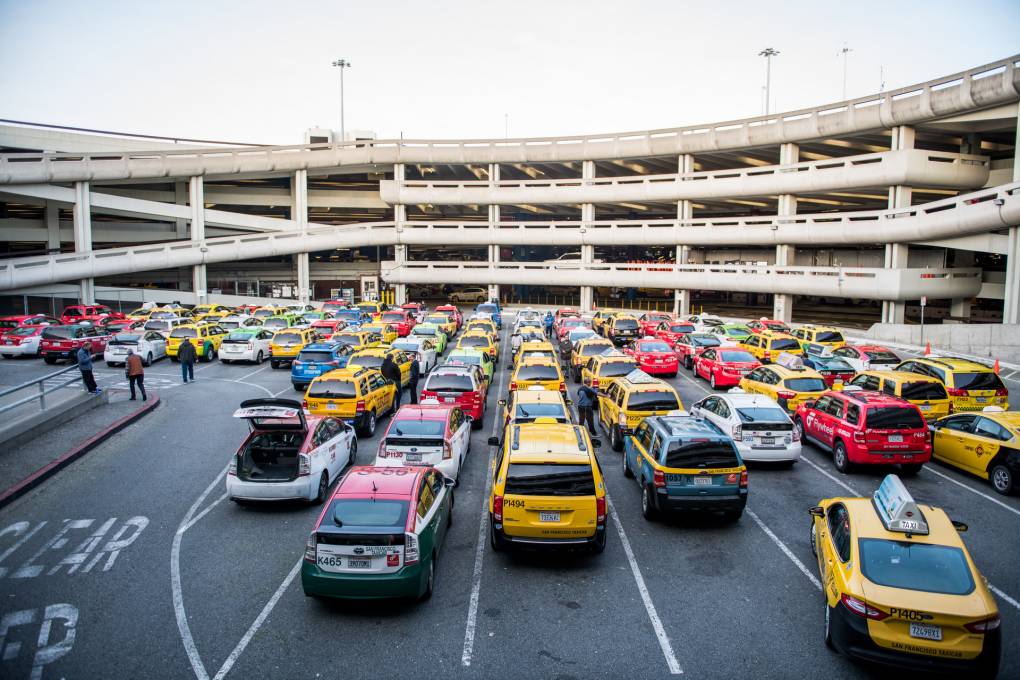
San Francisco Taxi Drivers Plead for Debt Relief as Lawsuit Over Medallions Continues
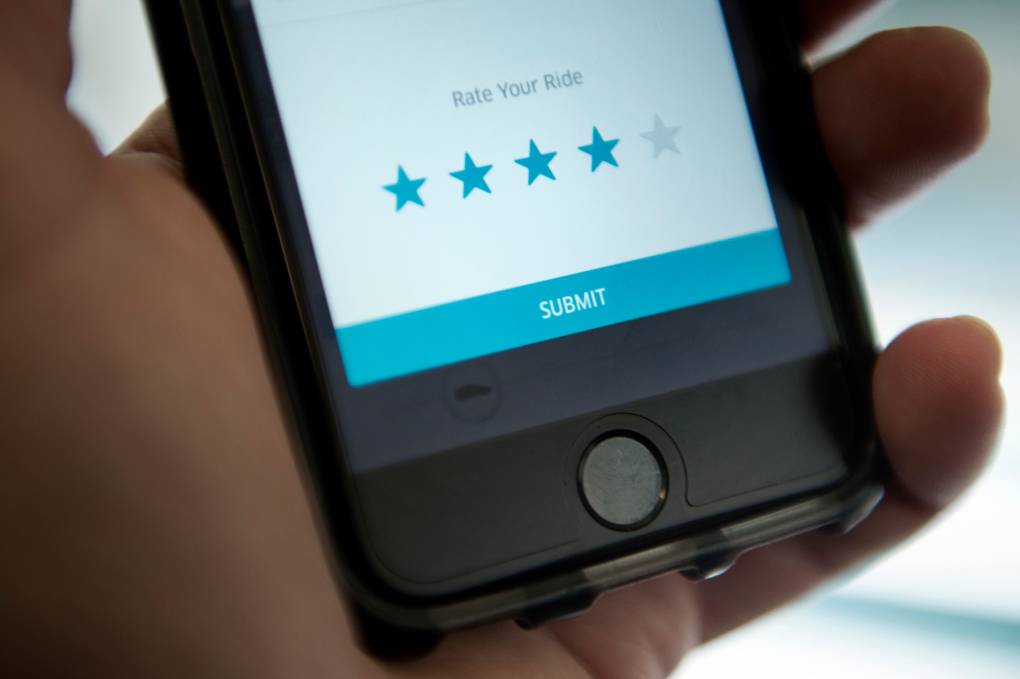
Black and Brown Gig Workers Report Lower Ratings — But Companies Make Bias Hard to Track
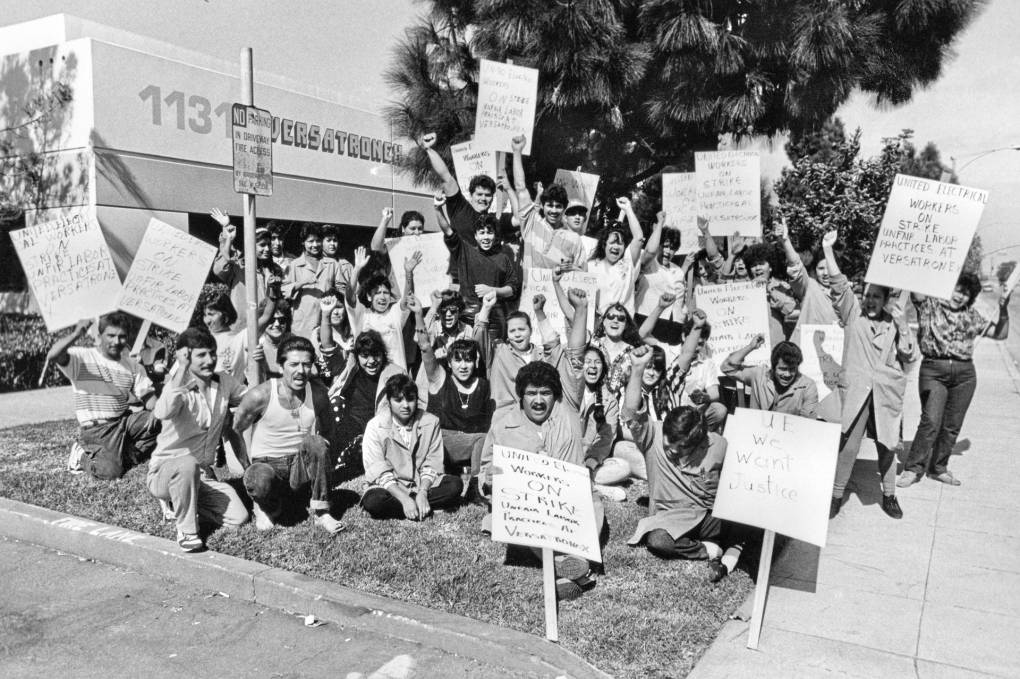
Tech Workers Organizing Is Nothing New ... But Them Actually Forming Unions Is
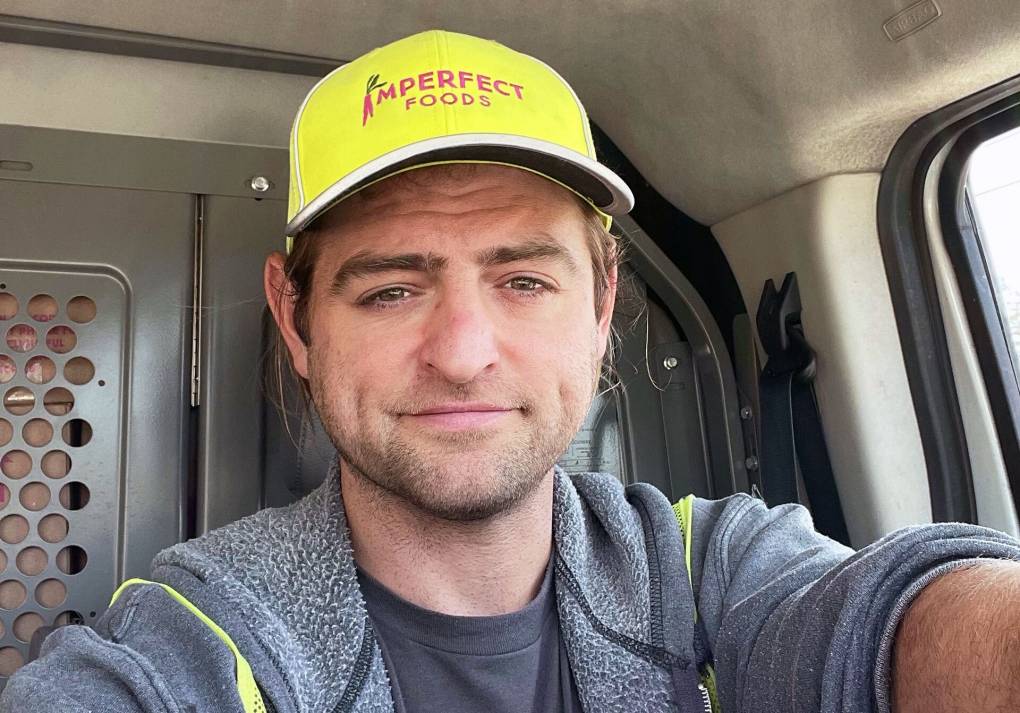
They Work on an App. They Deliver Groceries. And Now They Have a Union
How Proposition 22 Blocks Cities and Counties From Giving Hazard Pay to Gig Workers
New Google Union Triples in Size in First Week, But Faces Formidable Challenges
'Dashers,' 'Taskers' and Other Euphemisms Obscure Real Losses for Gig Workers
With Prop. 22 Approved, Regulating Gig Companies Just Got A Lot Harder
Sponsored
Player sponsored by
window.__IS_SSR__=true
window.__INITIAL_STATE__={
"attachmentsReducer": {
"audio_0": {
"type": "attachments",
"id": "audio_0",
"imgSizes": {
"kqedFullSize": {
"file": "https://ww2.kqed.org/news/wp-content/themes/KQED-unified/img/audio_bgs/background0.jpg"
}
}
},
"audio_1": {
"type": "attachments",
"id": "audio_1",
"imgSizes": {
"kqedFullSize": {
"file": "https://ww2.kqed.org/news/wp-content/themes/KQED-unified/img/audio_bgs/background1.jpg"
}
}
},
"audio_2": {
"type": "attachments",
"id": "audio_2",
"imgSizes": {
"kqedFullSize": {
"file": "https://ww2.kqed.org/news/wp-content/themes/KQED-unified/img/audio_bgs/background2.jpg"
}
}
},
"audio_3": {
"type": "attachments",
"id": "audio_3",
"imgSizes": {
"kqedFullSize": {
"file": "https://ww2.kqed.org/news/wp-content/themes/KQED-unified/img/audio_bgs/background3.jpg"
}
}
},
"audio_4": {
"type": "attachments",
"id": "audio_4",
"imgSizes": {
"kqedFullSize": {
"file": "https://ww2.kqed.org/news/wp-content/themes/KQED-unified/img/audio_bgs/background4.jpg"
}
}
},
"placeholder": {
"type": "attachments",
"id": "placeholder",
"imgSizes": {
"thumbnail": {
"file": "https://cdn.kqed.org/wp-content/uploads/2024/12/KQED-Default-Image-816638274-2000x1333-1-160x107.jpg",
"width": 160,
"height": 107,
"mimeType": "image/jpeg"
},
"medium": {
"file": "https://cdn.kqed.org/wp-content/uploads/2024/12/KQED-Default-Image-816638274-2000x1333-1-800x533.jpg",
"width": 800,
"height": 533,
"mimeType": "image/jpeg"
},
"medium_large": {
"file": "https://cdn.kqed.org/wp-content/uploads/2024/12/KQED-Default-Image-816638274-2000x1333-1-768x512.jpg",
"width": 768,
"height": 512,
"mimeType": "image/jpeg"
},
"large": {
"file": "https://cdn.kqed.org/wp-content/uploads/2024/12/KQED-Default-Image-816638274-2000x1333-1-1020x680.jpg",
"width": 1020,
"height": 680,
"mimeType": "image/jpeg"
},
"1536x1536": {
"file": "https://cdn.kqed.org/wp-content/uploads/2024/12/KQED-Default-Image-816638274-2000x1333-1-1536x1024.jpg",
"width": 1536,
"height": 1024,
"mimeType": "image/jpeg"
},
"fd-lrg": {
"file": "https://cdn.kqed.org/wp-content/uploads/2024/12/KQED-Default-Image-816638274-2000x1333-1-1536x1024.jpg",
"width": 1536,
"height": 1024,
"mimeType": "image/jpeg"
},
"fd-med": {
"file": "https://cdn.kqed.org/wp-content/uploads/2024/12/KQED-Default-Image-816638274-2000x1333-1-1020x680.jpg",
"width": 1020,
"height": 680,
"mimeType": "image/jpeg"
},
"fd-sm": {
"file": "https://cdn.kqed.org/wp-content/uploads/2024/12/KQED-Default-Image-816638274-2000x1333-1-800x533.jpg",
"width": 800,
"height": 533,
"mimeType": "image/jpeg"
},
"post-thumbnail": {
"file": "https://cdn.kqed.org/wp-content/uploads/2024/12/KQED-Default-Image-816638274-2000x1333-1-672x372.jpg",
"width": 672,
"height": 372,
"mimeType": "image/jpeg"
},
"twentyfourteen-full-width": {
"file": "https://cdn.kqed.org/wp-content/uploads/2024/12/KQED-Default-Image-816638274-2000x1333-1-1038x576.jpg",
"width": 1038,
"height": 576,
"mimeType": "image/jpeg"
},
"xxsmall": {
"file": "https://cdn.kqed.org/wp-content/uploads/2024/12/KQED-Default-Image-816638274-2000x1333-1-160x107.jpg",
"width": 160,
"height": 107,
"mimeType": "image/jpeg"
},
"xsmall": {
"file": "https://cdn.kqed.org/wp-content/uploads/2024/12/KQED-Default-Image-816638274-2000x1333-1-672x372.jpg",
"width": 672,
"height": 372,
"mimeType": "image/jpeg"
},
"small": {
"file": "https://cdn.kqed.org/wp-content/uploads/2024/12/KQED-Default-Image-816638274-2000x1333-1-672x372.jpg",
"width": 672,
"height": 372,
"mimeType": "image/jpeg"
},
"xlarge": {
"file": "https://cdn.kqed.org/wp-content/uploads/2024/12/KQED-Default-Image-816638274-2000x1333-1-1020x680.jpg",
"width": 1020,
"height": 680,
"mimeType": "image/jpeg"
},
"full-width": {
"file": "https://cdn.kqed.org/wp-content/uploads/2024/12/KQED-Default-Image-816638274-2000x1333-1-1920x1280.jpg",
"width": 1920,
"height": 1280,
"mimeType": "image/jpeg"
},
"guest-author-32": {
"file": "https://cdn.kqed.org/wp-content/uploads/2025/01/KQED-Default-Image-816638274-1333x1333-1-160x160.jpg",
"width": 32,
"height": 32,
"mimeType": "image/jpeg"
},
"guest-author-50": {
"file": "https://cdn.kqed.org/wp-content/uploads/2025/01/KQED-Default-Image-816638274-1333x1333-1-160x160.jpg",
"width": 50,
"height": 50,
"mimeType": "image/jpeg"
},
"guest-author-64": {
"file": "https://cdn.kqed.org/wp-content/uploads/2025/01/KQED-Default-Image-816638274-1333x1333-1-160x160.jpg",
"width": 64,
"height": 64,
"mimeType": "image/jpeg"
},
"guest-author-96": {
"file": "https://cdn.kqed.org/wp-content/uploads/2025/01/KQED-Default-Image-816638274-1333x1333-1-160x160.jpg",
"width": 96,
"height": 96,
"mimeType": "image/jpeg"
},
"guest-author-128": {
"file": "https://cdn.kqed.org/wp-content/uploads/2025/01/KQED-Default-Image-816638274-1333x1333-1-160x160.jpg",
"width": 128,
"height": 128,
"mimeType": "image/jpeg"
},
"detail": {
"file": "https://cdn.kqed.org/wp-content/uploads/2025/01/KQED-Default-Image-816638274-1333x1333-1-160x160.jpg",
"width": 160,
"height": 160,
"mimeType": "image/jpeg"
},
"kqedFullSize": {
"file": "https://cdn.kqed.org/wp-content/uploads/2024/12/KQED-Default-Image-816638274-2000x1333-1.jpg",
"width": 2000,
"height": 1333
}
}
},
"news_11893012": {
"type": "attachments",
"id": "news_11893012",
"meta": {
"index": "attachments_1716263798",
"site": "news",
"id": "11893012",
"found": true
},
"parent": 11892723,
"imgSizes": {
"twentyfourteen-full-width": {
"file": "https://ww2.kqed.org/app/uploads/sites/10/2021/10/HelloFresh_BoxComposite-1038x576.jpg",
"width": 1038,
"mimeType": "image/jpeg",
"height": 576
},
"thumbnail": {
"file": "https://ww2.kqed.org/app/uploads/sites/10/2021/10/HelloFresh_BoxComposite-160x107.jpg",
"width": 160,
"mimeType": "image/jpeg",
"height": 107
},
"post-thumbnail": {
"file": "https://ww2.kqed.org/app/uploads/sites/10/2021/10/HelloFresh_BoxComposite-672x372.jpg",
"width": 672,
"mimeType": "image/jpeg",
"height": 372
},
"kqedFullSize": {
"file": "https://ww2.kqed.org/app/uploads/sites/10/2021/10/HelloFresh_BoxComposite-scaled-e1634737686176.jpg",
"width": 1920,
"height": 1280
},
"2048x2048": {
"file": "https://ww2.kqed.org/app/uploads/sites/10/2021/10/HelloFresh_BoxComposite-2048x1365.jpg",
"width": 2048,
"mimeType": "image/jpeg",
"height": 1365
},
"large": {
"file": "https://ww2.kqed.org/app/uploads/sites/10/2021/10/HelloFresh_BoxComposite-1020x680.jpg",
"width": 1020,
"mimeType": "image/jpeg",
"height": 680
},
"1536x1536": {
"file": "https://ww2.kqed.org/app/uploads/sites/10/2021/10/HelloFresh_BoxComposite-1536x1024.jpg",
"width": 1536,
"mimeType": "image/jpeg",
"height": 1024
},
"full-width": {
"file": "https://ww2.kqed.org/app/uploads/sites/10/2021/10/HelloFresh_BoxComposite-1920x1280.jpg",
"width": 1920,
"mimeType": "image/jpeg",
"height": 1280
},
"medium": {
"file": "https://ww2.kqed.org/app/uploads/sites/10/2021/10/HelloFresh_BoxComposite-800x533.jpg",
"width": 800,
"mimeType": "image/jpeg",
"height": 533
}
},
"publishDate": 1634737658,
"modified": 1634777776,
"caption": "A HelloFresh product.",
"description": null,
"title": "HelloFresh_BoxComposite",
"credit": "Courtesy HelloFresh",
"status": "inherit",
"altTag": "A company photo in a white kitchen of four brown paper Hello Fresh bags with a bright green color, fresh vegetables arrayed on the counter in front of them.",
"fetchFailed": false,
"isLoading": false
},
"news_11803474": {
"type": "attachments",
"id": "news_11803474",
"meta": {
"index": "attachments_1716263798",
"site": "news",
"id": "11803474",
"found": true
},
"parent": 11803400,
"imgSizes": {
"apple_news_ca_landscape_5_5": {
"file": "https://ww2.kqed.org/app/uploads/sites/10/2020/02/RS41047_033_KQED_TaxiDriversSFO_01302020_0097-qut-1044x783.jpg",
"width": 1044,
"mimeType": "image/jpeg",
"height": 783
},
"apple_news_ca_square_4_0": {
"file": "https://ww2.kqed.org/app/uploads/sites/10/2020/02/RS41047_033_KQED_TaxiDriversSFO_01302020_0097-qut-470x470.jpg",
"width": 470,
"mimeType": "image/jpeg",
"height": 470
},
"twentyfourteen-full-width": {
"file": "https://ww2.kqed.org/app/uploads/sites/10/2020/02/RS41047_033_KQED_TaxiDriversSFO_01302020_0097-qut-1038x576.jpg",
"width": 1038,
"mimeType": "image/jpeg",
"height": 576
},
"thumbnail": {
"file": "https://ww2.kqed.org/app/uploads/sites/10/2020/02/RS41047_033_KQED_TaxiDriversSFO_01302020_0097-qut-160x107.jpg",
"width": 160,
"mimeType": "image/jpeg",
"height": 107
},
"post-thumbnail": {
"file": "https://ww2.kqed.org/app/uploads/sites/10/2020/02/RS41047_033_KQED_TaxiDriversSFO_01302020_0097-qut-672x372.jpg",
"width": 672,
"mimeType": "image/jpeg",
"height": 372
},
"kqedFullSize": {
"file": "https://ww2.kqed.org/app/uploads/sites/10/2020/02/RS41047_033_KQED_TaxiDriversSFO_01302020_0097-qut.jpg",
"width": 1920,
"height": 1280
},
"apple_news_ca_landscape_4_7": {
"file": "https://ww2.kqed.org/app/uploads/sites/10/2020/02/RS41047_033_KQED_TaxiDriversSFO_01302020_0097-qut-632x474.jpg",
"width": 632,
"mimeType": "image/jpeg",
"height": 474
},
"large": {
"file": "https://ww2.kqed.org/app/uploads/sites/10/2020/02/RS41047_033_KQED_TaxiDriversSFO_01302020_0097-qut-1020x680.jpg",
"width": 1020,
"mimeType": "image/jpeg",
"height": 680
},
"apple_news_ca_landscape_4_0": {
"file": "https://ww2.kqed.org/app/uploads/sites/10/2020/02/RS41047_033_KQED_TaxiDriversSFO_01302020_0097-qut-536x402.jpg",
"width": 536,
"mimeType": "image/jpeg",
"height": 402
},
"apple_news_ca_portrait_12_9": {
"file": "https://ww2.kqed.org/app/uploads/sites/10/2020/02/RS41047_033_KQED_TaxiDriversSFO_01302020_0097-qut-1122x1280.jpg",
"width": 1122,
"mimeType": "image/jpeg",
"height": 1280
},
"medium": {
"file": "https://ww2.kqed.org/app/uploads/sites/10/2020/02/RS41047_033_KQED_TaxiDriversSFO_01302020_0097-qut-800x533.jpg",
"width": 800,
"mimeType": "image/jpeg",
"height": 533
},
"apple_news_ca_portrait_4_0": {
"file": "https://ww2.kqed.org/app/uploads/sites/10/2020/02/RS41047_033_KQED_TaxiDriversSFO_01302020_0097-qut-354x472.jpg",
"width": 354,
"mimeType": "image/jpeg",
"height": 472
},
"apple_news_ca_portrait_9_7": {
"file": "https://ww2.kqed.org/app/uploads/sites/10/2020/02/RS41047_033_KQED_TaxiDriversSFO_01302020_0097-qut-840x1120.jpg",
"width": 840,
"mimeType": "image/jpeg",
"height": 1120
},
"apple_news_ca_landscape_12_9": {
"file": "https://ww2.kqed.org/app/uploads/sites/10/2020/02/RS41047_033_KQED_TaxiDriversSFO_01302020_0097-qut-1832x1280.jpg",
"width": 1832,
"mimeType": "image/jpeg",
"height": 1280
},
"apple_news_ca_square_9_7": {
"file": "https://ww2.kqed.org/app/uploads/sites/10/2020/02/RS41047_033_KQED_TaxiDriversSFO_01302020_0097-qut-1104x1104.jpg",
"width": 1104,
"mimeType": "image/jpeg",
"height": 1104
},
"apple_news_ca_portrait_4_7": {
"file": "https://ww2.kqed.org/app/uploads/sites/10/2020/02/RS41047_033_KQED_TaxiDriversSFO_01302020_0097-qut-414x552.jpg",
"width": 414,
"mimeType": "image/jpeg",
"height": 552
},
"apple_news_ca_square_12_9": {
"file": "https://ww2.kqed.org/app/uploads/sites/10/2020/02/RS41047_033_KQED_TaxiDriversSFO_01302020_0097-qut-1472x1280.jpg",
"width": 1472,
"mimeType": "image/jpeg",
"height": 1280
},
"apple_news_ca_portrait_5_5": {
"file": "https://ww2.kqed.org/app/uploads/sites/10/2020/02/RS41047_033_KQED_TaxiDriversSFO_01302020_0097-qut-687x916.jpg",
"width": 687,
"mimeType": "image/jpeg",
"height": 916
},
"full-width": {
"file": "https://ww2.kqed.org/app/uploads/sites/10/2020/02/RS41047_033_KQED_TaxiDriversSFO_01302020_0097-qut-1920x1280.jpg",
"width": 1920,
"mimeType": "image/jpeg",
"height": 1280
},
"apple_news_ca_square_4_7": {
"file": "https://ww2.kqed.org/app/uploads/sites/10/2020/02/RS41047_033_KQED_TaxiDriversSFO_01302020_0097-qut-550x550.jpg",
"width": 550,
"mimeType": "image/jpeg",
"height": 550
},
"apple_news_ca_landscape_9_7": {
"file": "https://ww2.kqed.org/app/uploads/sites/10/2020/02/RS41047_033_KQED_TaxiDriversSFO_01302020_0097-qut-1376x1032.jpg",
"width": 1376,
"mimeType": "image/jpeg",
"height": 1032
},
"apple_news_ca_square_5_5": {
"file": "https://ww2.kqed.org/app/uploads/sites/10/2020/02/RS41047_033_KQED_TaxiDriversSFO_01302020_0097-qut-912x912.jpg",
"width": 912,
"mimeType": "image/jpeg",
"height": 912
}
},
"publishDate": 1582683274,
"modified": 1632874879,
"caption": "Taxis fill the lower level of the short-term parking garage as they wait to pick up passengers at San Francisco International Airport on Jan. 30, 2020.",
"description": "Taxis fill the lower level of the short-term parking garage as they wait to pick up passengers at San Francisco International Airport on Jan. 30, 2020.",
"title": "RS41047_033_KQED_TaxiDriversSFO_01302020_0097-qut",
"credit": "Beth LaBerge/KQED",
"status": "inherit",
"altTag": null,
"fetchFailed": false,
"isLoading": false
},
"news_11882169": {
"type": "attachments",
"id": "news_11882169",
"meta": {
"index": "attachments_1716263798",
"site": "news",
"id": "11882169",
"found": true
},
"parent": 11878952,
"imgSizes": {
"twentyfourteen-full-width": {
"file": "https://ww2.kqed.org/app/uploads/sites/10/2021/07/GettyImages-509765744-1-1038x576.jpg",
"width": 1038,
"mimeType": "image/jpeg",
"height": 576
},
"thumbnail": {
"file": "https://ww2.kqed.org/app/uploads/sites/10/2021/07/GettyImages-509765744-1-160x106.jpg",
"width": 160,
"mimeType": "image/jpeg",
"height": 106
},
"post-thumbnail": {
"file": "https://ww2.kqed.org/app/uploads/sites/10/2021/07/GettyImages-509765744-1-672x372.jpg",
"width": 672,
"mimeType": "image/jpeg",
"height": 372
},
"kqedFullSize": {
"file": "https://ww2.kqed.org/app/uploads/sites/10/2021/07/GettyImages-509765744-1-scaled.jpg",
"width": 2560,
"height": 1704
},
"2048x2048": {
"file": "https://ww2.kqed.org/app/uploads/sites/10/2021/07/GettyImages-509765744-1-2048x1363.jpg",
"width": 2048,
"mimeType": "image/jpeg",
"height": 1363
},
"large": {
"file": "https://ww2.kqed.org/app/uploads/sites/10/2021/07/GettyImages-509765744-1-1020x679.jpg",
"width": 1020,
"mimeType": "image/jpeg",
"height": 679
},
"1536x1536": {
"file": "https://ww2.kqed.org/app/uploads/sites/10/2021/07/GettyImages-509765744-1-1536x1022.jpg",
"width": 1536,
"mimeType": "image/jpeg",
"height": 1022
},
"full-width": {
"file": "https://ww2.kqed.org/app/uploads/sites/10/2021/07/GettyImages-509765744-1-1920x1278.jpg",
"width": 1920,
"mimeType": "image/jpeg",
"height": 1278
},
"medium": {
"file": "https://ww2.kqed.org/app/uploads/sites/10/2021/07/GettyImages-509765744-1-800x532.jpg",
"width": 800,
"mimeType": "image/jpeg",
"height": 532
}
},
"publishDate": 1626987733,
"modified": 1626987794,
"caption": "The driver rating screen in an Uber app is seen February 12, 2016 in Washington, DC.",
"description": "The driver rating screen in an Uber app is seen February 12, 2016 in Washington, DC. Global ridesharing service Uber said February 12, 2016 it had raised $200 million in additional funding to help its push into emerging markets.The latest round comes from Luxembourg-based investment group LetterOne (L1), according to a joint statement. ",
"title": "US-IT-LIFESTYLE-TRANSPORT-UBER",
"credit": "Brendan Smialowski/AFP via Getty Images",
"status": "inherit",
"altTag": "A hand holds up a smart phone that shows a screen for rating Uber drivers",
"fetchFailed": false,
"isLoading": false
},
"news_11876305": {
"type": "attachments",
"id": "news_11876305",
"meta": {
"index": "attachments_1716263798",
"site": "news",
"id": "11876305",
"found": true
},
"parent": 11874325,
"imgSizes": {
"twentyfourteen-full-width": {
"file": "https://ww2.kqed.org/app/uploads/sites/10/2021/06/organizinghistory-1038x576.jpg",
"width": 1038,
"mimeType": "image/jpeg",
"height": 576
},
"thumbnail": {
"file": "https://ww2.kqed.org/app/uploads/sites/10/2021/06/organizinghistory-160x107.jpg",
"width": 160,
"mimeType": "image/jpeg",
"height": 107
},
"post-thumbnail": {
"file": "https://ww2.kqed.org/app/uploads/sites/10/2021/06/organizinghistory-672x372.jpg",
"width": 672,
"mimeType": "image/jpeg",
"height": 372
},
"kqedFullSize": {
"file": "https://ww2.kqed.org/app/uploads/sites/10/2021/06/organizinghistory.jpg",
"width": 1920,
"height": 1279
},
"large": {
"file": "https://ww2.kqed.org/app/uploads/sites/10/2021/06/organizinghistory-1020x679.jpg",
"width": 1020,
"mimeType": "image/jpeg",
"height": 679
},
"1536x1536": {
"file": "https://ww2.kqed.org/app/uploads/sites/10/2021/06/organizinghistory-1536x1023.jpg",
"width": 1536,
"mimeType": "image/jpeg",
"height": 1023
},
"medium": {
"file": "https://ww2.kqed.org/app/uploads/sites/10/2021/06/organizinghistory-800x533.jpg",
"width": 800,
"mimeType": "image/jpeg",
"height": 533
}
},
"publishDate": 1622652157,
"modified": 1622749371,
"caption": "In 1992, women and people of color led a strike at the Silicon Valley chip manufacturing plant, Versatronex.",
"description": null,
"title": "organizinghistory",
"credit": "Courtesy David Bacon",
"status": "inherit",
"altTag": null,
"fetchFailed": false,
"isLoading": false
},
"news_11874201": {
"type": "attachments",
"id": "news_11874201",
"meta": {
"index": "attachments_1716263798",
"site": "news",
"id": "11874201",
"found": true
},
"parent": 11873927,
"imgSizes": {
"twentyfourteen-full-width": {
"file": "https://ww2.kqed.org/app/uploads/sites/10/2021/05/Imperfect-foods-bro-1038x576.jpg",
"width": 1038,
"mimeType": "image/jpeg",
"height": 576
},
"thumbnail": {
"file": "https://ww2.kqed.org/app/uploads/sites/10/2021/05/Imperfect-foods-bro-160x112.jpg",
"width": 160,
"mimeType": "image/jpeg",
"height": 112
},
"post-thumbnail": {
"file": "https://ww2.kqed.org/app/uploads/sites/10/2021/05/Imperfect-foods-bro-672x372.jpg",
"width": 672,
"mimeType": "image/jpeg",
"height": 372
},
"kqedFullSize": {
"file": "https://ww2.kqed.org/app/uploads/sites/10/2021/05/Imperfect-foods-bro.jpg",
"width": 1920,
"height": 1342
},
"large": {
"file": "https://ww2.kqed.org/app/uploads/sites/10/2021/05/Imperfect-foods-bro-1020x713.jpg",
"width": 1020,
"mimeType": "image/jpeg",
"height": 713
},
"1536x1536": {
"file": "https://ww2.kqed.org/app/uploads/sites/10/2021/05/Imperfect-foods-bro-1536x1074.jpg",
"width": 1536,
"mimeType": "image/jpeg",
"height": 1074
},
"medium": {
"file": "https://ww2.kqed.org/app/uploads/sites/10/2021/05/Imperfect-foods-bro-800x559.jpg",
"width": 800,
"mimeType": "image/jpeg",
"height": 559
}
},
"publishDate": 1621378926,
"modified": 1621387433,
"caption": "Chris Jasinski is one of the workers who voted to form a union at Imperfect Foods, a food delivery app.",
"description": "Chris Jasinski is one of the workers who voted to form a union at Imperfect Foods, a food delivery app.",
"title": "Imperfect-foods-jasinski-2",
"credit": "Courtesy Chris Jasinski",
"status": "inherit",
"altTag": "Chris Jasinski, wearing an Imperfect Foods hat looks at the camera from inside a vehicle.",
"fetchFailed": false,
"isLoading": false
},
"news_11868817": {
"type": "attachments",
"id": "news_11868817",
"meta": {
"index": "attachments_1716263798",
"site": "news",
"id": "11868817",
"found": true
},
"parent": 11868743,
"imgSizes": {
"twentyfourteen-full-width": {
"file": "https://ww2.kqed.org/app/uploads/sites/10/2021/04/RS42333_GettyImages-1207671954-qut-1038x576.jpg",
"width": 1038,
"mimeType": "image/jpeg",
"height": 576
},
"thumbnail": {
"file": "https://ww2.kqed.org/app/uploads/sites/10/2021/04/RS42333_GettyImages-1207671954-qut-160x96.jpg",
"width": 160,
"mimeType": "image/jpeg",
"height": 96
},
"post-thumbnail": {
"file": "https://ww2.kqed.org/app/uploads/sites/10/2021/04/RS42333_GettyImages-1207671954-qut-672x372.jpg",
"width": 672,
"mimeType": "image/jpeg",
"height": 372
},
"kqedFullSize": {
"file": "https://ww2.kqed.org/app/uploads/sites/10/2021/04/RS42333_GettyImages-1207671954-qut.jpg",
"width": 1920,
"height": 1148
},
"large": {
"file": "https://ww2.kqed.org/app/uploads/sites/10/2021/04/RS42333_GettyImages-1207671954-qut-1020x610.jpg",
"width": 1020,
"mimeType": "image/jpeg",
"height": 610
},
"1536x1536": {
"file": "https://ww2.kqed.org/app/uploads/sites/10/2021/04/RS42333_GettyImages-1207671954-qut-1536x918.jpg",
"width": 1536,
"mimeType": "image/jpeg",
"height": 918
},
"medium": {
"file": "https://ww2.kqed.org/app/uploads/sites/10/2021/04/RS42333_GettyImages-1207671954-qut-800x478.jpg",
"width": 800,
"mimeType": "image/jpeg",
"height": 478
}
},
"publishDate": 1617994697,
"modified": 1618003084,
"caption": "Instacart employee Monica Ortega uses her cellphone to scan barcodes showing proof of purchase for the customer while picking up groceries from a supermarket for delivery on March 19, 2020 in North Hollywood. ",
"description": "Instacart employee Monica Ortega uses her cellphone to scan barcodes showing proof of purchase for the customer while picking up groceries from a supermarket for delivery on March 19, 2020 in North Hollywood, California. ",
"title": "US-VIRUS-HEALTH-EPIDEMIC",
"credit": "Frederic J. Brown/AFP via Getty Images",
"status": "inherit",
"altTag": null,
"fetchFailed": false,
"isLoading": false
},
"news_11855261": {
"type": "attachments",
"id": "news_11855261",
"meta": {
"index": "attachments_1716263798",
"site": "news",
"id": "11855261",
"found": true
},
"parent": 11854528,
"imgSizes": {
"apple_news_ca_square_4_0": {
"file": "https://ww2.kqed.org/app/uploads/sites/10/2021/01/GettyImages-1056086588-470x470.jpg",
"width": 470,
"mimeType": "image/jpeg",
"height": 470
},
"twentyfourteen-full-width": {
"file": "https://ww2.kqed.org/app/uploads/sites/10/2021/01/GettyImages-1056086588-1024x576.jpg",
"width": 1024,
"mimeType": "image/jpeg",
"height": 576
},
"thumbnail": {
"file": "https://ww2.kqed.org/app/uploads/sites/10/2021/01/GettyImages-1056086588-160x107.jpg",
"width": 160,
"mimeType": "image/jpeg",
"height": 107
},
"post-thumbnail": {
"file": "https://ww2.kqed.org/app/uploads/sites/10/2021/01/GettyImages-1056086588-672x372.jpg",
"width": 672,
"mimeType": "image/jpeg",
"height": 372
},
"kqedFullSize": {
"file": "https://ww2.kqed.org/app/uploads/sites/10/2021/01/GettyImages-1056086588.jpg",
"width": 1024,
"height": 683
},
"apple_news_ca_landscape_4_7": {
"file": "https://ww2.kqed.org/app/uploads/sites/10/2021/01/GettyImages-1056086588-632x474.jpg",
"width": 632,
"mimeType": "image/jpeg",
"height": 474
},
"large": {
"file": "https://ww2.kqed.org/app/uploads/sites/10/2021/01/GettyImages-1056086588-1020x680.jpg",
"width": 1020,
"mimeType": "image/jpeg",
"height": 680
},
"apple_news_ca_landscape_4_0": {
"file": "https://ww2.kqed.org/app/uploads/sites/10/2021/01/GettyImages-1056086588-536x402.jpg",
"width": 536,
"mimeType": "image/jpeg",
"height": 402
},
"medium": {
"file": "https://ww2.kqed.org/app/uploads/sites/10/2021/01/GettyImages-1056086588-800x534.jpg",
"width": 800,
"mimeType": "image/jpeg",
"height": 534
},
"apple_news_ca_portrait_4_0": {
"file": "https://ww2.kqed.org/app/uploads/sites/10/2021/01/GettyImages-1056086588-354x472.jpg",
"width": 354,
"mimeType": "image/jpeg",
"height": 472
},
"apple_news_ca_portrait_9_7": {
"file": "https://ww2.kqed.org/app/uploads/sites/10/2021/01/GettyImages-1056086588-840x683.jpg",
"width": 840,
"mimeType": "image/jpeg",
"height": 683
},
"apple_news_ca_portrait_4_7": {
"file": "https://ww2.kqed.org/app/uploads/sites/10/2021/01/GettyImages-1056086588-414x552.jpg",
"width": 414,
"mimeType": "image/jpeg",
"height": 552
},
"apple_news_ca_portrait_5_5": {
"file": "https://ww2.kqed.org/app/uploads/sites/10/2021/01/GettyImages-1056086588-687x683.jpg",
"width": 687,
"mimeType": "image/jpeg",
"height": 683
},
"apple_news_ca_square_4_7": {
"file": "https://ww2.kqed.org/app/uploads/sites/10/2021/01/GettyImages-1056086588-550x550.jpg",
"width": 550,
"mimeType": "image/jpeg",
"height": 550
},
"apple_news_ca_square_5_5": {
"file": "https://ww2.kqed.org/app/uploads/sites/10/2021/01/GettyImages-1056086588-912x683.jpg",
"width": 912,
"mimeType": "image/jpeg",
"height": 683
}
},
"publishDate": 1610586022,
"modified": 1647912127,
"caption": "Google employees in Mountain View walk off the job on Nov. 1, 2018 to protest the company's handling of sexual misconduct claims.",
"description": null,
"title": "Google Employees Stage Walkout To Protest Company's Actions On Sexual Harassment",
"credit": "Mason Trinca/Getty Images",
"status": "inherit",
"altTag": "A line of employees walking off the google campus in protest.",
"fetchFailed": false,
"isLoading": false
},
"news_11852661": {
"type": "attachments",
"id": "news_11852661",
"meta": {
"index": "attachments_1716263798",
"site": "news",
"id": "11852661",
"found": true
},
"parent": 11852498,
"imgSizes": {
"apple_news_ca_square_4_0": {
"file": "https://ww2.kqed.org/app/uploads/sites/10/2020/12/RS16556_IMG_0695-qut-1020x577-1-470x470.jpg",
"width": 470,
"mimeType": "image/jpeg",
"height": 470
},
"thumbnail": {
"file": "https://ww2.kqed.org/app/uploads/sites/10/2020/12/RS16556_IMG_0695-qut-1020x577-1-160x91.jpg",
"width": 160,
"mimeType": "image/jpeg",
"height": 91
},
"post-thumbnail": {
"file": "https://ww2.kqed.org/app/uploads/sites/10/2020/12/RS16556_IMG_0695-qut-1020x577-1-672x372.jpg",
"width": 672,
"mimeType": "image/jpeg",
"height": 372
},
"kqedFullSize": {
"file": "https://ww2.kqed.org/app/uploads/sites/10/2020/12/RS16556_IMG_0695-qut-1020x577-1.jpg",
"width": 1020,
"height": 577
},
"apple_news_ca_landscape_4_7": {
"file": "https://ww2.kqed.org/app/uploads/sites/10/2020/12/RS16556_IMG_0695-qut-1020x577-1-632x474.jpg",
"width": 632,
"mimeType": "image/jpeg",
"height": 474
},
"apple_news_ca_landscape_4_0": {
"file": "https://ww2.kqed.org/app/uploads/sites/10/2020/12/RS16556_IMG_0695-qut-1020x577-1-536x402.jpg",
"width": 536,
"mimeType": "image/jpeg",
"height": 402
},
"medium": {
"file": "https://ww2.kqed.org/app/uploads/sites/10/2020/12/RS16556_IMG_0695-qut-1020x577-1-800x453.jpg",
"width": 800,
"mimeType": "image/jpeg",
"height": 453
},
"apple_news_ca_portrait_4_0": {
"file": "https://ww2.kqed.org/app/uploads/sites/10/2020/12/RS16556_IMG_0695-qut-1020x577-1-354x472.jpg",
"width": 354,
"mimeType": "image/jpeg",
"height": 472
},
"apple_news_ca_portrait_9_7": {
"file": "https://ww2.kqed.org/app/uploads/sites/10/2020/12/RS16556_IMG_0695-qut-1020x577-1-840x577.jpg",
"width": 840,
"mimeType": "image/jpeg",
"height": 577
},
"apple_news_ca_portrait_4_7": {
"file": "https://ww2.kqed.org/app/uploads/sites/10/2020/12/RS16556_IMG_0695-qut-1020x577-1-414x552.jpg",
"width": 414,
"mimeType": "image/jpeg",
"height": 552
},
"apple_news_ca_portrait_5_5": {
"file": "https://ww2.kqed.org/app/uploads/sites/10/2020/12/RS16556_IMG_0695-qut-1020x577-1-687x577.jpg",
"width": 687,
"mimeType": "image/jpeg",
"height": 577
},
"apple_news_ca_square_4_7": {
"file": "https://ww2.kqed.org/app/uploads/sites/10/2020/12/RS16556_IMG_0695-qut-1020x577-1-550x550.jpg",
"width": 550,
"mimeType": "image/jpeg",
"height": 550
},
"apple_news_ca_square_5_5": {
"file": "https://ww2.kqed.org/app/uploads/sites/10/2020/12/RS16556_IMG_0695-qut-1020x577-1-912x577.jpg",
"width": 912,
"mimeType": "image/jpeg",
"height": 577
}
},
"publishDate": 1608755929,
"modified": 1699237527,
"caption": "An Uber driver waits to pick up a customer in San Francisco.",
"description": null,
"title": "RS16556_IMG_0695-qut-1020x577",
"credit": "Ericka Cruz Guevarra/KQED",
"status": "inherit",
"altTag": "A view of the dashboard of a car with Uber and Lyft logos on the window. Inside sits a man in the driver's seat.",
"fetchFailed": false,
"isLoading": false
},
"news_11847278": {
"type": "attachments",
"id": "news_11847278",
"meta": {
"index": "attachments_1716263798",
"site": "news",
"id": "11847278",
"found": true
},
"parent": 11847273,
"imgSizes": {
"apple_news_ca_landscape_5_5": {
"file": "https://ww2.kqed.org/app/uploads/sites/10/2020/11/RS13067_ridesharing-is-cheap3-qut-1044x783.jpg",
"width": 1044,
"mimeType": "image/jpeg",
"height": 783
},
"apple_news_ca_square_4_0": {
"file": "https://ww2.kqed.org/app/uploads/sites/10/2020/11/RS13067_ridesharing-is-cheap3-qut-470x470.jpg",
"width": 470,
"mimeType": "image/jpeg",
"height": 470
},
"twentyfourteen-full-width": {
"file": "https://ww2.kqed.org/app/uploads/sites/10/2020/11/RS13067_ridesharing-is-cheap3-qut-1038x576.jpg",
"width": 1038,
"mimeType": "image/jpeg",
"height": 576
},
"thumbnail": {
"file": "https://ww2.kqed.org/app/uploads/sites/10/2020/11/RS13067_ridesharing-is-cheap3-qut-160x101.jpg",
"width": 160,
"mimeType": "image/jpeg",
"height": 101
},
"post-thumbnail": {
"file": "https://ww2.kqed.org/app/uploads/sites/10/2020/11/RS13067_ridesharing-is-cheap3-qut-672x372.jpg",
"width": 672,
"mimeType": "image/jpeg",
"height": 372
},
"kqedFullSize": {
"file": "https://ww2.kqed.org/app/uploads/sites/10/2020/11/RS13067_ridesharing-is-cheap3-qut.jpg",
"width": 1440,
"height": 909
},
"apple_news_ca_landscape_4_7": {
"file": "https://ww2.kqed.org/app/uploads/sites/10/2020/11/RS13067_ridesharing-is-cheap3-qut-632x474.jpg",
"width": 632,
"mimeType": "image/jpeg",
"height": 474
},
"large": {
"file": "https://ww2.kqed.org/app/uploads/sites/10/2020/11/RS13067_ridesharing-is-cheap3-qut-1020x644.jpg",
"width": 1020,
"mimeType": "image/jpeg",
"height": 644
},
"apple_news_ca_landscape_4_0": {
"file": "https://ww2.kqed.org/app/uploads/sites/10/2020/11/RS13067_ridesharing-is-cheap3-qut-536x402.jpg",
"width": 536,
"mimeType": "image/jpeg",
"height": 402
},
"apple_news_ca_portrait_12_9": {
"file": "https://ww2.kqed.org/app/uploads/sites/10/2020/11/RS13067_ridesharing-is-cheap3-qut-1122x909.jpg",
"width": 1122,
"mimeType": "image/jpeg",
"height": 909
},
"medium": {
"file": "https://ww2.kqed.org/app/uploads/sites/10/2020/11/RS13067_ridesharing-is-cheap3-qut-800x505.jpg",
"width": 800,
"mimeType": "image/jpeg",
"height": 505
},
"apple_news_ca_portrait_4_0": {
"file": "https://ww2.kqed.org/app/uploads/sites/10/2020/11/RS13067_ridesharing-is-cheap3-qut-354x472.jpg",
"width": 354,
"mimeType": "image/jpeg",
"height": 472
},
"apple_news_ca_portrait_9_7": {
"file": "https://ww2.kqed.org/app/uploads/sites/10/2020/11/RS13067_ridesharing-is-cheap3-qut-840x909.jpg",
"width": 840,
"mimeType": "image/jpeg",
"height": 909
},
"apple_news_ca_square_9_7": {
"file": "https://ww2.kqed.org/app/uploads/sites/10/2020/11/RS13067_ridesharing-is-cheap3-qut-1104x909.jpg",
"width": 1104,
"mimeType": "image/jpeg",
"height": 909
},
"apple_news_ca_portrait_4_7": {
"file": "https://ww2.kqed.org/app/uploads/sites/10/2020/11/RS13067_ridesharing-is-cheap3-qut-414x552.jpg",
"width": 414,
"mimeType": "image/jpeg",
"height": 552
},
"apple_news_ca_portrait_5_5": {
"file": "https://ww2.kqed.org/app/uploads/sites/10/2020/11/RS13067_ridesharing-is-cheap3-qut-687x909.jpg",
"width": 687,
"mimeType": "image/jpeg",
"height": 909
},
"apple_news_ca_square_4_7": {
"file": "https://ww2.kqed.org/app/uploads/sites/10/2020/11/RS13067_ridesharing-is-cheap3-qut-550x550.jpg",
"width": 550,
"mimeType": "image/jpeg",
"height": 550
},
"apple_news_ca_landscape_9_7": {
"file": "https://ww2.kqed.org/app/uploads/sites/10/2020/11/RS13067_ridesharing-is-cheap3-qut-1376x909.jpg",
"width": 1376,
"mimeType": "image/jpeg",
"height": 909
},
"apple_news_ca_square_5_5": {
"file": "https://ww2.kqed.org/app/uploads/sites/10/2020/11/RS13067_ridesharing-is-cheap3-qut-912x909.jpg",
"width": 912,
"mimeType": "image/jpeg",
"height": 909
}
},
"publishDate": 1605222651,
"modified": 1605222693,
"caption": "A sign at the intersection of 17th St. and Vermont St. criticizes rideshare companies.",
"description": null,
"title": "RS13067_ridesharing is cheap3-qut",
"credit": "Adam Grossberg/KQED",
"status": "inherit",
"fetchFailed": false,
"isLoading": false
}
},
"audioPlayerReducer": {
"postId": "stream_live",
"isPaused": true,
"isPlaying": false,
"pfsActive": false,
"pledgeModalIsOpen": true,
"playerDrawerIsOpen": false
},
"authorsReducer": {
"samharnett": {
"type": "authors",
"id": "253",
"meta": {
"index": "authors_1716337520",
"id": "253",
"found": true
},
"name": "Sam Harnett",
"firstName": "Sam",
"lastName": "Harnett",
"slug": "samharnett",
"email": "samharnett@gmail.com",
"display_author_email": false,
"staff_mastheads": [],
"title": "KQED Contributor",
"bio": "Sam Harnett covered tech and work at KQED. He is the co-creator of \u003cem>\u003ca href=\"http://www.theworldaccordingtosound.org\">The World According to Sound\u003c/a>,\u003c/em> a 90-second podcast that features different sounds and the stories behind them.\r\n\r\nBefore coming to KQED, Sam worked as an independent reporter who contributed regularly to \u003cem>The California Report, Marketplace,\u003c/em> \u003cem>The World \u003c/em>and NPR.",
"avatar": "https://secure.gravatar.com/avatar/2538b972ac02f2b9546c7a6c59a0f3d0?s=600&d=blank&r=g",
"twitter": "Samwharnett",
"facebook": null,
"instagram": null,
"linkedin": null,
"sites": [
{
"site": "news",
"roles": [
"edit_others_posts",
"subscriber"
]
},
{
"site": "stateofhealth",
"roles": [
"author"
]
},
{
"site": "science",
"roles": [
"editor"
]
},
{
"site": "quest",
"roles": [
"subscriber"
]
}
],
"headData": {
"title": "Sam Harnett | KQED",
"description": "KQED Contributor",
"ogImgSrc": "https://secure.gravatar.com/avatar/2538b972ac02f2b9546c7a6c59a0f3d0?s=600&d=blank&r=g",
"twImgSrc": "https://secure.gravatar.com/avatar/2538b972ac02f2b9546c7a6c59a0f3d0?s=600&d=blank&r=g"
},
"isLoading": false,
"link": "/author/samharnett"
},
"dkatayama": {
"type": "authors",
"id": "7240",
"meta": {
"index": "authors_1716337520",
"id": "7240",
"found": true
},
"name": "Devin Katayama",
"firstName": "Devin",
"lastName": "Katayama",
"slug": "dkatayama",
"email": "dkatayama@kqed.org",
"display_author_email": true,
"staff_mastheads": [
"news"
],
"title": "Editor of Talent and Development",
"bio": "Devin Katayama is former Editor of Talent and Development for KQED. He supported our internship program and on-call staff by looking for equitable opportunities to improve the newsroom.\r\n\r\nHe previously hosted The Bay and American Suburb podcasts from KQED News. Prior to returning to the Bay Area in 2015, Devin was the education reporter for WFPL in Louisville and worked as a producer with radio stations in Chicago and Portland, OR. His work has appeared on NPR’s \u003cem>Morning Edition, All Things Considered, The Takeaway\u003c/em> and \u003cem>Here and Now.\u003c/em>\r\n\r\nDevin earned his MA in Journalism from Columbia College Chicago, where he was a Follett Fellow and the recipient of the 2011 Studs Terkel Community Media Workshop Scholarship for his story on Chicago's homeless youth. He won WBUR's 2014 Daniel Schorr award and a regional RTNDA Edward R. Murrow Award for his documentary \"At Risk\" that looked at issues facing some of Louisville's students. Devin has also received numerous local awards from the Associated Press and the Society of Professional Journalists.",
"avatar": "https://secure.gravatar.com/avatar/d0d2978a31002fb2de107921a8e18405?s=600&d=blank&r=g",
"twitter": "RadioDevin",
"facebook": null,
"instagram": null,
"linkedin": null,
"sites": [
{
"site": "arts",
"roles": []
},
{
"site": "news",
"roles": [
"author"
]
},
{
"site": "stateofhealth",
"roles": [
"author"
]
},
{
"site": "forum",
"roles": [
"editor"
]
},
{
"site": "perspectives",
"roles": [
"editor"
]
}
],
"headData": {
"title": "Devin Katayama | KQED",
"description": "Editor of Talent and Development",
"ogImgSrc": "https://secure.gravatar.com/avatar/d0d2978a31002fb2de107921a8e18405?s=600&d=blank&r=g",
"twImgSrc": "https://secure.gravatar.com/avatar/d0d2978a31002fb2de107921a8e18405?s=600&d=blank&r=g"
},
"isLoading": false,
"link": "/author/dkatayama"
},
"ecruzguevarra": {
"type": "authors",
"id": "8654",
"meta": {
"index": "authors_1716337520",
"id": "8654",
"found": true
},
"name": "Ericka Cruz Guevarra",
"firstName": "Ericka",
"lastName": "Cruz Guevarra",
"slug": "ecruzguevarra",
"email": "ecruzguevarra@kqed.org",
"display_author_email": true,
"staff_mastheads": [
"news"
],
"title": "Producer, The Bay Podcast",
"bio": "Ericka Cruz Guevarra is host of \u003ca href=\"https://www.kqed.org/podcasts/thebay\">\u003cem>The Bay\u003c/em>\u003c/a> podcast at KQED. Before host, she was the show’s producer. Her work in that capacity includes a three-part reported series on policing in Vallejo, which won a 2020 excellence in journalism award from the Society of Professional Journalists. Ericka has worked as a breaking news reporter at Oregon Public Broadcasting, helped produce the Code Switch podcast, and was KQED’s inaugural Raul Ramirez Diversity Fund intern. She’s also an alumna of NPR’s Next Generation Radio program. Send her an email if you have strong feelings about whether Fairfield and Suisun City are the Bay. Ericka is represented by SAG-AFTRA.",
"avatar": "https://secure.gravatar.com/avatar/25e5ab8d3d53fad2dcc7bb2b5c506b1a?s=600&d=blank&r=g",
"twitter": "NotoriousECG",
"facebook": null,
"instagram": null,
"linkedin": null,
"sites": [
{
"site": "arts",
"roles": [
"subscriber"
]
},
{
"site": "news",
"roles": [
"editor",
"manage_categories"
]
},
{
"site": "futureofyou",
"roles": [
"subscriber"
]
},
{
"site": "stateofhealth",
"roles": [
"subscriber"
]
},
{
"site": "science",
"roles": [
"editor"
]
},
{
"site": "forum",
"roles": [
"subscriber"
]
}
],
"headData": {
"title": "Ericka Cruz Guevarra | KQED",
"description": "Producer, The Bay Podcast",
"ogImgSrc": "https://secure.gravatar.com/avatar/25e5ab8d3d53fad2dcc7bb2b5c506b1a?s=600&d=blank&r=g",
"twImgSrc": "https://secure.gravatar.com/avatar/25e5ab8d3d53fad2dcc7bb2b5c506b1a?s=600&d=blank&r=g"
},
"isLoading": false,
"link": "/author/ecruzguevarra"
},
"kmoghadam": {
"type": "authors",
"id": "11637",
"meta": {
"index": "authors_1716337520",
"id": "11637",
"found": true
},
"name": "Kyana Moghadam",
"firstName": "Kyana",
"lastName": "Moghadam",
"slug": "kmoghadam",
"email": "kmoghadam@kqed.org",
"display_author_email": false,
"staff_mastheads": [
"news"
],
"title": "Senior Producer ",
"bio": "Kyana Moghadam is a senior producer at KQED. Prior to joining KQED, she was an audio producer and editor with Al Jazeera, Jetty Studios, VOX Media, Democracy Now!, and Global Press.",
"avatar": "https://secure.gravatar.com/avatar/c1b360e5608b20d071f0865012fc8a67?s=600&d=blank&r=g",
"twitter": null,
"facebook": null,
"instagram": null,
"linkedin": "https://www.linkedin.com/in/kyanamoghadam/",
"sites": [
{
"site": "",
"roles": [
"editor"
]
},
{
"site": "arts",
"roles": [
"editor"
]
},
{
"site": "news",
"roles": [
"administrator"
]
},
{
"site": "pop",
"roles": [
"editor"
]
},
{
"site": "about",
"roles": [
"editor"
]
},
{
"site": "forum",
"roles": [
"editor"
]
},
{
"site": "perspectives",
"roles": [
"editor"
]
},
{
"site": "podcasts",
"roles": [
"administrator"
]
}
],
"headData": {
"title": "Kyana Moghadam | KQED",
"description": "Senior Producer ",
"ogImgSrc": "https://secure.gravatar.com/avatar/c1b360e5608b20d071f0865012fc8a67?s=600&d=blank&r=g",
"twImgSrc": "https://secure.gravatar.com/avatar/c1b360e5608b20d071f0865012fc8a67?s=600&d=blank&r=g"
},
"isLoading": false,
"link": "/author/kmoghadam"
},
"amontecillo": {
"type": "authors",
"id": "11649",
"meta": {
"index": "authors_1716337520",
"id": "11649",
"found": true
},
"name": "Alan Montecillo",
"firstName": "Alan",
"lastName": "Montecillo",
"slug": "amontecillo",
"email": "amontecillo@kqed.org",
"display_author_email": false,
"staff_mastheads": [
"news"
],
"title": "KQED Contributor",
"bio": "Alan Montecillo is the senior editor of \u003cem>\u003ca href=\"http://kqed.org/thebay\">The Bay\u003c/a>, \u003c/em> KQED's local news podcast. Before moving to the Bay Area, he worked as a senior talk show producer for WILL in Champaign-Urbana, Illinois and at Oregon Public Broadcasting in Portland, Oregon. He has won journalism awards from the Society of Professional Journalists Northern California, the Public Media Journalists Association, The Signal Awards, and has also received a regional Edward R. Murrow award. Alan is a Filipino American from Hong Kong and a graduate of Reed College.",
"avatar": "https://secure.gravatar.com/avatar/d5e4e7a76481969ccba76f4e2b5ccabc?s=600&d=blank&r=g",
"twitter": "alanmontecillo",
"facebook": null,
"instagram": null,
"linkedin": null,
"sites": [
{
"site": "",
"roles": [
"editor"
]
},
{
"site": "news",
"roles": [
"editor",
"manage_categories"
]
}
],
"headData": {
"title": "Alan Montecillo | KQED",
"description": "KQED Contributor",
"ogImgSrc": "https://secure.gravatar.com/avatar/d5e4e7a76481969ccba76f4e2b5ccabc?s=600&d=blank&r=g",
"twImgSrc": "https://secure.gravatar.com/avatar/d5e4e7a76481969ccba76f4e2b5ccabc?s=600&d=blank&r=g"
},
"isLoading": false,
"link": "/author/amontecillo"
}
},
"breakingNewsReducer": {},
"pagesReducer": {},
"postsReducer": {
"stream_live": {
"type": "live",
"id": "stream_live",
"audioUrl": "https://streams.kqed.org/kqedradio",
"title": "Live Stream",
"excerpt": "Live Stream information currently unavailable.",
"link": "/radio",
"featImg": "",
"label": {
"name": "KQED Live",
"link": "/"
}
},
"stream_kqedNewscast": {
"type": "posts",
"id": "stream_kqedNewscast",
"audioUrl": "https://www.kqed.org/.stream/anon/radio/RDnews/newscast.mp3?_=1",
"title": "KQED Newscast",
"featImg": "",
"label": {
"name": "88.5 FM",
"link": "/"
}
},
"news_11892723": {
"type": "posts",
"id": "news_11892723",
"meta": {
"index": "posts_1716263798",
"site": "news",
"id": "11892723",
"score": null,
"sort": [
1634763194000
]
},
"guestAuthors": [],
"slug": "hellofresh-workers-in-richmond-are-trying-to-form-first-union-in-meal-kit-delivery-industry",
"title": "HelloFresh Workers in Richmond Are Trying to Form First Union in 'Meal-Kit' Delivery Industry",
"publishDate": 1634763194,
"format": "aside",
"headTitle": "HelloFresh Workers in Richmond Are Trying to Form First Union in ‘Meal-Kit’ Delivery Industry | KQED",
"labelTerm": {
"site": "news"
},
"content": "\u003cp>Business during the pandemic has been booming for meal-kit delivery companies like HelloFresh, the \u003ca href=\"https://fooddigital.com/food/hellofresh-now-biggest-meal-kit-service-us-market-share\">largest business in the industry\u003c/a>. But workers at the company’s factory kitchen in Richmond say they are not sharing in the gains and that the company’s rapid growth is leading to dangerous working conditions. So, they’re trying to unionize.\u003c/p>\n\u003cp>Lily Vasquez works at the Richmond facility, where she stocks kits with ingredients all day. She says she hopes a union could help give workers more say on the job and improve wages and working conditions. Vasquez says she doesn’t think customers understand what the wages and conditions are like for the people who make their meal kits.\u003c/p>\n\u003cp>[pullquote size=\"medium\" align=\"right\" citation=\"Lily Vasquez, HelloFresh employee\"]‘I know people receive the kits, but they don’t have any idea of how we’ve been treated in the company. These people are at their homes, they’re waiting for their food. They’re safe. But us, we have to go to work and be at risk.’[/pullquote]\u003c/p>\n\u003cp>“I know people receive the kits, but they don’t have any idea of how we’ve been treated in the company,” Vasquez says. “These people are at their homes, they’re waiting for their food. They’re safe. But us, we have to go to work and be at risk.”\u003c/p>\n\u003cp>Over the last few years, there has been an explosion of delivery and on-demand service companies where the labor is very removed from the final customer. Someone who orders from Blue Apron, Uber Eats, Instacart or HelloFresh may never encounter a worker. The food or meal can seem to just appear on their doorstep, a perk that companies like HelloFresh advertise.\u003c/p>\n\u003cp>[ad fullwidth]\u003c/p>\n\u003cp>In promotional videos, HelloFresh says there is a lot of “magic behind the scenes” that makes the company’s meal kits possible. That magic behind the scenes is labor being done by people like Vasquez.\u003c/p>\n\u003cp>Vasquez says the workers in Richmond have been packing tens of thousands of meal kits a day during the pandemic. Instead of working at a single table, she says there’s now a stack of two or three shelves, so they have to bend up and down to get the different ingredients. She says everyone is rushing to meet their delivery targets every day.\u003c/p>\n\u003cp>Vazquez says it’s chaotic and dangerous at the facility. “There are empty pallets with plastic on them,” she says. “There are gloves and plastic on the floor.” Several workers told KQED about accidents they recently witnessed involving loose plastic, pallets and tripping.\u003c/p>\n\u003cp>[aside postID=\"news_11873927,news_11862641\" label=\"Related Posts\"]\u003c/p>\n\u003cp>A HelloFresh spokesperson responded in a statement, “Our employees are critical to everything we do, and we prioritize their health, safety and well-being above all else.” They added, “HelloFresh was among the first companies in the industry to introduce robust COVID-19 response measures.”\u003c/p>\n\u003cp>Even so, HelloFresh had a major COVID-19 outbreak in Richmond last summer. The Contra Costa County public health team intervened and worked extensively with the company to update their protocols. There were 171 confirmed cases.\u003c/p>\n\u003cp>Vazquez says she caught covid at the facility and then passed it to her son. Her mother lives with them, and because they were worried she would get sick, they had to send her to live with a relative.\u003c/p>\n\u003cp>Meanwhile, \u003ca href=\"https://www.grocerydive.com/news/meal-kit-sales-are-cooking-amid-the-pandemic/577367/\">the pandemic has been a boon for companies that deliver groceries and food\u003c/a>. It helped turn around business for HelloFresh. The company became profitable for the first time during the pandemic, and in 2020 it brought in a net profit of around $430 million.\u003c/p>\n\u003cp>Jessica Choy, deputy director with UNITE HERE, the union leading the unionization effort at HelloFresh, says unions need to mobilize quickly to protect workers as these new delivery and on-demand services take over sectors of the economy where unions were once relatively strong.\u003c/p>\n\u003cp>[pullquote size=\"medium\" align=\"right\" citation=\"Jessica Choy, UNITE HERE deputy director\"]‘This is just where the work went during the pandemic. Our members were laid off in hotels and food service and airports, and at the same time, companies like HelloFresh exploded.’[/pullquote]\u003c/p>\n\u003cp>“This is just where the work went during the pandemic,” Choy says. “Our members were laid off in hotels and food service and airports, and at the same time, companies like HelloFresh exploded.”\u003c/p>\n\u003cp>Workers for delivery and ride-hailing services like Lyft and Uber have been organizing in groups like \u003ca href=\"https://www.drivers-united.org/\">Rideshare Drivers United\u003c/a>. Earlier this year, \u003ca href=\"https://www.kqed.org/news/11873927/they-work-for-an-app-they-deliver-groceries-and-now-they-have-a-union\">Bay Area workers for the grocery delivery service Imperfect Foods formed a union\u003c/a>.\u003c/p>\n\u003cp>The union effort at HelloFresh involves about 1,000 workers at the Richmond facility and at kitchens in Colorado. If the workers succeed, they’d become the first unionized group in the meal-kit industry.\u003c/p>\n\u003cp>\u003c/p>\n\u003cp>Whether or not the union wins this vote, though, companies like HelloFresh are on notice. There’s widespread dissatisfaction from workers who feel like they’re not sharing in the “magic” of this growing on-demand economy.\u003c/p>\n\n",
"blocks": [],
"excerpt": "Workers say they aren't sharing in the pandemic gains made by companies offering on-demand services and delivery.",
"status": "publish",
"parent": 0,
"modified": 1740699877,
"stats": {
"hasAudio": false,
"hasVideo": false,
"hasChartOrMap": false,
"iframeSrcs": [],
"hasGoogleForm": false,
"hasGallery": false,
"hasHearkenModule": false,
"hasPolis": false,
"paragraphCount": 21,
"wordCount": 876
},
"headData": {
"title": "HelloFresh Workers in Richmond Are Trying to Form First Union in 'Meal-Kit' Delivery Industry | KQED",
"description": "Workers say they aren't sharing in the pandemic gains made by companies offering on-demand services and delivery.",
"ogTitle": "",
"ogDescription": "",
"ogImgId": "",
"twTitle": "",
"twDescription": "",
"twImgId": "",
"schema": {
"@context": "https://schema.org",
"@type": "NewsArticle",
"headline": "HelloFresh Workers in Richmond Are Trying to Form First Union in 'Meal-Kit' Delivery Industry",
"datePublished": "2021-10-20T13:53:14-07:00",
"dateModified": "2025-02-27T15:44:37-08:00",
"image": "https://cdn.kqed.org/wp-content/uploads/2020/02/KQED-OG-Image@1x.png",
"isAccessibleForFree": "True",
"publisher": {
"@type": "NewsMediaOrganization",
"@id": "https://www.kqed.org/#organization",
"name": "KQED",
"logo": "https://cdn.kqed.org/wp-content/uploads/2020/02/KQED-OG-Image@1x.png",
"url": "https://www.kqed.org",
"sameAs": [
"https://www.facebook.com/KQED",
"https://twitter.com/KQED",
"https://www.instagram.com/kqed/",
"https://www.tiktok.com/@kqedofficial",
"https://www.linkedin.com/company/kqed",
"https://www.youtube.com/channel/UCeC0IOo7i1P_61zVUWbJ4nw"
]
}
}
},
"audioUrl": "https://www.podtrac.com/pts/redirect.mp3/traffic.megaphone.fm/KQINC5110451934.mp3?updated=1634938215",
"sticky": false,
"path": "/news/11892723/hellofresh-workers-in-richmond-are-trying-to-form-first-union-in-meal-kit-delivery-industry",
"audioTrackLength": null,
"parsedContent": [
{
"type": "contentString",
"content": "\u003cdiv class=\"post-body\">\u003cp>\u003cp>Business during the pandemic has been booming for meal-kit delivery companies like HelloFresh, the \u003ca href=\"https://fooddigital.com/food/hellofresh-now-biggest-meal-kit-service-us-market-share\">largest business in the industry\u003c/a>. But workers at the company’s factory kitchen in Richmond say they are not sharing in the gains and that the company’s rapid growth is leading to dangerous working conditions. So, they’re trying to unionize.\u003c/p>\n\u003cp>Lily Vasquez works at the Richmond facility, where she stocks kits with ingredients all day. She says she hopes a union could help give workers more say on the job and improve wages and working conditions. Vasquez says she doesn’t think customers understand what the wages and conditions are like for the people who make their meal kits.\u003c/p>\n\u003cp>\u003c/p>\u003c/div>",
"attributes": {
"named": {},
"numeric": []
}
},
{
"type": "component",
"content": "‘I know people receive the kits, but they don’t have any idea of how we’ve been treated in the company. These people are at their homes, they’re waiting for their food. They’re safe. But us, we have to go to work and be at risk.’",
"name": "pullquote",
"attributes": {
"named": {
"size": "medium",
"align": "right",
"citation": "Lily Vasquez, HelloFresh employee",
"label": ""
},
"numeric": []
}
},
{
"type": "contentString",
"content": "\u003cdiv class=\"post-body\">\u003cp>\u003c/p>\n\u003cp>“I know people receive the kits, but they don’t have any idea of how we’ve been treated in the company,” Vasquez says. “These people are at their homes, they’re waiting for their food. They’re safe. But us, we have to go to work and be at risk.”\u003c/p>\n\u003cp>Over the last few years, there has been an explosion of delivery and on-demand service companies where the labor is very removed from the final customer. Someone who orders from Blue Apron, Uber Eats, Instacart or HelloFresh may never encounter a worker. The food or meal can seem to just appear on their doorstep, a perk that companies like HelloFresh advertise.\u003c/p>\n\u003cp>\u003c/p>\u003c/div>",
"attributes": {
"named": {},
"numeric": []
}
},
{
"type": "component",
"content": "",
"name": "ad",
"attributes": {
"named": {
"label": "fullwidth"
},
"numeric": [
"fullwidth"
]
}
},
{
"type": "contentString",
"content": "\u003cdiv class=\"post-body\">\u003cp>\u003c/p>\n\u003cp>In promotional videos, HelloFresh says there is a lot of “magic behind the scenes” that makes the company’s meal kits possible. That magic behind the scenes is labor being done by people like Vasquez.\u003c/p>\n\u003cp>Vasquez says the workers in Richmond have been packing tens of thousands of meal kits a day during the pandemic. Instead of working at a single table, she says there’s now a stack of two or three shelves, so they have to bend up and down to get the different ingredients. She says everyone is rushing to meet their delivery targets every day.\u003c/p>\n\u003cp>Vazquez says it’s chaotic and dangerous at the facility. “There are empty pallets with plastic on them,” she says. “There are gloves and plastic on the floor.” Several workers told KQED about accidents they recently witnessed involving loose plastic, pallets and tripping.\u003c/p>\n\u003cp>\u003c/p>\u003c/div>",
"attributes": {
"named": {},
"numeric": []
}
},
{
"type": "component",
"content": "",
"name": "aside",
"attributes": {
"named": {
"postid": "news_11873927,news_11862641",
"label": "Related Posts "
},
"numeric": []
}
},
{
"type": "contentString",
"content": "\u003cdiv class=\"post-body\">\u003cp>\u003c/p>\n\u003cp>A HelloFresh spokesperson responded in a statement, “Our employees are critical to everything we do, and we prioritize their health, safety and well-being above all else.” They added, “HelloFresh was among the first companies in the industry to introduce robust COVID-19 response measures.”\u003c/p>\n\u003cp>Even so, HelloFresh had a major COVID-19 outbreak in Richmond last summer. The Contra Costa County public health team intervened and worked extensively with the company to update their protocols. There were 171 confirmed cases.\u003c/p>\n\u003cp>Vazquez says she caught covid at the facility and then passed it to her son. Her mother lives with them, and because they were worried she would get sick, they had to send her to live with a relative.\u003c/p>\n\u003cp>Meanwhile, \u003ca href=\"https://www.grocerydive.com/news/meal-kit-sales-are-cooking-amid-the-pandemic/577367/\">the pandemic has been a boon for companies that deliver groceries and food\u003c/a>. It helped turn around business for HelloFresh. The company became profitable for the first time during the pandemic, and in 2020 it brought in a net profit of around $430 million.\u003c/p>\n\u003cp>Jessica Choy, deputy director with UNITE HERE, the union leading the unionization effort at HelloFresh, says unions need to mobilize quickly to protect workers as these new delivery and on-demand services take over sectors of the economy where unions were once relatively strong.\u003c/p>\n\u003cp>\u003c/p>\u003c/div>",
"attributes": {
"named": {},
"numeric": []
}
},
{
"type": "component",
"content": "‘This is just where the work went during the pandemic. Our members were laid off in hotels and food service and airports, and at the same time, companies like HelloFresh exploded.’",
"name": "pullquote",
"attributes": {
"named": {
"size": "medium",
"align": "right",
"citation": "Jessica Choy, UNITE HERE deputy director",
"label": ""
},
"numeric": []
}
},
{
"type": "contentString",
"content": "\u003cdiv class=\"post-body\">\u003cp>\u003c/p>\n\u003cp>“This is just where the work went during the pandemic,” Choy says. “Our members were laid off in hotels and food service and airports, and at the same time, companies like HelloFresh exploded.”\u003c/p>\n\u003cp>Workers for delivery and ride-hailing services like Lyft and Uber have been organizing in groups like \u003ca href=\"https://www.drivers-united.org/\">Rideshare Drivers United\u003c/a>. Earlier this year, \u003ca href=\"https://www.kqed.org/news/11873927/they-work-for-an-app-they-deliver-groceries-and-now-they-have-a-union\">Bay Area workers for the grocery delivery service Imperfect Foods formed a union\u003c/a>.\u003c/p>\n\u003cp>The union effort at HelloFresh involves about 1,000 workers at the Richmond facility and at kitchens in Colorado. If the workers succeed, they’d become the first unionized group in the meal-kit industry.\u003c/p>\n\u003cp>\u003c/p>\n\u003cp>Whether or not the union wins this vote, though, companies like HelloFresh are on notice. There’s widespread dissatisfaction from workers who feel like they’re not sharing in the “magic” of this growing on-demand economy.\u003c/p>\n\n\u003c/div>\u003c/p>",
"attributes": {
"named": {},
"numeric": []
}
}
],
"link": "/news/11892723/hellofresh-workers-in-richmond-are-trying-to-form-first-union-in-meal-kit-delivery-industry",
"authors": [
"253"
],
"categories": [
"news_8",
"news_248"
],
"tags": [
"news_333",
"news_17994",
"news_27660",
"news_579",
"news_22800",
"news_1631",
"news_794"
],
"featImg": "news_11893012",
"label": "news"
},
"news_11890056": {
"type": "posts",
"id": "news_11890056",
"meta": {
"index": "posts_1716263798",
"site": "news",
"id": "11890056",
"score": null,
"sort": [
1632920409000
]
},
"guestAuthors": [],
"slug": "san-francisco-taxi-drivers-plead-for-debt-relief-as-lawsuit-over-medallions-continues",
"title": "San Francisco Taxi Drivers Plead for Debt Relief as Lawsuit Over Medallions Continues",
"publishDate": 1632920409,
"format": "standard",
"headTitle": "San Francisco Taxi Drivers Plead for Debt Relief as Lawsuit Over Medallions Continues | KQED",
"labelTerm": {
"site": "news"
},
"content": "\u003cp>San Francisco’s taxi drivers have borne the financial, emotional and physical burden of the city’s broken taxi medallion system, but they aren’t party to \u003ca href=\"https://www.kqed.org/news/11659420/credit-union-is-suing-san-francisco-over-taxi-medallion-meltdown\">a major lawsuit unfolding right now\u003c/a>, between a local credit union and the city, that affects them.\u003c/p>\n\u003cp>San Francisco encouraged the San Francisco Federal Credit Union to finance loans so the city could sell taxi medallions to drivers, many of whom are people of color and immigrants. Some 700 taxi drivers bought medallions at $250,000 each beginning back in 2010.\u003c/p>\n\u003cp>The city made tens of millions of dollars. Then the city allowed Uber and Lyft to operate without medallions, crushing the taxi industry and tanking the value of a medallion. Not a single medallion has been sold since 2016.\u003c/p>\n\u003cp>The drivers are stuck with the medallion and their debt. Many have been defaulting on their loans, leaving the credit union on the hook for millions. Despite which side prevails, taxi drivers may see no relief for the debt they have been carrying for almost a decade.\u003c/p>\n\u003cp>In the lawsuit, the San Francisco Federal Credit Union alleges that the city broke its contract by failing to maintain a viable market for medallions. It is suing for damages and fees that were in the range of tens of millions of dollars when the suit was first filed in 2018. That figure has continued to balloon due to defaults, along with the interest on the loans held by drivers.\u003c/p>\n\u003cp>[ad fullwidth]\u003c/p>\n\u003cp>After \u003ca href=\"https://omny.fm/shows/kqed-segmented-audio/san-francisco-faces-lawsuit-over-taxi-medallions\">KQED aired a radio story on Sept. 27\u003c/a> about the suffering of taxi drivers, the San Francisco City Attorney’s Office requested this statement be added to the story: “The City and the Credit Union have a contract. The City has not broken that contract, so taxpayers should not be forced to bail out this bank because of the investment choices the bank made.”\u003c/p>\n\u003cp>The city attorney’s office did not respond to a request for comment on any questions related to the taxi drivers and their debt.\u003c/p>\n\u003cp>While the credit union is now on the hook for deciding to partner with the city to help taxi drivers, those drivers are now on the hook for buying into what was a money-making scheme for the city.\u003c/p>\n\u003ch3>Cashing in on medallions\u003c/h3>\n\u003cp>Taxi medallions used to be free, awarded by seniority. Drivers would wait on a list for over 20 years for their chance to get one. And for decades, taxi medallions were a sure bet, a way to have a stable, middle-class life. Drivers could earn $30 or $40 an hour after expenses. They could also make passive income by leasing out their medallion to other drivers. It was the de facto cab driver retirement plan.\u003c/p>\n\u003cp>But then, in 2010, to make money after the financial crisis, then-mayor Gavin Newsom decided to start selling medallions, and some 700 taxi-driving families bought them.\u003c/p>\n\u003cp>When Ed Lee became mayor in 2011, he embraced Uber and Lyft. Medallion values plummeted along with the earnings of taxi drivers. They couldn’t make enough money on the road to pay their loans, and suddenly there were no buyers for medallions. Those who had bought into the system were stuck with the debt.\u003c/p>\n\u003cp>Mayor London Breed and her administration haven’t taken steps to alleviate debts for these drivers. Over the years, neither Newsom nor Breed has responded to multiple requests for comment on the issue.\u003c/p>\n\u003cp>\u003ca href=\"https://www.kqed.org/news/11694401/san-francisco-made-millions-selling-taxi-medallions-now-drivers-are-paying-the-price\">I have been following the plight of San Francisco taxi drivers\u003c/a> in the medallion system for almost a decade. Many drivers shackled to the medallions have lost their life savings, their homes and their health. \u003ca href=\"https://www.kqed.org/news/11798851/s-f-taxi-drivers-say-the-medallion-crisis-is-killing-them-literally\">Several have died from stress-related illnesses, some in their cars while waiting for a fare.\u003c/a>\u003c/p>\n\u003ch3>Mounting debt\u003c/h3>\n\u003cp>Two years ago, before the pandemic, I went to the San Francisco International Airport taxi lot to talk with drivers. There were several hundred cabs parked in a line, waiting for passengers. It could take over three hours to get a single fare.\u003c/p>\n\u003cp>For most of the drivers I talked with, like Ali Asghar, the dream had always been to get a medallion. At the lot that day, Asghar told me he threw a big party when he got the chance to buy a medallion.\u003c/p>\n\u003cp>“I was happy. My family was happy. We celebrated,” Asghar said. “I feel that was the happiest day in my life. I hug my wife. I hug my kids.”\u003c/p>\n\u003cp>When I spoke with Asghar two years ago, he said he was already on the edge. At night he would wake up in a cold sweat, go in to stare at his kids and wonder what kind of future he could give them now.\u003c/p>\n\u003cp>When the pandemic began, taxi work completely dried up. Asghar, like many other drivers, had to start working for the app companies that destroyed their livelihoods. He’s driving for Lyft and Uber, along with DoorDash and Amazon.\u003c/p>\n\u003cp>If drivers default on their loans, they will lose everything they already paid into the medallion, often their entire life savings. Drivers like Ali Alikhani do whatever they can to make payments.\u003c/p>\n\u003cp>Two years ago, Alikhani told me he was using his Social Security to pay for his medallion. He had already paid $165,000 into the loan. “This job destroyed my life,” he told me.\u003c/p>\n\u003cp>When I contacted Alikhani recently, he told me he’s still in the same exact situation. He’s sending about three-quarters of his Social Security check every month to the medallion loan. That leaves just a few hundred dollars a month for him to live on.\u003c/p>\n\u003cp>Alikhani said he’s lucky he owns his home. Namdev Sharma lost his house to the medallion. Sharma told me that when he had to sell his house, he sat his kids down.\u003c/p>\n\u003cp>“I told them I was losing this house,” Sharma said. “They did not know there was corruption in America.”\u003c/p>\n\u003cp>The drivers have always told me that city officials assured them that the medallion was a good investment.\u003c/p>\n\u003cp>Ejaz Ahmed, who drove a cab for over 30 years, said, “All the SFMTA [San Francisco Municipal Transportation Agency] stuff was convincing to the average drivers that the medallion price will remain the same.” He said the message from City Hall was that drivers would always be able to sell their medallion and get out whenever they wanted to.\u003c/p>\n\u003cp>The decade of economic devastation is putting a physical strain on cab drivers. Over the years I have interviewed drivers who have not only lost their homes, but who are living in homeless shelters. I interviewed the children of a driver who had died in his cab. Two years ago, in a dark cab at the airport taxi lot, Abdelellah Alhimsi showed me his ruined teeth.\u003c/p>\n\u003cp>Alhimsi was so stressed he had broken his night guard and didn’t have money to buy a new one. Without the guard he started cracking his teeth. He’d broken a half dozen teeth by the time I talked to him.\u003c/p>\n\u003cp>I don’t know what happened to Alhimsi since I spoke with him two years ago. He hasn’t responded to calls or emails. The other cab drivers I am in touch with don’t know what happened to him, either.\u003c/p>\n\u003cp>There is a general feeling among the drivers I’ve interviewed over the years: that the city probably would have tried harder to do something if they were white, not immigrants and people of color.\u003c/p>\n\u003ch3>Last shred of hope\u003c/h3>\n\u003cp>I recently got back in touch with Namdev Sharma. He’s been working at the United States Postal Service to pay his medallion loan. Like many of these drivers, he’s still doing whatever he can with the hope of not losing all the money he paid into the loan.\u003c/p>\n\u003cp>“I invested my whole life savings money,” he said. “It’s almost $90,000 I paid to the bank. I don’t want to lose that money.”\u003c/p>\n\u003cp>Sharma and a group of taxi drivers used to go to \u003ca href=\"https://www.kqed.org/news/11803400/sf-taxi-drivers-who-go-every-week-to-city-hall-buy-back-our-medallions\">City Hall every week for nearly three years to plead for help\u003c/a>. But the community of drivers fighting for justice is now breaking down under the weight of the debt. Drivers are taking other jobs. Some are leaving the country, and some are disappearing altogether.\u003c/p>\n\u003cp>Sharma said drivers see the current lawsuit as one final chance. “I have like a 10% hope, not a 90%. They will refund our money or not,” Sharma said.\u003c/p>\n\u003cp>There is no clear way drivers would see any refund from this case. The taxi drivers are not a party to the lawsuit. If the credit union wins, it may decide to forgive the amount drivers still owe on the loans. A ruling on the lawsuit is expected in mid-October.\u003c/p>\n\u003cp>Drivers who are more savvy about the legal system hope that the lawsuit could give them an opening. Because of this suit, there is now public testimony of events, like former city officials talking about how Uber and Lyft posed a threat to the medallion system and how something should have been done. Drivers hope those testimonies and a favorable ruling by the judge could open the door for them to take further legal action against the city.\u003c/p>\n\u003cp>[ad floatright]\u003c/p>\n\u003cp>The big fear of drivers like Sharma, though, is that once this lawsuit is over, so will be the last shred of attention on their plight. The 700 taxi-driving families who bought medallions do not have the kind of financial resources of a credit union to launch a legal battle. If they don’t get some relief now, then when?\u003c/p>\n\n",
"blocks": [],
"excerpt": "For almost a decade, the broken medallion system has been crushing taxi drivers financially, emotionally and physically. A ruling on a lawsuit, expected mid-October, might change that, but drivers don't have much hope.",
"status": "publish",
"parent": 0,
"modified": 1729027847,
"stats": {
"hasAudio": false,
"hasVideo": false,
"hasChartOrMap": false,
"iframeSrcs": [],
"hasGoogleForm": false,
"hasGallery": false,
"hasHearkenModule": false,
"hasPolis": false,
"paragraphCount": 38,
"wordCount": 1645
},
"headData": {
"title": "San Francisco Taxi Drivers Plead for Debt Relief as Lawsuit Over Medallions Continues | KQED",
"description": "For almost a decade, the broken medallion system has been crushing taxi drivers financially, emotionally and physically. A ruling on a lawsuit, expected mid-October, might change that, but drivers don't have much hope.",
"ogTitle": "",
"ogDescription": "",
"ogImgId": "",
"twTitle": "",
"twDescription": "",
"twImgId": "",
"schema": {
"@context": "https://schema.org",
"@type": "NewsArticle",
"headline": "San Francisco Taxi Drivers Plead for Debt Relief as Lawsuit Over Medallions Continues",
"datePublished": "2021-09-29T06:00:09-07:00",
"dateModified": "2024-10-15T14:30:47-07:00",
"image": "https://cdn.kqed.org/wp-content/uploads/2020/02/KQED-OG-Image@1x.png",
"isAccessibleForFree": "True",
"publisher": {
"@type": "NewsMediaOrganization",
"@id": "https://www.kqed.org/#organization",
"name": "KQED",
"logo": "https://cdn.kqed.org/wp-content/uploads/2020/02/KQED-OG-Image@1x.png",
"url": "https://www.kqed.org",
"sameAs": [
"https://www.facebook.com/KQED",
"https://twitter.com/KQED",
"https://www.instagram.com/kqed/",
"https://www.tiktok.com/@kqedofficial",
"https://www.linkedin.com/company/kqed",
"https://www.youtube.com/channel/UCeC0IOo7i1P_61zVUWbJ4nw"
]
}
}
},
"audioUrl": "https://omny.fm/shows/kqed-segmented-audio/san-francisco-faces-lawsuit-over-taxi-medallions.mp3",
"sticky": false,
"path": "/news/11890056/san-francisco-taxi-drivers-plead-for-debt-relief-as-lawsuit-over-medallions-continues",
"audioTrackLength": null,
"parsedContent": [
{
"type": "contentString",
"content": "\u003cdiv class=\"post-body\">\u003cp>\u003cp>San Francisco’s taxi drivers have borne the financial, emotional and physical burden of the city’s broken taxi medallion system, but they aren’t party to \u003ca href=\"https://www.kqed.org/news/11659420/credit-union-is-suing-san-francisco-over-taxi-medallion-meltdown\">a major lawsuit unfolding right now\u003c/a>, between a local credit union and the city, that affects them.\u003c/p>\n\u003cp>San Francisco encouraged the San Francisco Federal Credit Union to finance loans so the city could sell taxi medallions to drivers, many of whom are people of color and immigrants. Some 700 taxi drivers bought medallions at $250,000 each beginning back in 2010.\u003c/p>\n\u003cp>The city made tens of millions of dollars. Then the city allowed Uber and Lyft to operate without medallions, crushing the taxi industry and tanking the value of a medallion. Not a single medallion has been sold since 2016.\u003c/p>\n\u003cp>The drivers are stuck with the medallion and their debt. Many have been defaulting on their loans, leaving the credit union on the hook for millions. Despite which side prevails, taxi drivers may see no relief for the debt they have been carrying for almost a decade.\u003c/p>\n\u003cp>In the lawsuit, the San Francisco Federal Credit Union alleges that the city broke its contract by failing to maintain a viable market for medallions. It is suing for damages and fees that were in the range of tens of millions of dollars when the suit was first filed in 2018. That figure has continued to balloon due to defaults, along with the interest on the loans held by drivers.\u003c/p>\n\u003cp>\u003c/p>\u003c/div>",
"attributes": {
"named": {},
"numeric": []
}
},
{
"type": "component",
"content": "",
"name": "ad",
"attributes": {
"named": {
"label": "fullwidth"
},
"numeric": [
"fullwidth"
]
}
},
{
"type": "contentString",
"content": "\u003cdiv class=\"post-body\">\u003cp>\u003c/p>\n\u003cp>After \u003ca href=\"https://omny.fm/shows/kqed-segmented-audio/san-francisco-faces-lawsuit-over-taxi-medallions\">KQED aired a radio story on Sept. 27\u003c/a> about the suffering of taxi drivers, the San Francisco City Attorney’s Office requested this statement be added to the story: “The City and the Credit Union have a contract. The City has not broken that contract, so taxpayers should not be forced to bail out this bank because of the investment choices the bank made.”\u003c/p>\n\u003cp>The city attorney’s office did not respond to a request for comment on any questions related to the taxi drivers and their debt.\u003c/p>\n\u003cp>While the credit union is now on the hook for deciding to partner with the city to help taxi drivers, those drivers are now on the hook for buying into what was a money-making scheme for the city.\u003c/p>\n\u003ch3>Cashing in on medallions\u003c/h3>\n\u003cp>Taxi medallions used to be free, awarded by seniority. Drivers would wait on a list for over 20 years for their chance to get one. And for decades, taxi medallions were a sure bet, a way to have a stable, middle-class life. Drivers could earn $30 or $40 an hour after expenses. They could also make passive income by leasing out their medallion to other drivers. It was the de facto cab driver retirement plan.\u003c/p>\n\u003cp>But then, in 2010, to make money after the financial crisis, then-mayor Gavin Newsom decided to start selling medallions, and some 700 taxi-driving families bought them.\u003c/p>\n\u003cp>When Ed Lee became mayor in 2011, he embraced Uber and Lyft. Medallion values plummeted along with the earnings of taxi drivers. They couldn’t make enough money on the road to pay their loans, and suddenly there were no buyers for medallions. Those who had bought into the system were stuck with the debt.\u003c/p>\n\u003cp>Mayor London Breed and her administration haven’t taken steps to alleviate debts for these drivers. Over the years, neither Newsom nor Breed has responded to multiple requests for comment on the issue.\u003c/p>\n\u003cp>\u003ca href=\"https://www.kqed.org/news/11694401/san-francisco-made-millions-selling-taxi-medallions-now-drivers-are-paying-the-price\">I have been following the plight of San Francisco taxi drivers\u003c/a> in the medallion system for almost a decade. Many drivers shackled to the medallions have lost their life savings, their homes and their health. \u003ca href=\"https://www.kqed.org/news/11798851/s-f-taxi-drivers-say-the-medallion-crisis-is-killing-them-literally\">Several have died from stress-related illnesses, some in their cars while waiting for a fare.\u003c/a>\u003c/p>\n\u003ch3>Mounting debt\u003c/h3>\n\u003cp>Two years ago, before the pandemic, I went to the San Francisco International Airport taxi lot to talk with drivers. There were several hundred cabs parked in a line, waiting for passengers. It could take over three hours to get a single fare.\u003c/p>\n\u003cp>For most of the drivers I talked with, like Ali Asghar, the dream had always been to get a medallion. At the lot that day, Asghar told me he threw a big party when he got the chance to buy a medallion.\u003c/p>\n\u003cp>“I was happy. My family was happy. We celebrated,” Asghar said. “I feel that was the happiest day in my life. I hug my wife. I hug my kids.”\u003c/p>\n\u003cp>When I spoke with Asghar two years ago, he said he was already on the edge. At night he would wake up in a cold sweat, go in to stare at his kids and wonder what kind of future he could give them now.\u003c/p>\n\u003cp>When the pandemic began, taxi work completely dried up. Asghar, like many other drivers, had to start working for the app companies that destroyed their livelihoods. He’s driving for Lyft and Uber, along with DoorDash and Amazon.\u003c/p>\n\u003cp>If drivers default on their loans, they will lose everything they already paid into the medallion, often their entire life savings. Drivers like Ali Alikhani do whatever they can to make payments.\u003c/p>\n\u003cp>Two years ago, Alikhani told me he was using his Social Security to pay for his medallion. He had already paid $165,000 into the loan. “This job destroyed my life,” he told me.\u003c/p>\n\u003cp>When I contacted Alikhani recently, he told me he’s still in the same exact situation. He’s sending about three-quarters of his Social Security check every month to the medallion loan. That leaves just a few hundred dollars a month for him to live on.\u003c/p>\n\u003cp>Alikhani said he’s lucky he owns his home. Namdev Sharma lost his house to the medallion. Sharma told me that when he had to sell his house, he sat his kids down.\u003c/p>\n\u003cp>“I told them I was losing this house,” Sharma said. “They did not know there was corruption in America.”\u003c/p>\n\u003cp>The drivers have always told me that city officials assured them that the medallion was a good investment.\u003c/p>\n\u003cp>Ejaz Ahmed, who drove a cab for over 30 years, said, “All the SFMTA [San Francisco Municipal Transportation Agency] stuff was convincing to the average drivers that the medallion price will remain the same.” He said the message from City Hall was that drivers would always be able to sell their medallion and get out whenever they wanted to.\u003c/p>\n\u003cp>The decade of economic devastation is putting a physical strain on cab drivers. Over the years I have interviewed drivers who have not only lost their homes, but who are living in homeless shelters. I interviewed the children of a driver who had died in his cab. Two years ago, in a dark cab at the airport taxi lot, Abdelellah Alhimsi showed me his ruined teeth.\u003c/p>\n\u003cp>Alhimsi was so stressed he had broken his night guard and didn’t have money to buy a new one. Without the guard he started cracking his teeth. He’d broken a half dozen teeth by the time I talked to him.\u003c/p>\n\u003cp>I don’t know what happened to Alhimsi since I spoke with him two years ago. He hasn’t responded to calls or emails. The other cab drivers I am in touch with don’t know what happened to him, either.\u003c/p>\n\u003cp>There is a general feeling among the drivers I’ve interviewed over the years: that the city probably would have tried harder to do something if they were white, not immigrants and people of color.\u003c/p>\n\u003ch3>Last shred of hope\u003c/h3>\n\u003cp>I recently got back in touch with Namdev Sharma. He’s been working at the United States Postal Service to pay his medallion loan. Like many of these drivers, he’s still doing whatever he can with the hope of not losing all the money he paid into the loan.\u003c/p>\n\u003cp>“I invested my whole life savings money,” he said. “It’s almost $90,000 I paid to the bank. I don’t want to lose that money.”\u003c/p>\n\u003cp>Sharma and a group of taxi drivers used to go to \u003ca href=\"https://www.kqed.org/news/11803400/sf-taxi-drivers-who-go-every-week-to-city-hall-buy-back-our-medallions\">City Hall every week for nearly three years to plead for help\u003c/a>. But the community of drivers fighting for justice is now breaking down under the weight of the debt. Drivers are taking other jobs. Some are leaving the country, and some are disappearing altogether.\u003c/p>\n\u003cp>Sharma said drivers see the current lawsuit as one final chance. “I have like a 10% hope, not a 90%. They will refund our money or not,” Sharma said.\u003c/p>\n\u003cp>There is no clear way drivers would see any refund from this case. The taxi drivers are not a party to the lawsuit. If the credit union wins, it may decide to forgive the amount drivers still owe on the loans. A ruling on the lawsuit is expected in mid-October.\u003c/p>\n\u003cp>Drivers who are more savvy about the legal system hope that the lawsuit could give them an opening. Because of this suit, there is now public testimony of events, like former city officials talking about how Uber and Lyft posed a threat to the medallion system and how something should have been done. Drivers hope those testimonies and a favorable ruling by the judge could open the door for them to take further legal action against the city.\u003c/p>\n\u003cp>\u003c/p>\u003c/div>",
"attributes": {
"named": {},
"numeric": []
}
},
{
"type": "component",
"content": "",
"name": "ad",
"attributes": {
"named": {
"label": "floatright"
},
"numeric": [
"floatright"
]
}
},
{
"type": "contentString",
"content": "\u003cdiv class=\"post-body\">\u003cp>\u003c/p>\n\u003cp>The big fear of drivers like Sharma, though, is that once this lawsuit is over, so will be the last shred of attention on their plight. The 700 taxi-driving families who bought medallions do not have the kind of financial resources of a credit union to launch a legal battle. If they don’t get some relief now, then when?\u003c/p>\n\n\u003c/div>\u003c/p>",
"attributes": {
"named": {},
"numeric": []
}
}
],
"link": "/news/11890056/san-francisco-taxi-drivers-plead-for-debt-relief-as-lawsuit-over-medallions-continues",
"authors": [
"253"
],
"categories": [
"news_8",
"news_248"
],
"tags": [
"news_4524",
"news_22800",
"news_22620",
"news_29950",
"news_2024",
"news_1631",
"news_4523"
],
"featImg": "news_11803474",
"label": "news"
},
"news_11878952": {
"type": "posts",
"id": "news_11878952",
"meta": {
"index": "posts_1716263798",
"site": "news",
"id": "11878952",
"score": null,
"sort": [
1626987919000
]
},
"guestAuthors": [],
"slug": "black-and-brown-gig-workers-report-lower-ratings-but-companies-make-bias-hard-to-track",
"title": "Black and Brown Gig Workers Report Lower Ratings — But Companies Make Bias Hard to Track",
"publishDate": 1626987919,
"format": "audio",
"headTitle": "Black and Brown Gig Workers Report Lower Ratings — But Companies Make Bias Hard to Track | KQED",
"labelTerm": {
"site": "news"
},
"content": "\u003cp>For almost a decade, on-demand services like Lyft, DoorDash and Instacart have allowed customers to rate and tip workers with just the tap of a finger. Even though it has been almost a decade, we still have no idea how much this allows customer bias to hurt Black and brown workers.\u003c/p>\n\u003cp>While rating workers on an app is new, it’s just the latest system companies have devised to allow customers to impact pay or promotions. If their ratings aren’t perfect, workers can lose income, or even their job, and there’s mounting evidence these systems allow bias to hurt workers of color.\u003c/p>\n\u003ch3>How Restaurants Paved the Way\u003c/h3>\n\u003cp>Long before apps entered the picture, tipping established a way for consumer bias to impact worker pay. Michael Lynn, a professor of consumer behavior at Cornell University, said he has long suspected bias influenced tips.\u003c/p>\n\u003cp>“I believe that we have an implicit bias against people of color in this country, and I believe those implicit biases are likely to impact tipping,” Lynn said. But over and over again, he’s come up against a major hurdle in proving it.\u003c/p>\n\u003cp>“I’ve asked a lot of different companies to give me data,” Lynn said. “But there’s no interest on their part in finding out because it doesn’t benefit them. If there is racism, that puts them in a bind, and it’s worse when there is racism and they know about it.”\u003c/p>\n\u003cp>That said, Lynn was able to get some data \u003ca href=\"https://www.wagehourlitigation.com/wp-content/uploads/sites/215/2015/10/cornell.pdf\">to run a small study on waiters\u003c/a> in 2008. He found that customers did indeed give workers of color lower tips.\u003c/p>\n\u003cp>[ad fullwidth]\u003c/p>\n\u003ch3>Similar Findings in Other Industries\u003c/h3>\n\u003cp>Studies have consistently shown that\u003ca href=\"https://www.yalelawjournal.org/pdf/207_wd54xsc1.pdf\"> Black, brown and immigrant taxi drivers\u003c/a> get lower tips; and health care, management and sales professionals\u003ca href=\"https://journals.aom.org/doi/abs/10.5465/amj.2010.49388763\"> get more negative customer feedback\u003c/a>.\u003c/p>\n\u003cp>The trend is the same in online reviews: Black and brown professors \u003ca href=\"https://teaching.pitt.edu/wp-content/uploads/2018/12/OMET-Racial_bias_and_student_ratings_of_instructors.pdf\">get worse student evaluations\u003c/a>, while \u003ca href=\"https://news.northeastern.edu/2016/12/06/researchers-find-racial-gender-bias-in-online-freelance-marketplaces/\">freelancers on Fiverr and TaskRabbit get lower reviews\u003c/a>, which means fewer jobs and less money.\u003c/p>\n\u003cp>Customers may not even realize they’re treating Black and brown workers differently, giving them lower tips, leaving less positive feedback or rating them lower on an app. The cause of all this, according to researchers, is implicit or unconscious bias.\u003c/p>\n\u003cp>[aside label=\"Related Stories\" tag=\"gig-economy\"]To fully understand the extent of the problem, researchers would need to look at large data sets and see what different groups of workers were getting tipped and rated. Race is just one possible trait to evaluate for bias. The same problem could exist for gender, age, ability or any category that is regularly discriminated against.\u003c/p>\n\u003cp>But while many companies are resistant to collect or share data along these lines, on-demand service apps like DoorDash and Uber don’t even have to gather worker demographic data.\u003c/p>\n\u003cp>That’s because of the way they classify their workers. App companies call workers contractors instead of employees. The contractor status also protects these on-demand app service companies from liability if is found that customers are discriminating against any of the workers.\u003c/p>\n\u003cp>The news that the app rating system is problematic is far from new. Labor advocates have been warning about it since the apps started. In 2016, there was an entire study done by Data & Society titled “\u003ca href=\"https://datasociety.net/pubs/ia/Discriminating_Tastes_Customer_Ratings_as_Vehicles_for_Bias.pdf\">Discriminating Tastes: Customer Ratings as Vehicles for Bias\u003c/a>,” which was co-authored by Alex Rosenblat, who now works for Uber as the Head of Marketplace Policy, Fairness and Research.\u003c/p>\n\u003ch3>What the Companies Say\u003c/h3>\n\u003cp>KQED reached out to several major app companies: DoorDash, Lyft, Uber and TaskRabbit. Only Lyft and DoorDash responded.\u003c/p>\n\u003cp>DoorDash PR representatives talked about protocols for kicking overtly racist customers off the app, but didn’t mention anything about a system for detecting or addressing implicit bias.\u003c/p>\n\u003cp>A representative from Lyft said the company had commissioned a study to understand the extent of the problem. The PR representative said the company found no evidence of implicit bias in ratings, but it’s not possible to confirm the veracity of this assessment, as the company has not made the results or methodology of the study public.\u003c/p>\n\u003cp>Also Lyft, like many other app companies, does not gather demographic information on workers. Without that data, researchers say it’s impossible to know with certainty how much a rating and/or tip system allows for implicit bias to hurt workers. The companies are in the dark, and so are the workers.\u003c/p>\n\u003cp>Ashley Salas would love to know what led to non-perfect ratings she got delivering for Instacart in San Francisco. After those, she said, everything changed.\u003c/p>\n\u003cp>[pullquote sze='medium' align='right' citation=\"Ashley Salas, Instacart shopper\"]‘It got really, really hard. I went from making $200 a day to struggling to make $100.’[/pullquote]\u003c/p>\n\u003cp>“It got really, really hard. I went from making $200 a day to struggling to make $100,” Salas said.\u003c/p>\n\u003cp>That’s $100 a day before expenses like gas and wear and tear on her car, while she went to school for radiology and took care of her newborn baby.\u003c/p>\n\u003cp>Did she get low ratings because she did something wrong? Were the customers just grumpy? Or did they react negatively to who she is? Salas is part Pacific Islander, part Native American.\u003c/p>\n\u003cp>“It’s kind of a bummer,” Salas said. “I would have wished to know why so I could improve myself.”\u003c/p>\n\u003cp>Frustrated, Salas reached out to Gig Workers Rising, an advocacy group for app workers. Lead organizer Lauren Casey said she has heard this same story again and again from workers of color.\u003c/p>\n\u003cp>Casey said, “Their performance at work is held to a different standard and in turn they receive worse ratings.”\u003c/p>\n\u003cp>A representative from Instacart said it has policies to deal with overt racism, but like other app companies, there’s no mechanism for detecting implicit bias, let alone addressing it.\u003c/p>\n\u003ch3>No Data, No Context\u003c/h3>\n\u003cp>Stanford University law professor Richard Ford said the app rating system has magnified the problem of implicit bias, making it easier for customers to hurt workers and harder for workers to prove it is happening.\u003c/p>\n\u003cp>“You don’t have context, and you don’t have the interpersonal reactions that might give you some clue that the ratings were based on race,” Ford said.\u003c/p>\n\u003cp>All you have is a number, and given our society’s increasing fetishization of data, Ford said a number without context can be very dangerous. “The difference in today’s environment is that it looks more objective. You’re getting, you know, a numerical rating. How could you argue with the numbers?”\u003c/p>\n\u003cp>Even if the ratings are high, it doesn’t mean they are fair. It’s possible that a person of different a race, sex or origin had to work harder to get good ratings.\u003c/p>\n\u003cp>UC Hastings labor law professor Veena Dubal has interviewed more than 100 Lyft and Uber drivers. She said Black and brown drivers often talk about having to perform to make white customers happy.\u003c/p>\n\u003cp>“There’s a lot of emotional labor and a lot of emotional performance that goes into ensuring that you’re not getting poor ratings, because otherwise you’re going to get fired. It’s almost that you have to play into the racial sensibilities of consumers,” Dubal said.\u003c/p>\n\u003cp>Some restaurants pool tips so any negative impacts from implicit bias are shared by the whole staff. App companies could adjust tips and ratings for Black and brown drivers to compensate for bias, but that means first figuring out how much lower they are on average.\u003c/p>\n\u003cp>Thanks to Proposition 22, app companies face no legal pressure to gather the necessary demographic data. Without data, individual workers are left to interpret their own experience, isolated and unprotected.\u003c/p>\n\u003cp>[ad floatright]\u003c/p>\n",
"blocks": [],
"excerpt": "For almost a decade, companies like Uber have been allowing customers to rate workers without having to prove the system is fair for Black and brown workers.\r\n",
"status": "publish",
"parent": 0,
"modified": 1729027875,
"stats": {
"hasAudio": false,
"hasVideo": false,
"hasChartOrMap": false,
"iframeSrcs": [],
"hasGoogleForm": false,
"hasGallery": false,
"hasHearkenModule": false,
"hasPolis": false,
"paragraphCount": 36,
"wordCount": 1345
},
"headData": {
"title": "Black and Brown Gig Workers Report Lower Ratings — But Companies Make Bias Hard to Track | KQED",
"description": "For almost a decade, companies like Uber have been allowing customers to rate workers without having to prove the system is fair for Black and brown workers.\r\n",
"ogTitle": "",
"ogDescription": "",
"ogImgId": "",
"twTitle": "",
"twDescription": "",
"twImgId": "",
"schema": {
"@context": "https://schema.org",
"@type": "NewsArticle",
"headline": "Black and Brown Gig Workers Report Lower Ratings — But Companies Make Bias Hard to Track",
"datePublished": "2021-07-22T14:05:19-07:00",
"dateModified": "2024-10-15T14:31:15-07:00",
"image": "https://cdn.kqed.org/wp-content/uploads/2020/02/KQED-OG-Image@1x.png",
"isAccessibleForFree": "True",
"publisher": {
"@type": "NewsMediaOrganization",
"@id": "https://www.kqed.org/#organization",
"name": "KQED",
"logo": "https://cdn.kqed.org/wp-content/uploads/2020/02/KQED-OG-Image@1x.png",
"url": "https://www.kqed.org",
"sameAs": [
"https://www.facebook.com/KQED",
"https://twitter.com/KQED",
"https://www.instagram.com/kqed/",
"https://www.tiktok.com/@kqedofficial",
"https://www.linkedin.com/company/kqed",
"https://www.youtube.com/channel/UCeC0IOo7i1P_61zVUWbJ4nw"
]
}
}
},
"audioUrl": "https://traffic.omny.fm/d/clips/0af137ef-751e-4b19-a055-aaef00d2d578/ffca7e9f-6831-4[…]f-aaef00f5a073/4f224e8f-2363-4050-bfbb-ad630120ffcb/audio.mp3",
"sticky": false,
"path": "/news/11878952/black-and-brown-gig-workers-report-lower-ratings-but-companies-make-bias-hard-to-track",
"audioTrackLength": null,
"parsedContent": [
{
"type": "contentString",
"content": "\u003cdiv class=\"post-body\">\u003cp>\u003cp>For almost a decade, on-demand services like Lyft, DoorDash and Instacart have allowed customers to rate and tip workers with just the tap of a finger. Even though it has been almost a decade, we still have no idea how much this allows customer bias to hurt Black and brown workers.\u003c/p>\n\u003cp>While rating workers on an app is new, it’s just the latest system companies have devised to allow customers to impact pay or promotions. If their ratings aren’t perfect, workers can lose income, or even their job, and there’s mounting evidence these systems allow bias to hurt workers of color.\u003c/p>\n\u003ch3>How Restaurants Paved the Way\u003c/h3>\n\u003cp>Long before apps entered the picture, tipping established a way for consumer bias to impact worker pay. Michael Lynn, a professor of consumer behavior at Cornell University, said he has long suspected bias influenced tips.\u003c/p>\n\u003cp>“I believe that we have an implicit bias against people of color in this country, and I believe those implicit biases are likely to impact tipping,” Lynn said. But over and over again, he’s come up against a major hurdle in proving it.\u003c/p>\n\u003cp>“I’ve asked a lot of different companies to give me data,” Lynn said. “But there’s no interest on their part in finding out because it doesn’t benefit them. If there is racism, that puts them in a bind, and it’s worse when there is racism and they know about it.”\u003c/p>\n\u003cp>That said, Lynn was able to get some data \u003ca href=\"https://www.wagehourlitigation.com/wp-content/uploads/sites/215/2015/10/cornell.pdf\">to run a small study on waiters\u003c/a> in 2008. He found that customers did indeed give workers of color lower tips.\u003c/p>\n\u003cp>\u003c/p>\u003c/div>",
"attributes": {
"named": {},
"numeric": []
}
},
{
"type": "component",
"content": "",
"name": "ad",
"attributes": {
"named": {
"label": "fullwidth"
},
"numeric": [
"fullwidth"
]
}
},
{
"type": "contentString",
"content": "\u003cdiv class=\"post-body\">\u003cp>\u003c/p>\n\u003ch3>Similar Findings in Other Industries\u003c/h3>\n\u003cp>Studies have consistently shown that\u003ca href=\"https://www.yalelawjournal.org/pdf/207_wd54xsc1.pdf\"> Black, brown and immigrant taxi drivers\u003c/a> get lower tips; and health care, management and sales professionals\u003ca href=\"https://journals.aom.org/doi/abs/10.5465/amj.2010.49388763\"> get more negative customer feedback\u003c/a>.\u003c/p>\n\u003cp>The trend is the same in online reviews: Black and brown professors \u003ca href=\"https://teaching.pitt.edu/wp-content/uploads/2018/12/OMET-Racial_bias_and_student_ratings_of_instructors.pdf\">get worse student evaluations\u003c/a>, while \u003ca href=\"https://news.northeastern.edu/2016/12/06/researchers-find-racial-gender-bias-in-online-freelance-marketplaces/\">freelancers on Fiverr and TaskRabbit get lower reviews\u003c/a>, which means fewer jobs and less money.\u003c/p>\n\u003cp>Customers may not even realize they’re treating Black and brown workers differently, giving them lower tips, leaving less positive feedback or rating them lower on an app. The cause of all this, according to researchers, is implicit or unconscious bias.\u003c/p>\n\u003cp>\u003c/p>\u003c/div>",
"attributes": {
"named": {},
"numeric": []
}
},
{
"type": "component",
"content": "",
"name": "aside",
"attributes": {
"named": {
"label": "Related Stories ",
"tag": "gig-economy"
},
"numeric": []
}
},
{
"type": "contentString",
"content": "\u003cdiv class=\"post-body\">\u003cp>To fully understand the extent of the problem, researchers would need to look at large data sets and see what different groups of workers were getting tipped and rated. Race is just one possible trait to evaluate for bias. The same problem could exist for gender, age, ability or any category that is regularly discriminated against.\u003c/p>\n\u003cp>But while many companies are resistant to collect or share data along these lines, on-demand service apps like DoorDash and Uber don’t even have to gather worker demographic data.\u003c/p>\n\u003cp>That’s because of the way they classify their workers. App companies call workers contractors instead of employees. The contractor status also protects these on-demand app service companies from liability if is found that customers are discriminating against any of the workers.\u003c/p>\n\u003cp>The news that the app rating system is problematic is far from new. Labor advocates have been warning about it since the apps started. In 2016, there was an entire study done by Data & Society titled “\u003ca href=\"https://datasociety.net/pubs/ia/Discriminating_Tastes_Customer_Ratings_as_Vehicles_for_Bias.pdf\">Discriminating Tastes: Customer Ratings as Vehicles for Bias\u003c/a>,” which was co-authored by Alex Rosenblat, who now works for Uber as the Head of Marketplace Policy, Fairness and Research.\u003c/p>\n\u003ch3>What the Companies Say\u003c/h3>\n\u003cp>KQED reached out to several major app companies: DoorDash, Lyft, Uber and TaskRabbit. Only Lyft and DoorDash responded.\u003c/p>\n\u003cp>DoorDash PR representatives talked about protocols for kicking overtly racist customers off the app, but didn’t mention anything about a system for detecting or addressing implicit bias.\u003c/p>\n\u003cp>A representative from Lyft said the company had commissioned a study to understand the extent of the problem. The PR representative said the company found no evidence of implicit bias in ratings, but it’s not possible to confirm the veracity of this assessment, as the company has not made the results or methodology of the study public.\u003c/p>\n\u003cp>Also Lyft, like many other app companies, does not gather demographic information on workers. Without that data, researchers say it’s impossible to know with certainty how much a rating and/or tip system allows for implicit bias to hurt workers. The companies are in the dark, and so are the workers.\u003c/p>\n\u003cp>Ashley Salas would love to know what led to non-perfect ratings she got delivering for Instacart in San Francisco. After those, she said, everything changed.\u003c/p>\n\u003cp>\u003c/p>\u003c/div>",
"attributes": {
"named": {},
"numeric": []
}
},
{
"type": "component",
"content": "‘It got really, really hard. I went from making $200 a day to struggling to make $100.’",
"name": "pullquote",
"attributes": {
"named": {
"sze": "medium",
"align": "right",
"citation": "Ashley Salas, Instacart shopper",
"label": ""
},
"numeric": []
}
},
{
"type": "contentString",
"content": "\u003cdiv class=\"post-body\">\u003cp>\u003c/p>\n\u003cp>“It got really, really hard. I went from making $200 a day to struggling to make $100,” Salas said.\u003c/p>\n\u003cp>That’s $100 a day before expenses like gas and wear and tear on her car, while she went to school for radiology and took care of her newborn baby.\u003c/p>\n\u003cp>Did she get low ratings because she did something wrong? Were the customers just grumpy? Or did they react negatively to who she is? Salas is part Pacific Islander, part Native American.\u003c/p>\n\u003cp>“It’s kind of a bummer,” Salas said. “I would have wished to know why so I could improve myself.”\u003c/p>\n\u003cp>Frustrated, Salas reached out to Gig Workers Rising, an advocacy group for app workers. Lead organizer Lauren Casey said she has heard this same story again and again from workers of color.\u003c/p>\n\u003cp>Casey said, “Their performance at work is held to a different standard and in turn they receive worse ratings.”\u003c/p>\n\u003cp>A representative from Instacart said it has policies to deal with overt racism, but like other app companies, there’s no mechanism for detecting implicit bias, let alone addressing it.\u003c/p>\n\u003ch3>No Data, No Context\u003c/h3>\n\u003cp>Stanford University law professor Richard Ford said the app rating system has magnified the problem of implicit bias, making it easier for customers to hurt workers and harder for workers to prove it is happening.\u003c/p>\n\u003cp>“You don’t have context, and you don’t have the interpersonal reactions that might give you some clue that the ratings were based on race,” Ford said.\u003c/p>\n\u003cp>All you have is a number, and given our society’s increasing fetishization of data, Ford said a number without context can be very dangerous. “The difference in today’s environment is that it looks more objective. You’re getting, you know, a numerical rating. How could you argue with the numbers?”\u003c/p>\n\u003cp>Even if the ratings are high, it doesn’t mean they are fair. It’s possible that a person of different a race, sex or origin had to work harder to get good ratings.\u003c/p>\n\u003cp>UC Hastings labor law professor Veena Dubal has interviewed more than 100 Lyft and Uber drivers. She said Black and brown drivers often talk about having to perform to make white customers happy.\u003c/p>\n\u003cp>“There’s a lot of emotional labor and a lot of emotional performance that goes into ensuring that you’re not getting poor ratings, because otherwise you’re going to get fired. It’s almost that you have to play into the racial sensibilities of consumers,” Dubal said.\u003c/p>\n\u003cp>Some restaurants pool tips so any negative impacts from implicit bias are shared by the whole staff. App companies could adjust tips and ratings for Black and brown drivers to compensate for bias, but that means first figuring out how much lower they are on average.\u003c/p>\n\u003cp>Thanks to Proposition 22, app companies face no legal pressure to gather the necessary demographic data. Without data, individual workers are left to interpret their own experience, isolated and unprotected.\u003c/p>\n\u003cp>\u003c/p>\u003c/div>",
"attributes": {
"named": {},
"numeric": []
}
},
{
"type": "component",
"content": "",
"name": "ad",
"attributes": {
"named": {
"label": "floatright"
},
"numeric": [
"floatright"
]
}
},
{
"type": "contentString",
"content": "\u003cdiv class=\"post-body\">\u003cp>\u003c/p>\n\u003c/div>\u003c/p>",
"attributes": {
"named": {},
"numeric": []
}
}
],
"link": "/news/11878952/black-and-brown-gig-workers-report-lower-ratings-but-companies-make-bias-hard-to-track",
"authors": [
"253"
],
"categories": [
"news_1758",
"news_8",
"news_248"
],
"tags": [
"news_26532",
"news_17994",
"news_20109",
"news_25039",
"news_4524",
"news_28581",
"news_28695",
"news_22800",
"news_1631",
"news_4523",
"news_4569"
],
"featImg": "news_11882169",
"label": "news"
},
"news_11874325": {
"type": "posts",
"id": "news_11874325",
"meta": {
"index": "posts_1716263798",
"site": "news",
"id": "11874325",
"score": null,
"sort": [
1622668337000
]
},
"guestAuthors": [],
"slug": "tech-worker-organizing-is-nothing-new-but-actually-forming-unions-is",
"title": "Tech Workers Organizing Is Nothing New ... But Them Actually Forming Unions Is",
"publishDate": 1622668337,
"format": "audio",
"headTitle": "Tech Workers Organizing Is Nothing New … But Them Actually Forming Unions Is | KQED",
"labelTerm": {
"site": "news"
},
"content": "\u003cp>Some \u003ca href=\"https://www.census.gov/newsroom/press-releases/2016/cb16-139.html\">5 million Americans today work in information technology, \u003c/a>based on the latest U.S. Census Bureau count.\u003c/p>\n\u003cp>That marks a growth of more than 35% over the last two decades, and doesn’t even factor in the many millions of workers in other industries whose jobs have become increasingly tech-focused.\u003c/p>\n\u003cp>[pullquote align=\"right\" size=\"medium\" citation=\"Marcus Courtney, former Microsoft contractor\"]‘Your actual personal experience as a tech worker is very different than the perception that’s been shaped in the popular culture and media.’[/pullquote]Despite the rapid growth of its workforce, the tech sector is still among the least unionized major industries in the country. But that’s not for lack of trying.\u003c/p>\n\u003cp>\u003ca href=\"https://web.archive.org/web/20200318140849/https://digitalcommons.ilr.cornell.edu/cgi/viewcontent.cgi?referer=&httpsredir=1&article=1071&context=lrr\">For decades\u003c/a>, tech workers have faced consistent hurdles to organizing: lack of power on the job, workforces spread across the world, false narratives about working conditions, and staunch resistance from management.\u003c/p>\n\u003cp>Robert Noyce, co-founder of Intel, \u003ca href=\"https://books.google.com/books?id=GGQLLFDTudIC&pg=PA155&lpg=PA155&dq=remaining+non-union+is+an+essential+for+survival+for+most+of+our+companies.+If+we+had+the+work+rules+that+unionized+companies+have,+we%27d+all+go+out+of+business.+noyce&source=bl&ots=hCegxKzk0m&sig=efIv11ybFeTj6nqLgC3mlIeqgdA&hl=en&sa=X&ved=0ahUKEwiMntDJw-jSAhUG1mMKHZfgCysQ6AEIHDAA#v=onepage&q=remaining%20non-union%20is%20an%20essential%20for%20survival%20for%20most%20of%20our%20companies.%20If%20we%20had%20the%20work%20rules%20that%20unionized%20companies%20have%2C%20we'd%20all%20go%20out%20of%20business.%20noyce&f=false\">once reportedly argued\u003c/a> that “remaining non-union is essential for survival for most of our companies. If we had the work rules that unionized companies have, we’d all go out of business.”\u003c/p>\n\u003cp>Despite staunch opposition, tech workers decades ago tried to build solidarity, first in high-tech manufacturing and then IT work.\u003ca href=\"https://truthout.org/articles/up-against-the-open-shop-the-hidden-story-of-silicon-valley-s-high-tech-workers-2/\"> In the 1970s\u003c/a>, organizing in Silicon Valley was led by largely underpaid women and people of color at semiconductor plants in Silicon Valley, like Fairchild Semiconductor and National Semiconductor. \u003ca href=\"https://www.fastcompany.com/40787/permatemps-contretemps\">In the 1990s,\u003c/a> there was another surge of organizing among IT workers at software companies like Microsoft and then-nascent online retailers like Amazon.\u003c/p>\n\u003cp>[aside label=\"related coverage\" tag=\"tech-industry\"]More recently, labor organizers have succeeded at unionizing tech workers at a handful of companies, like \u003ca href=\"https://www.kqed.org/news/11839817/how-a-scrappy-group-of-tech-workers-formed-one-of-the-only-unions-in-the-industry\">Kickstarter \u003c/a>and \u003ca href=\"https://www.kqed.org/news/11873927/they-work-for-an-app-they-deliver-groceries-and-now-they-have-a-union\" target=\"_blank\" rel=\"noopener noreferrer\">Imperfect Foods\u003c/a>.\u003c/p>\n\u003cp>But organizing efforts are also running into many of the same historical roadblocks — along with some new ones.\u003c/p>\n\u003ch3>Organizing in the CD-ROM Era\u003c/h3>\n\u003cp>Marcus Courtney got an intimate look at the wave of tech worker organizing efforts in the 1990s. At the time, he was a test engineer at Microsoft, working on “mail products,” and a bunch of applications that now sound ancient.\u003c/p>\n\u003cp>Courtney said that, like today, many people then thought they’d be set for life if they got a job working on cutting edge technology at a place like Microsoft. But similar to many modern tech workers, Courtney was a Microsoft contractor, not an employee, so he didn’t enjoy the benefits, relatively high salaries or stock options of some of the people he worked alongside.\u003c/p>\n\u003cp>“Your actual personal experience as a tech worker is very different than the perception that’s been shaped in the popular culture and media,” Courtney said. “And I think that’s why we decided it was time to take action.”\u003c/p>\n\u003cp>Courtney and other contractors formed a group called Washington Alliance of Technology Workers, or\u003ca href=\"https://www.researchgate.net/publication/227538285_Collective_Representation_Among_High-Tech_Workers_at_Microsoft_and_Beyond_Lessons_from_WashTechCWA\"> WashTech\u003c/a>, with help from the Communications Workers of America union. Around the same time, several hundred IBM workers created a group called \u003ca href=\"https://www.postbulletin.com/news/business/alliance-ibm-dissolves-after-years/article_a1724fe8-a672-5442-986a-77a3259fd951.html\">Alliance@IBM\u003c/a>.\u003c/p>\n\u003cp>But these union organizing efforts fell far short of recruiting the large percentage of workers required for recognition by the National Labor Relations Board. And most of these group are now long since defunct.\u003cstrong> \u003c/strong>\u003c/p>\n\u003ch3>Myth of the Pampered Tech Worker\u003c/h3>\n\u003cp>Following the dot-com bust in 2000, a wave of new tech companies promised more power and autonomy for their workers. The general pitch: These startups wouldn’t have standard top-down corporate hierarchies. Instead they would be “flat organizations,” where anyone with a good idea could be heard and rewarded with perks and pay. Meritocracy would rule.\u003c/p>\n\u003cp>Media outlets ate up and amplified this narrative for years, running stories that marveled at the gilded conditions of a relatively small group of elite workers at Silicon Valley companies like Google and Facebook.\u003c/p>\n\u003cp>https://youtu.be/_QqT38QRA84\u003c/p>\n\u003cp>“The media portrays tech workers as being in a position of power and control — the world is their oyster. They can switch jobs if they want and they have huge bargaining power,” said Ronil Hira, a political science professor at Howard University who has followed the tech labor market for two decades. “In reality, most tech workers are on the receiving end. They don’t have much control over their employment situation.”\u003c/p>\n\u003cp>This stereotype of privilege and power has long obscured the realities of the tech workforce, he said.\u003c/p>\n\u003cp>Hira notes that a majority of tech workers are not even located in Silicon Valley; they can more often be found in the back offices of insurance agencies, banks, and media organizations around the country.\u003c/p>\n\u003cp>And unlike the common depiction of pampered engineers in Silicon Valley, he adds, many tech workers face the same labor issues as those in other industries: stagnant pay, temporary contracts, the threat of outsourcing, and little say over working conditions.\u003c/p>\n\u003ch3>Changing Attitudes on Unions\u003c/h3>\n\u003cp>After some initial scrutiny in the 1990s, federal labor regulators largely let up on the tech industry after the dot-com bust, taking a generally light-handed approach to ongoing concerns like its heavy reliance on long-term temporary workers and outsourcing.\u003c/p>\n\u003cp>But even as labor issues persisted, there still wasn’t much appetite among workers to unionize. While tech workers in the U.S. shied away from unions, those in other countries more commonly adopted them, a contrast that \u003ca href=\"https://engagedscholarship.csuohio.edu/cgi/viewcontent.cgi?article=1043&context=clsoc_crim_facpub\">prompted a string of studies\u003c/a>\u003ca href=\"https://engagedscholarship.csuohio.edu/cgi/viewcontent.cgi?article=1043&context=clsoc_crim_facpub\"> \u003c/a>detailing various tech worker organizing efforts.\u003c/p>\n\u003cp>[pullquote align=\"right\" size=\"medium\" citation=\"Jennifer Dorning, Department for Professional Employees\"]There was a general belief in the early 2000s that folks felt they could do better on their own and that they didn’t need a union.’[/pullquote]“There was a general belief in the early 2000s that folks felt they could do better on their own and that they didn’t need a union,” said Jennifer Dorning, president of the Department for Professional Employees, AFL-CIO\u003c/p>\n\u003cp>But in the late 2000s and early 2010s, as a new class of tech startups took off, Dorning said attitudes among rank-and-file workers began shifting. In the early 2000s the AFL-CIO Department for Professional Employees started conducting survey of tech workers across the country found. In 2004, the survey showed that just 33% supported unionizing their workplace. By 2016, that had grown to 59%.\u003c/p>\n\u003ch3>Top-Down Organizing\u003c/h3>\n\u003cp>Tech workers at places \u003ca href=\"https://current.org/2021/04/npr-plans-to-recognize-digital-staffers-union/\">like NPR\u003c/a> and the \u003ca href=\"https://techcrunch.com/2021/03/02/following-unionization-glitch-signs-collective-bargaining-agreement/\">software collaboration company Glitch\u003c/a> have since unionized. And at The New York Times, a group of over 650 IT workers are currently \u003ca href=\"https://www.kqed.org/news/11869185/the-biggest-tech-unionization-effort-is-happening-at-the-new-york-times\">trying to join the union\u003c/a> that represents their journalist peers.\u003c/p>\n\u003cp>Alexander Peterson is a software engineer trying to \u003ca href=\"https://www.kqed.org/news/11854528/new-google-union-triples-in-size-in-first-week-but-faces-formidable-challenges\">organize his co-workers at Alphabet-owned Google\u003c/a>. “We really want to save Alphabet from itself,” he said, to “stop it from becoming just another one of these huge, inhuman, faceless entities that just bulldozes humanity for the sake of profit.”\u003c/p>\n\u003cp>[ad fullwidth]That’s language former Microsoft contractor Marcus Courtney said he can’t imagine programmers using back when he was on the frontlines.\u003c/p>\n\u003cp>“Now, you have programmers and these coders that are at the top of the pyramid — they are actually leading the organizing,” he said. “That’s one of the reasons why it’s been more successful. They are empowering workers who don’t feel they have as much leverage to step up and join them.”\u003c/p>\n\u003cp>Despite this shift, tech workers still face enormous organizing challenges, often having to face off against some of the largest, most powerful companies in the country. All of which suggests that further unionizing the industry will remain an uphill battle for the foreseeable future.\u003c/p>\n\u003cp>[ad floatright]\u003c/p>\n",
"blocks": [],
"excerpt": "Despite the rapid growth of its workforce, the tech sector is still among the least unionized major industries in the country. But that's not for lack of trying.",
"status": "publish",
"parent": 0,
"modified": 1729027884,
"stats": {
"hasAudio": false,
"hasVideo": false,
"hasChartOrMap": false,
"iframeSrcs": [],
"hasGoogleForm": false,
"hasGallery": false,
"hasHearkenModule": false,
"hasPolis": false,
"paragraphCount": 29,
"wordCount": 1304
},
"headData": {
"title": "Tech Workers Organizing Is Nothing New ... But Them Actually Forming Unions Is | KQED",
"description": "Despite the rapid growth of its workforce, the tech sector is still among the least unionized major industries in the country. But that's not for lack of trying.",
"ogTitle": "",
"ogDescription": "",
"ogImgId": "",
"twTitle": "",
"twDescription": "",
"twImgId": "",
"schema": {
"@context": "https://schema.org",
"@type": "NewsArticle",
"headline": "Tech Workers Organizing Is Nothing New ... But Them Actually Forming Unions Is",
"datePublished": "2021-06-02T14:12:17-07:00",
"dateModified": "2024-10-15T14:31:24-07:00",
"image": "https://cdn.kqed.org/wp-content/uploads/2020/02/KQED-OG-Image@1x.png",
"isAccessibleForFree": "True",
"publisher": {
"@type": "NewsMediaOrganization",
"@id": "https://www.kqed.org/#organization",
"name": "KQED",
"logo": "https://cdn.kqed.org/wp-content/uploads/2020/02/KQED-OG-Image@1x.png",
"url": "https://www.kqed.org",
"sameAs": [
"https://www.facebook.com/KQED",
"https://twitter.com/KQED",
"https://www.instagram.com/kqed/",
"https://www.tiktok.com/@kqedofficial",
"https://www.linkedin.com/company/kqed",
"https://www.youtube.com/channel/UCeC0IOo7i1P_61zVUWbJ4nw"
]
}
}
},
"audioUrl": "https://traffic.omny.fm/d/clips/0af137ef-751e-4b19-a055-aaef00d2d578/ffca7e9f-6831-41c5-bcaf-aaef00f5a073/ab42f327-2700-4d9c-84f1-ad340121239f/audio.mp3",
"sticky": false,
"path": "/news/11874325/tech-worker-organizing-is-nothing-new-but-actually-forming-unions-is",
"audioTrackLength": null,
"parsedContent": [
{
"type": "contentString",
"content": "\u003cdiv class=\"post-body\">\u003cp>\u003cp>Some \u003ca href=\"https://www.census.gov/newsroom/press-releases/2016/cb16-139.html\">5 million Americans today work in information technology, \u003c/a>based on the latest U.S. Census Bureau count.\u003c/p>\n\u003cp>That marks a growth of more than 35% over the last two decades, and doesn’t even factor in the many millions of workers in other industries whose jobs have become increasingly tech-focused.\u003c/p>\n\u003cp>\u003c/p>\u003c/div>",
"attributes": {
"named": {},
"numeric": []
}
},
{
"type": "component",
"content": "‘Your actual personal experience as a tech worker is very different than the perception that’s been shaped in the popular culture and media.’",
"name": "pullquote",
"attributes": {
"named": {
"align": "right",
"size": "medium",
"citation": "Marcus Courtney, former Microsoft contractor",
"label": ""
},
"numeric": []
}
},
{
"type": "contentString",
"content": "\u003cdiv class=\"post-body\">\u003cp>Despite the rapid growth of its workforce, the tech sector is still among the least unionized major industries in the country. But that’s not for lack of trying.\u003c/p>\n\u003cp>\u003ca href=\"https://web.archive.org/web/20200318140849/https://digitalcommons.ilr.cornell.edu/cgi/viewcontent.cgi?referer=&httpsredir=1&article=1071&context=lrr\">For decades\u003c/a>, tech workers have faced consistent hurdles to organizing: lack of power on the job, workforces spread across the world, false narratives about working conditions, and staunch resistance from management.\u003c/p>\n\u003cp>Robert Noyce, co-founder of Intel, \u003ca href=\"https://books.google.com/books?id=GGQLLFDTudIC&pg=PA155&lpg=PA155&dq=remaining+non-union+is+an+essential+for+survival+for+most+of+our+companies.+If+we+had+the+work+rules+that+unionized+companies+have,+we%27d+all+go+out+of+business.+noyce&source=bl&ots=hCegxKzk0m&sig=efIv11ybFeTj6nqLgC3mlIeqgdA&hl=en&sa=X&ved=0ahUKEwiMntDJw-jSAhUG1mMKHZfgCysQ6AEIHDAA#v=onepage&q=remaining%20non-union%20is%20an%20essential%20for%20survival%20for%20most%20of%20our%20companies.%20If%20we%20had%20the%20work%20rules%20that%20unionized%20companies%20have%2C%20we'd%20all%20go%20out%20of%20business.%20noyce&f=false\">once reportedly argued\u003c/a> that “remaining non-union is essential for survival for most of our companies. If we had the work rules that unionized companies have, we’d all go out of business.”\u003c/p>\n\u003cp>Despite staunch opposition, tech workers decades ago tried to build solidarity, first in high-tech manufacturing and then IT work.\u003ca href=\"https://truthout.org/articles/up-against-the-open-shop-the-hidden-story-of-silicon-valley-s-high-tech-workers-2/\"> In the 1970s\u003c/a>, organizing in Silicon Valley was led by largely underpaid women and people of color at semiconductor plants in Silicon Valley, like Fairchild Semiconductor and National Semiconductor. \u003ca href=\"https://www.fastcompany.com/40787/permatemps-contretemps\">In the 1990s,\u003c/a> there was another surge of organizing among IT workers at software companies like Microsoft and then-nascent online retailers like Amazon.\u003c/p>\n\u003cp>\u003c/p>\u003c/div>",
"attributes": {
"named": {},
"numeric": []
}
},
{
"type": "component",
"content": "",
"name": "aside",
"attributes": {
"named": {
"label": "related coverage ",
"tag": "tech-industry"
},
"numeric": []
}
},
{
"type": "contentString",
"content": "\u003cdiv class=\"post-body\">\u003cp>More recently, labor organizers have succeeded at unionizing tech workers at a handful of companies, like \u003ca href=\"https://www.kqed.org/news/11839817/how-a-scrappy-group-of-tech-workers-formed-one-of-the-only-unions-in-the-industry\">Kickstarter \u003c/a>and \u003ca href=\"https://www.kqed.org/news/11873927/they-work-for-an-app-they-deliver-groceries-and-now-they-have-a-union\" target=\"_blank\" rel=\"noopener noreferrer\">Imperfect Foods\u003c/a>.\u003c/p>\n\u003cp>But organizing efforts are also running into many of the same historical roadblocks — along with some new ones.\u003c/p>\n\u003ch3>Organizing in the CD-ROM Era\u003c/h3>\n\u003cp>Marcus Courtney got an intimate look at the wave of tech worker organizing efforts in the 1990s. At the time, he was a test engineer at Microsoft, working on “mail products,” and a bunch of applications that now sound ancient.\u003c/p>\n\u003cp>Courtney said that, like today, many people then thought they’d be set for life if they got a job working on cutting edge technology at a place like Microsoft. But similar to many modern tech workers, Courtney was a Microsoft contractor, not an employee, so he didn’t enjoy the benefits, relatively high salaries or stock options of some of the people he worked alongside.\u003c/p>\n\u003cp>“Your actual personal experience as a tech worker is very different than the perception that’s been shaped in the popular culture and media,” Courtney said. “And I think that’s why we decided it was time to take action.”\u003c/p>\n\u003cp>Courtney and other contractors formed a group called Washington Alliance of Technology Workers, or\u003ca href=\"https://www.researchgate.net/publication/227538285_Collective_Representation_Among_High-Tech_Workers_at_Microsoft_and_Beyond_Lessons_from_WashTechCWA\"> WashTech\u003c/a>, with help from the Communications Workers of America union. Around the same time, several hundred IBM workers created a group called \u003ca href=\"https://www.postbulletin.com/news/business/alliance-ibm-dissolves-after-years/article_a1724fe8-a672-5442-986a-77a3259fd951.html\">Alliance@IBM\u003c/a>.\u003c/p>\n\u003cp>But these union organizing efforts fell far short of recruiting the large percentage of workers required for recognition by the National Labor Relations Board. And most of these group are now long since defunct.\u003cstrong> \u003c/strong>\u003c/p>\n\u003ch3>Myth of the Pampered Tech Worker\u003c/h3>\n\u003cp>Following the dot-com bust in 2000, a wave of new tech companies promised more power and autonomy for their workers. The general pitch: These startups wouldn’t have standard top-down corporate hierarchies. Instead they would be “flat organizations,” where anyone with a good idea could be heard and rewarded with perks and pay. Meritocracy would rule.\u003c/p>\n\u003cp>Media outlets ate up and amplified this narrative for years, running stories that marveled at the gilded conditions of a relatively small group of elite workers at Silicon Valley companies like Google and Facebook.\u003c/p>\u003c/p>\u003cp>\u003cspan class='utils-parseShortcode-shortcodes-__youtubeShortcode__embedYoutube'>\n \u003cspan class='utils-parseShortcode-shortcodes-__youtubeShortcode__embedYoutubeInside'>\n \u003ciframe\n loading='lazy'\n class='utils-parseShortcode-shortcodes-__youtubeShortcode__youtubePlayer'\n type='text/html'\n src='//www.youtube.com/embed/_QqT38QRA84'\n title='//www.youtube.com/embed/_QqT38QRA84'\n allowfullscreen='true'\n style='border:0;'>\u003c/iframe>\n \u003c/span>\n \u003c/span>\u003c/p>\u003cp>\u003cp>“The media portrays tech workers as being in a position of power and control — the world is their oyster. They can switch jobs if they want and they have huge bargaining power,” said Ronil Hira, a political science professor at Howard University who has followed the tech labor market for two decades. “In reality, most tech workers are on the receiving end. They don’t have much control over their employment situation.”\u003c/p>\n\u003cp>This stereotype of privilege and power has long obscured the realities of the tech workforce, he said.\u003c/p>\n\u003cp>Hira notes that a majority of tech workers are not even located in Silicon Valley; they can more often be found in the back offices of insurance agencies, banks, and media organizations around the country.\u003c/p>\n\u003cp>And unlike the common depiction of pampered engineers in Silicon Valley, he adds, many tech workers face the same labor issues as those in other industries: stagnant pay, temporary contracts, the threat of outsourcing, and little say over working conditions.\u003c/p>\n\u003ch3>Changing Attitudes on Unions\u003c/h3>\n\u003cp>After some initial scrutiny in the 1990s, federal labor regulators largely let up on the tech industry after the dot-com bust, taking a generally light-handed approach to ongoing concerns like its heavy reliance on long-term temporary workers and outsourcing.\u003c/p>\n\u003cp>But even as labor issues persisted, there still wasn’t much appetite among workers to unionize. While tech workers in the U.S. shied away from unions, those in other countries more commonly adopted them, a contrast that \u003ca href=\"https://engagedscholarship.csuohio.edu/cgi/viewcontent.cgi?article=1043&context=clsoc_crim_facpub\">prompted a string of studies\u003c/a>\u003ca href=\"https://engagedscholarship.csuohio.edu/cgi/viewcontent.cgi?article=1043&context=clsoc_crim_facpub\"> \u003c/a>detailing various tech worker organizing efforts.\u003c/p>\n\u003cp>\u003c/p>\u003c/div>",
"attributes": {
"named": {},
"numeric": []
}
},
{
"type": "component",
"content": "There was a general belief in the early 2000s that folks felt they could do better on their own and that they didn’t need a union.’",
"name": "pullquote",
"attributes": {
"named": {
"align": "right",
"size": "medium",
"citation": "Jennifer Dorning, Department for Professional Employees",
"label": ""
},
"numeric": []
}
},
{
"type": "contentString",
"content": "\u003cdiv class=\"post-body\">\u003cp>“There was a general belief in the early 2000s that folks felt they could do better on their own and that they didn’t need a union,” said Jennifer Dorning, president of the Department for Professional Employees, AFL-CIO\u003c/p>\n\u003cp>But in the late 2000s and early 2010s, as a new class of tech startups took off, Dorning said attitudes among rank-and-file workers began shifting. In the early 2000s the AFL-CIO Department for Professional Employees started conducting survey of tech workers across the country found. In 2004, the survey showed that just 33% supported unionizing their workplace. By 2016, that had grown to 59%.\u003c/p>\n\u003ch3>Top-Down Organizing\u003c/h3>\n\u003cp>Tech workers at places \u003ca href=\"https://current.org/2021/04/npr-plans-to-recognize-digital-staffers-union/\">like NPR\u003c/a> and the \u003ca href=\"https://techcrunch.com/2021/03/02/following-unionization-glitch-signs-collective-bargaining-agreement/\">software collaboration company Glitch\u003c/a> have since unionized. And at The New York Times, a group of over 650 IT workers are currently \u003ca href=\"https://www.kqed.org/news/11869185/the-biggest-tech-unionization-effort-is-happening-at-the-new-york-times\">trying to join the union\u003c/a> that represents their journalist peers.\u003c/p>\n\u003cp>Alexander Peterson is a software engineer trying to \u003ca href=\"https://www.kqed.org/news/11854528/new-google-union-triples-in-size-in-first-week-but-faces-formidable-challenges\">organize his co-workers at Alphabet-owned Google\u003c/a>. “We really want to save Alphabet from itself,” he said, to “stop it from becoming just another one of these huge, inhuman, faceless entities that just bulldozes humanity for the sake of profit.”\u003c/p>\n\u003cp>\u003c/p>\u003c/div>",
"attributes": {
"named": {},
"numeric": []
}
},
{
"type": "component",
"content": "",
"name": "ad",
"attributes": {
"named": {
"label": "fullwidth"
},
"numeric": [
"fullwidth"
]
}
},
{
"type": "contentString",
"content": "\u003cdiv class=\"post-body\">\u003cp>That’s language former Microsoft contractor Marcus Courtney said he can’t imagine programmers using back when he was on the frontlines.\u003c/p>\n\u003cp>“Now, you have programmers and these coders that are at the top of the pyramid — they are actually leading the organizing,” he said. “That’s one of the reasons why it’s been more successful. They are empowering workers who don’t feel they have as much leverage to step up and join them.”\u003c/p>\n\u003cp>Despite this shift, tech workers still face enormous organizing challenges, often having to face off against some of the largest, most powerful companies in the country. All of which suggests that further unionizing the industry will remain an uphill battle for the foreseeable future.\u003c/p>\n\u003cp>\u003c/p>\u003c/div>",
"attributes": {
"named": {},
"numeric": []
}
},
{
"type": "component",
"content": "",
"name": "ad",
"attributes": {
"named": {
"label": "floatright"
},
"numeric": [
"floatright"
]
}
},
{
"type": "contentString",
"content": "\u003cdiv class=\"post-body\">\u003cp>\u003c/p>\n\u003c/div>\u003c/p>",
"attributes": {
"named": {},
"numeric": []
}
}
],
"link": "/news/11874325/tech-worker-organizing-is-nothing-new-but-actually-forming-unions-is",
"authors": [
"253"
],
"categories": [
"news_1758",
"news_34551",
"news_8",
"news_248"
],
"tags": [
"news_1611",
"news_93",
"news_512",
"news_18341",
"news_19904",
"news_20482",
"news_3952",
"news_420",
"news_22800",
"news_1631",
"news_794"
],
"featImg": "news_11876305",
"label": "news"
},
"news_11873927": {
"type": "posts",
"id": "news_11873927",
"meta": {
"index": "posts_1716263798",
"site": "news",
"id": "11873927",
"score": null,
"sort": [
1621380607000
]
},
"guestAuthors": [],
"slug": "they-work-for-an-app-they-deliver-groceries-and-now-they-have-a-union",
"title": "They Work on an App. They Deliver Groceries. And Now They Have a Union",
"publishDate": 1621380607,
"format": "standard",
"headTitle": "They Work on an App. They Deliver Groceries. And Now They Have a Union | KQED",
"labelTerm": {
"site": "news"
},
"content": "\u003cp>When Oakland resident Chris Jasinski joined \u003ca href=\"https://www.imperfectfoods.com/\">Imperfect Foods\u003c/a>, he was happy to be at a place where he’d be an employee, not a contractor like grocery delivery workers for Instacart or Amazon-owned Whole Foods.\u003c/p>\n\u003cp>“That’s one of the good differentiators right out of the gate for Imperfect Foods versus other companies,” he says.\u003c/p>\n\u003cp>Jasinski has been at the company for just about a year. Several months in, he started talking to other workers about organizing. He was not the only grocery delivery worker who thought joining a union would be a good idea.\u003c/p>\n\u003cp>Since the coronavirus pandemic began, workers across the grocery delivery business at places \u003ca href=\"https://www.kqed.org/news/11809184/instacart-workers-set-to-strike-on-monday-demanding-hazard-pay-and-protections\">like Instacart\u003c/a>, Safeway, Whole Foods and Trader Joe’s have been trying to unionize to get more protections and benefits.\u003c/p>\n\u003cp>Last month, delivery workers at Imperfect Foods \u003ca href=\"https://www.bloomberg.com/news/articles/2021-04-16/drivers-at-grocery-startup-imperfect-foods-vote-to-unionize\">succeeded\u003c/a>. The vote was tight: 28 workers in favor, 23 against. The company is now \u003ca href=\"https://www.bloomberg.com/news/articles/2021-04-16/drivers-at-grocery-startup-imperfect-foods-vote-to-unionize\">set to join\u003c/a> the United Food and Commercial Workers International Union.\u003c/p>\n\u003cp>[pullquote align=\"right\" size=\"medium\" citation=\"Jesus Gomez, Imperfect Foods delivery worker\"]‘“We didn’t get not even a dollar more … We see them growing but we don’t grow with them.’[/pullquote]\u003c/p>\n\u003cp>Imperfect Foods has always pitched itself as a company trying to make the world a better place. It began by letting customers purchase produce that was not quite perfect and would otherwise end up donated to food banks or even in the trash.\u003c/p>\n\u003cp>This not only enticed customers, but also employees like Jasinski, the delivery worker from Oakland. “One of the big draws of coming to work for this company in the first place was its explicitly green mission,” he says.\u003c/p>\n\u003cp>During the pandemic, business has boomed for Imperfect Foods.\u003c/p>\n\u003cp>The company just raised \u003ca href=\"https://www.prnewswire.com/news-releases/imperfect-foods-secures-95mm-series-d-investment-commitment-301212899.html#:~:text=21%2C%202021%20%2FPRNewswire%2F%20%2D%2D,ago%2C%20and%20Norwest%20Venture%20Partners\">$95 million in venture capital\u003c/a>, bringing its total investment up to $229 million. But as the company has grown, so have tensions with its workers.\u003c/p>\n\u003cp>Jesus Gomez is a delivery driver in Sacramento, and he was bothered by how the company handled the surge in business. “They were unorganized, that’s what bugged me the most,” he says.\u003c/p>\n\u003cp>Like Jasinski, Gomez voted to unionize.\u003c/p>\n\u003cp>He says one of the issues was the way the company started pushing drivers to work on Saturdays. The company technically does not require drivers to come in on those days, but the drivers KQED spoke to said it was made clear to them they were expected to work.\u003c/p>\n\u003cp>Gomez also points out there was increasingly less predictability about their routes and longer distances to travel to work.\u003c/p>\n\u003cp>Based in Sacramento, he says, “You would sometimes have to go to East Bay and SF to work, or Merced, or Reno. They sent you over there and you’d get 100, 100-plus boxes. We were getting out late and we had to be ready to be the next day.”\u003c/p>\n\u003cp>There were other issues, too. According to Gomez, delivery workers haven’t received any raises or extra hazard pay.\u003c/p>\n\u003cp>“We didn’t get not even a dollar more,” he says, “so that was what was getting me mad or a lot of people. We see them growing but we don’t grow with them.”\u003cbr>\n[ad fullwidth]\u003c/p>\n\u003ch3>Unionizing where others cannot\u003c/h3>\n\u003cp>After the votes were counted on April 14, Imperfect Foods announced it would challenge the results with the National Labor Relations Board (NLRB), a common anti-union delay tactic. But the NLRB threw out the challenge and certified the union.\u003c/p>\n\u003cp>The company declined to comment for this story. But in\u003ca href=\"https://blog.imperfectfoods.com/blog-1/2021/4/21/our-commitment-to-standing-by-our-drivers\"> a blog post published in the week after challenging the election\u003c/a>, CEO Philip Behn wrote: “We can and will do better at collaborating directly with our employees and resolving our issues.”\u003c/p>\n\u003cp>Having unionized delivery workers makes Imperfect Foods an outlier among venture-capital-backed grocery delivery companies. But their effort can’t be a model for all on-demand grocery delivery workers, not since Proposition 22 became law in California just last year.\u003c/p>\n\u003cp>[pullquote align=\"right\" size=\"medium\" citation=\"Ruth Milkman, Labor sociologist at the City University of New York\"]‘Under current law, gig workers … don’t have legally the right to collective bargaining.’[/pullquote]Prop. 22 makes it legal for app-based gig companies to classify their workers as contractors, not employees. And that means no NLRB protections.\u003c/p>\n\u003cp>“Under current law, gig workers, if they are independent contractors or even if they’re misclassified as independent contractors, they’re not covered by the National Labor Relations Act at all, so they actually don’t have legally the right to collective bargaining,” says Ruth Milkman, a labor sociologist at the City University of New York.\u003c/p>\n\u003cp>The way \u003ca href=\"https://news.google.com/articles/CAIiEOlbqxSNAYnf8tVL33lDQAQqGAgEKg8IACoHCAowtbypAjDOrCsw-8SeBg?hl=en-US&gl=US&ceid=US%3Aen\" target=\"_blank\" rel=\"noopener noreferrer\">Prop. 22 was written\u003c/a>, political analysts say it’s nearly impossible to overturn. But change could come at the federal level, with the \u003ca href=\"https://www.teenvogue.com/story/what-is-the-pro-act\" target=\"_blank\" rel=\"noopener noreferrer\">PRO Act\u003c/a>.\u003c/p>\n\u003cp>The PRO Act is federal legislation that would curb some of the anti-union tactics that have become routine in the U.S. It would make it more difficult for companies to delay union elections, drag out the contract negotiating process and push anti-union messages on workers.\u003c/p>\n\u003cp>Most critically for app\u003cstrong>–\u003c/strong>based workers, it would allow contractors to unionize.\u003c/p>\n\u003cp>UC Santa Barbara labor history professor Nelson Lichtenstein says the PRO Act would “totally wipe out Prop. 22.”\u003c/p>\n\u003cp>[aside label ='Related Coverage' tag='gig-economy']But with their razor-thin margin in the U.S. Senate, Democrats would need every single senator to support the legislation to get it passed, but not every legislator is on board.\u003c/p>\n\u003cp>Even if the PRO Act doesn’t pass, Lichtenstein says, the union vote at Imperfect Foods could be helpful for app workers in California who want to organize because it provides a model of grocery delivery workers at a Bay Area startup who actually have a union.\u003c/p>\n\u003cp>“If a group of workers are doing the same work who are defined as employees, unionize, that will have a large impact on both the impulse for the other workers to unionize and also in a legal and political realm as well,” he says.\u003c/p>\n\u003cp>Lichtenstein expects some legal battle to start brewing in the future.\u003c/p>\n\u003cp>U.S. Labor Secretary Marty Walsh has already \u003ca href=\"https://www.vox.com/recode/2021/4/29/22409952/labor-secretary-gig-workers-uber-lyft-employees-contractors\" target=\"_blank\" rel=\"noopener noreferrer\">openly rebuked\u003c/a> Prop. 22. With Imperfect Foods, the U.S. Department of Labor may have a counterexample to the app work: a group of workers at a venture-backed grocery delivery company who are not only employees, but now who also have a union.\u003cbr>\n[ad fullwidth]\u003c/p>\n\u003cp>[ad floatright]\u003c/p>\n",
"blocks": [],
"excerpt": "Delivery workers at Imperfect Foods have unionized but Proposition 22 makes it harder for workers at other app-based companies to unionize.",
"status": "publish",
"parent": 0,
"modified": 1729027893,
"stats": {
"hasAudio": false,
"hasVideo": false,
"hasChartOrMap": false,
"iframeSrcs": [],
"hasGoogleForm": false,
"hasGallery": false,
"hasHearkenModule": false,
"hasPolis": false,
"paragraphCount": 32,
"wordCount": 1117
},
"headData": {
"title": "They Work on an App. They Deliver Groceries. And Now They Have a Union | KQED",
"description": "Delivery workers at Imperfect Foods have unionized but Proposition 22 makes it harder for workers at other app-based companies to unionize.",
"ogTitle": "",
"ogDescription": "",
"ogImgId": "",
"twTitle": "",
"twDescription": "",
"twImgId": "",
"schema": {
"@context": "https://schema.org",
"@type": "NewsArticle",
"headline": "They Work on an App. They Deliver Groceries. And Now They Have a Union",
"datePublished": "2021-05-18T16:30:07-07:00",
"dateModified": "2024-10-15T14:31:33-07:00",
"image": "https://cdn.kqed.org/wp-content/uploads/2020/02/KQED-OG-Image@1x.png",
"isAccessibleForFree": "True",
"publisher": {
"@type": "NewsMediaOrganization",
"@id": "https://www.kqed.org/#organization",
"name": "KQED",
"logo": "https://cdn.kqed.org/wp-content/uploads/2020/02/KQED-OG-Image@1x.png",
"url": "https://www.kqed.org",
"sameAs": [
"https://www.facebook.com/KQED",
"https://twitter.com/KQED",
"https://www.instagram.com/kqed/",
"https://www.tiktok.com/@kqedofficial",
"https://www.linkedin.com/company/kqed",
"https://www.youtube.com/channel/UCeC0IOo7i1P_61zVUWbJ4nw"
]
}
}
},
"audioUrl": "https://traffic.omny.fm/d/clips/0af137ef-751e-4b19-a055-aaef00d2d578/ffca7e9f-6831-4[…]f-aaef00f5a073/eb8f198d-b7fb-4499-8f05-ad2c010e9e47/audio.mp3",
"sticky": false,
"path": "/news/11873927/they-work-for-an-app-they-deliver-groceries-and-now-they-have-a-union",
"audioTrackLength": null,
"parsedContent": [
{
"type": "contentString",
"content": "\u003cdiv class=\"post-body\">\u003cp>\u003cp>When Oakland resident Chris Jasinski joined \u003ca href=\"https://www.imperfectfoods.com/\">Imperfect Foods\u003c/a>, he was happy to be at a place where he’d be an employee, not a contractor like grocery delivery workers for Instacart or Amazon-owned Whole Foods.\u003c/p>\n\u003cp>“That’s one of the good differentiators right out of the gate for Imperfect Foods versus other companies,” he says.\u003c/p>\n\u003cp>Jasinski has been at the company for just about a year. Several months in, he started talking to other workers about organizing. He was not the only grocery delivery worker who thought joining a union would be a good idea.\u003c/p>\n\u003cp>Since the coronavirus pandemic began, workers across the grocery delivery business at places \u003ca href=\"https://www.kqed.org/news/11809184/instacart-workers-set-to-strike-on-monday-demanding-hazard-pay-and-protections\">like Instacart\u003c/a>, Safeway, Whole Foods and Trader Joe’s have been trying to unionize to get more protections and benefits.\u003c/p>\n\u003cp>Last month, delivery workers at Imperfect Foods \u003ca href=\"https://www.bloomberg.com/news/articles/2021-04-16/drivers-at-grocery-startup-imperfect-foods-vote-to-unionize\">succeeded\u003c/a>. The vote was tight: 28 workers in favor, 23 against. The company is now \u003ca href=\"https://www.bloomberg.com/news/articles/2021-04-16/drivers-at-grocery-startup-imperfect-foods-vote-to-unionize\">set to join\u003c/a> the United Food and Commercial Workers International Union.\u003c/p>\n\u003cp>\u003c/p>\u003c/div>",
"attributes": {
"named": {},
"numeric": []
}
},
{
"type": "component",
"content": "‘“We didn’t get not even a dollar more … We see them growing but we don’t grow with them.’",
"name": "pullquote",
"attributes": {
"named": {
"align": "right",
"size": "medium",
"citation": "Jesus Gomez, Imperfect Foods delivery worker",
"label": ""
},
"numeric": []
}
},
{
"type": "contentString",
"content": "\u003cdiv class=\"post-body\">\u003cp>\u003c/p>\n\u003cp>Imperfect Foods has always pitched itself as a company trying to make the world a better place. It began by letting customers purchase produce that was not quite perfect and would otherwise end up donated to food banks or even in the trash.\u003c/p>\n\u003cp>This not only enticed customers, but also employees like Jasinski, the delivery worker from Oakland. “One of the big draws of coming to work for this company in the first place was its explicitly green mission,” he says.\u003c/p>\n\u003cp>During the pandemic, business has boomed for Imperfect Foods.\u003c/p>\n\u003cp>The company just raised \u003ca href=\"https://www.prnewswire.com/news-releases/imperfect-foods-secures-95mm-series-d-investment-commitment-301212899.html#:~:text=21%2C%202021%20%2FPRNewswire%2F%20%2D%2D,ago%2C%20and%20Norwest%20Venture%20Partners\">$95 million in venture capital\u003c/a>, bringing its total investment up to $229 million. But as the company has grown, so have tensions with its workers.\u003c/p>\n\u003cp>Jesus Gomez is a delivery driver in Sacramento, and he was bothered by how the company handled the surge in business. “They were unorganized, that’s what bugged me the most,” he says.\u003c/p>\n\u003cp>Like Jasinski, Gomez voted to unionize.\u003c/p>\n\u003cp>He says one of the issues was the way the company started pushing drivers to work on Saturdays. The company technically does not require drivers to come in on those days, but the drivers KQED spoke to said it was made clear to them they were expected to work.\u003c/p>\n\u003cp>Gomez also points out there was increasingly less predictability about their routes and longer distances to travel to work.\u003c/p>\n\u003cp>Based in Sacramento, he says, “You would sometimes have to go to East Bay and SF to work, or Merced, or Reno. They sent you over there and you’d get 100, 100-plus boxes. We were getting out late and we had to be ready to be the next day.”\u003c/p>\n\u003cp>There were other issues, too. According to Gomez, delivery workers haven’t received any raises or extra hazard pay.\u003c/p>\n\u003cp>“We didn’t get not even a dollar more,” he says, “so that was what was getting me mad or a lot of people. We see them growing but we don’t grow with them.”\u003cbr>\n\u003c/p>\u003c/div>",
"attributes": {
"named": {},
"numeric": []
}
},
{
"type": "component",
"content": "",
"name": "ad",
"attributes": {
"named": {
"label": "fullwidth"
},
"numeric": [
"fullwidth"
]
}
},
{
"type": "contentString",
"content": "\u003cdiv class=\"post-body\">\u003cp>\u003c/p>\n\u003ch3>Unionizing where others cannot\u003c/h3>\n\u003cp>After the votes were counted on April 14, Imperfect Foods announced it would challenge the results with the National Labor Relations Board (NLRB), a common anti-union delay tactic. But the NLRB threw out the challenge and certified the union.\u003c/p>\n\u003cp>The company declined to comment for this story. But in\u003ca href=\"https://blog.imperfectfoods.com/blog-1/2021/4/21/our-commitment-to-standing-by-our-drivers\"> a blog post published in the week after challenging the election\u003c/a>, CEO Philip Behn wrote: “We can and will do better at collaborating directly with our employees and resolving our issues.”\u003c/p>\n\u003cp>Having unionized delivery workers makes Imperfect Foods an outlier among venture-capital-backed grocery delivery companies. But their effort can’t be a model for all on-demand grocery delivery workers, not since Proposition 22 became law in California just last year.\u003c/p>\n\u003cp>\u003c/p>\u003c/div>",
"attributes": {
"named": {},
"numeric": []
}
},
{
"type": "component",
"content": "‘Under current law, gig workers … don’t have legally the right to collective bargaining.’",
"name": "pullquote",
"attributes": {
"named": {
"align": "right",
"size": "medium",
"citation": "Ruth Milkman, Labor sociologist at the City University of New York",
"label": ""
},
"numeric": []
}
},
{
"type": "contentString",
"content": "\u003cdiv class=\"post-body\">\u003cp>Prop. 22 makes it legal for app-based gig companies to classify their workers as contractors, not employees. And that means no NLRB protections.\u003c/p>\n\u003cp>“Under current law, gig workers, if they are independent contractors or even if they’re misclassified as independent contractors, they’re not covered by the National Labor Relations Act at all, so they actually don’t have legally the right to collective bargaining,” says Ruth Milkman, a labor sociologist at the City University of New York.\u003c/p>\n\u003cp>The way \u003ca href=\"https://news.google.com/articles/CAIiEOlbqxSNAYnf8tVL33lDQAQqGAgEKg8IACoHCAowtbypAjDOrCsw-8SeBg?hl=en-US&gl=US&ceid=US%3Aen\" target=\"_blank\" rel=\"noopener noreferrer\">Prop. 22 was written\u003c/a>, political analysts say it’s nearly impossible to overturn. But change could come at the federal level, with the \u003ca href=\"https://www.teenvogue.com/story/what-is-the-pro-act\" target=\"_blank\" rel=\"noopener noreferrer\">PRO Act\u003c/a>.\u003c/p>\n\u003cp>The PRO Act is federal legislation that would curb some of the anti-union tactics that have become routine in the U.S. It would make it more difficult for companies to delay union elections, drag out the contract negotiating process and push anti-union messages on workers.\u003c/p>\n\u003cp>Most critically for app\u003cstrong>–\u003c/strong>based workers, it would allow contractors to unionize.\u003c/p>\n\u003cp>UC Santa Barbara labor history professor Nelson Lichtenstein says the PRO Act would “totally wipe out Prop. 22.”\u003c/p>\n\u003cp>\u003c/p>\u003c/div>",
"attributes": {
"named": {},
"numeric": []
}
},
{
"type": "component",
"content": "",
"name": "aside",
"attributes": {
"named": {
"label": "Related Coverage ",
"tag": "gig-economy"
},
"numeric": []
}
},
{
"type": "contentString",
"content": "\u003cdiv class=\"post-body\">\u003cp>But with their razor-thin margin in the U.S. Senate, Democrats would need every single senator to support the legislation to get it passed, but not every legislator is on board.\u003c/p>\n\u003cp>Even if the PRO Act doesn’t pass, Lichtenstein says, the union vote at Imperfect Foods could be helpful for app workers in California who want to organize because it provides a model of grocery delivery workers at a Bay Area startup who actually have a union.\u003c/p>\n\u003cp>“If a group of workers are doing the same work who are defined as employees, unionize, that will have a large impact on both the impulse for the other workers to unionize and also in a legal and political realm as well,” he says.\u003c/p>\n\u003cp>Lichtenstein expects some legal battle to start brewing in the future.\u003c/p>\n\u003cp>U.S. Labor Secretary Marty Walsh has already \u003ca href=\"https://www.vox.com/recode/2021/4/29/22409952/labor-secretary-gig-workers-uber-lyft-employees-contractors\" target=\"_blank\" rel=\"noopener noreferrer\">openly rebuked\u003c/a> Prop. 22. With Imperfect Foods, the U.S. Department of Labor may have a counterexample to the app work: a group of workers at a venture-backed grocery delivery company who are not only employees, but now who also have a union.\u003cbr>\n\u003c/p>\u003c/div>",
"attributes": {
"named": {},
"numeric": []
}
},
{
"type": "component",
"content": "",
"name": "ad",
"attributes": {
"named": {
"label": "fullwidth"
},
"numeric": [
"fullwidth"
]
}
},
{
"type": "contentString",
"content": "\u003cdiv class=\"post-body\">\u003cp>\u003c/p>\n\u003cp>\u003c/p>\u003c/div>",
"attributes": {
"named": {},
"numeric": []
}
},
{
"type": "component",
"content": "",
"name": "ad",
"attributes": {
"named": {
"label": "floatright"
},
"numeric": [
"floatright"
]
}
},
{
"type": "contentString",
"content": "\u003cdiv class=\"post-body\">\u003cp>\u003c/p>\n\u003c/div>\u003c/p>",
"attributes": {
"named": {},
"numeric": []
}
}
],
"link": "/news/11873927/they-work-for-an-app-they-deliver-groceries-and-now-they-have-a-union",
"authors": [
"253"
],
"categories": [
"news_1758",
"news_8",
"news_13",
"news_248"
],
"tags": [
"news_1611",
"news_27698",
"news_17994",
"news_25039",
"news_28695",
"news_22800",
"news_1631",
"news_811"
],
"featImg": "news_11874201",
"label": "news"
},
"news_11868743": {
"type": "posts",
"id": "news_11868743",
"meta": {
"index": "posts_1716263798",
"site": "news",
"id": "11868743",
"score": null,
"sort": [
1617998612000
]
},
"guestAuthors": [],
"slug": "how-prop-22-blocks-cities-counties-from-giving-hazard-pay-to-gig-workers",
"title": "How Proposition 22 Blocks Cities and Counties From Giving Hazard Pay to Gig Workers",
"publishDate": 1617998612,
"format": "audio",
"headTitle": "How Proposition 22 Blocks Cities and Counties From Giving Hazard Pay to Gig Workers | KQED",
"labelTerm": {
"site": "news"
},
"content": "\u003cp>For the first time since the pandemic started, Jacqueline Lopez and her family have money in their savings account. She and her husband both work in grocery stores around Los Angeles and they’re each getting an extra $5 per hour hazard pay.\u003c/p>\n\u003cp>“It feels good,” Lopez said. “I can pay rent on time.”\u003c/p>\n\u003cp>They’ve saved $2,000, enough to cover one month of expenses for her family. She has an 11-year-old, a 5-year-old and a 1-year-old. She said all of them, including her husband, got COVID-19 right around New Year’s.\u003c/p>\n\u003cp>The pandemic had already disrupted their work. In the fall, her husband abruptly lost his security guard job. Her hours were cut at a convenience store. So they started working in grocery stores, despite the danger of the pandemic.\u003c/p>\n\u003cp>“I knew I was taking a big risk when it came to that, but we gotta work. We gotta eat,” she said. “We gotta pay rent.” [aside label=\"related coverage\" tag=\"gig\"]\u003c/p>\n\u003cp>Thousands of grocery store workers in California are getting extra pandemic compensation because local governments passed hazard pay laws. More than 20 cities and counties, like Oakland, Daly City and Los Angeles County either have the laws on the books or are considering them.\u003c/p>\n\u003cp>It took almost a year after the pandemic began for lawmakers to get workers this extra pay, and in most cases it will only last a few months. It also does not apply to all workers in grocery stores. Workers for Instacart, Amazon Prime’s shopping service in Whole Foods and other gig-based apps aren’t eligible for the pay.\u003c/p>\n\u003cp>Even if lawmakers wanted to extend these benefits to gig workers, they would face an insurmountable legal hurdle \u003ca href=\"https://www.kqed.org/news/11843123/prop-22-explained-why-gig-companies-are-spending-huge-money-on-an-unprecedented-measure#written\">because of Proposition 22\u003c/a>. The voter-approved measure effectively stipulates that local governments cannot pass laws that specifically increase the pay or benefits for app-based gig workers.\u003c/p>\n\u003cp>Oakland City Councilmember Noel Gallo said he wishes he could have extended the hazard pay ordinance he cosponsored to include gig workers.\u003c/p>\n\u003cp>“Many of our front-line workers are out driving you to work, driving you to the grocery store, driving grandma and grandpa, and they also need to stay healthy and survive this crisis we are in,” Gallo said. [ad fullwidth]\u003c/p>\n\u003cp>The grocery industry is increasingly relying on gig workers contracted through apps and denied employee benefits. Instacart said it hired 300,000 workers at the beginning of the pandemic. Amazon changed the layouts of Whole Foods to accommodate all the contract shoppers. Chains like Albertsons are replacing \u003ca href=\"https://www.kqed.org/news/11855931/albertsons-replaces-drivers-with-doordash\">delivery employees with DoorDash contractors\u003c/a>.\u003c/p>\n\u003cp>While these workers experience the same increased exposure to COVID-19 as others in the grocery store, they aren’t getting the pay increase.\u003c/p>\n\u003cp>Geoff Vetter, a spokesperson for the Protect App-Based Drivers and Services coalition, said California cities and counties would have to raise the minimum wage for everyone if they want to increase pay for app-based workers.\u003c/p>\n\u003cp>That has significantly limited the options for local governments to regulate the gig economy.\u003c/p>\n\u003cp>“What is so extreme about what Prop. 22 did is that it pretty much wrote us all out of the equation entirely,” said San Francisco Supervisor Matt Haney, who sponsored an ordinance to make gig companies provide personal protective equipment and pay workers for the time to sanitize their cars during the pandemic. [pullquote align=\"right\" size=\"medium\" citation= \"San Francisco Supervisor Matt Haney\"]‘What’s the case here is that some regulations that were written into law by the companies and passed by the voters have made it impossible for anyone to provide more extensive and stronger regulations.’[/pullquote]\u003c/p>\n\u003cp>Haney added that Proposition 22 has given gig companies legal grounds to sue and block an ordinance like this if they decide they don’t want to comply with it.\u003c/p>\n\u003cp>“Sometimes, as a local government, we are preempted by the states or feds, but usually when that’s the case, another regulatory body or the state Legislature is taking up the responsibility,” Haney said. “What’s the case here is that some regulations that were written into law by the companies and passed by the voters have made it impossible for anyone to provide more extensive and stronger regulations.”\u003c/p>\n\u003cp>Rey Fuentes, a legal fellow at the Partnership for Working Families, said California cities and counties have a history of pioneering progressive pro-worker legislation, like \u003ca href=\"https://www.kqed.org/news/11821282/san-francisco-to-replace-wages-for-low-income-undocumented-workers-with-covid-19\" target=\"_blank\" rel=\"noopener noreferrer\">San Francisco’s paid sick leave program\u003c/a>, which he said was the first of its kind in the nation.\u003c/p>\n\u003cp>Fuentes said it’s important for municipalities to test new policies out so that there are models for state and federal laws. “This allows for the experimentation that I think is so vital to our democracy and to developing good policy,” he said.\u003c/p>\n\u003cp>While grocery stores are pushing back on the hazard pay by temporarily closing locations and threatening legal action, gig companies don’t have to. Proposition 22 stops local governments from even trying to get higher wages or better benefits for gig workers, halting local experimentation with policy that could help the state’s growing number of app-based gig workers who are denied employee benefits and protections.\u003c/p>\n\u003cp>\u003c/p>\n",
"blocks": [],
"excerpt": "Local governments can't pass any measures that increases pay or benefits specifically for app-based gig workers.",
"status": "publish",
"parent": 0,
"modified": 1729027923,
"stats": {
"hasAudio": false,
"hasVideo": false,
"hasChartOrMap": false,
"iframeSrcs": [],
"hasGoogleForm": false,
"hasGallery": false,
"hasHearkenModule": false,
"hasPolis": false,
"paragraphCount": 21,
"wordCount": 899
},
"headData": {
"title": "How Proposition 22 Blocks Cities and Counties From Giving Hazard Pay to Gig Workers | KQED",
"description": "Local governments can't pass any measures that increases pay or benefits specifically for app-based gig workers.",
"ogTitle": "",
"ogDescription": "",
"ogImgId": "",
"twTitle": "",
"twDescription": "",
"twImgId": "",
"schema": {
"@context": "https://schema.org",
"@type": "NewsArticle",
"headline": "How Proposition 22 Blocks Cities and Counties From Giving Hazard Pay to Gig Workers",
"datePublished": "2021-04-09T13:03:32-07:00",
"dateModified": "2024-10-15T14:32:03-07:00",
"image": "https://cdn.kqed.org/wp-content/uploads/2020/02/KQED-OG-Image@1x.png",
"isAccessibleForFree": "True",
"publisher": {
"@type": "NewsMediaOrganization",
"@id": "https://www.kqed.org/#organization",
"name": "KQED",
"logo": "https://cdn.kqed.org/wp-content/uploads/2020/02/KQED-OG-Image@1x.png",
"url": "https://www.kqed.org",
"sameAs": [
"https://www.facebook.com/KQED",
"https://twitter.com/KQED",
"https://www.instagram.com/kqed/",
"https://www.tiktok.com/@kqedofficial",
"https://www.linkedin.com/company/kqed",
"https://www.youtube.com/channel/UCeC0IOo7i1P_61zVUWbJ4nw"
]
}
}
},
"audioUrl": "https://traffic.omny.fm/d/clips/0af137ef-751e-4b19-a055-aaef00d2d578/ffca7e9f-6831-4[…]f-aaef00f5a073/e3184de4-b643-4d6a-a194-ad0501285334/audio.mp3",
"sticky": false,
"path": "/news/11868743/how-prop-22-blocks-cities-counties-from-giving-hazard-pay-to-gig-workers",
"audioTrackLength": null,
"parsedContent": [
{
"type": "contentString",
"content": "\u003cdiv class=\"post-body\">\u003cp>\u003cp>For the first time since the pandemic started, Jacqueline Lopez and her family have money in their savings account. She and her husband both work in grocery stores around Los Angeles and they’re each getting an extra $5 per hour hazard pay.\u003c/p>\n\u003cp>“It feels good,” Lopez said. “I can pay rent on time.”\u003c/p>\n\u003cp>They’ve saved $2,000, enough to cover one month of expenses for her family. She has an 11-year-old, a 5-year-old and a 1-year-old. She said all of them, including her husband, got COVID-19 right around New Year’s.\u003c/p>\n\u003cp>The pandemic had already disrupted their work. In the fall, her husband abruptly lost his security guard job. Her hours were cut at a convenience store. So they started working in grocery stores, despite the danger of the pandemic.\u003c/p>\n\u003cp>“I knew I was taking a big risk when it came to that, but we gotta work. We gotta eat,” she said. “We gotta pay rent.” \u003c/p>\u003c/div>",
"attributes": {
"named": {},
"numeric": []
}
},
{
"type": "component",
"content": "",
"name": "aside",
"attributes": {
"named": {
"label": "related coverage ",
"tag": "gig"
},
"numeric": []
}
},
{
"type": "contentString",
"content": "\u003cdiv class=\"post-body\">\u003cp>\u003c/p>\n\u003cp>Thousands of grocery store workers in California are getting extra pandemic compensation because local governments passed hazard pay laws. More than 20 cities and counties, like Oakland, Daly City and Los Angeles County either have the laws on the books or are considering them.\u003c/p>\n\u003cp>It took almost a year after the pandemic began for lawmakers to get workers this extra pay, and in most cases it will only last a few months. It also does not apply to all workers in grocery stores. Workers for Instacart, Amazon Prime’s shopping service in Whole Foods and other gig-based apps aren’t eligible for the pay.\u003c/p>\n\u003cp>Even if lawmakers wanted to extend these benefits to gig workers, they would face an insurmountable legal hurdle \u003ca href=\"https://www.kqed.org/news/11843123/prop-22-explained-why-gig-companies-are-spending-huge-money-on-an-unprecedented-measure#written\">because of Proposition 22\u003c/a>. The voter-approved measure effectively stipulates that local governments cannot pass laws that specifically increase the pay or benefits for app-based gig workers.\u003c/p>\n\u003cp>Oakland City Councilmember Noel Gallo said he wishes he could have extended the hazard pay ordinance he cosponsored to include gig workers.\u003c/p>\n\u003cp>“Many of our front-line workers are out driving you to work, driving you to the grocery store, driving grandma and grandpa, and they also need to stay healthy and survive this crisis we are in,” Gallo said. \u003c/p>\u003c/div>",
"attributes": {
"named": {},
"numeric": []
}
},
{
"type": "component",
"content": "",
"name": "ad",
"attributes": {
"named": {
"label": "fullwidth"
},
"numeric": [
"fullwidth"
]
}
},
{
"type": "contentString",
"content": "\u003cdiv class=\"post-body\">\u003cp>\u003c/p>\n\u003cp>The grocery industry is increasingly relying on gig workers contracted through apps and denied employee benefits. Instacart said it hired 300,000 workers at the beginning of the pandemic. Amazon changed the layouts of Whole Foods to accommodate all the contract shoppers. Chains like Albertsons are replacing \u003ca href=\"https://www.kqed.org/news/11855931/albertsons-replaces-drivers-with-doordash\">delivery employees with DoorDash contractors\u003c/a>.\u003c/p>\n\u003cp>While these workers experience the same increased exposure to COVID-19 as others in the grocery store, they aren’t getting the pay increase.\u003c/p>\n\u003cp>Geoff Vetter, a spokesperson for the Protect App-Based Drivers and Services coalition, said California cities and counties would have to raise the minimum wage for everyone if they want to increase pay for app-based workers.\u003c/p>\n\u003cp>That has significantly limited the options for local governments to regulate the gig economy.\u003c/p>\n\u003cp>“What is so extreme about what Prop. 22 did is that it pretty much wrote us all out of the equation entirely,” said San Francisco Supervisor Matt Haney, who sponsored an ordinance to make gig companies provide personal protective equipment and pay workers for the time to sanitize their cars during the pandemic. \u003c/p>\u003c/div>",
"attributes": {
"named": {},
"numeric": []
}
},
{
"type": "component",
"content": "‘What’s the case here is that some regulations that were written into law by the companies and passed by the voters have made it impossible for anyone to provide more extensive and stronger regulations.’",
"name": "pullquote",
"attributes": {
"named": {
"align": "right",
"size": "medium",
"citation": "San Francisco Supervisor Matt Haney",
"label": ""
},
"numeric": []
}
},
{
"type": "contentString",
"content": "\u003cdiv class=\"post-body\">\u003cp>\u003c/p>\n\u003cp>Haney added that Proposition 22 has given gig companies legal grounds to sue and block an ordinance like this if they decide they don’t want to comply with it.\u003c/p>\n\u003cp>“Sometimes, as a local government, we are preempted by the states or feds, but usually when that’s the case, another regulatory body or the state Legislature is taking up the responsibility,” Haney said. “What’s the case here is that some regulations that were written into law by the companies and passed by the voters have made it impossible for anyone to provide more extensive and stronger regulations.”\u003c/p>\n\u003cp>Rey Fuentes, a legal fellow at the Partnership for Working Families, said California cities and counties have a history of pioneering progressive pro-worker legislation, like \u003ca href=\"https://www.kqed.org/news/11821282/san-francisco-to-replace-wages-for-low-income-undocumented-workers-with-covid-19\" target=\"_blank\" rel=\"noopener noreferrer\">San Francisco’s paid sick leave program\u003c/a>, which he said was the first of its kind in the nation.\u003c/p>\n\u003cp>Fuentes said it’s important for municipalities to test new policies out so that there are models for state and federal laws. “This allows for the experimentation that I think is so vital to our democracy and to developing good policy,” he said.\u003c/p>\n\u003cp>While grocery stores are pushing back on the hazard pay by temporarily closing locations and threatening legal action, gig companies don’t have to. Proposition 22 stops local governments from even trying to get higher wages or better benefits for gig workers, halting local experimentation with policy that could help the state’s growing number of app-based gig workers who are denied employee benefits and protections.\u003c/p>\n\u003cp>\u003c/p>\n\u003c/div>\u003c/p>",
"attributes": {
"named": {},
"numeric": []
}
}
],
"link": "/news/11868743/how-prop-22-blocks-cities-counties-from-giving-hazard-pay-to-gig-workers",
"authors": [
"253"
],
"categories": [
"news_1758",
"news_8",
"news_248"
],
"tags": [
"news_27698",
"news_17994",
"news_25039",
"news_28695",
"news_22800",
"news_1631",
"news_811"
],
"featImg": "news_11868817",
"label": "news"
},
"news_11854528": {
"type": "posts",
"id": "news_11854528",
"meta": {
"index": "posts_1716263798",
"site": "news",
"id": "11854528",
"score": null,
"sort": [
1610656777000
]
},
"guestAuthors": [],
"slug": "new-google-union-triples-in-size-in-first-week-but-faces-formidable-challenges",
"title": "New Google Union Triples in Size in First Week, But Faces Formidable Challenges",
"publishDate": 1610656777,
"format": "standard",
"headTitle": "New Google Union Triples in Size in First Week, But Faces Formidable Challenges | KQED",
"labelTerm": {
"site": "news"
},
"content": "\u003cp>The new union at Alphabet, the parent company of Google, launched publicly last week with around 225 workers. Now, according to union leaders, its ranks are north of 700, and growing.\u003c/p>\n\u003cp>One of the organizers of the Alphabet Workers Union is software engineer Alexander Peterson.\u003c/p>\n\u003cp>Peterson remembers how he felt the day he got his software engineering job at Google in 2016. “I was thrilled. It was this magical place where we all work together,” he said.\u003c/p>\n\u003cp>Peterson said he totally nerded out on what was going on at the company, like Google’s “\u003ca href=\"https://cloud.google.com/infrastructure\">planet-scale\u003c/a>” computer and its “\u003ca href=\"https://cloud.google.com/blog/products/infrastructure/announcing-googles-grace-hopper-subsea-cable-system\">oceanic cable\u003c/a>” for data.\u003c/p>\n\u003cp>But since then, Peterson has become increasingly disenchanted. He participated in a walkout in 2018, when 20,000 Google workers protested the company’s handling of sexual harassment claims, as well its lack of diversity and the second-class status given to the temps and contractors who account for over half of its workers. The following year, he \u003ca href=\"https://www.kqed.org/news/11668872/google-employees-quit-in-protest-over-military-artificial-intelligence-program\">supported his co-workers who opposed Google’s contracts\u003c/a> with the military.\u003c/p>\n\u003cp>[ad fullwidth]\u003c/p>\n\u003cp>“We really want to save Alphabet from itself, stop it from becoming just another one of these huge, inhuman, faceless entities that just bulldozes humanity for the sake of profit,” he said of the nascent union.\u003c/p>\n\u003cp>Earlier this month, some of Peterson’s fellow organizers wrote an \u003ca href=\"https://www.nytimes.com/2021/01/04/opinion/google-union.html\">op-ed for the New York Times\u003c/a> detailing some of their grievances and underscoring their key goal of increasing the amount of influence employees have in the company’s operations.\u003c/p>\n\u003ch3>Growing Activism in the Silicon Valley\u003c/h3>\n\u003cp>Although not the first labor movement in Silicon Valley, the formation of the \u003ca href=\"https://alphabetworkersunion.org/\">Alphabet Workers Union\u003c/a> marks the largest organizing effort so far among white collar employees of a prominent tech giant. It comes from years of growing worker activism.\u003c/p>\n\u003cp>Until now, there have been two tracks of labor organizing in Silicon Valley. The first includes service workers who over the last decade have been fighting for higher pay and better benefits. The second: white collar workers, many of whom have been subjected to a second-class tier as temporary contractors.\u003c/p>\n\u003cp>Over the past decade, service workers at companies like Apple and Facebook have\u003ca href=\"https://www.kqed.org/news/10598627/growing-labor-movement-shakes-up-silicon-valley\"> joined large unions\u003c/a> like the Teamsters and the Service Employees International Union. During a major subcontracting scandal at Microsoft in the 1990s, employees there also formed a small union called the \u003ca href=\"https://washtech.org/\">Washington Alliance of Technology Workers\u003c/a>.\u003c/p>\n\u003cp>[aside postID=news_11853806 hero='https://ww2.kqed.org/app/uploads/sites/10/2021/01/RS33537_GettyImages-1056086262-qut-1020x680.jpg'] Following the election of President Trump in 2016, a growing number of software engineers and product developers began to question Silicon Valley contracts with the U.S. military and police departments.\u003c/p>\n\u003cp>They formed into activist groups like the \u003ca href=\"https://www.kqed.org/news/11681049/the-latest-tech-disruption-labor-organizing\">Tech Workers Coalition\u003c/a> and\u003ca href=\"https://www.kqed.org/news/11679302/in-a-direct-challenge-to-their-employers-tech-workers-begin-to-organize\" target=\"_blank\" rel=\"noopener noreferrer\"> publicly challenged\u003c/a> management decisions. The \u003ca href=\"https://www.kqed.org/news/11714714/time-is-up-employee-unrest-grows-at-silicon-valley-companies\">Google walkout\u003c/a> in 2018 was the most dramatic public showing of this growing discontent.\u003c/p>\n\u003cp>Last year, a group of about 80 subcontracted white-collar workers at a Google office in Pittsburgh, Pennsylvania, joined the U.S. Steelworkers union (\u003ca href=\"https://www.vice.com/en/article/y3zav5/google-contractors-say-their-work-is-being-shipped-to-poland-after-unionizing\">and faced retaliation\u003c/a> as a result.) That same year, employees at \u003ca href=\"https://www.kqed.org/news/11839817/how-a-scrappy-group-of-tech-workers-formed-one-of-the-only-unions-in-the-industry\">Kickstarter formed their own\u003c/a> “enterprise” union, solely for employees of the company.\u003c/p>\n\u003cp>But not everyone involved in recent Silicon Valley activism has joined the new Google union.\u003c/p>\n\u003cp>Among those critical of the effort is Amr Gaber, a software engineer at the company who has been involved in worker activism there for years. He has specifically criticized the union’s partnership with the Communications Workers of America.\u003c/p>\n\u003cp>“We had relationships with a wide range of unions and worker support groups before CWA showed up,” he recently said on Twitter. “But CWA was the only group that pulled these stunts of marking territory and publicly taking credit.”\u003c/p>\n\u003cp>Because the new union doesn’t represent a majority of workers at Google, it’s what’s called a “minority union.” And unlike many other trade unions, it includes a variety of workers, from software engineers to cafeteria staff.\u003c/p>\n\u003cp>The fledgling union is also not yet recognized by the National Labor Relations Board or by Google itself, which in a statement responding to the union’s formation, said it “would continue engaging directly with all our employees.”\u003c/p>\n\u003ch3>\u003cstrong>Barriers to Organizing\u003c/strong>\u003c/h3>\n\u003cp>Silicon Valley companies like Google have done a lot to make it difficult for workers to form unions, said Chris Tilly, a professor of urban planning at UCLA.\u003c/p>\n\u003cp>“There are a lot of barriers to building worker solidarity within Google,” he said.\u003c/p>\n\u003cp>Tilly said it used to be easier to organize at places like manufacturing companies, where large numbers of workers were doing similar tasks on similar contracts. But Google, like many other companies, tech and otherwise, has been effective at “fissuring” workers, hiring some as contractors, others as temps and also outsourcing labor around the globe, he said.\u003c/p>\n\u003cp>The workers are in different physical locations and the contractors have different employers, making in-person organizing all the more difficult. They also have a very disparate set of employment statuses at the company — different wages, benefit packages, contracts and protections — creating a \u003ca href=\"https://www.kqed.org/news/11741371/two-tiered-caste-system-the-world-of-white-collar-contracting-in-silicon-valley\">two-tier class system\u003c/a>.\u003c/p>\n\u003cp>Tilly said this makes it particularly tricky to organize workers around common goals. “It also creates all kinds of divisions among workers and it potentially means different groups of workers can be pitted against each other,” he said. Temps, contractors or overseas workers, for instance, may now be seen as a threat to full-time employees.\u003c/p>\n\u003cp>The concentration of wealth at these companies also plays a role in dampening unionization efforts. Companies like Google and Facebook have been able to generate large profits with a smaller number of full-time employees. They can afford to offer relatively high pay, benefit packages and perks to keep most workers satisfied, without letting them have much say in how the companies operate or what they produce.\u003c/p>\n\u003ch3>The Opposition\u003c/h3>\n\u003cp>There has also long been an anti-union streak in Silicon Valley, \u003ca href=\"https://www.jacobinmag.com/2021/01/google-alphabet-workers-union-tech\">as Jacobin editor Alex Press noted\u003c/a> in an article about the formation of the Google’s union. She referred to a famous quote by Robert Noyce, who co-founded Intel in 1968: “If we had the work rules that unionized companies have, we’d all go out of business.”\u003c/p>\n\u003cp>Michael Solana, a venture capitalist at Founders Fund, is an open critic of the new union. The union, he wrote on Twitter, is “appropriating the language of exploited coal miners.”\u003c/p>\n\u003cp>https://twitter.com/micsolana/status/1346142918600437760\u003c/p>\n\u003cp>Others naysayers of the effort have criticized the broad extent of grievances among union members.\u003c/p>\n\u003cp>But labor lawyer and activist Caitlin Vega says what Google workers want is actually not much different from what workers want in any union.\u003c/p>\n\u003cp>“Every union is about worker power and workers getting a say about what’s happening on the job,” she said. “And I think even when you read back to some of the earliest unions — the unions of teenage girls who were working in garment shops — their demands were also not always simple.”\u003c/p>\n\u003cp>Corporations have made unionizing harder by concentrating wealth, fissuring workplaces, subcontracting and relying on temporary workers, Vega said, and the Google union is organized in a way that responds to that.\u003c/p>\n\u003cp>[ad floatright]\u003c/p>\n\u003cp>For his part, Peterson, the Google software engineer, has one big hope for the union: He wants to send a message to other workers in Silicon Valley that they are not alone.\u003c/p>\n\n",
"blocks": [],
"excerpt": "The fledgling Alphabet Workers Union is carving out a new path for labor organizing in Silicon Valley, a place that has not often been friendly to collective bargaining efforts.",
"status": "publish",
"parent": 0,
"modified": 1729027983,
"stats": {
"hasAudio": false,
"hasVideo": false,
"hasChartOrMap": false,
"iframeSrcs": [],
"hasGoogleForm": false,
"hasGallery": false,
"hasHearkenModule": false,
"hasPolis": false,
"paragraphCount": 33,
"wordCount": 1274
},
"headData": {
"title": "New Google Union Triples in Size in First Week, But Faces Formidable Challenges | KQED",
"description": "The fledgling Alphabet Workers Union is carving out a new path for labor organizing in Silicon Valley, a place that has not often been friendly to collective bargaining efforts.",
"ogTitle": "",
"ogDescription": "",
"ogImgId": "",
"twTitle": "",
"twDescription": "",
"twImgId": "",
"schema": {
"@context": "https://schema.org",
"@type": "NewsArticle",
"headline": "New Google Union Triples in Size in First Week, But Faces Formidable Challenges",
"datePublished": "2021-01-14T12:39:37-08:00",
"dateModified": "2024-10-15T14:33:03-07:00",
"image": "https://cdn.kqed.org/wp-content/uploads/2020/02/KQED-OG-Image@1x.png",
"isAccessibleForFree": "True",
"publisher": {
"@type": "NewsMediaOrganization",
"@id": "https://www.kqed.org/#organization",
"name": "KQED",
"logo": "https://cdn.kqed.org/wp-content/uploads/2020/02/KQED-OG-Image@1x.png",
"url": "https://www.kqed.org",
"sameAs": [
"https://www.facebook.com/KQED",
"https://twitter.com/KQED",
"https://www.instagram.com/kqed/",
"https://www.tiktok.com/@kqedofficial",
"https://www.linkedin.com/company/kqed",
"https://www.youtube.com/channel/UCeC0IOo7i1P_61zVUWbJ4nw"
]
}
}
},
"sticky": false,
"path": "/news/11854528/new-google-union-triples-in-size-in-first-week-but-faces-formidable-challenges",
"audioTrackLength": null,
"parsedContent": [
{
"type": "contentString",
"content": "\u003cdiv class=\"post-body\">\u003cp>\u003cp>The new union at Alphabet, the parent company of Google, launched publicly last week with around 225 workers. Now, according to union leaders, its ranks are north of 700, and growing.\u003c/p>\n\u003cp>One of the organizers of the Alphabet Workers Union is software engineer Alexander Peterson.\u003c/p>\n\u003cp>Peterson remembers how he felt the day he got his software engineering job at Google in 2016. “I was thrilled. It was this magical place where we all work together,” he said.\u003c/p>\n\u003cp>Peterson said he totally nerded out on what was going on at the company, like Google’s “\u003ca href=\"https://cloud.google.com/infrastructure\">planet-scale\u003c/a>” computer and its “\u003ca href=\"https://cloud.google.com/blog/products/infrastructure/announcing-googles-grace-hopper-subsea-cable-system\">oceanic cable\u003c/a>” for data.\u003c/p>\n\u003cp>But since then, Peterson has become increasingly disenchanted. He participated in a walkout in 2018, when 20,000 Google workers protested the company’s handling of sexual harassment claims, as well its lack of diversity and the second-class status given to the temps and contractors who account for over half of its workers. The following year, he \u003ca href=\"https://www.kqed.org/news/11668872/google-employees-quit-in-protest-over-military-artificial-intelligence-program\">supported his co-workers who opposed Google’s contracts\u003c/a> with the military.\u003c/p>\n\u003cp>\u003c/p>\u003c/div>",
"attributes": {
"named": {},
"numeric": []
}
},
{
"type": "component",
"content": "",
"name": "ad",
"attributes": {
"named": {
"label": "fullwidth"
},
"numeric": [
"fullwidth"
]
}
},
{
"type": "contentString",
"content": "\u003cdiv class=\"post-body\">\u003cp>\u003c/p>\n\u003cp>“We really want to save Alphabet from itself, stop it from becoming just another one of these huge, inhuman, faceless entities that just bulldozes humanity for the sake of profit,” he said of the nascent union.\u003c/p>\n\u003cp>Earlier this month, some of Peterson’s fellow organizers wrote an \u003ca href=\"https://www.nytimes.com/2021/01/04/opinion/google-union.html\">op-ed for the New York Times\u003c/a> detailing some of their grievances and underscoring their key goal of increasing the amount of influence employees have in the company’s operations.\u003c/p>\n\u003ch3>Growing Activism in the Silicon Valley\u003c/h3>\n\u003cp>Although not the first labor movement in Silicon Valley, the formation of the \u003ca href=\"https://alphabetworkersunion.org/\">Alphabet Workers Union\u003c/a> marks the largest organizing effort so far among white collar employees of a prominent tech giant. It comes from years of growing worker activism.\u003c/p>\n\u003cp>Until now, there have been two tracks of labor organizing in Silicon Valley. The first includes service workers who over the last decade have been fighting for higher pay and better benefits. The second: white collar workers, many of whom have been subjected to a second-class tier as temporary contractors.\u003c/p>\n\u003cp>Over the past decade, service workers at companies like Apple and Facebook have\u003ca href=\"https://www.kqed.org/news/10598627/growing-labor-movement-shakes-up-silicon-valley\"> joined large unions\u003c/a> like the Teamsters and the Service Employees International Union. During a major subcontracting scandal at Microsoft in the 1990s, employees there also formed a small union called the \u003ca href=\"https://washtech.org/\">Washington Alliance of Technology Workers\u003c/a>.\u003c/p>\n\u003cp>\u003c/p>\u003c/div>",
"attributes": {
"named": {},
"numeric": []
}
},
{
"type": "component",
"content": "",
"name": "aside",
"attributes": {
"named": {
"postid": "news_11853806",
"hero": "https://ww2.kqed.org/app/uploads/sites/10/2021/01/RS33537_GettyImages-1056086262-qut-1020x680.jpg",
"label": ""
},
"numeric": []
}
},
{
"type": "contentString",
"content": "\u003cdiv class=\"post-body\">\u003cp> Following the election of President Trump in 2016, a growing number of software engineers and product developers began to question Silicon Valley contracts with the U.S. military and police departments.\u003c/p>\n\u003cp>They formed into activist groups like the \u003ca href=\"https://www.kqed.org/news/11681049/the-latest-tech-disruption-labor-organizing\">Tech Workers Coalition\u003c/a> and\u003ca href=\"https://www.kqed.org/news/11679302/in-a-direct-challenge-to-their-employers-tech-workers-begin-to-organize\" target=\"_blank\" rel=\"noopener noreferrer\"> publicly challenged\u003c/a> management decisions. The \u003ca href=\"https://www.kqed.org/news/11714714/time-is-up-employee-unrest-grows-at-silicon-valley-companies\">Google walkout\u003c/a> in 2018 was the most dramatic public showing of this growing discontent.\u003c/p>\n\u003cp>Last year, a group of about 80 subcontracted white-collar workers at a Google office in Pittsburgh, Pennsylvania, joined the U.S. Steelworkers union (\u003ca href=\"https://www.vice.com/en/article/y3zav5/google-contractors-say-their-work-is-being-shipped-to-poland-after-unionizing\">and faced retaliation\u003c/a> as a result.) That same year, employees at \u003ca href=\"https://www.kqed.org/news/11839817/how-a-scrappy-group-of-tech-workers-formed-one-of-the-only-unions-in-the-industry\">Kickstarter formed their own\u003c/a> “enterprise” union, solely for employees of the company.\u003c/p>\n\u003cp>But not everyone involved in recent Silicon Valley activism has joined the new Google union.\u003c/p>\n\u003cp>Among those critical of the effort is Amr Gaber, a software engineer at the company who has been involved in worker activism there for years. He has specifically criticized the union’s partnership with the Communications Workers of America.\u003c/p>\n\u003cp>“We had relationships with a wide range of unions and worker support groups before CWA showed up,” he recently said on Twitter. “But CWA was the only group that pulled these stunts of marking territory and publicly taking credit.”\u003c/p>\n\u003cp>Because the new union doesn’t represent a majority of workers at Google, it’s what’s called a “minority union.” And unlike many other trade unions, it includes a variety of workers, from software engineers to cafeteria staff.\u003c/p>\n\u003cp>The fledgling union is also not yet recognized by the National Labor Relations Board or by Google itself, which in a statement responding to the union’s formation, said it “would continue engaging directly with all our employees.”\u003c/p>\n\u003ch3>\u003cstrong>Barriers to Organizing\u003c/strong>\u003c/h3>\n\u003cp>Silicon Valley companies like Google have done a lot to make it difficult for workers to form unions, said Chris Tilly, a professor of urban planning at UCLA.\u003c/p>\n\u003cp>“There are a lot of barriers to building worker solidarity within Google,” he said.\u003c/p>\n\u003cp>Tilly said it used to be easier to organize at places like manufacturing companies, where large numbers of workers were doing similar tasks on similar contracts. But Google, like many other companies, tech and otherwise, has been effective at “fissuring” workers, hiring some as contractors, others as temps and also outsourcing labor around the globe, he said.\u003c/p>\n\u003cp>The workers are in different physical locations and the contractors have different employers, making in-person organizing all the more difficult. They also have a very disparate set of employment statuses at the company — different wages, benefit packages, contracts and protections — creating a \u003ca href=\"https://www.kqed.org/news/11741371/two-tiered-caste-system-the-world-of-white-collar-contracting-in-silicon-valley\">two-tier class system\u003c/a>.\u003c/p>\n\u003cp>Tilly said this makes it particularly tricky to organize workers around common goals. “It also creates all kinds of divisions among workers and it potentially means different groups of workers can be pitted against each other,” he said. Temps, contractors or overseas workers, for instance, may now be seen as a threat to full-time employees.\u003c/p>\n\u003cp>The concentration of wealth at these companies also plays a role in dampening unionization efforts. Companies like Google and Facebook have been able to generate large profits with a smaller number of full-time employees. They can afford to offer relatively high pay, benefit packages and perks to keep most workers satisfied, without letting them have much say in how the companies operate or what they produce.\u003c/p>\n\u003ch3>The Opposition\u003c/h3>\n\u003cp>There has also long been an anti-union streak in Silicon Valley, \u003ca href=\"https://www.jacobinmag.com/2021/01/google-alphabet-workers-union-tech\">as Jacobin editor Alex Press noted\u003c/a> in an article about the formation of the Google’s union. She referred to a famous quote by Robert Noyce, who co-founded Intel in 1968: “If we had the work rules that unionized companies have, we’d all go out of business.”\u003c/p>\n\u003cp>Michael Solana, a venture capitalist at Founders Fund, is an open critic of the new union. The union, he wrote on Twitter, is “appropriating the language of exploited coal miners.”\u003c/p>\u003c/p>\u003c/div>",
"attributes": {
"named": {},
"numeric": []
}
},
{
"type": "component",
"content": "",
"name": "singleTwitterStatus",
"attributes": {
"named": {
"id": "1346142918600437760"
},
"numeric": []
}
},
{
"type": "contentString",
"content": "\u003cdiv class=\"post-body\">\u003cp>\n\u003cp>Others naysayers of the effort have criticized the broad extent of grievances among union members.\u003c/p>\n\u003cp>But labor lawyer and activist Caitlin Vega says what Google workers want is actually not much different from what workers want in any union.\u003c/p>\n\u003cp>“Every union is about worker power and workers getting a say about what’s happening on the job,” she said. “And I think even when you read back to some of the earliest unions — the unions of teenage girls who were working in garment shops — their demands were also not always simple.”\u003c/p>\n\u003cp>Corporations have made unionizing harder by concentrating wealth, fissuring workplaces, subcontracting and relying on temporary workers, Vega said, and the Google union is organized in a way that responds to that.\u003c/p>\n\u003cp>\u003c/p>\u003c/div>",
"attributes": {
"named": {},
"numeric": []
}
},
{
"type": "component",
"content": "",
"name": "ad",
"attributes": {
"named": {
"label": "floatright"
},
"numeric": [
"floatright"
]
}
},
{
"type": "contentString",
"content": "\u003cdiv class=\"post-body\">\u003cp>\u003c/p>\n\u003cp>For his part, Peterson, the Google software engineer, has one big hope for the union: He wants to send a message to other workers in Silicon Valley that they are not alone.\u003c/p>\n\n\u003c/div>\u003c/p>",
"attributes": {
"named": {},
"numeric": []
}
}
],
"link": "/news/11854528/new-google-union-triples-in-size-in-first-week-but-faces-formidable-challenges",
"authors": [
"253"
],
"categories": [
"news_1758",
"news_34551",
"news_8",
"news_248"
],
"tags": [
"news_24027",
"news_17994",
"news_93",
"news_19904",
"news_22800",
"news_1631"
],
"featImg": "news_11855261",
"label": "news"
},
"news_11852498": {
"type": "posts",
"id": "news_11852498",
"meta": {
"index": "posts_1716263798",
"site": "news",
"id": "11852498",
"score": null,
"sort": [
1609250411000
]
},
"guestAuthors": [],
"slug": "dashers-taskers-and-other-euphemisms-obscure-real-losses-for-gig-workers",
"title": "'Dashers,' 'Taskers' and Other Euphemisms Obscure Real Losses for Gig Workers",
"publishDate": 1609250411,
"format": "standard",
"headTitle": "‘Dashers,’ ‘Taskers’ and Other Euphemisms Obscure Real Losses for Gig Workers | KQED",
"labelTerm": {
"site": "news"
},
"content": "\u003cp>“Rideshare drivers,” “dashers,” “taskers,” “driver partners,” “entrepreneurs,” “earners”: There’s a long list of euphemisms for low-wage service workers in the U.S. today.\u003c/p>\n\u003cp>The “cute” monikers don’t just constitute a clever strategy by the public relations departments at companies like Uber and Lyft. These firms have made billions by calling their workers contractors, thereby denying them basic employee protections and benefits.\u003c/p>\n\u003cp>While so-called gig companies are best known for the practice these days, American companies have been making up names for low-wage workers for decades. Since the 1970s, managers and executives have created increasingly elaborate titles for workers at the same time they have weakened benefits, held wages stagnant, undermined unions and replaced full-time positions with part-time contract work. \u003ca href=\"https://www.kqed.org/howwegothere\">Here’s a three-hour radio documentary about how they did all that.\u003c/a>\u003c/p>\n\u003ch2>A long history\u003c/h2>\n\u003cp>In 1975, Walmart CEO Sam Walton decided the people staffing his stores would henceforth be called “associates.”\u003c/p>\n\u003cp>Today, Subway employees are called “sandwich artists.” Taco Bell cashiers, “champions.” Amazon workers, ”Amazonians.” At Disney World, managers call everyone from the janitor to the person inside the Mickey Mouse costume a “cast member.”\u003c/p>\n\u003cfigure id=\"attachment_11852714\" class=\"wp-caption aligncenter\" style=\"max-width: 2560px\">\u003cimg loading=\"lazy\" decoding=\"async\" class=\"size-full wp-image-11852714\" src=\"https://ww2.kqed.org/app/uploads/sites/10/2020/12/GettyImages-1226305272.jpg\" alt=\"Say hello to a “cast member” at the Disneyland Resort in Anaheim. \" width=\"2560\" height=\"1707\" srcset=\"https://cdn.kqed.org/wp-content/uploads/sites/10/2020/12/GettyImages-1226305272.jpg 2560w, https://cdn.kqed.org/wp-content/uploads/sites/10/2020/12/GettyImages-1226305272-800x533.jpg 800w, https://cdn.kqed.org/wp-content/uploads/sites/10/2020/12/GettyImages-1226305272-1020x680.jpg 1020w, https://cdn.kqed.org/wp-content/uploads/sites/10/2020/12/GettyImages-1226305272-160x107.jpg 160w, https://cdn.kqed.org/wp-content/uploads/sites/10/2020/12/GettyImages-1226305272-1536x1024.jpg 1536w, https://cdn.kqed.org/wp-content/uploads/sites/10/2020/12/GettyImages-1226305272-2048x1366.jpg 2048w, https://cdn.kqed.org/wp-content/uploads/sites/10/2020/12/GettyImages-1226305272-1920x1280.jpg 1920w\" sizes=\"(max-width: 2560px) 100vw, 2560px\">\u003cfigcaption class=\"wp-caption-text\">Say hello to a “cast member” at the Disneyland Resort in Anaheim. \u003ccite>(Photo by Derek Lee/Disneyland Resort via Getty Images)\u003c/cite>\u003c/figcaption>\u003c/figure>\n\u003cp>“They conjure a kind of egalitarian, creative, nurturing, healthy workplace — where in almost every case in this country, what you really have is a hierarchical, routine, dull, indifferent, and more and more these days, a toxic and unhealthy workplace,” said John Patrick Leary, author of “\u003ca href=\"https://www.haymarketbooks.org/books/1243-keywords\">Keywords: The New Language of Capitalism\u003c/a>.”\u003c/p>\n\u003cp>Leary adds these titles aren’t just about trying to make workers feel better about their jobs, but consumers, too. The names puts a positive gloss on low-wage labor for customers who might feel guilty being served by people working jobs for little pay or satisfaction.\u003c/p>\n\u003cp>Leary says terms like “associate” or “sandwich artist” are so absurd they are disorienting and block critique. “It can make you feel kind of crazy sometimes,” he said. “Like, ‘Am I the only person who thinks calling the person who checks you out at Target an associate is kind of ridiculous given their place in the Target hierarchy?’ It’s part of this saturation of dishonesty and lies that you are surrounded by that can make you feel a little bit overwhelmed.”\u003c/p>\n\u003cp>Gig companies like Uber and DoorDash have taken the titling of workers to a new level. Almost every company comes up with a particular name for workers, and typically, the term mirrors the company name. People doing tasks for TaskRabbit are called “taskers.” People delivering food for DoorDash are called “dashers.” People gathering up and recharging e-scooters for Lime are called “juicers.”\u003c/p>\n\u003ch2>A new economic model\u003c/h2>\n\u003cp>Unlike the “champions” of Taco Bell, or “cast members” of Disney, executives at DoorDash, Uber and the like also claim that their workers are not employees at all, but independent business owners the company is just connecting to clients through an online platform.\u003c/p>\n\u003cp>[pullquote size=\"medium\" align=\"right\" citation=\"John Patrick Leary, author of 'Keywords: The New Language of Capitalism'\"]“They conjure a kind of egalitarian, creative, nurturing, healthy workplace — where in almost every case in this country, what you really have is a hierarchical, routine, dull, indifferent, and more and more these days, a toxic and unhealthy workplace.”[/pullquote]Labor lawyer Caitlin Vega said these invented names help bolster this argument. “They [the gig companies] invented these terms to describe the work that they do that I think is meant to capture both that you should be loyal to the company, and yet we don’t owe you anything,” she said.\u003c/p>\n\u003cp>Many of the invented terms at gig companies obscure the labor of workers in a more drastic way than the aggrandizing titles given to employees at companies like Target and Walmart.\u003c/p>\n\u003cp>[ad fullwidth]\u003c/p>\n\u003cp>Back in 2013, the marketing team at Lyft pushed this rebranding of work to the extreme. In advertisements, cheery narrators told consumers that Lyft drivers were “your friend with a car.” Customers were encouraged to sit in the front seat and fist-bump drivers.\u003c/p>\n\u003cp>Early Uber marketing material promised drivers they could own their own businesses and work without a boss. In fliers and ads, the company boasted about creating more than 100,000 “entrepreneurs.” The company then adopted the term “driver partners.” Most recently, Uber managers and PR people have been calling workers “earners.”\u003c/p>\n\u003cp>These invented terms have legal and economic significance. In 2013, lawyers and executives at Uber and Lyft were able to get the California Public Utilities Commission to write into law an entirely new regulatory category for their business: transportation network companies, or TNCs. This allowed TNCs to steer clear of local taxi and transportation laws, as well as laws governing TNC drivers.\u003c/p>\n\u003cp>This was part of the whole “sharing economy” trend \u003ca href=\"https://www.kqed.org/news/10851717/the-movement-to-kill-the-phrase-sharing-economy\">that journalists and politicians helped invent and inflate in the early days of Uber, Lyft and Airbnb\u003c/a>. Neither “rideshare” nor “sharing economy” has ever made any sense if you take into account any dictionary definition of the word sharing. Nevertheless, the term rideshare is still in use today. \u003ca href=\"https://papers.ssrn.com/sol3/papers.cfm?abstract_id=3668606\">Here’s a whole essay on the complicity of tech media, if you’re curious.\u003c/a>\u003c/p>\n\u003cp>California’s Supreme Court, attorney general and Legislature agree there’s one accurate term for gig workers: employees, a term that guarantees benefits and protections. \u003ca href=\"https://www.kqed.org/news/11843123/prop-22-explained-why-gig-companies-are-spending-huge-money-on-an-unprecedented-measure\">But gig companies spent more than $200 million on Proposition 22\u003c/a>, which legalized a new sub-employee category. It comes with limited benefits, but the company still controls how the workers work and how they get paid.\u003c/p>\n\u003cp>While Sam Walton at Walmart helped mainstream fancy titles for low-paid employees, executives at gig companies like Lyft and Instacart have succeeded in passing labor laws that created a whole new legally defined sub-employee class for their workers. The new term for this sub-employee category? “Independent contractor plus.”\u003c/p>\n\u003cp>\u003c/p>\n",
"blocks": [],
"excerpt": "Made-up names help companies bolster the argument that the workers don't deserve employee benefits.",
"status": "publish",
"parent": 0,
"modified": 1729027999,
"stats": {
"hasAudio": false,
"hasVideo": false,
"hasChartOrMap": false,
"iframeSrcs": [],
"hasGoogleForm": false,
"hasGallery": false,
"hasHearkenModule": false,
"hasPolis": false,
"paragraphCount": 20,
"wordCount": 1071
},
"headData": {
"title": "'Dashers,' 'Taskers' and Other Euphemisms Obscure Real Losses for Gig Workers | KQED",
"description": "Made-up names help companies bolster the argument that the workers don't deserve employee benefits.",
"ogTitle": "",
"ogDescription": "",
"ogImgId": "",
"twTitle": "",
"twDescription": "",
"twImgId": "",
"schema": {
"@context": "https://schema.org",
"@type": "NewsArticle",
"headline": "'Dashers,' 'Taskers' and Other Euphemisms Obscure Real Losses for Gig Workers",
"datePublished": "2020-12-29T06:00:11-08:00",
"dateModified": "2024-10-15T14:33:19-07:00",
"image": "https://cdn.kqed.org/wp-content/uploads/2020/02/KQED-OG-Image@1x.png",
"isAccessibleForFree": "True",
"publisher": {
"@type": "NewsMediaOrganization",
"@id": "https://www.kqed.org/#organization",
"name": "KQED",
"logo": "https://cdn.kqed.org/wp-content/uploads/2020/02/KQED-OG-Image@1x.png",
"url": "https://www.kqed.org",
"sameAs": [
"https://www.facebook.com/KQED",
"https://twitter.com/KQED",
"https://www.instagram.com/kqed/",
"https://www.tiktok.com/@kqedofficial",
"https://www.linkedin.com/company/kqed",
"https://www.youtube.com/channel/UCeC0IOo7i1P_61zVUWbJ4nw"
]
}
}
},
"sticky": false,
"path": "/news/11852498/dashers-taskers-and-other-euphemisms-obscure-real-losses-for-gig-workers",
"audioTrackLength": null,
"parsedContent": [
{
"type": "contentString",
"content": "\u003cdiv class=\"post-body\">\u003cp>\u003cp>“Rideshare drivers,” “dashers,” “taskers,” “driver partners,” “entrepreneurs,” “earners”: There’s a long list of euphemisms for low-wage service workers in the U.S. today.\u003c/p>\n\u003cp>The “cute” monikers don’t just constitute a clever strategy by the public relations departments at companies like Uber and Lyft. These firms have made billions by calling their workers contractors, thereby denying them basic employee protections and benefits.\u003c/p>\n\u003cp>While so-called gig companies are best known for the practice these days, American companies have been making up names for low-wage workers for decades. Since the 1970s, managers and executives have created increasingly elaborate titles for workers at the same time they have weakened benefits, held wages stagnant, undermined unions and replaced full-time positions with part-time contract work. \u003ca href=\"https://www.kqed.org/howwegothere\">Here’s a three-hour radio documentary about how they did all that.\u003c/a>\u003c/p>\n\u003ch2>A long history\u003c/h2>\n\u003cp>In 1975, Walmart CEO Sam Walton decided the people staffing his stores would henceforth be called “associates.”\u003c/p>\n\u003cp>Today, Subway employees are called “sandwich artists.” Taco Bell cashiers, “champions.” Amazon workers, ”Amazonians.” At Disney World, managers call everyone from the janitor to the person inside the Mickey Mouse costume a “cast member.”\u003c/p>\n\u003cfigure id=\"attachment_11852714\" class=\"wp-caption aligncenter\" style=\"max-width: 2560px\">\u003cimg loading=\"lazy\" decoding=\"async\" class=\"size-full wp-image-11852714\" src=\"https://ww2.kqed.org/app/uploads/sites/10/2020/12/GettyImages-1226305272.jpg\" alt=\"Say hello to a “cast member” at the Disneyland Resort in Anaheim. \" width=\"2560\" height=\"1707\" srcset=\"https://cdn.kqed.org/wp-content/uploads/sites/10/2020/12/GettyImages-1226305272.jpg 2560w, https://cdn.kqed.org/wp-content/uploads/sites/10/2020/12/GettyImages-1226305272-800x533.jpg 800w, https://cdn.kqed.org/wp-content/uploads/sites/10/2020/12/GettyImages-1226305272-1020x680.jpg 1020w, https://cdn.kqed.org/wp-content/uploads/sites/10/2020/12/GettyImages-1226305272-160x107.jpg 160w, https://cdn.kqed.org/wp-content/uploads/sites/10/2020/12/GettyImages-1226305272-1536x1024.jpg 1536w, https://cdn.kqed.org/wp-content/uploads/sites/10/2020/12/GettyImages-1226305272-2048x1366.jpg 2048w, https://cdn.kqed.org/wp-content/uploads/sites/10/2020/12/GettyImages-1226305272-1920x1280.jpg 1920w\" sizes=\"(max-width: 2560px) 100vw, 2560px\">\u003cfigcaption class=\"wp-caption-text\">Say hello to a “cast member” at the Disneyland Resort in Anaheim. \u003ccite>(Photo by Derek Lee/Disneyland Resort via Getty Images)\u003c/cite>\u003c/figcaption>\u003c/figure>\n\u003cp>“They conjure a kind of egalitarian, creative, nurturing, healthy workplace — where in almost every case in this country, what you really have is a hierarchical, routine, dull, indifferent, and more and more these days, a toxic and unhealthy workplace,” said John Patrick Leary, author of “\u003ca href=\"https://www.haymarketbooks.org/books/1243-keywords\">Keywords: The New Language of Capitalism\u003c/a>.”\u003c/p>\n\u003cp>Leary adds these titles aren’t just about trying to make workers feel better about their jobs, but consumers, too. The names puts a positive gloss on low-wage labor for customers who might feel guilty being served by people working jobs for little pay or satisfaction.\u003c/p>\n\u003cp>Leary says terms like “associate” or “sandwich artist” are so absurd they are disorienting and block critique. “It can make you feel kind of crazy sometimes,” he said. “Like, ‘Am I the only person who thinks calling the person who checks you out at Target an associate is kind of ridiculous given their place in the Target hierarchy?’ It’s part of this saturation of dishonesty and lies that you are surrounded by that can make you feel a little bit overwhelmed.”\u003c/p>\n\u003cp>Gig companies like Uber and DoorDash have taken the titling of workers to a new level. Almost every company comes up with a particular name for workers, and typically, the term mirrors the company name. People doing tasks for TaskRabbit are called “taskers.” People delivering food for DoorDash are called “dashers.” People gathering up and recharging e-scooters for Lime are called “juicers.”\u003c/p>\n\u003ch2>A new economic model\u003c/h2>\n\u003cp>Unlike the “champions” of Taco Bell, or “cast members” of Disney, executives at DoorDash, Uber and the like also claim that their workers are not employees at all, but independent business owners the company is just connecting to clients through an online platform.\u003c/p>\n\u003cp>\u003c/p>\u003c/div>",
"attributes": {
"named": {},
"numeric": []
}
},
{
"type": "component",
"content": "“They conjure a kind of egalitarian, creative, nurturing, healthy workplace — where in almost every case in this country, what you really have is a hierarchical, routine, dull, indifferent, and more and more these days, a toxic and unhealthy workplace.”",
"name": "pullquote",
"attributes": {
"named": {
"size": "medium",
"align": "right",
"citation": "John Patrick Leary, author of 'Keywords: The New Language of Capitalism'",
"label": ""
},
"numeric": []
}
},
{
"type": "contentString",
"content": "\u003cdiv class=\"post-body\">\u003cp>Labor lawyer Caitlin Vega said these invented names help bolster this argument. “They [the gig companies] invented these terms to describe the work that they do that I think is meant to capture both that you should be loyal to the company, and yet we don’t owe you anything,” she said.\u003c/p>\n\u003cp>Many of the invented terms at gig companies obscure the labor of workers in a more drastic way than the aggrandizing titles given to employees at companies like Target and Walmart.\u003c/p>\n\u003cp>\u003c/p>\u003c/div>",
"attributes": {
"named": {},
"numeric": []
}
},
{
"type": "component",
"content": "",
"name": "ad",
"attributes": {
"named": {
"label": "fullwidth"
},
"numeric": [
"fullwidth"
]
}
},
{
"type": "contentString",
"content": "\u003cdiv class=\"post-body\">\u003cp>\u003c/p>\n\u003cp>Back in 2013, the marketing team at Lyft pushed this rebranding of work to the extreme. In advertisements, cheery narrators told consumers that Lyft drivers were “your friend with a car.” Customers were encouraged to sit in the front seat and fist-bump drivers.\u003c/p>\n\u003cp>Early Uber marketing material promised drivers they could own their own businesses and work without a boss. In fliers and ads, the company boasted about creating more than 100,000 “entrepreneurs.” The company then adopted the term “driver partners.” Most recently, Uber managers and PR people have been calling workers “earners.”\u003c/p>\n\u003cp>These invented terms have legal and economic significance. In 2013, lawyers and executives at Uber and Lyft were able to get the California Public Utilities Commission to write into law an entirely new regulatory category for their business: transportation network companies, or TNCs. This allowed TNCs to steer clear of local taxi and transportation laws, as well as laws governing TNC drivers.\u003c/p>\n\u003cp>This was part of the whole “sharing economy” trend \u003ca href=\"https://www.kqed.org/news/10851717/the-movement-to-kill-the-phrase-sharing-economy\">that journalists and politicians helped invent and inflate in the early days of Uber, Lyft and Airbnb\u003c/a>. Neither “rideshare” nor “sharing economy” has ever made any sense if you take into account any dictionary definition of the word sharing. Nevertheless, the term rideshare is still in use today. \u003ca href=\"https://papers.ssrn.com/sol3/papers.cfm?abstract_id=3668606\">Here’s a whole essay on the complicity of tech media, if you’re curious.\u003c/a>\u003c/p>\n\u003cp>California’s Supreme Court, attorney general and Legislature agree there’s one accurate term for gig workers: employees, a term that guarantees benefits and protections. \u003ca href=\"https://www.kqed.org/news/11843123/prop-22-explained-why-gig-companies-are-spending-huge-money-on-an-unprecedented-measure\">But gig companies spent more than $200 million on Proposition 22\u003c/a>, which legalized a new sub-employee category. It comes with limited benefits, but the company still controls how the workers work and how they get paid.\u003c/p>\n\u003cp>While Sam Walton at Walmart helped mainstream fancy titles for low-paid employees, executives at gig companies like Lyft and Instacart have succeeded in passing labor laws that created a whole new legally defined sub-employee class for their workers. The new term for this sub-employee category? “Independent contractor plus.”\u003c/p>\n\u003cp>\u003c/p>\n\u003c/div>\u003c/p>",
"attributes": {
"named": {},
"numeric": []
}
}
],
"link": "/news/11852498/dashers-taskers-and-other-euphemisms-obscure-real-losses-for-gig-workers",
"authors": [
"253"
],
"categories": [
"news_1758",
"news_8",
"news_248"
],
"tags": [
"news_26532",
"news_27626",
"news_26585",
"news_25039",
"news_4524",
"news_28581",
"news_28695",
"news_22800",
"news_1631",
"news_4523",
"news_1563"
],
"featImg": "news_11852661",
"label": "news"
},
"news_11847273": {
"type": "posts",
"id": "news_11847273",
"meta": {
"index": "posts_1716263798",
"site": "news",
"id": "11847273",
"score": null,
"sort": [
1605265208000
]
},
"guestAuthors": [],
"slug": "with-prop-22-approved-regulating-gig-companies-just-got-a-lot-harder",
"title": "With Prop. 22 Approved, Regulating Gig Companies Just Got A Lot Harder",
"publishDate": 1605265208,
"format": "audio",
"headTitle": "With Prop. 22 Approved, Regulating Gig Companies Just Got A Lot Harder | KQED",
"labelTerm": {},
"content": "\u003cp>California Proposition 22 was a big win for tech companies. Its passage allows a handful of corporations — like Uber and Lyft — to create a new “gig” contractor category for their workers that doesn’t have to include employee protections and benefits, like unemployment insurance and workers compensation. Now, those same companies that won in California want to expand beyond the state.\u003c/p>\n\u003cp>\u003cb data-stringify-type=\"bold\">Guest: \u003c/b>\u003ca href=\"https://twitter.com/SamWHarnett\">Sam Harnett\u003c/a>, Silicon Valley Reporter for KQED\u003c/p>\n\u003cp>\u003cem>Listen to our special series ‘How We Got Here’ with Sam \u003ca href=\"https://www.kqed.org/howwegothere\">here.\u003c/a>\u003c/em>\u003c/p>\n\u003cp>\u003c!-- iframe plugin v.4.3 wordpress.org/plugins/iframe/ -->\u003cbr>\n\u003ciframe loading=\"lazy\" frameborder=\"0\" height=\"200\" scrolling=\"no\" src=\"https://playlist.megaphone.fm?e=KQINC8406238167&light=true\" width=\"100%\" class=\"iframe-class\">\u003c/iframe>\u003c/p>\n\u003cp>\u003cem>Read the transcript \u003ca href=\"https://bit.ly/3eSSCCw\" target=\"_blank\" rel=\"noopener noreferrer\">here\u003c/a>. And sign up for our newsletter \u003ca href=\"https://bit.ly/2Ij412e\">here\u003c/a>!\u003c/em>\u003c/p>\n\u003cp>[ad fullwidth]\u003c/p>\u003cp>\u003c/p>\n",
"blocks": [],
"excerpt": null,
"status": "publish",
"parent": 0,
"modified": 1729028041,
"stats": {
"hasAudio": true,
"hasVideo": false,
"hasChartOrMap": false,
"iframeSrcs": [],
"hasGoogleForm": false,
"hasGallery": false,
"hasHearkenModule": false,
"hasPolis": false,
"paragraphCount": 7,
"wordCount": 102
},
"headData": {
"title": "With Prop. 22 Approved, Regulating Gig Companies Just Got A Lot Harder | KQED",
"description": "California Proposition 22 was a big win for tech companies. Its passage allows a handful of corporations — like Uber and Lyft — to create a new "gig" contractor category for their workers that doesn’t have to include employee protections and benefits, like unemployment insurance and workers compensation. Now, those same companies that won in California want to expand beyond the state. Guest: Sam Harnett, Silicon Valley Reporter for KQED Listen to our special series 'How We Got Here' with Sam here. Read the transcript here. And sign up for our newsletter here!",
"ogTitle": "",
"ogDescription": "",
"ogImgId": "",
"twTitle": "",
"twDescription": "",
"twImgId": "",
"schema": {
"@context": "https://schema.org",
"@type": "NewsArticle",
"headline": "With Prop. 22 Approved, Regulating Gig Companies Just Got A Lot Harder",
"datePublished": "2020-11-13T03:00:08-08:00",
"dateModified": "2024-10-15T14:34:01-07:00",
"image": "https://cdn.kqed.org/wp-content/uploads/2020/02/KQED-OG-Image@1x.png",
"isAccessibleForFree": "True",
"publisher": {
"@type": "NewsMediaOrganization",
"@id": "https://www.kqed.org/#organization",
"name": "KQED",
"logo": "https://cdn.kqed.org/wp-content/uploads/2020/02/KQED-OG-Image@1x.png",
"url": "https://www.kqed.org",
"sameAs": [
"https://www.facebook.com/KQED",
"https://twitter.com/KQED",
"https://www.instagram.com/kqed/",
"https://www.tiktok.com/@kqedofficial",
"https://www.linkedin.com/company/kqed",
"https://www.youtube.com/channel/UCeC0IOo7i1P_61zVUWbJ4nw"
]
}
}
},
"source": "The Bay",
"sourceUrl": "https://www.kqed.org/podcasts/thebay",
"audioUrl": "https://www.podtrac.com/pts/redirect.mp3/traffic.megaphone.fm/KQINC8406238167.mp3?updated=1605232719",
"sticky": false,
"path": "/news/11847273/with-prop-22-approved-regulating-gig-companies-just-got-a-lot-harder",
"audioTrackLength": null,
"parsedContent": [
{
"type": "contentString",
"content": "\u003cdiv class=\"post-body\">\u003cp>\u003cp>California Proposition 22 was a big win for tech companies. Its passage allows a handful of corporations — like Uber and Lyft — to create a new “gig” contractor category for their workers that doesn’t have to include employee protections and benefits, like unemployment insurance and workers compensation. Now, those same companies that won in California want to expand beyond the state.\u003c/p>\n\u003cp>\u003cb data-stringify-type=\"bold\">Guest: \u003c/b>\u003ca href=\"https://twitter.com/SamWHarnett\">Sam Harnett\u003c/a>, Silicon Valley Reporter for KQED\u003c/p>\n\u003cp>\u003cem>Listen to our special series ‘How We Got Here’ with Sam \u003ca href=\"https://www.kqed.org/howwegothere\">here.\u003c/a>\u003c/em>\u003c/p>\n\u003cp>\u003c!-- iframe plugin v.4.3 wordpress.org/plugins/iframe/ -->\u003cbr>\n\u003ciframe loading=\"lazy\" frameborder=\"0\" height=\"200\" scrolling=\"no\" src=\"https://playlist.megaphone.fm?e=KQINC8406238167&light=true\" width=\"100%\" class=\"iframe-class\">\u003c/iframe>\u003c/p>\n\u003cp>\u003cem>Read the transcript \u003ca href=\"https://bit.ly/3eSSCCw\" target=\"_blank\" rel=\"noopener noreferrer\">here\u003c/a>. And sign up for our newsletter \u003ca href=\"https://bit.ly/2Ij412e\">here\u003c/a>!\u003c/em>\u003c/p>\n\u003cp>\u003c/p>\u003c/div>",
"attributes": {
"named": {},
"numeric": []
}
},
{
"type": "component",
"content": "",
"name": "ad",
"attributes": {
"named": {
"label": "fullwidth"
},
"numeric": [
"fullwidth"
]
}
},
{
"type": "contentString",
"content": "\u003cdiv class=\"post-body\">\u003cp>\u003c/p>\u003cp>\u003c/p>\n\u003c/div>\u003c/p>",
"attributes": {
"named": {},
"numeric": []
}
}
],
"link": "/news/11847273/with-prop-22-approved-regulating-gig-companies-just-got-a-lot-harder",
"authors": [
"7240",
"253",
"11637",
"8654",
"11649"
],
"programs": [
"news_28779"
],
"categories": [
"news_34551",
"news_8",
"news_33520",
"news_248"
],
"tags": [
"news_19904",
"news_5555",
"news_20482",
"news_28581",
"news_22800",
"news_1631",
"news_22598",
"news_4523"
],
"featImg": "news_11847278",
"label": "source_news_11847273"
}
},
"programsReducer": {
"all-things-considered": {
"id": "all-things-considered",
"title": "All Things Considered",
"info": "Every weekday, \u003cem>All Things Considered\u003c/em> hosts Robert Siegel, Audie Cornish, Ari Shapiro, and Kelly McEvers present the program's trademark mix of news, interviews, commentaries, reviews, and offbeat features. Michel Martin hosts on the weekends.",
"airtime": "MON-FRI 1pm-2pm, 4:30pm-6:30pm\u003cbr />SAT-SUN 5pm-6pm",
"imageSrc": "https://cdn.kqed.org/wp-content/uploads/2024/04/All-Things-Considered-Podcast-Tile-360x360-1.jpg",
"officialWebsiteLink": "https://www.npr.org/programs/all-things-considered/",
"meta": {
"site": "news",
"source": "npr"
},
"link": "/radio/program/all-things-considered"
},
"american-suburb-podcast": {
"id": "american-suburb-podcast",
"title": "American Suburb: The Podcast",
"tagline": "The flip side of gentrification, told through one town",
"info": "Gentrification is changing cities across America, forcing people from neighborhoods they have long called home. Call them the displaced. Now those priced out of the Bay Area are looking for a better life in an unlikely place. American Suburb follows this migration to one California town along the Delta, 45 miles from San Francisco. But is this once sleepy suburb ready for them?",
"imageSrc": "https://cdn.kqed.org/wp-content/uploads/2024/04/American-Suburb-Podcast-Tile-703x703-1.jpg",
"officialWebsiteLink": "/news/series/american-suburb-podcast",
"meta": {
"site": "news",
"source": "kqed",
"order": 19
},
"link": "/news/series/american-suburb-podcast/",
"subscribe": {
"npr": "https://rpb3r.app.goo.gl/RBrW",
"apple": "https://itunes.apple.com/WebObjects/MZStore.woa/wa/viewPodcast?mt=2&id=1287748328",
"tuneIn": "https://tunein.com/radio/American-Suburb-p1086805/",
"rss": "https://ww2.kqed.org/news/series/american-suburb-podcast/feed/podcast",
"google": "https://podcasts.google.com/feed/aHR0cHM6Ly9mZWVkcy5tZWdhcGhvbmUuZm0vS1FJTkMzMDExODgxNjA5"
}
},
"baycurious": {
"id": "baycurious",
"title": "Bay Curious",
"tagline": "Exploring the Bay Area, one question at a time",
"info": "KQED’s new podcast, Bay Curious, gets to the bottom of the mysteries — both profound and peculiar — that give the Bay Area its unique identity. And we’ll do it with your help! You ask the questions. You decide what Bay Curious investigates. And you join us on the journey to find the answers.",
"imageSrc": "https://cdn.kqed.org/wp-content/uploads/2024/04/Bay-Curious-Podcast-Tile-703x703-1.jpg",
"imageAlt": "\"KQED Bay Curious",
"officialWebsiteLink": "/news/series/baycurious",
"meta": {
"site": "news",
"source": "kqed",
"order": 3
},
"link": "/podcasts/baycurious",
"subscribe": {
"apple": "https://podcasts.apple.com/us/podcast/bay-curious/id1172473406",
"npr": "https://www.npr.org/podcasts/500557090/bay-curious",
"rss": "https://ww2.kqed.org/news/category/bay-curious-podcast/feed/podcast",
"google": "https://podcasts.google.com/feed/aHR0cHM6Ly93dzIua3FlZC5vcmcvbmV3cy9jYXRlZ29yeS9iYXktY3VyaW91cy1wb2RjYXN0L2ZlZWQvcG9kY2FzdA",
"stitcher": "https://www.stitcher.com/podcast/kqed/bay-curious",
"spotify": "https://open.spotify.com/show/6O76IdmhixfijmhTZLIJ8k"
}
},
"bbc-world-service": {
"id": "bbc-world-service",
"title": "BBC World Service",
"info": "The day's top stories from BBC News compiled twice daily in the week, once at weekends.",
"airtime": "MON-FRI 9pm-10pm, TUE-FRI 1am-2am",
"imageSrc": "https://cdn.kqed.org/wp-content/uploads/2024/04/BBC-World-Service-Podcast-Tile-360x360-1.jpg",
"officialWebsiteLink": "https://www.bbc.co.uk/sounds/play/live:bbc_world_service",
"meta": {
"site": "news",
"source": "BBC World Service"
},
"link": "/radio/program/bbc-world-service",
"subscribe": {
"apple": "https://itunes.apple.com/us/podcast/global-news-podcast/id135067274?mt=2",
"tuneIn": "https://tunein.com/radio/BBC-World-Service-p455581/",
"rss": "https://podcasts.files.bbci.co.uk/p02nq0gn.rss"
}
},
"californiareport": {
"id": "californiareport",
"title": "The California Report",
"tagline": "California, day by day",
"info": "KQED’s statewide radio news program providing daily coverage of issues, trends and public policy decisions.",
"imageSrc": "https://cdn.kqed.org/wp-content/uploads/2024/04/The-California-Report-Podcast-Tile-703x703-1.jpg",
"imageAlt": "KQED The California Report",
"officialWebsiteLink": "/californiareport",
"meta": {
"site": "news",
"source": "kqed",
"order": 8
},
"link": "/californiareport",
"subscribe": {
"apple": "https://podcasts.apple.com/us/podcast/kqeds-the-california-report/id79681292",
"google": "https://podcasts.google.com/feed/aHR0cHM6Ly9mZWVkcy5tZWdhcGhvbmUuZm0vS1FJTkM1MDAyODE4NTgz",
"npr": "https://www.npr.org/podcasts/432285393/the-california-report",
"stitcher": "https://www.stitcher.com/podcast/kqedfm-kqeds-the-california-report-podcast-8838",
"rss": "https://ww2.kqed.org/news/tag/tcram/feed/podcast"
}
},
"californiareportmagazine": {
"id": "californiareportmagazine",
"title": "The California Report Magazine",
"tagline": "Your state, your stories",
"info": "Every week, The California Report Magazine takes you on a road trip for the ears: to visit the places and meet the people who make California unique. The in-depth storytelling podcast from the California Report.",
"airtime": "FRI 4:30pm-5pm, 6:30pm-7pm, 11pm-11:30pm",
"imageSrc": "https://cdn.kqed.org/wp-content/uploads/2024/04/The-California-Report-Magazine-Podcast-Tile-703x703-1.jpg",
"imageAlt": "KQED The California Report Magazine",
"officialWebsiteLink": "/californiareportmagazine",
"meta": {
"site": "news",
"source": "kqed",
"order": 10
},
"link": "/californiareportmagazine",
"subscribe": {
"apple": "https://podcasts.apple.com/us/podcast/the-california-report-magazine/id1314750545",
"google": "https://podcasts.google.com/feed/aHR0cHM6Ly9mZWVkcy5tZWdhcGhvbmUuZm0vS1FJTkM3NjkwNjk1OTAz",
"npr": "https://www.npr.org/podcasts/564733126/the-california-report-magazine",
"stitcher": "https://www.stitcher.com/podcast/kqed/the-california-report-magazine",
"rss": "https://ww2.kqed.org/news/tag/tcrmag/feed/podcast"
}
},
"city-arts": {
"id": "city-arts",
"title": "City Arts & Lectures",
"info": "A one-hour radio program to hear celebrated writers, artists and thinkers address contemporary ideas and values, often discussing the creative process. Please note: tapes or transcripts are not available",
"imageSrc": "https://ww2.kqed.org/radio/wp-content/uploads/sites/50/2018/05/cityartsandlecture-300x300.jpg",
"officialWebsiteLink": "https://www.cityarts.net/",
"airtime": "SUN 1pm-2pm, TUE 10pm, WED 1am",
"meta": {
"site": "news",
"source": "City Arts & Lectures"
},
"link": "https://www.cityarts.net",
"subscribe": {
"tuneIn": "https://tunein.com/radio/City-Arts-and-Lectures-p692/",
"rss": "https://www.cityarts.net/feed/"
}
},
"closealltabs": {
"id": "closealltabs",
"title": "Close All Tabs",
"tagline": "Your irreverent guide to the trends redefining our world",
"info": "Close All Tabs breaks down how digital culture shapes our world through thoughtful insights and irreverent humor.",
"imageSrc": "https://cdn.kqed.org/wp-content/uploads/2025/02/CAT_2_Tile-scaled.jpg",
"imageAlt": "\"KQED Close All Tabs",
"officialWebsiteLink": "/podcasts/closealltabs",
"meta": {
"site": "news",
"source": "kqed",
"order": 1
},
"link": "/podcasts/closealltabs",
"subscribe": {
"apple": "https://podcasts.apple.com/us/podcast/close-all-tabs/id214663465",
"rss": "https://feeds.megaphone.fm/KQINC6993880386",
"amazon": "https://music.amazon.com/podcasts/92d9d4ac-67a3-4eed-b10a-fb45d45b1ef2/close-all-tabs",
"spotify": "https://open.spotify.com/show/6LAJFHnGK1pYXYzv6SIol6?si=deb0cae19813417c"
}
},
"code-switch-life-kit": {
"id": "code-switch-life-kit",
"title": "Code Switch / Life Kit",
"info": "\u003cem>Code Switch\u003c/em>, which listeners will hear in the first part of the hour, has fearless and much-needed conversations about race. Hosted by journalists of color, the show tackles the subject of race head-on, exploring how it impacts every part of society — from politics and pop culture to history, sports and more.\u003cbr />\u003cbr />\u003cem>Life Kit\u003c/em>, which will be in the second part of the hour, guides you through spaces and feelings no one prepares you for — from finances to mental health, from workplace microaggressions to imposter syndrome, from relationships to parenting. The show features experts with real world experience and shares their knowledge. Because everyone needs a little help being human.\u003cbr />\u003cbr />\u003ca href=\"https://www.npr.org/podcasts/510312/codeswitch\">\u003cem>Code Switch\u003c/em> offical site and podcast\u003c/a>\u003cbr />\u003ca href=\"https://www.npr.org/lifekit\">\u003cem>Life Kit\u003c/em> offical site and podcast\u003c/a>\u003cbr />",
"airtime": "SUN 9pm-10pm",
"imageSrc": "https://cdn.kqed.org/wp-content/uploads/2024/04/Code-Switch-Life-Kit-Podcast-Tile-360x360-1.jpg",
"meta": {
"site": "radio",
"source": "npr"
},
"link": "/radio/program/code-switch-life-kit",
"subscribe": {
"apple": "https://podcasts.apple.com/podcast/1112190608?mt=2&at=11l79Y&ct=nprdirectory",
"google": "https://podcasts.google.com/feed/aHR0cHM6Ly93d3cubnByLm9yZy9yc3MvcG9kY2FzdC5waHA_aWQ9NTEwMzEy",
"spotify": "https://open.spotify.com/show/3bExJ9JQpkwNhoHvaIIuyV",
"rss": "https://feeds.npr.org/510312/podcast.xml"
}
},
"commonwealth-club": {
"id": "commonwealth-club",
"title": "Commonwealth Club of California Podcast",
"info": "The Commonwealth Club of California is the nation's oldest and largest public affairs forum. As a non-partisan forum, The Club brings to the public airwaves diverse viewpoints on important topics. The Club's weekly radio broadcast - the oldest in the U.S., dating back to 1924 - is carried across the nation on public radio stations and is now podcasting. Our website archive features audio of our recent programs, as well as selected speeches from our long and distinguished history. This podcast feed is usually updated twice a week and is always un-edited.",
"airtime": "THU 10pm, FRI 1am",
"imageSrc": "https://cdn.kqed.org/wp-content/uploads/2024/04/Commonwealth-Club-Podcast-Tile-360x360-1.jpg",
"officialWebsiteLink": "https://www.commonwealthclub.org/podcasts",
"meta": {
"site": "news",
"source": "Commonwealth Club of California"
},
"link": "/radio/program/commonwealth-club",
"subscribe": {
"apple": "https://itunes.apple.com/us/podcast/commonwealth-club-of-california-podcast/id976334034?mt=2",
"google": "https://podcasts.google.com/feed/aHR0cDovL3d3dy5jb21tb253ZWFsdGhjbHViLm9yZy9hdWRpby9wb2RjYXN0L3dlZWtseS54bWw",
"tuneIn": "https://tunein.com/radio/Commonwealth-Club-of-California-p1060/"
}
},
"forum": {
"id": "forum",
"title": "Forum",
"tagline": "The conversation starts here",
"info": "KQED’s live call-in program discussing local, state, national and international issues, as well as in-depth interviews.",
"airtime": "MON-FRI 9am-11am, 10pm-11pm",
"imageSrc": "https://cdn.kqed.org/wp-content/uploads/2024/04/Forum-Podcast-Tile-703x703-1.jpg",
"imageAlt": "KQED Forum with Mina Kim and Alexis Madrigal",
"officialWebsiteLink": "/forum",
"meta": {
"site": "news",
"source": "kqed",
"order": 9
},
"link": "/forum",
"subscribe": {
"apple": "https://podcasts.apple.com/us/podcast/kqeds-forum/id73329719",
"google": "https://podcasts.google.com/feed/aHR0cHM6Ly9mZWVkcy5tZWdhcGhvbmUuZm0vS1FJTkM5NTU3MzgxNjMz",
"npr": "https://www.npr.org/podcasts/432307980/forum",
"stitcher": "https://www.stitcher.com/podcast/kqedfm-kqeds-forum-podcast",
"rss": "https://feeds.megaphone.fm/KQINC9557381633"
}
},
"freakonomics-radio": {
"id": "freakonomics-radio",
"title": "Freakonomics Radio",
"info": "Freakonomics Radio is a one-hour award-winning podcast and public-radio project hosted by Stephen Dubner, with co-author Steve Levitt as a regular guest. It is produced in partnership with WNYC.",
"imageSrc": "https://ww2.kqed.org/news/wp-content/uploads/sites/10/2018/05/freakonomicsRadio.png",
"officialWebsiteLink": "http://freakonomics.com/",
"airtime": "SUN 1am-2am, SAT 3pm-4pm",
"meta": {
"site": "radio",
"source": "WNYC"
},
"link": "/radio/program/freakonomics-radio",
"subscribe": {
"npr": "https://rpb3r.app.goo.gl/4s8b",
"apple": "https://itunes.apple.com/us/podcast/freakonomics-radio/id354668519",
"tuneIn": "https://tunein.com/podcasts/WNYC-Podcasts/Freakonomics-Radio-p272293/",
"rss": "https://feeds.feedburner.com/freakonomicsradio"
}
},
"fresh-air": {
"id": "fresh-air",
"title": "Fresh Air",
"info": "Hosted by Terry Gross, \u003cem>Fresh Air from WHYY\u003c/em> is the Peabody Award-winning weekday magazine of contemporary arts and issues. One of public radio's most popular programs, Fresh Air features intimate conversations with today's biggest luminaries.",
"airtime": "MON-FRI 7pm-8pm",
"imageSrc": "https://cdn.kqed.org/wp-content/uploads/2024/04/Fresh-Air-Podcast-Tile-360x360-1.jpg",
"officialWebsiteLink": "https://www.npr.org/programs/fresh-air/",
"meta": {
"site": "radio",
"source": "npr"
},
"link": "/radio/program/fresh-air",
"subscribe": {
"npr": "https://rpb3r.app.goo.gl/4s8b",
"apple": "https://itunes.apple.com/WebObjects/MZStore.woa/wa/viewPodcast?s=143441&mt=2&id=214089682&at=11l79Y&ct=nprdirectory",
"tuneIn": "https://tunein.com/radio/Fresh-Air-p17/",
"rss": "https://feeds.npr.org/381444908/podcast.xml"
}
},
"here-and-now": {
"id": "here-and-now",
"title": "Here & Now",
"info": "A live production of NPR and WBUR Boston, in collaboration with stations across the country, Here & Now reflects the fluid world of news as it's happening in the middle of the day, with timely, in-depth news, interviews and conversation. Hosted by Robin Young, Jeremy Hobson and Tonya Mosley.",
"airtime": "MON-THU 11am-12pm",
"imageSrc": "https://cdn.kqed.org/wp-content/uploads/2024/04/Here-And-Now-Podcast-Tile-360x360-1.jpg",
"officialWebsiteLink": "http://www.wbur.org/hereandnow",
"meta": {
"site": "news",
"source": "npr"
},
"link": "/radio/program/here-and-now",
"subsdcribe": {
"apple": "https://itunes.apple.com/WebObjects/MZStore.woa/wa/viewPodcast?mt=2&id=426698661",
"tuneIn": "https://tunein.com/radio/Here--Now-p211/",
"rss": "https://feeds.npr.org/510051/podcast.xml"
}
},
"hidden-brain": {
"id": "hidden-brain",
"title": "Hidden Brain",
"info": "Shankar Vedantam uses science and storytelling to reveal the unconscious patterns that drive human behavior, shape our choices and direct our relationships.",
"imageSrc": "https://ww2.kqed.org/radio/wp-content/uploads/sites/50/2018/05/hiddenbrain.jpg",
"officialWebsiteLink": "https://www.npr.org/series/423302056/hidden-brain",
"airtime": "SUN 7pm-8pm",
"meta": {
"site": "news",
"source": "NPR"
},
"link": "/radio/program/hidden-brain",
"subscribe": {
"apple": "https://itunes.apple.com/us/podcast/hidden-brain/id1028908750?mt=2",
"tuneIn": "https://tunein.com/podcasts/Science-Podcasts/Hidden-Brain-p787503/",
"rss": "https://feeds.npr.org/510308/podcast.xml"
}
},
"how-i-built-this": {
"id": "how-i-built-this",
"title": "How I Built This with Guy Raz",
"info": "Guy Raz dives into the stories behind some of the world's best known companies. How I Built This weaves a narrative journey about innovators, entrepreneurs and idealists—and the movements they built.",
"imageSrc": "https://ww2.kqed.org/news/wp-content/uploads/sites/10/2018/05/howIBuiltThis.png",
"officialWebsiteLink": "https://www.npr.org/podcasts/510313/how-i-built-this",
"airtime": "SUN 7:30pm-8pm",
"meta": {
"site": "news",
"source": "npr"
},
"link": "/radio/program/how-i-built-this",
"subscribe": {
"npr": "https://rpb3r.app.goo.gl/3zxy",
"apple": "https://itunes.apple.com/us/podcast/how-i-built-this-with-guy-raz/id1150510297?mt=2",
"tuneIn": "https://tunein.com/podcasts/Arts--Culture-Podcasts/How-I-Built-This-p910896/",
"rss": "https://feeds.npr.org/510313/podcast.xml"
}
},
"hyphenacion": {
"id": "hyphenacion",
"title": "Hyphenación",
"tagline": "Where conversation and cultura meet",
"info": "What kind of no sabo word is Hyphenación? For us, it’s about living within a hyphenation. Like being a third-gen Mexican-American from the Texas border now living that Bay Area Chicano life. Like Xorje! Each week we bring together a couple of hyphenated Latinos to talk all about personal life choices: family, careers, relationships, belonging … everything is on the table. ",
"imageSrc": "https://cdn.kqed.org/wp-content/uploads/2025/03/Hyphenacion_FinalAssets_PodcastTile.png",
"imageAlt": "KQED Hyphenación",
"officialWebsiteLink": "/podcasts/hyphenacion",
"meta": {
"site": "news",
"source": "kqed",
"order": 15
},
"link": "/podcasts/hyphenacion",
"subscribe": {
"apple": "https://podcasts.apple.com/us/podcast/hyphenaci%C3%B3n/id1191591838",
"spotify": "https://open.spotify.com/show/2p3Fifq96nw9BPcmFdIq0o?si=39209f7b25774f38",
"youtube": "https://www.youtube.com/c/kqedarts",
"amazon": "https://music.amazon.com/podcasts/6c3dd23c-93fb-4aab-97ba-1725fa6315f1/hyphenaci%C3%B3n",
"rss": "https://feeds.megaphone.fm/KQINC2275451163"
}
},
"jerrybrown": {
"id": "jerrybrown",
"title": "The Political Mind of Jerry Brown",
"tagline": "Lessons from a lifetime in politics",
"info": "The Political Mind of Jerry Brown brings listeners the wisdom of the former Governor, Mayor, and presidential candidate. Scott Shafer interviewed Brown for more than 40 hours, covering the former governor's life and half-century in the political game – and Brown has some lessons he'd like to share. ",
"imageSrc": "https://cdn.kqed.org/wp-content/uploads/2024/04/The-Political-Mind-of-Jerry-Brown-Podcast-Tile-703x703-1.jpg",
"imageAlt": "KQED The Political Mind of Jerry Brown",
"officialWebsiteLink": "/podcasts/jerrybrown",
"meta": {
"site": "news",
"source": "kqed",
"order": 18
},
"link": "/podcasts/jerrybrown",
"subscribe": {
"npr": "https://www.npr.org/podcasts/790253322/the-political-mind-of-jerry-brown",
"apple": "https://itunes.apple.com/us/podcast/id1492194549",
"rss": "https://ww2.kqed.org/news/series/jerrybrown/feed/podcast/",
"tuneIn": "http://tun.in/pjGcK",
"stitcher": "https://www.stitcher.com/podcast/kqed/the-political-mind-of-jerry-brown",
"spotify": "https://open.spotify.com/show/54C1dmuyFyKMFttY6X2j6r?si=K8SgRCoISNK6ZbjpXrX5-w",
"google": "https://podcasts.google.com/feed/aHR0cHM6Ly93dzIua3FlZC5vcmcvbmV3cy9zZXJpZXMvamVycnlicm93bi9mZWVkL3BvZGNhc3Qv"
}
},
"latino-usa": {
"id": "latino-usa",
"title": "Latino USA",
"airtime": "MON 1am-2am, SUN 6pm-7pm",
"info": "Latino USA, the radio journal of news and culture, is the only national, English-language radio program produced from a Latino perspective.",
"imageSrc": "https://ww2.kqed.org/radio/wp-content/uploads/sites/50/2018/04/latinoUsa.jpg",
"officialWebsiteLink": "http://latinousa.org/",
"meta": {
"site": "news",
"source": "npr"
},
"link": "/radio/program/latino-usa",
"subscribe": {
"npr": "https://rpb3r.app.goo.gl/xtTd",
"apple": "https://itunes.apple.com/WebObjects/MZStore.woa/wa/viewPodcast?s=143441&mt=2&id=79681317&at=11l79Y&ct=nprdirectory",
"tuneIn": "https://tunein.com/radio/Latino-USA-p621/",
"rss": "https://feeds.npr.org/510016/podcast.xml"
}
},
"marketplace": {
"id": "marketplace",
"title": "Marketplace",
"info": "Our flagship program, helmed by Kai Ryssdal, examines what the day in money delivered, through stories, conversations, newsworthy numbers and more. Updated Monday through Friday at about 3:30 p.m. PT.",
"airtime": "MON-FRI 4pm-4:30pm, MON-WED 6:30pm-7pm",
"imageSrc": "https://cdn.kqed.org/wp-content/uploads/2024/04/Marketplace-Podcast-Tile-360x360-1.jpg",
"officialWebsiteLink": "https://www.marketplace.org/",
"meta": {
"site": "news",
"source": "American Public Media"
},
"link": "/radio/program/marketplace",
"subscribe": {
"apple": "https://itunes.apple.com/WebObjects/MZStore.woa/wa/viewPodcast?s=143441&mt=2&id=201853034&at=11l79Y&ct=nprdirectory",
"tuneIn": "https://tunein.com/radio/APM-Marketplace-p88/",
"rss": "https://feeds.publicradio.org/public_feeds/marketplace-pm/rss/rss"
}
},
"masters-of-scale": {
"id": "masters-of-scale",
"title": "Masters of Scale",
"info": "Masters of Scale is an original podcast in which LinkedIn co-founder and Greylock Partner Reid Hoffman sets out to describe and prove theories that explain how great entrepreneurs take their companies from zero to a gazillion in ingenious fashion.",
"airtime": "Every other Wednesday June 12 through October 16 at 8pm (repeats Thursdays at 2am)",
"imageSrc": "https://cdn.kqed.org/wp-content/uploads/2024/04/Masters-of-Scale-Podcast-Tile-360x360-1.jpg",
"officialWebsiteLink": "https://mastersofscale.com/",
"meta": {
"site": "radio",
"source": "WaitWhat"
},
"link": "/radio/program/masters-of-scale",
"subscribe": {
"apple": "http://mastersofscale.app.link/",
"rss": "https://rss.art19.com/masters-of-scale"
}
},
"mindshift": {
"id": "mindshift",
"title": "MindShift",
"tagline": "A podcast about the future of learning and how we raise our kids",
"info": "The MindShift podcast explores the innovations in education that are shaping how kids learn. Hosts Ki Sung and Katrina Schwartz introduce listeners to educators, researchers, parents and students who are developing effective ways to improve how kids learn. We cover topics like how fed-up administrators are developing surprising tactics to deal with classroom disruptions; how listening to podcasts are helping kids develop reading skills; the consequences of overparenting; and why interdisciplinary learning can engage students on all ends of the traditional achievement spectrum. This podcast is part of the MindShift education site, a division of KQED News. KQED is an NPR/PBS member station based in San Francisco. You can also visit the MindShift website for episodes and supplemental blog posts or tweet us \u003ca href=\"https://twitter.com/MindShiftKQED\">@MindShiftKQED\u003c/a> or visit us at \u003ca href=\"/mindshift\">MindShift.KQED.org\u003c/a>",
"imageSrc": "https://cdn.kqed.org/wp-content/uploads/2024/04/Mindshift-Podcast-Tile-703x703-1.jpg",
"imageAlt": "KQED MindShift: How We Will Learn",
"officialWebsiteLink": "/mindshift/",
"meta": {
"site": "news",
"source": "kqed",
"order": 12
},
"link": "/podcasts/mindshift",
"subscribe": {
"apple": "https://podcasts.apple.com/us/podcast/mindshift-podcast/id1078765985",
"google": "https://podcasts.google.com/feed/aHR0cHM6Ly9mZWVkcy5tZWdhcGhvbmUuZm0vS1FJTkM1NzY0NjAwNDI5",
"npr": "https://www.npr.org/podcasts/464615685/mind-shift-podcast",
"stitcher": "https://www.stitcher.com/podcast/kqed/stories-teachers-share",
"spotify": "https://open.spotify.com/show/0MxSpNYZKNprFLCl7eEtyx"
}
},
"morning-edition": {
"id": "morning-edition",
"title": "Morning Edition",
"info": "\u003cem>Morning Edition\u003c/em> takes listeners around the country and the world with multi-faceted stories and commentaries every weekday. Hosts Steve Inskeep, David Greene and Rachel Martin bring you the latest breaking news and features to prepare you for the day.",
"airtime": "MON-FRI 3am-9am",
"imageSrc": "https://cdn.kqed.org/wp-content/uploads/2024/04/Morning-Edition-Podcast-Tile-360x360-1.jpg",
"officialWebsiteLink": "https://www.npr.org/programs/morning-edition/",
"meta": {
"site": "news",
"source": "npr"
},
"link": "/radio/program/morning-edition"
},
"onourwatch": {
"id": "onourwatch",
"title": "On Our Watch",
"tagline": "Deeply-reported investigative journalism",
"info": "For decades, the process for how police police themselves has been inconsistent – if not opaque. In some states, like California, these proceedings were completely hidden. After a new police transparency law unsealed scores of internal affairs files, our reporters set out to examine these cases and the shadow world of police discipline. On Our Watch brings listeners into the rooms where officers are questioned and witnesses are interrogated to find out who this system is really protecting. Is it the officers, or the public they've sworn to serve?",
"imageSrc": "https://cdn.kqed.org/wp-content/uploads/2024/04/On-Our-Watch-Podcast-Tile-703x703-1.jpg",
"imageAlt": "On Our Watch from NPR and KQED",
"officialWebsiteLink": "/podcasts/onourwatch",
"meta": {
"site": "news",
"source": "kqed",
"order": 11
},
"link": "/podcasts/onourwatch",
"subscribe": {
"apple": "https://podcasts.apple.com/podcast/id1567098962",
"google": "https://podcasts.google.com/feed/aHR0cHM6Ly9mZWVkcy5ucHIub3JnLzUxMDM2MC9wb2RjYXN0LnhtbD9zYz1nb29nbGVwb2RjYXN0cw",
"npr": "https://rpb3r.app.goo.gl/onourwatch",
"spotify": "https://open.spotify.com/show/0OLWoyizopu6tY1XiuX70x",
"tuneIn": "https://tunein.com/radio/On-Our-Watch-p1436229/",
"stitcher": "https://www.stitcher.com/show/on-our-watch",
"rss": "https://feeds.npr.org/510360/podcast.xml"
}
},
"on-the-media": {
"id": "on-the-media",
"title": "On The Media",
"info": "Our weekly podcast explores how the media 'sausage' is made, casts an incisive eye on fluctuations in the marketplace of ideas, and examines threats to the freedom of information and expression in America and abroad. For one hour a week, the show tries to lift the veil from the process of \"making media,\" especially news media, because it's through that lens that we see the world and the world sees us",
"airtime": "SUN 2pm-3pm, MON 12am-1am",
"imageSrc": "https://ww2.kqed.org/radio/wp-content/uploads/sites/50/2018/04/onTheMedia.png",
"officialWebsiteLink": "https://www.wnycstudios.org/shows/otm",
"meta": {
"site": "news",
"source": "wnyc"
},
"link": "/radio/program/on-the-media",
"subscribe": {
"apple": "https://itunes.apple.com/us/podcast/on-the-media/id73330715?mt=2",
"tuneIn": "https://tunein.com/radio/On-the-Media-p69/",
"rss": "http://feeds.wnyc.org/onthemedia"
}
},
"pbs-newshour": {
"id": "pbs-newshour",
"title": "PBS NewsHour",
"info": "Analysis, background reports and updates from the PBS NewsHour putting today's news in context.",
"airtime": "MON-FRI 3pm-4pm",
"imageSrc": "https://cdn.kqed.org/wp-content/uploads/2024/04/PBS-News-Hour-Podcast-Tile-360x360-1.jpg",
"officialWebsiteLink": "https://www.pbs.org/newshour/",
"meta": {
"site": "news",
"source": "pbs"
},
"link": "/radio/program/pbs-newshour",
"subscribe": {
"apple": "https://itunes.apple.com/us/podcast/pbs-newshour-full-show/id394432287?mt=2",
"tuneIn": "https://tunein.com/radio/PBS-NewsHour---Full-Show-p425698/",
"rss": "https://www.pbs.org/newshour/feeds/rss/podcasts/show"
}
},
"perspectives": {
"id": "perspectives",
"title": "Perspectives",
"tagline": "KQED's series of daily listener commentaries since 1991",
"info": "KQED's series of daily listener commentaries since 1991.",
"imageSrc": "https://cdn.kqed.org/wp-content/uploads/2025/01/Perspectives_Tile_Final.jpg",
"officialWebsiteLink": "/perspectives/",
"meta": {
"site": "radio",
"source": "kqed",
"order": 14
},
"link": "/perspectives",
"subscribe": {
"apple": "https://podcasts.apple.com/us/podcast/id73801135",
"npr": "https://www.npr.org/podcasts/432309616/perspectives",
"rss": "https://ww2.kqed.org/perspectives/category/perspectives/feed/",
"google": "https://podcasts.google.com/feed/aHR0cHM6Ly93dzIua3FlZC5vcmcvcGVyc3BlY3RpdmVzL2NhdGVnb3J5L3BlcnNwZWN0aXZlcy9mZWVkLw"
}
},
"planet-money": {
"id": "planet-money",
"title": "Planet Money",
"info": "The economy explained. Imagine you could call up a friend and say, Meet me at the bar and tell me what's going on with the economy. Now imagine that's actually a fun evening.",
"airtime": "SUN 3pm-4pm",
"imageSrc": "https://ww2.kqed.org/radio/wp-content/uploads/sites/50/2018/04/planetmoney.jpg",
"officialWebsiteLink": "https://www.npr.org/sections/money/",
"meta": {
"site": "news",
"source": "npr"
},
"link": "/radio/program/planet-money",
"subscribe": {
"npr": "https://rpb3r.app.goo.gl/M4f5",
"apple": "https://itunes.apple.com/us/podcast/planet-money/id290783428?mt=2",
"tuneIn": "https://tunein.com/podcasts/Business--Economics-Podcasts/Planet-Money-p164680/",
"rss": "https://feeds.npr.org/510289/podcast.xml"
}
},
"politicalbreakdown": {
"id": "politicalbreakdown",
"title": "Political Breakdown",
"tagline": "Politics from a personal perspective",
"info": "Political Breakdown is a new series that explores the political intersection of California and the nation. Each week hosts Scott Shafer and Marisa Lagos are joined with a new special guest to unpack politics -- with personality — and offer an insider’s glimpse at how politics happens.",
"airtime": "THU 6:30pm-7pm",
"imageSrc": "https://cdn.kqed.org/wp-content/uploads/2024/04/Political-Breakdown-2024-Podcast-Tile-703x703-1.jpg",
"imageAlt": "KQED Political Breakdown",
"officialWebsiteLink": "/podcasts/politicalbreakdown",
"meta": {
"site": "radio",
"source": "kqed",
"order": 5
},
"link": "/podcasts/politicalbreakdown",
"subscribe": {
"apple": "https://podcasts.apple.com/us/podcast/political-breakdown/id1327641087",
"google": "https://podcasts.google.com/feed/aHR0cHM6Ly9mZWVkcy5tZWdhcGhvbmUuZm0vS1FJTkM5Nzk2MzI2MTEx",
"npr": "https://www.npr.org/podcasts/572155894/political-breakdown",
"stitcher": "https://www.stitcher.com/podcast/kqed/political-breakdown",
"spotify": "https://open.spotify.com/show/07RVyIjIdk2WDuVehvBMoN",
"rss": "https://ww2.kqed.org/news/tag/political-breakdown/feed/podcast"
}
},
"possible": {
"id": "possible",
"title": "Possible",
"info": "Possible is hosted by entrepreneur Reid Hoffman and writer Aria Finger. Together in Possible, Hoffman and Finger lead enlightening discussions about building a brighter collective future. The show features interviews with visionary guests like Trevor Noah, Sam Altman and Janette Sadik-Khan. Possible paints an optimistic portrait of the world we can create through science, policy, business, art and our shared humanity. It asks: What if everything goes right for once? How can we get there? Each episode also includes a short fiction story generated by advanced AI GPT-4, serving as a thought-provoking springboard to speculate how humanity could leverage technology for good.",
"airtime": "SUN 2pm",
"imageSrc": "https://cdn.kqed.org/wp-content/uploads/2024/04/Possible-Podcast-Tile-360x360-1.jpg",
"officialWebsiteLink": "https://www.possible.fm/",
"meta": {
"site": "news",
"source": "Possible"
},
"link": "/radio/program/possible",
"subscribe": {
"apple": "https://podcasts.apple.com/us/podcast/possible/id1677184070",
"spotify": "https://open.spotify.com/show/730YpdUSNlMyPQwNnyjp4k"
}
},
"pri-the-world": {
"id": "pri-the-world",
"title": "PRI's The World: Latest Edition",
"info": "Each weekday, host Marco Werman and his team of producers bring you the world's most interesting stories in an hour of radio that reminds us just how small our planet really is.",
"airtime": "MON-FRI 2pm-3pm",
"imageSrc": "https://cdn.kqed.org/wp-content/uploads/2024/04/The-World-Podcast-Tile-360x360-1.jpg",
"officialWebsiteLink": "https://www.pri.org/programs/the-world",
"meta": {
"site": "news",
"source": "PRI"
},
"link": "/radio/program/pri-the-world",
"subscribe": {
"apple": "https://itunes.apple.com/us/podcast/pris-the-world-latest-edition/id278196007?mt=2",
"tuneIn": "https://tunein.com/podcasts/News--Politics-Podcasts/PRIs-The-World-p24/",
"rss": "http://feeds.feedburner.com/pri/theworld"
}
},
"radiolab": {
"id": "radiolab",
"title": "Radiolab",
"info": "A two-time Peabody Award-winner, Radiolab is an investigation told through sounds and stories, and centered around one big idea. In the Radiolab world, information sounds like music and science and culture collide. Hosted by Jad Abumrad and Robert Krulwich, the show is designed for listeners who demand skepticism, but appreciate wonder. WNYC Studios is the producer of other leading podcasts including Freakonomics Radio, Death, Sex & Money, On the Media and many more.",
"airtime": "SUN 12am-1am, SAT 2pm-3pm",
"imageSrc": "https://ww2.kqed.org/radio/wp-content/uploads/sites/50/2018/04/radiolab1400.png",
"officialWebsiteLink": "https://www.wnycstudios.org/shows/radiolab/",
"meta": {
"site": "science",
"source": "WNYC"
},
"link": "/radio/program/radiolab",
"subscribe": {
"apple": "https://itunes.apple.com/us/podcast/radiolab/id152249110?mt=2",
"tuneIn": "https://tunein.com/radio/RadioLab-p68032/",
"rss": "https://feeds.wnyc.org/radiolab"
}
},
"reveal": {
"id": "reveal",
"title": "Reveal",
"info": "Created by The Center for Investigative Reporting and PRX, Reveal is public radios first one-hour weekly radio show and podcast dedicated to investigative reporting. Credible, fact based and without a partisan agenda, Reveal combines the power and artistry of driveway moment storytelling with data-rich reporting on critically important issues. The result is stories that inform and inspire, arming our listeners with information to right injustices, hold the powerful accountable and improve lives.Reveal is hosted by Al Letson and showcases the award-winning work of CIR and newsrooms large and small across the nation. In a radio and podcast market crowded with choices, Reveal focuses on important and often surprising stories that illuminate the world for our listeners.",
"airtime": "SAT 4pm-5pm",
"imageSrc": "https://ww2.kqed.org/radio/wp-content/uploads/sites/50/2018/04/reveal300px.png",
"officialWebsiteLink": "https://www.revealnews.org/episodes/",
"meta": {
"site": "news",
"source": "npr"
},
"link": "/radio/program/reveal",
"subscribe": {
"apple": "https://itunes.apple.com/us/podcast/reveal/id886009669",
"tuneIn": "https://tunein.com/radio/Reveal-p679597/",
"rss": "http://feeds.revealradio.org/revealpodcast"
}
},
"rightnowish": {
"id": "rightnowish",
"title": "Rightnowish",
"tagline": "Art is where you find it",
"info": "Rightnowish digs into life in the Bay Area right now… ish. Journalist Pendarvis Harshaw takes us to galleries painted on the sides of liquor stores in West Oakland. We'll dance in warehouses in the Bayview, make smoothies with kids in South Berkeley, and listen to classical music in a 1984 Cutlass Supreme in Richmond. Every week, Pen talks to movers and shakers about how the Bay Area shapes what they create, and how they shape the place we call home.",
"imageSrc": "https://cdn.kqed.org/wp-content/uploads/2024/04/Rightnowish-Podcast-Tile-500x500-1.jpg",
"imageAlt": "KQED Rightnowish with Pendarvis Harshaw",
"officialWebsiteLink": "/podcasts/rightnowish",
"meta": {
"site": "arts",
"source": "kqed",
"order": 16
},
"link": "/podcasts/rightnowish",
"subscribe": {
"npr": "https://www.npr.org/podcasts/721590300/rightnowish",
"rss": "https://ww2.kqed.org/arts/programs/rightnowish/feed/podcast",
"apple": "https://podcasts.apple.com/us/podcast/rightnowish/id1482187648",
"stitcher": "https://www.stitcher.com/podcast/kqed/rightnowish",
"google": "https://podcasts.google.com/feed/aHR0cHM6Ly9mZWVkcy5tZWdhcGhvbmUuZm0vS1FJTkMxMjU5MTY3NDc4",
"spotify": "https://open.spotify.com/show/7kEJuafTzTVan7B78ttz1I"
}
},
"science-friday": {
"id": "science-friday",
"title": "Science Friday",
"info": "Science Friday is a weekly science talk show, broadcast live over public radio stations nationwide. Each week, the show focuses on science topics that are in the news and tries to bring an educated, balanced discussion to bear on the scientific issues at hand. Panels of expert guests join host Ira Flatow, a veteran science journalist, to discuss science and to take questions from listeners during the call-in portion of the program.",
"airtime": "FRI 11am-1pm",
"imageSrc": "https://cdn.kqed.org/wp-content/uploads/2024/04/Science-Friday-Podcast-Tile-360x360-1.jpg",
"officialWebsiteLink": "https://www.wnycstudios.org/shows/science-friday",
"meta": {
"site": "news",
"source": "npr"
},
"link": "/radio/program/science-friday",
"subscribe": {
"apple": "https://itunes.apple.com/WebObjects/MZStore.woa/wa/viewPodcast?s=143441&mt=2&id=73329284&at=11l79Y&ct=nprdirectory",
"tuneIn": "https://tunein.com/radio/Science-Friday-p394/",
"rss": "http://feeds.wnyc.org/science-friday"
}
},
"snap-judgment": {
"id": "snap-judgment",
"title": "Snap Judgment",
"tagline": "Real stories with killer beats",
"info": "The Snap Judgment radio show and podcast mixes real stories with killer beats to produce cinematic, dramatic radio. Snap's musical brand of storytelling dares listeners to see the world through the eyes of another. This is storytelling... with a BEAT!! Snap first aired on public radio stations nationwide in July 2010. Today, Snap Judgment airs on over 450 public radio stations and is brought to the airwaves by KQED & PRX.",
"airtime": "SAT 1pm-2pm, 9pm-10pm",
"imageSrc": "https://cdn.kqed.org/wp-content/uploads/2024/05/Snap-Judgment-Podcast-Tile-703x703-1.jpg",
"officialWebsiteLink": "https://snapjudgment.org",
"meta": {
"site": "arts",
"source": "kqed",
"order": 4
},
"link": "https://snapjudgment.org",
"subscribe": {
"apple": "https://podcasts.apple.com/us/podcast/snap-judgment/id283657561",
"npr": "https://www.npr.org/podcasts/449018144/snap-judgment",
"stitcher": "https://www.pandora.com/podcast/snap-judgment/PC:241?source=stitcher-sunset",
"spotify": "https://open.spotify.com/show/3Cct7ZWmxHNAtLgBTqjC5v",
"rss": "https://snap.feed.snapjudgment.org/"
}
},
"soldout": {
"id": "soldout",
"title": "SOLD OUT: Rethinking Housing in America",
"tagline": "A new future for housing",
"info": "Sold Out: Rethinking Housing in America",
"imageSrc": "https://cdn.kqed.org/wp-content/uploads/2024/04/Sold-Out-Podcast-Tile-703x703-1.jpg",
"imageAlt": "KQED Sold Out: Rethinking Housing in America",
"officialWebsiteLink": "/podcasts/soldout",
"meta": {
"site": "news",
"source": "kqed",
"order": 13
},
"link": "/podcasts/soldout",
"subscribe": {
"npr": "https://www.npr.org/podcasts/911586047/s-o-l-d-o-u-t-a-new-future-for-housing",
"apple": "https://podcasts.apple.com/us/podcast/introducing-sold-out-rethinking-housing-in-america/id1531354937",
"rss": "https://feeds.megaphone.fm/soldout",
"spotify": "https://open.spotify.com/show/38dTBSk2ISFoPiyYNoKn1X",
"stitcher": "https://www.stitcher.com/podcast/kqed/sold-out-rethinking-housing-in-america",
"tunein": "https://tunein.com/radio/SOLD-OUT-Rethinking-Housing-in-America-p1365871/",
"google": "https://podcasts.google.com/feed/aHR0cHM6Ly9mZWVkcy5tZWdhcGhvbmUuZm0vc29sZG91dA"
}
},
"spooked": {
"id": "spooked",
"title": "Spooked",
"tagline": "True-life supernatural stories",
"info": "",
"imageSrc": "https://cdn.kqed.org/wp-content/uploads/2024/10/Spooked-Podcast-Tile-703x703-1.jpg",
"imageAlt": "",
"officialWebsiteLink": "https://spookedpodcast.org/",
"meta": {
"site": "news",
"source": "kqed",
"order": 7
},
"link": "https://spookedpodcast.org/",
"subscribe": {
"apple": "https://podcasts.apple.com/us/podcast/spooked/id1279361017",
"npr": "https://www.npr.org/podcasts/549547848/snap-judgment-presents-spooked",
"spotify": "https://open.spotify.com/show/76571Rfl3m7PLJQZKQIGCT",
"rss": "https://feeds.simplecast.com/TBotaapn"
}
},
"tech-nation": {
"id": "tech-nation",
"title": "Tech Nation Radio Podcast",
"info": "Tech Nation is a weekly public radio program, hosted by Dr. Moira Gunn. Founded in 1993, it has grown from a simple interview show to a multi-faceted production, featuring conversations with noted technology and science leaders, and a weekly science and technology-related commentary.",
"airtime": "FRI 10pm",
"imageSrc": "https://cdn.kqed.org/wp-content/uploads/2024/04/Tech-Nation-Radio-Podcast-Tile-360x360-1.jpg",
"officialWebsiteLink": "http://technation.podomatic.com/",
"meta": {
"site": "science",
"source": "Tech Nation Media"
},
"link": "/radio/program/tech-nation",
"subscribe": {
"rss": "https://technation.podomatic.com/rss2.xml"
}
},
"ted-radio-hour": {
"id": "ted-radio-hour",
"title": "TED Radio Hour",
"info": "The TED Radio Hour is a journey through fascinating ideas, astonishing inventions, fresh approaches to old problems, and new ways to think and create.",
"airtime": "SUN 3pm-4pm, SAT 10pm-11pm",
"imageSrc": "https://ww2.kqed.org/radio/wp-content/uploads/sites/50/2018/04/tedRadioHour.jpg",
"officialWebsiteLink": "https://www.npr.org/programs/ted-radio-hour/?showDate=2018-06-22",
"meta": {
"site": "news",
"source": "npr"
},
"link": "/radio/program/ted-radio-hour",
"subscribe": {
"npr": "https://rpb3r.app.goo.gl/8vsS",
"apple": "https://itunes.apple.com/WebObjects/MZStore.woa/wa/viewPodcast?s=143441&mt=2&id=523121474&at=11l79Y&ct=nprdirectory",
"tuneIn": "https://tunein.com/radio/TED-Radio-Hour-p418021/",
"rss": "https://feeds.npr.org/510298/podcast.xml"
}
},
"thebay": {
"id": "thebay",
"title": "The Bay",
"tagline": "Local news to keep you rooted",
"info": "Host Devin Katayama walks you through the biggest story of the day with reporters and newsmakers.",
"imageSrc": "https://cdn.kqed.org/wp-content/uploads/2024/04/The-Bay-Podcast-Tile-703x703-1.jpg",
"imageAlt": "KQED The Bay",
"officialWebsiteLink": "/podcasts/thebay",
"meta": {
"site": "radio",
"source": "kqed",
"order": 2
},
"link": "/podcasts/thebay",
"subscribe": {
"apple": "https://podcasts.apple.com/us/podcast/the-bay/id1350043452",
"google": "https://podcasts.google.com/feed/aHR0cHM6Ly9mZWVkcy5tZWdhcGhvbmUuZm0vS1FJTkM4MjU5Nzg2MzI3",
"npr": "https://www.npr.org/podcasts/586725995/the-bay",
"stitcher": "https://www.stitcher.com/podcast/kqed/the-bay",
"spotify": "https://open.spotify.com/show/4BIKBKIujizLHlIlBNaAqQ",
"rss": "https://feeds.megaphone.fm/KQINC8259786327"
}
},
"thelatest": {
"id": "thelatest",
"title": "The Latest",
"tagline": "Trusted local news in real time",
"info": "",
"imageSrc": "https://cdn.kqed.org/wp-content/uploads/2025/05/The-Latest-2025-Podcast-Tile-703x703-1.jpg",
"imageAlt": "KQED The Latest",
"officialWebsiteLink": "/thelatest",
"meta": {
"site": "news",
"source": "kqed",
"order": 6
},
"link": "/thelatest",
"subscribe": {
"apple": "https://podcasts.apple.com/us/podcast/the-latest-from-kqed/id1197721799",
"npr": "https://www.npr.org/podcasts/1257949365/the-latest-from-k-q-e-d",
"spotify": "https://open.spotify.com/show/5KIIXMgM9GTi5AepwOYvIZ?si=bd3053fec7244dba",
"rss": "https://feeds.megaphone.fm/KQINC9137121918"
}
},
"theleap": {
"id": "theleap",
"title": "The Leap",
"tagline": "What if you closed your eyes, and jumped?",
"info": "Stories about people making dramatic, risky changes, told by award-winning public radio reporter Judy Campbell.",
"imageSrc": "https://cdn.kqed.org/wp-content/uploads/2024/04/The-Leap-Podcast-Tile-703x703-1.jpg",
"imageAlt": "KQED The Leap",
"officialWebsiteLink": "/podcasts/theleap",
"meta": {
"site": "news",
"source": "kqed",
"order": 17
},
"link": "/podcasts/theleap",
"subscribe": {
"apple": "https://podcasts.apple.com/us/podcast/the-leap/id1046668171",
"google": "https://podcasts.google.com/feed/aHR0cHM6Ly9mZWVkcy5tZWdhcGhvbmUuZm0vS1FJTkM0NTcwODQ2MjY2",
"npr": "https://www.npr.org/podcasts/447248267/the-leap",
"stitcher": "https://www.stitcher.com/podcast/kqed/the-leap",
"spotify": "https://open.spotify.com/show/3sSlVHHzU0ytLwuGs1SD1U",
"rss": "https://ww2.kqed.org/news/programs/the-leap/feed/podcast"
}
},
"the-moth-radio-hour": {
"id": "the-moth-radio-hour",
"title": "The Moth Radio Hour",
"info": "Since its launch in 1997, The Moth has presented thousands of true stories, told live and without notes, to standing-room-only crowds worldwide. Moth storytellers stand alone, under a spotlight, with only a microphone and a roomful of strangers. The storyteller and the audience embark on a high-wire act of shared experience which is both terrifying and exhilarating. Since 2008, The Moth podcast has featured many of our favorite stories told live on Moth stages around the country. For information on all of our programs and live events, visit themoth.org.",
"airtime": "SAT 8pm-9pm and SUN 11am-12pm",
"imageSrc": "https://ww2.kqed.org/radio/wp-content/uploads/sites/50/2018/04/theMoth.jpg",
"officialWebsiteLink": "https://themoth.org/",
"meta": {
"site": "arts",
"source": "prx"
},
"link": "/radio/program/the-moth-radio-hour",
"subscribe": {
"apple": "https://itunes.apple.com/us/podcast/the-moth-podcast/id275699983?mt=2",
"tuneIn": "https://tunein.com/radio/The-Moth-p273888/",
"rss": "http://feeds.themoth.org/themothpodcast"
}
},
"the-new-yorker-radio-hour": {
"id": "the-new-yorker-radio-hour",
"title": "The New Yorker Radio Hour",
"info": "The New Yorker Radio Hour is a weekly program presented by the magazine's editor, David Remnick, and produced by WNYC Studios and The New Yorker. Each episode features a diverse mix of interviews, profiles, storytelling, and an occasional burst of humor inspired by the magazine, and shaped by its writers, artists, and editors. This isn't a radio version of a magazine, but something all its own, reflecting the rich possibilities of audio storytelling and conversation. Theme music for the show was composed and performed by Merrill Garbus of tUnE-YArDs.",
"airtime": "SAT 10am-11am",
"imageSrc": "https://cdn.kqed.org/wp-content/uploads/2024/04/The-New-Yorker-Podcast-Tile-360x360-1.jpg",
"officialWebsiteLink": "https://www.wnycstudios.org/shows/tnyradiohour",
"meta": {
"site": "arts",
"source": "WNYC"
},
"link": "/radio/program/the-new-yorker-radio-hour",
"subscribe": {
"apple": "https://itunes.apple.com/us/podcast/id1050430296",
"tuneIn": "https://tunein.com/podcasts/WNYC-Podcasts/New-Yorker-Radio-Hour-p803804/",
"rss": "https://feeds.feedburner.com/newyorkerradiohour"
}
},
"the-sam-sanders-show": {
"id": "the-sam-sanders-show",
"title": "The Sam Sanders Show",
"info": "One of public radio's most dynamic voices, Sam Sanders helped launch The NPR Politics Podcast and hosted NPR's hit show It's Been A Minute. Now, the award-winning host returns with something brand new, The Sam Sanders Show. Every week, Sam Sanders and friends dig into the culture that shapes our lives: what's driving the biggest trends, how artists really think, and even the memes you can't stop scrolling past. Sam is beloved for his way of unpacking the world and bringing you up close to fresh currents and engaging conversations. The Sam Sanders Show is smart, funny and always a good time.",
"airtime": "FRI 12-1pm AND SAT 11am-12pm",
"imageSrc": "https://cdn.kqed.org/wp-content/uploads/2025/11/The-Sam-Sanders-Show-Podcast-Tile-400x400-1.jpg",
"officialWebsiteLink": "https://www.kcrw.com/shows/the-sam-sanders-show/latest",
"meta": {
"site": "arts",
"source": "KCRW"
},
"link": "https://www.kcrw.com/shows/the-sam-sanders-show/latest",
"subscribe": {
"rss": "https://feed.cdnstream1.com/zjb/feed/download/ac/28/59/ac28594c-e1d0-4231-8728-61865cdc80e8.xml"
}
},
"the-splendid-table": {
"id": "the-splendid-table",
"title": "The Splendid Table",
"info": "\u003cem>The Splendid Table\u003c/em> hosts our nation's conversations about cooking, sustainability and food culture.",
"imageSrc": "https://cdn.kqed.org/wp-content/uploads/2024/04/The-Splendid-Table-Podcast-Tile-360x360-1.jpg",
"officialWebsiteLink": "https://www.splendidtable.org/",
"airtime": "SUN 10-11 pm",
"meta": {
"site": "radio",
"source": "npr"
},
"link": "/radio/program/the-splendid-table"
},
"this-american-life": {
"id": "this-american-life",
"title": "This American Life",
"info": "This American Life is a weekly public radio show, heard by 2.2 million people on more than 500 stations. Another 2.5 million people download the weekly podcast. It is hosted by Ira Glass, produced in collaboration with Chicago Public Media, delivered to stations by PRX The Public Radio Exchange, and has won all of the major broadcasting awards.",
"airtime": "SAT 12pm-1pm, 7pm-8pm",
"imageSrc": "https://ww2.kqed.org/radio/wp-content/uploads/sites/50/2018/04/thisAmericanLife.png",
"officialWebsiteLink": "https://www.thisamericanlife.org/",
"meta": {
"site": "news",
"source": "wbez"
},
"link": "/radio/program/this-american-life",
"subscribe": {
"apple": "https://itunes.apple.com/WebObjects/MZStore.woa/wa/viewPodcast?s=143441&mt=2&id=201671138&at=11l79Y&ct=nprdirectory",
"rss": "https://www.thisamericanlife.org/podcast/rss.xml"
}
},
"tinydeskradio": {
"id": "tinydeskradio",
"title": "Tiny Desk Radio",
"info": "We're bringing the best of Tiny Desk to the airwaves, only on public radio.",
"airtime": "SUN 8pm and SAT 9pm",
"imageSrc": "https://cdn.kqed.org/wp-content/uploads/2025/04/300x300-For-Member-Station-Logo-Tiny-Desk-Radio-@2x.png",
"officialWebsiteLink": "https://www.npr.org/series/g-s1-52030/tiny-desk-radio",
"meta": {
"site": "news",
"source": "npr"
},
"link": "/radio/program/tinydeskradio",
"subscribe": {
"rss": "https://feeds.npr.org/g-s1-52030/rss.xml"
}
},
"wait-wait-dont-tell-me": {
"id": "wait-wait-dont-tell-me",
"title": "Wait Wait... Don't Tell Me!",
"info": "Peter Sagal and Bill Kurtis host the weekly NPR News quiz show alongside some of the best and brightest news and entertainment personalities.",
"airtime": "SUN 10am-11am, SAT 11am-12pm, SAT 6pm-7pm",
"imageSrc": "https://cdn.kqed.org/wp-content/uploads/2024/04/Wait-Wait-Podcast-Tile-300x300-1.jpg",
"officialWebsiteLink": "https://www.npr.org/programs/wait-wait-dont-tell-me/",
"meta": {
"site": "news",
"source": "npr"
},
"link": "/radio/program/wait-wait-dont-tell-me",
"subscribe": {
"npr": "https://rpb3r.app.goo.gl/Xogv",
"apple": "https://itunes.apple.com/WebObjects/MZStore.woa/wa/viewPodcast?s=143441&mt=2&id=121493804&at=11l79Y&ct=nprdirectory",
"tuneIn": "https://tunein.com/radio/Wait-Wait-Dont-Tell-Me-p46/",
"rss": "https://feeds.npr.org/344098539/podcast.xml"
}
},
"weekend-edition-saturday": {
"id": "weekend-edition-saturday",
"title": "Weekend Edition Saturday",
"info": "Weekend Edition Saturday wraps up the week's news and offers a mix of analysis and features on a wide range of topics, including arts, sports, entertainment, and human interest stories. The two-hour program is hosted by NPR's Peabody Award-winning Scott Simon.",
"airtime": "SAT 5am-10am",
"imageSrc": "https://cdn.kqed.org/wp-content/uploads/2024/04/Weekend-Edition-Podcast-Tile-360x360-1.jpg",
"officialWebsiteLink": "https://www.npr.org/programs/weekend-edition-saturday/",
"meta": {
"site": "news",
"source": "npr"
},
"link": "/radio/program/weekend-edition-saturday"
},
"weekend-edition-sunday": {
"id": "weekend-edition-sunday",
"title": "Weekend Edition Sunday",
"info": "Weekend Edition Sunday features interviews with newsmakers, artists, scientists, politicians, musicians, writers, theologians and historians. The program has covered news events from Nelson Mandela's 1990 release from a South African prison to the capture of Saddam Hussein.",
"airtime": "SUN 5am-10am",
"imageSrc": "https://cdn.kqed.org/wp-content/uploads/2024/04/Weekend-Edition-Podcast-Tile-360x360-1.jpg",
"officialWebsiteLink": "https://www.npr.org/programs/weekend-edition-sunday/",
"meta": {
"site": "news",
"source": "npr"
},
"link": "/radio/program/weekend-edition-sunday"
}
},
"racesReducer": {},
"racesGenElectionReducer": {},
"radioSchedulesReducer": {},
"listsReducer": {
"posts/news?tag=sam-harnett": {
"isFetching": false,
"latestQuery": {
"from": 0,
"postsToRender": 9
},
"tag": null,
"vitalsOnly": true,
"totalRequested": 9,
"isLoading": false,
"isLoadingMore": true,
"total": {
"value": 53,
"relation": "eq"
},
"items": [
"news_11892723",
"news_11890056",
"news_11878952",
"news_11874325",
"news_11873927",
"news_11868743",
"news_11854528",
"news_11852498",
"news_11847273"
]
}
},
"recallGuideReducer": {
"intros": {},
"policy": {},
"candidates": {}
},
"savedArticleReducer": {
"articles": [],
"status": {}
},
"pfsSessionReducer": {},
"subscriptionsReducer": {},
"termsReducer": {
"about": {
"name": "About",
"type": "terms",
"id": "about",
"slug": "about",
"link": "/about",
"taxonomy": "site"
},
"arts": {
"name": "Arts & Culture",
"grouping": [
"arts",
"pop",
"trulyca"
],
"description": "KQED Arts provides daily in-depth coverage of the Bay Area's music, art, film, performing arts, literature and arts news, as well as cultural commentary and criticism.",
"type": "terms",
"id": "arts",
"slug": "arts",
"link": "/arts",
"taxonomy": "site"
},
"artschool": {
"name": "Art School",
"parent": "arts",
"type": "terms",
"id": "artschool",
"slug": "artschool",
"link": "/artschool",
"taxonomy": "site"
},
"bayareabites": {
"name": "KQED food",
"grouping": [
"food",
"bayareabites",
"checkplease"
],
"parent": "food",
"type": "terms",
"id": "bayareabites",
"slug": "bayareabites",
"link": "/food",
"taxonomy": "site"
},
"bayareahiphop": {
"name": "Bay Area Hiphop",
"type": "terms",
"id": "bayareahiphop",
"slug": "bayareahiphop",
"link": "/bayareahiphop",
"taxonomy": "site"
},
"campaign21": {
"name": "Campaign 21",
"type": "terms",
"id": "campaign21",
"slug": "campaign21",
"link": "/campaign21",
"taxonomy": "site"
},
"checkplease": {
"name": "KQED food",
"grouping": [
"food",
"bayareabites",
"checkplease"
],
"parent": "food",
"type": "terms",
"id": "checkplease",
"slug": "checkplease",
"link": "/food",
"taxonomy": "site"
},
"education": {
"name": "Education",
"grouping": [
"education"
],
"type": "terms",
"id": "education",
"slug": "education",
"link": "/education",
"taxonomy": "site"
},
"elections": {
"name": "Elections",
"type": "terms",
"id": "elections",
"slug": "elections",
"link": "/elections",
"taxonomy": "site"
},
"events": {
"name": "Events",
"type": "terms",
"id": "events",
"slug": "events",
"link": "/events",
"taxonomy": "site"
},
"event": {
"name": "Event",
"alias": "events",
"type": "terms",
"id": "event",
"slug": "event",
"link": "/event",
"taxonomy": "site"
},
"filmschoolshorts": {
"name": "Film School Shorts",
"type": "terms",
"id": "filmschoolshorts",
"slug": "filmschoolshorts",
"link": "/filmschoolshorts",
"taxonomy": "site"
},
"food": {
"name": "KQED food",
"grouping": [
"food",
"bayareabites",
"checkplease"
],
"type": "terms",
"id": "food",
"slug": "food",
"link": "/food",
"taxonomy": "site"
},
"forum": {
"name": "Forum",
"relatedContentQuery": "posts/forum?",
"parent": "news",
"type": "terms",
"id": "forum",
"slug": "forum",
"link": "/forum",
"taxonomy": "site"
},
"futureofyou": {
"name": "Future of You",
"grouping": [
"science",
"futureofyou"
],
"parent": "science",
"type": "terms",
"id": "futureofyou",
"slug": "futureofyou",
"link": "/futureofyou",
"taxonomy": "site"
},
"jpepinheart": {
"name": "KQED food",
"relatedContentQuery": "posts/food,bayareabites,checkplease",
"parent": "food",
"type": "terms",
"id": "jpepinheart",
"slug": "jpepinheart",
"link": "/food",
"taxonomy": "site"
},
"liveblog": {
"name": "Live Blog",
"type": "terms",
"id": "liveblog",
"slug": "liveblog",
"link": "/liveblog",
"taxonomy": "site"
},
"livetv": {
"name": "Live TV",
"parent": "tv",
"type": "terms",
"id": "livetv",
"slug": "livetv",
"link": "/livetv",
"taxonomy": "site"
},
"lowdown": {
"name": "The Lowdown",
"relatedContentQuery": "posts/lowdown?",
"parent": "news",
"type": "terms",
"id": "lowdown",
"slug": "lowdown",
"link": "/lowdown",
"taxonomy": "site"
},
"mindshift": {
"name": "Mindshift",
"parent": "news",
"description": "MindShift explores the future of education by highlighting the innovative – and sometimes counterintuitive – ways educators and parents are helping all children succeed.",
"type": "terms",
"id": "mindshift",
"slug": "mindshift",
"link": "/mindshift",
"taxonomy": "site"
},
"news": {
"name": "News",
"grouping": [
"news",
"forum"
],
"type": "terms",
"id": "news",
"slug": "news",
"link": "/news",
"taxonomy": "site"
},
"perspectives": {
"name": "Perspectives",
"parent": "radio",
"type": "terms",
"id": "perspectives",
"slug": "perspectives",
"link": "/perspectives",
"taxonomy": "site"
},
"podcasts": {
"name": "Podcasts",
"type": "terms",
"id": "podcasts",
"slug": "podcasts",
"link": "/podcasts",
"taxonomy": "site"
},
"pop": {
"name": "Pop",
"parent": "arts",
"type": "terms",
"id": "pop",
"slug": "pop",
"link": "/pop",
"taxonomy": "site"
},
"pressroom": {
"name": "Pressroom",
"type": "terms",
"id": "pressroom",
"slug": "pressroom",
"link": "/pressroom",
"taxonomy": "site"
},
"quest": {
"name": "Quest",
"parent": "science",
"type": "terms",
"id": "quest",
"slug": "quest",
"link": "/quest",
"taxonomy": "site"
},
"radio": {
"name": "Radio",
"grouping": [
"forum",
"perspectives"
],
"description": "Listen to KQED Public Radio – home of Forum and The California Report – on 88.5 FM in San Francisco, 89.3 FM in Sacramento, 88.3 FM in Santa Rosa and 88.1 FM in Martinez.",
"type": "terms",
"id": "radio",
"slug": "radio",
"link": "/radio",
"taxonomy": "site"
},
"root": {
"name": "KQED",
"image": "https://ww2.kqed.org/app/uploads/2020/02/KQED-OG-Image@1x.png",
"imageWidth": 1200,
"imageHeight": 630,
"headData": {
"title": "KQED | News, Radio, Podcasts, TV | Public Media for Northern California",
"description": "KQED provides public radio, television, and independent reporting on issues that matter to the Bay Area. We’re the NPR and PBS member station for Northern California."
},
"type": "terms",
"id": "root",
"slug": "root",
"link": "/root",
"taxonomy": "site"
},
"science": {
"name": "Science",
"grouping": [
"science",
"futureofyou"
],
"description": "KQED Science brings you award-winning science and environment coverage from the Bay Area and beyond.",
"type": "terms",
"id": "science",
"slug": "science",
"link": "/science",
"taxonomy": "site"
},
"stateofhealth": {
"name": "State of Health",
"parent": "science",
"type": "terms",
"id": "stateofhealth",
"slug": "stateofhealth",
"link": "/stateofhealth",
"taxonomy": "site"
},
"support": {
"name": "Support",
"type": "terms",
"id": "support",
"slug": "support",
"link": "/support",
"taxonomy": "site"
},
"thedolist": {
"name": "The Do List",
"parent": "arts",
"type": "terms",
"id": "thedolist",
"slug": "thedolist",
"link": "/thedolist",
"taxonomy": "site"
},
"trulyca": {
"name": "Truly CA",
"grouping": [
"arts",
"pop",
"trulyca"
],
"parent": "arts",
"type": "terms",
"id": "trulyca",
"slug": "trulyca",
"link": "/trulyca",
"taxonomy": "site"
},
"tv": {
"name": "TV",
"type": "terms",
"id": "tv",
"slug": "tv",
"link": "/tv",
"taxonomy": "site"
},
"voterguide": {
"name": "Voter Guide",
"parent": "elections",
"alias": "elections",
"type": "terms",
"id": "voterguide",
"slug": "voterguide",
"link": "/voterguide",
"taxonomy": "site"
},
"guiaelectoral": {
"name": "Guia Electoral",
"parent": "elections",
"alias": "elections",
"type": "terms",
"id": "guiaelectoral",
"slug": "guiaelectoral",
"link": "/guiaelectoral",
"taxonomy": "site"
},
"news_22800": {
"type": "terms",
"id": "news_22800",
"meta": {
"index": "terms_1716263798",
"site": "news",
"id": "22800",
"found": true
},
"relationships": {},
"featImg": null,
"name": "Sam Harnett",
"description": null,
"taxonomy": "tag",
"headData": {
"twImgId": null,
"twTitle": null,
"ogTitle": null,
"ogImgId": null,
"twDescription": null,
"description": null,
"title": "Sam Harnett Archives | KQED News",
"ogDescription": null,
"imageData": {
"ogImageSize": {
"file": "https://cdn.kqed.org/wp-content/uploads/2020/02/KQED-OG-Image@1x.png",
"width": 1200,
"height": 630
},
"twImageSize": {
"file": "https://cdn.kqed.org/wp-content/uploads/2020/02/KQED-OG-Image@1x.png"
},
"twitterCard": "summary_large_image"
}
},
"ttid": 22817,
"slug": "sam-harnett",
"isLoading": false,
"link": "/news/tag/sam-harnett"
},
"source_news_11847273": {
"type": "terms",
"id": "source_news_11847273",
"meta": {
"override": true
},
"name": "The Bay",
"link": "https://www.kqed.org/podcasts/thebay",
"isLoading": false
},
"news_8": {
"type": "terms",
"id": "news_8",
"meta": {
"index": "terms_1716263798",
"site": "news",
"id": "8",
"found": true
},
"relationships": {},
"featImg": null,
"name": "News",
"description": null,
"taxonomy": "category",
"headData": {
"twImgId": null,
"twTitle": null,
"ogTitle": null,
"ogImgId": null,
"twDescription": null,
"description": null,
"title": "News Archives | KQED News",
"ogDescription": null
},
"ttid": 8,
"slug": "news",
"isLoading": false,
"link": "/news/category/news"
},
"news_248": {
"type": "terms",
"id": "news_248",
"meta": {
"index": "terms_1716263798",
"site": "news",
"id": "248",
"found": true
},
"relationships": {},
"featImg": null,
"name": "Technology",
"description": null,
"taxonomy": "category",
"headData": {
"twImgId": null,
"twTitle": null,
"ogTitle": null,
"ogImgId": null,
"twDescription": null,
"description": null,
"title": "Technology Archives | KQED News",
"ogDescription": null
},
"ttid": 256,
"slug": "technology",
"isLoading": false,
"link": "/news/category/technology"
},
"news_333": {
"type": "terms",
"id": "news_333",
"meta": {
"index": "terms_1716263798",
"site": "news",
"id": "333",
"found": true
},
"relationships": {},
"featImg": null,
"name": "Food",
"description": null,
"taxonomy": "tag",
"headData": {
"twImgId": null,
"twTitle": null,
"ogTitle": null,
"ogImgId": null,
"twDescription": null,
"description": null,
"title": "Food Archives | KQED News",
"ogDescription": null
},
"ttid": 341,
"slug": "food",
"isLoading": false,
"link": "/news/tag/food"
},
"news_17994": {
"type": "terms",
"id": "news_17994",
"meta": {
"index": "terms_1716263798",
"site": "news",
"id": "17994",
"found": true
},
"relationships": {},
"featImg": null,
"name": "gig economy",
"description": null,
"taxonomy": "tag",
"headData": {
"twImgId": null,
"twTitle": null,
"ogTitle": null,
"ogImgId": null,
"twDescription": null,
"description": null,
"title": "gig economy Archives | KQED News",
"ogDescription": null
},
"ttid": 18028,
"slug": "gig-economy",
"isLoading": false,
"link": "/news/tag/gig-economy"
},
"news_27660": {
"type": "terms",
"id": "news_27660",
"meta": {
"index": "terms_1716263798",
"site": "news",
"id": "27660",
"found": true
},
"relationships": {},
"featImg": null,
"name": "pandemic",
"description": null,
"taxonomy": "tag",
"headData": {
"twImgId": null,
"twTitle": null,
"ogTitle": null,
"ogImgId": null,
"twDescription": null,
"description": null,
"title": "pandemic Archives | KQED News",
"ogDescription": null
},
"ttid": 27677,
"slug": "pandemic",
"isLoading": false,
"link": "/news/tag/pandemic"
},
"news_579": {
"type": "terms",
"id": "news_579",
"meta": {
"index": "terms_1716263798",
"site": "news",
"id": "579",
"found": true
},
"relationships": {},
"featImg": null,
"name": "Richmond",
"description": null,
"taxonomy": "tag",
"headData": {
"twImgId": null,
"twTitle": null,
"ogTitle": null,
"ogImgId": null,
"twDescription": null,
"description": null,
"title": "Richmond Archives | KQED News",
"ogDescription": null
},
"ttid": 2717,
"slug": "richmond",
"isLoading": false,
"link": "/news/tag/richmond"
},
"news_1631": {
"type": "terms",
"id": "news_1631",
"meta": {
"index": "terms_1716263798",
"site": "news",
"id": "1631",
"found": true
},
"relationships": {},
"name": "Technology",
"slug": "technology",
"taxonomy": "tag",
"description": null,
"featImg": null,
"headData": {
"title": "Technology | KQED News",
"description": null,
"ogTitle": null,
"ogDescription": null,
"ogImgId": null,
"twTitle": null,
"twDescription": null,
"twImgId": null
},
"ttid": 1643,
"isLoading": false,
"link": "/news/tag/technology"
},
"news_794": {
"type": "terms",
"id": "news_794",
"meta": {
"index": "terms_1716263798",
"site": "news",
"id": "794",
"found": true
},
"relationships": {},
"name": "Unions",
"slug": "unions",
"taxonomy": "tag",
"description": null,
"featImg": null,
"headData": {
"title": "Unions | KQED News",
"description": null,
"ogTitle": null,
"ogDescription": null,
"ogImgId": null,
"twTitle": null,
"twDescription": null,
"twImgId": null
},
"ttid": 804,
"isLoading": false,
"link": "/news/tag/unions"
},
"news_4524": {
"type": "terms",
"id": "news_4524",
"meta": {
"index": "terms_1716263798",
"site": "news",
"id": "4524",
"found": true
},
"relationships": {},
"featImg": null,
"name": "Lyft",
"description": null,
"taxonomy": "tag",
"headData": {
"twImgId": null,
"twTitle": null,
"ogTitle": null,
"ogImgId": null,
"twDescription": null,
"description": null,
"title": "Lyft Archives | KQED News",
"ogDescription": null
},
"ttid": 4543,
"slug": "lyft",
"isLoading": false,
"link": "/news/tag/lyft"
},
"news_22620": {
"type": "terms",
"id": "news_22620",
"meta": {
"index": "terms_1716263798",
"site": "news",
"id": "22620",
"found": true
},
"relationships": {},
"featImg": null,
"name": "Taxi",
"description": null,
"taxonomy": "tag",
"headData": {
"twImgId": null,
"twTitle": null,
"ogTitle": null,
"ogImgId": null,
"twDescription": null,
"description": null,
"title": "Taxi Archives | KQED News",
"ogDescription": null
},
"ttid": 22637,
"slug": "taxi",
"isLoading": false,
"link": "/news/tag/taxi"
},
"news_29950": {
"type": "terms",
"id": "news_29950",
"meta": {
"index": "terms_1716263798",
"site": "news",
"id": "29950",
"found": true
},
"relationships": {},
"name": "Taxi Medallion",
"slug": "taxi-medallion",
"taxonomy": "tag",
"description": null,
"featImg": null,
"headData": {
"title": "Taxi Medallion | KQED News",
"description": null,
"ogTitle": null,
"ogDescription": null,
"ogImgId": null,
"twTitle": null,
"twDescription": null,
"twImgId": null,
"metaRobotsNoIndex": "noindex"
},
"ttid": 29967,
"isLoading": false,
"link": "/news/tag/taxi-medallion"
},
"news_2024": {
"type": "terms",
"id": "news_2024",
"meta": {
"index": "terms_1716263798",
"site": "news",
"id": "2024",
"found": true
},
"relationships": {},
"featImg": null,
"name": "taxis",
"description": null,
"taxonomy": "tag",
"headData": {
"twImgId": null,
"twTitle": null,
"ogTitle": null,
"ogImgId": null,
"twDescription": null,
"description": null,
"title": "taxis Archives | KQED News",
"ogDescription": null
},
"ttid": 2039,
"slug": "taxis",
"isLoading": false,
"link": "/news/tag/taxis"
},
"news_4523": {
"type": "terms",
"id": "news_4523",
"meta": {
"index": "terms_1716263798",
"site": "news",
"id": "4523",
"found": true
},
"relationships": {},
"featImg": null,
"name": "Uber",
"description": null,
"taxonomy": "tag",
"headData": {
"twImgId": null,
"twTitle": null,
"ogTitle": null,
"ogImgId": null,
"twDescription": null,
"description": null,
"title": "Uber Archives | KQED News",
"ogDescription": null
},
"ttid": 4542,
"slug": "uber",
"isLoading": false,
"link": "/news/tag/uber"
},
"news_1758": {
"type": "terms",
"id": "news_1758",
"meta": {
"index": "terms_1716263798",
"site": "news",
"id": "1758",
"found": true
},
"relationships": {},
"featImg": null,
"name": "Economy",
"description": null,
"taxonomy": "category",
"headData": {
"twImgId": null,
"twTitle": null,
"ogTitle": null,
"ogImgId": null,
"twDescription": null,
"description": "Full coverage of the economy",
"title": "Economy Archives | KQED News",
"ogDescription": null
},
"ttid": 2648,
"slug": "economy",
"isLoading": false,
"link": "/news/category/economy"
},
"news_26532": {
"type": "terms",
"id": "news_26532",
"meta": {
"index": "terms_1716263798",
"site": "news",
"id": "26532",
"found": true
},
"relationships": {},
"featImg": null,
"name": "doordash",
"description": null,
"taxonomy": "tag",
"headData": {
"twImgId": null,
"twTitle": null,
"ogTitle": null,
"ogImgId": null,
"twDescription": null,
"description": null,
"title": "doordash Archives | KQED News",
"ogDescription": null
},
"ttid": 26549,
"slug": "doordash",
"isLoading": false,
"link": "/news/tag/doordash"
},
"news_20109": {
"type": "terms",
"id": "news_20109",
"meta": {
"index": "terms_1716263798",
"site": "news",
"id": "20109",
"found": true
},
"relationships": {},
"featImg": null,
"name": "implicit bias",
"description": null,
"taxonomy": "tag",
"headData": {
"twImgId": null,
"twTitle": null,
"ogTitle": null,
"ogImgId": null,
"twDescription": null,
"description": null,
"title": "implicit bias Archives | KQED News",
"ogDescription": null
},
"ttid": 20126,
"slug": "implicit-bias",
"isLoading": false,
"link": "/news/tag/implicit-bias"
},
"news_25039": {
"type": "terms",
"id": "news_25039",
"meta": {
"index": "terms_1716263798",
"site": "news",
"id": "25039",
"found": true
},
"relationships": {},
"featImg": null,
"name": "Instacart",
"description": null,
"taxonomy": "tag",
"headData": {
"twImgId": null,
"twTitle": null,
"ogTitle": null,
"ogImgId": null,
"twDescription": null,
"description": null,
"title": "Instacart Archives | KQED News",
"ogDescription": null
},
"ttid": 25056,
"slug": "instacart",
"isLoading": false,
"link": "/news/tag/instacart"
},
"news_28581": {
"type": "terms",
"id": "news_28581",
"meta": {
"index": "terms_1716263798",
"site": "news",
"id": "28581",
"found": true
},
"relationships": {},
"featImg": null,
"name": "prop 22",
"description": null,
"taxonomy": "tag",
"headData": {
"twImgId": null,
"twTitle": null,
"ogTitle": null,
"ogImgId": null,
"twDescription": null,
"description": null,
"title": "prop 22 Archives | KQED News",
"ogDescription": null
},
"ttid": 28598,
"slug": "prop-22",
"isLoading": false,
"link": "/news/tag/prop-22"
},
"news_28695": {
"type": "terms",
"id": "news_28695",
"meta": {
"index": "terms_1716263798",
"site": "news",
"id": "28695",
"found": true
},
"relationships": {},
"featImg": null,
"name": "proposition 22",
"description": null,
"taxonomy": "tag",
"headData": {
"twImgId": null,
"twTitle": null,
"ogTitle": null,
"ogImgId": null,
"twDescription": null,
"description": null,
"title": "proposition 22 Archives | KQED News",
"ogDescription": null
},
"ttid": 28712,
"slug": "proposition-22",
"isLoading": false,
"link": "/news/tag/proposition-22"
},
"news_4569": {
"type": "terms",
"id": "news_4569",
"meta": {
"index": "terms_1716263798",
"site": "news",
"id": "4569",
"found": true
},
"relationships": {},
"featImg": null,
"name": "Workers",
"description": null,
"taxonomy": "tag",
"headData": {
"twImgId": null,
"twTitle": null,
"ogTitle": null,
"ogImgId": null,
"twDescription": null,
"description": null,
"title": "Workers Archives | KQED News",
"ogDescription": null
},
"ttid": 4588,
"slug": "workers",
"isLoading": false,
"link": "/news/tag/workers"
},
"news_34551": {
"type": "terms",
"id": "news_34551",
"meta": {
"index": "terms_1716263798",
"site": "news",
"id": "34551",
"found": true
},
"relationships": {},
"name": "Labor",
"slug": "labor",
"taxonomy": "category",
"description": "We examine worker safety, workplace regulation, employment trends and union organizing.",
"featImg": null,
"headData": {
"title": "Labor | KQED News",
"description": "We examine worker safety, workplace regulation, employment trends and union organizing.",
"ogTitle": null,
"ogDescription": null,
"ogImgId": null,
"twTitle": null,
"twDescription": null,
"twImgId": null
},
"ttid": 34568,
"isLoading": false,
"link": "/news/category/labor"
},
"news_1611": {
"type": "terms",
"id": "news_1611",
"meta": {
"index": "terms_1716263798",
"site": "news",
"id": "1611",
"found": true
},
"relationships": {},
"featImg": null,
"name": "Amazon",
"description": null,
"taxonomy": "tag",
"headData": {
"twImgId": null,
"twTitle": null,
"ogTitle": null,
"ogImgId": null,
"twDescription": null,
"description": null,
"title": "Amazon Archives | KQED News",
"ogDescription": null
},
"ttid": 1623,
"slug": "amazon",
"isLoading": false,
"link": "/news/tag/amazon"
},
"news_93": {
"type": "terms",
"id": "news_93",
"meta": {
"index": "terms_1716263798",
"site": "news",
"id": "93",
"found": true
},
"relationships": {},
"featImg": null,
"name": "Google",
"description": null,
"taxonomy": "tag",
"headData": {
"twImgId": null,
"twTitle": null,
"ogTitle": null,
"ogImgId": null,
"twDescription": null,
"description": null,
"title": "Google Archives | KQED News",
"ogDescription": null
},
"ttid": 96,
"slug": "google",
"isLoading": false,
"link": "/news/tag/google"
},
"news_512": {
"type": "terms",
"id": "news_512",
"meta": {
"index": "terms_1716263798",
"site": "news",
"id": "512",
"found": true
},
"relationships": {},
"name": "IBM",
"slug": "ibm",
"taxonomy": "tag",
"description": null,
"featImg": null,
"headData": {
"title": "IBM | KQED News",
"description": null,
"ogTitle": null,
"ogDescription": null,
"ogImgId": null,
"twTitle": null,
"twDescription": null,
"twImgId": null,
"metaRobotsNoIndex": "noindex"
},
"ttid": 521,
"isLoading": false,
"link": "/news/tag/ibm"
},
"news_18341": {
"type": "terms",
"id": "news_18341",
"meta": {
"index": "terms_1716263798",
"site": "news",
"id": "18341",
"found": true
},
"relationships": {},
"featImg": null,
"name": "Intel",
"description": null,
"taxonomy": "tag",
"headData": {
"twImgId": null,
"twTitle": null,
"ogTitle": null,
"ogImgId": null,
"twDescription": null,
"description": null,
"title": "Intel Archives | KQED News",
"ogDescription": null
},
"ttid": 18375,
"slug": "intel",
"isLoading": false,
"link": "/news/tag/intel"
},
"news_19904": {
"type": "terms",
"id": "news_19904",
"meta": {
"index": "terms_1716263798",
"site": "news",
"id": "19904",
"found": true
},
"relationships": {},
"name": "Labor",
"slug": "labor",
"taxonomy": "tag",
"description": null,
"featImg": null,
"headData": {
"title": "Labor | KQED News",
"description": null,
"ogTitle": null,
"ogDescription": null,
"ogImgId": null,
"twTitle": null,
"twDescription": null,
"twImgId": null
},
"ttid": 19921,
"isLoading": false,
"link": "/news/tag/labor"
},
"news_20482": {
"type": "terms",
"id": "news_20482",
"meta": {
"index": "terms_1716263798",
"site": "news",
"id": "20482",
"found": true
},
"relationships": {},
"featImg": null,
"name": "labor unions",
"description": null,
"taxonomy": "tag",
"headData": {
"twImgId": null,
"twTitle": null,
"ogTitle": null,
"ogImgId": null,
"twDescription": null,
"description": null,
"title": "labor unions Archives | KQED News",
"ogDescription": null
},
"ttid": 20499,
"slug": "labor-unions",
"isLoading": false,
"link": "/news/tag/labor-unions"
},
"news_3952": {
"type": "terms",
"id": "news_3952",
"meta": {
"index": "terms_1716263798",
"site": "news",
"id": "3952",
"found": true
},
"relationships": {},
"featImg": null,
"name": "Microsoft",
"description": null,
"taxonomy": "tag",
"headData": {
"twImgId": null,
"twTitle": null,
"ogTitle": null,
"ogImgId": null,
"twDescription": null,
"description": null,
"title": "Microsoft Archives | KQED News",
"ogDescription": null
},
"ttid": 3971,
"slug": "microsoft",
"isLoading": false,
"link": "/news/tag/microsoft"
},
"news_420": {
"type": "terms",
"id": "news_420",
"meta": {
"index": "terms_1716263798",
"site": "news",
"id": "420",
"found": true
},
"relationships": {},
"name": "NLRB",
"slug": "nlrb",
"taxonomy": "tag",
"description": null,
"featImg": null,
"headData": {
"title": "NLRB | KQED News",
"description": null,
"ogTitle": null,
"ogDescription": null,
"ogImgId": null,
"twTitle": null,
"twDescription": null,
"twImgId": null,
"metaRobotsNoIndex": "noindex"
},
"ttid": 429,
"isLoading": false,
"link": "/news/tag/nlrb"
},
"news_13": {
"type": "terms",
"id": "news_13",
"meta": {
"index": "terms_1716263798",
"site": "news",
"id": "13",
"found": true
},
"relationships": {},
"name": "Politics",
"slug": "politics",
"taxonomy": "category",
"description": null,
"featImg": null,
"headData": {
"title": "Politics | KQED News",
"description": null,
"ogTitle": null,
"ogDescription": null,
"ogImgId": null,
"twTitle": null,
"twDescription": null,
"twImgId": null
},
"ttid": 13,
"isLoading": false,
"link": "/news/category/politics"
},
"news_27698": {
"type": "terms",
"id": "news_27698",
"meta": {
"index": "terms_1716263798",
"site": "news",
"id": "27698",
"found": true
},
"relationships": {},
"featImg": null,
"name": "essential workers",
"description": null,
"taxonomy": "tag",
"headData": {
"twImgId": null,
"twTitle": null,
"ogTitle": null,
"ogImgId": null,
"twDescription": null,
"description": null,
"title": "essential workers Archives | KQED News",
"ogDescription": null
},
"ttid": 27715,
"slug": "essential-workers",
"isLoading": false,
"link": "/news/tag/essential-workers"
},
"news_811": {
"type": "terms",
"id": "news_811",
"meta": {
"index": "terms_1716263798",
"site": "news",
"id": "811",
"found": true
},
"relationships": {},
"featImg": null,
"name": "Whole Foods",
"description": null,
"taxonomy": "tag",
"headData": {
"twImgId": null,
"twTitle": null,
"ogTitle": null,
"ogImgId": null,
"twDescription": null,
"description": null,
"title": "Whole Foods Archives | KQED News",
"ogDescription": null
},
"ttid": 821,
"slug": "whole-foods",
"isLoading": false,
"link": "/news/tag/whole-foods"
},
"news_24027": {
"type": "terms",
"id": "news_24027",
"meta": {
"index": "terms_1716263798",
"site": "news",
"id": "24027",
"found": true
},
"relationships": {},
"featImg": null,
"name": "Alphabet",
"description": null,
"taxonomy": "tag",
"headData": {
"twImgId": null,
"twTitle": null,
"ogTitle": null,
"ogImgId": null,
"twDescription": null,
"description": null,
"title": "Alphabet Archives | KQED News",
"ogDescription": null
},
"ttid": 24044,
"slug": "alphabet",
"isLoading": false,
"link": "/news/tag/alphabet"
},
"news_27626": {
"type": "terms",
"id": "news_27626",
"meta": {
"index": "terms_1716263798",
"site": "news",
"id": "27626",
"found": true
},
"relationships": {},
"featImg": null,
"name": "featured-news",
"description": null,
"taxonomy": "tag",
"headData": {
"twImgId": null,
"twTitle": null,
"ogTitle": null,
"ogImgId": null,
"twDescription": null,
"description": null,
"title": "featured-news Archives | KQED News",
"ogDescription": null
},
"ttid": 27643,
"slug": "featured-news",
"isLoading": false,
"link": "/news/tag/featured-news"
},
"news_26585": {
"type": "terms",
"id": "news_26585",
"meta": {
"index": "terms_1716263798",
"site": "news",
"id": "26585",
"found": true
},
"relationships": {},
"featImg": null,
"name": "gig workers",
"description": null,
"taxonomy": "tag",
"headData": {
"twImgId": null,
"twTitle": null,
"ogTitle": null,
"ogImgId": null,
"twDescription": null,
"description": null,
"title": "gig workers Archives | KQED News",
"ogDescription": null
},
"ttid": 26602,
"slug": "gig-workers",
"isLoading": false,
"link": "/news/tag/gig-workers"
},
"news_1563": {
"type": "terms",
"id": "news_1563",
"meta": {
"index": "terms_1716263798",
"site": "news",
"id": "1563",
"found": true
},
"relationships": {},
"featImg": null,
"name": "Walmart",
"description": null,
"taxonomy": "tag",
"headData": {
"twImgId": null,
"twTitle": null,
"ogTitle": null,
"ogImgId": null,
"twDescription": null,
"description": null,
"title": "Walmart Archives | KQED News",
"ogDescription": null
},
"ttid": 1575,
"slug": "walmart",
"isLoading": false,
"link": "/news/tag/walmart"
},
"news_28779": {
"type": "terms",
"id": "news_28779",
"meta": {
"index": "terms_1716263798",
"site": "news",
"id": "28779",
"found": true
},
"relationships": {},
"featImg": null,
"name": "The Bay",
"description": null,
"taxonomy": "program",
"headData": {
"twImgId": null,
"twTitle": null,
"ogTitle": null,
"ogImgId": null,
"twDescription": null,
"description": "The Bay is a daily news and culture program from KQED that covers the latest headlines, trends, and stories that matter to the Bay Area.",
"title": "The Bay Area Archives | KQED",
"ogDescription": null
},
"ttid": 28796,
"slug": "the-bay",
"isLoading": false,
"link": "/news/program/the-bay"
},
"news_33520": {
"type": "terms",
"id": "news_33520",
"meta": {
"index": "terms_1716263798",
"site": "news",
"id": "33520",
"found": true
},
"relationships": {},
"featImg": null,
"name": "Podcast",
"description": null,
"taxonomy": "category",
"headData": {
"twImgId": null,
"twTitle": null,
"ogTitle": null,
"ogImgId": null,
"twDescription": null,
"description": null,
"title": "Podcast Archives | KQED News",
"ogDescription": null
},
"ttid": 33537,
"slug": "podcast",
"isLoading": false,
"link": "/news/category/podcast"
},
"news_5555": {
"type": "terms",
"id": "news_5555",
"meta": {
"index": "terms_1716263798",
"site": "news",
"id": "5555",
"found": true
},
"relationships": {},
"featImg": null,
"name": "labor law",
"description": null,
"taxonomy": "tag",
"headData": {
"twImgId": null,
"twTitle": null,
"ogTitle": null,
"ogImgId": null,
"twDescription": null,
"description": null,
"title": "labor law Archives | KQED News",
"ogDescription": null
},
"ttid": 5578,
"slug": "labor-law",
"isLoading": false,
"link": "/news/tag/labor-law"
},
"news_22598": {
"type": "terms",
"id": "news_22598",
"meta": {
"index": "terms_1716263798",
"site": "news",
"id": "22598",
"found": true
},
"relationships": {},
"featImg": null,
"name": "The Bay",
"description": "\u003cimg class=\"alignnone size-medium wp-image-11638190\" src=\"https://ww2.kqed.org/news/wp-content/uploads/sites/10/2018/02/TheBay_1200x6301.png\" alt=\"\" />\r\n\u003cbr/>\r\n\r\nEvery good story starts local. So that’s where we start. \u003ci>The Bay\u003c/i> is storytelling for daily news. KQED host Devin Katayama talks with reporters to help us make sense of what’s happening in the Bay Area. One story. One conversation. One idea.\r\n\r\n\u003cstrong>Subscribe to The Bay:\u003c/strong>\r\n\r\n\u003ca href=\"https://itunes.apple.com/us/podcast/the-bay/id1350043452?mt=2\">\u003cimg src=\"https://ww2.kqed.org/news/wp-content/uploads/sites/10/2018/01/Listen_on_Apple_Podcasts_sRGB_US-e1515635079510.png\" />\u003c/a>",
"taxonomy": "tag",
"headData": {
"twImgId": null,
"twTitle": null,
"ogTitle": null,
"ogImgId": null,
"twDescription": null,
"description": "Every good story starts local. So that’s where we start. The Bay is storytelling for daily news. KQED host Devin Katayama talks with reporters to help us make sense of what’s happening in the Bay Area. One story. One conversation. One idea. Subscribe to The Bay:",
"title": "The Bay Archives | KQED News",
"ogDescription": null
},
"ttid": 22615,
"slug": "the-bay",
"isLoading": false,
"link": "/news/tag/the-bay"
}
},
"userAgentReducer": {
"userAgent": "Mozilla/5.0 AppleWebKit/537.36 (KHTML, like Gecko; compatible; ClaudeBot/1.0; +claudebot@anthropic.com)",
"isBot": true
},
"userPermissionsReducer": {
"wpLoggedIn": false
},
"localStorageReducer": {},
"browserHistoryReducer": [],
"eventsReducer": {},
"fssReducer": {},
"tvDailyScheduleReducer": {},
"tvWeeklyScheduleReducer": {},
"tvPrimetimeScheduleReducer": {},
"tvMonthlyScheduleReducer": {},
"userAccountReducer": {
"user": {
"email": null,
"emailStatus": "EMAIL_UNVALIDATED",
"loggedStatus": "LOGGED_OUT",
"loggingChecked": false,
"articles": [],
"firstName": null,
"lastName": null,
"phoneNumber": null,
"fetchingMembership": false,
"membershipError": false,
"memberships": [
{
"id": null,
"startDate": null,
"firstName": null,
"lastName": null,
"familyNumber": null,
"memberNumber": null,
"memberSince": null,
"expirationDate": null,
"pfsEligible": false,
"isSustaining": false,
"membershipLevel": "Prospect",
"membershipStatus": "Non Member",
"lastGiftDate": null,
"renewalDate": null,
"lastDonationAmount": null
}
]
},
"authModal": {
"isOpen": false,
"view": "LANDING_VIEW"
},
"error": null
},
"youthMediaReducer": {},
"checkPleaseReducer": {
"filterData": {},
"restaurantData": []
},
"location": {
"pathname": "/news/tag/sam-harnett",
"previousPathname": "/"
}
}