Capturing What's Lost and Found 1 Year After CZU Fires Swept Through Santa Cruz Mountains
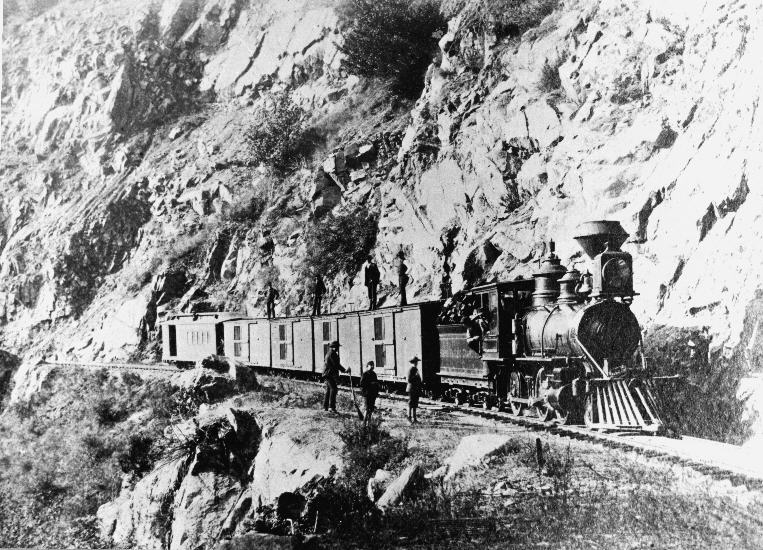
The Story Behind Those Old Train Tunnels in the Santa Cruz Mountains
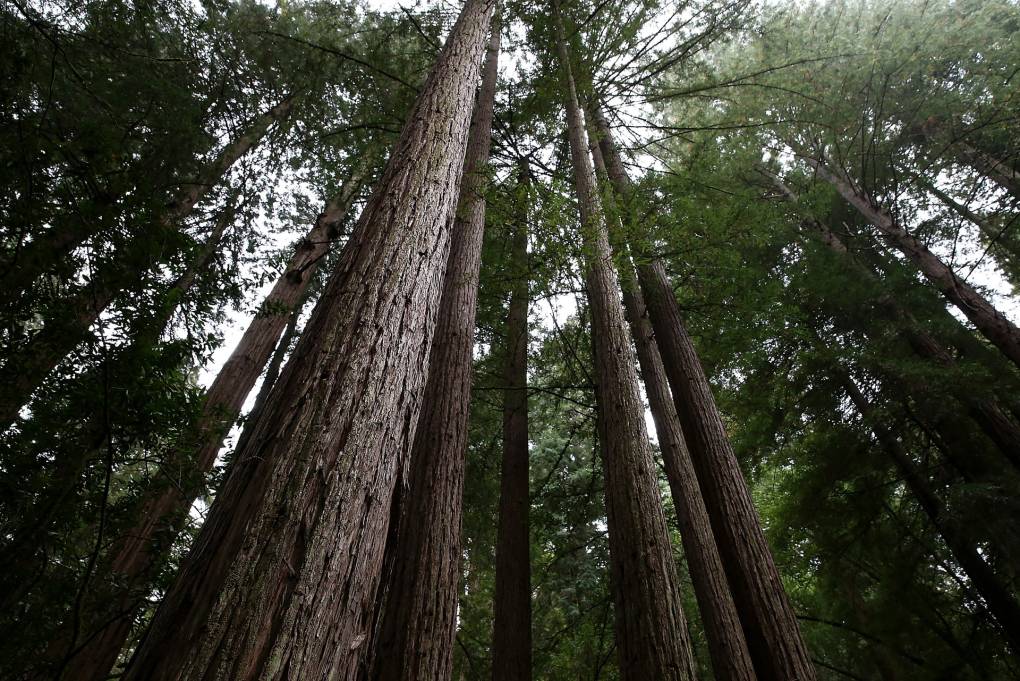
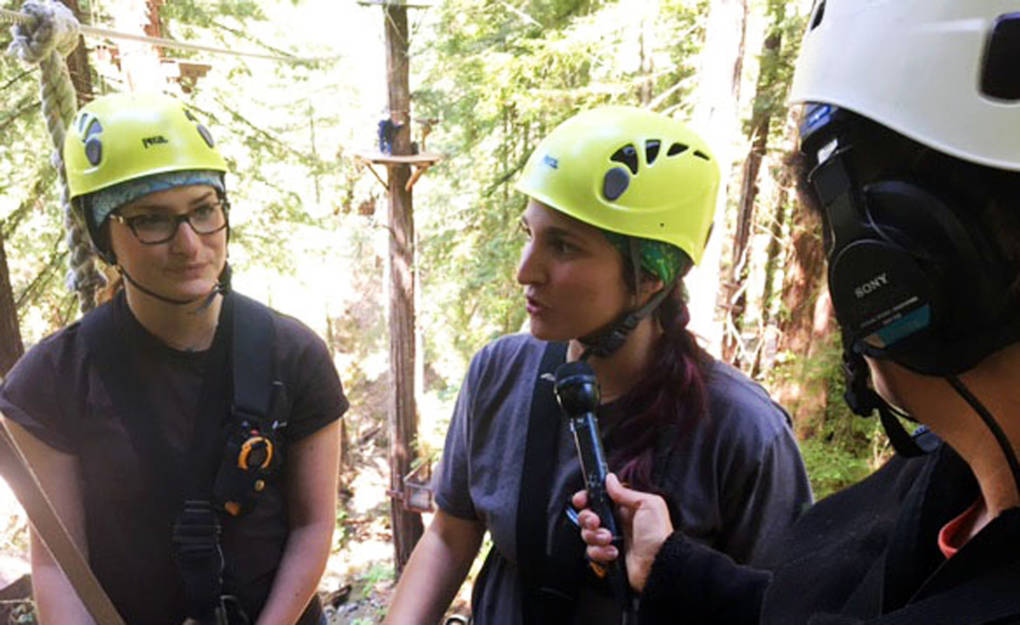
What Big Basin's Redwoods Mean to You (and Why They'll Be OK)
Sponsored
Player sponsored by
window.__IS_SSR__=true
window.__INITIAL_STATE__={
"attachmentsReducer": {
"audio_0": {
"type": "attachments",
"id": "audio_0",
"imgSizes": {
"kqedFullSize": {
"file": "https://ww2.kqed.org/news/wp-content/themes/KQED-unified/img/audio_bgs/background0.jpg"
}
}
},
"audio_1": {
"type": "attachments",
"id": "audio_1",
"imgSizes": {
"kqedFullSize": {
"file": "https://ww2.kqed.org/news/wp-content/themes/KQED-unified/img/audio_bgs/background1.jpg"
}
}
},
"audio_2": {
"type": "attachments",
"id": "audio_2",
"imgSizes": {
"kqedFullSize": {
"file": "https://ww2.kqed.org/news/wp-content/themes/KQED-unified/img/audio_bgs/background2.jpg"
}
}
},
"audio_3": {
"type": "attachments",
"id": "audio_3",
"imgSizes": {
"kqedFullSize": {
"file": "https://ww2.kqed.org/news/wp-content/themes/KQED-unified/img/audio_bgs/background3.jpg"
}
}
},
"audio_4": {
"type": "attachments",
"id": "audio_4",
"imgSizes": {
"kqedFullSize": {
"file": "https://ww2.kqed.org/news/wp-content/themes/KQED-unified/img/audio_bgs/background4.jpg"
}
}
},
"placeholder": {
"type": "attachments",
"id": "placeholder",
"imgSizes": {
"thumbnail": {
"file": "https://cdn.kqed.org/wp-content/uploads/2024/12/KQED-Default-Image-816638274-2000x1333-1-160x107.jpg",
"width": 160,
"height": 107,
"mimeType": "image/jpeg"
},
"medium": {
"file": "https://cdn.kqed.org/wp-content/uploads/2024/12/KQED-Default-Image-816638274-2000x1333-1-800x533.jpg",
"width": 800,
"height": 533,
"mimeType": "image/jpeg"
},
"medium_large": {
"file": "https://cdn.kqed.org/wp-content/uploads/2024/12/KQED-Default-Image-816638274-2000x1333-1-768x512.jpg",
"width": 768,
"height": 512,
"mimeType": "image/jpeg"
},
"large": {
"file": "https://cdn.kqed.org/wp-content/uploads/2024/12/KQED-Default-Image-816638274-2000x1333-1-1020x680.jpg",
"width": 1020,
"height": 680,
"mimeType": "image/jpeg"
},
"1536x1536": {
"file": "https://cdn.kqed.org/wp-content/uploads/2024/12/KQED-Default-Image-816638274-2000x1333-1-1536x1024.jpg",
"width": 1536,
"height": 1024,
"mimeType": "image/jpeg"
},
"fd-lrg": {
"file": "https://cdn.kqed.org/wp-content/uploads/2024/12/KQED-Default-Image-816638274-2000x1333-1-1536x1024.jpg",
"width": 1536,
"height": 1024,
"mimeType": "image/jpeg"
},
"fd-med": {
"file": "https://cdn.kqed.org/wp-content/uploads/2024/12/KQED-Default-Image-816638274-2000x1333-1-1020x680.jpg",
"width": 1020,
"height": 680,
"mimeType": "image/jpeg"
},
"fd-sm": {
"file": "https://cdn.kqed.org/wp-content/uploads/2024/12/KQED-Default-Image-816638274-2000x1333-1-800x533.jpg",
"width": 800,
"height": 533,
"mimeType": "image/jpeg"
},
"post-thumbnail": {
"file": "https://cdn.kqed.org/wp-content/uploads/2024/12/KQED-Default-Image-816638274-2000x1333-1-672x372.jpg",
"width": 672,
"height": 372,
"mimeType": "image/jpeg"
},
"twentyfourteen-full-width": {
"file": "https://cdn.kqed.org/wp-content/uploads/2024/12/KQED-Default-Image-816638274-2000x1333-1-1038x576.jpg",
"width": 1038,
"height": 576,
"mimeType": "image/jpeg"
},
"xxsmall": {
"file": "https://cdn.kqed.org/wp-content/uploads/2024/12/KQED-Default-Image-816638274-2000x1333-1-160x107.jpg",
"width": 160,
"height": 107,
"mimeType": "image/jpeg"
},
"xsmall": {
"file": "https://cdn.kqed.org/wp-content/uploads/2024/12/KQED-Default-Image-816638274-2000x1333-1-672x372.jpg",
"width": 672,
"height": 372,
"mimeType": "image/jpeg"
},
"small": {
"file": "https://cdn.kqed.org/wp-content/uploads/2024/12/KQED-Default-Image-816638274-2000x1333-1-672x372.jpg",
"width": 672,
"height": 372,
"mimeType": "image/jpeg"
},
"xlarge": {
"file": "https://cdn.kqed.org/wp-content/uploads/2024/12/KQED-Default-Image-816638274-2000x1333-1-1020x680.jpg",
"width": 1020,
"height": 680,
"mimeType": "image/jpeg"
},
"full-width": {
"file": "https://cdn.kqed.org/wp-content/uploads/2024/12/KQED-Default-Image-816638274-2000x1333-1-1920x1280.jpg",
"width": 1920,
"height": 1280,
"mimeType": "image/jpeg"
},
"guest-author-32": {
"file": "https://cdn.kqed.org/wp-content/uploads/2025/01/KQED-Default-Image-816638274-1333x1333-1-160x160.jpg",
"width": 32,
"height": 32,
"mimeType": "image/jpeg"
},
"guest-author-50": {
"file": "https://cdn.kqed.org/wp-content/uploads/2025/01/KQED-Default-Image-816638274-1333x1333-1-160x160.jpg",
"width": 50,
"height": 50,
"mimeType": "image/jpeg"
},
"guest-author-64": {
"file": "https://cdn.kqed.org/wp-content/uploads/2025/01/KQED-Default-Image-816638274-1333x1333-1-160x160.jpg",
"width": 64,
"height": 64,
"mimeType": "image/jpeg"
},
"guest-author-96": {
"file": "https://cdn.kqed.org/wp-content/uploads/2025/01/KQED-Default-Image-816638274-1333x1333-1-160x160.jpg",
"width": 96,
"height": 96,
"mimeType": "image/jpeg"
},
"guest-author-128": {
"file": "https://cdn.kqed.org/wp-content/uploads/2025/01/KQED-Default-Image-816638274-1333x1333-1-160x160.jpg",
"width": 128,
"height": 128,
"mimeType": "image/jpeg"
},
"detail": {
"file": "https://cdn.kqed.org/wp-content/uploads/2025/01/KQED-Default-Image-816638274-1333x1333-1-160x160.jpg",
"width": 160,
"height": 160,
"mimeType": "image/jpeg"
},
"kqedFullSize": {
"file": "https://cdn.kqed.org/wp-content/uploads/2024/12/KQED-Default-Image-816638274-2000x1333-1.jpg",
"width": 2000,
"height": 1333
}
}
},
"news_12050853": {
"type": "attachments",
"id": "news_12050853",
"meta": {
"index": "attachments_1716263798",
"site": "news",
"id": "12050853",
"found": true
},
"title": "muir-woods-reservation-alternative",
"publishDate": 1754334615,
"status": "inherit",
"parent": 12050823,
"modified": 1754334679,
"caption": "If you strike out with a Muir Woods parking reservation, the Bay Area still holds other beautiful redwood forests, like Armstrong Redwoods State Natural Reserve.",
"credit": "Hotaik Sung/Getty",
"altTag": null,
"description": null,
"imgSizes": {
"thumbnail": {
"file": "https://cdn.kqed.org/wp-content/uploads/sites/10/2025/08/Armstrong-Redwoods-1-160x98.png",
"width": 160,
"height": 98,
"mimeType": "image/png"
},
"1536x1536": {
"file": "https://cdn.kqed.org/wp-content/uploads/sites/10/2025/08/Armstrong-Redwoods-1-1536x941.png",
"width": 1536,
"height": 941,
"mimeType": "image/png"
},
"post-thumbnail": {
"file": "https://cdn.kqed.org/wp-content/uploads/sites/10/2025/08/Armstrong-Redwoods-1-672x372.png",
"width": 672,
"height": 372,
"mimeType": "image/png"
},
"twentyfourteen-full-width": {
"file": "https://cdn.kqed.org/wp-content/uploads/sites/10/2025/08/Armstrong-Redwoods-1-1038x576.png",
"width": 1038,
"height": 576,
"mimeType": "image/png"
},
"kqedFullSize": {
"file": "https://cdn.kqed.org/wp-content/uploads/sites/10/2025/08/Armstrong-Redwoods-1.png",
"width": 1920,
"height": 1176
}
},
"fetchFailed": false,
"isLoading": false
},
"news_12009341": {
"type": "attachments",
"id": "news_12009341",
"meta": {
"index": "attachments_1716263798",
"site": "news",
"id": "12009341",
"found": true
},
"title": "241014-GREAT REDWOOD TRAIL-AW-01",
"publishDate": 1728927424,
"status": "inherit",
"parent": 0,
"modified": 1729206735,
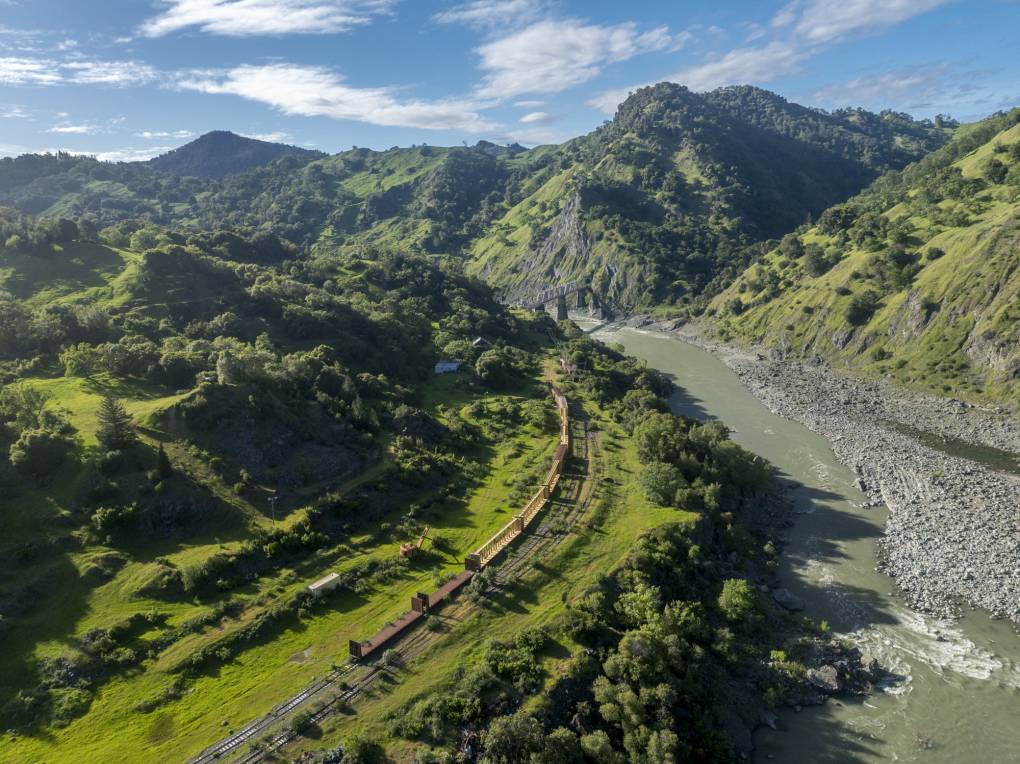
"caption": "The now-defunct Pacific Northwestern Railroad snakes along the Xa-Cho or Eel River in Trinity County. This terrain is prone to landslides and sediment erosion, making it especially treacherous for large infrastructure projects.",
"credit": "Anthony Wells",
"altTag": "An aerial view of a landscape of mountains and forest with a railroad next to a body of water.",
"description": null,
"imgSizes": {
"medium": {
"file": "https://cdn.kqed.org/wp-content/uploads/sites/10/2024/10/241014-GREAT-REDWOOD-TRAIL-AW-01-800x599.jpg",
"width": 800,
"height": 599,
"mimeType": "image/jpeg"
},
"large": {
"file": "https://cdn.kqed.org/wp-content/uploads/sites/10/2024/10/241014-GREAT-REDWOOD-TRAIL-AW-01-1020x764.jpg",
"width": 1020,
"height": 764,
"mimeType": "image/jpeg"
},
"thumbnail": {
"file": "https://cdn.kqed.org/wp-content/uploads/sites/10/2024/10/241014-GREAT-REDWOOD-TRAIL-AW-01-160x120.jpg",
"width": 160,
"height": 120,
"mimeType": "image/jpeg"
},
"1536x1536": {
"file": "https://cdn.kqed.org/wp-content/uploads/sites/10/2024/10/241014-GREAT-REDWOOD-TRAIL-AW-01-1536x1150.jpg",
"width": 1536,
"height": 1150,
"mimeType": "image/jpeg"
},
"post-thumbnail": {
"file": "https://cdn.kqed.org/wp-content/uploads/sites/10/2024/10/241014-GREAT-REDWOOD-TRAIL-AW-01-672x372.jpg",
"width": 672,
"height": 372,
"mimeType": "image/jpeg"
},
"twentyfourteen-full-width": {
"file": "https://cdn.kqed.org/wp-content/uploads/sites/10/2024/10/241014-GREAT-REDWOOD-TRAIL-AW-01-1038x576.jpg",
"width": 1038,
"height": 576,
"mimeType": "image/jpeg"
},
"full-width": {
"file": "https://cdn.kqed.org/wp-content/uploads/sites/10/2024/10/241014-GREAT-REDWOOD-TRAIL-AW-01-1920x1438.jpg",
"width": 1920,
"height": 1438,
"mimeType": "image/jpeg"
},
"kqedFullSize": {
"file": "https://cdn.kqed.org/wp-content/uploads/sites/10/2024/10/241014-GREAT-REDWOOD-TRAIL-AW-01.jpg",
"width": 2000,
"height": 1498
}
},
"fetchFailed": false,
"isLoading": false
},
"news_12001697": {
"type": "attachments",
"id": "news_12001697",
"meta": {
"index": "attachments_1716263798",
"site": "news",
"id": "12001697",
"found": true
},
"title": "Drought Woes Continue in Sonoma County",
"publishDate": 1724447947,
"status": "inherit",
"parent": 12001666,
"modified": 1724448014,
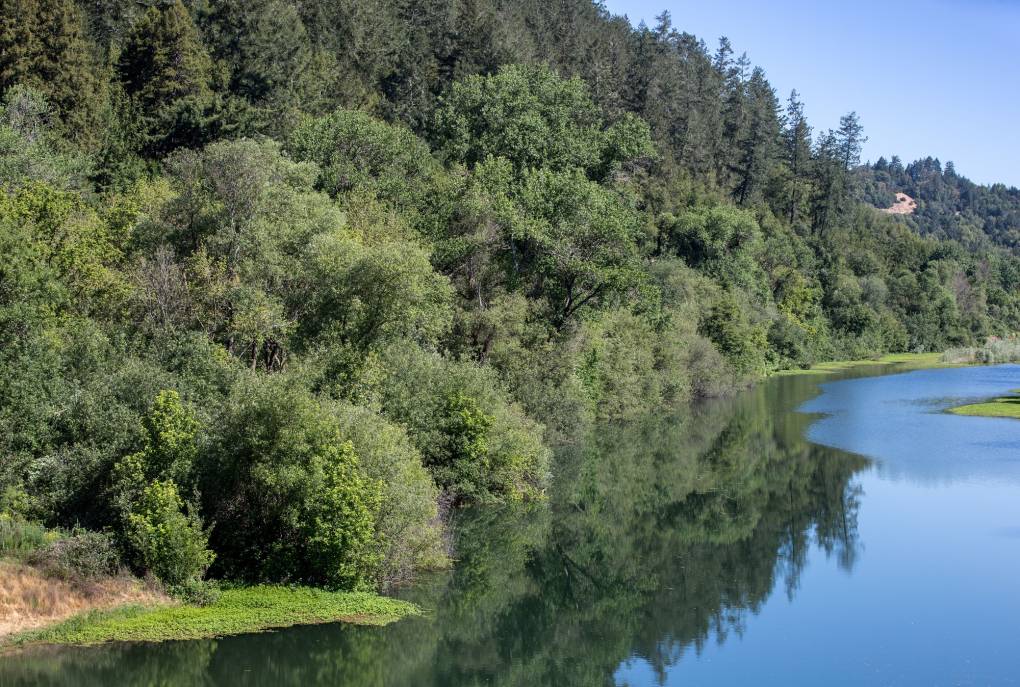
"caption": "The Russian River is viewed flowing near Wohler Bridge on June 3, 2021, near Healdsburg, California.",
"credit": "George Rose/Getty Images",
"altTag": null,
"description": null,
"imgSizes": {
"medium": {
"file": "https://cdn.kqed.org/wp-content/uploads/sites/10/2024/08/RussianRiverTreesGetty-800x539.jpg",
"width": 800,
"height": 539,
"mimeType": "image/jpeg"
},
"large": {
"file": "https://cdn.kqed.org/wp-content/uploads/sites/10/2024/08/RussianRiverTreesGetty-1020x687.jpg",
"width": 1020,
"height": 687,
"mimeType": "image/jpeg"
},
"thumbnail": {
"file": "https://cdn.kqed.org/wp-content/uploads/sites/10/2024/08/RussianRiverTreesGetty-160x108.jpg",
"width": 160,
"height": 108,
"mimeType": "image/jpeg"
},
"1536x1536": {
"file": "https://cdn.kqed.org/wp-content/uploads/sites/10/2024/08/RussianRiverTreesGetty-1536x1035.jpg",
"width": 1536,
"height": 1035,
"mimeType": "image/jpeg"
},
"post-thumbnail": {
"file": "https://cdn.kqed.org/wp-content/uploads/sites/10/2024/08/RussianRiverTreesGetty-672x372.jpg",
"width": 672,
"height": 372,
"mimeType": "image/jpeg"
},
"twentyfourteen-full-width": {
"file": "https://cdn.kqed.org/wp-content/uploads/sites/10/2024/08/RussianRiverTreesGetty-1038x576.jpg",
"width": 1038,
"height": 576,
"mimeType": "image/jpeg"
},
"full-width": {
"file": "https://cdn.kqed.org/wp-content/uploads/sites/10/2024/08/RussianRiverTreesGetty-1920x1294.jpg",
"width": 1920,
"height": 1294,
"mimeType": "image/jpeg"
},
"kqedFullSize": {
"file": "https://cdn.kqed.org/wp-content/uploads/sites/10/2024/08/RussianRiverTreesGetty.jpg",
"width": 2000,
"height": 1348
}
},
"fetchFailed": false,
"isLoading": false
},
"news_11980072": {
"type": "attachments",
"id": "news_11980072",
"meta": {
"index": "attachments_1716263798",
"site": "news",
"id": "11980072",
"found": true
},
"parent": 11980053,
"imgSizes": {
"twentyfourteen-full-width": {
"file": "https://cdn.kqed.org/wp-content/uploads/sites/10/2024/03/GettyImages-1233880064-1024x576.jpg",
"width": 1024,
"mimeType": "image/jpeg",
"height": 576
},
"thumbnail": {
"file": "https://cdn.kqed.org/wp-content/uploads/sites/10/2024/03/GettyImages-1233880064-160x107.jpg",
"width": 160,
"mimeType": "image/jpeg",
"height": 107
},
"post-thumbnail": {
"file": "https://cdn.kqed.org/wp-content/uploads/sites/10/2024/03/GettyImages-1233880064-672x372.jpg",
"width": 672,
"mimeType": "image/jpeg",
"height": 372
},
"kqedFullSize": {
"file": "https://cdn.kqed.org/wp-content/uploads/sites/10/2024/03/GettyImages-1233880064.jpg",
"width": 1024,
"height": 683
},
"large": {
"file": "https://cdn.kqed.org/wp-content/uploads/sites/10/2024/03/GettyImages-1233880064-1020x680.jpg",
"width": 1020,
"mimeType": "image/jpeg",
"height": 680
},
"medium": {
"file": "https://cdn.kqed.org/wp-content/uploads/sites/10/2024/03/GettyImages-1233880064-800x534.jpg",
"width": 800,
"mimeType": "image/jpeg",
"height": 534
}
},
"publishDate": 1710895010,
"modified": 1710895081,
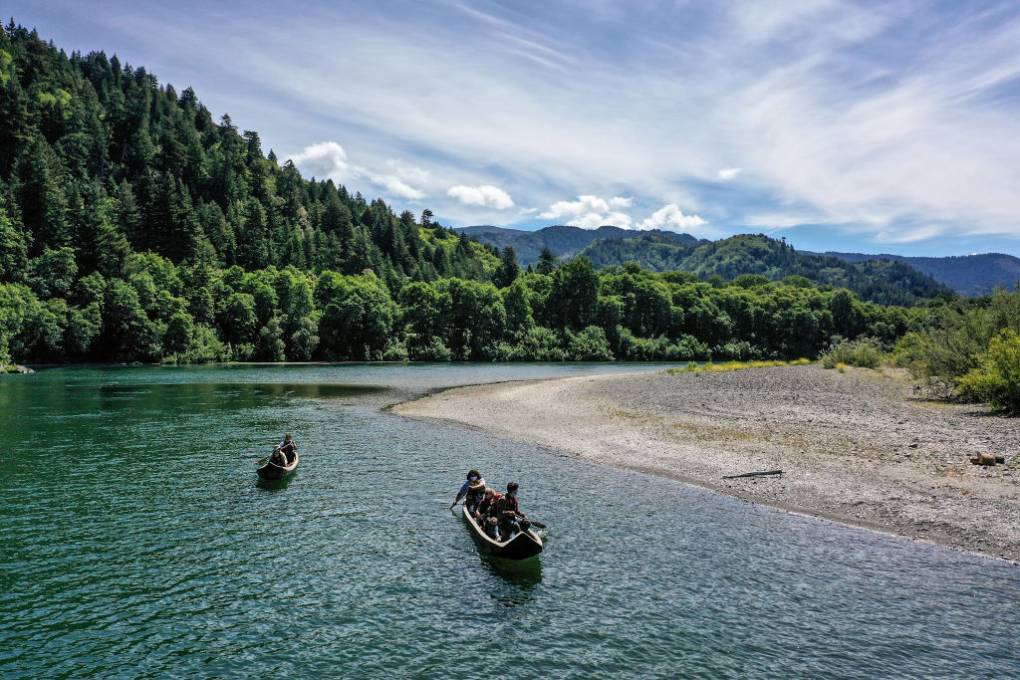
"caption": "Yurok guides paddle tourists along the Klamath River in traditional canoes hand crafted from Redwood trees on June 10, 2021. ",
"description": null,
"title": "Redwood Yurok Canoe Tours on the Klamath River",
"credit": "Robert Gauthier/Los Angeles Times via Getty Images",
"status": "inherit",
"altTag": null,
"fetchFailed": false,
"isLoading": false
},
"news_11953579": {
"type": "attachments",
"id": "news_11953579",
"meta": {
"index": "attachments_1716263798",
"site": "news",
"id": "11953579",
"found": true
},
"parent": 11953504,
"imgSizes": {
"twentyfourteen-full-width": {
"file": "https://ww2.kqed.org/app/uploads/sites/10/2023/06/RS40604_GettyImages-177068762-qut-1038x576.jpg",
"width": 1038,
"mimeType": "image/jpeg",
"height": 576
},
"thumbnail": {
"file": "https://ww2.kqed.org/app/uploads/sites/10/2023/06/RS40604_GettyImages-177068762-qut-160x107.jpg",
"width": 160,
"mimeType": "image/jpeg",
"height": 107
},
"post-thumbnail": {
"file": "https://ww2.kqed.org/app/uploads/sites/10/2023/06/RS40604_GettyImages-177068762-qut-672x372.jpg",
"width": 672,
"mimeType": "image/jpeg",
"height": 372
},
"kqedFullSize": {
"file": "https://ww2.kqed.org/app/uploads/sites/10/2023/06/RS40604_GettyImages-177068762-qut.jpg",
"width": 1920,
"height": 1281
},
"large": {
"file": "https://ww2.kqed.org/app/uploads/sites/10/2023/06/RS40604_GettyImages-177068762-qut-1020x681.jpg",
"width": 1020,
"mimeType": "image/jpeg",
"height": 681
},
"1536x1536": {
"file": "https://ww2.kqed.org/app/uploads/sites/10/2023/06/RS40604_GettyImages-177068762-qut-1536x1025.jpg",
"width": 1536,
"mimeType": "image/jpeg",
"height": 1025
},
"medium": {
"file": "https://ww2.kqed.org/app/uploads/sites/10/2023/06/RS40604_GettyImages-177068762-qut-800x534.jpg",
"width": 800,
"mimeType": "image/jpeg",
"height": 534
}
},
"publishDate": 1687373559,
"modified": 1687387445,
"caption": "Coastal redwood trees stand at Muir Woods National Monument on Aug. 20, 2013.",
"description": null,
"title": "Sequoias And Coastal Redwoods Appear To Flourish Despite Climate Change",
"credit": "Justin Sullivan/Getty Images",
"status": "inherit",
"altTag": "Looking upward at some very tall redwood trees.",
"fetchFailed": false,
"isLoading": false
},
"news_11528711": {
"type": "attachments",
"id": "news_11528711",
"meta": {
"index": "attachments_1716263798",
"site": "news",
"id": "11528711",
"found": true
},
"parent": 11524457,
"imgSizes": {
"small": {
"file": "https://ww2.kqed.org/app/uploads/sites/10/2017/06/ZiplineGuides-520x319.jpg",
"width": 520,
"mimeType": "image/jpeg",
"height": 319
},
"twentyfourteen-full-width": {
"file": "https://ww2.kqed.org/app/uploads/sites/10/2017/06/ZiplineGuides-1038x576.jpg",
"width": 1038,
"mimeType": "image/jpeg",
"height": 576
},
"thumbnail": {
"file": "https://ww2.kqed.org/app/uploads/sites/10/2017/06/ZiplineGuides-160x98.jpg",
"width": 160,
"mimeType": "image/jpeg",
"height": 98
},
"fd-sm": {
"file": "https://ww2.kqed.org/app/uploads/sites/10/2017/06/ZiplineGuides-960x589.jpg",
"width": 960,
"mimeType": "image/jpeg",
"height": 589
},
"post-thumbnail": {
"file": "https://ww2.kqed.org/app/uploads/sites/10/2017/06/ZiplineGuides-672x372.jpg",
"width": 672,
"mimeType": "image/jpeg",
"height": 372
},
"xsmall": {
"file": "https://ww2.kqed.org/app/uploads/sites/10/2017/06/ZiplineGuides-375x230.jpg",
"width": 375,
"mimeType": "image/jpeg",
"height": 230
},
"kqedFullSize": {
"file": "https://ww2.kqed.org/app/uploads/sites/10/2017/06/ZiplineGuides.jpg",
"width": 1920,
"height": 1177
},
"large": {
"file": "https://ww2.kqed.org/app/uploads/sites/10/2017/06/ZiplineGuides-1020x625.jpg",
"width": 1020,
"mimeType": "image/jpeg",
"height": 625
},
"xlarge": {
"file": "https://ww2.kqed.org/app/uploads/sites/10/2017/06/ZiplineGuides-1180x723.jpg",
"width": 1180,
"mimeType": "image/jpeg",
"height": 723
},
"guest-author-50": {
"file": "https://ww2.kqed.org/app/uploads/sites/10/2017/06/ZiplineGuides-50x50.jpg",
"width": 50,
"mimeType": "image/jpeg",
"height": 50
},
"guest-author-96": {
"file": "https://ww2.kqed.org/app/uploads/sites/10/2017/06/ZiplineGuides-96x96.jpg",
"width": 96,
"mimeType": "image/jpeg",
"height": 96
},
"medium": {
"file": "https://ww2.kqed.org/app/uploads/sites/10/2017/06/ZiplineGuides-800x490.jpg",
"width": 800,
"mimeType": "image/jpeg",
"height": 490
},
"guest-author-64": {
"file": "https://ww2.kqed.org/app/uploads/sites/10/2017/06/ZiplineGuides-64x64.jpg",
"width": 64,
"mimeType": "image/jpeg",
"height": 64
},
"guest-author-32": {
"file": "https://ww2.kqed.org/app/uploads/sites/10/2017/06/ZiplineGuides-32x32.jpg",
"width": 32,
"mimeType": "image/jpeg",
"height": 32
},
"fd-lrg": {
"file": "https://ww2.kqed.org/app/uploads/sites/10/2017/06/ZiplineGuides-1920x1177.jpg",
"width": 1920,
"mimeType": "image/jpeg",
"height": 1177
},
"fd-med": {
"file": "https://ww2.kqed.org/app/uploads/sites/10/2017/06/ZiplineGuides-1180x723.jpg",
"width": 1180,
"mimeType": "image/jpeg",
"height": 723
},
"full-width": {
"file": "https://ww2.kqed.org/app/uploads/sites/10/2017/06/ZiplineGuides-1920x1177.jpg",
"width": 1920,
"mimeType": "image/jpeg",
"height": 1177
},
"detail": {
"file": "https://ww2.kqed.org/app/uploads/sites/10/2017/06/ZiplineGuides-150x150.jpg",
"width": 150,
"mimeType": "image/jpeg",
"height": 150
},
"guest-author-128": {
"file": "https://ww2.kqed.org/app/uploads/sites/10/2017/06/ZiplineGuides-128x128.jpg",
"width": 128,
"mimeType": "image/jpeg",
"height": 128
},
"xxsmall": {
"file": "https://ww2.kqed.org/app/uploads/sites/10/2017/06/ZiplineGuides-240x147.jpg",
"width": 240,
"mimeType": "image/jpeg",
"height": 147
}
},
"publishDate": 1498259998,
"modified": 1498260023,
"caption": "Did you know you could go ziplining in Sonoma County? Host Sasha Khokha interviews zipline guides high above the redwoods.",
"description": "Did you know you could go ziplining in Sonoma County? Host Sasha Khokha interviews zipline guides high above the redwoods.",
"title": "ZiplineGuides",
"credit": "Suzie Racho/KQED",
"status": "inherit",
"fetchFailed": false,
"isLoading": false
},
"news_11886597": {
"type": "attachments",
"id": "news_11886597",
"meta": {
"index": "attachments_1716263798",
"site": "news",
"id": "11886597",
"found": true
},
"parent": 11886288,
"imgSizes": {
"twentyfourteen-full-width": {
"file": "https://ww2.kqed.org/app/uploads/sites/10/2021/08/LOST-AND-FOUND-CZU-Main-800x576.jpg",
"width": 800,
"mimeType": "image/jpeg",
"height": 576
},
"thumbnail": {
"file": "https://ww2.kqed.org/app/uploads/sites/10/2021/08/LOST-AND-FOUND-CZU-Main-160x121.jpg",
"width": 160,
"mimeType": "image/jpeg",
"height": 121
},
"post-thumbnail": {
"file": "https://ww2.kqed.org/app/uploads/sites/10/2021/08/LOST-AND-FOUND-CZU-Main-672x372.jpg",
"width": 672,
"mimeType": "image/jpeg",
"height": 372
},
"kqedFullSize": {
"file": "https://ww2.kqed.org/app/uploads/sites/10/2021/08/LOST-AND-FOUND-CZU-Main.jpg",
"width": 800,
"height": 605
}
},
"publishDate": 1630089799,
"modified": 1630110814,
"caption": "Rolo Commons, 6, holds a charred toy truck that was salvaged from his grandmother's house after last year's CZU Lightning Complex fires.",
"description": "Rolo Commons, 6, holds a charred toy truck that was salvaged from his grandmother's house after last year's CZU August Complex fires.",
"title": "LOST-AND-FOUND-CZU-Main",
"credit": "Courtesy Shmuel Thaler",
"status": "inherit",
"altTag": null,
"fetchFailed": false,
"isLoading": false
},
"news_11869359": {
"type": "attachments",
"id": "news_11869359",
"meta": {
"index": "attachments_1716263798",
"site": "news",
"id": "11869359",
"found": true
},
"parent": 11869346,
"imgSizes": {
"thumbnail": {
"file": "https://ww2.kqed.org/app/uploads/sites/10/2021/04/Santa-Cruz-Railroad-1-160x115.jpg",
"width": 160,
"mimeType": "image/jpeg",
"height": 115
},
"post-thumbnail": {
"file": "https://ww2.kqed.org/app/uploads/sites/10/2021/04/Santa-Cruz-Railroad-1-672x372.jpg",
"width": 672,
"mimeType": "image/jpeg",
"height": 372
},
"kqedFullSize": {
"file": "https://ww2.kqed.org/app/uploads/sites/10/2021/04/Santa-Cruz-Railroad-1.jpg",
"width": 763,
"height": 550
}
},
"publishDate": 1618360202,
"modified": 1618439482,
"caption": "A South Pacific Coast Railroad train stopped for a photograph in San Lorenzo Gorge in the 1880s.",
"description": null,
"title": "Santa Cruz Railroad 1",
"credit": "Courtesy of Derek Whaley",
"status": "inherit",
"altTag": null,
"fetchFailed": false,
"isLoading": false
},
"news_11836416": {
"type": "attachments",
"id": "news_11836416",
"meta": {
"index": "attachments_1716263798",
"site": "news",
"id": "11836416",
"found": true
},
"parent": 11836117,
"imgSizes": {
"apple_news_ca_landscape_5_5": {
"file": "https://ww2.kqed.org/app/uploads/sites/10/2020/09/Big-Basin-3.jpg-1044x783.png",
"width": 1044,
"mimeType": "image/png",
"height": 783
},
"apple_news_ca_square_4_0": {
"file": "https://ww2.kqed.org/app/uploads/sites/10/2020/09/Big-Basin-3.jpg-470x470.png",
"width": 470,
"mimeType": "image/png",
"height": 470
},
"twentyfourteen-full-width": {
"file": "https://ww2.kqed.org/app/uploads/sites/10/2020/09/Big-Basin-3.jpg-1038x576.png",
"width": 1038,
"mimeType": "image/png",
"height": 576
},
"thumbnail": {
"file": "https://ww2.kqed.org/app/uploads/sites/10/2020/09/Big-Basin-3.jpg-160x108.png",
"width": 160,
"mimeType": "image/png",
"height": 108
},
"post-thumbnail": {
"file": "https://ww2.kqed.org/app/uploads/sites/10/2020/09/Big-Basin-3.jpg-672x372.png",
"width": 672,
"mimeType": "image/png",
"height": 372
},
"kqedFullSize": {
"file": "https://ww2.kqed.org/app/uploads/sites/10/2020/09/Big-Basin-3.jpg.png",
"width": 1900,
"height": 1280
},
"apple_news_ca_landscape_4_7": {
"file": "https://ww2.kqed.org/app/uploads/sites/10/2020/09/Big-Basin-3.jpg-632x474.png",
"width": 632,
"mimeType": "image/png",
"height": 474
},
"large": {
"file": "https://ww2.kqed.org/app/uploads/sites/10/2020/09/Big-Basin-3.jpg-1020x687.png",
"width": 1020,
"mimeType": "image/png",
"height": 687
},
"apple_news_ca_landscape_4_0": {
"file": "https://ww2.kqed.org/app/uploads/sites/10/2020/09/Big-Basin-3.jpg-536x402.png",
"width": 536,
"mimeType": "image/png",
"height": 402
},
"apple_news_ca_portrait_12_9": {
"file": "https://ww2.kqed.org/app/uploads/sites/10/2020/09/Big-Basin-3.jpg-1122x1280.png",
"width": 1122,
"mimeType": "image/png",
"height": 1280
},
"medium": {
"file": "https://ww2.kqed.org/app/uploads/sites/10/2020/09/Big-Basin-3.jpg-800x539.png",
"width": 800,
"mimeType": "image/png",
"height": 539
},
"apple_news_ca_portrait_4_0": {
"file": "https://ww2.kqed.org/app/uploads/sites/10/2020/09/Big-Basin-3.jpg-354x472.png",
"width": 354,
"mimeType": "image/png",
"height": 472
},
"apple_news_ca_portrait_9_7": {
"file": "https://ww2.kqed.org/app/uploads/sites/10/2020/09/Big-Basin-3.jpg-840x1120.png",
"width": 840,
"mimeType": "image/png",
"height": 1120
},
"apple_news_ca_landscape_12_9": {
"file": "https://ww2.kqed.org/app/uploads/sites/10/2020/09/Big-Basin-3.jpg-1832x1280.png",
"width": 1832,
"mimeType": "image/png",
"height": 1280
},
"apple_news_ca_square_9_7": {
"file": "https://ww2.kqed.org/app/uploads/sites/10/2020/09/Big-Basin-3.jpg-1104x1104.png",
"width": 1104,
"mimeType": "image/png",
"height": 1104
},
"1536x1536": {
"file": "https://ww2.kqed.org/app/uploads/sites/10/2020/09/Big-Basin-3.jpg-1536x1035.png",
"width": 1536,
"mimeType": "image/png",
"height": 1035
},
"apple_news_ca_portrait_4_7": {
"file": "https://ww2.kqed.org/app/uploads/sites/10/2020/09/Big-Basin-3.jpg-414x552.png",
"width": 414,
"mimeType": "image/png",
"height": 552
},
"apple_news_ca_square_12_9": {
"file": "https://ww2.kqed.org/app/uploads/sites/10/2020/09/Big-Basin-3.jpg-1472x1280.png",
"width": 1472,
"mimeType": "image/png",
"height": 1280
},
"apple_news_ca_portrait_5_5": {
"file": "https://ww2.kqed.org/app/uploads/sites/10/2020/09/Big-Basin-3.jpg-687x916.png",
"width": 687,
"mimeType": "image/png",
"height": 916
},
"apple_news_ca_square_4_7": {
"file": "https://ww2.kqed.org/app/uploads/sites/10/2020/09/Big-Basin-3.jpg-550x550.png",
"width": 550,
"mimeType": "image/png",
"height": 550
},
"apple_news_ca_landscape_9_7": {
"file": "https://ww2.kqed.org/app/uploads/sites/10/2020/09/Big-Basin-3.jpg-1376x1032.png",
"width": 1376,
"mimeType": "image/png",
"height": 1032
},
"apple_news_ca_square_5_5": {
"file": "https://ww2.kqed.org/app/uploads/sites/10/2020/09/Big-Basin-3.jpg-912x912.png",
"width": 912,
"mimeType": "image/png",
"height": 912
}
},
"publishDate": 1599084008,
"modified": 1599084050,
"caption": "Big Basin Redwoods State Park, captured by Stephanie Wu ",
"description": null,
"title": "bigbasin",
"credit": "Stephanie Wu",
"status": "inherit",
"fetchFailed": false,
"isLoading": false
}
},
"audioPlayerReducer": {
"postId": "stream_live",
"isPaused": true,
"isPlaying": false,
"pfsActive": false,
"pledgeModalIsOpen": true,
"playerDrawerIsOpen": false
},
"authorsReducer": {
"byline_news_11980053": {
"type": "authors",
"id": "byline_news_11980053",
"meta": {
"override": true
},
"slug": "byline_news_11980053",
"name": "Julie Watson\u003cbr>Associated Press",
"isLoading": false
},
"byline_news_11836117": {
"type": "authors",
"id": "byline_news_11836117",
"meta": {
"override": true
},
"slug": "byline_news_11836117",
"name": "Carly Severn and Katrina Schwartz",
"isLoading": false
},
"sasha-khokha": {
"type": "authors",
"id": "254",
"meta": {
"index": "authors_1716337520",
"id": "254",
"found": true
},
"name": "Sasha Khokha",
"firstName": "Sasha",
"lastName": "Khokha",
"slug": "sasha-khokha",
"email": "skhokha@kqed.org",
"display_author_email": true,
"staff_mastheads": [
"news"
],
"title": "Host, The California Report Magazine",
"bio": "Sasha Khokha is the host of \u003cem>The California Report's \u003c/em> weekly magazine program, which takes listeners on sound-rich excursions to meet the people that make the Golden State unique -- through audio documentaries and long-form stories. As \u003cem>The California Report's\u003c/em> Central Valley Bureau Chief based in Fresno for nearly a dozen years, Sasha brought the lives and concerns of rural Californians to listeners around the state. Her reporting helped expose the hidden price immigrant women janitors and farmworkers may pay to keep their jobs: sexual assault at work. It inspired two new California laws to protect them from sexual harassment. She was a key member of the reporting team for the Frontline film \u003cem>Rape on the Night Shift, \u003c/em>which was nominated for two national Emmys. Sasha has also won a national Edward R. Murrow and a national PRNDI award for investigative reporting, as well as multiple prizes from the Society for Professional Journalists. Sasha is a proud alum of the UC Berkeley Graduate School of Journalism and Brown University and a member of the South Asian Journalists Association.",
"avatar": "https://secure.gravatar.com/avatar/e4b5e1541aaeea2aa356aa1fb2a68950?s=600&d=blank&r=g",
"twitter": "KQEDSashaKhokha",
"facebook": null,
"instagram": null,
"linkedin": null,
"sites": [
{
"site": "news",
"roles": [
"editor"
]
},
{
"site": "stateofhealth",
"roles": [
"author"
]
},
{
"site": "science",
"roles": [
"author"
]
},
{
"site": "quest",
"roles": [
"subscriber"
]
}
],
"headData": {
"title": "Sasha Khokha | KQED",
"description": "Host, The California Report Magazine",
"ogImgSrc": "https://secure.gravatar.com/avatar/e4b5e1541aaeea2aa356aa1fb2a68950?s=600&d=blank&r=g",
"twImgSrc": "https://secure.gravatar.com/avatar/e4b5e1541aaeea2aa356aa1fb2a68950?s=600&d=blank&r=g"
},
"isLoading": false,
"link": "/author/sasha-khokha"
},
"dcronin": {
"type": "authors",
"id": "11362",
"meta": {
"index": "authors_1716337520",
"id": "11362",
"found": true
},
"name": "Dana Cronin",
"firstName": "Dana",
"lastName": "Cronin",
"slug": "dcronin",
"email": "dcronin@KQED.org",
"display_author_email": true,
"staff_mastheads": [],
"title": "KQED Contributor",
"bio": "Dana Cronin is a reporter for KQED News. She loves writing stories about climate change, environmental issues, food and agriculture. She's reported across the country, from Colorado to Washington D.C. to Illinois, and has won numerous awards for her coverage. Her work is regularly featured on national broadcasts, including NPR’s Morning Edition, All Things Considered, PBS Newshour and Science Friday. She lives in Oakland and has an avocado tree in her back yard.",
"avatar": "https://secure.gravatar.com/avatar/bcf89e3455ff7235f96ab6fa7258dd95?s=600&d=blank&r=g",
"twitter": "DanaHCronin",
"facebook": null,
"instagram": null,
"linkedin": null,
"sites": [
{
"site": "arts",
"roles": [
"author"
]
},
{
"site": "news",
"roles": [
"editor"
]
},
{
"site": "science",
"roles": [
"author"
]
},
{
"site": "liveblog",
"roles": [
"author"
]
}
],
"headData": {
"title": "Dana Cronin | KQED",
"description": "KQED Contributor",
"ogImgSrc": "https://secure.gravatar.com/avatar/bcf89e3455ff7235f96ab6fa7258dd95?s=600&d=blank&r=g",
"twImgSrc": "https://secure.gravatar.com/avatar/bcf89e3455ff7235f96ab6fa7258dd95?s=600&d=blank&r=g"
},
"isLoading": false,
"link": "/author/dcronin"
},
"parcuni": {
"type": "authors",
"id": "11368",
"meta": {
"index": "authors_1716337520",
"id": "11368",
"found": true
},
"name": "Peter Arcuni",
"firstName": "Peter",
"lastName": "Arcuni",
"slug": "parcuni",
"email": "parcuni@KQED.org",
"display_author_email": false,
"staff_mastheads": [
"science"
],
"title": "Reporter",
"bio": "Peter reports radio and online stories for \u003cem>KQED Science\u003c/em>. His work has also appeared on the \u003cem>The California Report\u003c/em> morning show and \u003cem>KQED News\u003c/em>. His production credits include \u003cem>The California Report, The California Report Magazine\u003c/em> and KQED's local news podcast \u003cem>The Bay\u003c/em>. Other credits include NPR's \u003cem>All Things Considered\u003c/em>, WNYC's \u003cem>Science Friday\u003c/em>, WBUR's \u003cem>Here & Now\u003c/em>, WIRED and SFGate. Peter graduated from Brown University and earned a master's degree in journalism from Stanford. He's covered everything from homelessness to wildfires, health, the environment, arts and Thanksgiving in San Quentin prison. In other lives, he played rock n roll music and studied neuroscience. You can email him at: parcuni@kqed.org",
"avatar": "https://secure.gravatar.com/avatar/d5032f6f27199d478af34ad2e1d98732?s=600&d=blank&r=g",
"twitter": "peterarcuni",
"facebook": null,
"instagram": null,
"linkedin": null,
"sites": [
{
"site": "news",
"roles": [
"editor"
]
},
{
"site": "science",
"roles": [
"editor"
]
}
],
"headData": {
"title": "Peter Arcuni | KQED",
"description": "Reporter",
"ogImgSrc": "https://secure.gravatar.com/avatar/d5032f6f27199d478af34ad2e1d98732?s=600&d=blank&r=g",
"twImgSrc": "https://secure.gravatar.com/avatar/d5032f6f27199d478af34ad2e1d98732?s=600&d=blank&r=g"
},
"isLoading": false,
"link": "/author/parcuni"
},
"kdebenedetti": {
"type": "authors",
"id": "11913",
"meta": {
"index": "authors_1716337520",
"id": "11913",
"found": true
},
"name": "Katie DeBenedetti",
"firstName": "Katie",
"lastName": "DeBenedetti",
"slug": "kdebenedetti",
"email": "kdebenedetti@kqed.org",
"display_author_email": false,
"staff_mastheads": [
"news",
"science"
],
"title": "KQED Contributor",
"bio": "Katie DeBenedetti is a digital reporter covering daily news for the Express Desk. Prior to joining KQED as a culture reporting intern in January 2024, she covered education and city government for the Napa Valley Register.",
"avatar": "https://secure.gravatar.com/avatar/6e31073cb8f7e4214ab03f42771d0f45?s=600&d=blank&r=g",
"twitter": null,
"facebook": null,
"instagram": null,
"linkedin": null,
"sites": [
{
"site": "news",
"roles": [
"author"
]
},
{
"site": "science",
"roles": [
"author"
]
},
{
"site": "liveblog",
"roles": [
"author"
]
}
],
"headData": {
"title": "Katie DeBenedetti | KQED",
"description": "KQED Contributor",
"ogImgSrc": "https://secure.gravatar.com/avatar/6e31073cb8f7e4214ab03f42771d0f45?s=600&d=blank&r=g",
"twImgSrc": "https://secure.gravatar.com/avatar/6e31073cb8f7e4214ab03f42771d0f45?s=600&d=blank&r=g"
},
"isLoading": false,
"link": "/author/kdebenedetti"
},
"sanderson": {
"type": "authors",
"id": "11950",
"meta": {
"index": "authors_1716337520",
"id": "11950",
"found": true
},
"name": "Sam Anderson",
"firstName": "Sam",
"lastName": "Anderson",
"slug": "sanderson",
"email": "slamgranderson@gmail.com",
"display_author_email": false,
"staff_mastheads": [
"news"
],
"title": "KQED Contributor",
"bio": null,
"avatar": "https://secure.gravatar.com/avatar/58292cf434866ec105080154a9a64cd1?s=600&d=blank&r=g",
"twitter": null,
"facebook": null,
"instagram": null,
"linkedin": null,
"sites": [
{
"site": "news",
"roles": [
"author"
]
}
],
"headData": {
"title": "Sam Anderson | KQED",
"description": "KQED Contributor",
"ogImgSrc": "https://secure.gravatar.com/avatar/58292cf434866ec105080154a9a64cd1?s=600&d=blank&r=g",
"twImgSrc": "https://secure.gravatar.com/avatar/58292cf434866ec105080154a9a64cd1?s=600&d=blank&r=g"
},
"isLoading": false,
"link": "/author/sanderson"
},
"sarahwright": {
"type": "authors",
"id": "11956",
"meta": {
"index": "authors_1716337520",
"id": "11956",
"found": true
},
"name": "Sarah Wright",
"firstName": "Sarah",
"lastName": "Wright",
"slug": "sarahwright",
"email": "swright@kqed.org",
"display_author_email": true,
"staff_mastheads": [],
"title": "Outdoors Engagement Reporter",
"bio": "Sarah Wright is KQED's Outdoors Engagement Reporter. Originally from Lake Tahoe, she completed a thru-hike of the Pacific Crest Trail in 2019 and was a U.S. Fulbright Program grantee to Argentina in 2023. Her journalism has appeared in The Guardian, The San Francisco Standard, The Palo Alto Weekly and the Half Moon Bay Review.",
"avatar": "https://secure.gravatar.com/avatar/585b7a53f459b86d1d3ca1561541ab4b?s=600&d=blank&r=g",
"twitter": null,
"facebook": null,
"instagram": null,
"linkedin": null,
"sites": [
{
"site": "arts",
"roles": [
"editor"
]
},
{
"site": "news",
"roles": [
"editor"
]
},
{
"site": "science",
"roles": [
"contributor",
"author"
]
},
{
"site": "forum",
"roles": [
"editor"
]
}
],
"headData": {
"title": "Sarah Wright | KQED",
"description": "Outdoors Engagement Reporter",
"ogImgSrc": "https://secure.gravatar.com/avatar/585b7a53f459b86d1d3ca1561541ab4b?s=600&d=blank&r=g",
"twImgSrc": "https://secure.gravatar.com/avatar/585b7a53f459b86d1d3ca1561541ab4b?s=600&d=blank&r=g"
},
"isLoading": false,
"link": "/author/sarahwright"
}
},
"breakingNewsReducer": {},
"pagesReducer": {},
"postsReducer": {
"stream_live": {
"type": "live",
"id": "stream_live",
"audioUrl": "https://streams.kqed.org/kqedradio",
"title": "Live Stream",
"excerpt": "Live Stream information currently unavailable.",
"link": "/radio",
"featImg": "",
"label": {
"name": "KQED Live",
"link": "/"
}
},
"stream_kqedNewscast": {
"type": "posts",
"id": "stream_kqedNewscast",
"audioUrl": "https://www.kqed.org/.stream/anon/radio/RDnews/newscast.mp3?_=1",
"title": "KQED Newscast",
"featImg": "",
"label": {
"name": "88.5 FM",
"link": "/"
}
},
"news_12050823": {
"type": "posts",
"id": "news_12050823",
"meta": {
"index": "posts_1716263798",
"site": "news",
"id": "12050823",
"score": null,
"sort": [
1754391629000
]
},
"guestAuthors": [],
"slug": "muir-woods-reservation-parking-redwood-forests-bay-area-alternative",
"title": "Muir Woods Reservations All Sold Out? Visit These 5 Bay Area Redwood Forests Instead",
"publishDate": 1754391629,
"format": "standard",
"headTitle": "Muir Woods Reservations All Sold Out? Visit These 5 Bay Area Redwood Forests Instead | KQED",
"labelTerm": {
"site": "news"
},
"content": "\u003cp>It’s a damp, foggy Saturday morning in the Bay Area, and you’ve got a hankering to \u003ca href=\"https://www.kqed.org/mindshift/50949/suffering-from-nature-deficit-disorder-try-forest-bathing\">immerse yourself in the redwoods\u003c/a> at Muir Woods National Monument.\u003c/p>\n\u003cp>And then … you realize that reservations for Muir Woods parking spots are all sold out, as frequently happens.\u003c/p>\n\u003cp>What now?\u003c/p>\n\u003cp>We’ve compiled a list of next-best options to Muir Woods for Bay Area residents seeking respite in the towering redwood forests that make California stand out.\u003c/p>\n\u003cp>[ad fullwidth]\u003c/p>\n\u003cp>They may be all around us here in the Bay Area, but redwoods \u003cem>are \u003c/em>remarkable, said Dave Hall, field operations manager at \u003ca href=\"https://www.parks.ca.gov/?page_id=450\">Armstrong Redwoods State Natural Reserve\u003c/a> in Sonoma County. They \u003ca href=\"https://www.savetheredwoods.org/redwoods/\">only grow in a few areas in the world,\u003c/a> including the coast of California, and people come to Armstrong “ from all over the world specifically to see the redwoods,” Hall said.[aside postID='news_12049568,news_12049138,news_12048728' label='More Outdoor Guides']\u003c/p>\n\u003cp>Read on for our top suggestions for getting lost in the state’s most iconic forests, without the hassle of crowds and reservations. And if you want to save money on entry to these state parks,\u003ca href=\"https://www.kqed.org/news/11910495/how-to-get-free-entry-to-california-state-parks-with-your-library-card\"> try renting out a parks pass at your local library. \u003c/a>(And if you’re still looking for other cold-weather hiking options, check out \u003ca href=\"https://www.kqed.org/news/12049568/best-bay-area-hikes-for-cold-gloomy-weather\">this list of hikes best done in the gloom.\u003c/a>)\u003c/p>\n\u003cp>Jump straight to:\u003c/p>\n\u003cul>\n\u003cli>\u003cstrong>\u003ca href=\"#HenryCowellRedwoodsStatePark\">Henry Cowell Redwoods State Park\u003c/a>\u003c/strong>\u003c/li>\n\u003cli>\u003cstrong>\u003ca href=\"#PortolaRedwoodsStatePark\">Portola Redwoods State Park\u003c/a>\u003c/strong>\u003c/li>\n\u003cli>\u003cstrong>\u003ca href=\"#ArmstrongRedwoodsStateNaturalReserve\">Armstrong Redwoods State Natural Reserve\u003c/a>\u003c/strong>\u003c/li>\n\u003cli>\u003cstrong>\u003ca href=\"#SamuelPTaylorStatePark\">Samuel P. Taylor State Park\u003c/a>\u003c/strong>\u003c/li>\n\u003cli>\u003cstrong>\u003ca href=\"#ShuttletoMuirWoods\">Shuttle to Muir Woods\u003c/a>\u003c/strong>\u003c/li>\n\u003c/ul>\n\u003ch2>To go inside a tree, head to \u003ca id=\"HenryCowellRedwoodsStatePark\">\u003c/a>Henry Cowell Redwoods State Park in the Santa Cruz Mountains\u003c/h2>\n\u003cp>With 15 miles of trails and no reservations required, \u003ca href=\"https://www.parks.ca.gov/?page_id=546\">Henry Cowell Redwoods State Park\u003c/a> in the Santa Cruz Mountains has 40 acres of ancient redwoods to explore.\u003c/p>\n\u003cp>In just around a mile-long loop from your car and back, the main \u003ca href=\"https://www.alltrails.com/trail/us/california/redwood-grove-loop-trail--2\">Redwood Grove Loop Trail\u003c/a> takes you through the oldest part of the forest, whose towering trees were \u003ca href=\"https://www.redwoodhikes.com/Cowell/Cowell.html\">spared from logging all the way back in the 1800s. \u003c/a>\u003c/p>\n\u003cfigure id=\"attachment_12050831\" class=\"wp-caption aligncenter\" style=\"max-width: 2000px\">\u003cimg loading=\"lazy\" decoding=\"async\" class=\"size-full wp-image-12050831\" src=\"https://cdn.kqed.org/wp-content/uploads/sites/10/2025/08/HenryCowellRedwoodsGetty.jpg\" alt=\"\" width=\"2000\" height=\"1334\" srcset=\"https://cdn.kqed.org/wp-content/uploads/sites/10/2025/08/HenryCowellRedwoodsGetty.jpg 2000w, https://cdn.kqed.org/wp-content/uploads/sites/10/2025/08/HenryCowellRedwoodsGetty-160x107.jpg 160w, https://cdn.kqed.org/wp-content/uploads/sites/10/2025/08/HenryCowellRedwoodsGetty-1536x1025.jpg 1536w\" sizes=\"auto, (max-width: 2000px) 100vw, 2000px\">\u003cfigcaption class=\"wp-caption-text\">Henry Cowell Redwoods State Park. \u003ccite>(zrfphoto/Getty Images)\u003c/cite>\u003c/figcaption>\u003c/figure>\n\u003cp>“It’s big giant tree after big giant tree,” Park Aide Ted Lodge said.\u003c/p>\n\u003cp>From the trail, you can even reach the famous \u003ca href=\"https://www.hmdb.org/m.asp?m=196340\">Fremont Tree\u003c/a>, whose open trunk is big enough to fit you (and five other friends) inside. Legend has it that when exploring the area before the Civil War, Union Army Major General \u003ca href=\"https://www.battlefields.org/learn/biographies/john-c-fr%C3%A9mont\">John Frémont\u003c/a> slept in this tree — but Lodge said that part’s probably just a legend.\u003c/p>\n\u003cp>The loop trail is flat, and it never gets too hot, Lodge said, but if you are feeling toasty, you can always jump in the San Lorenzo River.\u003c/p>\n\u003cp>If you’re looking for a longer trek, the dog and bike-friendly \u003ca href=\"https://www.alltrails.com/trail/us/california/pipeline-road-trail\">Pipeline Road Trail\u003c/a>, runs past the redwood grove and parallels the river for several miles. Or, take the \u003ca href=\"https://modernhiker.com/hike/henry-cowell-observation-deck-loop/\">5-mile loop hike\u003c/a> to the redwoods observation deck, so you can view the canopy from above.\u003c/p>\n\u003cp>\u003cem>Cost: \u003c/em>There is a $10 fee to park your car at the state park. Dogs are allowed on many trails, but not on \u003ca href=\"https://www.alltrails.com/trail/us/california/redwood-grove-loop-trail--2\">the old-growth loop trail.\u003c/a>\u003c/p>\n\u003ch2>For secluded camping, try \u003ca id=\"PortolaRedwoodsStatePark\">\u003c/a>Portola Redwoods in San Mateo County\u003c/h2>\n\u003cp>So hidden in the Santa Cruz Mountains, it’s hard to believe that \u003ca href=\"https://www.parks.ca.gov/?page_id=539\">Portola Redwoods State Park\u003c/a> is just over a dozen miles from the heart of Silicon Valley.\u003c/p>\n\u003cp>With its dense canopy, large campsites and a number of trails, waterfalls and creeks to explore, this park is perfect for a quick overnight camping getaway within the Bay Area.\u003c/p>\n\u003cfigure id=\"attachment_12050832\" class=\"wp-caption aligncenter\" style=\"max-width: 2000px\">\u003cimg loading=\"lazy\" decoding=\"async\" class=\"wp-image-12050832 size-full\" src=\"https://cdn.kqed.org/wp-content/uploads/sites/10/2025/08/PortolaRedwoodsGetty.jpg\" alt=\"\" width=\"2000\" height=\"1333\" srcset=\"https://cdn.kqed.org/wp-content/uploads/sites/10/2025/08/PortolaRedwoodsGetty.jpg 2000w, https://cdn.kqed.org/wp-content/uploads/sites/10/2025/08/PortolaRedwoodsGetty-160x107.jpg 160w, https://cdn.kqed.org/wp-content/uploads/sites/10/2025/08/PortolaRedwoodsGetty-1536x1024.jpg 1536w\" sizes=\"auto, (max-width: 2000px) 100vw, 2000px\">\u003cfigcaption class=\"wp-caption-text\">Portola Redwoods State Park in San Mateo County, California. \u003ccite>(yhelfman/iStock via Getty Imaes)\u003c/cite>\u003c/figcaption>\u003c/figure>\n\u003cp>Thick huckleberry bushes produce fruit in late summer and banana slugs are plentiful on the forest floor — plus, you can explore several easy and moderate hikes straight from your campsite.\u003c/p>\n\u003cp>While this park is secluded, it can get popular, \u003ca href=\"https://reservecalifornia.com/Web/#!park/695\">so make a reservation for overnight camping\u003c/a> or try to snag one of its walk-in sites. Or, come for the day, and adventure through the park’s \u003ca href=\"https://www.parks.ca.gov/?page_id=28557\">18 miles of trails\u003c/a>, including the \u003ca href=\"https://www.alltrails.com/trail/us/california/iverson-trail-to-tiptoe-falls\">Iverson Trail to Tiptoe Falls\u003c/a>.\u003c/p>\n\u003cp>\u003cem>Cost: \u003c/em>There is a $10 fee to park your car at the state park. Dogs are allowed only in campsites, picnic areas and on paved roads.\u003c/p>\n\u003ch2>Bask in the heat in Wine Country’s Hendy Woods State Park\u003c/h2>\n\u003cp>At 200-acre \u003ca href=\"https://www.parks.ca.gov/?page_id=438\">Hendy Woods State Park\u003c/a> in Mendocino County, Bay Area visitors are frequent, especially in the peak summer months when school is out, Senior Park Aide Laurie Cooper said.\u003c/p>\n\u003cp>“It’s close enough [to the Bay Area] where it feels like you \u003cem>went \u003c/em>somewhere, but you’re not spending your whole day driving,” Cooper said. But as soon as fall rolls around, “you can walk for an hour and not see anybody.”\u003c/p>\n\u003cfigure id=\"attachment_12050834\" class=\"wp-caption aligncenter\" style=\"max-width: 2000px\">\u003cimg loading=\"lazy\" decoding=\"async\" class=\"size-full wp-image-12050834\" src=\"https://cdn.kqed.org/wp-content/uploads/sites/10/2025/08/HendyWoodsGetty.jpg\" alt=\"\" width=\"2000\" height=\"1333\" srcset=\"https://cdn.kqed.org/wp-content/uploads/sites/10/2025/08/HendyWoodsGetty.jpg 2000w, https://cdn.kqed.org/wp-content/uploads/sites/10/2025/08/HendyWoodsGetty-160x107.jpg 160w, https://cdn.kqed.org/wp-content/uploads/sites/10/2025/08/HendyWoodsGetty-1536x1024.jpg 1536w\" sizes=\"auto, (max-width: 2000px) 100vw, 2000px\">\u003cfigcaption class=\"wp-caption-text\">The Discovery Trail takes you into the heart of the redwoods at the Hendy Woods State Park, 8 miles northwest of Boonville, on Oct. 10, 2010. A trip up to Anderson Valley is just two hours from San Francisco, yet this 25-mile valley has become an internationally known appellation. \u003ccite>(Lianne Milton/Getty Images)\u003c/cite>\u003c/figcaption>\u003c/figure>\n\u003cp>The park’s main attractions are its two untouched redwood groves — \u003ca href=\"https://www.alltrails.com/trail/us/california/big-hendy-long-loop\">Big Hendy\u003c/a> and \u003ca href=\"https://www.alltrails.com/trail/us/california/little-hendy-grove\">Little Hendy\u003c/a> — and its \u003ca href=\"https://www.alltrails.com/trail/us/california/hendy-woods-discovery-trail\">Discovery Trail\u003c/a>, a fully wheelchair-accessible way to take in the thousand-year-old trees. And don’t miss the \u003ca href=\"https://www.redwoodhikes.com/Hendy/LittleHendy.html\">Hermit Hut Trail\u003c/a>, which leads hikers to an area of the forest where \u003ca href=\"https://www.sfgate.com/northcoast/article/hendy-woods-hermit-mendocino-redwoods-20354002.php\">Russian immigrant Petro Zailenko lived alone \u003c/a>deep in the woods and away from civilization for almost two decades in the 1960s and 70s.\u003c/p>\n\u003cp>Less cold than other redwood forests, Hendy Woods is ideal for \u003ca href=\"https://www.hendywoods.org/day-use-hendy-woods\">picnicking on the banks of the Navarro River or swimming under the Greenwood Road bridge.\u003c/a>\u003c/p>\n\u003cp>“We’re very lucky,” Cooper said. “We’re just far enough inland where there are certain days where you smell the ocean, but the fog burns off quickly here.”\u003c/p>\n\u003cp>\u003cem>Cost: \u003c/em>It’s $8 to access the park for the day. Dogs are allowed in the park but cannot go on trails.\u003c/p>\n\u003ch2>\u003ca id=\"ArmstrongRedwoodsStateNaturalReserve\">\u003c/a>To hug a tree, go to Armstrong Redwoods State Natural Reserve in Sonoma County\u003c/h2>\n\u003cp>Beloved by locals and visitors alike, \u003ca href=\"https://www.parks.ca.gov/?page_id=450\">Armstrong Redwoods State Natural Reserve,\u003c/a> just north of Guerneville and the Russian River, has something for everyone, Hall said, including an entire area dedicated to hugging an old-growth redwood. \u003ca href=\"https://www.youtube.com/shorts/e2JBZfY2-y0\">A ramp and wooden decking lead visitors up next to the “hugging tree,”\u003c/a> where you can take a moment and give this iconic species a big embrace.\u003c/p>\n\u003cfigure id=\"attachment_12050855\" class=\"wp-caption alignnone\" style=\"max-width: 1920px\">\u003cimg loading=\"lazy\" decoding=\"async\" class=\"size-full wp-image-12050855\" src=\"https://cdn.kqed.org/wp-content/uploads/sites/10/2025/08/Armstrong-Redwoods-2.png\" alt=\"\" width=\"1920\" height=\"1280\" srcset=\"https://cdn.kqed.org/wp-content/uploads/sites/10/2025/08/Armstrong-Redwoods-2.png 1920w, https://cdn.kqed.org/wp-content/uploads/sites/10/2025/08/Armstrong-Redwoods-2-160x107.png 160w, https://cdn.kqed.org/wp-content/uploads/sites/10/2025/08/Armstrong-Redwoods-2-1536x1024.png 1536w\" sizes=\"auto, (max-width: 1920px) 100vw, 1920px\">\u003cfigcaption class=\"wp-caption-text\">Armstrong Redwoods State Natural Reserve \u003ccite>(Comstock via Getty)\u003c/cite>\u003c/figcaption>\u003c/figure>\n\u003cp>The main trails through the old-growth grove are flat and accessible to wheelchairs and strollers, and where you can check out the park’s tallest tree, Parson Jones. You’ll also find its oldest tree, a 1,400-year-old Colonel Armstrong, and the “Icicle tree,” which is dripping with large knots called burls.\u003c/p>\n\u003cp>And if you’re looking for a full day of hiking, there are also more strenuous trails that take you up and over the ridge to the backside of the park and into other state parks.\u003c/p>\n\u003cp>While the reserve can get busy between 10 a.m. and 2 p.m. on weekends and holidays, Hall said it tends to be quiet outside of those peak times.\u003c/p>\n\u003cp>As for what first-time visitors to the park should know: “Don’t be in a hurry,” Hall said. “Come and enjoy the walk.”\u003c/p>\n\u003cp>\u003cem>Cost: \u003c/em>Pay $10 to park or get in for free on foot or via bike. Dogs are allowed in the park but cannot go on trails and must stay on paved roads only.\u003c/p>\n\u003ch2>For idyllic biking, roll over to \u003ca id=\"SamuelPTaylorStatePark\">\u003c/a>Samuel P. Taylor State Park in Marin\u003c/h2>\n\u003cp>If zooming through tall trees is on your to-do list, try bringing a bike (or renting in \u003ca href=\"https://mountainbikesf.com/\">nearby Fairfax\u003c/a>) and taking a scenic ride through \u003ca href=\"https://www.parks.ca.gov/?page_id=469\">Samuel P. Taylor State Park\u003c/a> in Marin County.\u003c/p>\n\u003cp>For a relaxed and flat ride, head to \u003ca href=\"https://www.nps.gov/thingstodo/walk-the-cross-marin-trail.htm\">the Cross Marin Trail,\u003c/a> which follows the old North Pacific Coast Railroad for 5 miles along Lagunitas Creek. Three of these miles are through the park, where you can take in the full biodiversity of the redwood forest located just outside of Point Reyes.\u003c/p>\n\u003cfigure id=\"attachment_12050836\" class=\"wp-caption aligncenter\" style=\"max-width: 2000px\">\u003cimg loading=\"lazy\" decoding=\"async\" class=\"size-full wp-image-12050836\" src=\"https://cdn.kqed.org/wp-content/uploads/sites/10/2025/08/SamuelPTaylorRedwoodsGetty.jpg\" alt=\"\" width=\"2000\" height=\"1333\" srcset=\"https://cdn.kqed.org/wp-content/uploads/sites/10/2025/08/SamuelPTaylorRedwoodsGetty.jpg 2000w, https://cdn.kqed.org/wp-content/uploads/sites/10/2025/08/SamuelPTaylorRedwoodsGetty-160x107.jpg 160w, https://cdn.kqed.org/wp-content/uploads/sites/10/2025/08/SamuelPTaylorRedwoodsGetty-1536x1024.jpg 1536w\" sizes=\"auto, (max-width: 2000px) 100vw, 2000px\">\u003cfigcaption class=\"wp-caption-text\">The morning sun shines through tall redwood trees that nearly hide a campsite from view in Samuel P. Taylor State Park in California. \u003ccite>(Brent Durand/Getty Images)\u003c/cite>\u003c/figcaption>\u003c/figure>\n\u003cp>If hiking is more your speed, head to the short \u003ca href=\"https://www.alltrails.com/trail/us/california/barnabe-peak-loop-via-barnabee-road-and-cross-marin-trail\">Pioneer Tree Trail\u003c/a> loop, whose 2.5-mile route showcases the park’s small but mighty old-growth forest. Or, \u003ca href=\"https://www.redwoodhikes.com/Taylor/Barnabe.html\">check out the steep 6-mile loop trek to the top of Barnabe Peak\u003c/a> for sweeping views of nearby peaks and the rolling hills and small towns of the Marin valley below.\u003c/p>\n\u003cp>\u003cem>Cost: \u003c/em>It costs $8 to park in the lot. Dogs are allowed only in picnic areas and on the Cross Marin Trail.\u003c/p>\n\u003ch2>Still dead set on Muir Woods? \u003ca id=\"ShuttletoMuirWoods\">\u003c/a>Try the shuttle\u003c/h2>\n\u003cp>If none of these strike your fancy, and you’re still hoping to head to Muir Woods, \u003ca href=\"https://gomuirwoods.com/muir/shuttleInfo\">try taking the shuttle instead\u003c/a>. The tickets don’t sell out nearly as quickly as the parking ones do (although they do still sell out), and there are options on both weekends and weekdays.\u003c/p>\n\u003cp>On weekends and holidays, the shuttle goes to and from the \u003ca href=\"http://goldengate.org/ferry/route-schedule/larkspur-san-francisco/\">Larkspur Landing Ferry Terminal\u003c/a>, so you can park there for free or take the ferry to another destination. Shuttles run from 8 a.m. to 6:45 p.m.\u003c/p>\n\u003cfigure id=\"attachment_11741058\" class=\"wp-caption aligncenter\" style=\"max-width: 2048px\">\u003cimg loading=\"lazy\" decoding=\"async\" class=\"size-full wp-image-11741058\" src=\"https://cdn.kqed.org/wp-content/uploads/sites/10/2019/04/RS36596_GettyImages-177068764.jpg\" alt=\"\" width=\"2048\" height=\"1372\" srcset=\"https://cdn.kqed.org/wp-content/uploads/sites/10/2019/04/RS36596_GettyImages-177068764.jpg 2048w, https://cdn.kqed.org/wp-content/uploads/sites/10/2019/04/RS36596_GettyImages-177068764-160x107.jpg 160w, https://cdn.kqed.org/wp-content/uploads/sites/10/2019/04/RS36596_GettyImages-177068764-800x536.jpg 800w, https://cdn.kqed.org/wp-content/uploads/sites/10/2019/04/RS36596_GettyImages-177068764-1020x683.jpg 1020w, https://cdn.kqed.org/wp-content/uploads/sites/10/2019/04/RS36596_GettyImages-177068764-1200x804.jpg 1200w, https://cdn.kqed.org/wp-content/uploads/sites/10/2019/04/RS36596_GettyImages-177068764-1920x1286.jpg 1920w\" sizes=\"auto, (max-width: 2048px) 100vw, 2048px\">\u003cfigcaption class=\"wp-caption-text\">Majestic coastal redwoods in Muir Woods National Monument. \u003ccite>(Justin Sullivan/Getty Images)\u003c/cite>\u003c/figcaption>\u003c/figure>\n\u003cp>Weekday shuttles go to and from the \u003ca href=\"https://www.goldengate.org/ferry/route-schedule/sausalito-san-francisco/\">Sausalito Ferry Terminal\u003c/a>, where paid parking is available, from 8:30 a.m. to 5:15 p.m.\u003c/p>\n\u003cp>In addition to the shuttle tickets, which cost $3.75 each way, you’ll have to purchase your $15 entrance ticket to the park unless you have an annual national parks pass.\u003c/p>\n\u003cp>Be sure to book your shuttle in both directions, and remember: There is no cell phone service in the park, so be sure to download your tickets ahead of time.\u003c/p>\n\u003cp>[ad floatright]\u003c/p>\n",
"blocks": [],
"excerpt": "Struck out in the reservation system? Try these beautiful Muir Woods alternatives within driving distance of the Bay Area.",
"status": "publish",
"parent": 0,
"modified": 1759359404,
"stats": {
"hasAudio": false,
"hasVideo": false,
"hasChartOrMap": false,
"iframeSrcs": [],
"hasGoogleForm": false,
"hasGallery": false,
"hasHearkenModule": false,
"hasPolis": false,
"paragraphCount": 42,
"wordCount": 1719
},
"headData": {
"title": "Muir Woods Reservations All Sold Out? Visit These 5 Bay Area Redwood Forests Instead | KQED",
"description": "Struck out in the reservation system? Try these beautiful Muir Woods alternatives within driving distance of the Bay Area.",
"ogTitle": "",
"ogDescription": "",
"ogImgId": "",
"twTitle": "",
"twDescription": "",
"twImgId": "",
"schema": {
"@context": "https://schema.org",
"@type": "NewsArticle",
"headline": "Muir Woods Reservations All Sold Out? Visit These 5 Bay Area Redwood Forests Instead",
"datePublished": "2025-08-05T04:00:29-07:00",
"dateModified": "2025-10-01T15:56:44-07:00",
"image": "https://cdn.kqed.org/wp-content/uploads/2020/02/KQED-OG-Image@1x.png",
"isAccessibleForFree": "True",
"publisher": {
"@type": "NewsMediaOrganization",
"@id": "https://www.kqed.org/#organization",
"name": "KQED",
"logo": "https://cdn.kqed.org/wp-content/uploads/2020/02/KQED-OG-Image@1x.png",
"url": "https://www.kqed.org",
"sameAs": [
"https://www.facebook.com/KQED",
"https://twitter.com/KQED",
"https://www.instagram.com/kqed/",
"https://www.tiktok.com/@kqedofficial",
"https://www.linkedin.com/company/kqed",
"https://www.youtube.com/channel/UCeC0IOo7i1P_61zVUWbJ4nw"
]
}
}
},
"primaryCategory": {
"termId": 8,
"slug": "news",
"name": "News"
},
"sticky": false,
"nprStoryId": "kqed-12050823",
"templateType": "standard",
"featuredImageType": "standard",
"excludeFromSiteSearch": "Include",
"articleAge": "0",
"path": "/news/12050823/muir-woods-reservation-parking-redwood-forests-bay-area-alternative",
"audioTrackLength": null,
"parsedContent": [
{
"type": "contentString",
"content": "\u003cdiv class=\"post-body\">\u003cp>\u003cp>It’s a damp, foggy Saturday morning in the Bay Area, and you’ve got a hankering to \u003ca href=\"https://www.kqed.org/mindshift/50949/suffering-from-nature-deficit-disorder-try-forest-bathing\">immerse yourself in the redwoods\u003c/a> at Muir Woods National Monument.\u003c/p>\n\u003cp>And then … you realize that reservations for Muir Woods parking spots are all sold out, as frequently happens.\u003c/p>\n\u003cp>What now?\u003c/p>\n\u003cp>We’ve compiled a list of next-best options to Muir Woods for Bay Area residents seeking respite in the towering redwood forests that make California stand out.\u003c/p>\n\u003cp>\u003c/p>\u003c/div>",
"attributes": {
"named": {},
"numeric": []
}
},
{
"type": "component",
"content": "",
"name": "ad",
"attributes": {
"named": {
"label": "fullwidth"
},
"numeric": [
"fullwidth"
]
}
},
{
"type": "contentString",
"content": "\u003cdiv class=\"post-body\">\u003cp>\u003c/p>\n\u003cp>They may be all around us here in the Bay Area, but redwoods \u003cem>are \u003c/em>remarkable, said Dave Hall, field operations manager at \u003ca href=\"https://www.parks.ca.gov/?page_id=450\">Armstrong Redwoods State Natural Reserve\u003c/a> in Sonoma County. They \u003ca href=\"https://www.savetheredwoods.org/redwoods/\">only grow in a few areas in the world,\u003c/a> including the coast of California, and people come to Armstrong “ from all over the world specifically to see the redwoods,” Hall said.\u003c/p>\u003c/div>",
"attributes": {
"named": {},
"numeric": []
}
},
{
"type": "component",
"content": "",
"name": "aside",
"attributes": {
"named": {
"postid": "news_12049568,news_12049138,news_12048728",
"label": "More Outdoor Guides "
},
"numeric": []
}
},
{
"type": "contentString",
"content": "\u003cdiv class=\"post-body\">\u003cp>\u003c/p>\n\u003cp>Read on for our top suggestions for getting lost in the state’s most iconic forests, without the hassle of crowds and reservations. And if you want to save money on entry to these state parks,\u003ca href=\"https://www.kqed.org/news/11910495/how-to-get-free-entry-to-california-state-parks-with-your-library-card\"> try renting out a parks pass at your local library. \u003c/a>(And if you’re still looking for other cold-weather hiking options, check out \u003ca href=\"https://www.kqed.org/news/12049568/best-bay-area-hikes-for-cold-gloomy-weather\">this list of hikes best done in the gloom.\u003c/a>)\u003c/p>\n\u003cp>Jump straight to:\u003c/p>\n\u003cul>\n\u003cli>\u003cstrong>\u003ca href=\"#HenryCowellRedwoodsStatePark\">Henry Cowell Redwoods State Park\u003c/a>\u003c/strong>\u003c/li>\n\u003cli>\u003cstrong>\u003ca href=\"#PortolaRedwoodsStatePark\">Portola Redwoods State Park\u003c/a>\u003c/strong>\u003c/li>\n\u003cli>\u003cstrong>\u003ca href=\"#ArmstrongRedwoodsStateNaturalReserve\">Armstrong Redwoods State Natural Reserve\u003c/a>\u003c/strong>\u003c/li>\n\u003cli>\u003cstrong>\u003ca href=\"#SamuelPTaylorStatePark\">Samuel P. Taylor State Park\u003c/a>\u003c/strong>\u003c/li>\n\u003cli>\u003cstrong>\u003ca href=\"#ShuttletoMuirWoods\">Shuttle to Muir Woods\u003c/a>\u003c/strong>\u003c/li>\n\u003c/ul>\n\u003ch2>To go inside a tree, head to \u003ca id=\"HenryCowellRedwoodsStatePark\">\u003c/a>Henry Cowell Redwoods State Park in the Santa Cruz Mountains\u003c/h2>\n\u003cp>With 15 miles of trails and no reservations required, \u003ca href=\"https://www.parks.ca.gov/?page_id=546\">Henry Cowell Redwoods State Park\u003c/a> in the Santa Cruz Mountains has 40 acres of ancient redwoods to explore.\u003c/p>\n\u003cp>In just around a mile-long loop from your car and back, the main \u003ca href=\"https://www.alltrails.com/trail/us/california/redwood-grove-loop-trail--2\">Redwood Grove Loop Trail\u003c/a> takes you through the oldest part of the forest, whose towering trees were \u003ca href=\"https://www.redwoodhikes.com/Cowell/Cowell.html\">spared from logging all the way back in the 1800s. \u003c/a>\u003c/p>\n\u003cfigure id=\"attachment_12050831\" class=\"wp-caption aligncenter\" style=\"max-width: 2000px\">\u003cimg loading=\"lazy\" decoding=\"async\" class=\"size-full wp-image-12050831\" src=\"https://cdn.kqed.org/wp-content/uploads/sites/10/2025/08/HenryCowellRedwoodsGetty.jpg\" alt=\"\" width=\"2000\" height=\"1334\" srcset=\"https://cdn.kqed.org/wp-content/uploads/sites/10/2025/08/HenryCowellRedwoodsGetty.jpg 2000w, https://cdn.kqed.org/wp-content/uploads/sites/10/2025/08/HenryCowellRedwoodsGetty-160x107.jpg 160w, https://cdn.kqed.org/wp-content/uploads/sites/10/2025/08/HenryCowellRedwoodsGetty-1536x1025.jpg 1536w\" sizes=\"auto, (max-width: 2000px) 100vw, 2000px\">\u003cfigcaption class=\"wp-caption-text\">Henry Cowell Redwoods State Park. \u003ccite>(zrfphoto/Getty Images)\u003c/cite>\u003c/figcaption>\u003c/figure>\n\u003cp>“It’s big giant tree after big giant tree,” Park Aide Ted Lodge said.\u003c/p>\n\u003cp>From the trail, you can even reach the famous \u003ca href=\"https://www.hmdb.org/m.asp?m=196340\">Fremont Tree\u003c/a>, whose open trunk is big enough to fit you (and five other friends) inside. Legend has it that when exploring the area before the Civil War, Union Army Major General \u003ca href=\"https://www.battlefields.org/learn/biographies/john-c-fr%C3%A9mont\">John Frémont\u003c/a> slept in this tree — but Lodge said that part’s probably just a legend.\u003c/p>\n\u003cp>The loop trail is flat, and it never gets too hot, Lodge said, but if you are feeling toasty, you can always jump in the San Lorenzo River.\u003c/p>\n\u003cp>If you’re looking for a longer trek, the dog and bike-friendly \u003ca href=\"https://www.alltrails.com/trail/us/california/pipeline-road-trail\">Pipeline Road Trail\u003c/a>, runs past the redwood grove and parallels the river for several miles. Or, take the \u003ca href=\"https://modernhiker.com/hike/henry-cowell-observation-deck-loop/\">5-mile loop hike\u003c/a> to the redwoods observation deck, so you can view the canopy from above.\u003c/p>\n\u003cp>\u003cem>Cost: \u003c/em>There is a $10 fee to park your car at the state park. Dogs are allowed on many trails, but not on \u003ca href=\"https://www.alltrails.com/trail/us/california/redwood-grove-loop-trail--2\">the old-growth loop trail.\u003c/a>\u003c/p>\n\u003ch2>For secluded camping, try \u003ca id=\"PortolaRedwoodsStatePark\">\u003c/a>Portola Redwoods in San Mateo County\u003c/h2>\n\u003cp>So hidden in the Santa Cruz Mountains, it’s hard to believe that \u003ca href=\"https://www.parks.ca.gov/?page_id=539\">Portola Redwoods State Park\u003c/a> is just over a dozen miles from the heart of Silicon Valley.\u003c/p>\n\u003cp>With its dense canopy, large campsites and a number of trails, waterfalls and creeks to explore, this park is perfect for a quick overnight camping getaway within the Bay Area.\u003c/p>\n\u003cfigure id=\"attachment_12050832\" class=\"wp-caption aligncenter\" style=\"max-width: 2000px\">\u003cimg loading=\"lazy\" decoding=\"async\" class=\"wp-image-12050832 size-full\" src=\"https://cdn.kqed.org/wp-content/uploads/sites/10/2025/08/PortolaRedwoodsGetty.jpg\" alt=\"\" width=\"2000\" height=\"1333\" srcset=\"https://cdn.kqed.org/wp-content/uploads/sites/10/2025/08/PortolaRedwoodsGetty.jpg 2000w, https://cdn.kqed.org/wp-content/uploads/sites/10/2025/08/PortolaRedwoodsGetty-160x107.jpg 160w, https://cdn.kqed.org/wp-content/uploads/sites/10/2025/08/PortolaRedwoodsGetty-1536x1024.jpg 1536w\" sizes=\"auto, (max-width: 2000px) 100vw, 2000px\">\u003cfigcaption class=\"wp-caption-text\">Portola Redwoods State Park in San Mateo County, California. \u003ccite>(yhelfman/iStock via Getty Imaes)\u003c/cite>\u003c/figcaption>\u003c/figure>\n\u003cp>Thick huckleberry bushes produce fruit in late summer and banana slugs are plentiful on the forest floor — plus, you can explore several easy and moderate hikes straight from your campsite.\u003c/p>\n\u003cp>While this park is secluded, it can get popular, \u003ca href=\"https://reservecalifornia.com/Web/#!park/695\">so make a reservation for overnight camping\u003c/a> or try to snag one of its walk-in sites. Or, come for the day, and adventure through the park’s \u003ca href=\"https://www.parks.ca.gov/?page_id=28557\">18 miles of trails\u003c/a>, including the \u003ca href=\"https://www.alltrails.com/trail/us/california/iverson-trail-to-tiptoe-falls\">Iverson Trail to Tiptoe Falls\u003c/a>.\u003c/p>\n\u003cp>\u003cem>Cost: \u003c/em>There is a $10 fee to park your car at the state park. Dogs are allowed only in campsites, picnic areas and on paved roads.\u003c/p>\n\u003ch2>Bask in the heat in Wine Country’s Hendy Woods State Park\u003c/h2>\n\u003cp>At 200-acre \u003ca href=\"https://www.parks.ca.gov/?page_id=438\">Hendy Woods State Park\u003c/a> in Mendocino County, Bay Area visitors are frequent, especially in the peak summer months when school is out, Senior Park Aide Laurie Cooper said.\u003c/p>\n\u003cp>“It’s close enough [to the Bay Area] where it feels like you \u003cem>went \u003c/em>somewhere, but you’re not spending your whole day driving,” Cooper said. But as soon as fall rolls around, “you can walk for an hour and not see anybody.”\u003c/p>\n\u003cfigure id=\"attachment_12050834\" class=\"wp-caption aligncenter\" style=\"max-width: 2000px\">\u003cimg loading=\"lazy\" decoding=\"async\" class=\"size-full wp-image-12050834\" src=\"https://cdn.kqed.org/wp-content/uploads/sites/10/2025/08/HendyWoodsGetty.jpg\" alt=\"\" width=\"2000\" height=\"1333\" srcset=\"https://cdn.kqed.org/wp-content/uploads/sites/10/2025/08/HendyWoodsGetty.jpg 2000w, https://cdn.kqed.org/wp-content/uploads/sites/10/2025/08/HendyWoodsGetty-160x107.jpg 160w, https://cdn.kqed.org/wp-content/uploads/sites/10/2025/08/HendyWoodsGetty-1536x1024.jpg 1536w\" sizes=\"auto, (max-width: 2000px) 100vw, 2000px\">\u003cfigcaption class=\"wp-caption-text\">The Discovery Trail takes you into the heart of the redwoods at the Hendy Woods State Park, 8 miles northwest of Boonville, on Oct. 10, 2010. A trip up to Anderson Valley is just two hours from San Francisco, yet this 25-mile valley has become an internationally known appellation. \u003ccite>(Lianne Milton/Getty Images)\u003c/cite>\u003c/figcaption>\u003c/figure>\n\u003cp>The park’s main attractions are its two untouched redwood groves — \u003ca href=\"https://www.alltrails.com/trail/us/california/big-hendy-long-loop\">Big Hendy\u003c/a> and \u003ca href=\"https://www.alltrails.com/trail/us/california/little-hendy-grove\">Little Hendy\u003c/a> — and its \u003ca href=\"https://www.alltrails.com/trail/us/california/hendy-woods-discovery-trail\">Discovery Trail\u003c/a>, a fully wheelchair-accessible way to take in the thousand-year-old trees. And don’t miss the \u003ca href=\"https://www.redwoodhikes.com/Hendy/LittleHendy.html\">Hermit Hut Trail\u003c/a>, which leads hikers to an area of the forest where \u003ca href=\"https://www.sfgate.com/northcoast/article/hendy-woods-hermit-mendocino-redwoods-20354002.php\">Russian immigrant Petro Zailenko lived alone \u003c/a>deep in the woods and away from civilization for almost two decades in the 1960s and 70s.\u003c/p>\n\u003cp>Less cold than other redwood forests, Hendy Woods is ideal for \u003ca href=\"https://www.hendywoods.org/day-use-hendy-woods\">picnicking on the banks of the Navarro River or swimming under the Greenwood Road bridge.\u003c/a>\u003c/p>\n\u003cp>“We’re very lucky,” Cooper said. “We’re just far enough inland where there are certain days where you smell the ocean, but the fog burns off quickly here.”\u003c/p>\n\u003cp>\u003cem>Cost: \u003c/em>It’s $8 to access the park for the day. Dogs are allowed in the park but cannot go on trails.\u003c/p>\n\u003ch2>\u003ca id=\"ArmstrongRedwoodsStateNaturalReserve\">\u003c/a>To hug a tree, go to Armstrong Redwoods State Natural Reserve in Sonoma County\u003c/h2>\n\u003cp>Beloved by locals and visitors alike, \u003ca href=\"https://www.parks.ca.gov/?page_id=450\">Armstrong Redwoods State Natural Reserve,\u003c/a> just north of Guerneville and the Russian River, has something for everyone, Hall said, including an entire area dedicated to hugging an old-growth redwood. \u003ca href=\"https://www.youtube.com/shorts/e2JBZfY2-y0\">A ramp and wooden decking lead visitors up next to the “hugging tree,”\u003c/a> where you can take a moment and give this iconic species a big embrace.\u003c/p>\n\u003cfigure id=\"attachment_12050855\" class=\"wp-caption alignnone\" style=\"max-width: 1920px\">\u003cimg loading=\"lazy\" decoding=\"async\" class=\"size-full wp-image-12050855\" src=\"https://cdn.kqed.org/wp-content/uploads/sites/10/2025/08/Armstrong-Redwoods-2.png\" alt=\"\" width=\"1920\" height=\"1280\" srcset=\"https://cdn.kqed.org/wp-content/uploads/sites/10/2025/08/Armstrong-Redwoods-2.png 1920w, https://cdn.kqed.org/wp-content/uploads/sites/10/2025/08/Armstrong-Redwoods-2-160x107.png 160w, https://cdn.kqed.org/wp-content/uploads/sites/10/2025/08/Armstrong-Redwoods-2-1536x1024.png 1536w\" sizes=\"auto, (max-width: 1920px) 100vw, 1920px\">\u003cfigcaption class=\"wp-caption-text\">Armstrong Redwoods State Natural Reserve \u003ccite>(Comstock via Getty)\u003c/cite>\u003c/figcaption>\u003c/figure>\n\u003cp>The main trails through the old-growth grove are flat and accessible to wheelchairs and strollers, and where you can check out the park’s tallest tree, Parson Jones. You’ll also find its oldest tree, a 1,400-year-old Colonel Armstrong, and the “Icicle tree,” which is dripping with large knots called burls.\u003c/p>\n\u003cp>And if you’re looking for a full day of hiking, there are also more strenuous trails that take you up and over the ridge to the backside of the park and into other state parks.\u003c/p>\n\u003cp>While the reserve can get busy between 10 a.m. and 2 p.m. on weekends and holidays, Hall said it tends to be quiet outside of those peak times.\u003c/p>\n\u003cp>As for what first-time visitors to the park should know: “Don’t be in a hurry,” Hall said. “Come and enjoy the walk.”\u003c/p>\n\u003cp>\u003cem>Cost: \u003c/em>Pay $10 to park or get in for free on foot or via bike. Dogs are allowed in the park but cannot go on trails and must stay on paved roads only.\u003c/p>\n\u003ch2>For idyllic biking, roll over to \u003ca id=\"SamuelPTaylorStatePark\">\u003c/a>Samuel P. Taylor State Park in Marin\u003c/h2>\n\u003cp>If zooming through tall trees is on your to-do list, try bringing a bike (or renting in \u003ca href=\"https://mountainbikesf.com/\">nearby Fairfax\u003c/a>) and taking a scenic ride through \u003ca href=\"https://www.parks.ca.gov/?page_id=469\">Samuel P. Taylor State Park\u003c/a> in Marin County.\u003c/p>\n\u003cp>For a relaxed and flat ride, head to \u003ca href=\"https://www.nps.gov/thingstodo/walk-the-cross-marin-trail.htm\">the Cross Marin Trail,\u003c/a> which follows the old North Pacific Coast Railroad for 5 miles along Lagunitas Creek. Three of these miles are through the park, where you can take in the full biodiversity of the redwood forest located just outside of Point Reyes.\u003c/p>\n\u003cfigure id=\"attachment_12050836\" class=\"wp-caption aligncenter\" style=\"max-width: 2000px\">\u003cimg loading=\"lazy\" decoding=\"async\" class=\"size-full wp-image-12050836\" src=\"https://cdn.kqed.org/wp-content/uploads/sites/10/2025/08/SamuelPTaylorRedwoodsGetty.jpg\" alt=\"\" width=\"2000\" height=\"1333\" srcset=\"https://cdn.kqed.org/wp-content/uploads/sites/10/2025/08/SamuelPTaylorRedwoodsGetty.jpg 2000w, https://cdn.kqed.org/wp-content/uploads/sites/10/2025/08/SamuelPTaylorRedwoodsGetty-160x107.jpg 160w, https://cdn.kqed.org/wp-content/uploads/sites/10/2025/08/SamuelPTaylorRedwoodsGetty-1536x1024.jpg 1536w\" sizes=\"auto, (max-width: 2000px) 100vw, 2000px\">\u003cfigcaption class=\"wp-caption-text\">The morning sun shines through tall redwood trees that nearly hide a campsite from view in Samuel P. Taylor State Park in California. \u003ccite>(Brent Durand/Getty Images)\u003c/cite>\u003c/figcaption>\u003c/figure>\n\u003cp>If hiking is more your speed, head to the short \u003ca href=\"https://www.alltrails.com/trail/us/california/barnabe-peak-loop-via-barnabee-road-and-cross-marin-trail\">Pioneer Tree Trail\u003c/a> loop, whose 2.5-mile route showcases the park’s small but mighty old-growth forest. Or, \u003ca href=\"https://www.redwoodhikes.com/Taylor/Barnabe.html\">check out the steep 6-mile loop trek to the top of Barnabe Peak\u003c/a> for sweeping views of nearby peaks and the rolling hills and small towns of the Marin valley below.\u003c/p>\n\u003cp>\u003cem>Cost: \u003c/em>It costs $8 to park in the lot. Dogs are allowed only in picnic areas and on the Cross Marin Trail.\u003c/p>\n\u003ch2>Still dead set on Muir Woods? \u003ca id=\"ShuttletoMuirWoods\">\u003c/a>Try the shuttle\u003c/h2>\n\u003cp>If none of these strike your fancy, and you’re still hoping to head to Muir Woods, \u003ca href=\"https://gomuirwoods.com/muir/shuttleInfo\">try taking the shuttle instead\u003c/a>. The tickets don’t sell out nearly as quickly as the parking ones do (although they do still sell out), and there are options on both weekends and weekdays.\u003c/p>\n\u003cp>On weekends and holidays, the shuttle goes to and from the \u003ca href=\"http://goldengate.org/ferry/route-schedule/larkspur-san-francisco/\">Larkspur Landing Ferry Terminal\u003c/a>, so you can park there for free or take the ferry to another destination. Shuttles run from 8 a.m. to 6:45 p.m.\u003c/p>\n\u003cfigure id=\"attachment_11741058\" class=\"wp-caption aligncenter\" style=\"max-width: 2048px\">\u003cimg loading=\"lazy\" decoding=\"async\" class=\"size-full wp-image-11741058\" src=\"https://cdn.kqed.org/wp-content/uploads/sites/10/2019/04/RS36596_GettyImages-177068764.jpg\" alt=\"\" width=\"2048\" height=\"1372\" srcset=\"https://cdn.kqed.org/wp-content/uploads/sites/10/2019/04/RS36596_GettyImages-177068764.jpg 2048w, https://cdn.kqed.org/wp-content/uploads/sites/10/2019/04/RS36596_GettyImages-177068764-160x107.jpg 160w, https://cdn.kqed.org/wp-content/uploads/sites/10/2019/04/RS36596_GettyImages-177068764-800x536.jpg 800w, https://cdn.kqed.org/wp-content/uploads/sites/10/2019/04/RS36596_GettyImages-177068764-1020x683.jpg 1020w, https://cdn.kqed.org/wp-content/uploads/sites/10/2019/04/RS36596_GettyImages-177068764-1200x804.jpg 1200w, https://cdn.kqed.org/wp-content/uploads/sites/10/2019/04/RS36596_GettyImages-177068764-1920x1286.jpg 1920w\" sizes=\"auto, (max-width: 2048px) 100vw, 2048px\">\u003cfigcaption class=\"wp-caption-text\">Majestic coastal redwoods in Muir Woods National Monument. \u003ccite>(Justin Sullivan/Getty Images)\u003c/cite>\u003c/figcaption>\u003c/figure>\n\u003cp>Weekday shuttles go to and from the \u003ca href=\"https://www.goldengate.org/ferry/route-schedule/sausalito-san-francisco/\">Sausalito Ferry Terminal\u003c/a>, where paid parking is available, from 8:30 a.m. to 5:15 p.m.\u003c/p>\n\u003cp>In addition to the shuttle tickets, which cost $3.75 each way, you’ll have to purchase your $15 entrance ticket to the park unless you have an annual national parks pass.\u003c/p>\n\u003cp>Be sure to book your shuttle in both directions, and remember: There is no cell phone service in the park, so be sure to download your tickets ahead of time.\u003c/p>\n\u003cp>\u003c/p>\u003c/div>",
"attributes": {
"named": {},
"numeric": []
}
},
{
"type": "component",
"content": "",
"name": "ad",
"attributes": {
"named": {
"label": "floatright"
},
"numeric": [
"floatright"
]
}
},
{
"type": "contentString",
"content": "\u003cdiv class=\"post-body\">\u003cp>\u003c/p>\n\u003c/div>\u003c/p>",
"attributes": {
"named": {},
"numeric": []
}
}
],
"link": "/news/12050823/muir-woods-reservation-parking-redwood-forests-bay-area-alternative",
"authors": [
"11956"
],
"categories": [
"news_31795",
"news_34168",
"news_28250",
"news_8"
],
"tags": [
"news_32707",
"news_1386",
"news_18538",
"news_27626",
"news_29828",
"news_17925",
"news_3729",
"news_3971",
"news_21176",
"news_20527",
"news_21801"
],
"featImg": "news_12050853",
"label": "news"
},
"news_12009555": {
"type": "posts",
"id": "news_12009555",
"meta": {
"index": "posts_1716263798",
"site": "news",
"id": "12009555",
"score": null,
"sort": [
1729249226000
]
},
"guestAuthors": [],
"slug": "the-great-redwood-trail",
"title": "Great Redwood Trail Proposal Unearths Painful History for Indigenous Tribes",
"publishDate": 1729249226,
"format": "standard",
"headTitle": "Great Redwood Trail Proposal Unearths Painful History for Indigenous Tribes | KQED",
"labelTerm": {
"term": 26731,
"site": "news"
},
"content": "\u003cp>Standing at the banks of the North Fork Eel River in a remote section of Mendocino County, Michelle Merrifield dipped her feet into the cool, clear water. It may have been the first time an Indigenous person accessed this section of the river in over 150 years. This particular stretch of water has long been held privately by ranchers until it passed into the hands of \u003ca href=\"https://wildlandsconservancy.org/\">The Wildlands Conservancy\u003c/a>, a conservation group, in 2019.\u003c/p>\n\u003cp>Theresa’s ancestors called this river Xa-Cho. “That river is the blood pumping through Mother Earth to give it life,” she said. “And that’s in our DNA, that river. We are river people and salmon people. And that’s what we used to survive for generations.”\u003c/p>\n\u003cp>Now, the state of California is laying the groundwork to build a 307-mile hiking trail that would run alongside this river. \u003ca href=\"https://thegreatredwoodtrail.org/\">The Great Redwood Trail \u003c/a>(GRT) would begin in Marin County and continue north through Sonoma, Mendocino, and Trinity counties, concluding in northern Humboldt County. It would follow the tracks of the now-defunct Northwestern Pacific Railroad, and if completed, it would become the longest rail trail in the nation. But the creation of the trail is unearthing painful memories for local Indigenous tribes who once called this land home.\u003c/p>\n\u003cfigure id=\"attachment_12009348\" class=\"wp-caption aligncenter\" style=\"max-width: 2000px\">\u003ca href=\"https://cdn.kqed.org/wp-content/uploads/sites/10/2024/10/241014-GREAT-REDWOOD-TRAIL-SA-05.jpg\">\u003cimg loading=\"lazy\" decoding=\"async\" class=\"wp-image-12009348 size-full\" src=\"https://cdn.kqed.org/wp-content/uploads/sites/10/2024/10/241014-GREAT-REDWOOD-TRAIL-SA-05.jpg\" alt=\"A rusted metal crane with a yellow tip in a grassy landscape.\" width=\"2000\" height=\"1500\" srcset=\"https://cdn.kqed.org/wp-content/uploads/sites/10/2024/10/241014-GREAT-REDWOOD-TRAIL-SA-05.jpg 2000w, https://cdn.kqed.org/wp-content/uploads/sites/10/2024/10/241014-GREAT-REDWOOD-TRAIL-SA-05-800x600.jpg 800w, https://cdn.kqed.org/wp-content/uploads/sites/10/2024/10/241014-GREAT-REDWOOD-TRAIL-SA-05-1020x765.jpg 1020w, https://cdn.kqed.org/wp-content/uploads/sites/10/2024/10/241014-GREAT-REDWOOD-TRAIL-SA-05-160x120.jpg 160w, https://cdn.kqed.org/wp-content/uploads/sites/10/2024/10/241014-GREAT-REDWOOD-TRAIL-SA-05-1536x1152.jpg 1536w, https://cdn.kqed.org/wp-content/uploads/sites/10/2024/10/241014-GREAT-REDWOOD-TRAIL-SA-05-1920x1440.jpg 1920w\" sizes=\"auto, (max-width: 2000px) 100vw, 2000px\">\u003c/a>\u003cfigcaption class=\"wp-caption-text\">Abandoned heavy machinery like this crane, found near Dos Rios in Mendocino, would have to be removed by the Great Redwood Trail Agency. \u003ccite>(Sam Anderson for KQED)\u003c/cite>\u003c/figcaption>\u003c/figure>\n\u003cp>Since time immemorial, Indigenous tribes like the Wailaki, Lassik, Nongatl, and Sinkyone (collectively known as The Eel River Athapaskans) lived in hundreds of villages scattered along the banks of the Xa-Cho and its many tributaries. They cultivated thriving populations of salmon, steelhead, and Pacific lamprey. They also built dugout canoes from redwood trees, using them to travel up and down the river for commerce and ceremony.\u003c/p>\n\u003cp>During the 1850s, these tribes were forcibly displaced by white colonizers and state militias, who massacred Indigenous people and razed villages along the Xa-Cho, which they re-named the Eel River (mistaking local lampreys for eels). This violence was funded and supported by the state and federal governments.\u003c/p>\n\u003cp>[ad fullwidth]\u003c/p>\n\u003cp>Colonizers engaged in gold mining and cattle ranching, then timber logging, which became the dominant economic engine of the region by the late 1800s.\u003c/p>\n\u003cfigure id=\"attachment_12009342\" class=\"wp-caption aligncenter\" style=\"max-width: 1500px\">\u003ca href=\"https://cdn.kqed.org/wp-content/uploads/sites/10/2024/10/241014-GREAT-REDWOOD-TRAIL-AW-02.jpg\">\u003cimg loading=\"lazy\" decoding=\"async\" class=\"wp-image-12009342 size-full\" src=\"https://cdn.kqed.org/wp-content/uploads/sites/10/2024/10/241014-GREAT-REDWOOD-TRAIL-AW-02.jpg\" alt=\"A closeup of a railroad track in a forest landscape.\" width=\"1500\" height=\"2000\" srcset=\"https://cdn.kqed.org/wp-content/uploads/sites/10/2024/10/241014-GREAT-REDWOOD-TRAIL-AW-02.jpg 1500w, https://cdn.kqed.org/wp-content/uploads/sites/10/2024/10/241014-GREAT-REDWOOD-TRAIL-AW-02-800x1067.jpg 800w, https://cdn.kqed.org/wp-content/uploads/sites/10/2024/10/241014-GREAT-REDWOOD-TRAIL-AW-02-1020x1360.jpg 1020w, https://cdn.kqed.org/wp-content/uploads/sites/10/2024/10/241014-GREAT-REDWOOD-TRAIL-AW-02-160x213.jpg 160w, https://cdn.kqed.org/wp-content/uploads/sites/10/2024/10/241014-GREAT-REDWOOD-TRAIL-AW-02-1152x1536.jpg 1152w\" sizes=\"auto, (max-width: 1500px) 100vw, 1500px\">\u003c/a>\u003cfigcaption class=\"wp-caption-text\">The Great Redwood Trail would be built alongside the railroad tracks, allowing public access to some remote areas of Northern California for the first time. The train tracks would be preserved through rail-banking, which allows for future railroad use. \u003ccite>(Anthony Wells)\u003c/cite>\u003c/figcaption>\u003c/figure>\n\u003cp>To capitalize off of an increasingly productive lumber trade, a railroad was carved into the rugged landscape starting in 1905. The Northwestern Pacific traversed a wide variety of terrain, from rolling hills and plains to redwood forests to rocky northern coasts. However, the most difficult-to-build section of the railroad was a 75-mile stretch known as the Eel River Canyon. This steep-walled area is geologically unstable and prone to massive landslides and washouts. Despite the difficulty of the terrain, the railroad persevered, completing construction in 1915.\u003c/p>\n\u003cp>Ironically, the “golden spike ceremony” planned to celebrate the railroad’s completion was delayed by a landslide. And it wouldn’t be the last time natural forces disrupted this rail line.\u003c/p>\n\u003cp>“At many times, it was the most expensive line in the entire nation to maintain, just because of all the landslides,” explained Alicia Haman, executive director of the non-profit \u003ca href=\"https://eelriver.org/\">Friends of the Eel River\u003c/a>. “There were a lot of fatal incidents, with rail cars ending up in the river, and so it just became a huge burden.”\u003c/p>\n\u003cp>Today, kayakers often navigate from the headwaters in Mendocino National Forest to the river’s end in Humboldt Bay. Along the way, they have to dodge twisted rail lines, collapsed culverts, and entire train cars submerged in the water.\u003c/p>\n\u003cp>But it’s not just boaters who are impacted by these hazards. According to Haman, this industrial waste is wreaking havoc on the environment, leaching toxic chemicals into the water and impacting fish habitat.\u003c/p>\n\u003cp>“There are lots and lots of small tributaries to the main stem that have been blocked off. The fish can’t get up there to access the habitat that exists,” she said.\u003c/p>\n\u003cfigure id=\"attachment_12009343\" class=\"wp-caption aligncenter\" style=\"max-width: 2000px\">\u003ca href=\"https://cdn.kqed.org/wp-content/uploads/sites/10/2024/10/241014-GREAT-REDWOOD-TRAIL-AW-03.jpg\">\u003cimg loading=\"lazy\" decoding=\"async\" class=\"size-full wp-image-12009343\" src=\"https://cdn.kqed.org/wp-content/uploads/sites/10/2024/10/241014-GREAT-REDWOOD-TRAIL-AW-03.jpg\" alt=\"A view of a train bridge and tunnel going into a mountain.\" width=\"2000\" height=\"1500\" srcset=\"https://cdn.kqed.org/wp-content/uploads/sites/10/2024/10/241014-GREAT-REDWOOD-TRAIL-AW-03.jpg 2000w, https://cdn.kqed.org/wp-content/uploads/sites/10/2024/10/241014-GREAT-REDWOOD-TRAIL-AW-03-800x600.jpg 800w, https://cdn.kqed.org/wp-content/uploads/sites/10/2024/10/241014-GREAT-REDWOOD-TRAIL-AW-03-1020x765.jpg 1020w, https://cdn.kqed.org/wp-content/uploads/sites/10/2024/10/241014-GREAT-REDWOOD-TRAIL-AW-03-160x120.jpg 160w, https://cdn.kqed.org/wp-content/uploads/sites/10/2024/10/241014-GREAT-REDWOOD-TRAIL-AW-03-1536x1152.jpg 1536w, https://cdn.kqed.org/wp-content/uploads/sites/10/2024/10/241014-GREAT-REDWOOD-TRAIL-AW-03-1920x1440.jpg 1920w\" sizes=\"auto, (max-width: 2000px) 100vw, 2000px\">\u003c/a>\u003cfigcaption class=\"wp-caption-text\">A train bridge near the meeting point of Mendocino, Humboldt, and Trinity Counties. Train tunnels provide a challenge to the GRT because they are frequently filled with debris and have also become habitats for wild animals like bats, which the government would have to relocate. \u003ccite>(Anthony Wells)\u003c/cite>\u003c/figcaption>\u003c/figure>\n\u003cp>For these reasons, Haman’s organization supports the idea of building the Great Redwood Trail. That’s because the Great Redwood Trail Agency (GRTA), the government agency responsible for building the trail, would also be mandated to clean up the river.\u003c/p>\n\u003cp>“Absent the trail project, much of this [debris] would never be cleaned up, and it would just stay here,” Haman said.\u003c/p>\n\u003cp>The GRTA would also perform fish habitat remediation, which could increase salmon and steelhead trout populations, a priority for environmentalists, who have a \u003ca href=\"https://www.themomentum.com/story-a/indigenous-voices-sustaining-californias-past-and-future\">long legacy in the region\u003c/a> fighting to protect native fish, redwood trees, and other vulnerable natural resources.\u003c/p>\n\u003cp>Local Indigenous tribes have been at the center of many battles – past and present – to protect natural resources. And while cleaning up the Xa-Cho is a priority for the tribes with ancestral ties to the river, a serious debate is unfolding over whether a hiking trail is the best way to accomplish that goal.\u003c/p>\n\u003cp>“The tribal people are no longer in that area, or haven’t been in over 100 years, because we were herded like cattle out of that area for landowners, loggers, and miners,” said Michelle Merrifield, a Wailacki descendent and member of the Round Valley Indian Tribes.\u003c/p>\n\u003cfigure id=\"attachment_12009351\" class=\"wp-caption aligncenter\" style=\"max-width: 1500px\">\u003ca href=\"https://cdn.kqed.org/wp-content/uploads/sites/10/2024/10/241014-GREAT-REDWOOD-TRAIL-SA-08.jpg\">\u003cimg loading=\"lazy\" decoding=\"async\" class=\"size-full wp-image-12009351\" src=\"https://cdn.kqed.org/wp-content/uploads/sites/10/2024/10/241014-GREAT-REDWOOD-TRAIL-SA-08.jpg\" alt=\"An indigenous woman wearing a turquoise shirt stands outside in nature.\" width=\"1500\" height=\"2000\" srcset=\"https://cdn.kqed.org/wp-content/uploads/sites/10/2024/10/241014-GREAT-REDWOOD-TRAIL-SA-08.jpg 1500w, https://cdn.kqed.org/wp-content/uploads/sites/10/2024/10/241014-GREAT-REDWOOD-TRAIL-SA-08-800x1067.jpg 800w, https://cdn.kqed.org/wp-content/uploads/sites/10/2024/10/241014-GREAT-REDWOOD-TRAIL-SA-08-1020x1360.jpg 1020w, https://cdn.kqed.org/wp-content/uploads/sites/10/2024/10/241014-GREAT-REDWOOD-TRAIL-SA-08-160x213.jpg 160w, https://cdn.kqed.org/wp-content/uploads/sites/10/2024/10/241014-GREAT-REDWOOD-TRAIL-SA-08-1152x1536.jpg 1152w\" sizes=\"auto, (max-width: 1500px) 100vw, 1500px\">\u003c/a>\u003cfigcaption class=\"wp-caption-text\">Wailacki activist Michelle Merrifield stands at a viewpoint overlooking a remote stretch of the Eel River in Mendocino County. \u003ccite>(Sam Anderson for KQED)\u003c/cite>\u003c/figcaption>\u003c/figure>\n\u003cp>Michelle is leading a \u003ca href=\"https://mendofever.com/2024/06/02/leave-the-wildyou-already-took-enough-land-native-voices-challenge-the-great-redwood-trail/\">coalition of Native people\u003c/a> to stop the Great Redwood Trail from being built. At the core of their argument is frustration over not having access to their ancestral lands for over 100 years.\u003c/p>\n\u003cp>Today, over 50% of the Xa-Cho or Eel River is privately owned, according to Friends of the Eel River. In the more remote Eel River Canyon, there are few sections of riverfront that are accessible to the public.\u003c/p>\n\u003cp>Throughout the Eel River watershed, there are hundreds of former Indigenous villages, burial grounds, and ceremonial sites. Many of them are located along the old Northwestern Pacific railroad tracks that have since become the GRT right-of-way.\u003c/p>\n\u003cp>After the demise of the Northwestern Pacific, the land was acquired by the state, which at one point tried to maintain the railroad tracks but failed to do so. The idea of a rail trail gained momentum, and in 2022, the state began a process known as railbanking, by which railroad tracks and other key infrastructure were preserved for future use, but alternative uses – like a hiking trail – would be allowed in the interim.\u003c/p>\n\u003cp>In other words, if the GRT were to be built, there is no guarantee it would remain a trail forever because the land could revert back to railroad use in the future. However, public officials said this is highly unlikely due to the cost and risk associated with maintaining the Northwestern Pacific line.\u003c/p>\n\u003cfigure id=\"attachment_12009347\" class=\"wp-caption aligncenter\" style=\"max-width: 1500px\">\u003ca href=\"https://cdn.kqed.org/wp-content/uploads/sites/10/2024/10/241014-GREAT-REDWOOD-TRAIL-SA-04.jpg\">\u003cimg loading=\"lazy\" decoding=\"async\" class=\"wp-image-12009347 size-full\" src=\"https://cdn.kqed.org/wp-content/uploads/sites/10/2024/10/241014-GREAT-REDWOOD-TRAIL-SA-04.jpg\" alt=\"An upward view of redwood trees in a forest.\" width=\"1500\" height=\"2000\" srcset=\"https://cdn.kqed.org/wp-content/uploads/sites/10/2024/10/241014-GREAT-REDWOOD-TRAIL-SA-04.jpg 1500w, https://cdn.kqed.org/wp-content/uploads/sites/10/2024/10/241014-GREAT-REDWOOD-TRAIL-SA-04-800x1067.jpg 800w, https://cdn.kqed.org/wp-content/uploads/sites/10/2024/10/241014-GREAT-REDWOOD-TRAIL-SA-04-1020x1360.jpg 1020w, https://cdn.kqed.org/wp-content/uploads/sites/10/2024/10/241014-GREAT-REDWOOD-TRAIL-SA-04-160x213.jpg 160w, https://cdn.kqed.org/wp-content/uploads/sites/10/2024/10/241014-GREAT-REDWOOD-TRAIL-SA-04-1152x1536.jpg 1152w\" sizes=\"auto, (max-width: 1500px) 100vw, 1500px\">\u003c/a>\u003cfigcaption class=\"wp-caption-text\">Humboldt County is famous for its Redwood trees, many of which were cut down for lumber during the 20th century and transported via the Northwestern Pacific Railroad. \u003ccite>(Sam Anderson for KQED)\u003c/cite>\u003c/figcaption>\u003c/figure>\n\u003cp>If built, the Great Redwood Trail would open up vast sections of the Xa-Cho or Eel River to the public for the first time. Indigenous cultural sites along the path could also be exposed to foot traffic. The GRTA said it will protect these sites with proper signage and interpretative sites, but tribal members said this does not go far enough to ensure that sensitive Native areas are protected from destruction and looting.\u003c/p>\n\u003cp>GRT proponents imagine hikers, horseback riders, bicyclists, and others enjoying this land for the first time.\u003c/p>\n\u003cp>But for the Indigenous people who were forcibly displaced from their ancestral land after years of violent colonialism, prioritizing public access over tribal access resurfaces old wounds.\u003c/p>\n\u003cp>“There’s people that are feeling threatened by being plowed over by this force that’s plowed over us in the past,” said Perry Lincoln, Wailacki descendant and leader of the Kinesté Coalition, a Native community group. “Now, it’s kind of a different situation, but in one sense, it’s the same situation. The Great Redwood Trail… it’s not a good idea.”\u003c/p>\n\u003cp>Speaking at a local community meeting where tribal members came together with property owners and government officials, Lincoln told the story of his grandfather, a Native leader named Lassik, who led a fierce resistance to colonial encroachment. Lassik was eventually killed by colonizers in the same area where the meeting was being held, a place the colonizers named Fort Seward.\u003c/p>\n\u003cp>Indigenous people have found common ground with white property owners, who are also wary of the impact the public trail will have on lands they have long controlled and kept private.\u003c/p>\n\u003cp>Community meetings organized around the Great Redwood Trail are facilitating some of the first face-to-face conversations between Native people and white landowners in decades.\u003c/p>\n\u003cp>Peggy Satterly is a local property owner whose parents bought a ranch along the Eel River over 80 years ago. She was visibly moved after hearing Perry Lincoln speak about the violent history of Fort Seward.\u003c/p>\n\u003cp>“I never thought of owning the land as pushing you off the land,” Satterly said. I’m bitter and protective of this land. As I know that you guys are, too. And I’ll do anything to help you to protect your sites and your places. The river is your river. It’s not my river.”\u003c/p>\n\u003cp>Landowners said they are concerned about fire danger and littering, while Indigenous people emphasize the risk to important cultural areas that contain grave sites and priceless artifacts.\u003c/p>\n\u003cp>“We want people to work together,” Lincoln continued. “We don’t want there to be some division between native and non-native. Reviving our culture means land access. It means working with landowners that have a longstanding interest in the land.”\u003c/p>\n\u003cp>For its part, the GRTA said it is committed to speaking and working with Native tribes throughout the process of developing the trail.\u003c/p>\n\u003cp>In an email, executive director of the GRTA Elaine Hogan wrote, “Over the past 2+ years, we have been in contact with about 40 California Native American Tribes and tribal organizations (which includes ‘unrecognized’ tribes). That doesn’t just mean sending a letter or email, but following up via phone and in-person visits, presentations at tribal council meetings, and meetings with tribal government staff.”\u003c/p>\n\u003cfigure id=\"attachment_12009349\" class=\"wp-caption aligncenter\" style=\"max-width: 2000px\">\u003ca href=\"https://cdn.kqed.org/wp-content/uploads/sites/10/2024/10/241014-GREAT-REDWOOD-TRAIL-SA-06.jpg\">\u003cimg loading=\"lazy\" decoding=\"async\" class=\"size-full wp-image-12009349\" src=\"https://cdn.kqed.org/wp-content/uploads/sites/10/2024/10/241014-GREAT-REDWOOD-TRAIL-SA-06.jpg\" alt=\"A view of a river with large rocks around the grassy landscape.\" width=\"2000\" height=\"1500\" srcset=\"https://cdn.kqed.org/wp-content/uploads/sites/10/2024/10/241014-GREAT-REDWOOD-TRAIL-SA-06.jpg 2000w, https://cdn.kqed.org/wp-content/uploads/sites/10/2024/10/241014-GREAT-REDWOOD-TRAIL-SA-06-800x600.jpg 800w, https://cdn.kqed.org/wp-content/uploads/sites/10/2024/10/241014-GREAT-REDWOOD-TRAIL-SA-06-1020x765.jpg 1020w, https://cdn.kqed.org/wp-content/uploads/sites/10/2024/10/241014-GREAT-REDWOOD-TRAIL-SA-06-160x120.jpg 160w, https://cdn.kqed.org/wp-content/uploads/sites/10/2024/10/241014-GREAT-REDWOOD-TRAIL-SA-06-1536x1152.jpg 1536w, https://cdn.kqed.org/wp-content/uploads/sites/10/2024/10/241014-GREAT-REDWOOD-TRAIL-SA-06-1920x1440.jpg 1920w\" sizes=\"auto, (max-width: 2000px) 100vw, 2000px\">\u003c/a>\u003cfigcaption class=\"wp-caption-text\">A view of the Eel River from Route 162 on the way to the Round Valley Reservation where Michelle Merrifield lives. \u003ccite>(Sam Anderson for KQED)\u003c/cite>\u003c/figcaption>\u003c/figure>\n\u003cp>Michelle Merrifield, a Round Valley tribal member who is leading the opposition to the trail, disputes this.\u003c/p>\n\u003cp>“We’ve written some letters to the Great Redwood Trail back in November and December [2023], and we didn’t get any answers back,” she said. “We went to some meetings that the GRTA had in Ukiah and Eureka and were given three minutes to voice our opinion and comments on the trail. And to me, that’s not sufficient consultation with the public.”\u003c/p>\n\u003cp>While the Xa-Cho or Eel River Canyon is the most contentious segment of the trail, other segments have already been built or are presently under construction. Much of the GRT would involve constructing new trails, but other sections involve simply connecting pre-existing trails and paths. This includes sections of a paved multi-use trail in Ukiah, and the Humboldt Bay Trail between Eureka and Arcata.\u003c/p>\n\u003cp>The segment of trail that would traverse the Eel River Canyon is still several years away from construction, if it gets built at all.\u003c/p>\n\u003cp>State Sen. Mike McGuire, a key supporter of the GRT, said that paved multi-use sections that could accommodate pedestrians, bicycles, and other uses could cost up to $900,000 per mile of trail, while more rugged backcountry sections would cost closer to around $300,000 per mile.\u003c/p>\n\u003cp>But even in remote, backcountry sections like the Eel River Canyon, infrastructure projects like parking lots, public restrooms, camping areas and day-use sites could potentially transform the landscape, along with the daily lives of those who live alongside the trail.\u003c/p>\n\u003cp>The \u003ca href=\"https://greatredwoodtrailplan.org/wp-content/uploads/2024/04/Great-Redwood-Trail-Draft-Master-Plan_Accessible-compressed.pdf\">Draft Master Plan\u003c/a> published by the GRTA claims the trail would generate $169,000 per day in revenue and that small towns and communities that have struggled due to the collapse of cannabis prices would benefit the most.\u003c/p>\n\u003cp>On the Round Valley Reservation in Covelo, Michelle Merrifield reflected back on her experience touching that remote section of the Eel River for the first time.\u003c/p>\n\u003cp>[ad floatright]\u003c/p>\n\u003cp>“It was so breathtaking. It’s awesome. I would love to share that. But I just can’t trust people would treat it the way I would treat it. These trees are talking to us, the river is talking to us, the rocks are talking to us. Everything comes alive to me out there. And it sickens me that they’re going to have people just traipsing up and down there who are just hikers or thrill seekers.”\u003c/p>\n\n",
"blocks": [],
"excerpt": "The proposal would transform an old rail system into a 300-mile trail, opening vast sections of the Eel River to the public. But for the Indigenous people who were forcibly displaced, prioritizing the public over tribal access resurfaces old wounds.",
"status": "publish",
"parent": 0,
"modified": 1743704354,
"stats": {
"hasAudio": false,
"hasVideo": false,
"hasChartOrMap": false,
"iframeSrcs": [],
"hasGoogleForm": false,
"hasGallery": false,
"hasHearkenModule": false,
"hasPolis": false,
"paragraphCount": 46,
"wordCount": 2299
},
"headData": {
"title": "Great Redwood Trail Proposal Unearths Painful History for Indigenous Tribes | KQED",
"description": "The proposal would transform an old rail system into a 300-mile trail, opening vast sections of the Eel River to the public. But for the Indigenous people who were forcibly displaced, prioritizing the public over tribal access resurfaces old wounds.",
"ogTitle": "",
"ogDescription": "",
"ogImgId": "",
"twTitle": "",
"twDescription": "",
"twImgId": "",
"schema": {
"@context": "https://schema.org",
"@type": "NewsArticle",
"headline": "Great Redwood Trail Proposal Unearths Painful History for Indigenous Tribes",
"datePublished": "2024-10-18T04:00:26-07:00",
"dateModified": "2025-04-03T11:19:14-07:00",
"image": "https://cdn.kqed.org/wp-content/uploads/2020/02/KQED-OG-Image@1x.png",
"isAccessibleForFree": "True",
"publisher": {
"@type": "NewsMediaOrganization",
"@id": "https://www.kqed.org/#organization",
"name": "KQED",
"logo": "https://cdn.kqed.org/wp-content/uploads/2020/02/KQED-OG-Image@1x.png",
"url": "https://www.kqed.org",
"sameAs": [
"https://www.facebook.com/KQED",
"https://twitter.com/KQED",
"https://www.instagram.com/kqed/",
"https://www.tiktok.com/@kqedofficial",
"https://www.linkedin.com/company/kqed",
"https://www.youtube.com/channel/UCeC0IOo7i1P_61zVUWbJ4nw"
]
}
}
},
"audioUrl": "https://www.podtrac.com/pts/redirect.mp3/chrt.fm/track/G6C7C3/traffic.megaphone.fm/KQINC6641155954.mp3?updated=1729189967",
"sticky": false,
"nprStoryId": "kqed-12009555",
"templateType": "standard",
"featuredImageType": "standard",
"excludeFromSiteSearch": "Include",
"showOnAuthorArchivePages": "No",
"articleAge": "0",
"path": "/news/12009555/the-great-redwood-trail",
"audioTrackLength": null,
"parsedContent": [
{
"type": "contentString",
"content": "\u003cdiv class=\"post-body\">\u003cp>\u003cp>Standing at the banks of the North Fork Eel River in a remote section of Mendocino County, Michelle Merrifield dipped her feet into the cool, clear water. It may have been the first time an Indigenous person accessed this section of the river in over 150 years. This particular stretch of water has long been held privately by ranchers until it passed into the hands of \u003ca href=\"https://wildlandsconservancy.org/\">The Wildlands Conservancy\u003c/a>, a conservation group, in 2019.\u003c/p>\n\u003cp>Theresa’s ancestors called this river Xa-Cho. “That river is the blood pumping through Mother Earth to give it life,” she said. “And that’s in our DNA, that river. We are river people and salmon people. And that’s what we used to survive for generations.”\u003c/p>\n\u003cp>Now, the state of California is laying the groundwork to build a 307-mile hiking trail that would run alongside this river. \u003ca href=\"https://thegreatredwoodtrail.org/\">The Great Redwood Trail \u003c/a>(GRT) would begin in Marin County and continue north through Sonoma, Mendocino, and Trinity counties, concluding in northern Humboldt County. It would follow the tracks of the now-defunct Northwestern Pacific Railroad, and if completed, it would become the longest rail trail in the nation. But the creation of the trail is unearthing painful memories for local Indigenous tribes who once called this land home.\u003c/p>\n\u003cfigure id=\"attachment_12009348\" class=\"wp-caption aligncenter\" style=\"max-width: 2000px\">\u003ca href=\"https://cdn.kqed.org/wp-content/uploads/sites/10/2024/10/241014-GREAT-REDWOOD-TRAIL-SA-05.jpg\">\u003cimg loading=\"lazy\" decoding=\"async\" class=\"wp-image-12009348 size-full\" src=\"https://cdn.kqed.org/wp-content/uploads/sites/10/2024/10/241014-GREAT-REDWOOD-TRAIL-SA-05.jpg\" alt=\"A rusted metal crane with a yellow tip in a grassy landscape.\" width=\"2000\" height=\"1500\" srcset=\"https://cdn.kqed.org/wp-content/uploads/sites/10/2024/10/241014-GREAT-REDWOOD-TRAIL-SA-05.jpg 2000w, https://cdn.kqed.org/wp-content/uploads/sites/10/2024/10/241014-GREAT-REDWOOD-TRAIL-SA-05-800x600.jpg 800w, https://cdn.kqed.org/wp-content/uploads/sites/10/2024/10/241014-GREAT-REDWOOD-TRAIL-SA-05-1020x765.jpg 1020w, https://cdn.kqed.org/wp-content/uploads/sites/10/2024/10/241014-GREAT-REDWOOD-TRAIL-SA-05-160x120.jpg 160w, https://cdn.kqed.org/wp-content/uploads/sites/10/2024/10/241014-GREAT-REDWOOD-TRAIL-SA-05-1536x1152.jpg 1536w, https://cdn.kqed.org/wp-content/uploads/sites/10/2024/10/241014-GREAT-REDWOOD-TRAIL-SA-05-1920x1440.jpg 1920w\" sizes=\"auto, (max-width: 2000px) 100vw, 2000px\">\u003c/a>\u003cfigcaption class=\"wp-caption-text\">Abandoned heavy machinery like this crane, found near Dos Rios in Mendocino, would have to be removed by the Great Redwood Trail Agency. \u003ccite>(Sam Anderson for KQED)\u003c/cite>\u003c/figcaption>\u003c/figure>\n\u003cp>Since time immemorial, Indigenous tribes like the Wailaki, Lassik, Nongatl, and Sinkyone (collectively known as The Eel River Athapaskans) lived in hundreds of villages scattered along the banks of the Xa-Cho and its many tributaries. They cultivated thriving populations of salmon, steelhead, and Pacific lamprey. They also built dugout canoes from redwood trees, using them to travel up and down the river for commerce and ceremony.\u003c/p>\n\u003cp>During the 1850s, these tribes were forcibly displaced by white colonizers and state militias, who massacred Indigenous people and razed villages along the Xa-Cho, which they re-named the Eel River (mistaking local lampreys for eels). This violence was funded and supported by the state and federal governments.\u003c/p>\n\u003cp>\u003c/p>\u003c/div>",
"attributes": {
"named": {},
"numeric": []
}
},
{
"type": "component",
"content": "",
"name": "ad",
"attributes": {
"named": {
"label": "fullwidth"
},
"numeric": [
"fullwidth"
]
}
},
{
"type": "contentString",
"content": "\u003cdiv class=\"post-body\">\u003cp>\u003c/p>\n\u003cp>Colonizers engaged in gold mining and cattle ranching, then timber logging, which became the dominant economic engine of the region by the late 1800s.\u003c/p>\n\u003cfigure id=\"attachment_12009342\" class=\"wp-caption aligncenter\" style=\"max-width: 1500px\">\u003ca href=\"https://cdn.kqed.org/wp-content/uploads/sites/10/2024/10/241014-GREAT-REDWOOD-TRAIL-AW-02.jpg\">\u003cimg loading=\"lazy\" decoding=\"async\" class=\"wp-image-12009342 size-full\" src=\"https://cdn.kqed.org/wp-content/uploads/sites/10/2024/10/241014-GREAT-REDWOOD-TRAIL-AW-02.jpg\" alt=\"A closeup of a railroad track in a forest landscape.\" width=\"1500\" height=\"2000\" srcset=\"https://cdn.kqed.org/wp-content/uploads/sites/10/2024/10/241014-GREAT-REDWOOD-TRAIL-AW-02.jpg 1500w, https://cdn.kqed.org/wp-content/uploads/sites/10/2024/10/241014-GREAT-REDWOOD-TRAIL-AW-02-800x1067.jpg 800w, https://cdn.kqed.org/wp-content/uploads/sites/10/2024/10/241014-GREAT-REDWOOD-TRAIL-AW-02-1020x1360.jpg 1020w, https://cdn.kqed.org/wp-content/uploads/sites/10/2024/10/241014-GREAT-REDWOOD-TRAIL-AW-02-160x213.jpg 160w, https://cdn.kqed.org/wp-content/uploads/sites/10/2024/10/241014-GREAT-REDWOOD-TRAIL-AW-02-1152x1536.jpg 1152w\" sizes=\"auto, (max-width: 1500px) 100vw, 1500px\">\u003c/a>\u003cfigcaption class=\"wp-caption-text\">The Great Redwood Trail would be built alongside the railroad tracks, allowing public access to some remote areas of Northern California for the first time. The train tracks would be preserved through rail-banking, which allows for future railroad use. \u003ccite>(Anthony Wells)\u003c/cite>\u003c/figcaption>\u003c/figure>\n\u003cp>To capitalize off of an increasingly productive lumber trade, a railroad was carved into the rugged landscape starting in 1905. The Northwestern Pacific traversed a wide variety of terrain, from rolling hills and plains to redwood forests to rocky northern coasts. However, the most difficult-to-build section of the railroad was a 75-mile stretch known as the Eel River Canyon. This steep-walled area is geologically unstable and prone to massive landslides and washouts. Despite the difficulty of the terrain, the railroad persevered, completing construction in 1915.\u003c/p>\n\u003cp>Ironically, the “golden spike ceremony” planned to celebrate the railroad’s completion was delayed by a landslide. And it wouldn’t be the last time natural forces disrupted this rail line.\u003c/p>\n\u003cp>“At many times, it was the most expensive line in the entire nation to maintain, just because of all the landslides,” explained Alicia Haman, executive director of the non-profit \u003ca href=\"https://eelriver.org/\">Friends of the Eel River\u003c/a>. “There were a lot of fatal incidents, with rail cars ending up in the river, and so it just became a huge burden.”\u003c/p>\n\u003cp>Today, kayakers often navigate from the headwaters in Mendocino National Forest to the river’s end in Humboldt Bay. Along the way, they have to dodge twisted rail lines, collapsed culverts, and entire train cars submerged in the water.\u003c/p>\n\u003cp>But it’s not just boaters who are impacted by these hazards. According to Haman, this industrial waste is wreaking havoc on the environment, leaching toxic chemicals into the water and impacting fish habitat.\u003c/p>\n\u003cp>“There are lots and lots of small tributaries to the main stem that have been blocked off. The fish can’t get up there to access the habitat that exists,” she said.\u003c/p>\n\u003cfigure id=\"attachment_12009343\" class=\"wp-caption aligncenter\" style=\"max-width: 2000px\">\u003ca href=\"https://cdn.kqed.org/wp-content/uploads/sites/10/2024/10/241014-GREAT-REDWOOD-TRAIL-AW-03.jpg\">\u003cimg loading=\"lazy\" decoding=\"async\" class=\"size-full wp-image-12009343\" src=\"https://cdn.kqed.org/wp-content/uploads/sites/10/2024/10/241014-GREAT-REDWOOD-TRAIL-AW-03.jpg\" alt=\"A view of a train bridge and tunnel going into a mountain.\" width=\"2000\" height=\"1500\" srcset=\"https://cdn.kqed.org/wp-content/uploads/sites/10/2024/10/241014-GREAT-REDWOOD-TRAIL-AW-03.jpg 2000w, https://cdn.kqed.org/wp-content/uploads/sites/10/2024/10/241014-GREAT-REDWOOD-TRAIL-AW-03-800x600.jpg 800w, https://cdn.kqed.org/wp-content/uploads/sites/10/2024/10/241014-GREAT-REDWOOD-TRAIL-AW-03-1020x765.jpg 1020w, https://cdn.kqed.org/wp-content/uploads/sites/10/2024/10/241014-GREAT-REDWOOD-TRAIL-AW-03-160x120.jpg 160w, https://cdn.kqed.org/wp-content/uploads/sites/10/2024/10/241014-GREAT-REDWOOD-TRAIL-AW-03-1536x1152.jpg 1536w, https://cdn.kqed.org/wp-content/uploads/sites/10/2024/10/241014-GREAT-REDWOOD-TRAIL-AW-03-1920x1440.jpg 1920w\" sizes=\"auto, (max-width: 2000px) 100vw, 2000px\">\u003c/a>\u003cfigcaption class=\"wp-caption-text\">A train bridge near the meeting point of Mendocino, Humboldt, and Trinity Counties. Train tunnels provide a challenge to the GRT because they are frequently filled with debris and have also become habitats for wild animals like bats, which the government would have to relocate. \u003ccite>(Anthony Wells)\u003c/cite>\u003c/figcaption>\u003c/figure>\n\u003cp>For these reasons, Haman’s organization supports the idea of building the Great Redwood Trail. That’s because the Great Redwood Trail Agency (GRTA), the government agency responsible for building the trail, would also be mandated to clean up the river.\u003c/p>\n\u003cp>“Absent the trail project, much of this [debris] would never be cleaned up, and it would just stay here,” Haman said.\u003c/p>\n\u003cp>The GRTA would also perform fish habitat remediation, which could increase salmon and steelhead trout populations, a priority for environmentalists, who have a \u003ca href=\"https://www.themomentum.com/story-a/indigenous-voices-sustaining-californias-past-and-future\">long legacy in the region\u003c/a> fighting to protect native fish, redwood trees, and other vulnerable natural resources.\u003c/p>\n\u003cp>Local Indigenous tribes have been at the center of many battles – past and present – to protect natural resources. And while cleaning up the Xa-Cho is a priority for the tribes with ancestral ties to the river, a serious debate is unfolding over whether a hiking trail is the best way to accomplish that goal.\u003c/p>\n\u003cp>“The tribal people are no longer in that area, or haven’t been in over 100 years, because we were herded like cattle out of that area for landowners, loggers, and miners,” said Michelle Merrifield, a Wailacki descendent and member of the Round Valley Indian Tribes.\u003c/p>\n\u003cfigure id=\"attachment_12009351\" class=\"wp-caption aligncenter\" style=\"max-width: 1500px\">\u003ca href=\"https://cdn.kqed.org/wp-content/uploads/sites/10/2024/10/241014-GREAT-REDWOOD-TRAIL-SA-08.jpg\">\u003cimg loading=\"lazy\" decoding=\"async\" class=\"size-full wp-image-12009351\" src=\"https://cdn.kqed.org/wp-content/uploads/sites/10/2024/10/241014-GREAT-REDWOOD-TRAIL-SA-08.jpg\" alt=\"An indigenous woman wearing a turquoise shirt stands outside in nature.\" width=\"1500\" height=\"2000\" srcset=\"https://cdn.kqed.org/wp-content/uploads/sites/10/2024/10/241014-GREAT-REDWOOD-TRAIL-SA-08.jpg 1500w, https://cdn.kqed.org/wp-content/uploads/sites/10/2024/10/241014-GREAT-REDWOOD-TRAIL-SA-08-800x1067.jpg 800w, https://cdn.kqed.org/wp-content/uploads/sites/10/2024/10/241014-GREAT-REDWOOD-TRAIL-SA-08-1020x1360.jpg 1020w, https://cdn.kqed.org/wp-content/uploads/sites/10/2024/10/241014-GREAT-REDWOOD-TRAIL-SA-08-160x213.jpg 160w, https://cdn.kqed.org/wp-content/uploads/sites/10/2024/10/241014-GREAT-REDWOOD-TRAIL-SA-08-1152x1536.jpg 1152w\" sizes=\"auto, (max-width: 1500px) 100vw, 1500px\">\u003c/a>\u003cfigcaption class=\"wp-caption-text\">Wailacki activist Michelle Merrifield stands at a viewpoint overlooking a remote stretch of the Eel River in Mendocino County. \u003ccite>(Sam Anderson for KQED)\u003c/cite>\u003c/figcaption>\u003c/figure>\n\u003cp>Michelle is leading a \u003ca href=\"https://mendofever.com/2024/06/02/leave-the-wildyou-already-took-enough-land-native-voices-challenge-the-great-redwood-trail/\">coalition of Native people\u003c/a> to stop the Great Redwood Trail from being built. At the core of their argument is frustration over not having access to their ancestral lands for over 100 years.\u003c/p>\n\u003cp>Today, over 50% of the Xa-Cho or Eel River is privately owned, according to Friends of the Eel River. In the more remote Eel River Canyon, there are few sections of riverfront that are accessible to the public.\u003c/p>\n\u003cp>Throughout the Eel River watershed, there are hundreds of former Indigenous villages, burial grounds, and ceremonial sites. Many of them are located along the old Northwestern Pacific railroad tracks that have since become the GRT right-of-way.\u003c/p>\n\u003cp>After the demise of the Northwestern Pacific, the land was acquired by the state, which at one point tried to maintain the railroad tracks but failed to do so. The idea of a rail trail gained momentum, and in 2022, the state began a process known as railbanking, by which railroad tracks and other key infrastructure were preserved for future use, but alternative uses – like a hiking trail – would be allowed in the interim.\u003c/p>\n\u003cp>In other words, if the GRT were to be built, there is no guarantee it would remain a trail forever because the land could revert back to railroad use in the future. However, public officials said this is highly unlikely due to the cost and risk associated with maintaining the Northwestern Pacific line.\u003c/p>\n\u003cfigure id=\"attachment_12009347\" class=\"wp-caption aligncenter\" style=\"max-width: 1500px\">\u003ca href=\"https://cdn.kqed.org/wp-content/uploads/sites/10/2024/10/241014-GREAT-REDWOOD-TRAIL-SA-04.jpg\">\u003cimg loading=\"lazy\" decoding=\"async\" class=\"wp-image-12009347 size-full\" src=\"https://cdn.kqed.org/wp-content/uploads/sites/10/2024/10/241014-GREAT-REDWOOD-TRAIL-SA-04.jpg\" alt=\"An upward view of redwood trees in a forest.\" width=\"1500\" height=\"2000\" srcset=\"https://cdn.kqed.org/wp-content/uploads/sites/10/2024/10/241014-GREAT-REDWOOD-TRAIL-SA-04.jpg 1500w, https://cdn.kqed.org/wp-content/uploads/sites/10/2024/10/241014-GREAT-REDWOOD-TRAIL-SA-04-800x1067.jpg 800w, https://cdn.kqed.org/wp-content/uploads/sites/10/2024/10/241014-GREAT-REDWOOD-TRAIL-SA-04-1020x1360.jpg 1020w, https://cdn.kqed.org/wp-content/uploads/sites/10/2024/10/241014-GREAT-REDWOOD-TRAIL-SA-04-160x213.jpg 160w, https://cdn.kqed.org/wp-content/uploads/sites/10/2024/10/241014-GREAT-REDWOOD-TRAIL-SA-04-1152x1536.jpg 1152w\" sizes=\"auto, (max-width: 1500px) 100vw, 1500px\">\u003c/a>\u003cfigcaption class=\"wp-caption-text\">Humboldt County is famous for its Redwood trees, many of which were cut down for lumber during the 20th century and transported via the Northwestern Pacific Railroad. \u003ccite>(Sam Anderson for KQED)\u003c/cite>\u003c/figcaption>\u003c/figure>\n\u003cp>If built, the Great Redwood Trail would open up vast sections of the Xa-Cho or Eel River to the public for the first time. Indigenous cultural sites along the path could also be exposed to foot traffic. The GRTA said it will protect these sites with proper signage and interpretative sites, but tribal members said this does not go far enough to ensure that sensitive Native areas are protected from destruction and looting.\u003c/p>\n\u003cp>GRT proponents imagine hikers, horseback riders, bicyclists, and others enjoying this land for the first time.\u003c/p>\n\u003cp>But for the Indigenous people who were forcibly displaced from their ancestral land after years of violent colonialism, prioritizing public access over tribal access resurfaces old wounds.\u003c/p>\n\u003cp>“There’s people that are feeling threatened by being plowed over by this force that’s plowed over us in the past,” said Perry Lincoln, Wailacki descendant and leader of the Kinesté Coalition, a Native community group. “Now, it’s kind of a different situation, but in one sense, it’s the same situation. The Great Redwood Trail… it’s not a good idea.”\u003c/p>\n\u003cp>Speaking at a local community meeting where tribal members came together with property owners and government officials, Lincoln told the story of his grandfather, a Native leader named Lassik, who led a fierce resistance to colonial encroachment. Lassik was eventually killed by colonizers in the same area where the meeting was being held, a place the colonizers named Fort Seward.\u003c/p>\n\u003cp>Indigenous people have found common ground with white property owners, who are also wary of the impact the public trail will have on lands they have long controlled and kept private.\u003c/p>\n\u003cp>Community meetings organized around the Great Redwood Trail are facilitating some of the first face-to-face conversations between Native people and white landowners in decades.\u003c/p>\n\u003cp>Peggy Satterly is a local property owner whose parents bought a ranch along the Eel River over 80 years ago. She was visibly moved after hearing Perry Lincoln speak about the violent history of Fort Seward.\u003c/p>\n\u003cp>“I never thought of owning the land as pushing you off the land,” Satterly said. I’m bitter and protective of this land. As I know that you guys are, too. And I’ll do anything to help you to protect your sites and your places. The river is your river. It’s not my river.”\u003c/p>\n\u003cp>Landowners said they are concerned about fire danger and littering, while Indigenous people emphasize the risk to important cultural areas that contain grave sites and priceless artifacts.\u003c/p>\n\u003cp>“We want people to work together,” Lincoln continued. “We don’t want there to be some division between native and non-native. Reviving our culture means land access. It means working with landowners that have a longstanding interest in the land.”\u003c/p>\n\u003cp>For its part, the GRTA said it is committed to speaking and working with Native tribes throughout the process of developing the trail.\u003c/p>\n\u003cp>In an email, executive director of the GRTA Elaine Hogan wrote, “Over the past 2+ years, we have been in contact with about 40 California Native American Tribes and tribal organizations (which includes ‘unrecognized’ tribes). That doesn’t just mean sending a letter or email, but following up via phone and in-person visits, presentations at tribal council meetings, and meetings with tribal government staff.”\u003c/p>\n\u003cfigure id=\"attachment_12009349\" class=\"wp-caption aligncenter\" style=\"max-width: 2000px\">\u003ca href=\"https://cdn.kqed.org/wp-content/uploads/sites/10/2024/10/241014-GREAT-REDWOOD-TRAIL-SA-06.jpg\">\u003cimg loading=\"lazy\" decoding=\"async\" class=\"size-full wp-image-12009349\" src=\"https://cdn.kqed.org/wp-content/uploads/sites/10/2024/10/241014-GREAT-REDWOOD-TRAIL-SA-06.jpg\" alt=\"A view of a river with large rocks around the grassy landscape.\" width=\"2000\" height=\"1500\" srcset=\"https://cdn.kqed.org/wp-content/uploads/sites/10/2024/10/241014-GREAT-REDWOOD-TRAIL-SA-06.jpg 2000w, https://cdn.kqed.org/wp-content/uploads/sites/10/2024/10/241014-GREAT-REDWOOD-TRAIL-SA-06-800x600.jpg 800w, https://cdn.kqed.org/wp-content/uploads/sites/10/2024/10/241014-GREAT-REDWOOD-TRAIL-SA-06-1020x765.jpg 1020w, https://cdn.kqed.org/wp-content/uploads/sites/10/2024/10/241014-GREAT-REDWOOD-TRAIL-SA-06-160x120.jpg 160w, https://cdn.kqed.org/wp-content/uploads/sites/10/2024/10/241014-GREAT-REDWOOD-TRAIL-SA-06-1536x1152.jpg 1536w, https://cdn.kqed.org/wp-content/uploads/sites/10/2024/10/241014-GREAT-REDWOOD-TRAIL-SA-06-1920x1440.jpg 1920w\" sizes=\"auto, (max-width: 2000px) 100vw, 2000px\">\u003c/a>\u003cfigcaption class=\"wp-caption-text\">A view of the Eel River from Route 162 on the way to the Round Valley Reservation where Michelle Merrifield lives. \u003ccite>(Sam Anderson for KQED)\u003c/cite>\u003c/figcaption>\u003c/figure>\n\u003cp>Michelle Merrifield, a Round Valley tribal member who is leading the opposition to the trail, disputes this.\u003c/p>\n\u003cp>“We’ve written some letters to the Great Redwood Trail back in November and December [2023], and we didn’t get any answers back,” she said. “We went to some meetings that the GRTA had in Ukiah and Eureka and were given three minutes to voice our opinion and comments on the trail. And to me, that’s not sufficient consultation with the public.”\u003c/p>\n\u003cp>While the Xa-Cho or Eel River Canyon is the most contentious segment of the trail, other segments have already been built or are presently under construction. Much of the GRT would involve constructing new trails, but other sections involve simply connecting pre-existing trails and paths. This includes sections of a paved multi-use trail in Ukiah, and the Humboldt Bay Trail between Eureka and Arcata.\u003c/p>\n\u003cp>The segment of trail that would traverse the Eel River Canyon is still several years away from construction, if it gets built at all.\u003c/p>\n\u003cp>State Sen. Mike McGuire, a key supporter of the GRT, said that paved multi-use sections that could accommodate pedestrians, bicycles, and other uses could cost up to $900,000 per mile of trail, while more rugged backcountry sections would cost closer to around $300,000 per mile.\u003c/p>\n\u003cp>But even in remote, backcountry sections like the Eel River Canyon, infrastructure projects like parking lots, public restrooms, camping areas and day-use sites could potentially transform the landscape, along with the daily lives of those who live alongside the trail.\u003c/p>\n\u003cp>The \u003ca href=\"https://greatredwoodtrailplan.org/wp-content/uploads/2024/04/Great-Redwood-Trail-Draft-Master-Plan_Accessible-compressed.pdf\">Draft Master Plan\u003c/a> published by the GRTA claims the trail would generate $169,000 per day in revenue and that small towns and communities that have struggled due to the collapse of cannabis prices would benefit the most.\u003c/p>\n\u003cp>On the Round Valley Reservation in Covelo, Michelle Merrifield reflected back on her experience touching that remote section of the Eel River for the first time.\u003c/p>\n\u003cp>\u003c/p>\u003c/div>",
"attributes": {
"named": {},
"numeric": []
}
},
{
"type": "component",
"content": "",
"name": "ad",
"attributes": {
"named": {
"label": "floatright"
},
"numeric": [
"floatright"
]
}
},
{
"type": "contentString",
"content": "\u003cdiv class=\"post-body\">\u003cp>\u003c/p>\n\u003cp>“It was so breathtaking. It’s awesome. I would love to share that. But I just can’t trust people would treat it the way I would treat it. These trees are talking to us, the river is talking to us, the rocks are talking to us. Everything comes alive to me out there. And it sickens me that they’re going to have people just traipsing up and down there who are just hikers or thrill seekers.”\u003c/p>\n\n\u003c/div>\u003c/p>",
"attributes": {
"named": {},
"numeric": []
}
}
],
"link": "/news/12009555/the-great-redwood-trail",
"authors": [
"11950"
],
"programs": [
"news_72",
"news_26731"
],
"categories": [
"news_19906",
"news_8"
],
"tags": [
"news_27966",
"news_21176",
"news_31753"
],
"featImg": "news_12009341",
"label": "news_26731"
},
"news_12001666": {
"type": "posts",
"id": "news_12001666",
"meta": {
"index": "posts_1716263798",
"site": "news",
"id": "12001666",
"score": null,
"sort": [
1724518814000
]
},
"guestAuthors": [],
"slug": "historic-redwood-grove-in-sonoma-county-acquired-for-conservation-public-access",
"title": "Historic Redwood Grove in Sonoma County Acquired for Conservation, Public Access",
"publishDate": 1724518814,
"format": "standard",
"headTitle": "Historic Redwood Grove in Sonoma County Acquired for Conservation, Public Access | KQED",
"labelTerm": {
"site": "news"
},
"content": "\u003cp>When Lynda Hopkins made an out-of-the-blue call to a \u003ca href=\"https://www.kqed.org/news/tag/sonoma-county\">Sonoma County\u003c/a> property owner, she didn’t think there was much hope of stopping the logging project planned on his land.\u003c/p>\n\u003cp>Hopkins, a Sonoma County supervisor, said it was an “11th-hour” effort to see if the owner would be open to selling their family’s nearly 400-acre expanse of land, mostly covered in redwood trees.\u003c/p>\n\u003cp>“To my shock, the property owner actually said yes,” Hopkins said.\u003c/p>\n\u003cp>[ad fullwidth]\u003c/p>\n\u003cp>So began a patchwork effort from community organizers, county leaders and a nonprofit partner to purchase the land for preservation. The $6 million deal is expected to be finalized next month.\u003c/p>\n\u003cp>On Tuesday, county officials voted to approve the funds needed to purchase the land known as the Russian River Redwoods. The land will be transferred to the Russian River Sanitation District, which will, according to a press release, ensure its “natural resources are conserved forever.”\u003c/p>\n\u003cfigure id=\"attachment_12001756\" class=\"wp-caption alignright\" style=\"max-width: 800px\">\u003cimg loading=\"lazy\" decoding=\"async\" class=\"size-medium wp-image-12001756\" src=\"https://cdn.kqed.org/wp-content/uploads/sites/10/2024/08/Russian-River-Redwoods-vivianchen-18-web-800x1199.jpg\" alt=\"\" width=\"800\" height=\"1199\" srcset=\"https://cdn.kqed.org/wp-content/uploads/sites/10/2024/08/Russian-River-Redwoods-vivianchen-18-web-800x1199.jpg 800w, https://cdn.kqed.org/wp-content/uploads/sites/10/2024/08/Russian-River-Redwoods-vivianchen-18-web-1020x1528.jpg 1020w, https://cdn.kqed.org/wp-content/uploads/sites/10/2024/08/Russian-River-Redwoods-vivianchen-18-web-160x240.jpg 160w, https://cdn.kqed.org/wp-content/uploads/sites/10/2024/08/Russian-River-Redwoods-vivianchen-18-web-1025x1536.jpg 1025w, https://cdn.kqed.org/wp-content/uploads/sites/10/2024/08/Russian-River-Redwoods-vivianchen-18-web.jpg 1068w\" sizes=\"(max-width: 800px) 100vw, 800px\">\u003cfigcaption class=\"wp-caption-text\">Sonoma County’s purchase of 394 acres along the Russian River, home to the county’s tallest redwood, has been approved, paving the way for protection and future research and public use. \u003ccite>(Courtesy of the Save the Redwoods League)\u003c/cite>\u003c/figcaption>\u003c/figure>\n\u003cp>Some trace the work of community advocates to protect the redwoods to one tree, one of the the tallest in Sonoma County, that sits on the property: the Clar Tree.\u003c/p>\n\u003cp>“It’s magnificent, and it’s hard to describe something that’s so immense,” Hopkins said. “You feel so small when you stand in front of it. The trunk is so huge. It’s almost like an ecosystem unto itself.”\u003c/p>\n\u003cp>While the nearly 2,000-year-old Clar Tree was not at risk of being cut down in the timber harvest, community members were worried about how the loss of surrounding trees would affect its ecosystem.\u003c/p>\n\u003cp>“Redwoods are a communal species,” Hopkins said. “Their roots actually link together under the ground. And when it comes to strong wind events, it’s actually the collective strength of the redwood forest, not the strength of individual trees, that actually enables that forest to survive.”\u003c/p>\n\u003cp>The surrounding forest also became important to community activists, who formed the Guerneville Forest Coalition to try to preserve the area.\u003c/p>\n\u003cp>“Guerneville was previously partly a logging town. There is an old nickname for Guerneville called Stumptown. But things changed in the 21st century,” Ed Yates, the GFC attorney, said. “The Guerneville area was no longer Stumptown.”\u003c/p>\n\u003cfigure id=\"attachment_12001758\" class=\"wp-caption aligncenter\" style=\"max-width: 1600px\">\u003cimg loading=\"lazy\" decoding=\"async\" class=\"size-full wp-image-12001758\" src=\"https://cdn.kqed.org/wp-content/uploads/sites/10/2024/08/Russian-River-Redwoods-vivianchen-16-web.jpg\" alt=\"\" width=\"1600\" height=\"1068\" srcset=\"https://cdn.kqed.org/wp-content/uploads/sites/10/2024/08/Russian-River-Redwoods-vivianchen-16-web.jpg 1600w, https://cdn.kqed.org/wp-content/uploads/sites/10/2024/08/Russian-River-Redwoods-vivianchen-16-web-800x534.jpg 800w, https://cdn.kqed.org/wp-content/uploads/sites/10/2024/08/Russian-River-Redwoods-vivianchen-16-web-1020x681.jpg 1020w, https://cdn.kqed.org/wp-content/uploads/sites/10/2024/08/Russian-River-Redwoods-vivianchen-16-web-160x107.jpg 160w, https://cdn.kqed.org/wp-content/uploads/sites/10/2024/08/Russian-River-Redwoods-vivianchen-16-web-1536x1025.jpg 1536w\" sizes=\"(max-width: 1600px) 100vw, 1600px\">\u003cfigcaption class=\"wp-caption-text\">On Tuesday, county officials voted to approve the funds needed to purchase the land known as the Russian River Redwoods. The land will be transferred to the Russian River Sanitation District, which will, according to a press release, ensure its “natural resources are conserved forever.” \u003ccite>(Courtesy of the Save the Redwoods League)\u003c/cite>\u003c/figcaption>\u003c/figure>\n\u003cp>He said that the coalition was concerned with maintaining the area’s natural beauty, preserving its biodiversity and protecting its ability to sequester carbon. When the owner of the Russian River Redwoods filed a timber harvest plan in 2020 and was eventually approved to begin logging in 2022, GFC initiated legal action to stop it.\u003c/p>\n\u003cp>Hopkins made her call and learned that a sale was on the table — if it could be completed within months.\u003c/p>\n\u003cp>That short window didn’t give the county’s Agricultural Preservation and Open Space District, which can make purchases to protect natural resources, time to go through the lengthy approval process to complete the transaction, so a nonprofit partner stepped in to make an interim purchase.\u003c/p>\n\u003cp>[aside postID=news_11953504 hero='https://ww2.kqed.org/app/uploads/sites/10/2023/06/RS40604_GettyImages-177068762-qut-1020x681.jpg']\u003c/p>\n\u003cp>Save the Redwoods League, a nonprofit that works to preserve redwood forests, agreed to lead a fundraising effort and closed on the property last September.\u003c/p>\n\u003cp>“That really took away a lot of the risk of the property immediately being harvested or sold to somebody else and gave us the time needed to put together the deal that you’re now seeing, where we’re spending a little over $6.1 million of local Sonoma County sales tax dollars to permanently conserve the property and its associated resources,” Misti Arias, the general manager of Sonoma County’s Agriculture and Open Space District, said.\u003c/p>\n\u003cp>The Russian River County Sanitation District, managed by Sonoma Water, will become the owner of the land thanks to funding from the county’s Agricultural Preservation and Open Space District, which will hold a conservation easement and recreation covenant to ensure that the property’s resources are conserved. The land will be made available for public use in the future.\u003c/p>\n\u003cp>“I think it’s a beautiful place for hiking trails, and we have a mile of riverfront of the Russian River, so there’s opportunity to boat in, come in from a canoe or a kayak and then explore,” Hopkins told KQED. “The property is a tremendous asset.”\u003c/p>\n\u003cp>\u003c/p>\n",
"blocks": [],
"excerpt": "Sonoma County’s purchase of 394 acres along the Russian River, home to the county’s tallest redwood, has been approved, paving the way for protection and future research and public use.",
"status": "publish",
"parent": 0,
"modified": 1724771352,
"stats": {
"hasAudio": false,
"hasVideo": false,
"hasChartOrMap": false,
"iframeSrcs": [],
"hasGoogleForm": false,
"hasGallery": false,
"hasHearkenModule": false,
"hasPolis": false,
"paragraphCount": 21,
"wordCount": 854
},
"headData": {
"title": "Historic Redwood Grove in Sonoma County Acquired for Conservation, Public Access | KQED",
"description": "Sonoma County’s purchase of 394 acres along the Russian River, home to the county’s tallest redwood, has been approved, paving the way for protection and future research and public use.",
"ogTitle": "",
"ogDescription": "",
"ogImgId": "",
"twTitle": "",
"twDescription": "",
"twImgId": "",
"schema": {
"@context": "https://schema.org",
"@type": "NewsArticle",
"headline": "Historic Redwood Grove in Sonoma County Acquired for Conservation, Public Access",
"datePublished": "2024-08-24T10:00:14-07:00",
"dateModified": "2024-08-27T08:09:12-07:00",
"image": "https://cdn.kqed.org/wp-content/uploads/2020/02/KQED-OG-Image@1x.png",
"isAccessibleForFree": "True",
"publisher": {
"@type": "NewsMediaOrganization",
"@id": "https://www.kqed.org/#organization",
"name": "KQED",
"logo": "https://cdn.kqed.org/wp-content/uploads/2020/02/KQED-OG-Image@1x.png",
"url": "https://www.kqed.org",
"sameAs": [
"https://www.facebook.com/KQED",
"https://twitter.com/KQED",
"https://www.instagram.com/kqed/",
"https://www.tiktok.com/@kqedofficial",
"https://www.linkedin.com/company/kqed",
"https://www.youtube.com/channel/UCeC0IOo7i1P_61zVUWbJ4nw"
]
}
}
},
"sticky": false,
"nprStoryId": "kqed-12001666",
"excludeFromSiteSearch": "Include",
"articleAge": "0",
"path": "/news/12001666/historic-redwood-grove-in-sonoma-county-acquired-for-conservation-public-access",
"audioTrackLength": null,
"parsedContent": [
{
"type": "contentString",
"content": "\u003cdiv class=\"post-body\">\u003cp>\u003cp>When Lynda Hopkins made an out-of-the-blue call to a \u003ca href=\"https://www.kqed.org/news/tag/sonoma-county\">Sonoma County\u003c/a> property owner, she didn’t think there was much hope of stopping the logging project planned on his land.\u003c/p>\n\u003cp>Hopkins, a Sonoma County supervisor, said it was an “11th-hour” effort to see if the owner would be open to selling their family’s nearly 400-acre expanse of land, mostly covered in redwood trees.\u003c/p>\n\u003cp>“To my shock, the property owner actually said yes,” Hopkins said.\u003c/p>\n\u003cp>\u003c/p>\u003c/div>",
"attributes": {
"named": {},
"numeric": []
}
},
{
"type": "component",
"content": "",
"name": "ad",
"attributes": {
"named": {
"label": "fullwidth"
},
"numeric": [
"fullwidth"
]
}
},
{
"type": "contentString",
"content": "\u003cdiv class=\"post-body\">\u003cp>\u003c/p>\n\u003cp>So began a patchwork effort from community organizers, county leaders and a nonprofit partner to purchase the land for preservation. The $6 million deal is expected to be finalized next month.\u003c/p>\n\u003cp>On Tuesday, county officials voted to approve the funds needed to purchase the land known as the Russian River Redwoods. The land will be transferred to the Russian River Sanitation District, which will, according to a press release, ensure its “natural resources are conserved forever.”\u003c/p>\n\u003cfigure id=\"attachment_12001756\" class=\"wp-caption alignright\" style=\"max-width: 800px\">\u003cimg loading=\"lazy\" decoding=\"async\" class=\"size-medium wp-image-12001756\" src=\"https://cdn.kqed.org/wp-content/uploads/sites/10/2024/08/Russian-River-Redwoods-vivianchen-18-web-800x1199.jpg\" alt=\"\" width=\"800\" height=\"1199\" srcset=\"https://cdn.kqed.org/wp-content/uploads/sites/10/2024/08/Russian-River-Redwoods-vivianchen-18-web-800x1199.jpg 800w, https://cdn.kqed.org/wp-content/uploads/sites/10/2024/08/Russian-River-Redwoods-vivianchen-18-web-1020x1528.jpg 1020w, https://cdn.kqed.org/wp-content/uploads/sites/10/2024/08/Russian-River-Redwoods-vivianchen-18-web-160x240.jpg 160w, https://cdn.kqed.org/wp-content/uploads/sites/10/2024/08/Russian-River-Redwoods-vivianchen-18-web-1025x1536.jpg 1025w, https://cdn.kqed.org/wp-content/uploads/sites/10/2024/08/Russian-River-Redwoods-vivianchen-18-web.jpg 1068w\" sizes=\"(max-width: 800px) 100vw, 800px\">\u003cfigcaption class=\"wp-caption-text\">Sonoma County’s purchase of 394 acres along the Russian River, home to the county’s tallest redwood, has been approved, paving the way for protection and future research and public use. \u003ccite>(Courtesy of the Save the Redwoods League)\u003c/cite>\u003c/figcaption>\u003c/figure>\n\u003cp>Some trace the work of community advocates to protect the redwoods to one tree, one of the the tallest in Sonoma County, that sits on the property: the Clar Tree.\u003c/p>\n\u003cp>“It’s magnificent, and it’s hard to describe something that’s so immense,” Hopkins said. “You feel so small when you stand in front of it. The trunk is so huge. It’s almost like an ecosystem unto itself.”\u003c/p>\n\u003cp>While the nearly 2,000-year-old Clar Tree was not at risk of being cut down in the timber harvest, community members were worried about how the loss of surrounding trees would affect its ecosystem.\u003c/p>\n\u003cp>“Redwoods are a communal species,” Hopkins said. “Their roots actually link together under the ground. And when it comes to strong wind events, it’s actually the collective strength of the redwood forest, not the strength of individual trees, that actually enables that forest to survive.”\u003c/p>\n\u003cp>The surrounding forest also became important to community activists, who formed the Guerneville Forest Coalition to try to preserve the area.\u003c/p>\n\u003cp>“Guerneville was previously partly a logging town. There is an old nickname for Guerneville called Stumptown. But things changed in the 21st century,” Ed Yates, the GFC attorney, said. “The Guerneville area was no longer Stumptown.”\u003c/p>\n\u003cfigure id=\"attachment_12001758\" class=\"wp-caption aligncenter\" style=\"max-width: 1600px\">\u003cimg loading=\"lazy\" decoding=\"async\" class=\"size-full wp-image-12001758\" src=\"https://cdn.kqed.org/wp-content/uploads/sites/10/2024/08/Russian-River-Redwoods-vivianchen-16-web.jpg\" alt=\"\" width=\"1600\" height=\"1068\" srcset=\"https://cdn.kqed.org/wp-content/uploads/sites/10/2024/08/Russian-River-Redwoods-vivianchen-16-web.jpg 1600w, https://cdn.kqed.org/wp-content/uploads/sites/10/2024/08/Russian-River-Redwoods-vivianchen-16-web-800x534.jpg 800w, https://cdn.kqed.org/wp-content/uploads/sites/10/2024/08/Russian-River-Redwoods-vivianchen-16-web-1020x681.jpg 1020w, https://cdn.kqed.org/wp-content/uploads/sites/10/2024/08/Russian-River-Redwoods-vivianchen-16-web-160x107.jpg 160w, https://cdn.kqed.org/wp-content/uploads/sites/10/2024/08/Russian-River-Redwoods-vivianchen-16-web-1536x1025.jpg 1536w\" sizes=\"(max-width: 1600px) 100vw, 1600px\">\u003cfigcaption class=\"wp-caption-text\">On Tuesday, county officials voted to approve the funds needed to purchase the land known as the Russian River Redwoods. The land will be transferred to the Russian River Sanitation District, which will, according to a press release, ensure its “natural resources are conserved forever.” \u003ccite>(Courtesy of the Save the Redwoods League)\u003c/cite>\u003c/figcaption>\u003c/figure>\n\u003cp>He said that the coalition was concerned with maintaining the area’s natural beauty, preserving its biodiversity and protecting its ability to sequester carbon. When the owner of the Russian River Redwoods filed a timber harvest plan in 2020 and was eventually approved to begin logging in 2022, GFC initiated legal action to stop it.\u003c/p>\n\u003cp>Hopkins made her call and learned that a sale was on the table — if it could be completed within months.\u003c/p>\n\u003cp>That short window didn’t give the county’s Agricultural Preservation and Open Space District, which can make purchases to protect natural resources, time to go through the lengthy approval process to complete the transaction, so a nonprofit partner stepped in to make an interim purchase.\u003c/p>\n\u003cp>\u003c/p>\u003c/div>",
"attributes": {
"named": {},
"numeric": []
}
},
{
"type": "component",
"content": "",
"name": "aside",
"attributes": {
"named": {
"postid": "news_11953504",
"hero": "https://ww2.kqed.org/app/uploads/sites/10/2023/06/RS40604_GettyImages-177068762-qut-1020x681.jpg",
"label": ""
},
"numeric": []
}
},
{
"type": "contentString",
"content": "\u003cdiv class=\"post-body\">\u003cp>\u003c/p>\n\u003cp>Save the Redwoods League, a nonprofit that works to preserve redwood forests, agreed to lead a fundraising effort and closed on the property last September.\u003c/p>\n\u003cp>“That really took away a lot of the risk of the property immediately being harvested or sold to somebody else and gave us the time needed to put together the deal that you’re now seeing, where we’re spending a little over $6.1 million of local Sonoma County sales tax dollars to permanently conserve the property and its associated resources,” Misti Arias, the general manager of Sonoma County’s Agriculture and Open Space District, said.\u003c/p>\n\u003cp>The Russian River County Sanitation District, managed by Sonoma Water, will become the owner of the land thanks to funding from the county’s Agricultural Preservation and Open Space District, which will hold a conservation easement and recreation covenant to ensure that the property’s resources are conserved. The land will be made available for public use in the future.\u003c/p>\n\u003cp>“I think it’s a beautiful place for hiking trails, and we have a mile of riverfront of the Russian River, so there’s opportunity to boat in, come in from a canoe or a kayak and then explore,” Hopkins told KQED. “The property is a tremendous asset.”\u003c/p>\n\u003cp>\u003c/p>\n\u003c/div>\u003c/p>",
"attributes": {
"named": {},
"numeric": []
}
}
],
"link": "/news/12001666/historic-redwood-grove-in-sonoma-county-acquired-for-conservation-public-access",
"authors": [
"11913"
],
"categories": [
"news_31795",
"news_19906",
"news_8",
"news_356"
],
"tags": [
"news_18538",
"news_21074",
"news_20023",
"news_27626",
"news_21176",
"news_25105",
"news_4981"
],
"featImg": "news_12001697",
"label": "news"
},
"news_11980053": {
"type": "posts",
"id": "news_11980053",
"meta": {
"index": "posts_1716263798",
"site": "news",
"id": "11980053",
"score": null,
"sort": [
1710950416000
]
},
"guestAuthors": [],
"slug": "northern-california-tribe-to-get-back-125-acres-of-ancestral-land-stolen-during-gold-rush",
"title": "Northern California Tribe to Get Back 125 Acres of Ancestral Land Stolen During Gold Rush",
"publishDate": 1710950416,
"format": "standard",
"headTitle": "Northern California Tribe to Get Back 125 Acres of Ancestral Land Stolen During Gold Rush | KQED",
"labelTerm": {
"site": "news"
},
"content": "\u003cp>California’s Yurok Tribe, which had 90% of its territory taken from it during the Gold Rush of the mid-1800s, will be getting a slice of its land back to serve as a new gateway to Redwood National and State Parks visited by 1 million people a year.\u003c/p>\n\u003cp>The Yurok will be the first Native people to manage tribal land with the National Park Service under a historic memorandum of understanding signed Tuesday by the tribe, Redwood National and State Parks and the nonprofit Save the Redwoods League.\u003c/p>\n\u003cp>The agreement “starts the process of changing the narrative about how, by whom and for whom we steward natural lands,” Sam Hodder, president and CEO of Save the Redwoods League, said in a statement.\u003c/p>\n\u003cp>[ad fullwidth]\u003c/p>\n\u003cp>The tribe will take ownership in 2026 of 125 acres near the tiny Northern California community of Orick in Humboldt County after restoration of a local tributary, Prairie Creek, is complete under the deal. The site will introduce visitors to Yurok customs, culture and history, the tribe said.\u003c/p>\n\u003cp>The area is home to the world’s tallest trees — some reaching more than 350 feet. It’s about a mile from the Pacific coast and adjacent to the Redwood National and State Parks, which includes one national park and three California state parks totaling nearly 132,000 acres.\u003c/p>\n\u003cp>The return of the land — named ’O Rew in the Yurok Language — more than a century after it was stolen from California’s largest tribe is proof of the “sheer will and perseverance of the Yurok people,” said Rosie Clayburn, the tribe’s cultural resources director. “We kind of don’t give up.”\u003c/p>\n\u003cp>[pullquote align=\"right\" size=\"medium\" citation=\"Rosie Clayburn, cultural resources director, Yurok Tribe\"]‘This is work that we’ve always done, and continued to fight for, but I feel like the rest of world is catching up right now and starting to see that Native people know how to manage this land the best.’[/pullquote]For the tribe, redwoods are considered living beings and traditionally only fallen trees have been used to build their homes and canoes.\u003c/p>\n\u003cp>“As the original stewards of this land, we look forward to working together with the Redwood National and State Parks to manage it,” Clayburn said. “This is work that we’ve always done, and continued to fight for, but I feel like the rest of world is catching up right now and starting to see that Native people know how to manage this land the best.”\u003c/p>\n\u003cp>The property is at the heart of the tribe’s ancestral land and was taken in the 1800s to exploit its old-growth redwoods and other natural resources, the tribe said. Save the Redwoods League bought the property in 2013 and began working with the tribe and others to restore it.\u003c/p>\n\u003cp>Much of the property was paved over by a lumber operation that worked there for 50 years and also buried Prairie Creek, where salmon would swim upstream from the Pacific to spawn.\u003c/p>\n\u003cp>A growing Land Back movement has been returning Indigenous homelands to the descendants of those who lived there for millennia before European settlers arrived. That has seen Native American tribes taking a greater role in restoring rivers and lands to how they were before they were expropriated.\u003c/p>\n\u003cp>Last week, a 2.2-acre parking lot \u003ca href=\"https://apnews.com/article/berkeley-tribal-land-returned-b310527bcaba81fcbbc9fd9f6ff0af93\">was returned to the Ohlone people\u003c/a> where they established the first human settlement beside San Francisco Bay 5,700 years ago. In 2022, \u003ca href=\"https://apnews.com/article/business-environment-and-nature-forests-california-native-americans-00156ebf0d5a16eea463b3944e828e8b\">more than 500 acres\u003c/a> of redwood forest on the Lost Coast were returned the InterTribal Sinkyone Wilderness Council, a group of 10 tribes.\u003c/p>\n\u003cp>The ’O Rew property represents just a tiny fraction of the more than 500,000 acres of the ancestral land of the Yurok, whose reservation straddles the lower 44 miles of the Klamath River. The Yurok tribe is also helping lead efforts in the \u003ca href=\"https://apnews.com/article/business-california-native-americans-dams-salmon-311ea96fda0fe1b0052ab8cef9ae36a9\">largest dam removal project\u003c/a> in U.S. history along the California-Oregon border to restore the Klamath and boost the salmon population.\u003c/p>\n\u003cp>[aside label=\"Related Stories\" postID=\"forum_2010101894121,news_11966087,news_11979268,forum_2010101892718\"]Plans for ‘O Rew include a traditional Yurok village of redwood plank houses and a sweat house. There also will be a new visitor and cultural center displaying scores of sacred artefacts from deerskins to baskets that have been returned to the tribe from university and museum collections, Clayburn said.\u003c/p>\n\u003cp>The center, which will include information on the redwoods and forest restoration, also will serve as a hub for the tribe to carry out their traditions, she said.\u003c/p>\n\u003cp>It will add more than a mile of new trails, including a new segment of the California Coastal Trail, with interpretive exhibits. The trails will connect to many of the existing trails inside the parks, including to popular old-growth redwood groves.\u003c/p>\n\u003cp>The tribe had already been restoring salmon habitat for three years on the property, building a meandering stream channel, two connected ponds and about 20 acres of floodplain while dismantling a defunct mill site. Crews also planted more than 50,000 native plants, including grass-like slough sedge, black cottonwood and coast redwood trees.\u003c/p>\n\u003cp>Salmon were once abundant in rivers and streams running through these redwood forests, But dams, logging, development and drought — due in part to climate change — have destroyed the waterways and threatened many of these species. Last year recreational and commercial king salmon fishing seasons \u003ca href=\"https://apnews.com/article/salmon-fishing-ban-chinook-west-coast-fd818fb1489834d5f8f9371818178b11\">were closed\u003c/a> along much of the West Coast due to near-record low numbers of the iconic fish returning to their spawning grounds.\u003c/p>\n\u003cp>Thousands of juvenile coho and chinook salmon and steelhead have already returned to Prairie Creek along with red-legged frogs, northwestern salamanders, waterfowl and other species.\u003c/p>\n\u003cp>Redwoods National Park Superintendent Steve Mietz praised the restoration of the area and its return to the tribe, saying it is “healing the land while healing the relationships among all the people who inhabit this magnificent forest.”\u003c/p>\n\u003cp>\u003c/p>\n",
"blocks": [],
"excerpt": "The Yurok Tribe in Humboldt County signed an agreement with the California and National Park Service and will get back the land by 2026, as part of the growing Land Back movement.",
"status": "publish",
"parent": 0,
"modified": 1721127861,
"stats": {
"hasAudio": false,
"hasVideo": false,
"hasChartOrMap": false,
"iframeSrcs": [],
"hasGoogleForm": false,
"hasGallery": false,
"hasHearkenModule": false,
"hasPolis": false,
"paragraphCount": 22,
"wordCount": 1017
},
"headData": {
"title": "Northern California Tribe to Get Back 125 Acres of Ancestral Land Stolen During Gold Rush | KQED",
"description": "The Yurok Tribe in Humboldt County signed an agreement with the California and National Park Service and will get back the land by 2026, as part of the growing Land Back movement.",
"ogTitle": "",
"ogDescription": "",
"ogImgId": "",
"twTitle": "",
"twDescription": "",
"twImgId": "",
"schema": {
"@context": "https://schema.org",
"@type": "NewsArticle",
"headline": "Northern California Tribe to Get Back 125 Acres of Ancestral Land Stolen During Gold Rush",
"datePublished": "2024-03-20T09:00:16-07:00",
"dateModified": "2024-07-16T04:04:21-07:00",
"image": "https://cdn.kqed.org/wp-content/uploads/2020/02/KQED-OG-Image@1x.png",
"isAccessibleForFree": "True",
"publisher": {
"@type": "NewsMediaOrganization",
"@id": "https://www.kqed.org/#organization",
"name": "KQED",
"logo": "https://cdn.kqed.org/wp-content/uploads/2020/02/KQED-OG-Image@1x.png",
"url": "https://www.kqed.org",
"sameAs": [
"https://www.facebook.com/KQED",
"https://twitter.com/KQED",
"https://www.instagram.com/kqed/",
"https://www.tiktok.com/@kqedofficial",
"https://www.linkedin.com/company/kqed",
"https://www.youtube.com/channel/UCeC0IOo7i1P_61zVUWbJ4nw"
]
}
}
},
"sticky": false,
"nprByline": "Julie Watson\u003cbr>Associated Press",
"excludeFromSiteSearch": "Include",
"showOnAuthorArchivePages": "No",
"articleAge": "0",
"path": "/news/11980053/northern-california-tribe-to-get-back-125-acres-of-ancestral-land-stolen-during-gold-rush",
"audioTrackLength": null,
"parsedContent": [
{
"type": "contentString",
"content": "\u003cdiv class=\"post-body\">\u003cp>\u003cp>California’s Yurok Tribe, which had 90% of its territory taken from it during the Gold Rush of the mid-1800s, will be getting a slice of its land back to serve as a new gateway to Redwood National and State Parks visited by 1 million people a year.\u003c/p>\n\u003cp>The Yurok will be the first Native people to manage tribal land with the National Park Service under a historic memorandum of understanding signed Tuesday by the tribe, Redwood National and State Parks and the nonprofit Save the Redwoods League.\u003c/p>\n\u003cp>The agreement “starts the process of changing the narrative about how, by whom and for whom we steward natural lands,” Sam Hodder, president and CEO of Save the Redwoods League, said in a statement.\u003c/p>\n\u003cp>\u003c/p>\u003c/div>",
"attributes": {
"named": {},
"numeric": []
}
},
{
"type": "component",
"content": "",
"name": "ad",
"attributes": {
"named": {
"label": "fullwidth"
},
"numeric": [
"fullwidth"
]
}
},
{
"type": "contentString",
"content": "\u003cdiv class=\"post-body\">\u003cp>\u003c/p>\n\u003cp>The tribe will take ownership in 2026 of 125 acres near the tiny Northern California community of Orick in Humboldt County after restoration of a local tributary, Prairie Creek, is complete under the deal. The site will introduce visitors to Yurok customs, culture and history, the tribe said.\u003c/p>\n\u003cp>The area is home to the world’s tallest trees — some reaching more than 350 feet. It’s about a mile from the Pacific coast and adjacent to the Redwood National and State Parks, which includes one national park and three California state parks totaling nearly 132,000 acres.\u003c/p>\n\u003cp>The return of the land — named ’O Rew in the Yurok Language — more than a century after it was stolen from California’s largest tribe is proof of the “sheer will and perseverance of the Yurok people,” said Rosie Clayburn, the tribe’s cultural resources director. “We kind of don’t give up.”\u003c/p>\n\u003cp>\u003c/p>\u003c/div>",
"attributes": {
"named": {},
"numeric": []
}
},
{
"type": "component",
"content": "‘This is work that we’ve always done, and continued to fight for, but I feel like the rest of world is catching up right now and starting to see that Native people know how to manage this land the best.’",
"name": "pullquote",
"attributes": {
"named": {
"align": "right",
"size": "medium",
"citation": "Rosie Clayburn, cultural resources director, Yurok Tribe",
"label": ""
},
"numeric": []
}
},
{
"type": "contentString",
"content": "\u003cdiv class=\"post-body\">\u003cp>For the tribe, redwoods are considered living beings and traditionally only fallen trees have been used to build their homes and canoes.\u003c/p>\n\u003cp>“As the original stewards of this land, we look forward to working together with the Redwood National and State Parks to manage it,” Clayburn said. “This is work that we’ve always done, and continued to fight for, but I feel like the rest of world is catching up right now and starting to see that Native people know how to manage this land the best.”\u003c/p>\n\u003cp>The property is at the heart of the tribe’s ancestral land and was taken in the 1800s to exploit its old-growth redwoods and other natural resources, the tribe said. Save the Redwoods League bought the property in 2013 and began working with the tribe and others to restore it.\u003c/p>\n\u003cp>Much of the property was paved over by a lumber operation that worked there for 50 years and also buried Prairie Creek, where salmon would swim upstream from the Pacific to spawn.\u003c/p>\n\u003cp>A growing Land Back movement has been returning Indigenous homelands to the descendants of those who lived there for millennia before European settlers arrived. That has seen Native American tribes taking a greater role in restoring rivers and lands to how they were before they were expropriated.\u003c/p>\n\u003cp>Last week, a 2.2-acre parking lot \u003ca href=\"https://apnews.com/article/berkeley-tribal-land-returned-b310527bcaba81fcbbc9fd9f6ff0af93\">was returned to the Ohlone people\u003c/a> where they established the first human settlement beside San Francisco Bay 5,700 years ago. In 2022, \u003ca href=\"https://apnews.com/article/business-environment-and-nature-forests-california-native-americans-00156ebf0d5a16eea463b3944e828e8b\">more than 500 acres\u003c/a> of redwood forest on the Lost Coast were returned the InterTribal Sinkyone Wilderness Council, a group of 10 tribes.\u003c/p>\n\u003cp>The ’O Rew property represents just a tiny fraction of the more than 500,000 acres of the ancestral land of the Yurok, whose reservation straddles the lower 44 miles of the Klamath River. The Yurok tribe is also helping lead efforts in the \u003ca href=\"https://apnews.com/article/business-california-native-americans-dams-salmon-311ea96fda0fe1b0052ab8cef9ae36a9\">largest dam removal project\u003c/a> in U.S. history along the California-Oregon border to restore the Klamath and boost the salmon population.\u003c/p>\n\u003cp>\u003c/p>\u003c/div>",
"attributes": {
"named": {},
"numeric": []
}
},
{
"type": "component",
"content": "",
"name": "aside",
"attributes": {
"named": {
"label": "Related Stories ",
"postid": "forum_2010101894121,news_11966087,news_11979268,forum_2010101892718"
},
"numeric": []
}
},
{
"type": "contentString",
"content": "\u003cdiv class=\"post-body\">\u003cp>Plans for ‘O Rew include a traditional Yurok village of redwood plank houses and a sweat house. There also will be a new visitor and cultural center displaying scores of sacred artefacts from deerskins to baskets that have been returned to the tribe from university and museum collections, Clayburn said.\u003c/p>\n\u003cp>The center, which will include information on the redwoods and forest restoration, also will serve as a hub for the tribe to carry out their traditions, she said.\u003c/p>\n\u003cp>It will add more than a mile of new trails, including a new segment of the California Coastal Trail, with interpretive exhibits. The trails will connect to many of the existing trails inside the parks, including to popular old-growth redwood groves.\u003c/p>\n\u003cp>The tribe had already been restoring salmon habitat for three years on the property, building a meandering stream channel, two connected ponds and about 20 acres of floodplain while dismantling a defunct mill site. Crews also planted more than 50,000 native plants, including grass-like slough sedge, black cottonwood and coast redwood trees.\u003c/p>\n\u003cp>Salmon were once abundant in rivers and streams running through these redwood forests, But dams, logging, development and drought — due in part to climate change — have destroyed the waterways and threatened many of these species. Last year recreational and commercial king salmon fishing seasons \u003ca href=\"https://apnews.com/article/salmon-fishing-ban-chinook-west-coast-fd818fb1489834d5f8f9371818178b11\">were closed\u003c/a> along much of the West Coast due to near-record low numbers of the iconic fish returning to their spawning grounds.\u003c/p>\n\u003cp>Thousands of juvenile coho and chinook salmon and steelhead have already returned to Prairie Creek along with red-legged frogs, northwestern salamanders, waterfowl and other species.\u003c/p>\n\u003cp>Redwoods National Park Superintendent Steve Mietz praised the restoration of the area and its return to the tribe, saying it is “healing the land while healing the relationships among all the people who inhabit this magnificent forest.”\u003c/p>\n\u003cp>\u003c/p>\n\u003c/div>\u003c/p>",
"attributes": {
"named": {},
"numeric": []
}
}
],
"link": "/news/11980053/northern-california-tribe-to-get-back-125-acres-of-ancestral-land-stolen-during-gold-rush",
"authors": [
"byline_news_11980053"
],
"categories": [
"news_8"
],
"tags": [
"news_30283",
"news_1262",
"news_21733",
"news_21176",
"news_22761",
"news_19976"
],
"featImg": "news_11980072",
"label": "news"
},
"news_11953504": {
"type": "posts",
"id": "news_11953504",
"meta": {
"index": "posts_1716263798",
"site": "news",
"id": "11953504",
"score": null,
"sort": [
1687428046000
]
},
"guestAuthors": [],
"slug": "the-bay-areas-famous-redwood-trees-are-struggling",
"title": "The Bay Area's Famous Redwood Trees Are Struggling",
"publishDate": 1687428046,
"format": "audio",
"headTitle": "The Bay Area’s Famous Redwood Trees Are Struggling | KQED",
"labelTerm": {},
"content": "\u003cp>\u003cem>Read the episode transcript \u003ca href=\"https://bit.ly/3Nm9X8F\">here\u003c/a>\u003c/em>\u003c/p>\n\u003cp>There were many things Bay Curious listener Julie Menter loved about her Oakland home when she first moved there in 2017. Chief among them were the three towering redwood trees in her backyard, which Menter estimated had been there longer than the house itself.\u003c/p>\n\u003cp>Last year, one of the trees started to look sick. It had lost almost all of its leaves and, despite Menter watering it, it wasn’t bouncing back. So Menter and her husband decided it had to come down. [baycuriouspodcastinfo]\u003c/p>\n\u003cp>“It was so sad,” she said. “And I think it’s sad both for the tree because they’re such beautiful trees, they’re so old and majestic. But also scary to be like, ‘Whoa, this tree is not doing well, the one next to it isn’t, the ones in my neighborhood don’t seem to be doing well.’”\u003c/p>\n\u003cp>She’s noticed, not just in her backyard but all around Oakland, redwood trees are looking dry and scraggly.\u003c/p>\n\u003cp>[ad fullwidth]\u003c/p>\n\u003cp>“So I’m wondering, is something happening to the redwood trees in the Bay Area? And if so, what is it and is there anything we can do about it?”\u003c/p>\n\u003ch2>Magical trees\u003c/h2>\n\u003cp>To answer Menter’s question, we first have to understand why redwood trees are unique to the Bay Area. Coast redwoods — which we’re focusing on for this story — stretch up and down the Northern California coast and grow no more than 50 miles from the coastline.\u003c/p>\n\u003cp>“I don’t think I fully appreciated the redwoods until I went away to school and then came back as an adult,” said Deborah Zierten, an educator with \u003ca href=\"https://www.savetheredwoods.org/\">Save the Redwoods League\u003c/a>. “This was the place that I would hike to clear my head. So it is a very special place for me here.”\u003c/p>\n\u003cp>The quiet, cool, almost prehistoric feel of these redwood forests have provided solace to humans for millennia.\u003c/p>\n\u003cp>The earliest redwood trees existed more than 200 million years ago alongside dinosaurs in the Jurassic period. Their natural range has shrunk a lot in that time, however. Now they live primarily along the coast between Big Sur and the California-Oregon border.\u003c/p>\n\u003cfigure id=\"attachment_11953536\" class=\"wp-caption aligncenter\" style=\"max-width: 800px\">\u003ca href=\"https://ww2.kqed.org/app/uploads/sites/10/2023/06/redwood-logging.jpg\">\u003cimg loading=\"lazy\" decoding=\"async\" class=\"size-medium wp-image-11953536\" src=\"https://ww2.kqed.org/app/uploads/sites/10/2023/06/redwood-logging-800x610.jpg\" alt=\"Black and white archival photo shows loggers standing around and laying in a notch cut into a massive redwood tree as the prepare to fell it. The tree may be around 20 feet in diameter and of unknown height, though it could be as tall as 300 feet.\" width=\"800\" height=\"610\" srcset=\"https://cdn.kqed.org/wp-content/uploads/sites/10/2023/06/redwood-logging-800x610.jpg 800w, https://cdn.kqed.org/wp-content/uploads/sites/10/2023/06/redwood-logging-1020x778.jpg 1020w, https://cdn.kqed.org/wp-content/uploads/sites/10/2023/06/redwood-logging-160x122.jpg 160w, https://cdn.kqed.org/wp-content/uploads/sites/10/2023/06/redwood-logging.jpg 1160w\" sizes=\"(max-width: 800px) 100vw, 800px\">\u003c/a>\u003cfigcaption class=\"wp-caption-text\">In the early 20th century, redwoods endured a period of intense logging activity. Most of the redwoods you see today have grown since that period, and pale in comparison to the massive size of the trees that once stood along the California coast. \u003ccite>(Ericson Collection/Humboldt State University Library)\u003c/cite>\u003c/figcaption>\u003c/figure>\n\u003cp>Their range used to extend more broadly, until they endured a period of \u003ca href=\"https://www.savetheredwoods.org/about-us/mission-history/redwoods-timeline/\">severe logging in the late 19th century\u003c/a>. After the Gold Rush, San Francisco was booming and timber was in high demand. Millions of trees were logged and used to build homes and other structures around the Bay Area. Most of the trees here now have grown since then.\u003c/p>\n\u003cp>Perhaps their most identifiable feature — besides their reddish-brown bark — is their height. They can grow up to 300 feet tall, a feat that requires some teamwork.\u003c/p>\n\u003cp>“One of the things that makes redwoods so unique is that they actually hold hands with their roots underneath the ground, and that’s how they’re able to grow to be so tall and not fall down, is that they help each other,” said Zierten.\u003c/p>\n\u003cp>Their shallow but wide root systems allow them to grow to be the tallest trees on the planet. And the intertwining of their roots helps them exchange nutrients with one another. Their trunks can grow to be immense, up to nearly 30 feet in diameter.\u003c/p>\n\u003cp>Redwoods can live a very long time, too. In fact, some of the \u003ca href=\"https://www.nps.gov/parkhistory/online_books/shirley/sec11.htm\">oldest coastal redwoods\u003c/a> today were alive during the Roman Empire. Those stands of \u003ca href=\"https://sempervirens.org/news/old-growth-what-it-means-and-why-it-matters/#:~:text=What%20Is%20The,redwood%E2%80%99s%20highest%20reaches.\">old-growth redwoods\u003c/a>, which now account for only 5% of all redwood trees, can \u003ca href=\"https://www.parks.ca.gov/?page_id=26107#\">store more carbon\u003c/a> than any other forest on the planet.\u003c/p>\n\u003cp>They have unique ways of reproducing. They produce seeds, like any other tree, but they can also sprout new trees from their roots.\u003c/p>\n\u003cp>“So, often you will find them in circles that we call fairy rings. Because if a parent tree gets hurt or injured, it will send out these baby sprouts into these circles. And it’s kind of like a little family growing,” said Zierten.\u003c/p>\n\u003cfigure id=\"attachment_11953639\" class=\"wp-caption aligncenter\" style=\"max-width: 800px\">\u003ca href=\"https://ww2.kqed.org/app/uploads/sites/10/2023/06/Deborah-without-kids-scaled.jpg\">\u003cimg loading=\"lazy\" decoding=\"async\" class=\"size-medium wp-image-11953639\" src=\"https://ww2.kqed.org/app/uploads/sites/10/2023/06/Deborah-without-kids-800x845.jpg\" alt=\"A child dressing in a redwood tree costumes stands next to a woman in a bright blue sweater. In the background, a redwood forest is visible.\" width=\"800\" height=\"845\" srcset=\"https://cdn.kqed.org/wp-content/uploads/sites/10/2023/06/Deborah-without-kids-800x845.jpg 800w, https://cdn.kqed.org/wp-content/uploads/sites/10/2023/06/Deborah-without-kids-1020x1077.jpg 1020w, https://cdn.kqed.org/wp-content/uploads/sites/10/2023/06/Deborah-without-kids-160x169.jpg 160w, https://cdn.kqed.org/wp-content/uploads/sites/10/2023/06/Deborah-without-kids-1455x1536.jpg 1455w, https://cdn.kqed.org/wp-content/uploads/sites/10/2023/06/Deborah-without-kids-1940x2048.jpg 1940w, https://cdn.kqed.org/wp-content/uploads/sites/10/2023/06/Deborah-without-kids-1920x2027.jpg 1920w\" sizes=\"(max-width: 800px) 100vw, 800px\">\u003c/a>\u003cfigcaption class=\"wp-caption-text\">Deborah Zierten teaches a group of fifth graders about redwood trees in Reinhardt Redwood Regional Park in Oakland. \u003ccite>(Dana Cronin/KQED)\u003c/cite>\u003c/figcaption>\u003c/figure>\n\u003cp>Redwoods prefer cool, moist climates, which is why they’re now primarily found in Northern California. In the summer months, when there’s a lack of rainfall, redwood trees rely on another iconic California phenomenon: coastal fog.\u003c/p>\n\u003cp>“It’s almost like a sponge sucking in that water,” Zierten said. “Then when their needles get full, also like a sponge, any of that excess water will drip to the ground. And it’s almost as if they’re creating their own rain.”\u003c/p>\n\u003cp>They’ve adapted to other characteristics of this region, including wildfires. Take the 2020 CZU Lightning Complex fires, for example, which burned through most of Big Basin Redwoods State Park near Santa Cruz. Three years later, that forest is green again and \u003ca href=\"https://www.kqed.org/news/11835124/some-good-news-many-of-big-basins-ancient-redwoods-appear-to-have-survived\">the old-growth redwood trees there are still standing strong\u003c/a>.\u003c/p>\n\u003cp>Now many redwood forests — including 80% of the surviving old-growth trees — are protected either by state and local governments or nonprofits, like Zierten’s Save the Redwoods League.\u003c/p>\n\u003ch2>New challenges\u003c/h2>\n\u003cp>It’s not just Menter’s imagination: Redwood trees are indeed struggling across the Bay Area.[emailsignup newslettername=\"baycurious\" align=\"right\"]“If you look up now, in most urban areas, I think everybody can pretty much see that there’s some tops that are dying back. There’s a lot of brown foliage in the crowns of these trees,” said \u003ca href=\"https://ib.berkeley.edu/people/faculty/dawsont\">Todd Dawson\u003c/a>, an environmental scientist at UC Berkeley who has been studying redwoods for decades.\u003c/p>\n\u003cp>One reason for that suffering is urbanization and the subsequent proliferation of concrete and pollution. Roadways and sidewalks, in particular, are impinging on redwoods’ root systems, essentially suffocating them.\u003c/p>\n\u003cp>“[Concrete has] a very, very negative impact on the ability of that tree to get the water it needs, get the nutrients it needs,” said Dawson.\u003c/p>\n\u003cp>In addition to urbanization, climate change is wreaking havoc on redwood trees’ ideal growing conditions. Coastal fog, for example, upon which redwood trees rely for water, is on the decline. In fact, since the 1950s, Dawson said, fog has declined about 30% during the summertime, when redwoods really need it.\u003c/p>\n\u003cfigure id=\"attachment_11953610\" class=\"wp-caption aligncenter\" style=\"max-width: 800px\">\u003ca href=\"https://ww2.kqed.org/app/uploads/sites/10/2023/06/IMG_5107-scaled.jpg\">\u003cimg loading=\"lazy\" decoding=\"async\" class=\"size-medium wp-image-11953610\" src=\"https://ww2.kqed.org/app/uploads/sites/10/2023/06/IMG_5107-800x1067.jpg\" alt=\"Tall, bright green redwood trees and ferns surround a hiking path. The air is misty and grey.\" width=\"800\" height=\"1067\" srcset=\"https://cdn.kqed.org/wp-content/uploads/sites/10/2023/06/IMG_5107-800x1067.jpg 800w, https://cdn.kqed.org/wp-content/uploads/sites/10/2023/06/IMG_5107-1020x1360.jpg 1020w, https://cdn.kqed.org/wp-content/uploads/sites/10/2023/06/IMG_5107-160x213.jpg 160w, https://cdn.kqed.org/wp-content/uploads/sites/10/2023/06/IMG_5107-1152x1536.jpg 1152w, https://cdn.kqed.org/wp-content/uploads/sites/10/2023/06/IMG_5107-1536x2048.jpg 1536w, https://cdn.kqed.org/wp-content/uploads/sites/10/2023/06/IMG_5107-scaled.jpg 1920w\" sizes=\"(max-width: 800px) 100vw, 800px\">\u003c/a>\u003cfigcaption class=\"wp-caption-text\">A foggy day in Joaquin Miller Park in the Oakland hills. In the summertime, redwoods ‘drink’ the coastal fog. \u003ccite>(Amanda Font/KQED)\u003c/cite>\u003c/figcaption>\u003c/figure>\n\u003cp>That decline, coupled with periods of severe drought in California, is putting a lot of stress on the trees — especially giant sequoias, another type of redwood that lives mostly in the Sierra Nevada. Thousands of trees there have died due to a lack of water.\u003c/p>\n\u003cp>“The water deficit itself didn’t really kill all those trees,” Dawson said. “It weakened them in a way where other pests and pathogens got in there and basically wiped them out.”\u003c/p>\n\u003cp>In addition to a lack of water, more intense fires are also affecting redwoods. Though they have adapted to fire over the centuries, they can’t handle the extreme fires we’re seeing now caused by climate change and inadequate forest management.\u003c/p>\n\u003cp>All in all, Dawson said redwood forests are struggling along their perimeters. As the wildland-urban interface stretches farther and farther into the wild, redwood trees are increasingly exposed to human impacts. They’re losing their buffer.\u003c/p>\n\u003cp>“I think we’re going to see a patchier world,” Dawson said. “And that’s really disappointing and concerning for me because we sit at the heart of that. Humans are really the ones that are in control and are having the negative impacts that we now see.”\u003c/p>\n\u003ch2>What can we do?\u003c/h2>\n\u003cp>As Menter asked, is there anything we can do to save the redwoods?\u003c/p>\n\u003cp>As for backyard redwood trees, Dawson said irrigation might work, but it’s more of a Band-Aid solution because “the trees require so much water. They also require pretty special microclimates, meaning that they like it cooler, they like these moist, foggy summers,” he said, “and I think you can’t really recreate those conditions as a person.”\u003c/p>\n\u003cp>The problems redwood trees are facing now are much more systemic, said Dawson, and that’s how we should approach solutions.\u003c/p>\n\u003cp>One way to help protect redwood forests is by getting them in the hands of governments and nonprofits, which Dawson said is critical to ensuring the trees’ survival here in Northern California.\u003c/p>\n\u003cp>“The forests are just so special, these big cathedrals with these amazing, gigantic trees. There’s just nothing like that. And I think anybody who’s ever walked through a forest for the first time just is in awe of what a special place and what a special feel it has. So I’m really concerned about them and I’d love to see those forests protected in perpetuity,” he said.\u003c/p>\n\u003cp>[ad floatright]\u003c/p>\n\u003cp>[baycuriousquestion]\u003c/p>\n\n",
"blocks": [],
"excerpt": "Northern California's redwood forests are world-renowned. But some of these spectacularly tall and long-lived trees aren't doing as well as they once were.",
"status": "publish",
"parent": 0,
"modified": 1726000670,
"stats": {
"hasAudio": false,
"hasVideo": false,
"hasChartOrMap": false,
"iframeSrcs": [],
"hasGoogleForm": false,
"hasGallery": false,
"hasHearkenModule": true,
"hasPolis": false,
"paragraphCount": 38,
"wordCount": 1590
},
"headData": {
"title": "The Bay Area's Famous Redwood Trees Are Struggling | KQED",
"description": "Northern California's redwood forests are world-renowned. But some of these spectacularly tall and long-lived trees aren't doing as well as they once were.",
"ogTitle": "",
"ogDescription": "",
"ogImgId": "",
"twTitle": "",
"twDescription": "",
"twImgId": "",
"schema": {
"@context": "https://schema.org",
"@type": "NewsArticle",
"headline": "The Bay Area's Famous Redwood Trees Are Struggling",
"datePublished": "2023-06-22T03:00:46-07:00",
"dateModified": "2024-09-10T13:37:50-07:00",
"image": "https://cdn.kqed.org/wp-content/uploads/2020/02/KQED-OG-Image@1x.png",
"isAccessibleForFree": "True",
"publisher": {
"@type": "NewsMediaOrganization",
"@id": "https://www.kqed.org/#organization",
"name": "KQED",
"logo": "https://cdn.kqed.org/wp-content/uploads/2020/02/KQED-OG-Image@1x.png",
"url": "https://www.kqed.org",
"sameAs": [
"https://www.facebook.com/KQED",
"https://twitter.com/KQED",
"https://www.instagram.com/kqed/",
"https://www.tiktok.com/@kqedofficial",
"https://www.linkedin.com/company/kqed",
"https://www.youtube.com/channel/UCeC0IOo7i1P_61zVUWbJ4nw"
]
}
}
},
"source": "Bay Curious",
"sourceUrl": "https://www.kqed.org/podcasts/baycurious",
"audioUrl": "https://www.podtrac.com/pts/redirect.mp3/pdst.fm/e/chrt.fm/track/G6C7C3/traffic.megaphone.fm/KQINC8532203060.mp3?updated=1687401138",
"sticky": false,
"excludeFromSiteSearch": "Include",
"articleAge": "0",
"path": "/news/11953504/the-bay-areas-famous-redwood-trees-are-struggling",
"audioTrackLength": null,
"parsedContent": [
{
"type": "contentString",
"content": "\u003cdiv class=\"post-body\">\u003cp>\u003cp>\u003cem>Read the episode transcript \u003ca href=\"https://bit.ly/3Nm9X8F\">here\u003c/a>\u003c/em>\u003c/p>\n\u003cp>There were many things Bay Curious listener Julie Menter loved about her Oakland home when she first moved there in 2017. Chief among them were the three towering redwood trees in her backyard, which Menter estimated had been there longer than the house itself.\u003c/p>\n\u003cp>Last year, one of the trees started to look sick. It had lost almost all of its leaves and, despite Menter watering it, it wasn’t bouncing back. So Menter and her husband decided it had to come down. \u003c/p>\u003cp>\u003caside class=\"alignleft utils-parseShortcode-shortcodes-__bayCuriousPodcastShortcode__bayCurious\">\u003cimg src=https://cdn.kqed.org/wp-content/uploads/2023/02/bayCuriousLogo.png alt=\"Bay Curious Podcast\" loading=\"lazy\" />\n \u003ca href=\"/news/series/baycurious\">Bay Curious\u003c/a> is a podcast that answers your questions about the Bay Area.\n Subscribe on \u003ca href=\"https://itunes.apple.com/us/podcast/bay-curious/id1172473406\" target=\"_blank\" rel=\"noopener noreferrer\">Apple Podcasts\u003c/a>,\n \u003ca href=\"http://www.npr.org/podcasts/500557090/bay-curious\" target=\"_blank\" rel=\"noopener noreferrer\">NPR One\u003c/a> or your favorite podcast platform.\u003c/aside>\u003c/p>\u003cp>\u003c/p>\n\u003cp>“It was so sad,” she said. “And I think it’s sad both for the tree because they’re such beautiful trees, they’re so old and majestic. But also scary to be like, ‘Whoa, this tree is not doing well, the one next to it isn’t, the ones in my neighborhood don’t seem to be doing well.’”\u003c/p>\n\u003cp>She’s noticed, not just in her backyard but all around Oakland, redwood trees are looking dry and scraggly.\u003c/p>\n\u003cp>\u003c/p>\u003c/div>",
"attributes": {
"named": {},
"numeric": []
}
},
{
"type": "component",
"content": "",
"name": "ad",
"attributes": {
"named": {
"label": "fullwidth"
},
"numeric": [
"fullwidth"
]
}
},
{
"type": "contentString",
"content": "\u003cdiv class=\"post-body\">\u003cp>\u003c/p>\n\u003cp>“So I’m wondering, is something happening to the redwood trees in the Bay Area? And if so, what is it and is there anything we can do about it?”\u003c/p>\n\u003ch2>Magical trees\u003c/h2>\n\u003cp>To answer Menter’s question, we first have to understand why redwood trees are unique to the Bay Area. Coast redwoods — which we’re focusing on for this story — stretch up and down the Northern California coast and grow no more than 50 miles from the coastline.\u003c/p>\n\u003cp>“I don’t think I fully appreciated the redwoods until I went away to school and then came back as an adult,” said Deborah Zierten, an educator with \u003ca href=\"https://www.savetheredwoods.org/\">Save the Redwoods League\u003c/a>. “This was the place that I would hike to clear my head. So it is a very special place for me here.”\u003c/p>\n\u003cp>The quiet, cool, almost prehistoric feel of these redwood forests have provided solace to humans for millennia.\u003c/p>\n\u003cp>The earliest redwood trees existed more than 200 million years ago alongside dinosaurs in the Jurassic period. Their natural range has shrunk a lot in that time, however. Now they live primarily along the coast between Big Sur and the California-Oregon border.\u003c/p>\n\u003cfigure id=\"attachment_11953536\" class=\"wp-caption aligncenter\" style=\"max-width: 800px\">\u003ca href=\"https://ww2.kqed.org/app/uploads/sites/10/2023/06/redwood-logging.jpg\">\u003cimg loading=\"lazy\" decoding=\"async\" class=\"size-medium wp-image-11953536\" src=\"https://ww2.kqed.org/app/uploads/sites/10/2023/06/redwood-logging-800x610.jpg\" alt=\"Black and white archival photo shows loggers standing around and laying in a notch cut into a massive redwood tree as the prepare to fell it. The tree may be around 20 feet in diameter and of unknown height, though it could be as tall as 300 feet.\" width=\"800\" height=\"610\" srcset=\"https://cdn.kqed.org/wp-content/uploads/sites/10/2023/06/redwood-logging-800x610.jpg 800w, https://cdn.kqed.org/wp-content/uploads/sites/10/2023/06/redwood-logging-1020x778.jpg 1020w, https://cdn.kqed.org/wp-content/uploads/sites/10/2023/06/redwood-logging-160x122.jpg 160w, https://cdn.kqed.org/wp-content/uploads/sites/10/2023/06/redwood-logging.jpg 1160w\" sizes=\"(max-width: 800px) 100vw, 800px\">\u003c/a>\u003cfigcaption class=\"wp-caption-text\">In the early 20th century, redwoods endured a period of intense logging activity. Most of the redwoods you see today have grown since that period, and pale in comparison to the massive size of the trees that once stood along the California coast. \u003ccite>(Ericson Collection/Humboldt State University Library)\u003c/cite>\u003c/figcaption>\u003c/figure>\n\u003cp>Their range used to extend more broadly, until they endured a period of \u003ca href=\"https://www.savetheredwoods.org/about-us/mission-history/redwoods-timeline/\">severe logging in the late 19th century\u003c/a>. After the Gold Rush, San Francisco was booming and timber was in high demand. Millions of trees were logged and used to build homes and other structures around the Bay Area. Most of the trees here now have grown since then.\u003c/p>\n\u003cp>Perhaps their most identifiable feature — besides their reddish-brown bark — is their height. They can grow up to 300 feet tall, a feat that requires some teamwork.\u003c/p>\n\u003cp>“One of the things that makes redwoods so unique is that they actually hold hands with their roots underneath the ground, and that’s how they’re able to grow to be so tall and not fall down, is that they help each other,” said Zierten.\u003c/p>\n\u003cp>Their shallow but wide root systems allow them to grow to be the tallest trees on the planet. And the intertwining of their roots helps them exchange nutrients with one another. Their trunks can grow to be immense, up to nearly 30 feet in diameter.\u003c/p>\n\u003cp>Redwoods can live a very long time, too. In fact, some of the \u003ca href=\"https://www.nps.gov/parkhistory/online_books/shirley/sec11.htm\">oldest coastal redwoods\u003c/a> today were alive during the Roman Empire. Those stands of \u003ca href=\"https://sempervirens.org/news/old-growth-what-it-means-and-why-it-matters/#:~:text=What%20Is%20The,redwood%E2%80%99s%20highest%20reaches.\">old-growth redwoods\u003c/a>, which now account for only 5% of all redwood trees, can \u003ca href=\"https://www.parks.ca.gov/?page_id=26107#\">store more carbon\u003c/a> than any other forest on the planet.\u003c/p>\n\u003cp>They have unique ways of reproducing. They produce seeds, like any other tree, but they can also sprout new trees from their roots.\u003c/p>\n\u003cp>“So, often you will find them in circles that we call fairy rings. Because if a parent tree gets hurt or injured, it will send out these baby sprouts into these circles. And it’s kind of like a little family growing,” said Zierten.\u003c/p>\n\u003cfigure id=\"attachment_11953639\" class=\"wp-caption aligncenter\" style=\"max-width: 800px\">\u003ca href=\"https://ww2.kqed.org/app/uploads/sites/10/2023/06/Deborah-without-kids-scaled.jpg\">\u003cimg loading=\"lazy\" decoding=\"async\" class=\"size-medium wp-image-11953639\" src=\"https://ww2.kqed.org/app/uploads/sites/10/2023/06/Deborah-without-kids-800x845.jpg\" alt=\"A child dressing in a redwood tree costumes stands next to a woman in a bright blue sweater. In the background, a redwood forest is visible.\" width=\"800\" height=\"845\" srcset=\"https://cdn.kqed.org/wp-content/uploads/sites/10/2023/06/Deborah-without-kids-800x845.jpg 800w, https://cdn.kqed.org/wp-content/uploads/sites/10/2023/06/Deborah-without-kids-1020x1077.jpg 1020w, https://cdn.kqed.org/wp-content/uploads/sites/10/2023/06/Deborah-without-kids-160x169.jpg 160w, https://cdn.kqed.org/wp-content/uploads/sites/10/2023/06/Deborah-without-kids-1455x1536.jpg 1455w, https://cdn.kqed.org/wp-content/uploads/sites/10/2023/06/Deborah-without-kids-1940x2048.jpg 1940w, https://cdn.kqed.org/wp-content/uploads/sites/10/2023/06/Deborah-without-kids-1920x2027.jpg 1920w\" sizes=\"(max-width: 800px) 100vw, 800px\">\u003c/a>\u003cfigcaption class=\"wp-caption-text\">Deborah Zierten teaches a group of fifth graders about redwood trees in Reinhardt Redwood Regional Park in Oakland. \u003ccite>(Dana Cronin/KQED)\u003c/cite>\u003c/figcaption>\u003c/figure>\n\u003cp>Redwoods prefer cool, moist climates, which is why they’re now primarily found in Northern California. In the summer months, when there’s a lack of rainfall, redwood trees rely on another iconic California phenomenon: coastal fog.\u003c/p>\n\u003cp>“It’s almost like a sponge sucking in that water,” Zierten said. “Then when their needles get full, also like a sponge, any of that excess water will drip to the ground. And it’s almost as if they’re creating their own rain.”\u003c/p>\n\u003cp>They’ve adapted to other characteristics of this region, including wildfires. Take the 2020 CZU Lightning Complex fires, for example, which burned through most of Big Basin Redwoods State Park near Santa Cruz. Three years later, that forest is green again and \u003ca href=\"https://www.kqed.org/news/11835124/some-good-news-many-of-big-basins-ancient-redwoods-appear-to-have-survived\">the old-growth redwood trees there are still standing strong\u003c/a>.\u003c/p>\n\u003cp>Now many redwood forests — including 80% of the surviving old-growth trees — are protected either by state and local governments or nonprofits, like Zierten’s Save the Redwoods League.\u003c/p>\n\u003ch2>New challenges\u003c/h2>\n\u003cp>It’s not just Menter’s imagination: Redwood trees are indeed struggling across the Bay Area.\u003c/p>\u003c/div>",
"attributes": {
"named": {},
"numeric": []
}
},
{
"type": "component",
"content": "",
"name": "emailsignup",
"attributes": {
"named": {
"newslettername": "baycurious",
"align": "right",
"label": ""
},
"numeric": []
}
},
{
"type": "contentString",
"content": "\u003cdiv class=\"post-body\">\u003cp>“If you look up now, in most urban areas, I think everybody can pretty much see that there’s some tops that are dying back. There’s a lot of brown foliage in the crowns of these trees,” said \u003ca href=\"https://ib.berkeley.edu/people/faculty/dawsont\">Todd Dawson\u003c/a>, an environmental scientist at UC Berkeley who has been studying redwoods for decades.\u003c/p>\n\u003cp>One reason for that suffering is urbanization and the subsequent proliferation of concrete and pollution. Roadways and sidewalks, in particular, are impinging on redwoods’ root systems, essentially suffocating them.\u003c/p>\n\u003cp>“[Concrete has] a very, very negative impact on the ability of that tree to get the water it needs, get the nutrients it needs,” said Dawson.\u003c/p>\n\u003cp>In addition to urbanization, climate change is wreaking havoc on redwood trees’ ideal growing conditions. Coastal fog, for example, upon which redwood trees rely for water, is on the decline. In fact, since the 1950s, Dawson said, fog has declined about 30% during the summertime, when redwoods really need it.\u003c/p>\n\u003cfigure id=\"attachment_11953610\" class=\"wp-caption aligncenter\" style=\"max-width: 800px\">\u003ca href=\"https://ww2.kqed.org/app/uploads/sites/10/2023/06/IMG_5107-scaled.jpg\">\u003cimg loading=\"lazy\" decoding=\"async\" class=\"size-medium wp-image-11953610\" src=\"https://ww2.kqed.org/app/uploads/sites/10/2023/06/IMG_5107-800x1067.jpg\" alt=\"Tall, bright green redwood trees and ferns surround a hiking path. The air is misty and grey.\" width=\"800\" height=\"1067\" srcset=\"https://cdn.kqed.org/wp-content/uploads/sites/10/2023/06/IMG_5107-800x1067.jpg 800w, https://cdn.kqed.org/wp-content/uploads/sites/10/2023/06/IMG_5107-1020x1360.jpg 1020w, https://cdn.kqed.org/wp-content/uploads/sites/10/2023/06/IMG_5107-160x213.jpg 160w, https://cdn.kqed.org/wp-content/uploads/sites/10/2023/06/IMG_5107-1152x1536.jpg 1152w, https://cdn.kqed.org/wp-content/uploads/sites/10/2023/06/IMG_5107-1536x2048.jpg 1536w, https://cdn.kqed.org/wp-content/uploads/sites/10/2023/06/IMG_5107-scaled.jpg 1920w\" sizes=\"(max-width: 800px) 100vw, 800px\">\u003c/a>\u003cfigcaption class=\"wp-caption-text\">A foggy day in Joaquin Miller Park in the Oakland hills. In the summertime, redwoods ‘drink’ the coastal fog. \u003ccite>(Amanda Font/KQED)\u003c/cite>\u003c/figcaption>\u003c/figure>\n\u003cp>That decline, coupled with periods of severe drought in California, is putting a lot of stress on the trees — especially giant sequoias, another type of redwood that lives mostly in the Sierra Nevada. Thousands of trees there have died due to a lack of water.\u003c/p>\n\u003cp>“The water deficit itself didn’t really kill all those trees,” Dawson said. “It weakened them in a way where other pests and pathogens got in there and basically wiped them out.”\u003c/p>\n\u003cp>In addition to a lack of water, more intense fires are also affecting redwoods. Though they have adapted to fire over the centuries, they can’t handle the extreme fires we’re seeing now caused by climate change and inadequate forest management.\u003c/p>\n\u003cp>All in all, Dawson said redwood forests are struggling along their perimeters. As the wildland-urban interface stretches farther and farther into the wild, redwood trees are increasingly exposed to human impacts. They’re losing their buffer.\u003c/p>\n\u003cp>“I think we’re going to see a patchier world,” Dawson said. “And that’s really disappointing and concerning for me because we sit at the heart of that. Humans are really the ones that are in control and are having the negative impacts that we now see.”\u003c/p>\n\u003ch2>What can we do?\u003c/h2>\n\u003cp>As Menter asked, is there anything we can do to save the redwoods?\u003c/p>\n\u003cp>As for backyard redwood trees, Dawson said irrigation might work, but it’s more of a Band-Aid solution because “the trees require so much water. They also require pretty special microclimates, meaning that they like it cooler, they like these moist, foggy summers,” he said, “and I think you can’t really recreate those conditions as a person.”\u003c/p>\n\u003cp>The problems redwood trees are facing now are much more systemic, said Dawson, and that’s how we should approach solutions.\u003c/p>\n\u003cp>One way to help protect redwood forests is by getting them in the hands of governments and nonprofits, which Dawson said is critical to ensuring the trees’ survival here in Northern California.\u003c/p>\n\u003cp>“The forests are just so special, these big cathedrals with these amazing, gigantic trees. There’s just nothing like that. And I think anybody who’s ever walked through a forest for the first time just is in awe of what a special place and what a special feel it has. So I’m really concerned about them and I’d love to see those forests protected in perpetuity,” he said.\u003c/p>\n\u003cp>\u003c/p>\u003c/div>",
"attributes": {
"named": {},
"numeric": []
}
},
{
"type": "component",
"content": "",
"name": "ad",
"attributes": {
"named": {
"label": "floatright"
},
"numeric": [
"floatright"
]
}
},
{
"type": "contentString",
"content": "\u003cdiv class=\"post-body\">\u003cp>\u003c/p>\n\u003cp>\u003c/p>\u003c/div>",
"attributes": {
"named": {},
"numeric": []
}
},
{
"type": "component",
"content": "",
"name": "baycuriousquestion",
"attributes": {
"named": {
"label": ""
},
"numeric": []
}
},
{
"type": "contentString",
"content": "\u003cdiv class=\"post-body\">\u003cp>\u003c/p>\n\n\u003c/div>\u003c/p>",
"attributes": {
"named": {},
"numeric": []
}
}
],
"link": "/news/11953504/the-bay-areas-famous-redwood-trees-are-struggling",
"authors": [
"11362"
],
"programs": [
"news_33523"
],
"series": [
"news_17986"
],
"categories": [
"news_34165",
"news_8",
"news_33520"
],
"tags": [
"news_255",
"news_21176"
],
"featImg": "news_11953579",
"label": "source_news_11953504"
},
"news_11918248": {
"type": "posts",
"id": "news_11918248",
"meta": {
"index": "posts_1716263798",
"site": "news",
"id": "11918248",
"score": null,
"sort": [
1656702013000
]
},
"guestAuthors": [],
"slug": "audio-road-trip-unearthing-californias-hidden-gems",
"title": "Audio Road Trip: Unearthing California's Hidden Gems",
"publishDate": 1656702013,
"format": "audio",
"headTitle": "Audio Road Trip: Unearthing California’s Hidden Gems | KQED",
"labelTerm": {},
"content": "\u003cp>California is full of incredible, unique places. Even for those of us who have lived here all our lives, there are unusual, off-the-beaten-path spots we’ve never even heard of. The California Report Magazine has been exploring some of those places as part of our \u003ca href=\"https://www.kqed.org/news/tag/hidden-gems\">Hidden Gems\u003c/a> series.\u003c/p>\n\u003cp>In 2017, Sasha Khokha hosted our Hidden Gems show from a \u003ca href=\"https://www.sonomacanopytours.com/\" target=\"_blank\" rel=\"noopener noreferrer\">zipline in Sonoma County\u003c/a>, with help from producer Suzie Racho. They soared above the redwoods \u003cspan style=\"font-weight: 400\">– \u003c/span>with their microphones, headphones and tape recorders.\u003c/p>\n\u003cp>[gallery type=\"rectangular\" ids=\"11526701,11526697\"]\u003c/p>\n\u003cp>“I’ve hiked through redwoods and tried to put my arms around them,” said Khokha, “but I’ve never flown above them suspended from a cable or seen the treetop canopy from a 100-foot-high platform. It gave me a different perspective on one of California’s greatest treasures.”\u003c/p>\n\u003cp>This week, we reprise that show. And we’re happy to report that all of the places we visited back then are still around and open to the public.\u003c/p>\n\u003cp>[ad fullwidth]\u003c/p>\n\u003cp>At \u003ca href=\"https://ww2.kqed.org/news/2017/06/23/nancys-airport-cafe-where-regulars-fly-in-for-pie/\" target=\"_blank\" rel=\"noopener noreferrer\">\u003cstrong>Nancy’s Airport Cafe\u003c/strong>\u003c/a>, steps from the tarmac in rural Glenn County, the pie is so good that small-plane pilots fly in just for the food.\u003c/p>\n\u003cfigure id=\"attachment_11524197\" class=\"wp-caption aligncenter\" style=\"max-width: 800px\">\u003ca href=\"https://ww2.kqed.org/news/2017/06/23/nancys-airport-cafe-where-regulars-fly-in-for-pie/\">\u003cimg loading=\"lazy\" decoding=\"async\" class=\"wp-image-11524197 size-medium\" src=\"https://ww2.kqed.org/news/wp-content/uploads/sites/10/2017/06/RS25545_IMG_6759-qut-800x600.jpg\" alt=\"\" width=\"800\" height=\"600\" srcset=\"https://cdn.kqed.org/wp-content/uploads/sites/10/2017/06/RS25545_IMG_6759-qut-800x600.jpg 800w, https://cdn.kqed.org/wp-content/uploads/sites/10/2017/06/RS25545_IMG_6759-qut-160x120.jpg 160w, https://cdn.kqed.org/wp-content/uploads/sites/10/2017/06/RS25545_IMG_6759-qut-1020x765.jpg 1020w, https://cdn.kqed.org/wp-content/uploads/sites/10/2017/06/RS25545_IMG_6759-qut.jpg 1920w, https://cdn.kqed.org/wp-content/uploads/sites/10/2017/06/RS25545_IMG_6759-qut-1180x885.jpg 1180w, https://cdn.kqed.org/wp-content/uploads/sites/10/2017/06/RS25545_IMG_6759-qut-960x720.jpg 960w, https://cdn.kqed.org/wp-content/uploads/sites/10/2017/06/RS25545_IMG_6759-qut-240x180.jpg 240w, https://cdn.kqed.org/wp-content/uploads/sites/10/2017/06/RS25545_IMG_6759-qut-375x281.jpg 375w, https://cdn.kqed.org/wp-content/uploads/sites/10/2017/06/RS25545_IMG_6759-qut-520x390.jpg 520w\" sizes=\"(max-width: 800px) 100vw, 800px\">\u003c/a>\u003cfigcaption class=\"wp-caption-text\">Tricia Lawson has worked as a server at Nancy’s for 26 years. She still wears the nametag she got when she started. \u003ccite>(Lisa Morehouse/KQED)\u003c/cite>\u003c/figcaption>\u003c/figure>\n\u003cp>Madame Ganna Walska, an eccentric Polish opera diva, planted lush gardens near Santa Barbara where you can still walk among plants that predate the dinosaurs. \u003ca href=\"https://ww2.kqed.org/news/2017/06/23/33-years-after-her-death-eccentric-opera-singers-garden-still-grows/\" target=\"_blank\" rel=\"noopener noreferrer\">\u003cstrong>She called it Lotusland\u003c/strong>\u003c/a>.\u003c/p>\n\u003cfigure id=\"attachment_11524458\" class=\"wp-caption aligncenter\" style=\"max-width: 660px\">\u003ca href=\"https://ww2.kqed.org/news/2017/06/23/33-years-after-her-death-eccentric-opera-singers-garden-still-grows/\">\u003cimg loading=\"lazy\" decoding=\"async\" class=\"wp-image-11524458 size-full\" src=\"https://ww2.kqed.org/news/wp-content/uploads/sites/10/2017/06/RS25748_MGW-in-Garden-kneeling-qut.jpg\" alt=\"\" width=\"660\" height=\"444\" srcset=\"https://cdn.kqed.org/wp-content/uploads/sites/10/2017/06/RS25748_MGW-in-Garden-kneeling-qut.jpg 660w, https://cdn.kqed.org/wp-content/uploads/sites/10/2017/06/RS25748_MGW-in-Garden-kneeling-qut-160x108.jpg 160w, https://cdn.kqed.org/wp-content/uploads/sites/10/2017/06/RS25748_MGW-in-Garden-kneeling-qut-240x161.jpg 240w, https://cdn.kqed.org/wp-content/uploads/sites/10/2017/06/RS25748_MGW-in-Garden-kneeling-qut-375x252.jpg 375w, https://cdn.kqed.org/wp-content/uploads/sites/10/2017/06/RS25748_MGW-in-Garden-kneeling-qut-520x350.jpg 520w\" sizes=\"(max-width: 660px) 100vw, 660px\">\u003c/a>\u003cfigcaption class=\"wp-caption-text\">Madame Ganna Walska poses for a photographer in the garden. \u003ccite>(Courtesy of Lotusland)\u003c/cite>\u003c/figcaption>\u003c/figure>\n\u003cp>Want to get giant, fresh and legendary strawberry doughnuts near Los Angeles in the middle of the night? \u003ca href=\"https://ww2.kqed.org/news/2017/06/23/are-these-the-best-donuts-in-southern-california/\" target=\"_blank\" rel=\"noopener noreferrer\">\u003cstrong>Meet the Donut Man\u003c/strong>\u003c/a>.\u003c/p>\n\u003cfigure id=\"attachment_11528631\" class=\"wp-caption aligncenter\" style=\"max-width: 800px\">\u003ca href=\"https://ww2.kqed.org/news/2017/06/23/are-these-the-best-donuts-in-southern-california/\">\u003cimg loading=\"lazy\" decoding=\"async\" class=\"size-medium wp-image-11528631\" src=\"https://ww2.kqed.org/news/wp-content/uploads/sites/10/2017/06/StrawberryDonuts-800x685-1-800x685.jpg\" alt=\"Katelyn Johnson displays The Donut Man's calling card: the strawberry donut.\" width=\"800\" height=\"685\" srcset=\"https://cdn.kqed.org/wp-content/uploads/sites/10/2017/06/StrawberryDonuts-800x685-1.jpg 800w, https://cdn.kqed.org/wp-content/uploads/sites/10/2017/06/StrawberryDonuts-800x685-1-160x137.jpg 160w, https://cdn.kqed.org/wp-content/uploads/sites/10/2017/06/StrawberryDonuts-800x685-1-240x206.jpg 240w, https://cdn.kqed.org/wp-content/uploads/sites/10/2017/06/StrawberryDonuts-800x685-1-375x321.jpg 375w, https://cdn.kqed.org/wp-content/uploads/sites/10/2017/06/StrawberryDonuts-800x685-1-520x445.jpg 520w\" sizes=\"(max-width: 800px) 100vw, 800px\">\u003c/a>\u003cfigcaption class=\"wp-caption-text\">Katelyn Johnson displays the Donut Man’s calling card: the strawberry doughnut. \u003ccite>(Peter Gilstrap/KQED)\u003c/cite>\u003c/figcaption>\u003c/figure>\n\u003cp>Nestled among the vineyards of Napa County, there’s a place dating back to when California was part of Mexico. At 36 feet tall, \u003ca href=\"https://ww2.kqed.org/news/2017/06/23/when-in-napa-skip-the-wine-and-head-for-the-mill/\" target=\"_blank\" rel=\"noopener noreferrer\">\u003cstrong>the Bale Grist Mill’s\u003c/strong>\u003c/a> waterwheel is one of the tallest in North America.\u003c/p>\n\u003cfigure id=\"attachment_11528633\" class=\"wp-caption aligncenter\" style=\"max-width: 800px\">\u003ca href=\"https://ww2.kqed.org/news/2017/06/23/when-in-napa-skip-the-wine-and-head-for-the-mill/\">\u003cimg loading=\"lazy\" decoding=\"async\" class=\"wp-image-11528633 size-medium\" src=\"https://ww2.kqed.org/news/wp-content/uploads/sites/10/2017/06/RS25733_WHEEL-qut-1-1920x1272-1-800x530.jpg\" alt=\"\" width=\"800\" height=\"530\" srcset=\"https://cdn.kqed.org/wp-content/uploads/sites/10/2017/06/RS25733_WHEEL-qut-1-1920x1272-1-800x530.jpg 800w, https://cdn.kqed.org/wp-content/uploads/sites/10/2017/06/RS25733_WHEEL-qut-1-1920x1272-1-160x106.jpg 160w, https://cdn.kqed.org/wp-content/uploads/sites/10/2017/06/RS25733_WHEEL-qut-1-1920x1272-1-1020x676.jpg 1020w, https://cdn.kqed.org/wp-content/uploads/sites/10/2017/06/RS25733_WHEEL-qut-1-1920x1272-1.jpg 1920w, https://cdn.kqed.org/wp-content/uploads/sites/10/2017/06/RS25733_WHEEL-qut-1-1920x1272-1-1180x782.jpg 1180w, https://cdn.kqed.org/wp-content/uploads/sites/10/2017/06/RS25733_WHEEL-qut-1-1920x1272-1-960x636.jpg 960w, https://cdn.kqed.org/wp-content/uploads/sites/10/2017/06/RS25733_WHEEL-qut-1-1920x1272-1-240x159.jpg 240w, https://cdn.kqed.org/wp-content/uploads/sites/10/2017/06/RS25733_WHEEL-qut-1-1920x1272-1-375x248.jpg 375w, https://cdn.kqed.org/wp-content/uploads/sites/10/2017/06/RS25733_WHEEL-qut-1-1920x1272-1-520x345.jpg 520w\" sizes=\"(max-width: 800px) 100vw, 800px\">\u003c/a>\u003cfigcaption class=\"wp-caption-text\">The Bale Grist Mill. (Ryan Levi/KQED) \u003ccite>(Ryan Levi/KQED)\u003c/cite>\u003c/figcaption>\u003c/figure>\n\u003cp>\u003c/p>\n\u003cp>Layers of sandstone form buttes and towering cliffs. Joshua Trees stand guard on the desert floor, and there are way more lizards than people. It’s no wonder this place has been the backdrop for a lot of Westerns. Not far from Hollywood, \u003ca href=\"https://ww2.kqed.org/news/2017/06/26/not-far-from-hollywood-this-state-park-is-a-scene-stealer/\" target=\"_blank\" rel=\"noopener noreferrer\">\u003cstrong>Red Rock Canyon State Park is a scene-stealer\u003c/strong>\u003c/a>.\u003c/p>\n\u003cfigure id=\"attachment_11533693\" class=\"wp-caption aligncenter\" style=\"max-width: 800px\">\u003cimg loading=\"lazy\" decoding=\"async\" class=\"size-medium wp-image-11533693\" src=\"https://ww2.kqed.org/news/wp-content/uploads/sites/10/2017/06/RedRockMain-800x506.jpg\" alt=\"Red Rock Canyon looks a little like Utah, except for all the Joshua Trees.\" width=\"800\" height=\"506\" srcset=\"https://cdn.kqed.org/wp-content/uploads/sites/10/2017/06/RedRockMain-800x506.jpg 800w, https://cdn.kqed.org/wp-content/uploads/sites/10/2017/06/RedRockMain-160x101.jpg 160w, https://cdn.kqed.org/wp-content/uploads/sites/10/2017/06/RedRockMain-1020x645.jpg 1020w, https://cdn.kqed.org/wp-content/uploads/sites/10/2017/06/RedRockMain.jpg 1920w, https://cdn.kqed.org/wp-content/uploads/sites/10/2017/06/RedRockMain-1180x746.jpg 1180w, https://cdn.kqed.org/wp-content/uploads/sites/10/2017/06/RedRockMain-960x607.jpg 960w, https://cdn.kqed.org/wp-content/uploads/sites/10/2017/06/RedRockMain-240x152.jpg 240w, https://cdn.kqed.org/wp-content/uploads/sites/10/2017/06/RedRockMain-375x237.jpg 375w, https://cdn.kqed.org/wp-content/uploads/sites/10/2017/06/RedRockMain-520x329.jpg 520w\" sizes=\"(max-width: 800px) 100vw, 800px\">\u003cfigcaption class=\"wp-caption-text\">Red Rock Canyon looks a little like Utah, except for all the Joshua Trees. \u003ccite>(Alice Daniel/KQED)\u003c/cite>\u003c/figcaption>\u003c/figure>\n\n",
"blocks": [],
"excerpt": "We visit a garden founded by a Polish opera diva, eat what might be Southern California's best doughnuts and stop by a cafe with pie so good the pilots fly in for it.",
"status": "publish",
"parent": 0,
"modified": 1721110637,
"stats": {
"hasAudio": false,
"hasVideo": false,
"hasChartOrMap": false,
"iframeSrcs": [],
"hasGoogleForm": false,
"hasGallery": true,
"hasHearkenModule": false,
"hasPolis": false,
"paragraphCount": 12,
"wordCount": 438
},
"headData": {
"title": "Audio Road Trip: Unearthing California's Hidden Gems | KQED",
"description": "We visit a garden founded by a Polish opera diva, eat what might be Southern California's best doughnuts and stop by a cafe with pie so good the pilots fly in for it.",
"ogTitle": "",
"ogDescription": "",
"ogImgId": "",
"twTitle": "",
"twDescription": "",
"twImgId": "",
"schema": {
"@context": "https://schema.org",
"@type": "NewsArticle",
"headline": "Audio Road Trip: Unearthing California's Hidden Gems",
"datePublished": "2022-07-01T12:00:13-07:00",
"dateModified": "2024-07-15T23:17:17-07:00",
"image": "https://cdn.kqed.org/wp-content/uploads/2020/02/KQED-OG-Image@1x.png",
"isAccessibleForFree": "True",
"publisher": {
"@type": "NewsMediaOrganization",
"@id": "https://www.kqed.org/#organization",
"name": "KQED",
"logo": "https://cdn.kqed.org/wp-content/uploads/2020/02/KQED-OG-Image@1x.png",
"url": "https://www.kqed.org",
"sameAs": [
"https://www.facebook.com/KQED",
"https://twitter.com/KQED",
"https://www.instagram.com/kqed/",
"https://www.tiktok.com/@kqedofficial",
"https://www.linkedin.com/company/kqed",
"https://www.youtube.com/channel/UCeC0IOo7i1P_61zVUWbJ4nw"
]
}
}
},
"source": "The California Report Magazine",
"sourceUrl": "https://www.kqed.org/californiareportmagazine",
"audioUrl": "https://www.kqed.org/.stream/anon/radio/tcrmag/2017/06/TCRMag20170623.mp3",
"sticky": false,
"excludeFromSiteSearch": "Include",
"path": "/news/11918248/audio-road-trip-unearthing-californias-hidden-gems",
"audioDuration": null,
"audioTrackLength": null,
"parsedContent": [
{
"type": "contentString",
"content": "\u003cdiv class=\"post-body\">\u003cp>\u003cp>California is full of incredible, unique places. Even for those of us who have lived here all our lives, there are unusual, off-the-beaten-path spots we’ve never even heard of. The California Report Magazine has been exploring some of those places as part of our \u003ca href=\"https://www.kqed.org/news/tag/hidden-gems\">Hidden Gems\u003c/a> series.\u003c/p>\n\u003cp>In 2017, Sasha Khokha hosted our Hidden Gems show from a \u003ca href=\"https://www.sonomacanopytours.com/\" target=\"_blank\" rel=\"noopener noreferrer\">zipline in Sonoma County\u003c/a>, with help from producer Suzie Racho. They soared above the redwoods \u003cspan style=\"font-weight: 400\">– \u003c/span>with their microphones, headphones and tape recorders.\u003c/p>\n\u003cp>\u003c/p>\u003c/div>",
"attributes": {
"named": {},
"numeric": []
}
},
{
"type": "component",
"content": "",
"name": "gallery",
"attributes": {
"named": {
"type": "rectangular",
"ids": "11526701,11526697",
"label": ""
},
"numeric": []
}
},
{
"type": "contentString",
"content": "\u003cdiv class=\"post-body\">\u003cp>\u003c/p>\n\u003cp>“I’ve hiked through redwoods and tried to put my arms around them,” said Khokha, “but I’ve never flown above them suspended from a cable or seen the treetop canopy from a 100-foot-high platform. It gave me a different perspective on one of California’s greatest treasures.”\u003c/p>\n\u003cp>This week, we reprise that show. And we’re happy to report that all of the places we visited back then are still around and open to the public.\u003c/p>\n\u003cp>\u003c/p>\u003c/div>",
"attributes": {
"named": {},
"numeric": []
}
},
{
"type": "component",
"content": "",
"name": "ad",
"attributes": {
"named": {
"label": "fullwidth"
},
"numeric": [
"fullwidth"
]
}
},
{
"type": "contentString",
"content": "\u003cdiv class=\"post-body\">\u003cp>\u003c/p>\n\u003cp>At \u003ca href=\"https://ww2.kqed.org/news/2017/06/23/nancys-airport-cafe-where-regulars-fly-in-for-pie/\" target=\"_blank\" rel=\"noopener noreferrer\">\u003cstrong>Nancy’s Airport Cafe\u003c/strong>\u003c/a>, steps from the tarmac in rural Glenn County, the pie is so good that small-plane pilots fly in just for the food.\u003c/p>\n\u003cfigure id=\"attachment_11524197\" class=\"wp-caption aligncenter\" style=\"max-width: 800px\">\u003ca href=\"https://ww2.kqed.org/news/2017/06/23/nancys-airport-cafe-where-regulars-fly-in-for-pie/\">\u003cimg loading=\"lazy\" decoding=\"async\" class=\"wp-image-11524197 size-medium\" src=\"https://ww2.kqed.org/news/wp-content/uploads/sites/10/2017/06/RS25545_IMG_6759-qut-800x600.jpg\" alt=\"\" width=\"800\" height=\"600\" srcset=\"https://cdn.kqed.org/wp-content/uploads/sites/10/2017/06/RS25545_IMG_6759-qut-800x600.jpg 800w, https://cdn.kqed.org/wp-content/uploads/sites/10/2017/06/RS25545_IMG_6759-qut-160x120.jpg 160w, https://cdn.kqed.org/wp-content/uploads/sites/10/2017/06/RS25545_IMG_6759-qut-1020x765.jpg 1020w, https://cdn.kqed.org/wp-content/uploads/sites/10/2017/06/RS25545_IMG_6759-qut.jpg 1920w, https://cdn.kqed.org/wp-content/uploads/sites/10/2017/06/RS25545_IMG_6759-qut-1180x885.jpg 1180w, https://cdn.kqed.org/wp-content/uploads/sites/10/2017/06/RS25545_IMG_6759-qut-960x720.jpg 960w, https://cdn.kqed.org/wp-content/uploads/sites/10/2017/06/RS25545_IMG_6759-qut-240x180.jpg 240w, https://cdn.kqed.org/wp-content/uploads/sites/10/2017/06/RS25545_IMG_6759-qut-375x281.jpg 375w, https://cdn.kqed.org/wp-content/uploads/sites/10/2017/06/RS25545_IMG_6759-qut-520x390.jpg 520w\" sizes=\"(max-width: 800px) 100vw, 800px\">\u003c/a>\u003cfigcaption class=\"wp-caption-text\">Tricia Lawson has worked as a server at Nancy’s for 26 years. She still wears the nametag she got when she started. \u003ccite>(Lisa Morehouse/KQED)\u003c/cite>\u003c/figcaption>\u003c/figure>\n\u003cp>Madame Ganna Walska, an eccentric Polish opera diva, planted lush gardens near Santa Barbara where you can still walk among plants that predate the dinosaurs. \u003ca href=\"https://ww2.kqed.org/news/2017/06/23/33-years-after-her-death-eccentric-opera-singers-garden-still-grows/\" target=\"_blank\" rel=\"noopener noreferrer\">\u003cstrong>She called it Lotusland\u003c/strong>\u003c/a>.\u003c/p>\n\u003cfigure id=\"attachment_11524458\" class=\"wp-caption aligncenter\" style=\"max-width: 660px\">\u003ca href=\"https://ww2.kqed.org/news/2017/06/23/33-years-after-her-death-eccentric-opera-singers-garden-still-grows/\">\u003cimg loading=\"lazy\" decoding=\"async\" class=\"wp-image-11524458 size-full\" src=\"https://ww2.kqed.org/news/wp-content/uploads/sites/10/2017/06/RS25748_MGW-in-Garden-kneeling-qut.jpg\" alt=\"\" width=\"660\" height=\"444\" srcset=\"https://cdn.kqed.org/wp-content/uploads/sites/10/2017/06/RS25748_MGW-in-Garden-kneeling-qut.jpg 660w, https://cdn.kqed.org/wp-content/uploads/sites/10/2017/06/RS25748_MGW-in-Garden-kneeling-qut-160x108.jpg 160w, https://cdn.kqed.org/wp-content/uploads/sites/10/2017/06/RS25748_MGW-in-Garden-kneeling-qut-240x161.jpg 240w, https://cdn.kqed.org/wp-content/uploads/sites/10/2017/06/RS25748_MGW-in-Garden-kneeling-qut-375x252.jpg 375w, https://cdn.kqed.org/wp-content/uploads/sites/10/2017/06/RS25748_MGW-in-Garden-kneeling-qut-520x350.jpg 520w\" sizes=\"(max-width: 660px) 100vw, 660px\">\u003c/a>\u003cfigcaption class=\"wp-caption-text\">Madame Ganna Walska poses for a photographer in the garden. \u003ccite>(Courtesy of Lotusland)\u003c/cite>\u003c/figcaption>\u003c/figure>\n\u003cp>Want to get giant, fresh and legendary strawberry doughnuts near Los Angeles in the middle of the night? \u003ca href=\"https://ww2.kqed.org/news/2017/06/23/are-these-the-best-donuts-in-southern-california/\" target=\"_blank\" rel=\"noopener noreferrer\">\u003cstrong>Meet the Donut Man\u003c/strong>\u003c/a>.\u003c/p>\n\u003cfigure id=\"attachment_11528631\" class=\"wp-caption aligncenter\" style=\"max-width: 800px\">\u003ca href=\"https://ww2.kqed.org/news/2017/06/23/are-these-the-best-donuts-in-southern-california/\">\u003cimg loading=\"lazy\" decoding=\"async\" class=\"size-medium wp-image-11528631\" src=\"https://ww2.kqed.org/news/wp-content/uploads/sites/10/2017/06/StrawberryDonuts-800x685-1-800x685.jpg\" alt=\"Katelyn Johnson displays The Donut Man's calling card: the strawberry donut.\" width=\"800\" height=\"685\" srcset=\"https://cdn.kqed.org/wp-content/uploads/sites/10/2017/06/StrawberryDonuts-800x685-1.jpg 800w, https://cdn.kqed.org/wp-content/uploads/sites/10/2017/06/StrawberryDonuts-800x685-1-160x137.jpg 160w, https://cdn.kqed.org/wp-content/uploads/sites/10/2017/06/StrawberryDonuts-800x685-1-240x206.jpg 240w, https://cdn.kqed.org/wp-content/uploads/sites/10/2017/06/StrawberryDonuts-800x685-1-375x321.jpg 375w, https://cdn.kqed.org/wp-content/uploads/sites/10/2017/06/StrawberryDonuts-800x685-1-520x445.jpg 520w\" sizes=\"(max-width: 800px) 100vw, 800px\">\u003c/a>\u003cfigcaption class=\"wp-caption-text\">Katelyn Johnson displays the Donut Man’s calling card: the strawberry doughnut. \u003ccite>(Peter Gilstrap/KQED)\u003c/cite>\u003c/figcaption>\u003c/figure>\n\u003cp>Nestled among the vineyards of Napa County, there’s a place dating back to when California was part of Mexico. At 36 feet tall, \u003ca href=\"https://ww2.kqed.org/news/2017/06/23/when-in-napa-skip-the-wine-and-head-for-the-mill/\" target=\"_blank\" rel=\"noopener noreferrer\">\u003cstrong>the Bale Grist Mill’s\u003c/strong>\u003c/a> waterwheel is one of the tallest in North America.\u003c/p>\n\u003cfigure id=\"attachment_11528633\" class=\"wp-caption aligncenter\" style=\"max-width: 800px\">\u003ca href=\"https://ww2.kqed.org/news/2017/06/23/when-in-napa-skip-the-wine-and-head-for-the-mill/\">\u003cimg loading=\"lazy\" decoding=\"async\" class=\"wp-image-11528633 size-medium\" src=\"https://ww2.kqed.org/news/wp-content/uploads/sites/10/2017/06/RS25733_WHEEL-qut-1-1920x1272-1-800x530.jpg\" alt=\"\" width=\"800\" height=\"530\" srcset=\"https://cdn.kqed.org/wp-content/uploads/sites/10/2017/06/RS25733_WHEEL-qut-1-1920x1272-1-800x530.jpg 800w, https://cdn.kqed.org/wp-content/uploads/sites/10/2017/06/RS25733_WHEEL-qut-1-1920x1272-1-160x106.jpg 160w, https://cdn.kqed.org/wp-content/uploads/sites/10/2017/06/RS25733_WHEEL-qut-1-1920x1272-1-1020x676.jpg 1020w, https://cdn.kqed.org/wp-content/uploads/sites/10/2017/06/RS25733_WHEEL-qut-1-1920x1272-1.jpg 1920w, https://cdn.kqed.org/wp-content/uploads/sites/10/2017/06/RS25733_WHEEL-qut-1-1920x1272-1-1180x782.jpg 1180w, https://cdn.kqed.org/wp-content/uploads/sites/10/2017/06/RS25733_WHEEL-qut-1-1920x1272-1-960x636.jpg 960w, https://cdn.kqed.org/wp-content/uploads/sites/10/2017/06/RS25733_WHEEL-qut-1-1920x1272-1-240x159.jpg 240w, https://cdn.kqed.org/wp-content/uploads/sites/10/2017/06/RS25733_WHEEL-qut-1-1920x1272-1-375x248.jpg 375w, https://cdn.kqed.org/wp-content/uploads/sites/10/2017/06/RS25733_WHEEL-qut-1-1920x1272-1-520x345.jpg 520w\" sizes=\"(max-width: 800px) 100vw, 800px\">\u003c/a>\u003cfigcaption class=\"wp-caption-text\">The Bale Grist Mill. (Ryan Levi/KQED) \u003ccite>(Ryan Levi/KQED)\u003c/cite>\u003c/figcaption>\u003c/figure>\n\u003cp>\u003c/p>\n\u003cp>Layers of sandstone form buttes and towering cliffs. Joshua Trees stand guard on the desert floor, and there are way more lizards than people. It’s no wonder this place has been the backdrop for a lot of Westerns. Not far from Hollywood, \u003ca href=\"https://ww2.kqed.org/news/2017/06/26/not-far-from-hollywood-this-state-park-is-a-scene-stealer/\" target=\"_blank\" rel=\"noopener noreferrer\">\u003cstrong>Red Rock Canyon State Park is a scene-stealer\u003c/strong>\u003c/a>.\u003c/p>\n\u003cfigure id=\"attachment_11533693\" class=\"wp-caption aligncenter\" style=\"max-width: 800px\">\u003cimg loading=\"lazy\" decoding=\"async\" class=\"size-medium wp-image-11533693\" src=\"https://ww2.kqed.org/news/wp-content/uploads/sites/10/2017/06/RedRockMain-800x506.jpg\" alt=\"Red Rock Canyon looks a little like Utah, except for all the Joshua Trees.\" width=\"800\" height=\"506\" srcset=\"https://cdn.kqed.org/wp-content/uploads/sites/10/2017/06/RedRockMain-800x506.jpg 800w, https://cdn.kqed.org/wp-content/uploads/sites/10/2017/06/RedRockMain-160x101.jpg 160w, https://cdn.kqed.org/wp-content/uploads/sites/10/2017/06/RedRockMain-1020x645.jpg 1020w, https://cdn.kqed.org/wp-content/uploads/sites/10/2017/06/RedRockMain.jpg 1920w, https://cdn.kqed.org/wp-content/uploads/sites/10/2017/06/RedRockMain-1180x746.jpg 1180w, https://cdn.kqed.org/wp-content/uploads/sites/10/2017/06/RedRockMain-960x607.jpg 960w, https://cdn.kqed.org/wp-content/uploads/sites/10/2017/06/RedRockMain-240x152.jpg 240w, https://cdn.kqed.org/wp-content/uploads/sites/10/2017/06/RedRockMain-375x237.jpg 375w, https://cdn.kqed.org/wp-content/uploads/sites/10/2017/06/RedRockMain-520x329.jpg 520w\" sizes=\"(max-width: 800px) 100vw, 800px\">\u003cfigcaption class=\"wp-caption-text\">Red Rock Canyon looks a little like Utah, except for all the Joshua Trees. \u003ccite>(Alice Daniel/KQED)\u003c/cite>\u003c/figcaption>\u003c/figure>\n\n\u003c/div>\u003c/p>",
"attributes": {
"named": {},
"numeric": []
}
}
],
"link": "/news/11918248/audio-road-trip-unearthing-californias-hidden-gems",
"authors": [
"254"
],
"programs": [
"news_72",
"news_26731"
],
"series": [
"news_29825"
],
"categories": [
"news_8"
],
"tags": [
"news_20023",
"news_333",
"news_19623",
"news_21176",
"news_17286"
],
"featImg": "news_11528711",
"label": "source_news_11918248"
},
"news_11886288": {
"type": "posts",
"id": "news_11886288",
"meta": {
"index": "posts_1716263798",
"site": "news",
"id": "11886288",
"score": null,
"sort": [
1630103411000
]
},
"guestAuthors": [],
"slug": "capturing-whats-lost-and-found-1-year-after-czu-fires-swept-through-santa-cruz-mountains",
"title": "Capturing What's Lost and Found 1 Year After CZU Fires Swept Through Santa Cruz Mountains",
"publishDate": 1630103411,
"format": "standard",
"headTitle": "Capturing What’s Lost and Found 1 Year After CZU Fires Swept Through Santa Cruz Mountains | KQED",
"labelTerm": {
"term": 26731,
"site": "news"
},
"content": "\u003cp>Just over a year ago, some 12,000 lightning strikes exploded across Northern California, igniting more than 585 wildfires.\u003c/p>\n\u003cp>In the Santa Cruz Mountains, scattered blazes grew into a massive burning organism — the CZU Lightning Complex fires — which eventually scorched some 86,000 acres and destroyed over 900 homes as well as burning through Big Basin Redwoods State Park, California’s first state park. One year later, the fire is \u003ca href=\"https://www.kqed.org/science/1974648/last-years-santa-cruz-lightning-fires-still-causing-trouble\">still burning\u003c/a> deep in some of the roots and stumps of ancient redwoods.\u003c/p>\n\u003cp>[aside postID=news_11873396 hero='https://ww2.kqed.org/app/uploads/sites/10/2021/05/RS48514_023_BoulderCreek_FireVictims_04092021-qut-1020x680.jpeg']\u003c/p>\n\u003cp>In the aftermath, storytelling duo \u003ca href=\"http://www.kitchensisters.org/\">The Kitchen Sisters\u003c/a> turned their microphones on the region, looking for what was lost and what has been found since lightning sparked the fires. This sound collage documentary grew out of a collaboration with the Santa Cruz Museum of Art and History.\u003c/p>\n\u003cp>People who lost their homes in the blaze were invited to bring in artifacts found in the ashes to be photographed by award-winning photographer \u003ca href=\"https://www.shmuelthaler.com/index\">Shmuel Thaler\u003c/a> and interviewed by The Kitchen Sisters about the fire, their homes, the environment and their lives. The photos and stories are part of an exhibit currently on display at the museum.\u003c/p>\n\u003cp>https://www.youtube.com/watch?v=fjeqD-GKyn0\u003c/p>\n\u003cp>[ad fullwidth]\u003c/p>\n\u003cp>\u003c/p>\n",
"blocks": [],
"excerpt": "A documentary project features photos and recordings capturing the stories of artifacts salvaged from last year's devastating CZU Lightning Complex fires in the Santa Cruz Mountains.",
"status": "publish",
"parent": 0,
"modified": 1722641169,
"stats": {
"hasAudio": false,
"hasVideo": true,
"hasChartOrMap": false,
"iframeSrcs": [],
"hasGoogleForm": false,
"hasGallery": false,
"hasHearkenModule": false,
"hasPolis": false,
"paragraphCount": 7,
"wordCount": 219
},
"headData": {
"title": "Capturing What's Lost and Found 1 Year After CZU Fires Swept Through Santa Cruz Mountains | KQED",
"description": "A documentary project features photos and recordings capturing the stories of artifacts salvaged from last year's devastating CZU Lightning Complex fires in the Santa Cruz Mountains.",
"ogTitle": "",
"ogDescription": "",
"ogImgId": "",
"twTitle": "",
"twDescription": "",
"twImgId": "",
"schema": {
"@context": "https://schema.org",
"@type": "NewsArticle",
"headline": "Capturing What's Lost and Found 1 Year After CZU Fires Swept Through Santa Cruz Mountains",
"datePublished": "2021-08-27T15:30:11-07:00",
"dateModified": "2024-08-02T16:26:09-07:00",
"image": "https://cdn.kqed.org/wp-content/uploads/2020/02/KQED-OG-Image@1x.png",
"isAccessibleForFree": "True",
"publisher": {
"@type": "NewsMediaOrganization",
"@id": "https://www.kqed.org/#organization",
"name": "KQED",
"logo": "https://cdn.kqed.org/wp-content/uploads/2020/02/KQED-OG-Image@1x.png",
"url": "https://www.kqed.org",
"sameAs": [
"https://www.facebook.com/KQED",
"https://twitter.com/KQED",
"https://www.instagram.com/kqed/",
"https://www.tiktok.com/@kqedofficial",
"https://www.linkedin.com/company/kqed",
"https://www.youtube.com/channel/UCeC0IOo7i1P_61zVUWbJ4nw"
]
}
}
},
"audioUrl": "https://www.podtrac.com/pts/redirect.mp3/traffic.megaphone.fm/KQINC9046730455.mp3?updated=1629999345",
"sticky": false,
"path": "/news/11886288/capturing-whats-lost-and-found-1-year-after-czu-fires-swept-through-santa-cruz-mountains",
"audioTrackLength": null,
"parsedContent": [
{
"type": "contentString",
"content": "\u003cdiv class=\"post-body\">\u003cp>\u003cp>Just over a year ago, some 12,000 lightning strikes exploded across Northern California, igniting more than 585 wildfires.\u003c/p>\n\u003cp>In the Santa Cruz Mountains, scattered blazes grew into a massive burning organism — the CZU Lightning Complex fires — which eventually scorched some 86,000 acres and destroyed over 900 homes as well as burning through Big Basin Redwoods State Park, California’s first state park. One year later, the fire is \u003ca href=\"https://www.kqed.org/science/1974648/last-years-santa-cruz-lightning-fires-still-causing-trouble\">still burning\u003c/a> deep in some of the roots and stumps of ancient redwoods.\u003c/p>\n\u003cp>\u003c/p>\u003c/div>",
"attributes": {
"named": {},
"numeric": []
}
},
{
"type": "component",
"content": "",
"name": "aside",
"attributes": {
"named": {
"postid": "news_11873396",
"hero": "https://ww2.kqed.org/app/uploads/sites/10/2021/05/RS48514_023_BoulderCreek_FireVictims_04092021-qut-1020x680.jpeg",
"label": ""
},
"numeric": []
}
},
{
"type": "contentString",
"content": "\u003cdiv class=\"post-body\">\u003cp>\u003c/p>\n\u003cp>In the aftermath, storytelling duo \u003ca href=\"http://www.kitchensisters.org/\">The Kitchen Sisters\u003c/a> turned their microphones on the region, looking for what was lost and what has been found since lightning sparked the fires. This sound collage documentary grew out of a collaboration with the Santa Cruz Museum of Art and History.\u003c/p>\n\u003cp>People who lost their homes in the blaze were invited to bring in artifacts found in the ashes to be photographed by award-winning photographer \u003ca href=\"https://www.shmuelthaler.com/index\">Shmuel Thaler\u003c/a> and interviewed by The Kitchen Sisters about the fire, their homes, the environment and their lives. The photos and stories are part of an exhibit currently on display at the museum.\u003c/p>\u003c/p>\u003cp>\u003cspan class='utils-parseShortcode-shortcodes-__youtubeShortcode__embedYoutube'>\n \u003cspan class='utils-parseShortcode-shortcodes-__youtubeShortcode__embedYoutubeInside'>\n \u003ciframe\n loading='lazy'\n class='utils-parseShortcode-shortcodes-__youtubeShortcode__youtubePlayer'\n type='text/html'\n src='//www.youtube.com/embed/fjeqD-GKyn0'\n title='//www.youtube.com/embed/fjeqD-GKyn0'\n allowfullscreen='true'\n style='border:0;'>\u003c/iframe>\n \u003c/span>\n \u003c/span>\u003c/p>\u003cp>\u003cp>\u003c/p>\u003c/div>",
"attributes": {
"named": {},
"numeric": []
}
},
{
"type": "component",
"content": "",
"name": "ad",
"attributes": {
"named": {
"label": "fullwidth"
},
"numeric": [
"fullwidth"
]
}
},
{
"type": "contentString",
"content": "\u003cdiv class=\"post-body\">\u003cp>\u003c/p>\n\u003cp>\u003c/p>\n\u003c/div>\u003c/p>",
"attributes": {
"named": {},
"numeric": []
}
}
],
"link": "/news/11886288/capturing-whats-lost-and-found-1-year-after-czu-fires-swept-through-santa-cruz-mountains",
"authors": [
"254"
],
"programs": [
"news_26731"
],
"categories": [
"news_19906",
"news_8"
],
"tags": [
"news_28435",
"news_20023",
"news_212",
"news_1262",
"news_21176",
"news_721",
"news_21801",
"news_4463"
],
"affiliates": [
"news_29833"
],
"featImg": "news_11886597",
"label": "news_26731"
},
"news_11869346": {
"type": "posts",
"id": "news_11869346",
"meta": {
"index": "posts_1716263798",
"site": "news",
"id": "11869346",
"score": null,
"sort": [
1618480892000
]
},
"guestAuthors": [],
"slug": "the-story-behind-those-old-train-tunnels-in-the-santa-cruz-mountains",
"title": "The Story Behind Those Old Train Tunnels in the Santa Cruz Mountains",
"publishDate": 1618480892,
"format": "standard",
"headTitle": "The Story Behind Those Old Train Tunnels in the Santa Cruz Mountains | KQED",
"labelTerm": {},
"content": "\u003cp>These days, if I want to get to Santa Cruz from my San Francisco apartment, I hop in my hatchback, head south on Interstate 280, then cut over to Highway 17. Ninety minutes later (pandemic aside), I’m watching the Giant Dipper roller coaster dive into free fall, fish tacos in hand.\u003c/p>\n\u003cfigure id=\"attachment_11869428\" class=\"wp-caption alignright\" style=\"max-width: 800px\">\u003cimg loading=\"lazy\" decoding=\"async\" class=\"size-full wp-image-11869428\" src=\"https://ww2.kqed.org/app/uploads/sites/10/2021/04/Santa-Cruz-Trains-Route.png\" alt=\"\" width=\"800\" height=\"1115\" srcset=\"https://cdn.kqed.org/wp-content/uploads/sites/10/2021/04/Santa-Cruz-Trains-Route.png 800w, https://cdn.kqed.org/wp-content/uploads/sites/10/2021/04/Santa-Cruz-Trains-Route-160x223.png 160w\" sizes=\"(max-width: 800px) 100vw, 800px\">\u003cfigcaption class=\"wp-caption-text\">The South Pacific Coast Railroad Route, which debuted in 1880, could take passengers from Alameda to Santa Cruz in just under four hours. \u003ccite>(Wikimedia Commons)\u003c/cite>\u003c/figcaption>\u003c/figure>\n\u003cp>But, 150 years ago, that same trip would have meant rattling around in a horse-drawn carriage for four days. The long, expensive journey meant only upper-class people could afford to go. All that changed when a guy named \u003ca href=\"https://en.wikipedia.org/wiki/James_Graham_Fair\">James Graham Fair\u003c/a> got the audacious idea to build a railroad through the Santa Cruz Mountains.\u003c/p>\n\u003cp>Fair, or “Slippery Jim” as he was known in business circles, made his fortune mining silver in Nevada. But he saw railroad barons like Leland Stanford getting rich in the railroad business and he wanted a piece of the action.\u003c/p>\n\u003cp>“If there’s only one person you need to know, it’s probably him,” says local historian Derek Whaley, who grew up in Santa Cruz County and \u003ca href=\"https://www.santacruztrains.com/\" target=\"_blank\" rel=\"noopener noreferrer\">wrote two books\u003c/a> about the railroad. “He had a lot of money, a lot of influence and just a huge vision.”\u003c/p>\n\u003cp>Railroads were big business in the late 19th century. Everything from shipping to logging, mining, farming and tourism depended on them. Fair’s “vision” was to compete with the big train lines — namely the Central Pacific and Southern Pacific railroads — that had staked claim across the western United States.\u003c/p>\n\u003cp>[ad fullwidth]\u003c/p>\n\u003cp>Rich with redwood timber and strategically located between San Francisco Bay and the port of Santa Cruz, Fair identified the Santa Cruz Mountains as the ideal place for his railroad. The problem was, he didn’t know much about trains.\u003c/p>\n\u003cp>[baycuriouspodcastinfo]\u003c/p>\n\u003cp>“But he also had a bit of a henchman who was the on-the-ground person that was overseeing daily operations,” Whaley says. The henchman’s name was \u003ca href=\"http://www.spcrr.org/HistorySPCRR.htm\" target=\"_blank\" rel=\"noopener noreferrer\">Alfred Davis\u003c/a>, but everyone called him “Hog.”\u003c/p>\n\u003cp>“He was an interesting guy, apparently quite friendly most of the time,” Whaley says. “But he also had a bit of an attitude when he wanted to.”\u003c/p>\n\u003cp>Davis also had a ton of railroad savvy. What came to be known as the “Mountain Route” never would have gotten built without the combination of Fair’s deep pockets and Davis’ know-how, says Whaley.\u003c/p>\n\u003cfigure id=\"attachment_11869422\" class=\"wp-caption alignnone\" style=\"max-width: 800px\">\u003cimg loading=\"lazy\" decoding=\"async\" class=\"size-medium wp-image-11869422\" src=\"https://ww2.kqed.org/app/uploads/sites/10/2021/04/Santa-Cruz-Train-Wrights-800x469.jpg\" alt=\"\" width=\"800\" height=\"469\" srcset=\"https://cdn.kqed.org/wp-content/uploads/sites/10/2021/04/Santa-Cruz-Train-Wrights-800x469.jpg 800w, https://cdn.kqed.org/wp-content/uploads/sites/10/2021/04/Santa-Cruz-Train-Wrights-1020x598.jpg 1020w, https://cdn.kqed.org/wp-content/uploads/sites/10/2021/04/Santa-Cruz-Train-Wrights-160x94.jpg 160w, https://cdn.kqed.org/wp-content/uploads/sites/10/2021/04/Santa-Cruz-Train-Wrights.jpg 1338w\" sizes=\"(max-width: 800px) 100vw, 800px\">\u003cfigcaption class=\"wp-caption-text\">A group visits the town of Wrights, a major stop on the South Pacific Coast Railroad, on a push car, circa 1880. \u003ccite>(Rodolph Brandt/The Bancroft Library)\u003c/cite>\u003c/figcaption>\u003c/figure>\n\u003cp>The \u003ca href=\"https://www.abandonedrails.com/south-pacific-coast-railroad\" target=\"_blank\" rel=\"noopener noreferrer\">South Pacific Coast Railroad\u003c/a> was an engineering marvel for its day. Laying tracks through 25 miles of rugged mountain terrain was a massive undertaking. While standard train tracks measure about 5-feet wide, the “narrow gauge” tracks of the Mountain Route measured just 3-feet wide, making it easier to curve around the rolling hills. To make it through the steepest grades, laborers dug eight tunnels through the mountains. To cross the region’s winding creek beds, they built just as many trestles.\u003c/p>\n\u003cp>The Santa Cruz Weekly Sentinel described the construction in 1879:\u003c/p>\n\u003cblockquote>\u003cp>“With its great bores … its powerful bridges … its heavy rails, its easy curves … its expensive right of way, its smell of money from one end of the line to the other, we say .. . nobody else would build this road. Few can do it.”\u003c/p>\u003c/blockquote>\n\u003cp>\u003cb>Tragedy in the Tunnels\u003c/b>\u003c/p>\n\u003cp>The South Pacific Coast Railroad featured two tunnels that spanned over a mile. Carved along the San Andreas Fault, the Summit Tunnel near the town of Wrights Station, measured over 6,000 feet and once held the record for the longest railroad tunnel in all of California. But digging it came at considerable human cost: the lives of dozens of Chinese migrant workers.\u003c/p>\n\u003cp>Inseparable from the story of California’s railroads is the exploitation of Chinese migrants, who often did the most dangerous jobs for a fraction of what white laborers were paid.\u003c/p>\n\u003cp>In his book “Chinese Gold: The Chinese in the Monterey Bay Region,” \u003ca href=\"http://www.sandylydon.com/new-page-18\" target=\"_blank\" rel=\"noopener noreferrer\">local historian Sandy Lydon\u003c/a> wrote that, “Between 1875 and 1880, the Chinese built three separate railroads, laid 42 miles of track, drilled 2.6 miles of tunnels to stitch Santa Cruz County together. For every mile of railroad, one Chinese died.”\u003c/p>\n\u003cfigure id=\"attachment_11869537\" class=\"wp-caption alignnone\" style=\"max-width: 800px\">\u003cimg loading=\"lazy\" decoding=\"async\" class=\"size-medium wp-image-11869537\" src=\"https://ww2.kqed.org/app/uploads/sites/10/2021/04/Santa-Cruz-Railroad-Tunnel-800x442.jpg\" alt=\"\" width=\"800\" height=\"442\" srcset=\"https://cdn.kqed.org/wp-content/uploads/sites/10/2021/04/Santa-Cruz-Railroad-Tunnel-800x442.jpg 800w, https://cdn.kqed.org/wp-content/uploads/sites/10/2021/04/Santa-Cruz-Railroad-Tunnel-1020x563.jpg 1020w, https://cdn.kqed.org/wp-content/uploads/sites/10/2021/04/Santa-Cruz-Railroad-Tunnel-160x88.jpg 160w, https://cdn.kqed.org/wp-content/uploads/sites/10/2021/04/Santa-Cruz-Railroad-Tunnel-1536x848.jpg 1536w, https://cdn.kqed.org/wp-content/uploads/sites/10/2021/04/Santa-Cruz-Railroad-Tunnel-672x372.jpg 672w, https://cdn.kqed.org/wp-content/uploads/sites/10/2021/04/Santa-Cruz-Railroad-Tunnel.jpg 1600w\" sizes=\"(max-width: 800px) 100vw, 800px\">\u003cfigcaption class=\"wp-caption-text\">Crews haul mud from the Summit Tunnel, circa 1880. \u003ccite>(Courtesy of Derek Whaley)\u003c/cite>\u003c/figcaption>\u003c/figure>\n\u003cp>Construction of the Summit Tunnel began in 1878 and was plagued from the start. Underground, crews complained of suffocating fumes and oil oozing from the earth. The air got so bad that workers began to pass out. Eventually, methane gas that had been building up inside the cavern ignited into a fireball.\u003c/p>\n\u003cp>A \u003ca href=\"https://www.newspapers.com/clip/6988949/wrights-tunnel-22-nov-1879/\" target=\"_blank\" rel=\"noopener noreferrer\">Santa Cruz Weekly Sentinel article\u003c/a> dated Nov. 18, 1879 described its devastation:\u003c/p>\n\u003cblockquote>\u003cp>“The explosion was followed by a sheet of lurid flame, which the great mountain belched forth, consuming everything before it.”\u003c/p>\u003c/blockquote>\n\u003cp>The blast killed 32 Chinese workers. “Most of their bodies were returned to China,” Whaley says. “But there were several years where there was a Chinese cemetery up in the mountains where some of the workers had been buried.”\u003c/p>\n\u003cp>After the explosion, the gas leak was fixed. But for years the tunnel was said to be haunted by the ghosts of those who died digging it.\u003c/p>\n\u003cp>\u003cb>The Railroad Opens for Business\u003c/b>\u003c/p>\n\u003cp>In May of 1880, the South Pacific Coast Railroad opened for business. Despite the ghastly death toll leading up to its debut, the train was an overnight success. Riders lined up to \u003ca href=\"https://www.kqed.org/news/11549263/the-island-ghost-town-in-the-middle-of-san-francisco-bay\">escape city life\u003c/a> for an afternoon taking in Santa Cruz’s sandy beaches and Boardwalk amusements. San Franciscans took a ferry across the bay to Alameda, before hopping on a train that took them south. In the 1920s, the line earned the nickname “The \u003ca href=\"https://www.santacruztrains.com/2019/09/curiosities-sun-tan-special.html\" target=\"_blank\" rel=\"noopener noreferrer\">Sun Tan Special\u003c/a>.”\u003c/p>\n\u003cp>“Especially during the summer,” Whaley says, “it would bring tourists from all over the Bay Area, thousands of people on busy days.”\u003c/p>\n\u003cp>For others, the pristine wilderness and fresh air of the Santa Cruz Mountains was the main draw. Mountain retreats and picnic areas, like Sunset Park, drew crowds on the weekends.\u003c/p>\n\u003cfigure id=\"attachment_11869412\" class=\"wp-caption aligncenter\" style=\"max-width: 714px\">\u003cimg loading=\"lazy\" decoding=\"async\" class=\"wp-image-11869412\" src=\"https://ww2.kqed.org/app/uploads/sites/10/2021/04/Santa-Cruz-Trains-Hiln-Mill.png\" alt=\"\" width=\"714\" height=\"558\" srcset=\"https://cdn.kqed.org/wp-content/uploads/sites/10/2021/04/Santa-Cruz-Trains-Hiln-Mill.png 714w, https://cdn.kqed.org/wp-content/uploads/sites/10/2021/04/Santa-Cruz-Trains-Hiln-Mill-160x125.png 160w\" sizes=\"(max-width: 714px) 100vw, 714px\">\u003cfigcaption class=\"wp-caption-text\">The main yard at the Frederick A. Hihn sawmill at Laurel in 1902. The South Pacific Coast Railroad’s biggest exported was redwood timber processed at mills along the route. \u003ccite>(Santa Cruz Museum of Art & History)\u003c/cite>\u003c/figcaption>\u003c/figure>\n\u003cp>“The ride is one which rivals anything up the Shasta division or over the Sierras, for tho’ the mountain groups are not so massive, the effects are equally fine,” wrote H.S. Kneedler in his 1895 book “Through Storyland to Sunset Seas.”\u003c/p>\n\u003cp>Along with tourism, industry flourished. Owners of sand quarries, quicksilver mines and a gunpowder factory used the train to ship their goods. Farmers shipped apples and sugar beets. There was even a brief oil boom.\u003c/p>\n\u003cp>But the railroad’s biggest export was the sturdy lumber harvested from redwood trees. Builders used the timber to construct San Francisco houses, and lumber companies shipped their boards all over the world.\u003c/p>\n\u003cp>“They had lumber sent over to Hawaii,” Whaley says. “They had it sent down to Mexico.”\u003c/p>\n\u003cfigure id=\"attachment_11869415\" class=\"wp-caption aligncenter\" style=\"max-width: 1600px\">\u003cimg loading=\"lazy\" decoding=\"async\" class=\"wp-image-11869415 size-full\" src=\"https://ww2.kqed.org/app/uploads/sites/10/2021/04/Santa-Cruz-Railroad-Hiln-Mill-2.png\" alt=\"\" width=\"1600\" height=\"1245\" srcset=\"https://cdn.kqed.org/wp-content/uploads/sites/10/2021/04/Santa-Cruz-Railroad-Hiln-Mill-2.png 1600w, https://cdn.kqed.org/wp-content/uploads/sites/10/2021/04/Santa-Cruz-Railroad-Hiln-Mill-2-800x623.png 800w, https://cdn.kqed.org/wp-content/uploads/sites/10/2021/04/Santa-Cruz-Railroad-Hiln-Mill-2-1020x794.png 1020w, https://cdn.kqed.org/wp-content/uploads/sites/10/2021/04/Santa-Cruz-Railroad-Hiln-Mill-2-160x125.png 160w, https://cdn.kqed.org/wp-content/uploads/sites/10/2021/04/Santa-Cruz-Railroad-Hiln-Mill-2-1536x1195.png 1536w\" sizes=\"(max-width: 1600px) 100vw, 1600px\">\u003cfigcaption class=\"wp-caption-text\">The first band saw in California operating at the Hihn sawmill at Laurel in 1902. \u003ccite>(Santa Cruz Museum of Art & History)\u003c/cite>\u003c/figcaption>\u003c/figure>\n\u003cp>Logging, tourism and other industries gave life to towns like Alma, Wrights and Laurel, which was known for its sawmill. Stops along the route become destinations in themselves, including one named Call of the Wild. Its log cabin station invoked a scene from Jack London’s Gold Rush-era novel.\u003c/p>\n\u003cp>In 1887, with business booming, Fair sold his upstart railroad to the Southern Pacific Transportation Company, one of the industry giants he’d set out to challenge. The sale earned Fair a reported $6 million, which is roughly the equivalent of $160 million today.\u003c/p>\n\u003cp>Fair’s legacy in the Bay Area outlasted his stake in the railroad. His daughter built the \u003ca href=\"https://www.fairmont.com/our-story/\" target=\"_blank\" rel=\"noopener noreferrer\">Fairmont Hotel\u003c/a> atop San Francisco’s Nob Hill and named it in his honor.\u003c/p>\n\u003cp>\u003cb>The End of the Mountain Route\u003c/b>\u003c/p>\n\u003cp>In 1940, California built Highway 17, a paved road that ran parallel to much of the train line. As car ownership soared, the railroad’s profits plummeted. To make matters worse, loggers had stripped the mountains of redwood trees, the railroad’s major export. Whaley says the redwoods we see in the mountains today are primarily second growth trees, unlike the 1,000-year-old trees found in places like Muir Woods.\u003c/p>\n\u003cfigure id=\"attachment_11869545\" class=\"wp-caption alignright\" style=\"max-width: 800px\">\u003cimg loading=\"lazy\" decoding=\"async\" class=\"size-full wp-image-11869545\" src=\"https://ww2.kqed.org/app/uploads/sites/10/2021/04/Santa-Cruz-Trains-Fair.jpg\" alt=\"\" width=\"800\" height=\"856\" srcset=\"https://cdn.kqed.org/wp-content/uploads/sites/10/2021/04/Santa-Cruz-Trains-Fair.jpg 800w, https://cdn.kqed.org/wp-content/uploads/sites/10/2021/04/Santa-Cruz-Trains-Fair-160x171.jpg 160w\" sizes=\"(max-width: 800px) 100vw, 800px\">\u003cfigcaption class=\"wp-caption-text\">A portrait of James Graham Fair, one of the founders of the South Pacific Coast Railroad. \u003ccite>(Library of Congress)\u003c/cite>\u003c/figcaption>\u003c/figure>\n\u003cp>In February of 1940, with the railroad barely scraping by, a storm hit the Santa Cruz Mountains. Without trees to hold the hillside in place, the earth collapsed.\u003c/p>\n\u003cp>“It caused huge chunks of the line to sink,” Whaley says. “There’s a couple of spots where you can actually see the tracks hanging off the ledge.”\u003c/p>\n\u003cp>After the storm, Southern Pacific decided the repairs weren’t worth the cost. Most of the tunnels were sealed with dynamite or left to decay. And the once-booming mountain towns faded off the map. The town of Alma, arguably the most bustling stop on the line, was eventually flooded to create what’s now the Lexington Reservoir south of downtown Los Gatos.\u003c/p>\n\u003cp>The final stretch of the track between Felton and the Santa Cruz Boardwalk survived the storm. These days, \u003ca href=\"https://www.roaringcamp.com/\" target=\"_blank\" rel=\"noopener noreferrer\">Roaring Camp Railroads\u003c/a> runs trains on the weekends for tourists.\u003c/p>\n\u003cp>\u003cb>Railroad Revival?\u003c/b>\u003c/p>\n\u003cp>As traffic on Highway 17 has picked up over the years, some locals have discussed reviving the old railroad. The Santa Cruz County Board of Supervisors \u003ca href=\"https://goodtimes.sc/santa-cruz-news/isnt-train-san-jose/\" target=\"_blank\" rel=\"noopener noreferrer\">debated the idea\u003c/a> in the 1990s.\u003c/p>\n\u003cp>“Almost every feasibility study has said that, yes, the route through the mountains is a good idea,” Whaley says. “And the current existing route is probably the most logical one.”\u003c/p>\n\u003cp>But these efforts have been opposed by groups arguing that a commuter train would spoil Santa Cruz’ identity as a locals-only beach town. Whaley believes Santa Cruz has already become a satellite community of Silicon Valley, and that an alternative to Highway 17 would make everyone’s life better. He dreams of one day riding a train that traces the same sharp curves as the old Mountain Route.\u003c/p>\n\u003cp>[ad floatright]\u003c/p>\n\u003cp>[baycuriousquestion]\u003c/p>\n\n",
"blocks": [],
"excerpt": "A train once carried eager beach goers from San Francisco to Santa Cruz. The remnants of the 'Mountain Route' can still be seen off small roads in the Santa Cruz Mountains.",
"status": "publish",
"parent": 0,
"modified": 1721125370,
"stats": {
"hasAudio": false,
"hasVideo": false,
"hasChartOrMap": false,
"iframeSrcs": [],
"hasGoogleForm": false,
"hasGallery": false,
"hasHearkenModule": true,
"hasPolis": false,
"paragraphCount": 46,
"wordCount": 1800
},
"headData": {
"title": "The Story Behind Those Old Train Tunnels in the Santa Cruz Mountains | KQED",
"description": "A train once carried eager beach goers from San Francisco to Santa Cruz. The remnants of the 'Mountain Route' can still be seen off small roads in the Santa Cruz Mountains.",
"ogTitle": "",
"ogDescription": "",
"ogImgId": "",
"twTitle": "",
"twDescription": "",
"twImgId": "",
"schema": {
"@context": "https://schema.org",
"@type": "NewsArticle",
"headline": "The Story Behind Those Old Train Tunnels in the Santa Cruz Mountains",
"datePublished": "2021-04-15T03:01:32-07:00",
"dateModified": "2024-07-16T03:22:50-07:00",
"image": "https://cdn.kqed.org/wp-content/uploads/2020/02/KQED-OG-Image@1x.png",
"isAccessibleForFree": "True",
"publisher": {
"@type": "NewsMediaOrganization",
"@id": "https://www.kqed.org/#organization",
"name": "KQED",
"logo": "https://cdn.kqed.org/wp-content/uploads/2020/02/KQED-OG-Image@1x.png",
"url": "https://www.kqed.org",
"sameAs": [
"https://www.facebook.com/KQED",
"https://twitter.com/KQED",
"https://www.instagram.com/kqed/",
"https://www.tiktok.com/@kqedofficial",
"https://www.linkedin.com/company/kqed",
"https://www.youtube.com/channel/UCeC0IOo7i1P_61zVUWbJ4nw"
]
}
}
},
"source": "Bay Curious",
"sourceUrl": "https://www.kqed.org/podcasts/baycurious",
"audioUrl": "https://www.podtrac.com/pts/redirect.mp3/traffic.megaphone.fm/KQINC1757674960.mp3?updated=1618341378",
"sticky": false,
"path": "/news/11869346/the-story-behind-those-old-train-tunnels-in-the-santa-cruz-mountains",
"audioTrackLength": null,
"parsedContent": [
{
"type": "contentString",
"content": "\u003cdiv class=\"post-body\">\u003cp>\u003cp>These days, if I want to get to Santa Cruz from my San Francisco apartment, I hop in my hatchback, head south on Interstate 280, then cut over to Highway 17. Ninety minutes later (pandemic aside), I’m watching the Giant Dipper roller coaster dive into free fall, fish tacos in hand.\u003c/p>\n\u003cfigure id=\"attachment_11869428\" class=\"wp-caption alignright\" style=\"max-width: 800px\">\u003cimg loading=\"lazy\" decoding=\"async\" class=\"size-full wp-image-11869428\" src=\"https://ww2.kqed.org/app/uploads/sites/10/2021/04/Santa-Cruz-Trains-Route.png\" alt=\"\" width=\"800\" height=\"1115\" srcset=\"https://cdn.kqed.org/wp-content/uploads/sites/10/2021/04/Santa-Cruz-Trains-Route.png 800w, https://cdn.kqed.org/wp-content/uploads/sites/10/2021/04/Santa-Cruz-Trains-Route-160x223.png 160w\" sizes=\"(max-width: 800px) 100vw, 800px\">\u003cfigcaption class=\"wp-caption-text\">The South Pacific Coast Railroad Route, which debuted in 1880, could take passengers from Alameda to Santa Cruz in just under four hours. \u003ccite>(Wikimedia Commons)\u003c/cite>\u003c/figcaption>\u003c/figure>\n\u003cp>But, 150 years ago, that same trip would have meant rattling around in a horse-drawn carriage for four days. The long, expensive journey meant only upper-class people could afford to go. All that changed when a guy named \u003ca href=\"https://en.wikipedia.org/wiki/James_Graham_Fair\">James Graham Fair\u003c/a> got the audacious idea to build a railroad through the Santa Cruz Mountains.\u003c/p>\n\u003cp>Fair, or “Slippery Jim” as he was known in business circles, made his fortune mining silver in Nevada. But he saw railroad barons like Leland Stanford getting rich in the railroad business and he wanted a piece of the action.\u003c/p>\n\u003cp>“If there’s only one person you need to know, it’s probably him,” says local historian Derek Whaley, who grew up in Santa Cruz County and \u003ca href=\"https://www.santacruztrains.com/\" target=\"_blank\" rel=\"noopener noreferrer\">wrote two books\u003c/a> about the railroad. “He had a lot of money, a lot of influence and just a huge vision.”\u003c/p>\n\u003cp>Railroads were big business in the late 19th century. Everything from shipping to logging, mining, farming and tourism depended on them. Fair’s “vision” was to compete with the big train lines — namely the Central Pacific and Southern Pacific railroads — that had staked claim across the western United States.\u003c/p>\n\u003cp>\u003c/p>\u003c/div>",
"attributes": {
"named": {},
"numeric": []
}
},
{
"type": "component",
"content": "",
"name": "ad",
"attributes": {
"named": {
"label": "fullwidth"
},
"numeric": [
"fullwidth"
]
}
},
{
"type": "contentString",
"content": "\u003cdiv class=\"post-body\">\u003cp>\u003c/p>\n\u003cp>Rich with redwood timber and strategically located between San Francisco Bay and the port of Santa Cruz, Fair identified the Santa Cruz Mountains as the ideal place for his railroad. The problem was, he didn’t know much about trains.\u003c/p>\n\u003cp>\u003c/p>\u003cp>\u003caside class=\"alignleft utils-parseShortcode-shortcodes-__bayCuriousPodcastShortcode__bayCurious\">\u003cimg src=https://cdn.kqed.org/wp-content/uploads/2023/02/bayCuriousLogo.png alt=\"Bay Curious Podcast\" loading=\"lazy\" />\n \u003ca href=\"/news/series/baycurious\">Bay Curious\u003c/a> is a podcast that answers your questions about the Bay Area.\n Subscribe on \u003ca href=\"https://itunes.apple.com/us/podcast/bay-curious/id1172473406\" target=\"_blank\" rel=\"noopener noreferrer\">Apple Podcasts\u003c/a>,\n \u003ca href=\"http://www.npr.org/podcasts/500557090/bay-curious\" target=\"_blank\" rel=\"noopener noreferrer\">NPR One\u003c/a> or your favorite podcast platform.\u003c/aside>\u003c/p>\u003cp>\u003c/p>\n\u003cp>“But he also had a bit of a henchman who was the on-the-ground person that was overseeing daily operations,” Whaley says. The henchman’s name was \u003ca href=\"http://www.spcrr.org/HistorySPCRR.htm\" target=\"_blank\" rel=\"noopener noreferrer\">Alfred Davis\u003c/a>, but everyone called him “Hog.”\u003c/p>\n\u003cp>“He was an interesting guy, apparently quite friendly most of the time,” Whaley says. “But he also had a bit of an attitude when he wanted to.”\u003c/p>\n\u003cp>Davis also had a ton of railroad savvy. What came to be known as the “Mountain Route” never would have gotten built without the combination of Fair’s deep pockets and Davis’ know-how, says Whaley.\u003c/p>\n\u003cfigure id=\"attachment_11869422\" class=\"wp-caption alignnone\" style=\"max-width: 800px\">\u003cimg loading=\"lazy\" decoding=\"async\" class=\"size-medium wp-image-11869422\" src=\"https://ww2.kqed.org/app/uploads/sites/10/2021/04/Santa-Cruz-Train-Wrights-800x469.jpg\" alt=\"\" width=\"800\" height=\"469\" srcset=\"https://cdn.kqed.org/wp-content/uploads/sites/10/2021/04/Santa-Cruz-Train-Wrights-800x469.jpg 800w, https://cdn.kqed.org/wp-content/uploads/sites/10/2021/04/Santa-Cruz-Train-Wrights-1020x598.jpg 1020w, https://cdn.kqed.org/wp-content/uploads/sites/10/2021/04/Santa-Cruz-Train-Wrights-160x94.jpg 160w, https://cdn.kqed.org/wp-content/uploads/sites/10/2021/04/Santa-Cruz-Train-Wrights.jpg 1338w\" sizes=\"(max-width: 800px) 100vw, 800px\">\u003cfigcaption class=\"wp-caption-text\">A group visits the town of Wrights, a major stop on the South Pacific Coast Railroad, on a push car, circa 1880. \u003ccite>(Rodolph Brandt/The Bancroft Library)\u003c/cite>\u003c/figcaption>\u003c/figure>\n\u003cp>The \u003ca href=\"https://www.abandonedrails.com/south-pacific-coast-railroad\" target=\"_blank\" rel=\"noopener noreferrer\">South Pacific Coast Railroad\u003c/a> was an engineering marvel for its day. Laying tracks through 25 miles of rugged mountain terrain was a massive undertaking. While standard train tracks measure about 5-feet wide, the “narrow gauge” tracks of the Mountain Route measured just 3-feet wide, making it easier to curve around the rolling hills. To make it through the steepest grades, laborers dug eight tunnels through the mountains. To cross the region’s winding creek beds, they built just as many trestles.\u003c/p>\n\u003cp>The Santa Cruz Weekly Sentinel described the construction in 1879:\u003c/p>\n\u003cblockquote>\u003cp>“With its great bores … its powerful bridges … its heavy rails, its easy curves … its expensive right of way, its smell of money from one end of the line to the other, we say .. . nobody else would build this road. Few can do it.”\u003c/p>\u003c/blockquote>\n\u003cp>\u003cb>Tragedy in the Tunnels\u003c/b>\u003c/p>\n\u003cp>The South Pacific Coast Railroad featured two tunnels that spanned over a mile. Carved along the San Andreas Fault, the Summit Tunnel near the town of Wrights Station, measured over 6,000 feet and once held the record for the longest railroad tunnel in all of California. But digging it came at considerable human cost: the lives of dozens of Chinese migrant workers.\u003c/p>\n\u003cp>Inseparable from the story of California’s railroads is the exploitation of Chinese migrants, who often did the most dangerous jobs for a fraction of what white laborers were paid.\u003c/p>\n\u003cp>In his book “Chinese Gold: The Chinese in the Monterey Bay Region,” \u003ca href=\"http://www.sandylydon.com/new-page-18\" target=\"_blank\" rel=\"noopener noreferrer\">local historian Sandy Lydon\u003c/a> wrote that, “Between 1875 and 1880, the Chinese built three separate railroads, laid 42 miles of track, drilled 2.6 miles of tunnels to stitch Santa Cruz County together. For every mile of railroad, one Chinese died.”\u003c/p>\n\u003cfigure id=\"attachment_11869537\" class=\"wp-caption alignnone\" style=\"max-width: 800px\">\u003cimg loading=\"lazy\" decoding=\"async\" class=\"size-medium wp-image-11869537\" src=\"https://ww2.kqed.org/app/uploads/sites/10/2021/04/Santa-Cruz-Railroad-Tunnel-800x442.jpg\" alt=\"\" width=\"800\" height=\"442\" srcset=\"https://cdn.kqed.org/wp-content/uploads/sites/10/2021/04/Santa-Cruz-Railroad-Tunnel-800x442.jpg 800w, https://cdn.kqed.org/wp-content/uploads/sites/10/2021/04/Santa-Cruz-Railroad-Tunnel-1020x563.jpg 1020w, https://cdn.kqed.org/wp-content/uploads/sites/10/2021/04/Santa-Cruz-Railroad-Tunnel-160x88.jpg 160w, https://cdn.kqed.org/wp-content/uploads/sites/10/2021/04/Santa-Cruz-Railroad-Tunnel-1536x848.jpg 1536w, https://cdn.kqed.org/wp-content/uploads/sites/10/2021/04/Santa-Cruz-Railroad-Tunnel-672x372.jpg 672w, https://cdn.kqed.org/wp-content/uploads/sites/10/2021/04/Santa-Cruz-Railroad-Tunnel.jpg 1600w\" sizes=\"(max-width: 800px) 100vw, 800px\">\u003cfigcaption class=\"wp-caption-text\">Crews haul mud from the Summit Tunnel, circa 1880. \u003ccite>(Courtesy of Derek Whaley)\u003c/cite>\u003c/figcaption>\u003c/figure>\n\u003cp>Construction of the Summit Tunnel began in 1878 and was plagued from the start. Underground, crews complained of suffocating fumes and oil oozing from the earth. The air got so bad that workers began to pass out. Eventually, methane gas that had been building up inside the cavern ignited into a fireball.\u003c/p>\n\u003cp>A \u003ca href=\"https://www.newspapers.com/clip/6988949/wrights-tunnel-22-nov-1879/\" target=\"_blank\" rel=\"noopener noreferrer\">Santa Cruz Weekly Sentinel article\u003c/a> dated Nov. 18, 1879 described its devastation:\u003c/p>\n\u003cblockquote>\u003cp>“The explosion was followed by a sheet of lurid flame, which the great mountain belched forth, consuming everything before it.”\u003c/p>\u003c/blockquote>\n\u003cp>The blast killed 32 Chinese workers. “Most of their bodies were returned to China,” Whaley says. “But there were several years where there was a Chinese cemetery up in the mountains where some of the workers had been buried.”\u003c/p>\n\u003cp>After the explosion, the gas leak was fixed. But for years the tunnel was said to be haunted by the ghosts of those who died digging it.\u003c/p>\n\u003cp>\u003cb>The Railroad Opens for Business\u003c/b>\u003c/p>\n\u003cp>In May of 1880, the South Pacific Coast Railroad opened for business. Despite the ghastly death toll leading up to its debut, the train was an overnight success. Riders lined up to \u003ca href=\"https://www.kqed.org/news/11549263/the-island-ghost-town-in-the-middle-of-san-francisco-bay\">escape city life\u003c/a> for an afternoon taking in Santa Cruz’s sandy beaches and Boardwalk amusements. San Franciscans took a ferry across the bay to Alameda, before hopping on a train that took them south. In the 1920s, the line earned the nickname “The \u003ca href=\"https://www.santacruztrains.com/2019/09/curiosities-sun-tan-special.html\" target=\"_blank\" rel=\"noopener noreferrer\">Sun Tan Special\u003c/a>.”\u003c/p>\n\u003cp>“Especially during the summer,” Whaley says, “it would bring tourists from all over the Bay Area, thousands of people on busy days.”\u003c/p>\n\u003cp>For others, the pristine wilderness and fresh air of the Santa Cruz Mountains was the main draw. Mountain retreats and picnic areas, like Sunset Park, drew crowds on the weekends.\u003c/p>\n\u003cfigure id=\"attachment_11869412\" class=\"wp-caption aligncenter\" style=\"max-width: 714px\">\u003cimg loading=\"lazy\" decoding=\"async\" class=\"wp-image-11869412\" src=\"https://ww2.kqed.org/app/uploads/sites/10/2021/04/Santa-Cruz-Trains-Hiln-Mill.png\" alt=\"\" width=\"714\" height=\"558\" srcset=\"https://cdn.kqed.org/wp-content/uploads/sites/10/2021/04/Santa-Cruz-Trains-Hiln-Mill.png 714w, https://cdn.kqed.org/wp-content/uploads/sites/10/2021/04/Santa-Cruz-Trains-Hiln-Mill-160x125.png 160w\" sizes=\"(max-width: 714px) 100vw, 714px\">\u003cfigcaption class=\"wp-caption-text\">The main yard at the Frederick A. Hihn sawmill at Laurel in 1902. The South Pacific Coast Railroad’s biggest exported was redwood timber processed at mills along the route. \u003ccite>(Santa Cruz Museum of Art & History)\u003c/cite>\u003c/figcaption>\u003c/figure>\n\u003cp>“The ride is one which rivals anything up the Shasta division or over the Sierras, for tho’ the mountain groups are not so massive, the effects are equally fine,” wrote H.S. Kneedler in his 1895 book “Through Storyland to Sunset Seas.”\u003c/p>\n\u003cp>Along with tourism, industry flourished. Owners of sand quarries, quicksilver mines and a gunpowder factory used the train to ship their goods. Farmers shipped apples and sugar beets. There was even a brief oil boom.\u003c/p>\n\u003cp>But the railroad’s biggest export was the sturdy lumber harvested from redwood trees. Builders used the timber to construct San Francisco houses, and lumber companies shipped their boards all over the world.\u003c/p>\n\u003cp>“They had lumber sent over to Hawaii,” Whaley says. “They had it sent down to Mexico.”\u003c/p>\n\u003cfigure id=\"attachment_11869415\" class=\"wp-caption aligncenter\" style=\"max-width: 1600px\">\u003cimg loading=\"lazy\" decoding=\"async\" class=\"wp-image-11869415 size-full\" src=\"https://ww2.kqed.org/app/uploads/sites/10/2021/04/Santa-Cruz-Railroad-Hiln-Mill-2.png\" alt=\"\" width=\"1600\" height=\"1245\" srcset=\"https://cdn.kqed.org/wp-content/uploads/sites/10/2021/04/Santa-Cruz-Railroad-Hiln-Mill-2.png 1600w, https://cdn.kqed.org/wp-content/uploads/sites/10/2021/04/Santa-Cruz-Railroad-Hiln-Mill-2-800x623.png 800w, https://cdn.kqed.org/wp-content/uploads/sites/10/2021/04/Santa-Cruz-Railroad-Hiln-Mill-2-1020x794.png 1020w, https://cdn.kqed.org/wp-content/uploads/sites/10/2021/04/Santa-Cruz-Railroad-Hiln-Mill-2-160x125.png 160w, https://cdn.kqed.org/wp-content/uploads/sites/10/2021/04/Santa-Cruz-Railroad-Hiln-Mill-2-1536x1195.png 1536w\" sizes=\"(max-width: 1600px) 100vw, 1600px\">\u003cfigcaption class=\"wp-caption-text\">The first band saw in California operating at the Hihn sawmill at Laurel in 1902. \u003ccite>(Santa Cruz Museum of Art & History)\u003c/cite>\u003c/figcaption>\u003c/figure>\n\u003cp>Logging, tourism and other industries gave life to towns like Alma, Wrights and Laurel, which was known for its sawmill. Stops along the route become destinations in themselves, including one named Call of the Wild. Its log cabin station invoked a scene from Jack London’s Gold Rush-era novel.\u003c/p>\n\u003cp>In 1887, with business booming, Fair sold his upstart railroad to the Southern Pacific Transportation Company, one of the industry giants he’d set out to challenge. The sale earned Fair a reported $6 million, which is roughly the equivalent of $160 million today.\u003c/p>\n\u003cp>Fair’s legacy in the Bay Area outlasted his stake in the railroad. His daughter built the \u003ca href=\"https://www.fairmont.com/our-story/\" target=\"_blank\" rel=\"noopener noreferrer\">Fairmont Hotel\u003c/a> atop San Francisco’s Nob Hill and named it in his honor.\u003c/p>\n\u003cp>\u003cb>The End of the Mountain Route\u003c/b>\u003c/p>\n\u003cp>In 1940, California built Highway 17, a paved road that ran parallel to much of the train line. As car ownership soared, the railroad’s profits plummeted. To make matters worse, loggers had stripped the mountains of redwood trees, the railroad’s major export. Whaley says the redwoods we see in the mountains today are primarily second growth trees, unlike the 1,000-year-old trees found in places like Muir Woods.\u003c/p>\n\u003cfigure id=\"attachment_11869545\" class=\"wp-caption alignright\" style=\"max-width: 800px\">\u003cimg loading=\"lazy\" decoding=\"async\" class=\"size-full wp-image-11869545\" src=\"https://ww2.kqed.org/app/uploads/sites/10/2021/04/Santa-Cruz-Trains-Fair.jpg\" alt=\"\" width=\"800\" height=\"856\" srcset=\"https://cdn.kqed.org/wp-content/uploads/sites/10/2021/04/Santa-Cruz-Trains-Fair.jpg 800w, https://cdn.kqed.org/wp-content/uploads/sites/10/2021/04/Santa-Cruz-Trains-Fair-160x171.jpg 160w\" sizes=\"(max-width: 800px) 100vw, 800px\">\u003cfigcaption class=\"wp-caption-text\">A portrait of James Graham Fair, one of the founders of the South Pacific Coast Railroad. \u003ccite>(Library of Congress)\u003c/cite>\u003c/figcaption>\u003c/figure>\n\u003cp>In February of 1940, with the railroad barely scraping by, a storm hit the Santa Cruz Mountains. Without trees to hold the hillside in place, the earth collapsed.\u003c/p>\n\u003cp>“It caused huge chunks of the line to sink,” Whaley says. “There’s a couple of spots where you can actually see the tracks hanging off the ledge.”\u003c/p>\n\u003cp>After the storm, Southern Pacific decided the repairs weren’t worth the cost. Most of the tunnels were sealed with dynamite or left to decay. And the once-booming mountain towns faded off the map. The town of Alma, arguably the most bustling stop on the line, was eventually flooded to create what’s now the Lexington Reservoir south of downtown Los Gatos.\u003c/p>\n\u003cp>The final stretch of the track between Felton and the Santa Cruz Boardwalk survived the storm. These days, \u003ca href=\"https://www.roaringcamp.com/\" target=\"_blank\" rel=\"noopener noreferrer\">Roaring Camp Railroads\u003c/a> runs trains on the weekends for tourists.\u003c/p>\n\u003cp>\u003cb>Railroad Revival?\u003c/b>\u003c/p>\n\u003cp>As traffic on Highway 17 has picked up over the years, some locals have discussed reviving the old railroad. The Santa Cruz County Board of Supervisors \u003ca href=\"https://goodtimes.sc/santa-cruz-news/isnt-train-san-jose/\" target=\"_blank\" rel=\"noopener noreferrer\">debated the idea\u003c/a> in the 1990s.\u003c/p>\n\u003cp>“Almost every feasibility study has said that, yes, the route through the mountains is a good idea,” Whaley says. “And the current existing route is probably the most logical one.”\u003c/p>\n\u003cp>But these efforts have been opposed by groups arguing that a commuter train would spoil Santa Cruz’ identity as a locals-only beach town. Whaley believes Santa Cruz has already become a satellite community of Silicon Valley, and that an alternative to Highway 17 would make everyone’s life better. He dreams of one day riding a train that traces the same sharp curves as the old Mountain Route.\u003c/p>\n\u003cp>\u003c/p>\u003c/div>",
"attributes": {
"named": {},
"numeric": []
}
},
{
"type": "component",
"content": "",
"name": "ad",
"attributes": {
"named": {
"label": "floatright"
},
"numeric": [
"floatright"
]
}
},
{
"type": "contentString",
"content": "\u003cdiv class=\"post-body\">\u003cp>\u003c/p>\n\u003cp>\u003c/p>\u003c/div>",
"attributes": {
"named": {},
"numeric": []
}
},
{
"type": "component",
"content": "",
"name": "baycuriousquestion",
"attributes": {
"named": {
"label": ""
},
"numeric": []
}
},
{
"type": "contentString",
"content": "\u003cdiv class=\"post-body\">\u003cp>\u003c/p>\n\n\u003c/div>\u003c/p>",
"attributes": {
"named": {},
"numeric": []
}
}
],
"link": "/news/11869346/the-story-behind-those-old-train-tunnels-in-the-santa-cruz-mountains",
"authors": [
"11368"
],
"programs": [
"news_33523"
],
"series": [
"news_17986"
],
"categories": [
"news_28250",
"news_8",
"news_33520"
],
"tags": [
"news_3631",
"news_18607",
"news_21176",
"news_20517"
],
"featImg": "news_11869359",
"label": "source_news_11869346"
},
"news_11836117": {
"type": "posts",
"id": "news_11836117",
"meta": {
"index": "posts_1716263798",
"site": "news",
"id": "11836117",
"score": null,
"sort": [
1599127235000
]
},
"guestAuthors": [],
"slug": "what-big-basins-redwoods-mean-to-you-and-why-theyll-be-ok",
"title": "What Big Basin's Redwoods Mean to You (and Why They'll Be OK)",
"publishDate": 1599127235,
"format": "standard",
"headTitle": "What Big Basin’s Redwoods Mean to You (and Why They’ll Be OK) | KQED",
"labelTerm": {
"term": 33523,
"site": "news"
},
"content": "\u003cp>Big Basin Redwoods State Park was California’s first ever state park, established in 1902. And for many of us in the Bay Area, it’s a beloved place.\u003c/p>\n\u003cp>So when the CZU Lightning Complex fires raged through the Santa Cruz mountains, scarring the trees and razing the historic Visitor’s Center, there were a \u003cem>lot\u003c/em> of feelings \u003cem>— \u003c/em>even though it looks like the majority of those majestic trees are\u003ca href=\"https://www.kqed.org/news/11835124/some-good-news-many-of-big-basins-ancient-redwoods-appear-to-have-survived\"> going to be just fine\u003c/a>.\u003c/p>\n\u003cp>Some of Big Basin’s redwoods are over 300 feet tall, and potentially as ancient as 2,500 years old. Those big, beautiful trees witnessed weddings, family reunions, first camping trips and so much more. So we asked you for your treasured memories and photographs of Big Basin on \u003ca href=\"https://www.instagram.com/kqednews/\">KQED News’ Instagram\u003c/a>, so we could showcase them here.\u003c/p>\n\u003cp>Scroll down for more, and to read about how California’s increasingly devastating wildfires might affect special places like Big Basin.\u003cem> (Some submissions have been lightly edited for length and clarity.)\u003c/em>\u003c/p>\n\u003cfigure id=\"attachment_11836129\" class=\"wp-caption alignnone\" style=\"max-width: 750px\">\u003cimg loading=\"lazy\" decoding=\"async\" class=\"size-full wp-image-11836129\" src=\"https://ww2.kqed.org/app/uploads/sites/10/2020/08/Image-from-iOS-66.jpg\" alt=\"\" width=\"750\" height=\"929\" srcset=\"https://cdn.kqed.org/wp-content/uploads/sites/10/2020/08/Image-from-iOS-66.jpg 750w, https://cdn.kqed.org/wp-content/uploads/sites/10/2020/08/Image-from-iOS-66-160x198.jpg 160w\" sizes=\"(max-width: 750px) 100vw, 750px\">\u003cfigcaption class=\"wp-caption-text\">Jessica Vans’ son in Big Basin Redwoods State Park \u003ccite>(Jessica Vans via Instagram)\u003c/cite>\u003c/figcaption>\u003c/figure>\n\u003cblockquote>\u003cp>\u003cem>Big Basin is so near and dear to our family’s hearts. Exposing nature to our boys of color is our way of breaking social barriers and constructs. They’ve learned to love and respect nature which in turn they can apply to their fellow human. \u003c/em>\u003cem>—Jessica Vans (Instagram: @cocovans123)\u003c/em>\u003c/p>\u003c/blockquote>\n\u003cp>The wildfires pouring smoke into the Bay Area are a painful reminder of our state’s relationship to wildfire. The redwood trees have survived hundreds of fires \u003cem>—\u003c/em> forestry experts estimate there was a fire every nine to 25 years based on samples from the trees themselves \u003cem>—\u003c/em> but the \u003ca href=\"https://www.kqed.org/news/11834759/from-fighting-fires-to-evacuating-the-week-in-photos\">effect of these fires on humans is often painful and scary\u003c/a>.\u003c/p>\n\u003cfigure id=\"attachment_11836131\" class=\"wp-caption alignnone\" style=\"max-width: 750px\">\u003cimg loading=\"lazy\" decoding=\"async\" class=\"size-full wp-image-11836131\" src=\"https://ww2.kqed.org/app/uploads/sites/10/2020/08/Image-from-iOS-67.jpg\" alt=\"\" width=\"750\" height=\"1000\" srcset=\"https://cdn.kqed.org/wp-content/uploads/sites/10/2020/08/Image-from-iOS-67.jpg 750w, https://cdn.kqed.org/wp-content/uploads/sites/10/2020/08/Image-from-iOS-67-160x213.jpg 160w, https://cdn.kqed.org/wp-content/uploads/sites/10/2020/08/Image-from-iOS-67-687x916.jpg 687w, https://cdn.kqed.org/wp-content/uploads/sites/10/2020/08/Image-from-iOS-67-414x552.jpg 414w, https://cdn.kqed.org/wp-content/uploads/sites/10/2020/08/Image-from-iOS-67-354x472.jpg 354w\" sizes=\"(max-width: 750px) 100vw, 750px\">\u003cfigcaption class=\"wp-caption-text\">“This was shot from our campsite at Sempervirens Campground the day before the park was evacuated,” says Nicole Haddenham \u003ccite>(Nicole Haddenham)\u003c/cite>\u003c/figcaption>\u003c/figure>\n\u003cblockquote>\u003cp>\u003cem>We have always loved the power of the California redwoods, but there was something special about that park. [On our first visit] my mom also invited one of my friends to join us camping. My friend took my mom up on that offer … We had a great time just being in the beauty, walking the trails, sipping coffee by the fire under the redwoods. She and I were married four years later. Big Basin will always have a special place in my heart.\u003c/em>\u003c/p>\n\u003cp>\u003cem>— Nick (Instagram: @minusnick)\u003c/em>\u003c/p>\u003c/blockquote>\n\u003cfigure id=\"attachment_11836518\" class=\"wp-caption alignnone\" style=\"max-width: 750px\">\u003cimg loading=\"lazy\" decoding=\"async\" class=\"size-full wp-image-11836518\" src=\"https://ww2.kqed.org/app/uploads/sites/10/2020/09/Image-from-iOS-71.jpg\" alt=\"\" width=\"750\" height=\"1000\" srcset=\"https://cdn.kqed.org/wp-content/uploads/sites/10/2020/09/Image-from-iOS-71.jpg 750w, https://cdn.kqed.org/wp-content/uploads/sites/10/2020/09/Image-from-iOS-71-160x213.jpg 160w, https://cdn.kqed.org/wp-content/uploads/sites/10/2020/09/Image-from-iOS-71-687x916.jpg 687w, https://cdn.kqed.org/wp-content/uploads/sites/10/2020/09/Image-from-iOS-71-414x552.jpg 414w, https://cdn.kqed.org/wp-content/uploads/sites/10/2020/09/Image-from-iOS-71-354x472.jpg 354w\" sizes=\"(max-width: 750px) 100vw, 750px\">\u003cfigcaption class=\"wp-caption-text\">Ariane Luzano in Big Basin Redwoods State Park \u003ccite>(Ariane Luzano (@arianalovelle on Instagram))\u003c/cite>\u003c/figcaption>\u003c/figure>\n\u003cp>And these fires \u003cem>are\u003c/em> different from what California saw historically.\u003c/p>\n\u003cp>[ad fullwidth]\u003c/p>\n\u003cp>Before, fires were frequent and low intensity. They actually help keep the forest healthy, cleaning out the understory — the underlying layer of vegetation\u003cem>— \u003c/em>and helping redwoods and sequoias to sprout new seeds.\u003c/p>\n\u003cfigure id=\"attachment_11836139\" class=\"wp-caption alignnone\" style=\"max-width: 750px\">\u003cimg loading=\"lazy\" decoding=\"async\" class=\"size-full wp-image-11836139\" src=\"https://ww2.kqed.org/app/uploads/sites/10/2020/08/Image-from-iOS-68.jpg\" alt=\"\" width=\"750\" height=\"1380\" srcset=\"https://cdn.kqed.org/wp-content/uploads/sites/10/2020/08/Image-from-iOS-68.jpg 750w, https://cdn.kqed.org/wp-content/uploads/sites/10/2020/08/Image-from-iOS-68-160x294.jpg 160w\" sizes=\"(max-width: 750px) 100vw, 750px\">\u003cfigcaption class=\"wp-caption-text\">Big Basin Redwoods State Park, captured by Stephanie Wu \u003ccite>(Stephanie Wu)\u003c/cite>\u003c/figcaption>\u003c/figure>\n\u003cblockquote>\u003cp>\u003cem>I’m 55 years old and I have been going to Big Basin for as long as I can remember. I remember playing and climbing on the redwood logs with my brother as a little girl. This is a picture of my fiancé (now husband) in 1990, when we got engaged [below]. — Lynette Purves (Instagram: @tea4netta)\u003c/em>\u003c/p>\n\u003cfigure id=\"attachment_11836519\" class=\"wp-caption alignnone\" style=\"max-width: 750px\">\u003cimg loading=\"lazy\" decoding=\"async\" class=\"size-full wp-image-11836519\" src=\"https://ww2.kqed.org/app/uploads/sites/10/2020/09/IMG_2928.jpg\" alt=\"\" width=\"750\" height=\"527\" srcset=\"https://cdn.kqed.org/wp-content/uploads/sites/10/2020/09/IMG_2928.jpg 750w, https://cdn.kqed.org/wp-content/uploads/sites/10/2020/09/IMG_2928-160x112.jpg 160w\" sizes=\"(max-width: 750px) 100vw, 750px\">\u003cfigcaption class=\"wp-caption-text\">Lynette Purves’ husband pictured in Big Basin in 1990 \u003ccite>(Lynette Purves (@tea4netta on Instagram))\u003c/cite>\u003c/figcaption>\u003c/figure>\n\u003cp>\u003cem>Big Basin was the first place I recall going camping as a kid nearly 60 years ago. It was a favorite hiking and courting spot as a young adult. The smell of redwood is magical! It’s also where I learned about poison oak the hard way. So grateful that some its ancient giants survived! —\u003c/em>\u003cem> Lisa (Instagram: @technicolor.kid)\u003c/em>\u003c/p>\u003c/blockquote>\n\u003cp>After decades of fire suppression, fuel has built up in many forests, making current fires burn hotter and more intensely. To make matters worse, climate change has dried out the land, and led to hotter, drier summers.\u003c/p>\n\u003cfigure id=\"attachment_11836141\" class=\"wp-caption alignnone\" style=\"max-width: 750px\">\u003cimg loading=\"lazy\" decoding=\"async\" class=\"size-full wp-image-11836141\" src=\"https://ww2.kqed.org/app/uploads/sites/10/2020/08/Image-from-iOS-69.jpg\" alt=\"\" width=\"750\" height=\"563\" srcset=\"https://cdn.kqed.org/wp-content/uploads/sites/10/2020/08/Image-from-iOS-69.jpg 750w, https://cdn.kqed.org/wp-content/uploads/sites/10/2020/08/Image-from-iOS-69-160x120.jpg 160w, https://cdn.kqed.org/wp-content/uploads/sites/10/2020/08/Image-from-iOS-69-632x474.jpg 632w, https://cdn.kqed.org/wp-content/uploads/sites/10/2020/08/Image-from-iOS-69-536x402.jpg 536w\" sizes=\"(max-width: 750px) 100vw, 750px\">\u003cfigcaption class=\"wp-caption-text\">“Big Basin means so much to me,” says Jennifer Lynn Sharpe. \u003ccite>(Jennifer Lynn Sharpe)\u003c/cite>\u003c/figcaption>\u003c/figure>\n\u003cblockquote>\u003cp>\u003cem>Big Basin means so much to me. I’ve gone solo camping and forgotten my sleeping bag. I met a little girl there while hiking with my now husband who inspired us to have a child of our own. I’ve hiked from the general store to the Pacific Ocean. I’ve had to hike from Hollow Tree Trail back to Huckleberry campsite in the dark because we were having too much fun and lost track of time. I learned there that I could use Fritos as a fire starter. Not to mention the endless epic conversations that go on and on at night around the fire. Ecstatic to hear the redwoods survived. —\u003c/em>\u003cem>Jennifer Lynn Sharpe\u003c/em>\u003c/p>\u003c/blockquote>\n\u003cp>Even though the CZU Lightning Complex wildfire was devastating, don’t despair! It looks like most of \u003ca href=\"https://www.kqed.org/news/11835124/some-good-news-many-of-big-basins-ancient-redwoods-appear-to-have-survived\">Big Basin’s trees survived\u003c/a>. They’ll be sprouting new green foliage in a few months and over time the charred bark will get absorbed.\u003c/p>\n\u003cfigure id=\"attachment_11836143\" class=\"wp-caption alignnone\" style=\"max-width: 750px\">\u003cimg loading=\"lazy\" decoding=\"async\" class=\"size-full wp-image-11836143\" src=\"https://ww2.kqed.org/app/uploads/sites/10/2020/08/Image-from-iOS-70.jpg\" alt=\"\" width=\"750\" height=\"562\" srcset=\"https://cdn.kqed.org/wp-content/uploads/sites/10/2020/08/Image-from-iOS-70.jpg 750w, https://cdn.kqed.org/wp-content/uploads/sites/10/2020/08/Image-from-iOS-70-160x120.jpg 160w, https://cdn.kqed.org/wp-content/uploads/sites/10/2020/08/Image-from-iOS-70-632x474.jpg 632w, https://cdn.kqed.org/wp-content/uploads/sites/10/2020/08/Image-from-iOS-70-536x402.jpg 536w\" sizes=\"(max-width: 750px) 100vw, 750px\">\u003cfigcaption class=\"wp-caption-text\">Big Basin Redwoods State Park, captured by Lety (@blackisthesoul.17 on Instagram) \u003ccite>(Lety (@blackisthesoul.17 on Instagram)\u003c/cite>\u003c/figcaption>\u003c/figure>\n\u003cp>\u003ca href=\"https://www.kqed.org/science/1941376/we-can-make-california-wildfires-less-horrific-will-we\">There are solutions\u003c/a> to the state’s wildfire problems, but some of them are difficult to talk about. There may be places that aren’t safe to build or rebuild homes, for one. Another is to strengthen building codes to make new homes more fire resistant.\u003c/p>\n\u003cp>\u003c/p>\n\u003cp>Finally, state and federal land managers are starting to partner with California’s native tribes, who practice \u003ca href=\"https://www.kqed.org/news/11835084/to-manage-wildfire-california-looks-to-what-tribes-have-known-all-along\">cultural burning\u003c/a> at low fire danger times of the year, to help introduce more controlled burning to the land.\u003c/p>\n\u003cblockquote>\u003cp>\u003cem>Big Basin State Park has always been such a special place to our family. Seeing the size of the majestic redwoods has a very interesting way of putting life into perspective. They were here before us and our hope is that they will be here long after us. \u003c/em>\u003cem>—Jennifer (Instagram: @ourfinehouse)\u003c/em>\u003c/p>\u003c/blockquote>\n\u003cfigure id=\"attachment_11836128\" class=\"wp-caption alignnone\" style=\"max-width: 750px\">\u003cimg loading=\"lazy\" decoding=\"async\" class=\"size-full wp-image-11836128\" src=\"https://ww2.kqed.org/app/uploads/sites/10/2020/08/Image-from-iOS-65.jpg\" alt=\"\" width=\"750\" height=\"750\" srcset=\"https://cdn.kqed.org/wp-content/uploads/sites/10/2020/08/Image-from-iOS-65.jpg 750w, https://cdn.kqed.org/wp-content/uploads/sites/10/2020/08/Image-from-iOS-65-160x160.jpg 160w, https://cdn.kqed.org/wp-content/uploads/sites/10/2020/08/Image-from-iOS-65-550x550.jpg 550w, https://cdn.kqed.org/wp-content/uploads/sites/10/2020/08/Image-from-iOS-65-470x470.jpg 470w\" sizes=\"(max-width: 750px) 100vw, 750px\">\u003cfigcaption class=\"wp-caption-text\">Big Basin Redwoods State Park \u003ccite>(Jennifer (@ourfinehouse) via Instagram)\u003c/cite>\u003c/figcaption>\u003c/figure>\n\n",
"blocks": [],
"excerpt": "We asked for your special memories and photos of Big Basin Redwoods State Park, in celebration of these resilient redwoods. ",
"status": "publish",
"parent": 0,
"modified": 1722632304,
"stats": {
"hasAudio": false,
"hasVideo": false,
"hasChartOrMap": false,
"iframeSrcs": [],
"hasGoogleForm": false,
"hasGallery": false,
"hasHearkenModule": false,
"hasPolis": false,
"paragraphCount": 20,
"wordCount": 999
},
"headData": {
"title": "What Big Basin's Redwoods Mean to You (and Why They'll Be OK) | KQED",
"description": "We asked for your special memories and photos of Big Basin Redwoods State Park, in celebration of these resilient redwoods.",
"ogTitle": "",
"ogDescription": "",
"ogImgId": "",
"twTitle": "",
"twDescription": "",
"twImgId": "",
"socialDescription": "We asked for your special memories and photos of Big Basin Redwoods State Park, in celebration of these resilient redwoods.",
"schema": {
"@context": "https://schema.org",
"@type": "NewsArticle",
"headline": "What Big Basin's Redwoods Mean to You (and Why They'll Be OK)",
"datePublished": "2020-09-03T03:00:35-07:00",
"dateModified": "2024-08-02T13:58:24-07:00",
"image": "https://cdn.kqed.org/wp-content/uploads/2020/02/KQED-OG-Image@1x.png",
"isAccessibleForFree": "True",
"publisher": {
"@type": "NewsMediaOrganization",
"@id": "https://www.kqed.org/#organization",
"name": "KQED",
"logo": "https://cdn.kqed.org/wp-content/uploads/2020/02/KQED-OG-Image@1x.png",
"url": "https://www.kqed.org",
"sameAs": [
"https://www.facebook.com/KQED",
"https://twitter.com/KQED",
"https://www.instagram.com/kqed/",
"https://www.tiktok.com/@kqedofficial",
"https://www.linkedin.com/company/kqed",
"https://www.youtube.com/channel/UCeC0IOo7i1P_61zVUWbJ4nw"
]
}
}
},
"audioUrl": "https://www.podtrac.com/pts/redirect.mp3/traffic.megaphone.fm/KQINC6909932551.mp3",
"sticky": false,
"nprByline": "Carly Severn and Katrina Schwartz",
"path": "/news/11836117/what-big-basins-redwoods-mean-to-you-and-why-theyll-be-ok",
"audioTrackLength": null,
"parsedContent": [
{
"type": "contentString",
"content": "\u003cdiv class=\"post-body\">\u003cp>\u003cp>Big Basin Redwoods State Park was California’s first ever state park, established in 1902. And for many of us in the Bay Area, it’s a beloved place.\u003c/p>\n\u003cp>So when the CZU Lightning Complex fires raged through the Santa Cruz mountains, scarring the trees and razing the historic Visitor’s Center, there were a \u003cem>lot\u003c/em> of feelings \u003cem>— \u003c/em>even though it looks like the majority of those majestic trees are\u003ca href=\"https://www.kqed.org/news/11835124/some-good-news-many-of-big-basins-ancient-redwoods-appear-to-have-survived\"> going to be just fine\u003c/a>.\u003c/p>\n\u003cp>Some of Big Basin’s redwoods are over 300 feet tall, and potentially as ancient as 2,500 years old. Those big, beautiful trees witnessed weddings, family reunions, first camping trips and so much more. So we asked you for your treasured memories and photographs of Big Basin on \u003ca href=\"https://www.instagram.com/kqednews/\">KQED News’ Instagram\u003c/a>, so we could showcase them here.\u003c/p>\n\u003cp>Scroll down for more, and to read about how California’s increasingly devastating wildfires might affect special places like Big Basin.\u003cem> (Some submissions have been lightly edited for length and clarity.)\u003c/em>\u003c/p>\n\u003cfigure id=\"attachment_11836129\" class=\"wp-caption alignnone\" style=\"max-width: 750px\">\u003cimg loading=\"lazy\" decoding=\"async\" class=\"size-full wp-image-11836129\" src=\"https://ww2.kqed.org/app/uploads/sites/10/2020/08/Image-from-iOS-66.jpg\" alt=\"\" width=\"750\" height=\"929\" srcset=\"https://cdn.kqed.org/wp-content/uploads/sites/10/2020/08/Image-from-iOS-66.jpg 750w, https://cdn.kqed.org/wp-content/uploads/sites/10/2020/08/Image-from-iOS-66-160x198.jpg 160w\" sizes=\"(max-width: 750px) 100vw, 750px\">\u003cfigcaption class=\"wp-caption-text\">Jessica Vans’ son in Big Basin Redwoods State Park \u003ccite>(Jessica Vans via Instagram)\u003c/cite>\u003c/figcaption>\u003c/figure>\n\u003cblockquote>\u003cp>\u003cem>Big Basin is so near and dear to our family’s hearts. Exposing nature to our boys of color is our way of breaking social barriers and constructs. They’ve learned to love and respect nature which in turn they can apply to their fellow human. \u003c/em>\u003cem>—Jessica Vans (Instagram: @cocovans123)\u003c/em>\u003c/p>\u003c/blockquote>\n\u003cp>The wildfires pouring smoke into the Bay Area are a painful reminder of our state’s relationship to wildfire. The redwood trees have survived hundreds of fires \u003cem>—\u003c/em> forestry experts estimate there was a fire every nine to 25 years based on samples from the trees themselves \u003cem>—\u003c/em> but the \u003ca href=\"https://www.kqed.org/news/11834759/from-fighting-fires-to-evacuating-the-week-in-photos\">effect of these fires on humans is often painful and scary\u003c/a>.\u003c/p>\n\u003cfigure id=\"attachment_11836131\" class=\"wp-caption alignnone\" style=\"max-width: 750px\">\u003cimg loading=\"lazy\" decoding=\"async\" class=\"size-full wp-image-11836131\" src=\"https://ww2.kqed.org/app/uploads/sites/10/2020/08/Image-from-iOS-67.jpg\" alt=\"\" width=\"750\" height=\"1000\" srcset=\"https://cdn.kqed.org/wp-content/uploads/sites/10/2020/08/Image-from-iOS-67.jpg 750w, https://cdn.kqed.org/wp-content/uploads/sites/10/2020/08/Image-from-iOS-67-160x213.jpg 160w, https://cdn.kqed.org/wp-content/uploads/sites/10/2020/08/Image-from-iOS-67-687x916.jpg 687w, https://cdn.kqed.org/wp-content/uploads/sites/10/2020/08/Image-from-iOS-67-414x552.jpg 414w, https://cdn.kqed.org/wp-content/uploads/sites/10/2020/08/Image-from-iOS-67-354x472.jpg 354w\" sizes=\"(max-width: 750px) 100vw, 750px\">\u003cfigcaption class=\"wp-caption-text\">“This was shot from our campsite at Sempervirens Campground the day before the park was evacuated,” says Nicole Haddenham \u003ccite>(Nicole Haddenham)\u003c/cite>\u003c/figcaption>\u003c/figure>\n\u003cblockquote>\u003cp>\u003cem>We have always loved the power of the California redwoods, but there was something special about that park. [On our first visit] my mom also invited one of my friends to join us camping. My friend took my mom up on that offer … We had a great time just being in the beauty, walking the trails, sipping coffee by the fire under the redwoods. She and I were married four years later. Big Basin will always have a special place in my heart.\u003c/em>\u003c/p>\n\u003cp>\u003cem>— Nick (Instagram: @minusnick)\u003c/em>\u003c/p>\u003c/blockquote>\n\u003cfigure id=\"attachment_11836518\" class=\"wp-caption alignnone\" style=\"max-width: 750px\">\u003cimg loading=\"lazy\" decoding=\"async\" class=\"size-full wp-image-11836518\" src=\"https://ww2.kqed.org/app/uploads/sites/10/2020/09/Image-from-iOS-71.jpg\" alt=\"\" width=\"750\" height=\"1000\" srcset=\"https://cdn.kqed.org/wp-content/uploads/sites/10/2020/09/Image-from-iOS-71.jpg 750w, https://cdn.kqed.org/wp-content/uploads/sites/10/2020/09/Image-from-iOS-71-160x213.jpg 160w, https://cdn.kqed.org/wp-content/uploads/sites/10/2020/09/Image-from-iOS-71-687x916.jpg 687w, https://cdn.kqed.org/wp-content/uploads/sites/10/2020/09/Image-from-iOS-71-414x552.jpg 414w, https://cdn.kqed.org/wp-content/uploads/sites/10/2020/09/Image-from-iOS-71-354x472.jpg 354w\" sizes=\"(max-width: 750px) 100vw, 750px\">\u003cfigcaption class=\"wp-caption-text\">Ariane Luzano in Big Basin Redwoods State Park \u003ccite>(Ariane Luzano (@arianalovelle on Instagram))\u003c/cite>\u003c/figcaption>\u003c/figure>\n\u003cp>And these fires \u003cem>are\u003c/em> different from what California saw historically.\u003c/p>\n\u003cp>\u003c/p>\u003c/div>",
"attributes": {
"named": {},
"numeric": []
}
},
{
"type": "component",
"content": "",
"name": "ad",
"attributes": {
"named": {
"label": "fullwidth"
},
"numeric": [
"fullwidth"
]
}
},
{
"type": "contentString",
"content": "\u003cdiv class=\"post-body\">\u003cp>\u003c/p>\n\u003cp>Before, fires were frequent and low intensity. They actually help keep the forest healthy, cleaning out the understory — the underlying layer of vegetation\u003cem>— \u003c/em>and helping redwoods and sequoias to sprout new seeds.\u003c/p>\n\u003cfigure id=\"attachment_11836139\" class=\"wp-caption alignnone\" style=\"max-width: 750px\">\u003cimg loading=\"lazy\" decoding=\"async\" class=\"size-full wp-image-11836139\" src=\"https://ww2.kqed.org/app/uploads/sites/10/2020/08/Image-from-iOS-68.jpg\" alt=\"\" width=\"750\" height=\"1380\" srcset=\"https://cdn.kqed.org/wp-content/uploads/sites/10/2020/08/Image-from-iOS-68.jpg 750w, https://cdn.kqed.org/wp-content/uploads/sites/10/2020/08/Image-from-iOS-68-160x294.jpg 160w\" sizes=\"(max-width: 750px) 100vw, 750px\">\u003cfigcaption class=\"wp-caption-text\">Big Basin Redwoods State Park, captured by Stephanie Wu \u003ccite>(Stephanie Wu)\u003c/cite>\u003c/figcaption>\u003c/figure>\n\u003cblockquote>\u003cp>\u003cem>I’m 55 years old and I have been going to Big Basin for as long as I can remember. I remember playing and climbing on the redwood logs with my brother as a little girl. This is a picture of my fiancé (now husband) in 1990, when we got engaged [below]. — Lynette Purves (Instagram: @tea4netta)\u003c/em>\u003c/p>\n\u003cfigure id=\"attachment_11836519\" class=\"wp-caption alignnone\" style=\"max-width: 750px\">\u003cimg loading=\"lazy\" decoding=\"async\" class=\"size-full wp-image-11836519\" src=\"https://ww2.kqed.org/app/uploads/sites/10/2020/09/IMG_2928.jpg\" alt=\"\" width=\"750\" height=\"527\" srcset=\"https://cdn.kqed.org/wp-content/uploads/sites/10/2020/09/IMG_2928.jpg 750w, https://cdn.kqed.org/wp-content/uploads/sites/10/2020/09/IMG_2928-160x112.jpg 160w\" sizes=\"(max-width: 750px) 100vw, 750px\">\u003cfigcaption class=\"wp-caption-text\">Lynette Purves’ husband pictured in Big Basin in 1990 \u003ccite>(Lynette Purves (@tea4netta on Instagram))\u003c/cite>\u003c/figcaption>\u003c/figure>\n\u003cp>\u003cem>Big Basin was the first place I recall going camping as a kid nearly 60 years ago. It was a favorite hiking and courting spot as a young adult. The smell of redwood is magical! It’s also where I learned about poison oak the hard way. So grateful that some its ancient giants survived! —\u003c/em>\u003cem> Lisa (Instagram: @technicolor.kid)\u003c/em>\u003c/p>\u003c/blockquote>\n\u003cp>After decades of fire suppression, fuel has built up in many forests, making current fires burn hotter and more intensely. To make matters worse, climate change has dried out the land, and led to hotter, drier summers.\u003c/p>\n\u003cfigure id=\"attachment_11836141\" class=\"wp-caption alignnone\" style=\"max-width: 750px\">\u003cimg loading=\"lazy\" decoding=\"async\" class=\"size-full wp-image-11836141\" src=\"https://ww2.kqed.org/app/uploads/sites/10/2020/08/Image-from-iOS-69.jpg\" alt=\"\" width=\"750\" height=\"563\" srcset=\"https://cdn.kqed.org/wp-content/uploads/sites/10/2020/08/Image-from-iOS-69.jpg 750w, https://cdn.kqed.org/wp-content/uploads/sites/10/2020/08/Image-from-iOS-69-160x120.jpg 160w, https://cdn.kqed.org/wp-content/uploads/sites/10/2020/08/Image-from-iOS-69-632x474.jpg 632w, https://cdn.kqed.org/wp-content/uploads/sites/10/2020/08/Image-from-iOS-69-536x402.jpg 536w\" sizes=\"(max-width: 750px) 100vw, 750px\">\u003cfigcaption class=\"wp-caption-text\">“Big Basin means so much to me,” says Jennifer Lynn Sharpe. \u003ccite>(Jennifer Lynn Sharpe)\u003c/cite>\u003c/figcaption>\u003c/figure>\n\u003cblockquote>\u003cp>\u003cem>Big Basin means so much to me. I’ve gone solo camping and forgotten my sleeping bag. I met a little girl there while hiking with my now husband who inspired us to have a child of our own. I’ve hiked from the general store to the Pacific Ocean. I’ve had to hike from Hollow Tree Trail back to Huckleberry campsite in the dark because we were having too much fun and lost track of time. I learned there that I could use Fritos as a fire starter. Not to mention the endless epic conversations that go on and on at night around the fire. Ecstatic to hear the redwoods survived. —\u003c/em>\u003cem>Jennifer Lynn Sharpe\u003c/em>\u003c/p>\u003c/blockquote>\n\u003cp>Even though the CZU Lightning Complex wildfire was devastating, don’t despair! It looks like most of \u003ca href=\"https://www.kqed.org/news/11835124/some-good-news-many-of-big-basins-ancient-redwoods-appear-to-have-survived\">Big Basin’s trees survived\u003c/a>. They’ll be sprouting new green foliage in a few months and over time the charred bark will get absorbed.\u003c/p>\n\u003cfigure id=\"attachment_11836143\" class=\"wp-caption alignnone\" style=\"max-width: 750px\">\u003cimg loading=\"lazy\" decoding=\"async\" class=\"size-full wp-image-11836143\" src=\"https://ww2.kqed.org/app/uploads/sites/10/2020/08/Image-from-iOS-70.jpg\" alt=\"\" width=\"750\" height=\"562\" srcset=\"https://cdn.kqed.org/wp-content/uploads/sites/10/2020/08/Image-from-iOS-70.jpg 750w, https://cdn.kqed.org/wp-content/uploads/sites/10/2020/08/Image-from-iOS-70-160x120.jpg 160w, https://cdn.kqed.org/wp-content/uploads/sites/10/2020/08/Image-from-iOS-70-632x474.jpg 632w, https://cdn.kqed.org/wp-content/uploads/sites/10/2020/08/Image-from-iOS-70-536x402.jpg 536w\" sizes=\"(max-width: 750px) 100vw, 750px\">\u003cfigcaption class=\"wp-caption-text\">Big Basin Redwoods State Park, captured by Lety (@blackisthesoul.17 on Instagram) \u003ccite>(Lety (@blackisthesoul.17 on Instagram)\u003c/cite>\u003c/figcaption>\u003c/figure>\n\u003cp>\u003ca href=\"https://www.kqed.org/science/1941376/we-can-make-california-wildfires-less-horrific-will-we\">There are solutions\u003c/a> to the state’s wildfire problems, but some of them are difficult to talk about. There may be places that aren’t safe to build or rebuild homes, for one. Another is to strengthen building codes to make new homes more fire resistant.\u003c/p>\n\u003cp>\u003c/p>\n\u003cp>Finally, state and federal land managers are starting to partner with California’s native tribes, who practice \u003ca href=\"https://www.kqed.org/news/11835084/to-manage-wildfire-california-looks-to-what-tribes-have-known-all-along\">cultural burning\u003c/a> at low fire danger times of the year, to help introduce more controlled burning to the land.\u003c/p>\n\u003cblockquote>\u003cp>\u003cem>Big Basin State Park has always been such a special place to our family. Seeing the size of the majestic redwoods has a very interesting way of putting life into perspective. They were here before us and our hope is that they will be here long after us. \u003c/em>\u003cem>—Jennifer (Instagram: @ourfinehouse)\u003c/em>\u003c/p>\u003c/blockquote>\n\u003cfigure id=\"attachment_11836128\" class=\"wp-caption alignnone\" style=\"max-width: 750px\">\u003cimg loading=\"lazy\" decoding=\"async\" class=\"size-full wp-image-11836128\" src=\"https://ww2.kqed.org/app/uploads/sites/10/2020/08/Image-from-iOS-65.jpg\" alt=\"\" width=\"750\" height=\"750\" srcset=\"https://cdn.kqed.org/wp-content/uploads/sites/10/2020/08/Image-from-iOS-65.jpg 750w, https://cdn.kqed.org/wp-content/uploads/sites/10/2020/08/Image-from-iOS-65-160x160.jpg 160w, https://cdn.kqed.org/wp-content/uploads/sites/10/2020/08/Image-from-iOS-65-550x550.jpg 550w, https://cdn.kqed.org/wp-content/uploads/sites/10/2020/08/Image-from-iOS-65-470x470.jpg 470w\" sizes=\"(max-width: 750px) 100vw, 750px\">\u003cfigcaption class=\"wp-caption-text\">Big Basin Redwoods State Park \u003ccite>(Jennifer (@ourfinehouse) via Instagram)\u003c/cite>\u003c/figcaption>\u003c/figure>\n\n\u003c/div>\u003c/p>",
"attributes": {
"named": {},
"numeric": []
}
}
],
"link": "/news/11836117/what-big-basins-redwoods-mean-to-you-and-why-theyll-be-ok",
"authors": [
"byline_news_11836117"
],
"programs": [
"news_33523"
],
"series": [
"news_17986"
],
"categories": [
"news_8",
"news_33520"
],
"tags": [
"news_27626",
"news_21176",
"news_4463"
],
"featImg": "news_11836416",
"label": "news_33523"
}
},
"programsReducer": {
"all-things-considered": {
"id": "all-things-considered",
"title": "All Things Considered",
"info": "Every weekday, \u003cem>All Things Considered\u003c/em> hosts Robert Siegel, Audie Cornish, Ari Shapiro, and Kelly McEvers present the program's trademark mix of news, interviews, commentaries, reviews, and offbeat features. Michel Martin hosts on the weekends.",
"airtime": "MON-FRI 1pm-2pm, 4:30pm-6:30pm\u003cbr />SAT-SUN 5pm-6pm",
"imageSrc": "https://cdn.kqed.org/wp-content/uploads/2024/04/All-Things-Considered-Podcast-Tile-360x360-1.jpg",
"officialWebsiteLink": "https://www.npr.org/programs/all-things-considered/",
"meta": {
"site": "news",
"source": "npr"
},
"link": "/radio/program/all-things-considered"
},
"american-suburb-podcast": {
"id": "american-suburb-podcast",
"title": "American Suburb: The Podcast",
"tagline": "The flip side of gentrification, told through one town",
"info": "Gentrification is changing cities across America, forcing people from neighborhoods they have long called home. Call them the displaced. Now those priced out of the Bay Area are looking for a better life in an unlikely place. American Suburb follows this migration to one California town along the Delta, 45 miles from San Francisco. But is this once sleepy suburb ready for them?",
"imageSrc": "https://cdn.kqed.org/wp-content/uploads/2024/04/American-Suburb-Podcast-Tile-703x703-1.jpg",
"officialWebsiteLink": "/news/series/american-suburb-podcast",
"meta": {
"site": "news",
"source": "kqed",
"order": 19
},
"link": "/news/series/american-suburb-podcast/",
"subscribe": {
"npr": "https://rpb3r.app.goo.gl/RBrW",
"apple": "https://itunes.apple.com/WebObjects/MZStore.woa/wa/viewPodcast?mt=2&id=1287748328",
"tuneIn": "https://tunein.com/radio/American-Suburb-p1086805/",
"rss": "https://ww2.kqed.org/news/series/american-suburb-podcast/feed/podcast",
"google": "https://podcasts.google.com/feed/aHR0cHM6Ly9mZWVkcy5tZWdhcGhvbmUuZm0vS1FJTkMzMDExODgxNjA5"
}
},
"baycurious": {
"id": "baycurious",
"title": "Bay Curious",
"tagline": "Exploring the Bay Area, one question at a time",
"info": "KQED’s new podcast, Bay Curious, gets to the bottom of the mysteries — both profound and peculiar — that give the Bay Area its unique identity. And we’ll do it with your help! You ask the questions. You decide what Bay Curious investigates. And you join us on the journey to find the answers.",
"imageSrc": "https://cdn.kqed.org/wp-content/uploads/2024/04/Bay-Curious-Podcast-Tile-703x703-1.jpg",
"imageAlt": "\"KQED Bay Curious",
"officialWebsiteLink": "/news/series/baycurious",
"meta": {
"site": "news",
"source": "kqed",
"order": 3
},
"link": "/podcasts/baycurious",
"subscribe": {
"apple": "https://podcasts.apple.com/us/podcast/bay-curious/id1172473406",
"npr": "https://www.npr.org/podcasts/500557090/bay-curious",
"rss": "https://ww2.kqed.org/news/category/bay-curious-podcast/feed/podcast",
"google": "https://podcasts.google.com/feed/aHR0cHM6Ly93dzIua3FlZC5vcmcvbmV3cy9jYXRlZ29yeS9iYXktY3VyaW91cy1wb2RjYXN0L2ZlZWQvcG9kY2FzdA",
"stitcher": "https://www.stitcher.com/podcast/kqed/bay-curious",
"spotify": "https://open.spotify.com/show/6O76IdmhixfijmhTZLIJ8k"
}
},
"bbc-world-service": {
"id": "bbc-world-service",
"title": "BBC World Service",
"info": "The day's top stories from BBC News compiled twice daily in the week, once at weekends.",
"airtime": "MON-FRI 9pm-10pm, TUE-FRI 1am-2am",
"imageSrc": "https://cdn.kqed.org/wp-content/uploads/2024/04/BBC-World-Service-Podcast-Tile-360x360-1.jpg",
"officialWebsiteLink": "https://www.bbc.co.uk/sounds/play/live:bbc_world_service",
"meta": {
"site": "news",
"source": "BBC World Service"
},
"link": "/radio/program/bbc-world-service",
"subscribe": {
"apple": "https://itunes.apple.com/us/podcast/global-news-podcast/id135067274?mt=2",
"tuneIn": "https://tunein.com/radio/BBC-World-Service-p455581/",
"rss": "https://podcasts.files.bbci.co.uk/p02nq0gn.rss"
}
},
"californiareport": {
"id": "californiareport",
"title": "The California Report",
"tagline": "California, day by day",
"info": "KQED’s statewide radio news program providing daily coverage of issues, trends and public policy decisions.",
"imageSrc": "https://cdn.kqed.org/wp-content/uploads/2024/04/The-California-Report-Podcast-Tile-703x703-1.jpg",
"imageAlt": "KQED The California Report",
"officialWebsiteLink": "/californiareport",
"meta": {
"site": "news",
"source": "kqed",
"order": 8
},
"link": "/californiareport",
"subscribe": {
"apple": "https://podcasts.apple.com/us/podcast/kqeds-the-california-report/id79681292",
"google": "https://podcasts.google.com/feed/aHR0cHM6Ly9mZWVkcy5tZWdhcGhvbmUuZm0vS1FJTkM1MDAyODE4NTgz",
"npr": "https://www.npr.org/podcasts/432285393/the-california-report",
"stitcher": "https://www.stitcher.com/podcast/kqedfm-kqeds-the-california-report-podcast-8838",
"rss": "https://ww2.kqed.org/news/tag/tcram/feed/podcast"
}
},
"californiareportmagazine": {
"id": "californiareportmagazine",
"title": "The California Report Magazine",
"tagline": "Your state, your stories",
"info": "Every week, The California Report Magazine takes you on a road trip for the ears: to visit the places and meet the people who make California unique. The in-depth storytelling podcast from the California Report.",
"airtime": "FRI 4:30pm-5pm, 6:30pm-7pm, 11pm-11:30pm",
"imageSrc": "https://cdn.kqed.org/wp-content/uploads/2024/04/The-California-Report-Magazine-Podcast-Tile-703x703-1.jpg",
"imageAlt": "KQED The California Report Magazine",
"officialWebsiteLink": "/californiareportmagazine",
"meta": {
"site": "news",
"source": "kqed",
"order": 10
},
"link": "/californiareportmagazine",
"subscribe": {
"apple": "https://podcasts.apple.com/us/podcast/the-california-report-magazine/id1314750545",
"google": "https://podcasts.google.com/feed/aHR0cHM6Ly9mZWVkcy5tZWdhcGhvbmUuZm0vS1FJTkM3NjkwNjk1OTAz",
"npr": "https://www.npr.org/podcasts/564733126/the-california-report-magazine",
"stitcher": "https://www.stitcher.com/podcast/kqed/the-california-report-magazine",
"rss": "https://ww2.kqed.org/news/tag/tcrmag/feed/podcast"
}
},
"city-arts": {
"id": "city-arts",
"title": "City Arts & Lectures",
"info": "A one-hour radio program to hear celebrated writers, artists and thinkers address contemporary ideas and values, often discussing the creative process. Please note: tapes or transcripts are not available",
"imageSrc": "https://ww2.kqed.org/radio/wp-content/uploads/sites/50/2018/05/cityartsandlecture-300x300.jpg",
"officialWebsiteLink": "https://www.cityarts.net/",
"airtime": "SUN 1pm-2pm, TUE 10pm, WED 1am",
"meta": {
"site": "news",
"source": "City Arts & Lectures"
},
"link": "https://www.cityarts.net",
"subscribe": {
"tuneIn": "https://tunein.com/radio/City-Arts-and-Lectures-p692/",
"rss": "https://www.cityarts.net/feed/"
}
},
"closealltabs": {
"id": "closealltabs",
"title": "Close All Tabs",
"tagline": "Your irreverent guide to the trends redefining our world",
"info": "Close All Tabs breaks down how digital culture shapes our world through thoughtful insights and irreverent humor.",
"imageSrc": "https://cdn.kqed.org/wp-content/uploads/2025/02/CAT_2_Tile-scaled.jpg",
"imageAlt": "\"KQED Close All Tabs",
"officialWebsiteLink": "/podcasts/closealltabs",
"meta": {
"site": "news",
"source": "kqed",
"order": 1
},
"link": "/podcasts/closealltabs",
"subscribe": {
"apple": "https://podcasts.apple.com/us/podcast/close-all-tabs/id214663465",
"rss": "https://feeds.megaphone.fm/KQINC6993880386",
"amazon": "https://music.amazon.com/podcasts/92d9d4ac-67a3-4eed-b10a-fb45d45b1ef2/close-all-tabs",
"spotify": "https://open.spotify.com/show/6LAJFHnGK1pYXYzv6SIol6?si=deb0cae19813417c"
}
},
"code-switch-life-kit": {
"id": "code-switch-life-kit",
"title": "Code Switch / Life Kit",
"info": "\u003cem>Code Switch\u003c/em>, which listeners will hear in the first part of the hour, has fearless and much-needed conversations about race. Hosted by journalists of color, the show tackles the subject of race head-on, exploring how it impacts every part of society — from politics and pop culture to history, sports and more.\u003cbr />\u003cbr />\u003cem>Life Kit\u003c/em>, which will be in the second part of the hour, guides you through spaces and feelings no one prepares you for — from finances to mental health, from workplace microaggressions to imposter syndrome, from relationships to parenting. The show features experts with real world experience and shares their knowledge. Because everyone needs a little help being human.\u003cbr />\u003cbr />\u003ca href=\"https://www.npr.org/podcasts/510312/codeswitch\">\u003cem>Code Switch\u003c/em> offical site and podcast\u003c/a>\u003cbr />\u003ca href=\"https://www.npr.org/lifekit\">\u003cem>Life Kit\u003c/em> offical site and podcast\u003c/a>\u003cbr />",
"airtime": "SUN 9pm-10pm",
"imageSrc": "https://cdn.kqed.org/wp-content/uploads/2024/04/Code-Switch-Life-Kit-Podcast-Tile-360x360-1.jpg",
"meta": {
"site": "radio",
"source": "npr"
},
"link": "/radio/program/code-switch-life-kit",
"subscribe": {
"apple": "https://podcasts.apple.com/podcast/1112190608?mt=2&at=11l79Y&ct=nprdirectory",
"google": "https://podcasts.google.com/feed/aHR0cHM6Ly93d3cubnByLm9yZy9yc3MvcG9kY2FzdC5waHA_aWQ9NTEwMzEy",
"spotify": "https://open.spotify.com/show/3bExJ9JQpkwNhoHvaIIuyV",
"rss": "https://feeds.npr.org/510312/podcast.xml"
}
},
"commonwealth-club": {
"id": "commonwealth-club",
"title": "Commonwealth Club of California Podcast",
"info": "The Commonwealth Club of California is the nation's oldest and largest public affairs forum. As a non-partisan forum, The Club brings to the public airwaves diverse viewpoints on important topics. The Club's weekly radio broadcast - the oldest in the U.S., dating back to 1924 - is carried across the nation on public radio stations and is now podcasting. Our website archive features audio of our recent programs, as well as selected speeches from our long and distinguished history. This podcast feed is usually updated twice a week and is always un-edited.",
"airtime": "THU 10pm, FRI 1am",
"imageSrc": "https://cdn.kqed.org/wp-content/uploads/2024/04/Commonwealth-Club-Podcast-Tile-360x360-1.jpg",
"officialWebsiteLink": "https://www.commonwealthclub.org/podcasts",
"meta": {
"site": "news",
"source": "Commonwealth Club of California"
},
"link": "/radio/program/commonwealth-club",
"subscribe": {
"apple": "https://itunes.apple.com/us/podcast/commonwealth-club-of-california-podcast/id976334034?mt=2",
"google": "https://podcasts.google.com/feed/aHR0cDovL3d3dy5jb21tb253ZWFsdGhjbHViLm9yZy9hdWRpby9wb2RjYXN0L3dlZWtseS54bWw",
"tuneIn": "https://tunein.com/radio/Commonwealth-Club-of-California-p1060/"
}
},
"forum": {
"id": "forum",
"title": "Forum",
"tagline": "The conversation starts here",
"info": "KQED’s live call-in program discussing local, state, national and international issues, as well as in-depth interviews.",
"airtime": "MON-FRI 9am-11am, 10pm-11pm",
"imageSrc": "https://cdn.kqed.org/wp-content/uploads/2024/04/Forum-Podcast-Tile-703x703-1.jpg",
"imageAlt": "KQED Forum with Mina Kim and Alexis Madrigal",
"officialWebsiteLink": "/forum",
"meta": {
"site": "news",
"source": "kqed",
"order": 9
},
"link": "/forum",
"subscribe": {
"apple": "https://podcasts.apple.com/us/podcast/kqeds-forum/id73329719",
"google": "https://podcasts.google.com/feed/aHR0cHM6Ly9mZWVkcy5tZWdhcGhvbmUuZm0vS1FJTkM5NTU3MzgxNjMz",
"npr": "https://www.npr.org/podcasts/432307980/forum",
"stitcher": "https://www.stitcher.com/podcast/kqedfm-kqeds-forum-podcast",
"rss": "https://feeds.megaphone.fm/KQINC9557381633"
}
},
"freakonomics-radio": {
"id": "freakonomics-radio",
"title": "Freakonomics Radio",
"info": "Freakonomics Radio is a one-hour award-winning podcast and public-radio project hosted by Stephen Dubner, with co-author Steve Levitt as a regular guest. It is produced in partnership with WNYC.",
"imageSrc": "https://ww2.kqed.org/news/wp-content/uploads/sites/10/2018/05/freakonomicsRadio.png",
"officialWebsiteLink": "http://freakonomics.com/",
"airtime": "SUN 1am-2am, SAT 3pm-4pm",
"meta": {
"site": "radio",
"source": "WNYC"
},
"link": "/radio/program/freakonomics-radio",
"subscribe": {
"npr": "https://rpb3r.app.goo.gl/4s8b",
"apple": "https://itunes.apple.com/us/podcast/freakonomics-radio/id354668519",
"tuneIn": "https://tunein.com/podcasts/WNYC-Podcasts/Freakonomics-Radio-p272293/",
"rss": "https://feeds.feedburner.com/freakonomicsradio"
}
},
"fresh-air": {
"id": "fresh-air",
"title": "Fresh Air",
"info": "Hosted by Terry Gross, \u003cem>Fresh Air from WHYY\u003c/em> is the Peabody Award-winning weekday magazine of contemporary arts and issues. One of public radio's most popular programs, Fresh Air features intimate conversations with today's biggest luminaries.",
"airtime": "MON-FRI 7pm-8pm",
"imageSrc": "https://cdn.kqed.org/wp-content/uploads/2024/04/Fresh-Air-Podcast-Tile-360x360-1.jpg",
"officialWebsiteLink": "https://www.npr.org/programs/fresh-air/",
"meta": {
"site": "radio",
"source": "npr"
},
"link": "/radio/program/fresh-air",
"subscribe": {
"npr": "https://rpb3r.app.goo.gl/4s8b",
"apple": "https://itunes.apple.com/WebObjects/MZStore.woa/wa/viewPodcast?s=143441&mt=2&id=214089682&at=11l79Y&ct=nprdirectory",
"tuneIn": "https://tunein.com/radio/Fresh-Air-p17/",
"rss": "https://feeds.npr.org/381444908/podcast.xml"
}
},
"here-and-now": {
"id": "here-and-now",
"title": "Here & Now",
"info": "A live production of NPR and WBUR Boston, in collaboration with stations across the country, Here & Now reflects the fluid world of news as it's happening in the middle of the day, with timely, in-depth news, interviews and conversation. Hosted by Robin Young, Jeremy Hobson and Tonya Mosley.",
"airtime": "MON-THU 11am-12pm",
"imageSrc": "https://cdn.kqed.org/wp-content/uploads/2024/04/Here-And-Now-Podcast-Tile-360x360-1.jpg",
"officialWebsiteLink": "http://www.wbur.org/hereandnow",
"meta": {
"site": "news",
"source": "npr"
},
"link": "/radio/program/here-and-now",
"subsdcribe": {
"apple": "https://itunes.apple.com/WebObjects/MZStore.woa/wa/viewPodcast?mt=2&id=426698661",
"tuneIn": "https://tunein.com/radio/Here--Now-p211/",
"rss": "https://feeds.npr.org/510051/podcast.xml"
}
},
"hidden-brain": {
"id": "hidden-brain",
"title": "Hidden Brain",
"info": "Shankar Vedantam uses science and storytelling to reveal the unconscious patterns that drive human behavior, shape our choices and direct our relationships.",
"imageSrc": "https://ww2.kqed.org/radio/wp-content/uploads/sites/50/2018/05/hiddenbrain.jpg",
"officialWebsiteLink": "https://www.npr.org/series/423302056/hidden-brain",
"airtime": "SUN 7pm-8pm",
"meta": {
"site": "news",
"source": "NPR"
},
"link": "/radio/program/hidden-brain",
"subscribe": {
"apple": "https://itunes.apple.com/us/podcast/hidden-brain/id1028908750?mt=2",
"tuneIn": "https://tunein.com/podcasts/Science-Podcasts/Hidden-Brain-p787503/",
"rss": "https://feeds.npr.org/510308/podcast.xml"
}
},
"how-i-built-this": {
"id": "how-i-built-this",
"title": "How I Built This with Guy Raz",
"info": "Guy Raz dives into the stories behind some of the world's best known companies. How I Built This weaves a narrative journey about innovators, entrepreneurs and idealists—and the movements they built.",
"imageSrc": "https://ww2.kqed.org/news/wp-content/uploads/sites/10/2018/05/howIBuiltThis.png",
"officialWebsiteLink": "https://www.npr.org/podcasts/510313/how-i-built-this",
"airtime": "SUN 7:30pm-8pm",
"meta": {
"site": "news",
"source": "npr"
},
"link": "/radio/program/how-i-built-this",
"subscribe": {
"npr": "https://rpb3r.app.goo.gl/3zxy",
"apple": "https://itunes.apple.com/us/podcast/how-i-built-this-with-guy-raz/id1150510297?mt=2",
"tuneIn": "https://tunein.com/podcasts/Arts--Culture-Podcasts/How-I-Built-This-p910896/",
"rss": "https://feeds.npr.org/510313/podcast.xml"
}
},
"hyphenacion": {
"id": "hyphenacion",
"title": "Hyphenación",
"tagline": "Where conversation and cultura meet",
"info": "What kind of no sabo word is Hyphenación? For us, it’s about living within a hyphenation. Like being a third-gen Mexican-American from the Texas border now living that Bay Area Chicano life. Like Xorje! Each week we bring together a couple of hyphenated Latinos to talk all about personal life choices: family, careers, relationships, belonging … everything is on the table. ",
"imageSrc": "https://cdn.kqed.org/wp-content/uploads/2025/03/Hyphenacion_FinalAssets_PodcastTile.png",
"imageAlt": "KQED Hyphenación",
"officialWebsiteLink": "/podcasts/hyphenacion",
"meta": {
"site": "news",
"source": "kqed",
"order": 15
},
"link": "/podcasts/hyphenacion",
"subscribe": {
"apple": "https://podcasts.apple.com/us/podcast/hyphenaci%C3%B3n/id1191591838",
"spotify": "https://open.spotify.com/show/2p3Fifq96nw9BPcmFdIq0o?si=39209f7b25774f38",
"youtube": "https://www.youtube.com/c/kqedarts",
"amazon": "https://music.amazon.com/podcasts/6c3dd23c-93fb-4aab-97ba-1725fa6315f1/hyphenaci%C3%B3n",
"rss": "https://feeds.megaphone.fm/KQINC2275451163"
}
},
"jerrybrown": {
"id": "jerrybrown",
"title": "The Political Mind of Jerry Brown",
"tagline": "Lessons from a lifetime in politics",
"info": "The Political Mind of Jerry Brown brings listeners the wisdom of the former Governor, Mayor, and presidential candidate. Scott Shafer interviewed Brown for more than 40 hours, covering the former governor's life and half-century in the political game – and Brown has some lessons he'd like to share. ",
"imageSrc": "https://cdn.kqed.org/wp-content/uploads/2024/04/The-Political-Mind-of-Jerry-Brown-Podcast-Tile-703x703-1.jpg",
"imageAlt": "KQED The Political Mind of Jerry Brown",
"officialWebsiteLink": "/podcasts/jerrybrown",
"meta": {
"site": "news",
"source": "kqed",
"order": 18
},
"link": "/podcasts/jerrybrown",
"subscribe": {
"npr": "https://www.npr.org/podcasts/790253322/the-political-mind-of-jerry-brown",
"apple": "https://itunes.apple.com/us/podcast/id1492194549",
"rss": "https://ww2.kqed.org/news/series/jerrybrown/feed/podcast/",
"tuneIn": "http://tun.in/pjGcK",
"stitcher": "https://www.stitcher.com/podcast/kqed/the-political-mind-of-jerry-brown",
"spotify": "https://open.spotify.com/show/54C1dmuyFyKMFttY6X2j6r?si=K8SgRCoISNK6ZbjpXrX5-w",
"google": "https://podcasts.google.com/feed/aHR0cHM6Ly93dzIua3FlZC5vcmcvbmV3cy9zZXJpZXMvamVycnlicm93bi9mZWVkL3BvZGNhc3Qv"
}
},
"latino-usa": {
"id": "latino-usa",
"title": "Latino USA",
"airtime": "MON 1am-2am, SUN 6pm-7pm",
"info": "Latino USA, the radio journal of news and culture, is the only national, English-language radio program produced from a Latino perspective.",
"imageSrc": "https://ww2.kqed.org/radio/wp-content/uploads/sites/50/2018/04/latinoUsa.jpg",
"officialWebsiteLink": "http://latinousa.org/",
"meta": {
"site": "news",
"source": "npr"
},
"link": "/radio/program/latino-usa",
"subscribe": {
"npr": "https://rpb3r.app.goo.gl/xtTd",
"apple": "https://itunes.apple.com/WebObjects/MZStore.woa/wa/viewPodcast?s=143441&mt=2&id=79681317&at=11l79Y&ct=nprdirectory",
"tuneIn": "https://tunein.com/radio/Latino-USA-p621/",
"rss": "https://feeds.npr.org/510016/podcast.xml"
}
},
"marketplace": {
"id": "marketplace",
"title": "Marketplace",
"info": "Our flagship program, helmed by Kai Ryssdal, examines what the day in money delivered, through stories, conversations, newsworthy numbers and more. Updated Monday through Friday at about 3:30 p.m. PT.",
"airtime": "MON-FRI 4pm-4:30pm, MON-WED 6:30pm-7pm",
"imageSrc": "https://cdn.kqed.org/wp-content/uploads/2024/04/Marketplace-Podcast-Tile-360x360-1.jpg",
"officialWebsiteLink": "https://www.marketplace.org/",
"meta": {
"site": "news",
"source": "American Public Media"
},
"link": "/radio/program/marketplace",
"subscribe": {
"apple": "https://itunes.apple.com/WebObjects/MZStore.woa/wa/viewPodcast?s=143441&mt=2&id=201853034&at=11l79Y&ct=nprdirectory",
"tuneIn": "https://tunein.com/radio/APM-Marketplace-p88/",
"rss": "https://feeds.publicradio.org/public_feeds/marketplace-pm/rss/rss"
}
},
"masters-of-scale": {
"id": "masters-of-scale",
"title": "Masters of Scale",
"info": "Masters of Scale is an original podcast in which LinkedIn co-founder and Greylock Partner Reid Hoffman sets out to describe and prove theories that explain how great entrepreneurs take their companies from zero to a gazillion in ingenious fashion.",
"airtime": "Every other Wednesday June 12 through October 16 at 8pm (repeats Thursdays at 2am)",
"imageSrc": "https://cdn.kqed.org/wp-content/uploads/2024/04/Masters-of-Scale-Podcast-Tile-360x360-1.jpg",
"officialWebsiteLink": "https://mastersofscale.com/",
"meta": {
"site": "radio",
"source": "WaitWhat"
},
"link": "/radio/program/masters-of-scale",
"subscribe": {
"apple": "http://mastersofscale.app.link/",
"rss": "https://rss.art19.com/masters-of-scale"
}
},
"mindshift": {
"id": "mindshift",
"title": "MindShift",
"tagline": "A podcast about the future of learning and how we raise our kids",
"info": "The MindShift podcast explores the innovations in education that are shaping how kids learn. Hosts Ki Sung and Katrina Schwartz introduce listeners to educators, researchers, parents and students who are developing effective ways to improve how kids learn. We cover topics like how fed-up administrators are developing surprising tactics to deal with classroom disruptions; how listening to podcasts are helping kids develop reading skills; the consequences of overparenting; and why interdisciplinary learning can engage students on all ends of the traditional achievement spectrum. This podcast is part of the MindShift education site, a division of KQED News. KQED is an NPR/PBS member station based in San Francisco. You can also visit the MindShift website for episodes and supplemental blog posts or tweet us \u003ca href=\"https://twitter.com/MindShiftKQED\">@MindShiftKQED\u003c/a> or visit us at \u003ca href=\"/mindshift\">MindShift.KQED.org\u003c/a>",
"imageSrc": "https://cdn.kqed.org/wp-content/uploads/2024/04/Mindshift-Podcast-Tile-703x703-1.jpg",
"imageAlt": "KQED MindShift: How We Will Learn",
"officialWebsiteLink": "/mindshift/",
"meta": {
"site": "news",
"source": "kqed",
"order": 12
},
"link": "/podcasts/mindshift",
"subscribe": {
"apple": "https://podcasts.apple.com/us/podcast/mindshift-podcast/id1078765985",
"google": "https://podcasts.google.com/feed/aHR0cHM6Ly9mZWVkcy5tZWdhcGhvbmUuZm0vS1FJTkM1NzY0NjAwNDI5",
"npr": "https://www.npr.org/podcasts/464615685/mind-shift-podcast",
"stitcher": "https://www.stitcher.com/podcast/kqed/stories-teachers-share",
"spotify": "https://open.spotify.com/show/0MxSpNYZKNprFLCl7eEtyx"
}
},
"morning-edition": {
"id": "morning-edition",
"title": "Morning Edition",
"info": "\u003cem>Morning Edition\u003c/em> takes listeners around the country and the world with multi-faceted stories and commentaries every weekday. Hosts Steve Inskeep, David Greene and Rachel Martin bring you the latest breaking news and features to prepare you for the day.",
"airtime": "MON-FRI 3am-9am",
"imageSrc": "https://cdn.kqed.org/wp-content/uploads/2024/04/Morning-Edition-Podcast-Tile-360x360-1.jpg",
"officialWebsiteLink": "https://www.npr.org/programs/morning-edition/",
"meta": {
"site": "news",
"source": "npr"
},
"link": "/radio/program/morning-edition"
},
"onourwatch": {
"id": "onourwatch",
"title": "On Our Watch",
"tagline": "Deeply-reported investigative journalism",
"info": "For decades, the process for how police police themselves has been inconsistent – if not opaque. In some states, like California, these proceedings were completely hidden. After a new police transparency law unsealed scores of internal affairs files, our reporters set out to examine these cases and the shadow world of police discipline. On Our Watch brings listeners into the rooms where officers are questioned and witnesses are interrogated to find out who this system is really protecting. Is it the officers, or the public they've sworn to serve?",
"imageSrc": "https://cdn.kqed.org/wp-content/uploads/2024/04/On-Our-Watch-Podcast-Tile-703x703-1.jpg",
"imageAlt": "On Our Watch from NPR and KQED",
"officialWebsiteLink": "/podcasts/onourwatch",
"meta": {
"site": "news",
"source": "kqed",
"order": 11
},
"link": "/podcasts/onourwatch",
"subscribe": {
"apple": "https://podcasts.apple.com/podcast/id1567098962",
"google": "https://podcasts.google.com/feed/aHR0cHM6Ly9mZWVkcy5ucHIub3JnLzUxMDM2MC9wb2RjYXN0LnhtbD9zYz1nb29nbGVwb2RjYXN0cw",
"npr": "https://rpb3r.app.goo.gl/onourwatch",
"spotify": "https://open.spotify.com/show/0OLWoyizopu6tY1XiuX70x",
"tuneIn": "https://tunein.com/radio/On-Our-Watch-p1436229/",
"stitcher": "https://www.stitcher.com/show/on-our-watch",
"rss": "https://feeds.npr.org/510360/podcast.xml"
}
},
"on-the-media": {
"id": "on-the-media",
"title": "On The Media",
"info": "Our weekly podcast explores how the media 'sausage' is made, casts an incisive eye on fluctuations in the marketplace of ideas, and examines threats to the freedom of information and expression in America and abroad. For one hour a week, the show tries to lift the veil from the process of \"making media,\" especially news media, because it's through that lens that we see the world and the world sees us",
"airtime": "SUN 2pm-3pm, MON 12am-1am",
"imageSrc": "https://ww2.kqed.org/radio/wp-content/uploads/sites/50/2018/04/onTheMedia.png",
"officialWebsiteLink": "https://www.wnycstudios.org/shows/otm",
"meta": {
"site": "news",
"source": "wnyc"
},
"link": "/radio/program/on-the-media",
"subscribe": {
"apple": "https://itunes.apple.com/us/podcast/on-the-media/id73330715?mt=2",
"tuneIn": "https://tunein.com/radio/On-the-Media-p69/",
"rss": "http://feeds.wnyc.org/onthemedia"
}
},
"pbs-newshour": {
"id": "pbs-newshour",
"title": "PBS NewsHour",
"info": "Analysis, background reports and updates from the PBS NewsHour putting today's news in context.",
"airtime": "MON-FRI 3pm-4pm",
"imageSrc": "https://cdn.kqed.org/wp-content/uploads/2024/04/PBS-News-Hour-Podcast-Tile-360x360-1.jpg",
"officialWebsiteLink": "https://www.pbs.org/newshour/",
"meta": {
"site": "news",
"source": "pbs"
},
"link": "/radio/program/pbs-newshour",
"subscribe": {
"apple": "https://itunes.apple.com/us/podcast/pbs-newshour-full-show/id394432287?mt=2",
"tuneIn": "https://tunein.com/radio/PBS-NewsHour---Full-Show-p425698/",
"rss": "https://www.pbs.org/newshour/feeds/rss/podcasts/show"
}
},
"perspectives": {
"id": "perspectives",
"title": "Perspectives",
"tagline": "KQED's series of daily listener commentaries since 1991",
"info": "KQED's series of daily listener commentaries since 1991.",
"imageSrc": "https://cdn.kqed.org/wp-content/uploads/2025/01/Perspectives_Tile_Final.jpg",
"officialWebsiteLink": "/perspectives/",
"meta": {
"site": "radio",
"source": "kqed",
"order": 14
},
"link": "/perspectives",
"subscribe": {
"apple": "https://podcasts.apple.com/us/podcast/id73801135",
"npr": "https://www.npr.org/podcasts/432309616/perspectives",
"rss": "https://ww2.kqed.org/perspectives/category/perspectives/feed/",
"google": "https://podcasts.google.com/feed/aHR0cHM6Ly93dzIua3FlZC5vcmcvcGVyc3BlY3RpdmVzL2NhdGVnb3J5L3BlcnNwZWN0aXZlcy9mZWVkLw"
}
},
"planet-money": {
"id": "planet-money",
"title": "Planet Money",
"info": "The economy explained. Imagine you could call up a friend and say, Meet me at the bar and tell me what's going on with the economy. Now imagine that's actually a fun evening.",
"airtime": "SUN 3pm-4pm",
"imageSrc": "https://ww2.kqed.org/radio/wp-content/uploads/sites/50/2018/04/planetmoney.jpg",
"officialWebsiteLink": "https://www.npr.org/sections/money/",
"meta": {
"site": "news",
"source": "npr"
},
"link": "/radio/program/planet-money",
"subscribe": {
"npr": "https://rpb3r.app.goo.gl/M4f5",
"apple": "https://itunes.apple.com/us/podcast/planet-money/id290783428?mt=2",
"tuneIn": "https://tunein.com/podcasts/Business--Economics-Podcasts/Planet-Money-p164680/",
"rss": "https://feeds.npr.org/510289/podcast.xml"
}
},
"politicalbreakdown": {
"id": "politicalbreakdown",
"title": "Political Breakdown",
"tagline": "Politics from a personal perspective",
"info": "Political Breakdown is a new series that explores the political intersection of California and the nation. Each week hosts Scott Shafer and Marisa Lagos are joined with a new special guest to unpack politics -- with personality — and offer an insider’s glimpse at how politics happens.",
"airtime": "THU 6:30pm-7pm",
"imageSrc": "https://cdn.kqed.org/wp-content/uploads/2024/04/Political-Breakdown-2024-Podcast-Tile-703x703-1.jpg",
"imageAlt": "KQED Political Breakdown",
"officialWebsiteLink": "/podcasts/politicalbreakdown",
"meta": {
"site": "radio",
"source": "kqed",
"order": 5
},
"link": "/podcasts/politicalbreakdown",
"subscribe": {
"apple": "https://podcasts.apple.com/us/podcast/political-breakdown/id1327641087",
"google": "https://podcasts.google.com/feed/aHR0cHM6Ly9mZWVkcy5tZWdhcGhvbmUuZm0vS1FJTkM5Nzk2MzI2MTEx",
"npr": "https://www.npr.org/podcasts/572155894/political-breakdown",
"stitcher": "https://www.stitcher.com/podcast/kqed/political-breakdown",
"spotify": "https://open.spotify.com/show/07RVyIjIdk2WDuVehvBMoN",
"rss": "https://ww2.kqed.org/news/tag/political-breakdown/feed/podcast"
}
},
"possible": {
"id": "possible",
"title": "Possible",
"info": "Possible is hosted by entrepreneur Reid Hoffman and writer Aria Finger. Together in Possible, Hoffman and Finger lead enlightening discussions about building a brighter collective future. The show features interviews with visionary guests like Trevor Noah, Sam Altman and Janette Sadik-Khan. Possible paints an optimistic portrait of the world we can create through science, policy, business, art and our shared humanity. It asks: What if everything goes right for once? How can we get there? Each episode also includes a short fiction story generated by advanced AI GPT-4, serving as a thought-provoking springboard to speculate how humanity could leverage technology for good.",
"airtime": "SUN 2pm",
"imageSrc": "https://cdn.kqed.org/wp-content/uploads/2024/04/Possible-Podcast-Tile-360x360-1.jpg",
"officialWebsiteLink": "https://www.possible.fm/",
"meta": {
"site": "news",
"source": "Possible"
},
"link": "/radio/program/possible",
"subscribe": {
"apple": "https://podcasts.apple.com/us/podcast/possible/id1677184070",
"spotify": "https://open.spotify.com/show/730YpdUSNlMyPQwNnyjp4k"
}
},
"pri-the-world": {
"id": "pri-the-world",
"title": "PRI's The World: Latest Edition",
"info": "Each weekday, host Marco Werman and his team of producers bring you the world's most interesting stories in an hour of radio that reminds us just how small our planet really is.",
"airtime": "MON-FRI 2pm-3pm",
"imageSrc": "https://cdn.kqed.org/wp-content/uploads/2024/04/The-World-Podcast-Tile-360x360-1.jpg",
"officialWebsiteLink": "https://www.pri.org/programs/the-world",
"meta": {
"site": "news",
"source": "PRI"
},
"link": "/radio/program/pri-the-world",
"subscribe": {
"apple": "https://itunes.apple.com/us/podcast/pris-the-world-latest-edition/id278196007?mt=2",
"tuneIn": "https://tunein.com/podcasts/News--Politics-Podcasts/PRIs-The-World-p24/",
"rss": "http://feeds.feedburner.com/pri/theworld"
}
},
"radiolab": {
"id": "radiolab",
"title": "Radiolab",
"info": "A two-time Peabody Award-winner, Radiolab is an investigation told through sounds and stories, and centered around one big idea. In the Radiolab world, information sounds like music and science and culture collide. Hosted by Jad Abumrad and Robert Krulwich, the show is designed for listeners who demand skepticism, but appreciate wonder. WNYC Studios is the producer of other leading podcasts including Freakonomics Radio, Death, Sex & Money, On the Media and many more.",
"airtime": "SUN 12am-1am, SAT 2pm-3pm",
"imageSrc": "https://ww2.kqed.org/radio/wp-content/uploads/sites/50/2018/04/radiolab1400.png",
"officialWebsiteLink": "https://www.wnycstudios.org/shows/radiolab/",
"meta": {
"site": "science",
"source": "WNYC"
},
"link": "/radio/program/radiolab",
"subscribe": {
"apple": "https://itunes.apple.com/us/podcast/radiolab/id152249110?mt=2",
"tuneIn": "https://tunein.com/radio/RadioLab-p68032/",
"rss": "https://feeds.wnyc.org/radiolab"
}
},
"reveal": {
"id": "reveal",
"title": "Reveal",
"info": "Created by The Center for Investigative Reporting and PRX, Reveal is public radios first one-hour weekly radio show and podcast dedicated to investigative reporting. Credible, fact based and without a partisan agenda, Reveal combines the power and artistry of driveway moment storytelling with data-rich reporting on critically important issues. The result is stories that inform and inspire, arming our listeners with information to right injustices, hold the powerful accountable and improve lives.Reveal is hosted by Al Letson and showcases the award-winning work of CIR and newsrooms large and small across the nation. In a radio and podcast market crowded with choices, Reveal focuses on important and often surprising stories that illuminate the world for our listeners.",
"airtime": "SAT 4pm-5pm",
"imageSrc": "https://ww2.kqed.org/radio/wp-content/uploads/sites/50/2018/04/reveal300px.png",
"officialWebsiteLink": "https://www.revealnews.org/episodes/",
"meta": {
"site": "news",
"source": "npr"
},
"link": "/radio/program/reveal",
"subscribe": {
"apple": "https://itunes.apple.com/us/podcast/reveal/id886009669",
"tuneIn": "https://tunein.com/radio/Reveal-p679597/",
"rss": "http://feeds.revealradio.org/revealpodcast"
}
},
"rightnowish": {
"id": "rightnowish",
"title": "Rightnowish",
"tagline": "Art is where you find it",
"info": "Rightnowish digs into life in the Bay Area right now… ish. Journalist Pendarvis Harshaw takes us to galleries painted on the sides of liquor stores in West Oakland. We'll dance in warehouses in the Bayview, make smoothies with kids in South Berkeley, and listen to classical music in a 1984 Cutlass Supreme in Richmond. Every week, Pen talks to movers and shakers about how the Bay Area shapes what they create, and how they shape the place we call home.",
"imageSrc": "https://cdn.kqed.org/wp-content/uploads/2024/04/Rightnowish-Podcast-Tile-500x500-1.jpg",
"imageAlt": "KQED Rightnowish with Pendarvis Harshaw",
"officialWebsiteLink": "/podcasts/rightnowish",
"meta": {
"site": "arts",
"source": "kqed",
"order": 16
},
"link": "/podcasts/rightnowish",
"subscribe": {
"npr": "https://www.npr.org/podcasts/721590300/rightnowish",
"rss": "https://ww2.kqed.org/arts/programs/rightnowish/feed/podcast",
"apple": "https://podcasts.apple.com/us/podcast/rightnowish/id1482187648",
"stitcher": "https://www.stitcher.com/podcast/kqed/rightnowish",
"google": "https://podcasts.google.com/feed/aHR0cHM6Ly9mZWVkcy5tZWdhcGhvbmUuZm0vS1FJTkMxMjU5MTY3NDc4",
"spotify": "https://open.spotify.com/show/7kEJuafTzTVan7B78ttz1I"
}
},
"science-friday": {
"id": "science-friday",
"title": "Science Friday",
"info": "Science Friday is a weekly science talk show, broadcast live over public radio stations nationwide. Each week, the show focuses on science topics that are in the news and tries to bring an educated, balanced discussion to bear on the scientific issues at hand. Panels of expert guests join host Ira Flatow, a veteran science journalist, to discuss science and to take questions from listeners during the call-in portion of the program.",
"airtime": "FRI 11am-1pm",
"imageSrc": "https://cdn.kqed.org/wp-content/uploads/2024/04/Science-Friday-Podcast-Tile-360x360-1.jpg",
"officialWebsiteLink": "https://www.wnycstudios.org/shows/science-friday",
"meta": {
"site": "news",
"source": "npr"
},
"link": "/radio/program/science-friday",
"subscribe": {
"apple": "https://itunes.apple.com/WebObjects/MZStore.woa/wa/viewPodcast?s=143441&mt=2&id=73329284&at=11l79Y&ct=nprdirectory",
"tuneIn": "https://tunein.com/radio/Science-Friday-p394/",
"rss": "http://feeds.wnyc.org/science-friday"
}
},
"snap-judgment": {
"id": "snap-judgment",
"title": "Snap Judgment",
"tagline": "Real stories with killer beats",
"info": "The Snap Judgment radio show and podcast mixes real stories with killer beats to produce cinematic, dramatic radio. Snap's musical brand of storytelling dares listeners to see the world through the eyes of another. This is storytelling... with a BEAT!! Snap first aired on public radio stations nationwide in July 2010. Today, Snap Judgment airs on over 450 public radio stations and is brought to the airwaves by KQED & PRX.",
"airtime": "SAT 1pm-2pm, 9pm-10pm",
"imageSrc": "https://cdn.kqed.org/wp-content/uploads/2024/05/Snap-Judgment-Podcast-Tile-703x703-1.jpg",
"officialWebsiteLink": "https://snapjudgment.org",
"meta": {
"site": "arts",
"source": "kqed",
"order": 4
},
"link": "https://snapjudgment.org",
"subscribe": {
"apple": "https://podcasts.apple.com/us/podcast/snap-judgment/id283657561",
"npr": "https://www.npr.org/podcasts/449018144/snap-judgment",
"stitcher": "https://www.pandora.com/podcast/snap-judgment/PC:241?source=stitcher-sunset",
"spotify": "https://open.spotify.com/show/3Cct7ZWmxHNAtLgBTqjC5v",
"rss": "https://snap.feed.snapjudgment.org/"
}
},
"soldout": {
"id": "soldout",
"title": "SOLD OUT: Rethinking Housing in America",
"tagline": "A new future for housing",
"info": "Sold Out: Rethinking Housing in America",
"imageSrc": "https://cdn.kqed.org/wp-content/uploads/2024/04/Sold-Out-Podcast-Tile-703x703-1.jpg",
"imageAlt": "KQED Sold Out: Rethinking Housing in America",
"officialWebsiteLink": "/podcasts/soldout",
"meta": {
"site": "news",
"source": "kqed",
"order": 13
},
"link": "/podcasts/soldout",
"subscribe": {
"npr": "https://www.npr.org/podcasts/911586047/s-o-l-d-o-u-t-a-new-future-for-housing",
"apple": "https://podcasts.apple.com/us/podcast/introducing-sold-out-rethinking-housing-in-america/id1531354937",
"rss": "https://feeds.megaphone.fm/soldout",
"spotify": "https://open.spotify.com/show/38dTBSk2ISFoPiyYNoKn1X",
"stitcher": "https://www.stitcher.com/podcast/kqed/sold-out-rethinking-housing-in-america",
"tunein": "https://tunein.com/radio/SOLD-OUT-Rethinking-Housing-in-America-p1365871/",
"google": "https://podcasts.google.com/feed/aHR0cHM6Ly9mZWVkcy5tZWdhcGhvbmUuZm0vc29sZG91dA"
}
},
"spooked": {
"id": "spooked",
"title": "Spooked",
"tagline": "True-life supernatural stories",
"info": "",
"imageSrc": "https://cdn.kqed.org/wp-content/uploads/2024/10/Spooked-Podcast-Tile-703x703-1.jpg",
"imageAlt": "",
"officialWebsiteLink": "https://spookedpodcast.org/",
"meta": {
"site": "news",
"source": "kqed",
"order": 7
},
"link": "https://spookedpodcast.org/",
"subscribe": {
"apple": "https://podcasts.apple.com/us/podcast/spooked/id1279361017",
"npr": "https://www.npr.org/podcasts/549547848/snap-judgment-presents-spooked",
"spotify": "https://open.spotify.com/show/76571Rfl3m7PLJQZKQIGCT",
"rss": "https://feeds.simplecast.com/TBotaapn"
}
},
"tech-nation": {
"id": "tech-nation",
"title": "Tech Nation Radio Podcast",
"info": "Tech Nation is a weekly public radio program, hosted by Dr. Moira Gunn. Founded in 1993, it has grown from a simple interview show to a multi-faceted production, featuring conversations with noted technology and science leaders, and a weekly science and technology-related commentary.",
"airtime": "FRI 10pm",
"imageSrc": "https://cdn.kqed.org/wp-content/uploads/2024/04/Tech-Nation-Radio-Podcast-Tile-360x360-1.jpg",
"officialWebsiteLink": "http://technation.podomatic.com/",
"meta": {
"site": "science",
"source": "Tech Nation Media"
},
"link": "/radio/program/tech-nation",
"subscribe": {
"rss": "https://technation.podomatic.com/rss2.xml"
}
},
"ted-radio-hour": {
"id": "ted-radio-hour",
"title": "TED Radio Hour",
"info": "The TED Radio Hour is a journey through fascinating ideas, astonishing inventions, fresh approaches to old problems, and new ways to think and create.",
"airtime": "SUN 3pm-4pm, SAT 10pm-11pm",
"imageSrc": "https://ww2.kqed.org/radio/wp-content/uploads/sites/50/2018/04/tedRadioHour.jpg",
"officialWebsiteLink": "https://www.npr.org/programs/ted-radio-hour/?showDate=2018-06-22",
"meta": {
"site": "news",
"source": "npr"
},
"link": "/radio/program/ted-radio-hour",
"subscribe": {
"npr": "https://rpb3r.app.goo.gl/8vsS",
"apple": "https://itunes.apple.com/WebObjects/MZStore.woa/wa/viewPodcast?s=143441&mt=2&id=523121474&at=11l79Y&ct=nprdirectory",
"tuneIn": "https://tunein.com/radio/TED-Radio-Hour-p418021/",
"rss": "https://feeds.npr.org/510298/podcast.xml"
}
},
"thebay": {
"id": "thebay",
"title": "The Bay",
"tagline": "Local news to keep you rooted",
"info": "Host Devin Katayama walks you through the biggest story of the day with reporters and newsmakers.",
"imageSrc": "https://cdn.kqed.org/wp-content/uploads/2024/04/The-Bay-Podcast-Tile-703x703-1.jpg",
"imageAlt": "KQED The Bay",
"officialWebsiteLink": "/podcasts/thebay",
"meta": {
"site": "radio",
"source": "kqed",
"order": 2
},
"link": "/podcasts/thebay",
"subscribe": {
"apple": "https://podcasts.apple.com/us/podcast/the-bay/id1350043452",
"google": "https://podcasts.google.com/feed/aHR0cHM6Ly9mZWVkcy5tZWdhcGhvbmUuZm0vS1FJTkM4MjU5Nzg2MzI3",
"npr": "https://www.npr.org/podcasts/586725995/the-bay",
"stitcher": "https://www.stitcher.com/podcast/kqed/the-bay",
"spotify": "https://open.spotify.com/show/4BIKBKIujizLHlIlBNaAqQ",
"rss": "https://feeds.megaphone.fm/KQINC8259786327"
}
},
"thelatest": {
"id": "thelatest",
"title": "The Latest",
"tagline": "Trusted local news in real time",
"info": "",
"imageSrc": "https://cdn.kqed.org/wp-content/uploads/2025/05/The-Latest-2025-Podcast-Tile-703x703-1.jpg",
"imageAlt": "KQED The Latest",
"officialWebsiteLink": "/thelatest",
"meta": {
"site": "news",
"source": "kqed",
"order": 6
},
"link": "/thelatest",
"subscribe": {
"apple": "https://podcasts.apple.com/us/podcast/the-latest-from-kqed/id1197721799",
"npr": "https://www.npr.org/podcasts/1257949365/the-latest-from-k-q-e-d",
"spotify": "https://open.spotify.com/show/5KIIXMgM9GTi5AepwOYvIZ?si=bd3053fec7244dba",
"rss": "https://feeds.megaphone.fm/KQINC9137121918"
}
},
"theleap": {
"id": "theleap",
"title": "The Leap",
"tagline": "What if you closed your eyes, and jumped?",
"info": "Stories about people making dramatic, risky changes, told by award-winning public radio reporter Judy Campbell.",
"imageSrc": "https://cdn.kqed.org/wp-content/uploads/2024/04/The-Leap-Podcast-Tile-703x703-1.jpg",
"imageAlt": "KQED The Leap",
"officialWebsiteLink": "/podcasts/theleap",
"meta": {
"site": "news",
"source": "kqed",
"order": 17
},
"link": "/podcasts/theleap",
"subscribe": {
"apple": "https://podcasts.apple.com/us/podcast/the-leap/id1046668171",
"google": "https://podcasts.google.com/feed/aHR0cHM6Ly9mZWVkcy5tZWdhcGhvbmUuZm0vS1FJTkM0NTcwODQ2MjY2",
"npr": "https://www.npr.org/podcasts/447248267/the-leap",
"stitcher": "https://www.stitcher.com/podcast/kqed/the-leap",
"spotify": "https://open.spotify.com/show/3sSlVHHzU0ytLwuGs1SD1U",
"rss": "https://ww2.kqed.org/news/programs/the-leap/feed/podcast"
}
},
"the-moth-radio-hour": {
"id": "the-moth-radio-hour",
"title": "The Moth Radio Hour",
"info": "Since its launch in 1997, The Moth has presented thousands of true stories, told live and without notes, to standing-room-only crowds worldwide. Moth storytellers stand alone, under a spotlight, with only a microphone and a roomful of strangers. The storyteller and the audience embark on a high-wire act of shared experience which is both terrifying and exhilarating. Since 2008, The Moth podcast has featured many of our favorite stories told live on Moth stages around the country. For information on all of our programs and live events, visit themoth.org.",
"airtime": "SAT 8pm-9pm and SUN 11am-12pm",
"imageSrc": "https://ww2.kqed.org/radio/wp-content/uploads/sites/50/2018/04/theMoth.jpg",
"officialWebsiteLink": "https://themoth.org/",
"meta": {
"site": "arts",
"source": "prx"
},
"link": "/radio/program/the-moth-radio-hour",
"subscribe": {
"apple": "https://itunes.apple.com/us/podcast/the-moth-podcast/id275699983?mt=2",
"tuneIn": "https://tunein.com/radio/The-Moth-p273888/",
"rss": "http://feeds.themoth.org/themothpodcast"
}
},
"the-new-yorker-radio-hour": {
"id": "the-new-yorker-radio-hour",
"title": "The New Yorker Radio Hour",
"info": "The New Yorker Radio Hour is a weekly program presented by the magazine's editor, David Remnick, and produced by WNYC Studios and The New Yorker. Each episode features a diverse mix of interviews, profiles, storytelling, and an occasional burst of humor inspired by the magazine, and shaped by its writers, artists, and editors. This isn't a radio version of a magazine, but something all its own, reflecting the rich possibilities of audio storytelling and conversation. Theme music for the show was composed and performed by Merrill Garbus of tUnE-YArDs.",
"airtime": "SAT 10am-11am",
"imageSrc": "https://cdn.kqed.org/wp-content/uploads/2024/04/The-New-Yorker-Podcast-Tile-360x360-1.jpg",
"officialWebsiteLink": "https://www.wnycstudios.org/shows/tnyradiohour",
"meta": {
"site": "arts",
"source": "WNYC"
},
"link": "/radio/program/the-new-yorker-radio-hour",
"subscribe": {
"apple": "https://itunes.apple.com/us/podcast/id1050430296",
"tuneIn": "https://tunein.com/podcasts/WNYC-Podcasts/New-Yorker-Radio-Hour-p803804/",
"rss": "https://feeds.feedburner.com/newyorkerradiohour"
}
},
"the-sam-sanders-show": {
"id": "the-sam-sanders-show",
"title": "The Sam Sanders Show",
"info": "One of public radio's most dynamic voices, Sam Sanders helped launch The NPR Politics Podcast and hosted NPR's hit show It's Been A Minute. Now, the award-winning host returns with something brand new, The Sam Sanders Show. Every week, Sam Sanders and friends dig into the culture that shapes our lives: what's driving the biggest trends, how artists really think, and even the memes you can't stop scrolling past. Sam is beloved for his way of unpacking the world and bringing you up close to fresh currents and engaging conversations. The Sam Sanders Show is smart, funny and always a good time.",
"airtime": "FRI 12-1pm AND SAT 11am-12pm",
"imageSrc": "https://cdn.kqed.org/wp-content/uploads/2025/11/The-Sam-Sanders-Show-Podcast-Tile-400x400-1.jpg",
"officialWebsiteLink": "https://www.kcrw.com/shows/the-sam-sanders-show/latest",
"meta": {
"site": "arts",
"source": "KCRW"
},
"link": "https://www.kcrw.com/shows/the-sam-sanders-show/latest",
"subscribe": {
"rss": "https://feed.cdnstream1.com/zjb/feed/download/ac/28/59/ac28594c-e1d0-4231-8728-61865cdc80e8.xml"
}
},
"the-splendid-table": {
"id": "the-splendid-table",
"title": "The Splendid Table",
"info": "\u003cem>The Splendid Table\u003c/em> hosts our nation's conversations about cooking, sustainability and food culture.",
"imageSrc": "https://cdn.kqed.org/wp-content/uploads/2024/04/The-Splendid-Table-Podcast-Tile-360x360-1.jpg",
"officialWebsiteLink": "https://www.splendidtable.org/",
"airtime": "SUN 10-11 pm",
"meta": {
"site": "radio",
"source": "npr"
},
"link": "/radio/program/the-splendid-table"
},
"this-american-life": {
"id": "this-american-life",
"title": "This American Life",
"info": "This American Life is a weekly public radio show, heard by 2.2 million people on more than 500 stations. Another 2.5 million people download the weekly podcast. It is hosted by Ira Glass, produced in collaboration with Chicago Public Media, delivered to stations by PRX The Public Radio Exchange, and has won all of the major broadcasting awards.",
"airtime": "SAT 12pm-1pm, 7pm-8pm",
"imageSrc": "https://ww2.kqed.org/radio/wp-content/uploads/sites/50/2018/04/thisAmericanLife.png",
"officialWebsiteLink": "https://www.thisamericanlife.org/",
"meta": {
"site": "news",
"source": "wbez"
},
"link": "/radio/program/this-american-life",
"subscribe": {
"apple": "https://itunes.apple.com/WebObjects/MZStore.woa/wa/viewPodcast?s=143441&mt=2&id=201671138&at=11l79Y&ct=nprdirectory",
"rss": "https://www.thisamericanlife.org/podcast/rss.xml"
}
},
"tinydeskradio": {
"id": "tinydeskradio",
"title": "Tiny Desk Radio",
"info": "We're bringing the best of Tiny Desk to the airwaves, only on public radio.",
"airtime": "SUN 8pm and SAT 9pm",
"imageSrc": "https://cdn.kqed.org/wp-content/uploads/2025/04/300x300-For-Member-Station-Logo-Tiny-Desk-Radio-@2x.png",
"officialWebsiteLink": "https://www.npr.org/series/g-s1-52030/tiny-desk-radio",
"meta": {
"site": "news",
"source": "npr"
},
"link": "/radio/program/tinydeskradio",
"subscribe": {
"rss": "https://feeds.npr.org/g-s1-52030/rss.xml"
}
},
"wait-wait-dont-tell-me": {
"id": "wait-wait-dont-tell-me",
"title": "Wait Wait... Don't Tell Me!",
"info": "Peter Sagal and Bill Kurtis host the weekly NPR News quiz show alongside some of the best and brightest news and entertainment personalities.",
"airtime": "SUN 10am-11am, SAT 11am-12pm, SAT 6pm-7pm",
"imageSrc": "https://cdn.kqed.org/wp-content/uploads/2024/04/Wait-Wait-Podcast-Tile-300x300-1.jpg",
"officialWebsiteLink": "https://www.npr.org/programs/wait-wait-dont-tell-me/",
"meta": {
"site": "news",
"source": "npr"
},
"link": "/radio/program/wait-wait-dont-tell-me",
"subscribe": {
"npr": "https://rpb3r.app.goo.gl/Xogv",
"apple": "https://itunes.apple.com/WebObjects/MZStore.woa/wa/viewPodcast?s=143441&mt=2&id=121493804&at=11l79Y&ct=nprdirectory",
"tuneIn": "https://tunein.com/radio/Wait-Wait-Dont-Tell-Me-p46/",
"rss": "https://feeds.npr.org/344098539/podcast.xml"
}
},
"weekend-edition-saturday": {
"id": "weekend-edition-saturday",
"title": "Weekend Edition Saturday",
"info": "Weekend Edition Saturday wraps up the week's news and offers a mix of analysis and features on a wide range of topics, including arts, sports, entertainment, and human interest stories. The two-hour program is hosted by NPR's Peabody Award-winning Scott Simon.",
"airtime": "SAT 5am-10am",
"imageSrc": "https://cdn.kqed.org/wp-content/uploads/2024/04/Weekend-Edition-Podcast-Tile-360x360-1.jpg",
"officialWebsiteLink": "https://www.npr.org/programs/weekend-edition-saturday/",
"meta": {
"site": "news",
"source": "npr"
},
"link": "/radio/program/weekend-edition-saturday"
},
"weekend-edition-sunday": {
"id": "weekend-edition-sunday",
"title": "Weekend Edition Sunday",
"info": "Weekend Edition Sunday features interviews with newsmakers, artists, scientists, politicians, musicians, writers, theologians and historians. The program has covered news events from Nelson Mandela's 1990 release from a South African prison to the capture of Saddam Hussein.",
"airtime": "SUN 5am-10am",
"imageSrc": "https://cdn.kqed.org/wp-content/uploads/2024/04/Weekend-Edition-Podcast-Tile-360x360-1.jpg",
"officialWebsiteLink": "https://www.npr.org/programs/weekend-edition-sunday/",
"meta": {
"site": "news",
"source": "npr"
},
"link": "/radio/program/weekend-edition-sunday"
}
},
"racesReducer": {},
"racesGenElectionReducer": {},
"radioSchedulesReducer": {},
"listsReducer": {
"posts/news?tag=redwoods": {
"isFetching": false,
"latestQuery": {
"from": 0,
"postsToRender": 9
},
"tag": null,
"vitalsOnly": true,
"totalRequested": 9,
"isLoading": false,
"isLoadingMore": true,
"total": {
"value": 14,
"relation": "eq"
},
"items": [
"news_12050823",
"news_12009555",
"news_12001666",
"news_11980053",
"news_11953504",
"news_11918248",
"news_11886288",
"news_11869346",
"news_11836117"
]
}
},
"recallGuideReducer": {
"intros": {},
"policy": {},
"candidates": {}
},
"savedArticleReducer": {
"articles": [],
"status": {}
},
"pfsSessionReducer": {},
"subscriptionsReducer": {},
"termsReducer": {
"about": {
"name": "About",
"type": "terms",
"id": "about",
"slug": "about",
"link": "/about",
"taxonomy": "site"
},
"arts": {
"name": "Arts & Culture",
"grouping": [
"arts",
"pop",
"trulyca"
],
"description": "KQED Arts provides daily in-depth coverage of the Bay Area's music, art, film, performing arts, literature and arts news, as well as cultural commentary and criticism.",
"type": "terms",
"id": "arts",
"slug": "arts",
"link": "/arts",
"taxonomy": "site"
},
"artschool": {
"name": "Art School",
"parent": "arts",
"type": "terms",
"id": "artschool",
"slug": "artschool",
"link": "/artschool",
"taxonomy": "site"
},
"bayareabites": {
"name": "KQED food",
"grouping": [
"food",
"bayareabites",
"checkplease"
],
"parent": "food",
"type": "terms",
"id": "bayareabites",
"slug": "bayareabites",
"link": "/food",
"taxonomy": "site"
},
"bayareahiphop": {
"name": "Bay Area Hiphop",
"type": "terms",
"id": "bayareahiphop",
"slug": "bayareahiphop",
"link": "/bayareahiphop",
"taxonomy": "site"
},
"campaign21": {
"name": "Campaign 21",
"type": "terms",
"id": "campaign21",
"slug": "campaign21",
"link": "/campaign21",
"taxonomy": "site"
},
"checkplease": {
"name": "KQED food",
"grouping": [
"food",
"bayareabites",
"checkplease"
],
"parent": "food",
"type": "terms",
"id": "checkplease",
"slug": "checkplease",
"link": "/food",
"taxonomy": "site"
},
"education": {
"name": "Education",
"grouping": [
"education"
],
"type": "terms",
"id": "education",
"slug": "education",
"link": "/education",
"taxonomy": "site"
},
"elections": {
"name": "Elections",
"type": "terms",
"id": "elections",
"slug": "elections",
"link": "/elections",
"taxonomy": "site"
},
"events": {
"name": "Events",
"type": "terms",
"id": "events",
"slug": "events",
"link": "/events",
"taxonomy": "site"
},
"event": {
"name": "Event",
"alias": "events",
"type": "terms",
"id": "event",
"slug": "event",
"link": "/event",
"taxonomy": "site"
},
"filmschoolshorts": {
"name": "Film School Shorts",
"type": "terms",
"id": "filmschoolshorts",
"slug": "filmschoolshorts",
"link": "/filmschoolshorts",
"taxonomy": "site"
},
"food": {
"name": "KQED food",
"grouping": [
"food",
"bayareabites",
"checkplease"
],
"type": "terms",
"id": "food",
"slug": "food",
"link": "/food",
"taxonomy": "site"
},
"forum": {
"name": "Forum",
"relatedContentQuery": "posts/forum?",
"parent": "news",
"type": "terms",
"id": "forum",
"slug": "forum",
"link": "/forum",
"taxonomy": "site"
},
"futureofyou": {
"name": "Future of You",
"grouping": [
"science",
"futureofyou"
],
"parent": "science",
"type": "terms",
"id": "futureofyou",
"slug": "futureofyou",
"link": "/futureofyou",
"taxonomy": "site"
},
"jpepinheart": {
"name": "KQED food",
"relatedContentQuery": "posts/food,bayareabites,checkplease",
"parent": "food",
"type": "terms",
"id": "jpepinheart",
"slug": "jpepinheart",
"link": "/food",
"taxonomy": "site"
},
"liveblog": {
"name": "Live Blog",
"type": "terms",
"id": "liveblog",
"slug": "liveblog",
"link": "/liveblog",
"taxonomy": "site"
},
"livetv": {
"name": "Live TV",
"parent": "tv",
"type": "terms",
"id": "livetv",
"slug": "livetv",
"link": "/livetv",
"taxonomy": "site"
},
"lowdown": {
"name": "The Lowdown",
"relatedContentQuery": "posts/lowdown?",
"parent": "news",
"type": "terms",
"id": "lowdown",
"slug": "lowdown",
"link": "/lowdown",
"taxonomy": "site"
},
"mindshift": {
"name": "Mindshift",
"parent": "news",
"description": "MindShift explores the future of education by highlighting the innovative – and sometimes counterintuitive – ways educators and parents are helping all children succeed.",
"type": "terms",
"id": "mindshift",
"slug": "mindshift",
"link": "/mindshift",
"taxonomy": "site"
},
"news": {
"name": "News",
"grouping": [
"news",
"forum"
],
"type": "terms",
"id": "news",
"slug": "news",
"link": "/news",
"taxonomy": "site"
},
"perspectives": {
"name": "Perspectives",
"parent": "radio",
"type": "terms",
"id": "perspectives",
"slug": "perspectives",
"link": "/perspectives",
"taxonomy": "site"
},
"podcasts": {
"name": "Podcasts",
"type": "terms",
"id": "podcasts",
"slug": "podcasts",
"link": "/podcasts",
"taxonomy": "site"
},
"pop": {
"name": "Pop",
"parent": "arts",
"type": "terms",
"id": "pop",
"slug": "pop",
"link": "/pop",
"taxonomy": "site"
},
"pressroom": {
"name": "Pressroom",
"type": "terms",
"id": "pressroom",
"slug": "pressroom",
"link": "/pressroom",
"taxonomy": "site"
},
"quest": {
"name": "Quest",
"parent": "science",
"type": "terms",
"id": "quest",
"slug": "quest",
"link": "/quest",
"taxonomy": "site"
},
"radio": {
"name": "Radio",
"grouping": [
"forum",
"perspectives"
],
"description": "Listen to KQED Public Radio – home of Forum and The California Report – on 88.5 FM in San Francisco, 89.3 FM in Sacramento, 88.3 FM in Santa Rosa and 88.1 FM in Martinez.",
"type": "terms",
"id": "radio",
"slug": "radio",
"link": "/radio",
"taxonomy": "site"
},
"root": {
"name": "KQED",
"image": "https://ww2.kqed.org/app/uploads/2020/02/KQED-OG-Image@1x.png",
"imageWidth": 1200,
"imageHeight": 630,
"headData": {
"title": "KQED | News, Radio, Podcasts, TV | Public Media for Northern California",
"description": "KQED provides public radio, television, and independent reporting on issues that matter to the Bay Area. We’re the NPR and PBS member station for Northern California."
},
"type": "terms",
"id": "root",
"slug": "root",
"link": "/root",
"taxonomy": "site"
},
"science": {
"name": "Science",
"grouping": [
"science",
"futureofyou"
],
"description": "KQED Science brings you award-winning science and environment coverage from the Bay Area and beyond.",
"type": "terms",
"id": "science",
"slug": "science",
"link": "/science",
"taxonomy": "site"
},
"stateofhealth": {
"name": "State of Health",
"parent": "science",
"type": "terms",
"id": "stateofhealth",
"slug": "stateofhealth",
"link": "/stateofhealth",
"taxonomy": "site"
},
"support": {
"name": "Support",
"type": "terms",
"id": "support",
"slug": "support",
"link": "/support",
"taxonomy": "site"
},
"thedolist": {
"name": "The Do List",
"parent": "arts",
"type": "terms",
"id": "thedolist",
"slug": "thedolist",
"link": "/thedolist",
"taxonomy": "site"
},
"trulyca": {
"name": "Truly CA",
"grouping": [
"arts",
"pop",
"trulyca"
],
"parent": "arts",
"type": "terms",
"id": "trulyca",
"slug": "trulyca",
"link": "/trulyca",
"taxonomy": "site"
},
"tv": {
"name": "TV",
"type": "terms",
"id": "tv",
"slug": "tv",
"link": "/tv",
"taxonomy": "site"
},
"voterguide": {
"name": "Voter Guide",
"parent": "elections",
"alias": "elections",
"type": "terms",
"id": "voterguide",
"slug": "voterguide",
"link": "/voterguide",
"taxonomy": "site"
},
"guiaelectoral": {
"name": "Guia Electoral",
"parent": "elections",
"alias": "elections",
"type": "terms",
"id": "guiaelectoral",
"slug": "guiaelectoral",
"link": "/guiaelectoral",
"taxonomy": "site"
},
"news_21176": {
"type": "terms",
"id": "news_21176",
"meta": {
"index": "terms_1716263798",
"site": "news",
"id": "21176",
"found": true
},
"relationships": {},
"featImg": null,
"name": "redwoods",
"description": null,
"taxonomy": "tag",
"headData": {
"twImgId": null,
"twTitle": null,
"ogTitle": null,
"ogImgId": null,
"twDescription": null,
"description": null,
"title": "redwoods Archives | KQED News",
"ogDescription": null,
"imageData": {
"ogImageSize": {
"file": "https://cdn.kqed.org/wp-content/uploads/2020/02/KQED-OG-Image@1x.png",
"width": 1200,
"height": 630
},
"twImageSize": {
"file": "https://cdn.kqed.org/wp-content/uploads/2020/02/KQED-OG-Image@1x.png"
},
"twitterCard": "summary_large_image"
}
},
"ttid": 21193,
"slug": "redwoods",
"isLoading": false,
"link": "/news/tag/redwoods"
},
"source_news_11953504": {
"type": "terms",
"id": "source_news_11953504",
"meta": {
"override": true
},
"name": "Bay Curious",
"link": "https://www.kqed.org/podcasts/baycurious",
"isLoading": false
},
"source_news_11918248": {
"type": "terms",
"id": "source_news_11918248",
"meta": {
"override": true
},
"name": "The California Report Magazine",
"link": "https://www.kqed.org/californiareportmagazine",
"isLoading": false
},
"source_news_11869346": {
"type": "terms",
"id": "source_news_11869346",
"meta": {
"override": true
},
"name": "Bay Curious",
"link": "https://www.kqed.org/podcasts/baycurious",
"isLoading": false
},
"news_31795": {
"type": "terms",
"id": "news_31795",
"meta": {
"index": "terms_1716263798",
"site": "news",
"id": "31795",
"found": true
},
"relationships": {},
"featImg": null,
"name": "California",
"description": null,
"taxonomy": "category",
"headData": {
"twImgId": null,
"twTitle": null,
"ogTitle": null,
"ogImgId": null,
"twDescription": null,
"description": null,
"title": "California Archives | KQED News",
"ogDescription": null
},
"ttid": 31812,
"slug": "california",
"isLoading": false,
"link": "/news/category/california"
},
"news_34168": {
"type": "terms",
"id": "news_34168",
"meta": {
"index": "terms_1716263798",
"site": "news",
"id": "34168",
"found": true
},
"relationships": {},
"name": "Guides and Explainers",
"slug": "guides-and-explainers",
"taxonomy": "category",
"description": null,
"featImg": null,
"headData": {
"title": "Guides and Explainers Archives | KQED News",
"description": null,
"ogTitle": null,
"ogDescription": null,
"ogImgId": null,
"twTitle": null,
"twDescription": null,
"twImgId": null
},
"ttid": 34185,
"isLoading": false,
"link": "/news/category/guides-and-explainers"
},
"news_28250": {
"type": "terms",
"id": "news_28250",
"meta": {
"index": "terms_1716263798",
"site": "news",
"id": "28250",
"found": true
},
"relationships": {},
"featImg": null,
"name": "Local",
"description": null,
"taxonomy": "category",
"headData": {
"twImgId": null,
"twTitle": null,
"ogTitle": null,
"ogImgId": null,
"twDescription": null,
"description": null,
"title": "Local Archives | KQED News",
"ogDescription": null
},
"ttid": 28267,
"slug": "local",
"isLoading": false,
"link": "/news/category/local"
},
"news_8": {
"type": "terms",
"id": "news_8",
"meta": {
"index": "terms_1716263798",
"site": "news",
"id": "8",
"found": true
},
"relationships": {},
"featImg": null,
"name": "News",
"description": null,
"taxonomy": "category",
"headData": {
"twImgId": null,
"twTitle": null,
"ogTitle": null,
"ogImgId": null,
"twDescription": null,
"description": null,
"title": "News Archives | KQED News",
"ogDescription": null
},
"ttid": 8,
"slug": "news",
"isLoading": false,
"link": "/news/category/news"
},
"news_32707": {
"type": "terms",
"id": "news_32707",
"meta": {
"index": "terms_1716263798",
"site": "news",
"id": "32707",
"found": true
},
"relationships": {},
"featImg": null,
"name": "audience-news",
"description": null,
"taxonomy": "tag",
"headData": {
"twImgId": null,
"twTitle": null,
"ogTitle": null,
"ogImgId": null,
"twDescription": null,
"description": null,
"title": "audience-news Archives | KQED News",
"ogDescription": null
},
"ttid": 32724,
"slug": "audience-news",
"isLoading": false,
"link": "/news/tag/audience-news"
},
"news_1386": {
"type": "terms",
"id": "news_1386",
"meta": {
"index": "terms_1716263798",
"site": "news",
"id": "1386",
"found": true
},
"relationships": {},
"featImg": null,
"name": "Bay Area",
"description": null,
"taxonomy": "tag",
"headData": {
"twImgId": null,
"twTitle": null,
"ogTitle": null,
"ogImgId": null,
"twDescription": null,
"description": null,
"title": "Bay Area Archives | KQED News",
"ogDescription": null
},
"ttid": 1398,
"slug": "bay-area",
"isLoading": false,
"link": "/news/tag/bay-area"
},
"news_18538": {
"type": "terms",
"id": "news_18538",
"meta": {
"index": "terms_1716263798",
"site": "news",
"id": "18538",
"found": true
},
"relationships": {},
"featImg": null,
"name": "California",
"description": null,
"taxonomy": "tag",
"headData": {
"twImgId": null,
"twTitle": null,
"ogTitle": null,
"ogImgId": null,
"twDescription": null,
"description": null,
"title": "California Archives | KQED News",
"ogDescription": null
},
"ttid": 31,
"slug": "california",
"isLoading": false,
"link": "/news/tag/california"
},
"news_27626": {
"type": "terms",
"id": "news_27626",
"meta": {
"index": "terms_1716263798",
"site": "news",
"id": "27626",
"found": true
},
"relationships": {},
"featImg": null,
"name": "featured-news",
"description": null,
"taxonomy": "tag",
"headData": {
"twImgId": null,
"twTitle": null,
"ogTitle": null,
"ogImgId": null,
"twDescription": null,
"description": null,
"title": "featured-news Archives | KQED News",
"ogDescription": null
},
"ttid": 27643,
"slug": "featured-news",
"isLoading": false,
"link": "/news/tag/featured-news"
},
"news_29828": {
"type": "terms",
"id": "news_29828",
"meta": {
"index": "terms_1716263798",
"site": "news",
"id": "29828",
"found": true
},
"relationships": {},
"featImg": null,
"name": "hikes",
"description": null,
"taxonomy": "tag",
"headData": {
"twImgId": null,
"twTitle": null,
"ogTitle": null,
"ogImgId": null,
"twDescription": null,
"description": null,
"title": "hikes Archives | KQED News",
"ogDescription": null
},
"ttid": 29845,
"slug": "hikes",
"isLoading": false,
"link": "/news/tag/hikes"
},
"news_17925": {
"type": "terms",
"id": "news_17925",
"meta": {
"index": "terms_1716263798",
"site": "news",
"id": "17925",
"found": true
},
"relationships": {},
"featImg": null,
"name": "hiking",
"description": null,
"taxonomy": "tag",
"headData": {
"twImgId": null,
"twTitle": null,
"ogTitle": null,
"ogImgId": null,
"twDescription": null,
"description": null,
"title": "hiking Archives | KQED News",
"ogDescription": null
},
"ttid": 17959,
"slug": "hiking",
"isLoading": false,
"link": "/news/tag/hiking"
},
"news_3729": {
"type": "terms",
"id": "news_3729",
"meta": {
"index": "terms_1716263798",
"site": "news",
"id": "3729",
"found": true
},
"relationships": {},
"featImg": null,
"name": "Marin County",
"description": null,
"taxonomy": "tag",
"headData": {
"twImgId": null,
"twTitle": null,
"ogTitle": null,
"ogImgId": null,
"twDescription": null,
"description": null,
"title": "Marin County Archives | KQED News",
"ogDescription": null
},
"ttid": 3747,
"slug": "marin-county",
"isLoading": false,
"link": "/news/tag/marin-county"
},
"news_3971": {
"type": "terms",
"id": "news_3971",
"meta": {
"index": "terms_1716263798",
"site": "news",
"id": "3971",
"found": true
},
"relationships": {},
"featImg": null,
"name": "muir woods",
"description": null,
"taxonomy": "tag",
"headData": {
"twImgId": null,
"twTitle": null,
"ogTitle": null,
"ogImgId": null,
"twDescription": null,
"description": null,
"title": "muir woods Archives | KQED News",
"ogDescription": null
},
"ttid": 3990,
"slug": "muir-woods",
"isLoading": false,
"link": "/news/tag/muir-woods"
},
"news_20527": {
"type": "terms",
"id": "news_20527",
"meta": {
"index": "terms_1716263798",
"site": "news",
"id": "20527",
"found": true
},
"relationships": {},
"featImg": null,
"name": "Santa Cruz County",
"description": null,
"taxonomy": "tag",
"headData": {
"twImgId": null,
"twTitle": null,
"ogTitle": null,
"ogImgId": null,
"twDescription": null,
"description": null,
"title": "Santa Cruz County Archives | KQED News",
"ogDescription": null
},
"ttid": 20544,
"slug": "santa-cruz-county",
"isLoading": false,
"link": "/news/tag/santa-cruz-county"
},
"news_21801": {
"type": "terms",
"id": "news_21801",
"meta": {
"index": "terms_1716263798",
"site": "news",
"id": "21801",
"found": true
},
"relationships": {},
"featImg": null,
"name": "Santa Cruz Mountains",
"description": null,
"taxonomy": "tag",
"headData": {
"twImgId": null,
"twTitle": null,
"ogTitle": null,
"ogImgId": null,
"twDescription": null,
"description": null,
"title": "Santa Cruz Mountains Archives | KQED News",
"ogDescription": null
},
"ttid": 21818,
"slug": "santa-cruz-mountains",
"isLoading": false,
"link": "/news/tag/santa-cruz-mountains"
},
"news_33738": {
"type": "terms",
"id": "news_33738",
"meta": {
"index": "terms_1716263798",
"site": "news",
"id": "33738",
"found": true
},
"relationships": {},
"featImg": null,
"name": "California",
"description": null,
"taxonomy": "interest",
"headData": {
"twImgId": null,
"twTitle": null,
"ogTitle": null,
"ogImgId": null,
"twDescription": null,
"description": null,
"title": "California Archives | KQED News",
"ogDescription": null
},
"ttid": 33755,
"slug": "california",
"isLoading": false,
"link": "/news/interest/california"
},
"news_33733": {
"type": "terms",
"id": "news_33733",
"meta": {
"index": "terms_1716263798",
"site": "news",
"id": "33733",
"found": true
},
"relationships": {},
"featImg": null,
"name": "News",
"description": null,
"taxonomy": "interest",
"headData": {
"twImgId": null,
"twTitle": null,
"ogTitle": null,
"ogImgId": null,
"twDescription": null,
"description": null,
"title": "News Archives | KQED News",
"ogDescription": null
},
"ttid": 33750,
"slug": "news",
"isLoading": false,
"link": "/news/interest/news"
},
"news_72": {
"type": "terms",
"id": "news_72",
"meta": {
"index": "terms_1716263798",
"site": "news",
"id": "72",
"found": true
},
"relationships": {},
"featImg": "https://ww2.kqed.org/app/uploads/sites/10/2014/10/TCR-2-Logo-Web-Banners-03.png",
"name": "The California Report",
"description": null,
"taxonomy": "program",
"headData": {
"twImgId": null,
"twTitle": null,
"ogTitle": null,
"ogImgId": null,
"twDescription": null,
"description": null,
"title": "The California Report Archives | KQED News",
"ogDescription": null
},
"ttid": 6969,
"slug": "the-california-report",
"isLoading": false,
"link": "/news/program/the-california-report"
},
"news_26731": {
"type": "terms",
"id": "news_26731",
"meta": {
"index": "terms_1716263798",
"site": "news",
"id": "26731",
"found": true
},
"relationships": {},
"featImg": null,
"name": "The California Report Magazine",
"description": null,
"taxonomy": "program",
"headData": {
"twImgId": null,
"twTitle": null,
"ogTitle": null,
"ogImgId": null,
"twDescription": null,
"description": null,
"title": "The California Report Magazine Archives | KQED News",
"ogDescription": null
},
"ttid": 26748,
"slug": "the-california-report-magazine",
"isLoading": false,
"link": "/news/program/the-california-report-magazine"
},
"news_19906": {
"type": "terms",
"id": "news_19906",
"meta": {
"index": "terms_1716263798",
"site": "news",
"id": "19906",
"found": true
},
"relationships": {},
"featImg": null,
"name": "Environment",
"description": null,
"taxonomy": "category",
"headData": {
"twImgId": null,
"twTitle": null,
"ogTitle": null,
"ogImgId": null,
"twDescription": null,
"description": null,
"title": "Environment Archives | KQED News",
"ogDescription": null
},
"ttid": 19923,
"slug": "environment",
"isLoading": false,
"link": "/news/category/environment"
},
"news_27966": {
"type": "terms",
"id": "news_27966",
"meta": {
"index": "terms_1716263798",
"site": "news",
"id": "27966",
"found": true
},
"relationships": {},
"featImg": null,
"name": "indigenous",
"description": null,
"taxonomy": "tag",
"headData": {
"twImgId": null,
"twTitle": null,
"ogTitle": null,
"ogImgId": null,
"twDescription": null,
"description": null,
"title": "indigenous Archives | KQED News",
"ogDescription": null
},
"ttid": 27983,
"slug": "indigenous",
"isLoading": false,
"link": "/news/tag/indigenous"
},
"news_31753": {
"type": "terms",
"id": "news_31753",
"meta": {
"index": "terms_1716263798",
"site": "news",
"id": "31753",
"found": true
},
"relationships": {},
"featImg": null,
"name": "tribes",
"description": null,
"taxonomy": "tag",
"headData": {
"twImgId": null,
"twTitle": null,
"ogTitle": null,
"ogImgId": null,
"twDescription": null,
"description": null,
"title": "tribes Archives | KQED News",
"ogDescription": null
},
"ttid": 31770,
"slug": "tribes",
"isLoading": false,
"link": "/news/tag/tribes"
},
"news_356": {
"type": "terms",
"id": "news_356",
"meta": {
"index": "terms_1716263798",
"site": "news",
"id": "356",
"found": true
},
"relationships": {},
"featImg": null,
"name": "Science",
"description": null,
"taxonomy": "category",
"headData": {
"twImgId": null,
"twTitle": null,
"ogTitle": null,
"ogImgId": null,
"twDescription": null,
"description": null,
"title": "Science Archives | KQED News",
"ogDescription": null
},
"ttid": 364,
"slug": "science",
"isLoading": false,
"link": "/news/category/science"
},
"news_21074": {
"type": "terms",
"id": "news_21074",
"meta": {
"index": "terms_1716263798",
"site": "news",
"id": "21074",
"found": true
},
"relationships": {},
"featImg": null,
"name": "Conservation",
"description": null,
"taxonomy": "tag",
"headData": {
"twImgId": null,
"twTitle": null,
"ogTitle": null,
"ogImgId": null,
"twDescription": null,
"description": null,
"title": "Conservation Archives | KQED News",
"ogDescription": null
},
"ttid": 21091,
"slug": "conservation",
"isLoading": false,
"link": "/news/tag/conservation"
},
"news_20023": {
"type": "terms",
"id": "news_20023",
"meta": {
"index": "terms_1716263798",
"site": "news",
"id": "20023",
"found": true
},
"relationships": {},
"featImg": null,
"name": "environment",
"description": null,
"taxonomy": "tag",
"headData": {
"twImgId": null,
"twTitle": null,
"ogTitle": null,
"ogImgId": null,
"twDescription": null,
"description": null,
"title": "environment Archives | KQED News",
"ogDescription": null
},
"ttid": 20040,
"slug": "environment",
"isLoading": false,
"link": "/news/tag/environment"
},
"news_25105": {
"type": "terms",
"id": "news_25105",
"meta": {
"index": "terms_1716263798",
"site": "news",
"id": "25105",
"found": true
},
"relationships": {},
"featImg": null,
"name": "Russian River",
"description": null,
"taxonomy": "tag",
"headData": {
"twImgId": null,
"twTitle": null,
"ogTitle": null,
"ogImgId": null,
"twDescription": null,
"description": null,
"title": "Russian River Archives | KQED News",
"ogDescription": null
},
"ttid": 25122,
"slug": "russian-river",
"isLoading": false,
"link": "/news/tag/russian-river"
},
"news_4981": {
"type": "terms",
"id": "news_4981",
"meta": {
"index": "terms_1716263798",
"site": "news",
"id": "4981",
"found": true
},
"relationships": {},
"featImg": null,
"name": "Sonoma County",
"description": null,
"taxonomy": "tag",
"headData": {
"twImgId": null,
"twTitle": null,
"ogTitle": null,
"ogImgId": null,
"twDescription": null,
"description": null,
"title": "Sonoma County Archives | KQED News",
"ogDescription": null
},
"ttid": 5000,
"slug": "sonoma-county",
"isLoading": false,
"link": "/news/tag/sonoma-county"
},
"news_30283": {
"type": "terms",
"id": "news_30283",
"meta": {
"index": "terms_1716263798",
"site": "news",
"id": "30283",
"found": true
},
"relationships": {},
"featImg": null,
"name": "native",
"description": null,
"taxonomy": "tag",
"headData": {
"twImgId": null,
"twTitle": null,
"ogTitle": null,
"ogImgId": null,
"twDescription": null,
"description": null,
"title": "native Archives | KQED News",
"ogDescription": null
},
"ttid": 30300,
"slug": "native",
"isLoading": false,
"link": "/news/tag/native"
},
"news_1262": {
"type": "terms",
"id": "news_1262",
"meta": {
"index": "terms_1716263798",
"site": "news",
"id": "1262",
"found": true
},
"relationships": {},
"featImg": null,
"name": "native americans",
"description": null,
"taxonomy": "tag",
"headData": {
"twImgId": null,
"twTitle": null,
"ogTitle": null,
"ogImgId": null,
"twDescription": null,
"description": null,
"title": "native americans Archives | KQED News",
"ogDescription": null
},
"ttid": 1274,
"slug": "native-americans",
"isLoading": false,
"link": "/news/tag/native-americans"
},
"news_21733": {
"type": "terms",
"id": "news_21733",
"meta": {
"index": "terms_1716263798",
"site": "news",
"id": "21733",
"found": true
},
"relationships": {},
"featImg": null,
"name": "Ohlone",
"description": null,
"taxonomy": "tag",
"headData": {
"twImgId": null,
"twTitle": null,
"ogTitle": null,
"ogImgId": null,
"twDescription": null,
"description": null,
"title": "Ohlone Archives | KQED News",
"ogDescription": null
},
"ttid": 21750,
"slug": "ohlone",
"isLoading": false,
"link": "/news/tag/ohlone"
},
"news_22761": {
"type": "terms",
"id": "news_22761",
"meta": {
"index": "terms_1716263798",
"site": "news",
"id": "22761",
"found": true
},
"relationships": {},
"featImg": null,
"name": "The Gold Rush",
"description": null,
"taxonomy": "tag",
"headData": {
"twImgId": null,
"twTitle": null,
"ogTitle": null,
"ogImgId": null,
"twDescription": null,
"description": null,
"title": "The Gold Rush Archives | KQED News",
"ogDescription": null
},
"ttid": 22778,
"slug": "the-gold-rush",
"isLoading": false,
"link": "/news/tag/the-gold-rush"
},
"news_19976": {
"type": "terms",
"id": "news_19976",
"meta": {
"index": "terms_1716263798",
"site": "news",
"id": "19976",
"found": true
},
"relationships": {},
"featImg": null,
"name": "Yurok",
"description": null,
"taxonomy": "tag",
"headData": {
"twImgId": null,
"twTitle": null,
"ogTitle": null,
"ogImgId": null,
"twDescription": null,
"description": null,
"title": "Yurok Archives | KQED News",
"ogDescription": null
},
"ttid": 19993,
"slug": "yurok",
"isLoading": false,
"link": "/news/tag/yurok"
},
"news_33736": {
"type": "terms",
"id": "news_33736",
"meta": {
"index": "terms_1716263798",
"site": "news",
"id": "33736",
"found": true
},
"relationships": {},
"featImg": null,
"name": "Arts and Culture",
"description": null,
"taxonomy": "interest",
"headData": {
"twImgId": null,
"twTitle": null,
"ogTitle": null,
"ogImgId": null,
"twDescription": null,
"description": null,
"title": "Arts and Culture Archives | KQED News",
"ogDescription": null
},
"ttid": 33753,
"slug": "arts-and-culture",
"isLoading": false,
"link": "/news/interest/arts-and-culture"
},
"news_33523": {
"type": "terms",
"id": "news_33523",
"meta": {
"index": "terms_1716263798",
"site": "news",
"id": "33523",
"found": true
},
"relationships": {},
"featImg": null,
"name": "Bay Curious",
"description": null,
"taxonomy": "program",
"headData": {
"twImgId": null,
"twTitle": null,
"ogTitle": null,
"ogImgId": null,
"twDescription": null,
"description": null,
"title": "Bay Curious Archives | KQED News",
"ogDescription": null
},
"ttid": 33540,
"slug": "bay-curious",
"isLoading": false,
"link": "/news/program/bay-curious"
},
"news_17986": {
"type": "terms",
"id": "news_17986",
"meta": {
"index": "terms_1716263798",
"site": "news",
"id": "17986",
"found": true
},
"relationships": {},
"featImg": "https://ww2.kqed.org/app/uploads/sites/10/2016/11/BayCuriousLogoFinal01-e1493662037229.png",
"name": "Bay Curious",
"description": "\u003ch2>A podcast exploring the Bay Area one question at a time\u003c/h2>\r\n\r\n\u003caside>\r\n\u003cdiv style=\"width: 100%; padding-right: 20px;\">\r\n\r\nKQED’s \u003cstrong>Bay Curious\u003c/strong> gets to the bottom of the mysteries — both profound and peculiar — that give the Bay Area its unique identity. And we’ll do it with your help! You ask the questions. You decide what Bay Curious investigates. And you join us on the journey to find the answers.\r\n\u003cbr />\r\n\u003cspan class=\"alignleft\">\u003ca href=\"https://itunes.apple.com/us/podcast/id1172473406\">\u003cimg width=\"75px\" src=\"https://ww2.kqed.org/news/wp-content/uploads/sites/10/2016/11/DownloadOniTunes_100x100.png\">\u003c/a> \u003ca href=\"https://goo.gl/app/playmusic?ibi=com.google.PlayMusic&isi=691797987&ius=googleplaymusic&link=https://play.google.com/music/m/Ipi2mc5aqfen4nr2daayiziiyuy?t%3DBay_Curious\">\u003cimg width=\"75px\" src=\"https://ww2.kqed.org/news/wp-content/uploads/sites/10/2016/11/Google_Play_100x100.png\">\u003c/a>\u003c/span>\u003c/div>\r\n\u003c/aside> \r\n\u003ch2>What's your question?\u003c/h2>\r\n\u003cdiv id=\"huxq6\" class=\"curiosity-module\" data-pym-src=\"//modules.wearehearken.com/kqed/curiosity_modules/133\">\u003c/div>\r\n\u003cscript src=\"//assets.wearehearken.com/production/thirdparty/p.m.js\">\u003c/script>\r\n\u003ch2>Bay Curious monthly newsletter\u003c/h2>\r\nWe're launching it soon! \u003ca href=\"https://docs.google.com/forms/d/e/1FAIpQLSdEtzbyNbSQkRHCCAkKhoGiAl3Bd0zWxhk0ZseJ1KH_o_ZDjQ/viewform\" target=\"_blank\">Sign up\u003c/a> so you don't miss it when it drops.\r\n",
"taxonomy": "series",
"headData": {
"twImgId": null,
"twTitle": null,
"ogTitle": null,
"ogImgId": null,
"twDescription": null,
"description": "A podcast exploring the Bay Area one question at a time KQED’s Bay Curious gets to the bottom of the mysteries — both profound and peculiar — that give the Bay Area its unique identity. And we’ll do it with your help! You ask the questions. You decide what Bay Curious investigates. And you join us on the journey to find the answers. What's your question? Bay Curious monthly newsletter We're launching it soon! Sign up so you don't miss it when it drops.",
"title": "Bay Curious Archives | KQED News",
"ogDescription": null
},
"ttid": 18020,
"slug": "baycurious",
"isLoading": false,
"link": "/news/series/baycurious"
},
"news_34165": {
"type": "terms",
"id": "news_34165",
"meta": {
"index": "terms_1716263798",
"site": "news",
"id": "34165",
"found": true
},
"relationships": {},
"name": "Climate",
"slug": "climate",
"taxonomy": "category",
"description": null,
"featImg": null,
"headData": {
"title": "Climate Archives | KQED News",
"description": null,
"ogTitle": null,
"ogDescription": null,
"ogImgId": null,
"twTitle": null,
"twDescription": null,
"twImgId": null
},
"ttid": 34182,
"isLoading": false,
"link": "/news/category/climate"
},
"news_33520": {
"type": "terms",
"id": "news_33520",
"meta": {
"index": "terms_1716263798",
"site": "news",
"id": "33520",
"found": true
},
"relationships": {},
"featImg": null,
"name": "Podcast",
"description": null,
"taxonomy": "category",
"headData": {
"twImgId": null,
"twTitle": null,
"ogTitle": null,
"ogImgId": null,
"twDescription": null,
"description": null,
"title": "Podcast Archives | KQED News",
"ogDescription": null
},
"ttid": 33537,
"slug": "podcast",
"isLoading": false,
"link": "/news/category/podcast"
},
"news_255": {
"type": "terms",
"id": "news_255",
"meta": {
"index": "terms_1716263798",
"site": "news",
"id": "255",
"found": true
},
"relationships": {},
"featImg": null,
"name": "climate change",
"description": null,
"taxonomy": "tag",
"headData": {
"twImgId": null,
"twTitle": null,
"ogTitle": null,
"ogImgId": null,
"twDescription": null,
"description": null,
"title": "climate change Archives | KQED News",
"ogDescription": null
},
"ttid": 263,
"slug": "climate-change",
"isLoading": false,
"link": "/news/tag/climate-change"
},
"news_29825": {
"type": "terms",
"id": "news_29825",
"meta": {
"index": "terms_1716263798",
"site": "news",
"id": "29825",
"found": true
},
"relationships": {},
"featImg": null,
"name": "Hidden Gems",
"description": null,
"taxonomy": "series",
"headData": {
"twImgId": null,
"twTitle": null,
"ogTitle": null,
"ogImgId": null,
"twDescription": null,
"description": null,
"title": "Hidden Gems Archives | KQED News",
"ogDescription": null
},
"ttid": 29842,
"slug": "hidden-gems",
"isLoading": false,
"link": "/news/series/hidden-gems"
},
"news_333": {
"type": "terms",
"id": "news_333",
"meta": {
"index": "terms_1716263798",
"site": "news",
"id": "333",
"found": true
},
"relationships": {},
"featImg": null,
"name": "Food",
"description": null,
"taxonomy": "tag",
"headData": {
"twImgId": null,
"twTitle": null,
"ogTitle": null,
"ogImgId": null,
"twDescription": null,
"description": null,
"title": "Food Archives | KQED News",
"ogDescription": null
},
"ttid": 341,
"slug": "food",
"isLoading": false,
"link": "/news/tag/food"
},
"news_19623": {
"type": "terms",
"id": "news_19623",
"meta": {
"index": "terms_1716263798",
"site": "news",
"id": "19623",
"found": true
},
"relationships": {},
"featImg": "https://ww2.kqed.org/app/uploads/sites/10/2016/07/Ten-Commandments.jpg",
"name": "Hidden Gems",
"description": "A roller skating rink in a church, a Prohibition-era bowling alley, and a movie set tucked into dunes along the Central Coast. We’ve put together a list of hidden gems in California. ",
"taxonomy": "tag",
"headData": {
"twImgId": null,
"twTitle": null,
"ogTitle": null,
"ogImgId": null,
"twDescription": null,
"description": "A roller skating rink in a church, a Prohibition-era bowling alley, and a movie set tucked into dunes along the Central Coast. We’ve put together a list of hidden gems in California.",
"title": "Hidden Gems Archives | KQED News",
"ogDescription": null
},
"ttid": 19640,
"slug": "hidden-gems",
"isLoading": false,
"link": "/news/tag/hidden-gems"
},
"news_17286": {
"type": "terms",
"id": "news_17286",
"meta": {
"index": "terms_1716263798",
"site": "news",
"id": "17286",
"found": true
},
"relationships": {},
"featImg": null,
"name": "tcr",
"description": null,
"taxonomy": "tag",
"headData": {
"twImgId": null,
"twTitle": null,
"ogTitle": null,
"ogImgId": null,
"twDescription": null,
"description": null,
"title": "tcr Archives | KQED News",
"ogDescription": null
},
"ttid": 17318,
"slug": "tcr",
"isLoading": false,
"link": "/news/tag/tcr"
},
"news_28435": {
"type": "terms",
"id": "news_28435",
"meta": {
"index": "terms_1716263798",
"site": "news",
"id": "28435",
"found": true
},
"relationships": {},
"name": "#CZUlightning",
"slug": "czulightning",
"taxonomy": "tag",
"description": null,
"featImg": null,
"headData": {
"title": "#CZUlightning | KQED News",
"description": null,
"ogTitle": null,
"ogDescription": null,
"ogImgId": null,
"twTitle": null,
"twDescription": null,
"twImgId": null,
"metaRobotsNoIndex": "noindex"
},
"ttid": 28452,
"isLoading": false,
"link": "/news/tag/czulightning"
},
"news_212": {
"type": "terms",
"id": "news_212",
"meta": {
"index": "terms_1716263798",
"site": "news",
"id": "212",
"found": true
},
"relationships": {},
"featImg": null,
"name": "Fire",
"description": null,
"taxonomy": "tag",
"headData": {
"twImgId": null,
"twTitle": null,
"ogTitle": null,
"ogImgId": null,
"twDescription": null,
"description": null,
"title": "Fire Archives | KQED News",
"ogDescription": null
},
"ttid": 220,
"slug": "fire",
"isLoading": false,
"link": "/news/tag/fire"
},
"news_721": {
"type": "terms",
"id": "news_721",
"meta": {
"index": "terms_1716263798",
"site": "news",
"id": "721",
"found": true
},
"relationships": {},
"featImg": null,
"name": "Santa Cruz",
"description": null,
"taxonomy": "tag",
"headData": {
"twImgId": null,
"twTitle": null,
"ogTitle": null,
"ogImgId": null,
"twDescription": null,
"description": null,
"title": "Santa Cruz Archives | KQED News",
"ogDescription": null
},
"ttid": 730,
"slug": "santa-cruz",
"isLoading": false,
"link": "/news/tag/santa-cruz"
},
"news_4463": {
"type": "terms",
"id": "news_4463",
"meta": {
"index": "terms_1716263798",
"site": "news",
"id": "4463",
"found": true
},
"relationships": {},
"featImg": null,
"name": "wildfires",
"description": null,
"taxonomy": "tag",
"headData": {
"twImgId": null,
"twTitle": null,
"ogTitle": null,
"ogImgId": null,
"twDescription": null,
"description": null,
"title": "wildfires Archives | KQED News",
"ogDescription": null
},
"ttid": 4482,
"slug": "wildfires",
"isLoading": false,
"link": "/news/tag/wildfires"
},
"news_29833": {
"type": "terms",
"id": "news_29833",
"meta": {
"index": "terms_1716263798",
"site": "news",
"id": "29833",
"found": true
},
"relationships": {},
"featImg": null,
"name": "Kitchen Sisters",
"description": null,
"taxonomy": "affiliate",
"headData": {
"twImgId": null,
"twTitle": null,
"ogTitle": null,
"ogImgId": null,
"twDescription": null,
"description": null,
"title": "Kitchen Sisters Archives | KQED Arts",
"ogDescription": null
},
"ttid": 29850,
"slug": "kitchen-sisters",
"isLoading": false,
"link": "/news/affiliate/kitchen-sisters"
},
"news_3631": {
"type": "terms",
"id": "news_3631",
"meta": {
"index": "terms_1716263798",
"site": "news",
"id": "3631",
"found": true
},
"relationships": {},
"featImg": null,
"name": "Bay Area History",
"description": null,
"taxonomy": "tag",
"headData": {
"twImgId": null,
"twTitle": null,
"ogTitle": null,
"ogImgId": null,
"twDescription": null,
"description": null,
"title": "Bay Area History Archives | KQED News",
"ogDescription": null
},
"ttid": 3649,
"slug": "bay-area-history",
"isLoading": false,
"link": "/news/tag/bay-area-history"
},
"news_18607": {
"type": "terms",
"id": "news_18607",
"meta": {
"index": "terms_1716263798",
"site": "news",
"id": "18607",
"found": true
},
"relationships": {},
"featImg": null,
"name": "Gold rush",
"description": null,
"taxonomy": "tag",
"headData": {
"twImgId": null,
"twTitle": null,
"ogTitle": null,
"ogImgId": null,
"twDescription": null,
"description": null,
"title": "Gold rush Archives | KQED News",
"ogDescription": null
},
"ttid": 18624,
"slug": "gold-rush",
"isLoading": false,
"link": "/news/tag/gold-rush"
},
"news_20517": {
"type": "terms",
"id": "news_20517",
"meta": {
"index": "terms_1716263798",
"site": "news",
"id": "20517",
"found": true
},
"relationships": {},
"featImg": null,
"name": "transportation",
"description": null,
"taxonomy": "tag",
"headData": {
"twImgId": null,
"twTitle": null,
"ogTitle": null,
"ogImgId": null,
"twDescription": null,
"description": null,
"title": "transportation Archives | KQED News",
"ogDescription": null
},
"ttid": 20534,
"slug": "transportation",
"isLoading": false,
"link": "/news/tag/transportation"
}
},
"userAgentReducer": {
"userAgent": "Mozilla/5.0 AppleWebKit/537.36 (KHTML, like Gecko; compatible; ClaudeBot/1.0; +claudebot@anthropic.com)",
"isBot": true
},
"userPermissionsReducer": {
"wpLoggedIn": false
},
"localStorageReducer": {},
"browserHistoryReducer": [],
"eventsReducer": {},
"fssReducer": {},
"tvDailyScheduleReducer": {},
"tvWeeklyScheduleReducer": {},
"tvPrimetimeScheduleReducer": {},
"tvMonthlyScheduleReducer": {},
"userAccountReducer": {
"user": {
"email": null,
"emailStatus": "EMAIL_UNVALIDATED",
"loggedStatus": "LOGGED_OUT",
"loggingChecked": false,
"articles": [],
"firstName": null,
"lastName": null,
"phoneNumber": null,
"fetchingMembership": false,
"membershipError": false,
"memberships": [
{
"id": null,
"startDate": null,
"firstName": null,
"lastName": null,
"familyNumber": null,
"memberNumber": null,
"memberSince": null,
"expirationDate": null,
"pfsEligible": false,
"isSustaining": false,
"membershipLevel": "Prospect",
"membershipStatus": "Non Member",
"lastGiftDate": null,
"renewalDate": null,
"lastDonationAmount": null
}
]
},
"authModal": {
"isOpen": false,
"view": "LANDING_VIEW"
},
"error": null
},
"youthMediaReducer": {},
"checkPleaseReducer": {
"filterData": {},
"restaurantData": []
},
"location": {
"pathname": "/news/tag/redwoods",
"previousPathname": "/"
}
}