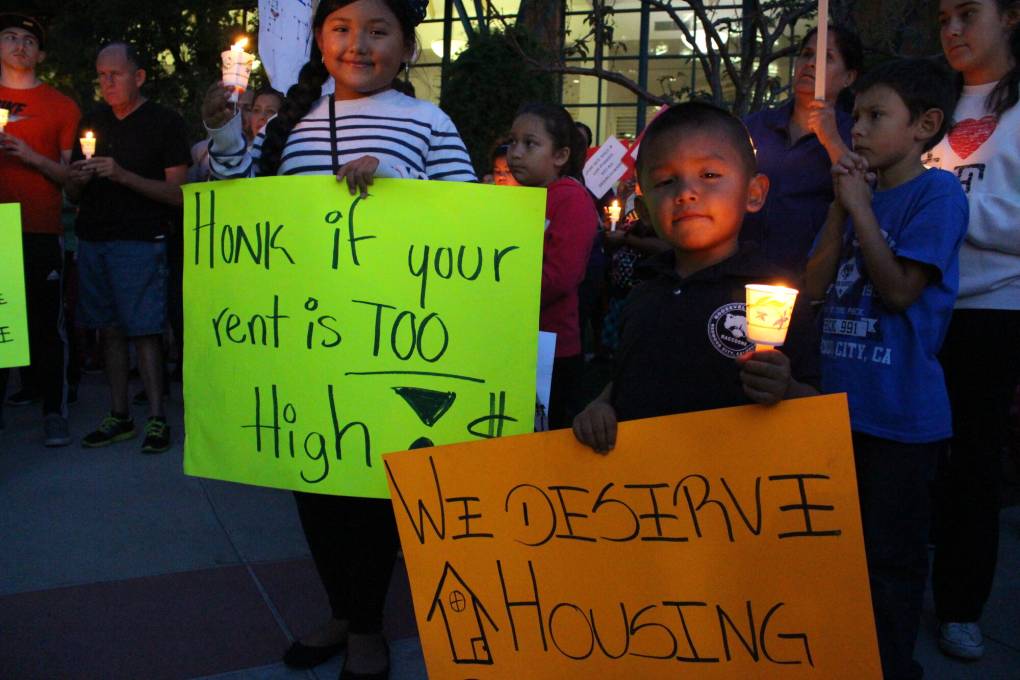
Prop. 33 Battle Over Rent Control Attracts Big Money on Both Sides
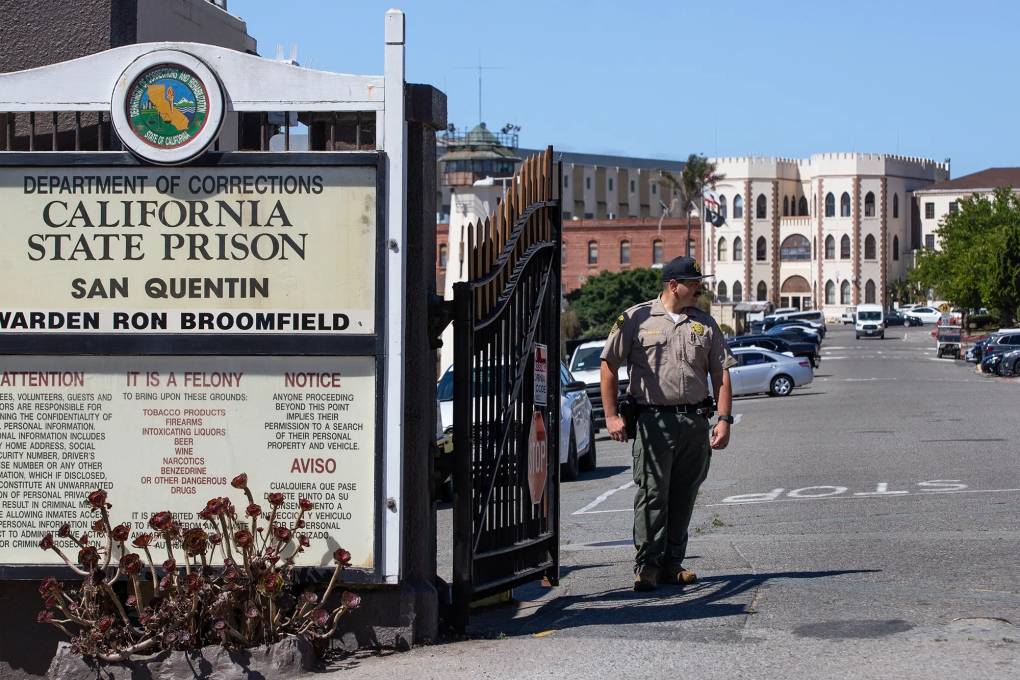
Proposition 6 Would Abolish Involuntary Servitude in Prisons
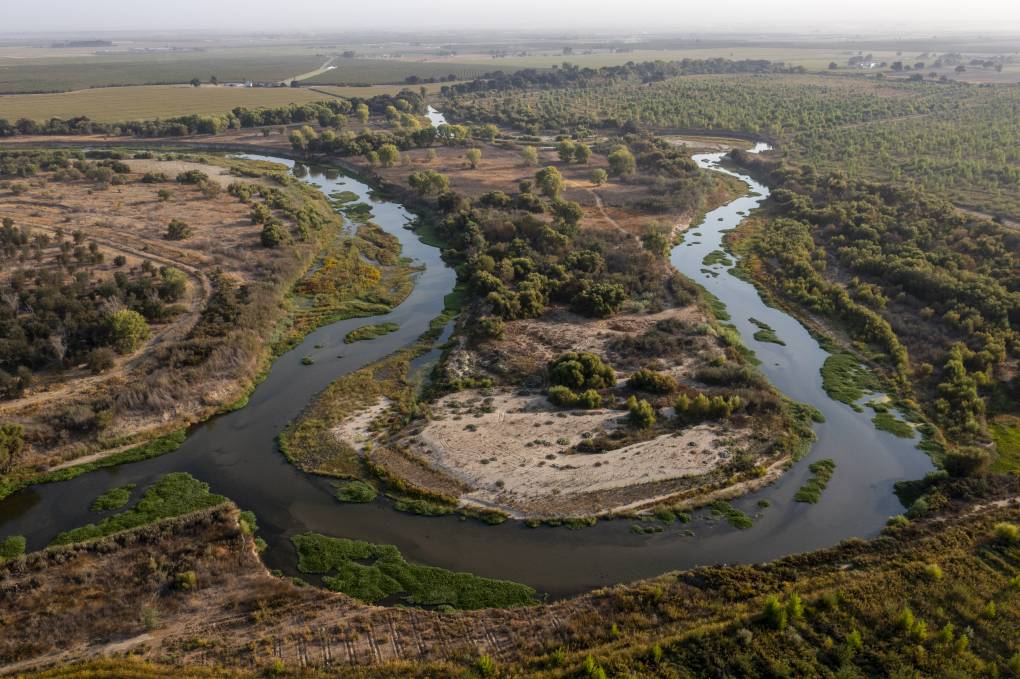
Proposition 4 Would Raise $10 Billion in Bonds for Climate Projects
Proposition 3 Would Enshrine Marriage Equality into California's Constitution
Proposition 2 Asks Voters to Approve $10 Billion in School Bonds
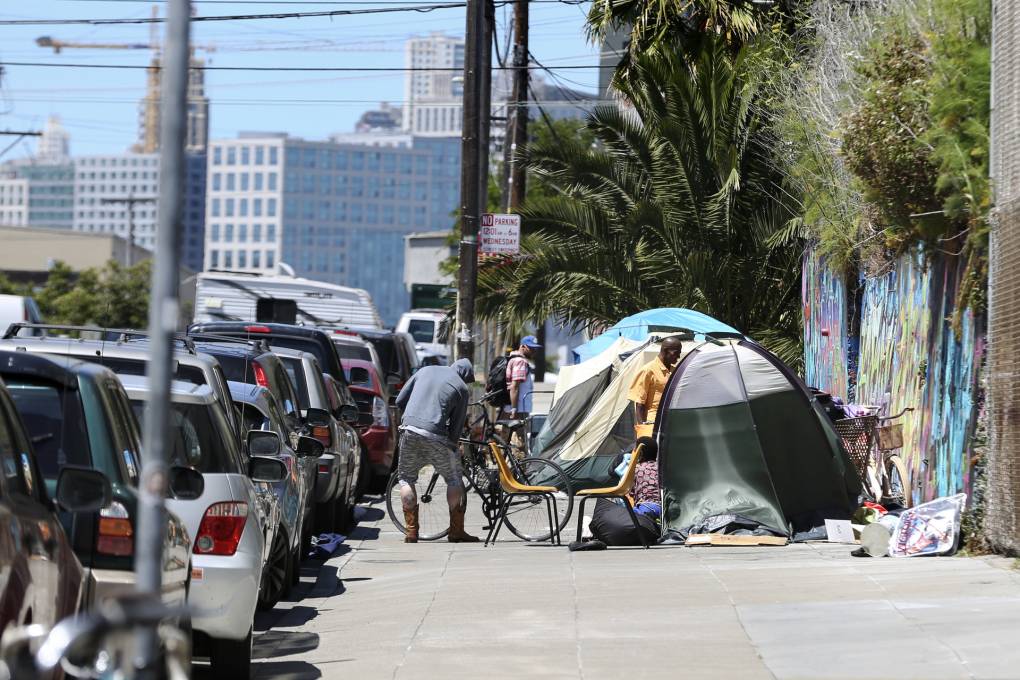
Transcript: Proposition 1 — Behavioral Health Funding
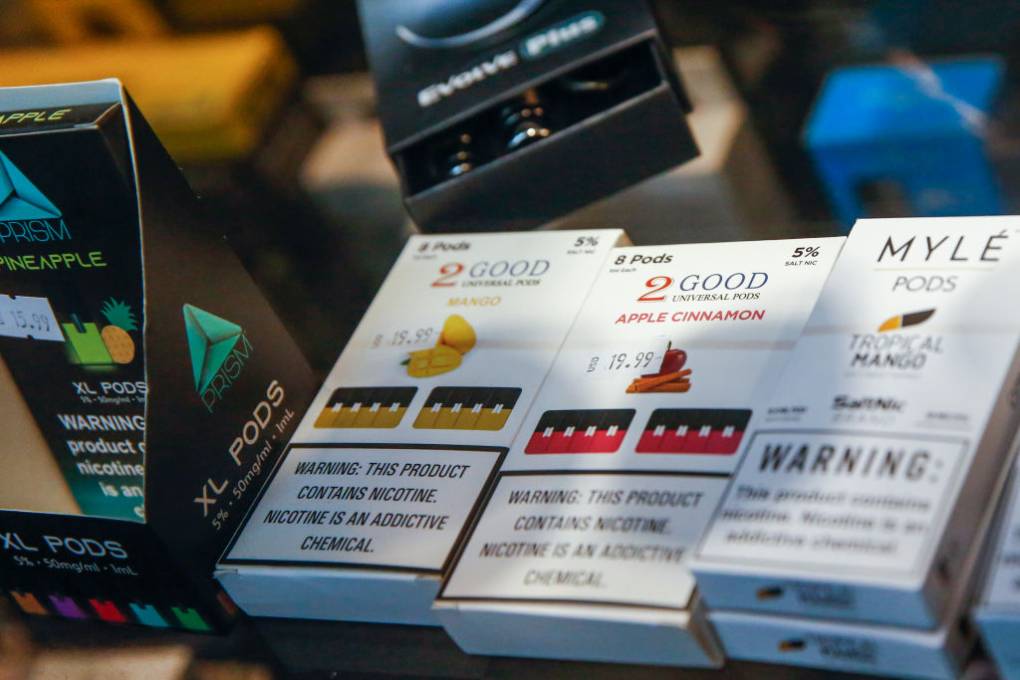
Prop. 31: Should California Ban Flavored Tobacco Products?
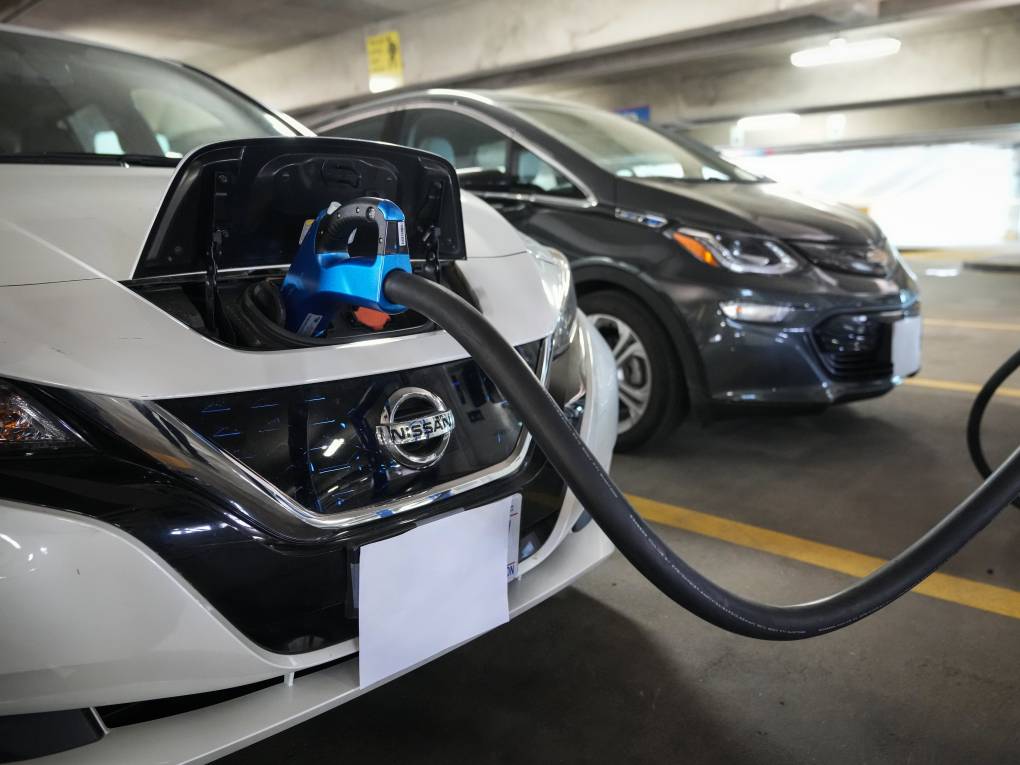
Prop. 30: Increase Income Taxes on Rich Californians to Fund Green Infrastructure
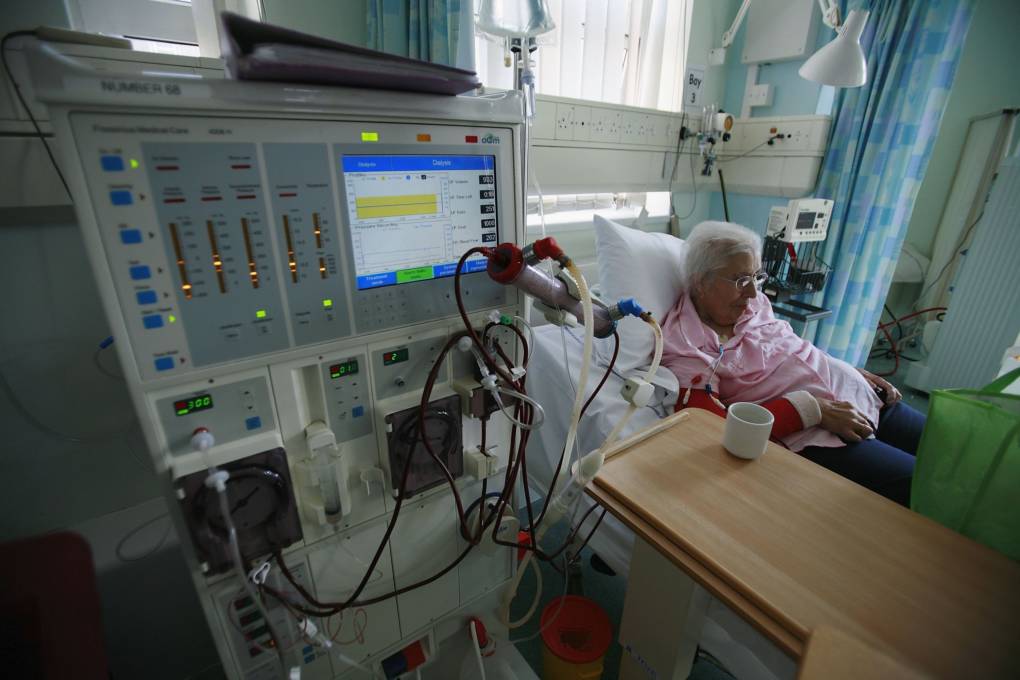
Prop. 29: New Rules for Dialysis Clinics
Player sponsored by
window.__IS_SSR__=true
window.__INITIAL_STATE__={
"attachmentsReducer": {
"audio_0": {
"type": "attachments",
"id": "audio_0",
"imgSizes": {
"kqedFullSize": {
"file": "https://ww2.kqed.org/news/wp-content/themes/KQED-unified/img/audio_bgs/background0.jpg"
}
}
},
"audio_1": {
"type": "attachments",
"id": "audio_1",
"imgSizes": {
"kqedFullSize": {
"file": "https://ww2.kqed.org/news/wp-content/themes/KQED-unified/img/audio_bgs/background1.jpg"
}
}
},
"audio_2": {
"type": "attachments",
"id": "audio_2",
"imgSizes": {
"kqedFullSize": {
"file": "https://ww2.kqed.org/news/wp-content/themes/KQED-unified/img/audio_bgs/background2.jpg"
}
}
},
"audio_3": {
"type": "attachments",
"id": "audio_3",
"imgSizes": {
"kqedFullSize": {
"file": "https://ww2.kqed.org/news/wp-content/themes/KQED-unified/img/audio_bgs/background3.jpg"
}
}
},
"audio_4": {
"type": "attachments",
"id": "audio_4",
"imgSizes": {
"kqedFullSize": {
"file": "https://ww2.kqed.org/news/wp-content/themes/KQED-unified/img/audio_bgs/background4.jpg"
}
}
},
"placeholder": {
"type": "attachments",
"id": "placeholder",
"imgSizes": {
"thumbnail": {
"file": "https://cdn.kqed.org/wp-content/uploads/2024/12/KQED-Default-Image-816638274-2000x1333-1-160x107.jpg",
"width": 160,
"height": 107,
"mimeType": "image/jpeg"
},
"medium": {
"file": "https://cdn.kqed.org/wp-content/uploads/2024/12/KQED-Default-Image-816638274-2000x1333-1-800x533.jpg",
"width": 800,
"height": 533,
"mimeType": "image/jpeg"
},
"medium_large": {
"file": "https://cdn.kqed.org/wp-content/uploads/2024/12/KQED-Default-Image-816638274-2000x1333-1-768x512.jpg",
"width": 768,
"height": 512,
"mimeType": "image/jpeg"
},
"large": {
"file": "https://cdn.kqed.org/wp-content/uploads/2024/12/KQED-Default-Image-816638274-2000x1333-1-1020x680.jpg",
"width": 1020,
"height": 680,
"mimeType": "image/jpeg"
},
"1536x1536": {
"file": "https://cdn.kqed.org/wp-content/uploads/2024/12/KQED-Default-Image-816638274-2000x1333-1-1536x1024.jpg",
"width": 1536,
"height": 1024,
"mimeType": "image/jpeg"
},
"fd-lrg": {
"file": "https://cdn.kqed.org/wp-content/uploads/2024/12/KQED-Default-Image-816638274-2000x1333-1-1536x1024.jpg",
"width": 1536,
"height": 1024,
"mimeType": "image/jpeg"
},
"fd-med": {
"file": "https://cdn.kqed.org/wp-content/uploads/2024/12/KQED-Default-Image-816638274-2000x1333-1-1020x680.jpg",
"width": 1020,
"height": 680,
"mimeType": "image/jpeg"
},
"fd-sm": {
"file": "https://cdn.kqed.org/wp-content/uploads/2024/12/KQED-Default-Image-816638274-2000x1333-1-800x533.jpg",
"width": 800,
"height": 533,
"mimeType": "image/jpeg"
},
"post-thumbnail": {
"file": "https://cdn.kqed.org/wp-content/uploads/2024/12/KQED-Default-Image-816638274-2000x1333-1-672x372.jpg",
"width": 672,
"height": 372,
"mimeType": "image/jpeg"
},
"twentyfourteen-full-width": {
"file": "https://cdn.kqed.org/wp-content/uploads/2024/12/KQED-Default-Image-816638274-2000x1333-1-1038x576.jpg",
"width": 1038,
"height": 576,
"mimeType": "image/jpeg"
},
"xxsmall": {
"file": "https://cdn.kqed.org/wp-content/uploads/2024/12/KQED-Default-Image-816638274-2000x1333-1-160x107.jpg",
"width": 160,
"height": 107,
"mimeType": "image/jpeg"
},
"xsmall": {
"file": "https://cdn.kqed.org/wp-content/uploads/2024/12/KQED-Default-Image-816638274-2000x1333-1-672x372.jpg",
"width": 672,
"height": 372,
"mimeType": "image/jpeg"
},
"small": {
"file": "https://cdn.kqed.org/wp-content/uploads/2024/12/KQED-Default-Image-816638274-2000x1333-1-672x372.jpg",
"width": 672,
"height": 372,
"mimeType": "image/jpeg"
},
"xlarge": {
"file": "https://cdn.kqed.org/wp-content/uploads/2024/12/KQED-Default-Image-816638274-2000x1333-1-1020x680.jpg",
"width": 1020,
"height": 680,
"mimeType": "image/jpeg"
},
"full-width": {
"file": "https://cdn.kqed.org/wp-content/uploads/2024/12/KQED-Default-Image-816638274-2000x1333-1-1920x1280.jpg",
"width": 1920,
"height": 1280,
"mimeType": "image/jpeg"
},
"guest-author-32": {
"file": "https://cdn.kqed.org/wp-content/uploads/2025/01/KQED-Default-Image-816638274-1333x1333-1-160x160.jpg",
"width": 32,
"height": 32,
"mimeType": "image/jpeg"
},
"guest-author-50": {
"file": "https://cdn.kqed.org/wp-content/uploads/2025/01/KQED-Default-Image-816638274-1333x1333-1-160x160.jpg",
"width": 50,
"height": 50,
"mimeType": "image/jpeg"
},
"guest-author-64": {
"file": "https://cdn.kqed.org/wp-content/uploads/2025/01/KQED-Default-Image-816638274-1333x1333-1-160x160.jpg",
"width": 64,
"height": 64,
"mimeType": "image/jpeg"
},
"guest-author-96": {
"file": "https://cdn.kqed.org/wp-content/uploads/2025/01/KQED-Default-Image-816638274-1333x1333-1-160x160.jpg",
"width": 96,
"height": 96,
"mimeType": "image/jpeg"
},
"guest-author-128": {
"file": "https://cdn.kqed.org/wp-content/uploads/2025/01/KQED-Default-Image-816638274-1333x1333-1-160x160.jpg",
"width": 128,
"height": 128,
"mimeType": "image/jpeg"
},
"detail": {
"file": "https://cdn.kqed.org/wp-content/uploads/2025/01/KQED-Default-Image-816638274-1333x1333-1-160x160.jpg",
"width": 160,
"height": 160,
"mimeType": "image/jpeg"
},
"kqedFullSize": {
"file": "https://cdn.kqed.org/wp-content/uploads/2024/12/KQED-Default-Image-816638274-2000x1333-1.jpg",
"width": 2000,
"height": 1333
}
}
},
"news_12007210": {
"type": "attachments",
"id": "news_12007210",
"meta": {
"index": "attachments_1716263798",
"site": "news",
"id": "12007210",
"found": true
},
"title": "IMG_9984.JPG_qed",
"publishDate": 1727730283,
"status": "inherit",
"parent": 12007197,
"modified": 1727730355,
"caption": "Advocates have tried to pass pro-rent control propositions in 2018 and 2020, but so far have failed. ",
"credit": "Farida Jhabvala Romero/KQED",
"altTag": "Two young people hold signs saying \"honk if your rent is too high\" and \"we deserve housing\" at a rally.",
"description": null,
"imgSizes": {
"medium": {
"file": "https://cdn.kqed.org/wp-content/uploads/sites/10/2024/10/IMG_9984.JPG_qed-800x533.jpg",
"width": 800,
"height": 533,
"mimeType": "image/jpeg"
},
"large": {
"file": "https://cdn.kqed.org/wp-content/uploads/sites/10/2024/10/IMG_9984.JPG_qed-1020x680.jpg",
"width": 1020,
"height": 680,
"mimeType": "image/jpeg"
},
"thumbnail": {
"file": "https://cdn.kqed.org/wp-content/uploads/sites/10/2024/10/IMG_9984.JPG_qed-160x107.jpg",
"width": 160,
"height": 107,
"mimeType": "image/jpeg"
},
"1536x1536": {
"file": "https://cdn.kqed.org/wp-content/uploads/sites/10/2024/10/IMG_9984.JPG_qed-1536x1024.jpg",
"width": 1536,
"height": 1024,
"mimeType": "image/jpeg"
},
"post-thumbnail": {
"file": "https://cdn.kqed.org/wp-content/uploads/sites/10/2024/10/IMG_9984.JPG_qed-672x372.jpg",
"width": 672,
"height": 372,
"mimeType": "image/jpeg"
},
"twentyfourteen-full-width": {
"file": "https://cdn.kqed.org/wp-content/uploads/sites/10/2024/10/IMG_9984.JPG_qed-1038x576.jpg",
"width": 1038,
"height": 576,
"mimeType": "image/jpeg"
},
"full-width": {
"file": "https://cdn.kqed.org/wp-content/uploads/sites/10/2024/10/IMG_9984.JPG_qed-1920x1280.jpg",
"width": 1920,
"height": 1280,
"mimeType": "image/jpeg"
},
"kqedFullSize": {
"file": "https://cdn.kqed.org/wp-content/uploads/sites/10/2024/10/IMG_9984.JPG_qed.jpg",
"width": 2000,
"height": 1333
}
},
"fetchFailed": false,
"isLoading": false
},
"news_11971776": {
"type": "attachments",
"id": "news_11971776",
"meta": {
"index": "attachments_1716263798",
"site": "news",
"id": "11971776",
"found": true
},
"parent": 11971774,
"imgSizes": {
"twentyfourteen-full-width": {
"file": "https://cdn.kqed.org/wp-content/uploads/sites/10/2024/01/072623_San-Quentin_SN_01-CM-copy-1038x576.jpg",
"width": 1038,
"mimeType": "image/jpeg",
"height": 576
},
"thumbnail": {
"file": "https://cdn.kqed.org/wp-content/uploads/sites/10/2024/01/072623_San-Quentin_SN_01-CM-copy-160x107.jpg",
"width": 160,
"mimeType": "image/jpeg",
"height": 107
},
"post-thumbnail": {
"file": "https://cdn.kqed.org/wp-content/uploads/sites/10/2024/01/072623_San-Quentin_SN_01-CM-copy-672x372.jpg",
"width": 672,
"mimeType": "image/jpeg",
"height": 372
},
"kqedFullSize": {
"file": "https://cdn.kqed.org/wp-content/uploads/sites/10/2024/01/072623_San-Quentin_SN_01-CM-copy.jpg",
"width": 2000,
"height": 1333
},
"large": {
"file": "https://cdn.kqed.org/wp-content/uploads/sites/10/2024/01/072623_San-Quentin_SN_01-CM-copy-1020x680.jpg",
"width": 1020,
"mimeType": "image/jpeg",
"height": 680
},
"1536x1536": {
"file": "https://cdn.kqed.org/wp-content/uploads/sites/10/2024/01/072623_San-Quentin_SN_01-CM-copy-1536x1024.jpg",
"width": 1536,
"mimeType": "image/jpeg",
"height": 1024
},
"full-width": {
"file": "https://cdn.kqed.org/wp-content/uploads/sites/10/2024/01/072623_San-Quentin_SN_01-CM-copy-1920x1280.jpg",
"width": 1920,
"mimeType": "image/jpeg",
"height": 1280
},
"medium": {
"file": "https://cdn.kqed.org/wp-content/uploads/sites/10/2024/01/072623_San-Quentin_SN_01-CM-copy-800x533.jpg",
"width": 800,
"mimeType": "image/jpeg",
"height": 533
}
},
"publishDate": 1704487404,
"modified": 1704487469,
"caption": "The entry gate at San Quentin State Prison on July 26, 2023. ",
"description": null,
"title": "072623_San-Quentin_SN_01-CM copy",
"credit": "Semantha Norris/CalMatters",
"status": "inherit",
"altTag": "A prison guard in uniform stands in front of a gate with a building in the background.",
"fetchFailed": false,
"isLoading": false
},
"news_11911586": {
"type": "attachments",
"id": "news_11911586",
"meta": {
"index": "attachments_1716263798",
"site": "news",
"id": "11911586",
"found": true
},
"parent": 11911582,
"imgSizes": {
"twentyfourteen-full-width": {
"file": "https://ww2.kqed.org/app/uploads/sites/10/2022/04/GettyImages-1237212007-1038x576.jpg",
"width": 1038,
"mimeType": "image/jpeg",
"height": 576
},
"thumbnail": {
"file": "https://ww2.kqed.org/app/uploads/sites/10/2022/04/GettyImages-1237212007-160x107.jpg",
"width": 160,
"mimeType": "image/jpeg",
"height": 107
},
"post-thumbnail": {
"file": "https://ww2.kqed.org/app/uploads/sites/10/2022/04/GettyImages-1237212007-672x372.jpg",
"width": 672,
"mimeType": "image/jpeg",
"height": 372
},
"kqedFullSize": {
"file": "https://ww2.kqed.org/app/uploads/sites/10/2022/04/GettyImages-1237212007-scaled.jpg",
"width": 2560,
"height": 1705
},
"2048x2048": {
"file": "https://ww2.kqed.org/app/uploads/sites/10/2022/04/GettyImages-1237212007-2048x1364.jpg",
"width": 2048,
"mimeType": "image/jpeg",
"height": 1364
},
"large": {
"file": "https://ww2.kqed.org/app/uploads/sites/10/2022/04/GettyImages-1237212007-1020x679.jpg",
"width": 1020,
"mimeType": "image/jpeg",
"height": 679
},
"1536x1536": {
"file": "https://ww2.kqed.org/app/uploads/sites/10/2022/04/GettyImages-1237212007-1536x1023.jpg",
"width": 1536,
"mimeType": "image/jpeg",
"height": 1023
},
"full-width": {
"file": "https://ww2.kqed.org/app/uploads/sites/10/2022/04/GettyImages-1237212007-1920x1279.jpg",
"width": 1920,
"mimeType": "image/jpeg",
"height": 1279
},
"medium": {
"file": "https://ww2.kqed.org/app/uploads/sites/10/2022/04/GettyImages-1237212007-800x533.jpg",
"width": 800,
"mimeType": "image/jpeg",
"height": 533
}
},
"publishDate": 1650409292,
"modified": 1650479454,
"caption": "The confluence of the San Joaquin River (left) and Tuolumne River (right) along the Dos Rios Ranch in 2021 in Modesto. The 2,100-acre Dos Rios Ranch Preserve is California's largest floodplain restoration project, designed to give the rivers room to breathe and restore traditional riparian habitats.",
"description": "The confluence of the San Joaquin River (left) and Tuolumne River (right) along the Dos Rios Ranch in 2021 in Modesto, CA. The 2,100-acre Do Rios Ranch Preserve is California's largest floodplain restoration project, designed to give the rivers room to breath and restore traditional riparian habitats. ",
"title": "rain climate change",
"credit": "Brian van der Brug/Los Angeles Times via Getty Images",
"status": "inherit",
"altTag": "An aerial view of two rivers snaking from the left and the right through a landscape of brown scrub and dark green trees. Where the rivers meet, they move off to the left of the photo.",
"fetchFailed": false,
"isLoading": false
},
"news_12005996": {
"type": "attachments",
"id": "news_12005996",
"meta": {
"index": "attachments_1716263798",
"site": "news",
"id": "12005996",
"found": true
},
"title": "012",
"publishDate": 1727132043,
"status": "inherit",
"parent": 12005960,
"modified": 1731091192,
"caption": "Rainbow flags line the plaza in front of the San Francisco City Hall on June 26, 2013, following the rulings brought down by the Supreme Court on same sex marriage.",
"credit": "Deborah Svoboda/KQED",
"altTag": "A row of flagpoles displaying rainbow flags stands in front of San Francisco City Hall.",
"description": null,
"imgSizes": {
"medium": {
"file": "https://cdn.kqed.org/wp-content/uploads/sites/10/2024/09/012-800x533.jpg",
"width": 800,
"height": 533,
"mimeType": "image/jpeg"
},
"large": {
"file": "https://cdn.kqed.org/wp-content/uploads/sites/10/2024/09/012-1020x680.jpg",
"width": 1020,
"height": 680,
"mimeType": "image/jpeg"
},
"thumbnail": {
"file": "https://cdn.kqed.org/wp-content/uploads/sites/10/2024/09/012-160x107.jpg",
"width": 160,
"height": 107,
"mimeType": "image/jpeg"
},
"1536x1536": {
"file": "https://cdn.kqed.org/wp-content/uploads/sites/10/2024/09/012-1536x1024.jpg",
"width": 1536,
"height": 1024,
"mimeType": "image/jpeg"
},
"post-thumbnail": {
"file": "https://cdn.kqed.org/wp-content/uploads/sites/10/2024/09/012-672x372.jpg",
"width": 672,
"height": 372,
"mimeType": "image/jpeg"
},
"twentyfourteen-full-width": {
"file": "https://cdn.kqed.org/wp-content/uploads/sites/10/2024/09/012-1038x576.jpg",
"width": 1038,
"height": 576,
"mimeType": "image/jpeg"
},
"full-width": {
"file": "https://cdn.kqed.org/wp-content/uploads/sites/10/2024/09/012-1920x1280.jpg",
"width": 1920,
"height": 1280,
"mimeType": "image/jpeg"
},
"kqedFullSize": {
"file": "https://cdn.kqed.org/wp-content/uploads/sites/10/2024/09/012.jpg",
"width": 2000,
"height": 1333
}
},
"fetchFailed": false,
"isLoading": false
},
"news_12005767": {
"type": "attachments",
"id": "news_12005767",
"meta": {
"index": "attachments_1716263798",
"site": "news",
"id": "12005767",
"found": true
},
"title": "iStock_000062678534_Full_qed",
"publishDate": 1726874706,
"status": "inherit",
"parent": 12005762,
"modified": 1726874782,
"caption": null,
"credit": "iStock",
"altTag": "A view from the back of a classroom full of children. One little girl raises her hand as a teacher standing at the head of the class points towards her.",
"description": null,
"imgSizes": {
"medium": {
"file": "https://cdn.kqed.org/wp-content/uploads/sites/10/2024/09/iStock_000062678534_Full_qed-800x533.jpg",
"width": 800,
"height": 533,
"mimeType": "image/jpeg"
},
"large": {
"file": "https://cdn.kqed.org/wp-content/uploads/sites/10/2024/09/iStock_000062678534_Full_qed-1020x680.jpg",
"width": 1020,
"height": 680,
"mimeType": "image/jpeg"
},
"thumbnail": {
"file": "https://cdn.kqed.org/wp-content/uploads/sites/10/2024/09/iStock_000062678534_Full_qed-160x107.jpg",
"width": 160,
"height": 107,
"mimeType": "image/jpeg"
},
"1536x1536": {
"file": "https://cdn.kqed.org/wp-content/uploads/sites/10/2024/09/iStock_000062678534_Full_qed-1536x1024.jpg",
"width": 1536,
"height": 1024,
"mimeType": "image/jpeg"
},
"post-thumbnail": {
"file": "https://cdn.kqed.org/wp-content/uploads/sites/10/2024/09/iStock_000062678534_Full_qed-672x372.jpg",
"width": 672,
"height": 372,
"mimeType": "image/jpeg"
},
"twentyfourteen-full-width": {
"file": "https://cdn.kqed.org/wp-content/uploads/sites/10/2024/09/iStock_000062678534_Full_qed-1038x576.jpg",
"width": 1038,
"height": 576,
"mimeType": "image/jpeg"
},
"full-width": {
"file": "https://cdn.kqed.org/wp-content/uploads/sites/10/2024/09/iStock_000062678534_Full_qed-1920x1280.jpg",
"width": 1920,
"height": 1280,
"mimeType": "image/jpeg"
},
"kqedFullSize": {
"file": "https://cdn.kqed.org/wp-content/uploads/sites/10/2024/09/iStock_000062678534_Full_qed.jpg",
"width": 2000,
"height": 1333
}
},
"fetchFailed": false,
"isLoading": false
},
"news_11975014": {
"type": "attachments",
"id": "news_11975014",
"meta": {
"index": "attachments_1716263798",
"site": "news",
"id": "11975014",
"found": true
},
"parent": 11974991,
"imgSizes": {
"twentyfourteen-full-width": {
"file": "https://cdn.kqed.org/wp-content/uploads/sites/10/2024/02/Prop1-behavioral-health-spending-1038x576.jpg",
"width": 1038,
"mimeType": "image/jpeg",
"height": 576
},
"thumbnail": {
"file": "https://cdn.kqed.org/wp-content/uploads/sites/10/2024/02/Prop1-behavioral-health-spending-160x107.jpg",
"width": 160,
"mimeType": "image/jpeg",
"height": 107
},
"post-thumbnail": {
"file": "https://cdn.kqed.org/wp-content/uploads/sites/10/2024/02/Prop1-behavioral-health-spending-672x372.jpg",
"width": 672,
"mimeType": "image/jpeg",
"height": 372
},
"kqedFullSize": {
"file": "https://cdn.kqed.org/wp-content/uploads/sites/10/2024/02/Prop1-behavioral-health-spending.jpg",
"width": 1920,
"height": 1280
},
"large": {
"file": "https://cdn.kqed.org/wp-content/uploads/sites/10/2024/02/Prop1-behavioral-health-spending-1020x680.jpg",
"width": 1020,
"mimeType": "image/jpeg",
"height": 680
},
"1536x1536": {
"file": "https://cdn.kqed.org/wp-content/uploads/sites/10/2024/02/Prop1-behavioral-health-spending-1536x1024.jpg",
"width": 1536,
"mimeType": "image/jpeg",
"height": 1024
},
"medium": {
"file": "https://cdn.kqed.org/wp-content/uploads/sites/10/2024/02/Prop1-behavioral-health-spending-800x533.jpg",
"width": 800,
"mimeType": "image/jpeg",
"height": 533
}
},
"publishDate": 1707337731,
"modified": 1707337822,
"caption": "A homeless encampment located on Florida St in the Mission District of San Francisco, Calif.",
"description": null,
"title": "Prop1-behavioral-health-spending",
"credit": "Brittany Hosea-Small/KQED",
"status": "inherit",
"altTag": "A wide San Francisco with a tent encampment.",
"fetchFailed": false,
"isLoading": false
},
"news_11927835": {
"type": "attachments",
"id": "news_11927835",
"meta": {
"index": "attachments_1716263798",
"site": "news",
"id": "11927835",
"found": true
},
"parent": 11927825,
"imgSizes": {
"twentyfourteen-full-width": {
"file": "https://ww2.kqed.org/app/uploads/sites/10/2022/10/GettyImages-1191336830-1024x576.jpg",
"width": 1024,
"mimeType": "image/jpeg",
"height": 576
},
"thumbnail": {
"file": "https://ww2.kqed.org/app/uploads/sites/10/2022/10/GettyImages-1191336830-160x107.jpg",
"width": 160,
"mimeType": "image/jpeg",
"height": 107
},
"post-thumbnail": {
"file": "https://ww2.kqed.org/app/uploads/sites/10/2022/10/GettyImages-1191336830-672x372.jpg",
"width": 672,
"mimeType": "image/jpeg",
"height": 372
},
"kqedFullSize": {
"file": "https://ww2.kqed.org/app/uploads/sites/10/2022/10/GettyImages-1191336830.jpg",
"width": 1024,
"height": 683
},
"large": {
"file": "https://ww2.kqed.org/app/uploads/sites/10/2022/10/GettyImages-1191336830-1020x680.jpg",
"width": 1020,
"mimeType": "image/jpeg",
"height": 680
},
"medium": {
"file": "https://ww2.kqed.org/app/uploads/sites/10/2022/10/GettyImages-1191336830-800x534.jpg",
"width": 800,
"mimeType": "image/jpeg",
"height": 534
}
},
"publishDate": 1665009416,
"modified": 1665009424,
"caption": "JERSEY CITY, NJ - JANUARY 02: E-cigarette pods units are displayed for customers in a local store on January 2, 2020 in Jersey City, New Jersey. The Trump administration will announce this week the ban for mint-, fruit- and dessert-flavored e-cigarette cartridges, but allow menthol and tobacco flavors to remain on the market. Flavored liquid nicotine used in open tank systems can continue to be sold. (Photo by Eduardo Munoz Alvarez/Getty Images)",
"description": null,
"title": "FDA Bans All Flavored E-Cigarette Cartridges, Except Menthol And Tobacco Flavors",
"credit": "Photo by Eduardo Munoz Alvarez/Getty Images",
"status": "inherit",
"altTag": null,
"fetchFailed": false,
"isLoading": false
},
"news_11923225": {
"type": "attachments",
"id": "news_11923225",
"meta": {
"index": "attachments_1716263798",
"site": "news",
"id": "11923225",
"found": true
},
"parent": 11923224,
"imgSizes": {
"twentyfourteen-full-width": {
"file": "https://ww2.kqed.org/app/uploads/sites/10/2022/08/gettyimages-1232464481-bf200986fcc5c2b3277d97edd495ddd6381625b7-1038x576.jpg",
"width": 1038,
"mimeType": "image/jpeg",
"height": 576
},
"thumbnail": {
"file": "https://ww2.kqed.org/app/uploads/sites/10/2022/08/gettyimages-1232464481-bf200986fcc5c2b3277d97edd495ddd6381625b7-160x120.jpg",
"width": 160,
"mimeType": "image/jpeg",
"height": 120
},
"post-thumbnail": {
"file": "https://ww2.kqed.org/app/uploads/sites/10/2022/08/gettyimages-1232464481-bf200986fcc5c2b3277d97edd495ddd6381625b7-672x372.jpg",
"width": 672,
"mimeType": "image/jpeg",
"height": 372
},
"kqedFullSize": {
"file": "https://ww2.kqed.org/app/uploads/sites/10/2022/08/gettyimages-1232464481-bf200986fcc5c2b3277d97edd495ddd6381625b7-scaled.jpg",
"width": 2560,
"height": 1920
},
"2048x2048": {
"file": "https://ww2.kqed.org/app/uploads/sites/10/2022/08/gettyimages-1232464481-bf200986fcc5c2b3277d97edd495ddd6381625b7-2048x1536.jpg",
"width": 2048,
"mimeType": "image/jpeg",
"height": 1536
},
"large": {
"file": "https://ww2.kqed.org/app/uploads/sites/10/2022/08/gettyimages-1232464481-bf200986fcc5c2b3277d97edd495ddd6381625b7-1020x765.jpg",
"width": 1020,
"mimeType": "image/jpeg",
"height": 765
},
"1536x1536": {
"file": "https://ww2.kqed.org/app/uploads/sites/10/2022/08/gettyimages-1232464481-bf200986fcc5c2b3277d97edd495ddd6381625b7-1536x1152.jpg",
"width": 1536,
"mimeType": "image/jpeg",
"height": 1152
},
"full-width": {
"file": "https://ww2.kqed.org/app/uploads/sites/10/2022/08/gettyimages-1232464481-bf200986fcc5c2b3277d97edd495ddd6381625b7-1920x1440.jpg",
"width": 1920,
"mimeType": "image/jpeg",
"height": 1440
},
"medium": {
"file": "https://ww2.kqed.org/app/uploads/sites/10/2022/08/gettyimages-1232464481-bf200986fcc5c2b3277d97edd495ddd6381625b7-800x600.jpg",
"width": 800,
"mimeType": "image/jpeg",
"height": 600
}
},
"publishDate": 1661231210,
"modified": 1667983070,
"caption": "Proposition 30 would have taxed California's richest residents to fund electric-vehicle infrastructure projects and wildfire mitigation.",
"description": "Electric vehicles are displayed before a news conference with White House Climate Adviser Gina McCarthy and U.S. Secretary of Transportation Pete Buttigieg about the American Jobs Plan and to highlight electric vehicles at Union Station near Capitol Hill on April 22, 2021 in Washington, DC. The Biden administration has proposed over $170 billion in spending to boost the production of zero-emission buses and cars and increase the number of EV charging stations. ",
"title": "Electric vehicles are displayed at a news conference with White House Climate Adviser Gina McCarthy and Secretary of Transportation Pete Buttigieg in Washington, D.C., on April 22, 2021. The Biden administration's climate and health care bill passed by Congress last week revamps a tax credit for buyers of electric cars.",
"credit": "Drew Angerer/Getty Images",
"status": "inherit",
"altTag": "electric vehicles in a parking lot",
"fetchFailed": false,
"isLoading": false
},
"news_11702580": {
"type": "attachments",
"id": "news_11702580",
"meta": {
"index": "attachments_1716263798",
"site": "news",
"id": "11702580",
"found": true
},
"parent": 11702433,
"imgSizes": {
"small": {
"file": "https://ww2.kqed.org/app/uploads/sites/10/2018/10/Dialysis-520x347.jpg",
"width": 520,
"mimeType": "image/jpeg",
"height": 347
},
"twentyfourteen-full-width": {
"file": "https://ww2.kqed.org/app/uploads/sites/10/2018/10/Dialysis-1038x576.jpg",
"width": 1038,
"mimeType": "image/jpeg",
"height": 576
},
"thumbnail": {
"file": "https://ww2.kqed.org/app/uploads/sites/10/2018/10/Dialysis-160x107.jpg",
"width": 160,
"mimeType": "image/jpeg",
"height": 107
},
"fd-sm": {
"file": "https://ww2.kqed.org/app/uploads/sites/10/2018/10/Dialysis-960x640.jpg",
"width": 960,
"mimeType": "image/jpeg",
"height": 640
},
"post-thumbnail": {
"file": "https://ww2.kqed.org/app/uploads/sites/10/2018/10/Dialysis-672x372.jpg",
"width": 672,
"mimeType": "image/jpeg",
"height": 372
},
"xsmall": {
"file": "https://ww2.kqed.org/app/uploads/sites/10/2018/10/Dialysis-375x250.jpg",
"width": 375,
"mimeType": "image/jpeg",
"height": 250
},
"kqedFullSize": {
"file": "https://ww2.kqed.org/app/uploads/sites/10/2018/10/Dialysis-e1540950154809.jpg",
"width": 1920,
"height": 1280
},
"large": {
"file": "https://ww2.kqed.org/app/uploads/sites/10/2018/10/Dialysis-1020x680.jpg",
"width": 1020,
"mimeType": "image/jpeg",
"height": 680
},
"xlarge": {
"file": "https://ww2.kqed.org/app/uploads/sites/10/2018/10/Dialysis-1180x787.jpg",
"width": 1180,
"mimeType": "image/jpeg",
"height": 787
},
"complete_open_graph": {
"file": "https://ww2.kqed.org/app/uploads/sites/10/2018/10/Dialysis-1200x800.jpg",
"width": 1200,
"mimeType": "image/jpeg",
"height": 800
},
"guest-author-50": {
"file": "https://ww2.kqed.org/app/uploads/sites/10/2018/10/Dialysis-50x50.jpg",
"width": 50,
"mimeType": "image/jpeg",
"height": 50
},
"guest-author-96": {
"file": "https://ww2.kqed.org/app/uploads/sites/10/2018/10/Dialysis-96x96.jpg",
"width": 96,
"mimeType": "image/jpeg",
"height": 96
},
"medium": {
"file": "https://ww2.kqed.org/app/uploads/sites/10/2018/10/Dialysis-800x533.jpg",
"width": 800,
"mimeType": "image/jpeg",
"height": 533
},
"guest-author-64": {
"file": "https://ww2.kqed.org/app/uploads/sites/10/2018/10/Dialysis-64x64.jpg",
"width": 64,
"mimeType": "image/jpeg",
"height": 64
},
"guest-author-32": {
"file": "https://ww2.kqed.org/app/uploads/sites/10/2018/10/Dialysis-32x32.jpg",
"width": 32,
"mimeType": "image/jpeg",
"height": 32
},
"fd-lrg": {
"file": "https://ww2.kqed.org/app/uploads/sites/10/2018/10/Dialysis-1920x1280.jpg",
"width": 1920,
"mimeType": "image/jpeg",
"height": 1280
},
"fd-med": {
"file": "https://ww2.kqed.org/app/uploads/sites/10/2018/10/Dialysis-1180x787.jpg",
"width": 1180,
"mimeType": "image/jpeg",
"height": 787
},
"full-width": {
"file": "https://ww2.kqed.org/app/uploads/sites/10/2018/10/Dialysis-1920x1280.jpg",
"width": 1920,
"mimeType": "image/jpeg",
"height": 1280
},
"detail": {
"file": "https://ww2.kqed.org/app/uploads/sites/10/2018/10/Dialysis-150x150.jpg",
"width": 150,
"mimeType": "image/jpeg",
"height": 150
},
"guest-author-128": {
"file": "https://ww2.kqed.org/app/uploads/sites/10/2018/10/Dialysis-128x128.jpg",
"width": 128,
"mimeType": "image/jpeg",
"height": 128
},
"xxsmall": {
"file": "https://ww2.kqed.org/app/uploads/sites/10/2018/10/Dialysis-240x160.jpg",
"width": 240,
"mimeType": "image/jpeg",
"height": 160
}
},
"publishDate": 1540950107,
"modified": 1666650216,
"caption": "About 80,000 Californians receive dialysis treatment every month.",
"description": "About 80,000 Californians receive dialysis treatment every month.",
"title": "NHS Healthcare Organisation Looks To The Future",
"credit": "Christopher Furlong/Getty Images",
"status": "inherit",
"altTag": "A hospital room, where in the foreground a large, square machine with a screen and lights and tubes coming out of it connect to a woman sitting beyond it, with white hair and glasses, a pink button-up shirt and blue pants.",
"fetchFailed": false,
"isLoading": false
}
},
"audioPlayerReducer": {
"postId": "stream_live",
"isPaused": true,
"isPlaying": false,
"pfsActive": false,
"pledgeModalIsOpen": true,
"playerDrawerIsOpen": false
},
"authorsReducer": {
"ohubertallen": {
"type": "authors",
"id": "102",
"meta": {
"index": "authors_1716337520",
"id": "102",
"found": true
},
"name": "Olivia Allen-Price",
"firstName": "Olivia",
"lastName": "Allen-Price",
"slug": "ohubertallen",
"email": "oallenprice@kqed.org",
"display_author_email": false,
"staff_mastheads": [
"news"
],
"title": "Senior Editor",
"bio": "Olivia Allen-Price is senior editor and host of the award-winning Bay Curious podcast. Prior to joining KQED in 2013, Olivia worked at The Baltimore Sun and The Virginian-Pilot in Norfolk, Va. She holds degrees in journalism and political science from Elon University. Her work has earned awards from the Society of Professional Journalists, the Hearst Foundation and Hearken. She loves to talk about running and curly hair.\r\n\r\nFollow: \u003ca href=\"https://twitter.com/oallenprice\">@oallenprice\u003c/a>\r\nEmail: \u003ca href=\"mailto:oallenprice@kqed.org\">oallenprice@kqed.org\u003c/a>",
"avatar": "https://secure.gravatar.com/avatar/fdd38db811fcf449bd7d7db84a39eea1?s=600&d=blank&r=g",
"twitter": "oallenprice",
"facebook": null,
"instagram": null,
"linkedin": null,
"sites": [
{
"site": "",
"roles": [
"editor"
]
},
{
"site": "arts",
"roles": [
"subscriber"
]
},
{
"site": "styleguide",
"roles": [
"administrator"
]
},
{
"site": "news",
"roles": [
"administrator"
]
},
{
"site": "pop",
"roles": [
"administrator"
]
},
{
"site": "bayareabites",
"roles": [
"contributor"
]
},
{
"site": "stateofhealth",
"roles": [
"administrator"
]
},
{
"site": "science",
"roles": [
"editor"
]
},
{
"site": "breakingnews",
"roles": [
"administrator"
]
}
],
"headData": {
"title": "Olivia Allen-Price | KQED",
"description": "Senior Editor",
"ogImgSrc": "https://secure.gravatar.com/avatar/fdd38db811fcf449bd7d7db84a39eea1?s=600&d=blank&r=g",
"twImgSrc": "https://secure.gravatar.com/avatar/fdd38db811fcf449bd7d7db84a39eea1?s=600&d=blank&r=g"
},
"isLoading": false,
"link": "/author/ohubertallen"
},
"gmarzorati": {
"type": "authors",
"id": "227",
"meta": {
"index": "authors_1716337520",
"id": "227",
"found": true
},
"name": "Guy Marzorati",
"firstName": "Guy",
"lastName": "Marzorati",
"slug": "gmarzorati",
"email": "gmarzorati@KQED.org",
"display_author_email": true,
"staff_mastheads": [
"news"
],
"title": "Correspondent",
"bio": "Guy Marzorati is a correspondent on KQED's California Politics and Government Desk, based in San Jose. A graduate of Santa Clara University, Guy joined KQED in 2013. He reports on state and local politics and produces KQED's digital voter guide.",
"avatar": "https://secure.gravatar.com/avatar/e7038b8dbfd55b104369b76b1cd0b9de?s=600&d=blank&r=g",
"twitter": "guymarzorati",
"facebook": null,
"instagram": null,
"linkedin": null,
"sites": [
{
"site": "",
"roles": [
"editor"
]
},
{
"site": "news",
"roles": [
"editor"
]
},
{
"site": "science",
"roles": [
"editor"
]
},
{
"site": "forum",
"roles": [
"editor"
]
},
{
"site": "elections",
"roles": [
"editor"
]
},
{
"site": "liveblog",
"roles": [
"editor"
]
}
],
"headData": {
"title": "Guy Marzorati | KQED",
"description": "Correspondent",
"ogImgSrc": "https://secure.gravatar.com/avatar/e7038b8dbfd55b104369b76b1cd0b9de?s=600&d=blank&r=g",
"twImgSrc": "https://secure.gravatar.com/avatar/e7038b8dbfd55b104369b76b1cd0b9de?s=600&d=blank&r=g"
},
"isLoading": false,
"link": "/author/gmarzorati"
},
"scottshafer": {
"type": "authors",
"id": "255",
"meta": {
"index": "authors_1716337520",
"id": "255",
"found": true
},
"name": "Scott Shafer",
"firstName": "Scott",
"lastName": "Shafer",
"slug": "scottshafer",
"email": "sshafer@kqed.org",
"display_author_email": false,
"staff_mastheads": [
"news"
],
"title": "KQED Contributor",
"bio": "Scott Shafer is a senior editor with the KQED Politics and Government desk. He is co-host of Political Breakdown, the award-winning radio show and podcast with a personal take on the world of politics. Scott came to KQED in 1998 to host the statewide\u003cem> California Report\u003c/em>. Prior to that he had extended stints in politics and government\u003cem>.\u003c/em> He uses that inside experience at KQED in his, reporting, hosting and analysis for the politics desk. Scott collaborated \u003cem>Political Breakdown a\u003c/em>nd on \u003cem>The Political Mind of Jerry Brown, \u003c/em>an eight-part series about the life and extraordinary political career of the former governor. For fun, he plays water polo with the San Francisco Tsunami.",
"avatar": "https://secure.gravatar.com/avatar/a62ebae45b79d7aed1a39a0e3bf68104?s=600&d=blank&r=g",
"twitter": "scottshafer",
"bluesky": null,
"facebook": null,
"instagram": null,
"linkedin": null,
"sites": [
{
"site": "news",
"roles": [
"editor"
]
},
{
"site": "stateofhealth",
"roles": [
"author"
]
},
{
"site": "science",
"roles": [
"author"
]
},
{
"site": "forum",
"roles": [
"subscriber"
]
},
{
"site": "liveblog",
"roles": [
"author"
]
}
],
"headData": {
"title": "Scott Shafer | KQED",
"description": "KQED Contributor",
"ogImgSrc": "https://secure.gravatar.com/avatar/a62ebae45b79d7aed1a39a0e3bf68104?s=600&d=blank&r=g",
"twImgSrc": "https://secure.gravatar.com/avatar/a62ebae45b79d7aed1a39a0e3bf68104?s=600&d=blank&r=g"
},
"isLoading": false,
"link": "/author/scottshafer"
},
"afont": {
"type": "authors",
"id": "8637",
"meta": {
"index": "authors_1716337520",
"id": "8637",
"found": true
},
"name": "Amanda Font",
"firstName": "Amanda",
"lastName": "Font",
"slug": "afont",
"email": "afont@kqed.org",
"display_author_email": false,
"staff_mastheads": [],
"title": "KQED Contributor",
"bio": "Amanda Font is a producer on \u003cem>The Latest\u003c/em> podcast, and the host and co-producer of the series \u003cem>Audible Cosmos\u003c/em>. She has previously worked as a producer and reporter on the \u003cem>Bay Curious\u003c/em> podcast, and director of \u003cem>The California Report Magazine\u003c/em>. She grew up in the deserts of Southern California and moved north for the trees. Amanda earned a B.A. from the BECA program at San Francisco State, where she worked in the university's radio station. Amanda Font is represented by SAG-AFTRA.",
"avatar": "https://secure.gravatar.com/avatar/d9e81cf0117d5849b9cfb7ab4b1422f1?s=600&d=blank&r=g",
"twitter": null,
"facebook": null,
"instagram": null,
"linkedin": null,
"sites": [
{
"site": "news",
"roles": [
"add_users",
"create_users"
]
},
{
"site": "science",
"roles": []
},
{
"site": "forum",
"roles": [
"administrator"
]
},
{
"site": "perspectives",
"roles": [
"administrator"
]
},
{
"site": "radio",
"roles": [
"administrator"
]
}
],
"headData": {
"title": "Amanda Font | KQED",
"description": "KQED Contributor",
"ogImgSrc": "https://secure.gravatar.com/avatar/d9e81cf0117d5849b9cfb7ab4b1422f1?s=600&d=blank&r=g",
"twImgSrc": "https://secure.gravatar.com/avatar/d9e81cf0117d5849b9cfb7ab4b1422f1?s=600&d=blank&r=g"
},
"isLoading": false,
"link": "/author/afont"
},
"ecruzguevarra": {
"type": "authors",
"id": "8654",
"meta": {
"index": "authors_1716337520",
"id": "8654",
"found": true
},
"name": "Ericka Cruz Guevarra",
"firstName": "Ericka",
"lastName": "Cruz Guevarra",
"slug": "ecruzguevarra",
"email": "ecruzguevarra@kqed.org",
"display_author_email": true,
"staff_mastheads": [
"news"
],
"title": "Producer, The Bay Podcast",
"bio": "Ericka Cruz Guevarra is host of \u003ca href=\"https://www.kqed.org/podcasts/thebay\">\u003cem>The Bay\u003c/em>\u003c/a> podcast at KQED. Before host, she was the show’s producer. Her work in that capacity includes a three-part reported series on policing in Vallejo, which won a 2020 excellence in journalism award from the Society of Professional Journalists. Ericka has worked as a breaking news reporter at Oregon Public Broadcasting, helped produce the Code Switch podcast, and was KQED’s inaugural Raul Ramirez Diversity Fund intern. She’s also an alumna of NPR’s Next Generation Radio program. Send her an email if you have strong feelings about whether Fairfield and Suisun City are the Bay. Ericka is represented by SAG-AFTRA.",
"avatar": "https://secure.gravatar.com/avatar/25e5ab8d3d53fad2dcc7bb2b5c506b1a?s=600&d=blank&r=g",
"twitter": "NotoriousECG",
"facebook": null,
"instagram": null,
"linkedin": null,
"sites": [
{
"site": "arts",
"roles": [
"subscriber"
]
},
{
"site": "news",
"roles": [
"editor",
"manage_categories"
]
},
{
"site": "futureofyou",
"roles": [
"subscriber"
]
},
{
"site": "stateofhealth",
"roles": [
"subscriber"
]
},
{
"site": "science",
"roles": [
"editor"
]
},
{
"site": "forum",
"roles": [
"subscriber"
]
}
],
"headData": {
"title": "Ericka Cruz Guevarra | KQED",
"description": "Producer, The Bay Podcast",
"ogImgSrc": "https://secure.gravatar.com/avatar/25e5ab8d3d53fad2dcc7bb2b5c506b1a?s=600&d=blank&r=g",
"twImgSrc": "https://secure.gravatar.com/avatar/25e5ab8d3d53fad2dcc7bb2b5c506b1a?s=600&d=blank&r=g"
},
"isLoading": false,
"link": "/author/ecruzguevarra"
},
"lesleymcclurg": {
"type": "authors",
"id": "11229",
"meta": {
"index": "authors_1716337520",
"id": "11229",
"found": true
},
"name": "Lesley McClurg",
"firstName": "Lesley",
"lastName": "McClurg",
"slug": "lesleymcclurg",
"email": "lmcclurg@KQED.org",
"display_author_email": false,
"staff_mastheads": [
"news",
"science"
],
"title": "KQED Health Correspondent",
"bio": "Lesley McClurg is a health correspondent and fill-in host whose work is regularly rebroadcast on NPR and PBS programs. She’s earned multiple regional Emmy awards, a national and a regional Edward R. Murrow award, and was named Best Beat Reporter by the Association of Health Care Journalists. The Society of Professional Journalists has recognized her work several times, and the Society of Environmental Journalists spotlighted her coverage of California’s historic drought.\r\n\r\nBefore joining KQED in 2016, Lesley covered food and sustainability for Capital Public Radio, environmental issues for Colorado Public Radio, and reported for KUOW and KCTS 9 in Seattle. Away from the newsroom, she loves skiing with her daughter, mountain biking with her partner, and playing with Ollie, the family’s goldendoodle. On deadline, she runs almost entirely on chocolate chips.\r\n\r\n ",
"avatar": "https://secure.gravatar.com/avatar/3fb78e873af3312f34d0bc1d60a07c7f?s=600&d=blank&r=g",
"twitter": "lesleywmcclurg",
"bluesky": null,
"facebook": null,
"instagram": null,
"linkedin": null,
"sites": [
{
"site": "arts",
"roles": [
"author"
]
},
{
"site": "news",
"roles": [
"editor"
]
},
{
"site": "futureofyou",
"roles": [
"editor"
]
},
{
"site": "stateofhealth",
"roles": [
"author"
]
},
{
"site": "science",
"roles": [
"editor"
]
},
{
"site": "quest",
"roles": [
"subscriber"
]
},
{
"site": "forum",
"roles": [
"administrator"
]
},
{
"site": "liveblog",
"roles": [
"author"
]
}
],
"headData": {
"title": "Lesley McClurg | KQED",
"description": "KQED Health Correspondent",
"ogImgSrc": "https://secure.gravatar.com/avatar/3fb78e873af3312f34d0bc1d60a07c7f?s=600&d=blank&r=g",
"twImgSrc": "https://secure.gravatar.com/avatar/3fb78e873af3312f34d0bc1d60a07c7f?s=600&d=blank&r=g"
},
"isLoading": false,
"link": "/author/lesleymcclurg"
},
"vrancano": {
"type": "authors",
"id": "11276",
"meta": {
"index": "authors_1716337520",
"id": "11276",
"found": true
},
"name": "Vanessa Rancaño",
"firstName": "Vanessa",
"lastName": "Rancaño",
"slug": "vrancano",
"email": "vrancano@kqed.org",
"display_author_email": false,
"staff_mastheads": [
"news"
],
"title": "Reporter, Housing",
"bio": "Vanessa Rancaño reports on housing and homelessness for KQED. She’s also covered education for the station and reported from the Central Valley. Her work has aired across public radio, from flagship national news shows to longform narrative podcasts. Before taking up a mic, she worked as a freelance print journalist. She’s been recognized with a number of national and regional awards. Vanessa grew up in California's Central Valley. She's a former NPR Kroc Fellow, and a graduate of the UC Berkeley Graduate School of Journalism.",
"avatar": "https://secure.gravatar.com/avatar/f6c0fc5d391c78710bcfc723f0636ef6?s=600&d=blank&r=g",
"twitter": "vanessarancano",
"facebook": null,
"instagram": null,
"linkedin": null,
"sites": [
{
"site": "arts",
"roles": [
"editor"
]
},
{
"site": "news",
"roles": [
"editor"
]
}
],
"headData": {
"title": "Vanessa Rancaño | KQED",
"description": "Reporter, Housing",
"ogImgSrc": "https://secure.gravatar.com/avatar/f6c0fc5d391c78710bcfc723f0636ef6?s=600&d=blank&r=g",
"twImgSrc": "https://secure.gravatar.com/avatar/f6c0fc5d391c78710bcfc723f0636ef6?s=600&d=blank&r=g"
},
"isLoading": false,
"link": "/author/vrancano"
},
"ogpenn": {
"type": "authors",
"id": "11491",
"meta": {
"index": "authors_1716337520",
"id": "11491",
"found": true
},
"name": "Pendarvis Harshaw",
"firstName": "Pendarvis",
"lastName": "Harshaw",
"slug": "ogpenn",
"email": "ogpenn@gmail.com",
"display_author_email": false,
"staff_mastheads": [
"arts"
],
"title": "Community Engagement Reporter",
"bio": "Pendarvis Harshaw is an educator, host and writer with KQED Arts.",
"avatar": "https://secure.gravatar.com/avatar/093d33baff5354890e29ad83d58d2c49?s=600&d=blank&r=g",
"twitter": null,
"facebook": null,
"instagram": "ogpenn",
"linkedin": null,
"sites": [
{
"site": "arts",
"roles": [
"editor"
]
},
{
"site": "news",
"roles": [
"editor"
]
},
{
"site": "bayareabites",
"roles": [
"author"
]
},
{
"site": "hiphop",
"roles": [
"editor"
]
}
],
"headData": {
"title": "Pendarvis Harshaw | KQED",
"description": "Community Engagement Reporter",
"ogImgSrc": "https://secure.gravatar.com/avatar/093d33baff5354890e29ad83d58d2c49?s=600&d=blank&r=g",
"twImgSrc": "https://secure.gravatar.com/avatar/093d33baff5354890e29ad83d58d2c49?s=600&d=blank&r=g"
},
"isLoading": false,
"link": "/author/ogpenn"
},
"kevinstark": {
"type": "authors",
"id": "11608",
"meta": {
"index": "authors_1716337520",
"id": "11608",
"found": true
},
"name": "Kevin Stark",
"firstName": "Kevin",
"lastName": "Stark",
"slug": "kevinstark",
"email": "kstark@kqed.org",
"display_author_email": true,
"staff_mastheads": [
"science"
],
"title": "Senior Editor",
"bio": "Kevin is a senior editor for KQED Science, managing the station's health and climate desks. His journalism career began in the Pacific Northwest, and he later became a lead reporter for the San Francisco Public Press. His work has appeared in Pacific Standard magazine, the Energy News Network, the Center for Investigative Reporting's Reveal and WBEZ in Chicago. Kevin joined KQED in 2019, and has covered issues related to energy, wildfire, climate change and the environment.",
"avatar": "https://secure.gravatar.com/avatar/1f646bf546a63d638e04ff23b52b0e79?s=600&d=blank&r=g",
"twitter": "starkkev",
"facebook": null,
"instagram": null,
"linkedin": null,
"sites": [
{
"site": "",
"roles": [
"editor"
]
},
{
"site": "news",
"roles": [
"editor"
]
},
{
"site": "science",
"roles": [
"administrator"
]
}
],
"headData": {
"title": "Kevin Stark | KQED",
"description": "Senior Editor",
"ogImgSrc": "https://secure.gravatar.com/avatar/1f646bf546a63d638e04ff23b52b0e79?s=600&d=blank&r=g",
"twImgSrc": "https://secure.gravatar.com/avatar/1f646bf546a63d638e04ff23b52b0e79?s=600&d=blank&r=g"
},
"isLoading": false,
"link": "/author/kevinstark"
},
"amontecillo": {
"type": "authors",
"id": "11649",
"meta": {
"index": "authors_1716337520",
"id": "11649",
"found": true
},
"name": "Alan Montecillo",
"firstName": "Alan",
"lastName": "Montecillo",
"slug": "amontecillo",
"email": "amontecillo@kqed.org",
"display_author_email": false,
"staff_mastheads": [
"news"
],
"title": "KQED Contributor",
"bio": "Alan Montecillo is the senior editor of \u003cem>\u003ca href=\"http://kqed.org/thebay\">The Bay\u003c/a>, \u003c/em> KQED's local news podcast. Before moving to the Bay Area, he worked as a senior talk show producer for WILL in Champaign-Urbana, Illinois and at Oregon Public Broadcasting in Portland, Oregon. He has won journalism awards from the Society of Professional Journalists Northern California, the Public Media Journalists Association, The Signal Awards, and has also received a regional Edward R. Murrow award. Alan is a Filipino American from Hong Kong and a graduate of Reed College.",
"avatar": "https://secure.gravatar.com/avatar/d5e4e7a76481969ccba76f4e2b5ccabc?s=600&d=blank&r=g",
"twitter": "alanmontecillo",
"facebook": null,
"instagram": null,
"linkedin": null,
"sites": [
{
"site": "",
"roles": [
"editor"
]
},
{
"site": "news",
"roles": [
"editor",
"manage_categories"
]
}
],
"headData": {
"title": "Alan Montecillo | KQED",
"description": "KQED Contributor",
"ogImgSrc": "https://secure.gravatar.com/avatar/d5e4e7a76481969ccba76f4e2b5ccabc?s=600&d=blank&r=g",
"twImgSrc": "https://secure.gravatar.com/avatar/d5e4e7a76481969ccba76f4e2b5ccabc?s=600&d=blank&r=g"
},
"isLoading": false,
"link": "/author/amontecillo"
},
"eromero": {
"type": "authors",
"id": "11746",
"meta": {
"index": "authors_1716337520",
"id": "11746",
"found": true
},
"name": "Ezra David Romero",
"firstName": "Ezra David",
"lastName": "Romero",
"slug": "eromero",
"email": "eromero@kqed.org",
"display_author_email": true,
"staff_mastheads": [
"news",
"science"
],
"title": "Climate Reporter",
"bio": "Ezra David Romero is a climate reporter for KQED News. He covers the absence and excess of water in the Bay Area — think sea level rise, flooding and drought. For nearly a decade he’s covered how warming temperatures are altering the lives of Californians. He’s reported on farmers worried their pistachio trees aren’t getting enough sleep, families desperate for water, scientists studying dying giant sequoias, and alongside firefighters containing wildfires. His work has appeared on local stations across California and nationally on public radio shows like Morning Edition, Here and Now, All Things Considered and Science Friday. ",
"avatar": "https://secure.gravatar.com/avatar/9c15bb8bab267e058708a9eeaeef16bf?s=600&d=blank&r=g",
"twitter": "ezraromero",
"bluesky": null,
"facebook": null,
"instagram": null,
"linkedin": null,
"sites": [
{
"site": "arts",
"roles": [
"editor"
]
},
{
"site": "news",
"roles": [
"editor"
]
},
{
"site": "science",
"roles": [
"editor"
]
},
{
"site": "liveblog",
"roles": [
"author"
]
}
],
"headData": {
"title": "Ezra David Romero | KQED",
"description": "Climate Reporter",
"ogImgSrc": "https://secure.gravatar.com/avatar/9c15bb8bab267e058708a9eeaeef16bf?s=600&d=blank&r=g",
"twImgSrc": "https://secure.gravatar.com/avatar/9c15bb8bab267e058708a9eeaeef16bf?s=600&d=blank&r=g"
},
"isLoading": false,
"link": "/author/eromero"
},
"cbeale": {
"type": "authors",
"id": "11749",
"meta": {
"index": "authors_1716337520",
"id": "11749",
"found": true
},
"name": "Christopher Beale",
"firstName": "Christopher",
"lastName": "Beale",
"slug": "cbeale",
"email": "cbeale@kqed.org",
"display_author_email": true,
"staff_mastheads": [
"news"
],
"title": "Engineer/Producer/Reporter",
"bio": "\u003ca href=\"https://linktr.ee/realchrisjbeale\" rel=\"noopener noreferrer\">Christopher J. Beale\u003c/a> is an award winning journalist, audio engineer, and media host living in San Francisco. \r\n\r\nChristopher works primarily as an audio engineer at KQED and serves as the sound designer for both the Bay Curious and Rightnowish podcasts. He is the host and producer of the LGBTQIA podcast and radio segment \u003ca href=\"https://stereotypespodcast.org\">Stereotypes\u003c/a>.",
"avatar": "https://secure.gravatar.com/avatar/dc485bf84788eb7e7414eb638e72407e?s=600&d=blank&r=g",
"twitter": "realchrisjbeale",
"facebook": null,
"instagram": "http://instagram.com/realchrisjbeale",
"linkedin": null,
"sites": [
{
"site": "arts",
"roles": [
"contributor"
]
},
{
"site": "news",
"roles": [
"editor"
]
},
{
"site": "forum",
"roles": [
"editor"
]
}
],
"headData": {
"title": "Christopher Beale | KQED",
"description": "Engineer/Producer/Reporter",
"ogImgSrc": "https://secure.gravatar.com/avatar/dc485bf84788eb7e7414eb638e72407e?s=600&d=blank&r=g",
"twImgSrc": "https://secure.gravatar.com/avatar/dc485bf84788eb7e7414eb638e72407e?s=600&d=blank&r=g"
},
"isLoading": false,
"link": "/author/cbeale"
},
"mesquinca": {
"type": "authors",
"id": "11802",
"meta": {
"index": "authors_1716337520",
"id": "11802",
"found": true
},
"name": "Maria Esquinca",
"firstName": "Maria",
"lastName": "Esquinca",
"slug": "mesquinca",
"email": "mesquinca@kqed.org",
"display_author_email": false,
"staff_mastheads": [],
"title": "Producer, The Bay",
"bio": "María Esquinca is a producer of The Bay. Before that, she was a New York Women’s Foundation IGNITE Fellow at Latino USA. She worked at Radio Bilingue where she covered the San Joaquin Valley. Maria has interned at WLRN, News 21, The New York Times Student Journalism Institute and at Crain’s Detroit Business as a Dow Jones News Fund Business Reporting Intern. She is an MFA graduate from the University of Miami. In 2017, she graduated from the Walter Cronkite School of Journalism and Mass Communication with a Master of Mass Communication. A fronteriza, she was born in Ciudad Juárez, Chihuahua, Mexico and grew up in El Paso, Texas.",
"avatar": "https://secure.gravatar.com/avatar/77cedba18aae91da775038ba06dcd8d0?s=600&d=blank&r=g",
"twitter": "@m_esquinca",
"facebook": null,
"instagram": null,
"linkedin": null,
"sites": [
{
"site": "news",
"roles": []
}
],
"headData": {
"title": "Maria Esquinca | KQED",
"description": "Producer, The Bay",
"ogImgSrc": "https://secure.gravatar.com/avatar/77cedba18aae91da775038ba06dcd8d0?s=600&d=blank&r=g",
"twImgSrc": "https://secure.gravatar.com/avatar/77cedba18aae91da775038ba06dcd8d0?s=600&d=blank&r=g"
},
"isLoading": false,
"link": "/author/mesquinca"
},
"daisynguyen": {
"type": "authors",
"id": "11829",
"meta": {
"index": "authors_1716337520",
"id": "11829",
"found": true
},
"name": "Daisy Nguyen",
"firstName": "Daisy",
"lastName": "Nguyen",
"slug": "daisynguyen",
"email": "daisynguyen@kqed.org",
"display_author_email": true,
"staff_mastheads": [
"news"
],
"title": "KQED Contributor",
"bio": "I have covered early childhood education and child care for KQED since 2022. I focus on policies aimed at increasing access to early care and education and how they shape individual lives. I've been a journalist for more than two decades, with most of that time devoted to covering breaking news throughout California for The Associated Press. I grew up in San Francisco and studied at UC Davis and Columbia University's Graduate School of Journalism. I live in Oakland with my husband and two kids.",
"avatar": "https://secure.gravatar.com/avatar/2da2127c27f7143b53ebd419800fd55f?s=600&d=blank&r=g",
"twitter": null,
"facebook": null,
"instagram": null,
"linkedin": "https://www.linkedin.com/in/daisynguyen/",
"sites": [
{
"site": "news",
"roles": [
"author"
]
},
{
"site": "liveblog",
"roles": [
"author"
]
}
],
"headData": {
"title": "Daisy Nguyen | KQED",
"description": "KQED Contributor",
"ogImgSrc": "https://secure.gravatar.com/avatar/2da2127c27f7143b53ebd419800fd55f?s=600&d=blank&r=g",
"twImgSrc": "https://secure.gravatar.com/avatar/2da2127c27f7143b53ebd419800fd55f?s=600&d=blank&r=g"
},
"isLoading": false,
"link": "/author/daisynguyen"
},
"jessicakariisa": {
"type": "authors",
"id": "11831",
"meta": {
"index": "authors_1716337520",
"id": "11831",
"found": true
},
"name": "Jessica Kariisa",
"firstName": "Jessica",
"lastName": "Kariisa",
"slug": "jessicakariisa",
"email": "jkariisa@kqed.org",
"display_author_email": false,
"staff_mastheads": [
"news"
],
"title": "Producer, The Bay",
"bio": "Jessica Kariisa is the producer of The Bay. She first joined KQED as an intern for The California Report Magazine, after which she became an on-call producer. She reported a Bay Curious episode on the use of rap lyrics in criminal trials which won a Society of Professional Journalists award in 2023 for Excellence in Features Journalism and the 2023 Signal Award for Best Conversation Starter. She’s worked on podcasts for Snap Judgment and American Public Media. Before embarking on her audio career, she was a music journalist.\r\n\r\nJessica Kariisa is represented by SAG-AFTRA.",
"avatar": "https://secure.gravatar.com/avatar/4afd355fd24f5515aeab77fd6c72b671?s=600&d=blank&r=g",
"twitter": null,
"facebook": null,
"instagram": null,
"linkedin": null,
"sites": [
{
"site": "arts",
"roles": [
"author"
]
},
{
"site": "news",
"roles": [
"editor",
"manage_categories"
]
}
],
"headData": {
"title": "Jessica Kariisa | KQED",
"description": "Producer, The Bay",
"ogImgSrc": "https://secure.gravatar.com/avatar/4afd355fd24f5515aeab77fd6c72b671?s=600&d=blank&r=g",
"twImgSrc": "https://secure.gravatar.com/avatar/4afd355fd24f5515aeab77fd6c72b671?s=600&d=blank&r=g"
},
"isLoading": false,
"link": "/author/jessicakariisa"
}
},
"breakingNewsReducer": {},
"pagesReducer": {},
"postsReducer": {
"stream_live": {
"type": "live",
"id": "stream_live",
"audioUrl": "https://streams.kqed.org/kqedradio",
"title": "Live Stream",
"excerpt": "Live Stream information currently unavailable.",
"link": "/radio",
"featImg": "",
"label": {
"name": "KQED Live",
"link": "/"
}
},
"stream_kqedNewscast": {
"type": "posts",
"id": "stream_kqedNewscast",
"audioUrl": "https://www.kqed.org/.stream/anon/radio/RDnews/newscast.mp3?_=1",
"title": "KQED Newscast",
"featImg": "",
"label": {
"name": "88.5 FM",
"link": "/"
}
},
"news_12011454": {
"type": "posts",
"id": "news_12011454",
"meta": {
"index": "posts_1716263798",
"site": "news",
"id": "12011454",
"score": null,
"sort": [
1730160343000
]
},
"guestAuthors": [],
"slug": "prop-33-battle-over-rent-control-attracts-big-money-on-both-sides",
"title": "Prop. 33 Battle Over Rent Control Attracts Big Money on Both Sides",
"publishDate": 1730160343,
"format": "audio",
"headTitle": "Prop. 33 Battle Over Rent Control Attracts Big Money on Both Sides | KQED",
"labelTerm": {},
"content": "\u003cp>\u003cspan style=\"font-weight: 400\">Proposition 33 on the statewide ballot would remove state limits on rent control that have been in place since 1995 and give power back to local governments to enact or change rent control policies.\u003c/span>\u003c/p>\n\u003cp>Bay Curious host Olivia Allen-Price \u003cspan style=\"font-weight: 400\">talks about Proposition 33 with KQED housing reporter Vanessa Rancaño as a part of \u003ca href=\"https://www.kqed.org/propfest\">Prop Fest\u003c/a>, a collaboration from Bay Curious and The Bay podcasts, where they break down each of the 10 statewide propositions that will be on your November ballot. Check out \u003ca href=\"https://www.kqed.org/voterguide\">KQED’s Voter Guide\u003c/a> for more information on state and local races.\u003c/span>\u003c/p>\n\u003cp>[ad fullwidth]\u003c/p>\u003cp>\u003c/p>\n",
"blocks": [],
"excerpt": null,
"status": "publish",
"parent": 0,
"modified": 1730157698,
"stats": {
"hasAudio": false,
"hasVideo": false,
"hasChartOrMap": false,
"iframeSrcs": [],
"hasGoogleForm": false,
"hasGallery": false,
"hasHearkenModule": false,
"hasPolis": false,
"paragraphCount": 4,
"wordCount": 104
},
"headData": {
"title": "Prop. 33 Battle Over Rent Control Attracts Big Money on Both Sides | KQED",
"description": "Proposition 33 on the statewide ballot would remove state limits on rent control that have been in place since 1995 and give power back to local governments to enact or change rent control policies. Bay Curious host Olivia Allen-Price talks about Proposition 33 with KQED housing reporter Vanessa Rancaño as a part of Prop Fest, a collaboration from Bay Curious and The Bay podcasts, where they break down each of the 10 statewide propositions that will be on your November ballot. Check out KQED’s Voter Guide for more information on state and local races.",
"ogTitle": "",
"ogDescription": "",
"ogImgId": "",
"twTitle": "",
"twDescription": "",
"twImgId": "",
"schema": {
"@context": "https://schema.org",
"@type": "NewsArticle",
"headline": "Prop. 33 Battle Over Rent Control Attracts Big Money on Both Sides",
"datePublished": "2024-10-28T17:05:43-07:00",
"dateModified": "2024-10-28T16:21:38-07:00",
"image": "https://cdn.kqed.org/wp-content/uploads/2020/02/KQED-OG-Image@1x.png",
"isAccessibleForFree": "True",
"publisher": {
"@type": "NewsMediaOrganization",
"@id": "https://www.kqed.org/#organization",
"name": "KQED",
"logo": "https://cdn.kqed.org/wp-content/uploads/2020/02/KQED-OG-Image@1x.png",
"url": "https://www.kqed.org",
"sameAs": [
"https://www.facebook.com/KQED",
"https://twitter.com/KQED",
"https://www.instagram.com/kqed/",
"https://www.tiktok.com/@kqedofficial",
"https://www.linkedin.com/company/kqed",
"https://www.youtube.com/channel/UCeC0IOo7i1P_61zVUWbJ4nw"
]
}
}
},
"source": "Political Breakdown",
"audioUrl": "https://www.podtrac.com/pts/redirect.mp3/chrt.fm/track/G6C7C3/traffic.megaphone.fm/KQINC3968463821.mp3?updated=1730157786",
"sticky": false,
"excludeFromSiteSearch": "Include",
"articleAge": "0",
"path": "/news/12011454/prop-33-battle-over-rent-control-attracts-big-money-on-both-sides",
"audioTrackLength": null,
"parsedContent": [
{
"type": "contentString",
"content": "\u003cdiv class=\"post-body\">\u003cp>\u003cp>\u003cspan style=\"font-weight: 400\">Proposition 33 on the statewide ballot would remove state limits on rent control that have been in place since 1995 and give power back to local governments to enact or change rent control policies.\u003c/span>\u003c/p>\n\u003cp>Bay Curious host Olivia Allen-Price \u003cspan style=\"font-weight: 400\">talks about Proposition 33 with KQED housing reporter Vanessa Rancaño as a part of \u003ca href=\"https://www.kqed.org/propfest\">Prop Fest\u003c/a>, a collaboration from Bay Curious and The Bay podcasts, where they break down each of the 10 statewide propositions that will be on your November ballot. Check out \u003ca href=\"https://www.kqed.org/voterguide\">KQED’s Voter Guide\u003c/a> for more information on state and local races.\u003c/span>\u003c/p>\n\u003cp>\u003c/p>\u003c/div>",
"attributes": {
"named": {},
"numeric": []
}
},
{
"type": "component",
"content": "",
"name": "ad",
"attributes": {
"named": {
"label": "fullwidth"
},
"numeric": [
"fullwidth"
]
}
},
{
"type": "contentString",
"content": "\u003cdiv class=\"post-body\">\u003cp>\u003c/p>\u003cp>\u003c/p>\n\u003c/div>\u003c/p>",
"attributes": {
"named": {},
"numeric": []
}
}
],
"link": "/news/12011454/prop-33-battle-over-rent-control-attracts-big-money-on-both-sides",
"authors": [
"255",
"102",
"11276"
],
"programs": [
"news_33544"
],
"categories": [
"news_8"
],
"tags": [
"news_32839",
"news_22235",
"news_17968",
"news_34624",
"news_28645",
"news_34594"
],
"featImg": "news_12007210",
"label": "source_news_12011454"
},
"news_12006359": {
"type": "posts",
"id": "news_12006359",
"meta": {
"index": "posts_1716263798",
"site": "news",
"id": "12006359",
"score": null,
"sort": [
1727431227000
]
},
"guestAuthors": [],
"slug": "transcript-proposition-6-would-abolish-involuntary-servitude-in-prisons-and-jails",
"title": "Proposition 6 Would Abolish Involuntary Servitude in Prisons",
"publishDate": 1727431227,
"format": "audio",
"headTitle": "Proposition 6 Would Abolish Involuntary Servitude in Prisons | KQED",
"labelTerm": {},
"content": "\u003cp>\u003ca href=\"https://www.kqed.org/propfest\">Prop Fest\u003c/a> is a collaboration from Bay Curious and The Bay podcasts, where we break down each of the 10 statewide propositions that will be on your November 2024 ballot. Check out \u003ca href=\"https://www.kqed.org/voterguide\">KQED’s Voter Guide\u003c/a> for more information on state and local races.\u003c/p>\n\u003cp>\u003cspan style=\"font-weight: 400\">Today, arts and culture columnist Pendarvis Harshaw joins us to break down Prop. 6, an amendment to the California Constitution that would ban forced labor in prisons.\u003c/span>\u003c/p>\n\u003cp>\u003cem>This episode has been updated to clarify the status of California’s volunteer firefighter program.\u003c/em>\u003c/p>\n\u003cp>\u003c!-- iframe plugin v.4.3 wordpress.org/plugins/iframe/ -->\u003cbr>\n\u003ciframe loading=\"lazy\" frameborder=\"0\" height=\"200\" scrolling=\"no\" src=\"https://playlist.megaphone.fm?e=KQINC1694673417&light=true\" width=\"100%\" class=\"iframe-class\">\u003c/iframe>\u003c/p>\n\u003cp>\u003cem>This is a transcript of the episode.\u003c/em>\u003c/p>\n\u003cp>[ad fullwidth]\u003c/p>\n\u003cp style=\"font-weight: 400\">\u003cstrong>Ericka Cruz Guevarra \u003c/strong>[00:00:02] Let’s take it back to history class real quick. In 1865, the U.S. ratified the 13th Amendment to the Constitution, otherwise known as the Prohibition Clause.\u003c/p>\n\u003cp style=\"font-weight: 400\">\u003cstrong>Olivia Allen-Price \u003c/strong>[00:00:17] This is the clause that we were all taught banned slavery and involuntary servitude in the United States once and for all.\u003c/p>\n\u003cp style=\"font-weight: 400\">\u003cstrong>Ericka Cruz Guevarra \u003c/strong>[00:00:25] Which it did, except not completely. I’m Ericka Cruz Guevarra.\u003c/p>\n\u003cp style=\"font-weight: 400\">\u003cstrong>Olivia Allen-Price \u003c/strong>[00:00:32] And I’m Olivia Allen-Price. And you’re listening to Prop Fest, a collaboration between the Bay and Bay Curious where we help you get smart on all the statewide propositions on your ballot this year.\u003c/p>\n\u003cp style=\"font-weight: 400\">\u003cstrong>Ericka Cruz Guevarra \u003c/strong>[00:00:45] The Constitution says slavery and involuntary servitude are prohibited except as punishment for convicted crimes.\u003c/p>\n\u003cp style=\"font-weight: 400\">\u003cstrong>Olivia Allen-Price \u003c/strong>[00:00:54] That exception has allowed dozens of states, including California, to force incarcerated people to work in prisons whether they want to or not.\u003c/p>\n\u003cp style=\"font-weight: 400\">\u003cstrong>Ericka Cruz Guevarra \u003c/strong>[00:01:04] Proposition 6 hopes to close that loophole once and for all and begin limiting forced labor in California state prisons.\u003c/p>\n\u003cp style=\"font-weight: 400\">\u003cstrong>Olivia Allen-Price \u003c/strong>[00:01:14] Today, we’re going to break down Proposition 6 for you right after this.\u003c/p>\n\u003cp style=\"font-weight: 400\">\u003cstrong>Ericka Cruz Guevarra \u003c/strong>[00:01:22] Today we’re talking about Proposition 6. Here’s how it will read on your ballot. Prop 6 amends the California Constitution to remove current provision that allows jails and prisons to impose involuntary servitude to punish crime, i.e., forcing incarcerated persons to work. Today, we talk with KQED arts and culture columnist Pendarvis Harshaw to help us break down what Prop 6 is all about.\u003c/p>\n\u003cp style=\"font-weight: 400\">\u003cstrong>Ericka Cruz Guevarra \u003c/strong>[00:01:51] Your story on prison labor mentions a poultry processing enterprise at a state prison near the Central Valley. I mean, there’s really it seems like a really wide range of jobs that California inmates are doing.\u003c/p>\n\u003cp style=\"font-weight: 400\">\u003cstrong>Pendarvis Harshaw \u003c/strong>[00:02:24] It’s the notion of what you can see, you know about, what you don’t see. You have no idea. People who are residents of different institutions around the state work on everything from furniture that appears in college dorm rooms to license plates and and things of that nature, even working internally and doing maintenance. Somebody told me about working on the big industrial dryers inside of a women’s facility. There are a lot of education or jobs or even counseling jobs that people who are incarcerated do as well.\u003c/p>\n\u003cp style=\"font-weight: 400\">\u003cstrong>Ericka Cruz Guevarra \u003c/strong>[00:02:59] And some of this is, I mean, really dangerous work, right?\u003c/p>\n\u003cp style=\"font-weight: 400\">\u003cstrong>Pendarvis Harshaw \u003c/strong>[00:03:04] Yeah. There’s the maintenance work that that can be done inside of prisons. Definitely dangerous. And not all jobs are blue collar or a front line. There are a lot of education or jobs or even counseling jobs that people who are incarcerated do as well. Folks have shared with me that some of them make $0.11 an hour or $0.14 an hour. And a lot of that goes not even directly into their pocket, can go into anything from health care to restitution. There are people who work for ducats or tokens, which essentially goes to time earned against their sentence. So they might get out sooner because of their labor. In southern states you’ve seen there are examples of people who work in chain gangs. And so the parallels between that and slavery are like clear present.\u003c/p>\n\u003cp style=\"font-weight: 400\">\u003cstrong>Ericka Cruz Guevarra \u003c/strong>[00:03:55] Because there are also consequences for some folks inside of prisons. If you don’t want to work right.\u003c/p>\n\u003cp style=\"font-weight: 400\">\u003cstrong>Pendarvis Harshaw \u003c/strong>[00:04:02] If you get assigned a job and you do not work, then yes, you can be penalized.\u003c/p>\n\u003cp style=\"font-weight: 400\">\u003cstrong>Ericka Cruz Guevarra \u003c/strong>[00:04:06] So enter then Prop 6 Pen, which would amend California’s constitution and prohibit the state from punishing inmates with involuntary work assignments. Can you talk a little bit more about the changes that Prop 6 would make exactly.\u003c/p>\n\u003cp style=\"font-weight: 400\">\u003cstrong>Pendarvis Harshaw \u003c/strong>[00:04:27] Prop six would essentially ban involuntary servitude in California prisons. California’s just the latest to try to close this loophole in the past two years. Alabama, Oregon, Tennessee and Vermont have all passed legislation in order to change this. This is a byproduct of years of work from different organizations and legislators.\u003c/p>\n\u003cp style=\"font-weight: 400\">\u003cstrong>Asm. Lori Wilson \u003c/strong>[00:04:48] California is among only 16 states with an exception clause for involuntary servitude.\u003c/p>\n\u003cp style=\"font-weight: 400\">\u003cstrong>Pendarvis Harshaw \u003c/strong>[00:04:55] This particular year, Legislative Black Caucus. Lori Wilson did a lot of work to get this off the ground.\u003c/p>\n\u003cp style=\"font-weight: 400\">\u003cstrong>Asm. Lori Wilson \u003c/strong>[00:05:01] Slavery takes on the modern form of involuntary servitude, including forced labor in prisons. Slavery is wrong, and all forms in California should be clear and denouncing that in our Constitution.\u003c/p>\n\u003cp style=\"font-weight: 400\">\u003cstrong>Pendarvis Harshaw \u003c/strong>[00:05:16] There’s been a lot of support by the organization that I talked to, all of us or None, which is a community group that’s based in Oakland, California. Their work is to help formerly incarcerated folks return to society, as well as to get behind initiatives like this.\u003c/p>\n\u003cp style=\"font-weight: 400\">\u003cstrong>Lawrence Cox \u003c/strong>[00:05:33] We want to give people the choice of whether or not they choose to work.\u003c/p>\n\u003cp style=\"font-weight: 400\">\u003cstrong>Pendarvis Harshaw \u003c/strong>[00:05:38] Lawrence Cox is one of three people that I talk to who work for All of Us Or None. They filled me in on some background.\u003c/p>\n\u003cp style=\"font-weight: 400\">\u003cstrong>Lawrence Cox \u003c/strong>[00:05:44] For us here in California. This is the fourth consecutive year that we’ve attempted to make that reach the ballot.\u003c/p>\n\u003cp style=\"font-weight: 400\">\u003cstrong>Pendarvis Harshaw \u003c/strong>[00:05:51] Saying it’s about humanity, it’s about labor rights. And then beyond that, it’s about this capitalist system. And Lawrence Cox talked about this.\u003c/p>\n\u003cp style=\"font-weight: 400\">\u003cstrong>Lawrence Cox \u003c/strong>[00:06:00] We’re not only trying to change the Constitution because we’re not talking about symbolism. We’re focused on creating airtight solutions that prevent the exploitation of individuals.\u003c/p>\n\u003cp style=\"font-weight: 400\">\u003cstrong>Ericka Cruz Guevarra \u003c/strong>[00:06:12] Who else do we know is for Prop six?\u003c/p>\n\u003cp style=\"font-weight: 400\">\u003cstrong>Pendarvis Harshaw \u003c/strong>[00:06:17] Other organizations that are in favor of Prop six are orgs that do the work for people who are incarcerated, families who are incarcerated and people who are reentering society. So the anti recidivism coalition, ACLU of Northern California, organizations that are on the frontlines working with these folks who have been impacted by the system.\u003c/p>\n\u003cp style=\"font-weight: 400\">\u003cstrong>Ericka Cruz Guevarra \u003c/strong>[00:06:37] And do we know what like the money is looking like in terms of support for Prop six? Who’s throwing coin basically into the Yes on Prop six campaign?\u003c/p>\n\u003cp style=\"font-weight: 400\">\u003cstrong>Pendarvis Harshaw \u003c/strong>[00:06:49] It’s it’s a tilted scale. Nearly $500,000 worth of support behind Prop six. And there have been $0 spent on the no side.\u003c/p>\n\u003cp style=\"font-weight: 400\">\u003cstrong>Ericka Cruz Guevarra \u003c/strong>[00:07:03] There’s no official opposition to Prop six, but the Howard Jarvis Taxpayers Association has said it opposes it. There have also been a few newspaper editorial boards that call on voters to reject Prop six. The Bay Area News Group argued in a recent op ed that says, quote, Requiring inmates to sweep floors, clean the bathrooms or cook in the kitchen is reasonable. If we expect the same of ourselves and our children, if we insist members of the military conduct those chores, certainly we can ask incarcerated, convicted criminals to do the same, unquote. This also isn’t the first time advocates have tried to pass a similar idea. Back in 2020, the End Slavery in California Act was first introduced. But after two years in the legislature, it failed because lawmakers were worried about how much it would cost. That’s why this time, Prop six allows inmates to volunteer for work assignments without pay, but only if they want to.\u003c/p>\n\u003cp style=\"font-weight: 400\">\u003cstrong>Ericka Cruz Guevarra \u003c/strong>[00:08:18] Well, I know you visited San Quentin earlier this year, and I’m curious where you heard from people. Did any of this sort of conversation that we’re having now come up in your visit there?\u003c/p>\n\u003cp style=\"font-weight: 400\">\u003cstrong>Pendarvis Harshaw \u003c/strong>[00:08:31] It came up naturally. I was in San Quentin in early August, tagging along with a group of journalists, doing a more or less a media day just to get a sense of the media that was being produced out of San Quentin. And of course, if you’re producing media, you’re working and you should be compensated for your work. And so naturally, the conversation would come up like, how much do you make? It was mind blowing because it was said like it was just common or even laughed at like here, you know, just making a little $0.14 here and there, almost saying it in jest or saying it and moving on to the next topic. People have told me that they are looking for employment or some type of work because busy hands stay out of trouble, more or less. The people that I talked to much older understand how prison works and know that by being occupied with their time, it’s a benefit to them. How much do people get compensated? How many people can work? What type of rights do they have? It’s start of a much larger discussion, or probably even the continuation of a conversation that’s been happening for some time.\u003c/p>\n\u003cp style=\"font-weight: 400\">\u003cstrong>Ericka Cruz Guevarra \u003c/strong>[00:09:34] Well, Pen, thank you so much for breaking this down for us. We really appreciate it.\u003c/p>\n\u003cp style=\"font-weight: 400\">\u003cstrong>Pendarvis Harshaw \u003c/strong>[00:09:39] Thank you. Thank you for having me.\u003c/p>\n\u003cp style=\"font-weight: 400\">\u003cstrong>Ericka Cruz Guevarra \u003c/strong>[00:09:44] In a nutshell, a yes vote on Prop six means involuntary servitude would not be allowed as punishment for crime and that California prisons would not be allowed to discipline people in prison who refuse to work. A no vote means involuntary servitude would continue to be allowed as punishment for a crime in California. And that is it for today’s episode of Prop Fest. If you missed our other episodes, you can always find them at kqed.org/prop fest. Stay locked in and make sure you are subscribed so you don’t miss out on the next ones.\u003c/p>\n\u003cp style=\"font-weight: 400\">\u003cstrong>Olivia Allen-Price \u003c/strong>[00:10:30] Prop fest is a collaboration between the Bay and Bay Curious Podcasts. It is produced by Alan Montecillo, Ericka Cruz Guevarra, Christopher Beale, Amanda Font, Jessica Kariisa, and me, Olivia Allen-Price.\u003c/p>\n\u003cp style=\"font-weight: 400\">\u003cstrong>Ericka Cruz Guevarra \u003c/strong>[00:10:45] We get extra support from Jen Chien, Katie Sprenger, Maha Sanad, and Holly Kernan.\u003c/p>\n\u003cp style=\"font-weight: 400\">\u003cstrong>Olivia Allen-Price \u003c/strong>[00:10:52] And the whole KQED family. For more super helpful info on both state and local elections, make sure to bookmark KQED is handy Election guide at kqed.org/voter Guide.\u003c/p>\n\u003cp style=\"font-weight: 400\">\u003cstrong>Ericka Cruz Guevarra \u003c/strong>[00:11:06] I’m Ericka Cruz Guevarra.\u003c/p>\n\u003cp style=\"font-weight: 400\">\u003cstrong>Olivia Allen-Price \u003c/strong>[00:11:08] And I’m Olivia Allen-Price. We’ll be back next week with an explainer on prop 32, which would raise California’s minimum wage.\u003c/p>\n\u003cp>[ad floatright]\u003c/p>\n\u003cp style=\"font-weight: 400\">\u003cstrong>Ericka Cruz Guevarra \u003c/strong>[00:11:16] Talk to you then.\u003c/p>\n\n",
"blocks": [],
"excerpt": "Arts and culture columnist Pendarvis Harshaw joins us to break down Prop. 6, an amendment to the California Constitution that would ban forced labor in prisons and jails.",
"status": "publish",
"parent": 0,
"modified": 1728329887,
"stats": {
"hasAudio": true,
"hasVideo": false,
"hasChartOrMap": false,
"iframeSrcs": [],
"hasGoogleForm": false,
"hasGallery": false,
"hasHearkenModule": false,
"hasPolis": false,
"paragraphCount": 7,
"wordCount": 2029
},
"headData": {
"title": "Proposition 6 Would Abolish Involuntary Servitude in Prisons | KQED",
"description": "Arts and culture columnist Pendarvis Harshaw joins us to break down Prop. 6, an amendment to the California Constitution that would ban forced labor in prisons and jails.",
"ogTitle": "",
"ogDescription": "",
"ogImgId": "",
"twTitle": "",
"twDescription": "",
"twImgId": "",
"schema": {
"@context": "https://schema.org",
"@type": "NewsArticle",
"headline": "Proposition 6 Would Abolish Involuntary Servitude in Prisons",
"datePublished": "2024-09-27T03:00:27-07:00",
"dateModified": "2024-10-07T12:38:07-07:00",
"image": "https://cdn.kqed.org/wp-content/uploads/2020/02/KQED-OG-Image@1x.png",
"isAccessibleForFree": "True",
"publisher": {
"@type": "NewsMediaOrganization",
"@id": "https://www.kqed.org/#organization",
"name": "KQED",
"logo": "https://cdn.kqed.org/wp-content/uploads/2020/02/KQED-OG-Image@1x.png",
"url": "https://www.kqed.org",
"sameAs": [
"https://www.facebook.com/KQED",
"https://twitter.com/KQED",
"https://www.instagram.com/kqed/",
"https://www.tiktok.com/@kqedofficial",
"https://www.linkedin.com/company/kqed",
"https://www.youtube.com/channel/UCeC0IOo7i1P_61zVUWbJ4nw"
]
}
}
},
"source": "Prop Fest 2024",
"sourceUrl": "https://www.kqed.org/propfest",
"audioUrl": "https://www.podtrac.com/pts/redirect.mp3/chrt.fm/track/G6C7C3/traffic.megaphone.fm/KQINC1694673417.mp3?updated=1727286540",
"sticky": false,
"nprStoryId": "kqed-12006359",
"excludeFromSiteSearch": "Include",
"articleAge": "0",
"path": "/news/12006359/transcript-proposition-6-would-abolish-involuntary-servitude-in-prisons-and-jails",
"audioTrackLength": null,
"parsedContent": [
{
"type": "contentString",
"content": "\u003cdiv class=\"post-body\">\u003cp>\u003cp>\u003ca href=\"https://www.kqed.org/propfest\">Prop Fest\u003c/a> is a collaboration from Bay Curious and The Bay podcasts, where we break down each of the 10 statewide propositions that will be on your November 2024 ballot. Check out \u003ca href=\"https://www.kqed.org/voterguide\">KQED’s Voter Guide\u003c/a> for more information on state and local races.\u003c/p>\n\u003cp>\u003cspan style=\"font-weight: 400\">Today, arts and culture columnist Pendarvis Harshaw joins us to break down Prop. 6, an amendment to the California Constitution that would ban forced labor in prisons.\u003c/span>\u003c/p>\n\u003cp>\u003cem>This episode has been updated to clarify the status of California’s volunteer firefighter program.\u003c/em>\u003c/p>\n\u003cp>\u003c!-- iframe plugin v.4.3 wordpress.org/plugins/iframe/ -->\u003cbr>\n\u003ciframe loading=\"lazy\" frameborder=\"0\" height=\"200\" scrolling=\"no\" src=\"https://playlist.megaphone.fm?e=KQINC1694673417&light=true\" width=\"100%\" class=\"iframe-class\">\u003c/iframe>\u003c/p>\n\u003cp>\u003cem>This is a transcript of the episode.\u003c/em>\u003c/p>\n\u003cp>\u003c/p>\u003c/div>",
"attributes": {
"named": {},
"numeric": []
}
},
{
"type": "component",
"content": "",
"name": "ad",
"attributes": {
"named": {
"label": "fullwidth"
},
"numeric": [
"fullwidth"
]
}
},
{
"type": "contentString",
"content": "\u003cdiv class=\"post-body\">\u003cp>\u003c/p>\n\u003cp style=\"font-weight: 400\">\u003cstrong>Ericka Cruz Guevarra \u003c/strong>[00:00:02] Let’s take it back to history class real quick. In 1865, the U.S. ratified the 13th Amendment to the Constitution, otherwise known as the Prohibition Clause.\u003c/p>\n\u003cp style=\"font-weight: 400\">\u003cstrong>Olivia Allen-Price \u003c/strong>[00:00:17] This is the clause that we were all taught banned slavery and involuntary servitude in the United States once and for all.\u003c/p>\n\u003cp style=\"font-weight: 400\">\u003cstrong>Ericka Cruz Guevarra \u003c/strong>[00:00:25] Which it did, except not completely. I’m Ericka Cruz Guevarra.\u003c/p>\n\u003cp style=\"font-weight: 400\">\u003cstrong>Olivia Allen-Price \u003c/strong>[00:00:32] And I’m Olivia Allen-Price. And you’re listening to Prop Fest, a collaboration between the Bay and Bay Curious where we help you get smart on all the statewide propositions on your ballot this year.\u003c/p>\n\u003cp style=\"font-weight: 400\">\u003cstrong>Ericka Cruz Guevarra \u003c/strong>[00:00:45] The Constitution says slavery and involuntary servitude are prohibited except as punishment for convicted crimes.\u003c/p>\n\u003cp style=\"font-weight: 400\">\u003cstrong>Olivia Allen-Price \u003c/strong>[00:00:54] That exception has allowed dozens of states, including California, to force incarcerated people to work in prisons whether they want to or not.\u003c/p>\n\u003cp style=\"font-weight: 400\">\u003cstrong>Ericka Cruz Guevarra \u003c/strong>[00:01:04] Proposition 6 hopes to close that loophole once and for all and begin limiting forced labor in California state prisons.\u003c/p>\n\u003cp style=\"font-weight: 400\">\u003cstrong>Olivia Allen-Price \u003c/strong>[00:01:14] Today, we’re going to break down Proposition 6 for you right after this.\u003c/p>\n\u003cp style=\"font-weight: 400\">\u003cstrong>Ericka Cruz Guevarra \u003c/strong>[00:01:22] Today we’re talking about Proposition 6. Here’s how it will read on your ballot. Prop 6 amends the California Constitution to remove current provision that allows jails and prisons to impose involuntary servitude to punish crime, i.e., forcing incarcerated persons to work. Today, we talk with KQED arts and culture columnist Pendarvis Harshaw to help us break down what Prop 6 is all about.\u003c/p>\n\u003cp style=\"font-weight: 400\">\u003cstrong>Ericka Cruz Guevarra \u003c/strong>[00:01:51] Your story on prison labor mentions a poultry processing enterprise at a state prison near the Central Valley. I mean, there’s really it seems like a really wide range of jobs that California inmates are doing.\u003c/p>\n\u003cp style=\"font-weight: 400\">\u003cstrong>Pendarvis Harshaw \u003c/strong>[00:02:24] It’s the notion of what you can see, you know about, what you don’t see. You have no idea. People who are residents of different institutions around the state work on everything from furniture that appears in college dorm rooms to license plates and and things of that nature, even working internally and doing maintenance. Somebody told me about working on the big industrial dryers inside of a women’s facility. There are a lot of education or jobs or even counseling jobs that people who are incarcerated do as well.\u003c/p>\n\u003cp style=\"font-weight: 400\">\u003cstrong>Ericka Cruz Guevarra \u003c/strong>[00:02:59] And some of this is, I mean, really dangerous work, right?\u003c/p>\n\u003cp style=\"font-weight: 400\">\u003cstrong>Pendarvis Harshaw \u003c/strong>[00:03:04] Yeah. There’s the maintenance work that that can be done inside of prisons. Definitely dangerous. And not all jobs are blue collar or a front line. There are a lot of education or jobs or even counseling jobs that people who are incarcerated do as well. Folks have shared with me that some of them make $0.11 an hour or $0.14 an hour. And a lot of that goes not even directly into their pocket, can go into anything from health care to restitution. There are people who work for ducats or tokens, which essentially goes to time earned against their sentence. So they might get out sooner because of their labor. In southern states you’ve seen there are examples of people who work in chain gangs. And so the parallels between that and slavery are like clear present.\u003c/p>\n\u003cp style=\"font-weight: 400\">\u003cstrong>Ericka Cruz Guevarra \u003c/strong>[00:03:55] Because there are also consequences for some folks inside of prisons. If you don’t want to work right.\u003c/p>\n\u003cp style=\"font-weight: 400\">\u003cstrong>Pendarvis Harshaw \u003c/strong>[00:04:02] If you get assigned a job and you do not work, then yes, you can be penalized.\u003c/p>\n\u003cp style=\"font-weight: 400\">\u003cstrong>Ericka Cruz Guevarra \u003c/strong>[00:04:06] So enter then Prop 6 Pen, which would amend California’s constitution and prohibit the state from punishing inmates with involuntary work assignments. Can you talk a little bit more about the changes that Prop 6 would make exactly.\u003c/p>\n\u003cp style=\"font-weight: 400\">\u003cstrong>Pendarvis Harshaw \u003c/strong>[00:04:27] Prop six would essentially ban involuntary servitude in California prisons. California’s just the latest to try to close this loophole in the past two years. Alabama, Oregon, Tennessee and Vermont have all passed legislation in order to change this. This is a byproduct of years of work from different organizations and legislators.\u003c/p>\n\u003cp style=\"font-weight: 400\">\u003cstrong>Asm. Lori Wilson \u003c/strong>[00:04:48] California is among only 16 states with an exception clause for involuntary servitude.\u003c/p>\n\u003cp style=\"font-weight: 400\">\u003cstrong>Pendarvis Harshaw \u003c/strong>[00:04:55] This particular year, Legislative Black Caucus. Lori Wilson did a lot of work to get this off the ground.\u003c/p>\n\u003cp style=\"font-weight: 400\">\u003cstrong>Asm. Lori Wilson \u003c/strong>[00:05:01] Slavery takes on the modern form of involuntary servitude, including forced labor in prisons. Slavery is wrong, and all forms in California should be clear and denouncing that in our Constitution.\u003c/p>\n\u003cp style=\"font-weight: 400\">\u003cstrong>Pendarvis Harshaw \u003c/strong>[00:05:16] There’s been a lot of support by the organization that I talked to, all of us or None, which is a community group that’s based in Oakland, California. Their work is to help formerly incarcerated folks return to society, as well as to get behind initiatives like this.\u003c/p>\n\u003cp style=\"font-weight: 400\">\u003cstrong>Lawrence Cox \u003c/strong>[00:05:33] We want to give people the choice of whether or not they choose to work.\u003c/p>\n\u003cp style=\"font-weight: 400\">\u003cstrong>Pendarvis Harshaw \u003c/strong>[00:05:38] Lawrence Cox is one of three people that I talk to who work for All of Us Or None. They filled me in on some background.\u003c/p>\n\u003cp style=\"font-weight: 400\">\u003cstrong>Lawrence Cox \u003c/strong>[00:05:44] For us here in California. This is the fourth consecutive year that we’ve attempted to make that reach the ballot.\u003c/p>\n\u003cp style=\"font-weight: 400\">\u003cstrong>Pendarvis Harshaw \u003c/strong>[00:05:51] Saying it’s about humanity, it’s about labor rights. And then beyond that, it’s about this capitalist system. And Lawrence Cox talked about this.\u003c/p>\n\u003cp style=\"font-weight: 400\">\u003cstrong>Lawrence Cox \u003c/strong>[00:06:00] We’re not only trying to change the Constitution because we’re not talking about symbolism. We’re focused on creating airtight solutions that prevent the exploitation of individuals.\u003c/p>\n\u003cp style=\"font-weight: 400\">\u003cstrong>Ericka Cruz Guevarra \u003c/strong>[00:06:12] Who else do we know is for Prop six?\u003c/p>\n\u003cp style=\"font-weight: 400\">\u003cstrong>Pendarvis Harshaw \u003c/strong>[00:06:17] Other organizations that are in favor of Prop six are orgs that do the work for people who are incarcerated, families who are incarcerated and people who are reentering society. So the anti recidivism coalition, ACLU of Northern California, organizations that are on the frontlines working with these folks who have been impacted by the system.\u003c/p>\n\u003cp style=\"font-weight: 400\">\u003cstrong>Ericka Cruz Guevarra \u003c/strong>[00:06:37] And do we know what like the money is looking like in terms of support for Prop six? Who’s throwing coin basically into the Yes on Prop six campaign?\u003c/p>\n\u003cp style=\"font-weight: 400\">\u003cstrong>Pendarvis Harshaw \u003c/strong>[00:06:49] It’s it’s a tilted scale. Nearly $500,000 worth of support behind Prop six. And there have been $0 spent on the no side.\u003c/p>\n\u003cp style=\"font-weight: 400\">\u003cstrong>Ericka Cruz Guevarra \u003c/strong>[00:07:03] There’s no official opposition to Prop six, but the Howard Jarvis Taxpayers Association has said it opposes it. There have also been a few newspaper editorial boards that call on voters to reject Prop six. The Bay Area News Group argued in a recent op ed that says, quote, Requiring inmates to sweep floors, clean the bathrooms or cook in the kitchen is reasonable. If we expect the same of ourselves and our children, if we insist members of the military conduct those chores, certainly we can ask incarcerated, convicted criminals to do the same, unquote. This also isn’t the first time advocates have tried to pass a similar idea. Back in 2020, the End Slavery in California Act was first introduced. But after two years in the legislature, it failed because lawmakers were worried about how much it would cost. That’s why this time, Prop six allows inmates to volunteer for work assignments without pay, but only if they want to.\u003c/p>\n\u003cp style=\"font-weight: 400\">\u003cstrong>Ericka Cruz Guevarra \u003c/strong>[00:08:18] Well, I know you visited San Quentin earlier this year, and I’m curious where you heard from people. Did any of this sort of conversation that we’re having now come up in your visit there?\u003c/p>\n\u003cp style=\"font-weight: 400\">\u003cstrong>Pendarvis Harshaw \u003c/strong>[00:08:31] It came up naturally. I was in San Quentin in early August, tagging along with a group of journalists, doing a more or less a media day just to get a sense of the media that was being produced out of San Quentin. And of course, if you’re producing media, you’re working and you should be compensated for your work. And so naturally, the conversation would come up like, how much do you make? It was mind blowing because it was said like it was just common or even laughed at like here, you know, just making a little $0.14 here and there, almost saying it in jest or saying it and moving on to the next topic. People have told me that they are looking for employment or some type of work because busy hands stay out of trouble, more or less. The people that I talked to much older understand how prison works and know that by being occupied with their time, it’s a benefit to them. How much do people get compensated? How many people can work? What type of rights do they have? It’s start of a much larger discussion, or probably even the continuation of a conversation that’s been happening for some time.\u003c/p>\n\u003cp style=\"font-weight: 400\">\u003cstrong>Ericka Cruz Guevarra \u003c/strong>[00:09:34] Well, Pen, thank you so much for breaking this down for us. We really appreciate it.\u003c/p>\n\u003cp style=\"font-weight: 400\">\u003cstrong>Pendarvis Harshaw \u003c/strong>[00:09:39] Thank you. Thank you for having me.\u003c/p>\n\u003cp style=\"font-weight: 400\">\u003cstrong>Ericka Cruz Guevarra \u003c/strong>[00:09:44] In a nutshell, a yes vote on Prop six means involuntary servitude would not be allowed as punishment for crime and that California prisons would not be allowed to discipline people in prison who refuse to work. A no vote means involuntary servitude would continue to be allowed as punishment for a crime in California. And that is it for today’s episode of Prop Fest. If you missed our other episodes, you can always find them at kqed.org/prop fest. Stay locked in and make sure you are subscribed so you don’t miss out on the next ones.\u003c/p>\n\u003cp style=\"font-weight: 400\">\u003cstrong>Olivia Allen-Price \u003c/strong>[00:10:30] Prop fest is a collaboration between the Bay and Bay Curious Podcasts. It is produced by Alan Montecillo, Ericka Cruz Guevarra, Christopher Beale, Amanda Font, Jessica Kariisa, and me, Olivia Allen-Price.\u003c/p>\n\u003cp style=\"font-weight: 400\">\u003cstrong>Ericka Cruz Guevarra \u003c/strong>[00:10:45] We get extra support from Jen Chien, Katie Sprenger, Maha Sanad, and Holly Kernan.\u003c/p>\n\u003cp style=\"font-weight: 400\">\u003cstrong>Olivia Allen-Price \u003c/strong>[00:10:52] And the whole KQED family. For more super helpful info on both state and local elections, make sure to bookmark KQED is handy Election guide at kqed.org/voter Guide.\u003c/p>\n\u003cp style=\"font-weight: 400\">\u003cstrong>Ericka Cruz Guevarra \u003c/strong>[00:11:06] I’m Ericka Cruz Guevarra.\u003c/p>\n\u003cp style=\"font-weight: 400\">\u003cstrong>Olivia Allen-Price \u003c/strong>[00:11:08] And I’m Olivia Allen-Price. We’ll be back next week with an explainer on prop 32, which would raise California’s minimum wage.\u003c/p>\n\u003cp>\u003c/p>\u003c/div>",
"attributes": {
"named": {},
"numeric": []
}
},
{
"type": "component",
"content": "",
"name": "ad",
"attributes": {
"named": {
"label": "floatright"
},
"numeric": [
"floatright"
]
}
},
{
"type": "contentString",
"content": "\u003cdiv class=\"post-body\">\u003cp>\u003c/p>\n\u003cp style=\"font-weight: 400\">\u003cstrong>Ericka Cruz Guevarra \u003c/strong>[00:11:16] Talk to you then.\u003c/p>\n\n\u003c/div>\u003c/p>",
"attributes": {
"named": {},
"numeric": []
}
}
],
"link": "/news/12006359/transcript-proposition-6-would-abolish-involuntary-servitude-in-prisons-and-jails",
"authors": [
"8654",
"11491",
"102",
"11649",
"8637",
"11831",
"11749"
],
"programs": [
"news_33523",
"news_28779"
],
"series": [
"news_17986"
],
"categories": [
"news_6188",
"news_8",
"news_33520",
"news_13"
],
"tags": [
"news_28606",
"news_32839",
"news_33812",
"news_34560",
"news_28645",
"news_24207",
"news_22598"
],
"featImg": "news_11971776",
"label": "source_news_12006359"
},
"news_12005954": {
"type": "posts",
"id": "news_12005954",
"meta": {
"index": "posts_1716263798",
"site": "news",
"id": "12005954",
"score": null,
"sort": [
1727258401000
]
},
"guestAuthors": [],
"slug": "transcript-proposition-4-would-raise-10-billion-in-bonds-for-climate-projects",
"title": "Proposition 4 Would Raise $10 Billion in Bonds for Climate Projects",
"publishDate": 1727258401,
"format": "audio",
"headTitle": "Proposition 4 Would Raise $10 Billion in Bonds for Climate Projects | KQED",
"labelTerm": {},
"content": "\u003cp>\u003ca href=\"https://www.kqed.org/propfest\">Prop Fest\u003c/a> is a collaboration from Bay Curious and The Bay podcasts, where we break down each of the 10 statewide propositions that will be on your November 2024 ballot. Check out \u003ca href=\"https://www.kqed.org/voterguide\">KQED’s Voter Guide\u003c/a> for more information on state and local races.\u003c/p>\n\u003cp>Today, KQED climate reporter Ezra David Romero breaks down Proposition 4, a $10 billion bond for climate and environment-related projects across the state.\u003c/p>\n\u003cdiv class=\"card card--enclosed grey\">\n\u003cp id=\"embed-code\" class=\"inconsolata\">\n\u003c!-- iframe plugin v.4.3 wordpress.org/plugins/iframe/ -->\u003cbr>\n\u003ciframe loading=\"lazy\" frameborder=\"0\" height=\"200\" scrolling=\"no\" src=\"https://playlist.megaphone.fm/?e=KQINC8420453070&light=true\" width=\"100%\" class=\"iframe-class\">\u003c/iframe>\n\u003c/p>\n\u003cp>\u003cem>This is a transcript of the episode.\u003c/em>\u003c/p>\n\u003cp style=\"font-weight: 400\">\u003cstrong>Ericka Cruz Guevarra \u003c/strong>[00:00:00] California has got some of the most ambitious climate goals in the country and the world.\u003c/p>\n\u003cp style=\"font-weight: 400\">\u003cstrong>Olivia Allen-Price \u003c/strong>[00:00:06] In 2022, the state released the world’s first plan to achieve net zero carbon pollution.\u003c/p>\n\u003cp style=\"font-weight: 400\">\u003cstrong>Ericka Cruz Guevarra \u003c/strong>[00:00:13] But we’re not going to get there overnight or for free.\u003c/p>\n\u003cp style=\"font-weight: 400\">\u003cstrong>Olivia Allen-Price \u003c/strong>[00:00:17] It’s going to take a radical reimagining of how we live life in California.\u003c/p>\n\u003cp style=\"font-weight: 400\">\u003cstrong>Ericka Cruz Guevarra \u003c/strong>[00:00:24] I’m Ericka Cruz Guevarra.\u003c/p>\n\u003cp style=\"font-weight: 400\">\u003cstrong>Olivia Allen-Price \u003c/strong>[00:00:26] And I’m Olivia Allen-Price. And you’re listening to Prop Fest, a collaboration between the Bay and Bay curious where we help you get smart on all the statewide propositions on your ballot this year.\u003c/p>\n\u003cp style=\"font-weight: 400\">\u003cstrong>Ericka Cruz Guevarra \u003c/strong>[00:00:39] Earlier this year, the state legislature passed a $10 billion bond to invest in climate change programs and solutions. And now it needs voters final seal of approval.\u003c/p>\n\u003cp style=\"font-weight: 400\">\u003cstrong>Olivia Allen-Price \u003c/strong>[00:00:51] And it’s coming to you in the form of proposition for the climate bond.\u003c/p>\n\u003cp style=\"font-weight: 400\">\u003cstrong>Ericka Cruz Guevarra \u003c/strong>[00:00:56] This proposal to borrow more money for climate change solutions comes at a time when the state made some tough decisions on climate related programs because of a big budget deficit.\u003c/p>\n\u003cp style=\"font-weight: 400\">\u003cstrong>Olivia Allen-Price \u003c/strong>[00:01:08] So now it’s up to voters to decide how much of a priority climate change solutions are. By voting to approve or reject this $10 billion bond.\u003c/p>\n\u003cp style=\"font-weight: 400\">\u003cstrong>Ericka Cruz Guevarra \u003c/strong>[00:01:18] Today, we’re going to break down Proposition 4 for you right after this.\u003c/p>\n\u003cp style=\"font-weight: 400\">\u003cstrong>Ericka Cruz Guevarra \u003c/strong>[00:01:28] Today we’re talking about Proposition four. Here’s how it will read on your ballot.\u003c/p>\n\u003cp style=\"font-weight: 400\">\u003cstrong>Voiceover \u003c/strong>[00:01:33] Prop 4 authorizes 10 billion in general obligation bonds for water, wildfire prevention and protection of communities and lands.\u003c/p>\n\u003cp style=\"font-weight: 400\">\u003cstrong>Ericka Cruz Guevarra \u003c/strong>[00:01:41] We hit up climate reporter Ezra David Romero to break down what this prop will mean for you. Well, Ezra, so we’ve got another bond on the ballot this November. This time voters are being asked to borrow $10 billion for investments in climate change solutions. What is the back story like? How did this get on the ballot in the first place?\u003c/p>\n\u003cp style=\"font-weight: 400\">\u003cstrong>Ezra David Romero \u003c/strong>[00:02:04] Yeah. To understand that, we have to go back a couple of years, when environmental lobbyists started lobbying the legislature to like say, look, let’s have a climate bond. Let’s create some big projects that can hopefully protect the state from wildfires and floods and things like that. About two years ago, both sides of the state legislature came up with two different bond measures for about $15 billion each to, you know, combat climate change across California. But at the same time, California was going through this really big, huge budget deficit. Right? And this year, we had about a $46.8 billion budget deficit, which meant that some of these climate programs were also going to get cut. It was really about like, how can we do this? Like really big infrastructure projects that can make sure our future is safe when it comes to wildfires, when it comes to flood, maybe like sea level rise, drought, things like that. And the fight to get this climate bond this year was actually like quite until the end. The two sides of the legislature came together and created one climate bond. And it really wasn’t even in real language until the day before it was due a few months ago. And that’s because a few things like the state only had a certain amount of bonding capacity. How much money the state’s really willing to like go in debt for. And then there were like competing bonds and housing and education. And then also, like climate groups really wanted this thing. But ultimately it happened. And now we have like a $10 billion bond that voters can potentially vote for in November.\u003c/p>\n\u003cp style=\"font-weight: 400\">\u003cstrong>Ericka Cruz Guevarra \u003c/strong>[00:03:39] Right. And clearly, lawmakers believe that addressing climate change with this bond was important enough. So what exactly was their rationale behind this? How did they talk about that in the state legislature?\u003c/p>\n\u003cp style=\"font-weight: 400\">\u003cstrong>Ezra David Romero \u003c/strong>[00:03:53] Yeah, I think it’s really quite simple. We live in a state that has all these climate effects happening right now. Just think of this year, right? We had major wildfires in Southern California just this past month. We had major flooding in Los Angeles, you know, earlier in the year. We had extreme hot days in Sacramento for like a couple of weeks. Right. And then we had the fourth largest fire in California history called the Park Fire near Chico. So we had all these things happening at the same time. We needed to prepare for the future because all these things could get worse.\u003c/p>\n\u003cp style=\"font-weight: 400\">\u003cstrong>Asm. Damon Connolly \u003c/strong>[00:04:26] People are living the consequences right now in our state.\u003c/p>\n\u003cp style=\"font-weight: 400\">\u003cstrong>Ezra David Romero \u003c/strong>[00:04:31] I spoke to Damon Connolly. He’s the assemblymember for the San Rafael area. And he basically said, you know, like his area floods, his area burns, and like this climate bond would help protect his region, hopefully from future climate change when it comes to flooding and drought and fires in the future.\u003c/p>\n\u003cp style=\"font-weight: 400\">\u003cstrong>Asm. Damon Connolly \u003c/strong>[00:04:49] The climate bond proposal will ensure that our investments in climate resilience are bolstered rather than falling by the wayside.\u003c/p>\n\u003cp style=\"font-weight: 400\">\u003cstrong>Ericka Cruz Guevarra \u003c/strong>[00:04:58] So this climate bond passed in the legislature and now voters will decide whether or not to approve it. And the official name is actually got a lot going on in it. It’s the Safe Drinking Water, Drought Preparedness and Clean Air Bond Act of 2024. It’s got lots of things going in there. Ezra, what would Prop 4 do exactly, though?\u003c/p>\n\u003cp style=\"font-weight: 400\">\u003cstrong>Ezra David Romero \u003c/strong>[00:05:24] Yeah, you’re right. It does have like this big name and that’s because it’s this big bond to do many things. And I think to like get Californians across the state to vote for it. It has to do a lot of things. Right, because the climate effects in, say, Southern California aren’t the same in Central California or Northern California or the Bay Area. First, it provides funds for some of those programs that were cut because of the budget cuts, and that’s a smaller amount. And then in a really big way I think the second thing it does is going to be used mostly for these big infrastructure projects like improving levees or the storm water systems that capture water during storms, preparing homes for wildfires and thinning the forests that could burn or preparing for the drought when it comes to like water supplies. A lot of this money is going to go to water and flooding about $3.8 billion, the most money out of the entire bond in one area. One of those areas is water recycling. You know, that’s where our water from, our toilets or our showers, you know, goes into like a water plant. And then it’s like cleaned up in, say, in the San Francisco Bay area. It goes back into the bay. But the idea there is they want to spend $400 million to make these plants into more of a water recycling plant where we reuse that water perhaps for drinking or for our gardens or our lawns and things like that. And that’s really important because in the future, as we have more droughts, like we’re going to have like a smaller water supply.\u003c/p>\n\u003cp style=\"font-weight: 400\">\u003cstrong>Ericka Cruz Guevarra \u003c/strong>[00:06:56] And we talked about some statewide programs getting cut from the governor’s budget because of this budget deficit that the state is facing. But what kinds of climate programs could actually get restored with the money from this bond?\u003c/p>\n\u003cp style=\"font-weight: 400\">\u003cstrong>Ezra David Romero \u003c/strong>[00:07:15] One program really sticks out to me. That’s the Transformative Climate Communities Program. And that’s all about like making sure communities themselves can come up with their own ways to reduce greenhouse gas emissions in their own communities. In the budget, in the in the over the past two years, that program was basically zeroed out. And this bond, if like California voters vote for it like could restore that project to $150 million. And that project has helped communities all over California like Arvin, Stockton, Bakersfield, Pomona, Coachella, San Diego. So it’s really helped communities all across the state. And that funding could come back.\u003c/p>\n\u003cp style=\"font-weight: 400\">\u003cstrong>Ericka Cruz Guevarra \u003c/strong>[00:07:55] Yeah, that’s I mean, that’s a huge difference as far as $0 to $150 million for this program.\u003c/p>\n\u003cp style=\"font-weight: 400\">\u003cstrong>Ezra David Romero \u003c/strong>[00:08:01] Yeah, definitely. You know, it could bring to life this program and allow grants to be given to more communities. Basically, that program cycles a number of grants every year, and this will allow them to potentially give more grants to communities if voters vote for it.\u003c/p>\n\u003cp style=\"font-weight: 400\">\u003cstrong>Ericka Cruz Guevarra \u003c/strong>[00:08:19] So, I mean, it seems pretty clear that Democrats in the legislature who who voted for this bond and approved it in the legislature earlier this year are for this bond. But who else is supporting Proposition 4?\u003c/p>\n\u003cp style=\"font-weight: 400\">\u003cstrong>Ezra David Romero \u003c/strong>[00:08:35] Well, there’s this really big group of environmental groups and nature based groups and firefighter groups that all came together and made a letter to the legislature earlier this year. And they asked the legislature to support this. So there’s groups like Latino Outdoors and there Save the Bay. And then there’s the California Environmental Voters Organization.\u003c/p>\n\u003cp style=\"font-weight: 400\">\u003cstrong>Mike Young \u003c/strong>[00:08:56] Climate change, whether you believe it or not, it’s happening. It’s not a belief system. It’s just the science. And sooner or later, we’re going to face those consequences. And many people already are.\u003c/p>\n\u003cp style=\"font-weight: 400\">\u003cstrong>Ezra David Romero \u003c/strong>[00:09:06] I spoke to Mike Young. He’s a senior political organizing director at California Environmental Voters. He basically really loves this plan because it’s going to help create California, you know, that maybe can withstand droughts and wildfires and sea level rise in the future.\u003c/p>\n\u003cp style=\"font-weight: 400\">\u003cstrong>Mike Young \u003c/strong>[00:09:19] Lot of times environmental benefits are that people relate to or the ones that they can see the most. Seeing California build out clean energy infrastructure, especially solar and offshore wind is going to be really helpful.\u003c/p>\n\u003cp style=\"font-weight: 400\">\u003cstrong>Ericka Cruz Guevarra \u003c/strong>[00:09:32] And who’s coming out against Prop 4?\u003c/p>\n\u003cp style=\"font-weight: 400\">\u003cstrong>Ezra David Romero \u003c/strong>[00:09:35] In my reporting, I didn’t find very many groups or people against it. I only found two. There is the Howard Jarvis Taxpayers Association. They didn’t respond to my emails for comment. They say the bond is a most expensive way for the government to pay for things. Secondly, they say that some of the money could go towards technology that’s like maybe not proven. Third, they think California should like maybe find other ways that don’t and care so much debt for the state.\u003c/p>\n\u003cp style=\"font-weight: 400\">\u003cstrong>Sen. Brian Jones \u003c/strong>[00:10:02] The bottom line on Proposition 4 is it is the most expensive way to fund government.\u003c/p>\n\u003cp style=\"font-weight: 400\">\u003cstrong>Ezra David Romero \u003c/strong>[00:10:08] And then there’s Senate GOP leader Brian Jones.\u003c/p>\n\u003cp style=\"font-weight: 400\">\u003cstrong>Sen. Brian Jones \u003c/strong>[00:10:11] Many of the items that are being proposed to be paid for in this bond do not rise to the level of being a long term infrastructure project. For example, grants for exhibits and galleries at zoos and museums.\u003c/p>\n\u003cp style=\"font-weight: 400\">\u003cstrong>Ezra David Romero \u003c/strong>[00:10:27] He wrote an op-ed in Calmatters. His whole point was that, like, the taxpayers are going to have to pay for this and it’s just too expensive.\u003c/p>\n\u003cp style=\"font-weight: 400\">\u003cstrong>Sen. Brian Jones \u003c/strong>[00:10:35] In my opinion, Proposition 4 pays long term for short term projects and should be rejected by the voters.\u003c/p>\n\u003cp style=\"font-weight: 400\">\u003cstrong>Ericka Cruz Guevarra \u003c/strong>[00:10:45] And let’s talk about the money here, Ezra. Who’s funding the support and opposition for Prop four?\u003c/p>\n\u003cp style=\"font-weight: 400\">\u003cstrong>Ezra David Romero \u003c/strong>[00:10:53] Well, the people for it, the organizations for it have raised about $700,000. Those are most of those environmental groups that I talked about a little bit earlier. And the opponents from to my knowledge, haven’t raised anything. And I found some new polling from the Public Policy Institute of California that came out recently. And they found that like 65% of voters would likely vote yes for the climate bond and that 3 in 4 likely voters say the outcome of Proposition 4 is very important or somewhat important. And I think it all comes down to like Californians are living through all this. Right? And it’s top of mind.\u003c/p>\n\u003cp style=\"font-weight: 400\">\u003cstrong>Ericka Cruz Guevarra \u003c/strong>[00:11:28] At the end of the day as to how much will this bond cost Californians.\u003c/p>\n\u003cp style=\"font-weight: 400\">\u003cstrong>Ezra David Romero \u003c/strong>[00:11:34] Yeah. Bonds always mean debt. So repaying the money could cost about $400 million a year for about 40 years. That’s according to the Legislative Analyst’s Office. And altogether, that’s about $16 billion in total.\u003c/p>\n\u003cp style=\"font-weight: 400\">\u003cstrong>Ericka Cruz Guevarra \u003c/strong>[00:11:48] Well, Ezra, thank you so much for breaking down Prop four for us. I appreciate it.\u003c/p>\n\u003cp style=\"font-weight: 400\">\u003cstrong>Ezra David Romero \u003c/strong>[00:11:52] Hey, no problem.\u003c/p>\n\u003cp style=\"font-weight: 400\">\u003cstrong>Ericka Cruz Guevarra \u003c/strong>[00:11:54] In a nutshell, a yes. Vote on this measure means the state could borrow $10 billion to fund various activities aimed at conserving natural resources, as well as responding to the causes and effects of climate change. A vote no means the state could not borrow $10 billion to fund various conservation and climate change related projects.\u003c/p>\n\u003cp style=\"font-weight: 400\">\u003cstrong>Ericka Cruz Guevarra \u003c/strong>[00:12:25] And that is it for today’s episode of Prop Fest. You can always find our other prop these episodes and share them with your friends at KQED Dawgs Prop Fest. Stay locked in and make sure you’re subscribed so you don’t miss out on the next ones.\u003c/p>\n\u003cp style=\"font-weight: 400\">\u003cstrong>Olivia Allen-Price \u003c/strong>[00:12:44] Prop fest is a collaboration between the Bay and Bay Curious Podcasts. It is produced by Alan Montecillo, Jessica Kariisa, Ericka Cruz Guevarra, Amanda Font, Christopher Beale, Ana De Almeida Amaral, and me, Olivia-Allen Price.\u003c/p>\n\u003cp style=\"font-weight: 400\">\u003cstrong>Ericka Cruz Guevarra \u003c/strong>[00:12:58] We get extra support from Jen Chien, Katie Sprenger, Maha Sanad, and Holly Kernan.\u003c/p>\n\u003cp style=\"font-weight: 400\">\u003cstrong>Olivia Allen-Price \u003c/strong>[00:13:05] And the whole KQED family. Our show is made in San Francisco at member supported KQED. If you value podcasts like this one, please consider becoming a sustaining member of KQED. Learn more at kqed.org/donate.\u003c/p>\n\u003cp style=\"font-weight: 400\">\u003cstrong>Ericka Cruz Guevarra \u003c/strong>[00:13:21] I’m Ericka Cruz Guevara.\u003c/p>\n\u003cp style=\"font-weight: 400\">\u003cstrong>Olivia Allen-Price \u003c/strong>[00:13:22] And I’m Olivia Allen-Price. We’ll be back tomorrow with an explainer on Proposition five, a change in how we approve local bonds. I’m already needing some help with that one.\u003c/p>\n\u003cp style=\"font-weight: 400\">\u003cstrong>Ericka Cruz Guevarra \u003c/strong>[00:13:33] And I am right there with you, Olivia. Peace.\u003c/p>\n\u003c/div>\n\u003cp>[ad fullwidth]\u003c/p>\u003cp>[ad floatright]\u003c/p>\n",
"blocks": [],
"excerpt": "KQED climate reporter Ezra David Romero breaks down Proposition 4, a $10 billion bond for climate and environment-related projects across the state.",
"status": "publish",
"parent": 0,
"modified": 1728068692,
"stats": {
"hasAudio": true,
"hasVideo": false,
"hasChartOrMap": false,
"iframeSrcs": [],
"hasGoogleForm": false,
"hasGallery": false,
"hasHearkenModule": false,
"hasPolis": false,
"paragraphCount": 5,
"wordCount": 2737
},
"headData": {
"title": "Proposition 4 Would Raise $10 Billion in Bonds for Climate Projects | KQED",
"description": "KQED climate reporter Ezra David Romero breaks down Proposition 4, a $10 billion bond for climate and environment-related projects across the state.",
"ogTitle": "",
"ogDescription": "",
"ogImgId": "",
"twTitle": "",
"twDescription": "",
"twImgId": "",
"schema": {
"@context": "https://schema.org",
"@type": "NewsArticle",
"headline": "Proposition 4 Would Raise $10 Billion in Bonds for Climate Projects",
"datePublished": "2024-09-25T03:00:01-07:00",
"dateModified": "2024-10-04T12:04:52-07:00",
"image": "https://cdn.kqed.org/wp-content/uploads/2020/02/KQED-OG-Image@1x.png",
"isAccessibleForFree": "True",
"publisher": {
"@type": "NewsMediaOrganization",
"@id": "https://www.kqed.org/#organization",
"name": "KQED",
"logo": "https://cdn.kqed.org/wp-content/uploads/2020/02/KQED-OG-Image@1x.png",
"url": "https://www.kqed.org",
"sameAs": [
"https://www.facebook.com/KQED",
"https://twitter.com/KQED",
"https://www.instagram.com/kqed/",
"https://www.tiktok.com/@kqedofficial",
"https://www.linkedin.com/company/kqed",
"https://www.youtube.com/channel/UCeC0IOo7i1P_61zVUWbJ4nw"
]
}
}
},
"source": "Prop Fest 2024",
"audioUrl": "https://www.podtrac.com/pts/redirect.mp3/chrt.fm/track/G6C7C3/traffic.megaphone.fm/KQINC8420453070.mp3?updated=1727198819",
"sticky": false,
"nprStoryId": "kqed-12005954",
"excludeFromSiteSearch": "Include",
"articleAge": "0",
"path": "/news/12005954/transcript-proposition-4-would-raise-10-billion-in-bonds-for-climate-projects",
"audioTrackLength": null,
"parsedContent": [
{
"type": "contentString",
"content": "\u003cdiv class=\"post-body\">\u003cp>\u003cp>\u003ca href=\"https://www.kqed.org/propfest\">Prop Fest\u003c/a> is a collaboration from Bay Curious and The Bay podcasts, where we break down each of the 10 statewide propositions that will be on your November 2024 ballot. Check out \u003ca href=\"https://www.kqed.org/voterguide\">KQED’s Voter Guide\u003c/a> for more information on state and local races.\u003c/p>\n\u003cp>Today, KQED climate reporter Ezra David Romero breaks down Proposition 4, a $10 billion bond for climate and environment-related projects across the state.\u003c/p>\n\u003cdiv class=\"card card--enclosed grey\">\n\u003cp id=\"embed-code\" class=\"inconsolata\">\n\u003c!-- iframe plugin v.4.3 wordpress.org/plugins/iframe/ -->\u003cbr>\n\u003ciframe loading=\"lazy\" frameborder=\"0\" height=\"200\" scrolling=\"no\" src=\"https://playlist.megaphone.fm/?e=KQINC8420453070&light=true\" width=\"100%\" class=\"iframe-class\">\u003c/iframe>\n\u003c/p>\n\u003cp>\u003cem>This is a transcript of the episode.\u003c/em>\u003c/p>\n\u003cp style=\"font-weight: 400\">\u003cstrong>Ericka Cruz Guevarra \u003c/strong>[00:00:00] California has got some of the most ambitious climate goals in the country and the world.\u003c/p>\n\u003cp style=\"font-weight: 400\">\u003cstrong>Olivia Allen-Price \u003c/strong>[00:00:06] In 2022, the state released the world’s first plan to achieve net zero carbon pollution.\u003c/p>\n\u003cp style=\"font-weight: 400\">\u003cstrong>Ericka Cruz Guevarra \u003c/strong>[00:00:13] But we’re not going to get there overnight or for free.\u003c/p>\n\u003cp style=\"font-weight: 400\">\u003cstrong>Olivia Allen-Price \u003c/strong>[00:00:17] It’s going to take a radical reimagining of how we live life in California.\u003c/p>\n\u003cp style=\"font-weight: 400\">\u003cstrong>Ericka Cruz Guevarra \u003c/strong>[00:00:24] I’m Ericka Cruz Guevarra.\u003c/p>\n\u003cp style=\"font-weight: 400\">\u003cstrong>Olivia Allen-Price \u003c/strong>[00:00:26] And I’m Olivia Allen-Price. And you’re listening to Prop Fest, a collaboration between the Bay and Bay curious where we help you get smart on all the statewide propositions on your ballot this year.\u003c/p>\n\u003cp style=\"font-weight: 400\">\u003cstrong>Ericka Cruz Guevarra \u003c/strong>[00:00:39] Earlier this year, the state legislature passed a $10 billion bond to invest in climate change programs and solutions. And now it needs voters final seal of approval.\u003c/p>\n\u003cp style=\"font-weight: 400\">\u003cstrong>Olivia Allen-Price \u003c/strong>[00:00:51] And it’s coming to you in the form of proposition for the climate bond.\u003c/p>\n\u003cp style=\"font-weight: 400\">\u003cstrong>Ericka Cruz Guevarra \u003c/strong>[00:00:56] This proposal to borrow more money for climate change solutions comes at a time when the state made some tough decisions on climate related programs because of a big budget deficit.\u003c/p>\n\u003cp style=\"font-weight: 400\">\u003cstrong>Olivia Allen-Price \u003c/strong>[00:01:08] So now it’s up to voters to decide how much of a priority climate change solutions are. By voting to approve or reject this $10 billion bond.\u003c/p>\n\u003cp style=\"font-weight: 400\">\u003cstrong>Ericka Cruz Guevarra \u003c/strong>[00:01:18] Today, we’re going to break down Proposition 4 for you right after this.\u003c/p>\n\u003cp style=\"font-weight: 400\">\u003cstrong>Ericka Cruz Guevarra \u003c/strong>[00:01:28] Today we’re talking about Proposition four. Here’s how it will read on your ballot.\u003c/p>\n\u003cp style=\"font-weight: 400\">\u003cstrong>Voiceover \u003c/strong>[00:01:33] Prop 4 authorizes 10 billion in general obligation bonds for water, wildfire prevention and protection of communities and lands.\u003c/p>\n\u003cp style=\"font-weight: 400\">\u003cstrong>Ericka Cruz Guevarra \u003c/strong>[00:01:41] We hit up climate reporter Ezra David Romero to break down what this prop will mean for you. Well, Ezra, so we’ve got another bond on the ballot this November. This time voters are being asked to borrow $10 billion for investments in climate change solutions. What is the back story like? How did this get on the ballot in the first place?\u003c/p>\n\u003cp style=\"font-weight: 400\">\u003cstrong>Ezra David Romero \u003c/strong>[00:02:04] Yeah. To understand that, we have to go back a couple of years, when environmental lobbyists started lobbying the legislature to like say, look, let’s have a climate bond. Let’s create some big projects that can hopefully protect the state from wildfires and floods and things like that. About two years ago, both sides of the state legislature came up with two different bond measures for about $15 billion each to, you know, combat climate change across California. But at the same time, California was going through this really big, huge budget deficit. Right? And this year, we had about a $46.8 billion budget deficit, which meant that some of these climate programs were also going to get cut. It was really about like, how can we do this? Like really big infrastructure projects that can make sure our future is safe when it comes to wildfires, when it comes to flood, maybe like sea level rise, drought, things like that. And the fight to get this climate bond this year was actually like quite until the end. The two sides of the legislature came together and created one climate bond. And it really wasn’t even in real language until the day before it was due a few months ago. And that’s because a few things like the state only had a certain amount of bonding capacity. How much money the state’s really willing to like go in debt for. And then there were like competing bonds and housing and education. And then also, like climate groups really wanted this thing. But ultimately it happened. And now we have like a $10 billion bond that voters can potentially vote for in November.\u003c/p>\n\u003cp style=\"font-weight: 400\">\u003cstrong>Ericka Cruz Guevarra \u003c/strong>[00:03:39] Right. And clearly, lawmakers believe that addressing climate change with this bond was important enough. So what exactly was their rationale behind this? How did they talk about that in the state legislature?\u003c/p>\n\u003cp style=\"font-weight: 400\">\u003cstrong>Ezra David Romero \u003c/strong>[00:03:53] Yeah, I think it’s really quite simple. We live in a state that has all these climate effects happening right now. Just think of this year, right? We had major wildfires in Southern California just this past month. We had major flooding in Los Angeles, you know, earlier in the year. We had extreme hot days in Sacramento for like a couple of weeks. Right. And then we had the fourth largest fire in California history called the Park Fire near Chico. So we had all these things happening at the same time. We needed to prepare for the future because all these things could get worse.\u003c/p>\n\u003cp style=\"font-weight: 400\">\u003cstrong>Asm. Damon Connolly \u003c/strong>[00:04:26] People are living the consequences right now in our state.\u003c/p>\n\u003cp style=\"font-weight: 400\">\u003cstrong>Ezra David Romero \u003c/strong>[00:04:31] I spoke to Damon Connolly. He’s the assemblymember for the San Rafael area. And he basically said, you know, like his area floods, his area burns, and like this climate bond would help protect his region, hopefully from future climate change when it comes to flooding and drought and fires in the future.\u003c/p>\n\u003cp style=\"font-weight: 400\">\u003cstrong>Asm. Damon Connolly \u003c/strong>[00:04:49] The climate bond proposal will ensure that our investments in climate resilience are bolstered rather than falling by the wayside.\u003c/p>\n\u003cp style=\"font-weight: 400\">\u003cstrong>Ericka Cruz Guevarra \u003c/strong>[00:04:58] So this climate bond passed in the legislature and now voters will decide whether or not to approve it. And the official name is actually got a lot going on in it. It’s the Safe Drinking Water, Drought Preparedness and Clean Air Bond Act of 2024. It’s got lots of things going in there. Ezra, what would Prop 4 do exactly, though?\u003c/p>\n\u003cp style=\"font-weight: 400\">\u003cstrong>Ezra David Romero \u003c/strong>[00:05:24] Yeah, you’re right. It does have like this big name and that’s because it’s this big bond to do many things. And I think to like get Californians across the state to vote for it. It has to do a lot of things. Right, because the climate effects in, say, Southern California aren’t the same in Central California or Northern California or the Bay Area. First, it provides funds for some of those programs that were cut because of the budget cuts, and that’s a smaller amount. And then in a really big way I think the second thing it does is going to be used mostly for these big infrastructure projects like improving levees or the storm water systems that capture water during storms, preparing homes for wildfires and thinning the forests that could burn or preparing for the drought when it comes to like water supplies. A lot of this money is going to go to water and flooding about $3.8 billion, the most money out of the entire bond in one area. One of those areas is water recycling. You know, that’s where our water from, our toilets or our showers, you know, goes into like a water plant. And then it’s like cleaned up in, say, in the San Francisco Bay area. It goes back into the bay. But the idea there is they want to spend $400 million to make these plants into more of a water recycling plant where we reuse that water perhaps for drinking or for our gardens or our lawns and things like that. And that’s really important because in the future, as we have more droughts, like we’re going to have like a smaller water supply.\u003c/p>\n\u003cp style=\"font-weight: 400\">\u003cstrong>Ericka Cruz Guevarra \u003c/strong>[00:06:56] And we talked about some statewide programs getting cut from the governor’s budget because of this budget deficit that the state is facing. But what kinds of climate programs could actually get restored with the money from this bond?\u003c/p>\n\u003cp style=\"font-weight: 400\">\u003cstrong>Ezra David Romero \u003c/strong>[00:07:15] One program really sticks out to me. That’s the Transformative Climate Communities Program. And that’s all about like making sure communities themselves can come up with their own ways to reduce greenhouse gas emissions in their own communities. In the budget, in the in the over the past two years, that program was basically zeroed out. And this bond, if like California voters vote for it like could restore that project to $150 million. And that project has helped communities all over California like Arvin, Stockton, Bakersfield, Pomona, Coachella, San Diego. So it’s really helped communities all across the state. And that funding could come back.\u003c/p>\n\u003cp style=\"font-weight: 400\">\u003cstrong>Ericka Cruz Guevarra \u003c/strong>[00:07:55] Yeah, that’s I mean, that’s a huge difference as far as $0 to $150 million for this program.\u003c/p>\n\u003cp style=\"font-weight: 400\">\u003cstrong>Ezra David Romero \u003c/strong>[00:08:01] Yeah, definitely. You know, it could bring to life this program and allow grants to be given to more communities. Basically, that program cycles a number of grants every year, and this will allow them to potentially give more grants to communities if voters vote for it.\u003c/p>\n\u003cp style=\"font-weight: 400\">\u003cstrong>Ericka Cruz Guevarra \u003c/strong>[00:08:19] So, I mean, it seems pretty clear that Democrats in the legislature who who voted for this bond and approved it in the legislature earlier this year are for this bond. But who else is supporting Proposition 4?\u003c/p>\n\u003cp style=\"font-weight: 400\">\u003cstrong>Ezra David Romero \u003c/strong>[00:08:35] Well, there’s this really big group of environmental groups and nature based groups and firefighter groups that all came together and made a letter to the legislature earlier this year. And they asked the legislature to support this. So there’s groups like Latino Outdoors and there Save the Bay. And then there’s the California Environmental Voters Organization.\u003c/p>\n\u003cp style=\"font-weight: 400\">\u003cstrong>Mike Young \u003c/strong>[00:08:56] Climate change, whether you believe it or not, it’s happening. It’s not a belief system. It’s just the science. And sooner or later, we’re going to face those consequences. And many people already are.\u003c/p>\n\u003cp style=\"font-weight: 400\">\u003cstrong>Ezra David Romero \u003c/strong>[00:09:06] I spoke to Mike Young. He’s a senior political organizing director at California Environmental Voters. He basically really loves this plan because it’s going to help create California, you know, that maybe can withstand droughts and wildfires and sea level rise in the future.\u003c/p>\n\u003cp style=\"font-weight: 400\">\u003cstrong>Mike Young \u003c/strong>[00:09:19] Lot of times environmental benefits are that people relate to or the ones that they can see the most. Seeing California build out clean energy infrastructure, especially solar and offshore wind is going to be really helpful.\u003c/p>\n\u003cp style=\"font-weight: 400\">\u003cstrong>Ericka Cruz Guevarra \u003c/strong>[00:09:32] And who’s coming out against Prop 4?\u003c/p>\n\u003cp style=\"font-weight: 400\">\u003cstrong>Ezra David Romero \u003c/strong>[00:09:35] In my reporting, I didn’t find very many groups or people against it. I only found two. There is the Howard Jarvis Taxpayers Association. They didn’t respond to my emails for comment. They say the bond is a most expensive way for the government to pay for things. Secondly, they say that some of the money could go towards technology that’s like maybe not proven. Third, they think California should like maybe find other ways that don’t and care so much debt for the state.\u003c/p>\n\u003cp style=\"font-weight: 400\">\u003cstrong>Sen. Brian Jones \u003c/strong>[00:10:02] The bottom line on Proposition 4 is it is the most expensive way to fund government.\u003c/p>\n\u003cp style=\"font-weight: 400\">\u003cstrong>Ezra David Romero \u003c/strong>[00:10:08] And then there’s Senate GOP leader Brian Jones.\u003c/p>\n\u003cp style=\"font-weight: 400\">\u003cstrong>Sen. Brian Jones \u003c/strong>[00:10:11] Many of the items that are being proposed to be paid for in this bond do not rise to the level of being a long term infrastructure project. For example, grants for exhibits and galleries at zoos and museums.\u003c/p>\n\u003cp style=\"font-weight: 400\">\u003cstrong>Ezra David Romero \u003c/strong>[00:10:27] He wrote an op-ed in Calmatters. His whole point was that, like, the taxpayers are going to have to pay for this and it’s just too expensive.\u003c/p>\n\u003cp style=\"font-weight: 400\">\u003cstrong>Sen. Brian Jones \u003c/strong>[00:10:35] In my opinion, Proposition 4 pays long term for short term projects and should be rejected by the voters.\u003c/p>\n\u003cp style=\"font-weight: 400\">\u003cstrong>Ericka Cruz Guevarra \u003c/strong>[00:10:45] And let’s talk about the money here, Ezra. Who’s funding the support and opposition for Prop four?\u003c/p>\n\u003cp style=\"font-weight: 400\">\u003cstrong>Ezra David Romero \u003c/strong>[00:10:53] Well, the people for it, the organizations for it have raised about $700,000. Those are most of those environmental groups that I talked about a little bit earlier. And the opponents from to my knowledge, haven’t raised anything. And I found some new polling from the Public Policy Institute of California that came out recently. And they found that like 65% of voters would likely vote yes for the climate bond and that 3 in 4 likely voters say the outcome of Proposition 4 is very important or somewhat important. And I think it all comes down to like Californians are living through all this. Right? And it’s top of mind.\u003c/p>\n\u003cp style=\"font-weight: 400\">\u003cstrong>Ericka Cruz Guevarra \u003c/strong>[00:11:28] At the end of the day as to how much will this bond cost Californians.\u003c/p>\n\u003cp style=\"font-weight: 400\">\u003cstrong>Ezra David Romero \u003c/strong>[00:11:34] Yeah. Bonds always mean debt. So repaying the money could cost about $400 million a year for about 40 years. That’s according to the Legislative Analyst’s Office. And altogether, that’s about $16 billion in total.\u003c/p>\n\u003cp style=\"font-weight: 400\">\u003cstrong>Ericka Cruz Guevarra \u003c/strong>[00:11:48] Well, Ezra, thank you so much for breaking down Prop four for us. I appreciate it.\u003c/p>\n\u003cp style=\"font-weight: 400\">\u003cstrong>Ezra David Romero \u003c/strong>[00:11:52] Hey, no problem.\u003c/p>\n\u003cp style=\"font-weight: 400\">\u003cstrong>Ericka Cruz Guevarra \u003c/strong>[00:11:54] In a nutshell, a yes. Vote on this measure means the state could borrow $10 billion to fund various activities aimed at conserving natural resources, as well as responding to the causes and effects of climate change. A vote no means the state could not borrow $10 billion to fund various conservation and climate change related projects.\u003c/p>\n\u003cp style=\"font-weight: 400\">\u003cstrong>Ericka Cruz Guevarra \u003c/strong>[00:12:25] And that is it for today’s episode of Prop Fest. You can always find our other prop these episodes and share them with your friends at KQED Dawgs Prop Fest. Stay locked in and make sure you’re subscribed so you don’t miss out on the next ones.\u003c/p>\n\u003cp style=\"font-weight: 400\">\u003cstrong>Olivia Allen-Price \u003c/strong>[00:12:44] Prop fest is a collaboration between the Bay and Bay Curious Podcasts. It is produced by Alan Montecillo, Jessica Kariisa, Ericka Cruz Guevarra, Amanda Font, Christopher Beale, Ana De Almeida Amaral, and me, Olivia-Allen Price.\u003c/p>\n\u003cp style=\"font-weight: 400\">\u003cstrong>Ericka Cruz Guevarra \u003c/strong>[00:12:58] We get extra support from Jen Chien, Katie Sprenger, Maha Sanad, and Holly Kernan.\u003c/p>\n\u003cp style=\"font-weight: 400\">\u003cstrong>Olivia Allen-Price \u003c/strong>[00:13:05] And the whole KQED family. Our show is made in San Francisco at member supported KQED. If you value podcasts like this one, please consider becoming a sustaining member of KQED. Learn more at kqed.org/donate.\u003c/p>\n\u003cp style=\"font-weight: 400\">\u003cstrong>Ericka Cruz Guevarra \u003c/strong>[00:13:21] I’m Ericka Cruz Guevara.\u003c/p>\n\u003cp style=\"font-weight: 400\">\u003cstrong>Olivia Allen-Price \u003c/strong>[00:13:22] And I’m Olivia Allen-Price. We’ll be back tomorrow with an explainer on Proposition five, a change in how we approve local bonds. I’m already needing some help with that one.\u003c/p>\n\u003cp style=\"font-weight: 400\">\u003cstrong>Ericka Cruz Guevarra \u003c/strong>[00:13:33] And I am right there with you, Olivia. Peace.\u003c/p>\n\u003c/div>\n\u003cp>\u003c/p>\u003c/div>",
"attributes": {
"named": {},
"numeric": []
}
},
{
"type": "component",
"content": "",
"name": "ad",
"attributes": {
"named": {
"label": "fullwidth"
},
"numeric": [
"fullwidth"
]
}
},
{
"type": "contentString",
"content": "\u003cdiv class=\"post-body\">\u003cp>\u003c/p>\u003cp>\u003c/p>\u003c/div>",
"attributes": {
"named": {},
"numeric": []
}
},
{
"type": "component",
"content": "",
"name": "ad",
"attributes": {
"named": {
"label": "floatright"
},
"numeric": [
"floatright"
]
}
},
{
"type": "contentString",
"content": "\u003cdiv class=\"post-body\">\u003cp>\u003c/p>\n\u003c/div>\u003c/p>",
"attributes": {
"named": {},
"numeric": []
}
}
],
"link": "/news/12005954/transcript-proposition-4-would-raise-10-billion-in-bonds-for-climate-projects",
"authors": [
"8654",
"11746",
"102",
"11831",
"8637",
"11749",
"11649"
],
"programs": [
"news_33523",
"news_28779"
],
"series": [
"news_17986"
],
"categories": [
"news_34165",
"news_8",
"news_33520"
],
"tags": [
"news_32839",
"news_33812",
"news_34560",
"news_28645",
"news_34559",
"news_22598"
],
"featImg": "news_11911586",
"label": "source_news_12005954"
},
"news_12005960": {
"type": "posts",
"id": "news_12005960",
"meta": {
"index": "posts_1716263798",
"site": "news",
"id": "12005960",
"score": null,
"sort": [
1727172055000
]
},
"guestAuthors": [],
"slug": "proposition-3-would-enshrine-marriage-equality-into-californias-constitution",
"title": "Proposition 3 Would Enshrine Marriage Equality into California's Constitution",
"publishDate": 1727172055,
"format": "audio",
"headTitle": "Proposition 3 Would Enshrine Marriage Equality into California’s Constitution | KQED",
"labelTerm": {},
"content": "\u003cp>\u003ca href=\"https://www.kqed.org/propfest\">Prop Fest\u003c/a> is a collaboration from Bay Curious and The Bay podcasts, where we break down each of the 10 statewide propositions that will be on your November 2024 ballot. Check out \u003ca href=\"https://www.kqed.org/voterguide\">KQED’s Voter Guide\u003c/a> for more information on state and local races.\u003c/p>\n\u003cp>In this episode, we’re discussing Prop 3, which would add a constitutional amendment stating that all people have a right to marry regardless of sex or race. It would also strip out language that currently defines marriage as being between a man and woman only. To help us break it down we speak with Scott Shafer, co-host of \u003ca href=\"https://www.kqed.org/podcasts/politicalbreakdown\">Political Breakdown\u003c/a>.\u003c/p>\n\u003cp>\u003c!-- iframe plugin v.4.3 wordpress.org/plugins/iframe/ -->\u003cbr>\n\u003ciframe loading=\"lazy\" frameborder=\"0\" height=\"200\" scrolling=\"no\" src=\"https://playlist.megaphone.fm/?e=KQINC9687023038\" width=\"100%\" class=\"iframe-class\">\u003c/iframe>\u003c/p>\n\u003cp>\u003cem>This is a transcript of the episode. \u003c/em>\u003c/p>\n\u003cp>\u003cem>[Music: Wedding March]\u003c/em>\u003c/p>\n\u003cp>\u003cstrong>Olivia Allen-Price:\u003c/strong> Same-sex marriage has been legal in the United States for nine years…\u003c/p>\n\u003cp>[ad fullwidth]\u003c/p>\n\u003cp>\u003cstrong>Ericka Cruz Guevarra:\u003c/strong> …And legal here in California for eleven years.\u003c/p>\n\u003cp>\u003cstrong>Olivia Allen-Price:\u003c/strong> So you might be surprised to know that the California Constitution still says same-sex marriage is banned.\u003c/p>\n\u003cp>\u003cem>[Wedding March slows down and stops]\u003c/em>\u003c/p>\n\u003cp>\u003cstrong>Olivia Allen-Price:\u003c/strong> I’m Olivia Allen-Price … Host of Bay Curious.\u003c/p>\n\u003cp>\u003cstrong>Ericka Cruz Guevarra:\u003c/strong> And I’m Ericka Cruz Guevarra, Host of The Bay. And you’re listening to Prop Fest – A breakdown of ALL the statewide propositions on your ballot this year.\u003c/p>\n\u003cp>\u003cstrong>Olivia Allen-Price:\u003c/strong> Spooky season is just around the corner, and as luck would have it, today we’re going to talk about zombies. Specifically the “zombie law” that bans same-sex marriage in California…\u003c/p>\n\u003cp>\u003cstrong>Ericka Cruz Guevarra\u003c/strong>: It’s dead, but it could resurrect!\u003c/p>\n\u003cp>\u003cstrong>Olivia Allen-Price:\u003c/strong> Californians will vote on Prop 3 to decide if we should take that same-sex marriage ban out of the state constitution and replace it with something that affirms marriage is for everyone.\u003c/p>\n\u003cp>\u003cstrong>Ericka Cruz Guavarra:\u003c/strong> And if I remember correctly, California’s history on same-sex marriage is pretty complicated.\u003c/p>\n\u003cp>\u003cstrong>Olivia Allen-Price:\u003c/strong> Super complicated. Today, we’re going back on the twisty, turny road of same-sex marriage legalization in this state. Because it helps explain why that zombie law is there in the first place. Then we’ll break down what exactly is up for consideration with Prop 3\u003c/p>\n\u003cp>\u003cstrong>Ericka Cruz Guavarra:\u003c/strong> That’s coming up on Prop Fest, a collaboration between The Bay and Bay. Curious. Stay with us.\u003c/p>\n\u003cp>SPONSOR MESSAGE\u003c/p>\n\u003cp>\u003cstrong>Olivia Allen-Price:\u003c/strong> Today we’re talking about Proposition 3. Here’s how it will read on your ballot…\u003c/p>\n\u003cp>\u003cstrong>Voiceover:\u003c/strong> Prop 3 is a constitutional right to marriage proposed by the state legislature. It amends the California Constitution to recognize the fundamental right to marry, regardless of sex or race. It also removes language in the California Constitution stating that marriage is only between a man and a woman.\u003c/p>\n\u003cp>\u003cstrong>Olivia Allen-Price:\u003c/strong> Essentially it overwrites a ban on same-sex marriage that’s currently in California’s constitution. Because same-sex marriage is legal federally, that ban is unenforceable or a zombie law. So let’s start with a history lesson on how exactly we got here with KQED’s Scott Shafer, who is the co-host of Political Breakdown, a daily podcast about California politics. Hey, Scott.\u003c/p>\n\u003cp>\u003cstrong>Scott Shafer:\u003c/strong> Hey, Olivia.\u003c/p>\n\u003cp>\u003cstrong>Olivia Allen-Price:\u003c/strong> So walk us back. When did California voters first weigh in on the issue of same-sex marriage?\u003c/p>\n\u003cp>\u003cstrong>Scott Shafer:\u003c/strong> You’d have to go back to around the year 2000. That was when some states began issuing civil unions to same-sex couples. And it was kind of ‘marriage lite’. It wasn’t all the rights, legal rights of marriage that now gay couples and lesbian couples enjoy. But it was a recognition that these relationships were important and that they should be afforded some rights. For example, the right to visit your partner in the hospital, which was not a given in a lot of states. And so states like Vermont and Hawaii and Massachusetts began talking about rights for same-sex couples. And that really concerned a lot of religious conservatives.\u003c/p>\n\u003cp>And so in the year 2000, a state senator from Southern California named Pete Knight got a ballot measure on the November ballot, Proposition 22, which changed the family code in the state of California, and said that marriage was only between a man and a woman. That passed pretty easily with about 61% of the vote. And that’s where it stayed until Gavin Newsom got elected mayor in San Francisco in the year 2003. A few weeks after becoming mayor in San Francisco…\u003c/p>\n\u003cp>\u003cstrong>Gov. Gavin Newsom (archival tape):\u003c/strong> \u003cem>Today, San Francisco took the step to make the case that we believe in the words in the California Constitution, and we took action to implement that.\u003c/em>\u003c/p>\n\u003cp>\u003cstrong>Scott Shafer:\u003c/strong> Gavin Newsom decided he was going to allow the county of San Francisco to begin issuing marriage licenses to same-sex couples. And this stunned people. It kind of came out of the blue and within hours, people started flocking to San Francisco City Hall, lining up and taking their vows, taking marriage licenses out from the recorder’s office. And it became a huge national story.\u003cbr>\nIt was pretty widely expected that the courts would shut this down because Newsom really didn’t have any legal right to be doing this. But 4,000 couples lined up over the course of a few weeks to get married at City Hall, and they became known as ‘Newsom twosomes.’ A lot of people sort of assumed that those would not really hold up legally. But it was, you know, a validation of relationships and it really became a huge international story.\u003c/p>\n\u003cp>\u003cstrong>Olivia Allen-Price:\u003c/strong> But questionable legally, as we soon find out. Right. What happens next?\u003c/p>\n\u003cp>\u003cstrong>Scott Shafer:\u003c/strong> So after this went on for a few weeks, there was a lawsuit filed by several parties to stop the marriages and declare them unconstitutional or illegal. And so the marriages were stopped. And a few months later, the California Supreme Court said, ‘You know what? Yes, these marriages are not valid. All the people who got married sorry, folks, you’re not married anymore and you have to stop doing this.’ And that’s where it stood for some time.\u003c/p>\n\u003cp>\u003cstrong>Olivia Allen-Price:\u003c/strong> I can’t imagine being married, and then you wake up one day and find a headline that you’re not anymore. That must have been really tough. But people didn’t give up. You know, they wanted those rights back. So what happens next?\u003c/p>\n\u003cp>\u003cstrong>Scott Shafer:\u003c/strong> So there was a lawsuit filed in the state of California in which Proposition 22, which had passed in the year 2000, was challenged as being unconstitutional. And it went to the California Supreme Court. And in May of 2008, the court declared that, in fact, Prop 22 was unconstitutional. And so there was a a kind of euphoria among same-sex marriage supporters on the day that the Supreme Court in California ruled by a 4 to 3 margin, that, yeah, in fact, same-sex couples could legally get married and many did.\u003c/p>\n\u003cp>\u003cstrong>Archival clip of couple at San Francisco City Hall:\u003c/strong> \u003cem>We’ve been planning this for a year to actually be able to get married and be a part of this time in history, and time in our history is amazing.\u003c/em>\u003c/p>\n\u003cp>\u003cstrong>Scott Shafer:\u003c/strong> In that window of time in 2008, some 17,000 same-sex couples rushed to their city halls and county offices to take out marriage licenses and tie the knot. But at the same time, there was a group of religious conservatives, a group called Protect Marriage dot com was collecting the signatures to put on the ballot– a ballot measure that became known as Proposition 8, which declared again, as a constitutional amendment, that marriage in California was between one man and one woman.\u003c/p>\n\u003cp>So voters by 52% to 48% passed Proposition 8. It was kind of a shock for liberal, what we thought was liberal California, which had easily voted for Barack Obama over John McCain in that very same election, voted more narrowly, but nonetheless to take away the right of same-sex couples to get married. And there was a lot of anger. And there were some very, you know, big protests that broke out across California from LGBT folks and their supporters protesting the vote. But there it was. I mean, it was now the law of the land in California\u003c/p>\n\u003cp>\u003cstrong>News Clips:\u003c/strong> \u003cem>“Shame on you!/Supporters of gay marriage targeted L.A.’s Mormon temple protesting the more than $15 million the church poured into passing proposition 8…/Equal rights! Equal rights!/For the third straight day thousands marched in California protesting the election night passing of Proposition 8, banning same-sex marriage.\u003c/em>\u003c/p>\n\u003cp>\u003cstrong>Scott Shafer:\u003c/strong> So after all the protests, there was a lawsuit filed in state court to try to overturn Prop 8, saying that it was a violation of the state constitution. But after considering all of the arguments on both sides, the state Supreme Court, which, you know, just like a year earlier had said same-sex marriage was legal, said no. Now the voters have changed the Constitution. And if the voters have done it, then it is in fact, constitutional. So that was, we thought, the end of the road.\u003c/p>\n\u003cp>\u003cstrong>Olivia Allen-Price:\u003c/strong> But then things move on to federal court. So we’re leveling up here. Where do we go next?\u003c/p>\n\u003cp>\u003cstrong>Scott Shafer:\u003c/strong> Not too long after the California Supreme Court upheld Proposition 8, there was an effort to file in federal court very quietly. You know, there was this really small group of people, including the Human Rights Campaign, which is based in Washington. Rob Reiner, the director, who came together and said, ‘why don’t we put our own legal case together? We’ll find some plaintiffs and we’ll file it in federal court in San Francisco and see what’ll happen. Maybe, maybe we can get this legalized that way.’\u003c/p>\n\u003cp>And there was a huge disagreement within the LGBTQ and the legal rights, civil rights communities, because there was a concern that if they filed this in federal court, the outcome was very unclear. And so there was a fear that it would be a setback for the movement ultimately if they didn’t win.\u003c/p>\n\u003cp>\u003cstrong>Olivia Allen-Price:\u003c/strong> And how does that case make its way through the courts?\u003c/p>\n\u003cp>\u003cstrong>Scott Shafer:\u003c/strong> Well, you know, these cases are assigned randomly. The backers of same-sex marriage really caught a break because the judge to whom this was assigned was Vaughn Walker. Vaughn Walker, although he was appointed by a Republican president, was known as kind of a Libertarian. He was also known as being gay. He wasn’t particularly open about it, but I think people thought, wow, this guy is a Libertarian. He’s gay and he is going to consider this case. Maybe we do have a chance of getting a favorable ruling.\u003c/p>\n\u003cp>One of the things that Vaughn Walker did at the very beginning that surprised everybody is that he called for an actual trial with evidence and witnesses and testimony on the record. And this surprised everybody. And I think in particular, the folks who were supporting the idea of legalizing same-sex marriage were really happy because this gave them a chance to put all of these arguments against same-sex marriage on trial. And a lot of those arguments, as came out during the course of the trial, really weren’t based in fact. They weren’t backed up by any kind of evidence or research. They were really kind of fringy–A lot of them considered homophobic, honestly, that really didn’t hold up under scrutiny.\u003c/p>\n\u003cp>\u003cstrong>Olivia Allen-Price:\u003c/strong> And how did it go?\u003c/p>\n\u003cp>\u003cstrong>Scott Shafer:\u003c/strong> Well, it was fascinating. I sat in on the courtroom for those two weeks of testimony here in San Francisco at the federal court building. And there was some very emotional testimony from the plaintiffs. There were a lesbian couple from Berkeley, two gay men from Los Angeles. They talked about the importance of getting married to them, why it was important to them, what it would mean for them to have this very public acknowledgment of their relationship. A historian from Yale testified.\u003c/p>\n\u003cp>And on the other side, there was a very small number of witnesses, maybe four. And they withered under cross-examination, Their testimony didn’t hold up. Subsequently, actually, some of them changed their minds about same-sex marriage. And so after several months of taking it all into consideration, Judge Vaughn Walker issued his ruling in August of 2010, striking down Prop 8, saying it was in violation of the U.S. Constitution and the equal protection and due process clauses.\u003c/p>\n\u003cp>\u003cstrong>Olivia Allen-Price:\u003c/strong> And with that decision, Prop 8 officially becomes a zombie law in California, still on the books, but it’s not enforceable. But just like supporters of same sex marriage had been, the Prop 8, people weren’t going to give up yet. There’s an appeal.\u003c/p>\n\u003cp>\u003cstrong>Scott Shafer:\u003c/strong> Yes. And in fact, Judge Vaughn Walker, although he struck down Prop 8, he put that on hold. He issued a stay. And that gave the supporters of Prop 8 an opportunity to appeal. And so they went to the Ninth Circuit. The appeals court upheld the lower court ruling and then they appealed to the U.S. Supreme Court. And it took until 2013, three years after the initial ruling, striking down Prop 8 for the U.S. Supreme Court to weigh in on same-sex marriage.\u003c/p>\n\u003cp>\u003cstrong>Olivia Allen-Price:\u003c/strong> So what really started as Newsom kind of going rogue and marrying people at San Francisco City Hall has now snowballed into the highest court in the United States, taking up the issue, essentially.\u003c/p>\n\u003cp>\u003cstrong>Scott Shafer:\u003c/strong> Exactly. And this issue was just a California ballot measure. And it wasn’t a very clean decision, ultimately. The attorneys for the ‘No on Prop 8’ side, they would have liked it if the U.S. Supreme Court said right then and there, ‘Same-sex marriage should be legal throughout the country.’ They didn’t do that. They didn’t issue a decision on the merits. What they said was, ‘You guys who are challenging this law, you don’t have standing, you don’t have legal standing. You’re not really directly affected by Proposition 8. Therefore, we’re going to let the lower court decision stand because you all don’t have a right to be here.’\u003c/p>\n\u003cp>\u003cstrong>Olivia Allen-Price:\u003c/strong> Got it. So same-sex marriage is legal, but only in California and various other states at that point had legalized it.\u003c/p>\n\u003cp>\u003cstrong>Scott Shafer:\u003c/strong> Correct. So it did apply to California. It was back on in California. So same-sex couples could get married, but it did not apply nationwide.\u003c/p>\n\u003cp>\u003cstrong>Olivia Allen-Price:\u003c/strong> So then how do we get to the place where we are today, where it’s legal nationwide?\u003c/p>\n\u003cp>\u003cstrong>Scott Shafer:\u003c/strong> So once Proposition 8 was struck down, yes, gay marriage, same-sex marriage was legal here in California, but not nationwide. But then a couple of years later, there was another case brought by a plaintiff named Jim Obergefell. He lived in Ohio and he wanted to get married to his partner. And he made a very similar case to the U.S. Supreme Court based on the 14th Amendment and the due process and equal protection clauses, saying that he should not be barred from getting married just because he’s gay. And in a 5 to 4 decision, the Supreme Court decided that, yes, in fact, same-sex marriage should be legal nationwide. That was a historic ruling and it changed everything. It changed the landscape.\u003c/p>\n\u003cp>\u003cstrong>Olivia Allen-Price:\u003c/strong> So this year we’re voting on Prop 3. How does Prop 3 tie into all this history?\u003c/p>\n\u003cp>\u003cstrong>Scott Shafer:\u003c/strong> So the 2013 decision striking down Prop 8 invalidated Prop 8. But, you know, the law was on the books. Technically, it was a zombie law. And there was concern in Sacramento that it could come back to life like a zombie. If, for example, the U.S. Supreme Court, you know, decided for whatever reason, that maybe that Obergefell decision was wrongly decided. We’ve seen that with abortion.\u003c/p>\n\u003cp>That said, Congress did pass legislation sort of enshrining the right to same-sex marriage into law in 2022. So it would be much harder to overturn that now. But in Sacramento, some of the opponents of Prop 8 said, you know what? Let’s just strip this out of the California Constitution once and for all. And so the state legislature, without any dissenting votes in the assembly or the Senate, voted to put Prop 3 on the ballot. That’s what we’re voting on in November. It would replace that language that the voters passed with Prop 8, with language saying that all people have the right to get married and that it’s a part of their fundamental right to enjoy life, liberty and the pursuit of happiness.\u003c/p>\n\u003cp>\u003cstrong>Olivia Allen-Price:\u003c/strong> You’ve sort of answered, I think, a part of this, but maybe you won’t elaborate. You know, Prop 8 has been sitting there, you know, in California’s constitution, unenforceable for a decade. Why make this change now?\u003c/p>\n\u003cp>\u003cstrong>Scott Shafer:\u003c/strong> It is somewhat symbolic on one hand, because, as you say, you know, it can’t be enforced. But I think it’s also kind of a statement that not just getting rid of the old language, but affirming, you know, in a positive way, the right to same-sex marriage, enshrining that in the law. Something similar happened, you know, a couple of years ago with abortion in California. Abortion is legal here. But there was a ballot measure fundamentally enshrining it into the state constitution as a way of really making an emphatic statement that this is a fundamental right that women should have. And I think they also want to send a message maybe to the rest of the country to show how far California has come. So they’re hoping that this ballot measure will pass overwhelmingly. And really just kind of put an exclamation point on this change in attitude and law. You know, that gay couples now can rely on.\u003c/p>\n\u003cp>\u003cstrong>Olivia Allen-Price:\u003c/strong> Now, back in 2008, when Prop 8 was passed, it had a lot of financial support from the Mormon temple and other religious organizations. What does opposition to Prop 3 look like at this point?\u003c/p>\n\u003cp>\u003cstrong>Scott Shafer:\u003c/strong> Right now, the opponents of Proposition 3 have $0. You know, they have to file financial statements with the state of California. And in the most recent filing, they literally had raised no money whatsoever. The yes side, on the other hand, has raised at least $4 million. And it has widespread political support from Governor Newsom, virtually every statewide elected official, if not everyone. The California Democratic Party, organized labor, the labor federation. There are corporations and just many others who are happy to give money to this cause, to take this anti-gay language out of the state constitution.\u003c/p>\n\u003cp>I don’t want to suggest that, like everyone now supports same-sex marriage because that’s not the case. Even though there were no no votes in the state legislature, there were a number of legislators, mostly Republicans, who just skipped the vote. They didn’t vote at all. It’s hard to say exactly whether they would have been yes or no. My guess is they oppose same-sex marriage, but didn’t really want to put their names to the opposition to Proposition 3.\u003c/p>\n\u003cp>And there are some groups that still, you know, have put ballot arguments in the voter guide. There’s a group called the California Capital Connection. They have an alliance with independent Baptist ministers and churches to put out a statement. And their statement reads, ‘God instituted marriage and defined it as a union between a man and a woman. And you know that people cannot redefine what God has already defined.’ So there’s definitely still opposition to same-sex marriage. It’s just that the broad public has really shifted in support.\u003c/p>\n\u003cp>\u003cstrong>Olivia Allen-Price:\u003c/strong> All right. Well, Scott Shafer is the co-host of Political Breakdown KQED daily podcast, all about California politics. Scott, before you go, just tell people what can they expect from you on the podcast over the next couple of weeks before Election Day?\u003c/p>\n\u003cp>\u003cstrong>Scott Shafer:\u003c/strong> California has a lot of races in play that will either help the Democrats take the House or keep it a Republican majority. It’s going to be an exciting sprint to Election Day.\u003c/p>\n\u003cp>\u003cstrong>Olivia Allen-Price:\u003c/strong> All right. Well, thanks for helping us out today, Scott.\u003c/p>\n\u003cp>\u003cstrong>Scott Shafer:\u003c/strong> Yes, happy to do it. Thank you for doing it.\u003c/p>\n\u003cp>\u003cstrong>Olivia Allen-Price:\u003c/strong> In summary, a vote yes on Prop 3 would take language that defines marriage as between a man and a woman out of California’s constitution. And it adds into the Constitution the right to marry regardless of sex or race.\u003c/p>\n\u003cp>A vote no on Prop 3 would keep the same-sex marriage ban in California’s constitution. There would be no change in who can marry.\u003c/p>\n\u003cp>That’s it for Proposition 3. If you’re a new listener, just tuning in for our Prop Fest series, be sure to subscribe to the Bay Curious podcast. Every Thursday we drop episodes that explore listener questions about the San Francisco Bay Area. It’s a lot of fun, and we always learn so much – so if you’re digging Prop Fest so far, I think you’ll enjoy our other work too.\u003c/p>\n\u003cp>\u003cstrong>Ericka Cruz Guevarra:\u003c/strong> Prop Fest is a collaboration between The Bay and Bay Curious podcasts. It is produced by Amanda Font, Christopher Beale, Ana De Almeda Amaral, Olivia Allen-Price, Alan Montecillo, Jessica Kariisa, and me Ericka Cruz Guevarra.\u003c/p>\n\u003cp>\u003cstrong>Olivia Allen-Price:\u003c/strong> Extra support from Katie Sprenger, Jen Chien, Maha Sanad, Holly Kernan, And the whole KQED family\u003c/p>\n\u003cp>\u003cstrong>Ericka Cruz Guevarra:\u003c/strong> You can find audio and transcripts for this series at KQED.org/PropFest.\u003c/p>\n\u003cp>\u003cstrong>Olivia Allen-Price:\u003c/strong> Our show is made in San Francisco at member-supported KQED. If you value podcasts like this one, please consider becoming a sustaining member of KQED. Learn more at KQED.org/donate.\u003c/p>\n\u003cp>\u003cstrong>Olivia Allen-Price:\u003c/strong> I’m Olivia Allen-Price\u003c/p>\n\u003cp>\u003cstrong>Ericka Cruz Guevarra:\u003c/strong> And I’m Ericka Cruz Guevarra. We’ll be back tomorrow with an explainer on Proposition 4 – the climate change bond.\u003c/p>\n\u003cp>[ad floatright]\u003c/p>\n\u003cp>\u003cstrong>Olivia Allen-Price:\u003c/strong> We’ll see ya then!\u003c/p>\n\n",
"blocks": [],
"excerpt": "Same-sex marriage is already legal in California, but Prop 3 would make sure a 'zombie law' gets removed from the books. ",
"status": "publish",
"parent": 0,
"modified": 1729130479,
"stats": {
"hasAudio": true,
"hasVideo": false,
"hasChartOrMap": false,
"iframeSrcs": [],
"hasGoogleForm": false,
"hasGallery": false,
"hasHearkenModule": false,
"hasPolis": false,
"paragraphCount": 78,
"wordCount": 3919
},
"headData": {
"title": "Proposition 3 Would Enshrine Marriage Equality into California's Constitution | KQED",
"description": "Same-sex marriage is already legal in California, but Prop 3 would make sure a 'zombie law' gets removed from the books. ",
"ogTitle": "",
"ogDescription": "",
"ogImgId": "",
"twTitle": "",
"twDescription": "",
"twImgId": "",
"schema": {
"@context": "https://schema.org",
"@type": "NewsArticle",
"headline": "Proposition 3 Would Enshrine Marriage Equality into California's Constitution",
"datePublished": "2024-09-24T03:00:55-07:00",
"dateModified": "2024-10-16T19:01:19-07:00",
"image": "https://cdn.kqed.org/wp-content/uploads/2020/02/KQED-OG-Image@1x.png",
"isAccessibleForFree": "True",
"publisher": {
"@type": "NewsMediaOrganization",
"@id": "https://www.kqed.org/#organization",
"name": "KQED",
"logo": "https://cdn.kqed.org/wp-content/uploads/2020/02/KQED-OG-Image@1x.png",
"url": "https://www.kqed.org",
"sameAs": [
"https://www.facebook.com/KQED",
"https://twitter.com/KQED",
"https://www.instagram.com/kqed/",
"https://www.tiktok.com/@kqedofficial",
"https://www.linkedin.com/company/kqed",
"https://www.youtube.com/channel/UCeC0IOo7i1P_61zVUWbJ4nw"
]
}
}
},
"source": "Prop Fest 2024",
"sourceUrl": "https://www.kqed.org/propfest",
"audioUrl": "https://www.podtrac.com/pts/redirect.mp3/pdst.fm/e/chrt.fm/track/G6C7C3/traffic.megaphone.fm/KQINC9687023038.mp3?updated=1727123763",
"sticky": false,
"nprStoryId": "kqed-12005960",
"excludeFromSiteSearch": "Include",
"articleAge": "0",
"path": "/news/12005960/proposition-3-would-enshrine-marriage-equality-into-californias-constitution",
"audioTrackLength": null,
"parsedContent": [
{
"type": "contentString",
"content": "\u003cdiv class=\"post-body\">\u003cp>\u003cp>\u003ca href=\"https://www.kqed.org/propfest\">Prop Fest\u003c/a> is a collaboration from Bay Curious and The Bay podcasts, where we break down each of the 10 statewide propositions that will be on your November 2024 ballot. Check out \u003ca href=\"https://www.kqed.org/voterguide\">KQED’s Voter Guide\u003c/a> for more information on state and local races.\u003c/p>\n\u003cp>In this episode, we’re discussing Prop 3, which would add a constitutional amendment stating that all people have a right to marry regardless of sex or race. It would also strip out language that currently defines marriage as being between a man and woman only. To help us break it down we speak with Scott Shafer, co-host of \u003ca href=\"https://www.kqed.org/podcasts/politicalbreakdown\">Political Breakdown\u003c/a>.\u003c/p>\n\u003cp>\u003c!-- iframe plugin v.4.3 wordpress.org/plugins/iframe/ -->\u003cbr>\n\u003ciframe loading=\"lazy\" frameborder=\"0\" height=\"200\" scrolling=\"no\" src=\"https://playlist.megaphone.fm/?e=KQINC9687023038\" width=\"100%\" class=\"iframe-class\">\u003c/iframe>\u003c/p>\n\u003cp>\u003cem>This is a transcript of the episode. \u003c/em>\u003c/p>\n\u003cp>\u003cem>[Music: Wedding March]\u003c/em>\u003c/p>\n\u003cp>\u003cstrong>Olivia Allen-Price:\u003c/strong> Same-sex marriage has been legal in the United States for nine years…\u003c/p>\n\u003cp>\u003c/p>\u003c/div>",
"attributes": {
"named": {},
"numeric": []
}
},
{
"type": "component",
"content": "",
"name": "ad",
"attributes": {
"named": {
"label": "fullwidth"
},
"numeric": [
"fullwidth"
]
}
},
{
"type": "contentString",
"content": "\u003cdiv class=\"post-body\">\u003cp>\u003c/p>\n\u003cp>\u003cstrong>Ericka Cruz Guevarra:\u003c/strong> …And legal here in California for eleven years.\u003c/p>\n\u003cp>\u003cstrong>Olivia Allen-Price:\u003c/strong> So you might be surprised to know that the California Constitution still says same-sex marriage is banned.\u003c/p>\n\u003cp>\u003cem>[Wedding March slows down and stops]\u003c/em>\u003c/p>\n\u003cp>\u003cstrong>Olivia Allen-Price:\u003c/strong> I’m Olivia Allen-Price … Host of Bay Curious.\u003c/p>\n\u003cp>\u003cstrong>Ericka Cruz Guevarra:\u003c/strong> And I’m Ericka Cruz Guevarra, Host of The Bay. And you’re listening to Prop Fest – A breakdown of ALL the statewide propositions on your ballot this year.\u003c/p>\n\u003cp>\u003cstrong>Olivia Allen-Price:\u003c/strong> Spooky season is just around the corner, and as luck would have it, today we’re going to talk about zombies. Specifically the “zombie law” that bans same-sex marriage in California…\u003c/p>\n\u003cp>\u003cstrong>Ericka Cruz Guevarra\u003c/strong>: It’s dead, but it could resurrect!\u003c/p>\n\u003cp>\u003cstrong>Olivia Allen-Price:\u003c/strong> Californians will vote on Prop 3 to decide if we should take that same-sex marriage ban out of the state constitution and replace it with something that affirms marriage is for everyone.\u003c/p>\n\u003cp>\u003cstrong>Ericka Cruz Guavarra:\u003c/strong> And if I remember correctly, California’s history on same-sex marriage is pretty complicated.\u003c/p>\n\u003cp>\u003cstrong>Olivia Allen-Price:\u003c/strong> Super complicated. Today, we’re going back on the twisty, turny road of same-sex marriage legalization in this state. Because it helps explain why that zombie law is there in the first place. Then we’ll break down what exactly is up for consideration with Prop 3\u003c/p>\n\u003cp>\u003cstrong>Ericka Cruz Guavarra:\u003c/strong> That’s coming up on Prop Fest, a collaboration between The Bay and Bay. Curious. Stay with us.\u003c/p>\n\u003cp>SPONSOR MESSAGE\u003c/p>\n\u003cp>\u003cstrong>Olivia Allen-Price:\u003c/strong> Today we’re talking about Proposition 3. Here’s how it will read on your ballot…\u003c/p>\n\u003cp>\u003cstrong>Voiceover:\u003c/strong> Prop 3 is a constitutional right to marriage proposed by the state legislature. It amends the California Constitution to recognize the fundamental right to marry, regardless of sex or race. It also removes language in the California Constitution stating that marriage is only between a man and a woman.\u003c/p>\n\u003cp>\u003cstrong>Olivia Allen-Price:\u003c/strong> Essentially it overwrites a ban on same-sex marriage that’s currently in California’s constitution. Because same-sex marriage is legal federally, that ban is unenforceable or a zombie law. So let’s start with a history lesson on how exactly we got here with KQED’s Scott Shafer, who is the co-host of Political Breakdown, a daily podcast about California politics. Hey, Scott.\u003c/p>\n\u003cp>\u003cstrong>Scott Shafer:\u003c/strong> Hey, Olivia.\u003c/p>\n\u003cp>\u003cstrong>Olivia Allen-Price:\u003c/strong> So walk us back. When did California voters first weigh in on the issue of same-sex marriage?\u003c/p>\n\u003cp>\u003cstrong>Scott Shafer:\u003c/strong> You’d have to go back to around the year 2000. That was when some states began issuing civil unions to same-sex couples. And it was kind of ‘marriage lite’. It wasn’t all the rights, legal rights of marriage that now gay couples and lesbian couples enjoy. But it was a recognition that these relationships were important and that they should be afforded some rights. For example, the right to visit your partner in the hospital, which was not a given in a lot of states. And so states like Vermont and Hawaii and Massachusetts began talking about rights for same-sex couples. And that really concerned a lot of religious conservatives.\u003c/p>\n\u003cp>And so in the year 2000, a state senator from Southern California named Pete Knight got a ballot measure on the November ballot, Proposition 22, which changed the family code in the state of California, and said that marriage was only between a man and a woman. That passed pretty easily with about 61% of the vote. And that’s where it stayed until Gavin Newsom got elected mayor in San Francisco in the year 2003. A few weeks after becoming mayor in San Francisco…\u003c/p>\n\u003cp>\u003cstrong>Gov. Gavin Newsom (archival tape):\u003c/strong> \u003cem>Today, San Francisco took the step to make the case that we believe in the words in the California Constitution, and we took action to implement that.\u003c/em>\u003c/p>\n\u003cp>\u003cstrong>Scott Shafer:\u003c/strong> Gavin Newsom decided he was going to allow the county of San Francisco to begin issuing marriage licenses to same-sex couples. And this stunned people. It kind of came out of the blue and within hours, people started flocking to San Francisco City Hall, lining up and taking their vows, taking marriage licenses out from the recorder’s office. And it became a huge national story.\u003cbr>\nIt was pretty widely expected that the courts would shut this down because Newsom really didn’t have any legal right to be doing this. But 4,000 couples lined up over the course of a few weeks to get married at City Hall, and they became known as ‘Newsom twosomes.’ A lot of people sort of assumed that those would not really hold up legally. But it was, you know, a validation of relationships and it really became a huge international story.\u003c/p>\n\u003cp>\u003cstrong>Olivia Allen-Price:\u003c/strong> But questionable legally, as we soon find out. Right. What happens next?\u003c/p>\n\u003cp>\u003cstrong>Scott Shafer:\u003c/strong> So after this went on for a few weeks, there was a lawsuit filed by several parties to stop the marriages and declare them unconstitutional or illegal. And so the marriages were stopped. And a few months later, the California Supreme Court said, ‘You know what? Yes, these marriages are not valid. All the people who got married sorry, folks, you’re not married anymore and you have to stop doing this.’ And that’s where it stood for some time.\u003c/p>\n\u003cp>\u003cstrong>Olivia Allen-Price:\u003c/strong> I can’t imagine being married, and then you wake up one day and find a headline that you’re not anymore. That must have been really tough. But people didn’t give up. You know, they wanted those rights back. So what happens next?\u003c/p>\n\u003cp>\u003cstrong>Scott Shafer:\u003c/strong> So there was a lawsuit filed in the state of California in which Proposition 22, which had passed in the year 2000, was challenged as being unconstitutional. And it went to the California Supreme Court. And in May of 2008, the court declared that, in fact, Prop 22 was unconstitutional. And so there was a a kind of euphoria among same-sex marriage supporters on the day that the Supreme Court in California ruled by a 4 to 3 margin, that, yeah, in fact, same-sex couples could legally get married and many did.\u003c/p>\n\u003cp>\u003cstrong>Archival clip of couple at San Francisco City Hall:\u003c/strong> \u003cem>We’ve been planning this for a year to actually be able to get married and be a part of this time in history, and time in our history is amazing.\u003c/em>\u003c/p>\n\u003cp>\u003cstrong>Scott Shafer:\u003c/strong> In that window of time in 2008, some 17,000 same-sex couples rushed to their city halls and county offices to take out marriage licenses and tie the knot. But at the same time, there was a group of religious conservatives, a group called Protect Marriage dot com was collecting the signatures to put on the ballot– a ballot measure that became known as Proposition 8, which declared again, as a constitutional amendment, that marriage in California was between one man and one woman.\u003c/p>\n\u003cp>So voters by 52% to 48% passed Proposition 8. It was kind of a shock for liberal, what we thought was liberal California, which had easily voted for Barack Obama over John McCain in that very same election, voted more narrowly, but nonetheless to take away the right of same-sex couples to get married. And there was a lot of anger. And there were some very, you know, big protests that broke out across California from LGBT folks and their supporters protesting the vote. But there it was. I mean, it was now the law of the land in California\u003c/p>\n\u003cp>\u003cstrong>News Clips:\u003c/strong> \u003cem>“Shame on you!/Supporters of gay marriage targeted L.A.’s Mormon temple protesting the more than $15 million the church poured into passing proposition 8…/Equal rights! Equal rights!/For the third straight day thousands marched in California protesting the election night passing of Proposition 8, banning same-sex marriage.\u003c/em>\u003c/p>\n\u003cp>\u003cstrong>Scott Shafer:\u003c/strong> So after all the protests, there was a lawsuit filed in state court to try to overturn Prop 8, saying that it was a violation of the state constitution. But after considering all of the arguments on both sides, the state Supreme Court, which, you know, just like a year earlier had said same-sex marriage was legal, said no. Now the voters have changed the Constitution. And if the voters have done it, then it is in fact, constitutional. So that was, we thought, the end of the road.\u003c/p>\n\u003cp>\u003cstrong>Olivia Allen-Price:\u003c/strong> But then things move on to federal court. So we’re leveling up here. Where do we go next?\u003c/p>\n\u003cp>\u003cstrong>Scott Shafer:\u003c/strong> Not too long after the California Supreme Court upheld Proposition 8, there was an effort to file in federal court very quietly. You know, there was this really small group of people, including the Human Rights Campaign, which is based in Washington. Rob Reiner, the director, who came together and said, ‘why don’t we put our own legal case together? We’ll find some plaintiffs and we’ll file it in federal court in San Francisco and see what’ll happen. Maybe, maybe we can get this legalized that way.’\u003c/p>\n\u003cp>And there was a huge disagreement within the LGBTQ and the legal rights, civil rights communities, because there was a concern that if they filed this in federal court, the outcome was very unclear. And so there was a fear that it would be a setback for the movement ultimately if they didn’t win.\u003c/p>\n\u003cp>\u003cstrong>Olivia Allen-Price:\u003c/strong> And how does that case make its way through the courts?\u003c/p>\n\u003cp>\u003cstrong>Scott Shafer:\u003c/strong> Well, you know, these cases are assigned randomly. The backers of same-sex marriage really caught a break because the judge to whom this was assigned was Vaughn Walker. Vaughn Walker, although he was appointed by a Republican president, was known as kind of a Libertarian. He was also known as being gay. He wasn’t particularly open about it, but I think people thought, wow, this guy is a Libertarian. He’s gay and he is going to consider this case. Maybe we do have a chance of getting a favorable ruling.\u003c/p>\n\u003cp>One of the things that Vaughn Walker did at the very beginning that surprised everybody is that he called for an actual trial with evidence and witnesses and testimony on the record. And this surprised everybody. And I think in particular, the folks who were supporting the idea of legalizing same-sex marriage were really happy because this gave them a chance to put all of these arguments against same-sex marriage on trial. And a lot of those arguments, as came out during the course of the trial, really weren’t based in fact. They weren’t backed up by any kind of evidence or research. They were really kind of fringy–A lot of them considered homophobic, honestly, that really didn’t hold up under scrutiny.\u003c/p>\n\u003cp>\u003cstrong>Olivia Allen-Price:\u003c/strong> And how did it go?\u003c/p>\n\u003cp>\u003cstrong>Scott Shafer:\u003c/strong> Well, it was fascinating. I sat in on the courtroom for those two weeks of testimony here in San Francisco at the federal court building. And there was some very emotional testimony from the plaintiffs. There were a lesbian couple from Berkeley, two gay men from Los Angeles. They talked about the importance of getting married to them, why it was important to them, what it would mean for them to have this very public acknowledgment of their relationship. A historian from Yale testified.\u003c/p>\n\u003cp>And on the other side, there was a very small number of witnesses, maybe four. And they withered under cross-examination, Their testimony didn’t hold up. Subsequently, actually, some of them changed their minds about same-sex marriage. And so after several months of taking it all into consideration, Judge Vaughn Walker issued his ruling in August of 2010, striking down Prop 8, saying it was in violation of the U.S. Constitution and the equal protection and due process clauses.\u003c/p>\n\u003cp>\u003cstrong>Olivia Allen-Price:\u003c/strong> And with that decision, Prop 8 officially becomes a zombie law in California, still on the books, but it’s not enforceable. But just like supporters of same sex marriage had been, the Prop 8, people weren’t going to give up yet. There’s an appeal.\u003c/p>\n\u003cp>\u003cstrong>Scott Shafer:\u003c/strong> Yes. And in fact, Judge Vaughn Walker, although he struck down Prop 8, he put that on hold. He issued a stay. And that gave the supporters of Prop 8 an opportunity to appeal. And so they went to the Ninth Circuit. The appeals court upheld the lower court ruling and then they appealed to the U.S. Supreme Court. And it took until 2013, three years after the initial ruling, striking down Prop 8 for the U.S. Supreme Court to weigh in on same-sex marriage.\u003c/p>\n\u003cp>\u003cstrong>Olivia Allen-Price:\u003c/strong> So what really started as Newsom kind of going rogue and marrying people at San Francisco City Hall has now snowballed into the highest court in the United States, taking up the issue, essentially.\u003c/p>\n\u003cp>\u003cstrong>Scott Shafer:\u003c/strong> Exactly. And this issue was just a California ballot measure. And it wasn’t a very clean decision, ultimately. The attorneys for the ‘No on Prop 8’ side, they would have liked it if the U.S. Supreme Court said right then and there, ‘Same-sex marriage should be legal throughout the country.’ They didn’t do that. They didn’t issue a decision on the merits. What they said was, ‘You guys who are challenging this law, you don’t have standing, you don’t have legal standing. You’re not really directly affected by Proposition 8. Therefore, we’re going to let the lower court decision stand because you all don’t have a right to be here.’\u003c/p>\n\u003cp>\u003cstrong>Olivia Allen-Price:\u003c/strong> Got it. So same-sex marriage is legal, but only in California and various other states at that point had legalized it.\u003c/p>\n\u003cp>\u003cstrong>Scott Shafer:\u003c/strong> Correct. So it did apply to California. It was back on in California. So same-sex couples could get married, but it did not apply nationwide.\u003c/p>\n\u003cp>\u003cstrong>Olivia Allen-Price:\u003c/strong> So then how do we get to the place where we are today, where it’s legal nationwide?\u003c/p>\n\u003cp>\u003cstrong>Scott Shafer:\u003c/strong> So once Proposition 8 was struck down, yes, gay marriage, same-sex marriage was legal here in California, but not nationwide. But then a couple of years later, there was another case brought by a plaintiff named Jim Obergefell. He lived in Ohio and he wanted to get married to his partner. And he made a very similar case to the U.S. Supreme Court based on the 14th Amendment and the due process and equal protection clauses, saying that he should not be barred from getting married just because he’s gay. And in a 5 to 4 decision, the Supreme Court decided that, yes, in fact, same-sex marriage should be legal nationwide. That was a historic ruling and it changed everything. It changed the landscape.\u003c/p>\n\u003cp>\u003cstrong>Olivia Allen-Price:\u003c/strong> So this year we’re voting on Prop 3. How does Prop 3 tie into all this history?\u003c/p>\n\u003cp>\u003cstrong>Scott Shafer:\u003c/strong> So the 2013 decision striking down Prop 8 invalidated Prop 8. But, you know, the law was on the books. Technically, it was a zombie law. And there was concern in Sacramento that it could come back to life like a zombie. If, for example, the U.S. Supreme Court, you know, decided for whatever reason, that maybe that Obergefell decision was wrongly decided. We’ve seen that with abortion.\u003c/p>\n\u003cp>That said, Congress did pass legislation sort of enshrining the right to same-sex marriage into law in 2022. So it would be much harder to overturn that now. But in Sacramento, some of the opponents of Prop 8 said, you know what? Let’s just strip this out of the California Constitution once and for all. And so the state legislature, without any dissenting votes in the assembly or the Senate, voted to put Prop 3 on the ballot. That’s what we’re voting on in November. It would replace that language that the voters passed with Prop 8, with language saying that all people have the right to get married and that it’s a part of their fundamental right to enjoy life, liberty and the pursuit of happiness.\u003c/p>\n\u003cp>\u003cstrong>Olivia Allen-Price:\u003c/strong> You’ve sort of answered, I think, a part of this, but maybe you won’t elaborate. You know, Prop 8 has been sitting there, you know, in California’s constitution, unenforceable for a decade. Why make this change now?\u003c/p>\n\u003cp>\u003cstrong>Scott Shafer:\u003c/strong> It is somewhat symbolic on one hand, because, as you say, you know, it can’t be enforced. But I think it’s also kind of a statement that not just getting rid of the old language, but affirming, you know, in a positive way, the right to same-sex marriage, enshrining that in the law. Something similar happened, you know, a couple of years ago with abortion in California. Abortion is legal here. But there was a ballot measure fundamentally enshrining it into the state constitution as a way of really making an emphatic statement that this is a fundamental right that women should have. And I think they also want to send a message maybe to the rest of the country to show how far California has come. So they’re hoping that this ballot measure will pass overwhelmingly. And really just kind of put an exclamation point on this change in attitude and law. You know, that gay couples now can rely on.\u003c/p>\n\u003cp>\u003cstrong>Olivia Allen-Price:\u003c/strong> Now, back in 2008, when Prop 8 was passed, it had a lot of financial support from the Mormon temple and other religious organizations. What does opposition to Prop 3 look like at this point?\u003c/p>\n\u003cp>\u003cstrong>Scott Shafer:\u003c/strong> Right now, the opponents of Proposition 3 have $0. You know, they have to file financial statements with the state of California. And in the most recent filing, they literally had raised no money whatsoever. The yes side, on the other hand, has raised at least $4 million. And it has widespread political support from Governor Newsom, virtually every statewide elected official, if not everyone. The California Democratic Party, organized labor, the labor federation. There are corporations and just many others who are happy to give money to this cause, to take this anti-gay language out of the state constitution.\u003c/p>\n\u003cp>I don’t want to suggest that, like everyone now supports same-sex marriage because that’s not the case. Even though there were no no votes in the state legislature, there were a number of legislators, mostly Republicans, who just skipped the vote. They didn’t vote at all. It’s hard to say exactly whether they would have been yes or no. My guess is they oppose same-sex marriage, but didn’t really want to put their names to the opposition to Proposition 3.\u003c/p>\n\u003cp>And there are some groups that still, you know, have put ballot arguments in the voter guide. There’s a group called the California Capital Connection. They have an alliance with independent Baptist ministers and churches to put out a statement. And their statement reads, ‘God instituted marriage and defined it as a union between a man and a woman. And you know that people cannot redefine what God has already defined.’ So there’s definitely still opposition to same-sex marriage. It’s just that the broad public has really shifted in support.\u003c/p>\n\u003cp>\u003cstrong>Olivia Allen-Price:\u003c/strong> All right. Well, Scott Shafer is the co-host of Political Breakdown KQED daily podcast, all about California politics. Scott, before you go, just tell people what can they expect from you on the podcast over the next couple of weeks before Election Day?\u003c/p>\n\u003cp>\u003cstrong>Scott Shafer:\u003c/strong> California has a lot of races in play that will either help the Democrats take the House or keep it a Republican majority. It’s going to be an exciting sprint to Election Day.\u003c/p>\n\u003cp>\u003cstrong>Olivia Allen-Price:\u003c/strong> All right. Well, thanks for helping us out today, Scott.\u003c/p>\n\u003cp>\u003cstrong>Scott Shafer:\u003c/strong> Yes, happy to do it. Thank you for doing it.\u003c/p>\n\u003cp>\u003cstrong>Olivia Allen-Price:\u003c/strong> In summary, a vote yes on Prop 3 would take language that defines marriage as between a man and a woman out of California’s constitution. And it adds into the Constitution the right to marry regardless of sex or race.\u003c/p>\n\u003cp>A vote no on Prop 3 would keep the same-sex marriage ban in California’s constitution. There would be no change in who can marry.\u003c/p>\n\u003cp>That’s it for Proposition 3. If you’re a new listener, just tuning in for our Prop Fest series, be sure to subscribe to the Bay Curious podcast. Every Thursday we drop episodes that explore listener questions about the San Francisco Bay Area. It’s a lot of fun, and we always learn so much – so if you’re digging Prop Fest so far, I think you’ll enjoy our other work too.\u003c/p>\n\u003cp>\u003cstrong>Ericka Cruz Guevarra:\u003c/strong> Prop Fest is a collaboration between The Bay and Bay Curious podcasts. It is produced by Amanda Font, Christopher Beale, Ana De Almeda Amaral, Olivia Allen-Price, Alan Montecillo, Jessica Kariisa, and me Ericka Cruz Guevarra.\u003c/p>\n\u003cp>\u003cstrong>Olivia Allen-Price:\u003c/strong> Extra support from Katie Sprenger, Jen Chien, Maha Sanad, Holly Kernan, And the whole KQED family\u003c/p>\n\u003cp>\u003cstrong>Ericka Cruz Guevarra:\u003c/strong> You can find audio and transcripts for this series at KQED.org/PropFest.\u003c/p>\n\u003cp>\u003cstrong>Olivia Allen-Price:\u003c/strong> Our show is made in San Francisco at member-supported KQED. If you value podcasts like this one, please consider becoming a sustaining member of KQED. Learn more at KQED.org/donate.\u003c/p>\n\u003cp>\u003cstrong>Olivia Allen-Price:\u003c/strong> I’m Olivia Allen-Price\u003c/p>\n\u003cp>\u003cstrong>Ericka Cruz Guevarra:\u003c/strong> And I’m Ericka Cruz Guevarra. We’ll be back tomorrow with an explainer on Proposition 4 – the climate change bond.\u003c/p>\n\u003cp>\u003c/p>\u003c/div>",
"attributes": {
"named": {},
"numeric": []
}
},
{
"type": "component",
"content": "",
"name": "ad",
"attributes": {
"named": {
"label": "floatright"
},
"numeric": [
"floatright"
]
}
},
{
"type": "contentString",
"content": "\u003cdiv class=\"post-body\">\u003cp>\u003c/p>\n\u003cp>\u003cstrong>Olivia Allen-Price:\u003c/strong> We’ll see ya then!\u003c/p>\n\n\u003c/div>\u003c/p>",
"attributes": {
"named": {},
"numeric": []
}
}
],
"link": "/news/12005960/proposition-3-would-enshrine-marriage-equality-into-californias-constitution",
"authors": [
"102",
"8637",
"11649",
"8654",
"11831",
"255"
],
"programs": [
"news_33523",
"news_28779"
],
"series": [
"news_17986"
],
"categories": [
"news_34168",
"news_8",
"news_33520"
],
"tags": [
"news_28606",
"news_32839",
"news_33812",
"news_20004",
"news_28645",
"news_34563",
"news_322",
"news_22598"
],
"featImg": "news_12005996",
"label": "source_news_12005960"
},
"news_12005762": {
"type": "posts",
"id": "news_12005762",
"meta": {
"index": "posts_1716263798",
"site": "news",
"id": "12005762",
"score": null,
"sort": [
1727085639000
]
},
"guestAuthors": [],
"slug": "transcript-proposition-2-asks-voters-to-approve-10-billion-in-school-bonds",
"title": "Proposition 2 Asks Voters to Approve $10 Billion in School Bonds",
"publishDate": 1727085639,
"format": "audio",
"headTitle": "Proposition 2 Asks Voters to Approve $10 Billion in School Bonds | KQED",
"labelTerm": {
"term": 28779,
"site": "news"
},
"content": "\u003cp>\u003ca href=\"https://www.kqed.org/propfest\">Prop Fest\u003c/a> is a collaboration from Bay Curious and The Bay podcasts, where we break down each of the 10 statewide propositions that will be on your November 2024 ballot. Check out \u003ca href=\"https://www.kqed.org/voterguide\">KQED’s Voter Guide\u003c/a> for more information on state and local races.\u003c/p>\n\u003cp>Today we’re discussing Proposition 2, a $10 billion school bond for repair, upgrade and construction of school facilities. Our guest is Daisy Nguyen, KQED’s Early Childhood Education Reporter.\u003c/p>\n\u003cp>\u003c!-- iframe plugin v.4.3 wordpress.org/plugins/iframe/ -->\u003cbr>\n\u003ciframe loading=\"lazy\" frameborder=\"0\" height=\"200\" scrolling=\"no\" src=\"https://playlist.megaphone.fm/?e=KQINC8306699730&light=true\" width=\"100%\" class=\"iframe-class\">\u003c/iframe>\u003c/p>\n\u003cp>\u003cem>This is a transcript of the episode.\u003c/em>\u003c/p>\n\u003cp>\u003cstrong>Ericka Cruz Guevarra:\u003c/strong> Let’s say your kid’s school has a leaky roof, or turns out there’s lead in the school water fountains from old pipes. How do you fix it?\u003c/p>\n\u003cp>[ad fullwidth]\u003c/p>\n\u003cp>\u003cstrong>Olivia Allen-Price:\u003c/strong> [00:00:10] The obvious answer is money. But whether there’s money set aside to make those repairs isn’t always guaranteed in California.\u003c/p>\n\u003cp>\u003cstrong>Ericka Cruz Guevarra:\u003c/strong> [00:00:18] I’m Ericka Cruz Guevarra, host of The Bay.\u003c/p>\n\u003cp>\u003cstrong>Olivia Allen-Price:\u003c/strong> [00:00:21] And I’m Olivia Allen-Price, host of Bay Curious. Welcome to Prop Fest. For the next few weeks. Our teams at The Bay and Bay Curious are bringing you breakdowns of each statewide ballot proposition on the California ballot this year, all to help you vote with confidence this November.\u003c/p>\n\u003cp>[baycuriouspodcastinfo]\u003c/p>\n\u003cp>\u003cstrong>Ericka Cruz Guevarra:\u003c/strong> [00:00:38] Unlike most other states, California doesn’t have a permanent funding source for school repairs, things like broken air conditioners or a leaky roof.\u003c/p>\n\u003cp>\u003cstrong>Olivia Allen-Price:\u003c/strong> [00:00:49] Instead, that money comes from state or local bonds passed by voters year to year.\u003c/p>\n\u003cp>\u003cstrong>Ericka Cruz Guevarra:\u003c/strong> [00:00:55] And that means if your school needs repairs, the money isn’t always guaranteed.\u003c/p>\n\u003cp>\u003cstrong>Olivia Allen-Price:\u003c/strong> [00:01:01] But this year, California voters have a chance to raise money with Prop 2.\u003c/p>\n\u003cp>\u003cstrong>Ericka Cruz Guevarra:\u003c/strong> [00:01:06] In our very first episode of Prop Fest, we’re going to break down everything you need to know about Proposition 2. The school bond measure. That’s coming up right after the break.\u003c/p>\n\u003cp>\u003cstrong>Ericka Cruz Guevarra:\u003c/strong> [00:01:23] Today we’re talking about Proposition 2. Here’s how it will read on your ballot.\u003c/p>\n\u003cp>\u003cstrong>Voiceover:\u003c/strong> [00:01:29] Prop 2 authorizes $10 billion in general obligation bonds for repair, upgrade and construction of facilities at K-through-12 public schools, including charter schools, community colleges and career technical education programs, including for improvement of health and safety conditions and classroom upgrades.\u003c/p>\n\u003cp>\u003cstrong>Ericka Cruz Guevarra:\u003c/strong> [00:01:51] To understand how this proposition got on the ballot, we hit up KQED’s early childhood education reporter Daisy Nguyen.\u003c/p>\n\u003cp>\u003cstrong>Daisy Nguyen:\u003c/strong> [00:01:59] Thousands of school buildings across California are in poor shape and the state’s school repair fund is almost empty. There was a study by the nonpartisan Public Policy Institute of California that found 38% of students from kindergarten to 12th grade go to schools that don’t meet the minimum facility standards. You may have heard of the recent controversy at Oakland Unified School District.\u003c/p>\n\u003cp>\u003cstrong>Newscaster:\u003c/strong> [00:02:31] Oakland School District plans to install more water dispensing stations at campuses after discovering high levels of lead and some water.\u003c/p>\n\u003cp>\u003cstrong>Daisy Nguyen:\u003c/strong> [00:02:39] A routine sampling of water across the school district found that multiple school sites had elevated levels of lead.\u003c/p>\n\u003cp>\u003cstrong>Newscaster:\u003c/strong> [00:02:47] At last night’s Oakland school board meeting, parents were angry and concerned.\u003c/p>\n\u003cp>\u003cstrong>Daisy Nguyen:\u003c/strong> [00:02:52] That led to schools having to shut off some of their water fountains and replacing water sources with bottles.\u003c/p>\n\u003cp>\u003cstrong>Ericka Cruz Guevarra:\u003c/strong> [00:03:05] And you’re talking about a range of problems with facilities and buildings at California’s schools. How do schools normally pay for repairs like these?\u003c/p>\n\u003cp>\u003cstrong>Daisy Nguyen:\u003c/strong> [00:03:18] So unlike many other states, California doesn’t pay for school repairs through a permanent funding stream. The money comes from state and local bonds. Traditionally, the state would match half of a school district’s new construction project and 60% of its renovation projects. And there would be up to local districts to raise funds, usually through a local bond. What winds up happening is that it creates some inequities because wealthier districts can raise more money for repairs through local bonds because their local property values are higher, which means they end up generating more money from local property taxes. Smaller and lower income districts struggle to raise enough bond money to pay for the school repairs. Sometimes they can’t even pass a local bond at all, so they end up relying on state bond money for repairs and maybe not meeting all of their needs. The money from the last successful school bond was passed in 2016, and that’s been spent.\u003c/p>\n\u003cp>\u003cstrong>Ericka Cruz Guevarra:\u003c/strong> [00:04:28] What does Prop. 2 do exactly?\u003c/p>\n\u003cp>\u003cstrong>Daisy Nguyen:\u003c/strong> [00:04:32] Prop 2 proposes to raise $10 billion to help fix or improve educational facilities in public schools, including charter schools and community colleges. It proposes to increase the state’s share of the project costs by as much as 5%. And also the state would generally pay a higher share of the costs in those lower resourced school districts, the one with the lower property values. Prop 2 also proposes to provide additional funding to school districts that want to build or renovate transitional kindergarten facilities. As you may know, this study is in the middle of expanding this new grade level for four year olds. But a lot of schools say they don’t have enough classrooms that meet the state standards for TK. Four year old students need to have bathrooms nearby and enough outdoor play area and indoor space to move around because they are going to be the youngest students entering the school system. And Prop 2 would also allow up to $115 million in renovation funds to be used for reducing lead levels in water at public school sites. So directly helping a school district like OUSD resolve its issues.\u003c/p>\n\u003cp>\u003cstrong>Ericka Cruz Guevarra:\u003c/strong> [00:06:00] And Daisy, how did Prop 2 get on the ballot and who’s putting it forward?\u003c/p>\n\u003cp>\u003cstrong>Daisy Nguyen:\u003c/strong> [00:06:05] The governor and lawmakers put it on the ballot. They’re saying the money is badly needed to fix the state’s many aging facilities to ensure a safer environment for learning. They say with increasing threats from flooding, heat waves and wildfires, schools really need things like air filters, air conditioners and shade structures to make the schools more climate resilient. And it’s being supported by some major groups like teachers unions, builders, as well as the Association of California School Administrators.\u003c/p>\n\u003cp>\u003cstrong>Daryl Camp:\u003c/strong> [00:06:42] Even though we passed our local bond, there’s still a need for more dollars so we can accelerate our progress.\u003c/p>\n\u003cp>\u003cstrong>Daisy Nguyen:\u003c/strong> [00:06:49] Dr. Daryl Camp is superintendent of the San Lorenzo Unified School District. It’s a small district in the East Bay between San Leandro, Hayward and Castro Valley. He’s also the incoming president of the Association of California School Administrators. Dr. Daryl Camp talked about some kind of unsexy projects, as he calls it.\u003c/p>\n\u003cp>\u003cstrong>Daryl Camp:\u003c/strong> [00:07:12] Things like the roof. You know, no one realizes something’s wrong with the roof until it rains. Our youngest building is 60 years old. We have some buildings that are, you know, been around for three quarters of a century.\u003c/p>\n\u003cp>\u003cstrong>Daisy Nguyen:\u003c/strong> [00:07:24] And he also wants to bring in some HVAC systems, meaning heating and ventilation and air conditioning. In his school district, they have some pretty hot days where they’ve had to either cancel class in the middle of the day or not have it at all because it was just too warm to be in the classroom for students.\u003c/p>\n\u003cp>\u003cstrong>Daryl Camp: [\u003c/strong>00:07:46] And just anecdotally, you know, I was in the public schools in Alameda County growing up. We didn’t need air conditioning. When you go into our classrooms now, if we can combine another local bond with the state dollars, we have a greater likelihood that we’ll be able to have all of our classrooms with air conditioning.\u003c/p>\n\u003cp>\u003cstrong>Ericka Cruz Guevarra:\u003c/strong> [00:08:04] And what about the other side? Who’s against this?\u003c/p>\n\u003cp>\u003cstrong>Daisy Nguyen:\u003c/strong> [00:08:08] The Howard Jarvis Taxpayers Association, which is a very prominent taxpayers group in California, are opposed to Prop 2. They say taxpayers will have to pay back that $10 billion bond, plus another $8 billion in interest over the next 35 or so years. They say it’s just irresponsible to borrow money, billions of dollars, to pay for more school buildings when enrollment in the state’s K-12 and community college system is declining.\u003c/p>\n\u003cp>\u003cstrong>Susan Shelley:\u003c/strong> [00:08:40] If you keep doing this, you are stealing from the future.\u003c/p>\n\u003cp>\u003cstrong>Daisy Nguyen:\u003c/strong> [00:08:44] Susan Shelley is vice president of communications for the Howard Jarvis Taxpayers Association.\u003c/p>\n\u003cp>\u003cstrong>Susan Shelley:\u003c/strong> [00:08:50] Every future budget has to pay these bond payments with interest.\u003c/p>\n\u003cp>\u003cstrong>Daisy Nguyen:\u003c/strong> [00:08:56] She said that local taxpayers will also have to shoulder a bigger burden through those local bond measures that school districts will have to raise in order to match the state’s state funds. And she says in general that it’s just irresponsible to borrow for projects that could have been paid for if the state had better manage its finances.\u003c/p>\n\u003cp>\u003cstrong>Susan Shelley:\u003c/strong> [00:09:19] We know the school buildings are aging. Is that news? Where have they been with all the prior spending? Why did they not address these problems? The government of California should be prioritizing according to the real needs of the people of California. And if they’re not, they should be held accountable and not rewarded with more money.\u003c/p>\n\u003cp>\u003cstrong>Ericka Cruz Guevarra:\u003c/strong> [00:09:44] Who’s spending on both sides of this ballot measure. Daisy, what do we know about that?\u003c/p>\n\u003cp>\u003cstrong>Daisy Nguyen:\u003c/strong> [00:09:51] No one is spending money on the no side, but the side that’s spending money to campaign for a yes vote on Prop 2 includes the California Building Industry Association, the Coalition for Adequate School Housing and the School Administrators Association that I mentioned and a couple of other groups. As of now, the yes side has raised $3.6 million. Back in 2020, the school bond was to raise $15 billion. That did not pass. And this time, the governor and lawmakers are hoping voters could stomach a $10 billion bond.\u003c/p>\n\u003cp>\u003cstrong>Ericka Cruz Guevarra:\u003c/strong> [00:10:38] Daisy, thank you so much.\u003c/p>\n\u003cp>\u003cstrong>Daisy Nguyen:\u003c/strong> [00:10:40] Thank you.\u003c/p>\n\u003cp>\u003cstrong>Ericka Cruz Guevarra:\u003c/strong> [00:10:47] According to polling from the Public Policy Institute of California, 54% of likely voters say they would vote yes on Prop 2, with 44% saying they would vote no. In a nutshell, a vote yes on Prop 2 gives the state permission to borrow $10 billion to build new or renovate existing public school and community college facilities. A vote no means you do not want the state to borrow $10 billion to renovate school facilities.\u003c/p>\n\u003cp>\u003cstrong>Ericka Cruz Guevarra:\u003c/strong> [00:11:22] And that is it for our very first episode of Prop Fest. How are we doing? How we feeling? Feeling smarter, Ready to vote? Well, there’s plenty more where that came from. From now until October 4th, the Bay and Bay curious teams here at KQED are going to be dropping breakdowns of each and every one of the statewide propositions on the ballot this year to leave you feeling ready to vote this November. So stay locked in and make sure you’re subscribed to the bay so you don’t miss out on the next ones.\u003c/p>\n\u003cp>\u003cstrong>Olivia Allen-Price:\u003c/strong> [00:11:55] Prop Fest is a collaboration between the Bay and Bay Curious podcasts. It’s produced by Alan Montecillo, Jessica Kariisa, Ericka Cruz Guevarra, Amanda Font, Christopher Beale, Ana De Almeida Amaral, and me, Olivia Allen-Price.\u003c/p>\n\u003cp>\u003cstrong>Ericka Cruz Guevarra:\u003c/strong> [00:12:09] We get extra support from Jen Chien, Katie Sprenger, Maha Sanad, Holly Kernan and the whole KQED family. Music Courtesy of Audio Network.\u003c/p>\n\u003cp>\u003cstrong>Olivia Allen-Price:\u003c/strong> [00:12:20] You can find audio and transcripts for this series at kqed.org/prop fest.\u003c/p>\n\u003cp>\u003cstrong>Ericka Cruz Guevarra:\u003c/strong> [00:12:26] Our show is made in San Francisco at member supported KQED. If you value podcasts like this one, please consider becoming a sustaining member of KQED. Learn more at kqed.org/donate.\u003c/p>\n\u003cp>\u003cstrong>Olivia Allen-Price:\u003c/strong> [00:12:40] I’m Olivia Allen-Price.\u003c/p>\n\u003cp>\u003cstrong>Ericka Cruz Guevarra:\u003c/strong> [00:12:41] And I’m Ericka Cruz Guevarra. We will be back tomorrow with an explainer on Proposition 3, an amendment to California’s same sex marriage ban.\u003c/p>\n\u003cp>\u003cstrong>Olivia Allen-Price:\u003c/strong> [00:12:50] We’ll see you then.\u003c/p>\n\u003cp>[ad floatright]\u003c/p>\n\u003cp>[baycuriousquestion]\u003c/p>\n\n",
"blocks": [],
"excerpt": null,
"status": "publish",
"parent": 0,
"modified": 1728068681,
"stats": {
"hasAudio": true,
"hasVideo": false,
"hasChartOrMap": false,
"iframeSrcs": [],
"hasGoogleForm": false,
"hasGallery": false,
"hasHearkenModule": true,
"hasPolis": false,
"paragraphCount": 56,
"wordCount": 2236
},
"headData": {
"title": "Proposition 2 Asks Voters to Approve $10 Billion in School Bonds | KQED",
"description": "Prop Fest is a collaboration from Bay Curious and The Bay podcasts, where we break down each of the 10 statewide propositions that will be on your November 2024 ballot. Check out KQED's Voter Guide for more information on state and local races. Today we're discussing Proposition 2, a $10 billion school bond for repair, upgrade and construction of school facilities. Our guest is Daisy Nguyen, KQED's Early Childhood Education Reporter. This is a transcript of the episode. Ericka Cruz Guevarra: Let's say your kid's school has a leaky roof, or turns out there's lead in the school water fountains",
"ogTitle": "",
"ogDescription": "",
"ogImgId": "",
"twTitle": "",
"twDescription": "",
"twImgId": "",
"schema": {
"@context": "https://schema.org",
"@type": "NewsArticle",
"headline": "Proposition 2 Asks Voters to Approve $10 Billion in School Bonds",
"datePublished": "2024-09-23T03:00:39-07:00",
"dateModified": "2024-10-04T12:04:41-07:00",
"image": "https://cdn.kqed.org/wp-content/uploads/2020/02/KQED-OG-Image@1x.png",
"isAccessibleForFree": "True",
"publisher": {
"@type": "NewsMediaOrganization",
"@id": "https://www.kqed.org/#organization",
"name": "KQED",
"logo": "https://cdn.kqed.org/wp-content/uploads/2020/02/KQED-OG-Image@1x.png",
"url": "https://www.kqed.org",
"sameAs": [
"https://www.facebook.com/KQED",
"https://twitter.com/KQED",
"https://www.instagram.com/kqed/",
"https://www.tiktok.com/@kqedofficial",
"https://www.linkedin.com/company/kqed",
"https://www.youtube.com/channel/UCeC0IOo7i1P_61zVUWbJ4nw"
]
}
}
},
"audioUrl": "https://www.podtrac.com/pts/redirect.mp3/pdst.fm/e/chrt.fm/track/G6C7C3/traffic.megaphone.fm/KQINC8306699730.mp3?updated=1726874532",
"sticky": false,
"nprStoryId": "kqed-12005762",
"excludeFromSiteSearch": "Include",
"articleAge": "0",
"path": "/news/12005762/transcript-proposition-2-asks-voters-to-approve-10-billion-in-school-bonds",
"audioTrackLength": null,
"parsedContent": [
{
"type": "contentString",
"content": "\u003cdiv class=\"post-body\">\u003cp>\u003cp>\u003ca href=\"https://www.kqed.org/propfest\">Prop Fest\u003c/a> is a collaboration from Bay Curious and The Bay podcasts, where we break down each of the 10 statewide propositions that will be on your November 2024 ballot. Check out \u003ca href=\"https://www.kqed.org/voterguide\">KQED’s Voter Guide\u003c/a> for more information on state and local races.\u003c/p>\n\u003cp>Today we’re discussing Proposition 2, a $10 billion school bond for repair, upgrade and construction of school facilities. Our guest is Daisy Nguyen, KQED’s Early Childhood Education Reporter.\u003c/p>\n\u003cp>\u003c!-- iframe plugin v.4.3 wordpress.org/plugins/iframe/ -->\u003cbr>\n\u003ciframe loading=\"lazy\" frameborder=\"0\" height=\"200\" scrolling=\"no\" src=\"https://playlist.megaphone.fm/?e=KQINC8306699730&light=true\" width=\"100%\" class=\"iframe-class\">\u003c/iframe>\u003c/p>\n\u003cp>\u003cem>This is a transcript of the episode.\u003c/em>\u003c/p>\n\u003cp>\u003cstrong>Ericka Cruz Guevarra:\u003c/strong> Let’s say your kid’s school has a leaky roof, or turns out there’s lead in the school water fountains from old pipes. How do you fix it?\u003c/p>\n\u003cp>\u003c/p>\u003c/div>",
"attributes": {
"named": {},
"numeric": []
}
},
{
"type": "component",
"content": "",
"name": "ad",
"attributes": {
"named": {
"label": "fullwidth"
},
"numeric": [
"fullwidth"
]
}
},
{
"type": "contentString",
"content": "\u003cdiv class=\"post-body\">\u003cp>\u003c/p>\n\u003cp>\u003cstrong>Olivia Allen-Price:\u003c/strong> [00:00:10] The obvious answer is money. But whether there’s money set aside to make those repairs isn’t always guaranteed in California.\u003c/p>\n\u003cp>\u003cstrong>Ericka Cruz Guevarra:\u003c/strong> [00:00:18] I’m Ericka Cruz Guevarra, host of The Bay.\u003c/p>\n\u003cp>\u003cstrong>Olivia Allen-Price:\u003c/strong> [00:00:21] And I’m Olivia Allen-Price, host of Bay Curious. Welcome to Prop Fest. For the next few weeks. Our teams at The Bay and Bay Curious are bringing you breakdowns of each statewide ballot proposition on the California ballot this year, all to help you vote with confidence this November.\u003c/p>\n\u003cp>\u003c/p>\u003cp>\u003caside class=\"alignleft utils-parseShortcode-shortcodes-__bayCuriousPodcastShortcode__bayCurious\">\u003cimg src=https://cdn.kqed.org/wp-content/uploads/2023/02/bayCuriousLogo.png alt=\"Bay Curious Podcast\" loading=\"lazy\" />\n \u003ca href=\"/news/series/baycurious\">Bay Curious\u003c/a> is a podcast that answers your questions about the Bay Area.\n Subscribe on \u003ca href=\"https://itunes.apple.com/us/podcast/bay-curious/id1172473406\" target=\"_blank\" rel=\"noopener noreferrer\">Apple Podcasts\u003c/a>,\n \u003ca href=\"http://www.npr.org/podcasts/500557090/bay-curious\" target=\"_blank\" rel=\"noopener noreferrer\">NPR One\u003c/a> or your favorite podcast platform.\u003c/aside>\u003c/p>\u003cp>\u003c/p>\n\u003cp>\u003cstrong>Ericka Cruz Guevarra:\u003c/strong> [00:00:38] Unlike most other states, California doesn’t have a permanent funding source for school repairs, things like broken air conditioners or a leaky roof.\u003c/p>\n\u003cp>\u003cstrong>Olivia Allen-Price:\u003c/strong> [00:00:49] Instead, that money comes from state or local bonds passed by voters year to year.\u003c/p>\n\u003cp>\u003cstrong>Ericka Cruz Guevarra:\u003c/strong> [00:00:55] And that means if your school needs repairs, the money isn’t always guaranteed.\u003c/p>\n\u003cp>\u003cstrong>Olivia Allen-Price:\u003c/strong> [00:01:01] But this year, California voters have a chance to raise money with Prop 2.\u003c/p>\n\u003cp>\u003cstrong>Ericka Cruz Guevarra:\u003c/strong> [00:01:06] In our very first episode of Prop Fest, we’re going to break down everything you need to know about Proposition 2. The school bond measure. That’s coming up right after the break.\u003c/p>\n\u003cp>\u003cstrong>Ericka Cruz Guevarra:\u003c/strong> [00:01:23] Today we’re talking about Proposition 2. Here’s how it will read on your ballot.\u003c/p>\n\u003cp>\u003cstrong>Voiceover:\u003c/strong> [00:01:29] Prop 2 authorizes $10 billion in general obligation bonds for repair, upgrade and construction of facilities at K-through-12 public schools, including charter schools, community colleges and career technical education programs, including for improvement of health and safety conditions and classroom upgrades.\u003c/p>\n\u003cp>\u003cstrong>Ericka Cruz Guevarra:\u003c/strong> [00:01:51] To understand how this proposition got on the ballot, we hit up KQED’s early childhood education reporter Daisy Nguyen.\u003c/p>\n\u003cp>\u003cstrong>Daisy Nguyen:\u003c/strong> [00:01:59] Thousands of school buildings across California are in poor shape and the state’s school repair fund is almost empty. There was a study by the nonpartisan Public Policy Institute of California that found 38% of students from kindergarten to 12th grade go to schools that don’t meet the minimum facility standards. You may have heard of the recent controversy at Oakland Unified School District.\u003c/p>\n\u003cp>\u003cstrong>Newscaster:\u003c/strong> [00:02:31] Oakland School District plans to install more water dispensing stations at campuses after discovering high levels of lead and some water.\u003c/p>\n\u003cp>\u003cstrong>Daisy Nguyen:\u003c/strong> [00:02:39] A routine sampling of water across the school district found that multiple school sites had elevated levels of lead.\u003c/p>\n\u003cp>\u003cstrong>Newscaster:\u003c/strong> [00:02:47] At last night’s Oakland school board meeting, parents were angry and concerned.\u003c/p>\n\u003cp>\u003cstrong>Daisy Nguyen:\u003c/strong> [00:02:52] That led to schools having to shut off some of their water fountains and replacing water sources with bottles.\u003c/p>\n\u003cp>\u003cstrong>Ericka Cruz Guevarra:\u003c/strong> [00:03:05] And you’re talking about a range of problems with facilities and buildings at California’s schools. How do schools normally pay for repairs like these?\u003c/p>\n\u003cp>\u003cstrong>Daisy Nguyen:\u003c/strong> [00:03:18] So unlike many other states, California doesn’t pay for school repairs through a permanent funding stream. The money comes from state and local bonds. Traditionally, the state would match half of a school district’s new construction project and 60% of its renovation projects. And there would be up to local districts to raise funds, usually through a local bond. What winds up happening is that it creates some inequities because wealthier districts can raise more money for repairs through local bonds because their local property values are higher, which means they end up generating more money from local property taxes. Smaller and lower income districts struggle to raise enough bond money to pay for the school repairs. Sometimes they can’t even pass a local bond at all, so they end up relying on state bond money for repairs and maybe not meeting all of their needs. The money from the last successful school bond was passed in 2016, and that’s been spent.\u003c/p>\n\u003cp>\u003cstrong>Ericka Cruz Guevarra:\u003c/strong> [00:04:28] What does Prop. 2 do exactly?\u003c/p>\n\u003cp>\u003cstrong>Daisy Nguyen:\u003c/strong> [00:04:32] Prop 2 proposes to raise $10 billion to help fix or improve educational facilities in public schools, including charter schools and community colleges. It proposes to increase the state’s share of the project costs by as much as 5%. And also the state would generally pay a higher share of the costs in those lower resourced school districts, the one with the lower property values. Prop 2 also proposes to provide additional funding to school districts that want to build or renovate transitional kindergarten facilities. As you may know, this study is in the middle of expanding this new grade level for four year olds. But a lot of schools say they don’t have enough classrooms that meet the state standards for TK. Four year old students need to have bathrooms nearby and enough outdoor play area and indoor space to move around because they are going to be the youngest students entering the school system. And Prop 2 would also allow up to $115 million in renovation funds to be used for reducing lead levels in water at public school sites. So directly helping a school district like OUSD resolve its issues.\u003c/p>\n\u003cp>\u003cstrong>Ericka Cruz Guevarra:\u003c/strong> [00:06:00] And Daisy, how did Prop 2 get on the ballot and who’s putting it forward?\u003c/p>\n\u003cp>\u003cstrong>Daisy Nguyen:\u003c/strong> [00:06:05] The governor and lawmakers put it on the ballot. They’re saying the money is badly needed to fix the state’s many aging facilities to ensure a safer environment for learning. They say with increasing threats from flooding, heat waves and wildfires, schools really need things like air filters, air conditioners and shade structures to make the schools more climate resilient. And it’s being supported by some major groups like teachers unions, builders, as well as the Association of California School Administrators.\u003c/p>\n\u003cp>\u003cstrong>Daryl Camp:\u003c/strong> [00:06:42] Even though we passed our local bond, there’s still a need for more dollars so we can accelerate our progress.\u003c/p>\n\u003cp>\u003cstrong>Daisy Nguyen:\u003c/strong> [00:06:49] Dr. Daryl Camp is superintendent of the San Lorenzo Unified School District. It’s a small district in the East Bay between San Leandro, Hayward and Castro Valley. He’s also the incoming president of the Association of California School Administrators. Dr. Daryl Camp talked about some kind of unsexy projects, as he calls it.\u003c/p>\n\u003cp>\u003cstrong>Daryl Camp:\u003c/strong> [00:07:12] Things like the roof. You know, no one realizes something’s wrong with the roof until it rains. Our youngest building is 60 years old. We have some buildings that are, you know, been around for three quarters of a century.\u003c/p>\n\u003cp>\u003cstrong>Daisy Nguyen:\u003c/strong> [00:07:24] And he also wants to bring in some HVAC systems, meaning heating and ventilation and air conditioning. In his school district, they have some pretty hot days where they’ve had to either cancel class in the middle of the day or not have it at all because it was just too warm to be in the classroom for students.\u003c/p>\n\u003cp>\u003cstrong>Daryl Camp: [\u003c/strong>00:07:46] And just anecdotally, you know, I was in the public schools in Alameda County growing up. We didn’t need air conditioning. When you go into our classrooms now, if we can combine another local bond with the state dollars, we have a greater likelihood that we’ll be able to have all of our classrooms with air conditioning.\u003c/p>\n\u003cp>\u003cstrong>Ericka Cruz Guevarra:\u003c/strong> [00:08:04] And what about the other side? Who’s against this?\u003c/p>\n\u003cp>\u003cstrong>Daisy Nguyen:\u003c/strong> [00:08:08] The Howard Jarvis Taxpayers Association, which is a very prominent taxpayers group in California, are opposed to Prop 2. They say taxpayers will have to pay back that $10 billion bond, plus another $8 billion in interest over the next 35 or so years. They say it’s just irresponsible to borrow money, billions of dollars, to pay for more school buildings when enrollment in the state’s K-12 and community college system is declining.\u003c/p>\n\u003cp>\u003cstrong>Susan Shelley:\u003c/strong> [00:08:40] If you keep doing this, you are stealing from the future.\u003c/p>\n\u003cp>\u003cstrong>Daisy Nguyen:\u003c/strong> [00:08:44] Susan Shelley is vice president of communications for the Howard Jarvis Taxpayers Association.\u003c/p>\n\u003cp>\u003cstrong>Susan Shelley:\u003c/strong> [00:08:50] Every future budget has to pay these bond payments with interest.\u003c/p>\n\u003cp>\u003cstrong>Daisy Nguyen:\u003c/strong> [00:08:56] She said that local taxpayers will also have to shoulder a bigger burden through those local bond measures that school districts will have to raise in order to match the state’s state funds. And she says in general that it’s just irresponsible to borrow for projects that could have been paid for if the state had better manage its finances.\u003c/p>\n\u003cp>\u003cstrong>Susan Shelley:\u003c/strong> [00:09:19] We know the school buildings are aging. Is that news? Where have they been with all the prior spending? Why did they not address these problems? The government of California should be prioritizing according to the real needs of the people of California. And if they’re not, they should be held accountable and not rewarded with more money.\u003c/p>\n\u003cp>\u003cstrong>Ericka Cruz Guevarra:\u003c/strong> [00:09:44] Who’s spending on both sides of this ballot measure. Daisy, what do we know about that?\u003c/p>\n\u003cp>\u003cstrong>Daisy Nguyen:\u003c/strong> [00:09:51] No one is spending money on the no side, but the side that’s spending money to campaign for a yes vote on Prop 2 includes the California Building Industry Association, the Coalition for Adequate School Housing and the School Administrators Association that I mentioned and a couple of other groups. As of now, the yes side has raised $3.6 million. Back in 2020, the school bond was to raise $15 billion. That did not pass. And this time, the governor and lawmakers are hoping voters could stomach a $10 billion bond.\u003c/p>\n\u003cp>\u003cstrong>Ericka Cruz Guevarra:\u003c/strong> [00:10:38] Daisy, thank you so much.\u003c/p>\n\u003cp>\u003cstrong>Daisy Nguyen:\u003c/strong> [00:10:40] Thank you.\u003c/p>\n\u003cp>\u003cstrong>Ericka Cruz Guevarra:\u003c/strong> [00:10:47] According to polling from the Public Policy Institute of California, 54% of likely voters say they would vote yes on Prop 2, with 44% saying they would vote no. In a nutshell, a vote yes on Prop 2 gives the state permission to borrow $10 billion to build new or renovate existing public school and community college facilities. A vote no means you do not want the state to borrow $10 billion to renovate school facilities.\u003c/p>\n\u003cp>\u003cstrong>Ericka Cruz Guevarra:\u003c/strong> [00:11:22] And that is it for our very first episode of Prop Fest. How are we doing? How we feeling? Feeling smarter, Ready to vote? Well, there’s plenty more where that came from. From now until October 4th, the Bay and Bay curious teams here at KQED are going to be dropping breakdowns of each and every one of the statewide propositions on the ballot this year to leave you feeling ready to vote this November. So stay locked in and make sure you’re subscribed to the bay so you don’t miss out on the next ones.\u003c/p>\n\u003cp>\u003cstrong>Olivia Allen-Price:\u003c/strong> [00:11:55] Prop Fest is a collaboration between the Bay and Bay Curious podcasts. It’s produced by Alan Montecillo, Jessica Kariisa, Ericka Cruz Guevarra, Amanda Font, Christopher Beale, Ana De Almeida Amaral, and me, Olivia Allen-Price.\u003c/p>\n\u003cp>\u003cstrong>Ericka Cruz Guevarra:\u003c/strong> [00:12:09] We get extra support from Jen Chien, Katie Sprenger, Maha Sanad, Holly Kernan and the whole KQED family. Music Courtesy of Audio Network.\u003c/p>\n\u003cp>\u003cstrong>Olivia Allen-Price:\u003c/strong> [00:12:20] You can find audio and transcripts for this series at kqed.org/prop fest.\u003c/p>\n\u003cp>\u003cstrong>Ericka Cruz Guevarra:\u003c/strong> [00:12:26] Our show is made in San Francisco at member supported KQED. If you value podcasts like this one, please consider becoming a sustaining member of KQED. Learn more at kqed.org/donate.\u003c/p>\n\u003cp>\u003cstrong>Olivia Allen-Price:\u003c/strong> [00:12:40] I’m Olivia Allen-Price.\u003c/p>\n\u003cp>\u003cstrong>Ericka Cruz Guevarra:\u003c/strong> [00:12:41] And I’m Ericka Cruz Guevarra. We will be back tomorrow with an explainer on Proposition 3, an amendment to California’s same sex marriage ban.\u003c/p>\n\u003cp>\u003cstrong>Olivia Allen-Price:\u003c/strong> [00:12:50] We’ll see you then.\u003c/p>\n\u003cp>\u003c/p>\u003c/div>",
"attributes": {
"named": {},
"numeric": []
}
},
{
"type": "component",
"content": "",
"name": "ad",
"attributes": {
"named": {
"label": "floatright"
},
"numeric": [
"floatright"
]
}
},
{
"type": "contentString",
"content": "\u003cdiv class=\"post-body\">\u003cp>\u003c/p>\n\u003cp>\u003c/p>\u003c/div>",
"attributes": {
"named": {},
"numeric": []
}
},
{
"type": "component",
"content": "",
"name": "baycuriousquestion",
"attributes": {
"named": {
"label": ""
},
"numeric": []
}
},
{
"type": "contentString",
"content": "\u003cdiv class=\"post-body\">\u003cp>\u003c/p>\n\n\u003c/div>\u003c/p>",
"attributes": {
"named": {},
"numeric": []
}
}
],
"link": "/news/12005762/transcript-proposition-2-asks-voters-to-approve-10-billion-in-school-bonds",
"authors": [
"11649",
"8654",
"11831",
"102",
"8637",
"11829"
],
"programs": [
"news_33523",
"news_28779"
],
"series": [
"news_17986"
],
"categories": [
"news_18540",
"news_8",
"news_33520"
],
"tags": [
"news_20013",
"news_32839",
"news_33812",
"news_28645",
"news_17102",
"news_22598"
],
"featImg": "news_12005767",
"label": "news_28779"
},
"news_11974991": {
"type": "posts",
"id": "news_11974991",
"meta": {
"index": "posts_1716263798",
"site": "news",
"id": "11974991",
"score": null,
"sort": [
1707390011000
]
},
"guestAuthors": [],
"slug": "transcript-proposition-1-behavioral-health-funding",
"title": "Transcript: Proposition 1 — Behavioral Health Funding",
"publishDate": 1707390011,
"format": "standard",
"headTitle": "Transcript: Proposition 1 — Behavioral Health Funding | KQED",
"labelTerm": {},
"content": "\u003cp>\u003ca href=\"#episode-transcript\">View the full episode transcript.\u003c/a>\u003c/p>\n\u003cp>California’s primary is just around the corner, on March 5, 2024. This year, there’s a statewide Proposition on your primary ballot, but don’t worry we’ve got you covered. Prop. 1 asks voters two big questions: Should mental health funding be used for housing? And should the state borrow money to build more housing and treatment facilities? There’s tons of interesting stuff to dig into on this one.\u003c/p>\n\u003ch2 id=\"episode-transcript\">Episode Transcript\u003c/h2>\n\u003cp>\u003cem>This is a computer-generated transcript. While our team has reviewed it, there may be errors.\u003c/em>\u003c/p>\n\u003cp>\u003cstrong>Olivia Allen-Price:\u003c/strong> California. Primary day is just around the corner on March 5th, and this year Californians have a lot to consider. We’ve got the presidential primary. Of course, there’s a contentious Senate race and lots happening on the local level. And then we’ve got proposition one all about funding for mental health care and housing for the state’s most vulnerable residents. Here’s how prop one will read on your ballot.\u003c/p>\n\u003cp>\u003cstrong>Voice Over:\u003c/strong> Authorizes $6.38 billion in bonds to build mental health treatment facilities for those with mental health and substance use challenges. It provides housing for the homeless.\u003c/p>\n\u003cp>[ad fullwidth]\u003c/p>\n\u003cp>[baycuriouspodcastinfo]\u003c/p>\n\u003cp>\u003cstrong>Olivia Allen-Price:\u003c/strong> Now, there are two big questions being asked in this prop should mental health funding be used for housing? And should the state borrow money to build more housing and treatment facilities? There is lots of interesting stuff to discuss here. We’ll dig in just ahead on be curious. I’m Olivia Allen Price. It is always a pleasure when prop voting time rolls around, because it means I get to talk to KQED politics correspondent guy Maserati. Hey, Guy.\u003c/p>\n\u003cp>\u003cstrong>Guy Marzorati:\u003c/strong> Hey, Olivia.\u003c/p>\n\u003cp>\u003cstrong>Olivia Allen-Price:\u003c/strong> It’s been a minute, but here we are in a big election year. One of the first decisions that California voters are going to make is which way to go on prop one.\u003c/p>\n\u003cp>\u003cstrong>Guy Marzorati:\u003c/strong> That’s right. Proposition one is actually two pretty big ideas that are rolled up into one proposition. So it’s a bond measure. It’s also a reallocation of existing funds. So this was placed on the ballot by the state legislature because they need to go to the voters to get approval if they want to issue a bond. They also need to go to the voters to make a change to a ballot measure that voters previously approved back in 2004. So here we are.\u003c/p>\n\u003cp>\u003cstrong>Olivia Allen-Price:\u003c/strong> We’ll go step by step through all the moving parts of this one. But first, guy, can you walk us through the problems that proposition one is aiming to solve?\u003c/p>\n\u003cp>\u003cstrong>Guy Marzorati:\u003c/strong> Yeah. The big idea behind the proposition is focusing state dollars on people who are experiencing homelessness and who have severe behavioral health issues. So we know Californians who are experiencing homelessness. It’s not a monolith. You have people who maybe, you know, fell behind on rent, maybe people who are just looking for an affordable place to live. Prop one is not focused on those folks. But, there are a lot of people who are experiencing homelessness in California who have added challenges on top of that. UCSF did their massive study of the state’s homeless population. They found 27% of people living without shelter have been hospitalized for a mental health issue. They also found 65% of those people who are living without shelter have reported heavy substance abuse. These are the kinds of people who are prop one is aimed at helping.\u003c/p>\n\u003cp>So the idea is that of all the people in the state who are facing mental health challenges, these Californians, the ones who are living on the streets or at risk of living on the streets, are the ones who need to be prioritized. And so that’s where you get to kind of the political piece of all of this, which is that homelessness is a top priority for voters, especially kind of the visible suffering of people that you see on the streets. That’s become such a huge political issue, and it’s become a big issue for the man who is backing prop one. Governor Gavin Newsom, this is part of his kind of big swing to try to fix this issue.\u003c/p>\n\u003cp>\u003cstrong>Olivia Allen-Price:\u003c/strong> Okay. And broadly, what are we considering in proposition one?\u003c/p>\n\u003cp>\u003cstrong>Guy Marzorati:\u003c/strong> So voters are being asked if the state should borrow money to build treatment facilities, build supportive housing, and if it should also change how existing mental health money gets spent, mainly by using more of that mental health money to build housing.\u003c/p>\n\u003cp>\u003cstrong>Olivia Allen-Price:\u003c/strong> Let’s dig into the details a bit more now. Like we said a minute ago, this prop has sort of two arms. And I want to start with that first arm the bond. Now a quick bond refresher. A bond is essentially a loan the government takes out to fund certain projects. In this case, it’s a loan the state will pay back with interest over the next 30 years.\u003c/p>\n\u003cp>\u003cstrong>Guy Marzorati:\u003c/strong> Right. So prop one would allow the state to borrow money by issuing $6.38 billion in bonds. Most of that money, about $4.4 billion, is going to go towards building treatment facilities. Now, this is for, like we mentioned, the thousands of Californians who have mental health needs, who have substance abuse issues, who are at risk or are actually living on the street. So that could be kind of a short term crisis care facility or longer term, you know, residential facilities, rehab communities and even, you know, some outpatient services. So that’s about 4.4 billion.\u003c/p>\n\u003cp>Then the rest of the measure, roughly 2 billion, that’s going to go towards building affordable apartments that come with kind of onsite behavioral health services. Of that 2 billion. Now we’re breaking this down further. Of that 2 billion. About 1 billion would be specifically for veterans who have behavioral health challenges. So again, we’re talking about helping people who are most visibly suffering, people who are having, you know, psychotic episodes on the street, people who are living in tents.\u003c/p>\n\u003cp>\u003cstrong>Olivia Allen-Price:\u003c/strong> So what is all this investment actually going to do?\u003c/p>\n\u003cp>\u003cstrong>Guy Marzorati:\u003c/strong> Supporters of prop one say by spending this bond money, they’re going to be able to create 4350 housing units, another 6800 treatment slots. Obviously, this is all a drop in the bucket for the overall homeless population in California, which is estimated to be more than 180,000 people. But again, the idea of prop one is a focus less focus on a subgroup of people who are experiencing homelessness. Newsom says prop one is the solution to the decades of unintended consequences that kicked off when California closed its state mental hospitals, but didn’t create alternative places for people to live and get care. Here’s Newsom.\u003c/p>\n\u003cp>\u003cstrong>Gavin Newsom:\u003c/strong> The reforms that took place in the late 50s, in the 60s and the 70s, that bipartisan endeavor around deinstitutionalization. We had a peak 37,000, beds in the state of California in the 60s, 37,000 beds. Today, it’s about 5500.\u003c/p>\n\u003cp>\u003cstrong>Olivia Allen-Price:\u003c/strong> We actually do have a \u003ca href=\"https://www.kqed.org/news/11209729/did-the-emptying-of-mental-hospitals-contribute-to-homelessness-here\">Bay Curious episode about the closing of state mental hospitals and its impact on homelessness\u003c/a>. We’ll put a link in the show notes and transcript for this episode if you want to check that out. Guy, is there more detail on how this money will be allocated, like specific projects or even how much would go to, say, Alameda County versus Los Angeles County or anything like that? Right.\u003c/p>\n\u003cp>\u003cstrong>Guy Marzorati:\u003c/strong> That all hasn’t been laid out yet. I will say Newsom’s chief of staff, toxic KQED last summer about this prop. She said the administration, even though this had just started to move towards the ballot, they’re already looking at locations to build or refurbish, potential places with this bond money. I think really acknowledging that the process of building anything in California just takes a really long time.\u003c/p>\n\u003cp>\u003cstrong>Olivia Allen-Price:\u003c/strong> [00:06:50] Another discussion for another time. I think it’s always worth remembering that bond money isn’t free if voters approve it. How will this bond impact Californians over time?\u003c/p>\n\u003cp>\u003cstrong>Guy Marzorati:\u003c/strong> Right. So California would have to repay the bonds back over 30 years out of the state’s general fund. That’s where all our tax money ends up. And that works out to about $310 million a year, which because we’re talking about a really massive state budget, it’s actually only about one half of 1% of the general fund. Now, the state would have to pay interest on top of all of that. So over the course of three decades, we’d pay about $9 billion, not adjusted for inflation, to pay back what is a $6.38 billion bond on the ballot?\u003c/p>\n\u003cp>\u003cstrong>Olivia Allen-Price:\u003c/strong> Okay, now on to the second arm of proposition one. So this measure would change how money collected for mental health services under Prop 63, which passed in 2004, is distributed. Okay. Start by taking us back 20 years to when voters approved the Mental Health Services Act.\u003c/p>\n\u003cp>\u003cstrong>Guy Marzorati:\u003c/strong> Yeah, this was really wild for me. Going back and looking at the coverage of that campaign back in 2004, because the issues that the supporters of Prop 63 were trying to address are so similar to what supporters of prop one are talking about right now. It’s basically a feeling that since those state hospitals closed, California really stopped providing the necessary care for people who have these severe mental health challenges. And the result has been those same people end up on the streets, in tents in our county jails. So what the Mental Health Services Act did back in 2004 was create this 1% tax on income over $1 million. It’s since been kind of colloquially known as the millionaires tax. And that created this new bucket of money that the state could use for mental health services.\u003c/p>\n\u003cp>\u003cstrong>Olivia Allen-Price:\u003c/strong> So voters passed the Mental Health Services Act, which generates between two and a half and $3 billion per year. And that money now funds about a third of mental health services budgets for counties around the state. What counties especially like about this money is they have a lot of say in how it gets used. There aren’t a lot of strings attached.\u003c/p>\n\u003cp>\u003cstrong>Guy Marzorati:\u003c/strong> Darrell Steinberg, who is currently the mayor of Sacramento back then in 2004, he was in the legislature and actually helped write the original Mental Health Services Act. He says the measure has been successful. It’s paid for a lot of services all across the state, from counseling to drop in centers to early intervention, having people come in to schools and classrooms and help teachers identify kids who might have mental health challenges. But he says the reason that all these years later, he’s now one of the leading supporters of changing it is because there hasn’t been enough focus on housing.\u003c/p>\n\u003cp>\u003cstrong>Darrell Steinberg:\u003c/strong> I think the counties have actually spent the money well, but what they haven’t done is spent it in a way that was focused on the most critical issues affecting our state.\u003c/p>\n\u003cp>\u003cstrong>Guy Marzorati:\u003c/strong> So the trade off that supporters of prop one are pitching to voters is basically, let’s give up the flexibility in how this money is spent in exchange for adding greater focus, specifically focus on housing.\u003c/p>\n\u003cp>\u003cstrong>Olivia Allen-Price:\u003c/strong> Tell me more about how they would limit flexibility that the counties have.\u003c/p>\n\u003cp>\u003cstrong>Guy Marzorati:\u003c/strong> So under prop one, if it passes, counties would be required to spend 30% of that millionaire tax money they get from the state, specifically on housing. So that could mean providing rental subsidies, building new housing, converting things like motels into housing with supportive services. So this would leave counties then with less money to spend on some of the other programs and services they’ve been providing in the mental health space. So they need to find the money elsewhere. Or in the case a lot of opponents are concerned about, they would need to scale back or cut some of these programs. Paul Simmons is one of the leaders of the No on prop one campaign. He recently led Depression and Bipolar Support Alliance California, which provides peer support for people with depression bipolar disorder. He says service providers in similar positions are really worried.\u003c/p>\n\u003cp>\u003cstrong>Paul Simmons:\u003c/strong> Adult respite centers and wellness centers are very, very much at risk. All peer support programs are just scared to death right now that they’re going to lose any funding they got from from the MSA funding.\u003c/p>\n\u003cp>\u003cstrong>Guy Marzorati:\u003c/strong> And you also have county governments who are really concerned about prop one, because right now they’re the ones that are getting this millionaires tax money. They are concerned that more of this money would go to the state. The state wants more say on how the millionaires tax money is spent. So you have many county supervisors who have come out against prop one. They’re concerned that if it passes, they’re going to have to cancel contracts with community based organizations or even perhaps reduce county staff.\u003c/p>\n\u003cp>\u003cstrong>Olivia Allen-Price:\u003c/strong> Right now, 95% of that million in our tax money goes to counties. What would that look like under prop one?\u003c/p>\n\u003cp>\u003cstrong>Guy Marzorati:\u003c/strong> Under prop one, it would be more like 90% with the state using its cut for things like increasing just the number of mental health care workers. And one other change I should note here is that counties under prop one would be able to spend some of this money on housing for folks who just have drug and alcohol addiction challenges, you know, substance abuse issues. They may not have a dual diagnosis, mental health issue. And right now, all the Mental Health Services Act funding under Prop 63, the millionaires tax, all of that has to be used for people with mental health conditions. This would actually change the name of the entire thing to the Behavioral Health Services Act.\u003c/p>\n\u003cp>\u003cstrong>Olivia Allen-Price:\u003c/strong> I see, so by calling it the behavioral rather than the Mental Health Services Act, it really broadens out the group of people who could be served by the money guy. Would this increase taxes for anybody?\u003c/p>\n\u003cp>\u003cstrong>Guy Marzorati:\u003c/strong> No. And this is actually what makes this kind of controversial. It doesn’t increase the millionaires tax that funds the current Mental Health Services Act. So opponents of prop one say you have the same pot of money. You’re just stretching it in all these new directions by trying to focus on housing. Now, supporters like Newsom will say, that’s not the whole picture. There are all these other initiatives happening, you know, like Cal Aim, which try to get, for example, health plans to pay for some of these mental health services that prop 63, the Mental Health Services Act, has been doing for the last two. Years.\u003c/p>\n\u003cp>\u003cstrong>Olivia Allen-Price:\u003c/strong> What else do opponents have to say about this one?\u003c/p>\n\u003cp>\u003cstrong>Guy Marzorati:\u003c/strong> So I think just like we broke down the measure into a couple parts, it might be helpful to break down where opponents are coming from on this pretty, pretty complex measure. So let’s start with the bonds. You have the state borrowing a lot of money to build these treatment facilities, supportive apartments. So you have conservatives, anti-tax groups like the Howard Jarvis Taxpayers Association. They oppose taking on that debt. And then there’s other conservatives who kind of jump on and say, we also don’t agree with the Housing First policy here, which is when someone with, say, a substance abuse problem is given housing before going through treatment.\u003c/p>\n\u003cp>And then there’s another piece of this, which is about what kind of housing can be built with this bond money, because prop one actually allows the money to be spent on locked facilities. These are, you know, places where people might get placed as a result of a conservatorship, where treatment is not voluntary. And this is pretty controversial. You get opposition not from conservatives on this, but you get opposition from groups like Disability Rights California, for example, who say these kind of lock facilities violate civil liberties and don’t have proven outcomes. Now, supporters of prop one say this is not going to be a huge piece of all the new facilities that get built, but that’s really an open question going forward.\u003c/p>\n\u003cp>\u003cstrong>Olivia Allen-Price:\u003c/strong> And what about the changes to how the existing prop 63 millionaires tax money is spent? Who is opposed to that?\u003c/p>\n\u003cp>\u003cstrong>Guy Marzorati:\u003c/strong> Yeah, that piece of prop one is opposed by some service providers, folks like Paul Simmons, who say if you’re focusing on helping people who are the most visible have the most acute needs, that’s a poor investment. If you’re taking that money from programs that try to provide help with mental health, substance abuse, when people are in school or when they’re in counseling.\u003c/p>\n\u003cp>\u003cstrong>Paul Simmons:\u003c/strong> But really, what they’re doing, from my perspective, is to take the money from the early intervention, take it from the upstream part and throw it all into downstream. You know, where people are having more trouble and in fact, forcing more people downstream.\u003c/p>\n\u003cp>\u003cstrong>Guy Marzorati:\u003c/strong> And so folks like Simmons are worried that if California puts less funding toward preventative upstream programs that support people you know, before their problems are most severe, we’re actually going to worsen some of the state’s problems.\u003c/p>\n\u003cp>\u003cstrong>Olivia Allen-Price:\u003c/strong> And who is in support of proposition one?\u003c/p>\n\u003cp>\u003cstrong>Guy Marzorati:\u003c/strong> Yeah, the biggest name in support is Governor Gavin Newsom. You know, for all the attention he’s gotten on political stunts, campaigning across the country, debating Florida Governor Ron DeSantis, the biggest policy focus he’s had in Sacramento has been at this intersection of behavioral health and homelessness. So just in the last few years, the governor signed bills to create care courts. So this kind of compels treatment, housing for people with severe mental illness. He also signed bills making it easier to place people in a conservative ship. Prop one is the latest step in that direction.\u003c/p>\n\u003cp>\u003cstrong>Gavin Newsom:\u003c/strong> This is, I think, the last big piece. We’ve got we’ve just we’ve radically changed the way we’re doing business. We created more flexibility, more tools, more accountability, more resources. Now we just we need more beds.\u003c/p>\n\u003cp>\u003cstrong>Guy Marzorati:\u003c/strong> And I think what’s notable about prop one is just the size of the coalition supporting it. So both these ideas, the bond measure and then these changes to mental health spending. They both passed with huge majorities in the legislature last year. Support from Democrats, support from Republicans. Now, you might say like, oh, when the governor comes out and says, this is my top priority, everyone’s going to get in line. But I also think it’s a fact that the broken status quo, we see people just visibly suffering on the street. That touches a lot of different parts of society. So you have, you know, leaders of California hospitals supporting this. They see many of these residents end up in their emergency rooms. You have groups representing firefighters, law enforcement behind this. They often get called to respond when someone is having a mental health episode. And then you have what might be the biggest group of backers, which are mayors. You know, they feel directly, you know, accountable to voters for what residents see on the street. And it’s why you have mayors like London Breed in San Francisco so vocally in support of prop one.\u003c/p>\n\u003cp>\u003cstrong>London Breed:\u003c/strong> I was just out in the Tenderloin and San Francisco, and it is clear that we need people to get the support that they need, especially those suffering from mental health and substance use disorder. Let’s get into campaign spending. What does it look like on this?\u003c/p>\n\u003cp>\u003cstrong>Guy Marzorati:\u003c/strong> Prop spending is very lopsided for this prop. You have supporters having raised more than $11 million to help push this measure through. Opponents, on the other hand, just about $1,000.\u003c/p>\n\u003cp>\u003cstrong>Olivia Allen-Price:\u003c/strong> Wow. So really kind of David and Goliath on the on spending.\u003c/p>\n\u003cp>\u003cstrong>Guy Marzorati:\u003c/strong> On the spending front for sure. Yeah.\u003c/p>\n\u003cp>\u003cstrong>Olivia Allen-Price:\u003c/strong> All right. Well, KQED political correspondent Guy Maserati, always a pleasure. Thank you.\u003c/p>\n\u003cp>\u003cstrong>Guy Marzorati:\u003c/strong> Thanks, Olivia.\u003c/p>\n\u003cp>\u003cstrong>Olivia Allen-Price:\u003c/strong> In a nutshell, a vote yes on proposition one means you’d like to see funds from an existing tax on millionaires used not just for mental health care, but also people facing drug or alcohol challenges. You’d also like those funds to be used for housing people needing mental health or substance abuse care. Finally, you’d like California to borrow $6.4 billion to pay for more mental health and substance abuse treatment facilities and housing.\u003c/p>\n\u003cp>A vote no on proposition one means you’d like to keep the Mental Health Services Act in its current form, and or you do not want California to issue that $6.4 billion bond.\u003c/p>\n\u003cp>All right. We really hope that helped you make sense of what you’ll be voting on. Again, Election Day is March 5th, but ballots should be in your mailbox soon if they haven’t arrived yet. If you found this episode helpful, do us a favor and tell your friends all about it or share it out on your social media accounts. Thanks.\u003c/p>\n\u003cp>We’re already gearing up for our full sized Prop Fest series during the upcoming general election. If you’ve got questions about a prop, another race, or any other voting issue in California, head over to Bay curious.org and use the form at the top of the page to send that question our way.\u003c/p>\n\u003cp>Bay curious is made in San Francisco at member supported KQED. Our show is produced by Katrina Schwartz, Christopher Bill and me Olivia Allen Price. Additional support from Jen Chen, Katie Springer, Cesar Saldana, Maha Sanford, Hollie Kernan and the whole KQED family. I’m Olivia Ellen Price. Best of luck in your decision.\u003c/p>\n\u003cp>[ad floatright]\u003c/p>\n\u003cp>[baycuriousquestion]\u003c/p>\n\n",
"blocks": [],
"excerpt": "Prop 1 asks voters two big questions: Should mental health funding be used for housing? And should the state borrow money to build more housing and treatment facilities?",
"status": "publish",
"parent": 0,
"modified": 1726004419,
"stats": {
"hasAudio": false,
"hasVideo": false,
"hasChartOrMap": false,
"iframeSrcs": [],
"hasGoogleForm": false,
"hasGallery": false,
"hasHearkenModule": true,
"hasPolis": false,
"paragraphCount": 64,
"wordCount": 3885
},
"headData": {
"title": "Transcript: Proposition 1 — Behavioral Health Funding | KQED",
"description": "Prop 1 asks voters two big questions: Should mental health funding be used for housing? And should the state borrow money to build more housing and treatment facilities?",
"ogTitle": "",
"ogDescription": "",
"ogImgId": "",
"twTitle": "",
"twDescription": "",
"twImgId": "",
"schema": {
"@context": "https://schema.org",
"@type": "NewsArticle",
"headline": "Transcript: Proposition 1 — Behavioral Health Funding",
"datePublished": "2024-02-08T03:00:11-08:00",
"dateModified": "2024-09-10T14:40:19-07:00",
"image": "https://cdn.kqed.org/wp-content/uploads/2020/02/KQED-OG-Image@1x.png",
"isAccessibleForFree": "True",
"publisher": {
"@type": "NewsMediaOrganization",
"@id": "https://www.kqed.org/#organization",
"name": "KQED",
"logo": "https://cdn.kqed.org/wp-content/uploads/2020/02/KQED-OG-Image@1x.png",
"url": "https://www.kqed.org",
"sameAs": [
"https://www.facebook.com/KQED",
"https://twitter.com/KQED",
"https://www.instagram.com/kqed/",
"https://www.tiktok.com/@kqedofficial",
"https://www.linkedin.com/company/kqed",
"https://www.youtube.com/channel/UCeC0IOo7i1P_61zVUWbJ4nw"
]
}
}
},
"source": "Bay Curious",
"sourceUrl": "https://www.kqed.org/podcasts/baycurious/",
"audioUrl": "https://dcs.megaphone.fm/KQINC7312865958.mp3?key=005faa55b46035dd20a2f1605e1df508&request_event_id=6e7abe17-c80f-426c-acb3-d80be9b321fb",
"sticky": false,
"excludeFromSiteSearch": "Include",
"articleAge": "0",
"path": "/news/11974991/transcript-proposition-1-behavioral-health-funding",
"audioTrackLength": null,
"parsedContent": [
{
"type": "contentString",
"content": "\u003cdiv class=\"post-body\">\u003cp>\u003cp>\u003ca href=\"#episode-transcript\">View the full episode transcript.\u003c/a>\u003c/p>\n\u003cp>California’s primary is just around the corner, on March 5, 2024. This year, there’s a statewide Proposition on your primary ballot, but don’t worry we’ve got you covered. Prop. 1 asks voters two big questions: Should mental health funding be used for housing? And should the state borrow money to build more housing and treatment facilities? There’s tons of interesting stuff to dig into on this one.\u003c/div>",
"attributes": {
"named": {},
"numeric": []
}
},
{
"type": "contentString",
"content": "\u003cdiv class=\"post-content post-body\">\u003ch2 id=\"episode-transcript\">Episode Transcript\u003c/h2>\n\u003cp>\u003cem>This is a computer-generated transcript. While our team has reviewed it, there may be errors.\u003c/em>\u003c/p>\n\u003cp>\u003cstrong>Olivia Allen-Price:\u003c/strong> California. Primary day is just around the corner on March 5th, and this year Californians have a lot to consider. We’ve got the presidential primary. Of course, there’s a contentious Senate race and lots happening on the local level. And then we’ve got proposition one all about funding for mental health care and housing for the state’s most vulnerable residents. Here’s how prop one will read on your ballot.\u003c/p>\n\u003cp>\u003cstrong>Voice Over:\u003c/strong> Authorizes $6.38 billion in bonds to build mental health treatment facilities for those with mental health and substance use challenges. It provides housing for the homeless.\u003c/p>\n\u003cp>\u003c/p>\n\u003cp>\u003caside class=\"alignleft utils-parseShortcode-shortcodes-__bayCuriousPodcastShortcode__bayCurious\">\u003cimg src=https://cdn.kqed.org/wp-content/uploads/2023/02/bayCuriousLogo.png alt=\"Bay Curious Podcast\" loading=\"lazy\" />\n \u003ca href=\"/news/series/baycurious\">Bay Curious\u003c/a> is a podcast that answers your questions about the Bay Area.\n Subscribe on \u003ca href=\"https://itunes.apple.com/us/podcast/bay-curious/id1172473406\" target=\"_blank\" rel=\"noopener noreferrer\">Apple Podcasts\u003c/a>,\n \u003ca href=\"http://www.npr.org/podcasts/500557090/bay-curious\" target=\"_blank\" rel=\"noopener noreferrer\">NPR One\u003c/a> or your favorite podcast platform.\u003c/aside>\u003c/p>\n\u003cp>\u003cstrong>Olivia Allen-Price:\u003c/strong> Now, there are two big questions being asked in this prop should mental health funding be used for housing? And should the state borrow money to build more housing and treatment facilities? There is lots of interesting stuff to discuss here. We’ll dig in just ahead on be curious. I’m Olivia Allen Price. It is always a pleasure when prop voting time rolls around, because it means I get to talk to KQED politics correspondent guy Maserati. Hey, Guy.\u003c/p>\n\u003cp>\u003cstrong>Guy Marzorati:\u003c/strong> Hey, Olivia.\u003c/p>\n\u003cp>\u003cstrong>Olivia Allen-Price:\u003c/strong> It’s been a minute, but here we are in a big election year. One of the first decisions that California voters are going to make is which way to go on prop one.\u003c/p>\n\u003cp>\u003cstrong>Guy Marzorati:\u003c/strong> That’s right. Proposition one is actually two pretty big ideas that are rolled up into one proposition. So it’s a bond measure. It’s also a reallocation of existing funds. So this was placed on the ballot by the state legislature because they need to go to the voters to get approval if they want to issue a bond. They also need to go to the voters to make a change to a ballot measure that voters previously approved back in 2004. So here we are.\u003c/p>\n\u003cp>\u003cstrong>Olivia Allen-Price:\u003c/strong> We’ll go step by step through all the moving parts of this one. But first, guy, can you walk us through the problems that proposition one is aiming to solve?\u003c/p>\n\u003cp>\u003cstrong>Guy Marzorati:\u003c/strong> Yeah. The big idea behind the proposition is focusing state dollars on people who are experiencing homelessness and who have severe behavioral health issues. So we know Californians who are experiencing homelessness. It’s not a monolith. You have people who maybe, you know, fell behind on rent, maybe people who are just looking for an affordable place to live. Prop one is not focused on those folks. But, there are a lot of people who are experiencing homelessness in California who have added challenges on top of that. UCSF did their massive study of the state’s homeless population. They found 27% of people living without shelter have been hospitalized for a mental health issue. They also found 65% of those people who are living without shelter have reported heavy substance abuse. These are the kinds of people who are prop one is aimed at helping.\u003c/p>\n\u003cp>So the idea is that of all the people in the state who are facing mental health challenges, these Californians, the ones who are living on the streets or at risk of living on the streets, are the ones who need to be prioritized. And so that’s where you get to kind of the political piece of all of this, which is that homelessness is a top priority for voters, especially kind of the visible suffering of people that you see on the streets. That’s become such a huge political issue, and it’s become a big issue for the man who is backing prop one. Governor Gavin Newsom, this is part of his kind of big swing to try to fix this issue.\u003c/p>\n\u003cp>\u003cstrong>Olivia Allen-Price:\u003c/strong> Okay. And broadly, what are we considering in proposition one?\u003c/p>\n\u003cp>\u003cstrong>Guy Marzorati:\u003c/strong> So voters are being asked if the state should borrow money to build treatment facilities, build supportive housing, and if it should also change how existing mental health money gets spent, mainly by using more of that mental health money to build housing.\u003c/p>\n\u003cp>\u003cstrong>Olivia Allen-Price:\u003c/strong> Let’s dig into the details a bit more now. Like we said a minute ago, this prop has sort of two arms. And I want to start with that first arm the bond. Now a quick bond refresher. A bond is essentially a loan the government takes out to fund certain projects. In this case, it’s a loan the state will pay back with interest over the next 30 years.\u003c/p>\n\u003cp>\u003cstrong>Guy Marzorati:\u003c/strong> Right. So prop one would allow the state to borrow money by issuing $6.38 billion in bonds. Most of that money, about $4.4 billion, is going to go towards building treatment facilities. Now, this is for, like we mentioned, the thousands of Californians who have mental health needs, who have substance abuse issues, who are at risk or are actually living on the street. So that could be kind of a short term crisis care facility or longer term, you know, residential facilities, rehab communities and even, you know, some outpatient services. So that’s about 4.4 billion.\u003c/p>\n\u003cp>Then the rest of the measure, roughly 2 billion, that’s going to go towards building affordable apartments that come with kind of onsite behavioral health services. Of that 2 billion. Now we’re breaking this down further. Of that 2 billion. About 1 billion would be specifically for veterans who have behavioral health challenges. So again, we’re talking about helping people who are most visibly suffering, people who are having, you know, psychotic episodes on the street, people who are living in tents.\u003c/p>\n\u003cp>\u003cstrong>Olivia Allen-Price:\u003c/strong> So what is all this investment actually going to do?\u003c/p>\n\u003cp>\u003cstrong>Guy Marzorati:\u003c/strong> Supporters of prop one say by spending this bond money, they’re going to be able to create 4350 housing units, another 6800 treatment slots. Obviously, this is all a drop in the bucket for the overall homeless population in California, which is estimated to be more than 180,000 people. But again, the idea of prop one is a focus less focus on a subgroup of people who are experiencing homelessness. Newsom says prop one is the solution to the decades of unintended consequences that kicked off when California closed its state mental hospitals, but didn’t create alternative places for people to live and get care. Here’s Newsom.\u003c/p>\n\u003cp>\u003cstrong>Gavin Newsom:\u003c/strong> The reforms that took place in the late 50s, in the 60s and the 70s, that bipartisan endeavor around deinstitutionalization. We had a peak 37,000, beds in the state of California in the 60s, 37,000 beds. Today, it’s about 5500.\u003c/p>\n\u003cp>\u003cstrong>Olivia Allen-Price:\u003c/strong> We actually do have a \u003ca href=\"https://www.kqed.org/news/11209729/did-the-emptying-of-mental-hospitals-contribute-to-homelessness-here\">Bay Curious episode about the closing of state mental hospitals and its impact on homelessness\u003c/a>. We’ll put a link in the show notes and transcript for this episode if you want to check that out. Guy, is there more detail on how this money will be allocated, like specific projects or even how much would go to, say, Alameda County versus Los Angeles County or anything like that? Right.\u003c/p>\n\u003cp>\u003cstrong>Guy Marzorati:\u003c/strong> That all hasn’t been laid out yet. I will say Newsom’s chief of staff, toxic KQED last summer about this prop. She said the administration, even though this had just started to move towards the ballot, they’re already looking at locations to build or refurbish, potential places with this bond money. I think really acknowledging that the process of building anything in California just takes a really long time.\u003c/p>\n\u003cp>\u003cstrong>Olivia Allen-Price:\u003c/strong> [00:06:50] Another discussion for another time. I think it’s always worth remembering that bond money isn’t free if voters approve it. How will this bond impact Californians over time?\u003c/p>\n\u003cp>\u003cstrong>Guy Marzorati:\u003c/strong> Right. So California would have to repay the bonds back over 30 years out of the state’s general fund. That’s where all our tax money ends up. And that works out to about $310 million a year, which because we’re talking about a really massive state budget, it’s actually only about one half of 1% of the general fund. Now, the state would have to pay interest on top of all of that. So over the course of three decades, we’d pay about $9 billion, not adjusted for inflation, to pay back what is a $6.38 billion bond on the ballot?\u003c/p>\n\u003cp>\u003cstrong>Olivia Allen-Price:\u003c/strong> Okay, now on to the second arm of proposition one. So this measure would change how money collected for mental health services under Prop 63, which passed in 2004, is distributed. Okay. Start by taking us back 20 years to when voters approved the Mental Health Services Act.\u003c/p>\n\u003cp>\u003cstrong>Guy Marzorati:\u003c/strong> Yeah, this was really wild for me. Going back and looking at the coverage of that campaign back in 2004, because the issues that the supporters of Prop 63 were trying to address are so similar to what supporters of prop one are talking about right now. It’s basically a feeling that since those state hospitals closed, California really stopped providing the necessary care for people who have these severe mental health challenges. And the result has been those same people end up on the streets, in tents in our county jails. So what the Mental Health Services Act did back in 2004 was create this 1% tax on income over $1 million. It’s since been kind of colloquially known as the millionaires tax. And that created this new bucket of money that the state could use for mental health services.\u003c/p>\n\u003cp>\u003cstrong>Olivia Allen-Price:\u003c/strong> So voters passed the Mental Health Services Act, which generates between two and a half and $3 billion per year. And that money now funds about a third of mental health services budgets for counties around the state. What counties especially like about this money is they have a lot of say in how it gets used. There aren’t a lot of strings attached.\u003c/p>\n\u003cp>\u003cstrong>Guy Marzorati:\u003c/strong> Darrell Steinberg, who is currently the mayor of Sacramento back then in 2004, he was in the legislature and actually helped write the original Mental Health Services Act. He says the measure has been successful. It’s paid for a lot of services all across the state, from counseling to drop in centers to early intervention, having people come in to schools and classrooms and help teachers identify kids who might have mental health challenges. But he says the reason that all these years later, he’s now one of the leading supporters of changing it is because there hasn’t been enough focus on housing.\u003c/p>\n\u003cp>\u003cstrong>Darrell Steinberg:\u003c/strong> I think the counties have actually spent the money well, but what they haven’t done is spent it in a way that was focused on the most critical issues affecting our state.\u003c/p>\n\u003cp>\u003cstrong>Guy Marzorati:\u003c/strong> So the trade off that supporters of prop one are pitching to voters is basically, let’s give up the flexibility in how this money is spent in exchange for adding greater focus, specifically focus on housing.\u003c/p>\n\u003cp>\u003cstrong>Olivia Allen-Price:\u003c/strong> Tell me more about how they would limit flexibility that the counties have.\u003c/p>\n\u003cp>\u003cstrong>Guy Marzorati:\u003c/strong> So under prop one, if it passes, counties would be required to spend 30% of that millionaire tax money they get from the state, specifically on housing. So that could mean providing rental subsidies, building new housing, converting things like motels into housing with supportive services. So this would leave counties then with less money to spend on some of the other programs and services they’ve been providing in the mental health space. So they need to find the money elsewhere. Or in the case a lot of opponents are concerned about, they would need to scale back or cut some of these programs. Paul Simmons is one of the leaders of the No on prop one campaign. He recently led Depression and Bipolar Support Alliance California, which provides peer support for people with depression bipolar disorder. He says service providers in similar positions are really worried.\u003c/p>\n\u003cp>\u003cstrong>Paul Simmons:\u003c/strong> Adult respite centers and wellness centers are very, very much at risk. All peer support programs are just scared to death right now that they’re going to lose any funding they got from from the MSA funding.\u003c/p>\n\u003cp>\u003cstrong>Guy Marzorati:\u003c/strong> And you also have county governments who are really concerned about prop one, because right now they’re the ones that are getting this millionaires tax money. They are concerned that more of this money would go to the state. The state wants more say on how the millionaires tax money is spent. So you have many county supervisors who have come out against prop one. They’re concerned that if it passes, they’re going to have to cancel contracts with community based organizations or even perhaps reduce county staff.\u003c/p>\n\u003cp>\u003cstrong>Olivia Allen-Price:\u003c/strong> Right now, 95% of that million in our tax money goes to counties. What would that look like under prop one?\u003c/p>\n\u003cp>\u003cstrong>Guy Marzorati:\u003c/strong> Under prop one, it would be more like 90% with the state using its cut for things like increasing just the number of mental health care workers. And one other change I should note here is that counties under prop one would be able to spend some of this money on housing for folks who just have drug and alcohol addiction challenges, you know, substance abuse issues. They may not have a dual diagnosis, mental health issue. And right now, all the Mental Health Services Act funding under Prop 63, the millionaires tax, all of that has to be used for people with mental health conditions. This would actually change the name of the entire thing to the Behavioral Health Services Act.\u003c/p>\n\u003cp>\u003cstrong>Olivia Allen-Price:\u003c/strong> I see, so by calling it the behavioral rather than the Mental Health Services Act, it really broadens out the group of people who could be served by the money guy. Would this increase taxes for anybody?\u003c/p>\n\u003cp>\u003cstrong>Guy Marzorati:\u003c/strong> No. And this is actually what makes this kind of controversial. It doesn’t increase the millionaires tax that funds the current Mental Health Services Act. So opponents of prop one say you have the same pot of money. You’re just stretching it in all these new directions by trying to focus on housing. Now, supporters like Newsom will say, that’s not the whole picture. There are all these other initiatives happening, you know, like Cal Aim, which try to get, for example, health plans to pay for some of these mental health services that prop 63, the Mental Health Services Act, has been doing for the last two. Years.\u003c/p>\n\u003cp>\u003cstrong>Olivia Allen-Price:\u003c/strong> What else do opponents have to say about this one?\u003c/p>\n\u003cp>\u003cstrong>Guy Marzorati:\u003c/strong> So I think just like we broke down the measure into a couple parts, it might be helpful to break down where opponents are coming from on this pretty, pretty complex measure. So let’s start with the bonds. You have the state borrowing a lot of money to build these treatment facilities, supportive apartments. So you have conservatives, anti-tax groups like the Howard Jarvis Taxpayers Association. They oppose taking on that debt. And then there’s other conservatives who kind of jump on and say, we also don’t agree with the Housing First policy here, which is when someone with, say, a substance abuse problem is given housing before going through treatment.\u003c/p>\n\u003cp>And then there’s another piece of this, which is about what kind of housing can be built with this bond money, because prop one actually allows the money to be spent on locked facilities. These are, you know, places where people might get placed as a result of a conservatorship, where treatment is not voluntary. And this is pretty controversial. You get opposition not from conservatives on this, but you get opposition from groups like Disability Rights California, for example, who say these kind of lock facilities violate civil liberties and don’t have proven outcomes. Now, supporters of prop one say this is not going to be a huge piece of all the new facilities that get built, but that’s really an open question going forward.\u003c/p>\n\u003cp>\u003cstrong>Olivia Allen-Price:\u003c/strong> And what about the changes to how the existing prop 63 millionaires tax money is spent? Who is opposed to that?\u003c/p>\n\u003cp>\u003cstrong>Guy Marzorati:\u003c/strong> Yeah, that piece of prop one is opposed by some service providers, folks like Paul Simmons, who say if you’re focusing on helping people who are the most visible have the most acute needs, that’s a poor investment. If you’re taking that money from programs that try to provide help with mental health, substance abuse, when people are in school or when they’re in counseling.\u003c/p>\n\u003cp>\u003cstrong>Paul Simmons:\u003c/strong> But really, what they’re doing, from my perspective, is to take the money from the early intervention, take it from the upstream part and throw it all into downstream. You know, where people are having more trouble and in fact, forcing more people downstream.\u003c/p>\n\u003cp>\u003cstrong>Guy Marzorati:\u003c/strong> And so folks like Simmons are worried that if California puts less funding toward preventative upstream programs that support people you know, before their problems are most severe, we’re actually going to worsen some of the state’s problems.\u003c/p>\n\u003cp>\u003cstrong>Olivia Allen-Price:\u003c/strong> And who is in support of proposition one?\u003c/p>\n\u003cp>\u003cstrong>Guy Marzorati:\u003c/strong> Yeah, the biggest name in support is Governor Gavin Newsom. You know, for all the attention he’s gotten on political stunts, campaigning across the country, debating Florida Governor Ron DeSantis, the biggest policy focus he’s had in Sacramento has been at this intersection of behavioral health and homelessness. So just in the last few years, the governor signed bills to create care courts. So this kind of compels treatment, housing for people with severe mental illness. He also signed bills making it easier to place people in a conservative ship. Prop one is the latest step in that direction.\u003c/p>\n\u003cp>\u003cstrong>Gavin Newsom:\u003c/strong> This is, I think, the last big piece. We’ve got we’ve just we’ve radically changed the way we’re doing business. We created more flexibility, more tools, more accountability, more resources. Now we just we need more beds.\u003c/p>\n\u003cp>\u003cstrong>Guy Marzorati:\u003c/strong> And I think what’s notable about prop one is just the size of the coalition supporting it. So both these ideas, the bond measure and then these changes to mental health spending. They both passed with huge majorities in the legislature last year. Support from Democrats, support from Republicans. Now, you might say like, oh, when the governor comes out and says, this is my top priority, everyone’s going to get in line. But I also think it’s a fact that the broken status quo, we see people just visibly suffering on the street. That touches a lot of different parts of society. So you have, you know, leaders of California hospitals supporting this. They see many of these residents end up in their emergency rooms. You have groups representing firefighters, law enforcement behind this. They often get called to respond when someone is having a mental health episode. And then you have what might be the biggest group of backers, which are mayors. You know, they feel directly, you know, accountable to voters for what residents see on the street. And it’s why you have mayors like London Breed in San Francisco so vocally in support of prop one.\u003c/p>\n\u003cp>\u003cstrong>London Breed:\u003c/strong> I was just out in the Tenderloin and San Francisco, and it is clear that we need people to get the support that they need, especially those suffering from mental health and substance use disorder. Let’s get into campaign spending. What does it look like on this?\u003c/p>\n\u003cp>\u003cstrong>Guy Marzorati:\u003c/strong> Prop spending is very lopsided for this prop. You have supporters having raised more than $11 million to help push this measure through. Opponents, on the other hand, just about $1,000.\u003c/p>\n\u003cp>\u003cstrong>Olivia Allen-Price:\u003c/strong> Wow. So really kind of David and Goliath on the on spending.\u003c/p>\n\u003cp>\u003cstrong>Guy Marzorati:\u003c/strong> On the spending front for sure. Yeah.\u003c/p>\n\u003cp>\u003cstrong>Olivia Allen-Price:\u003c/strong> All right. Well, KQED political correspondent Guy Maserati, always a pleasure. Thank you.\u003c/p>\n\u003cp>\u003cstrong>Guy Marzorati:\u003c/strong> Thanks, Olivia.\u003c/p>\n\u003cp>\u003cstrong>Olivia Allen-Price:\u003c/strong> In a nutshell, a vote yes on proposition one means you’d like to see funds from an existing tax on millionaires used not just for mental health care, but also people facing drug or alcohol challenges. You’d also like those funds to be used for housing people needing mental health or substance abuse care. Finally, you’d like California to borrow $6.4 billion to pay for more mental health and substance abuse treatment facilities and housing.\u003c/p>\n\u003cp>A vote no on proposition one means you’d like to keep the Mental Health Services Act in its current form, and or you do not want California to issue that $6.4 billion bond.\u003c/p>\n\u003cp>All right. We really hope that helped you make sense of what you’ll be voting on. Again, Election Day is March 5th, but ballots should be in your mailbox soon if they haven’t arrived yet. If you found this episode helpful, do us a favor and tell your friends all about it or share it out on your social media accounts. Thanks.\u003c/p>\n\u003cp>We’re already gearing up for our full sized Prop Fest series during the upcoming general election. If you’ve got questions about a prop, another race, or any other voting issue in California, head over to Bay curious.org and use the form at the top of the page to send that question our way.\u003c/p>\n\u003cp>Bay curious is made in San Francisco at member supported KQED. Our show is produced by Katrina Schwartz, Christopher Bill and me Olivia Allen Price. Additional support from Jen Chen, Katie Springer, Cesar Saldana, Maha Sanford, Hollie Kernan and the whole KQED family. I’m Olivia Ellen Price. Best of luck in your decision.\u003c/p>\n\u003cp>\u003c/p>\n\u003cp>\u003c/p>\n\n\u003c/div>\u003c/div>"
},
{
"type": "component",
"content": "",
"name": "baycuriousquestion",
"attributes": {
"named": {
"label": ""
},
"numeric": []
}
}
],
"link": "/news/11974991/transcript-proposition-1-behavioral-health-funding",
"authors": [
"102",
"227"
],
"programs": [
"news_33523"
],
"series": [
"news_17986"
],
"categories": [
"news_457",
"news_6266",
"news_8"
],
"tags": [
"news_28606",
"news_32839",
"news_18543",
"news_4020",
"news_1775",
"news_17968",
"news_28645",
"news_17101"
],
"featImg": "news_11975014",
"label": "source_news_11974991"
},
"news_11927825": {
"type": "posts",
"id": "news_11927825",
"meta": {
"index": "posts_1716263798",
"site": "news",
"id": "11927825",
"score": null,
"sort": [
1665136822000
]
},
"guestAuthors": [],
"slug": "prop-31-should-california-ban-flavored-tobacco-products",
"title": "Prop. 31: Should California Ban Flavored Tobacco Products?",
"publishDate": 1665136822,
"format": "audio",
"headTitle": "Prop. 31: Should California Ban Flavored Tobacco Products? | KQED",
"labelTerm": {},
"content": "\u003cp>In 2020, California lawmakers passed SB 793, which banned the retail sale of flavored tobacco products that can be smoked, vaped, or eaten statewide.\u003c/p>\n\u003cp>But shortly after that, tobacco companies worked to put Prop. 31 on the ballot, taking the issue directly to the voters. It asks California voters whether to uphold that 2020 ban, or do away with it.\u003c/p>\n\u003cp>\u003cstrong>Guest: \u003c/strong>\u003ca href=\"https://twitter.com/lesleywmcclurg\" target=\"_blank\" rel=\"noopener noreferrer\">Lesley McClurg\u003c/a>, KQED health correspondent\u003c/p>\n\u003cdiv class=\"card card--enclosed grey\">\n\u003cp id=\"embed-code\" class=\"inconsolata\">\n\u003c!-- iframe plugin v.4.3 wordpress.org/plugins/iframe/ -->\u003cbr>\n\u003ciframe loading=\"lazy\" frameborder=\"0\" height=\"200\" scrolling=\"no\" src=\"https://playlist.megaphone.fm?e=KQINC2480616920&light=true\" width=\"100%\" class=\"iframe-class\">\u003c/iframe>\n\u003c/p>\n\u003c/div>\n\u003cp>[ad fullwidth]\u003c/p>\u003cp>\u003c/p>\n",
"blocks": [],
"excerpt": null,
"status": "publish",
"parent": 0,
"modified": 1721134895,
"stats": {
"hasAudio": true,
"hasVideo": false,
"hasChartOrMap": false,
"iframeSrcs": [],
"hasGoogleForm": false,
"hasGallery": false,
"hasHearkenModule": false,
"hasPolis": false,
"paragraphCount": 5,
"wordCount": 68
},
"headData": {
"title": "Prop. 31: Should California Ban Flavored Tobacco Products? | KQED",
"description": "In 2020, California lawmakers passed SB 793, which banned the retail sale of flavored tobacco products that can be smoked, vaped, or eaten statewide. But shortly after that, tobacco companies worked to put Prop. 31 on the ballot, taking the issue directly to the voters. It asks California voters whether to uphold that 2020 ban,",
"ogTitle": "",
"ogDescription": "",
"ogImgId": "",
"twTitle": "",
"twDescription": "",
"twImgId": "",
"schema": {
"@context": "https://schema.org",
"@type": "NewsArticle",
"headline": "Prop. 31: Should California Ban Flavored Tobacco Products?",
"datePublished": "2022-10-07T03:00:22-07:00",
"dateModified": "2024-07-16T06:01:35-07:00",
"image": "https://cdn.kqed.org/wp-content/uploads/2020/02/KQED-OG-Image@1x.png",
"isAccessibleForFree": "True",
"publisher": {
"@type": "NewsMediaOrganization",
"@id": "https://www.kqed.org/#organization",
"name": "KQED",
"logo": "https://cdn.kqed.org/wp-content/uploads/2020/02/KQED-OG-Image@1x.png",
"url": "https://www.kqed.org",
"sameAs": [
"https://www.facebook.com/KQED",
"https://twitter.com/KQED",
"https://www.instagram.com/kqed/",
"https://www.tiktok.com/@kqedofficial",
"https://www.linkedin.com/company/kqed",
"https://www.youtube.com/channel/UCeC0IOo7i1P_61zVUWbJ4nw"
]
}
}
},
"source": "The Bay",
"sourceUrl": "https://www.kqed.org/podcasts/thebay",
"audioUrl": "https://www.podtrac.com/pts/redirect.mp3/traffic.megaphone.fm/KQINC2480616920.mp3",
"sticky": false,
"excludeFromSiteSearch": "Include",
"path": "/news/11927825/prop-31-should-california-ban-flavored-tobacco-products",
"audioTrackLength": null,
"parsedContent": [
{
"type": "contentString",
"content": "\u003cdiv class=\"post-body\">\u003cp>\u003cp>In 2020, California lawmakers passed SB 793, which banned the retail sale of flavored tobacco products that can be smoked, vaped, or eaten statewide.\u003c/p>\n\u003cp>But shortly after that, tobacco companies worked to put Prop. 31 on the ballot, taking the issue directly to the voters. It asks California voters whether to uphold that 2020 ban, or do away with it.\u003c/p>\n\u003cp>\u003cstrong>Guest: \u003c/strong>\u003ca href=\"https://twitter.com/lesleywmcclurg\" target=\"_blank\" rel=\"noopener noreferrer\">Lesley McClurg\u003c/a>, KQED health correspondent\u003c/p>\n\u003cdiv class=\"card card--enclosed grey\">\n\u003cp id=\"embed-code\" class=\"inconsolata\">\n\u003c!-- iframe plugin v.4.3 wordpress.org/plugins/iframe/ -->\u003cbr>\n\u003ciframe loading=\"lazy\" frameborder=\"0\" height=\"200\" scrolling=\"no\" src=\"https://playlist.megaphone.fm?e=KQINC2480616920&light=true\" width=\"100%\" class=\"iframe-class\">\u003c/iframe>\n\u003c/p>\n\u003c/div>\n\u003cp>\u003c/p>\u003c/div>",
"attributes": {
"named": {},
"numeric": []
}
},
{
"type": "component",
"content": "",
"name": "ad",
"attributes": {
"named": {
"label": "fullwidth"
},
"numeric": [
"fullwidth"
]
}
},
{
"type": "contentString",
"content": "\u003cdiv class=\"post-body\">\u003cp>\u003c/p>\u003cp>\u003c/p>\n\u003c/div>\u003c/p>",
"attributes": {
"named": {},
"numeric": []
}
}
],
"link": "/news/11927825/prop-31-should-california-ban-flavored-tobacco-products",
"authors": [
"8654",
"11229",
"11802",
"11649"
],
"programs": [
"news_28779"
],
"categories": [
"news_8",
"news_33520"
],
"tags": [
"news_17968",
"news_28645",
"news_458",
"news_22598",
"news_2629"
],
"featImg": "news_11927835",
"label": "source_news_11927825"
},
"news_11927711": {
"type": "posts",
"id": "news_11927711",
"meta": {
"index": "posts_1716263798",
"site": "news",
"id": "11927711",
"score": null,
"sort": [
1664964032000
]
},
"parent": 0,
"labelTerm": {},
"blocks": [],
"publishDate": 1664964032,
"format": "audio",
"title": "Prop. 30: Increase Income Taxes on Rich Californians to Fund Green Infrastructure",
"headTitle": "Prop. 30: Increase Income Taxes on Rich Californians to Fund Green Infrastructure | KQED",
"content": "\u003cp>\u003cspan style=\"font-weight: 400\">We need to spend a lot of money on green infrastructure if we want to lower emissions and adapt to the climate crisis. Supporters of Proposition 30 say this measure would help the state do just that — by raising the state income tax by 1.75% on Californians who make more than $2 million a year. That money would be guaranteed for 3 things: electric car debates, electric car charging, and wildfire suppression.\u003c/span>\u003c/p>\n\u003cp>\u003cspan style=\"font-weight: 400\">The political coalitions on this one are super confusing: The ‘Yes” side includes environmental justice groups, prominent Democrats, and the ride-hailing app Lyft. The “No” side includes groups that oppose tax increases like the California Republican Party, the Chamber of Commerce, and — perhaps surprisingly — Gov. Gavin Newsom and the California Teachers’ Association.\u003c/span>\u003c/p>\n\u003cp>\u003cb>Guest\u003c/b>\u003cspan style=\"font-weight: 400\">: Kevin Stark, KQED science senior editor\u003c/span>\u003c/p>\n\u003cp id=\"embed-code\" class=\"inconsolata\">\n\u003c!-- iframe plugin v.4.3 wordpress.org/plugins/iframe/ -->\u003cbr>\n\u003ciframe loading=\"lazy\" frameborder=\"0\" height=\"200\" scrolling=\"no\" src=\"https://playlist.megaphone.fm?e=KQINC1409973545&light=true\" width=\"100%\" class=\"iframe-class\">\u003c/iframe>\n\u003c/p>\n\u003cdiv class=\"card card--enclosed grey\">\n\u003cp>\u003ca href=\"https://www.kqed.org/news/11926998/take-from-the-rich-and-give-to-mother-earth-understanding-proposition-30\">\u003cem>Read the transcript\u003c/em>\u003c/a>\u003c/p>\n\u003cp>\u003cem>Your support makes KQED podcasts possible. You can show your love by going to \u003c/em>\u003ca href=\"https://kqed.org/donate/podcasts\" target=\"_blank\" rel=\"noopener noreferrer\">\u003cem>https://kqed.org/donate/podcasts\u003c/em>\u003c/a>\u003cem>.\u003c/em>\u003c/p>\n\u003c/div>\n\u003cp>[ad fullwidth]\u003c/p>\u003cp>\u003c/p>\n",
"stats": {
"hasVideo": false,
"hasChartOrMap": false,
"hasAudio": true,
"hasPolis": false,
"wordCount": 166,
"hasGoogleForm": false,
"hasGallery": false,
"hasHearkenModule": false,
"iframeSrcs": [],
"paragraphCount": 7
},
"modified": 1700690285,
"excerpt": null,
"headData": {
"twImgId": "",
"twTitle": "",
"ogTitle": "",
"ogImgId": "",
"twDescription": "",
"description": "We need to spend a lot of money on green infrastructure if we want to lower emissions and adapt to the climate crisis. Supporters of Proposition 30 say this measure would help the state do just that — by raising the state income tax by 1.75% on Californians who make more than $2 million a",
"title": "Prop. 30: Increase Income Taxes on Rich Californians to Fund Green Infrastructure | KQED",
"ogDescription": "",
"schema": {
"@context": "https://schema.org",
"@type": "NewsArticle",
"headline": "Prop. 30: Increase Income Taxes on Rich Californians to Fund Green Infrastructure",
"datePublished": "2022-10-05T03:00:32-07:00",
"dateModified": "2023-11-22T13:58:05-08:00",
"image": "https://cdn.kqed.org/wp-content/uploads/2020/02/KQED-OG-Image@1x.png",
"isAccessibleForFree": "True",
"publisher": {
"@type": "NewsMediaOrganization",
"@id": "https://www.kqed.org/#organization",
"name": "KQED",
"logo": "https://cdn.kqed.org/wp-content/uploads/2020/02/KQED-OG-Image@1x.png",
"url": "https://www.kqed.org",
"sameAs": [
"https://www.facebook.com/KQED",
"https://twitter.com/KQED",
"https://www.instagram.com/kqed/",
"https://www.tiktok.com/@kqedofficial",
"https://www.linkedin.com/company/kqed",
"https://www.youtube.com/channel/UCeC0IOo7i1P_61zVUWbJ4nw"
]
}
}
},
"guestAuthors": [],
"slug": "prop-30-increase-income-taxes-on-rich-californians-to-fund-green-infrastructure",
"status": "publish",
"sourceUrl": "https://www.kqed.org/podcasts/thebay",
"audioUrl": "https://www.podtrac.com/pts/redirect.mp3/traffic.megaphone.fm/KQINC1409973545.mp3?updated=1664924694",
"excludeFromSiteSearch": "Include",
"source": "The Bay",
"path": "/news/11927711/prop-30-increase-income-taxes-on-rich-californians-to-fund-green-infrastructure",
"audioTrackLength": null,
"parsedContent": [
{
"type": "contentString",
"content": "\u003cdiv class=\"post-body\">\u003cp>\u003cp>\u003cspan style=\"font-weight: 400\">We need to spend a lot of money on green infrastructure if we want to lower emissions and adapt to the climate crisis. Supporters of Proposition 30 say this measure would help the state do just that — by raising the state income tax by 1.75% on Californians who make more than $2 million a year. That money would be guaranteed for 3 things: electric car debates, electric car charging, and wildfire suppression.\u003c/span>\u003c/p>\n\u003cp>\u003cspan style=\"font-weight: 400\">The political coalitions on this one are super confusing: The ‘Yes” side includes environmental justice groups, prominent Democrats, and the ride-hailing app Lyft. The “No” side includes groups that oppose tax increases like the California Republican Party, the Chamber of Commerce, and — perhaps surprisingly — Gov. Gavin Newsom and the California Teachers’ Association.\u003c/span>\u003c/p>\n\u003cp>\u003cb>Guest\u003c/b>\u003cspan style=\"font-weight: 400\">: Kevin Stark, KQED science senior editor\u003c/span>\u003c/p>\n\u003cp id=\"embed-code\" class=\"inconsolata\">\n\u003c!-- iframe plugin v.4.3 wordpress.org/plugins/iframe/ -->\u003cbr>\n\u003ciframe loading=\"lazy\" frameborder=\"0\" height=\"200\" scrolling=\"no\" src=\"https://playlist.megaphone.fm?e=KQINC1409973545&light=true\" width=\"100%\" class=\"iframe-class\">\u003c/iframe>\n\u003c/p>\n\u003cdiv class=\"card card--enclosed grey\">\n\u003cp>\u003ca href=\"https://www.kqed.org/news/11926998/take-from-the-rich-and-give-to-mother-earth-understanding-proposition-30\">\u003cem>Read the transcript\u003c/em>\u003c/a>\u003c/p>\n\u003cp>\u003cem>Your support makes KQED podcasts possible. You can show your love by going to \u003c/em>\u003ca href=\"https://kqed.org/donate/podcasts\" target=\"_blank\" rel=\"noopener noreferrer\">\u003cem>https://kqed.org/donate/podcasts\u003c/em>\u003c/a>\u003cem>.\u003c/em>\u003c/p>\n\u003c/div>\n\u003cp>\u003c/p>\u003c/div>",
"attributes": {
"named": {},
"numeric": []
}
},
{
"type": "component",
"content": "",
"name": "ad",
"attributes": {
"named": {
"label": "fullwidth"
},
"numeric": [
"fullwidth"
]
}
},
{
"type": "contentString",
"content": "\u003cdiv class=\"post-body\">\u003cp>\u003c/p>\u003cp>\u003c/p>\n\u003c/div>\u003c/p>",
"attributes": {
"named": {},
"numeric": []
}
}
],
"link": "/news/11927711/prop-30-increase-income-taxes-on-rich-californians-to-fund-green-infrastructure",
"authors": [
"8654",
"11608",
"11649",
"11802"
],
"programs": [
"news_28779"
],
"categories": [
"news_8",
"news_33520"
],
"tags": [
"news_30879",
"news_28645",
"news_22598"
],
"featImg": "news_11923225",
"label": "source_news_11927711"
},
"news_11927293": {
"type": "posts",
"id": "news_11927293",
"meta": {
"index": "posts_1716263798",
"site": "news",
"id": "11927293",
"score": null,
"sort": [
1664791215000
]
},
"parent": 0,
"labelTerm": {},
"blocks": [],
"publishDate": 1664791215,
"format": "audio",
"title": "Prop. 29: New Rules for Dialysis Clinics",
"headTitle": "Prop. 29: New Rules for Dialysis Clinics | KQED",
"content": "\u003cp>\u003cspan style=\"font-weight: 400\">Launched for a third time by the Service Employees International Union-United Healthcare Workers West, Prop. 29 would add new rules on dialysis clinics. If approved, dialysis clinics would be required to have a physician, nurse practitioner, or physician assistant on site during all treatment hours, among other requirements. Opponents say Prop. 29 imposes unnecessary requirements and would cause clinics to shut down. \u003c/span>\u003c/p>\n\u003cp>\u003cb>Guest: \u003c/b>\u003ca href=\"https://twitter.com/StarkKev\" target=\"_blank\" rel=\"noopener noreferrer\">Kevin Stark\u003c/a>, \u003cspan style=\"font-weight: 400\">KQED science senior editor\u003c/span>\u003c/p>\n\u003cdiv class=\"card card--enclosed grey\">\n\u003cp id=\"embed-code\" class=\"inconsolata\">\n\u003c!-- iframe plugin v.4.3 wordpress.org/plugins/iframe/ -->\u003cbr>\n\u003ciframe loading=\"lazy\" frameborder=\"0\" height=\"200\" scrolling=\"no\" src=\"https://playlist.megaphone.fm?e=KQINC5841765110&light=true\" width=\"100%\" class=\"iframe-class\">\u003c/iframe>\n\u003c/p>\n\u003cp>\u003ca href=\"https://www.kqed.org/news/11927144/transcript-prop-29-would-change-how-dialysis-is-regulated-in-california\">\u003cem>Read the transcript\u003c/em>\u003c/a>\u003c/p>\n\u003c/div>\n\u003cdiv class=\"card card--enclosed grey\">\n\u003cp id=\"embed-code\" class=\"inconsolata\">\u003cem>Your support makes KQED podcasts possible. You can show your love by going to \u003c/em>\u003ca href=\"https://kqed.org/donate/podcasts\" target=\"_blank\" rel=\"noopener noreferrer\">\u003cem>https://kqed.org/donate/podcasts\u003c/em>\u003c/a>\u003cem>.\u003c/em>\u003c/p>\n\u003c/div>\n\u003cp>[ad fullwidth]\u003c/p>\u003cp>\u003c/p>\n",
"stats": {
"hasVideo": false,
"hasChartOrMap": false,
"hasAudio": true,
"hasPolis": false,
"wordCount": 97,
"hasGoogleForm": false,
"hasGallery": false,
"hasHearkenModule": false,
"iframeSrcs": [],
"paragraphCount": 5
},
"modified": 1700690291,
"excerpt": null,
"headData": {
"twImgId": "",
"twTitle": "",
"ogTitle": "",
"ogImgId": "",
"twDescription": "",
"description": "Launched for a third time by the Service Employees International Union-United Healthcare Workers West, Prop. 29 would add new rules on dialysis clinics. If approved, dialysis clinics would be required to have a physician, nurse practitioner, or physician assistant on site during all treatment hours, among other requirements. Opponents say Prop. 29 imposes unnecessary requirements",
"title": "Prop. 29: New Rules for Dialysis Clinics | KQED",
"ogDescription": "",
"schema": {
"@context": "https://schema.org",
"@type": "NewsArticle",
"headline": "Prop. 29: New Rules for Dialysis Clinics",
"datePublished": "2022-10-03T03:00:15-07:00",
"dateModified": "2023-11-22T13:58:11-08:00",
"image": "https://cdn.kqed.org/wp-content/uploads/2020/02/KQED-OG-Image@1x.png",
"isAccessibleForFree": "True",
"publisher": {
"@type": "NewsMediaOrganization",
"@id": "https://www.kqed.org/#organization",
"name": "KQED",
"logo": "https://cdn.kqed.org/wp-content/uploads/2020/02/KQED-OG-Image@1x.png",
"url": "https://www.kqed.org",
"sameAs": [
"https://www.facebook.com/KQED",
"https://twitter.com/KQED",
"https://www.instagram.com/kqed/",
"https://www.tiktok.com/@kqedofficial",
"https://www.linkedin.com/company/kqed",
"https://www.youtube.com/channel/UCeC0IOo7i1P_61zVUWbJ4nw"
]
}
}
},
"guestAuthors": [],
"slug": "prop-29-new-rules-for-dialysis-clinics",
"status": "publish",
"sourceUrl": "https://www.kqed.org/podcasts/thebay",
"audioUrl": "https://www.podtrac.com/pts/redirect.mp3/traffic.megaphone.fm/KQINC5841765110.mp3?updated=1664562759",
"excludeFromSiteSearch": "Include",
"source": "The Bay",
"path": "/news/11927293/prop-29-new-rules-for-dialysis-clinics",
"audioTrackLength": null,
"parsedContent": [
{
"type": "contentString",
"content": "\u003cdiv class=\"post-body\">\u003cp>\u003cp>\u003cspan style=\"font-weight: 400\">Launched for a third time by the Service Employees International Union-United Healthcare Workers West, Prop. 29 would add new rules on dialysis clinics. If approved, dialysis clinics would be required to have a physician, nurse practitioner, or physician assistant on site during all treatment hours, among other requirements. Opponents say Prop. 29 imposes unnecessary requirements and would cause clinics to shut down. \u003c/span>\u003c/p>\n\u003cp>\u003cb>Guest: \u003c/b>\u003ca href=\"https://twitter.com/StarkKev\" target=\"_blank\" rel=\"noopener noreferrer\">Kevin Stark\u003c/a>, \u003cspan style=\"font-weight: 400\">KQED science senior editor\u003c/span>\u003c/p>\n\u003cdiv class=\"card card--enclosed grey\">\n\u003cp id=\"embed-code\" class=\"inconsolata\">\n\u003c!-- iframe plugin v.4.3 wordpress.org/plugins/iframe/ -->\u003cbr>\n\u003ciframe loading=\"lazy\" frameborder=\"0\" height=\"200\" scrolling=\"no\" src=\"https://playlist.megaphone.fm?e=KQINC5841765110&light=true\" width=\"100%\" class=\"iframe-class\">\u003c/iframe>\n\u003c/p>\n\u003cp>\u003ca href=\"https://www.kqed.org/news/11927144/transcript-prop-29-would-change-how-dialysis-is-regulated-in-california\">\u003cem>Read the transcript\u003c/em>\u003c/a>\u003c/p>\n\u003c/div>\n\u003cdiv class=\"card card--enclosed grey\">\n\u003cp id=\"embed-code\" class=\"inconsolata\">\u003cem>Your support makes KQED podcasts possible. You can show your love by going to \u003c/em>\u003ca href=\"https://kqed.org/donate/podcasts\" target=\"_blank\" rel=\"noopener noreferrer\">\u003cem>https://kqed.org/donate/podcasts\u003c/em>\u003c/a>\u003cem>.\u003c/em>\u003c/p>\n\u003c/div>\n\u003cp>\u003c/p>\u003c/div>",
"attributes": {
"named": {},
"numeric": []
}
},
{
"type": "component",
"content": "",
"name": "ad",
"attributes": {
"named": {
"label": "fullwidth"
},
"numeric": [
"fullwidth"
]
}
},
{
"type": "contentString",
"content": "\u003cdiv class=\"post-body\">\u003cp>\u003c/p>\u003cp>\u003c/p>\n\u003c/div>\u003c/p>",
"attributes": {
"named": {},
"numeric": []
}
}
],
"link": "/news/11927293/prop-29-new-rules-for-dialysis-clinics",
"authors": [
"8654",
"11608",
"11649",
"11802"
],
"programs": [
"news_28779"
],
"categories": [
"news_8",
"news_33520"
],
"tags": [
"news_30879",
"news_28645",
"news_22598"
],
"featImg": "news_11702580",
"label": "source_news_11927293"
}
},
"programsReducer": {
"all-things-considered": {
"id": "all-things-considered",
"title": "All Things Considered",
"info": "Every weekday, \u003cem>All Things Considered\u003c/em> hosts Robert Siegel, Audie Cornish, Ari Shapiro, and Kelly McEvers present the program's trademark mix of news, interviews, commentaries, reviews, and offbeat features. Michel Martin hosts on the weekends.",
"airtime": "MON-FRI 1pm-2pm, 4:30pm-6:30pm\u003cbr />SAT-SUN 5pm-6pm",
"imageSrc": "https://cdn.kqed.org/wp-content/uploads/2024/04/All-Things-Considered-Podcast-Tile-360x360-1.jpg",
"officialWebsiteLink": "https://www.npr.org/programs/all-things-considered/",
"meta": {
"site": "news",
"source": "npr"
},
"link": "/radio/program/all-things-considered"
},
"american-suburb-podcast": {
"id": "american-suburb-podcast",
"title": "American Suburb: The Podcast",
"tagline": "The flip side of gentrification, told through one town",
"info": "Gentrification is changing cities across America, forcing people from neighborhoods they have long called home. Call them the displaced. Now those priced out of the Bay Area are looking for a better life in an unlikely place. American Suburb follows this migration to one California town along the Delta, 45 miles from San Francisco. But is this once sleepy suburb ready for them?",
"imageSrc": "https://cdn.kqed.org/wp-content/uploads/2024/04/American-Suburb-Podcast-Tile-703x703-1.jpg",
"officialWebsiteLink": "/news/series/american-suburb-podcast",
"meta": {
"site": "news",
"source": "kqed",
"order": 19
},
"link": "/news/series/american-suburb-podcast/",
"subscribe": {
"npr": "https://rpb3r.app.goo.gl/RBrW",
"apple": "https://itunes.apple.com/WebObjects/MZStore.woa/wa/viewPodcast?mt=2&id=1287748328",
"tuneIn": "https://tunein.com/radio/American-Suburb-p1086805/",
"rss": "https://ww2.kqed.org/news/series/american-suburb-podcast/feed/podcast",
"google": "https://podcasts.google.com/feed/aHR0cHM6Ly9mZWVkcy5tZWdhcGhvbmUuZm0vS1FJTkMzMDExODgxNjA5"
}
},
"baycurious": {
"id": "baycurious",
"title": "Bay Curious",
"tagline": "Exploring the Bay Area, one question at a time",
"info": "KQED’s new podcast, Bay Curious, gets to the bottom of the mysteries — both profound and peculiar — that give the Bay Area its unique identity. And we’ll do it with your help! You ask the questions. You decide what Bay Curious investigates. And you join us on the journey to find the answers.",
"imageSrc": "https://cdn.kqed.org/wp-content/uploads/2024/04/Bay-Curious-Podcast-Tile-703x703-1.jpg",
"imageAlt": "KQED Bay Curious",
"officialWebsiteLink": "/news/series/baycurious",
"meta": {
"site": "news",
"source": "kqed",
"order": 3
},
"link": "/podcasts/baycurious",
"subscribe": {
"apple": "https://podcasts.apple.com/us/podcast/bay-curious/id1172473406",
"npr": "https://www.npr.org/podcasts/500557090/bay-curious",
"rss": "https://ww2.kqed.org/news/category/bay-curious-podcast/feed/podcast",
"amazon": "https://music.amazon.com/podcasts/9a90d476-aa04-455d-9a4c-0871ed6216d4/bay-curious",
"stitcher": "https://www.stitcher.com/podcast/kqed/bay-curious",
"spotify": "https://open.spotify.com/show/6O76IdmhixfijmhTZLIJ8k"
}
},
"bbc-world-service": {
"id": "bbc-world-service",
"title": "BBC World Service",
"info": "The day's top stories from BBC News compiled twice daily in the week, once at weekends.",
"airtime": "MON-FRI 9pm-10pm, TUE-FRI 1am-2am",
"imageSrc": "https://cdn.kqed.org/wp-content/uploads/2024/04/BBC-World-Service-Podcast-Tile-360x360-1.jpg",
"officialWebsiteLink": "https://www.bbc.co.uk/sounds/play/live:bbc_world_service",
"meta": {
"site": "news",
"source": "BBC World Service"
},
"link": "/radio/program/bbc-world-service",
"subscribe": {
"apple": "https://itunes.apple.com/us/podcast/global-news-podcast/id135067274?mt=2",
"tuneIn": "https://tunein.com/radio/BBC-World-Service-p455581/",
"rss": "https://podcasts.files.bbci.co.uk/p02nq0gn.rss"
}
},
"californiareport": {
"id": "californiareport",
"title": "The California Report",
"tagline": "California, day by day",
"info": "KQED’s statewide radio news program providing daily coverage of issues, trends and public policy decisions.",
"imageSrc": "https://cdn.kqed.org/wp-content/uploads/2024/04/The-California-Report-Podcast-Tile-703x703-1.jpg",
"imageAlt": "KQED The California Report",
"officialWebsiteLink": "/californiareport",
"meta": {
"site": "news",
"source": "kqed",
"order": 8
},
"link": "/californiareport",
"subscribe": {
"apple": "https://podcasts.apple.com/us/podcast/kqeds-the-california-report/id79681292",
"google": "https://podcasts.google.com/feed/aHR0cHM6Ly9mZWVkcy5tZWdhcGhvbmUuZm0vS1FJTkM1MDAyODE4NTgz",
"npr": "https://www.npr.org/podcasts/432285393/the-california-report",
"stitcher": "https://www.stitcher.com/podcast/kqedfm-kqeds-the-california-report-podcast-8838",
"rss": "https://ww2.kqed.org/news/tag/tcram/feed/podcast"
}
},
"californiareportmagazine": {
"id": "californiareportmagazine",
"title": "The California Report Magazine",
"tagline": "Your state, your stories",
"info": "Every week, The California Report Magazine takes you on a road trip for the ears: to visit the places and meet the people who make California unique. The in-depth storytelling podcast from the California Report.",
"airtime": "FRI 4:30pm-5pm, 6:30pm-7pm, 11pm-11:30pm",
"imageSrc": "https://cdn.kqed.org/wp-content/uploads/2024/04/The-California-Report-Magazine-Podcast-Tile-703x703-1.jpg",
"imageAlt": "KQED The California Report Magazine",
"officialWebsiteLink": "/californiareportmagazine",
"meta": {
"site": "news",
"source": "kqed",
"order": 10
},
"link": "/californiareportmagazine",
"subscribe": {
"apple": "https://podcasts.apple.com/us/podcast/the-california-report-magazine/id1314750545",
"google": "https://podcasts.google.com/feed/aHR0cHM6Ly9mZWVkcy5tZWdhcGhvbmUuZm0vS1FJTkM3NjkwNjk1OTAz",
"npr": "https://www.npr.org/podcasts/564733126/the-california-report-magazine",
"stitcher": "https://www.stitcher.com/podcast/kqed/the-california-report-magazine",
"rss": "https://ww2.kqed.org/news/tag/tcrmag/feed/podcast"
}
},
"city-arts": {
"id": "city-arts",
"title": "City Arts & Lectures",
"info": "A one-hour radio program to hear celebrated writers, artists and thinkers address contemporary ideas and values, often discussing the creative process. Please note: tapes or transcripts are not available",
"imageSrc": "https://ww2.kqed.org/radio/wp-content/uploads/sites/50/2018/05/cityartsandlecture-300x300.jpg",
"officialWebsiteLink": "https://www.cityarts.net/",
"airtime": "SUN 1pm-2pm, TUE 10pm, WED 1am",
"meta": {
"site": "news",
"source": "City Arts & Lectures"
},
"link": "https://www.cityarts.net",
"subscribe": {
"tuneIn": "https://tunein.com/radio/City-Arts-and-Lectures-p692/",
"rss": "https://www.cityarts.net/feed/"
}
},
"closealltabs": {
"id": "closealltabs",
"title": "Close All Tabs",
"tagline": "Your irreverent guide to the trends redefining our world",
"info": "Close All Tabs breaks down how digital culture shapes our world through thoughtful insights and irreverent humor.",
"imageSrc": "https://cdn.kqed.org/wp-content/uploads/2025/02/CAT_2_Tile-scaled.jpg",
"imageAlt": "KQED Close All Tabs",
"officialWebsiteLink": "/podcasts/closealltabs",
"meta": {
"site": "news",
"source": "kqed",
"order": 1
},
"link": "/podcasts/closealltabs",
"subscribe": {
"apple": "https://podcasts.apple.com/us/podcast/close-all-tabs/id214663465",
"rss": "https://feeds.megaphone.fm/KQINC6993880386",
"amazon": "https://music.amazon.com/podcasts/92d9d4ac-67a3-4eed-b10a-fb45d45b1ef2/close-all-tabs",
"spotify": "https://open.spotify.com/show/6LAJFHnGK1pYXYzv6SIol6?si=deb0cae19813417c"
}
},
"code-switch-life-kit": {
"id": "code-switch-life-kit",
"title": "Code Switch / Life Kit",
"info": "\u003cem>Code Switch\u003c/em>, which listeners will hear in the first part of the hour, has fearless and much-needed conversations about race. Hosted by journalists of color, the show tackles the subject of race head-on, exploring how it impacts every part of society — from politics and pop culture to history, sports and more.\u003cbr />\u003cbr />\u003cem>Life Kit\u003c/em>, which will be in the second part of the hour, guides you through spaces and feelings no one prepares you for — from finances to mental health, from workplace microaggressions to imposter syndrome, from relationships to parenting. The show features experts with real world experience and shares their knowledge. Because everyone needs a little help being human.\u003cbr />\u003cbr />\u003ca href=\"https://www.npr.org/podcasts/510312/codeswitch\">\u003cem>Code Switch\u003c/em> offical site and podcast\u003c/a>\u003cbr />\u003ca href=\"https://www.npr.org/lifekit\">\u003cem>Life Kit\u003c/em> offical site and podcast\u003c/a>\u003cbr />",
"airtime": "SUN 9pm-10pm",
"imageSrc": "https://cdn.kqed.org/wp-content/uploads/2024/04/Code-Switch-Life-Kit-Podcast-Tile-360x360-1.jpg",
"meta": {
"site": "radio",
"source": "npr"
},
"link": "/radio/program/code-switch-life-kit",
"subscribe": {
"apple": "https://podcasts.apple.com/podcast/1112190608?mt=2&at=11l79Y&ct=nprdirectory",
"google": "https://podcasts.google.com/feed/aHR0cHM6Ly93d3cubnByLm9yZy9yc3MvcG9kY2FzdC5waHA_aWQ9NTEwMzEy",
"spotify": "https://open.spotify.com/show/3bExJ9JQpkwNhoHvaIIuyV",
"rss": "https://feeds.npr.org/510312/podcast.xml"
}
},
"commonwealth-club": {
"id": "commonwealth-club",
"title": "Commonwealth Club of California Podcast",
"info": "The Commonwealth Club of California is the nation's oldest and largest public affairs forum. As a non-partisan forum, The Club brings to the public airwaves diverse viewpoints on important topics. The Club's weekly radio broadcast - the oldest in the U.S., dating back to 1924 - is carried across the nation on public radio stations and is now podcasting. Our website archive features audio of our recent programs, as well as selected speeches from our long and distinguished history. This podcast feed is usually updated twice a week and is always un-edited.",
"airtime": "THU 10pm, FRI 1am",
"imageSrc": "https://cdn.kqed.org/wp-content/uploads/2024/04/Commonwealth-Club-Podcast-Tile-360x360-1.jpg",
"officialWebsiteLink": "https://www.commonwealthclub.org/podcasts",
"meta": {
"site": "news",
"source": "Commonwealth Club of California"
},
"link": "/radio/program/commonwealth-club",
"subscribe": {
"apple": "https://itunes.apple.com/us/podcast/commonwealth-club-of-california-podcast/id976334034?mt=2",
"google": "https://podcasts.google.com/feed/aHR0cDovL3d3dy5jb21tb253ZWFsdGhjbHViLm9yZy9hdWRpby9wb2RjYXN0L3dlZWtseS54bWw",
"tuneIn": "https://tunein.com/radio/Commonwealth-Club-of-California-p1060/"
}
},
"forum": {
"id": "forum",
"title": "Forum",
"tagline": "The conversation starts here",
"info": "KQED’s live call-in program discussing local, state, national and international issues, as well as in-depth interviews.",
"airtime": "MON-FRI 9am-11am, 10pm-11pm",
"imageSrc": "https://cdn.kqed.org/wp-content/uploads/2024/04/Forum-Podcast-Tile-703x703-1.jpg",
"imageAlt": "KQED Forum with Mina Kim and Alexis Madrigal",
"officialWebsiteLink": "/forum",
"meta": {
"site": "news",
"source": "kqed",
"order": 9
},
"link": "/forum",
"subscribe": {
"apple": "https://podcasts.apple.com/us/podcast/kqeds-forum/id73329719",
"google": "https://podcasts.google.com/feed/aHR0cHM6Ly9mZWVkcy5tZWdhcGhvbmUuZm0vS1FJTkM5NTU3MzgxNjMz",
"npr": "https://www.npr.org/podcasts/432307980/forum",
"stitcher": "https://www.stitcher.com/podcast/kqedfm-kqeds-forum-podcast",
"rss": "https://feeds.megaphone.fm/KQINC9557381633"
}
},
"freakonomics-radio": {
"id": "freakonomics-radio",
"title": "Freakonomics Radio",
"info": "Freakonomics Radio is a one-hour award-winning podcast and public-radio project hosted by Stephen Dubner, with co-author Steve Levitt as a regular guest. It is produced in partnership with WNYC.",
"imageSrc": "https://ww2.kqed.org/news/wp-content/uploads/sites/10/2018/05/freakonomicsRadio.png",
"officialWebsiteLink": "http://freakonomics.com/",
"airtime": "SUN 1am-2am, SAT 3pm-4pm",
"meta": {
"site": "radio",
"source": "WNYC"
},
"link": "/radio/program/freakonomics-radio",
"subscribe": {
"npr": "https://rpb3r.app.goo.gl/4s8b",
"apple": "https://itunes.apple.com/us/podcast/freakonomics-radio/id354668519",
"tuneIn": "https://tunein.com/podcasts/WNYC-Podcasts/Freakonomics-Radio-p272293/",
"rss": "https://feeds.feedburner.com/freakonomicsradio"
}
},
"fresh-air": {
"id": "fresh-air",
"title": "Fresh Air",
"info": "Hosted by Terry Gross, \u003cem>Fresh Air from WHYY\u003c/em> is the Peabody Award-winning weekday magazine of contemporary arts and issues. One of public radio's most popular programs, Fresh Air features intimate conversations with today's biggest luminaries.",
"airtime": "MON-FRI 7pm-8pm",
"imageSrc": "https://cdn.kqed.org/wp-content/uploads/2024/04/Fresh-Air-Podcast-Tile-360x360-1.jpg",
"officialWebsiteLink": "https://www.npr.org/programs/fresh-air/",
"meta": {
"site": "radio",
"source": "npr"
},
"link": "/radio/program/fresh-air",
"subscribe": {
"npr": "https://rpb3r.app.goo.gl/4s8b",
"apple": "https://itunes.apple.com/WebObjects/MZStore.woa/wa/viewPodcast?s=143441&mt=2&id=214089682&at=11l79Y&ct=nprdirectory",
"tuneIn": "https://tunein.com/radio/Fresh-Air-p17/",
"rss": "https://feeds.npr.org/381444908/podcast.xml"
}
},
"here-and-now": {
"id": "here-and-now",
"title": "Here & Now",
"info": "A live production of NPR and WBUR Boston, in collaboration with stations across the country, Here & Now reflects the fluid world of news as it's happening in the middle of the day, with timely, in-depth news, interviews and conversation. Hosted by Robin Young, Jeremy Hobson and Tonya Mosley.",
"airtime": "MON-THU 11am-12pm",
"imageSrc": "https://cdn.kqed.org/wp-content/uploads/2024/04/Here-And-Now-Podcast-Tile-360x360-1.jpg",
"officialWebsiteLink": "http://www.wbur.org/hereandnow",
"meta": {
"site": "news",
"source": "npr"
},
"link": "/radio/program/here-and-now",
"subsdcribe": {
"apple": "https://itunes.apple.com/WebObjects/MZStore.woa/wa/viewPodcast?mt=2&id=426698661",
"tuneIn": "https://tunein.com/radio/Here--Now-p211/",
"rss": "https://feeds.npr.org/510051/podcast.xml"
}
},
"hidden-brain": {
"id": "hidden-brain",
"title": "Hidden Brain",
"info": "Shankar Vedantam uses science and storytelling to reveal the unconscious patterns that drive human behavior, shape our choices and direct our relationships.",
"imageSrc": "https://ww2.kqed.org/radio/wp-content/uploads/sites/50/2018/05/hiddenbrain.jpg",
"officialWebsiteLink": "https://www.npr.org/series/423302056/hidden-brain",
"airtime": "SUN 7pm-8pm",
"meta": {
"site": "news",
"source": "NPR"
},
"link": "/radio/program/hidden-brain",
"subscribe": {
"apple": "https://itunes.apple.com/us/podcast/hidden-brain/id1028908750?mt=2",
"tuneIn": "https://tunein.com/podcasts/Science-Podcasts/Hidden-Brain-p787503/",
"rss": "https://feeds.npr.org/510308/podcast.xml"
}
},
"how-i-built-this": {
"id": "how-i-built-this",
"title": "How I Built This with Guy Raz",
"info": "Guy Raz dives into the stories behind some of the world's best known companies. How I Built This weaves a narrative journey about innovators, entrepreneurs and idealists—and the movements they built.",
"imageSrc": "https://ww2.kqed.org/news/wp-content/uploads/sites/10/2018/05/howIBuiltThis.png",
"officialWebsiteLink": "https://www.npr.org/podcasts/510313/how-i-built-this",
"airtime": "SUN 7:30pm-8pm",
"meta": {
"site": "news",
"source": "npr"
},
"link": "/radio/program/how-i-built-this",
"subscribe": {
"npr": "https://rpb3r.app.goo.gl/3zxy",
"apple": "https://itunes.apple.com/us/podcast/how-i-built-this-with-guy-raz/id1150510297?mt=2",
"tuneIn": "https://tunein.com/podcasts/Arts--Culture-Podcasts/How-I-Built-This-p910896/",
"rss": "https://feeds.npr.org/510313/podcast.xml"
}
},
"hyphenacion": {
"id": "hyphenacion",
"title": "Hyphenación",
"tagline": "Where conversation and cultura meet",
"info": "What kind of no sabo word is Hyphenación? For us, it’s about living within a hyphenation. Like being a third-gen Mexican-American from the Texas border now living that Bay Area Chicano life. Like Xorje! Each week we bring together a couple of hyphenated Latinos to talk all about personal life choices: family, careers, relationships, belonging … everything is on the table. ",
"imageSrc": "https://cdn.kqed.org/wp-content/uploads/2025/03/Hyphenacion_FinalAssets_PodcastTile.png",
"imageAlt": "KQED Hyphenación",
"officialWebsiteLink": "/podcasts/hyphenacion",
"meta": {
"site": "news",
"source": "kqed",
"order": 15
},
"link": "/podcasts/hyphenacion",
"subscribe": {
"apple": "https://podcasts.apple.com/us/podcast/hyphenaci%C3%B3n/id1191591838",
"spotify": "https://open.spotify.com/show/2p3Fifq96nw9BPcmFdIq0o?si=39209f7b25774f38",
"youtube": "https://www.youtube.com/c/kqedarts",
"amazon": "https://music.amazon.com/podcasts/6c3dd23c-93fb-4aab-97ba-1725fa6315f1/hyphenaci%C3%B3n",
"rss": "https://feeds.megaphone.fm/KQINC2275451163"
}
},
"jerrybrown": {
"id": "jerrybrown",
"title": "The Political Mind of Jerry Brown",
"tagline": "Lessons from a lifetime in politics",
"info": "The Political Mind of Jerry Brown brings listeners the wisdom of the former Governor, Mayor, and presidential candidate. Scott Shafer interviewed Brown for more than 40 hours, covering the former governor's life and half-century in the political game – and Brown has some lessons he'd like to share. ",
"imageSrc": "https://cdn.kqed.org/wp-content/uploads/2024/04/The-Political-Mind-of-Jerry-Brown-Podcast-Tile-703x703-1.jpg",
"imageAlt": "KQED The Political Mind of Jerry Brown",
"officialWebsiteLink": "/podcasts/jerrybrown",
"meta": {
"site": "news",
"source": "kqed",
"order": 18
},
"link": "/podcasts/jerrybrown",
"subscribe": {
"npr": "https://www.npr.org/podcasts/790253322/the-political-mind-of-jerry-brown",
"apple": "https://itunes.apple.com/us/podcast/id1492194549",
"rss": "https://ww2.kqed.org/news/series/jerrybrown/feed/podcast/",
"tuneIn": "http://tun.in/pjGcK",
"stitcher": "https://www.stitcher.com/podcast/kqed/the-political-mind-of-jerry-brown",
"spotify": "https://open.spotify.com/show/54C1dmuyFyKMFttY6X2j6r?si=K8SgRCoISNK6ZbjpXrX5-w",
"google": "https://podcasts.google.com/feed/aHR0cHM6Ly93dzIua3FlZC5vcmcvbmV3cy9zZXJpZXMvamVycnlicm93bi9mZWVkL3BvZGNhc3Qv"
}
},
"latino-usa": {
"id": "latino-usa",
"title": "Latino USA",
"airtime": "MON 1am-2am, SUN 6pm-7pm",
"info": "Latino USA, the radio journal of news and culture, is the only national, English-language radio program produced from a Latino perspective.",
"imageSrc": "https://ww2.kqed.org/radio/wp-content/uploads/sites/50/2018/04/latinoUsa.jpg",
"officialWebsiteLink": "http://latinousa.org/",
"meta": {
"site": "news",
"source": "npr"
},
"link": "/radio/program/latino-usa",
"subscribe": {
"npr": "https://rpb3r.app.goo.gl/xtTd",
"apple": "https://itunes.apple.com/WebObjects/MZStore.woa/wa/viewPodcast?s=143441&mt=2&id=79681317&at=11l79Y&ct=nprdirectory",
"tuneIn": "https://tunein.com/radio/Latino-USA-p621/",
"rss": "https://feeds.npr.org/510016/podcast.xml"
}
},
"marketplace": {
"id": "marketplace",
"title": "Marketplace",
"info": "Our flagship program, helmed by Kai Ryssdal, examines what the day in money delivered, through stories, conversations, newsworthy numbers and more. Updated Monday through Friday at about 3:30 p.m. PT.",
"airtime": "MON-FRI 4pm-4:30pm, MON-WED 6:30pm-7pm",
"imageSrc": "https://cdn.kqed.org/wp-content/uploads/2024/04/Marketplace-Podcast-Tile-360x360-1.jpg",
"officialWebsiteLink": "https://www.marketplace.org/",
"meta": {
"site": "news",
"source": "American Public Media"
},
"link": "/radio/program/marketplace",
"subscribe": {
"apple": "https://itunes.apple.com/WebObjects/MZStore.woa/wa/viewPodcast?s=143441&mt=2&id=201853034&at=11l79Y&ct=nprdirectory",
"tuneIn": "https://tunein.com/radio/APM-Marketplace-p88/",
"rss": "https://feeds.publicradio.org/public_feeds/marketplace-pm/rss/rss"
}
},
"masters-of-scale": {
"id": "masters-of-scale",
"title": "Masters of Scale",
"info": "Masters of Scale is an original podcast in which LinkedIn co-founder and Greylock Partner Reid Hoffman sets out to describe and prove theories that explain how great entrepreneurs take their companies from zero to a gazillion in ingenious fashion.",
"airtime": "Every other Wednesday June 12 through October 16 at 8pm (repeats Thursdays at 2am)",
"imageSrc": "https://cdn.kqed.org/wp-content/uploads/2024/04/Masters-of-Scale-Podcast-Tile-360x360-1.jpg",
"officialWebsiteLink": "https://mastersofscale.com/",
"meta": {
"site": "radio",
"source": "WaitWhat"
},
"link": "/radio/program/masters-of-scale",
"subscribe": {
"apple": "http://mastersofscale.app.link/",
"rss": "https://rss.art19.com/masters-of-scale"
}
},
"mindshift": {
"id": "mindshift",
"title": "MindShift",
"tagline": "A podcast about the future of learning and how we raise our kids",
"info": "The MindShift podcast explores the innovations in education that are shaping how kids learn. Hosts Ki Sung and Katrina Schwartz introduce listeners to educators, researchers, parents and students who are developing effective ways to improve how kids learn. We cover topics like how fed-up administrators are developing surprising tactics to deal with classroom disruptions; how listening to podcasts are helping kids develop reading skills; the consequences of overparenting; and why interdisciplinary learning can engage students on all ends of the traditional achievement spectrum. This podcast is part of the MindShift education site, a division of KQED News. KQED is an NPR/PBS member station based in San Francisco. You can also visit the MindShift website for episodes and supplemental blog posts or tweet us \u003ca href=\"https://twitter.com/MindShiftKQED\">@MindShiftKQED\u003c/a> or visit us at \u003ca href=\"/mindshift\">MindShift.KQED.org\u003c/a>",
"imageSrc": "https://cdn.kqed.org/wp-content/uploads/2024/04/Mindshift-Podcast-Tile-703x703-1.jpg",
"imageAlt": "KQED MindShift: How We Will Learn",
"officialWebsiteLink": "/mindshift/",
"meta": {
"site": "news",
"source": "kqed",
"order": 12
},
"link": "/podcasts/mindshift",
"subscribe": {
"apple": "https://podcasts.apple.com/us/podcast/mindshift-podcast/id1078765985",
"google": "https://podcasts.google.com/feed/aHR0cHM6Ly9mZWVkcy5tZWdhcGhvbmUuZm0vS1FJTkM1NzY0NjAwNDI5",
"npr": "https://www.npr.org/podcasts/464615685/mind-shift-podcast",
"stitcher": "https://www.stitcher.com/podcast/kqed/stories-teachers-share",
"spotify": "https://open.spotify.com/show/0MxSpNYZKNprFLCl7eEtyx"
}
},
"morning-edition": {
"id": "morning-edition",
"title": "Morning Edition",
"info": "\u003cem>Morning Edition\u003c/em> takes listeners around the country and the world with multi-faceted stories and commentaries every weekday. Hosts Steve Inskeep, David Greene and Rachel Martin bring you the latest breaking news and features to prepare you for the day.",
"airtime": "MON-FRI 3am-9am",
"imageSrc": "https://cdn.kqed.org/wp-content/uploads/2024/04/Morning-Edition-Podcast-Tile-360x360-1.jpg",
"officialWebsiteLink": "https://www.npr.org/programs/morning-edition/",
"meta": {
"site": "news",
"source": "npr"
},
"link": "/radio/program/morning-edition"
},
"onourwatch": {
"id": "onourwatch",
"title": "On Our Watch",
"tagline": "Deeply-reported investigative journalism",
"info": "For decades, the process for how police police themselves has been inconsistent – if not opaque. In some states, like California, these proceedings were completely hidden. After a new police transparency law unsealed scores of internal affairs files, our reporters set out to examine these cases and the shadow world of police discipline. On Our Watch brings listeners into the rooms where officers are questioned and witnesses are interrogated to find out who this system is really protecting. Is it the officers, or the public they've sworn to serve?",
"imageSrc": "https://cdn.kqed.org/wp-content/uploads/2024/04/On-Our-Watch-Podcast-Tile-703x703-1.jpg",
"imageAlt": "On Our Watch from NPR and KQED",
"officialWebsiteLink": "/podcasts/onourwatch",
"meta": {
"site": "news",
"source": "kqed",
"order": 11
},
"link": "/podcasts/onourwatch",
"subscribe": {
"apple": "https://podcasts.apple.com/podcast/id1567098962",
"google": "https://podcasts.google.com/feed/aHR0cHM6Ly9mZWVkcy5ucHIub3JnLzUxMDM2MC9wb2RjYXN0LnhtbD9zYz1nb29nbGVwb2RjYXN0cw",
"npr": "https://rpb3r.app.goo.gl/onourwatch",
"spotify": "https://open.spotify.com/show/0OLWoyizopu6tY1XiuX70x",
"tuneIn": "https://tunein.com/radio/On-Our-Watch-p1436229/",
"stitcher": "https://www.stitcher.com/show/on-our-watch",
"rss": "https://feeds.npr.org/510360/podcast.xml"
}
},
"on-the-media": {
"id": "on-the-media",
"title": "On The Media",
"info": "Our weekly podcast explores how the media 'sausage' is made, casts an incisive eye on fluctuations in the marketplace of ideas, and examines threats to the freedom of information and expression in America and abroad. For one hour a week, the show tries to lift the veil from the process of \"making media,\" especially news media, because it's through that lens that we see the world and the world sees us",
"airtime": "SUN 2pm-3pm, MON 12am-1am",
"imageSrc": "https://ww2.kqed.org/radio/wp-content/uploads/sites/50/2018/04/onTheMedia.png",
"officialWebsiteLink": "https://www.wnycstudios.org/shows/otm",
"meta": {
"site": "news",
"source": "wnyc"
},
"link": "/radio/program/on-the-media",
"subscribe": {
"apple": "https://itunes.apple.com/us/podcast/on-the-media/id73330715?mt=2",
"tuneIn": "https://tunein.com/radio/On-the-Media-p69/",
"rss": "http://feeds.wnyc.org/onthemedia"
}
},
"pbs-newshour": {
"id": "pbs-newshour",
"title": "PBS NewsHour",
"info": "Analysis, background reports and updates from the PBS NewsHour putting today's news in context.",
"airtime": "MON-FRI 3pm-4pm",
"imageSrc": "https://cdn.kqed.org/wp-content/uploads/2024/04/PBS-News-Hour-Podcast-Tile-360x360-1.jpg",
"officialWebsiteLink": "https://www.pbs.org/newshour/",
"meta": {
"site": "news",
"source": "pbs"
},
"link": "/radio/program/pbs-newshour",
"subscribe": {
"apple": "https://itunes.apple.com/us/podcast/pbs-newshour-full-show/id394432287?mt=2",
"tuneIn": "https://tunein.com/radio/PBS-NewsHour---Full-Show-p425698/",
"rss": "https://www.pbs.org/newshour/feeds/rss/podcasts/show"
}
},
"perspectives": {
"id": "perspectives",
"title": "Perspectives",
"tagline": "KQED's series of daily listener commentaries since 1991",
"info": "KQED's series of daily listener commentaries since 1991.",
"imageSrc": "https://cdn.kqed.org/wp-content/uploads/2025/01/Perspectives_Tile_Final.jpg",
"imageAlt": "KQED Perspectives",
"officialWebsiteLink": "/perspectives/",
"meta": {
"site": "radio",
"source": "kqed",
"order": 14
},
"link": "/perspectives",
"subscribe": {
"apple": "https://podcasts.apple.com/us/podcast/id73801135",
"npr": "https://www.npr.org/podcasts/432309616/perspectives",
"rss": "https://ww2.kqed.org/perspectives/category/perspectives/feed/",
"google": "https://podcasts.google.com/feed/aHR0cHM6Ly93dzIua3FlZC5vcmcvcGVyc3BlY3RpdmVzL2NhdGVnb3J5L3BlcnNwZWN0aXZlcy9mZWVkLw"
}
},
"planet-money": {
"id": "planet-money",
"title": "Planet Money",
"info": "The economy explained. Imagine you could call up a friend and say, Meet me at the bar and tell me what's going on with the economy. Now imagine that's actually a fun evening.",
"airtime": "SUN 3pm-4pm",
"imageSrc": "https://ww2.kqed.org/radio/wp-content/uploads/sites/50/2018/04/planetmoney.jpg",
"officialWebsiteLink": "https://www.npr.org/sections/money/",
"meta": {
"site": "news",
"source": "npr"
},
"link": "/radio/program/planet-money",
"subscribe": {
"npr": "https://rpb3r.app.goo.gl/M4f5",
"apple": "https://itunes.apple.com/us/podcast/planet-money/id290783428?mt=2",
"tuneIn": "https://tunein.com/podcasts/Business--Economics-Podcasts/Planet-Money-p164680/",
"rss": "https://feeds.npr.org/510289/podcast.xml"
}
},
"politicalbreakdown": {
"id": "politicalbreakdown",
"title": "Political Breakdown",
"tagline": "Politics from a personal perspective",
"info": "Political Breakdown is a new series that explores the political intersection of California and the nation. Each week hosts Scott Shafer and Marisa Lagos are joined with a new special guest to unpack politics -- with personality — and offer an insider’s glimpse at how politics happens.",
"airtime": "THU 6:30pm-7pm",
"imageSrc": "https://cdn.kqed.org/wp-content/uploads/2024/04/Political-Breakdown-2024-Podcast-Tile-703x703-1.jpg",
"imageAlt": "KQED Political Breakdown",
"officialWebsiteLink": "/podcasts/politicalbreakdown",
"meta": {
"site": "radio",
"source": "kqed",
"order": 5
},
"link": "/podcasts/politicalbreakdown",
"subscribe": {
"apple": "https://podcasts.apple.com/us/podcast/political-breakdown/id1327641087",
"google": "https://podcasts.google.com/feed/aHR0cHM6Ly9mZWVkcy5tZWdhcGhvbmUuZm0vS1FJTkM5Nzk2MzI2MTEx",
"npr": "https://www.npr.org/podcasts/572155894/political-breakdown",
"stitcher": "https://www.stitcher.com/podcast/kqed/political-breakdown",
"spotify": "https://open.spotify.com/show/07RVyIjIdk2WDuVehvBMoN",
"rss": "https://ww2.kqed.org/news/tag/political-breakdown/feed/podcast"
}
},
"possible": {
"id": "possible",
"title": "Possible",
"info": "Possible is hosted by entrepreneur Reid Hoffman and writer Aria Finger. Together in Possible, Hoffman and Finger lead enlightening discussions about building a brighter collective future. The show features interviews with visionary guests like Trevor Noah, Sam Altman and Janette Sadik-Khan. Possible paints an optimistic portrait of the world we can create through science, policy, business, art and our shared humanity. It asks: What if everything goes right for once? How can we get there? Each episode also includes a short fiction story generated by advanced AI GPT-4, serving as a thought-provoking springboard to speculate how humanity could leverage technology for good.",
"airtime": "SUN 2pm",
"imageSrc": "https://cdn.kqed.org/wp-content/uploads/2024/04/Possible-Podcast-Tile-360x360-1.jpg",
"officialWebsiteLink": "https://www.possible.fm/",
"meta": {
"site": "news",
"source": "Possible"
},
"link": "/radio/program/possible",
"subscribe": {
"apple": "https://podcasts.apple.com/us/podcast/possible/id1677184070",
"spotify": "https://open.spotify.com/show/730YpdUSNlMyPQwNnyjp4k"
}
},
"pri-the-world": {
"id": "pri-the-world",
"title": "PRI's The World: Latest Edition",
"info": "Each weekday, host Marco Werman and his team of producers bring you the world's most interesting stories in an hour of radio that reminds us just how small our planet really is.",
"airtime": "MON-FRI 2pm-3pm",
"imageSrc": "https://cdn.kqed.org/wp-content/uploads/2024/04/The-World-Podcast-Tile-360x360-1.jpg",
"officialWebsiteLink": "https://www.pri.org/programs/the-world",
"meta": {
"site": "news",
"source": "PRI"
},
"link": "/radio/program/pri-the-world",
"subscribe": {
"apple": "https://itunes.apple.com/us/podcast/pris-the-world-latest-edition/id278196007?mt=2",
"tuneIn": "https://tunein.com/podcasts/News--Politics-Podcasts/PRIs-The-World-p24/",
"rss": "http://feeds.feedburner.com/pri/theworld"
}
},
"radiolab": {
"id": "radiolab",
"title": "Radiolab",
"info": "A two-time Peabody Award-winner, Radiolab is an investigation told through sounds and stories, and centered around one big idea. In the Radiolab world, information sounds like music and science and culture collide. Hosted by Jad Abumrad and Robert Krulwich, the show is designed for listeners who demand skepticism, but appreciate wonder. WNYC Studios is the producer of other leading podcasts including Freakonomics Radio, Death, Sex & Money, On the Media and many more.",
"airtime": "SUN 12am-1am, SAT 2pm-3pm",
"imageSrc": "https://ww2.kqed.org/radio/wp-content/uploads/sites/50/2018/04/radiolab1400.png",
"officialWebsiteLink": "https://www.wnycstudios.org/shows/radiolab/",
"meta": {
"site": "science",
"source": "WNYC"
},
"link": "/radio/program/radiolab",
"subscribe": {
"apple": "https://itunes.apple.com/us/podcast/radiolab/id152249110?mt=2",
"tuneIn": "https://tunein.com/radio/RadioLab-p68032/",
"rss": "https://feeds.wnyc.org/radiolab"
}
},
"reveal": {
"id": "reveal",
"title": "Reveal",
"info": "Created by The Center for Investigative Reporting and PRX, Reveal is public radios first one-hour weekly radio show and podcast dedicated to investigative reporting. Credible, fact based and without a partisan agenda, Reveal combines the power and artistry of driveway moment storytelling with data-rich reporting on critically important issues. The result is stories that inform and inspire, arming our listeners with information to right injustices, hold the powerful accountable and improve lives.Reveal is hosted by Al Letson and showcases the award-winning work of CIR and newsrooms large and small across the nation. In a radio and podcast market crowded with choices, Reveal focuses on important and often surprising stories that illuminate the world for our listeners.",
"airtime": "SAT 4pm-5pm",
"imageSrc": "https://ww2.kqed.org/radio/wp-content/uploads/sites/50/2018/04/reveal300px.png",
"officialWebsiteLink": "https://www.revealnews.org/episodes/",
"meta": {
"site": "news",
"source": "npr"
},
"link": "/radio/program/reveal",
"subscribe": {
"apple": "https://itunes.apple.com/us/podcast/reveal/id886009669",
"tuneIn": "https://tunein.com/radio/Reveal-p679597/",
"rss": "http://feeds.revealradio.org/revealpodcast"
}
},
"rightnowish": {
"id": "rightnowish",
"title": "Rightnowish",
"tagline": "Art is where you find it",
"info": "Rightnowish digs into life in the Bay Area right now… ish. Journalist Pendarvis Harshaw takes us to galleries painted on the sides of liquor stores in West Oakland. We'll dance in warehouses in the Bayview, make smoothies with kids in South Berkeley, and listen to classical music in a 1984 Cutlass Supreme in Richmond. Every week, Pen talks to movers and shakers about how the Bay Area shapes what they create, and how they shape the place we call home.",
"imageSrc": "https://cdn.kqed.org/wp-content/uploads/2024/04/Rightnowish-Podcast-Tile-500x500-1.jpg",
"imageAlt": "KQED Rightnowish with Pendarvis Harshaw",
"officialWebsiteLink": "/podcasts/rightnowish",
"meta": {
"site": "arts",
"source": "kqed",
"order": 16
},
"link": "/podcasts/rightnowish",
"subscribe": {
"npr": "https://www.npr.org/podcasts/721590300/rightnowish",
"rss": "https://ww2.kqed.org/arts/programs/rightnowish/feed/podcast",
"apple": "https://podcasts.apple.com/us/podcast/rightnowish/id1482187648",
"stitcher": "https://www.stitcher.com/podcast/kqed/rightnowish",
"google": "https://podcasts.google.com/feed/aHR0cHM6Ly9mZWVkcy5tZWdhcGhvbmUuZm0vS1FJTkMxMjU5MTY3NDc4",
"spotify": "https://open.spotify.com/show/7kEJuafTzTVan7B78ttz1I"
}
},
"science-friday": {
"id": "science-friday",
"title": "Science Friday",
"info": "Science Friday is a weekly science talk show, broadcast live over public radio stations nationwide. Each week, the show focuses on science topics that are in the news and tries to bring an educated, balanced discussion to bear on the scientific issues at hand. Panels of expert guests join host Ira Flatow, a veteran science journalist, to discuss science and to take questions from listeners during the call-in portion of the program.",
"airtime": "FRI 11am-1pm",
"imageSrc": "https://cdn.kqed.org/wp-content/uploads/2024/04/Science-Friday-Podcast-Tile-360x360-1.jpg",
"officialWebsiteLink": "https://www.wnycstudios.org/shows/science-friday",
"meta": {
"site": "news",
"source": "npr"
},
"link": "/radio/program/science-friday",
"subscribe": {
"apple": "https://itunes.apple.com/WebObjects/MZStore.woa/wa/viewPodcast?s=143441&mt=2&id=73329284&at=11l79Y&ct=nprdirectory",
"tuneIn": "https://tunein.com/radio/Science-Friday-p394/",
"rss": "http://feeds.wnyc.org/science-friday"
}
},
"snap-judgment": {
"id": "snap-judgment",
"title": "Snap Judgment",
"tagline": "Real stories with killer beats",
"info": "The Snap Judgment radio show and podcast mixes real stories with killer beats to produce cinematic, dramatic radio. Snap's musical brand of storytelling dares listeners to see the world through the eyes of another. This is storytelling... with a BEAT!! Snap first aired on public radio stations nationwide in July 2010. Today, Snap Judgment airs on over 450 public radio stations and is brought to the airwaves by KQED & PRX.",
"airtime": "SAT 1pm-2pm, 9pm-10pm",
"imageSrc": "https://cdn.kqed.org/wp-content/uploads/2024/05/Snap-Judgment-Podcast-Tile-703x703-1.jpg",
"imageAlt": "KQED Snap Judgment",
"officialWebsiteLink": "https://snapjudgment.org",
"meta": {
"site": "arts",
"source": "kqed",
"order": 4
},
"link": "https://snapjudgment.org",
"subscribe": {
"apple": "https://podcasts.apple.com/us/podcast/snap-judgment/id283657561",
"npr": "https://www.npr.org/podcasts/449018144/snap-judgment",
"stitcher": "https://www.pandora.com/podcast/snap-judgment/PC:241?source=stitcher-sunset",
"spotify": "https://open.spotify.com/show/3Cct7ZWmxHNAtLgBTqjC5v",
"rss": "https://snap.feed.snapjudgment.org/"
}
},
"soldout": {
"id": "soldout",
"title": "SOLD OUT: Rethinking Housing in America",
"tagline": "A new future for housing",
"info": "Sold Out: Rethinking Housing in America",
"imageSrc": "https://cdn.kqed.org/wp-content/uploads/2024/04/Sold-Out-Podcast-Tile-703x703-1.jpg",
"imageAlt": "KQED Sold Out: Rethinking Housing in America",
"officialWebsiteLink": "/podcasts/soldout",
"meta": {
"site": "news",
"source": "kqed",
"order": 13
},
"link": "/podcasts/soldout",
"subscribe": {
"npr": "https://www.npr.org/podcasts/911586047/s-o-l-d-o-u-t-a-new-future-for-housing",
"apple": "https://podcasts.apple.com/us/podcast/introducing-sold-out-rethinking-housing-in-america/id1531354937",
"rss": "https://feeds.megaphone.fm/soldout",
"spotify": "https://open.spotify.com/show/38dTBSk2ISFoPiyYNoKn1X",
"stitcher": "https://www.stitcher.com/podcast/kqed/sold-out-rethinking-housing-in-america",
"tunein": "https://tunein.com/radio/SOLD-OUT-Rethinking-Housing-in-America-p1365871/",
"google": "https://podcasts.google.com/feed/aHR0cHM6Ly9mZWVkcy5tZWdhcGhvbmUuZm0vc29sZG91dA"
}
},
"spooked": {
"id": "spooked",
"title": "Spooked",
"tagline": "True-life supernatural stories",
"info": "",
"imageSrc": "https://cdn.kqed.org/wp-content/uploads/2024/10/Spooked-Podcast-Tile-703x703-1.jpg",
"imageAlt": "KQED Spooked",
"officialWebsiteLink": "https://spookedpodcast.org/",
"meta": {
"site": "news",
"source": "kqed",
"order": 7
},
"link": "https://spookedpodcast.org/",
"subscribe": {
"apple": "https://podcasts.apple.com/us/podcast/spooked/id1279361017",
"npr": "https://www.npr.org/podcasts/549547848/snap-judgment-presents-spooked",
"spotify": "https://open.spotify.com/show/76571Rfl3m7PLJQZKQIGCT",
"rss": "https://feeds.simplecast.com/TBotaapn"
}
},
"tech-nation": {
"id": "tech-nation",
"title": "Tech Nation Radio Podcast",
"info": "Tech Nation is a weekly public radio program, hosted by Dr. Moira Gunn. Founded in 1993, it has grown from a simple interview show to a multi-faceted production, featuring conversations with noted technology and science leaders, and a weekly science and technology-related commentary.",
"airtime": "FRI 10pm",
"imageSrc": "https://cdn.kqed.org/wp-content/uploads/2024/04/Tech-Nation-Radio-Podcast-Tile-360x360-1.jpg",
"officialWebsiteLink": "http://technation.podomatic.com/",
"meta": {
"site": "science",
"source": "Tech Nation Media"
},
"link": "/radio/program/tech-nation",
"subscribe": {
"rss": "https://technation.podomatic.com/rss2.xml"
}
},
"ted-radio-hour": {
"id": "ted-radio-hour",
"title": "TED Radio Hour",
"info": "The TED Radio Hour is a journey through fascinating ideas, astonishing inventions, fresh approaches to old problems, and new ways to think and create.",
"airtime": "SUN 3pm-4pm, SAT 10pm-11pm",
"imageSrc": "https://ww2.kqed.org/radio/wp-content/uploads/sites/50/2018/04/tedRadioHour.jpg",
"officialWebsiteLink": "https://www.npr.org/programs/ted-radio-hour/?showDate=2018-06-22",
"meta": {
"site": "news",
"source": "npr"
},
"link": "/radio/program/ted-radio-hour",
"subscribe": {
"npr": "https://rpb3r.app.goo.gl/8vsS",
"apple": "https://itunes.apple.com/WebObjects/MZStore.woa/wa/viewPodcast?s=143441&mt=2&id=523121474&at=11l79Y&ct=nprdirectory",
"tuneIn": "https://tunein.com/radio/TED-Radio-Hour-p418021/",
"rss": "https://feeds.npr.org/510298/podcast.xml"
}
},
"thebay": {
"id": "thebay",
"title": "The Bay",
"tagline": "Local news to keep you rooted",
"info": "Host Devin Katayama walks you through the biggest story of the day with reporters and newsmakers.",
"imageSrc": "https://cdn.kqed.org/wp-content/uploads/2024/04/The-Bay-Podcast-Tile-703x703-1.jpg",
"imageAlt": "KQED The Bay",
"officialWebsiteLink": "/podcasts/thebay",
"meta": {
"site": "radio",
"source": "kqed",
"order": 2
},
"link": "/podcasts/thebay",
"subscribe": {
"apple": "https://podcasts.apple.com/us/podcast/the-bay/id1350043452",
"google": "https://podcasts.google.com/feed/aHR0cHM6Ly9mZWVkcy5tZWdhcGhvbmUuZm0vS1FJTkM4MjU5Nzg2MzI3",
"npr": "https://www.npr.org/podcasts/586725995/the-bay",
"stitcher": "https://www.stitcher.com/podcast/kqed/the-bay",
"spotify": "https://open.spotify.com/show/4BIKBKIujizLHlIlBNaAqQ",
"rss": "https://feeds.megaphone.fm/KQINC8259786327"
}
},
"thelatest": {
"id": "thelatest",
"title": "The Latest",
"tagline": "Trusted local news in real time",
"info": "",
"imageSrc": "https://cdn.kqed.org/wp-content/uploads/2025/05/The-Latest-2025-Podcast-Tile-703x703-1.jpg",
"imageAlt": "KQED The Latest",
"officialWebsiteLink": "/thelatest",
"meta": {
"site": "news",
"source": "kqed",
"order": 6
},
"link": "/thelatest",
"subscribe": {
"apple": "https://podcasts.apple.com/us/podcast/the-latest-from-kqed/id1197721799",
"npr": "https://www.npr.org/podcasts/1257949365/the-latest-from-k-q-e-d",
"spotify": "https://open.spotify.com/show/5KIIXMgM9GTi5AepwOYvIZ?si=bd3053fec7244dba",
"rss": "https://feeds.megaphone.fm/KQINC9137121918"
}
},
"theleap": {
"id": "theleap",
"title": "The Leap",
"tagline": "What if you closed your eyes, and jumped?",
"info": "Stories about people making dramatic, risky changes, told by award-winning public radio reporter Judy Campbell.",
"imageSrc": "https://cdn.kqed.org/wp-content/uploads/2024/04/The-Leap-Podcast-Tile-703x703-1.jpg",
"imageAlt": "KQED The Leap",
"officialWebsiteLink": "/podcasts/theleap",
"meta": {
"site": "news",
"source": "kqed",
"order": 17
},
"link": "/podcasts/theleap",
"subscribe": {
"apple": "https://podcasts.apple.com/us/podcast/the-leap/id1046668171",
"google": "https://podcasts.google.com/feed/aHR0cHM6Ly9mZWVkcy5tZWdhcGhvbmUuZm0vS1FJTkM0NTcwODQ2MjY2",
"npr": "https://www.npr.org/podcasts/447248267/the-leap",
"stitcher": "https://www.stitcher.com/podcast/kqed/the-leap",
"spotify": "https://open.spotify.com/show/3sSlVHHzU0ytLwuGs1SD1U",
"rss": "https://ww2.kqed.org/news/programs/the-leap/feed/podcast"
}
},
"the-moth-radio-hour": {
"id": "the-moth-radio-hour",
"title": "The Moth Radio Hour",
"info": "Since its launch in 1997, The Moth has presented thousands of true stories, told live and without notes, to standing-room-only crowds worldwide. Moth storytellers stand alone, under a spotlight, with only a microphone and a roomful of strangers. The storyteller and the audience embark on a high-wire act of shared experience which is both terrifying and exhilarating. Since 2008, The Moth podcast has featured many of our favorite stories told live on Moth stages around the country. For information on all of our programs and live events, visit themoth.org.",
"airtime": "SAT 8pm-9pm and SUN 11am-12pm",
"imageSrc": "https://ww2.kqed.org/radio/wp-content/uploads/sites/50/2018/04/theMoth.jpg",
"officialWebsiteLink": "https://themoth.org/",
"meta": {
"site": "arts",
"source": "prx"
},
"link": "/radio/program/the-moth-radio-hour",
"subscribe": {
"apple": "https://itunes.apple.com/us/podcast/the-moth-podcast/id275699983?mt=2",
"tuneIn": "https://tunein.com/radio/The-Moth-p273888/",
"rss": "http://feeds.themoth.org/themothpodcast"
}
},
"the-new-yorker-radio-hour": {
"id": "the-new-yorker-radio-hour",
"title": "The New Yorker Radio Hour",
"info": "The New Yorker Radio Hour is a weekly program presented by the magazine's editor, David Remnick, and produced by WNYC Studios and The New Yorker. Each episode features a diverse mix of interviews, profiles, storytelling, and an occasional burst of humor inspired by the magazine, and shaped by its writers, artists, and editors. This isn't a radio version of a magazine, but something all its own, reflecting the rich possibilities of audio storytelling and conversation. Theme music for the show was composed and performed by Merrill Garbus of tUnE-YArDs.",
"airtime": "SAT 10am-11am",
"imageSrc": "https://cdn.kqed.org/wp-content/uploads/2024/04/The-New-Yorker-Podcast-Tile-360x360-1.jpg",
"officialWebsiteLink": "https://www.wnycstudios.org/shows/tnyradiohour",
"meta": {
"site": "arts",
"source": "WNYC"
},
"link": "/radio/program/the-new-yorker-radio-hour",
"subscribe": {
"apple": "https://itunes.apple.com/us/podcast/id1050430296",
"tuneIn": "https://tunein.com/podcasts/WNYC-Podcasts/New-Yorker-Radio-Hour-p803804/",
"rss": "https://feeds.feedburner.com/newyorkerradiohour"
}
},
"the-sam-sanders-show": {
"id": "the-sam-sanders-show",
"title": "The Sam Sanders Show",
"info": "One of public radio's most dynamic voices, Sam Sanders helped launch The NPR Politics Podcast and hosted NPR's hit show It's Been A Minute. Now, the award-winning host returns with something brand new, The Sam Sanders Show. Every week, Sam Sanders and friends dig into the culture that shapes our lives: what's driving the biggest trends, how artists really think, and even the memes you can't stop scrolling past. Sam is beloved for his way of unpacking the world and bringing you up close to fresh currents and engaging conversations. The Sam Sanders Show is smart, funny and always a good time.",
"airtime": "FRI 12-1pm AND SAT 11am-12pm",
"imageSrc": "https://cdn.kqed.org/wp-content/uploads/2025/11/The-Sam-Sanders-Show-Podcast-Tile-400x400-1.jpg",
"officialWebsiteLink": "https://www.kcrw.com/shows/the-sam-sanders-show/latest",
"meta": {
"site": "arts",
"source": "KCRW"
},
"link": "https://www.kcrw.com/shows/the-sam-sanders-show/latest",
"subscribe": {
"rss": "https://feed.cdnstream1.com/zjb/feed/download/ac/28/59/ac28594c-e1d0-4231-8728-61865cdc80e8.xml"
}
},
"the-splendid-table": {
"id": "the-splendid-table",
"title": "The Splendid Table",
"info": "\u003cem>The Splendid Table\u003c/em> hosts our nation's conversations about cooking, sustainability and food culture.",
"imageSrc": "https://cdn.kqed.org/wp-content/uploads/2024/04/The-Splendid-Table-Podcast-Tile-360x360-1.jpg",
"officialWebsiteLink": "https://www.splendidtable.org/",
"airtime": "SUN 10-11 pm",
"meta": {
"site": "radio",
"source": "npr"
},
"link": "/radio/program/the-splendid-table"
},
"this-american-life": {
"id": "this-american-life",
"title": "This American Life",
"info": "This American Life is a weekly public radio show, heard by 2.2 million people on more than 500 stations. Another 2.5 million people download the weekly podcast. It is hosted by Ira Glass, produced in collaboration with Chicago Public Media, delivered to stations by PRX The Public Radio Exchange, and has won all of the major broadcasting awards.",
"airtime": "SAT 12pm-1pm, 7pm-8pm",
"imageSrc": "https://ww2.kqed.org/radio/wp-content/uploads/sites/50/2018/04/thisAmericanLife.png",
"officialWebsiteLink": "https://www.thisamericanlife.org/",
"meta": {
"site": "news",
"source": "wbez"
},
"link": "/radio/program/this-american-life",
"subscribe": {
"apple": "https://itunes.apple.com/WebObjects/MZStore.woa/wa/viewPodcast?s=143441&mt=2&id=201671138&at=11l79Y&ct=nprdirectory",
"rss": "https://www.thisamericanlife.org/podcast/rss.xml"
}
},
"tinydeskradio": {
"id": "tinydeskradio",
"title": "Tiny Desk Radio",
"info": "We're bringing the best of Tiny Desk to the airwaves, only on public radio.",
"airtime": "SUN 8pm and SAT 9pm",
"imageSrc": "https://cdn.kqed.org/wp-content/uploads/2025/04/300x300-For-Member-Station-Logo-Tiny-Desk-Radio-@2x.png",
"officialWebsiteLink": "https://www.npr.org/series/g-s1-52030/tiny-desk-radio",
"meta": {
"site": "news",
"source": "npr"
},
"link": "/radio/program/tinydeskradio",
"subscribe": {
"rss": "https://feeds.npr.org/g-s1-52030/rss.xml"
}
},
"wait-wait-dont-tell-me": {
"id": "wait-wait-dont-tell-me",
"title": "Wait Wait... Don't Tell Me!",
"info": "Peter Sagal and Bill Kurtis host the weekly NPR News quiz show alongside some of the best and brightest news and entertainment personalities.",
"airtime": "SUN 10am-11am, SAT 11am-12pm, SAT 6pm-7pm",
"imageSrc": "https://cdn.kqed.org/wp-content/uploads/2024/04/Wait-Wait-Podcast-Tile-300x300-1.jpg",
"officialWebsiteLink": "https://www.npr.org/programs/wait-wait-dont-tell-me/",
"meta": {
"site": "news",
"source": "npr"
},
"link": "/radio/program/wait-wait-dont-tell-me",
"subscribe": {
"npr": "https://rpb3r.app.goo.gl/Xogv",
"apple": "https://itunes.apple.com/WebObjects/MZStore.woa/wa/viewPodcast?s=143441&mt=2&id=121493804&at=11l79Y&ct=nprdirectory",
"tuneIn": "https://tunein.com/radio/Wait-Wait-Dont-Tell-Me-p46/",
"rss": "https://feeds.npr.org/344098539/podcast.xml"
}
},
"weekend-edition-saturday": {
"id": "weekend-edition-saturday",
"title": "Weekend Edition Saturday",
"info": "Weekend Edition Saturday wraps up the week's news and offers a mix of analysis and features on a wide range of topics, including arts, sports, entertainment, and human interest stories. The two-hour program is hosted by NPR's Peabody Award-winning Scott Simon.",
"airtime": "SAT 5am-10am",
"imageSrc": "https://cdn.kqed.org/wp-content/uploads/2024/04/Weekend-Edition-Podcast-Tile-360x360-1.jpg",
"officialWebsiteLink": "https://www.npr.org/programs/weekend-edition-saturday/",
"meta": {
"site": "news",
"source": "npr"
},
"link": "/radio/program/weekend-edition-saturday"
},
"weekend-edition-sunday": {
"id": "weekend-edition-sunday",
"title": "Weekend Edition Sunday",
"info": "Weekend Edition Sunday features interviews with newsmakers, artists, scientists, politicians, musicians, writers, theologians and historians. The program has covered news events from Nelson Mandela's 1990 release from a South African prison to the capture of Saddam Hussein.",
"airtime": "SUN 5am-10am",
"imageSrc": "https://cdn.kqed.org/wp-content/uploads/2024/04/Weekend-Edition-Podcast-Tile-360x360-1.jpg",
"officialWebsiteLink": "https://www.npr.org/programs/weekend-edition-sunday/",
"meta": {
"site": "news",
"source": "npr"
},
"link": "/radio/program/weekend-edition-sunday"
}
},
"racesReducer": {},
"racesGenElectionReducer": {},
"radioSchedulesReducer": {},
"listsReducer": {
"posts/news?tag=prop-fest": {
"isFetching": false,
"latestQuery": {
"from": 0,
"postsToRender": 9
},
"tag": null,
"vitalsOnly": true,
"totalRequested": 9,
"isLoading": false,
"isLoadingMore": true,
"total": {
"value": 12,
"relation": "eq"
},
"items": [
"news_12011454",
"news_12006359",
"news_12005954",
"news_12005960",
"news_12005762",
"news_11974991",
"news_11927825",
"news_11927711",
"news_11927293"
]
}
},
"recallGuideReducer": {
"intros": {},
"policy": {},
"candidates": {}
},
"savedArticleReducer": {
"articles": [],
"status": {}
},
"pfsSessionReducer": {},
"subscriptionsReducer": {},
"termsReducer": {
"about": {
"name": "About",
"type": "terms",
"id": "about",
"slug": "about",
"link": "/about",
"taxonomy": "site"
},
"arts": {
"name": "Arts & Culture",
"grouping": [
"arts",
"pop",
"trulyca"
],
"description": "KQED Arts provides daily in-depth coverage of the Bay Area's music, art, film, performing arts, literature and arts news, as well as cultural commentary and criticism.",
"type": "terms",
"id": "arts",
"slug": "arts",
"link": "/arts",
"taxonomy": "site"
},
"artschool": {
"name": "Art School",
"parent": "arts",
"type": "terms",
"id": "artschool",
"slug": "artschool",
"link": "/artschool",
"taxonomy": "site"
},
"bayareabites": {
"name": "KQED food",
"grouping": [
"food",
"bayareabites",
"checkplease"
],
"parent": "food",
"type": "terms",
"id": "bayareabites",
"slug": "bayareabites",
"link": "/food",
"taxonomy": "site"
},
"bayareahiphop": {
"name": "Bay Area Hiphop",
"type": "terms",
"id": "bayareahiphop",
"slug": "bayareahiphop",
"link": "/bayareahiphop",
"taxonomy": "site"
},
"campaign21": {
"name": "Campaign 21",
"type": "terms",
"id": "campaign21",
"slug": "campaign21",
"link": "/campaign21",
"taxonomy": "site"
},
"checkplease": {
"name": "KQED food",
"grouping": [
"food",
"bayareabites",
"checkplease"
],
"parent": "food",
"type": "terms",
"id": "checkplease",
"slug": "checkplease",
"link": "/food",
"taxonomy": "site"
},
"education": {
"name": "Education",
"grouping": [
"education"
],
"type": "terms",
"id": "education",
"slug": "education",
"link": "/education",
"taxonomy": "site"
},
"elections": {
"name": "Elections",
"type": "terms",
"id": "elections",
"slug": "elections",
"link": "/elections",
"taxonomy": "site"
},
"events": {
"name": "Events",
"type": "terms",
"id": "events",
"slug": "events",
"link": "/events",
"taxonomy": "site"
},
"event": {
"name": "Event",
"alias": "events",
"type": "terms",
"id": "event",
"slug": "event",
"link": "/event",
"taxonomy": "site"
},
"filmschoolshorts": {
"name": "Film School Shorts",
"type": "terms",
"id": "filmschoolshorts",
"slug": "filmschoolshorts",
"link": "/filmschoolshorts",
"taxonomy": "site"
},
"food": {
"name": "KQED food",
"grouping": [
"food",
"bayareabites",
"checkplease"
],
"type": "terms",
"id": "food",
"slug": "food",
"link": "/food",
"taxonomy": "site"
},
"forum": {
"name": "Forum",
"relatedContentQuery": "posts/forum?",
"parent": "news",
"type": "terms",
"id": "forum",
"slug": "forum",
"link": "/forum",
"taxonomy": "site"
},
"futureofyou": {
"name": "Future of You",
"grouping": [
"science",
"futureofyou"
],
"parent": "science",
"type": "terms",
"id": "futureofyou",
"slug": "futureofyou",
"link": "/futureofyou",
"taxonomy": "site"
},
"jpepinheart": {
"name": "KQED food",
"relatedContentQuery": "posts/food,bayareabites,checkplease",
"parent": "food",
"type": "terms",
"id": "jpepinheart",
"slug": "jpepinheart",
"link": "/food",
"taxonomy": "site"
},
"liveblog": {
"name": "Live Blog",
"type": "terms",
"id": "liveblog",
"slug": "liveblog",
"link": "/liveblog",
"taxonomy": "site"
},
"livetv": {
"name": "Live TV",
"parent": "tv",
"type": "terms",
"id": "livetv",
"slug": "livetv",
"link": "/livetv",
"taxonomy": "site"
},
"lowdown": {
"name": "The Lowdown",
"relatedContentQuery": "posts/lowdown?",
"parent": "news",
"type": "terms",
"id": "lowdown",
"slug": "lowdown",
"link": "/lowdown",
"taxonomy": "site"
},
"mindshift": {
"name": "Mindshift",
"parent": "news",
"description": "MindShift explores the future of education by highlighting the innovative – and sometimes counterintuitive – ways educators and parents are helping all children succeed.",
"type": "terms",
"id": "mindshift",
"slug": "mindshift",
"link": "/mindshift",
"taxonomy": "site"
},
"news": {
"name": "News",
"grouping": [
"news",
"forum"
],
"type": "terms",
"id": "news",
"slug": "news",
"link": "/news",
"taxonomy": "site"
},
"perspectives": {
"name": "Perspectives",
"parent": "radio",
"type": "terms",
"id": "perspectives",
"slug": "perspectives",
"link": "/perspectives",
"taxonomy": "site"
},
"podcasts": {
"name": "Podcasts",
"type": "terms",
"id": "podcasts",
"slug": "podcasts",
"link": "/podcasts",
"taxonomy": "site"
},
"pop": {
"name": "Pop",
"parent": "arts",
"type": "terms",
"id": "pop",
"slug": "pop",
"link": "/pop",
"taxonomy": "site"
},
"pressroom": {
"name": "Pressroom",
"type": "terms",
"id": "pressroom",
"slug": "pressroom",
"link": "/pressroom",
"taxonomy": "site"
},
"quest": {
"name": "Quest",
"parent": "science",
"type": "terms",
"id": "quest",
"slug": "quest",
"link": "/quest",
"taxonomy": "site"
},
"radio": {
"name": "Radio",
"grouping": [
"forum",
"perspectives"
],
"description": "Listen to KQED Public Radio – home of Forum and The California Report – on 88.5 FM in San Francisco, 89.3 FM in Sacramento, 88.3 FM in Santa Rosa and 88.1 FM in Martinez.",
"type": "terms",
"id": "radio",
"slug": "radio",
"link": "/radio",
"taxonomy": "site"
},
"root": {
"name": "KQED",
"image": "https://ww2.kqed.org/app/uploads/2020/02/KQED-OG-Image@1x.png",
"imageWidth": 1200,
"imageHeight": 630,
"headData": {
"title": "KQED | News, Radio, Podcasts, TV | Public Media for Northern California",
"description": "KQED provides public radio, television, and independent reporting on issues that matter to the Bay Area. We’re the NPR and PBS member station for Northern California."
},
"type": "terms",
"id": "root",
"slug": "root",
"link": "/root",
"taxonomy": "site"
},
"science": {
"name": "Science",
"grouping": [
"science",
"futureofyou"
],
"description": "KQED Science brings you award-winning science and environment coverage from the Bay Area and beyond.",
"type": "terms",
"id": "science",
"slug": "science",
"link": "/science",
"taxonomy": "site"
},
"stateofhealth": {
"name": "State of Health",
"parent": "science",
"type": "terms",
"id": "stateofhealth",
"slug": "stateofhealth",
"link": "/stateofhealth",
"taxonomy": "site"
},
"support": {
"name": "Support",
"type": "terms",
"id": "support",
"slug": "support",
"link": "/support",
"taxonomy": "site"
},
"thedolist": {
"name": "The Do List",
"parent": "arts",
"type": "terms",
"id": "thedolist",
"slug": "thedolist",
"link": "/thedolist",
"taxonomy": "site"
},
"trulyca": {
"name": "Truly CA",
"grouping": [
"arts",
"pop",
"trulyca"
],
"parent": "arts",
"type": "terms",
"id": "trulyca",
"slug": "trulyca",
"link": "/trulyca",
"taxonomy": "site"
},
"tv": {
"name": "TV",
"type": "terms",
"id": "tv",
"slug": "tv",
"link": "/tv",
"taxonomy": "site"
},
"voterguide": {
"name": "Voter Guide",
"parent": "elections",
"alias": "elections",
"type": "terms",
"id": "voterguide",
"slug": "voterguide",
"link": "/voterguide",
"taxonomy": "site"
},
"guiaelectoral": {
"name": "Guia Electoral",
"parent": "elections",
"alias": "elections",
"type": "terms",
"id": "guiaelectoral",
"slug": "guiaelectoral",
"link": "/guiaelectoral",
"taxonomy": "site"
},
"news_28645": {
"type": "terms",
"id": "news_28645",
"meta": {
"index": "terms_1716263798",
"site": "news",
"id": "28645",
"found": true
},
"relationships": {},
"featImg": null,
"name": "prop fest",
"description": null,
"taxonomy": "tag",
"headData": {
"twImgId": null,
"twTitle": null,
"ogTitle": null,
"ogImgId": null,
"twDescription": null,
"description": null,
"title": "prop fest Archives | KQED News",
"ogDescription": null,
"imageData": {
"ogImageSize": {
"file": "https://cdn.kqed.org/wp-content/uploads/2020/02/KQED-OG-Image@1x.png",
"width": 1200,
"height": 630
},
"twImageSize": {
"file": "https://cdn.kqed.org/wp-content/uploads/2020/02/KQED-OG-Image@1x.png"
},
"twitterCard": "summary_large_image"
}
},
"ttid": 28662,
"slug": "prop-fest",
"isLoading": false,
"link": "/news/tag/prop-fest"
},
"source_news_12011454": {
"type": "terms",
"id": "source_news_12011454",
"meta": {
"override": true
},
"name": "Political Breakdown",
"isLoading": false
},
"source_news_12006359": {
"type": "terms",
"id": "source_news_12006359",
"meta": {
"override": true
},
"name": "Prop Fest 2024",
"link": "https://www.kqed.org/propfest",
"isLoading": false
},
"source_news_12005954": {
"type": "terms",
"id": "source_news_12005954",
"meta": {
"override": true
},
"name": "Prop Fest 2024",
"isLoading": false
},
"source_news_12005960": {
"type": "terms",
"id": "source_news_12005960",
"meta": {
"override": true
},
"name": "Prop Fest 2024",
"link": "https://www.kqed.org/propfest",
"isLoading": false
},
"source_news_11974991": {
"type": "terms",
"id": "source_news_11974991",
"meta": {
"override": true
},
"name": "Bay Curious",
"link": "https://www.kqed.org/podcasts/baycurious/",
"isLoading": false
},
"source_news_11927825": {
"type": "terms",
"id": "source_news_11927825",
"meta": {
"override": true
},
"name": "The Bay",
"link": "https://www.kqed.org/podcasts/thebay",
"isLoading": false
},
"source_news_11927711": {
"type": "terms",
"id": "source_news_11927711",
"meta": {
"override": true
},
"name": "The Bay",
"link": "https://www.kqed.org/podcasts/thebay",
"isLoading": false
},
"source_news_11927293": {
"type": "terms",
"id": "source_news_11927293",
"meta": {
"override": true
},
"name": "The Bay",
"link": "https://www.kqed.org/podcasts/thebay",
"isLoading": false
},
"news_33544": {
"type": "terms",
"id": "news_33544",
"meta": {
"index": "terms_1716263798",
"site": "news",
"id": "33544",
"found": true
},
"relationships": {},
"featImg": null,
"name": "Political Breakdown",
"description": null,
"taxonomy": "program",
"headData": {
"twImgId": null,
"twTitle": null,
"ogTitle": null,
"ogImgId": null,
"twDescription": null,
"description": null,
"title": "Political Breakdown Archives | KQED News",
"ogDescription": null
},
"ttid": 33561,
"slug": "political-breakdown",
"isLoading": false,
"link": "/news/program/political-breakdown"
},
"news_8": {
"type": "terms",
"id": "news_8",
"meta": {
"index": "terms_1716263798",
"site": "news",
"id": "8",
"found": true
},
"relationships": {},
"featImg": null,
"name": "News",
"description": null,
"taxonomy": "category",
"headData": {
"twImgId": null,
"twTitle": null,
"ogTitle": null,
"ogImgId": null,
"twDescription": null,
"description": null,
"title": "News Archives | KQED News",
"ogDescription": null
},
"ttid": 8,
"slug": "news",
"isLoading": false,
"link": "/news/category/news"
},
"news_32839": {
"type": "terms",
"id": "news_32839",
"meta": {
"index": "terms_1716263798",
"site": "news",
"id": "32839",
"found": true
},
"relationships": {},
"featImg": null,
"name": "Election 2024",
"description": null,
"taxonomy": "tag",
"headData": {
"twImgId": null,
"twTitle": null,
"ogTitle": null,
"ogImgId": null,
"twDescription": null,
"description": null,
"title": "Election 2024 Archives | KQED News",
"ogDescription": null
},
"ttid": 32856,
"slug": "election-2024",
"isLoading": false,
"link": "/news/tag/election-2024"
},
"news_22235": {
"type": "terms",
"id": "news_22235",
"meta": {
"index": "terms_1716263798",
"site": "news",
"id": "22235",
"found": true
},
"relationships": {},
"featImg": null,
"name": "Political Breakdown",
"description": "\u003cimg class=\"alignnone size-medium wp-image-11638190\" src=\"https://ww2.kqed.org/news/wp-content/uploads/sites/10/2018/01/PB-for-FB-links.png\" alt=\"\" />\r\n\r\nJoin hosts\u003cstrong> Scott Shafer\u003c/strong> and \u003cstrong>Marisa Lagos\u003c/strong> as they unpack the week in politics with a California perspective. Featuring interviews with reporters and other insiders involved in the craft of politics—including elected officials, candidates, pollsters, campaign managers, fundraisers, and other political players—\u003ci>Political Breakdown \u003c/i>pulls back the curtain to offer an insider’s glimpse at how politics works today.\r\n\r\n\u003ca href=\"https://itunes.apple.com/us/podcast/political-breakdown/id1327641087?mt=2\">\u003cimg src=\"https://ww2.kqed.org/news/wp-content/uploads/sites/10/2018/01/Listen_on_Apple_Podcasts_sRGB_US-e1515635079510.png\" />\u003c/a>",
"taxonomy": "tag",
"headData": {
"twImgId": null,
"twTitle": null,
"ogTitle": null,
"ogImgId": null,
"twDescription": null,
"description": "Join hosts Scott Shafer and Marisa Lagos as they unpack the week in politics with a California perspective. Featuring interviews with reporters and other insiders involved in the craft of politics—including elected officials, candidates, pollsters, campaign managers, fundraisers, and other political players—Political Breakdown pulls back the curtain to offer an insider’s glimpse at how politics works today.",
"title": "Political Breakdown Archives | KQED News",
"ogDescription": null
},
"ttid": 22252,
"slug": "political-breakdown",
"isLoading": false,
"link": "/news/tag/political-breakdown"
},
"news_17968": {
"type": "terms",
"id": "news_17968",
"meta": {
"index": "terms_1716263798",
"site": "news",
"id": "17968",
"found": true
},
"relationships": {},
"name": "Politics",
"slug": "politics",
"taxonomy": "tag",
"description": null,
"featImg": null,
"headData": {
"title": "Politics | KQED News",
"description": null,
"ogTitle": null,
"ogDescription": null,
"ogImgId": null,
"twTitle": null,
"twDescription": null,
"twImgId": null
},
"ttid": 18002,
"isLoading": false,
"link": "/news/tag/politics"
},
"news_34624": {
"type": "terms",
"id": "news_34624",
"meta": {
"index": "terms_1716263798",
"site": "news",
"id": "34624",
"found": true
},
"relationships": {},
"name": "politics featured",
"slug": "politics-featured",
"taxonomy": "tag",
"description": null,
"featImg": null,
"headData": {
"title": "politics featured | KQED News",
"description": null,
"ogTitle": null,
"ogDescription": null,
"ogImgId": null,
"twTitle": null,
"twDescription": null,
"twImgId": null
},
"ttid": 34641,
"isLoading": false,
"link": "/news/tag/politics-featured"
},
"news_34594": {
"type": "terms",
"id": "news_34594",
"meta": {
"index": "terms_1716263798",
"site": "news",
"id": "34594",
"found": true
},
"relationships": {},
"name": "Proposition-33",
"slug": "proposition-33",
"taxonomy": "tag",
"description": null,
"featImg": null,
"headData": {
"title": "Proposition-33 | KQED News",
"description": null,
"ogTitle": null,
"ogDescription": null,
"ogImgId": null,
"twTitle": null,
"twDescription": null,
"twImgId": null
},
"ttid": 34611,
"isLoading": false,
"link": "/news/tag/proposition-33"
},
"news_33523": {
"type": "terms",
"id": "news_33523",
"meta": {
"index": "terms_1716263798",
"site": "news",
"id": "33523",
"found": true
},
"relationships": {},
"featImg": null,
"name": "Bay Curious",
"description": null,
"taxonomy": "program",
"headData": {
"twImgId": null,
"twTitle": null,
"ogTitle": null,
"ogImgId": null,
"twDescription": null,
"description": null,
"title": "Bay Curious Archives | KQED News",
"ogDescription": null
},
"ttid": 33540,
"slug": "bay-curious",
"isLoading": false,
"link": "/news/program/bay-curious"
},
"news_28779": {
"type": "terms",
"id": "news_28779",
"meta": {
"index": "terms_1716263798",
"site": "news",
"id": "28779",
"found": true
},
"relationships": {},
"featImg": null,
"name": "The Bay",
"description": null,
"taxonomy": "program",
"headData": {
"twImgId": null,
"twTitle": null,
"ogTitle": null,
"ogImgId": null,
"twDescription": null,
"description": "The Bay is a daily news and culture program from KQED that covers the latest headlines, trends, and stories that matter to the Bay Area.",
"title": "The Bay Area Archives | KQED",
"ogDescription": null
},
"ttid": 28796,
"slug": "the-bay",
"isLoading": false,
"link": "/news/program/the-bay"
},
"news_17986": {
"type": "terms",
"id": "news_17986",
"meta": {
"index": "terms_1716263798",
"site": "news",
"id": "17986",
"found": true
},
"relationships": {},
"featImg": "https://ww2.kqed.org/app/uploads/sites/10/2016/11/BayCuriousLogoFinal01-e1493662037229.png",
"name": "Bay Curious",
"description": "\u003ch2>A podcast exploring the Bay Area one question at a time\u003c/h2>\r\n\r\n\u003caside>\r\n\u003cdiv style=\"width: 100%; padding-right: 20px;\">\r\n\r\nKQED’s \u003cstrong>Bay Curious\u003c/strong> gets to the bottom of the mysteries — both profound and peculiar — that give the Bay Area its unique identity. And we’ll do it with your help! You ask the questions. You decide what Bay Curious investigates. And you join us on the journey to find the answers.\r\n\u003cbr />\r\n\u003cspan class=\"alignleft\">\u003ca href=\"https://itunes.apple.com/us/podcast/id1172473406\">\u003cimg width=\"75px\" src=\"https://ww2.kqed.org/news/wp-content/uploads/sites/10/2016/11/DownloadOniTunes_100x100.png\">\u003c/a> \u003ca href=\"https://goo.gl/app/playmusic?ibi=com.google.PlayMusic&isi=691797987&ius=googleplaymusic&link=https://play.google.com/music/m/Ipi2mc5aqfen4nr2daayiziiyuy?t%3DBay_Curious\">\u003cimg width=\"75px\" src=\"https://ww2.kqed.org/news/wp-content/uploads/sites/10/2016/11/Google_Play_100x100.png\">\u003c/a>\u003c/span>\u003c/div>\r\n\u003c/aside> \r\n\u003ch2>What's your question?\u003c/h2>\r\n\u003cdiv id=\"huxq6\" class=\"curiosity-module\" data-pym-src=\"//modules.wearehearken.com/kqed/curiosity_modules/133\">\u003c/div>\r\n\u003cscript src=\"//assets.wearehearken.com/production/thirdparty/p.m.js\">\u003c/script>\r\n\u003ch2>Bay Curious monthly newsletter\u003c/h2>\r\nWe're launching it soon! \u003ca href=\"https://docs.google.com/forms/d/e/1FAIpQLSdEtzbyNbSQkRHCCAkKhoGiAl3Bd0zWxhk0ZseJ1KH_o_ZDjQ/viewform\" target=\"_blank\">Sign up\u003c/a> so you don't miss it when it drops.\r\n",
"taxonomy": "series",
"headData": {
"twImgId": null,
"twTitle": null,
"ogTitle": null,
"ogImgId": null,
"twDescription": null,
"description": "A podcast exploring the Bay Area one question at a time KQED’s Bay Curious gets to the bottom of the mysteries — both profound and peculiar — that give the Bay Area its unique identity. And we’ll do it with your help! You ask the questions. You decide what Bay Curious investigates. And you join us on the journey to find the answers. What's your question? Bay Curious monthly newsletter We're launching it soon! Sign up so you don't miss it when it drops.",
"title": "Bay Curious Archives | KQED News",
"ogDescription": null
},
"ttid": 18020,
"slug": "baycurious",
"isLoading": false,
"link": "/news/series/baycurious"
},
"news_6188": {
"type": "terms",
"id": "news_6188",
"meta": {
"index": "terms_1716263798",
"site": "news",
"id": "6188",
"found": true
},
"relationships": {},
"featImg": null,
"name": "Law and Justice",
"description": null,
"taxonomy": "category",
"headData": {
"twImgId": null,
"twTitle": null,
"ogTitle": null,
"ogImgId": null,
"twDescription": null,
"description": null,
"title": "Law and Justice Archives | KQED News",
"ogDescription": null
},
"ttid": 6212,
"slug": "law-and-justice",
"isLoading": false,
"link": "/news/category/law-and-justice"
},
"news_33520": {
"type": "terms",
"id": "news_33520",
"meta": {
"index": "terms_1716263798",
"site": "news",
"id": "33520",
"found": true
},
"relationships": {},
"featImg": null,
"name": "Podcast",
"description": null,
"taxonomy": "category",
"headData": {
"twImgId": null,
"twTitle": null,
"ogTitle": null,
"ogImgId": null,
"twDescription": null,
"description": null,
"title": "Podcast Archives | KQED News",
"ogDescription": null
},
"ttid": 33537,
"slug": "podcast",
"isLoading": false,
"link": "/news/category/podcast"
},
"news_13": {
"type": "terms",
"id": "news_13",
"meta": {
"index": "terms_1716263798",
"site": "news",
"id": "13",
"found": true
},
"relationships": {},
"name": "Politics",
"slug": "politics",
"taxonomy": "category",
"description": null,
"featImg": null,
"headData": {
"title": "Politics | KQED News",
"description": null,
"ogTitle": null,
"ogDescription": null,
"ogImgId": null,
"twTitle": null,
"twDescription": null,
"twImgId": null
},
"ttid": 13,
"isLoading": false,
"link": "/news/category/politics"
},
"news_28606": {
"type": "terms",
"id": "news_28606",
"meta": {
"index": "terms_1716263798",
"site": "news",
"id": "28606",
"found": true
},
"relationships": {},
"featImg": null,
"name": "Bay Curious Prop Fest",
"description": null,
"taxonomy": "tag",
"headData": {
"twImgId": null,
"twTitle": null,
"ogTitle": null,
"ogImgId": null,
"twDescription": null,
"description": null,
"title": "Bay Curious Prop Fest Archives | KQED News",
"ogDescription": null
},
"ttid": 28623,
"slug": "bay-curious-prop-fest",
"isLoading": false,
"link": "/news/tag/bay-curious-prop-fest"
},
"news_33812": {
"type": "terms",
"id": "news_33812",
"meta": {
"index": "terms_1716263798",
"site": "news",
"id": "33812",
"found": true
},
"relationships": {},
"featImg": null,
"name": "Interests",
"description": null,
"taxonomy": "tag",
"headData": {
"twImgId": null,
"twTitle": null,
"ogTitle": null,
"ogImgId": null,
"twDescription": null,
"description": null,
"title": "Interests Archives | KQED News",
"ogDescription": null
},
"ttid": 33829,
"slug": "interests",
"isLoading": false,
"link": "/news/tag/interests"
},
"news_34560": {
"type": "terms",
"id": "news_34560",
"meta": {
"index": "terms_1716263798",
"site": "news",
"id": "34560",
"found": true
},
"relationships": {},
"name": "podcasts",
"slug": "podcasts",
"taxonomy": "tag",
"description": null,
"featImg": null,
"headData": {
"title": "podcasts | KQED News",
"description": null,
"ogTitle": null,
"ogDescription": null,
"ogImgId": null,
"twTitle": null,
"twDescription": null,
"twImgId": null
},
"ttid": 34577,
"isLoading": false,
"link": "/news/tag/podcasts"
},
"news_24207": {
"type": "terms",
"id": "news_24207",
"meta": {
"index": "terms_1716263798",
"site": "news",
"id": "24207",
"found": true
},
"relationships": {},
"featImg": null,
"name": "proposition 6",
"description": null,
"taxonomy": "tag",
"headData": {
"twImgId": null,
"twTitle": null,
"ogTitle": null,
"ogImgId": null,
"twDescription": null,
"description": null,
"title": "proposition 6 Archives | KQED News",
"ogDescription": null
},
"ttid": 24224,
"slug": "proposition-6",
"isLoading": false,
"link": "/news/tag/proposition-6"
},
"news_22598": {
"type": "terms",
"id": "news_22598",
"meta": {
"index": "terms_1716263798",
"site": "news",
"id": "22598",
"found": true
},
"relationships": {},
"featImg": null,
"name": "The Bay",
"description": "\u003cimg class=\"alignnone size-medium wp-image-11638190\" src=\"https://ww2.kqed.org/news/wp-content/uploads/sites/10/2018/02/TheBay_1200x6301.png\" alt=\"\" />\r\n\u003cbr/>\r\n\r\nEvery good story starts local. So that’s where we start. \u003ci>The Bay\u003c/i> is storytelling for daily news. KQED host Devin Katayama talks with reporters to help us make sense of what’s happening in the Bay Area. One story. One conversation. One idea.\r\n\r\n\u003cstrong>Subscribe to The Bay:\u003c/strong>\r\n\r\n\u003ca href=\"https://itunes.apple.com/us/podcast/the-bay/id1350043452?mt=2\">\u003cimg src=\"https://ww2.kqed.org/news/wp-content/uploads/sites/10/2018/01/Listen_on_Apple_Podcasts_sRGB_US-e1515635079510.png\" />\u003c/a>",
"taxonomy": "tag",
"headData": {
"twImgId": null,
"twTitle": null,
"ogTitle": null,
"ogImgId": null,
"twDescription": null,
"description": "Every good story starts local. So that’s where we start. The Bay is storytelling for daily news. KQED host Devin Katayama talks with reporters to help us make sense of what’s happening in the Bay Area. One story. One conversation. One idea. Subscribe to The Bay:",
"title": "The Bay Archives | KQED News",
"ogDescription": null
},
"ttid": 22615,
"slug": "the-bay",
"isLoading": false,
"link": "/news/tag/the-bay"
},
"news_33738": {
"type": "terms",
"id": "news_33738",
"meta": {
"index": "terms_1716263798",
"site": "news",
"id": "33738",
"found": true
},
"relationships": {},
"featImg": null,
"name": "California",
"description": null,
"taxonomy": "interest",
"headData": {
"twImgId": null,
"twTitle": null,
"ogTitle": null,
"ogImgId": null,
"twDescription": null,
"description": null,
"title": "California Archives | KQED News",
"ogDescription": null
},
"ttid": 33755,
"slug": "california",
"isLoading": false,
"link": "/news/interest/california"
},
"news_33745": {
"type": "terms",
"id": "news_33745",
"meta": {
"index": "terms_1716263798",
"site": "news",
"id": "33745",
"found": true
},
"relationships": {},
"featImg": null,
"name": "Criminal Justice",
"description": null,
"taxonomy": "interest",
"headData": {
"twImgId": null,
"twTitle": null,
"ogTitle": null,
"ogImgId": null,
"twDescription": null,
"description": null,
"title": "Criminal Justice Archives | KQED News",
"ogDescription": null
},
"ttid": 33762,
"slug": "criminal-justice",
"isLoading": false,
"link": "/news/interest/criminal-justice"
},
"news_33733": {
"type": "terms",
"id": "news_33733",
"meta": {
"index": "terms_1716263798",
"site": "news",
"id": "33733",
"found": true
},
"relationships": {},
"featImg": null,
"name": "News",
"description": null,
"taxonomy": "interest",
"headData": {
"twImgId": null,
"twTitle": null,
"ogTitle": null,
"ogImgId": null,
"twDescription": null,
"description": null,
"title": "News Archives | KQED News",
"ogDescription": null
},
"ttid": 33750,
"slug": "news",
"isLoading": false,
"link": "/news/interest/news"
},
"news_34165": {
"type": "terms",
"id": "news_34165",
"meta": {
"index": "terms_1716263798",
"site": "news",
"id": "34165",
"found": true
},
"relationships": {},
"name": "Climate",
"slug": "climate",
"taxonomy": "category",
"description": null,
"featImg": null,
"headData": {
"title": "Climate Archives | KQED News",
"description": null,
"ogTitle": null,
"ogDescription": null,
"ogImgId": null,
"twTitle": null,
"twDescription": null,
"twImgId": null
},
"ttid": 34182,
"isLoading": false,
"link": "/news/category/climate"
},
"news_34559": {
"type": "terms",
"id": "news_34559",
"meta": {
"index": "terms_1716263798",
"site": "news",
"id": "34559",
"found": true
},
"relationships": {},
"name": "proposition 4",
"slug": "proposition-4",
"taxonomy": "tag",
"description": null,
"featImg": null,
"headData": {
"title": "proposition 4 | KQED News",
"description": null,
"ogTitle": null,
"ogDescription": null,
"ogImgId": null,
"twTitle": null,
"twDescription": null,
"twImgId": null
},
"ttid": 34576,
"isLoading": false,
"link": "/news/tag/proposition-4"
},
"news_34168": {
"type": "terms",
"id": "news_34168",
"meta": {
"index": "terms_1716263798",
"site": "news",
"id": "34168",
"found": true
},
"relationships": {},
"name": "Guides and Explainers",
"slug": "guides-and-explainers",
"taxonomy": "category",
"description": null,
"featImg": null,
"headData": {
"title": "Guides and Explainers Archives | KQED News",
"description": null,
"ogTitle": null,
"ogDescription": null,
"ogImgId": null,
"twTitle": null,
"twDescription": null,
"twImgId": null
},
"ttid": 34185,
"isLoading": false,
"link": "/news/category/guides-and-explainers"
},
"news_20004": {
"type": "terms",
"id": "news_20004",
"meta": {
"index": "terms_1716263798",
"site": "news",
"id": "20004",
"found": true
},
"relationships": {},
"featImg": null,
"name": "LGBTQ",
"description": null,
"taxonomy": "tag",
"headData": {
"twImgId": null,
"twTitle": null,
"ogTitle": null,
"ogImgId": null,
"twDescription": null,
"description": null,
"title": "LGBTQ Archives | KQED News",
"ogDescription": null
},
"ttid": 20021,
"slug": "lgbtq",
"isLoading": false,
"link": "/news/tag/lgbtq"
},
"news_34563": {
"type": "terms",
"id": "news_34563",
"meta": {
"index": "terms_1716263798",
"site": "news",
"id": "34563",
"found": true
},
"relationships": {},
"name": "Proposition-3",
"slug": "proposition-3",
"taxonomy": "tag",
"description": null,
"featImg": null,
"headData": {
"title": "Proposition-3 | KQED News",
"description": null,
"ogTitle": null,
"ogDescription": null,
"ogImgId": null,
"twTitle": null,
"twDescription": null,
"twImgId": null,
"metaRobotsNoIndex": "noindex"
},
"ttid": 34580,
"isLoading": false,
"link": "/news/tag/proposition-3"
},
"news_322": {
"type": "terms",
"id": "news_322",
"meta": {
"index": "terms_1716263798",
"site": "news",
"id": "322",
"found": true
},
"relationships": {},
"featImg": null,
"name": "same-sex marriage",
"description": null,
"taxonomy": "tag",
"headData": {
"twImgId": null,
"twTitle": null,
"ogTitle": null,
"ogImgId": null,
"twDescription": null,
"description": null,
"title": "same-sex marriage Archives | KQED News",
"ogDescription": null
},
"ttid": 330,
"slug": "same-sex-marriage",
"isLoading": false,
"link": "/news/tag/same-sex-marriage"
},
"news_18540": {
"type": "terms",
"id": "news_18540",
"meta": {
"index": "terms_1716263798",
"site": "news",
"id": "18540",
"found": true
},
"relationships": {},
"featImg": null,
"name": "Education",
"description": null,
"taxonomy": "category",
"headData": {
"twImgId": null,
"twTitle": null,
"ogTitle": null,
"ogImgId": null,
"twDescription": null,
"description": null,
"title": "Education Archives | KQED News",
"ogDescription": null
},
"ttid": 2595,
"slug": "education",
"isLoading": false,
"link": "/news/category/education"
},
"news_20013": {
"type": "terms",
"id": "news_20013",
"meta": {
"index": "terms_1716263798",
"site": "news",
"id": "20013",
"found": true
},
"relationships": {},
"featImg": null,
"name": "education",
"description": null,
"taxonomy": "tag",
"headData": {
"twImgId": null,
"twTitle": null,
"ogTitle": null,
"ogImgId": null,
"twDescription": null,
"description": null,
"title": "education Archives | KQED News",
"ogDescription": null
},
"ttid": 20030,
"slug": "education",
"isLoading": false,
"link": "/news/tag/education"
},
"news_17102": {
"type": "terms",
"id": "news_17102",
"meta": {
"index": "terms_1716263798",
"site": "news",
"id": "17102",
"found": true
},
"relationships": {},
"featImg": null,
"name": "Proposition 2",
"description": "Proposition 2 has passed, and California will overhaul its rainy day fund to pay down more debt and provide a bigger buffer against future state budget shortfalls. Get \u003ca href=\"http://vote.sos.ca.gov/returns/maps/ballot-measures/prop/2/\" target=\"_blank\">detailed election results\u003c/a> for Proposition 2 from the secretary of state.",
"taxonomy": "tag",
"headData": {
"twImgId": null,
"twTitle": null,
"ogTitle": null,
"ogImgId": null,
"twDescription": null,
"description": "Proposition 2 has passed, and California will overhaul its rainy day fund to pay down more debt and provide a bigger buffer against future state budget shortfalls. Get detailed election results for Proposition 2 from the secretary of state.",
"title": "Proposition 2 Archives | KQED News",
"ogDescription": null
},
"ttid": 17131,
"slug": "proposition-2",
"isLoading": false,
"link": "/news/tag/proposition-2"
},
"news_457": {
"type": "terms",
"id": "news_457",
"meta": {
"index": "terms_1716263798",
"site": "news",
"id": "457",
"found": true
},
"relationships": {},
"featImg": null,
"name": "Health",
"description": null,
"taxonomy": "category",
"headData": {
"twImgId": null,
"twTitle": null,
"ogTitle": null,
"ogImgId": null,
"twDescription": null,
"description": null,
"title": "Health Archives | KQED News",
"ogDescription": null
},
"ttid": 16998,
"slug": "health",
"isLoading": false,
"link": "/news/category/health"
},
"news_6266": {
"type": "terms",
"id": "news_6266",
"meta": {
"index": "terms_1716263798",
"site": "news",
"id": "6266",
"found": true
},
"relationships": {},
"featImg": null,
"name": "Housing",
"description": null,
"taxonomy": "category",
"headData": {
"twImgId": null,
"twTitle": null,
"ogTitle": null,
"ogImgId": null,
"twDescription": null,
"description": null,
"title": "Housing Archives | KQED News",
"ogDescription": null
},
"ttid": 6290,
"slug": "housing",
"isLoading": false,
"link": "/news/category/housing"
},
"news_18543": {
"type": "terms",
"id": "news_18543",
"meta": {
"index": "terms_1716263798",
"site": "news",
"id": "18543",
"found": true
},
"relationships": {},
"featImg": null,
"name": "Health",
"description": null,
"taxonomy": "tag",
"headData": {
"twImgId": null,
"twTitle": null,
"ogTitle": null,
"ogImgId": null,
"twDescription": null,
"description": null,
"title": "Health Archives | KQED News",
"ogDescription": null
},
"ttid": 466,
"slug": "health",
"isLoading": false,
"link": "/news/tag/health"
},
"news_4020": {
"type": "terms",
"id": "news_4020",
"meta": {
"index": "terms_1716263798",
"site": "news",
"id": "4020",
"found": true
},
"relationships": {},
"name": "Homelessness",
"slug": "homelessness",
"taxonomy": "tag",
"description": null,
"featImg": null,
"headData": {
"title": "Homelessness | KQED News",
"description": null,
"ogTitle": null,
"ogDescription": null,
"ogImgId": null,
"twTitle": null,
"twDescription": null,
"twImgId": null,
"metaRobotsNoIndex": "index"
},
"ttid": 4039,
"isLoading": false,
"link": "/news/tag/homelessness"
},
"news_1775": {
"type": "terms",
"id": "news_1775",
"meta": {
"index": "terms_1716263798",
"site": "news",
"id": "1775",
"found": true
},
"relationships": {},
"featImg": null,
"name": "housing",
"description": null,
"taxonomy": "tag",
"headData": {
"twImgId": null,
"twTitle": null,
"ogTitle": null,
"ogImgId": null,
"twDescription": null,
"description": null,
"title": "housing Archives | KQED News",
"ogDescription": null
},
"ttid": 1790,
"slug": "housing",
"isLoading": false,
"link": "/news/tag/housing"
},
"news_17101": {
"type": "terms",
"id": "news_17101",
"meta": {
"index": "terms_1716263798",
"site": "news",
"id": "17101",
"found": true
},
"relationships": {},
"featImg": null,
"name": "Proposition 1",
"description": null,
"taxonomy": "tag",
"headData": {
"twImgId": null,
"twTitle": null,
"ogTitle": null,
"ogImgId": null,
"twDescription": null,
"description": null,
"title": "Proposition 1 Archives | KQED News",
"ogDescription": null
},
"ttid": 17130,
"slug": "proposition-1",
"isLoading": false,
"link": "/news/tag/proposition-1"
},
"news_458": {
"type": "terms",
"id": "news_458",
"meta": {
"index": "terms_1716263798",
"site": "news",
"id": "458",
"found": true
},
"relationships": {},
"featImg": null,
"name": "smoking",
"description": null,
"taxonomy": "tag",
"headData": {
"twImgId": null,
"twTitle": null,
"ogTitle": null,
"ogImgId": null,
"twDescription": null,
"description": null,
"title": "smoking Archives | KQED News",
"ogDescription": null
},
"ttid": 467,
"slug": "smoking",
"isLoading": false,
"link": "/news/tag/smoking"
},
"news_2629": {
"type": "terms",
"id": "news_2629",
"meta": {
"index": "terms_1716263798",
"site": "news",
"id": "2629",
"found": true
},
"relationships": {},
"featImg": null,
"name": "tobacco",
"description": null,
"taxonomy": "tag",
"headData": {
"twImgId": null,
"twTitle": null,
"ogTitle": null,
"ogImgId": null,
"twDescription": null,
"description": null,
"title": "tobacco Archives | KQED News",
"ogDescription": null
},
"ttid": 2645,
"slug": "tobacco",
"isLoading": false,
"link": "/news/tag/tobacco"
},
"news_30879": {
"type": "terms",
"id": "news_30879",
"meta": {
"index": "terms_1716263798",
"site": "news",
"id": "30879",
"found": true
},
"relationships": {},
"name": "Election 2022",
"slug": "election-2022",
"taxonomy": "tag",
"description": null,
"featImg": null,
"headData": {
"title": "Election 2022 | KQED News",
"description": null,
"ogTitle": null,
"ogDescription": null,
"ogImgId": null,
"twTitle": null,
"twDescription": null,
"twImgId": null
},
"ttid": 30896,
"isLoading": false,
"link": "/news/tag/election-2022"
}
},
"userAgentReducer": {
"userAgent": "Mozilla/5.0 AppleWebKit/537.36 (KHTML, like Gecko; compatible; ClaudeBot/1.0; +claudebot@anthropic.com)",
"isBot": true
},
"userPermissionsReducer": {
"wpLoggedIn": false
},
"localStorageReducer": {},
"browserHistoryReducer": [],
"eventsReducer": {},
"fssReducer": {},
"tvDailyScheduleReducer": {},
"tvWeeklyScheduleReducer": {},
"tvPrimetimeScheduleReducer": {},
"tvMonthlyScheduleReducer": {},
"userAccountReducer": {
"user": {
"email": null,
"emailStatus": "EMAIL_UNVALIDATED",
"loggedStatus": "LOGGED_OUT",
"loggingChecked": false,
"articles": [],
"firstName": null,
"lastName": null,
"phoneNumber": null,
"fetchingMembership": false,
"membershipError": false,
"memberships": [
{
"id": null,
"startDate": null,
"firstName": null,
"lastName": null,
"familyNumber": null,
"memberNumber": null,
"memberSince": null,
"expirationDate": null,
"pfsEligible": false,
"isSustaining": false,
"membershipLevel": "Prospect",
"membershipStatus": "Non Member",
"lastGiftDate": null,
"renewalDate": null,
"lastDonationAmount": null
}
]
},
"authModal": {
"isOpen": false,
"view": "LANDING_VIEW"
},
"error": null
},
"youthMediaReducer": {},
"checkPleaseReducer": {
"filterData": {
"region": {
"key": "Restaurant Region",
"filters": [
"Any Region"
]
},
"cuisine": {
"key": "Restaurant Cuisine",
"filters": [
"Any Cuisine"
]
}
},
"restaurantDataById": {},
"restaurantIdsSorted": [],
"error": null
},
"location": {
"pathname": "/news/tag/prop-fest",
"previousPathname": "/"
}
}