window.__IS_SSR__=true
window.__INITIAL_STATE__={
"attachmentsReducer": {
"audio_0": {
"type": "attachments",
"id": "audio_0",
"imgSizes": {
"kqedFullSize": {
"file": "https://ww2.kqed.org/news/wp-content/themes/KQED-unified/img/audio_bgs/background0.jpg"
}
}
},
"audio_1": {
"type": "attachments",
"id": "audio_1",
"imgSizes": {
"kqedFullSize": {
"file": "https://ww2.kqed.org/news/wp-content/themes/KQED-unified/img/audio_bgs/background1.jpg"
}
}
},
"audio_2": {
"type": "attachments",
"id": "audio_2",
"imgSizes": {
"kqedFullSize": {
"file": "https://ww2.kqed.org/news/wp-content/themes/KQED-unified/img/audio_bgs/background2.jpg"
}
}
},
"audio_3": {
"type": "attachments",
"id": "audio_3",
"imgSizes": {
"kqedFullSize": {
"file": "https://ww2.kqed.org/news/wp-content/themes/KQED-unified/img/audio_bgs/background3.jpg"
}
}
},
"audio_4": {
"type": "attachments",
"id": "audio_4",
"imgSizes": {
"kqedFullSize": {
"file": "https://ww2.kqed.org/news/wp-content/themes/KQED-unified/img/audio_bgs/background4.jpg"
}
}
},
"placeholder": {
"type": "attachments",
"id": "placeholder",
"imgSizes": {
"thumbnail": {
"file": "https://cdn.kqed.org/wp-content/uploads/2024/12/KQED-Default-Image-816638274-2000x1333-1-160x107.jpg",
"width": 160,
"height": 107,
"mimeType": "image/jpeg"
},
"medium": {
"file": "https://cdn.kqed.org/wp-content/uploads/2024/12/KQED-Default-Image-816638274-2000x1333-1-800x533.jpg",
"width": 800,
"height": 533,
"mimeType": "image/jpeg"
},
"medium_large": {
"file": "https://cdn.kqed.org/wp-content/uploads/2024/12/KQED-Default-Image-816638274-2000x1333-1-768x512.jpg",
"width": 768,
"height": 512,
"mimeType": "image/jpeg"
},
"large": {
"file": "https://cdn.kqed.org/wp-content/uploads/2024/12/KQED-Default-Image-816638274-2000x1333-1-1020x680.jpg",
"width": 1020,
"height": 680,
"mimeType": "image/jpeg"
},
"1536x1536": {
"file": "https://cdn.kqed.org/wp-content/uploads/2024/12/KQED-Default-Image-816638274-2000x1333-1-1536x1024.jpg",
"width": 1536,
"height": 1024,
"mimeType": "image/jpeg"
},
"fd-lrg": {
"file": "https://cdn.kqed.org/wp-content/uploads/2024/12/KQED-Default-Image-816638274-2000x1333-1-1536x1024.jpg",
"width": 1536,
"height": 1024,
"mimeType": "image/jpeg"
},
"fd-med": {
"file": "https://cdn.kqed.org/wp-content/uploads/2024/12/KQED-Default-Image-816638274-2000x1333-1-1020x680.jpg",
"width": 1020,
"height": 680,
"mimeType": "image/jpeg"
},
"fd-sm": {
"file": "https://cdn.kqed.org/wp-content/uploads/2024/12/KQED-Default-Image-816638274-2000x1333-1-800x533.jpg",
"width": 800,
"height": 533,
"mimeType": "image/jpeg"
},
"post-thumbnail": {
"file": "https://cdn.kqed.org/wp-content/uploads/2024/12/KQED-Default-Image-816638274-2000x1333-1-672x372.jpg",
"width": 672,
"height": 372,
"mimeType": "image/jpeg"
},
"twentyfourteen-full-width": {
"file": "https://cdn.kqed.org/wp-content/uploads/2024/12/KQED-Default-Image-816638274-2000x1333-1-1038x576.jpg",
"width": 1038,
"height": 576,
"mimeType": "image/jpeg"
},
"xxsmall": {
"file": "https://cdn.kqed.org/wp-content/uploads/2024/12/KQED-Default-Image-816638274-2000x1333-1-160x107.jpg",
"width": 160,
"height": 107,
"mimeType": "image/jpeg"
},
"xsmall": {
"file": "https://cdn.kqed.org/wp-content/uploads/2024/12/KQED-Default-Image-816638274-2000x1333-1-672x372.jpg",
"width": 672,
"height": 372,
"mimeType": "image/jpeg"
},
"small": {
"file": "https://cdn.kqed.org/wp-content/uploads/2024/12/KQED-Default-Image-816638274-2000x1333-1-672x372.jpg",
"width": 672,
"height": 372,
"mimeType": "image/jpeg"
},
"xlarge": {
"file": "https://cdn.kqed.org/wp-content/uploads/2024/12/KQED-Default-Image-816638274-2000x1333-1-1020x680.jpg",
"width": 1020,
"height": 680,
"mimeType": "image/jpeg"
},
"full-width": {
"file": "https://cdn.kqed.org/wp-content/uploads/2024/12/KQED-Default-Image-816638274-2000x1333-1-1920x1280.jpg",
"width": 1920,
"height": 1280,
"mimeType": "image/jpeg"
},
"guest-author-32": {
"file": "https://cdn.kqed.org/wp-content/uploads/2025/01/KQED-Default-Image-816638274-1333x1333-1-160x160.jpg",
"width": 32,
"height": 32,
"mimeType": "image/jpeg"
},
"guest-author-50": {
"file": "https://cdn.kqed.org/wp-content/uploads/2025/01/KQED-Default-Image-816638274-1333x1333-1-160x160.jpg",
"width": 50,
"height": 50,
"mimeType": "image/jpeg"
},
"guest-author-64": {
"file": "https://cdn.kqed.org/wp-content/uploads/2025/01/KQED-Default-Image-816638274-1333x1333-1-160x160.jpg",
"width": 64,
"height": 64,
"mimeType": "image/jpeg"
},
"guest-author-96": {
"file": "https://cdn.kqed.org/wp-content/uploads/2025/01/KQED-Default-Image-816638274-1333x1333-1-160x160.jpg",
"width": 96,
"height": 96,
"mimeType": "image/jpeg"
},
"guest-author-128": {
"file": "https://cdn.kqed.org/wp-content/uploads/2025/01/KQED-Default-Image-816638274-1333x1333-1-160x160.jpg",
"width": 128,
"height": 128,
"mimeType": "image/jpeg"
},
"detail": {
"file": "https://cdn.kqed.org/wp-content/uploads/2025/01/KQED-Default-Image-816638274-1333x1333-1-160x160.jpg",
"width": 160,
"height": 160,
"mimeType": "image/jpeg"
},
"kqedFullSize": {
"file": "https://cdn.kqed.org/wp-content/uploads/2024/12/KQED-Default-Image-816638274-2000x1333-1.jpg",
"width": 2000,
"height": 1333
}
}
},
"news_11579300": {
"type": "attachments",
"id": "news_11579300",
"meta": {
"index": "attachments_1716263798",
"site": "news",
"id": "11579300",
"found": true
},
"parent": 11579299,
"imgSizes": {
"small": {
"file": "https://ww2.kqed.org/app/uploads/sites/10/2017/07/RS22114_GettyImages-511574210-qut-520x343.jpg",
"width": 520,
"mimeType": "image/jpeg",
"height": 343
},
"twentyfourteen-full-width": {
"file": "https://ww2.kqed.org/app/uploads/sites/10/2017/07/RS22114_GettyImages-511574210-qut-1038x576.jpg",
"width": 1038,
"mimeType": "image/jpeg",
"height": 576
},
"thumbnail": {
"file": "https://ww2.kqed.org/app/uploads/sites/10/2017/07/RS22114_GettyImages-511574210-qut-160x106.jpg",
"width": 160,
"mimeType": "image/jpeg",
"height": 106
},
"fd-sm": {
"file": "https://ww2.kqed.org/app/uploads/sites/10/2017/07/RS22114_GettyImages-511574210-qut-960x634.jpg",
"width": 960,
"mimeType": "image/jpeg",
"height": 634
},
"post-thumbnail": {
"file": "https://ww2.kqed.org/app/uploads/sites/10/2017/07/RS22114_GettyImages-511574210-qut-672x372.jpg",
"width": 672,
"mimeType": "image/jpeg",
"height": 372
},
"xsmall": {
"file": "https://ww2.kqed.org/app/uploads/sites/10/2017/07/RS22114_GettyImages-511574210-qut-375x247.jpg",
"width": 375,
"mimeType": "image/jpeg",
"height": 247
},
"kqedFullSize": {
"file": "https://ww2.kqed.org/app/uploads/sites/10/2017/07/RS22114_GettyImages-511574210-qut.jpg",
"width": 1920,
"height": 1267
},
"large": {
"file": "https://ww2.kqed.org/app/uploads/sites/10/2017/07/RS22114_GettyImages-511574210-qut-1020x673.jpg",
"width": 1020,
"mimeType": "image/jpeg",
"height": 673
},
"xlarge": {
"file": "https://ww2.kqed.org/app/uploads/sites/10/2017/07/RS22114_GettyImages-511574210-qut-1180x779.jpg",
"width": 1180,
"mimeType": "image/jpeg",
"height": 779
},
"guest-author-50": {
"file": "https://ww2.kqed.org/app/uploads/sites/10/2017/07/RS22114_GettyImages-511574210-qut-50x50.jpg",
"width": 50,
"mimeType": "image/jpeg",
"height": 50
},
"guest-author-96": {
"file": "https://ww2.kqed.org/app/uploads/sites/10/2017/07/RS22114_GettyImages-511574210-qut-96x96.jpg",
"width": 96,
"mimeType": "image/jpeg",
"height": 96
},
"medium": {
"file": "https://ww2.kqed.org/app/uploads/sites/10/2017/07/RS22114_GettyImages-511574210-qut-800x528.jpg",
"width": 800,
"mimeType": "image/jpeg",
"height": 528
},
"guest-author-64": {
"file": "https://ww2.kqed.org/app/uploads/sites/10/2017/07/RS22114_GettyImages-511574210-qut-64x64.jpg",
"width": 64,
"mimeType": "image/jpeg",
"height": 64
},
"guest-author-32": {
"file": "https://ww2.kqed.org/app/uploads/sites/10/2017/07/RS22114_GettyImages-511574210-qut-32x32.jpg",
"width": 32,
"mimeType": "image/jpeg",
"height": 32
},
"fd-lrg": {
"file": "https://ww2.kqed.org/app/uploads/sites/10/2017/07/RS22114_GettyImages-511574210-qut-1920x1267.jpg",
"width": 1920,
"mimeType": "image/jpeg",
"height": 1267
},
"fd-med": {
"file": "https://ww2.kqed.org/app/uploads/sites/10/2017/07/RS22114_GettyImages-511574210-qut-1180x779.jpg",
"width": 1180,
"mimeType": "image/jpeg",
"height": 779
},
"full-width": {
"file": "https://ww2.kqed.org/app/uploads/sites/10/2017/07/RS22114_GettyImages-511574210-qut-1920x1267.jpg",
"width": 1920,
"mimeType": "image/jpeg",
"height": 1267
},
"detail": {
"file": "https://ww2.kqed.org/app/uploads/sites/10/2017/07/RS22114_GettyImages-511574210-qut-150x150.jpg",
"width": 150,
"mimeType": "image/jpeg",
"height": 150
},
"guest-author-128": {
"file": "https://ww2.kqed.org/app/uploads/sites/10/2017/07/RS22114_GettyImages-511574210-qut-128x128.jpg",
"width": 128,
"mimeType": "image/jpeg",
"height": 128
},
"xxsmall": {
"file": "https://ww2.kqed.org/app/uploads/sites/10/2017/07/RS22114_GettyImages-511574210-qut-240x158.jpg",
"width": 240,
"mimeType": "image/jpeg",
"height": 158
}
},
"publishDate": 1500654936,
"modified": 1506524654,
"caption": "Facebook CEO Mark Zuckerberg speaks during a press conference presenting Samsung's new Galaxy 7 mobile device, on the eve of the official opening of the Mobile World Congress in Barcelona on Feb. 21, 2016.",
"description": null,
"title": "RS22114_GettyImages-511574210-qut",
"credit": "LLUIS GENE/AFP/Getty Images",
"status": "inherit",
"isLoading": false,
"fetchFailed": false
},
"science_943995": {
"type": "attachments",
"id": "science_943995",
"meta": {
"index": "attachments_1716263798",
"site": "science",
"id": "943995",
"found": true
},
"parent": 943904,
"imgSizes": {
"twentyfourteen-full-width": {
"file": "https://ww2.kqed.org/app/uploads/sites/35/2016/08/Pinnacles-1038x576.jpg",
"width": 1038,
"mimeType": "image/jpeg",
"height": 576
},
"thumbnail": {
"file": "https://ww2.kqed.org/app/uploads/sites/35/2016/08/Pinnacles-400x267.jpg",
"width": 400,
"mimeType": "image/jpeg",
"height": 267
},
"fd-sm": {
"file": "https://ww2.kqed.org/app/uploads/sites/35/2016/08/Pinnacles-960x640.jpg",
"width": 960,
"mimeType": "image/jpeg",
"height": 640
},
"post-thumbnail": {
"file": "https://ww2.kqed.org/app/uploads/sites/35/2016/08/Pinnacles-672x372.jpg",
"width": 672,
"mimeType": "image/jpeg",
"height": 372
},
"kqedFullSize": {
"file": "https://ww2.kqed.org/app/uploads/sites/35/2016/08/Pinnacles.jpg",
"width": 2048,
"height": 1365
},
"large": {
"file": "https://ww2.kqed.org/app/uploads/sites/35/2016/08/Pinnacles-1440x960.jpg",
"width": 1440,
"mimeType": "image/jpeg",
"height": 960
},
"guest-author-50": {
"file": "https://ww2.kqed.org/app/uploads/sites/35/2016/08/Pinnacles-50x50.jpg",
"width": 50,
"mimeType": "image/jpeg",
"height": 50
},
"guest-author-96": {
"file": "https://ww2.kqed.org/app/uploads/sites/35/2016/08/Pinnacles-96x96.jpg",
"width": 96,
"mimeType": "image/jpeg",
"height": 96
},
"medium": {
"file": "https://ww2.kqed.org/app/uploads/sites/35/2016/08/Pinnacles-800x533.jpg",
"width": 800,
"mimeType": "image/jpeg",
"height": 533
},
"guest-author-64": {
"file": "https://ww2.kqed.org/app/uploads/sites/35/2016/08/Pinnacles-64x64.jpg",
"width": 64,
"mimeType": "image/jpeg",
"height": 64
},
"guest-author-32": {
"file": "https://ww2.kqed.org/app/uploads/sites/35/2016/08/Pinnacles-32x32.jpg",
"width": 32,
"mimeType": "image/jpeg",
"height": 32
},
"fd-lrg": {
"file": "https://ww2.kqed.org/app/uploads/sites/35/2016/08/Pinnacles-1920x1280.jpg",
"width": 1920,
"mimeType": "image/jpeg",
"height": 1280
},
"fd-med": {
"file": "https://ww2.kqed.org/app/uploads/sites/35/2016/08/Pinnacles-1180x786.jpg",
"width": 1180,
"mimeType": "image/jpeg",
"height": 786
},
"detail": {
"file": "https://ww2.kqed.org/app/uploads/sites/35/2016/08/Pinnacles-150x150.jpg",
"width": 150,
"mimeType": "image/jpeg",
"height": 150
},
"medium_large": {
"file": "https://ww2.kqed.org/app/uploads/sites/35/2016/08/Pinnacles-768x512.jpg",
"width": 768,
"mimeType": "image/jpeg",
"height": 512
},
"guest-author-128": {
"file": "https://ww2.kqed.org/app/uploads/sites/35/2016/08/Pinnacles-128x128.jpg",
"width": 128,
"mimeType": "image/jpeg",
"height": 128
}
},
"publishDate": 1472145770,
"modified": 1472145973,
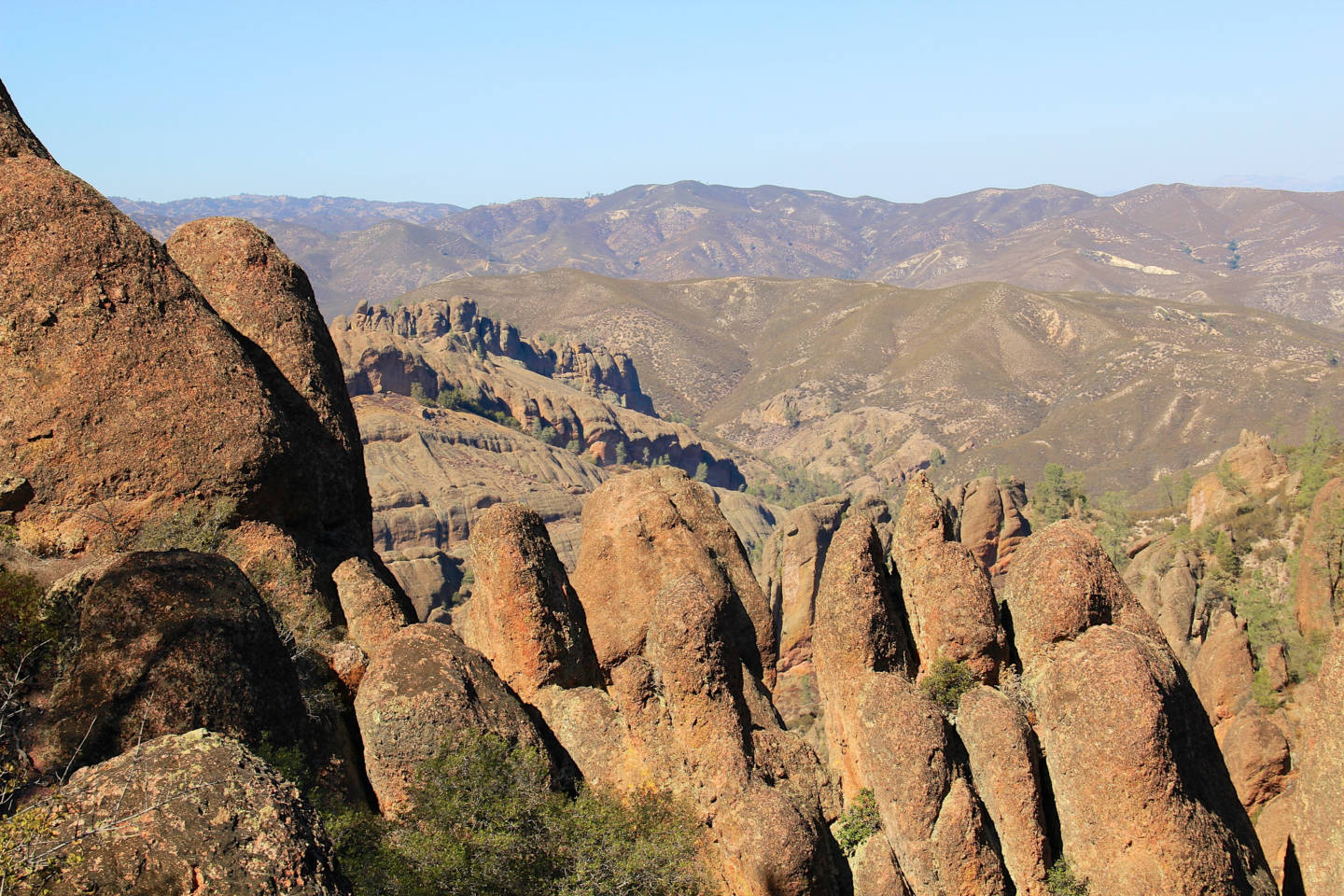
"caption": "Pinnacles National Park east of the Salinas Valley in Central California. By 2100 scientists predict that summers in Pinnacles will be like summers in southeast Georgia.",
"description": null,
"title": "Pinnacles",
"credit": "David Fulmer/flickr",
"status": "inherit",
"isLoading": false,
"fetchFailed": false
},
"science_940030": {
"type": "attachments",
"id": "science_940030",
"meta": {
"index": "attachments_1716263798",
"site": "science",
"id": "940030",
"found": true
},
"parent": 940027,
"imgSizes": {
"twentyfourteen-full-width": {
"file": "https://ww2.kqed.org/app/uploads/sites/35/2016/08/IMG_0671-1038x576.jpg",
"width": 1038,
"mimeType": "image/jpeg",
"height": 576
},
"thumbnail": {
"file": "https://ww2.kqed.org/app/uploads/sites/35/2016/08/IMG_0671-400x300.jpg",
"width": 400,
"mimeType": "image/jpeg",
"height": 300
},
"fd-sm": {
"file": "https://ww2.kqed.org/app/uploads/sites/35/2016/08/IMG_0671-960x720.jpg",
"width": 960,
"mimeType": "image/jpeg",
"height": 720
},
"post-thumbnail": {
"file": "https://ww2.kqed.org/app/uploads/sites/35/2016/08/IMG_0671-672x372.jpg",
"width": 672,
"mimeType": "image/jpeg",
"height": 372
},
"kqedFullSize": {
"file": "https://ww2.kqed.org/app/uploads/sites/35/2016/08/IMG_0671.jpg",
"width": 4032,
"height": 3024
},
"large": {
"file": "https://ww2.kqed.org/app/uploads/sites/35/2016/08/IMG_0671-1440x1080.jpg",
"width": 1440,
"mimeType": "image/jpeg",
"height": 1080
},
"guest-author-50": {
"file": "https://ww2.kqed.org/app/uploads/sites/35/2016/08/IMG_0671-50x50.jpg",
"width": 50,
"mimeType": "image/jpeg",
"height": 50
},
"guest-author-96": {
"file": "https://ww2.kqed.org/app/uploads/sites/35/2016/08/IMG_0671-96x96.jpg",
"width": 96,
"mimeType": "image/jpeg",
"height": 96
},
"medium": {
"file": "https://ww2.kqed.org/app/uploads/sites/35/2016/08/IMG_0671-800x600.jpg",
"width": 800,
"mimeType": "image/jpeg",
"height": 600
},
"guest-author-64": {
"file": "https://ww2.kqed.org/app/uploads/sites/35/2016/08/IMG_0671-64x64.jpg",
"width": 64,
"mimeType": "image/jpeg",
"height": 64
},
"guest-author-32": {
"file": "https://ww2.kqed.org/app/uploads/sites/35/2016/08/IMG_0671-32x32.jpg",
"width": 32,
"mimeType": "image/jpeg",
"height": 32
},
"fd-lrg": {
"file": "https://ww2.kqed.org/app/uploads/sites/35/2016/08/IMG_0671-1920x1440.jpg",
"width": 1920,
"mimeType": "image/jpeg",
"height": 1440
},
"fd-med": {
"file": "https://ww2.kqed.org/app/uploads/sites/35/2016/08/IMG_0671-1180x885.jpg",
"width": 1180,
"mimeType": "image/jpeg",
"height": 885
},
"detail": {
"file": "https://ww2.kqed.org/app/uploads/sites/35/2016/08/IMG_0671-150x150.jpg",
"width": 150,
"mimeType": "image/jpeg",
"height": 150
},
"medium_large": {
"file": "https://ww2.kqed.org/app/uploads/sites/35/2016/08/IMG_0671-768x576.jpg",
"width": 768,
"mimeType": "image/jpeg",
"height": 576
},
"guest-author-128": {
"file": "https://ww2.kqed.org/app/uploads/sites/35/2016/08/IMG_0671-128x128.jpg",
"width": 128,
"mimeType": "image/jpeg",
"height": 128
}
},
"publishDate": 1471985179,
"modified": 1471985268,
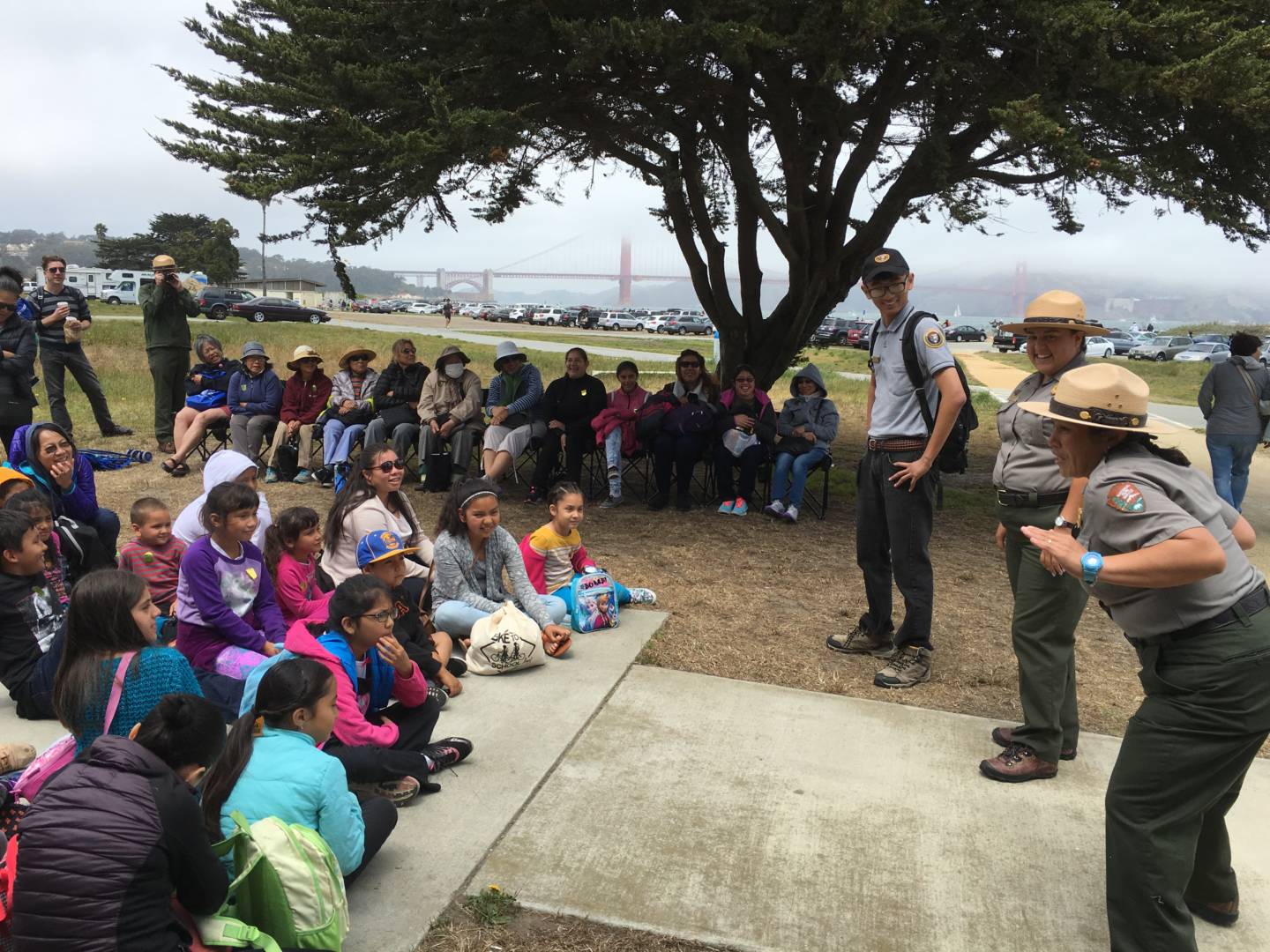
"caption": "Park rangers at Crissy Field educate a group of visitors about the flora and fauna at Golden Gate National Recreation Area. ",
"description": null,
"title": "IMG_0671",
"credit": "Lesley McClurg/ KQED",
"status": "inherit",
"isLoading": false,
"fetchFailed": false
},
"science_895961": {
"type": "attachments",
"id": "science_895961",
"meta": {
"index": "attachments_1716263798",
"site": "science",
"id": "895961",
"found": true
},
"parent": 877072,
"imgSizes": {
"twentyfourteen-full-width": {
"file": "https://ww2.kqed.org/app/uploads/sites/35/2016/08/Olive-Tambou-backpacking-at-point-reyes-annual-female-backpacking-trip-1038x576.jpg",
"width": 1038,
"mimeType": "image/jpeg",
"height": 576
},
"thumbnail": {
"file": "https://ww2.kqed.org/app/uploads/sites/35/2016/08/Olive-Tambou-backpacking-at-point-reyes-annual-female-backpacking-trip-400x300.jpg",
"width": 400,
"mimeType": "image/jpeg",
"height": 300
},
"fd-sm": {
"file": "https://ww2.kqed.org/app/uploads/sites/35/2016/08/Olive-Tambou-backpacking-at-point-reyes-annual-female-backpacking-trip-960x720.jpg",
"width": 960,
"mimeType": "image/jpeg",
"height": 720
},
"post-thumbnail": {
"file": "https://ww2.kqed.org/app/uploads/sites/35/2016/08/Olive-Tambou-backpacking-at-point-reyes-annual-female-backpacking-trip-672x372.jpg",
"width": 672,
"mimeType": "image/jpeg",
"height": 372
},
"kqedFullSize": {
"file": "https://ww2.kqed.org/app/uploads/sites/35/2016/08/Olive-Tambou-backpacking-at-point-reyes-annual-female-backpacking-trip-e1470692070813.jpg",
"width": 1920,
"height": 1440
},
"large": {
"file": "https://ww2.kqed.org/app/uploads/sites/35/2016/08/Olive-Tambou-backpacking-at-point-reyes-annual-female-backpacking-trip-1440x1080.jpg",
"width": 1440,
"mimeType": "image/jpeg",
"height": 1080
},
"guest-author-50": {
"file": "https://ww2.kqed.org/app/uploads/sites/35/2016/08/Olive-Tambou-backpacking-at-point-reyes-annual-female-backpacking-trip-50x50.jpg",
"width": 50,
"mimeType": "image/jpeg",
"height": 50
},
"guest-author-96": {
"file": "https://ww2.kqed.org/app/uploads/sites/35/2016/08/Olive-Tambou-backpacking-at-point-reyes-annual-female-backpacking-trip-96x96.jpg",
"width": 96,
"mimeType": "image/jpeg",
"height": 96
},
"medium": {
"file": "https://ww2.kqed.org/app/uploads/sites/35/2016/08/Olive-Tambou-backpacking-at-point-reyes-annual-female-backpacking-trip-800x600.jpg",
"width": 800,
"mimeType": "image/jpeg",
"height": 600
},
"guest-author-64": {
"file": "https://ww2.kqed.org/app/uploads/sites/35/2016/08/Olive-Tambou-backpacking-at-point-reyes-annual-female-backpacking-trip-64x64.jpg",
"width": 64,
"mimeType": "image/jpeg",
"height": 64
},
"guest-author-32": {
"file": "https://ww2.kqed.org/app/uploads/sites/35/2016/08/Olive-Tambou-backpacking-at-point-reyes-annual-female-backpacking-trip-32x32.jpg",
"width": 32,
"mimeType": "image/jpeg",
"height": 32
},
"fd-lrg": {
"file": "https://ww2.kqed.org/app/uploads/sites/35/2016/08/Olive-Tambou-backpacking-at-point-reyes-annual-female-backpacking-trip-1920x1440.jpg",
"width": 1920,
"mimeType": "image/jpeg",
"height": 1440
},
"fd-med": {
"file": "https://ww2.kqed.org/app/uploads/sites/35/2016/08/Olive-Tambou-backpacking-at-point-reyes-annual-female-backpacking-trip-1180x885.jpg",
"width": 1180,
"mimeType": "image/jpeg",
"height": 885
},
"detail": {
"file": "https://ww2.kqed.org/app/uploads/sites/35/2016/08/Olive-Tambou-backpacking-at-point-reyes-annual-female-backpacking-trip-150x150.jpg",
"width": 150,
"mimeType": "image/jpeg",
"height": 150
},
"medium_large": {
"file": "https://ww2.kqed.org/app/uploads/sites/35/2016/08/Olive-Tambou-backpacking-at-point-reyes-annual-female-backpacking-trip-768x576.jpg",
"width": 768,
"mimeType": "image/jpeg",
"height": 576
},
"guest-author-128": {
"file": "https://ww2.kqed.org/app/uploads/sites/35/2016/08/Olive-Tambou-backpacking-at-point-reyes-annual-female-backpacking-trip-128x128.jpg",
"width": 128,
"mimeType": "image/jpeg",
"height": 128
}
},
"publishDate": 1470267139,
"modified": 1470425959,
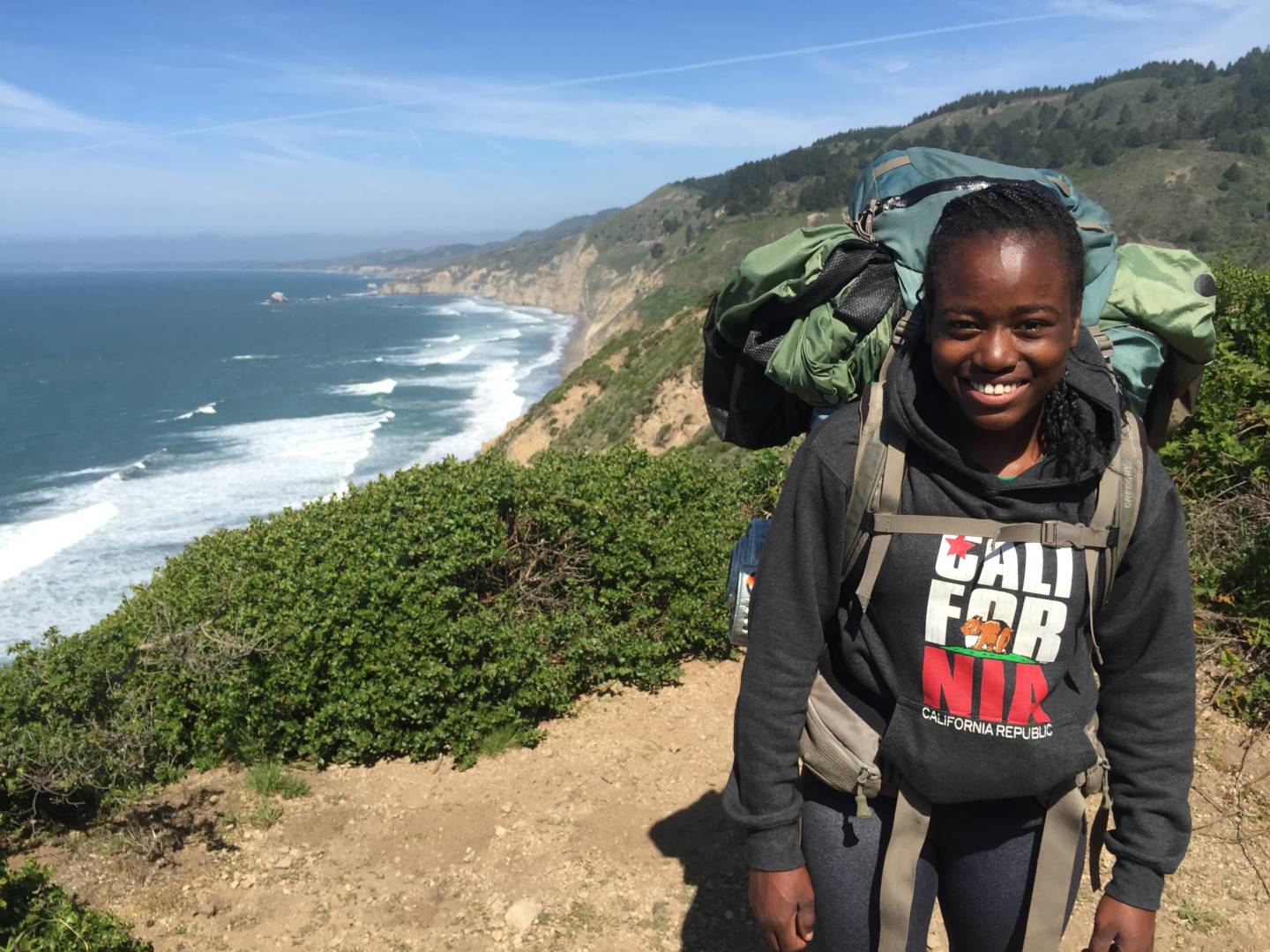
"caption": "Olive Tambou backpacks at Point Reyes National Seashore, about an hour north of San Francisco. ",
"description": "Olive Tambou backpacks at Point Reyes National Seashore, about an hour north of San Francisco. ",
"title": "Olive Tambou backpacking at point reyes -- annual female backpacking trip",
"credit": "Golden Gate National Parks Conservancy",
"status": "inherit",
"isLoading": false,
"fetchFailed": false
},
"science_884300": {
"type": "attachments",
"id": "science_884300",
"meta": {
"index": "attachments_1716263798",
"site": "science",
"id": "884300",
"found": true
},
"parent": 884295,
"imgSizes": {
"twentyfourteen-full-width": {
"file": "https://ww2.kqed.org/app/uploads/sites/35/2016/07/JoshuaTree-1-web2-1-1038x576.jpg",
"width": 1038,
"mimeType": "image/jpeg",
"height": 576
},
"thumbnail": {
"file": "https://ww2.kqed.org/app/uploads/sites/35/2016/07/JoshuaTree-1-web2-1-400x187.jpg",
"width": 400,
"mimeType": "image/jpeg",
"height": 187
},
"fd-sm": {
"file": "https://ww2.kqed.org/app/uploads/sites/35/2016/07/JoshuaTree-1-web2-1-960x448.jpg",
"width": 960,
"mimeType": "image/jpeg",
"height": 448
},
"post-thumbnail": {
"file": "https://ww2.kqed.org/app/uploads/sites/35/2016/07/JoshuaTree-1-web2-1-672x372.jpg",
"width": 672,
"mimeType": "image/jpeg",
"height": 372
},
"kqedFullSize": {
"file": "https://ww2.kqed.org/app/uploads/sites/35/2016/07/JoshuaTree-1-web2-1.jpg",
"width": 1918,
"height": 895
},
"large": {
"file": "https://ww2.kqed.org/app/uploads/sites/35/2016/07/JoshuaTree-1-web2-1-1440x672.jpg",
"width": 1440,
"mimeType": "image/jpeg",
"height": 672
},
"guest-author-50": {
"file": "https://ww2.kqed.org/app/uploads/sites/35/2016/07/JoshuaTree-1-web2-1-50x50.jpg",
"width": 50,
"mimeType": "image/jpeg",
"height": 50
},
"guest-author-96": {
"file": "https://ww2.kqed.org/app/uploads/sites/35/2016/07/JoshuaTree-1-web2-1-96x96.jpg",
"width": 96,
"mimeType": "image/jpeg",
"height": 96
},
"medium": {
"file": "https://ww2.kqed.org/app/uploads/sites/35/2016/07/JoshuaTree-1-web2-1-800x373.jpg",
"width": 800,
"mimeType": "image/jpeg",
"height": 373
},
"guest-author-64": {
"file": "https://ww2.kqed.org/app/uploads/sites/35/2016/07/JoshuaTree-1-web2-1-64x64.jpg",
"width": 64,
"mimeType": "image/jpeg",
"height": 64
},
"guest-author-32": {
"file": "https://ww2.kqed.org/app/uploads/sites/35/2016/07/JoshuaTree-1-web2-1-32x32.jpg",
"width": 32,
"mimeType": "image/jpeg",
"height": 32
},
"fd-med": {
"file": "https://ww2.kqed.org/app/uploads/sites/35/2016/07/JoshuaTree-1-web2-1-1180x551.jpg",
"width": 1180,
"mimeType": "image/jpeg",
"height": 551
},
"detail": {
"file": "https://ww2.kqed.org/app/uploads/sites/35/2016/07/JoshuaTree-1-web2-1-150x150.jpg",
"width": 150,
"mimeType": "image/jpeg",
"height": 150
},
"medium_large": {
"file": "https://ww2.kqed.org/app/uploads/sites/35/2016/07/JoshuaTree-1-web2-1-768x358.jpg",
"width": 768,
"mimeType": "image/jpeg",
"height": 358
},
"guest-author-128": {
"file": "https://ww2.kqed.org/app/uploads/sites/35/2016/07/JoshuaTree-1-web2-1-128x128.jpg",
"width": 128,
"mimeType": "image/jpeg",
"height": 128
}
},
"publishDate": 1469828948,
"modified": 1469828977,
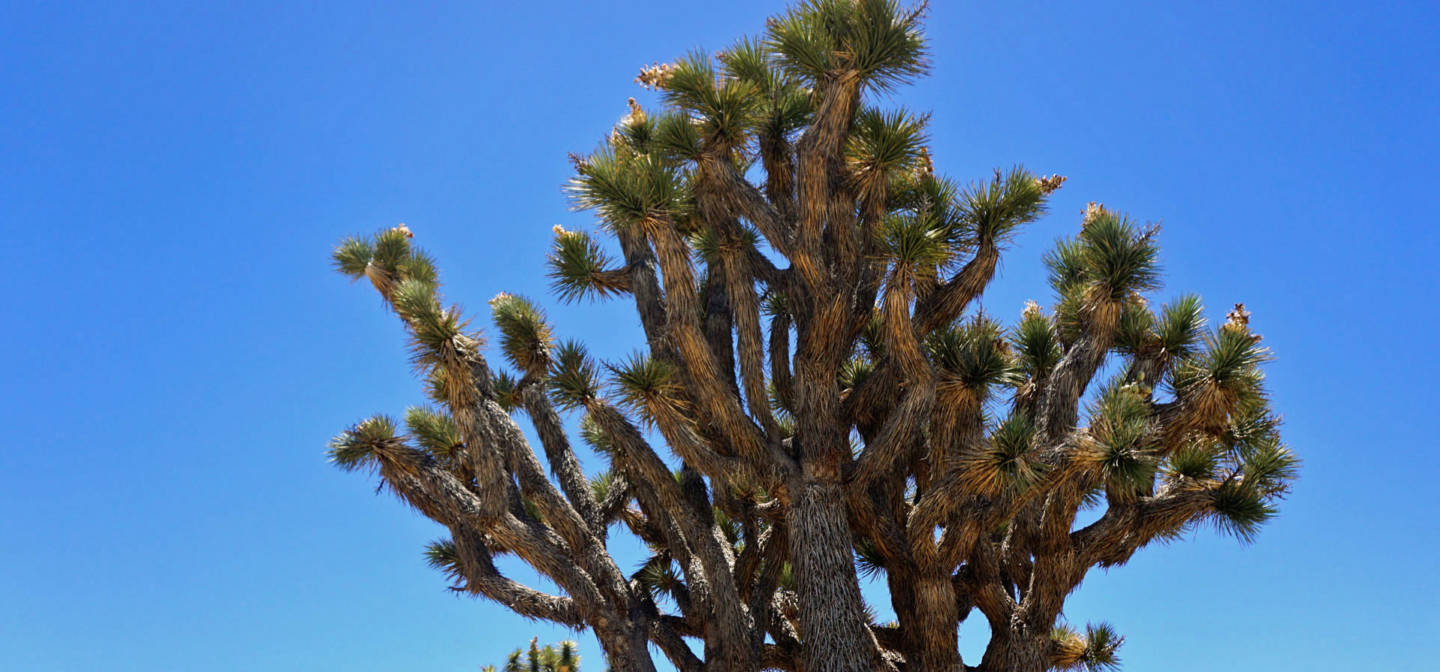
"caption": "Joshua tree habitat is expected to shrink dramatically because of climate change.",
"description": null,
"title": "JoshuaTree-1-web2",
"credit": "Lauren Sommer/KQED",
"status": "inherit",
"isLoading": false,
"fetchFailed": false
},
"news_11032324": {
"type": "attachments",
"id": "news_11032324",
"meta": {
"index": "attachments_1716263798",
"site": "news",
"id": "11032324",
"found": true
},
"parent": 11032323,
"imgSizes": {
"twentyfourteen-full-width": {
"file": "https://ww2.kqed.org/app/uploads/sites/10/2016/07/select_wide-5a4ac7d4d4f5070735f90d3c379df4b4b3d54c01-1038x576.jpg",
"width": 1038,
"mimeType": "image/jpeg",
"height": 576
},
"thumbnail": {
"file": "https://ww2.kqed.org/app/uploads/sites/10/2016/07/select_wide-5a4ac7d4d4f5070735f90d3c379df4b4b3d54c01-400x225.jpg",
"width": 400,
"mimeType": "image/jpeg",
"height": 225
},
"fd-sm": {
"file": "https://ww2.kqed.org/app/uploads/sites/10/2016/07/select_wide-5a4ac7d4d4f5070735f90d3c379df4b4b3d54c01-960x540.jpg",
"width": 960,
"mimeType": "image/jpeg",
"height": 540
},
"post-thumbnail": {
"file": "https://ww2.kqed.org/app/uploads/sites/10/2016/07/select_wide-5a4ac7d4d4f5070735f90d3c379df4b4b3d54c01-672x372.jpg",
"width": 672,
"mimeType": "image/jpeg",
"height": 372
},
"kqedFullSize": {
"file": "https://ww2.kqed.org/app/uploads/sites/10/2016/07/select_wide-5a4ac7d4d4f5070735f90d3c379df4b4b3d54c01.jpg",
"width": 2989,
"height": 1681
},
"large": {
"file": "https://ww2.kqed.org/app/uploads/sites/10/2016/07/select_wide-5a4ac7d4d4f5070735f90d3c379df4b4b3d54c01-1920x1080.jpg",
"width": 1920,
"mimeType": "image/jpeg",
"height": 1080
},
"guest-author-50": {
"file": "https://ww2.kqed.org/app/uploads/sites/10/2016/07/select_wide-5a4ac7d4d4f5070735f90d3c379df4b4b3d54c01-50x50.jpg",
"width": 50,
"mimeType": "image/jpeg",
"height": 50
},
"guest-author-96": {
"file": "https://ww2.kqed.org/app/uploads/sites/10/2016/07/select_wide-5a4ac7d4d4f5070735f90d3c379df4b4b3d54c01-96x96.jpg",
"width": 96,
"mimeType": "image/jpeg",
"height": 96
},
"medium": {
"file": "https://ww2.kqed.org/app/uploads/sites/10/2016/07/select_wide-5a4ac7d4d4f5070735f90d3c379df4b4b3d54c01-800x450.jpg",
"width": 800,
"mimeType": "image/jpeg",
"height": 450
},
"guest-author-64": {
"file": "https://ww2.kqed.org/app/uploads/sites/10/2016/07/select_wide-5a4ac7d4d4f5070735f90d3c379df4b4b3d54c01-64x64.jpg",
"width": 64,
"mimeType": "image/jpeg",
"height": 64
},
"guest-author-32": {
"file": "https://ww2.kqed.org/app/uploads/sites/10/2016/07/select_wide-5a4ac7d4d4f5070735f90d3c379df4b4b3d54c01-32x32.jpg",
"width": 32,
"mimeType": "image/jpeg",
"height": 32
},
"jmtc-small-thumb": {
"file": "https://ww2.kqed.org/app/uploads/sites/10/2016/07/select_wide-5a4ac7d4d4f5070735f90d3c379df4b4b3d54c01-280x150.jpg",
"width": 280,
"mimeType": "image/jpeg",
"height": 150
},
"fd-lrg": {
"file": "https://ww2.kqed.org/app/uploads/sites/10/2016/07/select_wide-5a4ac7d4d4f5070735f90d3c379df4b4b3d54c01-1920x1080.jpg",
"width": 1920,
"mimeType": "image/jpeg",
"height": 1080
},
"fd-med": {
"file": "https://ww2.kqed.org/app/uploads/sites/10/2016/07/select_wide-5a4ac7d4d4f5070735f90d3c379df4b4b3d54c01-1180x664.jpg",
"width": 1180,
"mimeType": "image/jpeg",
"height": 664
},
"detail": {
"file": "https://ww2.kqed.org/app/uploads/sites/10/2016/07/select_wide-5a4ac7d4d4f5070735f90d3c379df4b4b3d54c01-150x150.jpg",
"width": 150,
"mimeType": "image/jpeg",
"height": 150
},
"guest-author-128": {
"file": "https://ww2.kqed.org/app/uploads/sites/10/2016/07/select_wide-5a4ac7d4d4f5070735f90d3c379df4b4b3d54c01-128x128.jpg",
"width": 128,
"mimeType": "image/jpeg",
"height": 128
}
},
"publishDate": 1469569519,
"modified": 1469569583,
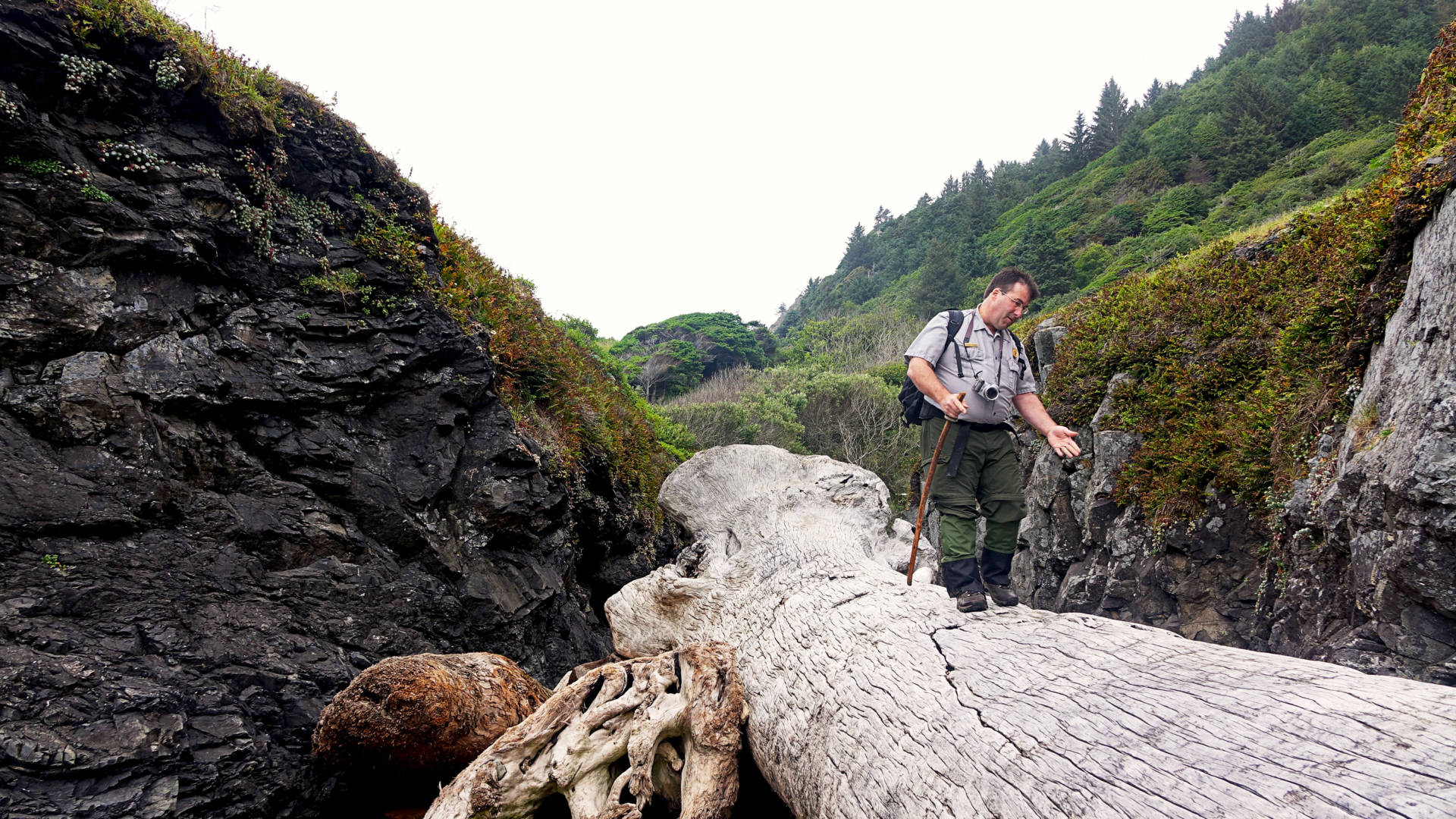
"caption": "Michael Peterson, an archaeologist at Redwood National Park in California, photographs the coastline annually to monitor erosion of archaeological sites.",
"description": "Michael Peterson, an archaeologist at Redwood National Park in California, photographs the coastline annually to monitor erosion of archaeological sites.",
"title": "Michael Peterson, an archaeologist at Redwood National Park in California, photographs the coastline annually to monitor erosion of archaeological sites.",
"credit": "Jes Burns/OPB/EarthFix",
"status": "inherit",
"isLoading": false,
"fetchFailed": false
},
"news_10988926": {
"type": "attachments",
"id": "news_10988926",
"meta": {
"index": "attachments_1716263798",
"site": "news",
"id": "10988926",
"found": true
},
"parent": 10988875,
"imgSizes": {
"twentyfourteen-full-width": {
"file": "https://ww2.kqed.org/app/uploads/sites/10/2016/06/NocketCraterLake-1038x576.jpg",
"width": 1038,
"mimeType": "image/jpeg",
"height": 576
},
"thumbnail": {
"file": "https://ww2.kqed.org/app/uploads/sites/10/2016/06/NocketCraterLake-400x226.jpg",
"width": 400,
"mimeType": "image/jpeg",
"height": 226
},
"fd-sm": {
"file": "https://ww2.kqed.org/app/uploads/sites/10/2016/06/NocketCraterLake-960x544.jpg",
"width": 960,
"mimeType": "image/jpeg",
"height": 544
},
"post-thumbnail": {
"file": "https://ww2.kqed.org/app/uploads/sites/10/2016/06/NocketCraterLake-672x372.jpg",
"width": 672,
"mimeType": "image/jpeg",
"height": 372
},
"kqedFullSize": {
"file": "https://ww2.kqed.org/app/uploads/sites/10/2016/06/NocketCraterLake.jpg",
"width": 1920,
"height": 1087
},
"large": {
"file": "https://ww2.kqed.org/app/uploads/sites/10/2016/06/NocketCraterLake-1920x1087.jpg",
"width": 1920,
"mimeType": "image/jpeg",
"height": 1087
},
"guest-author-50": {
"file": "https://ww2.kqed.org/app/uploads/sites/10/2016/06/NocketCraterLake-50x50.jpg",
"width": 50,
"mimeType": "image/jpeg",
"height": 50
},
"guest-author-96": {
"file": "https://ww2.kqed.org/app/uploads/sites/10/2016/06/NocketCraterLake-96x96.jpg",
"width": 96,
"mimeType": "image/jpeg",
"height": 96
},
"medium": {
"file": "https://ww2.kqed.org/app/uploads/sites/10/2016/06/NocketCraterLake-800x453.jpg",
"width": 800,
"mimeType": "image/jpeg",
"height": 453
},
"guest-author-64": {
"file": "https://ww2.kqed.org/app/uploads/sites/10/2016/06/NocketCraterLake-64x64.jpg",
"width": 64,
"mimeType": "image/jpeg",
"height": 64
},
"guest-author-32": {
"file": "https://ww2.kqed.org/app/uploads/sites/10/2016/06/NocketCraterLake-32x32.jpg",
"width": 32,
"mimeType": "image/jpeg",
"height": 32
},
"jmtc-small-thumb": {
"file": "https://ww2.kqed.org/app/uploads/sites/10/2016/06/NocketCraterLake-280x150.jpg",
"width": 280,
"mimeType": "image/jpeg",
"height": 150
},
"fd-lrg": {
"file": "https://ww2.kqed.org/app/uploads/sites/10/2016/06/NocketCraterLake-1920x1087.jpg",
"width": 1920,
"mimeType": "image/jpeg",
"height": 1087
},
"fd-med": {
"file": "https://ww2.kqed.org/app/uploads/sites/10/2016/06/NocketCraterLake-1180x668.jpg",
"width": 1180,
"mimeType": "image/jpeg",
"height": 668
},
"detail": {
"file": "https://ww2.kqed.org/app/uploads/sites/10/2016/06/NocketCraterLake-150x150.jpg",
"width": 150,
"mimeType": "image/jpeg",
"height": 150
},
"guest-author-128": {
"file": "https://ww2.kqed.org/app/uploads/sites/10/2016/06/NocketCraterLake-128x128.jpg",
"width": 128,
"mimeType": "image/jpeg",
"height": 128
}
},
"publishDate": 1465927204,
"modified": 1465927424,
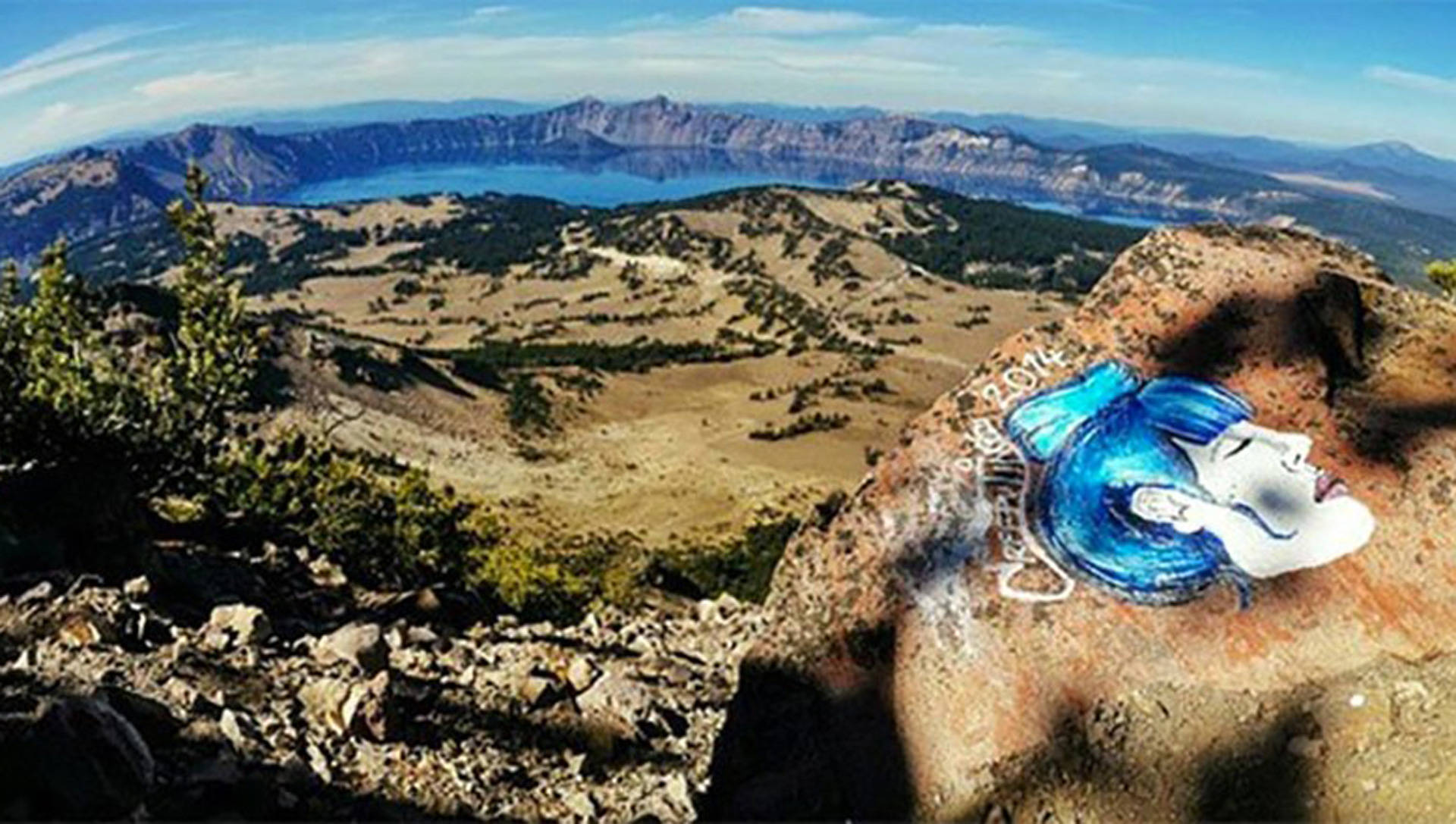
"caption": "This image captured from Casey Nocket's Instagram account shows one of her acrylic paintings near Oregon's Crater Lake.",
"description": "This image captured from Casey Nocket's Instagram account shows one of her acrylic paintings near Oregon's Crater Lake.",
"title": "NocketCraterLake",
"credit": "Courtesy of U.S. Attorney's Office for the Eastern District of California",
"status": "inherit",
"isLoading": false,
"fetchFailed": false
},
"science_725754": {
"type": "attachments",
"id": "science_725754",
"meta": {
"index": "attachments_1716263798",
"site": "science",
"id": "725754",
"found": true
},
"parent": 725648,
"imgSizes": {
"thumbnail": {
"file": "https://ww2.kqed.org/app/uploads/sites/35/2016/05/Arches_ArchesNP-400x267.jpg",
"width": 400,
"mimeType": "image/jpeg",
"height": 267
},
"post-thumbnail": {
"file": "https://ww2.kqed.org/app/uploads/sites/35/2016/05/Arches_ArchesNP-672x372.jpg",
"width": 672,
"mimeType": "image/jpeg",
"height": 372
},
"kqedFullSize": {
"file": "https://ww2.kqed.org/app/uploads/sites/35/2016/05/Arches_ArchesNP.jpg",
"width": 705,
"height": 470
},
"guest-author-50": {
"file": "https://ww2.kqed.org/app/uploads/sites/35/2016/05/Arches_ArchesNP-50x50.jpg",
"width": 50,
"mimeType": "image/jpeg",
"height": 50
},
"guest-author-96": {
"file": "https://ww2.kqed.org/app/uploads/sites/35/2016/05/Arches_ArchesNP-96x96.jpg",
"width": 96,
"mimeType": "image/jpeg",
"height": 96
},
"guest-author-64": {
"file": "https://ww2.kqed.org/app/uploads/sites/35/2016/05/Arches_ArchesNP-64x64.jpg",
"width": 64,
"mimeType": "image/jpeg",
"height": 64
},
"detail": {
"file": "https://ww2.kqed.org/app/uploads/sites/35/2016/05/Arches_ArchesNP-150x150.jpg",
"width": 150,
"mimeType": "image/jpeg",
"height": 150
},
"guest-author-32": {
"file": "https://ww2.kqed.org/app/uploads/sites/35/2016/05/Arches_ArchesNP-32x32.jpg",
"width": 32,
"mimeType": "image/jpeg",
"height": 32
},
"guest-author-128": {
"file": "https://ww2.kqed.org/app/uploads/sites/35/2016/05/Arches_ArchesNP-128x128.jpg",
"width": 128,
"mimeType": "image/jpeg",
"height": 128
}
},
"publishDate": 1464200593,
"modified": 1464200605,
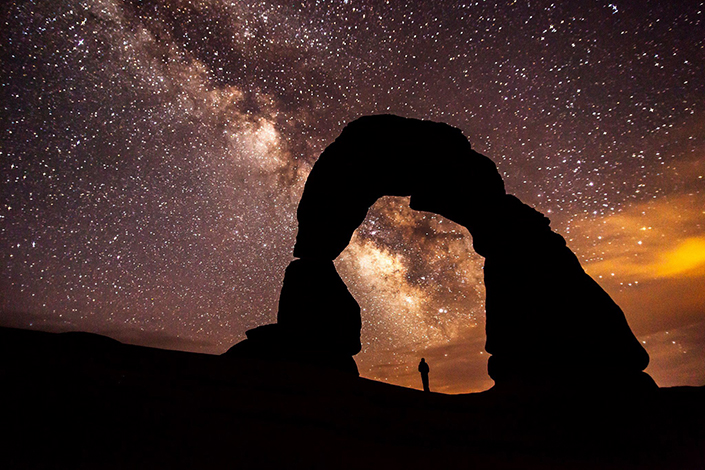
"caption": "Delicate Arch at night in Arches National Park. ",
"description": null,
"title": "Arches_ArchesNP",
"credit": "Arches National Park",
"status": "inherit",
"isLoading": false,
"fetchFailed": false
},
"news_10889505": {
"type": "attachments",
"id": "news_10889505",
"meta": {
"index": "attachments_1716263798",
"site": "news",
"id": "10889505",
"found": true
},
"parent": 10889490,
"imgSizes": {
"twentyfourteen-full-width": {
"file": "https://ww2.kqed.org/app/uploads/sites/10/2016/03/JoshuaTreeRoad-2-1038x576.jpg",
"width": 1038,
"mimeType": "image/jpeg",
"height": 576
},
"thumbnail": {
"file": "https://ww2.kqed.org/app/uploads/sites/10/2016/03/JoshuaTreeRoad-2-400x193.jpg",
"width": 400,
"mimeType": "image/jpeg",
"height": 193
},
"fd-sm": {
"file": "https://ww2.kqed.org/app/uploads/sites/10/2016/03/JoshuaTreeRoad-2-960x462.jpg",
"width": 960,
"mimeType": "image/jpeg",
"height": 462
},
"post-thumbnail": {
"file": "https://ww2.kqed.org/app/uploads/sites/10/2016/03/JoshuaTreeRoad-2-672x372.jpg",
"width": 672,
"mimeType": "image/jpeg",
"height": 372
},
"kqedFullSize": {
"file": "https://ww2.kqed.org/app/uploads/sites/10/2016/03/JoshuaTreeRoad-2.jpg",
"width": 1920,
"height": 924
},
"large": {
"file": "https://ww2.kqed.org/app/uploads/sites/10/2016/03/JoshuaTreeRoad-2-1920x924.jpg",
"width": 1920,
"mimeType": "image/jpeg",
"height": 924
},
"guest-author-96": {
"file": "https://ww2.kqed.org/app/uploads/sites/10/2016/03/JoshuaTreeRoad-2-96x96.jpg",
"width": 96,
"mimeType": "image/jpeg",
"height": 96
},
"medium": {
"file": "https://ww2.kqed.org/app/uploads/sites/10/2016/03/JoshuaTreeRoad-2-800x385.jpg",
"width": 800,
"mimeType": "image/jpeg",
"height": 385
},
"guest-author-64": {
"file": "https://ww2.kqed.org/app/uploads/sites/10/2016/03/JoshuaTreeRoad-2-64x64.jpg",
"width": 64,
"mimeType": "image/jpeg",
"height": 64
},
"guest-author-32": {
"file": "https://ww2.kqed.org/app/uploads/sites/10/2016/03/JoshuaTreeRoad-2-32x32.jpg",
"width": 32,
"mimeType": "image/jpeg",
"height": 32
},
"jmtc-small-thumb": {
"file": "https://ww2.kqed.org/app/uploads/sites/10/2016/03/JoshuaTreeRoad-2-280x150.jpg",
"width": 280,
"mimeType": "image/jpeg",
"height": 150
},
"fd-lrg": {
"file": "https://ww2.kqed.org/app/uploads/sites/10/2016/03/JoshuaTreeRoad-2-1920x924.jpg",
"width": 1920,
"mimeType": "image/jpeg",
"height": 924
},
"fd-med": {
"file": "https://ww2.kqed.org/app/uploads/sites/10/2016/03/JoshuaTreeRoad-2-1180x568.jpg",
"width": 1180,
"mimeType": "image/jpeg",
"height": 568
},
"detail": {
"file": "https://ww2.kqed.org/app/uploads/sites/10/2016/03/JoshuaTreeRoad-2-75x75.jpg",
"width": 75,
"mimeType": "image/jpeg",
"height": 75
},
"guest-author-128": {
"file": "https://ww2.kqed.org/app/uploads/sites/10/2016/03/JoshuaTreeRoad-2-128x128.jpg",
"width": 128,
"mimeType": "image/jpeg",
"height": 128
}
},
"publishDate": 1457463798,
"modified": 1457463814,
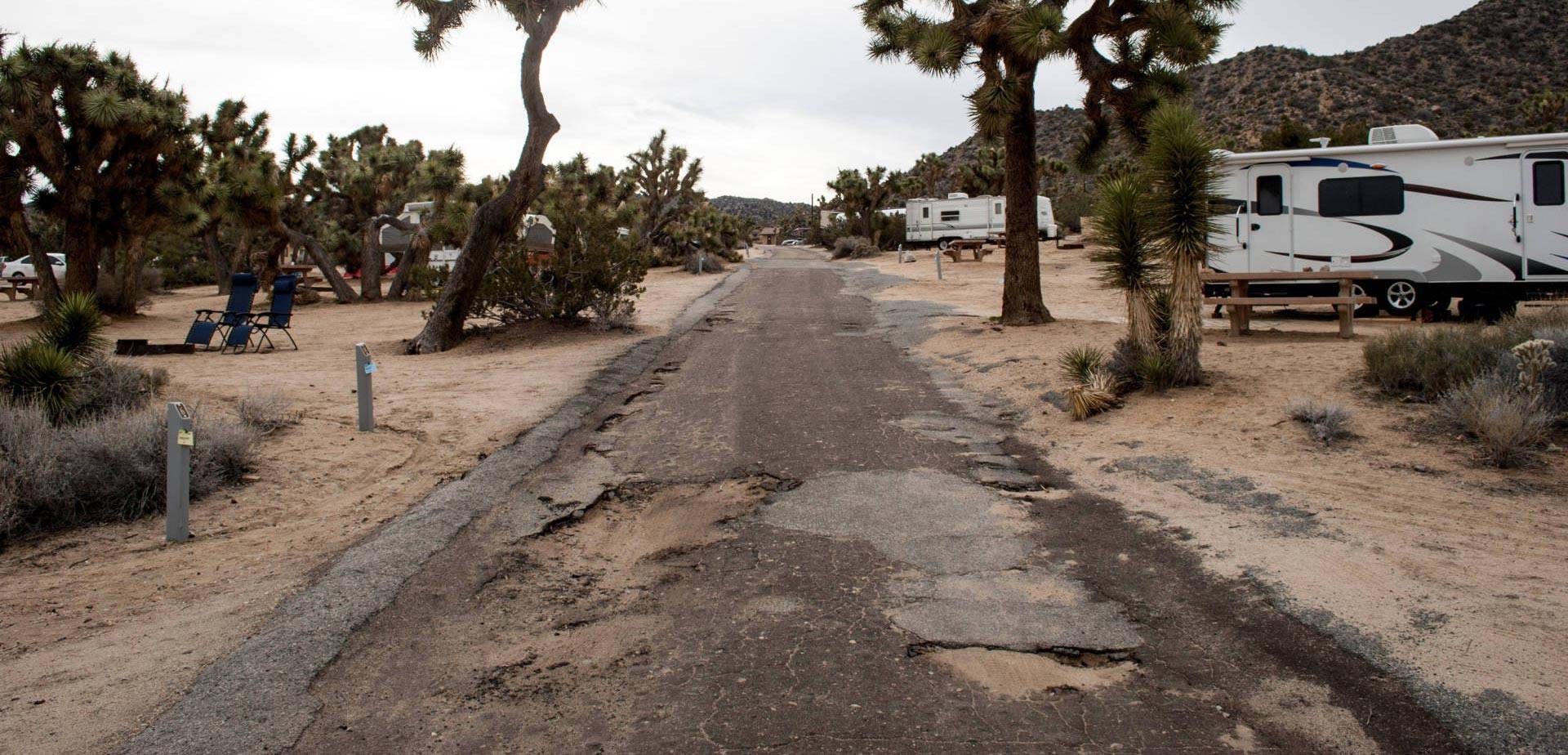
"caption": "Flooding and the combined traffic of thousands of cars, trucks and RVs have torn up the roads at Joshua Tree National Park's Black Rock Canyon Campground. The majority of the park's $60 million maintenance backlog is for roads like this.",
"description": "Flooding and the combined traffic of thousands of cars, trucks and RVs have torn up the roads at Joshua Tree National Park's Black Rock Canyon Campground. The majority of the park's $60 million maintenance backlog is for roads like this.",
"title": "JoshuaTreeRoad",
"credit": "Nathan Rott/NPR",
"status": "inherit",
"isLoading": false,
"fetchFailed": false
},
"news_10420166": {
"type": "attachments",
"id": "news_10420166",
"meta": {
"index": "attachments_1716263798",
"site": "news",
"id": "10420166",
"found": true
},
"parent": 10420147,
"imgSizes": {
"twentyfourteen-full-width": {
"file": "https://ww2.kqed.org/app/uploads/sites/10/2015/01/RS3287_IMG_1280-1038x576.jpg",
"width": 1038,
"mimeType": "image/jpeg",
"height": 576
},
"thumbnail": {
"file": "https://ww2.kqed.org/app/uploads/sites/10/2015/01/RS3287_IMG_1280-400x300.jpg",
"width": 400,
"mimeType": "image/jpeg",
"height": 300
},
"post-thumbnail": {
"file": "https://ww2.kqed.org/app/uploads/sites/10/2015/01/RS3287_IMG_1280-672x372.jpg",
"width": 672,
"mimeType": "image/jpeg",
"height": 372
},
"kqedFullSize": {
"file": "https://ww2.kqed.org/app/uploads/sites/10/2015/01/RS3287_IMG_1280.jpg",
"width": 1600,
"height": 1200
},
"large": {
"file": "https://ww2.kqed.org/app/uploads/sites/10/2015/01/RS3287_IMG_1280-1440x1080.jpg",
"width": 1440,
"mimeType": "image/jpeg",
"height": 1080
},
"guest-author-96": {
"file": "https://ww2.kqed.org/app/uploads/sites/10/2015/01/RS3287_IMG_1280-96x96.jpg",
"width": 96,
"mimeType": "image/jpeg",
"height": 96
},
"medium": {
"file": "https://ww2.kqed.org/app/uploads/sites/10/2015/01/RS3287_IMG_1280-800x600.jpg",
"width": 800,
"mimeType": "image/jpeg",
"height": 600
},
"guest-author-64": {
"file": "https://ww2.kqed.org/app/uploads/sites/10/2015/01/RS3287_IMG_1280-64x64.jpg",
"width": 64,
"mimeType": "image/jpeg",
"height": 64
},
"detail": {
"file": "https://ww2.kqed.org/app/uploads/sites/10/2015/01/RS3287_IMG_1280-75x75.jpg",
"width": 75,
"mimeType": "image/jpeg",
"height": 75
},
"guest-author-32": {
"file": "https://ww2.kqed.org/app/uploads/sites/10/2015/01/RS3287_IMG_1280-32x32.jpg",
"width": 32,
"mimeType": "image/jpeg",
"height": 32
},
"guest-author-128": {
"file": "https://ww2.kqed.org/app/uploads/sites/10/2015/01/RS3287_IMG_1280-128x128.jpg",
"width": 128,
"mimeType": "image/jpeg",
"height": 128
}
},
"publishDate": 1422658651,
"modified": 1422658694,
"caption": "The public weighed in on price increases to Yosemite National Park. (Craig Miller/KQED)",
"description": "The public weighed in on price increases to Yosemite National Park. (Craig Miller/KQED)",
"title": "RS3287_IMG_1280",
"credit": null,
"status": "inherit",
"isLoading": false,
"fetchFailed": false
},
"news_109295": {
"type": "attachments",
"id": "news_109295",
"meta": {
"index": "attachments_1716263798",
"site": "news",
"id": "109295",
"found": true
},
"parent": 109272,
"imgSizes": {
"kqedFullSize": {
"file": "https://ww2.kqed.org/app/uploads/sites/10/2013/08/RS1447_IMG_0627-scr-e1393875449196.jpg",
"width": 320,
"height": 240
}
},
"publishDate": 1377890487,
"modified": 1377890487,
"caption": "El Capitan in Yosemite National Park, one of the locations used in the video. (Craig Miller/KQED).",
"description": null,
"title": "Yosemite-El Capitan ",
"credit": null,
"status": "inherit",
"isLoading": false,
"fetchFailed": false
}
},
"audioPlayerReducer": {
"postId": "stream_live",
"isPaused": true,
"isPlaying": false,
"pfsActive": false,
"pledgeModalIsOpen": true,
"playerDrawerIsOpen": false,
"liveAudioPlayStartedAt": 0,
"liveAudioPlayContext": ""
},
"authorsReducer": {
"byline_news_11579299": {
"type": "authors",
"id": "byline_news_11579299",
"meta": {
"override": true
},
"slug": "byline_news_11579299",
"name": "\u003cstrong>Matt Volz\u003cbr/ >Associated Press\u003c/strong>",
"isLoading": false
},
"byline_science_943904": {
"type": "authors",
"id": "byline_science_943904",
"meta": {
"override": true
},
"slug": "byline_science_943904",
"name": "Brian Kahn\u003c/br>Climate Central",
"isLoading": false
},
"byline_news_11032323": {
"type": "authors",
"id": "byline_news_11032323",
"meta": {
"override": true
},
"slug": "byline_news_11032323",
"name": "Jes Burns",
"isLoading": false
},
"byline_science_725648": {
"type": "authors",
"id": "byline_science_725648",
"meta": {
"override": true
},
"slug": "byline_science_725648",
"name": "\u003ca href=\"https://www.climatecentral.org/what-we-do/people/brian-kahn\" target=\"_blank\">Brian Kahn\u003c/a>\u003c/br>\u003ca href=\"https://www.climatecentral.org/\" target=\"_blank\">Climate Central\u003c/a>",
"isLoading": false
},
"byline_news_10889490": {
"type": "authors",
"id": "byline_news_10889490",
"meta": {
"override": true
},
"slug": "byline_news_10889490",
"name": "\u003cstrong>\u003ca href=\"http://www.npr.org/people/348779465/nathan-rott\">Nathan Rott\u003c/a>\u003cbr>NPR\u003c/strong>",
"isLoading": false
},
"dmarks": {
"type": "authors",
"id": "182",
"meta": {
"index": "authors_1716337520",
"id": "182",
"found": true
},
"name": "David Marks",
"firstName": "David",
"lastName": "Marks",
"slug": "dmarks",
"email": "dmarks@kqed.org",
"display_author_email": false,
"staff_mastheads": [],
"title": "KQED Editor",
"bio": "David Marks is a senior digital editor for KQED News. \u003c/a>Reach him at dmarks@kqed.org.",
"avatar": "https://secure.gravatar.com/avatar/b88bd6227ce6cb96ae33fefaf42b2a29?s=600&d=mm&r=g",
"twitter": "divadskram",
"facebook": null,
"instagram": null,
"linkedin": null,
"sites": [
{
"site": "news",
"roles": []
},
{
"site": "science",
"roles": []
},
{
"site": "perspectives",
"roles": []
},
{
"site": "liveblog",
"roles": []
}
],
"headData": {
"title": "David Marks | KQED",
"description": "KQED Editor",
"ogImgSrc": "https://secure.gravatar.com/avatar/b88bd6227ce6cb96ae33fefaf42b2a29?s=600&d=mm&r=g",
"twImgSrc": "https://secure.gravatar.com/avatar/b88bd6227ce6cb96ae33fefaf42b2a29?s=600&d=mm&r=g"
},
"isLoading": false,
"link": "/author/dmarks"
},
"danbrekke": {
"type": "authors",
"id": "222",
"meta": {
"index": "authors_1716337520",
"id": "222",
"found": true
},
"name": "Dan Brekke",
"firstName": "Dan",
"lastName": "Brekke",
"slug": "danbrekke",
"email": "dbrekke@kqed.org",
"display_author_email": true,
"staff_mastheads": [
"news",
"science"
],
"title": "KQED Editor and Reporter",
"bio": "Dan Brekke is a reporter and editor for KQED News, responsible for coverage of topics ranging from California water issues to the Bay Area's transportation challenges. In a newsroom career that began in Chicago in 1972, Dan has worked for \u003cem>The San Francisco Examiner,\u003c/em> Wired and TechTV and has been published in The New York Times, The New York Times Magazine, Business 2.0, Salon and elsewhere.\r\n\r\nSince joining KQED in 2007, Dan has reported, edited and produced both radio and online features and breaking news pieces. He has shared as both editor and reporter in four Society of Professional Journalists Norcal Excellence in Journalism awards and one Edward R. Murrow regional award. He was chosen for a spring 2017 residency at the Mesa Refuge to advance his research on California salmon.\r\n\r\nEmail Dan at: \u003ca href=\"mailto:dbrekke@kqed.org\">dbrekke@kqed.org\u003c/a>\r\n\r\n\u003cstrong>Twitter:\u003c/strong> \u003ca href=\"https://twitter.com/danbrekke\" rel=\"noopener noreferrer\">twitter.com/danbrekke\u003c/a>\r\n\u003cstrong>Facebook:\u003c/strong> \u003ca href=\"https://www.facebook.com/danbrekke\" rel=\"noopener noreferrer\">www.facebook.com/danbrekke\u003c/a>\r\n\u003cstrong>LinkedIn:\u003c/strong> \u003ca href=\"https://www.linkedin.com/in/danbrekke\" rel=\"noopener noreferrer\">www.linkedin.com/in/danbrekke\u003c/a>",
"avatar": "https://secure.gravatar.com/avatar/c8126230345efca3f7aa89b1a402be45?s=600&d=mm&r=g",
"twitter": "danbrekke",
"facebook": null,
"instagram": "https://www.instagram.com/dan.brekke/",
"linkedin": "https://www.linkedin.com/in/danbrekke/",
"sites": [
{
"site": "news",
"roles": [
"administrator",
"create_posts"
]
},
{
"site": "stateofhealth",
"roles": [
"editor"
]
},
{
"site": "science",
"roles": [
"editor"
]
},
{
"site": "quest",
"roles": [
"contributor"
]
},
{
"site": "food",
"roles": [
"contributor"
]
},
{
"site": "forum",
"roles": [
"contributor"
]
},
{
"site": "liveblog",
"roles": [
"editor"
]
}
],
"headData": {
"title": "Dan Brekke | KQED",
"description": "KQED Editor and Reporter",
"ogImgSrc": "https://secure.gravatar.com/avatar/c8126230345efca3f7aa89b1a402be45?s=600&d=mm&r=g",
"twImgSrc": "https://secure.gravatar.com/avatar/c8126230345efca3f7aa89b1a402be45?s=600&d=mm&r=g"
},
"isLoading": false,
"link": "/author/danbrekke"
},
"kqed": {
"type": "authors",
"id": "236",
"meta": {
"index": "authors_1716337520",
"id": "236",
"found": true
},
"name": "KQED News Staff",
"firstName": "KQED News Staff",
"lastName": null,
"slug": "kqed",
"email": "faq@kqed.org",
"display_author_email": false,
"staff_mastheads": [],
"title": null,
"bio": null,
"avatar": "https://secure.gravatar.com/avatar/ef0e801a68c4c54afa9180db14084167?s=600&d=blank&r=g",
"twitter": null,
"facebook": null,
"instagram": null,
"linkedin": null,
"sites": [
{
"site": "arts",
"roles": [
"contributor"
]
},
{
"site": "news",
"roles": [
"editor"
]
},
{
"site": "futureofyou",
"roles": [
"author"
]
}
],
"headData": {
"title": "KQED News Staff | KQED",
"description": null,
"ogImgSrc": "https://secure.gravatar.com/avatar/ef0e801a68c4c54afa9180db14084167?s=600&d=blank&r=g",
"twImgSrc": "https://secure.gravatar.com/avatar/ef0e801a68c4c54afa9180db14084167?s=600&d=blank&r=g"
},
"isLoading": false,
"link": "/author/kqed"
},
"kqednewsstaffandwires": {
"type": "authors",
"id": "237",
"meta": {
"index": "authors_1716337520",
"id": "237",
"found": true
},
"name": "KQED News Staff and Wires",
"firstName": "KQED News Staff and Wires",
"lastName": null,
"slug": "kqednewsstaffandwires",
"email": "onlinenewsstaff@kqed.org",
"display_author_email": false,
"staff_mastheads": [],
"title": null,
"bio": null,
"avatar": "https://secure.gravatar.com/avatar/72295af8ebbfbd19a4948f5271285664?s=600&d=blank&r=g",
"twitter": null,
"facebook": null,
"instagram": null,
"linkedin": null,
"sites": [
{
"site": "arts",
"roles": [
"contributor"
]
},
{
"site": "news",
"roles": [
"contributor"
]
},
{
"site": "lowdown",
"roles": [
"author"
]
},
{
"site": "stateofhealth",
"roles": [
"contributor"
]
},
{
"site": "food",
"roles": [
"author"
]
}
],
"headData": {
"title": "KQED News Staff and Wires | KQED",
"description": null,
"ogImgSrc": "https://secure.gravatar.com/avatar/72295af8ebbfbd19a4948f5271285664?s=600&d=blank&r=g",
"twImgSrc": "https://secure.gravatar.com/avatar/72295af8ebbfbd19a4948f5271285664?s=600&d=blank&r=g"
},
"isLoading": false,
"link": "/author/kqednewsstaffandwires"
},
"laurensommer": {
"type": "authors",
"id": "239",
"meta": {
"index": "authors_1716337520",
"id": "239",
"found": true
},
"name": "Lauren Sommer",
"firstName": "Lauren",
"lastName": "Sommer",
"slug": "laurensommer",
"email": "lsommer@kqed.org",
"display_author_email": false,
"staff_mastheads": [],
"title": "KQED Contributor",
"bio": "Lauren is a radio reporter formerly covering environment, water, and energy for KQED Science. As part of her day job, she has scaled Sierra Nevada peaks, run from charging elephant seals, and desperately tried to get her sea legs - all in pursuit of good radio. Her work has appeared on Marketplace, Living on Earth, Science Friday and NPR's Morning Edition and All Things Considered. You can find her on Twitter at \u003ca href=\"https://twitter.com/lesommer\">@lesommer\u003c/a>.",
"avatar": "https://secure.gravatar.com/avatar/33aa3772bb86c6ad45b8aca6a238bbdf?s=600&d=blank&r=g",
"twitter": null,
"facebook": null,
"instagram": null,
"linkedin": null,
"sites": [
{
"site": "news",
"roles": [
"author"
]
},
{
"site": "science",
"roles": [
"editor",
"manage_content_types",
"manage_taxonomies"
]
},
{
"site": "quest",
"roles": [
"editor"
]
}
],
"headData": {
"title": "Lauren Sommer | KQED",
"description": "KQED Contributor",
"ogImgSrc": "https://secure.gravatar.com/avatar/33aa3772bb86c6ad45b8aca6a238bbdf?s=600&d=blank&r=g",
"twImgSrc": "https://secure.gravatar.com/avatar/33aa3772bb86c6ad45b8aca6a238bbdf?s=600&d=blank&r=g"
},
"isLoading": false,
"link": "/author/laurensommer"
},
"lesleymcclurg": {
"type": "authors",
"id": "11229",
"meta": {
"index": "authors_1716337520",
"id": "11229",
"found": true
},
"name": "Lesley McClurg",
"firstName": "Lesley",
"lastName": "McClurg",
"slug": "lesleymcclurg",
"email": "lmcclurg@KQED.org",
"display_author_email": false,
"staff_mastheads": [
"news",
"science"
],
"title": "KQED Health Correspondent",
"bio": "Lesley McClurg is a health correspondent and fill-in host whose work is regularly rebroadcast on NPR and PBS programs. She’s earned multiple regional Emmy awards, a national and a regional Edward R. Murrow award, and was named Best Beat Reporter by the Association of Health Care Journalists. The Society of Professional Journalists has recognized her work several times, and the Society of Environmental Journalists spotlighted her coverage of California’s historic drought.\r\n\r\nBefore joining KQED in 2016, Lesley covered food and sustainability for Capital Public Radio, environmental issues for Colorado Public Radio, and reported for KUOW and KCTS 9 in Seattle. Away from the newsroom, she loves skiing with her daughter, mountain biking with her partner, and playing with Ollie, the family’s goldendoodle. On deadline, she runs almost entirely on chocolate chips.\r\n\r\n ",
"avatar": "https://secure.gravatar.com/avatar/bab49e972ea10c774fe0f5e29dba1722b158f7c0d58a360923d1389d380b2978?s=600&d=blank&r=g",
"twitter": "lesleywmcclurg",
"bluesky": null,
"facebook": null,
"instagram": null,
"linkedin": null,
"sites": [
{
"site": "arts",
"roles": [
"author"
]
},
{
"site": "news",
"roles": [
"editor"
]
},
{
"site": "futureofyou",
"roles": [
"editor"
]
},
{
"site": "stateofhealth",
"roles": [
"author"
]
},
{
"site": "science",
"roles": [
"editor"
]
},
{
"site": "quest",
"roles": [
"subscriber"
]
},
{
"site": "forum",
"roles": [
"administrator"
]
},
{
"site": "liveblog",
"roles": [
"author"
]
}
],
"headData": {
"title": "Lesley McClurg | KQED",
"description": "KQED Health Correspondent",
"ogImgSrc": "https://secure.gravatar.com/avatar/bab49e972ea10c774fe0f5e29dba1722b158f7c0d58a360923d1389d380b2978?s=600&d=blank&r=g",
"twImgSrc": "https://secure.gravatar.com/avatar/bab49e972ea10c774fe0f5e29dba1722b158f7c0d58a360923d1389d380b2978?s=600&d=blank&r=g"
},
"isLoading": false,
"link": "/author/lesleymcclurg"
}
},
"pagesReducer": {
"news_tag_national-parks": {
"type": "terms",
"id": "news_2715",
"meta": {
"index": "terms_1716263798",
"site": "news",
"id": "2715",
"score": 9.104253
},
"featImg": null,
"name": "national parks",
"description": null,
"taxonomy": "tag",
"headData": {
"twImgId": null,
"twTitle": null,
"ogTitle": null,
"ogImgId": null,
"twDescription": null,
"description": null,
"title": "national parks Archives | KQED News",
"ogDescription": null
},
"ttid": 2733,
"slug": "national-parks",
"isLoading": false,
"title": "national parks",
"pageMeta": {
"site": "news",
"WpPageTemplate": "page-topic-editorial",
"currentPage": 7
},
"blocks": [
{
"blockName": "kqed/post-list",
"attrs": {
"layout": "cardArticle2",
"query": "posts/news?tag=national-parks",
"seeMore": false,
"paginated": true,
"page": 7
}
},
{
"blockName": "kqed/ad"
}
]
}
},
"pfsSessionReducer": {},
"postsReducer": {
"stream_live": {
"type": "live",
"id": "stream_live",
"audioUrl": "https://streams.kqed.org/kqedradio",
"title": "Live Stream",
"excerpt": "Live Stream information currently unavailable.",
"link": "/radio",
"featImg": "",
"label": {
"name": "KQED Live",
"link": "/"
}
},
"stream_kqedNewscast": {
"type": "posts",
"id": "stream_kqedNewscast",
"audioUrl": "https://www.kqed.org/.stream/anon/radio/RDnews/newscast.mp3?_=1",
"title": "KQED Newscast",
"featImg": "",
"label": {
"name": "88.5 FM",
"link": "/"
}
},
"news_11579299": {
"type": "posts",
"id": "news_11579299",
"meta": {
"index": "posts_1716263798",
"site": "news",
"id": "11579299",
"score": null,
"sort": [
1500657042000
]
},
"guestAuthors": [],
"slug": "trumps-interior-department-pulls-glacier-chief-from-zuckerbergs-park-tour",
"title": "Trump's Interior Department Pulls Glacier Chief From Zuckerberg's Park Tour",
"publishDate": 1500657042,
"format": "standard",
"headTitle": "Trump’s Interior Department Pulls Glacier Chief From Zuckerberg’s Park Tour | KQED",
"labelTerm": {},
"content": "\u003cp>President Trump’s Interior Department prevented Glacier National Park’s superintendent from accompanying Facebook founder Mark Zuckerberg on a recent park tour to save money, not to mute criticism over climate change, a spokeswoman for the agency said Thursday.\u003c/p>\n\u003cp>Park superintendent Jeff Mow and U.S. Geological Survey ecologist Daniel Fagre had planned to accompany Zuckerberg last weekend, but Interior Department officials in Washington, D.C., decided to assign park rangers to the tour instead.\u003c/p>\n\u003cp>Zuckerberg, who has previously criticized Trump’s decision to withdraw from the Paris climate decision, highlighted the effects of climate change on the park in a Facebook post.\u003c/p>\n\u003cp>“In a couple of decades, there may not be any glaciers left in the park at all,” he wrote.\u003c/p>\n\u003cp>Scientists predict Glacier National Park’s glaciers will largely disappear by 2030.\u003c/p>\n\u003cp>[ad fullwidth]\u003c/p>\n\u003cp>Mow has participated in the park service’s climate change response program and has given public presentations on how warming temperatures are affecting parks in Montana and Alaska, where he previously worked. Last year, Mow accompanied then-Interior Secretary Sally Jewell on a tour that emphasized climate change.\u003c/p>\n\u003cp>“We really have a bully pulpit to begin talking about climate change,” he said of Glacier officials in a 2015 TEDx talk in Whitefish.\u003c/p>\n\u003cp>Fagre is a top scientist studying climate change. He told the Flathead Beacon that he had been scheduled to go on the Zuckerberg tour and then was told without explanation that he couldn’t participate.\u003c/p>\n\u003cp>A spokeswoman for Glacier National Park did not return a call for comment Thursday.\u003c/p>\n\u003cp>Interior Secretary Ryan Zinke’s spokeswoman, Heather Swift, denied that the decision to pull Mow and Fagre from the tour was related to the climate change debate.\u003c/p>\n\u003cp>“It was about using government resources and tax dollars responsibly, especially at the height of busy season,” she said. So the agency assigned other park officials to Zuckerberg, and he was given “first-class treatment,” Swift said.\u003c/p>\n\u003cp>Asked how much money the Interior Department saved by substituting park rangers for Mow and Fagre, Swift declined to provide an amount.\u003c/p>\n\u003cp>“Every tax dollar matters,” she said.\u003c/p>\n\u003cp>\u003c/p>\n\u003cp>The Washington Post first reported about Interior Department officials preventing Mow and Fagre from meeting with Zuckerberg.\u003c/p>\n\n",
"blocks": [],
"excerpt": "An Interior Department spokeswoman says the move was about saving money, not climate change.",
"status": "publish",
"parent": 0,
"modified": 1721110965,
"stats": {
"hasAudio": false,
"hasVideo": false,
"hasChartOrMap": false,
"iframeSrcs": [],
"hasGoogleForm": false,
"hasGallery": false,
"hasHearkenModule": false,
"hasPolis": false,
"paragraphCount": 16,
"wordCount": 383
},
"headData": {
"title": "Trump's Interior Department Pulls Glacier Chief From Zuckerberg's Park Tour | KQED",
"description": "An Interior Department spokeswoman says the move was about saving money, not climate change.",
"ogTitle": "",
"ogDescription": "",
"ogImgId": "",
"twTitle": "",
"twDescription": "",
"twImgId": "",
"schema": {
"@context": "https://schema.org",
"@type": "NewsArticle",
"headline": "Trump's Interior Department Pulls Glacier Chief From Zuckerberg's Park Tour",
"datePublished": "2017-07-21T10:10:42-07:00",
"dateModified": "2024-07-15T23:22:45-07:00",
"image": "https://cdn.kqed.org/wp-content/uploads/2020/02/KQED-OG-Image@1x.png",
"isAccessibleForFree": "True",
"publisher": {
"@type": "NewsMediaOrganization",
"@id": "https://www.kqed.org/#organization",
"name": "KQED",
"logo": "https://cdn.kqed.org/wp-content/uploads/2020/02/KQED-OG-Image@1x.png",
"url": "https://www.kqed.org",
"sameAs": [
"https://www.facebook.com/KQED",
"https://twitter.com/KQED",
"https://www.instagram.com/kqed/",
"https://www.tiktok.com/@kqedofficial",
"https://www.linkedin.com/company/kqed",
"https://www.youtube.com/channel/UCeC0IOo7i1P_61zVUWbJ4nw"
]
}
}
},
"source": "Associated Press",
"sticky": false,
"nprByline": "\u003cstrong>Matt Volz\u003cbr/ >Associated Press\u003c/strong>",
"path": "/news/11579299/trumps-interior-department-pulls-glacier-chief-from-zuckerbergs-park-tour",
"audioTrackLength": null,
"parsedContent": [
{
"type": "contentString",
"content": "\u003cdiv class=\"post-body\">\u003cp>\u003cp>President Trump’s Interior Department prevented Glacier National Park’s superintendent from accompanying Facebook founder Mark Zuckerberg on a recent park tour to save money, not to mute criticism over climate change, a spokeswoman for the agency said Thursday.\u003c/p>\n\u003cp>Park superintendent Jeff Mow and U.S. Geological Survey ecologist Daniel Fagre had planned to accompany Zuckerberg last weekend, but Interior Department officials in Washington, D.C., decided to assign park rangers to the tour instead.\u003c/p>\n\u003cp>Zuckerberg, who has previously criticized Trump’s decision to withdraw from the Paris climate decision, highlighted the effects of climate change on the park in a Facebook post.\u003c/p>\n\u003cp>“In a couple of decades, there may not be any glaciers left in the park at all,” he wrote.\u003c/p>\n\u003cp>Scientists predict Glacier National Park’s glaciers will largely disappear by 2030.\u003c/p>\n\u003cp>\u003c/p>\u003c/div>",
"attributes": {
"named": {},
"numeric": []
}
},
{
"type": "component",
"content": "",
"name": "ad",
"attributes": {
"named": {
"label": "fullwidth"
},
"numeric": [
"fullwidth"
]
}
},
{
"type": "contentString",
"content": "\u003cdiv class=\"post-body\">\u003cp>\u003c/p>\n\u003cp>Mow has participated in the park service’s climate change response program and has given public presentations on how warming temperatures are affecting parks in Montana and Alaska, where he previously worked. Last year, Mow accompanied then-Interior Secretary Sally Jewell on a tour that emphasized climate change.\u003c/p>\n\u003cp>“We really have a bully pulpit to begin talking about climate change,” he said of Glacier officials in a 2015 TEDx talk in Whitefish.\u003c/p>\n\u003cp>Fagre is a top scientist studying climate change. He told the Flathead Beacon that he had been scheduled to go on the Zuckerberg tour and then was told without explanation that he couldn’t participate.\u003c/p>\n\u003cp>A spokeswoman for Glacier National Park did not return a call for comment Thursday.\u003c/p>\n\u003cp>Interior Secretary Ryan Zinke’s spokeswoman, Heather Swift, denied that the decision to pull Mow and Fagre from the tour was related to the climate change debate.\u003c/p>\n\u003cp>“It was about using government resources and tax dollars responsibly, especially at the height of busy season,” she said. So the agency assigned other park officials to Zuckerberg, and he was given “first-class treatment,” Swift said.\u003c/p>\n\u003cp>Asked how much money the Interior Department saved by substituting park rangers for Mow and Fagre, Swift declined to provide an amount.\u003c/p>\n\u003cp>“Every tax dollar matters,” she said.\u003c/p>\n\u003cp>\u003c/p>\n\u003cp>The Washington Post first reported about Interior Department officials preventing Mow and Fagre from meeting with Zuckerberg.\u003c/p>\n\n\u003c/div>\u003c/p>",
"attributes": {
"named": {},
"numeric": []
}
}
],
"link": "/news/11579299/trumps-interior-department-pulls-glacier-chief-from-zuckerbergs-park-tour",
"authors": [
"byline_news_11579299"
],
"programs": [
"news_6944",
"news_72"
],
"categories": [
"news_19906",
"news_8",
"news_13",
"news_356"
],
"tags": [
"news_255",
"news_250",
"news_2715"
],
"featImg": "news_11579300",
"label": "source_news_11579299"
},
"science_943904": {
"type": "posts",
"id": "science_943904",
"meta": {
"index": "posts_1716263798",
"site": "science",
"id": "943904",
"score": null,
"sort": [
1472146499000
]
},
"parent": 0,
"labelTerm": {},
"blocks": [],
"publishDate": 1472146499,
"format": "standard",
"title": "The Future of National Parks is Going to be a Lot Hotter",
"headTitle": "The Future of National Parks is Going to be a Lot Hotter | KQED",
"content": "\u003cp>Summertime is primetime for national parks. As snow melts, wildflowers bloom and waterfalls roar, generations of visitors have flocked to the natural wonders that dot the American landscape (to say nothing of all the amazing cultural sites the National Park Service protects).\u003c/p>\n\u003cp>The National Park Service was created a century ago — August 25, 1916 to be exact — to keep an eye on the growing treasure trove of national parks. It’s been a good century as more and more land has been set aside and annual visitors now number more than 300 million, but it’s also not been without challenges. Chief among them is \u003ca href=\"http://reports.climatecentral.org/nps/director/\">climate change\u003c/a>, which will drastically \u003ca href=\"http://reports.climatecentral.org/nps/quiz/\">alter national park landscapes\u003c/a> in the coming decades including cranking up the \u003ca href=\"http://www.climatecentral.org/gallery/graphics/100-years-of-warming-at-the-national-parks\">heat\u003c/a>.\u003c/p>\n\u003caside class=\"pullquote alignright\">Joshua Tree National Park in southern California will face the greatest geographical climate shift, with temperatures more like Abu Dhabi by 2100.\u003c/aside>\n\u003cp>As part of Climate Central’s ongoing \u003ca href=\"http://statesatrisk.org/\">States at Risk\u003c/a> project, we analyzed just how much hotter parks are projected to get later this century. We looked at the future summer temperatures in all the parks in the Lower 48 states except Dry Tortugas National Park (sorry, Fort Jefferson lovers!) assuming greenhouse gas emissions continue on their current trend.\u003c/p>\n\u003cp>The results could make you sweat. Parks are projected to have summers that are 8-12°F hotter by 2100. That means currently cool mountainous parks could be as hot as the plains. Parks in the Southeast, already a pretty hot place, will face even more extreme temperatures with a climate more like southern Texas. And otherworldly Joshua Tree National Park in southern California will face the greatest geographical climate shift, with temperatures more like Abu Dhabi by 2100.\u003c/p>\n\u003cp>We also analyzed how many more days with extreme heat the parks could face. \u003ca href=\"http://wxshift.com/climate-change/climate-indicators/extreme-heat\">Extreme heat\u003c/a> is a hallmark of global warming, and its impact will be most arresting in the national parks where people go, by design, to be outside in the summer. Like the rest of the country, parks are going to be seeing more dangerously hot days above 90°F, 95°F, and 100°F.\u003c/p>\n\u003cp>[ad fullwidth]\u003c/p>\n\u003cp>By 2100, the glaciers of Montana’s Glacier National Park \u003ca href=\"http://reports.climatecentral.org/nps/glacier/\">will be long gone\u003c/a> and rising temperatures will be one of the big reasons why. Visitors will not only have to contend with an ice-free landscape, but also hotter temperatures. Today the park sees an average of only one 90°F day each year. It could see 27 days with temperatures above 90°F by the end of the century.\u003c/p>\n\u003cp>Yosemite National Park, high in the Sierra Nevada mountains of California, currently sees about two weeks of 90°F weather every year. By 2050, it could see nearly a month of those temperatures, and by 2100 it could get nearly 50 such days each year.\u003c/p>\n\u003cp>And the Great Smoky Mountains, currently the most-visited National Park, could go from fewer than 10 days above 90°F each year, on average now, to three months with those scorching temperatures.\u003c/p>\n\u003cp>In numerous other parks, the number of days above 100°F is projected to skyrocket. Big Bend National Park in Texas could see more than 110 days above 100°F each year, on average. And Great Basin National Park in Nevada, which currently doesn’t have any days above 100°F in a typical year, could see a month of those temperatures each year by 2100.\u003c/p>\n\u003cp>It’s likely that parks on the more extreme end of the temperature scale will see a drop in summer visitation, but more visitors are \u003ca href=\"http://www.climatecentral.org/news/national-parks-warm-temps-19123\">likely to show up in fall\u003c/a> and spring when it won’t be fry-an-egg-on-the-sidewalk hot. That may stretch park resources thin as most parks are set up to handle summer crowds and quieter shoulder seasons. How parks deal with the change in visitation season is an open question.\u003c/p>\n\u003cp>And all this is to say nothing about the impacts extreme heat will have on the natural resources around which we created national parks in the first place. Joshua Tree could become too hot for its namesake trees and there’s evidence that extreme summer days could create more rockfalls in Yosemite, which could change the face of the stunning valley at the center of the park. \u003ca href=\"http://www.climatecentral.org/news/western-wildfires-climate-change-20475\">Wildfire risk\u003c/a> will also skyrocket across the West and could make summer park vacations not only more hot but \u003ca href=\"http://www.climatecentral.org/news/wildfires-national-park-service-birthday-19371\">more smoky\u003c/a>.\u003c/p>\n\u003cp>Those are just the most visible changes. Whole ecosystems are likely to be disrupted and there are consequences scientists probably haven’t even uncovered yet (those are the ones that \u003ca href=\"http://www.climatecentral.org/news/gradual-climate-changes-could-cause-sudden-impacts-16792\">could be the worst\u003c/a> since we’ll be least prepared).\u003c/p>\n\u003cp>Despite the daunting situation facing the National Park Service in its second century, there are signs it’s up for the challenge. It’s already addressing climate change from \u003ca href=\"http://reports.climatecentral.org/nps/new-york-parks-sea-level-rise/\">the coast\u003c/a> to the \u003ca href=\"http://reports.climatecentral.org/nps/glacier/\">high mountains\u003c/a> and has an \u003ca href=\"http://reports.climatecentral.org/nps/overview/\">A-Team team of experts\u003c/a> to help parks answer the gnarly questions they face.\u003c/p>\n\u003cp>There’s no denying that national parks will look a lot different by the end of the century, but that won’t make them any less a part of the fabric of American identity.\u003c/p>\n\u003cp>\u003ca href=\"http://www.climatecentral.org/\">Climate Central\u003c/a> \u003cem>is an independent organization that researches and reports on climate change.\u003c/em>\u003c/p>\n\u003cp>\u003cem>Analysis by James Bronzan and Alyson Kenward, PhD.\u003c/em>\u003c/p>\n\u003cp>\u003c/p>\n\u003cp>\u003cem>\u003cstrong>Methodology:\u003c/strong>\u003cem> Future temperatures for 47 National Parks were calculated based on the median of 29 spatially downscaled climate models (CMIP5) at 1/8 degree scale, then averaged within park boundaries. National parks in Alaska and Hawaii, along with Dry Tortugas National Park, were excluded because projections at this resolution were unavailable. Temperatures for 2050 are based on the 20-year average of 2041-2060 and for 2100 are based on the period 2080-2099. Projected temperatures assume that greenhouse gas emissions continue at their current rate (RCP8.5). The interactive map features the average summer daily high temperature (June-August), while days over 90\u003csup>o\u003c/sup>F, 95\u003csup>o\u003c/sup>F, and 100\u003csup>o\u003c/sup>F were counted annually. The current period values for parks and climate divisions are based on the 1991-2010 average calculated using a gridded observational dataset by Ed Maurer of Santa Clara University. \u003c/em>\u003c/em>\u003c/p>\n\n",
"stats": {
"hasVideo": false,
"hasChartOrMap": false,
"hasAudio": false,
"hasPolis": false,
"wordCount": 1049,
"hasGoogleForm": false,
"hasGallery": false,
"hasHearkenModule": false,
"iframeSrcs": [],
"paragraphCount": 19
},
"modified": 1704929716,
"excerpt": "National Parks' physical boundaries might not change, but their climate boundaries will as the world warms.",
"headData": {
"twImgId": "",
"twTitle": "",
"ogTitle": "",
"ogImgId": "",
"twDescription": "",
"description": "National Parks' physical boundaries might not change, but their climate boundaries will as the world warms.",
"title": "The Future of National Parks is Going to be a Lot Hotter | KQED",
"ogDescription": "",
"schema": {
"@context": "https://schema.org",
"@type": "Article",
"headline": "The Future of National Parks is Going to be a Lot Hotter",
"datePublished": "2016-08-25T10:34:59-07:00",
"dateModified": "2024-01-10T15:35:16-08:00",
"image": "https://cdn.kqed.org/wp-content/uploads/2020/02/KQED-OG-Image@1x.png"
}
},
"guestAuthors": [],
"slug": "the-future-of-national-parks-is-going-to-be-a-lot-hotter",
"status": "publish",
"sourceUrl": "http://www.climatecentral.org/",
"nprByline": "Brian Kahn\u003c/br>Climate Central",
"sticky": false,
"source": "Climate Central",
"path": "/science/943904/the-future-of-national-parks-is-going-to-be-a-lot-hotter",
"audioTrackLength": null,
"parsedContent": [
{
"type": "contentString",
"content": "\u003cdiv class=\"post-body\">\u003cp>\u003cp>Summertime is primetime for national parks. As snow melts, wildflowers bloom and waterfalls roar, generations of visitors have flocked to the natural wonders that dot the American landscape (to say nothing of all the amazing cultural sites the National Park Service protects).\u003c/p>\n\u003cp>The National Park Service was created a century ago — August 25, 1916 to be exact — to keep an eye on the growing treasure trove of national parks. It’s been a good century as more and more land has been set aside and annual visitors now number more than 300 million, but it’s also not been without challenges. Chief among them is \u003ca href=\"http://reports.climatecentral.org/nps/director/\">climate change\u003c/a>, which will drastically \u003ca href=\"http://reports.climatecentral.org/nps/quiz/\">alter national park landscapes\u003c/a> in the coming decades including cranking up the \u003ca href=\"http://www.climatecentral.org/gallery/graphics/100-years-of-warming-at-the-national-parks\">heat\u003c/a>.\u003c/p>\n\u003caside class=\"pullquote alignright\">Joshua Tree National Park in southern California will face the greatest geographical climate shift, with temperatures more like Abu Dhabi by 2100.\u003c/aside>\n\u003cp>As part of Climate Central’s ongoing \u003ca href=\"http://statesatrisk.org/\">States at Risk\u003c/a> project, we analyzed just how much hotter parks are projected to get later this century. We looked at the future summer temperatures in all the parks in the Lower 48 states except Dry Tortugas National Park (sorry, Fort Jefferson lovers!) assuming greenhouse gas emissions continue on their current trend.\u003c/p>\n\u003cp>The results could make you sweat. Parks are projected to have summers that are 8-12°F hotter by 2100. That means currently cool mountainous parks could be as hot as the plains. Parks in the Southeast, already a pretty hot place, will face even more extreme temperatures with a climate more like southern Texas. And otherworldly Joshua Tree National Park in southern California will face the greatest geographical climate shift, with temperatures more like Abu Dhabi by 2100.\u003c/p>\n\u003cp>We also analyzed how many more days with extreme heat the parks could face. \u003ca href=\"http://wxshift.com/climate-change/climate-indicators/extreme-heat\">Extreme heat\u003c/a> is a hallmark of global warming, and its impact will be most arresting in the national parks where people go, by design, to be outside in the summer. Like the rest of the country, parks are going to be seeing more dangerously hot days above 90°F, 95°F, and 100°F.\u003c/p>\n\u003cp>\u003c/p>\u003c/div>",
"attributes": {
"named": {},
"numeric": []
}
},
{
"type": "component",
"content": "",
"name": "ad",
"attributes": {
"named": {
"label": "fullwidth"
},
"numeric": [
"fullwidth"
]
}
},
{
"type": "contentString",
"content": "\u003cdiv class=\"post-body\">\u003cp>\u003c/p>\n\u003cp>By 2100, the glaciers of Montana’s Glacier National Park \u003ca href=\"http://reports.climatecentral.org/nps/glacier/\">will be long gone\u003c/a> and rising temperatures will be one of the big reasons why. Visitors will not only have to contend with an ice-free landscape, but also hotter temperatures. Today the park sees an average of only one 90°F day each year. It could see 27 days with temperatures above 90°F by the end of the century.\u003c/p>\n\u003cp>Yosemite National Park, high in the Sierra Nevada mountains of California, currently sees about two weeks of 90°F weather every year. By 2050, it could see nearly a month of those temperatures, and by 2100 it could get nearly 50 such days each year.\u003c/p>\n\u003cp>And the Great Smoky Mountains, currently the most-visited National Park, could go from fewer than 10 days above 90°F each year, on average now, to three months with those scorching temperatures.\u003c/p>\n\u003cp>In numerous other parks, the number of days above 100°F is projected to skyrocket. Big Bend National Park in Texas could see more than 110 days above 100°F each year, on average. And Great Basin National Park in Nevada, which currently doesn’t have any days above 100°F in a typical year, could see a month of those temperatures each year by 2100.\u003c/p>\n\u003cp>It’s likely that parks on the more extreme end of the temperature scale will see a drop in summer visitation, but more visitors are \u003ca href=\"http://www.climatecentral.org/news/national-parks-warm-temps-19123\">likely to show up in fall\u003c/a> and spring when it won’t be fry-an-egg-on-the-sidewalk hot. That may stretch park resources thin as most parks are set up to handle summer crowds and quieter shoulder seasons. How parks deal with the change in visitation season is an open question.\u003c/p>\n\u003cp>And all this is to say nothing about the impacts extreme heat will have on the natural resources around which we created national parks in the first place. Joshua Tree could become too hot for its namesake trees and there’s evidence that extreme summer days could create more rockfalls in Yosemite, which could change the face of the stunning valley at the center of the park. \u003ca href=\"http://www.climatecentral.org/news/western-wildfires-climate-change-20475\">Wildfire risk\u003c/a> will also skyrocket across the West and could make summer park vacations not only more hot but \u003ca href=\"http://www.climatecentral.org/news/wildfires-national-park-service-birthday-19371\">more smoky\u003c/a>.\u003c/p>\n\u003cp>Those are just the most visible changes. Whole ecosystems are likely to be disrupted and there are consequences scientists probably haven’t even uncovered yet (those are the ones that \u003ca href=\"http://www.climatecentral.org/news/gradual-climate-changes-could-cause-sudden-impacts-16792\">could be the worst\u003c/a> since we’ll be least prepared).\u003c/p>\n\u003cp>Despite the daunting situation facing the National Park Service in its second century, there are signs it’s up for the challenge. It’s already addressing climate change from \u003ca href=\"http://reports.climatecentral.org/nps/new-york-parks-sea-level-rise/\">the coast\u003c/a> to the \u003ca href=\"http://reports.climatecentral.org/nps/glacier/\">high mountains\u003c/a> and has an \u003ca href=\"http://reports.climatecentral.org/nps/overview/\">A-Team team of experts\u003c/a> to help parks answer the gnarly questions they face.\u003c/p>\n\u003cp>There’s no denying that national parks will look a lot different by the end of the century, but that won’t make them any less a part of the fabric of American identity.\u003c/p>\n\u003cp>\u003ca href=\"http://www.climatecentral.org/\">Climate Central\u003c/a> \u003cem>is an independent organization that researches and reports on climate change.\u003c/em>\u003c/p>\n\u003cp>\u003cem>Analysis by James Bronzan and Alyson Kenward, PhD.\u003c/em>\u003c/p>\n\u003cp>\u003c/p>\n\u003cp>\u003cem>\u003cstrong>Methodology:\u003c/strong>\u003cem> Future temperatures for 47 National Parks were calculated based on the median of 29 spatially downscaled climate models (CMIP5) at 1/8 degree scale, then averaged within park boundaries. National parks in Alaska and Hawaii, along with Dry Tortugas National Park, were excluded because projections at this resolution were unavailable. Temperatures for 2050 are based on the 20-year average of 2041-2060 and for 2100 are based on the period 2080-2099. Projected temperatures assume that greenhouse gas emissions continue at their current rate (RCP8.5). The interactive map features the average summer daily high temperature (June-August), while days over 90\u003csup>o\u003c/sup>F, 95\u003csup>o\u003c/sup>F, and 100\u003csup>o\u003c/sup>F were counted annually. The current period values for parks and climate divisions are based on the 1991-2010 average calculated using a gridded observational dataset by Ed Maurer of Santa Clara University. \u003c/em>\u003c/em>\u003c/p>\n\n\u003c/div>\u003c/p>",
"attributes": {
"named": {},
"numeric": []
}
}
],
"link": "/science/943904/the-future-of-national-parks-is-going-to-be-a-lot-hotter",
"authors": [
"byline_science_943904"
],
"series": [
"science_3081",
"science_3259"
],
"categories": [
"science_31",
"science_35",
"science_40"
],
"featImg": "science_943995",
"label": "source_science_943904"
},
"science_940027": {
"type": "posts",
"id": "science_940027",
"meta": {
"index": "posts_1716263798",
"site": "science",
"id": "940027",
"score": null,
"sort": [
1471997833000
]
},
"parent": 0,
"labelTerm": {
"site": "science",
"term": 3081
},
"blocks": [],
"publishDate": 1471997833,
"format": "standard",
"title": "Poll Challenges Stereotypes About People of Color and National Parks",
"headTitle": "Poll Challenges Stereotypes About People of Color and National Parks | KQED",
"content": "\u003cp>A recent poll challenges the stereotype that people of color aren’t interested in outdoor recreation or national parks.\u003c/p>\n\u003cp>\u003ca href=\"http://newamericamedia.org/\">New America Media\u003c/a> surveyed 900 African American, Latino and Asian Pacific-American voters nationwide about their recreation habits. Seventy percent of participants said they enjoy activities like picnicking, camping, fishing and hunting. And 57 percent of respondents said they’ve visited a national park — more than two-thirds of them in the past three years.\u003c/p>\n\u003caside class=\"pullquote alignright\">‘It really is as simple as providing people with a map. To go to a national park doesn’t mean you have to go to Yosemite. There’s probably one within 30 minutes of wherever you live.’\u003ccite>Anthony Williams,\u003cbr>\nBendixen & Amandi International\u003c/cite>\u003c/aside>\n\u003cp>The numbers do not surprise Rue Mapp, the founder and CEO of \u003ca href=\"http://www.outdoorafro.com/\" target=\"_blank\" rel=\"noopener\">Outdoor Afro\u003c/a>, which sponsors outdoor activities. She says she’s talked with lots of blacks who love spending time in wild places.\u003c/p>\n\u003cp>“I’ve been out in the field and I have been listening to the stories,” Mapp says. “I have been pushing back on the stereotypes and assumptions. My answer has been consistently that you’re not looking in the right places.”\u003c/p>\n\u003cp>It’s important to note that the poll surveyed \u003ci>voters\u003c/i>. The results reflect higher interest levels than one might deduce from \u003ca href=\"https://ww2.kqed.org/science/2016/08/08/national-parks-have-some-work-to-do-to-become-parks-for-all/\" target=\"_blank\" rel=\"noopener\">national visitation numbers\u003c/a>. The most recent \u003ca href=\"https://www.nature.nps.gov/socialscience/docs/CompSurvey2008_2009RaceEthnicity.pdf\">survey\u003c/a> of national parks in 2009 showed that only one in five tourists was a person of color. Yet, the country is twice that diverse.\u003c/p>\n\u003cp>[ad fullwidth]\u003c/p>\n\u003cp>\u003cstrong>Barriers to Entry\u003c/strong>\u003c/p>\n\u003cp>Survey respondents cited long distances and costs as the main reasons they don’t visit national parks more frequently. People of color are more likely to choose a community park near their home than trek to an unknown destination that may be expensive.\u003c/p>\n\u003cp>“They’re simply unaware, to a great extent, about the national public lands that are available around them whether it be parks, forests, historic sites, etcetera,” says Anthony Williams of Bendixen & Amandi International, the public opinion research firm which conducted the poll.\u003c/p>\n\u003cp>Several African-Americans I interviewed on the streets of San Francisco expressed a similar sentiment, for a recent \u003ca href=\"https://ww2.kqed.org/science/2016/08/08/national-parks-have-some-work-to-do-to-become-parks-for-all/\">story\u003c/a> about efforts to increase diversity in national parks. Besides not knowing which national parks are nearby, some people I talked to said they don’t feel welcome and think of national parks as playgrounds for white wealthy folks.\u003c/p>\n\u003cp>\u003cstrong>The National Parks Need Visitors of Color to Stay Relevant\u003c/strong>\u003c/p>\n\u003cp>Williams says increased outreach efforts are needed to educate underrepresented groups that neither the location nor the cost of many national parks is prohibitive.\u003c/p>\n\u003cfigure id=\"attachment_895961\" class=\"wp-caption aligncenter\" style=\"max-width: 800px\">\u003cimg loading=\"lazy\" decoding=\"async\" class=\"size-medium wp-image-895961\" src=\"http://ww2.kqed.org/science/wp-content/uploads/sites/35/2016/08/Olive-Tambou-backpacking-at-point-reyes-annual-female-backpacking-trip-800x600.jpg\" alt=\"Olive Tambou backpacking at Point Reyes National Seashore, about an hour north of San Francisco.\" width=\"800\" height=\"600\">\u003cfigcaption class=\"wp-caption-text\">Olive Tambou backpacks at Point Reyes National Seashore, about an hour north of San Francisco. \u003ccite>(Golden Gate National Parks Conservancy)\u003c/cite>\u003c/figcaption>\u003c/figure>\n\u003cp>“It really is as simple as providing people with a map,” he says. “To go to a national park doesn’t mean you have to go to Yosemite. There’s probably one within 30 minutes of wherever you live.”\u003c/p>\n\u003cp>Eighty percent of survey respondents support proposals to increase visitor access through urban parks, monuments, historic and cultural sites that focus on the contributions of minorities in the country.\u003c/p>\n\u003cp>Until now, the National Park Service has not focused on marketing to communities of color because the the majority of the U.S. population has been of European descent. But demographics are changing. The Census Bureau predicts that by 2043, communities of color will be the national majority.\u003c/p>\n\u003cp>“The parks have to be reintroduced to more Americans in order to create a legacy of experience,” says Williams. “I would compare it to Disneyland. Disneyland has an enormous marketing budget and everybody knows where Disneyland is and what to expect when they get there. And so people budget for it, make the time for it and they go. The national public lands are really a secret that needs to get out.”\u003c/p>\n\u003cp>\u003c/p>\n\u003cp>The release of the New America Media poll coincides with a national tour this week by federal officials who are commemorating the 100th anniversary of the National Park Service. U.S. Secretary of the Interior Sally Jewell and Small Business Administrator Maria Contreras-Sweet will tour César E. Chávez National Monument in Southern California on Wednesday, August 24. They will then hold a town hall discussion addressing diversity and inclusion at national parks.\u003c/p>\n\n",
"stats": {
"hasVideo": false,
"hasChartOrMap": false,
"hasAudio": false,
"hasPolis": false,
"wordCount": 747,
"hasGoogleForm": false,
"hasGallery": false,
"hasHearkenModule": false,
"iframeSrcs": [],
"paragraphCount": 18
},
"modified": 1704929729,
"excerpt": "A recent poll challenges the stereotype that people of color aren't interested in outdoor recreation, or national parks.",
"headData": {
"twImgId": "",
"twTitle": "",
"ogTitle": "",
"ogImgId": "",
"twDescription": "",
"description": "A recent poll challenges the stereotype that people of color aren't interested in outdoor recreation, or national parks.",
"title": "Poll Challenges Stereotypes About People of Color and National Parks | KQED",
"ogDescription": "",
"schema": {
"@context": "https://schema.org",
"@type": "Article",
"headline": "Poll Challenges Stereotypes About People of Color and National Parks",
"datePublished": "2016-08-23T17:17:13-07:00",
"dateModified": "2024-01-10T15:35:29-08:00",
"image": "https://cdn.kqed.org/wp-content/uploads/2020/02/KQED-OG-Image@1x.png"
}
},
"guestAuthors": [],
"slug": "poll-asks-minorities-what-they-think-of-national-parks",
"status": "publish",
"sticky": false,
"path": "/science/940027/poll-asks-minorities-what-they-think-of-national-parks",
"audioTrackLength": null,
"parsedContent": [
{
"type": "contentString",
"content": "\u003cdiv class=\"post-body\">\u003cp>\u003cp>A recent poll challenges the stereotype that people of color aren’t interested in outdoor recreation or national parks.\u003c/p>\n\u003cp>\u003ca href=\"http://newamericamedia.org/\">New America Media\u003c/a> surveyed 900 African American, Latino and Asian Pacific-American voters nationwide about their recreation habits. Seventy percent of participants said they enjoy activities like picnicking, camping, fishing and hunting. And 57 percent of respondents said they’ve visited a national park — more than two-thirds of them in the past three years.\u003c/p>\n\u003caside class=\"pullquote alignright\">‘It really is as simple as providing people with a map. To go to a national park doesn’t mean you have to go to Yosemite. There’s probably one within 30 minutes of wherever you live.’\u003ccite>Anthony Williams,\u003cbr>\nBendixen & Amandi International\u003c/cite>\u003c/aside>\n\u003cp>The numbers do not surprise Rue Mapp, the founder and CEO of \u003ca href=\"http://www.outdoorafro.com/\" target=\"_blank\" rel=\"noopener\">Outdoor Afro\u003c/a>, which sponsors outdoor activities. She says she’s talked with lots of blacks who love spending time in wild places.\u003c/p>\n\u003cp>“I’ve been out in the field and I have been listening to the stories,” Mapp says. “I have been pushing back on the stereotypes and assumptions. My answer has been consistently that you’re not looking in the right places.”\u003c/p>\n\u003cp>It’s important to note that the poll surveyed \u003ci>voters\u003c/i>. The results reflect higher interest levels than one might deduce from \u003ca href=\"https://ww2.kqed.org/science/2016/08/08/national-parks-have-some-work-to-do-to-become-parks-for-all/\" target=\"_blank\" rel=\"noopener\">national visitation numbers\u003c/a>. The most recent \u003ca href=\"https://www.nature.nps.gov/socialscience/docs/CompSurvey2008_2009RaceEthnicity.pdf\">survey\u003c/a> of national parks in 2009 showed that only one in five tourists was a person of color. Yet, the country is twice that diverse.\u003c/p>\n\u003cp>\u003c/p>\u003c/div>",
"attributes": {
"named": {},
"numeric": []
}
},
{
"type": "component",
"content": "",
"name": "ad",
"attributes": {
"named": {
"label": "fullwidth"
},
"numeric": [
"fullwidth"
]
}
},
{
"type": "contentString",
"content": "\u003cdiv class=\"post-body\">\u003cp>\u003c/p>\n\u003cp>\u003cstrong>Barriers to Entry\u003c/strong>\u003c/p>\n\u003cp>Survey respondents cited long distances and costs as the main reasons they don’t visit national parks more frequently. People of color are more likely to choose a community park near their home than trek to an unknown destination that may be expensive.\u003c/p>\n\u003cp>“They’re simply unaware, to a great extent, about the national public lands that are available around them whether it be parks, forests, historic sites, etcetera,” says Anthony Williams of Bendixen & Amandi International, the public opinion research firm which conducted the poll.\u003c/p>\n\u003cp>Several African-Americans I interviewed on the streets of San Francisco expressed a similar sentiment, for a recent \u003ca href=\"https://ww2.kqed.org/science/2016/08/08/national-parks-have-some-work-to-do-to-become-parks-for-all/\">story\u003c/a> about efforts to increase diversity in national parks. Besides not knowing which national parks are nearby, some people I talked to said they don’t feel welcome and think of national parks as playgrounds for white wealthy folks.\u003c/p>\n\u003cp>\u003cstrong>The National Parks Need Visitors of Color to Stay Relevant\u003c/strong>\u003c/p>\n\u003cp>Williams says increased outreach efforts are needed to educate underrepresented groups that neither the location nor the cost of many national parks is prohibitive.\u003c/p>\n\u003cfigure id=\"attachment_895961\" class=\"wp-caption aligncenter\" style=\"max-width: 800px\">\u003cimg loading=\"lazy\" decoding=\"async\" class=\"size-medium wp-image-895961\" src=\"http://ww2.kqed.org/science/wp-content/uploads/sites/35/2016/08/Olive-Tambou-backpacking-at-point-reyes-annual-female-backpacking-trip-800x600.jpg\" alt=\"Olive Tambou backpacking at Point Reyes National Seashore, about an hour north of San Francisco.\" width=\"800\" height=\"600\">\u003cfigcaption class=\"wp-caption-text\">Olive Tambou backpacks at Point Reyes National Seashore, about an hour north of San Francisco. \u003ccite>(Golden Gate National Parks Conservancy)\u003c/cite>\u003c/figcaption>\u003c/figure>\n\u003cp>“It really is as simple as providing people with a map,” he says. “To go to a national park doesn’t mean you have to go to Yosemite. There’s probably one within 30 minutes of wherever you live.”\u003c/p>\n\u003cp>Eighty percent of survey respondents support proposals to increase visitor access through urban parks, monuments, historic and cultural sites that focus on the contributions of minorities in the country.\u003c/p>\n\u003cp>Until now, the National Park Service has not focused on marketing to communities of color because the the majority of the U.S. population has been of European descent. But demographics are changing. The Census Bureau predicts that by 2043, communities of color will be the national majority.\u003c/p>\n\u003cp>“The parks have to be reintroduced to more Americans in order to create a legacy of experience,” says Williams. “I would compare it to Disneyland. Disneyland has an enormous marketing budget and everybody knows where Disneyland is and what to expect when they get there. And so people budget for it, make the time for it and they go. The national public lands are really a secret that needs to get out.”\u003c/p>\n\u003cp>\u003c/p>\n\u003cp>The release of the New America Media poll coincides with a national tour this week by federal officials who are commemorating the 100th anniversary of the National Park Service. U.S. Secretary of the Interior Sally Jewell and Small Business Administrator Maria Contreras-Sweet will tour César E. Chávez National Monument in Southern California on Wednesday, August 24. They will then hold a town hall discussion addressing diversity and inclusion at national parks.\u003c/p>\n\n\u003c/div>\u003c/p>",
"attributes": {
"named": {},
"numeric": []
}
}
],
"link": "/science/940027/poll-asks-minorities-what-they-think-of-national-parks",
"authors": [
"11229"
],
"series": [
"science_3081"
],
"categories": [
"science_32",
"science_35",
"science_40"
],
"tags": [
"science_1349"
],
"featImg": "science_940030",
"label": "science_3081"
},
"science_877072": {
"type": "posts",
"id": "science_877072",
"meta": {
"index": "posts_1716263798",
"site": "science",
"id": "877072",
"score": null,
"sort": [
1470666654000
]
},
"parent": 0,
"labelTerm": {
"site": "science",
"term": 3081
},
"blocks": [],
"publishDate": 1470666654,
"format": "audio",
"title": "National Parks Have Some Work to Do to Become ‘Parks for All’",
"headTitle": "National Parks Have Some Work to Do to Become ‘Parks for All’ | KQED",
"content": "\u003cp>Olive Tambou was shaking when she set up her tent for the first time, on a middle school field trip in Yosemite. She was terrified bears might visit her overnight, but camping beneath massive pine trees changed her life.\u003c/p>\n\u003cp>“I loved being outdoors,” Tambou says with a huge smile. “It felt natural, really good.”\u003c/p>\n\u003cp>[contextly_sidebar id=”rJWy0QcvIz0xWUmjJRl1Oz84K4T4jvnz”]Tambou is originally from Cameroon in Central Africa, and her family traditionally doesn’t spend much time outside.\u003c/p>\n\u003cp>Now she takes a bus twice a week from her home in Visitacion Valley to the Golden Gate National Recreation Area (GGNRA). Walking along the San Francisco Bay shoreline at Crissy Field, Tambou says she doesn’t mind the three-hour round trip.\u003c/p>\n\u003cp>“I love going to parks!” Tambou exclaims, as she spreads her arms to the sky.\u003c/p>\n\u003cp>[ad fullwidth]\u003c/p>\n\u003cp>She’s part of a high school \u003ca href=\"http://www.parksconservancy.org/learn/youth/leadership/iyel/\" target=\"_blank\" rel=\"noopener\">internship program\u003c/a> designed to inspire people of many ethnic identities to care about national parks.\u003c/p>\n\u003cp>\u003cstrong>Why Our Green Spaces Are Still So White\u003c/strong>\u003c/p>\n\u003cp>Last year, our country’s most scenic parks and cultural monuments drew more than 300 million visitors, but most of them fell in the U.S. census category of “White, non-Hispanic.” The most recent nationwide visitor \u003ca href=\"https://www.nature.nps.gov/socialscience/docs/CompSurvey2008_2009RaceEthnicity.pdf\" target=\"_blank\" rel=\"noopener\">survey\u003c/a> in 2009 showed that only one in five tourists was a person of color. Yet the nation is about twice that diverse.\u003c/p>\n\u003cdiv class=\"sharedaddy show-for-medium-up\">\u003cimg loading=\"lazy\" decoding=\"async\" class=\"aligncenter size-full wp-image-900386\" src=\"http://ww2.kqed.org/science/wp-content/uploads/sites/35/2016/08/Diversity_Desktop.png\" alt=\"Diversity_Desktop\" width=\"1920\" height=\"1223\" srcset=\"https://cdn.kqed.org/wp-content/uploads/sites/35/2016/08/Diversity_Desktop.png 1920w, https://cdn.kqed.org/wp-content/uploads/sites/35/2016/08/Diversity_Desktop-400x255.png 400w, https://cdn.kqed.org/wp-content/uploads/sites/35/2016/08/Diversity_Desktop-800x510.png 800w, https://cdn.kqed.org/wp-content/uploads/sites/35/2016/08/Diversity_Desktop-768x489.png 768w, https://cdn.kqed.org/wp-content/uploads/sites/35/2016/08/Diversity_Desktop-1440x917.png 1440w, https://cdn.kqed.org/wp-content/uploads/sites/35/2016/08/Diversity_Desktop-1180x752.png 1180w, https://cdn.kqed.org/wp-content/uploads/sites/35/2016/08/Diversity_Desktop-960x612.png 960w\" sizes=\"(max-width: 1920px) 100vw, 1920px\">\u003c/div>\n\u003cdiv class=\"show-for-small-only\">\u003cimg loading=\"lazy\" decoding=\"async\" class=\"aligncenter size-full wp-image-900387\" src=\"http://ww2.kqed.org/science/wp-content/uploads/sites/35/2016/08/Diversity_Mobile.png\" alt=\"Diversity_Mobile\" width=\"750\" height=\"1334\" srcset=\"https://cdn.kqed.org/wp-content/uploads/sites/35/2016/08/Diversity_Mobile.png 750w, https://cdn.kqed.org/wp-content/uploads/sites/35/2016/08/Diversity_Mobile-400x711.png 400w\" sizes=\"(max-width: 750px) 100vw, 750px\">\u003c/div>\n\u003cp> \u003c/p>\n\u003cp>“They don’t feel a sense of connection,” says \u003ca href=\"http://userwww.sfsu.edu/nroberts/\" target=\"_blank\" rel=\"noopener\">Nina Roberts\u003c/a>, professor at San Francisco State University. “They just don’t feel that relationship.”\u003c/p>\n\u003cp>Roberts researches race and culture in outdoor recreation. She says the parks have struggled to welcome people of all backgrounds.\u003c/p>\n\u003cp>“‘Parks For All,’ ‘Parks Forever,’ ‘America’s Best Idea’ — a lot of those are clichés in minority communities,” says Roberts, “because they’re still trying to figure out, ‘Okay, I hear that, but I’m not seeing the changes.’”\u003c/p>\n\u003cp>Roberts says the parks \u003ca href=\"https://ww2.kqed.org/forum/2015/03/26/national-park-service-director-on-the-future-of-americas-parks/\" target=\"_blank\" rel=\"noopener\">need to make changes\u003c/a> that would show people of all backgrounds they’re welcome.\u003c/p>\n\u003cp>The National Park Service does preserve places that are historically and culturally significant to many peoples. Think of the \u003ca href=\"https://www.nps.gov/cech/index.htm\" target=\"_blank\" rel=\"noopener\">birthplace of the farmworker movement\u003c/a> in California, \u003ca href=\"https://www.nps.gov/azru/index.htm\" target=\"_blank\" rel=\"noopener\">Aztec ruins \u003c/a>in New Mexico, and an \u003ca href=\"https://www.nps.gov/afbg/index.htm\" target=\"_blank\" rel=\"noopener\">African burial ground\u003c/a> in Manhattan.\u003c/p>\n\u003cfigure id=\"attachment_895965\" class=\"wp-caption aligncenter\" style=\"max-width: 3824px\">\u003cimg loading=\"lazy\" decoding=\"async\" class=\"size-full wp-image-895965\" src=\"http://ww2.kqed.org/science/wp-content/uploads/sites/35/2016/08/nat-parks-rangers.jpg\" alt=\"Park rangers explain flora and fauna at Chrissy Field to a group of visitors from the Mission District who took free shuttles to Chrissy Field. \" width=\"3824\" height=\"2868\" srcset=\"https://cdn.kqed.org/wp-content/uploads/sites/35/2016/08/nat-parks-rangers.jpg 3824w, https://cdn.kqed.org/wp-content/uploads/sites/35/2016/08/nat-parks-rangers-400x300.jpg 400w, https://cdn.kqed.org/wp-content/uploads/sites/35/2016/08/nat-parks-rangers-800x600.jpg 800w, https://cdn.kqed.org/wp-content/uploads/sites/35/2016/08/nat-parks-rangers-768x576.jpg 768w, https://cdn.kqed.org/wp-content/uploads/sites/35/2016/08/nat-parks-rangers-1440x1080.jpg 1440w, https://cdn.kqed.org/wp-content/uploads/sites/35/2016/08/nat-parks-rangers-1920x1440.jpg 1920w, https://cdn.kqed.org/wp-content/uploads/sites/35/2016/08/nat-parks-rangers-1180x885.jpg 1180w, https://cdn.kqed.org/wp-content/uploads/sites/35/2016/08/nat-parks-rangers-960x720.jpg 960w\" sizes=\"(max-width: 3824px) 100vw, 3824px\">\u003cfigcaption class=\"wp-caption-text\">Park rangers explain flora and fauna at Crissy Field to a group of visitors from the Mission District who took free shuttles to Crissy Field. \u003ccite>(Lesley McClurg/KQED)\u003c/cite>\u003c/figcaption>\u003c/figure>\n\u003cp>But across the system, most park employees are Caucasian. The uniforms make rangers look like immigration officials. And, Roberts says, many African-Americans, particularly elders, fear the outdoors and carry the scars of slavery and lynchings.\u003c/p>\n\u003cp>“What people do for leisure, historically, was not spending time in the outdoors,” Roberts says, “because they worked in the outdoors or they were killed in the outdoors.”\u003c/p>\n\u003cp>\u003cstrong>Urban Parks for City People\u003c/strong>\u003c/p>\n\u003cp>Park Service leaders are aware of these barriers and, since the 1970s, they’ve been trying, somewhat unsuccessfully it appears, to increase diversity to catch up with the country’s shifting demographics. During that decade, Congress created the country’s first urban parks — GGNRA was one of them — and one goal was to attract minorities and low-income people to parks that were closer to cities, so people didn’t have to travel for hours to experience a national park.\u003c/p>\n\u003caside class=\"pullquote alignright\">‘What people do for leisure, historically, was not spending time in the outdoors, because they worked in the outdoors or they were killed in the outdoors.’\u003ccite>Nina Roberts, San Francisco State University\u003c/cite>\u003c/aside>\n\u003cp>“We have got to bring the natural world back to the people,” said Interior Secretary Walter Hickel in 1970, “rather than have them live in an environment where everything is paved over with concrete.”\u003c/p>\n\u003cp>Longtime San Francisco activist Amy Meyer remembers a heated Sierra Club meeting one night in the early 1970s, when a woman from Chinatown spoke confidently to the group of white activists discussing land preservation.\u003c/p>\n\u003cp>Meyer says the woman told them, “‘Look if you don’t get the people from Chinatown to understand what you’re talking about, the next generation is going to pave over Yosemite.’”\u003c/p>\n\u003cp>On October 27, 1972 Congress established both the Golden Gate National Recreation Area and the Gateway National Recreation Area in New York City. It was the beginning of a wave of urban parks, such as the \u003ca href=\"https://www.nps.gov/samo/index.htm\" target=\"_blank\" rel=\"noopener\">Santa Monica Mountains\u003c/a> in greater Los Angeles, and the \u003ca href=\"https://www.nps.gov/cuva/index.htm\" target=\"_blank\" rel=\"noopener\">Cuyahoga Valley\u003c/a> near Cleveland. Today you can visit a national park site in \u003ca href=\"https://www.nps.gov/subjects/urban/upload/UrbanAgenda_web.pdf\" target=\"_blank\" rel=\"noopener\">40 of the country’s 50 \u003c/a>most populated cities.\u003c/p>\n\u003cp>\u003cstrong>Strategies to Lure New Visitors\u003c/strong>\u003c/p>\n\u003cp>Over the years the Park Service has tried numerous outreach programs such as summer camps and free days, designed to attract people of color. Currently, GGNRA is offering free shuttles to the park every Saturday from designated libraries in the Bay Area.\u003c/p>\n\u003cp>But the parks have stumbled occasionally in their outreach. For example, youth programs used to accept students on a first-come, first-served basis. So for years, the programs filled with white kids from private schools who had savvy parents. In another example, inner city kids are often recruited for beach clean-ups. So their first experience with the outdoors is picking up someone else’s trash.\u003c/p>\n\u003cp>And there are subtle ways the park has discriminated.\u003c/p>\n\u003cp>“At a local park here in Washington D.C., for a time, the only signs in Spanish were “No drinking allowed in the park,'” says \u003ca href=\"https://www.npca.org/people/alan-spears\" target=\"_blank\" rel=\"noopener\">Alan Spears\u003c/a>, director of cultural resources with the \u003ca href=\"https://www.npca.org/\" target=\"_blank\" rel=\"noopener\">National Parks Conservation Association\u003c/a>.\u003c/p>\n\u003cfigure id=\"attachment_895963\" class=\"wp-caption aligncenter\" style=\"max-width: 3264px\">\u003cimg loading=\"lazy\" decoding=\"async\" class=\"size-full wp-image-895963\" src=\"http://ww2.kqed.org/science/wp-content/uploads/sites/35/2016/08/Point-ReyesFrom-left-to-right-Lurleen-Frazier-Sarah-Hoang-Olive-Tambou-Stela-Zouradakis.jpg\" alt=\"Youth intership camping trip at Point Reyes, CA. From left to right: Lurleen Frazier, Sarah Hoang, Olive Tambou, Stela Zouradakis\" width=\"3264\" height=\"2448\" srcset=\"https://cdn.kqed.org/wp-content/uploads/sites/35/2016/08/Point-ReyesFrom-left-to-right-Lurleen-Frazier-Sarah-Hoang-Olive-Tambou-Stela-Zouradakis.jpg 3264w, https://cdn.kqed.org/wp-content/uploads/sites/35/2016/08/Point-ReyesFrom-left-to-right-Lurleen-Frazier-Sarah-Hoang-Olive-Tambou-Stela-Zouradakis-400x300.jpg 400w, https://cdn.kqed.org/wp-content/uploads/sites/35/2016/08/Point-ReyesFrom-left-to-right-Lurleen-Frazier-Sarah-Hoang-Olive-Tambou-Stela-Zouradakis-800x600.jpg 800w, https://cdn.kqed.org/wp-content/uploads/sites/35/2016/08/Point-ReyesFrom-left-to-right-Lurleen-Frazier-Sarah-Hoang-Olive-Tambou-Stela-Zouradakis-768x576.jpg 768w, https://cdn.kqed.org/wp-content/uploads/sites/35/2016/08/Point-ReyesFrom-left-to-right-Lurleen-Frazier-Sarah-Hoang-Olive-Tambou-Stela-Zouradakis-1440x1080.jpg 1440w, https://cdn.kqed.org/wp-content/uploads/sites/35/2016/08/Point-ReyesFrom-left-to-right-Lurleen-Frazier-Sarah-Hoang-Olive-Tambou-Stela-Zouradakis-1920x1440.jpg 1920w, https://cdn.kqed.org/wp-content/uploads/sites/35/2016/08/Point-ReyesFrom-left-to-right-Lurleen-Frazier-Sarah-Hoang-Olive-Tambou-Stela-Zouradakis-1180x885.jpg 1180w, https://cdn.kqed.org/wp-content/uploads/sites/35/2016/08/Point-ReyesFrom-left-to-right-Lurleen-Frazier-Sarah-Hoang-Olive-Tambou-Stela-Zouradakis-960x720.jpg 960w\" sizes=\"(max-width: 3264px) 100vw, 3264px\">\u003cfigcaption class=\"wp-caption-text\">Youth intership camping trip at Point Reyes, CA. From left to right: Lurleen Frazier, Sarah Hoang, Olive Tambou, Stela Zouradakis \u003ccite>(Golden Gate National Parks Conservancy)\u003c/cite>\u003c/figcaption>\u003c/figure>\n\u003cp>\u003cstrong>Securing the Parks’ Futures\u003cbr>\n\u003c/strong>\u003c/p>\n\u003cp>Spears says the marketing to people of color hasn’t worked. The message has to change.\u003c/p>\n\u003cp>“What we say to them is not, ‘We’ve got a cure for your crappy life with National Parks,’” says Spears. “But rather, ‘We’ve got a park system. It’s increasingly relevant to you and your community and, boy, we really need your help.’”\u003c/p>\n\u003cp>Help in protecting the park’s future.\u003c/p>\n\u003cp>By 2050 whites will no longer be the U.S. majority. So Spears says minority votes will be increasingly important.\u003c/p>\n\u003cp>“Every session of Congress,” he says, “we get someone who thinks it would be a good idea to sell off a portion of a national park in order to put up an outlet mall or something else.”\u003c/p>\n\u003cp>And it’s not just votes to preserve wild lands. It’s votes to preserve the places that tell the stories of all Americans.\u003c/p>\n\u003cp>[ad floatright]\u003c/p>\n\u003cp>To that end, the NPS has published a \u003ca href=\"http://www.nationalparkstraveler.com/2011/08/national-park-service-issues-5-year-call-action-plan-moving-toward-its-second-century8687\" target=\"_blank\" rel=\"noopener\">Call to Action\u003c/a> which outlines priorities for the organization’s future. It states: “In our second century, we will fully represent our nation’s ethnically and culturally diverse communities.”\u003c/p>\n\n",
"stats": {
"hasVideo": false,
"hasChartOrMap": false,
"hasAudio": false,
"hasPolis": false,
"wordCount": 1226,
"hasGoogleForm": false,
"hasGallery": false,
"hasHearkenModule": false,
"iframeSrcs": [],
"paragraphCount": 36
},
"modified": 1704929806,
"excerpt": "As the National Park Service celebrates its 100th year, we look at challenges facing the parks over the next century.",
"headData": {
"twImgId": "",
"twTitle": "",
"ogTitle": "",
"ogImgId": "",
"twDescription": "",
"description": "As the National Park Service celebrates its 100th year, we look at challenges facing the parks over the next century.",
"title": "National Parks Have Some Work to Do to Become ‘Parks for All’ | KQED",
"ogDescription": "",
"schema": {
"@context": "https://schema.org",
"@type": "Article",
"headline": "National Parks Have Some Work to Do to Become ‘Parks for All’",
"datePublished": "2016-08-08T07:30:54-07:00",
"dateModified": "2024-01-10T15:36:46-08:00",
"image": "https://cdn.kqed.org/wp-content/uploads/2020/02/KQED-OG-Image@1x.png"
}
},
"guestAuthors": [],
"slug": "national-parks-have-some-work-to-do-to-become-parks-for-all",
"status": "publish",
"audioUrl": "http://www.kqed.org/.stream/anon/radio/science/2016/08/WEBNationalParksDiversityMcClurg160808.mp3",
"sticky": false,
"path": "/science/877072/national-parks-have-some-work-to-do-to-become-parks-for-all",
"audioTrackLength": null,
"parsedContent": [
{
"type": "contentString",
"content": "\u003cdiv class=\"post-body\">\u003cp>\u003cp>Olive Tambou was shaking when she set up her tent for the first time, on a middle school field trip in Yosemite. She was terrified bears might visit her overnight, but camping beneath massive pine trees changed her life.\u003c/p>\n\u003cp>“I loved being outdoors,” Tambou says with a huge smile. “It felt natural, really good.”\u003c/p>\n\u003cp>\u003c/p>\u003cp>\u003c/p>\u003cp>Tambou is originally from Cameroon in Central Africa, and her family traditionally doesn’t spend much time outside.\u003c/p>\n\u003cp>Now she takes a bus twice a week from her home in Visitacion Valley to the Golden Gate National Recreation Area (GGNRA). Walking along the San Francisco Bay shoreline at Crissy Field, Tambou says she doesn’t mind the three-hour round trip.\u003c/p>\n\u003cp>“I love going to parks!” Tambou exclaims, as she spreads her arms to the sky.\u003c/p>\n\u003cp>\u003c/p>\u003c/div>",
"attributes": {
"named": {},
"numeric": []
}
},
{
"type": "component",
"content": "",
"name": "ad",
"attributes": {
"named": {
"label": "fullwidth"
},
"numeric": [
"fullwidth"
]
}
},
{
"type": "contentString",
"content": "\u003cdiv class=\"post-body\">\u003cp>\u003c/p>\n\u003cp>She’s part of a high school \u003ca href=\"http://www.parksconservancy.org/learn/youth/leadership/iyel/\" target=\"_blank\" rel=\"noopener\">internship program\u003c/a> designed to inspire people of many ethnic identities to care about national parks.\u003c/p>\n\u003cp>\u003cstrong>Why Our Green Spaces Are Still So White\u003c/strong>\u003c/p>\n\u003cp>Last year, our country’s most scenic parks and cultural monuments drew more than 300 million visitors, but most of them fell in the U.S. census category of “White, non-Hispanic.” The most recent nationwide visitor \u003ca href=\"https://www.nature.nps.gov/socialscience/docs/CompSurvey2008_2009RaceEthnicity.pdf\" target=\"_blank\" rel=\"noopener\">survey\u003c/a> in 2009 showed that only one in five tourists was a person of color. Yet the nation is about twice that diverse.\u003c/p>\n\u003cdiv class=\"sharedaddy show-for-medium-up\">\u003cimg loading=\"lazy\" decoding=\"async\" class=\"aligncenter size-full wp-image-900386\" src=\"http://ww2.kqed.org/science/wp-content/uploads/sites/35/2016/08/Diversity_Desktop.png\" alt=\"Diversity_Desktop\" width=\"1920\" height=\"1223\" srcset=\"https://cdn.kqed.org/wp-content/uploads/sites/35/2016/08/Diversity_Desktop.png 1920w, https://cdn.kqed.org/wp-content/uploads/sites/35/2016/08/Diversity_Desktop-400x255.png 400w, https://cdn.kqed.org/wp-content/uploads/sites/35/2016/08/Diversity_Desktop-800x510.png 800w, https://cdn.kqed.org/wp-content/uploads/sites/35/2016/08/Diversity_Desktop-768x489.png 768w, https://cdn.kqed.org/wp-content/uploads/sites/35/2016/08/Diversity_Desktop-1440x917.png 1440w, https://cdn.kqed.org/wp-content/uploads/sites/35/2016/08/Diversity_Desktop-1180x752.png 1180w, https://cdn.kqed.org/wp-content/uploads/sites/35/2016/08/Diversity_Desktop-960x612.png 960w\" sizes=\"(max-width: 1920px) 100vw, 1920px\">\u003c/div>\n\u003cdiv class=\"show-for-small-only\">\u003cimg loading=\"lazy\" decoding=\"async\" class=\"aligncenter size-full wp-image-900387\" src=\"http://ww2.kqed.org/science/wp-content/uploads/sites/35/2016/08/Diversity_Mobile.png\" alt=\"Diversity_Mobile\" width=\"750\" height=\"1334\" srcset=\"https://cdn.kqed.org/wp-content/uploads/sites/35/2016/08/Diversity_Mobile.png 750w, https://cdn.kqed.org/wp-content/uploads/sites/35/2016/08/Diversity_Mobile-400x711.png 400w\" sizes=\"(max-width: 750px) 100vw, 750px\">\u003c/div>\n\u003cp> \u003c/p>\n\u003cp>“They don’t feel a sense of connection,” says \u003ca href=\"http://userwww.sfsu.edu/nroberts/\" target=\"_blank\" rel=\"noopener\">Nina Roberts\u003c/a>, professor at San Francisco State University. “They just don’t feel that relationship.”\u003c/p>\n\u003cp>Roberts researches race and culture in outdoor recreation. She says the parks have struggled to welcome people of all backgrounds.\u003c/p>\n\u003cp>“‘Parks For All,’ ‘Parks Forever,’ ‘America’s Best Idea’ — a lot of those are clichés in minority communities,” says Roberts, “because they’re still trying to figure out, ‘Okay, I hear that, but I’m not seeing the changes.’”\u003c/p>\n\u003cp>Roberts says the parks \u003ca href=\"https://ww2.kqed.org/forum/2015/03/26/national-park-service-director-on-the-future-of-americas-parks/\" target=\"_blank\" rel=\"noopener\">need to make changes\u003c/a> that would show people of all backgrounds they’re welcome.\u003c/p>\n\u003cp>The National Park Service does preserve places that are historically and culturally significant to many peoples. Think of the \u003ca href=\"https://www.nps.gov/cech/index.htm\" target=\"_blank\" rel=\"noopener\">birthplace of the farmworker movement\u003c/a> in California, \u003ca href=\"https://www.nps.gov/azru/index.htm\" target=\"_blank\" rel=\"noopener\">Aztec ruins \u003c/a>in New Mexico, and an \u003ca href=\"https://www.nps.gov/afbg/index.htm\" target=\"_blank\" rel=\"noopener\">African burial ground\u003c/a> in Manhattan.\u003c/p>\n\u003cfigure id=\"attachment_895965\" class=\"wp-caption aligncenter\" style=\"max-width: 3824px\">\u003cimg loading=\"lazy\" decoding=\"async\" class=\"size-full wp-image-895965\" src=\"http://ww2.kqed.org/science/wp-content/uploads/sites/35/2016/08/nat-parks-rangers.jpg\" alt=\"Park rangers explain flora and fauna at Chrissy Field to a group of visitors from the Mission District who took free shuttles to Chrissy Field. \" width=\"3824\" height=\"2868\" srcset=\"https://cdn.kqed.org/wp-content/uploads/sites/35/2016/08/nat-parks-rangers.jpg 3824w, https://cdn.kqed.org/wp-content/uploads/sites/35/2016/08/nat-parks-rangers-400x300.jpg 400w, https://cdn.kqed.org/wp-content/uploads/sites/35/2016/08/nat-parks-rangers-800x600.jpg 800w, https://cdn.kqed.org/wp-content/uploads/sites/35/2016/08/nat-parks-rangers-768x576.jpg 768w, https://cdn.kqed.org/wp-content/uploads/sites/35/2016/08/nat-parks-rangers-1440x1080.jpg 1440w, https://cdn.kqed.org/wp-content/uploads/sites/35/2016/08/nat-parks-rangers-1920x1440.jpg 1920w, https://cdn.kqed.org/wp-content/uploads/sites/35/2016/08/nat-parks-rangers-1180x885.jpg 1180w, https://cdn.kqed.org/wp-content/uploads/sites/35/2016/08/nat-parks-rangers-960x720.jpg 960w\" sizes=\"(max-width: 3824px) 100vw, 3824px\">\u003cfigcaption class=\"wp-caption-text\">Park rangers explain flora and fauna at Crissy Field to a group of visitors from the Mission District who took free shuttles to Crissy Field. \u003ccite>(Lesley McClurg/KQED)\u003c/cite>\u003c/figcaption>\u003c/figure>\n\u003cp>But across the system, most park employees are Caucasian. The uniforms make rangers look like immigration officials. And, Roberts says, many African-Americans, particularly elders, fear the outdoors and carry the scars of slavery and lynchings.\u003c/p>\n\u003cp>“What people do for leisure, historically, was not spending time in the outdoors,” Roberts says, “because they worked in the outdoors or they were killed in the outdoors.”\u003c/p>\n\u003cp>\u003cstrong>Urban Parks for City People\u003c/strong>\u003c/p>\n\u003cp>Park Service leaders are aware of these barriers and, since the 1970s, they’ve been trying, somewhat unsuccessfully it appears, to increase diversity to catch up with the country’s shifting demographics. During that decade, Congress created the country’s first urban parks — GGNRA was one of them — and one goal was to attract minorities and low-income people to parks that were closer to cities, so people didn’t have to travel for hours to experience a national park.\u003c/p>\n\u003caside class=\"pullquote alignright\">‘What people do for leisure, historically, was not spending time in the outdoors, because they worked in the outdoors or they were killed in the outdoors.’\u003ccite>Nina Roberts, San Francisco State University\u003c/cite>\u003c/aside>\n\u003cp>“We have got to bring the natural world back to the people,” said Interior Secretary Walter Hickel in 1970, “rather than have them live in an environment where everything is paved over with concrete.”\u003c/p>\n\u003cp>Longtime San Francisco activist Amy Meyer remembers a heated Sierra Club meeting one night in the early 1970s, when a woman from Chinatown spoke confidently to the group of white activists discussing land preservation.\u003c/p>\n\u003cp>Meyer says the woman told them, “‘Look if you don’t get the people from Chinatown to understand what you’re talking about, the next generation is going to pave over Yosemite.’”\u003c/p>\n\u003cp>On October 27, 1972 Congress established both the Golden Gate National Recreation Area and the Gateway National Recreation Area in New York City. It was the beginning of a wave of urban parks, such as the \u003ca href=\"https://www.nps.gov/samo/index.htm\" target=\"_blank\" rel=\"noopener\">Santa Monica Mountains\u003c/a> in greater Los Angeles, and the \u003ca href=\"https://www.nps.gov/cuva/index.htm\" target=\"_blank\" rel=\"noopener\">Cuyahoga Valley\u003c/a> near Cleveland. Today you can visit a national park site in \u003ca href=\"https://www.nps.gov/subjects/urban/upload/UrbanAgenda_web.pdf\" target=\"_blank\" rel=\"noopener\">40 of the country’s 50 \u003c/a>most populated cities.\u003c/p>\n\u003cp>\u003cstrong>Strategies to Lure New Visitors\u003c/strong>\u003c/p>\n\u003cp>Over the years the Park Service has tried numerous outreach programs such as summer camps and free days, designed to attract people of color. Currently, GGNRA is offering free shuttles to the park every Saturday from designated libraries in the Bay Area.\u003c/p>\n\u003cp>But the parks have stumbled occasionally in their outreach. For example, youth programs used to accept students on a first-come, first-served basis. So for years, the programs filled with white kids from private schools who had savvy parents. In another example, inner city kids are often recruited for beach clean-ups. So their first experience with the outdoors is picking up someone else’s trash.\u003c/p>\n\u003cp>And there are subtle ways the park has discriminated.\u003c/p>\n\u003cp>“At a local park here in Washington D.C., for a time, the only signs in Spanish were “No drinking allowed in the park,'” says \u003ca href=\"https://www.npca.org/people/alan-spears\" target=\"_blank\" rel=\"noopener\">Alan Spears\u003c/a>, director of cultural resources with the \u003ca href=\"https://www.npca.org/\" target=\"_blank\" rel=\"noopener\">National Parks Conservation Association\u003c/a>.\u003c/p>\n\u003cfigure id=\"attachment_895963\" class=\"wp-caption aligncenter\" style=\"max-width: 3264px\">\u003cimg loading=\"lazy\" decoding=\"async\" class=\"size-full wp-image-895963\" src=\"http://ww2.kqed.org/science/wp-content/uploads/sites/35/2016/08/Point-ReyesFrom-left-to-right-Lurleen-Frazier-Sarah-Hoang-Olive-Tambou-Stela-Zouradakis.jpg\" alt=\"Youth intership camping trip at Point Reyes, CA. From left to right: Lurleen Frazier, Sarah Hoang, Olive Tambou, Stela Zouradakis\" width=\"3264\" height=\"2448\" srcset=\"https://cdn.kqed.org/wp-content/uploads/sites/35/2016/08/Point-ReyesFrom-left-to-right-Lurleen-Frazier-Sarah-Hoang-Olive-Tambou-Stela-Zouradakis.jpg 3264w, https://cdn.kqed.org/wp-content/uploads/sites/35/2016/08/Point-ReyesFrom-left-to-right-Lurleen-Frazier-Sarah-Hoang-Olive-Tambou-Stela-Zouradakis-400x300.jpg 400w, https://cdn.kqed.org/wp-content/uploads/sites/35/2016/08/Point-ReyesFrom-left-to-right-Lurleen-Frazier-Sarah-Hoang-Olive-Tambou-Stela-Zouradakis-800x600.jpg 800w, https://cdn.kqed.org/wp-content/uploads/sites/35/2016/08/Point-ReyesFrom-left-to-right-Lurleen-Frazier-Sarah-Hoang-Olive-Tambou-Stela-Zouradakis-768x576.jpg 768w, https://cdn.kqed.org/wp-content/uploads/sites/35/2016/08/Point-ReyesFrom-left-to-right-Lurleen-Frazier-Sarah-Hoang-Olive-Tambou-Stela-Zouradakis-1440x1080.jpg 1440w, https://cdn.kqed.org/wp-content/uploads/sites/35/2016/08/Point-ReyesFrom-left-to-right-Lurleen-Frazier-Sarah-Hoang-Olive-Tambou-Stela-Zouradakis-1920x1440.jpg 1920w, https://cdn.kqed.org/wp-content/uploads/sites/35/2016/08/Point-ReyesFrom-left-to-right-Lurleen-Frazier-Sarah-Hoang-Olive-Tambou-Stela-Zouradakis-1180x885.jpg 1180w, https://cdn.kqed.org/wp-content/uploads/sites/35/2016/08/Point-ReyesFrom-left-to-right-Lurleen-Frazier-Sarah-Hoang-Olive-Tambou-Stela-Zouradakis-960x720.jpg 960w\" sizes=\"(max-width: 3264px) 100vw, 3264px\">\u003cfigcaption class=\"wp-caption-text\">Youth intership camping trip at Point Reyes, CA. From left to right: Lurleen Frazier, Sarah Hoang, Olive Tambou, Stela Zouradakis \u003ccite>(Golden Gate National Parks Conservancy)\u003c/cite>\u003c/figcaption>\u003c/figure>\n\u003cp>\u003cstrong>Securing the Parks’ Futures\u003cbr>\n\u003c/strong>\u003c/p>\n\u003cp>Spears says the marketing to people of color hasn’t worked. The message has to change.\u003c/p>\n\u003cp>“What we say to them is not, ‘We’ve got a cure for your crappy life with National Parks,’” says Spears. “But rather, ‘We’ve got a park system. It’s increasingly relevant to you and your community and, boy, we really need your help.’”\u003c/p>\n\u003cp>Help in protecting the park’s future.\u003c/p>\n\u003cp>By 2050 whites will no longer be the U.S. majority. So Spears says minority votes will be increasingly important.\u003c/p>\n\u003cp>“Every session of Congress,” he says, “we get someone who thinks it would be a good idea to sell off a portion of a national park in order to put up an outlet mall or something else.”\u003c/p>\n\u003cp>And it’s not just votes to preserve wild lands. It’s votes to preserve the places that tell the stories of all Americans.\u003c/p>\n\u003cp>\u003c/p>\u003c/div>",
"attributes": {
"named": {},
"numeric": []
}
},
{
"type": "component",
"content": "",
"name": "ad",
"attributes": {
"named": {
"label": "floatright"
},
"numeric": [
"floatright"
]
}
},
{
"type": "contentString",
"content": "\u003cdiv class=\"post-body\">\u003cp>\u003c/p>\n\u003cp>To that end, the NPS has published a \u003ca href=\"http://www.nationalparkstraveler.com/2011/08/national-park-service-issues-5-year-call-action-plan-moving-toward-its-second-century8687\" target=\"_blank\" rel=\"noopener\">Call to Action\u003c/a> which outlines priorities for the organization’s future. It states: “In our second century, we will fully represent our nation’s ethnically and culturally diverse communities.”\u003c/p>\n\n\u003c/div>\u003c/p>",
"attributes": {
"named": {},
"numeric": []
}
}
],
"link": "/science/877072/national-parks-have-some-work-to-do-to-become-parks-for-all",
"authors": [
"11229"
],
"series": [
"science_3081"
],
"categories": [
"science_35",
"science_40"
],
"tags": [
"science_956",
"science_1349"
],
"featImg": "science_895961",
"label": "science_3081"
},
"science_884295": {
"type": "posts",
"id": "science_884295",
"meta": {
"index": "posts_1716263798",
"site": "science",
"id": "884295",
"score": null,
"sort": [
1563490808000
]
},
"parent": 0,
"labelTerm": {
"site": "science",
"term": 3081
},
"blocks": [],
"publishDate": 1563490808,
"format": "image",
"title": "Disappearing Icons: Joshua Trees Could Die Out in Park That Bears Their Name",
"headTitle": "Disappearing Icons: Joshua Trees Could Die Out in Park That Bears Their Name | KQED",
"content": "\u003cp>\u003cem>Editor’s Note: This story has been updated with new research. The original post was published on August 1, 2016.\u003c/em>\u003c/p>\n\u003cp>Many national parks were chosen for, and even named after, the country’s iconic natural sights, like sequoia trees, everglades and glaciers. Now, as the climate warms, many of these icons are beginning to disappear.\u003c/p>\n\u003cp>A new \u003ca href=\"https://esajournals.onlinelibrary.wiley.com/doi/epdf/10.1002/ecs2.2763\" target=\"_blank\" rel=\"noopener\">study\u003c/a> on the future of \u003ca href=\"https://www.nps.gov/jotr/index.htm\" target=\"_blank\" rel=\"noopener\">Joshua Tree National Park\u003c/a> finds that the eponymous trees’ survival there depends on how forcefully humans act to restrict carbon pollution. The study from the Center for Conservation Biology and UC Riverside says that with little to no change in carbon emissions, by the end of the century, the trees could die off entirely within the park that bears their name. With moderate or strong interventions, the trees could survive in small remnant patches.\u003c/p>\n\u003cp>\u003cstrong>Vanishing Trees\u003c/strong>\u003c/p>\n\u003cp>At Joshua Tree National Park in the Southern California desert, its namesake quirky trees are unmissable on the horizon, with twisted branches, shaggy bark and needle-like leaves.\u003c/p>\n\u003cp>[ad fullwidth]\u003c/p>\n\u003cp>“It’s something you don’t even imagine could live on Earth and here it is,” observes Cameron Barrows, an ecologist with UC Riverside and co-author of the new study. “It’s like a Dr. Seuss book.”\u003c/p>\n\u003cp>LISTEN:\u003cbr>\nhttp://www.kqed.org/.stream/anon/radio/science/2016/07/WEBNationalParksClimateSommer160801.mp3\u003c/p>\n\u003cfigure id=\"attachment_884306\" class=\"wp-caption aligncenter\" style=\"max-width: 800px\">\u003cimg loading=\"lazy\" decoding=\"async\" class=\"wp-image-884306 size-medium\" src=\"http://ww2.kqed.org/science/wp-content/uploads/sites/35/2016/07/Joshua2-web2-800x450.jpg\" alt=\"Joshua2-web2\" width=\"800\" height=\"450\" srcset=\"https://cdn.kqed.org/wp-content/uploads/sites/35/2016/07/Joshua2-web2-800x450.jpg 800w, https://cdn.kqed.org/wp-content/uploads/sites/35/2016/07/Joshua2-web2-400x225.jpg 400w, https://cdn.kqed.org/wp-content/uploads/sites/35/2016/07/Joshua2-web2-768x432.jpg 768w, https://cdn.kqed.org/wp-content/uploads/sites/35/2016/07/Joshua2-web2-1440x810.jpg 1440w, https://cdn.kqed.org/wp-content/uploads/sites/35/2016/07/Joshua2-web2.jpg 1920w, https://cdn.kqed.org/wp-content/uploads/sites/35/2016/07/Joshua2-web2-1180x664.jpg 1180w, https://cdn.kqed.org/wp-content/uploads/sites/35/2016/07/Joshua2-web2-960x540.jpg 960w\" sizes=\"(max-width: 800px) 100vw, 800px\">\u003cfigcaption class=\"wp-caption-text\">Ecologist Cameron Barrows and National Park Service biologist Kristen Lalumiere in a “climate refuge” in Joshua Tree National Park. \u003ccite>(Lauren Sommer/KQED)\u003c/cite>\u003c/figcaption>\u003c/figure>\n\u003cp>Were we all in a Dr. Seuss book, Barrows would be the Lorax, the character who speaks for the trees. He’s been trying to predict what will happen to Joshua trees in a warming climate.\u003c/p>\n\u003cp>“The biggest ones over there, those could be anywhere from 150 to 250 years old,” he says, pointing across the dusty valley we’re in, two hours east of Los Angeles. “Not bad for something that’s essentially a giant lily.”\u003c/p>\n\u003cp>A field crew from UC Riverside and the National Park Service has marked several large rectangular plots on the ground, mapping the location and condition of every Joshua tree, as well as every shrub and cactus. It’s part of an annual vegetation survey to document how things are changing.\u003c/p>\n\u003caside class=\"pullquote alignright\">‘You walk to a site where there are some and your spirits lift.’\u003cbr>\n\u003ccite>Kristen Lalumiere, National Park Service Biologist\u003c/cite>\u003c/aside>\n\u003cp>To the untrained eye, the Joshua trees in this valley look big and healthy. But that worries Barrows.\u003c/p>\n\u003cp>“We want to see babies and what we’re not seeing are individual seedlings that are coming up,” he says.\u003c/p>\n\u003cp>The youngest trees around us are 30-to-40 years old, which means seedlings aren’t surviving. The likely culprit, Barrows says, is climate change.\u003c/p>\n\u003cp>Joshua trees already live on the edge, surviving 120-degree summer days and as little as one inch of rain per year.\u003c/p>\n\u003cp>“They’re well adapted to what we have now,” Barrow says. “But you turn up the temperature a couple of degrees and that would be the end of most of these plants.”\u003c/p>\n\u003cp>Adult Joshua trees can withstand punishing desert conditions by storing water in their trunks. Seedlings are much more vulnerable.\u003c/p>\n\u003cdiv class=\"sharedaddy show-for-medium-up\">\u003cimg loading=\"lazy\" decoding=\"async\" class=\"aligncenter size-full wp-image-897894\" src=\"http://ww2.kqed.org/science/wp-content/uploads/sites/35/2016/08/Joshua_Desktop_edited.jpg\" alt=\"Joshua_Desktop_edited\" width=\"1040\" height=\"835\" srcset=\"https://cdn.kqed.org/wp-content/uploads/sites/35/2016/08/Joshua_Desktop_edited.jpg 1040w, https://cdn.kqed.org/wp-content/uploads/sites/35/2016/08/Joshua_Desktop_edited-400x321.jpg 400w, https://cdn.kqed.org/wp-content/uploads/sites/35/2016/08/Joshua_Desktop_edited-800x642.jpg 800w, https://cdn.kqed.org/wp-content/uploads/sites/35/2016/08/Joshua_Desktop_edited-768x617.jpg 768w, https://cdn.kqed.org/wp-content/uploads/sites/35/2016/08/Joshua_Desktop_edited-960x771.jpg 960w\" sizes=\"(max-width: 1040px) 100vw, 1040px\">\u003c/div>\n\u003cdiv class=\"show-for-small-only\">\u003cimg loading=\"lazy\" decoding=\"async\" class=\"aligncenter size-full wp-image-897896\" src=\"http://ww2.kqed.org/science/wp-content/uploads/sites/35/2016/08/Joshua_Mobile_edited.png\" alt=\"Joshua_Mobile_edited\" width=\"751\" height=\"1334\" srcset=\"https://cdn.kqed.org/wp-content/uploads/sites/35/2016/08/Joshua_Mobile_edited.png 751w, https://cdn.kqed.org/wp-content/uploads/sites/35/2016/08/Joshua_Mobile_edited-400x711.png 400w\" sizes=\"(max-width: 751px) 100vw, 751px\">\u003c/div>\n\u003cp> \u003c/p>\n\u003cp>At the rate the planet is warming, Barrows expects Joshua tree habitat in the park to \u003ca href=\"https://www.researchgate.net/publication/233729230_Modeling_impacts_of_climate_change_on_Joshua_trees_at_their_southern_boundary_How_scale_impacts_predictions\" target=\"_blank\" rel=\"noopener\">shrink \u003c/a>by anywhere from \u003ca href=\"https://esajournals.onlinelibrary.wiley.com/doi/epdf/10.1002/ecs2.2763\" target=\"_blank\" rel=\"noopener\">80 percent\u003c/a> to \u003ca href=\"https://www.researchgate.net/publication/233729230_Modeling_impacts_of_climate_change_on_Joshua_trees_at_their_southern_boundary_How_scale_impacts_predictions\" target=\"_blank\" rel=\"noopener\">90 percent\u003c/a> by the end of the century, disappearing altogether if humans take little action to cut carbon emissions.\u003c/p>\n\u003cp>The findings shook those who love the park’s stark landscape. The bleak joke is that without Joshua trees, the park would have to change its name. Barrows says there may be a way to avoid that.\u003c/p>\n\u003cp>\u003cstrong>Finding Climate Refuges\u003c/strong>\u003c/p>\n\u003cp>About half an hour away, Barrows is finding baby Joshua trees.\u003c/p>\n\u003cp>“There’s a little one sprouting there,” Barrows says, pointing to a Joshua tree that’s knee-high.\u003c/p>\n\u003cp>This site is at a higher elevation, where it’s a bit cooler and wetter.\u003c/p>\n\u003cp>“There are these little niches in this landscape that should be able to sustain Joshua trees,” Barrows says.\u003c/p>\n\u003cp>The little pockets, or “climate refugia” as Barrows called them, make up a small fraction of the habitat that’s here now, but they’re still within the national park boundary.\u003c/p>\n\u003cp>“This site is actually looking pretty good,” says Kristen Lalumiere, a wildlife biologist with the park.\u003c/p>\n\u003cp>“You walk to a site where there are some and your spirits lift,” she says.\u003c/p>\n\u003cfigure id=\"attachment_884316\" class=\"wp-caption aligncenter\" style=\"max-width: 1920px\">\u003cimg loading=\"lazy\" decoding=\"async\" class=\"wp-image-884316 size-full\" src=\"http://ww2.kqed.org/science/wp-content/uploads/sites/35/2016/07/Joshua3-web.jpg\" alt=\"James Heintz of UC Riverside maps out plant life for a yearly ecosystem census.\" width=\"1920\" height=\"1080\" srcset=\"https://cdn.kqed.org/wp-content/uploads/sites/35/2016/07/Joshua3-web.jpg 1920w, https://cdn.kqed.org/wp-content/uploads/sites/35/2016/07/Joshua3-web-400x225.jpg 400w, https://cdn.kqed.org/wp-content/uploads/sites/35/2016/07/Joshua3-web-800x450.jpg 800w, https://cdn.kqed.org/wp-content/uploads/sites/35/2016/07/Joshua3-web-768x432.jpg 768w, https://cdn.kqed.org/wp-content/uploads/sites/35/2016/07/Joshua3-web-1440x810.jpg 1440w, https://cdn.kqed.org/wp-content/uploads/sites/35/2016/07/Joshua3-web-1180x664.jpg 1180w, https://cdn.kqed.org/wp-content/uploads/sites/35/2016/07/Joshua3-web-960x540.jpg 960w\" sizes=\"(max-width: 1920px) 100vw, 1920px\">\u003cfigcaption class=\"wp-caption-text\">James Heintz of UC Riverside maps out plant life for a yearly ecosystem census. \u003ccite>(Lauren Sommer/KQED)\u003c/cite>\u003c/figcaption>\u003c/figure>\n\u003cp>The park service is looking at how to manage the refuge areas to preserve the trees there. That will likely mean protecting them from wildfires. Joshua trees aren’t adapted to withstand fire and invasive grasses in the park have made it easier for fire to spread.\u003c/p>\n\u003cp>As the climate warms, Joshua trees may be able to shift outside the park’s boundary, where some already exist. In February, President Obama established the Mojave Trails National Monument, protecting 1.6 million acres next to Joshua Tree. Two other national monuments, Sand to Snow and Castle Mountains, were also created nearby.\u003c/p>\n\u003cp>“They connect this landscape to other protected landscapes,” says Barrows. “We’ve created an undistributed, continuous landscape where species can shift and move. The future is much brighter for biodiversity.”\u003c/p>\n\u003cp>Even so, park officials are considering public displays, explaining to visitors that the Joshua trees they see today might one day be gone.\u003c/p>\n\u003cp>\u003cstrong>Evolving Parks\u003c/strong>\u003c/p>\n\u003cp>“We are already seeing the effects of climate change throughout the National Park system,” says Jon Jarvis, director of the National Park Service.\u003c/p>\n\u003cp>There’s a long list of examples. Sea level rise threatens the everglades of Everglades National Park in Florida. Sequoia trees in Sequoia & Kings Canyon National Park face drought stress from a shrinking Sierra snowpack. At Glacier National Park in Montana, its glaciers could all grind to a halt by 2030, according to Park Service projections.\u003c/p>\n\u003cp>“I think it is inevitable at this point,” he says.\u003c/p>\n\u003cfigure id=\"attachment_884322\" class=\"wp-caption aligncenter\" style=\"max-width: 1920px\">\u003cimg loading=\"lazy\" decoding=\"async\" class=\"wp-image-884322 size-full\" src=\"http://ww2.kqed.org/science/wp-content/uploads/sites/35/2016/07/Joshua5-web.jpg\" alt=\"The National Park Service is looking at protecting areas where Joshua trees could survive.\" width=\"1920\" height=\"1132\" srcset=\"https://cdn.kqed.org/wp-content/uploads/sites/35/2016/07/Joshua5-web.jpg 1920w, https://cdn.kqed.org/wp-content/uploads/sites/35/2016/07/Joshua5-web-400x236.jpg 400w, https://cdn.kqed.org/wp-content/uploads/sites/35/2016/07/Joshua5-web-800x472.jpg 800w, https://cdn.kqed.org/wp-content/uploads/sites/35/2016/07/Joshua5-web-768x453.jpg 768w, https://cdn.kqed.org/wp-content/uploads/sites/35/2016/07/Joshua5-web-1440x849.jpg 1440w, https://cdn.kqed.org/wp-content/uploads/sites/35/2016/07/Joshua5-web-1180x696.jpg 1180w, https://cdn.kqed.org/wp-content/uploads/sites/35/2016/07/Joshua5-web-960x566.jpg 960w\" sizes=\"(max-width: 1920px) 100vw, 1920px\">\u003cfigcaption class=\"wp-caption-text\">The National Park Service is looking at protecting areas where Joshua trees could survive. \u003ccite>(Lauren Sommer/KQED)\u003c/cite>\u003c/figcaption>\u003c/figure>\n\u003cp>That creates a more complicated mission for the parks. Until now, the goal has been preserving parks and all the plants and animals in them. Now, maintaining that historic picture probably isn’t possible.\u003c/p>\n\u003cp>“Managing for continuous change? That’s harder to imagine, harder to visualize,” Jarvis says.\u003c/p>\n\u003cp>Connecting the parks to open spaces will be key, so plants and animals have places to move to as the climate changes.\u003c/p>\n\u003cp>The Park Service’s other job will be helping the public understand what’s happening.\u003c/p>\n\u003cp>“These are places that people care about,” says Jarvis. “And maybe it can stimulate their own actions as a result of seeing the effects of climate change in our national parks.”\u003c/p>\n\u003cp>[ad floatright]\u003c/p>\n\u003cp>Jarvis hopes that 100 years from now, visitors will still see Joshua trees in the wild, instead of only in pictures on the park’s welcome sign.\u003c/p>\n\n",
"stats": {
"hasVideo": false,
"hasChartOrMap": false,
"hasAudio": true,
"hasPolis": false,
"wordCount": 1224,
"hasGoogleForm": false,
"hasGallery": false,
"hasHearkenModule": false,
"iframeSrcs": [],
"paragraphCount": 42
},
"modified": 1704848489,
"excerpt": "Joshua trees could largely vanish in the national park that bears their name, but park officials are trying to save them.",
"headData": {
"twImgId": "",
"twTitle": "",
"ogTitle": "",
"ogImgId": "",
"twDescription": "",
"description": "Joshua trees could largely vanish in the national park that bears their name, but park officials are trying to save them.",
"title": "Disappearing Icons: Joshua Trees Could Die Out in Park That Bears Their Name | KQED",
"ogDescription": "",
"schema": {
"@context": "https://schema.org",
"@type": "Article",
"headline": "Disappearing Icons: Joshua Trees Could Die Out in Park That Bears Their Name",
"datePublished": "2019-07-18T16:00:08-07:00",
"dateModified": "2024-01-09T17:01:29-08:00",
"image": "https://cdn.kqed.org/wp-content/uploads/2020/02/KQED-OG-Image@1x.png"
}
},
"guestAuthors": [],
"slug": "disappearing-icons-re-imagining-the-national-parks-after-climate-change",
"status": "publish",
"sticky": false,
"path": "/science/884295/disappearing-icons-re-imagining-the-national-parks-after-climate-change",
"audioTrackLength": null,
"parsedContent": [
{
"type": "contentString",
"content": "\u003cdiv class=\"post-body\">\u003cp>\u003cp>\u003cem>Editor’s Note: This story has been updated with new research. The original post was published on August 1, 2016.\u003c/em>\u003c/p>\n\u003cp>Many national parks were chosen for, and even named after, the country’s iconic natural sights, like sequoia trees, everglades and glaciers. Now, as the climate warms, many of these icons are beginning to disappear.\u003c/p>\n\u003cp>A new \u003ca href=\"https://esajournals.onlinelibrary.wiley.com/doi/epdf/10.1002/ecs2.2763\" target=\"_blank\" rel=\"noopener\">study\u003c/a> on the future of \u003ca href=\"https://www.nps.gov/jotr/index.htm\" target=\"_blank\" rel=\"noopener\">Joshua Tree National Park\u003c/a> finds that the eponymous trees’ survival there depends on how forcefully humans act to restrict carbon pollution. The study from the Center for Conservation Biology and UC Riverside says that with little to no change in carbon emissions, by the end of the century, the trees could die off entirely within the park that bears their name. With moderate or strong interventions, the trees could survive in small remnant patches.\u003c/p>\n\u003cp>\u003cstrong>Vanishing Trees\u003c/strong>\u003c/p>\n\u003cp>At Joshua Tree National Park in the Southern California desert, its namesake quirky trees are unmissable on the horizon, with twisted branches, shaggy bark and needle-like leaves.\u003c/p>\n\u003cp>\u003c/p>\u003c/div>",
"attributes": {
"named": {},
"numeric": []
}
},
{
"type": "component",
"content": "",
"name": "ad",
"attributes": {
"named": {
"label": "fullwidth"
},
"numeric": [
"fullwidth"
]
}
},
{
"type": "contentString",
"content": "\u003cdiv class=\"post-body\">\u003cp>\u003c/p>\n\u003cp>“It’s something you don’t even imagine could live on Earth and here it is,” observes Cameron Barrows, an ecologist with UC Riverside and co-author of the new study. “It’s like a Dr. Seuss book.”\u003c/p>\n\u003cp>LISTEN:\u003cbr>\u003c/p>\u003c/div>",
"attributes": {
"named": {},
"numeric": []
}
},
{
"type": "component",
"content": "",
"name": "audioLink",
"attributes": {
"named": {
"src": "http://www.kqed.org/.stream/anon/radio/science/2016/07/WEBNationalParksClimateSommer160801.mp3"
},
"numeric": []
}
},
{
"type": "contentString",
"content": "\u003cdiv class=\"post-body\">\u003cp>\u003cfigure id=\"attachment_884306\" class=\"wp-caption aligncenter\" style=\"max-width: 800px\">\u003cimg loading=\"lazy\" decoding=\"async\" class=\"wp-image-884306 size-medium\" src=\"http://ww2.kqed.org/science/wp-content/uploads/sites/35/2016/07/Joshua2-web2-800x450.jpg\" alt=\"Joshua2-web2\" width=\"800\" height=\"450\" srcset=\"https://cdn.kqed.org/wp-content/uploads/sites/35/2016/07/Joshua2-web2-800x450.jpg 800w, https://cdn.kqed.org/wp-content/uploads/sites/35/2016/07/Joshua2-web2-400x225.jpg 400w, https://cdn.kqed.org/wp-content/uploads/sites/35/2016/07/Joshua2-web2-768x432.jpg 768w, https://cdn.kqed.org/wp-content/uploads/sites/35/2016/07/Joshua2-web2-1440x810.jpg 1440w, https://cdn.kqed.org/wp-content/uploads/sites/35/2016/07/Joshua2-web2.jpg 1920w, https://cdn.kqed.org/wp-content/uploads/sites/35/2016/07/Joshua2-web2-1180x664.jpg 1180w, https://cdn.kqed.org/wp-content/uploads/sites/35/2016/07/Joshua2-web2-960x540.jpg 960w\" sizes=\"(max-width: 800px) 100vw, 800px\">\u003cfigcaption class=\"wp-caption-text\">Ecologist Cameron Barrows and National Park Service biologist Kristen Lalumiere in a “climate refuge” in Joshua Tree National Park. \u003ccite>(Lauren Sommer/KQED)\u003c/cite>\u003c/figcaption>\u003c/figure>\n\u003cp>Were we all in a Dr. Seuss book, Barrows would be the Lorax, the character who speaks for the trees. He’s been trying to predict what will happen to Joshua trees in a warming climate.\u003c/p>\n\u003cp>“The biggest ones over there, those could be anywhere from 150 to 250 years old,” he says, pointing across the dusty valley we’re in, two hours east of Los Angeles. “Not bad for something that’s essentially a giant lily.”\u003c/p>\n\u003cp>A field crew from UC Riverside and the National Park Service has marked several large rectangular plots on the ground, mapping the location and condition of every Joshua tree, as well as every shrub and cactus. It’s part of an annual vegetation survey to document how things are changing.\u003c/p>\n\u003caside class=\"pullquote alignright\">‘You walk to a site where there are some and your spirits lift.’\u003cbr>\n\u003ccite>Kristen Lalumiere, National Park Service Biologist\u003c/cite>\u003c/aside>\n\u003cp>To the untrained eye, the Joshua trees in this valley look big and healthy. But that worries Barrows.\u003c/p>\n\u003cp>“We want to see babies and what we’re not seeing are individual seedlings that are coming up,” he says.\u003c/p>\n\u003cp>The youngest trees around us are 30-to-40 years old, which means seedlings aren’t surviving. The likely culprit, Barrows says, is climate change.\u003c/p>\n\u003cp>Joshua trees already live on the edge, surviving 120-degree summer days and as little as one inch of rain per year.\u003c/p>\n\u003cp>“They’re well adapted to what we have now,” Barrow says. “But you turn up the temperature a couple of degrees and that would be the end of most of these plants.”\u003c/p>\n\u003cp>Adult Joshua trees can withstand punishing desert conditions by storing water in their trunks. Seedlings are much more vulnerable.\u003c/p>\n\u003cdiv class=\"sharedaddy show-for-medium-up\">\u003cimg loading=\"lazy\" decoding=\"async\" class=\"aligncenter size-full wp-image-897894\" src=\"http://ww2.kqed.org/science/wp-content/uploads/sites/35/2016/08/Joshua_Desktop_edited.jpg\" alt=\"Joshua_Desktop_edited\" width=\"1040\" height=\"835\" srcset=\"https://cdn.kqed.org/wp-content/uploads/sites/35/2016/08/Joshua_Desktop_edited.jpg 1040w, https://cdn.kqed.org/wp-content/uploads/sites/35/2016/08/Joshua_Desktop_edited-400x321.jpg 400w, https://cdn.kqed.org/wp-content/uploads/sites/35/2016/08/Joshua_Desktop_edited-800x642.jpg 800w, https://cdn.kqed.org/wp-content/uploads/sites/35/2016/08/Joshua_Desktop_edited-768x617.jpg 768w, https://cdn.kqed.org/wp-content/uploads/sites/35/2016/08/Joshua_Desktop_edited-960x771.jpg 960w\" sizes=\"(max-width: 1040px) 100vw, 1040px\">\u003c/div>\n\u003cdiv class=\"show-for-small-only\">\u003cimg loading=\"lazy\" decoding=\"async\" class=\"aligncenter size-full wp-image-897896\" src=\"http://ww2.kqed.org/science/wp-content/uploads/sites/35/2016/08/Joshua_Mobile_edited.png\" alt=\"Joshua_Mobile_edited\" width=\"751\" height=\"1334\" srcset=\"https://cdn.kqed.org/wp-content/uploads/sites/35/2016/08/Joshua_Mobile_edited.png 751w, https://cdn.kqed.org/wp-content/uploads/sites/35/2016/08/Joshua_Mobile_edited-400x711.png 400w\" sizes=\"(max-width: 751px) 100vw, 751px\">\u003c/div>\n\u003cp> \u003c/p>\n\u003cp>At the rate the planet is warming, Barrows expects Joshua tree habitat in the park to \u003ca href=\"https://www.researchgate.net/publication/233729230_Modeling_impacts_of_climate_change_on_Joshua_trees_at_their_southern_boundary_How_scale_impacts_predictions\" target=\"_blank\" rel=\"noopener\">shrink \u003c/a>by anywhere from \u003ca href=\"https://esajournals.onlinelibrary.wiley.com/doi/epdf/10.1002/ecs2.2763\" target=\"_blank\" rel=\"noopener\">80 percent\u003c/a> to \u003ca href=\"https://www.researchgate.net/publication/233729230_Modeling_impacts_of_climate_change_on_Joshua_trees_at_their_southern_boundary_How_scale_impacts_predictions\" target=\"_blank\" rel=\"noopener\">90 percent\u003c/a> by the end of the century, disappearing altogether if humans take little action to cut carbon emissions.\u003c/p>\n\u003cp>The findings shook those who love the park’s stark landscape. The bleak joke is that without Joshua trees, the park would have to change its name. Barrows says there may be a way to avoid that.\u003c/p>\n\u003cp>\u003cstrong>Finding Climate Refuges\u003c/strong>\u003c/p>\n\u003cp>About half an hour away, Barrows is finding baby Joshua trees.\u003c/p>\n\u003cp>“There’s a little one sprouting there,” Barrows says, pointing to a Joshua tree that’s knee-high.\u003c/p>\n\u003cp>This site is at a higher elevation, where it’s a bit cooler and wetter.\u003c/p>\n\u003cp>“There are these little niches in this landscape that should be able to sustain Joshua trees,” Barrows says.\u003c/p>\n\u003cp>The little pockets, or “climate refugia” as Barrows called them, make up a small fraction of the habitat that’s here now, but they’re still within the national park boundary.\u003c/p>\n\u003cp>“This site is actually looking pretty good,” says Kristen Lalumiere, a wildlife biologist with the park.\u003c/p>\n\u003cp>“You walk to a site where there are some and your spirits lift,” she says.\u003c/p>\n\u003cfigure id=\"attachment_884316\" class=\"wp-caption aligncenter\" style=\"max-width: 1920px\">\u003cimg loading=\"lazy\" decoding=\"async\" class=\"wp-image-884316 size-full\" src=\"http://ww2.kqed.org/science/wp-content/uploads/sites/35/2016/07/Joshua3-web.jpg\" alt=\"James Heintz of UC Riverside maps out plant life for a yearly ecosystem census.\" width=\"1920\" height=\"1080\" srcset=\"https://cdn.kqed.org/wp-content/uploads/sites/35/2016/07/Joshua3-web.jpg 1920w, https://cdn.kqed.org/wp-content/uploads/sites/35/2016/07/Joshua3-web-400x225.jpg 400w, https://cdn.kqed.org/wp-content/uploads/sites/35/2016/07/Joshua3-web-800x450.jpg 800w, https://cdn.kqed.org/wp-content/uploads/sites/35/2016/07/Joshua3-web-768x432.jpg 768w, https://cdn.kqed.org/wp-content/uploads/sites/35/2016/07/Joshua3-web-1440x810.jpg 1440w, https://cdn.kqed.org/wp-content/uploads/sites/35/2016/07/Joshua3-web-1180x664.jpg 1180w, https://cdn.kqed.org/wp-content/uploads/sites/35/2016/07/Joshua3-web-960x540.jpg 960w\" sizes=\"(max-width: 1920px) 100vw, 1920px\">\u003cfigcaption class=\"wp-caption-text\">James Heintz of UC Riverside maps out plant life for a yearly ecosystem census. \u003ccite>(Lauren Sommer/KQED)\u003c/cite>\u003c/figcaption>\u003c/figure>\n\u003cp>The park service is looking at how to manage the refuge areas to preserve the trees there. That will likely mean protecting them from wildfires. Joshua trees aren’t adapted to withstand fire and invasive grasses in the park have made it easier for fire to spread.\u003c/p>\n\u003cp>As the climate warms, Joshua trees may be able to shift outside the park’s boundary, where some already exist. In February, President Obama established the Mojave Trails National Monument, protecting 1.6 million acres next to Joshua Tree. Two other national monuments, Sand to Snow and Castle Mountains, were also created nearby.\u003c/p>\n\u003cp>“They connect this landscape to other protected landscapes,” says Barrows. “We’ve created an undistributed, continuous landscape where species can shift and move. The future is much brighter for biodiversity.”\u003c/p>\n\u003cp>Even so, park officials are considering public displays, explaining to visitors that the Joshua trees they see today might one day be gone.\u003c/p>\n\u003cp>\u003cstrong>Evolving Parks\u003c/strong>\u003c/p>\n\u003cp>“We are already seeing the effects of climate change throughout the National Park system,” says Jon Jarvis, director of the National Park Service.\u003c/p>\n\u003cp>There’s a long list of examples. Sea level rise threatens the everglades of Everglades National Park in Florida. Sequoia trees in Sequoia & Kings Canyon National Park face drought stress from a shrinking Sierra snowpack. At Glacier National Park in Montana, its glaciers could all grind to a halt by 2030, according to Park Service projections.\u003c/p>\n\u003cp>“I think it is inevitable at this point,” he says.\u003c/p>\n\u003cfigure id=\"attachment_884322\" class=\"wp-caption aligncenter\" style=\"max-width: 1920px\">\u003cimg loading=\"lazy\" decoding=\"async\" class=\"wp-image-884322 size-full\" src=\"http://ww2.kqed.org/science/wp-content/uploads/sites/35/2016/07/Joshua5-web.jpg\" alt=\"The National Park Service is looking at protecting areas where Joshua trees could survive.\" width=\"1920\" height=\"1132\" srcset=\"https://cdn.kqed.org/wp-content/uploads/sites/35/2016/07/Joshua5-web.jpg 1920w, https://cdn.kqed.org/wp-content/uploads/sites/35/2016/07/Joshua5-web-400x236.jpg 400w, https://cdn.kqed.org/wp-content/uploads/sites/35/2016/07/Joshua5-web-800x472.jpg 800w, https://cdn.kqed.org/wp-content/uploads/sites/35/2016/07/Joshua5-web-768x453.jpg 768w, https://cdn.kqed.org/wp-content/uploads/sites/35/2016/07/Joshua5-web-1440x849.jpg 1440w, https://cdn.kqed.org/wp-content/uploads/sites/35/2016/07/Joshua5-web-1180x696.jpg 1180w, https://cdn.kqed.org/wp-content/uploads/sites/35/2016/07/Joshua5-web-960x566.jpg 960w\" sizes=\"(max-width: 1920px) 100vw, 1920px\">\u003cfigcaption class=\"wp-caption-text\">The National Park Service is looking at protecting areas where Joshua trees could survive. \u003ccite>(Lauren Sommer/KQED)\u003c/cite>\u003c/figcaption>\u003c/figure>\n\u003cp>That creates a more complicated mission for the parks. Until now, the goal has been preserving parks and all the plants and animals in them. Now, maintaining that historic picture probably isn’t possible.\u003c/p>\n\u003cp>“Managing for continuous change? That’s harder to imagine, harder to visualize,” Jarvis says.\u003c/p>\n\u003cp>Connecting the parks to open spaces will be key, so plants and animals have places to move to as the climate changes.\u003c/p>\n\u003cp>The Park Service’s other job will be helping the public understand what’s happening.\u003c/p>\n\u003cp>“These are places that people care about,” says Jarvis. “And maybe it can stimulate their own actions as a result of seeing the effects of climate change in our national parks.”\u003c/p>\n\u003cp>\u003c/p>\u003c/div>",
"attributes": {
"named": {},
"numeric": []
}
},
{
"type": "component",
"content": "",
"name": "ad",
"attributes": {
"named": {
"label": "floatright"
},
"numeric": [
"floatright"
]
}
},
{
"type": "contentString",
"content": "\u003cdiv class=\"post-body\">\u003cp>\u003c/p>\n\u003cp>Jarvis hopes that 100 years from now, visitors will still see Joshua trees in the wild, instead of only in pictures on the park’s welcome sign.\u003c/p>\n\n\u003c/div>\u003c/p>",
"attributes": {
"named": {},
"numeric": []
}
}
],
"link": "/science/884295/disappearing-icons-re-imagining-the-national-parks-after-climate-change",
"authors": [
"239"
],
"series": [
"science_3081"
],
"categories": [
"science_31",
"science_35",
"science_40",
"science_43"
],
"tags": [
"science_194",
"science_205",
"science_3832",
"science_1349"
],
"featImg": "science_884300",
"label": "science_3081"
},
"news_11032323": {
"type": "posts",
"id": "news_11032323",
"meta": {
"index": "posts_1716263798",
"site": "news",
"id": "11032323",
"score": null,
"sort": [
1469572834000
]
},
"guestAuthors": [],
"slug": "as-storms-erode-californias-cliffs-buried-village-could-get-washed-away",
"title": "As Storms Erode California's Cliffs, Buried Village Could Get Washed Away",
"publishDate": 1469572834,
"format": "image",
"headTitle": "As Storms Erode California’s Cliffs, Buried Village Could Get Washed Away | KQED",
"labelTerm": {},
"content": "\u003cp>Winter storms have been eroding coastal bluffs at California’s Redwood National Park, and as the cliffs disappear, the buried remains of Native American archaeological sites are at risk of falling into the ocean.\u003c/p>\n\u003cp>One such site is called Summer Place, says Suntayea Steinruck, a member of the Tolowa Dee-ni’ Nation and a tribal heritage preservation officer. Her ancestors hunted and fished around what used to be a small village there.\u003c/p>\n\u003cp>“Knowing that our ancestors derived from this place. I mean, it’s beautiful here. It has a name for a reason, you know: Summer Place,” Steinruck says from a bluff high above the ocean. “We have that connection with the environment, I think, and knowing exactly where we come from.”\u003c/p>\n\u003cp>The cliffs have eroded about 3 feet since 2007, says Michael Peterson, a Redwood National Park archaeologist. He connects the recent intensity and frequency of winter storms to global climate change.\u003c/p>\n\u003cp>“I’ve seen whole logs, redwood logs laying up on top the rocks that are like 12 feet above the high-tide level. You could tell how big the storm, the waves were,” he says.\u003c/p>\n\u003cp>[ad fullwidth]\u003c/p>\n\u003cp>Standing on the bluff, Peterson pulls out a series of old photos and maps of the cliffs.\u003c/p>\n\u003cp>He does a quick visual comparison with the land before him. Descending toward the beach, he sees evidence of a fire pit that wasn’t visible previously.\u003c/p>\n\u003cp>[contextly_sidebar id=”uIh9XSpc0RHwbQVTXqOgotwIPuZRdECN”]\u003c/p>\n\u003cp>For years, Redwood National Park and local tribes have collaborated to stabilize the ground at the old Tolowa village site. They’ve built fences and trails to keep visitors out of erosion-prone areas. They’ve laid down jute fiber to hold the ground and encourage vegetation.\u003c/p>\n\u003cp>But it’s difficult to hold back the ocean. And at heavily used sites like this one, national park visitors themselves present an additional challenge, Peterson says.\u003c/p>\n\u003cp>“At any place you have historic or prehistoric activity, in combination with climate change and erosion, you will have increased amount of artifacts coming to the surface,” he says.\u003c/p>\n\u003cp>That has made looting easier. The park and tribes are working to increase their presence here, but funding is short. Until now, the archaeological philosophy of the park at this village site has been “keep it in the ground” — largely out of respect to tribal members, like Steinruck and her ancestors. But climate change may force them to reconsider that approach.\u003c/p>\n\u003cp>“How do we maintain their resting spots to where they’re not disturbed? Or how do we address them in a way that’s culturally appropriate? And so for me, that’s a heavy burden I think a lot of us have to bear, because we have to look at that reality of it,” Steinruck says.\u003c/p>\n\u003cp>The reality is, despite all the park’s efforts, the Summer Place is still eroding. The park and tribes may soon need to decide whether they should study the village site more intrusively before it washes away.\u003c/p>\n\u003cp>Copyright 2016 Oregon Public Broadcasting. To see more, visit \u003ca href=\"http://www.opb.org\">Oregon Public Broadcasting\u003c/a>.\u003c/p>\n\u003cp>\u003c/p>\n\u003cp>\u003c!-- iframe plugin v.4.3 wordpress.org/plugins/iframe/ -->\u003cbr>\n\u003ciframe loading=\"lazy\" src=\"http://www.npr.org/player/embed/486471614/487522894\" width=\"100%\" height=\"290\" frameborder=\"0\" scrolling=\"no\" title=\"NPR embedded audio player\" class=\"iframe-class\">\u003c/iframe>\u003c/p>\n\n",
"blocks": [],
"excerpt": "Until now, the archaeological philosophy at Redwood National Park has been 'keep it in the ground.' But for one Native American site, climate change may force the park to reconsider.",
"status": "publish",
"parent": 0,
"modified": 1721107115,
"stats": {
"hasAudio": false,
"hasVideo": false,
"hasChartOrMap": false,
"iframeSrcs": [],
"hasGoogleForm": false,
"hasGallery": false,
"hasHearkenModule": false,
"hasPolis": false,
"paragraphCount": 18,
"wordCount": 533
},
"headData": {
"title": "As Storms Erode California's Cliffs, Buried Village Could Get Washed Away | KQED",
"description": "Until now, the archaeological philosophy at Redwood National Park has been 'keep it in the ground.' But for one Native American site, climate change may force the park to reconsider.",
"ogTitle": "",
"ogDescription": "",
"ogImgId": "",
"twTitle": "",
"twDescription": "",
"twImgId": "",
"schema": {
"@context": "https://schema.org",
"@type": "NewsArticle",
"headline": "As Storms Erode California's Cliffs, Buried Village Could Get Washed Away",
"datePublished": "2016-07-26T15:40:34-07:00",
"dateModified": "2024-07-15T22:18:35-07:00",
"image": "https://cdn.kqed.org/wp-content/uploads/2020/02/KQED-OG-Image@1x.png",
"isAccessibleForFree": "True",
"publisher": {
"@type": "NewsMediaOrganization",
"@id": "https://www.kqed.org/#organization",
"name": "KQED",
"logo": "https://cdn.kqed.org/wp-content/uploads/2020/02/KQED-OG-Image@1x.png",
"url": "https://www.kqed.org",
"sameAs": [
"https://www.facebook.com/KQED",
"https://twitter.com/KQED",
"https://www.instagram.com/kqed/",
"https://www.tiktok.com/@kqedofficial",
"https://www.linkedin.com/company/kqed",
"https://www.youtube.com/channel/UCeC0IOo7i1P_61zVUWbJ4nw"
]
}
}
},
"source": "NPR",
"sourceUrl": "http://www.npr.org/",
"sticky": false,
"nprByline": "Jes Burns",
"nprImageAgency": "Jes Burns/OPB/EarthFix",
"nprStoryId": "486471614",
"nprApiLink": "http://api.npr.org/query?id=486471614&apiKey=MDAxOTAwOTE4MDEyMTkxMDAzNjczZDljZA004",
"nprHtmlLink": "http://www.npr.org/2016/07/26/486471614/as-storms-erode-californias-cliffs-buried-village-could-get-washed-away?ft=nprml&f=486471614",
"nprRetrievedStory": "1",
"nprPubDate": "Tue, 26 Jul 2016 16:56:00 -0400",
"nprStoryDate": "Tue, 26 Jul 2016 16:24:00 -0400",
"nprLastModifiedDate": "Tue, 26 Jul 2016 16:56:07 -0400",
"path": "/news/11032323/as-storms-erode-californias-cliffs-buried-village-could-get-washed-away",
"audioTrackLength": null,
"parsedContent": [
{
"type": "contentString",
"content": "\u003cdiv class=\"post-body\">\u003cp>\u003cp>Winter storms have been eroding coastal bluffs at California’s Redwood National Park, and as the cliffs disappear, the buried remains of Native American archaeological sites are at risk of falling into the ocean.\u003c/p>\n\u003cp>One such site is called Summer Place, says Suntayea Steinruck, a member of the Tolowa Dee-ni’ Nation and a tribal heritage preservation officer. Her ancestors hunted and fished around what used to be a small village there.\u003c/p>\n\u003cp>“Knowing that our ancestors derived from this place. I mean, it’s beautiful here. It has a name for a reason, you know: Summer Place,” Steinruck says from a bluff high above the ocean. “We have that connection with the environment, I think, and knowing exactly where we come from.”\u003c/p>\n\u003cp>The cliffs have eroded about 3 feet since 2007, says Michael Peterson, a Redwood National Park archaeologist. He connects the recent intensity and frequency of winter storms to global climate change.\u003c/p>\n\u003cp>“I’ve seen whole logs, redwood logs laying up on top the rocks that are like 12 feet above the high-tide level. You could tell how big the storm, the waves were,” he says.\u003c/p>\n\u003cp>\u003c/p>\u003c/div>",
"attributes": {
"named": {},
"numeric": []
}
},
{
"type": "component",
"content": "",
"name": "ad",
"attributes": {
"named": {
"label": "fullwidth"
},
"numeric": [
"fullwidth"
]
}
},
{
"type": "contentString",
"content": "\u003cdiv class=\"post-body\">\u003cp>\u003c/p>\n\u003cp>Standing on the bluff, Peterson pulls out a series of old photos and maps of the cliffs.\u003c/p>\n\u003cp>He does a quick visual comparison with the land before him. Descending toward the beach, he sees evidence of a fire pit that wasn’t visible previously.\u003c/p>\n\u003cp>\u003c/p>\u003cp>\u003c/p>\u003cp>\u003c/p>\n\u003cp>For years, Redwood National Park and local tribes have collaborated to stabilize the ground at the old Tolowa village site. They’ve built fences and trails to keep visitors out of erosion-prone areas. They’ve laid down jute fiber to hold the ground and encourage vegetation.\u003c/p>\n\u003cp>But it’s difficult to hold back the ocean. And at heavily used sites like this one, national park visitors themselves present an additional challenge, Peterson says.\u003c/p>\n\u003cp>“At any place you have historic or prehistoric activity, in combination with climate change and erosion, you will have increased amount of artifacts coming to the surface,” he says.\u003c/p>\n\u003cp>That has made looting easier. The park and tribes are working to increase their presence here, but funding is short. Until now, the archaeological philosophy of the park at this village site has been “keep it in the ground” — largely out of respect to tribal members, like Steinruck and her ancestors. But climate change may force them to reconsider that approach.\u003c/p>\n\u003cp>“How do we maintain their resting spots to where they’re not disturbed? Or how do we address them in a way that’s culturally appropriate? And so for me, that’s a heavy burden I think a lot of us have to bear, because we have to look at that reality of it,” Steinruck says.\u003c/p>\n\u003cp>The reality is, despite all the park’s efforts, the Summer Place is still eroding. The park and tribes may soon need to decide whether they should study the village site more intrusively before it washes away.\u003c/p>\n\u003cp>Copyright 2016 Oregon Public Broadcasting. To see more, visit \u003ca href=\"http://www.opb.org\">Oregon Public Broadcasting\u003c/a>.\u003c/p>\n\u003cp>\u003c/p>\n\u003cp>\u003c!-- iframe plugin v.4.3 wordpress.org/plugins/iframe/ -->\u003cbr>\n\u003ciframe loading=\"lazy\" src=\"http://www.npr.org/player/embed/486471614/487522894\" width=\"100%\" height=\"290\" frameborder=\"0\" scrolling=\"no\" title=\"NPR embedded audio player\" class=\"iframe-class\">\u003c/iframe>\u003c/p>\n\n\u003c/div>\u003c/p>",
"attributes": {
"named": {},
"numeric": []
}
}
],
"link": "/news/11032323/as-storms-erode-californias-cliffs-buried-village-could-get-washed-away",
"authors": [
"byline_news_11032323"
],
"programs": [
"news_72"
],
"categories": [
"news_19906",
"news_8",
"news_356"
],
"tags": [
"news_2715",
"news_17286"
],
"affiliates": [
"news_253"
],
"featImg": "news_11032324",
"label": "source_news_11032323"
},
"news_10988875": {
"type": "posts",
"id": "news_10988875",
"meta": {
"index": "posts_1716263798",
"site": "news",
"id": "10988875",
"score": null,
"sort": [
1465931062000
]
},
"parent": 0,
"labelTerm": {
"site": "news",
"term": 72
},
"blocks": [],
"publishDate": 1465931062,
"format": "standard",
"disqusTitle": "Woman Pleads Guilty to Defacing Rocks at 7 National Parks",
"title": "Woman Pleads Guilty to Defacing Rocks at 7 National Parks",
"headTitle": "The California Report | KQED News",
"content": "\u003cp>A San Diego woman who painted and drew on natural rock formations at national parks across the West and posted her work on social media pleaded guilty Monday to defacing government property.\u003c/p>\n\u003cp>Casey Nocket, 23, pleaded guilty in federal court in Fresno to seven misdemeanors for her 2014 painting spree at seven national parks, including Yosemite in California and Zion in Utah.\u003c/p>\n\u003cp>She also admitted to defacing rocks at Crater Lake National Park in Oregon and Rocky Mountain National Park in Colorado.\u003c/p>\n\u003cfigure id=\"attachment_10988931\" class=\"wp-caption alignright\" style=\"max-width: 800px\">\u003cimg class=\"size-medium wp-image-10988931\" src=\"http://ww2.kqed.org/news/wp-content/uploads/sites/10/2016/06/NocketDefaces-800x890.jpg\" alt=\"A screenshot from one of Casey Nocket's social media accounts shows her defacing a rock face in Utah's Canyonlands National Park.\" width=\"800\" height=\"890\" srcset=\"https://ww2.kqed.org/app/uploads/sites/10/2016/06/NocketDefaces-800x890.jpg 800w, https://ww2.kqed.org/app/uploads/sites/10/2016/06/NocketDefaces-400x445.jpg 400w, https://ww2.kqed.org/app/uploads/sites/10/2016/06/NocketDefaces.jpg 1920w, https://ww2.kqed.org/app/uploads/sites/10/2016/06/NocketDefaces-1180x1312.jpg 1180w, https://ww2.kqed.org/app/uploads/sites/10/2016/06/NocketDefaces-960x1068.jpg 960w\" sizes=\"(max-width: 800px) 100vw, 800px\">\u003cfigcaption class=\"wp-caption-text\">A screenshot from one of Casey Nocket's social media accounts shows her defacing a rock face in Utah's Canyonlands National Park. \u003ccite>(Screenshot via Modern Hiker)\u003c/cite>\u003c/figcaption>\u003c/figure>\n\u003cp>Nocket was sentenced to two years' probation and 200 hours of community service. Judge Sheila K. Oberto also banned Nocket from lands administered by the National Park Service, the U.S. Forest Service, the Bureau of Land Management and the Army Corps of Engineers during the period of probation.\u003c/p>\n\u003cp>\"The defendant's defacement of multiple rock formations showed a lack of respect for the law and our shared national treasures,\" acting U.S. Attorney Phillip Talbert said in a statement.\u003c/p>\n\u003cp>[ad fullwidth]\u003c/p>\n\u003cp>Nocket posted photos of her various defacements under the Instagram handle \"creepytings,\" which she also used to sign much of her work.\u003c/p>\n\u003cp>News of Nocket’s vandalism in September and October of 2014 quickly appeared on two hiking blogs, \u003ca href=\"http://www.modernhiker.com/2014/10/21/instagram-artist-defaces-national-parks/\" target=\"_blank\">Modern Hiker\u003c/a> and \u003ca href=\"http://calipidder.com/wp/2014/10/tracking-serial-vandal-national-parks/\" target=\"_blank\">Calipidder\u003c/a>, after Nocket’s Instagram feed was posted on \u003ca href=\"http://www.reddit.com/r/Yosemite/comments/2jvbst/graffiti_artist_with_no_regard_for_her_actions/\" target=\"_blank\">Reddit\u003c/a>.\u003c/p>\n\u003cp>That led to broad outrage on social media and \u003ca href=\"http://ww2.kqed.org/arts/2014/10/23/berkeley-resident-petitions-authorities-to-punish-park-vandal/\" target=\"_blank\">at least one petition\u003c/a> on Whitehouse.gov requesting that authorities pursue charges and the maximum punishment allowed.\u003c/p>\n\u003cp>The vandalism caused serious cleanup problems. The sandblasting and chemical stripping used to remove paint can cause even more damage to irreplaceable natural features.\u003c/p>\n\u003cfigure id=\"attachment_10988995\" class=\"wp-caption aligncenter\" style=\"max-width: 800px\">\u003cimg src=\"http://ww2.kqed.org/news/wp-content/uploads/sites/10/2016/06/creepytingsface-800x524.jpg\" alt=\"One of Casey Nocket's paintings in Yosemite National Park.\" width=\"800\" height=\"524\" class=\"size-medium wp-image-10988995\" srcset=\"https://ww2.kqed.org/app/uploads/sites/10/2016/06/creepytingsface-800x524.jpg 800w, https://ww2.kqed.org/app/uploads/sites/10/2016/06/creepytingsface-400x262.jpg 400w, https://ww2.kqed.org/app/uploads/sites/10/2016/06/creepytingsface.jpg 1920w, https://ww2.kqed.org/app/uploads/sites/10/2016/06/creepytingsface-1180x773.jpg 1180w, https://ww2.kqed.org/app/uploads/sites/10/2016/06/creepytingsface-960x629.jpg 960w\" sizes=\"(max-width: 800px) 100vw, 800px\">\u003cfigcaption class=\"wp-caption-text\">One of Casey Nocket's paintings in Yosemite National Park. \u003ccite>(Screenshot via Modern Hiker)\u003c/cite>\u003c/figcaption>\u003c/figure>\n\u003cp>At two national parks, Crater Lake and Death Valley in California, cleanup has yet to be completed nearly two years later. A later hearing will determine how much restitution Nocket must pay to help with the cleanup.\u003c/p>\n\u003cp>A press release from the U.S. Attorney's Office for the Eastern District of California outlined Nocket's damage at the seven parks:\u003c/p>\n\u003cblockquote>\u003cp>\n· Sept. 23, 2014, Death Valley National Park in the Eastern District of California at the summit of Telescope Peak.\u003cbr>\n· Sept. 12, 2014, Rocky Mountain National Park in the District of Colorado\u003cbr>\n· Sept. 13, 2014, Colorado National Monument in the District of Colorado on the Monument Canyon Trail.\u003cbr>\n· Sept. 15, 2014, Canyonlands National Park in the District of Utah on the Neck Spring Trail.\u003cbr>\n· Sept. 17, 2014, Zion National Park in the District of Utah.\u003cbr>\n· Oct. 2, 2014, Yosemite National Park in the Eastern District of California at the beginning of the John Muir Trail.\u003cbr>\n· Oct. 7, 2014, Crater Lake National Park in the District of Oregon.\n\u003c/p>\u003c/blockquote>\n\u003cp>\u003c/p>\n\u003cp>\u003cem>This post includes reporting from The Associated Press.\u003c/em>\u003c/p>\n\n",
"disqusIdentifier": "10988875 http://ww2.kqed.org/news/?p=10988875",
"disqusUrl": "https://ww2.kqed.org/news/2016/06/14/woman-pleads-guilty-to-defacing-rocks-at-7-national-parks/",
"stats": {
"hasVideo": false,
"hasChartOrMap": false,
"hasAudio": false,
"hasPolis": false,
"wordCount": 494,
"hasGoogleForm": false,
"hasGallery": false,
"hasHearkenModule": false,
"iframeSrcs": [],
"paragraphCount": 15
},
"modified": 1465950438,
"excerpt": "A federal judge sentenced Casey Nocket to two years' probation and 200 hours of community service for a 2014 painting spree she documented on social media.",
"headData": {
"twImgId": "",
"twTitle": "",
"ogTitle": "",
"ogImgId": "",
"twDescription": "",
"description": "A federal judge sentenced Casey Nocket to two years' probation and 200 hours of community service for a 2014 painting spree she documented on social media.",
"title": "Woman Pleads Guilty to Defacing Rocks at 7 National Parks | KQED",
"ogDescription": "",
"schema": {
"@context": "https://schema.org",
"@type": "NewsArticle",
"headline": "Woman Pleads Guilty to Defacing Rocks at 7 National Parks",
"datePublished": "2016-06-14T12:04:22-07:00",
"dateModified": "2016-06-14T17:27:18-07:00",
"image": "https://cdn.kqed.org/wp-content/uploads/2020/02/KQED-OG-Image@1x.png",
"isAccessibleForFree": "True",
"publisher": {
"@type": "NewsMediaOrganization",
"@id": "https://www.kqed.org/#organization",
"name": "KQED",
"logo": "https://cdn.kqed.org/wp-content/uploads/2020/02/KQED-OG-Image@1x.png",
"url": "https://www.kqed.org",
"sameAs": [
"https://www.facebook.com/KQED",
"https://twitter.com/KQED",
"https://www.instagram.com/kqed/",
"https://www.tiktok.com/@kqedofficial",
"https://www.linkedin.com/company/kqed",
"https://www.youtube.com/channel/UCeC0IOo7i1P_61zVUWbJ4nw"
]
}
}
},
"guestAuthors": [],
"slug": "woman-pleads-guilty-to-defacing-rocks-at-7-national-parks",
"status": "publish",
"path": "/news/10988875/woman-pleads-guilty-to-defacing-rocks-at-7-national-parks",
"audioTrackLength": null,
"parsedContent": [
{
"type": "contentString",
"content": "\u003cdiv class=\"post-body\">\u003cp>\u003cp>A San Diego woman who painted and drew on natural rock formations at national parks across the West and posted her work on social media pleaded guilty Monday to defacing government property.\u003c/p>\n\u003cp>Casey Nocket, 23, pleaded guilty in federal court in Fresno to seven misdemeanors for her 2014 painting spree at seven national parks, including Yosemite in California and Zion in Utah.\u003c/p>\n\u003cp>She also admitted to defacing rocks at Crater Lake National Park in Oregon and Rocky Mountain National Park in Colorado.\u003c/p>\n\u003cfigure id=\"attachment_10988931\" class=\"wp-caption alignright\" style=\"max-width: 800px\">\u003cimg class=\"size-medium wp-image-10988931\" src=\"http://ww2.kqed.org/news/wp-content/uploads/sites/10/2016/06/NocketDefaces-800x890.jpg\" alt=\"A screenshot from one of Casey Nocket's social media accounts shows her defacing a rock face in Utah's Canyonlands National Park.\" width=\"800\" height=\"890\" srcset=\"https://ww2.kqed.org/app/uploads/sites/10/2016/06/NocketDefaces-800x890.jpg 800w, https://ww2.kqed.org/app/uploads/sites/10/2016/06/NocketDefaces-400x445.jpg 400w, https://ww2.kqed.org/app/uploads/sites/10/2016/06/NocketDefaces.jpg 1920w, https://ww2.kqed.org/app/uploads/sites/10/2016/06/NocketDefaces-1180x1312.jpg 1180w, https://ww2.kqed.org/app/uploads/sites/10/2016/06/NocketDefaces-960x1068.jpg 960w\" sizes=\"(max-width: 800px) 100vw, 800px\">\u003cfigcaption class=\"wp-caption-text\">A screenshot from one of Casey Nocket's social media accounts shows her defacing a rock face in Utah's Canyonlands National Park. \u003ccite>(Screenshot via Modern Hiker)\u003c/cite>\u003c/figcaption>\u003c/figure>\n\u003cp>Nocket was sentenced to two years' probation and 200 hours of community service. Judge Sheila K. Oberto also banned Nocket from lands administered by the National Park Service, the U.S. Forest Service, the Bureau of Land Management and the Army Corps of Engineers during the period of probation.\u003c/p>\n\u003cp>\"The defendant's defacement of multiple rock formations showed a lack of respect for the law and our shared national treasures,\" acting U.S. Attorney Phillip Talbert said in a statement.\u003c/p>\n\u003cp>\u003c/p>\u003c/div>",
"attributes": {
"named": {},
"numeric": []
}
},
{
"type": "component",
"content": "",
"name": "ad",
"attributes": {
"named": {
"label": "fullwidth"
},
"numeric": [
"fullwidth"
]
}
},
{
"type": "contentString",
"content": "\u003cdiv class=\"post-body\">\u003cp>\u003c/p>\n\u003cp>Nocket posted photos of her various defacements under the Instagram handle \"creepytings,\" which she also used to sign much of her work.\u003c/p>\n\u003cp>News of Nocket’s vandalism in September and October of 2014 quickly appeared on two hiking blogs, \u003ca href=\"http://www.modernhiker.com/2014/10/21/instagram-artist-defaces-national-parks/\" target=\"_blank\">Modern Hiker\u003c/a> and \u003ca href=\"http://calipidder.com/wp/2014/10/tracking-serial-vandal-national-parks/\" target=\"_blank\">Calipidder\u003c/a>, after Nocket’s Instagram feed was posted on \u003ca href=\"http://www.reddit.com/r/Yosemite/comments/2jvbst/graffiti_artist_with_no_regard_for_her_actions/\" target=\"_blank\">Reddit\u003c/a>.\u003c/p>\n\u003cp>That led to broad outrage on social media and \u003ca href=\"http://ww2.kqed.org/arts/2014/10/23/berkeley-resident-petitions-authorities-to-punish-park-vandal/\" target=\"_blank\">at least one petition\u003c/a> on Whitehouse.gov requesting that authorities pursue charges and the maximum punishment allowed.\u003c/p>\n\u003cp>The vandalism caused serious cleanup problems. The sandblasting and chemical stripping used to remove paint can cause even more damage to irreplaceable natural features.\u003c/p>\n\u003cfigure id=\"attachment_10988995\" class=\"wp-caption aligncenter\" style=\"max-width: 800px\">\u003cimg src=\"http://ww2.kqed.org/news/wp-content/uploads/sites/10/2016/06/creepytingsface-800x524.jpg\" alt=\"One of Casey Nocket's paintings in Yosemite National Park.\" width=\"800\" height=\"524\" class=\"size-medium wp-image-10988995\" srcset=\"https://ww2.kqed.org/app/uploads/sites/10/2016/06/creepytingsface-800x524.jpg 800w, https://ww2.kqed.org/app/uploads/sites/10/2016/06/creepytingsface-400x262.jpg 400w, https://ww2.kqed.org/app/uploads/sites/10/2016/06/creepytingsface.jpg 1920w, https://ww2.kqed.org/app/uploads/sites/10/2016/06/creepytingsface-1180x773.jpg 1180w, https://ww2.kqed.org/app/uploads/sites/10/2016/06/creepytingsface-960x629.jpg 960w\" sizes=\"(max-width: 800px) 100vw, 800px\">\u003cfigcaption class=\"wp-caption-text\">One of Casey Nocket's paintings in Yosemite National Park. \u003ccite>(Screenshot via Modern Hiker)\u003c/cite>\u003c/figcaption>\u003c/figure>\n\u003cp>At two national parks, Crater Lake and Death Valley in California, cleanup has yet to be completed nearly two years later. A later hearing will determine how much restitution Nocket must pay to help with the cleanup.\u003c/p>\n\u003cp>A press release from the U.S. Attorney's Office for the Eastern District of California outlined Nocket's damage at the seven parks:\u003c/p>\n\u003cblockquote>\u003cp>\n· Sept. 23, 2014, Death Valley National Park in the Eastern District of California at the summit of Telescope Peak.\u003cbr>\n· Sept. 12, 2014, Rocky Mountain National Park in the District of Colorado\u003cbr>\n· Sept. 13, 2014, Colorado National Monument in the District of Colorado on the Monument Canyon Trail.\u003cbr>\n· Sept. 15, 2014, Canyonlands National Park in the District of Utah on the Neck Spring Trail.\u003cbr>\n· Sept. 17, 2014, Zion National Park in the District of Utah.\u003cbr>\n· Oct. 2, 2014, Yosemite National Park in the Eastern District of California at the beginning of the John Muir Trail.\u003cbr>\n· Oct. 7, 2014, Crater Lake National Park in the District of Oregon.\n\u003c/p>\u003c/blockquote>\n\u003cp>\u003c/p>\n\u003cp>\u003cem>This post includes reporting from The Associated Press.\u003c/em>\u003c/p>\n\n\u003c/div>\u003c/p>",
"attributes": {
"named": {},
"numeric": []
}
}
],
"link": "/news/10988875/woman-pleads-guilty-to-defacing-rocks-at-7-national-parks",
"authors": [
"182"
],
"programs": [
"news_72"
],
"categories": [
"news_223",
"news_19906",
"news_8",
"news_356"
],
"tags": [
"news_19542",
"news_2715",
"news_17286",
"news_6091"
],
"featImg": "news_10988926",
"label": "news_72"
},
"science_725648": {
"type": "posts",
"id": "science_725648",
"meta": {
"index": "posts_1716263798",
"site": "science",
"id": "725648",
"score": null,
"sort": [
1464202420000
]
},
"parent": 0,
"labelTerm": {},
"blocks": [],
"publishDate": 1464202420,
"format": "standard",
"title": "Climate Change Is the National Parks’ Biggest Challenge",
"headTitle": "Climate Change Is the National Parks’ Biggest Challenge | KQED",
"content": "\u003cp>To say Teddy Roosevelt was a wise man is an understatement. At the turn of the 20th century, in a time of rapidly increasing industrialization and the rapacious plundering of the natural world, Roosevelt got it.\u003c/p>\n\u003cp>The giant sequoias tucked away in the folds of California’s Sierra Nevada mountains could have been a source for millions of wood planks. Instead, they’re the source of millions of memories and a reflection on what it means to be human, thanks to efforts of conservationists, including Roosevelt, more than a century ago.\u003c/p>\n\u003cp>The coarse-grained wood encased within the sequoias’ burnt orange trunks tells a history that stretches well beyond our individual lifespans. These trees have lived through the birth of Christ, the Spanish settlement of the U.S., and the California gold rush.\u003c/p>\n\u003cp>Staring up from their gnarly base to their bushy crowns nearly 300 feet above the forest floor is to share a sense of wonder experienced by generations. It’s impossible not to be awed by their size — after all they’re among the largest living things on the planet.\u003c/p>\n\u003cp>Read \u003ca href=\"http://reports.climatecentral.org/nps/overview/\">the full story\u003c/a> at Climate Central.\u003c/p>\n\u003cp>[ad fullwidth]\u003c/p>\u003cp>\u003c/p>\n",
"stats": {
"hasVideo": false,
"hasChartOrMap": false,
"hasAudio": false,
"hasPolis": false,
"wordCount": 197,
"hasGoogleForm": false,
"hasGallery": false,
"hasHearkenModule": false,
"iframeSrcs": [],
"paragraphCount": 7
},
"modified": 1704930142,
"excerpt": "How the National Parks Service responds to climate change today will shape the next century for its parks.",
"headData": {
"twImgId": "",
"twTitle": "",
"ogTitle": "",
"ogImgId": "",
"twDescription": "",
"description": "How the National Parks Service responds to climate change today will shape the next century for its parks.",
"title": "Climate Change Is the National Parks’ Biggest Challenge | KQED",
"ogDescription": "",
"schema": {
"@context": "https://schema.org",
"@type": "Article",
"headline": "Climate Change Is the National Parks’ Biggest Challenge",
"datePublished": "2016-05-25T11:53:40-07:00",
"dateModified": "2024-01-10T15:42:22-08:00",
"image": "https://cdn.kqed.org/wp-content/uploads/2020/02/KQED-OG-Image@1x.png"
}
},
"guestAuthors": [],
"slug": "climate-change-is-the-national-parks-biggest-challenge",
"status": "publish",
"sourceUrl": "http://www.climatecentral.org/",
"nprByline": "\u003ca href=\"https://www.climatecentral.org/what-we-do/people/brian-kahn\" target=\"_blank\">Brian Kahn\u003c/a>\u003c/br>\u003ca href=\"https://www.climatecentral.org/\" target=\"_blank\">Climate Central\u003c/a>",
"sticky": false,
"source": "Climate Central",
"path": "/science/725648/climate-change-is-the-national-parks-biggest-challenge",
"audioTrackLength": null,
"parsedContent": [
{
"type": "contentString",
"content": "\u003cdiv class=\"post-body\">\u003cp>\u003cp>To say Teddy Roosevelt was a wise man is an understatement. At the turn of the 20th century, in a time of rapidly increasing industrialization and the rapacious plundering of the natural world, Roosevelt got it.\u003c/p>\n\u003cp>The giant sequoias tucked away in the folds of California’s Sierra Nevada mountains could have been a source for millions of wood planks. Instead, they’re the source of millions of memories and a reflection on what it means to be human, thanks to efforts of conservationists, including Roosevelt, more than a century ago.\u003c/p>\n\u003cp>The coarse-grained wood encased within the sequoias’ burnt orange trunks tells a history that stretches well beyond our individual lifespans. These trees have lived through the birth of Christ, the Spanish settlement of the U.S., and the California gold rush.\u003c/p>\n\u003cp>Staring up from their gnarly base to their bushy crowns nearly 300 feet above the forest floor is to share a sense of wonder experienced by generations. It’s impossible not to be awed by their size — after all they’re among the largest living things on the planet.\u003c/p>\n\u003cp>Read \u003ca href=\"http://reports.climatecentral.org/nps/overview/\">the full story\u003c/a> at Climate Central.\u003c/p>\n\u003cp>\u003c/p>\u003c/div>",
"attributes": {
"named": {},
"numeric": []
}
},
{
"type": "component",
"content": "",
"name": "ad",
"attributes": {
"named": {
"label": "fullwidth"
},
"numeric": [
"fullwidth"
]
}
},
{
"type": "contentString",
"content": "\u003cdiv class=\"post-body\">\u003cp>\u003c/p>\u003cp>\u003c/p>\n\u003c/div>\u003c/p>",
"attributes": {
"named": {},
"numeric": []
}
}
],
"link": "/science/725648/climate-change-is-the-national-parks-biggest-challenge",
"authors": [
"byline_science_725648"
],
"series": [
"science_3081"
],
"categories": [
"science_31",
"science_35",
"science_40"
],
"featImg": "science_725754",
"label": "source_science_725648"
},
"news_10889490": {
"type": "posts",
"id": "news_10889490",
"meta": {
"index": "posts_1716263798",
"site": "news",
"id": "10889490",
"score": null,
"sort": [
1457468377000
]
},
"parent": 0,
"labelTerm": {},
"blocks": [],
"publishDate": 1457468377,
"format": "image",
"disqusTitle": "National Parks Have a Long To-Do List But Can't Cover the Repair Costs",
"title": "National Parks Have a Long To-Do List But Can't Cover the Repair Costs",
"headTitle": "The California Report | KQED News",
"content": "\u003cp>Driving through the gold-brown savanna of Joshua Tree National Park, past its Dr. Seuss-like trees and water-carved rocks, it's easy to see why the national parks have been called \u003ca href=\"http://www.nps.gov/americasbestidea/\" target=\"_blank\">America's Best Idea\u003c/a>.\u003c/p>\n\u003cp>Spend a few hours with some of the park's employees, like Cultural Resources Branch Chief Jason Theuer, and you'll see that national parks are also another thing: expensive. There is a nearly $12 billion maintenance backlog of work that needs be done but isn't because of limited money.\u003c/p>\n\u003cp>Theuer's job is to preserve and maintain some of the historical structures here -- sites like Keys Ranch, the sprawling high-desert homestead deep in Joshua Tree's interior. The ranch's schoolhouse, which is about 80 years old, looks like it was cobbled together with salvaged materials. There are no studs keeping the walls straight and upright, so now there's as much light pouring in through the warped wooden-plank walls as there is through the windows.\u003c/p>\n\u003cp>\"We came in and added all of these supports here,\" Theuer says, pointing to a beefy frame built up against the building's interior. Without it, it's hard to imagine the building standing up to a good sneeze.\u003c/p>\n\u003cfigure id=\"attachment_10889498\" class=\"wp-caption aligncenter\" style=\"max-width: 800px\">\u003cimg class=\"size-medium wp-image-10889498\" src=\"http://ww2.kqed.org/news/wp-content/uploads/sites/10/2016/03/RottJoshuaStructure-800x534.jpg\" alt=\"There are more than 150 historical structures at Joshua Tree National Park, like this schoolhouse at Keys Ranch. Jason Theuer's job is to decide which ones to protect and preserve, based on the available resources, and then do just that. He says it feels like being an ambulance driver.\" width=\"800\" height=\"534\" srcset=\"https://ww2.kqed.org/app/uploads/sites/10/2016/03/RottJoshuaStructure-800x534.jpg 800w, https://ww2.kqed.org/app/uploads/sites/10/2016/03/RottJoshuaStructure-400x267.jpg 400w, https://ww2.kqed.org/app/uploads/sites/10/2016/03/RottJoshuaStructure.jpg 1920w, https://ww2.kqed.org/app/uploads/sites/10/2016/03/RottJoshuaStructure-1180x788.jpg 1180w, https://ww2.kqed.org/app/uploads/sites/10/2016/03/RottJoshuaStructure-960x641.jpg 960w\" sizes=\"(max-width: 800px) 100vw, 800px\">\u003cfigcaption class=\"wp-caption-text\">There are more than 150 historical structures at Joshua Tree National Park, like this schoolhouse at Keys Ranch. Jason Theuer's job is to decide which ones to protect and preserve, based on the available resources, and then do just that. He says it feels like being an ambulance driver. \u003ccite>(Nathan Rott/NPR)\u003c/cite>\u003c/figcaption>\u003c/figure>\n\u003cp>The wooden frame and the expertise to install it were expensive, Theuer says. To keep buildings like this standing and to keep them as historically accurate as possible requires structural and architectural analyses, historical preservationists and period experts as well as raw materials and construction crews. In total, Theuer estimates the annual cost of keeping this schoolhouse standing is $35,000 to $40,000.\u003c/p>\n\u003cp>[ad fullwidth]\u003c/p>\n\u003cp>The schoolhouse is one of a number of structures at Keys Ranch. There's a two-story house, a guesthouse, a work shed, a windmill, tractors and wagons — all of which need upkeep.\u003c/p>\n\u003cp>So how much does it cost to maintain and preserve Keys Ranch for visitors? It's hard to say exactly — and it really doesn't matter, Theuer says, \"because that money doesn't exist in the National Park Service.\"\u003c/p>\n\u003cp>\u003cstrong>An Expanding Backlog\u003c/strong>\u003c/p>\n\u003cp>Joshua Tree National Park is so expensive to maintain that for years the park's management has had to put off big projects because it hasn't had the money to take them on.\u003c/p>\n\u003cp>\"Here at Joshua Tree, we have about $60 million in backlog maintenance,\" says David Smith, the park's superintendent. \"And to put that in perspective, our annual operating budget at this park is a little over $6 million.\"\u003c/p>\n\u003caside class=\"pullquote alignright\">'I need about twice as much money as I currently get to address our maintenance backlog.'\u003ccite>Jon Jarvis, National Park Service director\u003c/cite>\u003c/aside>\n\u003cp>Entrance fees and donations from local groups bring in millions of dollars more, but Smith says it's nowhere near what's needed to start chipping away at that backlog. And the longer it takes to address some of those issues, the more expensive they're going to get.\u003c/p>\n\u003cp>Roads are a big part of that backlog. Many of the park's roads were built almost a century ago when the area was still being drilled and mined for gold. \"Now we have bus-size RVs and SUVs driving on them. It tears them up,\" Smith says. Given time, a crack in a road can become a pothole, and potholes can lead to washed-out roads during the next flash flood.\u003c/p>\n\u003cp>\"As a homeowner, you take care of your house,\" Smith says. You clean out the gutters and maintain the pipes. \"If you don't take care of your house, it falls apart.\"\u003c/p>\n\u003cp>Then there's the visitor center at the south end of the park, which sees tens of thousands of tourists a year. It's a double-wide trailer, which sits on top of a fault line and isn't properly fitted. \"The fault goes right under my office,\" Smith says.\u003c/p>\n\u003cp>There's also the fact that despite having a record 2 million visitors last year, Joshua Tree didn't have the money to hire more rangers, janitors or emergency rescuers to help them out. \"I was just listening to the radio, and we have volunteers responding to an incident at a high point in the park because we don't have staff to respond to that incident,\" he says.\u003c/p>\n\u003cp>The net result, Smith says, is that \"we don't have enough money to provide the level of service the public expects.\"\u003c/p>\n\u003cp>\u003cstrong>'I Need About Twice As Much Money'\u003c/strong>\u003c/p>\n\u003cp>Joshua Tree National Park, like most of the 409 areas managed by the National Park Service, gets the bulk of its money from Congress. It's appropriated year by year, and in recent years usually comes to about $3 billion annually. Entrance fees, philanthropy and concession sales bring in more money to the park system, but National Park Service Director Jon Jarvis says it's not enough. That much money may have covered the tab for the park system years ago, but not anymore.\u003c/p>\n\u003cp>\u003c!-- iframe plugin v.4.3 wordpress.org/plugins/iframe/ -->\u003cbr>\n\u003ciframe src=\"http://www.npr.org/player/embed/466461595/469606459\" width=\"100%\" height=\"290\" frameborder=\"0\" scrolling=\"no\" title=\"NPR embedded audio player\" class=\"iframe-class\">\u003c/iframe>\u003c/p>\n\u003cp>When the money's tight, some jobs don't get done — and those jobs start to pile up. Today, the total backlog of needed maintenance at U.S. national parks is $11.9 billion. That backlog includes $500 million in needed repairs at Yosemite National Park, $100 million of which is considered critical. Grand Canyon National Park needs $330 million, due largely to outstanding wastewater and water system upgrades. The Blue Ridge Parkway, which saw a record 15 million visitors last year, needs $478 million to help address the wear and tear from all of those drivers.\u003c/p>\n\u003cp>\"I need about twice as much money as I currently get to address our maintenance backlog,\" Jarvis says.\u003c/p>\n\u003cp>He's hopeful that Congress will hear his plight and appropriate more money to the National Park Service, pointing out that the new five-year highway transportation bill includes $1.4 billion for roads and bridges in national parks and that President Obama is asking Congress to appropriate more money, using the Park Service's centennial as a reason. That highway money won't come close to addressing the need, though, and Obama's proposals have been met with resistance, leading people like Holly Fretwell, a research fellow at the Property and Environment Research Center and an economics professor at Montana State University, to say that people need to be realistic about the funding situation.\u003c/p>\n\u003cfigure id=\"attachment_10889510\" class=\"wp-caption aligncenter\" style=\"max-width: 800px\">\u003cimg class=\"size-medium wp-image-10889510\" src=\"http://ww2.kqed.org/news/wp-content/uploads/sites/10/2016/03/JoshuaTreeOffice-800x534.jpg\" alt=\"The office of Joshua Tree National Park Superintendent David Smith sits on an active fault line. The building hasn't been retrofitted for seismic activity, though, because there's no money for it. "There are higher priorities," Smith says.\" width=\"800\" height=\"534\" srcset=\"https://ww2.kqed.org/app/uploads/sites/10/2016/03/JoshuaTreeOffice-800x534.jpg 800w, https://ww2.kqed.org/app/uploads/sites/10/2016/03/JoshuaTreeOffice-400x267.jpg 400w, https://ww2.kqed.org/app/uploads/sites/10/2016/03/JoshuaTreeOffice.jpg 1920w, https://ww2.kqed.org/app/uploads/sites/10/2016/03/JoshuaTreeOffice-1180x788.jpg 1180w, https://ww2.kqed.org/app/uploads/sites/10/2016/03/JoshuaTreeOffice-960x641.jpg 960w\" sizes=\"(max-width: 800px) 100vw, 800px\">\u003cfigcaption class=\"wp-caption-text\">The office of Joshua Tree National Park Superintendent David Smith sits on an active fault line. The building hasn't been retrofitted for seismic activity, though, because there's no money for it. \"There are higher priorities,\" Smith says. \u003ccite>(Nathan Rott/NPR)\u003c/cite>\u003c/figcaption>\u003c/figure>\n\u003cp>\"There's no way that Congress is going to appropriate enough funding to make up this total deferred maintenance backlog,\" she says. They don't have an additional $3 billion to give, she says, and the national parks aren't that big of a priority.\u003c/p>\n\u003cp>Fretwell says the current and traditional system of funding the national parks is broken. \"We have to do something different,\" Fretwell says. \"There's no question, because we are losing the quality of our national parks.\"\u003c/p>\n\u003cp>\u003cstrong>Funding For The Future\u003c/strong>\u003c/p>\n\u003cp>Fretwell has a few ideas.\u003c/p>\n\u003cp>One is to limit the expansion of the National Park Service. It's not popular with those who want to see more areas protected and preserved, but Fretwell says it doesn't make sense for the Park Service to bring in more sites and areas when it can't maintain what it already has.\u003c/p>\n\u003cp>Expansions are \"thinning the blood\" of the park system, says James Ridenour, a former director of the National Park Service, because they take needed funds away from some parks and distribute them to others.\u003c/p>\n\u003cp>Fretwell says another idea is to look more seriously at \u003ca href=\"http://www.leadingwithconservation.org/wp-content/uploads/2013/01/CLC_III-Gilroy_Kenny_Morris_1.3.13.pdf\">public-private partnerships\u003c/a>, where the Park Service still owns the land and sets the rules but a private company or entrepreneur runs the day-to-day operations. \"They are a firm, they are a business, they generate profits, and their goal is to manage for a good-quality product like a firm somewhere else,\" she says.\u003c/p>\n\u003cp>Most of Arizona's state parks are managed by a private company called Recreation Resource Management. Tallgrass Prairie National Preserve in Kansas is owned by the National Park Service but jointly managed and funded by the Nature Conservancy.\u003c/p>\n\u003cp>Still, Fretwell says she knows that people are uncomfortable with the idea of a private company running the national parks. She hears it from her own friends: \u003cem>It's going to turn into Disneyland.\u003c/em> \u003cem>They're going to charge us $1,000 a day.\u003c/em>\u003c/p>\n\u003cp>Fretwell says that wouldn't be the case, because the National Park Service would still set the rules and because putting a roller coaster in Yellowstone National Park wouldn't be good business. That's not why millions of people visit.\u003c/p>\n\u003cp>It's not a perfect solution to the funding issue, Fretwell says, but it's unlikely that a cure-all solution exists. It'll likely be a mix of appropriations, fees, endowments, sponsorships and public-private partnerships.\u003c/p>\n\u003cp>[ad floatright]\u003c/p>\n\u003cp>Copyright 2016 NPR. To see more, visit http://www.npr.org/.\u003c/p>\n\n",
"disqusIdentifier": "10889490 http://ww2.kqed.org/news/?p=10889490",
"disqusUrl": "https://ww2.kqed.org/news/2016/03/08/national-parks-have-a-long-to-do-list-but-cant-cover-the-repair-costs/",
"stats": {
"hasVideo": false,
"hasChartOrMap": false,
"hasAudio": false,
"hasPolis": false,
"wordCount": 1571,
"hasGoogleForm": false,
"hasGallery": false,
"hasHearkenModule": false,
"iframeSrcs": [],
"paragraphCount": 36
},
"modified": 1457477967,
"excerpt": "'I need about twice as much money as I currently get to address our maintenance backlog,' says the National Park Service director.",
"headData": {
"twImgId": "",
"twTitle": "",
"ogTitle": "",
"ogImgId": "",
"twDescription": "",
"description": "'I need about twice as much money as I currently get to address our maintenance backlog,' says the National Park Service director.",
"title": "National Parks Have a Long To-Do List But Can't Cover the Repair Costs | KQED",
"ogDescription": "",
"schema": {
"@context": "https://schema.org",
"@type": "NewsArticle",
"headline": "National Parks Have a Long To-Do List But Can't Cover the Repair Costs",
"datePublished": "2016-03-08T12:19:37-08:00",
"dateModified": "2016-03-08T14:59:27-08:00",
"image": "https://cdn.kqed.org/wp-content/uploads/2020/02/KQED-OG-Image@1x.png",
"isAccessibleForFree": "True",
"publisher": {
"@type": "NewsMediaOrganization",
"@id": "https://www.kqed.org/#organization",
"name": "KQED",
"logo": "https://cdn.kqed.org/wp-content/uploads/2020/02/KQED-OG-Image@1x.png",
"url": "https://www.kqed.org",
"sameAs": [
"https://www.facebook.com/KQED",
"https://twitter.com/KQED",
"https://www.instagram.com/kqed/",
"https://www.tiktok.com/@kqedofficial",
"https://www.linkedin.com/company/kqed",
"https://www.youtube.com/channel/UCeC0IOo7i1P_61zVUWbJ4nw"
]
}
}
},
"guestAuthors": [],
"slug": "national-parks-have-a-long-to-do-list-but-cant-cover-the-repair-costs",
"status": "publish",
"nprApiLink": "http://api.npr.org/query?id=466461595&apiKey=MDAxOTAwOTE4MDEyMTkxMDAzNjczZDljZA004",
"nprStoryDate": "Tue, 08 Mar 2016 04:59:00 -0500",
"nprLastModifiedDate": "Tue, 08 Mar 2016 10:52:35 -0500",
"nprHtmlLink": "http://www.npr.org/2016/03/08/466461595/national-parks-have-a-long-to-do-list-but-cant-cover-the-repair-costs?ft=nprml&f=466461595",
"nprAudio": "http://pd.npr.org/anon.npr-mp3/npr/me/2016/03/20160308_me_national_parks_have_a_long_to-do_list_but_cant_cover_the_repair_costs.mp3?orgId=1&topicId=1091&aggIds=469641082&d=420&p=3&story=466461595&t=progseg&e=469604680&seg=3&ft=nprml&f=466461595",
"nprImageAgency": "NPR",
"source": "NPR",
"nprAudioM3u": "http://api.npr.org/m3u/1469606459-997624.m3u?orgId=1&topicId=1091&aggIds=469641082&d=420&p=3&story=466461595&t=progseg&e=469604680&seg=3&ft=nprml&f=466461595",
"nprStoryId": "466461595",
"sourceUrl": "http://www.npr.org/",
"nprByline": "\u003cstrong>\u003ca href=\"http://www.npr.org/people/348779465/nathan-rott\">Nathan Rott\u003c/a>\u003cbr>NPR\u003c/strong>",
"nprImageCredit": "Nathan Rott",
"nprRetrievedStory": "1",
"nprPubDate": "Tue, 08 Mar 2016 10:52:00 -0500",
"path": "/news/10889490/national-parks-have-a-long-to-do-list-but-cant-cover-the-repair-costs",
"audioUrl": "http://pd.npr.org/anon.npr-mp3/npr/me/2016/03/20160308_me_national_parks_have_a_long_to-do_list_but_cant_cover_the_repair_costs.mp3?orgId=1&topicId=1091&aggIds=469641082&d=420&p=3&story=466461595&t=progseg&e=469604680&seg=3&ft=nprml&f=466461595",
"audioTrackLength": null,
"parsedContent": [
{
"type": "contentString",
"content": "\u003cdiv class=\"post-body\">\u003cp>\u003cp>Driving through the gold-brown savanna of Joshua Tree National Park, past its Dr. Seuss-like trees and water-carved rocks, it's easy to see why the national parks have been called \u003ca href=\"http://www.nps.gov/americasbestidea/\" target=\"_blank\">America's Best Idea\u003c/a>.\u003c/p>\n\u003cp>Spend a few hours with some of the park's employees, like Cultural Resources Branch Chief Jason Theuer, and you'll see that national parks are also another thing: expensive. There is a nearly $12 billion maintenance backlog of work that needs be done but isn't because of limited money.\u003c/p>\n\u003cp>Theuer's job is to preserve and maintain some of the historical structures here -- sites like Keys Ranch, the sprawling high-desert homestead deep in Joshua Tree's interior. The ranch's schoolhouse, which is about 80 years old, looks like it was cobbled together with salvaged materials. There are no studs keeping the walls straight and upright, so now there's as much light pouring in through the warped wooden-plank walls as there is through the windows.\u003c/p>\n\u003cp>\"We came in and added all of these supports here,\" Theuer says, pointing to a beefy frame built up against the building's interior. Without it, it's hard to imagine the building standing up to a good sneeze.\u003c/p>\n\u003cfigure id=\"attachment_10889498\" class=\"wp-caption aligncenter\" style=\"max-width: 800px\">\u003cimg class=\"size-medium wp-image-10889498\" src=\"http://ww2.kqed.org/news/wp-content/uploads/sites/10/2016/03/RottJoshuaStructure-800x534.jpg\" alt=\"There are more than 150 historical structures at Joshua Tree National Park, like this schoolhouse at Keys Ranch. Jason Theuer's job is to decide which ones to protect and preserve, based on the available resources, and then do just that. He says it feels like being an ambulance driver.\" width=\"800\" height=\"534\" srcset=\"https://ww2.kqed.org/app/uploads/sites/10/2016/03/RottJoshuaStructure-800x534.jpg 800w, https://ww2.kqed.org/app/uploads/sites/10/2016/03/RottJoshuaStructure-400x267.jpg 400w, https://ww2.kqed.org/app/uploads/sites/10/2016/03/RottJoshuaStructure.jpg 1920w, https://ww2.kqed.org/app/uploads/sites/10/2016/03/RottJoshuaStructure-1180x788.jpg 1180w, https://ww2.kqed.org/app/uploads/sites/10/2016/03/RottJoshuaStructure-960x641.jpg 960w\" sizes=\"(max-width: 800px) 100vw, 800px\">\u003cfigcaption class=\"wp-caption-text\">There are more than 150 historical structures at Joshua Tree National Park, like this schoolhouse at Keys Ranch. Jason Theuer's job is to decide which ones to protect and preserve, based on the available resources, and then do just that. He says it feels like being an ambulance driver. \u003ccite>(Nathan Rott/NPR)\u003c/cite>\u003c/figcaption>\u003c/figure>\n\u003cp>The wooden frame and the expertise to install it were expensive, Theuer says. To keep buildings like this standing and to keep them as historically accurate as possible requires structural and architectural analyses, historical preservationists and period experts as well as raw materials and construction crews. In total, Theuer estimates the annual cost of keeping this schoolhouse standing is $35,000 to $40,000.\u003c/p>\n\u003cp>\u003c/p>\u003c/div>",
"attributes": {
"named": {},
"numeric": []
}
},
{
"type": "component",
"content": "",
"name": "ad",
"attributes": {
"named": {
"label": "fullwidth"
},
"numeric": [
"fullwidth"
]
}
},
{
"type": "contentString",
"content": "\u003cdiv class=\"post-body\">\u003cp>\u003c/p>\n\u003cp>The schoolhouse is one of a number of structures at Keys Ranch. There's a two-story house, a guesthouse, a work shed, a windmill, tractors and wagons — all of which need upkeep.\u003c/p>\n\u003cp>So how much does it cost to maintain and preserve Keys Ranch for visitors? It's hard to say exactly — and it really doesn't matter, Theuer says, \"because that money doesn't exist in the National Park Service.\"\u003c/p>\n\u003cp>\u003cstrong>An Expanding Backlog\u003c/strong>\u003c/p>\n\u003cp>Joshua Tree National Park is so expensive to maintain that for years the park's management has had to put off big projects because it hasn't had the money to take them on.\u003c/p>\n\u003cp>\"Here at Joshua Tree, we have about $60 million in backlog maintenance,\" says David Smith, the park's superintendent. \"And to put that in perspective, our annual operating budget at this park is a little over $6 million.\"\u003c/p>\n\u003caside class=\"pullquote alignright\">'I need about twice as much money as I currently get to address our maintenance backlog.'\u003ccite>Jon Jarvis, National Park Service director\u003c/cite>\u003c/aside>\n\u003cp>Entrance fees and donations from local groups bring in millions of dollars more, but Smith says it's nowhere near what's needed to start chipping away at that backlog. And the longer it takes to address some of those issues, the more expensive they're going to get.\u003c/p>\n\u003cp>Roads are a big part of that backlog. Many of the park's roads were built almost a century ago when the area was still being drilled and mined for gold. \"Now we have bus-size RVs and SUVs driving on them. It tears them up,\" Smith says. Given time, a crack in a road can become a pothole, and potholes can lead to washed-out roads during the next flash flood.\u003c/p>\n\u003cp>\"As a homeowner, you take care of your house,\" Smith says. You clean out the gutters and maintain the pipes. \"If you don't take care of your house, it falls apart.\"\u003c/p>\n\u003cp>Then there's the visitor center at the south end of the park, which sees tens of thousands of tourists a year. It's a double-wide trailer, which sits on top of a fault line and isn't properly fitted. \"The fault goes right under my office,\" Smith says.\u003c/p>\n\u003cp>There's also the fact that despite having a record 2 million visitors last year, Joshua Tree didn't have the money to hire more rangers, janitors or emergency rescuers to help them out. \"I was just listening to the radio, and we have volunteers responding to an incident at a high point in the park because we don't have staff to respond to that incident,\" he says.\u003c/p>\n\u003cp>The net result, Smith says, is that \"we don't have enough money to provide the level of service the public expects.\"\u003c/p>\n\u003cp>\u003cstrong>'I Need About Twice As Much Money'\u003c/strong>\u003c/p>\n\u003cp>Joshua Tree National Park, like most of the 409 areas managed by the National Park Service, gets the bulk of its money from Congress. It's appropriated year by year, and in recent years usually comes to about $3 billion annually. Entrance fees, philanthropy and concession sales bring in more money to the park system, but National Park Service Director Jon Jarvis says it's not enough. That much money may have covered the tab for the park system years ago, but not anymore.\u003c/p>\n\u003cp>\u003c!-- iframe plugin v.4.3 wordpress.org/plugins/iframe/ -->\u003cbr>\n\u003ciframe src=\"http://www.npr.org/player/embed/466461595/469606459\" width=\"100%\" height=\"290\" frameborder=\"0\" scrolling=\"no\" title=\"NPR embedded audio player\" class=\"iframe-class\">\u003c/iframe>\u003c/p>\n\u003cp>When the money's tight, some jobs don't get done — and those jobs start to pile up. Today, the total backlog of needed maintenance at U.S. national parks is $11.9 billion. That backlog includes $500 million in needed repairs at Yosemite National Park, $100 million of which is considered critical. Grand Canyon National Park needs $330 million, due largely to outstanding wastewater and water system upgrades. The Blue Ridge Parkway, which saw a record 15 million visitors last year, needs $478 million to help address the wear and tear from all of those drivers.\u003c/p>\n\u003cp>\"I need about twice as much money as I currently get to address our maintenance backlog,\" Jarvis says.\u003c/p>\n\u003cp>He's hopeful that Congress will hear his plight and appropriate more money to the National Park Service, pointing out that the new five-year highway transportation bill includes $1.4 billion for roads and bridges in national parks and that President Obama is asking Congress to appropriate more money, using the Park Service's centennial as a reason. That highway money won't come close to addressing the need, though, and Obama's proposals have been met with resistance, leading people like Holly Fretwell, a research fellow at the Property and Environment Research Center and an economics professor at Montana State University, to say that people need to be realistic about the funding situation.\u003c/p>\n\u003cfigure id=\"attachment_10889510\" class=\"wp-caption aligncenter\" style=\"max-width: 800px\">\u003cimg class=\"size-medium wp-image-10889510\" src=\"http://ww2.kqed.org/news/wp-content/uploads/sites/10/2016/03/JoshuaTreeOffice-800x534.jpg\" alt=\"The office of Joshua Tree National Park Superintendent David Smith sits on an active fault line. The building hasn't been retrofitted for seismic activity, though, because there's no money for it. "There are higher priorities," Smith says.\" width=\"800\" height=\"534\" srcset=\"https://ww2.kqed.org/app/uploads/sites/10/2016/03/JoshuaTreeOffice-800x534.jpg 800w, https://ww2.kqed.org/app/uploads/sites/10/2016/03/JoshuaTreeOffice-400x267.jpg 400w, https://ww2.kqed.org/app/uploads/sites/10/2016/03/JoshuaTreeOffice.jpg 1920w, https://ww2.kqed.org/app/uploads/sites/10/2016/03/JoshuaTreeOffice-1180x788.jpg 1180w, https://ww2.kqed.org/app/uploads/sites/10/2016/03/JoshuaTreeOffice-960x641.jpg 960w\" sizes=\"(max-width: 800px) 100vw, 800px\">\u003cfigcaption class=\"wp-caption-text\">The office of Joshua Tree National Park Superintendent David Smith sits on an active fault line. The building hasn't been retrofitted for seismic activity, though, because there's no money for it. \"There are higher priorities,\" Smith says. \u003ccite>(Nathan Rott/NPR)\u003c/cite>\u003c/figcaption>\u003c/figure>\n\u003cp>\"There's no way that Congress is going to appropriate enough funding to make up this total deferred maintenance backlog,\" she says. They don't have an additional $3 billion to give, she says, and the national parks aren't that big of a priority.\u003c/p>\n\u003cp>Fretwell says the current and traditional system of funding the national parks is broken. \"We have to do something different,\" Fretwell says. \"There's no question, because we are losing the quality of our national parks.\"\u003c/p>\n\u003cp>\u003cstrong>Funding For The Future\u003c/strong>\u003c/p>\n\u003cp>Fretwell has a few ideas.\u003c/p>\n\u003cp>One is to limit the expansion of the National Park Service. It's not popular with those who want to see more areas protected and preserved, but Fretwell says it doesn't make sense for the Park Service to bring in more sites and areas when it can't maintain what it already has.\u003c/p>\n\u003cp>Expansions are \"thinning the blood\" of the park system, says James Ridenour, a former director of the National Park Service, because they take needed funds away from some parks and distribute them to others.\u003c/p>\n\u003cp>Fretwell says another idea is to look more seriously at \u003ca href=\"http://www.leadingwithconservation.org/wp-content/uploads/2013/01/CLC_III-Gilroy_Kenny_Morris_1.3.13.pdf\">public-private partnerships\u003c/a>, where the Park Service still owns the land and sets the rules but a private company or entrepreneur runs the day-to-day operations. \"They are a firm, they are a business, they generate profits, and their goal is to manage for a good-quality product like a firm somewhere else,\" she says.\u003c/p>\n\u003cp>Most of Arizona's state parks are managed by a private company called Recreation Resource Management. Tallgrass Prairie National Preserve in Kansas is owned by the National Park Service but jointly managed and funded by the Nature Conservancy.\u003c/p>\n\u003cp>Still, Fretwell says she knows that people are uncomfortable with the idea of a private company running the national parks. She hears it from her own friends: \u003cem>It's going to turn into Disneyland.\u003c/em> \u003cem>They're going to charge us $1,000 a day.\u003c/em>\u003c/p>\n\u003cp>Fretwell says that wouldn't be the case, because the National Park Service would still set the rules and because putting a roller coaster in Yellowstone National Park wouldn't be good business. That's not why millions of people visit.\u003c/p>\n\u003cp>It's not a perfect solution to the funding issue, Fretwell says, but it's unlikely that a cure-all solution exists. It'll likely be a mix of appropriations, fees, endowments, sponsorships and public-private partnerships.\u003c/p>\n\u003cp>\u003c/p>\u003c/div>",
"attributes": {
"named": {},
"numeric": []
}
},
{
"type": "component",
"content": "",
"name": "ad",
"attributes": {
"named": {
"label": "floatright"
},
"numeric": [
"floatright"
]
}
},
{
"type": "contentString",
"content": "\u003cdiv class=\"post-body\">\u003cp>\u003c/p>\n\u003cp>Copyright 2016 NPR. To see more, visit http://www.npr.org/.\u003c/p>\n\n\u003c/div>\u003c/p>",
"attributes": {
"named": {},
"numeric": []
}
}
],
"link": "/news/10889490/national-parks-have-a-long-to-do-list-but-cant-cover-the-repair-costs",
"authors": [
"byline_news_10889490"
],
"programs": [
"news_72"
],
"categories": [
"news_19906",
"news_8",
"news_356"
],
"tags": [
"news_2715",
"news_17286"
],
"affiliates": [
"news_253"
],
"featImg": "news_10889505",
"label": "source_news_10889490"
},
"news_10420147": {
"type": "posts",
"id": "news_10420147",
"meta": {
"index": "posts_1716263798",
"site": "news",
"id": "10420147",
"score": null,
"sort": [
1422658940000
]
},
"parent": 0,
"labelTerm": {
"site": "news",
"term": 6944
},
"blocks": [],
"publishDate": 1422658940,
"format": "standard",
"disqusTitle": "Yosemite Park Fee Hikes Coming This March",
"title": "Yosemite Park Fee Hikes Coming This March",
"headTitle": "News Fix | KQED News",
"content": "\u003cp>Visitors to Yosemite National Park will pay more to enter and camp overnight starting March 1.\u003c/p>\n\u003cp>A seven-day pass for each car entering Yosemite will rise from $20 to $25 or $30, depending on the season. Motorcycle fees will also rise slightly over the next two years.\u003c/p>\n\u003cp>Campers spending between $5 and $20 a night — depending on the campsite — will also pay roughly 20 percent more.\u003c/p>\n\u003cp>Officials say the last entrance fee increase in the park was in 1997, when fees were raised from $5 to $20 for private vehicles.\u003c/p>\n\u003ch3>A look at the new fees:\u003c/h3>\n\u003caside class=\"aligncenter noborder\">\n\u003ctable class=\"tableizer-table\">\n\u003ctr class=\"tableizer-firstrow\">\n\u003cth>\u003c/th>\n\u003cth>Currently\u003c/th>\n\u003cth>Starting March 1\u003c/th>\n\u003c/tr>\n\u003ctr>\n\u003ctd>High Season (April-Oct.)\u003c/td>\n\u003ctd>$20 \u003c/td>\n\u003ctd>$30 \u003c/td>\n\u003c/tr>\n\u003ctr>\n\u003ctd>Low season (Jan.-March, Nov.-Dec.)\u003c/td>\n\u003ctd>$20 \u003c/td>\n\u003ctd>$25 \u003c/td>\n\u003c/tr>\n\u003ctr>\n\u003ctd>Annual Pass\u003c/td>\n\u003ctd>$40 \u003c/td>\n\u003ctd>$60 \u003c/td>\n\u003c/tr>\n\u003ctr>\n\u003ctd>Motorcycles\u003c/td>\n\u003ctd>$10 \u003c/td>\n\u003ctd>$15 in 2015, $20 in 2016\u003c/td>\n\u003c/tr>\n\u003c/table>\n\u003c/aside>\n\u003cp>Park spokeswoman Kari Cobb says fees are crucial to cover maintenance and infrastructure projects.\u003c/p>\n\u003cp>[ad fullwidth]\u003c/p>\n\u003cp>\"We were able to take entrance fee money to reconfigure the south entrance,\" Cobb said. \"We added lanes, there's a lot less congestion. People are coming into the park faster. And just the all around experience of getting into the park is less stressful.\"\u003c/p>\n\u003cp>Cobb says four million people visit the park annually and the higher fees will help deal with the wear and tear.\u003c/p>\n\u003cp>\u003c/p>\n\u003cp>The park received more than 3,600 emails and Facebook comments and took those into consideration when revising the park fee hikes.\u003c/p>\n\n",
"disqusIdentifier": "10420147 http://ww2.kqed.org/news/?p=10420147",
"disqusUrl": "https://ww2.kqed.org/news/2015/01/30/yosemite-park-fee-hikes-coming-this-march/",
"stats": {
"hasVideo": false,
"hasChartOrMap": false,
"hasAudio": false,
"hasPolis": false,
"wordCount": 233,
"hasGoogleForm": false,
"hasGallery": false,
"hasHearkenModule": false,
"iframeSrcs": [],
"paragraphCount": 10
},
"modified": 1422659081,
"excerpt": "Park admission fees are on the rise for private cars, motorcycles, annual passes and overnight camping.",
"headData": {
"twImgId": "",
"twTitle": "",
"ogTitle": "",
"ogImgId": "",
"twDescription": "",
"description": "Park admission fees are on the rise for private cars, motorcycles, annual passes and overnight camping.",
"title": "Yosemite Park Fee Hikes Coming This March | KQED",
"ogDescription": "",
"schema": {
"@context": "https://schema.org",
"@type": "NewsArticle",
"headline": "Yosemite Park Fee Hikes Coming This March",
"datePublished": "2015-01-30T15:02:20-08:00",
"dateModified": "2015-01-30T15:04:41-08:00",
"image": "https://cdn.kqed.org/wp-content/uploads/2020/02/KQED-OG-Image@1x.png",
"isAccessibleForFree": "True",
"publisher": {
"@type": "NewsMediaOrganization",
"@id": "https://www.kqed.org/#organization",
"name": "KQED",
"logo": "https://cdn.kqed.org/wp-content/uploads/2020/02/KQED-OG-Image@1x.png",
"url": "https://www.kqed.org",
"sameAs": [
"https://www.facebook.com/KQED",
"https://twitter.com/KQED",
"https://www.instagram.com/kqed/",
"https://www.tiktok.com/@kqedofficial",
"https://www.linkedin.com/company/kqed",
"https://www.youtube.com/channel/UCeC0IOo7i1P_61zVUWbJ4nw"
]
}
}
},
"guestAuthors": [],
"slug": "yosemite-park-fee-hikes-coming-this-march",
"status": "publish",
"path": "/news/10420147/yosemite-park-fee-hikes-coming-this-march",
"audioTrackLength": null,
"parsedContent": [
{
"type": "contentString",
"content": "\u003cdiv class=\"post-body\">\u003cp>\u003cp>Visitors to Yosemite National Park will pay more to enter and camp overnight starting March 1.\u003c/p>\n\u003cp>A seven-day pass for each car entering Yosemite will rise from $20 to $25 or $30, depending on the season. Motorcycle fees will also rise slightly over the next two years.\u003c/p>\n\u003cp>Campers spending between $5 and $20 a night — depending on the campsite — will also pay roughly 20 percent more.\u003c/p>\n\u003cp>Officials say the last entrance fee increase in the park was in 1997, when fees were raised from $5 to $20 for private vehicles.\u003c/p>\n\u003ch3>A look at the new fees:\u003c/h3>\n\u003caside class=\"aligncenter noborder\">\n\u003ctable class=\"tableizer-table\">\n\u003ctr class=\"tableizer-firstrow\">\n\u003cth>\u003c/th>\n\u003cth>Currently\u003c/th>\n\u003cth>Starting March 1\u003c/th>\n\u003c/tr>\n\u003ctr>\n\u003ctd>High Season (April-Oct.)\u003c/td>\n\u003ctd>$20 \u003c/td>\n\u003ctd>$30 \u003c/td>\n\u003c/tr>\n\u003ctr>\n\u003ctd>Low season (Jan.-March, Nov.-Dec.)\u003c/td>\n\u003ctd>$20 \u003c/td>\n\u003ctd>$25 \u003c/td>\n\u003c/tr>\n\u003ctr>\n\u003ctd>Annual Pass\u003c/td>\n\u003ctd>$40 \u003c/td>\n\u003ctd>$60 \u003c/td>\n\u003c/tr>\n\u003ctr>\n\u003ctd>Motorcycles\u003c/td>\n\u003ctd>$10 \u003c/td>\n\u003ctd>$15 in 2015, $20 in 2016\u003c/td>\n\u003c/tr>\n\u003c/table>\n\u003c/aside>\n\u003cp>Park spokeswoman Kari Cobb says fees are crucial to cover maintenance and infrastructure projects.\u003c/p>\n\u003cp>\u003c/p>\u003c/div>",
"attributes": {
"named": {},
"numeric": []
}
},
{
"type": "component",
"content": "",
"name": "ad",
"attributes": {
"named": {
"label": "fullwidth"
},
"numeric": [
"fullwidth"
]
}
},
{
"type": "contentString",
"content": "\u003cdiv class=\"post-body\">\u003cp>\u003c/p>\n\u003cp>\"We were able to take entrance fee money to reconfigure the south entrance,\" Cobb said. \"We added lanes, there's a lot less congestion. People are coming into the park faster. And just the all around experience of getting into the park is less stressful.\"\u003c/p>\n\u003cp>Cobb says four million people visit the park annually and the higher fees will help deal with the wear and tear.\u003c/p>\n\u003cp>\u003c/p>\n\u003cp>The park received more than 3,600 emails and Facebook comments and took those into consideration when revising the park fee hikes.\u003c/p>\n\n\u003c/div>\u003c/p>",
"attributes": {
"named": {},
"numeric": []
}
}
],
"link": "/news/10420147/yosemite-park-fee-hikes-coming-this-march",
"authors": [
"237"
],
"programs": [
"news_6944"
],
"categories": [
"news_19906",
"news_8"
],
"tags": [
"news_2715",
"news_4746"
],
"featImg": "news_10420166",
"label": "news_6944"
},
"news_114601": {
"type": "posts",
"id": "news_114601",
"meta": {
"index": "posts_1716263798",
"site": "news",
"id": "114601",
"score": null,
"sort": [
1381518102000
]
},
"guestAuthors": [],
"slug": "government-shutdown-fallout-california-wont-pay-to-reopen-national-parks",
"title": "Government Shutdown Fallout: California Won't Pay to Reopen National Parks",
"publishDate": 1381518102,
"format": "aside",
"headTitle": "Government Shutdown Fallout: California Won’t Pay to Reopen National Parks | KQED",
"labelTerm": {
"term": 6944,
"site": "news"
},
"content": "\u003cfigure id=\"attachment_109295\" class=\"wp-caption aligncenter\" style=\"max-width: 640px\">\u003ca href=\"http://ww2.kqed.org/news/2013/08/30/109272/Yosemite-Rim-Fire/rs1447_img_0627-scr/\" rel=\"attachment wp-att-109295\">\u003cimg loading=\"lazy\" decoding=\"async\" class=\"size-full wp-image-109295\" src=\"http://ww2.kqed.org/news/wp-content/uploads/sites/10/2013/08/RS1447_IMG_0627-scr-e1377890499369.jpg\" alt=\"El Capitan in Yosemite National Park. (Craig Miller/KQED)\" width=\"640\" height=\"480\">\u003c/a>\u003cfigcaption class=\"wp-caption-text\">El Capitan in Yosemite National Park (Craig Miller/KQED).\u003c/figcaption>\u003c/figure>\n\u003cp>\u003cstrong>Related:\u003c/strong> From KQED’s \u003ca href=\"http://www.californiareport.org/\" target=\"_blank\" rel=\"noopener\">The California Report\u003c/a>: \u003ca href=\"http://ww2.kqed.org/news/2013/10/11/Yosemite-shutdown-hits-Tuolumne-County-hard\" target=\"_blank\" rel=\"noopener\">Government Shutdown Hits Tuolumne County Hard\u003c/a>\u003c/p>\n\u003cp>California officials say the state can’t afford to take up the federal government on its offer to reopen Yosemite and other national parks affected by the government shutdown — if the state picks up the tab.\u003c/p>\n\u003cp>H.D. Palmer, a spokesman for the state Department of Finance, \u003ca href=\"http://www.sacbee.com/2013/10/10/5812014/california-will-not-pay-to-reopen.html\" target=\"_blank\" rel=\"noopener\">said yesterday\u003c/a> that because California’s own budget is balanced by such a thin margin, it can’t take on the added expense of paying for the parks.\u003c/p>\n\u003cp>Paul Rogers, environment reporter for the San Jose Mercury News and managing editor of KQED Science, \u003ca href=\"http://www.mercurynews.com/science/ci_24217251/government-shutdown-no-state-money-will-be-offered\" target=\"_blank\" rel=\"noopener\">provides the context\u003c/a>:\u003c/p>\n\u003cblockquote>\u003cp>California officials are concerned that their fragile state budget faces a major risk if Republicans in Congress default on the nation’s debts rather than extend the debt limit later this month. Such a default could send financial markets crashing, which would have a direct impact on California’s budget.\u003c/p>\n\u003cp>That’s because California’s tax system is tilted so that the rich pay a large amount of state taxes. In 2011, the most recent year that complete data is tallied, the top 1 percent of households paid 41 percent of California personal income taxes.\u003c/p>\n\u003cp>“You’ve got a very narrow band of taxpayers that contribute a large amount of state personal income taxes,” Palmer said. “And a lot of that money comes from capital gains and stock options.”\u003c/p>\u003c/blockquote>\n\u003cp>California’s decision not to pay to reopen the parks comes as Utah announced it will use state funds to reopen several attractions there. The National Park Service closed 401 parks nationwide and furloughed more than 20,000 employees as part of the shutdown that began Oct. 1. The service said it is losing $450,000 per day in revenue from entrance fees and other in-park expenditures, such as campground fees and boat rentals.\u003c/p>\n\u003cp>[ad fullwidth]\u003c/p>\n\u003cp>\u003c!--more-->The Association of National Park Service Retirees \u003ca href=\"http://www.npsretirees.org/issues-in-depth/shutdown/243-day-10.html\" target=\"_blank\" rel=\"noopener\">has been tracking\u003c/a> the financial impact of the park closures. The group estimates that nationwide, 7 million visitors were shut out of parks across the country in the first 10 days of the shutdown. The group says that’s cost $750 million in lost visitor spending.\u003c/p>\n\u003cp>Yosemite National Park was No. 2 on the group’s list, after the Grand Canyon, for the number of visitors turned away so far, with about 107,000 people turned away. The group’s estimate of the economic impact at Yosemite is $10 million in lost visitor dollars and 5,600 total jobs threatened, including 4,600 non-National Park Service positions.\u003c/p>\n\u003cp>“It’s like someone just turned around the closed sign here in America,” said Jayne Miller, who is on a three-week road trip across the U.S. with her husband. The Australian tourists were hoping to take in the sights along Route 66 as they head from California to Washington. But they hit a wall when they got to Grand Canyon National Park.\u003c/p>\n\u003cp>Utah Gov. Gary Herbert said Thursday he had wired money from state taxpayers that will open Utah’s five national parks, including Zion, Bryce and Arches. He said he was inking a deal with Interior Secretary Sally Jewell that provides $166,000 a day in funding for the five parks and other units of the national park system, starting Saturday. He said that will keep them open for 10 days, and the state can buy extra days as needed.\u003c/p>\n\u003cp>Herbert said in a letter this week to President Obama that the national parks closure has been “devastating” to individuals and businesses. Herbert estimated the overall economic impact of the federal government shutdown on Utah at $100 million.\u003c/p>\n\u003cp>Several other states have weighed paying to reopen the parks:\u003c/p>\n\u003cp>\u003cstrong>Arizona:\u003c/strong> Gov. Jan Brewer said she’d consider paying for a partial reopening of Grand Canyon National Park but is rejecting the Interior Department’s insistence that state money pay for the whole operation — a daily cost of $112,000 — adding yet another element of uncertainty.\u003c/p>\n\u003cp>\u003cstrong>South Dakota: \u003c/strong>Gov. Dennis Daugaard is considering the government’s offer, but wants to see how much it would cost. “When we get the numbers, he’ll consider it more fully,” said Daugaard’s Chief of Staff Dusty Johnson.\u003c/p>\n\u003cp>\u003cstrong>Wyoming:\u003c/strong> Gov. Matt Mead’s office said the state would not pay to reopen two heavily visited national parks or the Devil’s Tower national monument. “Wyoming cannot bail out the federal government and we cannot use state money to do the work of the federal government,” Mead spokesman Renny MacKay said.\u003c/p>\n\u003cp>\u003cstrong>Montana:\u003c/strong> Gov. Steve Bullock says his state won’t pick up the tab to reopen Glacier National Park. Lee Newspapers of Montana said on Thursday that it’s long past time for Congress to end “this reckless and job-killing shutdown.”\u003c/p>\n\u003cp>\u003c/p>\n\u003cp>\u003cstrong>The Associated Press contributed to this report. \u003c/strong>\u003c/p>\n\n",
"blocks": [],
"excerpt": "Officials say the state simply can't afford to pay for operations at Yosemite and other national parks. ",
"status": "publish",
"parent": 0,
"modified": 1721105479,
"stats": {
"hasAudio": false,
"hasVideo": false,
"hasChartOrMap": false,
"iframeSrcs": [],
"hasGoogleForm": false,
"hasGallery": false,
"hasHearkenModule": false,
"hasPolis": false,
"paragraphCount": 21,
"wordCount": 854
},
"headData": {
"title": "Government Shutdown Fallout: California Won't Pay to Reopen National Parks | KQED",
"description": "Officials say the state simply can't afford to pay for operations at Yosemite and other national parks. ",
"ogTitle": "",
"ogDescription": "",
"ogImgId": "",
"twTitle": "",
"twDescription": "",
"twImgId": "",
"schema": {
"@context": "https://schema.org",
"@type": "NewsArticle",
"headline": "Government Shutdown Fallout: California Won't Pay to Reopen National Parks",
"datePublished": "2013-10-11T12:01:42-07:00",
"dateModified": "2024-07-15T21:51:19-07:00",
"image": "https://cdn.kqed.org/wp-content/uploads/2020/02/KQED-OG-Image@1x.png",
"isAccessibleForFree": "True",
"publisher": {
"@type": "NewsMediaOrganization",
"@id": "https://www.kqed.org/#organization",
"name": "KQED",
"logo": "https://cdn.kqed.org/wp-content/uploads/2020/02/KQED-OG-Image@1x.png",
"url": "https://www.kqed.org",
"sameAs": [
"https://www.facebook.com/KQED",
"https://twitter.com/KQED",
"https://www.instagram.com/kqed/",
"https://www.tiktok.com/@kqedofficial",
"https://www.linkedin.com/company/kqed",
"https://www.youtube.com/channel/UCeC0IOo7i1P_61zVUWbJ4nw"
]
}
}
},
"sticky": false,
"customPermalink": "2013/10/11/government-shutdown-update-california-parks-will-stay-closed/",
"path": "/news/114601/government-shutdown-fallout-california-wont-pay-to-reopen-national-parks",
"audioTrackLength": null,
"parsedContent": [
{
"type": "contentString",
"content": "\u003cdiv class=\"post-body\">\u003cp>\u003cfigure id=\"attachment_109295\" class=\"wp-caption aligncenter\" style=\"max-width: 640px\">\u003ca href=\"http://ww2.kqed.org/news/2013/08/30/109272/Yosemite-Rim-Fire/rs1447_img_0627-scr/\" rel=\"attachment wp-att-109295\">\u003cimg loading=\"lazy\" decoding=\"async\" class=\"size-full wp-image-109295\" src=\"http://ww2.kqed.org/news/wp-content/uploads/sites/10/2013/08/RS1447_IMG_0627-scr-e1377890499369.jpg\" alt=\"El Capitan in Yosemite National Park. (Craig Miller/KQED)\" width=\"640\" height=\"480\">\u003c/a>\u003cfigcaption class=\"wp-caption-text\">El Capitan in Yosemite National Park (Craig Miller/KQED).\u003c/figcaption>\u003c/figure>\n\u003cp>\u003cstrong>Related:\u003c/strong> From KQED’s \u003ca href=\"http://www.californiareport.org/\" target=\"_blank\" rel=\"noopener\">The California Report\u003c/a>: \u003ca href=\"http://ww2.kqed.org/news/2013/10/11/Yosemite-shutdown-hits-Tuolumne-County-hard\" target=\"_blank\" rel=\"noopener\">Government Shutdown Hits Tuolumne County Hard\u003c/a>\u003c/p>\n\u003cp>California officials say the state can’t afford to take up the federal government on its offer to reopen Yosemite and other national parks affected by the government shutdown — if the state picks up the tab.\u003c/p>\n\u003cp>H.D. Palmer, a spokesman for the state Department of Finance, \u003ca href=\"http://www.sacbee.com/2013/10/10/5812014/california-will-not-pay-to-reopen.html\" target=\"_blank\" rel=\"noopener\">said yesterday\u003c/a> that because California’s own budget is balanced by such a thin margin, it can’t take on the added expense of paying for the parks.\u003c/p>\n\u003cp>Paul Rogers, environment reporter for the San Jose Mercury News and managing editor of KQED Science, \u003ca href=\"http://www.mercurynews.com/science/ci_24217251/government-shutdown-no-state-money-will-be-offered\" target=\"_blank\" rel=\"noopener\">provides the context\u003c/a>:\u003c/p>\n\u003cblockquote>\u003cp>California officials are concerned that their fragile state budget faces a major risk if Republicans in Congress default on the nation’s debts rather than extend the debt limit later this month. Such a default could send financial markets crashing, which would have a direct impact on California’s budget.\u003c/p>\n\u003cp>That’s because California’s tax system is tilted so that the rich pay a large amount of state taxes. In 2011, the most recent year that complete data is tallied, the top 1 percent of households paid 41 percent of California personal income taxes.\u003c/p>\n\u003cp>“You’ve got a very narrow band of taxpayers that contribute a large amount of state personal income taxes,” Palmer said. “And a lot of that money comes from capital gains and stock options.”\u003c/p>\u003c/blockquote>\n\u003cp>California’s decision not to pay to reopen the parks comes as Utah announced it will use state funds to reopen several attractions there. The National Park Service closed 401 parks nationwide and furloughed more than 20,000 employees as part of the shutdown that began Oct. 1. The service said it is losing $450,000 per day in revenue from entrance fees and other in-park expenditures, such as campground fees and boat rentals.\u003c/p>\n\u003cp>\u003c/p>\u003c/div>",
"attributes": {
"named": {},
"numeric": []
}
},
{
"type": "component",
"content": "",
"name": "ad",
"attributes": {
"named": {
"label": "fullwidth"
},
"numeric": [
"fullwidth"
]
}
},
{
"type": "contentString",
"content": "\u003cdiv class=\"post-body\">\u003cp>\u003c/p>\n\u003cp>\u003c!--more-->The Association of National Park Service Retirees \u003ca href=\"http://www.npsretirees.org/issues-in-depth/shutdown/243-day-10.html\" target=\"_blank\" rel=\"noopener\">has been tracking\u003c/a> the financial impact of the park closures. The group estimates that nationwide, 7 million visitors were shut out of parks across the country in the first 10 days of the shutdown. The group says that’s cost $750 million in lost visitor spending.\u003c/p>\n\u003cp>Yosemite National Park was No. 2 on the group’s list, after the Grand Canyon, for the number of visitors turned away so far, with about 107,000 people turned away. The group’s estimate of the economic impact at Yosemite is $10 million in lost visitor dollars and 5,600 total jobs threatened, including 4,600 non-National Park Service positions.\u003c/p>\n\u003cp>“It’s like someone just turned around the closed sign here in America,” said Jayne Miller, who is on a three-week road trip across the U.S. with her husband. The Australian tourists were hoping to take in the sights along Route 66 as they head from California to Washington. But they hit a wall when they got to Grand Canyon National Park.\u003c/p>\n\u003cp>Utah Gov. Gary Herbert said Thursday he had wired money from state taxpayers that will open Utah’s five national parks, including Zion, Bryce and Arches. He said he was inking a deal with Interior Secretary Sally Jewell that provides $166,000 a day in funding for the five parks and other units of the national park system, starting Saturday. He said that will keep them open for 10 days, and the state can buy extra days as needed.\u003c/p>\n\u003cp>Herbert said in a letter this week to President Obama that the national parks closure has been “devastating” to individuals and businesses. Herbert estimated the overall economic impact of the federal government shutdown on Utah at $100 million.\u003c/p>\n\u003cp>Several other states have weighed paying to reopen the parks:\u003c/p>\n\u003cp>\u003cstrong>Arizona:\u003c/strong> Gov. Jan Brewer said she’d consider paying for a partial reopening of Grand Canyon National Park but is rejecting the Interior Department’s insistence that state money pay for the whole operation — a daily cost of $112,000 — adding yet another element of uncertainty.\u003c/p>\n\u003cp>\u003cstrong>South Dakota: \u003c/strong>Gov. Dennis Daugaard is considering the government’s offer, but wants to see how much it would cost. “When we get the numbers, he’ll consider it more fully,” said Daugaard’s Chief of Staff Dusty Johnson.\u003c/p>\n\u003cp>\u003cstrong>Wyoming:\u003c/strong> Gov. Matt Mead’s office said the state would not pay to reopen two heavily visited national parks or the Devil’s Tower national monument. “Wyoming cannot bail out the federal government and we cannot use state money to do the work of the federal government,” Mead spokesman Renny MacKay said.\u003c/p>\n\u003cp>\u003cstrong>Montana:\u003c/strong> Gov. Steve Bullock says his state won’t pick up the tab to reopen Glacier National Park. Lee Newspapers of Montana said on Thursday that it’s long past time for Congress to end “this reckless and job-killing shutdown.”\u003c/p>\n\u003cp>\u003c/p>\n\u003cp>\u003cstrong>The Associated Press contributed to this report. \u003c/strong>\u003c/p>\n\n\u003c/div>\u003c/p>",
"attributes": {
"named": {},
"numeric": []
}
}
],
"link": "/news/114601/government-shutdown-fallout-california-wont-pay-to-reopen-national-parks",
"authors": [
"222"
],
"programs": [
"news_6944"
],
"categories": [
"news_1758",
"news_356"
],
"tags": [
"news_18538",
"news_2715",
"news_17968"
],
"featImg": "news_109295",
"label": "news_6944"
},
"news_69951": {
"type": "posts",
"id": "news_69951",
"meta": {
"index": "posts_1716263798",
"site": "news",
"id": "69951",
"score": null,
"sort": [
1341962813000
]
},
"parent": 0,
"labelTerm": {
"site": "news",
"term": 6944
},
"blocks": [],
"publishDate": 1341962813,
"format": "aside",
"disqusTitle": "San Francisco Foie Gras Scofflaw Defends Itself",
"title": "San Francisco Foie Gras Scofflaw Defends Itself",
"headTitle": "News Fix | KQED News",
"content": "\u003cp>Q: When is a California restaurant not a California restaurant?\u003c/p>\n\u003cp>A: When it's on federal land.\u003c/p>\n\u003cp>That, at least is the reasoning behind the decision of the Presidio Social Club to serve foie gras in seeming defiance of the new state law that banned this delicacy starting July 1.\u003c/p>\n\u003cfigure id=\"attachment_69963\" class=\"wp-caption alignleft\" style=\"max-width: 248px\">\u003ca href=\"http://ww2.kqed.org/news/wp-content/uploads/sites/10/2012/07/FoieGrasWorker20120501.jpg\">\u003cimg class=\"size-full wp-image-69963\" title=\"FoieGrasWorker20120501\" src=\"http://ww2.kqed.org/news/wp-content/uploads/sites/10/2012/07/FoieGrasWorker20120501.jpg\" alt=\"\" width=\"248\" height=\"140\">\u003c/a>\u003cfigcaption class=\"wp-caption-text\">A worker weighs a fresh duck liver. (Dimitar Dilkoff/AFP/Getty Images)\u003c/figcaption>\u003c/figure>\n\u003cp>Restaurant manager Maureen Donegan tells us that the restaurant is not subject to state or local jurisdiction because it is located on the Presidio Trust, a former U.S. Army Base now operated mostly as a national park.\u003c/p>\n\u003cp>The Social Club (which contrary to its name, has no members and is open to the general public) plans to begin with foie gras sliders on July 14, Bastille Day, which is a kind of French equivalent to Independence Day.\u003c!--more-->\u003c/p>\n\u003cp>[ad fullwidth]\u003c/p>\n\u003cp>\"There’s a lot of people that are upset that they are being denied that the right to do something as a business or as a consumer, and that is to consume a food...\" said Donegan. \"We throw a lot of parties in this restaurant, so... we said let’s celebrate independence and put some foie gras on the menu.”\u003c/p>\n\u003cp>Are all businesses on federal land exempt from state and local laws? Pretty much, said Donegan. Instead of San Francisco public health inspectors, the Social Club answers to federal ones. It doesn't even have to compost food scraps in compliance with city ordinance, though it does so voluntarily, she said.\u003c/p>\n\u003cp>We wondered what the folks at the state attorney general's office would have to say about all this. They are wondering, too, it turns out. \"We have not looked into it,\" said spokesperson Lynda Gledhill.\u003c/p>\n\u003cp>Enforcement of the foie gras law in San Francisco falls to the Animal Care & Control Department. Its director, Rebecca Katz, is also puzzling over the question of whether California law ends at the Presidio gate.\u003c/p>\n\u003caside class=\"pullquote alignleft\">There are people who farm foie gras in a healthy way. It's a natural inclination for a duck or a goose to gorge themselves.\n\u003cp>--Maureen Donegan, Presidio Social Club\u003c/p>\n\u003c/aside>\n\u003cp>\"The question is whether being in federal jurisdiction trumps state laws,\" she said. \"It’s not an unusual question to raise.” For example, it's not clear whether federal or local leash laws apply in the Golden Gate National Recreation Area, she said.\u003c/p>\n\u003cp>Defying the foie gras ban can trigger a $1,000 fine, but Katz hasn't decided whether to take action in this case.\u003c/p>\n\u003cp>Whether or not the restaurant is within the letter of the law, it is certainly contradicting the spirit of the law, Katz argues. Foie gras is a pate made by force-feeding geese or ducks to fatten their livers.\u003c/p>\n\u003cp>\"We do believe that the intention of that law was to curb animal cruelty practice,\" Katz said. \"I’m not sure there is a way to humanely force-feed an animal.”\u003c/p>\n\u003cp>As you might expect, Donegan differs. \"There are people who farm foie gras in a healthy way,\" she says. \"It's a natural inclination for a duck or a goose to gorge themselves.\"\u003c/p>\n\u003cp>Already she has received some strongly worded phone calls and emails from animal rights activists, as well as many supportive calls. She has already notified park police that the restaurant expects a lot of visitors -- some of whom may have a bone to pick.\u003c/p>\n\u003cp>\u003c/p>\n\u003cp>This could be the most lively July 14 celebration ever in San Francisco.\u003c/p>\n\n",
"disqusIdentifier": "69951 http://ww2.kqed.org/news/?p=69951",
"disqusUrl": "https://ww2.kqed.org/news/2012/07/10/san-francisco-restaurant-defies-foie-gras-ban/",
"stats": {
"hasVideo": false,
"hasChartOrMap": false,
"hasAudio": false,
"hasPolis": false,
"wordCount": 588,
"hasGoogleForm": false,
"hasGallery": false,
"hasHearkenModule": false,
"iframeSrcs": [],
"paragraphCount": 19
},
"modified": 1341966456,
"excerpt": null,
"headData": {
"twImgId": "",
"twTitle": "",
"ogTitle": "",
"ogImgId": "",
"twDescription": "",
"description": "Q: When is a California restaurant not a California restaurant? A: When it's on federal land. That, at least is the reasoning behind the decision of the Presidio Social Club to serve foie gras in seeming defiance of the new state law that banned this delicacy starting July 1. Restaurant manager Maureen Donegan tells us",
"title": "San Francisco Foie Gras Scofflaw Defends Itself | KQED",
"ogDescription": "",
"schema": {
"@context": "https://schema.org",
"@type": "NewsArticle",
"headline": "San Francisco Foie Gras Scofflaw Defends Itself",
"datePublished": "2012-07-10T16:26:53-07:00",
"dateModified": "2012-07-10T17:27:36-07:00",
"image": "https://cdn.kqed.org/wp-content/uploads/2020/02/KQED-OG-Image@1x.png",
"isAccessibleForFree": "True",
"publisher": {
"@type": "NewsMediaOrganization",
"@id": "https://www.kqed.org/#organization",
"name": "KQED",
"logo": "https://cdn.kqed.org/wp-content/uploads/2020/02/KQED-OG-Image@1x.png",
"url": "https://www.kqed.org",
"sameAs": [
"https://www.facebook.com/KQED",
"https://twitter.com/KQED",
"https://www.instagram.com/kqed/",
"https://www.tiktok.com/@kqedofficial",
"https://www.linkedin.com/company/kqed",
"https://www.youtube.com/channel/UCeC0IOo7i1P_61zVUWbJ4nw"
]
}
}
},
"guestAuthors": [],
"slug": "san-francisco-restaurant-defies-foie-gras-ban",
"status": "publish",
"path": "/news/69951/san-francisco-restaurant-defies-foie-gras-ban",
"audioTrackLength": null,
"parsedContent": [
{
"type": "contentString",
"content": "\u003cdiv class=\"post-body\">\u003cp>\u003cp>Q: When is a California restaurant not a California restaurant?\u003c/p>\n\u003cp>A: When it's on federal land.\u003c/p>\n\u003cp>That, at least is the reasoning behind the decision of the Presidio Social Club to serve foie gras in seeming defiance of the new state law that banned this delicacy starting July 1.\u003c/p>\n\u003cfigure id=\"attachment_69963\" class=\"wp-caption alignleft\" style=\"max-width: 248px\">\u003ca href=\"http://ww2.kqed.org/news/wp-content/uploads/sites/10/2012/07/FoieGrasWorker20120501.jpg\">\u003cimg class=\"size-full wp-image-69963\" title=\"FoieGrasWorker20120501\" src=\"http://ww2.kqed.org/news/wp-content/uploads/sites/10/2012/07/FoieGrasWorker20120501.jpg\" alt=\"\" width=\"248\" height=\"140\">\u003c/a>\u003cfigcaption class=\"wp-caption-text\">A worker weighs a fresh duck liver. (Dimitar Dilkoff/AFP/Getty Images)\u003c/figcaption>\u003c/figure>\n\u003cp>Restaurant manager Maureen Donegan tells us that the restaurant is not subject to state or local jurisdiction because it is located on the Presidio Trust, a former U.S. Army Base now operated mostly as a national park.\u003c/p>\n\u003cp>The Social Club (which contrary to its name, has no members and is open to the general public) plans to begin with foie gras sliders on July 14, Bastille Day, which is a kind of French equivalent to Independence Day.\u003c!--more-->\u003c/p>\n\u003cp>\u003c/p>\u003c/div>",
"attributes": {
"named": {},
"numeric": []
}
},
{
"type": "component",
"content": "",
"name": "ad",
"attributes": {
"named": {
"label": "fullwidth"
},
"numeric": [
"fullwidth"
]
}
},
{
"type": "contentString",
"content": "\u003cdiv class=\"post-body\">\u003cp>\u003c/p>\n\u003cp>\"There’s a lot of people that are upset that they are being denied that the right to do something as a business or as a consumer, and that is to consume a food...\" said Donegan. \"We throw a lot of parties in this restaurant, so... we said let’s celebrate independence and put some foie gras on the menu.”\u003c/p>\n\u003cp>Are all businesses on federal land exempt from state and local laws? Pretty much, said Donegan. Instead of San Francisco public health inspectors, the Social Club answers to federal ones. It doesn't even have to compost food scraps in compliance with city ordinance, though it does so voluntarily, she said.\u003c/p>\n\u003cp>We wondered what the folks at the state attorney general's office would have to say about all this. They are wondering, too, it turns out. \"We have not looked into it,\" said spokesperson Lynda Gledhill.\u003c/p>\n\u003cp>Enforcement of the foie gras law in San Francisco falls to the Animal Care & Control Department. Its director, Rebecca Katz, is also puzzling over the question of whether California law ends at the Presidio gate.\u003c/p>\n\u003caside class=\"pullquote alignleft\">There are people who farm foie gras in a healthy way. It's a natural inclination for a duck or a goose to gorge themselves.\n\u003cp>--Maureen Donegan, Presidio Social Club\u003c/p>\n\u003c/aside>\n\u003cp>\"The question is whether being in federal jurisdiction trumps state laws,\" she said. \"It’s not an unusual question to raise.” For example, it's not clear whether federal or local leash laws apply in the Golden Gate National Recreation Area, she said.\u003c/p>\n\u003cp>Defying the foie gras ban can trigger a $1,000 fine, but Katz hasn't decided whether to take action in this case.\u003c/p>\n\u003cp>Whether or not the restaurant is within the letter of the law, it is certainly contradicting the spirit of the law, Katz argues. Foie gras is a pate made by force-feeding geese or ducks to fatten their livers.\u003c/p>\n\u003cp>\"We do believe that the intention of that law was to curb animal cruelty practice,\" Katz said. \"I’m not sure there is a way to humanely force-feed an animal.”\u003c/p>\n\u003cp>As you might expect, Donegan differs. \"There are people who farm foie gras in a healthy way,\" she says. \"It's a natural inclination for a duck or a goose to gorge themselves.\"\u003c/p>\n\u003cp>Already she has received some strongly worded phone calls and emails from animal rights activists, as well as many supportive calls. She has already notified park police that the restaurant expects a lot of visitors -- some of whom may have a bone to pick.\u003c/p>\n\u003cp>\u003c/p>\n\u003cp>This could be the most lively July 14 celebration ever in San Francisco.\u003c/p>\n\n\u003c/div>\u003c/p>",
"attributes": {
"named": {},
"numeric": []
}
}
],
"link": "/news/69951/san-francisco-restaurant-defies-foie-gras-ban",
"authors": [
"236"
],
"programs": [
"news_6944"
],
"tags": [
"news_2549",
"news_333",
"news_2715"
],
"label": "news_6944"
}
},
"podcastsReducer": {
"isFetching": false,
"fetchFailed": false,
"hasFetched": false,
"podcasts": {}
},
"radioProgramsReducer": {
"isFetching": false,
"fetchFailed": false,
"hasFetched": false,
"radioPrograms": {}
},
"radioSearchSegmentsReducer": {},
"programsReducer": {
"all-things-considered": {
"id": "all-things-considered",
"title": "All Things Considered",
"info": "Every weekday, \u003cem>All Things Considered\u003c/em> hosts Robert Siegel, Audie Cornish, Ari Shapiro, and Kelly McEvers present the program's trademark mix of news, interviews, commentaries, reviews, and offbeat features. Michel Martin hosts on the weekends.",
"airtime": "MON-FRI 1pm-2pm, 4:30pm-6:30pm\u003cbr />SAT-SUN 5pm-6pm",
"imageSrc": "https://cdn.kqed.org/wp-content/uploads/2024/04/All-Things-Considered-Podcast-Tile-360x360-1.jpg",
"officialWebsiteLink": "https://www.npr.org/programs/all-things-considered/",
"meta": {
"site": "news",
"source": "npr"
},
"link": "/radio/program/all-things-considered"
},
"american-suburb-podcast": {
"id": "american-suburb-podcast",
"title": "American Suburb: The Podcast",
"tagline": "The flip side of gentrification, told through one town",
"info": "Gentrification is changing cities across America, forcing people from neighborhoods they have long called home. Call them the displaced. Now those priced out of the Bay Area are looking for a better life in an unlikely place. American Suburb follows this migration to one California town along the Delta, 45 miles from San Francisco. But is this once sleepy suburb ready for them?",
"imageSrc": "https://cdn.kqed.org/wp-content/uploads/2024/04/American-Suburb-Podcast-Tile-703x703-1.jpg",
"officialWebsiteLink": "/news/series/american-suburb-podcast",
"meta": {
"site": "news",
"source": "kqed",
"order": 19
},
"link": "/news/series/american-suburb-podcast/",
"subscribe": {
"npr": "https://rpb3r.app.goo.gl/RBrW",
"apple": "https://itunes.apple.com/WebObjects/MZStore.woa/wa/viewPodcast?mt=2&id=1287748328",
"tuneIn": "https://tunein.com/radio/American-Suburb-p1086805/",
"rss": "https://ww2.kqed.org/news/series/american-suburb-podcast/feed/podcast",
"google": "https://podcasts.google.com/feed/aHR0cHM6Ly9mZWVkcy5tZWdhcGhvbmUuZm0vS1FJTkMzMDExODgxNjA5"
}
},
"baycurious": {
"id": "baycurious",
"title": "Bay Curious",
"tagline": "Exploring the Bay Area, one question at a time",
"info": "KQED’s new podcast, Bay Curious, gets to the bottom of the mysteries — both profound and peculiar — that give the Bay Area its unique identity. And we’ll do it with your help! You ask the questions. You decide what Bay Curious investigates. And you join us on the journey to find the answers.",
"imageSrc": "https://cdn.kqed.org/wp-content/uploads/2024/04/Bay-Curious-Podcast-Tile-703x703-1.jpg",
"imageAlt": "KQED Bay Curious",
"officialWebsiteLink": "/news/series/baycurious",
"meta": {
"site": "news",
"source": "kqed",
"order": 3
},
"link": "/podcasts/baycurious",
"subscribe": {
"apple": "https://podcasts.apple.com/us/podcast/bay-curious/id1172473406",
"npr": "https://www.npr.org/podcasts/500557090/bay-curious",
"rss": "https://ww2.kqed.org/news/category/bay-curious-podcast/feed/podcast",
"amazon": "https://music.amazon.com/podcasts/9a90d476-aa04-455d-9a4c-0871ed6216d4/bay-curious",
"stitcher": "https://www.stitcher.com/podcast/kqed/bay-curious",
"spotify": "https://open.spotify.com/show/6O76IdmhixfijmhTZLIJ8k"
}
},
"bbc-world-service": {
"id": "bbc-world-service",
"title": "BBC World Service",
"info": "The day's top stories from BBC News compiled twice daily in the week, once at weekends.",
"airtime": "MON-FRI 9pm-10pm, TUE-FRI 1am-2am",
"imageSrc": "https://cdn.kqed.org/wp-content/uploads/2024/04/BBC-World-Service-Podcast-Tile-360x360-1.jpg",
"officialWebsiteLink": "https://www.bbc.co.uk/sounds/play/live:bbc_world_service",
"meta": {
"site": "news",
"source": "BBC World Service"
},
"link": "/radio/program/bbc-world-service",
"subscribe": {
"apple": "https://itunes.apple.com/us/podcast/global-news-podcast/id135067274?mt=2",
"tuneIn": "https://tunein.com/radio/BBC-World-Service-p455581/",
"rss": "https://podcasts.files.bbci.co.uk/p02nq0gn.rss"
}
},
"californiareport": {
"id": "californiareport",
"title": "The California Report",
"tagline": "California, day by day",
"info": "KQED’s statewide radio news program providing daily coverage of issues, trends and public policy decisions.",
"imageSrc": "https://cdn.kqed.org/wp-content/uploads/2024/04/The-California-Report-Podcast-Tile-703x703-1.jpg",
"imageAlt": "KQED The California Report",
"officialWebsiteLink": "/californiareport",
"meta": {
"site": "news",
"source": "kqed",
"order": 8
},
"link": "/californiareport",
"subscribe": {
"apple": "https://podcasts.apple.com/us/podcast/kqeds-the-california-report/id79681292",
"amazon": "https://music.amazon.com/podcasts/26099305-72af-4542-9dde-ac1807fe36d5/kqed-s-the-california-report",
"npr": "https://www.npr.org/podcasts/432285393/the-california-report",
"stitcher": "https://www.stitcher.com/podcast/kqedfm-kqeds-the-california-report-podcast-8838",
"rss": "https://ww2.kqed.org/news/tag/tcram/feed/podcast"
}
},
"californiareportmagazine": {
"id": "californiareportmagazine",
"title": "The California Report Magazine",
"tagline": "Your state, your stories",
"info": "Every week, The California Report Magazine takes you on a road trip for the ears: to visit the places and meet the people who make California unique. The in-depth storytelling podcast from the California Report.",
"airtime": "FRI 4:30pm-5pm, 6:30pm-7pm, 11pm-11:30pm",
"imageSrc": "https://cdn.kqed.org/wp-content/uploads/2024/04/The-California-Report-Magazine-Podcast-Tile-703x703-1.jpg",
"imageAlt": "KQED The California Report Magazine",
"officialWebsiteLink": "/californiareportmagazine",
"meta": {
"site": "news",
"source": "kqed",
"order": 10
},
"link": "/californiareportmagazine",
"subscribe": {
"apple": "https://podcasts.apple.com/us/podcast/the-california-report-magazine/id1314750545",
"google": "https://podcasts.google.com/feed/aHR0cHM6Ly9mZWVkcy5tZWdhcGhvbmUuZm0vS1FJTkM3NjkwNjk1OTAz",
"npr": "https://www.npr.org/podcasts/564733126/the-california-report-magazine",
"stitcher": "https://www.stitcher.com/podcast/kqed/the-california-report-magazine",
"rss": "https://ww2.kqed.org/news/tag/tcrmag/feed/podcast"
}
},
"city-arts": {
"id": "city-arts",
"title": "City Arts & Lectures",
"info": "A one-hour radio program to hear celebrated writers, artists and thinkers address contemporary ideas and values, often discussing the creative process. Please note: tapes or transcripts are not available",
"imageSrc": "https://ww2.kqed.org/radio/wp-content/uploads/sites/50/2018/05/cityartsandlecture-300x300.jpg",
"officialWebsiteLink": "https://www.cityarts.net/",
"airtime": "SUN 1pm-2pm, TUE 10pm, WED 1am",
"meta": {
"site": "news",
"source": "City Arts & Lectures"
},
"link": "https://www.cityarts.net",
"subscribe": {
"tuneIn": "https://tunein.com/radio/City-Arts-and-Lectures-p692/",
"rss": "https://www.cityarts.net/feed/"
}
},
"closealltabs": {
"id": "closealltabs",
"title": "Close All Tabs",
"tagline": "Your irreverent guide to the trends redefining our world",
"info": "Close All Tabs breaks down how digital culture shapes our world through thoughtful insights and irreverent humor.",
"imageSrc": "https://cdn.kqed.org/wp-content/uploads/2025/02/CAT_2_Tile-scaled.jpg",
"imageAlt": "KQED Close All Tabs",
"officialWebsiteLink": "/podcasts/closealltabs",
"meta": {
"site": "news",
"source": "kqed",
"order": 1
},
"link": "/podcasts/closealltabs",
"subscribe": {
"apple": "https://podcasts.apple.com/us/podcast/close-all-tabs/id214663465",
"rss": "https://feeds.megaphone.fm/KQINC6993880386",
"amazon": "https://music.amazon.com/podcasts/92d9d4ac-67a3-4eed-b10a-fb45d45b1ef2/close-all-tabs",
"spotify": "https://open.spotify.com/show/6LAJFHnGK1pYXYzv6SIol6?si=deb0cae19813417c"
}
},
"code-switch-life-kit": {
"id": "code-switch-life-kit",
"title": "Code Switch / Life Kit",
"info": "\u003cem>Code Switch\u003c/em>, which listeners will hear in the first part of the hour, has fearless and much-needed conversations about race. Hosted by journalists of color, the show tackles the subject of race head-on, exploring how it impacts every part of society — from politics and pop culture to history, sports and more.\u003cbr />\u003cbr />\u003cem>Life Kit\u003c/em>, which will be in the second part of the hour, guides you through spaces and feelings no one prepares you for — from finances to mental health, from workplace microaggressions to imposter syndrome, from relationships to parenting. The show features experts with real world experience and shares their knowledge. Because everyone needs a little help being human.\u003cbr />\u003cbr />\u003ca href=\"https://www.npr.org/podcasts/510312/codeswitch\">\u003cem>Code Switch\u003c/em> offical site and podcast\u003c/a>\u003cbr />\u003ca href=\"https://www.npr.org/lifekit\">\u003cem>Life Kit\u003c/em> offical site and podcast\u003c/a>\u003cbr />",
"airtime": "SUN 9pm-10pm",
"imageSrc": "https://cdn.kqed.org/wp-content/uploads/2024/04/Code-Switch-Life-Kit-Podcast-Tile-360x360-1.jpg",
"meta": {
"site": "radio",
"source": "npr"
},
"link": "/radio/program/code-switch-life-kit",
"subscribe": {
"apple": "https://podcasts.apple.com/podcast/1112190608?mt=2&at=11l79Y&ct=nprdirectory",
"google": "https://podcasts.google.com/feed/aHR0cHM6Ly93d3cubnByLm9yZy9yc3MvcG9kY2FzdC5waHA_aWQ9NTEwMzEy",
"spotify": "https://open.spotify.com/show/3bExJ9JQpkwNhoHvaIIuyV",
"rss": "https://feeds.npr.org/510312/podcast.xml"
}
},
"commonwealth-club": {
"id": "commonwealth-club",
"title": "Commonwealth Club of California Podcast",
"info": "The Commonwealth Club of California is the nation's oldest and largest public affairs forum. As a non-partisan forum, The Club brings to the public airwaves diverse viewpoints on important topics. The Club's weekly radio broadcast - the oldest in the U.S., dating back to 1924 - is carried across the nation on public radio stations and is now podcasting. Our website archive features audio of our recent programs, as well as selected speeches from our long and distinguished history. This podcast feed is usually updated twice a week and is always un-edited.",
"airtime": "THU 10pm, FRI 1am",
"imageSrc": "https://cdn.kqed.org/wp-content/uploads/2024/04/Commonwealth-Club-Podcast-Tile-360x360-1.jpg",
"officialWebsiteLink": "https://www.commonwealthclub.org/podcasts",
"meta": {
"site": "news",
"source": "Commonwealth Club of California"
},
"link": "/radio/program/commonwealth-club",
"subscribe": {
"apple": "https://itunes.apple.com/us/podcast/commonwealth-club-of-california-podcast/id976334034?mt=2",
"google": "https://podcasts.google.com/feed/aHR0cDovL3d3dy5jb21tb253ZWFsdGhjbHViLm9yZy9hdWRpby9wb2RjYXN0L3dlZWtseS54bWw",
"tuneIn": "https://tunein.com/radio/Commonwealth-Club-of-California-p1060/"
}
},
"forum": {
"id": "forum",
"title": "Forum",
"tagline": "The conversation starts here",
"info": "KQED’s live call-in program discussing local, state, national and international issues, as well as in-depth interviews.",
"airtime": "MON-FRI 9am-11am, 10pm-11pm",
"imageSrc": "https://cdn.kqed.org/wp-content/uploads/2024/04/Forum-Podcast-Tile-703x703-1.jpg",
"imageAlt": "KQED Forum with Mina Kim and Alexis Madrigal",
"officialWebsiteLink": "/forum",
"meta": {
"site": "news",
"source": "kqed",
"order": 9
},
"link": "/forum",
"subscribe": {
"apple": "https://podcasts.apple.com/us/podcast/kqeds-forum/id73329719",
"google": "https://podcasts.google.com/feed/aHR0cHM6Ly9mZWVkcy5tZWdhcGhvbmUuZm0vS1FJTkM5NTU3MzgxNjMz",
"npr": "https://www.npr.org/podcasts/432307980/forum",
"stitcher": "https://www.stitcher.com/podcast/kqedfm-kqeds-forum-podcast",
"rss": "https://feeds.megaphone.fm/KQINC9557381633"
}
},
"freakonomics-radio": {
"id": "freakonomics-radio",
"title": "Freakonomics Radio",
"info": "Freakonomics Radio is a one-hour award-winning podcast and public-radio project hosted by Stephen Dubner, with co-author Steve Levitt as a regular guest. It is produced in partnership with WNYC.",
"imageSrc": "https://ww2.kqed.org/news/wp-content/uploads/sites/10/2018/05/freakonomicsRadio.png",
"officialWebsiteLink": "http://freakonomics.com/",
"airtime": "SUN 1am-2am, SAT 3pm-4pm",
"meta": {
"site": "radio",
"source": "WNYC"
},
"link": "/radio/program/freakonomics-radio",
"subscribe": {
"npr": "https://rpb3r.app.goo.gl/4s8b",
"apple": "https://itunes.apple.com/us/podcast/freakonomics-radio/id354668519",
"tuneIn": "https://tunein.com/podcasts/WNYC-Podcasts/Freakonomics-Radio-p272293/",
"rss": "https://feeds.feedburner.com/freakonomicsradio"
}
},
"fresh-air": {
"id": "fresh-air",
"title": "Fresh Air",
"info": "Hosted by Terry Gross, \u003cem>Fresh Air from WHYY\u003c/em> is the Peabody Award-winning weekday magazine of contemporary arts and issues. One of public radio's most popular programs, Fresh Air features intimate conversations with today's biggest luminaries.",
"airtime": "MON-FRI 7pm-8pm",
"imageSrc": "https://cdn.kqed.org/wp-content/uploads/2024/04/Fresh-Air-Podcast-Tile-360x360-1.jpg",
"officialWebsiteLink": "https://www.npr.org/programs/fresh-air/",
"meta": {
"site": "radio",
"source": "npr"
},
"link": "/radio/program/fresh-air",
"subscribe": {
"npr": "https://rpb3r.app.goo.gl/4s8b",
"apple": "https://itunes.apple.com/WebObjects/MZStore.woa/wa/viewPodcast?s=143441&mt=2&id=214089682&at=11l79Y&ct=nprdirectory",
"tuneIn": "https://tunein.com/radio/Fresh-Air-p17/",
"rss": "https://feeds.npr.org/381444908/podcast.xml"
}
},
"here-and-now": {
"id": "here-and-now",
"title": "Here & Now",
"info": "A live production of NPR and WBUR Boston, in collaboration with stations across the country, Here & Now reflects the fluid world of news as it's happening in the middle of the day, with timely, in-depth news, interviews and conversation. Hosted by Robin Young, Jeremy Hobson and Tonya Mosley.",
"airtime": "MON-THU 11am-12pm",
"imageSrc": "https://cdn.kqed.org/wp-content/uploads/2024/04/Here-And-Now-Podcast-Tile-360x360-1.jpg",
"officialWebsiteLink": "http://www.wbur.org/hereandnow",
"meta": {
"site": "news",
"source": "npr"
},
"link": "/radio/program/here-and-now",
"subsdcribe": {
"apple": "https://itunes.apple.com/WebObjects/MZStore.woa/wa/viewPodcast?mt=2&id=426698661",
"tuneIn": "https://tunein.com/radio/Here--Now-p211/",
"rss": "https://feeds.npr.org/510051/podcast.xml"
}
},
"hidden-brain": {
"id": "hidden-brain",
"title": "Hidden Brain",
"info": "Shankar Vedantam uses science and storytelling to reveal the unconscious patterns that drive human behavior, shape our choices and direct our relationships.",
"imageSrc": "https://ww2.kqed.org/radio/wp-content/uploads/sites/50/2018/05/hiddenbrain.jpg",
"officialWebsiteLink": "https://www.npr.org/series/423302056/hidden-brain",
"airtime": "SUN 7pm-8pm",
"meta": {
"site": "news",
"source": "NPR"
},
"link": "/radio/program/hidden-brain",
"subscribe": {
"apple": "https://itunes.apple.com/us/podcast/hidden-brain/id1028908750?mt=2",
"tuneIn": "https://tunein.com/podcasts/Science-Podcasts/Hidden-Brain-p787503/",
"rss": "https://feeds.npr.org/510308/podcast.xml"
}
},
"how-i-built-this": {
"id": "how-i-built-this",
"title": "How I Built This with Guy Raz",
"info": "Guy Raz dives into the stories behind some of the world's best known companies. How I Built This weaves a narrative journey about innovators, entrepreneurs and idealists—and the movements they built.",
"imageSrc": "https://ww2.kqed.org/news/wp-content/uploads/sites/10/2018/05/howIBuiltThis.png",
"officialWebsiteLink": "https://www.npr.org/podcasts/510313/how-i-built-this",
"airtime": "SUN 7:30pm-8pm",
"meta": {
"site": "news",
"source": "npr"
},
"link": "/radio/program/how-i-built-this",
"subscribe": {
"npr": "https://rpb3r.app.goo.gl/3zxy",
"apple": "https://itunes.apple.com/us/podcast/how-i-built-this-with-guy-raz/id1150510297?mt=2",
"tuneIn": "https://tunein.com/podcasts/Arts--Culture-Podcasts/How-I-Built-This-p910896/",
"rss": "https://feeds.npr.org/510313/podcast.xml"
}
},
"hyphenacion": {
"id": "hyphenacion",
"title": "Hyphenación",
"tagline": "Where conversation and cultura meet",
"info": "What kind of no sabo word is Hyphenación? For us, it’s about living within a hyphenation. Like being a third-gen Mexican-American from the Texas border now living that Bay Area Chicano life. Like Xorje! Each week we bring together a couple of hyphenated Latinos to talk all about personal life choices: family, careers, relationships, belonging … everything is on the table. ",
"imageSrc": "https://cdn.kqed.org/wp-content/uploads/2025/03/Hyphenacion_FinalAssets_PodcastTile.png",
"imageAlt": "KQED Hyphenación",
"officialWebsiteLink": "/podcasts/hyphenacion",
"meta": {
"site": "news",
"source": "kqed",
"order": 15
},
"link": "/podcasts/hyphenacion",
"subscribe": {
"apple": "https://podcasts.apple.com/us/podcast/hyphenaci%C3%B3n/id1191591838",
"spotify": "https://open.spotify.com/show/2p3Fifq96nw9BPcmFdIq0o?si=39209f7b25774f38",
"youtube": "https://www.youtube.com/c/kqedarts",
"amazon": "https://music.amazon.com/podcasts/6c3dd23c-93fb-4aab-97ba-1725fa6315f1/hyphenaci%C3%B3n",
"rss": "https://feeds.megaphone.fm/KQINC2275451163"
}
},
"jerrybrown": {
"id": "jerrybrown",
"title": "The Political Mind of Jerry Brown",
"tagline": "Lessons from a lifetime in politics",
"info": "The Political Mind of Jerry Brown brings listeners the wisdom of the former Governor, Mayor, and presidential candidate. Scott Shafer interviewed Brown for more than 40 hours, covering the former governor's life and half-century in the political game – and Brown has some lessons he'd like to share. ",
"imageSrc": "https://cdn.kqed.org/wp-content/uploads/2024/04/The-Political-Mind-of-Jerry-Brown-Podcast-Tile-703x703-1.jpg",
"imageAlt": "KQED The Political Mind of Jerry Brown",
"officialWebsiteLink": "/podcasts/jerrybrown",
"meta": {
"site": "news",
"source": "kqed",
"order": 18
},
"link": "/podcasts/jerrybrown",
"subscribe": {
"npr": "https://www.npr.org/podcasts/790253322/the-political-mind-of-jerry-brown",
"apple": "https://itunes.apple.com/us/podcast/id1492194549",
"rss": "https://ww2.kqed.org/news/series/jerrybrown/feed/podcast/",
"tuneIn": "http://tun.in/pjGcK",
"stitcher": "https://www.stitcher.com/podcast/kqed/the-political-mind-of-jerry-brown",
"spotify": "https://open.spotify.com/show/54C1dmuyFyKMFttY6X2j6r?si=K8SgRCoISNK6ZbjpXrX5-w",
"amazon": "https://music.amazon.com/podcasts/44420f75-3b0e-4301-ab3b-16da6b09e543/the-political-mind-of-jerry-brown"
}
},
"latino-usa": {
"id": "latino-usa",
"title": "Latino USA",
"airtime": "MON 1am-2am, SUN 6pm-7pm",
"info": "Latino USA, the radio journal of news and culture, is the only national, English-language radio program produced from a Latino perspective.",
"imageSrc": "https://ww2.kqed.org/radio/wp-content/uploads/sites/50/2018/04/latinoUsa.jpg",
"officialWebsiteLink": "http://latinousa.org/",
"meta": {
"site": "news",
"source": "npr"
},
"link": "/radio/program/latino-usa",
"subscribe": {
"npr": "https://rpb3r.app.goo.gl/xtTd",
"apple": "https://itunes.apple.com/WebObjects/MZStore.woa/wa/viewPodcast?s=143441&mt=2&id=79681317&at=11l79Y&ct=nprdirectory",
"tuneIn": "https://tunein.com/radio/Latino-USA-p621/",
"rss": "https://feeds.npr.org/510016/podcast.xml"
}
},
"marketplace": {
"id": "marketplace",
"title": "Marketplace",
"info": "Our flagship program, helmed by Kai Ryssdal, examines what the day in money delivered, through stories, conversations, newsworthy numbers and more. Updated Monday through Friday at about 3:30 p.m. PT.",
"airtime": "MON-FRI 4pm-4:30pm, MON-WED 6:30pm-7pm",
"imageSrc": "https://cdn.kqed.org/wp-content/uploads/2024/04/Marketplace-Podcast-Tile-360x360-1.jpg",
"officialWebsiteLink": "https://www.marketplace.org/",
"meta": {
"site": "news",
"source": "American Public Media"
},
"link": "/radio/program/marketplace",
"subscribe": {
"apple": "https://itunes.apple.com/WebObjects/MZStore.woa/wa/viewPodcast?s=143441&mt=2&id=201853034&at=11l79Y&ct=nprdirectory",
"tuneIn": "https://tunein.com/radio/APM-Marketplace-p88/",
"rss": "https://feeds.publicradio.org/public_feeds/marketplace-pm/rss/rss"
}
},
"masters-of-scale": {
"id": "masters-of-scale",
"title": "Masters of Scale",
"info": "Masters of Scale is an original podcast in which LinkedIn co-founder and Greylock Partner Reid Hoffman sets out to describe and prove theories that explain how great entrepreneurs take their companies from zero to a gazillion in ingenious fashion.",
"airtime": "Every other Wednesday June 12 through October 16 at 8pm (repeats Thursdays at 2am)",
"imageSrc": "https://cdn.kqed.org/wp-content/uploads/2024/04/Masters-of-Scale-Podcast-Tile-360x360-1.jpg",
"officialWebsiteLink": "https://mastersofscale.com/",
"meta": {
"site": "radio",
"source": "WaitWhat"
},
"link": "/radio/program/masters-of-scale",
"subscribe": {
"apple": "http://mastersofscale.app.link/",
"rss": "https://rss.art19.com/masters-of-scale"
}
},
"mindshift": {
"id": "mindshift",
"title": "MindShift",
"tagline": "A podcast about the future of learning and how we raise our kids",
"info": "The MindShift podcast explores the innovations in education that are shaping how kids learn. Hosts Ki Sung and Katrina Schwartz introduce listeners to educators, researchers, parents and students who are developing effective ways to improve how kids learn. We cover topics like how fed-up administrators are developing surprising tactics to deal with classroom disruptions; how listening to podcasts are helping kids develop reading skills; the consequences of overparenting; and why interdisciplinary learning can engage students on all ends of the traditional achievement spectrum. This podcast is part of the MindShift education site, a division of KQED News. KQED is an NPR/PBS member station based in San Francisco. You can also visit the MindShift website for episodes and supplemental blog posts or tweet us \u003ca href=\"https://twitter.com/MindShiftKQED\">@MindShiftKQED\u003c/a> or visit us at \u003ca href=\"/mindshift\">MindShift.KQED.org\u003c/a>",
"imageSrc": "https://cdn.kqed.org/wp-content/uploads/2024/04/Mindshift-Podcast-Tile-703x703-1.jpg",
"imageAlt": "KQED MindShift: How We Will Learn",
"officialWebsiteLink": "/mindshift/",
"meta": {
"site": "news",
"source": "kqed",
"order": 12
},
"link": "/podcasts/mindshift",
"subscribe": {
"apple": "https://podcasts.apple.com/us/podcast/mindshift-podcast/id1078765985",
"google": "https://podcasts.google.com/feed/aHR0cHM6Ly9mZWVkcy5tZWdhcGhvbmUuZm0vS1FJTkM1NzY0NjAwNDI5",
"npr": "https://www.npr.org/podcasts/464615685/mind-shift-podcast",
"stitcher": "https://www.stitcher.com/podcast/kqed/stories-teachers-share",
"spotify": "https://open.spotify.com/show/0MxSpNYZKNprFLCl7eEtyx"
}
},
"morning-edition": {
"id": "morning-edition",
"title": "Morning Edition",
"info": "\u003cem>Morning Edition\u003c/em> takes listeners around the country and the world with multi-faceted stories and commentaries every weekday. Hosts Steve Inskeep, David Greene and Rachel Martin bring you the latest breaking news and features to prepare you for the day.",
"airtime": "MON-FRI 3am-9am",
"imageSrc": "https://cdn.kqed.org/wp-content/uploads/2024/04/Morning-Edition-Podcast-Tile-360x360-1.jpg",
"officialWebsiteLink": "https://www.npr.org/programs/morning-edition/",
"meta": {
"site": "news",
"source": "npr"
},
"link": "/radio/program/morning-edition"
},
"onourwatch": {
"id": "onourwatch",
"title": "On Our Watch",
"tagline": "Deeply-reported investigative journalism",
"info": "For decades, the process for how police police themselves has been inconsistent – if not opaque. In some states, like California, these proceedings were completely hidden. After a new police transparency law unsealed scores of internal affairs files, our reporters set out to examine these cases and the shadow world of police discipline. On Our Watch brings listeners into the rooms where officers are questioned and witnesses are interrogated to find out who this system is really protecting. Is it the officers, or the public they've sworn to serve?",
"imageSrc": "https://cdn.kqed.org/wp-content/uploads/2024/04/On-Our-Watch-Podcast-Tile-703x703-1.jpg",
"imageAlt": "On Our Watch from NPR and KQED",
"officialWebsiteLink": "/podcasts/onourwatch",
"meta": {
"site": "news",
"source": "kqed",
"order": 11
},
"link": "/podcasts/onourwatch",
"subscribe": {
"apple": "https://podcasts.apple.com/podcast/id1567098962",
"google": "https://podcasts.google.com/feed/aHR0cHM6Ly9mZWVkcy5ucHIub3JnLzUxMDM2MC9wb2RjYXN0LnhtbD9zYz1nb29nbGVwb2RjYXN0cw",
"npr": "https://rpb3r.app.goo.gl/onourwatch",
"spotify": "https://open.spotify.com/show/0OLWoyizopu6tY1XiuX70x",
"tuneIn": "https://tunein.com/radio/On-Our-Watch-p1436229/",
"stitcher": "https://www.stitcher.com/show/on-our-watch",
"rss": "https://feeds.npr.org/510360/podcast.xml"
}
},
"on-the-media": {
"id": "on-the-media",
"title": "On The Media",
"info": "Our weekly podcast explores how the media 'sausage' is made, casts an incisive eye on fluctuations in the marketplace of ideas, and examines threats to the freedom of information and expression in America and abroad. For one hour a week, the show tries to lift the veil from the process of \"making media,\" especially news media, because it's through that lens that we see the world and the world sees us",
"airtime": "SUN 2pm-3pm, MON 12am-1am",
"imageSrc": "https://ww2.kqed.org/radio/wp-content/uploads/sites/50/2018/04/onTheMedia.png",
"officialWebsiteLink": "https://www.wnycstudios.org/shows/otm",
"meta": {
"site": "news",
"source": "wnyc"
},
"link": "/radio/program/on-the-media",
"subscribe": {
"apple": "https://itunes.apple.com/us/podcast/on-the-media/id73330715?mt=2",
"tuneIn": "https://tunein.com/radio/On-the-Media-p69/",
"rss": "http://feeds.wnyc.org/onthemedia"
}
},
"pbs-newshour": {
"id": "pbs-newshour",
"title": "PBS NewsHour",
"info": "Analysis, background reports and updates from the PBS NewsHour putting today's news in context.",
"airtime": "MON-FRI 3pm-4pm",
"imageSrc": "https://cdn.kqed.org/wp-content/uploads/2024/04/PBS-News-Hour-Podcast-Tile-360x360-1.jpg",
"officialWebsiteLink": "https://www.pbs.org/newshour/",
"meta": {
"site": "news",
"source": "pbs"
},
"link": "/radio/program/pbs-newshour",
"subscribe": {
"apple": "https://itunes.apple.com/us/podcast/pbs-newshour-full-show/id394432287?mt=2",
"tuneIn": "https://tunein.com/radio/PBS-NewsHour---Full-Show-p425698/",
"rss": "https://www.pbs.org/newshour/feeds/rss/podcasts/show"
}
},
"perspectives": {
"id": "perspectives",
"title": "Perspectives",
"tagline": "KQED's series of daily listener commentaries since 1991",
"info": "KQED's series of daily listener commentaries since 1991.",
"imageSrc": "https://cdn.kqed.org/wp-content/uploads/2025/01/Perspectives_Tile_Final.jpg",
"imageAlt": "KQED Perspectives",
"officialWebsiteLink": "/perspectives/",
"meta": {
"site": "radio",
"source": "kqed",
"order": 14
},
"link": "/perspectives",
"subscribe": {
"apple": "https://podcasts.apple.com/us/podcast/id73801135",
"npr": "https://www.npr.org/podcasts/432309616/perspectives",
"rss": "https://ww2.kqed.org/perspectives/category/perspectives/feed/",
"google": "https://podcasts.google.com/feed/aHR0cHM6Ly93dzIua3FlZC5vcmcvcGVyc3BlY3RpdmVzL2NhdGVnb3J5L3BlcnNwZWN0aXZlcy9mZWVkLw"
}
},
"planet-money": {
"id": "planet-money",
"title": "Planet Money",
"info": "The economy explained. Imagine you could call up a friend and say, Meet me at the bar and tell me what's going on with the economy. Now imagine that's actually a fun evening.",
"airtime": "SUN 3pm-4pm",
"imageSrc": "https://ww2.kqed.org/radio/wp-content/uploads/sites/50/2018/04/planetmoney.jpg",
"officialWebsiteLink": "https://www.npr.org/sections/money/",
"meta": {
"site": "news",
"source": "npr"
},
"link": "/radio/program/planet-money",
"subscribe": {
"npr": "https://rpb3r.app.goo.gl/M4f5",
"apple": "https://itunes.apple.com/us/podcast/planet-money/id290783428?mt=2",
"tuneIn": "https://tunein.com/podcasts/Business--Economics-Podcasts/Planet-Money-p164680/",
"rss": "https://feeds.npr.org/510289/podcast.xml"
}
},
"politicalbreakdown": {
"id": "politicalbreakdown",
"title": "Political Breakdown",
"tagline": "Politics from a personal perspective",
"info": "Political Breakdown is a new series that explores the political intersection of California and the nation. Each week hosts Scott Shafer and Marisa Lagos are joined with a new special guest to unpack politics -- with personality — and offer an insider’s glimpse at how politics happens.",
"airtime": "THU 6:30pm-7pm",
"imageSrc": "https://cdn.kqed.org/wp-content/uploads/2024/04/Political-Breakdown-2024-Podcast-Tile-703x703-1.jpg",
"imageAlt": "KQED Political Breakdown",
"officialWebsiteLink": "/podcasts/politicalbreakdown",
"meta": {
"site": "radio",
"source": "kqed",
"order": 5
},
"link": "/podcasts/politicalbreakdown",
"subscribe": {
"apple": "https://podcasts.apple.com/us/podcast/political-breakdown/id1327641087",
"amazon": "https://music.amazon.com/podcasts/e0c2d153-ad36-4c8d-901d-f1da6a724824/political-breakdown",
"npr": "https://www.npr.org/podcasts/572155894/political-breakdown",
"stitcher": "https://www.stitcher.com/podcast/kqed/political-breakdown",
"spotify": "https://open.spotify.com/show/07RVyIjIdk2WDuVehvBMoN",
"rss": "https://ww2.kqed.org/news/tag/political-breakdown/feed/podcast"
}
},
"possible": {
"id": "possible",
"title": "Possible",
"info": "Possible is hosted by entrepreneur Reid Hoffman and writer Aria Finger. Together in Possible, Hoffman and Finger lead enlightening discussions about building a brighter collective future. The show features interviews with visionary guests like Trevor Noah, Sam Altman and Janette Sadik-Khan. Possible paints an optimistic portrait of the world we can create through science, policy, business, art and our shared humanity. It asks: What if everything goes right for once? How can we get there? Each episode also includes a short fiction story generated by advanced AI GPT-4, serving as a thought-provoking springboard to speculate how humanity could leverage technology for good.",
"airtime": "SUN 2pm",
"imageSrc": "https://cdn.kqed.org/wp-content/uploads/2024/04/Possible-Podcast-Tile-360x360-1.jpg",
"officialWebsiteLink": "https://www.possible.fm/",
"meta": {
"site": "news",
"source": "Possible"
},
"link": "/radio/program/possible",
"subscribe": {
"apple": "https://podcasts.apple.com/us/podcast/possible/id1677184070",
"spotify": "https://open.spotify.com/show/730YpdUSNlMyPQwNnyjp4k"
}
},
"pri-the-world": {
"id": "pri-the-world",
"title": "PRI's The World: Latest Edition",
"info": "Each weekday, host Marco Werman and his team of producers bring you the world's most interesting stories in an hour of radio that reminds us just how small our planet really is.",
"airtime": "MON-FRI 2pm-3pm",
"imageSrc": "https://cdn.kqed.org/wp-content/uploads/2024/04/The-World-Podcast-Tile-360x360-1.jpg",
"officialWebsiteLink": "https://www.pri.org/programs/the-world",
"meta": {
"site": "news",
"source": "PRI"
},
"link": "/radio/program/pri-the-world",
"subscribe": {
"apple": "https://itunes.apple.com/us/podcast/pris-the-world-latest-edition/id278196007?mt=2",
"tuneIn": "https://tunein.com/podcasts/News--Politics-Podcasts/PRIs-The-World-p24/",
"rss": "http://feeds.feedburner.com/pri/theworld"
}
},
"radiolab": {
"id": "radiolab",
"title": "Radiolab",
"info": "A two-time Peabody Award-winner, Radiolab is an investigation told through sounds and stories, and centered around one big idea. In the Radiolab world, information sounds like music and science and culture collide. Hosted by Jad Abumrad and Robert Krulwich, the show is designed for listeners who demand skepticism, but appreciate wonder. WNYC Studios is the producer of other leading podcasts including Freakonomics Radio, Death, Sex & Money, On the Media and many more.",
"airtime": "SUN 12am-1am, SAT 2pm-3pm",
"imageSrc": "https://ww2.kqed.org/radio/wp-content/uploads/sites/50/2018/04/radiolab1400.png",
"officialWebsiteLink": "https://www.wnycstudios.org/shows/radiolab/",
"meta": {
"site": "science",
"source": "WNYC"
},
"link": "/radio/program/radiolab",
"subscribe": {
"apple": "https://itunes.apple.com/us/podcast/radiolab/id152249110?mt=2",
"tuneIn": "https://tunein.com/radio/RadioLab-p68032/",
"rss": "https://feeds.wnyc.org/radiolab"
}
},
"reveal": {
"id": "reveal",
"title": "Reveal",
"info": "Created by The Center for Investigative Reporting and PRX, Reveal is public radios first one-hour weekly radio show and podcast dedicated to investigative reporting. Credible, fact based and without a partisan agenda, Reveal combines the power and artistry of driveway moment storytelling with data-rich reporting on critically important issues. The result is stories that inform and inspire, arming our listeners with information to right injustices, hold the powerful accountable and improve lives.Reveal is hosted by Al Letson and showcases the award-winning work of CIR and newsrooms large and small across the nation. In a radio and podcast market crowded with choices, Reveal focuses on important and often surprising stories that illuminate the world for our listeners.",
"airtime": "SAT 4pm-5pm",
"imageSrc": "https://ww2.kqed.org/radio/wp-content/uploads/sites/50/2018/04/reveal300px.png",
"officialWebsiteLink": "https://www.revealnews.org/episodes/",
"meta": {
"site": "news",
"source": "npr"
},
"link": "/radio/program/reveal",
"subscribe": {
"apple": "https://itunes.apple.com/us/podcast/reveal/id886009669",
"tuneIn": "https://tunein.com/radio/Reveal-p679597/",
"rss": "http://feeds.revealradio.org/revealpodcast"
}
},
"rightnowish": {
"id": "rightnowish",
"title": "Rightnowish",
"tagline": "Art is where you find it",
"info": "Rightnowish digs into life in the Bay Area right now… ish. Journalist Pendarvis Harshaw takes us to galleries painted on the sides of liquor stores in West Oakland. We'll dance in warehouses in the Bayview, make smoothies with kids in South Berkeley, and listen to classical music in a 1984 Cutlass Supreme in Richmond. Every week, Pen talks to movers and shakers about how the Bay Area shapes what they create, and how they shape the place we call home.",
"imageSrc": "https://cdn.kqed.org/wp-content/uploads/2024/04/Rightnowish-Podcast-Tile-500x500-1.jpg",
"imageAlt": "KQED Rightnowish with Pendarvis Harshaw",
"officialWebsiteLink": "/podcasts/rightnowish",
"meta": {
"site": "arts",
"source": "kqed",
"order": 16
},
"link": "/podcasts/rightnowish",
"subscribe": {
"npr": "https://www.npr.org/podcasts/721590300/rightnowish",
"rss": "https://ww2.kqed.org/arts/programs/rightnowish/feed/podcast",
"apple": "https://podcasts.apple.com/us/podcast/rightnowish/id1482187648",
"stitcher": "https://www.stitcher.com/podcast/kqed/rightnowish",
"google": "https://podcasts.google.com/feed/aHR0cHM6Ly9mZWVkcy5tZWdhcGhvbmUuZm0vS1FJTkMxMjU5MTY3NDc4",
"spotify": "https://open.spotify.com/show/7kEJuafTzTVan7B78ttz1I"
}
},
"science-friday": {
"id": "science-friday",
"title": "Science Friday",
"info": "Science Friday is a weekly science talk show, broadcast live over public radio stations nationwide. Each week, the show focuses on science topics that are in the news and tries to bring an educated, balanced discussion to bear on the scientific issues at hand. Panels of expert guests join host Ira Flatow, a veteran science journalist, to discuss science and to take questions from listeners during the call-in portion of the program.",
"airtime": "FRI 11am-1pm",
"imageSrc": "https://cdn.kqed.org/wp-content/uploads/2024/04/Science-Friday-Podcast-Tile-360x360-1.jpg",
"officialWebsiteLink": "https://www.wnycstudios.org/shows/science-friday",
"meta": {
"site": "news",
"source": "npr"
},
"link": "/radio/program/science-friday",
"subscribe": {
"apple": "https://itunes.apple.com/WebObjects/MZStore.woa/wa/viewPodcast?s=143441&mt=2&id=73329284&at=11l79Y&ct=nprdirectory",
"tuneIn": "https://tunein.com/radio/Science-Friday-p394/",
"rss": "http://feeds.wnyc.org/science-friday"
}
},
"snap-judgment": {
"id": "snap-judgment",
"title": "Snap Judgment",
"tagline": "Real stories with killer beats",
"info": "The Snap Judgment radio show and podcast mixes real stories with killer beats to produce cinematic, dramatic radio. Snap's musical brand of storytelling dares listeners to see the world through the eyes of another. This is storytelling... with a BEAT!! Snap first aired on public radio stations nationwide in July 2010. Today, Snap Judgment airs on over 450 public radio stations and is brought to the airwaves by KQED & PRX.",
"airtime": "SAT 1pm-2pm, 9pm-10pm",
"imageSrc": "https://cdn.kqed.org/wp-content/uploads/2024/05/Snap-Judgment-Podcast-Tile-703x703-1.jpg",
"imageAlt": "KQED Snap Judgment",
"officialWebsiteLink": "https://snapjudgment.org",
"meta": {
"site": "arts",
"source": "kqed",
"order": 4
},
"link": "https://snapjudgment.org",
"subscribe": {
"apple": "https://podcasts.apple.com/us/podcast/snap-judgment/id283657561",
"npr": "https://www.npr.org/podcasts/449018144/snap-judgment",
"stitcher": "https://www.pandora.com/podcast/snap-judgment/PC:241?source=stitcher-sunset",
"spotify": "https://open.spotify.com/show/3Cct7ZWmxHNAtLgBTqjC5v",
"rss": "https://snap.feed.snapjudgment.org/"
}
},
"soldout": {
"id": "soldout",
"title": "SOLD OUT: Rethinking Housing in America",
"tagline": "A new future for housing",
"info": "Sold Out: Rethinking Housing in America",
"imageSrc": "https://cdn.kqed.org/wp-content/uploads/2024/04/Sold-Out-Podcast-Tile-703x703-1.jpg",
"imageAlt": "KQED Sold Out: Rethinking Housing in America",
"officialWebsiteLink": "/podcasts/soldout",
"meta": {
"site": "news",
"source": "kqed",
"order": 13
},
"link": "/podcasts/soldout",
"subscribe": {
"npr": "https://www.npr.org/podcasts/911586047/s-o-l-d-o-u-t-a-new-future-for-housing",
"apple": "https://podcasts.apple.com/us/podcast/introducing-sold-out-rethinking-housing-in-america/id1531354937",
"rss": "https://feeds.megaphone.fm/soldout",
"spotify": "https://open.spotify.com/show/38dTBSk2ISFoPiyYNoKn1X",
"stitcher": "https://www.stitcher.com/podcast/kqed/sold-out-rethinking-housing-in-america",
"tunein": "https://tunein.com/radio/SOLD-OUT-Rethinking-Housing-in-America-p1365871/"
}
},
"spooked": {
"id": "spooked",
"title": "Spooked",
"tagline": "True-life supernatural stories",
"info": "",
"imageSrc": "https://cdn.kqed.org/wp-content/uploads/2024/10/Spooked-Podcast-Tile-703x703-1.jpg",
"imageAlt": "KQED Spooked",
"officialWebsiteLink": "https://spookedpodcast.org/",
"meta": {
"site": "news",
"source": "kqed",
"order": 7
},
"link": "https://spookedpodcast.org/",
"subscribe": {
"apple": "https://podcasts.apple.com/us/podcast/spooked/id1279361017",
"npr": "https://www.npr.org/podcasts/549547848/snap-judgment-presents-spooked",
"spotify": "https://open.spotify.com/show/76571Rfl3m7PLJQZKQIGCT",
"rss": "https://feeds.simplecast.com/TBotaapn"
}
},
"tech-nation": {
"id": "tech-nation",
"title": "Tech Nation Radio Podcast",
"info": "Tech Nation is a weekly public radio program, hosted by Dr. Moira Gunn. Founded in 1993, it has grown from a simple interview show to a multi-faceted production, featuring conversations with noted technology and science leaders, and a weekly science and technology-related commentary.",
"airtime": "FRI 10pm",
"imageSrc": "https://cdn.kqed.org/wp-content/uploads/2024/04/Tech-Nation-Radio-Podcast-Tile-360x360-1.jpg",
"officialWebsiteLink": "http://technation.podomatic.com/",
"meta": {
"site": "science",
"source": "Tech Nation Media"
},
"link": "/radio/program/tech-nation",
"subscribe": {
"rss": "https://technation.podomatic.com/rss2.xml"
}
},
"ted-radio-hour": {
"id": "ted-radio-hour",
"title": "TED Radio Hour",
"info": "The TED Radio Hour is a journey through fascinating ideas, astonishing inventions, fresh approaches to old problems, and new ways to think and create.",
"airtime": "SUN 3pm-4pm, SAT 10pm-11pm",
"imageSrc": "https://ww2.kqed.org/radio/wp-content/uploads/sites/50/2018/04/tedRadioHour.jpg",
"officialWebsiteLink": "https://www.npr.org/programs/ted-radio-hour/?showDate=2018-06-22",
"meta": {
"site": "news",
"source": "npr"
},
"link": "/radio/program/ted-radio-hour",
"subscribe": {
"npr": "https://rpb3r.app.goo.gl/8vsS",
"apple": "https://itunes.apple.com/WebObjects/MZStore.woa/wa/viewPodcast?s=143441&mt=2&id=523121474&at=11l79Y&ct=nprdirectory",
"tuneIn": "https://tunein.com/radio/TED-Radio-Hour-p418021/",
"rss": "https://feeds.npr.org/510298/podcast.xml"
}
},
"thebay": {
"id": "thebay",
"title": "The Bay",
"tagline": "Local news to keep you rooted",
"info": "Host Devin Katayama walks you through the biggest story of the day with reporters and newsmakers.",
"imageSrc": "https://cdn.kqed.org/wp-content/uploads/2024/04/The-Bay-Podcast-Tile-703x703-1.jpg",
"imageAlt": "KQED The Bay",
"officialWebsiteLink": "/podcasts/thebay",
"meta": {
"site": "radio",
"source": "kqed",
"order": 2
},
"link": "/podcasts/thebay",
"subscribe": {
"apple": "https://podcasts.apple.com/us/podcast/the-bay/id1350043452",
"amazon": "https://music.amazon.com/podcasts/d800ea4c-7a2c-42f2-b861-edaf78a5db0b/the-bay",
"npr": "https://www.npr.org/podcasts/586725995/the-bay",
"stitcher": "https://www.stitcher.com/podcast/kqed/the-bay",
"spotify": "https://open.spotify.com/show/4BIKBKIujizLHlIlBNaAqQ",
"rss": "https://feeds.megaphone.fm/KQINC8259786327"
}
},
"thelatest": {
"id": "thelatest",
"title": "The Latest",
"tagline": "Trusted local news in real time",
"info": "",
"imageSrc": "https://cdn.kqed.org/wp-content/uploads/2025/05/The-Latest-2025-Podcast-Tile-703x703-1.jpg",
"imageAlt": "KQED The Latest",
"officialWebsiteLink": "/thelatest",
"meta": {
"site": "news",
"source": "kqed",
"order": 6
},
"link": "/thelatest",
"subscribe": {
"apple": "https://podcasts.apple.com/us/podcast/the-latest-from-kqed/id1197721799",
"npr": "https://www.npr.org/podcasts/1257949365/the-latest-from-k-q-e-d",
"spotify": "https://open.spotify.com/show/5KIIXMgM9GTi5AepwOYvIZ?si=bd3053fec7244dba",
"rss": "https://feeds.megaphone.fm/KQINC9137121918"
}
},
"theleap": {
"id": "theleap",
"title": "The Leap",
"tagline": "What if you closed your eyes, and jumped?",
"info": "Stories about people making dramatic, risky changes, told by award-winning public radio reporter Judy Campbell.",
"imageSrc": "https://cdn.kqed.org/wp-content/uploads/2024/04/The-Leap-Podcast-Tile-703x703-1.jpg",
"imageAlt": "KQED The Leap",
"officialWebsiteLink": "/podcasts/theleap",
"meta": {
"site": "news",
"source": "kqed",
"order": 17
},
"link": "/podcasts/theleap",
"subscribe": {
"apple": "https://podcasts.apple.com/us/podcast/the-leap/id1046668171",
"npr": "https://www.npr.org/podcasts/447248267/the-leap",
"stitcher": "https://www.stitcher.com/podcast/kqed/the-leap",
"spotify": "https://open.spotify.com/show/3sSlVHHzU0ytLwuGs1SD1U",
"rss": "https://ww2.kqed.org/news/programs/the-leap/feed/podcast"
}
},
"the-moth-radio-hour": {
"id": "the-moth-radio-hour",
"title": "The Moth Radio Hour",
"info": "Since its launch in 1997, The Moth has presented thousands of true stories, told live and without notes, to standing-room-only crowds worldwide. Moth storytellers stand alone, under a spotlight, with only a microphone and a roomful of strangers. The storyteller and the audience embark on a high-wire act of shared experience which is both terrifying and exhilarating. Since 2008, The Moth podcast has featured many of our favorite stories told live on Moth stages around the country. For information on all of our programs and live events, visit themoth.org.",
"airtime": "SAT 8pm-9pm and SUN 11am-12pm",
"imageSrc": "https://ww2.kqed.org/radio/wp-content/uploads/sites/50/2018/04/theMoth.jpg",
"officialWebsiteLink": "https://themoth.org/",
"meta": {
"site": "arts",
"source": "prx"
},
"link": "/radio/program/the-moth-radio-hour",
"subscribe": {
"apple": "https://itunes.apple.com/us/podcast/the-moth-podcast/id275699983?mt=2",
"tuneIn": "https://tunein.com/radio/The-Moth-p273888/",
"rss": "http://feeds.themoth.org/themothpodcast"
}
},
"the-new-yorker-radio-hour": {
"id": "the-new-yorker-radio-hour",
"title": "The New Yorker Radio Hour",
"info": "The New Yorker Radio Hour is a weekly program presented by the magazine's editor, David Remnick, and produced by WNYC Studios and The New Yorker. Each episode features a diverse mix of interviews, profiles, storytelling, and an occasional burst of humor inspired by the magazine, and shaped by its writers, artists, and editors. This isn't a radio version of a magazine, but something all its own, reflecting the rich possibilities of audio storytelling and conversation. Theme music for the show was composed and performed by Merrill Garbus of tUnE-YArDs.",
"airtime": "SAT 10am-11am",
"imageSrc": "https://cdn.kqed.org/wp-content/uploads/2024/04/The-New-Yorker-Podcast-Tile-360x360-1.jpg",
"officialWebsiteLink": "https://www.wnycstudios.org/shows/tnyradiohour",
"meta": {
"site": "arts",
"source": "WNYC"
},
"link": "/radio/program/the-new-yorker-radio-hour",
"subscribe": {
"apple": "https://itunes.apple.com/us/podcast/id1050430296",
"tuneIn": "https://tunein.com/podcasts/WNYC-Podcasts/New-Yorker-Radio-Hour-p803804/",
"rss": "https://feeds.feedburner.com/newyorkerradiohour"
}
},
"the-sam-sanders-show": {
"id": "the-sam-sanders-show",
"title": "The Sam Sanders Show",
"info": "One of public radio's most dynamic voices, Sam Sanders helped launch The NPR Politics Podcast and hosted NPR's hit show It's Been A Minute. Now, the award-winning host returns with something brand new, The Sam Sanders Show. Every week, Sam Sanders and friends dig into the culture that shapes our lives: what's driving the biggest trends, how artists really think, and even the memes you can't stop scrolling past. Sam is beloved for his way of unpacking the world and bringing you up close to fresh currents and engaging conversations. The Sam Sanders Show is smart, funny and always a good time.",
"airtime": "FRI 12-1pm AND SAT 11am-12pm",
"imageSrc": "https://cdn.kqed.org/wp-content/uploads/2025/11/The-Sam-Sanders-Show-Podcast-Tile-400x400-1.jpg",
"officialWebsiteLink": "https://www.kcrw.com/shows/the-sam-sanders-show/latest",
"meta": {
"site": "arts",
"source": "KCRW"
},
"link": "https://www.kcrw.com/shows/the-sam-sanders-show/latest",
"subscribe": {
"rss": "https://feed.cdnstream1.com/zjb/feed/download/ac/28/59/ac28594c-e1d0-4231-8728-61865cdc80e8.xml"
}
},
"the-splendid-table": {
"id": "the-splendid-table",
"title": "The Splendid Table",
"info": "\u003cem>The Splendid Table\u003c/em> hosts our nation's conversations about cooking, sustainability and food culture.",
"imageSrc": "https://cdn.kqed.org/wp-content/uploads/2024/04/The-Splendid-Table-Podcast-Tile-360x360-1.jpg",
"officialWebsiteLink": "https://www.splendidtable.org/",
"airtime": "SUN 10-11 pm",
"meta": {
"site": "radio",
"source": "npr"
},
"link": "/radio/program/the-splendid-table"
},
"this-american-life": {
"id": "this-american-life",
"title": "This American Life",
"info": "This American Life is a weekly public radio show, heard by 2.2 million people on more than 500 stations. Another 2.5 million people download the weekly podcast. It is hosted by Ira Glass, produced in collaboration with Chicago Public Media, delivered to stations by PRX The Public Radio Exchange, and has won all of the major broadcasting awards.",
"airtime": "SAT 12pm-1pm, 7pm-8pm",
"imageSrc": "https://ww2.kqed.org/radio/wp-content/uploads/sites/50/2018/04/thisAmericanLife.png",
"officialWebsiteLink": "https://www.thisamericanlife.org/",
"meta": {
"site": "news",
"source": "wbez"
},
"link": "/radio/program/this-american-life",
"subscribe": {
"apple": "https://itunes.apple.com/WebObjects/MZStore.woa/wa/viewPodcast?s=143441&mt=2&id=201671138&at=11l79Y&ct=nprdirectory",
"rss": "https://www.thisamericanlife.org/podcast/rss.xml"
}
},
"tinydeskradio": {
"id": "tinydeskradio",
"title": "Tiny Desk Radio",
"info": "We're bringing the best of Tiny Desk to the airwaves, only on public radio.",
"airtime": "SUN 8pm and SAT 9pm",
"imageSrc": "https://cdn.kqed.org/wp-content/uploads/2025/04/300x300-For-Member-Station-Logo-Tiny-Desk-Radio-@2x.png",
"officialWebsiteLink": "https://www.npr.org/series/g-s1-52030/tiny-desk-radio",
"meta": {
"site": "news",
"source": "npr"
},
"link": "/radio/program/tinydeskradio",
"subscribe": {
"rss": "https://feeds.npr.org/g-s1-52030/rss.xml"
}
},
"wait-wait-dont-tell-me": {
"id": "wait-wait-dont-tell-me",
"title": "Wait Wait... Don't Tell Me!",
"info": "Peter Sagal and Bill Kurtis host the weekly NPR News quiz show alongside some of the best and brightest news and entertainment personalities.",
"airtime": "SUN 10am-11am, SAT 11am-12pm, SAT 6pm-7pm",
"imageSrc": "https://cdn.kqed.org/wp-content/uploads/2024/04/Wait-Wait-Podcast-Tile-300x300-1.jpg",
"officialWebsiteLink": "https://www.npr.org/programs/wait-wait-dont-tell-me/",
"meta": {
"site": "news",
"source": "npr"
},
"link": "/radio/program/wait-wait-dont-tell-me",
"subscribe": {
"npr": "https://rpb3r.app.goo.gl/Xogv",
"apple": "https://itunes.apple.com/WebObjects/MZStore.woa/wa/viewPodcast?s=143441&mt=2&id=121493804&at=11l79Y&ct=nprdirectory",
"tuneIn": "https://tunein.com/radio/Wait-Wait-Dont-Tell-Me-p46/",
"rss": "https://feeds.npr.org/344098539/podcast.xml"
}
},
"weekend-edition-saturday": {
"id": "weekend-edition-saturday",
"title": "Weekend Edition Saturday",
"info": "Weekend Edition Saturday wraps up the week's news and offers a mix of analysis and features on a wide range of topics, including arts, sports, entertainment, and human interest stories. The two-hour program is hosted by NPR's Peabody Award-winning Scott Simon.",
"airtime": "SAT 5am-10am",
"imageSrc": "https://cdn.kqed.org/wp-content/uploads/2024/04/Weekend-Edition-Podcast-Tile-360x360-1.jpg",
"officialWebsiteLink": "https://www.npr.org/programs/weekend-edition-saturday/",
"meta": {
"site": "news",
"source": "npr"
},
"link": "/radio/program/weekend-edition-saturday"
},
"weekend-edition-sunday": {
"id": "weekend-edition-sunday",
"title": "Weekend Edition Sunday",
"info": "Weekend Edition Sunday features interviews with newsmakers, artists, scientists, politicians, musicians, writers, theologians and historians. The program has covered news events from Nelson Mandela's 1990 release from a South African prison to the capture of Saddam Hussein.",
"airtime": "SUN 5am-10am",
"imageSrc": "https://cdn.kqed.org/wp-content/uploads/2024/04/Weekend-Edition-Podcast-Tile-360x360-1.jpg",
"officialWebsiteLink": "https://www.npr.org/programs/weekend-edition-sunday/",
"meta": {
"site": "news",
"source": "npr"
},
"link": "/radio/program/weekend-edition-sunday"
}
},
"racesReducer": {},
"racesGenElectionReducer": {},
"racesGenElection2026Reducer": {},
"radioSchedulesReducer": {},
"listsReducer": {
"posts/news?tag=national-parks": {
"isFetching": false,
"latestQuery": {
"from": 72,
"size": 12
},
"vitalsOnly": false,
"totalRequested": 12,
"isLoading": false,
"isLoadingMore": true,
"total": {
"value": 84,
"relation": "eq"
},
"items": [
"news_11579299",
"science_943904",
"science_940027",
"science_877072",
"science_884295",
"news_11032323",
"news_10988875",
"science_725648",
"news_10889490",
"news_10420147",
"news_114601",
"news_69951"
],
"complete": true
}
},
"recallGuideReducer": {
"intros": {},
"policy": {},
"candidates": {}
},
"savedArticleReducer": {
"articles": [],
"status": {}
},
"newslettersReducer": {
"isFetching": false,
"fetchFailed": false,
"hasFetched": false,
"newsletters": {},
"isSubscribing": false,
"isUnsubscribing": false,
"subscribedNewsletters": {}
},
"termsReducer": {
"about": {
"name": "About",
"type": "terms",
"id": "about",
"slug": "about",
"link": "/about",
"taxonomy": "site"
},
"arts": {
"name": "Arts & Culture",
"grouping": [
"arts",
"pop",
"trulyca"
],
"description": "KQED Arts provides daily in-depth coverage of the Bay Area's music, art, film, performing arts, literature and arts news, as well as cultural commentary and criticism.",
"type": "terms",
"id": "arts",
"slug": "arts",
"link": "/arts",
"taxonomy": "site"
},
"artschool": {
"name": "Art School",
"parent": "arts",
"type": "terms",
"id": "artschool",
"slug": "artschool",
"link": "/artschool",
"taxonomy": "site"
},
"bayareabites": {
"name": "KQED food",
"grouping": [
"food",
"bayareabites",
"checkplease"
],
"parent": "food",
"type": "terms",
"id": "bayareabites",
"slug": "bayareabites",
"link": "/food",
"taxonomy": "site"
},
"bayareahiphop": {
"name": "Bay Area Hiphop",
"type": "terms",
"id": "bayareahiphop",
"slug": "bayareahiphop",
"link": "/bayareahiphop",
"taxonomy": "site"
},
"campaign21": {
"name": "Campaign 21",
"type": "terms",
"id": "campaign21",
"slug": "campaign21",
"link": "/campaign21",
"taxonomy": "site"
},
"careers": {
"name": "Careers",
"type": "terms",
"id": "careers",
"slug": "careers",
"link": "/careers",
"taxonomy": "site"
},
"checkplease": {
"name": "KQED food",
"grouping": [
"food",
"bayareabites",
"checkplease"
],
"parent": "food",
"type": "terms",
"id": "checkplease",
"slug": "checkplease",
"link": "/food",
"taxonomy": "site"
},
"education": {
"name": "Education",
"grouping": [
"education"
],
"type": "terms",
"id": "education",
"slug": "education",
"link": "/education",
"taxonomy": "site"
},
"elections": {
"name": "Elections",
"type": "terms",
"id": "elections",
"slug": "elections",
"link": "/elections",
"taxonomy": "site"
},
"events": {
"name": "Events",
"type": "terms",
"id": "events",
"slug": "events",
"link": "/events",
"taxonomy": "site"
},
"event": {
"name": "Event",
"alias": "events",
"type": "terms",
"id": "event",
"slug": "event",
"link": "/event",
"taxonomy": "site"
},
"filmschoolshorts": {
"name": "Film School Shorts",
"type": "terms",
"id": "filmschoolshorts",
"slug": "filmschoolshorts",
"link": "/filmschoolshorts",
"taxonomy": "site"
},
"food": {
"name": "KQED food",
"grouping": [
"food",
"bayareabites",
"checkplease"
],
"type": "terms",
"id": "food",
"slug": "food",
"link": "/food",
"taxonomy": "site"
},
"forum": {
"name": "Forum",
"relatedContentQuery": "posts/forum?",
"parent": "news",
"type": "terms",
"id": "forum",
"slug": "forum",
"link": "/forum",
"taxonomy": "site"
},
"futureofyou": {
"name": "Future of You",
"grouping": [
"science",
"futureofyou"
],
"parent": "science",
"type": "terms",
"id": "futureofyou",
"slug": "futureofyou",
"link": "/futureofyou",
"taxonomy": "site"
},
"jpepinheart": {
"name": "KQED food",
"relatedContentQuery": "posts/food,bayareabites,checkplease",
"parent": "food",
"type": "terms",
"id": "jpepinheart",
"slug": "jpepinheart",
"link": "/food",
"taxonomy": "site"
},
"liveblog": {
"name": "Live Blog",
"type": "terms",
"id": "liveblog",
"slug": "liveblog",
"link": "/liveblog",
"taxonomy": "site"
},
"livetv": {
"name": "Live TV",
"parent": "tv",
"type": "terms",
"id": "livetv",
"slug": "livetv",
"link": "/livetv",
"taxonomy": "site"
},
"lowdown": {
"name": "The Lowdown",
"relatedContentQuery": "posts/lowdown?",
"parent": "news",
"type": "terms",
"id": "lowdown",
"slug": "lowdown",
"link": "/lowdown",
"taxonomy": "site"
},
"mindshift": {
"name": "Mindshift",
"parent": "news",
"description": "MindShift explores the future of education by highlighting the innovative – and sometimes counterintuitive – ways educators and parents are helping all children succeed.",
"type": "terms",
"id": "mindshift",
"slug": "mindshift",
"link": "/mindshift",
"taxonomy": "site"
},
"news": {
"name": "News",
"grouping": [
"news",
"forum"
],
"type": "terms",
"id": "news",
"slug": "news",
"link": "/news",
"taxonomy": "site"
},
"newsletters": {
"name": "newsletters",
"type": "terms",
"id": "newsletters",
"slug": "newsletters",
"link": "/newsletters",
"taxonomy": "site"
},
"perspectives": {
"name": "Perspectives",
"parent": "radio",
"type": "terms",
"id": "perspectives",
"slug": "perspectives",
"link": "/perspectives",
"taxonomy": "site"
},
"podcasts": {
"name": "Podcasts",
"type": "terms",
"id": "podcasts",
"slug": "podcasts",
"link": "/podcasts",
"taxonomy": "site"
},
"pop": {
"name": "Pop",
"parent": "arts",
"type": "terms",
"id": "pop",
"slug": "pop",
"link": "/pop",
"taxonomy": "site"
},
"pressroom": {
"name": "Pressroom",
"type": "terms",
"id": "pressroom",
"slug": "pressroom",
"link": "/pressroom",
"taxonomy": "site"
},
"quest": {
"name": "Quest",
"parent": "science",
"type": "terms",
"id": "quest",
"slug": "quest",
"link": "/quest",
"taxonomy": "site"
},
"radio": {
"name": "Radio",
"grouping": [
"forum",
"perspectives"
],
"description": "Listen to KQED Public Radio – home of Forum and The California Report – on 88.5 FM in San Francisco, 89.3 FM in Sacramento, 88.3 FM in Santa Rosa and 88.1 FM in Martinez.",
"type": "terms",
"id": "radio",
"slug": "radio",
"link": "/radio",
"taxonomy": "site"
},
"root": {
"name": "KQED",
"image": "https://ww2.kqed.org/app/uploads/2020/02/KQED-OG-Image@1x.png",
"imageWidth": 1200,
"imageHeight": 630,
"headData": {
"title": "KQED | News, Radio, Podcasts, TV | Public Media for Northern California",
"description": "KQED provides public radio, television, and independent reporting on issues that matter to the Bay Area. We’re the NPR and PBS member station for Northern California."
},
"type": "terms",
"id": "root",
"slug": "root",
"link": "/root",
"taxonomy": "site"
},
"science": {
"name": "Science",
"grouping": [
"science",
"futureofyou"
],
"description": "KQED Science brings you award-winning science and environment coverage from the Bay Area and beyond.",
"type": "terms",
"id": "science",
"slug": "science",
"link": "/science",
"taxonomy": "site"
},
"stateofhealth": {
"name": "State of Health",
"parent": "science",
"type": "terms",
"id": "stateofhealth",
"slug": "stateofhealth",
"link": "/stateofhealth",
"taxonomy": "site"
},
"support": {
"name": "Support",
"type": "terms",
"id": "support",
"slug": "support",
"link": "/support",
"taxonomy": "site"
},
"thedolist": {
"name": "The Do List",
"parent": "arts",
"type": "terms",
"id": "thedolist",
"slug": "thedolist",
"link": "/thedolist",
"taxonomy": "site"
},
"trulyca": {
"name": "Truly CA",
"grouping": [
"arts",
"pop",
"trulyca"
],
"parent": "arts",
"type": "terms",
"id": "trulyca",
"slug": "trulyca",
"link": "/trulyca",
"taxonomy": "site"
},
"tv": {
"name": "TV",
"type": "terms",
"id": "tv",
"slug": "tv",
"link": "/tv",
"taxonomy": "site"
},
"voterguide": {
"name": "Voter Guide",
"parent": "elections",
"alias": "elections",
"type": "terms",
"id": "voterguide",
"slug": "voterguide",
"link": "/voterguide",
"taxonomy": "site"
},
"guiaelectoral": {
"name": "Guia Electoral",
"parent": "elections",
"alias": "elections",
"type": "terms",
"id": "guiaelectoral",
"slug": "guiaelectoral",
"link": "/guiaelectoral",
"taxonomy": "site"
},
"news_tag_national-parks": {
"isLoading": true
},
"news_2715": {
"type": "terms",
"id": "news_2715",
"meta": {
"index": "terms_1716263798",
"site": "news",
"id": "2715",
"found": true
},
"relationships": {},
"featImg": null,
"name": "national parks",
"description": null,
"taxonomy": "tag",
"headData": {
"twImgId": null,
"twTitle": null,
"ogTitle": null,
"ogImgId": null,
"twDescription": null,
"description": null,
"title": "national parks Archives | KQED News",
"ogDescription": null
},
"ttid": 2733,
"slug": "national-parks",
"isLoading": false,
"link": "/news/tag/national-parks"
},
"source_news_11579299": {
"type": "terms",
"id": "source_news_11579299",
"meta": {
"override": true
},
"name": "Associated Press",
"isLoading": false
},
"source_science_943904": {
"type": "terms",
"id": "source_science_943904",
"meta": {
"override": true
},
"name": "Climate Central",
"link": "http://www.climatecentral.org/",
"isLoading": false
},
"source_news_11032323": {
"type": "terms",
"id": "source_news_11032323",
"meta": {
"override": true
},
"name": "NPR",
"link": "http://www.npr.org/",
"isLoading": false
},
"source_science_725648": {
"type": "terms",
"id": "source_science_725648",
"meta": {
"override": true
},
"name": "Climate Central",
"link": "http://www.climatecentral.org/",
"isLoading": false
},
"source_news_10889490": {
"type": "terms",
"id": "source_news_10889490",
"meta": {
"override": true
},
"name": "NPR",
"link": "http://www.npr.org/",
"isLoading": false
},
"news_6944": {
"type": "terms",
"id": "news_6944",
"meta": {
"index": "terms_1716263798",
"site": "news",
"id": "6944",
"found": true
},
"relationships": {},
"featImg": "https://ww2.kqed.org/app/uploads/sites/10/2014/10/News-Fix-Logo-Web-Banners-04.png",
"name": "News Fix",
"description": null,
"taxonomy": "program",
"headData": {
"twImgId": null,
"twTitle": null,
"ogTitle": null,
"ogImgId": null,
"twDescription": null,
"description": "The News Fix is a daily news podcast from KQED that breaks down the latest headlines and provides in-depth analysis of the stories that matter to the Bay Area.",
"title": "News Fix - Daily Dose of Bay Area News | KQED",
"ogDescription": null
},
"ttid": 6968,
"slug": "news-fix",
"isLoading": false,
"link": "/news/program/news-fix"
},
"news_72": {
"type": "terms",
"id": "news_72",
"meta": {
"index": "terms_1716263798",
"site": "news",
"id": "72",
"found": true
},
"relationships": {},
"featImg": "https://ww2.kqed.org/app/uploads/sites/10/2014/10/TCR-2-Logo-Web-Banners-03.png",
"name": "The California Report",
"description": null,
"taxonomy": "program",
"headData": {
"twImgId": null,
"twTitle": null,
"ogTitle": null,
"ogImgId": null,
"twDescription": null,
"description": null,
"title": "The California Report Archives | KQED News",
"ogDescription": null
},
"ttid": 6969,
"slug": "the-california-report",
"isLoading": false,
"link": "/news/program/the-california-report"
},
"news_19906": {
"type": "terms",
"id": "news_19906",
"meta": {
"index": "terms_1716263798",
"site": "news",
"id": "19906",
"found": true
},
"relationships": {},
"featImg": null,
"name": "Environment",
"description": null,
"taxonomy": "category",
"headData": {
"twImgId": null,
"twTitle": null,
"ogTitle": null,
"ogImgId": null,
"twDescription": null,
"description": null,
"title": "Environment Archives | KQED News",
"ogDescription": null
},
"ttid": 19923,
"slug": "environment",
"isLoading": false,
"link": "/news/category/environment"
},
"news_8": {
"type": "terms",
"id": "news_8",
"meta": {
"index": "terms_1716263798",
"site": "news",
"id": "8",
"found": true
},
"relationships": {},
"featImg": null,
"name": "News",
"description": null,
"taxonomy": "category",
"headData": {
"twImgId": null,
"twTitle": null,
"ogTitle": null,
"ogImgId": null,
"twDescription": null,
"description": null,
"title": "News Archives | KQED News",
"ogDescription": null
},
"ttid": 8,
"slug": "news",
"isLoading": false,
"link": "/news/category/news"
},
"news_13": {
"type": "terms",
"id": "news_13",
"meta": {
"index": "terms_1716263798",
"site": "news",
"id": "13",
"found": true
},
"relationships": {},
"name": "Politics",
"slug": "politics",
"taxonomy": "category",
"description": null,
"featImg": null,
"headData": {
"title": "Politics | KQED News",
"description": null,
"ogTitle": null,
"ogDescription": null,
"ogImgId": null,
"twTitle": null,
"twDescription": null,
"twImgId": null
},
"ttid": 13,
"isLoading": false,
"link": "/news/category/politics"
},
"news_356": {
"type": "terms",
"id": "news_356",
"meta": {
"index": "terms_1716263798",
"site": "news",
"id": "356",
"found": true
},
"relationships": {},
"featImg": null,
"name": "Science",
"description": null,
"taxonomy": "category",
"headData": {
"twImgId": null,
"twTitle": null,
"ogTitle": null,
"ogImgId": null,
"twDescription": null,
"description": null,
"title": "Science Archives | KQED News",
"ogDescription": null
},
"ttid": 364,
"slug": "science",
"isLoading": false,
"link": "/news/category/science"
},
"news_255": {
"type": "terms",
"id": "news_255",
"meta": {
"index": "terms_1716263798",
"site": "news",
"id": "255",
"found": true
},
"relationships": {},
"featImg": null,
"name": "climate change",
"description": null,
"taxonomy": "tag",
"headData": {
"twImgId": null,
"twTitle": null,
"ogTitle": null,
"ogImgId": null,
"twDescription": null,
"description": null,
"title": "climate change Archives | KQED News",
"ogDescription": null
},
"ttid": 263,
"slug": "climate-change",
"isLoading": false,
"link": "/news/tag/climate-change"
},
"news_250": {
"type": "terms",
"id": "news_250",
"meta": {
"index": "terms_1716263798",
"site": "news",
"id": "250",
"found": true
},
"relationships": {},
"featImg": null,
"name": "Mark Zuckerberg",
"description": null,
"taxonomy": "tag",
"headData": {
"twImgId": null,
"twTitle": null,
"ogTitle": null,
"ogImgId": null,
"twDescription": null,
"description": null,
"title": "Mark Zuckerberg Archives | KQED News",
"ogDescription": null
},
"ttid": 258,
"slug": "mark-zuckerberg",
"isLoading": false,
"link": "/news/tag/mark-zuckerberg"
},
"science_3081": {
"type": "terms",
"id": "science_3081",
"meta": {
"index": "terms_1716263798",
"site": "science",
"id": "3081",
"found": true
},
"relationships": {},
"featImg": null,
"name": "National Parks",
"description": null,
"taxonomy": "series",
"headData": {
"twImgId": null,
"twTitle": null,
"ogTitle": null,
"ogImgId": null,
"twDescription": null,
"description": null,
"title": "National Parks Archives | KQED Science",
"ogDescription": null
},
"ttid": 3081,
"slug": "national-parks",
"isLoading": false,
"link": "/science/series/national-parks"
},
"science_3259": {
"type": "terms",
"id": "science_3259",
"meta": {
"index": "terms_1716263798",
"site": "science",
"id": "3259",
"found": true
},
"relationships": {},
"featImg": null,
"name": "PBS Nature Presents Yosemite",
"description": "\u003ciframe width=\"640\" height=\"470\" src=\"https://player.pbs.org/viralplayer/2365985049/?chapter=1\" frameborder=\"0\" marginwidth=\"0\" marginheight=\"0\" scrolling=\"no\" seamless allowfullscreen>\u003c/iframe>\r\n\r\nYosemite Valley is a land forged in wildfire and sculpted by water, the delicate balance of these two elements are essential to the creatures and trees that call this land their home. But with climates changing and temperatures rising, the Sierras are under siege. Water is scarcer and the threat of fire is more common. Join scientists, experts, and adventurers as they trudge through mountains of snow, climb trees as tall as buildings, and soar high in the air to spy just how these global changes are affecting one of America’s greatest wildernesses.\r\n\r\nPBS NATURE'S \u003cem>\u003cstrong>YOSEMITE\u003c/strong>\u003c/em> airs Wednesday, March 29 at 8PM on KQED 9.\r\n\r\n[youtube https://www.youtube.com/watch?v=HwMPQjTZFLg]\r\n\r\n\u003cstrong>Featured Stories\u003c/strong>",
"taxonomy": "series",
"headData": {
"twImgId": null,
"twTitle": null,
"ogTitle": null,
"ogImgId": null,
"twDescription": null,
"description": "Yosemite Valley is a land forged in wildfire and sculpted by water, the delicate balance of these two elements are essential to the creatures and trees that call this land their home. But with climates changing and temperatures rising, the Sierras are under siege. Water is scarcer and the threat of fire is more common. Join scientists, experts, and adventurers as they trudge through mountains of snow, climb trees as tall as buildings, and soar high in the air to spy just how these global changes are affecting one of America’s greatest wildernesses. PBS NATURE'S YOSEMITE airs Wednesday, March 29 at 8PM on KQED 9. [youtube https://www.youtube.com/watch?v=HwMPQjTZFLg] Featured Stories",
"title": "PBS Nature Presents Yosemite Archives | KQED Science",
"ogDescription": null
},
"ttid": 3259,
"slug": "yosemite",
"isLoading": false,
"link": "/science/series/yosemite"
},
"science_31": {
"type": "terms",
"id": "science_31",
"meta": {
"index": "terms_1716263798",
"site": "science",
"id": "31",
"found": true
},
"relationships": {},
"featImg": null,
"name": "Climate",
"description": null,
"taxonomy": "category",
"headData": {
"twImgId": null,
"twTitle": null,
"ogTitle": null,
"ogImgId": null,
"twDescription": null,
"description": null,
"title": "Climate Archives | KQED Science",
"ogDescription": null
},
"ttid": 33,
"slug": "climate",
"isLoading": false,
"link": "/science/category/climate"
},
"science_35": {
"type": "terms",
"id": "science_35",
"meta": {
"index": "terms_1716263798",
"site": "science",
"id": "35",
"found": true
},
"relationships": {},
"featImg": null,
"name": "Environment",
"description": null,
"taxonomy": "category",
"headData": {
"twImgId": null,
"twTitle": null,
"ogTitle": null,
"ogImgId": null,
"twDescription": null,
"description": null,
"title": "Environment Archives | KQED Science",
"ogDescription": null
},
"ttid": 37,
"slug": "environment",
"isLoading": false,
"link": "/science/category/environment"
},
"science_40": {
"type": "terms",
"id": "science_40",
"meta": {
"index": "terms_1716263798",
"site": "science",
"id": "40",
"found": true
},
"relationships": {},
"featImg": null,
"name": "News",
"description": null,
"taxonomy": "category",
"headData": {
"twImgId": null,
"twTitle": null,
"ogTitle": null,
"ogImgId": null,
"twDescription": null,
"description": null,
"title": "News Archives | KQED Science",
"ogDescription": null
},
"ttid": 42,
"slug": "news",
"isLoading": false,
"link": "/science/category/news"
},
"science_32": {
"type": "terms",
"id": "science_32",
"meta": {
"index": "terms_1716263798",
"site": "science",
"id": "32",
"found": true
},
"relationships": {},
"featImg": null,
"name": "Education",
"description": null,
"taxonomy": "category",
"headData": {
"twImgId": null,
"twTitle": null,
"ogTitle": null,
"ogImgId": null,
"twDescription": null,
"description": null,
"title": "Education Archives | KQED Science",
"ogDescription": null
},
"ttid": 34,
"slug": "education",
"isLoading": false,
"link": "/science/category/education"
},
"science_1349": {
"type": "terms",
"id": "science_1349",
"meta": {
"index": "terms_1716263798",
"site": "science",
"id": "1349",
"found": true
},
"relationships": {},
"featImg": null,
"name": "national parks",
"description": null,
"taxonomy": "tag",
"headData": {
"twImgId": null,
"twTitle": null,
"ogTitle": null,
"ogImgId": null,
"twDescription": null,
"description": null,
"title": "national parks Archives | KQED Science",
"ogDescription": null
},
"ttid": 1358,
"slug": "national-parks",
"isLoading": false,
"link": "/science/tag/national-parks"
},
"science_956": {
"type": "terms",
"id": "science_956",
"meta": {
"index": "terms_1716263798",
"site": "science",
"id": "956",
"found": true
},
"relationships": {},
"featImg": null,
"name": "national park service",
"description": null,
"taxonomy": "tag",
"headData": {
"twImgId": null,
"twTitle": null,
"ogTitle": null,
"ogImgId": null,
"twDescription": null,
"description": null,
"title": "national park service Archives | KQED Science",
"ogDescription": null
},
"ttid": 963,
"slug": "national-park-service",
"isLoading": false,
"link": "/science/tag/national-park-service"
},
"science_43": {
"type": "terms",
"id": "science_43",
"meta": {
"index": "terms_1716263798",
"site": "science",
"id": "43",
"found": true
},
"relationships": {},
"featImg": null,
"name": "Radio",
"description": null,
"taxonomy": "category",
"headData": {
"twImgId": null,
"twTitle": null,
"ogTitle": null,
"ogImgId": null,
"twDescription": null,
"description": null,
"title": "Radio Archives | KQED Science",
"ogDescription": null
},
"ttid": 45,
"slug": "radio",
"isLoading": false,
"link": "/science/category/radio"
},
"science_194": {
"type": "terms",
"id": "science_194",
"meta": {
"index": "terms_1716263798",
"site": "science",
"id": "194",
"found": true
},
"relationships": {},
"featImg": null,
"name": "climate change",
"description": null,
"taxonomy": "tag",
"headData": {
"twImgId": null,
"twTitle": null,
"ogTitle": null,
"ogImgId": null,
"twDescription": null,
"description": null,
"title": "climate change Archives | KQED Science",
"ogDescription": null
},
"ttid": 198,
"slug": "climate-change",
"isLoading": false,
"link": "/science/tag/climate-change"
},
"science_205": {
"type": "terms",
"id": "science_205",
"meta": {
"index": "terms_1716263798",
"site": "science",
"id": "205",
"found": true
},
"relationships": {},
"featImg": null,
"name": "conservation",
"description": null,
"taxonomy": "tag",
"headData": {
"twImgId": null,
"twTitle": null,
"ogTitle": null,
"ogImgId": null,
"twDescription": null,
"description": null,
"title": "conservation Archives | KQED Science",
"ogDescription": null
},
"ttid": 209,
"slug": "conservation",
"isLoading": false,
"link": "/science/tag/conservation"
},
"science_3832": {
"type": "terms",
"id": "science_3832",
"meta": {
"index": "terms_1716263798",
"site": "science",
"id": "3832",
"found": true
},
"relationships": {},
"featImg": null,
"name": "FeatureText",
"description": null,
"taxonomy": "tag",
"headData": {
"twImgId": null,
"twTitle": null,
"ogTitle": null,
"ogImgId": null,
"twDescription": null,
"description": null,
"title": "FeatureText Archives | KQED Science",
"ogDescription": null
},
"ttid": 3832,
"slug": "featuretext",
"isLoading": false,
"link": "/science/tag/featuretext"
},
"news_17286": {
"type": "terms",
"id": "news_17286",
"meta": {
"index": "terms_1716263798",
"site": "news",
"id": "17286",
"found": true
},
"relationships": {},
"featImg": null,
"name": "tcr",
"description": null,
"taxonomy": "tag",
"headData": {
"twImgId": null,
"twTitle": null,
"ogTitle": null,
"ogImgId": null,
"twDescription": null,
"description": null,
"title": "tcr Archives | KQED News",
"ogDescription": null
},
"ttid": 17318,
"slug": "tcr",
"isLoading": false,
"link": "/news/tag/tcr"
},
"news_253": {
"type": "terms",
"id": "news_253",
"meta": {
"index": "terms_1716263798",
"site": "news",
"id": "253",
"found": true
},
"relationships": {},
"featImg": null,
"name": "NPR",
"description": null,
"taxonomy": "affiliate",
"headData": {
"twImgId": null,
"twTitle": null,
"ogTitle": null,
"ogImgId": null,
"twDescription": null,
"description": "KQED is the NPR station for the Bay Area, providing award-winning news, programming, and community engagement.",
"title": "NPR Archives - Get the Latest News and Reports from California | KQED",
"ogDescription": null
},
"ttid": 7083,
"slug": "npr",
"isLoading": false,
"link": "/news/affiliate/npr"
},
"news_223": {
"type": "terms",
"id": "news_223",
"meta": {
"index": "terms_1716263798",
"site": "news",
"id": "223",
"found": true
},
"relationships": {},
"featImg": null,
"name": "Arts and Culture",
"description": null,
"taxonomy": "category",
"headData": {
"twImgId": null,
"twTitle": null,
"ogTitle": null,
"ogImgId": null,
"twDescription": null,
"description": null,
"title": "Arts and Culture Archives | KQED News",
"ogDescription": null
},
"ttid": 231,
"slug": "arts-and-culture",
"isLoading": false,
"link": "/news/category/arts-and-culture"
},
"news_19542": {
"type": "terms",
"id": "news_19542",
"meta": {
"index": "terms_1716263798",
"site": "news",
"id": "19542",
"found": true
},
"relationships": {},
"featImg": null,
"name": "featured",
"description": null,
"taxonomy": "tag",
"headData": {
"twImgId": null,
"twTitle": null,
"ogTitle": null,
"ogImgId": null,
"twDescription": null,
"description": null,
"title": "featured Archives | KQED News",
"ogDescription": null
},
"ttid": 19559,
"slug": "featured",
"isLoading": false,
"link": "/news/tag/featured"
},
"news_6091": {
"type": "terms",
"id": "news_6091",
"meta": {
"index": "terms_1716263798",
"site": "news",
"id": "6091",
"found": true
},
"relationships": {},
"featImg": null,
"name": "vandalism",
"description": null,
"taxonomy": "tag",
"headData": {
"twImgId": null,
"twTitle": null,
"ogTitle": null,
"ogImgId": null,
"twDescription": null,
"description": null,
"title": "vandalism Archives | KQED News",
"ogDescription": null
},
"ttid": 6115,
"slug": "vandalism",
"isLoading": false,
"link": "/news/tag/vandalism"
},
"news_4746": {
"type": "terms",
"id": "news_4746",
"meta": {
"index": "terms_1716263798",
"site": "news",
"id": "4746",
"found": true
},
"relationships": {},
"featImg": null,
"name": "Yosemite National Park",
"description": null,
"taxonomy": "tag",
"headData": {
"twImgId": null,
"twTitle": null,
"ogTitle": null,
"ogImgId": null,
"twDescription": null,
"description": null,
"title": "Yosemite National Park Archives | KQED News",
"ogDescription": null
},
"ttid": 4765,
"slug": "yosemite-national-park",
"isLoading": false,
"link": "/news/tag/yosemite-national-park"
},
"news_1758": {
"type": "terms",
"id": "news_1758",
"meta": {
"index": "terms_1716263798",
"site": "news",
"id": "1758",
"found": true
},
"relationships": {},
"featImg": null,
"name": "Economy",
"description": null,
"taxonomy": "category",
"headData": {
"twImgId": null,
"twTitle": null,
"ogTitle": null,
"ogImgId": null,
"twDescription": null,
"description": "Full coverage of the economy",
"title": "Economy Archives | KQED News",
"ogDescription": null
},
"ttid": 2648,
"slug": "economy",
"isLoading": false,
"link": "/news/category/economy"
},
"news_18538": {
"type": "terms",
"id": "news_18538",
"meta": {
"index": "terms_1716263798",
"site": "news",
"id": "18538",
"found": true
},
"relationships": {},
"featImg": null,
"name": "California",
"description": null,
"taxonomy": "tag",
"headData": {
"twImgId": null,
"twTitle": null,
"ogTitle": null,
"ogImgId": null,
"twDescription": null,
"description": null,
"title": "California Archives | KQED News",
"ogDescription": null
},
"ttid": 31,
"slug": "california",
"isLoading": false,
"link": "/news/tag/california"
},
"news_17968": {
"type": "terms",
"id": "news_17968",
"meta": {
"index": "terms_1716263798",
"site": "news",
"id": "17968",
"found": true
},
"relationships": {},
"name": "Politics",
"slug": "politics",
"taxonomy": "tag",
"description": null,
"featImg": null,
"headData": {
"title": "Politics | KQED News",
"description": null,
"ogTitle": null,
"ogDescription": null,
"ogImgId": null,
"twTitle": null,
"twDescription": null,
"twImgId": null
},
"ttid": 18002,
"isLoading": false,
"link": "/news/tag/politics"
},
"news_2549": {
"type": "terms",
"id": "news_2549",
"meta": {
"index": "terms_1716263798",
"site": "news",
"id": "2549",
"found": true
},
"relationships": {},
"featImg": null,
"name": "animal rights",
"description": null,
"taxonomy": "tag",
"headData": {
"twImgId": null,
"twTitle": null,
"ogTitle": null,
"ogImgId": null,
"twDescription": null,
"description": null,
"title": "animal rights Archives | KQED News",
"ogDescription": null
},
"ttid": 2564,
"slug": "animal-rights",
"isLoading": false,
"link": "/news/tag/animal-rights"
},
"news_333": {
"type": "terms",
"id": "news_333",
"meta": {
"index": "terms_1716263798",
"site": "news",
"id": "333",
"found": true
},
"relationships": {},
"featImg": null,
"name": "Food",
"description": null,
"taxonomy": "tag",
"headData": {
"twImgId": null,
"twTitle": null,
"ogTitle": null,
"ogImgId": null,
"twDescription": null,
"description": null,
"title": "Food Archives | KQED News",
"ogDescription": null
},
"ttid": 341,
"slug": "food",
"isLoading": false,
"link": "/news/tag/food"
}
},
"userPermissionsReducer": {
"wpLoggedIn": false
},
"eventsReducer": {},
"fssReducer": {},
"tvDailyScheduleReducer": {},
"tvWeeklyScheduleReducer": {},
"tvPrimetimeScheduleReducer": {},
"tvMonthlyScheduleReducer": {},
"userAccountReducer": {
"user": {
"email": null,
"emailStatus": "EMAIL_UNVALIDATED",
"loggedStatus": "LOGGED_OUT",
"loggingChecked": false,
"articles": [],
"firstName": null,
"lastName": null,
"phoneNumber": null,
"fetchingMembership": false,
"membershipError": false,
"memberships": [
{
"id": null,
"startDate": null,
"firstName": null,
"lastName": null,
"familyNumber": null,
"memberNumber": null,
"memberSince": null,
"expirationDate": null,
"pfsEligible": false,
"isSustaining": false,
"membershipLevel": "Prospect",
"membershipStatus": "Non Member",
"lastGiftDate": null,
"renewalDate": null,
"lastDonationAmount": null
}
]
},
"authModal": {
"isOpen": false,
"view": "LANDING_VIEW"
},
"error": null
},
"youthMediaReducer": {},
"checkPleaseReducer": {
"filterData": {
"region": {
"key": "Restaurant Region",
"filters": [
"Any Region"
]
},
"cuisine": {
"key": "Restaurant Cuisine",
"filters": [
"Any Cuisine"
]
}
},
"restaurantDataById": {},
"restaurantIdsSorted": [],
"error": null
},
"userAgentReducer": {
"userAgent": "Mozilla/5.0 AppleWebKit/537.36 (KHTML, like Gecko; compatible; ClaudeBot/1.0; +claudebot@anthropic.com)",
"isBot": true
},
"requestOutcomesReducer": {
"notFound": []
}
}