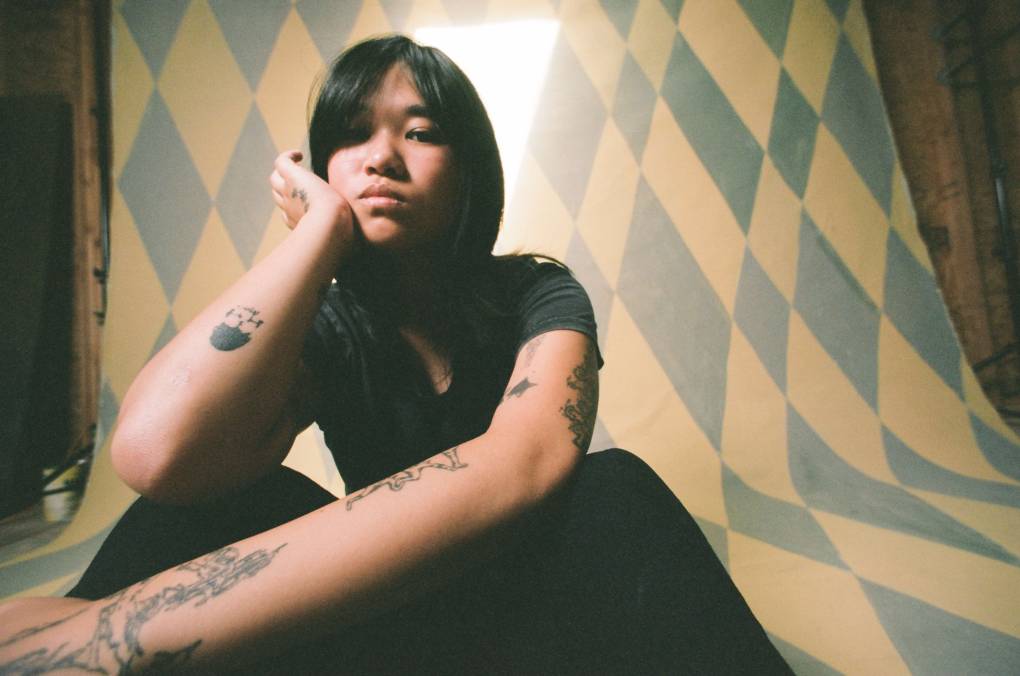
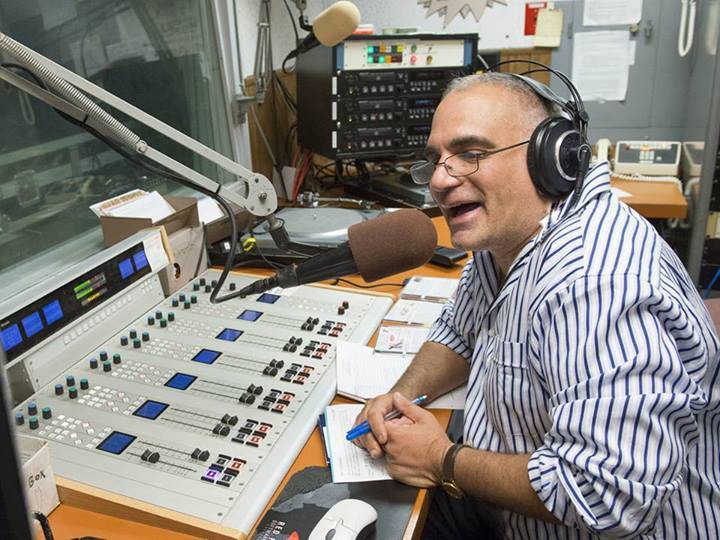
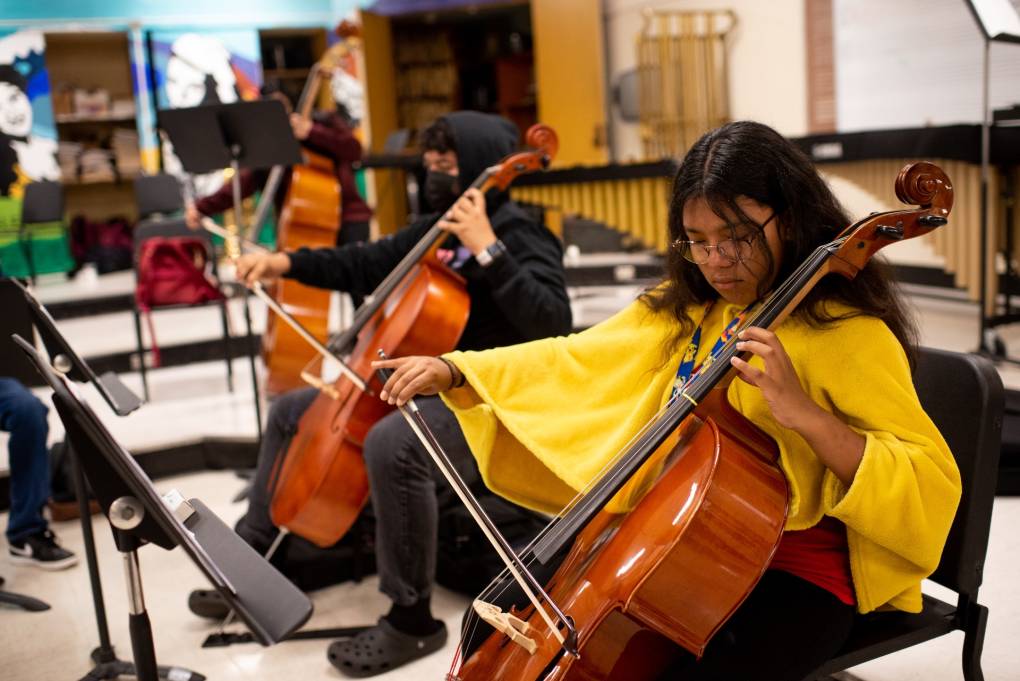
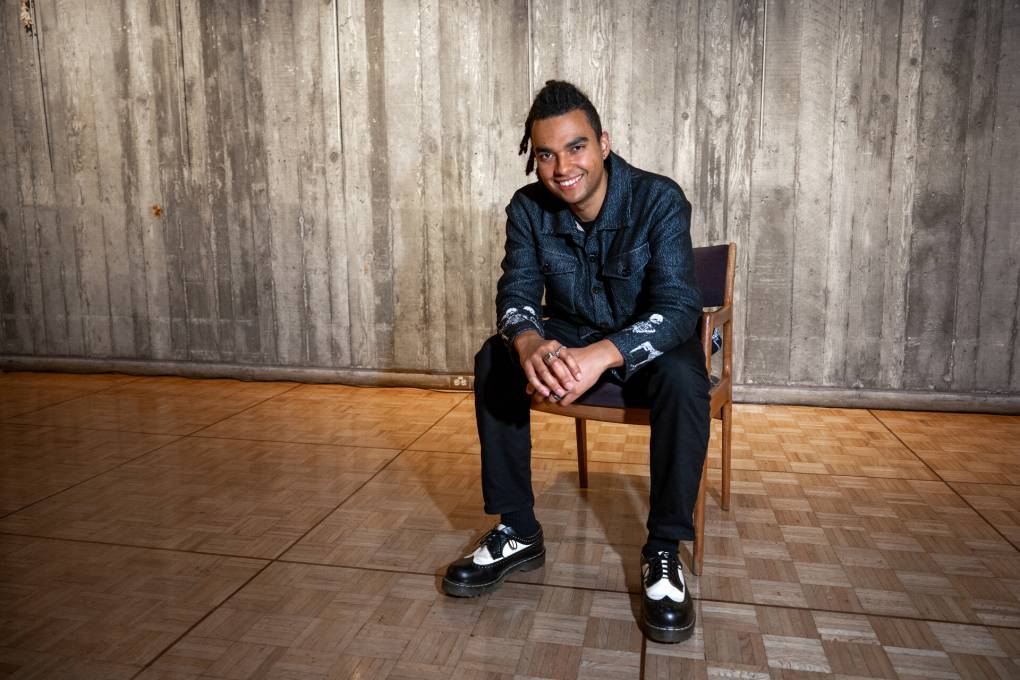
window.__IS_SSR__=true
window.__INITIAL_STATE__={
"attachmentsReducer": {
"audio_0": {
"type": "attachments",
"id": "audio_0",
"imgSizes": {
"kqedFullSize": {
"file": "https://ww2.kqed.org/news/wp-content/themes/KQED-unified/img/audio_bgs/background0.jpg"
}
}
},
"audio_1": {
"type": "attachments",
"id": "audio_1",
"imgSizes": {
"kqedFullSize": {
"file": "https://ww2.kqed.org/news/wp-content/themes/KQED-unified/img/audio_bgs/background1.jpg"
}
}
},
"audio_2": {
"type": "attachments",
"id": "audio_2",
"imgSizes": {
"kqedFullSize": {
"file": "https://ww2.kqed.org/news/wp-content/themes/KQED-unified/img/audio_bgs/background2.jpg"
}
}
},
"audio_3": {
"type": "attachments",
"id": "audio_3",
"imgSizes": {
"kqedFullSize": {
"file": "https://ww2.kqed.org/news/wp-content/themes/KQED-unified/img/audio_bgs/background3.jpg"
}
}
},
"audio_4": {
"type": "attachments",
"id": "audio_4",
"imgSizes": {
"kqedFullSize": {
"file": "https://ww2.kqed.org/news/wp-content/themes/KQED-unified/img/audio_bgs/background4.jpg"
}
}
},
"placeholder": {
"type": "attachments",
"id": "placeholder",
"imgSizes": {
"thumbnail": {
"file": "https://cdn.kqed.org/wp-content/uploads/2024/12/KQED-Default-Image-816638274-2000x1333-1-160x107.jpg",
"width": 160,
"height": 107,
"mimeType": "image/jpeg"
},
"medium": {
"file": "https://cdn.kqed.org/wp-content/uploads/2024/12/KQED-Default-Image-816638274-2000x1333-1-800x533.jpg",
"width": 800,
"height": 533,
"mimeType": "image/jpeg"
},
"medium_large": {
"file": "https://cdn.kqed.org/wp-content/uploads/2024/12/KQED-Default-Image-816638274-2000x1333-1-768x512.jpg",
"width": 768,
"height": 512,
"mimeType": "image/jpeg"
},
"large": {
"file": "https://cdn.kqed.org/wp-content/uploads/2024/12/KQED-Default-Image-816638274-2000x1333-1-1020x680.jpg",
"width": 1020,
"height": 680,
"mimeType": "image/jpeg"
},
"1536x1536": {
"file": "https://cdn.kqed.org/wp-content/uploads/2024/12/KQED-Default-Image-816638274-2000x1333-1-1536x1024.jpg",
"width": 1536,
"height": 1024,
"mimeType": "image/jpeg"
},
"fd-lrg": {
"file": "https://cdn.kqed.org/wp-content/uploads/2024/12/KQED-Default-Image-816638274-2000x1333-1-1536x1024.jpg",
"width": 1536,
"height": 1024,
"mimeType": "image/jpeg"
},
"fd-med": {
"file": "https://cdn.kqed.org/wp-content/uploads/2024/12/KQED-Default-Image-816638274-2000x1333-1-1020x680.jpg",
"width": 1020,
"height": 680,
"mimeType": "image/jpeg"
},
"fd-sm": {
"file": "https://cdn.kqed.org/wp-content/uploads/2024/12/KQED-Default-Image-816638274-2000x1333-1-800x533.jpg",
"width": 800,
"height": 533,
"mimeType": "image/jpeg"
},
"post-thumbnail": {
"file": "https://cdn.kqed.org/wp-content/uploads/2024/12/KQED-Default-Image-816638274-2000x1333-1-672x372.jpg",
"width": 672,
"height": 372,
"mimeType": "image/jpeg"
},
"twentyfourteen-full-width": {
"file": "https://cdn.kqed.org/wp-content/uploads/2024/12/KQED-Default-Image-816638274-2000x1333-1-1038x576.jpg",
"width": 1038,
"height": 576,
"mimeType": "image/jpeg"
},
"xxsmall": {
"file": "https://cdn.kqed.org/wp-content/uploads/2024/12/KQED-Default-Image-816638274-2000x1333-1-160x107.jpg",
"width": 160,
"height": 107,
"mimeType": "image/jpeg"
},
"xsmall": {
"file": "https://cdn.kqed.org/wp-content/uploads/2024/12/KQED-Default-Image-816638274-2000x1333-1-672x372.jpg",
"width": 672,
"height": 372,
"mimeType": "image/jpeg"
},
"small": {
"file": "https://cdn.kqed.org/wp-content/uploads/2024/12/KQED-Default-Image-816638274-2000x1333-1-672x372.jpg",
"width": 672,
"height": 372,
"mimeType": "image/jpeg"
},
"xlarge": {
"file": "https://cdn.kqed.org/wp-content/uploads/2024/12/KQED-Default-Image-816638274-2000x1333-1-1020x680.jpg",
"width": 1020,
"height": 680,
"mimeType": "image/jpeg"
},
"full-width": {
"file": "https://cdn.kqed.org/wp-content/uploads/2024/12/KQED-Default-Image-816638274-2000x1333-1-1920x1280.jpg",
"width": 1920,
"height": 1280,
"mimeType": "image/jpeg"
},
"guest-author-32": {
"file": "https://cdn.kqed.org/wp-content/uploads/2025/01/KQED-Default-Image-816638274-1333x1333-1-160x160.jpg",
"width": 32,
"height": 32,
"mimeType": "image/jpeg"
},
"guest-author-50": {
"file": "https://cdn.kqed.org/wp-content/uploads/2025/01/KQED-Default-Image-816638274-1333x1333-1-160x160.jpg",
"width": 50,
"height": 50,
"mimeType": "image/jpeg"
},
"guest-author-64": {
"file": "https://cdn.kqed.org/wp-content/uploads/2025/01/KQED-Default-Image-816638274-1333x1333-1-160x160.jpg",
"width": 64,
"height": 64,
"mimeType": "image/jpeg"
},
"guest-author-96": {
"file": "https://cdn.kqed.org/wp-content/uploads/2025/01/KQED-Default-Image-816638274-1333x1333-1-160x160.jpg",
"width": 96,
"height": 96,
"mimeType": "image/jpeg"
},
"guest-author-128": {
"file": "https://cdn.kqed.org/wp-content/uploads/2025/01/KQED-Default-Image-816638274-1333x1333-1-160x160.jpg",
"width": 128,
"height": 128,
"mimeType": "image/jpeg"
},
"detail": {
"file": "https://cdn.kqed.org/wp-content/uploads/2025/01/KQED-Default-Image-816638274-1333x1333-1-160x160.jpg",
"width": 160,
"height": 160,
"mimeType": "image/jpeg"
},
"kqedFullSize": {
"file": "https://cdn.kqed.org/wp-content/uploads/2024/12/KQED-Default-Image-816638274-2000x1333-1.jpg",
"width": 2000,
"height": 1333
}
}
},
"news_11993396": {
"type": "attachments",
"id": "news_11993396",
"meta": {
"index": "attachments_1716263798",
"site": "news",
"id": "11993396",
"found": true
},
"title": "Hana Vu_Photo Credit Andrew Yuyi Truong",
"publishDate": 1720556072,
"status": "inherit",
"parent": 11993285,
"modified": 1720556180,
"caption": null,
"credit": "Andrew Yuyi Truong",
"altTag": "An Asian woman with tattoos wearing a dark short sleeve shirt rests her head on her right hand.",
"description": null,
"imgSizes": {
"medium": {
"file": "https://cdn.kqed.org/wp-content/uploads/sites/10/2024/07/Hana-Vu_Photo-Credit-Andrew-Yuyi-Truong--800x531.jpg",
"width": 800,
"height": 531,
"mimeType": "image/jpeg"
},
"large": {
"file": "https://cdn.kqed.org/wp-content/uploads/sites/10/2024/07/Hana-Vu_Photo-Credit-Andrew-Yuyi-Truong--1020x676.jpg",
"width": 1020,
"height": 676,
"mimeType": "image/jpeg"
},
"thumbnail": {
"file": "https://cdn.kqed.org/wp-content/uploads/sites/10/2024/07/Hana-Vu_Photo-Credit-Andrew-Yuyi-Truong--160x106.jpg",
"width": 160,
"height": 106,
"mimeType": "image/jpeg"
},
"1536x1536": {
"file": "https://cdn.kqed.org/wp-content/uploads/sites/10/2024/07/Hana-Vu_Photo-Credit-Andrew-Yuyi-Truong--1536x1019.jpg",
"width": 1536,
"height": 1019,
"mimeType": "image/jpeg"
},
"2048x2048": {
"file": "https://cdn.kqed.org/wp-content/uploads/sites/10/2024/07/Hana-Vu_Photo-Credit-Andrew-Yuyi-Truong--2048x1358.jpg",
"width": 2048,
"height": 1358,
"mimeType": "image/jpeg"
},
"post-thumbnail": {
"file": "https://cdn.kqed.org/wp-content/uploads/sites/10/2024/07/Hana-Vu_Photo-Credit-Andrew-Yuyi-Truong--672x372.jpg",
"width": 672,
"height": 372,
"mimeType": "image/jpeg"
},
"twentyfourteen-full-width": {
"file": "https://cdn.kqed.org/wp-content/uploads/sites/10/2024/07/Hana-Vu_Photo-Credit-Andrew-Yuyi-Truong--1038x576.jpg",
"width": 1038,
"height": 576,
"mimeType": "image/jpeg"
},
"full-width": {
"file": "https://cdn.kqed.org/wp-content/uploads/sites/10/2024/07/Hana-Vu_Photo-Credit-Andrew-Yuyi-Truong--1920x1273.jpg",
"width": 1920,
"height": 1273,
"mimeType": "image/jpeg"
},
"kqedFullSize": {
"file": "https://cdn.kqed.org/wp-content/uploads/sites/10/2024/07/Hana-Vu_Photo-Credit-Andrew-Yuyi-Truong--scaled.jpg",
"width": 2560,
"height": 1698
}
},
"isLoading": false,
"fetchFailed": false
},
"news_11993198": {
"type": "attachments",
"id": "news_11993198",
"meta": {
"index": "attachments_1716263798",
"site": "news",
"id": "11993198",
"found": true
},
"title": "28726-1",
"publishDate": 1720461333,
"status": "inherit",
"parent": 11993183,
"modified": 1720477752,
"caption": "Stanford lecturer Ramzi Salti, aka DJ Ramzi, in the early days of his show “Arabology” at Stanford University’s KZSU radio station in Palo Alto in 2013.",
"credit": "L.A. Cicero / Stanford News Service",
"altTag": "A man wearing a striped button down shirt with glasses and headphones speaks into a microphone with an audio control panel in front of him.",
"description": null,
"imgSizes": {
"thumbnail": {
"file": "https://cdn.kqed.org/wp-content/uploads/sites/10/2024/07/28726-1-160x120.jpg",
"width": 160,
"height": 120,
"mimeType": "image/jpeg"
},
"post-thumbnail": {
"file": "https://cdn.kqed.org/wp-content/uploads/sites/10/2024/07/28726-1-672x372.jpg",
"width": 672,
"height": 372,
"mimeType": "image/jpeg"
},
"kqedFullSize": {
"file": "https://cdn.kqed.org/wp-content/uploads/sites/10/2024/07/28726-1.jpg",
"width": 720,
"height": 540
}
},
"isLoading": false,
"fetchFailed": false
},
"news_11991727": {
"type": "attachments",
"id": "news_11991727",
"meta": {
"index": "attachments_1716263798",
"site": "news",
"id": "11991727",
"found": true
},
"title": "Richmond_Orchestra_007",
"publishDate": 1719259770,
"status": "inherit",
"parent": 11991656,
"modified": 1719262344,
"caption": "Bella Mariscal, 9th grade, plays the cello during orchestra class at Richmond High School in Richmond on Wednesday, Oct. 5, 2022. ",
"credit": "Marlena Sloss/KQED",
"altTag": null,
"description": null,
"imgSizes": {
"medium": {
"file": "https://cdn.kqed.org/wp-content/uploads/sites/10/2024/06/Richmond_Orchestra_007-800x534.jpg",
"width": 800,
"height": 534,
"mimeType": "image/jpeg"
},
"large": {
"file": "https://cdn.kqed.org/wp-content/uploads/sites/10/2024/06/Richmond_Orchestra_007-1020x681.jpg",
"width": 1020,
"height": 681,
"mimeType": "image/jpeg"
},
"thumbnail": {
"file": "https://cdn.kqed.org/wp-content/uploads/sites/10/2024/06/Richmond_Orchestra_007-160x107.jpg",
"width": 160,
"height": 107,
"mimeType": "image/jpeg"
},
"1536x1536": {
"file": "https://cdn.kqed.org/wp-content/uploads/sites/10/2024/06/Richmond_Orchestra_007-1536x1026.jpg",
"width": 1536,
"height": 1026,
"mimeType": "image/jpeg"
},
"post-thumbnail": {
"file": "https://cdn.kqed.org/wp-content/uploads/sites/10/2024/06/Richmond_Orchestra_007-672x372.jpg",
"width": 672,
"height": 372,
"mimeType": "image/jpeg"
},
"twentyfourteen-full-width": {
"file": "https://cdn.kqed.org/wp-content/uploads/sites/10/2024/06/Richmond_Orchestra_007-1038x576.jpg",
"width": 1038,
"height": 576,
"mimeType": "image/jpeg"
},
"kqedFullSize": {
"file": "https://cdn.kqed.org/wp-content/uploads/sites/10/2024/06/Richmond_Orchestra_007.jpg",
"width": 1920,
"height": 1282
}
},
"isLoading": false,
"fetchFailed": false
},
"news_11989205": {
"type": "attachments",
"id": "news_11989205",
"meta": {
"index": "attachments_1716263798",
"site": "news",
"id": "11989205",
"found": true
},
"title": "240207-JensIbsen-42-BL_qut",
"publishDate": 1717631971,
"status": "inherit",
"parent": 11989196,
"modified": 1717632127,
"caption": "Composer Jens Ibsen poses for a portrait at the First Unitarian Church in San Francisco on Feb. 7, 2024.",
"credit": "Beth LaBerge/KQED",
"altTag": "A young Black man sits on a chair with his hands together.",
"description": null,
"imgSizes": {
"medium": {
"file": "https://cdn.kqed.org/wp-content/uploads/sites/10/2024/06/240207-JensIbsen-42-BL_qut-800x533.jpg",
"width": 800,
"height": 533,
"mimeType": "image/jpeg"
},
"large": {
"file": "https://cdn.kqed.org/wp-content/uploads/sites/10/2024/06/240207-JensIbsen-42-BL_qut-1020x680.jpg",
"width": 1020,
"height": 680,
"mimeType": "image/jpeg"
},
"thumbnail": {
"file": "https://cdn.kqed.org/wp-content/uploads/sites/10/2024/06/240207-JensIbsen-42-BL_qut-160x107.jpg",
"width": 160,
"height": 107,
"mimeType": "image/jpeg"
},
"1536x1536": {
"file": "https://cdn.kqed.org/wp-content/uploads/sites/10/2024/06/240207-JensIbsen-42-BL_qut-1536x1024.jpg",
"width": 1536,
"height": 1024,
"mimeType": "image/jpeg"
},
"post-thumbnail": {
"file": "https://cdn.kqed.org/wp-content/uploads/sites/10/2024/06/240207-JensIbsen-42-BL_qut-672x372.jpg",
"width": 672,
"height": 372,
"mimeType": "image/jpeg"
},
"twentyfourteen-full-width": {
"file": "https://cdn.kqed.org/wp-content/uploads/sites/10/2024/06/240207-JensIbsen-42-BL_qut-1038x576.jpg",
"width": 1038,
"height": 576,
"mimeType": "image/jpeg"
},
"kqedFullSize": {
"file": "https://cdn.kqed.org/wp-content/uploads/sites/10/2024/06/240207-JensIbsen-42-BL_qut.jpg",
"width": 1920,
"height": 1280
}
},
"isLoading": false,
"fetchFailed": false
},
"news_11986924": {
"type": "attachments",
"id": "news_11986924",
"meta": {
"index": "attachments_1716263798",
"site": "news",
"id": "11986924",
"found": true
},
"parent": 0,
"imgSizes": {
"twentyfourteen-full-width": {
"file": "https://cdn.kqed.org/wp-content/uploads/sites/10/2024/05/240517-CCSFProfileMadelineMueller-26-BL-1038x576.jpg",
"width": 1038,
"mimeType": "image/jpeg",
"height": 576
},
"thumbnail": {
"file": "https://cdn.kqed.org/wp-content/uploads/sites/10/2024/05/240517-CCSFProfileMadelineMueller-26-BL-160x107.jpg",
"width": 160,
"mimeType": "image/jpeg",
"height": 107
},
"post-thumbnail": {
"file": "https://cdn.kqed.org/wp-content/uploads/sites/10/2024/05/240517-CCSFProfileMadelineMueller-26-BL-672x372.jpg",
"width": 672,
"mimeType": "image/jpeg",
"height": 372
},
"kqedFullSize": {
"file": "https://cdn.kqed.org/wp-content/uploads/sites/10/2024/05/240517-CCSFProfileMadelineMueller-26-BL.jpg",
"width": 2000,
"height": 1333
},
"large": {
"file": "https://cdn.kqed.org/wp-content/uploads/sites/10/2024/05/240517-CCSFProfileMadelineMueller-26-BL-1020x680.jpg",
"width": 1020,
"mimeType": "image/jpeg",
"height": 680
},
"1536x1536": {
"file": "https://cdn.kqed.org/wp-content/uploads/sites/10/2024/05/240517-CCSFProfileMadelineMueller-26-BL-1536x1024.jpg",
"width": 1536,
"mimeType": "image/jpeg",
"height": 1024
},
"full-width": {
"file": "https://cdn.kqed.org/wp-content/uploads/sites/10/2024/05/240517-CCSFProfileMadelineMueller-26-BL-1920x1280.jpg",
"width": 1920,
"mimeType": "image/jpeg",
"height": 1280
},
"medium": {
"file": "https://cdn.kqed.org/wp-content/uploads/sites/10/2024/05/240517-CCSFProfileMadelineMueller-26-BL-800x533.jpg",
"width": 800,
"mimeType": "image/jpeg",
"height": 533
}
},
"publishDate": 1716227052,
"modified": 1716233292,
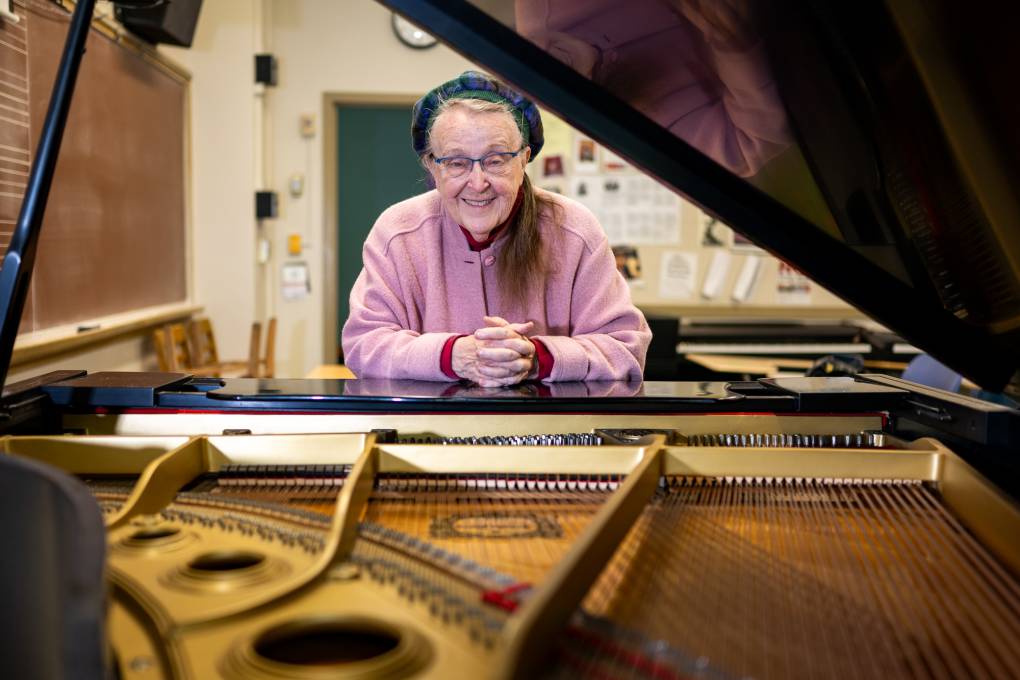
"caption": "Music department chair Madeline Mueller poses for a portrait at City College of San Francisco on May 17, 2024. Mueller has taught at the college for 58 years and is the college’s longest-tenured employee.",
"description": null,
"title": "240517-CCSFProfileMadelineMueller-26-BL",
"credit": "Beth LaBerge/KQED",
"status": "inherit",
"altTag": "An older woman wearing glasses and a pink coat smiles as she leans on a grand piano",
"isLoading": false,
"fetchFailed": false
},
"news_11977703": {
"type": "attachments",
"id": "news_11977703",
"meta": {
"index": "attachments_1716263798",
"site": "news",
"id": "11977703",
"found": true
},
"parent": 11977685,
"imgSizes": {
"twentyfourteen-full-width": {
"file": "https://cdn.kqed.org/wp-content/uploads/sites/10/2024/02/240227-MadonnaFans-30-BL_qut-1038x576.jpg",
"width": 1038,
"mimeType": "image/jpeg",
"height": 576
},
"thumbnail": {
"file": "https://cdn.kqed.org/wp-content/uploads/sites/10/2024/02/240227-MadonnaFans-30-BL_qut-160x107.jpg",
"width": 160,
"mimeType": "image/jpeg",
"height": 107
},
"post-thumbnail": {
"file": "https://cdn.kqed.org/wp-content/uploads/sites/10/2024/02/240227-MadonnaFans-30-BL_qut-672x372.jpg",
"width": 672,
"mimeType": "image/jpeg",
"height": 372
},
"kqedFullSize": {
"file": "https://cdn.kqed.org/wp-content/uploads/sites/10/2024/02/240227-MadonnaFans-30-BL_qut.jpg",
"width": 1920,
"height": 1280
},
"large": {
"file": "https://cdn.kqed.org/wp-content/uploads/sites/10/2024/02/240227-MadonnaFans-30-BL_qut-1020x680.jpg",
"width": 1020,
"mimeType": "image/jpeg",
"height": 680
},
"1536x1536": {
"file": "https://cdn.kqed.org/wp-content/uploads/sites/10/2024/02/240227-MadonnaFans-30-BL_qut-1536x1024.jpg",
"width": 1536,
"mimeType": "image/jpeg",
"height": 1024
},
"medium": {
"file": "https://cdn.kqed.org/wp-content/uploads/sites/10/2024/02/240227-MadonnaFans-30-BL_qut-800x533.jpg",
"width": 800,
"mimeType": "image/jpeg",
"height": 533
}
},
"publishDate": 1709255086,
"modified": 1709255100,
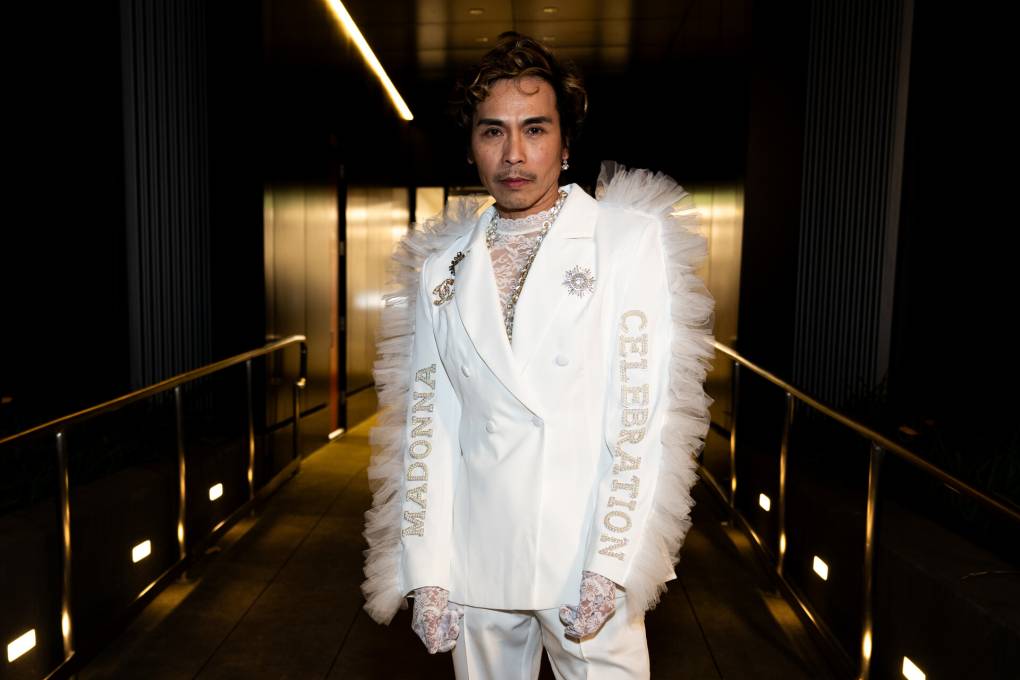
"caption": "Ryan Tran wears a handmade Madonna outfit before the Madonna Celebration Tour concert at the Chase Center in San Francisco on Feb. 27, 2024.",
"description": null,
"title": "240227-MadonnaFans-30-BL_qut",
"credit": "Beth LaBerge/KQED",
"status": "inherit",
"altTag": null,
"isLoading": false,
"fetchFailed": false
},
"news_11977497": {
"type": "attachments",
"id": "news_11977497",
"meta": {
"index": "attachments_1716263798",
"site": "news",
"id": "11977497",
"found": true
},
"title": "bad-bunny-chase-center",
"publishDate": 1709164328,
"status": "inherit",
"parent": 11977471,
"modified": 1769810830,
"caption": "Bad Bunny enters the ring during the WWE Backlash at Coliseo de Puerto Rico José Miguel Agrelot on May 6, 2023, in San Juan, Puerto Rico.",
"credit": "Gladys Vega/Getty Images",
"altTag": null,
"description": null,
"imgSizes": {
"medium": {
"file": "https://cdn.kqed.org/wp-content/uploads/sites/10/2024/02/GettyImages-1488077171-1_qut-800x533.jpg",
"width": 800,
"height": 533,
"mimeType": "image/jpeg"
},
"large": {
"file": "https://cdn.kqed.org/wp-content/uploads/sites/10/2024/02/GettyImages-1488077171-1_qut-1020x680.jpg",
"width": 1020,
"height": 680,
"mimeType": "image/jpeg"
},
"thumbnail": {
"file": "https://cdn.kqed.org/wp-content/uploads/sites/10/2024/02/GettyImages-1488077171-1_qut-160x107.jpg",
"width": 160,
"height": 107,
"mimeType": "image/jpeg"
},
"1536x1536": {
"file": "https://cdn.kqed.org/wp-content/uploads/sites/10/2024/02/GettyImages-1488077171-1_qut-1536x1024.jpg",
"width": 1536,
"height": 1024,
"mimeType": "image/jpeg"
},
"post-thumbnail": {
"file": "https://cdn.kqed.org/wp-content/uploads/sites/10/2024/02/GettyImages-1488077171-1_qut-672x372.jpg",
"width": 672,
"height": 372,
"mimeType": "image/jpeg"
},
"twentyfourteen-full-width": {
"file": "https://cdn.kqed.org/wp-content/uploads/sites/10/2024/02/GettyImages-1488077171-1_qut-1038x576.jpg",
"width": 1038,
"height": 576,
"mimeType": "image/jpeg"
},
"kqedFullSize": {
"file": "https://cdn.kqed.org/wp-content/uploads/sites/10/2024/02/GettyImages-1488077171-1_qut.jpg",
"width": 1920,
"height": 1280
}
},
"isLoading": false,
"fetchFailed": false
},
"news_11977259": {
"type": "attachments",
"id": "news_11977259",
"meta": {
"index": "attachments_1716263798",
"site": "news",
"id": "11977259",
"found": true
},
"parent": 11977219,
"imgSizes": {
"twentyfourteen-full-width": {
"file": "https://cdn.kqed.org/wp-content/uploads/sites/10/2024/02/GettyImages-1677378939-1024x576.jpg",
"width": 1024,
"mimeType": "image/jpeg",
"height": 576
},
"thumbnail": {
"file": "https://cdn.kqed.org/wp-content/uploads/sites/10/2024/02/GettyImages-1677378939-160x118.jpg",
"width": 160,
"mimeType": "image/jpeg",
"height": 118
},
"post-thumbnail": {
"file": "https://cdn.kqed.org/wp-content/uploads/sites/10/2024/02/GettyImages-1677378939-672x372.jpg",
"width": 672,
"mimeType": "image/jpeg",
"height": 372
},
"kqedFullSize": {
"file": "https://cdn.kqed.org/wp-content/uploads/sites/10/2024/02/GettyImages-1677378939.jpg",
"width": 1024,
"height": 756
},
"large": {
"file": "https://cdn.kqed.org/wp-content/uploads/sites/10/2024/02/GettyImages-1677378939-1020x753.jpg",
"width": 1020,
"mimeType": "image/jpeg",
"height": 753
},
"medium": {
"file": "https://cdn.kqed.org/wp-content/uploads/sites/10/2024/02/GettyImages-1677378939-800x591.jpg",
"width": 800,
"mimeType": "image/jpeg",
"height": 591
}
},
"publishDate": 1709064645,
"modified": 1709071312,
"caption": "Nicki Minaj performs onstage during the 2023 MTV Video Music Awards at Prudential Center on Sept. 12, 2023, in Newark, New Jersey.",
"description": null,
"title": "2023 MTV Video Music Awards - Show",
"credit": "Mike Coppola/Getty Images for MTV",
"status": "inherit",
"altTag": "A female singer in a red body suit and sunglasses extends the mic to the crowd while glancing to the side, surrounded by an audience in mid-performance.",
"isLoading": false,
"fetchFailed": false
},
"news_11976721": {
"type": "attachments",
"id": "news_11976721",
"meta": {
"index": "attachments_1716263798",
"site": "news",
"id": "11976721",
"found": true
},
"parent": 11976698,
"imgSizes": {
"twentyfourteen-full-width": {
"file": "https://cdn.kqed.org/wp-content/uploads/sites/10/2024/02/GettyImages-1736271104-1024x576.jpg",
"width": 1024,
"mimeType": "image/jpeg",
"height": 576
},
"thumbnail": {
"file": "https://cdn.kqed.org/wp-content/uploads/sites/10/2024/02/GettyImages-1736271104-160x107.jpg",
"width": 160,
"mimeType": "image/jpeg",
"height": 107
},
"post-thumbnail": {
"file": "https://cdn.kqed.org/wp-content/uploads/sites/10/2024/02/GettyImages-1736271104-672x372.jpg",
"width": 672,
"mimeType": "image/jpeg",
"height": 372
},
"kqedFullSize": {
"file": "https://cdn.kqed.org/wp-content/uploads/sites/10/2024/02/GettyImages-1736271104.jpg",
"width": 1024,
"height": 683
},
"large": {
"file": "https://cdn.kqed.org/wp-content/uploads/sites/10/2024/02/GettyImages-1736271104-1020x680.jpg",
"width": 1020,
"mimeType": "image/jpeg",
"height": 680
},
"medium": {
"file": "https://cdn.kqed.org/wp-content/uploads/sites/10/2024/02/GettyImages-1736271104-800x534.jpg",
"width": 800,
"mimeType": "image/jpeg",
"height": 534
}
},
"publishDate": 1708626702,
"modified": 1708637996,
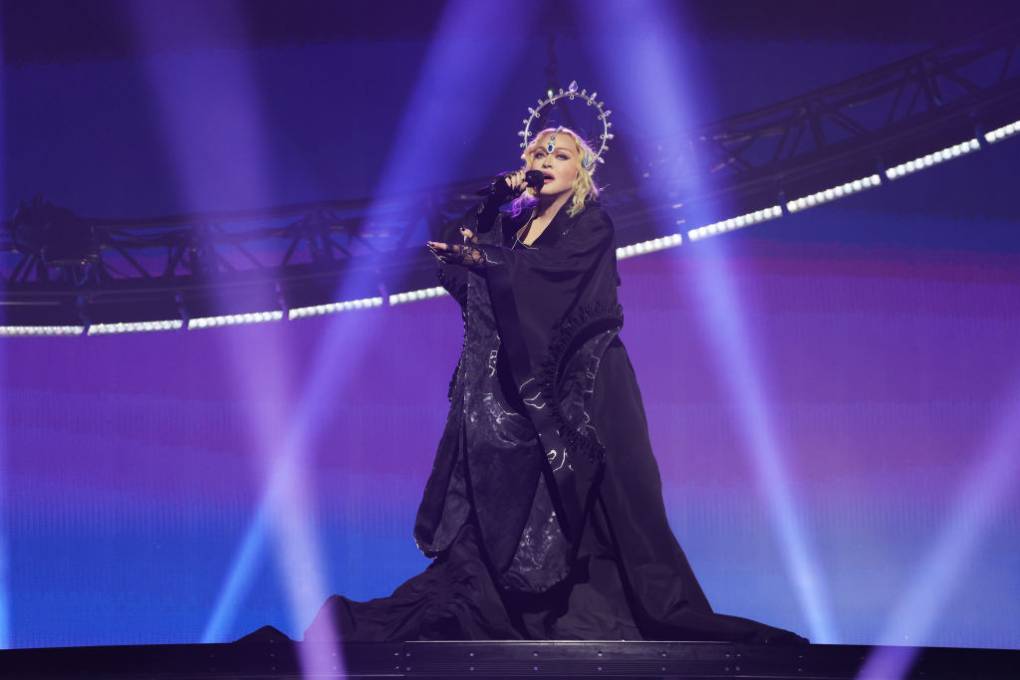
"caption": "Madonna performs during the opening night of The Celebration Tour at The O2 Arena on Oct. 14, 2023, in London, England. ",
"description": null,
"title": "madonna-chase-center-san-francisco",
"credit": "Kevin Mazur/ WireImage for Live Nation",
"status": "inherit",
"altTag": "A white woman dressed in an elaborate black gown and wearing a halo crown holds a microphone on stage.",
"isLoading": false,
"fetchFailed": false
},
"news_11975386": {
"type": "attachments",
"id": "news_11975386",
"meta": {
"index": "attachments_1716263798",
"site": "news",
"id": "11975386",
"found": true
},
"parent": 11975375,
"imgSizes": {
"thumbnail": {
"file": "https://cdn.kqed.org/wp-content/uploads/sites/10/2024/02/Adventure-Playground-Collage-160x90.jpg",
"width": 160,
"mimeType": "image/jpeg",
"height": 90
},
"post-thumbnail": {
"file": "https://cdn.kqed.org/wp-content/uploads/sites/10/2024/02/Adventure-Playground-Collage-672x372.jpg",
"width": 672,
"mimeType": "image/jpeg",
"height": 372
},
"kqedFullSize": {
"file": "https://cdn.kqed.org/wp-content/uploads/sites/10/2024/02/Adventure-Playground-Collage.jpg",
"width": 960,
"height": 540
},
"medium": {
"file": "https://cdn.kqed.org/wp-content/uploads/sites/10/2024/02/Adventure-Playground-Collage-800x450.jpg",
"width": 800,
"mimeType": "image/jpeg",
"height": 450
}
},
"publishDate": 1707616497,
"modified": 1707616628,
"caption": "Adventure Playground",
"description": null,
"title": "Adventure Playground Collage",
"credit": "Photo courtesy of Adventure Playground/Collage by Annelise Finney/KQED",
"status": "inherit",
"altTag": null,
"isLoading": false,
"fetchFailed": false
},
"news_11974849": {
"type": "attachments",
"id": "news_11974849",
"meta": {
"index": "attachments_1716263798",
"site": "news",
"id": "11974849",
"found": true
},
"parent": 11974827,
"imgSizes": {
"twentyfourteen-full-width": {
"file": "https://cdn.kqed.org/wp-content/uploads/sites/10/2024/02/GettyImages-498439801-1024x576.jpg",
"width": 1024,
"mimeType": "image/jpeg",
"height": 576
},
"thumbnail": {
"file": "https://cdn.kqed.org/wp-content/uploads/sites/10/2024/02/GettyImages-498439801-160x107.jpg",
"width": 160,
"mimeType": "image/jpeg",
"height": 107
},
"post-thumbnail": {
"file": "https://cdn.kqed.org/wp-content/uploads/sites/10/2024/02/GettyImages-498439801-672x372.jpg",
"width": 672,
"mimeType": "image/jpeg",
"height": 372
},
"kqedFullSize": {
"file": "https://cdn.kqed.org/wp-content/uploads/sites/10/2024/02/GettyImages-498439801.jpg",
"width": 1024,
"height": 683
},
"large": {
"file": "https://cdn.kqed.org/wp-content/uploads/sites/10/2024/02/GettyImages-498439801-1020x680.jpg",
"width": 1020,
"mimeType": "image/jpeg",
"height": 680
},
"medium": {
"file": "https://cdn.kqed.org/wp-content/uploads/sites/10/2024/02/GettyImages-498439801-800x534.jpg",
"width": 800,
"mimeType": "image/jpeg",
"height": 534
}
},
"publishDate": 1707248747,
"modified": 1707264530,
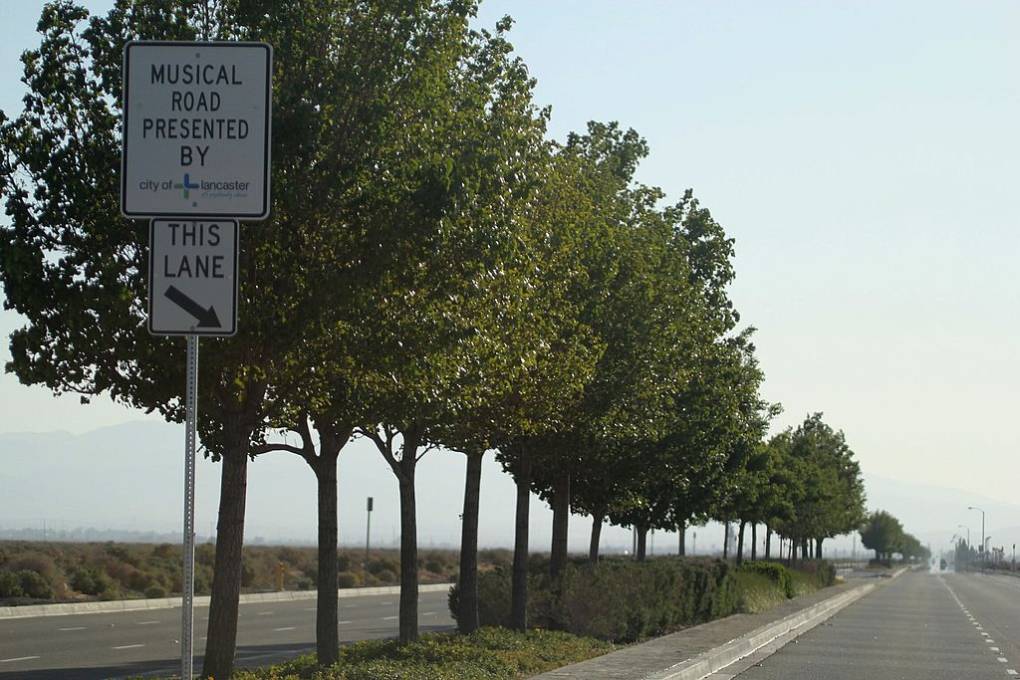
"caption": "Located on West Avenue in Lancaster, the musical road is one of only three such attractions in the world; the other two being in Japan and Korea. Driven at 50 mph, you hear part of \"William Tell Overture.\" ",
"description": null,
"title": "Roadside Attractions",
"credit": "Lynne Gilbert via Moment Mobile/Getty Images",
"status": "inherit",
"altTag": "A stretch of road with trees lined up on one side and a sign that reads \"Musical Road Presented by city of Lancaster.\"",
"isLoading": false,
"fetchFailed": false
},
"news_11974140": {
"type": "attachments",
"id": "news_11974140",
"meta": {
"index": "attachments_1716263798",
"site": "news",
"id": "11974140",
"found": true
},
"parent": 11974003,
"imgSizes": {
"twentyfourteen-full-width": {
"file": "https://cdn.kqed.org/wp-content/uploads/sites/10/2024/01/Sunday-Music-Drop-Photo-Collages-19-1038x576.png",
"width": 1038,
"mimeType": "image/png",
"height": 576
},
"thumbnail": {
"file": "https://cdn.kqed.org/wp-content/uploads/sites/10/2024/01/Sunday-Music-Drop-Photo-Collages-19-160x128.png",
"width": 160,
"mimeType": "image/png",
"height": 128
},
"post-thumbnail": {
"file": "https://cdn.kqed.org/wp-content/uploads/sites/10/2024/01/Sunday-Music-Drop-Photo-Collages-19-672x372.png",
"width": 672,
"mimeType": "image/png",
"height": 372
},
"kqedFullSize": {
"file": "https://cdn.kqed.org/wp-content/uploads/sites/10/2024/01/Sunday-Music-Drop-Photo-Collages-19.png",
"width": 1500,
"height": 1200
},
"large": {
"file": "https://cdn.kqed.org/wp-content/uploads/sites/10/2024/01/Sunday-Music-Drop-Photo-Collages-19-1020x816.png",
"width": 1020,
"mimeType": "image/png",
"height": 816
},
"medium": {
"file": "https://cdn.kqed.org/wp-content/uploads/sites/10/2024/01/Sunday-Music-Drop-Photo-Collages-19-800x640.png",
"width": 800,
"mimeType": "image/png",
"height": 640
}
},
"publishDate": 1706566516,
"modified": 1707086996,
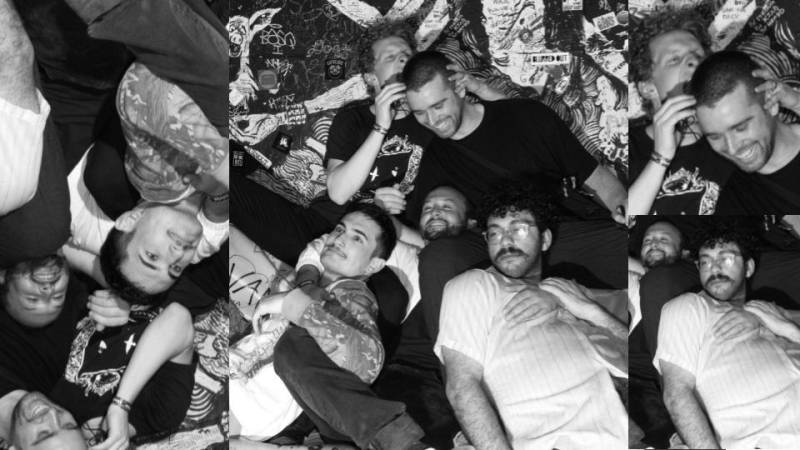
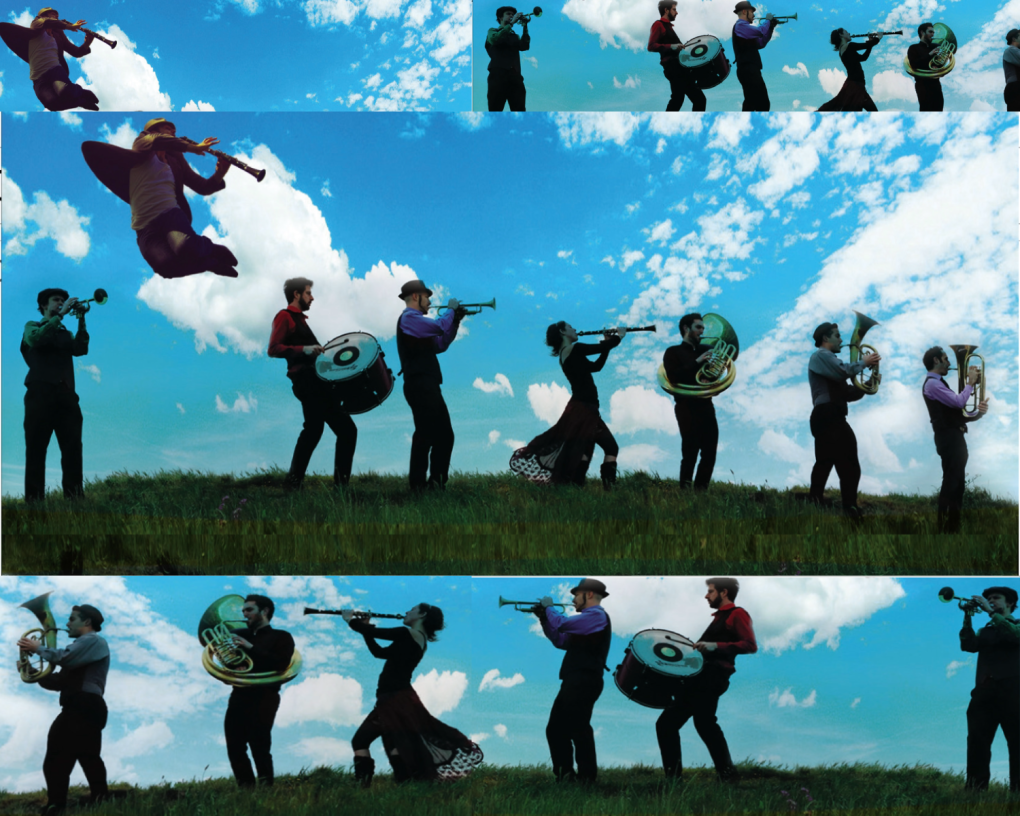
"caption": "The Balkan brass band, Inspector Gadje. From left to right: Danny Cao, Ismail Lumanovski, Shane Cox, Noah Levitt, Morgan Nilsen, Andrew Cohen, Paul Marini, and Jeff Giaquinto.",
"description": null,
"title": "Sunday Music Drop Photo Collages-19",
"credit": "Anastasia Cuba, Sefa Karatekin, initial editing by Marco Preis Coppola and Serina Koester/ collage by Spencer Whitney of KQED",
"status": "inherit",
"altTag": "A collage of four images featuring several people holding instruments on a hill.",
"isLoading": false,
"fetchFailed": false
}
},
"audioPlayerReducer": {
"postId": "stream_live",
"isPaused": true,
"isPlaying": false,
"pfsActive": false,
"pledgeModalIsOpen": true,
"playerDrawerIsOpen": false,
"liveAudioPlayStartedAt": 0,
"liveAudioPlayContext": ""
},
"authorsReducer": {
"byline_news_11991656": {
"type": "authors",
"id": "byline_news_11991656",
"meta": {
"override": true
},
"slug": "byline_news_11991656",
"name": "Karen D'Souza",
"isLoading": false
},
"byline_news_11989196": {
"type": "authors",
"id": "byline_news_11989196",
"meta": {
"override": true
},
"slug": "byline_news_11989196",
"name": "Jessica Kariisa",
"isLoading": false
},
"byline_news_11986950": {
"type": "authors",
"id": "byline_news_11986950",
"meta": {
"override": true
},
"slug": "byline_news_11986950",
"name": "Jakob Hofso",
"isLoading": false
},
"byline_news_11974827": {
"type": "authors",
"id": "byline_news_11974827",
"meta": {
"override": true
},
"slug": "byline_news_11974827",
"name": "Clare Wiley",
"isLoading": false
},
"aproehl": {
"type": "authors",
"id": "11296",
"meta": {
"index": "authors_1716337520",
"id": "11296",
"found": true
},
"name": "Ariana Proehl",
"firstName": "Ariana",
"lastName": "Proehl",
"slug": "aproehl",
"email": "aproehl@KQED.org",
"display_author_email": true,
"staff_mastheads": [
"news"
],
"title": "Culture Reporter, KQED",
"bio": "Ariana Proehl is a Culture Reporter and Host.",
"avatar": "https://secure.gravatar.com/avatar/c96b24567eb5bb3a4f8bb295ed53e232?s=600&d=blank&r=g",
"twitter": "ArianaProehl",
"facebook": null,
"instagram": null,
"linkedin": null,
"sites": [
{
"site": "arts",
"roles": []
},
{
"site": "news",
"roles": []
},
{
"site": "education",
"roles": []
},
{
"site": "forum",
"roles": []
}
],
"headData": {
"title": "Ariana Proehl | KQED",
"description": "Culture Reporter, KQED",
"ogImgSrc": "https://secure.gravatar.com/avatar/c96b24567eb5bb3a4f8bb295ed53e232?s=600&d=blank&r=g",
"twImgSrc": "https://secure.gravatar.com/avatar/c96b24567eb5bb3a4f8bb295ed53e232?s=600&d=blank&r=g"
},
"isLoading": false,
"link": "/author/aproehl"
},
"btaylor": {
"type": "authors",
"id": "11365",
"meta": {
"index": "authors_1716337520",
"id": "11365",
"found": true
},
"name": "Bianca Taylor",
"firstName": "Bianca",
"lastName": "Taylor",
"slug": "btaylor",
"email": "btaylor@KQED.org",
"display_author_email": false,
"staff_mastheads": [
"news"
],
"title": "Host and Producer ",
"bio": "Bianca Taylor is a news producer and host of KQED's The Latest podcast.\r\n\r\nHer work with KQED has been honored by the Society of Professional Journalists NorCal, the Webby's, the Regional Murrow Awards, and ONA. She has also worked with NPR, the BBC World Service, and the Washington Post Creative Group.\r\n\r\nBianca is represented by SAG-AFTRA.",
"avatar": "https://secure.gravatar.com/avatar/6b9d3f6552dd10470c5d1c2e58cfe717?s=600&d=blank&r=g",
"twitter": "SoundsLkeBianca",
"facebook": null,
"instagram": null,
"linkedin": null,
"sites": [
{
"site": "arts",
"roles": [
"editor"
]
},
{
"site": "news",
"roles": [
"edit_others_posts",
"editor"
]
},
{
"site": "pop",
"roles": [
"editor"
]
},
{
"site": "bayareabites",
"roles": [
"author"
]
},
{
"site": "science",
"roles": [
"editor"
]
},
{
"site": "forum",
"roles": [
"editor"
]
},
{
"site": "radio",
"roles": [
"editor"
]
},
{
"site": "podcasts",
"roles": [
"editor"
]
}
],
"headData": {
"title": "Bianca Taylor | KQED",
"description": "Host and Producer ",
"ogImgSrc": "https://secure.gravatar.com/avatar/6b9d3f6552dd10470c5d1c2e58cfe717?s=600&d=blank&r=g",
"twImgSrc": "https://secure.gravatar.com/avatar/6b9d3f6552dd10470c5d1c2e58cfe717?s=600&d=blank&r=g"
},
"isLoading": false,
"link": "/author/btaylor"
},
"ccabreralomeli": {
"type": "authors",
"id": "11708",
"meta": {
"index": "authors_1716337520",
"id": "11708",
"found": true
},
"name": "Carlos Cabrera-Lomelí",
"firstName": "Carlos",
"lastName": "Cabrera-Lomelí",
"slug": "ccabreralomeli",
"email": "ccabreralomeli@KQED.org",
"display_author_email": true,
"staff_mastheads": [
"news"
],
"title": "Community Reporter",
"bio": "Carlos Cabrera-Lomelí is a community reporter with KQED's digital engagement team. He also reports and co-produces for KQED's bilingual news hub KQED en Español. He grew up in San Francisco's Mission District and has previously worked with Univision, 48 Hills and REFORMA in Mexico City.",
"avatar": "https://secure.gravatar.com/avatar/c309be9665e484f887b818c89e273ecc673004f426f36b24d00a4d813a2e0518?s=600&d=blank&r=g",
"twitter": "@LomeliCabrera",
"bluesky": null,
"facebook": null,
"instagram": null,
"linkedin": null,
"sites": [
{
"site": "arts",
"roles": [
"editor"
]
},
{
"site": "news",
"roles": [
"editor"
]
},
{
"site": "about",
"roles": [
"editor"
]
},
{
"site": "science",
"roles": [
"editor"
]
},
{
"site": "perspectives",
"roles": [
"editor"
]
},
{
"site": "elections",
"roles": [
"editor"
]
},
{
"site": "liveblog",
"roles": [
"contributor"
]
}
],
"headData": {
"title": "Carlos Cabrera-Lomelí | KQED",
"description": "Community Reporter",
"ogImgSrc": "https://secure.gravatar.com/avatar/c309be9665e484f887b818c89e273ecc673004f426f36b24d00a4d813a2e0518?s=600&d=blank&r=g",
"twImgSrc": "https://secure.gravatar.com/avatar/c309be9665e484f887b818c89e273ecc673004f426f36b24d00a4d813a2e0518?s=600&d=blank&r=g"
},
"isLoading": false,
"link": "/author/ccabreralomeli"
},
"afinney": {
"type": "authors",
"id": "11772",
"meta": {
"index": "authors_1716337520",
"id": "11772",
"found": true
},
"name": "Annelise Finney",
"firstName": "Annelise",
"lastName": "Finney",
"slug": "afinney",
"email": "afinney@kqed.org",
"display_author_email": true,
"staff_mastheads": [
"news"
],
"title": "Reporter",
"bio": "Annelise reports on reparations in California and East Bay politics. She co-produced the Sunday Music Drop, a limited-term radio series featuring Bay Area musicians that aired between Sept 2022 and Oct 2024. She joined KQED in 2021 as a general assignment reporter and is an alumna of KALW's Audio Academy. She was born and raised in the East Bay. She is currently away from KQED completing a year-long reporting project in Berlin, Germany as a Alexander Von Humboldt German Chancellor Fellow.",
"avatar": "https://secure.gravatar.com/avatar/5fded66cae47704cdfc5021cde0f3aa4?s=600&d=blank&r=g",
"twitter": null,
"facebook": null,
"instagram": null,
"linkedin": null,
"sites": [
{
"site": "news",
"roles": [
"editor"
]
},
{
"site": "liveblog",
"roles": [
"author"
]
}
],
"headData": {
"title": "Annelise Finney | KQED",
"description": "Reporter",
"ogImgSrc": "https://secure.gravatar.com/avatar/5fded66cae47704cdfc5021cde0f3aa4?s=600&d=blank&r=g",
"twImgSrc": "https://secure.gravatar.com/avatar/5fded66cae47704cdfc5021cde0f3aa4?s=600&d=blank&r=g"
},
"isLoading": false,
"link": "/author/afinney"
},
"apelit": {
"type": "authors",
"id": "11812",
"meta": {
"index": "authors_1716337520",
"id": "11812",
"found": true
},
"name": "Attila Pelit",
"firstName": "Attila",
"lastName": "Pelit",
"slug": "apelit",
"email": "apelit@kqed.org",
"display_author_email": false,
"staff_mastheads": [],
"title": "KQED Contributor",
"bio": null,
"avatar": "https://secure.gravatar.com/avatar/9b7b8a9e595d58a1f4d853f8608ae584?s=600&d=mm&r=g",
"twitter": null,
"facebook": null,
"instagram": null,
"linkedin": null,
"sites": [
{
"site": "news",
"roles": [
"editor"
]
},
{
"site": "science",
"roles": [
"editor"
]
},
{
"site": "elections",
"roles": [
"editor"
]
},
{
"site": "liveblog",
"roles": [
"editor"
]
}
],
"headData": {
"title": "Attila Pelit | KQED",
"description": "KQED Contributor",
"ogImgSrc": "https://secure.gravatar.com/avatar/9b7b8a9e595d58a1f4d853f8608ae584?s=600&d=mm&r=g",
"twImgSrc": "https://secure.gravatar.com/avatar/9b7b8a9e595d58a1f4d853f8608ae584?s=600&d=mm&r=g"
},
"isLoading": false,
"link": "/author/apelit"
},
"nkhan": {
"type": "authors",
"id": "11867",
"meta": {
"index": "authors_1716337520",
"id": "11867",
"found": true
},
"name": "Nisa Khan",
"firstName": "Nisa",
"lastName": "Khan",
"slug": "nkhan",
"email": "nkhan@kqed.org",
"display_author_email": false,
"staff_mastheads": [],
"title": "KQED Contributor",
"bio": "Nisa Khan is a reporter for KQED's Audience News Desk. She was formerly a data reporter at Michigan Radio. She earned a Bachelor of Science in Information from the University of Michigan and a Master of Arts in Communication from Stanford University.",
"avatar": "https://secure.gravatar.com/avatar/8720459eef081ff64582b3506b124d58523e80e120704a0cbd9892533c914991?s=600&d=blank&r=g",
"twitter": "mnisakhan",
"bluesky": null,
"facebook": null,
"instagram": null,
"linkedin": null,
"sites": [
{
"site": "arts",
"roles": [
"editor"
]
},
{
"site": "news",
"roles": [
"editor"
]
},
{
"site": "science",
"roles": [
"editor",
"author"
]
},
{
"site": "forum",
"roles": [
"editor"
]
},
{
"site": "liveblog",
"roles": [
"contributor"
]
}
],
"headData": {
"title": "Nisa Khan | KQED",
"description": "KQED Contributor",
"ogImgSrc": "https://secure.gravatar.com/avatar/8720459eef081ff64582b3506b124d58523e80e120704a0cbd9892533c914991?s=600&d=blank&r=g",
"twImgSrc": "https://secure.gravatar.com/avatar/8720459eef081ff64582b3506b124d58523e80e120704a0cbd9892533c914991?s=600&d=blank&r=g"
},
"isLoading": false,
"link": "/author/nkhan"
},
"udursun": {
"type": "authors",
"id": "11883",
"meta": {
"index": "authors_1716337520",
"id": "11883",
"found": true
},
"name": "Ugur Dursun",
"firstName": "Ugur",
"lastName": "Dursun",
"slug": "udursun",
"email": "udursun@kqed.org",
"display_author_email": true,
"staff_mastheads": [
"arts"
],
"title": "Engagement Producer, KQED Arts & Culture",
"bio": "Ugur Dursun is a reporter and audience engagement producer for KQED Arts. Previously, her reporting has appeared on SFGate, East Bay Times, The Mercury News, KTVU, NBC Bay Area, The Stanford Daily, and other Bay Area local news outlets. In 2023, she was a recipient of Online News Association's \u003ca href=\"https://journalists.org/programs/mj-bear-fellowship/\">MJ Bear Fellowship\u003c/a>, which honors six standout journalists under the age of 30 who are pushing innovation in digital news.",
"avatar": "https://secure.gravatar.com/avatar/9c5fe6a93389635670fe02d7fa44666938055adfbfc2cfd7fffc1de9e29072a2?s=600&d=blank&r=g",
"twitter": null,
"bluesky": null,
"facebook": null,
"instagram": null,
"linkedin": null,
"sites": [
{
"site": "arts",
"roles": [
"administrator"
]
},
{
"site": "news",
"roles": [
"editor"
]
}
],
"headData": {
"title": "Ugur Dursun | KQED",
"description": "Engagement Producer, KQED Arts & Culture",
"ogImgSrc": "https://secure.gravatar.com/avatar/9c5fe6a93389635670fe02d7fa44666938055adfbfc2cfd7fffc1de9e29072a2?s=600&d=blank&r=g",
"twImgSrc": "https://secure.gravatar.com/avatar/9c5fe6a93389635670fe02d7fa44666938055adfbfc2cfd7fffc1de9e29072a2?s=600&d=blank&r=g"
},
"isLoading": false,
"link": "/author/udursun"
}
},
"pagesReducer": {
"news_tag_music": {
"type": "terms",
"id": "news_1425",
"meta": {
"index": "terms_1716263798",
"site": "news",
"id": "1425",
"score": 6.847839
},
"featImg": null,
"name": "music",
"description": null,
"taxonomy": "tag",
"headData": {
"twImgId": null,
"twTitle": null,
"ogTitle": null,
"ogImgId": null,
"twDescription": null,
"description": null,
"title": "music Archives | KQED News",
"ogDescription": null
},
"ttid": 1437,
"slug": "music",
"isLoading": false,
"title": "music",
"pageMeta": {
"site": "news",
"WpPageTemplate": "page-topic-editorial",
"currentPage": 7
},
"blocks": [
{
"blockName": "kqed/post-list",
"attrs": {
"layout": "cardArticle2",
"query": "posts/news?tag=music",
"seeMore": false,
"paginated": true,
"page": 7
}
},
{
"blockName": "kqed/ad"
}
]
}
},
"pfsSessionReducer": {},
"postsReducer": {
"stream_live": {
"type": "live",
"id": "stream_live",
"audioUrl": "https://streams.kqed.org/kqedradio",
"title": "Live Stream",
"excerpt": "Live Stream information currently unavailable.",
"link": "/radio",
"featImg": "",
"label": {
"name": "KQED Live",
"link": "/"
}
},
"stream_kqedNewscast": {
"type": "posts",
"id": "stream_kqedNewscast",
"audioUrl": "https://www.kqed.org/.stream/anon/radio/RDnews/newscast.mp3?_=1",
"title": "KQED Newscast",
"featImg": "",
"label": {
"name": "88.5 FM",
"link": "/"
}
},
"news_11993285": {
"type": "posts",
"id": "news_11993285",
"meta": {
"index": "posts_1716263798",
"site": "news",
"id": "11993285",
"score": null,
"sort": [
1720794629000
]
},
"guestAuthors": [],
"slug": "rising-musician-hana-vu-embraces-prodigy-status",
"title": "Rising Musician Hana Vu Embraces Prodigy Status",
"publishDate": 1720794629,
"format": "standard",
"headTitle": "Rising Musician Hana Vu Embraces Prodigy Status | KQED",
"labelTerm": {
"term": 26731,
"site": "news"
},
"content": "\u003cp>Hana Vu is busy. She just released her second album and started a North American tour that will end in her hometown of Los Angeles. Critics have called her an “\u003ca href=\"https://www.latimes.com/lifestyle/image/story/2022-03-17/how-la-indie-pop-prodigy-hana-vu-figured-out-the-secret-to-life\">indie-pop prodigy\u003c/a>” who’s “\u003ca href=\"https://pitchfork.com/reviews/albums/hana-vu-romanticism/\">old beyond her years\u003c/a>.” That’s because the prolific musician, who started recording and playing shows in her teens, is just 24.\u003c/p>\n\u003cp>That maturity can be heard on her latest release, \u003cem>\u003ca href=\"https://hanavu.bandcamp.com/album/romanticism\">Romanticism\u003c/a>\u003c/em>. It’s a collection of songs about grief, longing, getting older, and depression … but the album’s sound is playful, soaring and catchy. Vu spoke about her new album in an interview with The California Report Magazine’s Bianca Taylor.\u003c/p>\n\u003cfigure id=\"attachment_11993397\" class=\"wp-caption aligncenter\" style=\"max-width: 2560px\">\u003ca href=\"https://cdn.kqed.org/wp-content/uploads/sites/10/2024/07/hana-vu-romanticism-album-artwork-scaled.jpg\">\u003cimg loading=\"lazy\" decoding=\"async\" class=\"size-full wp-image-11993397\" src=\"https://cdn.kqed.org/wp-content/uploads/sites/10/2024/07/hana-vu-romanticism-album-artwork-scaled.jpg\" alt=\"An Asian woman is held down by two white woman with the one on the right holding a blade to her neck and cutting her throat.\" width=\"2560\" height=\"2560\" srcset=\"https://cdn.kqed.org/wp-content/uploads/sites/10/2024/07/hana-vu-romanticism-album-artwork-scaled.jpg 2560w, https://cdn.kqed.org/wp-content/uploads/sites/10/2024/07/hana-vu-romanticism-album-artwork-800x800.jpg 800w, https://cdn.kqed.org/wp-content/uploads/sites/10/2024/07/hana-vu-romanticism-album-artwork-1020x1020.jpg 1020w, https://cdn.kqed.org/wp-content/uploads/sites/10/2024/07/hana-vu-romanticism-album-artwork-160x160.jpg 160w, https://cdn.kqed.org/wp-content/uploads/sites/10/2024/07/hana-vu-romanticism-album-artwork-1536x1536.jpg 1536w, https://cdn.kqed.org/wp-content/uploads/sites/10/2024/07/hana-vu-romanticism-album-artwork-2048x2048.jpg 2048w, https://cdn.kqed.org/wp-content/uploads/sites/10/2024/07/hana-vu-romanticism-album-artwork-1920x1920.jpg 1920w\" sizes=\"(max-width: 2560px) 100vw, 2560px\">\u003c/a>\u003cfigcaption class=\"wp-caption-text\">Artwork for Hana Vu’s ‘Romanticism’ album, released on May 3, 2024. \u003ccite>(Courtesy of Ghostly International)\u003c/cite>\u003c/figcaption>\u003c/figure>\n\u003cp>\u003cem>Below are excerpts from their conversation. For the full interview on The California Report Magazine, listen to the audio at the top of this story.\u003c/em>\u003c/p>\n\u003cp>\u003cb>On her hometown’s influence on her music: \u003c/b>\u003c/p>\n\u003cp>\u003cb>Hana Vu: \u003c/b>I grew up in L.A., in the San Fernando Valley, and I started playing shows in the Valley when I was around 13 or 14. Being a part of the DIY culture in L.A. really set the tone for the kind of music I would make and the kind of person I would try to be. I was going to a lot of shows. They were warehouse shows, house shows, or shows under a bridge somewhere. I was going to three shows a week, and one year when I was 15 or 16 I played, like, 52 shows.\u003c/p>\n\u003cp>[ad fullwidth]\u003c/p>\n\u003cp>\u003cb>On how she first got into music: \u003c/b>\u003c/p>\n\u003cp>My parents are not musical at all. I think my dad just had this guitar as sort of furniture. He doesn’t know how to play guitar even a little bit. I taught myself how to play one day, being like, “what is this thing?” I think [the first song I played] was Yellow Submarine. I was always very inclined to singing … and playing music is sort of the avenue for singing. And I think singing is maybe the only socially acceptable way of screaming. I had a lot of energy and a lot to express, and singing and playing music was sort of an equally cerebral and physical catharsis.\u003c/p>\n\u003cp>\u003cb>On being accepted into NYU’s Clive Davis Institute of Recorded Music out of high school, and deciding not to go to college:\u003c/b>\u003c/p>\n\u003cp>I had a sort of intuitive feeling that I didn’t really understand the concept of that sort of financial commitment. \u003ca href=\"https://wrbbradio.org/articles/sales-and-hana-vu-captivate-intimate-crowd-at-the-sinclair\">I also got offered to open for [the band] SALES that fall before I would have started college.\u003c/a> In the pursuit of music, it didn’t seem super relevant to go to school. And I’m a bit contrarian by nature. And so I think it was also a little bit of me wanting to step out and do something else.\u003c/p>\n\u003cp>https://www.youtube.com/watch?v=9mTKX1zs6-0\u003c/p>\n\u003cp>\u003cstrong>On the release of her second full album, \u003cem>Romanticism\u003c/em>, and its themes: \u003c/strong>\u003c/p>\n\u003cp>I think my favorite song on the album right now is “Love.” At the end of the day, it’s love. I tried to be really intentional and simple with the way that I approached these songs and this record. There’s a central theme of grief and love and whether or not they’re the same thing. And, yeah, I think with this album, [I was] trying to keep it simple and just be honest and maybe not super personal, allowing me to connect with the music in the sense that I know that everybody on some level feels how I do. And that brings me peace.\u003c/p>\n\u003cp>https://www.youtube.com/watch?v=GFggeQbKwl0\u003c/p>\n\u003cp>\u003cstrong>On the grief of growing older, as heard in the chorus of the song “22” (I’m just growing old / I’m just 22 / I just want to hold on to you”): \u003c/strong>\u003c/p>\n\u003cp>It’s just the idea of holding on to a moment in time, or yourself, or ideas of yourself, or ideas of another person, or who you are with another person, what that all means to you. It doesn’t really matter how old you are, you’re always going to feel old. And then you can sometimes dissociate from it, like, “We’re so young. I’m just so young, blah blah, blah.” But I think in one’s heart, this is the oldest you’ve ever been, so how could you not feel old?\u003c/p>\n\u003cp>\u003cstrong>On being called an “indie-pop prodigy”:\u003c/strong>\u003c/p>\n\u003cp>It made me wonder what a prodigy is. I think by that time I was maybe 21 or 22. I was like, I feel like I’m maybe a little bit too old to be a prodigy. I hear all sorts of hyperbolic things that I try not to get into my sphere of actual thinking, but it’s nice for sure.\u003c/p>\n\u003cp>https://youtu.be/pM9nj3Pddrc?si=SAsx7_j–WNLBz2u\u003c/p>\n\u003cp>\u003cstrong>On her upcoming North America tour: \u003c/strong>\u003c/p>\n\u003cp>\u003c/p>\n\u003cp>I’m probably most excited for the last show, and most nervous for the first show. I’m excited to get out of town and see things, meet new people, play these songs that I haven’t played before. [I’m excited about] completing the process of writing this album with the catharsis of singing it at people and seeing it resonate. I’m excited to play [the song] “Care” in L.A. I mentioned L.A. a lot in some of the songs, and to sing it at the city, in the city, at the L.A. show, will feel like a full circle.\u003c/p>\n\n",
"blocks": [],
"excerpt": "Hana Vu is ready to bring her songs about grief and getting older to a hometown crowd in Los Angeles.",
"status": "publish",
"parent": 0,
"modified": 1720568298,
"stats": {
"hasAudio": false,
"hasVideo": true,
"hasChartOrMap": false,
"iframeSrcs": [],
"hasGoogleForm": false,
"hasGallery": false,
"hasHearkenModule": false,
"hasPolis": false,
"paragraphCount": 19,
"wordCount": 984
},
"headData": {
"title": "Rising Musician Hana Vu Embraces Prodigy Status | KQED",
"description": "Hana Vu is ready to bring her songs about grief and getting older to a hometown crowd in Los Angeles.",
"ogTitle": "",
"ogDescription": "",
"ogImgId": "",
"twTitle": "",
"twDescription": "",
"twImgId": "",
"schema": {
"@context": "https://schema.org",
"@type": "NewsArticle",
"headline": "Rising Musician Hana Vu Embraces Prodigy Status",
"datePublished": "2024-07-12T07:30:29-07:00",
"dateModified": "2024-07-09T16:38:18-07:00",
"image": "https://cdn.kqed.org/wp-content/uploads/2020/02/KQED-OG-Image@1x.png",
"isAccessibleForFree": "True",
"publisher": {
"@type": "NewsMediaOrganization",
"@id": "https://www.kqed.org/#organization",
"name": "KQED",
"logo": "https://cdn.kqed.org/wp-content/uploads/2020/02/KQED-OG-Image@1x.png",
"url": "https://www.kqed.org",
"sameAs": [
"https://www.facebook.com/KQED",
"https://twitter.com/KQED",
"https://www.instagram.com/kqed/",
"https://www.tiktok.com/@kqedofficial",
"https://www.linkedin.com/company/kqed",
"https://www.youtube.com/channel/UCeC0IOo7i1P_61zVUWbJ4nw"
]
}
}
},
"audioUrl": "https://traffic.omny.fm/d/clips/0af137ef-751e-4b19-a055-aaef00d2d578/ffca7e9f-6831-41c5-bcaf-aaef00f5a073/b3099646-6687-4757-9b9e-b1a7011f0cf7/audio.mp3",
"sticky": false,
"excludeFromSiteSearch": "Include",
"articleAge": "0",
"path": "/news/11993285/rising-musician-hana-vu-embraces-prodigy-status",
"audioTrackLength": null,
"parsedContent": [
{
"type": "contentString",
"content": "\u003cdiv class=\"post-body\">\u003cp>\u003cp>Hana Vu is busy. She just released her second album and started a North American tour that will end in her hometown of Los Angeles. Critics have called her an “\u003ca href=\"https://www.latimes.com/lifestyle/image/story/2022-03-17/how-la-indie-pop-prodigy-hana-vu-figured-out-the-secret-to-life\">indie-pop prodigy\u003c/a>” who’s “\u003ca href=\"https://pitchfork.com/reviews/albums/hana-vu-romanticism/\">old beyond her years\u003c/a>.” That’s because the prolific musician, who started recording and playing shows in her teens, is just 24.\u003c/p>\n\u003cp>That maturity can be heard on her latest release, \u003cem>\u003ca href=\"https://hanavu.bandcamp.com/album/romanticism\">Romanticism\u003c/a>\u003c/em>. It’s a collection of songs about grief, longing, getting older, and depression … but the album’s sound is playful, soaring and catchy. Vu spoke about her new album in an interview with The California Report Magazine’s Bianca Taylor.\u003c/p>\n\u003cfigure id=\"attachment_11993397\" class=\"wp-caption aligncenter\" style=\"max-width: 2560px\">\u003ca href=\"https://cdn.kqed.org/wp-content/uploads/sites/10/2024/07/hana-vu-romanticism-album-artwork-scaled.jpg\">\u003cimg loading=\"lazy\" decoding=\"async\" class=\"size-full wp-image-11993397\" src=\"https://cdn.kqed.org/wp-content/uploads/sites/10/2024/07/hana-vu-romanticism-album-artwork-scaled.jpg\" alt=\"An Asian woman is held down by two white woman with the one on the right holding a blade to her neck and cutting her throat.\" width=\"2560\" height=\"2560\" srcset=\"https://cdn.kqed.org/wp-content/uploads/sites/10/2024/07/hana-vu-romanticism-album-artwork-scaled.jpg 2560w, https://cdn.kqed.org/wp-content/uploads/sites/10/2024/07/hana-vu-romanticism-album-artwork-800x800.jpg 800w, https://cdn.kqed.org/wp-content/uploads/sites/10/2024/07/hana-vu-romanticism-album-artwork-1020x1020.jpg 1020w, https://cdn.kqed.org/wp-content/uploads/sites/10/2024/07/hana-vu-romanticism-album-artwork-160x160.jpg 160w, https://cdn.kqed.org/wp-content/uploads/sites/10/2024/07/hana-vu-romanticism-album-artwork-1536x1536.jpg 1536w, https://cdn.kqed.org/wp-content/uploads/sites/10/2024/07/hana-vu-romanticism-album-artwork-2048x2048.jpg 2048w, https://cdn.kqed.org/wp-content/uploads/sites/10/2024/07/hana-vu-romanticism-album-artwork-1920x1920.jpg 1920w\" sizes=\"(max-width: 2560px) 100vw, 2560px\">\u003c/a>\u003cfigcaption class=\"wp-caption-text\">Artwork for Hana Vu’s ‘Romanticism’ album, released on May 3, 2024. \u003ccite>(Courtesy of Ghostly International)\u003c/cite>\u003c/figcaption>\u003c/figure>\n\u003cp>\u003cem>Below are excerpts from their conversation. For the full interview on The California Report Magazine, listen to the audio at the top of this story.\u003c/em>\u003c/p>\n\u003cp>\u003cb>On her hometown’s influence on her music: \u003c/b>\u003c/p>\n\u003cp>\u003cb>Hana Vu: \u003c/b>I grew up in L.A., in the San Fernando Valley, and I started playing shows in the Valley when I was around 13 or 14. Being a part of the DIY culture in L.A. really set the tone for the kind of music I would make and the kind of person I would try to be. I was going to a lot of shows. They were warehouse shows, house shows, or shows under a bridge somewhere. I was going to three shows a week, and one year when I was 15 or 16 I played, like, 52 shows.\u003c/p>\n\u003cp>\u003c/p>\u003c/div>",
"attributes": {
"named": {},
"numeric": []
}
},
{
"type": "component",
"content": "",
"name": "ad",
"attributes": {
"named": {
"label": "fullwidth"
},
"numeric": [
"fullwidth"
]
}
},
{
"type": "contentString",
"content": "\u003cdiv class=\"post-body\">\u003cp>\u003c/p>\n\u003cp>\u003cb>On how she first got into music: \u003c/b>\u003c/p>\n\u003cp>My parents are not musical at all. I think my dad just had this guitar as sort of furniture. He doesn’t know how to play guitar even a little bit. I taught myself how to play one day, being like, “what is this thing?” I think [the first song I played] was Yellow Submarine. I was always very inclined to singing … and playing music is sort of the avenue for singing. And I think singing is maybe the only socially acceptable way of screaming. I had a lot of energy and a lot to express, and singing and playing music was sort of an equally cerebral and physical catharsis.\u003c/p>\n\u003cp>\u003cb>On being accepted into NYU’s Clive Davis Institute of Recorded Music out of high school, and deciding not to go to college:\u003c/b>\u003c/p>\n\u003cp>I had a sort of intuitive feeling that I didn’t really understand the concept of that sort of financial commitment. \u003ca href=\"https://wrbbradio.org/articles/sales-and-hana-vu-captivate-intimate-crowd-at-the-sinclair\">I also got offered to open for [the band] SALES that fall before I would have started college.\u003c/a> In the pursuit of music, it didn’t seem super relevant to go to school. And I’m a bit contrarian by nature. And so I think it was also a little bit of me wanting to step out and do something else.\u003c/p>\u003c/p>\u003cp>\u003cspan class='utils-parseShortcode-shortcodes-__youtubeShortcode__embedYoutube'>\n \u003cspan class='utils-parseShortcode-shortcodes-__youtubeShortcode__embedYoutubeInside'>\n \u003ciframe\n loading='lazy'\n class='utils-parseShortcode-shortcodes-__youtubeShortcode__youtubePlayer'\n type='text/html'\n src='//www.youtube.com/embed/9mTKX1zs6-0'\n title='//www.youtube.com/embed/9mTKX1zs6-0'\n allowfullscreen='true'\n style='border:0;'>\u003c/iframe>\n \u003c/span>\n \u003c/span>\u003c/p>\u003cp>\u003cp>\u003cstrong>On the release of her second full album, \u003cem>Romanticism\u003c/em>, and its themes: \u003c/strong>\u003c/p>\n\u003cp>I think my favorite song on the album right now is “Love.” At the end of the day, it’s love. I tried to be really intentional and simple with the way that I approached these songs and this record. There’s a central theme of grief and love and whether or not they’re the same thing. And, yeah, I think with this album, [I was] trying to keep it simple and just be honest and maybe not super personal, allowing me to connect with the music in the sense that I know that everybody on some level feels how I do. And that brings me peace.\u003c/p>\u003c/p>\u003cp>\u003cspan class='utils-parseShortcode-shortcodes-__youtubeShortcode__embedYoutube'>\n \u003cspan class='utils-parseShortcode-shortcodes-__youtubeShortcode__embedYoutubeInside'>\n \u003ciframe\n loading='lazy'\n class='utils-parseShortcode-shortcodes-__youtubeShortcode__youtubePlayer'\n type='text/html'\n src='//www.youtube.com/embed/GFggeQbKwl0'\n title='//www.youtube.com/embed/GFggeQbKwl0'\n allowfullscreen='true'\n style='border:0;'>\u003c/iframe>\n \u003c/span>\n \u003c/span>\u003c/p>\u003cp>\u003cp>\u003cstrong>On the grief of growing older, as heard in the chorus of the song “22” (I’m just growing old / I’m just 22 / I just want to hold on to you”): \u003c/strong>\u003c/p>\n\u003cp>It’s just the idea of holding on to a moment in time, or yourself, or ideas of yourself, or ideas of another person, or who you are with another person, what that all means to you. It doesn’t really matter how old you are, you’re always going to feel old. And then you can sometimes dissociate from it, like, “We’re so young. I’m just so young, blah blah, blah.” But I think in one’s heart, this is the oldest you’ve ever been, so how could you not feel old?\u003c/p>\n\u003cp>\u003cstrong>On being called an “indie-pop prodigy”:\u003c/strong>\u003c/p>\n\u003cp>It made me wonder what a prodigy is. I think by that time I was maybe 21 or 22. I was like, I feel like I’m maybe a little bit too old to be a prodigy. I hear all sorts of hyperbolic things that I try not to get into my sphere of actual thinking, but it’s nice for sure.\u003c/p>\u003c/p>\u003cp>\u003cspan class='utils-parseShortcode-shortcodes-__youtubeShortcode__embedYoutube'>\n \u003cspan class='utils-parseShortcode-shortcodes-__youtubeShortcode__embedYoutubeInside'>\n \u003ciframe\n loading='lazy'\n class='utils-parseShortcode-shortcodes-__youtubeShortcode__youtubePlayer'\n type='text/html'\n src='//www.youtube.com/embed/pM9nj3Pddrc'\n title='//www.youtube.com/embed/pM9nj3Pddrc'\n allowfullscreen='true'\n style='border:0;'>\u003c/iframe>\n \u003c/span>\n \u003c/span>\u003c/p>\u003cp>\u003cp>\u003cstrong>On her upcoming North America tour: \u003c/strong>\u003c/p>\n\u003cp>\u003c/p>\n\u003cp>I’m probably most excited for the last show, and most nervous for the first show. I’m excited to get out of town and see things, meet new people, play these songs that I haven’t played before. [I’m excited about] completing the process of writing this album with the catharsis of singing it at people and seeing it resonate. I’m excited to play [the song] “Care” in L.A. I mentioned L.A. a lot in some of the songs, and to sing it at the city, in the city, at the L.A. show, will feel like a full circle.\u003c/p>\n\n\u003c/div>\u003c/p>",
"attributes": {
"named": {},
"numeric": []
}
}
],
"link": "/news/11993285/rising-musician-hana-vu-embraces-prodigy-status",
"authors": [
"11365"
],
"programs": [
"news_72",
"news_26731"
],
"categories": [
"news_8"
],
"tags": [
"news_21334",
"news_4",
"news_1425"
],
"featImg": "news_11993396",
"label": "news_26731"
},
"news_11993183": {
"type": "posts",
"id": "news_11993183",
"meta": {
"index": "posts_1716263798",
"site": "news",
"id": "11993183",
"score": null,
"sort": [
1720782007000
]
},
"guestAuthors": [],
"slug": "ramzi-salti-champions-indie-arab-musicians-with-arabology-podcast",
"title": "Ramzi Salti Champions Indie Arab Musicians With 'Arabology' Podcast",
"publishDate": 1720782007,
"format": "standard",
"headTitle": "Ramzi Salti Champions Indie Arab Musicians With ‘Arabology’ Podcast | KQED",
"labelTerm": {
"term": 26731,
"site": "news"
},
"content": "\u003cp>For over a decade, \u003ca href=\"https://dlcl.stanford.edu/people/ramzi-salti\">Ramzi Salti\u003c/a> — aka DJ Ramzi — has been sharing his deep passion for Arabic music with listeners all over the world through his radio show and podcast, \u003cem>\u003ca href=\"https://www.arabology.org/\">Arabology\u003c/a>\u003c/em>.\u003c/p>\n\u003cp>Between his encyclopedic-level musical knowledge and his voice — a deep rasp elevated by a warm, enthusiastic on-air demeanor — “radio deejay” is a fitting role for him. But Salti, an advanced lecturer in the Arabic program at Stanford University since 1999, didn’t expect to add the title to his résumé.\u003c/p>\n\u003cp>Then, the pro-democracy movements of the \u003ca href=\"https://www.history.com/topics/middle-east/arab-spring\">Arab Spring\u003c/a> sprouted in 2011.\u003c/p>\n\u003cp>“It was a very optimistic time. And the music that fueled the revolution was everywhere,” Salti said. “And people were asking me since I speak Arabic, ‘What are they saying?’”\u003c/p>\n\u003cp>Salti started translating songs as a resource for people on campus — like Egyptian band Cairokee’s popular anthem \u003ca href=\"https://www.youtube.com/watch?v=Fgw_zfLLvh8\">“Sout al Horeya,”\u003c/a> which means “Voice of Freedom,” and Tunisian singer Emel Mathlouthi’s iconic song \u003ca href=\"https://www.youtube.com/watch?v=wJ79iEfus8E\">“Kelmti Horra,”\u003c/a> which means “My Word Is Free.”\u003c/p>\n\u003cp>[ad fullwidth]\u003c/p>\n\u003cp>He was also invited to talk about the music of the Arab Spring on Stanford’s radio station, \u003ca href=\"https://kzsu.stanford.edu/\">KZSU\u003c/a>. The reaction was so positive that he was asked back a few more times. By the fourth guest spot, he was offered to train as a deejay and get a show of his own. And \u003cem>Arabology\u003c/em> was born.\u003c/p>\n\u003cfigure id=\"attachment_11993197\" class=\"wp-caption aligncenter\" style=\"max-width: 900px\">\u003ca href=\"https://cdn.kqed.org/wp-content/uploads/sites/10/2024/07/12659-arabology_news.jpg\">\u003cimg loading=\"lazy\" decoding=\"async\" class=\"size-full wp-image-11993197\" src=\"https://cdn.kqed.org/wp-content/uploads/sites/10/2024/07/12659-arabology_news.jpg\" alt=\"A man wearing a striped button down shirt sits in front of an audio board and points while another man behind him looks at the controls.\" width=\"900\" height=\"600\" srcset=\"https://cdn.kqed.org/wp-content/uploads/sites/10/2024/07/12659-arabology_news.jpg 900w, https://cdn.kqed.org/wp-content/uploads/sites/10/2024/07/12659-arabology_news-800x533.jpg 800w, https://cdn.kqed.org/wp-content/uploads/sites/10/2024/07/12659-arabology_news-160x107.jpg 160w\" sizes=\"(max-width: 900px) 100vw, 900px\">\u003c/a>\u003cfigcaption class=\"wp-caption-text\">Ahmad Qousi (left) assists Ramzi Salti in the early days of his show ‘Arabology’ at Stanford University’s KZSU radio station in Palo Alto in 2013. \u003ccite>(L.A. Cicero / Stanford News Service)\u003c/cite>\u003c/figcaption>\u003c/figure>\n\u003cp>“Before I was a deejay and before I had a radio show, I’ve always been an educator,” Salti said. “When I talk about \u003cem>Arabology\u003c/em>, I say it’s an educational show … it’s entertainment with a goal.”\u003c/p>\n\u003cp>His goal is to introduce people to the wide variety of Arabic music that exists, hoping they’ll enjoy it and be curious to hear more. Each \u003ca href=\"https://soundcloud.com/arabology/sets/podcasts\">two-hour episode\u003c/a> is filled with fun facts about Arabic music and artists, sprinkled across an array of indie Arabic tracks and remixes — everything from Arabic rock, electronica, jazz, pop, hip-hop and more. He also features \u003ca href=\"https://soundcloud.com/arabology/sets/arabology-interviews\">interviews\u003c/a> with musicians, actors, poets and other culture makers on the show, which began as a weekly live program on KZSU.\u003c/p>\n\u003cp>“When you hear about Arabic music, it just sounds foreign to so many people,” Salti said. “And it gets mixed in with religious chants and religion and Islam — all of which are beautiful — but there’s a whole other genre of Arabic music that is very secular.”\u003c/p>\n\u003cp>https://www.youtube.com/watch?v=9UFCqtbKv_k\u003c/p>\n\u003cp>He also hopes that by exposing audiences to the diversity of sounds and stories of various Arab artists, the show will help push back against the stereotypes and demonization of Arabs and Arab Americans in society.\u003c/p>\n\u003cp>“If somebody walks away with the idea that, ‘wow, Arabic music isn’t as weird as I would have thought,’ or change their mind about the systematic demonization we see of Muslims, that would be what I want,” Salti said.\u003c/p>\n\u003ch2>A lifelong love of music\u003c/h2>\n\u003cp>Salti’s love for Arabic music started early. “Music has been my best friend since childhood,” Salti said. He grew up in Lebanon, and then in Jordan when his parents moved the family there after the Lebanese Civil War broke out in 1975.\u003c/p>\n\u003cp>“When I got to Jordan, I was so lonely, and I missed Lebanon so much,” he said. “So I would turn to music and Arabic music — especially the music of \u003ca href=\"https://www.youtube.com/channel/UCKXmVTvVMQz_fggy66HlgQQ\">Fairuz\u003c/a>, who is the number one Lebanese diva.”\u003c/p>\n\u003cp>In 1983, Salti moved to the U.S. to study at Santa Clara University. Just 17 years old and navigating the culture shock on his own, he again turned to music to help him cope. He credits the couple of cassettes of Arabic music he brought to California with getting him through college.\u003c/p>\n\u003cp>Among his peers, Salti’s ear for music stood out. At graduation, he and his friends made and exchanged cassette mixtapes as gifts. For his mixtape, he included songs with lyrics in English and French, plus some songs in Arabic.\u003c/p>\n\u003cp>“And I would wait to see the reaction,” Salti said. “And sure enough, I would always get positive feedback. And they would tell me … ‘the way you choose music is so great. You should have a radio show one day.’”\u003c/p>\n\u003ch2>A show where indie Arab artists shine\u003c/h2>\n\u003cp>Salti is especially known for featuring indie artists, women artists and LGBTQ artists on \u003cem>Arabology\u003c/em> — the singers and musicians often ignored by mainstream Arabic radio stations, particularly in more conservative areas.\u003c/p>\n\u003cp>“I can play that kind of music right here at KZSU in Arabic and not have to censor it,” Salti said. “In fact, I can praise it and disseminate it because it is beautiful, powerful music that unfortunately doesn’t get heard enough in the Arab world.”\u003c/p>\n\u003cfigure id=\"attachment_11993199\" class=\"wp-caption aligncenter\" style=\"max-width: 2048px\">\u003ca href=\"https://cdn.kqed.org/wp-content/uploads/sites/10/2024/07/IMG_7805.jpg\">\u003cimg loading=\"lazy\" decoding=\"async\" class=\"size-full wp-image-11993199\" src=\"https://cdn.kqed.org/wp-content/uploads/sites/10/2024/07/IMG_7805.jpg\" alt=\"A man wearing black clothing points at a piece of paper and stands with a woman who is holding the paper with a picture board and festive lights behind them.\" width=\"2048\" height=\"1366\" srcset=\"https://cdn.kqed.org/wp-content/uploads/sites/10/2024/07/IMG_7805.jpg 2048w, https://cdn.kqed.org/wp-content/uploads/sites/10/2024/07/IMG_7805-800x534.jpg 800w, https://cdn.kqed.org/wp-content/uploads/sites/10/2024/07/IMG_7805-1020x680.jpg 1020w, https://cdn.kqed.org/wp-content/uploads/sites/10/2024/07/IMG_7805-160x107.jpg 160w, https://cdn.kqed.org/wp-content/uploads/sites/10/2024/07/IMG_7805-1536x1025.jpg 1536w, https://cdn.kqed.org/wp-content/uploads/sites/10/2024/07/IMG_7805-1920x1281.jpg 1920w\" sizes=\"(max-width: 2048px) 100vw, 2048px\">\u003c/a>\u003cfigcaption class=\"wp-caption-text\">‘Arabology’ host Ramzi Salti with Lebanese singer Yasmine Hamdan at the KZSU radio station at Stanford University in November 2017. \u003ccite>(Photo courtesy of Ramzi Salti)\u003c/cite>\u003c/figcaption>\u003c/figure>\n\u003cp>He’s hosted shows that have focused solely on Arab women’s voices. The music of Lebanese singer \u003ca href=\"https://yasminehamdan.com/en/#/#home\">Yasmine Hamdan\u003c/a> — who Salti refers to as “the queen of underground Lebanese music” — is featured often, and Hamdan herself has been a \u003ca href=\"https://soundcloud.com/arabology/yasminehamdan2017\">guest on the show\u003c/a>. Her 2009 electronic synthpop album \u003ca href=\"https://www.youtube.com/playlist?list=OLAK5uy_mNDTYjeKL3sOh2tk9DHu5izNioGedkb9Y\">\u003ci>Arabology\u003c/i>\u003c/a>, as part of the duo Y.A.S., inspired the name of Salti’s podcast.\u003c/p>\n\u003cp>Another artist he’s interviewed and played often on the show is \u003ca href=\"https://www.instagram.com/hamed.sinno/?hl=en\">Hamed Sinno\u003c/a>, who is openly gay. Sinno was the lead singer of the Lebanese band \u003ca href=\"https://www.youtube.com/watch?v=pfPvgAtgTNM\">Mashrou’ Leila\u003c/a> until the group disbanded in 2022 due to harassment and hate campaigns.\u003c/p>\n\u003cp>In 2009, they released a song titled \u003ca href=\"https://www.youtube.com/watch?v=f1GOmPx-Ba8\">“Shim El Yasmine,”\u003c/a> which translates to “Smell the Jasmine.” It’s a tender ballad about Sinno’s break-up with a man.\u003c/p>\n\u003cp>“It was such a moment because I think it was the first time we had an openly gay Muslim singer sing in Arabic about what [they are] going through,” Salti said.\u003c/p>\n\u003cp>https://www.youtube.com/watch?v=-a2sOF_hhKw\u003c/p>\n\u003cp>Salti said the common theme in all the music he plays is coexistence, whether it’s from artists living on the margins of Arab society or songs with more explicit messages of unity.\u003c/p>\n\u003cp>One of his go-to artists in the latter vein is Lebanese singer \u003ca href=\"https://www.taniasaleh.com/\">Tania Saleh\u003c/a> and her song \u003ca href=\"https://www.youtube.com/watch?v=5_PbJg9v0CM\">“Omar and Ali.”\u003c/a> In it, she encourages Sunni and Shia Muslims to end their fighting and make peace.\u003c/p>\n\u003cp>“She says, ‘Get up Omar, get up Ali, shake hands and become brothers again,’” Salti explained.\u003c/p>\n\u003cp>“On a more personal level, I myself happen to be a Christian Arab, but I’m always assumed to be Muslim,” he added. “A lot of people think the whole Arab world is Muslim.”\u003c/p>\n\u003cp>He said he doesn’t typically correct people because he doesn’t want to feed an idea that there’s anything wrong with being Muslim. But it’s a reminder of the stereotypes he and other Arabs and Arab Americans face — and an added motivation for him to continue showcasing different Arab communities and perspectives through his show.\u003c/p>\n\u003ch2>‘We need to build bridges’\u003c/h2>\n\u003cp>Ramzi’s dedication to amplifying indie Arab musicians has built him a solid reputation in that scene. Today, the show is a go-to platform for emerging Arab and Arab American musicians.\u003c/p>\n\u003cp>“I’m at a stage where every morning when I look at my email, and I look at my messages, there are people telling me about other people, [or] that I need to discover this band. Some bands send me their demos,” Salti said.\u003c/p>\n\u003cp>Since the pandemic, Salti has been pre-recording his shows on a more sporadic schedule and releasing them as a \u003ca href=\"https://www.arabology.org/p/all-my-podcasts.html\">podcast\u003c/a> on streaming platforms, including a \u003ca href=\"https://www.youtube.com/channel/UCyf1lyybLSdVr6N4eOuLe0w\">video podcast\u003c/a> on YouTube. This summer, he’s spending time in Jordan, where he plans to interview artists for new episodes of \u003cem>Arabology\u003c/em>. He otherwise hasn’t released a new show in a while, which he said is intentional.\u003c/p>\n\u003cp>“It feels weird and inhuman, maybe, to be playing dance music from that region at a time where people in that region are living a nightmare,” Salti said, referring to the ongoing Israel-Hamas war in Gaza.\u003c/p>\n\u003cp>Salti said that instead, he’s been discovering poetry by poets in Gaza, set to music. He cites one such production by \u003ca href=\"http://www.checkpoint303.com/\">Checkpoint 303\u003c/a>, a nonprofit, experimental music collective founded by Tunisian artist SC Mocha and Palestinian artist SC Yosh. They \u003ca href=\"https://www.youtube.com/watch?v=v4QbAMK41XY\">remixed\u003c/a> the viral poem by Palestinian poet and professor Refaat Alareer titled \u003ca href=\"https://x.com/itranslate123/status/1719701312990830934\">“If I Must Die.”\u003c/a> Alareer published the poem on social media just weeks before he was killed in Gaza by an Israeli airstrike.\u003c/p>\n\u003cp>“The song itself is powerful,” Salti said. “It will make you really, really think about the violence that’s going on and how many potential artists, singers, poets are disappearing before they’ve even seen the world or been given a chance.”\u003c/p>\n\u003cp>At the same time, Salti acknowledges the power of music as a means of expression and hope.\u003c/p>\n\u003cp>“I think a lot of Arab artists and even artists in Gaza itself are finding that music and poetry [are] one of the few outlets they have left,” he said.\u003c/p>\n\u003cp>Salti also likes to share songs that combine Hebrew and Arabic when he comes across them. “I’m so proud of these artists who come together, you know, Jewish artists with Muslim artists recording a duet. That, to me, is beautiful.”\u003c/p>\n\u003cp>Because while Salti may switch up songs for his music mixes, one tune remains constant — his commitment to opening hearts and minds through music.\u003c/p>\n\u003cp>[ad floatright]\u003c/p>\n\u003cp>“What I want listeners to take away when they listen to one of my episodes has never changed, and that is to have a different view of the Arab world and to understand that the difference between East and West is not so vast; that we need to build bridges; that we can both learn from each other,” he said. “And for me, if music gets you to discover tolerance and coexistence, then I’ve done my job.”\u003c/p>\n\n",
"blocks": [],
"excerpt": "For the past 13 years, Ramzi Salti — aka DJ Ramzi — has been sharing his deep knowledge and passion for Arabic music with listeners all over the world through his podcast Arabology.",
"status": "publish",
"parent": 0,
"modified": 1720803106,
"stats": {
"hasAudio": false,
"hasVideo": true,
"hasChartOrMap": false,
"iframeSrcs": [],
"hasGoogleForm": false,
"hasGallery": false,
"hasHearkenModule": false,
"hasPolis": false,
"paragraphCount": 40,
"wordCount": 1825
},
"headData": {
"title": "Ramzi Salti Champions Indie Arab Musicians With 'Arabology' Podcast | KQED",
"description": "For the past 13 years, Ramzi Salti — aka DJ Ramzi — has been sharing his deep knowledge and passion for Arabic music with listeners all over the world through his podcast Arabology.",
"ogTitle": "",
"ogDescription": "",
"ogImgId": "",
"twTitle": "",
"twDescription": "",
"twImgId": "",
"schema": {
"@context": "https://schema.org",
"@type": "NewsArticle",
"headline": "Ramzi Salti Champions Indie Arab Musicians With 'Arabology' Podcast",
"datePublished": "2024-07-12T04:00:07-07:00",
"dateModified": "2024-07-12T09:51:46-07:00",
"image": "https://cdn.kqed.org/wp-content/uploads/2020/02/KQED-OG-Image@1x.png",
"isAccessibleForFree": "True",
"publisher": {
"@type": "NewsMediaOrganization",
"@id": "https://www.kqed.org/#organization",
"name": "KQED",
"logo": "https://cdn.kqed.org/wp-content/uploads/2020/02/KQED-OG-Image@1x.png",
"url": "https://www.kqed.org",
"sameAs": [
"https://www.facebook.com/KQED",
"https://twitter.com/KQED",
"https://www.instagram.com/kqed/",
"https://www.tiktok.com/@kqedofficial",
"https://www.linkedin.com/company/kqed",
"https://www.youtube.com/channel/UCeC0IOo7i1P_61zVUWbJ4nw"
]
}
}
},
"audioUrl": "https://traffic.omny.fm/d/clips/0af137ef-751e-4b19-a055-aaef00d2d578/ffca7e9f-6831-41c5-bcaf-aaef00f5a073/988442cd-d413-4b73-a040-b1a7011f0ceb/audio.mp3",
"sticky": false,
"nprStoryId": "kqed-11993183",
"excludeFromSiteSearch": "Include",
"articleAge": "0",
"path": "/news/11993183/ramzi-salti-champions-indie-arab-musicians-with-arabology-podcast",
"audioTrackLength": null,
"parsedContent": [
{
"type": "contentString",
"content": "\u003cdiv class=\"post-body\">\u003cp>\u003cp>For over a decade, \u003ca href=\"https://dlcl.stanford.edu/people/ramzi-salti\">Ramzi Salti\u003c/a> — aka DJ Ramzi — has been sharing his deep passion for Arabic music with listeners all over the world through his radio show and podcast, \u003cem>\u003ca href=\"https://www.arabology.org/\">Arabology\u003c/a>\u003c/em>.\u003c/p>\n\u003cp>Between his encyclopedic-level musical knowledge and his voice — a deep rasp elevated by a warm, enthusiastic on-air demeanor — “radio deejay” is a fitting role for him. But Salti, an advanced lecturer in the Arabic program at Stanford University since 1999, didn’t expect to add the title to his résumé.\u003c/p>\n\u003cp>Then, the pro-democracy movements of the \u003ca href=\"https://www.history.com/topics/middle-east/arab-spring\">Arab Spring\u003c/a> sprouted in 2011.\u003c/p>\n\u003cp>“It was a very optimistic time. And the music that fueled the revolution was everywhere,” Salti said. “And people were asking me since I speak Arabic, ‘What are they saying?’”\u003c/p>\n\u003cp>Salti started translating songs as a resource for people on campus — like Egyptian band Cairokee’s popular anthem \u003ca href=\"https://www.youtube.com/watch?v=Fgw_zfLLvh8\">“Sout al Horeya,”\u003c/a> which means “Voice of Freedom,” and Tunisian singer Emel Mathlouthi’s iconic song \u003ca href=\"https://www.youtube.com/watch?v=wJ79iEfus8E\">“Kelmti Horra,”\u003c/a> which means “My Word Is Free.”\u003c/p>\n\u003cp>\u003c/p>\u003c/div>",
"attributes": {
"named": {},
"numeric": []
}
},
{
"type": "component",
"content": "",
"name": "ad",
"attributes": {
"named": {
"label": "fullwidth"
},
"numeric": [
"fullwidth"
]
}
},
{
"type": "contentString",
"content": "\u003cdiv class=\"post-body\">\u003cp>\u003c/p>\n\u003cp>He was also invited to talk about the music of the Arab Spring on Stanford’s radio station, \u003ca href=\"https://kzsu.stanford.edu/\">KZSU\u003c/a>. The reaction was so positive that he was asked back a few more times. By the fourth guest spot, he was offered to train as a deejay and get a show of his own. And \u003cem>Arabology\u003c/em> was born.\u003c/p>\n\u003cfigure id=\"attachment_11993197\" class=\"wp-caption aligncenter\" style=\"max-width: 900px\">\u003ca href=\"https://cdn.kqed.org/wp-content/uploads/sites/10/2024/07/12659-arabology_news.jpg\">\u003cimg loading=\"lazy\" decoding=\"async\" class=\"size-full wp-image-11993197\" src=\"https://cdn.kqed.org/wp-content/uploads/sites/10/2024/07/12659-arabology_news.jpg\" alt=\"A man wearing a striped button down shirt sits in front of an audio board and points while another man behind him looks at the controls.\" width=\"900\" height=\"600\" srcset=\"https://cdn.kqed.org/wp-content/uploads/sites/10/2024/07/12659-arabology_news.jpg 900w, https://cdn.kqed.org/wp-content/uploads/sites/10/2024/07/12659-arabology_news-800x533.jpg 800w, https://cdn.kqed.org/wp-content/uploads/sites/10/2024/07/12659-arabology_news-160x107.jpg 160w\" sizes=\"(max-width: 900px) 100vw, 900px\">\u003c/a>\u003cfigcaption class=\"wp-caption-text\">Ahmad Qousi (left) assists Ramzi Salti in the early days of his show ‘Arabology’ at Stanford University’s KZSU radio station in Palo Alto in 2013. \u003ccite>(L.A. Cicero / Stanford News Service)\u003c/cite>\u003c/figcaption>\u003c/figure>\n\u003cp>“Before I was a deejay and before I had a radio show, I’ve always been an educator,” Salti said. “When I talk about \u003cem>Arabology\u003c/em>, I say it’s an educational show … it’s entertainment with a goal.”\u003c/p>\n\u003cp>His goal is to introduce people to the wide variety of Arabic music that exists, hoping they’ll enjoy it and be curious to hear more. Each \u003ca href=\"https://soundcloud.com/arabology/sets/podcasts\">two-hour episode\u003c/a> is filled with fun facts about Arabic music and artists, sprinkled across an array of indie Arabic tracks and remixes — everything from Arabic rock, electronica, jazz, pop, hip-hop and more. He also features \u003ca href=\"https://soundcloud.com/arabology/sets/arabology-interviews\">interviews\u003c/a> with musicians, actors, poets and other culture makers on the show, which began as a weekly live program on KZSU.\u003c/p>\n\u003cp>“When you hear about Arabic music, it just sounds foreign to so many people,” Salti said. “And it gets mixed in with religious chants and religion and Islam — all of which are beautiful — but there’s a whole other genre of Arabic music that is very secular.”\u003c/p>\u003c/p>\u003cp>\u003cspan class='utils-parseShortcode-shortcodes-__youtubeShortcode__embedYoutube'>\n \u003cspan class='utils-parseShortcode-shortcodes-__youtubeShortcode__embedYoutubeInside'>\n \u003ciframe\n loading='lazy'\n class='utils-parseShortcode-shortcodes-__youtubeShortcode__youtubePlayer'\n type='text/html'\n src='//www.youtube.com/embed/9UFCqtbKv_k'\n title='//www.youtube.com/embed/9UFCqtbKv_k'\n allowfullscreen='true'\n style='border:0;'>\u003c/iframe>\n \u003c/span>\n \u003c/span>\u003c/p>\u003cp>\u003cp>He also hopes that by exposing audiences to the diversity of sounds and stories of various Arab artists, the show will help push back against the stereotypes and demonization of Arabs and Arab Americans in society.\u003c/p>\n\u003cp>“If somebody walks away with the idea that, ‘wow, Arabic music isn’t as weird as I would have thought,’ or change their mind about the systematic demonization we see of Muslims, that would be what I want,” Salti said.\u003c/p>\n\u003ch2>A lifelong love of music\u003c/h2>\n\u003cp>Salti’s love for Arabic music started early. “Music has been my best friend since childhood,” Salti said. He grew up in Lebanon, and then in Jordan when his parents moved the family there after the Lebanese Civil War broke out in 1975.\u003c/p>\n\u003cp>“When I got to Jordan, I was so lonely, and I missed Lebanon so much,” he said. “So I would turn to music and Arabic music — especially the music of \u003ca href=\"https://www.youtube.com/channel/UCKXmVTvVMQz_fggy66HlgQQ\">Fairuz\u003c/a>, who is the number one Lebanese diva.”\u003c/p>\n\u003cp>In 1983, Salti moved to the U.S. to study at Santa Clara University. Just 17 years old and navigating the culture shock on his own, he again turned to music to help him cope. He credits the couple of cassettes of Arabic music he brought to California with getting him through college.\u003c/p>\n\u003cp>Among his peers, Salti’s ear for music stood out. At graduation, he and his friends made and exchanged cassette mixtapes as gifts. For his mixtape, he included songs with lyrics in English and French, plus some songs in Arabic.\u003c/p>\n\u003cp>“And I would wait to see the reaction,” Salti said. “And sure enough, I would always get positive feedback. And they would tell me … ‘the way you choose music is so great. You should have a radio show one day.’”\u003c/p>\n\u003ch2>A show where indie Arab artists shine\u003c/h2>\n\u003cp>Salti is especially known for featuring indie artists, women artists and LGBTQ artists on \u003cem>Arabology\u003c/em> — the singers and musicians often ignored by mainstream Arabic radio stations, particularly in more conservative areas.\u003c/p>\n\u003cp>“I can play that kind of music right here at KZSU in Arabic and not have to censor it,” Salti said. “In fact, I can praise it and disseminate it because it is beautiful, powerful music that unfortunately doesn’t get heard enough in the Arab world.”\u003c/p>\n\u003cfigure id=\"attachment_11993199\" class=\"wp-caption aligncenter\" style=\"max-width: 2048px\">\u003ca href=\"https://cdn.kqed.org/wp-content/uploads/sites/10/2024/07/IMG_7805.jpg\">\u003cimg loading=\"lazy\" decoding=\"async\" class=\"size-full wp-image-11993199\" src=\"https://cdn.kqed.org/wp-content/uploads/sites/10/2024/07/IMG_7805.jpg\" alt=\"A man wearing black clothing points at a piece of paper and stands with a woman who is holding the paper with a picture board and festive lights behind them.\" width=\"2048\" height=\"1366\" srcset=\"https://cdn.kqed.org/wp-content/uploads/sites/10/2024/07/IMG_7805.jpg 2048w, https://cdn.kqed.org/wp-content/uploads/sites/10/2024/07/IMG_7805-800x534.jpg 800w, https://cdn.kqed.org/wp-content/uploads/sites/10/2024/07/IMG_7805-1020x680.jpg 1020w, https://cdn.kqed.org/wp-content/uploads/sites/10/2024/07/IMG_7805-160x107.jpg 160w, https://cdn.kqed.org/wp-content/uploads/sites/10/2024/07/IMG_7805-1536x1025.jpg 1536w, https://cdn.kqed.org/wp-content/uploads/sites/10/2024/07/IMG_7805-1920x1281.jpg 1920w\" sizes=\"(max-width: 2048px) 100vw, 2048px\">\u003c/a>\u003cfigcaption class=\"wp-caption-text\">‘Arabology’ host Ramzi Salti with Lebanese singer Yasmine Hamdan at the KZSU radio station at Stanford University in November 2017. \u003ccite>(Photo courtesy of Ramzi Salti)\u003c/cite>\u003c/figcaption>\u003c/figure>\n\u003cp>He’s hosted shows that have focused solely on Arab women’s voices. The music of Lebanese singer \u003ca href=\"https://yasminehamdan.com/en/#/#home\">Yasmine Hamdan\u003c/a> — who Salti refers to as “the queen of underground Lebanese music” — is featured often, and Hamdan herself has been a \u003ca href=\"https://soundcloud.com/arabology/yasminehamdan2017\">guest on the show\u003c/a>. Her 2009 electronic synthpop album \u003ca href=\"https://www.youtube.com/playlist?list=OLAK5uy_mNDTYjeKL3sOh2tk9DHu5izNioGedkb9Y\">\u003ci>Arabology\u003c/i>\u003c/a>, as part of the duo Y.A.S., inspired the name of Salti’s podcast.\u003c/p>\n\u003cp>Another artist he’s interviewed and played often on the show is \u003ca href=\"https://www.instagram.com/hamed.sinno/?hl=en\">Hamed Sinno\u003c/a>, who is openly gay. Sinno was the lead singer of the Lebanese band \u003ca href=\"https://www.youtube.com/watch?v=pfPvgAtgTNM\">Mashrou’ Leila\u003c/a> until the group disbanded in 2022 due to harassment and hate campaigns.\u003c/p>\n\u003cp>In 2009, they released a song titled \u003ca href=\"https://www.youtube.com/watch?v=f1GOmPx-Ba8\">“Shim El Yasmine,”\u003c/a> which translates to “Smell the Jasmine.” It’s a tender ballad about Sinno’s break-up with a man.\u003c/p>\n\u003cp>“It was such a moment because I think it was the first time we had an openly gay Muslim singer sing in Arabic about what [they are] going through,” Salti said.\u003c/p>\u003c/p>\u003cp>\u003cspan class='utils-parseShortcode-shortcodes-__youtubeShortcode__embedYoutube'>\n \u003cspan class='utils-parseShortcode-shortcodes-__youtubeShortcode__embedYoutubeInside'>\n \u003ciframe\n loading='lazy'\n class='utils-parseShortcode-shortcodes-__youtubeShortcode__youtubePlayer'\n type='text/html'\n src='//www.youtube.com/embed/-a2sOF_hhKw'\n title='//www.youtube.com/embed/-a2sOF_hhKw'\n allowfullscreen='true'\n style='border:0;'>\u003c/iframe>\n \u003c/span>\n \u003c/span>\u003c/p>\u003cp>\u003cp>Salti said the common theme in all the music he plays is coexistence, whether it’s from artists living on the margins of Arab society or songs with more explicit messages of unity.\u003c/p>\n\u003cp>One of his go-to artists in the latter vein is Lebanese singer \u003ca href=\"https://www.taniasaleh.com/\">Tania Saleh\u003c/a> and her song \u003ca href=\"https://www.youtube.com/watch?v=5_PbJg9v0CM\">“Omar and Ali.”\u003c/a> In it, she encourages Sunni and Shia Muslims to end their fighting and make peace.\u003c/p>\n\u003cp>“She says, ‘Get up Omar, get up Ali, shake hands and become brothers again,’” Salti explained.\u003c/p>\n\u003cp>“On a more personal level, I myself happen to be a Christian Arab, but I’m always assumed to be Muslim,” he added. “A lot of people think the whole Arab world is Muslim.”\u003c/p>\n\u003cp>He said he doesn’t typically correct people because he doesn’t want to feed an idea that there’s anything wrong with being Muslim. But it’s a reminder of the stereotypes he and other Arabs and Arab Americans face — and an added motivation for him to continue showcasing different Arab communities and perspectives through his show.\u003c/p>\n\u003ch2>‘We need to build bridges’\u003c/h2>\n\u003cp>Ramzi’s dedication to amplifying indie Arab musicians has built him a solid reputation in that scene. Today, the show is a go-to platform for emerging Arab and Arab American musicians.\u003c/p>\n\u003cp>“I’m at a stage where every morning when I look at my email, and I look at my messages, there are people telling me about other people, [or] that I need to discover this band. Some bands send me their demos,” Salti said.\u003c/p>\n\u003cp>Since the pandemic, Salti has been pre-recording his shows on a more sporadic schedule and releasing them as a \u003ca href=\"https://www.arabology.org/p/all-my-podcasts.html\">podcast\u003c/a> on streaming platforms, including a \u003ca href=\"https://www.youtube.com/channel/UCyf1lyybLSdVr6N4eOuLe0w\">video podcast\u003c/a> on YouTube. This summer, he’s spending time in Jordan, where he plans to interview artists for new episodes of \u003cem>Arabology\u003c/em>. He otherwise hasn’t released a new show in a while, which he said is intentional.\u003c/p>\n\u003cp>“It feels weird and inhuman, maybe, to be playing dance music from that region at a time where people in that region are living a nightmare,” Salti said, referring to the ongoing Israel-Hamas war in Gaza.\u003c/p>\n\u003cp>Salti said that instead, he’s been discovering poetry by poets in Gaza, set to music. He cites one such production by \u003ca href=\"http://www.checkpoint303.com/\">Checkpoint 303\u003c/a>, a nonprofit, experimental music collective founded by Tunisian artist SC Mocha and Palestinian artist SC Yosh. They \u003ca href=\"https://www.youtube.com/watch?v=v4QbAMK41XY\">remixed\u003c/a> the viral poem by Palestinian poet and professor Refaat Alareer titled \u003ca href=\"https://x.com/itranslate123/status/1719701312990830934\">“If I Must Die.”\u003c/a> Alareer published the poem on social media just weeks before he was killed in Gaza by an Israeli airstrike.\u003c/p>\n\u003cp>“The song itself is powerful,” Salti said. “It will make you really, really think about the violence that’s going on and how many potential artists, singers, poets are disappearing before they’ve even seen the world or been given a chance.”\u003c/p>\n\u003cp>At the same time, Salti acknowledges the power of music as a means of expression and hope.\u003c/p>\n\u003cp>“I think a lot of Arab artists and even artists in Gaza itself are finding that music and poetry [are] one of the few outlets they have left,” he said.\u003c/p>\n\u003cp>Salti also likes to share songs that combine Hebrew and Arabic when he comes across them. “I’m so proud of these artists who come together, you know, Jewish artists with Muslim artists recording a duet. That, to me, is beautiful.”\u003c/p>\n\u003cp>Because while Salti may switch up songs for his music mixes, one tune remains constant — his commitment to opening hearts and minds through music.\u003c/p>\n\u003cp>\u003c/p>\u003c/div>",
"attributes": {
"named": {},
"numeric": []
}
},
{
"type": "component",
"content": "",
"name": "ad",
"attributes": {
"named": {
"label": "floatright"
},
"numeric": [
"floatright"
]
}
},
{
"type": "contentString",
"content": "\u003cdiv class=\"post-body\">\u003cp>\u003c/p>\n\u003cp>“What I want listeners to take away when they listen to one of my episodes has never changed, and that is to have a different view of the Arab world and to understand that the difference between East and West is not so vast; that we need to build bridges; that we can both learn from each other,” he said. “And for me, if music gets you to discover tolerance and coexistence, then I’ve done my job.”\u003c/p>\n\n\u003c/div>\u003c/p>",
"attributes": {
"named": {},
"numeric": []
}
}
],
"link": "/news/11993183/ramzi-salti-champions-indie-arab-musicians-with-arabology-podcast",
"authors": [
"11296"
],
"programs": [
"news_72",
"news_26731"
],
"categories": [
"news_29992",
"news_223",
"news_8"
],
"tags": [
"news_143",
"news_27626",
"news_6631",
"news_1425",
"news_4272",
"news_28426",
"news_21795",
"news_1928"
],
"featImg": "news_11993198",
"label": "news_26731"
},
"news_11991656": {
"type": "posts",
"id": "news_11991656",
"meta": {
"index": "posts_1716263798",
"site": "news",
"id": "11991656",
"score": null,
"sort": [
1719262807000
]
},
"guestAuthors": [],
"slug": "how-music-education-sharpens-the-brain-tunes-us-up-for-life",
"title": "How Music Education Sharpens the Brain, Tunes Us Up for Life",
"publishDate": 1719262807,
"format": "standard",
"headTitle": "How Music Education Sharpens the Brain, Tunes Us Up for Life | KQED",
"labelTerm": {},
"content": "\u003cp>When Amy Richter was a little girl, her father often traveled for work. He often came home bearing gifts of music and record albums. They bonded while poring over all that vinyl, she recalls, exploring the world of music from classical and rock to bluegrass.\u003c/p>\n\u003cp>Richter’s love of music only grew as she got older and studied voice and piano. Diagnosed with dyslexia, she also found that music helped her cope with her learning disability. It helped her gain focus and confidence. That’s why she studied music therapy in college. She knows the power of music to supercharge our brains.\u003c/p>\n\u003cp>“Music really became the guiding force in my education and helped me to connect with other people, helping build confidence through performance, also helping with my mental health,” said Richter, who founded \u003ca class=\"external\" href=\"https://musicworkshopedu.org/\" target=\"_blank\" rel=\"noopener\">Music Workshop\u003c/a>, a free music curriculum designed to cultivate a love of music from a young age, that can help schools beef up their arts offerings on the cheap. Schools across the country, including hundreds in California, from Yuba City to San Diego, now use her program. “It really became a tool in my life to better myself.”\u003c/p>\n\u003cp>To be sure, aficionados of the arts have long argued that art transforms us, but in recent years, neuroscience has shown just how music can shape the architecture of the brain. This cognitive research illuminates the connection between music and learning and gives heft to longstanding arguments for the power of music education that are newly relevant in the wake of California’s Proposition 28, which sets aside money for arts education in schools.\u003c/p>\n\u003cp>“The K-12 grades are the years in which brain function is most rapidly evolving and information from all different types of learning and subjects is being processed and absorbed, including connections across what we might think of as different school subjects, but they are all connected in our developing brains,” said Giuliana Conti, director of education and equity for \u003ca class=\"external\" href=\"https://musicworkshopedu.org/\" target=\"_blank\" rel=\"noopener\">Music Workshop\u003c/a>, which is particularly popular at schools that often tap substitute teachers in an era of high teacher absences.\u003c/p>\n\u003cp>[ad fullwidth]\u003c/p>\n\u003cp>“Music education provides physical and auditory experiences that work like bridges for brain structures. As the brain processes musical sounds and body movements, neural pathways across different regions of the brain grow and strengthen. The more those pathways are activated, the more usable they become across time and other skill sets or learning experiences.”\u003c/p>\n\u003cp>Amid the ongoing crises in literacy and numeracy plaguing our schools and the enduring sting of pandemic learning loss, many arts advocates are pointing to music education as a way to boost executive functioning in the brain. This enhanced cognitive function, often coupled with a surge in well-being, may be the secret sauce that makes music education such an academic powerhouse, \u003ca class=\"external\" href=\"https://news.usc.edu/102681/childrens-brains-develop-faster-with-music-training/\" target=\"_blank\" rel=\"noopener\">research suggests.\u003c/a> Music may prime the brain to learn.\u003c/p>\n\u003cp>“Music is this wonderful, holistic way of engaging almost everything that is important for education,” said Nina Kraus, a noted neuroscientist at Northwestern University who studies the biology of auditory learning, in a \u003ca class=\"external\" href=\"https://ewa.org/watch-and-listen/webinar/video-can-arts-education-help-students-recover-academically\" target=\"_blank\" rel=\"noopener\">webinar.\u003c/a> “First of all, we know that the ingredients that are important in making music and the ones that are important for reading and literacy are the same ingredients. So when you’re strengthening your brain by making music, you’re strengthening your brain for language.”[aside label=\"Related Stories\" tag=\"proposition-28\"]Kraus, who grew up listening to her mother play the piano, is passionate about the impact of sound, ranging from the distracting to the sublime, from noise pollution to Puccini, on the brain. The gist of much of her research is how thoroughly sound shapes cognition. Music training, for example, sets up children’s brains to become better learners by enhancing the sound processing that underpins language, she said.\u003c/p>\n\u003cp>While we live in a visually oriented world, our brains are fundamentally wired for sound, she argues. Reading, for example, is a relatively new phenomenon in human history, while listening keenly for a sound, say a predator, is a primal impulse deeply embedded in the brain. Put simply, what we hear shapes who we are.\u003c/p>\n\u003cp>“Music really is the jackpot,” as Kraus, author of “\u003ca class=\"external\" href=\"https://mitpress.mit.edu/books/sound-mind\" target=\"_blank\" rel=\"noopener\">Of Sound Mind\u003c/a>,” puts it. She has conducted extensive research showing that music education helps boost test scores for low-income children.\u003c/p>\n\u003cp>Music also helps us manage \u003ca class=\"external\" href=\"https://pubmed.ncbi.nlm.nih.gov/24374731/\" target=\"_blank\" rel=\"noopener\">stress.\u003c/a>\u003cstrong> \u003c/strong>Perhaps that’s one reason that offering more music and arts classes is also associated with lower chronic absenteeism rates and higher attendance, research \u003ca class=\"external\" href=\"https://www.edvestors.org/media/pages/initiatives/bps-arts-expansion/bps-arts-expansion-impact/62f2206bb4-1646466315/the-arts-advantage-impacts-of-arts-education-on-boston-students_brief-final.pdf\" target=\"_blank\" rel=\"noopener\">suggests\u003c/a>. Think of music education as lifting weights with your brain. It makes the whole apparatus stronger and healthier.\u003c/p>\n\u003cp>“Music is therapeutic because it helps us to regulate our emotions,” said Richter, who adds that a culturally relevant music curriculum can help engage a diverse student body. “It helps us to lower our cortisol levels. It helps promote relaxation. It helps us with focus and concentration. It also helps us with connection. Now more than ever, we know how important connection is, especially among our youth.”\u003c/p>\n\u003cp>In the post-pandemic era, these insights may well fuel the uptake of music classes in a state struggling with low test scores, but the implications for brain health actually go far beyond academic prowess and social-emotional well-being in childhood.\u003c/p>\n\u003cp>Indeed, early musical experiences may impart a lifelong neuroplasticity, Kraus has documented. Studies suggest that a 65-year-old musician has the neural activity of a 25-year-old non-musician. A 65-year-old who played music as a child but hasn’t touched an instrument in ages still has neural responses faster than a peer who never played music, although slower than those of a die-hard musician.\u003c/p>\n\u003cp>“What I would say to everyone who thinks about picking up an instrument: It’s never too late,” Richter said. “Even just practicing scales can help with cell regeneration. So I encourage adults to continue to learn music along the way, whether that’s picking up an instrument or listening to music, it’s always really important for brain development.”\u003c/p>\n\u003cp>Music pricks up our hearts and minds, as well as our ears. Children must persevere to master a piece of music and collaborate to perform it in the spotlight. They must learn focus, patience and grace under pressure. That kind of electrifying shared experience, working as a community, is something new to many of them, experts say.\u003c/p>\n\u003cp>“When music is more regularly incorporated as part of children’s everyday lives,” Conti said, “it can move the needle in their learning and development more effectively across many different parts of their lives: socially, emotionally, musically and academically.”\u003c/p>\n\u003cp>It’s the intangible effects of music education, the elements that can’t be reduced to data points and parameters, that strike Kraus as the most profound. Music builds a feeling of joy and a sense of belonging between musicians and their listeners, which is something that little else in our age of digital background noise can do.\u003c/p>\n\u003cp>[ad floatright]\u003c/p>\n\u003cp>“Music connects us, and it connects us in a way that hardly anything I know does, so it’s very, very important,” Kraus said. “We live in a very disconnected world. Depression, anxiety, alienation, the inability to focus, all of that is on the rise. Intolerance is on the rise. Music is a way to bring us together.”\u003c/p>\n\n",
"blocks": [],
"excerpt": "Early music experiences may impart a lifelong neuroplasticity that boosts cognition, experts say.",
"status": "publish",
"parent": 0,
"modified": 1719263633,
"stats": {
"hasAudio": false,
"hasVideo": false,
"hasChartOrMap": false,
"iframeSrcs": [],
"hasGoogleForm": false,
"hasGallery": false,
"hasHearkenModule": false,
"hasPolis": false,
"paragraphCount": 21,
"wordCount": 1270
},
"headData": {
"title": "How Music Education Sharpens the Brain, Tunes Us Up for Life | KQED",
"description": "Early music experiences may impart a lifelong neuroplasticity that boosts cognition, experts say.",
"ogTitle": "",
"ogDescription": "",
"ogImgId": "",
"twTitle": "",
"twDescription": "",
"twImgId": "",
"schema": {
"@context": "https://schema.org",
"@type": "NewsArticle",
"headline": "How Music Education Sharpens the Brain, Tunes Us Up for Life",
"datePublished": "2024-06-24T14:00:07-07:00",
"dateModified": "2024-06-24T14:13:53-07:00",
"image": "https://cdn.kqed.org/wp-content/uploads/2020/02/KQED-OG-Image@1x.png",
"isAccessibleForFree": "True",
"publisher": {
"@type": "NewsMediaOrganization",
"@id": "https://www.kqed.org/#organization",
"name": "KQED",
"logo": "https://cdn.kqed.org/wp-content/uploads/2020/02/KQED-OG-Image@1x.png",
"url": "https://www.kqed.org",
"sameAs": [
"https://www.facebook.com/KQED",
"https://twitter.com/KQED",
"https://www.instagram.com/kqed/",
"https://www.tiktok.com/@kqedofficial",
"https://www.linkedin.com/company/kqed",
"https://www.youtube.com/channel/UCeC0IOo7i1P_61zVUWbJ4nw"
]
}
}
},
"source": "EdSource",
"sourceUrl": "https://edsource.org/2024/can-music-boost-cognition-how-music-education-sharpens-the-brain/714100",
"sticky": false,
"nprByline": "Karen D'Souza",
"nprStoryId": "kqed-11991656",
"excludeFromSiteSearch": "Include",
"showOnAuthorArchivePages": "No",
"articleAge": "0",
"path": "/news/11991656/how-music-education-sharpens-the-brain-tunes-us-up-for-life",
"audioTrackLength": null,
"parsedContent": [
{
"type": "contentString",
"content": "\u003cdiv class=\"post-body\">\u003cp>\u003cp>When Amy Richter was a little girl, her father often traveled for work. He often came home bearing gifts of music and record albums. They bonded while poring over all that vinyl, she recalls, exploring the world of music from classical and rock to bluegrass.\u003c/p>\n\u003cp>Richter’s love of music only grew as she got older and studied voice and piano. Diagnosed with dyslexia, she also found that music helped her cope with her learning disability. It helped her gain focus and confidence. That’s why she studied music therapy in college. She knows the power of music to supercharge our brains.\u003c/p>\n\u003cp>“Music really became the guiding force in my education and helped me to connect with other people, helping build confidence through performance, also helping with my mental health,” said Richter, who founded \u003ca class=\"external\" href=\"https://musicworkshopedu.org/\" target=\"_blank\" rel=\"noopener\">Music Workshop\u003c/a>, a free music curriculum designed to cultivate a love of music from a young age, that can help schools beef up their arts offerings on the cheap. Schools across the country, including hundreds in California, from Yuba City to San Diego, now use her program. “It really became a tool in my life to better myself.”\u003c/p>\n\u003cp>To be sure, aficionados of the arts have long argued that art transforms us, but in recent years, neuroscience has shown just how music can shape the architecture of the brain. This cognitive research illuminates the connection between music and learning and gives heft to longstanding arguments for the power of music education that are newly relevant in the wake of California’s Proposition 28, which sets aside money for arts education in schools.\u003c/p>\n\u003cp>“The K-12 grades are the years in which brain function is most rapidly evolving and information from all different types of learning and subjects is being processed and absorbed, including connections across what we might think of as different school subjects, but they are all connected in our developing brains,” said Giuliana Conti, director of education and equity for \u003ca class=\"external\" href=\"https://musicworkshopedu.org/\" target=\"_blank\" rel=\"noopener\">Music Workshop\u003c/a>, which is particularly popular at schools that often tap substitute teachers in an era of high teacher absences.\u003c/p>\n\u003cp>\u003c/p>\u003c/div>",
"attributes": {
"named": {},
"numeric": []
}
},
{
"type": "component",
"content": "",
"name": "ad",
"attributes": {
"named": {
"label": "fullwidth"
},
"numeric": [
"fullwidth"
]
}
},
{
"type": "contentString",
"content": "\u003cdiv class=\"post-body\">\u003cp>\u003c/p>\n\u003cp>“Music education provides physical and auditory experiences that work like bridges for brain structures. As the brain processes musical sounds and body movements, neural pathways across different regions of the brain grow and strengthen. The more those pathways are activated, the more usable they become across time and other skill sets or learning experiences.”\u003c/p>\n\u003cp>Amid the ongoing crises in literacy and numeracy plaguing our schools and the enduring sting of pandemic learning loss, many arts advocates are pointing to music education as a way to boost executive functioning in the brain. This enhanced cognitive function, often coupled with a surge in well-being, may be the secret sauce that makes music education such an academic powerhouse, \u003ca class=\"external\" href=\"https://news.usc.edu/102681/childrens-brains-develop-faster-with-music-training/\" target=\"_blank\" rel=\"noopener\">research suggests.\u003c/a> Music may prime the brain to learn.\u003c/p>\n\u003cp>“Music is this wonderful, holistic way of engaging almost everything that is important for education,” said Nina Kraus, a noted neuroscientist at Northwestern University who studies the biology of auditory learning, in a \u003ca class=\"external\" href=\"https://ewa.org/watch-and-listen/webinar/video-can-arts-education-help-students-recover-academically\" target=\"_blank\" rel=\"noopener\">webinar.\u003c/a> “First of all, we know that the ingredients that are important in making music and the ones that are important for reading and literacy are the same ingredients. So when you’re strengthening your brain by making music, you’re strengthening your brain for language.”\u003c/p>\u003c/div>",
"attributes": {
"named": {},
"numeric": []
}
},
{
"type": "component",
"content": "",
"name": "aside",
"attributes": {
"named": {
"label": "Related Stories ",
"tag": "proposition-28"
},
"numeric": []
}
},
{
"type": "contentString",
"content": "\u003cdiv class=\"post-body\">\u003cp>Kraus, who grew up listening to her mother play the piano, is passionate about the impact of sound, ranging from the distracting to the sublime, from noise pollution to Puccini, on the brain. The gist of much of her research is how thoroughly sound shapes cognition. Music training, for example, sets up children’s brains to become better learners by enhancing the sound processing that underpins language, she said.\u003c/p>\n\u003cp>While we live in a visually oriented world, our brains are fundamentally wired for sound, she argues. Reading, for example, is a relatively new phenomenon in human history, while listening keenly for a sound, say a predator, is a primal impulse deeply embedded in the brain. Put simply, what we hear shapes who we are.\u003c/p>\n\u003cp>“Music really is the jackpot,” as Kraus, author of “\u003ca class=\"external\" href=\"https://mitpress.mit.edu/books/sound-mind\" target=\"_blank\" rel=\"noopener\">Of Sound Mind\u003c/a>,” puts it. She has conducted extensive research showing that music education helps boost test scores for low-income children.\u003c/p>\n\u003cp>Music also helps us manage \u003ca class=\"external\" href=\"https://pubmed.ncbi.nlm.nih.gov/24374731/\" target=\"_blank\" rel=\"noopener\">stress.\u003c/a>\u003cstrong> \u003c/strong>Perhaps that’s one reason that offering more music and arts classes is also associated with lower chronic absenteeism rates and higher attendance, research \u003ca class=\"external\" href=\"https://www.edvestors.org/media/pages/initiatives/bps-arts-expansion/bps-arts-expansion-impact/62f2206bb4-1646466315/the-arts-advantage-impacts-of-arts-education-on-boston-students_brief-final.pdf\" target=\"_blank\" rel=\"noopener\">suggests\u003c/a>. Think of music education as lifting weights with your brain. It makes the whole apparatus stronger and healthier.\u003c/p>\n\u003cp>“Music is therapeutic because it helps us to regulate our emotions,” said Richter, who adds that a culturally relevant music curriculum can help engage a diverse student body. “It helps us to lower our cortisol levels. It helps promote relaxation. It helps us with focus and concentration. It also helps us with connection. Now more than ever, we know how important connection is, especially among our youth.”\u003c/p>\n\u003cp>In the post-pandemic era, these insights may well fuel the uptake of music classes in a state struggling with low test scores, but the implications for brain health actually go far beyond academic prowess and social-emotional well-being in childhood.\u003c/p>\n\u003cp>Indeed, early musical experiences may impart a lifelong neuroplasticity, Kraus has documented. Studies suggest that a 65-year-old musician has the neural activity of a 25-year-old non-musician. A 65-year-old who played music as a child but hasn’t touched an instrument in ages still has neural responses faster than a peer who never played music, although slower than those of a die-hard musician.\u003c/p>\n\u003cp>“What I would say to everyone who thinks about picking up an instrument: It’s never too late,” Richter said. “Even just practicing scales can help with cell regeneration. So I encourage adults to continue to learn music along the way, whether that’s picking up an instrument or listening to music, it’s always really important for brain development.”\u003c/p>\n\u003cp>Music pricks up our hearts and minds, as well as our ears. Children must persevere to master a piece of music and collaborate to perform it in the spotlight. They must learn focus, patience and grace under pressure. That kind of electrifying shared experience, working as a community, is something new to many of them, experts say.\u003c/p>\n\u003cp>“When music is more regularly incorporated as part of children’s everyday lives,” Conti said, “it can move the needle in their learning and development more effectively across many different parts of their lives: socially, emotionally, musically and academically.”\u003c/p>\n\u003cp>It’s the intangible effects of music education, the elements that can’t be reduced to data points and parameters, that strike Kraus as the most profound. Music builds a feeling of joy and a sense of belonging between musicians and their listeners, which is something that little else in our age of digital background noise can do.\u003c/p>\n\u003cp>\u003c/p>\u003c/div>",
"attributes": {
"named": {},
"numeric": []
}
},
{
"type": "component",
"content": "",
"name": "ad",
"attributes": {
"named": {
"label": "floatright"
},
"numeric": [
"floatright"
]
}
},
{
"type": "contentString",
"content": "\u003cdiv class=\"post-body\">\u003cp>\u003c/p>\n\u003cp>“Music connects us, and it connects us in a way that hardly anything I know does, so it’s very, very important,” Kraus said. “We live in a very disconnected world. Depression, anxiety, alienation, the inability to focus, all of that is on the rise. Intolerance is on the rise. Music is a way to bring us together.”\u003c/p>\n\n\u003c/div>\u003c/p>",
"attributes": {
"named": {},
"numeric": []
}
}
],
"link": "/news/11991656/how-music-education-sharpens-the-brain-tunes-us-up-for-life",
"authors": [
"byline_news_11991656"
],
"categories": [
"news_8"
],
"tags": [
"news_20013",
"news_1425",
"news_32100"
],
"featImg": "news_11991727",
"label": "source_news_11991656"
},
"news_11989196": {
"type": "posts",
"id": "news_11989196",
"meta": {
"index": "posts_1716263798",
"site": "news",
"id": "11989196",
"score": null,
"sort": [
1717758047000
]
},
"guestAuthors": [],
"slug": "heavy-classical-how-composer-jens-ibsen-is-shaking-up-the-classical-music-world",
"title": "Metal Symphony: How Bay Area Composer Jens Ibsen Is Shaking up the Classical Music World",
"publishDate": 1717758047,
"format": "standard",
"headTitle": "Metal Symphony: How Bay Area Composer Jens Ibsen Is Shaking up the Classical Music World | KQED",
"labelTerm": {
"term": 26731,
"site": "news"
},
"content": "\u003cp>When Bay Area composer Jens Ibsen made his debut with the Sacalifornia composers Francisco Symphony last year, he wanted to do something different.\u003c/p>\n\u003cp>So, for his symphony piece, titled “Drowned in Light,” he took inspiration from one of his less traditional passions.\u003c/p>\n\u003cp>“I wanted the piece to sound really metal, and I feel like I got to do that,” Ibsen, 28, says.\u003c/p>\n\u003cp>The piece melds thrilling electric guitar solos and a pounding drum kit with the cinematic strings of the symphony. Ibsen’s goal was to bring together the intellectual stimulation of classical music with the physically stimulating aspects of rock. And his distinctive approach has lately garnered much attention.\u003c/p>\n\u003cfigure id=\"attachment_11975829\" class=\"wp-caption alignnone\" style=\"max-width: 2000px\">\u003ca href=\"https://cdn.kqed.org/wp-content/uploads/sites/10/2024/02/240207-JENSIBSEN-18-BL-KQED.jpg\">\u003cimg loading=\"lazy\" decoding=\"async\" class=\"size-full wp-image-11975829\" src=\"https://cdn.kqed.org/wp-content/uploads/sites/10/2024/02/240207-JENSIBSEN-18-BL-KQED.jpg\" alt=\"A choir group sits in a semicircle, each in front of a music stand, facing a conductor\" width=\"2000\" height=\"1333\" srcset=\"https://cdn.kqed.org/wp-content/uploads/sites/10/2024/02/240207-JENSIBSEN-18-BL-KQED.jpg 2000w, https://cdn.kqed.org/wp-content/uploads/sites/10/2024/02/240207-JENSIBSEN-18-BL-KQED-800x533.jpg 800w, https://cdn.kqed.org/wp-content/uploads/sites/10/2024/02/240207-JENSIBSEN-18-BL-KQED-1020x680.jpg 1020w, https://cdn.kqed.org/wp-content/uploads/sites/10/2024/02/240207-JENSIBSEN-18-BL-KQED-160x107.jpg 160w, https://cdn.kqed.org/wp-content/uploads/sites/10/2024/02/240207-JENSIBSEN-18-BL-KQED-1536x1024.jpg 1536w, https://cdn.kqed.org/wp-content/uploads/sites/10/2024/02/240207-JENSIBSEN-18-BL-KQED-1920x1280.jpg 1920w\" sizes=\"(max-width: 2000px) 100vw, 2000px\">\u003c/a>\u003cfigcaption class=\"wp-caption-text\">Composer Jens Ibsen (with face mask) works with the professional San Francisco choir Volti during a practice session in the basement of the First Unitarian Church in San Francisco on Feb. 7, 2024. \u003ccite>(Beth LaBerge/KQED)\u003c/cite>\u003c/figcaption>\u003c/figure>\n\u003cp>“Drowned in Light,” which premiered last November, was the result of a $15,000 commission from the San Francisco Symphony and the San Francisco Conservatory of Music.\u003c/p>\n\u003cp>And since then, the commissions have kept coming. Ibsen recently premiered a work with the professional San Francisco choir \u003ca href=\"http://voltisf.org/\">Volti\u003c/a> in late February, and he’s currently working on a children’s opera that will debut at the Glimmerglass Festival in New York in August. This blending of styles comes from his almost life-long study of music, but it’s also an inherent part of his being.\u003c/p>\n\u003cp>Ibsen was born in Ghana to a Ghanaian mother and an American father.\u003c/p>\n\u003cp>“Music is kind of the reason why I’m around,” he says. His father developed a passion for the drums and traveled to Ghana to learn more from the source. “To make an extremely long story short, he met my mother and came back with a whole new family.”\u003c/p>\n\u003cp>Ibsen’s parents moved to the Bay Area when he and his twin sister were 10 months old. For the most part, the soundtrack to their early life was not in English. Rather, they absorbed African music, like Ghanaian highlife and Brazilian Samba and Candomble.\u003c/p>\n\u003cfigure id=\"attachment_11975831\" class=\"wp-caption alignnone\" style=\"max-width: 2000px\">\u003ca href=\"https://cdn.kqed.org/wp-content/uploads/sites/10/2024/02/240207-JENSIBSEN-26-BL-KQED.jpg\">\u003cimg loading=\"lazy\" decoding=\"async\" class=\"size-full wp-image-11975831\" src=\"https://cdn.kqed.org/wp-content/uploads/sites/10/2024/02/240207-JENSIBSEN-26-BL-KQED.jpg\" alt=\"A man sits in front of a laptop that has musical notation on the screen.\" width=\"2000\" height=\"1333\" srcset=\"https://cdn.kqed.org/wp-content/uploads/sites/10/2024/02/240207-JENSIBSEN-26-BL-KQED.jpg 2000w, https://cdn.kqed.org/wp-content/uploads/sites/10/2024/02/240207-JENSIBSEN-26-BL-KQED-800x533.jpg 800w, https://cdn.kqed.org/wp-content/uploads/sites/10/2024/02/240207-JENSIBSEN-26-BL-KQED-1020x680.jpg 1020w, https://cdn.kqed.org/wp-content/uploads/sites/10/2024/02/240207-JENSIBSEN-26-BL-KQED-160x107.jpg 160w, https://cdn.kqed.org/wp-content/uploads/sites/10/2024/02/240207-JENSIBSEN-26-BL-KQED-1536x1024.jpg 1536w, https://cdn.kqed.org/wp-content/uploads/sites/10/2024/02/240207-JENSIBSEN-26-BL-KQED-1920x1280.jpg 1920w\" sizes=\"(max-width: 2000px) 100vw, 2000px\">\u003c/a>\u003cfigcaption class=\"wp-caption-text\">Composer Jens Ibsen works with the professional San Francisco choir Volti on one of his original compositions during a practice session in the basement of the First Unitarian Church in San Francisco on Feb. 7. \u003ccite>(Beth LaBerge/KQED)\u003c/cite>\u003c/figcaption>\u003c/figure>\n\u003cp>Ibsen’s classical career began in elementary school at the suggestion of his music teacher, who sent him home one day with a flier to audition for the Grammy-award-winning \u003ca href=\"https://ragazzi.org/\">Ragazzi Boys Chorus \u003c/a>in Silicon Valley.\u003c/p>\n\u003cp>[ad fullwidth]\u003c/p>\n\u003cp>“I was like, ‘Well, if I become a singer, then I’ll be cool. If I’m cool, that means girls will like me,” Ibsen says with a laugh. “And that’s all the motivation I needed as an 8-year-old.”\u003c/p>\n\u003cp>As a kid who had struggled to fit in socially, Ibsen soon found that the choir was one of the few outlets where he could be himself and feel good about it. It also helped that he was very good at it.\u003c/p>\n\u003cfigure id=\"attachment_11989226\" class=\"wp-caption alignright\" style=\"max-width: 503px\">\u003ca href=\"https://cdn.kqed.org/wp-content/uploads/sites/10/2024/06/image1.jpg\">\u003cimg loading=\"lazy\" decoding=\"async\" class=\" wp-image-11989226\" src=\"https://cdn.kqed.org/wp-content/uploads/sites/10/2024/06/image1.jpg\" alt=\"\" width=\"503\" height=\"671\" srcset=\"https://cdn.kqed.org/wp-content/uploads/sites/10/2024/06/image1.jpg 1500w, https://cdn.kqed.org/wp-content/uploads/sites/10/2024/06/image1-800x1066.jpg 800w, https://cdn.kqed.org/wp-content/uploads/sites/10/2024/06/image1-1020x1359.jpg 1020w, https://cdn.kqed.org/wp-content/uploads/sites/10/2024/06/image1-160x213.jpg 160w, https://cdn.kqed.org/wp-content/uploads/sites/10/2024/06/image1-1153x1536.jpg 1153w\" sizes=\"(max-width: 503px) 100vw, 503px\">\u003c/a>\u003cfigcaption class=\"wp-caption-text\">Jens Ibsen plays piano at his childhood home in Pacifica on Jan. 26, 2024. \u003ccite>(Jessica Kariisa/KQED)\u003c/cite>\u003c/figcaption>\u003c/figure>\n\u003cp>Several years later, at the age of 11, he got the opportunity to audition for the world-renowned Vienna Boys Choir.\u003c/p>\n\u003cp>“I don’t think I’ve ever been more nervous in my life,” he remembers.\u003c/p>\n\u003cp>He didn’t have any reason to be. Ibsen’s training with Ragazzi, not to mention his natural talent, prepared him well, and he was immediately offered a spot in the choir, becoming its first African-born member.\u003c/p>\n\u003cp>He packed up and moved to a palace in Austria, where the boys in the choir lived, went to school, and sang. Ibsen was excited and nervous about this big change in life, but he didn’t anticipate what he would encounter when he arrived.\u003c/p>\n\u003cp>“I’ve never experienced more overt racism than I did when I lived in Austria,” he says. “Everything I did was seen as alien and foreign. I was hazed the entire time I was there. So that was really, really difficult.”\u003c/p>\n\u003cp>After two and a half years with the choir, Ibsen came back to the Bay Area to start school at the \u003ca href=\"https://www.sfusd.edu/school/ruth-asawa-san-francisco-school-arts\">Ruth Asawa San Francisco School of the Arts\u003c/a>. Having heard a student was coming from a famous boys choir, incoming students started friending him on Facebook over the summer.\u003c/p>\n\u003cp>Unlike in Austria, he says, they were appreciative of what Ibsen would contribute to the school. It was a welcome change from the isolation he experienced in Vienna, and it was there that he first started composing music.\u003c/p>\n\u003cp>His first piece was for piano, one inspired by the Japanese video game Kingdom Hearts and its piano-forward score by composer Yoko Shimomura.\u003c/p>\n\u003cp>https://youtu.be/QlQsZqXgD90?si=jelFTBup0pY6fhLu\u003c/p>\n\u003cp>Ibsen’s path to metal music came by way of Japan as well. He grew up watching anime, and the ending theme of one of his favorite shows, Hunter x Hunter, was a \u003ca href=\"https://www.youtube.com/watch?v=CyIoNt2m1Gw\">song by the Japanese power metal band Galneryus\u003c/a>.\u003c/p>\n\u003cp>Hearing that, along with music from other Japanese metal bands like Dir En Grey, was transformative, Ibsen says.\u003c/p>\n\u003cp>“Discovering them was sort of a moment like, ‘Oh, music can be like this,’ ” he says. “It also made me experiment as a vocalist more with my range because you have these metal guys singing notes that you never hear in opera.”\u003c/p>\n\u003cp>https://youtu.be/o8-iem35c-E\u003c/p>\n\u003cp>When it comes to writing music, Ibsen says he doesn’t wait for inspiration to strike. He likens the process to a daily routine, like remembering to turn off the stove at night.\u003c/p>\n\u003cp>“I’m very disciplined about writing. I sit down, and I set a chunk of time, and I just do it, and I revise it later until it’s perfect,” he says. “If you have something down, you can decide how you feel. But if you have nothing, you’ve got nothing, right?”\u003c/p>\n\u003cp>Ibsen has composed for ensembles as grand as a symphony and as stripped down as piano and voice. But these days, he says, almost every idea starts the same way — on his phone.\u003c/p>\n\u003cp>“I’ll often make voice notes or text notes or both. If you even read one of these notes, you’re not going to have any idea what it’s going to sound like,” he says. “It’s just enough for me to be able to recall what I’ve stored internally. So it’s more like I’m creating these verbal triggers for myself.”\u003c/p>\n\u003cfigure id=\"attachment_11975836\" class=\"wp-caption alignnone\" style=\"max-width: 2000px\">\u003ca href=\"https://cdn.kqed.org/wp-content/uploads/sites/10/2024/02/240207-JENSIBSEN-40-BL-KQED.jpg\">\u003cimg loading=\"lazy\" decoding=\"async\" class=\"size-full wp-image-11975836\" src=\"https://cdn.kqed.org/wp-content/uploads/sites/10/2024/02/240207-JENSIBSEN-40-BL-KQED.jpg\" alt=\"A young Black man with a black face mask speaks to an older white man, with a stage curtain behind them.\" width=\"2000\" height=\"1333\" srcset=\"https://cdn.kqed.org/wp-content/uploads/sites/10/2024/02/240207-JENSIBSEN-40-BL-KQED.jpg 2000w, https://cdn.kqed.org/wp-content/uploads/sites/10/2024/02/240207-JENSIBSEN-40-BL-KQED-800x533.jpg 800w, https://cdn.kqed.org/wp-content/uploads/sites/10/2024/02/240207-JENSIBSEN-40-BL-KQED-1020x680.jpg 1020w, https://cdn.kqed.org/wp-content/uploads/sites/10/2024/02/240207-JENSIBSEN-40-BL-KQED-160x107.jpg 160w, https://cdn.kqed.org/wp-content/uploads/sites/10/2024/02/240207-JENSIBSEN-40-BL-KQED-1536x1024.jpg 1536w, https://cdn.kqed.org/wp-content/uploads/sites/10/2024/02/240207-JENSIBSEN-40-BL-KQED-1920x1280.jpg 1920w\" sizes=\"(max-width: 2000px) 100vw, 2000px\">\u003c/a>\u003cfigcaption class=\"wp-caption-text\">Composer Jens Ibsen speaks with conductor Robert Geary after a practice session with the professional San Francisco choir Volti at the First Unitarian Church in San Francisco on Feb. 7. \u003ccite>(Beth LaBerge/KQED)\u003c/cite>\u003c/figcaption>\u003c/figure>\n\u003cp>From there, he’ll transfer the ideas into notation software on his laptop where he’ll finesse the compositions until they are complete.\u003c/p>\n\u003cp>“The material has to sort of live in my head for a while. And then the material tells me where it’s supposed to go,” he says.\u003c/p>\n\u003cp>In 2022, Jens won the second annual\u003ca href=\"https://sfcm.edu/discover/initiatives/emerging-black-composers-project\"> Emerging Black Composers\u003c/a> award. The prize was the commission that ended up becoming “Drowned In Light.” He says that after experiencing such blatant racism in the Vienna Boys Choir, receiving this distinguished award years later, based in part on his race, elicited a complicated set of emotions.\u003c/p>\n\u003cfigure id=\"attachment_11975828\" class=\"wp-caption alignnone\" style=\"max-width: 2000px\">\u003ca href=\"https://cdn.kqed.org/wp-content/uploads/sites/10/2024/02/240207-JENSIBSEN-01-BL-KQED.jpg\">\u003cimg loading=\"lazy\" decoding=\"async\" class=\"size-full wp-image-11975828\" src=\"https://cdn.kqed.org/wp-content/uploads/sites/10/2024/02/240207-JENSIBSEN-01-BL-KQED.jpg\" alt=\"A document titled 'How god comes to the soul,' sits on someone's lap,\" width=\"2000\" height=\"1333\" srcset=\"https://cdn.kqed.org/wp-content/uploads/sites/10/2024/02/240207-JENSIBSEN-01-BL-KQED.jpg 2000w, https://cdn.kqed.org/wp-content/uploads/sites/10/2024/02/240207-JENSIBSEN-01-BL-KQED-800x533.jpg 800w, https://cdn.kqed.org/wp-content/uploads/sites/10/2024/02/240207-JENSIBSEN-01-BL-KQED-1020x680.jpg 1020w, https://cdn.kqed.org/wp-content/uploads/sites/10/2024/02/240207-JENSIBSEN-01-BL-KQED-160x107.jpg 160w, https://cdn.kqed.org/wp-content/uploads/sites/10/2024/02/240207-JENSIBSEN-01-BL-KQED-1536x1024.jpg 1536w, https://cdn.kqed.org/wp-content/uploads/sites/10/2024/02/240207-JENSIBSEN-01-BL-KQED-1920x1280.jpg 1920w\" sizes=\"(max-width: 2000px) 100vw, 2000px\">\u003c/a>\u003cfigcaption class=\"wp-caption-text\">A composition by composer Jens Ibsen, ‘How god comes to the soul,’ sits on the lap of an attendee during a practice session in the basement of the First Unitarian Church in San Francisco on Feb. 7. \u003ccite>(Beth LaBerge/KQED)\u003c/cite>\u003c/figcaption>\u003c/figure>\n\u003cp>“For a while, I felt cynical because it felt like I’ve been good this whole time. Why now?” he says. “But I look back on the cynicism and I have a little more empathy for myself because I can see that these people like me because they believe in my art.”\u003c/p>\n\u003cp>Ibsen says he hopes his experience can inspire musical institutions to continue to support the work of other artists pushing the boundaries of music.\u003c/p>\n\u003cp>“We need to keep this energy for composers of all kinds of marginalized backgrounds.”\u003c/p>\n\u003cp>\u003cem>This story has been updated to correct a mis-identification of the professional San Francisco choir Volti.\u003c/em>\u003c/p>\n\u003cp>[ad floatright]\u003c/p>\n",
"blocks": [],
"excerpt": "Ibsen is pushing the limits of classical music by infusing his compositions with prog rock and metal — a bold, nontraditional approach that is garnering the attention of major institutions, like the San Francisco Symphony. ",
"status": "publish",
"parent": 0,
"modified": 1729132448,
"stats": {
"hasAudio": false,
"hasVideo": false,
"hasChartOrMap": false,
"iframeSrcs": [],
"hasGoogleForm": false,
"hasGallery": false,
"hasHearkenModule": false,
"hasPolis": false,
"paragraphCount": 36,
"wordCount": 1461
},
"headData": {
"title": "Metal Symphony: How Bay Area Composer Jens Ibsen Is Shaking up the Classical Music World | KQED",
"description": "Ibsen is pushing the limits of classical music by infusing his compositions with prog rock and metal — a bold, nontraditional approach that is garnering the attention of major institutions, like the San Francisco Symphony. ",
"ogTitle": "",
"ogDescription": "",
"ogImgId": "",
"twTitle": "",
"twDescription": "",
"twImgId": "",
"schema": {
"@context": "https://schema.org",
"@type": "NewsArticle",
"headline": "Metal Symphony: How Bay Area Composer Jens Ibsen Is Shaking up the Classical Music World",
"datePublished": "2024-06-07T04:00:47-07:00",
"dateModified": "2024-10-16T19:34:08-07:00",
"image": "https://cdn.kqed.org/wp-content/uploads/2020/02/KQED-OG-Image@1x.png",
"isAccessibleForFree": "True",
"publisher": {
"@type": "NewsMediaOrganization",
"@id": "https://www.kqed.org/#organization",
"name": "KQED",
"logo": "https://cdn.kqed.org/wp-content/uploads/2020/02/KQED-OG-Image@1x.png",
"url": "https://www.kqed.org",
"sameAs": [
"https://www.facebook.com/KQED",
"https://twitter.com/KQED",
"https://www.instagram.com/kqed/",
"https://www.tiktok.com/@kqedofficial",
"https://www.linkedin.com/company/kqed",
"https://www.youtube.com/channel/UCeC0IOo7i1P_61zVUWbJ4nw"
]
}
}
},
"audioUrl": "https://traffic.omny.fm/d/clips/0af137ef-751e-4b19-a055-aaef00d2d578/ffca7e9f-6831-41c5-bcaf-aaef00f5a073/bc773245-e6b9-41a3-911a-b1850176a9c0/audio.mp3",
"sticky": false,
"nprByline": "Jessica Kariisa",
"nprStoryId": "kqed-11989196",
"excludeFromSiteSearch": "Include",
"showOnAuthorArchivePages": "No",
"articleAge": "0",
"path": "/news/11989196/heavy-classical-how-composer-jens-ibsen-is-shaking-up-the-classical-music-world",
"audioTrackLength": null,
"parsedContent": [
{
"type": "contentString",
"content": "\u003cdiv class=\"post-body\">\u003cp>\u003cp>When Bay Area composer Jens Ibsen made his debut with the Sacalifornia composers Francisco Symphony last year, he wanted to do something different.\u003c/p>\n\u003cp>So, for his symphony piece, titled “Drowned in Light,” he took inspiration from one of his less traditional passions.\u003c/p>\n\u003cp>“I wanted the piece to sound really metal, and I feel like I got to do that,” Ibsen, 28, says.\u003c/p>\n\u003cp>The piece melds thrilling electric guitar solos and a pounding drum kit with the cinematic strings of the symphony. Ibsen’s goal was to bring together the intellectual stimulation of classical music with the physically stimulating aspects of rock. And his distinctive approach has lately garnered much attention.\u003c/p>\n\u003cfigure id=\"attachment_11975829\" class=\"wp-caption alignnone\" style=\"max-width: 2000px\">\u003ca href=\"https://cdn.kqed.org/wp-content/uploads/sites/10/2024/02/240207-JENSIBSEN-18-BL-KQED.jpg\">\u003cimg loading=\"lazy\" decoding=\"async\" class=\"size-full wp-image-11975829\" src=\"https://cdn.kqed.org/wp-content/uploads/sites/10/2024/02/240207-JENSIBSEN-18-BL-KQED.jpg\" alt=\"A choir group sits in a semicircle, each in front of a music stand, facing a conductor\" width=\"2000\" height=\"1333\" srcset=\"https://cdn.kqed.org/wp-content/uploads/sites/10/2024/02/240207-JENSIBSEN-18-BL-KQED.jpg 2000w, https://cdn.kqed.org/wp-content/uploads/sites/10/2024/02/240207-JENSIBSEN-18-BL-KQED-800x533.jpg 800w, https://cdn.kqed.org/wp-content/uploads/sites/10/2024/02/240207-JENSIBSEN-18-BL-KQED-1020x680.jpg 1020w, https://cdn.kqed.org/wp-content/uploads/sites/10/2024/02/240207-JENSIBSEN-18-BL-KQED-160x107.jpg 160w, https://cdn.kqed.org/wp-content/uploads/sites/10/2024/02/240207-JENSIBSEN-18-BL-KQED-1536x1024.jpg 1536w, https://cdn.kqed.org/wp-content/uploads/sites/10/2024/02/240207-JENSIBSEN-18-BL-KQED-1920x1280.jpg 1920w\" sizes=\"(max-width: 2000px) 100vw, 2000px\">\u003c/a>\u003cfigcaption class=\"wp-caption-text\">Composer Jens Ibsen (with face mask) works with the professional San Francisco choir Volti during a practice session in the basement of the First Unitarian Church in San Francisco on Feb. 7, 2024. \u003ccite>(Beth LaBerge/KQED)\u003c/cite>\u003c/figcaption>\u003c/figure>\n\u003cp>“Drowned in Light,” which premiered last November, was the result of a $15,000 commission from the San Francisco Symphony and the San Francisco Conservatory of Music.\u003c/p>\n\u003cp>And since then, the commissions have kept coming. Ibsen recently premiered a work with the professional San Francisco choir \u003ca href=\"http://voltisf.org/\">Volti\u003c/a> in late February, and he’s currently working on a children’s opera that will debut at the Glimmerglass Festival in New York in August. This blending of styles comes from his almost life-long study of music, but it’s also an inherent part of his being.\u003c/p>\n\u003cp>Ibsen was born in Ghana to a Ghanaian mother and an American father.\u003c/p>\n\u003cp>“Music is kind of the reason why I’m around,” he says. His father developed a passion for the drums and traveled to Ghana to learn more from the source. “To make an extremely long story short, he met my mother and came back with a whole new family.”\u003c/p>\n\u003cp>Ibsen’s parents moved to the Bay Area when he and his twin sister were 10 months old. For the most part, the soundtrack to their early life was not in English. Rather, they absorbed African music, like Ghanaian highlife and Brazilian Samba and Candomble.\u003c/p>\n\u003cfigure id=\"attachment_11975831\" class=\"wp-caption alignnone\" style=\"max-width: 2000px\">\u003ca href=\"https://cdn.kqed.org/wp-content/uploads/sites/10/2024/02/240207-JENSIBSEN-26-BL-KQED.jpg\">\u003cimg loading=\"lazy\" decoding=\"async\" class=\"size-full wp-image-11975831\" src=\"https://cdn.kqed.org/wp-content/uploads/sites/10/2024/02/240207-JENSIBSEN-26-BL-KQED.jpg\" alt=\"A man sits in front of a laptop that has musical notation on the screen.\" width=\"2000\" height=\"1333\" srcset=\"https://cdn.kqed.org/wp-content/uploads/sites/10/2024/02/240207-JENSIBSEN-26-BL-KQED.jpg 2000w, https://cdn.kqed.org/wp-content/uploads/sites/10/2024/02/240207-JENSIBSEN-26-BL-KQED-800x533.jpg 800w, https://cdn.kqed.org/wp-content/uploads/sites/10/2024/02/240207-JENSIBSEN-26-BL-KQED-1020x680.jpg 1020w, https://cdn.kqed.org/wp-content/uploads/sites/10/2024/02/240207-JENSIBSEN-26-BL-KQED-160x107.jpg 160w, https://cdn.kqed.org/wp-content/uploads/sites/10/2024/02/240207-JENSIBSEN-26-BL-KQED-1536x1024.jpg 1536w, https://cdn.kqed.org/wp-content/uploads/sites/10/2024/02/240207-JENSIBSEN-26-BL-KQED-1920x1280.jpg 1920w\" sizes=\"(max-width: 2000px) 100vw, 2000px\">\u003c/a>\u003cfigcaption class=\"wp-caption-text\">Composer Jens Ibsen works with the professional San Francisco choir Volti on one of his original compositions during a practice session in the basement of the First Unitarian Church in San Francisco on Feb. 7. \u003ccite>(Beth LaBerge/KQED)\u003c/cite>\u003c/figcaption>\u003c/figure>\n\u003cp>Ibsen’s classical career began in elementary school at the suggestion of his music teacher, who sent him home one day with a flier to audition for the Grammy-award-winning \u003ca href=\"https://ragazzi.org/\">Ragazzi Boys Chorus \u003c/a>in Silicon Valley.\u003c/p>\n\u003cp>\u003c/p>\u003c/div>",
"attributes": {
"named": {},
"numeric": []
}
},
{
"type": "component",
"content": "",
"name": "ad",
"attributes": {
"named": {
"label": "fullwidth"
},
"numeric": [
"fullwidth"
]
}
},
{
"type": "contentString",
"content": "\u003cdiv class=\"post-body\">\u003cp>\u003c/p>\n\u003cp>“I was like, ‘Well, if I become a singer, then I’ll be cool. If I’m cool, that means girls will like me,” Ibsen says with a laugh. “And that’s all the motivation I needed as an 8-year-old.”\u003c/p>\n\u003cp>As a kid who had struggled to fit in socially, Ibsen soon found that the choir was one of the few outlets where he could be himself and feel good about it. It also helped that he was very good at it.\u003c/p>\n\u003cfigure id=\"attachment_11989226\" class=\"wp-caption alignright\" style=\"max-width: 503px\">\u003ca href=\"https://cdn.kqed.org/wp-content/uploads/sites/10/2024/06/image1.jpg\">\u003cimg loading=\"lazy\" decoding=\"async\" class=\" wp-image-11989226\" src=\"https://cdn.kqed.org/wp-content/uploads/sites/10/2024/06/image1.jpg\" alt=\"\" width=\"503\" height=\"671\" srcset=\"https://cdn.kqed.org/wp-content/uploads/sites/10/2024/06/image1.jpg 1500w, https://cdn.kqed.org/wp-content/uploads/sites/10/2024/06/image1-800x1066.jpg 800w, https://cdn.kqed.org/wp-content/uploads/sites/10/2024/06/image1-1020x1359.jpg 1020w, https://cdn.kqed.org/wp-content/uploads/sites/10/2024/06/image1-160x213.jpg 160w, https://cdn.kqed.org/wp-content/uploads/sites/10/2024/06/image1-1153x1536.jpg 1153w\" sizes=\"(max-width: 503px) 100vw, 503px\">\u003c/a>\u003cfigcaption class=\"wp-caption-text\">Jens Ibsen plays piano at his childhood home in Pacifica on Jan. 26, 2024. \u003ccite>(Jessica Kariisa/KQED)\u003c/cite>\u003c/figcaption>\u003c/figure>\n\u003cp>Several years later, at the age of 11, he got the opportunity to audition for the world-renowned Vienna Boys Choir.\u003c/p>\n\u003cp>“I don’t think I’ve ever been more nervous in my life,” he remembers.\u003c/p>\n\u003cp>He didn’t have any reason to be. Ibsen’s training with Ragazzi, not to mention his natural talent, prepared him well, and he was immediately offered a spot in the choir, becoming its first African-born member.\u003c/p>\n\u003cp>He packed up and moved to a palace in Austria, where the boys in the choir lived, went to school, and sang. Ibsen was excited and nervous about this big change in life, but he didn’t anticipate what he would encounter when he arrived.\u003c/p>\n\u003cp>“I’ve never experienced more overt racism than I did when I lived in Austria,” he says. “Everything I did was seen as alien and foreign. I was hazed the entire time I was there. So that was really, really difficult.”\u003c/p>\n\u003cp>After two and a half years with the choir, Ibsen came back to the Bay Area to start school at the \u003ca href=\"https://www.sfusd.edu/school/ruth-asawa-san-francisco-school-arts\">Ruth Asawa San Francisco School of the Arts\u003c/a>. Having heard a student was coming from a famous boys choir, incoming students started friending him on Facebook over the summer.\u003c/p>\n\u003cp>Unlike in Austria, he says, they were appreciative of what Ibsen would contribute to the school. It was a welcome change from the isolation he experienced in Vienna, and it was there that he first started composing music.\u003c/p>\n\u003cp>His first piece was for piano, one inspired by the Japanese video game Kingdom Hearts and its piano-forward score by composer Yoko Shimomura.\u003c/p>\u003c/p>\u003cp>\u003cspan class='utils-parseShortcode-shortcodes-__youtubeShortcode__embedYoutube'>\n \u003cspan class='utils-parseShortcode-shortcodes-__youtubeShortcode__embedYoutubeInside'>\n \u003ciframe\n loading='lazy'\n class='utils-parseShortcode-shortcodes-__youtubeShortcode__youtubePlayer'\n type='text/html'\n src='//www.youtube.com/embed/QlQsZqXgD90'\n title='//www.youtube.com/embed/QlQsZqXgD90'\n allowfullscreen='true'\n style='border:0;'>\u003c/iframe>\n \u003c/span>\n \u003c/span>\u003c/p>\u003cp>\u003cp>Ibsen’s path to metal music came by way of Japan as well. He grew up watching anime, and the ending theme of one of his favorite shows, Hunter x Hunter, was a \u003ca href=\"https://www.youtube.com/watch?v=CyIoNt2m1Gw\">song by the Japanese power metal band Galneryus\u003c/a>.\u003c/p>\n\u003cp>Hearing that, along with music from other Japanese metal bands like Dir En Grey, was transformative, Ibsen says.\u003c/p>\n\u003cp>“Discovering them was sort of a moment like, ‘Oh, music can be like this,’ ” he says. “It also made me experiment as a vocalist more with my range because you have these metal guys singing notes that you never hear in opera.”\u003c/p>\u003c/p>\u003cp>\u003cspan class='utils-parseShortcode-shortcodes-__youtubeShortcode__embedYoutube'>\n \u003cspan class='utils-parseShortcode-shortcodes-__youtubeShortcode__embedYoutubeInside'>\n \u003ciframe\n loading='lazy'\n class='utils-parseShortcode-shortcodes-__youtubeShortcode__youtubePlayer'\n type='text/html'\n src='//www.youtube.com/embed/o8-iem35c-E'\n title='//www.youtube.com/embed/o8-iem35c-E'\n allowfullscreen='true'\n style='border:0;'>\u003c/iframe>\n \u003c/span>\n \u003c/span>\u003c/p>\u003cp>\u003cp>When it comes to writing music, Ibsen says he doesn’t wait for inspiration to strike. He likens the process to a daily routine, like remembering to turn off the stove at night.\u003c/p>\n\u003cp>“I’m very disciplined about writing. I sit down, and I set a chunk of time, and I just do it, and I revise it later until it’s perfect,” he says. “If you have something down, you can decide how you feel. But if you have nothing, you’ve got nothing, right?”\u003c/p>\n\u003cp>Ibsen has composed for ensembles as grand as a symphony and as stripped down as piano and voice. But these days, he says, almost every idea starts the same way — on his phone.\u003c/p>\n\u003cp>“I’ll often make voice notes or text notes or both. If you even read one of these notes, you’re not going to have any idea what it’s going to sound like,” he says. “It’s just enough for me to be able to recall what I’ve stored internally. So it’s more like I’m creating these verbal triggers for myself.”\u003c/p>\n\u003cfigure id=\"attachment_11975836\" class=\"wp-caption alignnone\" style=\"max-width: 2000px\">\u003ca href=\"https://cdn.kqed.org/wp-content/uploads/sites/10/2024/02/240207-JENSIBSEN-40-BL-KQED.jpg\">\u003cimg loading=\"lazy\" decoding=\"async\" class=\"size-full wp-image-11975836\" src=\"https://cdn.kqed.org/wp-content/uploads/sites/10/2024/02/240207-JENSIBSEN-40-BL-KQED.jpg\" alt=\"A young Black man with a black face mask speaks to an older white man, with a stage curtain behind them.\" width=\"2000\" height=\"1333\" srcset=\"https://cdn.kqed.org/wp-content/uploads/sites/10/2024/02/240207-JENSIBSEN-40-BL-KQED.jpg 2000w, https://cdn.kqed.org/wp-content/uploads/sites/10/2024/02/240207-JENSIBSEN-40-BL-KQED-800x533.jpg 800w, https://cdn.kqed.org/wp-content/uploads/sites/10/2024/02/240207-JENSIBSEN-40-BL-KQED-1020x680.jpg 1020w, https://cdn.kqed.org/wp-content/uploads/sites/10/2024/02/240207-JENSIBSEN-40-BL-KQED-160x107.jpg 160w, https://cdn.kqed.org/wp-content/uploads/sites/10/2024/02/240207-JENSIBSEN-40-BL-KQED-1536x1024.jpg 1536w, https://cdn.kqed.org/wp-content/uploads/sites/10/2024/02/240207-JENSIBSEN-40-BL-KQED-1920x1280.jpg 1920w\" sizes=\"(max-width: 2000px) 100vw, 2000px\">\u003c/a>\u003cfigcaption class=\"wp-caption-text\">Composer Jens Ibsen speaks with conductor Robert Geary after a practice session with the professional San Francisco choir Volti at the First Unitarian Church in San Francisco on Feb. 7. \u003ccite>(Beth LaBerge/KQED)\u003c/cite>\u003c/figcaption>\u003c/figure>\n\u003cp>From there, he’ll transfer the ideas into notation software on his laptop where he’ll finesse the compositions until they are complete.\u003c/p>\n\u003cp>“The material has to sort of live in my head for a while. And then the material tells me where it’s supposed to go,” he says.\u003c/p>\n\u003cp>In 2022, Jens won the second annual\u003ca href=\"https://sfcm.edu/discover/initiatives/emerging-black-composers-project\"> Emerging Black Composers\u003c/a> award. The prize was the commission that ended up becoming “Drowned In Light.” He says that after experiencing such blatant racism in the Vienna Boys Choir, receiving this distinguished award years later, based in part on his race, elicited a complicated set of emotions.\u003c/p>\n\u003cfigure id=\"attachment_11975828\" class=\"wp-caption alignnone\" style=\"max-width: 2000px\">\u003ca href=\"https://cdn.kqed.org/wp-content/uploads/sites/10/2024/02/240207-JENSIBSEN-01-BL-KQED.jpg\">\u003cimg loading=\"lazy\" decoding=\"async\" class=\"size-full wp-image-11975828\" src=\"https://cdn.kqed.org/wp-content/uploads/sites/10/2024/02/240207-JENSIBSEN-01-BL-KQED.jpg\" alt=\"A document titled 'How god comes to the soul,' sits on someone's lap,\" width=\"2000\" height=\"1333\" srcset=\"https://cdn.kqed.org/wp-content/uploads/sites/10/2024/02/240207-JENSIBSEN-01-BL-KQED.jpg 2000w, https://cdn.kqed.org/wp-content/uploads/sites/10/2024/02/240207-JENSIBSEN-01-BL-KQED-800x533.jpg 800w, https://cdn.kqed.org/wp-content/uploads/sites/10/2024/02/240207-JENSIBSEN-01-BL-KQED-1020x680.jpg 1020w, https://cdn.kqed.org/wp-content/uploads/sites/10/2024/02/240207-JENSIBSEN-01-BL-KQED-160x107.jpg 160w, https://cdn.kqed.org/wp-content/uploads/sites/10/2024/02/240207-JENSIBSEN-01-BL-KQED-1536x1024.jpg 1536w, https://cdn.kqed.org/wp-content/uploads/sites/10/2024/02/240207-JENSIBSEN-01-BL-KQED-1920x1280.jpg 1920w\" sizes=\"(max-width: 2000px) 100vw, 2000px\">\u003c/a>\u003cfigcaption class=\"wp-caption-text\">A composition by composer Jens Ibsen, ‘How god comes to the soul,’ sits on the lap of an attendee during a practice session in the basement of the First Unitarian Church in San Francisco on Feb. 7. \u003ccite>(Beth LaBerge/KQED)\u003c/cite>\u003c/figcaption>\u003c/figure>\n\u003cp>“For a while, I felt cynical because it felt like I’ve been good this whole time. Why now?” he says. “But I look back on the cynicism and I have a little more empathy for myself because I can see that these people like me because they believe in my art.”\u003c/p>\n\u003cp>Ibsen says he hopes his experience can inspire musical institutions to continue to support the work of other artists pushing the boundaries of music.\u003c/p>\n\u003cp>“We need to keep this energy for composers of all kinds of marginalized backgrounds.”\u003c/p>\n\u003cp>\u003cem>This story has been updated to correct a mis-identification of the professional San Francisco choir Volti.\u003c/em>\u003c/p>\n\u003cp>\u003c/p>\u003c/div>",
"attributes": {
"named": {},
"numeric": []
}
},
{
"type": "component",
"content": "",
"name": "ad",
"attributes": {
"named": {
"label": "floatright"
},
"numeric": [
"floatright"
]
}
},
{
"type": "contentString",
"content": "\u003cdiv class=\"post-body\">\u003cp>\u003c/p>\n\u003c/div>\u003c/p>",
"attributes": {
"named": {},
"numeric": []
}
}
],
"link": "/news/11989196/heavy-classical-how-composer-jens-ibsen-is-shaking-up-the-classical-music-world",
"authors": [
"byline_news_11989196"
],
"programs": [
"news_26731"
],
"categories": [
"news_29992",
"news_8",
"news_33520"
],
"tags": [
"news_32662",
"news_34341",
"news_27626",
"news_1425"
],
"featImg": "news_11989205",
"label": "news_26731"
},
"news_11986950": {
"type": "posts",
"id": "news_11986950",
"meta": {
"index": "posts_1716263798",
"site": "news",
"id": "11986950",
"score": null,
"sort": [
1716289224000
]
},
"guestAuthors": [],
"slug": "after-58-years-ccsfs-longest-tenured-professor-nears-landmark-achievement",
"title": "After 58 Years, CCSF Music Chair Closer Than Ever to Realizing Her Dream",
"publishDate": 1716289224,
"format": "standard",
"headTitle": "After 58 Years, CCSF Music Chair Closer Than Ever to Realizing Her Dream | KQED",
"labelTerm": {},
"content": "\u003cp>After 58 years of sharing her passion for music and the arts with City College of San Francisco students, music department chair Madeline Mueller may finally get what she’s always wanted.\u003c/p>\n\u003cp>As the college’s longest-tenured employee, Mueller is just as committed to advocating for a much overdue performing arts auditorium as she is to using her vast musical knowledge, sharp eye for detail and willingness to do any job to keep the music department running.\u003c/p>\n\u003cp>Only then, Mueller said, will she consider retirement.\u003c/p>\n\u003cp>“I could have retired years ago,” Mueller said. “But I made a promise to myself and to the administration that I wouldn’t retire — I used to say until they built the auditorium.”\u003c/p>\n\u003cp>[ad fullwidth]\u003c/p>\n\u003cp>For Mueller, the issue is simple: City College is an incomplete campus without a proper auditorium to support its performing arts majors, including music and theater.\u003c/p>\n\u003cp>The college has been discussing the project for years and even came close to breaking ground in 2012. However, after budget cuts and state roadblocks, Mueller said she was left feeling more like Charlie Brown from the \u003cem>Peanuts\u003c/em> comic strips.\u003c/p>\n\u003cp>“It’s like Lucy and the football,” Mueller said.\u003c/p>\n\u003cp>Lucy is the state, the administration and budget cuts — everything that has stopped the theater from being built. Mueller is Charlie Brown.\u003c/p>\n\u003cp>However, with renewed plans for the theater to go to the state for approval, City College seems closer than ever to building the performing arts auditorium of Mueller’s dreams. The project has an architect, design plans and a contractor.\u003c/p>\n\u003cfigure id=\"attachment_11986926\" class=\"wp-caption aligncenter\" style=\"max-width: 2000px\">\u003cimg loading=\"lazy\" decoding=\"async\" class=\"size-full wp-image-11986926\" src=\"https://cdn.kqed.org/wp-content/uploads/sites/10/2024/05/240517-CCSFProfileMadelineMueller-28-BL.jpg\" alt=\"What appear to be detailed architectural renderings, including mock-up illustrations of an interior space, are displayed in a glass case\" width=\"2000\" height=\"1333\" srcset=\"https://cdn.kqed.org/wp-content/uploads/sites/10/2024/05/240517-CCSFProfileMadelineMueller-28-BL.jpg 2000w, https://cdn.kqed.org/wp-content/uploads/sites/10/2024/05/240517-CCSFProfileMadelineMueller-28-BL-800x533.jpg 800w, https://cdn.kqed.org/wp-content/uploads/sites/10/2024/05/240517-CCSFProfileMadelineMueller-28-BL-1020x680.jpg 1020w, https://cdn.kqed.org/wp-content/uploads/sites/10/2024/05/240517-CCSFProfileMadelineMueller-28-BL-160x107.jpg 160w, https://cdn.kqed.org/wp-content/uploads/sites/10/2024/05/240517-CCSFProfileMadelineMueller-28-BL-1536x1024.jpg 1536w, https://cdn.kqed.org/wp-content/uploads/sites/10/2024/05/240517-CCSFProfileMadelineMueller-28-BL-1920x1280.jpg 1920w\" sizes=\"(max-width: 2000px) 100vw, 2000px\">\u003cfigcaption class=\"wp-caption-text\">Plans for a new performing arts center hang in the City College of San Francisco music department on May 17, 2024. \u003ccite>(Beth LaBerge/KQED)\u003c/cite>\u003c/figcaption>\u003c/figure>\n\u003cp>City College is hopeful the state will approve the plans before the end of 2024, and media reports have the auditorium tentatively \u003ca href=\"https://www.theartnewspaper.com/2023/06/21/new-theatre-building-will-house-famous-diego-rivera-mural-in-san-francisco\">scheduled to open in 2027\u003c/a>.\u003c/p>\n\u003cp>“She’s been working for over 40 years to get our performing arts center designed,” said Steven Brown, horticulture department chair, who sits on the facilities committee with Mueller.\u003c/p>\n\u003cp>But before Mueller started her quest for a major auditorium at City College, she was an aspiring concert pianist, following in Beethoven’s footsteps.\u003c/p>\n\u003ch2>‘She’s a brilliant pianist’\u003c/h2>\n\u003cp>As a girl in Bakersfield, Mueller studied under Ethel McManus Shaver, her link to an illustrious chain of five pianists that stretches back to Beethoven. But like many aspiring performers, Mueller needed a backup plan, and hers was a community college teaching credential.\u003c/p>\n\u003cp>In 1965, two weeks into its fall semester, City College’s band director departed for a new position at San Francisco State, leaving his old post vacant. The music department suddenly needed a full-time substitute teacher.\u003c/p>\n\u003cfigure id=\"attachment_11986922\" class=\"wp-caption aligncenter\" style=\"max-width: 2000px\">\u003cimg loading=\"lazy\" decoding=\"async\" class=\"size-full wp-image-11986922\" src=\"https://cdn.kqed.org/wp-content/uploads/sites/10/2024/05/240517-CCSFProfileMadelineMueller-23-BL.jpg\" alt=\"A detailed close-up photograph of hands playing a piano\" width=\"2000\" height=\"1333\" srcset=\"https://cdn.kqed.org/wp-content/uploads/sites/10/2024/05/240517-CCSFProfileMadelineMueller-23-BL.jpg 2000w, https://cdn.kqed.org/wp-content/uploads/sites/10/2024/05/240517-CCSFProfileMadelineMueller-23-BL-800x533.jpg 800w, https://cdn.kqed.org/wp-content/uploads/sites/10/2024/05/240517-CCSFProfileMadelineMueller-23-BL-1020x680.jpg 1020w, https://cdn.kqed.org/wp-content/uploads/sites/10/2024/05/240517-CCSFProfileMadelineMueller-23-BL-160x107.jpg 160w, https://cdn.kqed.org/wp-content/uploads/sites/10/2024/05/240517-CCSFProfileMadelineMueller-23-BL-1536x1024.jpg 1536w, https://cdn.kqed.org/wp-content/uploads/sites/10/2024/05/240517-CCSFProfileMadelineMueller-23-BL-1920x1280.jpg 1920w\" sizes=\"(max-width: 2000px) 100vw, 2000px\">\u003cfigcaption class=\"wp-caption-text\">Music department chair Madeline Mueller plays piano at the City College of San Francisco on May 17, 2024. \u003ccite>(Beth LaBerge/KQED)\u003c/cite>\u003c/figcaption>\u003c/figure>\n\u003cp>Mueller stepped into her new teaching role that year. She fell in love with the college immediately.\u003c/p>\n\u003cp>“I was enchanted,” she said. “The school had such diversity. And the students were so smart and appreciative.”\u003c/p>\n\u003cp>Even after she began teaching, Mueller continued to perform — and not just at faculty recitals — at concerts throughout the Bay Area.\u003c/p>\n\u003cp>“She could have gone on to a career as an accompanist,” said Lenny Carlson, a retired City College music professor and jazz musician. “She’s a brilliant pianist.”\u003c/p>\n\u003cp>Carlson often chose Mueller, who’s premiered a lot of modern music as a soloist and as a part of an ensemble, to debut his compositions.\u003c/p>\n\u003cp>“I really enjoy writing music that has humor in it because I know that she will get it, however subtle it is,” Carlson said, who’s an accomplished jazz guitarist and composer.\u003c/p>\n\u003cp>Many of Mueller’s colleagues agree she has been the primary force in shaping the college’s music department over the decades. Her influence, whether teaching music or championing the department’s auditorium, is significant.\u003c/p>\n\u003cp>“This department wouldn’t exist without Madeline,” said Lynette Warfield, the former music department secretary. “And if it did, it would be an empty shell.”\u003c/p>\n\u003cfigure id=\"attachment_11986920\" class=\"wp-caption aligncenter\" style=\"max-width: 2000px\">\u003cimg loading=\"lazy\" decoding=\"async\" class=\"size-full wp-image-11986920\" src=\"https://cdn.kqed.org/wp-content/uploads/sites/10/2024/05/240517-CCSFProfileMadelineMueller-10-BL.jpg\" alt=\"An older woman wearing glasses and a pink coat speaks to a younger student as he plays a grand piano\" width=\"2000\" height=\"1333\" srcset=\"https://cdn.kqed.org/wp-content/uploads/sites/10/2024/05/240517-CCSFProfileMadelineMueller-10-BL.jpg 2000w, https://cdn.kqed.org/wp-content/uploads/sites/10/2024/05/240517-CCSFProfileMadelineMueller-10-BL-800x533.jpg 800w, https://cdn.kqed.org/wp-content/uploads/sites/10/2024/05/240517-CCSFProfileMadelineMueller-10-BL-1020x680.jpg 1020w, https://cdn.kqed.org/wp-content/uploads/sites/10/2024/05/240517-CCSFProfileMadelineMueller-10-BL-160x107.jpg 160w, https://cdn.kqed.org/wp-content/uploads/sites/10/2024/05/240517-CCSFProfileMadelineMueller-10-BL-1536x1024.jpg 1536w, https://cdn.kqed.org/wp-content/uploads/sites/10/2024/05/240517-CCSFProfileMadelineMueller-10-BL-1920x1280.jpg 1920w\" sizes=\"(max-width: 2000px) 100vw, 2000px\">\u003cfigcaption class=\"wp-caption-text\">Music department chair Madeline Mueller works with piano student Francisco Guijarro at the City College of San Francisco on May 17, 2024. \u003ccite>(Beth LaBerge/KQED)\u003c/cite>\u003c/figcaption>\u003c/figure>\n\u003cp>Once, Warfield said she witnessed an intradepartmental argument reach what she described as the point of no return — one person accused the other of having a terrible voice.\u003c/p>\n\u003cp>“After they talked to Madeline, the two were singing together,” Warfield said. “When Madeline is in the office, there’s harmony.”\u003c/p>\n\u003cp>For nearly 60 years, Mueller’s advocacy for the performing arts department at City College was witnessed at local gatherings with City College’s Board of Trustees, the Academic Senate and the Facilities Committee. Without fail, Mueller always made it a point to be present, often remaining until she was the sole occupant in the room.\u003c/p>\n\u003cp>“She’s always been an advocate,” Carlson said. “She was one of the founders of the Academic Senate and the Department Chairs’ Council.”\u003c/p>\n\u003cp>Mueller also serves on the Facilities Committee, which has overseen the planning of the new performing arts theater. Now, the project is the top priority on the Facilities Committee’s latest five-year plan and has a $185 million budget. Plans for the new theater are currently in front of the Division of the State Architect — and the committee hopes to have approval by December 2024.\u003c/p>\n\u003ch2>‘We’re clawing back’\u003c/h2>\n\u003cp>As plans slowly inch forward, City College’s lack of an auditorium to support its performing arts majors continues to be a goal Mueller and other faculty members rally around.\u003c/p>\n\u003cp>“We’re the only school in the whole system that doesn’t have an auditorium,” Mueller said. “It’s embarrassing.”\u003c/p>\n\u003cfigure id=\"attachment_11986925\" class=\"wp-caption aligncenter\" style=\"max-width: 2000px\">\u003cimg loading=\"lazy\" decoding=\"async\" class=\"size-full wp-image-11986925\" src=\"https://cdn.kqed.org/wp-content/uploads/sites/10/2024/05/240517-CCSFProfileMadelineMueller-33-BL.jpg\" alt=\"\" width=\"2000\" height=\"1333\" srcset=\"https://cdn.kqed.org/wp-content/uploads/sites/10/2024/05/240517-CCSFProfileMadelineMueller-33-BL.jpg 2000w, https://cdn.kqed.org/wp-content/uploads/sites/10/2024/05/240517-CCSFProfileMadelineMueller-33-BL-800x533.jpg 800w, https://cdn.kqed.org/wp-content/uploads/sites/10/2024/05/240517-CCSFProfileMadelineMueller-33-BL-1020x680.jpg 1020w, https://cdn.kqed.org/wp-content/uploads/sites/10/2024/05/240517-CCSFProfileMadelineMueller-33-BL-160x107.jpg 160w, https://cdn.kqed.org/wp-content/uploads/sites/10/2024/05/240517-CCSFProfileMadelineMueller-33-BL-1536x1024.jpg 1536w, https://cdn.kqed.org/wp-content/uploads/sites/10/2024/05/240517-CCSFProfileMadelineMueller-33-BL-1920x1280.jpg 1920w\" sizes=\"(max-width: 2000px) 100vw, 2000px\">\u003cfigcaption class=\"wp-caption-text\">Students walk down steps leading to the planned site for a new performing arts center at the City College of San Francisco on May 17, 2024. \u003ccite>(Beth LaBerge/KQED)\u003c/cite>\u003c/figcaption>\u003c/figure>\n\u003cp>The music department is not alone.\u003c/p>\n\u003cp>Brown, of the City College horticulture department, recalled a faculty meeting from early in his tenure with such a large number of participants that it couldn’t be hosted at the school’s Diego Rivera Theater.\u003c/p>\n\u003cp>“We had to rent the Riordan auditorium,” Brown said. “The private Catholic high school across the street has a bigger auditorium than City College, even though City College’s student body is 10 times bigger.”\u003c/p>\n\u003cp>During her tenure, Mueller said she’s watched CCSF prioritize other department buildings over the proposed performing arts center.\u003c/p>\n\u003cp>In 2000, Mueller said planning for a new auditorium began in earnest. Yet, after the performing arts and PE departments expressed a need for new facilities in 2001, an internal agreement stipulated that the PE department would prioritize the first portion of the construction.\u003c/p>\n\u003cp>The Wellness Center, which contains new gym facilities, was completed in 2008.\u003c/p>\n\u003cfigure id=\"attachment_11986919\" class=\"wp-caption aligncenter\" style=\"max-width: 2000px\">\u003cimg loading=\"lazy\" decoding=\"async\" class=\"size-full wp-image-11986919\" src=\"https://cdn.kqed.org/wp-content/uploads/sites/10/2024/05/240517-CCSFProfileMadelineMueller-02-BL.jpg\" alt=\"\" width=\"2000\" height=\"1333\" srcset=\"https://cdn.kqed.org/wp-content/uploads/sites/10/2024/05/240517-CCSFProfileMadelineMueller-02-BL.jpg 2000w, https://cdn.kqed.org/wp-content/uploads/sites/10/2024/05/240517-CCSFProfileMadelineMueller-02-BL-800x533.jpg 800w, https://cdn.kqed.org/wp-content/uploads/sites/10/2024/05/240517-CCSFProfileMadelineMueller-02-BL-1020x680.jpg 1020w, https://cdn.kqed.org/wp-content/uploads/sites/10/2024/05/240517-CCSFProfileMadelineMueller-02-BL-160x107.jpg 160w, https://cdn.kqed.org/wp-content/uploads/sites/10/2024/05/240517-CCSFProfileMadelineMueller-02-BL-1536x1024.jpg 1536w, https://cdn.kqed.org/wp-content/uploads/sites/10/2024/05/240517-CCSFProfileMadelineMueller-02-BL-1920x1280.jpg 1920w\" sizes=\"(max-width: 2000px) 100vw, 2000px\">\u003cfigcaption class=\"wp-caption-text\">Music department chair Madeline Mueller looks through a 2016 issue of Etc Magazine, which features photos of herself at the City College of San Francisco on May 17, 2024. \u003ccite>(Beth LaBerge/KQED)\u003c/cite>\u003c/figcaption>\u003c/figure>\n\u003cp>In the following years, the college hired an architecture firm, TEF Design, to draw up plans for the new performing arts center, but it was unable to obtain state-matching funds for several years. Instead, City College prioritized the construction of the new Multi-Use Building (MUB).\u003c/p>\n\u003cp>The MUB was finished in 2012 and cost $77 million.\u003c/p>\n\u003cp>Since 2000, when the initial planning for the performing arts center began, San Francisco voters have passed three propositions to fund new CCSF construction. These propositions in 2000, 2005 and 2020, all called Proposition A, authorized nearly $1.3 billion combined in bond funds for City College.[aside postID=news_11966741 hero='https://ww2.kqed.org/app/uploads/sites/10/2023/11/231101-MusicTherapyHMBFarmworkers-24-BL-KQED-1020x680.jpg']Still, Mueller points to the delays her department has endured over the last 20 years as tantamount to ignoring the will of the voters.\u003c/p>\n\u003cp>“Three times the voters of San Francisco have put up major funding for this project,” Mueller said. “They said: Do it.”\u003c/p>\n\u003cp>But City College hindered its progress, Mueller claims.\u003c/p>\n\u003cp>In 2012, the Accrediting Commission for Community and Junior College (ACCJC) produced a “show-cause” order against CCSF, accusing the college of poor financial management. A show-cause order is a warning that a college is in danger of losing its accreditation unless it changes its practices. City College had to make immediate budget cuts.\u003c/p>\n\u003cp>In a February 2013 interview with \u003cem>The Guardsman\u003c/em>, interim chancellor Thelma Scott-Skillman announced that she asked the board not to move forward with constructing the new performing arts center.\u003c/p>\n\u003cp>Then, in September 2013, special trustee Robert Agrella officially announced that the project would not break ground.\u003c/p>\n\u003cp>“The college has no means to fund this excess cost,” Agrella said in an open letter to the college.\u003c/p>\n\u003cfigure id=\"attachment_11986923\" class=\"wp-caption aligncenter\" style=\"max-width: 2000px\">\u003cimg loading=\"lazy\" decoding=\"async\" class=\"size-full wp-image-11986923\" src=\"https://cdn.kqed.org/wp-content/uploads/sites/10/2024/05/240517-CCSFProfileMadelineMueller-24-BL.jpg\" alt=\"An older woman wearing glasses and a pink coat smiles as she leans on a grand piano\" width=\"2000\" height=\"1333\" srcset=\"https://cdn.kqed.org/wp-content/uploads/sites/10/2024/05/240517-CCSFProfileMadelineMueller-24-BL.jpg 2000w, https://cdn.kqed.org/wp-content/uploads/sites/10/2024/05/240517-CCSFProfileMadelineMueller-24-BL-800x533.jpg 800w, https://cdn.kqed.org/wp-content/uploads/sites/10/2024/05/240517-CCSFProfileMadelineMueller-24-BL-1020x680.jpg 1020w, https://cdn.kqed.org/wp-content/uploads/sites/10/2024/05/240517-CCSFProfileMadelineMueller-24-BL-160x107.jpg 160w, https://cdn.kqed.org/wp-content/uploads/sites/10/2024/05/240517-CCSFProfileMadelineMueller-24-BL-1536x1024.jpg 1536w, https://cdn.kqed.org/wp-content/uploads/sites/10/2024/05/240517-CCSFProfileMadelineMueller-24-BL-1920x1280.jpg 1920w\" sizes=\"(max-width: 2000px) 100vw, 2000px\">\u003cfigcaption class=\"wp-caption-text\">Music department chair Madeline Mueller poses for a portrait at the City College of San Francisco on May 17, 2024. \u003ccite>(Beth LaBerge/KQED)\u003c/cite>\u003c/figcaption>\u003c/figure>\n\u003cp>Mueller felt like Charlie Brown once again.\u003c/p>\n\u003cp>“Madeline wasn’t happy about it, but there was nothing she could do,” said Brown, who is also the co-chair of the Facilities Committee.\u003c/p>\n\u003cp>Adding to the frustration, Folsom Lake College, another California community college campus, received what Carlson deemed as “an exact replica of the design” that was meant for CCSF. Folsom’s performing arts theater was completed in 2011 before Agrella announced that CCSF’s project would be delayed.\u003c/p>\n\u003cp>“This was personal,” Carlson said. “This was a thumb in Madeline’s eye by administrators at the state level.”\u003c/p>\n\u003cp>The delay had a financial cost, too.\u003c/p>\n\u003cp>City College had to forfeit $22 million in matching funds from the state that it had planned to use in the construction of the performing arts theater.[aside postID=news_11966749 hero='https://ww2.kqed.org/app/uploads/sites/10/2023/11/230928-ArleneOwseichik-024-BL-qut-1020x680.jpg']In 2017, the ACCJC reaffirmed City College’s accreditation status, restoring some stability to the struggling school. Mueller, who had spent the last four years fighting against budget cuts in the music department, once again started to think about a new performing arts theater.\u003c/p>\n\u003cp>“We’re clawing back,” she said. “We’ve got our band back, we’ve got our choir back, and we’re desperately nagging them to get my orchestra back.”\u003c/p>\n\u003cp>For the first time in years, she’s cautiously optimistic about the future of the performing arts center. In late December, plans for it went before California’s Division of the State Architect, a key part of the approval process.\u003c/p>\n\u003cp>“It’s the first time we’ve had all our ducks in a row,” Mueller said.\u003c/p>\n\u003cp>Talks to build the new theater were restarted in 2020, according to Mueller, the same year San Francisco voters approved \u003ca href=\"https://www.spur.org/voter-guide/2020-03/sf-prop-a-city-college-facilities-bond#:~:text=What%20the%20Measure%20Would%20Do,major%20renovations%20since%20the%201970s.\">Proposition A, an $845 million bond measure for City College\u003c/a>. In 2021, the City College board approved a new design for the Performing Arts Center. Two years later, the architects for the new building, LMN Architects and TEF Design, were officially announced.\u003c/p>\n\u003cp>There was one change to the design: a large glass lobby to hold Diego Rivera’s \u003cem>Pan American Unity\u003c/em> mural, one of City College’s crown jewels.\u003c/p>\n\u003cp>“That was the component we never thought of,” Mueller said. “It did raise the cost, but it will preserve the iconic mural.”\u003c/p>\n\u003cp>With so many projects on her plate, it’s hard to imagine Mueller retiring any time soon.\u003c/p>\n\u003cp>For most of her career, her promise to bow out once the performing arts center was complete was an empty threat. Now, that time may come, after all.\u003c/p>\n\u003cp>“I’ll play it by ear,” she said.\u003c/p>\n\u003cp>[ad floatright]\u003c/p>\n",
"blocks": [],
"excerpt": "After nearly six decades of teaching at City College of San Francisco, music department chair Madeline Mueller may finally get what she's always wanted: a performing arts auditorium on campus.",
"status": "publish",
"parent": 0,
"modified": 1716309990,
"stats": {
"hasAudio": false,
"hasVideo": false,
"hasChartOrMap": false,
"iframeSrcs": [],
"hasGoogleForm": false,
"hasGallery": false,
"hasHearkenModule": false,
"hasPolis": false,
"paragraphCount": 61,
"wordCount": 2050
},
"headData": {
"title": "After 58 Years, CCSF Music Chair Closer Than Ever to Realizing Her Dream | KQED",
"description": "After nearly six decades of teaching at City College of San Francisco, music department chair Madeline Mueller may finally get what she's always wanted: a performing arts auditorium on campus.",
"ogTitle": "",
"ogDescription": "",
"ogImgId": "",
"twTitle": "",
"twDescription": "",
"twImgId": "",
"schema": {
"@context": "https://schema.org",
"@type": "NewsArticle",
"headline": "After 58 Years, CCSF Music Chair Closer Than Ever to Realizing Her Dream",
"datePublished": "2024-05-21T04:00:24-07:00",
"dateModified": "2024-05-21T09:46:30-07:00",
"image": "https://cdn.kqed.org/wp-content/uploads/2020/02/KQED-OG-Image@1x.png",
"isAccessibleForFree": "True",
"publisher": {
"@type": "NewsMediaOrganization",
"@id": "https://www.kqed.org/#organization",
"name": "KQED",
"logo": "https://cdn.kqed.org/wp-content/uploads/2020/02/KQED-OG-Image@1x.png",
"url": "https://www.kqed.org",
"sameAs": [
"https://www.facebook.com/KQED",
"https://twitter.com/KQED",
"https://www.instagram.com/kqed/",
"https://www.tiktok.com/@kqedofficial",
"https://www.linkedin.com/company/kqed",
"https://www.youtube.com/channel/UCeC0IOo7i1P_61zVUWbJ4nw"
]
}
}
},
"source": "City College of San Francisco Journalism Department",
"sourceUrl": "https://www.ccsf.edu/degrees-certificates/journalism",
"sticky": false,
"nprByline": "Jakob Hofso",
"nprStoryId": "kqed-11986950",
"excludeFromSiteSearch": "Include",
"showOnAuthorArchivePages": "No",
"articleAge": "0",
"path": "/news/11986950/after-58-years-ccsfs-longest-tenured-professor-nears-landmark-achievement",
"audioTrackLength": null,
"parsedContent": [
{
"type": "contentString",
"content": "\u003cdiv class=\"post-body\">\u003cp>\u003cp>After 58 years of sharing her passion for music and the arts with City College of San Francisco students, music department chair Madeline Mueller may finally get what she’s always wanted.\u003c/p>\n\u003cp>As the college’s longest-tenured employee, Mueller is just as committed to advocating for a much overdue performing arts auditorium as she is to using her vast musical knowledge, sharp eye for detail and willingness to do any job to keep the music department running.\u003c/p>\n\u003cp>Only then, Mueller said, will she consider retirement.\u003c/p>\n\u003cp>“I could have retired years ago,” Mueller said. “But I made a promise to myself and to the administration that I wouldn’t retire — I used to say until they built the auditorium.”\u003c/p>\n\u003cp>\u003c/p>\u003c/div>",
"attributes": {
"named": {},
"numeric": []
}
},
{
"type": "component",
"content": "",
"name": "ad",
"attributes": {
"named": {
"label": "fullwidth"
},
"numeric": [
"fullwidth"
]
}
},
{
"type": "contentString",
"content": "\u003cdiv class=\"post-body\">\u003cp>\u003c/p>\n\u003cp>For Mueller, the issue is simple: City College is an incomplete campus without a proper auditorium to support its performing arts majors, including music and theater.\u003c/p>\n\u003cp>The college has been discussing the project for years and even came close to breaking ground in 2012. However, after budget cuts and state roadblocks, Mueller said she was left feeling more like Charlie Brown from the \u003cem>Peanuts\u003c/em> comic strips.\u003c/p>\n\u003cp>“It’s like Lucy and the football,” Mueller said.\u003c/p>\n\u003cp>Lucy is the state, the administration and budget cuts — everything that has stopped the theater from being built. Mueller is Charlie Brown.\u003c/p>\n\u003cp>However, with renewed plans for the theater to go to the state for approval, City College seems closer than ever to building the performing arts auditorium of Mueller’s dreams. The project has an architect, design plans and a contractor.\u003c/p>\n\u003cfigure id=\"attachment_11986926\" class=\"wp-caption aligncenter\" style=\"max-width: 2000px\">\u003cimg loading=\"lazy\" decoding=\"async\" class=\"size-full wp-image-11986926\" src=\"https://cdn.kqed.org/wp-content/uploads/sites/10/2024/05/240517-CCSFProfileMadelineMueller-28-BL.jpg\" alt=\"What appear to be detailed architectural renderings, including mock-up illustrations of an interior space, are displayed in a glass case\" width=\"2000\" height=\"1333\" srcset=\"https://cdn.kqed.org/wp-content/uploads/sites/10/2024/05/240517-CCSFProfileMadelineMueller-28-BL.jpg 2000w, https://cdn.kqed.org/wp-content/uploads/sites/10/2024/05/240517-CCSFProfileMadelineMueller-28-BL-800x533.jpg 800w, https://cdn.kqed.org/wp-content/uploads/sites/10/2024/05/240517-CCSFProfileMadelineMueller-28-BL-1020x680.jpg 1020w, https://cdn.kqed.org/wp-content/uploads/sites/10/2024/05/240517-CCSFProfileMadelineMueller-28-BL-160x107.jpg 160w, https://cdn.kqed.org/wp-content/uploads/sites/10/2024/05/240517-CCSFProfileMadelineMueller-28-BL-1536x1024.jpg 1536w, https://cdn.kqed.org/wp-content/uploads/sites/10/2024/05/240517-CCSFProfileMadelineMueller-28-BL-1920x1280.jpg 1920w\" sizes=\"(max-width: 2000px) 100vw, 2000px\">\u003cfigcaption class=\"wp-caption-text\">Plans for a new performing arts center hang in the City College of San Francisco music department on May 17, 2024. \u003ccite>(Beth LaBerge/KQED)\u003c/cite>\u003c/figcaption>\u003c/figure>\n\u003cp>City College is hopeful the state will approve the plans before the end of 2024, and media reports have the auditorium tentatively \u003ca href=\"https://www.theartnewspaper.com/2023/06/21/new-theatre-building-will-house-famous-diego-rivera-mural-in-san-francisco\">scheduled to open in 2027\u003c/a>.\u003c/p>\n\u003cp>“She’s been working for over 40 years to get our performing arts center designed,” said Steven Brown, horticulture department chair, who sits on the facilities committee with Mueller.\u003c/p>\n\u003cp>But before Mueller started her quest for a major auditorium at City College, she was an aspiring concert pianist, following in Beethoven’s footsteps.\u003c/p>\n\u003ch2>‘She’s a brilliant pianist’\u003c/h2>\n\u003cp>As a girl in Bakersfield, Mueller studied under Ethel McManus Shaver, her link to an illustrious chain of five pianists that stretches back to Beethoven. But like many aspiring performers, Mueller needed a backup plan, and hers was a community college teaching credential.\u003c/p>\n\u003cp>In 1965, two weeks into its fall semester, City College’s band director departed for a new position at San Francisco State, leaving his old post vacant. The music department suddenly needed a full-time substitute teacher.\u003c/p>\n\u003cfigure id=\"attachment_11986922\" class=\"wp-caption aligncenter\" style=\"max-width: 2000px\">\u003cimg loading=\"lazy\" decoding=\"async\" class=\"size-full wp-image-11986922\" src=\"https://cdn.kqed.org/wp-content/uploads/sites/10/2024/05/240517-CCSFProfileMadelineMueller-23-BL.jpg\" alt=\"A detailed close-up photograph of hands playing a piano\" width=\"2000\" height=\"1333\" srcset=\"https://cdn.kqed.org/wp-content/uploads/sites/10/2024/05/240517-CCSFProfileMadelineMueller-23-BL.jpg 2000w, https://cdn.kqed.org/wp-content/uploads/sites/10/2024/05/240517-CCSFProfileMadelineMueller-23-BL-800x533.jpg 800w, https://cdn.kqed.org/wp-content/uploads/sites/10/2024/05/240517-CCSFProfileMadelineMueller-23-BL-1020x680.jpg 1020w, https://cdn.kqed.org/wp-content/uploads/sites/10/2024/05/240517-CCSFProfileMadelineMueller-23-BL-160x107.jpg 160w, https://cdn.kqed.org/wp-content/uploads/sites/10/2024/05/240517-CCSFProfileMadelineMueller-23-BL-1536x1024.jpg 1536w, https://cdn.kqed.org/wp-content/uploads/sites/10/2024/05/240517-CCSFProfileMadelineMueller-23-BL-1920x1280.jpg 1920w\" sizes=\"(max-width: 2000px) 100vw, 2000px\">\u003cfigcaption class=\"wp-caption-text\">Music department chair Madeline Mueller plays piano at the City College of San Francisco on May 17, 2024. \u003ccite>(Beth LaBerge/KQED)\u003c/cite>\u003c/figcaption>\u003c/figure>\n\u003cp>Mueller stepped into her new teaching role that year. She fell in love with the college immediately.\u003c/p>\n\u003cp>“I was enchanted,” she said. “The school had such diversity. And the students were so smart and appreciative.”\u003c/p>\n\u003cp>Even after she began teaching, Mueller continued to perform — and not just at faculty recitals — at concerts throughout the Bay Area.\u003c/p>\n\u003cp>“She could have gone on to a career as an accompanist,” said Lenny Carlson, a retired City College music professor and jazz musician. “She’s a brilliant pianist.”\u003c/p>\n\u003cp>Carlson often chose Mueller, who’s premiered a lot of modern music as a soloist and as a part of an ensemble, to debut his compositions.\u003c/p>\n\u003cp>“I really enjoy writing music that has humor in it because I know that she will get it, however subtle it is,” Carlson said, who’s an accomplished jazz guitarist and composer.\u003c/p>\n\u003cp>Many of Mueller’s colleagues agree she has been the primary force in shaping the college’s music department over the decades. Her influence, whether teaching music or championing the department’s auditorium, is significant.\u003c/p>\n\u003cp>“This department wouldn’t exist without Madeline,” said Lynette Warfield, the former music department secretary. “And if it did, it would be an empty shell.”\u003c/p>\n\u003cfigure id=\"attachment_11986920\" class=\"wp-caption aligncenter\" style=\"max-width: 2000px\">\u003cimg loading=\"lazy\" decoding=\"async\" class=\"size-full wp-image-11986920\" src=\"https://cdn.kqed.org/wp-content/uploads/sites/10/2024/05/240517-CCSFProfileMadelineMueller-10-BL.jpg\" alt=\"An older woman wearing glasses and a pink coat speaks to a younger student as he plays a grand piano\" width=\"2000\" height=\"1333\" srcset=\"https://cdn.kqed.org/wp-content/uploads/sites/10/2024/05/240517-CCSFProfileMadelineMueller-10-BL.jpg 2000w, https://cdn.kqed.org/wp-content/uploads/sites/10/2024/05/240517-CCSFProfileMadelineMueller-10-BL-800x533.jpg 800w, https://cdn.kqed.org/wp-content/uploads/sites/10/2024/05/240517-CCSFProfileMadelineMueller-10-BL-1020x680.jpg 1020w, https://cdn.kqed.org/wp-content/uploads/sites/10/2024/05/240517-CCSFProfileMadelineMueller-10-BL-160x107.jpg 160w, https://cdn.kqed.org/wp-content/uploads/sites/10/2024/05/240517-CCSFProfileMadelineMueller-10-BL-1536x1024.jpg 1536w, https://cdn.kqed.org/wp-content/uploads/sites/10/2024/05/240517-CCSFProfileMadelineMueller-10-BL-1920x1280.jpg 1920w\" sizes=\"(max-width: 2000px) 100vw, 2000px\">\u003cfigcaption class=\"wp-caption-text\">Music department chair Madeline Mueller works with piano student Francisco Guijarro at the City College of San Francisco on May 17, 2024. \u003ccite>(Beth LaBerge/KQED)\u003c/cite>\u003c/figcaption>\u003c/figure>\n\u003cp>Once, Warfield said she witnessed an intradepartmental argument reach what she described as the point of no return — one person accused the other of having a terrible voice.\u003c/p>\n\u003cp>“After they talked to Madeline, the two were singing together,” Warfield said. “When Madeline is in the office, there’s harmony.”\u003c/p>\n\u003cp>For nearly 60 years, Mueller’s advocacy for the performing arts department at City College was witnessed at local gatherings with City College’s Board of Trustees, the Academic Senate and the Facilities Committee. Without fail, Mueller always made it a point to be present, often remaining until she was the sole occupant in the room.\u003c/p>\n\u003cp>“She’s always been an advocate,” Carlson said. “She was one of the founders of the Academic Senate and the Department Chairs’ Council.”\u003c/p>\n\u003cp>Mueller also serves on the Facilities Committee, which has overseen the planning of the new performing arts theater. Now, the project is the top priority on the Facilities Committee’s latest five-year plan and has a $185 million budget. Plans for the new theater are currently in front of the Division of the State Architect — and the committee hopes to have approval by December 2024.\u003c/p>\n\u003ch2>‘We’re clawing back’\u003c/h2>\n\u003cp>As plans slowly inch forward, City College’s lack of an auditorium to support its performing arts majors continues to be a goal Mueller and other faculty members rally around.\u003c/p>\n\u003cp>“We’re the only school in the whole system that doesn’t have an auditorium,” Mueller said. “It’s embarrassing.”\u003c/p>\n\u003cfigure id=\"attachment_11986925\" class=\"wp-caption aligncenter\" style=\"max-width: 2000px\">\u003cimg loading=\"lazy\" decoding=\"async\" class=\"size-full wp-image-11986925\" src=\"https://cdn.kqed.org/wp-content/uploads/sites/10/2024/05/240517-CCSFProfileMadelineMueller-33-BL.jpg\" alt=\"\" width=\"2000\" height=\"1333\" srcset=\"https://cdn.kqed.org/wp-content/uploads/sites/10/2024/05/240517-CCSFProfileMadelineMueller-33-BL.jpg 2000w, https://cdn.kqed.org/wp-content/uploads/sites/10/2024/05/240517-CCSFProfileMadelineMueller-33-BL-800x533.jpg 800w, https://cdn.kqed.org/wp-content/uploads/sites/10/2024/05/240517-CCSFProfileMadelineMueller-33-BL-1020x680.jpg 1020w, https://cdn.kqed.org/wp-content/uploads/sites/10/2024/05/240517-CCSFProfileMadelineMueller-33-BL-160x107.jpg 160w, https://cdn.kqed.org/wp-content/uploads/sites/10/2024/05/240517-CCSFProfileMadelineMueller-33-BL-1536x1024.jpg 1536w, https://cdn.kqed.org/wp-content/uploads/sites/10/2024/05/240517-CCSFProfileMadelineMueller-33-BL-1920x1280.jpg 1920w\" sizes=\"(max-width: 2000px) 100vw, 2000px\">\u003cfigcaption class=\"wp-caption-text\">Students walk down steps leading to the planned site for a new performing arts center at the City College of San Francisco on May 17, 2024. \u003ccite>(Beth LaBerge/KQED)\u003c/cite>\u003c/figcaption>\u003c/figure>\n\u003cp>The music department is not alone.\u003c/p>\n\u003cp>Brown, of the City College horticulture department, recalled a faculty meeting from early in his tenure with such a large number of participants that it couldn’t be hosted at the school’s Diego Rivera Theater.\u003c/p>\n\u003cp>“We had to rent the Riordan auditorium,” Brown said. “The private Catholic high school across the street has a bigger auditorium than City College, even though City College’s student body is 10 times bigger.”\u003c/p>\n\u003cp>During her tenure, Mueller said she’s watched CCSF prioritize other department buildings over the proposed performing arts center.\u003c/p>\n\u003cp>In 2000, Mueller said planning for a new auditorium began in earnest. Yet, after the performing arts and PE departments expressed a need for new facilities in 2001, an internal agreement stipulated that the PE department would prioritize the first portion of the construction.\u003c/p>\n\u003cp>The Wellness Center, which contains new gym facilities, was completed in 2008.\u003c/p>\n\u003cfigure id=\"attachment_11986919\" class=\"wp-caption aligncenter\" style=\"max-width: 2000px\">\u003cimg loading=\"lazy\" decoding=\"async\" class=\"size-full wp-image-11986919\" src=\"https://cdn.kqed.org/wp-content/uploads/sites/10/2024/05/240517-CCSFProfileMadelineMueller-02-BL.jpg\" alt=\"\" width=\"2000\" height=\"1333\" srcset=\"https://cdn.kqed.org/wp-content/uploads/sites/10/2024/05/240517-CCSFProfileMadelineMueller-02-BL.jpg 2000w, https://cdn.kqed.org/wp-content/uploads/sites/10/2024/05/240517-CCSFProfileMadelineMueller-02-BL-800x533.jpg 800w, https://cdn.kqed.org/wp-content/uploads/sites/10/2024/05/240517-CCSFProfileMadelineMueller-02-BL-1020x680.jpg 1020w, https://cdn.kqed.org/wp-content/uploads/sites/10/2024/05/240517-CCSFProfileMadelineMueller-02-BL-160x107.jpg 160w, https://cdn.kqed.org/wp-content/uploads/sites/10/2024/05/240517-CCSFProfileMadelineMueller-02-BL-1536x1024.jpg 1536w, https://cdn.kqed.org/wp-content/uploads/sites/10/2024/05/240517-CCSFProfileMadelineMueller-02-BL-1920x1280.jpg 1920w\" sizes=\"(max-width: 2000px) 100vw, 2000px\">\u003cfigcaption class=\"wp-caption-text\">Music department chair Madeline Mueller looks through a 2016 issue of Etc Magazine, which features photos of herself at the City College of San Francisco on May 17, 2024. \u003ccite>(Beth LaBerge/KQED)\u003c/cite>\u003c/figcaption>\u003c/figure>\n\u003cp>In the following years, the college hired an architecture firm, TEF Design, to draw up plans for the new performing arts center, but it was unable to obtain state-matching funds for several years. Instead, City College prioritized the construction of the new Multi-Use Building (MUB).\u003c/p>\n\u003cp>The MUB was finished in 2012 and cost $77 million.\u003c/p>\n\u003cp>Since 2000, when the initial planning for the performing arts center began, San Francisco voters have passed three propositions to fund new CCSF construction. These propositions in 2000, 2005 and 2020, all called Proposition A, authorized nearly $1.3 billion combined in bond funds for City College.\u003c/p>\u003c/div>",
"attributes": {
"named": {},
"numeric": []
}
},
{
"type": "component",
"content": "",
"name": "aside",
"attributes": {
"named": {
"postid": "news_11966741",
"hero": "https://ww2.kqed.org/app/uploads/sites/10/2023/11/231101-MusicTherapyHMBFarmworkers-24-BL-KQED-1020x680.jpg",
"label": ""
},
"numeric": []
}
},
{
"type": "contentString",
"content": "\u003cdiv class=\"post-body\">\u003cp>Still, Mueller points to the delays her department has endured over the last 20 years as tantamount to ignoring the will of the voters.\u003c/p>\n\u003cp>“Three times the voters of San Francisco have put up major funding for this project,” Mueller said. “They said: Do it.”\u003c/p>\n\u003cp>But City College hindered its progress, Mueller claims.\u003c/p>\n\u003cp>In 2012, the Accrediting Commission for Community and Junior College (ACCJC) produced a “show-cause” order against CCSF, accusing the college of poor financial management. A show-cause order is a warning that a college is in danger of losing its accreditation unless it changes its practices. City College had to make immediate budget cuts.\u003c/p>\n\u003cp>In a February 2013 interview with \u003cem>The Guardsman\u003c/em>, interim chancellor Thelma Scott-Skillman announced that she asked the board not to move forward with constructing the new performing arts center.\u003c/p>\n\u003cp>Then, in September 2013, special trustee Robert Agrella officially announced that the project would not break ground.\u003c/p>\n\u003cp>“The college has no means to fund this excess cost,” Agrella said in an open letter to the college.\u003c/p>\n\u003cfigure id=\"attachment_11986923\" class=\"wp-caption aligncenter\" style=\"max-width: 2000px\">\u003cimg loading=\"lazy\" decoding=\"async\" class=\"size-full wp-image-11986923\" src=\"https://cdn.kqed.org/wp-content/uploads/sites/10/2024/05/240517-CCSFProfileMadelineMueller-24-BL.jpg\" alt=\"An older woman wearing glasses and a pink coat smiles as she leans on a grand piano\" width=\"2000\" height=\"1333\" srcset=\"https://cdn.kqed.org/wp-content/uploads/sites/10/2024/05/240517-CCSFProfileMadelineMueller-24-BL.jpg 2000w, https://cdn.kqed.org/wp-content/uploads/sites/10/2024/05/240517-CCSFProfileMadelineMueller-24-BL-800x533.jpg 800w, https://cdn.kqed.org/wp-content/uploads/sites/10/2024/05/240517-CCSFProfileMadelineMueller-24-BL-1020x680.jpg 1020w, https://cdn.kqed.org/wp-content/uploads/sites/10/2024/05/240517-CCSFProfileMadelineMueller-24-BL-160x107.jpg 160w, https://cdn.kqed.org/wp-content/uploads/sites/10/2024/05/240517-CCSFProfileMadelineMueller-24-BL-1536x1024.jpg 1536w, https://cdn.kqed.org/wp-content/uploads/sites/10/2024/05/240517-CCSFProfileMadelineMueller-24-BL-1920x1280.jpg 1920w\" sizes=\"(max-width: 2000px) 100vw, 2000px\">\u003cfigcaption class=\"wp-caption-text\">Music department chair Madeline Mueller poses for a portrait at the City College of San Francisco on May 17, 2024. \u003ccite>(Beth LaBerge/KQED)\u003c/cite>\u003c/figcaption>\u003c/figure>\n\u003cp>Mueller felt like Charlie Brown once again.\u003c/p>\n\u003cp>“Madeline wasn’t happy about it, but there was nothing she could do,” said Brown, who is also the co-chair of the Facilities Committee.\u003c/p>\n\u003cp>Adding to the frustration, Folsom Lake College, another California community college campus, received what Carlson deemed as “an exact replica of the design” that was meant for CCSF. Folsom’s performing arts theater was completed in 2011 before Agrella announced that CCSF’s project would be delayed.\u003c/p>\n\u003cp>“This was personal,” Carlson said. “This was a thumb in Madeline’s eye by administrators at the state level.”\u003c/p>\n\u003cp>The delay had a financial cost, too.\u003c/p>\n\u003cp>City College had to forfeit $22 million in matching funds from the state that it had planned to use in the construction of the performing arts theater.\u003c/p>\u003c/div>",
"attributes": {
"named": {},
"numeric": []
}
},
{
"type": "component",
"content": "",
"name": "aside",
"attributes": {
"named": {
"postid": "news_11966749",
"hero": "https://ww2.kqed.org/app/uploads/sites/10/2023/11/230928-ArleneOwseichik-024-BL-qut-1020x680.jpg",
"label": ""
},
"numeric": []
}
},
{
"type": "contentString",
"content": "\u003cdiv class=\"post-body\">\u003cp>In 2017, the ACCJC reaffirmed City College’s accreditation status, restoring some stability to the struggling school. Mueller, who had spent the last four years fighting against budget cuts in the music department, once again started to think about a new performing arts theater.\u003c/p>\n\u003cp>“We’re clawing back,” she said. “We’ve got our band back, we’ve got our choir back, and we’re desperately nagging them to get my orchestra back.”\u003c/p>\n\u003cp>For the first time in years, she’s cautiously optimistic about the future of the performing arts center. In late December, plans for it went before California’s Division of the State Architect, a key part of the approval process.\u003c/p>\n\u003cp>“It’s the first time we’ve had all our ducks in a row,” Mueller said.\u003c/p>\n\u003cp>Talks to build the new theater were restarted in 2020, according to Mueller, the same year San Francisco voters approved \u003ca href=\"https://www.spur.org/voter-guide/2020-03/sf-prop-a-city-college-facilities-bond#:~:text=What%20the%20Measure%20Would%20Do,major%20renovations%20since%20the%201970s.\">Proposition A, an $845 million bond measure for City College\u003c/a>. In 2021, the City College board approved a new design for the Performing Arts Center. Two years later, the architects for the new building, LMN Architects and TEF Design, were officially announced.\u003c/p>\n\u003cp>There was one change to the design: a large glass lobby to hold Diego Rivera’s \u003cem>Pan American Unity\u003c/em> mural, one of City College’s crown jewels.\u003c/p>\n\u003cp>“That was the component we never thought of,” Mueller said. “It did raise the cost, but it will preserve the iconic mural.”\u003c/p>\n\u003cp>With so many projects on her plate, it’s hard to imagine Mueller retiring any time soon.\u003c/p>\n\u003cp>For most of her career, her promise to bow out once the performing arts center was complete was an empty threat. Now, that time may come, after all.\u003c/p>\n\u003cp>“I’ll play it by ear,” she said.\u003c/p>\n\u003cp>\u003c/p>\u003c/div>",
"attributes": {
"named": {},
"numeric": []
}
},
{
"type": "component",
"content": "",
"name": "ad",
"attributes": {
"named": {
"label": "floatright"
},
"numeric": [
"floatright"
]
}
},
{
"type": "contentString",
"content": "\u003cdiv class=\"post-body\">\u003cp>\u003c/p>\n\u003c/div>\u003c/p>",
"attributes": {
"named": {},
"numeric": []
}
}
],
"link": "/news/11986950/after-58-years-ccsfs-longest-tenured-professor-nears-landmark-achievement",
"authors": [
"byline_news_11986950"
],
"categories": [
"news_223",
"news_18540",
"news_8"
],
"tags": [
"news_19133",
"news_32662",
"news_18538",
"news_20652",
"news_20013",
"news_27626",
"news_1425",
"news_38"
],
"featImg": "news_11986924",
"label": "source_news_11986950"
},
"news_11977685": {
"type": "posts",
"id": "news_11977685",
"meta": {
"index": "posts_1716263798",
"site": "news",
"id": "11977685",
"score": null,
"sort": [
1709307027000
]
},
"guestAuthors": [],
"slug": "madonna-fans-chase-center",
"title": "‘Be in My World’: For Many Madonna Fans, Her Art and Advocacy Go Hand in Hand",
"publishDate": 1709307027,
"format": "standard",
"headTitle": "‘Be in My World’: For Many Madonna Fans, Her Art and Advocacy Go Hand in Hand | KQED",
"labelTerm": {},
"content": "\u003cp>\u003cem>This story is part of the series \u003ca href=\"https://www.kqed.org/fandomvote\">The Fandom Vote\u003c/a>, exploring the election-year concerns and voting preferences of significant pop culture fanbases.\u003c/em>\u003c/p>\n\u003cp>[dropcap]C[/dropcap]had Belicena vividly remembers the first time he heard Madonna’s music.\u003c/p>\n\u003cp>The year was 1983. As an 11-year-old boy in the Philippines, “I remember going inside a shopping mall, and I heard ‘Borderline.’ And it stopped me in my tracks,” Belicena said.\u003c/p>\n\u003cp>“‘This voice is very different. This song is very different,” he recalls thinking. “‘Somehow, I need to know who this woman is.’”\u003c/p>\n\u003cp>More than 40 years later, Belicena — now a Daly City resident — donned a fabulous white fur coat, a black tank top with “Mother” emblazoned across it and a crimson fedora to see Madonna herself perform at San Francisco’s Chase Center this week.\u003c/p>\n\u003cfigure id=\"attachment_11977691\" class=\"wp-caption alignnone\" style=\"max-width: 1920px\">\u003cimg loading=\"lazy\" decoding=\"async\" class=\"size-full wp-image-11977691\" src=\"https://cdn.kqed.org/wp-content/uploads/sites/10/2024/02/240227-MadonnaFans-18-BL_qut.jpg\" alt=\"\" width=\"1920\" height=\"1280\" srcset=\"https://cdn.kqed.org/wp-content/uploads/sites/10/2024/02/240227-MadonnaFans-18-BL_qut.jpg 1920w, https://cdn.kqed.org/wp-content/uploads/sites/10/2024/02/240227-MadonnaFans-18-BL_qut-800x533.jpg 800w, https://cdn.kqed.org/wp-content/uploads/sites/10/2024/02/240227-MadonnaFans-18-BL_qut-1020x680.jpg 1020w, https://cdn.kqed.org/wp-content/uploads/sites/10/2024/02/240227-MadonnaFans-18-BL_qut-160x107.jpg 160w, https://cdn.kqed.org/wp-content/uploads/sites/10/2024/02/240227-MadonnaFans-18-BL_qut-1536x1024.jpg 1536w\" sizes=\"(max-width: 1920px) 100vw, 1920px\">\u003cfigcaption class=\"wp-caption-text\">Chad Belicena wears a shirt that says, ‘Mother’ while attending the Madonna Celebration Tour concert at the Chase Center in San Francisco on Feb. 27, 2024. \u003ccite>(Beth LaBerge/KQED)\u003c/cite>\u003c/figcaption>\u003c/figure>\n\u003cp>The Queen of Pop \u003ca href=\"https://www.kqed.org/arts/13953137/live-review-madonna-gives-a-master-class-in-eras-in-san-francisco\">brought her Celebration Tour to the Bay Area for two consecutive nights\u003c/a>, and her fans came through in droves — embodying Madonna’s four decades of music through their outfits, merch and energy.\u003c/p>\n\u003cp>[ad fullwidth]\u003c/p>\n\u003cp>And what became clear from talking with fans was not just their passion for the music but for the impact Madonna has had on their lives and the role she has played in shaping their personal and political opinions.\u003c/p>\n\u003cfigure id=\"attachment_11977700\" class=\"wp-caption alignnone\" style=\"max-width: 1920px\">\u003cimg loading=\"lazy\" decoding=\"async\" class=\"size-full wp-image-11977700\" src=\"https://cdn.kqed.org/wp-content/uploads/sites/10/2024/02/240227-MadonnaFans-19-BL_qut.jpg\" alt=\"\" width=\"1920\" height=\"1280\" srcset=\"https://cdn.kqed.org/wp-content/uploads/sites/10/2024/02/240227-MadonnaFans-19-BL_qut.jpg 1920w, https://cdn.kqed.org/wp-content/uploads/sites/10/2024/02/240227-MadonnaFans-19-BL_qut-800x533.jpg 800w, https://cdn.kqed.org/wp-content/uploads/sites/10/2024/02/240227-MadonnaFans-19-BL_qut-1020x680.jpg 1020w, https://cdn.kqed.org/wp-content/uploads/sites/10/2024/02/240227-MadonnaFans-19-BL_qut-160x107.jpg 160w, https://cdn.kqed.org/wp-content/uploads/sites/10/2024/02/240227-MadonnaFans-19-BL_qut-1536x1024.jpg 1536w\" sizes=\"(max-width: 1920px) 100vw, 1920px\">\u003cfigcaption class=\"wp-caption-text\">Alex Falcioni (left) and Christopher Manning wait in line for the Madonna Celebration Tour concert at the Chase Center in San Francisco on Feb. 27, 2024. \u003ccite>(Beth LaBerge/KQED)\u003c/cite>\u003c/figcaption>\u003c/figure>\n\u003cp>Aside from her creative and theatrical prowess, the Material Girl personifies long-standing advocacy for gender equality, LGBTQ+ rights and HIV/AIDS education.\u003c/p>\n\u003cp>Even when she’s not being explicitly “political,” Madonna’s music and performances are frequently politicized by others. Just think of the criticism from religious and conservative groups after the release of her \u003ca href=\"https://www.rollingstone.com/music/music-features/madonna-vmas-biography-excerpt-1234829918/\">1984 performance of “Like a Virgin” at the MTV Video Music Awards\u003c/a>, her \u003ca href=\"https://www.etonline.com/like-a-prayer-30-years-later-how-the-controversial-music-video-barely-made-it-to-air-121023\">1989 music video for “Like a Prayer”\u003c/a> or her \u003ca href=\"https://www.billboard.com/music/pop/madonna-erotica-album-sex-book-oral-history-8006663/\">1995 album \u003cem>Erotica\u003c/em>\u003c/a>.\u003c/p>\n\u003cfigure id=\"attachment_11977696\" class=\"wp-caption alignnone\" style=\"max-width: 1920px\">\u003cimg loading=\"lazy\" decoding=\"async\" class=\"size-full wp-image-11977696\" src=\"https://cdn.kqed.org/wp-content/uploads/sites/10/2024/02/240227-MadonnaFans-28-BL_qut.jpg\" alt=\"\" width=\"1920\" height=\"1280\" srcset=\"https://cdn.kqed.org/wp-content/uploads/sites/10/2024/02/240227-MadonnaFans-28-BL_qut.jpg 1920w, https://cdn.kqed.org/wp-content/uploads/sites/10/2024/02/240227-MadonnaFans-28-BL_qut-800x533.jpg 800w, https://cdn.kqed.org/wp-content/uploads/sites/10/2024/02/240227-MadonnaFans-28-BL_qut-1020x680.jpg 1020w, https://cdn.kqed.org/wp-content/uploads/sites/10/2024/02/240227-MadonnaFans-28-BL_qut-160x107.jpg 160w, https://cdn.kqed.org/wp-content/uploads/sites/10/2024/02/240227-MadonnaFans-28-BL_qut-1536x1024.jpg 1536w\" sizes=\"(max-width: 1920px) 100vw, 1920px\">\u003cfigcaption class=\"wp-caption-text\">Heather Breiling wears Madonna pants while attending the Madonna Celebration Tour concert at the Chase Center in San Francisco on Feb. 27, 2024. \u003ccite>(Beth LaBerge/KQED)\u003c/cite>\u003c/figcaption>\u003c/figure>\n\u003ch2>‘She has always loved and supported our community’\u003c/h2>\n\u003cp>“[Madonna] doesn’t give a shit about what anyone thinks about her,” said Sister Roma of the Sisters of Perpetual Indulgence, who was in attendance at Tuesday’s show, wearing a glittering black dress with a tiara adorned with purple feathers.\u003c/p>\n\u003cp>“People always say, ‘If you have a platform, you should use it.’ Madonna has always used her platform,” Roma said. “She is one of the biggest LGBTQ and AIDS activists the world has ever seen.”\u003c/p>\n\u003cfigure id=\"attachment_11977697\" class=\"wp-caption alignnone\" style=\"max-width: 1920px\">\u003cimg loading=\"lazy\" decoding=\"async\" class=\"size-full wp-image-11977697\" src=\"https://cdn.kqed.org/wp-content/uploads/sites/10/2024/02/240227-MadonnaFans-29-BL_qut.jpg\" alt=\"\" width=\"1920\" height=\"1280\" srcset=\"https://cdn.kqed.org/wp-content/uploads/sites/10/2024/02/240227-MadonnaFans-29-BL_qut.jpg 1920w, https://cdn.kqed.org/wp-content/uploads/sites/10/2024/02/240227-MadonnaFans-29-BL_qut-800x533.jpg 800w, https://cdn.kqed.org/wp-content/uploads/sites/10/2024/02/240227-MadonnaFans-29-BL_qut-1020x680.jpg 1020w, https://cdn.kqed.org/wp-content/uploads/sites/10/2024/02/240227-MadonnaFans-29-BL_qut-160x107.jpg 160w, https://cdn.kqed.org/wp-content/uploads/sites/10/2024/02/240227-MadonnaFans-29-BL_qut-1536x1024.jpg 1536w\" sizes=\"(max-width: 1920px) 100vw, 1920px\">\u003cfigcaption class=\"wp-caption-text\">Sister Roma and Honey Mahogany pose for a photo before the Madonna Celebration Tour concert at the Chase Center in San Francisco on Feb. 27, 2024. \u003ccite>(Beth LaBerge/KQED)\u003c/cite>\u003c/figcaption>\u003c/figure>\n\u003cp>“She has always loved and supported our community … and she really put her career at risk quite often, taking these positions,” Roma said.\u003c/p>\n\u003cp>During the show, as Madonna sang her 1986 song “Live to Tell,” images of friends who died of AIDS — like \u003ca href=\"https://www.facebook.com/madonna/photos/in-my-apartment-on-the-les-where-i-lived-with-my-best-friend-martin-burgoyne-who/10156798913734402/?paipv=0&eav=AfbsIYtD47iRN09is_tMlCTgG6QQDHJ19o3YZe27I3_4uUGGwsf0BI19bXClhn7CCMg&_rdr\">Martin Burgoyne\u003c/a> and \u003ca href=\"https://michiganlgbtqremember.files.wordpress.com/2017/01/christopher-flynn-obit-cruise-19901107.pdf\">Christopher Flynn\u003c/a> — were projected on giant screens. As the song progressed, more faces appeared until the screens were flooded with thousands of portraits, eventually fading to black with the message: “In loving memory to all those we lost to AIDS.”\u003c/p>\n\u003ch2>‘Be in my world’\u003c/h2>\n\u003cp>In conversations with fans at the Chase Center, one thing kept coming up: For her fans, Madonna is not just her music. For many, she is also the confidence and safety that fans feel when listening to her music, watching her perform and hearing her speak out politically.\u003c/p>\n\u003cfigure id=\"attachment_11977698\" class=\"wp-caption alignnone\" style=\"max-width: 1920px\">\u003cimg loading=\"lazy\" decoding=\"async\" class=\"size-full wp-image-11977698\" src=\"https://cdn.kqed.org/wp-content/uploads/sites/10/2024/02/240227-MadonnaFans-15-BL_qut.jpg\" alt=\"\" width=\"1920\" height=\"1280\" srcset=\"https://cdn.kqed.org/wp-content/uploads/sites/10/2024/02/240227-MadonnaFans-15-BL_qut.jpg 1920w, https://cdn.kqed.org/wp-content/uploads/sites/10/2024/02/240227-MadonnaFans-15-BL_qut-800x533.jpg 800w, https://cdn.kqed.org/wp-content/uploads/sites/10/2024/02/240227-MadonnaFans-15-BL_qut-1020x680.jpg 1020w, https://cdn.kqed.org/wp-content/uploads/sites/10/2024/02/240227-MadonnaFans-15-BL_qut-160x107.jpg 160w, https://cdn.kqed.org/wp-content/uploads/sites/10/2024/02/240227-MadonnaFans-15-BL_qut-1536x1024.jpg 1536w\" sizes=\"(max-width: 1920px) 100vw, 1920px\">\u003cfigcaption class=\"wp-caption-text\">Kathy Moreno and her daughter Amaya, 16, wait in line for a photo with a Madonna sign before the Madonna Celebration Tour concert at the Chase Center in San Francisco on Feb. 27, 2024. \u003ccite>(Beth LaBerge/KQED)\u003c/cite>\u003c/figcaption>\u003c/figure>\n\u003cp>“Madonna brings me strength as a woman,” said Amaya Moreno, 16, from the East Bay. “She helps me bring out my feminine energy.”\u003c/p>\n\u003cp>Standing next to Moreno was her mom, Kathy, a longtime Madonna fan. Madonna’s art is “all about expression, being yourself, being outspoken,” Kathy said. “Being a woman.”\u003c/p>\n\u003cp>For the mother-daughter duo, the inclusivity expressed in both Madonna’s music and politics was a particular draw — or, as Amaya put it, “She’s standing up for everyone.”\u003c/p>\n\u003cp>“We love that she brings people together from all walks of life, all sides of life,” Kathy said. “We want to hear messages that we believe in, that bring love into our lives.”\u003c/p>\n\u003cfigure id=\"attachment_11977393\" class=\"wp-caption alignnone\" style=\"max-width: 2560px\">\u003cimg loading=\"lazy\" decoding=\"async\" class=\"size-full wp-image-11977393\" src=\"https://cdn.kqed.org/wp-content/uploads/sites/10/2024/02/240227-MadonnaFans-12-BL-scaled.jpg\" alt=\"\" width=\"2560\" height=\"1707\" srcset=\"https://cdn.kqed.org/wp-content/uploads/sites/10/2024/02/240227-MadonnaFans-12-BL-scaled.jpg 2560w, https://cdn.kqed.org/wp-content/uploads/sites/10/2024/02/240227-MadonnaFans-12-BL-800x533.jpg 800w, https://cdn.kqed.org/wp-content/uploads/sites/10/2024/02/240227-MadonnaFans-12-BL-1020x680.jpg 1020w, https://cdn.kqed.org/wp-content/uploads/sites/10/2024/02/240227-MadonnaFans-12-BL-160x107.jpg 160w, https://cdn.kqed.org/wp-content/uploads/sites/10/2024/02/240227-MadonnaFans-12-BL-1536x1024.jpg 1536w, https://cdn.kqed.org/wp-content/uploads/sites/10/2024/02/240227-MadonnaFans-12-BL-2048x1365.jpg 2048w, https://cdn.kqed.org/wp-content/uploads/sites/10/2024/02/240227-MadonnaFans-12-BL-1920x1280.jpg 1920w\" sizes=\"(max-width: 2560px) 100vw, 2560px\">\u003cfigcaption class=\"wp-caption-text\">Katie DeClaire and Mandy Waite dance before the Madonna Celebration Tour concert at the Chase Center in San Francisco on Feb. 27, 2024. \u003ccite>(Beth LaBerge/KQED)\u003c/cite>\u003c/figcaption>\u003c/figure>\n\u003cp>For Belicena of Daly City, Madonna was who he looked to when navigating his identity as a young gay man in the Philippines. “She said, ‘Come near me, be in my world; I can make you feel safe,’” he said.\u003c/p>\n\u003ch2>‘Our voices could be heard’\u003c/h2>\n\u003cp>When he moved to California in the 1990s, Belicena became involved in the community response to the HIV/AIDS crisis, which was taking the lives of thousands of gay men. One of these efforts was the annual \u003ca href=\"https://www.sfgate.com/news/article/the-dance-a-thon-as-aids-fund-raiser-3150037.php\">AIDS Dance-A-Thon held at San Francisco’s Moscone Center\u003c/a>, which raised millions of dollars for AIDS organizations. No matter the year, Belicena says, Madonna’s music was played at these events.\u003c/p>\n\u003cfigure id=\"attachment_11977396\" class=\"wp-caption alignnone\" style=\"max-width: 2560px\">\u003cimg loading=\"lazy\" decoding=\"async\" class=\"size-full wp-image-11977396\" src=\"https://cdn.kqed.org/wp-content/uploads/sites/10/2024/02/240227-MadonnaFans-21-BL-scaled.jpg\" alt=\"\" width=\"2560\" height=\"1707\" srcset=\"https://cdn.kqed.org/wp-content/uploads/sites/10/2024/02/240227-MadonnaFans-21-BL-scaled.jpg 2560w, https://cdn.kqed.org/wp-content/uploads/sites/10/2024/02/240227-MadonnaFans-21-BL-800x533.jpg 800w, https://cdn.kqed.org/wp-content/uploads/sites/10/2024/02/240227-MadonnaFans-21-BL-1020x680.jpg 1020w, https://cdn.kqed.org/wp-content/uploads/sites/10/2024/02/240227-MadonnaFans-21-BL-160x107.jpg 160w, https://cdn.kqed.org/wp-content/uploads/sites/10/2024/02/240227-MadonnaFans-21-BL-1536x1024.jpg 1536w, https://cdn.kqed.org/wp-content/uploads/sites/10/2024/02/240227-MadonnaFans-21-BL-2048x1365.jpg 2048w, https://cdn.kqed.org/wp-content/uploads/sites/10/2024/02/240227-MadonnaFans-21-BL-1920x1280.jpg 1920w\" sizes=\"(max-width: 2560px) 100vw, 2560px\">\u003cfigcaption class=\"wp-caption-text\">Joey Martinez wears a leather jacket filled with Madonna pins, collected over 20 years, before the Madonna Celebration Tour concert at the Chase Center in San Francisco on Feb. 27, 2024. \u003ccite>(Beth LaBerge/KQED)\u003c/cite>\u003c/figcaption>\u003c/figure>\n\u003cp>When Madonna became more active in HIV/AIDS fundraising efforts throughout the ’90s, it further deepened Belicena’s bond with the singer and her music. “Of course, it matters that artists take a political stance,” he said.\u003c/p>\n\u003cp>For Belicena, who now works in the Bay Area as a psychiatric nurse, public and mental health are issues of special importance in 2024 — an election year. And “artists have a platform to talk about these things much louder than us,” Belicena said.\u003c/p>\n\u003cp>[ad floatright]\u003c/p>\n\u003cp>“But if we vote and go to the polls,” he said, “I think our voices could be heard as loud as these artists.”\u003c/p>\n\n",
"blocks": [],
"excerpt": "At Madonna's San Francisco shows this week, fans dressed to honor their idol — and spoke of their decades-long bond. ",
"status": "publish",
"parent": 0,
"modified": 1722985109,
"stats": {
"hasAudio": false,
"hasVideo": false,
"hasChartOrMap": false,
"iframeSrcs": [],
"hasGoogleForm": false,
"hasGallery": false,
"hasHearkenModule": false,
"hasPolis": false,
"paragraphCount": 25,
"wordCount": 1149
},
"headData": {
"title": "‘Be in My World’: For Many Madonna Fans, Her Art and Advocacy Go Hand in Hand | KQED",
"description": "At Madonna's San Francisco shows this week, fans dressed to honor their idol — and spoke of their decades-long bond. ",
"ogTitle": "",
"ogDescription": "",
"ogImgId": "",
"twTitle": "",
"twDescription": "",
"twImgId": "",
"schema": {
"@context": "https://schema.org",
"@type": "NewsArticle",
"headline": "‘Be in My World’: For Many Madonna Fans, Her Art and Advocacy Go Hand in Hand",
"datePublished": "2024-03-01T07:30:27-08:00",
"dateModified": "2024-08-06T15:58:29-07:00",
"image": "https://cdn.kqed.org/wp-content/uploads/2020/02/KQED-OG-Image@1x.png",
"isAccessibleForFree": "True",
"publisher": {
"@type": "NewsMediaOrganization",
"@id": "https://www.kqed.org/#organization",
"name": "KQED",
"logo": "https://cdn.kqed.org/wp-content/uploads/2020/02/KQED-OG-Image@1x.png",
"url": "https://www.kqed.org",
"sameAs": [
"https://www.facebook.com/KQED",
"https://twitter.com/KQED",
"https://www.instagram.com/kqed/",
"https://www.tiktok.com/@kqedofficial",
"https://www.linkedin.com/company/kqed",
"https://www.youtube.com/channel/UCeC0IOo7i1P_61zVUWbJ4nw"
]
}
}
},
"source": "The Fandom Vote",
"sourceUrl": "https://www.kqed.org/fandomvote",
"sticky": false,
"templateType": "standard",
"featuredImageType": "standard",
"excludeFromSiteSearch": "Include",
"articleAge": "0",
"path": "/news/11977685/madonna-fans-chase-center",
"audioTrackLength": null,
"parsedContent": [
{
"type": "contentString",
"content": "\u003cdiv class=\"post-body\">\u003cp>\u003cp>\u003cem>This story is part of the series \u003ca href=\"https://www.kqed.org/fandomvote\">The Fandom Vote\u003c/a>, exploring the election-year concerns and voting preferences of significant pop culture fanbases.\u003c/em>\u003c/p>\n\u003cp>\u003c/p>\u003cp>\u003cspan class=\"utils-parseShortcode-shortcodes-__dropcapShortcode__dropcap\">C\u003c/span>\u003c/p>\u003cp>had Belicena vividly remembers the first time he heard Madonna’s music.\u003c/p>\n\u003cp>The year was 1983. As an 11-year-old boy in the Philippines, “I remember going inside a shopping mall, and I heard ‘Borderline.’ And it stopped me in my tracks,” Belicena said.\u003c/p>\n\u003cp>“‘This voice is very different. This song is very different,” he recalls thinking. “‘Somehow, I need to know who this woman is.’”\u003c/p>\n\u003cp>More than 40 years later, Belicena — now a Daly City resident — donned a fabulous white fur coat, a black tank top with “Mother” emblazoned across it and a crimson fedora to see Madonna herself perform at San Francisco’s Chase Center this week.\u003c/p>\n\u003cfigure id=\"attachment_11977691\" class=\"wp-caption alignnone\" style=\"max-width: 1920px\">\u003cimg loading=\"lazy\" decoding=\"async\" class=\"size-full wp-image-11977691\" src=\"https://cdn.kqed.org/wp-content/uploads/sites/10/2024/02/240227-MadonnaFans-18-BL_qut.jpg\" alt=\"\" width=\"1920\" height=\"1280\" srcset=\"https://cdn.kqed.org/wp-content/uploads/sites/10/2024/02/240227-MadonnaFans-18-BL_qut.jpg 1920w, https://cdn.kqed.org/wp-content/uploads/sites/10/2024/02/240227-MadonnaFans-18-BL_qut-800x533.jpg 800w, https://cdn.kqed.org/wp-content/uploads/sites/10/2024/02/240227-MadonnaFans-18-BL_qut-1020x680.jpg 1020w, https://cdn.kqed.org/wp-content/uploads/sites/10/2024/02/240227-MadonnaFans-18-BL_qut-160x107.jpg 160w, https://cdn.kqed.org/wp-content/uploads/sites/10/2024/02/240227-MadonnaFans-18-BL_qut-1536x1024.jpg 1536w\" sizes=\"(max-width: 1920px) 100vw, 1920px\">\u003cfigcaption class=\"wp-caption-text\">Chad Belicena wears a shirt that says, ‘Mother’ while attending the Madonna Celebration Tour concert at the Chase Center in San Francisco on Feb. 27, 2024. \u003ccite>(Beth LaBerge/KQED)\u003c/cite>\u003c/figcaption>\u003c/figure>\n\u003cp>The Queen of Pop \u003ca href=\"https://www.kqed.org/arts/13953137/live-review-madonna-gives-a-master-class-in-eras-in-san-francisco\">brought her Celebration Tour to the Bay Area for two consecutive nights\u003c/a>, and her fans came through in droves — embodying Madonna’s four decades of music through their outfits, merch and energy.\u003c/p>\n\u003cp>\u003c/p>\u003c/div>",
"attributes": {
"named": {},
"numeric": []
}
},
{
"type": "component",
"content": "",
"name": "ad",
"attributes": {
"named": {
"label": "fullwidth"
},
"numeric": [
"fullwidth"
]
}
},
{
"type": "contentString",
"content": "\u003cdiv class=\"post-body\">\u003cp>\u003c/p>\n\u003cp>And what became clear from talking with fans was not just their passion for the music but for the impact Madonna has had on their lives and the role she has played in shaping their personal and political opinions.\u003c/p>\n\u003cfigure id=\"attachment_11977700\" class=\"wp-caption alignnone\" style=\"max-width: 1920px\">\u003cimg loading=\"lazy\" decoding=\"async\" class=\"size-full wp-image-11977700\" src=\"https://cdn.kqed.org/wp-content/uploads/sites/10/2024/02/240227-MadonnaFans-19-BL_qut.jpg\" alt=\"\" width=\"1920\" height=\"1280\" srcset=\"https://cdn.kqed.org/wp-content/uploads/sites/10/2024/02/240227-MadonnaFans-19-BL_qut.jpg 1920w, https://cdn.kqed.org/wp-content/uploads/sites/10/2024/02/240227-MadonnaFans-19-BL_qut-800x533.jpg 800w, https://cdn.kqed.org/wp-content/uploads/sites/10/2024/02/240227-MadonnaFans-19-BL_qut-1020x680.jpg 1020w, https://cdn.kqed.org/wp-content/uploads/sites/10/2024/02/240227-MadonnaFans-19-BL_qut-160x107.jpg 160w, https://cdn.kqed.org/wp-content/uploads/sites/10/2024/02/240227-MadonnaFans-19-BL_qut-1536x1024.jpg 1536w\" sizes=\"(max-width: 1920px) 100vw, 1920px\">\u003cfigcaption class=\"wp-caption-text\">Alex Falcioni (left) and Christopher Manning wait in line for the Madonna Celebration Tour concert at the Chase Center in San Francisco on Feb. 27, 2024. \u003ccite>(Beth LaBerge/KQED)\u003c/cite>\u003c/figcaption>\u003c/figure>\n\u003cp>Aside from her creative and theatrical prowess, the Material Girl personifies long-standing advocacy for gender equality, LGBTQ+ rights and HIV/AIDS education.\u003c/p>\n\u003cp>Even when she’s not being explicitly “political,” Madonna’s music and performances are frequently politicized by others. Just think of the criticism from religious and conservative groups after the release of her \u003ca href=\"https://www.rollingstone.com/music/music-features/madonna-vmas-biography-excerpt-1234829918/\">1984 performance of “Like a Virgin” at the MTV Video Music Awards\u003c/a>, her \u003ca href=\"https://www.etonline.com/like-a-prayer-30-years-later-how-the-controversial-music-video-barely-made-it-to-air-121023\">1989 music video for “Like a Prayer”\u003c/a> or her \u003ca href=\"https://www.billboard.com/music/pop/madonna-erotica-album-sex-book-oral-history-8006663/\">1995 album \u003cem>Erotica\u003c/em>\u003c/a>.\u003c/p>\n\u003cfigure id=\"attachment_11977696\" class=\"wp-caption alignnone\" style=\"max-width: 1920px\">\u003cimg loading=\"lazy\" decoding=\"async\" class=\"size-full wp-image-11977696\" src=\"https://cdn.kqed.org/wp-content/uploads/sites/10/2024/02/240227-MadonnaFans-28-BL_qut.jpg\" alt=\"\" width=\"1920\" height=\"1280\" srcset=\"https://cdn.kqed.org/wp-content/uploads/sites/10/2024/02/240227-MadonnaFans-28-BL_qut.jpg 1920w, https://cdn.kqed.org/wp-content/uploads/sites/10/2024/02/240227-MadonnaFans-28-BL_qut-800x533.jpg 800w, https://cdn.kqed.org/wp-content/uploads/sites/10/2024/02/240227-MadonnaFans-28-BL_qut-1020x680.jpg 1020w, https://cdn.kqed.org/wp-content/uploads/sites/10/2024/02/240227-MadonnaFans-28-BL_qut-160x107.jpg 160w, https://cdn.kqed.org/wp-content/uploads/sites/10/2024/02/240227-MadonnaFans-28-BL_qut-1536x1024.jpg 1536w\" sizes=\"(max-width: 1920px) 100vw, 1920px\">\u003cfigcaption class=\"wp-caption-text\">Heather Breiling wears Madonna pants while attending the Madonna Celebration Tour concert at the Chase Center in San Francisco on Feb. 27, 2024. \u003ccite>(Beth LaBerge/KQED)\u003c/cite>\u003c/figcaption>\u003c/figure>\n\u003ch2>‘She has always loved and supported our community’\u003c/h2>\n\u003cp>“[Madonna] doesn’t give a shit about what anyone thinks about her,” said Sister Roma of the Sisters of Perpetual Indulgence, who was in attendance at Tuesday’s show, wearing a glittering black dress with a tiara adorned with purple feathers.\u003c/p>\n\u003cp>“People always say, ‘If you have a platform, you should use it.’ Madonna has always used her platform,” Roma said. “She is one of the biggest LGBTQ and AIDS activists the world has ever seen.”\u003c/p>\n\u003cfigure id=\"attachment_11977697\" class=\"wp-caption alignnone\" style=\"max-width: 1920px\">\u003cimg loading=\"lazy\" decoding=\"async\" class=\"size-full wp-image-11977697\" src=\"https://cdn.kqed.org/wp-content/uploads/sites/10/2024/02/240227-MadonnaFans-29-BL_qut.jpg\" alt=\"\" width=\"1920\" height=\"1280\" srcset=\"https://cdn.kqed.org/wp-content/uploads/sites/10/2024/02/240227-MadonnaFans-29-BL_qut.jpg 1920w, https://cdn.kqed.org/wp-content/uploads/sites/10/2024/02/240227-MadonnaFans-29-BL_qut-800x533.jpg 800w, https://cdn.kqed.org/wp-content/uploads/sites/10/2024/02/240227-MadonnaFans-29-BL_qut-1020x680.jpg 1020w, https://cdn.kqed.org/wp-content/uploads/sites/10/2024/02/240227-MadonnaFans-29-BL_qut-160x107.jpg 160w, https://cdn.kqed.org/wp-content/uploads/sites/10/2024/02/240227-MadonnaFans-29-BL_qut-1536x1024.jpg 1536w\" sizes=\"(max-width: 1920px) 100vw, 1920px\">\u003cfigcaption class=\"wp-caption-text\">Sister Roma and Honey Mahogany pose for a photo before the Madonna Celebration Tour concert at the Chase Center in San Francisco on Feb. 27, 2024. \u003ccite>(Beth LaBerge/KQED)\u003c/cite>\u003c/figcaption>\u003c/figure>\n\u003cp>“She has always loved and supported our community … and she really put her career at risk quite often, taking these positions,” Roma said.\u003c/p>\n\u003cp>During the show, as Madonna sang her 1986 song “Live to Tell,” images of friends who died of AIDS — like \u003ca href=\"https://www.facebook.com/madonna/photos/in-my-apartment-on-the-les-where-i-lived-with-my-best-friend-martin-burgoyne-who/10156798913734402/?paipv=0&eav=AfbsIYtD47iRN09is_tMlCTgG6QQDHJ19o3YZe27I3_4uUGGwsf0BI19bXClhn7CCMg&_rdr\">Martin Burgoyne\u003c/a> and \u003ca href=\"https://michiganlgbtqremember.files.wordpress.com/2017/01/christopher-flynn-obit-cruise-19901107.pdf\">Christopher Flynn\u003c/a> — were projected on giant screens. As the song progressed, more faces appeared until the screens were flooded with thousands of portraits, eventually fading to black with the message: “In loving memory to all those we lost to AIDS.”\u003c/p>\n\u003ch2>‘Be in my world’\u003c/h2>\n\u003cp>In conversations with fans at the Chase Center, one thing kept coming up: For her fans, Madonna is not just her music. For many, she is also the confidence and safety that fans feel when listening to her music, watching her perform and hearing her speak out politically.\u003c/p>\n\u003cfigure id=\"attachment_11977698\" class=\"wp-caption alignnone\" style=\"max-width: 1920px\">\u003cimg loading=\"lazy\" decoding=\"async\" class=\"size-full wp-image-11977698\" src=\"https://cdn.kqed.org/wp-content/uploads/sites/10/2024/02/240227-MadonnaFans-15-BL_qut.jpg\" alt=\"\" width=\"1920\" height=\"1280\" srcset=\"https://cdn.kqed.org/wp-content/uploads/sites/10/2024/02/240227-MadonnaFans-15-BL_qut.jpg 1920w, https://cdn.kqed.org/wp-content/uploads/sites/10/2024/02/240227-MadonnaFans-15-BL_qut-800x533.jpg 800w, https://cdn.kqed.org/wp-content/uploads/sites/10/2024/02/240227-MadonnaFans-15-BL_qut-1020x680.jpg 1020w, https://cdn.kqed.org/wp-content/uploads/sites/10/2024/02/240227-MadonnaFans-15-BL_qut-160x107.jpg 160w, https://cdn.kqed.org/wp-content/uploads/sites/10/2024/02/240227-MadonnaFans-15-BL_qut-1536x1024.jpg 1536w\" sizes=\"(max-width: 1920px) 100vw, 1920px\">\u003cfigcaption class=\"wp-caption-text\">Kathy Moreno and her daughter Amaya, 16, wait in line for a photo with a Madonna sign before the Madonna Celebration Tour concert at the Chase Center in San Francisco on Feb. 27, 2024. \u003ccite>(Beth LaBerge/KQED)\u003c/cite>\u003c/figcaption>\u003c/figure>\n\u003cp>“Madonna brings me strength as a woman,” said Amaya Moreno, 16, from the East Bay. “She helps me bring out my feminine energy.”\u003c/p>\n\u003cp>Standing next to Moreno was her mom, Kathy, a longtime Madonna fan. Madonna’s art is “all about expression, being yourself, being outspoken,” Kathy said. “Being a woman.”\u003c/p>\n\u003cp>For the mother-daughter duo, the inclusivity expressed in both Madonna’s music and politics was a particular draw — or, as Amaya put it, “She’s standing up for everyone.”\u003c/p>\n\u003cp>“We love that she brings people together from all walks of life, all sides of life,” Kathy said. “We want to hear messages that we believe in, that bring love into our lives.”\u003c/p>\n\u003cfigure id=\"attachment_11977393\" class=\"wp-caption alignnone\" style=\"max-width: 2560px\">\u003cimg loading=\"lazy\" decoding=\"async\" class=\"size-full wp-image-11977393\" src=\"https://cdn.kqed.org/wp-content/uploads/sites/10/2024/02/240227-MadonnaFans-12-BL-scaled.jpg\" alt=\"\" width=\"2560\" height=\"1707\" srcset=\"https://cdn.kqed.org/wp-content/uploads/sites/10/2024/02/240227-MadonnaFans-12-BL-scaled.jpg 2560w, https://cdn.kqed.org/wp-content/uploads/sites/10/2024/02/240227-MadonnaFans-12-BL-800x533.jpg 800w, https://cdn.kqed.org/wp-content/uploads/sites/10/2024/02/240227-MadonnaFans-12-BL-1020x680.jpg 1020w, https://cdn.kqed.org/wp-content/uploads/sites/10/2024/02/240227-MadonnaFans-12-BL-160x107.jpg 160w, https://cdn.kqed.org/wp-content/uploads/sites/10/2024/02/240227-MadonnaFans-12-BL-1536x1024.jpg 1536w, https://cdn.kqed.org/wp-content/uploads/sites/10/2024/02/240227-MadonnaFans-12-BL-2048x1365.jpg 2048w, https://cdn.kqed.org/wp-content/uploads/sites/10/2024/02/240227-MadonnaFans-12-BL-1920x1280.jpg 1920w\" sizes=\"(max-width: 2560px) 100vw, 2560px\">\u003cfigcaption class=\"wp-caption-text\">Katie DeClaire and Mandy Waite dance before the Madonna Celebration Tour concert at the Chase Center in San Francisco on Feb. 27, 2024. \u003ccite>(Beth LaBerge/KQED)\u003c/cite>\u003c/figcaption>\u003c/figure>\n\u003cp>For Belicena of Daly City, Madonna was who he looked to when navigating his identity as a young gay man in the Philippines. “She said, ‘Come near me, be in my world; I can make you feel safe,’” he said.\u003c/p>\n\u003ch2>‘Our voices could be heard’\u003c/h2>\n\u003cp>When he moved to California in the 1990s, Belicena became involved in the community response to the HIV/AIDS crisis, which was taking the lives of thousands of gay men. One of these efforts was the annual \u003ca href=\"https://www.sfgate.com/news/article/the-dance-a-thon-as-aids-fund-raiser-3150037.php\">AIDS Dance-A-Thon held at San Francisco’s Moscone Center\u003c/a>, which raised millions of dollars for AIDS organizations. No matter the year, Belicena says, Madonna’s music was played at these events.\u003c/p>\n\u003cfigure id=\"attachment_11977396\" class=\"wp-caption alignnone\" style=\"max-width: 2560px\">\u003cimg loading=\"lazy\" decoding=\"async\" class=\"size-full wp-image-11977396\" src=\"https://cdn.kqed.org/wp-content/uploads/sites/10/2024/02/240227-MadonnaFans-21-BL-scaled.jpg\" alt=\"\" width=\"2560\" height=\"1707\" srcset=\"https://cdn.kqed.org/wp-content/uploads/sites/10/2024/02/240227-MadonnaFans-21-BL-scaled.jpg 2560w, https://cdn.kqed.org/wp-content/uploads/sites/10/2024/02/240227-MadonnaFans-21-BL-800x533.jpg 800w, https://cdn.kqed.org/wp-content/uploads/sites/10/2024/02/240227-MadonnaFans-21-BL-1020x680.jpg 1020w, https://cdn.kqed.org/wp-content/uploads/sites/10/2024/02/240227-MadonnaFans-21-BL-160x107.jpg 160w, https://cdn.kqed.org/wp-content/uploads/sites/10/2024/02/240227-MadonnaFans-21-BL-1536x1024.jpg 1536w, https://cdn.kqed.org/wp-content/uploads/sites/10/2024/02/240227-MadonnaFans-21-BL-2048x1365.jpg 2048w, https://cdn.kqed.org/wp-content/uploads/sites/10/2024/02/240227-MadonnaFans-21-BL-1920x1280.jpg 1920w\" sizes=\"(max-width: 2560px) 100vw, 2560px\">\u003cfigcaption class=\"wp-caption-text\">Joey Martinez wears a leather jacket filled with Madonna pins, collected over 20 years, before the Madonna Celebration Tour concert at the Chase Center in San Francisco on Feb. 27, 2024. \u003ccite>(Beth LaBerge/KQED)\u003c/cite>\u003c/figcaption>\u003c/figure>\n\u003cp>When Madonna became more active in HIV/AIDS fundraising efforts throughout the ’90s, it further deepened Belicena’s bond with the singer and her music. “Of course, it matters that artists take a political stance,” he said.\u003c/p>\n\u003cp>For Belicena, who now works in the Bay Area as a psychiatric nurse, public and mental health are issues of special importance in 2024 — an election year. And “artists have a platform to talk about these things much louder than us,” Belicena said.\u003c/p>\n\u003cp>\u003c/p>\u003c/div>",
"attributes": {
"named": {},
"numeric": []
}
},
{
"type": "component",
"content": "",
"name": "ad",
"attributes": {
"named": {
"label": "floatright"
},
"numeric": [
"floatright"
]
}
},
{
"type": "contentString",
"content": "\u003cdiv class=\"post-body\">\u003cp>\u003c/p>\n\u003cp>“But if we vote and go to the polls,” he said, “I think our voices could be heard as loud as these artists.”\u003c/p>\n\n\u003c/div>\u003c/p>",
"attributes": {
"named": {},
"numeric": []
}
}
],
"link": "/news/11977685/madonna-fans-chase-center",
"authors": [
"11708"
],
"categories": [
"news_8"
],
"tags": [
"news_19133",
"news_34327",
"news_27626",
"news_1425"
],
"featImg": "news_11977703",
"label": "source_news_11977685"
},
"news_11977471": {
"type": "posts",
"id": "news_11977471",
"meta": {
"index": "posts_1716263798",
"site": "news",
"id": "11977471",
"score": null,
"sort": [
1709208057000
]
},
"parent": 0,
"labelTerm": {
"site": "news"
},
"blocks": [],
"publishDate": 1709208057,
"format": "standard",
"title": "Seeing Bad Bunny at Chase Center? From Parking and Bag Policies, Here's What to Know",
"headTitle": "Seeing Bad Bunny at Chase Center? From Parking and Bag Policies, Here’s What to Know | KQED",
"content": "\u003cp>Bay Area, it’s time to perrear y llorar. \u003ca href=\"https://www.kqed.org/forum/2010101889894/whats-your-song-of-the-summer\">Grammy winner Bad Bunny\u003c/a>‘s Most Wanted Tour is coming to San Francisco’s Chase Center for two nights this week, Friday, March 1 and Saturday, March 2.\u003c/p>\n\u003cp>It’s the first time Bay Area fans will get to hear tracks from last year’s ‘nadie sabe lo que va pasar mañana’ album, along with chart-topping tracks like “Yo Perreo Sola” and “un x100to” (\u003ca href=\"https://music.apple.com/us/playlist/set-list-bad-bunnys-most-wanted-tour/pl.a62d9ff404994767ad86a3c33fd8b93b\">full show setlist\u003c/a>.) So, \u003ca href=\"https://variety.com/2023/music/news/bad-bunny-most-wanted-tour-2024-1235762064/\">if you’re a longtime Bad Bunny fan who secured a ticket\u003c/a> to one of these concerts, and you want to focus on enjoying the night rather than worrying about parking or getting home, keep reading our guide to attending a show at Chase Center.\u003c/p>\n\u003cp>For the most up-to-date details, \u003ca href=\"https://twitter.com/ChaseCenter\">follow Chase Center on social media\u003c/a> for any last-minute updates. And if you’re anything like this author, don’t forget to pregame the show by scrolling through TikToks of fans looking longingly at the man himself, Benito Martínez Ocasio, from the stadium crowd:\u003c/p>\n\u003cblockquote class=\"tiktok-embed\" style=\"max-width: 605px;min-width: 325px\" cite=\"https://www.tiktok.com/@desi.assis/video/7338565179224952094\" data-video-id=\"7338565179224952094\">\n\u003csection>\u003ca title=\"@desi.assis\" href=\"https://www.tiktok.com/@desi.assis?refer=embed\" target=\"_blank\" rel=\"noopener\">@desi.assis\u003c/a> I cant belive how close he was 🥹🥹🥹🫶🏽🫶🏽🫶🏽🫶🏽🐰🐰🐰🐰 \u003ca title=\"badbunny2024\" href=\"https://www.tiktok.com/tag/badbunny2024?refer=embed\" target=\"_blank\" rel=\"noopener\">#badbunny2024\u003c/a> \u003ca title=\"nslqvpm\" href=\"https://www.tiktok.com/tag/nslqvpm?refer=embed\" target=\"_blank\" rel=\"noopener\">#nslqvpm\u003c/a> \u003ca title=\"nadiesabietour\" href=\"https://www.tiktok.com/tag/nadiesabietour?refer=embed\" target=\"_blank\" rel=\"noopener\">#nadiesabietour\u003c/a> \u003ca title=\"♬ You Look Lonely x Resonance - Slowed + Reverb - JU$t\" href=\"https://www.tiktok.com/music/You-Look-Lonely-x-Resonance-Slowed-Reverb-7257380007285557250?refer=embed\" target=\"_blank\" rel=\"noopener\">♬ You Look Lonely x Resonance – Slowed + Reverb – JU$t\u003c/a>\u003c/section>\n\u003c/blockquote>\n\u003cp>[tiktok]\u003c/p>\n\u003cp>\u003cb>Jump straight to:\u003c/b>\u003c/p>\n\u003cul>\n\u003cli>\u003cstrong>\u003ca href=\"#chasecenterbags\">What can I bring into Chase Center?\u003c/a>\u003c/strong>\u003c/li>\n\u003cli>\u003cstrong>\u003ca href=\"#chasecenterparking\">What are the parking options at Chase Center for the Bad Bunny shows?\u003c/a>\u003c/strong>\u003c/li>\n\u003cli>\u003cstrong>\u003ca href=\"#bartnearchasecenter\">What’s the best way to take public transit to Chase Center?\u003c/a>\u003c/strong>\u003c/li>\n\u003c/ul>\n\u003ch2>What time do the Bad Bunny shows at Chase Center start?\u003c/h2>\n\u003cp>Both of Bad Bunny’s shows at Chase Center on Friday and Saturday start at 8 p.m. Doors will open at 7 p.m.\u003c/p>\n\u003cp>There will be \u003ca href=\"https://forecast.weather.gov/MapClick.php?x=165&y=156&site=mtr&zmx=&zmy=&map_x=165&map_y=156\">chances of rain both nights\u003c/a>, so while Chase Center is an indoor venue, consider bringing an umbrella or a hooded jacket for your entries and exits.\u003c/p>\n\u003ch2>\u003ca id=\"chasecenterbags\">\u003c/a>What’s the Chase Center bag policy?\u003c/h2>\n\u003cp>Backpacks (except for single-compartment drawstring bags) and hard-sided bags of any kind are prohibited from entering Chase Center. Any other bag you bring must be smaller than 14” x 14” x 6” in size.\u003c/p>\n\u003cp>Bags that do not meet the requirements can be checked at one of two bag check locations for a fee of $10. Chase Center says that proceeds generated from the bag check counters will be donated to the \u003ca href=\"https://community.warriors.com/foundation/\">Warriors Community Foundation\u003c/a>, which supports education and youth development in the Bay Area.\u003c/p>\n\u003cp>Here are some more \u003ca href=\"https://www.chasecenter.com/a-to-z-guide\">things you cannot bring into the Bad Bunny shows at Chase Center\u003c/a>:\u003c/p>\n\u003cul>\n\u003cli>Bottles and cans.\u003c/li>\n\u003cli>Refillable water bottles.\u003c/li>\n\u003cli>Signs over 11 x 17 inches or attached to any pole or stick.\u003c/li>\n\u003cli>Masks that cover the whole face. (Face coverings to lower your risks of catching — or spreading — COVID-19, like N95 masks, are allowed.)\u003c/li>\n\u003cli>Lights, tripods and professional recording equipment. Flash photography is not allowed.\u003c/li>\n\u003cli>Noise making devices, such as air horns, whistles or cow bells.\u003c/li>\n\u003cli>Weapons and self-defense items of any kind, including mace, knives and tasers.\u003c/li>\n\u003cli>Selfie sticks.\u003c/li>\n\u003c/ul>\n\u003cp>What else \u003ci>can \u003c/i>you bring to Chase Center? These items include:\u003c/p>\n\u003cul>\n\u003cli>Baby bags, plastic bottles, and formula.\u003c/li>\n\u003cli>Diaper bags (with a child).\u003c/li>\n\u003cli>Bags accepted as medical bags.\u003c/li>\n\u003cli>Umbrellas.\u003c/li>\n\u003cli>Binoculars.\u003c/li>\n\u003c/ul>\n\u003cp>While portable phone chargers are not on the prohibited items list (\u003ca href=\"https://www.kqed.org/news/11956083/taylor-swift-levis-stadium-eras-santa-clara-tickets\">like they initially were at Levi’s Stadium for Taylor Swift’s Eras tour dates last year\u003c/a>), Chase Center also offers charging stations compatible with most cell phone devices. Guests may rent a portable charger to take back to their seats at a cost of $2 for every 30 minutes.\u003c/p>\n\u003cp>\u003ca href=\"https://www.kqed.org/news/11959799/how-to-avoid-a-car-break-in-bay-area\">Be careful if you’re choosing to stash anything in your vehicle during the show\u003c/a>, as break-ins are unfortunately common around the Bay Area. Don’t leave anything on display in your car, especially electronics like laptops — even if you think they’re hidden from view.\u003c/p>\n\u003ch2>How do I know if I’ve got a good seat at the Bad Bunny Chase Center show?\u003c/h2>\n\u003cp>If you are anxious about anything obscuring your sight of the stage or how you want to get to your seat fast, you can \u003ca href=\"https://warriors.io-media.com/web/index.html#\">check out the view from your seat using Chase Center’s Virtual Venue map\u003c/a>.\u003c/p>\n\u003cp>For what it’s worth, this is the artist’s first tour \u003ca href=\"https://www.harpersbazaar.com/celebrity/latest/a46163069/why-bad-bunny-kendall-jenner-broke-up/\">after splitting from Kendall Jenner in December\u003c/a>, so you know some songs are going to be putting Benito — and fans — into his feels. On a personal note for those living in their romantic fantasies, maybe \u003cem>you\u003c/em> will have the seat where Benito makes direct eye contact with you and falls in love. You should be reading a book.\u003c/p>\n\u003ch2>What should I know about accessibility at Chase Center?\u003c/h2>\n\u003cp>Chase Center addresses questions about accessibility in their online \u003ca href=\"https://www.chasecenter.com/a-to-z-guide\">A to Z Guide\u003c/a>, where you can find information about accessible parking, hearing assistance, ADA-compliant restrooms and service animals.\u003c/p>\n\u003cp>The venue says guests can request complimentary wheelchair escorts by visiting the kiosks located at \u003ca href=\"https://cdn.nba.com/teams/uploads/sites/1610612744/2024/02/CC_Portals_Map_Update_3202x2550_2024-.jpg\">Portal 13 and Portal 52\u003c/a> or texting 833-CC4FANS.\u003c/p>\n\u003cp>To schedule an American Sign Language interpreter, guests should contact \u003ca href=\"mailto:guestexperiences@warriors.com\">guestexperiences@warriors.com\u003c/a> ahead of time.\u003c/p>\n\u003ch2>\u003ca id=\"chasecenterparking\">\u003c/a>What should I know about parking at and near Chase Center?\u003c/h2>\n\u003cp>Currently, the venue’s website refers fans to the \u003ca href=\"https://www.parkwhiz.com/chase-center-parking/bad-bunny-most-wanted-tour-1378801/?view=list\">third-party parking website ParkWhiz\u003c/a> for other non-Chase Center parking options nearby. These spaces may potentially be a bit far from the venue, so consider wearing comfier shoes for the walk over.\u003c/p>\n\u003cp>A limited number of accessible parking spaces at Chase Center are available for purchase on a first-come, first-served basis and cost between $60 and $100 depending on the size of your vehicle and the event, a Chase Center representative confirmed to KQED. Accessible parking is located at 150 Warriors Way Garage.\u003c/p>\n\u003cp>[ad fullwidth]\u003c/p>\n\u003ch2>What about using rideshare services at Chase Center?\u003c/h2>\n\u003cp>While getting \u003ci>to \u003c/i>the venue using a rideshare service might be fairly smooth, finding a car after the show is almost certainly going to be a challenge — speaking from personal experience. Due to surge pricing, it will also be far more expensive to get an Uber or Lyft as you exit the venue.\u003c/p>\n\u003cp>There are multiple \u003ca href=\"https://images.ctfassets.net/0lzgl3qjkmm1/6k8OJ6yu4tTfjV4wHsmKTG/0b4cc696d2b3f2360ad34bbc16ffbffd/uber-map.png\">designated pick-up and drop-off zones\u003c/a> located within one block of Chase Center. Upon arrival, use one of the designated passenger loading zones (white curbs) along Terry A Francois Boulevard for a safe curbside drop-off.\u003c/p>\n\u003cp>As you leave the show, the rideshare apps will automatically show you the best places to get picked up \u003ca href=\"https://images.ctfassets.net/0lzgl3qjkmm1/6k8OJ6yu4tTfjV4wHsmKTG/0b4cc696d2b3f2360ad34bbc16ffbffd/uber-map.png\">within a five-minute walk radius\u003c/a>. The Chase Center website recommends walking a few blocks away before requesting a ride.\u003c/p>\n\u003cp>Accessible drop-offs and pick-ups are along the curb of 16th Street and Terry Francois Boulevard, with accessible entry and exit from the East Entrance. For folks with mobility considerations, the venue can provide a wheelchair to transport guests from Thrive City Plaza or the main lobby to their seats.\u003c/p>\n\u003ch2>\u003ca id=\"bartnearchasecenter\">\u003c/a>What’s the best way to take public transit to the Bad Bunny concert?\u003c/h2>\n\u003cp>Public transit schedules can always be subject to change. Check the timings for your route on the day of the show itself, and be sure of your very last service home.\u003c/p>\n\u003cfigure id=\"attachment_11976704\" class=\"wp-caption alignnone\" style=\"max-width: 1080px\">\u003cimg loading=\"lazy\" decoding=\"async\" class=\"size-full wp-image-11976704\" src=\"https://cdn.kqed.org/wp-content/uploads/sites/10/2024/02/CC_BM_20231005_CC_Transportation_MapCC_BM_20231005_CC_Transportation_Map_1080x1080.jpg\" alt=\"A map showing different transportation routes in San Francisco.\" width=\"1080\" height=\"1080\" srcset=\"https://cdn.kqed.org/wp-content/uploads/sites/10/2024/02/CC_BM_20231005_CC_Transportation_MapCC_BM_20231005_CC_Transportation_Map_1080x1080.jpg 1080w, https://cdn.kqed.org/wp-content/uploads/sites/10/2024/02/CC_BM_20231005_CC_Transportation_MapCC_BM_20231005_CC_Transportation_Map_1080x1080-800x800.jpg 800w, https://cdn.kqed.org/wp-content/uploads/sites/10/2024/02/CC_BM_20231005_CC_Transportation_MapCC_BM_20231005_CC_Transportation_Map_1080x1080-1020x1020.jpg 1020w, https://cdn.kqed.org/wp-content/uploads/sites/10/2024/02/CC_BM_20231005_CC_Transportation_MapCC_BM_20231005_CC_Transportation_Map_1080x1080-160x160.jpg 160w\" sizes=\"(max-width: 1080px) 100vw, 1080px\">\u003cfigcaption class=\"wp-caption-text\">A map showing different transportation routes in San Francisco. \u003ccite>(Courtesy of the SFMTA)\u003c/cite>\u003c/figcaption>\u003c/figure>\n\u003cp>\u003cstrong>SF Muni\u003c/strong>\u003c/p>\n\u003cp>Any Chase Center patron who shows their event ticket at Muni turnstiles and boarding platforms will be able to \u003ca href=\"https://www.chasecenter.com/transportation-guide\">ride Muni without charge\u003c/a>.\u003c/p>\n\u003cp>There is a Muni Metro rail stop serving the venue on the T-Third Street line, which connects Chinatown and Sunnydale. \u003ca href=\"https://www.sfmta.com/routes/t-third-street\">See the Muni Metro schedule.\u003c/a>\u003c/p>\n\u003cp>\u003cstrong>BART\u003c/strong>\u003c/p>\n\u003cp>Several BART stations have convenient connections to get to Chase Center.\u003c/p>\n\u003cp>Muni Route 22 serves as a connection to 16th St. Mission BART station. This stop is located on 3rd Street and Gene Friend Way.\u003c/p>\n\u003cp>Muni Route 15 serves as a connection to Montgomery St. BART station. This stop is located on 3rd Street and Warriors Way.\u003c/p>\n\u003cp>You can transfer to the new Union Square Muni Metro rail station from Powell BART station via the underground corridor to take the T-Third Street line or S-Shuttle Mission Bay line to the UCSF/Chase Center stop.\u003c/p>\n\u003cp>You can \u003ca href=\"https://www.bart.gov/\">find more information and schedules on the BART website\u003c/a>.\u003c/p>\n\u003cp>\u003cstrong>Caltrain\u003c/strong>\u003c/p>\n\u003cp>If you take Caltrain to San Francisco, you can walk 15-20 minutes along 4th Street and turn left on Gene Friend Way to Chase Center.\u003c/p>\n\u003cp>You can also transfer from the Caltrain station to the Muni Metro T-Third Street platform located across the street and take Muni to the UCSF/Chase Center stop.\u003c/p>\n\u003cp>On weekdays, the last Caltrain from San Francisco departs at 12:03 a.m. \u003ca href=\"https://www.caltrain.com/\">See the Caltrain schedule here.\u003c/a>\u003c/p>\n\u003cp>\u003cb>Biking\u003c/b>\u003c/p>\n\u003cp>Chase Center offers guests free secure bike storage from 1 hour before doors open until one hour after the end of the event.\u003c/p>\n\u003cp>Public bike parking is available along 16th Street and Terry Francois Boulevard.\u003c/p>\n\u003cp>There is also a Lyft/Bay Wheels bike share station at the intersection of Warriors Way and Terry Francois Boulevard. While they’re convenient and easy to use, the limited availability of these bikes means you should have a backup plan — or you might get stranded.\u003c/p>\n\u003ch2>Can I still get a ticket for the Bad Bunny shows?\u003c/h2>\n\u003cp>There are tickets still available for \u003ca href=\"https://www.ticketmaster.com/bad-bunny-most-wanted-tour-san-francisco-california-03-01-2024/event/1C005F520ADB6555?landing=c\">night one\u003c/a> and \u003ca href=\"https://www.ticketmaster.com/bad-bunny-most-wanted-tour-san-francisco-california-03-02-2024/event/1C005F520CAD6673?landing=c\">night two\u003c/a> of Bad Bunny’s San Francisco stint on Ticketmaster — although prices are well over a hundred dollars.\u003c/p>\n\u003cp>However, Ticketmaster is allowing resale on their own platform for Bad Bunny’s tour, which is the most secure way to buy second-hand tickets. (You can access these by using the filter.)\u003c/p>\n\u003cp>You can also find \u003ca href=\"https://www.stubhub.com/bad-bunny-san-francisco-tickets-3-1-2024/event/152474183/\">resale tickets on sites like StubHub\u003c/a> or even on social media, but make sure you’re not purchasing fake tickets.\u003c/p>\n\u003cp>If you’re buying a resale ticket, a note: The \u003ca href=\"https://abc7news.com/taylor-swift-scams-concert-tickets-better-business-bureau/13474055/\">Better Businesses Bureau issued a warning about resale scams\u003c/a> during Taylor Swift’s Eras Tour, with many people discovering after sending the money through apps like Venmo or Zelle that these “tickets” never existed. Check out the person’s profile and their past posting history to see if it seems real. And \u003ca href=\"https://www.bbb.org/article/scams/28902-bbb-scam-alert-spot-the-scam-before-paying-big-bucks-for-taylor-swift-tickets\">if you do choose to buy a resale, use your credit card\u003c/a>, says the BBB. This at least provides some protection for you if the deal was fake.\u003c/p>\n\u003cp>If you are getting a resale from a friend, \u003ca href=\"https://www.bbb.org/article/scams/28902-bbb-scam-alert-spot-the-scam-before-paying-big-bucks-for-taylor-swift-tickets\">make sure you call your friend directly\u003c/a> — to make sure someone isn’t impersonating them online.\u003c/p>\n\u003ch2>Are there Bad Bunny after-parties in the Bay Area?\u003c/h2>\n\u003cp>If you want to keep riding the high of seeing your favorite singer — or if you didn’t get tickets — there are some events in San Francisco and Oakland dedicated to Bad Bunny this week.\u003c/p>\n\u003cul>\n\u003cli>On Friday at Temple Nightclub: \u003ca href=\"https://www.eventbrite.com/e/bad-bunny-tribute-party-tickets-851315175607?aff=ebdssbdestsearch\">Bad Bunny Tribute Party\u003c/a>\u003c/li>\n\u003cli>On Friday at The Grand: \u003ca href=\"https://v5online.com/most-wanted-tour-after-parties/\">Official Afterparty\u003c/a>\u003c/li>\n\u003cli>On Saturday at Que Rico: \u003ca href=\"https://www.eventbrite.com/e/papi-chulo-que-rico-bad-bunny-concert-after-party-tickets-851212739217?aff=ebdssbdestsearch\">Papi Chulo @ Que Rico: Bad Bunny Concert After Party\u003c/a>\u003c/li>\n\u003cli>On Saturday at the Valencia Room: \u003ca href=\"https://www.eventbrite.com/e/perreo-y-mas-bad-bunny-after-party-030224-tickets-812622956137?aff=ebdssbdestsearch\">Perreo Y Mas Bad Bunny After Party\u003c/a>\u003c/li>\n\u003cli>March 10th at The New Parish: \u003ca href=\"https://dothebay.com/events/2023/3/10/the-ultimate-bad-bunny-birthday-bash-18-the-new-parish-oakland-mar-3-tickets\">All Bad Bunny Everything – The Ultimate Birthday Bash Tribute Party\u003c/a>\u003c/li>\n\u003c/ul>\n\u003cp>\u003ci>KQED’s Ugur Dursun, Carlos Cabrera-Lomelí and Carly Severn contributed to this story.\u003c/i>\u003c/p>\n\u003cp>[ad floatright]\u003c/p>\n",
"stats": {
"hasVideo": false,
"hasChartOrMap": false,
"hasAudio": false,
"hasPolis": false,
"wordCount": 1909,
"hasGoogleForm": false,
"hasGallery": false,
"hasHearkenModule": false,
"iframeSrcs": [],
"paragraphCount": 51
},
"modified": 1709232521,
"excerpt": "If you're going to one of Bad Bunny's shows in San Francisco this week, here's everything you need to know about getting to Chase Center, parking and bag policies.",
"headData": {
"twImgId": "",
"twTitle": "",
"ogTitle": "",
"ogImgId": "",
"twDescription": "",
"description": "If you're going to one of Bad Bunny's shows in San Francisco this week, here's everything you need to know about getting to Chase Center, parking and bag policies.",
"title": "Seeing Bad Bunny at Chase Center? From Parking and Bag Policies, Here's What to Know | KQED",
"ogDescription": "",
"schema": {
"@context": "https://schema.org",
"@type": "NewsArticle",
"headline": "Seeing Bad Bunny at Chase Center? From Parking and Bag Policies, Here's What to Know",
"datePublished": "2024-02-29T04:00:57-08:00",
"dateModified": "2024-02-29T10:48:41-08:00",
"image": "https://cdn.kqed.org/wp-content/uploads/2020/02/KQED-OG-Image@1x.png",
"isAccessibleForFree": "True",
"publisher": {
"@type": "NewsMediaOrganization",
"@id": "https://www.kqed.org/#organization",
"name": "KQED",
"logo": "https://cdn.kqed.org/wp-content/uploads/2020/02/KQED-OG-Image@1x.png",
"url": "https://www.kqed.org",
"sameAs": [
"https://www.facebook.com/KQED",
"https://twitter.com/KQED",
"https://www.instagram.com/kqed/",
"https://www.tiktok.com/@kqedofficial",
"https://www.linkedin.com/company/kqed",
"https://www.youtube.com/channel/UCeC0IOo7i1P_61zVUWbJ4nw"
]
}
}
},
"guestAuthors": [],
"slug": "seeing-bad-bunny-at-chase-center-from-parking-and-bag-policies-heres-what-to-know",
"status": "publish",
"excludeFromSiteSearch": "Include",
"sticky": false,
"articleAge": "0",
"path": "/news/11977471/seeing-bad-bunny-at-chase-center-from-parking-and-bag-policies-heres-what-to-know",
"audioTrackLength": null,
"parsedContent": [
{
"type": "contentString",
"content": "\u003cdiv class=\"post-body\">\u003cp>\u003cp>Bay Area, it’s time to perrear y llorar. \u003ca href=\"https://www.kqed.org/forum/2010101889894/whats-your-song-of-the-summer\">Grammy winner Bad Bunny\u003c/a>‘s Most Wanted Tour is coming to San Francisco’s Chase Center for two nights this week, Friday, March 1 and Saturday, March 2.\u003c/p>\n\u003cp>It’s the first time Bay Area fans will get to hear tracks from last year’s ‘nadie sabe lo que va pasar mañana’ album, along with chart-topping tracks like “Yo Perreo Sola” and “un x100to” (\u003ca href=\"https://music.apple.com/us/playlist/set-list-bad-bunnys-most-wanted-tour/pl.a62d9ff404994767ad86a3c33fd8b93b\">full show setlist\u003c/a>.) So, \u003ca href=\"https://variety.com/2023/music/news/bad-bunny-most-wanted-tour-2024-1235762064/\">if you’re a longtime Bad Bunny fan who secured a ticket\u003c/a> to one of these concerts, and you want to focus on enjoying the night rather than worrying about parking or getting home, keep reading our guide to attending a show at Chase Center.\u003c/p>\n\u003cp>For the most up-to-date details, \u003ca href=\"https://twitter.com/ChaseCenter\">follow Chase Center on social media\u003c/a> for any last-minute updates. And if you’re anything like this author, don’t forget to pregame the show by scrolling through TikToks of fans looking longingly at the man himself, Benito Martínez Ocasio, from the stadium crowd:\u003c/p>\n\u003cblockquote class=\"tiktok-embed\" style=\"max-width: 605px;min-width: 325px\" cite=\"https://www.tiktok.com/@desi.assis/video/7338565179224952094\" data-video-id=\"7338565179224952094\">\n\u003csection>\u003ca title=\"@desi.assis\" href=\"https://www.tiktok.com/@desi.assis?refer=embed\" target=\"_blank\" rel=\"noopener\">@desi.assis\u003c/a> I cant belive how close he was 🥹🥹🥹🫶🏽🫶🏽🫶🏽🫶🏽🐰🐰🐰🐰 \u003ca title=\"badbunny2024\" href=\"https://www.tiktok.com/tag/badbunny2024?refer=embed\" target=\"_blank\" rel=\"noopener\">#badbunny2024\u003c/a> \u003ca title=\"nslqvpm\" href=\"https://www.tiktok.com/tag/nslqvpm?refer=embed\" target=\"_blank\" rel=\"noopener\">#nslqvpm\u003c/a> \u003ca title=\"nadiesabietour\" href=\"https://www.tiktok.com/tag/nadiesabietour?refer=embed\" target=\"_blank\" rel=\"noopener\">#nadiesabietour\u003c/a> \u003ca title=\"♬ You Look Lonely x Resonance - Slowed + Reverb - JU$t\" href=\"https://www.tiktok.com/music/You-Look-Lonely-x-Resonance-Slowed-Reverb-7257380007285557250?refer=embed\" target=\"_blank\" rel=\"noopener\">♬ You Look Lonely x Resonance – Slowed + Reverb – JU$t\u003c/a>\u003c/section>\n\u003c/blockquote>\n\u003cp>\u003c/p>\u003c/div>",
"attributes": {
"named": {},
"numeric": []
}
},
{
"type": "component",
"content": "",
"name": "tiktok",
"attributes": {
"named": {
"label": ""
},
"numeric": []
}
},
{
"type": "contentString",
"content": "\u003cdiv class=\"post-body\">\u003cp>\u003c/p>\n\u003cp>\u003cb>Jump straight to:\u003c/b>\u003c/p>\n\u003cul>\n\u003cli>\u003cstrong>\u003ca href=\"#chasecenterbags\">What can I bring into Chase Center?\u003c/a>\u003c/strong>\u003c/li>\n\u003cli>\u003cstrong>\u003ca href=\"#chasecenterparking\">What are the parking options at Chase Center for the Bad Bunny shows?\u003c/a>\u003c/strong>\u003c/li>\n\u003cli>\u003cstrong>\u003ca href=\"#bartnearchasecenter\">What’s the best way to take public transit to Chase Center?\u003c/a>\u003c/strong>\u003c/li>\n\u003c/ul>\n\u003ch2>What time do the Bad Bunny shows at Chase Center start?\u003c/h2>\n\u003cp>Both of Bad Bunny’s shows at Chase Center on Friday and Saturday start at 8 p.m. Doors will open at 7 p.m.\u003c/p>\n\u003cp>There will be \u003ca href=\"https://forecast.weather.gov/MapClick.php?x=165&y=156&site=mtr&zmx=&zmy=&map_x=165&map_y=156\">chances of rain both nights\u003c/a>, so while Chase Center is an indoor venue, consider bringing an umbrella or a hooded jacket for your entries and exits.\u003c/p>\n\u003ch2>\u003ca id=\"chasecenterbags\">\u003c/a>What’s the Chase Center bag policy?\u003c/h2>\n\u003cp>Backpacks (except for single-compartment drawstring bags) and hard-sided bags of any kind are prohibited from entering Chase Center. Any other bag you bring must be smaller than 14” x 14” x 6” in size.\u003c/p>\n\u003cp>Bags that do not meet the requirements can be checked at one of two bag check locations for a fee of $10. Chase Center says that proceeds generated from the bag check counters will be donated to the \u003ca href=\"https://community.warriors.com/foundation/\">Warriors Community Foundation\u003c/a>, which supports education and youth development in the Bay Area.\u003c/p>\n\u003cp>Here are some more \u003ca href=\"https://www.chasecenter.com/a-to-z-guide\">things you cannot bring into the Bad Bunny shows at Chase Center\u003c/a>:\u003c/p>\n\u003cul>\n\u003cli>Bottles and cans.\u003c/li>\n\u003cli>Refillable water bottles.\u003c/li>\n\u003cli>Signs over 11 x 17 inches or attached to any pole or stick.\u003c/li>\n\u003cli>Masks that cover the whole face. (Face coverings to lower your risks of catching — or spreading — COVID-19, like N95 masks, are allowed.)\u003c/li>\n\u003cli>Lights, tripods and professional recording equipment. Flash photography is not allowed.\u003c/li>\n\u003cli>Noise making devices, such as air horns, whistles or cow bells.\u003c/li>\n\u003cli>Weapons and self-defense items of any kind, including mace, knives and tasers.\u003c/li>\n\u003cli>Selfie sticks.\u003c/li>\n\u003c/ul>\n\u003cp>What else \u003ci>can \u003c/i>you bring to Chase Center? These items include:\u003c/p>\n\u003cul>\n\u003cli>Baby bags, plastic bottles, and formula.\u003c/li>\n\u003cli>Diaper bags (with a child).\u003c/li>\n\u003cli>Bags accepted as medical bags.\u003c/li>\n\u003cli>Umbrellas.\u003c/li>\n\u003cli>Binoculars.\u003c/li>\n\u003c/ul>\n\u003cp>While portable phone chargers are not on the prohibited items list (\u003ca href=\"https://www.kqed.org/news/11956083/taylor-swift-levis-stadium-eras-santa-clara-tickets\">like they initially were at Levi’s Stadium for Taylor Swift’s Eras tour dates last year\u003c/a>), Chase Center also offers charging stations compatible with most cell phone devices. Guests may rent a portable charger to take back to their seats at a cost of $2 for every 30 minutes.\u003c/p>\n\u003cp>\u003ca href=\"https://www.kqed.org/news/11959799/how-to-avoid-a-car-break-in-bay-area\">Be careful if you’re choosing to stash anything in your vehicle during the show\u003c/a>, as break-ins are unfortunately common around the Bay Area. Don’t leave anything on display in your car, especially electronics like laptops — even if you think they’re hidden from view.\u003c/p>\n\u003ch2>How do I know if I’ve got a good seat at the Bad Bunny Chase Center show?\u003c/h2>\n\u003cp>If you are anxious about anything obscuring your sight of the stage or how you want to get to your seat fast, you can \u003ca href=\"https://warriors.io-media.com/web/index.html#\">check out the view from your seat using Chase Center’s Virtual Venue map\u003c/a>.\u003c/p>\n\u003cp>For what it’s worth, this is the artist’s first tour \u003ca href=\"https://www.harpersbazaar.com/celebrity/latest/a46163069/why-bad-bunny-kendall-jenner-broke-up/\">after splitting from Kendall Jenner in December\u003c/a>, so you know some songs are going to be putting Benito — and fans — into his feels. On a personal note for those living in their romantic fantasies, maybe \u003cem>you\u003c/em> will have the seat where Benito makes direct eye contact with you and falls in love. You should be reading a book.\u003c/p>\n\u003ch2>What should I know about accessibility at Chase Center?\u003c/h2>\n\u003cp>Chase Center addresses questions about accessibility in their online \u003ca href=\"https://www.chasecenter.com/a-to-z-guide\">A to Z Guide\u003c/a>, where you can find information about accessible parking, hearing assistance, ADA-compliant restrooms and service animals.\u003c/p>\n\u003cp>The venue says guests can request complimentary wheelchair escorts by visiting the kiosks located at \u003ca href=\"https://cdn.nba.com/teams/uploads/sites/1610612744/2024/02/CC_Portals_Map_Update_3202x2550_2024-.jpg\">Portal 13 and Portal 52\u003c/a> or texting 833-CC4FANS.\u003c/p>\n\u003cp>To schedule an American Sign Language interpreter, guests should contact \u003ca href=\"mailto:guestexperiences@warriors.com\">guestexperiences@warriors.com\u003c/a> ahead of time.\u003c/p>\n\u003ch2>\u003ca id=\"chasecenterparking\">\u003c/a>What should I know about parking at and near Chase Center?\u003c/h2>\n\u003cp>Currently, the venue’s website refers fans to the \u003ca href=\"https://www.parkwhiz.com/chase-center-parking/bad-bunny-most-wanted-tour-1378801/?view=list\">third-party parking website ParkWhiz\u003c/a> for other non-Chase Center parking options nearby. These spaces may potentially be a bit far from the venue, so consider wearing comfier shoes for the walk over.\u003c/p>\n\u003cp>A limited number of accessible parking spaces at Chase Center are available for purchase on a first-come, first-served basis and cost between $60 and $100 depending on the size of your vehicle and the event, a Chase Center representative confirmed to KQED. Accessible parking is located at 150 Warriors Way Garage.\u003c/p>\n\u003cp>\u003c/p>\u003c/div>",
"attributes": {
"named": {},
"numeric": []
}
},
{
"type": "component",
"content": "",
"name": "ad",
"attributes": {
"named": {
"label": "fullwidth"
},
"numeric": [
"fullwidth"
]
}
},
{
"type": "contentString",
"content": "\u003cdiv class=\"post-body\">\u003cp>\u003c/p>\n\u003ch2>What about using rideshare services at Chase Center?\u003c/h2>\n\u003cp>While getting \u003ci>to \u003c/i>the venue using a rideshare service might be fairly smooth, finding a car after the show is almost certainly going to be a challenge — speaking from personal experience. Due to surge pricing, it will also be far more expensive to get an Uber or Lyft as you exit the venue.\u003c/p>\n\u003cp>There are multiple \u003ca href=\"https://images.ctfassets.net/0lzgl3qjkmm1/6k8OJ6yu4tTfjV4wHsmKTG/0b4cc696d2b3f2360ad34bbc16ffbffd/uber-map.png\">designated pick-up and drop-off zones\u003c/a> located within one block of Chase Center. Upon arrival, use one of the designated passenger loading zones (white curbs) along Terry A Francois Boulevard for a safe curbside drop-off.\u003c/p>\n\u003cp>As you leave the show, the rideshare apps will automatically show you the best places to get picked up \u003ca href=\"https://images.ctfassets.net/0lzgl3qjkmm1/6k8OJ6yu4tTfjV4wHsmKTG/0b4cc696d2b3f2360ad34bbc16ffbffd/uber-map.png\">within a five-minute walk radius\u003c/a>. The Chase Center website recommends walking a few blocks away before requesting a ride.\u003c/p>\n\u003cp>Accessible drop-offs and pick-ups are along the curb of 16th Street and Terry Francois Boulevard, with accessible entry and exit from the East Entrance. For folks with mobility considerations, the venue can provide a wheelchair to transport guests from Thrive City Plaza or the main lobby to their seats.\u003c/p>\n\u003ch2>\u003ca id=\"bartnearchasecenter\">\u003c/a>What’s the best way to take public transit to the Bad Bunny concert?\u003c/h2>\n\u003cp>Public transit schedules can always be subject to change. Check the timings for your route on the day of the show itself, and be sure of your very last service home.\u003c/p>\n\u003cfigure id=\"attachment_11976704\" class=\"wp-caption alignnone\" style=\"max-width: 1080px\">\u003cimg loading=\"lazy\" decoding=\"async\" class=\"size-full wp-image-11976704\" src=\"https://cdn.kqed.org/wp-content/uploads/sites/10/2024/02/CC_BM_20231005_CC_Transportation_MapCC_BM_20231005_CC_Transportation_Map_1080x1080.jpg\" alt=\"A map showing different transportation routes in San Francisco.\" width=\"1080\" height=\"1080\" srcset=\"https://cdn.kqed.org/wp-content/uploads/sites/10/2024/02/CC_BM_20231005_CC_Transportation_MapCC_BM_20231005_CC_Transportation_Map_1080x1080.jpg 1080w, https://cdn.kqed.org/wp-content/uploads/sites/10/2024/02/CC_BM_20231005_CC_Transportation_MapCC_BM_20231005_CC_Transportation_Map_1080x1080-800x800.jpg 800w, https://cdn.kqed.org/wp-content/uploads/sites/10/2024/02/CC_BM_20231005_CC_Transportation_MapCC_BM_20231005_CC_Transportation_Map_1080x1080-1020x1020.jpg 1020w, https://cdn.kqed.org/wp-content/uploads/sites/10/2024/02/CC_BM_20231005_CC_Transportation_MapCC_BM_20231005_CC_Transportation_Map_1080x1080-160x160.jpg 160w\" sizes=\"(max-width: 1080px) 100vw, 1080px\">\u003cfigcaption class=\"wp-caption-text\">A map showing different transportation routes in San Francisco. \u003ccite>(Courtesy of the SFMTA)\u003c/cite>\u003c/figcaption>\u003c/figure>\n\u003cp>\u003cstrong>SF Muni\u003c/strong>\u003c/p>\n\u003cp>Any Chase Center patron who shows their event ticket at Muni turnstiles and boarding platforms will be able to \u003ca href=\"https://www.chasecenter.com/transportation-guide\">ride Muni without charge\u003c/a>.\u003c/p>\n\u003cp>There is a Muni Metro rail stop serving the venue on the T-Third Street line, which connects Chinatown and Sunnydale. \u003ca href=\"https://www.sfmta.com/routes/t-third-street\">See the Muni Metro schedule.\u003c/a>\u003c/p>\n\u003cp>\u003cstrong>BART\u003c/strong>\u003c/p>\n\u003cp>Several BART stations have convenient connections to get to Chase Center.\u003c/p>\n\u003cp>Muni Route 22 serves as a connection to 16th St. Mission BART station. This stop is located on 3rd Street and Gene Friend Way.\u003c/p>\n\u003cp>Muni Route 15 serves as a connection to Montgomery St. BART station. This stop is located on 3rd Street and Warriors Way.\u003c/p>\n\u003cp>You can transfer to the new Union Square Muni Metro rail station from Powell BART station via the underground corridor to take the T-Third Street line or S-Shuttle Mission Bay line to the UCSF/Chase Center stop.\u003c/p>\n\u003cp>You can \u003ca href=\"https://www.bart.gov/\">find more information and schedules on the BART website\u003c/a>.\u003c/p>\n\u003cp>\u003cstrong>Caltrain\u003c/strong>\u003c/p>\n\u003cp>If you take Caltrain to San Francisco, you can walk 15-20 minutes along 4th Street and turn left on Gene Friend Way to Chase Center.\u003c/p>\n\u003cp>You can also transfer from the Caltrain station to the Muni Metro T-Third Street platform located across the street and take Muni to the UCSF/Chase Center stop.\u003c/p>\n\u003cp>On weekdays, the last Caltrain from San Francisco departs at 12:03 a.m. \u003ca href=\"https://www.caltrain.com/\">See the Caltrain schedule here.\u003c/a>\u003c/p>\n\u003cp>\u003cb>Biking\u003c/b>\u003c/p>\n\u003cp>Chase Center offers guests free secure bike storage from 1 hour before doors open until one hour after the end of the event.\u003c/p>\n\u003cp>Public bike parking is available along 16th Street and Terry Francois Boulevard.\u003c/p>\n\u003cp>There is also a Lyft/Bay Wheels bike share station at the intersection of Warriors Way and Terry Francois Boulevard. While they’re convenient and easy to use, the limited availability of these bikes means you should have a backup plan — or you might get stranded.\u003c/p>\n\u003ch2>Can I still get a ticket for the Bad Bunny shows?\u003c/h2>\n\u003cp>There are tickets still available for \u003ca href=\"https://www.ticketmaster.com/bad-bunny-most-wanted-tour-san-francisco-california-03-01-2024/event/1C005F520ADB6555?landing=c\">night one\u003c/a> and \u003ca href=\"https://www.ticketmaster.com/bad-bunny-most-wanted-tour-san-francisco-california-03-02-2024/event/1C005F520CAD6673?landing=c\">night two\u003c/a> of Bad Bunny’s San Francisco stint on Ticketmaster — although prices are well over a hundred dollars.\u003c/p>\n\u003cp>However, Ticketmaster is allowing resale on their own platform for Bad Bunny’s tour, which is the most secure way to buy second-hand tickets. (You can access these by using the filter.)\u003c/p>\n\u003cp>You can also find \u003ca href=\"https://www.stubhub.com/bad-bunny-san-francisco-tickets-3-1-2024/event/152474183/\">resale tickets on sites like StubHub\u003c/a> or even on social media, but make sure you’re not purchasing fake tickets.\u003c/p>\n\u003cp>If you’re buying a resale ticket, a note: The \u003ca href=\"https://abc7news.com/taylor-swift-scams-concert-tickets-better-business-bureau/13474055/\">Better Businesses Bureau issued a warning about resale scams\u003c/a> during Taylor Swift’s Eras Tour, with many people discovering after sending the money through apps like Venmo or Zelle that these “tickets” never existed. Check out the person’s profile and their past posting history to see if it seems real. And \u003ca href=\"https://www.bbb.org/article/scams/28902-bbb-scam-alert-spot-the-scam-before-paying-big-bucks-for-taylor-swift-tickets\">if you do choose to buy a resale, use your credit card\u003c/a>, says the BBB. This at least provides some protection for you if the deal was fake.\u003c/p>\n\u003cp>If you are getting a resale from a friend, \u003ca href=\"https://www.bbb.org/article/scams/28902-bbb-scam-alert-spot-the-scam-before-paying-big-bucks-for-taylor-swift-tickets\">make sure you call your friend directly\u003c/a> — to make sure someone isn’t impersonating them online.\u003c/p>\n\u003ch2>Are there Bad Bunny after-parties in the Bay Area?\u003c/h2>\n\u003cp>If you want to keep riding the high of seeing your favorite singer — or if you didn’t get tickets — there are some events in San Francisco and Oakland dedicated to Bad Bunny this week.\u003c/p>\n\u003cul>\n\u003cli>On Friday at Temple Nightclub: \u003ca href=\"https://www.eventbrite.com/e/bad-bunny-tribute-party-tickets-851315175607?aff=ebdssbdestsearch\">Bad Bunny Tribute Party\u003c/a>\u003c/li>\n\u003cli>On Friday at The Grand: \u003ca href=\"https://v5online.com/most-wanted-tour-after-parties/\">Official Afterparty\u003c/a>\u003c/li>\n\u003cli>On Saturday at Que Rico: \u003ca href=\"https://www.eventbrite.com/e/papi-chulo-que-rico-bad-bunny-concert-after-party-tickets-851212739217?aff=ebdssbdestsearch\">Papi Chulo @ Que Rico: Bad Bunny Concert After Party\u003c/a>\u003c/li>\n\u003cli>On Saturday at the Valencia Room: \u003ca href=\"https://www.eventbrite.com/e/perreo-y-mas-bad-bunny-after-party-030224-tickets-812622956137?aff=ebdssbdestsearch\">Perreo Y Mas Bad Bunny After Party\u003c/a>\u003c/li>\n\u003cli>March 10th at The New Parish: \u003ca href=\"https://dothebay.com/events/2023/3/10/the-ultimate-bad-bunny-birthday-bash-18-the-new-parish-oakland-mar-3-tickets\">All Bad Bunny Everything – The Ultimate Birthday Bash Tribute Party\u003c/a>\u003c/li>\n\u003c/ul>\n\u003cp>\u003ci>KQED’s Ugur Dursun, Carlos Cabrera-Lomelí and Carly Severn contributed to this story.\u003c/i>\u003c/p>\n\u003cp>\u003c/p>\u003c/div>",
"attributes": {
"named": {},
"numeric": []
}
},
{
"type": "component",
"content": "",
"name": "ad",
"attributes": {
"named": {
"label": "floatright"
},
"numeric": [
"floatright"
]
}
},
{
"type": "contentString",
"content": "\u003cdiv class=\"post-body\">\u003cp>\u003c/p>\n\u003c/div>\u003c/p>",
"attributes": {
"named": {},
"numeric": []
}
}
],
"link": "/news/11977471/seeing-bad-bunny-at-chase-center-from-parking-and-bag-policies-heres-what-to-know",
"authors": [
"11867"
],
"categories": [
"news_8"
],
"tags": [
"news_32707",
"news_33866",
"news_26589",
"news_1425"
],
"featImg": "news_11977497",
"label": "news"
},
"news_11977219": {
"type": "posts",
"id": "news_11977219",
"meta": {
"index": "posts_1716263798",
"site": "news",
"id": "11977219",
"score": null,
"sort": [
1709121642000
]
},
"parent": 0,
"labelTerm": {
"site": "news"
},
"blocks": [],
"publishDate": 1709121642,
"format": "standard",
"title": "Seeing Nicki Minaj at Oakland Arena? Everything to Know, From Parking to Bag Policies",
"headTitle": "Seeing Nicki Minaj at Oakland Arena? Everything to Know, From Parking to Bag Policies | KQED",
"content": "\u003cp>The \u003ca href=\"https://www.rollingstone.com/music/music-news/meet-the-barbz-the-nicki-minaj-fandom-fighting-the-nicki-hate-train-705438/\">Barbz\u003c/a> will be convening in Oakland Arena on Friday night, where \u003ca href=\"https://www.sfgate.com/local/article/nicki-minaj-tour-oakland-area-18550260.php\">Nicki Minaj will be launching her first solo tour in eight years\u003c/a>: \u003ca href=\"https://www.theoaklandarena.com/events/detail/nicki-minaj\">Pink Friday 2 World Tour\u003c/a>.\u003c/p>\n\u003cp>As you prepare for the night when \u003ca href=\"https://www.youtube.com/watch?v=fTLmjgntQsE\">Oakland will become “Gag City”\u003c/a> on March 1, you may be looking for a game plan for parking at the venue or just getting in and out of the crowded, hectic stadium as painlessly as possible. Keep reading for our at-a-glance information on parking options, bag policy, public transit and more.\u003c/p>\n\u003cp>(And if you’re \u003cem>not \u003c/em>attending the Nicki Minaj show on Friday but you live, work or commute in the region? This guide might not be for you, but you should be prepared for I-880 around surrounding routes to potentially be busy on Friday night before or after the show.)\u003c/p>\n\u003cp>\u003cstrong>Jump straight to:\u003c/strong>\u003c/p>\n\u003cul>\n\u003cli>\u003cstrong>\u003ca href=\"#oaklandarenabagpolicy\">What’s the Oakland Arena bag policy?\u003c/a>\u003c/strong>\u003c/li>\n\u003cli>\u003cstrong>\u003ca href=\"#oaklandarenaparking\">What should I know about parking at and near Oakland Arena?\u003c/a>\u003c/strong>\u003c/li>\n\u003cli>\u003cstrong>\u003ca href=\"#coliseumpublictransit\">How can I take public transit to the Nicki Minaj concert?\u003c/a>\u003c/strong>\u003c/li>\n\u003c/ul>\n\u003ch2>What time is the Nicki Minaj show at Oakland Arena?\u003c/h2>\n\u003cp>The show will start at 8 p.m. on Friday, March 1.\u003c/p>\n\u003cp>\u003ca href=\"https://www.theoaklandarena.com/events/detail/nicki-minaj\">The doors at Oakland Area will open at 7 p.m.\u003c/a>\u003c/p>\n\u003ch2>What will the weather be like on Friday night in Oakland?\u003c/h2>\n\u003cp>The \u003ca href=\"https://forecast.weather.gov/MapClick.php?lat=37.8051&lon=-122.2731\">National Weather Service predicts it will be raining Friday night with “possibly a thunderstorm before 10 p.m.\u003c/a>” Even though the Oakland Arena is an indoor venue, it is best for you to plan ahead for transportation (and bring an umbrella or a hooded coat for your entry and exit).\u003c/p>\n\u003ch2>\u003ca id=\"oaklandarenabagpolicy\">\u003c/a>What’s the Oakland Arena bag policy?\u003c/h2>\n\u003cp>Bag check is not available at Oakland Arena, so you should plan ahead accordingly. Some things you \u003ca href=\"https://www.theoaklandarena.com/prohibited-items\">cannot bring\u003c/a> to the Nicki Minaj show on Friday include:\u003c/p>\n\u003cul>\n\u003cli>Coolers\u003c/li>\n\u003cli>Any type of backpacks\u003c/li>\n\u003cli>Bags larger than 14″ x 14″ x 6″\u003c/li>\n\u003cli>Cigarettes\u003c/li>\n\u003cli>Weapons or sharp objects\u003c/li>\n\u003cli>Bats and clubs\u003c/li>\n\u003cli>Outside food or beverage (as well as hard side containers like a thermos)\u003c/li>\n\u003cli>Selfie sticks and tripods\u003c/li>\n\u003cli>Strollers and portable chairs\u003c/li>\n\u003cli>Seat cushions\u003c/li>\n\u003cli>Large banners or flags\u003c/li>\n\u003c/ul>\n\u003cp>\u003cimg loading=\"lazy\" decoding=\"async\" class=\"size-full wp-image-11977242 aligncenter\" src=\"https://cdn.kqed.org/wp-content/uploads/sites/10/2024/02/Oakland-Arena-Prohibited-Items-deea1b7735.png\" alt=\"\" width=\"436\" height=\"779\">\u003c/p>\n\u003cp>Empty soft plastic bottles are allowed, as well as binoculars and still cameras with lenses shorter than 3 inches.\u003c/p>\n\u003cp>\u003ca href=\"https://www.kqed.org/news/11959799/how-to-avoid-a-car-break-in-bay-area\">Be careful if you’re choosing to stash anything in your vehicle\u003c/a> during the show, as break-ins are unfortunately common around the Bay Area. Don’t leave anything on display in your car, especially electronics like laptops — even if you think they’re hidden from view.\u003c/p>\n\u003ch2>What should I know about accessibility at Oakland Arena?\u003c/h2>\n\u003cp>Oakland Arena has a guide on its accessibility services, which can be \u003ca href=\"https://www.theoaklandarena.com/accessibility\">viewed on its website\u003c/a>. Accessibility highlights include:\u003c/p>\n\u003cul>\n\u003cli>Assisted Listening Devices are available in the First Aid Section 106. The First Aid section also includes \u003ca href=\"https://www.theoaklandarena.com/oakland-a-z\">“(s)ensory bags, equipped with noise canceling headphones, fidget tools, verbal cue cards and weighted lap pads.”\u003c/a>\u003c/li>\n\u003cli>Elevators are available at the west side, near Section 114 and the east side, near Section 101.\u003c/li>\n\u003cli>You can call 510-383-5743 or email customerservice@coliseum.com for information or requests.\u003c/li>\n\u003c/ul>\n\u003ch2>\u003ca id=\"oaklandarenaparking\">\u003c/a>What should I know about parking at and near Oakland Arena?\u003c/h2>\n\u003cp>\u003ca href=\"https://www.ticketmaster.com/prepaid-parking-pass-only-nicki-minaj-oakland-california-03-01-2024/event/1C005F87CAC03309\">Official parking spots at Oakland Arena for the Nicki Minaj show are still available on Ticketmaster\u003c/a>, with general parking tickets for $40 and VIP parking for $80.\u003c/p>\n\u003cp>You can check \u003ca href=\"https://spothero.com/search?kind=event&id=848262&view=dl\">websites like SpotHero\u003c/a> for non-stadium parking spots nearby. If you’re doing this, be sure to map the route using a tool like Google Maps, to make sure you know how long you have to walk and the shortest route to do so — and wear comfy footwear.\u003c/p>\n\u003ch2>\u003ca id=\"coliseumpublictransit\">\u003c/a>How to take public transportation to the Nicki Minaj concert\u003c/h2>\n\u003cp>Public transit schedules can always be subject to change. Check the timings for your route on the day of the show itself, and be sure of your very last service home.\u003c/p>\n\u003cp>\u003cimg decoding=\"async\" class=\"aligncenter\" src=\"https://www.theoaklandarena.com/assets/img/Email-Maps-4-bd72220145.png\">\u003c/p>\n\u003cp>The Oakland Arena is located near \u003ca href=\"https://www.bart.gov/\">BART\u003c/a>, the \u003ca href=\"https://www.amtrak.com/stations/okj\">Capitol Corridor Amtrak train\u003c/a>, and \u003ca href=\"http://www.actransit.org/\">AC Transit\u003c/a>. If you are taking the BART or Amtrak, you \u003ca href=\"https://www.theoaklandarena.com/public-transportation\">would need to get off the Coliseum Station and cross the ramp to the Arena\u003c/a>.\u003c/p>\n\u003cp>If you are going to take an Uber or Lyft to or from the event, you will need to be picked up at Baldwin Gate. Baldwin Gate \u003ca href=\"https://www.theoaklandarena.com/oakland-a-z\">opens two hours before the event starts\u003c/a>. Be aware that there will likely be a surge charge around this time due to the crowds.\u003c/p>\n\u003ch2>\u003cstrong>How do I know if I’ve got a good seat at the Nicki Minaj show?\u003c/strong>\u003c/h2>\n\u003cp>If you are anxious about anything obscuring your sight of the stage or how you want to get to your seat fast, you can check it out on Oakland \u003ca href=\"https://www.theoaklandarena.com/seating-charts\">Arena’s website\u003c/a> or \u003ca href=\"https://aviewfrommyseat.com/venue/Oakland+Arena/\">A View From My Seat\u003c/a>.\u003c/p>\n\u003cp>[ad fullwidth]\u003c/p>\n\u003ch2>\u003cstrong>Prepare for a super-crowded stadium experience\u003c/strong>\u003c/h2>\n\u003cp>There’s no shame in getting a little antsy in big crowds like this — in a packed stadium, it’s normal to feel a little overwhelmed. Read \u003ca href=\"https://www.npr.org/2021/11/09/1053828800/south-korea-seoul-halloween-crowd-safety-tips\">NPR’s full guide on what to do if you find yourself caught in a crowd crush.\u003c/a>\u003c/p>\n\u003cp>According to Mehdi Moussaïd, a research scientist in Berlin who studies crowd behavior, \u003ca href=\"https://www.npr.org/2021/11/09/1053828800/south-korea-seoul-halloween-crowd-safety-tips\">rely on your instincts and senses if you feel like the crowd is getting too dense\u003c/a>. If you get stuck in a crush, move with the crowd, put your arms out in front of your chest and hold them there.\u003c/p>\n\u003cp>“In this position, you would have some space, just a little bit, to push for half a centimeter or just 1 centimeter — enough for you to keep breathing,” Moussaïd said to NPR in 2022. “It’s not going to be comfortable. You’re going to be feeling really bad, but at least you’ll survive.”\u003c/p>\n\u003ch2>\u003cstrong>Can I still get a ticket for Nicki Minaj at Oakland Arena?\u003c/strong>\u003c/h2>\n\u003cp>\u003ca href=\"https://www.ticketmaster.com/nicki-minaj-presents-pink-friday-2-oakland-california-03-01-2024/event/1C005F86B2692B5B\">Tickets are still being offered on Ticketmaster\u003c/a>, which is the most official way to secure your seat at the Nicki Minaj show for $88 and up. (If you need accessible tickets, be sure to filter for them on Ticketmaster’s website.) You can also find \u003ca href=\"https://www.stubhub.com/nicki-minaj-oakland-tickets-3-1-2024/event/152728261/\">resales on sites like StubHub\u003c/a> or look for better deals and seats on Facebook marketplace resales and Eventbrite.\u003c/p>\n\u003cp>If you’re buying a resale ticket, a note: \u003ca href=\"https://abc7news.com/taylor-swift-scams-concert-tickets-better-business-bureau/13474055/\">The Better Businesses Bureau issued a warning about resale scams\u003c/a> during Taylor Swift’s Eras Tour, with many people discovering after sending the money through apps like Venmo or Zelle that these “tickets” never existed. Check out the person’s profile and their past posting history to see if it seems real. And \u003ca href=\"https://www.bbb.org/article/scams/28902-bbb-scam-alert-spot-the-scam-before-paying-big-bucks-for-taylor-swift-tickets\">if you do choose to buy a resale, use your credit card,\u003c/a> says the BBB. This at least provides some protection for you if the deal was fake.\u003c/p>\n\u003cp>If you are getting a resale from a friend, \u003ca href=\"https://www.bbb.org/article/scams/28902-bbb-scam-alert-spot-the-scam-before-paying-big-bucks-for-taylor-swift-tickets\">make sure you call your friend directly\u003c/a> — to make sure someone isn’t impersonating them online.\u003c/p>\n\u003cp>[ad floatright]\u003c/p>\n",
"stats": {
"hasVideo": false,
"hasChartOrMap": false,
"hasAudio": false,
"hasPolis": false,
"wordCount": 1181,
"hasGoogleForm": false,
"hasGallery": false,
"hasHearkenModule": false,
"iframeSrcs": [],
"paragraphCount": 27
},
"modified": 1709073535,
"excerpt": null,
"headData": {
"twImgId": "",
"twTitle": "",
"ogTitle": "",
"ogImgId": "",
"twDescription": "",
"description": "The Barbz will be convening in Oakland Arena on Friday night, where Nicki Minaj will be launching her first solo tour in eight years: Pink Friday 2 World Tour. As you prepare for the night when Oakland will become “Gag City” on March 1, you may be looking for a game plan for parking at",
"title": "Seeing Nicki Minaj at Oakland Arena? Everything to Know, From Parking to Bag Policies | KQED",
"ogDescription": "",
"schema": {
"@context": "https://schema.org",
"@type": "NewsArticle",
"headline": "Seeing Nicki Minaj at Oakland Arena? Everything to Know, From Parking to Bag Policies",
"datePublished": "2024-02-28T04:00:42-08:00",
"dateModified": "2024-02-27T14:38:55-08:00",
"image": "https://cdn.kqed.org/wp-content/uploads/2020/02/KQED-OG-Image@1x.png",
"isAccessibleForFree": "True",
"publisher": {
"@type": "NewsMediaOrganization",
"@id": "https://www.kqed.org/#organization",
"name": "KQED",
"logo": "https://cdn.kqed.org/wp-content/uploads/2020/02/KQED-OG-Image@1x.png",
"url": "https://www.kqed.org",
"sameAs": [
"https://www.facebook.com/KQED",
"https://twitter.com/KQED",
"https://www.instagram.com/kqed/",
"https://www.tiktok.com/@kqedofficial",
"https://www.linkedin.com/company/kqed",
"https://www.youtube.com/channel/UCeC0IOo7i1P_61zVUWbJ4nw"
]
}
}
},
"guestAuthors": [],
"slug": "seeing-nicki-minaj-at-oakland-arena-everything-to-know-from-parking-to-bag-policies",
"status": "publish",
"excludeFromSiteSearch": "Include",
"sticky": false,
"articleAge": "0",
"path": "/news/11977219/seeing-nicki-minaj-at-oakland-arena-everything-to-know-from-parking-to-bag-policies",
"audioTrackLength": null,
"parsedContent": [
{
"type": "contentString",
"content": "\u003cdiv class=\"post-body\">\u003cp>\u003cp>The \u003ca href=\"https://www.rollingstone.com/music/music-news/meet-the-barbz-the-nicki-minaj-fandom-fighting-the-nicki-hate-train-705438/\">Barbz\u003c/a> will be convening in Oakland Arena on Friday night, where \u003ca href=\"https://www.sfgate.com/local/article/nicki-minaj-tour-oakland-area-18550260.php\">Nicki Minaj will be launching her first solo tour in eight years\u003c/a>: \u003ca href=\"https://www.theoaklandarena.com/events/detail/nicki-minaj\">Pink Friday 2 World Tour\u003c/a>.\u003c/p>\n\u003cp>As you prepare for the night when \u003ca href=\"https://www.youtube.com/watch?v=fTLmjgntQsE\">Oakland will become “Gag City”\u003c/a> on March 1, you may be looking for a game plan for parking at the venue or just getting in and out of the crowded, hectic stadium as painlessly as possible. Keep reading for our at-a-glance information on parking options, bag policy, public transit and more.\u003c/p>\n\u003cp>(And if you’re \u003cem>not \u003c/em>attending the Nicki Minaj show on Friday but you live, work or commute in the region? This guide might not be for you, but you should be prepared for I-880 around surrounding routes to potentially be busy on Friday night before or after the show.)\u003c/p>\n\u003cp>\u003cstrong>Jump straight to:\u003c/strong>\u003c/p>\n\u003cul>\n\u003cli>\u003cstrong>\u003ca href=\"#oaklandarenabagpolicy\">What’s the Oakland Arena bag policy?\u003c/a>\u003c/strong>\u003c/li>\n\u003cli>\u003cstrong>\u003ca href=\"#oaklandarenaparking\">What should I know about parking at and near Oakland Arena?\u003c/a>\u003c/strong>\u003c/li>\n\u003cli>\u003cstrong>\u003ca href=\"#coliseumpublictransit\">How can I take public transit to the Nicki Minaj concert?\u003c/a>\u003c/strong>\u003c/li>\n\u003c/ul>\n\u003ch2>What time is the Nicki Minaj show at Oakland Arena?\u003c/h2>\n\u003cp>The show will start at 8 p.m. on Friday, March 1.\u003c/p>\n\u003cp>\u003ca href=\"https://www.theoaklandarena.com/events/detail/nicki-minaj\">The doors at Oakland Area will open at 7 p.m.\u003c/a>\u003c/p>\n\u003ch2>What will the weather be like on Friday night in Oakland?\u003c/h2>\n\u003cp>The \u003ca href=\"https://forecast.weather.gov/MapClick.php?lat=37.8051&lon=-122.2731\">National Weather Service predicts it will be raining Friday night with “possibly a thunderstorm before 10 p.m.\u003c/a>” Even though the Oakland Arena is an indoor venue, it is best for you to plan ahead for transportation (and bring an umbrella or a hooded coat for your entry and exit).\u003c/p>\n\u003ch2>\u003ca id=\"oaklandarenabagpolicy\">\u003c/a>What’s the Oakland Arena bag policy?\u003c/h2>\n\u003cp>Bag check is not available at Oakland Arena, so you should plan ahead accordingly. Some things you \u003ca href=\"https://www.theoaklandarena.com/prohibited-items\">cannot bring\u003c/a> to the Nicki Minaj show on Friday include:\u003c/p>\n\u003cul>\n\u003cli>Coolers\u003c/li>\n\u003cli>Any type of backpacks\u003c/li>\n\u003cli>Bags larger than 14″ x 14″ x 6″\u003c/li>\n\u003cli>Cigarettes\u003c/li>\n\u003cli>Weapons or sharp objects\u003c/li>\n\u003cli>Bats and clubs\u003c/li>\n\u003cli>Outside food or beverage (as well as hard side containers like a thermos)\u003c/li>\n\u003cli>Selfie sticks and tripods\u003c/li>\n\u003cli>Strollers and portable chairs\u003c/li>\n\u003cli>Seat cushions\u003c/li>\n\u003cli>Large banners or flags\u003c/li>\n\u003c/ul>\n\u003cp>\u003cimg loading=\"lazy\" decoding=\"async\" class=\"size-full wp-image-11977242 aligncenter\" src=\"https://cdn.kqed.org/wp-content/uploads/sites/10/2024/02/Oakland-Arena-Prohibited-Items-deea1b7735.png\" alt=\"\" width=\"436\" height=\"779\">\u003c/p>\n\u003cp>Empty soft plastic bottles are allowed, as well as binoculars and still cameras with lenses shorter than 3 inches.\u003c/p>\n\u003cp>\u003ca href=\"https://www.kqed.org/news/11959799/how-to-avoid-a-car-break-in-bay-area\">Be careful if you’re choosing to stash anything in your vehicle\u003c/a> during the show, as break-ins are unfortunately common around the Bay Area. Don’t leave anything on display in your car, especially electronics like laptops — even if you think they’re hidden from view.\u003c/p>\n\u003ch2>What should I know about accessibility at Oakland Arena?\u003c/h2>\n\u003cp>Oakland Arena has a guide on its accessibility services, which can be \u003ca href=\"https://www.theoaklandarena.com/accessibility\">viewed on its website\u003c/a>. Accessibility highlights include:\u003c/p>\n\u003cul>\n\u003cli>Assisted Listening Devices are available in the First Aid Section 106. The First Aid section also includes \u003ca href=\"https://www.theoaklandarena.com/oakland-a-z\">“(s)ensory bags, equipped with noise canceling headphones, fidget tools, verbal cue cards and weighted lap pads.”\u003c/a>\u003c/li>\n\u003cli>Elevators are available at the west side, near Section 114 and the east side, near Section 101.\u003c/li>\n\u003cli>You can call 510-383-5743 or email customerservice@coliseum.com for information or requests.\u003c/li>\n\u003c/ul>\n\u003ch2>\u003ca id=\"oaklandarenaparking\">\u003c/a>What should I know about parking at and near Oakland Arena?\u003c/h2>\n\u003cp>\u003ca href=\"https://www.ticketmaster.com/prepaid-parking-pass-only-nicki-minaj-oakland-california-03-01-2024/event/1C005F87CAC03309\">Official parking spots at Oakland Arena for the Nicki Minaj show are still available on Ticketmaster\u003c/a>, with general parking tickets for $40 and VIP parking for $80.\u003c/p>\n\u003cp>You can check \u003ca href=\"https://spothero.com/search?kind=event&id=848262&view=dl\">websites like SpotHero\u003c/a> for non-stadium parking spots nearby. If you’re doing this, be sure to map the route using a tool like Google Maps, to make sure you know how long you have to walk and the shortest route to do so — and wear comfy footwear.\u003c/p>\n\u003ch2>\u003ca id=\"coliseumpublictransit\">\u003c/a>How to take public transportation to the Nicki Minaj concert\u003c/h2>\n\u003cp>Public transit schedules can always be subject to change. Check the timings for your route on the day of the show itself, and be sure of your very last service home.\u003c/p>\n\u003cp>\u003cimg decoding=\"async\" class=\"aligncenter\" src=\"https://www.theoaklandarena.com/assets/img/Email-Maps-4-bd72220145.png\">\u003c/p>\n\u003cp>The Oakland Arena is located near \u003ca href=\"https://www.bart.gov/\">BART\u003c/a>, the \u003ca href=\"https://www.amtrak.com/stations/okj\">Capitol Corridor Amtrak train\u003c/a>, and \u003ca href=\"http://www.actransit.org/\">AC Transit\u003c/a>. If you are taking the BART or Amtrak, you \u003ca href=\"https://www.theoaklandarena.com/public-transportation\">would need to get off the Coliseum Station and cross the ramp to the Arena\u003c/a>.\u003c/p>\n\u003cp>If you are going to take an Uber or Lyft to or from the event, you will need to be picked up at Baldwin Gate. Baldwin Gate \u003ca href=\"https://www.theoaklandarena.com/oakland-a-z\">opens two hours before the event starts\u003c/a>. Be aware that there will likely be a surge charge around this time due to the crowds.\u003c/p>\n\u003ch2>\u003cstrong>How do I know if I’ve got a good seat at the Nicki Minaj show?\u003c/strong>\u003c/h2>\n\u003cp>If you are anxious about anything obscuring your sight of the stage or how you want to get to your seat fast, you can check it out on Oakland \u003ca href=\"https://www.theoaklandarena.com/seating-charts\">Arena’s website\u003c/a> or \u003ca href=\"https://aviewfrommyseat.com/venue/Oakland+Arena/\">A View From My Seat\u003c/a>.\u003c/p>\n\u003cp>\u003c/p>\u003c/div>",
"attributes": {
"named": {},
"numeric": []
}
},
{
"type": "component",
"content": "",
"name": "ad",
"attributes": {
"named": {
"label": "fullwidth"
},
"numeric": [
"fullwidth"
]
}
},
{
"type": "contentString",
"content": "\u003cdiv class=\"post-body\">\u003cp>\u003c/p>\n\u003ch2>\u003cstrong>Prepare for a super-crowded stadium experience\u003c/strong>\u003c/h2>\n\u003cp>There’s no shame in getting a little antsy in big crowds like this — in a packed stadium, it’s normal to feel a little overwhelmed. Read \u003ca href=\"https://www.npr.org/2021/11/09/1053828800/south-korea-seoul-halloween-crowd-safety-tips\">NPR’s full guide on what to do if you find yourself caught in a crowd crush.\u003c/a>\u003c/p>\n\u003cp>According to Mehdi Moussaïd, a research scientist in Berlin who studies crowd behavior, \u003ca href=\"https://www.npr.org/2021/11/09/1053828800/south-korea-seoul-halloween-crowd-safety-tips\">rely on your instincts and senses if you feel like the crowd is getting too dense\u003c/a>. If you get stuck in a crush, move with the crowd, put your arms out in front of your chest and hold them there.\u003c/p>\n\u003cp>“In this position, you would have some space, just a little bit, to push for half a centimeter or just 1 centimeter — enough for you to keep breathing,” Moussaïd said to NPR in 2022. “It’s not going to be comfortable. You’re going to be feeling really bad, but at least you’ll survive.”\u003c/p>\n\u003ch2>\u003cstrong>Can I still get a ticket for Nicki Minaj at Oakland Arena?\u003c/strong>\u003c/h2>\n\u003cp>\u003ca href=\"https://www.ticketmaster.com/nicki-minaj-presents-pink-friday-2-oakland-california-03-01-2024/event/1C005F86B2692B5B\">Tickets are still being offered on Ticketmaster\u003c/a>, which is the most official way to secure your seat at the Nicki Minaj show for $88 and up. (If you need accessible tickets, be sure to filter for them on Ticketmaster’s website.) You can also find \u003ca href=\"https://www.stubhub.com/nicki-minaj-oakland-tickets-3-1-2024/event/152728261/\">resales on sites like StubHub\u003c/a> or look for better deals and seats on Facebook marketplace resales and Eventbrite.\u003c/p>\n\u003cp>If you’re buying a resale ticket, a note: \u003ca href=\"https://abc7news.com/taylor-swift-scams-concert-tickets-better-business-bureau/13474055/\">The Better Businesses Bureau issued a warning about resale scams\u003c/a> during Taylor Swift’s Eras Tour, with many people discovering after sending the money through apps like Venmo or Zelle that these “tickets” never existed. Check out the person’s profile and their past posting history to see if it seems real. And \u003ca href=\"https://www.bbb.org/article/scams/28902-bbb-scam-alert-spot-the-scam-before-paying-big-bucks-for-taylor-swift-tickets\">if you do choose to buy a resale, use your credit card,\u003c/a> says the BBB. This at least provides some protection for you if the deal was fake.\u003c/p>\n\u003cp>If you are getting a resale from a friend, \u003ca href=\"https://www.bbb.org/article/scams/28902-bbb-scam-alert-spot-the-scam-before-paying-big-bucks-for-taylor-swift-tickets\">make sure you call your friend directly\u003c/a> — to make sure someone isn’t impersonating them online.\u003c/p>\n\u003cp>\u003c/p>\u003c/div>",
"attributes": {
"named": {},
"numeric": []
}
},
{
"type": "component",
"content": "",
"name": "ad",
"attributes": {
"named": {
"label": "floatright"
},
"numeric": [
"floatright"
]
}
},
{
"type": "contentString",
"content": "\u003cdiv class=\"post-body\">\u003cp>\u003c/p>\n\u003c/div>\u003c/p>",
"attributes": {
"named": {},
"numeric": []
}
}
],
"link": "/news/11977219/seeing-nicki-minaj-at-oakland-arena-everything-to-know-from-parking-to-bag-policies",
"authors": [
"11867"
],
"categories": [
"news_223",
"news_8"
],
"tags": [
"news_19133",
"news_32662",
"news_32707",
"news_3772",
"news_27626",
"news_1425",
"news_33860"
],
"featImg": "news_11977259",
"label": "news"
},
"news_11976698": {
"type": "posts",
"id": "news_11976698",
"meta": {
"index": "posts_1716263798",
"site": "news",
"id": "11976698",
"score": null,
"sort": [
1708639213000
]
},
"guestAuthors": [],
"slug": "madonna-chase-center-san-francisco-parking-bag-policy",
"title": "Seeing Madonna at SF's Chase Center? From Parking to Bag Policies and Parties, What to Know",
"publishDate": 1708639213,
"format": "image",
"headTitle": "Seeing Madonna at SF’s Chase Center? From Parking to Bag Policies and Parties, What to Know | KQED",
"labelTerm": {
"site": "news"
},
"content": "\u003cp>\u003ca href=\"https://www.kqed.org/pop/tag/madonna\">Pop music icon Madonna\u003c/a> is bringing her Celebration Tour — her first since 2019’s \u003ca href=\"https://www.rollingstone.com/music/music-live-reviews/madonna-madame-x-tour-sheffield-887601/\">modest theater affair in support of her album \u003ci>Madame X\u003c/i>\u003c/a> — to San Francisco with two consecutive nights of shows at Chase Center on Tuesday, Feb. 27 and Wednesday, Feb. 28.\u003c/p>\n\u003cp>The tour was off to a bumpy start: Last June, while rehearsals were underway, the 65-year-old singer was \u003ca href=\"https://www.nytimes.com/2023/06/28/arts/music/madonna-hospitalized-celebration-tour-postponed.html\">hospitalized due to a severe bacterial infection\u003c/a>, which postponed the entire North American leg of the tour.\u003c/p>\n\u003cp>\u003ca href=\"https://www.chasecenter.com/news/madonna-announcement-20240227-20240228\">Madonna’s two rescheduled San Francisco shows\u003c/a> were originally intended to take place on Oct. 4 and 5, 2023. \u003ca href=\"https://www.chasecenter.com/news/madonna-announcement-20240227-20240228\">A third San Francisco show, initially set for Jan. 15, was ultimately canceled\u003c/a> due to scheduling conflicts and refunds were issued to ticket holders.\u003c/p>\n\u003cp>Despite setbacks, \u003ca href=\"https://www.billboard.com/music/pop/madonna-tour-opener-london-1235442708/\">The Celebration Tour kicked off in October with an emotional show\u003c/a> in London before making its way to North American cities. The tour, coming off the heels of her remix album \u003ca href=\"https://open.spotify.com/album/5WWD7T6lI2JV1oyABrFq10\">\u003ci>Finally Enough Love: 50 Number Ones\u003c/i>\u003c/a>, celebrates the artist’s vast catalog of hits over four decades.\u003c/p>\n\u003cp>So if you’ve got tickets for one of Madonna’s SF shows — and you want to quit worrying about logistics and enjoy screaming every word to “Like a Prayer” like your life depends on it — keep reading our guide to everything from Chase Center parking, bag policies, Madonna-themed parties and more. (And for the most up-to-date details, \u003ca href=\"https://twitter.com/ChaseCenter\">follow Chase Center on social media \u003c/a>for any last-minute updates.)\u003c/p>\n\u003cp>\u003cstrong>Jump straight to:\u003c/strong>\u003c/p>\n\u003cul>\n\u003cli>\u003cstrong>\u003ca href=\"#bagpolicy\">What’s the Chase Center bag policy?\u003c/a>\u003c/strong>\u003c/li>\n\u003cli>\u003cstrong>\u003ca href=\"#accessibility\">What should I know about accessibility at Chase Center?\u003c/a>\u003c/strong>\u003c/li>\n\u003cli>\u003cstrong>\u003ca href=\"#ticket\">Can I still get a ticket for the Madonna shows?\u003c/a>\u003c/strong>\u003c/li>\n\u003c/ul>\n\u003ch2>What time do Madonna’s shows at Chase Center start?\u003c/h2>\n\u003cp>This is … a loaded question for those in the know.\u003c/p>\n\u003cp>Last month, \u003ca href=\"https://www.billboard.com/business/legal/madonna-fans-lawsuit-delayed-concert-start-times-1235584585/\">concertgoers in New York City filed a federal class action lawsuit\u003c/a> against the Queen of Pop, claiming that she breached her contract with ticket buyers and violated New York state laws by starting three December shows at Brooklyn’s Barclays Center past 10:30 p.m. rather than the scheduled 8:30 p.m. (And \u003ca href=\"https://www.vulture.com/2024/01/madonna-concert-lawsuit-explainer.html\">it’s not even the \u003ci>first \u003c/i>time she’s been sued for this\u003c/a>.)\u003c/p>\n\u003cp>\u003ca href=\"https://www.chasecenter.com/events/madonna-20240227\">The Chase Center website similarly notes the same 8:30 p.m. start time\u003c/a> for her two San Francisco shows. However, Madonna has routinely been starting her set around or after 10 p.m., based on reports from her past concerts in \u003ca href=\"https://www.latimes.com/entertainment-arts/music/story/2023-12-14/madonna-starts-barclays-brooklyn-late-us-celebration-tour\">New York\u003c/a>, \u003ca href=\"https://www.chicagotribune.com/2024/02/02/madonna-celebration-tour-chicago-review/\">Chicago\u003c/a>, \u003ca href=\"https://www.cbsnews.com/philadelphia/news/madonna-concert-philadelphia-setlist-time-stage-10-pm/\">Philadelphia\u003c/a> and \u003ca href=\"https://www.reddit.com/r/Madonna/comments/191q8qx/at_what_time_madonna_will_be_on_the_stage_and_how/\">Boston\u003c/a>.\u003c/p>\n\u003cp>The superstar usually brings along a DJ to keep the crowd entertained before showtime, with Honey Dijon, Arca and Diplo among the list of names who have opened for her on this tour so far.\u003c/p>\n\u003cp>The doors open at 7:30 p.m. — so we recommend aiming to get to the venue \u003ci>by \u003c/i>8:30 p.m. if you don’t want to miss any of the fun. And maybe prepare for a late night and know when your last train home is.\u003c/p>\n\u003ch2>\u003ca id=\"bagpolicy\">\u003c/a>What’s the Chase Center bag policy?\u003c/h2>\n\u003cp>Backpacks (except for single-compartment drawstring bags) and hard-sided bags of any kind are prohibited from entering Chase Center. Any other bag you bring must be smaller than 14” x 14” x 6” in size.\u003c/p>\n\u003cp>Bags that do not meet the requirements can be checked at one of two bag check locations for a fee of $10. Chase Center says that proceeds generated from the bag check counters will be donated to the \u003ca href=\"https://community.warriors.com/foundation/\">Warriors Community Foundation\u003c/a>, which supports education and youth development in the Bay Area.\u003c/p>\n\u003cp>Here are some more \u003ca href=\"https://www.chasecenter.com/a-to-z-guide\">things you cannot bring into the Madonna shows at Chase Center\u003c/a>:\u003c/p>\n\u003cul>\n\u003cli style=\"font-weight: 400\">Bottles and cans.\u003c/li>\n\u003cli style=\"font-weight: 400\">Refillable water bottles.\u003c/li>\n\u003cli style=\"font-weight: 400\">Signs over 11 x 17 inches or attached to any pole or stick.\u003c/li>\n\u003cli style=\"font-weight: 400\">Masks that cover the whole face. (Face coverings to lower your risks of catching — or spreading — COVID-19, like N95 masks, are allowed.)\u003c/li>\n\u003cli style=\"font-weight: 400\">Lights, tripods and professional recording equipment. Flash photography is not allowed.\u003c/li>\n\u003cli style=\"font-weight: 400\">Noise-making devices, such as air horns, whistles or cow bells.\u003c/li>\n\u003cli style=\"font-weight: 400\">Weapons and self-defense items of any kind, including mace, knives and tasers.\u003c/li>\n\u003cli style=\"font-weight: 400\">Selfie sticks.\u003c/li>\n\u003c/ul>\n\u003cp>What else \u003ci>can \u003c/i>you bring to Chase Center? These items include:\u003c/p>\n\u003cul>\n\u003cli style=\"font-weight: 400\">Baby bags, plastic bottles and formula.\u003c/li>\n\u003cli style=\"font-weight: 400\">Diaper bags (with a child).\u003c/li>\n\u003cli style=\"font-weight: 400\">Bags accepted as medical bags.\u003c/li>\n\u003cli style=\"font-weight: 400\">Umbrellas.\u003c/li>\n\u003cli style=\"font-weight: 400\">Binoculars.\u003c/li>\n\u003c/ul>\n\u003cp>While portable phone chargers are not on the prohibited items list (\u003ca href=\"https://www.kqed.org/news/11956083/taylor-swift-levis-stadium-eras-santa-clara-tickets\">like they initially were at Levi’s Stadium for Taylor Swift’s Eras tour dates last year\u003c/a>), Chase Center also offers charging stations compatible with most cellphone devices. Guests may rent a portable charger to take back to their seats at a cost of $2 for every 30 minutes.\u003c/p>\n\u003ch2>How do I know if I’ve got a good seat at the Madonna Chase Center show?\u003c/h2>\n\u003cp>If you are anxious about anything obscuring your sight of the stage or how you want to get to your seat fast, you can \u003ca href=\"https://warriors.io-media.com/web/index.html#\">check out the view from your seat using Chase Center’s Virtual Venue map\u003c/a>.\u003c/p>\n\u003ch2>\u003ca id=\"accessibility\">\u003c/a>What should I know about accessibility at Chase Center?\u003c/h2>\n\u003cp>Chase Center addresses questions about accessibility in their online \u003ca href=\"https://www.chasecenter.com/a-to-z-guide\">A to Z Guide\u003c/a>, where you can find information about accessible parking, hearing assistance, ADA-compliant restrooms and service animals.\u003c/p>\n\u003cp>The venue says guests can request complimentary wheelchair escorts by visiting the kiosks located at \u003ca href=\"https://cdn.nba.com/teams/uploads/sites/1610612744/2024/02/CC_Portals_Map_Update_3202x2550_2024-.jpg\">Portal 13 and Portal 52\u003c/a> or texting 833-CC4FANS.\u003c/p>\n\u003cp>To schedule an American Sign Language interpreter, guests should contact \u003ca href=\"mailto:guestexperiences@warriors.com\">guestexperiences@warriors.com\u003c/a> ahead of time.\u003c/p>\n\u003cp>[ad fullwidth]\u003c/p>\n\u003ch2>What should I know about parking at and near Chase Center?\u003c/h2>\n\u003cp>At the time of publication, parking tickets for the official onsite parking facilities at Chase Center are \u003ca href=\"https://www.ticketmaster.com/chase-center-tickets-san-francisco/venue/230012?tab=addOns&daterange=all&addOnType=all&utm_source=cc-digital&utm_medium=parking-page&utm_campaign=cta&_ga=2.79552919.2026375834.1708029043-1914965787.1708029043\">sold out for both shows\u003c/a>.\u003c/p>\n\u003cp>A limited number of \u003ca href=\"https://chasecenter.com/parking\">accessible parking spaces\u003c/a> are available for purchase on a first-come, first-served basis and cost between $60 and $100, depending on the size of your vehicle and the event, a Chase Center representative confirmed.\u003c/p>\n\u003cp>The venue’s website refers fans to the third-party parking website \u003ca href=\"https://www.parkwhiz.com/chase-center-parking/\">ParkWhiz\u003c/a> for other non-Chase Center parking options nearby. It costs $45 to reserve a spot at the nearest garage, which is about a 10-minute walk from the venue. Cheaper options starting at $12 are available for those willing and able to trek over a mile on foot — or take public transit for your last mile or two. So, if you’re driving to the show but haven’t secured your parking yet, consider wearing comfier shoes.\u003c/p>\n\u003ch2>What about using rideshare services at Chase Center?\u003c/h2>\n\u003cp>While getting \u003ci>to \u003c/i>the venue using a rideshare service might be fairly smooth, trying to find a car after the show is almost certainly going to be a challenge — speaking from personal experience. Due to surge pricing, it will also be far more expensive to get an Uber or Lyft as you exit the venue.\u003c/p>\n\u003cp>There are multiple \u003ca href=\"https://images.ctfassets.net/0lzgl3qjkmm1/6k8OJ6yu4tTfjV4wHsmKTG/0b4cc696d2b3f2360ad34bbc16ffbffd/uber-map.png\">designated pick-up and drop-off zones\u003c/a> located within one block of Chase Center. Upon arrival, use one of the designated passenger loading zones (white curbs) along Terry A Francois Boulevard for a safe curbside drop-off.\u003c/p>\n\u003cp>As you leave the show, the rideshare apps will automatically show you the best places to get picked up \u003ca href=\"https://images.ctfassets.net/0lzgl3qjkmm1/6k8OJ6yu4tTfjV4wHsmKTG/0b4cc696d2b3f2360ad34bbc16ffbffd/uber-map.png\">within a five-minute walk radius\u003c/a>. The Chase Center website recommends walking a few blocks away before requesting a ride.\u003c/p>\n\u003cp>Accessible drop-offs and pick-ups are along the curb of 16th Street and Terry Francois Boulevard, with accessible entry and exit from the East Entrance. For folks with mobility considerations, the venue can provide a wheelchair to transport guests from Thrive City Plaza or the main lobby to their seats.\u003c/p>\n\u003ch2>What’s the best way to take public transit to the Madonna concert?\u003c/h2>\n\u003cp>Public transit schedules can always be subject to change. Check the timings for your route on the day of the show itself, and be sure of your very last service home. (Remember, as above, Madonna is known for not starting her shows exactly on time.)\u003c/p>\n\u003cfigure id=\"attachment_11976704\" class=\"wp-caption aligncenter\" style=\"max-width: 1080px\">\u003ca href=\"https://cdn.kqed.org/wp-content/uploads/sites/10/2024/02/CC_BM_20231005_CC_Transportation_MapCC_BM_20231005_CC_Transportation_Map_1080x1080.jpg\">\u003cimg loading=\"lazy\" decoding=\"async\" class=\"size-full wp-image-11976704\" src=\"https://cdn.kqed.org/wp-content/uploads/sites/10/2024/02/CC_BM_20231005_CC_Transportation_MapCC_BM_20231005_CC_Transportation_Map_1080x1080.jpg\" alt=\"A map showing different transportation routes in San Francisco.\" width=\"1080\" height=\"1080\" srcset=\"https://cdn.kqed.org/wp-content/uploads/sites/10/2024/02/CC_BM_20231005_CC_Transportation_MapCC_BM_20231005_CC_Transportation_Map_1080x1080.jpg 1080w, https://cdn.kqed.org/wp-content/uploads/sites/10/2024/02/CC_BM_20231005_CC_Transportation_MapCC_BM_20231005_CC_Transportation_Map_1080x1080-800x800.jpg 800w, https://cdn.kqed.org/wp-content/uploads/sites/10/2024/02/CC_BM_20231005_CC_Transportation_MapCC_BM_20231005_CC_Transportation_Map_1080x1080-1020x1020.jpg 1020w, https://cdn.kqed.org/wp-content/uploads/sites/10/2024/02/CC_BM_20231005_CC_Transportation_MapCC_BM_20231005_CC_Transportation_Map_1080x1080-160x160.jpg 160w\" sizes=\"(max-width: 1080px) 100vw, 1080px\">\u003c/a>\u003cfigcaption class=\"wp-caption-text\">A map showing different transportation routes in San Francisco. \u003ccite>(Courtesy of the SFMTA)\u003c/cite>\u003c/figcaption>\u003c/figure>\n\u003cp>\u003cstrong>SF Muni\u003c/strong>\u003c/p>\n\u003cp>Any Chase Center patron who shows their event ticket at Muni turnstiles and boarding platforms can \u003ca href=\"https://www.chasecenter.com/transportation-guide\">ride Muni without charge\u003c/a>.\u003c/p>\n\u003cp>There is a Muni Metro rail stop serving the venue on the T-Third Street line, which connects Chinatown and Sunnydale. \u003ca href=\"https://www.sfmta.com/routes/t-third-street\">See the Muni Metro schedule.\u003c/a>\u003c/p>\n\u003cp>\u003cstrong>BART\u003c/strong>\u003c/p>\n\u003cp>Several BART stations have convenient connections to get to the venue.\u003c/p>\n\u003cp>Muni Route 22 connects to the 16th Street Mission BART station. This stop is located on Third Street and Gene Friend Way.\u003c/p>\n\u003cp>Muni Route 15 serves as a connection to Montgomery Street BART station. This stop is located on Third Street and Warriors Way.\u003c/p>\n\u003cp>You can transfer to the new Union Square Muni Metro rail station from Powell BART station via the underground corridor to take the T-Third Street line or S-Shuttle Mission Bay line to the UCSF/Chase Center stop.\u003c/p>\n\u003cp>You can \u003ca href=\"https://www.bart.gov/\">find more information and schedules on the BART website\u003c/a>.\u003c/p>\n\u003cp>\u003cstrong>Caltrain\u003c/strong>\u003c/p>\n\u003cp>If you take Caltrain to San Francisco, you can walk 15–20 minutes along Fourth Street and turn left on Gene Friend Way to Chase Center.\u003c/p>\n\u003cp>You can also transfer from the Caltrain station to the Muni Metro T-Third Street platform located across the street and take Muni to the UCSF/Chase Center stop.\u003c/p>\n\u003cp>On weekdays, the last Caltrain from San Francisco departs at 12:03 a.m. \u003ca href=\"https://www.caltrain.com/\">See the Caltrain schedule here.\u003c/a>\u003c/p>\n\u003cp>\u003cstrong>Biking\u003c/strong>\u003c/p>\n\u003cp>Chase Center offers guests free secure bike storage from 1 hour before doors open until one hour after the end of the event.\u003c/p>\n\u003cp>Public bike parking is available along 16th Street and Terry Francois Boulevard.\u003c/p>\n\u003cp>There is also a Lyft/Bay Wheels bike share station at the intersection of Warriors Way and Terry Francois Boulevard. While they’re convenient and easy to use, the limited availability of these bikes means you should have a backup plan — or you might get stranded.\u003c/p>\n\u003ch2>\u003ca id=\"ticket\">\u003c/a>Can I still get a ticket for the Madonna shows?\u003c/h2>\n\u003cp>Some \u003ca href=\"https://www.ticketmaster.com/madonna-tickets/artist/768011?landing=c&awtrc=true&c=SEM_TMMCONCERTS_ggl_20462663432_151203248534_madonna%20tour&GCID=0&&gad_source=1&gclid=CjwKCAiArLyuBhA7EiwA-qo80Fmnest6OwH7GTjMdmMGoA3Bi0hwbEpQPtMXOHZYbeT78qqSfXWoRBoCi_8QAvD_BwE&gclsrc=aw.ds\">side-view tickets were made available for both nights\u003c/a>, starting at a steep $167.50. These are the only face-value tickets remaining for the otherwise sold-out shows.\u003c/p>\n\u003cp>However, Ticketmaster is allowing resale on their platform for Madonna’s tour, which is the most secure way to buy second-hand tickets. \u003ca href=\"https://www.ticketmaster.com/madonna-tickets/artist/768011?landing=c&awtrc=true&c=SEM_TMMCONCERTS_ggl_20462663432_151203248534_madonna%20tour&GCID=0&&gad_source=1&gclid=CjwKCAiArLyuBhA7EiwA-qo80Fmnest6OwH7GTjMdmMGoA3Bi0hwbEpQPtMXOHZYbeT78qqSfXWoRBoCi_8QAvD_BwE&gclsrc=aw.ds\">Floor seats\u003c/a> are available starting at $1,125 for the Tuesday show and $800 for the Wednesday show. You can also find \u003ca href=\"https://www.stubhub.com/madonna-tickets/performer/13127?AffiliateID=49&adposition=&PCID=PSUSGOOCONMADONFA34EDF2DF&AdID=690699587673&MetroRegionID=&psc=&psc=&ps=&ps=&ps_p=0&ps_c=20499395943&ps_ag=153156841139&ps_tg=kwd-1994819690067&ps_ad=690699587673&ps_adp=&ps_adp=&ps_fi=&ps_fi=&ps_li=&ps_li=&ps_lp=9061268&ps_n=g&ps_d=c&ps_ex=&gcid=C12289X486&utm_source=google&utm_medium=paid-search&utm_sub_medium=prospecting&utm_term=nb&utm_campaign=20499395943%3adefault&utm_content=default&keyword=153156841139_kwd-1994819690067_c&creative=690699587673&utm_kxconfid=s2rshsbmv&kwt=nb&mt=b&kw=madonna+celebration+tour+tickets&gad_source=1&gclid=CjwKCAiArLyuBhA7EiwA-qo80G6SEPjE2xB4ltF_QooQwGLPRXsqvZ_Aod2X8qBjIfF-lFV8EyM9SBoCEcAQAvD_BwE\">resale tickets on sites like StubHub\u003c/a>, but make sure you’re not purchasing fake tickets. \u003ca href=\"https://www.kqed.org/news/11956083/taylor-swift-levis-stadium-eras-santa-clara-tickets#taylorswifttickets\">Read more tips about avoiding ticket resale scams\u003c/a>.\u003c/p>\n\u003ch2>Are there Madonna-themed after-parties?\u003c/h2>\n\u003cp>For those attending the Wednesday show, Castro nightclub \u003ca href=\"https://www.eventbrite.com/e/pan-dulce-madonna-tribute-concert-hump-day-after-party-beaux-sf-tickets-828207279267\">Beaux SF is turning their weekly Wednesday event, Pan Dulce, into an after-party\u003c/a>.\u003c/p>\n\u003cp>If you want to keep the Madonna energy going through the weekend, Cat Club is hosting a \u003ca href=\"https://www.eventbrite.com/e/madonnapocalypse-bootie-mashup-tickets-821046741907\">Madonnapocalypse\u003c/a> event on Saturday, March 2, with drag and burlesque tributes to the musician and project her iconic music videos all night.\u003c/p>\n\u003cp>[ad floatright]\u003c/p>\n",
"blocks": [],
"excerpt": "Madonna is making a return to the stage this month. Here’s everything you need to know to prepare for her concerts at Chase Center in San Francisco.",
"status": "publish",
"parent": 0,
"modified": 1721148648,
"stats": {
"hasAudio": false,
"hasVideo": false,
"hasChartOrMap": false,
"iframeSrcs": [],
"hasGoogleForm": false,
"hasGallery": false,
"hasHearkenModule": false,
"hasPolis": false,
"paragraphCount": 51,
"wordCount": 1862
},
"headData": {
"title": "Seeing Madonna at SF's Chase Center? From Parking to Bag Policies and Parties, What to Know | KQED",
"description": "Madonna is making a return to the stage this month. Here’s everything you need to know to prepare for her concerts at Chase Center in San Francisco.",
"ogTitle": "",
"ogDescription": "",
"ogImgId": "",
"twTitle": "",
"twDescription": "",
"twImgId": "",
"schema": {
"@context": "https://schema.org",
"@type": "NewsArticle",
"headline": "Seeing Madonna at SF's Chase Center? From Parking to Bag Policies and Parties, What to Know",
"datePublished": "2024-02-22T14:00:13-08:00",
"dateModified": "2024-07-16T09:50:48-07:00",
"image": "https://cdn.kqed.org/wp-content/uploads/2020/02/KQED-OG-Image@1x.png",
"isAccessibleForFree": "True",
"publisher": {
"@type": "NewsMediaOrganization",
"@id": "https://www.kqed.org/#organization",
"name": "KQED",
"logo": "https://cdn.kqed.org/wp-content/uploads/2020/02/KQED-OG-Image@1x.png",
"url": "https://www.kqed.org",
"sameAs": [
"https://www.facebook.com/KQED",
"https://twitter.com/KQED",
"https://www.instagram.com/kqed/",
"https://www.tiktok.com/@kqedofficial",
"https://www.linkedin.com/company/kqed",
"https://www.youtube.com/channel/UCeC0IOo7i1P_61zVUWbJ4nw"
]
}
}
},
"sticky": false,
"excludeFromSiteSearch": "Include",
"showOnAuthorArchivePages": "No",
"articleAge": "0",
"path": "/news/11976698/madonna-chase-center-san-francisco-parking-bag-policy",
"audioTrackLength": null,
"parsedContent": [
{
"type": "contentString",
"content": "\u003cdiv class=\"post-body\">\u003cp>\u003cp>\u003ca href=\"https://www.kqed.org/pop/tag/madonna\">Pop music icon Madonna\u003c/a> is bringing her Celebration Tour — her first since 2019’s \u003ca href=\"https://www.rollingstone.com/music/music-live-reviews/madonna-madame-x-tour-sheffield-887601/\">modest theater affair in support of her album \u003ci>Madame X\u003c/i>\u003c/a> — to San Francisco with two consecutive nights of shows at Chase Center on Tuesday, Feb. 27 and Wednesday, Feb. 28.\u003c/p>\n\u003cp>The tour was off to a bumpy start: Last June, while rehearsals were underway, the 65-year-old singer was \u003ca href=\"https://www.nytimes.com/2023/06/28/arts/music/madonna-hospitalized-celebration-tour-postponed.html\">hospitalized due to a severe bacterial infection\u003c/a>, which postponed the entire North American leg of the tour.\u003c/p>\n\u003cp>\u003ca href=\"https://www.chasecenter.com/news/madonna-announcement-20240227-20240228\">Madonna’s two rescheduled San Francisco shows\u003c/a> were originally intended to take place on Oct. 4 and 5, 2023. \u003ca href=\"https://www.chasecenter.com/news/madonna-announcement-20240227-20240228\">A third San Francisco show, initially set for Jan. 15, was ultimately canceled\u003c/a> due to scheduling conflicts and refunds were issued to ticket holders.\u003c/p>\n\u003cp>Despite setbacks, \u003ca href=\"https://www.billboard.com/music/pop/madonna-tour-opener-london-1235442708/\">The Celebration Tour kicked off in October with an emotional show\u003c/a> in London before making its way to North American cities. The tour, coming off the heels of her remix album \u003ca href=\"https://open.spotify.com/album/5WWD7T6lI2JV1oyABrFq10\">\u003ci>Finally Enough Love: 50 Number Ones\u003c/i>\u003c/a>, celebrates the artist’s vast catalog of hits over four decades.\u003c/p>\n\u003cp>So if you’ve got tickets for one of Madonna’s SF shows — and you want to quit worrying about logistics and enjoy screaming every word to “Like a Prayer” like your life depends on it — keep reading our guide to everything from Chase Center parking, bag policies, Madonna-themed parties and more. (And for the most up-to-date details, \u003ca href=\"https://twitter.com/ChaseCenter\">follow Chase Center on social media \u003c/a>for any last-minute updates.)\u003c/p>\n\u003cp>\u003cstrong>Jump straight to:\u003c/strong>\u003c/p>\n\u003cul>\n\u003cli>\u003cstrong>\u003ca href=\"#bagpolicy\">What’s the Chase Center bag policy?\u003c/a>\u003c/strong>\u003c/li>\n\u003cli>\u003cstrong>\u003ca href=\"#accessibility\">What should I know about accessibility at Chase Center?\u003c/a>\u003c/strong>\u003c/li>\n\u003cli>\u003cstrong>\u003ca href=\"#ticket\">Can I still get a ticket for the Madonna shows?\u003c/a>\u003c/strong>\u003c/li>\n\u003c/ul>\n\u003ch2>What time do Madonna’s shows at Chase Center start?\u003c/h2>\n\u003cp>This is … a loaded question for those in the know.\u003c/p>\n\u003cp>Last month, \u003ca href=\"https://www.billboard.com/business/legal/madonna-fans-lawsuit-delayed-concert-start-times-1235584585/\">concertgoers in New York City filed a federal class action lawsuit\u003c/a> against the Queen of Pop, claiming that she breached her contract with ticket buyers and violated New York state laws by starting three December shows at Brooklyn’s Barclays Center past 10:30 p.m. rather than the scheduled 8:30 p.m. (And \u003ca href=\"https://www.vulture.com/2024/01/madonna-concert-lawsuit-explainer.html\">it’s not even the \u003ci>first \u003c/i>time she’s been sued for this\u003c/a>.)\u003c/p>\n\u003cp>\u003ca href=\"https://www.chasecenter.com/events/madonna-20240227\">The Chase Center website similarly notes the same 8:30 p.m. start time\u003c/a> for her two San Francisco shows. However, Madonna has routinely been starting her set around or after 10 p.m., based on reports from her past concerts in \u003ca href=\"https://www.latimes.com/entertainment-arts/music/story/2023-12-14/madonna-starts-barclays-brooklyn-late-us-celebration-tour\">New York\u003c/a>, \u003ca href=\"https://www.chicagotribune.com/2024/02/02/madonna-celebration-tour-chicago-review/\">Chicago\u003c/a>, \u003ca href=\"https://www.cbsnews.com/philadelphia/news/madonna-concert-philadelphia-setlist-time-stage-10-pm/\">Philadelphia\u003c/a> and \u003ca href=\"https://www.reddit.com/r/Madonna/comments/191q8qx/at_what_time_madonna_will_be_on_the_stage_and_how/\">Boston\u003c/a>.\u003c/p>\n\u003cp>The superstar usually brings along a DJ to keep the crowd entertained before showtime, with Honey Dijon, Arca and Diplo among the list of names who have opened for her on this tour so far.\u003c/p>\n\u003cp>The doors open at 7:30 p.m. — so we recommend aiming to get to the venue \u003ci>by \u003c/i>8:30 p.m. if you don’t want to miss any of the fun. And maybe prepare for a late night and know when your last train home is.\u003c/p>\n\u003ch2>\u003ca id=\"bagpolicy\">\u003c/a>What’s the Chase Center bag policy?\u003c/h2>\n\u003cp>Backpacks (except for single-compartment drawstring bags) and hard-sided bags of any kind are prohibited from entering Chase Center. Any other bag you bring must be smaller than 14” x 14” x 6” in size.\u003c/p>\n\u003cp>Bags that do not meet the requirements can be checked at one of two bag check locations for a fee of $10. Chase Center says that proceeds generated from the bag check counters will be donated to the \u003ca href=\"https://community.warriors.com/foundation/\">Warriors Community Foundation\u003c/a>, which supports education and youth development in the Bay Area.\u003c/p>\n\u003cp>Here are some more \u003ca href=\"https://www.chasecenter.com/a-to-z-guide\">things you cannot bring into the Madonna shows at Chase Center\u003c/a>:\u003c/p>\n\u003cul>\n\u003cli style=\"font-weight: 400\">Bottles and cans.\u003c/li>\n\u003cli style=\"font-weight: 400\">Refillable water bottles.\u003c/li>\n\u003cli style=\"font-weight: 400\">Signs over 11 x 17 inches or attached to any pole or stick.\u003c/li>\n\u003cli style=\"font-weight: 400\">Masks that cover the whole face. (Face coverings to lower your risks of catching — or spreading — COVID-19, like N95 masks, are allowed.)\u003c/li>\n\u003cli style=\"font-weight: 400\">Lights, tripods and professional recording equipment. Flash photography is not allowed.\u003c/li>\n\u003cli style=\"font-weight: 400\">Noise-making devices, such as air horns, whistles or cow bells.\u003c/li>\n\u003cli style=\"font-weight: 400\">Weapons and self-defense items of any kind, including mace, knives and tasers.\u003c/li>\n\u003cli style=\"font-weight: 400\">Selfie sticks.\u003c/li>\n\u003c/ul>\n\u003cp>What else \u003ci>can \u003c/i>you bring to Chase Center? These items include:\u003c/p>\n\u003cul>\n\u003cli style=\"font-weight: 400\">Baby bags, plastic bottles and formula.\u003c/li>\n\u003cli style=\"font-weight: 400\">Diaper bags (with a child).\u003c/li>\n\u003cli style=\"font-weight: 400\">Bags accepted as medical bags.\u003c/li>\n\u003cli style=\"font-weight: 400\">Umbrellas.\u003c/li>\n\u003cli style=\"font-weight: 400\">Binoculars.\u003c/li>\n\u003c/ul>\n\u003cp>While portable phone chargers are not on the prohibited items list (\u003ca href=\"https://www.kqed.org/news/11956083/taylor-swift-levis-stadium-eras-santa-clara-tickets\">like they initially were at Levi’s Stadium for Taylor Swift’s Eras tour dates last year\u003c/a>), Chase Center also offers charging stations compatible with most cellphone devices. Guests may rent a portable charger to take back to their seats at a cost of $2 for every 30 minutes.\u003c/p>\n\u003ch2>How do I know if I’ve got a good seat at the Madonna Chase Center show?\u003c/h2>\n\u003cp>If you are anxious about anything obscuring your sight of the stage or how you want to get to your seat fast, you can \u003ca href=\"https://warriors.io-media.com/web/index.html#\">check out the view from your seat using Chase Center’s Virtual Venue map\u003c/a>.\u003c/p>\n\u003ch2>\u003ca id=\"accessibility\">\u003c/a>What should I know about accessibility at Chase Center?\u003c/h2>\n\u003cp>Chase Center addresses questions about accessibility in their online \u003ca href=\"https://www.chasecenter.com/a-to-z-guide\">A to Z Guide\u003c/a>, where you can find information about accessible parking, hearing assistance, ADA-compliant restrooms and service animals.\u003c/p>\n\u003cp>The venue says guests can request complimentary wheelchair escorts by visiting the kiosks located at \u003ca href=\"https://cdn.nba.com/teams/uploads/sites/1610612744/2024/02/CC_Portals_Map_Update_3202x2550_2024-.jpg\">Portal 13 and Portal 52\u003c/a> or texting 833-CC4FANS.\u003c/p>\n\u003cp>To schedule an American Sign Language interpreter, guests should contact \u003ca href=\"mailto:guestexperiences@warriors.com\">guestexperiences@warriors.com\u003c/a> ahead of time.\u003c/p>\n\u003cp>\u003c/p>\u003c/div>",
"attributes": {
"named": {},
"numeric": []
}
},
{
"type": "component",
"content": "",
"name": "ad",
"attributes": {
"named": {
"label": "fullwidth"
},
"numeric": [
"fullwidth"
]
}
},
{
"type": "contentString",
"content": "\u003cdiv class=\"post-body\">\u003cp>\u003c/p>\n\u003ch2>What should I know about parking at and near Chase Center?\u003c/h2>\n\u003cp>At the time of publication, parking tickets for the official onsite parking facilities at Chase Center are \u003ca href=\"https://www.ticketmaster.com/chase-center-tickets-san-francisco/venue/230012?tab=addOns&daterange=all&addOnType=all&utm_source=cc-digital&utm_medium=parking-page&utm_campaign=cta&_ga=2.79552919.2026375834.1708029043-1914965787.1708029043\">sold out for both shows\u003c/a>.\u003c/p>\n\u003cp>A limited number of \u003ca href=\"https://chasecenter.com/parking\">accessible parking spaces\u003c/a> are available for purchase on a first-come, first-served basis and cost between $60 and $100, depending on the size of your vehicle and the event, a Chase Center representative confirmed.\u003c/p>\n\u003cp>The venue’s website refers fans to the third-party parking website \u003ca href=\"https://www.parkwhiz.com/chase-center-parking/\">ParkWhiz\u003c/a> for other non-Chase Center parking options nearby. It costs $45 to reserve a spot at the nearest garage, which is about a 10-minute walk from the venue. Cheaper options starting at $12 are available for those willing and able to trek over a mile on foot — or take public transit for your last mile or two. So, if you’re driving to the show but haven’t secured your parking yet, consider wearing comfier shoes.\u003c/p>\n\u003ch2>What about using rideshare services at Chase Center?\u003c/h2>\n\u003cp>While getting \u003ci>to \u003c/i>the venue using a rideshare service might be fairly smooth, trying to find a car after the show is almost certainly going to be a challenge — speaking from personal experience. Due to surge pricing, it will also be far more expensive to get an Uber or Lyft as you exit the venue.\u003c/p>\n\u003cp>There are multiple \u003ca href=\"https://images.ctfassets.net/0lzgl3qjkmm1/6k8OJ6yu4tTfjV4wHsmKTG/0b4cc696d2b3f2360ad34bbc16ffbffd/uber-map.png\">designated pick-up and drop-off zones\u003c/a> located within one block of Chase Center. Upon arrival, use one of the designated passenger loading zones (white curbs) along Terry A Francois Boulevard for a safe curbside drop-off.\u003c/p>\n\u003cp>As you leave the show, the rideshare apps will automatically show you the best places to get picked up \u003ca href=\"https://images.ctfassets.net/0lzgl3qjkmm1/6k8OJ6yu4tTfjV4wHsmKTG/0b4cc696d2b3f2360ad34bbc16ffbffd/uber-map.png\">within a five-minute walk radius\u003c/a>. The Chase Center website recommends walking a few blocks away before requesting a ride.\u003c/p>\n\u003cp>Accessible drop-offs and pick-ups are along the curb of 16th Street and Terry Francois Boulevard, with accessible entry and exit from the East Entrance. For folks with mobility considerations, the venue can provide a wheelchair to transport guests from Thrive City Plaza or the main lobby to their seats.\u003c/p>\n\u003ch2>What’s the best way to take public transit to the Madonna concert?\u003c/h2>\n\u003cp>Public transit schedules can always be subject to change. Check the timings for your route on the day of the show itself, and be sure of your very last service home. (Remember, as above, Madonna is known for not starting her shows exactly on time.)\u003c/p>\n\u003cfigure id=\"attachment_11976704\" class=\"wp-caption aligncenter\" style=\"max-width: 1080px\">\u003ca href=\"https://cdn.kqed.org/wp-content/uploads/sites/10/2024/02/CC_BM_20231005_CC_Transportation_MapCC_BM_20231005_CC_Transportation_Map_1080x1080.jpg\">\u003cimg loading=\"lazy\" decoding=\"async\" class=\"size-full wp-image-11976704\" src=\"https://cdn.kqed.org/wp-content/uploads/sites/10/2024/02/CC_BM_20231005_CC_Transportation_MapCC_BM_20231005_CC_Transportation_Map_1080x1080.jpg\" alt=\"A map showing different transportation routes in San Francisco.\" width=\"1080\" height=\"1080\" srcset=\"https://cdn.kqed.org/wp-content/uploads/sites/10/2024/02/CC_BM_20231005_CC_Transportation_MapCC_BM_20231005_CC_Transportation_Map_1080x1080.jpg 1080w, https://cdn.kqed.org/wp-content/uploads/sites/10/2024/02/CC_BM_20231005_CC_Transportation_MapCC_BM_20231005_CC_Transportation_Map_1080x1080-800x800.jpg 800w, https://cdn.kqed.org/wp-content/uploads/sites/10/2024/02/CC_BM_20231005_CC_Transportation_MapCC_BM_20231005_CC_Transportation_Map_1080x1080-1020x1020.jpg 1020w, https://cdn.kqed.org/wp-content/uploads/sites/10/2024/02/CC_BM_20231005_CC_Transportation_MapCC_BM_20231005_CC_Transportation_Map_1080x1080-160x160.jpg 160w\" sizes=\"(max-width: 1080px) 100vw, 1080px\">\u003c/a>\u003cfigcaption class=\"wp-caption-text\">A map showing different transportation routes in San Francisco. \u003ccite>(Courtesy of the SFMTA)\u003c/cite>\u003c/figcaption>\u003c/figure>\n\u003cp>\u003cstrong>SF Muni\u003c/strong>\u003c/p>\n\u003cp>Any Chase Center patron who shows their event ticket at Muni turnstiles and boarding platforms can \u003ca href=\"https://www.chasecenter.com/transportation-guide\">ride Muni without charge\u003c/a>.\u003c/p>\n\u003cp>There is a Muni Metro rail stop serving the venue on the T-Third Street line, which connects Chinatown and Sunnydale. \u003ca href=\"https://www.sfmta.com/routes/t-third-street\">See the Muni Metro schedule.\u003c/a>\u003c/p>\n\u003cp>\u003cstrong>BART\u003c/strong>\u003c/p>\n\u003cp>Several BART stations have convenient connections to get to the venue.\u003c/p>\n\u003cp>Muni Route 22 connects to the 16th Street Mission BART station. This stop is located on Third Street and Gene Friend Way.\u003c/p>\n\u003cp>Muni Route 15 serves as a connection to Montgomery Street BART station. This stop is located on Third Street and Warriors Way.\u003c/p>\n\u003cp>You can transfer to the new Union Square Muni Metro rail station from Powell BART station via the underground corridor to take the T-Third Street line or S-Shuttle Mission Bay line to the UCSF/Chase Center stop.\u003c/p>\n\u003cp>You can \u003ca href=\"https://www.bart.gov/\">find more information and schedules on the BART website\u003c/a>.\u003c/p>\n\u003cp>\u003cstrong>Caltrain\u003c/strong>\u003c/p>\n\u003cp>If you take Caltrain to San Francisco, you can walk 15–20 minutes along Fourth Street and turn left on Gene Friend Way to Chase Center.\u003c/p>\n\u003cp>You can also transfer from the Caltrain station to the Muni Metro T-Third Street platform located across the street and take Muni to the UCSF/Chase Center stop.\u003c/p>\n\u003cp>On weekdays, the last Caltrain from San Francisco departs at 12:03 a.m. \u003ca href=\"https://www.caltrain.com/\">See the Caltrain schedule here.\u003c/a>\u003c/p>\n\u003cp>\u003cstrong>Biking\u003c/strong>\u003c/p>\n\u003cp>Chase Center offers guests free secure bike storage from 1 hour before doors open until one hour after the end of the event.\u003c/p>\n\u003cp>Public bike parking is available along 16th Street and Terry Francois Boulevard.\u003c/p>\n\u003cp>There is also a Lyft/Bay Wheels bike share station at the intersection of Warriors Way and Terry Francois Boulevard. While they’re convenient and easy to use, the limited availability of these bikes means you should have a backup plan — or you might get stranded.\u003c/p>\n\u003ch2>\u003ca id=\"ticket\">\u003c/a>Can I still get a ticket for the Madonna shows?\u003c/h2>\n\u003cp>Some \u003ca href=\"https://www.ticketmaster.com/madonna-tickets/artist/768011?landing=c&awtrc=true&c=SEM_TMMCONCERTS_ggl_20462663432_151203248534_madonna%20tour&GCID=0&&gad_source=1&gclid=CjwKCAiArLyuBhA7EiwA-qo80Fmnest6OwH7GTjMdmMGoA3Bi0hwbEpQPtMXOHZYbeT78qqSfXWoRBoCi_8QAvD_BwE&gclsrc=aw.ds\">side-view tickets were made available for both nights\u003c/a>, starting at a steep $167.50. These are the only face-value tickets remaining for the otherwise sold-out shows.\u003c/p>\n\u003cp>However, Ticketmaster is allowing resale on their platform for Madonna’s tour, which is the most secure way to buy second-hand tickets. \u003ca href=\"https://www.ticketmaster.com/madonna-tickets/artist/768011?landing=c&awtrc=true&c=SEM_TMMCONCERTS_ggl_20462663432_151203248534_madonna%20tour&GCID=0&&gad_source=1&gclid=CjwKCAiArLyuBhA7EiwA-qo80Fmnest6OwH7GTjMdmMGoA3Bi0hwbEpQPtMXOHZYbeT78qqSfXWoRBoCi_8QAvD_BwE&gclsrc=aw.ds\">Floor seats\u003c/a> are available starting at $1,125 for the Tuesday show and $800 for the Wednesday show. You can also find \u003ca href=\"https://www.stubhub.com/madonna-tickets/performer/13127?AffiliateID=49&adposition=&PCID=PSUSGOOCONMADONFA34EDF2DF&AdID=690699587673&MetroRegionID=&psc=&psc=&ps=&ps=&ps_p=0&ps_c=20499395943&ps_ag=153156841139&ps_tg=kwd-1994819690067&ps_ad=690699587673&ps_adp=&ps_adp=&ps_fi=&ps_fi=&ps_li=&ps_li=&ps_lp=9061268&ps_n=g&ps_d=c&ps_ex=&gcid=C12289X486&utm_source=google&utm_medium=paid-search&utm_sub_medium=prospecting&utm_term=nb&utm_campaign=20499395943%3adefault&utm_content=default&keyword=153156841139_kwd-1994819690067_c&creative=690699587673&utm_kxconfid=s2rshsbmv&kwt=nb&mt=b&kw=madonna+celebration+tour+tickets&gad_source=1&gclid=CjwKCAiArLyuBhA7EiwA-qo80G6SEPjE2xB4ltF_QooQwGLPRXsqvZ_Aod2X8qBjIfF-lFV8EyM9SBoCEcAQAvD_BwE\">resale tickets on sites like StubHub\u003c/a>, but make sure you’re not purchasing fake tickets. \u003ca href=\"https://www.kqed.org/news/11956083/taylor-swift-levis-stadium-eras-santa-clara-tickets#taylorswifttickets\">Read more tips about avoiding ticket resale scams\u003c/a>.\u003c/p>\n\u003ch2>Are there Madonna-themed after-parties?\u003c/h2>\n\u003cp>For those attending the Wednesday show, Castro nightclub \u003ca href=\"https://www.eventbrite.com/e/pan-dulce-madonna-tribute-concert-hump-day-after-party-beaux-sf-tickets-828207279267\">Beaux SF is turning their weekly Wednesday event, Pan Dulce, into an after-party\u003c/a>.\u003c/p>\n\u003cp>If you want to keep the Madonna energy going through the weekend, Cat Club is hosting a \u003ca href=\"https://www.eventbrite.com/e/madonnapocalypse-bootie-mashup-tickets-821046741907\">Madonnapocalypse\u003c/a> event on Saturday, March 2, with drag and burlesque tributes to the musician and project her iconic music videos all night.\u003c/p>\n\u003cp>\u003c/p>\u003c/div>",
"attributes": {
"named": {},
"numeric": []
}
},
{
"type": "component",
"content": "",
"name": "ad",
"attributes": {
"named": {
"label": "floatright"
},
"numeric": [
"floatright"
]
}
},
{
"type": "contentString",
"content": "\u003cdiv class=\"post-body\">\u003cp>\u003c/p>\n\u003c/div>\u003c/p>",
"attributes": {
"named": {},
"numeric": []
}
}
],
"link": "/news/11976698/madonna-chase-center-san-francisco-parking-bag-policy",
"authors": [
"11883"
],
"categories": [
"news_8"
],
"tags": [
"news_19133",
"news_32707",
"news_26589",
"news_3772",
"news_30924",
"news_27626",
"news_1425"
],
"featImg": "news_11976721",
"label": "news"
},
"news_11975375": {
"type": "posts",
"id": "news_11975375",
"meta": {
"index": "posts_1716263798",
"site": "news",
"id": "11975375",
"score": null,
"sort": [
1707699655000
]
},
"guestAuthors": [],
"slug": "adventure-playground-hands-on-me-to-heal",
"title": "Adventure Playground: 'Hands on Me to Heal'",
"publishDate": 1707699655,
"format": "audio",
"headTitle": "Adventure Playground: ‘Hands on Me to Heal’ | KQED",
"labelTerm": {},
"content": "\u003cp>\u003cem>\u003ca href=\"https://www.kqed.org/sundaymusicdrop\">The Sunday Music Drop is a weekly radio series hosted by the KQED weekend news team.\u003c/a> In each segment, we feature a song from a local musician or band with an upcoming show and hear about what inspires their music.\u003c/em>\u003c/p>\n\u003cp>Isaac Butler Brown and Noah Pawl Silverman St. John are childhood friends. Over family dinners and long conversations, Brown says they formed a friendship that give him an “original sense of what friendship as therapy should look like.”\u003c/p>\n\u003cp>They also feel safe taking risks together — so they started a band. Brown and his friend Griffin Camm were at a wedding when they saw their friend and drummer John Spencer playing with his punk band, having returned to the Bay Area from New York.\u003c/p>\n\u003cp>“He’s killer at drums and I thought we should just make a pop punk band,” said Brown. “Noah and I had been freestyling and doing a lot of, you know, one off musical things and many, many shared moments of musical creativity … and this just immediately mades sense.”\u003c/p>\n\u003cp>A couple of months later, they brought in their friend Ben Klausner on second guitar, and the pop punk band Adventure Playground was born. The sound is what St. John describes as a “duality of punchiness and loudness on one side, and on the other side … shiny and sweet.” Brown adds that their music has “huge amounts of power and sweatiness. It smells kind of funky, but also it’s like, you take a little taste of it and it’s like, ooh, so sweet, you know?’”\u003c/p>\n\u003cp>Their song “Hands on Me to Heal” comes from a tough time in songwriter St. John’s life. It was a time when, living in his childhood room — which he described as “the most chaotic possible depression room in the entire world” — he would drink coffee, play guitar and write in his journal.\u003c/p>\n\u003cp>“It was one of those mornings this … burst of lyrics came out. I was really inspired by the Modern Lovers and Jonathan Richman’s vocal performance, which is sort of not exactly what the song ended up being in reference to … but, that’s what it originally was heavily inspired by.”\u003c/p>\n\u003cp>[ad fullwidth]\u003c/p>\n\u003cp>St. John says the song is about a time when he was away at college and had a mental health crisis. He had to leave campus and return home. It was an abruptly separated him from the people he loved there.\u003c/p>\n\u003cp>“The simplest thing I’m articulating is ‘I miss you,’” says St. John. “So the song is just really about [me] calling to tell you that I still absolutely love you for real, for real, and when you get back into town, if you could perhaps maybe put your ‘hands on me to heal’.”\u003c/p>\n\u003cp>“We’ve got plenty of love songs for you romantics out there,” adds Brown. “Just not this one.”\u003c/p>\n\u003cp>The Bay Area has been a big part of shaping the sound and style of the band. St. John cites as inspirations venues, organizations and people like \u003ca href=\"https://youthspeaks.org/\">Youth Speaks\u003c/a>, \u003ca href=\"https://calshakes.org/\">Cal Shakes\u003c/a>, and “various teachers at Berkeley High, or King Middle School, or Malcolm X Elementary School.”\u003c/p>\n\u003cp>“We’re in a place that I think celebrates art more than some places do,” says St. John.\u003c/p>\n\u003cp>“I had never been in a band before,” says St. John, who says wasn’t looking for any “formalized artistic thing” but needed an outlet. “So I was really thrilled because everybody wants to be in a band before they die.”\u003c/p>\n\u003cp>St. John and Brown say their creative process involves a lot of freestyling and improvisation, and that often songs come from sessions where they all jam together until a song begins to take shape. And the result?\u003c/p>\n\u003cp>“Like just a sense of embodied catharsis,” says Brown. Of the audience, he says: “I want them to feel it washing over them. Like they should feel cleansed by the end of the song. And sweaty. You could go to Archimedes Banya for 60 whatever dollars for three hours, or you could just put this song on. Your choice.”\u003c/p>\n\u003cp>Oakland-based Adventure Playground are singer Noah Pawl Silverman St. John, producer and guitar player Issac Butler Brown, drummer John Spencer, bass guitarist Griffin Camm, and guitarist Ben Klausner.\u003c/p>\n\u003cp>Adventure Playground will be \u003ca href=\"https://wl.seetickets.us/event/adventure-playground-planetmercury-furious-tits/580945?afflky=HotelUtahSaloon\">performing at the Hotel Utah Saloon\u003c/a> in San Francisco on February 23.\u003c/p>\n\u003cp>\u003c/p>\n",
"blocks": [],
"excerpt": "In this episode of the Sunday Music Drop, Oakland pop punk band Adventure Playground want you to feel cleansed with catharsis and sweat with their song 'Hands on Me to Heal.' ",
"status": "publish",
"parent": 0,
"modified": 1727137044,
"stats": {
"hasAudio": false,
"hasVideo": false,
"hasChartOrMap": false,
"iframeSrcs": [],
"hasGoogleForm": false,
"hasGallery": false,
"hasHearkenModule": false,
"hasPolis": false,
"paragraphCount": 19,
"wordCount": 786
},
"headData": {
"title": "Adventure Playground: 'Hands on Me to Heal' | KQED",
"description": "In this episode of the Sunday Music Drop, Oakland pop punk band Adventure Playground want you to feel cleansed with catharsis and sweat with their song 'Hands on Me to Heal.' ",
"ogTitle": "",
"ogDescription": "",
"ogImgId": "",
"twTitle": "",
"twDescription": "",
"twImgId": "",
"schema": {
"@context": "https://schema.org",
"@type": "NewsArticle",
"headline": "Adventure Playground: 'Hands on Me to Heal'",
"datePublished": "2024-02-11T17:00:55-08:00",
"dateModified": "2024-09-23T17:17:24-07:00",
"image": "https://cdn.kqed.org/wp-content/uploads/2020/02/KQED-OG-Image@1x.png",
"isAccessibleForFree": "True",
"publisher": {
"@type": "NewsMediaOrganization",
"@id": "https://www.kqed.org/#organization",
"name": "KQED",
"logo": "https://cdn.kqed.org/wp-content/uploads/2020/02/KQED-OG-Image@1x.png",
"url": "https://www.kqed.org",
"sameAs": [
"https://www.facebook.com/KQED",
"https://twitter.com/KQED",
"https://www.instagram.com/kqed/",
"https://www.tiktok.com/@kqedofficial",
"https://www.linkedin.com/company/kqed",
"https://www.youtube.com/channel/UCeC0IOo7i1P_61zVUWbJ4nw"
]
}
}
},
"source": "Sunday Music Drop",
"sourceUrl": "https://www.kqed.org/sundaymusicdrop",
"audioUrl": "https://cdn.kqed.org/wp-content/uploads/sites/10/2024/02/SMD_Adventure-Playground_240211.1.mp3",
"sticky": false,
"excludeFromSiteSearch": "Include",
"articleAge": "0",
"path": "/news/11975375/adventure-playground-hands-on-me-to-heal",
"audioTrackLength": null,
"parsedContent": [
{
"type": "contentString",
"content": "\u003cdiv class=\"post-body\">\u003cp>\u003cp>\u003cem>\u003ca href=\"https://www.kqed.org/sundaymusicdrop\">The Sunday Music Drop is a weekly radio series hosted by the KQED weekend news team.\u003c/a> In each segment, we feature a song from a local musician or band with an upcoming show and hear about what inspires their music.\u003c/em>\u003c/p>\n\u003cp>Isaac Butler Brown and Noah Pawl Silverman St. John are childhood friends. Over family dinners and long conversations, Brown says they formed a friendship that give him an “original sense of what friendship as therapy should look like.”\u003c/p>\n\u003cp>They also feel safe taking risks together — so they started a band. Brown and his friend Griffin Camm were at a wedding when they saw their friend and drummer John Spencer playing with his punk band, having returned to the Bay Area from New York.\u003c/p>\n\u003cp>“He’s killer at drums and I thought we should just make a pop punk band,” said Brown. “Noah and I had been freestyling and doing a lot of, you know, one off musical things and many, many shared moments of musical creativity … and this just immediately mades sense.”\u003c/p>\n\u003cp>A couple of months later, they brought in their friend Ben Klausner on second guitar, and the pop punk band Adventure Playground was born. The sound is what St. John describes as a “duality of punchiness and loudness on one side, and on the other side … shiny and sweet.” Brown adds that their music has “huge amounts of power and sweatiness. It smells kind of funky, but also it’s like, you take a little taste of it and it’s like, ooh, so sweet, you know?’”\u003c/p>\n\u003cp>Their song “Hands on Me to Heal” comes from a tough time in songwriter St. John’s life. It was a time when, living in his childhood room — which he described as “the most chaotic possible depression room in the entire world” — he would drink coffee, play guitar and write in his journal.\u003c/p>\n\u003cp>“It was one of those mornings this … burst of lyrics came out. I was really inspired by the Modern Lovers and Jonathan Richman’s vocal performance, which is sort of not exactly what the song ended up being in reference to … but, that’s what it originally was heavily inspired by.”\u003c/p>\n\u003cp>\u003c/p>\u003c/div>",
"attributes": {
"named": {},
"numeric": []
}
},
{
"type": "component",
"content": "",
"name": "ad",
"attributes": {
"named": {
"label": "fullwidth"
},
"numeric": [
"fullwidth"
]
}
},
{
"type": "contentString",
"content": "\u003cdiv class=\"post-body\">\u003cp>\u003c/p>\n\u003cp>St. John says the song is about a time when he was away at college and had a mental health crisis. He had to leave campus and return home. It was an abruptly separated him from the people he loved there.\u003c/p>\n\u003cp>“The simplest thing I’m articulating is ‘I miss you,’” says St. John. “So the song is just really about [me] calling to tell you that I still absolutely love you for real, for real, and when you get back into town, if you could perhaps maybe put your ‘hands on me to heal’.”\u003c/p>\n\u003cp>“We’ve got plenty of love songs for you romantics out there,” adds Brown. “Just not this one.”\u003c/p>\n\u003cp>The Bay Area has been a big part of shaping the sound and style of the band. St. John cites as inspirations venues, organizations and people like \u003ca href=\"https://youthspeaks.org/\">Youth Speaks\u003c/a>, \u003ca href=\"https://calshakes.org/\">Cal Shakes\u003c/a>, and “various teachers at Berkeley High, or King Middle School, or Malcolm X Elementary School.”\u003c/p>\n\u003cp>“We’re in a place that I think celebrates art more than some places do,” says St. John.\u003c/p>\n\u003cp>“I had never been in a band before,” says St. John, who says wasn’t looking for any “formalized artistic thing” but needed an outlet. “So I was really thrilled because everybody wants to be in a band before they die.”\u003c/p>\n\u003cp>St. John and Brown say their creative process involves a lot of freestyling and improvisation, and that often songs come from sessions where they all jam together until a song begins to take shape. And the result?\u003c/p>\n\u003cp>“Like just a sense of embodied catharsis,” says Brown. Of the audience, he says: “I want them to feel it washing over them. Like they should feel cleansed by the end of the song. And sweaty. You could go to Archimedes Banya for 60 whatever dollars for three hours, or you could just put this song on. Your choice.”\u003c/p>\n\u003cp>Oakland-based Adventure Playground are singer Noah Pawl Silverman St. John, producer and guitar player Issac Butler Brown, drummer John Spencer, bass guitarist Griffin Camm, and guitarist Ben Klausner.\u003c/p>\n\u003cp>Adventure Playground will be \u003ca href=\"https://wl.seetickets.us/event/adventure-playground-planetmercury-furious-tits/580945?afflky=HotelUtahSaloon\">performing at the Hotel Utah Saloon\u003c/a> in San Francisco on February 23.\u003c/p>\n\u003cp>\u003c/p>\n\u003c/div>\u003c/p>",
"attributes": {
"named": {},
"numeric": []
}
}
],
"link": "/news/11975375/adventure-playground-hands-on-me-to-heal",
"authors": [
"11772",
"11812"
],
"programs": [
"news_34370"
],
"categories": [
"news_223",
"news_8",
"news_33520"
],
"tags": [
"news_32662",
"news_1425",
"news_31662"
],
"featImg": "news_11975386",
"label": "source_news_11975375"
},
"news_11974827": {
"type": "posts",
"id": "news_11974827",
"meta": {
"index": "posts_1716263798",
"site": "news",
"id": "11974827",
"score": null,
"sort": [
1707492648000
]
},
"parent": 0,
"labelTerm": {
"site": "news",
"term": 26731
},
"blocks": [],
"publishDate": 1707492648,
"format": "standard",
"title": "This Stretch of the Mojave Desert Plays the 'Lone Ranger' Theme",
"headTitle": "This Stretch of the Mojave Desert Plays the ‘Lone Ranger’ Theme | KQED",
"content": "\u003cp>There isn’t a lot in Antelope Valley, to the west of Lancaster, California. This patch of the western Mojave Desert, about an hour north of Los Angeles, is desolate. There’s practically nothing for miles except for a few clusters of RVs and a tiny airfield with an old-school diner in the lobby. But it does have one attraction that draws in-the-know travelers — the Musical Road of Lancaster.\u003c/p>\n\u003cp>Locals are bemused by the quirky attraction but also a little proud.\u003c/p>\n\u003cp>[pullquote size=\"medium\" align=\"right\" citation=\"David Simmons-Duffin, physicist\"]‘I remember I was in my parents’ kitchen, and the commercial came on the TV. I was intrigued because I’d had some experience with these rumble strips on the road before.’[/pullquote]“I think it’s kind of cool to have this whimsical thing out there,” said Colin Delaney, a librarian at Lancaster Library. “It’s just a fun little thing.”\u003c/p>\n\u003cp>“[My family] would make up spooky stories like if you went backwards on it, something would happen,” said a woman named Marlene, who works at Lancaster’s Museum of Art and History. “One time when my brother started driving, he did go backwards on it. It sounded a little odd, I’m not going to lie. It sounded a little scary.”\u003c/p>\n\u003cp>Grooves have been cut in a quarter-mile stretch of highway next to some abandoned warehouses so that when cars drive over it, a tune rings out. It’s supposed to be the “William Tell Overture” by the Italian composer Gioachino Rossini, probably best known as the theme to The Lone Ranger. Drivers have to go 55 mph to hear the song, which is recognizable, although the notes sound flat.\u003c/p>\n\u003cp>[ad fullwidth]\u003c/p>\n\u003cp>Sandra is a waitress at Foxy’s Landing & Restaurant, that old-school diner.\u003c/p>\n\u003cp>“Back in 2011, when I moved out here with my friends, they took me on that road,” she said. “We went over it, and it was pretty cool.” Then she added, “I feel like we could have a little better tone.”\u003c/p>\n\u003cp>This novelty was built by the car company Honda back in 2008 as part of a TV commercial for the Civic.\u003c/p>\n\u003cp>https://youtu.be/sJFGacuxcSM\u003c/p>\n\u003cp>At first, the distinctive sound didn’t go down well with some Lancaster residents. People who lived nearby said it was a scratchy sound, like a high-pitched drone or whining. One person said it was like an orchestra that’s constantly out of tune.\u003c/p>\n\u003cp>Honda originally built the road in a much more populated area on Avenue K in downtown Lancaster. However, \u003ca href=\"http://news.bbc.co.uk/2/hi/americas/7627713.stm\">according to news reports at the time\u003c/a>, the noise complaints were so bad that the city spent $35,000 to remove and relocate the road to its current location outside of town.\u003c/p>\n\u003ch2>How does it work?\u003c/h2>\n\u003cp>Physicist David Simmons-Duffin remembers hearing the Honda commercial for the first time. He was in graduate school, home for the holidays, visiting his parents.\u003c/p>\n\u003cp>“I remember I was in my parents’ kitchen, and the commercial came on the TV,” he said. “I was intrigued because I’d had some experience with these rumble strips on the road before.”\u003c/p>\n\u003cp>The concept reminded Simmons-Duffin of a childhood memory.\u003c/p>\n\u003cp>“When I was a kid, we used to drive to a park in Canada. On the roads, they would have these rumble strips before the stop signs, and my dad would experiment with trying to play music by going different speeds over the rumble strips. We would talk about how fast we needed to go to make different kinds of musical scales. It didn’t come out right a lot of the time, but sometimes he got the timing just right, and then we would all cheer in the car.”\u003c/p>\n\u003cp>Years later, sitting in his parents’ kitchen watching Honda try to replicate the effect in their commercial, Simmons-Duffin was disappointed.\u003c/p>\n\u003cp>“It sounded so terrible,” he said.\u003c/p>\n\u003cp>Simmons-Duffin, who is now a professor at Caltech, decided to use his computer to make a simulation of the road.\u003c/p>\n\u003cp>“I was able to reproduce the terrible music from the commercial,” he said. “It was a neat challenge, using my own ears and a little bit of mathematics to do the detective work and figure out what had happened.”\u003c/p>\n\u003cp>The musical road works on a basic principle: as a car drives over grooves cut into the asphalt, it vibrates.\u003c/p>\n\u003cp>“There’s a very simple formula for the frequency that you get from the note when a car drives over a rumble strip,” Simmons-Duffin said. “It’s basically the velocity of the car divided by the distance between the grooves.”\u003c/p>\n\u003cp>So, in order to make a melody, the grooves in the road need to be precise distances apart.\u003c/p>\n\u003cp>“If you listen to the notes in the musical road, you can kind of tell that none of the grooves are close enough together to make the right melody,” he said.\u003c/p>\n\u003cp>He speculates that the workers who cut the grooves didn’t factor in the width of the grooves themselves. Neither Honda nor the city of Lancaster responded to requests for comment.\u003c/p>\n\u003cp>\u003c/p>\n\u003cp>Even though it’s not the perfect rendition of the “William Tell Overture,” it’s still a fun reason to visit Lancaster. After all, it’s not every day that the road you’re driving on plays music for you.\u003c/p>\n\n",
"stats": {
"hasVideo": false,
"hasChartOrMap": false,
"hasAudio": false,
"hasPolis": false,
"wordCount": 956,
"hasGoogleForm": false,
"hasGallery": false,
"hasHearkenModule": false,
"iframeSrcs": [],
"paragraphCount": 26
},
"modified": 1707354861,
"excerpt": "In a desolate part of the Mojave Desert is a stretch of road that will play the theme to the 'Lone Ranger' when you drive over it.",
"headData": {
"twImgId": "",
"twTitle": "",
"ogTitle": "",
"ogImgId": "",
"twDescription": "",
"description": "In a desolate part of the Mojave Desert is a stretch of road that will play the theme to the 'Lone Ranger' when you drive over it.",
"title": "This Stretch of the Mojave Desert Plays the 'Lone Ranger' Theme | KQED",
"ogDescription": "",
"schema": {
"@context": "https://schema.org",
"@type": "NewsArticle",
"headline": "This Stretch of the Mojave Desert Plays the 'Lone Ranger' Theme",
"datePublished": "2024-02-09T07:30:48-08:00",
"dateModified": "2024-02-07T17:14:21-08:00",
"image": "https://cdn.kqed.org/wp-content/uploads/2020/02/KQED-OG-Image@1x.png",
"isAccessibleForFree": "True",
"publisher": {
"@type": "NewsMediaOrganization",
"@id": "https://www.kqed.org/#organization",
"name": "KQED",
"logo": "https://cdn.kqed.org/wp-content/uploads/2020/02/KQED-OG-Image@1x.png",
"url": "https://www.kqed.org",
"sameAs": [
"https://www.facebook.com/KQED",
"https://twitter.com/KQED",
"https://www.instagram.com/kqed/",
"https://www.tiktok.com/@kqedofficial",
"https://www.linkedin.com/company/kqed",
"https://www.youtube.com/channel/UCeC0IOo7i1P_61zVUWbJ4nw"
]
}
}
},
"guestAuthors": [],
"slug": "this-stretch-of-the-mojave-desert-plays-the-lone-ranger-theme",
"status": "publish",
"audioUrl": "https://traffic.omny.fm/d/clips/0af137ef-751e-4b19-a055-aaef00d2d578/ffca7e9f-6831-4[…]f-aaef00f5a073/e7ed870d-8266-4aa8-b772-b10e017a79f0/audio.mp3",
"nprByline": "Clare Wiley",
"excludeFromSiteSearch": "Include",
"sticky": false,
"showOnAuthorArchivePages": "No",
"articleAge": "0",
"path": "/news/11974827/this-stretch-of-the-mojave-desert-plays-the-lone-ranger-theme",
"audioTrackLength": null,
"parsedContent": [
{
"type": "contentString",
"content": "\u003cdiv class=\"post-body\">\u003cp>\u003cp>There isn’t a lot in Antelope Valley, to the west of Lancaster, California. This patch of the western Mojave Desert, about an hour north of Los Angeles, is desolate. There’s practically nothing for miles except for a few clusters of RVs and a tiny airfield with an old-school diner in the lobby. But it does have one attraction that draws in-the-know travelers — the Musical Road of Lancaster.\u003c/p>\n\u003cp>Locals are bemused by the quirky attraction but also a little proud.\u003c/p>\n\u003cp>\u003c/p>\u003c/div>",
"attributes": {
"named": {},
"numeric": []
}
},
{
"type": "component",
"content": "‘I remember I was in my parents’ kitchen, and the commercial came on the TV. I was intrigued because I’d had some experience with these rumble strips on the road before.’",
"name": "pullquote",
"attributes": {
"named": {
"size": "medium",
"align": "right",
"citation": "David Simmons-Duffin, physicist",
"label": ""
},
"numeric": []
}
},
{
"type": "contentString",
"content": "\u003cdiv class=\"post-body\">\u003cp>“I think it’s kind of cool to have this whimsical thing out there,” said Colin Delaney, a librarian at Lancaster Library. “It’s just a fun little thing.”\u003c/p>\n\u003cp>“[My family] would make up spooky stories like if you went backwards on it, something would happen,” said a woman named Marlene, who works at Lancaster’s Museum of Art and History. “One time when my brother started driving, he did go backwards on it. It sounded a little odd, I’m not going to lie. It sounded a little scary.”\u003c/p>\n\u003cp>Grooves have been cut in a quarter-mile stretch of highway next to some abandoned warehouses so that when cars drive over it, a tune rings out. It’s supposed to be the “William Tell Overture” by the Italian composer Gioachino Rossini, probably best known as the theme to The Lone Ranger. Drivers have to go 55 mph to hear the song, which is recognizable, although the notes sound flat.\u003c/p>\n\u003cp>\u003c/p>\u003c/div>",
"attributes": {
"named": {},
"numeric": []
}
},
{
"type": "component",
"content": "",
"name": "ad",
"attributes": {
"named": {
"label": "fullwidth"
},
"numeric": [
"fullwidth"
]
}
},
{
"type": "contentString",
"content": "\u003cdiv class=\"post-body\">\u003cp>\u003c/p>\n\u003cp>Sandra is a waitress at Foxy’s Landing & Restaurant, that old-school diner.\u003c/p>\n\u003cp>“Back in 2011, when I moved out here with my friends, they took me on that road,” she said. “We went over it, and it was pretty cool.” Then she added, “I feel like we could have a little better tone.”\u003c/p>\n\u003cp>This novelty was built by the car company Honda back in 2008 as part of a TV commercial for the Civic.\u003c/p>\u003c/p>\u003cp>\u003cspan class='utils-parseShortcode-shortcodes-__youtubeShortcode__embedYoutube'>\n \u003cspan class='utils-parseShortcode-shortcodes-__youtubeShortcode__embedYoutubeInside'>\n \u003ciframe\n loading='lazy'\n class='utils-parseShortcode-shortcodes-__youtubeShortcode__youtubePlayer'\n type='text/html'\n src='//www.youtube.com/embed/sJFGacuxcSM'\n title='//www.youtube.com/embed/sJFGacuxcSM'\n allowfullscreen='true'\n style='border:0;'>\u003c/iframe>\n \u003c/span>\n \u003c/span>\u003c/p>\u003cp>\u003cp>At first, the distinctive sound didn’t go down well with some Lancaster residents. People who lived nearby said it was a scratchy sound, like a high-pitched drone or whining. One person said it was like an orchestra that’s constantly out of tune.\u003c/p>\n\u003cp>Honda originally built the road in a much more populated area on Avenue K in downtown Lancaster. However, \u003ca href=\"http://news.bbc.co.uk/2/hi/americas/7627713.stm\">according to news reports at the time\u003c/a>, the noise complaints were so bad that the city spent $35,000 to remove and relocate the road to its current location outside of town.\u003c/p>\n\u003ch2>How does it work?\u003c/h2>\n\u003cp>Physicist David Simmons-Duffin remembers hearing the Honda commercial for the first time. He was in graduate school, home for the holidays, visiting his parents.\u003c/p>\n\u003cp>“I remember I was in my parents’ kitchen, and the commercial came on the TV,” he said. “I was intrigued because I’d had some experience with these rumble strips on the road before.”\u003c/p>\n\u003cp>The concept reminded Simmons-Duffin of a childhood memory.\u003c/p>\n\u003cp>“When I was a kid, we used to drive to a park in Canada. On the roads, they would have these rumble strips before the stop signs, and my dad would experiment with trying to play music by going different speeds over the rumble strips. We would talk about how fast we needed to go to make different kinds of musical scales. It didn’t come out right a lot of the time, but sometimes he got the timing just right, and then we would all cheer in the car.”\u003c/p>\n\u003cp>Years later, sitting in his parents’ kitchen watching Honda try to replicate the effect in their commercial, Simmons-Duffin was disappointed.\u003c/p>\n\u003cp>“It sounded so terrible,” he said.\u003c/p>\n\u003cp>Simmons-Duffin, who is now a professor at Caltech, decided to use his computer to make a simulation of the road.\u003c/p>\n\u003cp>“I was able to reproduce the terrible music from the commercial,” he said. “It was a neat challenge, using my own ears and a little bit of mathematics to do the detective work and figure out what had happened.”\u003c/p>\n\u003cp>The musical road works on a basic principle: as a car drives over grooves cut into the asphalt, it vibrates.\u003c/p>\n\u003cp>“There’s a very simple formula for the frequency that you get from the note when a car drives over a rumble strip,” Simmons-Duffin said. “It’s basically the velocity of the car divided by the distance between the grooves.”\u003c/p>\n\u003cp>So, in order to make a melody, the grooves in the road need to be precise distances apart.\u003c/p>\n\u003cp>“If you listen to the notes in the musical road, you can kind of tell that none of the grooves are close enough together to make the right melody,” he said.\u003c/p>\n\u003cp>He speculates that the workers who cut the grooves didn’t factor in the width of the grooves themselves. Neither Honda nor the city of Lancaster responded to requests for comment.\u003c/p>\n\u003cp>\u003c/p>\n\u003cp>Even though it’s not the perfect rendition of the “William Tell Overture,” it’s still a fun reason to visit Lancaster. After all, it’s not every day that the road you’re driving on plays music for you.\u003c/p>\n\n\u003c/div>\u003c/p>",
"attributes": {
"named": {},
"numeric": []
}
}
],
"link": "/news/11974827/this-stretch-of-the-mojave-desert-plays-the-lone-ranger-theme",
"authors": [
"byline_news_11974827"
],
"programs": [
"news_72",
"news_26731"
],
"series": [
"news_29825"
],
"categories": [
"news_8"
],
"tags": [
"news_1202",
"news_27626",
"news_19623",
"news_20732",
"news_1425"
],
"featImg": "news_11974849",
"label": "news_26731"
},
"news_11974003": {
"type": "posts",
"id": "news_11974003",
"meta": {
"index": "posts_1716263798",
"site": "news",
"id": "11974003",
"score": null,
"sort": [
1706488213000
]
},
"guestAuthors": [],
"slug": "inspector-gadje-gangam",
"title": "Inspector Gadje: 'Gangam'",
"publishDate": 1706488213,
"format": "standard",
"headTitle": "Inspector Gadje: ‘Gangam’ | KQED",
"labelTerm": {
"term": 34370,
"site": "news"
},
"content": "\u003cp>\u003cem>\u003ca href=\"https://www.kqed.org/sundaymusicdrop\">The Sunday Music Drop is a weekly radio series hosted by the KQED weekend news team.\u003c/a> In each segment, we feature a song from a local musician or band with an upcoming show and hear about what inspires their music.\u003c/em>\u003c/p>\n\u003cp>“\u003cspan style=\"font-weight: 400\">We’re all losing probably collectively gallons of sweat on stage — I mean, everybody’s shirt is soaked wet at the end of the show.”\u003c/span>\u003c/p>\n\u003cp>\u003cspan style=\"font-weight: 400\">That’s how Marco Peris Coppola, the Italian-born San Franciscan percussionist and creative strategist of Balkan brass band Inspector Gadje describes one of their stage performances. \u003c/span>\u003c/p>\n\u003cp>With 14 band members, Inspector Gadje is a frenzied force of nature that Coppola describes as participatory and celebratory, inspired by Balkan weddings and funerals. But it’s also a very demanding style of music. He says it’s not just the kind of music that makes you jump up and dance, it’s like a “therapy session,” and a way of “liberating emotions.”\u003c/p>\n\u003cp>“\u003cspan style=\"font-weight: 400\">This is not just for my band … anytime you go and listen to this style of music, I see people walking in with a certain face, and I see them walking out with a smile,” he says.\u003c/span>\u003c/p>\n\u003cp>Their song “Gangam” is no exception.\u003c/p>\n\u003cp>“It’s … a very high energy, hard-to-sit-still-through kind of music,” says Coppola. “It’s embedded in the Hijaz scale [that] is used not only in the Balkans, but also in Turkey and some parts of Middle East. But really, it’s embedded in solos as well. Sometimes it feels like the song is an excuse to get to the solo where the improvisation happens and where people get a chance to show themselves.”\u003c/p>\n\u003cp>Growing up in Italy, Coppola played drums with a protest band. When he moved to San Francisco he joined the \u003cspan style=\"font-weight: 400\">Brass Liberation Orchestra, a band that plays at progressive demonstrations around the Bay Area. An association called Voice of Roma, a cultural nonprofit that promotes Roma music and works to dismantle stereotypes about Roma people, invited him and the other band members to do a six-month course with a master teacher of Roma music. That’s where Coppola learned to play a Balkan drum called the “tapan,” or “davul.” \u003c/span>\u003c/p>\n\u003cp>[ad fullwidth]\u003c/p>\n\u003cp>“\u003cspan style=\"font-weight: 400\">After I got like an initial grip on the style, I was hooked — it was like a drug,” Coppola explains. He and four other students from the course founded Inspector Gadje.\u003c/span>\u003c/p>\n\u003cp>They’ve now been playing Balkan music in the Bay Area for the last 11 years. He says their music has evolved over that time and that while they knew they could never play Balkan music like they do in the Balkans, he says they created their own American, Bay Area style that they have been playing at biannual Balkan parties since 2013.\u003c/p>\n\u003cp>“It kind of became almost like a ritual for this community here in San Francisco and the greater Bay Area to meet twice a year,” he says about their parties. “When I do the programming, I always try to have a different or new element per show so that there’s always a change in the color and the feeling of the evening.”\u003c/p>\n\u003cp>Another huge influence in the band has been Coppola’s fellow band member Ismail Lumanovski, who lives in New York but whom Coppola says they try to fly out to San Francisco at least once a year to perform and play with Inspector Gadje. Lumanovski started out as a prodigy in the Roma community, which, Coppola adds, is no mean feat.\u003c/p>\n\u003cp>“Ismail stood out and somebody saw him and give him a scholarship to come and do a senior high school summer program here,” says Coppola of Lumanovski, whom he says is now known throughout the Balkans and Turkey. “Then Juilliard landed their eyes on him and gave him a full-ride scholarship. … He became the first clarinetist at Juilliard. So now his career is very interesting, because he will play featured solos on various symphonies and orchestras around the world, and then he has his own project called New York Gypsy All-Stars, which is sort of like jazz, for lack of a better word.”\u003c/p>\n\u003cp>Ultimately, the Bay Area has also been a huge influence in the music they make.\u003c/p>\n\u003cp>“Coming to the Bay and seeing how all these different cultural backgrounds interact with each other, I feel like that energy and that combination of people leads us to new spots in the music that maybe have not been tried because we haven’t had this particular mix of personnel in the same room practicing together,” he says. “The level of focus has to be there. But we always try to goof off and have a great time on stage either way. And, yeah, a lot of times I have a hard time falling asleep after.”\u003c/p>\n\u003cp>The band’s members include Danny Cao, Noah Levitt, Will Magid, Shane Cox, Ismail Lumanovski, Morgan Nilsen, Mike Perlmutter, Greg Jenkins, Ofir Uziel, Paul Marini, Joshua Sirotiak, Jeff Giaquinto, Greg Stevens, Greg Michalec, and Andrew Cohen.\u003c/p>\n\u003cp>You can hear Inspector Gadje live, performing at the \u003ca href=\"https://rickshawstop.com/seetickets-event/kafana-balkan-with-ismail-lumanovsky-and-inspector-gadje/\">Kafana Balkan Party at Rickshaw Stop\u003c/a>, 155 Fell St. and Van Ness Avenue in San Francisco, on Feb. 3.\u003c/p>\n\u003cp>\u003c/p>\n",
"blocks": [],
"excerpt": "In this episode of the Sunday Music Drop, we dive into the mad world of Balkan brass band Inspector Gadje and their song 'Gangam.'",
"status": "publish",
"parent": 0,
"modified": 1727137052,
"stats": {
"hasAudio": false,
"hasVideo": false,
"hasChartOrMap": false,
"iframeSrcs": [],
"hasGoogleForm": false,
"hasGallery": false,
"hasHearkenModule": false,
"hasPolis": false,
"paragraphCount": 19,
"wordCount": 922
},
"headData": {
"title": "Inspector Gadje: 'Gangam' | KQED",
"description": "In this episode of the Sunday Music Drop, we dive into the mad world of Balkan brass band Inspector Gadje and their song 'Gangam.'",
"ogTitle": "",
"ogDescription": "",
"ogImgId": "",
"twTitle": "",
"twDescription": "",
"twImgId": "",
"schema": {
"@context": "https://schema.org",
"@type": "NewsArticle",
"headline": "Inspector Gadje: 'Gangam'",
"datePublished": "2024-01-28T16:30:13-08:00",
"dateModified": "2024-09-23T17:17:32-07:00",
"image": "https://cdn.kqed.org/wp-content/uploads/2020/02/KQED-OG-Image@1x.png",
"isAccessibleForFree": "True",
"publisher": {
"@type": "NewsMediaOrganization",
"@id": "https://www.kqed.org/#organization",
"name": "KQED",
"logo": "https://cdn.kqed.org/wp-content/uploads/2020/02/KQED-OG-Image@1x.png",
"url": "https://www.kqed.org",
"sameAs": [
"https://www.facebook.com/KQED",
"https://twitter.com/KQED",
"https://www.instagram.com/kqed/",
"https://www.tiktok.com/@kqedofficial",
"https://www.linkedin.com/company/kqed",
"https://www.youtube.com/channel/UCeC0IOo7i1P_61zVUWbJ4nw"
]
}
}
},
"audioUrl": "https://cdn.kqed.org/wp-content/uploads/sites/10/2024/01/SMD_Inspector-Gadje_240128-V2.mp3",
"sticky": false,
"excludeFromSiteSearch": "Include",
"articleAge": "0",
"path": "/news/11974003/inspector-gadje-gangam",
"audioTrackLength": null,
"parsedContent": [
{
"type": "contentString",
"content": "\u003cdiv class=\"post-body\">\u003cp>\u003cp>\u003cem>\u003ca href=\"https://www.kqed.org/sundaymusicdrop\">The Sunday Music Drop is a weekly radio series hosted by the KQED weekend news team.\u003c/a> In each segment, we feature a song from a local musician or band with an upcoming show and hear about what inspires their music.\u003c/em>\u003c/p>\n\u003cp>“\u003cspan style=\"font-weight: 400\">We’re all losing probably collectively gallons of sweat on stage — I mean, everybody’s shirt is soaked wet at the end of the show.”\u003c/span>\u003c/p>\n\u003cp>\u003cspan style=\"font-weight: 400\">That’s how Marco Peris Coppola, the Italian-born San Franciscan percussionist and creative strategist of Balkan brass band Inspector Gadje describes one of their stage performances. \u003c/span>\u003c/p>\n\u003cp>With 14 band members, Inspector Gadje is a frenzied force of nature that Coppola describes as participatory and celebratory, inspired by Balkan weddings and funerals. But it’s also a very demanding style of music. He says it’s not just the kind of music that makes you jump up and dance, it’s like a “therapy session,” and a way of “liberating emotions.”\u003c/p>\n\u003cp>“\u003cspan style=\"font-weight: 400\">This is not just for my band … anytime you go and listen to this style of music, I see people walking in with a certain face, and I see them walking out with a smile,” he says.\u003c/span>\u003c/p>\n\u003cp>Their song “Gangam” is no exception.\u003c/p>\n\u003cp>“It’s … a very high energy, hard-to-sit-still-through kind of music,” says Coppola. “It’s embedded in the Hijaz scale [that] is used not only in the Balkans, but also in Turkey and some parts of Middle East. But really, it’s embedded in solos as well. Sometimes it feels like the song is an excuse to get to the solo where the improvisation happens and where people get a chance to show themselves.”\u003c/p>\n\u003cp>Growing up in Italy, Coppola played drums with a protest band. When he moved to San Francisco he joined the \u003cspan style=\"font-weight: 400\">Brass Liberation Orchestra, a band that plays at progressive demonstrations around the Bay Area. An association called Voice of Roma, a cultural nonprofit that promotes Roma music and works to dismantle stereotypes about Roma people, invited him and the other band members to do a six-month course with a master teacher of Roma music. That’s where Coppola learned to play a Balkan drum called the “tapan,” or “davul.” \u003c/span>\u003c/p>\n\u003cp>\u003c/p>\u003c/div>",
"attributes": {
"named": {},
"numeric": []
}
},
{
"type": "component",
"content": "",
"name": "ad",
"attributes": {
"named": {
"label": "fullwidth"
},
"numeric": [
"fullwidth"
]
}
},
{
"type": "contentString",
"content": "\u003cdiv class=\"post-body\">\u003cp>\u003c/p>\n\u003cp>“\u003cspan style=\"font-weight: 400\">After I got like an initial grip on the style, I was hooked — it was like a drug,” Coppola explains. He and four other students from the course founded Inspector Gadje.\u003c/span>\u003c/p>\n\u003cp>They’ve now been playing Balkan music in the Bay Area for the last 11 years. He says their music has evolved over that time and that while they knew they could never play Balkan music like they do in the Balkans, he says they created their own American, Bay Area style that they have been playing at biannual Balkan parties since 2013.\u003c/p>\n\u003cp>“It kind of became almost like a ritual for this community here in San Francisco and the greater Bay Area to meet twice a year,” he says about their parties. “When I do the programming, I always try to have a different or new element per show so that there’s always a change in the color and the feeling of the evening.”\u003c/p>\n\u003cp>Another huge influence in the band has been Coppola’s fellow band member Ismail Lumanovski, who lives in New York but whom Coppola says they try to fly out to San Francisco at least once a year to perform and play with Inspector Gadje. Lumanovski started out as a prodigy in the Roma community, which, Coppola adds, is no mean feat.\u003c/p>\n\u003cp>“Ismail stood out and somebody saw him and give him a scholarship to come and do a senior high school summer program here,” says Coppola of Lumanovski, whom he says is now known throughout the Balkans and Turkey. “Then Juilliard landed their eyes on him and gave him a full-ride scholarship. … He became the first clarinetist at Juilliard. So now his career is very interesting, because he will play featured solos on various symphonies and orchestras around the world, and then he has his own project called New York Gypsy All-Stars, which is sort of like jazz, for lack of a better word.”\u003c/p>\n\u003cp>Ultimately, the Bay Area has also been a huge influence in the music they make.\u003c/p>\n\u003cp>“Coming to the Bay and seeing how all these different cultural backgrounds interact with each other, I feel like that energy and that combination of people leads us to new spots in the music that maybe have not been tried because we haven’t had this particular mix of personnel in the same room practicing together,” he says. “The level of focus has to be there. But we always try to goof off and have a great time on stage either way. And, yeah, a lot of times I have a hard time falling asleep after.”\u003c/p>\n\u003cp>The band’s members include Danny Cao, Noah Levitt, Will Magid, Shane Cox, Ismail Lumanovski, Morgan Nilsen, Mike Perlmutter, Greg Jenkins, Ofir Uziel, Paul Marini, Joshua Sirotiak, Jeff Giaquinto, Greg Stevens, Greg Michalec, and Andrew Cohen.\u003c/p>\n\u003cp>You can hear Inspector Gadje live, performing at the \u003ca href=\"https://rickshawstop.com/seetickets-event/kafana-balkan-with-ismail-lumanovsky-and-inspector-gadje/\">Kafana Balkan Party at Rickshaw Stop\u003c/a>, 155 Fell St. and Van Ness Avenue in San Francisco, on Feb. 3.\u003c/p>\n\u003cp>\u003c/p>\n\u003c/div>\u003c/p>",
"attributes": {
"named": {},
"numeric": []
}
}
],
"link": "/news/11974003/inspector-gadje-gangam",
"authors": [
"11772",
"11812"
],
"programs": [
"news_34370"
],
"categories": [
"news_223",
"news_8",
"news_33520"
],
"tags": [
"news_27626",
"news_1425",
"news_31662"
],
"featImg": "news_11974140",
"label": "news_34370"
}
},
"podcastsReducer": {
"isFetching": false,
"fetchFailed": false,
"hasFetched": false,
"podcasts": {}
},
"radioProgramsReducer": {
"isFetching": false,
"fetchFailed": false,
"hasFetched": false,
"radioPrograms": {}
},
"radioSearchSegmentsReducer": {},
"programsReducer": {
"all-things-considered": {
"id": "all-things-considered",
"title": "All Things Considered",
"info": "Every weekday, \u003cem>All Things Considered\u003c/em> hosts Robert Siegel, Audie Cornish, Ari Shapiro, and Kelly McEvers present the program's trademark mix of news, interviews, commentaries, reviews, and offbeat features. Michel Martin hosts on the weekends.",
"airtime": "MON-FRI 1pm-2pm, 4:30pm-6:30pm\u003cbr />SAT-SUN 5pm-6pm",
"imageSrc": "https://cdn.kqed.org/wp-content/uploads/2024/04/All-Things-Considered-Podcast-Tile-360x360-1.jpg",
"officialWebsiteLink": "https://www.npr.org/programs/all-things-considered/",
"meta": {
"site": "news",
"source": "npr"
},
"link": "/radio/program/all-things-considered"
},
"american-suburb-podcast": {
"id": "american-suburb-podcast",
"title": "American Suburb: The Podcast",
"tagline": "The flip side of gentrification, told through one town",
"info": "Gentrification is changing cities across America, forcing people from neighborhoods they have long called home. Call them the displaced. Now those priced out of the Bay Area are looking for a better life in an unlikely place. American Suburb follows this migration to one California town along the Delta, 45 miles from San Francisco. But is this once sleepy suburb ready for them?",
"imageSrc": "https://cdn.kqed.org/wp-content/uploads/2024/04/American-Suburb-Podcast-Tile-703x703-1.jpg",
"officialWebsiteLink": "/news/series/american-suburb-podcast",
"meta": {
"site": "news",
"source": "kqed",
"order": 19
},
"link": "/news/series/american-suburb-podcast/",
"subscribe": {
"npr": "https://rpb3r.app.goo.gl/RBrW",
"apple": "https://itunes.apple.com/WebObjects/MZStore.woa/wa/viewPodcast?mt=2&id=1287748328",
"tuneIn": "https://tunein.com/radio/American-Suburb-p1086805/",
"rss": "https://ww2.kqed.org/news/series/american-suburb-podcast/feed/podcast",
"google": "https://podcasts.google.com/feed/aHR0cHM6Ly9mZWVkcy5tZWdhcGhvbmUuZm0vS1FJTkMzMDExODgxNjA5"
}
},
"baycurious": {
"id": "baycurious",
"title": "Bay Curious",
"tagline": "Exploring the Bay Area, one question at a time",
"info": "KQED’s new podcast, Bay Curious, gets to the bottom of the mysteries — both profound and peculiar — that give the Bay Area its unique identity. And we’ll do it with your help! You ask the questions. You decide what Bay Curious investigates. And you join us on the journey to find the answers.",
"imageSrc": "https://cdn.kqed.org/wp-content/uploads/2024/04/Bay-Curious-Podcast-Tile-703x703-1.jpg",
"imageAlt": "KQED Bay Curious",
"officialWebsiteLink": "/news/series/baycurious",
"meta": {
"site": "news",
"source": "kqed",
"order": 3
},
"link": "/podcasts/baycurious",
"subscribe": {
"apple": "https://podcasts.apple.com/us/podcast/bay-curious/id1172473406",
"npr": "https://www.npr.org/podcasts/500557090/bay-curious",
"rss": "https://ww2.kqed.org/news/category/bay-curious-podcast/feed/podcast",
"amazon": "https://music.amazon.com/podcasts/9a90d476-aa04-455d-9a4c-0871ed6216d4/bay-curious",
"stitcher": "https://www.stitcher.com/podcast/kqed/bay-curious",
"spotify": "https://open.spotify.com/show/6O76IdmhixfijmhTZLIJ8k"
}
},
"bbc-world-service": {
"id": "bbc-world-service",
"title": "BBC World Service",
"info": "The day's top stories from BBC News compiled twice daily in the week, once at weekends.",
"airtime": "MON-FRI 9pm-10pm, TUE-FRI 1am-2am",
"imageSrc": "https://cdn.kqed.org/wp-content/uploads/2024/04/BBC-World-Service-Podcast-Tile-360x360-1.jpg",
"officialWebsiteLink": "https://www.bbc.co.uk/sounds/play/live:bbc_world_service",
"meta": {
"site": "news",
"source": "BBC World Service"
},
"link": "/radio/program/bbc-world-service",
"subscribe": {
"apple": "https://itunes.apple.com/us/podcast/global-news-podcast/id135067274?mt=2",
"tuneIn": "https://tunein.com/radio/BBC-World-Service-p455581/",
"rss": "https://podcasts.files.bbci.co.uk/p02nq0gn.rss"
}
},
"californiareport": {
"id": "californiareport",
"title": "The California Report",
"tagline": "California, day by day",
"info": "KQED’s statewide radio news program providing daily coverage of issues, trends and public policy decisions.",
"imageSrc": "https://cdn.kqed.org/wp-content/uploads/2024/04/The-California-Report-Podcast-Tile-703x703-1.jpg",
"imageAlt": "KQED The California Report",
"officialWebsiteLink": "/californiareport",
"meta": {
"site": "news",
"source": "kqed",
"order": 8
},
"link": "/californiareport",
"subscribe": {
"apple": "https://podcasts.apple.com/us/podcast/kqeds-the-california-report/id79681292",
"amazon": "https://music.amazon.com/podcasts/26099305-72af-4542-9dde-ac1807fe36d5/kqed-s-the-california-report",
"npr": "https://www.npr.org/podcasts/432285393/the-california-report",
"stitcher": "https://www.stitcher.com/podcast/kqedfm-kqeds-the-california-report-podcast-8838",
"rss": "https://ww2.kqed.org/news/tag/tcram/feed/podcast"
}
},
"californiareportmagazine": {
"id": "californiareportmagazine",
"title": "The California Report Magazine",
"tagline": "Your state, your stories",
"info": "Every week, The California Report Magazine takes you on a road trip for the ears: to visit the places and meet the people who make California unique. The in-depth storytelling podcast from the California Report.",
"airtime": "FRI 4:30pm-5pm, 6:30pm-7pm, 11pm-11:30pm",
"imageSrc": "https://cdn.kqed.org/wp-content/uploads/2024/04/The-California-Report-Magazine-Podcast-Tile-703x703-1.jpg",
"imageAlt": "KQED The California Report Magazine",
"officialWebsiteLink": "/californiareportmagazine",
"meta": {
"site": "news",
"source": "kqed",
"order": 10
},
"link": "/californiareportmagazine",
"subscribe": {
"apple": "https://podcasts.apple.com/us/podcast/the-california-report-magazine/id1314750545",
"google": "https://podcasts.google.com/feed/aHR0cHM6Ly9mZWVkcy5tZWdhcGhvbmUuZm0vS1FJTkM3NjkwNjk1OTAz",
"npr": "https://www.npr.org/podcasts/564733126/the-california-report-magazine",
"stitcher": "https://www.stitcher.com/podcast/kqed/the-california-report-magazine",
"rss": "https://ww2.kqed.org/news/tag/tcrmag/feed/podcast"
}
},
"city-arts": {
"id": "city-arts",
"title": "City Arts & Lectures",
"info": "A one-hour radio program to hear celebrated writers, artists and thinkers address contemporary ideas and values, often discussing the creative process. Please note: tapes or transcripts are not available",
"imageSrc": "https://ww2.kqed.org/radio/wp-content/uploads/sites/50/2018/05/cityartsandlecture-300x300.jpg",
"officialWebsiteLink": "https://www.cityarts.net/",
"airtime": "SUN 1pm-2pm, TUE 10pm, WED 1am",
"meta": {
"site": "news",
"source": "City Arts & Lectures"
},
"link": "https://www.cityarts.net",
"subscribe": {
"tuneIn": "https://tunein.com/radio/City-Arts-and-Lectures-p692/",
"rss": "https://www.cityarts.net/feed/"
}
},
"closealltabs": {
"id": "closealltabs",
"title": "Close All Tabs",
"tagline": "Your irreverent guide to the trends redefining our world",
"info": "Close All Tabs breaks down how digital culture shapes our world through thoughtful insights and irreverent humor.",
"imageSrc": "https://cdn.kqed.org/wp-content/uploads/2025/02/CAT_2_Tile-scaled.jpg",
"imageAlt": "KQED Close All Tabs",
"officialWebsiteLink": "/podcasts/closealltabs",
"meta": {
"site": "news",
"source": "kqed",
"order": 1
},
"link": "/podcasts/closealltabs",
"subscribe": {
"apple": "https://podcasts.apple.com/us/podcast/close-all-tabs/id214663465",
"rss": "https://feeds.megaphone.fm/KQINC6993880386",
"amazon": "https://music.amazon.com/podcasts/92d9d4ac-67a3-4eed-b10a-fb45d45b1ef2/close-all-tabs",
"spotify": "https://open.spotify.com/show/6LAJFHnGK1pYXYzv6SIol6?si=deb0cae19813417c"
}
},
"code-switch-life-kit": {
"id": "code-switch-life-kit",
"title": "Code Switch / Life Kit",
"info": "\u003cem>Code Switch\u003c/em>, which listeners will hear in the first part of the hour, has fearless and much-needed conversations about race. Hosted by journalists of color, the show tackles the subject of race head-on, exploring how it impacts every part of society — from politics and pop culture to history, sports and more.\u003cbr />\u003cbr />\u003cem>Life Kit\u003c/em>, which will be in the second part of the hour, guides you through spaces and feelings no one prepares you for — from finances to mental health, from workplace microaggressions to imposter syndrome, from relationships to parenting. The show features experts with real world experience and shares their knowledge. Because everyone needs a little help being human.\u003cbr />\u003cbr />\u003ca href=\"https://www.npr.org/podcasts/510312/codeswitch\">\u003cem>Code Switch\u003c/em> offical site and podcast\u003c/a>\u003cbr />\u003ca href=\"https://www.npr.org/lifekit\">\u003cem>Life Kit\u003c/em> offical site and podcast\u003c/a>\u003cbr />",
"airtime": "SUN 9pm-10pm",
"imageSrc": "https://cdn.kqed.org/wp-content/uploads/2024/04/Code-Switch-Life-Kit-Podcast-Tile-360x360-1.jpg",
"meta": {
"site": "radio",
"source": "npr"
},
"link": "/radio/program/code-switch-life-kit",
"subscribe": {
"apple": "https://podcasts.apple.com/podcast/1112190608?mt=2&at=11l79Y&ct=nprdirectory",
"google": "https://podcasts.google.com/feed/aHR0cHM6Ly93d3cubnByLm9yZy9yc3MvcG9kY2FzdC5waHA_aWQ9NTEwMzEy",
"spotify": "https://open.spotify.com/show/3bExJ9JQpkwNhoHvaIIuyV",
"rss": "https://feeds.npr.org/510312/podcast.xml"
}
},
"commonwealth-club": {
"id": "commonwealth-club",
"title": "Commonwealth Club of California Podcast",
"info": "The Commonwealth Club of California is the nation's oldest and largest public affairs forum. As a non-partisan forum, The Club brings to the public airwaves diverse viewpoints on important topics. The Club's weekly radio broadcast - the oldest in the U.S., dating back to 1924 - is carried across the nation on public radio stations and is now podcasting. Our website archive features audio of our recent programs, as well as selected speeches from our long and distinguished history. This podcast feed is usually updated twice a week and is always un-edited.",
"airtime": "THU 10pm, FRI 1am",
"imageSrc": "https://cdn.kqed.org/wp-content/uploads/2024/04/Commonwealth-Club-Podcast-Tile-360x360-1.jpg",
"officialWebsiteLink": "https://www.commonwealthclub.org/podcasts",
"meta": {
"site": "news",
"source": "Commonwealth Club of California"
},
"link": "/radio/program/commonwealth-club",
"subscribe": {
"apple": "https://itunes.apple.com/us/podcast/commonwealth-club-of-california-podcast/id976334034?mt=2",
"google": "https://podcasts.google.com/feed/aHR0cDovL3d3dy5jb21tb253ZWFsdGhjbHViLm9yZy9hdWRpby9wb2RjYXN0L3dlZWtseS54bWw",
"tuneIn": "https://tunein.com/radio/Commonwealth-Club-of-California-p1060/"
}
},
"forum": {
"id": "forum",
"title": "Forum",
"tagline": "The conversation starts here",
"info": "KQED’s live call-in program discussing local, state, national and international issues, as well as in-depth interviews.",
"airtime": "MON-FRI 9am-11am, 10pm-11pm",
"imageSrc": "https://cdn.kqed.org/wp-content/uploads/2024/04/Forum-Podcast-Tile-703x703-1.jpg",
"imageAlt": "KQED Forum with Mina Kim and Alexis Madrigal",
"officialWebsiteLink": "/forum",
"meta": {
"site": "news",
"source": "kqed",
"order": 9
},
"link": "/forum",
"subscribe": {
"apple": "https://podcasts.apple.com/us/podcast/kqeds-forum/id73329719",
"google": "https://podcasts.google.com/feed/aHR0cHM6Ly9mZWVkcy5tZWdhcGhvbmUuZm0vS1FJTkM5NTU3MzgxNjMz",
"npr": "https://www.npr.org/podcasts/432307980/forum",
"stitcher": "https://www.stitcher.com/podcast/kqedfm-kqeds-forum-podcast",
"rss": "https://feeds.megaphone.fm/KQINC9557381633"
}
},
"freakonomics-radio": {
"id": "freakonomics-radio",
"title": "Freakonomics Radio",
"info": "Freakonomics Radio is a one-hour award-winning podcast and public-radio project hosted by Stephen Dubner, with co-author Steve Levitt as a regular guest. It is produced in partnership with WNYC.",
"imageSrc": "https://ww2.kqed.org/news/wp-content/uploads/sites/10/2018/05/freakonomicsRadio.png",
"officialWebsiteLink": "http://freakonomics.com/",
"airtime": "SUN 1am-2am, SAT 3pm-4pm",
"meta": {
"site": "radio",
"source": "WNYC"
},
"link": "/radio/program/freakonomics-radio",
"subscribe": {
"npr": "https://rpb3r.app.goo.gl/4s8b",
"apple": "https://itunes.apple.com/us/podcast/freakonomics-radio/id354668519",
"tuneIn": "https://tunein.com/podcasts/WNYC-Podcasts/Freakonomics-Radio-p272293/",
"rss": "https://feeds.feedburner.com/freakonomicsradio"
}
},
"fresh-air": {
"id": "fresh-air",
"title": "Fresh Air",
"info": "Hosted by Terry Gross, \u003cem>Fresh Air from WHYY\u003c/em> is the Peabody Award-winning weekday magazine of contemporary arts and issues. One of public radio's most popular programs, Fresh Air features intimate conversations with today's biggest luminaries.",
"airtime": "MON-FRI 7pm-8pm",
"imageSrc": "https://cdn.kqed.org/wp-content/uploads/2024/04/Fresh-Air-Podcast-Tile-360x360-1.jpg",
"officialWebsiteLink": "https://www.npr.org/programs/fresh-air/",
"meta": {
"site": "radio",
"source": "npr"
},
"link": "/radio/program/fresh-air",
"subscribe": {
"npr": "https://rpb3r.app.goo.gl/4s8b",
"apple": "https://itunes.apple.com/WebObjects/MZStore.woa/wa/viewPodcast?s=143441&mt=2&id=214089682&at=11l79Y&ct=nprdirectory",
"tuneIn": "https://tunein.com/radio/Fresh-Air-p17/",
"rss": "https://feeds.npr.org/381444908/podcast.xml"
}
},
"here-and-now": {
"id": "here-and-now",
"title": "Here & Now",
"info": "A live production of NPR and WBUR Boston, in collaboration with stations across the country, Here & Now reflects the fluid world of news as it's happening in the middle of the day, with timely, in-depth news, interviews and conversation. Hosted by Robin Young, Jeremy Hobson and Tonya Mosley.",
"airtime": "MON-THU 11am-12pm",
"imageSrc": "https://cdn.kqed.org/wp-content/uploads/2024/04/Here-And-Now-Podcast-Tile-360x360-1.jpg",
"officialWebsiteLink": "http://www.wbur.org/hereandnow",
"meta": {
"site": "news",
"source": "npr"
},
"link": "/radio/program/here-and-now",
"subsdcribe": {
"apple": "https://itunes.apple.com/WebObjects/MZStore.woa/wa/viewPodcast?mt=2&id=426698661",
"tuneIn": "https://tunein.com/radio/Here--Now-p211/",
"rss": "https://feeds.npr.org/510051/podcast.xml"
}
},
"hidden-brain": {
"id": "hidden-brain",
"title": "Hidden Brain",
"info": "Shankar Vedantam uses science and storytelling to reveal the unconscious patterns that drive human behavior, shape our choices and direct our relationships.",
"imageSrc": "https://ww2.kqed.org/radio/wp-content/uploads/sites/50/2018/05/hiddenbrain.jpg",
"officialWebsiteLink": "https://www.npr.org/series/423302056/hidden-brain",
"airtime": "SUN 7pm-8pm",
"meta": {
"site": "news",
"source": "NPR"
},
"link": "/radio/program/hidden-brain",
"subscribe": {
"apple": "https://itunes.apple.com/us/podcast/hidden-brain/id1028908750?mt=2",
"tuneIn": "https://tunein.com/podcasts/Science-Podcasts/Hidden-Brain-p787503/",
"rss": "https://feeds.npr.org/510308/podcast.xml"
}
},
"how-i-built-this": {
"id": "how-i-built-this",
"title": "How I Built This with Guy Raz",
"info": "Guy Raz dives into the stories behind some of the world's best known companies. How I Built This weaves a narrative journey about innovators, entrepreneurs and idealists—and the movements they built.",
"imageSrc": "https://ww2.kqed.org/news/wp-content/uploads/sites/10/2018/05/howIBuiltThis.png",
"officialWebsiteLink": "https://www.npr.org/podcasts/510313/how-i-built-this",
"airtime": "SUN 7:30pm-8pm",
"meta": {
"site": "news",
"source": "npr"
},
"link": "/radio/program/how-i-built-this",
"subscribe": {
"npr": "https://rpb3r.app.goo.gl/3zxy",
"apple": "https://itunes.apple.com/us/podcast/how-i-built-this-with-guy-raz/id1150510297?mt=2",
"tuneIn": "https://tunein.com/podcasts/Arts--Culture-Podcasts/How-I-Built-This-p910896/",
"rss": "https://feeds.npr.org/510313/podcast.xml"
}
},
"hyphenacion": {
"id": "hyphenacion",
"title": "Hyphenación",
"tagline": "Where conversation and cultura meet",
"info": "What kind of no sabo word is Hyphenación? For us, it’s about living within a hyphenation. Like being a third-gen Mexican-American from the Texas border now living that Bay Area Chicano life. Like Xorje! Each week we bring together a couple of hyphenated Latinos to talk all about personal life choices: family, careers, relationships, belonging … everything is on the table. ",
"imageSrc": "https://cdn.kqed.org/wp-content/uploads/2025/03/Hyphenacion_FinalAssets_PodcastTile.png",
"imageAlt": "KQED Hyphenación",
"officialWebsiteLink": "/podcasts/hyphenacion",
"meta": {
"site": "news",
"source": "kqed",
"order": 15
},
"link": "/podcasts/hyphenacion",
"subscribe": {
"apple": "https://podcasts.apple.com/us/podcast/hyphenaci%C3%B3n/id1191591838",
"spotify": "https://open.spotify.com/show/2p3Fifq96nw9BPcmFdIq0o?si=39209f7b25774f38",
"youtube": "https://www.youtube.com/c/kqedarts",
"amazon": "https://music.amazon.com/podcasts/6c3dd23c-93fb-4aab-97ba-1725fa6315f1/hyphenaci%C3%B3n",
"rss": "https://feeds.megaphone.fm/KQINC2275451163"
}
},
"jerrybrown": {
"id": "jerrybrown",
"title": "The Political Mind of Jerry Brown",
"tagline": "Lessons from a lifetime in politics",
"info": "The Political Mind of Jerry Brown brings listeners the wisdom of the former Governor, Mayor, and presidential candidate. Scott Shafer interviewed Brown for more than 40 hours, covering the former governor's life and half-century in the political game – and Brown has some lessons he'd like to share. ",
"imageSrc": "https://cdn.kqed.org/wp-content/uploads/2024/04/The-Political-Mind-of-Jerry-Brown-Podcast-Tile-703x703-1.jpg",
"imageAlt": "KQED The Political Mind of Jerry Brown",
"officialWebsiteLink": "/podcasts/jerrybrown",
"meta": {
"site": "news",
"source": "kqed",
"order": 18
},
"link": "/podcasts/jerrybrown",
"subscribe": {
"npr": "https://www.npr.org/podcasts/790253322/the-political-mind-of-jerry-brown",
"apple": "https://itunes.apple.com/us/podcast/id1492194549",
"rss": "https://ww2.kqed.org/news/series/jerrybrown/feed/podcast/",
"tuneIn": "http://tun.in/pjGcK",
"stitcher": "https://www.stitcher.com/podcast/kqed/the-political-mind-of-jerry-brown",
"spotify": "https://open.spotify.com/show/54C1dmuyFyKMFttY6X2j6r?si=K8SgRCoISNK6ZbjpXrX5-w",
"amazon": "https://music.amazon.com/podcasts/44420f75-3b0e-4301-ab3b-16da6b09e543/the-political-mind-of-jerry-brown"
}
},
"latino-usa": {
"id": "latino-usa",
"title": "Latino USA",
"airtime": "MON 1am-2am, SUN 6pm-7pm",
"info": "Latino USA, the radio journal of news and culture, is the only national, English-language radio program produced from a Latino perspective.",
"imageSrc": "https://ww2.kqed.org/radio/wp-content/uploads/sites/50/2018/04/latinoUsa.jpg",
"officialWebsiteLink": "http://latinousa.org/",
"meta": {
"site": "news",
"source": "npr"
},
"link": "/radio/program/latino-usa",
"subscribe": {
"npr": "https://rpb3r.app.goo.gl/xtTd",
"apple": "https://itunes.apple.com/WebObjects/MZStore.woa/wa/viewPodcast?s=143441&mt=2&id=79681317&at=11l79Y&ct=nprdirectory",
"tuneIn": "https://tunein.com/radio/Latino-USA-p621/",
"rss": "https://feeds.npr.org/510016/podcast.xml"
}
},
"marketplace": {
"id": "marketplace",
"title": "Marketplace",
"info": "Our flagship program, helmed by Kai Ryssdal, examines what the day in money delivered, through stories, conversations, newsworthy numbers and more. Updated Monday through Friday at about 3:30 p.m. PT.",
"airtime": "MON-FRI 4pm-4:30pm, MON-WED 6:30pm-7pm",
"imageSrc": "https://cdn.kqed.org/wp-content/uploads/2024/04/Marketplace-Podcast-Tile-360x360-1.jpg",
"officialWebsiteLink": "https://www.marketplace.org/",
"meta": {
"site": "news",
"source": "American Public Media"
},
"link": "/radio/program/marketplace",
"subscribe": {
"apple": "https://itunes.apple.com/WebObjects/MZStore.woa/wa/viewPodcast?s=143441&mt=2&id=201853034&at=11l79Y&ct=nprdirectory",
"tuneIn": "https://tunein.com/radio/APM-Marketplace-p88/",
"rss": "https://feeds.publicradio.org/public_feeds/marketplace-pm/rss/rss"
}
},
"masters-of-scale": {
"id": "masters-of-scale",
"title": "Masters of Scale",
"info": "Masters of Scale is an original podcast in which LinkedIn co-founder and Greylock Partner Reid Hoffman sets out to describe and prove theories that explain how great entrepreneurs take their companies from zero to a gazillion in ingenious fashion.",
"airtime": "Every other Wednesday June 12 through October 16 at 8pm (repeats Thursdays at 2am)",
"imageSrc": "https://cdn.kqed.org/wp-content/uploads/2024/04/Masters-of-Scale-Podcast-Tile-360x360-1.jpg",
"officialWebsiteLink": "https://mastersofscale.com/",
"meta": {
"site": "radio",
"source": "WaitWhat"
},
"link": "/radio/program/masters-of-scale",
"subscribe": {
"apple": "http://mastersofscale.app.link/",
"rss": "https://rss.art19.com/masters-of-scale"
}
},
"mindshift": {
"id": "mindshift",
"title": "MindShift",
"tagline": "A podcast about the future of learning and how we raise our kids",
"info": "The MindShift podcast explores the innovations in education that are shaping how kids learn. Hosts Ki Sung and Katrina Schwartz introduce listeners to educators, researchers, parents and students who are developing effective ways to improve how kids learn. We cover topics like how fed-up administrators are developing surprising tactics to deal with classroom disruptions; how listening to podcasts are helping kids develop reading skills; the consequences of overparenting; and why interdisciplinary learning can engage students on all ends of the traditional achievement spectrum. This podcast is part of the MindShift education site, a division of KQED News. KQED is an NPR/PBS member station based in San Francisco. You can also visit the MindShift website for episodes and supplemental blog posts or tweet us \u003ca href=\"https://twitter.com/MindShiftKQED\">@MindShiftKQED\u003c/a> or visit us at \u003ca href=\"/mindshift\">MindShift.KQED.org\u003c/a>",
"imageSrc": "https://cdn.kqed.org/wp-content/uploads/2024/04/Mindshift-Podcast-Tile-703x703-1.jpg",
"imageAlt": "KQED MindShift: How We Will Learn",
"officialWebsiteLink": "/mindshift/",
"meta": {
"site": "news",
"source": "kqed",
"order": 12
},
"link": "/podcasts/mindshift",
"subscribe": {
"apple": "https://podcasts.apple.com/us/podcast/mindshift-podcast/id1078765985",
"google": "https://podcasts.google.com/feed/aHR0cHM6Ly9mZWVkcy5tZWdhcGhvbmUuZm0vS1FJTkM1NzY0NjAwNDI5",
"npr": "https://www.npr.org/podcasts/464615685/mind-shift-podcast",
"stitcher": "https://www.stitcher.com/podcast/kqed/stories-teachers-share",
"spotify": "https://open.spotify.com/show/0MxSpNYZKNprFLCl7eEtyx"
}
},
"morning-edition": {
"id": "morning-edition",
"title": "Morning Edition",
"info": "\u003cem>Morning Edition\u003c/em> takes listeners around the country and the world with multi-faceted stories and commentaries every weekday. Hosts Steve Inskeep, David Greene and Rachel Martin bring you the latest breaking news and features to prepare you for the day.",
"airtime": "MON-FRI 3am-9am",
"imageSrc": "https://cdn.kqed.org/wp-content/uploads/2024/04/Morning-Edition-Podcast-Tile-360x360-1.jpg",
"officialWebsiteLink": "https://www.npr.org/programs/morning-edition/",
"meta": {
"site": "news",
"source": "npr"
},
"link": "/radio/program/morning-edition"
},
"onourwatch": {
"id": "onourwatch",
"title": "On Our Watch",
"tagline": "Deeply-reported investigative journalism",
"info": "For decades, the process for how police police themselves has been inconsistent – if not opaque. In some states, like California, these proceedings were completely hidden. After a new police transparency law unsealed scores of internal affairs files, our reporters set out to examine these cases and the shadow world of police discipline. On Our Watch brings listeners into the rooms where officers are questioned and witnesses are interrogated to find out who this system is really protecting. Is it the officers, or the public they've sworn to serve?",
"imageSrc": "https://cdn.kqed.org/wp-content/uploads/2024/04/On-Our-Watch-Podcast-Tile-703x703-1.jpg",
"imageAlt": "On Our Watch from NPR and KQED",
"officialWebsiteLink": "/podcasts/onourwatch",
"meta": {
"site": "news",
"source": "kqed",
"order": 11
},
"link": "/podcasts/onourwatch",
"subscribe": {
"apple": "https://podcasts.apple.com/podcast/id1567098962",
"google": "https://podcasts.google.com/feed/aHR0cHM6Ly9mZWVkcy5ucHIub3JnLzUxMDM2MC9wb2RjYXN0LnhtbD9zYz1nb29nbGVwb2RjYXN0cw",
"npr": "https://rpb3r.app.goo.gl/onourwatch",
"spotify": "https://open.spotify.com/show/0OLWoyizopu6tY1XiuX70x",
"tuneIn": "https://tunein.com/radio/On-Our-Watch-p1436229/",
"stitcher": "https://www.stitcher.com/show/on-our-watch",
"rss": "https://feeds.npr.org/510360/podcast.xml"
}
},
"on-the-media": {
"id": "on-the-media",
"title": "On The Media",
"info": "Our weekly podcast explores how the media 'sausage' is made, casts an incisive eye on fluctuations in the marketplace of ideas, and examines threats to the freedom of information and expression in America and abroad. For one hour a week, the show tries to lift the veil from the process of \"making media,\" especially news media, because it's through that lens that we see the world and the world sees us",
"airtime": "SUN 2pm-3pm, MON 12am-1am",
"imageSrc": "https://ww2.kqed.org/radio/wp-content/uploads/sites/50/2018/04/onTheMedia.png",
"officialWebsiteLink": "https://www.wnycstudios.org/shows/otm",
"meta": {
"site": "news",
"source": "wnyc"
},
"link": "/radio/program/on-the-media",
"subscribe": {
"apple": "https://itunes.apple.com/us/podcast/on-the-media/id73330715?mt=2",
"tuneIn": "https://tunein.com/radio/On-the-Media-p69/",
"rss": "http://feeds.wnyc.org/onthemedia"
}
},
"pbs-newshour": {
"id": "pbs-newshour",
"title": "PBS NewsHour",
"info": "Analysis, background reports and updates from the PBS NewsHour putting today's news in context.",
"airtime": "MON-FRI 3pm-4pm",
"imageSrc": "https://cdn.kqed.org/wp-content/uploads/2024/04/PBS-News-Hour-Podcast-Tile-360x360-1.jpg",
"officialWebsiteLink": "https://www.pbs.org/newshour/",
"meta": {
"site": "news",
"source": "pbs"
},
"link": "/radio/program/pbs-newshour",
"subscribe": {
"apple": "https://itunes.apple.com/us/podcast/pbs-newshour-full-show/id394432287?mt=2",
"tuneIn": "https://tunein.com/radio/PBS-NewsHour---Full-Show-p425698/",
"rss": "https://www.pbs.org/newshour/feeds/rss/podcasts/show"
}
},
"perspectives": {
"id": "perspectives",
"title": "Perspectives",
"tagline": "KQED's series of daily listener commentaries since 1991",
"info": "KQED's series of daily listener commentaries since 1991.",
"imageSrc": "https://cdn.kqed.org/wp-content/uploads/2025/01/Perspectives_Tile_Final.jpg",
"imageAlt": "KQED Perspectives",
"officialWebsiteLink": "/perspectives/",
"meta": {
"site": "radio",
"source": "kqed",
"order": 14
},
"link": "/perspectives",
"subscribe": {
"apple": "https://podcasts.apple.com/us/podcast/id73801135",
"npr": "https://www.npr.org/podcasts/432309616/perspectives",
"rss": "https://ww2.kqed.org/perspectives/category/perspectives/feed/",
"google": "https://podcasts.google.com/feed/aHR0cHM6Ly93dzIua3FlZC5vcmcvcGVyc3BlY3RpdmVzL2NhdGVnb3J5L3BlcnNwZWN0aXZlcy9mZWVkLw"
}
},
"planet-money": {
"id": "planet-money",
"title": "Planet Money",
"info": "The economy explained. Imagine you could call up a friend and say, Meet me at the bar and tell me what's going on with the economy. Now imagine that's actually a fun evening.",
"airtime": "SUN 3pm-4pm",
"imageSrc": "https://ww2.kqed.org/radio/wp-content/uploads/sites/50/2018/04/planetmoney.jpg",
"officialWebsiteLink": "https://www.npr.org/sections/money/",
"meta": {
"site": "news",
"source": "npr"
},
"link": "/radio/program/planet-money",
"subscribe": {
"npr": "https://rpb3r.app.goo.gl/M4f5",
"apple": "https://itunes.apple.com/us/podcast/planet-money/id290783428?mt=2",
"tuneIn": "https://tunein.com/podcasts/Business--Economics-Podcasts/Planet-Money-p164680/",
"rss": "https://feeds.npr.org/510289/podcast.xml"
}
},
"politicalbreakdown": {
"id": "politicalbreakdown",
"title": "Political Breakdown",
"tagline": "Politics from a personal perspective",
"info": "Political Breakdown is a new series that explores the political intersection of California and the nation. Each week hosts Scott Shafer and Marisa Lagos are joined with a new special guest to unpack politics -- with personality — and offer an insider’s glimpse at how politics happens.",
"airtime": "THU 6:30pm-7pm",
"imageSrc": "https://cdn.kqed.org/wp-content/uploads/2024/04/Political-Breakdown-2024-Podcast-Tile-703x703-1.jpg",
"imageAlt": "KQED Political Breakdown",
"officialWebsiteLink": "/podcasts/politicalbreakdown",
"meta": {
"site": "radio",
"source": "kqed",
"order": 5
},
"link": "/podcasts/politicalbreakdown",
"subscribe": {
"apple": "https://podcasts.apple.com/us/podcast/political-breakdown/id1327641087",
"amazon": "https://music.amazon.com/podcasts/e0c2d153-ad36-4c8d-901d-f1da6a724824/political-breakdown",
"npr": "https://www.npr.org/podcasts/572155894/political-breakdown",
"stitcher": "https://www.stitcher.com/podcast/kqed/political-breakdown",
"spotify": "https://open.spotify.com/show/07RVyIjIdk2WDuVehvBMoN",
"rss": "https://ww2.kqed.org/news/tag/political-breakdown/feed/podcast"
}
},
"possible": {
"id": "possible",
"title": "Possible",
"info": "Possible is hosted by entrepreneur Reid Hoffman and writer Aria Finger. Together in Possible, Hoffman and Finger lead enlightening discussions about building a brighter collective future. The show features interviews with visionary guests like Trevor Noah, Sam Altman and Janette Sadik-Khan. Possible paints an optimistic portrait of the world we can create through science, policy, business, art and our shared humanity. It asks: What if everything goes right for once? How can we get there? Each episode also includes a short fiction story generated by advanced AI GPT-4, serving as a thought-provoking springboard to speculate how humanity could leverage technology for good.",
"airtime": "SUN 2pm",
"imageSrc": "https://cdn.kqed.org/wp-content/uploads/2024/04/Possible-Podcast-Tile-360x360-1.jpg",
"officialWebsiteLink": "https://www.possible.fm/",
"meta": {
"site": "news",
"source": "Possible"
},
"link": "/radio/program/possible",
"subscribe": {
"apple": "https://podcasts.apple.com/us/podcast/possible/id1677184070",
"spotify": "https://open.spotify.com/show/730YpdUSNlMyPQwNnyjp4k"
}
},
"pri-the-world": {
"id": "pri-the-world",
"title": "PRI's The World: Latest Edition",
"info": "Each weekday, host Marco Werman and his team of producers bring you the world's most interesting stories in an hour of radio that reminds us just how small our planet really is.",
"airtime": "MON-FRI 2pm-3pm",
"imageSrc": "https://cdn.kqed.org/wp-content/uploads/2024/04/The-World-Podcast-Tile-360x360-1.jpg",
"officialWebsiteLink": "https://www.pri.org/programs/the-world",
"meta": {
"site": "news",
"source": "PRI"
},
"link": "/radio/program/pri-the-world",
"subscribe": {
"apple": "https://itunes.apple.com/us/podcast/pris-the-world-latest-edition/id278196007?mt=2",
"tuneIn": "https://tunein.com/podcasts/News--Politics-Podcasts/PRIs-The-World-p24/",
"rss": "http://feeds.feedburner.com/pri/theworld"
}
},
"radiolab": {
"id": "radiolab",
"title": "Radiolab",
"info": "A two-time Peabody Award-winner, Radiolab is an investigation told through sounds and stories, and centered around one big idea. In the Radiolab world, information sounds like music and science and culture collide. Hosted by Jad Abumrad and Robert Krulwich, the show is designed for listeners who demand skepticism, but appreciate wonder. WNYC Studios is the producer of other leading podcasts including Freakonomics Radio, Death, Sex & Money, On the Media and many more.",
"airtime": "SUN 12am-1am, SAT 2pm-3pm",
"imageSrc": "https://ww2.kqed.org/radio/wp-content/uploads/sites/50/2018/04/radiolab1400.png",
"officialWebsiteLink": "https://www.wnycstudios.org/shows/radiolab/",
"meta": {
"site": "science",
"source": "WNYC"
},
"link": "/radio/program/radiolab",
"subscribe": {
"apple": "https://itunes.apple.com/us/podcast/radiolab/id152249110?mt=2",
"tuneIn": "https://tunein.com/radio/RadioLab-p68032/",
"rss": "https://feeds.wnyc.org/radiolab"
}
},
"reveal": {
"id": "reveal",
"title": "Reveal",
"info": "Created by The Center for Investigative Reporting and PRX, Reveal is public radios first one-hour weekly radio show and podcast dedicated to investigative reporting. Credible, fact based and without a partisan agenda, Reveal combines the power and artistry of driveway moment storytelling with data-rich reporting on critically important issues. The result is stories that inform and inspire, arming our listeners with information to right injustices, hold the powerful accountable and improve lives.Reveal is hosted by Al Letson and showcases the award-winning work of CIR and newsrooms large and small across the nation. In a radio and podcast market crowded with choices, Reveal focuses on important and often surprising stories that illuminate the world for our listeners.",
"airtime": "SAT 4pm-5pm",
"imageSrc": "https://ww2.kqed.org/radio/wp-content/uploads/sites/50/2018/04/reveal300px.png",
"officialWebsiteLink": "https://www.revealnews.org/episodes/",
"meta": {
"site": "news",
"source": "npr"
},
"link": "/radio/program/reveal",
"subscribe": {
"apple": "https://itunes.apple.com/us/podcast/reveal/id886009669",
"tuneIn": "https://tunein.com/radio/Reveal-p679597/",
"rss": "http://feeds.revealradio.org/revealpodcast"
}
},
"rightnowish": {
"id": "rightnowish",
"title": "Rightnowish",
"tagline": "Art is where you find it",
"info": "Rightnowish digs into life in the Bay Area right now… ish. Journalist Pendarvis Harshaw takes us to galleries painted on the sides of liquor stores in West Oakland. We'll dance in warehouses in the Bayview, make smoothies with kids in South Berkeley, and listen to classical music in a 1984 Cutlass Supreme in Richmond. Every week, Pen talks to movers and shakers about how the Bay Area shapes what they create, and how they shape the place we call home.",
"imageSrc": "https://cdn.kqed.org/wp-content/uploads/2024/04/Rightnowish-Podcast-Tile-500x500-1.jpg",
"imageAlt": "KQED Rightnowish with Pendarvis Harshaw",
"officialWebsiteLink": "/podcasts/rightnowish",
"meta": {
"site": "arts",
"source": "kqed",
"order": 16
},
"link": "/podcasts/rightnowish",
"subscribe": {
"npr": "https://www.npr.org/podcasts/721590300/rightnowish",
"rss": "https://ww2.kqed.org/arts/programs/rightnowish/feed/podcast",
"apple": "https://podcasts.apple.com/us/podcast/rightnowish/id1482187648",
"stitcher": "https://www.stitcher.com/podcast/kqed/rightnowish",
"google": "https://podcasts.google.com/feed/aHR0cHM6Ly9mZWVkcy5tZWdhcGhvbmUuZm0vS1FJTkMxMjU5MTY3NDc4",
"spotify": "https://open.spotify.com/show/7kEJuafTzTVan7B78ttz1I"
}
},
"science-friday": {
"id": "science-friday",
"title": "Science Friday",
"info": "Science Friday is a weekly science talk show, broadcast live over public radio stations nationwide. Each week, the show focuses on science topics that are in the news and tries to bring an educated, balanced discussion to bear on the scientific issues at hand. Panels of expert guests join host Ira Flatow, a veteran science journalist, to discuss science and to take questions from listeners during the call-in portion of the program.",
"airtime": "FRI 11am-1pm",
"imageSrc": "https://cdn.kqed.org/wp-content/uploads/2024/04/Science-Friday-Podcast-Tile-360x360-1.jpg",
"officialWebsiteLink": "https://www.wnycstudios.org/shows/science-friday",
"meta": {
"site": "news",
"source": "npr"
},
"link": "/radio/program/science-friday",
"subscribe": {
"apple": "https://itunes.apple.com/WebObjects/MZStore.woa/wa/viewPodcast?s=143441&mt=2&id=73329284&at=11l79Y&ct=nprdirectory",
"tuneIn": "https://tunein.com/radio/Science-Friday-p394/",
"rss": "http://feeds.wnyc.org/science-friday"
}
},
"snap-judgment": {
"id": "snap-judgment",
"title": "Snap Judgment",
"tagline": "Real stories with killer beats",
"info": "The Snap Judgment radio show and podcast mixes real stories with killer beats to produce cinematic, dramatic radio. Snap's musical brand of storytelling dares listeners to see the world through the eyes of another. This is storytelling... with a BEAT!! Snap first aired on public radio stations nationwide in July 2010. Today, Snap Judgment airs on over 450 public radio stations and is brought to the airwaves by KQED & PRX.",
"airtime": "SAT 1pm-2pm, 9pm-10pm",
"imageSrc": "https://cdn.kqed.org/wp-content/uploads/2024/05/Snap-Judgment-Podcast-Tile-703x703-1.jpg",
"imageAlt": "KQED Snap Judgment",
"officialWebsiteLink": "https://snapjudgment.org",
"meta": {
"site": "arts",
"source": "kqed",
"order": 4
},
"link": "https://snapjudgment.org",
"subscribe": {
"apple": "https://podcasts.apple.com/us/podcast/snap-judgment/id283657561",
"npr": "https://www.npr.org/podcasts/449018144/snap-judgment",
"stitcher": "https://www.pandora.com/podcast/snap-judgment/PC:241?source=stitcher-sunset",
"spotify": "https://open.spotify.com/show/3Cct7ZWmxHNAtLgBTqjC5v",
"rss": "https://snap.feed.snapjudgment.org/"
}
},
"soldout": {
"id": "soldout",
"title": "SOLD OUT: Rethinking Housing in America",
"tagline": "A new future for housing",
"info": "Sold Out: Rethinking Housing in America",
"imageSrc": "https://cdn.kqed.org/wp-content/uploads/2024/04/Sold-Out-Podcast-Tile-703x703-1.jpg",
"imageAlt": "KQED Sold Out: Rethinking Housing in America",
"officialWebsiteLink": "/podcasts/soldout",
"meta": {
"site": "news",
"source": "kqed",
"order": 13
},
"link": "/podcasts/soldout",
"subscribe": {
"npr": "https://www.npr.org/podcasts/911586047/s-o-l-d-o-u-t-a-new-future-for-housing",
"apple": "https://podcasts.apple.com/us/podcast/introducing-sold-out-rethinking-housing-in-america/id1531354937",
"rss": "https://feeds.megaphone.fm/soldout",
"spotify": "https://open.spotify.com/show/38dTBSk2ISFoPiyYNoKn1X",
"stitcher": "https://www.stitcher.com/podcast/kqed/sold-out-rethinking-housing-in-america",
"tunein": "https://tunein.com/radio/SOLD-OUT-Rethinking-Housing-in-America-p1365871/"
}
},
"spooked": {
"id": "spooked",
"title": "Spooked",
"tagline": "True-life supernatural stories",
"info": "",
"imageSrc": "https://cdn.kqed.org/wp-content/uploads/2024/10/Spooked-Podcast-Tile-703x703-1.jpg",
"imageAlt": "KQED Spooked",
"officialWebsiteLink": "https://spookedpodcast.org/",
"meta": {
"site": "news",
"source": "kqed",
"order": 7
},
"link": "https://spookedpodcast.org/",
"subscribe": {
"apple": "https://podcasts.apple.com/us/podcast/spooked/id1279361017",
"npr": "https://www.npr.org/podcasts/549547848/snap-judgment-presents-spooked",
"spotify": "https://open.spotify.com/show/76571Rfl3m7PLJQZKQIGCT",
"rss": "https://feeds.simplecast.com/TBotaapn"
}
},
"tech-nation": {
"id": "tech-nation",
"title": "Tech Nation Radio Podcast",
"info": "Tech Nation is a weekly public radio program, hosted by Dr. Moira Gunn. Founded in 1993, it has grown from a simple interview show to a multi-faceted production, featuring conversations with noted technology and science leaders, and a weekly science and technology-related commentary.",
"airtime": "FRI 10pm",
"imageSrc": "https://cdn.kqed.org/wp-content/uploads/2024/04/Tech-Nation-Radio-Podcast-Tile-360x360-1.jpg",
"officialWebsiteLink": "http://technation.podomatic.com/",
"meta": {
"site": "science",
"source": "Tech Nation Media"
},
"link": "/radio/program/tech-nation",
"subscribe": {
"rss": "https://technation.podomatic.com/rss2.xml"
}
},
"ted-radio-hour": {
"id": "ted-radio-hour",
"title": "TED Radio Hour",
"info": "The TED Radio Hour is a journey through fascinating ideas, astonishing inventions, fresh approaches to old problems, and new ways to think and create.",
"airtime": "SUN 3pm-4pm, SAT 10pm-11pm",
"imageSrc": "https://ww2.kqed.org/radio/wp-content/uploads/sites/50/2018/04/tedRadioHour.jpg",
"officialWebsiteLink": "https://www.npr.org/programs/ted-radio-hour/?showDate=2018-06-22",
"meta": {
"site": "news",
"source": "npr"
},
"link": "/radio/program/ted-radio-hour",
"subscribe": {
"npr": "https://rpb3r.app.goo.gl/8vsS",
"apple": "https://itunes.apple.com/WebObjects/MZStore.woa/wa/viewPodcast?s=143441&mt=2&id=523121474&at=11l79Y&ct=nprdirectory",
"tuneIn": "https://tunein.com/radio/TED-Radio-Hour-p418021/",
"rss": "https://feeds.npr.org/510298/podcast.xml"
}
},
"thebay": {
"id": "thebay",
"title": "The Bay",
"tagline": "Local news to keep you rooted",
"info": "Host Devin Katayama walks you through the biggest story of the day with reporters and newsmakers.",
"imageSrc": "https://cdn.kqed.org/wp-content/uploads/2024/04/The-Bay-Podcast-Tile-703x703-1.jpg",
"imageAlt": "KQED The Bay",
"officialWebsiteLink": "/podcasts/thebay",
"meta": {
"site": "radio",
"source": "kqed",
"order": 2
},
"link": "/podcasts/thebay",
"subscribe": {
"apple": "https://podcasts.apple.com/us/podcast/the-bay/id1350043452",
"amazon": "https://music.amazon.com/podcasts/d800ea4c-7a2c-42f2-b861-edaf78a5db0b/the-bay",
"npr": "https://www.npr.org/podcasts/586725995/the-bay",
"stitcher": "https://www.stitcher.com/podcast/kqed/the-bay",
"spotify": "https://open.spotify.com/show/4BIKBKIujizLHlIlBNaAqQ",
"rss": "https://feeds.megaphone.fm/KQINC8259786327"
}
},
"thelatest": {
"id": "thelatest",
"title": "The Latest",
"tagline": "Trusted local news in real time",
"info": "",
"imageSrc": "https://cdn.kqed.org/wp-content/uploads/2025/05/The-Latest-2025-Podcast-Tile-703x703-1.jpg",
"imageAlt": "KQED The Latest",
"officialWebsiteLink": "/thelatest",
"meta": {
"site": "news",
"source": "kqed",
"order": 6
},
"link": "/thelatest",
"subscribe": {
"apple": "https://podcasts.apple.com/us/podcast/the-latest-from-kqed/id1197721799",
"npr": "https://www.npr.org/podcasts/1257949365/the-latest-from-k-q-e-d",
"spotify": "https://open.spotify.com/show/5KIIXMgM9GTi5AepwOYvIZ?si=bd3053fec7244dba",
"rss": "https://feeds.megaphone.fm/KQINC9137121918"
}
},
"theleap": {
"id": "theleap",
"title": "The Leap",
"tagline": "What if you closed your eyes, and jumped?",
"info": "Stories about people making dramatic, risky changes, told by award-winning public radio reporter Judy Campbell.",
"imageSrc": "https://cdn.kqed.org/wp-content/uploads/2024/04/The-Leap-Podcast-Tile-703x703-1.jpg",
"imageAlt": "KQED The Leap",
"officialWebsiteLink": "/podcasts/theleap",
"meta": {
"site": "news",
"source": "kqed",
"order": 17
},
"link": "/podcasts/theleap",
"subscribe": {
"apple": "https://podcasts.apple.com/us/podcast/the-leap/id1046668171",
"npr": "https://www.npr.org/podcasts/447248267/the-leap",
"stitcher": "https://www.stitcher.com/podcast/kqed/the-leap",
"spotify": "https://open.spotify.com/show/3sSlVHHzU0ytLwuGs1SD1U",
"rss": "https://ww2.kqed.org/news/programs/the-leap/feed/podcast"
}
},
"the-moth-radio-hour": {
"id": "the-moth-radio-hour",
"title": "The Moth Radio Hour",
"info": "Since its launch in 1997, The Moth has presented thousands of true stories, told live and without notes, to standing-room-only crowds worldwide. Moth storytellers stand alone, under a spotlight, with only a microphone and a roomful of strangers. The storyteller and the audience embark on a high-wire act of shared experience which is both terrifying and exhilarating. Since 2008, The Moth podcast has featured many of our favorite stories told live on Moth stages around the country. For information on all of our programs and live events, visit themoth.org.",
"airtime": "SAT 8pm-9pm and SUN 11am-12pm",
"imageSrc": "https://ww2.kqed.org/radio/wp-content/uploads/sites/50/2018/04/theMoth.jpg",
"officialWebsiteLink": "https://themoth.org/",
"meta": {
"site": "arts",
"source": "prx"
},
"link": "/radio/program/the-moth-radio-hour",
"subscribe": {
"apple": "https://itunes.apple.com/us/podcast/the-moth-podcast/id275699983?mt=2",
"tuneIn": "https://tunein.com/radio/The-Moth-p273888/",
"rss": "http://feeds.themoth.org/themothpodcast"
}
},
"the-new-yorker-radio-hour": {
"id": "the-new-yorker-radio-hour",
"title": "The New Yorker Radio Hour",
"info": "The New Yorker Radio Hour is a weekly program presented by the magazine's editor, David Remnick, and produced by WNYC Studios and The New Yorker. Each episode features a diverse mix of interviews, profiles, storytelling, and an occasional burst of humor inspired by the magazine, and shaped by its writers, artists, and editors. This isn't a radio version of a magazine, but something all its own, reflecting the rich possibilities of audio storytelling and conversation. Theme music for the show was composed and performed by Merrill Garbus of tUnE-YArDs.",
"airtime": "SAT 10am-11am",
"imageSrc": "https://cdn.kqed.org/wp-content/uploads/2024/04/The-New-Yorker-Podcast-Tile-360x360-1.jpg",
"officialWebsiteLink": "https://www.wnycstudios.org/shows/tnyradiohour",
"meta": {
"site": "arts",
"source": "WNYC"
},
"link": "/radio/program/the-new-yorker-radio-hour",
"subscribe": {
"apple": "https://itunes.apple.com/us/podcast/id1050430296",
"tuneIn": "https://tunein.com/podcasts/WNYC-Podcasts/New-Yorker-Radio-Hour-p803804/",
"rss": "https://feeds.feedburner.com/newyorkerradiohour"
}
},
"the-sam-sanders-show": {
"id": "the-sam-sanders-show",
"title": "The Sam Sanders Show",
"info": "One of public radio's most dynamic voices, Sam Sanders helped launch The NPR Politics Podcast and hosted NPR's hit show It's Been A Minute. Now, the award-winning host returns with something brand new, The Sam Sanders Show. Every week, Sam Sanders and friends dig into the culture that shapes our lives: what's driving the biggest trends, how artists really think, and even the memes you can't stop scrolling past. Sam is beloved for his way of unpacking the world and bringing you up close to fresh currents and engaging conversations. The Sam Sanders Show is smart, funny and always a good time.",
"airtime": "FRI 12-1pm AND SAT 11am-12pm",
"imageSrc": "https://cdn.kqed.org/wp-content/uploads/2025/11/The-Sam-Sanders-Show-Podcast-Tile-400x400-1.jpg",
"officialWebsiteLink": "https://www.kcrw.com/shows/the-sam-sanders-show/latest",
"meta": {
"site": "arts",
"source": "KCRW"
},
"link": "https://www.kcrw.com/shows/the-sam-sanders-show/latest",
"subscribe": {
"rss": "https://feed.cdnstream1.com/zjb/feed/download/ac/28/59/ac28594c-e1d0-4231-8728-61865cdc80e8.xml"
}
},
"the-splendid-table": {
"id": "the-splendid-table",
"title": "The Splendid Table",
"info": "\u003cem>The Splendid Table\u003c/em> hosts our nation's conversations about cooking, sustainability and food culture.",
"imageSrc": "https://cdn.kqed.org/wp-content/uploads/2024/04/The-Splendid-Table-Podcast-Tile-360x360-1.jpg",
"officialWebsiteLink": "https://www.splendidtable.org/",
"airtime": "SUN 10-11 pm",
"meta": {
"site": "radio",
"source": "npr"
},
"link": "/radio/program/the-splendid-table"
},
"this-american-life": {
"id": "this-american-life",
"title": "This American Life",
"info": "This American Life is a weekly public radio show, heard by 2.2 million people on more than 500 stations. Another 2.5 million people download the weekly podcast. It is hosted by Ira Glass, produced in collaboration with Chicago Public Media, delivered to stations by PRX The Public Radio Exchange, and has won all of the major broadcasting awards.",
"airtime": "SAT 12pm-1pm, 7pm-8pm",
"imageSrc": "https://ww2.kqed.org/radio/wp-content/uploads/sites/50/2018/04/thisAmericanLife.png",
"officialWebsiteLink": "https://www.thisamericanlife.org/",
"meta": {
"site": "news",
"source": "wbez"
},
"link": "/radio/program/this-american-life",
"subscribe": {
"apple": "https://itunes.apple.com/WebObjects/MZStore.woa/wa/viewPodcast?s=143441&mt=2&id=201671138&at=11l79Y&ct=nprdirectory",
"rss": "https://www.thisamericanlife.org/podcast/rss.xml"
}
},
"tinydeskradio": {
"id": "tinydeskradio",
"title": "Tiny Desk Radio",
"info": "We're bringing the best of Tiny Desk to the airwaves, only on public radio.",
"airtime": "SUN 8pm and SAT 9pm",
"imageSrc": "https://cdn.kqed.org/wp-content/uploads/2025/04/300x300-For-Member-Station-Logo-Tiny-Desk-Radio-@2x.png",
"officialWebsiteLink": "https://www.npr.org/series/g-s1-52030/tiny-desk-radio",
"meta": {
"site": "news",
"source": "npr"
},
"link": "/radio/program/tinydeskradio",
"subscribe": {
"rss": "https://feeds.npr.org/g-s1-52030/rss.xml"
}
},
"wait-wait-dont-tell-me": {
"id": "wait-wait-dont-tell-me",
"title": "Wait Wait... Don't Tell Me!",
"info": "Peter Sagal and Bill Kurtis host the weekly NPR News quiz show alongside some of the best and brightest news and entertainment personalities.",
"airtime": "SUN 10am-11am, SAT 11am-12pm, SAT 6pm-7pm",
"imageSrc": "https://cdn.kqed.org/wp-content/uploads/2024/04/Wait-Wait-Podcast-Tile-300x300-1.jpg",
"officialWebsiteLink": "https://www.npr.org/programs/wait-wait-dont-tell-me/",
"meta": {
"site": "news",
"source": "npr"
},
"link": "/radio/program/wait-wait-dont-tell-me",
"subscribe": {
"npr": "https://rpb3r.app.goo.gl/Xogv",
"apple": "https://itunes.apple.com/WebObjects/MZStore.woa/wa/viewPodcast?s=143441&mt=2&id=121493804&at=11l79Y&ct=nprdirectory",
"tuneIn": "https://tunein.com/radio/Wait-Wait-Dont-Tell-Me-p46/",
"rss": "https://feeds.npr.org/344098539/podcast.xml"
}
},
"weekend-edition-saturday": {
"id": "weekend-edition-saturday",
"title": "Weekend Edition Saturday",
"info": "Weekend Edition Saturday wraps up the week's news and offers a mix of analysis and features on a wide range of topics, including arts, sports, entertainment, and human interest stories. The two-hour program is hosted by NPR's Peabody Award-winning Scott Simon.",
"airtime": "SAT 5am-10am",
"imageSrc": "https://cdn.kqed.org/wp-content/uploads/2024/04/Weekend-Edition-Podcast-Tile-360x360-1.jpg",
"officialWebsiteLink": "https://www.npr.org/programs/weekend-edition-saturday/",
"meta": {
"site": "news",
"source": "npr"
},
"link": "/radio/program/weekend-edition-saturday"
},
"weekend-edition-sunday": {
"id": "weekend-edition-sunday",
"title": "Weekend Edition Sunday",
"info": "Weekend Edition Sunday features interviews with newsmakers, artists, scientists, politicians, musicians, writers, theologians and historians. The program has covered news events from Nelson Mandela's 1990 release from a South African prison to the capture of Saddam Hussein.",
"airtime": "SUN 5am-10am",
"imageSrc": "https://cdn.kqed.org/wp-content/uploads/2024/04/Weekend-Edition-Podcast-Tile-360x360-1.jpg",
"officialWebsiteLink": "https://www.npr.org/programs/weekend-edition-sunday/",
"meta": {
"site": "news",
"source": "npr"
},
"link": "/radio/program/weekend-edition-sunday"
}
},
"racesReducer": {},
"racesGenElectionReducer": {},
"racesGenElection2026Reducer": {},
"radioSchedulesReducer": {},
"listsReducer": {
"posts/news?tag=music": {
"isFetching": false,
"latestQuery": {
"from": 72,
"size": 12
},
"vitalsOnly": false,
"totalRequested": 12,
"isLoading": false,
"isLoadingMore": true,
"total": {
"value": 266,
"relation": "eq"
},
"items": [
"news_11993285",
"news_11993183",
"news_11991656",
"news_11989196",
"news_11986950",
"news_11977685",
"news_11977471",
"news_11977219",
"news_11976698",
"news_11975375",
"news_11974827",
"news_11974003"
],
"complete": true
}
},
"recallGuideReducer": {
"intros": {},
"policy": {},
"candidates": {}
},
"savedArticleReducer": {
"articles": [],
"status": {}
},
"newslettersReducer": {
"isFetching": false,
"fetchFailed": false,
"hasFetched": false,
"newsletters": {},
"isSubscribing": false,
"isUnsubscribing": false,
"subscribedNewsletters": {}
},
"termsReducer": {
"about": {
"name": "About",
"type": "terms",
"id": "about",
"slug": "about",
"link": "/about",
"taxonomy": "site"
},
"arts": {
"name": "Arts & Culture",
"grouping": [
"arts",
"pop",
"trulyca"
],
"description": "KQED Arts provides daily in-depth coverage of the Bay Area's music, art, film, performing arts, literature and arts news, as well as cultural commentary and criticism.",
"type": "terms",
"id": "arts",
"slug": "arts",
"link": "/arts",
"taxonomy": "site"
},
"artschool": {
"name": "Art School",
"parent": "arts",
"type": "terms",
"id": "artschool",
"slug": "artschool",
"link": "/artschool",
"taxonomy": "site"
},
"bayareabites": {
"name": "KQED food",
"grouping": [
"food",
"bayareabites",
"checkplease"
],
"parent": "food",
"type": "terms",
"id": "bayareabites",
"slug": "bayareabites",
"link": "/food",
"taxonomy": "site"
},
"bayareahiphop": {
"name": "Bay Area Hiphop",
"type": "terms",
"id": "bayareahiphop",
"slug": "bayareahiphop",
"link": "/bayareahiphop",
"taxonomy": "site"
},
"campaign21": {
"name": "Campaign 21",
"type": "terms",
"id": "campaign21",
"slug": "campaign21",
"link": "/campaign21",
"taxonomy": "site"
},
"careers": {
"name": "Careers",
"type": "terms",
"id": "careers",
"slug": "careers",
"link": "/careers",
"taxonomy": "site"
},
"checkplease": {
"name": "KQED food",
"grouping": [
"food",
"bayareabites",
"checkplease"
],
"parent": "food",
"type": "terms",
"id": "checkplease",
"slug": "checkplease",
"link": "/food",
"taxonomy": "site"
},
"education": {
"name": "Education",
"grouping": [
"education"
],
"type": "terms",
"id": "education",
"slug": "education",
"link": "/education",
"taxonomy": "site"
},
"elections": {
"name": "Elections",
"type": "terms",
"id": "elections",
"slug": "elections",
"link": "/elections",
"taxonomy": "site"
},
"events": {
"name": "Events",
"type": "terms",
"id": "events",
"slug": "events",
"link": "/events",
"taxonomy": "site"
},
"event": {
"name": "Event",
"alias": "events",
"type": "terms",
"id": "event",
"slug": "event",
"link": "/event",
"taxonomy": "site"
},
"filmschoolshorts": {
"name": "Film School Shorts",
"type": "terms",
"id": "filmschoolshorts",
"slug": "filmschoolshorts",
"link": "/filmschoolshorts",
"taxonomy": "site"
},
"food": {
"name": "KQED food",
"grouping": [
"food",
"bayareabites",
"checkplease"
],
"type": "terms",
"id": "food",
"slug": "food",
"link": "/food",
"taxonomy": "site"
},
"forum": {
"name": "Forum",
"relatedContentQuery": "posts/forum?",
"parent": "news",
"type": "terms",
"id": "forum",
"slug": "forum",
"link": "/forum",
"taxonomy": "site"
},
"futureofyou": {
"name": "Future of You",
"grouping": [
"science",
"futureofyou"
],
"parent": "science",
"type": "terms",
"id": "futureofyou",
"slug": "futureofyou",
"link": "/futureofyou",
"taxonomy": "site"
},
"jpepinheart": {
"name": "KQED food",
"relatedContentQuery": "posts/food,bayareabites,checkplease",
"parent": "food",
"type": "terms",
"id": "jpepinheart",
"slug": "jpepinheart",
"link": "/food",
"taxonomy": "site"
},
"liveblog": {
"name": "Live Blog",
"type": "terms",
"id": "liveblog",
"slug": "liveblog",
"link": "/liveblog",
"taxonomy": "site"
},
"livetv": {
"name": "Live TV",
"parent": "tv",
"type": "terms",
"id": "livetv",
"slug": "livetv",
"link": "/livetv",
"taxonomy": "site"
},
"lowdown": {
"name": "The Lowdown",
"relatedContentQuery": "posts/lowdown?",
"parent": "news",
"type": "terms",
"id": "lowdown",
"slug": "lowdown",
"link": "/lowdown",
"taxonomy": "site"
},
"mindshift": {
"name": "Mindshift",
"parent": "news",
"description": "MindShift explores the future of education by highlighting the innovative – and sometimes counterintuitive – ways educators and parents are helping all children succeed.",
"type": "terms",
"id": "mindshift",
"slug": "mindshift",
"link": "/mindshift",
"taxonomy": "site"
},
"news": {
"name": "News",
"grouping": [
"news",
"forum"
],
"type": "terms",
"id": "news",
"slug": "news",
"link": "/news",
"taxonomy": "site"
},
"newsletters": {
"name": "newsletters",
"type": "terms",
"id": "newsletters",
"slug": "newsletters",
"link": "/newsletters",
"taxonomy": "site"
},
"perspectives": {
"name": "Perspectives",
"parent": "radio",
"type": "terms",
"id": "perspectives",
"slug": "perspectives",
"link": "/perspectives",
"taxonomy": "site"
},
"podcasts": {
"name": "Podcasts",
"type": "terms",
"id": "podcasts",
"slug": "podcasts",
"link": "/podcasts",
"taxonomy": "site"
},
"pop": {
"name": "Pop",
"parent": "arts",
"type": "terms",
"id": "pop",
"slug": "pop",
"link": "/pop",
"taxonomy": "site"
},
"pressroom": {
"name": "Pressroom",
"type": "terms",
"id": "pressroom",
"slug": "pressroom",
"link": "/pressroom",
"taxonomy": "site"
},
"quest": {
"name": "Quest",
"parent": "science",
"type": "terms",
"id": "quest",
"slug": "quest",
"link": "/quest",
"taxonomy": "site"
},
"radio": {
"name": "Radio",
"grouping": [
"forum",
"perspectives"
],
"description": "Listen to KQED Public Radio – home of Forum and The California Report – on 88.5 FM in San Francisco, 89.3 FM in Sacramento, 88.3 FM in Santa Rosa and 88.1 FM in Martinez.",
"type": "terms",
"id": "radio",
"slug": "radio",
"link": "/radio",
"taxonomy": "site"
},
"root": {
"name": "KQED",
"image": "https://ww2.kqed.org/app/uploads/2020/02/KQED-OG-Image@1x.png",
"imageWidth": 1200,
"imageHeight": 630,
"headData": {
"title": "KQED | News, Radio, Podcasts, TV | Public Media for Northern California",
"description": "KQED provides public radio, television, and independent reporting on issues that matter to the Bay Area. We’re the NPR and PBS member station for Northern California."
},
"type": "terms",
"id": "root",
"slug": "root",
"link": "/root",
"taxonomy": "site"
},
"science": {
"name": "Science",
"grouping": [
"science",
"futureofyou"
],
"description": "KQED Science brings you award-winning science and environment coverage from the Bay Area and beyond.",
"type": "terms",
"id": "science",
"slug": "science",
"link": "/science",
"taxonomy": "site"
},
"stateofhealth": {
"name": "State of Health",
"parent": "science",
"type": "terms",
"id": "stateofhealth",
"slug": "stateofhealth",
"link": "/stateofhealth",
"taxonomy": "site"
},
"support": {
"name": "Support",
"type": "terms",
"id": "support",
"slug": "support",
"link": "/support",
"taxonomy": "site"
},
"thedolist": {
"name": "The Do List",
"parent": "arts",
"type": "terms",
"id": "thedolist",
"slug": "thedolist",
"link": "/thedolist",
"taxonomy": "site"
},
"trulyca": {
"name": "Truly CA",
"grouping": [
"arts",
"pop",
"trulyca"
],
"parent": "arts",
"type": "terms",
"id": "trulyca",
"slug": "trulyca",
"link": "/trulyca",
"taxonomy": "site"
},
"tv": {
"name": "TV",
"type": "terms",
"id": "tv",
"slug": "tv",
"link": "/tv",
"taxonomy": "site"
},
"voterguide": {
"name": "Voter Guide",
"parent": "elections",
"alias": "elections",
"type": "terms",
"id": "voterguide",
"slug": "voterguide",
"link": "/voterguide",
"taxonomy": "site"
},
"guiaelectoral": {
"name": "Guia Electoral",
"parent": "elections",
"alias": "elections",
"type": "terms",
"id": "guiaelectoral",
"slug": "guiaelectoral",
"link": "/guiaelectoral",
"taxonomy": "site"
},
"news_tag_music": {
"isLoading": true
},
"news_1425": {
"type": "terms",
"id": "news_1425",
"meta": {
"index": "terms_1716263798",
"site": "news",
"id": "1425",
"found": true
},
"relationships": {},
"featImg": null,
"name": "music",
"description": null,
"taxonomy": "tag",
"headData": {
"twImgId": null,
"twTitle": null,
"ogTitle": null,
"ogImgId": null,
"twDescription": null,
"description": null,
"title": "music Archives | KQED News",
"ogDescription": null
},
"ttid": 1437,
"slug": "music",
"isLoading": false,
"link": "/news/tag/music"
},
"source_news_11991656": {
"type": "terms",
"id": "source_news_11991656",
"meta": {
"override": true
},
"name": "EdSource",
"link": "https://edsource.org/2024/can-music-boost-cognition-how-music-education-sharpens-the-brain/714100",
"isLoading": false
},
"source_news_11986950": {
"type": "terms",
"id": "source_news_11986950",
"meta": {
"override": true
},
"name": "City College of San Francisco Journalism Department",
"link": "https://www.ccsf.edu/degrees-certificates/journalism",
"isLoading": false
},
"source_news_11977685": {
"type": "terms",
"id": "source_news_11977685",
"meta": {
"override": true
},
"name": "The Fandom Vote",
"link": "https://www.kqed.org/fandomvote",
"isLoading": false
},
"source_news_11975375": {
"type": "terms",
"id": "source_news_11975375",
"meta": {
"override": true
},
"name": "Sunday Music Drop",
"link": "https://www.kqed.org/sundaymusicdrop",
"isLoading": false
},
"news_72": {
"type": "terms",
"id": "news_72",
"meta": {
"index": "terms_1716263798",
"site": "news",
"id": "72",
"found": true
},
"relationships": {},
"featImg": "https://ww2.kqed.org/app/uploads/sites/10/2014/10/TCR-2-Logo-Web-Banners-03.png",
"name": "The California Report",
"description": null,
"taxonomy": "program",
"headData": {
"twImgId": null,
"twTitle": null,
"ogTitle": null,
"ogImgId": null,
"twDescription": null,
"description": null,
"title": "The California Report Archives | KQED News",
"ogDescription": null
},
"ttid": 6969,
"slug": "the-california-report",
"isLoading": false,
"link": "/news/program/the-california-report"
},
"news_26731": {
"type": "terms",
"id": "news_26731",
"meta": {
"index": "terms_1716263798",
"site": "news",
"id": "26731",
"found": true
},
"relationships": {},
"featImg": null,
"name": "The California Report Magazine",
"description": null,
"taxonomy": "program",
"headData": {
"twImgId": null,
"twTitle": null,
"ogTitle": null,
"ogImgId": null,
"twDescription": null,
"description": null,
"title": "The California Report Magazine Archives | KQED News",
"ogDescription": null
},
"ttid": 26748,
"slug": "the-california-report-magazine",
"isLoading": false,
"link": "/news/program/the-california-report-magazine"
},
"news_8": {
"type": "terms",
"id": "news_8",
"meta": {
"index": "terms_1716263798",
"site": "news",
"id": "8",
"found": true
},
"relationships": {},
"featImg": null,
"name": "News",
"description": null,
"taxonomy": "category",
"headData": {
"twImgId": null,
"twTitle": null,
"ogTitle": null,
"ogImgId": null,
"twDescription": null,
"description": null,
"title": "News Archives | KQED News",
"ogDescription": null
},
"ttid": 8,
"slug": "news",
"isLoading": false,
"link": "/news/category/news"
},
"news_21334": {
"type": "terms",
"id": "news_21334",
"meta": {
"index": "terms_1716263798",
"site": "news",
"id": "21334",
"found": true
},
"relationships": {},
"featImg": null,
"name": "artists",
"description": null,
"taxonomy": "tag",
"headData": {
"twImgId": null,
"twTitle": null,
"ogTitle": null,
"ogImgId": null,
"twDescription": null,
"description": null,
"title": "artists Archives | KQED News",
"ogDescription": null
},
"ttid": 21351,
"slug": "artists",
"isLoading": false,
"link": "/news/tag/artists"
},
"news_4": {
"type": "terms",
"id": "news_4",
"meta": {
"index": "terms_1716263798",
"site": "news",
"id": "4",
"found": true
},
"relationships": {},
"featImg": null,
"name": "los angeles",
"description": null,
"taxonomy": "tag",
"headData": {
"twImgId": null,
"twTitle": null,
"ogTitle": null,
"ogImgId": null,
"twDescription": null,
"description": null,
"title": "los angeles Archives | KQED News",
"ogDescription": null
},
"ttid": 4,
"slug": "los-angeles",
"isLoading": false,
"link": "/news/tag/los-angeles"
},
"news_33736": {
"type": "terms",
"id": "news_33736",
"meta": {
"index": "terms_1716263798",
"site": "news",
"id": "33736",
"found": true
},
"relationships": {},
"featImg": null,
"name": "Arts and Culture",
"description": null,
"taxonomy": "interest",
"headData": {
"twImgId": null,
"twTitle": null,
"ogTitle": null,
"ogImgId": null,
"twDescription": null,
"description": null,
"title": "Arts and Culture Archives | KQED News",
"ogDescription": null
},
"ttid": 33753,
"slug": "arts-and-culture",
"isLoading": false,
"link": "/news/interest/arts-and-culture"
},
"news_33749": {
"type": "terms",
"id": "news_33749",
"meta": {
"index": "terms_1716263798",
"site": "news",
"id": "33749",
"found": true
},
"relationships": {},
"featImg": null,
"name": "Entertainment",
"description": null,
"taxonomy": "interest",
"headData": {
"twImgId": null,
"twTitle": null,
"ogTitle": null,
"ogImgId": null,
"twDescription": null,
"description": null,
"title": "Entertainment Archives | KQED News",
"ogDescription": null
},
"ttid": 33766,
"slug": "entertainment",
"isLoading": false,
"link": "/news/interest/entertainment"
},
"news_29992": {
"type": "terms",
"id": "news_29992",
"meta": {
"index": "terms_1716263798",
"site": "news",
"id": "29992",
"found": true
},
"relationships": {},
"featImg": null,
"name": "Arts",
"description": null,
"taxonomy": "category",
"headData": {
"twImgId": null,
"twTitle": null,
"ogTitle": null,
"ogImgId": null,
"twDescription": null,
"description": null,
"title": "Arts Archives | KQED News",
"ogDescription": null
},
"ttid": 30009,
"slug": "arts",
"isLoading": false,
"link": "/news/category/arts"
},
"news_223": {
"type": "terms",
"id": "news_223",
"meta": {
"index": "terms_1716263798",
"site": "news",
"id": "223",
"found": true
},
"relationships": {},
"featImg": null,
"name": "Arts and Culture",
"description": null,
"taxonomy": "category",
"headData": {
"twImgId": null,
"twTitle": null,
"ogTitle": null,
"ogImgId": null,
"twDescription": null,
"description": null,
"title": "Arts and Culture Archives | KQED News",
"ogDescription": null
},
"ttid": 231,
"slug": "arts-and-culture",
"isLoading": false,
"link": "/news/category/arts-and-culture"
},
"news_143": {
"type": "terms",
"id": "news_143",
"meta": {
"index": "terms_1716263798",
"site": "news",
"id": "143",
"found": true
},
"relationships": {},
"featImg": null,
"name": "Arab Americans",
"description": null,
"taxonomy": "tag",
"headData": {
"twImgId": null,
"twTitle": null,
"ogTitle": null,
"ogImgId": null,
"twDescription": null,
"description": null,
"title": "Arab Americans Archives | KQED News",
"ogDescription": null
},
"ttid": 147,
"slug": "arab-americans",
"isLoading": false,
"link": "/news/tag/arab-americans"
},
"news_27626": {
"type": "terms",
"id": "news_27626",
"meta": {
"index": "terms_1716263798",
"site": "news",
"id": "27626",
"found": true
},
"relationships": {},
"featImg": null,
"name": "featured-news",
"description": null,
"taxonomy": "tag",
"headData": {
"twImgId": null,
"twTitle": null,
"ogTitle": null,
"ogImgId": null,
"twDescription": null,
"description": null,
"title": "featured-news Archives | KQED News",
"ogDescription": null
},
"ttid": 27643,
"slug": "featured-news",
"isLoading": false,
"link": "/news/tag/featured-news"
},
"news_6631": {
"type": "terms",
"id": "news_6631",
"meta": {
"index": "terms_1716263798",
"site": "news",
"id": "6631",
"found": true
},
"relationships": {},
"featImg": null,
"name": "Gaza",
"description": null,
"taxonomy": "tag",
"headData": {
"twImgId": null,
"twTitle": null,
"ogTitle": null,
"ogImgId": null,
"twDescription": null,
"description": null,
"title": "Gaza Archives | KQED News",
"ogDescription": null
},
"ttid": 6655,
"slug": "gaza",
"isLoading": false,
"link": "/news/tag/gaza"
},
"news_4272": {
"type": "terms",
"id": "news_4272",
"meta": {
"index": "terms_1716263798",
"site": "news",
"id": "4272",
"found": true
},
"relationships": {},
"featImg": null,
"name": "Muslims",
"description": null,
"taxonomy": "tag",
"headData": {
"twImgId": null,
"twTitle": null,
"ogTitle": null,
"ogImgId": null,
"twDescription": null,
"description": null,
"title": "Muslims Archives | KQED News",
"ogDescription": null
},
"ttid": 4291,
"slug": "muslims",
"isLoading": false,
"link": "/news/tag/muslims"
},
"news_28426": {
"type": "terms",
"id": "news_28426",
"meta": {
"index": "terms_1716263798",
"site": "news",
"id": "28426",
"found": true
},
"relationships": {},
"featImg": null,
"name": "podcast",
"description": null,
"taxonomy": "tag",
"headData": {
"twImgId": null,
"twTitle": null,
"ogTitle": null,
"ogImgId": null,
"twDescription": null,
"description": null,
"title": "podcast Archives | KQED News",
"ogDescription": null
},
"ttid": 28443,
"slug": "podcast",
"isLoading": false,
"link": "/news/tag/podcast"
},
"news_21795": {
"type": "terms",
"id": "news_21795",
"meta": {
"index": "terms_1716263798",
"site": "news",
"id": "21795",
"found": true
},
"relationships": {},
"featImg": null,
"name": "Radio",
"description": null,
"taxonomy": "tag",
"headData": {
"twImgId": null,
"twTitle": null,
"ogTitle": null,
"ogImgId": null,
"twDescription": null,
"description": null,
"title": "Radio Archives | KQED News",
"ogDescription": null
},
"ttid": 21812,
"slug": "radio",
"isLoading": false,
"link": "/news/tag/radio"
},
"news_1928": {
"type": "terms",
"id": "news_1928",
"meta": {
"index": "terms_1716263798",
"site": "news",
"id": "1928",
"found": true
},
"relationships": {},
"featImg": null,
"name": "Stanford University",
"description": null,
"taxonomy": "tag",
"headData": {
"twImgId": null,
"twTitle": null,
"ogTitle": null,
"ogImgId": null,
"twDescription": null,
"description": null,
"title": "Stanford University Archives | KQED News",
"ogDescription": null
},
"ttid": 1943,
"slug": "stanford-university",
"isLoading": false,
"link": "/news/tag/stanford-university"
},
"news_20013": {
"type": "terms",
"id": "news_20013",
"meta": {
"index": "terms_1716263798",
"site": "news",
"id": "20013",
"found": true
},
"relationships": {},
"featImg": null,
"name": "education",
"description": null,
"taxonomy": "tag",
"headData": {
"twImgId": null,
"twTitle": null,
"ogTitle": null,
"ogImgId": null,
"twDescription": null,
"description": null,
"title": "education Archives | KQED News",
"ogDescription": null
},
"ttid": 20030,
"slug": "education",
"isLoading": false,
"link": "/news/tag/education"
},
"news_32100": {
"type": "terms",
"id": "news_32100",
"meta": {
"index": "terms_1716263798",
"site": "news",
"id": "32100",
"found": true
},
"relationships": {},
"name": "proposition 28",
"slug": "proposition-28",
"taxonomy": "tag",
"description": null,
"featImg": null,
"headData": {
"title": "proposition 28 | KQED News",
"description": null,
"ogTitle": null,
"ogDescription": null,
"ogImgId": null,
"twTitle": null,
"twDescription": null,
"twImgId": null,
"metaRobotsNoIndex": "noindex"
},
"ttid": 32117,
"isLoading": false,
"link": "/news/tag/proposition-28"
},
"news_33520": {
"type": "terms",
"id": "news_33520",
"meta": {
"index": "terms_1716263798",
"site": "news",
"id": "33520",
"found": true
},
"relationships": {},
"featImg": null,
"name": "Podcast",
"description": null,
"taxonomy": "category",
"headData": {
"twImgId": null,
"twTitle": null,
"ogTitle": null,
"ogImgId": null,
"twDescription": null,
"description": null,
"title": "Podcast Archives | KQED News",
"ogDescription": null
},
"ttid": 33537,
"slug": "podcast",
"isLoading": false,
"link": "/news/category/podcast"
},
"news_32662": {
"type": "terms",
"id": "news_32662",
"meta": {
"index": "terms_1716263798",
"site": "news",
"id": "32662",
"found": true
},
"relationships": {},
"featImg": null,
"name": "arts and culture",
"description": null,
"taxonomy": "tag",
"headData": {
"twImgId": null,
"twTitle": null,
"ogTitle": null,
"ogImgId": null,
"twDescription": null,
"description": null,
"title": "arts and culture Archives | KQED News",
"ogDescription": null
},
"ttid": 32679,
"slug": "arts-and-culture",
"isLoading": false,
"link": "/news/tag/arts-and-culture"
},
"news_34341": {
"type": "terms",
"id": "news_34341",
"meta": {
"index": "terms_1716263798",
"site": "news",
"id": "34341",
"found": true
},
"relationships": {},
"name": "California composers",
"slug": "california-composers",
"taxonomy": "tag",
"description": null,
"featImg": null,
"headData": {
"title": "California composers Archives | KQED News",
"description": null,
"ogTitle": null,
"ogDescription": null,
"ogImgId": null,
"twTitle": null,
"twDescription": null,
"twImgId": null
},
"ttid": 34358,
"isLoading": false,
"link": "/news/tag/california-composers"
},
"news_18540": {
"type": "terms",
"id": "news_18540",
"meta": {
"index": "terms_1716263798",
"site": "news",
"id": "18540",
"found": true
},
"relationships": {},
"featImg": null,
"name": "Education",
"description": null,
"taxonomy": "category",
"headData": {
"twImgId": null,
"twTitle": null,
"ogTitle": null,
"ogImgId": null,
"twDescription": null,
"description": null,
"title": "Education Archives | KQED News",
"ogDescription": null
},
"ttid": 2595,
"slug": "education",
"isLoading": false,
"link": "/news/category/education"
},
"news_19133": {
"type": "terms",
"id": "news_19133",
"meta": {
"index": "terms_1716263798",
"site": "news",
"id": "19133",
"found": true
},
"relationships": {},
"featImg": null,
"name": "Arts",
"description": null,
"taxonomy": "tag",
"headData": {
"twImgId": null,
"twTitle": null,
"ogTitle": null,
"ogImgId": null,
"twDescription": null,
"description": null,
"title": "Arts Archives | KQED News",
"ogDescription": null
},
"ttid": 19150,
"slug": "arts",
"isLoading": false,
"link": "/news/tag/arts"
},
"news_18538": {
"type": "terms",
"id": "news_18538",
"meta": {
"index": "terms_1716263798",
"site": "news",
"id": "18538",
"found": true
},
"relationships": {},
"featImg": null,
"name": "California",
"description": null,
"taxonomy": "tag",
"headData": {
"twImgId": null,
"twTitle": null,
"ogTitle": null,
"ogImgId": null,
"twDescription": null,
"description": null,
"title": "California Archives | KQED News",
"ogDescription": null
},
"ttid": 31,
"slug": "california",
"isLoading": false,
"link": "/news/tag/california"
},
"news_20652": {
"type": "terms",
"id": "news_20652",
"meta": {
"index": "terms_1716263798",
"site": "news",
"id": "20652",
"found": true
},
"relationships": {},
"featImg": null,
"name": "community college",
"description": null,
"taxonomy": "tag",
"headData": {
"twImgId": null,
"twTitle": null,
"ogTitle": null,
"ogImgId": null,
"twDescription": null,
"description": null,
"title": "community college Archives | KQED News",
"ogDescription": null
},
"ttid": 20669,
"slug": "community-college",
"isLoading": false,
"link": "/news/tag/community-college"
},
"news_38": {
"type": "terms",
"id": "news_38",
"meta": {
"index": "terms_1716263798",
"site": "news",
"id": "38",
"found": true
},
"relationships": {},
"featImg": null,
"name": "San Francisco",
"description": null,
"taxonomy": "tag",
"headData": {
"twImgId": null,
"twTitle": null,
"ogTitle": null,
"ogImgId": null,
"twDescription": null,
"description": null,
"title": "San Francisco Archives | KQED News",
"ogDescription": null
},
"ttid": 58,
"slug": "san-francisco",
"isLoading": false,
"link": "/news/tag/san-francisco"
},
"news_33746": {
"type": "terms",
"id": "news_33746",
"meta": {
"index": "terms_1716263798",
"site": "news",
"id": "33746",
"found": true
},
"relationships": {},
"featImg": null,
"name": "Education",
"description": null,
"taxonomy": "interest",
"headData": {
"twImgId": null,
"twTitle": null,
"ogTitle": null,
"ogImgId": null,
"twDescription": null,
"description": null,
"title": "Education Archives | KQED News",
"ogDescription": null
},
"ttid": 33763,
"slug": "education",
"isLoading": false,
"link": "/news/interest/education"
},
"news_33733": {
"type": "terms",
"id": "news_33733",
"meta": {
"index": "terms_1716263798",
"site": "news",
"id": "33733",
"found": true
},
"relationships": {},
"featImg": null,
"name": "News",
"description": null,
"taxonomy": "interest",
"headData": {
"twImgId": null,
"twTitle": null,
"ogTitle": null,
"ogImgId": null,
"twDescription": null,
"description": null,
"title": "News Archives | KQED News",
"ogDescription": null
},
"ttid": 33750,
"slug": "news",
"isLoading": false,
"link": "/news/interest/news"
},
"news_33729": {
"type": "terms",
"id": "news_33729",
"meta": {
"index": "terms_1716263798",
"site": "news",
"id": "33729",
"found": true
},
"relationships": {},
"featImg": null,
"name": "San Francisco",
"description": null,
"taxonomy": "interest",
"headData": {
"twImgId": null,
"twTitle": null,
"ogTitle": null,
"ogImgId": null,
"twDescription": null,
"description": null,
"title": "San Francisco Archives | KQED News",
"ogDescription": null
},
"ttid": 33746,
"slug": "san-francisco",
"isLoading": false,
"link": "/news/interest/san-francisco"
},
"news_34327": {
"type": "terms",
"id": "news_34327",
"meta": {
"index": "terms_1716263798",
"site": "news",
"id": "34327",
"found": true
},
"relationships": {},
"name": "fandomvote",
"slug": "fandomvote",
"taxonomy": "tag",
"description": null,
"featImg": null,
"headData": {
"title": "fandomvote | KQED News",
"description": null,
"ogTitle": null,
"ogDescription": null,
"ogImgId": null,
"twTitle": null,
"twDescription": null,
"twImgId": null,
"metaRobotsNoIndex": "noindex"
},
"ttid": 34344,
"isLoading": false,
"link": "/news/tag/fandomvote"
},
"news_32707": {
"type": "terms",
"id": "news_32707",
"meta": {
"index": "terms_1716263798",
"site": "news",
"id": "32707",
"found": true
},
"relationships": {},
"featImg": null,
"name": "audience-news",
"description": null,
"taxonomy": "tag",
"headData": {
"twImgId": null,
"twTitle": null,
"ogTitle": null,
"ogImgId": null,
"twDescription": null,
"description": null,
"title": "audience-news Archives | KQED News",
"ogDescription": null
},
"ttid": 32724,
"slug": "audience-news",
"isLoading": false,
"link": "/news/tag/audience-news"
},
"news_26589": {
"type": "terms",
"id": "news_26589",
"meta": {
"index": "terms_1716263798",
"site": "news",
"id": "26589",
"found": true
},
"relationships": {},
"featImg": null,
"name": "chase center",
"description": null,
"taxonomy": "tag",
"headData": {
"twImgId": null,
"twTitle": null,
"ogTitle": null,
"ogImgId": null,
"twDescription": null,
"description": null,
"title": "chase center Archives | KQED News",
"ogDescription": null
},
"ttid": 26606,
"slug": "chase-center",
"isLoading": false,
"link": "/news/tag/chase-center"
},
"news_33740": {
"type": "terms",
"id": "news_33740",
"meta": {
"index": "terms_1716263798",
"site": "news",
"id": "33740",
"found": true
},
"relationships": {},
"featImg": null,
"name": "Events",
"description": null,
"taxonomy": "interest",
"headData": {
"twImgId": null,
"twTitle": null,
"ogTitle": null,
"ogImgId": null,
"twDescription": null,
"description": null,
"title": "Events Archives | KQED News",
"ogDescription": null
},
"ttid": 33757,
"slug": "events",
"isLoading": false,
"link": "/news/interest/events"
},
"news_3772": {
"type": "terms",
"id": "news_3772",
"meta": {
"index": "terms_1716263798",
"site": "news",
"id": "3772",
"found": true
},
"relationships": {},
"featImg": null,
"name": "concert",
"description": null,
"taxonomy": "tag",
"headData": {
"twImgId": null,
"twTitle": null,
"ogTitle": null,
"ogImgId": null,
"twDescription": null,
"description": null,
"title": "concert Archives | KQED News",
"ogDescription": null
},
"ttid": 3790,
"slug": "concert",
"isLoading": false,
"link": "/news/tag/concert"
},
"news_30924": {
"type": "terms",
"id": "news_30924",
"meta": {
"index": "terms_1716263798",
"site": "news",
"id": "30924",
"found": true
},
"relationships": {},
"featImg": null,
"name": "featured-arts",
"description": null,
"taxonomy": "tag",
"headData": {
"twImgId": null,
"twTitle": null,
"ogTitle": null,
"ogImgId": null,
"twDescription": null,
"description": null,
"title": "featured-arts Archives | KQED News",
"ogDescription": null
},
"ttid": 30941,
"slug": "featured-arts",
"isLoading": false,
"link": "/news/tag/featured-arts"
},
"news_34370": {
"type": "terms",
"id": "news_34370",
"meta": {
"index": "terms_1716263798",
"site": "news",
"id": "34370",
"found": true
},
"relationships": {},
"name": "Sunday Music Drop",
"slug": "sunday-music-drop",
"taxonomy": "program",
"description": "\u003cdiv id=\"message-list_1746471329.235059\" class=\"c-virtual_list__item\" role=\"listitem\" data-qa=\"virtual-list-item\" data-item-key=\"1746471329.235059\">\r\n\u003cdiv class=\"c-message_kit__background c-message_kit__background--hovered p-message_pane_message__message c-message_kit__message\" role=\"presentation\" data-qa=\"message_container\" data-qa-unprocessed=\"false\" data-qa-placeholder=\"false\">\r\n\u003cdiv class=\"c-message_kit__hover c-message_kit__hover--hovered\" role=\"document\" data-qa-hover=\"true\">\r\n\u003cdiv class=\"c-message_kit__actions c-message_kit__actions--default\">\r\n\u003cdiv class=\"c-message_kit__gutter\">\r\n\u003cdiv class=\"c-message_kit__gutter__right\" role=\"presentation\" data-qa=\"message_content\">\r\n\u003cdiv class=\"c-message_kit__blocks c-message_kit__blocks--rich_text\">\r\n\u003cdiv class=\"c-message__message_blocks c-message__message_blocks--rich_text\" data-qa=\"message-text\">\r\n\u003cdiv class=\"p-block_kit_renderer\" data-qa=\"block-kit-renderer\">\r\n\u003cdiv class=\"p-block_kit_renderer__block_wrapper p-block_kit_renderer__block_wrapper--first\">\r\n\u003cdiv class=\"p-rich_text_block\" dir=\"auto\">\r\n\u003cdiv class=\"p-rich_text_section\">The Sunday Music Drop is a weekly radio series hosted by the KQED News team that airs on Sunday evenings. In each segment, we feature a song from a local musician with an upcoming show or new song and hear about what inspires their music. Do you or somebody you know want to be featured? Fill out \u003ca class=\"c-link\" href=\"https://docs.google.com/forms/d/e/1FAIpQLSeaF8UqQVzcPqHf1yTwFoWwdHjn59CJErrGf9KHQ_W3acjMfQ/viewform?usp=header\" target=\"_blank\" rel=\"noopener noreferrer\" data-stringify-link=\"https://docs.google.com/forms/d/e/1FAIpQLSeaF8UqQVzcPqHf1yTwFoWwdHjn59CJErrGf9KHQ_W3acjMfQ/viewform?usp=header\" data-sk=\"tooltip_parent\">this form\u003c/a> and our team will contact you if it’s a good fit!\u003c/div>\r\n\u003c/div>\r\n\u003c/div>\r\n\u003c/div>\r\n\u003c/div>\r\n\u003c/div>\r\n\u003c/div>\r\n\u003c/div>\r\n\u003c/div>\r\n\u003c/div>\r\n\u003c/div>\r\n\u003c/div>",
"featImg": null,
"headData": {
"title": "Sunday Music Drop | KQED News",
"description": "The Sunday Music Drop is a weekly radio series hosted by the KQED News team that airs on Sunday evenings. In each segment, we feature a song from a local musician with an upcoming show or new song and hear about what inspires their music. Do you or somebody you know want to be featured? Fill out this form and our team will contact you if it’s a good fit!",
"ogTitle": null,
"ogDescription": null,
"ogImgId": null,
"twTitle": null,
"twDescription": null,
"twImgId": null
},
"ttid": 34387,
"isLoading": false,
"link": "/news/program/sunday-music-drop"
},
"news_31662": {
"type": "terms",
"id": "news_31662",
"meta": {
"index": "terms_1716263798",
"site": "news",
"id": "31662",
"found": true
},
"relationships": {},
"featImg": null,
"name": "Sunday Music Drop",
"description": null,
"taxonomy": "tag",
"headData": {
"twImgId": null,
"twTitle": null,
"ogTitle": null,
"ogImgId": null,
"twDescription": null,
"description": null,
"title": "Sunday Music Drop Archives | KQED News",
"ogDescription": null
},
"ttid": 31679,
"slug": "sunday-music-drop",
"isLoading": false,
"link": "/news/tag/sunday-music-drop"
},
"news_29825": {
"type": "terms",
"id": "news_29825",
"meta": {
"index": "terms_1716263798",
"site": "news",
"id": "29825",
"found": true
},
"relationships": {},
"featImg": null,
"name": "Hidden Gems",
"description": null,
"taxonomy": "series",
"headData": {
"twImgId": null,
"twTitle": null,
"ogTitle": null,
"ogImgId": null,
"twDescription": null,
"description": null,
"title": "Hidden Gems Archives | KQED News",
"ogDescription": null
},
"ttid": 29842,
"slug": "hidden-gems",
"isLoading": false,
"link": "/news/series/hidden-gems"
},
"news_1202": {
"type": "terms",
"id": "news_1202",
"meta": {
"index": "terms_1716263798",
"site": "news",
"id": "1202",
"found": true
},
"relationships": {},
"featImg": null,
"name": "cars",
"description": null,
"taxonomy": "tag",
"headData": {
"twImgId": null,
"twTitle": null,
"ogTitle": null,
"ogImgId": null,
"twDescription": null,
"description": null,
"title": "cars Archives | KQED News",
"ogDescription": null
},
"ttid": 1214,
"slug": "cars",
"isLoading": false,
"link": "/news/tag/cars"
},
"news_19623": {
"type": "terms",
"id": "news_19623",
"meta": {
"index": "terms_1716263798",
"site": "news",
"id": "19623",
"found": true
},
"relationships": {},
"featImg": "https://ww2.kqed.org/app/uploads/sites/10/2016/07/Ten-Commandments.jpg",
"name": "Hidden Gems",
"description": "A roller skating rink in a church, a Prohibition-era bowling alley, and a movie set tucked into dunes along the Central Coast. We’ve put together a list of hidden gems in California. ",
"taxonomy": "tag",
"headData": {
"twImgId": null,
"twTitle": null,
"ogTitle": null,
"ogImgId": null,
"twDescription": null,
"description": "A roller skating rink in a church, a Prohibition-era bowling alley, and a movie set tucked into dunes along the Central Coast. We’ve put together a list of hidden gems in California.",
"title": "Hidden Gems Archives | KQED News",
"ogDescription": null
},
"ttid": 19640,
"slug": "hidden-gems",
"isLoading": false,
"link": "/news/tag/hidden-gems"
},
"news_20732": {
"type": "terms",
"id": "news_20732",
"meta": {
"index": "terms_1716263798",
"site": "news",
"id": "20732",
"found": true
},
"relationships": {},
"featImg": null,
"name": "Mojave Desert",
"description": null,
"taxonomy": "tag",
"headData": {
"twImgId": null,
"twTitle": null,
"ogTitle": null,
"ogImgId": null,
"twDescription": null,
"description": null,
"title": "Mojave Desert Archives | KQED News",
"ogDescription": null
},
"ttid": 20749,
"slug": "mojave-desert",
"isLoading": false,
"link": "/news/tag/mojave-desert"
}
},
"userPermissionsReducer": {
"wpLoggedIn": false
},
"eventsReducer": {},
"fssReducer": {},
"tvDailyScheduleReducer": {},
"tvWeeklyScheduleReducer": {},
"tvPrimetimeScheduleReducer": {},
"tvMonthlyScheduleReducer": {},
"userAccountReducer": {
"user": {
"email": null,
"emailStatus": "EMAIL_UNVALIDATED",
"loggedStatus": "LOGGED_OUT",
"loggingChecked": false,
"articles": [],
"firstName": null,
"lastName": null,
"phoneNumber": null,
"fetchingMembership": false,
"membershipError": false,
"memberships": [
{
"id": null,
"startDate": null,
"firstName": null,
"lastName": null,
"familyNumber": null,
"memberNumber": null,
"memberSince": null,
"expirationDate": null,
"pfsEligible": false,
"isSustaining": false,
"membershipLevel": "Prospect",
"membershipStatus": "Non Member",
"lastGiftDate": null,
"renewalDate": null,
"lastDonationAmount": null
}
]
},
"authModal": {
"isOpen": false,
"view": "LANDING_VIEW"
},
"error": null
},
"youthMediaReducer": {},
"checkPleaseReducer": {
"filterData": {
"region": {
"key": "Restaurant Region",
"filters": [
"Any Region"
]
},
"cuisine": {
"key": "Restaurant Cuisine",
"filters": [
"Any Cuisine"
]
}
},
"restaurantDataById": {},
"restaurantIdsSorted": [],
"error": null
},
"userAgentReducer": {
"userAgent": "Mozilla/5.0 AppleWebKit/537.36 (KHTML, like Gecko; compatible; ClaudeBot/1.0; +claudebot@anthropic.com)",
"isBot": true
},
"requestOutcomesReducer": {
"notFound": []
}
}