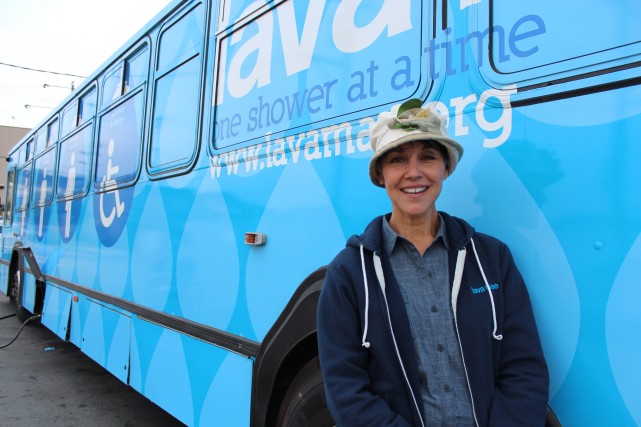
window.__IS_SSR__=true
window.__INITIAL_STATE__={
"attachmentsReducer": {
"audio_0": {
"type": "attachments",
"id": "audio_0",
"imgSizes": {
"kqedFullSize": {
"file": "https://ww2.kqed.org/news/wp-content/themes/KQED-unified/img/audio_bgs/background0.jpg"
}
}
},
"audio_1": {
"type": "attachments",
"id": "audio_1",
"imgSizes": {
"kqedFullSize": {
"file": "https://ww2.kqed.org/news/wp-content/themes/KQED-unified/img/audio_bgs/background1.jpg"
}
}
},
"audio_2": {
"type": "attachments",
"id": "audio_2",
"imgSizes": {
"kqedFullSize": {
"file": "https://ww2.kqed.org/news/wp-content/themes/KQED-unified/img/audio_bgs/background2.jpg"
}
}
},
"audio_3": {
"type": "attachments",
"id": "audio_3",
"imgSizes": {
"kqedFullSize": {
"file": "https://ww2.kqed.org/news/wp-content/themes/KQED-unified/img/audio_bgs/background3.jpg"
}
}
},
"audio_4": {
"type": "attachments",
"id": "audio_4",
"imgSizes": {
"kqedFullSize": {
"file": "https://ww2.kqed.org/news/wp-content/themes/KQED-unified/img/audio_bgs/background4.jpg"
}
}
},
"placeholder": {
"type": "attachments",
"id": "placeholder",
"imgSizes": {
"thumbnail": {
"file": "https://cdn.kqed.org/wp-content/uploads/2024/12/KQED-Default-Image-816638274-2000x1333-1-160x107.jpg",
"width": 160,
"height": 107,
"mimeType": "image/jpeg"
},
"medium": {
"file": "https://cdn.kqed.org/wp-content/uploads/2024/12/KQED-Default-Image-816638274-2000x1333-1-800x533.jpg",
"width": 800,
"height": 533,
"mimeType": "image/jpeg"
},
"medium_large": {
"file": "https://cdn.kqed.org/wp-content/uploads/2024/12/KQED-Default-Image-816638274-2000x1333-1-768x512.jpg",
"width": 768,
"height": 512,
"mimeType": "image/jpeg"
},
"large": {
"file": "https://cdn.kqed.org/wp-content/uploads/2024/12/KQED-Default-Image-816638274-2000x1333-1-1020x680.jpg",
"width": 1020,
"height": 680,
"mimeType": "image/jpeg"
},
"1536x1536": {
"file": "https://cdn.kqed.org/wp-content/uploads/2024/12/KQED-Default-Image-816638274-2000x1333-1-1536x1024.jpg",
"width": 1536,
"height": 1024,
"mimeType": "image/jpeg"
},
"fd-lrg": {
"file": "https://cdn.kqed.org/wp-content/uploads/2024/12/KQED-Default-Image-816638274-2000x1333-1-1536x1024.jpg",
"width": 1536,
"height": 1024,
"mimeType": "image/jpeg"
},
"fd-med": {
"file": "https://cdn.kqed.org/wp-content/uploads/2024/12/KQED-Default-Image-816638274-2000x1333-1-1020x680.jpg",
"width": 1020,
"height": 680,
"mimeType": "image/jpeg"
},
"fd-sm": {
"file": "https://cdn.kqed.org/wp-content/uploads/2024/12/KQED-Default-Image-816638274-2000x1333-1-800x533.jpg",
"width": 800,
"height": 533,
"mimeType": "image/jpeg"
},
"post-thumbnail": {
"file": "https://cdn.kqed.org/wp-content/uploads/2024/12/KQED-Default-Image-816638274-2000x1333-1-672x372.jpg",
"width": 672,
"height": 372,
"mimeType": "image/jpeg"
},
"twentyfourteen-full-width": {
"file": "https://cdn.kqed.org/wp-content/uploads/2024/12/KQED-Default-Image-816638274-2000x1333-1-1038x576.jpg",
"width": 1038,
"height": 576,
"mimeType": "image/jpeg"
},
"xxsmall": {
"file": "https://cdn.kqed.org/wp-content/uploads/2024/12/KQED-Default-Image-816638274-2000x1333-1-160x107.jpg",
"width": 160,
"height": 107,
"mimeType": "image/jpeg"
},
"xsmall": {
"file": "https://cdn.kqed.org/wp-content/uploads/2024/12/KQED-Default-Image-816638274-2000x1333-1-672x372.jpg",
"width": 672,
"height": 372,
"mimeType": "image/jpeg"
},
"small": {
"file": "https://cdn.kqed.org/wp-content/uploads/2024/12/KQED-Default-Image-816638274-2000x1333-1-672x372.jpg",
"width": 672,
"height": 372,
"mimeType": "image/jpeg"
},
"xlarge": {
"file": "https://cdn.kqed.org/wp-content/uploads/2024/12/KQED-Default-Image-816638274-2000x1333-1-1020x680.jpg",
"width": 1020,
"height": 680,
"mimeType": "image/jpeg"
},
"full-width": {
"file": "https://cdn.kqed.org/wp-content/uploads/2024/12/KQED-Default-Image-816638274-2000x1333-1-1920x1280.jpg",
"width": 1920,
"height": 1280,
"mimeType": "image/jpeg"
},
"guest-author-32": {
"file": "https://cdn.kqed.org/wp-content/uploads/2025/01/KQED-Default-Image-816638274-1333x1333-1-160x160.jpg",
"width": 32,
"height": 32,
"mimeType": "image/jpeg"
},
"guest-author-50": {
"file": "https://cdn.kqed.org/wp-content/uploads/2025/01/KQED-Default-Image-816638274-1333x1333-1-160x160.jpg",
"width": 50,
"height": 50,
"mimeType": "image/jpeg"
},
"guest-author-64": {
"file": "https://cdn.kqed.org/wp-content/uploads/2025/01/KQED-Default-Image-816638274-1333x1333-1-160x160.jpg",
"width": 64,
"height": 64,
"mimeType": "image/jpeg"
},
"guest-author-96": {
"file": "https://cdn.kqed.org/wp-content/uploads/2025/01/KQED-Default-Image-816638274-1333x1333-1-160x160.jpg",
"width": 96,
"height": 96,
"mimeType": "image/jpeg"
},
"guest-author-128": {
"file": "https://cdn.kqed.org/wp-content/uploads/2025/01/KQED-Default-Image-816638274-1333x1333-1-160x160.jpg",
"width": 128,
"height": 128,
"mimeType": "image/jpeg"
},
"detail": {
"file": "https://cdn.kqed.org/wp-content/uploads/2025/01/KQED-Default-Image-816638274-1333x1333-1-160x160.jpg",
"width": 160,
"height": 160,
"mimeType": "image/jpeg"
},
"kqedFullSize": {
"file": "https://cdn.kqed.org/wp-content/uploads/2024/12/KQED-Default-Image-816638274-2000x1333-1.jpg",
"width": 2000,
"height": 1333
}
}
},
"news_145394": {
"type": "attachments",
"id": "news_145394",
"meta": {
"index": "attachments_1716263798",
"site": "news",
"id": "145394",
"found": true
},
"parent": 145363,
"imgSizes": {
"kqedFullSize": {
"file": "https://ww2.kqed.org/app/uploads/sites/10/2014/08/tents-eco-structure.jpg",
"width": 640,
"height": 335
}
},
"publishDate": 1408670030,
"modified": 1408670030,
"caption": "There are around ten residents living at Fresno's Dakota EcoGarden. (Adam Grossberg/KQED)",
"description": null,
"title": "tents-eco-structure",
"credit": null,
"status": "inherit",
"isLoading": false,
"fetchFailed": false
},
"stateofhealth_20652": {
"type": "attachments",
"id": "stateofhealth_20652",
"meta": {
"index": "attachments_1716263798",
"site": "stateofhealth",
"id": "20652",
"found": true
},
"parent": 20600,
"imgSizes": {
"thumbnail": {
"file": "https://ww2.kqed.org/app/uploads/sites/27/2014/08/LavaMae-e1407548749650-400x266.jpg",
"width": 400,
"mimeType": "image/jpeg",
"height": 266
},
"fd-sm": {
"file": "https://ww2.kqed.org/app/uploads/sites/27/2014/08/LavaMae-e1407548749650-320x213.jpg",
"width": 320,
"mimeType": "image/jpeg",
"height": 213
},
"post-thumbnail": {
"file": "https://ww2.kqed.org/app/uploads/sites/27/2014/08/LavaMae-e1407548749650-641x372.jpg",
"width": 641,
"mimeType": "image/jpeg",
"height": 372
},
"kqedFullSize": {
"file": "https://ww2.kqed.org/app/uploads/sites/27/2014/08/LavaMae-e1407548749650.jpg",
"width": 641,
"height": 427
},
"guest-author-96": {
"file": "https://ww2.kqed.org/app/uploads/sites/27/2014/08/LavaMae-e1407548749650-96x96.jpg",
"width": 96,
"mimeType": "image/jpeg",
"height": 96
},
"guest-author-64": {
"file": "https://ww2.kqed.org/app/uploads/sites/27/2014/08/LavaMae-e1407548749650-64x64.jpg",
"width": 64,
"mimeType": "image/jpeg",
"height": 64
},
"detail": {
"file": "https://ww2.kqed.org/app/uploads/sites/27/2014/08/LavaMae-e1407548749650-75x75.jpg",
"width": 75,
"mimeType": "image/jpeg",
"height": 75
},
"guest-author-32": {
"file": "https://ww2.kqed.org/app/uploads/sites/27/2014/08/LavaMae-e1407548749650-32x32.jpg",
"width": 32,
"mimeType": "image/jpeg",
"height": 32
},
"guest-author-128": {
"file": "https://ww2.kqed.org/app/uploads/sites/27/2014/08/LavaMae-e1407548749650-128x128.jpg",
"width": 128,
"mimeType": "image/jpeg",
"height": 128
}
},
"publishDate": 1407548731,
"modified": 1407548731,
"caption": "Doniece Sandoval, founder of Lava Mae, a mobile shower service for homeless people.",
"description": "Lava Mae",
"title": "LavaMae",
"credit": null,
"status": "inherit",
"isLoading": false,
"fetchFailed": false
},
"news_143302": {
"type": "attachments",
"id": "news_143302",
"meta": {
"index": "attachments_1716263798",
"site": "news",
"id": "143302",
"found": true
},
"parent": 143301,
"imgSizes": {
"kqedFullSize": {
"file": "https://ww2.kqed.org/app/uploads/sites/10/2014/07/rail-homeless.jpg",
"width": 720,
"height": 520
}
},
"publishDate": 1406746463,
"modified": 1406746463,
"caption": "The eviction of the Albany Bulb and the clean-up of the Gilman underpass have prompted homeless to sleep along the West Berkeley train tracks. (Berkeleyside)",
"description": null,
"title": "rail homeless",
"credit": null,
"status": "inherit",
"isLoading": false,
"fetchFailed": false
},
"news_143078": {
"type": "attachments",
"id": "news_143078",
"meta": {
"index": "attachments_1716263798",
"site": "news",
"id": "143078",
"found": true
},
"parent": 143077,
"imgSizes": {
"kqedFullSize": {
"file": "https://ww2.kqed.org/app/uploads/sites/10/2014/07/homeless-620x736.jpg",
"width": 620,
"height": 736
}
},
"publishDate": 1406571280,
"modified": 1406571280,
"caption": "On Valencia Street. (Mission Local)",
"description": null,
"title": "homeless-620x736",
"credit": null,
"status": "inherit",
"isLoading": false,
"fetchFailed": false
},
"news_142343": {
"type": "attachments",
"id": "news_142343",
"meta": {
"index": "attachments_1716263798",
"site": "news",
"id": "142343",
"found": true
},
"parent": 142340,
"imgSizes": {
"kqedFullSize": {
"file": "https://ww2.kqed.org/app/uploads/sites/10/2014/07/gilman2.jpg",
"width": 715,
"height": 537
}
},
"publishDate": 1405964224,
"modified": 1405964224,
"caption": "Berkeley police have been visiting the homeless camp on Gilman Street — pictured here in early July — to provide outreach. (Drew Jaffe/Berkeleyside)",
"description": null,
"title": "gilman2",
"credit": null,
"status": "inherit",
"isLoading": false,
"fetchFailed": false
},
"news_84589": {
"type": "attachments",
"id": "news_84589",
"meta": {
"index": "attachments_1716263798",
"site": "news",
"id": "84589",
"found": true
},
"parent": 84572,
"imgSizes": {
"kqedFullSize": {
"file": "https://ww2.kqed.org/app/uploads/sites/10/2013/01/PhotoWeek121026homelessness.jpg",
"width": 640,
"height": 450
}
},
"publishDate": 1357257807,
"modified": 1357257807,
"caption": null,
"description": null,
"title": "PhotoWeek121026homelessness",
"credit": null,
"status": "inherit",
"isLoading": false,
"fetchFailed": false
},
"news_111666": {
"type": "attachments",
"id": "news_111666",
"meta": {
"index": "attachments_1716263798",
"site": "news",
"id": "111666",
"found": true
},
"parent": 111655,
"imgSizes": {
"kqedFullSize": {
"file": "https://ww2.kqed.org/app/uploads/sites/10/2013/09/Albanybulb_11sept2013-640.jpg",
"width": 640,
"height": 427
}
},
"publishDate": 1379534210,
"modified": 1379534210,
"caption": "Recylced metal sculptures by Osha Neumann, an advocate for the residents living on the Albany Bulb, can be found on the north shore of the small peninsula. (Sara Bloomberg/KQED)",
"description": null,
"title": "Albanybulb_11sept2013-640",
"credit": null,
"status": "inherit",
"isLoading": false,
"fetchFailed": false
},
"news_133131": {
"type": "attachments",
"id": "news_133131",
"meta": {
"index": "attachments_1716263798",
"site": "news",
"id": "133131",
"found": true
},
"parent": 133034,
"imgSizes": {
"kqedFullSize": {
"file": "https://ww2.kqed.org/app/uploads/sites/10/2014/04/RS9600_IMG_2650-copy-hpf.jpg",
"width": 640,
"height": 427
}
},
"publishDate": 1397842270,
"modified": 1397842270,
"caption": "Clients of Mother Brown's Dining Room hang out in front of the soup kitchen. (Mark Andrew Boyer/KQED)",
"description": null,
"title": "RS9600_IMG_2650 copy-hpf",
"credit": null,
"status": "inherit",
"isLoading": false,
"fetchFailed": false
},
"news_10341089": {
"type": "attachments",
"id": "news_10341089",
"meta": {
"index": "attachments_1716263798",
"site": "news",
"id": "10341089",
"found": true
},
"parent": 10141088,
"imgSizes": {
"thumbnail": {
"file": "https://ww2.kqed.org/app/uploads/sites/10/2014/09/LeahLibrarySocial-400x225.jpg",
"width": 400,
"mimeType": "image/jpeg",
"height": 225
},
"kqedFullSize": {
"file": "https://ww2.kqed.org/app/uploads/sites/10/2014/09/LeahLibrarySocial.jpg",
"width": 640,
"height": 360
},
"guest-author-96": {
"file": "https://ww2.kqed.org/app/uploads/sites/10/2014/09/LeahLibrarySocial-96x96.jpg",
"width": 96,
"mimeType": "image/jpeg",
"height": 96
},
"guest-author-64": {
"file": "https://ww2.kqed.org/app/uploads/sites/10/2014/09/LeahLibrarySocial-64x64.jpg",
"width": 64,
"mimeType": "image/jpeg",
"height": 64
},
"detail": {
"file": "https://ww2.kqed.org/app/uploads/sites/10/2014/09/LeahLibrarySocial-75x75.jpg",
"width": 75,
"mimeType": "image/jpeg",
"height": 75
},
"guest-author-32": {
"file": "https://ww2.kqed.org/app/uploads/sites/10/2014/09/LeahLibrarySocial-32x32.jpg",
"width": 32,
"mimeType": "image/jpeg",
"height": 32
},
"guest-author-128": {
"file": "https://ww2.kqed.org/app/uploads/sites/10/2014/09/LeahLibrarySocial-128x128.jpg",
"width": 128,
"mimeType": "image/jpeg",
"height": 128
}
},
"publishDate": 1410543104,
"modified": 1410543104,
"caption": "Leah Esguerra, the first full-time social worker hired by a library in the U.S., oversees a team of formerly homeless patrons who do health outreach at the library. (Scott Shafer/KQED)",
"description": null,
"title": "LeahLibrarySocial",
"credit": null,
"status": "inherit",
"isLoading": false,
"fetchFailed": false
},
"news_127164": {
"type": "attachments",
"id": "news_127164",
"meta": {
"index": "attachments_1716263798",
"site": "news",
"id": "127164",
"found": true
},
"parent": 127158,
"imgSizes": {
"kqedFullSize": {
"file": "https://ww2.kqed.org/app/uploads/sites/10/2014/02/IMG_5036.jpg",
"width": 1000,
"height": 667
}
},
"publishDate": 1392957195,
"modified": 1392957195,
"caption": "Artist and designer Gregory Kloehn sits in the doorway of his latest tiny house, which he calls the Chuckwagon (Mark Andrew Boyer / KQED)",
"description": null,
"title": "Gregory Kloehn",
"credit": null,
"status": "inherit",
"isLoading": false,
"fetchFailed": false
}
},
"audioPlayerReducer": {
"postId": "stream_live",
"isPaused": true,
"isPlaying": false,
"pfsActive": false,
"pledgeModalIsOpen": true,
"playerDrawerIsOpen": false,
"liveAudioPlayStartedAt": 0,
"liveAudioPlayContext": ""
},
"authorsReducer": {
"lisapickoffwhite-2": {
"type": "authors",
"id": "199",
"meta": {
"index": "authors_1716337520",
"id": "199",
"found": true
},
"name": "Lisa Pickoff-White",
"firstName": "Lisa",
"lastName": "Pickoff-White",
"slug": "lisapickoffwhite-2",
"email": "lpickoffwhite@kqed.org",
"display_author_email": false,
"staff_mastheads": [
"news"
],
"title": "Data Journalist, Senior Producer",
"bio": "Lisa Pickoff-White is KQED's data reporter. Lisa specializes in simplifying complex topics and bringing them to life through compelling visuals, including photography and data visualizations. She previously has worked at the Center for Investigative Reporting and other national outlets. Her work has been honored with awards from the Online News Association, Investigative Reporters and Editors, the Society of Professional Journalists and SXSW Interactive. \u003cstrong> \u003c/strong>",
"avatar": "https://secure.gravatar.com/avatar/5513c5f3967df792aa65bee2501e84d6?s=600&d=blank&r=g",
"twitter": "pickoffwhite",
"facebook": null,
"instagram": null,
"linkedin": null,
"sites": [
{
"site": "",
"roles": [
"editor"
]
},
{
"site": "arts",
"roles": []
},
{
"site": "news",
"roles": [
"administrator"
]
},
{
"site": "about",
"roles": [
"editor"
]
},
{
"site": "stateofhealth",
"roles": [
"administrator"
]
},
{
"site": "science",
"roles": [
"editor"
]
},
{
"site": "quest",
"roles": [
"editor"
]
},
{
"site": "forum",
"roles": [
"editor"
]
}
],
"headData": {
"title": "Lisa Pickoff-White | KQED",
"description": "Data Journalist, Senior Producer",
"ogImgSrc": "https://secure.gravatar.com/avatar/5513c5f3967df792aa65bee2501e84d6?s=600&d=blank&r=g",
"twImgSrc": "https://secure.gravatar.com/avatar/5513c5f3967df792aa65bee2501e84d6?s=600&d=blank&r=g"
},
"isLoading": false,
"link": "/author/lisapickoffwhite-2"
},
"aliceldaniel": {
"type": "authors",
"id": "208",
"meta": {
"index": "authors_1716337520",
"id": "208",
"found": true
},
"name": "Alice Daniel",
"firstName": "Alice",
"lastName": "Daniel",
"slug": "aliceldaniel",
"email": "adaniel@kqed.org",
"display_author_email": false,
"staff_mastheads": [],
"title": null,
"bio": "Alice Daniel loves the listening aspect of reporting because she gets to briefly walk in other people’s shoes. She has rappelled down into caves and gone up in helicopters for KQED’s The California Report but her favorite place to pursue a story is the High Sierra or any family-run bakery, of course. Alice has a masters in journalism from Columbia University and teaches at Fresno State. She is a California Healthline Regional Correspondent and a frequent contributor to Success magazine. In her free time, she skis and hikes, throws pottery, practices piano and looks out the window.",
"avatar": "https://secure.gravatar.com/avatar/e611aa06593b114a67f9f123a8e875ad?s=600&d=blank&r=g",
"twitter": null,
"facebook": null,
"instagram": null,
"linkedin": null,
"sites": [
{
"site": "news",
"roles": [
"author"
]
},
{
"site": "stateofhealth",
"roles": [
"author"
]
}
],
"headData": {
"title": "Alice Daniel | KQED",
"description": null,
"ogImgSrc": "https://secure.gravatar.com/avatar/e611aa06593b114a67f9f123a8e875ad?s=600&d=blank&r=g",
"twImgSrc": "https://secure.gravatar.com/avatar/e611aa06593b114a67f9f123a8e875ad?s=600&d=blank&r=g"
},
"isLoading": false,
"link": "/author/aliceldaniel"
},
"danbrekke": {
"type": "authors",
"id": "222",
"meta": {
"index": "authors_1716337520",
"id": "222",
"found": true
},
"name": "Dan Brekke",
"firstName": "Dan",
"lastName": "Brekke",
"slug": "danbrekke",
"email": "dbrekke@kqed.org",
"display_author_email": true,
"staff_mastheads": [
"news",
"science"
],
"title": "KQED Editor and Reporter",
"bio": "Dan Brekke is a reporter and editor for KQED News, responsible for coverage of topics ranging from California water issues to the Bay Area's transportation challenges. In a newsroom career that began in Chicago in 1972, Dan has worked for \u003cem>The San Francisco Examiner,\u003c/em> Wired and TechTV and has been published in The New York Times, The New York Times Magazine, Business 2.0, Salon and elsewhere.\r\n\r\nSince joining KQED in 2007, Dan has reported, edited and produced both radio and online features and breaking news pieces. He has shared as both editor and reporter in four Society of Professional Journalists Norcal Excellence in Journalism awards and one Edward R. Murrow regional award. He was chosen for a spring 2017 residency at the Mesa Refuge to advance his research on California salmon.\r\n\r\nEmail Dan at: \u003ca href=\"mailto:dbrekke@kqed.org\">dbrekke@kqed.org\u003c/a>\r\n\r\n\u003cstrong>Twitter:\u003c/strong> \u003ca href=\"https://twitter.com/danbrekke\" rel=\"noopener noreferrer\">twitter.com/danbrekke\u003c/a>\r\n\u003cstrong>Facebook:\u003c/strong> \u003ca href=\"https://www.facebook.com/danbrekke\" rel=\"noopener noreferrer\">www.facebook.com/danbrekke\u003c/a>\r\n\u003cstrong>LinkedIn:\u003c/strong> \u003ca href=\"https://www.linkedin.com/in/danbrekke\" rel=\"noopener noreferrer\">www.linkedin.com/in/danbrekke\u003c/a>",
"avatar": "https://secure.gravatar.com/avatar/c8126230345efca3f7aa89b1a402be45?s=600&d=mm&r=g",
"twitter": "danbrekke",
"facebook": null,
"instagram": "https://www.instagram.com/dan.brekke/",
"linkedin": "https://www.linkedin.com/in/danbrekke/",
"sites": [
{
"site": "news",
"roles": [
"administrator",
"create_posts"
]
},
{
"site": "stateofhealth",
"roles": [
"editor"
]
},
{
"site": "science",
"roles": [
"editor"
]
},
{
"site": "quest",
"roles": [
"contributor"
]
},
{
"site": "food",
"roles": [
"contributor"
]
},
{
"site": "forum",
"roles": [
"contributor"
]
},
{
"site": "liveblog",
"roles": [
"editor"
]
}
],
"headData": {
"title": "Dan Brekke | KQED",
"description": "KQED Editor and Reporter",
"ogImgSrc": "https://secure.gravatar.com/avatar/c8126230345efca3f7aa89b1a402be45?s=600&d=mm&r=g",
"twImgSrc": "https://secure.gravatar.com/avatar/c8126230345efca3f7aa89b1a402be45?s=600&d=mm&r=g"
},
"isLoading": false,
"link": "/author/danbrekke"
},
"katrinaschwartz": {
"type": "authors",
"id": "234",
"meta": {
"index": "authors_1716337520",
"id": "234",
"found": true
},
"name": "Katrina Schwartz",
"firstName": "Katrina",
"lastName": "Schwartz",
"slug": "katrinaschwartz",
"email": "kschwartz@kqed.org",
"display_author_email": false,
"staff_mastheads": [
"news"
],
"title": "Producer",
"bio": "Katrina Schwartz is a journalist based in San Francisco. She's worked at KPCC public radio in LA and has reported on air and online for KQED since 2010. She covered how teaching and learning is changing for MindShift between 2012 and 2020. She is the co-host of the MindShift podcast and now produces KQED's Bay Curious podcast.",
"avatar": "https://secure.gravatar.com/avatar/edb4ee79070447a018538c9aae6eeecf28786515b8a0c30e43b6b7dce5aa44c8?s=600&d=blank&r=g",
"twitter": "kschwart",
"bluesky": null,
"facebook": null,
"instagram": null,
"linkedin": null,
"sites": [
{
"site": "news",
"roles": [
"editor"
]
},
{
"site": "mindshift",
"roles": [
"administrator"
]
},
{
"site": "stateofhealth",
"roles": [
"author"
]
},
{
"site": "science",
"roles": [
"editor"
]
}
],
"headData": {
"title": "Katrina Schwartz | KQED",
"description": "Producer",
"ogImgSrc": "https://secure.gravatar.com/avatar/edb4ee79070447a018538c9aae6eeecf28786515b8a0c30e43b6b7dce5aa44c8?s=600&d=blank&r=g",
"twImgSrc": "https://secure.gravatar.com/avatar/edb4ee79070447a018538c9aae6eeecf28786515b8a0c30e43b6b7dce5aa44c8?s=600&d=blank&r=g"
},
"isLoading": false,
"link": "/author/katrinaschwartz"
},
"kqed": {
"type": "authors",
"id": "236",
"meta": {
"index": "authors_1716337520",
"id": "236",
"found": true
},
"name": "KQED News Staff",
"firstName": "KQED News Staff",
"lastName": null,
"slug": "kqed",
"email": "faq@kqed.org",
"display_author_email": false,
"staff_mastheads": [],
"title": null,
"bio": null,
"avatar": "https://secure.gravatar.com/avatar/ef0e801a68c4c54afa9180db14084167?s=600&d=blank&r=g",
"twitter": null,
"facebook": null,
"instagram": null,
"linkedin": null,
"sites": [
{
"site": "arts",
"roles": [
"contributor"
]
},
{
"site": "news",
"roles": [
"editor"
]
},
{
"site": "futureofyou",
"roles": [
"author"
]
}
],
"headData": {
"title": "KQED News Staff | KQED",
"description": null,
"ogImgSrc": "https://secure.gravatar.com/avatar/ef0e801a68c4c54afa9180db14084167?s=600&d=blank&r=g",
"twImgSrc": "https://secure.gravatar.com/avatar/ef0e801a68c4c54afa9180db14084167?s=600&d=blank&r=g"
},
"isLoading": false,
"link": "/author/kqed"
},
"mboyer": {
"type": "authors",
"id": "242",
"meta": {
"index": "authors_1716337520",
"id": "242",
"found": true
},
"name": "Mark Andrew Boyer",
"firstName": "Mark Andrew",
"lastName": "Boyer",
"slug": "mboyer",
"email": "mboyer@kqed.org",
"display_author_email": false,
"staff_mastheads": [],
"title": null,
"bio": null,
"avatar": "https://secure.gravatar.com/avatar/97f25e563059e57d6a08f9c09b43851a?s=600&d=blank&r=g",
"twitter": null,
"facebook": null,
"instagram": null,
"linkedin": null,
"sites": [
{
"site": "news",
"roles": [
"contributor"
]
}
],
"headData": {
"title": "Mark Andrew Boyer | KQED",
"description": null,
"ogImgSrc": "https://secure.gravatar.com/avatar/97f25e563059e57d6a08f9c09b43851a?s=600&d=blank&r=g",
"twImgSrc": "https://secure.gravatar.com/avatar/97f25e563059e57d6a08f9c09b43851a?s=600&d=blank&r=g"
},
"isLoading": false,
"link": "/author/mboyer"
},
"scottshafer": {
"type": "authors",
"id": "255",
"meta": {
"index": "authors_1716337520",
"id": "255",
"found": true
},
"name": "Scott Shafer",
"firstName": "Scott",
"lastName": "Shafer",
"slug": "scottshafer",
"email": "sshafer@kqed.org",
"display_author_email": false,
"staff_mastheads": [
"news"
],
"title": "KQED Contributor",
"bio": "Scott Shafer is a senior editor with the KQED Politics and Government desk. He is co-host of Political Breakdown, the award-winning radio show and podcast with a personal take on the world of politics. Scott came to KQED in 1998 to host the statewide\u003cem> California Report\u003c/em>. Prior to that he had extended stints in politics and government\u003cem>.\u003c/em> He uses that inside experience at KQED in his, reporting, hosting and analysis for the politics desk. Scott collaborated \u003cem>Political Breakdown a\u003c/em>nd on \u003cem>The Political Mind of Jerry Brown, \u003c/em>an eight-part series about the life and extraordinary political career of the former governor. For fun, he plays water polo with the San Francisco Tsunami.",
"avatar": "https://secure.gravatar.com/avatar/a62ebae45b79d7aed1a39a0e3bf68104?s=600&d=blank&r=g",
"twitter": "scottshafer",
"bluesky": null,
"facebook": null,
"instagram": null,
"linkedin": null,
"sites": [
{
"site": "news",
"roles": [
"editor"
]
},
{
"site": "stateofhealth",
"roles": [
"author"
]
},
{
"site": "science",
"roles": [
"author"
]
},
{
"site": "forum",
"roles": [
"subscriber"
]
},
{
"site": "liveblog",
"roles": [
"author"
]
}
],
"headData": {
"title": "Scott Shafer | KQED",
"description": "KQED Contributor",
"ogImgSrc": "https://secure.gravatar.com/avatar/a62ebae45b79d7aed1a39a0e3bf68104?s=600&d=blank&r=g",
"twImgSrc": "https://secure.gravatar.com/avatar/a62ebae45b79d7aed1a39a0e3bf68104?s=600&d=blank&r=g"
},
"isLoading": false,
"link": "/author/scottshafer"
},
"aemslie": {
"type": "authors",
"id": "3206",
"meta": {
"index": "authors_1716337520",
"id": "3206",
"found": true
},
"name": "Alex Emslie",
"firstName": "Alex",
"lastName": "Emslie",
"slug": "aemslie",
"email": "aemslie@kqed.org",
"display_author_email": true,
"staff_mastheads": [
"news"
],
"title": "KQED Senior Editor",
"bio": "Alex Emslie is senior editor of talent and development at KQED, where he manages dozens of early career journalists and oversees news department internships.\r\n\r\nHe is a former carpenter and proud graduate of City College of San Francisco and San Francisco State University, where he studied journalism and criminal justice before joining KQED in 2013.\r\n\r\nAlex produced investigative journalism focused on \u003ca href=\"https://www.kqed.org/news/11667594/the-trials-of-marvin-mutch-video\">criminal justice\u003c/a> and policing for most of a decade. He has broken major stories about \u003ca href=\"https://www.kqed.org/news/135682/amid-a-series-of-vallejo-police-shootings-one-officers-name-stands-out\">police use of deadly force\u003c/a>, \u003ca href=\"https://www.kqed.org/news/10454955/racist-texts-prompt-sfpd-internal-investigation\">officer misconduct\u003c/a> and \u003ca href=\"https://www.kqed.org/news/11712239/terrorist-or-troll-judge-to-weigh-whether-oakland-man-really-intended-to-attack-bay-area\">other\u003c/a> \u003ca href=\"https://www.kqed.org/news/11221414/hayward-paid-159000-to-husband-of-retired-police-chief-documents-show\">high\u003c/a>-\u003ca href=\"https://www.kqed.org/news/10622762/the-forgotten-tracking-two-homicides-in-san-francisco-public-housing\">profile\u003c/a> \u003ca href=\"https://www.kqed.org/news/11624516/federal-agency-promoted-ranger-just-months-after-his-gun-was-stolen-and-used-in-steinle-killing\">cases\u003c/a>. He co-founded the \u003ca href=\"https://projects.scpr.org/california-reporting-project/\">California Reporting Project\u003c/a> in 2019 to obtain and report on previously confidential police internal investigations. The effort produced well over 100 original stories and changed the course of multiple criminal cases.\r\n\r\nHis work has been recognized with numerous journalism awards, including a national Edward R. Murrow award for several years of \u003ca href=\"https://www.kqed.org/news/11688481/sfpd-officers-in-mario-woods-case-recount-shooting-in-newly-filed-depositions\">reporting\u003c/a> on the San Francisco Police shooting of Mario Woods. His \u003ca href=\"https://www.kqed.org/news/147854/half-of-those-killed-by-san-francisco-police-are-mentally-ill\">reporting\u003c/a> on police killings of people in psychiatric crisis was cited in amicus briefs before the U.S. Supreme Court.\r\n\r\nAlex now enjoys mentoring the next generation of journalists at KQED.",
"avatar": "https://secure.gravatar.com/avatar/e691e65209f20e9da202bd730ead5663?s=600&d=blank&r=g",
"twitter": "SFNewsReporter",
"facebook": null,
"instagram": null,
"linkedin": null,
"sites": [
{
"site": "arts",
"roles": [
"editor"
]
},
{
"site": "news",
"roles": [
"editor"
]
},
{
"site": "mindshift",
"roles": [
"editor"
]
},
{
"site": "stateofhealth",
"roles": [
"editor"
]
},
{
"site": "science",
"roles": [
"administrator"
]
}
],
"headData": {
"title": "Alex Emslie | KQED",
"description": "KQED Senior Editor",
"ogImgSrc": "https://secure.gravatar.com/avatar/e691e65209f20e9da202bd730ead5663?s=600&d=blank&r=g",
"twImgSrc": "https://secure.gravatar.com/avatar/e691e65209f20e9da202bd730ead5663?s=600&d=blank&r=g"
},
"isLoading": false,
"link": "/author/aemslie"
},
"state-of-health": {
"type": "authors",
"id": "8344",
"meta": {
"index": "authors_1716337520",
"id": "8344",
"found": true
},
"name": "State of Health",
"firstName": "State of Health",
"lastName": null,
"slug": "state-of-health",
"email": "stateofhealth@kqed.org",
"display_author_email": false,
"staff_mastheads": [],
"title": null,
"bio": null,
"avatar": "https://secure.gravatar.com/avatar/66de4bf6d331fa7402bba1ffe8135e17?s=600&d=blank&r=g",
"twitter": null,
"facebook": null,
"instagram": null,
"linkedin": null,
"sites": [
{
"site": "arts",
"roles": [
"author"
]
},
{
"site": "stateofhealth",
"roles": [
"editor"
]
}
],
"headData": {
"title": "State of Health | KQED",
"description": null,
"ogImgSrc": "https://secure.gravatar.com/avatar/66de4bf6d331fa7402bba1ffe8135e17?s=600&d=blank&r=g",
"twImgSrc": "https://secure.gravatar.com/avatar/66de4bf6d331fa7402bba1ffe8135e17?s=600&d=blank&r=g"
},
"isLoading": false,
"link": "/author/state-of-health"
}
},
"pagesReducer": {
"news_tag_homelessness": {
"type": "terms",
"id": "news_4020",
"meta": {
"index": "terms_1716263798",
"site": "news",
"id": "4020",
"score": 8.554564
},
"name": "Homelessness",
"slug": "homelessness",
"taxonomy": "tag",
"description": null,
"featImg": null,
"headData": {
"title": "Homelessness | KQED News",
"description": null,
"ogTitle": null,
"ogDescription": null,
"ogImgId": null,
"twTitle": null,
"twDescription": null,
"twImgId": null,
"metaRobotsNoIndex": "index"
},
"ttid": 4039,
"isLoading": false,
"title": "Homelessness",
"pageMeta": {
"site": "news",
"WpPageTemplate": "page-topic-editorial",
"currentPage": 65
},
"blocks": [
{
"blockName": "kqed/post-list",
"attrs": {
"layout": "cardArticle2",
"query": "posts/news?tag=homelessness",
"seeMore": false,
"paginated": true,
"page": 65
}
},
{
"blockName": "kqed/ad"
}
]
}
},
"pfsSessionReducer": {},
"postsReducer": {
"stream_live": {
"type": "live",
"id": "stream_live",
"audioUrl": "https://streams.kqed.org/kqedradio",
"title": "Live Stream",
"excerpt": "Live Stream information currently unavailable.",
"link": "/radio",
"featImg": "",
"label": {
"name": "KQED Live",
"link": "/"
}
},
"stream_kqedNewscast": {
"type": "posts",
"id": "stream_kqedNewscast",
"audioUrl": "https://www.kqed.org/.stream/anon/radio/RDnews/newscast.mp3?_=1",
"title": "KQED Newscast",
"featImg": "",
"label": {
"name": "88.5 FM",
"link": "/"
}
},
"news_145363": {
"type": "posts",
"id": "news_145363",
"meta": {
"index": "posts_1716263798",
"site": "news",
"id": "145363",
"score": null,
"sort": [
1408744803000
]
},
"parent": 0,
"labelTerm": {
"site": "news",
"term": 6944
},
"blocks": [],
"publishDate": 1408744803,
"format": "aside",
"disqusTitle": "Communal Project in Fresno Has Found a Different Way to Treat the Homeless [Video]",
"title": "Communal Project in Fresno Has Found a Different Way to Treat the Homeless [Video]",
"headTitle": "SF Homeless Project | News Fix | KQED News",
"content": "\u003caside class=\"aligncenter\">[vimeo 104034738 w=640 h=360]\u003c/aside>\n\u003cp>Nancy Holmes grabs an olive from a bowl on the kitchen counter. “I think these oughta be test-driven before they go in the pasta,” she says with a laugh.\u003c/p>\n\u003cp>It’s dinnertime at Dakota EcoGarden in Fresno. The folks gathered here to cook and share a meal aren’t related — but they’re all connected by homelessness. Some are advocates like Dixie Salazar, a local poet and painter. Others, like Brittani Fanciullo and Holmes, are survivors of life on the streets.\u003c/p>\n\u003caside class=\"pullquote alignleft\">'I was gonna be basically living out of my truck and you know, fortunately, this situation came up.'\u003c/aside>\n\u003cp>\"All right, pass me everything!” Fanciullo says enthusiastically, looking at a table full of summery dishes.\u003c/p>\n\u003cp>“Everything all at once?” someone asks.\u003c/p>\n\u003cp>These days, Fanciullo, 30, spends plenty of time in this kitchen. She does a lot of cooking.\u003c/p>\n\u003cp>[ad fullwidth]\u003c/p>\n\u003cp>“They [my housemates] always drag me into cooking, and tons of cleaning, and I always do what I can out in the yard,” she says.\u003c/p>\n\u003cp>Fanciullo says she does her part because she gets to live at Dakota EcoGarden for free. She moved in nine months ago, sober after years of drug use.\u003c/p>\n\u003cp>Dakota EcoGarden is a communal project for the homeless spearheaded by retired schoolteacher Nancy Waidtlow. She wanted to create a safe space for people to live.\u003c/p>\n\u003cp>“And I’m sure being over 70 years old and not having that much to lose is part of it,” says Waidtlow with her characteristic dry humor.\u003c/p>\n\u003cp>So, she took her savings and some inheritance money and bought and refurbished a $64,000 house with a yard roomy enough for nine tents on pallets and an organic garden.\u003c/p>\n\u003cfigure id=\"attachment_145381\" class=\"wp-caption aligncenter\" style=\"max-width: 640px\">\u003ca href=\"http://ww2.kqed.org/news/wp-content/uploads/sites/10/2014/08/tents.jpg\">\u003cimg class=\"size-full wp-image-145381\" src=\"http://ww2.kqed.org/news/wp-content/uploads/sites/10/2014/08/tents.jpg\" alt=\"There are around ten residents living at Fresno's Dakota Eco Garden. (Adam Grossberg/KQED)\" width=\"640\" height=\"360\">\u003c/a>\u003cfigcaption class=\"wp-caption-text\">There are about 10 residents living at Fresno's Dakota EcoGarden. (Adam Grossberg/KQED)\u003c/figcaption>\u003c/figure>\n\u003cp>Plenty of people questioned Nancy Waidtlow’s sanity, some of them asking her, “What the hell was I thinking?” Her response? “I mean fools rush in where angels fear to tread!”\u003c/p>\n\u003cp>But Waidtlow says she believes in the golden rule and couldn’t stand watching the homeless encampments in downtown Fresno get bulldozed. She also likes to get things done, so she corralled a few fellow activists and they emboldened themselves with little outside guidance but plenty of chutzpah.\u003c/p>\n\u003cp>Fresno has been in the national spotlight for its controversial policies regarding the homeless. In 2008, the city lost a $2.35 million class-action lawsuit for destroying personal property when it bulldozed several encampments.\u003c/p>\n\u003cp>Last year, 62-year-old Nancy Holmes lived in an encampment for eight months after losing her job as a security guard. A nearby canal provided a decent bathing spot. “I’d take a jug of water and set it in the sun and wash my hair,’ she says.\u003c/p>\n\u003cp>But then the city bulldozed the camp , along with other encampments downtown.\u003c/p>\n\u003cp>“It was the worst thing I think I’d ever experienced out there,” she says. “Because that was my home.”\u003c/p>\n\u003cfigure id=\"attachment_145388\" class=\"wp-caption alignleft\" style=\"max-width: 378px\">\u003ca href=\"http://ww2.kqed.org/news/wp-content/uploads/sites/10/2014/08/couch-group_small.jpg\">\u003cimg class=\" wp-image-145388\" src=\"http://ww2.kqed.org/news/wp-content/uploads/sites/10/2014/08/couch-group_small.jpg\" alt=\"Nancy Holmes (left) and other residents spend time in the living room of the Dakota Eco Garden. (Adam Grossberg/KQED)\" width=\"378\" height=\"213\">\u003c/a>\u003cfigcaption class=\"wp-caption-text\">Nancy Holmes (left) and other residents spend time in the living room at Dakota EcoGarden. (Adam Grossberg/KQED)\u003c/figcaption>\u003c/figure>\n\u003cp>Holmes moved to Dakota EcoGarden nine months ago and is the official go-to person. “It’s given me a new life, coming here,” she says.\u003c/p>\n\u003cp>Waidtlow says some lessons were learned the hard way — like the time a homeless woman wrecked the car she was living in and desperately needed a place to stay.\u003c/p>\n\u003cp>“It was a real emergency,” says Waidtlow, who allowed the person to stay. “But, you know, she did abandon us and her cat and all her drug paraphernalia.\"\u003c/p>\n\u003cp>Waidtlow learned her lesson. “So we have an intake procedure now, and that includes drug testing,” she says.\u003c/p>\n\u003cp>Applicants have to test clean for 90 days. And there are other criteria: no severe mental illness and no violence. There’s no limit to how long residents can stay, but they’re expected to do their share of household chores. Although there is the occasional conflict, so far things seem to be running pretty smoothly, with everyone lending some expertise.\u003c/p>\n\u003cp>One resident installed solar panels so the tents could have electricity. Others tend the garden, like 58-year-old Frank, who asked not to use his real name. Frank ran his own business until he had some debilitating health problems. While he looks for a new job, he’s also putting his agriculture degree to work.\u003c/p>\n\u003cp>“I mean, I’ve seen some little infestation here and there, of course. Aphids got to the squash, too,” he says pointing to a row of vegetables in the organic garden. “So that’s what’s going on, but see, you can see the tomatoes are really doing well.”\u003c/p>\n\u003cp>He says he’s thankful for the opportunity to live here. “I was gonna be basically living out of my truck and you know, fortunately, this situation came up and it’s worked out great. I mean you could say it’s a symbiotic relationship -- no pun intended!”\u003c/p>\n\u003cp>Not far from the garden is another green project, the EcoShelter. It’s essentially an off-the-grid tiny house designed by renowned local architect Art Dyson and built by retired professor Jerry Bill.\u003c/p>\n\u003cfigure id=\"attachment_145375\" class=\"wp-caption aligncenter\" style=\"max-width: 640px\">\u003ca href=\"http://ww2.kqed.org/news/wp-content/uploads/sites/10/2014/08/tent-panel.jpg\">\u003cimg class=\"wp-image-145375 size-full\" src=\"http://ww2.kqed.org/news/wp-content/uploads/sites/10/2014/08/tent-panel.jpg\" alt=\"The Dakota Eco Garden in Fresno features solar panels that power fans and LED lights. (Adam Grossberg/KQED)\" width=\"640\" height=\"360\">\u003c/a>\u003cfigcaption class=\"wp-caption-text\">The Dakota EcoGarden in Fresno features solar panels that power fans and LED lights. (Adam Grossberg/KQED)\u003c/figcaption>\u003c/figure>\n\u003cp>“It’s solar-heated, solar-cooled and a small place made to feel big,” says Bill, who has assisted in many projects around the house. “And Art’s whole idea is that it’s got to be a dignified dwelling — makes a person feel proud to live in it.”\u003c/p>\n\u003cp>Like 46-year-old Gerardo Castillo, who gets to live in it because he’s been here the longest, one year.\u003c/p>\n\u003cp>“I get my own little backyard,” Castillo says, pointing to an area between the fence and the shelter. “I wouldn’t mind having a dog, you know.\"\u003c/p>\n\u003cp>And that would be all right. Dakota EcoGarden allows pets.\u003c/p>\n\u003cp>Right now the project relies solely on free labor, donations and the income generated from renting two of the rooms in the house. There’s been no official recognition from the city.\u003c/p>\n\u003cp>[ad floatright]\u003c/p>\n\u003cp>In an ideal world, homeless advocates involved in the project say they’d like to build more shelters like Castillo’s to replace the tents. And maybe even one day have an entire Eco Village to help put a real dent in the city’s homeless problem.\u003c/p>\n\n",
"disqusIdentifier": "145363 http://ww2.kqed.org/news/?p=145363",
"disqusUrl": "https://ww2.kqed.org/news/2014/08/22/communal-project-in-fresno-has-found-a-different-way-to-treat-the-homeless-video/",
"stats": {
"hasVideo": true,
"hasChartOrMap": false,
"hasAudio": false,
"hasPolis": false,
"wordCount": 1135,
"hasGoogleForm": false,
"hasGallery": false,
"hasHearkenModule": false,
"iframeSrcs": [],
"paragraphCount": 33
},
"modified": 1466559399,
"excerpt": "Dakota EcoGarden was founded by a retired schoolteacher who used her savings to buy and refurbish a house.",
"headData": {
"twImgId": "",
"twTitle": "",
"ogTitle": "",
"ogImgId": "",
"twDescription": "",
"description": "Dakota EcoGarden was founded by a retired schoolteacher who used her savings to buy and refurbish a house.",
"title": "Communal Project in Fresno Has Found a Different Way to Treat the Homeless [Video] | KQED",
"ogDescription": "",
"schema": {
"@context": "https://schema.org",
"@type": "NewsArticle",
"headline": "Communal Project in Fresno Has Found a Different Way to Treat the Homeless [Video]",
"datePublished": "2014-08-22T15:00:03-07:00",
"dateModified": "2016-06-21T18:36:39-07:00",
"image": "https://cdn.kqed.org/wp-content/uploads/2020/02/KQED-OG-Image@1x.png",
"isAccessibleForFree": "True",
"publisher": {
"@type": "NewsMediaOrganization",
"@id": "https://www.kqed.org/#organization",
"name": "KQED",
"logo": "https://cdn.kqed.org/wp-content/uploads/2020/02/KQED-OG-Image@1x.png",
"url": "https://www.kqed.org",
"sameAs": [
"https://www.facebook.com/KQED",
"https://twitter.com/KQED",
"https://www.instagram.com/kqed/",
"https://www.tiktok.com/@kqedofficial",
"https://www.linkedin.com/company/kqed",
"https://www.youtube.com/channel/UCeC0IOo7i1P_61zVUWbJ4nw"
]
}
}
},
"guestAuthors": [],
"slug": "communal-project-in-fresno-has-found-a-different-way-to-treat-the-homeless-video",
"status": "publish",
"customPermalink": "2014/08/22/communal-project-in-fresno-dakota-eco-garden/",
"path": "/news/145363/communal-project-in-fresno-has-found-a-different-way-to-treat-the-homeless-video",
"audioTrackLength": null,
"parsedContent": [
{
"type": "contentString",
"content": "\u003cdiv class=\"post-body\">\u003cp>\u003caside class=\"aligncenter\">\u003c/p>\u003c/div>",
"attributes": {
"named": {},
"numeric": []
}
},
{
"type": "component",
"content": "",
"name": "vimeo",
"attributes": {
"named": {
"w": "640",
"h": "360",
"label": "104034738"
},
"numeric": [
"104034738"
]
}
},
{
"type": "contentString",
"content": "\u003cdiv class=\"post-body\">\u003cp>\u003c/aside>\n\u003cp>Nancy Holmes grabs an olive from a bowl on the kitchen counter. “I think these oughta be test-driven before they go in the pasta,” she says with a laugh.\u003c/p>\n\u003cp>It’s dinnertime at Dakota EcoGarden in Fresno. The folks gathered here to cook and share a meal aren’t related — but they’re all connected by homelessness. Some are advocates like Dixie Salazar, a local poet and painter. Others, like Brittani Fanciullo and Holmes, are survivors of life on the streets.\u003c/p>\n\u003caside class=\"pullquote alignleft\">'I was gonna be basically living out of my truck and you know, fortunately, this situation came up.'\u003c/aside>\n\u003cp>\"All right, pass me everything!” Fanciullo says enthusiastically, looking at a table full of summery dishes.\u003c/p>\n\u003cp>“Everything all at once?” someone asks.\u003c/p>\n\u003cp>These days, Fanciullo, 30, spends plenty of time in this kitchen. She does a lot of cooking.\u003c/p>\n\u003cp>\u003c/p>\u003c/div>",
"attributes": {
"named": {},
"numeric": []
}
},
{
"type": "component",
"content": "",
"name": "ad",
"attributes": {
"named": {
"label": "fullwidth"
},
"numeric": [
"fullwidth"
]
}
},
{
"type": "contentString",
"content": "\u003cdiv class=\"post-body\">\u003cp>\u003c/p>\n\u003cp>“They [my housemates] always drag me into cooking, and tons of cleaning, and I always do what I can out in the yard,” she says.\u003c/p>\n\u003cp>Fanciullo says she does her part because she gets to live at Dakota EcoGarden for free. She moved in nine months ago, sober after years of drug use.\u003c/p>\n\u003cp>Dakota EcoGarden is a communal project for the homeless spearheaded by retired schoolteacher Nancy Waidtlow. She wanted to create a safe space for people to live.\u003c/p>\n\u003cp>“And I’m sure being over 70 years old and not having that much to lose is part of it,” says Waidtlow with her characteristic dry humor.\u003c/p>\n\u003cp>So, she took her savings and some inheritance money and bought and refurbished a $64,000 house with a yard roomy enough for nine tents on pallets and an organic garden.\u003c/p>\n\u003cfigure id=\"attachment_145381\" class=\"wp-caption aligncenter\" style=\"max-width: 640px\">\u003ca href=\"http://ww2.kqed.org/news/wp-content/uploads/sites/10/2014/08/tents.jpg\">\u003cimg class=\"size-full wp-image-145381\" src=\"http://ww2.kqed.org/news/wp-content/uploads/sites/10/2014/08/tents.jpg\" alt=\"There are around ten residents living at Fresno's Dakota Eco Garden. (Adam Grossberg/KQED)\" width=\"640\" height=\"360\">\u003c/a>\u003cfigcaption class=\"wp-caption-text\">There are about 10 residents living at Fresno's Dakota EcoGarden. (Adam Grossberg/KQED)\u003c/figcaption>\u003c/figure>\n\u003cp>Plenty of people questioned Nancy Waidtlow’s sanity, some of them asking her, “What the hell was I thinking?” Her response? “I mean fools rush in where angels fear to tread!”\u003c/p>\n\u003cp>But Waidtlow says she believes in the golden rule and couldn’t stand watching the homeless encampments in downtown Fresno get bulldozed. She also likes to get things done, so she corralled a few fellow activists and they emboldened themselves with little outside guidance but plenty of chutzpah.\u003c/p>\n\u003cp>Fresno has been in the national spotlight for its controversial policies regarding the homeless. In 2008, the city lost a $2.35 million class-action lawsuit for destroying personal property when it bulldozed several encampments.\u003c/p>\n\u003cp>Last year, 62-year-old Nancy Holmes lived in an encampment for eight months after losing her job as a security guard. A nearby canal provided a decent bathing spot. “I’d take a jug of water and set it in the sun and wash my hair,’ she says.\u003c/p>\n\u003cp>But then the city bulldozed the camp , along with other encampments downtown.\u003c/p>\n\u003cp>“It was the worst thing I think I’d ever experienced out there,” she says. “Because that was my home.”\u003c/p>\n\u003cfigure id=\"attachment_145388\" class=\"wp-caption alignleft\" style=\"max-width: 378px\">\u003ca href=\"http://ww2.kqed.org/news/wp-content/uploads/sites/10/2014/08/couch-group_small.jpg\">\u003cimg class=\" wp-image-145388\" src=\"http://ww2.kqed.org/news/wp-content/uploads/sites/10/2014/08/couch-group_small.jpg\" alt=\"Nancy Holmes (left) and other residents spend time in the living room of the Dakota Eco Garden. (Adam Grossberg/KQED)\" width=\"378\" height=\"213\">\u003c/a>\u003cfigcaption class=\"wp-caption-text\">Nancy Holmes (left) and other residents spend time in the living room at Dakota EcoGarden. (Adam Grossberg/KQED)\u003c/figcaption>\u003c/figure>\n\u003cp>Holmes moved to Dakota EcoGarden nine months ago and is the official go-to person. “It’s given me a new life, coming here,” she says.\u003c/p>\n\u003cp>Waidtlow says some lessons were learned the hard way — like the time a homeless woman wrecked the car she was living in and desperately needed a place to stay.\u003c/p>\n\u003cp>“It was a real emergency,” says Waidtlow, who allowed the person to stay. “But, you know, she did abandon us and her cat and all her drug paraphernalia.\"\u003c/p>\n\u003cp>Waidtlow learned her lesson. “So we have an intake procedure now, and that includes drug testing,” she says.\u003c/p>\n\u003cp>Applicants have to test clean for 90 days. And there are other criteria: no severe mental illness and no violence. There’s no limit to how long residents can stay, but they’re expected to do their share of household chores. Although there is the occasional conflict, so far things seem to be running pretty smoothly, with everyone lending some expertise.\u003c/p>\n\u003cp>One resident installed solar panels so the tents could have electricity. Others tend the garden, like 58-year-old Frank, who asked not to use his real name. Frank ran his own business until he had some debilitating health problems. While he looks for a new job, he’s also putting his agriculture degree to work.\u003c/p>\n\u003cp>“I mean, I’ve seen some little infestation here and there, of course. Aphids got to the squash, too,” he says pointing to a row of vegetables in the organic garden. “So that’s what’s going on, but see, you can see the tomatoes are really doing well.”\u003c/p>\n\u003cp>He says he’s thankful for the opportunity to live here. “I was gonna be basically living out of my truck and you know, fortunately, this situation came up and it’s worked out great. I mean you could say it’s a symbiotic relationship -- no pun intended!”\u003c/p>\n\u003cp>Not far from the garden is another green project, the EcoShelter. It’s essentially an off-the-grid tiny house designed by renowned local architect Art Dyson and built by retired professor Jerry Bill.\u003c/p>\n\u003cfigure id=\"attachment_145375\" class=\"wp-caption aligncenter\" style=\"max-width: 640px\">\u003ca href=\"http://ww2.kqed.org/news/wp-content/uploads/sites/10/2014/08/tent-panel.jpg\">\u003cimg class=\"wp-image-145375 size-full\" src=\"http://ww2.kqed.org/news/wp-content/uploads/sites/10/2014/08/tent-panel.jpg\" alt=\"The Dakota Eco Garden in Fresno features solar panels that power fans and LED lights. (Adam Grossberg/KQED)\" width=\"640\" height=\"360\">\u003c/a>\u003cfigcaption class=\"wp-caption-text\">The Dakota EcoGarden in Fresno features solar panels that power fans and LED lights. (Adam Grossberg/KQED)\u003c/figcaption>\u003c/figure>\n\u003cp>“It’s solar-heated, solar-cooled and a small place made to feel big,” says Bill, who has assisted in many projects around the house. “And Art’s whole idea is that it’s got to be a dignified dwelling — makes a person feel proud to live in it.”\u003c/p>\n\u003cp>Like 46-year-old Gerardo Castillo, who gets to live in it because he’s been here the longest, one year.\u003c/p>\n\u003cp>“I get my own little backyard,” Castillo says, pointing to an area between the fence and the shelter. “I wouldn’t mind having a dog, you know.\"\u003c/p>\n\u003cp>And that would be all right. Dakota EcoGarden allows pets.\u003c/p>\n\u003cp>Right now the project relies solely on free labor, donations and the income generated from renting two of the rooms in the house. There’s been no official recognition from the city.\u003c/p>\n\u003cp>\u003c/p>\u003c/div>",
"attributes": {
"named": {},
"numeric": []
}
},
{
"type": "component",
"content": "",
"name": "ad",
"attributes": {
"named": {
"label": "floatright"
},
"numeric": [
"floatright"
]
}
},
{
"type": "contentString",
"content": "\u003cdiv class=\"post-body\">\u003cp>\u003c/p>\n\u003cp>In an ideal world, homeless advocates involved in the project say they’d like to build more shelters like Castillo’s to replace the tents. And maybe even one day have an entire Eco Village to help put a real dent in the city’s homeless problem.\u003c/p>\n\n\u003c/div>\u003c/p>",
"attributes": {
"named": {},
"numeric": []
}
}
],
"link": "/news/145363/communal-project-in-fresno-has-found-a-different-way-to-treat-the-homeless-video",
"authors": [
"208"
],
"programs": [
"news_6944"
],
"series": [
"news_19491"
],
"categories": [
"news_1758",
"news_6266",
"news_8"
],
"tags": [
"news_37",
"news_4020",
"news_150"
],
"featImg": "news_145394",
"label": "news_6944"
},
"stateofhealth_20600": {
"type": "posts",
"id": "stateofhealth_20600",
"meta": {
"index": "posts_1716263798",
"site": "stateofhealth",
"id": "20600",
"score": null,
"sort": [
1408111243000
]
},
"guestAuthors": [],
"slug": "old-muni-buses-reborn-as-mobile-showers-for-homeless",
"title": "Old Muni Buses Are Reborn as Mobile Showers for the Homeless",
"publishDate": 1408111243,
"format": "aside",
"headTitle": "Old Muni Buses Are Reborn as Mobile Showers for the Homeless | KQED",
"labelTerm": {
"site": "stateofhealth"
},
"content": "\u003cfigure id=\"attachment_20652\" class=\"wp-caption aligncenter\" style=\"max-width: 640px\">\u003ca href=\"http://ww2.kqed.org/stateofhealth/wp-content/uploads/sites/27/2014/08/LavaMae-e1407548749650.jpg\">\u003cimg loading=\"lazy\" decoding=\"async\" class=\"size-large wp-image-20652\" title=\"\" src=\"http://ww2.kqed.org/stateofhealth/wp-content/uploads/sites/27/2014/08/LavaMae-640x426.jpg\" alt=\"Doniece Sandoval is the founder of Lava Mae, a mobile shower service for homeless people.\" width=\"640\" height=\"426\">\u003c/a>\u003cfigcaption class=\"wp-caption-text\">Doniece Sandoval is the founder of Lava Mae, a mobile shower service for homeless people. (Lynne Shallcross/KQED)\u003c/figcaption>\u003c/figure>\n\u003cp>\u003cstrong>By Lynne Shallcross\u003c/strong>\u003c/p>\n\u003cp>Showering is a daily routine that most of us probably take for granted. But for people living on the streets or in shelters in San Francisco, finding a shower can be one of the biggest daily challenges.\u003c/p>\n\u003caside class=\"pullquote alignleft\">‘Then no one has to know you’re homeless unless you tell them.’\u003c/aside>\n\u003cp>For the more than 3,000 unsheltered homeless people in San Francisco, there are only roughly 20 showers available — fewer if any are out of service. Then there are the logistics of sign-up lists, limited hours, waiting lines and figuring out how to get there.\u003c/p>\n\u003cp>Doniece Sandoval, a marketing and communications professional and South Texas native, had seen plenty of shower-less homeless in her two decades in San Francisco. But when she passed a young homeless woman on the street who was crying that she’d never be clean, Sandoval decided to do something about it.\u003c/p>\n\u003cp>So she hatched the idea for \u003ca href=\"http://www.lavamae.org\" target=\"_blank\" rel=\"noopener\">Lava Mae\u003c/a>, a new service that provides showers in a retrofitted, retired Muni bus. Lava Mae, a play on the Spanish word for “wash me,” is in the pilot phase of its service.\u003c!--more-->\u003c/p>\n\u003cp>[ad fullwidth]\u003c/p>\n\u003cp>Lava Mae’s first day in the Bayview District was last week, and 52-year-old Demetri, who declined to give his last name, was among the first to shower. Demetri said he has been homeless on and off for a decade.\u003c/p>\n\u003cp>“I think a lot of times, homeless people get depressed because those things that people take for granted — having a place to lay down, having a place to wash your clothes, having a place to shower — if they’re not available, it can really bring your spirits down,” he said.\u003c/p>\n\u003cp>After 20 minutes inside the retrofitted 1993 N-Judah bus — which now has two separate shower-and-bathroom stations — Demetri stepped out refreshed. “It was like showering in a nice hotel,” he said. “On a scale of 1 to 10, it’s 11.”\u003c/p>\n\u003cfigure id=\"attachment_20818\" class=\"wp-caption alignright\" style=\"max-width: 300px\">\u003ca href=\"http://ww2.kqed.org/stateofhealth/wp-content/uploads/sites/27/2014/08/IMG_2032.jpeg\">\u003cimg loading=\"lazy\" decoding=\"async\" class=\"size-medium wp-image-20818\" title=\"\" src=\"http://ww2.kqed.org/stateofhealth/wp-content/uploads/sites/27/2014/08/IMG_2032-300x200.jpeg\" alt=\"San Francisco donated four retired Muni buses to Lava Mae. (Lynne Shallcross/KQED)\" width=\"300\" height=\"200\">\u003c/a>\u003cfigcaption class=\"wp-caption-text\">San Francisco donated four retired Muni buses to Lava Mae. (Lynne Shallcross/KQED)\u003c/figcaption>\u003c/figure>\n\u003cp>While showers are “extremely important,” Demetri said, they can be a logistical challenge. And when you go days without showering or washing your clothes, it wears on you mentally, he said.\u003c/p>\n\u003cp>“You start to avoid people subconsciously. You don’t go to the library or you don’t go for the job interviews or you don’t go for the resources. So what happens is that you just start to pull away. But you know, if you can wash your clothes and take a shower and brush your teeth, then no one has to know you’re homeless unless you tell them. So it’s a huge thing. Huge.”\u003c/p>\n\u003cp>Demetri’s comment points straight to Lava Mae’s mission, which is to bring dignity through hygiene — and opportunity through dignity. “We’re doing this because we think people have the right to be clean,” Sandoval said. “But at the end of the day, if what that does is remove barriers for people to interview for jobs, to apply for housing, then that is amazing.”\u003c/p>\n\u003cp>In October, soon after she launched a fundraising campaign to raise the $75,000 needed to retrofit the first Muni bus, Sandoval challenged herself \u003ca href=\"http://ww2.kqed.org/stateofhealth/2013/10/10/empathizing-with-the-homeless-san-francisco-woman-goes-a-week-without-a-shower/\" target=\"_blank\" rel=\"noopener\">to go a week without a shower\u003c/a>. “You’re supposed to think about these publicity stunts to raise visibility, but it was also a chance for me to kind of step in, in a very small way, to the shoes of the people that we would be serving.”\u003c/p>\n\u003cp>A self-described “clean freak,” Sandoval said she was already feeling “unsettled” by Day Two. When Day Seven arrived and she was able to take a shower, she cried.\u003c/p>\n\u003cp>[soundcloud url=”https://api.soundcloud.com/tracks/162166256″]\u003c/p>\n\u003cp>“In a small way, I really understood what it was like. I kept thinking, what if I was sleeping on the sidewalks, what if I had to put on the same clothes? All of these things occurred to me, and it was just so powerful. And so, when we’re out here with our guests and making it possible for them to have a shower, it drives it home for me every single time.”\u003c/p>\n\u003cp>The idea for Lava Mae came together as Sandoval thought about the popularity of food trucks, wondering why gourmet food could travel on wheels but not showers. As she researched the idea, she found other communities in the country that had transformed horse trailers and mobile homes into mobile showers.\u003c/p>\n\u003cp>At the same time, Sandoval read in the news that San Francisco was planning to replace its old Muni diesel buses. “That’s when everything went, ‘Ding, ding, ding, ding, ding!’ We’ve got to get a Muni bus.”\u003c/p>\n\u003cp>The city donated four retired buses to Lava Mae, and Sandoval is hoping to do more fundraising this fall, with the goal of retrofitting at least one more bus.\u003c/p>\n\u003cfigure id=\"attachment_20813\" class=\"wp-caption alignright\" style=\"max-width: 640px\">\u003ca href=\"http://ww2.kqed.org/stateofhealth/wp-content/uploads/sites/27/2014/08/shower.jpeg\">\u003cimg loading=\"lazy\" decoding=\"async\" class=\"wp-image-20813 size-large\" src=\"http://ww2.kqed.org/stateofhealth/wp-content/uploads/sites/27/2014/08/shower-640x426.jpeg\" alt=\"The bus is equipped with two shower suites. This one is accessible for the disabled. (Lynne Shallcross/KQED)\" width=\"640\" height=\"426\">\u003c/a>\u003cfigcaption class=\"wp-caption-text\">The bus is equipped with two shower suites. This one is accessible for the disabled. (Lynne Shallcross/KQED)\u003c/figcaption>\u003c/figure>\n\u003cp>Retrofitting the buses means adding two shower “suites,” one of which is accessible for the disabled. Each has a shower, toilet, sink and hair dryer. Dr. Bronner’s is donating the soap, and Kohler donated and installed the bathroom fixtures. For water, Lava Mae hooks up to city fire hydrants at each location and uses an on-board water heater.\u003c/p>\n\u003cp>Lava Mae is now serving the Tenderloin, Bayview and Mission districts and is operating three days a week. After the pilot phase wraps up at the end of the year, Sandoval hopes to increase service to five days a week.\u003c/p>\n\u003cp>\u003c/p>\n\u003cp>In addition to planning the expansion of Lava Mae within San Francisco, Sandoval is also spending time replying to people from all over the country and the world who have heard about Lava Mae and want to bring it to their cities. More than 50 cities have reached out to Sandoval so far — everywhere from Sao Paolo and Sydney to Washington, D.C., and Orlando, Florida.\u003c/p>\n\n",
"blocks": [],
"excerpt": "When Doniece Sandoval passed a homeless woman who was crying that she’d never be clean, she took action.",
"status": "publish",
"parent": 0,
"modified": 1721149118,
"stats": {
"hasAudio": false,
"hasVideo": false,
"hasChartOrMap": false,
"iframeSrcs": [],
"hasGoogleForm": false,
"hasGallery": false,
"hasHearkenModule": false,
"hasPolis": false,
"paragraphCount": 23,
"wordCount": 1076
},
"headData": {
"title": "Old Muni Buses Are Reborn as Mobile Showers for the Homeless",
"description": "When Doniece Sandoval passed a homeless woman who was crying that she’d never be clean, she took action.",
"ogTitle": "",
"ogDescription": "",
"ogImgId": "",
"twTitle": "",
"twDescription": "",
"twImgId": "",
"schema": {
"@context": "https://schema.org",
"@type": "Article",
"headline": "Old Muni Buses Are Reborn as Mobile Showers for the Homeless",
"datePublished": "2014-08-15T07:00:43-07:00",
"dateModified": "2024-07-16T09:58:38-07:00",
"image": "https://cdn.kqed.org/wp-content/uploads/2020/02/KQED-OG-Image@1x.png"
}
},
"sticky": false,
"path": "/stateofhealth/20600/old-muni-buses-reborn-as-mobile-showers-for-homeless",
"audioTrackLength": null,
"parsedContent": [
{
"type": "contentString",
"content": "\u003cdiv class=\"post-body\">\u003cp>\u003cfigure id=\"attachment_20652\" class=\"wp-caption aligncenter\" style=\"max-width: 640px\">\u003ca href=\"http://ww2.kqed.org/stateofhealth/wp-content/uploads/sites/27/2014/08/LavaMae-e1407548749650.jpg\">\u003cimg loading=\"lazy\" decoding=\"async\" class=\"size-large wp-image-20652\" title=\"\" src=\"http://ww2.kqed.org/stateofhealth/wp-content/uploads/sites/27/2014/08/LavaMae-640x426.jpg\" alt=\"Doniece Sandoval is the founder of Lava Mae, a mobile shower service for homeless people.\" width=\"640\" height=\"426\">\u003c/a>\u003cfigcaption class=\"wp-caption-text\">Doniece Sandoval is the founder of Lava Mae, a mobile shower service for homeless people. (Lynne Shallcross/KQED)\u003c/figcaption>\u003c/figure>\n\u003cp>\u003cstrong>By Lynne Shallcross\u003c/strong>\u003c/p>\n\u003cp>Showering is a daily routine that most of us probably take for granted. But for people living on the streets or in shelters in San Francisco, finding a shower can be one of the biggest daily challenges.\u003c/p>\n\u003caside class=\"pullquote alignleft\">‘Then no one has to know you’re homeless unless you tell them.’\u003c/aside>\n\u003cp>For the more than 3,000 unsheltered homeless people in San Francisco, there are only roughly 20 showers available — fewer if any are out of service. Then there are the logistics of sign-up lists, limited hours, waiting lines and figuring out how to get there.\u003c/p>\n\u003cp>Doniece Sandoval, a marketing and communications professional and South Texas native, had seen plenty of shower-less homeless in her two decades in San Francisco. But when she passed a young homeless woman on the street who was crying that she’d never be clean, Sandoval decided to do something about it.\u003c/p>\n\u003cp>So she hatched the idea for \u003ca href=\"http://www.lavamae.org\" target=\"_blank\" rel=\"noopener\">Lava Mae\u003c/a>, a new service that provides showers in a retrofitted, retired Muni bus. Lava Mae, a play on the Spanish word for “wash me,” is in the pilot phase of its service.\u003c!--more-->\u003c/p>\n\u003cp>\u003c/p>\u003c/div>",
"attributes": {
"named": {},
"numeric": []
}
},
{
"type": "component",
"content": "",
"name": "ad",
"attributes": {
"named": {
"label": "fullwidth"
},
"numeric": [
"fullwidth"
]
}
},
{
"type": "contentString",
"content": "\u003cdiv class=\"post-body\">\u003cp>\u003c/p>\n\u003cp>Lava Mae’s first day in the Bayview District was last week, and 52-year-old Demetri, who declined to give his last name, was among the first to shower. Demetri said he has been homeless on and off for a decade.\u003c/p>\n\u003cp>“I think a lot of times, homeless people get depressed because those things that people take for granted — having a place to lay down, having a place to wash your clothes, having a place to shower — if they’re not available, it can really bring your spirits down,” he said.\u003c/p>\n\u003cp>After 20 minutes inside the retrofitted 1993 N-Judah bus — which now has two separate shower-and-bathroom stations — Demetri stepped out refreshed. “It was like showering in a nice hotel,” he said. “On a scale of 1 to 10, it’s 11.”\u003c/p>\n\u003cfigure id=\"attachment_20818\" class=\"wp-caption alignright\" style=\"max-width: 300px\">\u003ca href=\"http://ww2.kqed.org/stateofhealth/wp-content/uploads/sites/27/2014/08/IMG_2032.jpeg\">\u003cimg loading=\"lazy\" decoding=\"async\" class=\"size-medium wp-image-20818\" title=\"\" src=\"http://ww2.kqed.org/stateofhealth/wp-content/uploads/sites/27/2014/08/IMG_2032-300x200.jpeg\" alt=\"San Francisco donated four retired Muni buses to Lava Mae. (Lynne Shallcross/KQED)\" width=\"300\" height=\"200\">\u003c/a>\u003cfigcaption class=\"wp-caption-text\">San Francisco donated four retired Muni buses to Lava Mae. (Lynne Shallcross/KQED)\u003c/figcaption>\u003c/figure>\n\u003cp>While showers are “extremely important,” Demetri said, they can be a logistical challenge. And when you go days without showering or washing your clothes, it wears on you mentally, he said.\u003c/p>\n\u003cp>“You start to avoid people subconsciously. You don’t go to the library or you don’t go for the job interviews or you don’t go for the resources. So what happens is that you just start to pull away. But you know, if you can wash your clothes and take a shower and brush your teeth, then no one has to know you’re homeless unless you tell them. So it’s a huge thing. Huge.”\u003c/p>\n\u003cp>Demetri’s comment points straight to Lava Mae’s mission, which is to bring dignity through hygiene — and opportunity through dignity. “We’re doing this because we think people have the right to be clean,” Sandoval said. “But at the end of the day, if what that does is remove barriers for people to interview for jobs, to apply for housing, then that is amazing.”\u003c/p>\n\u003cp>In October, soon after she launched a fundraising campaign to raise the $75,000 needed to retrofit the first Muni bus, Sandoval challenged herself \u003ca href=\"http://ww2.kqed.org/stateofhealth/2013/10/10/empathizing-with-the-homeless-san-francisco-woman-goes-a-week-without-a-shower/\" target=\"_blank\" rel=\"noopener\">to go a week without a shower\u003c/a>. “You’re supposed to think about these publicity stunts to raise visibility, but it was also a chance for me to kind of step in, in a very small way, to the shoes of the people that we would be serving.”\u003c/p>\n\u003cp>A self-described “clean freak,” Sandoval said she was already feeling “unsettled” by Day Two. When Day Seven arrived and she was able to take a shower, she cried.\u003c/p>\n\u003cp>\u003c/p>\u003cp>\u003cdiv class='utils-parseShortcode-shortcodes-__shortcodes__shortcodeWrapper'>\n \u003ciframe width='undefined' height='undefined'\n scrolling='no' frameborder='no'\n src='https://w.soundcloud.com/player/?url=”https://api.soundcloud.com/tracks/162166256″&visual=true&undefined'\n title='”https://api.soundcloud.com/tracks/162166256″'>\n \u003c/iframe>\n \u003c/div>\u003c/p>\u003cp>\u003c/p>\n\u003cp>“In a small way, I really understood what it was like. I kept thinking, what if I was sleeping on the sidewalks, what if I had to put on the same clothes? All of these things occurred to me, and it was just so powerful. And so, when we’re out here with our guests and making it possible for them to have a shower, it drives it home for me every single time.”\u003c/p>\n\u003cp>The idea for Lava Mae came together as Sandoval thought about the popularity of food trucks, wondering why gourmet food could travel on wheels but not showers. As she researched the idea, she found other communities in the country that had transformed horse trailers and mobile homes into mobile showers.\u003c/p>\n\u003cp>At the same time, Sandoval read in the news that San Francisco was planning to replace its old Muni diesel buses. “That’s when everything went, ‘Ding, ding, ding, ding, ding!’ We’ve got to get a Muni bus.”\u003c/p>\n\u003cp>The city donated four retired buses to Lava Mae, and Sandoval is hoping to do more fundraising this fall, with the goal of retrofitting at least one more bus.\u003c/p>\n\u003cfigure id=\"attachment_20813\" class=\"wp-caption alignright\" style=\"max-width: 640px\">\u003ca href=\"http://ww2.kqed.org/stateofhealth/wp-content/uploads/sites/27/2014/08/shower.jpeg\">\u003cimg loading=\"lazy\" decoding=\"async\" class=\"wp-image-20813 size-large\" src=\"http://ww2.kqed.org/stateofhealth/wp-content/uploads/sites/27/2014/08/shower-640x426.jpeg\" alt=\"The bus is equipped with two shower suites. This one is accessible for the disabled. (Lynne Shallcross/KQED)\" width=\"640\" height=\"426\">\u003c/a>\u003cfigcaption class=\"wp-caption-text\">The bus is equipped with two shower suites. This one is accessible for the disabled. (Lynne Shallcross/KQED)\u003c/figcaption>\u003c/figure>\n\u003cp>Retrofitting the buses means adding two shower “suites,” one of which is accessible for the disabled. Each has a shower, toilet, sink and hair dryer. Dr. Bronner’s is donating the soap, and Kohler donated and installed the bathroom fixtures. For water, Lava Mae hooks up to city fire hydrants at each location and uses an on-board water heater.\u003c/p>\n\u003cp>Lava Mae is now serving the Tenderloin, Bayview and Mission districts and is operating three days a week. After the pilot phase wraps up at the end of the year, Sandoval hopes to increase service to five days a week.\u003c/p>\n\u003cp>\u003c/p>\n\u003cp>In addition to planning the expansion of Lava Mae within San Francisco, Sandoval is also spending time replying to people from all over the country and the world who have heard about Lava Mae and want to bring it to their cities. More than 50 cities have reached out to Sandoval so far — everywhere from Sao Paolo and Sydney to Washington, D.C., and Orlando, Florida.\u003c/p>\n\n\u003c/div>\u003c/p>",
"attributes": {
"named": {},
"numeric": []
}
}
],
"link": "/stateofhealth/20600/old-muni-buses-reborn-as-mobile-showers-for-homeless",
"authors": [
"8344"
],
"categories": [
"stateofhealth_11"
],
"tags": [
"stateofhealth_333"
],
"featImg": "stateofhealth_20652",
"label": "stateofhealth"
},
"news_143301": {
"type": "posts",
"id": "news_143301",
"meta": {
"index": "posts_1716263798",
"site": "news",
"id": "143301",
"score": null,
"sort": [
1406748238000
]
},
"parent": 0,
"labelTerm": {
"site": "news",
"term": 6944
},
"blocks": [],
"publishDate": 1406748238,
"format": "aside",
"disqusTitle": "Berkeley Homeless Contingent Settles In Along Busy Rail Line",
"title": "Berkeley Homeless Contingent Settles In Along Busy Rail Line",
"headTitle": "News Fix | KQED News",
"content": "\u003cp>\u003cstrong>By Natalie Orenstein\u003cbr>\n\u003ca href=\"http://www.berkeleyside.com/2014/07/30/homeless-relocate-to-railroad-tracks-after-gilman-clean-up/\" target=\"_blank\">Berkeleyside\u003c/a>\u003c/strong>\u003c/p>\n\u003cfigure id=\"attachment_143302\" class=\"wp-caption aligncenter\" style=\"max-width: 640px\">\u003ca href=\"http://ww2.kqed.org/news/wp-content/uploads/sites/10/2014/07/rail-homeless.jpg\">\u003cimg class=\"size-medium wp-image-143302\" src=\"http://ww2.kqed.org/news/wp-content/uploads/sites/10/2014/07/rail-homeless-640x462.jpg\" alt=\"The eviction of the Albany Bulb and the clean-up of the Gilman underpass have prompted homeless to sleep along the West Berkeley train tracks. (Berkeleyside)\" width=\"640\" height=\"462\">\u003c/a>\u003cfigcaption class=\"wp-caption-text\">The eviction at the Albany Bulb and the cleanup of the Gilman underpass have prompted homeless to sleep along the West Berkeley train tracks. (Berkeleyside)\u003c/figcaption>\u003c/figure>\n\u003cp>Homeless individuals — many relocating from Albany or other parts of West Berkeley — have set up camp along the train tracks south of Gilman Street in recent weeks.\u003c/p>\n\u003cp>Although a few people have lived near the tracks for years, the population expanded after the residents at the Albany Bulb were evicted in May, neighbors say. Several new encampments have appeared following a city of Berkeley \u003ca href=\"http://www.berkeleyside.com/2014/07/18/rodents-trash-prompt-city-of-berkeley-clean-up-of-homeless-camp-on-gilman-residents-scattered/\" target=\"_blank\">cleanup of the Gilman-Interstate 80 underpass earlier this month\u003c/a>, which prompted people living there to disperse.\u003c/p>\n\u003cp>A Union Pacific spokesman said the company has talked to the people living along the tracks and is working to clean up the area.\u003c/p>\n\u003cp>“We have already addressed the issue directly with the folks populating the encampments and are working this week to clean up the illegal dumping and squatting,” said Union Pacific spokesman Aaron Hunt via email. “We have been in touch with the city regarding the issue as well.”\u003c/p>\n\u003cp>[ad fullwidth]\u003c/p>\n\u003cp>Some of the new encampments are protected by fencing, but a few people are sleeping just feet from the tracks. The stretch of railroad has been the site of multiple fatal accidents. Most recently, a Union Pacific freight train \u003ca href=\"http://www.berkeleyside.com/2014/03/17/breaking-person-hit-killed-by-freight-train-in-berkeley/\" target=\"_blank\">struck and killed a 28-year-old man\u003c/a> in March. Hunt said Union Pacific is constantly working to prevent trespassing on the tracks, where fast passenger trains like those on the Capitol Corridor route pose a particular threat.\u003c/p>\n\u003cp>Rena Slaughter, owner of RAS Metals on Cedar Street by the tracks, said she worries about the people in the encampments.\u003c/p>\n\u003cp>“Being on the side of the tracks there is not the safest place,” she said. Slaughter called Union Pacific a few weeks ago about the initial influx of homeless people, and the company made the individuals who were there at the time leave, she said.\u003c/p>\n\u003cp>“It would be nice if they have somewhere to go,” she said. “I have customers who are homeless. It's kind of sad that when they had them moved out, they didn’t think of where to tell them to go or what to do with them.”\u003c/p>\n\u003cp>Following the Albany Bulb eviction, large piles of trash — torn mattresses, empty bottles, miscellaneous broken electronics, plastic bags and wrappers — appeared throughout the railroad area as well. A Berkeleyside reader who asked not to be named took these photos of the encampments and trash between June 16 and July 23.\u003c/p>\n\u003cfigure id=\"attachment_143303\" class=\"wp-caption aligncenter\" style=\"max-width: 640px\">\u003ca href=\"http://ww2.kqed.org/news/wp-content/uploads/sites/10/2014/07/rail-trash2.jpg\">\u003cimg class=\"size-medium wp-image-143303\" src=\"http://ww2.kqed.org/news/wp-content/uploads/sites/10/2014/07/rail-trash2-640x462.jpg\" alt=\"What looks like trash has accumulated in large piles along the railway in West Berkeley. (Berkeleyside)\" width=\"640\" height=\"462\">\u003c/a>\u003cfigcaption class=\"wp-caption-text\">What looks like trash has accumulated in large piles along the railroad tracks in West Berkeley. (Berkeleyside)\u003c/figcaption>\u003c/figure>\n\u003cfigure id=\"attachment_143304\" class=\"wp-caption aligncenter\" style=\"max-width: 640px\">\u003ca href=\"http://ww2.kqed.org/news/wp-content/uploads/sites/10/2014/07/rail-trash.jpg\">\u003cimg class=\"size-medium wp-image-143304\" src=\"http://ww2.kqed.org/news/wp-content/uploads/sites/10/2014/07/rail-trash-640x462.jpg\" alt=\"Some homeless have found places behind fences, but many are staying just feet from the rails. (Berkeleyside)\" width=\"640\" height=\"462\">\u003c/a>\u003cfigcaption class=\"wp-caption-text\">Some homeless have found places to stay behind fences, but many are sleeping just feet from the rails. (Berkeleyside)\u003c/figcaption>\u003c/figure>\n\u003cp>\u003c/p>\n\u003cp>\u003cem>KQED News Associate Berkeleyside is an independently owned news website based in Berkeley, Calif. \u003ca href=\"http://berkeleyside.us2.list-manage.com/subscribe?u=4851428a10883a05193b1dd6c&id=aad4b5ee64\" target=\"_blank\">Click here\u003c/a> if you would you like to receive the latest Berkeley news in your inbox once a day for free with Berkeleyside’s Daily Briefing email.\u003c/em>\u003c/p>\n\n",
"disqusIdentifier": "143301 http://ww2.kqed.org/news/?p=143301",
"disqusUrl": "https://ww2.kqed.org/news/2014/07/30/berkeleys-roving-homeless-contingent-settles-in-along-busy-rail-line/",
"stats": {
"hasVideo": false,
"hasChartOrMap": false,
"hasAudio": false,
"hasPolis": false,
"wordCount": 517,
"hasGoogleForm": false,
"hasGallery": false,
"hasHearkenModule": false,
"iframeSrcs": [],
"paragraphCount": 13
},
"modified": 1406757388,
"excerpt": "Following evictions in Albany, West Berkeley, rail officials and neighbors express concern about camps.",
"headData": {
"twImgId": "",
"twTitle": "",
"ogTitle": "",
"ogImgId": "",
"twDescription": "",
"description": "Following evictions in Albany, West Berkeley, rail officials and neighbors express concern about camps.",
"title": "Berkeley Homeless Contingent Settles In Along Busy Rail Line | KQED",
"ogDescription": "",
"schema": {
"@context": "https://schema.org",
"@type": "NewsArticle",
"headline": "Berkeley Homeless Contingent Settles In Along Busy Rail Line",
"datePublished": "2014-07-30T12:23:58-07:00",
"dateModified": "2014-07-30T14:56:28-07:00",
"image": "https://cdn.kqed.org/wp-content/uploads/2020/02/KQED-OG-Image@1x.png",
"isAccessibleForFree": "True",
"publisher": {
"@type": "NewsMediaOrganization",
"@id": "https://www.kqed.org/#organization",
"name": "KQED",
"logo": "https://cdn.kqed.org/wp-content/uploads/2020/02/KQED-OG-Image@1x.png",
"url": "https://www.kqed.org",
"sameAs": [
"https://www.facebook.com/KQED",
"https://twitter.com/KQED",
"https://www.instagram.com/kqed/",
"https://www.tiktok.com/@kqedofficial",
"https://www.linkedin.com/company/kqed",
"https://www.youtube.com/channel/UCeC0IOo7i1P_61zVUWbJ4nw"
]
}
}
},
"guestAuthors": [],
"slug": "berkeleys-roving-homeless-contingent-settles-in-along-busy-rail-line",
"status": "publish",
"customPermalink": "2014/07/30/Berkeley-homeless-camp-Gilman-railroad/",
"path": "/news/143301/berkeleys-roving-homeless-contingent-settles-in-along-busy-rail-line",
"audioTrackLength": null,
"parsedContent": [
{
"type": "contentString",
"content": "\u003cdiv class=\"post-body\">\u003cp>\u003cp>\u003cstrong>By Natalie Orenstein\u003cbr>\n\u003ca href=\"http://www.berkeleyside.com/2014/07/30/homeless-relocate-to-railroad-tracks-after-gilman-clean-up/\" target=\"_blank\">Berkeleyside\u003c/a>\u003c/strong>\u003c/p>\n\u003cfigure id=\"attachment_143302\" class=\"wp-caption aligncenter\" style=\"max-width: 640px\">\u003ca href=\"http://ww2.kqed.org/news/wp-content/uploads/sites/10/2014/07/rail-homeless.jpg\">\u003cimg class=\"size-medium wp-image-143302\" src=\"http://ww2.kqed.org/news/wp-content/uploads/sites/10/2014/07/rail-homeless-640x462.jpg\" alt=\"The eviction of the Albany Bulb and the clean-up of the Gilman underpass have prompted homeless to sleep along the West Berkeley train tracks. (Berkeleyside)\" width=\"640\" height=\"462\">\u003c/a>\u003cfigcaption class=\"wp-caption-text\">The eviction at the Albany Bulb and the cleanup of the Gilman underpass have prompted homeless to sleep along the West Berkeley train tracks. (Berkeleyside)\u003c/figcaption>\u003c/figure>\n\u003cp>Homeless individuals — many relocating from Albany or other parts of West Berkeley — have set up camp along the train tracks south of Gilman Street in recent weeks.\u003c/p>\n\u003cp>Although a few people have lived near the tracks for years, the population expanded after the residents at the Albany Bulb were evicted in May, neighbors say. Several new encampments have appeared following a city of Berkeley \u003ca href=\"http://www.berkeleyside.com/2014/07/18/rodents-trash-prompt-city-of-berkeley-clean-up-of-homeless-camp-on-gilman-residents-scattered/\" target=\"_blank\">cleanup of the Gilman-Interstate 80 underpass earlier this month\u003c/a>, which prompted people living there to disperse.\u003c/p>\n\u003cp>A Union Pacific spokesman said the company has talked to the people living along the tracks and is working to clean up the area.\u003c/p>\n\u003cp>“We have already addressed the issue directly with the folks populating the encampments and are working this week to clean up the illegal dumping and squatting,” said Union Pacific spokesman Aaron Hunt via email. “We have been in touch with the city regarding the issue as well.”\u003c/p>\n\u003cp>\u003c/p>\u003c/div>",
"attributes": {
"named": {},
"numeric": []
}
},
{
"type": "component",
"content": "",
"name": "ad",
"attributes": {
"named": {
"label": "fullwidth"
},
"numeric": [
"fullwidth"
]
}
},
{
"type": "contentString",
"content": "\u003cdiv class=\"post-body\">\u003cp>\u003c/p>\n\u003cp>Some of the new encampments are protected by fencing, but a few people are sleeping just feet from the tracks. The stretch of railroad has been the site of multiple fatal accidents. Most recently, a Union Pacific freight train \u003ca href=\"http://www.berkeleyside.com/2014/03/17/breaking-person-hit-killed-by-freight-train-in-berkeley/\" target=\"_blank\">struck and killed a 28-year-old man\u003c/a> in March. Hunt said Union Pacific is constantly working to prevent trespassing on the tracks, where fast passenger trains like those on the Capitol Corridor route pose a particular threat.\u003c/p>\n\u003cp>Rena Slaughter, owner of RAS Metals on Cedar Street by the tracks, said she worries about the people in the encampments.\u003c/p>\n\u003cp>“Being on the side of the tracks there is not the safest place,” she said. Slaughter called Union Pacific a few weeks ago about the initial influx of homeless people, and the company made the individuals who were there at the time leave, she said.\u003c/p>\n\u003cp>“It would be nice if they have somewhere to go,” she said. “I have customers who are homeless. It's kind of sad that when they had them moved out, they didn’t think of where to tell them to go or what to do with them.”\u003c/p>\n\u003cp>Following the Albany Bulb eviction, large piles of trash — torn mattresses, empty bottles, miscellaneous broken electronics, plastic bags and wrappers — appeared throughout the railroad area as well. A Berkeleyside reader who asked not to be named took these photos of the encampments and trash between June 16 and July 23.\u003c/p>\n\u003cfigure id=\"attachment_143303\" class=\"wp-caption aligncenter\" style=\"max-width: 640px\">\u003ca href=\"http://ww2.kqed.org/news/wp-content/uploads/sites/10/2014/07/rail-trash2.jpg\">\u003cimg class=\"size-medium wp-image-143303\" src=\"http://ww2.kqed.org/news/wp-content/uploads/sites/10/2014/07/rail-trash2-640x462.jpg\" alt=\"What looks like trash has accumulated in large piles along the railway in West Berkeley. (Berkeleyside)\" width=\"640\" height=\"462\">\u003c/a>\u003cfigcaption class=\"wp-caption-text\">What looks like trash has accumulated in large piles along the railroad tracks in West Berkeley. (Berkeleyside)\u003c/figcaption>\u003c/figure>\n\u003cfigure id=\"attachment_143304\" class=\"wp-caption aligncenter\" style=\"max-width: 640px\">\u003ca href=\"http://ww2.kqed.org/news/wp-content/uploads/sites/10/2014/07/rail-trash.jpg\">\u003cimg class=\"size-medium wp-image-143304\" src=\"http://ww2.kqed.org/news/wp-content/uploads/sites/10/2014/07/rail-trash-640x462.jpg\" alt=\"Some homeless have found places behind fences, but many are staying just feet from the rails. (Berkeleyside)\" width=\"640\" height=\"462\">\u003c/a>\u003cfigcaption class=\"wp-caption-text\">Some homeless have found places to stay behind fences, but many are sleeping just feet from the rails. (Berkeleyside)\u003c/figcaption>\u003c/figure>\n\u003cp>\u003c/p>\n\u003cp>\u003cem>KQED News Associate Berkeleyside is an independently owned news website based in Berkeley, Calif. \u003ca href=\"http://berkeleyside.us2.list-manage.com/subscribe?u=4851428a10883a05193b1dd6c&id=aad4b5ee64\" target=\"_blank\">Click here\u003c/a> if you would you like to receive the latest Berkeley news in your inbox once a day for free with Berkeleyside’s Daily Briefing email.\u003c/em>\u003c/p>\n\n\u003c/div>\u003c/p>",
"attributes": {
"named": {},
"numeric": []
}
}
],
"link": "/news/143301/berkeleys-roving-homeless-contingent-settles-in-along-busy-rail-line",
"authors": [
"236"
],
"programs": [
"news_6944"
],
"categories": [
"news_6266"
],
"tags": [
"news_4020"
],
"affiliates": [
"news_5078"
],
"featImg": "news_143302",
"label": "news_6944"
},
"news_143077": {
"type": "posts",
"id": "news_143077",
"meta": {
"index": "posts_1716263798",
"site": "news",
"id": "143077",
"score": null,
"sort": [
1406642451000
]
},
"guestAuthors": [],
"slug": "when-do-you-call-for-help-for-the-homeless",
"title": "When Do You Call for Help for the Homeless?",
"publishDate": 1406642451,
"format": "aside",
"headTitle": "When Do You Call for Help for the Homeless? | KQED",
"labelTerm": {
"term": 6944,
"site": "news"
},
"content": "\u003cfigure id=\"attachment_143078\" class=\"wp-caption aligncenter\" style=\"max-width: 539px\">\u003ca href=\"http://ww2.kqed.org/news/wp-content/uploads/sites/10/2014/07/homeless-620x736.jpg\">\u003cimg loading=\"lazy\" decoding=\"async\" class=\"size-medium wp-image-143078\" src=\"http://ww2.kqed.org/news/wp-content/uploads/sites/10/2014/07/homeless-620x736-539x640.jpg\" alt=\"On Valencia Street. (Mission Local)\" width=\"539\" height=\"640\">\u003c/a>\u003cfigcaption class=\"wp-caption-text\">On Valencia Street. (Mission Local)\u003c/figcaption>\u003c/figure>\n\u003cp>More than \u003ca href=\"http://www.sfgov3.org/modules/showdocument.aspx?documentid=4819\" target=\"_blank\" rel=\"noopener\">7,300 people were homeless\u003c/a> in San Francisco at last count. It’s all too easy to simply walk by and ignore people in the city. And it’s also sometimes hard to tell when to call for help.\u003c/p>\n\u003cp>Last Friday, Mission Local’s Jennifer Quinn \u003ca href=\"https://missionlocal.org/2014/07/death-of-a-homeless-man-on-16th-and-valencia/comment-page-1/\" target=\"_blank\" rel=\"noopener\">wrote about her experience\u003c/a> watching Frankie Bizo, 67, die at the corner of 16th and Valencia streets in the Mission.\u003c/p>\n\u003cblockquote>\u003cp>Today, I watched a homeless man die on 16th and Valencia.\u003c/p>\n\u003cp>I was eating a salad, 15 feet away. He was lying on a cardboard mat, with his head sliding off a makeshift pillow made of some clothes in a plastic produce bag. I sat and watched him for a minute, wondering if I should call the police.\u003c/p>\n\u003cp>It was hot, and he was shirtless. At the least, he’d wake up with a nasty sunburn, I and another onlooker thought. I decided he was probably really tired, and as he wasn’t in anyone’s way, I figured I should just let him sleep.\u003c/p>\n\u003cp>What I didn’t even consider was that he was most likely dehydrated. Severely. And, as it turns out, fatally so.\u003c/p>\n\u003cp>His arm was bouncing around spasmodically. I thought he might be doing it on purpose, maybe he was listening to some imaginary drum beat in his head. Turns out, I was watching him convulse. Probably at the very moment that his life was leaving his body.\u003c/p>\n\u003cp>Someone did finally call the police. Not sure who. Several people walked by, seeing him, and shrugging their shoulders. I did the very same thing, even though I did not think of him as a scourge the Mission would be better off without.\u003c/p>\n\u003cp>And I truly believe that most people walking by would have stopped to help if any of us had thought he was in real, immediate trouble. The truth is, I didn’t know what to do, and I doubt most people do. Calling the cops or 911 seems extreme.\u003c/p>\u003c/blockquote>\n\u003cp>\u003cstrong>A Daily Dilemma\u003c/strong>\u003c/p>\n\u003cp>Quinn’s account raises the dilemma that many of us face on a nearly daily basis in our communities — not just San Francisco, but in San Jose, Oakland, Berkeley and elsewhere. Those folks we see huddled on the streets, oblivious to what’s going on around them — are they really OK? And how can you tell? How far should you go to intervene?\u003c/p>\n\u003cp>If someone is unresponsive and not breathing it’s important to call 911 right away, says Jason Albertson, a clinical social worker and part of San Francisco’s Homeless Outreach Team. “If there’s any question, please call 911,” he says. “They will walk you through attempts to rouse.”\u003c/p>\n\u003cp>[ad fullwidth]\u003c/p>\n\u003cp>To check on whether someone is responsive, you can kneel down near the person.\u003c/p>\n\u003cp>“We don’t stand over someone who is sleeping or supine. We kneel down next to them and say, ‘Hey, are you alright.’ We don’t put hands on people,” Albertson said.\u003c/p>\n\u003caside class=\"pullquote alignleft\">‘One [call] in 20 saves someone’s life.’\u003c/aside>\n\u003cp>If the threat seems less urgent, you can call 311 in most cities. Your call will be referred to emergency respondents or, in some cities, to local groups including the Outreach Team. However, 311 operators are not always in the best position to take detailed descriptions or answer questions, Albertson says. \u003c/p>\n\u003cp>You can call San Francisco’s Homeless Team at any time at (415) 734-4233 to report on someone who may be in distress, homeless or intoxicated. Please include a physical description of the person, so that the mobile team can look for the person if he or she moves. You can also call the San Francisco Mobile Crisis Treatment Team at (415) 970-4000 for people who appear to need mental help.\u003c/p>\n\u003cp>“Citizens are in a great position to be the eyes and ears,” Albertson says. “Maybe only one in ten times will someone accept help. But one time in 20 saves someone’s life.”\u003c/p>\n\u003cp>The Homeless Outreach Team eulogized 118 people who passed away in 2013. Albertson says he personally knew at least 20.\u003c/p>\n\u003cp>“There have been fairly substantial demographic changes in San Francisco, and it’s more difficult for people who have not resided in town for a long time to perform acts of care,” Albertson said. “It’s all the more important for people to remind themselves that everyone came from a mother, a father, a sister and a brother.”\u003c/p>\n\u003cp>There are several local groups in San Francisco that also assist the homeless.\u003c/p>\n\u003cp>\u003cstrong>San Francisco Homeless Outreach Team\u003c/strong> (415) 734-4233\u003cbr>\nThe Outreach Team is a collaboration between Community Awareness & Treatment Services, the San Francisco Department of Public Health and the Human Services Agency. Earlier this year the Homeless Team integrated the Mobile Assistance Patrol. \u003c/p>\n\u003cp>\u003cstrong>San Francisco Mobile Crisis Treatment Team\u003c/strong> (415) 970-4000\u003cbr>\nThe Crisis Team offers psychiatric crisis intervention for adults currently residing San Francisco.\u003c/p>\n\u003cp>\u003c/p>\n\u003cp>\u003cstrong>\u003ca href=\"http://sfgsa.org/index.aspx?page=5250\" target=\"_blank\" rel=\"noopener\">Community Ambassadors\u003c/a>\u003c/strong> 311\u003cbr>\nThe Ambassadors are part of a public safety program operating in several neighborhoods. \u003c/p>\n\n",
"blocks": [],
"excerpt": "Numbers and organizations to reach when you think a homeless person is in distress.",
"status": "publish",
"parent": 0,
"modified": 1725926820,
"stats": {
"hasAudio": false,
"hasVideo": false,
"hasChartOrMap": false,
"iframeSrcs": [],
"hasGoogleForm": false,
"hasGallery": false,
"hasHearkenModule": false,
"hasPolis": false,
"paragraphCount": 25,
"wordCount": 877
},
"headData": {
"title": "When Do You Call for Help for the Homeless? | KQED",
"description": "Numbers and organizations to reach when you think a homeless person is in distress.",
"ogTitle": "",
"ogDescription": "",
"ogImgId": "",
"twTitle": "",
"twDescription": "",
"twImgId": "",
"schema": {
"@context": "https://schema.org",
"@type": "NewsArticle",
"headline": "When Do You Call for Help for the Homeless?",
"datePublished": "2014-07-29T07:00:51-07:00",
"dateModified": "2024-09-09T17:07:00-07:00",
"image": "https://cdn.kqed.org/wp-content/uploads/2020/02/KQED-OG-Image@1x.png",
"isAccessibleForFree": "True",
"publisher": {
"@type": "NewsMediaOrganization",
"@id": "https://www.kqed.org/#organization",
"name": "KQED",
"logo": "https://cdn.kqed.org/wp-content/uploads/2020/02/KQED-OG-Image@1x.png",
"url": "https://www.kqed.org",
"sameAs": [
"https://www.facebook.com/KQED",
"https://twitter.com/KQED",
"https://www.instagram.com/kqed/",
"https://www.tiktok.com/@kqedofficial",
"https://www.linkedin.com/company/kqed",
"https://www.youtube.com/channel/UCeC0IOo7i1P_61zVUWbJ4nw"
]
}
}
},
"sticky": false,
"customPermalink": "2014/07/help-homeless-san-francisco/",
"path": "/news/143077/when-do-you-call-for-help-for-the-homeless",
"audioTrackLength": null,
"parsedContent": [
{
"type": "contentString",
"content": "\u003cdiv class=\"post-body\">\u003cp>\u003cfigure id=\"attachment_143078\" class=\"wp-caption aligncenter\" style=\"max-width: 539px\">\u003ca href=\"http://ww2.kqed.org/news/wp-content/uploads/sites/10/2014/07/homeless-620x736.jpg\">\u003cimg loading=\"lazy\" decoding=\"async\" class=\"size-medium wp-image-143078\" src=\"http://ww2.kqed.org/news/wp-content/uploads/sites/10/2014/07/homeless-620x736-539x640.jpg\" alt=\"On Valencia Street. (Mission Local)\" width=\"539\" height=\"640\">\u003c/a>\u003cfigcaption class=\"wp-caption-text\">On Valencia Street. (Mission Local)\u003c/figcaption>\u003c/figure>\n\u003cp>More than \u003ca href=\"http://www.sfgov3.org/modules/showdocument.aspx?documentid=4819\" target=\"_blank\" rel=\"noopener\">7,300 people were homeless\u003c/a> in San Francisco at last count. It’s all too easy to simply walk by and ignore people in the city. And it’s also sometimes hard to tell when to call for help.\u003c/p>\n\u003cp>Last Friday, Mission Local’s Jennifer Quinn \u003ca href=\"https://missionlocal.org/2014/07/death-of-a-homeless-man-on-16th-and-valencia/comment-page-1/\" target=\"_blank\" rel=\"noopener\">wrote about her experience\u003c/a> watching Frankie Bizo, 67, die at the corner of 16th and Valencia streets in the Mission.\u003c/p>\n\u003cblockquote>\u003cp>Today, I watched a homeless man die on 16th and Valencia.\u003c/p>\n\u003cp>I was eating a salad, 15 feet away. He was lying on a cardboard mat, with his head sliding off a makeshift pillow made of some clothes in a plastic produce bag. I sat and watched him for a minute, wondering if I should call the police.\u003c/p>\n\u003cp>It was hot, and he was shirtless. At the least, he’d wake up with a nasty sunburn, I and another onlooker thought. I decided he was probably really tired, and as he wasn’t in anyone’s way, I figured I should just let him sleep.\u003c/p>\n\u003cp>What I didn’t even consider was that he was most likely dehydrated. Severely. And, as it turns out, fatally so.\u003c/p>\n\u003cp>His arm was bouncing around spasmodically. I thought he might be doing it on purpose, maybe he was listening to some imaginary drum beat in his head. Turns out, I was watching him convulse. Probably at the very moment that his life was leaving his body.\u003c/p>\n\u003cp>Someone did finally call the police. Not sure who. Several people walked by, seeing him, and shrugging their shoulders. I did the very same thing, even though I did not think of him as a scourge the Mission would be better off without.\u003c/p>\n\u003cp>And I truly believe that most people walking by would have stopped to help if any of us had thought he was in real, immediate trouble. The truth is, I didn’t know what to do, and I doubt most people do. Calling the cops or 911 seems extreme.\u003c/p>\u003c/blockquote>\n\u003cp>\u003cstrong>A Daily Dilemma\u003c/strong>\u003c/p>\n\u003cp>Quinn’s account raises the dilemma that many of us face on a nearly daily basis in our communities — not just San Francisco, but in San Jose, Oakland, Berkeley and elsewhere. Those folks we see huddled on the streets, oblivious to what’s going on around them — are they really OK? And how can you tell? How far should you go to intervene?\u003c/p>\n\u003cp>If someone is unresponsive and not breathing it’s important to call 911 right away, says Jason Albertson, a clinical social worker and part of San Francisco’s Homeless Outreach Team. “If there’s any question, please call 911,” he says. “They will walk you through attempts to rouse.”\u003c/p>\n\u003cp>\u003c/p>\u003c/div>",
"attributes": {
"named": {},
"numeric": []
}
},
{
"type": "component",
"content": "",
"name": "ad",
"attributes": {
"named": {
"label": "fullwidth"
},
"numeric": [
"fullwidth"
]
}
},
{
"type": "contentString",
"content": "\u003cdiv class=\"post-body\">\u003cp>\u003c/p>\n\u003cp>To check on whether someone is responsive, you can kneel down near the person.\u003c/p>\n\u003cp>“We don’t stand over someone who is sleeping or supine. We kneel down next to them and say, ‘Hey, are you alright.’ We don’t put hands on people,” Albertson said.\u003c/p>\n\u003caside class=\"pullquote alignleft\">‘One [call] in 20 saves someone’s life.’\u003c/aside>\n\u003cp>If the threat seems less urgent, you can call 311 in most cities. Your call will be referred to emergency respondents or, in some cities, to local groups including the Outreach Team. However, 311 operators are not always in the best position to take detailed descriptions or answer questions, Albertson says. \u003c/p>\n\u003cp>You can call San Francisco’s Homeless Team at any time at (415) 734-4233 to report on someone who may be in distress, homeless or intoxicated. Please include a physical description of the person, so that the mobile team can look for the person if he or she moves. You can also call the San Francisco Mobile Crisis Treatment Team at (415) 970-4000 for people who appear to need mental help.\u003c/p>\n\u003cp>“Citizens are in a great position to be the eyes and ears,” Albertson says. “Maybe only one in ten times will someone accept help. But one time in 20 saves someone’s life.”\u003c/p>\n\u003cp>The Homeless Outreach Team eulogized 118 people who passed away in 2013. Albertson says he personally knew at least 20.\u003c/p>\n\u003cp>“There have been fairly substantial demographic changes in San Francisco, and it’s more difficult for people who have not resided in town for a long time to perform acts of care,” Albertson said. “It’s all the more important for people to remind themselves that everyone came from a mother, a father, a sister and a brother.”\u003c/p>\n\u003cp>There are several local groups in San Francisco that also assist the homeless.\u003c/p>\n\u003cp>\u003cstrong>San Francisco Homeless Outreach Team\u003c/strong> (415) 734-4233\u003cbr>\nThe Outreach Team is a collaboration between Community Awareness & Treatment Services, the San Francisco Department of Public Health and the Human Services Agency. Earlier this year the Homeless Team integrated the Mobile Assistance Patrol. \u003c/p>\n\u003cp>\u003cstrong>San Francisco Mobile Crisis Treatment Team\u003c/strong> (415) 970-4000\u003cbr>\nThe Crisis Team offers psychiatric crisis intervention for adults currently residing San Francisco.\u003c/p>\n\u003cp>\u003c/p>\n\u003cp>\u003cstrong>\u003ca href=\"http://sfgsa.org/index.aspx?page=5250\" target=\"_blank\" rel=\"noopener\">Community Ambassadors\u003c/a>\u003c/strong> 311\u003cbr>\nThe Ambassadors are part of a public safety program operating in several neighborhoods. \u003c/p>\n\n\u003c/div>\u003c/p>",
"attributes": {
"named": {},
"numeric": []
}
}
],
"link": "/news/143077/when-do-you-call-for-help-for-the-homeless",
"authors": [
"199"
],
"programs": [
"news_6944"
],
"categories": [
"news_6266",
"news_8"
],
"tags": [
"news_4020",
"news_205",
"news_6681",
"news_38"
],
"featImg": "news_143078",
"label": "news_6944"
},
"news_142340": {
"type": "posts",
"id": "news_142340",
"meta": {
"index": "posts_1716263798",
"site": "news",
"id": "142340",
"score": null,
"sort": [
1405967188000
]
},
"parent": 0,
"labelTerm": {
"site": "news",
"term": 6944
},
"blocks": [],
"publishDate": 1405967188,
"format": "aside",
"disqusTitle": "Rodents Prompt Berkeley Cleanup of Gilman Homeless Camp",
"title": "Rodents Prompt Berkeley Cleanup of Gilman Homeless Camp",
"headTitle": "News Fix | KQED News",
"content": "\u003cp>\u003cstrong>By Emilie Raguso\u003cbr>\n\u003ca href=\"http://www.berkeleyside.com/2014/07/18/rodents-trash-prompt-city-of-berkeley-clean-up-of-homeless-camp-on-gilman-residents-scattered/\" target=\"_blank\">Berkeleyside\u003c/a>\u003c/strong>\u003c/p>\n\u003cfigure id=\"attachment_142343\" class=\"wp-caption aligncenter\" style=\"max-width: 640px\">\u003ca href=\"http://ww2.kqed.org/news/wp-content/uploads/sites/10/2014/07/gilman2.jpg\">\u003cimg class=\"size-medium wp-image-142343\" src=\"http://ww2.kqed.org/news/wp-content/uploads/sites/10/2014/07/gilman2-640x480.jpg\" alt=\"Berkeley police have been visiting the homeless camp on Gilman Street — pictured here in early July — to provide outreach. (Drew Jaffe/Berkeleyside)\" width=\"640\" height=\"480\">\u003c/a>\u003cfigcaption class=\"wp-caption-text\">Berkeley police have been visiting the homeless camp on Gilman Street — pictured here in early July — to provide outreach. (Drew Jaffe/Berkeleyside)\u003c/figcaption>\u003c/figure>\n\u003cp>Citing concerns about garbage and rodents, both dead and alive, the city of Berkeley sent in a team to clean up Gilman Street beneath Interstate 80, where homeless people have been living in recent months, city staff said Friday.\u003c/p>\n\u003cp>At least one advocate for the homeless criticized the effort, saying no one was told in advance about the operation, which dispersed residents and will make it harder to provide important services to them.\u003c/p>\n\u003cp>City spokesman Matthai Chakko said Friday shortly before noon that the operation to address ongoing sanitation problems on Gilman under the freeway had gone smoothly. He estimated that perhaps a dozen people were on the site when the city arrived Friday morning.\u003c/p>\n\u003cp>“We removed debris, garbage and other things that had made it a place that was harboring a lot of rodents,” said Chakko. “There were rodents running around … and evidence of dead ones. There are concerns that arise from that kind of environment, so it was important to clean it up.”\u003c/p>\n\u003caside class=\"pullquote alignleft\">'There was no warning at all, despite the fact we'd been working with the city.'\u003c/aside>\n\u003cp>He said the city had been hearing from local residents who expressed worry about unsafe and unclean conditions and had asked the city to take action.\u003c/p>\n\u003cp>[ad fullwidth]\u003c/p>\n\u003cp>Chakko was unable to provide the time the city arrived on-site, but Berkeleyside readers saw the cleanup effort underway at 6:30 a.m.\u003c/p>\n\u003cp>People who had been camping on Gilman “packed up their stuff and left,” Chakko said. “It was a very calm situation.”\u003c/p>\n\u003cp>He said no one was arrested.\u003c/p>\n\u003cp>City Public Works staff handled the cleanup, and Berkeley police officers were on-site for traffic control purposes, Chakko said. He noted that the effort took place early in the morning to try to limit the traffic impacts in an area that has \u003ca href=\"http://www.berkeleyside.com/2013/02/22/whats-happening-with-the-gilman-street-interchange/\" target=\"_blank\">complex circulation patterns\u003c/a>. “It’s a complicated intersection without people getting in the way, so it was important to have police directing traffic there,” he said.\u003c/p>\n\u003cp>Other city staff, including people from the Health, Housing & Community Services Department, were also in attendance.\u003c/p>\n\u003cp>Chakko said the city has been working since the beginning of May to try to secure housing for people camping beneath the freeway.\u003c/p>\n\u003cp>“Offers have been made to move them into housing, with subsidies to pay for it,” he said. “Case managers, housing folks, mental health folks, all sorts of people have been involved to try to find a way to help them transition out of homelessness.”\u003c/p>\n\u003cp>He said people were not told to stay away, and that no barriers had been installed to keep them from returning. No new notices were posted either. But Chakko said notices that had been hung previously — after a recent decision by the city \u003ca href=\"http://www.berkeleyside.com/2014/07/10/berkeley-gives-gilman-street-homeless-a-reprieve/\" target=\"_blank\">not to pursue nuisance abatement actions\u003c/a> beneath the freeway — remained in place.\u003c/p>\n\u003cp>According to that notice, “The camp activity and accumulations \u003ca href=\"http://www.berkeleyside.com/wp-content/uploads/2014/07/GilmanOfficialNotice7-10-14-4.pdf\" target=\"_blank\">continue to contribute to rodent harborage and create a public nuisance\u003c/a>. The City will monitor the situation and may without further notice take appropriate action to abate public nuisance conditions, up to and including the removal of personal property pursuant to Chapter 11.40 BMC.”\u003c/p>\n\u003cp>Chakko said the city hauled away “a lot of garbage” but noted that “anything that appeared to have value was bagged and stored, which is following our standard protocols.”\u003c/p>\n\u003cp>Anyone looking for property that was removed can call 510-981-4665 for help.\u003c/p>\n\u003cp>\u003cstrong>Homeless advocate: So-called cleanup “just a sad subterfuge”\u003c/strong>\u003c/p>\n\u003cp>Osha Neumann, a local attorney and advocate for the homeless for the East Bay Community Law Center, denounced Friday’s operation. He said that contrary to statements from the city, what occurred was much more than a cleanup. “It meant everybody is kicked out of there, everybody,\" he said. \"People are really upset.”\u003c/p>\n\u003cp>Neumann said when he arrived at Gilman Street on Friday around 9:30 a.m., he found one man he’d been working with sitting dejectedly on the curb, unsure of where to go next. The Law Center was able to arrange a ride for him to a place he could stay for several days, but the man was still depressed and rattled, Neumann said.\u003c/p>\n\u003cp>Neumann said the city should have at least let people know in advance about the plan. “They came in at 5:30 without notice,” he said. “They just came in with a ton of cops and trucks and hauled people’s stuff away. People are scattered around now. And there was no warning at all, despite the fact we’d been \u003ca href=\"http://www.berkeleyside.com/2014/07/10/berkeley-gives-gilman-street-homeless-a-reprieve/\" target=\"_blank\">working with the city\u003c/a>.”\u003c/p>\n\u003cp>Neumann said the Law Center has also been working with residents beneath the freeway to find them housing, and has been \u003ca href=\"http://www.berkeleyside.com/2014/07/10/berkeley-gives-gilman-street-homeless-a-reprieve/\" target=\"_blank\">successful in those efforts\u003c/a>. The seven-10 people who were still living in the area included those with significant mental and physical disabilities, he added.\u003c/p>\n\u003cp>Neumann said he had appreciated it when the city terminated its \u003ca href=\"http://www.berkeleyside.com/2014/07/10/berkeley-gives-gilman-street-homeless-a-reprieve/\" target=\"_blank\">nuisance abatement plans \u003c/a>for Gilman Street earlier this month. He acknowledged that the city had clearly reserved the right to return to the area for safety or public health reasons.\u003c/p>\n\u003cp>“Do that. But you have to give them notice,” said Neumann. “That’s basic constitutional stuff. They just rousted people while they were sleeping.”\u003c/p>\n\u003cp>Neumann said he asked a police lieutenant and city staff on-site why no one had been warned that the so-called cleanup would take place; the city employees he asked told him they hadn’t known in advance about the plans either.\u003c/p>\n\u003cp>“Everybody there said: ‘No, we didn’t know, we didn’t know. This was not our idea,’ ” said Neumann.\u003c/p>\n\u003cp>City spokesman Chakko declined to respond to this assertion.\u003c/p>\n\u003cp>Regarding the rodents, Neumann said they are prevalent in the area due primarily to the straw and manure from the nearby Golden Gate Fields racetrack, and said it would have been easy enough to bring in garbage receptacles to collect trash if that had been the city’s main goal.\u003c/p>\n\u003cp>He called the city’s rationale about what took place Friday “ridiculous,” adding, “That was just a sad subterfuge.”\u003c/p>\n\u003cp>Neumann said the operation makes it much harder to provide vital services to the people who need them most and runs counter to providing the stability or building the relationships that help get people off the streets. He called it “the leaf-blower approach” to homelessness. “You bring in the cops and blow them into some other place. It ain’t right,” he said. “We’re left trying to pick up the pieces, find people, reconnect with them and find out what their condition is, what their health is. It’s really difficult now.”\u003c/p>\n\u003cp>The removal of people’s property from beneath the freeway will also likely prompt more work, Neumann said. The \u003ca href=\"http://www.berkeleyside.com/2014/01/07/berkeley-dumps-possessions-of-8-homeless-people/\" target=\"_blank\">city ultimately decides what constitutes trash\u003c/a>, and what seems to be belongings, and there can be a lot of ambiguity in those decisions.\u003c/p>\n\u003cp>“People look at what homeless people have, and \u003ca href=\"http://www.berkeleyside.com/2014/01/07/berkeley-dumps-possessions-of-8-homeless-people/\" target=\"_blank\">they often consider it trash\u003c/a>,” he said. “We don’t know how much people were able to take, how much got taken by the city and how much gets thrown away. We have no idea.”\u003c/p>\n\u003cp>He said the Law Center will continue to do outreach to those who had been living under the freeway and connect them with services and housing.\u003c/p>\n\u003cp>City spokesman Chakko said the city will continue to do the same. Friday morning, staff handed out contact information to the people who had been camping when authorities arrived, to make sure they know who to call if they want help. “A lot of cards were given out today to people,” he said. “It’s not a safe place to live. And the conditions that were developing were certainly not safe. … The goal today was to clean up all of the very serious conditions there.”\u003c/p>\n\u003cp>[ad floatright]\u003c/p>\n\u003cp>\u003cem>KQED News Associate Berkeleyside is an independently owned news website based in Berkeley, Calif. \u003ca href=\"http://berkeleyside.us2.list-manage.com/subscribe?u=4851428a10883a05193b1dd6c&id=aad4b5ee64\" target=\"_blank\">Click here\u003c/a> if you would you like to receive the latest Berkeley news in your inbox once a day for free with Berkeleyside’s Daily Briefing email.\u003c/em>\u003c/p>\n\n",
"disqusIdentifier": "142340 http://ww2.kqed.org/news/?p=142340",
"disqusUrl": "https://ww2.kqed.org/news/2014/07/21/rodents-prompt-city-of-berkeley-cleanup-of-gilman-homeless-camp/",
"stats": {
"hasVideo": false,
"hasChartOrMap": false,
"hasAudio": false,
"hasPolis": false,
"wordCount": 1447,
"hasGoogleForm": false,
"hasGallery": false,
"hasHearkenModule": false,
"iframeSrcs": [],
"paragraphCount": 37
},
"modified": 1405981099,
"excerpt": "City cleanup of encampment under the Gilman Street overpass is causing tension with homeless advocates.",
"headData": {
"twImgId": "",
"twTitle": "",
"ogTitle": "",
"ogImgId": "",
"twDescription": "",
"description": "City cleanup of encampment under the Gilman Street overpass is causing tension with homeless advocates.",
"title": "Rodents Prompt Berkeley Cleanup of Gilman Homeless Camp | KQED",
"ogDescription": "",
"schema": {
"@context": "https://schema.org",
"@type": "NewsArticle",
"headline": "Rodents Prompt Berkeley Cleanup of Gilman Homeless Camp",
"datePublished": "2014-07-21T11:26:28-07:00",
"dateModified": "2014-07-21T15:18:19-07:00",
"image": "https://cdn.kqed.org/wp-content/uploads/2020/02/KQED-OG-Image@1x.png",
"isAccessibleForFree": "True",
"publisher": {
"@type": "NewsMediaOrganization",
"@id": "https://www.kqed.org/#organization",
"name": "KQED",
"logo": "https://cdn.kqed.org/wp-content/uploads/2020/02/KQED-OG-Image@1x.png",
"url": "https://www.kqed.org",
"sameAs": [
"https://www.facebook.com/KQED",
"https://twitter.com/KQED",
"https://www.instagram.com/kqed/",
"https://www.tiktok.com/@kqedofficial",
"https://www.linkedin.com/company/kqed",
"https://www.youtube.com/channel/UCeC0IOo7i1P_61zVUWbJ4nw"
]
}
}
},
"guestAuthors": [],
"slug": "rodents-prompt-city-of-berkeley-cleanup-of-gilman-homeless-camp",
"status": "publish",
"customPermalink": "2014/07/21/Berkeley-homeless-camp-Gilman/",
"path": "/news/142340/rodents-prompt-city-of-berkeley-cleanup-of-gilman-homeless-camp",
"audioTrackLength": null,
"parsedContent": [
{
"type": "contentString",
"content": "\u003cdiv class=\"post-body\">\u003cp>\u003cp>\u003cstrong>By Emilie Raguso\u003cbr>\n\u003ca href=\"http://www.berkeleyside.com/2014/07/18/rodents-trash-prompt-city-of-berkeley-clean-up-of-homeless-camp-on-gilman-residents-scattered/\" target=\"_blank\">Berkeleyside\u003c/a>\u003c/strong>\u003c/p>\n\u003cfigure id=\"attachment_142343\" class=\"wp-caption aligncenter\" style=\"max-width: 640px\">\u003ca href=\"http://ww2.kqed.org/news/wp-content/uploads/sites/10/2014/07/gilman2.jpg\">\u003cimg class=\"size-medium wp-image-142343\" src=\"http://ww2.kqed.org/news/wp-content/uploads/sites/10/2014/07/gilman2-640x480.jpg\" alt=\"Berkeley police have been visiting the homeless camp on Gilman Street — pictured here in early July — to provide outreach. (Drew Jaffe/Berkeleyside)\" width=\"640\" height=\"480\">\u003c/a>\u003cfigcaption class=\"wp-caption-text\">Berkeley police have been visiting the homeless camp on Gilman Street — pictured here in early July — to provide outreach. (Drew Jaffe/Berkeleyside)\u003c/figcaption>\u003c/figure>\n\u003cp>Citing concerns about garbage and rodents, both dead and alive, the city of Berkeley sent in a team to clean up Gilman Street beneath Interstate 80, where homeless people have been living in recent months, city staff said Friday.\u003c/p>\n\u003cp>At least one advocate for the homeless criticized the effort, saying no one was told in advance about the operation, which dispersed residents and will make it harder to provide important services to them.\u003c/p>\n\u003cp>City spokesman Matthai Chakko said Friday shortly before noon that the operation to address ongoing sanitation problems on Gilman under the freeway had gone smoothly. He estimated that perhaps a dozen people were on the site when the city arrived Friday morning.\u003c/p>\n\u003cp>“We removed debris, garbage and other things that had made it a place that was harboring a lot of rodents,” said Chakko. “There were rodents running around … and evidence of dead ones. There are concerns that arise from that kind of environment, so it was important to clean it up.”\u003c/p>\n\u003caside class=\"pullquote alignleft\">'There was no warning at all, despite the fact we'd been working with the city.'\u003c/aside>\n\u003cp>He said the city had been hearing from local residents who expressed worry about unsafe and unclean conditions and had asked the city to take action.\u003c/p>\n\u003cp>\u003c/p>\u003c/div>",
"attributes": {
"named": {},
"numeric": []
}
},
{
"type": "component",
"content": "",
"name": "ad",
"attributes": {
"named": {
"label": "fullwidth"
},
"numeric": [
"fullwidth"
]
}
},
{
"type": "contentString",
"content": "\u003cdiv class=\"post-body\">\u003cp>\u003c/p>\n\u003cp>Chakko was unable to provide the time the city arrived on-site, but Berkeleyside readers saw the cleanup effort underway at 6:30 a.m.\u003c/p>\n\u003cp>People who had been camping on Gilman “packed up their stuff and left,” Chakko said. “It was a very calm situation.”\u003c/p>\n\u003cp>He said no one was arrested.\u003c/p>\n\u003cp>City Public Works staff handled the cleanup, and Berkeley police officers were on-site for traffic control purposes, Chakko said. He noted that the effort took place early in the morning to try to limit the traffic impacts in an area that has \u003ca href=\"http://www.berkeleyside.com/2013/02/22/whats-happening-with-the-gilman-street-interchange/\" target=\"_blank\">complex circulation patterns\u003c/a>. “It’s a complicated intersection without people getting in the way, so it was important to have police directing traffic there,” he said.\u003c/p>\n\u003cp>Other city staff, including people from the Health, Housing & Community Services Department, were also in attendance.\u003c/p>\n\u003cp>Chakko said the city has been working since the beginning of May to try to secure housing for people camping beneath the freeway.\u003c/p>\n\u003cp>“Offers have been made to move them into housing, with subsidies to pay for it,” he said. “Case managers, housing folks, mental health folks, all sorts of people have been involved to try to find a way to help them transition out of homelessness.”\u003c/p>\n\u003cp>He said people were not told to stay away, and that no barriers had been installed to keep them from returning. No new notices were posted either. But Chakko said notices that had been hung previously — after a recent decision by the city \u003ca href=\"http://www.berkeleyside.com/2014/07/10/berkeley-gives-gilman-street-homeless-a-reprieve/\" target=\"_blank\">not to pursue nuisance abatement actions\u003c/a> beneath the freeway — remained in place.\u003c/p>\n\u003cp>According to that notice, “The camp activity and accumulations \u003ca href=\"http://www.berkeleyside.com/wp-content/uploads/2014/07/GilmanOfficialNotice7-10-14-4.pdf\" target=\"_blank\">continue to contribute to rodent harborage and create a public nuisance\u003c/a>. The City will monitor the situation and may without further notice take appropriate action to abate public nuisance conditions, up to and including the removal of personal property pursuant to Chapter 11.40 BMC.”\u003c/p>\n\u003cp>Chakko said the city hauled away “a lot of garbage” but noted that “anything that appeared to have value was bagged and stored, which is following our standard protocols.”\u003c/p>\n\u003cp>Anyone looking for property that was removed can call 510-981-4665 for help.\u003c/p>\n\u003cp>\u003cstrong>Homeless advocate: So-called cleanup “just a sad subterfuge”\u003c/strong>\u003c/p>\n\u003cp>Osha Neumann, a local attorney and advocate for the homeless for the East Bay Community Law Center, denounced Friday’s operation. He said that contrary to statements from the city, what occurred was much more than a cleanup. “It meant everybody is kicked out of there, everybody,\" he said. \"People are really upset.”\u003c/p>\n\u003cp>Neumann said when he arrived at Gilman Street on Friday around 9:30 a.m., he found one man he’d been working with sitting dejectedly on the curb, unsure of where to go next. The Law Center was able to arrange a ride for him to a place he could stay for several days, but the man was still depressed and rattled, Neumann said.\u003c/p>\n\u003cp>Neumann said the city should have at least let people know in advance about the plan. “They came in at 5:30 without notice,” he said. “They just came in with a ton of cops and trucks and hauled people’s stuff away. People are scattered around now. And there was no warning at all, despite the fact we’d been \u003ca href=\"http://www.berkeleyside.com/2014/07/10/berkeley-gives-gilman-street-homeless-a-reprieve/\" target=\"_blank\">working with the city\u003c/a>.”\u003c/p>\n\u003cp>Neumann said the Law Center has also been working with residents beneath the freeway to find them housing, and has been \u003ca href=\"http://www.berkeleyside.com/2014/07/10/berkeley-gives-gilman-street-homeless-a-reprieve/\" target=\"_blank\">successful in those efforts\u003c/a>. The seven-10 people who were still living in the area included those with significant mental and physical disabilities, he added.\u003c/p>\n\u003cp>Neumann said he had appreciated it when the city terminated its \u003ca href=\"http://www.berkeleyside.com/2014/07/10/berkeley-gives-gilman-street-homeless-a-reprieve/\" target=\"_blank\">nuisance abatement plans \u003c/a>for Gilman Street earlier this month. He acknowledged that the city had clearly reserved the right to return to the area for safety or public health reasons.\u003c/p>\n\u003cp>“Do that. But you have to give them notice,” said Neumann. “That’s basic constitutional stuff. They just rousted people while they were sleeping.”\u003c/p>\n\u003cp>Neumann said he asked a police lieutenant and city staff on-site why no one had been warned that the so-called cleanup would take place; the city employees he asked told him they hadn’t known in advance about the plans either.\u003c/p>\n\u003cp>“Everybody there said: ‘No, we didn’t know, we didn’t know. This was not our idea,’ ” said Neumann.\u003c/p>\n\u003cp>City spokesman Chakko declined to respond to this assertion.\u003c/p>\n\u003cp>Regarding the rodents, Neumann said they are prevalent in the area due primarily to the straw and manure from the nearby Golden Gate Fields racetrack, and said it would have been easy enough to bring in garbage receptacles to collect trash if that had been the city’s main goal.\u003c/p>\n\u003cp>He called the city’s rationale about what took place Friday “ridiculous,” adding, “That was just a sad subterfuge.”\u003c/p>\n\u003cp>Neumann said the operation makes it much harder to provide vital services to the people who need them most and runs counter to providing the stability or building the relationships that help get people off the streets. He called it “the leaf-blower approach” to homelessness. “You bring in the cops and blow them into some other place. It ain’t right,” he said. “We’re left trying to pick up the pieces, find people, reconnect with them and find out what their condition is, what their health is. It’s really difficult now.”\u003c/p>\n\u003cp>The removal of people’s property from beneath the freeway will also likely prompt more work, Neumann said. The \u003ca href=\"http://www.berkeleyside.com/2014/01/07/berkeley-dumps-possessions-of-8-homeless-people/\" target=\"_blank\">city ultimately decides what constitutes trash\u003c/a>, and what seems to be belongings, and there can be a lot of ambiguity in those decisions.\u003c/p>\n\u003cp>“People look at what homeless people have, and \u003ca href=\"http://www.berkeleyside.com/2014/01/07/berkeley-dumps-possessions-of-8-homeless-people/\" target=\"_blank\">they often consider it trash\u003c/a>,” he said. “We don’t know how much people were able to take, how much got taken by the city and how much gets thrown away. We have no idea.”\u003c/p>\n\u003cp>He said the Law Center will continue to do outreach to those who had been living under the freeway and connect them with services and housing.\u003c/p>\n\u003cp>City spokesman Chakko said the city will continue to do the same. Friday morning, staff handed out contact information to the people who had been camping when authorities arrived, to make sure they know who to call if they want help. “A lot of cards were given out today to people,” he said. “It’s not a safe place to live. And the conditions that were developing were certainly not safe. … The goal today was to clean up all of the very serious conditions there.”\u003c/p>\n\u003cp>\u003c/p>\u003c/div>",
"attributes": {
"named": {},
"numeric": []
}
},
{
"type": "component",
"content": "",
"name": "ad",
"attributes": {
"named": {
"label": "floatright"
},
"numeric": [
"floatright"
]
}
},
{
"type": "contentString",
"content": "\u003cdiv class=\"post-body\">\u003cp>\u003c/p>\n\u003cp>\u003cem>KQED News Associate Berkeleyside is an independently owned news website based in Berkeley, Calif. \u003ca href=\"http://berkeleyside.us2.list-manage.com/subscribe?u=4851428a10883a05193b1dd6c&id=aad4b5ee64\" target=\"_blank\">Click here\u003c/a> if you would you like to receive the latest Berkeley news in your inbox once a day for free with Berkeleyside’s Daily Briefing email.\u003c/em>\u003c/p>\n\n\u003c/div>\u003c/p>",
"attributes": {
"named": {},
"numeric": []
}
}
],
"link": "/news/142340/rodents-prompt-city-of-berkeley-cleanup-of-gilman-homeless-camp",
"authors": [
"236"
],
"programs": [
"news_6944"
],
"categories": [
"news_6266"
],
"tags": [
"news_4860",
"news_4020"
],
"affiliates": [
"news_5078"
],
"featImg": "news_142343",
"label": "news_6944"
},
"news_136288": {
"type": "posts",
"id": "news_136288",
"meta": {
"index": "posts_1716263798",
"site": "news",
"id": "136288",
"score": null,
"sort": [
1400261641000
]
},
"parent": 0,
"labelTerm": {
"site": "news",
"term": 6944
},
"blocks": [],
"publishDate": 1400261641,
"format": "aside",
"disqusTitle": "Good Read: San Francisco's (In)Visible Class War",
"title": "Good Read: San Francisco's (In)Visible Class War",
"headTitle": "Priced Out | News Fix | KQED News",
"content": "\u003cfigure id=\"attachment_84589\" class=\"wp-caption aligncenter\" style=\"max-width: 640px\">\u003ca href=\"http://ww2.kqed.org/news/wp-content/uploads/sites/10/2013/01/PhotoWeek121026homelessness.jpg\">\u003cimg class=\"wp-image-84589 size-full\" src=\"http://ww2.kqed.org/news/wp-content/uploads/sites/10/2013/01/PhotoWeek121026homelessness.jpg\" alt=\"PhotoWeek121026homelessness\" width=\"640\" height=\"450\">\u003c/a>\u003cfigcaption class=\"wp-caption-text\">A homeless man amid his belongings in the alleyway where he lives in Berkeley. (Anna Vignet /San Francisco Public Press)\u003c/figcaption>\u003c/figure>\n\u003cp>A hat tip to colleague Mark Trautwein, who alerted us to this piece by Danah Boyd, originally published on Medium and then on Huffington Post: \u003ca href=\"http://www.huffingtonpost.com/danah-boyd/san-francisco-class-war_b_5324884.html\" target=\"_blank\">\u003cstrong>San Francisco's (In)Visible Class War\u003c/strong>\u003c/a> Boyd observes what many — most? — of us do every day: the staggering spectacle of San Francisco homelessness set against the city's spectacular wealth. Of course, San Francisco isn't the only place you can see this. But Boyd argues there's a difference here:\u003c/p>\n\u003cblockquote>\u003cp>San Francisco is in the middle of a class war. It’s not the first or last city to have heart-wrenching inequality tear at its fabric, challenge its values, test its support structures. But what’s jaw-dropping to me is how openly, defensively, and critically technology folks demean those who are struggling. The tech industry has a sickening obsession with meritocracy. Far too many geeks and entrepreneurs worship at the altar of zeros and ones, believing that outputs can be boiled down to a simple equation based on inputs. In a modern-day version of the Protestant ethic, there’s a sense that success is a guaranteed outcome of hard work, skills, and intelligence. Thus, anyone who is struggling can be blamed for their own circumstances. This attitude is front and center when it comes to people who are visibly homeless on the streets of San Francisco, a mere fraction of the total homeless population in that city.\u003c/p>\u003c/blockquote>\n\u003cp>Boyd prescribes a remedy for the attitudes she describes, born of an experience with a co-worker a decade ago — the simple act of talking to those living on the street:\u003c/p>\n\u003cblockquote>\u003cp>If you’re living in the Bay Area and working in tech, take a moment to do what I asked my colleague to do a decade ago. Walk around the Tenderloin and talk with someone whose poverty is written on their body. Respectfully ask about their life. Where did they come from? How did they get here? Where do they want to go? Ask about their hopes and dreams, struggles and challenges. Get a sense for their story. Connect as people. Then think about what meritocracy in tech really means.\u003c/p>\u003c/blockquote>\n\u003cp>[ad fullwidth]\u003c/p>\u003cp>\u003c/p>\n",
"disqusIdentifier": "136288 http://ww2.kqed.org/news/?p=136288",
"disqusUrl": "https://ww2.kqed.org/news/2014/05/16/good-read-san-franciscos-invisible-class-war/",
"stats": {
"hasVideo": false,
"hasChartOrMap": false,
"hasAudio": false,
"hasPolis": false,
"wordCount": 387,
"hasGoogleForm": false,
"hasGallery": false,
"hasHearkenModule": false,
"iframeSrcs": [],
"paragraphCount": 6
},
"modified": 1400277499,
"excerpt": "Danah Boyd examines spectacle of San Francisco homelessness set against the city's spectacular wealth.\r\n",
"headData": {
"twImgId": "",
"twTitle": "",
"ogTitle": "",
"ogImgId": "",
"twDescription": "",
"description": "Danah Boyd examines spectacle of San Francisco homelessness set against the city's spectacular wealth.\r\n",
"title": "Good Read: San Francisco's (In)Visible Class War | KQED",
"ogDescription": "",
"schema": {
"@context": "https://schema.org",
"@type": "NewsArticle",
"headline": "Good Read: San Francisco's (In)Visible Class War",
"datePublished": "2014-05-16T10:34:01-07:00",
"dateModified": "2014-05-16T14:58:19-07:00",
"image": "https://cdn.kqed.org/wp-content/uploads/2020/02/KQED-OG-Image@1x.png",
"isAccessibleForFree": "True",
"publisher": {
"@type": "NewsMediaOrganization",
"@id": "https://www.kqed.org/#organization",
"name": "KQED",
"logo": "https://cdn.kqed.org/wp-content/uploads/2020/02/KQED-OG-Image@1x.png",
"url": "https://www.kqed.org",
"sameAs": [
"https://www.facebook.com/KQED",
"https://twitter.com/KQED",
"https://www.instagram.com/kqed/",
"https://www.tiktok.com/@kqedofficial",
"https://www.linkedin.com/company/kqed",
"https://www.youtube.com/channel/UCeC0IOo7i1P_61zVUWbJ4nw"
]
}
}
},
"guestAuthors": [],
"slug": "good-read-san-franciscos-invisible-class-war",
"status": "publish",
"customPermalink": "good-read-san-francisco-class-war/",
"path": "/news/136288/good-read-san-franciscos-invisible-class-war",
"audioTrackLength": null,
"parsedContent": [
{
"type": "contentString",
"content": "\u003cdiv class=\"post-body\">\u003cp>\u003cfigure id=\"attachment_84589\" class=\"wp-caption aligncenter\" style=\"max-width: 640px\">\u003ca href=\"http://ww2.kqed.org/news/wp-content/uploads/sites/10/2013/01/PhotoWeek121026homelessness.jpg\">\u003cimg class=\"wp-image-84589 size-full\" src=\"http://ww2.kqed.org/news/wp-content/uploads/sites/10/2013/01/PhotoWeek121026homelessness.jpg\" alt=\"PhotoWeek121026homelessness\" width=\"640\" height=\"450\">\u003c/a>\u003cfigcaption class=\"wp-caption-text\">A homeless man amid his belongings in the alleyway where he lives in Berkeley. (Anna Vignet /San Francisco Public Press)\u003c/figcaption>\u003c/figure>\n\u003cp>A hat tip to colleague Mark Trautwein, who alerted us to this piece by Danah Boyd, originally published on Medium and then on Huffington Post: \u003ca href=\"http://www.huffingtonpost.com/danah-boyd/san-francisco-class-war_b_5324884.html\" target=\"_blank\">\u003cstrong>San Francisco's (In)Visible Class War\u003c/strong>\u003c/a> Boyd observes what many — most? — of us do every day: the staggering spectacle of San Francisco homelessness set against the city's spectacular wealth. Of course, San Francisco isn't the only place you can see this. But Boyd argues there's a difference here:\u003c/p>\n\u003cblockquote>\u003cp>San Francisco is in the middle of a class war. It’s not the first or last city to have heart-wrenching inequality tear at its fabric, challenge its values, test its support structures. But what’s jaw-dropping to me is how openly, defensively, and critically technology folks demean those who are struggling. The tech industry has a sickening obsession with meritocracy. Far too many geeks and entrepreneurs worship at the altar of zeros and ones, believing that outputs can be boiled down to a simple equation based on inputs. In a modern-day version of the Protestant ethic, there’s a sense that success is a guaranteed outcome of hard work, skills, and intelligence. Thus, anyone who is struggling can be blamed for their own circumstances. This attitude is front and center when it comes to people who are visibly homeless on the streets of San Francisco, a mere fraction of the total homeless population in that city.\u003c/p>\u003c/blockquote>\n\u003cp>Boyd prescribes a remedy for the attitudes she describes, born of an experience with a co-worker a decade ago — the simple act of talking to those living on the street:\u003c/p>\n\u003cblockquote>\u003cp>If you’re living in the Bay Area and working in tech, take a moment to do what I asked my colleague to do a decade ago. Walk around the Tenderloin and talk with someone whose poverty is written on their body. Respectfully ask about their life. Where did they come from? How did they get here? Where do they want to go? Ask about their hopes and dreams, struggles and challenges. Get a sense for their story. Connect as people. Then think about what meritocracy in tech really means.\u003c/p>\u003c/blockquote>\n\u003cp>\u003c/p>\u003c/div>",
"attributes": {
"named": {},
"numeric": []
}
},
{
"type": "component",
"content": "",
"name": "ad",
"attributes": {
"named": {
"label": "fullwidth"
},
"numeric": [
"fullwidth"
]
}
},
{
"type": "contentString",
"content": "\u003cdiv class=\"post-body\">\u003cp>\u003c/p>\u003cp>\u003c/p>\n\u003c/div>\u003c/p>",
"attributes": {
"named": {},
"numeric": []
}
}
],
"link": "/news/136288/good-read-san-franciscos-invisible-class-war",
"authors": [
"222"
],
"programs": [
"news_6944"
],
"series": [
"news_18549"
],
"categories": [
"news_6266",
"news_248"
],
"tags": [
"news_6319",
"news_4020",
"news_38",
"news_3181"
],
"featImg": "news_84589",
"label": "news_6944"
},
"news_133598": {
"type": "posts",
"id": "news_133598",
"meta": {
"index": "posts_1716263798",
"site": "news",
"id": "133598",
"score": null,
"sort": [
1398296758000
]
},
"guestAuthors": [],
"slug": "city-settles-lawsuit-with-plaintiffs-living-in-tent-village-on-the-albany-bulb",
"title": "City Settles Lawsuit With Plaintiffs Living in Tent Village on Albany Bulb",
"publishDate": 1398296758,
"format": "aside",
"headTitle": "City Settles Lawsuit With Plaintiffs Living in Tent Village on Albany Bulb | KQED",
"labelTerm": {
"term": 6944,
"site": "news"
},
"content": "\u003cfigure id=\"attachment_112193\" class=\"wp-caption aligncenter\" style=\"max-width: 640px\">\u003ca href=\"http://ww2.kqed.org/news/wp-content/uploads/sites/10/2013/09/albanybulb-11sept2013-640.jpg\">\u003cimg loading=\"lazy\" decoding=\"async\" class=\"size-full wp-image-112193\" src=\"http://ww2.kqed.org/news/wp-content/uploads/sites/10/2013/09/albanybulb-11sept2013-640.jpg\" alt=\"Recycled metal sculpture by Osha Neumann, an advocate for the residents living on the Albany Bulb, can be found on the north shore of the small peninsula. (Sara Bloomberg/KQED)\" width=\"640\" height=\"410\">\u003c/a>\u003cfigcaption class=\"wp-caption-text\">Recycled metal sculpture by Osha Neumann, an advocate for the residents living on the Albany Bulb, can be found on the north shore of the small peninsula. (Sara Bloomberg/KQED)\u003c/figcaption>\u003c/figure>\n\u003cp>Some people living in campsites on the Albany Bulb will get $3,000 each to leave as part of a settlement between the East Bay City of Albany and 28 residents of the persistent encampment.\u003c/p>\n\u003cp>People who signed the settlement must leave the Bulb by Friday, April 25, and they have agreed to stay away from public open spaces in Albany, including the Bulb and Albany Hill, for a year.\u003c/p>\n\u003cp>Attorneys for the plaintiffs announced the settlement of the \u003ca href=\"http://ww2.kqed.org/news/2014/01/02/122424/albany-homnelessness-lawsuits\" target=\"_blank\" rel=\"noopener\">federal lawsuit\u003c/a> today. East Bay Community Law Center attorney Osha Neumann told KQED’s Sara Hossaini that he has mixed feelings about the resolution.\u003c/p>\n\u003cp>“For those that are getting the money, that’s going to help, and they are so unused to getting anything when they’re kicked from one place to another,” Neumann said. “I am sad that what we were not able to get is, for all the people who are out here, an alternative place where they could stay. I’m really worried that a lot of the people who were out here are going to end up back on the street.”\u003c/p>\n\u003cp>Neumann said the lawsuit was in large part an attempt to force Albany to provide homeless transition services for all of the people at the Bulb as the city inched closer in its decades-long effort to \u003ca href=\"http://ww2.kqed.org/news/2013/09/18/albany-bulb-homeless/\" target=\"_blank\" rel=\"noopener\">convert the land into a state park\u003c/a>.\u003c/p>\n\u003cfigure id=\"attachment_133678\" class=\"wp-caption alignright\" style=\"max-width: 338px\">\u003ca href=\"http://ww2.kqed.org/news/wp-content/uploads/sites/10/2014/04/RS6699_AlbanyBulb_15sept2013_0180_web.jpg\">\u003cimg loading=\"lazy\" decoding=\"async\" class=\" wp-image-133678 \" src=\"http://ww2.kqed.org/news/wp-content/uploads/sites/10/2014/04/RS6699_AlbanyBulb_15sept2013_0180_web-640x426.jpg\" alt=\"Osha Neumann works with another volunteer to help collect statements from the residents of the Albany Bulb in their legal battle to fight eviction.\" width=\"338\" height=\"226\">\u003c/a>\u003cfigcaption class=\"wp-caption-text\">Osha Neumann works with another volunteer to help collect statements from the residents of the Albany Bulb in their legal battle to fight eviction. (Sara Bloomberg/KQED)\u003c/figcaption>\u003c/figure>\n\u003cp>“Unfortunately, I don’t think that’s happened, and for many of them, that’s very, very sad,” Neumann said.\u003c/p>\n\u003cp>[ad fullwidth]\u003c/p>\n\u003cp>Albany spokeswoman Nicole Almaguer said the settlement is a positive step and shows the city and the people living on the Bulb are working collaboratively. In addition to the $84,000 settlement announced today, Albany contracted the nonprofit Berkeley Food and Housing Project for more than $60,000 to help the city’s homeless population find permanent housing — not an easy task in the Bay Area. The city then expanded its park transition plan to $500,000, which included funding for temporary shelter buildings near the Bulb.\u003c/p>\n\u003cp>That transition plan spurred the lawsuit. More than half the people living on the Bulb said the city had failed to accommodate their disabilities and was violating the Americans with Disabilities Act and threatening a violation of Fourth and 14th Amendment protections. But as the court battles dragged on, police issued more and more tickets for violating the waterfront park’s curfew, and the Bulb’s population dwindled.\u003c/p>\n\u003cp>After about a year of outreach, Almaguer said 14 people from the Bulb, including one infant, had moved into permanent housing.\u003c/p>\n\u003cp>However, the housing outreach effectiveness is disputed by some of the Bulb residents, especially those with little or no documented income.\u003c/p>\n\u003cp>Almaguer said no one had relocated within Albany, which has no transitional housing or permanent emergency homeless shelter. Many people living on the Bulb consider themselves residents of the city, and some are even registered to vote there.\u003c/p>\n\u003cfigure id=\"attachment_133686\" class=\"wp-caption alignleft\" style=\"max-width: 301px\">\u003ca href=\"http://ww2.kqed.org/news/wp-content/uploads/sites/10/2014/04/RS6704_AlbanyBulb_15sept2013_0379_web.jpg\">\u003cimg loading=\"lazy\" decoding=\"async\" class=\" wp-image-133686 \" src=\"http://ww2.kqed.org/news/wp-content/uploads/sites/10/2014/04/RS6704_AlbanyBulb_15sept2013_0379_web-426x640.jpg\" alt='Bob Anderson, or “Boxing Bobby,\" has lived at the Albany Bulb for about two years, and he signed the settlement agreement. His home on the Bulb, pictured here, was demolished in March.' width=\"301\" height=\"452\">\u003c/a>\u003cfigcaption class=\"wp-caption-text\">Bob Anderson, or “Boxing Bobby,” has lived at the Albany Bulb for about two years, and he signed the settlement agreement. His home on the Bulb, pictured here, was demolished in March. (Sara Bloomberg/KQED)\u003c/figcaption>\u003c/figure>\n\u003cp>Kristopher Sullivan signed the settlement and is currently carting his belongings to a friend’s house in Berkeley. He said he hopes to fix his bike with the money, and then head north to Portland or Seattle. He said he’s been living at the Bulb for about three years.\u003c/p>\n\u003cp>“The judge said we have a 99 percent chance of losing, and the cops are going to come and force people out, and they’re going to start ticketing and start arresting,” Sullivan said. “Once you’re in jail they take all your stuff anyway. So it was either going to be that or nothing at all, and possibly some days in jail, and court costs, and community service, and it would end up costing me money.”\u003c/p>\n\u003cp>But he doesn’t sound like someone who had just won a fist-full of money. His voice had a defeated sadness, like he’d lost something.\u003c/p>\n\u003cp>“Before, I always had the security of being able to keep my stuff somewhere, being able to go somewhere at night, somewhere I could cook dinner, a feeling of security,” Sullivan said. “Now that’s stripped away. It’s gone.”\u003c/p>\n\u003cp>Not everyone signed the settlement agreement. Amber Whitson, who has lived at the Bulb for about eight years, says she and about seven other people plan to stay.\u003c/p>\n\u003cp>“My biggest fight right now is trying to save the art,” she said, adding that she did not accept the $3,000 and refuses to sign anything keeping her away from the Bulb for a year. “Once the last people that live here are gone, the art is going to get torn down, the castle, the sculptures, all of it.”\u003c/p>\n\u003cp>Whitson said the tent village supporters are hosting an art exhibition event on May 3 at the Bulb, starting at 3 p.m.\u003c/p>\n\u003cp>Read the settlement agreement below:\u003c/p>\n\u003cp>\u003c/p>\n\u003cp style=\"margin: 12px auto 6px auto;font-family: Helvetica,Arial,Sans-serif;font-style: normal;font-variant: normal;font-weight: normal;font-size: 14px;line-height: normal\">\u003ca style=\"text-decoration: underline\" title=\"View Albany Bulb - Cody et al. v. City of Albany et al Final Settlement Agreement on Scribd\" href=\"http://www.scribd.com/doc/219939859/Albany-Bulb-Cody-et-al-v-City-of-Albany-et-al-Final-Settlement-Agreement\">Albany Bulb – Cody et al. v. City of Albany et al Final Settlement Agreement\u003c/a>\u003c/p>\n\n",
"blocks": [],
"excerpt": "Some encampment residents will receive $3,000 to leave and stay away for a year.",
"status": "publish",
"parent": 0,
"modified": 1725926822,
"stats": {
"hasAudio": false,
"hasVideo": false,
"hasChartOrMap": false,
"iframeSrcs": [],
"hasGoogleForm": false,
"hasGallery": false,
"hasHearkenModule": false,
"hasPolis": false,
"paragraphCount": 21,
"wordCount": 941
},
"headData": {
"title": "City Settles Lawsuit With Plaintiffs Living in Tent Village on Albany Bulb | KQED",
"description": "Some encampment residents will receive $3,000 to leave and stay away for a year.",
"ogTitle": "",
"ogDescription": "",
"ogImgId": "",
"twTitle": "",
"twDescription": "",
"twImgId": "",
"schema": {
"@context": "https://schema.org",
"@type": "NewsArticle",
"headline": "City Settles Lawsuit With Plaintiffs Living in Tent Village on Albany Bulb",
"datePublished": "2014-04-23T16:45:58-07:00",
"dateModified": "2024-09-09T17:07:02-07:00",
"image": "https://cdn.kqed.org/wp-content/uploads/2020/02/KQED-OG-Image@1x.png",
"isAccessibleForFree": "True",
"publisher": {
"@type": "NewsMediaOrganization",
"@id": "https://www.kqed.org/#organization",
"name": "KQED",
"logo": "https://cdn.kqed.org/wp-content/uploads/2020/02/KQED-OG-Image@1x.png",
"url": "https://www.kqed.org",
"sameAs": [
"https://www.facebook.com/KQED",
"https://twitter.com/KQED",
"https://www.instagram.com/kqed/",
"https://www.tiktok.com/@kqedofficial",
"https://www.linkedin.com/company/kqed",
"https://www.youtube.com/channel/UCeC0IOo7i1P_61zVUWbJ4nw"
]
}
}
},
"sticky": false,
"customPermalink": "2014/04/23/albany-settles-with-plaintiffs-suing/",
"path": "/news/133598/city-settles-lawsuit-with-plaintiffs-living-in-tent-village-on-the-albany-bulb",
"audioTrackLength": null,
"parsedContent": [
{
"type": "contentString",
"content": "\u003cdiv class=\"post-body\">\u003cp>\u003cfigure id=\"attachment_112193\" class=\"wp-caption aligncenter\" style=\"max-width: 640px\">\u003ca href=\"http://ww2.kqed.org/news/wp-content/uploads/sites/10/2013/09/albanybulb-11sept2013-640.jpg\">\u003cimg loading=\"lazy\" decoding=\"async\" class=\"size-full wp-image-112193\" src=\"http://ww2.kqed.org/news/wp-content/uploads/sites/10/2013/09/albanybulb-11sept2013-640.jpg\" alt=\"Recycled metal sculpture by Osha Neumann, an advocate for the residents living on the Albany Bulb, can be found on the north shore of the small peninsula. (Sara Bloomberg/KQED)\" width=\"640\" height=\"410\">\u003c/a>\u003cfigcaption class=\"wp-caption-text\">Recycled metal sculpture by Osha Neumann, an advocate for the residents living on the Albany Bulb, can be found on the north shore of the small peninsula. (Sara Bloomberg/KQED)\u003c/figcaption>\u003c/figure>\n\u003cp>Some people living in campsites on the Albany Bulb will get $3,000 each to leave as part of a settlement between the East Bay City of Albany and 28 residents of the persistent encampment.\u003c/p>\n\u003cp>People who signed the settlement must leave the Bulb by Friday, April 25, and they have agreed to stay away from public open spaces in Albany, including the Bulb and Albany Hill, for a year.\u003c/p>\n\u003cp>Attorneys for the plaintiffs announced the settlement of the \u003ca href=\"http://ww2.kqed.org/news/2014/01/02/122424/albany-homnelessness-lawsuits\" target=\"_blank\" rel=\"noopener\">federal lawsuit\u003c/a> today. East Bay Community Law Center attorney Osha Neumann told KQED’s Sara Hossaini that he has mixed feelings about the resolution.\u003c/p>\n\u003cp>“For those that are getting the money, that’s going to help, and they are so unused to getting anything when they’re kicked from one place to another,” Neumann said. “I am sad that what we were not able to get is, for all the people who are out here, an alternative place where they could stay. I’m really worried that a lot of the people who were out here are going to end up back on the street.”\u003c/p>\n\u003cp>Neumann said the lawsuit was in large part an attempt to force Albany to provide homeless transition services for all of the people at the Bulb as the city inched closer in its decades-long effort to \u003ca href=\"http://ww2.kqed.org/news/2013/09/18/albany-bulb-homeless/\" target=\"_blank\" rel=\"noopener\">convert the land into a state park\u003c/a>.\u003c/p>\n\u003cfigure id=\"attachment_133678\" class=\"wp-caption alignright\" style=\"max-width: 338px\">\u003ca href=\"http://ww2.kqed.org/news/wp-content/uploads/sites/10/2014/04/RS6699_AlbanyBulb_15sept2013_0180_web.jpg\">\u003cimg loading=\"lazy\" decoding=\"async\" class=\" wp-image-133678 \" src=\"http://ww2.kqed.org/news/wp-content/uploads/sites/10/2014/04/RS6699_AlbanyBulb_15sept2013_0180_web-640x426.jpg\" alt=\"Osha Neumann works with another volunteer to help collect statements from the residents of the Albany Bulb in their legal battle to fight eviction.\" width=\"338\" height=\"226\">\u003c/a>\u003cfigcaption class=\"wp-caption-text\">Osha Neumann works with another volunteer to help collect statements from the residents of the Albany Bulb in their legal battle to fight eviction. (Sara Bloomberg/KQED)\u003c/figcaption>\u003c/figure>\n\u003cp>“Unfortunately, I don’t think that’s happened, and for many of them, that’s very, very sad,” Neumann said.\u003c/p>\n\u003cp>\u003c/p>\u003c/div>",
"attributes": {
"named": {},
"numeric": []
}
},
{
"type": "component",
"content": "",
"name": "ad",
"attributes": {
"named": {
"label": "fullwidth"
},
"numeric": [
"fullwidth"
]
}
},
{
"type": "contentString",
"content": "\u003cdiv class=\"post-body\">\u003cp>\u003c/p>\n\u003cp>Albany spokeswoman Nicole Almaguer said the settlement is a positive step and shows the city and the people living on the Bulb are working collaboratively. In addition to the $84,000 settlement announced today, Albany contracted the nonprofit Berkeley Food and Housing Project for more than $60,000 to help the city’s homeless population find permanent housing — not an easy task in the Bay Area. The city then expanded its park transition plan to $500,000, which included funding for temporary shelter buildings near the Bulb.\u003c/p>\n\u003cp>That transition plan spurred the lawsuit. More than half the people living on the Bulb said the city had failed to accommodate their disabilities and was violating the Americans with Disabilities Act and threatening a violation of Fourth and 14th Amendment protections. But as the court battles dragged on, police issued more and more tickets for violating the waterfront park’s curfew, and the Bulb’s population dwindled.\u003c/p>\n\u003cp>After about a year of outreach, Almaguer said 14 people from the Bulb, including one infant, had moved into permanent housing.\u003c/p>\n\u003cp>However, the housing outreach effectiveness is disputed by some of the Bulb residents, especially those with little or no documented income.\u003c/p>\n\u003cp>Almaguer said no one had relocated within Albany, which has no transitional housing or permanent emergency homeless shelter. Many people living on the Bulb consider themselves residents of the city, and some are even registered to vote there.\u003c/p>\n\u003cfigure id=\"attachment_133686\" class=\"wp-caption alignleft\" style=\"max-width: 301px\">\u003ca href=\"http://ww2.kqed.org/news/wp-content/uploads/sites/10/2014/04/RS6704_AlbanyBulb_15sept2013_0379_web.jpg\">\u003cimg loading=\"lazy\" decoding=\"async\" class=\" wp-image-133686 \" src=\"http://ww2.kqed.org/news/wp-content/uploads/sites/10/2014/04/RS6704_AlbanyBulb_15sept2013_0379_web-426x640.jpg\" alt='Bob Anderson, or “Boxing Bobby,\" has lived at the Albany Bulb for about two years, and he signed the settlement agreement. His home on the Bulb, pictured here, was demolished in March.' width=\"301\" height=\"452\">\u003c/a>\u003cfigcaption class=\"wp-caption-text\">Bob Anderson, or “Boxing Bobby,” has lived at the Albany Bulb for about two years, and he signed the settlement agreement. His home on the Bulb, pictured here, was demolished in March. (Sara Bloomberg/KQED)\u003c/figcaption>\u003c/figure>\n\u003cp>Kristopher Sullivan signed the settlement and is currently carting his belongings to a friend’s house in Berkeley. He said he hopes to fix his bike with the money, and then head north to Portland or Seattle. He said he’s been living at the Bulb for about three years.\u003c/p>\n\u003cp>“The judge said we have a 99 percent chance of losing, and the cops are going to come and force people out, and they’re going to start ticketing and start arresting,” Sullivan said. “Once you’re in jail they take all your stuff anyway. So it was either going to be that or nothing at all, and possibly some days in jail, and court costs, and community service, and it would end up costing me money.”\u003c/p>\n\u003cp>But he doesn’t sound like someone who had just won a fist-full of money. His voice had a defeated sadness, like he’d lost something.\u003c/p>\n\u003cp>“Before, I always had the security of being able to keep my stuff somewhere, being able to go somewhere at night, somewhere I could cook dinner, a feeling of security,” Sullivan said. “Now that’s stripped away. It’s gone.”\u003c/p>\n\u003cp>Not everyone signed the settlement agreement. Amber Whitson, who has lived at the Bulb for about eight years, says she and about seven other people plan to stay.\u003c/p>\n\u003cp>“My biggest fight right now is trying to save the art,” she said, adding that she did not accept the $3,000 and refuses to sign anything keeping her away from the Bulb for a year. “Once the last people that live here are gone, the art is going to get torn down, the castle, the sculptures, all of it.”\u003c/p>\n\u003cp>Whitson said the tent village supporters are hosting an art exhibition event on May 3 at the Bulb, starting at 3 p.m.\u003c/p>\n\u003cp>Read the settlement agreement below:\u003c/p>\n\u003cp>\u003c/p>\n\u003cp style=\"margin: 12px auto 6px auto;font-family: Helvetica,Arial,Sans-serif;font-style: normal;font-variant: normal;font-weight: normal;font-size: 14px;line-height: normal\">\u003ca style=\"text-decoration: underline\" title=\"View Albany Bulb - Cody et al. v. City of Albany et al Final Settlement Agreement on Scribd\" href=\"http://www.scribd.com/doc/219939859/Albany-Bulb-Cody-et-al-v-City-of-Albany-et-al-Final-Settlement-Agreement\">Albany Bulb – Cody et al. v. City of Albany et al Final Settlement Agreement\u003c/a>\u003c/p>\n\n\u003c/div>\u003c/p>",
"attributes": {
"named": {},
"numeric": []
}
}
],
"link": "/news/133598/city-settles-lawsuit-with-plaintiffs-living-in-tent-village-on-the-albany-bulb",
"authors": [
"3206"
],
"programs": [
"news_6944"
],
"series": [
"news_18549",
"news_19491"
],
"categories": [
"news_6266",
"news_6188",
"news_8"
],
"tags": [
"news_4860",
"news_4020",
"news_854"
],
"featImg": "news_111666",
"label": "news_6944"
},
"news_133034": {
"type": "posts",
"id": "news_133034",
"meta": {
"index": "posts_1716263798",
"site": "news",
"id": "133034",
"score": null,
"sort": [
1398006023000
]
},
"guestAuthors": [],
"slug": "proposed-bayview-homeless-shelter-stirs-up-deep-fears-of-displacement",
"title": "Proposed Bayview Homeless Shelter Stirs Up Controversy",
"publishDate": 1398006023,
"format": "aside",
"headTitle": "Proposed Bayview Homeless Shelter Stirs Up Controversy | KQED",
"labelTerm": {
"term": 6944,
"site": "news"
},
"content": "\u003cfigure id=\"attachment_133131\" class=\"wp-caption aligncenter\" style=\"max-width: 640px\">\u003ca href=\"http://ww2.kqed.org/news/wp-content/uploads/sites/10/2014/04/RS9600_IMG_2650-copy-hpf.jpg\">\u003cimg loading=\"lazy\" decoding=\"async\" class=\"size-full wp-image-133131\" src=\"http://ww2.kqed.org/news/wp-content/uploads/sites/10/2014/04/RS9600_IMG_2650-copy-hpf.jpg\" alt=\"Clients of Mother Brown's Dining Room hang out in front of the soup kitchen. (Mark Andrew Boyer/KQED)\" width=\"640\" height=\"427\">\u003c/a>\u003cfigcaption class=\"wp-caption-text\">Clients of Mother Brown’s Dining Room, including Larry Williams on the far right, hang out in front of the soup kitchen. (Mark Andrew Boyer/KQED)\u003c/figcaption>\u003c/figure>\n\u003cp>Mother Brown’s Dining Room sits on a quiet corner in San Francisco’s Bayview neighborhood, on the southeastern edge of the city. In one direction, industrial warehouses and auto repair shops dominate the view. In the other is a residential neighborhood. \u003ca href=\"http://www.uchsmotherbrowns.org/dining.room.html\" target=\"_blank\">The soup kitchen\u003c/a> began as a mobile feeding center 20 years ago, but now has a permanent site at 2111 Jennings Street, where more than 7,000 people get hot breakfasts and dinners each month.\u003c/p>\n\u003cp>Now, San Francisco is proposing building a 100-bed homeless shelter in a warehouse next to Mother Brown’s. The Planning Commission is considering the proposal because it requires a special use permit to convert the industrial warehouse into a shelter. They will vote in the coming weeks.\u003c/p>\n\u003cp>[contextly_sidebar id=”c646989731ddb860ef36136282a9520d”]\u003c/p>\n\u003cp>If approved, homeless people in the area would have a bed for 90 days before rotating out. Ultimately the goal is to get homeless people into supportive housing, but sometimes it can take people a little while to adjust to living indoors after a long time on the street. A bed is a good first step. People staying at the proposed shelter would also have access to meals and services like cheap laundry and employment counseling next door at Mother Brown’s.\u003c/p>\n\u003cp>“We want to bring the services to where the individuals are, rather than forcing long-term Bayview residents who may be homeless to come to the central city for services,” said Trent Rhorer, executive director of the city’s \u003ca href=\"http://www.sfhsa.org/\" target=\"_blank\">Human Services Agency\u003c/a>. His staff first applied for grant money to build the shelter in 2011 and has been working ever since to win over community support.\u003c/p>\n\u003cp>[ad fullwidth]\u003c/p>\n\u003cp>It’s been a tough sell. A vocal group of residents say that putting a homeless shelter in the Bayview follows a pattern of the city pushing problems from the center of the city out to its farther-flung neighborhoods. They say if Bayview was a wealthier neighborhood the city wouldn’t be trying to get away with something like this.\u003c/p>\n\u003caside class=\"pullquote alignleft\">‘I’m not opposed to these beds because a lot of the people who lived in this neighborhood cannot stay in this neighborhood.’\u003c/aside>\n\u003cp>“Bayview has too often been a dumping ground for the city,” said Shane Mayer, who co-chairs the neighborhood group \u003ca href=\"http://www.britesf.org/BRITE/Welcome.html\" target=\"_blank\">Bayview Residents Improving Their Environment (BRITE)\u003c/a>. “Whether to be putting a waste facility out here, an electric plant out here, services for people who’ve been through the criminal justice system and now another homeless shelter.”\u003c/p>\n\u003cp>Mayer’s group is trying hard to change the image of Bayview, which has long been associated with crime and poverty. They hold workdays to clean up public parks and are trying to lure new businesses to the area. \u003c/p>\n\u003cp>“When we bring in something like a homeless shelter that doesn’t necessarily help us in that cause,” Mayer said. “It hurts it.”\u003c/p>\n\u003cp>District 10’s Supervisor, Malia Cohen, has thrown her support behind the opposition. She says the city didn’t get enough community input before siting the shelter. That’s a complaint of many residents as well. They say they knew nothing about the proposed shelter until it was up for a vote before the Board of Supervisors. Trent Rhorer admits that the city applied for the initial grant to support the shelter quickly because of a late deadline, but says the city has held several community meetings and public hearings since then. He also says he has personally communicated with many of those expressing concerns.\u003c/p>\n\u003cp>“Unfortunately, the byproduct of all this is that we’re seeing really fierce, what I would call, nimbyism [Not In My Back Yard],” Rhorer said. “Folks simply don’t want a homeless shelter near where their places of business are. Well, the reality is there are homeless individuals in the Bayview and they are currently being served, I would argue, inadequately with a resource center and a temporary shelter.”\u003c/p>\n\u003cp>Other members of the Bayview community view BRITE’s position on the homeless shelter as aggressive.\u003c/p>\n\u003cp>“They are just very mean people, who don’t really have a plan, but just don’t want to help other people get one up,” said Gwendolyn Westbrook, CEO of the \u003ca href=\"http://www.uchsmotherbrowns.org/index.html\" target=\"_blank\">United Council for Human Services\u003c/a>, the nonprofit that runs Mother Brown’s Dining Room. “And that’s all it really boils down to.”\u003c/p>\n\u003cfigure id=\"attachment_133133\" class=\"wp-caption alignleft\" style=\"max-width: 300px\">\u003ca href=\"http://ww2.kqed.org/news/wp-content/uploads/sites/10/2014/04/RS9594_IMG_2441-copy-hpf.jpg\">\u003cimg loading=\"lazy\" decoding=\"async\" class=\"size-thumbnail wp-image-133133\" src=\"http://ww2.kqed.org/news/wp-content/uploads/sites/10/2014/04/RS9594_IMG_2441-copy-hpf-300x300.jpg\" alt=\"Volunteers serve breakfast to those in need at Mother Brown's Dining Room. (Mark Andrew Boyer/KQED)\" width=\"300\" height=\"300\">\u003c/a>\u003cfigcaption class=\"wp-caption-text\">Volunteers serve breakfast to those in need at Mother Brown’s Dining Room. (Mark Andrew Boyer/KQED)\u003c/figcaption>\u003c/figure>\n\u003cp>Many, but not all, of the homeless people that Westbrook serves each day grew up in the Bayview. The recent economic downturn hit this part of the city hard, and many people lost their homes. Westbrook and other members of the African-American community in the neighborhood see the homeless shelter as one of the last ways to fight gentrification.\u003c/p>\n\u003cp>“We’re natives of this neighborhood,” said Marvin Robinson, owner of the Dollar and More on 3rd Street. “I’m not opposed to these beds because a lot of the people who lived in this neighborhood cannot stay in this neighborhood.”\u003c/p>\n\u003cp>As a Bayview business owner, Robinson wants to see a more vibrant neighborhood, just as much as BRITE. He \u003ca href=\"http://bayviewmagic.org/files/2010/02/History-of-BVHP.pdf\" target=\"_blank\">remembers when 3rd Street was a bustling commercial corridor\u003c/a> with theaters, shops and restaurants. He’d like to see it bustle that way again, but he wants other long-term residents of Bayview who he grew up with to be part of that revitalization. He fears that without serious efforts by the city to provide housing to extremely low-income people, the historic African-American community in Bayview will be completely pushed out.\u003c/p>\n\u003cp>San Francisco’s black population was at its peak in the 1970s, but has been \u003ca href=\"http://ww2.kqed.org/news/2011/10/21/at-usf-panelists-lament-the-state-of-black-san-francisco-full-audio/\" target=\"_blank\">slowly dwindling\u003c/a> since the Hunter’s Point shipyard closed. In 1990, African-Americans made up 10.5 percent of San Francisco’s population. Twenty years later the census puts that number below 6 percent today. The African-American population in the Bayview over the same time frame was cut in half and is now around 32.2 percent. Asians now hold a slight majority in the district with 32.6 percent of the population.\u003c/p>\n\u003cp>“I know all these neighbors around here,” said Larry Williams, a client at Mother Brown’s Dining Room who has lived in the Bayview since 1967. “All the newer neighbors around here, they came up in here acting like they’re so community-minded, trying to push us out because they don’t want no shelters. But if you ain’t never been homeless, you ain’t got no business even speakin’ on this.”\u003c/p>\n\u003cp>Some of the homeless who visit Mother Brown’s for services sleep sitting upright in chairs in a room above the dining room. They complain of poor sleep and swollen ankles from being unable to recline. Bayview does have another homeless shelter run by \u003ca href=\"http://sfhomeless.wikia.com/wiki/Providence_Church_Shelter\" target=\"_blank\">Providence Baptist Church\u003c/a>, but people can only come in after 10 p.m. and have to leave at 7 a.m. They sleep on mats on the ground and have to take their belongings with them during the day.\u003c/p>\n\u003cp>At \u003ca href=\"http://www.sfgov3.org/modules/showdocument.aspx?documentid=4819\" target=\"_blank\">last count\u003c/a>, there were nearly 2,000 homeless people in District 10, where Bayview is the largest neighborhood. They sleep on the street and in cars, in lieu of a permanent home. That’s the second-largest number concentration of homeless in the city, after the Tenderloin.\u003c/p>\n\u003cp>Some of the homeless aren’t respectful of neighbor’s property when they pass by on their way to Mother Brown’s.\u003c/p>\n\u003cp>“Ninety-five percent of the people who come to eat there are fantastic; they’re quiet, they’re respectful, they’re just neighbors, they’re just folks,” said Amy Clark, whose house sits kitty-corner to Mother Brown’s. “And then there’s some people who aren’t as good neighbors. There’s a lot of noise. There’s domestic violence. There’s screaming. There’s being woken up late at night and early in the morning. There’s people urinating and defecating on our property. There’s extra trash. I’ve had to kick drunk people off of my step. I’ve had to clean vomit off of my step.”\u003c/p>\n\u003cp>Those irritations are starting to add up and Clark wants assurances from the city that it will deal with these issues before she can trust it to manage an even larger facility for the homeless.\u003c/p>\n\u003cp>“I’m concerned that the city is being irresponsible by not communicating with the neighbors and deciding to expand it into a full shelter without really understanding that there are some problems that need to be solved first,” Clark said.\u003c/p>\n\u003cp>The city plans to set up a citizen’s advisory committee to facilitate communication about issues like the ones Clark raises. Rhorer is hopeful that if the homeless have a shelter to go to during the day, with bathrooms and storage, some of these problems will subside.\u003c/p>\n\u003cp>Larry Williams agrees that a shelter could help some people turn their lives around. “If you had a bed, a place to lay down at night, where you could think at night, a place to map your day out for tomorrow so you can get started. That’s what we need around here,” he said.\u003c/p>\n\u003cp>[ad floatright]\u003c/p>\n\u003cp>Listen to the radio version of this story:\u003cbr>\n\u003ciframe loading=\"lazy\" src=\"https://w.soundcloud.com/player/?url=https%3A//api.soundcloud.com/tracks/145349985&color=ff5500&auto_play=false&hide_related=false&show_artwork=true\" frameborder=\"no\" scrolling=\"no\" width=\"100%\" height=\"166\">\u003c/iframe>\u003c/p>\n\n",
"blocks": [],
"excerpt": "Some residents complain the neighborhood is a dumping ground for unwanted city projects.",
"status": "publish",
"parent": 0,
"modified": 1740521132,
"stats": {
"hasAudio": true,
"hasVideo": false,
"hasChartOrMap": false,
"iframeSrcs": [],
"hasGoogleForm": false,
"hasGallery": false,
"hasHearkenModule": false,
"hasPolis": false,
"paragraphCount": 29,
"wordCount": 1670
},
"headData": {
"title": "Proposed Bayview Homeless Shelter Stirs Up Controversy | KQED",
"description": "Some residents complain the neighborhood is a dumping ground for unwanted city projects.",
"ogTitle": "",
"ogDescription": "",
"ogImgId": "",
"twTitle": "",
"twDescription": "",
"twImgId": "",
"schema": {
"@context": "https://schema.org",
"@type": "NewsArticle",
"headline": "Proposed Bayview Homeless Shelter Stirs Up Controversy",
"datePublished": "2014-04-20T08:00:23-07:00",
"dateModified": "2025-02-25T14:05:32-08:00",
"image": "https://cdn.kqed.org/wp-content/uploads/2020/02/KQED-OG-Image@1x.png",
"isAccessibleForFree": "True",
"publisher": {
"@type": "NewsMediaOrganization",
"@id": "https://www.kqed.org/#organization",
"name": "KQED",
"logo": "https://cdn.kqed.org/wp-content/uploads/2020/02/KQED-OG-Image@1x.png",
"url": "https://www.kqed.org",
"sameAs": [
"https://www.facebook.com/KQED",
"https://twitter.com/KQED",
"https://www.instagram.com/kqed/",
"https://www.tiktok.com/@kqedofficial",
"https://www.linkedin.com/company/kqed",
"https://www.youtube.com/channel/UCeC0IOo7i1P_61zVUWbJ4nw"
]
}
}
},
"sticky": false,
"customPermalink": "2014/04/20/controversy-over-bayview-homeless-shelter-highlights-fears-of-displacement/",
"path": "/news/133034/proposed-bayview-homeless-shelter-stirs-up-deep-fears-of-displacement",
"audioTrackLength": null,
"parsedContent": [
{
"type": "contentString",
"content": "\u003cdiv class=\"post-body\">\u003cp>\u003cfigure id=\"attachment_133131\" class=\"wp-caption aligncenter\" style=\"max-width: 640px\">\u003ca href=\"http://ww2.kqed.org/news/wp-content/uploads/sites/10/2014/04/RS9600_IMG_2650-copy-hpf.jpg\">\u003cimg loading=\"lazy\" decoding=\"async\" class=\"size-full wp-image-133131\" src=\"http://ww2.kqed.org/news/wp-content/uploads/sites/10/2014/04/RS9600_IMG_2650-copy-hpf.jpg\" alt=\"Clients of Mother Brown's Dining Room hang out in front of the soup kitchen. (Mark Andrew Boyer/KQED)\" width=\"640\" height=\"427\">\u003c/a>\u003cfigcaption class=\"wp-caption-text\">Clients of Mother Brown’s Dining Room, including Larry Williams on the far right, hang out in front of the soup kitchen. (Mark Andrew Boyer/KQED)\u003c/figcaption>\u003c/figure>\n\u003cp>Mother Brown’s Dining Room sits on a quiet corner in San Francisco’s Bayview neighborhood, on the southeastern edge of the city. In one direction, industrial warehouses and auto repair shops dominate the view. In the other is a residential neighborhood. \u003ca href=\"http://www.uchsmotherbrowns.org/dining.room.html\" target=\"_blank\">The soup kitchen\u003c/a> began as a mobile feeding center 20 years ago, but now has a permanent site at 2111 Jennings Street, where more than 7,000 people get hot breakfasts and dinners each month.\u003c/p>\n\u003cp>Now, San Francisco is proposing building a 100-bed homeless shelter in a warehouse next to Mother Brown’s. The Planning Commission is considering the proposal because it requires a special use permit to convert the industrial warehouse into a shelter. They will vote in the coming weeks.\u003c/p>\n\u003cp>\u003c/p>\u003cp>\u003c/p>\u003cp>\u003c/p>\n\u003cp>If approved, homeless people in the area would have a bed for 90 days before rotating out. Ultimately the goal is to get homeless people into supportive housing, but sometimes it can take people a little while to adjust to living indoors after a long time on the street. A bed is a good first step. People staying at the proposed shelter would also have access to meals and services like cheap laundry and employment counseling next door at Mother Brown’s.\u003c/p>\n\u003cp>“We want to bring the services to where the individuals are, rather than forcing long-term Bayview residents who may be homeless to come to the central city for services,” said Trent Rhorer, executive director of the city’s \u003ca href=\"http://www.sfhsa.org/\" target=\"_blank\">Human Services Agency\u003c/a>. His staff first applied for grant money to build the shelter in 2011 and has been working ever since to win over community support.\u003c/p>\n\u003cp>\u003c/p>\u003c/div>",
"attributes": {
"named": {},
"numeric": []
}
},
{
"type": "component",
"content": "",
"name": "ad",
"attributes": {
"named": {
"label": "fullwidth"
},
"numeric": [
"fullwidth"
]
}
},
{
"type": "contentString",
"content": "\u003cdiv class=\"post-body\">\u003cp>\u003c/p>\n\u003cp>It’s been a tough sell. A vocal group of residents say that putting a homeless shelter in the Bayview follows a pattern of the city pushing problems from the center of the city out to its farther-flung neighborhoods. They say if Bayview was a wealthier neighborhood the city wouldn’t be trying to get away with something like this.\u003c/p>\n\u003caside class=\"pullquote alignleft\">‘I’m not opposed to these beds because a lot of the people who lived in this neighborhood cannot stay in this neighborhood.’\u003c/aside>\n\u003cp>“Bayview has too often been a dumping ground for the city,” said Shane Mayer, who co-chairs the neighborhood group \u003ca href=\"http://www.britesf.org/BRITE/Welcome.html\" target=\"_blank\">Bayview Residents Improving Their Environment (BRITE)\u003c/a>. “Whether to be putting a waste facility out here, an electric plant out here, services for people who’ve been through the criminal justice system and now another homeless shelter.”\u003c/p>\n\u003cp>Mayer’s group is trying hard to change the image of Bayview, which has long been associated with crime and poverty. They hold workdays to clean up public parks and are trying to lure new businesses to the area. \u003c/p>\n\u003cp>“When we bring in something like a homeless shelter that doesn’t necessarily help us in that cause,” Mayer said. “It hurts it.”\u003c/p>\n\u003cp>District 10’s Supervisor, Malia Cohen, has thrown her support behind the opposition. She says the city didn’t get enough community input before siting the shelter. That’s a complaint of many residents as well. They say they knew nothing about the proposed shelter until it was up for a vote before the Board of Supervisors. Trent Rhorer admits that the city applied for the initial grant to support the shelter quickly because of a late deadline, but says the city has held several community meetings and public hearings since then. He also says he has personally communicated with many of those expressing concerns.\u003c/p>\n\u003cp>“Unfortunately, the byproduct of all this is that we’re seeing really fierce, what I would call, nimbyism [Not In My Back Yard],” Rhorer said. “Folks simply don’t want a homeless shelter near where their places of business are. Well, the reality is there are homeless individuals in the Bayview and they are currently being served, I would argue, inadequately with a resource center and a temporary shelter.”\u003c/p>\n\u003cp>Other members of the Bayview community view BRITE’s position on the homeless shelter as aggressive.\u003c/p>\n\u003cp>“They are just very mean people, who don’t really have a plan, but just don’t want to help other people get one up,” said Gwendolyn Westbrook, CEO of the \u003ca href=\"http://www.uchsmotherbrowns.org/index.html\" target=\"_blank\">United Council for Human Services\u003c/a>, the nonprofit that runs Mother Brown’s Dining Room. “And that’s all it really boils down to.”\u003c/p>\n\u003cfigure id=\"attachment_133133\" class=\"wp-caption alignleft\" style=\"max-width: 300px\">\u003ca href=\"http://ww2.kqed.org/news/wp-content/uploads/sites/10/2014/04/RS9594_IMG_2441-copy-hpf.jpg\">\u003cimg loading=\"lazy\" decoding=\"async\" class=\"size-thumbnail wp-image-133133\" src=\"http://ww2.kqed.org/news/wp-content/uploads/sites/10/2014/04/RS9594_IMG_2441-copy-hpf-300x300.jpg\" alt=\"Volunteers serve breakfast to those in need at Mother Brown's Dining Room. (Mark Andrew Boyer/KQED)\" width=\"300\" height=\"300\">\u003c/a>\u003cfigcaption class=\"wp-caption-text\">Volunteers serve breakfast to those in need at Mother Brown’s Dining Room. (Mark Andrew Boyer/KQED)\u003c/figcaption>\u003c/figure>\n\u003cp>Many, but not all, of the homeless people that Westbrook serves each day grew up in the Bayview. The recent economic downturn hit this part of the city hard, and many people lost their homes. Westbrook and other members of the African-American community in the neighborhood see the homeless shelter as one of the last ways to fight gentrification.\u003c/p>\n\u003cp>“We’re natives of this neighborhood,” said Marvin Robinson, owner of the Dollar and More on 3rd Street. “I’m not opposed to these beds because a lot of the people who lived in this neighborhood cannot stay in this neighborhood.”\u003c/p>\n\u003cp>As a Bayview business owner, Robinson wants to see a more vibrant neighborhood, just as much as BRITE. He \u003ca href=\"http://bayviewmagic.org/files/2010/02/History-of-BVHP.pdf\" target=\"_blank\">remembers when 3rd Street was a bustling commercial corridor\u003c/a> with theaters, shops and restaurants. He’d like to see it bustle that way again, but he wants other long-term residents of Bayview who he grew up with to be part of that revitalization. He fears that without serious efforts by the city to provide housing to extremely low-income people, the historic African-American community in Bayview will be completely pushed out.\u003c/p>\n\u003cp>San Francisco’s black population was at its peak in the 1970s, but has been \u003ca href=\"http://ww2.kqed.org/news/2011/10/21/at-usf-panelists-lament-the-state-of-black-san-francisco-full-audio/\" target=\"_blank\">slowly dwindling\u003c/a> since the Hunter’s Point shipyard closed. In 1990, African-Americans made up 10.5 percent of San Francisco’s population. Twenty years later the census puts that number below 6 percent today. The African-American population in the Bayview over the same time frame was cut in half and is now around 32.2 percent. Asians now hold a slight majority in the district with 32.6 percent of the population.\u003c/p>\n\u003cp>“I know all these neighbors around here,” said Larry Williams, a client at Mother Brown’s Dining Room who has lived in the Bayview since 1967. “All the newer neighbors around here, they came up in here acting like they’re so community-minded, trying to push us out because they don’t want no shelters. But if you ain’t never been homeless, you ain’t got no business even speakin’ on this.”\u003c/p>\n\u003cp>Some of the homeless who visit Mother Brown’s for services sleep sitting upright in chairs in a room above the dining room. They complain of poor sleep and swollen ankles from being unable to recline. Bayview does have another homeless shelter run by \u003ca href=\"http://sfhomeless.wikia.com/wiki/Providence_Church_Shelter\" target=\"_blank\">Providence Baptist Church\u003c/a>, but people can only come in after 10 p.m. and have to leave at 7 a.m. They sleep on mats on the ground and have to take their belongings with them during the day.\u003c/p>\n\u003cp>At \u003ca href=\"http://www.sfgov3.org/modules/showdocument.aspx?documentid=4819\" target=\"_blank\">last count\u003c/a>, there were nearly 2,000 homeless people in District 10, where Bayview is the largest neighborhood. They sleep on the street and in cars, in lieu of a permanent home. That’s the second-largest number concentration of homeless in the city, after the Tenderloin.\u003c/p>\n\u003cp>Some of the homeless aren’t respectful of neighbor’s property when they pass by on their way to Mother Brown’s.\u003c/p>\n\u003cp>“Ninety-five percent of the people who come to eat there are fantastic; they’re quiet, they’re respectful, they’re just neighbors, they’re just folks,” said Amy Clark, whose house sits kitty-corner to Mother Brown’s. “And then there’s some people who aren’t as good neighbors. There’s a lot of noise. There’s domestic violence. There’s screaming. There’s being woken up late at night and early in the morning. There’s people urinating and defecating on our property. There’s extra trash. I’ve had to kick drunk people off of my step. I’ve had to clean vomit off of my step.”\u003c/p>\n\u003cp>Those irritations are starting to add up and Clark wants assurances from the city that it will deal with these issues before she can trust it to manage an even larger facility for the homeless.\u003c/p>\n\u003cp>“I’m concerned that the city is being irresponsible by not communicating with the neighbors and deciding to expand it into a full shelter without really understanding that there are some problems that need to be solved first,” Clark said.\u003c/p>\n\u003cp>The city plans to set up a citizen’s advisory committee to facilitate communication about issues like the ones Clark raises. Rhorer is hopeful that if the homeless have a shelter to go to during the day, with bathrooms and storage, some of these problems will subside.\u003c/p>\n\u003cp>Larry Williams agrees that a shelter could help some people turn their lives around. “If you had a bed, a place to lay down at night, where you could think at night, a place to map your day out for tomorrow so you can get started. That’s what we need around here,” he said.\u003c/p>\n\u003cp>\u003c/p>\u003c/div>",
"attributes": {
"named": {},
"numeric": []
}
},
{
"type": "component",
"content": "",
"name": "ad",
"attributes": {
"named": {
"label": "floatright"
},
"numeric": [
"floatright"
]
}
},
{
"type": "contentString",
"content": "\u003cdiv class=\"post-body\">\u003cp>\u003c/p>\n\u003cp>Listen to the radio version of this story:\u003cbr>\n\u003ciframe loading=\"lazy\" src=\"https://w.soundcloud.com/player/?url=https%3A//api.soundcloud.com/tracks/145349985&color=ff5500&auto_play=false&hide_related=false&show_artwork=true\" frameborder=\"no\" scrolling=\"no\" width=\"100%\" height=\"166\">\u003c/iframe>\u003c/p>\n\n\u003c/div>\u003c/p>",
"attributes": {
"named": {},
"numeric": []
}
}
],
"link": "/news/133034/proposed-bayview-homeless-shelter-stirs-up-deep-fears-of-displacement",
"authors": [
"234"
],
"programs": [
"news_6944"
],
"series": [
"news_18549"
],
"categories": [
"news_6266"
],
"tags": [
"news_1700",
"news_4020",
"news_854",
"news_2162",
"news_38"
],
"featImg": "news_133131",
"label": "news_6944"
},
"news_10341088": {
"type": "posts",
"id": "news_10341088",
"meta": {
"index": "posts_1716263798",
"site": "news",
"id": "10341088",
"score": null,
"sort": [
1397203203000
]
},
"guestAuthors": [],
"slug": "nations-first-library-social-worker-helps-give-hope-to-the-homeless",
"title": "Nation's First Library Social Worker Helps Give Hope to the Homeless",
"publishDate": 1397203203,
"format": "standard",
"headTitle": "Nation’s First Library Social Worker Helps Give Hope to the Homeless | KQED",
"labelTerm": {
"term": 72,
"site": "news"
},
"content": "\u003cp>http://www.kqed.org/.stream/anon/radio/tcrmag/2014/04/2014-04-11d-tcrmag.mp3\u003c/p>\n\u003cp>Visitors to San Francisco are often shocked by the number of people living on the streets. Some of those homeless are among the 5,000 people who each day use the city’s Main Library.\u003c/p>\n\u003cp>On a recent weekday morning, a few of them join the dozens of people waiting for the library to open. One of them is Clarissa Eat.\u003c/p>\n\u003cp>“I’m in and out of shelters, unfortunately,” says Eat. “Trying to get housing right now. I’m just drifting.”\u003c/p>\n\u003cp>It’s a cold morning, by San Francisco standards anyway. The 39-year-old San Francisco native is standing on a sidewalk heating grate to stay warm, toting everything she owns in a red suitcase and shopping bags.\u003c/p>\n\u003cp>[ad fullwidth]\u003c/p>\n\u003cp>“Unfortunately, I’ve had more, but it was all stolen,” says Eat. “They’ll steal everything — your jacket, shoes, anything.”\u003c/p>\n\u003cp>San Francisco’s public library is a de facto daytime shelter for dozens, if not hundreds, of people in Eat’s situation and others struggling with mental illness or substance abuse. A few years ago, the San Francisco Public Library became the first in the nation to hire a full-time social worker to help them.\u003c/p>\n\u003cp>Her name is Leah Esguerra. She spends her days roaming the library’s six floors, keeping an eye out for regulars who look like they could use her help.\u003c/p>\n\u003cfigure id=\"attachment_10141090\" class=\"wp-caption alignright\" style=\"max-width: 313px\">\u003ca href=\"http://ww2.kqed.org/news/wp-content/uploads/sites/10/2014/09/ClarissaEat.jpg\">\u003cimg loading=\"lazy\" decoding=\"async\" src=\"http://ww2.kqed.org/news/wp-content/uploads/sites/10/2014/09/ClarissaEat-313x450.jpg\" alt=\"Clarissa Eat waits for the San Francisco Public Library to open. Her suitcase and two bags contain everything she owns. She's been helped by the library's social worker. (Scott Shafer/KQED)\" width=\"313\" height=\"450\" class=\"size-medium wp-image-10141090\">\u003c/a>\u003cfigcaption class=\"wp-caption-text\">Clarissa Eat waits for the San Francisco Public Library to open. Her suitcase and two bags contain everything she owns. She’s been helped by the library’s social worker. (Scott Shafer/KQED)\u003c/figcaption>\u003c/figure>\n\u003cp>“I introduce myself. ‘Hi, I’m Leah. I don’t know if you know that there is a social worker here at the library. I’m a social worker.’ And I just spread the word around,” says Esguerra.\u003c/p>\n\u003cp>Her training as a psychiatric social worker helps her ease into conversations with library users.\u003c/p>\n\u003cp>“I find a safe topic to talk about. The books that they’re reading, that they borrow here, or the movies they rent from here.”\u003c/p>\n\u003cp>Esguerra and her team work to develop relationships with patrons. But she says the time it takes to build trust doesn’t always work with such a transient population in search of housing.\u003c/p>\n\u003cp>“Sometimes you’re so close, I’m about to tell them, ‘You just got accepted’, and then we cannot find them. So I usually ask them to keep on checking in with me. ‘Keep on coming, let’s talk about what your needs are.’ ”\u003c/p>\n\u003cp>Upstairs Esguerra hunts out potential clients. She quietly walks up to a 30-something, somewhat disheveled man. As he huddles over a computer screen, she whispers to him.\u003c/p>\n\u003cp>“Michael. I know you’re watching something right now. I’ll talk to you later. I’ll check in with you.”\u003c/p>\n\u003cp>A few years ago, Esguerra began hiring some of the formerly homeless patrons she helped. Now they do outreach under her supervision.\u003c/p>\n\u003cp>One of them is Joe Bank, who hitchhiked a ride to San Francisco a few years ago. He landed in Golden Gate Park, homeless and struggling with substance abuse. He says that experience has helped him in his new job at the library.\u003c/p>\n\u003cfigure id=\"attachment_10141091\" class=\"wp-caption alignleft\" style=\"max-width: 274px\">\u003ca href=\"http://ww2.kqed.org/news/wp-content/uploads/sites/10/2014/09/LibraryJoeBank.jpg\">\u003cimg loading=\"lazy\" decoding=\"async\" src=\"http://ww2.kqed.org/news/wp-content/uploads/sites/10/2014/09/LibraryJoeBank-274x225.jpg\" alt=\"Joe Bank was homeless until he was helped by the San Francisco Public Library's social worker. Now he works for the library as a homeless outreach worker. (Scott Shafer/KQED)\" width=\"274\" height=\"225\" class=\"size-thumbnail wp-image-10141091\">\u003c/a>\u003cfigcaption class=\"wp-caption-text\">Joe Bank was homeless until he was helped by the San Francisco Public Library’s social worker. Now he works for the library as a homeless outreach worker. (Scott Shafer/KQED)\u003c/figcaption>\u003c/figure>\n\u003cp>“Coming at somebody with compassion for having been through that sort of thing, you know their walls kind of fall down,” says Bank. “Because they realize I’m not trying to make them do anything they don’t want to do.”\u003c/p>\n\u003cp>After getting his act together with help from Leah Esguerra and her outreach team, Bank is now part of that team.\u003c/p>\n\u003cp>“You know, I’m 32 years old and I really wasn’t sure what I wanted to do with my life until I started doing this work,” says Bank. “Then I realized, this is it. This is what I’m supposed to be doing.”\u003c/p>\n\u003cp>Even a city as liberal as San Francisco has its limits. Some library users complain about the homeless using the library bathroom for things like shaving or bathing. And after one patron was caught urinating on bookshelves not once, but twice, Sen. and former Mayor Dianne Feinstein urged the city to toughen rules and punishment.\u003c/p>\n\u003cp>Next week, says Chief Librarian Luis Herrera, the Library Commission will discuss new regulations aimed at some of the worst, most offensive behavior.\u003c/p>\n\u003cp>“Whether it’s drug use or physical assault, we’re not going to tolerate that,” says Herrera.\u003c/p>\n\u003cp>Even as he tries to strike that balance — creating a safe, secure library where everyone, including the homeless, feels welcome — Herrera says the social worker is here to stay.\u003c/p>\n\u003cp>“Initially there were some questions about whether this was a good idea,” he says. “But it’s taken off. And I think, in fact, we would look at the idea of expanding.”\u003c/p>\n\u003cp>\u003c/p>\n\u003cp>And it’s catching on. Other California cities, including San Jose and Sacramento, now have social workers at their libraries.\u003c/p>\n\n",
"blocks": [],
"excerpt": "A few years ago, the SF Public Library became the first to hire a social worker to help the homeless.",
"status": "publish",
"parent": 0,
"modified": 1725926825,
"stats": {
"hasAudio": true,
"hasVideo": false,
"hasChartOrMap": false,
"iframeSrcs": [],
"hasGoogleForm": false,
"hasGallery": false,
"hasHearkenModule": false,
"hasPolis": false,
"paragraphCount": 27,
"wordCount": 927
},
"headData": {
"title": "Nation's First Library Social Worker Helps Give Hope to the Homeless | KQED",
"description": "A few years ago, the SF Public Library became the first to hire a social worker to help the homeless.",
"ogTitle": "",
"ogDescription": "",
"ogImgId": "",
"twTitle": "",
"twDescription": "",
"twImgId": "",
"schema": {
"@context": "https://schema.org",
"@type": "NewsArticle",
"headline": "Nation's First Library Social Worker Helps Give Hope to the Homeless",
"datePublished": "2014-04-11T01:00:03-07:00",
"dateModified": "2024-09-09T17:07:05-07:00",
"image": "https://cdn.kqed.org/wp-content/uploads/2020/02/KQED-OG-Image@1x.png",
"isAccessibleForFree": "True",
"publisher": {
"@type": "NewsMediaOrganization",
"@id": "https://www.kqed.org/#organization",
"name": "KQED",
"logo": "https://cdn.kqed.org/wp-content/uploads/2020/02/KQED-OG-Image@1x.png",
"url": "https://www.kqed.org",
"sameAs": [
"https://www.facebook.com/KQED",
"https://twitter.com/KQED",
"https://www.instagram.com/kqed/",
"https://www.tiktok.com/@kqedofficial",
"https://www.linkedin.com/company/kqed",
"https://www.youtube.com/channel/UCeC0IOo7i1P_61zVUWbJ4nw"
]
}
}
},
"sticky": false,
"path": "/news/10341088/nations-first-library-social-worker-helps-give-hope-to-the-homeless",
"audioUrl": "http://www.kqed.org/.stream/anon/radio/tcrmag/2014/04/2014-04-11d-tcrmag.mp3",
"audioDuration": null,
"audioTrackLength": null,
"parsedContent": [
{
"type": "contentString",
"content": "\u003cdiv class=\"post-body\">\u003cp>\u003cp>http://www.kqed.org/.stream/anon/radio/tcrmag/2014/04/2014-04-11d-tcrmag.mp3\u003c/p>\n\u003cp>Visitors to San Francisco are often shocked by the number of people living on the streets. Some of those homeless are among the 5,000 people who each day use the city’s Main Library.\u003c/p>\n\u003cp>On a recent weekday morning, a few of them join the dozens of people waiting for the library to open. One of them is Clarissa Eat.\u003c/p>\n\u003cp>“I’m in and out of shelters, unfortunately,” says Eat. “Trying to get housing right now. I’m just drifting.”\u003c/p>\n\u003cp>It’s a cold morning, by San Francisco standards anyway. The 39-year-old San Francisco native is standing on a sidewalk heating grate to stay warm, toting everything she owns in a red suitcase and shopping bags.\u003c/p>\n\u003cp>\u003c/p>\u003c/div>",
"attributes": {
"named": {},
"numeric": []
}
},
{
"type": "component",
"content": "",
"name": "ad",
"attributes": {
"named": {
"label": "fullwidth"
},
"numeric": [
"fullwidth"
]
}
},
{
"type": "contentString",
"content": "\u003cdiv class=\"post-body\">\u003cp>\u003c/p>\n\u003cp>“Unfortunately, I’ve had more, but it was all stolen,” says Eat. “They’ll steal everything — your jacket, shoes, anything.”\u003c/p>\n\u003cp>San Francisco’s public library is a de facto daytime shelter for dozens, if not hundreds, of people in Eat’s situation and others struggling with mental illness or substance abuse. A few years ago, the San Francisco Public Library became the first in the nation to hire a full-time social worker to help them.\u003c/p>\n\u003cp>Her name is Leah Esguerra. She spends her days roaming the library’s six floors, keeping an eye out for regulars who look like they could use her help.\u003c/p>\n\u003cfigure id=\"attachment_10141090\" class=\"wp-caption alignright\" style=\"max-width: 313px\">\u003ca href=\"http://ww2.kqed.org/news/wp-content/uploads/sites/10/2014/09/ClarissaEat.jpg\">\u003cimg loading=\"lazy\" decoding=\"async\" src=\"http://ww2.kqed.org/news/wp-content/uploads/sites/10/2014/09/ClarissaEat-313x450.jpg\" alt=\"Clarissa Eat waits for the San Francisco Public Library to open. Her suitcase and two bags contain everything she owns. She's been helped by the library's social worker. (Scott Shafer/KQED)\" width=\"313\" height=\"450\" class=\"size-medium wp-image-10141090\">\u003c/a>\u003cfigcaption class=\"wp-caption-text\">Clarissa Eat waits for the San Francisco Public Library to open. Her suitcase and two bags contain everything she owns. She’s been helped by the library’s social worker. (Scott Shafer/KQED)\u003c/figcaption>\u003c/figure>\n\u003cp>“I introduce myself. ‘Hi, I’m Leah. I don’t know if you know that there is a social worker here at the library. I’m a social worker.’ And I just spread the word around,” says Esguerra.\u003c/p>\n\u003cp>Her training as a psychiatric social worker helps her ease into conversations with library users.\u003c/p>\n\u003cp>“I find a safe topic to talk about. The books that they’re reading, that they borrow here, or the movies they rent from here.”\u003c/p>\n\u003cp>Esguerra and her team work to develop relationships with patrons. But she says the time it takes to build trust doesn’t always work with such a transient population in search of housing.\u003c/p>\n\u003cp>“Sometimes you’re so close, I’m about to tell them, ‘You just got accepted’, and then we cannot find them. So I usually ask them to keep on checking in with me. ‘Keep on coming, let’s talk about what your needs are.’ ”\u003c/p>\n\u003cp>Upstairs Esguerra hunts out potential clients. She quietly walks up to a 30-something, somewhat disheveled man. As he huddles over a computer screen, she whispers to him.\u003c/p>\n\u003cp>“Michael. I know you’re watching something right now. I’ll talk to you later. I’ll check in with you.”\u003c/p>\n\u003cp>A few years ago, Esguerra began hiring some of the formerly homeless patrons she helped. Now they do outreach under her supervision.\u003c/p>\n\u003cp>One of them is Joe Bank, who hitchhiked a ride to San Francisco a few years ago. He landed in Golden Gate Park, homeless and struggling with substance abuse. He says that experience has helped him in his new job at the library.\u003c/p>\n\u003cfigure id=\"attachment_10141091\" class=\"wp-caption alignleft\" style=\"max-width: 274px\">\u003ca href=\"http://ww2.kqed.org/news/wp-content/uploads/sites/10/2014/09/LibraryJoeBank.jpg\">\u003cimg loading=\"lazy\" decoding=\"async\" src=\"http://ww2.kqed.org/news/wp-content/uploads/sites/10/2014/09/LibraryJoeBank-274x225.jpg\" alt=\"Joe Bank was homeless until he was helped by the San Francisco Public Library's social worker. Now he works for the library as a homeless outreach worker. (Scott Shafer/KQED)\" width=\"274\" height=\"225\" class=\"size-thumbnail wp-image-10141091\">\u003c/a>\u003cfigcaption class=\"wp-caption-text\">Joe Bank was homeless until he was helped by the San Francisco Public Library’s social worker. Now he works for the library as a homeless outreach worker. (Scott Shafer/KQED)\u003c/figcaption>\u003c/figure>\n\u003cp>“Coming at somebody with compassion for having been through that sort of thing, you know their walls kind of fall down,” says Bank. “Because they realize I’m not trying to make them do anything they don’t want to do.”\u003c/p>\n\u003cp>After getting his act together with help from Leah Esguerra and her outreach team, Bank is now part of that team.\u003c/p>\n\u003cp>“You know, I’m 32 years old and I really wasn’t sure what I wanted to do with my life until I started doing this work,” says Bank. “Then I realized, this is it. This is what I’m supposed to be doing.”\u003c/p>\n\u003cp>Even a city as liberal as San Francisco has its limits. Some library users complain about the homeless using the library bathroom for things like shaving or bathing. And after one patron was caught urinating on bookshelves not once, but twice, Sen. and former Mayor Dianne Feinstein urged the city to toughen rules and punishment.\u003c/p>\n\u003cp>Next week, says Chief Librarian Luis Herrera, the Library Commission will discuss new regulations aimed at some of the worst, most offensive behavior.\u003c/p>\n\u003cp>“Whether it’s drug use or physical assault, we’re not going to tolerate that,” says Herrera.\u003c/p>\n\u003cp>Even as he tries to strike that balance — creating a safe, secure library where everyone, including the homeless, feels welcome — Herrera says the social worker is here to stay.\u003c/p>\n\u003cp>“Initially there were some questions about whether this was a good idea,” he says. “But it’s taken off. And I think, in fact, we would look at the idea of expanding.”\u003c/p>\n\u003cp>\u003c/p>\n\u003cp>And it’s catching on. Other California cities, including San Jose and Sacramento, now have social workers at their libraries.\u003c/p>\n\n\u003c/div>\u003c/p>",
"attributes": {
"named": {},
"numeric": []
}
}
],
"link": "/news/10341088/nations-first-library-social-worker-helps-give-hope-to-the-homeless",
"authors": [
"255"
],
"programs": [
"news_72"
],
"categories": [
"news_6266"
],
"tags": [
"news_4020"
],
"featImg": "news_10341089",
"label": "news_72"
},
"news_131963": {
"type": "posts",
"id": "news_131963",
"meta": {
"index": "posts_1716263798",
"site": "news",
"id": "131963",
"score": null,
"sort": [
1397142047000
]
},
"guestAuthors": [],
"slug": "bayview-residents-weigh-adding-a-new-homeless-shelter",
"title": "Bayview Residents Weigh Adding a New Homeless Shelter",
"publishDate": 1397142047,
"format": "aside",
"headTitle": "Bayview Residents Weigh Adding a New Homeless Shelter | KQED",
"labelTerm": {
"term": 6944,
"site": "news"
},
"content": "\u003cfigure id=\"attachment_131996\" class=\"wp-caption alignnone\" style=\"max-width: 640px\">\u003ca href=\"http://ww2.kqed.org/news/wp-content/uploads/sites/10/2014/04/IMG_2667.jpg\">\u003cimg loading=\"lazy\" decoding=\"async\" class=\"size-medium wp-image-131996\" src=\"http://ww2.kqed.org/news/wp-content/uploads/sites/10/2014/04/IMG_2667-640x426.jpg\" alt=\"Mother Brown's Dining Room, a soup kitchen in Bayview-Hunters Point, wants to add a 100-bed homeless shelter (Mark Andrew Boyer / KQED)\" width=\"640\" height=\"426\">\u003c/a>\u003cfigcaption class=\"wp-caption-text\">Mother Brown’s Dining Room, a soup kitchen in Bayview-Hunters Point, wants to add a 100-bed homeless shelter (Mark Andrew Boyer / KQED)\u003c/figcaption>\u003c/figure>\n\u003cp>Mother Brown’s Dining Room is a Bayview-Hunters Point institution. For the past decade, the small soup kitchen has served breakfast and dinner to the neighborhood’s hungry. The organization that operates Mother Brown’s also allows homeless people to sit overnight in plastic chairs in a room on the building’s second floor. Now, the city wants to open a 100-bed homeless shelter to an adjacent warehouse. But the plan has drawn opposition from neighbors and local merchants. About 2,000 neighborhood residents have signed a petition, arguing that the shelter would add to the gritty neighborhood’s problems.\u003c/p>\n\u003cfigure id=\"attachment_132004\" class=\"wp-caption alignnone\" style=\"max-width: 640px\">\u003ca href=\"http://ww2.kqed.org/news/wp-content/uploads/sites/10/2014/04/IMG_2424.jpg\">\u003cimg loading=\"lazy\" decoding=\"async\" class=\"size-medium wp-image-132004\" src=\"http://ww2.kqed.org/news/wp-content/uploads/sites/10/2014/04/IMG_2424-640x426.jpg\" alt=\"Calvin Henderson is one of many homeless people who sleep in the chairs at Mother Brown's (Mark Andrew Boyer / KQED)\" width=\"640\" height=\"426\">\u003c/a>\u003cfigcaption class=\"wp-caption-text\">Calvin Henderson is one of many homeless people who sleep in the chairs at Mother Brown’s (Mark Andrew Boyer / KQED)\u003c/figcaption>\u003c/figure>\n\u003cp>Calvin Henderson was nodding off during breakfast service on a recent weekday morning after another poor night’s sleep in the chairs upstairs. Like other homeless people in the area, he stays at Mother Brown’s because there are few alternatives. “It swells your feet up,” he said of sleeping upright. “I’ve been up all night.”\u003c/p>\n\u003cfigure id=\"attachment_132094\" class=\"wp-caption alignnone\" style=\"max-width: 640px\">\u003ca href=\"http://ww2.kqed.org/news/wp-content/uploads/sites/10/2014/04/IMG_2821-copy.jpg\">\u003cimg loading=\"lazy\" decoding=\"async\" class=\"size-medium wp-image-132094\" src=\"http://ww2.kqed.org/news/wp-content/uploads/sites/10/2014/04/IMG_2821-copy-640x426.jpg\" alt=\"Marvin Robinson, owner of Dollar Store and More on 3rd Street, sees both sides of the issue (Mark Andrew Boyer/KQED)\" width=\"640\" height=\"426\">\u003c/a>\u003cfigcaption class=\"wp-caption-text\">Marvin Robinson, owner of Dollar Store and More on Third Street, sees both sides of the issue (Mark Andrew Boyer/KQED)\u003c/figcaption>\u003c/figure>\n\u003cp>“We really don’t have a homeless shelter out here,” said Marvin Robinson, owner of the Dollar Store and More on Third Street. Robinson said that neighbors are concerned that the shelter would attract homeless from outside the neighborhood, and that it would result in more loitering and noise late at night. “I see the issue of being a property owner,” Robinson said. “But some of the homeless are stakeholders — they grew up in this neighborhood.”\u003c/p>\n\u003cfigure id=\"attachment_131967\" class=\"wp-caption alignnone\" style=\"max-width: 640px\">\u003ca href=\"http://ww2.kqed.org/news/wp-content/uploads/sites/10/2014/04/IMG_2490.jpg\">\u003cimg loading=\"lazy\" decoding=\"async\" class=\"size-medium wp-image-131967\" src=\"http://ww2.kqed.org/news/wp-content/uploads/sites/10/2014/04/IMG_2490-640x426.jpg\" alt=\"Longtime Bayview resident Larry Williams supports opening a new homeless shelter (Mark Andrew Boyer / KQED)\" width=\"640\" height=\"426\">\u003c/a>\u003cfigcaption class=\"wp-caption-text\">Longtime Bayview resident Larry Williams supports opening a new homeless shelter. (Mark Andrew Boyer / KQED)\u003c/figcaption>\u003c/figure>\n\u003cp>Larry Williams has lived in the Bayview since in the 1960s and he currently lives in an RV, which is parked just down the block from Mother Brown’s. “I grew up and went to school with all these people. So, I know all these neighbors around here. And all the newer neighbors around here, they came up in here acting like they’re so community-minded, trying to push us out because they don’t want no shelters. But if you ain’t never been homeless, you ain’t got no business even speakin on this.”\u003c/p>\n\u003cfigure id=\"attachment_132095\" class=\"wp-caption alignnone\" style=\"max-width: 640px\">\u003ca href=\"http://ww2.kqed.org/news/wp-content/uploads/sites/10/2014/04/IMG_2725.jpg\">\u003cimg loading=\"lazy\" decoding=\"async\" class=\"size-medium wp-image-132095\" src=\"http://ww2.kqed.org/news/wp-content/uploads/sites/10/2014/04/IMG_2725-640x426.jpg\" alt=\"Shane Mayer, co-chair of Bayview Residents Improving Their Environment, opposes the proposed shelter (Mark Andrew Boyer/KQED)\" width=\"640\" height=\"426\">\u003c/a>\u003cfigcaption class=\"wp-caption-text\">Shane Mayer, co-chair of Bayview Residents Improving Their Environment, opposes the proposed shelter (Mark Andrew Boyer/KQED)\u003c/figcaption>\u003c/figure>\n\u003cp>Shane Mayer moved to the Bayview about three years ago, and he lives a couple blocks away from Mother Brown’s. He co-chairs Bayview Residents Improving Their Environment, an organization that promotes neighborhood rejuvenation efforts. Mayer thinks the Bayview is an up-and-coming neighborhood, but he’s worried that adding beds to Mother Brown’s would attract more homeless people. “My position is that we should have supportive housing for them — not an emergency shelter.”\u003c/p>\n\u003cfigure id=\"attachment_132098\" class=\"wp-caption alignnone\" style=\"max-width: 640px\">\u003ca href=\"http://ww2.kqed.org/news/wp-content/uploads/sites/10/2014/04/RS9592_IMG_2570-copy.jpg\">\u003cimg loading=\"lazy\" decoding=\"async\" class=\"size-medium wp-image-132098\" src=\"http://ww2.kqed.org/news/wp-content/uploads/sites/10/2014/04/RS9592_IMG_2570-copy-640x426.jpg\" alt=\"Evaristo Morales Crúz regularly eats at Mother Brown's (Mark Andrew Boyer/KQED)\" width=\"640\" height=\"426\">\u003c/a>\u003cfigcaption class=\"wp-caption-text\">Evaristo Morales Crúz regularly eats at Mother Brown’s. (Mark Andrew Boyer/KQED)\u003c/figcaption>\u003c/figure>\n\u003cp>Evaristo Morales Crúz, from Veracruz, Mexico, works for a roofing company in Bayview-Hunters Point and eats at Mother Brown’s Dining Room two or three times per week. “The food makes me strong,” he said. “No food, no power.” Crúz says he has slept in the chairs a few times, when it was too late to go to a shelter. “It’s better than the street.”\u003c/p>\n\u003cfigure id=\"attachment_132100\" class=\"wp-caption alignnone\" style=\"max-width: 640px\">\u003ca href=\"http://ww2.kqed.org/news/wp-content/uploads/sites/10/2014/04/RS9598_IMG_2631.jpg\">\u003cimg loading=\"lazy\" decoding=\"async\" class=\"size-medium wp-image-132100\" src=\"http://ww2.kqed.org/news/wp-content/uploads/sites/10/2014/04/RS9598_IMG_2631-640x426.jpg\" alt=\"Breakfast service at Mother Brown's Dining Rom (Mark Andrew Boyer/KQED)\" width=\"640\" height=\"426\">\u003c/a>\u003cfigcaption class=\"wp-caption-text\">Breakfast service at Mother Brown’s Dining Room (Mark Andrew Boyer/KQED)\u003c/figcaption>\u003c/figure>\n\u003cp>[ad fullwidth]\u003c/p>\u003cp>\u003c/p>\n",
"blocks": [],
"excerpt": "Photo Essay of people involved with Mother Brown's Dining Room, a Bayview-Hunter's Point institution.",
"status": "publish",
"parent": 0,
"modified": 1740521139,
"stats": {
"hasAudio": false,
"hasVideo": false,
"hasChartOrMap": false,
"iframeSrcs": [],
"hasGoogleForm": false,
"hasGallery": false,
"hasHearkenModule": false,
"hasPolis": false,
"paragraphCount": 8,
"wordCount": 656
},
"headData": {
"title": "Bayview Residents Weigh Adding a New Homeless Shelter | KQED",
"description": "Photo Essay of people involved with Mother Brown's Dining Room, a Bayview-Hunter's Point institution.",
"ogTitle": "",
"ogDescription": "",
"ogImgId": "",
"twTitle": "",
"twDescription": "",
"twImgId": "",
"schema": {
"@context": "https://schema.org",
"@type": "NewsArticle",
"headline": "Bayview Residents Weigh Adding a New Homeless Shelter",
"datePublished": "2014-04-10T08:00:47-07:00",
"dateModified": "2025-02-25T14:05:39-08:00",
"image": "https://cdn.kqed.org/wp-content/uploads/2020/02/KQED-OG-Image@1x.png",
"isAccessibleForFree": "True",
"publisher": {
"@type": "NewsMediaOrganization",
"@id": "https://www.kqed.org/#organization",
"name": "KQED",
"logo": "https://cdn.kqed.org/wp-content/uploads/2020/02/KQED-OG-Image@1x.png",
"url": "https://www.kqed.org",
"sameAs": [
"https://www.facebook.com/KQED",
"https://twitter.com/KQED",
"https://www.instagram.com/kqed/",
"https://www.tiktok.com/@kqedofficial",
"https://www.linkedin.com/company/kqed",
"https://www.youtube.com/channel/UCeC0IOo7i1P_61zVUWbJ4nw"
]
}
}
},
"sticky": false,
"customPermalink": "2014/04/08/homeless-shelter-for-bayview/",
"path": "/news/131963/bayview-residents-weigh-adding-a-new-homeless-shelter",
"audioTrackLength": null,
"parsedContent": [
{
"type": "contentString",
"content": "\u003cdiv class=\"post-body\">\u003cp>\u003cfigure id=\"attachment_131996\" class=\"wp-caption alignnone\" style=\"max-width: 640px\">\u003ca href=\"http://ww2.kqed.org/news/wp-content/uploads/sites/10/2014/04/IMG_2667.jpg\">\u003cimg loading=\"lazy\" decoding=\"async\" class=\"size-medium wp-image-131996\" src=\"http://ww2.kqed.org/news/wp-content/uploads/sites/10/2014/04/IMG_2667-640x426.jpg\" alt=\"Mother Brown's Dining Room, a soup kitchen in Bayview-Hunters Point, wants to add a 100-bed homeless shelter (Mark Andrew Boyer / KQED)\" width=\"640\" height=\"426\">\u003c/a>\u003cfigcaption class=\"wp-caption-text\">Mother Brown’s Dining Room, a soup kitchen in Bayview-Hunters Point, wants to add a 100-bed homeless shelter (Mark Andrew Boyer / KQED)\u003c/figcaption>\u003c/figure>\n\u003cp>Mother Brown’s Dining Room is a Bayview-Hunters Point institution. For the past decade, the small soup kitchen has served breakfast and dinner to the neighborhood’s hungry. The organization that operates Mother Brown’s also allows homeless people to sit overnight in plastic chairs in a room on the building’s second floor. Now, the city wants to open a 100-bed homeless shelter to an adjacent warehouse. But the plan has drawn opposition from neighbors and local merchants. About 2,000 neighborhood residents have signed a petition, arguing that the shelter would add to the gritty neighborhood’s problems.\u003c/p>\n\u003cfigure id=\"attachment_132004\" class=\"wp-caption alignnone\" style=\"max-width: 640px\">\u003ca href=\"http://ww2.kqed.org/news/wp-content/uploads/sites/10/2014/04/IMG_2424.jpg\">\u003cimg loading=\"lazy\" decoding=\"async\" class=\"size-medium wp-image-132004\" src=\"http://ww2.kqed.org/news/wp-content/uploads/sites/10/2014/04/IMG_2424-640x426.jpg\" alt=\"Calvin Henderson is one of many homeless people who sleep in the chairs at Mother Brown's (Mark Andrew Boyer / KQED)\" width=\"640\" height=\"426\">\u003c/a>\u003cfigcaption class=\"wp-caption-text\">Calvin Henderson is one of many homeless people who sleep in the chairs at Mother Brown’s (Mark Andrew Boyer / KQED)\u003c/figcaption>\u003c/figure>\n\u003cp>Calvin Henderson was nodding off during breakfast service on a recent weekday morning after another poor night’s sleep in the chairs upstairs. Like other homeless people in the area, he stays at Mother Brown’s because there are few alternatives. “It swells your feet up,” he said of sleeping upright. “I’ve been up all night.”\u003c/p>\n\u003cfigure id=\"attachment_132094\" class=\"wp-caption alignnone\" style=\"max-width: 640px\">\u003ca href=\"http://ww2.kqed.org/news/wp-content/uploads/sites/10/2014/04/IMG_2821-copy.jpg\">\u003cimg loading=\"lazy\" decoding=\"async\" class=\"size-medium wp-image-132094\" src=\"http://ww2.kqed.org/news/wp-content/uploads/sites/10/2014/04/IMG_2821-copy-640x426.jpg\" alt=\"Marvin Robinson, owner of Dollar Store and More on 3rd Street, sees both sides of the issue (Mark Andrew Boyer/KQED)\" width=\"640\" height=\"426\">\u003c/a>\u003cfigcaption class=\"wp-caption-text\">Marvin Robinson, owner of Dollar Store and More on Third Street, sees both sides of the issue (Mark Andrew Boyer/KQED)\u003c/figcaption>\u003c/figure>\n\u003cp>“We really don’t have a homeless shelter out here,” said Marvin Robinson, owner of the Dollar Store and More on Third Street. Robinson said that neighbors are concerned that the shelter would attract homeless from outside the neighborhood, and that it would result in more loitering and noise late at night. “I see the issue of being a property owner,” Robinson said. “But some of the homeless are stakeholders — they grew up in this neighborhood.”\u003c/p>\n\u003cfigure id=\"attachment_131967\" class=\"wp-caption alignnone\" style=\"max-width: 640px\">\u003ca href=\"http://ww2.kqed.org/news/wp-content/uploads/sites/10/2014/04/IMG_2490.jpg\">\u003cimg loading=\"lazy\" decoding=\"async\" class=\"size-medium wp-image-131967\" src=\"http://ww2.kqed.org/news/wp-content/uploads/sites/10/2014/04/IMG_2490-640x426.jpg\" alt=\"Longtime Bayview resident Larry Williams supports opening a new homeless shelter (Mark Andrew Boyer / KQED)\" width=\"640\" height=\"426\">\u003c/a>\u003cfigcaption class=\"wp-caption-text\">Longtime Bayview resident Larry Williams supports opening a new homeless shelter. (Mark Andrew Boyer / KQED)\u003c/figcaption>\u003c/figure>\n\u003cp>Larry Williams has lived in the Bayview since in the 1960s and he currently lives in an RV, which is parked just down the block from Mother Brown’s. “I grew up and went to school with all these people. So, I know all these neighbors around here. And all the newer neighbors around here, they came up in here acting like they’re so community-minded, trying to push us out because they don’t want no shelters. But if you ain’t never been homeless, you ain’t got no business even speakin on this.”\u003c/p>\n\u003cfigure id=\"attachment_132095\" class=\"wp-caption alignnone\" style=\"max-width: 640px\">\u003ca href=\"http://ww2.kqed.org/news/wp-content/uploads/sites/10/2014/04/IMG_2725.jpg\">\u003cimg loading=\"lazy\" decoding=\"async\" class=\"size-medium wp-image-132095\" src=\"http://ww2.kqed.org/news/wp-content/uploads/sites/10/2014/04/IMG_2725-640x426.jpg\" alt=\"Shane Mayer, co-chair of Bayview Residents Improving Their Environment, opposes the proposed shelter (Mark Andrew Boyer/KQED)\" width=\"640\" height=\"426\">\u003c/a>\u003cfigcaption class=\"wp-caption-text\">Shane Mayer, co-chair of Bayview Residents Improving Their Environment, opposes the proposed shelter (Mark Andrew Boyer/KQED)\u003c/figcaption>\u003c/figure>\n\u003cp>Shane Mayer moved to the Bayview about three years ago, and he lives a couple blocks away from Mother Brown’s. He co-chairs Bayview Residents Improving Their Environment, an organization that promotes neighborhood rejuvenation efforts. Mayer thinks the Bayview is an up-and-coming neighborhood, but he’s worried that adding beds to Mother Brown’s would attract more homeless people. “My position is that we should have supportive housing for them — not an emergency shelter.”\u003c/p>\n\u003cfigure id=\"attachment_132098\" class=\"wp-caption alignnone\" style=\"max-width: 640px\">\u003ca href=\"http://ww2.kqed.org/news/wp-content/uploads/sites/10/2014/04/RS9592_IMG_2570-copy.jpg\">\u003cimg loading=\"lazy\" decoding=\"async\" class=\"size-medium wp-image-132098\" src=\"http://ww2.kqed.org/news/wp-content/uploads/sites/10/2014/04/RS9592_IMG_2570-copy-640x426.jpg\" alt=\"Evaristo Morales Crúz regularly eats at Mother Brown's (Mark Andrew Boyer/KQED)\" width=\"640\" height=\"426\">\u003c/a>\u003cfigcaption class=\"wp-caption-text\">Evaristo Morales Crúz regularly eats at Mother Brown’s. (Mark Andrew Boyer/KQED)\u003c/figcaption>\u003c/figure>\n\u003cp>Evaristo Morales Crúz, from Veracruz, Mexico, works for a roofing company in Bayview-Hunters Point and eats at Mother Brown’s Dining Room two or three times per week. “The food makes me strong,” he said. “No food, no power.” Crúz says he has slept in the chairs a few times, when it was too late to go to a shelter. “It’s better than the street.”\u003c/p>\n\u003cfigure id=\"attachment_132100\" class=\"wp-caption alignnone\" style=\"max-width: 640px\">\u003ca href=\"http://ww2.kqed.org/news/wp-content/uploads/sites/10/2014/04/RS9598_IMG_2631.jpg\">\u003cimg loading=\"lazy\" decoding=\"async\" class=\"size-medium wp-image-132100\" src=\"http://ww2.kqed.org/news/wp-content/uploads/sites/10/2014/04/RS9598_IMG_2631-640x426.jpg\" alt=\"Breakfast service at Mother Brown's Dining Rom (Mark Andrew Boyer/KQED)\" width=\"640\" height=\"426\">\u003c/a>\u003cfigcaption class=\"wp-caption-text\">Breakfast service at Mother Brown’s Dining Room (Mark Andrew Boyer/KQED)\u003c/figcaption>\u003c/figure>\n\u003cp>\u003c/p>\u003c/div>",
"attributes": {
"named": {},
"numeric": []
}
},
{
"type": "component",
"content": "",
"name": "ad",
"attributes": {
"named": {
"label": "fullwidth"
},
"numeric": [
"fullwidth"
]
}
},
{
"type": "contentString",
"content": "\u003cdiv class=\"post-body\">\u003cp>\u003c/p>\u003cp>\u003c/p>\n\u003c/div>\u003c/p>",
"attributes": {
"named": {},
"numeric": []
}
}
],
"link": "/news/131963/bayview-residents-weigh-adding-a-new-homeless-shelter",
"authors": [
"242"
],
"programs": [
"news_6944"
],
"categories": [
"news_6266"
],
"tags": [
"news_5706",
"news_4020",
"news_854",
"news_38"
],
"label": "news_6944"
},
"news_127158": {
"type": "posts",
"id": "news_127158",
"meta": {
"index": "posts_1716263798",
"site": "news",
"id": "127158",
"score": null,
"sort": [
1393081222000
]
},
"guestAuthors": [],
"slug": "oakland-artist-crafts-homes-for-those-who-have-none",
"title": "Oakland Artist Crafts Homes for Those Who Have None",
"publishDate": 1393081222,
"format": "aside",
"headTitle": "Oakland Artist Crafts Homes for Those Who Have None | KQED",
"labelTerm": {
"term": 6944,
"site": "news"
},
"content": "\u003cfigure id=\"attachment_127164\" class=\"wp-caption alignnone\" style=\"max-width: 640px\">\u003ca href=\"http://ww2.kqed.org/news/wp-content/uploads/sites/10/2014/02/IMG_5036.jpg\">\u003cimg loading=\"lazy\" decoding=\"async\" class=\"size-medium wp-image-127164\" src=\"http://ww2.kqed.org/news/wp-content/uploads/sites/10/2014/02/IMG_5036-640x426.jpg\" alt=\"Artist and designer Gregory Kloehn sits in the doorway of his latest tiny house, which he calls the Chuckwagon. (Mark Andrew Boyer/KQED)\" width=\"640\" height=\"426\">\u003c/a>\u003cfigcaption class=\"wp-caption-text\">Artist and designer Gregory Kloehn sits in the doorway of his latest tiny house, which he calls the Chuckwagon. (Mark Andrew Boyer/KQED)\u003c/figcaption>\u003c/figure>\n\u003cp>Oakland artist and designer Gregory Kloehn was thrust into the national spotlight in 2011, when he famously transformed a dumpster into a home. Kloehn is again working with tiny structures, but now he’s building them from found materials, and he’s donating the finished structures to homeless people.\u003c/p>\n\u003caside class=\"pullquote alignleft\">‘I just ripped a page from the homeless person’s book, and then took my basic construction skills and came up with something.’\u003ccite>— Artist Gregory Kloehn\u003c/cite>\u003c/aside>\n\u003cp>The homes, all built on wheels, range in size from small boxes that are just big enough to sleep in, to larger structures that you can stand up in. Despite the attention, Kloehn downplays what he’s doing, arguing that his structures are just an upgrade on the many lean-tos and improvised structures homeless people make for themselves. \u003c/p>\n\u003cp>“I just ripped a page from the homeless person’s book, and then took my basic construction skills, and came up with something,” he said.\u003c/p>\n\u003cfigure id=\"attachment_127166\" class=\"wp-caption alignnone\" style=\"max-width: 640px\">\u003ca href=\"http://ww2.kqed.org/news/wp-content/uploads/sites/10/2014/02/IMG_5078-copy.jpg\">\u003cimg loading=\"lazy\" decoding=\"async\" class=\"size-medium wp-image-127166\" src=\"http://ww2.kqed.org/news/wp-content/uploads/sites/10/2014/02/IMG_5078-copy-640x426.jpg\" alt=\"The Chuckwagon is one of the largest structures Kloehn has made for homeless people. (Mark Andrew Boyer/KQED)\" width=\"640\" height=\"426\">\u003c/a>\u003cfigcaption class=\"wp-caption-text\">The Chuckwagon is one of the largest structures Kloehn has made for homeless people. (Mark Andrew Boyer/KQED)\u003c/figcaption>\u003c/figure>\n\u003cp>It all started about two years ago, when Kloehn was working on a self-published book about homeless shelters. He walked around Oakland, observing the makeshift lean-tos and shelters homeless people had created, and he documented them with iPhone photos.\u003c/p>\n\u003cp>“I became enamored of them,” he said, while flipping through the photos. So he gathered some materials and got to work building a structure of his own, to see if he could build a home from found materials for no money. (He actually ended up spending about $40 on that home.) Since then, Kloehn has built about 10 tiny homes for homeless people, and he’s ramping up his operation.\u003c/p>\n\u003cfigure id=\"attachment_127167\" class=\"wp-caption alignnone\" style=\"max-width: 640px\">\u003ca href=\"http://ww2.kqed.org/news/wp-content/uploads/sites/10/2014/02/IMG_4661-copy.jpg\">\u003cimg loading=\"lazy\" decoding=\"async\" class=\"size-medium wp-image-127167\" src=\"http://ww2.kqed.org/news/wp-content/uploads/sites/10/2014/02/IMG_4661-copy-640x426.jpg\" alt=\"Kloehn fits a wooden gutter on the exterior of a tiny house he refers to as the 'Uni-bomber Shack.' (Mark Andrew Boyer/KQED)\" width=\"640\" height=\"426\">\u003c/a>\u003cfigcaption class=\"wp-caption-text\">Kloehn fits a wooden gutter on the exterior of a tiny house he refers to as the ‘Uni-bomber Shack.’ (Mark Andrew Boyer/KQED)\u003c/figcaption>\u003c/figure>\n\u003cp>Kloehn’s studio is located near West Oakland’s Alliance Recycling Center, a popular place for homeless people to return cans for the deposit. Homeless people with shopping carts full of cans — and their possessions — are a common sight in the neighborhood. Several of his structures can be seen throughout the neighborhood. “Sometimes they don’t make it very far,” he says.\u003c/p>\n\u003cp>[ad fullwidth]\u003c/p>\n\u003cp>Kloehn, who has worked as a sculptor, says it’s rewarding to make functional objects that are made to be lived in. \u003c/p>\n\u003cp>“Every one is unique, and every one is different, and every one offers a different challenge,” he says. And because he’s working with found materials and there is no pressure to recoup his costs, he has the freedom to experiment. “For me, this is exciting,” he says.\u003c/p>\n\u003cfigure id=\"attachment_127168\" class=\"wp-caption alignnone\" style=\"max-width: 640px\">\u003ca href=\"http://ww2.kqed.org/news/wp-content/uploads/sites/10/2014/02/IMG_5111-copy.jpg\">\u003cimg loading=\"lazy\" decoding=\"async\" class=\"size-medium wp-image-127168\" src=\"http://ww2.kqed.org/news/wp-content/uploads/sites/10/2014/02/IMG_5111-copy-640x426.jpg\" alt=\"A pair of tiny houses are currently occupied down the street from Kloehn's West Oakland studio. (Mark Andrew Boyer/KQED)\" width=\"640\" height=\"426\">\u003c/a>\u003cfigcaption class=\"wp-caption-text\">A pair of tiny houses are currently occupied down the street from Kloehn’s West Oakland studio. (Mark Andrew Boyer/KQED)\u003c/figcaption>\u003c/figure>\n\u003cp>Kloehn spends a lot of time building the structures, but it doesn’t cost him very much. “I’ll buy gas to drive around, and I’ll buy screws,” he says. But most of the materials come from industrial waste and illegal dump sites around Oakland. He also finds a lot of paint that is illegally dumped in Oakland alleys. He applies several coats of that found paint to his structures so they hold up in the elements.\u003c/p>\n\u003cp>“Within a week I can find enough materials for a home — or maybe even two homes,” he says.\u003c/p>\n\u003cfigure id=\"attachment_127169\" class=\"wp-caption alignnone\" style=\"max-width: 640px\">\u003ca href=\"http://ww2.kqed.org/news/wp-content/uploads/sites/10/2014/02/IMG_4886-copy.jpg\">\u003cimg loading=\"lazy\" decoding=\"async\" class=\"size-medium wp-image-127169\" src=\"http://ww2.kqed.org/news/wp-content/uploads/sites/10/2014/02/IMG_4886-copy-640x426.jpg\" alt=\"Kloehn works on his newest tiny house, which is made mostly from old beds. (Mark Andrew Boyer/KQED)\" width=\"640\" height=\"426\">\u003c/a>\u003cfigcaption class=\"wp-caption-text\">Kloehn works on his newest tiny house, which is made mostly from old beds. (Mark Andrew Boyer/KQED)\u003c/figcaption>\u003c/figure>\n\u003cp>Kloehn’s latest structure is going to be made almost entirely from beds. Most of the home’s frame is made from backboards, and he plans to use a matching triangular headboard and footboard set as the support for a pitched roof. “I let my materials dictate the size and shape of the homes,” Kloehn says. “The challenge is for you to make it work.”\u003c/p>\n\u003cfigure id=\"attachment_127170\" class=\"wp-caption alignnone\" style=\"max-width: 640px\">\u003ca href=\"http://ww2.kqed.org/news/wp-content/uploads/sites/10/2014/02/greg-kloehn-sketches.jpg\">\u003cimg loading=\"lazy\" decoding=\"async\" class=\"size-medium wp-image-127170\" src=\"http://ww2.kqed.org/news/wp-content/uploads/sites/10/2014/02/greg-kloehn-sketches-640x426.jpg\" alt=\"Kloehn shows off sketches of some of his previous tiny homes. (Mark Andrew Boyer/KQED)\" width=\"640\" height=\"426\">\u003c/a>\u003cfigcaption class=\"wp-caption-text\">Kloehn shows off sketches of some of his previous tiny homes. (Mark Andrew Boyer/KQED)\u003c/figcaption>\u003c/figure>\n\u003cp>Since word has gotten out about Kloehn’s tiny homes, he’s been getting more volunteers to help build them. And he’s been invited to hold workshops up the coast in Portland, in Boston, and in South Africa. Soon, he’ll be ramping up his operations and moving to a bigger work space at American Steel Studios in West Oakland. But even as he produces more homes, Kloehn acknowledges that he isn’t making much of a dent in the Bay Area’s homeless problem.\u003c/p>\n\u003cp>“It’s not like I’m trying to end homelessness,” he says. But he’s providing a few people who have no homes a more comfortable place to lay their heads.\u003c/p>\n\u003cp>\u003c/p>\n\u003cp>\u003ca href=\"http://ww2.kqed.org/news/wp-content/uploads/sites/10/2014/02/IMG_5059-copy.jpg\">\u003cimg loading=\"lazy\" decoding=\"async\" class=\"alignnone size-medium wp-image-127171\" src=\"http://ww2.kqed.org/news/wp-content/uploads/sites/10/2014/02/IMG_5059-copy-640x426.jpg\" alt=\"Gregory Kloehn's tiny houses for homeless people\" width=\"640\" height=\"426\">\u003c/a>\u003c/p>\n\n",
"blocks": [],
"excerpt": "Sculptor builds tiny mobile structures that afford privacy and shelter for some of his neighbors. ",
"status": "publish",
"parent": 0,
"modified": 1725923337,
"stats": {
"hasAudio": false,
"hasVideo": false,
"hasChartOrMap": false,
"iframeSrcs": [],
"hasGoogleForm": false,
"hasGallery": false,
"hasHearkenModule": false,
"hasPolis": false,
"paragraphCount": 16,
"wordCount": 858
},
"headData": {
"title": "Oakland Artist Crafts Homes for Those Who Have None | KQED",
"description": "Sculptor builds tiny mobile structures that afford privacy and shelter for some of his neighbors. ",
"ogTitle": "",
"ogDescription": "",
"ogImgId": "",
"twTitle": "",
"twDescription": "",
"twImgId": "",
"schema": {
"@context": "https://schema.org",
"@type": "NewsArticle",
"headline": "Oakland Artist Crafts Homes for Those Who Have None",
"datePublished": "2014-02-22T07:00:22-08:00",
"dateModified": "2024-09-09T16:08:57-07:00",
"image": "https://cdn.kqed.org/wp-content/uploads/2020/02/KQED-OG-Image@1x.png",
"isAccessibleForFree": "True",
"publisher": {
"@type": "NewsMediaOrganization",
"@id": "https://www.kqed.org/#organization",
"name": "KQED",
"logo": "https://cdn.kqed.org/wp-content/uploads/2020/02/KQED-OG-Image@1x.png",
"url": "https://www.kqed.org",
"sameAs": [
"https://www.facebook.com/KQED",
"https://twitter.com/KQED",
"https://www.instagram.com/kqed/",
"https://www.tiktok.com/@kqedofficial",
"https://www.linkedin.com/company/kqed",
"https://www.youtube.com/channel/UCeC0IOo7i1P_61zVUWbJ4nw"
]
}
}
},
"sticky": false,
"customPermalink": "2014/02/21/oakland-artist-gregory-kloehn-builds-tiny-homes-for-homeless/",
"path": "/news/127158/oakland-artist-crafts-homes-for-those-who-have-none",
"audioTrackLength": null,
"parsedContent": [
{
"type": "contentString",
"content": "\u003cdiv class=\"post-body\">\u003cp>\u003cfigure id=\"attachment_127164\" class=\"wp-caption alignnone\" style=\"max-width: 640px\">\u003ca href=\"http://ww2.kqed.org/news/wp-content/uploads/sites/10/2014/02/IMG_5036.jpg\">\u003cimg loading=\"lazy\" decoding=\"async\" class=\"size-medium wp-image-127164\" src=\"http://ww2.kqed.org/news/wp-content/uploads/sites/10/2014/02/IMG_5036-640x426.jpg\" alt=\"Artist and designer Gregory Kloehn sits in the doorway of his latest tiny house, which he calls the Chuckwagon. (Mark Andrew Boyer/KQED)\" width=\"640\" height=\"426\">\u003c/a>\u003cfigcaption class=\"wp-caption-text\">Artist and designer Gregory Kloehn sits in the doorway of his latest tiny house, which he calls the Chuckwagon. (Mark Andrew Boyer/KQED)\u003c/figcaption>\u003c/figure>\n\u003cp>Oakland artist and designer Gregory Kloehn was thrust into the national spotlight in 2011, when he famously transformed a dumpster into a home. Kloehn is again working with tiny structures, but now he’s building them from found materials, and he’s donating the finished structures to homeless people.\u003c/p>\n\u003caside class=\"pullquote alignleft\">‘I just ripped a page from the homeless person’s book, and then took my basic construction skills and came up with something.’\u003ccite>— Artist Gregory Kloehn\u003c/cite>\u003c/aside>\n\u003cp>The homes, all built on wheels, range in size from small boxes that are just big enough to sleep in, to larger structures that you can stand up in. Despite the attention, Kloehn downplays what he’s doing, arguing that his structures are just an upgrade on the many lean-tos and improvised structures homeless people make for themselves. \u003c/p>\n\u003cp>“I just ripped a page from the homeless person’s book, and then took my basic construction skills, and came up with something,” he said.\u003c/p>\n\u003cfigure id=\"attachment_127166\" class=\"wp-caption alignnone\" style=\"max-width: 640px\">\u003ca href=\"http://ww2.kqed.org/news/wp-content/uploads/sites/10/2014/02/IMG_5078-copy.jpg\">\u003cimg loading=\"lazy\" decoding=\"async\" class=\"size-medium wp-image-127166\" src=\"http://ww2.kqed.org/news/wp-content/uploads/sites/10/2014/02/IMG_5078-copy-640x426.jpg\" alt=\"The Chuckwagon is one of the largest structures Kloehn has made for homeless people. (Mark Andrew Boyer/KQED)\" width=\"640\" height=\"426\">\u003c/a>\u003cfigcaption class=\"wp-caption-text\">The Chuckwagon is one of the largest structures Kloehn has made for homeless people. (Mark Andrew Boyer/KQED)\u003c/figcaption>\u003c/figure>\n\u003cp>It all started about two years ago, when Kloehn was working on a self-published book about homeless shelters. He walked around Oakland, observing the makeshift lean-tos and shelters homeless people had created, and he documented them with iPhone photos.\u003c/p>\n\u003cp>“I became enamored of them,” he said, while flipping through the photos. So he gathered some materials and got to work building a structure of his own, to see if he could build a home from found materials for no money. (He actually ended up spending about $40 on that home.) Since then, Kloehn has built about 10 tiny homes for homeless people, and he’s ramping up his operation.\u003c/p>\n\u003cfigure id=\"attachment_127167\" class=\"wp-caption alignnone\" style=\"max-width: 640px\">\u003ca href=\"http://ww2.kqed.org/news/wp-content/uploads/sites/10/2014/02/IMG_4661-copy.jpg\">\u003cimg loading=\"lazy\" decoding=\"async\" class=\"size-medium wp-image-127167\" src=\"http://ww2.kqed.org/news/wp-content/uploads/sites/10/2014/02/IMG_4661-copy-640x426.jpg\" alt=\"Kloehn fits a wooden gutter on the exterior of a tiny house he refers to as the 'Uni-bomber Shack.' (Mark Andrew Boyer/KQED)\" width=\"640\" height=\"426\">\u003c/a>\u003cfigcaption class=\"wp-caption-text\">Kloehn fits a wooden gutter on the exterior of a tiny house he refers to as the ‘Uni-bomber Shack.’ (Mark Andrew Boyer/KQED)\u003c/figcaption>\u003c/figure>\n\u003cp>Kloehn’s studio is located near West Oakland’s Alliance Recycling Center, a popular place for homeless people to return cans for the deposit. Homeless people with shopping carts full of cans — and their possessions — are a common sight in the neighborhood. Several of his structures can be seen throughout the neighborhood. “Sometimes they don’t make it very far,” he says.\u003c/p>\n\u003cp>\u003c/p>\u003c/div>",
"attributes": {
"named": {},
"numeric": []
}
},
{
"type": "component",
"content": "",
"name": "ad",
"attributes": {
"named": {
"label": "fullwidth"
},
"numeric": [
"fullwidth"
]
}
},
{
"type": "contentString",
"content": "\u003cdiv class=\"post-body\">\u003cp>\u003c/p>\n\u003cp>Kloehn, who has worked as a sculptor, says it’s rewarding to make functional objects that are made to be lived in. \u003c/p>\n\u003cp>“Every one is unique, and every one is different, and every one offers a different challenge,” he says. And because he’s working with found materials and there is no pressure to recoup his costs, he has the freedom to experiment. “For me, this is exciting,” he says.\u003c/p>\n\u003cfigure id=\"attachment_127168\" class=\"wp-caption alignnone\" style=\"max-width: 640px\">\u003ca href=\"http://ww2.kqed.org/news/wp-content/uploads/sites/10/2014/02/IMG_5111-copy.jpg\">\u003cimg loading=\"lazy\" decoding=\"async\" class=\"size-medium wp-image-127168\" src=\"http://ww2.kqed.org/news/wp-content/uploads/sites/10/2014/02/IMG_5111-copy-640x426.jpg\" alt=\"A pair of tiny houses are currently occupied down the street from Kloehn's West Oakland studio. (Mark Andrew Boyer/KQED)\" width=\"640\" height=\"426\">\u003c/a>\u003cfigcaption class=\"wp-caption-text\">A pair of tiny houses are currently occupied down the street from Kloehn’s West Oakland studio. (Mark Andrew Boyer/KQED)\u003c/figcaption>\u003c/figure>\n\u003cp>Kloehn spends a lot of time building the structures, but it doesn’t cost him very much. “I’ll buy gas to drive around, and I’ll buy screws,” he says. But most of the materials come from industrial waste and illegal dump sites around Oakland. He also finds a lot of paint that is illegally dumped in Oakland alleys. He applies several coats of that found paint to his structures so they hold up in the elements.\u003c/p>\n\u003cp>“Within a week I can find enough materials for a home — or maybe even two homes,” he says.\u003c/p>\n\u003cfigure id=\"attachment_127169\" class=\"wp-caption alignnone\" style=\"max-width: 640px\">\u003ca href=\"http://ww2.kqed.org/news/wp-content/uploads/sites/10/2014/02/IMG_4886-copy.jpg\">\u003cimg loading=\"lazy\" decoding=\"async\" class=\"size-medium wp-image-127169\" src=\"http://ww2.kqed.org/news/wp-content/uploads/sites/10/2014/02/IMG_4886-copy-640x426.jpg\" alt=\"Kloehn works on his newest tiny house, which is made mostly from old beds. (Mark Andrew Boyer/KQED)\" width=\"640\" height=\"426\">\u003c/a>\u003cfigcaption class=\"wp-caption-text\">Kloehn works on his newest tiny house, which is made mostly from old beds. (Mark Andrew Boyer/KQED)\u003c/figcaption>\u003c/figure>\n\u003cp>Kloehn’s latest structure is going to be made almost entirely from beds. Most of the home’s frame is made from backboards, and he plans to use a matching triangular headboard and footboard set as the support for a pitched roof. “I let my materials dictate the size and shape of the homes,” Kloehn says. “The challenge is for you to make it work.”\u003c/p>\n\u003cfigure id=\"attachment_127170\" class=\"wp-caption alignnone\" style=\"max-width: 640px\">\u003ca href=\"http://ww2.kqed.org/news/wp-content/uploads/sites/10/2014/02/greg-kloehn-sketches.jpg\">\u003cimg loading=\"lazy\" decoding=\"async\" class=\"size-medium wp-image-127170\" src=\"http://ww2.kqed.org/news/wp-content/uploads/sites/10/2014/02/greg-kloehn-sketches-640x426.jpg\" alt=\"Kloehn shows off sketches of some of his previous tiny homes. (Mark Andrew Boyer/KQED)\" width=\"640\" height=\"426\">\u003c/a>\u003cfigcaption class=\"wp-caption-text\">Kloehn shows off sketches of some of his previous tiny homes. (Mark Andrew Boyer/KQED)\u003c/figcaption>\u003c/figure>\n\u003cp>Since word has gotten out about Kloehn’s tiny homes, he’s been getting more volunteers to help build them. And he’s been invited to hold workshops up the coast in Portland, in Boston, and in South Africa. Soon, he’ll be ramping up his operations and moving to a bigger work space at American Steel Studios in West Oakland. But even as he produces more homes, Kloehn acknowledges that he isn’t making much of a dent in the Bay Area’s homeless problem.\u003c/p>\n\u003cp>“It’s not like I’m trying to end homelessness,” he says. But he’s providing a few people who have no homes a more comfortable place to lay their heads.\u003c/p>\n\u003cp>\u003c/p>\n\u003cp>\u003ca href=\"http://ww2.kqed.org/news/wp-content/uploads/sites/10/2014/02/IMG_5059-copy.jpg\">\u003cimg loading=\"lazy\" decoding=\"async\" class=\"alignnone size-medium wp-image-127171\" src=\"http://ww2.kqed.org/news/wp-content/uploads/sites/10/2014/02/IMG_5059-copy-640x426.jpg\" alt=\"Gregory Kloehn's tiny houses for homeless people\" width=\"640\" height=\"426\">\u003c/a>\u003c/p>\n\n\u003c/div>\u003c/p>",
"attributes": {
"named": {},
"numeric": []
}
}
],
"link": "/news/127158/oakland-artist-crafts-homes-for-those-who-have-none",
"authors": [
"242"
],
"programs": [
"news_6944"
],
"categories": [
"news_6266",
"news_8"
],
"tags": [
"news_20013",
"news_4020",
"news_1775",
"news_854",
"news_2318"
],
"featImg": "news_127164",
"label": "news_6944"
},
"news_122424": {
"type": "posts",
"id": "news_122424",
"meta": {
"index": "posts_1716263798",
"site": "news",
"id": "122424",
"score": null,
"sort": [
1388687882000
]
},
"parent": 0,
"labelTerm": {
"site": "news",
"term": 6944
},
"blocks": [],
"publishDate": 1388687882,
"format": "aside",
"disqusTitle": "Albany Struggles with Homelessness at the Bulb, Faces Lawsuits",
"title": "Albany Struggles with Homelessness at the Bulb, Faces Lawsuits",
"headTitle": "SF Homeless Project | News Fix | KQED News",
"content": "\u003cfigure id=\"attachment_112193\" class=\"wp-caption aligncenter\" style=\"max-width: 640px\">\u003ca href=\"http://ww2.kqed.org/news/2013/09/18/albany-bulb-homeless/albanybulb-11sept2013-640/\" rel=\"attachment wp-att-112193\">\u003cimg class=\"size-full wp-image-112193\" src=\"http://ww2.kqed.org/news/wp-content/uploads/sites/10/2013/09/albanybulb-11sept2013-640.jpg\" alt=\"Recycled metal sculpture by Osha Neumann, an advocate for the residents living on the Albany Bulb, can be found on the north shore of the small peninsula. (Sara Bloomberg/KQED)\" width=\"640\" height=\"410\">\u003c/a>\u003cfigcaption class=\"wp-caption-text\">Recycled metal sculpture by Osha Neumann, an advocate for the residents living on the Albany Bulb, can be found on the north shore of the small peninsula. (Sara Bloomberg/KQED)\u003c/figcaption>\u003c/figure>\n\u003cp>[soundcloud url=\"https://api.soundcloud.com/tracks/127574333\" params=\"color=ff5500&auto_play=false&hide_related=false&show_comments=true&show_user=true&show_reposts=false\" width=\"100%\" height=\"166\" iframe=\"true\" /]\u003c/p>\n\u003cp>Much of the attention over the housing crisis in the Bay Area falls on the most visual stories in larger cities, like the \u003ca href=\"http://ww2.kqed.org/news/2013/12/09/activists/\" target=\"_blank\">tech employee buses \u003c/a>that have become icons for displacement in San Francisco and Oakland.\u003c/p>\n\u003cp>But cities on the outskirts of the metropolis are also running into conflicts over affordable housing, homelessness and the responsibilities of governments with smaller budgets. \u003c/p>\n\u003caside class=\"pullquote alignleft\"> Much of the attention over the housing crisis in the Bay Area falls on the most visual stories in larger cities. \u003c/aside>\n\u003cp>Housing and homelessness are the subjects of two lawsuits against the City of Albany, a town at the northern tip of Alameda County with a population of less than 20,000. The city has been working for six months to \u003ca href=\"http://ww2.kqed.org/news/2013/09/18/albany-bulb-homeless/\" target=\"_blank\">evict a longstanding tent village\u003c/a> on a chunk of land sticking into the East Bay called the Albany Bulb.\u003c/p>\n\u003cp>The land was formed as a construction materials dump, but since the early 1990s, it’s housed a camp of people who would otherwise be homeless. The Bulb is also the capstone in a three-decade effort to create the McLaughlin East Shore State Park, which would finally transfer control of the land from Albany to the state parks system.\u003c/p>\n\u003cp>[ad fullwidth]\u003c/p>\n\u003cp>\u003cstrong>City Plan\u003c/strong>\u003c/p>\n\u003cp>The city contracted with the nonprofit \u003ca href=\"http://bfhp.org/\" target=\"_blank\">Berkeley Food and Housing Project\u003c/a> in May to connect Bulb residents with services and help them find a place to live. The city hired Oakland-based \u003ca href=\"http://operationdignity.org/services-2/\" target=\"_blank\">Operation Dignity\u003c/a> to open a temporary 30-bed shelter near the Bulb in late November. That part of the city’s park transition plan is costing more than $300,000 for six months of shelter.\u003c/p>\n\u003cp>“We don’t live in the best of all possible worlds,” City Councilman Michael Barnes said when the council voted to finally approve Albany’s park transition plan in October. “I think the plan we have is a good one. People will move a few hundred yards off the Bulb into trailers. They will be warm. They will be dry. There will be showers. They will have food supplied to them. They will have toiletries supplied to them. Their dogs will be there.”\u003c/p>\n\u003cp>So far, the shelters have not caught on with the Bulb residents. Only three to four people have been using them per night, according to the city.\u003c/p>\n\u003cp>Berkeley Food and Housing Project’s outreach has had some success, however. The nonprofit has connected four people with permanent housing since summer, although none of their apartments are in Albany.\u003c/p>\n\u003cp>Professional cook Bradley Anthony was the first Bulb resident to move into a permanent home though the effort. He had been living at the camp for about six months.\u003c/p>\n\u003cp>“Because I was employed, I knew it would be much easier for me,” he said outside his new home, a room in West Oakland. “It was pretty simple I guess, I mean comparatively speaking to what other people are going to be going through, I’m very lucky.”\u003c/p>\n\u003cp>Anthony said he moved to the Bulb last spring after he got laid off. Another job he had lined up took longer to come through than expected, and he couldn’t pay rent.\u003c/p>\n\u003cp>So he got in touch with his sister, April Anthony, who has lived at the Bulb for almost five years.\u003c/p>\n\u003cp>“I love it here, and I’m grateful for having been able to stay here,” April Anthony said. “As a single female homeless person, it beats the streets, there’s no doubt about it, and we have developed a community here, which is the last thing I thought I’d see. You know, but we’re all like a big family now. It’s kind of messed up that they’re going to break us apart.”\u003c/p>\n\u003cp>The Anthony siblings are two examples of the Bulb’s heterogeneous population. Bradley Anthony said he had never been homeless except for those recent six months. He said the process of getting into housing was pretty easy once outreach workers realized he had a full-time job.\u003c/p>\n\u003cp>“I was one of the few people that fit the criteria,” he said. \u003c/p>\n\u003caside class=\"pullquote alignleft\"> Anthony said he moved to the Bulb last spring after he got laid off. \u003c/aside>\n\u003cp>April Anthony, however, meets the federal definition of chronic homelessness. She has a physical disability that makes it difficult for her to walk, and bi-polar disorder, and she’s lived outdoors for more than a year. Like many of the people living on the Bulb, she makes a few hundred dollars a month selling art and doing odd jobs.\u003c/p>\n\u003cp>“We don’t have guaranteed monthly income, and that’s been a major killer,” she said.\u003c/p>\n\u003cp>\u003cstrong>Coming to Grips\u003c/strong>\u003c/p>\n\u003cp>Albany realtor Francesco Papalia seems a little sheepish when he claims to have started the whole controversy, or at least the most recent round of it. He used his position as chair of Albany’s Waterfront Committee to form a homelessness task force in the city about a year and a half ago.\u003c/p>\n\u003cp>“If someone was homeless and fell down on the street or was sleeping in someone’s backyard, there was absolutely no one in the city whose job it was to help them,” he said.\u003c/p>\n\u003cp>The city council directed the task force to study the issue and present options for addressing homelessness in Albany, which is mostly concentrated at the Bulb. The task force delivered \u003ca href=\"http://albanyca.granicus.com/MetaViewer.php?meta_id=65499&view=&showpdf=1\" target=\"_blank\">several options\u003c/a> to the city in May, and the city council voted to pursue eviction under Albany’s “no-camping” ordinance with limited support services.\u003c/p>\n\u003cp>And at the same meeting, the council recommended task force members form an advocacy group, essentially dissolving it as a part of the city government.\u003c/p>\n\u003cp>“People were shocked,” Papalia said. “It was like, what just happened?”\u003c/p>\n\u003cp>Members of the task force did reorganize into an advocacy group, the Albany Housing Advocates, which is now suing the city in federal court.\u003c/p>\n\u003cp>\u003cstrong>A Federal Case\u003c/strong>\u003c/p>\n\u003cp>The Albany Housing Advocates, April Anthony and 28 other Bulb residents are suing the city to delay the eviction. The plaintiffs say physical or mental disabilities prevent them from using the city’s temporary shelter that opened in late November, and they should have more time to find permanent housing, preferably in Albany.\u003c/p>\n\u003cp>The lawsuit argues the city’s plan violates the Americans with Disabilities Act, 4\u003csup>th\u003c/sup> Amendment protections against unreasonable search and seizure, and the 14\u003csup>th\u003c/sup> Amendment right to due process.\u003c/p>\n\u003cp>The suit says Albany plans to remove people from relative safety at the camp even though the city “does not have a single permanent shelter, transitional house, or available unit of subsidized housing.” \u003c/p>\n\u003caside class=\"pullquote alignleft\"> The Albany Housing Advocates and 29 Bulb residents are suing the city to delay the eviction. \u003c/aside>\n\u003cp>Jennifer Wolch is the dean of UC Berkeley’s College of Environmental Design. She gets a little frustrated when she hears cities are addressing homelessness through temporary means, whether it be short-term housing or portable shelters.\u003c/p>\n\u003cp>“Those kinds of solutions simply kick the can down the road,” she said. “That was the dominant solution in 1985 – build shelter beds. They don’t work very well. They keep people on this kind of cycle – street to shelter to jail to hospital that’s terrible for people and very expensive.”\u003c/p>\n\u003cp>Wolch has studied homelessness since the 1980s, and she has published research on homeless encampments in southern California. She said cities can best address homelessness through supportive housing, which combines an affordable, permanent place to live with on-site case workers and other services.\u003c/p>\n\u003cp>But Albany doesn’t have any supportive housing units. Alameda County has more than 2,000 units. Berkeley, Albany’s larger neighbor to the south, has more than 100 units of supportive housing.\u003c/p>\n\u003cp>Robert Cheasty was mayor of Albany in 1999, when the city last grappled with the camp at the Bulb. Now he advocates for the state park transfer.\u003c/p>\n\u003cp>“As a small city, you can’t have every possible service,” he said. “It’s just not feasible. So you rely on the county, you contribute to the county, or you partner with another city.”\u003c/p>\n\u003cp>Still, services for the homeless work better when they aren’t giant, centralized projects, according to Wolch.\u003c/p>\n\u003cp>“If Albany would acknowledge that they had about 50 people at any one time who needed services and needed shelter and needed long-term support, then there’s no reason that they couldn’t address that need,” she said. “And in fact, homelessness and homeless service provision and supportive housing is much better done on a small scale.”\u003c/p>\n\u003cp>\u003cstrong>The Housing Element\u003c/strong>\u003c/p>\n\u003cp>Affordable housing is the subject of another lawsuit concerning Albany’s obligations to the poor and homeless. This one is in Alameda County Superior Court.\u003c/p>\n\u003cp>State law requires all California cities and counties to plan for housing at all income levels. It’s called the housing element of the general plan, and their due approximately every seven years. Albany’s last approved plan was filed in 1992. The city turned in an updated draft for the 2007 to 2014 period in October – more than a little late.\u003c/p>\n\u003cp>That process has already spurred the city to remove restrictions on building a permanent emergency shelter, and the draft recommends doing something similar for transitional and supportive housing.\u003c/p>\n\u003cp>\u003cstrong>Deja Vu\u003c/strong>\u003c/p>\n\u003cp>This isn’t the first time the city has grappled with its homeless population. In fact, the present saga is a near duplicate of one in 1999, when Albany used the same contractor to build a temporary shelter near the Bulb and evicted the camp.\u003c/p>\n\u003cp>Berkeley Human Welfare Commissioner Dan McMullan lived at the camp in 1999. He lost his right leg in a motorcycle accident and spent about a decade homeless in Berkeley and Albany. \u003c/p>\n\u003caside class=\"pullquote alignleft\"> The present saga is a near duplicate of one at the Bulb back in 1999. \u003c/aside>\n\u003cp>“The reason I was homeless was because I was disabled,” he said. “People that work with homeless people know, scratch any homeless person and you’ll find a disability. And they do nothing in Albany for people with disabilities who are homeless. And it’s amazing to me that after all these years, they’re going to try to pull the same move again.”\u003c/p>\n\u003cp>Albany Mayor Peggy Thomsen declined interview requests from KQED. Albany’s mayor is part of the city council, and she is the only current member who was also a councilmember 15 years ago.\u003c/p>\n\u003cp>“We did, I believe, have a humane relocation of the people at that time,” she said at a public meeting. “I personally went out to the Bulb to where the food was delivered into the portables. I would be happy to have lived in one myself. They were very, very clean.”\u003c/p>\n\u003cp>McMullan said his ideal solution would be to improve the lot of people at the Bulb, maybe with a transitional shelter there, including fresh water and working plumbing. That way, people could camp there until they found permanent housing.\u003c/p>\n\u003cp>Albany’s disbanded homelessness task force had a similar suggestion, which they called the dignity village model, based on a \u003ca href=\"http://www.dignityvillage.org/index.php/14-dignity-news-articles/72-wecome-friends\" target=\"_blank\">self-governing community in Portland\u003c/a>.\u003c/p>\n\u003cp>But the city isn’t pursuing that plan, and the task force was concerned that building a dignity village at the Bulb might prolong people living in harsh conditions.\u003c/p>\n\u003cp>UC Berkeley’s Wolch described a similar, now closed \u003ca href=\"http://domevillage.tedhayes.us/\" target=\"_blank\">Dome Village\u003c/a> in Los Angeles.\u003c/p>\n\u003cp>[ad floatright]\u003c/p>\n\u003cp>“The challenge with those kinds of experiments is you want to make sure you’re not validating a model that says, ‘well people really don’t need housing' -- that it’s okay for people not to be provided with real housing,” she said. “It’s a slippery slope. As a society, do we want to give up on a goal that says people should have decent, safe, sanitary, conventional housing, whether they can earn enough to pay for it on the market or not?”\u003c/p>\n\n",
"disqusIdentifier": "122424 http://ww2.kqed.org/news/?p=122424",
"disqusUrl": "https://ww2.kqed.org/news/2014/01/02/albany-struggles-with-homelessness-at-the-bulb-faces-lawsuits/",
"stats": {
"hasVideo": false,
"hasChartOrMap": false,
"hasAudio": false,
"hasPolis": false,
"wordCount": 2127,
"hasGoogleForm": false,
"hasGallery": false,
"hasHearkenModule": false,
"iframeSrcs": [],
"paragraphCount": 55
},
"modified": 1466559440,
"excerpt": "Very few of the residents of a tent city have chosen to move into temporary shelters set up nearby.",
"headData": {
"twImgId": "",
"twTitle": "",
"ogTitle": "",
"ogImgId": "",
"twDescription": "",
"description": "Very few of the residents of a tent city have chosen to move into temporary shelters set up nearby.",
"title": "Albany Struggles with Homelessness at the Bulb, Faces Lawsuits | KQED",
"ogDescription": "",
"schema": {
"@context": "https://schema.org",
"@type": "NewsArticle",
"headline": "Albany Struggles with Homelessness at the Bulb, Faces Lawsuits",
"datePublished": "2014-01-02T10:38:02-08:00",
"dateModified": "2016-06-21T18:37:20-07:00",
"image": "https://cdn.kqed.org/wp-content/uploads/2020/02/KQED-OG-Image@1x.png",
"isAccessibleForFree": "True",
"publisher": {
"@type": "NewsMediaOrganization",
"@id": "https://www.kqed.org/#organization",
"name": "KQED",
"logo": "https://cdn.kqed.org/wp-content/uploads/2020/02/KQED-OG-Image@1x.png",
"url": "https://www.kqed.org",
"sameAs": [
"https://www.facebook.com/KQED",
"https://twitter.com/KQED",
"https://www.instagram.com/kqed/",
"https://www.tiktok.com/@kqedofficial",
"https://www.linkedin.com/company/kqed",
"https://www.youtube.com/channel/UCeC0IOo7i1P_61zVUWbJ4nw"
]
}
}
},
"guestAuthors": [],
"slug": "albany-struggles-with-homelessness-at-the-bulb-faces-lawsuits",
"status": "publish",
"customPermalink": "2014/01/02/122424/albany-homnelessness-lawsuits/",
"path": "/news/122424/albany-struggles-with-homelessness-at-the-bulb-faces-lawsuits",
"audioTrackLength": null,
"parsedContent": [
{
"type": "contentString",
"content": "\u003cdiv class=\"post-body\">\u003cp>\u003cfigure id=\"attachment_112193\" class=\"wp-caption aligncenter\" style=\"max-width: 640px\">\u003ca href=\"http://ww2.kqed.org/news/2013/09/18/albany-bulb-homeless/albanybulb-11sept2013-640/\" rel=\"attachment wp-att-112193\">\u003cimg class=\"size-full wp-image-112193\" src=\"http://ww2.kqed.org/news/wp-content/uploads/sites/10/2013/09/albanybulb-11sept2013-640.jpg\" alt=\"Recycled metal sculpture by Osha Neumann, an advocate for the residents living on the Albany Bulb, can be found on the north shore of the small peninsula. (Sara Bloomberg/KQED)\" width=\"640\" height=\"410\">\u003c/a>\u003cfigcaption class=\"wp-caption-text\">Recycled metal sculpture by Osha Neumann, an advocate for the residents living on the Albany Bulb, can be found on the north shore of the small peninsula. (Sara Bloomberg/KQED)\u003c/figcaption>\u003c/figure>\n\u003cp>\u003c/p>\u003cp>\u003cdiv class='utils-parseShortcode-shortcodes-__shortcodes__shortcodeWrapper'>\n \u003ciframe width='100%' height='166'\n scrolling='no' frameborder='no'\n src='https://w.soundcloud.com/player/?url=https://api.soundcloud.com/tracks/127574333&visual=true&color=ff5500&auto_play=false&hide_related=false&show_comments=true&show_user=true&show_reposts=false'\n title='https://api.soundcloud.com/tracks/127574333'>\n \u003c/iframe>\n \u003c/div>\u003c/p>\u003cp>\u003c/p>\n\u003cp>Much of the attention over the housing crisis in the Bay Area falls on the most visual stories in larger cities, like the \u003ca href=\"http://ww2.kqed.org/news/2013/12/09/activists/\" target=\"_blank\">tech employee buses \u003c/a>that have become icons for displacement in San Francisco and Oakland.\u003c/p>\n\u003cp>But cities on the outskirts of the metropolis are also running into conflicts over affordable housing, homelessness and the responsibilities of governments with smaller budgets. \u003c/p>\n\u003caside class=\"pullquote alignleft\"> Much of the attention over the housing crisis in the Bay Area falls on the most visual stories in larger cities. \u003c/aside>\n\u003cp>Housing and homelessness are the subjects of two lawsuits against the City of Albany, a town at the northern tip of Alameda County with a population of less than 20,000. The city has been working for six months to \u003ca href=\"http://ww2.kqed.org/news/2013/09/18/albany-bulb-homeless/\" target=\"_blank\">evict a longstanding tent village\u003c/a> on a chunk of land sticking into the East Bay called the Albany Bulb.\u003c/p>\n\u003cp>The land was formed as a construction materials dump, but since the early 1990s, it’s housed a camp of people who would otherwise be homeless. The Bulb is also the capstone in a three-decade effort to create the McLaughlin East Shore State Park, which would finally transfer control of the land from Albany to the state parks system.\u003c/p>\n\u003cp>\u003c/p>\u003c/div>",
"attributes": {
"named": {},
"numeric": []
}
},
{
"type": "component",
"content": "",
"name": "ad",
"attributes": {
"named": {
"label": "fullwidth"
},
"numeric": [
"fullwidth"
]
}
},
{
"type": "contentString",
"content": "\u003cdiv class=\"post-body\">\u003cp>\u003c/p>\n\u003cp>\u003cstrong>City Plan\u003c/strong>\u003c/p>\n\u003cp>The city contracted with the nonprofit \u003ca href=\"http://bfhp.org/\" target=\"_blank\">Berkeley Food and Housing Project\u003c/a> in May to connect Bulb residents with services and help them find a place to live. The city hired Oakland-based \u003ca href=\"http://operationdignity.org/services-2/\" target=\"_blank\">Operation Dignity\u003c/a> to open a temporary 30-bed shelter near the Bulb in late November. That part of the city’s park transition plan is costing more than $300,000 for six months of shelter.\u003c/p>\n\u003cp>“We don’t live in the best of all possible worlds,” City Councilman Michael Barnes said when the council voted to finally approve Albany’s park transition plan in October. “I think the plan we have is a good one. People will move a few hundred yards off the Bulb into trailers. They will be warm. They will be dry. There will be showers. They will have food supplied to them. They will have toiletries supplied to them. Their dogs will be there.”\u003c/p>\n\u003cp>So far, the shelters have not caught on with the Bulb residents. Only three to four people have been using them per night, according to the city.\u003c/p>\n\u003cp>Berkeley Food and Housing Project’s outreach has had some success, however. The nonprofit has connected four people with permanent housing since summer, although none of their apartments are in Albany.\u003c/p>\n\u003cp>Professional cook Bradley Anthony was the first Bulb resident to move into a permanent home though the effort. He had been living at the camp for about six months.\u003c/p>\n\u003cp>“Because I was employed, I knew it would be much easier for me,” he said outside his new home, a room in West Oakland. “It was pretty simple I guess, I mean comparatively speaking to what other people are going to be going through, I’m very lucky.”\u003c/p>\n\u003cp>Anthony said he moved to the Bulb last spring after he got laid off. Another job he had lined up took longer to come through than expected, and he couldn’t pay rent.\u003c/p>\n\u003cp>So he got in touch with his sister, April Anthony, who has lived at the Bulb for almost five years.\u003c/p>\n\u003cp>“I love it here, and I’m grateful for having been able to stay here,” April Anthony said. “As a single female homeless person, it beats the streets, there’s no doubt about it, and we have developed a community here, which is the last thing I thought I’d see. You know, but we’re all like a big family now. It’s kind of messed up that they’re going to break us apart.”\u003c/p>\n\u003cp>The Anthony siblings are two examples of the Bulb’s heterogeneous population. Bradley Anthony said he had never been homeless except for those recent six months. He said the process of getting into housing was pretty easy once outreach workers realized he had a full-time job.\u003c/p>\n\u003cp>“I was one of the few people that fit the criteria,” he said. \u003c/p>\n\u003caside class=\"pullquote alignleft\"> Anthony said he moved to the Bulb last spring after he got laid off. \u003c/aside>\n\u003cp>April Anthony, however, meets the federal definition of chronic homelessness. She has a physical disability that makes it difficult for her to walk, and bi-polar disorder, and she’s lived outdoors for more than a year. Like many of the people living on the Bulb, she makes a few hundred dollars a month selling art and doing odd jobs.\u003c/p>\n\u003cp>“We don’t have guaranteed monthly income, and that’s been a major killer,” she said.\u003c/p>\n\u003cp>\u003cstrong>Coming to Grips\u003c/strong>\u003c/p>\n\u003cp>Albany realtor Francesco Papalia seems a little sheepish when he claims to have started the whole controversy, or at least the most recent round of it. He used his position as chair of Albany’s Waterfront Committee to form a homelessness task force in the city about a year and a half ago.\u003c/p>\n\u003cp>“If someone was homeless and fell down on the street or was sleeping in someone’s backyard, there was absolutely no one in the city whose job it was to help them,” he said.\u003c/p>\n\u003cp>The city council directed the task force to study the issue and present options for addressing homelessness in Albany, which is mostly concentrated at the Bulb. The task force delivered \u003ca href=\"http://albanyca.granicus.com/MetaViewer.php?meta_id=65499&view=&showpdf=1\" target=\"_blank\">several options\u003c/a> to the city in May, and the city council voted to pursue eviction under Albany’s “no-camping” ordinance with limited support services.\u003c/p>\n\u003cp>And at the same meeting, the council recommended task force members form an advocacy group, essentially dissolving it as a part of the city government.\u003c/p>\n\u003cp>“People were shocked,” Papalia said. “It was like, what just happened?”\u003c/p>\n\u003cp>Members of the task force did reorganize into an advocacy group, the Albany Housing Advocates, which is now suing the city in federal court.\u003c/p>\n\u003cp>\u003cstrong>A Federal Case\u003c/strong>\u003c/p>\n\u003cp>The Albany Housing Advocates, April Anthony and 28 other Bulb residents are suing the city to delay the eviction. The plaintiffs say physical or mental disabilities prevent them from using the city’s temporary shelter that opened in late November, and they should have more time to find permanent housing, preferably in Albany.\u003c/p>\n\u003cp>The lawsuit argues the city’s plan violates the Americans with Disabilities Act, 4\u003csup>th\u003c/sup> Amendment protections against unreasonable search and seizure, and the 14\u003csup>th\u003c/sup> Amendment right to due process.\u003c/p>\n\u003cp>The suit says Albany plans to remove people from relative safety at the camp even though the city “does not have a single permanent shelter, transitional house, or available unit of subsidized housing.” \u003c/p>\n\u003caside class=\"pullquote alignleft\"> The Albany Housing Advocates and 29 Bulb residents are suing the city to delay the eviction. \u003c/aside>\n\u003cp>Jennifer Wolch is the dean of UC Berkeley’s College of Environmental Design. She gets a little frustrated when she hears cities are addressing homelessness through temporary means, whether it be short-term housing or portable shelters.\u003c/p>\n\u003cp>“Those kinds of solutions simply kick the can down the road,” she said. “That was the dominant solution in 1985 – build shelter beds. They don’t work very well. They keep people on this kind of cycle – street to shelter to jail to hospital that’s terrible for people and very expensive.”\u003c/p>\n\u003cp>Wolch has studied homelessness since the 1980s, and she has published research on homeless encampments in southern California. She said cities can best address homelessness through supportive housing, which combines an affordable, permanent place to live with on-site case workers and other services.\u003c/p>\n\u003cp>But Albany doesn’t have any supportive housing units. Alameda County has more than 2,000 units. Berkeley, Albany’s larger neighbor to the south, has more than 100 units of supportive housing.\u003c/p>\n\u003cp>Robert Cheasty was mayor of Albany in 1999, when the city last grappled with the camp at the Bulb. Now he advocates for the state park transfer.\u003c/p>\n\u003cp>“As a small city, you can’t have every possible service,” he said. “It’s just not feasible. So you rely on the county, you contribute to the county, or you partner with another city.”\u003c/p>\n\u003cp>Still, services for the homeless work better when they aren’t giant, centralized projects, according to Wolch.\u003c/p>\n\u003cp>“If Albany would acknowledge that they had about 50 people at any one time who needed services and needed shelter and needed long-term support, then there’s no reason that they couldn’t address that need,” she said. “And in fact, homelessness and homeless service provision and supportive housing is much better done on a small scale.”\u003c/p>\n\u003cp>\u003cstrong>The Housing Element\u003c/strong>\u003c/p>\n\u003cp>Affordable housing is the subject of another lawsuit concerning Albany’s obligations to the poor and homeless. This one is in Alameda County Superior Court.\u003c/p>\n\u003cp>State law requires all California cities and counties to plan for housing at all income levels. It’s called the housing element of the general plan, and their due approximately every seven years. Albany’s last approved plan was filed in 1992. The city turned in an updated draft for the 2007 to 2014 period in October – more than a little late.\u003c/p>\n\u003cp>That process has already spurred the city to remove restrictions on building a permanent emergency shelter, and the draft recommends doing something similar for transitional and supportive housing.\u003c/p>\n\u003cp>\u003cstrong>Deja Vu\u003c/strong>\u003c/p>\n\u003cp>This isn’t the first time the city has grappled with its homeless population. In fact, the present saga is a near duplicate of one in 1999, when Albany used the same contractor to build a temporary shelter near the Bulb and evicted the camp.\u003c/p>\n\u003cp>Berkeley Human Welfare Commissioner Dan McMullan lived at the camp in 1999. He lost his right leg in a motorcycle accident and spent about a decade homeless in Berkeley and Albany. \u003c/p>\n\u003caside class=\"pullquote alignleft\"> The present saga is a near duplicate of one at the Bulb back in 1999. \u003c/aside>\n\u003cp>“The reason I was homeless was because I was disabled,” he said. “People that work with homeless people know, scratch any homeless person and you’ll find a disability. And they do nothing in Albany for people with disabilities who are homeless. And it’s amazing to me that after all these years, they’re going to try to pull the same move again.”\u003c/p>\n\u003cp>Albany Mayor Peggy Thomsen declined interview requests from KQED. Albany’s mayor is part of the city council, and she is the only current member who was also a councilmember 15 years ago.\u003c/p>\n\u003cp>“We did, I believe, have a humane relocation of the people at that time,” she said at a public meeting. “I personally went out to the Bulb to where the food was delivered into the portables. I would be happy to have lived in one myself. They were very, very clean.”\u003c/p>\n\u003cp>McMullan said his ideal solution would be to improve the lot of people at the Bulb, maybe with a transitional shelter there, including fresh water and working plumbing. That way, people could camp there until they found permanent housing.\u003c/p>\n\u003cp>Albany’s disbanded homelessness task force had a similar suggestion, which they called the dignity village model, based on a \u003ca href=\"http://www.dignityvillage.org/index.php/14-dignity-news-articles/72-wecome-friends\" target=\"_blank\">self-governing community in Portland\u003c/a>.\u003c/p>\n\u003cp>But the city isn’t pursuing that plan, and the task force was concerned that building a dignity village at the Bulb might prolong people living in harsh conditions.\u003c/p>\n\u003cp>UC Berkeley’s Wolch described a similar, now closed \u003ca href=\"http://domevillage.tedhayes.us/\" target=\"_blank\">Dome Village\u003c/a> in Los Angeles.\u003c/p>\n\u003cp>\u003c/p>\u003c/div>",
"attributes": {
"named": {},
"numeric": []
}
},
{
"type": "component",
"content": "",
"name": "ad",
"attributes": {
"named": {
"label": "floatright"
},
"numeric": [
"floatright"
]
}
},
{
"type": "contentString",
"content": "\u003cdiv class=\"post-body\">\u003cp>\u003c/p>\n\u003cp>“The challenge with those kinds of experiments is you want to make sure you’re not validating a model that says, ‘well people really don’t need housing' -- that it’s okay for people not to be provided with real housing,” she said. “It’s a slippery slope. As a society, do we want to give up on a goal that says people should have decent, safe, sanitary, conventional housing, whether they can earn enough to pay for it on the market or not?”\u003c/p>\n\n\u003c/div>\u003c/p>",
"attributes": {
"named": {},
"numeric": []
}
}
],
"link": "/news/122424/albany-struggles-with-homelessness-at-the-bulb-faces-lawsuits",
"authors": [
"3206"
],
"programs": [
"news_6944"
],
"series": [
"news_18549",
"news_19491"
],
"categories": [
"news_6266"
],
"tags": [
"news_4860",
"news_4020",
"news_854"
],
"featImg": "news_111666",
"label": "news_6944"
}
},
"podcastsReducer": {
"isFetching": false,
"fetchFailed": false,
"hasFetched": false,
"podcasts": {}
},
"radioProgramsReducer": {
"isFetching": false,
"fetchFailed": false,
"hasFetched": false,
"radioPrograms": {}
},
"programsReducer": {
"all-things-considered": {
"id": "all-things-considered",
"title": "All Things Considered",
"info": "Every weekday, \u003cem>All Things Considered\u003c/em> hosts Robert Siegel, Audie Cornish, Ari Shapiro, and Kelly McEvers present the program's trademark mix of news, interviews, commentaries, reviews, and offbeat features. Michel Martin hosts on the weekends.",
"airtime": "MON-FRI 1pm-2pm, 4:30pm-6:30pm\u003cbr />SAT-SUN 5pm-6pm",
"imageSrc": "https://cdn.kqed.org/wp-content/uploads/2024/04/All-Things-Considered-Podcast-Tile-360x360-1.jpg",
"officialWebsiteLink": "https://www.npr.org/programs/all-things-considered/",
"meta": {
"site": "news",
"source": "npr"
},
"link": "/radio/program/all-things-considered"
},
"american-suburb-podcast": {
"id": "american-suburb-podcast",
"title": "American Suburb: The Podcast",
"tagline": "The flip side of gentrification, told through one town",
"info": "Gentrification is changing cities across America, forcing people from neighborhoods they have long called home. Call them the displaced. Now those priced out of the Bay Area are looking for a better life in an unlikely place. American Suburb follows this migration to one California town along the Delta, 45 miles from San Francisco. But is this once sleepy suburb ready for them?",
"imageSrc": "https://cdn.kqed.org/wp-content/uploads/2024/04/American-Suburb-Podcast-Tile-703x703-1.jpg",
"officialWebsiteLink": "/news/series/american-suburb-podcast",
"meta": {
"site": "news",
"source": "kqed",
"order": 19
},
"link": "/news/series/american-suburb-podcast/",
"subscribe": {
"npr": "https://rpb3r.app.goo.gl/RBrW",
"apple": "https://itunes.apple.com/WebObjects/MZStore.woa/wa/viewPodcast?mt=2&id=1287748328",
"tuneIn": "https://tunein.com/radio/American-Suburb-p1086805/",
"rss": "https://ww2.kqed.org/news/series/american-suburb-podcast/feed/podcast",
"google": "https://podcasts.google.com/feed/aHR0cHM6Ly9mZWVkcy5tZWdhcGhvbmUuZm0vS1FJTkMzMDExODgxNjA5"
}
},
"baycurious": {
"id": "baycurious",
"title": "Bay Curious",
"tagline": "Exploring the Bay Area, one question at a time",
"info": "KQED’s new podcast, Bay Curious, gets to the bottom of the mysteries — both profound and peculiar — that give the Bay Area its unique identity. And we’ll do it with your help! You ask the questions. You decide what Bay Curious investigates. And you join us on the journey to find the answers.",
"imageSrc": "https://cdn.kqed.org/wp-content/uploads/2024/04/Bay-Curious-Podcast-Tile-703x703-1.jpg",
"imageAlt": "KQED Bay Curious",
"officialWebsiteLink": "/news/series/baycurious",
"meta": {
"site": "news",
"source": "kqed",
"order": 3
},
"link": "/podcasts/baycurious",
"subscribe": {
"apple": "https://podcasts.apple.com/us/podcast/bay-curious/id1172473406",
"npr": "https://www.npr.org/podcasts/500557090/bay-curious",
"rss": "https://ww2.kqed.org/news/category/bay-curious-podcast/feed/podcast",
"amazon": "https://music.amazon.com/podcasts/9a90d476-aa04-455d-9a4c-0871ed6216d4/bay-curious",
"stitcher": "https://www.stitcher.com/podcast/kqed/bay-curious",
"spotify": "https://open.spotify.com/show/6O76IdmhixfijmhTZLIJ8k"
}
},
"bbc-world-service": {
"id": "bbc-world-service",
"title": "BBC World Service",
"info": "The day's top stories from BBC News compiled twice daily in the week, once at weekends.",
"airtime": "MON-FRI 9pm-10pm, TUE-FRI 1am-2am",
"imageSrc": "https://cdn.kqed.org/wp-content/uploads/2024/04/BBC-World-Service-Podcast-Tile-360x360-1.jpg",
"officialWebsiteLink": "https://www.bbc.co.uk/sounds/play/live:bbc_world_service",
"meta": {
"site": "news",
"source": "BBC World Service"
},
"link": "/radio/program/bbc-world-service",
"subscribe": {
"apple": "https://itunes.apple.com/us/podcast/global-news-podcast/id135067274?mt=2",
"tuneIn": "https://tunein.com/radio/BBC-World-Service-p455581/",
"rss": "https://podcasts.files.bbci.co.uk/p02nq0gn.rss"
}
},
"californiareport": {
"id": "californiareport",
"title": "The California Report",
"tagline": "California, day by day",
"info": "KQED’s statewide radio news program providing daily coverage of issues, trends and public policy decisions.",
"imageSrc": "https://cdn.kqed.org/wp-content/uploads/2024/04/The-California-Report-Podcast-Tile-703x703-1.jpg",
"imageAlt": "KQED The California Report",
"officialWebsiteLink": "/californiareport",
"meta": {
"site": "news",
"source": "kqed",
"order": 8
},
"link": "/californiareport",
"subscribe": {
"apple": "https://podcasts.apple.com/us/podcast/kqeds-the-california-report/id79681292",
"amazon": "https://music.amazon.com/podcasts/26099305-72af-4542-9dde-ac1807fe36d5/kqed-s-the-california-report",
"npr": "https://www.npr.org/podcasts/432285393/the-california-report",
"stitcher": "https://www.stitcher.com/podcast/kqedfm-kqeds-the-california-report-podcast-8838",
"rss": "https://ww2.kqed.org/news/tag/tcram/feed/podcast"
}
},
"californiareportmagazine": {
"id": "californiareportmagazine",
"title": "The California Report Magazine",
"tagline": "Your state, your stories",
"info": "Every week, The California Report Magazine takes you on a road trip for the ears: to visit the places and meet the people who make California unique. The in-depth storytelling podcast from the California Report.",
"airtime": "FRI 4:30pm-5pm, 6:30pm-7pm, 11pm-11:30pm",
"imageSrc": "https://cdn.kqed.org/wp-content/uploads/2024/04/The-California-Report-Magazine-Podcast-Tile-703x703-1.jpg",
"imageAlt": "KQED The California Report Magazine",
"officialWebsiteLink": "/californiareportmagazine",
"meta": {
"site": "news",
"source": "kqed",
"order": 10
},
"link": "/californiareportmagazine",
"subscribe": {
"apple": "https://podcasts.apple.com/us/podcast/the-california-report-magazine/id1314750545",
"google": "https://podcasts.google.com/feed/aHR0cHM6Ly9mZWVkcy5tZWdhcGhvbmUuZm0vS1FJTkM3NjkwNjk1OTAz",
"npr": "https://www.npr.org/podcasts/564733126/the-california-report-magazine",
"stitcher": "https://www.stitcher.com/podcast/kqed/the-california-report-magazine",
"rss": "https://ww2.kqed.org/news/tag/tcrmag/feed/podcast"
}
},
"city-arts": {
"id": "city-arts",
"title": "City Arts & Lectures",
"info": "A one-hour radio program to hear celebrated writers, artists and thinkers address contemporary ideas and values, often discussing the creative process. Please note: tapes or transcripts are not available",
"imageSrc": "https://ww2.kqed.org/radio/wp-content/uploads/sites/50/2018/05/cityartsandlecture-300x300.jpg",
"officialWebsiteLink": "https://www.cityarts.net/",
"airtime": "SUN 1pm-2pm, TUE 10pm, WED 1am",
"meta": {
"site": "news",
"source": "City Arts & Lectures"
},
"link": "https://www.cityarts.net",
"subscribe": {
"tuneIn": "https://tunein.com/radio/City-Arts-and-Lectures-p692/",
"rss": "https://www.cityarts.net/feed/"
}
},
"closealltabs": {
"id": "closealltabs",
"title": "Close All Tabs",
"tagline": "Your irreverent guide to the trends redefining our world",
"info": "Close All Tabs breaks down how digital culture shapes our world through thoughtful insights and irreverent humor.",
"imageSrc": "https://cdn.kqed.org/wp-content/uploads/2025/02/CAT_2_Tile-scaled.jpg",
"imageAlt": "KQED Close All Tabs",
"officialWebsiteLink": "/podcasts/closealltabs",
"meta": {
"site": "news",
"source": "kqed",
"order": 1
},
"link": "/podcasts/closealltabs",
"subscribe": {
"apple": "https://podcasts.apple.com/us/podcast/close-all-tabs/id214663465",
"rss": "https://feeds.megaphone.fm/KQINC6993880386",
"amazon": "https://music.amazon.com/podcasts/92d9d4ac-67a3-4eed-b10a-fb45d45b1ef2/close-all-tabs",
"spotify": "https://open.spotify.com/show/6LAJFHnGK1pYXYzv6SIol6?si=deb0cae19813417c"
}
},
"code-switch-life-kit": {
"id": "code-switch-life-kit",
"title": "Code Switch / Life Kit",
"info": "\u003cem>Code Switch\u003c/em>, which listeners will hear in the first part of the hour, has fearless and much-needed conversations about race. Hosted by journalists of color, the show tackles the subject of race head-on, exploring how it impacts every part of society — from politics and pop culture to history, sports and more.\u003cbr />\u003cbr />\u003cem>Life Kit\u003c/em>, which will be in the second part of the hour, guides you through spaces and feelings no one prepares you for — from finances to mental health, from workplace microaggressions to imposter syndrome, from relationships to parenting. The show features experts with real world experience and shares their knowledge. Because everyone needs a little help being human.\u003cbr />\u003cbr />\u003ca href=\"https://www.npr.org/podcasts/510312/codeswitch\">\u003cem>Code Switch\u003c/em> offical site and podcast\u003c/a>\u003cbr />\u003ca href=\"https://www.npr.org/lifekit\">\u003cem>Life Kit\u003c/em> offical site and podcast\u003c/a>\u003cbr />",
"airtime": "SUN 9pm-10pm",
"imageSrc": "https://cdn.kqed.org/wp-content/uploads/2024/04/Code-Switch-Life-Kit-Podcast-Tile-360x360-1.jpg",
"meta": {
"site": "radio",
"source": "npr"
},
"link": "/radio/program/code-switch-life-kit",
"subscribe": {
"apple": "https://podcasts.apple.com/podcast/1112190608?mt=2&at=11l79Y&ct=nprdirectory",
"google": "https://podcasts.google.com/feed/aHR0cHM6Ly93d3cubnByLm9yZy9yc3MvcG9kY2FzdC5waHA_aWQ9NTEwMzEy",
"spotify": "https://open.spotify.com/show/3bExJ9JQpkwNhoHvaIIuyV",
"rss": "https://feeds.npr.org/510312/podcast.xml"
}
},
"commonwealth-club": {
"id": "commonwealth-club",
"title": "Commonwealth Club of California Podcast",
"info": "The Commonwealth Club of California is the nation's oldest and largest public affairs forum. As a non-partisan forum, The Club brings to the public airwaves diverse viewpoints on important topics. The Club's weekly radio broadcast - the oldest in the U.S., dating back to 1924 - is carried across the nation on public radio stations and is now podcasting. Our website archive features audio of our recent programs, as well as selected speeches from our long and distinguished history. This podcast feed is usually updated twice a week and is always un-edited.",
"airtime": "THU 10pm, FRI 1am",
"imageSrc": "https://cdn.kqed.org/wp-content/uploads/2024/04/Commonwealth-Club-Podcast-Tile-360x360-1.jpg",
"officialWebsiteLink": "https://www.commonwealthclub.org/podcasts",
"meta": {
"site": "news",
"source": "Commonwealth Club of California"
},
"link": "/radio/program/commonwealth-club",
"subscribe": {
"apple": "https://itunes.apple.com/us/podcast/commonwealth-club-of-california-podcast/id976334034?mt=2",
"google": "https://podcasts.google.com/feed/aHR0cDovL3d3dy5jb21tb253ZWFsdGhjbHViLm9yZy9hdWRpby9wb2RjYXN0L3dlZWtseS54bWw",
"tuneIn": "https://tunein.com/radio/Commonwealth-Club-of-California-p1060/"
}
},
"forum": {
"id": "forum",
"title": "Forum",
"tagline": "The conversation starts here",
"info": "KQED’s live call-in program discussing local, state, national and international issues, as well as in-depth interviews.",
"airtime": "MON-FRI 9am-11am, 10pm-11pm",
"imageSrc": "https://cdn.kqed.org/wp-content/uploads/2024/04/Forum-Podcast-Tile-703x703-1.jpg",
"imageAlt": "KQED Forum with Mina Kim and Alexis Madrigal",
"officialWebsiteLink": "/forum",
"meta": {
"site": "news",
"source": "kqed",
"order": 9
},
"link": "/forum",
"subscribe": {
"apple": "https://podcasts.apple.com/us/podcast/kqeds-forum/id73329719",
"google": "https://podcasts.google.com/feed/aHR0cHM6Ly9mZWVkcy5tZWdhcGhvbmUuZm0vS1FJTkM5NTU3MzgxNjMz",
"npr": "https://www.npr.org/podcasts/432307980/forum",
"stitcher": "https://www.stitcher.com/podcast/kqedfm-kqeds-forum-podcast",
"rss": "https://feeds.megaphone.fm/KQINC9557381633"
}
},
"freakonomics-radio": {
"id": "freakonomics-radio",
"title": "Freakonomics Radio",
"info": "Freakonomics Radio is a one-hour award-winning podcast and public-radio project hosted by Stephen Dubner, with co-author Steve Levitt as a regular guest. It is produced in partnership with WNYC.",
"imageSrc": "https://ww2.kqed.org/news/wp-content/uploads/sites/10/2018/05/freakonomicsRadio.png",
"officialWebsiteLink": "http://freakonomics.com/",
"airtime": "SUN 1am-2am, SAT 3pm-4pm",
"meta": {
"site": "radio",
"source": "WNYC"
},
"link": "/radio/program/freakonomics-radio",
"subscribe": {
"npr": "https://rpb3r.app.goo.gl/4s8b",
"apple": "https://itunes.apple.com/us/podcast/freakonomics-radio/id354668519",
"tuneIn": "https://tunein.com/podcasts/WNYC-Podcasts/Freakonomics-Radio-p272293/",
"rss": "https://feeds.feedburner.com/freakonomicsradio"
}
},
"fresh-air": {
"id": "fresh-air",
"title": "Fresh Air",
"info": "Hosted by Terry Gross, \u003cem>Fresh Air from WHYY\u003c/em> is the Peabody Award-winning weekday magazine of contemporary arts and issues. One of public radio's most popular programs, Fresh Air features intimate conversations with today's biggest luminaries.",
"airtime": "MON-FRI 7pm-8pm",
"imageSrc": "https://cdn.kqed.org/wp-content/uploads/2024/04/Fresh-Air-Podcast-Tile-360x360-1.jpg",
"officialWebsiteLink": "https://www.npr.org/programs/fresh-air/",
"meta": {
"site": "radio",
"source": "npr"
},
"link": "/radio/program/fresh-air",
"subscribe": {
"npr": "https://rpb3r.app.goo.gl/4s8b",
"apple": "https://itunes.apple.com/WebObjects/MZStore.woa/wa/viewPodcast?s=143441&mt=2&id=214089682&at=11l79Y&ct=nprdirectory",
"tuneIn": "https://tunein.com/radio/Fresh-Air-p17/",
"rss": "https://feeds.npr.org/381444908/podcast.xml"
}
},
"here-and-now": {
"id": "here-and-now",
"title": "Here & Now",
"info": "A live production of NPR and WBUR Boston, in collaboration with stations across the country, Here & Now reflects the fluid world of news as it's happening in the middle of the day, with timely, in-depth news, interviews and conversation. Hosted by Robin Young, Jeremy Hobson and Tonya Mosley.",
"airtime": "MON-THU 11am-12pm",
"imageSrc": "https://cdn.kqed.org/wp-content/uploads/2024/04/Here-And-Now-Podcast-Tile-360x360-1.jpg",
"officialWebsiteLink": "http://www.wbur.org/hereandnow",
"meta": {
"site": "news",
"source": "npr"
},
"link": "/radio/program/here-and-now",
"subsdcribe": {
"apple": "https://itunes.apple.com/WebObjects/MZStore.woa/wa/viewPodcast?mt=2&id=426698661",
"tuneIn": "https://tunein.com/radio/Here--Now-p211/",
"rss": "https://feeds.npr.org/510051/podcast.xml"
}
},
"hidden-brain": {
"id": "hidden-brain",
"title": "Hidden Brain",
"info": "Shankar Vedantam uses science and storytelling to reveal the unconscious patterns that drive human behavior, shape our choices and direct our relationships.",
"imageSrc": "https://ww2.kqed.org/radio/wp-content/uploads/sites/50/2018/05/hiddenbrain.jpg",
"officialWebsiteLink": "https://www.npr.org/series/423302056/hidden-brain",
"airtime": "SUN 7pm-8pm",
"meta": {
"site": "news",
"source": "NPR"
},
"link": "/radio/program/hidden-brain",
"subscribe": {
"apple": "https://itunes.apple.com/us/podcast/hidden-brain/id1028908750?mt=2",
"tuneIn": "https://tunein.com/podcasts/Science-Podcasts/Hidden-Brain-p787503/",
"rss": "https://feeds.npr.org/510308/podcast.xml"
}
},
"how-i-built-this": {
"id": "how-i-built-this",
"title": "How I Built This with Guy Raz",
"info": "Guy Raz dives into the stories behind some of the world's best known companies. How I Built This weaves a narrative journey about innovators, entrepreneurs and idealists—and the movements they built.",
"imageSrc": "https://ww2.kqed.org/news/wp-content/uploads/sites/10/2018/05/howIBuiltThis.png",
"officialWebsiteLink": "https://www.npr.org/podcasts/510313/how-i-built-this",
"airtime": "SUN 7:30pm-8pm",
"meta": {
"site": "news",
"source": "npr"
},
"link": "/radio/program/how-i-built-this",
"subscribe": {
"npr": "https://rpb3r.app.goo.gl/3zxy",
"apple": "https://itunes.apple.com/us/podcast/how-i-built-this-with-guy-raz/id1150510297?mt=2",
"tuneIn": "https://tunein.com/podcasts/Arts--Culture-Podcasts/How-I-Built-This-p910896/",
"rss": "https://feeds.npr.org/510313/podcast.xml"
}
},
"hyphenacion": {
"id": "hyphenacion",
"title": "Hyphenación",
"tagline": "Where conversation and cultura meet",
"info": "What kind of no sabo word is Hyphenación? For us, it’s about living within a hyphenation. Like being a third-gen Mexican-American from the Texas border now living that Bay Area Chicano life. Like Xorje! Each week we bring together a couple of hyphenated Latinos to talk all about personal life choices: family, careers, relationships, belonging … everything is on the table. ",
"imageSrc": "https://cdn.kqed.org/wp-content/uploads/2025/03/Hyphenacion_FinalAssets_PodcastTile.png",
"imageAlt": "KQED Hyphenación",
"officialWebsiteLink": "/podcasts/hyphenacion",
"meta": {
"site": "news",
"source": "kqed",
"order": 15
},
"link": "/podcasts/hyphenacion",
"subscribe": {
"apple": "https://podcasts.apple.com/us/podcast/hyphenaci%C3%B3n/id1191591838",
"spotify": "https://open.spotify.com/show/2p3Fifq96nw9BPcmFdIq0o?si=39209f7b25774f38",
"youtube": "https://www.youtube.com/c/kqedarts",
"amazon": "https://music.amazon.com/podcasts/6c3dd23c-93fb-4aab-97ba-1725fa6315f1/hyphenaci%C3%B3n",
"rss": "https://feeds.megaphone.fm/KQINC2275451163"
}
},
"jerrybrown": {
"id": "jerrybrown",
"title": "The Political Mind of Jerry Brown",
"tagline": "Lessons from a lifetime in politics",
"info": "The Political Mind of Jerry Brown brings listeners the wisdom of the former Governor, Mayor, and presidential candidate. Scott Shafer interviewed Brown for more than 40 hours, covering the former governor's life and half-century in the political game – and Brown has some lessons he'd like to share. ",
"imageSrc": "https://cdn.kqed.org/wp-content/uploads/2024/04/The-Political-Mind-of-Jerry-Brown-Podcast-Tile-703x703-1.jpg",
"imageAlt": "KQED The Political Mind of Jerry Brown",
"officialWebsiteLink": "/podcasts/jerrybrown",
"meta": {
"site": "news",
"source": "kqed",
"order": 18
},
"link": "/podcasts/jerrybrown",
"subscribe": {
"npr": "https://www.npr.org/podcasts/790253322/the-political-mind-of-jerry-brown",
"apple": "https://itunes.apple.com/us/podcast/id1492194549",
"rss": "https://ww2.kqed.org/news/series/jerrybrown/feed/podcast/",
"tuneIn": "http://tun.in/pjGcK",
"stitcher": "https://www.stitcher.com/podcast/kqed/the-political-mind-of-jerry-brown",
"spotify": "https://open.spotify.com/show/54C1dmuyFyKMFttY6X2j6r?si=K8SgRCoISNK6ZbjpXrX5-w",
"amazon": "https://music.amazon.com/podcasts/44420f75-3b0e-4301-ab3b-16da6b09e543/the-political-mind-of-jerry-brown"
}
},
"latino-usa": {
"id": "latino-usa",
"title": "Latino USA",
"airtime": "MON 1am-2am, SUN 6pm-7pm",
"info": "Latino USA, the radio journal of news and culture, is the only national, English-language radio program produced from a Latino perspective.",
"imageSrc": "https://ww2.kqed.org/radio/wp-content/uploads/sites/50/2018/04/latinoUsa.jpg",
"officialWebsiteLink": "http://latinousa.org/",
"meta": {
"site": "news",
"source": "npr"
},
"link": "/radio/program/latino-usa",
"subscribe": {
"npr": "https://rpb3r.app.goo.gl/xtTd",
"apple": "https://itunes.apple.com/WebObjects/MZStore.woa/wa/viewPodcast?s=143441&mt=2&id=79681317&at=11l79Y&ct=nprdirectory",
"tuneIn": "https://tunein.com/radio/Latino-USA-p621/",
"rss": "https://feeds.npr.org/510016/podcast.xml"
}
},
"marketplace": {
"id": "marketplace",
"title": "Marketplace",
"info": "Our flagship program, helmed by Kai Ryssdal, examines what the day in money delivered, through stories, conversations, newsworthy numbers and more. Updated Monday through Friday at about 3:30 p.m. PT.",
"airtime": "MON-FRI 4pm-4:30pm, MON-WED 6:30pm-7pm",
"imageSrc": "https://cdn.kqed.org/wp-content/uploads/2024/04/Marketplace-Podcast-Tile-360x360-1.jpg",
"officialWebsiteLink": "https://www.marketplace.org/",
"meta": {
"site": "news",
"source": "American Public Media"
},
"link": "/radio/program/marketplace",
"subscribe": {
"apple": "https://itunes.apple.com/WebObjects/MZStore.woa/wa/viewPodcast?s=143441&mt=2&id=201853034&at=11l79Y&ct=nprdirectory",
"tuneIn": "https://tunein.com/radio/APM-Marketplace-p88/",
"rss": "https://feeds.publicradio.org/public_feeds/marketplace-pm/rss/rss"
}
},
"masters-of-scale": {
"id": "masters-of-scale",
"title": "Masters of Scale",
"info": "Masters of Scale is an original podcast in which LinkedIn co-founder and Greylock Partner Reid Hoffman sets out to describe and prove theories that explain how great entrepreneurs take their companies from zero to a gazillion in ingenious fashion.",
"airtime": "Every other Wednesday June 12 through October 16 at 8pm (repeats Thursdays at 2am)",
"imageSrc": "https://cdn.kqed.org/wp-content/uploads/2024/04/Masters-of-Scale-Podcast-Tile-360x360-1.jpg",
"officialWebsiteLink": "https://mastersofscale.com/",
"meta": {
"site": "radio",
"source": "WaitWhat"
},
"link": "/radio/program/masters-of-scale",
"subscribe": {
"apple": "http://mastersofscale.app.link/",
"rss": "https://rss.art19.com/masters-of-scale"
}
},
"mindshift": {
"id": "mindshift",
"title": "MindShift",
"tagline": "A podcast about the future of learning and how we raise our kids",
"info": "The MindShift podcast explores the innovations in education that are shaping how kids learn. Hosts Ki Sung and Katrina Schwartz introduce listeners to educators, researchers, parents and students who are developing effective ways to improve how kids learn. We cover topics like how fed-up administrators are developing surprising tactics to deal with classroom disruptions; how listening to podcasts are helping kids develop reading skills; the consequences of overparenting; and why interdisciplinary learning can engage students on all ends of the traditional achievement spectrum. This podcast is part of the MindShift education site, a division of KQED News. KQED is an NPR/PBS member station based in San Francisco. You can also visit the MindShift website for episodes and supplemental blog posts or tweet us \u003ca href=\"https://twitter.com/MindShiftKQED\">@MindShiftKQED\u003c/a> or visit us at \u003ca href=\"/mindshift\">MindShift.KQED.org\u003c/a>",
"imageSrc": "https://cdn.kqed.org/wp-content/uploads/2024/04/Mindshift-Podcast-Tile-703x703-1.jpg",
"imageAlt": "KQED MindShift: How We Will Learn",
"officialWebsiteLink": "/mindshift/",
"meta": {
"site": "news",
"source": "kqed",
"order": 12
},
"link": "/podcasts/mindshift",
"subscribe": {
"apple": "https://podcasts.apple.com/us/podcast/mindshift-podcast/id1078765985",
"google": "https://podcasts.google.com/feed/aHR0cHM6Ly9mZWVkcy5tZWdhcGhvbmUuZm0vS1FJTkM1NzY0NjAwNDI5",
"npr": "https://www.npr.org/podcasts/464615685/mind-shift-podcast",
"stitcher": "https://www.stitcher.com/podcast/kqed/stories-teachers-share",
"spotify": "https://open.spotify.com/show/0MxSpNYZKNprFLCl7eEtyx"
}
},
"morning-edition": {
"id": "morning-edition",
"title": "Morning Edition",
"info": "\u003cem>Morning Edition\u003c/em> takes listeners around the country and the world with multi-faceted stories and commentaries every weekday. Hosts Steve Inskeep, David Greene and Rachel Martin bring you the latest breaking news and features to prepare you for the day.",
"airtime": "MON-FRI 3am-9am",
"imageSrc": "https://cdn.kqed.org/wp-content/uploads/2024/04/Morning-Edition-Podcast-Tile-360x360-1.jpg",
"officialWebsiteLink": "https://www.npr.org/programs/morning-edition/",
"meta": {
"site": "news",
"source": "npr"
},
"link": "/radio/program/morning-edition"
},
"onourwatch": {
"id": "onourwatch",
"title": "On Our Watch",
"tagline": "Deeply-reported investigative journalism",
"info": "For decades, the process for how police police themselves has been inconsistent – if not opaque. In some states, like California, these proceedings were completely hidden. After a new police transparency law unsealed scores of internal affairs files, our reporters set out to examine these cases and the shadow world of police discipline. On Our Watch brings listeners into the rooms where officers are questioned and witnesses are interrogated to find out who this system is really protecting. Is it the officers, or the public they've sworn to serve?",
"imageSrc": "https://cdn.kqed.org/wp-content/uploads/2024/04/On-Our-Watch-Podcast-Tile-703x703-1.jpg",
"imageAlt": "On Our Watch from NPR and KQED",
"officialWebsiteLink": "/podcasts/onourwatch",
"meta": {
"site": "news",
"source": "kqed",
"order": 11
},
"link": "/podcasts/onourwatch",
"subscribe": {
"apple": "https://podcasts.apple.com/podcast/id1567098962",
"google": "https://podcasts.google.com/feed/aHR0cHM6Ly9mZWVkcy5ucHIub3JnLzUxMDM2MC9wb2RjYXN0LnhtbD9zYz1nb29nbGVwb2RjYXN0cw",
"npr": "https://rpb3r.app.goo.gl/onourwatch",
"spotify": "https://open.spotify.com/show/0OLWoyizopu6tY1XiuX70x",
"tuneIn": "https://tunein.com/radio/On-Our-Watch-p1436229/",
"stitcher": "https://www.stitcher.com/show/on-our-watch",
"rss": "https://feeds.npr.org/510360/podcast.xml"
}
},
"on-the-media": {
"id": "on-the-media",
"title": "On The Media",
"info": "Our weekly podcast explores how the media 'sausage' is made, casts an incisive eye on fluctuations in the marketplace of ideas, and examines threats to the freedom of information and expression in America and abroad. For one hour a week, the show tries to lift the veil from the process of \"making media,\" especially news media, because it's through that lens that we see the world and the world sees us",
"airtime": "SUN 2pm-3pm, MON 12am-1am",
"imageSrc": "https://ww2.kqed.org/radio/wp-content/uploads/sites/50/2018/04/onTheMedia.png",
"officialWebsiteLink": "https://www.wnycstudios.org/shows/otm",
"meta": {
"site": "news",
"source": "wnyc"
},
"link": "/radio/program/on-the-media",
"subscribe": {
"apple": "https://itunes.apple.com/us/podcast/on-the-media/id73330715?mt=2",
"tuneIn": "https://tunein.com/radio/On-the-Media-p69/",
"rss": "http://feeds.wnyc.org/onthemedia"
}
},
"pbs-newshour": {
"id": "pbs-newshour",
"title": "PBS NewsHour",
"info": "Analysis, background reports and updates from the PBS NewsHour putting today's news in context.",
"airtime": "MON-FRI 3pm-4pm",
"imageSrc": "https://cdn.kqed.org/wp-content/uploads/2024/04/PBS-News-Hour-Podcast-Tile-360x360-1.jpg",
"officialWebsiteLink": "https://www.pbs.org/newshour/",
"meta": {
"site": "news",
"source": "pbs"
},
"link": "/radio/program/pbs-newshour",
"subscribe": {
"apple": "https://itunes.apple.com/us/podcast/pbs-newshour-full-show/id394432287?mt=2",
"tuneIn": "https://tunein.com/radio/PBS-NewsHour---Full-Show-p425698/",
"rss": "https://www.pbs.org/newshour/feeds/rss/podcasts/show"
}
},
"perspectives": {
"id": "perspectives",
"title": "Perspectives",
"tagline": "KQED's series of daily listener commentaries since 1991",
"info": "KQED's series of daily listener commentaries since 1991.",
"imageSrc": "https://cdn.kqed.org/wp-content/uploads/2025/01/Perspectives_Tile_Final.jpg",
"imageAlt": "KQED Perspectives",
"officialWebsiteLink": "/perspectives/",
"meta": {
"site": "radio",
"source": "kqed",
"order": 14
},
"link": "/perspectives",
"subscribe": {
"apple": "https://podcasts.apple.com/us/podcast/id73801135",
"npr": "https://www.npr.org/podcasts/432309616/perspectives",
"rss": "https://ww2.kqed.org/perspectives/category/perspectives/feed/",
"google": "https://podcasts.google.com/feed/aHR0cHM6Ly93dzIua3FlZC5vcmcvcGVyc3BlY3RpdmVzL2NhdGVnb3J5L3BlcnNwZWN0aXZlcy9mZWVkLw"
}
},
"planet-money": {
"id": "planet-money",
"title": "Planet Money",
"info": "The economy explained. Imagine you could call up a friend and say, Meet me at the bar and tell me what's going on with the economy. Now imagine that's actually a fun evening.",
"airtime": "SUN 3pm-4pm",
"imageSrc": "https://ww2.kqed.org/radio/wp-content/uploads/sites/50/2018/04/planetmoney.jpg",
"officialWebsiteLink": "https://www.npr.org/sections/money/",
"meta": {
"site": "news",
"source": "npr"
},
"link": "/radio/program/planet-money",
"subscribe": {
"npr": "https://rpb3r.app.goo.gl/M4f5",
"apple": "https://itunes.apple.com/us/podcast/planet-money/id290783428?mt=2",
"tuneIn": "https://tunein.com/podcasts/Business--Economics-Podcasts/Planet-Money-p164680/",
"rss": "https://feeds.npr.org/510289/podcast.xml"
}
},
"politicalbreakdown": {
"id": "politicalbreakdown",
"title": "Political Breakdown",
"tagline": "Politics from a personal perspective",
"info": "Political Breakdown is a new series that explores the political intersection of California and the nation. Each week hosts Scott Shafer and Marisa Lagos are joined with a new special guest to unpack politics -- with personality — and offer an insider’s glimpse at how politics happens.",
"airtime": "THU 6:30pm-7pm",
"imageSrc": "https://cdn.kqed.org/wp-content/uploads/2024/04/Political-Breakdown-2024-Podcast-Tile-703x703-1.jpg",
"imageAlt": "KQED Political Breakdown",
"officialWebsiteLink": "/podcasts/politicalbreakdown",
"meta": {
"site": "radio",
"source": "kqed",
"order": 5
},
"link": "/podcasts/politicalbreakdown",
"subscribe": {
"apple": "https://podcasts.apple.com/us/podcast/political-breakdown/id1327641087",
"amazon": "https://music.amazon.com/podcasts/e0c2d153-ad36-4c8d-901d-f1da6a724824/political-breakdown",
"npr": "https://www.npr.org/podcasts/572155894/political-breakdown",
"stitcher": "https://www.stitcher.com/podcast/kqed/political-breakdown",
"spotify": "https://open.spotify.com/show/07RVyIjIdk2WDuVehvBMoN",
"rss": "https://ww2.kqed.org/news/tag/political-breakdown/feed/podcast"
}
},
"possible": {
"id": "possible",
"title": "Possible",
"info": "Possible is hosted by entrepreneur Reid Hoffman and writer Aria Finger. Together in Possible, Hoffman and Finger lead enlightening discussions about building a brighter collective future. The show features interviews with visionary guests like Trevor Noah, Sam Altman and Janette Sadik-Khan. Possible paints an optimistic portrait of the world we can create through science, policy, business, art and our shared humanity. It asks: What if everything goes right for once? How can we get there? Each episode also includes a short fiction story generated by advanced AI GPT-4, serving as a thought-provoking springboard to speculate how humanity could leverage technology for good.",
"airtime": "SUN 2pm",
"imageSrc": "https://cdn.kqed.org/wp-content/uploads/2024/04/Possible-Podcast-Tile-360x360-1.jpg",
"officialWebsiteLink": "https://www.possible.fm/",
"meta": {
"site": "news",
"source": "Possible"
},
"link": "/radio/program/possible",
"subscribe": {
"apple": "https://podcasts.apple.com/us/podcast/possible/id1677184070",
"spotify": "https://open.spotify.com/show/730YpdUSNlMyPQwNnyjp4k"
}
},
"pri-the-world": {
"id": "pri-the-world",
"title": "PRI's The World: Latest Edition",
"info": "Each weekday, host Marco Werman and his team of producers bring you the world's most interesting stories in an hour of radio that reminds us just how small our planet really is.",
"airtime": "MON-FRI 2pm-3pm",
"imageSrc": "https://cdn.kqed.org/wp-content/uploads/2024/04/The-World-Podcast-Tile-360x360-1.jpg",
"officialWebsiteLink": "https://www.pri.org/programs/the-world",
"meta": {
"site": "news",
"source": "PRI"
},
"link": "/radio/program/pri-the-world",
"subscribe": {
"apple": "https://itunes.apple.com/us/podcast/pris-the-world-latest-edition/id278196007?mt=2",
"tuneIn": "https://tunein.com/podcasts/News--Politics-Podcasts/PRIs-The-World-p24/",
"rss": "http://feeds.feedburner.com/pri/theworld"
}
},
"radiolab": {
"id": "radiolab",
"title": "Radiolab",
"info": "A two-time Peabody Award-winner, Radiolab is an investigation told through sounds and stories, and centered around one big idea. In the Radiolab world, information sounds like music and science and culture collide. Hosted by Jad Abumrad and Robert Krulwich, the show is designed for listeners who demand skepticism, but appreciate wonder. WNYC Studios is the producer of other leading podcasts including Freakonomics Radio, Death, Sex & Money, On the Media and many more.",
"airtime": "SUN 12am-1am, SAT 2pm-3pm",
"imageSrc": "https://ww2.kqed.org/radio/wp-content/uploads/sites/50/2018/04/radiolab1400.png",
"officialWebsiteLink": "https://www.wnycstudios.org/shows/radiolab/",
"meta": {
"site": "science",
"source": "WNYC"
},
"link": "/radio/program/radiolab",
"subscribe": {
"apple": "https://itunes.apple.com/us/podcast/radiolab/id152249110?mt=2",
"tuneIn": "https://tunein.com/radio/RadioLab-p68032/",
"rss": "https://feeds.wnyc.org/radiolab"
}
},
"reveal": {
"id": "reveal",
"title": "Reveal",
"info": "Created by The Center for Investigative Reporting and PRX, Reveal is public radios first one-hour weekly radio show and podcast dedicated to investigative reporting. Credible, fact based and without a partisan agenda, Reveal combines the power and artistry of driveway moment storytelling with data-rich reporting on critically important issues. The result is stories that inform and inspire, arming our listeners with information to right injustices, hold the powerful accountable and improve lives.Reveal is hosted by Al Letson and showcases the award-winning work of CIR and newsrooms large and small across the nation. In a radio and podcast market crowded with choices, Reveal focuses on important and often surprising stories that illuminate the world for our listeners.",
"airtime": "SAT 4pm-5pm",
"imageSrc": "https://ww2.kqed.org/radio/wp-content/uploads/sites/50/2018/04/reveal300px.png",
"officialWebsiteLink": "https://www.revealnews.org/episodes/",
"meta": {
"site": "news",
"source": "npr"
},
"link": "/radio/program/reveal",
"subscribe": {
"apple": "https://itunes.apple.com/us/podcast/reveal/id886009669",
"tuneIn": "https://tunein.com/radio/Reveal-p679597/",
"rss": "http://feeds.revealradio.org/revealpodcast"
}
},
"rightnowish": {
"id": "rightnowish",
"title": "Rightnowish",
"tagline": "Art is where you find it",
"info": "Rightnowish digs into life in the Bay Area right now… ish. Journalist Pendarvis Harshaw takes us to galleries painted on the sides of liquor stores in West Oakland. We'll dance in warehouses in the Bayview, make smoothies with kids in South Berkeley, and listen to classical music in a 1984 Cutlass Supreme in Richmond. Every week, Pen talks to movers and shakers about how the Bay Area shapes what they create, and how they shape the place we call home.",
"imageSrc": "https://cdn.kqed.org/wp-content/uploads/2024/04/Rightnowish-Podcast-Tile-500x500-1.jpg",
"imageAlt": "KQED Rightnowish with Pendarvis Harshaw",
"officialWebsiteLink": "/podcasts/rightnowish",
"meta": {
"site": "arts",
"source": "kqed",
"order": 16
},
"link": "/podcasts/rightnowish",
"subscribe": {
"npr": "https://www.npr.org/podcasts/721590300/rightnowish",
"rss": "https://ww2.kqed.org/arts/programs/rightnowish/feed/podcast",
"apple": "https://podcasts.apple.com/us/podcast/rightnowish/id1482187648",
"stitcher": "https://www.stitcher.com/podcast/kqed/rightnowish",
"google": "https://podcasts.google.com/feed/aHR0cHM6Ly9mZWVkcy5tZWdhcGhvbmUuZm0vS1FJTkMxMjU5MTY3NDc4",
"spotify": "https://open.spotify.com/show/7kEJuafTzTVan7B78ttz1I"
}
},
"science-friday": {
"id": "science-friday",
"title": "Science Friday",
"info": "Science Friday is a weekly science talk show, broadcast live over public radio stations nationwide. Each week, the show focuses on science topics that are in the news and tries to bring an educated, balanced discussion to bear on the scientific issues at hand. Panels of expert guests join host Ira Flatow, a veteran science journalist, to discuss science and to take questions from listeners during the call-in portion of the program.",
"airtime": "FRI 11am-1pm",
"imageSrc": "https://cdn.kqed.org/wp-content/uploads/2024/04/Science-Friday-Podcast-Tile-360x360-1.jpg",
"officialWebsiteLink": "https://www.wnycstudios.org/shows/science-friday",
"meta": {
"site": "news",
"source": "npr"
},
"link": "/radio/program/science-friday",
"subscribe": {
"apple": "https://itunes.apple.com/WebObjects/MZStore.woa/wa/viewPodcast?s=143441&mt=2&id=73329284&at=11l79Y&ct=nprdirectory",
"tuneIn": "https://tunein.com/radio/Science-Friday-p394/",
"rss": "http://feeds.wnyc.org/science-friday"
}
},
"snap-judgment": {
"id": "snap-judgment",
"title": "Snap Judgment",
"tagline": "Real stories with killer beats",
"info": "The Snap Judgment radio show and podcast mixes real stories with killer beats to produce cinematic, dramatic radio. Snap's musical brand of storytelling dares listeners to see the world through the eyes of another. This is storytelling... with a BEAT!! Snap first aired on public radio stations nationwide in July 2010. Today, Snap Judgment airs on over 450 public radio stations and is brought to the airwaves by KQED & PRX.",
"airtime": "SAT 1pm-2pm, 9pm-10pm",
"imageSrc": "https://cdn.kqed.org/wp-content/uploads/2024/05/Snap-Judgment-Podcast-Tile-703x703-1.jpg",
"imageAlt": "KQED Snap Judgment",
"officialWebsiteLink": "https://snapjudgment.org",
"meta": {
"site": "arts",
"source": "kqed",
"order": 4
},
"link": "https://snapjudgment.org",
"subscribe": {
"apple": "https://podcasts.apple.com/us/podcast/snap-judgment/id283657561",
"npr": "https://www.npr.org/podcasts/449018144/snap-judgment",
"stitcher": "https://www.pandora.com/podcast/snap-judgment/PC:241?source=stitcher-sunset",
"spotify": "https://open.spotify.com/show/3Cct7ZWmxHNAtLgBTqjC5v",
"rss": "https://snap.feed.snapjudgment.org/"
}
},
"soldout": {
"id": "soldout",
"title": "SOLD OUT: Rethinking Housing in America",
"tagline": "A new future for housing",
"info": "Sold Out: Rethinking Housing in America",
"imageSrc": "https://cdn.kqed.org/wp-content/uploads/2024/04/Sold-Out-Podcast-Tile-703x703-1.jpg",
"imageAlt": "KQED Sold Out: Rethinking Housing in America",
"officialWebsiteLink": "/podcasts/soldout",
"meta": {
"site": "news",
"source": "kqed",
"order": 13
},
"link": "/podcasts/soldout",
"subscribe": {
"npr": "https://www.npr.org/podcasts/911586047/s-o-l-d-o-u-t-a-new-future-for-housing",
"apple": "https://podcasts.apple.com/us/podcast/introducing-sold-out-rethinking-housing-in-america/id1531354937",
"rss": "https://feeds.megaphone.fm/soldout",
"spotify": "https://open.spotify.com/show/38dTBSk2ISFoPiyYNoKn1X",
"stitcher": "https://www.stitcher.com/podcast/kqed/sold-out-rethinking-housing-in-america",
"tunein": "https://tunein.com/radio/SOLD-OUT-Rethinking-Housing-in-America-p1365871/"
}
},
"spooked": {
"id": "spooked",
"title": "Spooked",
"tagline": "True-life supernatural stories",
"info": "",
"imageSrc": "https://cdn.kqed.org/wp-content/uploads/2024/10/Spooked-Podcast-Tile-703x703-1.jpg",
"imageAlt": "KQED Spooked",
"officialWebsiteLink": "https://spookedpodcast.org/",
"meta": {
"site": "news",
"source": "kqed",
"order": 7
},
"link": "https://spookedpodcast.org/",
"subscribe": {
"apple": "https://podcasts.apple.com/us/podcast/spooked/id1279361017",
"npr": "https://www.npr.org/podcasts/549547848/snap-judgment-presents-spooked",
"spotify": "https://open.spotify.com/show/76571Rfl3m7PLJQZKQIGCT",
"rss": "https://feeds.simplecast.com/TBotaapn"
}
},
"tech-nation": {
"id": "tech-nation",
"title": "Tech Nation Radio Podcast",
"info": "Tech Nation is a weekly public radio program, hosted by Dr. Moira Gunn. Founded in 1993, it has grown from a simple interview show to a multi-faceted production, featuring conversations with noted technology and science leaders, and a weekly science and technology-related commentary.",
"airtime": "FRI 10pm",
"imageSrc": "https://cdn.kqed.org/wp-content/uploads/2024/04/Tech-Nation-Radio-Podcast-Tile-360x360-1.jpg",
"officialWebsiteLink": "http://technation.podomatic.com/",
"meta": {
"site": "science",
"source": "Tech Nation Media"
},
"link": "/radio/program/tech-nation",
"subscribe": {
"rss": "https://technation.podomatic.com/rss2.xml"
}
},
"ted-radio-hour": {
"id": "ted-radio-hour",
"title": "TED Radio Hour",
"info": "The TED Radio Hour is a journey through fascinating ideas, astonishing inventions, fresh approaches to old problems, and new ways to think and create.",
"airtime": "SUN 3pm-4pm, SAT 10pm-11pm",
"imageSrc": "https://ww2.kqed.org/radio/wp-content/uploads/sites/50/2018/04/tedRadioHour.jpg",
"officialWebsiteLink": "https://www.npr.org/programs/ted-radio-hour/?showDate=2018-06-22",
"meta": {
"site": "news",
"source": "npr"
},
"link": "/radio/program/ted-radio-hour",
"subscribe": {
"npr": "https://rpb3r.app.goo.gl/8vsS",
"apple": "https://itunes.apple.com/WebObjects/MZStore.woa/wa/viewPodcast?s=143441&mt=2&id=523121474&at=11l79Y&ct=nprdirectory",
"tuneIn": "https://tunein.com/radio/TED-Radio-Hour-p418021/",
"rss": "https://feeds.npr.org/510298/podcast.xml"
}
},
"thebay": {
"id": "thebay",
"title": "The Bay",
"tagline": "Local news to keep you rooted",
"info": "Host Devin Katayama walks you through the biggest story of the day with reporters and newsmakers.",
"imageSrc": "https://cdn.kqed.org/wp-content/uploads/2024/04/The-Bay-Podcast-Tile-703x703-1.jpg",
"imageAlt": "KQED The Bay",
"officialWebsiteLink": "/podcasts/thebay",
"meta": {
"site": "radio",
"source": "kqed",
"order": 2
},
"link": "/podcasts/thebay",
"subscribe": {
"apple": "https://podcasts.apple.com/us/podcast/the-bay/id1350043452",
"amazon": "https://music.amazon.com/podcasts/d800ea4c-7a2c-42f2-b861-edaf78a5db0b/the-bay",
"npr": "https://www.npr.org/podcasts/586725995/the-bay",
"stitcher": "https://www.stitcher.com/podcast/kqed/the-bay",
"spotify": "https://open.spotify.com/show/4BIKBKIujizLHlIlBNaAqQ",
"rss": "https://feeds.megaphone.fm/KQINC8259786327"
}
},
"thelatest": {
"id": "thelatest",
"title": "The Latest",
"tagline": "Trusted local news in real time",
"info": "",
"imageSrc": "https://cdn.kqed.org/wp-content/uploads/2025/05/The-Latest-2025-Podcast-Tile-703x703-1.jpg",
"imageAlt": "KQED The Latest",
"officialWebsiteLink": "/thelatest",
"meta": {
"site": "news",
"source": "kqed",
"order": 6
},
"link": "/thelatest",
"subscribe": {
"apple": "https://podcasts.apple.com/us/podcast/the-latest-from-kqed/id1197721799",
"npr": "https://www.npr.org/podcasts/1257949365/the-latest-from-k-q-e-d",
"spotify": "https://open.spotify.com/show/5KIIXMgM9GTi5AepwOYvIZ?si=bd3053fec7244dba",
"rss": "https://feeds.megaphone.fm/KQINC9137121918"
}
},
"theleap": {
"id": "theleap",
"title": "The Leap",
"tagline": "What if you closed your eyes, and jumped?",
"info": "Stories about people making dramatic, risky changes, told by award-winning public radio reporter Judy Campbell.",
"imageSrc": "https://cdn.kqed.org/wp-content/uploads/2024/04/The-Leap-Podcast-Tile-703x703-1.jpg",
"imageAlt": "KQED The Leap",
"officialWebsiteLink": "/podcasts/theleap",
"meta": {
"site": "news",
"source": "kqed",
"order": 17
},
"link": "/podcasts/theleap",
"subscribe": {
"apple": "https://podcasts.apple.com/us/podcast/the-leap/id1046668171",
"npr": "https://www.npr.org/podcasts/447248267/the-leap",
"stitcher": "https://www.stitcher.com/podcast/kqed/the-leap",
"spotify": "https://open.spotify.com/show/3sSlVHHzU0ytLwuGs1SD1U",
"rss": "https://ww2.kqed.org/news/programs/the-leap/feed/podcast"
}
},
"the-moth-radio-hour": {
"id": "the-moth-radio-hour",
"title": "The Moth Radio Hour",
"info": "Since its launch in 1997, The Moth has presented thousands of true stories, told live and without notes, to standing-room-only crowds worldwide. Moth storytellers stand alone, under a spotlight, with only a microphone and a roomful of strangers. The storyteller and the audience embark on a high-wire act of shared experience which is both terrifying and exhilarating. Since 2008, The Moth podcast has featured many of our favorite stories told live on Moth stages around the country. For information on all of our programs and live events, visit themoth.org.",
"airtime": "SAT 8pm-9pm and SUN 11am-12pm",
"imageSrc": "https://ww2.kqed.org/radio/wp-content/uploads/sites/50/2018/04/theMoth.jpg",
"officialWebsiteLink": "https://themoth.org/",
"meta": {
"site": "arts",
"source": "prx"
},
"link": "/radio/program/the-moth-radio-hour",
"subscribe": {
"apple": "https://itunes.apple.com/us/podcast/the-moth-podcast/id275699983?mt=2",
"tuneIn": "https://tunein.com/radio/The-Moth-p273888/",
"rss": "http://feeds.themoth.org/themothpodcast"
}
},
"the-new-yorker-radio-hour": {
"id": "the-new-yorker-radio-hour",
"title": "The New Yorker Radio Hour",
"info": "The New Yorker Radio Hour is a weekly program presented by the magazine's editor, David Remnick, and produced by WNYC Studios and The New Yorker. Each episode features a diverse mix of interviews, profiles, storytelling, and an occasional burst of humor inspired by the magazine, and shaped by its writers, artists, and editors. This isn't a radio version of a magazine, but something all its own, reflecting the rich possibilities of audio storytelling and conversation. Theme music for the show was composed and performed by Merrill Garbus of tUnE-YArDs.",
"airtime": "SAT 10am-11am",
"imageSrc": "https://cdn.kqed.org/wp-content/uploads/2024/04/The-New-Yorker-Podcast-Tile-360x360-1.jpg",
"officialWebsiteLink": "https://www.wnycstudios.org/shows/tnyradiohour",
"meta": {
"site": "arts",
"source": "WNYC"
},
"link": "/radio/program/the-new-yorker-radio-hour",
"subscribe": {
"apple": "https://itunes.apple.com/us/podcast/id1050430296",
"tuneIn": "https://tunein.com/podcasts/WNYC-Podcasts/New-Yorker-Radio-Hour-p803804/",
"rss": "https://feeds.feedburner.com/newyorkerradiohour"
}
},
"the-sam-sanders-show": {
"id": "the-sam-sanders-show",
"title": "The Sam Sanders Show",
"info": "One of public radio's most dynamic voices, Sam Sanders helped launch The NPR Politics Podcast and hosted NPR's hit show It's Been A Minute. Now, the award-winning host returns with something brand new, The Sam Sanders Show. Every week, Sam Sanders and friends dig into the culture that shapes our lives: what's driving the biggest trends, how artists really think, and even the memes you can't stop scrolling past. Sam is beloved for his way of unpacking the world and bringing you up close to fresh currents and engaging conversations. The Sam Sanders Show is smart, funny and always a good time.",
"airtime": "FRI 12-1pm AND SAT 11am-12pm",
"imageSrc": "https://cdn.kqed.org/wp-content/uploads/2025/11/The-Sam-Sanders-Show-Podcast-Tile-400x400-1.jpg",
"officialWebsiteLink": "https://www.kcrw.com/shows/the-sam-sanders-show/latest",
"meta": {
"site": "arts",
"source": "KCRW"
},
"link": "https://www.kcrw.com/shows/the-sam-sanders-show/latest",
"subscribe": {
"rss": "https://feed.cdnstream1.com/zjb/feed/download/ac/28/59/ac28594c-e1d0-4231-8728-61865cdc80e8.xml"
}
},
"the-splendid-table": {
"id": "the-splendid-table",
"title": "The Splendid Table",
"info": "\u003cem>The Splendid Table\u003c/em> hosts our nation's conversations about cooking, sustainability and food culture.",
"imageSrc": "https://cdn.kqed.org/wp-content/uploads/2024/04/The-Splendid-Table-Podcast-Tile-360x360-1.jpg",
"officialWebsiteLink": "https://www.splendidtable.org/",
"airtime": "SUN 10-11 pm",
"meta": {
"site": "radio",
"source": "npr"
},
"link": "/radio/program/the-splendid-table"
},
"this-american-life": {
"id": "this-american-life",
"title": "This American Life",
"info": "This American Life is a weekly public radio show, heard by 2.2 million people on more than 500 stations. Another 2.5 million people download the weekly podcast. It is hosted by Ira Glass, produced in collaboration with Chicago Public Media, delivered to stations by PRX The Public Radio Exchange, and has won all of the major broadcasting awards.",
"airtime": "SAT 12pm-1pm, 7pm-8pm",
"imageSrc": "https://ww2.kqed.org/radio/wp-content/uploads/sites/50/2018/04/thisAmericanLife.png",
"officialWebsiteLink": "https://www.thisamericanlife.org/",
"meta": {
"site": "news",
"source": "wbez"
},
"link": "/radio/program/this-american-life",
"subscribe": {
"apple": "https://itunes.apple.com/WebObjects/MZStore.woa/wa/viewPodcast?s=143441&mt=2&id=201671138&at=11l79Y&ct=nprdirectory",
"rss": "https://www.thisamericanlife.org/podcast/rss.xml"
}
},
"tinydeskradio": {
"id": "tinydeskradio",
"title": "Tiny Desk Radio",
"info": "We're bringing the best of Tiny Desk to the airwaves, only on public radio.",
"airtime": "SUN 8pm and SAT 9pm",
"imageSrc": "https://cdn.kqed.org/wp-content/uploads/2025/04/300x300-For-Member-Station-Logo-Tiny-Desk-Radio-@2x.png",
"officialWebsiteLink": "https://www.npr.org/series/g-s1-52030/tiny-desk-radio",
"meta": {
"site": "news",
"source": "npr"
},
"link": "/radio/program/tinydeskradio",
"subscribe": {
"rss": "https://feeds.npr.org/g-s1-52030/rss.xml"
}
},
"wait-wait-dont-tell-me": {
"id": "wait-wait-dont-tell-me",
"title": "Wait Wait... Don't Tell Me!",
"info": "Peter Sagal and Bill Kurtis host the weekly NPR News quiz show alongside some of the best and brightest news and entertainment personalities.",
"airtime": "SUN 10am-11am, SAT 11am-12pm, SAT 6pm-7pm",
"imageSrc": "https://cdn.kqed.org/wp-content/uploads/2024/04/Wait-Wait-Podcast-Tile-300x300-1.jpg",
"officialWebsiteLink": "https://www.npr.org/programs/wait-wait-dont-tell-me/",
"meta": {
"site": "news",
"source": "npr"
},
"link": "/radio/program/wait-wait-dont-tell-me",
"subscribe": {
"npr": "https://rpb3r.app.goo.gl/Xogv",
"apple": "https://itunes.apple.com/WebObjects/MZStore.woa/wa/viewPodcast?s=143441&mt=2&id=121493804&at=11l79Y&ct=nprdirectory",
"tuneIn": "https://tunein.com/radio/Wait-Wait-Dont-Tell-Me-p46/",
"rss": "https://feeds.npr.org/344098539/podcast.xml"
}
},
"weekend-edition-saturday": {
"id": "weekend-edition-saturday",
"title": "Weekend Edition Saturday",
"info": "Weekend Edition Saturday wraps up the week's news and offers a mix of analysis and features on a wide range of topics, including arts, sports, entertainment, and human interest stories. The two-hour program is hosted by NPR's Peabody Award-winning Scott Simon.",
"airtime": "SAT 5am-10am",
"imageSrc": "https://cdn.kqed.org/wp-content/uploads/2024/04/Weekend-Edition-Podcast-Tile-360x360-1.jpg",
"officialWebsiteLink": "https://www.npr.org/programs/weekend-edition-saturday/",
"meta": {
"site": "news",
"source": "npr"
},
"link": "/radio/program/weekend-edition-saturday"
},
"weekend-edition-sunday": {
"id": "weekend-edition-sunday",
"title": "Weekend Edition Sunday",
"info": "Weekend Edition Sunday features interviews with newsmakers, artists, scientists, politicians, musicians, writers, theologians and historians. The program has covered news events from Nelson Mandela's 1990 release from a South African prison to the capture of Saddam Hussein.",
"airtime": "SUN 5am-10am",
"imageSrc": "https://cdn.kqed.org/wp-content/uploads/2024/04/Weekend-Edition-Podcast-Tile-360x360-1.jpg",
"officialWebsiteLink": "https://www.npr.org/programs/weekend-edition-sunday/",
"meta": {
"site": "news",
"source": "npr"
},
"link": "/radio/program/weekend-edition-sunday"
}
},
"racesReducer": {},
"racesGenElectionReducer": {},
"racesGenElection2026Reducer": {},
"radioSchedulesReducer": {},
"listsReducer": {
"posts/news?tag=homelessness": {
"isFetching": false,
"latestQuery": {
"from": 768,
"size": 12
},
"vitalsOnly": false,
"totalRequested": 12,
"isLoading": false,
"isLoadingMore": true,
"total": {
"value": 799,
"relation": "eq"
},
"items": [
"news_145363",
"stateofhealth_20600",
"news_143301",
"news_143077",
"news_142340",
"news_136288",
"news_133598",
"news_133034",
"news_10341088",
"news_131963",
"news_127158",
"news_122424"
],
"complete": true
}
},
"recallGuideReducer": {
"intros": {},
"policy": {},
"candidates": {}
},
"savedArticleReducer": {
"articles": [],
"status": {}
},
"newslettersReducer": {
"isFetching": false,
"fetchFailed": false,
"hasFetched": false,
"newsletters": {},
"isSubscribing": false,
"isUnsubscribing": false,
"subscribedNewsletters": {}
},
"termsReducer": {
"about": {
"name": "About",
"type": "terms",
"id": "about",
"slug": "about",
"link": "/about",
"taxonomy": "site"
},
"arts": {
"name": "Arts & Culture",
"grouping": [
"arts",
"pop",
"trulyca"
],
"description": "KQED Arts provides daily in-depth coverage of the Bay Area's music, art, film, performing arts, literature and arts news, as well as cultural commentary and criticism.",
"type": "terms",
"id": "arts",
"slug": "arts",
"link": "/arts",
"taxonomy": "site"
},
"artschool": {
"name": "Art School",
"parent": "arts",
"type": "terms",
"id": "artschool",
"slug": "artschool",
"link": "/artschool",
"taxonomy": "site"
},
"bayareabites": {
"name": "KQED food",
"grouping": [
"food",
"bayareabites",
"checkplease"
],
"parent": "food",
"type": "terms",
"id": "bayareabites",
"slug": "bayareabites",
"link": "/food",
"taxonomy": "site"
},
"bayareahiphop": {
"name": "Bay Area Hiphop",
"type": "terms",
"id": "bayareahiphop",
"slug": "bayareahiphop",
"link": "/bayareahiphop",
"taxonomy": "site"
},
"campaign21": {
"name": "Campaign 21",
"type": "terms",
"id": "campaign21",
"slug": "campaign21",
"link": "/campaign21",
"taxonomy": "site"
},
"careers": {
"name": "Careers",
"type": "terms",
"id": "careers",
"slug": "careers",
"link": "/careers",
"taxonomy": "site"
},
"checkplease": {
"name": "KQED food",
"grouping": [
"food",
"bayareabites",
"checkplease"
],
"parent": "food",
"type": "terms",
"id": "checkplease",
"slug": "checkplease",
"link": "/food",
"taxonomy": "site"
},
"education": {
"name": "Education",
"grouping": [
"education"
],
"type": "terms",
"id": "education",
"slug": "education",
"link": "/education",
"taxonomy": "site"
},
"elections": {
"name": "Elections",
"type": "terms",
"id": "elections",
"slug": "elections",
"link": "/elections",
"taxonomy": "site"
},
"events": {
"name": "Events",
"type": "terms",
"id": "events",
"slug": "events",
"link": "/events",
"taxonomy": "site"
},
"event": {
"name": "Event",
"alias": "events",
"type": "terms",
"id": "event",
"slug": "event",
"link": "/event",
"taxonomy": "site"
},
"filmschoolshorts": {
"name": "Film School Shorts",
"type": "terms",
"id": "filmschoolshorts",
"slug": "filmschoolshorts",
"link": "/filmschoolshorts",
"taxonomy": "site"
},
"food": {
"name": "KQED food",
"grouping": [
"food",
"bayareabites",
"checkplease"
],
"type": "terms",
"id": "food",
"slug": "food",
"link": "/food",
"taxonomy": "site"
},
"forum": {
"name": "Forum",
"relatedContentQuery": "posts/forum?",
"parent": "news",
"type": "terms",
"id": "forum",
"slug": "forum",
"link": "/forum",
"taxonomy": "site"
},
"futureofyou": {
"name": "Future of You",
"grouping": [
"science",
"futureofyou"
],
"parent": "science",
"type": "terms",
"id": "futureofyou",
"slug": "futureofyou",
"link": "/futureofyou",
"taxonomy": "site"
},
"jpepinheart": {
"name": "KQED food",
"relatedContentQuery": "posts/food,bayareabites,checkplease",
"parent": "food",
"type": "terms",
"id": "jpepinheart",
"slug": "jpepinheart",
"link": "/food",
"taxonomy": "site"
},
"liveblog": {
"name": "Live Blog",
"type": "terms",
"id": "liveblog",
"slug": "liveblog",
"link": "/liveblog",
"taxonomy": "site"
},
"livetv": {
"name": "Live TV",
"parent": "tv",
"type": "terms",
"id": "livetv",
"slug": "livetv",
"link": "/livetv",
"taxonomy": "site"
},
"lowdown": {
"name": "The Lowdown",
"relatedContentQuery": "posts/lowdown?",
"parent": "news",
"type": "terms",
"id": "lowdown",
"slug": "lowdown",
"link": "/lowdown",
"taxonomy": "site"
},
"mindshift": {
"name": "Mindshift",
"parent": "news",
"description": "MindShift explores the future of education by highlighting the innovative – and sometimes counterintuitive – ways educators and parents are helping all children succeed.",
"type": "terms",
"id": "mindshift",
"slug": "mindshift",
"link": "/mindshift",
"taxonomy": "site"
},
"news": {
"name": "News",
"grouping": [
"news",
"forum"
],
"type": "terms",
"id": "news",
"slug": "news",
"link": "/news",
"taxonomy": "site"
},
"newsletters": {
"name": "newsletters",
"type": "terms",
"id": "newsletters",
"slug": "newsletters",
"link": "/newsletters",
"taxonomy": "site"
},
"perspectives": {
"name": "Perspectives",
"parent": "radio",
"type": "terms",
"id": "perspectives",
"slug": "perspectives",
"link": "/perspectives",
"taxonomy": "site"
},
"podcasts": {
"name": "Podcasts",
"type": "terms",
"id": "podcasts",
"slug": "podcasts",
"link": "/podcasts",
"taxonomy": "site"
},
"pop": {
"name": "Pop",
"parent": "arts",
"type": "terms",
"id": "pop",
"slug": "pop",
"link": "/pop",
"taxonomy": "site"
},
"pressroom": {
"name": "Pressroom",
"type": "terms",
"id": "pressroom",
"slug": "pressroom",
"link": "/pressroom",
"taxonomy": "site"
},
"quest": {
"name": "Quest",
"parent": "science",
"type": "terms",
"id": "quest",
"slug": "quest",
"link": "/quest",
"taxonomy": "site"
},
"radio": {
"name": "Radio",
"grouping": [
"forum",
"perspectives"
],
"description": "Listen to KQED Public Radio – home of Forum and The California Report – on 88.5 FM in San Francisco, 89.3 FM in Sacramento, 88.3 FM in Santa Rosa and 88.1 FM in Martinez.",
"type": "terms",
"id": "radio",
"slug": "radio",
"link": "/radio",
"taxonomy": "site"
},
"root": {
"name": "KQED",
"image": "https://ww2.kqed.org/app/uploads/2020/02/KQED-OG-Image@1x.png",
"imageWidth": 1200,
"imageHeight": 630,
"headData": {
"title": "KQED | News, Radio, Podcasts, TV | Public Media for Northern California",
"description": "KQED provides public radio, television, and independent reporting on issues that matter to the Bay Area. We’re the NPR and PBS member station for Northern California."
},
"type": "terms",
"id": "root",
"slug": "root",
"link": "/root",
"taxonomy": "site"
},
"science": {
"name": "Science",
"grouping": [
"science",
"futureofyou"
],
"description": "KQED Science brings you award-winning science and environment coverage from the Bay Area and beyond.",
"type": "terms",
"id": "science",
"slug": "science",
"link": "/science",
"taxonomy": "site"
},
"stateofhealth": {
"name": "State of Health",
"parent": "science",
"type": "terms",
"id": "stateofhealth",
"slug": "stateofhealth",
"link": "/stateofhealth",
"taxonomy": "site"
},
"support": {
"name": "Support",
"type": "terms",
"id": "support",
"slug": "support",
"link": "/support",
"taxonomy": "site"
},
"thedolist": {
"name": "The Do List",
"parent": "arts",
"type": "terms",
"id": "thedolist",
"slug": "thedolist",
"link": "/thedolist",
"taxonomy": "site"
},
"trulyca": {
"name": "Truly CA",
"grouping": [
"arts",
"pop",
"trulyca"
],
"parent": "arts",
"type": "terms",
"id": "trulyca",
"slug": "trulyca",
"link": "/trulyca",
"taxonomy": "site"
},
"tv": {
"name": "TV",
"type": "terms",
"id": "tv",
"slug": "tv",
"link": "/tv",
"taxonomy": "site"
},
"voterguide": {
"name": "Voter Guide",
"parent": "elections",
"alias": "elections",
"type": "terms",
"id": "voterguide",
"slug": "voterguide",
"link": "/voterguide",
"taxonomy": "site"
},
"guiaelectoral": {
"name": "Guia Electoral",
"parent": "elections",
"alias": "elections",
"type": "terms",
"id": "guiaelectoral",
"slug": "guiaelectoral",
"link": "/guiaelectoral",
"taxonomy": "site"
},
"news_tag_homelessness": {
"isLoading": true
},
"news_4020": {
"type": "terms",
"id": "news_4020",
"meta": {
"index": "terms_1716263798",
"site": "news",
"id": "4020",
"found": true
},
"relationships": {},
"name": "Homelessness",
"slug": "homelessness",
"taxonomy": "tag",
"description": null,
"featImg": null,
"headData": {
"title": "Homelessness | KQED News",
"description": null,
"ogTitle": null,
"ogDescription": null,
"ogImgId": null,
"twTitle": null,
"twDescription": null,
"twImgId": null,
"metaRobotsNoIndex": "index"
},
"ttid": 4039,
"isLoading": false,
"link": "/news/tag/homelessness"
},
"news_6944": {
"type": "terms",
"id": "news_6944",
"meta": {
"index": "terms_1716263798",
"site": "news",
"id": "6944",
"found": true
},
"relationships": {},
"featImg": "https://ww2.kqed.org/app/uploads/sites/10/2014/10/News-Fix-Logo-Web-Banners-04.png",
"name": "News Fix",
"description": null,
"taxonomy": "program",
"headData": {
"twImgId": null,
"twTitle": null,
"ogTitle": null,
"ogImgId": null,
"twDescription": null,
"description": "The News Fix is a daily news podcast from KQED that breaks down the latest headlines and provides in-depth analysis of the stories that matter to the Bay Area.",
"title": "News Fix - Daily Dose of Bay Area News | KQED",
"ogDescription": null
},
"ttid": 6968,
"slug": "news-fix",
"isLoading": false,
"link": "/news/program/news-fix"
},
"news_19491": {
"type": "terms",
"id": "news_19491",
"meta": {
"index": "terms_1716263798",
"site": "news",
"id": "19491",
"found": true
},
"relationships": {},
"featImg": "https://ww2.kqed.org/app/uploads/sites/10/2016/06/SFHomeless_long_Horizontal-02-e1467163328567.png",
"name": "SF Homeless Project",
"description": "Thousands of people are homeless in San Francisco, and even more throughout the Bay Area. Despite years of concern and millions of dollars of investment, the problem persists.\r\n\r\nWho are the people who live on the streets and on the edge of homelessness? Why have we failed to create lasting change? And are there solutions that offer hope for the future? \u003cstrong>As part of a collaboration with dozens of Bay Area news organizations, KQED is exploring these questions, and more.\u003c/strong>",
"taxonomy": "series",
"headData": {
"twImgId": null,
"twTitle": null,
"ogTitle": null,
"ogImgId": null,
"twDescription": null,
"description": "KQED's SF Homeless Project is an in-depth look at homelessness in SF. We explore the causes, the challenges, and the efforts being made to address this crisis.",
"title": "SF Homeless Project: Diving into Homelessness in SF | KQED",
"ogDescription": null
},
"ttid": 19508,
"slug": "sf-homeless-project",
"isLoading": false,
"link": "/news/series/sf-homeless-project"
},
"news_1758": {
"type": "terms",
"id": "news_1758",
"meta": {
"index": "terms_1716263798",
"site": "news",
"id": "1758",
"found": true
},
"relationships": {},
"featImg": null,
"name": "Economy",
"description": null,
"taxonomy": "category",
"headData": {
"twImgId": null,
"twTitle": null,
"ogTitle": null,
"ogImgId": null,
"twDescription": null,
"description": "Full coverage of the economy",
"title": "Economy Archives | KQED News",
"ogDescription": null
},
"ttid": 2648,
"slug": "economy",
"isLoading": false,
"link": "/news/category/economy"
},
"news_6266": {
"type": "terms",
"id": "news_6266",
"meta": {
"index": "terms_1716263798",
"site": "news",
"id": "6266",
"found": true
},
"relationships": {},
"featImg": null,
"name": "Housing",
"description": null,
"taxonomy": "category",
"headData": {
"twImgId": null,
"twTitle": null,
"ogTitle": null,
"ogImgId": null,
"twDescription": null,
"description": null,
"title": "Housing Archives | KQED News",
"ogDescription": null
},
"ttid": 6290,
"slug": "housing",
"isLoading": false,
"link": "/news/category/housing"
},
"news_8": {
"type": "terms",
"id": "news_8",
"meta": {
"index": "terms_1716263798",
"site": "news",
"id": "8",
"found": true
},
"relationships": {},
"featImg": null,
"name": "News",
"description": null,
"taxonomy": "category",
"headData": {
"twImgId": null,
"twTitle": null,
"ogTitle": null,
"ogImgId": null,
"twDescription": null,
"description": null,
"title": "News Archives | KQED News",
"ogDescription": null
},
"ttid": 8,
"slug": "news",
"isLoading": false,
"link": "/news/category/news"
},
"news_37": {
"type": "terms",
"id": "news_37",
"meta": {
"index": "terms_1716263798",
"site": "news",
"id": "37",
"found": true
},
"relationships": {},
"featImg": null,
"name": "Fresno",
"description": null,
"taxonomy": "tag",
"headData": {
"twImgId": null,
"twTitle": null,
"ogTitle": null,
"ogImgId": null,
"twDescription": null,
"description": null,
"title": "Fresno Archives | KQED News",
"ogDescription": null
},
"ttid": 37,
"slug": "fresno",
"isLoading": false,
"link": "/news/tag/fresno"
},
"news_150": {
"type": "terms",
"id": "news_150",
"meta": {
"index": "terms_1716263798",
"site": "news",
"id": "150",
"found": true
},
"relationships": {},
"featImg": null,
"name": "video",
"description": null,
"taxonomy": "tag",
"headData": {
"twImgId": null,
"twTitle": null,
"ogTitle": null,
"ogImgId": null,
"twDescription": null,
"description": null,
"title": "video Archives | KQED News",
"ogDescription": null
},
"ttid": 157,
"slug": "video",
"isLoading": false,
"link": "/news/tag/video"
},
"stateofhealth_11": {
"type": "terms",
"id": "stateofhealth_11",
"meta": {
"index": "terms_1716263798",
"site": "stateofhealth",
"id": "11",
"found": true
},
"relationships": {},
"featImg": null,
"name": "Community Health",
"description": "\r\n\r\nFrom rural California to urban neighborhoods, where you live affects your health",
"taxonomy": "category",
"headData": {
"twImgId": null,
"twTitle": null,
"ogTitle": null,
"ogImgId": null,
"twDescription": null,
"description": "From rural California to urban neighborhoods, where you live affects your health",
"title": "Community Health Archives | KQED Arts",
"ogDescription": null
},
"ttid": 11,
"slug": "place-matters",
"isLoading": false,
"link": "/stateofhealth/category/place-matters"
},
"stateofhealth_333": {
"type": "terms",
"id": "stateofhealth_333",
"meta": {
"index": "terms_1716263798",
"site": "stateofhealth",
"id": "333",
"found": true
},
"relationships": {},
"featImg": null,
"name": "Homeless",
"description": null,
"taxonomy": "tag",
"headData": {
"twImgId": null,
"twTitle": null,
"ogTitle": null,
"ogImgId": null,
"twDescription": null,
"description": null,
"title": "Homeless Archives | KQED Arts",
"ogDescription": null
},
"ttid": 334,
"slug": "homeless",
"isLoading": false,
"link": "/stateofhealth/tag/homeless"
},
"news_5078": {
"type": "terms",
"id": "news_5078",
"meta": {
"index": "terms_1716263798",
"site": "news",
"id": "5078",
"found": true
},
"relationships": {},
"featImg": null,
"name": "Berkeleyside",
"description": "Berkeleyside is Berkeley, California’s independently owned local news site. We report on the extraordinary diversity of people, issues, events, food and environment in our city on the Bay.",
"taxonomy": "affiliate",
"headData": {
"twImgId": null,
"twTitle": null,
"ogTitle": null,
"ogImgId": null,
"twDescription": null,
"description": "Berkeleyside is Berkeley, California’s independently owned local news site. We report on the extraordinary diversity of people, issues, events, food and environment in our city on the Bay.",
"title": "Berkeleyside Archives | KQED Arts",
"ogDescription": null
},
"ttid": 5099,
"slug": "berkeleyside-2",
"isLoading": false,
"link": "/news/affiliate/berkeleyside-2"
},
"news_205": {
"type": "terms",
"id": "news_205",
"meta": {
"index": "terms_1716263798",
"site": "news",
"id": "205",
"found": true
},
"relationships": {},
"featImg": null,
"name": "Media",
"description": null,
"taxonomy": "tag",
"headData": {
"twImgId": null,
"twTitle": null,
"ogTitle": null,
"ogImgId": null,
"twDescription": null,
"description": null,
"title": "Media Archives | KQED News",
"ogDescription": null
},
"ttid": 213,
"slug": "media",
"isLoading": false,
"link": "/news/tag/media"
},
"news_6681": {
"type": "terms",
"id": "news_6681",
"meta": {
"index": "terms_1716263798",
"site": "news",
"id": "6681",
"found": true
},
"relationships": {},
"name": "Mobile Assistance Patrol",
"slug": "mobile-assistance-patrol",
"taxonomy": "tag",
"description": null,
"featImg": null,
"headData": {
"title": "Mobile Assistance Patrol | KQED News",
"description": null,
"ogTitle": null,
"ogDescription": null,
"ogImgId": null,
"twTitle": null,
"twDescription": null,
"twImgId": null,
"metaRobotsNoIndex": "noindex"
},
"ttid": 6705,
"isLoading": false,
"link": "/news/tag/mobile-assistance-patrol"
},
"news_38": {
"type": "terms",
"id": "news_38",
"meta": {
"index": "terms_1716263798",
"site": "news",
"id": "38",
"found": true
},
"relationships": {},
"featImg": null,
"name": "San Francisco",
"description": null,
"taxonomy": "tag",
"headData": {
"twImgId": null,
"twTitle": null,
"ogTitle": null,
"ogImgId": null,
"twDescription": null,
"description": null,
"title": "San Francisco Archives | KQED News",
"ogDescription": null
},
"ttid": 58,
"slug": "san-francisco",
"isLoading": false,
"link": "/news/tag/san-francisco"
},
"news_4860": {
"type": "terms",
"id": "news_4860",
"meta": {
"index": "terms_1716263798",
"site": "news",
"id": "4860",
"found": true
},
"relationships": {},
"featImg": null,
"name": "Albany Bulb",
"description": null,
"taxonomy": "tag",
"headData": {
"twImgId": null,
"twTitle": null,
"ogTitle": null,
"ogImgId": null,
"twDescription": null,
"description": null,
"title": "Albany Bulb Archives | KQED News",
"ogDescription": null
},
"ttid": 4879,
"slug": "albany-bulb",
"isLoading": false,
"link": "/news/tag/albany-bulb"
},
"news_18549": {
"type": "terms",
"id": "news_18549",
"meta": {
"index": "terms_1716263798",
"site": "news",
"id": "18549",
"found": true
},
"relationships": {},
"featImg": null,
"name": "Priced Out",
"description": "It seems that almost everyone in the Bay Area has a housing horror story to tell. Anecdotes abound of renters spending months looking for a new place, and the pound of flesh extracted when they do find one. Equally scary are the stories from aspiring, seemingly qualified homeowners who are turned away by banks. \r\n \r\nThroughout 2014, KQED brought out the facts and stories behind the Bay Area housing crisis as part of our series called ‘Priced Out.’ We told the stories of people struggling and surviving amidst the increasing cost of living. We examined the changing neighborhoods and cities in the Bay Area, looked at who is getting evicted and why, as well as the potential solutions that have emerged.",
"taxonomy": "series",
"headData": {
"twImgId": null,
"twTitle": null,
"ogTitle": null,
"ogImgId": null,
"twDescription": null,
"description": "It seems that almost everyone in the Bay Area has a housing horror story to tell. Anecdotes abound of renters spending months looking for a new place, and the pound of flesh extracted when they do find one. Equally scary are the stories from aspiring, seemingly qualified homeowners who are turned away by banks. Throughout 2014, KQED brought out the facts and stories behind the Bay Area housing crisis as part of our series called ‘Priced Out.’ We told the stories of people struggling and surviving amidst the increasing cost of living. We examined the changing neighborhoods and cities in the Bay Area, looked at who is getting evicted and why, as well as the potential solutions that have emerged.",
"title": "Priced Out Archives | KQED News",
"ogDescription": null
},
"ttid": 5066,
"slug": "priced-out",
"isLoading": false,
"link": "/news/series/priced-out"
},
"news_248": {
"type": "terms",
"id": "news_248",
"meta": {
"index": "terms_1716263798",
"site": "news",
"id": "248",
"found": true
},
"relationships": {},
"featImg": null,
"name": "Technology",
"description": null,
"taxonomy": "category",
"headData": {
"twImgId": null,
"twTitle": null,
"ogTitle": null,
"ogImgId": null,
"twDescription": null,
"description": null,
"title": "Technology Archives | KQED News",
"ogDescription": null
},
"ttid": 256,
"slug": "technology",
"isLoading": false,
"link": "/news/category/technology"
},
"news_6319": {
"type": "terms",
"id": "news_6319",
"meta": {
"index": "terms_1716263798",
"site": "news",
"id": "6319",
"found": true
},
"relationships": {},
"featImg": null,
"name": "Danah Boyd",
"description": null,
"taxonomy": "tag",
"headData": {
"twImgId": null,
"twTitle": null,
"ogTitle": null,
"ogImgId": null,
"twDescription": null,
"description": null,
"title": "Danah Boyd Archives | KQED News",
"ogDescription": null
},
"ttid": 6343,
"slug": "danah-boyd",
"isLoading": false,
"link": "/news/tag/danah-boyd"
},
"news_3181": {
"type": "terms",
"id": "news_3181",
"meta": {
"index": "terms_1716263798",
"site": "news",
"id": "3181",
"found": true
},
"relationships": {},
"featImg": null,
"name": "Tenderloin",
"description": null,
"taxonomy": "tag",
"headData": {
"twImgId": null,
"twTitle": null,
"ogTitle": null,
"ogImgId": null,
"twDescription": null,
"description": null,
"title": "Tenderloin Archives | KQED News",
"ogDescription": null
},
"ttid": 3199,
"slug": "tenderloin",
"isLoading": false,
"link": "/news/tag/tenderloin"
},
"news_6188": {
"type": "terms",
"id": "news_6188",
"meta": {
"index": "terms_1716263798",
"site": "news",
"id": "6188",
"found": true
},
"relationships": {},
"featImg": null,
"name": "Law and Justice",
"description": null,
"taxonomy": "category",
"headData": {
"twImgId": null,
"twTitle": null,
"ogTitle": null,
"ogImgId": null,
"twDescription": null,
"description": null,
"title": "Law and Justice Archives | KQED News",
"ogDescription": null
},
"ttid": 6212,
"slug": "law-and-justice",
"isLoading": false,
"link": "/news/category/law-and-justice"
},
"news_854": {
"type": "terms",
"id": "news_854",
"meta": {
"index": "terms_1716263798",
"site": "news",
"id": "854",
"found": true
},
"relationships": {},
"featImg": null,
"name": "Poverty Issues",
"description": null,
"taxonomy": "tag",
"headData": {
"twImgId": null,
"twTitle": null,
"ogTitle": null,
"ogImgId": null,
"twDescription": null,
"description": null,
"title": "Poverty Issues Archives | KQED News",
"ogDescription": null
},
"ttid": 864,
"slug": "poverty-issues",
"isLoading": false,
"link": "/news/tag/poverty-issues"
},
"news_1700": {
"type": "terms",
"id": "news_1700",
"meta": {
"index": "terms_1716263798",
"site": "news",
"id": "1700",
"found": true
},
"relationships": {},
"featImg": null,
"name": "Bayview Hunters Point",
"description": null,
"taxonomy": "tag",
"headData": {
"twImgId": null,
"twTitle": null,
"ogTitle": null,
"ogImgId": null,
"twDescription": null,
"description": null,
"title": "Bayview Hunters Point Archives | KQED News",
"ogDescription": null
},
"ttid": 1712,
"slug": "bayview-hunters-point",
"isLoading": false,
"link": "/news/tag/bayview-hunters-point"
},
"news_2162": {
"type": "terms",
"id": "news_2162",
"meta": {
"index": "terms_1716263798",
"site": "news",
"id": "2162",
"found": true
},
"relationships": {},
"featImg": null,
"name": "Racial Issues",
"description": null,
"taxonomy": "tag",
"headData": {
"twImgId": null,
"twTitle": null,
"ogTitle": null,
"ogImgId": null,
"twDescription": null,
"description": null,
"title": "Racial Issues Archives | KQED News",
"ogDescription": null
},
"ttid": 2177,
"slug": "racial-issues",
"isLoading": false,
"link": "/news/tag/racial-issues"
},
"news_72": {
"type": "terms",
"id": "news_72",
"meta": {
"index": "terms_1716263798",
"site": "news",
"id": "72",
"found": true
},
"relationships": {},
"featImg": "https://ww2.kqed.org/app/uploads/sites/10/2014/10/TCR-2-Logo-Web-Banners-03.png",
"name": "The California Report",
"description": null,
"taxonomy": "program",
"headData": {
"twImgId": null,
"twTitle": null,
"ogTitle": null,
"ogImgId": null,
"twDescription": null,
"description": null,
"title": "The California Report Archives | KQED News",
"ogDescription": null
},
"ttid": 6969,
"slug": "the-california-report",
"isLoading": false,
"link": "/news/program/the-california-report"
},
"news_5706": {
"type": "terms",
"id": "news_5706",
"meta": {
"index": "terms_1716263798",
"site": "news",
"id": "5706",
"found": true
},
"relationships": {},
"featImg": null,
"name": "Bayview",
"description": null,
"taxonomy": "tag",
"headData": {
"twImgId": null,
"twTitle": null,
"ogTitle": null,
"ogImgId": null,
"twDescription": null,
"description": null,
"title": "Bayview Archives | KQED News",
"ogDescription": null
},
"ttid": 5730,
"slug": "bayview",
"isLoading": false,
"link": "/news/tag/bayview"
},
"news_20013": {
"type": "terms",
"id": "news_20013",
"meta": {
"index": "terms_1716263798",
"site": "news",
"id": "20013",
"found": true
},
"relationships": {},
"featImg": null,
"name": "education",
"description": null,
"taxonomy": "tag",
"headData": {
"twImgId": null,
"twTitle": null,
"ogTitle": null,
"ogImgId": null,
"twDescription": null,
"description": null,
"title": "education Archives | KQED News",
"ogDescription": null
},
"ttid": 20030,
"slug": "education",
"isLoading": false,
"link": "/news/tag/education"
},
"news_1775": {
"type": "terms",
"id": "news_1775",
"meta": {
"index": "terms_1716263798",
"site": "news",
"id": "1775",
"found": true
},
"relationships": {},
"featImg": null,
"name": "housing",
"description": null,
"taxonomy": "tag",
"headData": {
"twImgId": null,
"twTitle": null,
"ogTitle": null,
"ogImgId": null,
"twDescription": null,
"description": null,
"title": "housing Archives | KQED News",
"ogDescription": null
},
"ttid": 1790,
"slug": "housing",
"isLoading": false,
"link": "/news/tag/housing"
},
"news_2318": {
"type": "terms",
"id": "news_2318",
"meta": {
"index": "terms_1716263798",
"site": "news",
"id": "2318",
"found": true
},
"relationships": {},
"featImg": null,
"name": "West Oakland",
"description": null,
"taxonomy": "tag",
"headData": {
"twImgId": null,
"twTitle": null,
"ogTitle": null,
"ogImgId": null,
"twDescription": null,
"description": null,
"title": "West Oakland Archives | KQED News",
"ogDescription": null
},
"ttid": 2333,
"slug": "west-oakland",
"isLoading": false,
"link": "/news/tag/west-oakland"
}
},
"userPermissionsReducer": {
"wpLoggedIn": false
},
"eventsReducer": {},
"fssReducer": {},
"tvDailyScheduleReducer": {},
"tvWeeklyScheduleReducer": {},
"tvPrimetimeScheduleReducer": {},
"tvMonthlyScheduleReducer": {},
"userAccountReducer": {
"user": {
"email": null,
"emailStatus": "EMAIL_UNVALIDATED",
"loggedStatus": "LOGGED_OUT",
"loggingChecked": false,
"articles": [],
"firstName": null,
"lastName": null,
"phoneNumber": null,
"fetchingMembership": false,
"membershipError": false,
"memberships": [
{
"id": null,
"startDate": null,
"firstName": null,
"lastName": null,
"familyNumber": null,
"memberNumber": null,
"memberSince": null,
"expirationDate": null,
"pfsEligible": false,
"isSustaining": false,
"membershipLevel": "Prospect",
"membershipStatus": "Non Member",
"lastGiftDate": null,
"renewalDate": null,
"lastDonationAmount": null
}
]
},
"authModal": {
"isOpen": false,
"view": "LANDING_VIEW"
},
"error": null
},
"youthMediaReducer": {},
"checkPleaseReducer": {
"filterData": {
"region": {
"key": "Restaurant Region",
"filters": [
"Any Region"
]
},
"cuisine": {
"key": "Restaurant Cuisine",
"filters": [
"Any Cuisine"
]
}
},
"restaurantDataById": {},
"restaurantIdsSorted": [],
"error": null
},
"userAgentReducer": {
"userAgent": "Mozilla/5.0 AppleWebKit/537.36 (KHTML, like Gecko; compatible; ClaudeBot/1.0; +claudebot@anthropic.com)",
"isBot": true
}
}