window.__IS_SSR__=true
window.__INITIAL_STATE__={
"attachmentsReducer": {
"audio_0": {
"type": "attachments",
"id": "audio_0",
"imgSizes": {
"kqedFullSize": {
"file": "https://ww2.kqed.org/news/wp-content/themes/KQED-unified/img/audio_bgs/background0.jpg"
}
}
},
"audio_1": {
"type": "attachments",
"id": "audio_1",
"imgSizes": {
"kqedFullSize": {
"file": "https://ww2.kqed.org/news/wp-content/themes/KQED-unified/img/audio_bgs/background1.jpg"
}
}
},
"audio_2": {
"type": "attachments",
"id": "audio_2",
"imgSizes": {
"kqedFullSize": {
"file": "https://ww2.kqed.org/news/wp-content/themes/KQED-unified/img/audio_bgs/background2.jpg"
}
}
},
"audio_3": {
"type": "attachments",
"id": "audio_3",
"imgSizes": {
"kqedFullSize": {
"file": "https://ww2.kqed.org/news/wp-content/themes/KQED-unified/img/audio_bgs/background3.jpg"
}
}
},
"audio_4": {
"type": "attachments",
"id": "audio_4",
"imgSizes": {
"kqedFullSize": {
"file": "https://ww2.kqed.org/news/wp-content/themes/KQED-unified/img/audio_bgs/background4.jpg"
}
}
},
"placeholder": {
"type": "attachments",
"id": "placeholder",
"imgSizes": {
"thumbnail": {
"file": "https://cdn.kqed.org/wp-content/uploads/2024/12/KQED-Default-Image-816638274-2000x1333-1-160x107.jpg",
"width": 160,
"height": 107,
"mimeType": "image/jpeg"
},
"medium": {
"file": "https://cdn.kqed.org/wp-content/uploads/2024/12/KQED-Default-Image-816638274-2000x1333-1-800x533.jpg",
"width": 800,
"height": 533,
"mimeType": "image/jpeg"
},
"medium_large": {
"file": "https://cdn.kqed.org/wp-content/uploads/2024/12/KQED-Default-Image-816638274-2000x1333-1-768x512.jpg",
"width": 768,
"height": 512,
"mimeType": "image/jpeg"
},
"large": {
"file": "https://cdn.kqed.org/wp-content/uploads/2024/12/KQED-Default-Image-816638274-2000x1333-1-1020x680.jpg",
"width": 1020,
"height": 680,
"mimeType": "image/jpeg"
},
"1536x1536": {
"file": "https://cdn.kqed.org/wp-content/uploads/2024/12/KQED-Default-Image-816638274-2000x1333-1-1536x1024.jpg",
"width": 1536,
"height": 1024,
"mimeType": "image/jpeg"
},
"fd-lrg": {
"file": "https://cdn.kqed.org/wp-content/uploads/2024/12/KQED-Default-Image-816638274-2000x1333-1-1536x1024.jpg",
"width": 1536,
"height": 1024,
"mimeType": "image/jpeg"
},
"fd-med": {
"file": "https://cdn.kqed.org/wp-content/uploads/2024/12/KQED-Default-Image-816638274-2000x1333-1-1020x680.jpg",
"width": 1020,
"height": 680,
"mimeType": "image/jpeg"
},
"fd-sm": {
"file": "https://cdn.kqed.org/wp-content/uploads/2024/12/KQED-Default-Image-816638274-2000x1333-1-800x533.jpg",
"width": 800,
"height": 533,
"mimeType": "image/jpeg"
},
"post-thumbnail": {
"file": "https://cdn.kqed.org/wp-content/uploads/2024/12/KQED-Default-Image-816638274-2000x1333-1-672x372.jpg",
"width": 672,
"height": 372,
"mimeType": "image/jpeg"
},
"twentyfourteen-full-width": {
"file": "https://cdn.kqed.org/wp-content/uploads/2024/12/KQED-Default-Image-816638274-2000x1333-1-1038x576.jpg",
"width": 1038,
"height": 576,
"mimeType": "image/jpeg"
},
"xxsmall": {
"file": "https://cdn.kqed.org/wp-content/uploads/2024/12/KQED-Default-Image-816638274-2000x1333-1-160x107.jpg",
"width": 160,
"height": 107,
"mimeType": "image/jpeg"
},
"xsmall": {
"file": "https://cdn.kqed.org/wp-content/uploads/2024/12/KQED-Default-Image-816638274-2000x1333-1-672x372.jpg",
"width": 672,
"height": 372,
"mimeType": "image/jpeg"
},
"small": {
"file": "https://cdn.kqed.org/wp-content/uploads/2024/12/KQED-Default-Image-816638274-2000x1333-1-672x372.jpg",
"width": 672,
"height": 372,
"mimeType": "image/jpeg"
},
"xlarge": {
"file": "https://cdn.kqed.org/wp-content/uploads/2024/12/KQED-Default-Image-816638274-2000x1333-1-1020x680.jpg",
"width": 1020,
"height": 680,
"mimeType": "image/jpeg"
},
"full-width": {
"file": "https://cdn.kqed.org/wp-content/uploads/2024/12/KQED-Default-Image-816638274-2000x1333-1-1920x1280.jpg",
"width": 1920,
"height": 1280,
"mimeType": "image/jpeg"
},
"guest-author-32": {
"file": "https://cdn.kqed.org/wp-content/uploads/2025/01/KQED-Default-Image-816638274-1333x1333-1-160x160.jpg",
"width": 32,
"height": 32,
"mimeType": "image/jpeg"
},
"guest-author-50": {
"file": "https://cdn.kqed.org/wp-content/uploads/2025/01/KQED-Default-Image-816638274-1333x1333-1-160x160.jpg",
"width": 50,
"height": 50,
"mimeType": "image/jpeg"
},
"guest-author-64": {
"file": "https://cdn.kqed.org/wp-content/uploads/2025/01/KQED-Default-Image-816638274-1333x1333-1-160x160.jpg",
"width": 64,
"height": 64,
"mimeType": "image/jpeg"
},
"guest-author-96": {
"file": "https://cdn.kqed.org/wp-content/uploads/2025/01/KQED-Default-Image-816638274-1333x1333-1-160x160.jpg",
"width": 96,
"height": 96,
"mimeType": "image/jpeg"
},
"guest-author-128": {
"file": "https://cdn.kqed.org/wp-content/uploads/2025/01/KQED-Default-Image-816638274-1333x1333-1-160x160.jpg",
"width": 128,
"height": 128,
"mimeType": "image/jpeg"
},
"detail": {
"file": "https://cdn.kqed.org/wp-content/uploads/2025/01/KQED-Default-Image-816638274-1333x1333-1-160x160.jpg",
"width": 160,
"height": 160,
"mimeType": "image/jpeg"
},
"kqedFullSize": {
"file": "https://cdn.kqed.org/wp-content/uploads/2024/12/KQED-Default-Image-816638274-2000x1333-1.jpg",
"width": 2000,
"height": 1333
}
}
},
"news_11713152": {
"type": "attachments",
"id": "news_11713152",
"meta": {
"index": "attachments_1716263798",
"site": "news",
"id": "11713152",
"found": true
},
"parent": 11713141,
"imgSizes": {
"twentyfourteen-full-width": {
"file": "https://ww2.kqed.org/app/uploads/sites/10/2018/12/KINNEY-photo-lead-e1545078104615-1038x576.jpg",
"width": 1038,
"mimeType": "image/jpeg",
"height": 576
},
"thumbnail": {
"file": "https://ww2.kqed.org/app/uploads/sites/10/2018/12/KINNEY-photo-lead-e1545078104615-160x107.jpg",
"width": 160,
"mimeType": "image/jpeg",
"height": 107
},
"post-thumbnail": {
"file": "https://ww2.kqed.org/app/uploads/sites/10/2018/12/KINNEY-photo-lead-e1545078104615-672x372.jpg",
"width": 672,
"mimeType": "image/jpeg",
"height": 372
},
"kqedFullSize": {
"file": "https://ww2.kqed.org/app/uploads/sites/10/2018/12/KINNEY-photo-lead-e1545078104615.jpg",
"width": 1920,
"height": 1280
},
"large": {
"file": "https://ww2.kqed.org/app/uploads/sites/10/2018/12/KINNEY-photo-lead-e1545078104615-1020x680.jpg",
"width": 1020,
"mimeType": "image/jpeg",
"height": 680
},
"complete_open_graph": {
"file": "https://ww2.kqed.org/app/uploads/sites/10/2018/12/KINNEY-photo-lead-e1545078104615-1200x800.jpg",
"width": 1200,
"mimeType": "image/jpeg",
"height": 800
},
"guest-author-50": {
"file": "https://ww2.kqed.org/app/uploads/sites/10/2018/12/KINNEY-photo-lead-e1545078104615-50x50.jpg",
"width": 50,
"mimeType": "image/jpeg",
"height": 50
},
"guest-author-96": {
"file": "https://ww2.kqed.org/app/uploads/sites/10/2018/12/KINNEY-photo-lead-e1545078104615-96x96.jpg",
"width": 96,
"mimeType": "image/jpeg",
"height": 96
},
"medium": {
"file": "https://ww2.kqed.org/app/uploads/sites/10/2018/12/KINNEY-photo-lead-e1545078104615-800x533.jpg",
"width": 800,
"mimeType": "image/jpeg",
"height": 533
},
"guest-author-64": {
"file": "https://ww2.kqed.org/app/uploads/sites/10/2018/12/KINNEY-photo-lead-e1545078104615-64x64.jpg",
"width": 64,
"mimeType": "image/jpeg",
"height": 64
},
"guest-author-32": {
"file": "https://ww2.kqed.org/app/uploads/sites/10/2018/12/KINNEY-photo-lead-e1545078104615-32x32.jpg",
"width": 32,
"mimeType": "image/jpeg",
"height": 32
},
"full-width": {
"file": "https://ww2.kqed.org/app/uploads/sites/10/2018/12/KINNEY-photo-lead-e1545078104615-1920x1280.jpg",
"width": 1920,
"mimeType": "image/jpeg",
"height": 1280
},
"detail": {
"file": "https://ww2.kqed.org/app/uploads/sites/10/2018/12/KINNEY-photo-lead-e1545078104615-150x150.jpg",
"width": 150,
"mimeType": "image/jpeg",
"height": 150
},
"guest-author-128": {
"file": "https://ww2.kqed.org/app/uploads/sites/10/2018/12/KINNEY-photo-lead-e1545078104615-128x128.jpg",
"width": 128,
"mimeType": "image/jpeg",
"height": 128
}
},
"publishDate": 1545078060,
"modified": 1545087618,
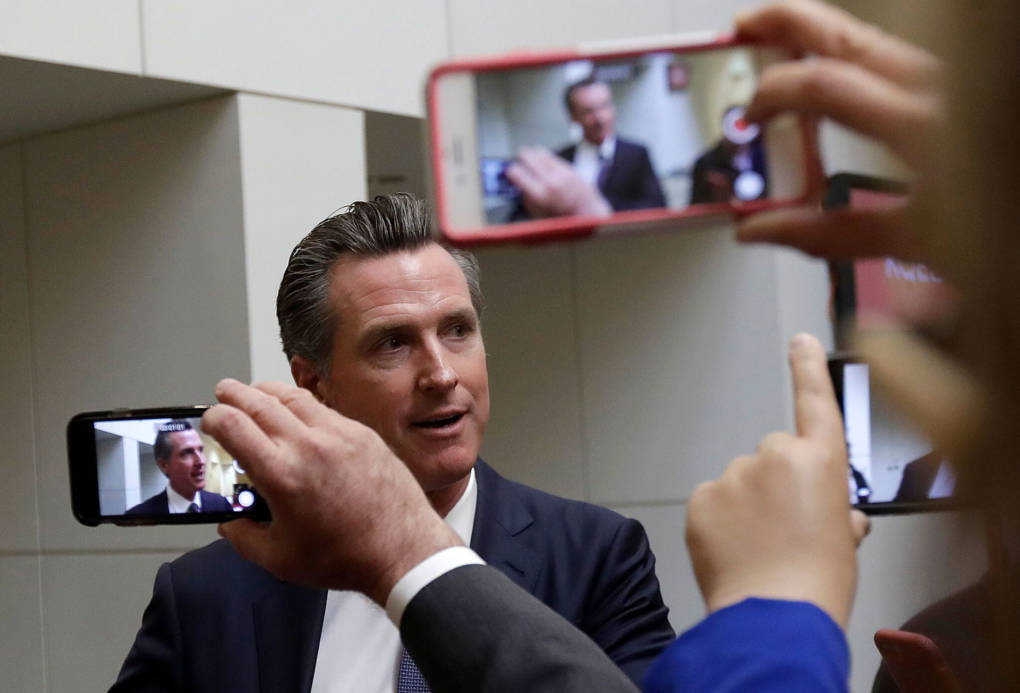
"caption": "Jason Kinney, center, greets state officials and staffers near the Capitol in Sacramento on the first day of the 2019 legislative session. ",
"description": null,
"title": "KINNEY photo lead",
"credit": "Byrhonda Lyons/CALmatters",
"status": "inherit",
"isLoading": false,
"fetchFailed": false
},
"news_11712179": {
"type": "attachments",
"id": "news_11712179",
"meta": {
"index": "attachments_1716263798",
"site": "news",
"id": "11712179",
"found": true
},
"parent": 11712068,
"imgSizes": {
"twentyfourteen-full-width": {
"file": "https://ww2.kqed.org/app/uploads/sites/10/2018/12/Newsom-1038x576.jpg",
"width": 1038,
"mimeType": "image/jpeg",
"height": 576
},
"thumbnail": {
"file": "https://ww2.kqed.org/app/uploads/sites/10/2018/12/Newsom-160x109.jpg",
"width": 160,
"mimeType": "image/jpeg",
"height": 109
},
"post-thumbnail": {
"file": "https://ww2.kqed.org/app/uploads/sites/10/2018/12/Newsom-672x372.jpg",
"width": 672,
"mimeType": "image/jpeg",
"height": 372
},
"kqedFullSize": {
"file": "https://ww2.kqed.org/app/uploads/sites/10/2018/12/Newsom.jpg",
"width": 1920,
"height": 1304
},
"large": {
"file": "https://ww2.kqed.org/app/uploads/sites/10/2018/12/Newsom-1020x693.jpg",
"width": 1020,
"mimeType": "image/jpeg",
"height": 693
},
"complete_open_graph": {
"file": "https://ww2.kqed.org/app/uploads/sites/10/2018/12/Newsom-1200x815.jpg",
"width": 1200,
"mimeType": "image/jpeg",
"height": 815
},
"guest-author-50": {
"file": "https://ww2.kqed.org/app/uploads/sites/10/2018/12/Newsom-50x50.jpg",
"width": 50,
"mimeType": "image/jpeg",
"height": 50
},
"guest-author-96": {
"file": "https://ww2.kqed.org/app/uploads/sites/10/2018/12/Newsom-96x96.jpg",
"width": 96,
"mimeType": "image/jpeg",
"height": 96
},
"medium": {
"file": "https://ww2.kqed.org/app/uploads/sites/10/2018/12/Newsom-800x543.jpg",
"width": 800,
"mimeType": "image/jpeg",
"height": 543
},
"guest-author-64": {
"file": "https://ww2.kqed.org/app/uploads/sites/10/2018/12/Newsom-64x64.jpg",
"width": 64,
"mimeType": "image/jpeg",
"height": 64
},
"guest-author-32": {
"file": "https://ww2.kqed.org/app/uploads/sites/10/2018/12/Newsom-32x32.jpg",
"width": 32,
"mimeType": "image/jpeg",
"height": 32
},
"full-width": {
"file": "https://ww2.kqed.org/app/uploads/sites/10/2018/12/Newsom-1920x1304.jpg",
"width": 1920,
"mimeType": "image/jpeg",
"height": 1304
},
"detail": {
"file": "https://ww2.kqed.org/app/uploads/sites/10/2018/12/Newsom-150x150.jpg",
"width": 150,
"mimeType": "image/jpeg",
"height": 150
},
"guest-author-128": {
"file": "https://ww2.kqed.org/app/uploads/sites/10/2018/12/Newsom-128x128.jpg",
"width": 128,
"mimeType": "image/jpeg",
"height": 128
}
},
"publishDate": 1544663913,
"modified": 1544663964,
"caption": "With the election over, Californians are letting Governor-elect Gavin Newsom know what their priorities are.",
"description": "With the election over, Californians are letting Governor-elect Gavin Newsom know what their priorities are.",
"title": "Newsom",
"credit": "Jeff Chiu/AP/Pool",
"status": "inherit",
"isLoading": false,
"fetchFailed": false
},
"news_11711368": {
"type": "attachments",
"id": "news_11711368",
"meta": {
"index": "attachments_1716263798",
"site": "news",
"id": "11711368",
"found": true
},
"parent": 11711286,
"imgSizes": {
"twentyfourteen-full-width": {
"file": "https://ww2.kqed.org/app/uploads/sites/10/2018/12/LATeacher-1038x576.jpg",
"width": 1038,
"mimeType": "image/jpeg",
"height": 576
},
"thumbnail": {
"file": "https://ww2.kqed.org/app/uploads/sites/10/2018/12/LATeacher-160x107.jpg",
"width": 160,
"mimeType": "image/jpeg",
"height": 107
},
"post-thumbnail": {
"file": "https://ww2.kqed.org/app/uploads/sites/10/2018/12/LATeacher-672x372.jpg",
"width": 672,
"mimeType": "image/jpeg",
"height": 372
},
"kqedFullSize": {
"file": "https://ww2.kqed.org/app/uploads/sites/10/2018/12/LATeacher.jpg",
"width": 1920,
"height": 1280
},
"large": {
"file": "https://ww2.kqed.org/app/uploads/sites/10/2018/12/LATeacher-1020x680.jpg",
"width": 1020,
"mimeType": "image/jpeg",
"height": 680
},
"complete_open_graph": {
"file": "https://ww2.kqed.org/app/uploads/sites/10/2018/12/LATeacher-1200x800.jpg",
"width": 1200,
"mimeType": "image/jpeg",
"height": 800
},
"guest-author-50": {
"file": "https://ww2.kqed.org/app/uploads/sites/10/2018/12/LATeacher-50x50.jpg",
"width": 50,
"mimeType": "image/jpeg",
"height": 50
},
"guest-author-96": {
"file": "https://ww2.kqed.org/app/uploads/sites/10/2018/12/LATeacher-96x96.jpg",
"width": 96,
"mimeType": "image/jpeg",
"height": 96
},
"medium": {
"file": "https://ww2.kqed.org/app/uploads/sites/10/2018/12/LATeacher-800x533.jpg",
"width": 800,
"mimeType": "image/jpeg",
"height": 533
},
"guest-author-64": {
"file": "https://ww2.kqed.org/app/uploads/sites/10/2018/12/LATeacher-64x64.jpg",
"width": 64,
"mimeType": "image/jpeg",
"height": 64
},
"guest-author-32": {
"file": "https://ww2.kqed.org/app/uploads/sites/10/2018/12/LATeacher-32x32.jpg",
"width": 32,
"mimeType": "image/jpeg",
"height": 32
},
"full-width": {
"file": "https://ww2.kqed.org/app/uploads/sites/10/2018/12/LATeacher-1920x1280.jpg",
"width": 1920,
"mimeType": "image/jpeg",
"height": 1280
},
"detail": {
"file": "https://ww2.kqed.org/app/uploads/sites/10/2018/12/LATeacher-150x150.jpg",
"width": 150,
"mimeType": "image/jpeg",
"height": 150
},
"guest-author-128": {
"file": "https://ww2.kqed.org/app/uploads/sites/10/2018/12/LATeacher-128x128.jpg",
"width": 128,
"mimeType": "image/jpeg",
"height": 128
}
},
"publishDate": 1544482848,
"modified": 1544482906,
"caption": "A teacher works with students at Franklin High School in Los Angeles, California, on May 25, 2017.",
"description": "A teacher works with students at Franklin High School in Los Angeles, California, on May 25, 2017.",
"title": "LATeacher",
"credit": "ROBYN BECK/AFP/Getty Images",
"status": "inherit",
"isLoading": false,
"fetchFailed": false
},
"news_11711058": {
"type": "attachments",
"id": "news_11711058",
"meta": {
"index": "attachments_1716263798",
"site": "news",
"id": "11711058",
"found": true
},
"parent": 11711033,
"imgSizes": {
"twentyfourteen-full-width": {
"file": "https://ww2.kqed.org/app/uploads/sites/10/2018/12/NR609_MARQUEE_2-1038x576.jpg",
"width": 1038,
"mimeType": "image/jpeg",
"height": 576
},
"thumbnail": {
"file": "https://ww2.kqed.org/app/uploads/sites/10/2018/12/NR609_MARQUEE_2-160x90.jpg",
"width": 160,
"mimeType": "image/jpeg",
"height": 90
},
"post-thumbnail": {
"file": "https://ww2.kqed.org/app/uploads/sites/10/2018/12/NR609_MARQUEE_2-672x372.jpg",
"width": 672,
"mimeType": "image/jpeg",
"height": 372
},
"kqedFullSize": {
"file": "https://ww2.kqed.org/app/uploads/sites/10/2018/12/NR609_MARQUEE_2.jpg",
"width": 1280,
"height": 720
},
"large": {
"file": "https://ww2.kqed.org/app/uploads/sites/10/2018/12/NR609_MARQUEE_2-1020x574.jpg",
"width": 1020,
"mimeType": "image/jpeg",
"height": 574
},
"complete_open_graph": {
"file": "https://ww2.kqed.org/app/uploads/sites/10/2018/12/NR609_MARQUEE_2-1200x675.jpg",
"width": 1200,
"mimeType": "image/jpeg",
"height": 675
},
"guest-author-50": {
"file": "https://ww2.kqed.org/app/uploads/sites/10/2018/12/NR609_MARQUEE_2-50x50.jpg",
"width": 50,
"mimeType": "image/jpeg",
"height": 50
},
"guest-author-96": {
"file": "https://ww2.kqed.org/app/uploads/sites/10/2018/12/NR609_MARQUEE_2-96x96.jpg",
"width": 96,
"mimeType": "image/jpeg",
"height": 96
},
"medium": {
"file": "https://ww2.kqed.org/app/uploads/sites/10/2018/12/NR609_MARQUEE_2-800x450.jpg",
"width": 800,
"mimeType": "image/jpeg",
"height": 450
},
"guest-author-64": {
"file": "https://ww2.kqed.org/app/uploads/sites/10/2018/12/NR609_MARQUEE_2-64x64.jpg",
"width": 64,
"mimeType": "image/jpeg",
"height": 64
},
"guest-author-32": {
"file": "https://ww2.kqed.org/app/uploads/sites/10/2018/12/NR609_MARQUEE_2-32x32.jpg",
"width": 32,
"mimeType": "image/jpeg",
"height": 32
},
"detail": {
"file": "https://ww2.kqed.org/app/uploads/sites/10/2018/12/NR609_MARQUEE_2-150x150.jpg",
"width": 150,
"mimeType": "image/jpeg",
"height": 150
},
"guest-author-128": {
"file": "https://ww2.kqed.org/app/uploads/sites/10/2018/12/NR609_MARQUEE_2-128x128.jpg",
"width": 128,
"mimeType": "image/jpeg",
"height": 128
}
},
"publishDate": 1544233442,
"modified": 1544233442,
"caption": null,
"description": null,
"title": "NR609_MARQUEE_2",
"credit": null,
"status": "inherit",
"isLoading": false,
"fetchFailed": false
},
"news_11710842": {
"type": "attachments",
"id": "news_11710842",
"meta": {
"index": "attachments_1716263798",
"site": "news",
"id": "11710842",
"found": true
},
"parent": 11710822,
"imgSizes": {
"twentyfourteen-full-width": {
"file": "https://ww2.kqed.org/app/uploads/sites/10/2018/12/GettyImages-150875639-e1544215214802-1038x576.jpg",
"width": 1038,
"mimeType": "image/jpeg",
"height": 576
},
"thumbnail": {
"file": "https://ww2.kqed.org/app/uploads/sites/10/2018/12/GettyImages-150875639-e1544215214802-160x125.jpg",
"width": 160,
"mimeType": "image/jpeg",
"height": 125
},
"post-thumbnail": {
"file": "https://ww2.kqed.org/app/uploads/sites/10/2018/12/GettyImages-150875639-e1544215214802-672x372.jpg",
"width": 672,
"mimeType": "image/jpeg",
"height": 372
},
"kqedFullSize": {
"file": "https://ww2.kqed.org/app/uploads/sites/10/2018/12/GettyImages-150875639-e1544215214802.jpg",
"width": 1920,
"height": 1495
},
"large": {
"file": "https://ww2.kqed.org/app/uploads/sites/10/2018/12/GettyImages-150875639-e1544215214802-1020x794.jpg",
"width": 1020,
"mimeType": "image/jpeg",
"height": 794
},
"complete_open_graph": {
"file": "https://ww2.kqed.org/app/uploads/sites/10/2018/12/GettyImages-150875639-e1544215214802-1200x934.jpg",
"width": 1200,
"mimeType": "image/jpeg",
"height": 934
},
"guest-author-50": {
"file": "https://ww2.kqed.org/app/uploads/sites/10/2018/12/GettyImages-150875639-e1544215214802-50x50.jpg",
"width": 50,
"mimeType": "image/jpeg",
"height": 50
},
"guest-author-96": {
"file": "https://ww2.kqed.org/app/uploads/sites/10/2018/12/GettyImages-150875639-e1544215214802-96x96.jpg",
"width": 96,
"mimeType": "image/jpeg",
"height": 96
},
"medium": {
"file": "https://ww2.kqed.org/app/uploads/sites/10/2018/12/GettyImages-150875639-e1544215214802-800x623.jpg",
"width": 800,
"mimeType": "image/jpeg",
"height": 623
},
"guest-author-64": {
"file": "https://ww2.kqed.org/app/uploads/sites/10/2018/12/GettyImages-150875639-e1544215214802-64x64.jpg",
"width": 64,
"mimeType": "image/jpeg",
"height": 64
},
"guest-author-32": {
"file": "https://ww2.kqed.org/app/uploads/sites/10/2018/12/GettyImages-150875639-e1544215214802-32x32.jpg",
"width": 32,
"mimeType": "image/jpeg",
"height": 32
},
"full-width": {
"file": "https://ww2.kqed.org/app/uploads/sites/10/2018/12/GettyImages-150875639-e1544215214802-1920x1495.jpg",
"width": 1920,
"mimeType": "image/jpeg",
"height": 1495
},
"detail": {
"file": "https://ww2.kqed.org/app/uploads/sites/10/2018/12/GettyImages-150875639-e1544215214802-150x150.jpg",
"width": 150,
"mimeType": "image/jpeg",
"height": 150
},
"guest-author-128": {
"file": "https://ww2.kqed.org/app/uploads/sites/10/2018/12/GettyImages-150875639-e1544215214802-128x128.jpg",
"width": 128,
"mimeType": "image/jpeg",
"height": 128
}
},
"publishDate": 1544215172,
"modified": 1544219974,
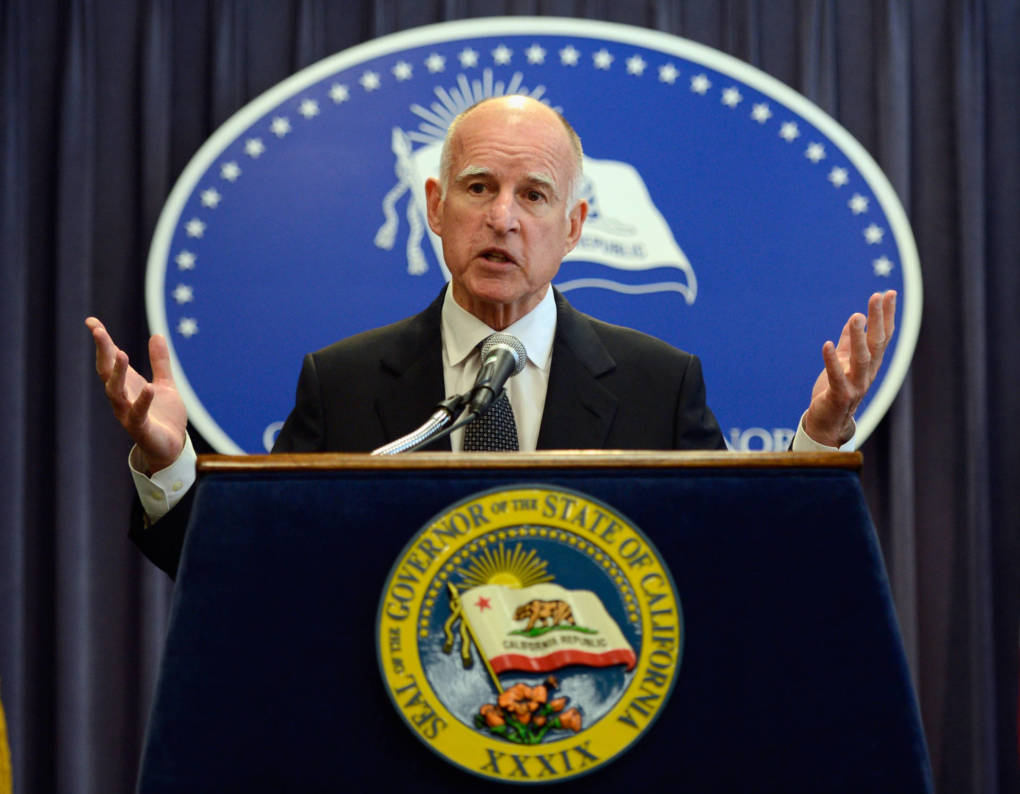
"caption": "Gov. Jerry Brown discusses pension reform during a news conference on August 28, 2012 in Los Angeles.",
"description": "Gov. Jerry Brown discusses pension reform during a news conference on August 28, 2012 in Los Angeles.",
"title": "CA Governor Jerry Brown Holds News Conference On Pension Reform",
"credit": "Kevork Djansezian/Getty Images",
"status": "inherit",
"isLoading": false,
"fetchFailed": false
},
"news_11710776": {
"type": "attachments",
"id": "news_11710776",
"meta": {
"index": "attachments_1716263798",
"site": "news",
"id": "11710776",
"found": true
},
"parent": 11710454,
"imgSizes": {
"twentyfourteen-full-width": {
"file": "https://ww2.kqed.org/app/uploads/sites/10/2018/12/HomelessCamp-1038x576.jpg",
"width": 1038,
"mimeType": "image/jpeg",
"height": 576
},
"thumbnail": {
"file": "https://ww2.kqed.org/app/uploads/sites/10/2018/12/HomelessCamp-160x106.jpg",
"width": 160,
"mimeType": "image/jpeg",
"height": 106
},
"post-thumbnail": {
"file": "https://ww2.kqed.org/app/uploads/sites/10/2018/12/HomelessCamp-672x372.jpg",
"width": 672,
"mimeType": "image/jpeg",
"height": 372
},
"kqedFullSize": {
"file": "https://ww2.kqed.org/app/uploads/sites/10/2018/12/HomelessCamp.jpg",
"width": 1920,
"height": 1268
},
"large": {
"file": "https://ww2.kqed.org/app/uploads/sites/10/2018/12/HomelessCamp-1020x674.jpg",
"width": 1020,
"mimeType": "image/jpeg",
"height": 674
},
"complete_open_graph": {
"file": "https://ww2.kqed.org/app/uploads/sites/10/2018/12/HomelessCamp-1200x793.jpg",
"width": 1200,
"mimeType": "image/jpeg",
"height": 793
},
"guest-author-50": {
"file": "https://ww2.kqed.org/app/uploads/sites/10/2018/12/HomelessCamp-50x50.jpg",
"width": 50,
"mimeType": "image/jpeg",
"height": 50
},
"guest-author-96": {
"file": "https://ww2.kqed.org/app/uploads/sites/10/2018/12/HomelessCamp-96x96.jpg",
"width": 96,
"mimeType": "image/jpeg",
"height": 96
},
"medium": {
"file": "https://ww2.kqed.org/app/uploads/sites/10/2018/12/HomelessCamp-800x528.jpg",
"width": 800,
"mimeType": "image/jpeg",
"height": 528
},
"guest-author-64": {
"file": "https://ww2.kqed.org/app/uploads/sites/10/2018/12/HomelessCamp-64x64.jpg",
"width": 64,
"mimeType": "image/jpeg",
"height": 64
},
"guest-author-32": {
"file": "https://ww2.kqed.org/app/uploads/sites/10/2018/12/HomelessCamp-32x32.jpg",
"width": 32,
"mimeType": "image/jpeg",
"height": 32
},
"full-width": {
"file": "https://ww2.kqed.org/app/uploads/sites/10/2018/12/HomelessCamp-1920x1268.jpg",
"width": 1920,
"mimeType": "image/jpeg",
"height": 1268
},
"detail": {
"file": "https://ww2.kqed.org/app/uploads/sites/10/2018/12/HomelessCamp-150x150.jpg",
"width": 150,
"mimeType": "image/jpeg",
"height": 150
},
"guest-author-128": {
"file": "https://ww2.kqed.org/app/uploads/sites/10/2018/12/HomelessCamp-128x128.jpg",
"width": 128,
"mimeType": "image/jpeg",
"height": 128
}
},
"publishDate": 1544207983,
"modified": 1544208166,
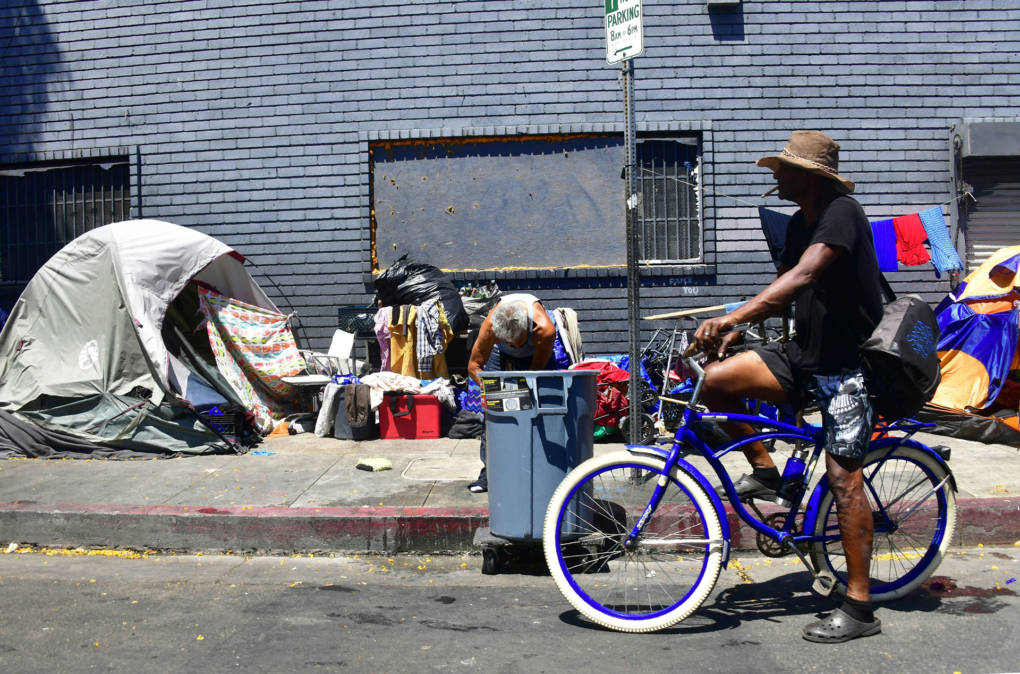
"caption": "A homeless camp lines a street in downtown Los Angeles on June 25, 2018.",
"description": "A homeless camp lines a street in downtown Los Angeles on June 25, 2018.",
"title": "HomelessCamp",
"credit": "FREDERIC J. BROWN/AFP/Getty Images",
"status": "inherit",
"isLoading": false,
"fetchFailed": false
},
"news_11709423": {
"type": "attachments",
"id": "news_11709423",
"meta": {
"index": "attachments_1716263798",
"site": "news",
"id": "11709423",
"found": true
},
"parent": 11709417,
"imgSizes": {
"twentyfourteen-full-width": {
"file": "https://ww2.kqed.org/app/uploads/sites/10/2018/11/RS33897_paradise_AW_14-qut-1-1038x576.jpg",
"width": 1038,
"mimeType": "image/jpeg",
"height": 576
},
"thumbnail": {
"file": "https://ww2.kqed.org/app/uploads/sites/10/2018/11/RS33897_paradise_AW_14-qut-1-160x107.jpg",
"width": 160,
"mimeType": "image/jpeg",
"height": 107
},
"post-thumbnail": {
"file": "https://ww2.kqed.org/app/uploads/sites/10/2018/11/RS33897_paradise_AW_14-qut-1-672x372.jpg",
"width": 672,
"mimeType": "image/jpeg",
"height": 372
},
"kqedFullSize": {
"file": "https://ww2.kqed.org/app/uploads/sites/10/2018/11/RS33897_paradise_AW_14-qut-1.jpg",
"width": 1920,
"height": 1280
},
"large": {
"file": "https://ww2.kqed.org/app/uploads/sites/10/2018/11/RS33897_paradise_AW_14-qut-1-1020x680.jpg",
"width": 1020,
"mimeType": "image/jpeg",
"height": 680
},
"complete_open_graph": {
"file": "https://ww2.kqed.org/app/uploads/sites/10/2018/11/RS33897_paradise_AW_14-qut-1-1200x800.jpg",
"width": 1200,
"mimeType": "image/jpeg",
"height": 800
},
"guest-author-50": {
"file": "https://ww2.kqed.org/app/uploads/sites/10/2018/11/RS33897_paradise_AW_14-qut-1-50x50.jpg",
"width": 50,
"mimeType": "image/jpeg",
"height": 50
},
"guest-author-96": {
"file": "https://ww2.kqed.org/app/uploads/sites/10/2018/11/RS33897_paradise_AW_14-qut-1-96x96.jpg",
"width": 96,
"mimeType": "image/jpeg",
"height": 96
},
"medium": {
"file": "https://ww2.kqed.org/app/uploads/sites/10/2018/11/RS33897_paradise_AW_14-qut-1-800x533.jpg",
"width": 800,
"mimeType": "image/jpeg",
"height": 533
},
"guest-author-64": {
"file": "https://ww2.kqed.org/app/uploads/sites/10/2018/11/RS33897_paradise_AW_14-qut-1-64x64.jpg",
"width": 64,
"mimeType": "image/jpeg",
"height": 64
},
"guest-author-32": {
"file": "https://ww2.kqed.org/app/uploads/sites/10/2018/11/RS33897_paradise_AW_14-qut-1-32x32.jpg",
"width": 32,
"mimeType": "image/jpeg",
"height": 32
},
"full-width": {
"file": "https://ww2.kqed.org/app/uploads/sites/10/2018/11/RS33897_paradise_AW_14-qut-1-1920x1280.jpg",
"width": 1920,
"mimeType": "image/jpeg",
"height": 1280
},
"detail": {
"file": "https://ww2.kqed.org/app/uploads/sites/10/2018/11/RS33897_paradise_AW_14-qut-1-150x150.jpg",
"width": 150,
"mimeType": "image/jpeg",
"height": 150
},
"guest-author-128": {
"file": "https://ww2.kqed.org/app/uploads/sites/10/2018/11/RS33897_paradise_AW_14-qut-1-128x128.jpg",
"width": 128,
"mimeType": "image/jpeg",
"height": 128
}
},
"publishDate": 1543624758,
"modified": 1543624758,
"caption": "The site of Paradise Army Surplus on November 13, 2018.",
"description": null,
"title": "The site of Paradise Army Surplus on November 13, 2018.",
"credit": null,
"status": "inherit",
"isLoading": false,
"fetchFailed": false
},
"news_11687416": {
"type": "attachments",
"id": "news_11687416",
"meta": {
"index": "attachments_1716263798",
"site": "news",
"id": "11687416",
"found": true
},
"parent": 11687414,
"imgSizes": {
"small": {
"file": "https://ww2.kqed.org/app/uploads/sites/10/2018/08/GettyImages-919282634-520x327.jpg",
"width": 520,
"mimeType": "image/jpeg",
"height": 327
},
"twentyfourteen-full-width": {
"file": "https://ww2.kqed.org/app/uploads/sites/10/2018/08/GettyImages-919282634-1038x576.jpg",
"width": 1038,
"mimeType": "image/jpeg",
"height": 576
},
"thumbnail": {
"file": "https://ww2.kqed.org/app/uploads/sites/10/2018/08/GettyImages-919282634-160x101.jpg",
"width": 160,
"mimeType": "image/jpeg",
"height": 101
},
"fd-sm": {
"file": "https://ww2.kqed.org/app/uploads/sites/10/2018/08/GettyImages-919282634-960x604.jpg",
"width": 960,
"mimeType": "image/jpeg",
"height": 604
},
"post-thumbnail": {
"file": "https://ww2.kqed.org/app/uploads/sites/10/2018/08/GettyImages-919282634-672x372.jpg",
"width": 672,
"mimeType": "image/jpeg",
"height": 372
},
"xsmall": {
"file": "https://ww2.kqed.org/app/uploads/sites/10/2018/08/GettyImages-919282634-375x236.jpg",
"width": 375,
"mimeType": "image/jpeg",
"height": 236
},
"kqedFullSize": {
"file": "https://ww2.kqed.org/app/uploads/sites/10/2018/08/GettyImages-919282634-e1534536285719.jpg",
"width": 1920,
"height": 1208
},
"large": {
"file": "https://ww2.kqed.org/app/uploads/sites/10/2018/08/GettyImages-919282634-1020x642.jpg",
"width": 1020,
"mimeType": "image/jpeg",
"height": 642
},
"xlarge": {
"file": "https://ww2.kqed.org/app/uploads/sites/10/2018/08/GettyImages-919282634-1180x742.jpg",
"width": 1180,
"mimeType": "image/jpeg",
"height": 742
},
"complete_open_graph": {
"file": "https://ww2.kqed.org/app/uploads/sites/10/2018/08/GettyImages-919282634-1200x755.jpg",
"width": 1200,
"mimeType": "image/jpeg",
"height": 755
},
"guest-author-50": {
"file": "https://ww2.kqed.org/app/uploads/sites/10/2018/08/GettyImages-919282634-50x50.jpg",
"width": 50,
"mimeType": "image/jpeg",
"height": 50
},
"guest-author-96": {
"file": "https://ww2.kqed.org/app/uploads/sites/10/2018/08/GettyImages-919282634-96x96.jpg",
"width": 96,
"mimeType": "image/jpeg",
"height": 96
},
"medium": {
"file": "https://ww2.kqed.org/app/uploads/sites/10/2018/08/GettyImages-919282634-800x503.jpg",
"width": 800,
"mimeType": "image/jpeg",
"height": 503
},
"guest-author-64": {
"file": "https://ww2.kqed.org/app/uploads/sites/10/2018/08/GettyImages-919282634-64x64.jpg",
"width": 64,
"mimeType": "image/jpeg",
"height": 64
},
"guest-author-32": {
"file": "https://ww2.kqed.org/app/uploads/sites/10/2018/08/GettyImages-919282634-32x32.jpg",
"width": 32,
"mimeType": "image/jpeg",
"height": 32
},
"fd-lrg": {
"file": "https://ww2.kqed.org/app/uploads/sites/10/2018/08/GettyImages-919282634-1920x1208.jpg",
"width": 1920,
"mimeType": "image/jpeg",
"height": 1208
},
"fd-med": {
"file": "https://ww2.kqed.org/app/uploads/sites/10/2018/08/GettyImages-919282634-1180x742.jpg",
"width": 1180,
"mimeType": "image/jpeg",
"height": 742
},
"full-width": {
"file": "https://ww2.kqed.org/app/uploads/sites/10/2018/08/GettyImages-919282634-1920x1208.jpg",
"width": 1920,
"mimeType": "image/jpeg",
"height": 1208
},
"detail": {
"file": "https://ww2.kqed.org/app/uploads/sites/10/2018/08/GettyImages-919282634-150x150.jpg",
"width": 150,
"mimeType": "image/jpeg",
"height": 150
},
"guest-author-128": {
"file": "https://ww2.kqed.org/app/uploads/sites/10/2018/08/GettyImages-919282634-128x128.jpg",
"width": 128,
"mimeType": "image/jpeg",
"height": 128
},
"xxsmall": {
"file": "https://ww2.kqed.org/app/uploads/sites/10/2018/08/GettyImages-919282634-240x151.jpg",
"width": 240,
"mimeType": "image/jpeg",
"height": 151
}
},
"publishDate": 1534536234,
"modified": 1534549442,
"caption": "Marijuana cultivation and excise tax collections hit $48 million between April and June, state officials announced Wednesday, a jump from the prior three months but well below the windfall envisioned by the state.",
"description": "Marijuana cultivation and excise tax collections hit $48 million between April and June, state officials announced Wednesday, Aug. 15, 2018, a jump from the prior three months but well below the windfall envisioned by the state. ",
"title": "US-DRUGS-LAW-POLITICS-DISCRIMINATION-RACE",
"credit": "Frederic J. Brown/AFP/Getty Images",
"status": "inherit",
"isLoading": false,
"fetchFailed": false
},
"news_11707114": {
"type": "attachments",
"id": "news_11707114",
"meta": {
"index": "attachments_1716263798",
"site": "news",
"id": "11707114",
"found": true
},
"parent": 11707107,
"imgSizes": {
"twentyfourteen-full-width": {
"file": "https://ww2.kqed.org/app/uploads/sites/10/2018/11/GettyImages-1062888840-e1542488192259-1038x576.jpg",
"width": 1038,
"mimeType": "image/jpeg",
"height": 576
},
"thumbnail": {
"file": "https://ww2.kqed.org/app/uploads/sites/10/2018/11/GettyImages-1062888840-e1542488192259-160x107.jpg",
"width": 160,
"mimeType": "image/jpeg",
"height": 107
},
"post-thumbnail": {
"file": "https://ww2.kqed.org/app/uploads/sites/10/2018/11/GettyImages-1062888840-e1542488192259-672x372.jpg",
"width": 672,
"mimeType": "image/jpeg",
"height": 372
},
"kqedFullSize": {
"file": "https://ww2.kqed.org/app/uploads/sites/10/2018/11/GettyImages-1062888840-e1542488192259.jpg",
"width": 1920,
"height": 1284
},
"large": {
"file": "https://ww2.kqed.org/app/uploads/sites/10/2018/11/GettyImages-1062888840-e1542488192259-1020x682.jpg",
"width": 1020,
"mimeType": "image/jpeg",
"height": 682
},
"complete_open_graph": {
"file": "https://ww2.kqed.org/app/uploads/sites/10/2018/11/GettyImages-1062888840-e1542488192259-1200x803.jpg",
"width": 1200,
"mimeType": "image/jpeg",
"height": 803
},
"guest-author-50": {
"file": "https://ww2.kqed.org/app/uploads/sites/10/2018/11/GettyImages-1062888840-e1542488192259-50x50.jpg",
"width": 50,
"mimeType": "image/jpeg",
"height": 50
},
"guest-author-96": {
"file": "https://ww2.kqed.org/app/uploads/sites/10/2018/11/GettyImages-1062888840-e1542488192259-96x96.jpg",
"width": 96,
"mimeType": "image/jpeg",
"height": 96
},
"medium": {
"file": "https://ww2.kqed.org/app/uploads/sites/10/2018/11/GettyImages-1062888840-e1542488192259-800x535.jpg",
"width": 800,
"mimeType": "image/jpeg",
"height": 535
},
"guest-author-64": {
"file": "https://ww2.kqed.org/app/uploads/sites/10/2018/11/GettyImages-1062888840-e1542488192259-64x64.jpg",
"width": 64,
"mimeType": "image/jpeg",
"height": 64
},
"guest-author-32": {
"file": "https://ww2.kqed.org/app/uploads/sites/10/2018/11/GettyImages-1062888840-e1542488192259-32x32.jpg",
"width": 32,
"mimeType": "image/jpeg",
"height": 32
},
"full-width": {
"file": "https://ww2.kqed.org/app/uploads/sites/10/2018/11/GettyImages-1062888840-e1542488192259-1920x1284.jpg",
"width": 1920,
"mimeType": "image/jpeg",
"height": 1284
},
"detail": {
"file": "https://ww2.kqed.org/app/uploads/sites/10/2018/11/GettyImages-1062888840-e1542488192259-150x150.jpg",
"width": 150,
"mimeType": "image/jpeg",
"height": 150
},
"guest-author-128": {
"file": "https://ww2.kqed.org/app/uploads/sites/10/2018/11/GettyImages-1062888840-e1542488192259-128x128.jpg",
"width": 128,
"mimeType": "image/jpeg",
"height": 128
}
},
"publishDate": 1542488161,
"modified": 1542488219,
"caption": "US President Donald Trump (2L) looks on with Paradise Mayor Jody Jones (2R), Governor of California Jerry Brown (C), Administrator of the Federal Emergency Management Agency, Brock Long (R), and Lieutenant Governor of California, Gavin Newson, as they view damage from wildfires in Paradise, California on November 17, 2018. - President Donald Trump arrived in California to meet with officials, victims and the 'unbelievably brave' firefighters there, as more than 1,000 people remain listed as missing in the worst-ever wildfire to hit the US state.",
"description": "US President Donald Trump (2L) looks on with Paradise Mayor Jody Jones (2R), Governor of California Jerry Brown (C), Administrator of the Federal Emergency Management Agency, Brock Long (R), and Lieutenant Governor of California, Gavin Newson, as they view damage from wildfires in Paradise, California on November 17, 2018. - President Donald Trump arrived in California to meet with officials, victims and the 'unbelievably brave' firefighters there, as more than 1,000 people remain listed as missing in the worst-ever wildfire to hit the US state.",
"title": "US-POLITICS-TRUMP-fires",
"credit": "SAUL LOEB/AFP/Getty Images",
"status": "inherit",
"isLoading": false,
"fetchFailed": false
},
"news_11705454": {
"type": "attachments",
"id": "news_11705454",
"meta": {
"index": "attachments_1716263798",
"site": "news",
"id": "11705454",
"found": true
},
"parent": 11705377,
"imgSizes": {
"twentyfourteen-full-width": {
"file": "https://ww2.kqed.org/app/uploads/sites/10/2018/11/MARQUEE-LOFGREN_2-1038x576.jpg",
"width": 1038,
"mimeType": "image/jpeg",
"height": 576
},
"thumbnail": {
"file": "https://ww2.kqed.org/app/uploads/sites/10/2018/11/MARQUEE-LOFGREN_2-160x90.jpg",
"width": 160,
"mimeType": "image/jpeg",
"height": 90
},
"post-thumbnail": {
"file": "https://ww2.kqed.org/app/uploads/sites/10/2018/11/MARQUEE-LOFGREN_2-672x372.jpg",
"width": 672,
"mimeType": "image/jpeg",
"height": 372
},
"kqedFullSize": {
"file": "https://ww2.kqed.org/app/uploads/sites/10/2018/11/MARQUEE-LOFGREN_2.jpg",
"width": 1280,
"height": 720
},
"large": {
"file": "https://ww2.kqed.org/app/uploads/sites/10/2018/11/MARQUEE-LOFGREN_2-1020x574.jpg",
"width": 1020,
"mimeType": "image/jpeg",
"height": 574
},
"complete_open_graph": {
"file": "https://ww2.kqed.org/app/uploads/sites/10/2018/11/MARQUEE-LOFGREN_2-1200x675.jpg",
"width": 1200,
"mimeType": "image/jpeg",
"height": 675
},
"guest-author-50": {
"file": "https://ww2.kqed.org/app/uploads/sites/10/2018/11/MARQUEE-LOFGREN_2-50x50.jpg",
"width": 50,
"mimeType": "image/jpeg",
"height": 50
},
"guest-author-96": {
"file": "https://ww2.kqed.org/app/uploads/sites/10/2018/11/MARQUEE-LOFGREN_2-96x96.jpg",
"width": 96,
"mimeType": "image/jpeg",
"height": 96
},
"medium": {
"file": "https://ww2.kqed.org/app/uploads/sites/10/2018/11/MARQUEE-LOFGREN_2-800x450.jpg",
"width": 800,
"mimeType": "image/jpeg",
"height": 450
},
"guest-author-64": {
"file": "https://ww2.kqed.org/app/uploads/sites/10/2018/11/MARQUEE-LOFGREN_2-64x64.jpg",
"width": 64,
"mimeType": "image/jpeg",
"height": 64
},
"guest-author-32": {
"file": "https://ww2.kqed.org/app/uploads/sites/10/2018/11/MARQUEE-LOFGREN_2-32x32.jpg",
"width": 32,
"mimeType": "image/jpeg",
"height": 32
},
"detail": {
"file": "https://ww2.kqed.org/app/uploads/sites/10/2018/11/MARQUEE-LOFGREN_2-150x150.jpg",
"width": 150,
"mimeType": "image/jpeg",
"height": 150
},
"guest-author-128": {
"file": "https://ww2.kqed.org/app/uploads/sites/10/2018/11/MARQUEE-LOFGREN_2-128x128.jpg",
"width": 128,
"mimeType": "image/jpeg",
"height": 128
}
},
"publishDate": 1541813576,
"modified": 1541813576,
"caption": null,
"description": null,
"title": "MARQUEE LOFGREN_2",
"credit": null,
"status": "inherit",
"isLoading": false,
"fetchFailed": false
},
"news_11704570": {
"type": "attachments",
"id": "news_11704570",
"meta": {
"index": "attachments_1716263798",
"site": "news",
"id": "11704570",
"found": true
},
"parent": 11703925,
"imgSizes": {
"twentyfourteen-full-width": {
"file": "https://ww2.kqed.org/app/uploads/sites/10/2018/11/NewsomElex-1038x576.jpg",
"width": 1038,
"mimeType": "image/jpeg",
"height": 576
},
"thumbnail": {
"file": "https://ww2.kqed.org/app/uploads/sites/10/2018/11/NewsomElex-160x107.jpg",
"width": 160,
"mimeType": "image/jpeg",
"height": 107
},
"post-thumbnail": {
"file": "https://ww2.kqed.org/app/uploads/sites/10/2018/11/NewsomElex-672x372.jpg",
"width": 672,
"mimeType": "image/jpeg",
"height": 372
},
"kqedFullSize": {
"file": "https://ww2.kqed.org/app/uploads/sites/10/2018/11/NewsomElex.jpg",
"width": 1920,
"height": 1278
},
"large": {
"file": "https://ww2.kqed.org/app/uploads/sites/10/2018/11/NewsomElex-1020x679.jpg",
"width": 1020,
"mimeType": "image/jpeg",
"height": 679
},
"complete_open_graph": {
"file": "https://ww2.kqed.org/app/uploads/sites/10/2018/11/NewsomElex-1200x799.jpg",
"width": 1200,
"mimeType": "image/jpeg",
"height": 799
},
"guest-author-50": {
"file": "https://ww2.kqed.org/app/uploads/sites/10/2018/11/NewsomElex-50x50.jpg",
"width": 50,
"mimeType": "image/jpeg",
"height": 50
},
"guest-author-96": {
"file": "https://ww2.kqed.org/app/uploads/sites/10/2018/11/NewsomElex-96x96.jpg",
"width": 96,
"mimeType": "image/jpeg",
"height": 96
},
"medium": {
"file": "https://ww2.kqed.org/app/uploads/sites/10/2018/11/NewsomElex-800x533.jpg",
"width": 800,
"mimeType": "image/jpeg",
"height": 533
},
"guest-author-64": {
"file": "https://ww2.kqed.org/app/uploads/sites/10/2018/11/NewsomElex-64x64.jpg",
"width": 64,
"mimeType": "image/jpeg",
"height": 64
},
"guest-author-32": {
"file": "https://ww2.kqed.org/app/uploads/sites/10/2018/11/NewsomElex-32x32.jpg",
"width": 32,
"mimeType": "image/jpeg",
"height": 32
},
"full-width": {
"file": "https://ww2.kqed.org/app/uploads/sites/10/2018/11/NewsomElex-1920x1278.jpg",
"width": 1920,
"mimeType": "image/jpeg",
"height": 1278
},
"detail": {
"file": "https://ww2.kqed.org/app/uploads/sites/10/2018/11/NewsomElex-150x150.jpg",
"width": 150,
"mimeType": "image/jpeg",
"height": 150
},
"guest-author-128": {
"file": "https://ww2.kqed.org/app/uploads/sites/10/2018/11/NewsomElex-128x128.jpg",
"width": 128,
"mimeType": "image/jpeg",
"height": 128
}
},
"publishDate": 1541612185,
"modified": 1546284817,
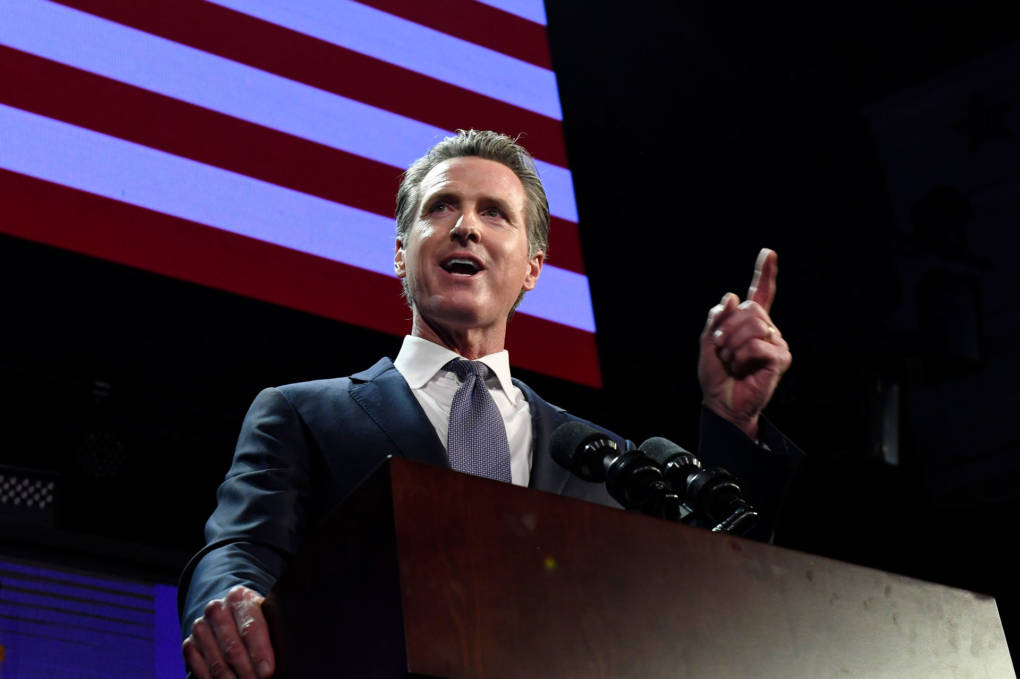
"caption": "Gov.-elect Gavin Newsom speaks during an election night event on Nov. 6, 2018, in Los Angeles.",
"description": "Gov.-elect Gavin Newsom speaks during an election night event on Nov. 6, 2018, in Los Angeles.",
"title": "NewsomElex",
"credit": "Kevork Djansezian/Getty Images",
"status": "inherit",
"isLoading": false,
"fetchFailed": false
},
"news_11703826": {
"type": "attachments",
"id": "news_11703826",
"meta": {
"index": "attachments_1716263798",
"site": "news",
"id": "11703826",
"found": true
},
"parent": 11702465,
"imgSizes": {
"small": {
"file": "https://ww2.kqed.org/app/uploads/sites/10/2018/11/RS33135_Js5Ru3EQ-qut-520x357.jpg",
"width": 520,
"mimeType": "image/jpeg",
"height": 357
},
"twentyfourteen-full-width": {
"file": "https://ww2.kqed.org/app/uploads/sites/10/2018/11/RS33135_Js5Ru3EQ-qut-1038x576.jpg",
"width": 1038,
"mimeType": "image/jpeg",
"height": 576
},
"thumbnail": {
"file": "https://ww2.kqed.org/app/uploads/sites/10/2018/11/RS33135_Js5Ru3EQ-qut-160x110.jpg",
"width": 160,
"mimeType": "image/jpeg",
"height": 110
},
"fd-sm": {
"file": "https://ww2.kqed.org/app/uploads/sites/10/2018/11/RS33135_Js5Ru3EQ-qut-960x660.jpg",
"width": 960,
"mimeType": "image/jpeg",
"height": 660
},
"post-thumbnail": {
"file": "https://ww2.kqed.org/app/uploads/sites/10/2018/11/RS33135_Js5Ru3EQ-qut-672x372.jpg",
"width": 672,
"mimeType": "image/jpeg",
"height": 372
},
"xsmall": {
"file": "https://ww2.kqed.org/app/uploads/sites/10/2018/11/RS33135_Js5Ru3EQ-qut-375x258.jpg",
"width": 375,
"mimeType": "image/jpeg",
"height": 258
},
"kqedFullSize": {
"file": "https://ww2.kqed.org/app/uploads/sites/10/2018/11/RS33135_Js5Ru3EQ-qut.jpg",
"width": 1920,
"height": 1319
},
"large": {
"file": "https://ww2.kqed.org/app/uploads/sites/10/2018/11/RS33135_Js5Ru3EQ-qut-1020x701.jpg",
"width": 1020,
"mimeType": "image/jpeg",
"height": 701
},
"xlarge": {
"file": "https://ww2.kqed.org/app/uploads/sites/10/2018/11/RS33135_Js5Ru3EQ-qut-1180x811.jpg",
"width": 1180,
"mimeType": "image/jpeg",
"height": 811
},
"complete_open_graph": {
"file": "https://ww2.kqed.org/app/uploads/sites/10/2018/11/RS33135_Js5Ru3EQ-qut-1200x824.jpg",
"width": 1200,
"mimeType": "image/jpeg",
"height": 824
},
"guest-author-50": {
"file": "https://ww2.kqed.org/app/uploads/sites/10/2018/11/RS33135_Js5Ru3EQ-qut-50x50.jpg",
"width": 50,
"mimeType": "image/jpeg",
"height": 50
},
"guest-author-96": {
"file": "https://ww2.kqed.org/app/uploads/sites/10/2018/11/RS33135_Js5Ru3EQ-qut-96x96.jpg",
"width": 96,
"mimeType": "image/jpeg",
"height": 96
},
"medium": {
"file": "https://ww2.kqed.org/app/uploads/sites/10/2018/11/RS33135_Js5Ru3EQ-qut-800x550.jpg",
"width": 800,
"mimeType": "image/jpeg",
"height": 550
},
"guest-author-64": {
"file": "https://ww2.kqed.org/app/uploads/sites/10/2018/11/RS33135_Js5Ru3EQ-qut-64x64.jpg",
"width": 64,
"mimeType": "image/jpeg",
"height": 64
},
"guest-author-32": {
"file": "https://ww2.kqed.org/app/uploads/sites/10/2018/11/RS33135_Js5Ru3EQ-qut-32x32.jpg",
"width": 32,
"mimeType": "image/jpeg",
"height": 32
},
"fd-lrg": {
"file": "https://ww2.kqed.org/app/uploads/sites/10/2018/11/RS33135_Js5Ru3EQ-qut-1920x1319.jpg",
"width": 1920,
"mimeType": "image/jpeg",
"height": 1319
},
"fd-med": {
"file": "https://ww2.kqed.org/app/uploads/sites/10/2018/11/RS33135_Js5Ru3EQ-qut-1180x811.jpg",
"width": 1180,
"mimeType": "image/jpeg",
"height": 811
},
"full-width": {
"file": "https://ww2.kqed.org/app/uploads/sites/10/2018/11/RS33135_Js5Ru3EQ-qut-1920x1319.jpg",
"width": 1920,
"mimeType": "image/jpeg",
"height": 1319
},
"detail": {
"file": "https://ww2.kqed.org/app/uploads/sites/10/2018/11/RS33135_Js5Ru3EQ-qut-150x150.jpg",
"width": 150,
"mimeType": "image/jpeg",
"height": 150
},
"guest-author-128": {
"file": "https://ww2.kqed.org/app/uploads/sites/10/2018/11/RS33135_Js5Ru3EQ-qut-128x128.jpg",
"width": 128,
"mimeType": "image/jpeg",
"height": 128
},
"xxsmall": {
"file": "https://ww2.kqed.org/app/uploads/sites/10/2018/11/RS33135_Js5Ru3EQ-qut-240x165.jpg",
"width": 240,
"mimeType": "image/jpeg",
"height": 165
}
},
"publishDate": 1541455583,
"modified": 1541455616,
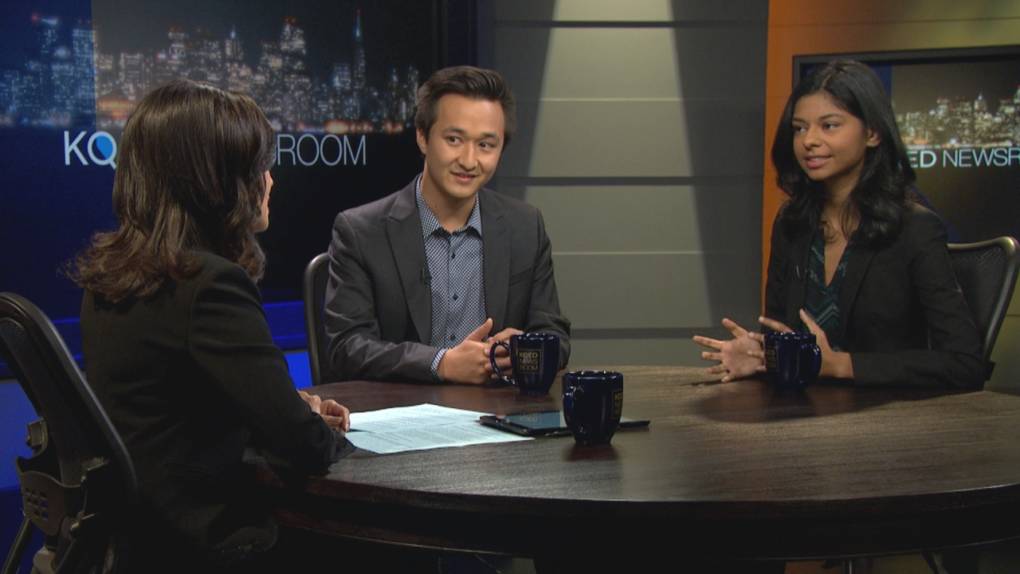
"caption": "Lt. Gov. Gavin Newsom at KQED's studios for the only scheduled governor's debate on Oct. 8, 2018.",
"description": null,
"title": "RS33135_Js5Ru3EQ-qut",
"credit": "Jeff Chiu/AP/Pool",
"status": "inherit",
"isLoading": false,
"fetchFailed": false
}
},
"audioPlayerReducer": {
"postId": "stream_live",
"isPaused": true,
"isPlaying": false,
"pfsActive": false,
"pledgeModalIsOpen": true,
"playerDrawerIsOpen": false,
"liveAudioPlayStartedAt": 0,
"liveAudioPlayContext": ""
},
"authorsReducer": {
"byline_news_11713141": {
"type": "authors",
"id": "byline_news_11713141",
"meta": {
"override": true
},
"slug": "byline_news_11713141",
"name": "Laurel Rosenhall",
"isLoading": false
},
"byline_news_11711286": {
"type": "authors",
"id": "byline_news_11711286",
"meta": {
"override": true
},
"slug": "byline_news_11711286",
"name": "\u003cstrong>\u003ca href=\"https://calmatters.org/articles/author/ricardo-cano/\">Ricardo Cano\u003c/a>\u003c/strong>",
"isLoading": false
},
"byline_news_11710822": {
"type": "authors",
"id": "byline_news_11710822",
"meta": {
"override": true
},
"slug": "byline_news_11710822",
"name": "\u003cstrong>\u003ca href=\"https://calmatters.org/articles/author/judy-lin/\">Judy Lin\u003c/a>\u003c/strong>",
"isLoading": false
},
"gmarzorati": {
"type": "authors",
"id": "227",
"meta": {
"index": "authors_1716337520",
"id": "227",
"found": true
},
"name": "Guy Marzorati",
"firstName": "Guy",
"lastName": "Marzorati",
"slug": "gmarzorati",
"email": "gmarzorati@KQED.org",
"display_author_email": true,
"staff_mastheads": [
"news"
],
"title": "Correspondent",
"bio": "Guy Marzorati is a correspondent on KQED's California Politics and Government Desk, based in San Jose. A graduate of Santa Clara University, Guy joined KQED in 2013. He reports on state and local politics and produces KQED's digital voter guide.",
"avatar": "https://secure.gravatar.com/avatar/e7038b8dbfd55b104369b76b1cd0b9de?s=600&d=blank&r=g",
"twitter": "guymarzorati",
"facebook": null,
"instagram": null,
"linkedin": null,
"sites": [
{
"site": "",
"roles": [
"editor"
]
},
{
"site": "news",
"roles": [
"editor"
]
},
{
"site": "science",
"roles": [
"editor"
]
},
{
"site": "forum",
"roles": [
"editor"
]
},
{
"site": "elections",
"roles": [
"editor"
]
},
{
"site": "liveblog",
"roles": [
"editor"
]
}
],
"headData": {
"title": "Guy Marzorati | KQED",
"description": "Correspondent",
"ogImgSrc": "https://secure.gravatar.com/avatar/e7038b8dbfd55b104369b76b1cd0b9de?s=600&d=blank&r=g",
"twImgSrc": "https://secure.gravatar.com/avatar/e7038b8dbfd55b104369b76b1cd0b9de?s=600&d=blank&r=g"
},
"isLoading": false,
"link": "/author/gmarzorati"
},
"kqed": {
"type": "authors",
"id": "236",
"meta": {
"index": "authors_1716337520",
"id": "236",
"found": true
},
"name": "KQED News Staff",
"firstName": "KQED News Staff",
"lastName": null,
"slug": "kqed",
"email": "faq@kqed.org",
"display_author_email": false,
"staff_mastheads": [],
"title": null,
"bio": null,
"avatar": "https://secure.gravatar.com/avatar/ef0e801a68c4c54afa9180db14084167?s=600&d=blank&r=g",
"twitter": null,
"facebook": null,
"instagram": null,
"linkedin": null,
"sites": [
{
"site": "arts",
"roles": [
"contributor"
]
},
{
"site": "news",
"roles": [
"editor"
]
},
{
"site": "futureofyou",
"roles": [
"author"
]
}
],
"headData": {
"title": "KQED News Staff | KQED",
"description": null,
"ogImgSrc": "https://secure.gravatar.com/avatar/ef0e801a68c4c54afa9180db14084167?s=600&d=blank&r=g",
"twImgSrc": "https://secure.gravatar.com/avatar/ef0e801a68c4c54afa9180db14084167?s=600&d=blank&r=g"
},
"isLoading": false,
"link": "/author/kqed"
},
"scottshafer": {
"type": "authors",
"id": "255",
"meta": {
"index": "authors_1716337520",
"id": "255",
"found": true
},
"name": "Scott Shafer",
"firstName": "Scott",
"lastName": "Shafer",
"slug": "scottshafer",
"email": "sshafer@kqed.org",
"display_author_email": false,
"staff_mastheads": [
"news"
],
"title": "KQED Contributor",
"bio": "Scott Shafer is a senior editor with the KQED Politics and Government desk. He is co-host of Political Breakdown, the award-winning radio show and podcast with a personal take on the world of politics. Scott came to KQED in 1998 to host the statewide\u003cem> California Report\u003c/em>. Prior to that he had extended stints in politics and government\u003cem>.\u003c/em> He uses that inside experience at KQED in his, reporting, hosting and analysis for the politics desk. Scott collaborated \u003cem>Political Breakdown a\u003c/em>nd on \u003cem>The Political Mind of Jerry Brown, \u003c/em>an eight-part series about the life and extraordinary political career of the former governor. For fun, he plays water polo with the San Francisco Tsunami.",
"avatar": "https://secure.gravatar.com/avatar/a62ebae45b79d7aed1a39a0e3bf68104?s=600&d=blank&r=g",
"twitter": "scottshafer",
"bluesky": null,
"facebook": null,
"instagram": null,
"linkedin": null,
"sites": [
{
"site": "news",
"roles": [
"editor"
]
},
{
"site": "stateofhealth",
"roles": [
"author"
]
},
{
"site": "science",
"roles": [
"author"
]
},
{
"site": "forum",
"roles": [
"subscriber"
]
},
{
"site": "liveblog",
"roles": [
"author"
]
}
],
"headData": {
"title": "Scott Shafer | KQED",
"description": "KQED Contributor",
"ogImgSrc": "https://secure.gravatar.com/avatar/a62ebae45b79d7aed1a39a0e3bf68104?s=600&d=blank&r=g",
"twImgSrc": "https://secure.gravatar.com/avatar/a62ebae45b79d7aed1a39a0e3bf68104?s=600&d=blank&r=g"
},
"isLoading": false,
"link": "/author/scottshafer"
},
"korr": {
"type": "authors",
"id": "11200",
"meta": {
"index": "authors_1716337520",
"id": "11200",
"found": true
},
"name": "Katie Orr",
"firstName": "Katie",
"lastName": "Orr",
"slug": "korr",
"email": "korr@kqed.org",
"display_author_email": false,
"staff_mastheads": [],
"title": "KQED Contributor",
"bio": "Katie Orr was a Sacramento-based reporter for KQED's Politics and Government Desk, covering the state Capitol and a variety of issues including women in politics, voting and elections and legislation. Prior to joining KQED in 2016, Katie was state government reporter for Capital Public Radio in Sacramento. She's also worked for KPBS in San Diego, where she covered City Hall.\r\n\r\nKatie received her masters degree in political science from San Diego State University and holds a Bachelors degree in broadcast journalism from Arizona State University.\r\n\r\nIn 2015 Katie won a national Clarion Award for a series of stories she did on women in California politics. She's been honored by the Society for Professional Journalists and, in 2013, was named by \u003cem>The Washington Post\u003c/em> as one of the country's top state Capitol reporters. She's also reported for the award-winning documentary series \u003cem>The View from Here \u003c/em>and was part of the team that won national PRNDI and Gabriel Awards in 2015. She lives in Sacramento with her husband. Twitter: @1KatieOrr",
"avatar": "https://secure.gravatar.com/avatar/41a40b25845adc78f50808670860449e?s=600&d=blank&r=g",
"twitter": "1katieorr",
"facebook": null,
"instagram": null,
"linkedin": null,
"sites": [
{
"site": "news",
"roles": [
"subscriber"
]
},
{
"site": "stateofhealth",
"roles": [
"author"
]
},
{
"site": "forum",
"roles": [
"author"
]
}
],
"headData": {
"title": "Katie Orr | KQED",
"description": "KQED Contributor",
"ogImgSrc": "https://secure.gravatar.com/avatar/41a40b25845adc78f50808670860449e?s=600&d=blank&r=g",
"twImgSrc": "https://secure.gravatar.com/avatar/41a40b25845adc78f50808670860449e?s=600&d=blank&r=g"
},
"isLoading": false,
"link": "/author/korr"
},
"rlevi": {
"type": "authors",
"id": "11260",
"meta": {
"index": "authors_1716337520",
"id": "11260",
"found": true
},
"name": "Ryan Levi",
"firstName": "Ryan",
"lastName": "Levi",
"slug": "rlevi",
"email": "rlevi@KQED.org",
"display_author_email": false,
"staff_mastheads": [],
"title": "KQED Contributor",
"bio": "Ryan Levi was a reporter and podcast producer at KQED News from 2016-2019. He worked on \u003ca href=\"https://www.kqed.org/news/series/baycurious\">Bay Curious\u003c/a>, \u003ca href=\"https://www.kqed.org/news/tag/the-bay/\">The Bay, \u003c/a>and \u003ca href=\"https://podcasts.apple.com/us/podcast/the-california-report-magazine/id1314750545\">The California Report Magazine\u003c/a>, as well as hosting and producing the weekly \u003ca href=\"https://www.kqed.org/news/program/qedup/\">Q'ed Up podcast. \u003c/a>He also helped inaugurate KQED's weekend news coverage in 2017 as one of two original digital producers. Ryan holds degrees in multimedia journalism and Spanish from the University of Missouri.",
"avatar": "https://secure.gravatar.com/avatar/4cb2ddd028ac8807d1adf09609c5555d?s=600&d=blank&r=g",
"twitter": "ryan_levi",
"facebook": null,
"instagram": null,
"linkedin": null,
"sites": [
{
"site": "arts",
"roles": [
"editor"
]
},
{
"site": "news",
"roles": [
"subscriber"
]
},
{
"site": "stateofhealth",
"roles": [
"editor"
]
},
{
"site": "science",
"roles": [
"editor"
]
},
{
"site": "forum",
"roles": [
"administrator"
]
},
{
"site": "perspectives",
"roles": [
"administrator"
]
}
],
"headData": {
"title": "Ryan Levi | KQED",
"description": "KQED Contributor",
"ogImgSrc": "https://secure.gravatar.com/avatar/4cb2ddd028ac8807d1adf09609c5555d?s=600&d=blank&r=g",
"twImgSrc": "https://secure.gravatar.com/avatar/4cb2ddd028ac8807d1adf09609c5555d?s=600&d=blank&r=g"
},
"isLoading": false,
"link": "/author/rlevi"
}
},
"pagesReducer": {
"news_tag_gavin-newsom": {
"type": "terms",
"id": "news_16",
"meta": {
"index": "terms_1716263798",
"site": "news",
"id": "16",
"score": 8.936871
},
"featImg": null,
"name": "Gavin Newsom",
"description": null,
"taxonomy": "tag",
"headData": {
"twImgId": null,
"twTitle": null,
"ogTitle": null,
"ogImgId": null,
"twDescription": null,
"description": null,
"title": "Gavin Newsom Archives | KQED News",
"ogDescription": null
},
"ttid": 16,
"slug": "gavin-newsom",
"isLoading": false,
"title": "Gavin Newsom",
"pageMeta": {
"site": "news",
"WpPageTemplate": "page-topic-editorial",
"currentPage": 93
},
"blocks": [
{
"blockName": "kqed/post-list",
"attrs": {
"layout": "cardArticle2",
"query": "posts/news?tag=gavin-newsom",
"seeMore": false,
"paginated": true,
"page": 93
}
},
{
"blockName": "kqed/ad"
}
]
}
},
"pfsSessionReducer": {},
"postsReducer": {
"stream_live": {
"type": "live",
"id": "stream_live",
"audioUrl": "https://streams.kqed.org/kqedradio",
"title": "Live Stream",
"excerpt": "Live Stream information currently unavailable.",
"link": "/radio",
"featImg": "",
"label": {
"name": "KQED Live",
"link": "/"
}
},
"stream_kqedNewscast": {
"type": "posts",
"id": "stream_kqedNewscast",
"audioUrl": "https://www.kqed.org/.stream/anon/radio/RDnews/newscast.mp3?_=1",
"title": "KQED Newscast",
"featImg": "",
"label": {
"name": "88.5 FM",
"link": "/"
}
},
"news_11713141": {
"type": "posts",
"id": "news_11713141",
"meta": {
"index": "posts_1716263798",
"site": "news",
"id": "11713141",
"score": null,
"sort": [
1545080442000
]
},
"guestAuthors": [],
"slug": "as-the-revolving-door-turns-a-capitol-fixer-is-poised-to-ascend-with-gavin-newsom-and-legal-weed",
"title": "As the Revolving Door Turns, a Capitol Fixer Is Poised to Ascend With Gavin Newsom—and Legal Weed",
"publishDate": 1545080442,
"format": "image",
"headTitle": "As the Revolving Door Turns, a Capitol Fixer Is Poised to Ascend With Gavin Newsom—and Legal Weed | KQED",
"labelTerm": {},
"content": "\u003cp>The week Gavin Newsom was elected governor, three Sacramento lobbyists quit an influential firm where they’d been partners for many years. Two filed paperwork to launch a new lobbying shop. The third, Jason Kinney, de-registered as a lobbyist and immediately became a key member of Newsom’s gubernatorial transition team.\u003c/p>\n\u003cp>The next week, billed as Newsom’s senior adviser, Kinney shared the stage with three state regulators at a huge \u003ca href=\"https://mjbizconference.com/vegas/\">cannabis conference\u003c/a> in Las Vegas. The \u003ca href=\"https://axiomadvisors.zohobackstage.com/Since64ANightwithCaliforniaRegulators#/?lang=en\">event\u003c/a> was sponsored by Axiom Advisors, the new lobbying firm Kinney’s former partners had just launched, and WeedMaps, a marijuana advertising website that was a client at their prior lobbying firm and is now represented by Axiom. The Axiom logo shone on a screen above the stage.\u003c/p>\n\u003cp>And when Kinney introduced himself to the roomful of marijuana entrepreneurs, he quickly mentioned \u003ca href=\"https://www.sacbee.com/news/politics-government/article2602476.html\">Kevin Schmidt\u003c/a>—his former partner now lobbying at the new firm.\u003c/p>\n\u003cp>“Right after the passage of decriminalization and legalization in Colorado and Washington, then-Lt. Gov. Gavin Newsom walked into an office and said to a bunch of us—(including) Kevin Schmidt, who was working in the lieutenant governor’s office at the time, who is here in this audience—he walked in and said, ‘California is going to be next, and we are going to do it,’ ” Kinney recounted.\u003c/p>\n\u003cp>They did do it. Now Kinney, who worked with Newsom to pass the marijuana ballot measure in 2016 and currently serves on the governor-elect’s transition team as an unpaid adviser, is poised to cash in on a nascent industry that is expected to become a $5.1 billion enterprise in California by next year.\u003c/p>\n\u003cp>[ad fullwidth]\u003c/p>\n\u003cp>It would be one more step through the revolving door for Kinney, who has made a lucrative and powerful career in Sacramento by moving from government to campaigns to industry lobbyist.\u003c/p>\n\u003cp>This time, the question is whether he is working for an incoming administration that he will soon seek to influence.\u003c/p>\n\u003cp>“Who is he really serving?” asked Jessica Levinson, a professor at Loyola Law School and former president of the Los Angeles Ethics Commission. “Is he a hired gun for the marijuana industry? Is he a public servant working on a gubernatorial transition? The answer very likely is all of the above. The question is … can he do all of those things at the same time without raising a potential conflict of interest.”\u003c/p>\n\u003cp>Kinney told CALmatters that his appearance at the pot industry conference “was routine, appropriate and not in conflict with my work on the transition.” He added that he has “made no decisions about my professional future beyond Jan. 7,” when Newsom is sworn in.\u003c/p>\n\u003cp>Schmidt said that as far as he knows, Kinney is focused on the transition and hasn’t decided what will come next. Neither of them ruled out the possibility that Kinney could join Axiom.\u003c/p>\n\u003cp>Nathan Click, a Newsom spokesman, said the governor-elect has imposed a “lobbying ban,” and that “those working on the transition have agreed to not lobby transition staff, as defined under the Political Reform Act.” The act refers only to people who are paid more than $2,000 a month, or spend more than a third of their time, trying to influence government decisions. And the ban ends the day Newsom becomes governor.\u003c/p>\n\u003cp>\u003cimg loading=\"lazy\" decoding=\"async\" class=\"alignleft wp-image-11713154 size-full\" src=\"https://ww2.kqed.org/news/wp-content/uploads/sites/10/2018/12/KINNEY-graphic.jpg\" alt=\"\" width=\"700\" height=\"2025\" srcset=\"https://cdn.kqed.org/wp-content/uploads/sites/10/2018/12/KINNEY-graphic.jpg 700w, https://cdn.kqed.org/wp-content/uploads/sites/10/2018/12/KINNEY-graphic-160x463.jpg 160w, https://cdn.kqed.org/wp-content/uploads/sites/10/2018/12/KINNEY-graphic-415x1200.jpg 415w\" sizes=\"(max-width: 700px) 100vw, 700px\">\u003c/p>\n\u003cp>Newsom told CALmatters that Kinney’s role in the transition is informal, taking calls from people who want to connect with the governor-elect and recommending potential job candidates. When asked about their relationship, Newsom said he would draw the line between business and friendship.\u003c/p>\n\u003cp>“I always separate,” Newsom said. “I have 20-plus years of separating those kinds of things.”\u003c/p>\n\u003cp>Until early November, Kinney and Schmidt were lobbyists for a high-powered firm called California Strategies. Kinney—a longtime political adviser to Newsom—also was the communications director for Proposition 64, the 2016 marijuana initiative Newsom championed.\u003c/p>\n\u003cp>Since it passed, California Strategies has reaped more than $1 million from cannabis clients—investment companies, tech platforms and growers seeking to influence the rules for California’s marijuana marketplace. California Strategies’ cannabis clients donated at least $188,000 to Newsom’s campaign, a chunk of the more than $500,000 he \u003ca href=\"https://calmatters.org/articles/cultivating-clout-marijuana-money-flows-into-california-politics/\">raised\u003c/a> from marijuana businesses overall.\u003c/p>\n\u003cp>Like any big-money industry, cannabis businesses are lobbying for laws and regulations to help them succeed. The next governor could shape the potentially lucrative marketplace based on who he appoints to oversee regulations, or whether he signs laws to, for example, decrease taxes on marijuana or create a cannabis-friendly state bank allowing an alternative for what is now an all-cash industry. \u003ca href=\"https://www.apnews.com/927be60ef8464404967c78e4839aaae4\">Rules\u003c/a> nearing final approval already are generating complaints from small farms and cities that they favor large growers and cannabis delivery companies.\u003c/p>\n\u003cp>“Kinney and his colleagues and their clients seem to have a more direct line of communication to Mr. Newsom, and that’s really concerning for a lot of the small businesses that don’t have the resources to have those types of representatives,” said Hezekiah Allen, who chairs a farming co-op called Emerald Grown.\u003c/p>\n\u003cp>“The general sense out there in the community is, ‘Darn, the incoming governor isn’t going to listen to us. There’s this gatekeeper, and it’s a pay to play system.’ ”\u003c/p>\n\u003cp>Newsom has long promoted the idea that marijuana legalization is not just a business opportunity, but a righteous cause. He’s embraced decriminalization policies that offer a second chance to black and brown Californians who were disproportionately harmed by the war on drugs. A panel he led to study model pot policy \u003ca href=\"https://www.sacbee.com/news/politics-government/capitol-alert/article28073746.html\">declared\u003c/a> in 2015 that it “should not be California’s next Gold Rush.”\u003c/p>\n\u003cp>And in 2017, as he raised money for his gubernatorial campaign at the Hollywood Hills home of a cannabis executive, Newsom \u003ca href=\"https://www.youtube.com/watch?v=RcOmBmFFOD0\">said\u003c/a> he wants “to make sure our diverse communities are front and center in this conversation, and that we’re protecting our small growers.”\u003c/p>\n\u003cp>The host—the CEO of Advanced Nutrients, which makes fertilizers for marijuana plants—later \u003ca href=\"https://www.prweb.com/releases/2017/11/prweb14884247.htm\">boasted\u003c/a> that the event raised $140,000 for Newsom in 90 minutes. His company also has been one of California Strategies’ most lucrative \u003ca href=\"http://cal-access.sos.ca.gov/Lobbying/Firms/Detail.aspx?id=1273600&session=2017&view=activity\">clients\u003c/a> since voters passed Proposition 64.\u003c/p>\n\u003cp>A one-time speechwriter for Gov. Gray Davis, Kinney rose to a partnership at California Strategies by working with both elected officials and the corporations that seek to influence them. He has been a strategist for Newsom and Democrats in the state Senate while also being paid by corporate clients, including AT&T and PhRMA.\u003c/p>\n\u003cp>In the cottage industry that is Capitol policymaking, this is not unheard of. Sacramento has a vast ecosystem of fixers and consultants who wield influence—some are lobbyists who represent businesses or unions, others are strategists or consultants who work for politicians. A powerful handful have figured out how to do both.\u003c/p>\n\u003cp>Kinney has run into occasional trouble walking that line. He was forced to register as a lobbyist in 2013, when he \u003ca href=\"https://www.sacbee.com/news/investigations/lobbying-influence/article6692601.html\">was fined\u003c/a> by the state’s political watchdog for hiding his work to sway government decisions. Kinney acknowledged at the time that he broke state law by not formally registering and disclosing who was paying him.\u003c/p>\n\u003cp>Registered lobbyists must take annual ethics classes, post their photos on the secretary of state’s website and publicly disclose who’s paying them and how much. They are banned from giving campaign contributions to candidates for state office. Consultants who don’t register as lobbyists face none of those rules.\u003c/p>\n\u003cp>Kinney also failed to properly register as a \u003ca href=\"https://www.sacbee.com/news/politics-government/article2585286.html\">foreign agent\u003c/a> when he was hired in October 2008 to lead a publicity campaign for an exiled sheik seeking to regain power in an obscure Arab kingdom. The eight months it took him to comply with federal law allowed him and his wife to contribute $52,000 to President Barack Obama’s inauguration, a prime networking event that banned contributions from foreign agents.\u003c/p>\n\u003cp>Since he left California Strategies on Nov. 6 Kinney says he’s been volunteering full time for Newsom’s transition. Like the rest of the transition team, he’s using an “@gavinnewsom.com” email address. Kinney says the email is for official transition business. It’s also a symbol of his proximity to the governor-elect.\u003c/p>\n\u003cp>Lobbyists and other influencers rise and fall with each change of political power in Sacramento. After Gov. Gray Davis took office, his campaign fundraiser, Darius Anderson, opened a lobbying shop and enjoyed enormous clout until Davis was recalled.\u003c/p>\n\u003cp>Then, during the Schwarzenegger administration, California Strategies gained influence—its founder, Bob White, had chaired the movie star’s gubernatorial campaign. The firm has expanded to include a bipartisan staff of former government officials, and brought in $4.5 million in the first nine months of 2018, making it the third-highest earning lobbying firm in the state.\u003c/p>\n\u003cp>But legal weed, and the money to be made from it, is a special wrinkle. Not since the rise of tribal gambling during the Davis administration has a new industry so closely coincided with the rise of a new governor.\u003c/p>\n\u003cp>Several in the cannabis industry who attended the Las Vegas conference saw Kinney’s presence there as a subtle sales pitch for the access he and Axiom could have to Newsom’s administration. Not wanting to anger the incoming governor, however, they spoke on condition of anonymity.\u003c/p>\n\u003cp>“It certainly gave him the opportunity,” one entrepreneur said, “to promote the firm and himself.”\u003c/p>\n\u003cp>\u003cem>CALmatters senior editor Dan Morain contributed to this report. \u003c/em>\u003c/p>\n\u003cp>[ad floatright]\u003c/p>\n\u003cp>\u003ca href=\"http://calmatters.org/\">\u003cem>CALmatters.org\u003c/em>\u003c/a>\u003cem> is a nonprofit, nonpartisan media venture explaining California policies and politics.\u003c/em>\u003c/p>\n\n",
"blocks": [],
"excerpt": "Jason Kinney has moved from government to campaigns to industry lobbyist to, now, adviser to Gavin Newsom's transition team.",
"status": "publish",
"parent": 0,
"modified": 1721119122,
"stats": {
"hasAudio": false,
"hasVideo": false,
"hasChartOrMap": false,
"iframeSrcs": [],
"hasGoogleForm": false,
"hasGallery": false,
"hasHearkenModule": false,
"hasPolis": false,
"paragraphCount": 37,
"wordCount": 1701
},
"headData": {
"title": "As the Revolving Door Turns, a Capitol Fixer Is Poised to Ascend With Gavin Newsom—and Legal Weed | KQED",
"description": "Jason Kinney has moved from government to campaigns to industry lobbyist to, now, adviser to Gavin Newsom's transition team.",
"ogTitle": "",
"ogDescription": "",
"ogImgId": "",
"twTitle": "",
"twDescription": "",
"twImgId": "",
"schema": {
"@context": "https://schema.org",
"@type": "NewsArticle",
"headline": "As the Revolving Door Turns, a Capitol Fixer Is Poised to Ascend With Gavin Newsom—and Legal Weed",
"datePublished": "2018-12-17T13:00:42-08:00",
"dateModified": "2024-07-16T01:38:42-07:00",
"image": "https://cdn.kqed.org/wp-content/uploads/2020/02/KQED-OG-Image@1x.png",
"isAccessibleForFree": "True",
"publisher": {
"@type": "NewsMediaOrganization",
"@id": "https://www.kqed.org/#organization",
"name": "KQED",
"logo": "https://cdn.kqed.org/wp-content/uploads/2020/02/KQED-OG-Image@1x.png",
"url": "https://www.kqed.org",
"sameAs": [
"https://www.facebook.com/KQED",
"https://twitter.com/KQED",
"https://www.instagram.com/kqed/",
"https://www.tiktok.com/@kqedofficial",
"https://www.linkedin.com/company/kqed",
"https://www.youtube.com/channel/UCeC0IOo7i1P_61zVUWbJ4nw"
]
}
}
},
"source": "CALmatters",
"sourceUrl": "https://calmatters.org/",
"sticky": false,
"nprByline": "Laurel Rosenhall",
"path": "/news/11713141/as-the-revolving-door-turns-a-capitol-fixer-is-poised-to-ascend-with-gavin-newsom-and-legal-weed",
"audioTrackLength": null,
"parsedContent": [
{
"type": "contentString",
"content": "\u003cdiv class=\"post-body\">\u003cp>\u003cp>The week Gavin Newsom was elected governor, three Sacramento lobbyists quit an influential firm where they’d been partners for many years. Two filed paperwork to launch a new lobbying shop. The third, Jason Kinney, de-registered as a lobbyist and immediately became a key member of Newsom’s gubernatorial transition team.\u003c/p>\n\u003cp>The next week, billed as Newsom’s senior adviser, Kinney shared the stage with three state regulators at a huge \u003ca href=\"https://mjbizconference.com/vegas/\">cannabis conference\u003c/a> in Las Vegas. The \u003ca href=\"https://axiomadvisors.zohobackstage.com/Since64ANightwithCaliforniaRegulators#/?lang=en\">event\u003c/a> was sponsored by Axiom Advisors, the new lobbying firm Kinney’s former partners had just launched, and WeedMaps, a marijuana advertising website that was a client at their prior lobbying firm and is now represented by Axiom. The Axiom logo shone on a screen above the stage.\u003c/p>\n\u003cp>And when Kinney introduced himself to the roomful of marijuana entrepreneurs, he quickly mentioned \u003ca href=\"https://www.sacbee.com/news/politics-government/article2602476.html\">Kevin Schmidt\u003c/a>—his former partner now lobbying at the new firm.\u003c/p>\n\u003cp>“Right after the passage of decriminalization and legalization in Colorado and Washington, then-Lt. Gov. Gavin Newsom walked into an office and said to a bunch of us—(including) Kevin Schmidt, who was working in the lieutenant governor’s office at the time, who is here in this audience—he walked in and said, ‘California is going to be next, and we are going to do it,’ ” Kinney recounted.\u003c/p>\n\u003cp>They did do it. Now Kinney, who worked with Newsom to pass the marijuana ballot measure in 2016 and currently serves on the governor-elect’s transition team as an unpaid adviser, is poised to cash in on a nascent industry that is expected to become a $5.1 billion enterprise in California by next year.\u003c/p>\n\u003cp>\u003c/p>\u003c/div>",
"attributes": {
"named": {},
"numeric": []
}
},
{
"type": "component",
"content": "",
"name": "ad",
"attributes": {
"named": {
"label": "fullwidth"
},
"numeric": [
"fullwidth"
]
}
},
{
"type": "contentString",
"content": "\u003cdiv class=\"post-body\">\u003cp>\u003c/p>\n\u003cp>It would be one more step through the revolving door for Kinney, who has made a lucrative and powerful career in Sacramento by moving from government to campaigns to industry lobbyist.\u003c/p>\n\u003cp>This time, the question is whether he is working for an incoming administration that he will soon seek to influence.\u003c/p>\n\u003cp>“Who is he really serving?” asked Jessica Levinson, a professor at Loyola Law School and former president of the Los Angeles Ethics Commission. “Is he a hired gun for the marijuana industry? Is he a public servant working on a gubernatorial transition? The answer very likely is all of the above. The question is … can he do all of those things at the same time without raising a potential conflict of interest.”\u003c/p>\n\u003cp>Kinney told CALmatters that his appearance at the pot industry conference “was routine, appropriate and not in conflict with my work on the transition.” He added that he has “made no decisions about my professional future beyond Jan. 7,” when Newsom is sworn in.\u003c/p>\n\u003cp>Schmidt said that as far as he knows, Kinney is focused on the transition and hasn’t decided what will come next. Neither of them ruled out the possibility that Kinney could join Axiom.\u003c/p>\n\u003cp>Nathan Click, a Newsom spokesman, said the governor-elect has imposed a “lobbying ban,” and that “those working on the transition have agreed to not lobby transition staff, as defined under the Political Reform Act.” The act refers only to people who are paid more than $2,000 a month, or spend more than a third of their time, trying to influence government decisions. And the ban ends the day Newsom becomes governor.\u003c/p>\n\u003cp>\u003cimg loading=\"lazy\" decoding=\"async\" class=\"alignleft wp-image-11713154 size-full\" src=\"https://ww2.kqed.org/news/wp-content/uploads/sites/10/2018/12/KINNEY-graphic.jpg\" alt=\"\" width=\"700\" height=\"2025\" srcset=\"https://cdn.kqed.org/wp-content/uploads/sites/10/2018/12/KINNEY-graphic.jpg 700w, https://cdn.kqed.org/wp-content/uploads/sites/10/2018/12/KINNEY-graphic-160x463.jpg 160w, https://cdn.kqed.org/wp-content/uploads/sites/10/2018/12/KINNEY-graphic-415x1200.jpg 415w\" sizes=\"(max-width: 700px) 100vw, 700px\">\u003c/p>\n\u003cp>Newsom told CALmatters that Kinney’s role in the transition is informal, taking calls from people who want to connect with the governor-elect and recommending potential job candidates. When asked about their relationship, Newsom said he would draw the line between business and friendship.\u003c/p>\n\u003cp>“I always separate,” Newsom said. “I have 20-plus years of separating those kinds of things.”\u003c/p>\n\u003cp>Until early November, Kinney and Schmidt were lobbyists for a high-powered firm called California Strategies. Kinney—a longtime political adviser to Newsom—also was the communications director for Proposition 64, the 2016 marijuana initiative Newsom championed.\u003c/p>\n\u003cp>Since it passed, California Strategies has reaped more than $1 million from cannabis clients—investment companies, tech platforms and growers seeking to influence the rules for California’s marijuana marketplace. California Strategies’ cannabis clients donated at least $188,000 to Newsom’s campaign, a chunk of the more than $500,000 he \u003ca href=\"https://calmatters.org/articles/cultivating-clout-marijuana-money-flows-into-california-politics/\">raised\u003c/a> from marijuana businesses overall.\u003c/p>\n\u003cp>Like any big-money industry, cannabis businesses are lobbying for laws and regulations to help them succeed. The next governor could shape the potentially lucrative marketplace based on who he appoints to oversee regulations, or whether he signs laws to, for example, decrease taxes on marijuana or create a cannabis-friendly state bank allowing an alternative for what is now an all-cash industry. \u003ca href=\"https://www.apnews.com/927be60ef8464404967c78e4839aaae4\">Rules\u003c/a> nearing final approval already are generating complaints from small farms and cities that they favor large growers and cannabis delivery companies.\u003c/p>\n\u003cp>“Kinney and his colleagues and their clients seem to have a more direct line of communication to Mr. Newsom, and that’s really concerning for a lot of the small businesses that don’t have the resources to have those types of representatives,” said Hezekiah Allen, who chairs a farming co-op called Emerald Grown.\u003c/p>\n\u003cp>“The general sense out there in the community is, ‘Darn, the incoming governor isn’t going to listen to us. There’s this gatekeeper, and it’s a pay to play system.’ ”\u003c/p>\n\u003cp>Newsom has long promoted the idea that marijuana legalization is not just a business opportunity, but a righteous cause. He’s embraced decriminalization policies that offer a second chance to black and brown Californians who were disproportionately harmed by the war on drugs. A panel he led to study model pot policy \u003ca href=\"https://www.sacbee.com/news/politics-government/capitol-alert/article28073746.html\">declared\u003c/a> in 2015 that it “should not be California’s next Gold Rush.”\u003c/p>\n\u003cp>And in 2017, as he raised money for his gubernatorial campaign at the Hollywood Hills home of a cannabis executive, Newsom \u003ca href=\"https://www.youtube.com/watch?v=RcOmBmFFOD0\">said\u003c/a> he wants “to make sure our diverse communities are front and center in this conversation, and that we’re protecting our small growers.”\u003c/p>\n\u003cp>The host—the CEO of Advanced Nutrients, which makes fertilizers for marijuana plants—later \u003ca href=\"https://www.prweb.com/releases/2017/11/prweb14884247.htm\">boasted\u003c/a> that the event raised $140,000 for Newsom in 90 minutes. His company also has been one of California Strategies’ most lucrative \u003ca href=\"http://cal-access.sos.ca.gov/Lobbying/Firms/Detail.aspx?id=1273600&session=2017&view=activity\">clients\u003c/a> since voters passed Proposition 64.\u003c/p>\n\u003cp>A one-time speechwriter for Gov. Gray Davis, Kinney rose to a partnership at California Strategies by working with both elected officials and the corporations that seek to influence them. He has been a strategist for Newsom and Democrats in the state Senate while also being paid by corporate clients, including AT&T and PhRMA.\u003c/p>\n\u003cp>In the cottage industry that is Capitol policymaking, this is not unheard of. Sacramento has a vast ecosystem of fixers and consultants who wield influence—some are lobbyists who represent businesses or unions, others are strategists or consultants who work for politicians. A powerful handful have figured out how to do both.\u003c/p>\n\u003cp>Kinney has run into occasional trouble walking that line. He was forced to register as a lobbyist in 2013, when he \u003ca href=\"https://www.sacbee.com/news/investigations/lobbying-influence/article6692601.html\">was fined\u003c/a> by the state’s political watchdog for hiding his work to sway government decisions. Kinney acknowledged at the time that he broke state law by not formally registering and disclosing who was paying him.\u003c/p>\n\u003cp>Registered lobbyists must take annual ethics classes, post their photos on the secretary of state’s website and publicly disclose who’s paying them and how much. They are banned from giving campaign contributions to candidates for state office. Consultants who don’t register as lobbyists face none of those rules.\u003c/p>\n\u003cp>Kinney also failed to properly register as a \u003ca href=\"https://www.sacbee.com/news/politics-government/article2585286.html\">foreign agent\u003c/a> when he was hired in October 2008 to lead a publicity campaign for an exiled sheik seeking to regain power in an obscure Arab kingdom. The eight months it took him to comply with federal law allowed him and his wife to contribute $52,000 to President Barack Obama’s inauguration, a prime networking event that banned contributions from foreign agents.\u003c/p>\n\u003cp>Since he left California Strategies on Nov. 6 Kinney says he’s been volunteering full time for Newsom’s transition. Like the rest of the transition team, he’s using an “@gavinnewsom.com” email address. Kinney says the email is for official transition business. It’s also a symbol of his proximity to the governor-elect.\u003c/p>\n\u003cp>Lobbyists and other influencers rise and fall with each change of political power in Sacramento. After Gov. Gray Davis took office, his campaign fundraiser, Darius Anderson, opened a lobbying shop and enjoyed enormous clout until Davis was recalled.\u003c/p>\n\u003cp>Then, during the Schwarzenegger administration, California Strategies gained influence—its founder, Bob White, had chaired the movie star’s gubernatorial campaign. The firm has expanded to include a bipartisan staff of former government officials, and brought in $4.5 million in the first nine months of 2018, making it the third-highest earning lobbying firm in the state.\u003c/p>\n\u003cp>But legal weed, and the money to be made from it, is a special wrinkle. Not since the rise of tribal gambling during the Davis administration has a new industry so closely coincided with the rise of a new governor.\u003c/p>\n\u003cp>Several in the cannabis industry who attended the Las Vegas conference saw Kinney’s presence there as a subtle sales pitch for the access he and Axiom could have to Newsom’s administration. Not wanting to anger the incoming governor, however, they spoke on condition of anonymity.\u003c/p>\n\u003cp>“It certainly gave him the opportunity,” one entrepreneur said, “to promote the firm and himself.”\u003c/p>\n\u003cp>\u003cem>CALmatters senior editor Dan Morain contributed to this report. \u003c/em>\u003c/p>\n\u003cp>\u003c/p>\u003c/div>",
"attributes": {
"named": {},
"numeric": []
}
},
{
"type": "component",
"content": "",
"name": "ad",
"attributes": {
"named": {
"label": "floatright"
},
"numeric": [
"floatright"
]
}
},
{
"type": "contentString",
"content": "\u003cdiv class=\"post-body\">\u003cp>\u003c/p>\n\u003cp>\u003ca href=\"http://calmatters.org/\">\u003cem>CALmatters.org\u003c/em>\u003c/a>\u003cem> is a nonprofit, nonpartisan media venture explaining California policies and politics.\u003c/em>\u003c/p>\n\n\u003c/div>\u003c/p>",
"attributes": {
"named": {},
"numeric": []
}
}
],
"link": "/news/11713141/as-the-revolving-door-turns-a-capitol-fixer-is-poised-to-ascend-with-gavin-newsom-and-legal-weed",
"authors": [
"byline_news_11713141"
],
"programs": [
"news_72"
],
"categories": [
"news_8",
"news_13"
],
"tags": [
"news_16",
"news_102"
],
"affiliates": [
"news_18481"
],
"featImg": "news_11713152",
"label": "source_news_11713141"
},
"news_11712068": {
"type": "posts",
"id": "news_11712068",
"meta": {
"index": "posts_1716263798",
"site": "news",
"id": "11712068",
"score": null,
"sort": [
1544677287000
]
},
"parent": 0,
"labelTerm": {
"site": "news",
"term": 72
},
"blocks": [],
"publishDate": 1544677287,
"format": "standard",
"disqusTitle": "Poll: Californians Want Universal Health Coverage, Free Community College",
"title": "Poll: Californians Want Universal Health Coverage, Free Community College",
"headTitle": "The California Report | KQED News",
"content": "\u003cp>In a \u003ca href=\"https://www.ppic.org/publication/ppic-statewide-survey-californians-and-their-government-december-2018/\">new survey from the Public Policy Institute of California\u003c/a>, 60 percent of adults said universal health coverage should be a high or very high priority.\u003c/p>\n\u003cp>“The election polls indicated that health care was a major concern for Californians,\" said Mark Baldassare, president of PPIC. \"And that seems to be reflected here.\"\u003c/p>\n\u003cp>Governor-elect Gavin Newsom often campaigned on universal health coverage. But another one of his priorities, universal preschool, gets less support from Californians. Just 48 percent of adults said it should be a top priority for new state funding. There's more interest on the other end of the education spectrum. Fifty-three percent of adults believe the state should provide tuition-free community college.\u003c/p>\n\u003cp>All of these initiatives would be expensive, and Baldassare said there's no consensus on how to pay for them.\u003c/p>\n\u003cp>\"About half of Californians say that they're willing to pay higher taxes and have more services. But almost as many say that they're not,\" he said. \"So therein lies the challenge for the governor-elect and the Legislature.\"\u003c/p>\n\u003cp>[ad fullwidth]\u003c/p>\n\u003cp>And while the State Department of Finance says California has a $2 billion surplus with an additional $14 billion reserved in the state’s Rainy Day Fund, Californians are getting more anxious about the economy.\u003c/p>\n\u003cp>Just 46 percent believe the state will have good financial times in the coming year. Half of adults believe children growing up today will be worse off financially than their parents.\u003c/p>\n\u003cp>One thing people don't want to see their taxes spent on? High-speed rail. Ten years after voters approved a $9.95 billion bond measure to build it, just 25 percent of adults said the project should be a high priority for the state.\u003c/p>\n\u003caside class=\"alignright\">\n\u003ch3>\u003ca href=\"https://www.kqed.org/news/11703925/high-expectations-on-the-left-for-governor-elect-gavin-newsom\">High Expectations on the Left for Governor-Elect Gavin Newsom\u003c/a>\u003c/h3>\n\u003cfigure>\u003ca href=\"https://www.kqed.org/news/11703925/high-expectations-on-the-left-for-governor-elect-gavin-newsom\">\u003cimg src=\"https://ww2.kqed.org/news/wp-content/uploads/sites/10/2018/11/NewsomElex-1180x785.jpg\" alt=\"\">\u003c/a>\u003c/figure>\n\u003c/aside>\n\u003cp>\"For whatever reason, the high-speed rail hasn't really captured people's attention and imagination in a way that would lead them to think 'let's put the extra dollars in here because this is what California's future is all about,'\" Baldassare said.\u003c/p>\n\u003cp>With such low levels of support, it's possible high-speed rail could get pushed to the back of the funding line, as more attractive programs compete for limited resources. And opponents of the project are promoting a 2020 ballot measure to kill it altogether.\u003c/p>\n\u003cp>\u003c/p>\n\u003cp>High-speed rail has been a top priority of Gov. Jerry Brown, but Governor-elect Gavin Newsom seems willing to scale back the project given cost overruns and its inability to attract private funding.\u003c/p>\n\n",
"disqusIdentifier": "11712068 https://ww2.kqed.org/news/?p=11712068",
"disqusUrl": "https://ww2.kqed.org/news/2018/12/12/poll-californians-want-universal-health-coverage-free-community-college/",
"stats": {
"hasVideo": false,
"hasChartOrMap": false,
"hasAudio": false,
"hasPolis": false,
"wordCount": 429,
"hasGoogleForm": false,
"hasGallery": false,
"hasHearkenModule": false,
"iframeSrcs": [],
"paragraphCount": 13
},
"modified": 1544664787,
"excerpt": "With the election over, Californians are letting Governor-elect Gavin Newsom know what their priorities are.",
"headData": {
"twImgId": "",
"twTitle": "",
"ogTitle": "",
"ogImgId": "",
"twDescription": "",
"description": "With the election over, Californians are letting Governor-elect Gavin Newsom know what their priorities are.",
"title": "Poll: Californians Want Universal Health Coverage, Free Community College | KQED",
"ogDescription": "",
"schema": {
"@context": "https://schema.org",
"@type": "NewsArticle",
"headline": "Poll: Californians Want Universal Health Coverage, Free Community College",
"datePublished": "2018-12-12T21:01:27-08:00",
"dateModified": "2018-12-12T17:33:07-08:00",
"image": "https://cdn.kqed.org/wp-content/uploads/2020/02/KQED-OG-Image@1x.png",
"isAccessibleForFree": "True",
"publisher": {
"@type": "NewsMediaOrganization",
"@id": "https://www.kqed.org/#organization",
"name": "KQED",
"logo": "https://cdn.kqed.org/wp-content/uploads/2020/02/KQED-OG-Image@1x.png",
"url": "https://www.kqed.org",
"sameAs": [
"https://www.facebook.com/KQED",
"https://twitter.com/KQED",
"https://www.instagram.com/kqed/",
"https://www.tiktok.com/@kqedofficial",
"https://www.linkedin.com/company/kqed",
"https://www.youtube.com/channel/UCeC0IOo7i1P_61zVUWbJ4nw"
]
}
}
},
"guestAuthors": [],
"slug": "poll-californians-want-universal-health-coverage-free-community-college",
"status": "publish",
"path": "/news/11712068/poll-californians-want-universal-health-coverage-free-community-college",
"audioTrackLength": null,
"parsedContent": [
{
"type": "contentString",
"content": "\u003cdiv class=\"post-body\">\u003cp>\u003cp>In a \u003ca href=\"https://www.ppic.org/publication/ppic-statewide-survey-californians-and-their-government-december-2018/\">new survey from the Public Policy Institute of California\u003c/a>, 60 percent of adults said universal health coverage should be a high or very high priority.\u003c/p>\n\u003cp>“The election polls indicated that health care was a major concern for Californians,\" said Mark Baldassare, president of PPIC. \"And that seems to be reflected here.\"\u003c/p>\n\u003cp>Governor-elect Gavin Newsom often campaigned on universal health coverage. But another one of his priorities, universal preschool, gets less support from Californians. Just 48 percent of adults said it should be a top priority for new state funding. There's more interest on the other end of the education spectrum. Fifty-three percent of adults believe the state should provide tuition-free community college.\u003c/p>\n\u003cp>All of these initiatives would be expensive, and Baldassare said there's no consensus on how to pay for them.\u003c/p>\n\u003cp>\"About half of Californians say that they're willing to pay higher taxes and have more services. But almost as many say that they're not,\" he said. \"So therein lies the challenge for the governor-elect and the Legislature.\"\u003c/p>\n\u003cp>\u003c/p>\u003c/div>",
"attributes": {
"named": {},
"numeric": []
}
},
{
"type": "component",
"content": "",
"name": "ad",
"attributes": {
"named": {
"label": "fullwidth"
},
"numeric": [
"fullwidth"
]
}
},
{
"type": "contentString",
"content": "\u003cdiv class=\"post-body\">\u003cp>\u003c/p>\n\u003cp>And while the State Department of Finance says California has a $2 billion surplus with an additional $14 billion reserved in the state’s Rainy Day Fund, Californians are getting more anxious about the economy.\u003c/p>\n\u003cp>Just 46 percent believe the state will have good financial times in the coming year. Half of adults believe children growing up today will be worse off financially than their parents.\u003c/p>\n\u003cp>One thing people don't want to see their taxes spent on? High-speed rail. Ten years after voters approved a $9.95 billion bond measure to build it, just 25 percent of adults said the project should be a high priority for the state.\u003c/p>\n\u003caside class=\"alignright\">\n\u003ch3>\u003ca href=\"https://www.kqed.org/news/11703925/high-expectations-on-the-left-for-governor-elect-gavin-newsom\">High Expectations on the Left for Governor-Elect Gavin Newsom\u003c/a>\u003c/h3>\n\u003cfigure>\u003ca href=\"https://www.kqed.org/news/11703925/high-expectations-on-the-left-for-governor-elect-gavin-newsom\">\u003cimg src=\"https://ww2.kqed.org/news/wp-content/uploads/sites/10/2018/11/NewsomElex-1180x785.jpg\" alt=\"\">\u003c/a>\u003c/figure>\n\u003c/aside>\n\u003cp>\"For whatever reason, the high-speed rail hasn't really captured people's attention and imagination in a way that would lead them to think 'let's put the extra dollars in here because this is what California's future is all about,'\" Baldassare said.\u003c/p>\n\u003cp>With such low levels of support, it's possible high-speed rail could get pushed to the back of the funding line, as more attractive programs compete for limited resources. And opponents of the project are promoting a 2020 ballot measure to kill it altogether.\u003c/p>\n\u003cp>\u003c/p>\n\u003cp>High-speed rail has been a top priority of Gov. Jerry Brown, but Governor-elect Gavin Newsom seems willing to scale back the project given cost overruns and its inability to attract private funding.\u003c/p>\n\n\u003c/div>\u003c/p>",
"attributes": {
"named": {},
"numeric": []
}
}
],
"link": "/news/11712068/poll-californians-want-universal-health-coverage-free-community-college",
"authors": [
"11200"
],
"programs": [
"news_72"
],
"categories": [
"news_457",
"news_8",
"news_13"
],
"tags": [
"news_1759",
"news_16",
"news_23202",
"news_309",
"news_347",
"news_17041"
],
"featImg": "news_11712179",
"label": "news_72"
},
"news_11711286": {
"type": "posts",
"id": "news_11711286",
"meta": {
"index": "posts_1716263798",
"site": "news",
"id": "11711286",
"score": null,
"sort": [
1544484420000
]
},
"parent": 0,
"labelTerm": {},
"blocks": [],
"publishDate": 1544484420,
"format": "standard",
"disqusTitle": "One-Third of California's School Districts Are 'Struggling With Equity'",
"title": "One-Third of California's School Districts Are 'Struggling With Equity'",
"headTitle": "The California Report | KQED News",
"content": "\u003cp>So many school districts are having such a hard time delivering the basics of an equal opportunity for an education that one in three statewide has been targeted for special assistance, according to a comprehensive state report card released by the California Department of Education Thursday.\u003c/p>\n\u003cp>The state identified 374 school districts out of roughly 1,000 that qualify for additional help — more than 60 percent more than last year, when the state issued its first set of ratings under the new “school dashboard” system.\u003c/p>\n\u003cp>School districts that qualify for the so-called State System of Support show such low scores or so little progress among student groups that they fall into a “red zone” on two or more educational indicators, from test scores to suspension rates and chronic absenteeism. Last year, the state identified 228 such districts, but critics questioned the numbers, noting that test scores pointed to a far more widespread need for assistance. Since then, the dashboard has been tweaked.\u003c/p>\n\u003cp>Carrie Hahnel, interim co-executive director of Education Trust-West, a nonprofit advocacy group focused on closing student achievement gaps, said that means that one-third of the state’s districts “are struggling with equity.”\u003c/p>\n\u003cp>“[This] should create a tremendous urgency for our newly elected state leaders and local leaders to start to do something dramatically different to support our students so that several years from now, far fewer schools are struggling to create opportunities for all students,” Hahnel said.\u003c/p>\n\u003cp>The California School Dashboard, intended to offer a more holistic assessment of public school performance, was created in part to help the state identify low-performing school districts and help them. It also replaces the state’s old standardized-test-based system as a way for communities to see how their schools are doing.\u003c/p>\n\u003cp>\u003c!-- iframe plugin v.4.3 wordpress.org/plugins/iframe/ -->\u003cbr>\n\u003ciframe src=\"https://e.infogram.com/_/3ti0SAu6LOtKSVeo3D3H?src=embed\" title=\"Copy: local bond bar chart\" width=\"800\" height=\"893\" scrolling=\"no\" frameborder=\"0\" style=\"border:none;\" class=\"iframe-class\">\u003c/iframe>\u003c/p>\n\u003cp>To that end, this year’s dashboard — the first since it debuted last year — paints a somewhat chaotic picture, reflecting both the California school system's vast size and its vast mission. Like the aggregate data earlier this year on standardized test scores—which showed a majority of California students underperforming in basic subjects, and little or no progress in closing the achievement gap between affluent and underprivileged children—its color-coded charts are a call for action and dispiriting.\u003c/p>\n\u003cp>Only 40 percent of California’s public schools received “passing” marks in English language arts last year — and only 33 percent met the state’s targets in math. More than half of the state’s schools were in or near the “red’ zone on chronic absenteeism, and even supposed bright spots, such as graduation rates, were clouded by the state’s widespread use of online “credit recovery” courses and other techniques used by districts to deter dropouts, and perhaps artificially inflate the proportion of students who actually meet requirements to graduate.\u003c/p>\n\u003cp>[ad fullwidth]\u003c/p>\n\u003cp>The dashboard itself also remains a somewhat controversial work in progress. On one hand, its trove of data on multiple barometers is far more three-dimensional than the old system. Schools no longer receive a single overall rating by the state, and the new system takes into account not only a school’s performance but whether it improved or declined from the prior year.\u003c/p>\n\u003caside class=\"pullquote alignright\">\"Challenges that once may have been hidden, such as how poverty, homelessness and disability affect student learning, are now in sharp focus.\" — Michael Kirst, president of the California State Board of Education\u003c/aside>\n\u003cp>But critics complain that it’s confusing, even with adjustments in this second year and the addition of new indicators to deepen the picture. The dashboard rates schools’ performance on an indicator using five different colors. Red is the lowest achieving mark, followed by orange, yellow, green and finally, blue, the highest rating. A school is considered to have a favorable mark if they are rated green or blue on an indicator, though the state’s rubric does not explicitly spell that out.\u003c/p>\n\u003cp>In fact, the state’s color labels in general have broad interpretations, to the point that it can be difficult to deduce the significance of a rating. For example, a school that has a middle-of-the-pack yellow rating in math could either have posted very high scores this year that significantly dropped compared to the year before, or achieved very low scores that significantly improved from the previous year.\u003c/p>\n\u003cp>And a green rating does not necessarily mean that a majority of a school’s students are meeting grade-level expectations. It doesn’t even mean that all of its various student sub-groups aren’t in the yellow, orange or red. That said, a CALmatters analysis of schools’ performance ratings found widespread room for improvement:\u003c/p>\n\u003cul>\n\u003cli>\u003cstrong>Chronic absenteeism:\u003c/strong> About 3,600 elementary schools across the state-—about 47 percent—received red and orange ratings on this indicator, meaning that more than 10 percent of their students missed 18 days or more out of the school year. Officials say this statistic is important because it helps indicate a student’s engagement and whether they’re likely to drop out of school.\u003c/li>\n\u003cli>\u003cstrong>School suspensions:\u003c/strong> More than 5,000 schools, or roughly 53 percent, received green or blue ratings in this indicator. About 30 percent were rated red or orange. While school officials are generally optimistic about the state’s direction in this category, many schools continue to have disparities in school suspensions that negatively impact black and Hispanic students.\u003c/li>\n\u003cli>\u003cstrong>Graduation rates:\u003c/strong> One of schools’ overall top-performing indicators, more than 1,000 high schools, or about 58 percent, were rated green or blue for their graduation rates. This backs the state’s record graduation rate touted by many school officials. But there’s the aforementioned credit recovery asterisk and ...\u003c/li>\n\u003c/ul>\n\u003cp>On college and career readiness, schools are faring worse. One of the new indicators on the dashboard measures how well California’s high schools prepare students for postsecondary careers. About 675 schools, or 38 percent, were rated green or blue in this category. The state gave nearly half, 47 percent, of high schools a red or orange rating.\u003c/p>\n\u003cp>And a closer look underscored the diversity of California, where more than 6.2 million students are enrolled in some of the most elite and most challenged public schools in the nation.\u003c/p>\n\u003cfigure id=\"attachment_11711328\" class=\"wp-caption alignright\" style=\"max-width: 346px\">\u003cimg class=\" wp-image-11711328\" src=\"https://ww2.kqed.org/news/wp-content/uploads/sites/10/2018/12/thurmond-800x533.jpg\" alt=\"\" width=\"346\" height=\"230\" srcset=\"https://ww2.kqed.org/app/uploads/sites/10/2018/12/thurmond-800x533.jpg 800w, https://ww2.kqed.org/app/uploads/sites/10/2018/12/thurmond-160x107.jpg 160w, https://ww2.kqed.org/app/uploads/sites/10/2018/12/thurmond-1020x680.jpg 1020w, https://ww2.kqed.org/app/uploads/sites/10/2018/12/thurmond-1200x800.jpg 1200w, https://ww2.kqed.org/app/uploads/sites/10/2018/12/thurmond-1920x1280.jpg 1920w\" sizes=\"(max-width: 346px) 100vw, 346px\">\u003cfigcaption class=\"wp-caption-text\">In Richmond, where state Superintendent Tony Thurmond was a school trustee, schools got mostly orange dashboard ratings. \u003ccite>(Courtesy of Thurmond's campaign)\u003c/cite>\u003c/figcaption>\u003c/figure>\n\u003cp>West Contra Costa Unified, where 72 percent of students are socioeconomically disadvantaged and one-third are English language learners — and where California’s new Superintendent of Public Instruction Tony Thurmond was once on the school board — rated orange in reading and math and orange in student suspensions.\u003c/p>\n\u003cp>Meanwhile, in Kentfield Elementary, an affluent Marin County district of 1,200 kids whose residents include Gov.-elect Gavin Newsom, the dashboard scores were an upbeat mosaic of blues and greens. Only about 10 percent of Kentfield Elementary kids come from low-income households. Los Angeles Unified, the nation’s second-largest school district and California’s largest, ranked yellow in both reading and math, with a blue for its low suspension rate of 0.5 percent.\u003c/p>\n\u003cp>And at all three districts, their wildly different academic performance ratings notwithstanding, the rating for chronic absenteeism was a glaring orange. Michael Kirst, president of the California State Board of Education that developed the school accountability system, said in a statement that the dashboard “shows us which students have the greatest needs and which areas of our educational system need the most attention, which is exactly what it was designed to do.”\u003c/p>\n\u003cp>“Challenges that once may have been hidden, such as how poverty, homelessness and disability affect student learning, are now in sharp focus,” Kirst said. “Conversely, it also shows us which school districts are succeeding so they can serve as models for others as we build professional sharing networks throughout the state.” Hahnel of EdTrust-West said the new dashboard is “a big facelift” from its first version, but that “there are still issues with accessibility.”\u003c/p>\n\u003cp>“There’s a lot of data to explore, and that’s great,” Hahnel said, “but it’s not always intuitive and it does take some digging and deciphering to make sense of it all.”\u003c/p>\n\u003cfigure id=\"attachment_11711327\" class=\"wp-caption alignleft\" style=\"max-width: 355px\">\u003cimg class=\" wp-image-11711327\" src=\"https://ww2.kqed.org/news/wp-content/uploads/sites/10/2018/12/RS33119_NewsomMic-800x580.jpg\" alt=\"\" width=\"355\" height=\"257\" srcset=\"https://ww2.kqed.org/app/uploads/sites/10/2018/12/RS33119_NewsomMic-800x580.jpg 800w, https://ww2.kqed.org/app/uploads/sites/10/2018/12/RS33119_NewsomMic-160x116.jpg 160w, https://ww2.kqed.org/app/uploads/sites/10/2018/12/RS33119_NewsomMic-1020x740.jpg 1020w, https://ww2.kqed.org/app/uploads/sites/10/2018/12/RS33119_NewsomMic-1200x871.jpg 1200w, https://ww2.kqed.org/app/uploads/sites/10/2018/12/RS33119_NewsomMic.jpg 1905w\" sizes=\"(max-width: 355px) 100vw, 355px\">\u003cfigcaption class=\"wp-caption-text\">Gavin Newsom speaks in KQED's San Francisco studios on Oct. 8, 2018. In Newsom’s Marin County school district, dashboard scores were mostly exemplary blues\u003c/figcaption>\u003c/figure>\n\u003cp>And while this year’s dashboard measures more data than it did the year before, it’s drawn some criticism for what it’s left out. The dashboard now measures schools’ performance in addressing chronic absenteeism, but not at the high school level, where data is more likely to show higher rates of absences among older students.\u003c/p>\n\u003cp>Samantha Tran, senior managing director for education policy at Children Now, an Oakland-based nonprofit, nonpartisan advocacy group, said it’s “really unfortunate” thatthe dashboard lacks chronic absenteeism for high schools. The metric, Tran said, helps you find “kids who are not engaged fundamentally” in school and who would be less likely to graduate.\u003c/p>\n\u003cp>“You really should have it on the dashboard, color code it and make sure districts are looking at it,” Tran said. “(Chronic absenteeism) is one of those leading indicators where you can really turn around what’s happening for a kid, a whole subgroup of kids at a high school if you knew they weren’t coming and you were attentive to that.”\u003c/p>\n\u003cp>\u003cem>\u003ca href=\"http://calmatters.org\">CALmatters.org\u003c/a> is a nonprofit, nonpartisan media venture explaining California policies and politics.\u003c/em>\u003c/p>\n\u003cp>[ad floatright]\u003c/p>\n",
"disqusIdentifier": "11711286 https://ww2.kqed.org/news/?p=11711286",
"disqusUrl": "https://ww2.kqed.org/news/2018/12/10/one-third-of-californias-school-districts-are-struggling-with-equity/",
"stats": {
"hasVideo": false,
"hasChartOrMap": false,
"hasAudio": false,
"hasPolis": false,
"wordCount": 1662,
"hasGoogleForm": false,
"hasGallery": false,
"hasHearkenModule": false,
"iframeSrcs": [],
"paragraphCount": 26
},
"modified": 1544486552,
"excerpt": "The state identified 374 school districts that qualify for additional help - more than 60 percent more than last year, when the state first issued its new 'school dashboard' system.",
"headData": {
"twImgId": "",
"twTitle": "",
"ogTitle": "",
"ogImgId": "",
"twDescription": "",
"description": "The state identified 374 school districts that qualify for additional help - more than 60 percent more than last year, when the state first issued its new 'school dashboard' system.",
"title": "One-Third of California's School Districts Are 'Struggling With Equity' | KQED",
"ogDescription": "",
"schema": {
"@context": "https://schema.org",
"@type": "NewsArticle",
"headline": "One-Third of California's School Districts Are 'Struggling With Equity'",
"datePublished": "2018-12-10T15:27:00-08:00",
"dateModified": "2018-12-10T16:02:32-08:00",
"image": "https://cdn.kqed.org/wp-content/uploads/2020/02/KQED-OG-Image@1x.png",
"isAccessibleForFree": "True",
"publisher": {
"@type": "NewsMediaOrganization",
"@id": "https://www.kqed.org/#organization",
"name": "KQED",
"logo": "https://cdn.kqed.org/wp-content/uploads/2020/02/KQED-OG-Image@1x.png",
"url": "https://www.kqed.org",
"sameAs": [
"https://www.facebook.com/KQED",
"https://twitter.com/KQED",
"https://www.instagram.com/kqed/",
"https://www.tiktok.com/@kqedofficial",
"https://www.linkedin.com/company/kqed",
"https://www.youtube.com/channel/UCeC0IOo7i1P_61zVUWbJ4nw"
]
}
}
},
"guestAuthors": [],
"slug": "one-third-of-californias-school-districts-are-struggling-with-equity",
"status": "publish",
"sourceUrl": "https://calmatters.org/",
"nprByline": "\u003cstrong>\u003ca href=\"https://calmatters.org/articles/author/ricardo-cano/\">Ricardo Cano\u003c/a>\u003c/strong>",
"source": "CALmatters",
"path": "/news/11711286/one-third-of-californias-school-districts-are-struggling-with-equity",
"audioTrackLength": null,
"parsedContent": [
{
"type": "contentString",
"content": "\u003cdiv class=\"post-body\">\u003cp>\u003cp>So many school districts are having such a hard time delivering the basics of an equal opportunity for an education that one in three statewide has been targeted for special assistance, according to a comprehensive state report card released by the California Department of Education Thursday.\u003c/p>\n\u003cp>The state identified 374 school districts out of roughly 1,000 that qualify for additional help — more than 60 percent more than last year, when the state issued its first set of ratings under the new “school dashboard” system.\u003c/p>\n\u003cp>School districts that qualify for the so-called State System of Support show such low scores or so little progress among student groups that they fall into a “red zone” on two or more educational indicators, from test scores to suspension rates and chronic absenteeism. Last year, the state identified 228 such districts, but critics questioned the numbers, noting that test scores pointed to a far more widespread need for assistance. Since then, the dashboard has been tweaked.\u003c/p>\n\u003cp>Carrie Hahnel, interim co-executive director of Education Trust-West, a nonprofit advocacy group focused on closing student achievement gaps, said that means that one-third of the state’s districts “are struggling with equity.”\u003c/p>\n\u003cp>“[This] should create a tremendous urgency for our newly elected state leaders and local leaders to start to do something dramatically different to support our students so that several years from now, far fewer schools are struggling to create opportunities for all students,” Hahnel said.\u003c/p>\n\u003cp>The California School Dashboard, intended to offer a more holistic assessment of public school performance, was created in part to help the state identify low-performing school districts and help them. It also replaces the state’s old standardized-test-based system as a way for communities to see how their schools are doing.\u003c/p>\n\u003cp>\u003c!-- iframe plugin v.4.3 wordpress.org/plugins/iframe/ -->\u003cbr>\n\u003ciframe src=\"https://e.infogram.com/_/3ti0SAu6LOtKSVeo3D3H?src=embed\" title=\"Copy: local bond bar chart\" width=\"800\" height=\"893\" scrolling=\"no\" frameborder=\"0\" style=\"border:none;\" class=\"iframe-class\">\u003c/iframe>\u003c/p>\n\u003cp>To that end, this year’s dashboard — the first since it debuted last year — paints a somewhat chaotic picture, reflecting both the California school system's vast size and its vast mission. Like the aggregate data earlier this year on standardized test scores—which showed a majority of California students underperforming in basic subjects, and little or no progress in closing the achievement gap between affluent and underprivileged children—its color-coded charts are a call for action and dispiriting.\u003c/p>\n\u003cp>Only 40 percent of California’s public schools received “passing” marks in English language arts last year — and only 33 percent met the state’s targets in math. More than half of the state’s schools were in or near the “red’ zone on chronic absenteeism, and even supposed bright spots, such as graduation rates, were clouded by the state’s widespread use of online “credit recovery” courses and other techniques used by districts to deter dropouts, and perhaps artificially inflate the proportion of students who actually meet requirements to graduate.\u003c/p>\n\u003cp>\u003c/p>\u003c/div>",
"attributes": {
"named": {},
"numeric": []
}
},
{
"type": "component",
"content": "",
"name": "ad",
"attributes": {
"named": {
"label": "fullwidth"
},
"numeric": [
"fullwidth"
]
}
},
{
"type": "contentString",
"content": "\u003cdiv class=\"post-body\">\u003cp>\u003c/p>\n\u003cp>The dashboard itself also remains a somewhat controversial work in progress. On one hand, its trove of data on multiple barometers is far more three-dimensional than the old system. Schools no longer receive a single overall rating by the state, and the new system takes into account not only a school’s performance but whether it improved or declined from the prior year.\u003c/p>\n\u003caside class=\"pullquote alignright\">\"Challenges that once may have been hidden, such as how poverty, homelessness and disability affect student learning, are now in sharp focus.\" — Michael Kirst, president of the California State Board of Education\u003c/aside>\n\u003cp>But critics complain that it’s confusing, even with adjustments in this second year and the addition of new indicators to deepen the picture. The dashboard rates schools’ performance on an indicator using five different colors. Red is the lowest achieving mark, followed by orange, yellow, green and finally, blue, the highest rating. A school is considered to have a favorable mark if they are rated green or blue on an indicator, though the state’s rubric does not explicitly spell that out.\u003c/p>\n\u003cp>In fact, the state’s color labels in general have broad interpretations, to the point that it can be difficult to deduce the significance of a rating. For example, a school that has a middle-of-the-pack yellow rating in math could either have posted very high scores this year that significantly dropped compared to the year before, or achieved very low scores that significantly improved from the previous year.\u003c/p>\n\u003cp>And a green rating does not necessarily mean that a majority of a school’s students are meeting grade-level expectations. It doesn’t even mean that all of its various student sub-groups aren’t in the yellow, orange or red. That said, a CALmatters analysis of schools’ performance ratings found widespread room for improvement:\u003c/p>\n\u003cul>\n\u003cli>\u003cstrong>Chronic absenteeism:\u003c/strong> About 3,600 elementary schools across the state-—about 47 percent—received red and orange ratings on this indicator, meaning that more than 10 percent of their students missed 18 days or more out of the school year. Officials say this statistic is important because it helps indicate a student’s engagement and whether they’re likely to drop out of school.\u003c/li>\n\u003cli>\u003cstrong>School suspensions:\u003c/strong> More than 5,000 schools, or roughly 53 percent, received green or blue ratings in this indicator. About 30 percent were rated red or orange. While school officials are generally optimistic about the state’s direction in this category, many schools continue to have disparities in school suspensions that negatively impact black and Hispanic students.\u003c/li>\n\u003cli>\u003cstrong>Graduation rates:\u003c/strong> One of schools’ overall top-performing indicators, more than 1,000 high schools, or about 58 percent, were rated green or blue for their graduation rates. This backs the state’s record graduation rate touted by many school officials. But there’s the aforementioned credit recovery asterisk and ...\u003c/li>\n\u003c/ul>\n\u003cp>On college and career readiness, schools are faring worse. One of the new indicators on the dashboard measures how well California’s high schools prepare students for postsecondary careers. About 675 schools, or 38 percent, were rated green or blue in this category. The state gave nearly half, 47 percent, of high schools a red or orange rating.\u003c/p>\n\u003cp>And a closer look underscored the diversity of California, where more than 6.2 million students are enrolled in some of the most elite and most challenged public schools in the nation.\u003c/p>\n\u003cfigure id=\"attachment_11711328\" class=\"wp-caption alignright\" style=\"max-width: 346px\">\u003cimg class=\" wp-image-11711328\" src=\"https://ww2.kqed.org/news/wp-content/uploads/sites/10/2018/12/thurmond-800x533.jpg\" alt=\"\" width=\"346\" height=\"230\" srcset=\"https://ww2.kqed.org/app/uploads/sites/10/2018/12/thurmond-800x533.jpg 800w, https://ww2.kqed.org/app/uploads/sites/10/2018/12/thurmond-160x107.jpg 160w, https://ww2.kqed.org/app/uploads/sites/10/2018/12/thurmond-1020x680.jpg 1020w, https://ww2.kqed.org/app/uploads/sites/10/2018/12/thurmond-1200x800.jpg 1200w, https://ww2.kqed.org/app/uploads/sites/10/2018/12/thurmond-1920x1280.jpg 1920w\" sizes=\"(max-width: 346px) 100vw, 346px\">\u003cfigcaption class=\"wp-caption-text\">In Richmond, where state Superintendent Tony Thurmond was a school trustee, schools got mostly orange dashboard ratings. \u003ccite>(Courtesy of Thurmond's campaign)\u003c/cite>\u003c/figcaption>\u003c/figure>\n\u003cp>West Contra Costa Unified, where 72 percent of students are socioeconomically disadvantaged and one-third are English language learners — and where California’s new Superintendent of Public Instruction Tony Thurmond was once on the school board — rated orange in reading and math and orange in student suspensions.\u003c/p>\n\u003cp>Meanwhile, in Kentfield Elementary, an affluent Marin County district of 1,200 kids whose residents include Gov.-elect Gavin Newsom, the dashboard scores were an upbeat mosaic of blues and greens. Only about 10 percent of Kentfield Elementary kids come from low-income households. Los Angeles Unified, the nation’s second-largest school district and California’s largest, ranked yellow in both reading and math, with a blue for its low suspension rate of 0.5 percent.\u003c/p>\n\u003cp>And at all three districts, their wildly different academic performance ratings notwithstanding, the rating for chronic absenteeism was a glaring orange. Michael Kirst, president of the California State Board of Education that developed the school accountability system, said in a statement that the dashboard “shows us which students have the greatest needs and which areas of our educational system need the most attention, which is exactly what it was designed to do.”\u003c/p>\n\u003cp>“Challenges that once may have been hidden, such as how poverty, homelessness and disability affect student learning, are now in sharp focus,” Kirst said. “Conversely, it also shows us which school districts are succeeding so they can serve as models for others as we build professional sharing networks throughout the state.” Hahnel of EdTrust-West said the new dashboard is “a big facelift” from its first version, but that “there are still issues with accessibility.”\u003c/p>\n\u003cp>“There’s a lot of data to explore, and that’s great,” Hahnel said, “but it’s not always intuitive and it does take some digging and deciphering to make sense of it all.”\u003c/p>\n\u003cfigure id=\"attachment_11711327\" class=\"wp-caption alignleft\" style=\"max-width: 355px\">\u003cimg class=\" wp-image-11711327\" src=\"https://ww2.kqed.org/news/wp-content/uploads/sites/10/2018/12/RS33119_NewsomMic-800x580.jpg\" alt=\"\" width=\"355\" height=\"257\" srcset=\"https://ww2.kqed.org/app/uploads/sites/10/2018/12/RS33119_NewsomMic-800x580.jpg 800w, https://ww2.kqed.org/app/uploads/sites/10/2018/12/RS33119_NewsomMic-160x116.jpg 160w, https://ww2.kqed.org/app/uploads/sites/10/2018/12/RS33119_NewsomMic-1020x740.jpg 1020w, https://ww2.kqed.org/app/uploads/sites/10/2018/12/RS33119_NewsomMic-1200x871.jpg 1200w, https://ww2.kqed.org/app/uploads/sites/10/2018/12/RS33119_NewsomMic.jpg 1905w\" sizes=\"(max-width: 355px) 100vw, 355px\">\u003cfigcaption class=\"wp-caption-text\">Gavin Newsom speaks in KQED's San Francisco studios on Oct. 8, 2018. In Newsom’s Marin County school district, dashboard scores were mostly exemplary blues\u003c/figcaption>\u003c/figure>\n\u003cp>And while this year’s dashboard measures more data than it did the year before, it’s drawn some criticism for what it’s left out. The dashboard now measures schools’ performance in addressing chronic absenteeism, but not at the high school level, where data is more likely to show higher rates of absences among older students.\u003c/p>\n\u003cp>Samantha Tran, senior managing director for education policy at Children Now, an Oakland-based nonprofit, nonpartisan advocacy group, said it’s “really unfortunate” thatthe dashboard lacks chronic absenteeism for high schools. The metric, Tran said, helps you find “kids who are not engaged fundamentally” in school and who would be less likely to graduate.\u003c/p>\n\u003cp>“You really should have it on the dashboard, color code it and make sure districts are looking at it,” Tran said. “(Chronic absenteeism) is one of those leading indicators where you can really turn around what’s happening for a kid, a whole subgroup of kids at a high school if you knew they weren’t coming and you were attentive to that.”\u003c/p>\n\u003cp>\u003cem>\u003ca href=\"http://calmatters.org\">CALmatters.org\u003c/a> is a nonprofit, nonpartisan media venture explaining California policies and politics.\u003c/em>\u003c/p>\n\u003cp>\u003c/p>\u003c/div>",
"attributes": {
"named": {},
"numeric": []
}
},
{
"type": "component",
"content": "",
"name": "ad",
"attributes": {
"named": {
"label": "floatright"
},
"numeric": [
"floatright"
]
}
},
{
"type": "contentString",
"content": "\u003cdiv class=\"post-body\">\u003cp>\u003c/p>\n\u003c/div>\u003c/p>",
"attributes": {
"named": {},
"numeric": []
}
}
],
"link": "/news/11711286/one-third-of-californias-school-districts-are-struggling-with-equity",
"authors": [
"byline_news_11711286"
],
"programs": [
"news_72"
],
"categories": [
"news_18540",
"news_8"
],
"tags": [
"news_23778",
"news_16",
"news_23313"
],
"affiliates": [
"news_18481"
],
"featImg": "news_11711368",
"label": "source_news_11711286"
},
"news_11711033": {
"type": "posts",
"id": "news_11711033",
"meta": {
"index": "posts_1716263798",
"site": "news",
"id": "11711033",
"score": null,
"sort": [
1544233639000
]
},
"parent": 0,
"labelTerm": {
"site": "news",
"term": 7052
},
"blocks": [],
"publishDate": 1544233639,
"format": "video",
"disqusTitle": "KQED Newsroom: Wildfire Smoke Health Risks, Millennial Politicians, Week in Politics",
"title": "KQED Newsroom: Wildfire Smoke Health Risks, Millennial Politicians, Week in Politics",
"headTitle": "KQED Newsroom | KQED News",
"content": "\u003cp>\u003ca href=\"https://www.kqed.org/news/program/kqed-newsroom/\">\u003cspan style=\"font-weight: 400\">KQED Newsroom\u003c/span>\u003c/a>\u003c/p>\n\u003cp>\u003cspan style=\"font-weight: 400\">Friday, December 7, 2018\u003c/span>\u003c/p>\n\u003cp>\u003cspan style=\"font-weight: 400\">7 p.m. on Channel 9\u003c/span>\u003c/p>\n\u003cp> \u003c/p>\n\u003cp>\u003cb>Week in Politics\u003c/b>\u003c/p>\n\u003cp>[ad fullwidth]\u003c/p>\n\u003cp>\u003cspan style=\"font-weight: 400\">President Trump nominated a new attorney general this week, William Barr, who served during the George H. W. Bush administration. Barr would replace Jeff Sessions, who resigned under pressure last month. Meanwhile in Sacramento, the legislative session kicked off with the most Democrats in the State Senate and Assembly in modern history and an already ambitious legislative agenda. \u003c/span>\u003c/p>\n\u003cp>\u003cspan style=\"font-weight: 400\">Guests: \u003c/span>\u003c/p>\n\u003cul>\n\u003cli>\u003cspan style=\"font-weight: 400\"> Scott Shafer, KQED’s Government and Politics Desk senior editor\u003c/span>\u003c/li>\n\u003cli>\u003cspan style=\"font-weight: 400\"> Guy Marzorati, KQED’s Government and Politics Desk producer and reporter\u003c/span>\u003c/li>\n\u003cli>\u003cspan style=\"font-weight: 400\"> Sean Walsh, Wilson Walsh Consulting \u003c/span>\u003c/li>\n\u003c/ul>\n\u003cp>\u003cb>Wildfire Smoke Poses Long-Term Health Risks\u003c/b>\u003c/p>\n\u003cp>\u003cspan style=\"font-weight: 400\">Only two weeks ago, the Bay Area was cloaked in thick smoke from the Camp Fire. Medical experts say wildfire smoke is bad for your lungs and heart and even skin. Researchers are only beginning to understand the risks, but early analysis of hospital data shows the health effects linger long after the flames die down. \u003c/span>\u003c/p>\n\u003cp>\u003cspan style=\"font-weight: 400\">Guests: \u003c/span>\u003c/p>\n\u003cul>\n\u003cli>\u003cspan style=\"font-weight: 400\"> Aaron Glantz, Reveal and Center for Investigative Reporting senior reporter\u003c/span>\u003c/li>\n\u003cli>\u003cspan style=\"font-weight: 400\"> Katharine Hammond, UC Berkeley School of Public Health professor of epidemiology\u003c/span>\u003c/li>\n\u003c/ul>\n\u003cp>\u003cb>Millennial Politicians\u003c/b>\u003c/p>\n\u003cp>\u003cspan style=\"font-weight: 400\">We sit down with a recent Cal grad who put his freshly-minted political economy degree to work on the campaign trail and got elected to the Berkeley City Council. At 22, Rigel Robinson is the youngest person ever elected to that position in Berkeley. He’s part of a wave of young people who ran in the midterm elections, which also drew the highest turnout of young voters during a midterm election in 25 years. We’ll talk about his campaign strategy and what he hopes to accomplish after he’s sworn in on Dec. 8.\u003c/span>\u003c/p>\n\u003cp>\u003cspan style=\"font-weight: 400\">Guests:\u003c/span>\u003c/p>\n\u003cul>\n\u003cli>\u003cspan style=\"font-weight: 400\"> Rigel Robinson, Berkeley City Councilman-elect\u003c/span>\u003c/li>\n\u003cli>\u003cspan style=\"font-weight: 400\"> Varsha Sarveshwar, UC Berkeley student and campaign manager\u003c/span>\u003c/li>\n\u003c/ul>\n\u003cp>\u003c/p>\n\u003cp> \u003c/p>\n\n",
"disqusIdentifier": "11711033 https://ww2.kqed.org/news/?p=11711033",
"disqusUrl": "https://ww2.kqed.org/news/2018/12/07/kqed-newsroom-wildfire-smoke-health-risks-millennial-politicians-week-in-politics/",
"stats": {
"hasVideo": false,
"hasChartOrMap": false,
"hasAudio": false,
"hasPolis": false,
"wordCount": 364,
"hasGoogleForm": false,
"hasGallery": false,
"hasHearkenModule": false,
"iframeSrcs": [],
"paragraphCount": 14
},
"modified": 1544297619,
"excerpt": null,
"headData": {
"twImgId": "",
"twTitle": "",
"ogTitle": "",
"ogImgId": "",
"twDescription": "",
"description": "KQED Newsroom Friday, December 7, 2018 7 p.m. on Channel 9 Week in Politics President Trump nominated a new attorney general this week, William Barr, who served during the George H. W. Bush administration. Barr would replace Jeff Sessions, who resigned under pressure last month. Meanwhile in Sacramento, the legislative session kicked off with",
"title": "KQED Newsroom: Wildfire Smoke Health Risks, Millennial Politicians, Week in Politics | KQED",
"ogDescription": "",
"schema": {
"@context": "https://schema.org",
"@type": "NewsArticle",
"headline": "KQED Newsroom: Wildfire Smoke Health Risks, Millennial Politicians, Week in Politics",
"datePublished": "2018-12-07T17:47:19-08:00",
"dateModified": "2018-12-08T11:33:39-08:00",
"image": "https://cdn.kqed.org/wp-content/uploads/2020/02/KQED-OG-Image@1x.png",
"isAccessibleForFree": "True",
"publisher": {
"@type": "NewsMediaOrganization",
"@id": "https://www.kqed.org/#organization",
"name": "KQED",
"logo": "https://cdn.kqed.org/wp-content/uploads/2020/02/KQED-OG-Image@1x.png",
"url": "https://www.kqed.org",
"sameAs": [
"https://www.facebook.com/KQED",
"https://twitter.com/KQED",
"https://www.instagram.com/kqed/",
"https://www.tiktok.com/@kqedofficial",
"https://www.linkedin.com/company/kqed",
"https://www.youtube.com/channel/UCeC0IOo7i1P_61zVUWbJ4nw"
]
}
}
},
"guestAuthors": [],
"slug": "kqed-newsroom-wildfire-smoke-health-risks-millennial-politicians-week-in-politics",
"status": "publish",
"videoEmbed": "https://youtu.be/LSKGQWYCKH4",
"path": "/news/11711033/kqed-newsroom-wildfire-smoke-health-risks-millennial-politicians-week-in-politics",
"audioTrackLength": null,
"parsedContent": [
{
"type": "contentString",
"content": "\u003cdiv class=\"post-body\">\u003cp>\u003cp>\u003ca href=\"https://www.kqed.org/news/program/kqed-newsroom/\">\u003cspan style=\"font-weight: 400\">KQED Newsroom\u003c/span>\u003c/a>\u003c/p>\n\u003cp>\u003cspan style=\"font-weight: 400\">Friday, December 7, 2018\u003c/span>\u003c/p>\n\u003cp>\u003cspan style=\"font-weight: 400\">7 p.m. on Channel 9\u003c/span>\u003c/p>\n\u003cp> \u003c/p>\n\u003cp>\u003cb>Week in Politics\u003c/b>\u003c/p>\n\u003cp>\u003c/p>\u003c/div>",
"attributes": {
"named": {},
"numeric": []
}
},
{
"type": "component",
"content": "",
"name": "ad",
"attributes": {
"named": {
"label": "fullwidth"
},
"numeric": [
"fullwidth"
]
}
},
{
"type": "contentString",
"content": "\u003cdiv class=\"post-body\">\u003cp>\u003c/p>\n\u003cp>\u003cspan style=\"font-weight: 400\">President Trump nominated a new attorney general this week, William Barr, who served during the George H. W. Bush administration. Barr would replace Jeff Sessions, who resigned under pressure last month. Meanwhile in Sacramento, the legislative session kicked off with the most Democrats in the State Senate and Assembly in modern history and an already ambitious legislative agenda. \u003c/span>\u003c/p>\n\u003cp>\u003cspan style=\"font-weight: 400\">Guests: \u003c/span>\u003c/p>\n\u003cul>\n\u003cli>\u003cspan style=\"font-weight: 400\"> Scott Shafer, KQED’s Government and Politics Desk senior editor\u003c/span>\u003c/li>\n\u003cli>\u003cspan style=\"font-weight: 400\"> Guy Marzorati, KQED’s Government and Politics Desk producer and reporter\u003c/span>\u003c/li>\n\u003cli>\u003cspan style=\"font-weight: 400\"> Sean Walsh, Wilson Walsh Consulting \u003c/span>\u003c/li>\n\u003c/ul>\n\u003cp>\u003cb>Wildfire Smoke Poses Long-Term Health Risks\u003c/b>\u003c/p>\n\u003cp>\u003cspan style=\"font-weight: 400\">Only two weeks ago, the Bay Area was cloaked in thick smoke from the Camp Fire. Medical experts say wildfire smoke is bad for your lungs and heart and even skin. Researchers are only beginning to understand the risks, but early analysis of hospital data shows the health effects linger long after the flames die down. \u003c/span>\u003c/p>\n\u003cp>\u003cspan style=\"font-weight: 400\">Guests: \u003c/span>\u003c/p>\n\u003cul>\n\u003cli>\u003cspan style=\"font-weight: 400\"> Aaron Glantz, Reveal and Center for Investigative Reporting senior reporter\u003c/span>\u003c/li>\n\u003cli>\u003cspan style=\"font-weight: 400\"> Katharine Hammond, UC Berkeley School of Public Health professor of epidemiology\u003c/span>\u003c/li>\n\u003c/ul>\n\u003cp>\u003cb>Millennial Politicians\u003c/b>\u003c/p>\n\u003cp>\u003cspan style=\"font-weight: 400\">We sit down with a recent Cal grad who put his freshly-minted political economy degree to work on the campaign trail and got elected to the Berkeley City Council. At 22, Rigel Robinson is the youngest person ever elected to that position in Berkeley. He’s part of a wave of young people who ran in the midterm elections, which also drew the highest turnout of young voters during a midterm election in 25 years. We’ll talk about his campaign strategy and what he hopes to accomplish after he’s sworn in on Dec. 8.\u003c/span>\u003c/p>\n\u003cp>\u003cspan style=\"font-weight: 400\">Guests:\u003c/span>\u003c/p>\n\u003cul>\n\u003cli>\u003cspan style=\"font-weight: 400\"> Rigel Robinson, Berkeley City Councilman-elect\u003c/span>\u003c/li>\n\u003cli>\u003cspan style=\"font-weight: 400\"> Varsha Sarveshwar, UC Berkeley student and campaign manager\u003c/span>\u003c/li>\n\u003c/ul>\n\u003cp>\u003c/p>\n\u003cp> \u003c/p>\n\n\u003c/div>\u003c/p>",
"attributes": {
"named": {},
"numeric": []
}
}
],
"link": "/news/11711033/kqed-newsroom-wildfire-smoke-health-risks-millennial-politicians-week-in-politics",
"authors": [
"236"
],
"programs": [
"news_7052"
],
"categories": [
"news_19906",
"news_457",
"news_6266",
"news_1169",
"news_13",
"news_356"
],
"tags": [
"news_2036",
"news_129",
"news_16",
"news_152",
"news_23289",
"news_20297",
"news_19177",
"news_24474",
"news_24625",
"news_17968",
"news_163",
"news_20871",
"news_2936",
"news_23596"
],
"featImg": "news_11711058",
"label": "news_7052"
},
"news_11710822": {
"type": "posts",
"id": "news_11710822",
"meta": {
"index": "posts_1716263798",
"site": "news",
"id": "11710822",
"score": null,
"sort": [
1544220455000
]
},
"guestAuthors": [],
"slug": "jerry-browns-last-stand-on-pension-reform",
"title": "Jerry Brown’s Last Stand on Pension Reform",
"publishDate": 1544220455,
"format": "standard",
"headTitle": "Jerry Brown’s Last Stand on Pension Reform | KQED",
"labelTerm": {},
"content": "\u003cp>Six years ago, as California strained to emerge from the Great Recession, Gov. Jerry Brown worked a minor political miracle — a rebalancing of the massive state pension systems for public employees.\u003c/p>\n\u003cp>Shuttling between unions and the strapped governments on the hook for public sector benefits and paychecks, Brown scaled back some of the rules and perks that have made public sector workers more secure, arguing that the pain would be worth it. Results were mixed: The largest benefit rollback in state history yielded some savings, but not enough to entirely fix a pension commitment that taxpayers are increasingly finding hard to manage.\u003c/p>\n\u003cp>Now, as Brown prepares to leave office — his own pension at hand, after five decades in public service — even that hard-won modicum of fiscal change could be loosened. In a case that went to oral arguments this week, the California Supreme Court is weighing a key legal precedent that could restore the generous pension formulas Brown worked so hard to tighten.\u003c/p>\n\u003cfigure id=\"attachment_11710843\" class=\"wp-caption aligncenter\" style=\"max-width: 1920px\">\u003ca href=\"https://ww2.kqed.org/news/wp-content/uploads/sites/10/2018/12/California-Supreme-Court-Justices-e1544215421577.jpg\">\u003cimg loading=\"lazy\" decoding=\"async\" class=\"size-full wp-image-11710843\" src=\"https://ww2.kqed.org/news/wp-content/uploads/sites/10/2018/12/California-Supreme-Court-Justices-e1544215421577.jpg\" alt=\"\" width=\"1920\" height=\"1628\" srcset=\"https://cdn.kqed.org/wp-content/uploads/sites/10/2018/12/California-Supreme-Court-Justices-e1544215421577.jpg 1920w, https://cdn.kqed.org/wp-content/uploads/sites/10/2018/12/California-Supreme-Court-Justices-e1544215421577-160x136.jpg 160w, https://cdn.kqed.org/wp-content/uploads/sites/10/2018/12/California-Supreme-Court-Justices-e1544215421577-800x678.jpg 800w, https://cdn.kqed.org/wp-content/uploads/sites/10/2018/12/California-Supreme-Court-Justices-e1544215421577-1020x865.jpg 1020w, https://cdn.kqed.org/wp-content/uploads/sites/10/2018/12/California-Supreme-Court-Justices-e1544215421577-1200x1018.jpg 1200w\" sizes=\"(max-width: 1920px) 100vw, 1920px\">\u003c/a>\u003cfigcaption class=\"wp-caption-text\">California Supreme Court justices in San Francisco. \u003ccite>(Courtesy of Judicial Council of California)\u003c/cite>\u003c/figcaption>\u003c/figure>\n\u003cp>Brown, who at 80 has already surpassed the average retirement age of state workers by 22 years, \u003ca href=\"https://calmatters.org/articles/california-retirement-pension-debt-explainer/#What-do-the-courts-say\">predicts\u003c/a> that he’ll win. But Wednesday’s proceedings made it clear that workers’ arguments are also compelling.\u003c/p>\n\u003cp>Whatever the ruling, Brown’s successor, Gavin Newsom, will have to cope with the outcome. And — though the state’s unfunded liabilities persist, and economists warn another recession could be just around the corner — Newsom will face a very different political landscape. Should California land in another downturn, Brown’s pension reform miracle could be difficult, if not impossible, to repeat.\u003c/p>\n\u003cp>[ad fullwidth]\u003c/p>\n\u003cp>The case heard by the high court this week involves the California Rule, a legal precedent that requires the state to compensate public employees if their retirement benefits are lessened. In a \u003ca href=\"http://www.courts.ca.gov/documents/1-s239958-apps-pet-rev-020817.pdf\">challenge\u003c/a> brought by Cal Fire Local 2881, the firefighters union argues that the ability to purchase additional years of service credit toward retirement, known as “airtime,” is a pension benefit that employees rely on as part of their decision to go into public service.\u003c/p>\n\u003cp>\u003c!-- iframe plugin v.4.3 wordpress.org/plugins/iframe/ -->\u003cbr>\n\u003ciframe loading=\"lazy\" src=\"https://e.infogram.com/_/eIcXwSdoRKljMPslJeSG?src=embed\" title=\"Social: Retirement Debt\" width=\"800\" height=\"790\" scrolling=\"no\" frameborder=\"0\" style=\"border:none;\" allowfullscreen=\"allowfullscreen\" class=\"iframe-class\">\u003c/iframe>\u003c/p>\n\u003cp>Brown’s attorneys \u003ca href=\"http://www.courts.ca.gov/documents/6-s239958-intervener-resp-state-ca-answer-brief-merits-110717.pdf\">counter\u003c/a> that airtime was never intended by the Legislature to be a vested right and never negotiated through collective bargaining. Therefore, the state can take it away.\u003c/p>\n\u003cp>Everyone agrees that workers are entitled to the pensions they earn for work that’s already been done. And the argument might seem to be over a procedural technicality on the surface.\u003c/p>\n\u003cp>But if the court sides with Brown, it could open the possibility of future governors and legislatures modifying current employees’ pensions for prospective work, and perhaps setting a new precedent in which already negotiated benefits are fair game. If the court sides with the union, it would bind the state’s finances and commit taxpayers to paying already expensive retirement benefits.\u003c/p>\n\u003caside class=\"alignright\">\n\u003ch3>\u003ca href=\"https://www.kqed.org/news/11703925/high-expectations-on-the-left-for-governor-elect-gavin-newsom\">High Expectations on the Left for Governor-Elect Gavin Newsom\u003c/a>\u003c/h3>\n\u003cfigure>\u003ca href=\"https://www.kqed.org/news/11703925/high-expectations-on-the-left-for-governor-elect-gavin-newsom\">\u003cimg decoding=\"async\" src=\"https://ww2.kqed.org/news/wp-content/uploads/sites/10/2018/11/NewsomElex-1180x785.jpg\" alt=\"\">\u003c/a>\u003c/figure>\n\u003c/aside>\n\u003cp>On a larger scale, the case also could mark the end of a Brown-led era of fiscal reform in Sacramento. A blue-state Democrat with a lifelong tendency against the spending his party was known for, the frugal Brown had the experience and political capital to challenge public employee unions who typically hold sway over Democratic politicians.\u003c/p>\n\u003cp>Newsom is newer and younger, and won his office in part with strong union backing. In campaign statements, he pledged to unions that he will protect their pensions; in fact, state firefighters \u003ca href=\"http://www.cpf.org/go/cpf/political-action/firefighters-for-gavin/\">cited\u003c/a> Newsom’s commitment as one reason for giving the governor-elect their endorsement.\u003c/p>\n\u003cp>Meanwhile, Democrats, who have been a majority for some time, also with strong backing overall from organized labor, only gained ground in the November election. As the Legislature convened on Monday, they had not just a supermajority but a \u003ca href=\"https://calmatters.org/articles/blog/a-deep-blue-sea-of-california-lawmakers-take-oath-of-office-today/\">“mega-majority”\u003c/a> in both chambers.\u003c/p>\n\u003cp>Both of those developments favor the priorities of public employee unions, as does the seemingly flush economy of the moment. California is projecting a $15 billion surplus this year, compared to a $27 billion deficit when Brown returned for his second stint in the governor’s office. The unemployment rate stood at 4.1 percent in October, compared to 12.1 percent when Brown was sworn in in January 2011.\u003c/p>\n\u003cfigure id=\"attachment_11710837\" class=\"wp-caption aligncenter\" style=\"max-width: 1920px\">\u003ca href=\"https://ww2.kqed.org/news/wp-content/uploads/sites/10/2018/12/GettyImages-130631114.jpg\">\u003cimg loading=\"lazy\" decoding=\"async\" class=\"wp-image-11710837 size-full\" src=\"https://ww2.kqed.org/news/wp-content/uploads/sites/10/2018/12/GettyImages-130631114-e1544218303260.jpg\" alt=\"\" width=\"1920\" height=\"1280\" srcset=\"https://cdn.kqed.org/wp-content/uploads/sites/10/2018/12/GettyImages-130631114-e1544218303260.jpg 1920w, https://cdn.kqed.org/wp-content/uploads/sites/10/2018/12/GettyImages-130631114-e1544218303260-160x107.jpg 160w, https://cdn.kqed.org/wp-content/uploads/sites/10/2018/12/GettyImages-130631114-e1544218303260-800x533.jpg 800w, https://cdn.kqed.org/wp-content/uploads/sites/10/2018/12/GettyImages-130631114-e1544218303260-1020x680.jpg 1020w, https://cdn.kqed.org/wp-content/uploads/sites/10/2018/12/GettyImages-130631114-e1544218303260-1200x800.jpg 1200w\" sizes=\"(max-width: 1920px) 100vw, 1920px\">\u003c/a>\u003cfigcaption class=\"wp-caption-text\">California Governor Jerry Brown announces his public employee pension reform plan October 27, 2011 at the State Capitol in Sacramento, California. \u003ccite>(Max Whittaker/Getty Images)\u003c/cite>\u003c/figcaption>\u003c/figure>\n\u003cp>When the Great Recession cratered state finances and the public gained awareness of generous retirement benefits, Brown was able to leverage those issues to successfully champion a package of changes from the \u003ca href=\"https://www.gov.ca.gov/2012/09/12/news17720/\">Public Employee Pension Reform Act of 2012\u003c/a> with tacit approval from labor leaders.\u003c/p>\n\u003cp>While Brown did not get \u003ca href=\"https://www.latimes.com/projects/la-me-pension-crisis-brown/\">key changes\u003c/a> needed to slow down the growth in retirement costs, the Legislature did agree to what the governor called the “biggest rollback to public pension benefits in the history of California.” Among other money-saving measures, Brown was able to raise the retirement age for new employees, ban retroactive pension increases, stop practices such as hoarding vacation and sick time to inflate calculations for retirement benefits, and ban the purchase of additional years of service, known as “airtime.”\u003c/p>\n\u003cp>Multiple labor unions sued, arguing that Brown’s 2012 changes infringed on their employer’s contractual obligation to provide retirement benefits at the level that was promised on their first day of work. That premise—the California Rule—left state and local governments with little room for savings.\u003c/p>\n\u003cp>Prior to Wednesday’s high court hearing, lower courts weighed in on the precedent with mixed messages.\u003c/p>\n\u003caside class=\"alignright\">\n\u003ch3>\u003ca href=\"https://www.kqed.org/news/11243683/a-case-study-on-pension-reform-san-joses-grand-compromise\">A Case Study on Pension Reform: San Jose’s Grand Compromise\u003c/a>\u003c/h3>\n\u003cfigure>\u003ca href=\"https://www.kqed.org/news/11243683/a-case-study-on-pension-reform-san-joses-grand-compromise\">\u003cimg decoding=\"async\" src=\"https://ww2.kqed.org/news/wp-content/uploads/sites/10/2016/12/RS14834_iStock_000047219414_Large-qut-1.jpg\" alt=\"\">\u003c/a>\u003c/figure>\n\u003c/aside>\n\u003cp>In a 2016 \u003ca href=\"http://www.courts.ca.gov/opinions/revpub/A139610.PDF\">ruling\u003c/a> upholding a lower court’s decision, Justice James A. Richman of California’s First District Court of Appeal broke from decades of court decisions in finding the Legislature can alter pension formulas for current employees and reduce their anticipated retirement benefits. He wrote that a public employee has a right to a “reasonable” pension, not “the most optimal formula of calculating the pension.”\u003c/p>\n\u003cp>But another appeals court came to a different conclusion about the “California rule” by deciding in favor of union employees in Alameda, Contra Costa and Merced counties. While the justices agreed there are limits to the California Rule, they said benefit adjustments require “compelling evidence” showing that the changes are necessary to the success of the pension system.\u003c/p>\n\u003cp>The Supreme Court agreed to take up the issue and is first hearing the firefighters’ case over whether airtime is a vested right. While Adams, for the firefighters union, said he hopes the court will recognize that airtime is earned through service, Brown’s lawyers argue taking away the optional benefit doesn’t mean the employee gets less in pensions.\u003c/p>\n\u003cp>Brown’s lawyers wrote in a brief that although airtime was thought to be cost neutral, employees could purchase fictional years of credit \u003ca href=\"http://majlabor.com/wp-content/uploads/2017/11/PA-20171106-State-Answer-Brief-on-the-Merits-Air-Time-00042485xDC64Ax.pdf#page=10\">“often as much as 40 percent below the actual cost.”\u003c/a>\u003c/p>\n\u003cp>Now, the California Public Employees’ Retirement System is carrying $111 billion in unfunded liabilities and the California State Teachers Retirement System faces $76 billion in unfunded liabilities.\u003c/p>\n\u003cp>During Wednesday’s \u003ca href=\"http://www.courts.ca.gov/41490.htm\">oral argument\u003c/a> in Los Angeles, the justices seemed to be searching for where to draw the line that would protect workers without giving them limitless retirement benefits.\u003c/p>\n\u003cp>Chief Justice Tani Cantil-Sakauye questioned labor attorney Greg Adam about how airtime is protected by the state Constitution when the employee hasn’t performed the work to earn it. And Justice Goodwin Liu wondered aloud whether pension rights extend to life insurance, health insurance or a sabbatical leave that may be offered during employment.\u003c/p>\n\u003caside class=\"alignright\">\n\u003ch3>\u003ca href=\"https://www.kqed.org/news/11681898/california-teacher-pension-debt-swamps-school-budgets\">California Teacher Pension Debt Swamps School Budgets\u003c/a>\u003c/h3>\n\u003cfigure>\u003ca href=\"https://www.kqed.org/news/11681898/california-teacher-pension-debt-swamps-school-budgets\">\u003cimg decoding=\"async\" src=\"https://ww2.kqed.org/news/wp-content/uploads/sites/10/2018/07/Teachers-Pension_003-1280x800-1180x738.jpg\" alt=\"\">\u003c/a>\u003c/figure>\n\u003c/aside>\n\u003cp>Then Liu turned to Brown’s attorney, Rei Onishi, to ask if the state has a right to change benefit formulas midstream in a worker’s career, which strikes at the heart of the California rule. Onishi said yes, if it applies to prospective work. He reasoned that because a worker hasn’t earned the benefit, it’s not an impairment.\u003c/p>\n\u003cp>That brought on questions from Justice Leondra Kruger about whether the Legislature could wipe away benefits for a class of existing state employees going forward.\u003c/p>\n\u003cp>Onishi responded that wouldn’t be likely because “other cases of this court have said you have a right to a substantial and reasonable pension as soon as you begin employment. I think completely terminating the system going forward, prospectively, would certainly raise questions about that.”\u003c/p>\n\u003cp>Though the hearing focused on legalities, the realities of Democratic politics weren’t far from the courtroom. In an unusual move, the governor had his own attorneys argue the case rather than Attorney General Xavier Becerra—a choice that \u003ca href=\"https://www.mercurynews.com/2017/11/27/editorial-brown-comes-to-taxpayers-defense-on-pensions/\">fueled speculation\u003c/a> that Brown hoped to shield the attorney general, a Democratic elected official, from union pressure.\u003c/p>\n\u003cp>And prior to the hearing, the court dodged a thorny question about whether Brown’s most recent nominee to the bench could be impartial. Last month, Brown nominated long-time aide Joshua Groban, who would have provided him counsel on many legal matters. While it wasn’t known if Groban was involved in the case brought by the firefighters union, there was an open question about whether he would have to recuse himself—a question successfully sidelined when Groban’s confirmation hearing was set for Dec. 21, after this week’s arguments.\u003c/p>\n\u003cfigure id=\"attachment_11710882\" class=\"wp-caption aligncenter\" style=\"max-width: 1920px\">\u003ca href=\"https://ww2.kqed.org/news/wp-content/uploads/sites/10/2018/12/GettyImages-1058496338-e1544218878939.jpg\">\u003cimg loading=\"lazy\" decoding=\"async\" class=\"size-full wp-image-11710882\" src=\"https://ww2.kqed.org/news/wp-content/uploads/sites/10/2018/12/GettyImages-1058496338-e1544218878939.jpg\" alt=\"\" width=\"1920\" height=\"1291\" srcset=\"https://cdn.kqed.org/wp-content/uploads/sites/10/2018/12/GettyImages-1058496338-e1544218878939.jpg 1920w, https://cdn.kqed.org/wp-content/uploads/sites/10/2018/12/GettyImages-1058496338-e1544218878939-160x108.jpg 160w, https://cdn.kqed.org/wp-content/uploads/sites/10/2018/12/GettyImages-1058496338-e1544218878939-800x538.jpg 800w, https://cdn.kqed.org/wp-content/uploads/sites/10/2018/12/GettyImages-1058496338-e1544218878939-1020x686.jpg 1020w, https://cdn.kqed.org/wp-content/uploads/sites/10/2018/12/GettyImages-1058496338-e1544218878939-1200x807.jpg 1200w\" sizes=\"(max-width: 1920px) 100vw, 1920px\">\u003c/a>\u003cfigcaption class=\"wp-caption-text\">Gov.-elect Gavin Newsom speaks during election night event on November 6, 2018 in Los Angeles, California. \u003ccite>(Kevork Djansezian/Getty Images)\u003c/cite>\u003c/figcaption>\u003c/figure>\n\u003cp>Gov.-elect Newsom has said he would prefer to stay out of the courts to resolve pension disputes. When CALmatters asked him if the state should be allowed to renegotiate the future benefits of current workers, he suggested a legal fight wasn’t necessary.\u003c/p>\n\u003cp>“Even with the California rule, we have the tools through collective bargaining to negotiate reforms and commensurate offsets,” \u003ca href=\"https://elections.calmatters.org/2018/statewide-postings/governor-of-california/\">Newsom said then\u003c/a>.\u003c/p>\n\u003cp>The economy might change his mind.\u003c/p>\n\u003cp>Economists have been warning of an inevitable downturn; Wall Street losses translate to deficits here because of California’s reliance on capital gains taxes. That vulnerability, even more than politics, says Jack Pitney, professor of government at Claremont McKenna College, could force Newsom to confront pensions.\u003c/p>\n\u003cp>“Despite his reputation for being more progressive, the economic reality might end up forcing prudence,” Pitney said. “As he contemplates the governorship, he’s aware of the constraints. He’s a smart guy and he knows how difficult the pension situation is going to be in the years ahead.”\u003c/p>\n\u003cp>[ad floatright]\u003c/p>\n\u003cp>\u003cem>\u003ca href=\"http://calmatters.org\">CALmatters.org\u003c/a> is a nonprofit, nonpartisan media venture explaining California policies and politics.\u003c/em>\u003c/p>\n\n",
"blocks": [],
"excerpt": "In a case that went to oral arguments this week, the California Supreme Court is weighing a key legal precedent that could restore the generous pension formulas Brown worked so hard to tighten.",
"status": "publish",
"parent": 0,
"modified": 1721105548,
"stats": {
"hasAudio": false,
"hasVideo": false,
"hasChartOrMap": true,
"iframeSrcs": [
"https://e.infogram.com/_/eIcXwSdoRKljMPslJeSG"
],
"hasGoogleForm": false,
"hasGallery": false,
"hasHearkenModule": false,
"hasPolis": false,
"paragraphCount": 38,
"wordCount": 1825
},
"headData": {
"title": "Jerry Brown’s Last Stand on Pension Reform | KQED",
"description": "In a case that went to oral arguments this week, the California Supreme Court is weighing a key legal precedent that could restore the generous pension formulas Brown worked so hard to tighten.",
"ogTitle": "",
"ogDescription": "",
"ogImgId": "",
"twTitle": "",
"twDescription": "",
"twImgId": "",
"schema": {
"@context": "https://schema.org",
"@type": "NewsArticle",
"headline": "Jerry Brown’s Last Stand on Pension Reform",
"datePublished": "2018-12-07T14:07:35-08:00",
"dateModified": "2024-07-15T21:52:28-07:00",
"image": "https://cdn.kqed.org/wp-content/uploads/2020/02/KQED-OG-Image@1x.png",
"isAccessibleForFree": "True",
"publisher": {
"@type": "NewsMediaOrganization",
"@id": "https://www.kqed.org/#organization",
"name": "KQED",
"logo": "https://cdn.kqed.org/wp-content/uploads/2020/02/KQED-OG-Image@1x.png",
"url": "https://www.kqed.org",
"sameAs": [
"https://www.facebook.com/KQED",
"https://twitter.com/KQED",
"https://www.instagram.com/kqed/",
"https://www.tiktok.com/@kqedofficial",
"https://www.linkedin.com/company/kqed",
"https://www.youtube.com/channel/UCeC0IOo7i1P_61zVUWbJ4nw"
]
}
}
},
"source": "CALmatters",
"sourceUrl": "https://calmatters.org",
"sticky": false,
"nprByline": "\u003cstrong>\u003ca href=\"https://calmatters.org/articles/author/judy-lin/\">Judy Lin\u003c/a>\u003c/strong>",
"path": "/news/11710822/jerry-browns-last-stand-on-pension-reform",
"audioTrackLength": null,
"parsedContent": [
{
"type": "contentString",
"content": "\u003cdiv class=\"post-body\">\u003cp>\u003cp>Six years ago, as California strained to emerge from the Great Recession, Gov. Jerry Brown worked a minor political miracle — a rebalancing of the massive state pension systems for public employees.\u003c/p>\n\u003cp>Shuttling between unions and the strapped governments on the hook for public sector benefits and paychecks, Brown scaled back some of the rules and perks that have made public sector workers more secure, arguing that the pain would be worth it. Results were mixed: The largest benefit rollback in state history yielded some savings, but not enough to entirely fix a pension commitment that taxpayers are increasingly finding hard to manage.\u003c/p>\n\u003cp>Now, as Brown prepares to leave office — his own pension at hand, after five decades in public service — even that hard-won modicum of fiscal change could be loosened. In a case that went to oral arguments this week, the California Supreme Court is weighing a key legal precedent that could restore the generous pension formulas Brown worked so hard to tighten.\u003c/p>\n\u003cfigure id=\"attachment_11710843\" class=\"wp-caption aligncenter\" style=\"max-width: 1920px\">\u003ca href=\"https://ww2.kqed.org/news/wp-content/uploads/sites/10/2018/12/California-Supreme-Court-Justices-e1544215421577.jpg\">\u003cimg loading=\"lazy\" decoding=\"async\" class=\"size-full wp-image-11710843\" src=\"https://ww2.kqed.org/news/wp-content/uploads/sites/10/2018/12/California-Supreme-Court-Justices-e1544215421577.jpg\" alt=\"\" width=\"1920\" height=\"1628\" srcset=\"https://cdn.kqed.org/wp-content/uploads/sites/10/2018/12/California-Supreme-Court-Justices-e1544215421577.jpg 1920w, https://cdn.kqed.org/wp-content/uploads/sites/10/2018/12/California-Supreme-Court-Justices-e1544215421577-160x136.jpg 160w, https://cdn.kqed.org/wp-content/uploads/sites/10/2018/12/California-Supreme-Court-Justices-e1544215421577-800x678.jpg 800w, https://cdn.kqed.org/wp-content/uploads/sites/10/2018/12/California-Supreme-Court-Justices-e1544215421577-1020x865.jpg 1020w, https://cdn.kqed.org/wp-content/uploads/sites/10/2018/12/California-Supreme-Court-Justices-e1544215421577-1200x1018.jpg 1200w\" sizes=\"(max-width: 1920px) 100vw, 1920px\">\u003c/a>\u003cfigcaption class=\"wp-caption-text\">California Supreme Court justices in San Francisco. \u003ccite>(Courtesy of Judicial Council of California)\u003c/cite>\u003c/figcaption>\u003c/figure>\n\u003cp>Brown, who at 80 has already surpassed the average retirement age of state workers by 22 years, \u003ca href=\"https://calmatters.org/articles/california-retirement-pension-debt-explainer/#What-do-the-courts-say\">predicts\u003c/a> that he’ll win. But Wednesday’s proceedings made it clear that workers’ arguments are also compelling.\u003c/p>\n\u003cp>Whatever the ruling, Brown’s successor, Gavin Newsom, will have to cope with the outcome. And — though the state’s unfunded liabilities persist, and economists warn another recession could be just around the corner — Newsom will face a very different political landscape. Should California land in another downturn, Brown’s pension reform miracle could be difficult, if not impossible, to repeat.\u003c/p>\n\u003cp>\u003c/p>\u003c/div>",
"attributes": {
"named": {},
"numeric": []
}
},
{
"type": "component",
"content": "",
"name": "ad",
"attributes": {
"named": {
"label": "fullwidth"
},
"numeric": [
"fullwidth"
]
}
},
{
"type": "contentString",
"content": "\u003cdiv class=\"post-body\">\u003cp>\u003c/p>\n\u003cp>The case heard by the high court this week involves the California Rule, a legal precedent that requires the state to compensate public employees if their retirement benefits are lessened. In a \u003ca href=\"http://www.courts.ca.gov/documents/1-s239958-apps-pet-rev-020817.pdf\">challenge\u003c/a> brought by Cal Fire Local 2881, the firefighters union argues that the ability to purchase additional years of service credit toward retirement, known as “airtime,” is a pension benefit that employees rely on as part of their decision to go into public service.\u003c/p>\n\u003cp>\u003c!-- iframe plugin v.4.3 wordpress.org/plugins/iframe/ -->\u003cbr>\n\u003ciframe loading=\"lazy\" src=\"https://e.infogram.com/_/eIcXwSdoRKljMPslJeSG?src=embed\" title=\"Social: Retirement Debt\" width=\"800\" height=\"790\" scrolling=\"no\" frameborder=\"0\" style=\"border:none;\" allowfullscreen=\"allowfullscreen\" class=\"iframe-class\">\u003c/iframe>\u003c/p>\n\u003cp>Brown’s attorneys \u003ca href=\"http://www.courts.ca.gov/documents/6-s239958-intervener-resp-state-ca-answer-brief-merits-110717.pdf\">counter\u003c/a> that airtime was never intended by the Legislature to be a vested right and never negotiated through collective bargaining. Therefore, the state can take it away.\u003c/p>\n\u003cp>Everyone agrees that workers are entitled to the pensions they earn for work that’s already been done. And the argument might seem to be over a procedural technicality on the surface.\u003c/p>\n\u003cp>But if the court sides with Brown, it could open the possibility of future governors and legislatures modifying current employees’ pensions for prospective work, and perhaps setting a new precedent in which already negotiated benefits are fair game. If the court sides with the union, it would bind the state’s finances and commit taxpayers to paying already expensive retirement benefits.\u003c/p>\n\u003caside class=\"alignright\">\n\u003ch3>\u003ca href=\"https://www.kqed.org/news/11703925/high-expectations-on-the-left-for-governor-elect-gavin-newsom\">High Expectations on the Left for Governor-Elect Gavin Newsom\u003c/a>\u003c/h3>\n\u003cfigure>\u003ca href=\"https://www.kqed.org/news/11703925/high-expectations-on-the-left-for-governor-elect-gavin-newsom\">\u003cimg decoding=\"async\" src=\"https://ww2.kqed.org/news/wp-content/uploads/sites/10/2018/11/NewsomElex-1180x785.jpg\" alt=\"\">\u003c/a>\u003c/figure>\n\u003c/aside>\n\u003cp>On a larger scale, the case also could mark the end of a Brown-led era of fiscal reform in Sacramento. A blue-state Democrat with a lifelong tendency against the spending his party was known for, the frugal Brown had the experience and political capital to challenge public employee unions who typically hold sway over Democratic politicians.\u003c/p>\n\u003cp>Newsom is newer and younger, and won his office in part with strong union backing. In campaign statements, he pledged to unions that he will protect their pensions; in fact, state firefighters \u003ca href=\"http://www.cpf.org/go/cpf/political-action/firefighters-for-gavin/\">cited\u003c/a> Newsom’s commitment as one reason for giving the governor-elect their endorsement.\u003c/p>\n\u003cp>Meanwhile, Democrats, who have been a majority for some time, also with strong backing overall from organized labor, only gained ground in the November election. As the Legislature convened on Monday, they had not just a supermajority but a \u003ca href=\"https://calmatters.org/articles/blog/a-deep-blue-sea-of-california-lawmakers-take-oath-of-office-today/\">“mega-majority”\u003c/a> in both chambers.\u003c/p>\n\u003cp>Both of those developments favor the priorities of public employee unions, as does the seemingly flush economy of the moment. California is projecting a $15 billion surplus this year, compared to a $27 billion deficit when Brown returned for his second stint in the governor’s office. The unemployment rate stood at 4.1 percent in October, compared to 12.1 percent when Brown was sworn in in January 2011.\u003c/p>\n\u003cfigure id=\"attachment_11710837\" class=\"wp-caption aligncenter\" style=\"max-width: 1920px\">\u003ca href=\"https://ww2.kqed.org/news/wp-content/uploads/sites/10/2018/12/GettyImages-130631114.jpg\">\u003cimg loading=\"lazy\" decoding=\"async\" class=\"wp-image-11710837 size-full\" src=\"https://ww2.kqed.org/news/wp-content/uploads/sites/10/2018/12/GettyImages-130631114-e1544218303260.jpg\" alt=\"\" width=\"1920\" height=\"1280\" srcset=\"https://cdn.kqed.org/wp-content/uploads/sites/10/2018/12/GettyImages-130631114-e1544218303260.jpg 1920w, https://cdn.kqed.org/wp-content/uploads/sites/10/2018/12/GettyImages-130631114-e1544218303260-160x107.jpg 160w, https://cdn.kqed.org/wp-content/uploads/sites/10/2018/12/GettyImages-130631114-e1544218303260-800x533.jpg 800w, https://cdn.kqed.org/wp-content/uploads/sites/10/2018/12/GettyImages-130631114-e1544218303260-1020x680.jpg 1020w, https://cdn.kqed.org/wp-content/uploads/sites/10/2018/12/GettyImages-130631114-e1544218303260-1200x800.jpg 1200w\" sizes=\"(max-width: 1920px) 100vw, 1920px\">\u003c/a>\u003cfigcaption class=\"wp-caption-text\">California Governor Jerry Brown announces his public employee pension reform plan October 27, 2011 at the State Capitol in Sacramento, California. \u003ccite>(Max Whittaker/Getty Images)\u003c/cite>\u003c/figcaption>\u003c/figure>\n\u003cp>When the Great Recession cratered state finances and the public gained awareness of generous retirement benefits, Brown was able to leverage those issues to successfully champion a package of changes from the \u003ca href=\"https://www.gov.ca.gov/2012/09/12/news17720/\">Public Employee Pension Reform Act of 2012\u003c/a> with tacit approval from labor leaders.\u003c/p>\n\u003cp>While Brown did not get \u003ca href=\"https://www.latimes.com/projects/la-me-pension-crisis-brown/\">key changes\u003c/a> needed to slow down the growth in retirement costs, the Legislature did agree to what the governor called the “biggest rollback to public pension benefits in the history of California.” Among other money-saving measures, Brown was able to raise the retirement age for new employees, ban retroactive pension increases, stop practices such as hoarding vacation and sick time to inflate calculations for retirement benefits, and ban the purchase of additional years of service, known as “airtime.”\u003c/p>\n\u003cp>Multiple labor unions sued, arguing that Brown’s 2012 changes infringed on their employer’s contractual obligation to provide retirement benefits at the level that was promised on their first day of work. That premise—the California Rule—left state and local governments with little room for savings.\u003c/p>\n\u003cp>Prior to Wednesday’s high court hearing, lower courts weighed in on the precedent with mixed messages.\u003c/p>\n\u003caside class=\"alignright\">\n\u003ch3>\u003ca href=\"https://www.kqed.org/news/11243683/a-case-study-on-pension-reform-san-joses-grand-compromise\">A Case Study on Pension Reform: San Jose’s Grand Compromise\u003c/a>\u003c/h3>\n\u003cfigure>\u003ca href=\"https://www.kqed.org/news/11243683/a-case-study-on-pension-reform-san-joses-grand-compromise\">\u003cimg decoding=\"async\" src=\"https://ww2.kqed.org/news/wp-content/uploads/sites/10/2016/12/RS14834_iStock_000047219414_Large-qut-1.jpg\" alt=\"\">\u003c/a>\u003c/figure>\n\u003c/aside>\n\u003cp>In a 2016 \u003ca href=\"http://www.courts.ca.gov/opinions/revpub/A139610.PDF\">ruling\u003c/a> upholding a lower court’s decision, Justice James A. Richman of California’s First District Court of Appeal broke from decades of court decisions in finding the Legislature can alter pension formulas for current employees and reduce their anticipated retirement benefits. He wrote that a public employee has a right to a “reasonable” pension, not “the most optimal formula of calculating the pension.”\u003c/p>\n\u003cp>But another appeals court came to a different conclusion about the “California rule” by deciding in favor of union employees in Alameda, Contra Costa and Merced counties. While the justices agreed there are limits to the California Rule, they said benefit adjustments require “compelling evidence” showing that the changes are necessary to the success of the pension system.\u003c/p>\n\u003cp>The Supreme Court agreed to take up the issue and is first hearing the firefighters’ case over whether airtime is a vested right. While Adams, for the firefighters union, said he hopes the court will recognize that airtime is earned through service, Brown’s lawyers argue taking away the optional benefit doesn’t mean the employee gets less in pensions.\u003c/p>\n\u003cp>Brown’s lawyers wrote in a brief that although airtime was thought to be cost neutral, employees could purchase fictional years of credit \u003ca href=\"http://majlabor.com/wp-content/uploads/2017/11/PA-20171106-State-Answer-Brief-on-the-Merits-Air-Time-00042485xDC64Ax.pdf#page=10\">“often as much as 40 percent below the actual cost.”\u003c/a>\u003c/p>\n\u003cp>Now, the California Public Employees’ Retirement System is carrying $111 billion in unfunded liabilities and the California State Teachers Retirement System faces $76 billion in unfunded liabilities.\u003c/p>\n\u003cp>During Wednesday’s \u003ca href=\"http://www.courts.ca.gov/41490.htm\">oral argument\u003c/a> in Los Angeles, the justices seemed to be searching for where to draw the line that would protect workers without giving them limitless retirement benefits.\u003c/p>\n\u003cp>Chief Justice Tani Cantil-Sakauye questioned labor attorney Greg Adam about how airtime is protected by the state Constitution when the employee hasn’t performed the work to earn it. And Justice Goodwin Liu wondered aloud whether pension rights extend to life insurance, health insurance or a sabbatical leave that may be offered during employment.\u003c/p>\n\u003caside class=\"alignright\">\n\u003ch3>\u003ca href=\"https://www.kqed.org/news/11681898/california-teacher-pension-debt-swamps-school-budgets\">California Teacher Pension Debt Swamps School Budgets\u003c/a>\u003c/h3>\n\u003cfigure>\u003ca href=\"https://www.kqed.org/news/11681898/california-teacher-pension-debt-swamps-school-budgets\">\u003cimg decoding=\"async\" src=\"https://ww2.kqed.org/news/wp-content/uploads/sites/10/2018/07/Teachers-Pension_003-1280x800-1180x738.jpg\" alt=\"\">\u003c/a>\u003c/figure>\n\u003c/aside>\n\u003cp>Then Liu turned to Brown’s attorney, Rei Onishi, to ask if the state has a right to change benefit formulas midstream in a worker’s career, which strikes at the heart of the California rule. Onishi said yes, if it applies to prospective work. He reasoned that because a worker hasn’t earned the benefit, it’s not an impairment.\u003c/p>\n\u003cp>That brought on questions from Justice Leondra Kruger about whether the Legislature could wipe away benefits for a class of existing state employees going forward.\u003c/p>\n\u003cp>Onishi responded that wouldn’t be likely because “other cases of this court have said you have a right to a substantial and reasonable pension as soon as you begin employment. I think completely terminating the system going forward, prospectively, would certainly raise questions about that.”\u003c/p>\n\u003cp>Though the hearing focused on legalities, the realities of Democratic politics weren’t far from the courtroom. In an unusual move, the governor had his own attorneys argue the case rather than Attorney General Xavier Becerra—a choice that \u003ca href=\"https://www.mercurynews.com/2017/11/27/editorial-brown-comes-to-taxpayers-defense-on-pensions/\">fueled speculation\u003c/a> that Brown hoped to shield the attorney general, a Democratic elected official, from union pressure.\u003c/p>\n\u003cp>And prior to the hearing, the court dodged a thorny question about whether Brown’s most recent nominee to the bench could be impartial. Last month, Brown nominated long-time aide Joshua Groban, who would have provided him counsel on many legal matters. While it wasn’t known if Groban was involved in the case brought by the firefighters union, there was an open question about whether he would have to recuse himself—a question successfully sidelined when Groban’s confirmation hearing was set for Dec. 21, after this week’s arguments.\u003c/p>\n\u003cfigure id=\"attachment_11710882\" class=\"wp-caption aligncenter\" style=\"max-width: 1920px\">\u003ca href=\"https://ww2.kqed.org/news/wp-content/uploads/sites/10/2018/12/GettyImages-1058496338-e1544218878939.jpg\">\u003cimg loading=\"lazy\" decoding=\"async\" class=\"size-full wp-image-11710882\" src=\"https://ww2.kqed.org/news/wp-content/uploads/sites/10/2018/12/GettyImages-1058496338-e1544218878939.jpg\" alt=\"\" width=\"1920\" height=\"1291\" srcset=\"https://cdn.kqed.org/wp-content/uploads/sites/10/2018/12/GettyImages-1058496338-e1544218878939.jpg 1920w, https://cdn.kqed.org/wp-content/uploads/sites/10/2018/12/GettyImages-1058496338-e1544218878939-160x108.jpg 160w, https://cdn.kqed.org/wp-content/uploads/sites/10/2018/12/GettyImages-1058496338-e1544218878939-800x538.jpg 800w, https://cdn.kqed.org/wp-content/uploads/sites/10/2018/12/GettyImages-1058496338-e1544218878939-1020x686.jpg 1020w, https://cdn.kqed.org/wp-content/uploads/sites/10/2018/12/GettyImages-1058496338-e1544218878939-1200x807.jpg 1200w\" sizes=\"(max-width: 1920px) 100vw, 1920px\">\u003c/a>\u003cfigcaption class=\"wp-caption-text\">Gov.-elect Gavin Newsom speaks during election night event on November 6, 2018 in Los Angeles, California. \u003ccite>(Kevork Djansezian/Getty Images)\u003c/cite>\u003c/figcaption>\u003c/figure>\n\u003cp>Gov.-elect Newsom has said he would prefer to stay out of the courts to resolve pension disputes. When CALmatters asked him if the state should be allowed to renegotiate the future benefits of current workers, he suggested a legal fight wasn’t necessary.\u003c/p>\n\u003cp>“Even with the California rule, we have the tools through collective bargaining to negotiate reforms and commensurate offsets,” \u003ca href=\"https://elections.calmatters.org/2018/statewide-postings/governor-of-california/\">Newsom said then\u003c/a>.\u003c/p>\n\u003cp>The economy might change his mind.\u003c/p>\n\u003cp>Economists have been warning of an inevitable downturn; Wall Street losses translate to deficits here because of California’s reliance on capital gains taxes. That vulnerability, even more than politics, says Jack Pitney, professor of government at Claremont McKenna College, could force Newsom to confront pensions.\u003c/p>\n\u003cp>“Despite his reputation for being more progressive, the economic reality might end up forcing prudence,” Pitney said. “As he contemplates the governorship, he’s aware of the constraints. He’s a smart guy and he knows how difficult the pension situation is going to be in the years ahead.”\u003c/p>\n\u003cp>\u003c/p>\u003c/div>",
"attributes": {
"named": {},
"numeric": []
}
},
{
"type": "component",
"content": "",
"name": "ad",
"attributes": {
"named": {
"label": "floatright"
},
"numeric": [
"floatright"
]
}
},
{
"type": "contentString",
"content": "\u003cdiv class=\"post-body\">\u003cp>\u003c/p>\n\u003cp>\u003cem>\u003ca href=\"http://calmatters.org\">CALmatters.org\u003c/a> is a nonprofit, nonpartisan media venture explaining California policies and politics.\u003c/em>\u003c/p>\n\n\u003c/div>\u003c/p>",
"attributes": {
"named": {},
"numeric": []
}
}
],
"link": "/news/11710822/jerry-browns-last-stand-on-pension-reform",
"authors": [
"byline_news_11710822"
],
"programs": [
"news_72"
],
"categories": [
"news_1758",
"news_8"
],
"tags": [
"news_6383",
"news_3651",
"news_2783",
"news_17725",
"news_16",
"news_908"
],
"affiliates": [
"news_18481"
],
"featImg": "news_11710842",
"label": "source_news_11710822"
},
"news_11710454": {
"type": "posts",
"id": "news_11710454",
"meta": {
"index": "posts_1716263798",
"site": "news",
"id": "11710454",
"score": null,
"sort": [
1544141597000
]
},
"guestAuthors": [],
"slug": "california-lawmakers-propose-bills-to-help-low-income-renters-and-the-homeless",
"title": "California Lawmakers Propose Host of Bills to Help Low-Income Renters and the Homeless",
"publishDate": 1544141597,
"format": "standard",
"headTitle": "California Lawmakers Propose Host of Bills to Help Low-Income Renters and the Homeless | KQED",
"labelTerm": {
"term": 72,
"site": "news"
},
"content": "\u003cp>Lawmakers in Sacramento kicked off the new legislative session this week with a handful of proposals to help low-income residents avoid homelessness, and help get the tens of thousands of Californians without shelter off the streets.\u003c/p>\n\u003cp>Legislators and advocates are encouraged by the presence of an incoming governor focusing on homelessness and low-income renters, but acknowledge that shelters and supportive and low-income housing will have to compete for state dollars with other top priorities.\u003c/p>\n\u003cp>“I think the biggest thing is around the budget,” said Sharon Rapport, associate director of the Corporation for Supportive Housing. “We are hoping to get ongoing funding to address the affordable housing crisis and homelessness.”\u003c/p>\n\u003cp>Last year, a group of \u003ca href=\"https://www.kqed.org/news/11677958/big-city-mayors-welcome-state-money-for-homeless-services\" target=\"_blank\" rel=\"noopener\">11 big-city mayors\u003c/a> rallied for the inclusion of $1.5 billion in the state budget for emergency housing and homeless services. The final budget included only a third of that amount, which would be sent to local governments and nonprofits on a one-time basis.\u003c/p>\n\u003cp>“It was much more directed towards those who are already homeless,” said state Sen. Nancy Skinner, D-Berkeley.\u003c/p>\n\u003cp>[ad fullwidth]\u003c/p>\n\u003cp>And while the $500 million was a historic expenditure, advocates are hoping for longer-term funding this year that can help pay for the construction of low-income housing.\u003c/p>\n\u003cp>And they see promise in two ideas that incoming governor Gavin Newsom voiced support for on the campaign trail.\u003c/p>\n\u003cp>Assembly Bill 10, from Assemblyman David Chiu, D-San Francisco, would increase the state’s Low-Income Housing Tax Credit by $500 million.\u003c/p>\n\u003cp>Another bill from Chiu, Assembly Bill 11, would \u003ca href=\"https://www.kqed.org/news/11709680/state-lawmakers-eye-redevelopment-2-0-to-build-affordable-housing\" target=\"_blank\" rel=\"noopener\">bring back redevelopment, \u003c/a>a program formerly used by local governments to capture billions of dollars for low-income housing.\u003c/p>\n\u003cp>Gov. Jerry Brown ended redevelopment when he took office in 2011, and vetoed a previous proposal to expand the tax credits available for affordable housing developers.\u003c/p>\n\u003cp>“We are coming out of an eight-year period with Jerry Brown where it didn’t seem like he wanted to address this on the investment side,” said Tyrone Buckley, policy director for Housing California, which is sponsoring the tax credit expansion. “We want to take advantage of a new energy in the horseshoe.”\u003c/p>\n\u003cp>Additional investments in low-income and supportive housing are also on the way with the passage of Propositions 1 and 2 in November, which will launch billions of dollars in construction bonds.\u003c/p>\n\u003cp>But even before those developments get underway, Skinner said she wants to make it easier to build low-income housing. One idea she has is to suspend minimum parking requirements, which can often add costs and delays to a housing proposal. Another proposal from housing groups includes pushing to ease local energy-efficiency rules, like solar panel mandates, for low-income housing.\u003c/p>\n\u003cp>And because supportive and low-income housing construction can take years, some lawmakers are also focusing on prevention: making sure more Californians do not slip into homelessness to begin with.\u003c/p>\n\u003cp>“One of the very important things for us to do is keep people from being displaced,” Skinner said. “The main reason individuals become homeless is they couldn’t pay rent.”\u003c/p>\n\u003cfigure id=\"attachment_11289268\" class=\"wp-caption aligncenter\" style=\"max-width: 800px\">\u003cimg loading=\"lazy\" decoding=\"async\" src=\"https://ww2.kqed.org/news/wp-content/uploads/sites/10/2017/01/skht-STREET-800x533.jpg\" alt=\"One of the permanent supportive housing complexes in downtown Los Angeles, which rely in part on rental subsides for formerly homeless tenants.\" width=\"800\" height=\"533\" class=\"size-medium wp-image-11289268\" srcset=\"https://cdn.kqed.org/wp-content/uploads/sites/10/2017/01/skht-STREET-800x533.jpg 800w, https://cdn.kqed.org/wp-content/uploads/sites/10/2017/01/skht-STREET-160x107.jpg 160w, https://cdn.kqed.org/wp-content/uploads/sites/10/2017/01/skht-STREET-1020x680.jpg 1020w, https://cdn.kqed.org/wp-content/uploads/sites/10/2017/01/skht-STREET.jpg 1920w, https://cdn.kqed.org/wp-content/uploads/sites/10/2017/01/skht-STREET-1180x787.jpg 1180w, https://cdn.kqed.org/wp-content/uploads/sites/10/2017/01/skht-STREET-960x640.jpg 960w, https://cdn.kqed.org/wp-content/uploads/sites/10/2017/01/skht-STREET-240x160.jpg 240w, https://cdn.kqed.org/wp-content/uploads/sites/10/2017/01/skht-STREET-375x250.jpg 375w, https://cdn.kqed.org/wp-content/uploads/sites/10/2017/01/skht-STREET-520x347.jpg 520w\" sizes=\"(max-width: 800px) 100vw, 800px\">\u003cfigcaption class=\"wp-caption-text\">One of the permanent supportive housing complexes in downtown Los Angeles, which rely in part on rental subsidies for formerly homeless tenants. \u003ccite>(Steven Cuevas/KQED)\u003c/cite>\u003c/figcaption>\u003c/figure>\n\u003cp>More than half of California renters are \u003ca href=\"https://calbudgetcenter.org/resources/californians-parts-state-pay-can-afford-housing/\" target=\"_blank\" rel=\"noopener\">“rent-burdened,”\u003c/a> meaning they spend more than a third of their income on housing.\u003c/p>\n\u003cp>Senate Bill 18, introduced by Skinner, would use state funds to pay for rental and legal assistance for tenants facing eviction.\u003c/p>\n\u003cp>It’s still unclear, however, if lawmakers will attempt to take on what is perhaps the most controversial form of eviction protection: rent control. Proposition 10, a statewide ballot measure to expand rent limits, was \u003ca href=\"https://www.kqed.org/news/11702293/early-results-show-rent-control-measure-trailing-at-polls\" target=\"_blank\" rel=\"noopener\">resoundingly defeated\u003c/a> in November, and efforts to repeal the Costa-Hawkins Rental Housing Act failed in the Legislature last session.\u003c/p>\n\u003cp>Skinner said she thinks some conversation around eviction protection laws will still happen next year.\u003c/p>\n\u003cp>“Maybe they are not necessary statewide,” she added. “Maybe they are more targeted.”\u003c/p>\n\u003cp>Assemblyman Richard Bloom, D-Santa Monica, who authored last year’s failed \u003ca href=\"https://www.kqed.org/forum/2010101863343/a-bill-to-repeal-longstanding-rent-control-limits-gets-a-public-hearing\" target=\"_blank\" rel=\"noopener\">Costa-Hawkins repeal\u003c/a>, has introduced “intent” legislation, which would “stabilize rental prices and increase the availability of affordable rental housing.”\u003c/p>\n\u003cp>A spokesman for Bloom said it’s still being determined whether \u003ca href=\"http://leginfo.legislature.ca.gov/faces/billNavClient.xhtml?bill_id=201920200AB36\" target=\"_blank\" rel=\"noopener\">Assembly Bill 36\u003c/a> would include proposals to change rent control law.\u003c/p>\n\u003cp>For Californians currently living on the street, an ambitious proposal is taking shape to mandate a “right to shelter.”\u003c/p>\n\u003cp>State Sen. Scott Wiener, author of Senate Bill 48, acknowledges that the proposal is in its early stages.\u003c/p>\n\u003cp>But establishing that right could be a way to expand shelters to areas of the state that currently don’t have them.\u003c/p>\n\u003cp>“It’s important that we not have local communities opting out of providing support to homeless people,” Wiener said. “The state, of course, has to be part of that solution because there are many communities that don’t have the resources to do what they need to do.”\u003c/p>\n\u003cp>Wiener and supportive housing advocates caution that any proposal around a right to shelter must avoid what has happened in New York City.\u003c/p>\n\u003cp>There, a court-ordered shelter obligation has forced the city to continually appropriate millions toward temporary housing.\u003c/p>\n\u003cp>“The problem is that if you have a right to shelter it means you are spending all your money on shelters,” said Rapport, from the Corporation for Supportive Housing. “We don’t have enough permanent housing, so are you going to prioritize shelters over permanent housing? People are still technically homeless when they are living in a shelter.”\u003c/p>\n\u003cp>\u003c/p>\n\u003cp>Proposals for homeless and low-income Californians will also have to compete for oxygen with Wiener’s \u003ca href=\"https://www.kqed.org/news/11709817/its-sb-827-take-2-wiener-introduces-revamped-bill-to-require-more-housing-near-transit\" target=\"_blank\" rel=\"noopener\">much-discussed bill\u003c/a> to require denser development, as well as ongoing \u003ca href=\"http://leginfo.legislature.ca.gov/faces/billTextClient.xhtml?bill_id=201920200SB25\" target=\"_blank\" rel=\"noopener\">discussions about reforms\u003c/a> to the California Environmental Quality Act (CEQA), which some blame for impeding construction of housing.\u003c/p>\n\n",
"blocks": [],
"excerpt": "Legislators and advocates are encouraged by Gov.-elect Gavin Newsom's focus on homelessness and low-income renters. ",
"status": "publish",
"parent": 0,
"modified": 1725923118,
"stats": {
"hasAudio": false,
"hasVideo": false,
"hasChartOrMap": false,
"iframeSrcs": [],
"hasGoogleForm": false,
"hasGallery": false,
"hasHearkenModule": false,
"hasPolis": false,
"paragraphCount": 32,
"wordCount": 1022
},
"headData": {
"title": "California Lawmakers Propose Host of Bills to Help Low-Income Renters and the Homeless | KQED",
"description": "Legislators and advocates are encouraged by Gov.-elect Gavin Newsom's focus on homelessness and low-income renters. ",
"ogTitle": "",
"ogDescription": "",
"ogImgId": "",
"twTitle": "",
"twDescription": "",
"twImgId": "",
"schema": {
"@context": "https://schema.org",
"@type": "NewsArticle",
"headline": "California Lawmakers Propose Host of Bills to Help Low-Income Renters and the Homeless",
"datePublished": "2018-12-06T16:13:17-08:00",
"dateModified": "2024-09-09T16:05:18-07:00",
"image": "https://cdn.kqed.org/wp-content/uploads/2020/02/KQED-OG-Image@1x.png",
"isAccessibleForFree": "True",
"publisher": {
"@type": "NewsMediaOrganization",
"@id": "https://www.kqed.org/#organization",
"name": "KQED",
"logo": "https://cdn.kqed.org/wp-content/uploads/2020/02/KQED-OG-Image@1x.png",
"url": "https://www.kqed.org",
"sameAs": [
"https://www.facebook.com/KQED",
"https://twitter.com/KQED",
"https://www.instagram.com/kqed/",
"https://www.tiktok.com/@kqedofficial",
"https://www.linkedin.com/company/kqed",
"https://www.youtube.com/channel/UCeC0IOo7i1P_61zVUWbJ4nw"
]
}
}
},
"sticky": false,
"path": "/news/11710454/california-lawmakers-propose-bills-to-help-low-income-renters-and-the-homeless",
"audioTrackLength": null,
"parsedContent": [
{
"type": "contentString",
"content": "\u003cdiv class=\"post-body\">\u003cp>\u003cp>Lawmakers in Sacramento kicked off the new legislative session this week with a handful of proposals to help low-income residents avoid homelessness, and help get the tens of thousands of Californians without shelter off the streets.\u003c/p>\n\u003cp>Legislators and advocates are encouraged by the presence of an incoming governor focusing on homelessness and low-income renters, but acknowledge that shelters and supportive and low-income housing will have to compete for state dollars with other top priorities.\u003c/p>\n\u003cp>“I think the biggest thing is around the budget,” said Sharon Rapport, associate director of the Corporation for Supportive Housing. “We are hoping to get ongoing funding to address the affordable housing crisis and homelessness.”\u003c/p>\n\u003cp>Last year, a group of \u003ca href=\"https://www.kqed.org/news/11677958/big-city-mayors-welcome-state-money-for-homeless-services\" target=\"_blank\" rel=\"noopener\">11 big-city mayors\u003c/a> rallied for the inclusion of $1.5 billion in the state budget for emergency housing and homeless services. The final budget included only a third of that amount, which would be sent to local governments and nonprofits on a one-time basis.\u003c/p>\n\u003cp>“It was much more directed towards those who are already homeless,” said state Sen. Nancy Skinner, D-Berkeley.\u003c/p>\n\u003cp>\u003c/p>\u003c/div>",
"attributes": {
"named": {},
"numeric": []
}
},
{
"type": "component",
"content": "",
"name": "ad",
"attributes": {
"named": {
"label": "fullwidth"
},
"numeric": [
"fullwidth"
]
}
},
{
"type": "contentString",
"content": "\u003cdiv class=\"post-body\">\u003cp>\u003c/p>\n\u003cp>And while the $500 million was a historic expenditure, advocates are hoping for longer-term funding this year that can help pay for the construction of low-income housing.\u003c/p>\n\u003cp>And they see promise in two ideas that incoming governor Gavin Newsom voiced support for on the campaign trail.\u003c/p>\n\u003cp>Assembly Bill 10, from Assemblyman David Chiu, D-San Francisco, would increase the state’s Low-Income Housing Tax Credit by $500 million.\u003c/p>\n\u003cp>Another bill from Chiu, Assembly Bill 11, would \u003ca href=\"https://www.kqed.org/news/11709680/state-lawmakers-eye-redevelopment-2-0-to-build-affordable-housing\" target=\"_blank\" rel=\"noopener\">bring back redevelopment, \u003c/a>a program formerly used by local governments to capture billions of dollars for low-income housing.\u003c/p>\n\u003cp>Gov. Jerry Brown ended redevelopment when he took office in 2011, and vetoed a previous proposal to expand the tax credits available for affordable housing developers.\u003c/p>\n\u003cp>“We are coming out of an eight-year period with Jerry Brown where it didn’t seem like he wanted to address this on the investment side,” said Tyrone Buckley, policy director for Housing California, which is sponsoring the tax credit expansion. “We want to take advantage of a new energy in the horseshoe.”\u003c/p>\n\u003cp>Additional investments in low-income and supportive housing are also on the way with the passage of Propositions 1 and 2 in November, which will launch billions of dollars in construction bonds.\u003c/p>\n\u003cp>But even before those developments get underway, Skinner said she wants to make it easier to build low-income housing. One idea she has is to suspend minimum parking requirements, which can often add costs and delays to a housing proposal. Another proposal from housing groups includes pushing to ease local energy-efficiency rules, like solar panel mandates, for low-income housing.\u003c/p>\n\u003cp>And because supportive and low-income housing construction can take years, some lawmakers are also focusing on prevention: making sure more Californians do not slip into homelessness to begin with.\u003c/p>\n\u003cp>“One of the very important things for us to do is keep people from being displaced,” Skinner said. “The main reason individuals become homeless is they couldn’t pay rent.”\u003c/p>\n\u003cfigure id=\"attachment_11289268\" class=\"wp-caption aligncenter\" style=\"max-width: 800px\">\u003cimg loading=\"lazy\" decoding=\"async\" src=\"https://ww2.kqed.org/news/wp-content/uploads/sites/10/2017/01/skht-STREET-800x533.jpg\" alt=\"One of the permanent supportive housing complexes in downtown Los Angeles, which rely in part on rental subsides for formerly homeless tenants.\" width=\"800\" height=\"533\" class=\"size-medium wp-image-11289268\" srcset=\"https://cdn.kqed.org/wp-content/uploads/sites/10/2017/01/skht-STREET-800x533.jpg 800w, https://cdn.kqed.org/wp-content/uploads/sites/10/2017/01/skht-STREET-160x107.jpg 160w, https://cdn.kqed.org/wp-content/uploads/sites/10/2017/01/skht-STREET-1020x680.jpg 1020w, https://cdn.kqed.org/wp-content/uploads/sites/10/2017/01/skht-STREET.jpg 1920w, https://cdn.kqed.org/wp-content/uploads/sites/10/2017/01/skht-STREET-1180x787.jpg 1180w, https://cdn.kqed.org/wp-content/uploads/sites/10/2017/01/skht-STREET-960x640.jpg 960w, https://cdn.kqed.org/wp-content/uploads/sites/10/2017/01/skht-STREET-240x160.jpg 240w, https://cdn.kqed.org/wp-content/uploads/sites/10/2017/01/skht-STREET-375x250.jpg 375w, https://cdn.kqed.org/wp-content/uploads/sites/10/2017/01/skht-STREET-520x347.jpg 520w\" sizes=\"(max-width: 800px) 100vw, 800px\">\u003cfigcaption class=\"wp-caption-text\">One of the permanent supportive housing complexes in downtown Los Angeles, which rely in part on rental subsidies for formerly homeless tenants. \u003ccite>(Steven Cuevas/KQED)\u003c/cite>\u003c/figcaption>\u003c/figure>\n\u003cp>More than half of California renters are \u003ca href=\"https://calbudgetcenter.org/resources/californians-parts-state-pay-can-afford-housing/\" target=\"_blank\" rel=\"noopener\">“rent-burdened,”\u003c/a> meaning they spend more than a third of their income on housing.\u003c/p>\n\u003cp>Senate Bill 18, introduced by Skinner, would use state funds to pay for rental and legal assistance for tenants facing eviction.\u003c/p>\n\u003cp>It’s still unclear, however, if lawmakers will attempt to take on what is perhaps the most controversial form of eviction protection: rent control. Proposition 10, a statewide ballot measure to expand rent limits, was \u003ca href=\"https://www.kqed.org/news/11702293/early-results-show-rent-control-measure-trailing-at-polls\" target=\"_blank\" rel=\"noopener\">resoundingly defeated\u003c/a> in November, and efforts to repeal the Costa-Hawkins Rental Housing Act failed in the Legislature last session.\u003c/p>\n\u003cp>Skinner said she thinks some conversation around eviction protection laws will still happen next year.\u003c/p>\n\u003cp>“Maybe they are not necessary statewide,” she added. “Maybe they are more targeted.”\u003c/p>\n\u003cp>Assemblyman Richard Bloom, D-Santa Monica, who authored last year’s failed \u003ca href=\"https://www.kqed.org/forum/2010101863343/a-bill-to-repeal-longstanding-rent-control-limits-gets-a-public-hearing\" target=\"_blank\" rel=\"noopener\">Costa-Hawkins repeal\u003c/a>, has introduced “intent” legislation, which would “stabilize rental prices and increase the availability of affordable rental housing.”\u003c/p>\n\u003cp>A spokesman for Bloom said it’s still being determined whether \u003ca href=\"http://leginfo.legislature.ca.gov/faces/billNavClient.xhtml?bill_id=201920200AB36\" target=\"_blank\" rel=\"noopener\">Assembly Bill 36\u003c/a> would include proposals to change rent control law.\u003c/p>\n\u003cp>For Californians currently living on the street, an ambitious proposal is taking shape to mandate a “right to shelter.”\u003c/p>\n\u003cp>State Sen. Scott Wiener, author of Senate Bill 48, acknowledges that the proposal is in its early stages.\u003c/p>\n\u003cp>But establishing that right could be a way to expand shelters to areas of the state that currently don’t have them.\u003c/p>\n\u003cp>“It’s important that we not have local communities opting out of providing support to homeless people,” Wiener said. “The state, of course, has to be part of that solution because there are many communities that don’t have the resources to do what they need to do.”\u003c/p>\n\u003cp>Wiener and supportive housing advocates caution that any proposal around a right to shelter must avoid what has happened in New York City.\u003c/p>\n\u003cp>There, a court-ordered shelter obligation has forced the city to continually appropriate millions toward temporary housing.\u003c/p>\n\u003cp>“The problem is that if you have a right to shelter it means you are spending all your money on shelters,” said Rapport, from the Corporation for Supportive Housing. “We don’t have enough permanent housing, so are you going to prioritize shelters over permanent housing? People are still technically homeless when they are living in a shelter.”\u003c/p>\n\u003cp>\u003c/p>\n\u003cp>Proposals for homeless and low-income Californians will also have to compete for oxygen with Wiener’s \u003ca href=\"https://www.kqed.org/news/11709817/its-sb-827-take-2-wiener-introduces-revamped-bill-to-require-more-housing-near-transit\" target=\"_blank\" rel=\"noopener\">much-discussed bill\u003c/a> to require denser development, as well as ongoing \u003ca href=\"http://leginfo.legislature.ca.gov/faces/billTextClient.xhtml?bill_id=201920200SB25\" target=\"_blank\" rel=\"noopener\">discussions about reforms\u003c/a> to the California Environmental Quality Act (CEQA), which some blame for impeding construction of housing.\u003c/p>\n\n\u003c/div>\u003c/p>",
"attributes": {
"named": {},
"numeric": []
}
}
],
"link": "/news/11710454/california-lawmakers-propose-bills-to-help-low-income-renters-and-the-homeless",
"authors": [
"227"
],
"programs": [
"news_72"
],
"categories": [
"news_6266",
"news_6188",
"news_8",
"news_13"
],
"tags": [
"news_2704",
"news_167",
"news_16",
"news_1775",
"news_3673",
"news_1217"
],
"featImg": "news_11710776",
"label": "news_72"
},
"news_11709417": {
"type": "posts",
"id": "news_11709417",
"meta": {
"index": "posts_1716263798",
"site": "news",
"id": "11709417",
"score": null,
"sort": [
1543630417000
]
},
"guestAuthors": [],
"slug": "rebuilding-camp-fire-janet-delaney-week-in-politics",
"title": "Rebuilding After the Camp Fire, Janet Delaney, Week in Politics",
"publishDate": 1543630417,
"format": "video",
"headTitle": "Rebuilding After the Camp Fire, Janet Delaney, Week in Politics | KQED",
"labelTerm": {
"term": 7052,
"site": "news"
},
"content": "\u003cp>\u003cb>Week in Politics\u003c/b>\u003cbr>\n\u003cspan style=\"font-weight: 400\">A Democratic “blue wave” has swept through California. This week, Democratic congressional candidate TJ Cox declared himself the winner over incumbent Republican David Valadao in a tight Central Valley race. Meanwhile, the chairman of the California Democratic Party, Eric Bauman, has resigned amid allegations of sexual misconduct. Plus, a look at what’s ahead for presumed House Speaker Nancy Pelosi and new Minority Leader Kevin McCarthy. Our politics panel weighs in on that, as well as the turmoil at the U.S.-Mexico border as Gov.-elect Gavin Newsom visited San Diego on Thursday and called it a “humanitarian crisis.”\u003c/span>\u003c/p>\n\u003cp>\u003cspan style=\"font-weight: 400\">Guests: \u003c/span>\u003c/p>\n\u003cul>\n\u003cli>\u003cspan style=\"font-weight: 400\"> Lily Jamali, KQED’s The California Report co-host and correspondent\u003c/span>\u003c/li>\n\u003cli>\u003cspan style=\"font-weight: 400\"> Carla Marinucci, Politico senior writer\u003c/span>\u003c/li>\n\u003cli>\u003cspan style=\"font-weight: 400\"> Lanhee Chen, Hoover Institution fellow \u003c/span>\u003c/li>\n\u003c/ul>\n\u003cp>\u003cb>Rebuilding After the Camp Fire\u003c/b>\u003cbr>\n\u003cspan style=\"font-weight: 400\">Three weeks after wildfire swept through Paradise and destroyed nearly 14,000 homes, Butte County residents are still trying to pick up the pieces. The challenge now is finding new homes for the thousands of people who lost everything. Federal emergency officials are working to move mobile homes into the area. With extremely low vacancy rates in the nearby cities of Chico and Oroville, and hundreds of people still in shelters and staying with friends and relatives, reporters on the ground say frustration is growing.\u003c/span>\u003c/p>\n\u003cp>\u003cspan style=\"font-weight: 400\">Guests: \u003c/span>\u003c/p>\n\u003cul>\n\u003cli>\u003cspan style=\"font-weight: 400\"> Polly Stryker, KQED’s The California Report assignment editor\u003c/span>\u003c/li>\n\u003cli>\u003cspan style=\"font-weight: 400\"> Andre Byik, Chico Enterprise-Record reporter\u003c/span>\u003c/li>\n\u003c/ul>\n\u003cp>\u003cb>Photographer Janet Delaney’s \u003c/b>\u003cb>\u003ci>Public Matters\u003c/i>\u003c/b>\u003cbr>\n\u003cspan style=\"font-weight: 400\">In her new book of photography, \u003c/span>\u003ci>\u003cspan style=\"font-weight: 400\">Public Matters\u003c/span>\u003c/i>\u003cspan style=\"font-weight: 400\">, Janet Delaney captures the spirit of protest and parade in San Francisco’s Mission District in the 1980s — a time marked by the AIDS crisis and increased migration from war-torn Central America. Delaney’s photos of colorful protests and public life offer a poignant perspective on how the storied Mission District has changed. Her images also show how that transformation reflects where we are today as a society. Photographs from \u003c/span>\u003ci>\u003cspan style=\"font-weight: 400\">Public Matters\u003c/span>\u003c/i>\u003cspan style=\"font-weight: 400\"> are on view at the \u003c/span>\u003ca href=\"http://euqinomgallery.com/\">\u003cspan style=\"font-weight: 400\">Euqinom Gallery\u003c/span>\u003c/a>\u003cspan style=\"font-weight: 400\"> in San Francisco through Dec. 22.\u003c/span>\u003c/p>\n\u003cp>[ad fullwidth]\u003c/p>\n\u003cp>\u003c/p>\n\u003cp>\u003cspan style=\"font-weight: 400\">Guest: \u003c/span>\u003cspan style=\"font-weight: 400\">Janet Delaney, photographer\u003c/span>\u003c/p>\n\n",
"blocks": [],
"excerpt": "In Butte county, firefighters are still battling the worst wildfire in state history. We take a look at what’s being described as “the new abnormal” and how future fires can be prevented. ",
"status": "publish",
"parent": 0,
"modified": 1722632822,
"stats": {
"hasAudio": false,
"hasVideo": false,
"hasChartOrMap": false,
"iframeSrcs": [],
"hasGoogleForm": false,
"hasGallery": false,
"hasHearkenModule": false,
"hasPolis": false,
"paragraphCount": 8,
"wordCount": 389
},
"headData": {
"title": "Rebuilding After the Camp Fire, Janet Delaney, Week in Politics | KQED",
"description": "In Butte county, firefighters are still battling the worst wildfire in state history. We take a look at what’s being described as “the new abnormal” and how future fires can be prevented. ",
"ogTitle": "",
"ogDescription": "",
"ogImgId": "",
"twTitle": "",
"twDescription": "",
"twImgId": "",
"schema": {
"@context": "https://schema.org",
"@type": "NewsArticle",
"headline": "Rebuilding After the Camp Fire, Janet Delaney, Week in Politics",
"datePublished": "2018-11-30T18:13:37-08:00",
"dateModified": "2024-08-02T14:07:02-07:00",
"image": "https://cdn.kqed.org/wp-content/uploads/2020/02/KQED-OG-Image@1x.png",
"isAccessibleForFree": "True",
"publisher": {
"@type": "NewsMediaOrganization",
"@id": "https://www.kqed.org/#organization",
"name": "KQED",
"logo": "https://cdn.kqed.org/wp-content/uploads/2020/02/KQED-OG-Image@1x.png",
"url": "https://www.kqed.org",
"sameAs": [
"https://www.facebook.com/KQED",
"https://twitter.com/KQED",
"https://www.instagram.com/kqed/",
"https://www.tiktok.com/@kqedofficial",
"https://www.linkedin.com/company/kqed",
"https://www.youtube.com/channel/UCeC0IOo7i1P_61zVUWbJ4nw"
]
}
}
},
"videoEmbed": "https://youtu.be/JoKojRyXYI8",
"sticky": false,
"nprStoryId": "kqed-11709417",
"excludeFromSiteSearch": "Include",
"articleAge": "0",
"path": "/news/11709417/rebuilding-camp-fire-janet-delaney-week-in-politics",
"audioTrackLength": null,
"parsedContent": [
{
"type": "contentString",
"content": "\u003cdiv class=\"post-body\">\u003cp>\u003cp>\u003cb>Week in Politics\u003c/b>\u003cbr>\n\u003cspan style=\"font-weight: 400\">A Democratic “blue wave” has swept through California. This week, Democratic congressional candidate TJ Cox declared himself the winner over incumbent Republican David Valadao in a tight Central Valley race. Meanwhile, the chairman of the California Democratic Party, Eric Bauman, has resigned amid allegations of sexual misconduct. Plus, a look at what’s ahead for presumed House Speaker Nancy Pelosi and new Minority Leader Kevin McCarthy. Our politics panel weighs in on that, as well as the turmoil at the U.S.-Mexico border as Gov.-elect Gavin Newsom visited San Diego on Thursday and called it a “humanitarian crisis.”\u003c/span>\u003c/p>\n\u003cp>\u003cspan style=\"font-weight: 400\">Guests: \u003c/span>\u003c/p>\n\u003cul>\n\u003cli>\u003cspan style=\"font-weight: 400\"> Lily Jamali, KQED’s The California Report co-host and correspondent\u003c/span>\u003c/li>\n\u003cli>\u003cspan style=\"font-weight: 400\"> Carla Marinucci, Politico senior writer\u003c/span>\u003c/li>\n\u003cli>\u003cspan style=\"font-weight: 400\"> Lanhee Chen, Hoover Institution fellow \u003c/span>\u003c/li>\n\u003c/ul>\n\u003cp>\u003cb>Rebuilding After the Camp Fire\u003c/b>\u003cbr>\n\u003cspan style=\"font-weight: 400\">Three weeks after wildfire swept through Paradise and destroyed nearly 14,000 homes, Butte County residents are still trying to pick up the pieces. The challenge now is finding new homes for the thousands of people who lost everything. Federal emergency officials are working to move mobile homes into the area. With extremely low vacancy rates in the nearby cities of Chico and Oroville, and hundreds of people still in shelters and staying with friends and relatives, reporters on the ground say frustration is growing.\u003c/span>\u003c/p>\n\u003cp>\u003cspan style=\"font-weight: 400\">Guests: \u003c/span>\u003c/p>\n\u003cul>\n\u003cli>\u003cspan style=\"font-weight: 400\"> Polly Stryker, KQED’s The California Report assignment editor\u003c/span>\u003c/li>\n\u003cli>\u003cspan style=\"font-weight: 400\"> Andre Byik, Chico Enterprise-Record reporter\u003c/span>\u003c/li>\n\u003c/ul>\n\u003cp>\u003cb>Photographer Janet Delaney’s \u003c/b>\u003cb>\u003ci>Public Matters\u003c/i>\u003c/b>\u003cbr>\n\u003cspan style=\"font-weight: 400\">In her new book of photography, \u003c/span>\u003ci>\u003cspan style=\"font-weight: 400\">Public Matters\u003c/span>\u003c/i>\u003cspan style=\"font-weight: 400\">, Janet Delaney captures the spirit of protest and parade in San Francisco’s Mission District in the 1980s — a time marked by the AIDS crisis and increased migration from war-torn Central America. Delaney’s photos of colorful protests and public life offer a poignant perspective on how the storied Mission District has changed. Her images also show how that transformation reflects where we are today as a society. Photographs from \u003c/span>\u003ci>\u003cspan style=\"font-weight: 400\">Public Matters\u003c/span>\u003c/i>\u003cspan style=\"font-weight: 400\"> are on view at the \u003c/span>\u003ca href=\"http://euqinomgallery.com/\">\u003cspan style=\"font-weight: 400\">Euqinom Gallery\u003c/span>\u003c/a>\u003cspan style=\"font-weight: 400\"> in San Francisco through Dec. 22.\u003c/span>\u003c/p>\n\u003cp>\u003c/p>\u003c/div>",
"attributes": {
"named": {},
"numeric": []
}
},
{
"type": "component",
"content": "",
"name": "ad",
"attributes": {
"named": {
"label": "fullwidth"
},
"numeric": [
"fullwidth"
]
}
},
{
"type": "contentString",
"content": "\u003cdiv class=\"post-body\">\u003cp>\u003c/p>\n\u003cp>\u003c/p>\n\u003cp>\u003cspan style=\"font-weight: 400\">Guest: \u003c/span>\u003cspan style=\"font-weight: 400\">Janet Delaney, photographer\u003c/span>\u003c/p>\n\n\u003c/div>\u003c/p>",
"attributes": {
"named": {},
"numeric": []
}
}
],
"link": "/news/11709417/rebuilding-camp-fire-janet-delaney-week-in-politics",
"authors": [
"236"
],
"programs": [
"news_7052"
],
"categories": [
"news_223",
"news_19906",
"news_6266",
"news_1169",
"news_8",
"news_13"
],
"tags": [
"news_22754",
"news_24483",
"news_262",
"news_21917",
"news_16",
"news_20202",
"news_1891",
"news_20297",
"news_19177",
"news_21899",
"news_24571",
"news_5270",
"news_177",
"news_17968",
"news_4463"
],
"featImg": "news_11709423",
"label": "news_7052"
},
"news_11708852": {
"type": "posts",
"id": "news_11708852",
"meta": {
"index": "posts_1716263798",
"site": "news",
"id": "11708852",
"score": null,
"sort": [
1543482048000
]
},
"parent": 0,
"labelTerm": {
"site": "news",
"term": 72
},
"blocks": [],
"publishDate": 1543482048,
"format": "image",
"disqusTitle": "More Pot Revenues May Start Flowing in California",
"title": "More Pot Revenues May Start Flowing in California",
"headTitle": "The California Report | KQED News",
"content": "\u003cp>When voters legalized recreational marijuana in California through Proposition 64, many expected a windfall of tax revenue. That hasn’t quite panned out yet, but some more money could start flowing into the state budget next fiscal year — and the wrangling over how to spend it is already beginning.\u003c/p>\n\u003cp>The \u003ca href=\"http://leginfo.legislature.ca.gov/faces/codes_displaySection.xhtml?lawCode=RTC§ionNum=34019\">new cannabis law\u003c/a> offers some flexibility in\u003ca href=\"https://lao.ca.gov/handouts/crimjust/2017/Proposition-64-Revenues-021617.pdf\"> how tax revenues can be used\u003c/a>. First the state must pay for administering the law. Then the law sets aside money for cannabis research. Of the remaining amount, 60 percent must be designated for programs geared toward \"Youth Education, Prevention, Early Intervention and Treatment.\" That leaves a lot of leeway for the governor and legislature. And that is where the horse-trading will come in.\u003c/p>\n\u003cp>Erin Gabel with\u003ca href=\"http://www.ccfc.ca.gov/\"> First Five California\u003c/a>, an independent state commission that promotes early childhood development, said there are a number of areas that could qualify for that funding.\u003c/p>\n\u003cp>\"Early education, child care investments, prenatal care, and after school programs,\" she listed.\u003c/p>\n\u003cp>The state Department of Finance said it's likely funding for such programs will be available next year. And Gabel notes most align with Governor-elect Gavin Newsom’s policy priorities.\u003c/p>\n\u003cp>[ad fullwidth]\u003c/p>\n\u003cp>\"(Newsom) was very outspoken about the importance of investing in early prevention and investing in our youth,\" she said. \"And based off of his very strong campaign positions on investing early around children and their families, (we anticipate) that we will see an echo of that in what he hopes to do with the Prop 64 fund.\"\u003c/p>\n\u003cp>But it’s not yet known how much money there will be to go around. Helen Kerstein is with the non-partisan Legislative Analyst's Office.\u003c/p>\n\u003cp>\"This is a relatively new area of state regulation,\" Kerstein said. \"And so it's unclear what the long term revenues are going to be,\" she said. \"It's a very difficult thing to project into forecast because there isn't that revenue history for this program.\"\u003c/p>\n\u003cp>\u003c/p>\n\u003cp>For instance, Kerstein said if \u003ca href=\"https://lao.ca.gov/LAOEconTax/Article/Detail/326\">revenues continue to grow\u003c/a> at their current rate, they could total as much as $410 million for the 2018-2019 fiscal year. But that's still well below the $630 million the state had projected.\u003c/p>\n\n",
"disqusIdentifier": "11708852 https://ww2.kqed.org/news/?p=11708852",
"disqusUrl": "https://ww2.kqed.org/news/2018/11/29/more-pot-revenues-may-start-flowing-in-california/",
"stats": {
"hasVideo": false,
"hasChartOrMap": false,
"hasAudio": false,
"hasPolis": false,
"wordCount": 372,
"hasGoogleForm": false,
"hasGallery": false,
"hasHearkenModule": false,
"iframeSrcs": [],
"paragraphCount": 11
},
"modified": 1543628422,
"excerpt": "New revenues from legal recreational marijuana sales could show up in next year's budget.",
"headData": {
"twImgId": "",
"twTitle": "",
"ogTitle": "",
"ogImgId": "",
"twDescription": "",
"description": "New revenues from legal recreational marijuana sales could show up in next year's budget.",
"title": "More Pot Revenues May Start Flowing in California | KQED",
"ogDescription": "",
"schema": {
"@context": "https://schema.org",
"@type": "NewsArticle",
"headline": "More Pot Revenues May Start Flowing in California",
"datePublished": "2018-11-29T01:00:48-08:00",
"dateModified": "2018-11-30T17:40:22-08:00",
"image": "https://cdn.kqed.org/wp-content/uploads/2020/02/KQED-OG-Image@1x.png",
"isAccessibleForFree": "True",
"publisher": {
"@type": "NewsMediaOrganization",
"@id": "https://www.kqed.org/#organization",
"name": "KQED",
"logo": "https://cdn.kqed.org/wp-content/uploads/2020/02/KQED-OG-Image@1x.png",
"url": "https://www.kqed.org",
"sameAs": [
"https://www.facebook.com/KQED",
"https://twitter.com/KQED",
"https://www.instagram.com/kqed/",
"https://www.tiktok.com/@kqedofficial",
"https://www.linkedin.com/company/kqed",
"https://www.youtube.com/channel/UCeC0IOo7i1P_61zVUWbJ4nw"
]
}
}
},
"guestAuthors": [],
"slug": "more-pot-revenues-may-start-flowing-in-california",
"status": "publish",
"path": "/news/11708852/more-pot-revenues-may-start-flowing-in-california",
"audioTrackLength": null,
"parsedContent": [
{
"type": "contentString",
"content": "\u003cdiv class=\"post-body\">\u003cp>\u003cp>When voters legalized recreational marijuana in California through Proposition 64, many expected a windfall of tax revenue. That hasn’t quite panned out yet, but some more money could start flowing into the state budget next fiscal year — and the wrangling over how to spend it is already beginning.\u003c/p>\n\u003cp>The \u003ca href=\"http://leginfo.legislature.ca.gov/faces/codes_displaySection.xhtml?lawCode=RTC§ionNum=34019\">new cannabis law\u003c/a> offers some flexibility in\u003ca href=\"https://lao.ca.gov/handouts/crimjust/2017/Proposition-64-Revenues-021617.pdf\"> how tax revenues can be used\u003c/a>. First the state must pay for administering the law. Then the law sets aside money for cannabis research. Of the remaining amount, 60 percent must be designated for programs geared toward \"Youth Education, Prevention, Early Intervention and Treatment.\" That leaves a lot of leeway for the governor and legislature. And that is where the horse-trading will come in.\u003c/p>\n\u003cp>Erin Gabel with\u003ca href=\"http://www.ccfc.ca.gov/\"> First Five California\u003c/a>, an independent state commission that promotes early childhood development, said there are a number of areas that could qualify for that funding.\u003c/p>\n\u003cp>\"Early education, child care investments, prenatal care, and after school programs,\" she listed.\u003c/p>\n\u003cp>The state Department of Finance said it's likely funding for such programs will be available next year. And Gabel notes most align with Governor-elect Gavin Newsom’s policy priorities.\u003c/p>\n\u003cp>\u003c/p>\u003c/div>",
"attributes": {
"named": {},
"numeric": []
}
},
{
"type": "component",
"content": "",
"name": "ad",
"attributes": {
"named": {
"label": "fullwidth"
},
"numeric": [
"fullwidth"
]
}
},
{
"type": "contentString",
"content": "\u003cdiv class=\"post-body\">\u003cp>\u003c/p>\n\u003cp>\"(Newsom) was very outspoken about the importance of investing in early prevention and investing in our youth,\" she said. \"And based off of his very strong campaign positions on investing early around children and their families, (we anticipate) that we will see an echo of that in what he hopes to do with the Prop 64 fund.\"\u003c/p>\n\u003cp>But it’s not yet known how much money there will be to go around. Helen Kerstein is with the non-partisan Legislative Analyst's Office.\u003c/p>\n\u003cp>\"This is a relatively new area of state regulation,\" Kerstein said. \"And so it's unclear what the long term revenues are going to be,\" she said. \"It's a very difficult thing to project into forecast because there isn't that revenue history for this program.\"\u003c/p>\n\u003cp>\u003c/p>\n\u003cp>For instance, Kerstein said if \u003ca href=\"https://lao.ca.gov/LAOEconTax/Article/Detail/326\">revenues continue to grow\u003c/a> at their current rate, they could total as much as $410 million for the 2018-2019 fiscal year. But that's still well below the $630 million the state had projected.\u003c/p>\n\n\u003c/div>\u003c/p>",
"attributes": {
"named": {},
"numeric": []
}
}
],
"link": "/news/11708852/more-pot-revenues-may-start-flowing-in-california",
"authors": [
"11200"
],
"programs": [
"news_72"
],
"categories": [
"news_1758",
"news_8",
"news_13"
],
"tags": [
"news_22178",
"news_16",
"news_102",
"news_19895",
"news_20089",
"news_70"
],
"featImg": "news_11687416",
"label": "news_72"
},
"news_11707107": {
"type": "posts",
"id": "news_11707107",
"meta": {
"index": "posts_1716263798",
"site": "news",
"id": "11707107",
"score": null,
"sort": [
1542488519000
]
},
"parent": 0,
"labelTerm": {
"site": "news",
"term": 72
},
"blocks": [],
"publishDate": 1542488519,
"format": "image",
"disqusTitle": "'The Federal Government Is Behind You': Trump Tours Camp Fire Devastation with Brown, Newsom",
"title": "'The Federal Government Is Behind You': Trump Tours Camp Fire Devastation with Brown, Newsom",
"headTitle": "The California Report | KQED News",
"content": "\u003cp>\u003cem>\u003ca href=\"https://www.kqed.org/news/tag/wildfires/\" rel=\"noopener\" target=\"_blank\">Follow KQED's ongoing wildfire coverage.\u003c/a>\u003c/em>\u003c/p>\n\u003cp>President Trump pledged to work with California leaders to help the state recover from the deadly \u003ca href=\"https://www.kqed.org/news/11705243/california-wildfires-what-you-need-to-know\" rel=\"noopener\" target=\"_blank\">Camp Fire\u003c/a> during a visit to a burn site in Paradise on Saturday.\u003c/p>\n\u003cp>\"The federal government is behind you, we're all behind you,\" Trump said, standing between Gov. Jerry Brown and Gov.-elect Newsom, and in front of Paradise's burned-out landscape. As of Trump's visit on Saturday, the Camp Fire has scorched 148,000 acres and killed at least 71 people, with more than 1,000 still listed as missing.\u003c/p>\n\u003caside class=\"alignright\">\n\u003ch3>\u003ca href=\"https://www.kqed.org/news/11705243/california-wildfires-what-you-need-to-know\" target=\"_blank\" rel=\"noopener\">What You Need to Know: Butte County's Camp Fire\u003c/a>\u003c/h3>\n\u003cfigure>\u003ca href=\"https://www.kqed.org/news/11705243/california-wildfires-what-you-need-to-know\" target=\"_blank\" rel=\"noopener\">\u003cimg src=\"https://ww2.kqed.org/news/wp-content/uploads/sites/10/2018/11/GettyImages-1062441210-e1542468328110.jpg\" alt=\"\">\u003c/a>\u003c/figure>\n\u003cp>The latest information on the deadline Camp Fire. \u003ca href=\"https://www.kqed.org/news/11705243/california-wildfires-what-you-need-to-know\" target=\"_blank\" rel=\"noopener\">Read more\u003c/a> about how to protect yourself.\u003c/p>\u003c/aside>\n\u003cp>Trump was also joined by Paradise Mayor Jody Jones, Majority Leader Kevin McCarthy, U.S. Rep. Doug LaMalfa, U.S. Rep Ken Calvert and FEMA Administrator Brock Long.\u003c/p>\n\u003cp>The president praised FEMA and law enforcement officials for their work in the aftermath of the deadliest and most destructive wildfire in \u003ca href=\"https://www.kqed.org/science/1934332/the-largest-deadliest-and-most-destructive-fires-in-california-history\" rel=\"noopener\" target=\"_blank\">modern California history\u003c/a>.\u003c/p>\n\u003cp>\"Nobody would've ever thought this could happen,\" Trump said. \u003c/p>\n\u003cp>Trump's visit comes days after he seemed to blame state officials for contributing to the fire by not having proper forest management techniques, even though 57 percent of the state's forest land is owned by the federal government.\u003c/p>\n\u003cp>[ad fullwidth]\u003c/p>\n\u003cp>\"There is no reason for these massive, deadly and costly forest fires in California except that forest management is so poor,\" \u003ca href=\"https://twitter.com/realDonaldTrump/status/1061168803218948096\" rel=\"noopener\" target=\"_blank\">Trump tweeted\u003c/a> a week before his visit. \"Billions of dollars are given each year, with so many lives lost, all because of gross mismanagement of the forests. Remedy now, or no more Fed payments!\" \u003c/p>\n\u003cp>Two days later, Trump approved a major disaster declaration that Brown had requested, providing additional federal resources and money to help the state deal with the fire's devastation. \u003c/p>\n\u003cp>\"The people that are right here — local people, state people — are doing the work,\" Brown said on Saturday. \"Federal government provides some help and a lot of money and some expertise, and somehow we'll pull through it together.\"\u003c/p>\n\u003cp>Trump arrived in Chico by helicopter around 11 a.m. Dozens of supporters lined the exit to the airport and the motorcade's route, with many waving U.S. flags. One supporter held a \"Welcome President Trump\" sign, while another person along the route held one that said, \"Our Fault: Really?\"\u003c/p>\n\u003cp>According to Trump, he spoke with Brown and Newsom about what can be done to prevent future disasters, and he said they were all committed to improving forest management, a topic Trump brought up numerous times during his visit. \u003c/p>\n\u003cp>\"I think everybody's seen the light,\" Trump said. \"I don't think we'll have this again to this extent. Hopefully this will be the last of these because this was a really, really bad one.\"\u003c/p>\n\u003cp>\u003cem>This post has been updated to clarify the portion of California forests owned by the federal government.\u003c/em>\u003c/p>\n\u003cp>\u003c/p>\n",
"disqusIdentifier": "11707107 https://ww2.kqed.org/news/?p=11707107",
"disqusUrl": "https://ww2.kqed.org/news/2018/11/17/the-federal-government-is-behind-you-trump-tours-camp-fire-devastation-with-brown-newsom/",
"stats": {
"hasVideo": false,
"hasChartOrMap": false,
"hasAudio": false,
"hasPolis": false,
"wordCount": 495,
"hasGoogleForm": false,
"hasGallery": false,
"hasHearkenModule": false,
"iframeSrcs": [],
"paragraphCount": 17
},
"modified": 1542492038,
"excerpt": "President Trump pledged to work with California leaders to help the state recover from the deadly Camp Fire during a visit to a burn site in Paradise on Saturday.",
"headData": {
"twImgId": "",
"twTitle": "",
"ogTitle": "",
"ogImgId": "",
"twDescription": "",
"description": "President Trump pledged to work with California leaders to help the state recover from the deadly Camp Fire during a visit to a burn site in Paradise on Saturday.",
"title": "'The Federal Government Is Behind You': Trump Tours Camp Fire Devastation with Brown, Newsom | KQED",
"ogDescription": "",
"schema": {
"@context": "https://schema.org",
"@type": "NewsArticle",
"headline": "'The Federal Government Is Behind You': Trump Tours Camp Fire Devastation with Brown, Newsom",
"datePublished": "2018-11-17T13:01:59-08:00",
"dateModified": "2018-11-17T14:00:38-08:00",
"image": "https://cdn.kqed.org/wp-content/uploads/2020/02/KQED-OG-Image@1x.png",
"isAccessibleForFree": "True",
"publisher": {
"@type": "NewsMediaOrganization",
"@id": "https://www.kqed.org/#organization",
"name": "KQED",
"logo": "https://cdn.kqed.org/wp-content/uploads/2020/02/KQED-OG-Image@1x.png",
"url": "https://www.kqed.org",
"sameAs": [
"https://www.facebook.com/KQED",
"https://twitter.com/KQED",
"https://www.instagram.com/kqed/",
"https://www.tiktok.com/@kqedofficial",
"https://www.linkedin.com/company/kqed",
"https://www.youtube.com/channel/UCeC0IOo7i1P_61zVUWbJ4nw"
]
}
}
},
"guestAuthors": [],
"slug": "the-federal-government-is-behind-you-trump-tours-camp-fire-devastation-with-brown-newsom",
"status": "publish",
"path": "/news/11707107/the-federal-government-is-behind-you-trump-tours-camp-fire-devastation-with-brown-newsom",
"audioTrackLength": null,
"parsedContent": [
{
"type": "contentString",
"content": "\u003cdiv class=\"post-body\">\u003cp>\u003cp>\u003cem>\u003ca href=\"https://www.kqed.org/news/tag/wildfires/\" rel=\"noopener\" target=\"_blank\">Follow KQED's ongoing wildfire coverage.\u003c/a>\u003c/em>\u003c/p>\n\u003cp>President Trump pledged to work with California leaders to help the state recover from the deadly \u003ca href=\"https://www.kqed.org/news/11705243/california-wildfires-what-you-need-to-know\" rel=\"noopener\" target=\"_blank\">Camp Fire\u003c/a> during a visit to a burn site in Paradise on Saturday.\u003c/p>\n\u003cp>\"The federal government is behind you, we're all behind you,\" Trump said, standing between Gov. Jerry Brown and Gov.-elect Newsom, and in front of Paradise's burned-out landscape. As of Trump's visit on Saturday, the Camp Fire has scorched 148,000 acres and killed at least 71 people, with more than 1,000 still listed as missing.\u003c/p>\n\u003caside class=\"alignright\">\n\u003ch3>\u003ca href=\"https://www.kqed.org/news/11705243/california-wildfires-what-you-need-to-know\" target=\"_blank\" rel=\"noopener\">What You Need to Know: Butte County's Camp Fire\u003c/a>\u003c/h3>\n\u003cfigure>\u003ca href=\"https://www.kqed.org/news/11705243/california-wildfires-what-you-need-to-know\" target=\"_blank\" rel=\"noopener\">\u003cimg src=\"https://ww2.kqed.org/news/wp-content/uploads/sites/10/2018/11/GettyImages-1062441210-e1542468328110.jpg\" alt=\"\">\u003c/a>\u003c/figure>\n\u003cp>The latest information on the deadline Camp Fire. \u003ca href=\"https://www.kqed.org/news/11705243/california-wildfires-what-you-need-to-know\" target=\"_blank\" rel=\"noopener\">Read more\u003c/a> about how to protect yourself.\u003c/p>\u003c/aside>\n\u003cp>Trump was also joined by Paradise Mayor Jody Jones, Majority Leader Kevin McCarthy, U.S. Rep. Doug LaMalfa, U.S. Rep Ken Calvert and FEMA Administrator Brock Long.\u003c/p>\n\u003cp>The president praised FEMA and law enforcement officials for their work in the aftermath of the deadliest and most destructive wildfire in \u003ca href=\"https://www.kqed.org/science/1934332/the-largest-deadliest-and-most-destructive-fires-in-california-history\" rel=\"noopener\" target=\"_blank\">modern California history\u003c/a>.\u003c/p>\n\u003cp>\"Nobody would've ever thought this could happen,\" Trump said. \u003c/p>\n\u003cp>Trump's visit comes days after he seemed to blame state officials for contributing to the fire by not having proper forest management techniques, even though 57 percent of the state's forest land is owned by the federal government.\u003c/p>\n\u003cp>\u003c/p>\u003c/div>",
"attributes": {
"named": {},
"numeric": []
}
},
{
"type": "component",
"content": "",
"name": "ad",
"attributes": {
"named": {
"label": "fullwidth"
},
"numeric": [
"fullwidth"
]
}
},
{
"type": "contentString",
"content": "\u003cdiv class=\"post-body\">\u003cp>\u003c/p>\n\u003cp>\"There is no reason for these massive, deadly and costly forest fires in California except that forest management is so poor,\" \u003ca href=\"https://twitter.com/realDonaldTrump/status/1061168803218948096\" rel=\"noopener\" target=\"_blank\">Trump tweeted\u003c/a> a week before his visit. \"Billions of dollars are given each year, with so many lives lost, all because of gross mismanagement of the forests. Remedy now, or no more Fed payments!\" \u003c/p>\n\u003cp>Two days later, Trump approved a major disaster declaration that Brown had requested, providing additional federal resources and money to help the state deal with the fire's devastation. \u003c/p>\n\u003cp>\"The people that are right here — local people, state people — are doing the work,\" Brown said on Saturday. \"Federal government provides some help and a lot of money and some expertise, and somehow we'll pull through it together.\"\u003c/p>\n\u003cp>Trump arrived in Chico by helicopter around 11 a.m. Dozens of supporters lined the exit to the airport and the motorcade's route, with many waving U.S. flags. One supporter held a \"Welcome President Trump\" sign, while another person along the route held one that said, \"Our Fault: Really?\"\u003c/p>\n\u003cp>According to Trump, he spoke with Brown and Newsom about what can be done to prevent future disasters, and he said they were all committed to improving forest management, a topic Trump brought up numerous times during his visit. \u003c/p>\n\u003cp>\"I think everybody's seen the light,\" Trump said. \"I don't think we'll have this again to this extent. Hopefully this will be the last of these because this was a really, really bad one.\"\u003c/p>\n\u003cp>\u003cem>This post has been updated to clarify the portion of California forests owned by the federal government.\u003c/em>\u003c/p>\n\u003cp>\u003c/p>\n\u003c/div>\u003c/p>",
"attributes": {
"named": {},
"numeric": []
}
}
],
"link": "/news/11707107/the-federal-government-is-behind-you-trump-tours-camp-fire-devastation-with-brown-newsom",
"authors": [
"11260"
],
"programs": [
"news_72"
],
"categories": [
"news_8",
"news_356"
],
"tags": [
"news_24483",
"news_1323",
"news_19542",
"news_16",
"news_30",
"news_4463"
],
"featImg": "news_11707114",
"label": "news_72"
},
"news_11705377": {
"type": "posts",
"id": "news_11705377",
"meta": {
"index": "posts_1716263798",
"site": "news",
"id": "11705377",
"score": null,
"sort": [
1541816383000
]
},
"guestAuthors": [],
"slug": "zoe-lofgren-midterm-results-women-in-politics",
"title": "Rep. Zoe Lofgren, Midterm Results, Women in Politics",
"publishDate": 1541816383,
"format": "video",
"headTitle": "Rep. Zoe Lofgren, Midterm Results, Women in Politics | KQED",
"labelTerm": {
"term": 7052,
"site": "news"
},
"content": "\u003cp>\u003ca href=\"https://www.kqed.org/news/program/kqed-newsroom/\">\u003cspan style=\"font-weight: 400\">KQED Newsroom\u003c/span>\u003c/a>\u003cbr>\n\u003cspan style=\"font-weight: 400\">Friday, Nov. 9, 2018\u003c/span>\u003cbr>\n\u003cspan style=\"font-weight: 400\">7 p.m. on Channel 9\u003c/span>\u003c/p>\n\u003cp>\u003cb>Rep. Zoe Lofgren, Midterm Results, Women in Politics \u003c/b>\u003c/p>\n\u003cp>\u003cb>Congresswoman Zoe Lofgren\u003c/b>\u003cbr>\n\u003cspan style=\"font-weight: 400\">This week, President Trump issued a proclamation to deny asylum to anyone entering the U.S. illegally, a stark reversal of decades of immigration policy. In a separate move, the president also forced out Attorney General Jeff Sessions and appointed Matthew Whitaker as his replacement. We talk to newly re-elected San Jose congresswoman Zoe Lofgren about this latest news, and how the Democratic Caucus plans to move forward. Rep. Lofgren sits on the House Judiciary Subcommittee on Immigration and Border Security, and is in line to lead the Committee on House Administration after the new Congress begins in January.\u003c/span>\u003c/p>\n\u003cp>\u003cb>Midterm Results\u003c/b>\u003cbr>\n\u003cspan style=\"font-weight: 400\">In the days following Tuesday’s midterm elections, we take stock of notable wins in California races. With the Democrats winning a majority in the House, Minority Leader Nancy Pelosi is poised to resume her role as speaker, and has outlined an agenda that leads with issues like prescription drug costs and infrastructure. We also discuss Gov.-elect Gavin Newsom’s plans for the state, including issues like gun control in the wake of the latest mass shooting in Thousand Oaks on Wednesday night. Plus, a look at the state propositions on housing that won and lost, and what it says about the mindset of voters when it comes to housing affordability. \u003c/span>\u003c/p>\n\u003cp>\u003cspan style=\"font-weight: 400\">Guests: KQED’s California Politics and Government Desk\u003c/span>\u003c/p>\n\u003cul>\n\u003cli>\u003cspan style=\"font-weight: 400\"> Scott Shafer, Senior Editor \u003c/span>\u003c/li>\n\u003cli>\u003cspan style=\"font-weight: 400\"> Marisa Lagos, Reporter\u003c/span>\u003c/li>\n\u003cli>\u003cspan style=\"font-weight: 400\"> Guy Marzorati, Reporter and Producer\u003c/span>\u003c/li>\n\u003cli>\u003cspan style=\"font-weight: 400\"> Katie Orr, Reporter \u003c/span>\u003c/li>\n\u003c/ul>\n\u003cp>\u003cb>Women in Politics\u003c/b>\u003cbr>\n\u003cspan style=\"font-weight: 400\">This year’s midterm elections saw record numbers of women running for office. Nationwide, at least 121 women have won so far out of a field of almost 300 female candidates for governor and Congress. Among the wins are many firsts, including the first two Native American women elected to Congress, the first woman senator from Tennessee, and the first female governors of Maine and South Dakota. Women candidates were also a force behind flipping a number of traditionally red seats to blue, giving the Democrats control of the House. We discuss these historic results and what they mean for the future of women in politics. \u003c/span>\u003c/p>\n\u003cp>[ad fullwidth]\u003c/p>\n\u003cp>\u003c/p>\n\u003cp>\u003cspan style=\"font-weight: 400\">Guests:\u003c/span>\u003c/p>\n\u003cul>\n\u003cli>\u003cspan style=\"font-weight: 400\"> Anne Moses, President of IGNITE\u003c/span>\u003c/li>\n\u003cli>\u003cspan style=\"font-weight: 400\"> Amanda Renteria, Emerge America board member\u003c/span>\u003c/li>\n\u003c/ul>\n\n",
"blocks": [],
"excerpt": "Interviews with Senate candidate Kevin de León, White House photog Pete Souza, and the week in Politics",
"status": "publish",
"parent": 0,
"modified": 1721118925,
"stats": {
"hasAudio": false,
"hasVideo": false,
"hasChartOrMap": false,
"iframeSrcs": [],
"hasGoogleForm": false,
"hasGallery": false,
"hasHearkenModule": false,
"hasPolis": false,
"paragraphCount": 9,
"wordCount": 436
},
"headData": {
"title": "Rep. Zoe Lofgren, Midterm Results, Women in Politics | KQED",
"description": "Interviews with Senate candidate Kevin de León, White House photog Pete Souza, and the week in Politics",
"ogTitle": "",
"ogDescription": "",
"ogImgId": "",
"twTitle": "",
"twDescription": "",
"twImgId": "",
"schema": {
"@context": "https://schema.org",
"@type": "NewsArticle",
"headline": "Rep. Zoe Lofgren, Midterm Results, Women in Politics",
"datePublished": "2018-11-09T18:19:43-08:00",
"dateModified": "2024-07-16T01:35:25-07:00",
"image": "https://cdn.kqed.org/wp-content/uploads/2020/02/KQED-OG-Image@1x.png",
"isAccessibleForFree": "True",
"publisher": {
"@type": "NewsMediaOrganization",
"@id": "https://www.kqed.org/#organization",
"name": "KQED",
"logo": "https://cdn.kqed.org/wp-content/uploads/2020/02/KQED-OG-Image@1x.png",
"url": "https://www.kqed.org",
"sameAs": [
"https://www.facebook.com/KQED",
"https://twitter.com/KQED",
"https://www.instagram.com/kqed/",
"https://www.tiktok.com/@kqedofficial",
"https://www.linkedin.com/company/kqed",
"https://www.youtube.com/channel/UCeC0IOo7i1P_61zVUWbJ4nw"
]
}
}
},
"videoEmbed": "https://youtu.be/IsnH_vbPvI8",
"sticky": false,
"path": "/news/11705377/zoe-lofgren-midterm-results-women-in-politics",
"audioTrackLength": null,
"parsedContent": [
{
"type": "contentString",
"content": "\u003cdiv class=\"post-body\">\u003cp>\u003cp>\u003ca href=\"https://www.kqed.org/news/program/kqed-newsroom/\">\u003cspan style=\"font-weight: 400\">KQED Newsroom\u003c/span>\u003c/a>\u003cbr>\n\u003cspan style=\"font-weight: 400\">Friday, Nov. 9, 2018\u003c/span>\u003cbr>\n\u003cspan style=\"font-weight: 400\">7 p.m. on Channel 9\u003c/span>\u003c/p>\n\u003cp>\u003cb>Rep. Zoe Lofgren, Midterm Results, Women in Politics \u003c/b>\u003c/p>\n\u003cp>\u003cb>Congresswoman Zoe Lofgren\u003c/b>\u003cbr>\n\u003cspan style=\"font-weight: 400\">This week, President Trump issued a proclamation to deny asylum to anyone entering the U.S. illegally, a stark reversal of decades of immigration policy. In a separate move, the president also forced out Attorney General Jeff Sessions and appointed Matthew Whitaker as his replacement. We talk to newly re-elected San Jose congresswoman Zoe Lofgren about this latest news, and how the Democratic Caucus plans to move forward. Rep. Lofgren sits on the House Judiciary Subcommittee on Immigration and Border Security, and is in line to lead the Committee on House Administration after the new Congress begins in January.\u003c/span>\u003c/p>\n\u003cp>\u003cb>Midterm Results\u003c/b>\u003cbr>\n\u003cspan style=\"font-weight: 400\">In the days following Tuesday’s midterm elections, we take stock of notable wins in California races. With the Democrats winning a majority in the House, Minority Leader Nancy Pelosi is poised to resume her role as speaker, and has outlined an agenda that leads with issues like prescription drug costs and infrastructure. We also discuss Gov.-elect Gavin Newsom’s plans for the state, including issues like gun control in the wake of the latest mass shooting in Thousand Oaks on Wednesday night. Plus, a look at the state propositions on housing that won and lost, and what it says about the mindset of voters when it comes to housing affordability. \u003c/span>\u003c/p>\n\u003cp>\u003cspan style=\"font-weight: 400\">Guests: KQED’s California Politics and Government Desk\u003c/span>\u003c/p>\n\u003cul>\n\u003cli>\u003cspan style=\"font-weight: 400\"> Scott Shafer, Senior Editor \u003c/span>\u003c/li>\n\u003cli>\u003cspan style=\"font-weight: 400\"> Marisa Lagos, Reporter\u003c/span>\u003c/li>\n\u003cli>\u003cspan style=\"font-weight: 400\"> Guy Marzorati, Reporter and Producer\u003c/span>\u003c/li>\n\u003cli>\u003cspan style=\"font-weight: 400\"> Katie Orr, Reporter \u003c/span>\u003c/li>\n\u003c/ul>\n\u003cp>\u003cb>Women in Politics\u003c/b>\u003cbr>\n\u003cspan style=\"font-weight: 400\">This year’s midterm elections saw record numbers of women running for office. Nationwide, at least 121 women have won so far out of a field of almost 300 female candidates for governor and Congress. Among the wins are many firsts, including the first two Native American women elected to Congress, the first woman senator from Tennessee, and the first female governors of Maine and South Dakota. Women candidates were also a force behind flipping a number of traditionally red seats to blue, giving the Democrats control of the House. We discuss these historic results and what they mean for the future of women in politics. \u003c/span>\u003c/p>\n\u003cp>\u003c/p>\u003c/div>",
"attributes": {
"named": {},
"numeric": []
}
},
{
"type": "component",
"content": "",
"name": "ad",
"attributes": {
"named": {
"label": "fullwidth"
},
"numeric": [
"fullwidth"
]
}
},
{
"type": "contentString",
"content": "\u003cdiv class=\"post-body\">\u003cp>\u003c/p>\n\u003cp>\u003c/p>\n\u003cp>\u003cspan style=\"font-weight: 400\">Guests:\u003c/span>\u003c/p>\n\u003cul>\n\u003cli>\u003cspan style=\"font-weight: 400\"> Anne Moses, President of IGNITE\u003c/span>\u003c/li>\n\u003cli>\u003cspan style=\"font-weight: 400\"> Amanda Renteria, Emerge America board member\u003c/span>\u003c/li>\n\u003c/ul>\n\n\u003c/div>\u003c/p>",
"attributes": {
"named": {},
"numeric": []
}
}
],
"link": "/news/11705377/zoe-lofgren-midterm-results-women-in-politics",
"authors": [
"236"
],
"programs": [
"news_7052"
],
"categories": [
"news_6266",
"news_1169",
"news_6188",
"news_8",
"news_13"
],
"tags": [
"news_22593",
"news_20191",
"news_16",
"news_23289",
"news_20202",
"news_20870",
"news_20297",
"news_19177",
"news_20562",
"news_24474",
"news_177",
"news_17968",
"news_163",
"news_2013"
],
"featImg": "news_11705454",
"label": "news_7052"
},
"news_11703925": {
"type": "posts",
"id": "news_11703925",
"meta": {
"index": "posts_1716263798",
"site": "news",
"id": "11703925",
"score": null,
"sort": [
1541612672000
]
},
"guestAuthors": [],
"slug": "high-expectations-on-the-left-for-governor-elect-gavin-newsom",
"title": "High Expectations on the Left for Governor-Elect Gavin Newsom",
"publishDate": 1541612672,
"format": "standard",
"headTitle": "High Expectations on the Left for Governor-Elect Gavin Newsom | KQED",
"labelTerm": {
"term": 72,
"site": "news"
},
"content": "\u003cp>Gavin Newsom might just be the most progressive Democrat ever elected governor in California.\u003c/p>\n\u003cp>Newsom, who ran for San Francisco mayor in 2003 as a business-friendly moderate, has since earned his progressive bona fides by championing same-sex marriage, gun control, criminal justice reform and legalization of marijuana. And as he begins to assemble his new administration, his impressive victory is raising expectations from liberals that their priorities will come first.\u003c/p>\n\u003cp>One of those groups with high hopes is the powerful nurses union, which championed Newsom because of his \u003ca href=\"https://www.kqed.org/news/11653117/newsom-claims-s-f-street-cred-on-single-payer-issue\" target=\"_blank\" rel=\"noopener\">embrace of single-payer health care\u003c/a>. At a national convention of nurses in San Francisco just over a year ago, then-candidate Newsom \u003ca href=\"https://www.kqed.org/news/11618287/is-single-payer-becoming-a-litmus-test-for-democrats\" target=\"_blank\" rel=\"noopener\">told them exactly what they wanted to hear\u003c/a>.\u003c/p>\n\u003cp>“My opponents, they call it snake oil. I call it single-payer. It’s about access. It’s about affordability. It’s about time, Democrats,” Newsom told the adoring crowd.\u003c/p>\n\u003caside class=\"alignright\">\n\u003ch3>\u003ca href=\"https://www.kqed.org/news/11702465/gavin-newsom-elected-governor-of-california\">Gavin Newsom Elected Governor of California\u003c/a>\u003c/h3>\n\u003cfigure>\u003ca href=\"https://www.kqed.org/news/11702465/gavin-newsom-elected-governor-of-california\">\u003cimg decoding=\"async\" src=\"https://ww2.kqed.org/news/wp-content/uploads/sites/10/2018/11/RS33135_Js5Ru3EQ-qut-1180x811.jpg\" alt=\"\">\u003c/a>\u003c/figure>\n\u003c/aside>\n\u003cp>Single-payer is where state government essentially replaces insurance companies in paying health care providers. Last year, nurses were furious when a bill to advance single-payer died in the state Assembly and Gov. Jerry Brown expressed doubt the state could afford it.\u003c/p>\n\u003cp>Now, with Newsom set to replace Brown as governor, Stephanie Roberson, legislative advocate with the California Nurses Association, hopes to move the single-payer ball down the field.\u003c/p>\n\u003cp>“I think for us, we all need to be in a room like-minded with the goal in mind of passing a single-payer system,” Roberson told KQED. “We have spent so much time sitting in a room saying that we’re for the system, but we don’t actually get there.”\u003c/p>\n\u003cp>Roberson knows the opposition to single-payer is fierce — but she expects Newsom to make it happen. That said, nurses are also aware that he has in some ways backed away from the ironclad guarantee he gave nurses last year.\u003c/p>\n\u003cp>“You know, I understand that the lieutenant governor is talking to a lot of folks, a lot of people have his ear,” Roberson said. “We’re aware of what appears to be some backpedaling on behalf of Gavin Newsom.”\u003c/p>\n\u003cfigure id=\"attachment_11653162\" class=\"wp-caption aligncenter\" style=\"max-width: 800px\">\u003cimg loading=\"lazy\" decoding=\"async\" class=\"size-medium wp-image-11653162\" src=\"https://ww2.kqed.org/news/wp-content/uploads/sites/10/2018/03/IMG_5130-e1519947739518-800x600.jpg\" alt=\"Jennifer Siebel Newsom, wife of Lt. Gov. Gavin Newsom, stands beside a bus from the nurses' union supporting him for governor.\" width=\"800\" height=\"600\" srcset=\"https://cdn.kqed.org/wp-content/uploads/sites/10/2018/03/IMG_5130-e1519947739518-800x600.jpg 800w, https://cdn.kqed.org/wp-content/uploads/sites/10/2018/03/IMG_5130-e1519947739518-160x120.jpg 160w, https://cdn.kqed.org/wp-content/uploads/sites/10/2018/03/IMG_5130-e1519947739518-1020x765.jpg 1020w, https://cdn.kqed.org/wp-content/uploads/sites/10/2018/03/IMG_5130-e1519947739518-1920x1440.jpg 1920w, https://cdn.kqed.org/wp-content/uploads/sites/10/2018/03/IMG_5130-e1519947739518-1180x885.jpg 1180w, https://cdn.kqed.org/wp-content/uploads/sites/10/2018/03/IMG_5130-e1519947739518-960x720.jpg 960w, https://cdn.kqed.org/wp-content/uploads/sites/10/2018/03/IMG_5130-e1519947739518-240x180.jpg 240w, https://cdn.kqed.org/wp-content/uploads/sites/10/2018/03/IMG_5130-e1519947739518-375x281.jpg 375w, https://cdn.kqed.org/wp-content/uploads/sites/10/2018/03/IMG_5130-e1519947739518-520x390.jpg 520w\" sizes=\"(max-width: 800px) 100vw, 800px\">\u003cfigcaption class=\"wp-caption-text\">Jennifer Siebel Newsom, wife of Lt. Gov. Gavin Newsom, stands beside a bus from the nurses union supporting him for governor. \u003ccite>(Scott Shafer/KQED)\u003c/cite>\u003c/figcaption>\u003c/figure>\n\u003cp>Meanwhile, Angie Wei with the California Labor Federation — one of Newsom’s most ardent supporters — says creating decent jobs that pay a living wage is her group’s priority. The most pressing issue there is the future of work in the age of technology, an issue on which Newsom loves to pontificate.\u003c/p>\n\u003cp>“He’s a man we believe looks forward toward the future,” Wei said. “And that’s kind of the orientation we need, to solve big challenges facing workers in our economy. And our challenge is going to be to make sure that workers get uplifted by the use of technology, that technology can really be a tool to make workers’ lives easier, and not just to eliminate our jobs.”\u003c/p>\n\u003cp>Wei says that means making sure labor is at the table — a key player in the new administration. But at the same time, Newsom may be pressed by Republicans, business types and even some local officials to do something about mounting costs related to public employee retirement costs.\u003c/p>\n\u003cp>[ad fullwidth]\u003c/p>\n\u003cp>Another group hoping to be at the table — environmentalists, especially the so-called “leave it in the ground” lobby. They were disappointed Gov. Brown didn’t take a harder line on fossil fuel production.\u003c/p>\n\u003cp>Adam Scow, with \u003ca href=\"https://www.foodandwaterwatch.org/\" target=\"_blank\" rel=\"noopener\">Food and Water Watch\u003c/a>, is hoping Newsom will phase it out altogether.\u003c/p>\n\u003cp>“A reasonable phaseout means starting with the most dangerous and egregious practices,” Scow said, meaning an end to fracking and drilling for oil in Southern California neighborhoods.\u003c/p>\n\u003cp>“It hasn’t happened yet. It’s gonna take guts. But we think he’s the guy to do it. We need Gavin Newsom to show bold leadership in saying, ‘OK, it’s time to reduce the influence and use of oil in California.’ ”\u003c/p>\n\u003cp>And while children’s advocates and others appreciate the incremental progress made under Brown — for example, creating and then expanding a state earned income tax credit — Chris Hoene, executive director of the California Budget and Policy Center, said there’s more to be done.\u003c/p>\n\u003cp>“This governor has made strides, but we’re still not back to where we were before the Great Recession,” Hoene said. “I would expect (the Legislature) to see whether a Gov. Newsom is perhaps willing to go a bit further than Gov. Brown was in general.”\u003c/p>\n\u003cp>But what are Newsom’s priorities?\u003c/p>\n\u003cp>In addition to health care, he wants to tackle housing and childhood poverty, while expanding early childhood education. Of course all these issues have trade-offs, and many cost money. And eventually, that recession Jerry Brown has been warning about for six years will actually happen.\u003c/p>\n\u003cp>So the new governor will have to do a serious balancing act with his supporters on the left to make sure their priorities — and his — don’t get forgotten.\u003c/p>\n\u003cp>\u003c/p>\n",
"blocks": [],
"excerpt": "As one of the most liberal candidates ever elected governor of California, Newsom will face pressure to fulfill his promises.",
"status": "publish",
"parent": 0,
"modified": 1728427619,
"stats": {
"hasAudio": false,
"hasVideo": false,
"hasChartOrMap": false,
"iframeSrcs": [],
"hasGoogleForm": false,
"hasGallery": false,
"hasHearkenModule": false,
"hasPolis": false,
"paragraphCount": 23,
"wordCount": 901
},
"headData": {
"title": "High Expectations on the Left for Governor-Elect Gavin Newsom | KQED",
"description": "As one of the most liberal candidates ever elected governor of California, Newsom will face pressure to fulfill his promises.",
"ogTitle": "",
"ogDescription": "",
"ogImgId": "",
"twTitle": "",
"twDescription": "",
"twImgId": "",
"schema": {
"@context": "https://schema.org",
"@type": "NewsArticle",
"headline": "High Expectations on the Left for Governor-Elect Gavin Newsom",
"datePublished": "2018-11-07T09:44:32-08:00",
"dateModified": "2024-10-08T15:46:59-07:00",
"image": "https://cdn.kqed.org/wp-content/uploads/2020/02/KQED-OG-Image@1x.png",
"isAccessibleForFree": "True",
"publisher": {
"@type": "NewsMediaOrganization",
"@id": "https://www.kqed.org/#organization",
"name": "KQED",
"logo": "https://cdn.kqed.org/wp-content/uploads/2020/02/KQED-OG-Image@1x.png",
"url": "https://www.kqed.org",
"sameAs": [
"https://www.facebook.com/KQED",
"https://twitter.com/KQED",
"https://www.instagram.com/kqed/",
"https://www.tiktok.com/@kqedofficial",
"https://www.linkedin.com/company/kqed",
"https://www.youtube.com/channel/UCeC0IOo7i1P_61zVUWbJ4nw"
]
}
}
},
"sticky": false,
"path": "/news/11703925/high-expectations-on-the-left-for-governor-elect-gavin-newsom",
"audioTrackLength": null,
"parsedContent": [
{
"type": "contentString",
"content": "\u003cdiv class=\"post-body\">\u003cp>\u003cp>Gavin Newsom might just be the most progressive Democrat ever elected governor in California.\u003c/p>\n\u003cp>Newsom, who ran for San Francisco mayor in 2003 as a business-friendly moderate, has since earned his progressive bona fides by championing same-sex marriage, gun control, criminal justice reform and legalization of marijuana. And as he begins to assemble his new administration, his impressive victory is raising expectations from liberals that their priorities will come first.\u003c/p>\n\u003cp>One of those groups with high hopes is the powerful nurses union, which championed Newsom because of his \u003ca href=\"https://www.kqed.org/news/11653117/newsom-claims-s-f-street-cred-on-single-payer-issue\" target=\"_blank\" rel=\"noopener\">embrace of single-payer health care\u003c/a>. At a national convention of nurses in San Francisco just over a year ago, then-candidate Newsom \u003ca href=\"https://www.kqed.org/news/11618287/is-single-payer-becoming-a-litmus-test-for-democrats\" target=\"_blank\" rel=\"noopener\">told them exactly what they wanted to hear\u003c/a>.\u003c/p>\n\u003cp>“My opponents, they call it snake oil. I call it single-payer. It’s about access. It’s about affordability. It’s about time, Democrats,” Newsom told the adoring crowd.\u003c/p>\n\u003caside class=\"alignright\">\n\u003ch3>\u003ca href=\"https://www.kqed.org/news/11702465/gavin-newsom-elected-governor-of-california\">Gavin Newsom Elected Governor of California\u003c/a>\u003c/h3>\n\u003cfigure>\u003ca href=\"https://www.kqed.org/news/11702465/gavin-newsom-elected-governor-of-california\">\u003cimg decoding=\"async\" src=\"https://ww2.kqed.org/news/wp-content/uploads/sites/10/2018/11/RS33135_Js5Ru3EQ-qut-1180x811.jpg\" alt=\"\">\u003c/a>\u003c/figure>\n\u003c/aside>\n\u003cp>Single-payer is where state government essentially replaces insurance companies in paying health care providers. Last year, nurses were furious when a bill to advance single-payer died in the state Assembly and Gov. Jerry Brown expressed doubt the state could afford it.\u003c/p>\n\u003cp>Now, with Newsom set to replace Brown as governor, Stephanie Roberson, legislative advocate with the California Nurses Association, hopes to move the single-payer ball down the field.\u003c/p>\n\u003cp>“I think for us, we all need to be in a room like-minded with the goal in mind of passing a single-payer system,” Roberson told KQED. “We have spent so much time sitting in a room saying that we’re for the system, but we don’t actually get there.”\u003c/p>\n\u003cp>Roberson knows the opposition to single-payer is fierce — but she expects Newsom to make it happen. That said, nurses are also aware that he has in some ways backed away from the ironclad guarantee he gave nurses last year.\u003c/p>\n\u003cp>“You know, I understand that the lieutenant governor is talking to a lot of folks, a lot of people have his ear,” Roberson said. “We’re aware of what appears to be some backpedaling on behalf of Gavin Newsom.”\u003c/p>\n\u003cfigure id=\"attachment_11653162\" class=\"wp-caption aligncenter\" style=\"max-width: 800px\">\u003cimg loading=\"lazy\" decoding=\"async\" class=\"size-medium wp-image-11653162\" src=\"https://ww2.kqed.org/news/wp-content/uploads/sites/10/2018/03/IMG_5130-e1519947739518-800x600.jpg\" alt=\"Jennifer Siebel Newsom, wife of Lt. Gov. Gavin Newsom, stands beside a bus from the nurses' union supporting him for governor.\" width=\"800\" height=\"600\" srcset=\"https://cdn.kqed.org/wp-content/uploads/sites/10/2018/03/IMG_5130-e1519947739518-800x600.jpg 800w, https://cdn.kqed.org/wp-content/uploads/sites/10/2018/03/IMG_5130-e1519947739518-160x120.jpg 160w, https://cdn.kqed.org/wp-content/uploads/sites/10/2018/03/IMG_5130-e1519947739518-1020x765.jpg 1020w, https://cdn.kqed.org/wp-content/uploads/sites/10/2018/03/IMG_5130-e1519947739518-1920x1440.jpg 1920w, https://cdn.kqed.org/wp-content/uploads/sites/10/2018/03/IMG_5130-e1519947739518-1180x885.jpg 1180w, https://cdn.kqed.org/wp-content/uploads/sites/10/2018/03/IMG_5130-e1519947739518-960x720.jpg 960w, https://cdn.kqed.org/wp-content/uploads/sites/10/2018/03/IMG_5130-e1519947739518-240x180.jpg 240w, https://cdn.kqed.org/wp-content/uploads/sites/10/2018/03/IMG_5130-e1519947739518-375x281.jpg 375w, https://cdn.kqed.org/wp-content/uploads/sites/10/2018/03/IMG_5130-e1519947739518-520x390.jpg 520w\" sizes=\"(max-width: 800px) 100vw, 800px\">\u003cfigcaption class=\"wp-caption-text\">Jennifer Siebel Newsom, wife of Lt. Gov. Gavin Newsom, stands beside a bus from the nurses union supporting him for governor. \u003ccite>(Scott Shafer/KQED)\u003c/cite>\u003c/figcaption>\u003c/figure>\n\u003cp>Meanwhile, Angie Wei with the California Labor Federation — one of Newsom’s most ardent supporters — says creating decent jobs that pay a living wage is her group’s priority. The most pressing issue there is the future of work in the age of technology, an issue on which Newsom loves to pontificate.\u003c/p>\n\u003cp>“He’s a man we believe looks forward toward the future,” Wei said. “And that’s kind of the orientation we need, to solve big challenges facing workers in our economy. And our challenge is going to be to make sure that workers get uplifted by the use of technology, that technology can really be a tool to make workers’ lives easier, and not just to eliminate our jobs.”\u003c/p>\n\u003cp>Wei says that means making sure labor is at the table — a key player in the new administration. But at the same time, Newsom may be pressed by Republicans, business types and even some local officials to do something about mounting costs related to public employee retirement costs.\u003c/p>\n\u003cp>\u003c/p>\u003c/div>",
"attributes": {
"named": {},
"numeric": []
}
},
{
"type": "component",
"content": "",
"name": "ad",
"attributes": {
"named": {
"label": "fullwidth"
},
"numeric": [
"fullwidth"
]
}
},
{
"type": "contentString",
"content": "\u003cdiv class=\"post-body\">\u003cp>\u003c/p>\n\u003cp>Another group hoping to be at the table — environmentalists, especially the so-called “leave it in the ground” lobby. They were disappointed Gov. Brown didn’t take a harder line on fossil fuel production.\u003c/p>\n\u003cp>Adam Scow, with \u003ca href=\"https://www.foodandwaterwatch.org/\" target=\"_blank\" rel=\"noopener\">Food and Water Watch\u003c/a>, is hoping Newsom will phase it out altogether.\u003c/p>\n\u003cp>“A reasonable phaseout means starting with the most dangerous and egregious practices,” Scow said, meaning an end to fracking and drilling for oil in Southern California neighborhoods.\u003c/p>\n\u003cp>“It hasn’t happened yet. It’s gonna take guts. But we think he’s the guy to do it. We need Gavin Newsom to show bold leadership in saying, ‘OK, it’s time to reduce the influence and use of oil in California.’ ”\u003c/p>\n\u003cp>And while children’s advocates and others appreciate the incremental progress made under Brown — for example, creating and then expanding a state earned income tax credit — Chris Hoene, executive director of the California Budget and Policy Center, said there’s more to be done.\u003c/p>\n\u003cp>“This governor has made strides, but we’re still not back to where we were before the Great Recession,” Hoene said. “I would expect (the Legislature) to see whether a Gov. Newsom is perhaps willing to go a bit further than Gov. Brown was in general.”\u003c/p>\n\u003cp>But what are Newsom’s priorities?\u003c/p>\n\u003cp>In addition to health care, he wants to tackle housing and childhood poverty, while expanding early childhood education. Of course all these issues have trade-offs, and many cost money. And eventually, that recession Jerry Brown has been warning about for six years will actually happen.\u003c/p>\n\u003cp>So the new governor will have to do a serious balancing act with his supporters on the left to make sure their priorities — and his — don’t get forgotten.\u003c/p>\n\u003cp>\u003c/p>\n\u003c/div>\u003c/p>",
"attributes": {
"named": {},
"numeric": []
}
}
],
"link": "/news/11703925/high-expectations-on-the-left-for-governor-elect-gavin-newsom",
"authors": [
"255"
],
"programs": [
"news_72"
],
"categories": [
"news_19906",
"news_457",
"news_8",
"news_33520",
"news_13",
"news_356"
],
"tags": [
"news_20191",
"news_16",
"news_23202",
"news_24476",
"news_17041"
],
"featImg": "news_11704570",
"label": "news_72"
},
"news_11702465": {
"type": "posts",
"id": "news_11702465",
"meta": {
"index": "posts_1716263798",
"site": "news",
"id": "11702465",
"score": null,
"sort": [
1541567249000
]
},
"guestAuthors": [],
"slug": "gavin-newsom-elected-governor-of-california",
"title": "Gavin Newsom Elected Governor of California",
"publishDate": 1541567249,
"format": "standard",
"headTitle": "Gavin Newsom Elected Governor of California | KQED",
"labelTerm": {
"term": 72,
"site": "news"
},
"content": "\u003cp>\u003cem>Updated Wednesday, 2:10 a.m.\u003c/em>\u003c/p>\n\u003cp>Democratic candidate Gavin Newsom has been elected the 40th governor of California, defeating San Diego Republican challenger and businessman John Cox. The Associated Press has called the race.\u003c/p>\n\u003cp>[election2018result race=6123]\u003c/p>\n\u003cp>“It’s been a tough two years, but tonight America’s biggest state is making the biggest statement in America,” Newsom told supporters at an election night party in Los Angeles on Tuesday. He extolled what he saw as the virtues of California in clear contrast with the federal government on issues such as diversity, the environment, women’s rights, gun control.\u003c/p>\n\u003cp>“California’s dream has always been too big to fail and too powerful to bully,” he said.\u003c/p>\n\u003cp>[ad fullwidth]\u003c/p>\n\u003cp>Further south, Cox tried to strike a positive tone in the face of his resounding defeat.\u003c/p>\n\u003cp>“I consider myself very proud that we highlighted the incredible struggle that the people of this state have had for years under the people that are running this state,” Cox told his supporters in San Diego.\u003c/p>\n\u003cp>Cox was unable to overcome the unpopularity of President Trump, said San Jose State political science professor Melinda Jackson. During the primary, Republican John Cox ran far to the right and received Trump’s endorsement. That method was successful for getting him to the general election, but Jackson said it also allowed Newsom to go after more moderate voters in November.\u003c/p>\n\u003cp>“He’s not talking a lot about issues like single-payer health care,” Jackson said. “He’s talking more about California values and the California Dream and things that will perhaps appeal more to those independents that are becoming more and more the target audience for politicians running in California.”\u003c/p>\n\u003cp>The general election was so low-key that UC San Diego political science professor Thad Kousser called it a “stealth race.”\u003c/p>\n\u003cp>“It’s hard for any Republican to win in California, but certainly one who embraced Donald Trump and many of his positions in the primary,” Kousser said. “That set up these long odds for John Cox and freed Gavin Newsom to really concentrate on down-ballot races up and down the state, rather than running hard for governor.”\u003c/p>\n\u003cp>But while the election was largely seen as an easy win for Newsom, some say voters lost in the campaign.\u003c/p>\n\u003cfigure id=\"attachment_11697467\" class=\"wp-caption alignright\" style=\"max-width: 800px\">\u003cimg loading=\"lazy\" decoding=\"async\" class=\"size-medium wp-image-11697467\" src=\"https://ww2.kqed.org/news/wp-content/uploads/sites/10/2018/10/JohnCoxDebate-800x528.jpg\" alt=\"Republican gubernatorial candidate John Cox speaks in KQED's San Francisco studios on Oct. 8, 2018.\" width=\"800\" height=\"528\" srcset=\"https://cdn.kqed.org/wp-content/uploads/sites/10/2018/10/JohnCoxDebate-800x528.jpg 800w, https://cdn.kqed.org/wp-content/uploads/sites/10/2018/10/JohnCoxDebate-160x106.jpg 160w, https://cdn.kqed.org/wp-content/uploads/sites/10/2018/10/JohnCoxDebate-1020x674.jpg 1020w, https://cdn.kqed.org/wp-content/uploads/sites/10/2018/10/JohnCoxDebate-1200x793.jpg 1200w, https://cdn.kqed.org/wp-content/uploads/sites/10/2018/10/JohnCoxDebate.jpg 1920w, https://cdn.kqed.org/wp-content/uploads/sites/10/2018/10/JohnCoxDebate-1180x779.jpg 1180w, https://cdn.kqed.org/wp-content/uploads/sites/10/2018/10/JohnCoxDebate-960x634.jpg 960w, https://cdn.kqed.org/wp-content/uploads/sites/10/2018/10/JohnCoxDebate-240x159.jpg 240w, https://cdn.kqed.org/wp-content/uploads/sites/10/2018/10/JohnCoxDebate-375x248.jpg 375w, https://cdn.kqed.org/wp-content/uploads/sites/10/2018/10/JohnCoxDebate-520x343.jpg 520w\" sizes=\"(max-width: 800px) 100vw, 800px\">\u003cfigcaption class=\"wp-caption-text\">Republican gubernatorial candidate John Cox speaks in KQED’s San Francisco studios on Oct. 8, 2018. \u003ccite>(Jeff Chiu/AP/Pool)\u003c/cite>\u003c/figcaption>\u003c/figure>\n\u003cp>A general election race between Newsom and former Los Angeles Mayor Antonio Villaraigosa would have been more exciting and substantive, said Fernando Guerra, political science professor at Loyola Marymount University.\u003c/p>\n\u003cp>“Number one, they would have had to have had actual debates. There’s no way that Newsom would have been able to avoid that,” Guerra said. “The amount of money that would have poured into both sides would have been tremendous. And then we would have had a real debate about the future of this Democratic progressive regime that exists in California.”\u003c/p>\n\u003cp>Newsom is expected to take on progressive causes while in office — issues like universal preschool and Medicare-for-all. And he’ll have help from the Democratic-controlled Legislature. But the one-party rule could inflame tensions between the liberal and more moderate wings of the party.\u003c/p>\n\u003cp>And there’s also the threat of a looming economic downturn.\u003c/p>\n\u003cp>“Right now our economy is strong,” Melinda Jackson said. “Things are good. We’ve got plenty of money to try some of these new things. But I don’t think anybody predicts that that’s going to last forever.”\u003c/p>\n\u003cp>\u003c/p>\n\u003cp>Newsom will be sworn into office on Jan. 7.\u003c/p>\n\n",
"blocks": [],
"excerpt": "Newsom is expected to take on progressive causes while in office — issues like universal preschool and Medicare-for-all.",
"status": "publish",
"parent": 0,
"modified": 1728427695,
"stats": {
"hasAudio": false,
"hasVideo": false,
"hasChartOrMap": false,
"iframeSrcs": [],
"hasGoogleForm": false,
"hasGallery": false,
"hasHearkenModule": false,
"hasPolis": false,
"paragraphCount": 20,
"wordCount": 641
},
"headData": {
"title": "Gavin Newsom Elected Governor of California | KQED",
"description": "Newsom is expected to take on progressive causes while in office — issues like universal preschool and Medicare-for-all.",
"ogTitle": "",
"ogDescription": "",
"ogImgId": "",
"twTitle": "",
"twDescription": "",
"twImgId": "",
"schema": {
"@context": "https://schema.org",
"@type": "NewsArticle",
"headline": "Gavin Newsom Elected Governor of California",
"datePublished": "2018-11-06T21:07:29-08:00",
"dateModified": "2024-10-08T15:48:15-07:00",
"image": "https://cdn.kqed.org/wp-content/uploads/2020/02/KQED-OG-Image@1x.png",
"isAccessibleForFree": "True",
"publisher": {
"@type": "NewsMediaOrganization",
"@id": "https://www.kqed.org/#organization",
"name": "KQED",
"logo": "https://cdn.kqed.org/wp-content/uploads/2020/02/KQED-OG-Image@1x.png",
"url": "https://www.kqed.org",
"sameAs": [
"https://www.facebook.com/KQED",
"https://twitter.com/KQED",
"https://www.instagram.com/kqed/",
"https://www.tiktok.com/@kqedofficial",
"https://www.linkedin.com/company/kqed",
"https://www.youtube.com/channel/UCeC0IOo7i1P_61zVUWbJ4nw"
]
}
}
},
"sticky": false,
"path": "/news/11702465/gavin-newsom-elected-governor-of-california",
"audioTrackLength": null,
"parsedContent": [
{
"type": "contentString",
"content": "\u003cdiv class=\"post-body\">\u003cp>\u003cp>\u003cem>Updated Wednesday, 2:10 a.m.\u003c/em>\u003c/p>\n\u003cp>Democratic candidate Gavin Newsom has been elected the 40th governor of California, defeating San Diego Republican challenger and businessman John Cox. The Associated Press has called the race.\u003c/p>\n\u003cp>\u003c/p>\u003cp>\u003c/p>\u003cp>\u003c/p>\n\u003cp>“It’s been a tough two years, but tonight America’s biggest state is making the biggest statement in America,” Newsom told supporters at an election night party in Los Angeles on Tuesday. He extolled what he saw as the virtues of California in clear contrast with the federal government on issues such as diversity, the environment, women’s rights, gun control.\u003c/p>\n\u003cp>“California’s dream has always been too big to fail and too powerful to bully,” he said.\u003c/p>\n\u003cp>\u003c/p>\u003c/div>",
"attributes": {
"named": {},
"numeric": []
}
},
{
"type": "component",
"content": "",
"name": "ad",
"attributes": {
"named": {
"label": "fullwidth"
},
"numeric": [
"fullwidth"
]
}
},
{
"type": "contentString",
"content": "\u003cdiv class=\"post-body\">\u003cp>\u003c/p>\n\u003cp>Further south, Cox tried to strike a positive tone in the face of his resounding defeat.\u003c/p>\n\u003cp>“I consider myself very proud that we highlighted the incredible struggle that the people of this state have had for years under the people that are running this state,” Cox told his supporters in San Diego.\u003c/p>\n\u003cp>Cox was unable to overcome the unpopularity of President Trump, said San Jose State political science professor Melinda Jackson. During the primary, Republican John Cox ran far to the right and received Trump’s endorsement. That method was successful for getting him to the general election, but Jackson said it also allowed Newsom to go after more moderate voters in November.\u003c/p>\n\u003cp>“He’s not talking a lot about issues like single-payer health care,” Jackson said. “He’s talking more about California values and the California Dream and things that will perhaps appeal more to those independents that are becoming more and more the target audience for politicians running in California.”\u003c/p>\n\u003cp>The general election was so low-key that UC San Diego political science professor Thad Kousser called it a “stealth race.”\u003c/p>\n\u003cp>“It’s hard for any Republican to win in California, but certainly one who embraced Donald Trump and many of his positions in the primary,” Kousser said. “That set up these long odds for John Cox and freed Gavin Newsom to really concentrate on down-ballot races up and down the state, rather than running hard for governor.”\u003c/p>\n\u003cp>But while the election was largely seen as an easy win for Newsom, some say voters lost in the campaign.\u003c/p>\n\u003cfigure id=\"attachment_11697467\" class=\"wp-caption alignright\" style=\"max-width: 800px\">\u003cimg loading=\"lazy\" decoding=\"async\" class=\"size-medium wp-image-11697467\" src=\"https://ww2.kqed.org/news/wp-content/uploads/sites/10/2018/10/JohnCoxDebate-800x528.jpg\" alt=\"Republican gubernatorial candidate John Cox speaks in KQED's San Francisco studios on Oct. 8, 2018.\" width=\"800\" height=\"528\" srcset=\"https://cdn.kqed.org/wp-content/uploads/sites/10/2018/10/JohnCoxDebate-800x528.jpg 800w, https://cdn.kqed.org/wp-content/uploads/sites/10/2018/10/JohnCoxDebate-160x106.jpg 160w, https://cdn.kqed.org/wp-content/uploads/sites/10/2018/10/JohnCoxDebate-1020x674.jpg 1020w, https://cdn.kqed.org/wp-content/uploads/sites/10/2018/10/JohnCoxDebate-1200x793.jpg 1200w, https://cdn.kqed.org/wp-content/uploads/sites/10/2018/10/JohnCoxDebate.jpg 1920w, https://cdn.kqed.org/wp-content/uploads/sites/10/2018/10/JohnCoxDebate-1180x779.jpg 1180w, https://cdn.kqed.org/wp-content/uploads/sites/10/2018/10/JohnCoxDebate-960x634.jpg 960w, https://cdn.kqed.org/wp-content/uploads/sites/10/2018/10/JohnCoxDebate-240x159.jpg 240w, https://cdn.kqed.org/wp-content/uploads/sites/10/2018/10/JohnCoxDebate-375x248.jpg 375w, https://cdn.kqed.org/wp-content/uploads/sites/10/2018/10/JohnCoxDebate-520x343.jpg 520w\" sizes=\"(max-width: 800px) 100vw, 800px\">\u003cfigcaption class=\"wp-caption-text\">Republican gubernatorial candidate John Cox speaks in KQED’s San Francisco studios on Oct. 8, 2018. \u003ccite>(Jeff Chiu/AP/Pool)\u003c/cite>\u003c/figcaption>\u003c/figure>\n\u003cp>A general election race between Newsom and former Los Angeles Mayor Antonio Villaraigosa would have been more exciting and substantive, said Fernando Guerra, political science professor at Loyola Marymount University.\u003c/p>\n\u003cp>“Number one, they would have had to have had actual debates. There’s no way that Newsom would have been able to avoid that,” Guerra said. “The amount of money that would have poured into both sides would have been tremendous. And then we would have had a real debate about the future of this Democratic progressive regime that exists in California.”\u003c/p>\n\u003cp>Newsom is expected to take on progressive causes while in office — issues like universal preschool and Medicare-for-all. And he’ll have help from the Democratic-controlled Legislature. But the one-party rule could inflame tensions between the liberal and more moderate wings of the party.\u003c/p>\n\u003cp>And there’s also the threat of a looming economic downturn.\u003c/p>\n\u003cp>“Right now our economy is strong,” Melinda Jackson said. “Things are good. We’ve got plenty of money to try some of these new things. But I don’t think anybody predicts that that’s going to last forever.”\u003c/p>\n\u003cp>\u003c/p>\n\u003cp>Newsom will be sworn into office on Jan. 7.\u003c/p>\n\n\u003c/div>\u003c/p>",
"attributes": {
"named": {},
"numeric": []
}
}
],
"link": "/news/11702465/gavin-newsom-elected-governor-of-california",
"authors": [
"11200"
],
"programs": [
"news_72"
],
"categories": [
"news_8",
"news_33520",
"news_13"
],
"tags": [
"news_20191",
"news_19542",
"news_16",
"news_23202",
"news_24476",
"news_20737"
],
"featImg": "news_11703826",
"label": "news_72"
}
},
"podcastsReducer": {
"isFetching": false,
"fetchFailed": false,
"hasFetched": false,
"podcasts": {}
},
"radioProgramsReducer": {
"isFetching": false,
"fetchFailed": false,
"hasFetched": false,
"radioPrograms": {}
},
"radioSearchSegmentsReducer": {},
"programsReducer": {
"all-things-considered": {
"id": "all-things-considered",
"title": "All Things Considered",
"info": "Every weekday, \u003cem>All Things Considered\u003c/em> hosts Robert Siegel, Audie Cornish, Ari Shapiro, and Kelly McEvers present the program's trademark mix of news, interviews, commentaries, reviews, and offbeat features. Michel Martin hosts on the weekends.",
"airtime": "MON-FRI 1pm-2pm, 4:30pm-6:30pm\u003cbr />SAT-SUN 5pm-6pm",
"imageSrc": "https://cdn.kqed.org/wp-content/uploads/2024/04/All-Things-Considered-Podcast-Tile-360x360-1.jpg",
"officialWebsiteLink": "https://www.npr.org/programs/all-things-considered/",
"meta": {
"site": "news",
"source": "npr"
},
"link": "/radio/program/all-things-considered"
},
"american-suburb-podcast": {
"id": "american-suburb-podcast",
"title": "American Suburb: The Podcast",
"tagline": "The flip side of gentrification, told through one town",
"info": "Gentrification is changing cities across America, forcing people from neighborhoods they have long called home. Call them the displaced. Now those priced out of the Bay Area are looking for a better life in an unlikely place. American Suburb follows this migration to one California town along the Delta, 45 miles from San Francisco. But is this once sleepy suburb ready for them?",
"imageSrc": "https://cdn.kqed.org/wp-content/uploads/2024/04/American-Suburb-Podcast-Tile-703x703-1.jpg",
"officialWebsiteLink": "/news/series/american-suburb-podcast",
"meta": {
"site": "news",
"source": "kqed",
"order": 19
},
"link": "/news/series/american-suburb-podcast/",
"subscribe": {
"npr": "https://rpb3r.app.goo.gl/RBrW",
"apple": "https://itunes.apple.com/WebObjects/MZStore.woa/wa/viewPodcast?mt=2&id=1287748328",
"tuneIn": "https://tunein.com/radio/American-Suburb-p1086805/",
"rss": "https://ww2.kqed.org/news/series/american-suburb-podcast/feed/podcast",
"google": "https://podcasts.google.com/feed/aHR0cHM6Ly9mZWVkcy5tZWdhcGhvbmUuZm0vS1FJTkMzMDExODgxNjA5"
}
},
"baycurious": {
"id": "baycurious",
"title": "Bay Curious",
"tagline": "Exploring the Bay Area, one question at a time",
"info": "KQED’s new podcast, Bay Curious, gets to the bottom of the mysteries — both profound and peculiar — that give the Bay Area its unique identity. And we’ll do it with your help! You ask the questions. You decide what Bay Curious investigates. And you join us on the journey to find the answers.",
"imageSrc": "https://cdn.kqed.org/wp-content/uploads/2024/04/Bay-Curious-Podcast-Tile-703x703-1.jpg",
"imageAlt": "KQED Bay Curious",
"officialWebsiteLink": "/news/series/baycurious",
"meta": {
"site": "news",
"source": "kqed",
"order": 3
},
"link": "/podcasts/baycurious",
"subscribe": {
"apple": "https://podcasts.apple.com/us/podcast/bay-curious/id1172473406",
"npr": "https://www.npr.org/podcasts/500557090/bay-curious",
"rss": "https://ww2.kqed.org/news/category/bay-curious-podcast/feed/podcast",
"amazon": "https://music.amazon.com/podcasts/9a90d476-aa04-455d-9a4c-0871ed6216d4/bay-curious",
"stitcher": "https://www.stitcher.com/podcast/kqed/bay-curious",
"spotify": "https://open.spotify.com/show/6O76IdmhixfijmhTZLIJ8k"
}
},
"bbc-world-service": {
"id": "bbc-world-service",
"title": "BBC World Service",
"info": "The day's top stories from BBC News compiled twice daily in the week, once at weekends.",
"airtime": "MON-FRI 9pm-10pm, TUE-FRI 1am-2am",
"imageSrc": "https://cdn.kqed.org/wp-content/uploads/2024/04/BBC-World-Service-Podcast-Tile-360x360-1.jpg",
"officialWebsiteLink": "https://www.bbc.co.uk/sounds/play/live:bbc_world_service",
"meta": {
"site": "news",
"source": "BBC World Service"
},
"link": "/radio/program/bbc-world-service",
"subscribe": {
"apple": "https://itunes.apple.com/us/podcast/global-news-podcast/id135067274?mt=2",
"tuneIn": "https://tunein.com/radio/BBC-World-Service-p455581/",
"rss": "https://podcasts.files.bbci.co.uk/p02nq0gn.rss"
}
},
"californiareport": {
"id": "californiareport",
"title": "The California Report",
"tagline": "California, day by day",
"info": "KQED’s statewide radio news program providing daily coverage of issues, trends and public policy decisions.",
"imageSrc": "https://cdn.kqed.org/wp-content/uploads/2024/04/The-California-Report-Podcast-Tile-703x703-1.jpg",
"imageAlt": "KQED The California Report",
"officialWebsiteLink": "/californiareport",
"meta": {
"site": "news",
"source": "kqed",
"order": 8
},
"link": "/californiareport",
"subscribe": {
"apple": "https://podcasts.apple.com/us/podcast/kqeds-the-california-report/id79681292",
"amazon": "https://music.amazon.com/podcasts/26099305-72af-4542-9dde-ac1807fe36d5/kqed-s-the-california-report",
"npr": "https://www.npr.org/podcasts/432285393/the-california-report",
"stitcher": "https://www.stitcher.com/podcast/kqedfm-kqeds-the-california-report-podcast-8838",
"rss": "https://ww2.kqed.org/news/tag/tcram/feed/podcast"
}
},
"californiareportmagazine": {
"id": "californiareportmagazine",
"title": "The California Report Magazine",
"tagline": "Your state, your stories",
"info": "Every week, The California Report Magazine takes you on a road trip for the ears: to visit the places and meet the people who make California unique. The in-depth storytelling podcast from the California Report.",
"airtime": "FRI 4:30pm-5pm, 6:30pm-7pm, 11pm-11:30pm",
"imageSrc": "https://cdn.kqed.org/wp-content/uploads/2024/04/The-California-Report-Magazine-Podcast-Tile-703x703-1.jpg",
"imageAlt": "KQED The California Report Magazine",
"officialWebsiteLink": "/californiareportmagazine",
"meta": {
"site": "news",
"source": "kqed",
"order": 10
},
"link": "/californiareportmagazine",
"subscribe": {
"apple": "https://podcasts.apple.com/us/podcast/the-california-report-magazine/id1314750545",
"google": "https://podcasts.google.com/feed/aHR0cHM6Ly9mZWVkcy5tZWdhcGhvbmUuZm0vS1FJTkM3NjkwNjk1OTAz",
"npr": "https://www.npr.org/podcasts/564733126/the-california-report-magazine",
"stitcher": "https://www.stitcher.com/podcast/kqed/the-california-report-magazine",
"rss": "https://ww2.kqed.org/news/tag/tcrmag/feed/podcast"
}
},
"city-arts": {
"id": "city-arts",
"title": "City Arts & Lectures",
"info": "A one-hour radio program to hear celebrated writers, artists and thinkers address contemporary ideas and values, often discussing the creative process. Please note: tapes or transcripts are not available",
"imageSrc": "https://ww2.kqed.org/radio/wp-content/uploads/sites/50/2018/05/cityartsandlecture-300x300.jpg",
"officialWebsiteLink": "https://www.cityarts.net/",
"airtime": "SUN 1pm-2pm, TUE 10pm, WED 1am",
"meta": {
"site": "news",
"source": "City Arts & Lectures"
},
"link": "https://www.cityarts.net",
"subscribe": {
"tuneIn": "https://tunein.com/radio/City-Arts-and-Lectures-p692/",
"rss": "https://www.cityarts.net/feed/"
}
},
"closealltabs": {
"id": "closealltabs",
"title": "Close All Tabs",
"tagline": "Your irreverent guide to the trends redefining our world",
"info": "Close All Tabs breaks down how digital culture shapes our world through thoughtful insights and irreverent humor.",
"imageSrc": "https://cdn.kqed.org/wp-content/uploads/2025/02/CAT_2_Tile-scaled.jpg",
"imageAlt": "KQED Close All Tabs",
"officialWebsiteLink": "/podcasts/closealltabs",
"meta": {
"site": "news",
"source": "kqed",
"order": 1
},
"link": "/podcasts/closealltabs",
"subscribe": {
"apple": "https://podcasts.apple.com/us/podcast/close-all-tabs/id214663465",
"rss": "https://feeds.megaphone.fm/KQINC6993880386",
"amazon": "https://music.amazon.com/podcasts/92d9d4ac-67a3-4eed-b10a-fb45d45b1ef2/close-all-tabs",
"spotify": "https://open.spotify.com/show/6LAJFHnGK1pYXYzv6SIol6?si=deb0cae19813417c"
}
},
"code-switch-life-kit": {
"id": "code-switch-life-kit",
"title": "Code Switch / Life Kit",
"info": "\u003cem>Code Switch\u003c/em>, which listeners will hear in the first part of the hour, has fearless and much-needed conversations about race. Hosted by journalists of color, the show tackles the subject of race head-on, exploring how it impacts every part of society — from politics and pop culture to history, sports and more.\u003cbr />\u003cbr />\u003cem>Life Kit\u003c/em>, which will be in the second part of the hour, guides you through spaces and feelings no one prepares you for — from finances to mental health, from workplace microaggressions to imposter syndrome, from relationships to parenting. The show features experts with real world experience and shares their knowledge. Because everyone needs a little help being human.\u003cbr />\u003cbr />\u003ca href=\"https://www.npr.org/podcasts/510312/codeswitch\">\u003cem>Code Switch\u003c/em> offical site and podcast\u003c/a>\u003cbr />\u003ca href=\"https://www.npr.org/lifekit\">\u003cem>Life Kit\u003c/em> offical site and podcast\u003c/a>\u003cbr />",
"airtime": "SUN 9pm-10pm",
"imageSrc": "https://cdn.kqed.org/wp-content/uploads/2024/04/Code-Switch-Life-Kit-Podcast-Tile-360x360-1.jpg",
"meta": {
"site": "radio",
"source": "npr"
},
"link": "/radio/program/code-switch-life-kit",
"subscribe": {
"apple": "https://podcasts.apple.com/podcast/1112190608?mt=2&at=11l79Y&ct=nprdirectory",
"google": "https://podcasts.google.com/feed/aHR0cHM6Ly93d3cubnByLm9yZy9yc3MvcG9kY2FzdC5waHA_aWQ9NTEwMzEy",
"spotify": "https://open.spotify.com/show/3bExJ9JQpkwNhoHvaIIuyV",
"rss": "https://feeds.npr.org/510312/podcast.xml"
}
},
"commonwealth-club": {
"id": "commonwealth-club",
"title": "Commonwealth Club of California Podcast",
"info": "The Commonwealth Club of California is the nation's oldest and largest public affairs forum. As a non-partisan forum, The Club brings to the public airwaves diverse viewpoints on important topics. The Club's weekly radio broadcast - the oldest in the U.S., dating back to 1924 - is carried across the nation on public radio stations and is now podcasting. Our website archive features audio of our recent programs, as well as selected speeches from our long and distinguished history. This podcast feed is usually updated twice a week and is always un-edited.",
"airtime": "THU 10pm, FRI 1am",
"imageSrc": "https://cdn.kqed.org/wp-content/uploads/2024/04/Commonwealth-Club-Podcast-Tile-360x360-1.jpg",
"officialWebsiteLink": "https://www.commonwealthclub.org/podcasts",
"meta": {
"site": "news",
"source": "Commonwealth Club of California"
},
"link": "/radio/program/commonwealth-club",
"subscribe": {
"apple": "https://itunes.apple.com/us/podcast/commonwealth-club-of-california-podcast/id976334034?mt=2",
"google": "https://podcasts.google.com/feed/aHR0cDovL3d3dy5jb21tb253ZWFsdGhjbHViLm9yZy9hdWRpby9wb2RjYXN0L3dlZWtseS54bWw",
"tuneIn": "https://tunein.com/radio/Commonwealth-Club-of-California-p1060/"
}
},
"forum": {
"id": "forum",
"title": "Forum",
"tagline": "The conversation starts here",
"info": "KQED’s live call-in program discussing local, state, national and international issues, as well as in-depth interviews.",
"airtime": "MON-FRI 9am-11am, 10pm-11pm",
"imageSrc": "https://cdn.kqed.org/wp-content/uploads/2024/04/Forum-Podcast-Tile-703x703-1.jpg",
"imageAlt": "KQED Forum with Mina Kim and Alexis Madrigal",
"officialWebsiteLink": "/forum",
"meta": {
"site": "news",
"source": "kqed",
"order": 9
},
"link": "/forum",
"subscribe": {
"apple": "https://podcasts.apple.com/us/podcast/kqeds-forum/id73329719",
"google": "https://podcasts.google.com/feed/aHR0cHM6Ly9mZWVkcy5tZWdhcGhvbmUuZm0vS1FJTkM5NTU3MzgxNjMz",
"npr": "https://www.npr.org/podcasts/432307980/forum",
"stitcher": "https://www.stitcher.com/podcast/kqedfm-kqeds-forum-podcast",
"rss": "https://feeds.megaphone.fm/KQINC9557381633"
}
},
"freakonomics-radio": {
"id": "freakonomics-radio",
"title": "Freakonomics Radio",
"info": "Freakonomics Radio is a one-hour award-winning podcast and public-radio project hosted by Stephen Dubner, with co-author Steve Levitt as a regular guest. It is produced in partnership with WNYC.",
"imageSrc": "https://ww2.kqed.org/news/wp-content/uploads/sites/10/2018/05/freakonomicsRadio.png",
"officialWebsiteLink": "http://freakonomics.com/",
"airtime": "SUN 1am-2am, SAT 3pm-4pm",
"meta": {
"site": "radio",
"source": "WNYC"
},
"link": "/radio/program/freakonomics-radio",
"subscribe": {
"npr": "https://rpb3r.app.goo.gl/4s8b",
"apple": "https://itunes.apple.com/us/podcast/freakonomics-radio/id354668519",
"tuneIn": "https://tunein.com/podcasts/WNYC-Podcasts/Freakonomics-Radio-p272293/",
"rss": "https://feeds.feedburner.com/freakonomicsradio"
}
},
"fresh-air": {
"id": "fresh-air",
"title": "Fresh Air",
"info": "Hosted by Terry Gross, \u003cem>Fresh Air from WHYY\u003c/em> is the Peabody Award-winning weekday magazine of contemporary arts and issues. One of public radio's most popular programs, Fresh Air features intimate conversations with today's biggest luminaries.",
"airtime": "MON-FRI 7pm-8pm",
"imageSrc": "https://cdn.kqed.org/wp-content/uploads/2024/04/Fresh-Air-Podcast-Tile-360x360-1.jpg",
"officialWebsiteLink": "https://www.npr.org/programs/fresh-air/",
"meta": {
"site": "radio",
"source": "npr"
},
"link": "/radio/program/fresh-air",
"subscribe": {
"npr": "https://rpb3r.app.goo.gl/4s8b",
"apple": "https://itunes.apple.com/WebObjects/MZStore.woa/wa/viewPodcast?s=143441&mt=2&id=214089682&at=11l79Y&ct=nprdirectory",
"tuneIn": "https://tunein.com/radio/Fresh-Air-p17/",
"rss": "https://feeds.npr.org/381444908/podcast.xml"
}
},
"here-and-now": {
"id": "here-and-now",
"title": "Here & Now",
"info": "A live production of NPR and WBUR Boston, in collaboration with stations across the country, Here & Now reflects the fluid world of news as it's happening in the middle of the day, with timely, in-depth news, interviews and conversation. Hosted by Robin Young, Jeremy Hobson and Tonya Mosley.",
"airtime": "MON-THU 11am-12pm",
"imageSrc": "https://cdn.kqed.org/wp-content/uploads/2024/04/Here-And-Now-Podcast-Tile-360x360-1.jpg",
"officialWebsiteLink": "http://www.wbur.org/hereandnow",
"meta": {
"site": "news",
"source": "npr"
},
"link": "/radio/program/here-and-now",
"subsdcribe": {
"apple": "https://itunes.apple.com/WebObjects/MZStore.woa/wa/viewPodcast?mt=2&id=426698661",
"tuneIn": "https://tunein.com/radio/Here--Now-p211/",
"rss": "https://feeds.npr.org/510051/podcast.xml"
}
},
"hidden-brain": {
"id": "hidden-brain",
"title": "Hidden Brain",
"info": "Shankar Vedantam uses science and storytelling to reveal the unconscious patterns that drive human behavior, shape our choices and direct our relationships.",
"imageSrc": "https://ww2.kqed.org/radio/wp-content/uploads/sites/50/2018/05/hiddenbrain.jpg",
"officialWebsiteLink": "https://www.npr.org/series/423302056/hidden-brain",
"airtime": "SUN 7pm-8pm",
"meta": {
"site": "news",
"source": "NPR"
},
"link": "/radio/program/hidden-brain",
"subscribe": {
"apple": "https://itunes.apple.com/us/podcast/hidden-brain/id1028908750?mt=2",
"tuneIn": "https://tunein.com/podcasts/Science-Podcasts/Hidden-Brain-p787503/",
"rss": "https://feeds.npr.org/510308/podcast.xml"
}
},
"how-i-built-this": {
"id": "how-i-built-this",
"title": "How I Built This with Guy Raz",
"info": "Guy Raz dives into the stories behind some of the world's best known companies. How I Built This weaves a narrative journey about innovators, entrepreneurs and idealists—and the movements they built.",
"imageSrc": "https://ww2.kqed.org/news/wp-content/uploads/sites/10/2018/05/howIBuiltThis.png",
"officialWebsiteLink": "https://www.npr.org/podcasts/510313/how-i-built-this",
"airtime": "SUN 7:30pm-8pm",
"meta": {
"site": "news",
"source": "npr"
},
"link": "/radio/program/how-i-built-this",
"subscribe": {
"npr": "https://rpb3r.app.goo.gl/3zxy",
"apple": "https://itunes.apple.com/us/podcast/how-i-built-this-with-guy-raz/id1150510297?mt=2",
"tuneIn": "https://tunein.com/podcasts/Arts--Culture-Podcasts/How-I-Built-This-p910896/",
"rss": "https://feeds.npr.org/510313/podcast.xml"
}
},
"hyphenacion": {
"id": "hyphenacion",
"title": "Hyphenación",
"tagline": "Where conversation and cultura meet",
"info": "What kind of no sabo word is Hyphenación? For us, it’s about living within a hyphenation. Like being a third-gen Mexican-American from the Texas border now living that Bay Area Chicano life. Like Xorje! Each week we bring together a couple of hyphenated Latinos to talk all about personal life choices: family, careers, relationships, belonging … everything is on the table. ",
"imageSrc": "https://cdn.kqed.org/wp-content/uploads/2025/03/Hyphenacion_FinalAssets_PodcastTile.png",
"imageAlt": "KQED Hyphenación",
"officialWebsiteLink": "/podcasts/hyphenacion",
"meta": {
"site": "news",
"source": "kqed",
"order": 15
},
"link": "/podcasts/hyphenacion",
"subscribe": {
"apple": "https://podcasts.apple.com/us/podcast/hyphenaci%C3%B3n/id1191591838",
"spotify": "https://open.spotify.com/show/2p3Fifq96nw9BPcmFdIq0o?si=39209f7b25774f38",
"youtube": "https://www.youtube.com/c/kqedarts",
"amazon": "https://music.amazon.com/podcasts/6c3dd23c-93fb-4aab-97ba-1725fa6315f1/hyphenaci%C3%B3n",
"rss": "https://feeds.megaphone.fm/KQINC2275451163"
}
},
"jerrybrown": {
"id": "jerrybrown",
"title": "The Political Mind of Jerry Brown",
"tagline": "Lessons from a lifetime in politics",
"info": "The Political Mind of Jerry Brown brings listeners the wisdom of the former Governor, Mayor, and presidential candidate. Scott Shafer interviewed Brown for more than 40 hours, covering the former governor's life and half-century in the political game – and Brown has some lessons he'd like to share. ",
"imageSrc": "https://cdn.kqed.org/wp-content/uploads/2024/04/The-Political-Mind-of-Jerry-Brown-Podcast-Tile-703x703-1.jpg",
"imageAlt": "KQED The Political Mind of Jerry Brown",
"officialWebsiteLink": "/podcasts/jerrybrown",
"meta": {
"site": "news",
"source": "kqed",
"order": 18
},
"link": "/podcasts/jerrybrown",
"subscribe": {
"npr": "https://www.npr.org/podcasts/790253322/the-political-mind-of-jerry-brown",
"apple": "https://itunes.apple.com/us/podcast/id1492194549",
"rss": "https://ww2.kqed.org/news/series/jerrybrown/feed/podcast/",
"tuneIn": "http://tun.in/pjGcK",
"stitcher": "https://www.stitcher.com/podcast/kqed/the-political-mind-of-jerry-brown",
"spotify": "https://open.spotify.com/show/54C1dmuyFyKMFttY6X2j6r?si=K8SgRCoISNK6ZbjpXrX5-w",
"amazon": "https://music.amazon.com/podcasts/44420f75-3b0e-4301-ab3b-16da6b09e543/the-political-mind-of-jerry-brown"
}
},
"latino-usa": {
"id": "latino-usa",
"title": "Latino USA",
"airtime": "MON 1am-2am, SUN 6pm-7pm",
"info": "Latino USA, the radio journal of news and culture, is the only national, English-language radio program produced from a Latino perspective.",
"imageSrc": "https://ww2.kqed.org/radio/wp-content/uploads/sites/50/2018/04/latinoUsa.jpg",
"officialWebsiteLink": "http://latinousa.org/",
"meta": {
"site": "news",
"source": "npr"
},
"link": "/radio/program/latino-usa",
"subscribe": {
"npr": "https://rpb3r.app.goo.gl/xtTd",
"apple": "https://itunes.apple.com/WebObjects/MZStore.woa/wa/viewPodcast?s=143441&mt=2&id=79681317&at=11l79Y&ct=nprdirectory",
"tuneIn": "https://tunein.com/radio/Latino-USA-p621/",
"rss": "https://feeds.npr.org/510016/podcast.xml"
}
},
"marketplace": {
"id": "marketplace",
"title": "Marketplace",
"info": "Our flagship program, helmed by Kai Ryssdal, examines what the day in money delivered, through stories, conversations, newsworthy numbers and more. Updated Monday through Friday at about 3:30 p.m. PT.",
"airtime": "MON-FRI 4pm-4:30pm, MON-WED 6:30pm-7pm",
"imageSrc": "https://cdn.kqed.org/wp-content/uploads/2024/04/Marketplace-Podcast-Tile-360x360-1.jpg",
"officialWebsiteLink": "https://www.marketplace.org/",
"meta": {
"site": "news",
"source": "American Public Media"
},
"link": "/radio/program/marketplace",
"subscribe": {
"apple": "https://itunes.apple.com/WebObjects/MZStore.woa/wa/viewPodcast?s=143441&mt=2&id=201853034&at=11l79Y&ct=nprdirectory",
"tuneIn": "https://tunein.com/radio/APM-Marketplace-p88/",
"rss": "https://feeds.publicradio.org/public_feeds/marketplace-pm/rss/rss"
}
},
"masters-of-scale": {
"id": "masters-of-scale",
"title": "Masters of Scale",
"info": "Masters of Scale is an original podcast in which LinkedIn co-founder and Greylock Partner Reid Hoffman sets out to describe and prove theories that explain how great entrepreneurs take their companies from zero to a gazillion in ingenious fashion.",
"airtime": "Every other Wednesday June 12 through October 16 at 8pm (repeats Thursdays at 2am)",
"imageSrc": "https://cdn.kqed.org/wp-content/uploads/2024/04/Masters-of-Scale-Podcast-Tile-360x360-1.jpg",
"officialWebsiteLink": "https://mastersofscale.com/",
"meta": {
"site": "radio",
"source": "WaitWhat"
},
"link": "/radio/program/masters-of-scale",
"subscribe": {
"apple": "http://mastersofscale.app.link/",
"rss": "https://rss.art19.com/masters-of-scale"
}
},
"mindshift": {
"id": "mindshift",
"title": "MindShift",
"tagline": "A podcast about the future of learning and how we raise our kids",
"info": "The MindShift podcast explores the innovations in education that are shaping how kids learn. Hosts Ki Sung and Katrina Schwartz introduce listeners to educators, researchers, parents and students who are developing effective ways to improve how kids learn. We cover topics like how fed-up administrators are developing surprising tactics to deal with classroom disruptions; how listening to podcasts are helping kids develop reading skills; the consequences of overparenting; and why interdisciplinary learning can engage students on all ends of the traditional achievement spectrum. This podcast is part of the MindShift education site, a division of KQED News. KQED is an NPR/PBS member station based in San Francisco. You can also visit the MindShift website for episodes and supplemental blog posts or tweet us \u003ca href=\"https://twitter.com/MindShiftKQED\">@MindShiftKQED\u003c/a> or visit us at \u003ca href=\"/mindshift\">MindShift.KQED.org\u003c/a>",
"imageSrc": "https://cdn.kqed.org/wp-content/uploads/2024/04/Mindshift-Podcast-Tile-703x703-1.jpg",
"imageAlt": "KQED MindShift: How We Will Learn",
"officialWebsiteLink": "/mindshift/",
"meta": {
"site": "news",
"source": "kqed",
"order": 12
},
"link": "/podcasts/mindshift",
"subscribe": {
"apple": "https://podcasts.apple.com/us/podcast/mindshift-podcast/id1078765985",
"google": "https://podcasts.google.com/feed/aHR0cHM6Ly9mZWVkcy5tZWdhcGhvbmUuZm0vS1FJTkM1NzY0NjAwNDI5",
"npr": "https://www.npr.org/podcasts/464615685/mind-shift-podcast",
"stitcher": "https://www.stitcher.com/podcast/kqed/stories-teachers-share",
"spotify": "https://open.spotify.com/show/0MxSpNYZKNprFLCl7eEtyx"
}
},
"morning-edition": {
"id": "morning-edition",
"title": "Morning Edition",
"info": "\u003cem>Morning Edition\u003c/em> takes listeners around the country and the world with multi-faceted stories and commentaries every weekday. Hosts Steve Inskeep, David Greene and Rachel Martin bring you the latest breaking news and features to prepare you for the day.",
"airtime": "MON-FRI 3am-9am",
"imageSrc": "https://cdn.kqed.org/wp-content/uploads/2024/04/Morning-Edition-Podcast-Tile-360x360-1.jpg",
"officialWebsiteLink": "https://www.npr.org/programs/morning-edition/",
"meta": {
"site": "news",
"source": "npr"
},
"link": "/radio/program/morning-edition"
},
"onourwatch": {
"id": "onourwatch",
"title": "On Our Watch",
"tagline": "Deeply-reported investigative journalism",
"info": "For decades, the process for how police police themselves has been inconsistent – if not opaque. In some states, like California, these proceedings were completely hidden. After a new police transparency law unsealed scores of internal affairs files, our reporters set out to examine these cases and the shadow world of police discipline. On Our Watch brings listeners into the rooms where officers are questioned and witnesses are interrogated to find out who this system is really protecting. Is it the officers, or the public they've sworn to serve?",
"imageSrc": "https://cdn.kqed.org/wp-content/uploads/2024/04/On-Our-Watch-Podcast-Tile-703x703-1.jpg",
"imageAlt": "On Our Watch from NPR and KQED",
"officialWebsiteLink": "/podcasts/onourwatch",
"meta": {
"site": "news",
"source": "kqed",
"order": 11
},
"link": "/podcasts/onourwatch",
"subscribe": {
"apple": "https://podcasts.apple.com/podcast/id1567098962",
"google": "https://podcasts.google.com/feed/aHR0cHM6Ly9mZWVkcy5ucHIub3JnLzUxMDM2MC9wb2RjYXN0LnhtbD9zYz1nb29nbGVwb2RjYXN0cw",
"npr": "https://rpb3r.app.goo.gl/onourwatch",
"spotify": "https://open.spotify.com/show/0OLWoyizopu6tY1XiuX70x",
"tuneIn": "https://tunein.com/radio/On-Our-Watch-p1436229/",
"stitcher": "https://www.stitcher.com/show/on-our-watch",
"rss": "https://feeds.npr.org/510360/podcast.xml"
}
},
"on-the-media": {
"id": "on-the-media",
"title": "On The Media",
"info": "Our weekly podcast explores how the media 'sausage' is made, casts an incisive eye on fluctuations in the marketplace of ideas, and examines threats to the freedom of information and expression in America and abroad. For one hour a week, the show tries to lift the veil from the process of \"making media,\" especially news media, because it's through that lens that we see the world and the world sees us",
"airtime": "SUN 2pm-3pm, MON 12am-1am",
"imageSrc": "https://ww2.kqed.org/radio/wp-content/uploads/sites/50/2018/04/onTheMedia.png",
"officialWebsiteLink": "https://www.wnycstudios.org/shows/otm",
"meta": {
"site": "news",
"source": "wnyc"
},
"link": "/radio/program/on-the-media",
"subscribe": {
"apple": "https://itunes.apple.com/us/podcast/on-the-media/id73330715?mt=2",
"tuneIn": "https://tunein.com/radio/On-the-Media-p69/",
"rss": "http://feeds.wnyc.org/onthemedia"
}
},
"pbs-newshour": {
"id": "pbs-newshour",
"title": "PBS NewsHour",
"info": "Analysis, background reports and updates from the PBS NewsHour putting today's news in context.",
"airtime": "MON-FRI 3pm-4pm",
"imageSrc": "https://cdn.kqed.org/wp-content/uploads/2024/04/PBS-News-Hour-Podcast-Tile-360x360-1.jpg",
"officialWebsiteLink": "https://www.pbs.org/newshour/",
"meta": {
"site": "news",
"source": "pbs"
},
"link": "/radio/program/pbs-newshour",
"subscribe": {
"apple": "https://itunes.apple.com/us/podcast/pbs-newshour-full-show/id394432287?mt=2",
"tuneIn": "https://tunein.com/radio/PBS-NewsHour---Full-Show-p425698/",
"rss": "https://www.pbs.org/newshour/feeds/rss/podcasts/show"
}
},
"perspectives": {
"id": "perspectives",
"title": "Perspectives",
"tagline": "KQED's series of daily listener commentaries since 1991",
"info": "KQED's series of daily listener commentaries since 1991.",
"imageSrc": "https://cdn.kqed.org/wp-content/uploads/2025/01/Perspectives_Tile_Final.jpg",
"imageAlt": "KQED Perspectives",
"officialWebsiteLink": "/perspectives/",
"meta": {
"site": "radio",
"source": "kqed",
"order": 14
},
"link": "/perspectives",
"subscribe": {
"apple": "https://podcasts.apple.com/us/podcast/id73801135",
"npr": "https://www.npr.org/podcasts/432309616/perspectives",
"rss": "https://ww2.kqed.org/perspectives/category/perspectives/feed/",
"google": "https://podcasts.google.com/feed/aHR0cHM6Ly93dzIua3FlZC5vcmcvcGVyc3BlY3RpdmVzL2NhdGVnb3J5L3BlcnNwZWN0aXZlcy9mZWVkLw"
}
},
"planet-money": {
"id": "planet-money",
"title": "Planet Money",
"info": "The economy explained. Imagine you could call up a friend and say, Meet me at the bar and tell me what's going on with the economy. Now imagine that's actually a fun evening.",
"airtime": "SUN 3pm-4pm",
"imageSrc": "https://ww2.kqed.org/radio/wp-content/uploads/sites/50/2018/04/planetmoney.jpg",
"officialWebsiteLink": "https://www.npr.org/sections/money/",
"meta": {
"site": "news",
"source": "npr"
},
"link": "/radio/program/planet-money",
"subscribe": {
"npr": "https://rpb3r.app.goo.gl/M4f5",
"apple": "https://itunes.apple.com/us/podcast/planet-money/id290783428?mt=2",
"tuneIn": "https://tunein.com/podcasts/Business--Economics-Podcasts/Planet-Money-p164680/",
"rss": "https://feeds.npr.org/510289/podcast.xml"
}
},
"politicalbreakdown": {
"id": "politicalbreakdown",
"title": "Political Breakdown",
"tagline": "Politics from a personal perspective",
"info": "Political Breakdown is a new series that explores the political intersection of California and the nation. Each week hosts Scott Shafer and Marisa Lagos are joined with a new special guest to unpack politics -- with personality — and offer an insider’s glimpse at how politics happens.",
"airtime": "THU 6:30pm-7pm",
"imageSrc": "https://cdn.kqed.org/wp-content/uploads/2024/04/Political-Breakdown-2024-Podcast-Tile-703x703-1.jpg",
"imageAlt": "KQED Political Breakdown",
"officialWebsiteLink": "/podcasts/politicalbreakdown",
"meta": {
"site": "radio",
"source": "kqed",
"order": 5
},
"link": "/podcasts/politicalbreakdown",
"subscribe": {
"apple": "https://podcasts.apple.com/us/podcast/political-breakdown/id1327641087",
"amazon": "https://music.amazon.com/podcasts/e0c2d153-ad36-4c8d-901d-f1da6a724824/political-breakdown",
"npr": "https://www.npr.org/podcasts/572155894/political-breakdown",
"stitcher": "https://www.stitcher.com/podcast/kqed/political-breakdown",
"spotify": "https://open.spotify.com/show/07RVyIjIdk2WDuVehvBMoN",
"rss": "https://ww2.kqed.org/news/tag/political-breakdown/feed/podcast"
}
},
"possible": {
"id": "possible",
"title": "Possible",
"info": "Possible is hosted by entrepreneur Reid Hoffman and writer Aria Finger. Together in Possible, Hoffman and Finger lead enlightening discussions about building a brighter collective future. The show features interviews with visionary guests like Trevor Noah, Sam Altman and Janette Sadik-Khan. Possible paints an optimistic portrait of the world we can create through science, policy, business, art and our shared humanity. It asks: What if everything goes right for once? How can we get there? Each episode also includes a short fiction story generated by advanced AI GPT-4, serving as a thought-provoking springboard to speculate how humanity could leverage technology for good.",
"airtime": "SUN 2pm",
"imageSrc": "https://cdn.kqed.org/wp-content/uploads/2024/04/Possible-Podcast-Tile-360x360-1.jpg",
"officialWebsiteLink": "https://www.possible.fm/",
"meta": {
"site": "news",
"source": "Possible"
},
"link": "/radio/program/possible",
"subscribe": {
"apple": "https://podcasts.apple.com/us/podcast/possible/id1677184070",
"spotify": "https://open.spotify.com/show/730YpdUSNlMyPQwNnyjp4k"
}
},
"pri-the-world": {
"id": "pri-the-world",
"title": "PRI's The World: Latest Edition",
"info": "Each weekday, host Marco Werman and his team of producers bring you the world's most interesting stories in an hour of radio that reminds us just how small our planet really is.",
"airtime": "MON-FRI 2pm-3pm",
"imageSrc": "https://cdn.kqed.org/wp-content/uploads/2024/04/The-World-Podcast-Tile-360x360-1.jpg",
"officialWebsiteLink": "https://www.pri.org/programs/the-world",
"meta": {
"site": "news",
"source": "PRI"
},
"link": "/radio/program/pri-the-world",
"subscribe": {
"apple": "https://itunes.apple.com/us/podcast/pris-the-world-latest-edition/id278196007?mt=2",
"tuneIn": "https://tunein.com/podcasts/News--Politics-Podcasts/PRIs-The-World-p24/",
"rss": "http://feeds.feedburner.com/pri/theworld"
}
},
"radiolab": {
"id": "radiolab",
"title": "Radiolab",
"info": "A two-time Peabody Award-winner, Radiolab is an investigation told through sounds and stories, and centered around one big idea. In the Radiolab world, information sounds like music and science and culture collide. Hosted by Jad Abumrad and Robert Krulwich, the show is designed for listeners who demand skepticism, but appreciate wonder. WNYC Studios is the producer of other leading podcasts including Freakonomics Radio, Death, Sex & Money, On the Media and many more.",
"airtime": "SUN 12am-1am, SAT 2pm-3pm",
"imageSrc": "https://ww2.kqed.org/radio/wp-content/uploads/sites/50/2018/04/radiolab1400.png",
"officialWebsiteLink": "https://www.wnycstudios.org/shows/radiolab/",
"meta": {
"site": "science",
"source": "WNYC"
},
"link": "/radio/program/radiolab",
"subscribe": {
"apple": "https://itunes.apple.com/us/podcast/radiolab/id152249110?mt=2",
"tuneIn": "https://tunein.com/radio/RadioLab-p68032/",
"rss": "https://feeds.wnyc.org/radiolab"
}
},
"reveal": {
"id": "reveal",
"title": "Reveal",
"info": "Created by The Center for Investigative Reporting and PRX, Reveal is public radios first one-hour weekly radio show and podcast dedicated to investigative reporting. Credible, fact based and without a partisan agenda, Reveal combines the power and artistry of driveway moment storytelling with data-rich reporting on critically important issues. The result is stories that inform and inspire, arming our listeners with information to right injustices, hold the powerful accountable and improve lives.Reveal is hosted by Al Letson and showcases the award-winning work of CIR and newsrooms large and small across the nation. In a radio and podcast market crowded with choices, Reveal focuses on important and often surprising stories that illuminate the world for our listeners.",
"airtime": "SAT 4pm-5pm",
"imageSrc": "https://ww2.kqed.org/radio/wp-content/uploads/sites/50/2018/04/reveal300px.png",
"officialWebsiteLink": "https://www.revealnews.org/episodes/",
"meta": {
"site": "news",
"source": "npr"
},
"link": "/radio/program/reveal",
"subscribe": {
"apple": "https://itunes.apple.com/us/podcast/reveal/id886009669",
"tuneIn": "https://tunein.com/radio/Reveal-p679597/",
"rss": "http://feeds.revealradio.org/revealpodcast"
}
},
"rightnowish": {
"id": "rightnowish",
"title": "Rightnowish",
"tagline": "Art is where you find it",
"info": "Rightnowish digs into life in the Bay Area right now… ish. Journalist Pendarvis Harshaw takes us to galleries painted on the sides of liquor stores in West Oakland. We'll dance in warehouses in the Bayview, make smoothies with kids in South Berkeley, and listen to classical music in a 1984 Cutlass Supreme in Richmond. Every week, Pen talks to movers and shakers about how the Bay Area shapes what they create, and how they shape the place we call home.",
"imageSrc": "https://cdn.kqed.org/wp-content/uploads/2024/04/Rightnowish-Podcast-Tile-500x500-1.jpg",
"imageAlt": "KQED Rightnowish with Pendarvis Harshaw",
"officialWebsiteLink": "/podcasts/rightnowish",
"meta": {
"site": "arts",
"source": "kqed",
"order": 16
},
"link": "/podcasts/rightnowish",
"subscribe": {
"npr": "https://www.npr.org/podcasts/721590300/rightnowish",
"rss": "https://ww2.kqed.org/arts/programs/rightnowish/feed/podcast",
"apple": "https://podcasts.apple.com/us/podcast/rightnowish/id1482187648",
"stitcher": "https://www.stitcher.com/podcast/kqed/rightnowish",
"google": "https://podcasts.google.com/feed/aHR0cHM6Ly9mZWVkcy5tZWdhcGhvbmUuZm0vS1FJTkMxMjU5MTY3NDc4",
"spotify": "https://open.spotify.com/show/7kEJuafTzTVan7B78ttz1I"
}
},
"science-friday": {
"id": "science-friday",
"title": "Science Friday",
"info": "Science Friday is a weekly science talk show, broadcast live over public radio stations nationwide. Each week, the show focuses on science topics that are in the news and tries to bring an educated, balanced discussion to bear on the scientific issues at hand. Panels of expert guests join host Ira Flatow, a veteran science journalist, to discuss science and to take questions from listeners during the call-in portion of the program.",
"airtime": "FRI 11am-1pm",
"imageSrc": "https://cdn.kqed.org/wp-content/uploads/2024/04/Science-Friday-Podcast-Tile-360x360-1.jpg",
"officialWebsiteLink": "https://www.wnycstudios.org/shows/science-friday",
"meta": {
"site": "news",
"source": "npr"
},
"link": "/radio/program/science-friday",
"subscribe": {
"apple": "https://itunes.apple.com/WebObjects/MZStore.woa/wa/viewPodcast?s=143441&mt=2&id=73329284&at=11l79Y&ct=nprdirectory",
"tuneIn": "https://tunein.com/radio/Science-Friday-p394/",
"rss": "http://feeds.wnyc.org/science-friday"
}
},
"snap-judgment": {
"id": "snap-judgment",
"title": "Snap Judgment",
"tagline": "Real stories with killer beats",
"info": "The Snap Judgment radio show and podcast mixes real stories with killer beats to produce cinematic, dramatic radio. Snap's musical brand of storytelling dares listeners to see the world through the eyes of another. This is storytelling... with a BEAT!! Snap first aired on public radio stations nationwide in July 2010. Today, Snap Judgment airs on over 450 public radio stations and is brought to the airwaves by KQED & PRX.",
"airtime": "SAT 1pm-2pm, 9pm-10pm",
"imageSrc": "https://cdn.kqed.org/wp-content/uploads/2024/05/Snap-Judgment-Podcast-Tile-703x703-1.jpg",
"imageAlt": "KQED Snap Judgment",
"officialWebsiteLink": "https://snapjudgment.org",
"meta": {
"site": "arts",
"source": "kqed",
"order": 4
},
"link": "https://snapjudgment.org",
"subscribe": {
"apple": "https://podcasts.apple.com/us/podcast/snap-judgment/id283657561",
"npr": "https://www.npr.org/podcasts/449018144/snap-judgment",
"stitcher": "https://www.pandora.com/podcast/snap-judgment/PC:241?source=stitcher-sunset",
"spotify": "https://open.spotify.com/show/3Cct7ZWmxHNAtLgBTqjC5v",
"rss": "https://snap.feed.snapjudgment.org/"
}
},
"soldout": {
"id": "soldout",
"title": "SOLD OUT: Rethinking Housing in America",
"tagline": "A new future for housing",
"info": "Sold Out: Rethinking Housing in America",
"imageSrc": "https://cdn.kqed.org/wp-content/uploads/2024/04/Sold-Out-Podcast-Tile-703x703-1.jpg",
"imageAlt": "KQED Sold Out: Rethinking Housing in America",
"officialWebsiteLink": "/podcasts/soldout",
"meta": {
"site": "news",
"source": "kqed",
"order": 13
},
"link": "/podcasts/soldout",
"subscribe": {
"npr": "https://www.npr.org/podcasts/911586047/s-o-l-d-o-u-t-a-new-future-for-housing",
"apple": "https://podcasts.apple.com/us/podcast/introducing-sold-out-rethinking-housing-in-america/id1531354937",
"rss": "https://feeds.megaphone.fm/soldout",
"spotify": "https://open.spotify.com/show/38dTBSk2ISFoPiyYNoKn1X",
"stitcher": "https://www.stitcher.com/podcast/kqed/sold-out-rethinking-housing-in-america",
"tunein": "https://tunein.com/radio/SOLD-OUT-Rethinking-Housing-in-America-p1365871/"
}
},
"spooked": {
"id": "spooked",
"title": "Spooked",
"tagline": "True-life supernatural stories",
"info": "",
"imageSrc": "https://cdn.kqed.org/wp-content/uploads/2024/10/Spooked-Podcast-Tile-703x703-1.jpg",
"imageAlt": "KQED Spooked",
"officialWebsiteLink": "https://spookedpodcast.org/",
"meta": {
"site": "news",
"source": "kqed",
"order": 7
},
"link": "https://spookedpodcast.org/",
"subscribe": {
"apple": "https://podcasts.apple.com/us/podcast/spooked/id1279361017",
"npr": "https://www.npr.org/podcasts/549547848/snap-judgment-presents-spooked",
"spotify": "https://open.spotify.com/show/76571Rfl3m7PLJQZKQIGCT",
"rss": "https://feeds.simplecast.com/TBotaapn"
}
},
"tech-nation": {
"id": "tech-nation",
"title": "Tech Nation Radio Podcast",
"info": "Tech Nation is a weekly public radio program, hosted by Dr. Moira Gunn. Founded in 1993, it has grown from a simple interview show to a multi-faceted production, featuring conversations with noted technology and science leaders, and a weekly science and technology-related commentary.",
"airtime": "FRI 10pm",
"imageSrc": "https://cdn.kqed.org/wp-content/uploads/2024/04/Tech-Nation-Radio-Podcast-Tile-360x360-1.jpg",
"officialWebsiteLink": "http://technation.podomatic.com/",
"meta": {
"site": "science",
"source": "Tech Nation Media"
},
"link": "/radio/program/tech-nation",
"subscribe": {
"rss": "https://technation.podomatic.com/rss2.xml"
}
},
"ted-radio-hour": {
"id": "ted-radio-hour",
"title": "TED Radio Hour",
"info": "The TED Radio Hour is a journey through fascinating ideas, astonishing inventions, fresh approaches to old problems, and new ways to think and create.",
"airtime": "SUN 3pm-4pm, SAT 10pm-11pm",
"imageSrc": "https://ww2.kqed.org/radio/wp-content/uploads/sites/50/2018/04/tedRadioHour.jpg",
"officialWebsiteLink": "https://www.npr.org/programs/ted-radio-hour/?showDate=2018-06-22",
"meta": {
"site": "news",
"source": "npr"
},
"link": "/radio/program/ted-radio-hour",
"subscribe": {
"npr": "https://rpb3r.app.goo.gl/8vsS",
"apple": "https://itunes.apple.com/WebObjects/MZStore.woa/wa/viewPodcast?s=143441&mt=2&id=523121474&at=11l79Y&ct=nprdirectory",
"tuneIn": "https://tunein.com/radio/TED-Radio-Hour-p418021/",
"rss": "https://feeds.npr.org/510298/podcast.xml"
}
},
"thebay": {
"id": "thebay",
"title": "The Bay",
"tagline": "Local news to keep you rooted",
"info": "Host Devin Katayama walks you through the biggest story of the day with reporters and newsmakers.",
"imageSrc": "https://cdn.kqed.org/wp-content/uploads/2024/04/The-Bay-Podcast-Tile-703x703-1.jpg",
"imageAlt": "KQED The Bay",
"officialWebsiteLink": "/podcasts/thebay",
"meta": {
"site": "radio",
"source": "kqed",
"order": 2
},
"link": "/podcasts/thebay",
"subscribe": {
"apple": "https://podcasts.apple.com/us/podcast/the-bay/id1350043452",
"amazon": "https://music.amazon.com/podcasts/d800ea4c-7a2c-42f2-b861-edaf78a5db0b/the-bay",
"npr": "https://www.npr.org/podcasts/586725995/the-bay",
"stitcher": "https://www.stitcher.com/podcast/kqed/the-bay",
"spotify": "https://open.spotify.com/show/4BIKBKIujizLHlIlBNaAqQ",
"rss": "https://feeds.megaphone.fm/KQINC8259786327"
}
},
"thelatest": {
"id": "thelatest",
"title": "The Latest",
"tagline": "Trusted local news in real time",
"info": "",
"imageSrc": "https://cdn.kqed.org/wp-content/uploads/2025/05/The-Latest-2025-Podcast-Tile-703x703-1.jpg",
"imageAlt": "KQED The Latest",
"officialWebsiteLink": "/thelatest",
"meta": {
"site": "news",
"source": "kqed",
"order": 6
},
"link": "/thelatest",
"subscribe": {
"apple": "https://podcasts.apple.com/us/podcast/the-latest-from-kqed/id1197721799",
"npr": "https://www.npr.org/podcasts/1257949365/the-latest-from-k-q-e-d",
"spotify": "https://open.spotify.com/show/5KIIXMgM9GTi5AepwOYvIZ?si=bd3053fec7244dba",
"rss": "https://feeds.megaphone.fm/KQINC9137121918"
}
},
"theleap": {
"id": "theleap",
"title": "The Leap",
"tagline": "What if you closed your eyes, and jumped?",
"info": "Stories about people making dramatic, risky changes, told by award-winning public radio reporter Judy Campbell.",
"imageSrc": "https://cdn.kqed.org/wp-content/uploads/2024/04/The-Leap-Podcast-Tile-703x703-1.jpg",
"imageAlt": "KQED The Leap",
"officialWebsiteLink": "/podcasts/theleap",
"meta": {
"site": "news",
"source": "kqed",
"order": 17
},
"link": "/podcasts/theleap",
"subscribe": {
"apple": "https://podcasts.apple.com/us/podcast/the-leap/id1046668171",
"npr": "https://www.npr.org/podcasts/447248267/the-leap",
"stitcher": "https://www.stitcher.com/podcast/kqed/the-leap",
"spotify": "https://open.spotify.com/show/3sSlVHHzU0ytLwuGs1SD1U",
"rss": "https://ww2.kqed.org/news/programs/the-leap/feed/podcast"
}
},
"the-moth-radio-hour": {
"id": "the-moth-radio-hour",
"title": "The Moth Radio Hour",
"info": "Since its launch in 1997, The Moth has presented thousands of true stories, told live and without notes, to standing-room-only crowds worldwide. Moth storytellers stand alone, under a spotlight, with only a microphone and a roomful of strangers. The storyteller and the audience embark on a high-wire act of shared experience which is both terrifying and exhilarating. Since 2008, The Moth podcast has featured many of our favorite stories told live on Moth stages around the country. For information on all of our programs and live events, visit themoth.org.",
"airtime": "SAT 8pm-9pm and SUN 11am-12pm",
"imageSrc": "https://ww2.kqed.org/radio/wp-content/uploads/sites/50/2018/04/theMoth.jpg",
"officialWebsiteLink": "https://themoth.org/",
"meta": {
"site": "arts",
"source": "prx"
},
"link": "/radio/program/the-moth-radio-hour",
"subscribe": {
"apple": "https://itunes.apple.com/us/podcast/the-moth-podcast/id275699983?mt=2",
"tuneIn": "https://tunein.com/radio/The-Moth-p273888/",
"rss": "http://feeds.themoth.org/themothpodcast"
}
},
"the-new-yorker-radio-hour": {
"id": "the-new-yorker-radio-hour",
"title": "The New Yorker Radio Hour",
"info": "The New Yorker Radio Hour is a weekly program presented by the magazine's editor, David Remnick, and produced by WNYC Studios and The New Yorker. Each episode features a diverse mix of interviews, profiles, storytelling, and an occasional burst of humor inspired by the magazine, and shaped by its writers, artists, and editors. This isn't a radio version of a magazine, but something all its own, reflecting the rich possibilities of audio storytelling and conversation. Theme music for the show was composed and performed by Merrill Garbus of tUnE-YArDs.",
"airtime": "SAT 10am-11am",
"imageSrc": "https://cdn.kqed.org/wp-content/uploads/2024/04/The-New-Yorker-Podcast-Tile-360x360-1.jpg",
"officialWebsiteLink": "https://www.wnycstudios.org/shows/tnyradiohour",
"meta": {
"site": "arts",
"source": "WNYC"
},
"link": "/radio/program/the-new-yorker-radio-hour",
"subscribe": {
"apple": "https://itunes.apple.com/us/podcast/id1050430296",
"tuneIn": "https://tunein.com/podcasts/WNYC-Podcasts/New-Yorker-Radio-Hour-p803804/",
"rss": "https://feeds.feedburner.com/newyorkerradiohour"
}
},
"the-sam-sanders-show": {
"id": "the-sam-sanders-show",
"title": "The Sam Sanders Show",
"info": "One of public radio's most dynamic voices, Sam Sanders helped launch The NPR Politics Podcast and hosted NPR's hit show It's Been A Minute. Now, the award-winning host returns with something brand new, The Sam Sanders Show. Every week, Sam Sanders and friends dig into the culture that shapes our lives: what's driving the biggest trends, how artists really think, and even the memes you can't stop scrolling past. Sam is beloved for his way of unpacking the world and bringing you up close to fresh currents and engaging conversations. The Sam Sanders Show is smart, funny and always a good time.",
"airtime": "FRI 12-1pm AND SAT 11am-12pm",
"imageSrc": "https://cdn.kqed.org/wp-content/uploads/2025/11/The-Sam-Sanders-Show-Podcast-Tile-400x400-1.jpg",
"officialWebsiteLink": "https://www.kcrw.com/shows/the-sam-sanders-show/latest",
"meta": {
"site": "arts",
"source": "KCRW"
},
"link": "https://www.kcrw.com/shows/the-sam-sanders-show/latest",
"subscribe": {
"rss": "https://feed.cdnstream1.com/zjb/feed/download/ac/28/59/ac28594c-e1d0-4231-8728-61865cdc80e8.xml"
}
},
"the-splendid-table": {
"id": "the-splendid-table",
"title": "The Splendid Table",
"info": "\u003cem>The Splendid Table\u003c/em> hosts our nation's conversations about cooking, sustainability and food culture.",
"imageSrc": "https://cdn.kqed.org/wp-content/uploads/2024/04/The-Splendid-Table-Podcast-Tile-360x360-1.jpg",
"officialWebsiteLink": "https://www.splendidtable.org/",
"airtime": "SUN 10-11 pm",
"meta": {
"site": "radio",
"source": "npr"
},
"link": "/radio/program/the-splendid-table"
},
"this-american-life": {
"id": "this-american-life",
"title": "This American Life",
"info": "This American Life is a weekly public radio show, heard by 2.2 million people on more than 500 stations. Another 2.5 million people download the weekly podcast. It is hosted by Ira Glass, produced in collaboration with Chicago Public Media, delivered to stations by PRX The Public Radio Exchange, and has won all of the major broadcasting awards.",
"airtime": "SAT 12pm-1pm, 7pm-8pm",
"imageSrc": "https://ww2.kqed.org/radio/wp-content/uploads/sites/50/2018/04/thisAmericanLife.png",
"officialWebsiteLink": "https://www.thisamericanlife.org/",
"meta": {
"site": "news",
"source": "wbez"
},
"link": "/radio/program/this-american-life",
"subscribe": {
"apple": "https://itunes.apple.com/WebObjects/MZStore.woa/wa/viewPodcast?s=143441&mt=2&id=201671138&at=11l79Y&ct=nprdirectory",
"rss": "https://www.thisamericanlife.org/podcast/rss.xml"
}
},
"tinydeskradio": {
"id": "tinydeskradio",
"title": "Tiny Desk Radio",
"info": "We're bringing the best of Tiny Desk to the airwaves, only on public radio.",
"airtime": "SUN 8pm and SAT 9pm",
"imageSrc": "https://cdn.kqed.org/wp-content/uploads/2025/04/300x300-For-Member-Station-Logo-Tiny-Desk-Radio-@2x.png",
"officialWebsiteLink": "https://www.npr.org/series/g-s1-52030/tiny-desk-radio",
"meta": {
"site": "news",
"source": "npr"
},
"link": "/radio/program/tinydeskradio",
"subscribe": {
"rss": "https://feeds.npr.org/g-s1-52030/rss.xml"
}
},
"wait-wait-dont-tell-me": {
"id": "wait-wait-dont-tell-me",
"title": "Wait Wait... Don't Tell Me!",
"info": "Peter Sagal and Bill Kurtis host the weekly NPR News quiz show alongside some of the best and brightest news and entertainment personalities.",
"airtime": "SUN 10am-11am, SAT 11am-12pm, SAT 6pm-7pm",
"imageSrc": "https://cdn.kqed.org/wp-content/uploads/2024/04/Wait-Wait-Podcast-Tile-300x300-1.jpg",
"officialWebsiteLink": "https://www.npr.org/programs/wait-wait-dont-tell-me/",
"meta": {
"site": "news",
"source": "npr"
},
"link": "/radio/program/wait-wait-dont-tell-me",
"subscribe": {
"npr": "https://rpb3r.app.goo.gl/Xogv",
"apple": "https://itunes.apple.com/WebObjects/MZStore.woa/wa/viewPodcast?s=143441&mt=2&id=121493804&at=11l79Y&ct=nprdirectory",
"tuneIn": "https://tunein.com/radio/Wait-Wait-Dont-Tell-Me-p46/",
"rss": "https://feeds.npr.org/344098539/podcast.xml"
}
},
"weekend-edition-saturday": {
"id": "weekend-edition-saturday",
"title": "Weekend Edition Saturday",
"info": "Weekend Edition Saturday wraps up the week's news and offers a mix of analysis and features on a wide range of topics, including arts, sports, entertainment, and human interest stories. The two-hour program is hosted by NPR's Peabody Award-winning Scott Simon.",
"airtime": "SAT 5am-10am",
"imageSrc": "https://cdn.kqed.org/wp-content/uploads/2024/04/Weekend-Edition-Podcast-Tile-360x360-1.jpg",
"officialWebsiteLink": "https://www.npr.org/programs/weekend-edition-saturday/",
"meta": {
"site": "news",
"source": "npr"
},
"link": "/radio/program/weekend-edition-saturday"
},
"weekend-edition-sunday": {
"id": "weekend-edition-sunday",
"title": "Weekend Edition Sunday",
"info": "Weekend Edition Sunday features interviews with newsmakers, artists, scientists, politicians, musicians, writers, theologians and historians. The program has covered news events from Nelson Mandela's 1990 release from a South African prison to the capture of Saddam Hussein.",
"airtime": "SUN 5am-10am",
"imageSrc": "https://cdn.kqed.org/wp-content/uploads/2024/04/Weekend-Edition-Podcast-Tile-360x360-1.jpg",
"officialWebsiteLink": "https://www.npr.org/programs/weekend-edition-sunday/",
"meta": {
"site": "news",
"source": "npr"
},
"link": "/radio/program/weekend-edition-sunday"
}
},
"racesReducer": {},
"racesGenElectionReducer": {},
"racesGenElection2026Reducer": {},
"radioSchedulesReducer": {},
"listsReducer": {
"posts/news?tag=gavin-newsom": {
"isFetching": false,
"latestQuery": {
"from": 1104,
"size": 12
},
"vitalsOnly": false,
"totalRequested": 12,
"isLoading": false,
"isLoadingMore": true,
"total": {
"value": 1221,
"relation": "eq"
},
"items": [
"news_11713141",
"news_11712068",
"news_11711286",
"news_11711033",
"news_11710822",
"news_11710454",
"news_11709417",
"news_11708852",
"news_11707107",
"news_11705377",
"news_11703925",
"news_11702465"
],
"complete": true
}
},
"recallGuideReducer": {
"intros": {},
"policy": {},
"candidates": {}
},
"savedArticleReducer": {
"articles": [],
"status": {}
},
"newslettersReducer": {
"isFetching": false,
"fetchFailed": false,
"hasFetched": false,
"newsletters": {},
"isSubscribing": false,
"isUnsubscribing": false,
"subscribedNewsletters": {}
},
"termsReducer": {
"about": {
"name": "About",
"type": "terms",
"id": "about",
"slug": "about",
"link": "/about",
"taxonomy": "site"
},
"arts": {
"name": "Arts & Culture",
"grouping": [
"arts",
"pop",
"trulyca"
],
"description": "KQED Arts provides daily in-depth coverage of the Bay Area's music, art, film, performing arts, literature and arts news, as well as cultural commentary and criticism.",
"type": "terms",
"id": "arts",
"slug": "arts",
"link": "/arts",
"taxonomy": "site"
},
"artschool": {
"name": "Art School",
"parent": "arts",
"type": "terms",
"id": "artschool",
"slug": "artschool",
"link": "/artschool",
"taxonomy": "site"
},
"bayareabites": {
"name": "KQED food",
"grouping": [
"food",
"bayareabites",
"checkplease"
],
"parent": "food",
"type": "terms",
"id": "bayareabites",
"slug": "bayareabites",
"link": "/food",
"taxonomy": "site"
},
"bayareahiphop": {
"name": "Bay Area Hiphop",
"type": "terms",
"id": "bayareahiphop",
"slug": "bayareahiphop",
"link": "/bayareahiphop",
"taxonomy": "site"
},
"campaign21": {
"name": "Campaign 21",
"type": "terms",
"id": "campaign21",
"slug": "campaign21",
"link": "/campaign21",
"taxonomy": "site"
},
"careers": {
"name": "Careers",
"type": "terms",
"id": "careers",
"slug": "careers",
"link": "/careers",
"taxonomy": "site"
},
"checkplease": {
"name": "KQED food",
"grouping": [
"food",
"bayareabites",
"checkplease"
],
"parent": "food",
"type": "terms",
"id": "checkplease",
"slug": "checkplease",
"link": "/food",
"taxonomy": "site"
},
"education": {
"name": "Education",
"grouping": [
"education"
],
"type": "terms",
"id": "education",
"slug": "education",
"link": "/education",
"taxonomy": "site"
},
"elections": {
"name": "Elections",
"type": "terms",
"id": "elections",
"slug": "elections",
"link": "/elections",
"taxonomy": "site"
},
"events": {
"name": "Events",
"type": "terms",
"id": "events",
"slug": "events",
"link": "/events",
"taxonomy": "site"
},
"event": {
"name": "Event",
"alias": "events",
"type": "terms",
"id": "event",
"slug": "event",
"link": "/event",
"taxonomy": "site"
},
"filmschoolshorts": {
"name": "Film School Shorts",
"type": "terms",
"id": "filmschoolshorts",
"slug": "filmschoolshorts",
"link": "/filmschoolshorts",
"taxonomy": "site"
},
"food": {
"name": "KQED food",
"grouping": [
"food",
"bayareabites",
"checkplease"
],
"type": "terms",
"id": "food",
"slug": "food",
"link": "/food",
"taxonomy": "site"
},
"forum": {
"name": "Forum",
"relatedContentQuery": "posts/forum?",
"parent": "news",
"type": "terms",
"id": "forum",
"slug": "forum",
"link": "/forum",
"taxonomy": "site"
},
"futureofyou": {
"name": "Future of You",
"grouping": [
"science",
"futureofyou"
],
"parent": "science",
"type": "terms",
"id": "futureofyou",
"slug": "futureofyou",
"link": "/futureofyou",
"taxonomy": "site"
},
"jpepinheart": {
"name": "KQED food",
"relatedContentQuery": "posts/food,bayareabites,checkplease",
"parent": "food",
"type": "terms",
"id": "jpepinheart",
"slug": "jpepinheart",
"link": "/food",
"taxonomy": "site"
},
"liveblog": {
"name": "Live Blog",
"type": "terms",
"id": "liveblog",
"slug": "liveblog",
"link": "/liveblog",
"taxonomy": "site"
},
"livetv": {
"name": "Live TV",
"parent": "tv",
"type": "terms",
"id": "livetv",
"slug": "livetv",
"link": "/livetv",
"taxonomy": "site"
},
"lowdown": {
"name": "The Lowdown",
"relatedContentQuery": "posts/lowdown?",
"parent": "news",
"type": "terms",
"id": "lowdown",
"slug": "lowdown",
"link": "/lowdown",
"taxonomy": "site"
},
"mindshift": {
"name": "Mindshift",
"parent": "news",
"description": "MindShift explores the future of education by highlighting the innovative – and sometimes counterintuitive – ways educators and parents are helping all children succeed.",
"type": "terms",
"id": "mindshift",
"slug": "mindshift",
"link": "/mindshift",
"taxonomy": "site"
},
"news": {
"name": "News",
"grouping": [
"news",
"forum"
],
"type": "terms",
"id": "news",
"slug": "news",
"link": "/news",
"taxonomy": "site"
},
"newsletters": {
"name": "newsletters",
"type": "terms",
"id": "newsletters",
"slug": "newsletters",
"link": "/newsletters",
"taxonomy": "site"
},
"perspectives": {
"name": "Perspectives",
"parent": "radio",
"type": "terms",
"id": "perspectives",
"slug": "perspectives",
"link": "/perspectives",
"taxonomy": "site"
},
"podcasts": {
"name": "Podcasts",
"type": "terms",
"id": "podcasts",
"slug": "podcasts",
"link": "/podcasts",
"taxonomy": "site"
},
"pop": {
"name": "Pop",
"parent": "arts",
"type": "terms",
"id": "pop",
"slug": "pop",
"link": "/pop",
"taxonomy": "site"
},
"pressroom": {
"name": "Pressroom",
"type": "terms",
"id": "pressroom",
"slug": "pressroom",
"link": "/pressroom",
"taxonomy": "site"
},
"quest": {
"name": "Quest",
"parent": "science",
"type": "terms",
"id": "quest",
"slug": "quest",
"link": "/quest",
"taxonomy": "site"
},
"radio": {
"name": "Radio",
"grouping": [
"forum",
"perspectives"
],
"description": "Listen to KQED Public Radio – home of Forum and The California Report – on 88.5 FM in San Francisco, 89.3 FM in Sacramento, 88.3 FM in Santa Rosa and 88.1 FM in Martinez.",
"type": "terms",
"id": "radio",
"slug": "radio",
"link": "/radio",
"taxonomy": "site"
},
"root": {
"name": "KQED",
"image": "https://ww2.kqed.org/app/uploads/2020/02/KQED-OG-Image@1x.png",
"imageWidth": 1200,
"imageHeight": 630,
"headData": {
"title": "KQED | News, Radio, Podcasts, TV | Public Media for Northern California",
"description": "KQED provides public radio, television, and independent reporting on issues that matter to the Bay Area. We’re the NPR and PBS member station for Northern California."
},
"type": "terms",
"id": "root",
"slug": "root",
"link": "/root",
"taxonomy": "site"
},
"science": {
"name": "Science",
"grouping": [
"science",
"futureofyou"
],
"description": "KQED Science brings you award-winning science and environment coverage from the Bay Area and beyond.",
"type": "terms",
"id": "science",
"slug": "science",
"link": "/science",
"taxonomy": "site"
},
"stateofhealth": {
"name": "State of Health",
"parent": "science",
"type": "terms",
"id": "stateofhealth",
"slug": "stateofhealth",
"link": "/stateofhealth",
"taxonomy": "site"
},
"support": {
"name": "Support",
"type": "terms",
"id": "support",
"slug": "support",
"link": "/support",
"taxonomy": "site"
},
"thedolist": {
"name": "The Do List",
"parent": "arts",
"type": "terms",
"id": "thedolist",
"slug": "thedolist",
"link": "/thedolist",
"taxonomy": "site"
},
"trulyca": {
"name": "Truly CA",
"grouping": [
"arts",
"pop",
"trulyca"
],
"parent": "arts",
"type": "terms",
"id": "trulyca",
"slug": "trulyca",
"link": "/trulyca",
"taxonomy": "site"
},
"tv": {
"name": "TV",
"type": "terms",
"id": "tv",
"slug": "tv",
"link": "/tv",
"taxonomy": "site"
},
"voterguide": {
"name": "Voter Guide",
"parent": "elections",
"alias": "elections",
"type": "terms",
"id": "voterguide",
"slug": "voterguide",
"link": "/voterguide",
"taxonomy": "site"
},
"guiaelectoral": {
"name": "Guia Electoral",
"parent": "elections",
"alias": "elections",
"type": "terms",
"id": "guiaelectoral",
"slug": "guiaelectoral",
"link": "/guiaelectoral",
"taxonomy": "site"
},
"news_tag_gavin-newsom": {
"isLoading": true
},
"news_16": {
"type": "terms",
"id": "news_16",
"meta": {
"index": "terms_1716263798",
"site": "news",
"id": "16",
"found": true
},
"relationships": {},
"featImg": null,
"name": "Gavin Newsom",
"description": null,
"taxonomy": "tag",
"headData": {
"twImgId": null,
"twTitle": null,
"ogTitle": null,
"ogImgId": null,
"twDescription": null,
"description": null,
"title": "Gavin Newsom Archives | KQED News",
"ogDescription": null
},
"ttid": 16,
"slug": "gavin-newsom",
"isLoading": false,
"link": "/news/tag/gavin-newsom"
},
"source_news_11713141": {
"type": "terms",
"id": "source_news_11713141",
"meta": {
"override": true
},
"name": "CALmatters",
"link": "https://calmatters.org/",
"isLoading": false
},
"source_news_11711286": {
"type": "terms",
"id": "source_news_11711286",
"meta": {
"override": true
},
"name": "CALmatters",
"link": "https://calmatters.org/",
"isLoading": false
},
"source_news_11710822": {
"type": "terms",
"id": "source_news_11710822",
"meta": {
"override": true
},
"name": "CALmatters",
"link": "https://calmatters.org",
"isLoading": false
},
"news_72": {
"type": "terms",
"id": "news_72",
"meta": {
"index": "terms_1716263798",
"site": "news",
"id": "72",
"found": true
},
"relationships": {},
"featImg": "https://ww2.kqed.org/app/uploads/sites/10/2014/10/TCR-2-Logo-Web-Banners-03.png",
"name": "The California Report",
"description": null,
"taxonomy": "program",
"headData": {
"twImgId": null,
"twTitle": null,
"ogTitle": null,
"ogImgId": null,
"twDescription": null,
"description": null,
"title": "The California Report Archives | KQED News",
"ogDescription": null
},
"ttid": 6969,
"slug": "the-california-report",
"isLoading": false,
"link": "/news/program/the-california-report"
},
"news_8": {
"type": "terms",
"id": "news_8",
"meta": {
"index": "terms_1716263798",
"site": "news",
"id": "8",
"found": true
},
"relationships": {},
"featImg": null,
"name": "News",
"description": null,
"taxonomy": "category",
"headData": {
"twImgId": null,
"twTitle": null,
"ogTitle": null,
"ogImgId": null,
"twDescription": null,
"description": null,
"title": "News Archives | KQED News",
"ogDescription": null
},
"ttid": 8,
"slug": "news",
"isLoading": false,
"link": "/news/category/news"
},
"news_13": {
"type": "terms",
"id": "news_13",
"meta": {
"index": "terms_1716263798",
"site": "news",
"id": "13",
"found": true
},
"relationships": {},
"name": "Politics",
"slug": "politics",
"taxonomy": "category",
"description": null,
"featImg": null,
"headData": {
"title": "Politics | KQED News",
"description": null,
"ogTitle": null,
"ogDescription": null,
"ogImgId": null,
"twTitle": null,
"twDescription": null,
"twImgId": null
},
"ttid": 13,
"isLoading": false,
"link": "/news/category/politics"
},
"news_102": {
"type": "terms",
"id": "news_102",
"meta": {
"index": "terms_1716263798",
"site": "news",
"id": "102",
"found": true
},
"relationships": {},
"featImg": null,
"name": "marijuana",
"description": null,
"taxonomy": "tag",
"headData": {
"twImgId": null,
"twTitle": null,
"ogTitle": null,
"ogImgId": null,
"twDescription": null,
"description": null,
"title": "marijuana Archives | KQED News",
"ogDescription": null
},
"ttid": 106,
"slug": "marijuana",
"isLoading": false,
"link": "/news/tag/marijuana"
},
"news_18481": {
"type": "terms",
"id": "news_18481",
"meta": {
"index": "terms_1716263798",
"site": "news",
"id": "18481",
"found": true
},
"relationships": {},
"featImg": null,
"name": "CALmatters",
"description": null,
"taxonomy": "affiliate",
"headData": {
"twImgId": null,
"twTitle": null,
"ogTitle": null,
"ogImgId": null,
"twDescription": null,
"description": null,
"title": "CALmatters Archives | KQED Arts",
"ogDescription": null
},
"ttid": 18515,
"slug": "calmatters",
"isLoading": false,
"link": "/news/affiliate/calmatters"
},
"news_457": {
"type": "terms",
"id": "news_457",
"meta": {
"index": "terms_1716263798",
"site": "news",
"id": "457",
"found": true
},
"relationships": {},
"featImg": null,
"name": "Health",
"description": null,
"taxonomy": "category",
"headData": {
"twImgId": null,
"twTitle": null,
"ogTitle": null,
"ogImgId": null,
"twDescription": null,
"description": null,
"title": "Health Archives | KQED News",
"ogDescription": null
},
"ttid": 16998,
"slug": "health",
"isLoading": false,
"link": "/news/category/health"
},
"news_1759": {
"type": "terms",
"id": "news_1759",
"meta": {
"index": "terms_1716263798",
"site": "news",
"id": "1759",
"found": true
},
"relationships": {},
"featImg": null,
"name": "budget",
"description": null,
"taxonomy": "tag",
"headData": {
"twImgId": null,
"twTitle": null,
"ogTitle": null,
"ogImgId": null,
"twDescription": null,
"description": null,
"title": "budget Archives | KQED News",
"ogDescription": null
},
"ttid": 1772,
"slug": "budget",
"isLoading": false,
"link": "/news/tag/budget"
},
"news_23202": {
"type": "terms",
"id": "news_23202",
"meta": {
"index": "terms_1716263798",
"site": "news",
"id": "23202",
"found": true
},
"relationships": {},
"featImg": null,
"name": "Governor 2018",
"description": null,
"taxonomy": "tag",
"headData": {
"twImgId": null,
"twTitle": null,
"ogTitle": null,
"ogImgId": null,
"twDescription": null,
"description": null,
"title": "Governor 2018 Archives | KQED News",
"ogDescription": null
},
"ttid": 23219,
"slug": "governor-2018",
"isLoading": false,
"link": "/news/tag/governor-2018"
},
"news_309": {
"type": "terms",
"id": "news_309",
"meta": {
"index": "terms_1716263798",
"site": "news",
"id": "309",
"found": true
},
"relationships": {},
"featImg": null,
"name": "high-speed rail",
"description": null,
"taxonomy": "tag",
"headData": {
"twImgId": null,
"twTitle": null,
"ogTitle": null,
"ogImgId": null,
"twDescription": null,
"description": null,
"title": "high-speed rail Archives | KQED News",
"ogDescription": null
},
"ttid": 317,
"slug": "high-speed-rail",
"isLoading": false,
"link": "/news/tag/high-speed-rail"
},
"news_347": {
"type": "terms",
"id": "news_347",
"meta": {
"index": "terms_1716263798",
"site": "news",
"id": "347",
"found": true
},
"relationships": {},
"featImg": null,
"name": "PPIC",
"description": null,
"taxonomy": "tag",
"headData": {
"twImgId": null,
"twTitle": null,
"ogTitle": null,
"ogImgId": null,
"twDescription": null,
"description": null,
"title": "PPIC Archives | KQED News",
"ogDescription": null
},
"ttid": 355,
"slug": "ppic",
"isLoading": false,
"link": "/news/tag/ppic"
},
"news_17041": {
"type": "terms",
"id": "news_17041",
"meta": {
"index": "terms_1716263798",
"site": "news",
"id": "17041",
"found": true
},
"relationships": {},
"featImg": null,
"name": "the-california-report-featured",
"description": null,
"taxonomy": "tag",
"headData": {
"twImgId": null,
"twTitle": null,
"ogTitle": null,
"ogImgId": null,
"twDescription": null,
"description": null,
"title": "the-california-report-featured Archives | KQED News",
"ogDescription": null
},
"ttid": 17067,
"slug": "the-california-report-featured",
"isLoading": false,
"link": "/news/tag/the-california-report-featured"
},
"news_18540": {
"type": "terms",
"id": "news_18540",
"meta": {
"index": "terms_1716263798",
"site": "news",
"id": "18540",
"found": true
},
"relationships": {},
"featImg": null,
"name": "Education",
"description": null,
"taxonomy": "category",
"headData": {
"twImgId": null,
"twTitle": null,
"ogTitle": null,
"ogImgId": null,
"twDescription": null,
"description": null,
"title": "Education Archives | KQED News",
"ogDescription": null
},
"ttid": 2595,
"slug": "education",
"isLoading": false,
"link": "/news/category/education"
},
"news_23778": {
"type": "terms",
"id": "news_23778",
"meta": {
"index": "terms_1716263798",
"site": "news",
"id": "23778",
"found": true
},
"relationships": {},
"featImg": null,
"name": "California Board of Education",
"description": null,
"taxonomy": "tag",
"headData": {
"twImgId": null,
"twTitle": null,
"ogTitle": null,
"ogImgId": null,
"twDescription": null,
"description": null,
"title": "California Board of Education Archives | KQED News",
"ogDescription": null
},
"ttid": 23795,
"slug": "california-board-of-education",
"isLoading": false,
"link": "/news/tag/california-board-of-education"
},
"news_23313": {
"type": "terms",
"id": "news_23313",
"meta": {
"index": "terms_1716263798",
"site": "news",
"id": "23313",
"found": true
},
"relationships": {},
"featImg": null,
"name": "Tony Thurmond",
"description": null,
"taxonomy": "tag",
"headData": {
"twImgId": null,
"twTitle": null,
"ogTitle": null,
"ogImgId": null,
"twDescription": null,
"description": null,
"title": "Tony Thurmond Archives | KQED News",
"ogDescription": null
},
"ttid": 23330,
"slug": "tony-thurmond",
"isLoading": false,
"link": "/news/tag/tony-thurmond"
},
"news_7052": {
"type": "terms",
"id": "news_7052",
"meta": {
"index": "terms_1716263798",
"site": "news",
"id": "7052",
"found": true
},
"relationships": {
"ogImgId": {
"data": {
"type": "attachments",
"id": "news_117396"
}
}
},
"featImg": "https://ww2.kqed.org/app/uploads/sites/10/2014/10/KQED-Newsroom-Logo-Web-Banners-051.png",
"name": "KQED Newsroom",
"description": null,
"taxonomy": "program",
"headData": {
"twImgId": null,
"twTitle": null,
"ogTitle": "KQED Newsroom",
"ogImgId": "news_117396",
"twDescription": null,
"description": "KQED Newsroom airs every Friday on KQED-9",
"title": "KQED Newsroom | KQED Arts",
"ogDescription": "KQED Newsroom is our weekly show highlighting the issues that matter most to the people of Northern California."
},
"ttid": 7078,
"slug": "kqed-newsroom",
"isLoading": false,
"link": "/news/program/kqed-newsroom"
},
"news_19906": {
"type": "terms",
"id": "news_19906",
"meta": {
"index": "terms_1716263798",
"site": "news",
"id": "19906",
"found": true
},
"relationships": {},
"featImg": null,
"name": "Environment",
"description": null,
"taxonomy": "category",
"headData": {
"twImgId": null,
"twTitle": null,
"ogTitle": null,
"ogImgId": null,
"twDescription": null,
"description": null,
"title": "Environment Archives | KQED News",
"ogDescription": null
},
"ttid": 19923,
"slug": "environment",
"isLoading": false,
"link": "/news/category/environment"
},
"news_6266": {
"type": "terms",
"id": "news_6266",
"meta": {
"index": "terms_1716263798",
"site": "news",
"id": "6266",
"found": true
},
"relationships": {},
"featImg": null,
"name": "Housing",
"description": null,
"taxonomy": "category",
"headData": {
"twImgId": null,
"twTitle": null,
"ogTitle": null,
"ogImgId": null,
"twDescription": null,
"description": null,
"title": "Housing Archives | KQED News",
"ogDescription": null
},
"ttid": 6290,
"slug": "housing",
"isLoading": false,
"link": "/news/category/housing"
},
"news_1169": {
"type": "terms",
"id": "news_1169",
"meta": {
"index": "terms_1716263798",
"site": "news",
"id": "1169",
"found": true
},
"relationships": {},
"featImg": null,
"name": "Immigration",
"description": null,
"taxonomy": "category",
"headData": {
"twImgId": null,
"twTitle": null,
"ogTitle": null,
"ogImgId": null,
"twDescription": null,
"description": null,
"title": "Immigration Archives | KQED News",
"ogDescription": null
},
"ttid": 1180,
"slug": "immigration",
"isLoading": false,
"link": "/news/category/immigration"
},
"news_356": {
"type": "terms",
"id": "news_356",
"meta": {
"index": "terms_1716263798",
"site": "news",
"id": "356",
"found": true
},
"relationships": {},
"featImg": null,
"name": "Science",
"description": null,
"taxonomy": "category",
"headData": {
"twImgId": null,
"twTitle": null,
"ogTitle": null,
"ogImgId": null,
"twDescription": null,
"description": null,
"title": "Science Archives | KQED News",
"ogDescription": null
},
"ttid": 364,
"slug": "science",
"isLoading": false,
"link": "/news/category/science"
},
"news_2036": {
"type": "terms",
"id": "news_2036",
"meta": {
"index": "terms_1716263798",
"site": "news",
"id": "2036",
"found": true
},
"relationships": {},
"featImg": null,
"name": "air pollution",
"description": null,
"taxonomy": "tag",
"headData": {
"twImgId": null,
"twTitle": null,
"ogTitle": null,
"ogImgId": null,
"twDescription": null,
"description": null,
"title": "air pollution Archives | KQED News",
"ogDescription": null
},
"ttid": 2051,
"slug": "air-pollution",
"isLoading": false,
"link": "/news/tag/air-pollution"
},
"news_129": {
"type": "terms",
"id": "news_129",
"meta": {
"index": "terms_1716263798",
"site": "news",
"id": "129",
"found": true
},
"relationships": {},
"featImg": null,
"name": "Berkeley",
"description": null,
"taxonomy": "tag",
"headData": {
"twImgId": null,
"twTitle": null,
"ogTitle": null,
"ogImgId": null,
"twDescription": null,
"description": null,
"title": "Berkeley Archives | KQED News",
"ogDescription": null
},
"ttid": 133,
"slug": "berkeley",
"isLoading": false,
"link": "/news/tag/berkeley"
},
"news_152": {
"type": "terms",
"id": "news_152",
"meta": {
"index": "terms_1716263798",
"site": "news",
"id": "152",
"found": true
},
"relationships": {},
"featImg": null,
"name": "Government",
"description": null,
"taxonomy": "tag",
"headData": {
"twImgId": null,
"twTitle": null,
"ogTitle": null,
"ogImgId": null,
"twDescription": null,
"description": null,
"title": "Government Archives | KQED News",
"ogDescription": null
},
"ttid": 159,
"slug": "government",
"isLoading": false,
"link": "/news/tag/government"
},
"news_23289": {
"type": "terms",
"id": "news_23289",
"meta": {
"index": "terms_1716263798",
"site": "news",
"id": "23289",
"found": true
},
"relationships": {},
"featImg": null,
"name": "Guy Marzorati",
"description": null,
"taxonomy": "tag",
"headData": {
"twImgId": null,
"twTitle": null,
"ogTitle": null,
"ogImgId": null,
"twDescription": null,
"description": null,
"title": "Guy Marzorati Archives | KQED News",
"ogDescription": null
},
"ttid": 23306,
"slug": "guy-marzorati",
"isLoading": false,
"link": "/news/tag/guy-marzorati"
},
"news_20297": {
"type": "terms",
"id": "news_20297",
"meta": {
"index": "terms_1716263798",
"site": "news",
"id": "20297",
"found": true
},
"relationships": {},
"featImg": "https://ww2.kqed.org/app/uploads/sites/10/2014/10/KQED-Newsroom-Logo-Web-Banners-051.png",
"name": "KQED Newsroom Full Episodes",
"description": null,
"taxonomy": "tag",
"headData": {
"twImgId": null,
"twTitle": null,
"ogTitle": null,
"ogImgId": null,
"twDescription": null,
"description": null,
"title": "KQED Newsroom Full Episodes Archives | KQED News",
"ogDescription": null
},
"ttid": 20314,
"slug": "kqed-newsroom-episode",
"isLoading": false,
"link": "/news/tag/kqed-newsroom-episode"
},
"news_19177": {
"type": "terms",
"id": "news_19177",
"meta": {
"index": "terms_1716263798",
"site": "news",
"id": "19177",
"found": true
},
"relationships": {},
"featImg": null,
"name": "kqed-newsroom-featured",
"description": null,
"taxonomy": "tag",
"headData": {
"twImgId": null,
"twTitle": null,
"ogTitle": null,
"ogImgId": null,
"twDescription": null,
"description": null,
"title": "kqed-newsroom-featured Archives | KQED News",
"ogDescription": null
},
"ttid": 19194,
"slug": "kqed-newsroom-featured",
"isLoading": false,
"link": "/news/tag/kqed-newsroom-featured"
},
"news_24474": {
"type": "terms",
"id": "news_24474",
"meta": {
"index": "terms_1716263798",
"site": "news",
"id": "24474",
"found": true
},
"relationships": {},
"featImg": null,
"name": "midterm election",
"description": null,
"taxonomy": "tag",
"headData": {
"twImgId": null,
"twTitle": null,
"ogTitle": null,
"ogImgId": null,
"twDescription": null,
"description": null,
"title": "midterm election Archives | KQED News",
"ogDescription": null
},
"ttid": 24491,
"slug": "midterm-election",
"isLoading": false,
"link": "/news/tag/midterm-election"
},
"news_24625": {
"type": "terms",
"id": "news_24625",
"meta": {
"index": "terms_1716263798",
"site": "news",
"id": "24625",
"found": true
},
"relationships": {},
"name": "Millennial",
"slug": "millennial",
"taxonomy": "tag",
"description": null,
"featImg": null,
"headData": {
"title": "Millennial | KQED News",
"description": null,
"ogTitle": null,
"ogDescription": null,
"ogImgId": null,
"twTitle": null,
"twDescription": null,
"twImgId": null,
"metaRobotsNoIndex": "noindex"
},
"ttid": 24642,
"isLoading": false,
"link": "/news/tag/millennial"
},
"news_17968": {
"type": "terms",
"id": "news_17968",
"meta": {
"index": "terms_1716263798",
"site": "news",
"id": "17968",
"found": true
},
"relationships": {},
"name": "Politics",
"slug": "politics",
"taxonomy": "tag",
"description": null,
"featImg": null,
"headData": {
"title": "Politics | KQED News",
"description": null,
"ogTitle": null,
"ogDescription": null,
"ogImgId": null,
"twTitle": null,
"twDescription": null,
"twImgId": null
},
"ttid": 18002,
"isLoading": false,
"link": "/news/tag/politics"
},
"news_163": {
"type": "terms",
"id": "news_163",
"meta": {
"index": "terms_1716263798",
"site": "news",
"id": "163",
"found": true
},
"relationships": {},
"featImg": null,
"name": "Scott Shafer",
"description": null,
"taxonomy": "tag",
"headData": {
"twImgId": null,
"twTitle": null,
"ogTitle": null,
"ogImgId": null,
"twDescription": null,
"description": null,
"title": "Scott Shafer Archives | KQED News",
"ogDescription": null
},
"ttid": 170,
"slug": "scott-shafer",
"isLoading": false,
"link": "/news/tag/scott-shafer"
},
"news_20871": {
"type": "terms",
"id": "news_20871",
"meta": {
"index": "terms_1716263798",
"site": "news",
"id": "20871",
"found": true
},
"relationships": {},
"featImg": null,
"name": "sean walsh",
"description": null,
"taxonomy": "tag",
"headData": {
"twImgId": null,
"twTitle": null,
"ogTitle": null,
"ogImgId": null,
"twDescription": null,
"description": null,
"title": "sean walsh Archives | KQED News",
"ogDescription": null
},
"ttid": 20888,
"slug": "sean-walsh",
"isLoading": false,
"link": "/news/tag/sean-walsh"
},
"news_2936": {
"type": "terms",
"id": "news_2936",
"meta": {
"index": "terms_1716263798",
"site": "news",
"id": "2936",
"found": true
},
"relationships": {},
"featImg": null,
"name": "smoke",
"description": null,
"taxonomy": "tag",
"headData": {
"twImgId": null,
"twTitle": null,
"ogTitle": null,
"ogImgId": null,
"twDescription": null,
"description": null,
"title": "smoke Archives | KQED News",
"ogDescription": null
},
"ttid": 2954,
"slug": "smoke",
"isLoading": false,
"link": "/news/tag/smoke"
},
"news_23596": {
"type": "terms",
"id": "news_23596",
"meta": {
"index": "terms_1716263798",
"site": "news",
"id": "23596",
"found": true
},
"relationships": {},
"featImg": null,
"name": "State Legislature",
"description": null,
"taxonomy": "tag",
"headData": {
"twImgId": null,
"twTitle": null,
"ogTitle": null,
"ogImgId": null,
"twDescription": null,
"description": null,
"title": "State Legislature Archives | KQED News",
"ogDescription": null
},
"ttid": 23613,
"slug": "state-legislature",
"isLoading": false,
"link": "/news/tag/state-legislature"
},
"news_1758": {
"type": "terms",
"id": "news_1758",
"meta": {
"index": "terms_1716263798",
"site": "news",
"id": "1758",
"found": true
},
"relationships": {},
"featImg": null,
"name": "Economy",
"description": null,
"taxonomy": "category",
"headData": {
"twImgId": null,
"twTitle": null,
"ogTitle": null,
"ogImgId": null,
"twDescription": null,
"description": "Full coverage of the economy",
"title": "Economy Archives | KQED News",
"ogDescription": null
},
"ttid": 2648,
"slug": "economy",
"isLoading": false,
"link": "/news/category/economy"
},
"news_6383": {
"type": "terms",
"id": "news_6383",
"meta": {
"index": "terms_1716263798",
"site": "news",
"id": "6383",
"found": true
},
"relationships": {},
"featImg": null,
"name": "Cal Fire",
"description": null,
"taxonomy": "tag",
"headData": {
"twImgId": null,
"twTitle": null,
"ogTitle": null,
"ogImgId": null,
"twDescription": null,
"description": null,
"title": "Cal Fire Archives | KQED News",
"ogDescription": null
},
"ttid": 6407,
"slug": "cal-fire",
"isLoading": false,
"link": "/news/tag/cal-fire"
},
"news_3651": {
"type": "terms",
"id": "news_3651",
"meta": {
"index": "terms_1716263798",
"site": "news",
"id": "3651",
"found": true
},
"relationships": {},
"featImg": null,
"name": "California economy",
"description": null,
"taxonomy": "tag",
"headData": {
"twImgId": null,
"twTitle": null,
"ogTitle": null,
"ogImgId": null,
"twDescription": null,
"description": null,
"title": "California economy Archives | KQED News",
"ogDescription": null
},
"ttid": 3669,
"slug": "california-economy",
"isLoading": false,
"link": "/news/tag/california-economy"
},
"news_2783": {
"type": "terms",
"id": "news_2783",
"meta": {
"index": "terms_1716263798",
"site": "news",
"id": "2783",
"found": true
},
"relationships": {},
"featImg": null,
"name": "CalPERS",
"description": null,
"taxonomy": "tag",
"headData": {
"twImgId": null,
"twTitle": null,
"ogTitle": null,
"ogImgId": null,
"twDescription": null,
"description": null,
"title": "CalPERS Archives | KQED News",
"ogDescription": null
},
"ttid": 2801,
"slug": "calpers",
"isLoading": false,
"link": "/news/tag/calpers"
},
"news_17725": {
"type": "terms",
"id": "news_17725",
"meta": {
"index": "terms_1716263798",
"site": "news",
"id": "17725",
"found": true
},
"relationships": {},
"featImg": null,
"name": "criminal justice",
"description": null,
"taxonomy": "tag",
"headData": {
"twImgId": null,
"twTitle": null,
"ogTitle": null,
"ogImgId": null,
"twDescription": null,
"description": null,
"title": "criminal justice Archives | KQED News",
"ogDescription": null
},
"ttid": 17759,
"slug": "criminal-justice",
"isLoading": false,
"link": "/news/tag/criminal-justice"
},
"news_908": {
"type": "terms",
"id": "news_908",
"meta": {
"index": "terms_1716263798",
"site": "news",
"id": "908",
"found": true
},
"relationships": {},
"featImg": null,
"name": "pension reform",
"description": null,
"taxonomy": "tag",
"headData": {
"twImgId": null,
"twTitle": null,
"ogTitle": null,
"ogImgId": null,
"twDescription": null,
"description": null,
"title": "pension reform Archives | KQED News",
"ogDescription": null
},
"ttid": 918,
"slug": "pension-reform-2",
"isLoading": false,
"link": "/news/tag/pension-reform-2"
},
"news_6188": {
"type": "terms",
"id": "news_6188",
"meta": {
"index": "terms_1716263798",
"site": "news",
"id": "6188",
"found": true
},
"relationships": {},
"featImg": null,
"name": "Law and Justice",
"description": null,
"taxonomy": "category",
"headData": {
"twImgId": null,
"twTitle": null,
"ogTitle": null,
"ogImgId": null,
"twDescription": null,
"description": null,
"title": "Law and Justice Archives | KQED News",
"ogDescription": null
},
"ttid": 6212,
"slug": "law-and-justice",
"isLoading": false,
"link": "/news/category/law-and-justice"
},
"news_2704": {
"type": "terms",
"id": "news_2704",
"meta": {
"index": "terms_1716263798",
"site": "news",
"id": "2704",
"found": true
},
"relationships": {},
"featImg": null,
"name": "California Legislature",
"description": null,
"taxonomy": "tag",
"headData": {
"twImgId": null,
"twTitle": null,
"ogTitle": null,
"ogImgId": null,
"twDescription": null,
"description": null,
"title": "California Legislature Archives | KQED News",
"ogDescription": null
},
"ttid": 2722,
"slug": "california-legislature",
"isLoading": false,
"link": "/news/tag/california-legislature"
},
"news_167": {
"type": "terms",
"id": "news_167",
"meta": {
"index": "terms_1716263798",
"site": "news",
"id": "167",
"found": true
},
"relationships": {},
"featImg": null,
"name": "David Chiu",
"description": null,
"taxonomy": "tag",
"headData": {
"twImgId": null,
"twTitle": null,
"ogTitle": null,
"ogImgId": null,
"twDescription": null,
"description": null,
"title": "David Chiu Archives | KQED News",
"ogDescription": null
},
"ttid": 174,
"slug": "david-chiu",
"isLoading": false,
"link": "/news/tag/david-chiu"
},
"news_1775": {
"type": "terms",
"id": "news_1775",
"meta": {
"index": "terms_1716263798",
"site": "news",
"id": "1775",
"found": true
},
"relationships": {},
"featImg": null,
"name": "housing",
"description": null,
"taxonomy": "tag",
"headData": {
"twImgId": null,
"twTitle": null,
"ogTitle": null,
"ogImgId": null,
"twDescription": null,
"description": null,
"title": "housing Archives | KQED News",
"ogDescription": null
},
"ttid": 1790,
"slug": "housing",
"isLoading": false,
"link": "/news/tag/housing"
},
"news_3673": {
"type": "terms",
"id": "news_3673",
"meta": {
"index": "terms_1716263798",
"site": "news",
"id": "3673",
"found": true
},
"relationships": {},
"featImg": null,
"name": "Nancy Skinner",
"description": null,
"taxonomy": "tag",
"headData": {
"twImgId": null,
"twTitle": null,
"ogTitle": null,
"ogImgId": null,
"twDescription": null,
"description": null,
"title": "Nancy Skinner Archives | KQED News",
"ogDescription": null
},
"ttid": 3691,
"slug": "nancy-skinner",
"isLoading": false,
"link": "/news/tag/nancy-skinner"
},
"news_1217": {
"type": "terms",
"id": "news_1217",
"meta": {
"index": "terms_1716263798",
"site": "news",
"id": "1217",
"found": true
},
"relationships": {},
"featImg": null,
"name": "Scott Wiener",
"description": null,
"taxonomy": "tag",
"headData": {
"twImgId": null,
"twTitle": null,
"ogTitle": null,
"ogImgId": null,
"twDescription": null,
"description": null,
"title": "Scott Wiener Archives | KQED News",
"ogDescription": null
},
"ttid": 1229,
"slug": "scott-wiener",
"isLoading": false,
"link": "/news/tag/scott-wiener"
},
"news_223": {
"type": "terms",
"id": "news_223",
"meta": {
"index": "terms_1716263798",
"site": "news",
"id": "223",
"found": true
},
"relationships": {},
"featImg": null,
"name": "Arts and Culture",
"description": null,
"taxonomy": "category",
"headData": {
"twImgId": null,
"twTitle": null,
"ogTitle": null,
"ogImgId": null,
"twDescription": null,
"description": null,
"title": "Arts and Culture Archives | KQED News",
"ogDescription": null
},
"ttid": 231,
"slug": "arts-and-culture",
"isLoading": false,
"link": "/news/category/arts-and-culture"
},
"news_22754": {
"type": "terms",
"id": "news_22754",
"meta": {
"index": "terms_1716263798",
"site": "news",
"id": "22754",
"found": true
},
"relationships": {},
"featImg": null,
"name": "Butte County",
"description": null,
"taxonomy": "tag",
"headData": {
"twImgId": null,
"twTitle": null,
"ogTitle": null,
"ogImgId": null,
"twDescription": null,
"description": null,
"title": "Butte County Archives | KQED News",
"ogDescription": null
},
"ttid": 22771,
"slug": "butte-county",
"isLoading": false,
"link": "/news/tag/butte-county"
},
"news_24483": {
"type": "terms",
"id": "news_24483",
"meta": {
"index": "terms_1716263798",
"site": "news",
"id": "24483",
"found": true
},
"relationships": {},
"featImg": null,
"name": "Camp Fire",
"description": null,
"taxonomy": "tag",
"headData": {
"twImgId": null,
"twTitle": null,
"ogTitle": null,
"ogImgId": null,
"twDescription": null,
"description": null,
"title": "Camp Fire Archives | KQED News",
"ogDescription": null
},
"ttid": 24500,
"slug": "camp-fire",
"isLoading": false,
"link": "/news/tag/camp-fire"
},
"news_262": {
"type": "terms",
"id": "news_262",
"meta": {
"index": "terms_1716263798",
"site": "news",
"id": "262",
"found": true
},
"relationships": {},
"featImg": null,
"name": "Carla Marinucci",
"description": null,
"taxonomy": "tag",
"headData": {
"twImgId": null,
"twTitle": null,
"ogTitle": null,
"ogImgId": null,
"twDescription": null,
"description": null,
"title": "Carla Marinucci Archives | KQED News",
"ogDescription": null
},
"ttid": 270,
"slug": "carla-marinucci",
"isLoading": false,
"link": "/news/tag/carla-marinucci"
},
"news_21917": {
"type": "terms",
"id": "news_21917",
"meta": {
"index": "terms_1716263798",
"site": "news",
"id": "21917",
"found": true
},
"relationships": {},
"featImg": null,
"name": "FEMA",
"description": null,
"taxonomy": "tag",
"headData": {
"twImgId": null,
"twTitle": null,
"ogTitle": null,
"ogImgId": null,
"twDescription": null,
"description": null,
"title": "FEMA Archives | KQED News",
"ogDescription": null
},
"ttid": 21934,
"slug": "fema",
"isLoading": false,
"link": "/news/tag/fema"
},
"news_20202": {
"type": "terms",
"id": "news_20202",
"meta": {
"index": "terms_1716263798",
"site": "news",
"id": "20202",
"found": true
},
"relationships": {},
"featImg": null,
"name": "immigration",
"description": null,
"taxonomy": "tag",
"headData": {
"twImgId": null,
"twTitle": null,
"ogTitle": null,
"ogImgId": null,
"twDescription": null,
"description": null,
"title": "immigration Archives | KQED News",
"ogDescription": null
},
"ttid": 20219,
"slug": "immigration",
"isLoading": false,
"link": "/news/tag/immigration"
},
"news_1891": {
"type": "terms",
"id": "news_1891",
"meta": {
"index": "terms_1716263798",
"site": "news",
"id": "1891",
"found": true
},
"relationships": {},
"featImg": null,
"name": "Kevin McCarthy",
"description": null,
"taxonomy": "tag",
"headData": {
"twImgId": null,
"twTitle": null,
"ogTitle": null,
"ogImgId": null,
"twDescription": null,
"description": null,
"title": "Kevin McCarthy Archives | KQED News",
"ogDescription": null
},
"ttid": 1906,
"slug": "kevin-mccarthy",
"isLoading": false,
"link": "/news/tag/kevin-mccarthy"
},
"news_21899": {
"type": "terms",
"id": "news_21899",
"meta": {
"index": "terms_1716263798",
"site": "news",
"id": "21899",
"found": true
},
"relationships": {},
"featImg": null,
"name": "Lanhee Chen",
"description": null,
"taxonomy": "tag",
"headData": {
"twImgId": null,
"twTitle": null,
"ogTitle": null,
"ogImgId": null,
"twDescription": null,
"description": null,
"title": "Lanhee Chen Archives | KQED News",
"ogDescription": null
},
"ttid": 21916,
"slug": "lanhee-chen",
"isLoading": false,
"link": "/news/tag/lanhee-chen"
},
"news_24571": {
"type": "terms",
"id": "news_24571",
"meta": {
"index": "terms_1716263798",
"site": "news",
"id": "24571",
"found": true
},
"relationships": {},
"featImg": null,
"name": "Lily Jamali",
"description": null,
"taxonomy": "tag",
"headData": {
"twImgId": null,
"twTitle": null,
"ogTitle": null,
"ogImgId": null,
"twDescription": null,
"description": null,
"title": "Lily Jamali Archives | KQED News",
"ogDescription": null
},
"ttid": 24588,
"slug": "lily-jamali",
"isLoading": false,
"link": "/news/tag/lily-jamali"
},
"news_5270": {
"type": "terms",
"id": "news_5270",
"meta": {
"index": "terms_1716263798",
"site": "news",
"id": "5270",
"found": true
},
"relationships": {},
"featImg": null,
"name": "Mission District",
"description": null,
"taxonomy": "tag",
"headData": {
"twImgId": null,
"twTitle": null,
"ogTitle": null,
"ogImgId": null,
"twDescription": null,
"description": null,
"title": "Mission District Archives | KQED News",
"ogDescription": null
},
"ttid": 5292,
"slug": "mission-district",
"isLoading": false,
"link": "/news/tag/mission-district"
},
"news_177": {
"type": "terms",
"id": "news_177",
"meta": {
"index": "terms_1716263798",
"site": "news",
"id": "177",
"found": true
},
"relationships": {},
"featImg": null,
"name": "Nancy Pelosi",
"description": null,
"taxonomy": "tag",
"headData": {
"twImgId": null,
"twTitle": null,
"ogTitle": null,
"ogImgId": null,
"twDescription": null,
"description": null,
"title": "Nancy Pelosi Archives | KQED News",
"ogDescription": null
},
"ttid": 184,
"slug": "nancy-pelosi",
"isLoading": false,
"link": "/news/tag/nancy-pelosi"
},
"news_4463": {
"type": "terms",
"id": "news_4463",
"meta": {
"index": "terms_1716263798",
"site": "news",
"id": "4463",
"found": true
},
"relationships": {},
"featImg": null,
"name": "wildfires",
"description": null,
"taxonomy": "tag",
"headData": {
"twImgId": null,
"twTitle": null,
"ogTitle": null,
"ogImgId": null,
"twDescription": null,
"description": null,
"title": "wildfires Archives | KQED News",
"ogDescription": null
},
"ttid": 4482,
"slug": "wildfires",
"isLoading": false,
"link": "/news/tag/wildfires"
},
"news_22178": {
"type": "terms",
"id": "news_22178",
"meta": {
"index": "terms_1716263798",
"site": "news",
"id": "22178",
"found": true
},
"relationships": {},
"featImg": null,
"name": "California State Budget",
"description": null,
"taxonomy": "tag",
"headData": {
"twImgId": null,
"twTitle": null,
"ogTitle": null,
"ogImgId": null,
"twDescription": null,
"description": null,
"title": "California State Budget Archives | KQED News",
"ogDescription": null
},
"ttid": 22195,
"slug": "california-state-budget",
"isLoading": false,
"link": "/news/tag/california-state-budget"
},
"news_19895": {
"type": "terms",
"id": "news_19895",
"meta": {
"index": "terms_1716263798",
"site": "news",
"id": "19895",
"found": true
},
"relationships": {},
"featImg": null,
"name": "Proposition 64",
"description": null,
"taxonomy": "tag",
"headData": {
"twImgId": null,
"twTitle": null,
"ogTitle": null,
"ogImgId": null,
"twDescription": null,
"description": null,
"title": "Proposition 64 Archives | KQED News",
"ogDescription": null
},
"ttid": 19912,
"slug": "proposition-64",
"isLoading": false,
"link": "/news/tag/proposition-64"
},
"news_20089": {
"type": "terms",
"id": "news_20089",
"meta": {
"index": "terms_1716263798",
"site": "news",
"id": "20089",
"found": true
},
"relationships": {},
"featImg": null,
"name": "recreational marijuana",
"description": null,
"taxonomy": "tag",
"headData": {
"twImgId": null,
"twTitle": null,
"ogTitle": null,
"ogImgId": null,
"twDescription": null,
"description": null,
"title": "recreational marijuana Archives | KQED News",
"ogDescription": null
},
"ttid": 20106,
"slug": "recreational-marijuana",
"isLoading": false,
"link": "/news/tag/recreational-marijuana"
},
"news_70": {
"type": "terms",
"id": "news_70",
"meta": {
"index": "terms_1716263798",
"site": "news",
"id": "70",
"found": true
},
"relationships": {},
"featImg": null,
"name": "state budget",
"description": null,
"taxonomy": "tag",
"headData": {
"twImgId": null,
"twTitle": null,
"ogTitle": null,
"ogImgId": null,
"twDescription": null,
"description": null,
"title": "state budget Archives | KQED News",
"ogDescription": null
},
"ttid": 71,
"slug": "state-budget",
"isLoading": false,
"link": "/news/tag/state-budget"
},
"news_1323": {
"type": "terms",
"id": "news_1323",
"meta": {
"index": "terms_1716263798",
"site": "news",
"id": "1323",
"found": true
},
"relationships": {},
"featImg": null,
"name": "Donald Trump",
"description": null,
"taxonomy": "tag",
"headData": {
"twImgId": null,
"twTitle": null,
"ogTitle": null,
"ogImgId": null,
"twDescription": null,
"description": null,
"title": "Donald Trump Archives | KQED News",
"ogDescription": null
},
"ttid": 1335,
"slug": "donald-trump",
"isLoading": false,
"link": "/news/tag/donald-trump"
},
"news_19542": {
"type": "terms",
"id": "news_19542",
"meta": {
"index": "terms_1716263798",
"site": "news",
"id": "19542",
"found": true
},
"relationships": {},
"featImg": null,
"name": "featured",
"description": null,
"taxonomy": "tag",
"headData": {
"twImgId": null,
"twTitle": null,
"ogTitle": null,
"ogImgId": null,
"twDescription": null,
"description": null,
"title": "featured Archives | KQED News",
"ogDescription": null
},
"ttid": 19559,
"slug": "featured",
"isLoading": false,
"link": "/news/tag/featured"
},
"news_30": {
"type": "terms",
"id": "news_30",
"meta": {
"index": "terms_1716263798",
"site": "news",
"id": "30",
"found": true
},
"relationships": {},
"featImg": null,
"name": "Jerry Brown",
"description": null,
"taxonomy": "tag",
"headData": {
"twImgId": null,
"twTitle": null,
"ogTitle": null,
"ogImgId": null,
"twDescription": null,
"description": null,
"title": "Jerry Brown Archives | KQED News",
"ogDescription": null
},
"ttid": 30,
"slug": "jerry-brown",
"isLoading": false,
"link": "/news/tag/jerry-brown"
},
"news_22593": {
"type": "terms",
"id": "news_22593",
"meta": {
"index": "terms_1716263798",
"site": "news",
"id": "22593",
"found": true
},
"relationships": {},
"name": "Amanda Renteria",
"slug": "amanda-renteria",
"taxonomy": "tag",
"description": null,
"featImg": null,
"headData": {
"title": "Amanda Renteria | KQED News",
"description": null,
"ogTitle": null,
"ogDescription": null,
"ogImgId": null,
"twTitle": null,
"twDescription": null,
"twImgId": null,
"metaRobotsNoIndex": "noindex"
},
"ttid": 22610,
"isLoading": false,
"link": "/news/tag/amanda-renteria"
},
"news_20191": {
"type": "terms",
"id": "news_20191",
"meta": {
"index": "terms_1716263798",
"site": "news",
"id": "20191",
"found": true
},
"relationships": {},
"featImg": null,
"name": "election 2018",
"description": null,
"taxonomy": "tag",
"headData": {
"twImgId": null,
"twTitle": null,
"ogTitle": null,
"ogImgId": null,
"twDescription": null,
"description": null,
"title": "election 2018 Archives | KQED News",
"ogDescription": null
},
"ttid": 20208,
"slug": "election-2018",
"isLoading": false,
"link": "/news/tag/election-2018"
},
"news_20870": {
"type": "terms",
"id": "news_20870",
"meta": {
"index": "terms_1716263798",
"site": "news",
"id": "20870",
"found": true
},
"relationships": {},
"featImg": null,
"name": "katie orr",
"description": null,
"taxonomy": "tag",
"headData": {
"twImgId": null,
"twTitle": null,
"ogTitle": null,
"ogImgId": null,
"twDescription": null,
"description": null,
"title": "katie orr Archives | KQED News",
"ogDescription": null
},
"ttid": 20887,
"slug": "katie-orr",
"isLoading": false,
"link": "/news/tag/katie-orr"
},
"news_20562": {
"type": "terms",
"id": "news_20562",
"meta": {
"index": "terms_1716263798",
"site": "news",
"id": "20562",
"found": true
},
"relationships": {},
"featImg": null,
"name": "Marisa Lagos",
"description": null,
"taxonomy": "tag",
"headData": {
"twImgId": null,
"twTitle": null,
"ogTitle": null,
"ogImgId": null,
"twDescription": null,
"description": null,
"title": "Marisa Lagos Archives | KQED News",
"ogDescription": null
},
"ttid": 20579,
"slug": "marisa-lagos",
"isLoading": false,
"link": "/news/tag/marisa-lagos"
},
"news_2013": {
"type": "terms",
"id": "news_2013",
"meta": {
"index": "terms_1716263798",
"site": "news",
"id": "2013",
"found": true
},
"relationships": {},
"featImg": null,
"name": "Zoe Lofgren",
"description": null,
"taxonomy": "tag",
"headData": {
"twImgId": null,
"twTitle": null,
"ogTitle": null,
"ogImgId": null,
"twDescription": null,
"description": null,
"title": "Zoe Lofgren Archives | KQED News",
"ogDescription": null
},
"ttid": 2028,
"slug": "zoe-lofgren",
"isLoading": false,
"link": "/news/tag/zoe-lofgren"
},
"news_33520": {
"type": "terms",
"id": "news_33520",
"meta": {
"index": "terms_1716263798",
"site": "news",
"id": "33520",
"found": true
},
"relationships": {},
"featImg": null,
"name": "Podcast",
"description": null,
"taxonomy": "category",
"headData": {
"twImgId": null,
"twTitle": null,
"ogTitle": null,
"ogImgId": null,
"twDescription": null,
"description": null,
"title": "Podcast Archives | KQED News",
"ogDescription": null
},
"ttid": 33537,
"slug": "podcast",
"isLoading": false,
"link": "/news/category/podcast"
},
"news_24476": {
"type": "terms",
"id": "news_24476",
"meta": {
"index": "terms_1716263798",
"site": "news",
"id": "24476",
"found": true
},
"relationships": {},
"featImg": null,
"name": "hot-races-2018",
"description": null,
"taxonomy": "tag",
"headData": {
"twImgId": null,
"twTitle": null,
"ogTitle": null,
"ogImgId": null,
"twDescription": null,
"description": null,
"title": "hot-races-2018 Archives | KQED News",
"ogDescription": null
},
"ttid": 24493,
"slug": "hot-races-2018",
"isLoading": false,
"link": "/news/tag/hot-races-2018"
},
"news_20737": {
"type": "terms",
"id": "news_20737",
"meta": {
"index": "terms_1716263798",
"site": "news",
"id": "20737",
"found": true
},
"relationships": {},
"featImg": null,
"name": "john cox",
"description": null,
"taxonomy": "tag",
"headData": {
"twImgId": null,
"twTitle": null,
"ogTitle": null,
"ogImgId": null,
"twDescription": null,
"description": null,
"title": "john cox Archives | KQED News",
"ogDescription": null
},
"ttid": 20754,
"slug": "john-cox",
"isLoading": false,
"link": "/news/tag/john-cox"
}
},
"userPermissionsReducer": {
"wpLoggedIn": false
},
"eventsReducer": {},
"fssReducer": {},
"tvDailyScheduleReducer": {},
"tvWeeklyScheduleReducer": {},
"tvPrimetimeScheduleReducer": {},
"tvMonthlyScheduleReducer": {},
"userAccountReducer": {
"user": {
"email": null,
"emailStatus": "EMAIL_UNVALIDATED",
"loggedStatus": "LOGGED_OUT",
"loggingChecked": false,
"articles": [],
"firstName": null,
"lastName": null,
"phoneNumber": null,
"fetchingMembership": false,
"membershipError": false,
"memberships": [
{
"id": null,
"startDate": null,
"firstName": null,
"lastName": null,
"familyNumber": null,
"memberNumber": null,
"memberSince": null,
"expirationDate": null,
"pfsEligible": false,
"isSustaining": false,
"membershipLevel": "Prospect",
"membershipStatus": "Non Member",
"lastGiftDate": null,
"renewalDate": null,
"lastDonationAmount": null
}
]
},
"authModal": {
"isOpen": false,
"view": "LANDING_VIEW"
},
"error": null
},
"youthMediaReducer": {},
"checkPleaseReducer": {
"filterData": {
"region": {
"key": "Restaurant Region",
"filters": [
"Any Region"
]
},
"cuisine": {
"key": "Restaurant Cuisine",
"filters": [
"Any Cuisine"
]
}
},
"restaurantDataById": {},
"restaurantIdsSorted": [],
"error": null
},
"userAgentReducer": {
"userAgent": "Mozilla/5.0 AppleWebKit/537.36 (KHTML, like Gecko; compatible; ClaudeBot/1.0; +claudebot@anthropic.com)",
"isBot": true
},
"requestOutcomesReducer": {
"notFound": []
}
}