window.__IS_SSR__=true
window.__INITIAL_STATE__={
"attachmentsReducer": {
"audio_0": {
"type": "attachments",
"id": "audio_0",
"imgSizes": {
"kqedFullSize": {
"file": "https://ww2.kqed.org/news/wp-content/themes/KQED-unified/img/audio_bgs/background0.jpg"
}
}
},
"audio_1": {
"type": "attachments",
"id": "audio_1",
"imgSizes": {
"kqedFullSize": {
"file": "https://ww2.kqed.org/news/wp-content/themes/KQED-unified/img/audio_bgs/background1.jpg"
}
}
},
"audio_2": {
"type": "attachments",
"id": "audio_2",
"imgSizes": {
"kqedFullSize": {
"file": "https://ww2.kqed.org/news/wp-content/themes/KQED-unified/img/audio_bgs/background2.jpg"
}
}
},
"audio_3": {
"type": "attachments",
"id": "audio_3",
"imgSizes": {
"kqedFullSize": {
"file": "https://ww2.kqed.org/news/wp-content/themes/KQED-unified/img/audio_bgs/background3.jpg"
}
}
},
"audio_4": {
"type": "attachments",
"id": "audio_4",
"imgSizes": {
"kqedFullSize": {
"file": "https://ww2.kqed.org/news/wp-content/themes/KQED-unified/img/audio_bgs/background4.jpg"
}
}
},
"placeholder": {
"type": "attachments",
"id": "placeholder",
"imgSizes": {
"thumbnail": {
"file": "https://cdn.kqed.org/wp-content/uploads/2024/12/KQED-Default-Image-816638274-2000x1333-1-160x107.jpg",
"width": 160,
"height": 107,
"mimeType": "image/jpeg"
},
"medium": {
"file": "https://cdn.kqed.org/wp-content/uploads/2024/12/KQED-Default-Image-816638274-2000x1333-1-800x533.jpg",
"width": 800,
"height": 533,
"mimeType": "image/jpeg"
},
"medium_large": {
"file": "https://cdn.kqed.org/wp-content/uploads/2024/12/KQED-Default-Image-816638274-2000x1333-1-768x512.jpg",
"width": 768,
"height": 512,
"mimeType": "image/jpeg"
},
"large": {
"file": "https://cdn.kqed.org/wp-content/uploads/2024/12/KQED-Default-Image-816638274-2000x1333-1-1020x680.jpg",
"width": 1020,
"height": 680,
"mimeType": "image/jpeg"
},
"1536x1536": {
"file": "https://cdn.kqed.org/wp-content/uploads/2024/12/KQED-Default-Image-816638274-2000x1333-1-1536x1024.jpg",
"width": 1536,
"height": 1024,
"mimeType": "image/jpeg"
},
"fd-lrg": {
"file": "https://cdn.kqed.org/wp-content/uploads/2024/12/KQED-Default-Image-816638274-2000x1333-1-1536x1024.jpg",
"width": 1536,
"height": 1024,
"mimeType": "image/jpeg"
},
"fd-med": {
"file": "https://cdn.kqed.org/wp-content/uploads/2024/12/KQED-Default-Image-816638274-2000x1333-1-1020x680.jpg",
"width": 1020,
"height": 680,
"mimeType": "image/jpeg"
},
"fd-sm": {
"file": "https://cdn.kqed.org/wp-content/uploads/2024/12/KQED-Default-Image-816638274-2000x1333-1-800x533.jpg",
"width": 800,
"height": 533,
"mimeType": "image/jpeg"
},
"post-thumbnail": {
"file": "https://cdn.kqed.org/wp-content/uploads/2024/12/KQED-Default-Image-816638274-2000x1333-1-672x372.jpg",
"width": 672,
"height": 372,
"mimeType": "image/jpeg"
},
"twentyfourteen-full-width": {
"file": "https://cdn.kqed.org/wp-content/uploads/2024/12/KQED-Default-Image-816638274-2000x1333-1-1038x576.jpg",
"width": 1038,
"height": 576,
"mimeType": "image/jpeg"
},
"xxsmall": {
"file": "https://cdn.kqed.org/wp-content/uploads/2024/12/KQED-Default-Image-816638274-2000x1333-1-160x107.jpg",
"width": 160,
"height": 107,
"mimeType": "image/jpeg"
},
"xsmall": {
"file": "https://cdn.kqed.org/wp-content/uploads/2024/12/KQED-Default-Image-816638274-2000x1333-1-672x372.jpg",
"width": 672,
"height": 372,
"mimeType": "image/jpeg"
},
"small": {
"file": "https://cdn.kqed.org/wp-content/uploads/2024/12/KQED-Default-Image-816638274-2000x1333-1-672x372.jpg",
"width": 672,
"height": 372,
"mimeType": "image/jpeg"
},
"xlarge": {
"file": "https://cdn.kqed.org/wp-content/uploads/2024/12/KQED-Default-Image-816638274-2000x1333-1-1020x680.jpg",
"width": 1020,
"height": 680,
"mimeType": "image/jpeg"
},
"full-width": {
"file": "https://cdn.kqed.org/wp-content/uploads/2024/12/KQED-Default-Image-816638274-2000x1333-1-1920x1280.jpg",
"width": 1920,
"height": 1280,
"mimeType": "image/jpeg"
},
"guest-author-32": {
"file": "https://cdn.kqed.org/wp-content/uploads/2025/01/KQED-Default-Image-816638274-1333x1333-1-160x160.jpg",
"width": 32,
"height": 32,
"mimeType": "image/jpeg"
},
"guest-author-50": {
"file": "https://cdn.kqed.org/wp-content/uploads/2025/01/KQED-Default-Image-816638274-1333x1333-1-160x160.jpg",
"width": 50,
"height": 50,
"mimeType": "image/jpeg"
},
"guest-author-64": {
"file": "https://cdn.kqed.org/wp-content/uploads/2025/01/KQED-Default-Image-816638274-1333x1333-1-160x160.jpg",
"width": 64,
"height": 64,
"mimeType": "image/jpeg"
},
"guest-author-96": {
"file": "https://cdn.kqed.org/wp-content/uploads/2025/01/KQED-Default-Image-816638274-1333x1333-1-160x160.jpg",
"width": 96,
"height": 96,
"mimeType": "image/jpeg"
},
"guest-author-128": {
"file": "https://cdn.kqed.org/wp-content/uploads/2025/01/KQED-Default-Image-816638274-1333x1333-1-160x160.jpg",
"width": 128,
"height": 128,
"mimeType": "image/jpeg"
},
"detail": {
"file": "https://cdn.kqed.org/wp-content/uploads/2025/01/KQED-Default-Image-816638274-1333x1333-1-160x160.jpg",
"width": 160,
"height": 160,
"mimeType": "image/jpeg"
},
"kqedFullSize": {
"file": "https://cdn.kqed.org/wp-content/uploads/2024/12/KQED-Default-Image-816638274-2000x1333-1.jpg",
"width": 2000,
"height": 1333
}
}
},
"news_11716879": {
"type": "attachments",
"id": "news_11716879",
"meta": {
"index": "attachments_1716263798",
"site": "news",
"id": "11716879",
"found": true
},
"parent": 11716749,
"imgSizes": {
"twentyfourteen-full-width": {
"file": "https://ww2.kqed.org/app/uploads/sites/10/2019/01/NewsomAnnounce-1038x576.jpg",
"width": 1038,
"mimeType": "image/jpeg",
"height": 576
},
"thumbnail": {
"file": "https://ww2.kqed.org/app/uploads/sites/10/2019/01/NewsomAnnounce-160x105.jpg",
"width": 160,
"mimeType": "image/jpeg",
"height": 105
},
"post-thumbnail": {
"file": "https://ww2.kqed.org/app/uploads/sites/10/2019/01/NewsomAnnounce-672x372.jpg",
"width": 672,
"mimeType": "image/jpeg",
"height": 372
},
"kqedFullSize": {
"file": "https://ww2.kqed.org/app/uploads/sites/10/2019/01/NewsomAnnounce.jpg",
"width": 1920,
"height": 1264
},
"large": {
"file": "https://ww2.kqed.org/app/uploads/sites/10/2019/01/NewsomAnnounce-1020x672.jpg",
"width": 1020,
"mimeType": "image/jpeg",
"height": 672
},
"complete_open_graph": {
"file": "https://ww2.kqed.org/app/uploads/sites/10/2019/01/NewsomAnnounce-1200x790.jpg",
"width": 1200,
"mimeType": "image/jpeg",
"height": 790
},
"guest-author-50": {
"file": "https://ww2.kqed.org/app/uploads/sites/10/2019/01/NewsomAnnounce-50x50.jpg",
"width": 50,
"mimeType": "image/jpeg",
"height": 50
},
"guest-author-96": {
"file": "https://ww2.kqed.org/app/uploads/sites/10/2019/01/NewsomAnnounce-96x96.jpg",
"width": 96,
"mimeType": "image/jpeg",
"height": 96
},
"medium": {
"file": "https://ww2.kqed.org/app/uploads/sites/10/2019/01/NewsomAnnounce-800x527.jpg",
"width": 800,
"mimeType": "image/jpeg",
"height": 527
},
"guest-author-64": {
"file": "https://ww2.kqed.org/app/uploads/sites/10/2019/01/NewsomAnnounce-64x64.jpg",
"width": 64,
"mimeType": "image/jpeg",
"height": 64
},
"guest-author-32": {
"file": "https://ww2.kqed.org/app/uploads/sites/10/2019/01/NewsomAnnounce-32x32.jpg",
"width": 32,
"mimeType": "image/jpeg",
"height": 32
},
"full-width": {
"file": "https://ww2.kqed.org/app/uploads/sites/10/2019/01/NewsomAnnounce-1920x1264.jpg",
"width": 1920,
"mimeType": "image/jpeg",
"height": 1264
},
"detail": {
"file": "https://ww2.kqed.org/app/uploads/sites/10/2019/01/NewsomAnnounce-150x150.jpg",
"width": 150,
"mimeType": "image/jpeg",
"height": 150
},
"guest-author-128": {
"file": "https://ww2.kqed.org/app/uploads/sites/10/2019/01/NewsomAnnounce-128x128.jpg",
"width": 128,
"mimeType": "image/jpeg",
"height": 128
}
},
"publishDate": 1546993595,
"modified": 1547702872,
"caption": "Gov. Gavin Newsom pledged new state investment in fire prevention and response at a Cal Fire station in Colfax on Jan. 8, 2019.",
"description": "Gov. Gavin Newsom pledged new state investment in fire prevention and response at a Cal Fire station in Colfax on Tuesday, Jan. 8, 2019.",
"title": "NewsomAnnounce",
"credit": "Marisa Lagos/KQED",
"status": "inherit",
"isLoading": false,
"fetchFailed": false
},
"news_11717707": {
"type": "attachments",
"id": "news_11717707",
"meta": {
"index": "attachments_1716263798",
"site": "news",
"id": "11717707",
"found": true
},
"parent": 11717692,
"imgSizes": {
"twentyfourteen-full-width": {
"file": "https://ww2.kqed.org/app/uploads/sites/10/2019/01/GettyImages-1021414352-1038x576.jpg",
"width": 1038,
"mimeType": "image/jpeg",
"height": 576
},
"thumbnail": {
"file": "https://ww2.kqed.org/app/uploads/sites/10/2019/01/GettyImages-1021414352-160x109.jpg",
"width": 160,
"mimeType": "image/jpeg",
"height": 109
},
"post-thumbnail": {
"file": "https://ww2.kqed.org/app/uploads/sites/10/2019/01/GettyImages-1021414352-672x372.jpg",
"width": 672,
"mimeType": "image/jpeg",
"height": 372
},
"kqedFullSize": {
"file": "https://ww2.kqed.org/app/uploads/sites/10/2019/01/GettyImages-1021414352.jpg",
"width": 3000,
"height": 2045
},
"large": {
"file": "https://ww2.kqed.org/app/uploads/sites/10/2019/01/GettyImages-1021414352-1020x695.jpg",
"width": 1020,
"mimeType": "image/jpeg",
"height": 695
},
"complete_open_graph": {
"file": "https://ww2.kqed.org/app/uploads/sites/10/2019/01/GettyImages-1021414352-1200x818.jpg",
"width": 1200,
"mimeType": "image/jpeg",
"height": 818
},
"guest-author-50": {
"file": "https://ww2.kqed.org/app/uploads/sites/10/2019/01/GettyImages-1021414352-50x50.jpg",
"width": 50,
"mimeType": "image/jpeg",
"height": 50
},
"guest-author-96": {
"file": "https://ww2.kqed.org/app/uploads/sites/10/2019/01/GettyImages-1021414352-96x96.jpg",
"width": 96,
"mimeType": "image/jpeg",
"height": 96
},
"medium": {
"file": "https://ww2.kqed.org/app/uploads/sites/10/2019/01/GettyImages-1021414352-800x545.jpg",
"width": 800,
"mimeType": "image/jpeg",
"height": 545
},
"guest-author-64": {
"file": "https://ww2.kqed.org/app/uploads/sites/10/2019/01/GettyImages-1021414352-64x64.jpg",
"width": 64,
"mimeType": "image/jpeg",
"height": 64
},
"guest-author-32": {
"file": "https://ww2.kqed.org/app/uploads/sites/10/2019/01/GettyImages-1021414352-32x32.jpg",
"width": 32,
"mimeType": "image/jpeg",
"height": 32
},
"full-width": {
"file": "https://ww2.kqed.org/app/uploads/sites/10/2019/01/GettyImages-1021414352-1920x1309.jpg",
"width": 1920,
"mimeType": "image/jpeg",
"height": 1309
},
"detail": {
"file": "https://ww2.kqed.org/app/uploads/sites/10/2019/01/GettyImages-1021414352-150x150.jpg",
"width": 150,
"mimeType": "image/jpeg",
"height": 150
},
"guest-author-128": {
"file": "https://ww2.kqed.org/app/uploads/sites/10/2019/01/GettyImages-1021414352-128x128.jpg",
"width": 128,
"mimeType": "image/jpeg",
"height": 128
}
},
"publishDate": 1547242947,
"modified": 1547243498,
"caption": "Gavin Newsom, during his tenure as California lieutenant governor, spoke with residents at a low-income apartment complex in San Francisco on August 22, 2018.",
"description": "Gavin Newsom, during his tenure as California lieutenant governor, spoke with residents at a low-income apartment complex in San Francisco on August 22, 2018.",
"title": "California Gubernatorial Candidate Gavin Newsom Tours Low-Income Apartment Complex With SF Mayor London Breed",
"credit": "Justin Sullivan/Getty Images",
"status": "inherit",
"isLoading": false,
"fetchFailed": false
},
"news_11717752": {
"type": "attachments",
"id": "news_11717752",
"meta": {
"index": "attachments_1716263798",
"site": "news",
"id": "11717752",
"found": true
},
"parent": 11717736,
"imgSizes": {
"twentyfourteen-full-width": {
"file": "https://ww2.kqed.org/app/uploads/sites/10/2019/01/GettyImages-1078853300-e1547249891159-1038x576.jpg",
"width": 1038,
"mimeType": "image/jpeg",
"height": 576
},
"thumbnail": {
"file": "https://ww2.kqed.org/app/uploads/sites/10/2019/01/GettyImages-1078853300-e1547249891159-160x107.jpg",
"width": 160,
"mimeType": "image/jpeg",
"height": 107
},
"post-thumbnail": {
"file": "https://ww2.kqed.org/app/uploads/sites/10/2019/01/GettyImages-1078853300-e1547249891159-672x372.jpg",
"width": 672,
"mimeType": "image/jpeg",
"height": 372
},
"kqedFullSize": {
"file": "https://ww2.kqed.org/app/uploads/sites/10/2019/01/GettyImages-1078853300-e1547249891159.jpg",
"width": 1200,
"height": 800
},
"large": {
"file": "https://ww2.kqed.org/app/uploads/sites/10/2019/01/GettyImages-1078853300-e1547249891159-1020x680.jpg",
"width": 1020,
"mimeType": "image/jpeg",
"height": 680
},
"complete_open_graph": {
"file": "https://ww2.kqed.org/app/uploads/sites/10/2019/01/GettyImages-1078853300-e1547249891159-1200x800.jpg",
"width": 1200,
"mimeType": "image/jpeg",
"height": 800
},
"guest-author-50": {
"file": "https://ww2.kqed.org/app/uploads/sites/10/2019/01/GettyImages-1078853300-e1547249891159-50x50.jpg",
"width": 50,
"mimeType": "image/jpeg",
"height": 50
},
"guest-author-96": {
"file": "https://ww2.kqed.org/app/uploads/sites/10/2019/01/GettyImages-1078853300-e1547249891159-96x96.jpg",
"width": 96,
"mimeType": "image/jpeg",
"height": 96
},
"medium": {
"file": "https://ww2.kqed.org/app/uploads/sites/10/2019/01/GettyImages-1078853300-e1547249891159-800x533.jpg",
"width": 800,
"mimeType": "image/jpeg",
"height": 533
},
"guest-author-64": {
"file": "https://ww2.kqed.org/app/uploads/sites/10/2019/01/GettyImages-1078853300-e1547249891159-64x64.jpg",
"width": 64,
"mimeType": "image/jpeg",
"height": 64
},
"guest-author-32": {
"file": "https://ww2.kqed.org/app/uploads/sites/10/2019/01/GettyImages-1078853300-e1547249891159-32x32.jpg",
"width": 32,
"mimeType": "image/jpeg",
"height": 32
},
"detail": {
"file": "https://ww2.kqed.org/app/uploads/sites/10/2019/01/GettyImages-1078853300-e1547249891159-150x150.jpg",
"width": 150,
"mimeType": "image/jpeg",
"height": 150
},
"guest-author-128": {
"file": "https://ww2.kqed.org/app/uploads/sites/10/2019/01/GettyImages-1078853300-e1547249891159-128x128.jpg",
"width": 128,
"mimeType": "image/jpeg",
"height": 128
}
},
"publishDate": 1547249776,
"modified": 1547702732,
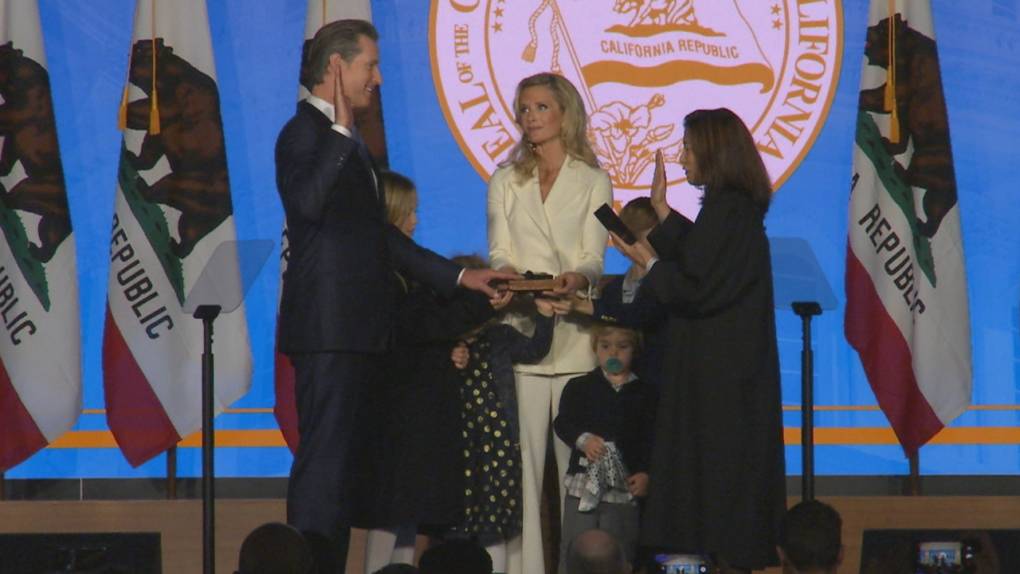
"caption": "Gov. Gavin Newsom delivers his inaugural address after being sworn in as the 40th governor of California on Jan. 7, 2019, in Sacramento.",
"description": "Gov. Gavin Newsom delivers his inaugural address after being sworn in as the 40th governor of California on Jan. 7, 2019, in Sacramento, California.",
"title": "Gavin Newsom Is Sworn In As Governor Of California",
"credit": "Stephen Lam/Getty Images",
"status": "inherit",
"isLoading": false,
"fetchFailed": false
},
"news_11717794": {
"type": "attachments",
"id": "news_11717794",
"meta": {
"index": "attachments_1716263798",
"site": "news",
"id": "11717794",
"found": true
},
"parent": 11717791,
"imgSizes": {
"twentyfourteen-full-width": {
"file": "https://ww2.kqed.org/app/uploads/sites/10/2019/01/NR612_MARQUEE-2-1038x576.jpg",
"width": 1038,
"mimeType": "image/jpeg",
"height": 576
},
"thumbnail": {
"file": "https://ww2.kqed.org/app/uploads/sites/10/2019/01/NR612_MARQUEE-2-160x90.jpg",
"width": 160,
"mimeType": "image/jpeg",
"height": 90
},
"post-thumbnail": {
"file": "https://ww2.kqed.org/app/uploads/sites/10/2019/01/NR612_MARQUEE-2-672x372.jpg",
"width": 672,
"mimeType": "image/jpeg",
"height": 372
},
"kqedFullSize": {
"file": "https://ww2.kqed.org/app/uploads/sites/10/2019/01/NR612_MARQUEE-2.jpg",
"width": 1280,
"height": 720
},
"large": {
"file": "https://ww2.kqed.org/app/uploads/sites/10/2019/01/NR612_MARQUEE-2-1020x574.jpg",
"width": 1020,
"mimeType": "image/jpeg",
"height": 574
},
"complete_open_graph": {
"file": "https://ww2.kqed.org/app/uploads/sites/10/2019/01/NR612_MARQUEE-2-1200x675.jpg",
"width": 1200,
"mimeType": "image/jpeg",
"height": 675
},
"guest-author-50": {
"file": "https://ww2.kqed.org/app/uploads/sites/10/2019/01/NR612_MARQUEE-2-50x50.jpg",
"width": 50,
"mimeType": "image/jpeg",
"height": 50
},
"guest-author-96": {
"file": "https://ww2.kqed.org/app/uploads/sites/10/2019/01/NR612_MARQUEE-2-96x96.jpg",
"width": 96,
"mimeType": "image/jpeg",
"height": 96
},
"medium": {
"file": "https://ww2.kqed.org/app/uploads/sites/10/2019/01/NR612_MARQUEE-2-800x450.jpg",
"width": 800,
"mimeType": "image/jpeg",
"height": 450
},
"guest-author-64": {
"file": "https://ww2.kqed.org/app/uploads/sites/10/2019/01/NR612_MARQUEE-2-64x64.jpg",
"width": 64,
"mimeType": "image/jpeg",
"height": 64
},
"guest-author-32": {
"file": "https://ww2.kqed.org/app/uploads/sites/10/2019/01/NR612_MARQUEE-2-32x32.jpg",
"width": 32,
"mimeType": "image/jpeg",
"height": 32
},
"detail": {
"file": "https://ww2.kqed.org/app/uploads/sites/10/2019/01/NR612_MARQUEE-2-150x150.jpg",
"width": 150,
"mimeType": "image/jpeg",
"height": 150
},
"guest-author-128": {
"file": "https://ww2.kqed.org/app/uploads/sites/10/2019/01/NR612_MARQUEE-2-128x128.jpg",
"width": 128,
"mimeType": "image/jpeg",
"height": 128
}
},
"publishDate": 1547252650,
"modified": 1547252650,
"caption": null,
"description": null,
"title": "NR612_MARQUEE 2",
"credit": null,
"status": "inherit",
"isLoading": false,
"fetchFailed": false
},
"news_11717755": {
"type": "attachments",
"id": "news_11717755",
"meta": {
"index": "attachments_1716263798",
"site": "news",
"id": "11717755",
"found": true
},
"parent": 11717754,
"imgSizes": {
"twentyfourteen-full-width": {
"file": "https://ww2.kqed.org/app/uploads/sites/10/2019/01/gettyimages-1081027614_custom-4ac830c8dba20cacd704d020e92f06fed7822317-e1547250121482-1038x576.jpg",
"width": 1038,
"mimeType": "image/jpeg",
"height": 576
},
"thumbnail": {
"file": "https://ww2.kqed.org/app/uploads/sites/10/2019/01/gettyimages-1081027614_custom-4ac830c8dba20cacd704d020e92f06fed7822317-e1547250121482-160x100.jpg",
"width": 160,
"mimeType": "image/jpeg",
"height": 100
},
"post-thumbnail": {
"file": "https://ww2.kqed.org/app/uploads/sites/10/2019/01/gettyimages-1081027614_custom-4ac830c8dba20cacd704d020e92f06fed7822317-e1547250121482-672x372.jpg",
"width": 672,
"mimeType": "image/jpeg",
"height": 372
},
"kqedFullSize": {
"file": "https://ww2.kqed.org/app/uploads/sites/10/2019/01/gettyimages-1081027614_custom-4ac830c8dba20cacd704d020e92f06fed7822317-e1547250121482.jpg",
"width": 1920,
"height": 1205
},
"large": {
"file": "https://ww2.kqed.org/app/uploads/sites/10/2019/01/gettyimages-1081027614_custom-4ac830c8dba20cacd704d020e92f06fed7822317-e1547250121482-1020x640.jpg",
"width": 1020,
"mimeType": "image/jpeg",
"height": 640
},
"complete_open_graph": {
"file": "https://ww2.kqed.org/app/uploads/sites/10/2019/01/gettyimages-1081027614_custom-4ac830c8dba20cacd704d020e92f06fed7822317-e1547250121482-1200x753.jpg",
"width": 1200,
"mimeType": "image/jpeg",
"height": 753
},
"guest-author-50": {
"file": "https://ww2.kqed.org/app/uploads/sites/10/2019/01/gettyimages-1081027614_custom-4ac830c8dba20cacd704d020e92f06fed7822317-e1547250121482-50x50.jpg",
"width": 50,
"mimeType": "image/jpeg",
"height": 50
},
"guest-author-96": {
"file": "https://ww2.kqed.org/app/uploads/sites/10/2019/01/gettyimages-1081027614_custom-4ac830c8dba20cacd704d020e92f06fed7822317-e1547250121482-96x96.jpg",
"width": 96,
"mimeType": "image/jpeg",
"height": 96
},
"medium": {
"file": "https://ww2.kqed.org/app/uploads/sites/10/2019/01/gettyimages-1081027614_custom-4ac830c8dba20cacd704d020e92f06fed7822317-e1547250121482-800x502.jpg",
"width": 800,
"mimeType": "image/jpeg",
"height": 502
},
"guest-author-64": {
"file": "https://ww2.kqed.org/app/uploads/sites/10/2019/01/gettyimages-1081027614_custom-4ac830c8dba20cacd704d020e92f06fed7822317-e1547250121482-64x64.jpg",
"width": 64,
"mimeType": "image/jpeg",
"height": 64
},
"guest-author-32": {
"file": "https://ww2.kqed.org/app/uploads/sites/10/2019/01/gettyimages-1081027614_custom-4ac830c8dba20cacd704d020e92f06fed7822317-e1547250121482-32x32.jpg",
"width": 32,
"mimeType": "image/jpeg",
"height": 32
},
"full-width": {
"file": "https://ww2.kqed.org/app/uploads/sites/10/2019/01/gettyimages-1081027614_custom-4ac830c8dba20cacd704d020e92f06fed7822317-e1547250121482-1920x1205.jpg",
"width": 1920,
"mimeType": "image/jpeg",
"height": 1205
},
"detail": {
"file": "https://ww2.kqed.org/app/uploads/sites/10/2019/01/gettyimages-1081027614_custom-4ac830c8dba20cacd704d020e92f06fed7822317-e1547250121482-150x150.jpg",
"width": 150,
"mimeType": "image/jpeg",
"height": 150
},
"guest-author-128": {
"file": "https://ww2.kqed.org/app/uploads/sites/10/2019/01/gettyimages-1081027614_custom-4ac830c8dba20cacd704d020e92f06fed7822317-e1547250121482-128x128.jpg",
"width": 128,
"mimeType": "image/jpeg",
"height": 128
}
},
"publishDate": 1547249914,
"modified": 1547250409,
"caption": "President Trump holds a picture labeled \"typical standard wall design\" as he hosts a roundtable discussion on border security in the Cabinet Room of the White House on Friday.",
"description": "President Trump holds a picture labeled \"typical standard wall design\" as he hosts a roundtable discussion on border security in the Cabinet Room of the White House on Friday.",
"title": "President Trump holds a picture labeled \"typical standard wall design\" as he hosts a roundtable discussion on border security in the Cabinet Room of the White House on Friday.",
"credit": "Alex Wong/Getty Images",
"status": "inherit",
"isLoading": false,
"fetchFailed": false
},
"news_11717467": {
"type": "attachments",
"id": "news_11717467",
"meta": {
"index": "attachments_1716263798",
"site": "news",
"id": "11717467",
"found": true
},
"parent": 11717438,
"imgSizes": {
"twentyfourteen-full-width": {
"file": "https://ww2.kqed.org/app/uploads/sites/10/2019/01/forests_011119_final-1038x576.jpg",
"width": 1038,
"mimeType": "image/jpeg",
"height": 576
},
"thumbnail": {
"file": "https://ww2.kqed.org/app/uploads/sites/10/2019/01/forests_011119_final-160x117.jpg",
"width": 160,
"mimeType": "image/jpeg",
"height": 117
},
"post-thumbnail": {
"file": "https://ww2.kqed.org/app/uploads/sites/10/2019/01/forests_011119_final-672x372.jpg",
"width": 672,
"mimeType": "image/jpeg",
"height": 372
},
"kqedFullSize": {
"file": "https://ww2.kqed.org/app/uploads/sites/10/2019/01/forests_011119_final.jpg",
"width": 1920,
"height": 1402
},
"large": {
"file": "https://ww2.kqed.org/app/uploads/sites/10/2019/01/forests_011119_final-1020x745.jpg",
"width": 1020,
"mimeType": "image/jpeg",
"height": 745
},
"complete_open_graph": {
"file": "https://ww2.kqed.org/app/uploads/sites/10/2019/01/forests_011119_final-1200x876.jpg",
"width": 1200,
"mimeType": "image/jpeg",
"height": 876
},
"guest-author-50": {
"file": "https://ww2.kqed.org/app/uploads/sites/10/2019/01/forests_011119_final-50x50.jpg",
"width": 50,
"mimeType": "image/jpeg",
"height": 50
},
"guest-author-96": {
"file": "https://ww2.kqed.org/app/uploads/sites/10/2019/01/forests_011119_final-96x96.jpg",
"width": 96,
"mimeType": "image/jpeg",
"height": 96
},
"medium": {
"file": "https://ww2.kqed.org/app/uploads/sites/10/2019/01/forests_011119_final-800x584.jpg",
"width": 800,
"mimeType": "image/jpeg",
"height": 584
},
"guest-author-64": {
"file": "https://ww2.kqed.org/app/uploads/sites/10/2019/01/forests_011119_final-64x64.jpg",
"width": 64,
"mimeType": "image/jpeg",
"height": 64
},
"guest-author-32": {
"file": "https://ww2.kqed.org/app/uploads/sites/10/2019/01/forests_011119_final-32x32.jpg",
"width": 32,
"mimeType": "image/jpeg",
"height": 32
},
"full-width": {
"file": "https://ww2.kqed.org/app/uploads/sites/10/2019/01/forests_011119_final-1920x1402.jpg",
"width": 1920,
"mimeType": "image/jpeg",
"height": 1402
},
"detail": {
"file": "https://ww2.kqed.org/app/uploads/sites/10/2019/01/forests_011119_final-150x150.jpg",
"width": 150,
"mimeType": "image/jpeg",
"height": 150
},
"guest-author-128": {
"file": "https://ww2.kqed.org/app/uploads/sites/10/2019/01/forests_011119_final-128x128.jpg",
"width": 128,
"mimeType": "image/jpeg",
"height": 128
}
},
"publishDate": 1547162132,
"modified": 1547162161,
"caption": null,
"description": null,
"title": "forests_011119_final",
"credit": null,
"status": "inherit",
"isLoading": false,
"fetchFailed": false
},
"news_11717405": {
"type": "attachments",
"id": "news_11717405",
"meta": {
"index": "attachments_1716263798",
"site": "news",
"id": "11717405",
"found": true
},
"parent": 11717355,
"imgSizes": {
"twentyfourteen-full-width": {
"file": "https://ww2.kqed.org/app/uploads/sites/10/2019/01/NewsomBudget-1038x576.jpg",
"width": 1038,
"mimeType": "image/jpeg",
"height": 576
},
"thumbnail": {
"file": "https://ww2.kqed.org/app/uploads/sites/10/2019/01/NewsomBudget-160x106.jpg",
"width": 160,
"mimeType": "image/jpeg",
"height": 106
},
"post-thumbnail": {
"file": "https://ww2.kqed.org/app/uploads/sites/10/2019/01/NewsomBudget-672x372.jpg",
"width": 672,
"mimeType": "image/jpeg",
"height": 372
},
"kqedFullSize": {
"file": "https://ww2.kqed.org/app/uploads/sites/10/2019/01/NewsomBudget.jpg",
"width": 1920,
"height": 1277
},
"large": {
"file": "https://ww2.kqed.org/app/uploads/sites/10/2019/01/NewsomBudget-1020x678.jpg",
"width": 1020,
"mimeType": "image/jpeg",
"height": 678
},
"complete_open_graph": {
"file": "https://ww2.kqed.org/app/uploads/sites/10/2019/01/NewsomBudget-1200x798.jpg",
"width": 1200,
"mimeType": "image/jpeg",
"height": 798
},
"guest-author-50": {
"file": "https://ww2.kqed.org/app/uploads/sites/10/2019/01/NewsomBudget-50x50.jpg",
"width": 50,
"mimeType": "image/jpeg",
"height": 50
},
"guest-author-96": {
"file": "https://ww2.kqed.org/app/uploads/sites/10/2019/01/NewsomBudget-96x96.jpg",
"width": 96,
"mimeType": "image/jpeg",
"height": 96
},
"medium": {
"file": "https://ww2.kqed.org/app/uploads/sites/10/2019/01/NewsomBudget-800x532.jpg",
"width": 800,
"mimeType": "image/jpeg",
"height": 532
},
"guest-author-64": {
"file": "https://ww2.kqed.org/app/uploads/sites/10/2019/01/NewsomBudget-64x64.jpg",
"width": 64,
"mimeType": "image/jpeg",
"height": 64
},
"guest-author-32": {
"file": "https://ww2.kqed.org/app/uploads/sites/10/2019/01/NewsomBudget-32x32.jpg",
"width": 32,
"mimeType": "image/jpeg",
"height": 32
},
"full-width": {
"file": "https://ww2.kqed.org/app/uploads/sites/10/2019/01/NewsomBudget-1920x1277.jpg",
"width": 1920,
"mimeType": "image/jpeg",
"height": 1277
},
"detail": {
"file": "https://ww2.kqed.org/app/uploads/sites/10/2019/01/NewsomBudget-150x150.jpg",
"width": 150,
"mimeType": "image/jpeg",
"height": 150
},
"guest-author-128": {
"file": "https://ww2.kqed.org/app/uploads/sites/10/2019/01/NewsomBudget-128x128.jpg",
"width": 128,
"mimeType": "image/jpeg",
"height": 128
}
},
"publishDate": 1547154789,
"modified": 1547154808,
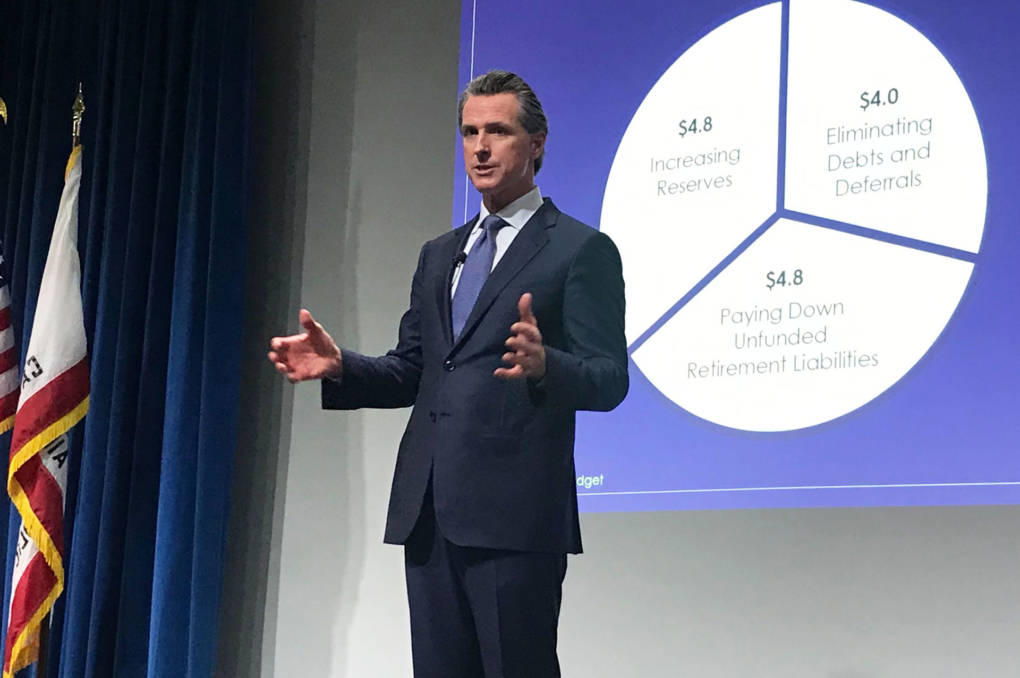
"caption": "Gov. Gavin Newsom unveils his first state budget proposal in Sacramento on Jan. 10, 2019. ",
"description": "Gov. Gavin Newsom unveils his first state budget proposal in Sacramento on Jan. 10, 2019. ",
"title": "NewsomBudget",
"credit": "Marisa Lagos/KQED",
"status": "inherit",
"isLoading": false,
"fetchFailed": false
},
"news_11717140": {
"type": "attachments",
"id": "news_11717140",
"meta": {
"index": "attachments_1716263798",
"site": "news",
"id": "11717140",
"found": true
},
"parent": 11717134,
"imgSizes": {
"twentyfourteen-full-width": {
"file": "https://ww2.kqed.org/app/uploads/sites/10/2019/01/Lite-Guv-photo-1-e1547072755595-1038x576.jpg",
"width": 1038,
"mimeType": "image/jpeg",
"height": 576
},
"thumbnail": {
"file": "https://ww2.kqed.org/app/uploads/sites/10/2019/01/Lite-Guv-photo-1-e1547072755595-160x107.jpg",
"width": 160,
"mimeType": "image/jpeg",
"height": 107
},
"post-thumbnail": {
"file": "https://ww2.kqed.org/app/uploads/sites/10/2019/01/Lite-Guv-photo-1-e1547072755595-672x372.jpg",
"width": 672,
"mimeType": "image/jpeg",
"height": 372
},
"kqedFullSize": {
"file": "https://ww2.kqed.org/app/uploads/sites/10/2019/01/Lite-Guv-photo-1-e1547072755595.jpg",
"width": 1920,
"height": 1278
},
"large": {
"file": "https://ww2.kqed.org/app/uploads/sites/10/2019/01/Lite-Guv-photo-1-e1547072755595-1020x679.jpg",
"width": 1020,
"mimeType": "image/jpeg",
"height": 679
},
"complete_open_graph": {
"file": "https://ww2.kqed.org/app/uploads/sites/10/2019/01/Lite-Guv-photo-1-e1547072755595-1200x799.jpg",
"width": 1200,
"mimeType": "image/jpeg",
"height": 799
},
"guest-author-50": {
"file": "https://ww2.kqed.org/app/uploads/sites/10/2019/01/Lite-Guv-photo-1-e1547072755595-50x50.jpg",
"width": 50,
"mimeType": "image/jpeg",
"height": 50
},
"guest-author-96": {
"file": "https://ww2.kqed.org/app/uploads/sites/10/2019/01/Lite-Guv-photo-1-e1547072755595-96x96.jpg",
"width": 96,
"mimeType": "image/jpeg",
"height": 96
},
"medium": {
"file": "https://ww2.kqed.org/app/uploads/sites/10/2019/01/Lite-Guv-photo-1-e1547072755595-800x533.jpg",
"width": 800,
"mimeType": "image/jpeg",
"height": 533
},
"guest-author-64": {
"file": "https://ww2.kqed.org/app/uploads/sites/10/2019/01/Lite-Guv-photo-1-e1547072755595-64x64.jpg",
"width": 64,
"mimeType": "image/jpeg",
"height": 64
},
"guest-author-32": {
"file": "https://ww2.kqed.org/app/uploads/sites/10/2019/01/Lite-Guv-photo-1-e1547072755595-32x32.jpg",
"width": 32,
"mimeType": "image/jpeg",
"height": 32
},
"full-width": {
"file": "https://ww2.kqed.org/app/uploads/sites/10/2019/01/Lite-Guv-photo-1-e1547072755595-1920x1278.jpg",
"width": 1920,
"mimeType": "image/jpeg",
"height": 1278
},
"detail": {
"file": "https://ww2.kqed.org/app/uploads/sites/10/2019/01/Lite-Guv-photo-1-e1547072755595-150x150.jpg",
"width": 150,
"mimeType": "image/jpeg",
"height": 150
},
"guest-author-128": {
"file": "https://ww2.kqed.org/app/uploads/sites/10/2019/01/Lite-Guv-photo-1-e1547072755595-128x128.jpg",
"width": 128,
"mimeType": "image/jpeg",
"height": 128
}
},
"publishDate": 1547072604,
"modified": 1621293055,
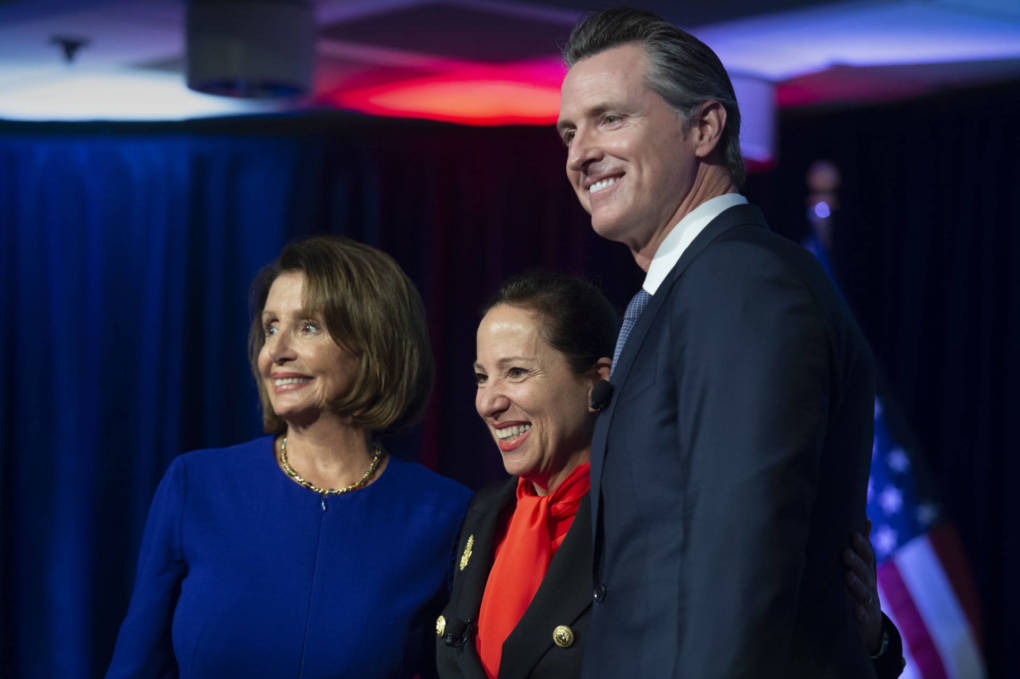
"caption": "Congresswoman Nancy Pelosi, Lt. Gov. Eleni Kounalakis and Gov. Gavin Newsom stand together on stage at the Tsakopoulos Library Galleria on Jan. 7, 2019 in Sacramento.",
"description": "Congresswoman Nancy Pelosi, Lt. Gov. Eleni Kounalakis and Gov. Gavin Newsom stand together on stage at the Tsakopoulos Library Galleria on Monday, January 7, 2019 in Sacramento.",
"title": "Lite-Guv-photo-1",
"credit": "Randy Perch/CalMatters",
"status": "inherit",
"altTag": "Congresswoman Nancy Pelosi, Lt. Gov. Eleni Kounalakis and Gov. Gavin Newsom stand together on stage at the Tsakopoulos Library Galleria on Monday, January 7, 2019 in Sacramento.",
"isLoading": false,
"fetchFailed": false
},
"news_11717030": {
"type": "attachments",
"id": "news_11717030",
"meta": {
"index": "attachments_1716263798",
"site": "news",
"id": "11717030",
"found": true
},
"parent": 11717027,
"imgSizes": {
"twentyfourteen-full-width": {
"file": "https://ww2.kqed.org/app/uploads/sites/10/2019/01/GettyImages-1062916066-e1547059701108-1038x576.jpg",
"width": 1038,
"mimeType": "image/jpeg",
"height": 576
},
"thumbnail": {
"file": "https://ww2.kqed.org/app/uploads/sites/10/2019/01/GettyImages-1062916066-e1547059701108-160x99.jpg",
"width": 160,
"mimeType": "image/jpeg",
"height": 99
},
"post-thumbnail": {
"file": "https://ww2.kqed.org/app/uploads/sites/10/2019/01/GettyImages-1062916066-e1547059701108-672x372.jpg",
"width": 672,
"mimeType": "image/jpeg",
"height": 372
},
"kqedFullSize": {
"file": "https://ww2.kqed.org/app/uploads/sites/10/2019/01/GettyImages-1062916066-e1547059701108.jpg",
"width": 1920,
"height": 1183
},
"large": {
"file": "https://ww2.kqed.org/app/uploads/sites/10/2019/01/GettyImages-1062916066-e1547059701108-1020x628.jpg",
"width": 1020,
"mimeType": "image/jpeg",
"height": 628
},
"complete_open_graph": {
"file": "https://ww2.kqed.org/app/uploads/sites/10/2019/01/GettyImages-1062916066-e1547059701108-1200x739.jpg",
"width": 1200,
"mimeType": "image/jpeg",
"height": 739
},
"guest-author-50": {
"file": "https://ww2.kqed.org/app/uploads/sites/10/2019/01/GettyImages-1062916066-e1547059701108-50x50.jpg",
"width": 50,
"mimeType": "image/jpeg",
"height": 50
},
"guest-author-96": {
"file": "https://ww2.kqed.org/app/uploads/sites/10/2019/01/GettyImages-1062916066-e1547059701108-96x96.jpg",
"width": 96,
"mimeType": "image/jpeg",
"height": 96
},
"medium": {
"file": "https://ww2.kqed.org/app/uploads/sites/10/2019/01/GettyImages-1062916066-e1547059701108-800x493.jpg",
"width": 800,
"mimeType": "image/jpeg",
"height": 493
},
"guest-author-64": {
"file": "https://ww2.kqed.org/app/uploads/sites/10/2019/01/GettyImages-1062916066-e1547059701108-64x64.jpg",
"width": 64,
"mimeType": "image/jpeg",
"height": 64
},
"guest-author-32": {
"file": "https://ww2.kqed.org/app/uploads/sites/10/2019/01/GettyImages-1062916066-e1547059701108-32x32.jpg",
"width": 32,
"mimeType": "image/jpeg",
"height": 32
},
"full-width": {
"file": "https://ww2.kqed.org/app/uploads/sites/10/2019/01/GettyImages-1062916066-e1547059701108-1920x1183.jpg",
"width": 1920,
"mimeType": "image/jpeg",
"height": 1183
},
"detail": {
"file": "https://ww2.kqed.org/app/uploads/sites/10/2019/01/GettyImages-1062916066-e1547059701108-150x150.jpg",
"width": 150,
"mimeType": "image/jpeg",
"height": 150
},
"guest-author-128": {
"file": "https://ww2.kqed.org/app/uploads/sites/10/2019/01/GettyImages-1062916066-e1547059701108-128x128.jpg",
"width": 128,
"mimeType": "image/jpeg",
"height": 128
}
},
"publishDate": 1547059582,
"modified": 1553294432,
"caption": "President Trump looks on with then-Gov. Jerry Brown and then-Lt. Gov. Gavin Newsom, as they view damage from wildfires in the town of Paradise on Nov. 17, 2018.",
"description": "President Trump looks on with then-Gov. Jerry Brown and then-Lt. Gov. Gavin Newsom, as they view damage from wildfires in Paradise on Nov. 17, 2018.",
"title": "US-POLITICS-TRUMP-fires",
"credit": "Saul Loeb/AFP/Getty Images",
"status": "inherit",
"isLoading": false,
"fetchFailed": false
},
"news_11716250": {
"type": "attachments",
"id": "news_11716250",
"meta": {
"index": "attachments_1716263798",
"site": "news",
"id": "11716250",
"found": true
},
"parent": 11715956,
"imgSizes": {
"twentyfourteen-full-width": {
"file": "https://ww2.kqed.org/app/uploads/sites/10/2019/01/RS34628_GettyImages-1058495872-qut-1038x576.jpg",
"width": 1038,
"mimeType": "image/jpeg",
"height": 576
},
"thumbnail": {
"file": "https://ww2.kqed.org/app/uploads/sites/10/2019/01/RS34628_GettyImages-1058495872-qut-160x96.jpg",
"width": 160,
"mimeType": "image/jpeg",
"height": 96
},
"post-thumbnail": {
"file": "https://ww2.kqed.org/app/uploads/sites/10/2019/01/RS34628_GettyImages-1058495872-qut-672x372.jpg",
"width": 672,
"mimeType": "image/jpeg",
"height": 372
},
"kqedFullSize": {
"file": "https://ww2.kqed.org/app/uploads/sites/10/2019/01/RS34628_GettyImages-1058495872-qut.jpg",
"width": 1920,
"height": 1151
},
"large": {
"file": "https://ww2.kqed.org/app/uploads/sites/10/2019/01/RS34628_GettyImages-1058495872-qut-1020x611.jpg",
"width": 1020,
"mimeType": "image/jpeg",
"height": 611
},
"complete_open_graph": {
"file": "https://ww2.kqed.org/app/uploads/sites/10/2019/01/RS34628_GettyImages-1058495872-qut-1200x719.jpg",
"width": 1200,
"mimeType": "image/jpeg",
"height": 719
},
"guest-author-50": {
"file": "https://ww2.kqed.org/app/uploads/sites/10/2019/01/RS34628_GettyImages-1058495872-qut-50x50.jpg",
"width": 50,
"mimeType": "image/jpeg",
"height": 50
},
"guest-author-96": {
"file": "https://ww2.kqed.org/app/uploads/sites/10/2019/01/RS34628_GettyImages-1058495872-qut-96x96.jpg",
"width": 96,
"mimeType": "image/jpeg",
"height": 96
},
"medium": {
"file": "https://ww2.kqed.org/app/uploads/sites/10/2019/01/RS34628_GettyImages-1058495872-qut-800x480.jpg",
"width": 800,
"mimeType": "image/jpeg",
"height": 480
},
"guest-author-64": {
"file": "https://ww2.kqed.org/app/uploads/sites/10/2019/01/RS34628_GettyImages-1058495872-qut-64x64.jpg",
"width": 64,
"mimeType": "image/jpeg",
"height": 64
},
"guest-author-32": {
"file": "https://ww2.kqed.org/app/uploads/sites/10/2019/01/RS34628_GettyImages-1058495872-qut-32x32.jpg",
"width": 32,
"mimeType": "image/jpeg",
"height": 32
},
"full-width": {
"file": "https://ww2.kqed.org/app/uploads/sites/10/2019/01/RS34628_GettyImages-1058495872-qut-1920x1151.jpg",
"width": 1920,
"mimeType": "image/jpeg",
"height": 1151
},
"detail": {
"file": "https://ww2.kqed.org/app/uploads/sites/10/2019/01/RS34628_GettyImages-1058495872-qut-150x150.jpg",
"width": 150,
"mimeType": "image/jpeg",
"height": 150
},
"guest-author-128": {
"file": "https://ww2.kqed.org/app/uploads/sites/10/2019/01/RS34628_GettyImages-1058495872-qut-128x128.jpg",
"width": 128,
"mimeType": "image/jpeg",
"height": 128
}
},
"publishDate": 1546814996,
"modified": 1546909271,
"caption": "Gov. Gavin Newsom will have a lot of people to please as he lays out his first state budget proposal this week.",
"description": "Gov. Gavin Newsom will have a lot of people to please as he lays out his first state budget proposal this week.",
"title": "US-POLITICS-VOTE-ELECTIONS",
"credit": "FREDERIC J. BROWN/AFP/Getty Images",
"status": "inherit",
"isLoading": false,
"fetchFailed": false
},
"news_11716568": {
"type": "attachments",
"id": "news_11716568",
"meta": {
"index": "attachments_1716263798",
"site": "news",
"id": "11716568",
"found": true
},
"parent": 0,
"imgSizes": {
"twentyfourteen-full-width": {
"file": "https://ww2.kqed.org/app/uploads/sites/10/2019/01/NewsomInaugWaving-1038x576.jpg",
"width": 1038,
"mimeType": "image/jpeg",
"height": 576
},
"thumbnail": {
"file": "https://ww2.kqed.org/app/uploads/sites/10/2019/01/NewsomInaugWaving-160x108.jpg",
"width": 160,
"mimeType": "image/jpeg",
"height": 108
},
"post-thumbnail": {
"file": "https://ww2.kqed.org/app/uploads/sites/10/2019/01/NewsomInaugWaving-672x372.jpg",
"width": 672,
"mimeType": "image/jpeg",
"height": 372
},
"kqedFullSize": {
"file": "https://ww2.kqed.org/app/uploads/sites/10/2019/01/NewsomInaugWaving.jpg",
"width": 1920,
"height": 1300
},
"large": {
"file": "https://ww2.kqed.org/app/uploads/sites/10/2019/01/NewsomInaugWaving-1020x691.jpg",
"width": 1020,
"mimeType": "image/jpeg",
"height": 691
},
"complete_open_graph": {
"file": "https://ww2.kqed.org/app/uploads/sites/10/2019/01/NewsomInaugWaving-1200x813.jpg",
"width": 1200,
"mimeType": "image/jpeg",
"height": 813
},
"guest-author-50": {
"file": "https://ww2.kqed.org/app/uploads/sites/10/2019/01/NewsomInaugWaving-50x50.jpg",
"width": 50,
"mimeType": "image/jpeg",
"height": 50
},
"guest-author-96": {
"file": "https://ww2.kqed.org/app/uploads/sites/10/2019/01/NewsomInaugWaving-96x96.jpg",
"width": 96,
"mimeType": "image/jpeg",
"height": 96
},
"medium": {
"file": "https://ww2.kqed.org/app/uploads/sites/10/2019/01/NewsomInaugWaving-800x542.jpg",
"width": 800,
"mimeType": "image/jpeg",
"height": 542
},
"guest-author-64": {
"file": "https://ww2.kqed.org/app/uploads/sites/10/2019/01/NewsomInaugWaving-64x64.jpg",
"width": 64,
"mimeType": "image/jpeg",
"height": 64
},
"guest-author-32": {
"file": "https://ww2.kqed.org/app/uploads/sites/10/2019/01/NewsomInaugWaving-32x32.jpg",
"width": 32,
"mimeType": "image/jpeg",
"height": 32
},
"full-width": {
"file": "https://ww2.kqed.org/app/uploads/sites/10/2019/01/NewsomInaugWaving-1920x1300.jpg",
"width": 1920,
"mimeType": "image/jpeg",
"height": 1300
},
"detail": {
"file": "https://ww2.kqed.org/app/uploads/sites/10/2019/01/NewsomInaugWaving-150x150.jpg",
"width": 150,
"mimeType": "image/jpeg",
"height": 150
},
"guest-author-128": {
"file": "https://ww2.kqed.org/app/uploads/sites/10/2019/01/NewsomInaugWaving-128x128.jpg",
"width": 128,
"mimeType": "image/jpeg",
"height": 128
}
},
"publishDate": 1546910074,
"modified": 1546910144,
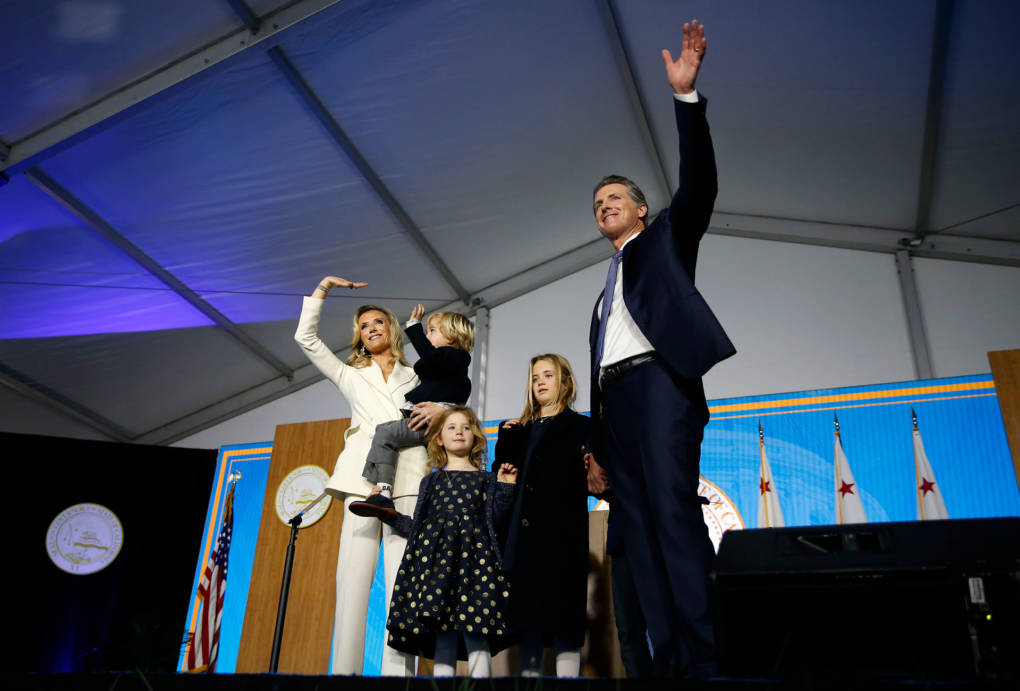
"caption": "Gov. Gavin Newsom gestures to the crowd alongside wife Jennifer Siebel Newsom and children (L-R) Dutch, Montana, and Brooklynn on January 7, 2019 in Sacramento.",
"description": "Gov. Gavin Newsom gestures to the crowd alongside wife Jennifer Siebel Newsom and children (L-R) Dutch, Montana, and Brooklynn on January 7, 2019 in Sacramento.",
"title": "NewsomInaugWaving",
"credit": "Stephen Lam/Getty Images",
"status": "inherit",
"isLoading": false,
"fetchFailed": false
}
},
"audioPlayerReducer": {
"postId": "stream_live",
"isPaused": true,
"isPlaying": false,
"pfsActive": false,
"pledgeModalIsOpen": true,
"playerDrawerIsOpen": false,
"liveAudioPlayStartedAt": 0,
"liveAudioPlayContext": ""
},
"authorsReducer": {
"byline_news_11717692": {
"type": "authors",
"id": "byline_news_11717692",
"meta": {
"override": true
},
"slug": "byline_news_11717692",
"name": "Matt Levin\u003cbr>CALmatters",
"isLoading": false
},
"byline_news_11717754": {
"type": "authors",
"id": "byline_news_11717754",
"meta": {
"override": true
},
"slug": "byline_news_11717754",
"name": "Kelsey Snell",
"isLoading": false
},
"byline_news_11717134": {
"type": "authors",
"id": "byline_news_11717134",
"meta": {
"override": true
},
"slug": "byline_news_11717134",
"name": "CALmatters\u003cbr>Dan Morain",
"isLoading": false
},
"byline_news_11717027": {
"type": "authors",
"id": "byline_news_11717027",
"meta": {
"override": true
},
"slug": "byline_news_11717027",
"name": "\u003cstrong>Kathleen Ronayne\u003cbr />Associated Press\u003c/strong>",
"isLoading": false
},
"gmarzorati": {
"type": "authors",
"id": "227",
"meta": {
"index": "authors_1716337520",
"id": "227",
"found": true
},
"name": "Guy Marzorati",
"firstName": "Guy",
"lastName": "Marzorati",
"slug": "gmarzorati",
"email": "gmarzorati@KQED.org",
"display_author_email": true,
"staff_mastheads": [
"news"
],
"title": "Correspondent",
"bio": "Guy Marzorati is a correspondent on KQED's California Politics and Government Desk, based in San Jose. A graduate of Santa Clara University, Guy joined KQED in 2013. He reports on state and local politics and produces KQED's digital voter guide.",
"avatar": "https://secure.gravatar.com/avatar/e7038b8dbfd55b104369b76b1cd0b9de?s=600&d=blank&r=g",
"twitter": "guymarzorati",
"facebook": null,
"instagram": null,
"linkedin": null,
"sites": [
{
"site": "",
"roles": [
"editor"
]
},
{
"site": "news",
"roles": [
"editor"
]
},
{
"site": "science",
"roles": [
"editor"
]
},
{
"site": "forum",
"roles": [
"editor"
]
},
{
"site": "elections",
"roles": [
"editor"
]
},
{
"site": "liveblog",
"roles": [
"editor"
]
}
],
"headData": {
"title": "Guy Marzorati | KQED",
"description": "Correspondent",
"ogImgSrc": "https://secure.gravatar.com/avatar/e7038b8dbfd55b104369b76b1cd0b9de?s=600&d=blank&r=g",
"twImgSrc": "https://secure.gravatar.com/avatar/e7038b8dbfd55b104369b76b1cd0b9de?s=600&d=blank&r=g"
},
"isLoading": false,
"link": "/author/gmarzorati"
},
"kqed": {
"type": "authors",
"id": "236",
"meta": {
"index": "authors_1716337520",
"id": "236",
"found": true
},
"name": "KQED News Staff",
"firstName": "KQED News Staff",
"lastName": null,
"slug": "kqed",
"email": "faq@kqed.org",
"display_author_email": false,
"staff_mastheads": [],
"title": null,
"bio": null,
"avatar": "https://secure.gravatar.com/avatar/ef0e801a68c4c54afa9180db14084167?s=600&d=blank&r=g",
"twitter": null,
"facebook": null,
"instagram": null,
"linkedin": null,
"sites": [
{
"site": "arts",
"roles": [
"contributor"
]
},
{
"site": "news",
"roles": [
"editor"
]
},
{
"site": "futureofyou",
"roles": [
"author"
]
}
],
"headData": {
"title": "KQED News Staff | KQED",
"description": null,
"ogImgSrc": "https://secure.gravatar.com/avatar/ef0e801a68c4c54afa9180db14084167?s=600&d=blank&r=g",
"twImgSrc": "https://secure.gravatar.com/avatar/ef0e801a68c4c54afa9180db14084167?s=600&d=blank&r=g"
},
"isLoading": false,
"link": "/author/kqed"
},
"peterjonshuler": {
"type": "authors",
"id": "1329",
"meta": {
"index": "authors_1716337520",
"id": "1329",
"found": true
},
"name": "Peter Jon Shuler",
"firstName": "Peter Jon",
"lastName": "Shuler",
"slug": "peterjonshuler",
"email": "pshuler@kqed.org",
"display_author_email": false,
"staff_mastheads": [],
"title": null,
"bio": "Peter is a general assignment reporter covering Northern California news for KQED’s daily radio newscasts. He reports on a wide range of stories from current court cases to San Jose city hall.\r\n\r\nSince joining KQED in 1990, Peter has covered everything from the beginnings of the World Wide Web to the dot-com bust, from preserving Silicon Valley's open space to the preservation of historic Valley landmarks.\r\n\r\nPeter caught the radio bug at WAUS-FM while still a student at Andrews University in his home town of Berrien Springs, MI. He did local news and hosted a classical music program. Since then, he has pursued a variety of assignments, including production work at WBAI in New York and broadcasting to the English language community of Geneva, Switzerland via Radio 74. Email: \u003ca href=\"mailto:pshuler@kqed.org\">pshuler@kqed.org\u003c/a>",
"avatar": "https://secure.gravatar.com/avatar/4bcbeaf7cf49fec98284db283a33a47b?s=600&d=blank&r=g",
"twitter": null,
"facebook": null,
"instagram": null,
"linkedin": null,
"sites": [
{
"site": "news",
"roles": [
"contributor"
]
}
],
"headData": {
"title": "Peter Jon Shuler | KQED",
"description": null,
"ogImgSrc": "https://secure.gravatar.com/avatar/4bcbeaf7cf49fec98284db283a33a47b?s=600&d=blank&r=g",
"twImgSrc": "https://secure.gravatar.com/avatar/4bcbeaf7cf49fec98284db283a33a47b?s=600&d=blank&r=g"
},
"isLoading": false,
"link": "/author/peterjonshuler"
},
"adembosky": {
"type": "authors",
"id": "3205",
"meta": {
"index": "authors_1716337520",
"id": "3205",
"found": true
},
"name": "April Dembosky",
"firstName": "April",
"lastName": "Dembosky",
"slug": "adembosky",
"email": "adembosky@kqed.org",
"display_author_email": false,
"staff_mastheads": [
"news",
"science"
],
"title": "KQED Health Correspondent",
"bio": "April Dembosky is the health correspondent for KQED News and a regular contributor to NPR. She specializes in covering altered states of mind, from postpartum depression to methamphetamine-induced psychosis to the insanity defense. Her investigative series on insurance companies sidestepping mental health laws won multiple awards, including first place in beat reporting from the national Association of Health Care Journalists. She is the recipient of numerous other prizes and fellowships, including a national Edward R. Murrow award for investigative reporting, a Society of Professional Journalists award for long-form storytelling, and a Carter Center Fellowship for Mental Health Journalism.\r\n\r\nDembosky reported and produced \u003cem>Soundtrack of Silence\u003c/em>, an audio documentary about music and memory that is currently being made into a feature film by Paramount Pictures.\r\n\r\nBefore joining KQED in 2013, Dembosky covered technology and Silicon Valley for \u003cem>The Financial Times of London,\u003c/em> and contributed business and arts stories to \u003cem>Marketplace \u003c/em>and \u003cem>The New York Times.\u003c/em> She got her undergraduate degree in philosophy from Smith College and her master's in journalism from the University of California, Berkeley. She is a classically trained violinist and proud alum of the first symphony orchestra at Burning Man.",
"avatar": "https://secure.gravatar.com/avatar/ef92999be4ceb9ea60701e7dc276f813?s=600&d=blank&r=g",
"twitter": "adembosky",
"facebook": null,
"instagram": null,
"linkedin": null,
"sites": [
{
"site": "arts",
"roles": [
"author"
]
},
{
"site": "news",
"roles": [
"editor"
]
},
{
"site": "futureofyou",
"roles": [
"author"
]
},
{
"site": "stateofhealth",
"roles": [
"editor"
]
},
{
"site": "science",
"roles": [
"editor"
]
},
{
"site": "forum",
"roles": [
"editor"
]
}
],
"headData": {
"title": "April Dembosky | KQED",
"description": "KQED Health Correspondent",
"ogImgSrc": "https://secure.gravatar.com/avatar/ef92999be4ceb9ea60701e7dc276f813?s=600&d=blank&r=g",
"twImgSrc": "https://secure.gravatar.com/avatar/ef92999be4ceb9ea60701e7dc276f813?s=600&d=blank&r=g"
},
"isLoading": false,
"link": "/author/adembosky"
},
"markfiore": {
"type": "authors",
"id": "3236",
"meta": {
"index": "authors_1716337520",
"id": "3236",
"found": true
},
"name": "Mark Fiore",
"firstName": "Mark",
"lastName": "Fiore",
"slug": "markfiore",
"email": "mark@markfiore.com",
"display_author_email": false,
"staff_mastheads": [
"news"
],
"title": "KQED News Cartoonist",
"bio": "\u003ca href=\"http://www.MarkFiore.com\">MarkFiore.com\u003c/a> | \u003ca href=\"https://twitter.com/markfiore\">Follow on Twitter\u003c/a> | \u003ca href=\"https://www.facebook.com/pages/Mark-Fiore-Animated-Political-Cartoons/94451707396?ref=bookmarks\">Facebook\u003c/a> | \u003ca href=\"mailto:mark@markfiore.com\">email\u003c/a>\r\n\r\nPulitzer Prize-winner, Mark Fiore, who the Wall Street Journal has called “the undisputed guru of the form,” creates animated political cartoons in San Francisco, where his work has been featured regularly on the San Francisco Chronicle’s web site, SFGate.com. His work has appeared on Newsweek.com, Slate.com, CBSNews.com, MotherJones.com, DailyKos.com and NPR’s web site. Fiore’s political animation has appeared on CNN, Frontline, Bill Moyers Journal, Salon.com and cable and broadcast outlets across the globe.\r\n\r\nBeginning his professional life by drawing traditional political cartoons for newspapers, Fiore’s work appeared in publications ranging from the Washington Post to the Los Angeles Times. In the late 1990s, he began to experiment with animating political cartoons and, after a short stint at the San Jose Mercury News as their staff cartoonist, Fiore devoted all his energies to animation.\r\nGrowing up in California, Fiore also spent a good portion of his life in the backwoods of Idaho. It was this combination that shaped him politically. Mark majored in political science at Colorado College, where, in a perfect send-off for a cartoonist, he received his diploma in 1991 as commencement speaker Dick Cheney smiled approvingly.\r\nMark Fiore was awarded the Pulitzer Prize for political cartooning in 2010, a Robert F. Kennedy Journalism Award in 2004 and has twice received an Online Journalism Award for commentary from the Online News Association (2002, 2008). Fiore has received two awards for his work in new media from the National Cartoonists Society (2001, 2002), and in 2006 received The James Madison Freedom of Information Award from The Society of Professional Journalists.",
"avatar": "https://secure.gravatar.com/avatar/fc4e2a612b15b67bad0c6f0e1db4ca9b?s=600&d=blank&r=g",
"twitter": "MarkFiore",
"facebook": null,
"instagram": "https://www.instagram.com/markfiore/?hl=en",
"linkedin": null,
"sites": [
{
"site": "arts",
"roles": [
"contributor"
]
},
{
"site": "news",
"roles": [
"editor"
]
},
{
"site": "futureofyou",
"roles": [
"editor"
]
},
{
"site": "science",
"roles": [
"editor"
]
}
],
"headData": {
"title": "Mark Fiore | KQED",
"description": "KQED News Cartoonist",
"ogImgSrc": "https://secure.gravatar.com/avatar/fc4e2a612b15b67bad0c6f0e1db4ca9b?s=600&d=blank&r=g",
"twImgSrc": "https://secure.gravatar.com/avatar/fc4e2a612b15b67bad0c6f0e1db4ca9b?s=600&d=blank&r=g"
},
"isLoading": false,
"link": "/author/markfiore"
},
"mlagos": {
"type": "authors",
"id": "3239",
"meta": {
"index": "authors_1716337520",
"id": "3239",
"found": true
},
"name": "Marisa Lagos",
"firstName": "Marisa",
"lastName": "Lagos",
"slug": "mlagos",
"email": "mlagos@kqed.org",
"display_author_email": false,
"staff_mastheads": [
"news"
],
"title": "KQED Contributor",
"bio": "Marisa Lagos is a correspondent for KQED’s California Politics and Government Desk and co-hosts the award-winning show and podcast, Political Breakdown. At KQED, Lagos also conducts reporting, analysis and investigations into state, local and national politics for radio, TV, online and onstage. In 2022, she and co-host, Scott Shafer, moderated the only gubernatorial debate in California. In 2020, the \u003ci>Washington Post\u003c/i> named her one of the top political journalists in California; she was nominated for a Peabody and won several other awards for her work investigating the 2017 California wildfires. She has worked at the \u003ci>San Francisco Chronicle\u003c/i>, \u003ci>San Francisco Examiner\u003c/i> and \u003ci>Los Angeles Times\u003c/i>. A UC Santa Barbara graduate, she lives in San Francisco with her two sons and husband.",
"avatar": "https://secure.gravatar.com/avatar/a261a0d3696fc066871ef96b85b5e7d2?s=600&d=blank&r=g",
"twitter": "@mlagos",
"facebook": null,
"instagram": null,
"linkedin": null,
"sites": [
{
"site": "arts",
"roles": [
"author"
]
},
{
"site": "news",
"roles": [
"editor"
]
},
{
"site": "science",
"roles": [
"editor"
]
},
{
"site": "forum",
"roles": [
"author"
]
},
{
"site": "liveblog",
"roles": [
"author"
]
}
],
"headData": {
"title": "Marisa Lagos | KQED",
"description": "KQED Contributor",
"ogImgSrc": "https://secure.gravatar.com/avatar/a261a0d3696fc066871ef96b85b5e7d2?s=600&d=blank&r=g",
"twImgSrc": "https://secure.gravatar.com/avatar/a261a0d3696fc066871ef96b85b5e7d2?s=600&d=blank&r=g"
},
"isLoading": false,
"link": "/author/mlagos"
},
"ynagano": {
"type": "authors",
"id": "11562",
"meta": {
"index": "authors_1716337520",
"id": "11562",
"found": true
},
"name": "Yuri Nagano",
"firstName": "Yuri",
"lastName": "Nagano",
"slug": "ynagano",
"email": "ynagano@kqed.org",
"display_author_email": false,
"staff_mastheads": [],
"title": "KQED Contributor",
"bio": null,
"avatar": "https://secure.gravatar.com/avatar/f23362e6301f8bd9cf29d6f31c28426d?s=600&d=blank&r=g",
"twitter": null,
"facebook": null,
"instagram": null,
"linkedin": null,
"sites": [
{
"site": "news",
"roles": [
"create_posts",
"subscriber"
]
}
],
"headData": {
"title": "Yuri Nagano | KQED",
"description": "KQED Contributor",
"ogImgSrc": "https://secure.gravatar.com/avatar/f23362e6301f8bd9cf29d6f31c28426d?s=600&d=blank&r=g",
"twImgSrc": "https://secure.gravatar.com/avatar/f23362e6301f8bd9cf29d6f31c28426d?s=600&d=blank&r=g"
},
"isLoading": false,
"link": "/author/ynagano"
}
},
"pagesReducer": {
"news_tag_gavin-newsom": {
"type": "terms",
"id": "news_16",
"meta": {
"index": "terms_1716263798",
"site": "news",
"id": "16",
"score": 8.936892
},
"featImg": null,
"name": "Gavin Newsom",
"description": null,
"taxonomy": "tag",
"headData": {
"twImgId": null,
"twTitle": null,
"ogTitle": null,
"ogImgId": null,
"twDescription": null,
"description": null,
"title": "Gavin Newsom Archives | KQED News",
"ogDescription": null
},
"ttid": 16,
"slug": "gavin-newsom",
"isLoading": false,
"title": "Gavin Newsom",
"pageMeta": {
"site": "news",
"WpPageTemplate": "page-topic-editorial",
"currentPage": 91
},
"blocks": [
{
"blockName": "kqed/post-list",
"attrs": {
"layout": "cardArticle2",
"query": "posts/news?tag=gavin-newsom",
"seeMore": false,
"paginated": true,
"page": 91
}
},
{
"blockName": "kqed/ad"
}
]
}
},
"pfsSessionReducer": {},
"postsReducer": {
"stream_live": {
"type": "live",
"id": "stream_live",
"audioUrl": "https://streams.kqed.org/kqedradio",
"title": "Live Stream",
"excerpt": "Live Stream information currently unavailable.",
"link": "/radio",
"featImg": "",
"label": {
"name": "KQED Live",
"link": "/"
}
},
"stream_kqedNewscast": {
"type": "posts",
"id": "stream_kqedNewscast",
"audioUrl": "https://www.kqed.org/.stream/anon/radio/RDnews/newscast.mp3?_=1",
"title": "KQED Newscast",
"featImg": "",
"label": {
"name": "88.5 FM",
"link": "/"
}
},
"news_11718683": {
"type": "posts",
"id": "news_11718683",
"meta": {
"index": "posts_1716263798",
"site": "news",
"id": "11718683",
"score": null,
"sort": [
1547712064000
]
},
"parent": 0,
"labelTerm": {
"site": "news",
"term": 72
},
"blocks": [],
"publishDate": 1547712064,
"format": "audio",
"disqusTitle": "PG&E Bankruptcy Filing Poses Big Questions, Challenges for Newsom",
"title": "PG&E Bankruptcy Filing Poses Big Questions, Challenges for Newsom",
"headTitle": "The California Report | KQED News",
"content": "\u003cp>Being governor of California was never going to be easy, but just one week into the job, Gavin Newsom was hit with a pretty sizable problem: The state's largest utility intends to file for bankruptcy protection.\u003c/p>\n\u003cp>PG&E's announcement that it will file Chapter 11 by the end of January, as it faces down more than $30 billion in liabilities related to two years of devastating wildfires, is a bombshell that presents huge potential problems for California and its residents.\u003c/p>\n\u003cp>It could also pose serious political challenges for Newsom, who is thought to have ambitions for higher office.\u003c/p>\n\u003caside class=\"alignright\">\n\u003ch3>\u003ca href=\"https://www.kqed.org/news/tag/pge\">PG&E Bankruptcy: How We Got Here\u003c/a>\u003c/h3>\n\u003cfigure>\u003ca href=\"https://www.kqed.org/news/tag/pge\">\u003cimg src=\"https://u.s.kqed.net/2019/01/14/PGEWorkersLift.jpg\" alt=\"\">\u003c/a>\u003c/figure>\n\u003c/aside>\n\u003cp>And yet you could also see the glass as half-full, argued Raphael Sonenshein, executive director of the Pat Brown Institute for Public Affairs at Cal State Los Angeles.\u003c/p>\n\u003cp>\"I would look at it as an opportunity,\" he said. \"It's not in the list of things that were covered in the campaign. It's not on the agenda that he came in with. But when you're in an executive leadership position, there's always things that just happen that you have to deal with and those things often end up giving you a chance to demonstrate leadership.\"\u003c/p>\n\u003cp>[ad fullwidth]\u003c/p>\n\u003cp>Still, history may not be a reassuring factor. When PG&E last filed for bankruptcy 18 years ago, California’s governor ended up losing his job.\u003c/p>\n\u003cp>Even though Gov. Gray Davis didn’t cause the 2001 energy crisis in California — which saddled PG&E with billions in debt and led it to file for bankruptcy — voters still booted him out of office two years later in the state’s first and only gubernatorial recall to date.\u003c/p>\n\u003cp>It's too early to know what advice Newsom will need, Davis told KQED on Monday. But he did warn that bankruptcy proceedings strip power from elected officials and steer it to a bankruptcy judge.\u003c/p>\n\u003cp>\"The reality is once it's in bankruptcy, you know, there's a limit to what laws can be passed,\" Davis said. \"It's really the bankruptcy lawyers and the bankruptcy judge that takes over the process. So I don't want to say it sidelines the Legislature and the governor, but it's far more difficult for them to work their will once a company goes into bankruptcy.\"\u003c/p>\n\u003cp>Politically, though, things are pretty different for Newsom than they were for Davis, noted Sonenshein.\u003c/p>\n\u003cp>\"Unlike what happened with Gray Davis, we're not in the midst of a massive electricity crisis,\" he said.\u003c/p>\n\u003cp>Back then, Sonenshein said, the crisis was literally hitting home for voters: Californians endured rolling blackouts and brownouts and a lot of uncertainty about the state's ability to pay for power.\u003c/p>\n\u003cp>Newsom, by contrast, has worked hard this week to reassure the public that the lights will stay on -- and as long as that’s the case, Sonenshein said, it's a totally different scenario.\u003c/p>\n\u003cp>\"It is more of an opportunity,” he said. “I think it's a really hard question, and finding the right balance and not rushing, I think, is going to be really important in this. Because whatever they come up with is going to have to last for quite a while.\"\u003c/p>\n\u003cp>State Sen. Jerry Hill, D-San Mateo, who has been a vocal critic of PG&E ever since the company’s gas line exploded in his district in 2010, killing eight people, agreed that the state should tread carefully.\u003c/p>\n\u003cp>\"This creates an opportunity for the Legislature and the state and the governor to sit back and step back from this for a while and take a deep breath and look at what the options are,\" he said. \"But I think we need to put all of the options and all of the consequences of bankruptcy on the table and see what they are, before we take any action.\"\u003c/p>\n\u003cp>Hill has proposed breaking up PG&E, or exploring whether the state could take it over. And some other longtime critics of the controversial and powerful company think this just might be the time to consider such extreme proposals. Some, however, remain skeptical that Newsom would be on board for that.\u003c/p>\n\u003cp>\"Gavin Newsom never took on PG&E when he was mayor,\" said Tim Redmond, a San Francisco journalist and activist who has long pushed for a public alternative to the corporate utility. \"He really was not a guy who wanted to move something that was in the private sector into the public sector. In fact, philosophically, he tended to go the opposite way. He was a business owner and I think he thought that private businesses are more efficient.\"\u003c/p>\n\u003cp>But Redmond said if ever there was a time for change, this would be it.\u003c/p>\n\u003cp>\"PG&E has made such a mess of its own business. I think that their public relations are so bad right now, and their reputation, that there may be an opening,\" he said.\u003c/p>\n\u003cp>For his part, Newsom seems well aware that all eyes are on him. In recent days, he has sought to reassure Californians that their electricity is secure, that the current situation is a top priority for his administration, and that he will put the public first.\u003c/p>\n\u003cp>He said that the public should be reassured by his long relationship with many of the leaders at PG&E -- not wary that those connections could influence his decisions as governor.\u003c/p>\n\u003cp>\"It allows me to pick up the phone, because I have the cellphone of some of the executives, and have very honest conversations,“ he said. \"You know, the flip side of that -- someone could say, 'Well he's too familiar with them, so he lacks objectivity.' ”\u003c/p>\n\u003cp>He added: “I try to be objective about these things as much as I can. I'm a fiduciary to the people of the state of California. That's my role: to protect your interests, not PG&E’s interests.”\u003c/p>\n\u003cp>And on Monday, hours after the bankruptcy announcement, Newsom indicated that he will take a tough stance with the utility.\u003c/p>\n\u003cp>\"PG&E, with respect, has not been a trusted player in the past. They have admitted to knowingly misleading regulators in the past -- the very recent past,\" he said.\u003c/p>\n\u003cp>[ad floatright]\u003c/p>\n\u003cp>Newsom also said he has a new mantra: \"When it comes to our engagement with PG&E, it’s trust, but dare I say verify. And let me underscore verify.”\u003c/p>\n\n",
"disqusIdentifier": "11718683 https://ww2.kqed.org/news/?p=11718683",
"disqusUrl": "https://ww2.kqed.org/news/2019/01/17/pge-bankruptcy-filing-poses-big-questions-challenges-for-gov-newsom/",
"stats": {
"hasVideo": false,
"hasChartOrMap": false,
"hasAudio": false,
"hasPolis": false,
"wordCount": 1099,
"hasGoogleForm": false,
"hasGallery": false,
"hasHearkenModule": false,
"iframeSrcs": [],
"paragraphCount": 29
},
"modified": 1547771763,
"excerpt": "Newsom's handling of the company's bankruptcy could become a defining issue for his nascent governorship.",
"headData": {
"twImgId": "",
"twTitle": "",
"ogTitle": "",
"ogImgId": "",
"twDescription": "",
"description": "Newsom's handling of the company's bankruptcy could become a defining issue for his nascent governorship.",
"title": "PG&E Bankruptcy Filing Poses Big Questions, Challenges for Newsom | KQED",
"ogDescription": "",
"schema": {
"@context": "https://schema.org",
"@type": "NewsArticle",
"headline": "PG&E Bankruptcy Filing Poses Big Questions, Challenges for Newsom",
"datePublished": "2019-01-17T00:01:04-08:00",
"dateModified": "2019-01-17T16:36:03-08:00",
"image": "https://cdn.kqed.org/wp-content/uploads/2020/02/KQED-OG-Image@1x.png",
"isAccessibleForFree": "True",
"publisher": {
"@type": "NewsMediaOrganization",
"@id": "https://www.kqed.org/#organization",
"name": "KQED",
"logo": "https://cdn.kqed.org/wp-content/uploads/2020/02/KQED-OG-Image@1x.png",
"url": "https://www.kqed.org",
"sameAs": [
"https://www.facebook.com/KQED",
"https://twitter.com/KQED",
"https://www.instagram.com/kqed/",
"https://www.tiktok.com/@kqedofficial",
"https://www.linkedin.com/company/kqed",
"https://www.youtube.com/channel/UCeC0IOo7i1P_61zVUWbJ4nw"
]
}
}
},
"guestAuthors": [],
"slug": "pge-bankruptcy-filing-poses-big-questions-challenges-for-gov-newsom",
"status": "publish",
"audioUrl": "https://www.kqed.org/.stream/anon/radio/RDnews/2019/01/LagosPGENewsom.mp3",
"audioTrackLength": 254,
"path": "/news/11718683/pge-bankruptcy-filing-poses-big-questions-challenges-for-gov-newsom",
"parsedContent": [
{
"type": "contentString",
"content": "\u003cdiv class=\"post-body\">\u003cp>\u003cp>Being governor of California was never going to be easy, but just one week into the job, Gavin Newsom was hit with a pretty sizable problem: The state's largest utility intends to file for bankruptcy protection.\u003c/p>\n\u003cp>PG&E's announcement that it will file Chapter 11 by the end of January, as it faces down more than $30 billion in liabilities related to two years of devastating wildfires, is a bombshell that presents huge potential problems for California and its residents.\u003c/p>\n\u003cp>It could also pose serious political challenges for Newsom, who is thought to have ambitions for higher office.\u003c/p>\n\u003caside class=\"alignright\">\n\u003ch3>\u003ca href=\"https://www.kqed.org/news/tag/pge\">PG&E Bankruptcy: How We Got Here\u003c/a>\u003c/h3>\n\u003cfigure>\u003ca href=\"https://www.kqed.org/news/tag/pge\">\u003cimg src=\"https://u.s.kqed.net/2019/01/14/PGEWorkersLift.jpg\" alt=\"\">\u003c/a>\u003c/figure>\n\u003c/aside>\n\u003cp>And yet you could also see the glass as half-full, argued Raphael Sonenshein, executive director of the Pat Brown Institute for Public Affairs at Cal State Los Angeles.\u003c/p>\n\u003cp>\"I would look at it as an opportunity,\" he said. \"It's not in the list of things that were covered in the campaign. It's not on the agenda that he came in with. But when you're in an executive leadership position, there's always things that just happen that you have to deal with and those things often end up giving you a chance to demonstrate leadership.\"\u003c/p>\n\u003cp>\u003c/p>\u003c/div>",
"attributes": {
"named": {},
"numeric": []
}
},
{
"type": "component",
"content": "",
"name": "ad",
"attributes": {
"named": {
"label": "fullwidth"
},
"numeric": [
"fullwidth"
]
}
},
{
"type": "contentString",
"content": "\u003cdiv class=\"post-body\">\u003cp>\u003c/p>\n\u003cp>Still, history may not be a reassuring factor. When PG&E last filed for bankruptcy 18 years ago, California’s governor ended up losing his job.\u003c/p>\n\u003cp>Even though Gov. Gray Davis didn’t cause the 2001 energy crisis in California — which saddled PG&E with billions in debt and led it to file for bankruptcy — voters still booted him out of office two years later in the state’s first and only gubernatorial recall to date.\u003c/p>\n\u003cp>It's too early to know what advice Newsom will need, Davis told KQED on Monday. But he did warn that bankruptcy proceedings strip power from elected officials and steer it to a bankruptcy judge.\u003c/p>\n\u003cp>\"The reality is once it's in bankruptcy, you know, there's a limit to what laws can be passed,\" Davis said. \"It's really the bankruptcy lawyers and the bankruptcy judge that takes over the process. So I don't want to say it sidelines the Legislature and the governor, but it's far more difficult for them to work their will once a company goes into bankruptcy.\"\u003c/p>\n\u003cp>Politically, though, things are pretty different for Newsom than they were for Davis, noted Sonenshein.\u003c/p>\n\u003cp>\"Unlike what happened with Gray Davis, we're not in the midst of a massive electricity crisis,\" he said.\u003c/p>\n\u003cp>Back then, Sonenshein said, the crisis was literally hitting home for voters: Californians endured rolling blackouts and brownouts and a lot of uncertainty about the state's ability to pay for power.\u003c/p>\n\u003cp>Newsom, by contrast, has worked hard this week to reassure the public that the lights will stay on -- and as long as that’s the case, Sonenshein said, it's a totally different scenario.\u003c/p>\n\u003cp>\"It is more of an opportunity,” he said. “I think it's a really hard question, and finding the right balance and not rushing, I think, is going to be really important in this. Because whatever they come up with is going to have to last for quite a while.\"\u003c/p>\n\u003cp>State Sen. Jerry Hill, D-San Mateo, who has been a vocal critic of PG&E ever since the company’s gas line exploded in his district in 2010, killing eight people, agreed that the state should tread carefully.\u003c/p>\n\u003cp>\"This creates an opportunity for the Legislature and the state and the governor to sit back and step back from this for a while and take a deep breath and look at what the options are,\" he said. \"But I think we need to put all of the options and all of the consequences of bankruptcy on the table and see what they are, before we take any action.\"\u003c/p>\n\u003cp>Hill has proposed breaking up PG&E, or exploring whether the state could take it over. And some other longtime critics of the controversial and powerful company think this just might be the time to consider such extreme proposals. Some, however, remain skeptical that Newsom would be on board for that.\u003c/p>\n\u003cp>\"Gavin Newsom never took on PG&E when he was mayor,\" said Tim Redmond, a San Francisco journalist and activist who has long pushed for a public alternative to the corporate utility. \"He really was not a guy who wanted to move something that was in the private sector into the public sector. In fact, philosophically, he tended to go the opposite way. He was a business owner and I think he thought that private businesses are more efficient.\"\u003c/p>\n\u003cp>But Redmond said if ever there was a time for change, this would be it.\u003c/p>\n\u003cp>\"PG&E has made such a mess of its own business. I think that their public relations are so bad right now, and their reputation, that there may be an opening,\" he said.\u003c/p>\n\u003cp>For his part, Newsom seems well aware that all eyes are on him. In recent days, he has sought to reassure Californians that their electricity is secure, that the current situation is a top priority for his administration, and that he will put the public first.\u003c/p>\n\u003cp>He said that the public should be reassured by his long relationship with many of the leaders at PG&E -- not wary that those connections could influence his decisions as governor.\u003c/p>\n\u003cp>\"It allows me to pick up the phone, because I have the cellphone of some of the executives, and have very honest conversations,“ he said. \"You know, the flip side of that -- someone could say, 'Well he's too familiar with them, so he lacks objectivity.' ”\u003c/p>\n\u003cp>He added: “I try to be objective about these things as much as I can. I'm a fiduciary to the people of the state of California. That's my role: to protect your interests, not PG&E’s interests.”\u003c/p>\n\u003cp>And on Monday, hours after the bankruptcy announcement, Newsom indicated that he will take a tough stance with the utility.\u003c/p>\n\u003cp>\"PG&E, with respect, has not been a trusted player in the past. They have admitted to knowingly misleading regulators in the past -- the very recent past,\" he said.\u003c/p>\n\u003cp>\u003c/p>\u003c/div>",
"attributes": {
"named": {},
"numeric": []
}
},
{
"type": "component",
"content": "",
"name": "ad",
"attributes": {
"named": {
"label": "floatright"
},
"numeric": [
"floatright"
]
}
},
{
"type": "contentString",
"content": "\u003cdiv class=\"post-body\">\u003cp>\u003c/p>\n\u003cp>Newsom also said he has a new mantra: \"When it comes to our engagement with PG&E, it’s trust, but dare I say verify. And let me underscore verify.”\u003c/p>\n\n\u003c/div>\u003c/p>",
"attributes": {
"named": {},
"numeric": []
}
}
],
"link": "/news/11718683/pge-bankruptcy-filing-poses-big-questions-challenges-for-gov-newsom",
"authors": [
"3239"
],
"programs": [
"news_72"
],
"categories": [
"news_1758",
"news_8",
"news_13"
],
"tags": [
"news_2632",
"news_19542",
"news_16",
"news_140",
"news_24802"
],
"featImg": "news_11716879",
"label": "news_72"
},
"news_11717692": {
"type": "posts",
"id": "news_11717692",
"meta": {
"index": "posts_1716263798",
"site": "news",
"id": "11717692",
"score": null,
"sort": [
1547301638000
]
},
"guestAuthors": [],
"slug": "its-a-big-deal-newsoms-housing-budget-explained",
"title": "It’s a Big Deal: Newsom’s Housing Budget, Explained",
"publishDate": 1547301638,
"format": "standard",
"headTitle": "It’s a Big Deal: Newsom’s Housing Budget, Explained | KQED",
"labelTerm": {},
"content": "\u003cp>No wonder Gov. Gavin Newsom dropped those hints earlier this week about an upcoming “Marshall Plan” for affordable housing.\u003c/p>\n\u003cp>Sure, he’d made ambitious campaign promises to combat California’s housing crisis: leading the effort to build 3.5 million units over the next seven years (an unprecedented rate), jacking up state subsidies for housing reserved for lower-income Californians, and easing regulations so it would be easier to build all types of new housing. But what would he deliver?\u003c/p>\n\u003cp>We got the first glimpses of his plans Thursday, as Newsom \u003ca href=\"https://www.kqed.org/news/11717355/gavin-newsom-looks-to-spend-and-save-in-first-budget-proposal\" rel=\"noopener\" target=\"_blank\">unveiled his first governor’s budget\u003c/a>. And yeah, it’s a big deal.\u003c/p>\n\u003cp>For those not intimately aware of the chronology of the state’s fiscal planning process (I’m jealous of you), please remember that these are just proposals. The Legislature may tweak, change, expand or kill many of these.\u003c/p>\n\u003cp>Still, they give you a good idea of Newsom’s priorities to combat what he has called “the issue when it comes to California poverty.”\u003c/p>\n\u003cp>[ad fullwidth]\u003c/p>\n\u003cp>Here are the key takeaways from Newsom’s first major housing proposals.\u003c/p>\n\u003ch3>Housing’s not taking a back seat to other priorities\u003c/h3>\n\u003cp>Housing advocates frequently criticized former Gov. Jerry Brown for placing the issue on the back burner while focusing on the state’s fiscal health and other priorities like climate change.\u003c/p>\n\u003caside class=\"alignright\">\n\u003ch3>\u003ca href=\"https://www.kqed.org/news/11713988/jerry-browns-two-legacies-on-housing\">Jerry Brown’s ‘Two Legacies’ on Housing\u003c/a>\u003c/h3>\n\u003cfigure>\u003ca href=\"https://www.kqed.org/news/11713988/jerry-browns-two-legacies-on-housing\">\u003cimg decoding=\"async\" src=\"https://ww2.kqed.org/news/wp-content/uploads/sites/10/2019/01/brown2-e1547245280683.jpg\" alt=\"\">\u003c/a>\u003c/figure>\n\u003c/aside>\n\u003cp>No one will accuse Newsom of doing the same.\u003c/p>\n\u003cp>From major funding increases for affordable housing, to his threat to take away any city’s transportation dollars if it doesn’t meet its housing quota, Newsom’s plans match the audacious ambitions he outlined in the campaign.\u003c/p>\n\u003cp>“We are not playing small ball with housing,” said Newsom.\u003c/p>\n\u003cp>Not that his plan includes everything (more on that later), but collectively Newsom’s proposals reveal that housing and homelessness will be at the forefront of his legislative agenda, and will not take a backseat to other campaign promises such as universal health care or early childhood education. At least not yet.\u003c/p>\n\u003ch3>No governor in recent memory has proposed this big a budget boost for housing and homelessness\u003c/h3>\n\u003cp>It takes a lot of money to build housing reserved for lower-income Californians—roughly $330,000 per unit, by one estimate. Affordable housing and homelessness advocates have been complaining for years that they are receiving nowhere near the level of financial support they need from the state.\u003c/p>\n\u003cp>Newsom’s budget proposals include a major infusion of more than $1.7 billion in one-time and ongoing affordable housing cash. \u003c/p>\n\u003cp>That includes:\u003c/p>\n\u003cul>\n\u003cli>$500 million in one-time cash for local governments to combat homelessness—of that $300 million will go towards regional planning, and $200 million as awards for cities that build new shelters or permanent supportive housing\u003c/li>\n\u003cli>A quintupling of ongoing cash (from $80 million to $500 million) for the state’s most important low-income housing financing tool, the low-income housing tax credit\u003c/li>\n\u003cli>$500 million in one-time cash for “moderate-income” housing production, or the so-called “missing middle” of housing for California’s middle class; Newsom said he has also urged Silicon Valley firms to match this funding\u003c/li>\n\u003cli>$25 million to get more homeless Californians on federal disability programs\u003c/li>\n\u003c/ul>\n\u003cp>“I have never seen this kind of attention paid in the budget to homelessness and affordable housing issues,” said Anya Lawler, a housing policy advocate for the Western Center on Law and Poverty. “Just the page count alone is a little unprecedented.”\u003c/p>\n\u003cp>Newsom also said he would appoint a new homelessness czar in the next few days to help coordinate state, regional and local initiatives. Included in the budget is a policy tweak that would allow new homeless shelters to avoid prolonged environmental reviews—a regulatory hurdle that often holds up new housing plans.\u003c/p>\n\u003cp>Affordable housing advocates caution that they’re waiting to see details—especially how much will actually go towards the production of new housing.\u003c/p>\n\u003ch3>Newsom threatened cities that aren’t building enough housing—and cities are nervous\u003c/h3>\n\u003cp>Cities and the NIMBY homeowners who populate them are often blamed as the biggest obstacle to producing more low-income and market-rate housing.\u003c/p>\n\u003cp>To incentivize cities to approve more projects, Newsom has proposed $500 million in awards to cities and counties that meet new, short-term housing goals.\u003c/p>\n\u003cp>The housing quotas assigned to local governments are often laughably flawed. Beverly Hills, for example, met its state-mandate affordable housing target last year with three measly low-income units.\u003c/p>\n\u003cp>Newsom wants to revamp the whole housing-goal setting process. Statewide, the goals are are going to bigger than what they used to be.\u003c/p>\n\u003cp>That $500 million is the carrot, and most cities are eager to revamp the seemingly senseless way in which they’re assigned housing quotas. But along with that carrot could be a thorny stick.\u003c/p>\n\u003cp>Newsom proposes taking away transportation funding—including revenue generated by the recently enacted gas tax—from cities that fail to meet longer-term housing goals.\u003c/p>\n\u003cp>Cities are not happy. They say much of housing production is out of their control, and dependent on market conditions and developer proclivities.\u003c/p>\n\u003cp>“You can’t set a goal that’s not achievable, and then penalize us with transportation dollars that aren’t there,” said Jason Rhine, assistant legislative director for the League of California Cities.\u003c/p>\n\u003ch3>Left unmentioned: rent control, zoning reform, and that pesky ‘3.5 million units’ promise\u003c/h3>\n\u003cp>One number that didn’t make its way into Newsom’s first budget: 3.5 million. That’s how many new homes he has pledged California will build under his watch—a number that most housing experts say is unrealistic. The Newsom administration did not publicly estimate how many new units his new proposals would generate—perhaps an indication that the new governor is distancing himself from the figure.\u003c/p>\n\u003cp>Also missing from the budget or the governor’s comments: any reference to rent control or stronger tenant protections, despite his earlier pledge that he would try to broker a compromise. In fairness, the budget unveiling might not be the appropriate venue to talk about that. But a source briefed on the budget said that while Newsom’s team expressed enthusiasm for legislators to take up rent control, they weren’t leading on the issue.\u003c/p>\n\u003cp>Newsom may be taking a wait-and-see approach on the most controversial piece of housing legislation he’ll encounter this year: an attempt to force cities to allow apartment buildings to be built around transit stops. San Francisco Democratic state Sen. Scott Wiener’s second attempt at “zoning reform”—which would strip cities of their ability to block denser housing in areas previously reserved for single family homes—will need Newsom’s support to actually become law.\u003c/p>\n\u003cp>[ad floatright]\u003c/p>\n\u003cp>When asked about Wiener’s new legislation, Newsom said he hadn’t read it yet—the same response he gave to questions about last year’s bill during the campaign. But he did say he “appreciates the spirit” of the bill.\u003c/p>\n\n",
"blocks": [],
"excerpt": "California Governor Gavin Newsom’s budget proposals include a major infusion of more than $1.7 billion in one-time and ongoing affordable housing cash. ",
"status": "publish",
"parent": 0,
"modified": 1721119369,
"stats": {
"hasAudio": false,
"hasVideo": false,
"hasChartOrMap": false,
"iframeSrcs": [],
"hasGoogleForm": false,
"hasGallery": false,
"hasHearkenModule": false,
"hasPolis": false,
"paragraphCount": 31,
"wordCount": 1236
},
"headData": {
"title": "It’s a Big Deal: Newsom’s Housing Budget, Explained | KQED",
"description": "California Governor Gavin Newsom’s budget proposals include a major infusion of more than $1.7 billion in one-time and ongoing affordable housing cash. ",
"ogTitle": "",
"ogDescription": "",
"ogImgId": "",
"twTitle": "",
"twDescription": "",
"twImgId": "",
"schema": {
"@context": "https://schema.org",
"@type": "NewsArticle",
"headline": "It’s a Big Deal: Newsom’s Housing Budget, Explained",
"datePublished": "2019-01-12T06:00:38-08:00",
"dateModified": "2024-07-16T01:42:49-07:00",
"image": "https://cdn.kqed.org/wp-content/uploads/2020/02/KQED-OG-Image@1x.png",
"isAccessibleForFree": "True",
"publisher": {
"@type": "NewsMediaOrganization",
"@id": "https://www.kqed.org/#organization",
"name": "KQED",
"logo": "https://cdn.kqed.org/wp-content/uploads/2020/02/KQED-OG-Image@1x.png",
"url": "https://www.kqed.org",
"sameAs": [
"https://www.facebook.com/KQED",
"https://twitter.com/KQED",
"https://www.instagram.com/kqed/",
"https://www.tiktok.com/@kqedofficial",
"https://www.linkedin.com/company/kqed",
"https://www.youtube.com/channel/UCeC0IOo7i1P_61zVUWbJ4nw"
]
}
}
},
"source": "CALmatters",
"sourceUrl": "https://calmatters.org/",
"sticky": false,
"nprByline": "Matt Levin\u003cbr>CALmatters",
"path": "/news/11717692/its-a-big-deal-newsoms-housing-budget-explained",
"audioTrackLength": null,
"parsedContent": [
{
"type": "contentString",
"content": "\u003cdiv class=\"post-body\">\u003cp>\u003cp>No wonder Gov. Gavin Newsom dropped those hints earlier this week about an upcoming “Marshall Plan” for affordable housing.\u003c/p>\n\u003cp>Sure, he’d made ambitious campaign promises to combat California’s housing crisis: leading the effort to build 3.5 million units over the next seven years (an unprecedented rate), jacking up state subsidies for housing reserved for lower-income Californians, and easing regulations so it would be easier to build all types of new housing. But what would he deliver?\u003c/p>\n\u003cp>We got the first glimpses of his plans Thursday, as Newsom \u003ca href=\"https://www.kqed.org/news/11717355/gavin-newsom-looks-to-spend-and-save-in-first-budget-proposal\" rel=\"noopener\" target=\"_blank\">unveiled his first governor’s budget\u003c/a>. And yeah, it’s a big deal.\u003c/p>\n\u003cp>For those not intimately aware of the chronology of the state’s fiscal planning process (I’m jealous of you), please remember that these are just proposals. The Legislature may tweak, change, expand or kill many of these.\u003c/p>\n\u003cp>Still, they give you a good idea of Newsom’s priorities to combat what he has called “the issue when it comes to California poverty.”\u003c/p>\n\u003cp>\u003c/p>\u003c/div>",
"attributes": {
"named": {},
"numeric": []
}
},
{
"type": "component",
"content": "",
"name": "ad",
"attributes": {
"named": {
"label": "fullwidth"
},
"numeric": [
"fullwidth"
]
}
},
{
"type": "contentString",
"content": "\u003cdiv class=\"post-body\">\u003cp>\u003c/p>\n\u003cp>Here are the key takeaways from Newsom’s first major housing proposals.\u003c/p>\n\u003ch3>Housing’s not taking a back seat to other priorities\u003c/h3>\n\u003cp>Housing advocates frequently criticized former Gov. Jerry Brown for placing the issue on the back burner while focusing on the state’s fiscal health and other priorities like climate change.\u003c/p>\n\u003caside class=\"alignright\">\n\u003ch3>\u003ca href=\"https://www.kqed.org/news/11713988/jerry-browns-two-legacies-on-housing\">Jerry Brown’s ‘Two Legacies’ on Housing\u003c/a>\u003c/h3>\n\u003cfigure>\u003ca href=\"https://www.kqed.org/news/11713988/jerry-browns-two-legacies-on-housing\">\u003cimg decoding=\"async\" src=\"https://ww2.kqed.org/news/wp-content/uploads/sites/10/2019/01/brown2-e1547245280683.jpg\" alt=\"\">\u003c/a>\u003c/figure>\n\u003c/aside>\n\u003cp>No one will accuse Newsom of doing the same.\u003c/p>\n\u003cp>From major funding increases for affordable housing, to his threat to take away any city’s transportation dollars if it doesn’t meet its housing quota, Newsom’s plans match the audacious ambitions he outlined in the campaign.\u003c/p>\n\u003cp>“We are not playing small ball with housing,” said Newsom.\u003c/p>\n\u003cp>Not that his plan includes everything (more on that later), but collectively Newsom’s proposals reveal that housing and homelessness will be at the forefront of his legislative agenda, and will not take a backseat to other campaign promises such as universal health care or early childhood education. At least not yet.\u003c/p>\n\u003ch3>No governor in recent memory has proposed this big a budget boost for housing and homelessness\u003c/h3>\n\u003cp>It takes a lot of money to build housing reserved for lower-income Californians—roughly $330,000 per unit, by one estimate. Affordable housing and homelessness advocates have been complaining for years that they are receiving nowhere near the level of financial support they need from the state.\u003c/p>\n\u003cp>Newsom’s budget proposals include a major infusion of more than $1.7 billion in one-time and ongoing affordable housing cash. \u003c/p>\n\u003cp>That includes:\u003c/p>\n\u003cul>\n\u003cli>$500 million in one-time cash for local governments to combat homelessness—of that $300 million will go towards regional planning, and $200 million as awards for cities that build new shelters or permanent supportive housing\u003c/li>\n\u003cli>A quintupling of ongoing cash (from $80 million to $500 million) for the state’s most important low-income housing financing tool, the low-income housing tax credit\u003c/li>\n\u003cli>$500 million in one-time cash for “moderate-income” housing production, or the so-called “missing middle” of housing for California’s middle class; Newsom said he has also urged Silicon Valley firms to match this funding\u003c/li>\n\u003cli>$25 million to get more homeless Californians on federal disability programs\u003c/li>\n\u003c/ul>\n\u003cp>“I have never seen this kind of attention paid in the budget to homelessness and affordable housing issues,” said Anya Lawler, a housing policy advocate for the Western Center on Law and Poverty. “Just the page count alone is a little unprecedented.”\u003c/p>\n\u003cp>Newsom also said he would appoint a new homelessness czar in the next few days to help coordinate state, regional and local initiatives. Included in the budget is a policy tweak that would allow new homeless shelters to avoid prolonged environmental reviews—a regulatory hurdle that often holds up new housing plans.\u003c/p>\n\u003cp>Affordable housing advocates caution that they’re waiting to see details—especially how much will actually go towards the production of new housing.\u003c/p>\n\u003ch3>Newsom threatened cities that aren’t building enough housing—and cities are nervous\u003c/h3>\n\u003cp>Cities and the NIMBY homeowners who populate them are often blamed as the biggest obstacle to producing more low-income and market-rate housing.\u003c/p>\n\u003cp>To incentivize cities to approve more projects, Newsom has proposed $500 million in awards to cities and counties that meet new, short-term housing goals.\u003c/p>\n\u003cp>The housing quotas assigned to local governments are often laughably flawed. Beverly Hills, for example, met its state-mandate affordable housing target last year with three measly low-income units.\u003c/p>\n\u003cp>Newsom wants to revamp the whole housing-goal setting process. Statewide, the goals are are going to bigger than what they used to be.\u003c/p>\n\u003cp>That $500 million is the carrot, and most cities are eager to revamp the seemingly senseless way in which they’re assigned housing quotas. But along with that carrot could be a thorny stick.\u003c/p>\n\u003cp>Newsom proposes taking away transportation funding—including revenue generated by the recently enacted gas tax—from cities that fail to meet longer-term housing goals.\u003c/p>\n\u003cp>Cities are not happy. They say much of housing production is out of their control, and dependent on market conditions and developer proclivities.\u003c/p>\n\u003cp>“You can’t set a goal that’s not achievable, and then penalize us with transportation dollars that aren’t there,” said Jason Rhine, assistant legislative director for the League of California Cities.\u003c/p>\n\u003ch3>Left unmentioned: rent control, zoning reform, and that pesky ‘3.5 million units’ promise\u003c/h3>\n\u003cp>One number that didn’t make its way into Newsom’s first budget: 3.5 million. That’s how many new homes he has pledged California will build under his watch—a number that most housing experts say is unrealistic. The Newsom administration did not publicly estimate how many new units his new proposals would generate—perhaps an indication that the new governor is distancing himself from the figure.\u003c/p>\n\u003cp>Also missing from the budget or the governor’s comments: any reference to rent control or stronger tenant protections, despite his earlier pledge that he would try to broker a compromise. In fairness, the budget unveiling might not be the appropriate venue to talk about that. But a source briefed on the budget said that while Newsom’s team expressed enthusiasm for legislators to take up rent control, they weren’t leading on the issue.\u003c/p>\n\u003cp>Newsom may be taking a wait-and-see approach on the most controversial piece of housing legislation he’ll encounter this year: an attempt to force cities to allow apartment buildings to be built around transit stops. San Francisco Democratic state Sen. Scott Wiener’s second attempt at “zoning reform”—which would strip cities of their ability to block denser housing in areas previously reserved for single family homes—will need Newsom’s support to actually become law.\u003c/p>\n\u003cp>\u003c/p>\u003c/div>",
"attributes": {
"named": {},
"numeric": []
}
},
{
"type": "component",
"content": "",
"name": "ad",
"attributes": {
"named": {
"label": "floatright"
},
"numeric": [
"floatright"
]
}
},
{
"type": "contentString",
"content": "\u003cdiv class=\"post-body\">\u003cp>\u003c/p>\n\u003cp>When asked about Wiener’s new legislation, Newsom said he hadn’t read it yet—the same response he gave to questions about last year’s bill during the campaign. But he did say he “appreciates the spirit” of the bill.\u003c/p>\n\n\u003c/div>\u003c/p>",
"attributes": {
"named": {},
"numeric": []
}
}
],
"link": "/news/11717692/its-a-big-deal-newsoms-housing-budget-explained",
"authors": [
"byline_news_11717692"
],
"categories": [
"news_6266",
"news_8",
"news_13"
],
"tags": [
"news_16",
"news_1775",
"news_21358",
"news_1585"
],
"featImg": "news_11717707",
"label": "source_news_11717692"
},
"news_11717736": {
"type": "posts",
"id": "news_11717736",
"meta": {
"index": "posts_1716263798",
"site": "news",
"id": "11717736",
"score": null,
"sort": [
1547261218000
]
},
"guestAuthors": [],
"slug": "are-you-a-federal-worker-whos-not-getting-paid-gov-newsom-says-california-can-help",
"title": "Are You a Federal Worker Who's Not Getting Paid? Gov. Newsom Says California Can Help",
"publishDate": 1547261218,
"format": "standard",
"headTitle": "Are You a Federal Worker Who’s Not Getting Paid? Gov. Newsom Says California Can Help | KQED",
"labelTerm": {
"site": "news"
},
"content": "\u003cp>California Gov. Gavin Newsom has a message for the many federal workers in the state who are going unpaid during the prolonged federal government shutdown: We’ve got your back.\u003c/p>\n\u003cp>Newsom \u003ca href=\"https://twitter.com/GavinNewsom/status/1083838362786639872\">tweeted\u003c/a> Friday afternoon, “Hundreds of thousands of fed employees will miss a paycheck today. The lives of millions of families are being needlessly interrupted.”\u003c/p>\n\u003cp>California has the highest number of federal workers in the nation and well over half are affected by the partial shutdown.\u003c/p>\n\u003cp>The governor this week urged furloughed federal employees to apply for \u003ca href=\"https://www.edd.ca.gov/Unemployment/FAQs-federal-shutdown.htm\">unemployment benefits from the state\u003c/a> and vowed they would be made “quickly eligible.”\u003c/p>\n\u003cp>https://twitter.com/GavinNewsom/status/1083838362786639872\u003c/p>\n\u003cp>Weekly benefits would range from $40 to $450, depending on earnings and are available for up to 26 weeks, according to the state Employment Development Department website.\u003c/p>\n\u003cp>However, employees who later receive retroactive wages from the federal government will be required to return their benefits to the state, according to the agency.\u003c/p>\n\u003caside class=\"alignright\">\n\u003ch3>\u003ca href=\"https://www.kqed.org/news/11717727/the-shutdown-takes-a-toll\">The Shutdown Takes a Toll\u003c/a>\u003c/h3>\n\u003cfigure>\u003ca href=\"https://www.kqed.org/news/11717727/the-shutdown-takes-a-toll\">\u003cimg decoding=\"async\" src=\"https://ww2.kqed.org/news/wp-content/uploads/sites/10/2019/01/descent_011119_final-1180x787.jpg\" alt=\"\">\u003c/a>\u003c/figure>\n\u003c/aside>\n\u003cp>Newsom’s actions come after U.S. President Donald Trump \u003ca href=\"https://www.kqed.org/news/11717027/trump-california-spar-over-money-for-wildfire-relief-funds\">criticized California for its wildfire management\u003c/a> and threatened to withhold federal funds for helping disaster victims.\u003c/p>\n\u003cp>After budget talks fell through over Trump’s demand to spend $5.7 billion in border wall construction funding by December 22, the federal government entered into a partial shutdown. \u003c/p>\n\u003cp>On Friday, sources told NPR the White House has been trying to find \u003ca href=\"https://www.kqed.org/news/11717754/white-house-eyes-funding-sources-for-border-wall-in-case-trump-declares-emergency\">alternative ways to fund the wall\u003c/a>, including siphoning disaster funds for the cause.\u003c/p>\n\u003cp>Newsom \u003ca href=\"https://twitter.com/GavinNewsom/status/1083804823601008640\">called\u003c/a> the move “unconscionable” and said Trump was “trying to take funds away from California communities devastated by natural disasters to pay for an immoral wall that America doesn’t need or want.” Newsom said, “These games need to end.”\u003c/p>\n\u003cp>https://twitter.com/GavinNewsom/status/1083804823601008640\u003c/p>\n\u003cp>For more information on how to apply, furloughed federal employees should check out the \u003ca href=\"https://www.edd.ca.gov/Unemployment/Filing_a_Claim.htm\">EDD website\u003c/a>, call 1-800-300-5616 or visit an EDD office in person.\u003c/p>\n\u003cp>[ad fullwidth]\u003c/p>\n\u003cp>\u003c/p>\n",
"blocks": [],
"excerpt": "California Gov. Gavin Newsom this week urged furloughed federal employees to apply for unemployment benefits from the state and vowed benefits would be made \"quickly eligible.\"",
"status": "publish",
"parent": 0,
"modified": 1738179024,
"stats": {
"hasAudio": false,
"hasVideo": false,
"hasChartOrMap": false,
"iframeSrcs": [],
"hasGoogleForm": false,
"hasGallery": false,
"hasHearkenModule": false,
"hasPolis": false,
"paragraphCount": 13,
"wordCount": 337
},
"headData": {
"title": "Are You a Federal Worker Who's Not Getting Paid? Gov. Newsom Says California Can Help | KQED",
"description": "California Gov. Gavin Newsom this week urged furloughed federal employees to apply for unemployment benefits from the state and vowed benefits would be made "quickly eligible."",
"ogTitle": "",
"ogDescription": "",
"ogImgId": "",
"twTitle": "",
"twDescription": "",
"twImgId": "",
"schema": {
"@context": "https://schema.org",
"@type": "NewsArticle",
"headline": "Are You a Federal Worker Who's Not Getting Paid? Gov. Newsom Says California Can Help",
"datePublished": "2019-01-11T18:46:58-08:00",
"dateModified": "2025-01-29T11:30:24-08:00",
"image": "https://cdn.kqed.org/wp-content/uploads/2020/02/KQED-OG-Image@1x.png",
"isAccessibleForFree": "True",
"publisher": {
"@type": "NewsMediaOrganization",
"@id": "https://www.kqed.org/#organization",
"name": "KQED",
"logo": "https://cdn.kqed.org/wp-content/uploads/2020/02/KQED-OG-Image@1x.png",
"url": "https://www.kqed.org",
"sameAs": [
"https://www.facebook.com/KQED",
"https://twitter.com/KQED",
"https://www.instagram.com/kqed/",
"https://www.tiktok.com/@kqedofficial",
"https://www.linkedin.com/company/kqed",
"https://www.youtube.com/channel/UCeC0IOo7i1P_61zVUWbJ4nw"
]
}
}
},
"sticky": false,
"path": "/news/11717736/are-you-a-federal-worker-whos-not-getting-paid-gov-newsom-says-california-can-help",
"audioTrackLength": null,
"parsedContent": [
{
"type": "contentString",
"content": "\u003cdiv class=\"post-body\">\u003cp>\u003cp>California Gov. Gavin Newsom has a message for the many federal workers in the state who are going unpaid during the prolonged federal government shutdown: We’ve got your back.\u003c/p>\n\u003cp>Newsom \u003ca href=\"https://twitter.com/GavinNewsom/status/1083838362786639872\">tweeted\u003c/a> Friday afternoon, “Hundreds of thousands of fed employees will miss a paycheck today. The lives of millions of families are being needlessly interrupted.”\u003c/p>\n\u003cp>California has the highest number of federal workers in the nation and well over half are affected by the partial shutdown.\u003c/p>\n\u003cp>The governor this week urged furloughed federal employees to apply for \u003ca href=\"https://www.edd.ca.gov/Unemployment/FAQs-federal-shutdown.htm\">unemployment benefits from the state\u003c/a> and vowed they would be made “quickly eligible.”\u003c/p>\u003c/p>\u003c/div>",
"attributes": {
"named": {},
"numeric": []
}
},
{
"type": "component",
"content": "",
"name": "singleTwitterStatus",
"attributes": {
"named": {
"id": "1083838362786639872"
},
"numeric": []
}
},
{
"type": "contentString",
"content": "\u003cdiv class=\"post-body\">\u003cp>\n\u003cp>Weekly benefits would range from $40 to $450, depending on earnings and are available for up to 26 weeks, according to the state Employment Development Department website.\u003c/p>\n\u003cp>However, employees who later receive retroactive wages from the federal government will be required to return their benefits to the state, according to the agency.\u003c/p>\n\u003caside class=\"alignright\">\n\u003ch3>\u003ca href=\"https://www.kqed.org/news/11717727/the-shutdown-takes-a-toll\">The Shutdown Takes a Toll\u003c/a>\u003c/h3>\n\u003cfigure>\u003ca href=\"https://www.kqed.org/news/11717727/the-shutdown-takes-a-toll\">\u003cimg decoding=\"async\" src=\"https://ww2.kqed.org/news/wp-content/uploads/sites/10/2019/01/descent_011119_final-1180x787.jpg\" alt=\"\">\u003c/a>\u003c/figure>\n\u003c/aside>\n\u003cp>Newsom’s actions come after U.S. President Donald Trump \u003ca href=\"https://www.kqed.org/news/11717027/trump-california-spar-over-money-for-wildfire-relief-funds\">criticized California for its wildfire management\u003c/a> and threatened to withhold federal funds for helping disaster victims.\u003c/p>\n\u003cp>After budget talks fell through over Trump’s demand to spend $5.7 billion in border wall construction funding by December 22, the federal government entered into a partial shutdown. \u003c/p>\n\u003cp>On Friday, sources told NPR the White House has been trying to find \u003ca href=\"https://www.kqed.org/news/11717754/white-house-eyes-funding-sources-for-border-wall-in-case-trump-declares-emergency\">alternative ways to fund the wall\u003c/a>, including siphoning disaster funds for the cause.\u003c/p>\n\u003cp>Newsom \u003ca href=\"https://twitter.com/GavinNewsom/status/1083804823601008640\">called\u003c/a> the move “unconscionable” and said Trump was “trying to take funds away from California communities devastated by natural disasters to pay for an immoral wall that America doesn’t need or want.” Newsom said, “These games need to end.”\u003c/p>\u003c/p>\u003c/div>",
"attributes": {
"named": {},
"numeric": []
}
},
{
"type": "component",
"content": "",
"name": "singleTwitterStatus",
"attributes": {
"named": {
"id": "1083804823601008640"
},
"numeric": []
}
},
{
"type": "contentString",
"content": "\u003cdiv class=\"post-body\">\u003cp>\n\u003cp>For more information on how to apply, furloughed federal employees should check out the \u003ca href=\"https://www.edd.ca.gov/Unemployment/Filing_a_Claim.htm\">EDD website\u003c/a>, call 1-800-300-5616 or visit an EDD office in person.\u003c/p>\n\u003cp>\u003c/p>\u003c/div>",
"attributes": {
"named": {},
"numeric": []
}
},
{
"type": "component",
"content": "",
"name": "ad",
"attributes": {
"named": {
"label": "fullwidth"
},
"numeric": [
"fullwidth"
]
}
},
{
"type": "contentString",
"content": "\u003cdiv class=\"post-body\">\u003cp>\u003c/p>\n\u003cp>\u003c/p>\n\u003c/div>\u003c/p>",
"attributes": {
"named": {},
"numeric": []
}
}
],
"link": "/news/11717736/are-you-a-federal-worker-whos-not-getting-paid-gov-newsom-says-california-can-help",
"authors": [
"11562",
"1329"
],
"categories": [
"news_19906",
"news_8",
"news_13"
],
"tags": [
"news_20446",
"news_1323",
"news_24796",
"news_16",
"news_4463"
],
"featImg": "news_11717752",
"label": "news"
},
"news_11717791": {
"type": "posts",
"id": "news_11717791",
"meta": {
"index": "posts_1716263798",
"site": "news",
"id": "11717791",
"score": null,
"sort": [
1547258115000
]
},
"guestAuthors": [],
"slug": "shutdown-showdown-californias-record-budget-shanghai-exodus",
"title": "Shutdown Showdown, California’s Record Budget, Shanghai Exodus",
"publishDate": 1547258115,
"format": "video",
"headTitle": "Shutdown Showdown, California’s Record Budget, Shanghai Exodus | KQED",
"labelTerm": {
"term": 7052,
"site": "news"
},
"content": "\u003cp>\u003cstrong>Shutdown Showdown\u003cbr>\n\u003c/strong>As the partial federal government shutdown drags on, President Trump addressed the nation this week and visited McAllen, Texas, to make his case for a wall along the U.S.-Mexico border. Both sides remain firmly apart, with congressional Democrats led by House Speaker Nancy Pelosi and Senate Minority Leader Chuck Schumer refusing to authorize funds for a wall in exchange for reopening the government. The president is now considering declaring a national emergency to bypass Congress and get the barrier built.\u003c/p>\n\u003cp>Also this week, newly sworn-in California Gov. Gavin Newsom released a record budget totaling $209 billion. Some of the funds would be spent to double the size of the earned income tax credit for working families and expand health care coverage to young undocumented adults.\u003c/p>\n\u003cp>\u003cstrong>Guests:\u003c/strong>\u003c/p>\n\u003cul>\n\u003cli>Joe Garofoli, San Francisco Chronicle Senior Political Writer\u003c/li>\n\u003cli>Scott Shafer, KQED Senior Editor of Politics and Government\u003c/li>\n\u003cli>Sean Walsh, Wilson Walsh Consulting\u003c/li>\n\u003c/ul>\n\u003cp>\u003cstrong>California’s Record Budget\u003cbr>\n\u003c/strong>While Gov. Newsom inherits a surplus of more than $21 billion, he still needs the approval of the state Legislature to fund costly proposals such as expanding early childhood education. We get reaction to the governor’s budget wish list from Assemblyman Phil Ting (D-SF), who chairs the budget committee in the state Assembly.\u003c/p>\n\u003cp>\u003cstrong>“Last Boat Out of Shanghai”\u003cbr>\n\u003c/strong>In 1949, Mao Zedong’s Red Army marched into Shanghai, China’s largest and most cosmopolitan city at the time, sparking a mass exodus of refugees fleeing Communist rule. Bay Area journalist, author and LGBTQ activist Helen Zia shares with us the tale of this remarkable diaspora in her new book, “Last Boat Out of Shanghai.”\u003c/p>\n\u003cp>[ad fullwidth]\u003c/p>\u003cp>\u003c/p>\n",
"blocks": [],
"excerpt": "Newly sworn-in California Governor Gavin Newsom released a record budget totaling $209 billion. Some of the funds would be spent to double the size of the earned income tax credit for working families and expand health care coverage to young undocumented adults. ",
"status": "publish",
"parent": 0,
"modified": 1727475814,
"stats": {
"hasAudio": false,
"hasVideo": false,
"hasChartOrMap": false,
"iframeSrcs": [],
"hasGoogleForm": false,
"hasGallery": false,
"hasHearkenModule": false,
"hasPolis": false,
"paragraphCount": 7,
"wordCount": 283
},
"headData": {
"title": "Shutdown Showdown, California’s Record Budget, Shanghai Exodus | KQED",
"description": "Newly sworn-in California Governor Gavin Newsom released a record budget totaling $209 billion. Some of the funds would be spent to double the size of the earned income tax credit for working families and expand health care coverage to young undocumented adults. ",
"ogTitle": "",
"ogDescription": "",
"ogImgId": "",
"twTitle": "",
"twDescription": "",
"twImgId": "",
"schema": {
"@context": "https://schema.org",
"@type": "NewsArticle",
"headline": "Shutdown Showdown, California’s Record Budget, Shanghai Exodus",
"datePublished": "2019-01-11T17:55:15-08:00",
"dateModified": "2024-09-27T15:23:34-07:00",
"image": "https://cdn.kqed.org/wp-content/uploads/2020/02/KQED-OG-Image@1x.png",
"isAccessibleForFree": "True",
"publisher": {
"@type": "NewsMediaOrganization",
"@id": "https://www.kqed.org/#organization",
"name": "KQED",
"logo": "https://cdn.kqed.org/wp-content/uploads/2020/02/KQED-OG-Image@1x.png",
"url": "https://www.kqed.org",
"sameAs": [
"https://www.facebook.com/KQED",
"https://twitter.com/KQED",
"https://www.instagram.com/kqed/",
"https://www.tiktok.com/@kqedofficial",
"https://www.linkedin.com/company/kqed",
"https://www.youtube.com/channel/UCeC0IOo7i1P_61zVUWbJ4nw"
]
}
}
},
"videoEmbed": "https://youtu.be/I6qNW_ZThH8",
"sticky": false,
"path": "/news/11717791/shutdown-showdown-californias-record-budget-shanghai-exodus",
"audioTrackLength": null,
"parsedContent": [
{
"type": "contentString",
"content": "\u003cdiv class=\"post-body\">\u003cp>\u003cp>\u003cstrong>Shutdown Showdown\u003cbr>\n\u003c/strong>As the partial federal government shutdown drags on, President Trump addressed the nation this week and visited McAllen, Texas, to make his case for a wall along the U.S.-Mexico border. Both sides remain firmly apart, with congressional Democrats led by House Speaker Nancy Pelosi and Senate Minority Leader Chuck Schumer refusing to authorize funds for a wall in exchange for reopening the government. The president is now considering declaring a national emergency to bypass Congress and get the barrier built.\u003c/p>\n\u003cp>Also this week, newly sworn-in California Gov. Gavin Newsom released a record budget totaling $209 billion. Some of the funds would be spent to double the size of the earned income tax credit for working families and expand health care coverage to young undocumented adults.\u003c/p>\n\u003cp>\u003cstrong>Guests:\u003c/strong>\u003c/p>\n\u003cul>\n\u003cli>Joe Garofoli, San Francisco Chronicle Senior Political Writer\u003c/li>\n\u003cli>Scott Shafer, KQED Senior Editor of Politics and Government\u003c/li>\n\u003cli>Sean Walsh, Wilson Walsh Consulting\u003c/li>\n\u003c/ul>\n\u003cp>\u003cstrong>California’s Record Budget\u003cbr>\n\u003c/strong>While Gov. Newsom inherits a surplus of more than $21 billion, he still needs the approval of the state Legislature to fund costly proposals such as expanding early childhood education. We get reaction to the governor’s budget wish list from Assemblyman Phil Ting (D-SF), who chairs the budget committee in the state Assembly.\u003c/p>\n\u003cp>\u003cstrong>“Last Boat Out of Shanghai”\u003cbr>\n\u003c/strong>In 1949, Mao Zedong’s Red Army marched into Shanghai, China’s largest and most cosmopolitan city at the time, sparking a mass exodus of refugees fleeing Communist rule. Bay Area journalist, author and LGBTQ activist Helen Zia shares with us the tale of this remarkable diaspora in her new book, “Last Boat Out of Shanghai.”\u003c/p>\n\u003cp>\u003c/p>\u003c/div>",
"attributes": {
"named": {},
"numeric": []
}
},
{
"type": "component",
"content": "",
"name": "ad",
"attributes": {
"named": {
"label": "fullwidth"
},
"numeric": [
"fullwidth"
]
}
},
{
"type": "contentString",
"content": "\u003cdiv class=\"post-body\">\u003cp>\u003c/p>\u003cp>\u003c/p>\n\u003c/div>\u003c/p>",
"attributes": {
"named": {},
"numeric": []
}
}
],
"link": "/news/11717791/shutdown-showdown-californias-record-budget-shanghai-exodus",
"authors": [
"236"
],
"programs": [
"news_7052"
],
"categories": [
"news_223",
"news_1169",
"news_6188",
"news_8",
"news_13"
],
"tags": [
"news_20446",
"news_402",
"news_1323",
"news_24796",
"news_16",
"news_1204",
"news_3682",
"news_20297",
"news_19177",
"news_177",
"news_20720",
"news_17968",
"news_163",
"news_20871"
],
"featImg": "news_11717794",
"label": "news_7052"
},
"news_11717754": {
"type": "posts",
"id": "news_11717754",
"meta": {
"index": "posts_1716263798",
"site": "news",
"id": "11717754",
"score": null,
"sort": [
1547250893000
]
},
"guestAuthors": [],
"slug": "white-house-eyes-funding-sources-for-border-wall-in-case-trump-declares-emergency",
"title": "White House Eyes Funding Sources for Border Wall in Case Trump Declares Emergency",
"publishDate": 1547250893,
"format": "standard",
"headTitle": "White House Eyes Funding Sources for Border Wall in Case Trump Declares Emergency | KQED",
"labelTerm": {},
"content": "\u003cp>The White House is working to identify federal dollars that could be redirected to construct a border wall, if President Trump invokes his \u003ca href=\"https://www.npr.org/2019/01/10/684124578/hold-hold-trump-invokes-emergency-powers-to-jump-start-stalled-border-wall?live=1\">emergency powers\u003c/a> to do so.\u003c/p>\n\u003cp>Congressional and Pentagon sources tell NPR that the Army Corps of Engineers has been asked to identify projects that could be canceled or delayed so those funds could be repurposed for a border barrier. Projects under scrutiny include military construction and civil engineering works designed to prevent damage from future disasters.\u003c/p>\n\u003cp>Responding to similar reports from Fox News, Gov. Gavin Newsom called the plan “unconscionable,” adding “these games need to end.”\u003c/p>\n\u003cp>https://twitter.com/GavinNewsom/status/1083804823601008640\u003c/p>\n\u003cp>President Trump has threatened to declare a national emergency if he is unable to make a deal with Democratic lawmakers to fund his border wall, though on Friday he said he was not going to do it “so fast because this is something Congress should do.”\u003c/p>\n\u003cp>[ad fullwidth]\u003c/p>\n\u003cp>An emergency declaration could activate special powers under which the president can redirect federal money without additional authorization from Congress.\u003c/p>\n\u003cp>Some see an emergency declaration as a face-saving way out of the spending stalemate that has shuttered parts of the federal government for the last three weeks.\u003c/p>\n\u003cp>“Mr. President, declare a national emergency now. Build a wall now,” Sen. Lindsey Graham, R-S.C., said in a statement on Friday after meeting with Trump. On Thursday, \u003ca href=\"https://twitter.com/LindseyGrahamSC/status/1083483064519544837\">Graham tweeted of the emergency powers\u003c/a>, “I hope it works.”\u003c/p>\n\u003cp>Tapping emergency powers to short-circuit a political fight would almost certainly invite a legal challenge. And Trump repeated Friday that he was not inclined to take that step immediately.\u003c/p>\n\u003cp>But with talks at a standstill over the president’s demand for $5.7 billion in border wall funding and 800,000 federal workers missing a paycheck Friday, the White House is clearly exploring the possibility.\u003c/p>\n\u003caside class=\"alignright\">\n\u003ch3>\u003ca href=\"https://www.kqed.org/news/11717656/once-a-fence-later-slats-almost-always-a-wall-trumps-border-wall-contradictions\">Once a Fence, Later Slats, Almost Always a Wall: Trump’s Border Wall Contradictions\u003c/a>\u003c/h3>\n\u003cfigure>\u003ca href=\"https://www.kqed.org/news/11717656/once-a-fence-later-slats-almost-always-a-wall-trumps-border-wall-contradictions\">\u003cimg decoding=\"async\" src=\"https://ww2.kqed.org/news/wp-content/uploads/sites/10/2019/01/gettyimages-1078312492_custom-cf7235bcb254b3328869340e88dd3af585a885ab-1038x576.jpg\" alt=\"\">\u003c/a>\u003c/figure>\n\u003c/aside>\n\u003cp>According to a Democratic congressional aide, money that might be redirected includes funds for flood control and disaster prevention that was appropriated in February of 2018, as well as the Army Corps’ current budget for energy and water projects.\u003c/p>\n\u003cp>Raiding those funds for the border wall would likely draw opposition from lawmakers who are counting on Army Corps projects in their home districts, as well as those who are concerned about losing control of the purse strings.\u003c/p>\n\u003cp>“It’s a spectacularly bad idea, a complete waste of money,” said Rep. Adam Smith, D-Wash. “The only emergency we have on the border right now is people seeking asylum. And people seeing asylum are not trying to sneak in. They’re turning themselves in and asking for a hearing.”\u003c/p>\n\u003cp>House Speaker Nancy Pelosi dodged questions on Friday about an emergency declaration and the administration potentially using Army Corps money to pay for the wall. \u003c/p>\n\u003cp>“When the president acts, we will respond to whatever he does,” she said.\u003c/p>\n\u003cp>Trump continues to argue that a wall is desperately needed. On Friday, the president hosted a roundtable discussion with state, local, and community leaders to call attention to what he describes as a humanitarian and national security crisis.\u003c/p>\n\u003cp>A new \u003ca href=\"https://www.npr.org/2019/01/11/684300134/most-americans-call-shutdown-embarrassing-as-it-s-set-to-become-longest-in-histo\">NPR/Ipsos poll\u003c/a> finds the president’s Oval Office speech on the subject earlier in the week had little effect on public opinion. Only 38 percent of those surveyed were convinced there’s a crisis on the border, and ever fewer were persuaded of the need for a border wall.\u003c/p>\n\u003cp>Illegal border crossings were actually lower last year than in 2014 and 2016. But there has been an uptick in recent months.\u003c/p>\n\u003cp>\u003c/p>\n\u003cp>\u003cem>NPR congressional editor Deirdre Walsh contributed to this report.\u003c/em> \u003c/p>\n\u003cdiv class=\"fullattribution\">Copyright 2019 NPR. To see more, visit https://www.npr.org.\u003cimg decoding=\"async\" src=\"https://www.google-analytics.com/__utm.gif?utmac=UA-5828686-4&utmdt=White+House+Eyes+Funding+Sources+For+Border+Wall+In+Case+Trump+Declares+Emergency&utme=8(APIKey)9(MDAxOTAwOTE4MDEyMTkxMDAzNjczZDljZA004)\">\u003c/div>\n\n",
"blocks": [],
"excerpt": "The Army Corps of Engineers has been asked to identify projects that could be canceled or delayed so that funds could be redirected to build a border wall, congressional and Pentagon sources say.",
"status": "publish",
"parent": 0,
"modified": 1721153854,
"stats": {
"hasAudio": false,
"hasVideo": false,
"hasChartOrMap": false,
"iframeSrcs": [],
"hasGoogleForm": false,
"hasGallery": false,
"hasHearkenModule": false,
"hasPolis": false,
"paragraphCount": 20,
"wordCount": 641
},
"headData": {
"title": "White House Eyes Funding Sources for Border Wall in Case Trump Declares Emergency | KQED",
"description": "The Army Corps of Engineers has been asked to identify projects that could be canceled or delayed so that funds could be redirected to build a border wall, congressional and Pentagon sources say.",
"ogTitle": "",
"ogDescription": "",
"ogImgId": "",
"twTitle": "",
"twDescription": "",
"twImgId": "",
"schema": {
"@context": "https://schema.org",
"@type": "NewsArticle",
"headline": "White House Eyes Funding Sources for Border Wall in Case Trump Declares Emergency",
"datePublished": "2019-01-11T15:54:53-08:00",
"dateModified": "2024-07-16T11:17:34-07:00",
"image": "https://cdn.kqed.org/wp-content/uploads/2020/02/KQED-OG-Image@1x.png",
"isAccessibleForFree": "True",
"publisher": {
"@type": "NewsMediaOrganization",
"@id": "https://www.kqed.org/#organization",
"name": "KQED",
"logo": "https://cdn.kqed.org/wp-content/uploads/2020/02/KQED-OG-Image@1x.png",
"url": "https://www.kqed.org",
"sameAs": [
"https://www.facebook.com/KQED",
"https://twitter.com/KQED",
"https://www.instagram.com/kqed/",
"https://www.tiktok.com/@kqedofficial",
"https://www.linkedin.com/company/kqed",
"https://www.youtube.com/channel/UCeC0IOo7i1P_61zVUWbJ4nw"
]
}
}
},
"source": "NPR",
"sourceUrl": "https://www.npr.org/",
"sticky": false,
"nprImageCredit": "Alex Wong",
"nprByline": "Kelsey Snell",
"nprImageAgency": "Getty Images",
"nprStoryId": "684539591",
"nprApiLink": "http://api.npr.org/query?id=684539591&apiKey=MDAxOTAwOTE4MDEyMTkxMDAzNjczZDljZA004",
"nprHtmlLink": "https://www.npr.org/2019/01/11/684539591/white-house-eyes-funding-sources-for-border-wall-in-case-trump-declares-emergenc?ft=nprml&f=684539591",
"nprRetrievedStory": "1",
"nprPubDate": "Fri, 11 Jan 2019 17:14:00 -0500",
"nprStoryDate": "Fri, 11 Jan 2019 15:47:39 -0500",
"nprLastModifiedDate": "Fri, 11 Jan 2019 17:14:19 -0500",
"path": "/news/11717754/white-house-eyes-funding-sources-for-border-wall-in-case-trump-declares-emergency",
"audioTrackLength": null,
"parsedContent": [
{
"type": "contentString",
"content": "\u003cdiv class=\"post-body\">\u003cp>\u003cp>The White House is working to identify federal dollars that could be redirected to construct a border wall, if President Trump invokes his \u003ca href=\"https://www.npr.org/2019/01/10/684124578/hold-hold-trump-invokes-emergency-powers-to-jump-start-stalled-border-wall?live=1\">emergency powers\u003c/a> to do so.\u003c/p>\n\u003cp>Congressional and Pentagon sources tell NPR that the Army Corps of Engineers has been asked to identify projects that could be canceled or delayed so those funds could be repurposed for a border barrier. Projects under scrutiny include military construction and civil engineering works designed to prevent damage from future disasters.\u003c/p>\n\u003cp>Responding to similar reports from Fox News, Gov. Gavin Newsom called the plan “unconscionable,” adding “these games need to end.”\u003c/p>\u003c/p>\u003c/div>",
"attributes": {
"named": {},
"numeric": []
}
},
{
"type": "component",
"content": "",
"name": "singleTwitterStatus",
"attributes": {
"named": {
"id": "1083804823601008640"
},
"numeric": []
}
},
{
"type": "contentString",
"content": "\u003cdiv class=\"post-body\">\u003cp>\n\u003cp>President Trump has threatened to declare a national emergency if he is unable to make a deal with Democratic lawmakers to fund his border wall, though on Friday he said he was not going to do it “so fast because this is something Congress should do.”\u003c/p>\n\u003cp>\u003c/p>\u003c/div>",
"attributes": {
"named": {},
"numeric": []
}
},
{
"type": "component",
"content": "",
"name": "ad",
"attributes": {
"named": {
"label": "fullwidth"
},
"numeric": [
"fullwidth"
]
}
},
{
"type": "contentString",
"content": "\u003cdiv class=\"post-body\">\u003cp>\u003c/p>\n\u003cp>An emergency declaration could activate special powers under which the president can redirect federal money without additional authorization from Congress.\u003c/p>\n\u003cp>Some see an emergency declaration as a face-saving way out of the spending stalemate that has shuttered parts of the federal government for the last three weeks.\u003c/p>\n\u003cp>“Mr. President, declare a national emergency now. Build a wall now,” Sen. Lindsey Graham, R-S.C., said in a statement on Friday after meeting with Trump. On Thursday, \u003ca href=\"https://twitter.com/LindseyGrahamSC/status/1083483064519544837\">Graham tweeted of the emergency powers\u003c/a>, “I hope it works.”\u003c/p>\n\u003cp>Tapping emergency powers to short-circuit a political fight would almost certainly invite a legal challenge. And Trump repeated Friday that he was not inclined to take that step immediately.\u003c/p>\n\u003cp>But with talks at a standstill over the president’s demand for $5.7 billion in border wall funding and 800,000 federal workers missing a paycheck Friday, the White House is clearly exploring the possibility.\u003c/p>\n\u003caside class=\"alignright\">\n\u003ch3>\u003ca href=\"https://www.kqed.org/news/11717656/once-a-fence-later-slats-almost-always-a-wall-trumps-border-wall-contradictions\">Once a Fence, Later Slats, Almost Always a Wall: Trump’s Border Wall Contradictions\u003c/a>\u003c/h3>\n\u003cfigure>\u003ca href=\"https://www.kqed.org/news/11717656/once-a-fence-later-slats-almost-always-a-wall-trumps-border-wall-contradictions\">\u003cimg decoding=\"async\" src=\"https://ww2.kqed.org/news/wp-content/uploads/sites/10/2019/01/gettyimages-1078312492_custom-cf7235bcb254b3328869340e88dd3af585a885ab-1038x576.jpg\" alt=\"\">\u003c/a>\u003c/figure>\n\u003c/aside>\n\u003cp>According to a Democratic congressional aide, money that might be redirected includes funds for flood control and disaster prevention that was appropriated in February of 2018, as well as the Army Corps’ current budget for energy and water projects.\u003c/p>\n\u003cp>Raiding those funds for the border wall would likely draw opposition from lawmakers who are counting on Army Corps projects in their home districts, as well as those who are concerned about losing control of the purse strings.\u003c/p>\n\u003cp>“It’s a spectacularly bad idea, a complete waste of money,” said Rep. Adam Smith, D-Wash. “The only emergency we have on the border right now is people seeking asylum. And people seeing asylum are not trying to sneak in. They’re turning themselves in and asking for a hearing.”\u003c/p>\n\u003cp>House Speaker Nancy Pelosi dodged questions on Friday about an emergency declaration and the administration potentially using Army Corps money to pay for the wall. \u003c/p>\n\u003cp>“When the president acts, we will respond to whatever he does,” she said.\u003c/p>\n\u003cp>Trump continues to argue that a wall is desperately needed. On Friday, the president hosted a roundtable discussion with state, local, and community leaders to call attention to what he describes as a humanitarian and national security crisis.\u003c/p>\n\u003cp>A new \u003ca href=\"https://www.npr.org/2019/01/11/684300134/most-americans-call-shutdown-embarrassing-as-it-s-set-to-become-longest-in-histo\">NPR/Ipsos poll\u003c/a> finds the president’s Oval Office speech on the subject earlier in the week had little effect on public opinion. Only 38 percent of those surveyed were convinced there’s a crisis on the border, and ever fewer were persuaded of the need for a border wall.\u003c/p>\n\u003cp>Illegal border crossings were actually lower last year than in 2014 and 2016. But there has been an uptick in recent months.\u003c/p>\n\u003cp>\u003c/p>\n\u003cp>\u003cem>NPR congressional editor Deirdre Walsh contributed to this report.\u003c/em> \u003c/p>\n\u003cdiv class=\"fullattribution\">Copyright 2019 NPR. To see more, visit https://www.npr.org.\u003cimg decoding=\"async\" src=\"https://www.google-analytics.com/__utm.gif?utmac=UA-5828686-4&utmdt=White+House+Eyes+Funding+Sources+For+Border+Wall+In+Case+Trump+Declares+Emergency&utme=8(APIKey)9(MDAxOTAwOTE4MDEyMTkxMDAzNjczZDljZA004)\">\u003c/div>\n\n\u003c/div>\u003c/p>",
"attributes": {
"named": {},
"numeric": []
}
}
],
"link": "/news/11717754/white-house-eyes-funding-sources-for-border-wall-in-case-trump-declares-emergency",
"authors": [
"byline_news_11717754"
],
"programs": [
"news_72"
],
"categories": [
"news_1169",
"news_6188",
"news_8",
"news_13"
],
"tags": [
"news_20446",
"news_1323",
"news_21917",
"news_16"
],
"featImg": "news_11717755",
"label": "source_news_11717754"
},
"news_11717438": {
"type": "posts",
"id": "news_11717438",
"meta": {
"index": "posts_1716263798",
"site": "news",
"id": "11717438",
"score": null,
"sort": [
1547162707000
]
},
"guestAuthors": [],
"slug": "gaslighting-california",
"title": "Trump Slams California's Forest Management . . . Again",
"publishDate": 1547162707,
"format": "standard",
"headTitle": "Trump Slams California’s Forest Management . . . Again | KQED",
"labelTerm": {
"term": 18515,
"site": "news"
},
"content": "\u003cp>President Trump slammed California’s forest management practices again this week, \u003ca href=\"http://bit.ly/fioreforests\" target=\"_blank\" rel=\"noopener\">threatening to withhold FEMA money\u003c/a> for survivors of wildfires.\u003c/p>\n\u003cp>Trump \u003ca href=\"https://twitter.com/realDonaldTrump/status/1083022011574747137\" target=\"_blank\" rel=\"noopener\">tweeted\u003c/a> that “unless they get their act together, which is unlikely, I have ordered FEMA to send no more money.”\u003c/p>\n\u003cp>While Trump is suggesting that wildfires are caused by the state’s mismanagement of its forests, well over half of the forests in California are managed by the federal government — which has slashed the U.S. Forest Service budget by $2 billion in recent years.\u003c/p>\n\u003cp>The state plans to spend over $1 billion managing forests over the next five years.\u003c/p>\n\u003cp>In announcing his \u003ca href=\"https://www.kqed.org/news/11717355/gavin-newsom-looks-to-spend-and-save-in-first-budget-proposal\" target=\"_blank\" rel=\"noopener\">first budget proposal\u003c/a> on Thursday, Gov. Gavin Newsom dedicated hundreds of millions of additional dollars to emergency response and wildfire preparedness.\u003c/p>\n\u003cp>[ad fullwidth]\u003c/p>\u003cp>\u003c/p>\n",
"blocks": [],
"excerpt": "President Trump slammed California's forest management practices again this week, threatening to withhold FEMA money for survivors of wildfires.",
"status": "publish",
"parent": 0,
"modified": 1722640527,
"stats": {
"hasAudio": false,
"hasVideo": false,
"hasChartOrMap": false,
"iframeSrcs": [],
"hasGoogleForm": false,
"hasGallery": false,
"hasHearkenModule": false,
"hasPolis": false,
"paragraphCount": 7,
"wordCount": 132
},
"headData": {
"title": "Trump Slams California's Forest Management . . . Again | KQED",
"description": "President Trump slammed California's forest management practices again this week, threatening to withhold FEMA money for survivors of wildfires.",
"ogTitle": "",
"ogDescription": "",
"ogImgId": "",
"twTitle": "",
"twDescription": "",
"twImgId": "",
"schema": {
"@context": "https://schema.org",
"@type": "NewsArticle",
"headline": "Trump Slams California's Forest Management . . . Again",
"datePublished": "2019-01-10T15:25:07-08:00",
"dateModified": "2024-08-02T16:15:27-07:00",
"image": "https://cdn.kqed.org/wp-content/uploads/2020/02/KQED-OG-Image@1x.png",
"isAccessibleForFree": "True",
"publisher": {
"@type": "NewsMediaOrganization",
"@id": "https://www.kqed.org/#organization",
"name": "KQED",
"logo": "https://cdn.kqed.org/wp-content/uploads/2020/02/KQED-OG-Image@1x.png",
"url": "https://www.kqed.org",
"sameAs": [
"https://www.facebook.com/KQED",
"https://twitter.com/KQED",
"https://www.instagram.com/kqed/",
"https://www.tiktok.com/@kqedofficial",
"https://www.linkedin.com/company/kqed",
"https://www.youtube.com/channel/UCeC0IOo7i1P_61zVUWbJ4nw"
]
}
}
},
"sticky": false,
"path": "/news/11717438/gaslighting-california",
"audioTrackLength": null,
"parsedContent": [
{
"type": "contentString",
"content": "\u003cdiv class=\"post-body\">\u003cp>\u003cp>President Trump slammed California’s forest management practices again this week, \u003ca href=\"http://bit.ly/fioreforests\" target=\"_blank\" rel=\"noopener\">threatening to withhold FEMA money\u003c/a> for survivors of wildfires.\u003c/p>\n\u003cp>Trump \u003ca href=\"https://twitter.com/realDonaldTrump/status/1083022011574747137\" target=\"_blank\" rel=\"noopener\">tweeted\u003c/a> that “unless they get their act together, which is unlikely, I have ordered FEMA to send no more money.”\u003c/p>\n\u003cp>While Trump is suggesting that wildfires are caused by the state’s mismanagement of its forests, well over half of the forests in California are managed by the federal government — which has slashed the U.S. Forest Service budget by $2 billion in recent years.\u003c/p>\n\u003cp>The state plans to spend over $1 billion managing forests over the next five years.\u003c/p>\n\u003cp>In announcing his \u003ca href=\"https://www.kqed.org/news/11717355/gavin-newsom-looks-to-spend-and-save-in-first-budget-proposal\" target=\"_blank\" rel=\"noopener\">first budget proposal\u003c/a> on Thursday, Gov. Gavin Newsom dedicated hundreds of millions of additional dollars to emergency response and wildfire preparedness.\u003c/p>\n\u003cp>\u003c/p>\u003c/div>",
"attributes": {
"named": {},
"numeric": []
}
},
{
"type": "component",
"content": "",
"name": "ad",
"attributes": {
"named": {
"label": "fullwidth"
},
"numeric": [
"fullwidth"
]
}
},
{
"type": "contentString",
"content": "\u003cdiv class=\"post-body\">\u003cp>\u003c/p>\u003cp>\u003c/p>\n\u003c/div>\u003c/p>",
"attributes": {
"named": {},
"numeric": []
}
}
],
"link": "/news/11717438/gaslighting-california",
"authors": [
"3236"
],
"series": [
"news_18515"
],
"categories": [
"news_19906",
"news_8",
"news_13"
],
"tags": [
"news_1323",
"news_21917",
"news_23932",
"news_16",
"news_20949",
"news_4463"
],
"featImg": "news_11717467",
"label": "news_18515"
},
"news_11717355": {
"type": "posts",
"id": "news_11717355",
"meta": {
"index": "posts_1716263798",
"site": "news",
"id": "11717355",
"score": null,
"sort": [
1547147973000
]
},
"parent": 0,
"labelTerm": {
"site": "news",
"term": 72
},
"blocks": [],
"publishDate": 1547147973,
"format": "audio",
"disqusTitle": "Gavin Newsom Looks to Spend and Save in First Budget Proposal",
"title": "Gavin Newsom Looks to Spend and Save in First Budget Proposal",
"headTitle": "The California Report | KQED News",
"content": "\u003cp>Paying down debt and pension liabilities. Saving for a rainy day.\u003c/p>\n\u003cp>And, funneling billions into programs aimed at closing the state's income inequality gap through an earned income tax credit, universal preschool, increased school funding and shelters for the homeless.\u003c/p>\n\u003cp>Gov. Gavin Newsom unveiled his first budget Thursday, seeking to strike a balance between his predecessor's circumspect approach and the bold vision he promised on the campaign trail with the more than $21 billion surplus his administration is projecting. He spent nearly two hours detailing the $209 billion spending plan to a room packed with reporters, politicians and staffers.\u003c/p>\n\u003cp>\"The message we are advancing here is discipline,\" Newsom said, \"building a strong foundation on which everything else can be built.\"\u003c/p>\n\u003cp>So while Newsom will put $13.6 billion toward eliminating debt, building the state's so-called rainy day fund and paying down unfunded pension liabilities, he also wants to expand the earned income tax credit for working families; start building a universal preschool system; increase overall education spending; and make two years of community college free.\u003c/p>\n\u003cp>[ad fullwidth]\u003c/p>\n\u003cp>In a nod to the recent wildfires that have decimated California communities, Newsom also is proposing hundreds of millions in new spending on emergency response and preparedness, including new technology for Cal Fire and $60 million to start upgrading the state's antiquated 911 system.\u003c/p>\n\u003cp>Newsom seemed acutely aware of the oft-repeated recession warnings from his predecessor, Jerry Brown, insisting that he is balancing the potential for a recession while also building the foundation for the ambitious programs he aims to create as California governor.\u003c/p>\n\u003cp>\"We are assuming continued economic expansion — I know that sends shivers up some people's spines,\" he said, adding that he knows Brown often warned that \"the next governor will be standing on a fiscal cliff. That might be true.\"\u003c/p>\n\u003cp>But, he said, his administration is assuming only a 3.2 percent economic growth rate — not the 5 percent that's been assumed in recent years.\u003c/p>\n\u003cp>The budget — which Newsom said he crafted with input from legislative leaders — was largely met with praise from Democrats and outside interest groups. Even Republican lawmakers seemed pleasantly surprised, including Assembly Budget Committee Vice Chair Jay Obernolte, R-Hesperia.\u003c/p>\n\u003cp>“I tell you what, I was very impressed with Gov. Newsom,\" he said, calling out Newsom's focus on paying down debt. \"It was very clear that he’s been involved and engaged with the entire budget process. He was knowledgeable about budget issues. He’s clearly a smart guy.”\u003c/p>\n\u003cp>\u003cstrong>A Focus on Kids\u003c/strong>\u003c/p>\n\u003cp>Newsom is making education — from birth through college — a key focus, proposing initiatives to help working families and parents who are still working to get an education, as well as unveiling a statewide version of the college savings accounts he championed as mayor of San Francisco.\u003c/p>\n\u003cp>Newsom’s K-12 budget is almost $81 million — up from $47.3 million eight years ago during the depth of the recession.\u003c/p>\n\u003cp>In addition to increasing per pupil spending to $16,857 next fiscal year, the governor wants to help local school districts by giving them a one-time infusion of $3 billion to help pay for mounting retirement obligations. His office said the money will help save local education agencies $6.9 billion over the next three decades.\u003c/p>\n\u003cp>But he’s also focusing on preschool and higher education. Among those proposals: a one-time $750 million appropriation to help school districts improve facilities so they can offer full-day kindergarten classes; $125 million to help provide full-day, year-round state preschool to low-income 4-year-olds; and $500 million to expand subsidized child care facilities and help educate child care providers.\u003c/p>\n\u003cp>Newsom also is ordering his administration to create a longer-term plan for providing universal preschool in California.\u003c/p>\n\u003cp>And, he's proposing adding more than $1 billion to University of California and California State University systems, a bump he said should keep tuition flat for students. Included in that money is $15 million for a one-time boost to UC extension centers that help people finish a college degree.\u003c/p>\n\u003cp>“At the UC, since 2000, 60,000 people have ... dropped out, and never got their bachelor degrees,” he said. “I want to go after them.”\u003c/p>\n\u003cp>And, he is proposing a second free year of community college tuition.\u003c/p>\n\u003cp>Newsom is also looking to make things easier for parents — he wants to increase state higher education grants for low-income parents from around $1,600 to $6,000 a year, and is putting $50 million into a pilot program to increase access to college savings accounts. As mayor of San Francisco, he \u003ca href=\"https://twitter.com/TreasurerSF/status/1083461789386301440\" target=\"_blank\" rel=\"noopener\">helped institute a program that seeds every kindergarten student with $50; the accounts have grown to $3.5 million in savings\u003c/a> for students over eight years.\u003c/p>\n\u003cp>\"Even a small amount of money, a couple hundred dollars, increases likelihood that a child goes to college,\" Newsom said. \"When we did this in San Francisco they said it couldn't be done ... we are going to build this throughout the rest of the state.\"\u003c/p>\n\u003cp>\u003cstrong>Health Care for Middle-Class Families and Undocumented Immigrants\u003c/strong>\u003c/p>\n\u003cp>Newsom’s budget dedicates $158.6 billion to health and human services, with the bulk of that going to the Medi-Cal program for low-income Californians. He set aside $260 million specifically to expand Medi-Cal coverage to undocumented young adults ages 19 through 25 — undocumented children are already covered in California. Undocumented immigrants are ineligible for these benefits under the federal Affordable Care Act, so the full cost of their care is carried by the state.\u003c/p>\n\u003cp>The move is largely symbolic. Health advocates and some state lawmakers have been pushing for coverage of all undocumented adults, which carries an estimated cost of $3 billion.\u003c/p>\n\u003cp>“But the symbolism here is quite important,” said Larry Levitt, senior vice president for health reform at the Kaiser Family Foundation. “There could not be a starker contrast between what the governor is trying to do and the immigration debate going on nationally. So it’s an important symbolic move, but it’s not going to solve the problem.”\u003c/p>\n\u003cp>The governor is also contradicting Congress and the White House by calling for the reinstatement of a state-level individual mandate — a requirement that all Californians carry health coverage or pay a penalty. Congress eliminated the federal penalty in its 2017 tax bill, at the president's urging.\u003c/p>\n\u003cp>\"With all due respect to the president of the United States, he's wrong,\" Newsom said. \"I think California is right.\"\u003c/p>\n\u003cp>Newsom plans to use the revenues raised from the fines people pay here — about $500 million — to extend financial assistance to middle-income families to help pay their monthly premiums on health plans bought through Covered California, the state’s Affordable Care Act marketplace. Right now a person who earns $50,000 a year, or 400 percent above the poverty level, gets no financial help. But under Newsom's plan, individuals who earn up to $72,000, will now get a subsidy.\u003c/p>\n\u003cp>This “is a real recognition that [for] many Californians, in particular those that live in the Bay Area and Northern California, the arbitrary line of 400 percent of poverty and after which you get no financial help, doesn’t recognize the real struggles that many Californians have paying for health care,” said Peter Lee, executive director of Covered California. “The governor is the first person in the nation to give a concrete proposal to address the issues of real middle-class Californians that are struggling today.”\u003c/p>\n\u003cp>Health plans are currently on sale through Covered California until Jan. 15.\u003c/p>\n\u003cp>\u003cstrong>Transportation Funds Are Tied to Housing\u003c/strong>'\u003c/p>\n\u003cp>Newsom proposed an additional $1.75 billion in funding for housing, directed toward both local governments and developers of affordable homes, as well as $500 million in one-time funds to help communities build emergency homeless shelters and navigation centers.\u003c/p>\n\u003cp>\"Our housing issue is a poverty issue in the state,\" he said. \"Unless we are serious about this, the state will continue to lose the middle class and the California Dream will be limited.\"\u003c/p>\n\u003cp>But perhaps more significant than any new expenditure was Newsom’s threat to withhold future transportation funds from local governments who don’t meet state housing goals.\u003c/p>\n\u003cp>“We’re going to give (the Department of Housing and Community Development) some more teeth,” Newsom said.\u003c/p>\n\u003cp>The idea would be phased in over multiple years, and Newsom proposed $750 million for grants to cities and counties to help plan for new development.\u003c/p>\n\u003cp>“This is controversial, but no one should be surprised,” Newsom said, given his campaign promises to incentivize housing production.\u003c/p>\n\u003cp>The budget proposal delivered on another oft-cited campaign promise: the expansion of the state’s affordable housing tax credit for developers to $500 million, more than five times the current limit.\u003c/p>\n\u003cp>Another campaign promise around housing, bringing back redevelopment agencies, was scaled down in Newsom’s initial spending plan.\u003c/p>\n\u003cp>Before they were ended in 2011, the agencies allowed local property tax dollars to be siphoned off from schools and public safety, and instead spent on affordable housing and infrastructure.\u003c/p>\n\u003cp>“Bringing back redevelopment, I looked at it,” Newsom said. “We’re putting more money [toward housing] now than when we killed redevelopment,” referring to new bond and tax money allocated toward affordable housing in recent years. “And we’re doing it in a way that doesn’t take money from the education system.”\u003c/p>\n\u003cp>\u003cstrong>Strengthening the Safety Net\u003c/strong>\u003c/p>\n\u003cp>On the campaign trail, Newsom made the state's wealth gap a big issue, and his budget includes several proposals to help close that divide. Chief among them: a more than doubling of the fund, from around $400 million to $1 billion, that pays for the tax credit working families can qualify for. That increase will mean more money for families with kids under 6, and more access for people who make up to $15 an hour.\u003c/p>\n\u003cp>Newsom also said he wants to increase CalWORKs grants — the state's welfare-to-work program — by 13 percent starting in October, a jump that will increase maximum monthly grants by $103 to $888.\u003c/p>\n\u003cp>\"I am sick of the scapegoating of this program and I will defend it,\" Newsom vowed.\u003c/p>\n\u003cp>\u003cstrong>Strengthening California's Emergency System\u003c/strong>\u003c/p>\n\u003cp>Just two days after Newsom was elected, the state's worst fire on record broke out in Butte County, leveling almost 14,000 homes and killing 86 people. Newsom is making emergency response and prevention a cornerstone of this budget, proposing more than $400 million in new spending on firefighting, forest management, improving the 911 system and helping local governments prepare better for disasters.\u003c/p>\n\u003cp>The governor is also proposing three years of assistance to communities that have been decimated by fires, to help with lost property tax revenues and with debris removal.\u003c/p>\n\u003cp>Newsom declined to answer questions about the state's troubled utility, Pacific Gas & Electric, noting that anything he said could impact the financial markets.\u003c/p>\n\u003cp>[ad floatright]\u003c/p>\n\u003cp>\"I want to be cautious here — it is remarkable, every utterance of a governor on this topic has an impact on the market,\" he said, adding that he has been huddling with senior staff on the issue and plans to make an announcement on his proposals for dealing with PG&E in the next \"few\" days.\u003c/p>\n\n",
"disqusIdentifier": "11717355 https://ww2.kqed.org/news/?p=11717355",
"disqusUrl": "https://ww2.kqed.org/news/2019/01/10/gavin-newsom-looks-to-spend-and-save-in-first-budget-proposal/",
"stats": {
"hasVideo": false,
"hasChartOrMap": false,
"hasAudio": false,
"hasPolis": false,
"wordCount": 1952,
"hasGoogleForm": false,
"hasGallery": false,
"hasHearkenModule": false,
"iframeSrcs": [],
"paragraphCount": 53
},
"modified": 1547251512,
"excerpt": "New governor is seeking to strike a balance between his predecessor's circumspect approach and the bold vision he promised on the campaign trail with the more than $21 billion surplus his administration is projecting.",
"headData": {
"twImgId": "",
"twTitle": "",
"ogTitle": "",
"ogImgId": "",
"twDescription": "",
"description": "New governor is seeking to strike a balance between his predecessor's circumspect approach and the bold vision he promised on the campaign trail with the more than $21 billion surplus his administration is projecting.",
"title": "Gavin Newsom Looks to Spend and Save in First Budget Proposal | KQED",
"ogDescription": "",
"schema": {
"@context": "https://schema.org",
"@type": "NewsArticle",
"headline": "Gavin Newsom Looks to Spend and Save in First Budget Proposal",
"datePublished": "2019-01-10T11:19:33-08:00",
"dateModified": "2019-01-11T16:05:12-08:00",
"image": "https://cdn.kqed.org/wp-content/uploads/2020/02/KQED-OG-Image@1x.png",
"isAccessibleForFree": "True",
"publisher": {
"@type": "NewsMediaOrganization",
"@id": "https://www.kqed.org/#organization",
"name": "KQED",
"logo": "https://cdn.kqed.org/wp-content/uploads/2020/02/KQED-OG-Image@1x.png",
"url": "https://www.kqed.org",
"sameAs": [
"https://www.facebook.com/KQED",
"https://twitter.com/KQED",
"https://www.instagram.com/kqed/",
"https://www.tiktok.com/@kqedofficial",
"https://www.linkedin.com/company/kqed",
"https://www.youtube.com/channel/UCeC0IOo7i1P_61zVUWbJ4nw"
]
}
}
},
"guestAuthors": [],
"slug": "gavin-newsom-looks-to-spend-and-save-in-first-budget-proposal",
"status": "publish",
"audioUrl": "https://www.kqed.org/.stream/anon/radio//2019/01/LagosOrrPinwheelTCRAM190111.mp3",
"audioTrackLength": 132,
"path": "/news/11717355/gavin-newsom-looks-to-spend-and-save-in-first-budget-proposal",
"audioDuration": 132000,
"parsedContent": [
{
"type": "contentString",
"content": "\u003cdiv class=\"post-body\">\u003cp>\u003cp>Paying down debt and pension liabilities. Saving for a rainy day.\u003c/p>\n\u003cp>And, funneling billions into programs aimed at closing the state's income inequality gap through an earned income tax credit, universal preschool, increased school funding and shelters for the homeless.\u003c/p>\n\u003cp>Gov. Gavin Newsom unveiled his first budget Thursday, seeking to strike a balance between his predecessor's circumspect approach and the bold vision he promised on the campaign trail with the more than $21 billion surplus his administration is projecting. He spent nearly two hours detailing the $209 billion spending plan to a room packed with reporters, politicians and staffers.\u003c/p>\n\u003cp>\"The message we are advancing here is discipline,\" Newsom said, \"building a strong foundation on which everything else can be built.\"\u003c/p>\n\u003cp>So while Newsom will put $13.6 billion toward eliminating debt, building the state's so-called rainy day fund and paying down unfunded pension liabilities, he also wants to expand the earned income tax credit for working families; start building a universal preschool system; increase overall education spending; and make two years of community college free.\u003c/p>\n\u003cp>\u003c/p>\u003c/div>",
"attributes": {
"named": {},
"numeric": []
}
},
{
"type": "component",
"content": "",
"name": "ad",
"attributes": {
"named": {
"label": "fullwidth"
},
"numeric": [
"fullwidth"
]
}
},
{
"type": "contentString",
"content": "\u003cdiv class=\"post-body\">\u003cp>\u003c/p>\n\u003cp>In a nod to the recent wildfires that have decimated California communities, Newsom also is proposing hundreds of millions in new spending on emergency response and preparedness, including new technology for Cal Fire and $60 million to start upgrading the state's antiquated 911 system.\u003c/p>\n\u003cp>Newsom seemed acutely aware of the oft-repeated recession warnings from his predecessor, Jerry Brown, insisting that he is balancing the potential for a recession while also building the foundation for the ambitious programs he aims to create as California governor.\u003c/p>\n\u003cp>\"We are assuming continued economic expansion — I know that sends shivers up some people's spines,\" he said, adding that he knows Brown often warned that \"the next governor will be standing on a fiscal cliff. That might be true.\"\u003c/p>\n\u003cp>But, he said, his administration is assuming only a 3.2 percent economic growth rate — not the 5 percent that's been assumed in recent years.\u003c/p>\n\u003cp>The budget — which Newsom said he crafted with input from legislative leaders — was largely met with praise from Democrats and outside interest groups. Even Republican lawmakers seemed pleasantly surprised, including Assembly Budget Committee Vice Chair Jay Obernolte, R-Hesperia.\u003c/p>\n\u003cp>“I tell you what, I was very impressed with Gov. Newsom,\" he said, calling out Newsom's focus on paying down debt. \"It was very clear that he’s been involved and engaged with the entire budget process. He was knowledgeable about budget issues. He’s clearly a smart guy.”\u003c/p>\n\u003cp>\u003cstrong>A Focus on Kids\u003c/strong>\u003c/p>\n\u003cp>Newsom is making education — from birth through college — a key focus, proposing initiatives to help working families and parents who are still working to get an education, as well as unveiling a statewide version of the college savings accounts he championed as mayor of San Francisco.\u003c/p>\n\u003cp>Newsom’s K-12 budget is almost $81 million — up from $47.3 million eight years ago during the depth of the recession.\u003c/p>\n\u003cp>In addition to increasing per pupil spending to $16,857 next fiscal year, the governor wants to help local school districts by giving them a one-time infusion of $3 billion to help pay for mounting retirement obligations. His office said the money will help save local education agencies $6.9 billion over the next three decades.\u003c/p>\n\u003cp>But he’s also focusing on preschool and higher education. Among those proposals: a one-time $750 million appropriation to help school districts improve facilities so they can offer full-day kindergarten classes; $125 million to help provide full-day, year-round state preschool to low-income 4-year-olds; and $500 million to expand subsidized child care facilities and help educate child care providers.\u003c/p>\n\u003cp>Newsom also is ordering his administration to create a longer-term plan for providing universal preschool in California.\u003c/p>\n\u003cp>And, he's proposing adding more than $1 billion to University of California and California State University systems, a bump he said should keep tuition flat for students. Included in that money is $15 million for a one-time boost to UC extension centers that help people finish a college degree.\u003c/p>\n\u003cp>“At the UC, since 2000, 60,000 people have ... dropped out, and never got their bachelor degrees,” he said. “I want to go after them.”\u003c/p>\n\u003cp>And, he is proposing a second free year of community college tuition.\u003c/p>\n\u003cp>Newsom is also looking to make things easier for parents — he wants to increase state higher education grants for low-income parents from around $1,600 to $6,000 a year, and is putting $50 million into a pilot program to increase access to college savings accounts. As mayor of San Francisco, he \u003ca href=\"https://twitter.com/TreasurerSF/status/1083461789386301440\" target=\"_blank\" rel=\"noopener\">helped institute a program that seeds every kindergarten student with $50; the accounts have grown to $3.5 million in savings\u003c/a> for students over eight years.\u003c/p>\n\u003cp>\"Even a small amount of money, a couple hundred dollars, increases likelihood that a child goes to college,\" Newsom said. \"When we did this in San Francisco they said it couldn't be done ... we are going to build this throughout the rest of the state.\"\u003c/p>\n\u003cp>\u003cstrong>Health Care for Middle-Class Families and Undocumented Immigrants\u003c/strong>\u003c/p>\n\u003cp>Newsom’s budget dedicates $158.6 billion to health and human services, with the bulk of that going to the Medi-Cal program for low-income Californians. He set aside $260 million specifically to expand Medi-Cal coverage to undocumented young adults ages 19 through 25 — undocumented children are already covered in California. Undocumented immigrants are ineligible for these benefits under the federal Affordable Care Act, so the full cost of their care is carried by the state.\u003c/p>\n\u003cp>The move is largely symbolic. Health advocates and some state lawmakers have been pushing for coverage of all undocumented adults, which carries an estimated cost of $3 billion.\u003c/p>\n\u003cp>“But the symbolism here is quite important,” said Larry Levitt, senior vice president for health reform at the Kaiser Family Foundation. “There could not be a starker contrast between what the governor is trying to do and the immigration debate going on nationally. So it’s an important symbolic move, but it’s not going to solve the problem.”\u003c/p>\n\u003cp>The governor is also contradicting Congress and the White House by calling for the reinstatement of a state-level individual mandate — a requirement that all Californians carry health coverage or pay a penalty. Congress eliminated the federal penalty in its 2017 tax bill, at the president's urging.\u003c/p>\n\u003cp>\"With all due respect to the president of the United States, he's wrong,\" Newsom said. \"I think California is right.\"\u003c/p>\n\u003cp>Newsom plans to use the revenues raised from the fines people pay here — about $500 million — to extend financial assistance to middle-income families to help pay their monthly premiums on health plans bought through Covered California, the state’s Affordable Care Act marketplace. Right now a person who earns $50,000 a year, or 400 percent above the poverty level, gets no financial help. But under Newsom's plan, individuals who earn up to $72,000, will now get a subsidy.\u003c/p>\n\u003cp>This “is a real recognition that [for] many Californians, in particular those that live in the Bay Area and Northern California, the arbitrary line of 400 percent of poverty and after which you get no financial help, doesn’t recognize the real struggles that many Californians have paying for health care,” said Peter Lee, executive director of Covered California. “The governor is the first person in the nation to give a concrete proposal to address the issues of real middle-class Californians that are struggling today.”\u003c/p>\n\u003cp>Health plans are currently on sale through Covered California until Jan. 15.\u003c/p>\n\u003cp>\u003cstrong>Transportation Funds Are Tied to Housing\u003c/strong>'\u003c/p>\n\u003cp>Newsom proposed an additional $1.75 billion in funding for housing, directed toward both local governments and developers of affordable homes, as well as $500 million in one-time funds to help communities build emergency homeless shelters and navigation centers.\u003c/p>\n\u003cp>\"Our housing issue is a poverty issue in the state,\" he said. \"Unless we are serious about this, the state will continue to lose the middle class and the California Dream will be limited.\"\u003c/p>\n\u003cp>But perhaps more significant than any new expenditure was Newsom’s threat to withhold future transportation funds from local governments who don’t meet state housing goals.\u003c/p>\n\u003cp>“We’re going to give (the Department of Housing and Community Development) some more teeth,” Newsom said.\u003c/p>\n\u003cp>The idea would be phased in over multiple years, and Newsom proposed $750 million for grants to cities and counties to help plan for new development.\u003c/p>\n\u003cp>“This is controversial, but no one should be surprised,” Newsom said, given his campaign promises to incentivize housing production.\u003c/p>\n\u003cp>The budget proposal delivered on another oft-cited campaign promise: the expansion of the state’s affordable housing tax credit for developers to $500 million, more than five times the current limit.\u003c/p>\n\u003cp>Another campaign promise around housing, bringing back redevelopment agencies, was scaled down in Newsom’s initial spending plan.\u003c/p>\n\u003cp>Before they were ended in 2011, the agencies allowed local property tax dollars to be siphoned off from schools and public safety, and instead spent on affordable housing and infrastructure.\u003c/p>\n\u003cp>“Bringing back redevelopment, I looked at it,” Newsom said. “We’re putting more money [toward housing] now than when we killed redevelopment,” referring to new bond and tax money allocated toward affordable housing in recent years. “And we’re doing it in a way that doesn’t take money from the education system.”\u003c/p>\n\u003cp>\u003cstrong>Strengthening the Safety Net\u003c/strong>\u003c/p>\n\u003cp>On the campaign trail, Newsom made the state's wealth gap a big issue, and his budget includes several proposals to help close that divide. Chief among them: a more than doubling of the fund, from around $400 million to $1 billion, that pays for the tax credit working families can qualify for. That increase will mean more money for families with kids under 6, and more access for people who make up to $15 an hour.\u003c/p>\n\u003cp>Newsom also said he wants to increase CalWORKs grants — the state's welfare-to-work program — by 13 percent starting in October, a jump that will increase maximum monthly grants by $103 to $888.\u003c/p>\n\u003cp>\"I am sick of the scapegoating of this program and I will defend it,\" Newsom vowed.\u003c/p>\n\u003cp>\u003cstrong>Strengthening California's Emergency System\u003c/strong>\u003c/p>\n\u003cp>Just two days after Newsom was elected, the state's worst fire on record broke out in Butte County, leveling almost 14,000 homes and killing 86 people. Newsom is making emergency response and prevention a cornerstone of this budget, proposing more than $400 million in new spending on firefighting, forest management, improving the 911 system and helping local governments prepare better for disasters.\u003c/p>\n\u003cp>The governor is also proposing three years of assistance to communities that have been decimated by fires, to help with lost property tax revenues and with debris removal.\u003c/p>\n\u003cp>Newsom declined to answer questions about the state's troubled utility, Pacific Gas & Electric, noting that anything he said could impact the financial markets.\u003c/p>\n\u003cp>\u003c/p>\u003c/div>",
"attributes": {
"named": {},
"numeric": []
}
},
{
"type": "component",
"content": "",
"name": "ad",
"attributes": {
"named": {
"label": "floatright"
},
"numeric": [
"floatright"
]
}
},
{
"type": "contentString",
"content": "\u003cdiv class=\"post-body\">\u003cp>\u003c/p>\n\u003cp>\"I want to be cautious here — it is remarkable, every utterance of a governor on this topic has an impact on the market,\" he said, adding that he has been huddling with senior staff on the issue and plans to make an announcement on his proposals for dealing with PG&E in the next \"few\" days.\u003c/p>\n\n\u003c/div>\u003c/p>",
"attributes": {
"named": {},
"numeric": []
}
}
],
"link": "/news/11717355/gavin-newsom-looks-to-spend-and-save-in-first-budget-proposal",
"authors": [
"3239",
"227",
"3205"
],
"programs": [
"news_72"
],
"categories": [
"news_1758",
"news_18540",
"news_19906",
"news_457",
"news_6188",
"news_8",
"news_13"
],
"tags": [
"news_402",
"news_19542",
"news_16",
"news_24715",
"news_17041"
],
"featImg": "news_11717405",
"label": "news_72"
},
"news_11717134": {
"type": "posts",
"id": "news_11717134",
"meta": {
"index": "posts_1716263798",
"site": "news",
"id": "11717134",
"score": null,
"sort": [
1547082042000
]
},
"parent": 0,
"labelTerm": {},
"blocks": [],
"publishDate": 1547082042,
"format": "standard",
"disqusTitle": "The Heavies Turn Out for Eleni Kounalakis, the New 'Lite Guv'",
"title": "The Heavies Turn Out for Eleni Kounalakis, the New 'Lite Guv'",
"headTitle": "The California Report | KQED News",
"content": "\u003cp>You’d never know that Eleni Kounalakis was taking an oath of office for an afterthought of a job that has been occupied by men who generally become answers to political trivia questions.\u003c/p>\n\u003cp>As U.S. House Speaker Nancy Pelosi, four other members of Congress and numerous legislators looked on, Gov. Gavin Newsom swore Kounalakis in as California’s 50th lieutenant governor on Monday — the first woman to be elected as governor in waiting.\u003c/p>\n\u003cp>Former Michigan Gov. Jennifer Granholm served as master of ceremonies for the event in a packed Sacramento Public Library auditorium that bears the name of Kounalakis’ father, developer Angelo Tsakopoulos.\u003c/p>\n\u003cp>No governor in recent memory had sworn in a lieutenant governor. In fact, most governors look upon lieutenant governors as upstarts to be kept at arm’s length. Governors and California’s independently elected lieutenant governors “don’t always see eye to eye,” Newsom noted.\u003c/p>\n\u003cp>“That’s about to change,” Newsom said.\u003c/p>\n\u003cp>Exactly what duties Newsom might cede to Kounalakis remain to determined. There was no promise.\u003c/p>\n\u003cp>As “lite guv,” Kounalakis’ duties — at least when Newsom is around — are limited to serving as a University of California regent, a California State University trustee, a member of the State Lands Commission, which has oversight over beaches and offshore oil drilling, and presiding over the hazily defined and sporadically funded California Commission for Economic Development. \u003c/p>\n\u003caside class=\"alignright\">\n\u003ch3>\u003ca href=\"https://www.kqed.org/forum/2010101867607/election-2018-lt-governor-candidate-eleni-kounalakis\">KQED Forum: Lt. Governor Candidate Eleni Kounalakis\u003c/a>\u003c/h3>\n\u003cfigure>\u003ca href=\"https://www.kqed.org/forum/2010101867607/election-2018-lt-governor-candidate-eleni-kounalakis\">\u003cimg src=\"https://ww2.kqed.org/news/wp-content/uploads/sites/10/2019/01/Lite-Guv-photo-2.jpg\" alt=\"\">\u003c/a>\u003c/figure>\n\u003c/aside>\n\u003cp>She also will be acting governor when the governor leaves the state. Newsom quipped that she should not “start appointing judges,” a reference to Mike Curb, who was lieutenant governor when Jerry Brown was governor the first time and attempted to fill judicial openings.\u003c/p>\n\u003cp>Two of California’s four most recent governors — Gray Davis, who also attended her swearing-in, and Newsom — served as lieutenant governor. During his tenure, Newsom would joke about the job, repurposing the old witticism by another ex-lieutenant governor, John Kerry, that his post mainly required its occupant to “wake up every morning, pick up the paper, read the obituaries, and if the governor’s name doesn’t appear in there, go back to sleep.”\u003c/p>\n\u003cp>Once in 2013, when a mother and her son asked Newsom to pose with them for a photo, the boy asked him what a lieutenant governor does. “I ask myself that every day,” the lite guv replied. \u003c/p>\n\u003cp>But clearly Newsom made the most of the post, and over the years came to see it more generously. And Kounalakis, a longtime Democratic activist and fundraiser, campaigned hard for it, pumping $9 million of her own money into her campaign, besides an independent expenditure of more than $5 million by her father and other major donors.\u003c/p>\n\u003cp>“It ain’t such a bad job,” Newsom said on Monday.\u003c/p>\n\u003cp>Kounalakis, 52, was U.S. ambassador to Hungary under President Barack Obama. She defeated Democratic state Sen. Ed Hernandez with 56.6 percent of the vote in November.\u003c/p>\n\u003cp>Kounalakis paid homage to her father, who arrived in Lodi from Greece at age 14 not speaking English, worked his way through Sacramento State College and became a major developer, a Democratic donor and a philanthropist. He sat in the front row as she took the oath.\u003c/p>\n\u003cp>Kounalakis vowed to block any attempts to expand offshore oil drilling, and work to expand access to public universities, calling it the “the best way to address our rapidly changing digital economy.” UC President Janet Napolitano was in the audience. \u003c/p>\n\u003cp>In 1999, former Gov. Davis took umbrage at one of the early actions of then Lt. Gov. Cruz Bustamante. Bustamante’s staff suddenly lost preferred parking privileges, though Davis’ staff at the time called it mere coincidence.\u003c/p>\n\u003cp>“Pay no attention to the critics who say the job has no influence,” Davis said when asked what advice he would offer to Kounalakis.\u003c/p>\n\u003cp>Davis suggested that she use her position as a UC regent and CSU trustee and work at each campus to “help solve their problems.” In most cities, Davis noted, the colleges are the most important economic engines where they’re located.\u003c/p>\n\u003cp>Students, faculty, administrators, university donors and alumni vote. That can be useful for, say, a future political campaign.\u003c/p>\n\u003cp>[ad fullwidth]\u003c/p>\n\u003cp>\u003c/p>\n",
"disqusIdentifier": "11717134 https://ww2.kqed.org/news/?p=11717134",
"disqusUrl": "https://ww2.kqed.org/news/2019/01/09/the-heavies-turn-out-for-eleni-kounalakis-the-new-lite-guv/",
"stats": {
"hasVideo": false,
"hasChartOrMap": false,
"hasAudio": false,
"hasPolis": false,
"wordCount": 736,
"hasGoogleForm": false,
"hasGallery": false,
"hasHearkenModule": false,
"iframeSrcs": [],
"paragraphCount": 21
},
"modified": 1547082042,
"excerpt": "Eleni Kounalakis was sworn in Monday as California's lieutenant governor by Gov. Gavin Newsom. She is the first woman to serve in the post.",
"headData": {
"twImgId": "",
"twTitle": "",
"ogTitle": "",
"ogImgId": "",
"twDescription": "",
"description": "Eleni Kounalakis was sworn in Monday as California's lieutenant governor by Gov. Gavin Newsom. She is the first woman to serve in the post.",
"title": "The Heavies Turn Out for Eleni Kounalakis, the New 'Lite Guv' | KQED",
"ogDescription": "",
"schema": {
"@context": "https://schema.org",
"@type": "NewsArticle",
"headline": "The Heavies Turn Out for Eleni Kounalakis, the New 'Lite Guv'",
"datePublished": "2019-01-09T17:00:42-08:00",
"dateModified": "2019-01-09T17:00:42-08:00",
"image": "https://cdn.kqed.org/wp-content/uploads/2020/02/KQED-OG-Image@1x.png",
"isAccessibleForFree": "True",
"publisher": {
"@type": "NewsMediaOrganization",
"@id": "https://www.kqed.org/#organization",
"name": "KQED",
"logo": "https://cdn.kqed.org/wp-content/uploads/2020/02/KQED-OG-Image@1x.png",
"url": "https://www.kqed.org",
"sameAs": [
"https://www.facebook.com/KQED",
"https://twitter.com/KQED",
"https://www.instagram.com/kqed/",
"https://www.tiktok.com/@kqedofficial",
"https://www.linkedin.com/company/kqed",
"https://www.youtube.com/channel/UCeC0IOo7i1P_61zVUWbJ4nw"
]
}
}
},
"guestAuthors": [],
"slug": "the-heavies-turn-out-for-eleni-kounalakis-the-new-lite-guv",
"status": "publish",
"sourceUrl": "https://calmatters.org/",
"nprByline": "CALmatters\u003cbr>Dan Morain",
"source": "CALmatters",
"path": "/news/11717134/the-heavies-turn-out-for-eleni-kounalakis-the-new-lite-guv",
"audioTrackLength": null,
"parsedContent": [
{
"type": "contentString",
"content": "\u003cdiv class=\"post-body\">\u003cp>\u003cp>You’d never know that Eleni Kounalakis was taking an oath of office for an afterthought of a job that has been occupied by men who generally become answers to political trivia questions.\u003c/p>\n\u003cp>As U.S. House Speaker Nancy Pelosi, four other members of Congress and numerous legislators looked on, Gov. Gavin Newsom swore Kounalakis in as California’s 50th lieutenant governor on Monday — the first woman to be elected as governor in waiting.\u003c/p>\n\u003cp>Former Michigan Gov. Jennifer Granholm served as master of ceremonies for the event in a packed Sacramento Public Library auditorium that bears the name of Kounalakis’ father, developer Angelo Tsakopoulos.\u003c/p>\n\u003cp>No governor in recent memory had sworn in a lieutenant governor. In fact, most governors look upon lieutenant governors as upstarts to be kept at arm’s length. Governors and California’s independently elected lieutenant governors “don’t always see eye to eye,” Newsom noted.\u003c/p>\n\u003cp>“That’s about to change,” Newsom said.\u003c/p>\n\u003cp>Exactly what duties Newsom might cede to Kounalakis remain to determined. There was no promise.\u003c/p>\n\u003cp>As “lite guv,” Kounalakis’ duties — at least when Newsom is around — are limited to serving as a University of California regent, a California State University trustee, a member of the State Lands Commission, which has oversight over beaches and offshore oil drilling, and presiding over the hazily defined and sporadically funded California Commission for Economic Development. \u003c/p>\n\u003caside class=\"alignright\">\n\u003ch3>\u003ca href=\"https://www.kqed.org/forum/2010101867607/election-2018-lt-governor-candidate-eleni-kounalakis\">KQED Forum: Lt. Governor Candidate Eleni Kounalakis\u003c/a>\u003c/h3>\n\u003cfigure>\u003ca href=\"https://www.kqed.org/forum/2010101867607/election-2018-lt-governor-candidate-eleni-kounalakis\">\u003cimg src=\"https://ww2.kqed.org/news/wp-content/uploads/sites/10/2019/01/Lite-Guv-photo-2.jpg\" alt=\"\">\u003c/a>\u003c/figure>\n\u003c/aside>\n\u003cp>She also will be acting governor when the governor leaves the state. Newsom quipped that she should not “start appointing judges,” a reference to Mike Curb, who was lieutenant governor when Jerry Brown was governor the first time and attempted to fill judicial openings.\u003c/p>\n\u003cp>Two of California’s four most recent governors — Gray Davis, who also attended her swearing-in, and Newsom — served as lieutenant governor. During his tenure, Newsom would joke about the job, repurposing the old witticism by another ex-lieutenant governor, John Kerry, that his post mainly required its occupant to “wake up every morning, pick up the paper, read the obituaries, and if the governor’s name doesn’t appear in there, go back to sleep.”\u003c/p>\n\u003cp>Once in 2013, when a mother and her son asked Newsom to pose with them for a photo, the boy asked him what a lieutenant governor does. “I ask myself that every day,” the lite guv replied. \u003c/p>\n\u003cp>But clearly Newsom made the most of the post, and over the years came to see it more generously. And Kounalakis, a longtime Democratic activist and fundraiser, campaigned hard for it, pumping $9 million of her own money into her campaign, besides an independent expenditure of more than $5 million by her father and other major donors.\u003c/p>\n\u003cp>“It ain’t such a bad job,” Newsom said on Monday.\u003c/p>\n\u003cp>Kounalakis, 52, was U.S. ambassador to Hungary under President Barack Obama. She defeated Democratic state Sen. Ed Hernandez with 56.6 percent of the vote in November.\u003c/p>\n\u003cp>Kounalakis paid homage to her father, who arrived in Lodi from Greece at age 14 not speaking English, worked his way through Sacramento State College and became a major developer, a Democratic donor and a philanthropist. He sat in the front row as she took the oath.\u003c/p>\n\u003cp>Kounalakis vowed to block any attempts to expand offshore oil drilling, and work to expand access to public universities, calling it the “the best way to address our rapidly changing digital economy.” UC President Janet Napolitano was in the audience. \u003c/p>\n\u003cp>In 1999, former Gov. Davis took umbrage at one of the early actions of then Lt. Gov. Cruz Bustamante. Bustamante’s staff suddenly lost preferred parking privileges, though Davis’ staff at the time called it mere coincidence.\u003c/p>\n\u003cp>“Pay no attention to the critics who say the job has no influence,” Davis said when asked what advice he would offer to Kounalakis.\u003c/p>\n\u003cp>Davis suggested that she use her position as a UC regent and CSU trustee and work at each campus to “help solve their problems.” In most cities, Davis noted, the colleges are the most important economic engines where they’re located.\u003c/p>\n\u003cp>Students, faculty, administrators, university donors and alumni vote. That can be useful for, say, a future political campaign.\u003c/p>\n\u003cp>\u003c/p>\u003c/div>",
"attributes": {
"named": {},
"numeric": []
}
},
{
"type": "component",
"content": "",
"name": "ad",
"attributes": {
"named": {
"label": "fullwidth"
},
"numeric": [
"fullwidth"
]
}
},
{
"type": "contentString",
"content": "\u003cdiv class=\"post-body\">\u003cp>\u003c/p>\n\u003cp>\u003c/p>\n\u003c/div>\u003c/p>",
"attributes": {
"named": {},
"numeric": []
}
}
],
"link": "/news/11717134/the-heavies-turn-out-for-eleni-kounalakis-the-new-lite-guv",
"authors": [
"byline_news_11717134"
],
"programs": [
"news_72"
],
"categories": [
"news_8",
"news_13"
],
"tags": [
"news_22683",
"news_16",
"news_177",
"news_1932"
],
"affiliates": [
"news_18481"
],
"featImg": "news_11717140",
"label": "source_news_11717134"
},
"news_11717027": {
"type": "posts",
"id": "news_11717027",
"meta": {
"index": "posts_1716263798",
"site": "news",
"id": "11717027",
"score": null,
"sort": [
1547064190000
]
},
"parent": 0,
"labelTerm": {
"site": "news",
"term": 72
},
"blocks": [],
"publishDate": 1547064190,
"format": "standard",
"disqusTitle": "Trump, California Spar Over Money for Wildfire Relief Funds",
"title": "Trump, California Spar Over Money for Wildfire Relief Funds",
"headTitle": "The California Report | KQED News",
"content": "\u003cp>SACRAMENTO — President Trump threatened Wednesday to withhold money to help California cope with wildfires a day after new Gov. Gavin Newsom asked him \u003ca href=\"https://www.kqed.org/news/11716749/gov-gavin-newsom-pledges-money-technology-to-fight-states-wildfires\" rel=\"noopener\" target=\"_blank\">to double the federal investment in forest management\u003c/a>.\u003c/p>\n\u003cp>Trump once again suggested on Twitter that poor forest management is to blame for California's deadly wildfires and said he's ordered the Federal Emergency Management Agency to stop giving the state money \"unless they get their act together.\"\u003c/p>\n\u003cp>https://twitter.com/realDonaldTrump/status/1083022011574747137\u003c/p>\n\u003cp>FEMA could not immediately respond with a comment because of the government shutdown. \u003c/p>\n\u003cp>Trump has previously threatened to withhold wildfire payments but never followed through.\u003c/p>\n\u003cp>Newsom, a Democrat who took office Monday, said Californians affected by wildfires \"should not be victims to partisan bickering.\"\u003c/p>\n\u003cp>Newsom responded to Trump's tweet on Wednesday with his own, saying \"disasters and recovery are no time for politics.\"\u003c/p>\n\u003cp>https://twitter.com/GavinNewsom/status/1083026827285737472\u003c/p>\n\u003cp>[ad fullwidth]\u003c/p>\n\u003cp>Trump's tweet came a day after Newsom and Govs. Jay Inslee and Kate Brown of Washington and Oregon, respectively, sent a letter to the president asking him to double federal funding for forest management.\u003c/p>\n\u003cp>Newsom noted that California has pledged $1 billion over the next five years to ramp up its efforts, which include clearing dead trees that can serve as fuel.\u003c/p>\n\u003cp>More than half of California's forests are managed by the federal government, and the letter noted the U.S. Forest Service's budget has steadily decreased since 2016.\u003c/p>\n\u003caside class=\"alignright\">\n\u003ch3>\u003ca href=\"https://www.kqed.org/news/11716749/gov-gavin-newsom-pledges-money-technology-to-fight-states-wildfires\">Gov. Newsom Pledges Money, Technology to Fight State’s Wildfires\u003c/a>\u003c/h3>\n\u003cfigure>\u003ca href=\"https://www.kqed.org/news/11716749/gov-gavin-newsom-pledges-money-technology-to-fight-states-wildfires\">\u003cimg src=\"https://ww2.kqed.org/news/wp-content/uploads/sites/10/2019/01/NewsomAnnounce-1180x777.jpg\" alt=\"\">\u003c/a>\u003c/figure>\n\u003c/aside>\n\u003cp>\"Our significant state-level efforts will not be as effective without a similar commitment to increased wildland management by you, our federal partners,\" the letter read.\u003c/p>\n\u003cp>In a Tuesday event on wildfire safety, Newsom had praised Trump for always providing California with necessary disaster relief funds.\u003c/p>\n\u003cp>In November, the deadliest and most destructive U.S. wildfire in a century leveled the California town of Paradise, killing 86 people and destroying more than 14,000 homes. Trump toured the fire devastation with then-Lt. Gov. Newsom and then-Gov. Jerry Brown on Nov. 17.\u003c/p>\n\u003cp>Other California Democratic lawmakers condemned Trump's tweet. \u003c/p>\n\u003cp>House Speaker Nancy Pelosi responded, saying \"Trump's threat insults the memory of scores of Americans who perished in wildfires last year & thousands more who lost their homes.\"\u003c/p>\n\u003cp>https://twitter.com/SpeakerPelosi/status/1083030331798757382\u003c/p>\n\u003cp>California Sen. Dianne Feinstein also responded, saying \"It’s absolutely shocking for President Trump to suggest he would deny disaster assistance to the victims. This empty threat is based on groundless complaints, and candidly isn’t worth the time of day.\"\u003c/p>\n\u003cp>https://twitter.com/SenFeinstein/status/1083041063286333441\u003c/p>\n\u003cp>Sen. Kamala Harris blasted Trump, saying \"Californians endured the deadliest wildfire in our state’s history last year. We should work together to mitigate these fires by combating climate change, not play politics by threatening to withhold money from survivors of a deadly natural disaster.\"\u003c/p>\n\u003cp>https://twitter.com/KamalaHarris/status/1083022784895303680\u003c/p>\n\u003cp>\u003c/p>\n",
"disqusIdentifier": "11717027 https://ww2.kqed.org/news/?p=11717027",
"disqusUrl": "https://ww2.kqed.org/news/2019/01/09/trump-california-spar-over-money-for-wildfire-relief-funds/",
"stats": {
"hasVideo": false,
"hasChartOrMap": false,
"hasAudio": false,
"hasPolis": false,
"wordCount": 490,
"hasGoogleForm": false,
"hasGallery": false,
"hasHearkenModule": false,
"iframeSrcs": [],
"paragraphCount": 18
},
"modified": 1547073808,
"excerpt": "Trump once again suggested that poor forest management is to blame for California's deadly wildfires and said he's ordered FEMA to stop giving the state money 'unless they get their act together.'",
"headData": {
"twImgId": "",
"twTitle": "",
"ogTitle": "",
"ogImgId": "",
"twDescription": "",
"description": "Trump once again suggested that poor forest management is to blame for California's deadly wildfires and said he's ordered FEMA to stop giving the state money 'unless they get their act together.'",
"title": "Trump, California Spar Over Money for Wildfire Relief Funds | KQED",
"ogDescription": "",
"schema": {
"@context": "https://schema.org",
"@type": "NewsArticle",
"headline": "Trump, California Spar Over Money for Wildfire Relief Funds",
"datePublished": "2019-01-09T12:03:10-08:00",
"dateModified": "2019-01-09T14:43:28-08:00",
"image": "https://cdn.kqed.org/wp-content/uploads/2020/02/KQED-OG-Image@1x.png",
"isAccessibleForFree": "True",
"publisher": {
"@type": "NewsMediaOrganization",
"@id": "https://www.kqed.org/#organization",
"name": "KQED",
"logo": "https://cdn.kqed.org/wp-content/uploads/2020/02/KQED-OG-Image@1x.png",
"url": "https://www.kqed.org",
"sameAs": [
"https://www.facebook.com/KQED",
"https://twitter.com/KQED",
"https://www.instagram.com/kqed/",
"https://www.tiktok.com/@kqedofficial",
"https://www.linkedin.com/company/kqed",
"https://www.youtube.com/channel/UCeC0IOo7i1P_61zVUWbJ4nw"
]
}
}
},
"guestAuthors": [],
"slug": "trump-california-spar-over-money-for-wildfire-relief-funds",
"status": "publish",
"nprByline": "\u003cstrong>Kathleen Ronayne\u003cbr />Associated Press\u003c/strong>",
"WpOldSlug": "trump-california-spar-over-money-for-wildfire-relief-funds__trashed",
"path": "/news/11717027/trump-california-spar-over-money-for-wildfire-relief-funds",
"audioTrackLength": null,
"parsedContent": [
{
"type": "contentString",
"content": "\u003cdiv class=\"post-body\">\u003cp>\u003cp>SACRAMENTO — President Trump threatened Wednesday to withhold money to help California cope with wildfires a day after new Gov. Gavin Newsom asked him \u003ca href=\"https://www.kqed.org/news/11716749/gov-gavin-newsom-pledges-money-technology-to-fight-states-wildfires\" rel=\"noopener\" target=\"_blank\">to double the federal investment in forest management\u003c/a>.\u003c/p>\n\u003cp>Trump once again suggested on Twitter that poor forest management is to blame for California's deadly wildfires and said he's ordered the Federal Emergency Management Agency to stop giving the state money \"unless they get their act together.\"\u003c/p>\u003c/p>\u003c/div>",
"attributes": {
"named": {},
"numeric": []
}
},
{
"type": "component",
"content": "",
"name": "singleTwitterStatus",
"attributes": {
"named": {
"id": "1083022011574747137"
},
"numeric": []
}
},
{
"type": "contentString",
"content": "\u003cdiv class=\"post-body\">\u003cp>\n\u003cp>FEMA could not immediately respond with a comment because of the government shutdown. \u003c/p>\n\u003cp>Trump has previously threatened to withhold wildfire payments but never followed through.\u003c/p>\n\u003cp>Newsom, a Democrat who took office Monday, said Californians affected by wildfires \"should not be victims to partisan bickering.\"\u003c/p>\n\u003cp>Newsom responded to Trump's tweet on Wednesday with his own, saying \"disasters and recovery are no time for politics.\"\u003c/p>\u003c/p>\u003c/div>",
"attributes": {
"named": {},
"numeric": []
}
},
{
"type": "component",
"content": "",
"name": "singleTwitterStatus",
"attributes": {
"named": {
"id": "1083026827285737472"
},
"numeric": []
}
},
{
"type": "contentString",
"content": "\u003cdiv class=\"post-body\">\u003cp>\n\u003cp>\u003c/p>\u003c/div>",
"attributes": {
"named": {},
"numeric": []
}
},
{
"type": "component",
"content": "",
"name": "ad",
"attributes": {
"named": {
"label": "fullwidth"
},
"numeric": [
"fullwidth"
]
}
},
{
"type": "contentString",
"content": "\u003cdiv class=\"post-body\">\u003cp>\u003c/p>\n\u003cp>Trump's tweet came a day after Newsom and Govs. Jay Inslee and Kate Brown of Washington and Oregon, respectively, sent a letter to the president asking him to double federal funding for forest management.\u003c/p>\n\u003cp>Newsom noted that California has pledged $1 billion over the next five years to ramp up its efforts, which include clearing dead trees that can serve as fuel.\u003c/p>\n\u003cp>More than half of California's forests are managed by the federal government, and the letter noted the U.S. Forest Service's budget has steadily decreased since 2016.\u003c/p>\n\u003caside class=\"alignright\">\n\u003ch3>\u003ca href=\"https://www.kqed.org/news/11716749/gov-gavin-newsom-pledges-money-technology-to-fight-states-wildfires\">Gov. Newsom Pledges Money, Technology to Fight State’s Wildfires\u003c/a>\u003c/h3>\n\u003cfigure>\u003ca href=\"https://www.kqed.org/news/11716749/gov-gavin-newsom-pledges-money-technology-to-fight-states-wildfires\">\u003cimg src=\"https://ww2.kqed.org/news/wp-content/uploads/sites/10/2019/01/NewsomAnnounce-1180x777.jpg\" alt=\"\">\u003c/a>\u003c/figure>\n\u003c/aside>\n\u003cp>\"Our significant state-level efforts will not be as effective without a similar commitment to increased wildland management by you, our federal partners,\" the letter read.\u003c/p>\n\u003cp>In a Tuesday event on wildfire safety, Newsom had praised Trump for always providing California with necessary disaster relief funds.\u003c/p>\n\u003cp>In November, the deadliest and most destructive U.S. wildfire in a century leveled the California town of Paradise, killing 86 people and destroying more than 14,000 homes. Trump toured the fire devastation with then-Lt. Gov. Newsom and then-Gov. Jerry Brown on Nov. 17.\u003c/p>\n\u003cp>Other California Democratic lawmakers condemned Trump's tweet. \u003c/p>\n\u003cp>House Speaker Nancy Pelosi responded, saying \"Trump's threat insults the memory of scores of Americans who perished in wildfires last year & thousands more who lost their homes.\"\u003c/p>\u003c/p>\u003c/div>",
"attributes": {
"named": {},
"numeric": []
}
},
{
"type": "component",
"content": "",
"name": "singleTwitterStatus",
"attributes": {
"named": {
"id": "1083030331798757382"
},
"numeric": []
}
},
{
"type": "contentString",
"content": "\u003cdiv class=\"post-body\">\u003cp>\n\u003cp>California Sen. Dianne Feinstein also responded, saying \"It’s absolutely shocking for President Trump to suggest he would deny disaster assistance to the victims. This empty threat is based on groundless complaints, and candidly isn’t worth the time of day.\"\u003c/p>\u003c/p>\u003c/div>",
"attributes": {
"named": {},
"numeric": []
}
},
{
"type": "component",
"content": "",
"name": "singleTwitterStatus",
"attributes": {
"named": {
"id": "1083041063286333441"
},
"numeric": []
}
},
{
"type": "contentString",
"content": "\u003cdiv class=\"post-body\">\u003cp>\n\u003cp>Sen. Kamala Harris blasted Trump, saying \"Californians endured the deadliest wildfire in our state’s history last year. We should work together to mitigate these fires by combating climate change, not play politics by threatening to withhold money from survivors of a deadly natural disaster.\"\u003c/p>\u003c/p>\u003c/div>",
"attributes": {
"named": {},
"numeric": []
}
},
{
"type": "component",
"content": "",
"name": "singleTwitterStatus",
"attributes": {
"named": {
"id": "1083022784895303680"
},
"numeric": []
}
},
{
"type": "contentString",
"content": "\u003cdiv class=\"post-body\">\u003cp>\n\u003cp>\u003c/p>\n\u003c/div>\u003c/p>",
"attributes": {
"named": {},
"numeric": []
}
}
],
"link": "/news/11717027/trump-california-spar-over-money-for-wildfire-relief-funds",
"authors": [
"byline_news_11717027"
],
"programs": [
"news_72"
],
"categories": [
"news_19906",
"news_8",
"news_13",
"news_356"
],
"tags": [
"news_1323",
"news_19542",
"news_21917",
"news_23932",
"news_16",
"news_1204",
"news_17041",
"news_4463"
],
"featImg": "news_11717030",
"label": "news_72"
},
"news_11716749": {
"type": "posts",
"id": "news_11716749",
"meta": {
"index": "posts_1716263798",
"site": "news",
"id": "11716749",
"score": null,
"sort": [
1546993938000
]
},
"parent": 0,
"labelTerm": {
"site": "news",
"term": 72
},
"blocks": [],
"publishDate": 1546993938,
"format": "standard",
"disqusTitle": "Gov. Newsom Pledges Money, Technology to Fight State’s Wildfires",
"title": "Gov. Newsom Pledges Money, Technology to Fight State’s Wildfires",
"headTitle": "The California Report | KQED News",
"content": "\u003cp>On his first full day as governor, Gavin Newsom on Tuesday named a number of key emergency personnel, pledged to funnel tens of millions of dollars into fire prevention and response, and issued a public plea for the federal government to double its investment in managing its forest lands in California.\u003c/p>\n\u003cp>Standing at a Cal Fire station in Colfax — in the heavily wooded Sierra foothills, an area particularly vulnerable to fire — Newsom's announcement just on the heels of his inauguration underscored how the wildfire crisis he's inherited could dominate his first months as governor.\u003c/p>\n\u003caside class=\"pullquote alignright\">'I hear you, I get it, we need to do more and better. The last two years have been devastating.'\u003ccite>Gov. Gavin Newsom\u003c/cite>\u003c/aside>\n\u003cp>In addition to putting more money into fire prevention and suppression, Newsom said he intends to harness technology, with the help of the National Guard, to modernize the way that California plans for and fights fires.\u003c/p>\n\u003cp>\"I am happy to be back here on my first day at work to make a symbolic and substantive point. I place no greater emphasis and energy and sense of urgency than on the issue of public safety ... and in particular on issues of emergency preparedness,\" Newsom said. \"In broad strokes we are stepping up our game. I hear you, I get it, we need to do more and better. The last two years have been devastating.\"\u003c/p>\n\u003cp>In the past two years, California has experienced its worst blazes in recorded state history, including November's Camp Fire, which \u003ca href=\"https://www.kqed.org/news/11710884/list-of-those-who-died-in-butte-county-paradise-camp-fire\" target=\"_blank\" rel=\"noopener\">killed 86 people\u003c/a> and destroyed more than 18,000 structures in and around the Butte County town of Paradise.\u003c/p>\n\u003cp>In a pair of executive orders, Newsom announced that in addition to the $1 billion the state has already promised to spend on forest management over the next five years, he will propose budget enhancements later this week that include more year-round fire crews and investments in technology and equipment to help prevent and fight wildfires.\u003c/p>\n\u003caside class=\"alignright\">\n\u003ch3>\u003ca href=\"https://www.kqed.org/news/11712273/rethinking-the-past-in-the-aftermath-of-californias-deadly-wildfires\">'Rethinking the Past' in the Aftermath of California's Deadly Wildfires\u003c/a>\u003c/h3>\n\u003cfigure>\u003ca href=\"https://www.kqed.org/news/11712273/rethinking-the-past-in-the-aftermath-of-californias-deadly-wildfires\">\u003cimg src=\"https://ww2.kqed.org/news/wp-content/uploads/sites/10/2018/12/camp-fire-aerials_1204-1_slide-3ff44eddd42500fa99f419920feb001415882a26-1038x576.jpg\" alt=\"\">\u003c/a>\u003c/figure>\n\u003c/aside>\n\u003cp>In addition to the $200 million already authorized by lawmakers for forest management spending next fiscal year, Newsom said he will propose another $105 million for a slew of fire-related investments.\u003c/p>\n\u003cp>That will include five new Conservation Corps crews, which help clear brush and do other land management, and 13 new fire engines that will be pre-deployed across the state. It also includes investing in more helicopters and fixed-wing aircraft, $25 million to help local governments prepare better for battling fires and $25 million over the next two years to help modernize the 911 system.\u003c/p>\n\u003cp>Newsom also pledged to prioritize communities that are most \"socially vulnerable\" to fires because of issues such as poverty, disabilities and language barriers — and he ordered Cal Fire, within 45 days, to provide a report with recommendations on how to best prevent and mitigate wildfires \"with an emphasis on environmental sustainability and protection of public health.\"\u003c/p>\n\u003cp>\"We want to use science in a way we haven't, and address social mobility in a way we haven't,\" Newsom said, adding that the state needs to not just look at fire risk but also community vulnerability and \"begin to overlay those things.\"\u003c/p>\n\u003cp>[ad fullwidth]\u003c/p>\n\u003cp>California National Guard Maj. Gen. David Baldwin said he also intends to embrace the innovative spirit Newsom is pushing, and may need to push back on the Pentagon to do so.\u003c/p>\n\u003cp>\"We are exploring ways we can enhance ground-based sensors ... even space-based systems,\" he said. \"We also have to challenge some of the firewalls and systems that exist back in the Pentagon and in D.C. — rules that limit our ability to leverage and use those systems.\"\u003c/p>\n\u003cp>For example, Baldwin said the California National Guard must ask the secretary of Defense to personally authorize the use of drones and unmanned systems, a process that can take hours, days or even weeks that the state doesn't have when a fire is burning.\u003c/p>\n\u003cp>\"Those are the kinds of rules and old ways of doing business we want to break down,\" he said.\u003c/p>\n\u003caside class=\"alignright\">\n\u003ch3>\u003ca href=\"https://www.kqed.org/news/11712563/cal-fires-retiring-chief-firefighters-face-the-impacts-of-climate-change-every-day\">Cal Fire's Retiring Chief: 'Firefighters Face the Impacts of Climate Change Every Day'\u003c/a>\u003c/h3>\n\u003cfigure>\u003ca href=\"https://www.kqed.org/news/11712563/cal-fires-retiring-chief-firefighters-face-the-impacts-of-climate-change-every-day\">\u003cimg src=\"https://ww2.kqed.org/news/wp-content/uploads/sites/10/2018/12/Pimlott-1020x658.jpg\" alt=\"\">\u003c/a>\u003c/figure>\n\u003c/aside>\n\u003cp>Newsom also released a letter to President Trump, also signed by the governors of Oregon and Washington, requesting \"increased cooperation as our respective states endure more frequent and devastating wildfires with every passing year.\"\u003c/p>\n\u003cp>The letter notes that while the federal government owns much of the wildlands in all three states, it has cut the U.S. Forest Service budget by $2 billion in recent years — even as California, Oregon and Washington states have all invested hundreds of millions more into forest health and fire suppression.\u003c/p>\n\u003cp>\"We are doing what's needed to mitigate fire danger within our borders,\" said the letter, signed by Newsom, Oregon Gov. Kate Brown and Washington Gov. Jay Inslee. \"Our significant state-level efforts will not be as effective without a similar commitment to increased wildland management by you, our federal partners.\"\u003c/p>\n\u003cp>Newsom announced he is making Acting Cal Fire Director Thom Porter the permanent head of the state's firefighting agency, and that he's naming his former chief of staff, Rhys Williams, as the point person on emergency management within the governor's office.\u003c/p>\n\u003cp>\u003c/p>\n",
"disqusIdentifier": "11716749 https://ww2.kqed.org/news/?p=11716749",
"disqusUrl": "https://ww2.kqed.org/news/2019/01/08/gov-gavin-newsom-pledges-money-technology-to-fight-states-wildfires/",
"stats": {
"hasVideo": false,
"hasChartOrMap": false,
"hasAudio": false,
"hasPolis": false,
"wordCount": 891,
"hasGoogleForm": false,
"hasGallery": false,
"hasHearkenModule": false,
"iframeSrcs": [],
"paragraphCount": 20
},
"modified": 1546997856,
"excerpt": "On his first full day on the job, the governor pledged to tackle California’s wildfire crisis and asked President Trump for help.",
"headData": {
"twImgId": "",
"twTitle": "",
"ogTitle": "",
"ogImgId": "",
"twDescription": "",
"description": "On his first full day on the job, the governor pledged to tackle California’s wildfire crisis and asked President Trump for help.",
"title": "Gov. Newsom Pledges Money, Technology to Fight State’s Wildfires | KQED",
"ogDescription": "",
"schema": {
"@context": "https://schema.org",
"@type": "NewsArticle",
"headline": "Gov. Newsom Pledges Money, Technology to Fight State’s Wildfires",
"datePublished": "2019-01-08T16:32:18-08:00",
"dateModified": "2019-01-08T17:37:36-08:00",
"image": "https://cdn.kqed.org/wp-content/uploads/2020/02/KQED-OG-Image@1x.png",
"isAccessibleForFree": "True",
"publisher": {
"@type": "NewsMediaOrganization",
"@id": "https://www.kqed.org/#organization",
"name": "KQED",
"logo": "https://cdn.kqed.org/wp-content/uploads/2020/02/KQED-OG-Image@1x.png",
"url": "https://www.kqed.org",
"sameAs": [
"https://www.facebook.com/KQED",
"https://twitter.com/KQED",
"https://www.instagram.com/kqed/",
"https://www.tiktok.com/@kqedofficial",
"https://www.linkedin.com/company/kqed",
"https://www.youtube.com/channel/UCeC0IOo7i1P_61zVUWbJ4nw"
]
}
}
},
"guestAuthors": [],
"slug": "gov-gavin-newsom-pledges-money-technology-to-fight-states-wildfires",
"status": "publish",
"path": "/news/11716749/gov-gavin-newsom-pledges-money-technology-to-fight-states-wildfires",
"audioTrackLength": null,
"parsedContent": [
{
"type": "contentString",
"content": "\u003cdiv class=\"post-body\">\u003cp>\u003cp>On his first full day as governor, Gavin Newsom on Tuesday named a number of key emergency personnel, pledged to funnel tens of millions of dollars into fire prevention and response, and issued a public plea for the federal government to double its investment in managing its forest lands in California.\u003c/p>\n\u003cp>Standing at a Cal Fire station in Colfax — in the heavily wooded Sierra foothills, an area particularly vulnerable to fire — Newsom's announcement just on the heels of his inauguration underscored how the wildfire crisis he's inherited could dominate his first months as governor.\u003c/p>\n\u003caside class=\"pullquote alignright\">'I hear you, I get it, we need to do more and better. The last two years have been devastating.'\u003ccite>Gov. Gavin Newsom\u003c/cite>\u003c/aside>\n\u003cp>In addition to putting more money into fire prevention and suppression, Newsom said he intends to harness technology, with the help of the National Guard, to modernize the way that California plans for and fights fires.\u003c/p>\n\u003cp>\"I am happy to be back here on my first day at work to make a symbolic and substantive point. I place no greater emphasis and energy and sense of urgency than on the issue of public safety ... and in particular on issues of emergency preparedness,\" Newsom said. \"In broad strokes we are stepping up our game. I hear you, I get it, we need to do more and better. The last two years have been devastating.\"\u003c/p>\n\u003cp>In the past two years, California has experienced its worst blazes in recorded state history, including November's Camp Fire, which \u003ca href=\"https://www.kqed.org/news/11710884/list-of-those-who-died-in-butte-county-paradise-camp-fire\" target=\"_blank\" rel=\"noopener\">killed 86 people\u003c/a> and destroyed more than 18,000 structures in and around the Butte County town of Paradise.\u003c/p>\n\u003cp>In a pair of executive orders, Newsom announced that in addition to the $1 billion the state has already promised to spend on forest management over the next five years, he will propose budget enhancements later this week that include more year-round fire crews and investments in technology and equipment to help prevent and fight wildfires.\u003c/p>\n\u003caside class=\"alignright\">\n\u003ch3>\u003ca href=\"https://www.kqed.org/news/11712273/rethinking-the-past-in-the-aftermath-of-californias-deadly-wildfires\">'Rethinking the Past' in the Aftermath of California's Deadly Wildfires\u003c/a>\u003c/h3>\n\u003cfigure>\u003ca href=\"https://www.kqed.org/news/11712273/rethinking-the-past-in-the-aftermath-of-californias-deadly-wildfires\">\u003cimg src=\"https://ww2.kqed.org/news/wp-content/uploads/sites/10/2018/12/camp-fire-aerials_1204-1_slide-3ff44eddd42500fa99f419920feb001415882a26-1038x576.jpg\" alt=\"\">\u003c/a>\u003c/figure>\n\u003c/aside>\n\u003cp>In addition to the $200 million already authorized by lawmakers for forest management spending next fiscal year, Newsom said he will propose another $105 million for a slew of fire-related investments.\u003c/p>\n\u003cp>That will include five new Conservation Corps crews, which help clear brush and do other land management, and 13 new fire engines that will be pre-deployed across the state. It also includes investing in more helicopters and fixed-wing aircraft, $25 million to help local governments prepare better for battling fires and $25 million over the next two years to help modernize the 911 system.\u003c/p>\n\u003cp>Newsom also pledged to prioritize communities that are most \"socially vulnerable\" to fires because of issues such as poverty, disabilities and language barriers — and he ordered Cal Fire, within 45 days, to provide a report with recommendations on how to best prevent and mitigate wildfires \"with an emphasis on environmental sustainability and protection of public health.\"\u003c/p>\n\u003cp>\"We want to use science in a way we haven't, and address social mobility in a way we haven't,\" Newsom said, adding that the state needs to not just look at fire risk but also community vulnerability and \"begin to overlay those things.\"\u003c/p>\n\u003cp>\u003c/p>\u003c/div>",
"attributes": {
"named": {},
"numeric": []
}
},
{
"type": "component",
"content": "",
"name": "ad",
"attributes": {
"named": {
"label": "fullwidth"
},
"numeric": [
"fullwidth"
]
}
},
{
"type": "contentString",
"content": "\u003cdiv class=\"post-body\">\u003cp>\u003c/p>\n\u003cp>California National Guard Maj. Gen. David Baldwin said he also intends to embrace the innovative spirit Newsom is pushing, and may need to push back on the Pentagon to do so.\u003c/p>\n\u003cp>\"We are exploring ways we can enhance ground-based sensors ... even space-based systems,\" he said. \"We also have to challenge some of the firewalls and systems that exist back in the Pentagon and in D.C. — rules that limit our ability to leverage and use those systems.\"\u003c/p>\n\u003cp>For example, Baldwin said the California National Guard must ask the secretary of Defense to personally authorize the use of drones and unmanned systems, a process that can take hours, days or even weeks that the state doesn't have when a fire is burning.\u003c/p>\n\u003cp>\"Those are the kinds of rules and old ways of doing business we want to break down,\" he said.\u003c/p>\n\u003caside class=\"alignright\">\n\u003ch3>\u003ca href=\"https://www.kqed.org/news/11712563/cal-fires-retiring-chief-firefighters-face-the-impacts-of-climate-change-every-day\">Cal Fire's Retiring Chief: 'Firefighters Face the Impacts of Climate Change Every Day'\u003c/a>\u003c/h3>\n\u003cfigure>\u003ca href=\"https://www.kqed.org/news/11712563/cal-fires-retiring-chief-firefighters-face-the-impacts-of-climate-change-every-day\">\u003cimg src=\"https://ww2.kqed.org/news/wp-content/uploads/sites/10/2018/12/Pimlott-1020x658.jpg\" alt=\"\">\u003c/a>\u003c/figure>\n\u003c/aside>\n\u003cp>Newsom also released a letter to President Trump, also signed by the governors of Oregon and Washington, requesting \"increased cooperation as our respective states endure more frequent and devastating wildfires with every passing year.\"\u003c/p>\n\u003cp>The letter notes that while the federal government owns much of the wildlands in all three states, it has cut the U.S. Forest Service budget by $2 billion in recent years — even as California, Oregon and Washington states have all invested hundreds of millions more into forest health and fire suppression.\u003c/p>\n\u003cp>\"We are doing what's needed to mitigate fire danger within our borders,\" said the letter, signed by Newsom, Oregon Gov. Kate Brown and Washington Gov. Jay Inslee. \"Our significant state-level efforts will not be as effective without a similar commitment to increased wildland management by you, our federal partners.\"\u003c/p>\n\u003cp>Newsom announced he is making Acting Cal Fire Director Thom Porter the permanent head of the state's firefighting agency, and that he's naming his former chief of staff, Rhys Williams, as the point person on emergency management within the governor's office.\u003c/p>\n\u003cp>\u003c/p>\n\u003c/div>\u003c/p>",
"attributes": {
"named": {},
"numeric": []
}
}
],
"link": "/news/11716749/gov-gavin-newsom-pledges-money-technology-to-fight-states-wildfires",
"authors": [
"3239"
],
"programs": [
"news_72"
],
"categories": [
"news_19906",
"news_8",
"news_13",
"news_356"
],
"tags": [
"news_6383",
"news_16",
"news_17041",
"news_4463"
],
"featImg": "news_11716879",
"label": "news_72"
},
"news_11715956": {
"type": "posts",
"id": "news_11715956",
"meta": {
"index": "posts_1716263798",
"site": "news",
"id": "11715956",
"score": null,
"sort": [
1546934508000
]
},
"guestAuthors": [],
"slug": "heres-what-california-interest-groups-want-to-see-in-gavin-newsoms-budget",
"title": "Here's What California Interest Groups Want to See in Gavin Newsom's Budget",
"publishDate": 1546934508,
"format": "standard",
"headTitle": "Here’s What California Interest Groups Want to See in Gavin Newsom’s Budget | KQED",
"labelTerm": {
"term": 72,
"site": "news"
},
"content": "\u003cp>After Gavin Newsom took the oath of office Monday — \u003ca href=\"https://www.kqed.org/news/11716306/a-family-affair-as-gavin-newsom-becomes-californias-40th-governor\" target=\"_blank\" rel=\"noopener\">becoming California’s 40th governor\u003c/a> — attention in the capital is turning to the state budget, Newsom’s first opportunity to officially lay out his administration’s policy priorities.\u003c/p>\n\u003cp>As the most progressive Democrat elected to the state’s highest office in decades, groups on the left \u003ca href=\"https://www.kqed.org/news/11703925/high-expectations-on-the-left-for-governor-elect-gavin-newsom\" target=\"_blank\" rel=\"noopener\">have high expectations\u003c/a> for funding on issues like child care, housing and health care.\u003c/p>\n\u003cp>The latter was addressed on Newsom’s first day in office, when the new governor announced he will \u003ca href=\"https://www.kqed.org/news/11716531/newsoms-first-act-as-governor-expanding-health-coverage\" target=\"_blank\" rel=\"noopener\">propose expanding Medi-Cal\u003c/a> coverage to undocumented immigrants up to age 26.\u003c/p>\n\u003cp>But with state coffers currently flush with cash, interest groups and Democratic legislators will surely press the new governor to spend more of it on their other priorities. Traditionally powerful Sacramento groups representing business and agriculture are also hoping to have their needs addressed in Newsom’s initial spending plan.\u003c/p>\n\u003cp>KQED reached out to a dozen different organizations to ask what they’d like to see from Newsom’s first budget. Here are some of their responses:\u003c/p>\n\u003cp>[ad fullwidth]\u003c/p>\n\u003cfigure id=\"attachment_11716247\" class=\"wp-caption alignright\" style=\"max-width: 188px\">\u003cimg loading=\"lazy\" decoding=\"async\" class=\"wp-image-11716247 size-full\" src=\"https://ww2.kqed.org/news/wp-content/uploads/sites/10/2019/01/Herald-Mike-Legislative-Advocate-2.jpg\" alt=\"\" width=\"188\" height=\"215\" srcset=\"https://cdn.kqed.org/wp-content/uploads/sites/10/2019/01/Herald-Mike-Legislative-Advocate-2.jpg 188w, https://cdn.kqed.org/wp-content/uploads/sites/10/2019/01/Herald-Mike-Legislative-Advocate-2-160x183.jpg 160w\" sizes=\"auto, (max-width: 188px) 100vw, 188px\">\u003cfigcaption class=\"wp-caption-text\">Mike Herald\u003c/figcaption>\u003c/figure>\n\u003cp>\u003cstrong>Mike Herald, director of policy advocacy, \u003ca href=\"https://wclp.org/\" target=\"_blank\" rel=\"noopener\">Western Center on Law and Poverty\u003c/a>\u003c/strong>\u003c/p>\n\u003cp>“Western Center on Law and Poverty would like to see Governor Newsom end deep poverty for all \u003ca href=\"https://www.cdss.ca.gov/CalWORKS\" target=\"_blank\" rel=\"noopener\">CalWORKS\u003c/a> (California’s public assistance program) families by increasing CalWORKS grants above 50 percent of the federal poverty level.”\u003c/p>\n\u003cfigure id=\"attachment_11715988\" class=\"wp-caption alignright\" style=\"max-width: 185px\">\u003cimg loading=\"lazy\" decoding=\"async\" class=\" wp-image-11715988\" src=\"https://ww2.kqed.org/news/wp-content/uploads/sites/10/2019/01/R.-Jacobsen-2014.2.jpg\" alt=\"\" width=\"185\" height=\"187\" srcset=\"https://cdn.kqed.org/wp-content/uploads/sites/10/2019/01/R.-Jacobsen-2014.2.jpg 102w, https://cdn.kqed.org/wp-content/uploads/sites/10/2019/01/R.-Jacobsen-2014.2-32x32.jpg 32w, https://cdn.kqed.org/wp-content/uploads/sites/10/2019/01/R.-Jacobsen-2014.2-50x50.jpg 50w, https://cdn.kqed.org/wp-content/uploads/sites/10/2019/01/R.-Jacobsen-2014.2-64x64.jpg 64w, https://cdn.kqed.org/wp-content/uploads/sites/10/2019/01/R.-Jacobsen-2014.2-96x96.jpg 96w\" sizes=\"auto, (max-width: 185px) 100vw, 185px\">\u003cfigcaption class=\"wp-caption-text\">Ryan Jacobsen\u003c/figcaption>\u003c/figure>\n\u003cp>\u003cstrong>Ryan Jacobsen, CEO/executive director, \u003ca href=\"http://www.fcfb.org/\" target=\"_blank\" rel=\"noopener\">Fresno County Farm Bureau\u003c/a>\u003c/strong>\u003c/p>\n\u003cp>“The Central Valley faces many challenges over the next few years but none greater than the Sustainable Groundwater Management Act (SGMA). Combined with recently adopted increases in the minimum flow requirements to the Delta and water cutbacks from over the past decade, SGMA will have devastating, community-wide impacts. We hope to see Governor Newsom propose resources towards better understanding and mitigating the impacts of SGMA as well as contributing additional finances to capital projects that actually yield water supplies. State and local investment towards SGMA compliance is needed immediately and long-term in order to soften the impending losses.”\u003c/p>\n\u003cfigure id=\"attachment_11715964\" class=\"wp-caption alignright\" style=\"max-width: 190px\">\u003cimg loading=\"lazy\" decoding=\"async\" class=\" wp-image-11715964\" src=\"https://ww2.kqed.org/news/wp-content/uploads/sites/10/2019/01/lempert.jpeg\" alt=\"\" width=\"190\" height=\"190\" srcset=\"https://cdn.kqed.org/wp-content/uploads/sites/10/2019/01/lempert.jpeg 400w, https://cdn.kqed.org/wp-content/uploads/sites/10/2019/01/lempert-160x160.jpeg 160w, https://cdn.kqed.org/wp-content/uploads/sites/10/2019/01/lempert-32x32.jpeg 32w, https://cdn.kqed.org/wp-content/uploads/sites/10/2019/01/lempert-50x50.jpeg 50w, https://cdn.kqed.org/wp-content/uploads/sites/10/2019/01/lempert-64x64.jpeg 64w, https://cdn.kqed.org/wp-content/uploads/sites/10/2019/01/lempert-96x96.jpeg 96w, https://cdn.kqed.org/wp-content/uploads/sites/10/2019/01/lempert-128x128.jpeg 128w, https://cdn.kqed.org/wp-content/uploads/sites/10/2019/01/lempert-150x150.jpeg 150w\" sizes=\"auto, (max-width: 190px) 100vw, 190px\">\u003cfigcaption class=\"wp-caption-text\">Ted Lempert\u003c/figcaption>\u003c/figure>\n\u003cp>\u003cstrong>Ted Lempert, president, \u003ca href=\"https://www.childrennow.org/\" target=\"_blank\" rel=\"noopener\">Children Now\u003c/a>\u003c/strong>\u003c/p>\n\u003cp>“We hope to see Governor Newsom proposes significant funding to support the whole child. In addition to his \u003ca href=\"https://www.latimes.com/politics/essential/la-pol-ca-essential-politics-may-2018-gov-elect-gavin-newsom-will-propose-1546395091-htmlstory.html\" target=\"_blank\" rel=\"noopener\">proposed investments\u003c/a> in early care and education, we hope to see additional funding for STEM education, especially early math and science for kids-of-color and girls, which will strengthen his focus on early childhood programs and school readiness.”\u003c/p>\n\u003cfigure id=\"attachment_11715974\" class=\"wp-caption alignright\" style=\"max-width: 188px\">\u003cimg loading=\"lazy\" decoding=\"async\" class=\" wp-image-11715974\" src=\"https://ww2.kqed.org/news/wp-content/uploads/sites/10/2019/01/Tyrone-Buckley-Housing-California-headshot-1-1024x684-800x534.jpg\" alt=\"\" width=\"188\" height=\"125\" srcset=\"https://cdn.kqed.org/wp-content/uploads/sites/10/2019/01/Tyrone-Buckley-Housing-California-headshot-1-1024x684-800x534.jpg 800w, https://cdn.kqed.org/wp-content/uploads/sites/10/2019/01/Tyrone-Buckley-Housing-California-headshot-1-1024x684-160x107.jpg 160w, https://cdn.kqed.org/wp-content/uploads/sites/10/2019/01/Tyrone-Buckley-Housing-California-headshot-1-1024x684-1020x681.jpg 1020w, https://cdn.kqed.org/wp-content/uploads/sites/10/2019/01/Tyrone-Buckley-Housing-California-headshot-1-1024x684.jpg 1024w\" sizes=\"auto, (max-width: 188px) 100vw, 188px\">\u003cfigcaption class=\"wp-caption-text\">Tyrone Buckley\u003c/figcaption>\u003c/figure>\n\u003cp>\u003cstrong>Tyrone Buckley, policy director at \u003ca href=\"https://www.housingca.org/\" target=\"_blank\" rel=\"noopener\">Housing California\u003cimg loading=\"lazy\" decoding=\"async\" class=\"alignnone size-medium wp-image-11715972\" src=\"https://ww2.kqed.org/news/wp-content/uploads/sites/10/2019/01/buckley.jpg\" alt=\"\" width=\"1\" height=\"1\">\u003c/a>\u003c/strong>\u003c/p>\n\u003cp>“We hope to see Gov. Newsom surpass previous administrations by dedicating an ongoing portion of the budget to provide stable, affordable homes for the 1.5 million low-income families over-burdened by housing costs and the 130,000 Californians experiencing homelessness on any given night, which is the foundation we need if the new administration is committed to racial, health, and economic equity.”\u003c/p>\n\u003cfigure id=\"attachment_11715977\" class=\"wp-caption alignright\" style=\"max-width: 185px\">\u003cimg loading=\"lazy\" decoding=\"async\" class=\" wp-image-11715977\" src=\"https://ww2.kqed.org/news/wp-content/uploads/sites/10/2019/01/jim-wunderman.jpg\" alt=\"\" width=\"185\" height=\"150\" srcset=\"https://cdn.kqed.org/wp-content/uploads/sites/10/2019/01/jim-wunderman.jpg 734w, https://cdn.kqed.org/wp-content/uploads/sites/10/2019/01/jim-wunderman-160x130.jpg 160w\" sizes=\"auto, (max-width: 185px) 100vw, 185px\">\u003cfigcaption class=\"wp-caption-text\">Jim Wunderman\u003c/figcaption>\u003c/figure>\n\u003cp>\u003cstrong>Jim Wunderman, president and CEO of the \u003ca href=\"http://www.bayareacouncil.org/\" target=\"_blank\" rel=\"noopener\">Bay Area Council\u003c/a>\u003c/strong>\u003c/p>\n\u003cp>“We hope Governor Newsom takes a measured approach to any new spending, focusing on California’s long-term fiscal stability and making strategic investments in critical areas like housing, transportation and education. We’re extremely excited about Gov. Newsom’s announcement to invest almost $2 billion in early education and child care, two areas that can return huge dividends for our economy and quality of life. Even more effective than spending precious public dollars to address California’s biggest challenges is focusing on legislative and policy reforms that can leverage the power of the marketplace to spur investment.”\u003c/p>\n\u003cfigure id=\"attachment_11716557\" class=\"wp-caption alignright\" style=\"max-width: 160px\">\u003cimg loading=\"lazy\" decoding=\"async\" class=\"size-thumbnail wp-image-11716557\" src=\"https://ww2.kqed.org/news/wp-content/uploads/sites/10/2019/01/RobersonS-160x185.jpg\" alt=\"Stephanie Roberson\" width=\"160\" height=\"185\" srcset=\"https://cdn.kqed.org/wp-content/uploads/sites/10/2019/01/RobersonS-160x185.jpg 160w, https://cdn.kqed.org/wp-content/uploads/sites/10/2019/01/RobersonS-800x925.jpg 800w, https://cdn.kqed.org/wp-content/uploads/sites/10/2019/01/RobersonS-1020x1179.jpg 1020w, https://cdn.kqed.org/wp-content/uploads/sites/10/2019/01/RobersonS-1038x1200.jpg 1038w, https://cdn.kqed.org/wp-content/uploads/sites/10/2019/01/RobersonS.jpg 1200w\" sizes=\"auto, (max-width: 160px) 100vw, 160px\">\u003cfigcaption class=\"wp-caption-text\">Stephanie Roberson\u003c/figcaption>\u003c/figure>\n\u003cp>\u003cstrong>Stephanie Roberson, Government Relations Director, \u003ca href=\"https://www.nationalnursesunited.org/california-nurses-association\" target=\"_blank\" rel=\"noopener\">California Nurses Association\u003c/a>\u003c/strong>\u003c/p>\n\u003cp>“CNA supports funding that would restore the infrastructure of our communities, including but not limited to public education, access to safety net healthcare, and balancing a full budget. Apart from the budget, our priority for this next governor is to fully implement a \u003cem>Medicare for All\u003c/em> system in the state of California. This system is the best system that can cover all residents where they can enjoy comprehensive, safe, therapeutic health care, not just more insurance.”\u003c/p>\n\u003cfigure id=\"attachment_11716249\" class=\"wp-caption alignright\" style=\"max-width: 160px\">\u003cimg loading=\"lazy\" decoding=\"async\" class=\"wp-image-11716249 size-thumbnail\" src=\"https://ww2.kqed.org/news/wp-content/uploads/sites/10/2019/01/Lenore-Anderson-1-160x182.jpg\" alt=\"\" width=\"160\" height=\"182\" srcset=\"https://cdn.kqed.org/wp-content/uploads/sites/10/2019/01/Lenore-Anderson-1-160x182.jpg 160w, https://cdn.kqed.org/wp-content/uploads/sites/10/2019/01/Lenore-Anderson-1.jpg 678w\" sizes=\"auto, (max-width: 160px) 100vw, 160px\">\u003cfigcaption class=\"wp-caption-text\">Lenore Anderson\u003c/figcaption>\u003c/figure>\n\u003cp>\u003cstrong>Lenore Anderson, executive director of \u003ca href=\"https://safeandjust.org/\" target=\"_blank\" rel=\"noopener\">Californians for Safety and Justice\u003c/a>\u003c/strong>\u003c/p>\n\u003cp>“Despite major progress on criminal justice reform and reducing incarceration, the prison budget has remained stubbornly high. We would like to see a reduction in state prison spending in this budget and subsequent budgets and a corollary increase in investments in mental health treatment.”\u003c/p>\n\u003cp>\u003c/p>\n",
"blocks": [],
"excerpt": "Groups representing agriculture, health care, housing, business and child care interests share their wish lists.",
"status": "publish",
"parent": 0,
"modified": 1738186937,
"stats": {
"hasAudio": false,
"hasVideo": false,
"hasChartOrMap": false,
"iframeSrcs": [],
"hasGoogleForm": false,
"hasGallery": false,
"hasHearkenModule": false,
"hasPolis": false,
"paragraphCount": 21,
"wordCount": 759
},
"headData": {
"title": "Here's What California Interest Groups Want to See in Gavin Newsom's Budget | KQED",
"description": "Groups representing agriculture, health care, housing, business and child care interests share their wish lists.",
"ogTitle": "",
"ogDescription": "",
"ogImgId": "",
"twTitle": "",
"twDescription": "",
"twImgId": "",
"schema": {
"@context": "https://schema.org",
"@type": "NewsArticle",
"headline": "Here's What California Interest Groups Want to See in Gavin Newsom's Budget",
"datePublished": "2019-01-08T00:01:48-08:00",
"dateModified": "2025-01-29T13:42:17-08:00",
"image": "https://cdn.kqed.org/wp-content/uploads/2020/02/KQED-OG-Image@1x.png",
"isAccessibleForFree": "True",
"publisher": {
"@type": "NewsMediaOrganization",
"@id": "https://www.kqed.org/#organization",
"name": "KQED",
"logo": "https://cdn.kqed.org/wp-content/uploads/2020/02/KQED-OG-Image@1x.png",
"url": "https://www.kqed.org",
"sameAs": [
"https://www.facebook.com/KQED",
"https://twitter.com/KQED",
"https://www.instagram.com/kqed/",
"https://www.tiktok.com/@kqedofficial",
"https://www.linkedin.com/company/kqed",
"https://www.youtube.com/channel/UCeC0IOo7i1P_61zVUWbJ4nw"
]
}
}
},
"sticky": false,
"path": "/news/11715956/heres-what-california-interest-groups-want-to-see-in-gavin-newsoms-budget",
"audioTrackLength": null,
"parsedContent": [
{
"type": "contentString",
"content": "\u003cdiv class=\"post-body\">\u003cp>\u003cp>After Gavin Newsom took the oath of office Monday — \u003ca href=\"https://www.kqed.org/news/11716306/a-family-affair-as-gavin-newsom-becomes-californias-40th-governor\" target=\"_blank\" rel=\"noopener\">becoming California’s 40th governor\u003c/a> — attention in the capital is turning to the state budget, Newsom’s first opportunity to officially lay out his administration’s policy priorities.\u003c/p>\n\u003cp>As the most progressive Democrat elected to the state’s highest office in decades, groups on the left \u003ca href=\"https://www.kqed.org/news/11703925/high-expectations-on-the-left-for-governor-elect-gavin-newsom\" target=\"_blank\" rel=\"noopener\">have high expectations\u003c/a> for funding on issues like child care, housing and health care.\u003c/p>\n\u003cp>The latter was addressed on Newsom’s first day in office, when the new governor announced he will \u003ca href=\"https://www.kqed.org/news/11716531/newsoms-first-act-as-governor-expanding-health-coverage\" target=\"_blank\" rel=\"noopener\">propose expanding Medi-Cal\u003c/a> coverage to undocumented immigrants up to age 26.\u003c/p>\n\u003cp>But with state coffers currently flush with cash, interest groups and Democratic legislators will surely press the new governor to spend more of it on their other priorities. Traditionally powerful Sacramento groups representing business and agriculture are also hoping to have their needs addressed in Newsom’s initial spending plan.\u003c/p>\n\u003cp>KQED reached out to a dozen different organizations to ask what they’d like to see from Newsom’s first budget. Here are some of their responses:\u003c/p>\n\u003cp>\u003c/p>\u003c/div>",
"attributes": {
"named": {},
"numeric": []
}
},
{
"type": "component",
"content": "",
"name": "ad",
"attributes": {
"named": {
"label": "fullwidth"
},
"numeric": [
"fullwidth"
]
}
},
{
"type": "contentString",
"content": "\u003cdiv class=\"post-body\">\u003cp>\u003c/p>\n\u003cfigure id=\"attachment_11716247\" class=\"wp-caption alignright\" style=\"max-width: 188px\">\u003cimg loading=\"lazy\" decoding=\"async\" class=\"wp-image-11716247 size-full\" src=\"https://ww2.kqed.org/news/wp-content/uploads/sites/10/2019/01/Herald-Mike-Legislative-Advocate-2.jpg\" alt=\"\" width=\"188\" height=\"215\" srcset=\"https://cdn.kqed.org/wp-content/uploads/sites/10/2019/01/Herald-Mike-Legislative-Advocate-2.jpg 188w, https://cdn.kqed.org/wp-content/uploads/sites/10/2019/01/Herald-Mike-Legislative-Advocate-2-160x183.jpg 160w\" sizes=\"auto, (max-width: 188px) 100vw, 188px\">\u003cfigcaption class=\"wp-caption-text\">Mike Herald\u003c/figcaption>\u003c/figure>\n\u003cp>\u003cstrong>Mike Herald, director of policy advocacy, \u003ca href=\"https://wclp.org/\" target=\"_blank\" rel=\"noopener\">Western Center on Law and Poverty\u003c/a>\u003c/strong>\u003c/p>\n\u003cp>“Western Center on Law and Poverty would like to see Governor Newsom end deep poverty for all \u003ca href=\"https://www.cdss.ca.gov/CalWORKS\" target=\"_blank\" rel=\"noopener\">CalWORKS\u003c/a> (California’s public assistance program) families by increasing CalWORKS grants above 50 percent of the federal poverty level.”\u003c/p>\n\u003cfigure id=\"attachment_11715988\" class=\"wp-caption alignright\" style=\"max-width: 185px\">\u003cimg loading=\"lazy\" decoding=\"async\" class=\" wp-image-11715988\" src=\"https://ww2.kqed.org/news/wp-content/uploads/sites/10/2019/01/R.-Jacobsen-2014.2.jpg\" alt=\"\" width=\"185\" height=\"187\" srcset=\"https://cdn.kqed.org/wp-content/uploads/sites/10/2019/01/R.-Jacobsen-2014.2.jpg 102w, https://cdn.kqed.org/wp-content/uploads/sites/10/2019/01/R.-Jacobsen-2014.2-32x32.jpg 32w, https://cdn.kqed.org/wp-content/uploads/sites/10/2019/01/R.-Jacobsen-2014.2-50x50.jpg 50w, https://cdn.kqed.org/wp-content/uploads/sites/10/2019/01/R.-Jacobsen-2014.2-64x64.jpg 64w, https://cdn.kqed.org/wp-content/uploads/sites/10/2019/01/R.-Jacobsen-2014.2-96x96.jpg 96w\" sizes=\"auto, (max-width: 185px) 100vw, 185px\">\u003cfigcaption class=\"wp-caption-text\">Ryan Jacobsen\u003c/figcaption>\u003c/figure>\n\u003cp>\u003cstrong>Ryan Jacobsen, CEO/executive director, \u003ca href=\"http://www.fcfb.org/\" target=\"_blank\" rel=\"noopener\">Fresno County Farm Bureau\u003c/a>\u003c/strong>\u003c/p>\n\u003cp>“The Central Valley faces many challenges over the next few years but none greater than the Sustainable Groundwater Management Act (SGMA). Combined with recently adopted increases in the minimum flow requirements to the Delta and water cutbacks from over the past decade, SGMA will have devastating, community-wide impacts. We hope to see Governor Newsom propose resources towards better understanding and mitigating the impacts of SGMA as well as contributing additional finances to capital projects that actually yield water supplies. State and local investment towards SGMA compliance is needed immediately and long-term in order to soften the impending losses.”\u003c/p>\n\u003cfigure id=\"attachment_11715964\" class=\"wp-caption alignright\" style=\"max-width: 190px\">\u003cimg loading=\"lazy\" decoding=\"async\" class=\" wp-image-11715964\" src=\"https://ww2.kqed.org/news/wp-content/uploads/sites/10/2019/01/lempert.jpeg\" alt=\"\" width=\"190\" height=\"190\" srcset=\"https://cdn.kqed.org/wp-content/uploads/sites/10/2019/01/lempert.jpeg 400w, https://cdn.kqed.org/wp-content/uploads/sites/10/2019/01/lempert-160x160.jpeg 160w, https://cdn.kqed.org/wp-content/uploads/sites/10/2019/01/lempert-32x32.jpeg 32w, https://cdn.kqed.org/wp-content/uploads/sites/10/2019/01/lempert-50x50.jpeg 50w, https://cdn.kqed.org/wp-content/uploads/sites/10/2019/01/lempert-64x64.jpeg 64w, https://cdn.kqed.org/wp-content/uploads/sites/10/2019/01/lempert-96x96.jpeg 96w, https://cdn.kqed.org/wp-content/uploads/sites/10/2019/01/lempert-128x128.jpeg 128w, https://cdn.kqed.org/wp-content/uploads/sites/10/2019/01/lempert-150x150.jpeg 150w\" sizes=\"auto, (max-width: 190px) 100vw, 190px\">\u003cfigcaption class=\"wp-caption-text\">Ted Lempert\u003c/figcaption>\u003c/figure>\n\u003cp>\u003cstrong>Ted Lempert, president, \u003ca href=\"https://www.childrennow.org/\" target=\"_blank\" rel=\"noopener\">Children Now\u003c/a>\u003c/strong>\u003c/p>\n\u003cp>“We hope to see Governor Newsom proposes significant funding to support the whole child. In addition to his \u003ca href=\"https://www.latimes.com/politics/essential/la-pol-ca-essential-politics-may-2018-gov-elect-gavin-newsom-will-propose-1546395091-htmlstory.html\" target=\"_blank\" rel=\"noopener\">proposed investments\u003c/a> in early care and education, we hope to see additional funding for STEM education, especially early math and science for kids-of-color and girls, which will strengthen his focus on early childhood programs and school readiness.”\u003c/p>\n\u003cfigure id=\"attachment_11715974\" class=\"wp-caption alignright\" style=\"max-width: 188px\">\u003cimg loading=\"lazy\" decoding=\"async\" class=\" wp-image-11715974\" src=\"https://ww2.kqed.org/news/wp-content/uploads/sites/10/2019/01/Tyrone-Buckley-Housing-California-headshot-1-1024x684-800x534.jpg\" alt=\"\" width=\"188\" height=\"125\" srcset=\"https://cdn.kqed.org/wp-content/uploads/sites/10/2019/01/Tyrone-Buckley-Housing-California-headshot-1-1024x684-800x534.jpg 800w, https://cdn.kqed.org/wp-content/uploads/sites/10/2019/01/Tyrone-Buckley-Housing-California-headshot-1-1024x684-160x107.jpg 160w, https://cdn.kqed.org/wp-content/uploads/sites/10/2019/01/Tyrone-Buckley-Housing-California-headshot-1-1024x684-1020x681.jpg 1020w, https://cdn.kqed.org/wp-content/uploads/sites/10/2019/01/Tyrone-Buckley-Housing-California-headshot-1-1024x684.jpg 1024w\" sizes=\"auto, (max-width: 188px) 100vw, 188px\">\u003cfigcaption class=\"wp-caption-text\">Tyrone Buckley\u003c/figcaption>\u003c/figure>\n\u003cp>\u003cstrong>Tyrone Buckley, policy director at \u003ca href=\"https://www.housingca.org/\" target=\"_blank\" rel=\"noopener\">Housing California\u003cimg loading=\"lazy\" decoding=\"async\" class=\"alignnone size-medium wp-image-11715972\" src=\"https://ww2.kqed.org/news/wp-content/uploads/sites/10/2019/01/buckley.jpg\" alt=\"\" width=\"1\" height=\"1\">\u003c/a>\u003c/strong>\u003c/p>\n\u003cp>“We hope to see Gov. Newsom surpass previous administrations by dedicating an ongoing portion of the budget to provide stable, affordable homes for the 1.5 million low-income families over-burdened by housing costs and the 130,000 Californians experiencing homelessness on any given night, which is the foundation we need if the new administration is committed to racial, health, and economic equity.”\u003c/p>\n\u003cfigure id=\"attachment_11715977\" class=\"wp-caption alignright\" style=\"max-width: 185px\">\u003cimg loading=\"lazy\" decoding=\"async\" class=\" wp-image-11715977\" src=\"https://ww2.kqed.org/news/wp-content/uploads/sites/10/2019/01/jim-wunderman.jpg\" alt=\"\" width=\"185\" height=\"150\" srcset=\"https://cdn.kqed.org/wp-content/uploads/sites/10/2019/01/jim-wunderman.jpg 734w, https://cdn.kqed.org/wp-content/uploads/sites/10/2019/01/jim-wunderman-160x130.jpg 160w\" sizes=\"auto, (max-width: 185px) 100vw, 185px\">\u003cfigcaption class=\"wp-caption-text\">Jim Wunderman\u003c/figcaption>\u003c/figure>\n\u003cp>\u003cstrong>Jim Wunderman, president and CEO of the \u003ca href=\"http://www.bayareacouncil.org/\" target=\"_blank\" rel=\"noopener\">Bay Area Council\u003c/a>\u003c/strong>\u003c/p>\n\u003cp>“We hope Governor Newsom takes a measured approach to any new spending, focusing on California’s long-term fiscal stability and making strategic investments in critical areas like housing, transportation and education. We’re extremely excited about Gov. Newsom’s announcement to invest almost $2 billion in early education and child care, two areas that can return huge dividends for our economy and quality of life. Even more effective than spending precious public dollars to address California’s biggest challenges is focusing on legislative and policy reforms that can leverage the power of the marketplace to spur investment.”\u003c/p>\n\u003cfigure id=\"attachment_11716557\" class=\"wp-caption alignright\" style=\"max-width: 160px\">\u003cimg loading=\"lazy\" decoding=\"async\" class=\"size-thumbnail wp-image-11716557\" src=\"https://ww2.kqed.org/news/wp-content/uploads/sites/10/2019/01/RobersonS-160x185.jpg\" alt=\"Stephanie Roberson\" width=\"160\" height=\"185\" srcset=\"https://cdn.kqed.org/wp-content/uploads/sites/10/2019/01/RobersonS-160x185.jpg 160w, https://cdn.kqed.org/wp-content/uploads/sites/10/2019/01/RobersonS-800x925.jpg 800w, https://cdn.kqed.org/wp-content/uploads/sites/10/2019/01/RobersonS-1020x1179.jpg 1020w, https://cdn.kqed.org/wp-content/uploads/sites/10/2019/01/RobersonS-1038x1200.jpg 1038w, https://cdn.kqed.org/wp-content/uploads/sites/10/2019/01/RobersonS.jpg 1200w\" sizes=\"auto, (max-width: 160px) 100vw, 160px\">\u003cfigcaption class=\"wp-caption-text\">Stephanie Roberson\u003c/figcaption>\u003c/figure>\n\u003cp>\u003cstrong>Stephanie Roberson, Government Relations Director, \u003ca href=\"https://www.nationalnursesunited.org/california-nurses-association\" target=\"_blank\" rel=\"noopener\">California Nurses Association\u003c/a>\u003c/strong>\u003c/p>\n\u003cp>“CNA supports funding that would restore the infrastructure of our communities, including but not limited to public education, access to safety net healthcare, and balancing a full budget. Apart from the budget, our priority for this next governor is to fully implement a \u003cem>Medicare for All\u003c/em> system in the state of California. This system is the best system that can cover all residents where they can enjoy comprehensive, safe, therapeutic health care, not just more insurance.”\u003c/p>\n\u003cfigure id=\"attachment_11716249\" class=\"wp-caption alignright\" style=\"max-width: 160px\">\u003cimg loading=\"lazy\" decoding=\"async\" class=\"wp-image-11716249 size-thumbnail\" src=\"https://ww2.kqed.org/news/wp-content/uploads/sites/10/2019/01/Lenore-Anderson-1-160x182.jpg\" alt=\"\" width=\"160\" height=\"182\" srcset=\"https://cdn.kqed.org/wp-content/uploads/sites/10/2019/01/Lenore-Anderson-1-160x182.jpg 160w, https://cdn.kqed.org/wp-content/uploads/sites/10/2019/01/Lenore-Anderson-1.jpg 678w\" sizes=\"auto, (max-width: 160px) 100vw, 160px\">\u003cfigcaption class=\"wp-caption-text\">Lenore Anderson\u003c/figcaption>\u003c/figure>\n\u003cp>\u003cstrong>Lenore Anderson, executive director of \u003ca href=\"https://safeandjust.org/\" target=\"_blank\" rel=\"noopener\">Californians for Safety and Justice\u003c/a>\u003c/strong>\u003c/p>\n\u003cp>“Despite major progress on criminal justice reform and reducing incarceration, the prison budget has remained stubbornly high. We would like to see a reduction in state prison spending in this budget and subsequent budgets and a corollary increase in investments in mental health treatment.”\u003c/p>\n\u003cp>\u003c/p>\n\u003c/div>\u003c/p>",
"attributes": {
"named": {},
"numeric": []
}
}
],
"link": "/news/11715956/heres-what-california-interest-groups-want-to-see-in-gavin-newsoms-budget",
"authors": [
"227"
],
"programs": [
"news_72"
],
"categories": [
"news_1758",
"news_18540",
"news_19906",
"news_457",
"news_6188",
"news_8",
"news_33520",
"news_13"
],
"tags": [
"news_4092",
"news_1759",
"news_20754",
"news_2043",
"news_16",
"news_24715",
"news_18543",
"news_2605",
"news_17041"
],
"featImg": "news_11716250",
"label": "news_72"
},
"news_11716531": {
"type": "posts",
"id": "news_11716531",
"meta": {
"index": "posts_1716263798",
"site": "news",
"id": "11716531",
"score": null,
"sort": [
1546912811000
]
},
"guestAuthors": [],
"slug": "newsoms-first-act-as-governor-expanding-health-coverage",
"title": "Newsom's First Act as Governor? Expanding Health Coverage",
"publishDate": 1546912811,
"format": "audio",
"headTitle": "Newsom’s First Act as Governor? Expanding Health Coverage | KQED",
"labelTerm": {
"term": 72,
"site": "news"
},
"content": "\u003cp>California’s newly sworn-in governor didn’t waste any time tackling one of his key campaign pledges: expanding health care access in the Golden State.\u003c/p>\n\u003cp>Gov. Gavin Newsom \u003ca href=\"https://www.facebook.com/GavinNewsom/videos/349455942557314/\">rolled out a package of health care proposals and policies\u003c/a> a few hours after his inauguration, including an \u003ca href=\"https://www.gov.ca.gov/wp-content/uploads/2019/01/1.7.19-EO-N-01-19-1.pdf\">executive order\u003c/a> to create a new California surgeon general, and another that would consolidate the state’s prescription drug negotiating power.\u003c/p>\n\u003cp>Right now, state health care programs like Medi-Cal for low-income Californians, CalPERS for retirees and the prison system all negotiate drug prices separately. Gov. Newsom’s order directs state agencies to bargain together, and opens the door for private employers to join them, creating what Newsom’s office calls the “biggest single-purchaser system for drugs.”\u003c/p>\n\u003cp>The new governor also wants to expand subsidies to help people buy medical coverage through Covered California — the Affordable Care Act marketplace — by both increasing the amount of financial assistance given to current eligible families and expanding access to middle-income families. Under the proposal, individuals who earn $72,000 a year, and a family of four that earns $150,000 could qualify for subsidies.\u003c/p>\n\u003cp>Newsom also wants to give undocumented young adults the ability to stay on Medi-Cal, the state’s Medicaid program, longer. \u003c/p>\n\u003cp>[ad fullwidth]\u003c/p>\n\u003cp>California already covers undocumented children through Medi-Cal until they turn 19. Newsom’s proposal would extend that to age 26, which is a compromise with health advocates who wanted coverage for all undocumented adults. Because the Affordable Care Act prohibits the use of federal funds to cover people in the country illegally, the entire cost of the Medi-Cal expansion would be shouldered by the state — one reason former Gov. Jerry Brown declined to allocate money for this during his tenure.\u003c/p>\n\u003cp>The expansion of Medi-Cal and the marketplace subsidy changes will all be part of Newsom’s first state budget, set to be unveiled Thursday.\u003c/p>\n\u003cp>In a statement, Newsom said he would pay for the expansions in part by restoring the individual mandate — the requirement that all adults carry health insurance — something Congressional Republicans eliminated with the passage of their tax bill in late 2017.\u003c/p>\n\u003cp>“Every person should have access to quality, affordable health care,” Newsom said in his inaugural address. “Far-away judges and politicians may turn back our progress. But we will never waver in our pursuit of guaranteed health care for all Californians. We will use both our market power and our moral power to demand fairer prices for prescription drugs. We will stop stigmatizing mental health and start supporting it. And we will always protect a woman’s right to choose.”\u003c/p>\n\u003cp>Health care advocates cheered Newsom’s proposals as steps in the right direction.\u003c/p>\n\u003cp>“Our health system is stronger when everyone is included. These steps outlined today would put California on an aspirational and achievable path to universal coverage,” said Anthony Wright, executive director of Health Access California. \u003c/p>\n\u003cp>\u003c/p>\n\u003cp>“Last year, voters supported Governor Newsom in a health care election, and were clamoring not just to protect their care, but for the real, tangible steps to improve access and affordability to care.”\u003c/p>\n\n",
"blocks": [],
"excerpt": "Gov. Gavin Newsom rolled out a package of health care proposals just hours after his inauguration, including orders to create a new California surgeon general and to consolidate the state's prescription drug negotiating power.",
"status": "publish",
"parent": 0,
"modified": 1738186944,
"stats": {
"hasAudio": false,
"hasVideo": false,
"hasChartOrMap": false,
"iframeSrcs": [],
"hasGoogleForm": false,
"hasGallery": false,
"hasHearkenModule": false,
"hasPolis": false,
"paragraphCount": 14,
"wordCount": 546
},
"headData": {
"title": "Newsom's First Act as Governor? Expanding Health Coverage | KQED",
"description": "Gov. Gavin Newsom rolled out a package of health care proposals just hours after his inauguration, including orders to create a new California surgeon general and to consolidate the state's prescription drug negotiating power.",
"ogTitle": "",
"ogDescription": "",
"ogImgId": "",
"twTitle": "",
"twDescription": "",
"twImgId": "",
"schema": {
"@context": "https://schema.org",
"@type": "NewsArticle",
"headline": "Newsom's First Act as Governor? Expanding Health Coverage",
"datePublished": "2019-01-07T18:00:11-08:00",
"dateModified": "2025-01-29T13:42:24-08:00",
"image": "https://cdn.kqed.org/wp-content/uploads/2020/02/KQED-OG-Image@1x.png",
"isAccessibleForFree": "True",
"publisher": {
"@type": "NewsMediaOrganization",
"@id": "https://www.kqed.org/#organization",
"name": "KQED",
"logo": "https://cdn.kqed.org/wp-content/uploads/2020/02/KQED-OG-Image@1x.png",
"url": "https://www.kqed.org",
"sameAs": [
"https://www.facebook.com/KQED",
"https://twitter.com/KQED",
"https://www.instagram.com/kqed/",
"https://www.tiktok.com/@kqedofficial",
"https://www.linkedin.com/company/kqed",
"https://www.youtube.com/channel/UCeC0IOo7i1P_61zVUWbJ4nw"
]
}
}
},
"audioUrl": "https://www.kqed.org/.stream/anon/radio/tcr/2019/01/NewsomPharmaDemboskytcram190110.mp3",
"sticky": false,
"audioTrackLength": 134,
"path": "/news/11716531/newsoms-first-act-as-governor-expanding-health-coverage",
"audioDuration": 137000,
"parsedContent": [
{
"type": "contentString",
"content": "\u003cdiv class=\"post-body\">\u003cp>\u003cp>California’s newly sworn-in governor didn’t waste any time tackling one of his key campaign pledges: expanding health care access in the Golden State.\u003c/p>\n\u003cp>Gov. Gavin Newsom \u003ca href=\"https://www.facebook.com/GavinNewsom/videos/349455942557314/\">rolled out a package of health care proposals and policies\u003c/a> a few hours after his inauguration, including an \u003ca href=\"https://www.gov.ca.gov/wp-content/uploads/2019/01/1.7.19-EO-N-01-19-1.pdf\">executive order\u003c/a> to create a new California surgeon general, and another that would consolidate the state’s prescription drug negotiating power.\u003c/p>\n\u003cp>Right now, state health care programs like Medi-Cal for low-income Californians, CalPERS for retirees and the prison system all negotiate drug prices separately. Gov. Newsom’s order directs state agencies to bargain together, and opens the door for private employers to join them, creating what Newsom’s office calls the “biggest single-purchaser system for drugs.”\u003c/p>\n\u003cp>The new governor also wants to expand subsidies to help people buy medical coverage through Covered California — the Affordable Care Act marketplace — by both increasing the amount of financial assistance given to current eligible families and expanding access to middle-income families. Under the proposal, individuals who earn $72,000 a year, and a family of four that earns $150,000 could qualify for subsidies.\u003c/p>\n\u003cp>Newsom also wants to give undocumented young adults the ability to stay on Medi-Cal, the state’s Medicaid program, longer. \u003c/p>\n\u003cp>\u003c/p>\u003c/div>",
"attributes": {
"named": {},
"numeric": []
}
},
{
"type": "component",
"content": "",
"name": "ad",
"attributes": {
"named": {
"label": "fullwidth"
},
"numeric": [
"fullwidth"
]
}
},
{
"type": "contentString",
"content": "\u003cdiv class=\"post-body\">\u003cp>\u003c/p>\n\u003cp>California already covers undocumented children through Medi-Cal until they turn 19. Newsom’s proposal would extend that to age 26, which is a compromise with health advocates who wanted coverage for all undocumented adults. Because the Affordable Care Act prohibits the use of federal funds to cover people in the country illegally, the entire cost of the Medi-Cal expansion would be shouldered by the state — one reason former Gov. Jerry Brown declined to allocate money for this during his tenure.\u003c/p>\n\u003cp>The expansion of Medi-Cal and the marketplace subsidy changes will all be part of Newsom’s first state budget, set to be unveiled Thursday.\u003c/p>\n\u003cp>In a statement, Newsom said he would pay for the expansions in part by restoring the individual mandate — the requirement that all adults carry health insurance — something Congressional Republicans eliminated with the passage of their tax bill in late 2017.\u003c/p>\n\u003cp>“Every person should have access to quality, affordable health care,” Newsom said in his inaugural address. “Far-away judges and politicians may turn back our progress. But we will never waver in our pursuit of guaranteed health care for all Californians. We will use both our market power and our moral power to demand fairer prices for prescription drugs. We will stop stigmatizing mental health and start supporting it. And we will always protect a woman’s right to choose.”\u003c/p>\n\u003cp>Health care advocates cheered Newsom’s proposals as steps in the right direction.\u003c/p>\n\u003cp>“Our health system is stronger when everyone is included. These steps outlined today would put California on an aspirational and achievable path to universal coverage,” said Anthony Wright, executive director of Health Access California. \u003c/p>\n\u003cp>\u003c/p>\n\u003cp>“Last year, voters supported Governor Newsom in a health care election, and were clamoring not just to protect their care, but for the real, tangible steps to improve access and affordability to care.”\u003c/p>\n\n\u003c/div>\u003c/p>",
"attributes": {
"named": {},
"numeric": []
}
}
],
"link": "/news/11716531/newsoms-first-act-as-governor-expanding-health-coverage",
"authors": [
"3239",
"3205"
],
"programs": [
"news_72"
],
"categories": [
"news_1758",
"news_457",
"news_8",
"news_33520",
"news_13"
],
"tags": [
"news_2409",
"news_5164",
"news_16",
"news_18543",
"news_3890"
],
"featImg": "news_11716568",
"label": "news_72"
}
},
"podcastsReducer": {
"isFetching": false,
"fetchFailed": false,
"hasFetched": false,
"podcasts": {}
},
"radioProgramsReducer": {
"isFetching": false,
"fetchFailed": false,
"hasFetched": false,
"radioPrograms": {}
},
"radioSearchSegmentsReducer": {},
"programsReducer": {
"all-things-considered": {
"id": "all-things-considered",
"title": "All Things Considered",
"info": "Every weekday, \u003cem>All Things Considered\u003c/em> hosts Robert Siegel, Audie Cornish, Ari Shapiro, and Kelly McEvers present the program's trademark mix of news, interviews, commentaries, reviews, and offbeat features. Michel Martin hosts on the weekends.",
"airtime": "MON-FRI 1pm-2pm, 4:30pm-6:30pm\u003cbr />SAT-SUN 5pm-6pm",
"imageSrc": "https://cdn.kqed.org/wp-content/uploads/2024/04/All-Things-Considered-Podcast-Tile-360x360-1.jpg",
"officialWebsiteLink": "https://www.npr.org/programs/all-things-considered/",
"meta": {
"site": "news",
"source": "npr"
},
"link": "/radio/program/all-things-considered"
},
"american-suburb-podcast": {
"id": "american-suburb-podcast",
"title": "American Suburb: The Podcast",
"tagline": "The flip side of gentrification, told through one town",
"info": "Gentrification is changing cities across America, forcing people from neighborhoods they have long called home. Call them the displaced. Now those priced out of the Bay Area are looking for a better life in an unlikely place. American Suburb follows this migration to one California town along the Delta, 45 miles from San Francisco. But is this once sleepy suburb ready for them?",
"imageSrc": "https://cdn.kqed.org/wp-content/uploads/2024/04/American-Suburb-Podcast-Tile-703x703-1.jpg",
"officialWebsiteLink": "/news/series/american-suburb-podcast",
"meta": {
"site": "news",
"source": "kqed",
"order": 19
},
"link": "/news/series/american-suburb-podcast/",
"subscribe": {
"npr": "https://rpb3r.app.goo.gl/RBrW",
"apple": "https://itunes.apple.com/WebObjects/MZStore.woa/wa/viewPodcast?mt=2&id=1287748328",
"tuneIn": "https://tunein.com/radio/American-Suburb-p1086805/",
"rss": "https://ww2.kqed.org/news/series/american-suburb-podcast/feed/podcast",
"google": "https://podcasts.google.com/feed/aHR0cHM6Ly9mZWVkcy5tZWdhcGhvbmUuZm0vS1FJTkMzMDExODgxNjA5"
}
},
"baycurious": {
"id": "baycurious",
"title": "Bay Curious",
"tagline": "Exploring the Bay Area, one question at a time",
"info": "KQED’s new podcast, Bay Curious, gets to the bottom of the mysteries — both profound and peculiar — that give the Bay Area its unique identity. And we’ll do it with your help! You ask the questions. You decide what Bay Curious investigates. And you join us on the journey to find the answers.",
"imageSrc": "https://cdn.kqed.org/wp-content/uploads/2024/04/Bay-Curious-Podcast-Tile-703x703-1.jpg",
"imageAlt": "KQED Bay Curious",
"officialWebsiteLink": "/news/series/baycurious",
"meta": {
"site": "news",
"source": "kqed",
"order": 3
},
"link": "/podcasts/baycurious",
"subscribe": {
"apple": "https://podcasts.apple.com/us/podcast/bay-curious/id1172473406",
"npr": "https://www.npr.org/podcasts/500557090/bay-curious",
"rss": "https://ww2.kqed.org/news/category/bay-curious-podcast/feed/podcast",
"amazon": "https://music.amazon.com/podcasts/9a90d476-aa04-455d-9a4c-0871ed6216d4/bay-curious",
"stitcher": "https://www.stitcher.com/podcast/kqed/bay-curious",
"spotify": "https://open.spotify.com/show/6O76IdmhixfijmhTZLIJ8k"
}
},
"bbc-world-service": {
"id": "bbc-world-service",
"title": "BBC World Service",
"info": "The day's top stories from BBC News compiled twice daily in the week, once at weekends.",
"airtime": "MON-FRI 9pm-10pm, TUE-FRI 1am-2am",
"imageSrc": "https://cdn.kqed.org/wp-content/uploads/2024/04/BBC-World-Service-Podcast-Tile-360x360-1.jpg",
"officialWebsiteLink": "https://www.bbc.co.uk/sounds/play/live:bbc_world_service",
"meta": {
"site": "news",
"source": "BBC World Service"
},
"link": "/radio/program/bbc-world-service",
"subscribe": {
"apple": "https://itunes.apple.com/us/podcast/global-news-podcast/id135067274?mt=2",
"tuneIn": "https://tunein.com/radio/BBC-World-Service-p455581/",
"rss": "https://podcasts.files.bbci.co.uk/p02nq0gn.rss"
}
},
"californiareport": {
"id": "californiareport",
"title": "The California Report",
"tagline": "California, day by day",
"info": "KQED’s statewide radio news program providing daily coverage of issues, trends and public policy decisions.",
"imageSrc": "https://cdn.kqed.org/wp-content/uploads/2024/04/The-California-Report-Podcast-Tile-703x703-1.jpg",
"imageAlt": "KQED The California Report",
"officialWebsiteLink": "/californiareport",
"meta": {
"site": "news",
"source": "kqed",
"order": 8
},
"link": "/californiareport",
"subscribe": {
"apple": "https://podcasts.apple.com/us/podcast/kqeds-the-california-report/id79681292",
"amazon": "https://music.amazon.com/podcasts/26099305-72af-4542-9dde-ac1807fe36d5/kqed-s-the-california-report",
"npr": "https://www.npr.org/podcasts/432285393/the-california-report",
"stitcher": "https://www.stitcher.com/podcast/kqedfm-kqeds-the-california-report-podcast-8838",
"rss": "https://ww2.kqed.org/news/tag/tcram/feed/podcast"
}
},
"californiareportmagazine": {
"id": "californiareportmagazine",
"title": "The California Report Magazine",
"tagline": "Your state, your stories",
"info": "Every week, The California Report Magazine takes you on a road trip for the ears: to visit the places and meet the people who make California unique. The in-depth storytelling podcast from the California Report.",
"airtime": "FRI 4:30pm-5pm, 6:30pm-7pm, 11pm-11:30pm",
"imageSrc": "https://cdn.kqed.org/wp-content/uploads/2024/04/The-California-Report-Magazine-Podcast-Tile-703x703-1.jpg",
"imageAlt": "KQED The California Report Magazine",
"officialWebsiteLink": "/californiareportmagazine",
"meta": {
"site": "news",
"source": "kqed",
"order": 10
},
"link": "/californiareportmagazine",
"subscribe": {
"apple": "https://podcasts.apple.com/us/podcast/the-california-report-magazine/id1314750545",
"google": "https://podcasts.google.com/feed/aHR0cHM6Ly9mZWVkcy5tZWdhcGhvbmUuZm0vS1FJTkM3NjkwNjk1OTAz",
"npr": "https://www.npr.org/podcasts/564733126/the-california-report-magazine",
"stitcher": "https://www.stitcher.com/podcast/kqed/the-california-report-magazine",
"rss": "https://ww2.kqed.org/news/tag/tcrmag/feed/podcast"
}
},
"city-arts": {
"id": "city-arts",
"title": "City Arts & Lectures",
"info": "A one-hour radio program to hear celebrated writers, artists and thinkers address contemporary ideas and values, often discussing the creative process. Please note: tapes or transcripts are not available",
"imageSrc": "https://ww2.kqed.org/radio/wp-content/uploads/sites/50/2018/05/cityartsandlecture-300x300.jpg",
"officialWebsiteLink": "https://www.cityarts.net/",
"airtime": "SUN 1pm-2pm, TUE 10pm, WED 1am",
"meta": {
"site": "news",
"source": "City Arts & Lectures"
},
"link": "https://www.cityarts.net",
"subscribe": {
"tuneIn": "https://tunein.com/radio/City-Arts-and-Lectures-p692/",
"rss": "https://www.cityarts.net/feed/"
}
},
"closealltabs": {
"id": "closealltabs",
"title": "Close All Tabs",
"tagline": "Your irreverent guide to the trends redefining our world",
"info": "Close All Tabs breaks down how digital culture shapes our world through thoughtful insights and irreverent humor.",
"imageSrc": "https://cdn.kqed.org/wp-content/uploads/2025/02/CAT_2_Tile-scaled.jpg",
"imageAlt": "KQED Close All Tabs",
"officialWebsiteLink": "/podcasts/closealltabs",
"meta": {
"site": "news",
"source": "kqed",
"order": 1
},
"link": "/podcasts/closealltabs",
"subscribe": {
"apple": "https://podcasts.apple.com/us/podcast/close-all-tabs/id214663465",
"rss": "https://feeds.megaphone.fm/KQINC6993880386",
"amazon": "https://music.amazon.com/podcasts/92d9d4ac-67a3-4eed-b10a-fb45d45b1ef2/close-all-tabs",
"spotify": "https://open.spotify.com/show/6LAJFHnGK1pYXYzv6SIol6?si=deb0cae19813417c"
}
},
"code-switch-life-kit": {
"id": "code-switch-life-kit",
"title": "Code Switch / Life Kit",
"info": "\u003cem>Code Switch\u003c/em>, which listeners will hear in the first part of the hour, has fearless and much-needed conversations about race. Hosted by journalists of color, the show tackles the subject of race head-on, exploring how it impacts every part of society — from politics and pop culture to history, sports and more.\u003cbr />\u003cbr />\u003cem>Life Kit\u003c/em>, which will be in the second part of the hour, guides you through spaces and feelings no one prepares you for — from finances to mental health, from workplace microaggressions to imposter syndrome, from relationships to parenting. The show features experts with real world experience and shares their knowledge. Because everyone needs a little help being human.\u003cbr />\u003cbr />\u003ca href=\"https://www.npr.org/podcasts/510312/codeswitch\">\u003cem>Code Switch\u003c/em> offical site and podcast\u003c/a>\u003cbr />\u003ca href=\"https://www.npr.org/lifekit\">\u003cem>Life Kit\u003c/em> offical site and podcast\u003c/a>\u003cbr />",
"airtime": "SUN 9pm-10pm",
"imageSrc": "https://cdn.kqed.org/wp-content/uploads/2024/04/Code-Switch-Life-Kit-Podcast-Tile-360x360-1.jpg",
"meta": {
"site": "radio",
"source": "npr"
},
"link": "/radio/program/code-switch-life-kit",
"subscribe": {
"apple": "https://podcasts.apple.com/podcast/1112190608?mt=2&at=11l79Y&ct=nprdirectory",
"google": "https://podcasts.google.com/feed/aHR0cHM6Ly93d3cubnByLm9yZy9yc3MvcG9kY2FzdC5waHA_aWQ9NTEwMzEy",
"spotify": "https://open.spotify.com/show/3bExJ9JQpkwNhoHvaIIuyV",
"rss": "https://feeds.npr.org/510312/podcast.xml"
}
},
"commonwealth-club": {
"id": "commonwealth-club",
"title": "Commonwealth Club of California Podcast",
"info": "The Commonwealth Club of California is the nation's oldest and largest public affairs forum. As a non-partisan forum, The Club brings to the public airwaves diverse viewpoints on important topics. The Club's weekly radio broadcast - the oldest in the U.S., dating back to 1924 - is carried across the nation on public radio stations and is now podcasting. Our website archive features audio of our recent programs, as well as selected speeches from our long and distinguished history. This podcast feed is usually updated twice a week and is always un-edited.",
"airtime": "THU 10pm, FRI 1am",
"imageSrc": "https://cdn.kqed.org/wp-content/uploads/2024/04/Commonwealth-Club-Podcast-Tile-360x360-1.jpg",
"officialWebsiteLink": "https://www.commonwealthclub.org/podcasts",
"meta": {
"site": "news",
"source": "Commonwealth Club of California"
},
"link": "/radio/program/commonwealth-club",
"subscribe": {
"apple": "https://itunes.apple.com/us/podcast/commonwealth-club-of-california-podcast/id976334034?mt=2",
"google": "https://podcasts.google.com/feed/aHR0cDovL3d3dy5jb21tb253ZWFsdGhjbHViLm9yZy9hdWRpby9wb2RjYXN0L3dlZWtseS54bWw",
"tuneIn": "https://tunein.com/radio/Commonwealth-Club-of-California-p1060/"
}
},
"forum": {
"id": "forum",
"title": "Forum",
"tagline": "The conversation starts here",
"info": "KQED’s live call-in program discussing local, state, national and international issues, as well as in-depth interviews.",
"airtime": "MON-FRI 9am-11am, 10pm-11pm",
"imageSrc": "https://cdn.kqed.org/wp-content/uploads/2024/04/Forum-Podcast-Tile-703x703-1.jpg",
"imageAlt": "KQED Forum with Mina Kim and Alexis Madrigal",
"officialWebsiteLink": "/forum",
"meta": {
"site": "news",
"source": "kqed",
"order": 9
},
"link": "/forum",
"subscribe": {
"apple": "https://podcasts.apple.com/us/podcast/kqeds-forum/id73329719",
"google": "https://podcasts.google.com/feed/aHR0cHM6Ly9mZWVkcy5tZWdhcGhvbmUuZm0vS1FJTkM5NTU3MzgxNjMz",
"npr": "https://www.npr.org/podcasts/432307980/forum",
"stitcher": "https://www.stitcher.com/podcast/kqedfm-kqeds-forum-podcast",
"rss": "https://feeds.megaphone.fm/KQINC9557381633"
}
},
"freakonomics-radio": {
"id": "freakonomics-radio",
"title": "Freakonomics Radio",
"info": "Freakonomics Radio is a one-hour award-winning podcast and public-radio project hosted by Stephen Dubner, with co-author Steve Levitt as a regular guest. It is produced in partnership with WNYC.",
"imageSrc": "https://ww2.kqed.org/news/wp-content/uploads/sites/10/2018/05/freakonomicsRadio.png",
"officialWebsiteLink": "http://freakonomics.com/",
"airtime": "SUN 1am-2am, SAT 3pm-4pm",
"meta": {
"site": "radio",
"source": "WNYC"
},
"link": "/radio/program/freakonomics-radio",
"subscribe": {
"npr": "https://rpb3r.app.goo.gl/4s8b",
"apple": "https://itunes.apple.com/us/podcast/freakonomics-radio/id354668519",
"tuneIn": "https://tunein.com/podcasts/WNYC-Podcasts/Freakonomics-Radio-p272293/",
"rss": "https://feeds.feedburner.com/freakonomicsradio"
}
},
"fresh-air": {
"id": "fresh-air",
"title": "Fresh Air",
"info": "Hosted by Terry Gross, \u003cem>Fresh Air from WHYY\u003c/em> is the Peabody Award-winning weekday magazine of contemporary arts and issues. One of public radio's most popular programs, Fresh Air features intimate conversations with today's biggest luminaries.",
"airtime": "MON-FRI 7pm-8pm",
"imageSrc": "https://cdn.kqed.org/wp-content/uploads/2024/04/Fresh-Air-Podcast-Tile-360x360-1.jpg",
"officialWebsiteLink": "https://www.npr.org/programs/fresh-air/",
"meta": {
"site": "radio",
"source": "npr"
},
"link": "/radio/program/fresh-air",
"subscribe": {
"npr": "https://rpb3r.app.goo.gl/4s8b",
"apple": "https://itunes.apple.com/WebObjects/MZStore.woa/wa/viewPodcast?s=143441&mt=2&id=214089682&at=11l79Y&ct=nprdirectory",
"tuneIn": "https://tunein.com/radio/Fresh-Air-p17/",
"rss": "https://feeds.npr.org/381444908/podcast.xml"
}
},
"here-and-now": {
"id": "here-and-now",
"title": "Here & Now",
"info": "A live production of NPR and WBUR Boston, in collaboration with stations across the country, Here & Now reflects the fluid world of news as it's happening in the middle of the day, with timely, in-depth news, interviews and conversation. Hosted by Robin Young, Jeremy Hobson and Tonya Mosley.",
"airtime": "MON-THU 11am-12pm",
"imageSrc": "https://cdn.kqed.org/wp-content/uploads/2024/04/Here-And-Now-Podcast-Tile-360x360-1.jpg",
"officialWebsiteLink": "http://www.wbur.org/hereandnow",
"meta": {
"site": "news",
"source": "npr"
},
"link": "/radio/program/here-and-now",
"subsdcribe": {
"apple": "https://itunes.apple.com/WebObjects/MZStore.woa/wa/viewPodcast?mt=2&id=426698661",
"tuneIn": "https://tunein.com/radio/Here--Now-p211/",
"rss": "https://feeds.npr.org/510051/podcast.xml"
}
},
"hidden-brain": {
"id": "hidden-brain",
"title": "Hidden Brain",
"info": "Shankar Vedantam uses science and storytelling to reveal the unconscious patterns that drive human behavior, shape our choices and direct our relationships.",
"imageSrc": "https://ww2.kqed.org/radio/wp-content/uploads/sites/50/2018/05/hiddenbrain.jpg",
"officialWebsiteLink": "https://www.npr.org/series/423302056/hidden-brain",
"airtime": "SUN 7pm-8pm",
"meta": {
"site": "news",
"source": "NPR"
},
"link": "/radio/program/hidden-brain",
"subscribe": {
"apple": "https://itunes.apple.com/us/podcast/hidden-brain/id1028908750?mt=2",
"tuneIn": "https://tunein.com/podcasts/Science-Podcasts/Hidden-Brain-p787503/",
"rss": "https://feeds.npr.org/510308/podcast.xml"
}
},
"how-i-built-this": {
"id": "how-i-built-this",
"title": "How I Built This with Guy Raz",
"info": "Guy Raz dives into the stories behind some of the world's best known companies. How I Built This weaves a narrative journey about innovators, entrepreneurs and idealists—and the movements they built.",
"imageSrc": "https://ww2.kqed.org/news/wp-content/uploads/sites/10/2018/05/howIBuiltThis.png",
"officialWebsiteLink": "https://www.npr.org/podcasts/510313/how-i-built-this",
"airtime": "SUN 7:30pm-8pm",
"meta": {
"site": "news",
"source": "npr"
},
"link": "/radio/program/how-i-built-this",
"subscribe": {
"npr": "https://rpb3r.app.goo.gl/3zxy",
"apple": "https://itunes.apple.com/us/podcast/how-i-built-this-with-guy-raz/id1150510297?mt=2",
"tuneIn": "https://tunein.com/podcasts/Arts--Culture-Podcasts/How-I-Built-This-p910896/",
"rss": "https://feeds.npr.org/510313/podcast.xml"
}
},
"hyphenacion": {
"id": "hyphenacion",
"title": "Hyphenación",
"tagline": "Where conversation and cultura meet",
"info": "What kind of no sabo word is Hyphenación? For us, it’s about living within a hyphenation. Like being a third-gen Mexican-American from the Texas border now living that Bay Area Chicano life. Like Xorje! Each week we bring together a couple of hyphenated Latinos to talk all about personal life choices: family, careers, relationships, belonging … everything is on the table. ",
"imageSrc": "https://cdn.kqed.org/wp-content/uploads/2025/03/Hyphenacion_FinalAssets_PodcastTile.png",
"imageAlt": "KQED Hyphenación",
"officialWebsiteLink": "/podcasts/hyphenacion",
"meta": {
"site": "news",
"source": "kqed",
"order": 15
},
"link": "/podcasts/hyphenacion",
"subscribe": {
"apple": "https://podcasts.apple.com/us/podcast/hyphenaci%C3%B3n/id1191591838",
"spotify": "https://open.spotify.com/show/2p3Fifq96nw9BPcmFdIq0o?si=39209f7b25774f38",
"youtube": "https://www.youtube.com/c/kqedarts",
"amazon": "https://music.amazon.com/podcasts/6c3dd23c-93fb-4aab-97ba-1725fa6315f1/hyphenaci%C3%B3n",
"rss": "https://feeds.megaphone.fm/KQINC2275451163"
}
},
"jerrybrown": {
"id": "jerrybrown",
"title": "The Political Mind of Jerry Brown",
"tagline": "Lessons from a lifetime in politics",
"info": "The Political Mind of Jerry Brown brings listeners the wisdom of the former Governor, Mayor, and presidential candidate. Scott Shafer interviewed Brown for more than 40 hours, covering the former governor's life and half-century in the political game – and Brown has some lessons he'd like to share. ",
"imageSrc": "https://cdn.kqed.org/wp-content/uploads/2024/04/The-Political-Mind-of-Jerry-Brown-Podcast-Tile-703x703-1.jpg",
"imageAlt": "KQED The Political Mind of Jerry Brown",
"officialWebsiteLink": "/podcasts/jerrybrown",
"meta": {
"site": "news",
"source": "kqed",
"order": 18
},
"link": "/podcasts/jerrybrown",
"subscribe": {
"npr": "https://www.npr.org/podcasts/790253322/the-political-mind-of-jerry-brown",
"apple": "https://itunes.apple.com/us/podcast/id1492194549",
"rss": "https://ww2.kqed.org/news/series/jerrybrown/feed/podcast/",
"tuneIn": "http://tun.in/pjGcK",
"stitcher": "https://www.stitcher.com/podcast/kqed/the-political-mind-of-jerry-brown",
"spotify": "https://open.spotify.com/show/54C1dmuyFyKMFttY6X2j6r?si=K8SgRCoISNK6ZbjpXrX5-w",
"amazon": "https://music.amazon.com/podcasts/44420f75-3b0e-4301-ab3b-16da6b09e543/the-political-mind-of-jerry-brown"
}
},
"latino-usa": {
"id": "latino-usa",
"title": "Latino USA",
"airtime": "MON 1am-2am, SUN 6pm-7pm",
"info": "Latino USA, the radio journal of news and culture, is the only national, English-language radio program produced from a Latino perspective.",
"imageSrc": "https://ww2.kqed.org/radio/wp-content/uploads/sites/50/2018/04/latinoUsa.jpg",
"officialWebsiteLink": "http://latinousa.org/",
"meta": {
"site": "news",
"source": "npr"
},
"link": "/radio/program/latino-usa",
"subscribe": {
"npr": "https://rpb3r.app.goo.gl/xtTd",
"apple": "https://itunes.apple.com/WebObjects/MZStore.woa/wa/viewPodcast?s=143441&mt=2&id=79681317&at=11l79Y&ct=nprdirectory",
"tuneIn": "https://tunein.com/radio/Latino-USA-p621/",
"rss": "https://feeds.npr.org/510016/podcast.xml"
}
},
"marketplace": {
"id": "marketplace",
"title": "Marketplace",
"info": "Our flagship program, helmed by Kai Ryssdal, examines what the day in money delivered, through stories, conversations, newsworthy numbers and more. Updated Monday through Friday at about 3:30 p.m. PT.",
"airtime": "MON-FRI 4pm-4:30pm, MON-WED 6:30pm-7pm",
"imageSrc": "https://cdn.kqed.org/wp-content/uploads/2024/04/Marketplace-Podcast-Tile-360x360-1.jpg",
"officialWebsiteLink": "https://www.marketplace.org/",
"meta": {
"site": "news",
"source": "American Public Media"
},
"link": "/radio/program/marketplace",
"subscribe": {
"apple": "https://itunes.apple.com/WebObjects/MZStore.woa/wa/viewPodcast?s=143441&mt=2&id=201853034&at=11l79Y&ct=nprdirectory",
"tuneIn": "https://tunein.com/radio/APM-Marketplace-p88/",
"rss": "https://feeds.publicradio.org/public_feeds/marketplace-pm/rss/rss"
}
},
"masters-of-scale": {
"id": "masters-of-scale",
"title": "Masters of Scale",
"info": "Masters of Scale is an original podcast in which LinkedIn co-founder and Greylock Partner Reid Hoffman sets out to describe and prove theories that explain how great entrepreneurs take their companies from zero to a gazillion in ingenious fashion.",
"airtime": "Every other Wednesday June 12 through October 16 at 8pm (repeats Thursdays at 2am)",
"imageSrc": "https://cdn.kqed.org/wp-content/uploads/2024/04/Masters-of-Scale-Podcast-Tile-360x360-1.jpg",
"officialWebsiteLink": "https://mastersofscale.com/",
"meta": {
"site": "radio",
"source": "WaitWhat"
},
"link": "/radio/program/masters-of-scale",
"subscribe": {
"apple": "http://mastersofscale.app.link/",
"rss": "https://rss.art19.com/masters-of-scale"
}
},
"mindshift": {
"id": "mindshift",
"title": "MindShift",
"tagline": "A podcast about the future of learning and how we raise our kids",
"info": "The MindShift podcast explores the innovations in education that are shaping how kids learn. Hosts Ki Sung and Katrina Schwartz introduce listeners to educators, researchers, parents and students who are developing effective ways to improve how kids learn. We cover topics like how fed-up administrators are developing surprising tactics to deal with classroom disruptions; how listening to podcasts are helping kids develop reading skills; the consequences of overparenting; and why interdisciplinary learning can engage students on all ends of the traditional achievement spectrum. This podcast is part of the MindShift education site, a division of KQED News. KQED is an NPR/PBS member station based in San Francisco. You can also visit the MindShift website for episodes and supplemental blog posts or tweet us \u003ca href=\"https://twitter.com/MindShiftKQED\">@MindShiftKQED\u003c/a> or visit us at \u003ca href=\"/mindshift\">MindShift.KQED.org\u003c/a>",
"imageSrc": "https://cdn.kqed.org/wp-content/uploads/2024/04/Mindshift-Podcast-Tile-703x703-1.jpg",
"imageAlt": "KQED MindShift: How We Will Learn",
"officialWebsiteLink": "/mindshift/",
"meta": {
"site": "news",
"source": "kqed",
"order": 12
},
"link": "/podcasts/mindshift",
"subscribe": {
"apple": "https://podcasts.apple.com/us/podcast/mindshift-podcast/id1078765985",
"google": "https://podcasts.google.com/feed/aHR0cHM6Ly9mZWVkcy5tZWdhcGhvbmUuZm0vS1FJTkM1NzY0NjAwNDI5",
"npr": "https://www.npr.org/podcasts/464615685/mind-shift-podcast",
"stitcher": "https://www.stitcher.com/podcast/kqed/stories-teachers-share",
"spotify": "https://open.spotify.com/show/0MxSpNYZKNprFLCl7eEtyx"
}
},
"morning-edition": {
"id": "morning-edition",
"title": "Morning Edition",
"info": "\u003cem>Morning Edition\u003c/em> takes listeners around the country and the world with multi-faceted stories and commentaries every weekday. Hosts Steve Inskeep, David Greene and Rachel Martin bring you the latest breaking news and features to prepare you for the day.",
"airtime": "MON-FRI 3am-9am",
"imageSrc": "https://cdn.kqed.org/wp-content/uploads/2024/04/Morning-Edition-Podcast-Tile-360x360-1.jpg",
"officialWebsiteLink": "https://www.npr.org/programs/morning-edition/",
"meta": {
"site": "news",
"source": "npr"
},
"link": "/radio/program/morning-edition"
},
"onourwatch": {
"id": "onourwatch",
"title": "On Our Watch",
"tagline": "Deeply-reported investigative journalism",
"info": "For decades, the process for how police police themselves has been inconsistent – if not opaque. In some states, like California, these proceedings were completely hidden. After a new police transparency law unsealed scores of internal affairs files, our reporters set out to examine these cases and the shadow world of police discipline. On Our Watch brings listeners into the rooms where officers are questioned and witnesses are interrogated to find out who this system is really protecting. Is it the officers, or the public they've sworn to serve?",
"imageSrc": "https://cdn.kqed.org/wp-content/uploads/2024/04/On-Our-Watch-Podcast-Tile-703x703-1.jpg",
"imageAlt": "On Our Watch from NPR and KQED",
"officialWebsiteLink": "/podcasts/onourwatch",
"meta": {
"site": "news",
"source": "kqed",
"order": 11
},
"link": "/podcasts/onourwatch",
"subscribe": {
"apple": "https://podcasts.apple.com/podcast/id1567098962",
"google": "https://podcasts.google.com/feed/aHR0cHM6Ly9mZWVkcy5ucHIub3JnLzUxMDM2MC9wb2RjYXN0LnhtbD9zYz1nb29nbGVwb2RjYXN0cw",
"npr": "https://rpb3r.app.goo.gl/onourwatch",
"spotify": "https://open.spotify.com/show/0OLWoyizopu6tY1XiuX70x",
"tuneIn": "https://tunein.com/radio/On-Our-Watch-p1436229/",
"stitcher": "https://www.stitcher.com/show/on-our-watch",
"rss": "https://feeds.npr.org/510360/podcast.xml"
}
},
"on-the-media": {
"id": "on-the-media",
"title": "On The Media",
"info": "Our weekly podcast explores how the media 'sausage' is made, casts an incisive eye on fluctuations in the marketplace of ideas, and examines threats to the freedom of information and expression in America and abroad. For one hour a week, the show tries to lift the veil from the process of \"making media,\" especially news media, because it's through that lens that we see the world and the world sees us",
"airtime": "SUN 2pm-3pm, MON 12am-1am",
"imageSrc": "https://ww2.kqed.org/radio/wp-content/uploads/sites/50/2018/04/onTheMedia.png",
"officialWebsiteLink": "https://www.wnycstudios.org/shows/otm",
"meta": {
"site": "news",
"source": "wnyc"
},
"link": "/radio/program/on-the-media",
"subscribe": {
"apple": "https://itunes.apple.com/us/podcast/on-the-media/id73330715?mt=2",
"tuneIn": "https://tunein.com/radio/On-the-Media-p69/",
"rss": "http://feeds.wnyc.org/onthemedia"
}
},
"pbs-newshour": {
"id": "pbs-newshour",
"title": "PBS NewsHour",
"info": "Analysis, background reports and updates from the PBS NewsHour putting today's news in context.",
"airtime": "MON-FRI 3pm-4pm",
"imageSrc": "https://cdn.kqed.org/wp-content/uploads/2024/04/PBS-News-Hour-Podcast-Tile-360x360-1.jpg",
"officialWebsiteLink": "https://www.pbs.org/newshour/",
"meta": {
"site": "news",
"source": "pbs"
},
"link": "/radio/program/pbs-newshour",
"subscribe": {
"apple": "https://itunes.apple.com/us/podcast/pbs-newshour-full-show/id394432287?mt=2",
"tuneIn": "https://tunein.com/radio/PBS-NewsHour---Full-Show-p425698/",
"rss": "https://www.pbs.org/newshour/feeds/rss/podcasts/show"
}
},
"perspectives": {
"id": "perspectives",
"title": "Perspectives",
"tagline": "KQED's series of daily listener commentaries since 1991",
"info": "KQED's series of daily listener commentaries since 1991.",
"imageSrc": "https://cdn.kqed.org/wp-content/uploads/2025/01/Perspectives_Tile_Final.jpg",
"imageAlt": "KQED Perspectives",
"officialWebsiteLink": "/perspectives/",
"meta": {
"site": "radio",
"source": "kqed",
"order": 14
},
"link": "/perspectives",
"subscribe": {
"apple": "https://podcasts.apple.com/us/podcast/id73801135",
"npr": "https://www.npr.org/podcasts/432309616/perspectives",
"rss": "https://ww2.kqed.org/perspectives/category/perspectives/feed/",
"google": "https://podcasts.google.com/feed/aHR0cHM6Ly93dzIua3FlZC5vcmcvcGVyc3BlY3RpdmVzL2NhdGVnb3J5L3BlcnNwZWN0aXZlcy9mZWVkLw"
}
},
"planet-money": {
"id": "planet-money",
"title": "Planet Money",
"info": "The economy explained. Imagine you could call up a friend and say, Meet me at the bar and tell me what's going on with the economy. Now imagine that's actually a fun evening.",
"airtime": "SUN 3pm-4pm",
"imageSrc": "https://ww2.kqed.org/radio/wp-content/uploads/sites/50/2018/04/planetmoney.jpg",
"officialWebsiteLink": "https://www.npr.org/sections/money/",
"meta": {
"site": "news",
"source": "npr"
},
"link": "/radio/program/planet-money",
"subscribe": {
"npr": "https://rpb3r.app.goo.gl/M4f5",
"apple": "https://itunes.apple.com/us/podcast/planet-money/id290783428?mt=2",
"tuneIn": "https://tunein.com/podcasts/Business--Economics-Podcasts/Planet-Money-p164680/",
"rss": "https://feeds.npr.org/510289/podcast.xml"
}
},
"politicalbreakdown": {
"id": "politicalbreakdown",
"title": "Political Breakdown",
"tagline": "Politics from a personal perspective",
"info": "Political Breakdown is a new series that explores the political intersection of California and the nation. Each week hosts Scott Shafer and Marisa Lagos are joined with a new special guest to unpack politics -- with personality — and offer an insider’s glimpse at how politics happens.",
"airtime": "THU 6:30pm-7pm",
"imageSrc": "https://cdn.kqed.org/wp-content/uploads/2024/04/Political-Breakdown-2024-Podcast-Tile-703x703-1.jpg",
"imageAlt": "KQED Political Breakdown",
"officialWebsiteLink": "/podcasts/politicalbreakdown",
"meta": {
"site": "radio",
"source": "kqed",
"order": 5
},
"link": "/podcasts/politicalbreakdown",
"subscribe": {
"apple": "https://podcasts.apple.com/us/podcast/political-breakdown/id1327641087",
"amazon": "https://music.amazon.com/podcasts/e0c2d153-ad36-4c8d-901d-f1da6a724824/political-breakdown",
"npr": "https://www.npr.org/podcasts/572155894/political-breakdown",
"stitcher": "https://www.stitcher.com/podcast/kqed/political-breakdown",
"spotify": "https://open.spotify.com/show/07RVyIjIdk2WDuVehvBMoN",
"rss": "https://ww2.kqed.org/news/tag/political-breakdown/feed/podcast"
}
},
"possible": {
"id": "possible",
"title": "Possible",
"info": "Possible is hosted by entrepreneur Reid Hoffman and writer Aria Finger. Together in Possible, Hoffman and Finger lead enlightening discussions about building a brighter collective future. The show features interviews with visionary guests like Trevor Noah, Sam Altman and Janette Sadik-Khan. Possible paints an optimistic portrait of the world we can create through science, policy, business, art and our shared humanity. It asks: What if everything goes right for once? How can we get there? Each episode also includes a short fiction story generated by advanced AI GPT-4, serving as a thought-provoking springboard to speculate how humanity could leverage technology for good.",
"airtime": "SUN 2pm",
"imageSrc": "https://cdn.kqed.org/wp-content/uploads/2024/04/Possible-Podcast-Tile-360x360-1.jpg",
"officialWebsiteLink": "https://www.possible.fm/",
"meta": {
"site": "news",
"source": "Possible"
},
"link": "/radio/program/possible",
"subscribe": {
"apple": "https://podcasts.apple.com/us/podcast/possible/id1677184070",
"spotify": "https://open.spotify.com/show/730YpdUSNlMyPQwNnyjp4k"
}
},
"pri-the-world": {
"id": "pri-the-world",
"title": "PRI's The World: Latest Edition",
"info": "Each weekday, host Marco Werman and his team of producers bring you the world's most interesting stories in an hour of radio that reminds us just how small our planet really is.",
"airtime": "MON-FRI 2pm-3pm",
"imageSrc": "https://cdn.kqed.org/wp-content/uploads/2024/04/The-World-Podcast-Tile-360x360-1.jpg",
"officialWebsiteLink": "https://www.pri.org/programs/the-world",
"meta": {
"site": "news",
"source": "PRI"
},
"link": "/radio/program/pri-the-world",
"subscribe": {
"apple": "https://itunes.apple.com/us/podcast/pris-the-world-latest-edition/id278196007?mt=2",
"tuneIn": "https://tunein.com/podcasts/News--Politics-Podcasts/PRIs-The-World-p24/",
"rss": "http://feeds.feedburner.com/pri/theworld"
}
},
"radiolab": {
"id": "radiolab",
"title": "Radiolab",
"info": "A two-time Peabody Award-winner, Radiolab is an investigation told through sounds and stories, and centered around one big idea. In the Radiolab world, information sounds like music and science and culture collide. Hosted by Jad Abumrad and Robert Krulwich, the show is designed for listeners who demand skepticism, but appreciate wonder. WNYC Studios is the producer of other leading podcasts including Freakonomics Radio, Death, Sex & Money, On the Media and many more.",
"airtime": "SUN 12am-1am, SAT 2pm-3pm",
"imageSrc": "https://ww2.kqed.org/radio/wp-content/uploads/sites/50/2018/04/radiolab1400.png",
"officialWebsiteLink": "https://www.wnycstudios.org/shows/radiolab/",
"meta": {
"site": "science",
"source": "WNYC"
},
"link": "/radio/program/radiolab",
"subscribe": {
"apple": "https://itunes.apple.com/us/podcast/radiolab/id152249110?mt=2",
"tuneIn": "https://tunein.com/radio/RadioLab-p68032/",
"rss": "https://feeds.wnyc.org/radiolab"
}
},
"reveal": {
"id": "reveal",
"title": "Reveal",
"info": "Created by The Center for Investigative Reporting and PRX, Reveal is public radios first one-hour weekly radio show and podcast dedicated to investigative reporting. Credible, fact based and without a partisan agenda, Reveal combines the power and artistry of driveway moment storytelling with data-rich reporting on critically important issues. The result is stories that inform and inspire, arming our listeners with information to right injustices, hold the powerful accountable and improve lives.Reveal is hosted by Al Letson and showcases the award-winning work of CIR and newsrooms large and small across the nation. In a radio and podcast market crowded with choices, Reveal focuses on important and often surprising stories that illuminate the world for our listeners.",
"airtime": "SAT 4pm-5pm",
"imageSrc": "https://ww2.kqed.org/radio/wp-content/uploads/sites/50/2018/04/reveal300px.png",
"officialWebsiteLink": "https://www.revealnews.org/episodes/",
"meta": {
"site": "news",
"source": "npr"
},
"link": "/radio/program/reveal",
"subscribe": {
"apple": "https://itunes.apple.com/us/podcast/reveal/id886009669",
"tuneIn": "https://tunein.com/radio/Reveal-p679597/",
"rss": "http://feeds.revealradio.org/revealpodcast"
}
},
"rightnowish": {
"id": "rightnowish",
"title": "Rightnowish",
"tagline": "Art is where you find it",
"info": "Rightnowish digs into life in the Bay Area right now… ish. Journalist Pendarvis Harshaw takes us to galleries painted on the sides of liquor stores in West Oakland. We'll dance in warehouses in the Bayview, make smoothies with kids in South Berkeley, and listen to classical music in a 1984 Cutlass Supreme in Richmond. Every week, Pen talks to movers and shakers about how the Bay Area shapes what they create, and how they shape the place we call home.",
"imageSrc": "https://cdn.kqed.org/wp-content/uploads/2024/04/Rightnowish-Podcast-Tile-500x500-1.jpg",
"imageAlt": "KQED Rightnowish with Pendarvis Harshaw",
"officialWebsiteLink": "/podcasts/rightnowish",
"meta": {
"site": "arts",
"source": "kqed",
"order": 16
},
"link": "/podcasts/rightnowish",
"subscribe": {
"npr": "https://www.npr.org/podcasts/721590300/rightnowish",
"rss": "https://ww2.kqed.org/arts/programs/rightnowish/feed/podcast",
"apple": "https://podcasts.apple.com/us/podcast/rightnowish/id1482187648",
"stitcher": "https://www.stitcher.com/podcast/kqed/rightnowish",
"google": "https://podcasts.google.com/feed/aHR0cHM6Ly9mZWVkcy5tZWdhcGhvbmUuZm0vS1FJTkMxMjU5MTY3NDc4",
"spotify": "https://open.spotify.com/show/7kEJuafTzTVan7B78ttz1I"
}
},
"science-friday": {
"id": "science-friday",
"title": "Science Friday",
"info": "Science Friday is a weekly science talk show, broadcast live over public radio stations nationwide. Each week, the show focuses on science topics that are in the news and tries to bring an educated, balanced discussion to bear on the scientific issues at hand. Panels of expert guests join host Ira Flatow, a veteran science journalist, to discuss science and to take questions from listeners during the call-in portion of the program.",
"airtime": "FRI 11am-1pm",
"imageSrc": "https://cdn.kqed.org/wp-content/uploads/2024/04/Science-Friday-Podcast-Tile-360x360-1.jpg",
"officialWebsiteLink": "https://www.wnycstudios.org/shows/science-friday",
"meta": {
"site": "news",
"source": "npr"
},
"link": "/radio/program/science-friday",
"subscribe": {
"apple": "https://itunes.apple.com/WebObjects/MZStore.woa/wa/viewPodcast?s=143441&mt=2&id=73329284&at=11l79Y&ct=nprdirectory",
"tuneIn": "https://tunein.com/radio/Science-Friday-p394/",
"rss": "http://feeds.wnyc.org/science-friday"
}
},
"snap-judgment": {
"id": "snap-judgment",
"title": "Snap Judgment",
"tagline": "Real stories with killer beats",
"info": "The Snap Judgment radio show and podcast mixes real stories with killer beats to produce cinematic, dramatic radio. Snap's musical brand of storytelling dares listeners to see the world through the eyes of another. This is storytelling... with a BEAT!! Snap first aired on public radio stations nationwide in July 2010. Today, Snap Judgment airs on over 450 public radio stations and is brought to the airwaves by KQED & PRX.",
"airtime": "SAT 1pm-2pm, 9pm-10pm",
"imageSrc": "https://cdn.kqed.org/wp-content/uploads/2024/05/Snap-Judgment-Podcast-Tile-703x703-1.jpg",
"imageAlt": "KQED Snap Judgment",
"officialWebsiteLink": "https://snapjudgment.org",
"meta": {
"site": "arts",
"source": "kqed",
"order": 4
},
"link": "https://snapjudgment.org",
"subscribe": {
"apple": "https://podcasts.apple.com/us/podcast/snap-judgment/id283657561",
"npr": "https://www.npr.org/podcasts/449018144/snap-judgment",
"stitcher": "https://www.pandora.com/podcast/snap-judgment/PC:241?source=stitcher-sunset",
"spotify": "https://open.spotify.com/show/3Cct7ZWmxHNAtLgBTqjC5v",
"rss": "https://snap.feed.snapjudgment.org/"
}
},
"soldout": {
"id": "soldout",
"title": "SOLD OUT: Rethinking Housing in America",
"tagline": "A new future for housing",
"info": "Sold Out: Rethinking Housing in America",
"imageSrc": "https://cdn.kqed.org/wp-content/uploads/2024/04/Sold-Out-Podcast-Tile-703x703-1.jpg",
"imageAlt": "KQED Sold Out: Rethinking Housing in America",
"officialWebsiteLink": "/podcasts/soldout",
"meta": {
"site": "news",
"source": "kqed",
"order": 13
},
"link": "/podcasts/soldout",
"subscribe": {
"npr": "https://www.npr.org/podcasts/911586047/s-o-l-d-o-u-t-a-new-future-for-housing",
"apple": "https://podcasts.apple.com/us/podcast/introducing-sold-out-rethinking-housing-in-america/id1531354937",
"rss": "https://feeds.megaphone.fm/soldout",
"spotify": "https://open.spotify.com/show/38dTBSk2ISFoPiyYNoKn1X",
"stitcher": "https://www.stitcher.com/podcast/kqed/sold-out-rethinking-housing-in-america",
"tunein": "https://tunein.com/radio/SOLD-OUT-Rethinking-Housing-in-America-p1365871/"
}
},
"spooked": {
"id": "spooked",
"title": "Spooked",
"tagline": "True-life supernatural stories",
"info": "",
"imageSrc": "https://cdn.kqed.org/wp-content/uploads/2024/10/Spooked-Podcast-Tile-703x703-1.jpg",
"imageAlt": "KQED Spooked",
"officialWebsiteLink": "https://spookedpodcast.org/",
"meta": {
"site": "news",
"source": "kqed",
"order": 7
},
"link": "https://spookedpodcast.org/",
"subscribe": {
"apple": "https://podcasts.apple.com/us/podcast/spooked/id1279361017",
"npr": "https://www.npr.org/podcasts/549547848/snap-judgment-presents-spooked",
"spotify": "https://open.spotify.com/show/76571Rfl3m7PLJQZKQIGCT",
"rss": "https://feeds.simplecast.com/TBotaapn"
}
},
"tech-nation": {
"id": "tech-nation",
"title": "Tech Nation Radio Podcast",
"info": "Tech Nation is a weekly public radio program, hosted by Dr. Moira Gunn. Founded in 1993, it has grown from a simple interview show to a multi-faceted production, featuring conversations with noted technology and science leaders, and a weekly science and technology-related commentary.",
"airtime": "FRI 10pm",
"imageSrc": "https://cdn.kqed.org/wp-content/uploads/2024/04/Tech-Nation-Radio-Podcast-Tile-360x360-1.jpg",
"officialWebsiteLink": "http://technation.podomatic.com/",
"meta": {
"site": "science",
"source": "Tech Nation Media"
},
"link": "/radio/program/tech-nation",
"subscribe": {
"rss": "https://technation.podomatic.com/rss2.xml"
}
},
"ted-radio-hour": {
"id": "ted-radio-hour",
"title": "TED Radio Hour",
"info": "The TED Radio Hour is a journey through fascinating ideas, astonishing inventions, fresh approaches to old problems, and new ways to think and create.",
"airtime": "SUN 3pm-4pm, SAT 10pm-11pm",
"imageSrc": "https://ww2.kqed.org/radio/wp-content/uploads/sites/50/2018/04/tedRadioHour.jpg",
"officialWebsiteLink": "https://www.npr.org/programs/ted-radio-hour/?showDate=2018-06-22",
"meta": {
"site": "news",
"source": "npr"
},
"link": "/radio/program/ted-radio-hour",
"subscribe": {
"npr": "https://rpb3r.app.goo.gl/8vsS",
"apple": "https://itunes.apple.com/WebObjects/MZStore.woa/wa/viewPodcast?s=143441&mt=2&id=523121474&at=11l79Y&ct=nprdirectory",
"tuneIn": "https://tunein.com/radio/TED-Radio-Hour-p418021/",
"rss": "https://feeds.npr.org/510298/podcast.xml"
}
},
"thebay": {
"id": "thebay",
"title": "The Bay",
"tagline": "Local news to keep you rooted",
"info": "Host Devin Katayama walks you through the biggest story of the day with reporters and newsmakers.",
"imageSrc": "https://cdn.kqed.org/wp-content/uploads/2024/04/The-Bay-Podcast-Tile-703x703-1.jpg",
"imageAlt": "KQED The Bay",
"officialWebsiteLink": "/podcasts/thebay",
"meta": {
"site": "radio",
"source": "kqed",
"order": 2
},
"link": "/podcasts/thebay",
"subscribe": {
"apple": "https://podcasts.apple.com/us/podcast/the-bay/id1350043452",
"amazon": "https://music.amazon.com/podcasts/d800ea4c-7a2c-42f2-b861-edaf78a5db0b/the-bay",
"npr": "https://www.npr.org/podcasts/586725995/the-bay",
"stitcher": "https://www.stitcher.com/podcast/kqed/the-bay",
"spotify": "https://open.spotify.com/show/4BIKBKIujizLHlIlBNaAqQ",
"rss": "https://feeds.megaphone.fm/KQINC8259786327"
}
},
"thelatest": {
"id": "thelatest",
"title": "The Latest",
"tagline": "Trusted local news in real time",
"info": "",
"imageSrc": "https://cdn.kqed.org/wp-content/uploads/2025/05/The-Latest-2025-Podcast-Tile-703x703-1.jpg",
"imageAlt": "KQED The Latest",
"officialWebsiteLink": "/thelatest",
"meta": {
"site": "news",
"source": "kqed",
"order": 6
},
"link": "/thelatest",
"subscribe": {
"apple": "https://podcasts.apple.com/us/podcast/the-latest-from-kqed/id1197721799",
"npr": "https://www.npr.org/podcasts/1257949365/the-latest-from-k-q-e-d",
"spotify": "https://open.spotify.com/show/5KIIXMgM9GTi5AepwOYvIZ?si=bd3053fec7244dba",
"rss": "https://feeds.megaphone.fm/KQINC9137121918"
}
},
"theleap": {
"id": "theleap",
"title": "The Leap",
"tagline": "What if you closed your eyes, and jumped?",
"info": "Stories about people making dramatic, risky changes, told by award-winning public radio reporter Judy Campbell.",
"imageSrc": "https://cdn.kqed.org/wp-content/uploads/2024/04/The-Leap-Podcast-Tile-703x703-1.jpg",
"imageAlt": "KQED The Leap",
"officialWebsiteLink": "/podcasts/theleap",
"meta": {
"site": "news",
"source": "kqed",
"order": 17
},
"link": "/podcasts/theleap",
"subscribe": {
"apple": "https://podcasts.apple.com/us/podcast/the-leap/id1046668171",
"npr": "https://www.npr.org/podcasts/447248267/the-leap",
"stitcher": "https://www.stitcher.com/podcast/kqed/the-leap",
"spotify": "https://open.spotify.com/show/3sSlVHHzU0ytLwuGs1SD1U",
"rss": "https://ww2.kqed.org/news/programs/the-leap/feed/podcast"
}
},
"the-moth-radio-hour": {
"id": "the-moth-radio-hour",
"title": "The Moth Radio Hour",
"info": "Since its launch in 1997, The Moth has presented thousands of true stories, told live and without notes, to standing-room-only crowds worldwide. Moth storytellers stand alone, under a spotlight, with only a microphone and a roomful of strangers. The storyteller and the audience embark on a high-wire act of shared experience which is both terrifying and exhilarating. Since 2008, The Moth podcast has featured many of our favorite stories told live on Moth stages around the country. For information on all of our programs and live events, visit themoth.org.",
"airtime": "SAT 8pm-9pm and SUN 11am-12pm",
"imageSrc": "https://ww2.kqed.org/radio/wp-content/uploads/sites/50/2018/04/theMoth.jpg",
"officialWebsiteLink": "https://themoth.org/",
"meta": {
"site": "arts",
"source": "prx"
},
"link": "/radio/program/the-moth-radio-hour",
"subscribe": {
"apple": "https://itunes.apple.com/us/podcast/the-moth-podcast/id275699983?mt=2",
"tuneIn": "https://tunein.com/radio/The-Moth-p273888/",
"rss": "http://feeds.themoth.org/themothpodcast"
}
},
"the-new-yorker-radio-hour": {
"id": "the-new-yorker-radio-hour",
"title": "The New Yorker Radio Hour",
"info": "The New Yorker Radio Hour is a weekly program presented by the magazine's editor, David Remnick, and produced by WNYC Studios and The New Yorker. Each episode features a diverse mix of interviews, profiles, storytelling, and an occasional burst of humor inspired by the magazine, and shaped by its writers, artists, and editors. This isn't a radio version of a magazine, but something all its own, reflecting the rich possibilities of audio storytelling and conversation. Theme music for the show was composed and performed by Merrill Garbus of tUnE-YArDs.",
"airtime": "SAT 10am-11am",
"imageSrc": "https://cdn.kqed.org/wp-content/uploads/2024/04/The-New-Yorker-Podcast-Tile-360x360-1.jpg",
"officialWebsiteLink": "https://www.wnycstudios.org/shows/tnyradiohour",
"meta": {
"site": "arts",
"source": "WNYC"
},
"link": "/radio/program/the-new-yorker-radio-hour",
"subscribe": {
"apple": "https://itunes.apple.com/us/podcast/id1050430296",
"tuneIn": "https://tunein.com/podcasts/WNYC-Podcasts/New-Yorker-Radio-Hour-p803804/",
"rss": "https://feeds.feedburner.com/newyorkerradiohour"
}
},
"the-sam-sanders-show": {
"id": "the-sam-sanders-show",
"title": "The Sam Sanders Show",
"info": "One of public radio's most dynamic voices, Sam Sanders helped launch The NPR Politics Podcast and hosted NPR's hit show It's Been A Minute. Now, the award-winning host returns with something brand new, The Sam Sanders Show. Every week, Sam Sanders and friends dig into the culture that shapes our lives: what's driving the biggest trends, how artists really think, and even the memes you can't stop scrolling past. Sam is beloved for his way of unpacking the world and bringing you up close to fresh currents and engaging conversations. The Sam Sanders Show is smart, funny and always a good time.",
"airtime": "FRI 12-1pm AND SAT 11am-12pm",
"imageSrc": "https://cdn.kqed.org/wp-content/uploads/2025/11/The-Sam-Sanders-Show-Podcast-Tile-400x400-1.jpg",
"officialWebsiteLink": "https://www.kcrw.com/shows/the-sam-sanders-show/latest",
"meta": {
"site": "arts",
"source": "KCRW"
},
"link": "https://www.kcrw.com/shows/the-sam-sanders-show/latest",
"subscribe": {
"rss": "https://feed.cdnstream1.com/zjb/feed/download/ac/28/59/ac28594c-e1d0-4231-8728-61865cdc80e8.xml"
}
},
"the-splendid-table": {
"id": "the-splendid-table",
"title": "The Splendid Table",
"info": "\u003cem>The Splendid Table\u003c/em> hosts our nation's conversations about cooking, sustainability and food culture.",
"imageSrc": "https://cdn.kqed.org/wp-content/uploads/2024/04/The-Splendid-Table-Podcast-Tile-360x360-1.jpg",
"officialWebsiteLink": "https://www.splendidtable.org/",
"airtime": "SUN 10-11 pm",
"meta": {
"site": "radio",
"source": "npr"
},
"link": "/radio/program/the-splendid-table"
},
"this-american-life": {
"id": "this-american-life",
"title": "This American Life",
"info": "This American Life is a weekly public radio show, heard by 2.2 million people on more than 500 stations. Another 2.5 million people download the weekly podcast. It is hosted by Ira Glass, produced in collaboration with Chicago Public Media, delivered to stations by PRX The Public Radio Exchange, and has won all of the major broadcasting awards.",
"airtime": "SAT 12pm-1pm, 7pm-8pm",
"imageSrc": "https://ww2.kqed.org/radio/wp-content/uploads/sites/50/2018/04/thisAmericanLife.png",
"officialWebsiteLink": "https://www.thisamericanlife.org/",
"meta": {
"site": "news",
"source": "wbez"
},
"link": "/radio/program/this-american-life",
"subscribe": {
"apple": "https://itunes.apple.com/WebObjects/MZStore.woa/wa/viewPodcast?s=143441&mt=2&id=201671138&at=11l79Y&ct=nprdirectory",
"rss": "https://www.thisamericanlife.org/podcast/rss.xml"
}
},
"tinydeskradio": {
"id": "tinydeskradio",
"title": "Tiny Desk Radio",
"info": "We're bringing the best of Tiny Desk to the airwaves, only on public radio.",
"airtime": "SUN 8pm and SAT 9pm",
"imageSrc": "https://cdn.kqed.org/wp-content/uploads/2025/04/300x300-For-Member-Station-Logo-Tiny-Desk-Radio-@2x.png",
"officialWebsiteLink": "https://www.npr.org/series/g-s1-52030/tiny-desk-radio",
"meta": {
"site": "news",
"source": "npr"
},
"link": "/radio/program/tinydeskradio",
"subscribe": {
"rss": "https://feeds.npr.org/g-s1-52030/rss.xml"
}
},
"wait-wait-dont-tell-me": {
"id": "wait-wait-dont-tell-me",
"title": "Wait Wait... Don't Tell Me!",
"info": "Peter Sagal and Bill Kurtis host the weekly NPR News quiz show alongside some of the best and brightest news and entertainment personalities.",
"airtime": "SUN 10am-11am, SAT 11am-12pm, SAT 6pm-7pm",
"imageSrc": "https://cdn.kqed.org/wp-content/uploads/2024/04/Wait-Wait-Podcast-Tile-300x300-1.jpg",
"officialWebsiteLink": "https://www.npr.org/programs/wait-wait-dont-tell-me/",
"meta": {
"site": "news",
"source": "npr"
},
"link": "/radio/program/wait-wait-dont-tell-me",
"subscribe": {
"npr": "https://rpb3r.app.goo.gl/Xogv",
"apple": "https://itunes.apple.com/WebObjects/MZStore.woa/wa/viewPodcast?s=143441&mt=2&id=121493804&at=11l79Y&ct=nprdirectory",
"tuneIn": "https://tunein.com/radio/Wait-Wait-Dont-Tell-Me-p46/",
"rss": "https://feeds.npr.org/344098539/podcast.xml"
}
},
"weekend-edition-saturday": {
"id": "weekend-edition-saturday",
"title": "Weekend Edition Saturday",
"info": "Weekend Edition Saturday wraps up the week's news and offers a mix of analysis and features on a wide range of topics, including arts, sports, entertainment, and human interest stories. The two-hour program is hosted by NPR's Peabody Award-winning Scott Simon.",
"airtime": "SAT 5am-10am",
"imageSrc": "https://cdn.kqed.org/wp-content/uploads/2024/04/Weekend-Edition-Podcast-Tile-360x360-1.jpg",
"officialWebsiteLink": "https://www.npr.org/programs/weekend-edition-saturday/",
"meta": {
"site": "news",
"source": "npr"
},
"link": "/radio/program/weekend-edition-saturday"
},
"weekend-edition-sunday": {
"id": "weekend-edition-sunday",
"title": "Weekend Edition Sunday",
"info": "Weekend Edition Sunday features interviews with newsmakers, artists, scientists, politicians, musicians, writers, theologians and historians. The program has covered news events from Nelson Mandela's 1990 release from a South African prison to the capture of Saddam Hussein.",
"airtime": "SUN 5am-10am",
"imageSrc": "https://cdn.kqed.org/wp-content/uploads/2024/04/Weekend-Edition-Podcast-Tile-360x360-1.jpg",
"officialWebsiteLink": "https://www.npr.org/programs/weekend-edition-sunday/",
"meta": {
"site": "news",
"source": "npr"
},
"link": "/radio/program/weekend-edition-sunday"
}
},
"racesReducer": {},
"racesGenElectionReducer": {},
"racesGenElection2026Reducer": {},
"radioSchedulesReducer": {},
"listsReducer": {
"posts/news?tag=gavin-newsom": {
"isFetching": false,
"latestQuery": {
"from": 1080,
"size": 12
},
"vitalsOnly": false,
"totalRequested": 12,
"isLoading": false,
"isLoadingMore": true,
"total": {
"value": 1221,
"relation": "eq"
},
"items": [
"news_11718683",
"news_11717692",
"news_11717736",
"news_11717791",
"news_11717754",
"news_11717438",
"news_11717355",
"news_11717134",
"news_11717027",
"news_11716749",
"news_11715956",
"news_11716531"
],
"complete": true
}
},
"recallGuideReducer": {
"intros": {},
"policy": {},
"candidates": {}
},
"savedArticleReducer": {
"articles": [],
"status": {}
},
"newslettersReducer": {
"isFetching": false,
"fetchFailed": false,
"hasFetched": false,
"newsletters": {},
"isSubscribing": false,
"isUnsubscribing": false,
"subscribedNewsletters": {}
},
"termsReducer": {
"about": {
"name": "About",
"type": "terms",
"id": "about",
"slug": "about",
"link": "/about",
"taxonomy": "site"
},
"arts": {
"name": "Arts & Culture",
"grouping": [
"arts",
"pop",
"trulyca"
],
"description": "KQED Arts provides daily in-depth coverage of the Bay Area's music, art, film, performing arts, literature and arts news, as well as cultural commentary and criticism.",
"type": "terms",
"id": "arts",
"slug": "arts",
"link": "/arts",
"taxonomy": "site"
},
"artschool": {
"name": "Art School",
"parent": "arts",
"type": "terms",
"id": "artschool",
"slug": "artschool",
"link": "/artschool",
"taxonomy": "site"
},
"bayareabites": {
"name": "KQED food",
"grouping": [
"food",
"bayareabites",
"checkplease"
],
"parent": "food",
"type": "terms",
"id": "bayareabites",
"slug": "bayareabites",
"link": "/food",
"taxonomy": "site"
},
"bayareahiphop": {
"name": "Bay Area Hiphop",
"type": "terms",
"id": "bayareahiphop",
"slug": "bayareahiphop",
"link": "/bayareahiphop",
"taxonomy": "site"
},
"campaign21": {
"name": "Campaign 21",
"type": "terms",
"id": "campaign21",
"slug": "campaign21",
"link": "/campaign21",
"taxonomy": "site"
},
"careers": {
"name": "Careers",
"type": "terms",
"id": "careers",
"slug": "careers",
"link": "/careers",
"taxonomy": "site"
},
"checkplease": {
"name": "KQED food",
"grouping": [
"food",
"bayareabites",
"checkplease"
],
"parent": "food",
"type": "terms",
"id": "checkplease",
"slug": "checkplease",
"link": "/food",
"taxonomy": "site"
},
"education": {
"name": "Education",
"grouping": [
"education"
],
"type": "terms",
"id": "education",
"slug": "education",
"link": "/education",
"taxonomy": "site"
},
"elections": {
"name": "Elections",
"type": "terms",
"id": "elections",
"slug": "elections",
"link": "/elections",
"taxonomy": "site"
},
"events": {
"name": "Events",
"type": "terms",
"id": "events",
"slug": "events",
"link": "/events",
"taxonomy": "site"
},
"event": {
"name": "Event",
"alias": "events",
"type": "terms",
"id": "event",
"slug": "event",
"link": "/event",
"taxonomy": "site"
},
"filmschoolshorts": {
"name": "Film School Shorts",
"type": "terms",
"id": "filmschoolshorts",
"slug": "filmschoolshorts",
"link": "/filmschoolshorts",
"taxonomy": "site"
},
"food": {
"name": "KQED food",
"grouping": [
"food",
"bayareabites",
"checkplease"
],
"type": "terms",
"id": "food",
"slug": "food",
"link": "/food",
"taxonomy": "site"
},
"forum": {
"name": "Forum",
"relatedContentQuery": "posts/forum?",
"parent": "news",
"type": "terms",
"id": "forum",
"slug": "forum",
"link": "/forum",
"taxonomy": "site"
},
"futureofyou": {
"name": "Future of You",
"grouping": [
"science",
"futureofyou"
],
"parent": "science",
"type": "terms",
"id": "futureofyou",
"slug": "futureofyou",
"link": "/futureofyou",
"taxonomy": "site"
},
"jpepinheart": {
"name": "KQED food",
"relatedContentQuery": "posts/food,bayareabites,checkplease",
"parent": "food",
"type": "terms",
"id": "jpepinheart",
"slug": "jpepinheart",
"link": "/food",
"taxonomy": "site"
},
"liveblog": {
"name": "Live Blog",
"type": "terms",
"id": "liveblog",
"slug": "liveblog",
"link": "/liveblog",
"taxonomy": "site"
},
"livetv": {
"name": "Live TV",
"parent": "tv",
"type": "terms",
"id": "livetv",
"slug": "livetv",
"link": "/livetv",
"taxonomy": "site"
},
"lowdown": {
"name": "The Lowdown",
"relatedContentQuery": "posts/lowdown?",
"parent": "news",
"type": "terms",
"id": "lowdown",
"slug": "lowdown",
"link": "/lowdown",
"taxonomy": "site"
},
"mindshift": {
"name": "Mindshift",
"parent": "news",
"description": "MindShift explores the future of education by highlighting the innovative – and sometimes counterintuitive – ways educators and parents are helping all children succeed.",
"type": "terms",
"id": "mindshift",
"slug": "mindshift",
"link": "/mindshift",
"taxonomy": "site"
},
"news": {
"name": "News",
"grouping": [
"news",
"forum"
],
"type": "terms",
"id": "news",
"slug": "news",
"link": "/news",
"taxonomy": "site"
},
"newsletters": {
"name": "newsletters",
"type": "terms",
"id": "newsletters",
"slug": "newsletters",
"link": "/newsletters",
"taxonomy": "site"
},
"perspectives": {
"name": "Perspectives",
"parent": "radio",
"type": "terms",
"id": "perspectives",
"slug": "perspectives",
"link": "/perspectives",
"taxonomy": "site"
},
"podcasts": {
"name": "Podcasts",
"type": "terms",
"id": "podcasts",
"slug": "podcasts",
"link": "/podcasts",
"taxonomy": "site"
},
"pop": {
"name": "Pop",
"parent": "arts",
"type": "terms",
"id": "pop",
"slug": "pop",
"link": "/pop",
"taxonomy": "site"
},
"pressroom": {
"name": "Pressroom",
"type": "terms",
"id": "pressroom",
"slug": "pressroom",
"link": "/pressroom",
"taxonomy": "site"
},
"quest": {
"name": "Quest",
"parent": "science",
"type": "terms",
"id": "quest",
"slug": "quest",
"link": "/quest",
"taxonomy": "site"
},
"radio": {
"name": "Radio",
"grouping": [
"forum",
"perspectives"
],
"description": "Listen to KQED Public Radio – home of Forum and The California Report – on 88.5 FM in San Francisco, 89.3 FM in Sacramento, 88.3 FM in Santa Rosa and 88.1 FM in Martinez.",
"type": "terms",
"id": "radio",
"slug": "radio",
"link": "/radio",
"taxonomy": "site"
},
"root": {
"name": "KQED",
"image": "https://ww2.kqed.org/app/uploads/2020/02/KQED-OG-Image@1x.png",
"imageWidth": 1200,
"imageHeight": 630,
"headData": {
"title": "KQED | News, Radio, Podcasts, TV | Public Media for Northern California",
"description": "KQED provides public radio, television, and independent reporting on issues that matter to the Bay Area. We’re the NPR and PBS member station for Northern California."
},
"type": "terms",
"id": "root",
"slug": "root",
"link": "/root",
"taxonomy": "site"
},
"science": {
"name": "Science",
"grouping": [
"science",
"futureofyou"
],
"description": "KQED Science brings you award-winning science and environment coverage from the Bay Area and beyond.",
"type": "terms",
"id": "science",
"slug": "science",
"link": "/science",
"taxonomy": "site"
},
"stateofhealth": {
"name": "State of Health",
"parent": "science",
"type": "terms",
"id": "stateofhealth",
"slug": "stateofhealth",
"link": "/stateofhealth",
"taxonomy": "site"
},
"support": {
"name": "Support",
"type": "terms",
"id": "support",
"slug": "support",
"link": "/support",
"taxonomy": "site"
},
"thedolist": {
"name": "The Do List",
"parent": "arts",
"type": "terms",
"id": "thedolist",
"slug": "thedolist",
"link": "/thedolist",
"taxonomy": "site"
},
"trulyca": {
"name": "Truly CA",
"grouping": [
"arts",
"pop",
"trulyca"
],
"parent": "arts",
"type": "terms",
"id": "trulyca",
"slug": "trulyca",
"link": "/trulyca",
"taxonomy": "site"
},
"tv": {
"name": "TV",
"type": "terms",
"id": "tv",
"slug": "tv",
"link": "/tv",
"taxonomy": "site"
},
"voterguide": {
"name": "Voter Guide",
"parent": "elections",
"alias": "elections",
"type": "terms",
"id": "voterguide",
"slug": "voterguide",
"link": "/voterguide",
"taxonomy": "site"
},
"guiaelectoral": {
"name": "Guia Electoral",
"parent": "elections",
"alias": "elections",
"type": "terms",
"id": "guiaelectoral",
"slug": "guiaelectoral",
"link": "/guiaelectoral",
"taxonomy": "site"
},
"news_tag_gavin-newsom": {
"isLoading": true
},
"news_16": {
"type": "terms",
"id": "news_16",
"meta": {
"index": "terms_1716263798",
"site": "news",
"id": "16",
"found": true
},
"relationships": {},
"featImg": null,
"name": "Gavin Newsom",
"description": null,
"taxonomy": "tag",
"headData": {
"twImgId": null,
"twTitle": null,
"ogTitle": null,
"ogImgId": null,
"twDescription": null,
"description": null,
"title": "Gavin Newsom Archives | KQED News",
"ogDescription": null
},
"ttid": 16,
"slug": "gavin-newsom",
"isLoading": false,
"link": "/news/tag/gavin-newsom"
},
"source_news_11717692": {
"type": "terms",
"id": "source_news_11717692",
"meta": {
"override": true
},
"name": "CALmatters",
"link": "https://calmatters.org/",
"isLoading": false
},
"source_news_11717754": {
"type": "terms",
"id": "source_news_11717754",
"meta": {
"override": true
},
"name": "NPR",
"link": "https://www.npr.org/",
"isLoading": false
},
"source_news_11717134": {
"type": "terms",
"id": "source_news_11717134",
"meta": {
"override": true
},
"name": "CALmatters",
"link": "https://calmatters.org/",
"isLoading": false
},
"news_72": {
"type": "terms",
"id": "news_72",
"meta": {
"index": "terms_1716263798",
"site": "news",
"id": "72",
"found": true
},
"relationships": {},
"featImg": "https://ww2.kqed.org/app/uploads/sites/10/2014/10/TCR-2-Logo-Web-Banners-03.png",
"name": "The California Report",
"description": null,
"taxonomy": "program",
"headData": {
"twImgId": null,
"twTitle": null,
"ogTitle": null,
"ogImgId": null,
"twDescription": null,
"description": null,
"title": "The California Report Archives | KQED News",
"ogDescription": null
},
"ttid": 6969,
"slug": "the-california-report",
"isLoading": false,
"link": "/news/program/the-california-report"
},
"news_1758": {
"type": "terms",
"id": "news_1758",
"meta": {
"index": "terms_1716263798",
"site": "news",
"id": "1758",
"found": true
},
"relationships": {},
"featImg": null,
"name": "Economy",
"description": null,
"taxonomy": "category",
"headData": {
"twImgId": null,
"twTitle": null,
"ogTitle": null,
"ogImgId": null,
"twDescription": null,
"description": "Full coverage of the economy",
"title": "Economy Archives | KQED News",
"ogDescription": null
},
"ttid": 2648,
"slug": "economy",
"isLoading": false,
"link": "/news/category/economy"
},
"news_8": {
"type": "terms",
"id": "news_8",
"meta": {
"index": "terms_1716263798",
"site": "news",
"id": "8",
"found": true
},
"relationships": {},
"featImg": null,
"name": "News",
"description": null,
"taxonomy": "category",
"headData": {
"twImgId": null,
"twTitle": null,
"ogTitle": null,
"ogImgId": null,
"twDescription": null,
"description": null,
"title": "News Archives | KQED News",
"ogDescription": null
},
"ttid": 8,
"slug": "news",
"isLoading": false,
"link": "/news/category/news"
},
"news_13": {
"type": "terms",
"id": "news_13",
"meta": {
"index": "terms_1716263798",
"site": "news",
"id": "13",
"found": true
},
"relationships": {},
"name": "Politics",
"slug": "politics",
"taxonomy": "category",
"description": null,
"featImg": null,
"headData": {
"title": "Politics | KQED News",
"description": null,
"ogTitle": null,
"ogDescription": null,
"ogImgId": null,
"twTitle": null,
"twDescription": null,
"twImgId": null
},
"ttid": 13,
"isLoading": false,
"link": "/news/category/politics"
},
"news_2632": {
"type": "terms",
"id": "news_2632",
"meta": {
"index": "terms_1716263798",
"site": "news",
"id": "2632",
"found": true
},
"relationships": {},
"featImg": null,
"name": "bankruptcy",
"description": null,
"taxonomy": "tag",
"headData": {
"twImgId": null,
"twTitle": null,
"ogTitle": null,
"ogImgId": null,
"twDescription": null,
"description": null,
"title": "bankruptcy Archives | KQED News",
"ogDescription": null
},
"ttid": 2649,
"slug": "bankruptcy",
"isLoading": false,
"link": "/news/tag/bankruptcy"
},
"news_19542": {
"type": "terms",
"id": "news_19542",
"meta": {
"index": "terms_1716263798",
"site": "news",
"id": "19542",
"found": true
},
"relationships": {},
"featImg": null,
"name": "featured",
"description": null,
"taxonomy": "tag",
"headData": {
"twImgId": null,
"twTitle": null,
"ogTitle": null,
"ogImgId": null,
"twDescription": null,
"description": null,
"title": "featured Archives | KQED News",
"ogDescription": null
},
"ttid": 19559,
"slug": "featured",
"isLoading": false,
"link": "/news/tag/featured"
},
"news_140": {
"type": "terms",
"id": "news_140",
"meta": {
"index": "terms_1716263798",
"site": "news",
"id": "140",
"found": true
},
"relationships": {},
"featImg": null,
"name": "PG&E",
"description": null,
"taxonomy": "tag",
"headData": {
"twImgId": null,
"twTitle": null,
"ogTitle": null,
"ogImgId": null,
"twDescription": null,
"description": null,
"title": "PG&E Archives | KQED News",
"ogDescription": null
},
"ttid": 144,
"slug": "pge",
"isLoading": false,
"link": "/news/tag/pge"
},
"news_24802": {
"type": "terms",
"id": "news_24802",
"meta": {
"index": "terms_1716263798",
"site": "news",
"id": "24802",
"found": true
},
"relationships": {},
"featImg": null,
"name": "PG&E bankruptcy",
"description": null,
"taxonomy": "tag",
"headData": {
"twImgId": null,
"twTitle": null,
"ogTitle": null,
"ogImgId": null,
"twDescription": null,
"description": null,
"title": "PG&E bankruptcy Archives | KQED News",
"ogDescription": null
},
"ttid": 24819,
"slug": "pge-bankruptcy",
"isLoading": false,
"link": "/news/tag/pge-bankruptcy"
},
"news_6266": {
"type": "terms",
"id": "news_6266",
"meta": {
"index": "terms_1716263798",
"site": "news",
"id": "6266",
"found": true
},
"relationships": {},
"featImg": null,
"name": "Housing",
"description": null,
"taxonomy": "category",
"headData": {
"twImgId": null,
"twTitle": null,
"ogTitle": null,
"ogImgId": null,
"twDescription": null,
"description": null,
"title": "Housing Archives | KQED News",
"ogDescription": null
},
"ttid": 6290,
"slug": "housing",
"isLoading": false,
"link": "/news/category/housing"
},
"news_1775": {
"type": "terms",
"id": "news_1775",
"meta": {
"index": "terms_1716263798",
"site": "news",
"id": "1775",
"found": true
},
"relationships": {},
"featImg": null,
"name": "housing",
"description": null,
"taxonomy": "tag",
"headData": {
"twImgId": null,
"twTitle": null,
"ogTitle": null,
"ogImgId": null,
"twDescription": null,
"description": null,
"title": "housing Archives | KQED News",
"ogDescription": null
},
"ttid": 1790,
"slug": "housing",
"isLoading": false,
"link": "/news/tag/housing"
},
"news_21358": {
"type": "terms",
"id": "news_21358",
"meta": {
"index": "terms_1716263798",
"site": "news",
"id": "21358",
"found": true
},
"relationships": {},
"featImg": null,
"name": "housing crisis",
"description": null,
"taxonomy": "tag",
"headData": {
"twImgId": null,
"twTitle": null,
"ogTitle": null,
"ogImgId": null,
"twDescription": null,
"description": null,
"title": "housing crisis Archives | KQED News",
"ogDescription": null
},
"ttid": 21375,
"slug": "housing-crisis",
"isLoading": false,
"link": "/news/tag/housing-crisis"
},
"news_1585": {
"type": "terms",
"id": "news_1585",
"meta": {
"index": "terms_1716263798",
"site": "news",
"id": "1585",
"found": true
},
"relationships": {},
"featImg": null,
"name": "poverty",
"description": null,
"taxonomy": "tag",
"headData": {
"twImgId": null,
"twTitle": null,
"ogTitle": null,
"ogImgId": null,
"twDescription": null,
"description": null,
"title": "poverty Archives | KQED News",
"ogDescription": null
},
"ttid": 1597,
"slug": "poverty",
"isLoading": false,
"link": "/news/tag/poverty"
},
"news_19906": {
"type": "terms",
"id": "news_19906",
"meta": {
"index": "terms_1716263798",
"site": "news",
"id": "19906",
"found": true
},
"relationships": {},
"featImg": null,
"name": "Environment",
"description": null,
"taxonomy": "category",
"headData": {
"twImgId": null,
"twTitle": null,
"ogTitle": null,
"ogImgId": null,
"twDescription": null,
"description": null,
"title": "Environment Archives | KQED News",
"ogDescription": null
},
"ttid": 19923,
"slug": "environment",
"isLoading": false,
"link": "/news/category/environment"
},
"news_20446": {
"type": "terms",
"id": "news_20446",
"meta": {
"index": "terms_1716263798",
"site": "news",
"id": "20446",
"found": true
},
"relationships": {},
"featImg": null,
"name": "Border Wall",
"description": null,
"taxonomy": "tag",
"headData": {
"twImgId": null,
"twTitle": null,
"ogTitle": null,
"ogImgId": null,
"twDescription": null,
"description": null,
"title": "Border Wall Archives | KQED News",
"ogDescription": null
},
"ttid": 20463,
"slug": "border-wall",
"isLoading": false,
"link": "/news/tag/border-wall"
},
"news_1323": {
"type": "terms",
"id": "news_1323",
"meta": {
"index": "terms_1716263798",
"site": "news",
"id": "1323",
"found": true
},
"relationships": {},
"featImg": null,
"name": "Donald Trump",
"description": null,
"taxonomy": "tag",
"headData": {
"twImgId": null,
"twTitle": null,
"ogTitle": null,
"ogImgId": null,
"twDescription": null,
"description": null,
"title": "Donald Trump Archives | KQED News",
"ogDescription": null
},
"ttid": 1335,
"slug": "donald-trump",
"isLoading": false,
"link": "/news/tag/donald-trump"
},
"news_24796": {
"type": "terms",
"id": "news_24796",
"meta": {
"index": "terms_1716263798",
"site": "news",
"id": "24796",
"found": true
},
"relationships": {},
"featImg": null,
"name": "Federal government shutdown",
"description": null,
"taxonomy": "tag",
"headData": {
"twImgId": null,
"twTitle": null,
"ogTitle": null,
"ogImgId": null,
"twDescription": null,
"description": null,
"title": "Federal government shutdown Archives | KQED News",
"ogDescription": null
},
"ttid": 24813,
"slug": "federal-government-shutdown",
"isLoading": false,
"link": "/news/tag/federal-government-shutdown"
},
"news_4463": {
"type": "terms",
"id": "news_4463",
"meta": {
"index": "terms_1716263798",
"site": "news",
"id": "4463",
"found": true
},
"relationships": {},
"featImg": null,
"name": "wildfires",
"description": null,
"taxonomy": "tag",
"headData": {
"twImgId": null,
"twTitle": null,
"ogTitle": null,
"ogImgId": null,
"twDescription": null,
"description": null,
"title": "wildfires Archives | KQED News",
"ogDescription": null
},
"ttid": 4482,
"slug": "wildfires",
"isLoading": false,
"link": "/news/tag/wildfires"
},
"news_7052": {
"type": "terms",
"id": "news_7052",
"meta": {
"index": "terms_1716263798",
"site": "news",
"id": "7052",
"found": true
},
"relationships": {
"ogImgId": {
"data": {
"type": "attachments",
"id": "news_117396"
}
}
},
"featImg": "https://ww2.kqed.org/app/uploads/sites/10/2014/10/KQED-Newsroom-Logo-Web-Banners-051.png",
"name": "KQED Newsroom",
"description": null,
"taxonomy": "program",
"headData": {
"twImgId": null,
"twTitle": null,
"ogTitle": "KQED Newsroom",
"ogImgId": "news_117396",
"twDescription": null,
"description": "KQED Newsroom airs every Friday on KQED-9",
"title": "KQED Newsroom | KQED Arts",
"ogDescription": "KQED Newsroom is our weekly show highlighting the issues that matter most to the people of Northern California."
},
"ttid": 7078,
"slug": "kqed-newsroom",
"isLoading": false,
"link": "/news/program/kqed-newsroom"
},
"news_223": {
"type": "terms",
"id": "news_223",
"meta": {
"index": "terms_1716263798",
"site": "news",
"id": "223",
"found": true
},
"relationships": {},
"featImg": null,
"name": "Arts and Culture",
"description": null,
"taxonomy": "category",
"headData": {
"twImgId": null,
"twTitle": null,
"ogTitle": null,
"ogImgId": null,
"twDescription": null,
"description": null,
"title": "Arts and Culture Archives | KQED News",
"ogDescription": null
},
"ttid": 231,
"slug": "arts-and-culture",
"isLoading": false,
"link": "/news/category/arts-and-culture"
},
"news_1169": {
"type": "terms",
"id": "news_1169",
"meta": {
"index": "terms_1716263798",
"site": "news",
"id": "1169",
"found": true
},
"relationships": {},
"featImg": null,
"name": "Immigration",
"description": null,
"taxonomy": "category",
"headData": {
"twImgId": null,
"twTitle": null,
"ogTitle": null,
"ogImgId": null,
"twDescription": null,
"description": null,
"title": "Immigration Archives | KQED News",
"ogDescription": null
},
"ttid": 1180,
"slug": "immigration",
"isLoading": false,
"link": "/news/category/immigration"
},
"news_6188": {
"type": "terms",
"id": "news_6188",
"meta": {
"index": "terms_1716263798",
"site": "news",
"id": "6188",
"found": true
},
"relationships": {},
"featImg": null,
"name": "Law and Justice",
"description": null,
"taxonomy": "category",
"headData": {
"twImgId": null,
"twTitle": null,
"ogTitle": null,
"ogImgId": null,
"twDescription": null,
"description": null,
"title": "Law and Justice Archives | KQED News",
"ogDescription": null
},
"ttid": 6212,
"slug": "law-and-justice",
"isLoading": false,
"link": "/news/category/law-and-justice"
},
"news_402": {
"type": "terms",
"id": "news_402",
"meta": {
"index": "terms_1716263798",
"site": "news",
"id": "402",
"found": true
},
"relationships": {},
"featImg": null,
"name": "California budget",
"description": null,
"taxonomy": "tag",
"headData": {
"twImgId": null,
"twTitle": null,
"ogTitle": null,
"ogImgId": null,
"twDescription": null,
"description": null,
"title": "California budget Archives | KQED News",
"ogDescription": null
},
"ttid": 410,
"slug": "california-budget",
"isLoading": false,
"link": "/news/tag/california-budget"
},
"news_1204": {
"type": "terms",
"id": "news_1204",
"meta": {
"index": "terms_1716263798",
"site": "news",
"id": "1204",
"found": true
},
"relationships": {},
"featImg": null,
"name": "government shutdown",
"description": null,
"taxonomy": "tag",
"headData": {
"twImgId": null,
"twTitle": null,
"ogTitle": null,
"ogImgId": null,
"twDescription": null,
"description": null,
"title": "government shutdown Archives | KQED News",
"ogDescription": null
},
"ttid": 1216,
"slug": "government-shutdown",
"isLoading": false,
"link": "/news/tag/government-shutdown"
},
"news_3682": {
"type": "terms",
"id": "news_3682",
"meta": {
"index": "terms_1716263798",
"site": "news",
"id": "3682",
"found": true
},
"relationships": {},
"featImg": null,
"name": "Joe Garofoli",
"description": null,
"taxonomy": "tag",
"headData": {
"twImgId": null,
"twTitle": null,
"ogTitle": null,
"ogImgId": null,
"twDescription": null,
"description": null,
"title": "Joe Garofoli Archives | KQED News",
"ogDescription": null
},
"ttid": 3700,
"slug": "joe-garofoli",
"isLoading": false,
"link": "/news/tag/joe-garofoli"
},
"news_20297": {
"type": "terms",
"id": "news_20297",
"meta": {
"index": "terms_1716263798",
"site": "news",
"id": "20297",
"found": true
},
"relationships": {},
"featImg": "https://ww2.kqed.org/app/uploads/sites/10/2014/10/KQED-Newsroom-Logo-Web-Banners-051.png",
"name": "KQED Newsroom Full Episodes",
"description": null,
"taxonomy": "tag",
"headData": {
"twImgId": null,
"twTitle": null,
"ogTitle": null,
"ogImgId": null,
"twDescription": null,
"description": null,
"title": "KQED Newsroom Full Episodes Archives | KQED News",
"ogDescription": null
},
"ttid": 20314,
"slug": "kqed-newsroom-episode",
"isLoading": false,
"link": "/news/tag/kqed-newsroom-episode"
},
"news_19177": {
"type": "terms",
"id": "news_19177",
"meta": {
"index": "terms_1716263798",
"site": "news",
"id": "19177",
"found": true
},
"relationships": {},
"featImg": null,
"name": "kqed-newsroom-featured",
"description": null,
"taxonomy": "tag",
"headData": {
"twImgId": null,
"twTitle": null,
"ogTitle": null,
"ogImgId": null,
"twDescription": null,
"description": null,
"title": "kqed-newsroom-featured Archives | KQED News",
"ogDescription": null
},
"ttid": 19194,
"slug": "kqed-newsroom-featured",
"isLoading": false,
"link": "/news/tag/kqed-newsroom-featured"
},
"news_177": {
"type": "terms",
"id": "news_177",
"meta": {
"index": "terms_1716263798",
"site": "news",
"id": "177",
"found": true
},
"relationships": {},
"featImg": null,
"name": "Nancy Pelosi",
"description": null,
"taxonomy": "tag",
"headData": {
"twImgId": null,
"twTitle": null,
"ogTitle": null,
"ogImgId": null,
"twDescription": null,
"description": null,
"title": "Nancy Pelosi Archives | KQED News",
"ogDescription": null
},
"ttid": 184,
"slug": "nancy-pelosi",
"isLoading": false,
"link": "/news/tag/nancy-pelosi"
},
"news_20720": {
"type": "terms",
"id": "news_20720",
"meta": {
"index": "terms_1716263798",
"site": "news",
"id": "20720",
"found": true
},
"relationships": {},
"featImg": null,
"name": "Phil Ting",
"description": null,
"taxonomy": "tag",
"headData": {
"twImgId": null,
"twTitle": null,
"ogTitle": null,
"ogImgId": null,
"twDescription": null,
"description": null,
"title": "Phil Ting Archives | KQED News",
"ogDescription": null
},
"ttid": 20737,
"slug": "phil-ting",
"isLoading": false,
"link": "/news/tag/phil-ting"
},
"news_17968": {
"type": "terms",
"id": "news_17968",
"meta": {
"index": "terms_1716263798",
"site": "news",
"id": "17968",
"found": true
},
"relationships": {},
"name": "Politics",
"slug": "politics",
"taxonomy": "tag",
"description": null,
"featImg": null,
"headData": {
"title": "Politics | KQED News",
"description": null,
"ogTitle": null,
"ogDescription": null,
"ogImgId": null,
"twTitle": null,
"twDescription": null,
"twImgId": null
},
"ttid": 18002,
"isLoading": false,
"link": "/news/tag/politics"
},
"news_163": {
"type": "terms",
"id": "news_163",
"meta": {
"index": "terms_1716263798",
"site": "news",
"id": "163",
"found": true
},
"relationships": {},
"featImg": null,
"name": "Scott Shafer",
"description": null,
"taxonomy": "tag",
"headData": {
"twImgId": null,
"twTitle": null,
"ogTitle": null,
"ogImgId": null,
"twDescription": null,
"description": null,
"title": "Scott Shafer Archives | KQED News",
"ogDescription": null
},
"ttid": 170,
"slug": "scott-shafer",
"isLoading": false,
"link": "/news/tag/scott-shafer"
},
"news_20871": {
"type": "terms",
"id": "news_20871",
"meta": {
"index": "terms_1716263798",
"site": "news",
"id": "20871",
"found": true
},
"relationships": {},
"featImg": null,
"name": "sean walsh",
"description": null,
"taxonomy": "tag",
"headData": {
"twImgId": null,
"twTitle": null,
"ogTitle": null,
"ogImgId": null,
"twDescription": null,
"description": null,
"title": "sean walsh Archives | KQED News",
"ogDescription": null
},
"ttid": 20888,
"slug": "sean-walsh",
"isLoading": false,
"link": "/news/tag/sean-walsh"
},
"news_21917": {
"type": "terms",
"id": "news_21917",
"meta": {
"index": "terms_1716263798",
"site": "news",
"id": "21917",
"found": true
},
"relationships": {},
"featImg": null,
"name": "FEMA",
"description": null,
"taxonomy": "tag",
"headData": {
"twImgId": null,
"twTitle": null,
"ogTitle": null,
"ogImgId": null,
"twDescription": null,
"description": null,
"title": "FEMA Archives | KQED News",
"ogDescription": null
},
"ttid": 21934,
"slug": "fema",
"isLoading": false,
"link": "/news/tag/fema"
},
"news_18515": {
"type": "terms",
"id": "news_18515",
"meta": {
"index": "terms_1716263798",
"site": "news",
"id": "18515",
"found": true
},
"relationships": {},
"featImg": "https://ww2.kqed.org/app/uploads/sites/10/2015/09/DrawnBayHeader.jpg",
"name": "Mark Fiore: Drawn to the Bay",
"description": "\"Mark Fiore: Drawn to the Bay\" is a look at the Bay Area through the eyes of a longtime local cartoonist. Sometimes current, sometimes quirky, always interesting and engaging, you can find Drawn to the Bay here and on KQED’s Facebook, Twitter and Instagram feeds Monday through Friday. Mark Fiore is a Pulitzer Prize-winning political animator and cartoonist who hatched in California before the Intertubes were even invented.\r\n",
"taxonomy": "series",
"headData": {
"twImgId": null,
"twTitle": null,
"ogTitle": null,
"ogImgId": null,
"twDescription": null,
"description": "\"Mark Fiore: Drawn to the Bay\" is a look at the Bay Area through the eyes of a longtime local cartoonist. Sometimes current, sometimes quirky, always interesting and engaging, you can find Drawn to the Bay here and on KQED’s Facebook, Twitter and Instagram feeds Monday through Friday. Mark Fiore is a Pulitzer Prize-winning political animator and cartoonist who hatched in California before the Intertubes were even invented.",
"title": "Mark Fiore: Drawn to the Bay Archives | KQED News",
"ogDescription": null
},
"ttid": 18549,
"slug": "mark-fiore-drawn-to-the-bay",
"isLoading": false,
"link": "/news/series/mark-fiore-drawn-to-the-bay"
},
"news_23932": {
"type": "terms",
"id": "news_23932",
"meta": {
"index": "terms_1716263798",
"site": "news",
"id": "23932",
"found": true
},
"relationships": {},
"featImg": null,
"name": "forest management",
"description": null,
"taxonomy": "tag",
"headData": {
"twImgId": null,
"twTitle": null,
"ogTitle": null,
"ogImgId": null,
"twDescription": null,
"description": null,
"title": "forest management Archives | KQED News",
"ogDescription": null
},
"ttid": 23949,
"slug": "forest-management",
"isLoading": false,
"link": "/news/tag/forest-management"
},
"news_20949": {
"type": "terms",
"id": "news_20949",
"meta": {
"index": "terms_1716263798",
"site": "news",
"id": "20949",
"found": true
},
"relationships": {},
"featImg": null,
"name": "mark-fiore-drawn-to-the-bay-featured",
"description": null,
"taxonomy": "tag",
"headData": {
"twImgId": null,
"twTitle": null,
"ogTitle": null,
"ogImgId": null,
"twDescription": null,
"description": null,
"title": "mark-fiore-drawn-to-the-bay-featured Archives | KQED News",
"ogDescription": null
},
"ttid": 20966,
"slug": "mark-fiore-drawn-to-the-bay-featured",
"isLoading": false,
"link": "/news/tag/mark-fiore-drawn-to-the-bay-featured"
},
"news_18540": {
"type": "terms",
"id": "news_18540",
"meta": {
"index": "terms_1716263798",
"site": "news",
"id": "18540",
"found": true
},
"relationships": {},
"featImg": null,
"name": "Education",
"description": null,
"taxonomy": "category",
"headData": {
"twImgId": null,
"twTitle": null,
"ogTitle": null,
"ogImgId": null,
"twDescription": null,
"description": null,
"title": "Education Archives | KQED News",
"ogDescription": null
},
"ttid": 2595,
"slug": "education",
"isLoading": false,
"link": "/news/category/education"
},
"news_457": {
"type": "terms",
"id": "news_457",
"meta": {
"index": "terms_1716263798",
"site": "news",
"id": "457",
"found": true
},
"relationships": {},
"featImg": null,
"name": "Health",
"description": null,
"taxonomy": "category",
"headData": {
"twImgId": null,
"twTitle": null,
"ogTitle": null,
"ogImgId": null,
"twDescription": null,
"description": null,
"title": "Health Archives | KQED News",
"ogDescription": null
},
"ttid": 16998,
"slug": "health",
"isLoading": false,
"link": "/news/category/health"
},
"news_24715": {
"type": "terms",
"id": "news_24715",
"meta": {
"index": "terms_1716263798",
"site": "news",
"id": "24715",
"found": true
},
"relationships": {},
"featImg": null,
"name": "guvtransition",
"description": null,
"taxonomy": "tag",
"headData": {
"twImgId": null,
"twTitle": null,
"ogTitle": null,
"ogImgId": null,
"twDescription": null,
"description": null,
"title": "guvtransition Archives | KQED News",
"ogDescription": null
},
"ttid": 24732,
"slug": "guvtransition",
"isLoading": false,
"link": "/news/tag/guvtransition"
},
"news_17041": {
"type": "terms",
"id": "news_17041",
"meta": {
"index": "terms_1716263798",
"site": "news",
"id": "17041",
"found": true
},
"relationships": {},
"featImg": null,
"name": "the-california-report-featured",
"description": null,
"taxonomy": "tag",
"headData": {
"twImgId": null,
"twTitle": null,
"ogTitle": null,
"ogImgId": null,
"twDescription": null,
"description": null,
"title": "the-california-report-featured Archives | KQED News",
"ogDescription": null
},
"ttid": 17067,
"slug": "the-california-report-featured",
"isLoading": false,
"link": "/news/tag/the-california-report-featured"
},
"news_22683": {
"type": "terms",
"id": "news_22683",
"meta": {
"index": "terms_1716263798",
"site": "news",
"id": "22683",
"found": true
},
"relationships": {},
"featImg": null,
"name": "Eleni Kounalakis",
"description": null,
"taxonomy": "tag",
"headData": {
"twImgId": null,
"twTitle": null,
"ogTitle": null,
"ogImgId": null,
"twDescription": null,
"description": null,
"title": "Eleni Kounalakis Archives | KQED News",
"ogDescription": null
},
"ttid": 22700,
"slug": "eleni-kounalakis",
"isLoading": false,
"link": "/news/tag/eleni-kounalakis"
},
"news_1932": {
"type": "terms",
"id": "news_1932",
"meta": {
"index": "terms_1716263798",
"site": "news",
"id": "1932",
"found": true
},
"relationships": {},
"featImg": null,
"name": "women in politics",
"description": null,
"taxonomy": "tag",
"headData": {
"twImgId": null,
"twTitle": null,
"ogTitle": null,
"ogImgId": null,
"twDescription": null,
"description": null,
"title": "women in politics Archives | KQED News",
"ogDescription": null
},
"ttid": 1947,
"slug": "women-in-politics",
"isLoading": false,
"link": "/news/tag/women-in-politics"
},
"news_18481": {
"type": "terms",
"id": "news_18481",
"meta": {
"index": "terms_1716263798",
"site": "news",
"id": "18481",
"found": true
},
"relationships": {},
"featImg": null,
"name": "CALmatters",
"description": null,
"taxonomy": "affiliate",
"headData": {
"twImgId": null,
"twTitle": null,
"ogTitle": null,
"ogImgId": null,
"twDescription": null,
"description": null,
"title": "CALmatters Archives | KQED Arts",
"ogDescription": null
},
"ttid": 18515,
"slug": "calmatters",
"isLoading": false,
"link": "/news/affiliate/calmatters"
},
"news_356": {
"type": "terms",
"id": "news_356",
"meta": {
"index": "terms_1716263798",
"site": "news",
"id": "356",
"found": true
},
"relationships": {},
"featImg": null,
"name": "Science",
"description": null,
"taxonomy": "category",
"headData": {
"twImgId": null,
"twTitle": null,
"ogTitle": null,
"ogImgId": null,
"twDescription": null,
"description": null,
"title": "Science Archives | KQED News",
"ogDescription": null
},
"ttid": 364,
"slug": "science",
"isLoading": false,
"link": "/news/category/science"
},
"news_6383": {
"type": "terms",
"id": "news_6383",
"meta": {
"index": "terms_1716263798",
"site": "news",
"id": "6383",
"found": true
},
"relationships": {},
"featImg": null,
"name": "Cal Fire",
"description": null,
"taxonomy": "tag",
"headData": {
"twImgId": null,
"twTitle": null,
"ogTitle": null,
"ogImgId": null,
"twDescription": null,
"description": null,
"title": "Cal Fire Archives | KQED News",
"ogDescription": null
},
"ttid": 6407,
"slug": "cal-fire",
"isLoading": false,
"link": "/news/tag/cal-fire"
},
"news_33520": {
"type": "terms",
"id": "news_33520",
"meta": {
"index": "terms_1716263798",
"site": "news",
"id": "33520",
"found": true
},
"relationships": {},
"featImg": null,
"name": "Podcast",
"description": null,
"taxonomy": "category",
"headData": {
"twImgId": null,
"twTitle": null,
"ogTitle": null,
"ogImgId": null,
"twDescription": null,
"description": null,
"title": "Podcast Archives | KQED News",
"ogDescription": null
},
"ttid": 33537,
"slug": "podcast",
"isLoading": false,
"link": "/news/category/podcast"
},
"news_4092": {
"type": "terms",
"id": "news_4092",
"meta": {
"index": "terms_1716263798",
"site": "news",
"id": "4092",
"found": true
},
"relationships": {},
"featImg": null,
"name": "agriculture",
"description": null,
"taxonomy": "tag",
"headData": {
"twImgId": null,
"twTitle": null,
"ogTitle": null,
"ogImgId": null,
"twDescription": null,
"description": null,
"title": "agriculture Archives | KQED News",
"ogDescription": null
},
"ttid": 4111,
"slug": "agriculture-2",
"isLoading": false,
"link": "/news/tag/agriculture-2"
},
"news_1759": {
"type": "terms",
"id": "news_1759",
"meta": {
"index": "terms_1716263798",
"site": "news",
"id": "1759",
"found": true
},
"relationships": {},
"featImg": null,
"name": "budget",
"description": null,
"taxonomy": "tag",
"headData": {
"twImgId": null,
"twTitle": null,
"ogTitle": null,
"ogImgId": null,
"twDescription": null,
"description": null,
"title": "budget Archives | KQED News",
"ogDescription": null
},
"ttid": 1772,
"slug": "budget",
"isLoading": false,
"link": "/news/tag/budget"
},
"news_20754": {
"type": "terms",
"id": "news_20754",
"meta": {
"index": "terms_1716263798",
"site": "news",
"id": "20754",
"found": true
},
"relationships": {},
"featImg": null,
"name": "child care",
"description": null,
"taxonomy": "tag",
"headData": {
"twImgId": null,
"twTitle": null,
"ogTitle": null,
"ogImgId": null,
"twDescription": null,
"description": null,
"title": "child care Archives | KQED News",
"ogDescription": null
},
"ttid": 20771,
"slug": "child-care",
"isLoading": false,
"link": "/news/tag/child-care"
},
"news_2043": {
"type": "terms",
"id": "news_2043",
"meta": {
"index": "terms_1716263798",
"site": "news",
"id": "2043",
"found": true
},
"relationships": {},
"featImg": null,
"name": "children",
"description": null,
"taxonomy": "tag",
"headData": {
"twImgId": null,
"twTitle": null,
"ogTitle": null,
"ogImgId": null,
"twDescription": null,
"description": null,
"title": "children Archives | KQED News",
"ogDescription": null
},
"ttid": 2058,
"slug": "children",
"isLoading": false,
"link": "/news/tag/children"
},
"news_18543": {
"type": "terms",
"id": "news_18543",
"meta": {
"index": "terms_1716263798",
"site": "news",
"id": "18543",
"found": true
},
"relationships": {},
"featImg": null,
"name": "Health",
"description": null,
"taxonomy": "tag",
"headData": {
"twImgId": null,
"twTitle": null,
"ogTitle": null,
"ogImgId": null,
"twDescription": null,
"description": null,
"title": "Health Archives | KQED News",
"ogDescription": null
},
"ttid": 466,
"slug": "health",
"isLoading": false,
"link": "/news/tag/health"
},
"news_2605": {
"type": "terms",
"id": "news_2605",
"meta": {
"index": "terms_1716263798",
"site": "news",
"id": "2605",
"found": true
},
"relationships": {},
"featImg": null,
"name": "Medi-Cal",
"description": null,
"taxonomy": "tag",
"headData": {
"twImgId": null,
"twTitle": null,
"ogTitle": null,
"ogImgId": null,
"twDescription": null,
"description": null,
"title": "Medi-Cal Archives | KQED News",
"ogDescription": null
},
"ttid": 2621,
"slug": "medi-cal",
"isLoading": false,
"link": "/news/tag/medi-cal"
},
"news_2409": {
"type": "terms",
"id": "news_2409",
"meta": {
"index": "terms_1716263798",
"site": "news",
"id": "2409",
"found": true
},
"relationships": {},
"featImg": null,
"name": "Affordable Care Act",
"description": null,
"taxonomy": "tag",
"headData": {
"twImgId": null,
"twTitle": null,
"ogTitle": null,
"ogImgId": null,
"twDescription": null,
"description": null,
"title": "Affordable Care Act Archives | KQED News",
"ogDescription": null
},
"ttid": 2424,
"slug": "affordable-care-act",
"isLoading": false,
"link": "/news/tag/affordable-care-act"
},
"news_5164": {
"type": "terms",
"id": "news_5164",
"meta": {
"index": "terms_1716263798",
"site": "news",
"id": "5164",
"found": true
},
"relationships": {},
"featImg": null,
"name": "Covered California",
"description": null,
"taxonomy": "tag",
"headData": {
"twImgId": null,
"twTitle": null,
"ogTitle": null,
"ogImgId": null,
"twDescription": null,
"description": null,
"title": "Covered California Archives | KQED News",
"ogDescription": null
},
"ttid": 5185,
"slug": "covered-california",
"isLoading": false,
"link": "/news/tag/covered-california"
},
"news_3890": {
"type": "terms",
"id": "news_3890",
"meta": {
"index": "terms_1716263798",
"site": "news",
"id": "3890",
"found": true
},
"relationships": {},
"featImg": null,
"name": "Obamacare",
"description": null,
"taxonomy": "tag",
"headData": {
"twImgId": null,
"twTitle": null,
"ogTitle": null,
"ogImgId": null,
"twDescription": null,
"description": null,
"title": "Obamacare Archives | KQED News",
"ogDescription": null
},
"ttid": 3909,
"slug": "obamacare",
"isLoading": false,
"link": "/news/tag/obamacare"
}
},
"userPermissionsReducer": {
"wpLoggedIn": false
},
"eventsReducer": {},
"fssReducer": {},
"tvDailyScheduleReducer": {},
"tvWeeklyScheduleReducer": {},
"tvPrimetimeScheduleReducer": {},
"tvMonthlyScheduleReducer": {},
"userAccountReducer": {
"user": {
"email": null,
"emailStatus": "EMAIL_UNVALIDATED",
"loggedStatus": "LOGGED_OUT",
"loggingChecked": false,
"articles": [],
"firstName": null,
"lastName": null,
"phoneNumber": null,
"fetchingMembership": false,
"membershipError": false,
"memberships": [
{
"id": null,
"startDate": null,
"firstName": null,
"lastName": null,
"familyNumber": null,
"memberNumber": null,
"memberSince": null,
"expirationDate": null,
"pfsEligible": false,
"isSustaining": false,
"membershipLevel": "Prospect",
"membershipStatus": "Non Member",
"lastGiftDate": null,
"renewalDate": null,
"lastDonationAmount": null
}
]
},
"authModal": {
"isOpen": false,
"view": "LANDING_VIEW"
},
"error": null
},
"youthMediaReducer": {},
"checkPleaseReducer": {
"filterData": {
"region": {
"key": "Restaurant Region",
"filters": [
"Any Region"
]
},
"cuisine": {
"key": "Restaurant Cuisine",
"filters": [
"Any Cuisine"
]
}
},
"restaurantDataById": {},
"restaurantIdsSorted": [],
"error": null
},
"userAgentReducer": {
"userAgent": "Mozilla/5.0 AppleWebKit/537.36 (KHTML, like Gecko; compatible; ClaudeBot/1.0; +claudebot@anthropic.com)",
"isBot": true
},
"requestOutcomesReducer": {
"notFound": []
}
}