window.__IS_SSR__=true
window.__INITIAL_STATE__={
"attachmentsReducer": {
"audio_0": {
"type": "attachments",
"id": "audio_0",
"imgSizes": {
"kqedFullSize": {
"file": "https://ww2.kqed.org/news/wp-content/themes/KQED-unified/img/audio_bgs/background0.jpg"
}
}
},
"audio_1": {
"type": "attachments",
"id": "audio_1",
"imgSizes": {
"kqedFullSize": {
"file": "https://ww2.kqed.org/news/wp-content/themes/KQED-unified/img/audio_bgs/background1.jpg"
}
}
},
"audio_2": {
"type": "attachments",
"id": "audio_2",
"imgSizes": {
"kqedFullSize": {
"file": "https://ww2.kqed.org/news/wp-content/themes/KQED-unified/img/audio_bgs/background2.jpg"
}
}
},
"audio_3": {
"type": "attachments",
"id": "audio_3",
"imgSizes": {
"kqedFullSize": {
"file": "https://ww2.kqed.org/news/wp-content/themes/KQED-unified/img/audio_bgs/background3.jpg"
}
}
},
"audio_4": {
"type": "attachments",
"id": "audio_4",
"imgSizes": {
"kqedFullSize": {
"file": "https://ww2.kqed.org/news/wp-content/themes/KQED-unified/img/audio_bgs/background4.jpg"
}
}
},
"placeholder": {
"type": "attachments",
"id": "placeholder",
"imgSizes": {
"thumbnail": {
"file": "https://cdn.kqed.org/wp-content/uploads/2024/12/KQED-Default-Image-816638274-2000x1333-1-160x107.jpg",
"width": 160,
"height": 107,
"mimeType": "image/jpeg"
},
"medium": {
"file": "https://cdn.kqed.org/wp-content/uploads/2024/12/KQED-Default-Image-816638274-2000x1333-1-800x533.jpg",
"width": 800,
"height": 533,
"mimeType": "image/jpeg"
},
"medium_large": {
"file": "https://cdn.kqed.org/wp-content/uploads/2024/12/KQED-Default-Image-816638274-2000x1333-1-768x512.jpg",
"width": 768,
"height": 512,
"mimeType": "image/jpeg"
},
"large": {
"file": "https://cdn.kqed.org/wp-content/uploads/2024/12/KQED-Default-Image-816638274-2000x1333-1-1020x680.jpg",
"width": 1020,
"height": 680,
"mimeType": "image/jpeg"
},
"1536x1536": {
"file": "https://cdn.kqed.org/wp-content/uploads/2024/12/KQED-Default-Image-816638274-2000x1333-1-1536x1024.jpg",
"width": 1536,
"height": 1024,
"mimeType": "image/jpeg"
},
"fd-lrg": {
"file": "https://cdn.kqed.org/wp-content/uploads/2024/12/KQED-Default-Image-816638274-2000x1333-1-1536x1024.jpg",
"width": 1536,
"height": 1024,
"mimeType": "image/jpeg"
},
"fd-med": {
"file": "https://cdn.kqed.org/wp-content/uploads/2024/12/KQED-Default-Image-816638274-2000x1333-1-1020x680.jpg",
"width": 1020,
"height": 680,
"mimeType": "image/jpeg"
},
"fd-sm": {
"file": "https://cdn.kqed.org/wp-content/uploads/2024/12/KQED-Default-Image-816638274-2000x1333-1-800x533.jpg",
"width": 800,
"height": 533,
"mimeType": "image/jpeg"
},
"post-thumbnail": {
"file": "https://cdn.kqed.org/wp-content/uploads/2024/12/KQED-Default-Image-816638274-2000x1333-1-672x372.jpg",
"width": 672,
"height": 372,
"mimeType": "image/jpeg"
},
"twentyfourteen-full-width": {
"file": "https://cdn.kqed.org/wp-content/uploads/2024/12/KQED-Default-Image-816638274-2000x1333-1-1038x576.jpg",
"width": 1038,
"height": 576,
"mimeType": "image/jpeg"
},
"xxsmall": {
"file": "https://cdn.kqed.org/wp-content/uploads/2024/12/KQED-Default-Image-816638274-2000x1333-1-160x107.jpg",
"width": 160,
"height": 107,
"mimeType": "image/jpeg"
},
"xsmall": {
"file": "https://cdn.kqed.org/wp-content/uploads/2024/12/KQED-Default-Image-816638274-2000x1333-1-672x372.jpg",
"width": 672,
"height": 372,
"mimeType": "image/jpeg"
},
"small": {
"file": "https://cdn.kqed.org/wp-content/uploads/2024/12/KQED-Default-Image-816638274-2000x1333-1-672x372.jpg",
"width": 672,
"height": 372,
"mimeType": "image/jpeg"
},
"xlarge": {
"file": "https://cdn.kqed.org/wp-content/uploads/2024/12/KQED-Default-Image-816638274-2000x1333-1-1020x680.jpg",
"width": 1020,
"height": 680,
"mimeType": "image/jpeg"
},
"full-width": {
"file": "https://cdn.kqed.org/wp-content/uploads/2024/12/KQED-Default-Image-816638274-2000x1333-1-1920x1280.jpg",
"width": 1920,
"height": 1280,
"mimeType": "image/jpeg"
},
"guest-author-32": {
"file": "https://cdn.kqed.org/wp-content/uploads/2025/01/KQED-Default-Image-816638274-1333x1333-1-160x160.jpg",
"width": 32,
"height": 32,
"mimeType": "image/jpeg"
},
"guest-author-50": {
"file": "https://cdn.kqed.org/wp-content/uploads/2025/01/KQED-Default-Image-816638274-1333x1333-1-160x160.jpg",
"width": 50,
"height": 50,
"mimeType": "image/jpeg"
},
"guest-author-64": {
"file": "https://cdn.kqed.org/wp-content/uploads/2025/01/KQED-Default-Image-816638274-1333x1333-1-160x160.jpg",
"width": 64,
"height": 64,
"mimeType": "image/jpeg"
},
"guest-author-96": {
"file": "https://cdn.kqed.org/wp-content/uploads/2025/01/KQED-Default-Image-816638274-1333x1333-1-160x160.jpg",
"width": 96,
"height": 96,
"mimeType": "image/jpeg"
},
"guest-author-128": {
"file": "https://cdn.kqed.org/wp-content/uploads/2025/01/KQED-Default-Image-816638274-1333x1333-1-160x160.jpg",
"width": 128,
"height": 128,
"mimeType": "image/jpeg"
},
"detail": {
"file": "https://cdn.kqed.org/wp-content/uploads/2025/01/KQED-Default-Image-816638274-1333x1333-1-160x160.jpg",
"width": 160,
"height": 160,
"mimeType": "image/jpeg"
},
"kqedFullSize": {
"file": "https://cdn.kqed.org/wp-content/uploads/2024/12/KQED-Default-Image-816638274-2000x1333-1.jpg",
"width": 2000,
"height": 1333
}
}
},
"news_12019590": {
"type": "attachments",
"id": "news_12019590",
"meta": {
"index": "attachments_1716263798",
"site": "news",
"id": "12019590",
"found": true
},
"title": "christmas tree lane fresno",
"publishDate": 1734974776,
"status": "inherit",
"parent": 12019589,
"modified": 1734974913,
"caption": "An aerial view of Christmas Tree Lane, a decades-long tradition in Fresno.",
"credit": "Photo courtesy of Christmas Tree Lane",
"altTag": null,
"description": null,
"imgSizes": {
"medium": {
"file": "https://cdn.kqed.org/wp-content/uploads/sites/10/2024/12/christmas-tree-lane-fresno-800x802.jpg",
"width": 800,
"height": 802,
"mimeType": "image/jpeg"
},
"thumbnail": {
"file": "https://cdn.kqed.org/wp-content/uploads/sites/10/2024/12/christmas-tree-lane-fresno-160x160.jpg",
"width": 160,
"height": 160,
"mimeType": "image/jpeg"
},
"post-thumbnail": {
"file": "https://cdn.kqed.org/wp-content/uploads/sites/10/2024/12/christmas-tree-lane-fresno-672x372.jpg",
"width": 672,
"height": 372,
"mimeType": "image/jpeg"
},
"twentyfourteen-full-width": {
"file": "https://cdn.kqed.org/wp-content/uploads/sites/10/2024/12/christmas-tree-lane-fresno-810x576.jpg",
"width": 810,
"height": 576,
"mimeType": "image/jpeg"
},
"kqedFullSize": {
"file": "https://cdn.kqed.org/wp-content/uploads/sites/10/2024/12/christmas-tree-lane-fresno.jpg",
"width": 810,
"height": 812
}
},
"isLoading": false,
"fetchFailed": false
},
"news_12009059": {
"type": "attachments",
"id": "news_12009059",
"meta": {
"index": "attachments_1716263798",
"site": "news",
"id": "12009059",
"found": true
},
"title": "rizpah-ranch-670926c7bd908",
"publishDate": 1728653052,
"status": "inherit",
"parent": 12009058,
"modified": 1728653102,
"caption": "Rizpah Bellard is a landlord for the Independent Living Association, which aims to lower barriers to housing in Fresno.",
"credit": null,
"altTag": "rizpah",
"description": null,
"imgSizes": {
"medium": {
"file": "https://cdn.kqed.org/wp-content/uploads/sites/10/2024/10/rizpah-ranch-670926c7bd908-800x600.jpg",
"width": 800,
"height": 600,
"mimeType": "image/jpeg"
},
"large": {
"file": "https://cdn.kqed.org/wp-content/uploads/sites/10/2024/10/rizpah-ranch-670926c7bd908-1020x765.jpg",
"width": 1020,
"height": 765,
"mimeType": "image/jpeg"
},
"thumbnail": {
"file": "https://cdn.kqed.org/wp-content/uploads/sites/10/2024/10/rizpah-ranch-670926c7bd908-160x120.jpg",
"width": 160,
"height": 120,
"mimeType": "image/jpeg"
},
"1536x1536": {
"file": "https://cdn.kqed.org/wp-content/uploads/sites/10/2024/10/rizpah-ranch-670926c7bd908-1536x1152.jpg",
"width": 1536,
"height": 1152,
"mimeType": "image/jpeg"
},
"post-thumbnail": {
"file": "https://cdn.kqed.org/wp-content/uploads/sites/10/2024/10/rizpah-ranch-670926c7bd908-672x372.jpg",
"width": 672,
"height": 372,
"mimeType": "image/jpeg"
},
"twentyfourteen-full-width": {
"file": "https://cdn.kqed.org/wp-content/uploads/sites/10/2024/10/rizpah-ranch-670926c7bd908-1038x576.jpg",
"width": 1038,
"height": 576,
"mimeType": "image/jpeg"
},
"kqedFullSize": {
"file": "https://cdn.kqed.org/wp-content/uploads/sites/10/2024/10/rizpah-ranch-670926c7bd908.jpg",
"width": 1760,
"height": 1320
}
},
"isLoading": false,
"fetchFailed": false
},
"news_12006124": {
"type": "attachments",
"id": "news_12006124",
"meta": {
"index": "attachments_1716263798",
"site": "news",
"id": "12006124",
"found": true
},
"title": "page-header-66f2bb1292565",
"publishDate": 1727183717,
"status": "inherit",
"parent": 12006122,
"modified": 1727183717,
"caption": null,
"credit": null,
"altTag": null,
"description": null,
"imgSizes": {
"medium": {
"file": "https://cdn.kqed.org/wp-content/uploads/sites/10/2024/09/page-header-66f2bb1292565-800x449.jpg",
"width": 800,
"height": 449,
"mimeType": "image/jpeg"
},
"large": {
"file": "https://cdn.kqed.org/wp-content/uploads/sites/10/2024/09/page-header-66f2bb1292565-1020x573.jpg",
"width": 1020,
"height": 573,
"mimeType": "image/jpeg"
},
"thumbnail": {
"file": "https://cdn.kqed.org/wp-content/uploads/sites/10/2024/09/page-header-66f2bb1292565-160x90.jpg",
"width": 160,
"height": 90,
"mimeType": "image/jpeg"
},
"post-thumbnail": {
"file": "https://cdn.kqed.org/wp-content/uploads/sites/10/2024/09/page-header-66f2bb1292565-672x372.jpg",
"width": 672,
"height": 372,
"mimeType": "image/jpeg"
},
"twentyfourteen-full-width": {
"file": "https://cdn.kqed.org/wp-content/uploads/sites/10/2024/09/page-header-66f2bb1292565-1038x576.jpg",
"width": 1038,
"height": 576,
"mimeType": "image/jpeg"
},
"kqedFullSize": {
"file": "https://cdn.kqed.org/wp-content/uploads/sites/10/2024/09/page-header-66f2bb1292565.jpg",
"width": 1460,
"height": 820
}
},
"isLoading": false,
"fetchFailed": false
},
"news_11954906": {
"type": "attachments",
"id": "news_11954906",
"meta": {
"index": "attachments_1716263798",
"site": "news",
"id": "11954906",
"found": true
},
"parent": 11970332,
"imgSizes": {
"twentyfourteen-full-width": {
"file": "https://cdn.kqed.org/wp-content/uploads/sites/10/2023/07/230701-FRESNO-UNHOUSED-HEAT-MHN-01-KQED-1038x576.jpg",
"width": 1038,
"mimeType": "image/jpeg",
"height": 576
},
"thumbnail": {
"file": "https://cdn.kqed.org/wp-content/uploads/sites/10/2023/07/230701-FRESNO-UNHOUSED-HEAT-MHN-01-KQED-160x107.jpg",
"width": 160,
"mimeType": "image/jpeg",
"height": 107
},
"post-thumbnail": {
"file": "https://cdn.kqed.org/wp-content/uploads/sites/10/2023/07/230701-FRESNO-UNHOUSED-HEAT-MHN-01-KQED-672x372.jpg",
"width": 672,
"mimeType": "image/jpeg",
"height": 372
},
"kqedFullSize": {
"file": "https://cdn.kqed.org/wp-content/uploads/sites/10/2023/07/230701-FRESNO-UNHOUSED-HEAT-MHN-01-KQED.jpg",
"width": 2000,
"height": 1333
},
"large": {
"file": "https://cdn.kqed.org/wp-content/uploads/sites/10/2023/07/230701-FRESNO-UNHOUSED-HEAT-MHN-01-KQED-1020x680.jpg",
"width": 1020,
"mimeType": "image/jpeg",
"height": 680
},
"1536x1536": {
"file": "https://cdn.kqed.org/wp-content/uploads/sites/10/2023/07/230701-FRESNO-UNHOUSED-HEAT-MHN-01-KQED-1536x1024.jpg",
"width": 1536,
"mimeType": "image/jpeg",
"height": 1024
},
"full-width": {
"file": "https://cdn.kqed.org/wp-content/uploads/sites/10/2023/07/230701-FRESNO-UNHOUSED-HEAT-MHN-01-KQED-1920x1280.jpg",
"width": 1920,
"mimeType": "image/jpeg",
"height": 1280
},
"medium": {
"file": "https://cdn.kqed.org/wp-content/uploads/sites/10/2023/07/230701-FRESNO-UNHOUSED-HEAT-MHN-01-KQED-800x533.jpg",
"width": 800,
"mimeType": "image/jpeg",
"height": 533
}
},
"publishDate": 1688399236,
"modified": 1702936552,
"caption": "A man pushes a cart near downtown Fresno on a 108-degree day. Officials estimate about 1,700 people are currently living on Fresno’s streets. ",
"description": null,
"title": "The Tower District in Fresno on July 1, 2023.",
"credit": "Martin do Nascimento/KQED",
"status": "inherit",
"altTag": "A man in a baseball cap pulls a shopping cart up a sidewalk.",
"isLoading": false,
"fetchFailed": false
},
"news_11991270": {
"type": "attachments",
"id": "news_11991270",
"meta": {
"index": "attachments_1716263798",
"site": "news",
"id": "11991270",
"found": true
},
"title": "06_2024.04.16_DragKingDana_00078 (1)",
"publishDate": 1718907314,
"status": "inherit",
"parent": 11991163,
"modified": 1718921447,
"caption": "Elsie Saldaña, the oldest drag king still performing in the United States, on April 16, 2024, in Fresno, where she grew up and worked in the fields since she was 5 years old.",
"credit": "Florence Middleton",
"altTag": "A person wearing dark blue clothing stands in a field.",
"description": null,
"imgSizes": {
"medium": {
"file": "https://cdn.kqed.org/wp-content/uploads/sites/10/2024/06/06_2024.04.16_DragKingDana_00078-1-800x534.jpg",
"width": 800,
"height": 534,
"mimeType": "image/jpeg"
},
"large": {
"file": "https://cdn.kqed.org/wp-content/uploads/sites/10/2024/06/06_2024.04.16_DragKingDana_00078-1-1020x680.jpg",
"width": 1020,
"height": 680,
"mimeType": "image/jpeg"
},
"thumbnail": {
"file": "https://cdn.kqed.org/wp-content/uploads/sites/10/2024/06/06_2024.04.16_DragKingDana_00078-1-160x107.jpg",
"width": 160,
"height": 107,
"mimeType": "image/jpeg"
},
"1536x1536": {
"file": "https://cdn.kqed.org/wp-content/uploads/sites/10/2024/06/06_2024.04.16_DragKingDana_00078-1-1536x1025.jpg",
"width": 1536,
"height": 1025,
"mimeType": "image/jpeg"
},
"post-thumbnail": {
"file": "https://cdn.kqed.org/wp-content/uploads/sites/10/2024/06/06_2024.04.16_DragKingDana_00078-1-672x372.jpg",
"width": 672,
"height": 372,
"mimeType": "image/jpeg"
},
"twentyfourteen-full-width": {
"file": "https://cdn.kqed.org/wp-content/uploads/sites/10/2024/06/06_2024.04.16_DragKingDana_00078-1-1038x576.jpg",
"width": 1038,
"height": 576,
"mimeType": "image/jpeg"
},
"full-width": {
"file": "https://cdn.kqed.org/wp-content/uploads/sites/10/2024/06/06_2024.04.16_DragKingDana_00078-1-1920x1281.jpg",
"width": 1920,
"height": 1281,
"mimeType": "image/jpeg"
},
"kqedFullSize": {
"file": "https://cdn.kqed.org/wp-content/uploads/sites/10/2024/06/06_2024.04.16_DragKingDana_00078-1.jpg",
"width": 2000,
"height": 1334
}
},
"isLoading": false,
"fetchFailed": false
},
"news_11983945": {
"type": "attachments",
"id": "news_11983945",
"meta": {
"index": "attachments_1716263798",
"site": "news",
"id": "11983945",
"found": true
},
"parent": 0,
"imgSizes": {
"twentyfourteen-full-width": {
"file": "https://cdn.kqed.org/wp-content/uploads/sites/10/2024/04/2024_01-Fresno-White-1038x576.jpg",
"width": 1038,
"mimeType": "image/jpeg",
"height": 576
},
"thumbnail": {
"file": "https://cdn.kqed.org/wp-content/uploads/sites/10/2024/04/2024_01-Fresno-White-160x73.jpg",
"width": 160,
"mimeType": "image/jpeg",
"height": 73
},
"post-thumbnail": {
"file": "https://cdn.kqed.org/wp-content/uploads/sites/10/2024/04/2024_01-Fresno-White-672x372.jpg",
"width": 672,
"mimeType": "image/jpeg",
"height": 372
},
"kqedFullSize": {
"file": "https://cdn.kqed.org/wp-content/uploads/sites/10/2024/04/2024_01-Fresno-White-scaled.jpg",
"width": 2560,
"height": 1174
},
"2048x2048": {
"file": "https://cdn.kqed.org/wp-content/uploads/sites/10/2024/04/2024_01-Fresno-White-2048x939.jpg",
"width": 2048,
"mimeType": "image/jpeg",
"height": 939
},
"large": {
"file": "https://cdn.kqed.org/wp-content/uploads/sites/10/2024/04/2024_01-Fresno-White-1020x468.jpg",
"width": 1020,
"mimeType": "image/jpeg",
"height": 468
},
"1536x1536": {
"file": "https://cdn.kqed.org/wp-content/uploads/sites/10/2024/04/2024_01-Fresno-White-1536x704.jpg",
"width": 1536,
"mimeType": "image/jpeg",
"height": 704
},
"full-width": {
"file": "https://cdn.kqed.org/wp-content/uploads/sites/10/2024/04/2024_01-Fresno-White-1920x880.jpg",
"width": 1920,
"mimeType": "image/jpeg",
"height": 880
},
"medium": {
"file": "https://cdn.kqed.org/wp-content/uploads/sites/10/2024/04/2024_01-Fresno-White-800x367.jpg",
"width": 800,
"mimeType": "image/jpeg",
"height": 367
}
},
"publishDate": 1713989284,
"modified": 1713989441,
"caption": "A 2024 rendering of the high-speed rail station in Fresno. Four stations in the Central Valley will be the first to be constructed. Trains are slated to start running in 2030.",
"description": null,
"title": "2024_01-Fresno White",
"credit": "Courtesy California High-Speed Rail Authority",
"status": "inherit",
"altTag": null,
"isLoading": false,
"fetchFailed": false
},
"news_11954908": {
"type": "attachments",
"id": "news_11954908",
"meta": {
"index": "attachments_1716263798",
"site": "news",
"id": "11954908",
"found": true
},
"parent": 0,
"imgSizes": {
"twentyfourteen-full-width": {
"file": "https://cdn.kqed.org/wp-content/uploads/sites/10/2023/07/230701-FRESNO-UNHOUSED-HEAT-MHN-22-KQED-02-1038x576.jpg",
"width": 1038,
"mimeType": "image/jpeg",
"height": 576
},
"thumbnail": {
"file": "https://cdn.kqed.org/wp-content/uploads/sites/10/2023/07/230701-FRESNO-UNHOUSED-HEAT-MHN-22-KQED-02-160x107.jpg",
"width": 160,
"mimeType": "image/jpeg",
"height": 107
},
"post-thumbnail": {
"file": "https://cdn.kqed.org/wp-content/uploads/sites/10/2023/07/230701-FRESNO-UNHOUSED-HEAT-MHN-22-KQED-02-672x372.jpg",
"width": 672,
"mimeType": "image/jpeg",
"height": 372
},
"kqedFullSize": {
"file": "https://cdn.kqed.org/wp-content/uploads/sites/10/2023/07/230701-FRESNO-UNHOUSED-HEAT-MHN-22-KQED-02.jpg?ver=1703109609",
"width": 2000,
"height": 1333
},
"large": {
"file": "https://cdn.kqed.org/wp-content/uploads/sites/10/2023/07/230701-FRESNO-UNHOUSED-HEAT-MHN-22-KQED-02-1020x680.jpg",
"width": 1020,
"mimeType": "image/jpeg",
"height": 680
},
"1536x1536": {
"file": "https://cdn.kqed.org/wp-content/uploads/sites/10/2023/07/230701-FRESNO-UNHOUSED-HEAT-MHN-22-KQED-02-1536x1024.jpg",
"width": 1536,
"mimeType": "image/jpeg",
"height": 1024
},
"full-width": {
"file": "https://cdn.kqed.org/wp-content/uploads/sites/10/2023/07/230701-FRESNO-UNHOUSED-HEAT-MHN-22-KQED-02-1920x1280.jpg",
"width": 1920,
"mimeType": "image/jpeg",
"height": 1280
},
"medium": {
"file": "https://cdn.kqed.org/wp-content/uploads/sites/10/2023/07/230701-FRESNO-UNHOUSED-HEAT-MHN-22-KQED-02-800x533.jpg",
"width": 800,
"mimeType": "image/jpeg",
"height": 533
}
},
"publishDate": 1688399869,
"modified": 1703109617,
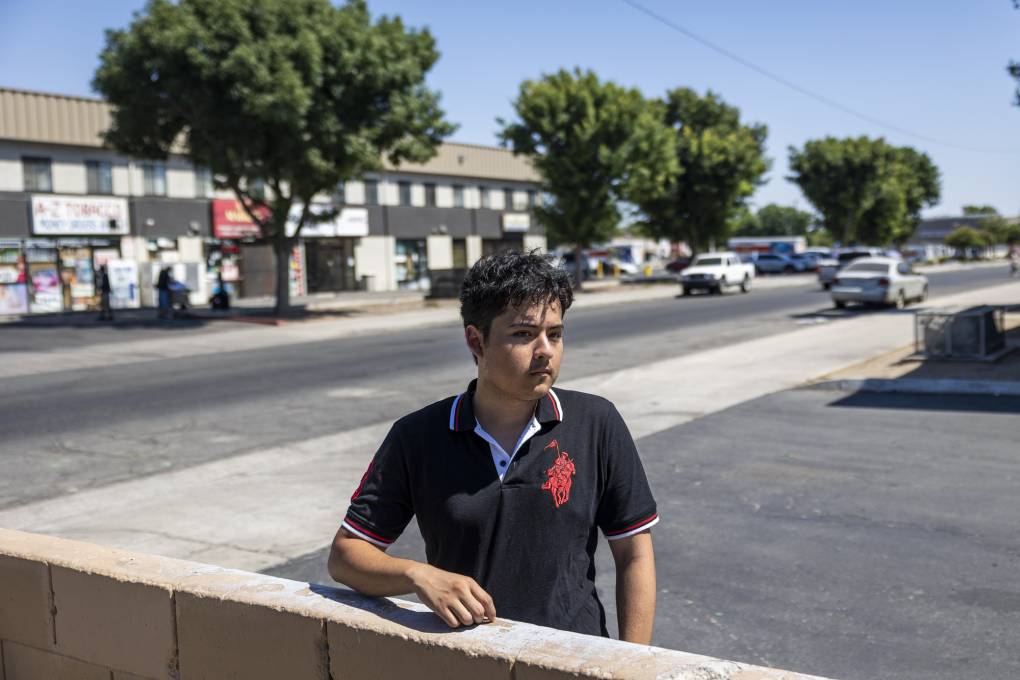
"caption": "Michael Yamamura outside his home in Fresno on July 1, 2023.",
"description": null,
"title": "Michael Yamamura outside his home in Fresno on July 1, 2023.",
"credit": "Martin do Nascimento/KQED",
"status": "inherit",
"altTag": "A person stands by a brick wall in front of a street.",
"isLoading": false,
"fetchFailed": false
},
"news_11964919": {
"type": "attachments",
"id": "news_11964919",
"meta": {
"index": "attachments_1716263798",
"site": "news",
"id": "11964919",
"found": true
},
"parent": 11969381,
"imgSizes": {
"twentyfourteen-full-width": {
"file": "https://cdn.kqed.org/wp-content/uploads/sites/10/2023/10/231017-StonecutterSilicosis-009-BL-KQED-1038x576.jpg",
"width": 1038,
"mimeType": "image/jpeg",
"height": 576
},
"thumbnail": {
"file": "https://cdn.kqed.org/wp-content/uploads/sites/10/2023/10/231017-StonecutterSilicosis-009-BL-KQED-160x107.jpg",
"width": 160,
"mimeType": "image/jpeg",
"height": 107
},
"post-thumbnail": {
"file": "https://cdn.kqed.org/wp-content/uploads/sites/10/2023/10/231017-StonecutterSilicosis-009-BL-KQED-672x372.jpg",
"width": 672,
"mimeType": "image/jpeg",
"height": 372
},
"kqedFullSize": {
"file": "https://cdn.kqed.org/wp-content/uploads/sites/10/2023/10/231017-StonecutterSilicosis-009-BL-KQED.jpg",
"width": 2000,
"height": 1333
},
"large": {
"file": "https://cdn.kqed.org/wp-content/uploads/sites/10/2023/10/231017-StonecutterSilicosis-009-BL-KQED-1020x680.jpg",
"width": 1020,
"mimeType": "image/jpeg",
"height": 680
},
"1536x1536": {
"file": "https://cdn.kqed.org/wp-content/uploads/sites/10/2023/10/231017-StonecutterSilicosis-009-BL-KQED-1536x1024.jpg",
"width": 1536,
"mimeType": "image/jpeg",
"height": 1024
},
"full-width": {
"file": "https://cdn.kqed.org/wp-content/uploads/sites/10/2023/10/231017-StonecutterSilicosis-009-BL-KQED-1920x1280.jpg",
"width": 1920,
"mimeType": "image/jpeg",
"height": 1280
},
"medium": {
"file": "https://cdn.kqed.org/wp-content/uploads/sites/10/2023/10/231017-StonecutterSilicosis-009-BL-KQED-800x533.jpg",
"width": 800,
"mimeType": "image/jpeg",
"height": 533
}
},
"publishDate": 1697674625,
"modified": 1702070442,
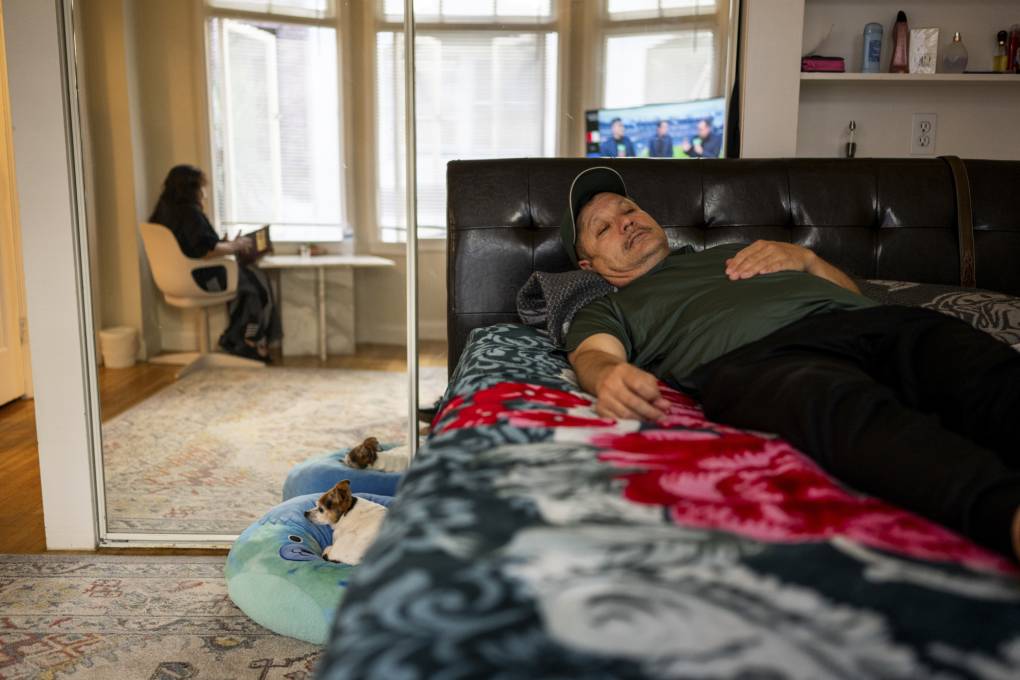
"caption": "Jorge Moreno watches soccer while his wife Maria Valencia reads the bible at their home in San Francisco on Oct. 17, 2023.",
"description": null,
"title": "231017-StonecutterSilicosis-009-BL-KQED",
"credit": "Beth LaBerge/KQED",
"status": "inherit",
"altTag": "A person wearing a baseball cap lies down on a bed.",
"isLoading": false,
"fetchFailed": false
},
"news_11968249": {
"type": "attachments",
"id": "news_11968249",
"meta": {
"index": "attachments_1716263798",
"site": "news",
"id": "11968249",
"found": true
},
"parent": 11968242,
"imgSizes": {
"twentyfourteen-full-width": {
"file": "https://ww2.kqed.org/app/uploads/sites/10/2023/11/FG_Beldin_PCT_drone_2023_09_13_0265-qut-1038x576.jpg",
"width": 1038,
"mimeType": "image/jpeg",
"height": 576
},
"thumbnail": {
"file": "https://ww2.kqed.org/app/uploads/sites/10/2023/11/FG_Beldin_PCT_drone_2023_09_13_0265-qut-160x110.jpg",
"width": 160,
"mimeType": "image/jpeg",
"height": 110
},
"post-thumbnail": {
"file": "https://ww2.kqed.org/app/uploads/sites/10/2023/11/FG_Beldin_PCT_drone_2023_09_13_0265-qut-672x372.jpg",
"width": 672,
"mimeType": "image/jpeg",
"height": 372
},
"kqedFullSize": {
"file": "https://ww2.kqed.org/app/uploads/sites/10/2023/11/FG_Beldin_PCT_drone_2023_09_13_0265-qut.jpg",
"width": 1920,
"height": 1319
},
"large": {
"file": "https://ww2.kqed.org/app/uploads/sites/10/2023/11/FG_Beldin_PCT_drone_2023_09_13_0265-qut-1020x701.jpg",
"width": 1020,
"mimeType": "image/jpeg",
"height": 701
},
"1536x1536": {
"file": "https://ww2.kqed.org/app/uploads/sites/10/2023/11/FG_Beldin_PCT_drone_2023_09_13_0265-qut-1536x1055.jpg",
"width": 1536,
"mimeType": "image/jpeg",
"height": 1055
},
"medium": {
"file": "https://ww2.kqed.org/app/uploads/sites/10/2023/11/FG_Beldin_PCT_drone_2023_09_13_0265-qut-800x550.jpg",
"width": 800,
"mimeType": "image/jpeg",
"height": 550
}
},
"publishDate": 1700689673,
"modified": 1700689786,
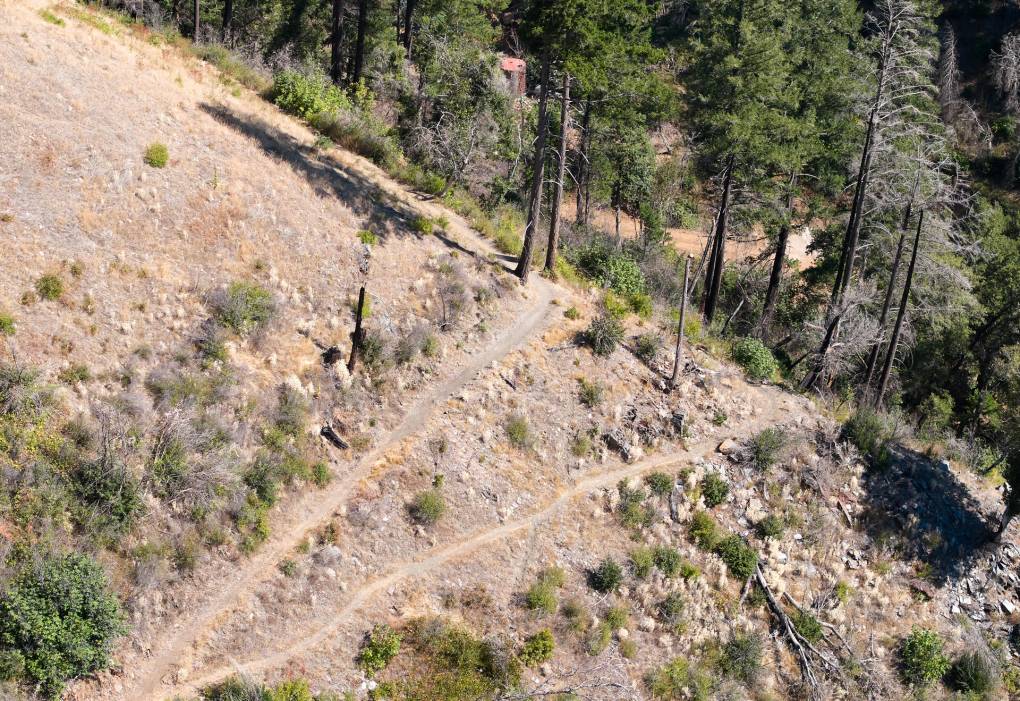
"caption": "Hikers are increasingly skipping burned sections of the Pacific Crest Trail, like this one outside Belden, California.",
"description": null,
"title": "FG_Beldin_PCT_drone_2023_09_13_0265-qut",
"credit": "Fred Greaves for KQED",
"status": "inherit",
"altTag": "looking down from above on an exposed part of a trail with burned trees in the background",
"isLoading": false,
"fetchFailed": false
},
"news_11960643": {
"type": "attachments",
"id": "news_11960643",
"meta": {
"index": "attachments_1716263798",
"site": "news",
"id": "11960643",
"found": true
},
"parent": 0,
"imgSizes": {
"twentyfourteen-full-width": {
"file": "https://ww2.kqed.org/app/uploads/sites/10/2023/09/091023-LUCYS-GORDITAS-MD-04-KQED-1038x576.jpg",
"width": 1038,
"mimeType": "image/jpeg",
"height": 576
},
"thumbnail": {
"file": "https://ww2.kqed.org/app/uploads/sites/10/2023/09/091023-LUCYS-GORDITAS-MD-04-KQED-160x107.jpg",
"width": 160,
"mimeType": "image/jpeg",
"height": 107
},
"post-thumbnail": {
"file": "https://ww2.kqed.org/app/uploads/sites/10/2023/09/091023-LUCYS-GORDITAS-MD-04-KQED-672x372.jpg",
"width": 672,
"mimeType": "image/jpeg",
"height": 372
},
"kqedFullSize": {
"file": "https://ww2.kqed.org/app/uploads/sites/10/2023/09/091023-LUCYS-GORDITAS-MD-04-KQED.jpg",
"width": 2000,
"height": 1333
},
"large": {
"file": "https://ww2.kqed.org/app/uploads/sites/10/2023/09/091023-LUCYS-GORDITAS-MD-04-KQED-1020x680.jpg",
"width": 1020,
"mimeType": "image/jpeg",
"height": 680
},
"1536x1536": {
"file": "https://ww2.kqed.org/app/uploads/sites/10/2023/09/091023-LUCYS-GORDITAS-MD-04-KQED-1536x1024.jpg",
"width": 1536,
"mimeType": "image/jpeg",
"height": 1024
},
"full-width": {
"file": "https://ww2.kqed.org/app/uploads/sites/10/2023/09/091023-LUCYS-GORDITAS-MD-04-KQED-1920x1280.jpg",
"width": 1920,
"mimeType": "image/jpeg",
"height": 1280
},
"medium": {
"file": "https://ww2.kqed.org/app/uploads/sites/10/2023/09/091023-LUCYS-GORDITAS-MD-04-KQED-800x533.jpg",
"width": 800,
"mimeType": "image/jpeg",
"height": 533
}
},
"publishDate": 1694463276,
"modified": 1700688167,
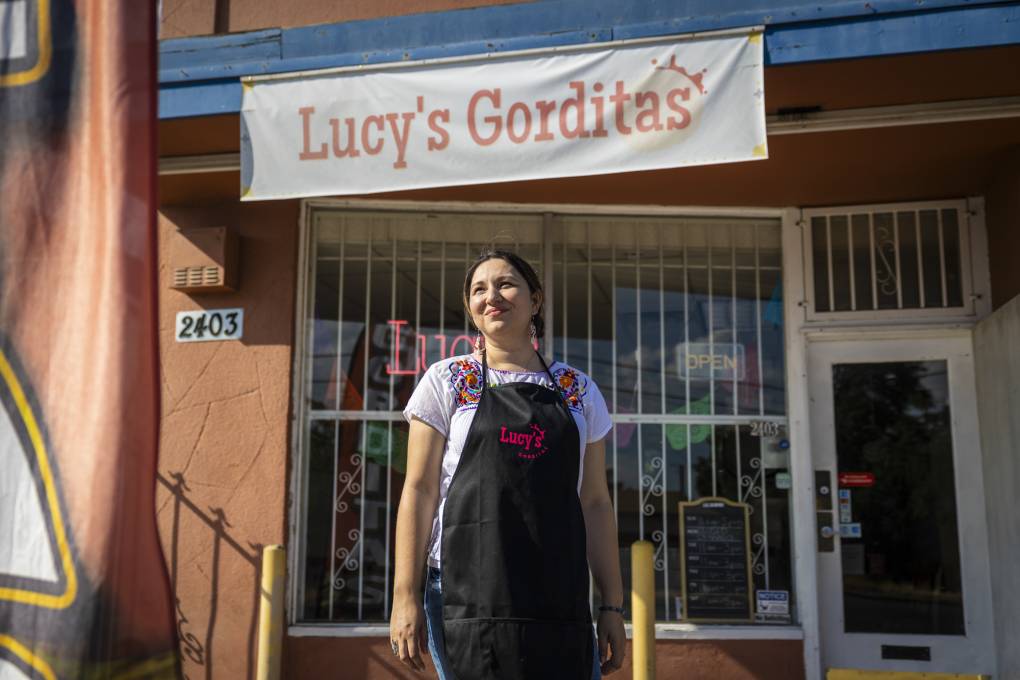
"caption": "Lizett Lopez in front of Lucy's Gorditas in Fresno on Sept. 11, 2023.",
"description": null,
"title": "Lizett Lopez in front of Lucy's Gorditas in Fresno on Sept. 11. 2023.",
"credit": "Martin do Nascimento/KQED",
"status": "inherit",
"altTag": "A woman wearing a white shirt with an apron that says \"Lucy's\" stands in front of building that has a sign that reads \"Lucy's Gorditas.\"",
"isLoading": false,
"fetchFailed": false
},
"news_11960227": {
"type": "attachments",
"id": "news_11960227",
"meta": {
"index": "attachments_1716263798",
"site": "news",
"id": "11960227",
"found": true
},
"parent": 0,
"imgSizes": {
"twentyfourteen-full-width": {
"file": "https://ww2.kqed.org/app/uploads/sites/10/2023/09/RS68665_230901-CentralValleyClimateSolutions-40-BL-KQED-1038x576.jpg",
"width": 1038,
"mimeType": "image/jpeg",
"height": 576
},
"thumbnail": {
"file": "https://ww2.kqed.org/app/uploads/sites/10/2023/09/RS68665_230901-CentralValleyClimateSolutions-40-BL-KQED-160x107.jpg",
"width": 160,
"mimeType": "image/jpeg",
"height": 107
},
"post-thumbnail": {
"file": "https://ww2.kqed.org/app/uploads/sites/10/2023/09/RS68665_230901-CentralValleyClimateSolutions-40-BL-KQED-672x372.jpg",
"width": 672,
"mimeType": "image/jpeg",
"height": 372
},
"kqedFullSize": {
"file": "https://ww2.kqed.org/app/uploads/sites/10/2023/09/RS68665_230901-CentralValleyClimateSolutions-40-BL-KQED.jpg",
"width": 2000,
"height": 1333
},
"large": {
"file": "https://ww2.kqed.org/app/uploads/sites/10/2023/09/RS68665_230901-CentralValleyClimateSolutions-40-BL-KQED-1020x680.jpg",
"width": 1020,
"mimeType": "image/jpeg",
"height": 680
},
"1536x1536": {
"file": "https://ww2.kqed.org/app/uploads/sites/10/2023/09/RS68665_230901-CentralValleyClimateSolutions-40-BL-KQED-1536x1024.jpg",
"width": 1536,
"mimeType": "image/jpeg",
"height": 1024
},
"full-width": {
"file": "https://ww2.kqed.org/app/uploads/sites/10/2023/09/RS68665_230901-CentralValleyClimateSolutions-40-BL-KQED-1920x1280.jpg",
"width": 1920,
"mimeType": "image/jpeg",
"height": 1280
},
"medium": {
"file": "https://ww2.kqed.org/app/uploads/sites/10/2023/09/RS68665_230901-CentralValleyClimateSolutions-40-BL-KQED-800x533.jpg",
"width": 800,
"mimeType": "image/jpeg",
"height": 533
}
},
"publishDate": 1694030988,
"modified": 1699570919,
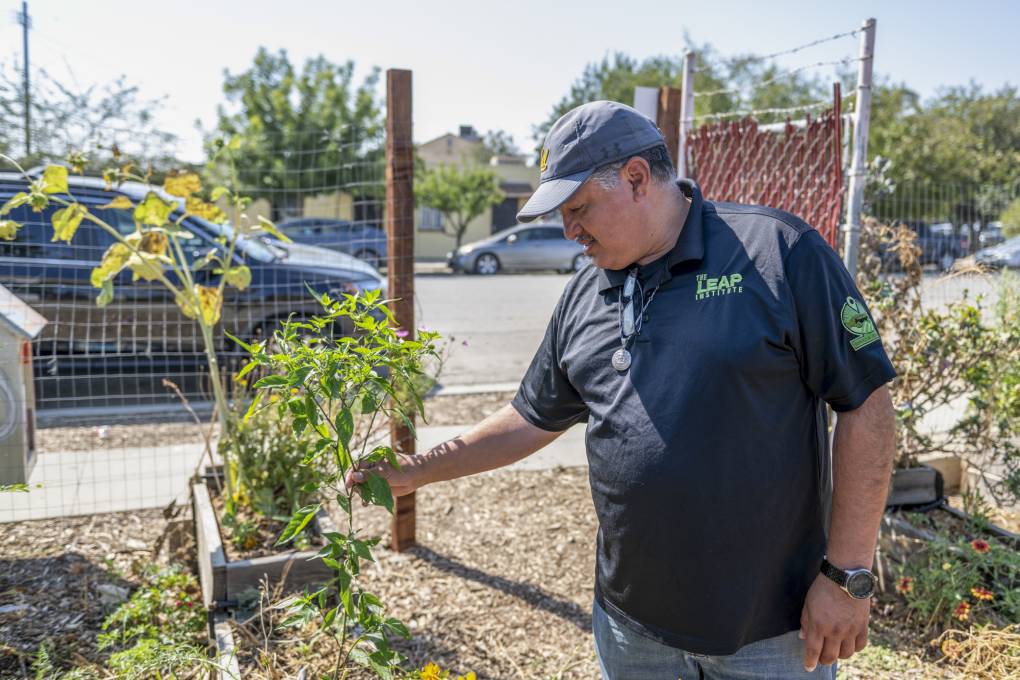
"caption": "Huron Mayor Rey León walks through a community garden and compost hub run by the Latino Equity Advocacy & Policy Institute offices, known as LEAP, in Huron, Calif., on Sept. 1, 2023.",
"description": null,
"title": "RS68665_230901-CentralValleyClimateSolutions-40-BL-KQED",
"credit": "Beth LaBerge/KQED",
"status": "inherit",
"altTag": "A person with a mustache wearing a baseball cap looks at a plant in a garden.",
"isLoading": false,
"fetchFailed": false
}
},
"audioPlayerReducer": {
"postId": "stream_live",
"isPaused": true,
"isPlaying": false,
"pfsActive": false,
"pledgeModalIsOpen": true,
"playerDrawerIsOpen": false,
"liveAudioPlayStartedAt": 0,
"liveAudioPlayContext": ""
},
"authorsReducer": {
"byline_news_11991163": {
"type": "authors",
"id": "byline_news_11991163",
"meta": {
"override": true
},
"slug": "byline_news_11991163",
"name": "Celeste Hamilton Dennis ",
"isLoading": false
},
"byline_news_11968238": {
"type": "authors",
"id": "byline_news_11968238",
"meta": {
"override": true
},
"slug": "byline_news_11968238",
"name": "Olivia Zhao",
"isLoading": false
},
"kqed": {
"type": "authors",
"id": "236",
"meta": {
"index": "authors_1716337520",
"id": "236",
"found": true
},
"name": "KQED News Staff",
"firstName": "KQED News Staff",
"lastName": null,
"slug": "kqed",
"email": "faq@kqed.org",
"display_author_email": false,
"staff_mastheads": [],
"title": null,
"bio": null,
"avatar": "https://secure.gravatar.com/avatar/ef0e801a68c4c54afa9180db14084167?s=600&d=blank&r=g",
"twitter": null,
"facebook": null,
"instagram": null,
"linkedin": null,
"sites": [
{
"site": "arts",
"roles": [
"contributor"
]
},
{
"site": "news",
"roles": [
"editor"
]
},
{
"site": "futureofyou",
"roles": [
"author"
]
}
],
"headData": {
"title": "KQED News Staff | KQED",
"description": null,
"ogImgSrc": "https://secure.gravatar.com/avatar/ef0e801a68c4c54afa9180db14084167?s=600&d=blank&r=g",
"twImgSrc": "https://secure.gravatar.com/avatar/ef0e801a68c4c54afa9180db14084167?s=600&d=blank&r=g"
},
"isLoading": false,
"link": "/author/kqed"
},
"tychehendricks": {
"type": "authors",
"id": "259",
"meta": {
"index": "authors_1716337520",
"id": "259",
"found": true
},
"name": "Tyche Hendricks",
"firstName": "Tyche",
"lastName": "Hendricks",
"slug": "tychehendricks",
"email": "thendricks@kqed.org",
"display_author_email": true,
"staff_mastheads": [
"news"
],
"title": "KQED Senior Editor, Immigration",
"bio": "\u003cspan style=\"font-weight: 400;\">Tyche Hendricks is KQED’s senior editor for immigration, leading coverage of the policy and politics that affect California’s immigrant communities. Her work for KQED’s radio and online audiences is also carried on NPR and other national outlets. She has been recognized with awards from the Radio and Television News Directors Association, the Society for Professional Journalists; the Education Writers Association; the Best of the West and the National Federation of Community Broadcasters. Before joining KQED in 2010, Tyche spent more than a dozen years as a newspaper reporter, notably at the \u003c/span>\u003ci>\u003cspan style=\"font-weight: 400;\">San Francisco Chronicle\u003c/span>\u003c/i>\u003cspan style=\"font-weight: 400;\">. At different times she has covered criminal justice, government and politics and urban planning. Tyche has taught in the MFA Creative Writing program at the University of San Francisco and at UC Berkeley’s Graduate School of Journalism, where she was co-director of a national immigration symposium for professional journalists. She is the author of \u003c/span>\u003ci>\u003cspan style=\"font-weight: 400;\">The Wind Doesn't Need a Passport: Stories from the U.S.-Mexico Borderlands\u003c/span>\u003c/i>\u003cspan style=\"font-weight: 400;\"> (University of California Press). \u003c/span>",
"avatar": "https://secure.gravatar.com/avatar/b8ee458e2731c2d43df86882ce17267e?s=600&d=blank&r=g",
"twitter": "tychehendricks",
"facebook": null,
"instagram": null,
"linkedin": null,
"sites": [
{
"site": "news",
"roles": [
"editor"
]
},
{
"site": "stateofhealth",
"roles": [
"editor"
]
}
],
"headData": {
"title": "Tyche Hendricks | KQED",
"description": "KQED Senior Editor, Immigration",
"ogImgSrc": "https://secure.gravatar.com/avatar/b8ee458e2731c2d43df86882ce17267e?s=600&d=blank&r=g",
"twImgSrc": "https://secure.gravatar.com/avatar/b8ee458e2731c2d43df86882ce17267e?s=600&d=blank&r=g"
},
"isLoading": false,
"link": "/author/tychehendricks"
},
"vrancano": {
"type": "authors",
"id": "11276",
"meta": {
"index": "authors_1716337520",
"id": "11276",
"found": true
},
"name": "Vanessa Rancaño",
"firstName": "Vanessa",
"lastName": "Rancaño",
"slug": "vrancano",
"email": "vrancano@kqed.org",
"display_author_email": false,
"staff_mastheads": [
"news"
],
"title": "Reporter",
"bio": "Vanessa Rancaño is a features reporter for KQED. She’s also covered homelessness and education for the station and reported from the Central Valley. Her work has aired across public radio, from flagship national news shows to longform narrative podcasts. Before taking up a mic, she worked as a freelance print journalist. She’s been recognized with a number of national and regional awards. Vanessa grew up in California's Central Valley. She's a former NPR Kroc Fellow, and a graduate of the UC Berkeley Graduate School of Journalism.",
"avatar": "https://secure.gravatar.com/avatar/b3a383dfb0e7ee1c17568f2cf067904ab654d6e3de9743fc661f3c788ade1bed?s=600&d=blank&r=g",
"twitter": "vanessarancano",
"bluesky": null,
"facebook": null,
"instagram": null,
"linkedin": null,
"sites": [
{
"site": "arts",
"roles": [
"editor"
]
},
{
"site": "news",
"roles": [
"editor"
]
},
{
"site": "liveblog",
"roles": [
"contributor"
]
}
],
"headData": {
"title": "Vanessa Rancaño | KQED",
"description": "Reporter",
"ogImgSrc": "https://secure.gravatar.com/avatar/b3a383dfb0e7ee1c17568f2cf067904ab654d6e3de9743fc661f3c788ade1bed?s=600&d=blank&r=g",
"twImgSrc": "https://secure.gravatar.com/avatar/b3a383dfb0e7ee1c17568f2cf067904ab654d6e3de9743fc661f3c788ade1bed?s=600&d=blank&r=g"
},
"isLoading": false,
"link": "/author/vrancano"
},
"kmizuguchi": {
"type": "authors",
"id": "11739",
"meta": {
"index": "authors_1716337520",
"id": "11739",
"found": true
},
"name": "Keith Mizuguchi",
"firstName": "Keith",
"lastName": "Mizuguchi",
"slug": "kmizuguchi",
"email": "kmizuguchi@kqed.org",
"display_author_email": false,
"staff_mastheads": [],
"title": "KQED Contributor",
"bio": null,
"avatar": "https://secure.gravatar.com/avatar/64d8a7de0723d4099b9fe4e915136103febcc20809abce228ee4415bcb237023?s=600&d=blank&r=g",
"twitter": null,
"bluesky": null,
"facebook": null,
"instagram": null,
"linkedin": null,
"sites": [
{
"site": "news",
"roles": [
"editor"
]
},
{
"site": "science",
"roles": [
"editor"
]
}
],
"headData": {
"title": "Keith Mizuguchi | KQED",
"description": "KQED Contributor",
"ogImgSrc": "https://secure.gravatar.com/avatar/64d8a7de0723d4099b9fe4e915136103febcc20809abce228ee4415bcb237023?s=600&d=blank&r=g",
"twImgSrc": "https://secure.gravatar.com/avatar/64d8a7de0723d4099b9fe4e915136103febcc20809abce228ee4415bcb237023?s=600&d=blank&r=g"
},
"isLoading": false,
"link": "/author/kmizuguchi"
},
"wcruz": {
"type": "authors",
"id": "11877",
"meta": {
"index": "authors_1716337520",
"id": "11877",
"found": true
},
"name": "Billy Cruz",
"firstName": "Billy",
"lastName": "Cruz",
"slug": "wcruz",
"email": "wcruz@KQED.org",
"display_author_email": false,
"staff_mastheads": [
"news"
],
"title": null,
"bio": null,
"avatar": "https://secure.gravatar.com/avatar/f19b14c4121ba9ba1e03e99eec83488517a34ef9e0f144abe8f5212c35f37684?s=600&d=blank&r=g",
"twitter": null,
"bluesky": null,
"facebook": null,
"instagram": null,
"linkedin": null,
"sites": [
{
"site": "news",
"roles": [
"editor"
]
}
],
"headData": {
"title": "Billy Cruz | KQED",
"description": null,
"ogImgSrc": "https://secure.gravatar.com/avatar/f19b14c4121ba9ba1e03e99eec83488517a34ef9e0f144abe8f5212c35f37684?s=600&d=blank&r=g",
"twImgSrc": "https://secure.gravatar.com/avatar/f19b14c4121ba9ba1e03e99eec83488517a34ef9e0f144abe8f5212c35f37684?s=600&d=blank&r=g"
},
"isLoading": false,
"link": "/author/wcruz"
},
"mbolanos": {
"type": "authors",
"id": "11895",
"meta": {
"index": "authors_1716337520",
"id": "11895",
"found": true
},
"name": "Madi Bolaños",
"firstName": "Madi",
"lastName": "Bolaños",
"slug": "mbolanos",
"email": "mbolanos@kqed.org",
"display_author_email": false,
"staff_mastheads": [],
"title": "KQED Contributor",
"bio": null,
"avatar": "https://secure.gravatar.com/avatar/e6df5601c1f2d951e46a3fb42764330f?s=600&d=blank&r=g",
"twitter": null,
"bluesky": null,
"facebook": null,
"instagram": null,
"linkedin": null,
"sites": [
{
"site": "news",
"roles": [
"author"
]
}
],
"headData": {
"title": "Madi Bolaños | KQED",
"description": "KQED Contributor",
"ogImgSrc": "https://secure.gravatar.com/avatar/e6df5601c1f2d951e46a3fb42764330f?s=600&d=blank&r=g",
"twImgSrc": "https://secure.gravatar.com/avatar/e6df5601c1f2d951e46a3fb42764330f?s=600&d=blank&r=g"
},
"isLoading": false,
"link": "/author/mbolanos"
}
},
"pagesReducer": {
"news_tag_fresno": {
"type": "terms",
"id": "news_37",
"meta": {
"index": "terms_1716263798",
"site": "news",
"id": "37",
"score": 9.103885
},
"featImg": null,
"name": "Fresno",
"description": null,
"taxonomy": "tag",
"headData": {
"twImgId": null,
"twTitle": null,
"ogTitle": null,
"ogImgId": null,
"twDescription": null,
"description": null,
"title": "Fresno Archives | KQED News",
"ogDescription": null
},
"ttid": 37,
"slug": "fresno",
"isLoading": false,
"title": "Fresno",
"pageMeta": {
"site": "news",
"WpPageTemplate": "page-topic-editorial",
"currentPage": 2
},
"blocks": [
{
"blockName": "kqed/post-list",
"attrs": {
"layout": "cardArticle2",
"query": "posts/news?tag=fresno",
"seeMore": false,
"paginated": true,
"page": 2
}
},
{
"blockName": "kqed/ad"
}
]
}
},
"pfsSessionReducer": {},
"postsReducer": {
"stream_live": {
"type": "live",
"id": "stream_live",
"audioUrl": "https://streams.kqed.org/kqedradio",
"title": "Live Stream",
"excerpt": "Live Stream information currently unavailable.",
"link": "/radio",
"featImg": "",
"label": {
"name": "KQED Live",
"link": "/"
}
},
"stream_kqedNewscast": {
"type": "posts",
"id": "stream_kqedNewscast",
"audioUrl": "https://www.kqed.org/.stream/anon/radio/RDnews/newscast.mp3?_=1",
"title": "KQED Newscast",
"featImg": "",
"label": {
"name": "88.5 FM",
"link": "/"
}
},
"news_12019589": {
"type": "posts",
"id": "news_12019589",
"meta": {
"index": "posts_1716263798",
"site": "news",
"id": "12019589",
"score": null,
"sort": [
1735052402000
]
},
"guestAuthors": [],
"slug": "christmas-tree-lane-a-longtime-holiday-tradition-in-fresno",
"title": "Christmas Tree Lane A Longtime Holiday Tradition In Fresno",
"publishDate": 1735052402,
"format": "audio",
"headTitle": "Christmas Tree Lane A Longtime Holiday Tradition In Fresno | KQED",
"labelTerm": {},
"content": "\u003cp>\u003cb>Here are the morning’s top stories on Tuesday, December 24, 2024…\u003c/b>\u003c/p>\n\u003cul>\n\u003cli>\u003cspan style=\"font-weight: 400\">If you grew up here in California, you’ve likely visited a neighborhood that goes all out for Christmas. We’re talking decorations on the roof in the front yard and lining the street. In Fresno, that neighborhood is known as \u003c/span>\u003ca href=\"https://www.christmastreelane.com/\">\u003cspan style=\"font-weight: 400\">Christmas Tree Lane\u003c/span>\u003c/a>\u003cspan style=\"font-weight: 400\"> during the holidays. Groups of families or friends get in their cars and drive down the street, blasting the Christmas radio station. Or they pick one of the walking days, stop at the Starbucks just outside the neighborhood, and walk the lane to really soak up its Christmas magic. It’s a tradition that spans decades.\u003c/span>\u003c/li>\n\u003c/ul>\n\u003ch2>\u003cstrong>Christmas Tree Lane In Fresno Brings Visitors From Near And Far\u003c/strong>\u003c/h2>\n\u003cp>Since 1920, Fresno’s Christmas Tree Lane has brightened part of the Central Valley city. Dean Alexander runs the current version of Christmas Tree Lane.\u003c/p>\n\u003cp>“Billy Winning, he was a freshman in high school. And back then, they didn’t have PG&E. They had a power plant in the back of their house. And he was back there and he slipped and fell and he died. And so he died in 1919. And so May Winning in 1920 to memorialize his death, she decorated a tree. And that’s how it started,” said Alexander. “So she decorated a tree in memory of him. And then in 1922 or 21 is when the action and the other neighbors started doing the tree. And then it went on from there. Only two years we went dark is 1941 because of the war. And then 1973, the energy crisis, we went dark. But since then, we’ve been having our lane and this is our 102nd year running the lane.”\u003c/p>\n\u003cp>Visitors can drive the two mile stretch of North Van Ness Boulevard and there are also designated walk-only nights.\u003c/p>\n\u003cp> \u003c/p>\n\u003cp>[ad fullwidth]\u003c/p>\u003cp>\u003c/p>\n",
"blocks": [],
"excerpt": "The annual holiday tradition has been around since 1920.",
"status": "publish",
"parent": 0,
"modified": 1734978531,
"stats": {
"hasAudio": false,
"hasVideo": false,
"hasChartOrMap": false,
"iframeSrcs": [],
"hasGoogleForm": false,
"hasGallery": false,
"hasHearkenModule": false,
"hasPolis": false,
"paragraphCount": 6,
"wordCount": 329
},
"headData": {
"title": "Christmas Tree Lane A Longtime Holiday Tradition In Fresno | KQED",
"description": "The annual holiday tradition has been around since 1920.",
"ogTitle": "",
"ogDescription": "",
"ogImgId": "",
"twTitle": "",
"twDescription": "",
"twImgId": "",
"schema": {
"@context": "https://schema.org",
"@type": "NewsArticle",
"headline": "Christmas Tree Lane A Longtime Holiday Tradition In Fresno",
"datePublished": "2024-12-24T07:00:02-08:00",
"dateModified": "2024-12-23T10:28:51-08:00",
"image": "https://cdn.kqed.org/wp-content/uploads/2020/02/KQED-OG-Image@1x.png",
"isAccessibleForFree": "True",
"publisher": {
"@type": "NewsMediaOrganization",
"@id": "https://www.kqed.org/#organization",
"name": "KQED",
"logo": "https://cdn.kqed.org/wp-content/uploads/2020/02/KQED-OG-Image@1x.png",
"url": "https://www.kqed.org",
"sameAs": [
"https://www.facebook.com/KQED",
"https://twitter.com/KQED",
"https://www.instagram.com/kqed/",
"https://www.tiktok.com/@kqedofficial",
"https://www.linkedin.com/company/kqed",
"https://www.youtube.com/channel/UCeC0IOo7i1P_61zVUWbJ4nw"
]
}
}
},
"source": "The California Report",
"sourceUrl": "https://www.kqed.org/news/tag/tcrarchive/",
"audioUrl": "https://www.podtrac.com/pts/redirect.mp3/chrt.fm/track/G6C7C3/traffic.megaphone.fm/KQINC4685617024.mp3?updated=1734976567",
"sticky": false,
"excludeFromSiteSearch": "Include",
"articleAge": "0",
"path": "/news/12019589/christmas-tree-lane-a-longtime-holiday-tradition-in-fresno",
"audioTrackLength": null,
"parsedContent": [
{
"type": "contentString",
"content": "\u003cdiv class=\"post-body\">\u003cp>\u003cp>\u003cb>Here are the morning’s top stories on Tuesday, December 24, 2024…\u003c/b>\u003c/p>\n\u003cul>\n\u003cli>\u003cspan style=\"font-weight: 400\">If you grew up here in California, you’ve likely visited a neighborhood that goes all out for Christmas. We’re talking decorations on the roof in the front yard and lining the street. In Fresno, that neighborhood is known as \u003c/span>\u003ca href=\"https://www.christmastreelane.com/\">\u003cspan style=\"font-weight: 400\">Christmas Tree Lane\u003c/span>\u003c/a>\u003cspan style=\"font-weight: 400\"> during the holidays. Groups of families or friends get in their cars and drive down the street, blasting the Christmas radio station. Or they pick one of the walking days, stop at the Starbucks just outside the neighborhood, and walk the lane to really soak up its Christmas magic. It’s a tradition that spans decades.\u003c/span>\u003c/li>\n\u003c/ul>\n\u003ch2>\u003cstrong>Christmas Tree Lane In Fresno Brings Visitors From Near And Far\u003c/strong>\u003c/h2>\n\u003cp>Since 1920, Fresno’s Christmas Tree Lane has brightened part of the Central Valley city. Dean Alexander runs the current version of Christmas Tree Lane.\u003c/p>\n\u003cp>“Billy Winning, he was a freshman in high school. And back then, they didn’t have PG&E. They had a power plant in the back of their house. And he was back there and he slipped and fell and he died. And so he died in 1919. And so May Winning in 1920 to memorialize his death, she decorated a tree. And that’s how it started,” said Alexander. “So she decorated a tree in memory of him. And then in 1922 or 21 is when the action and the other neighbors started doing the tree. And then it went on from there. Only two years we went dark is 1941 because of the war. And then 1973, the energy crisis, we went dark. But since then, we’ve been having our lane and this is our 102nd year running the lane.”\u003c/p>\n\u003cp>Visitors can drive the two mile stretch of North Van Ness Boulevard and there are also designated walk-only nights.\u003c/p>\n\u003cp> \u003c/p>\n\u003cp>\u003c/p>\u003c/div>",
"attributes": {
"named": {},
"numeric": []
}
},
{
"type": "component",
"content": "",
"name": "ad",
"attributes": {
"named": {
"label": "fullwidth"
},
"numeric": [
"fullwidth"
]
}
},
{
"type": "contentString",
"content": "\u003cdiv class=\"post-body\">\u003cp>\u003c/p>\u003cp>\u003c/p>\n\u003c/div>\u003c/p>",
"attributes": {
"named": {},
"numeric": []
}
}
],
"link": "/news/12019589/christmas-tree-lane-a-longtime-holiday-tradition-in-fresno",
"authors": [
"11739"
],
"programs": [
"news_72"
],
"categories": [
"news_33520",
"news_34018"
],
"tags": [
"news_37",
"news_20138",
"news_21998",
"news_21268"
],
"featImg": "news_12019590",
"label": "source_news_12019589"
},
"news_12009058": {
"type": "posts",
"id": "news_12009058",
"meta": {
"index": "posts_1716263798",
"site": "news",
"id": "12009058",
"score": null,
"sort": [
1728666063000
]
},
"guestAuthors": [],
"slug": "fresno-landlord-hopes-her-home-can-be-model-to-end-barriers-for-housing",
"title": "Fresno Landlord Hopes Her Home Can Be Model To End Barriers For Housing",
"publishDate": 1728666063,
"format": "standard",
"headTitle": "Fresno Landlord Hopes Her Home Can Be Model To End Barriers For Housing | KQED",
"labelTerm": {},
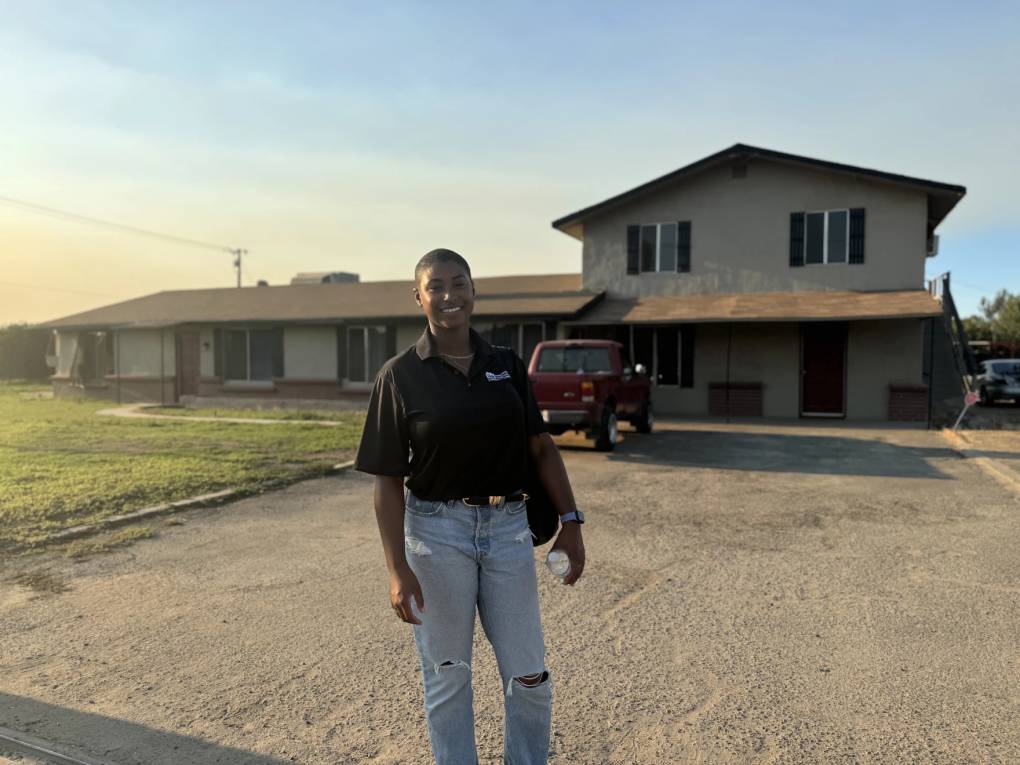
"content": "\u003cp>\u003cb>Here are the morning’s top stories on Friday, October 11, 2024…\u003c/b>\u003c/p>\n\u003cul>\n\u003cli style=\"font-weight: 400\">\u003cspan style=\"font-weight: 400\">Last month, a Fresno County ordinance went into effect that prohibits people from sleeping or camping on public property. So where will the city’s thousands of unhoused people go next? An \u003c/span>\u003ca href=\"https://www.kvpr.org/community/2024-10-07/its-easy-to-start-your-life-again-a-fresno-programs-novel-approach-to-house-the-unhoused\">\u003cspan style=\"font-weight: 400\">untraditional program\u003c/span>\u003c/a>\u003cspan style=\"font-weight: 400\"> is attempting to reduce some barriers to housing. \u003c/span>\u003c/li>\n\u003cli style=\"font-weight: 400\">\u003cspan style=\"font-weight: 400\">A federal judge this week \u003c/span>\u003ca href=\"https://laist.com/news/housing-homelessness/los-angeles-veteran-homelessness-west-la-va-campus-judge-carter-housing\">\u003cspan style=\"font-weight: 400\">ordered a much faster timeline\u003c/span>\u003c/a>\u003cspan style=\"font-weight: 400\"> to add homes for unhoused veterans on the sprawling West L.A. VA campus, directing officials to add dozens of pre-built tiny homes before winter and hundreds by spring.\u003c/span>\u003c/li>\n\u003cli>The Deferred Action for Childhood Arrivals program, also known as DACA, gives protection from deportation to more than half a million undocumented immigrants who entered the U.S. as kids, including tens of thousands in California. The latest in a series of legal battles over the program \u003ca href=\"https://www.keranews.org/texas-news/2024-10-10/texas-makes-another-push-in-federal-court-to-end-popular-daca-program\">came Thursday\u003c/a> in a federal appeals court.\u003c/li>\n\u003c/ul>\n\u003ch2 class=\"ArtP-headline\">\u003ca href=\"https://www.kvpr.org/community/2024-10-07/its-easy-to-start-your-life-again-a-fresno-programs-novel-approach-to-house-the-unhoused\">\u003cstrong>A Fresno Program’s Novel Approach To House The Unhoused\u003c/strong>\u003c/a>\u003c/h2>\n\u003cp>The Independent Living Association (ILA), got its start in San Diego in 2012 as part of another organization known as Community Health Improvement Partners. With funding from the state Mental Health Services Act, the program expanded into Alameda, Santa Clara and Fresno counties. Operations in Alameda and Santa Clara shuttered earlier this year due to lack of funding. The program follows what’s called a “\u003ca class=\"Link\" href=\"https://www.hcd.ca.gov/grants-funding/active-funding/docs/housing-first-fact-sheet.pdf\" target=\"_blank\" rel=\"noopener\" data-cms-ai=\"0\">\u003cu>housing first model\u003c/u>\u003c/a>,” a housing strategy that prioritizes secure shelter ahead of other additional resources.\u003c/p>\n\u003cp>Rizpah Bellard is a rancher in West Fresno with a huge property. Seven-and-a-half baths. Two living rooms. Fourteen bedrooms. She’s now known as an “operator,” through the ILA, often renting to people who have psychiatric conditions or disabilities, like schizophrenia, bipolar disorder, and PTSD. According to Bellard, many of her tenants were at risk of becoming homeless – or already were – before moving in.\u003c/p>\n\u003cp>A month after the city and county of Fresno began enforcing an anti-camping ordinance, the city’s nearly 4,500 unhoused residents are \u003ca class=\"Link\" href=\"https://fresnoland.org/2024/09/13/homeless-encampment/\" target=\"_blank\" rel=\"noopener\" data-cms-ai=\"0\">\u003cu>looking for where to go next\u003c/u>\u003c/a>. Programs like the one Bellard helps run are just one of the options around.\u003c/p>\n\u003ch2 class=\"ArticlePage-headline\">\u003ca href=\"https://laist.com/news/housing-homelessness/los-angeles-veteran-homelessness-west-la-va-campus-judge-carter-housing\">\u003cstrong>Citing Veteran Homelessness ‘Emergency,’ Judge Orders Housing Built Faster At VA Campus\u003c/strong>\u003c/a>\u003c/h2>\n\u003cp>A federal judge this week ordered a much faster timeline to add homes for unhoused veterans on the sprawling West L.A. VA campus, directing officials to add dozens of pre-built tiny homes before winter and hundreds by spring. It comes amid a brewing showdown between the judge and UCLA over his shutdown of the university’s baseball stadium there.\u003c/p>\n\u003cp>[ad fullwidth]\u003c/p>\n\u003cp>“This is an emergency. It’s as simple as that. It demands our attention every single day until we reach an agreement or an impasse,” U.S. District Judge David O. Carter said at a hearing Monday where he issued the new orders.\u003c/p>\n\u003cp>Following up on \u003ca class=\"Link\" href=\"https://laist.com/news/housing-homelessness/judge-orders-thousands-more-homes-in-la-for-unhoused-veterans\" data-cms-ai=\"0\">a broader ruling last month following a trial\u003c/a>, Carter issued two emergency orders Monday to speed up the creation of temporary “modular” housing on the campus — essentially, tiny homes that are built ahead of time in factories. \u003ca class=\"Link\" href=\"https://www.cacd.uscourts.gov/sites/default/files/22-08357%20emergency%20order%202-filed.pdf\" target=\"_blank\" rel=\"noopener\" data-cms-ai=\"0\">\u003cu>One order\u003c/u>\u003c/a> requires the VA to hire a vendor within 30 days that would install 50 homes within a month and a half of being hired, and install 200 to 300 homes within 120 days of being hired. The second order requires VA officials to provide him with information by Friday to help decide where temporary homes can be built on the campus. Specifically, he ordered information on what kind of utilities — like water and power — exist on several parcels of land there, including UCLA’s baseball stadium.\u003c/p>\n\u003ch2 class=\"ArtP-headline\">\u003ca href=\"https://www.keranews.org/texas-news/2024-10-10/texas-makes-another-push-in-federal-court-to-end-popular-daca-program\">\u003cstrong>Texas Makes Another Push In Federal Court To End DACA Program\u003c/strong>\u003c/a>\u003c/h2>\n\u003cp>The fate of tens of thousands of immigrants legally living and working in the U.S., including in California, could hinge on arguments presented to a panel of federal judges Thursday in New Orleans.\u003c/p>\n\u003cp>The hearing before the Fifth Circuit of Appeals was the state of Texas’ latest attempt to end the popular and controversial Deferred Action for Childhood Arrivals program, commonly called DACA, that began in 2012. The program grants some young, undocumented immigrants a reprieve from deportation and a two-year work permit.\u003c/p>\n\u003cp>\u003c/p>\n\u003cp>Texas \u003ca class=\"Link\" href=\"https://www.keranews.org/texas-news/2023-02-01/texas-ken-paxton-files-motion-to-stop-daca-immigration-program\" target=\"_blank\" rel=\"noopener\" data-cms-ai=\"0\">has argued\u003c/a> it’s suffered irreparable harm under DACA because of the costs incurred to educate and provide medical care for undocumented immigrants in the program. Nina Perales, the vice president of litigation for MALDEF, said Texas hasn’t proven that burden and could be cherry picking its data.\u003c/p>\n\n",
"blocks": [],
"excerpt": null,
"status": "publish",
"parent": 0,
"modified": 1740516966,
"stats": {
"hasAudio": false,
"hasVideo": false,
"hasChartOrMap": false,
"iframeSrcs": [],
"hasGoogleForm": false,
"hasGallery": false,
"hasHearkenModule": false,
"hasPolis": false,
"paragraphCount": 12,
"wordCount": 778
},
"headData": {
"title": "Fresno Landlord Hopes Her Home Can Be Model To End Barriers For Housing | KQED",
"description": "Here are the morning's top stories on Friday, October 11, 2024… Last month, a Fresno County ordinance went into effect that prohibits people from sleeping or camping on public property. So where will the city’s thousands of unhoused people go next? An untraditional program is attempting to reduce some barriers to housing. A federal judge this week ordered a much faster timeline to add homes for unhoused veterans on the sprawling West L.A. VA campus, directing officials to add dozens of pre-built tiny homes before winter and hundreds by spring. The Deferred Action for Childhood Arrivals program, also known as",
"ogTitle": "",
"ogDescription": "",
"ogImgId": "",
"twTitle": "",
"twDescription": "",
"twImgId": "",
"schema": {
"@context": "https://schema.org",
"@type": "NewsArticle",
"headline": "Fresno Landlord Hopes Her Home Can Be Model To End Barriers For Housing",
"datePublished": "2024-10-11T10:01:03-07:00",
"dateModified": "2025-02-25T12:56:06-08:00",
"image": "https://cdn.kqed.org/wp-content/uploads/2020/02/KQED-OG-Image@1x.png",
"isAccessibleForFree": "True",
"publisher": {
"@type": "NewsMediaOrganization",
"@id": "https://www.kqed.org/#organization",
"name": "KQED",
"logo": "https://cdn.kqed.org/wp-content/uploads/2020/02/KQED-OG-Image@1x.png",
"url": "https://www.kqed.org",
"sameAs": [
"https://www.facebook.com/KQED",
"https://twitter.com/KQED",
"https://www.instagram.com/kqed/",
"https://www.tiktok.com/@kqedofficial",
"https://www.linkedin.com/company/kqed",
"https://www.youtube.com/channel/UCeC0IOo7i1P_61zVUWbJ4nw"
]
}
}
},
"source": "The California Report",
"sourceUrl": "https://www.kqed.org/news/tag/tcrarchive/",
"audioUrl": "https://www.podtrac.com/pts/redirect.mp3/chrt.fm/track/G6C7C3/traffic.megaphone.fm/KQINC6163555450.mp3?updated=1728655042",
"sticky": false,
"nprStoryId": "kqed-12009058",
"excludeFromSiteSearch": "Include",
"articleAge": "0",
"path": "/news/12009058/fresno-landlord-hopes-her-home-can-be-model-to-end-barriers-for-housing",
"audioTrackLength": null,
"parsedContent": [
{
"type": "contentString",
"content": "\u003cdiv class=\"post-body\">\u003cp>\u003cp>\u003cb>Here are the morning’s top stories on Friday, October 11, 2024…\u003c/b>\u003c/p>\n\u003cul>\n\u003cli style=\"font-weight: 400\">\u003cspan style=\"font-weight: 400\">Last month, a Fresno County ordinance went into effect that prohibits people from sleeping or camping on public property. So where will the city’s thousands of unhoused people go next? An \u003c/span>\u003ca href=\"https://www.kvpr.org/community/2024-10-07/its-easy-to-start-your-life-again-a-fresno-programs-novel-approach-to-house-the-unhoused\">\u003cspan style=\"font-weight: 400\">untraditional program\u003c/span>\u003c/a>\u003cspan style=\"font-weight: 400\"> is attempting to reduce some barriers to housing. \u003c/span>\u003c/li>\n\u003cli style=\"font-weight: 400\">\u003cspan style=\"font-weight: 400\">A federal judge this week \u003c/span>\u003ca href=\"https://laist.com/news/housing-homelessness/los-angeles-veteran-homelessness-west-la-va-campus-judge-carter-housing\">\u003cspan style=\"font-weight: 400\">ordered a much faster timeline\u003c/span>\u003c/a>\u003cspan style=\"font-weight: 400\"> to add homes for unhoused veterans on the sprawling West L.A. VA campus, directing officials to add dozens of pre-built tiny homes before winter and hundreds by spring.\u003c/span>\u003c/li>\n\u003cli>The Deferred Action for Childhood Arrivals program, also known as DACA, gives protection from deportation to more than half a million undocumented immigrants who entered the U.S. as kids, including tens of thousands in California. The latest in a series of legal battles over the program \u003ca href=\"https://www.keranews.org/texas-news/2024-10-10/texas-makes-another-push-in-federal-court-to-end-popular-daca-program\">came Thursday\u003c/a> in a federal appeals court.\u003c/li>\n\u003c/ul>\n\u003ch2 class=\"ArtP-headline\">\u003ca href=\"https://www.kvpr.org/community/2024-10-07/its-easy-to-start-your-life-again-a-fresno-programs-novel-approach-to-house-the-unhoused\">\u003cstrong>A Fresno Program’s Novel Approach To House The Unhoused\u003c/strong>\u003c/a>\u003c/h2>\n\u003cp>The Independent Living Association (ILA), got its start in San Diego in 2012 as part of another organization known as Community Health Improvement Partners. With funding from the state Mental Health Services Act, the program expanded into Alameda, Santa Clara and Fresno counties. Operations in Alameda and Santa Clara shuttered earlier this year due to lack of funding. The program follows what’s called a “\u003ca class=\"Link\" href=\"https://www.hcd.ca.gov/grants-funding/active-funding/docs/housing-first-fact-sheet.pdf\" target=\"_blank\" rel=\"noopener\" data-cms-ai=\"0\">\u003cu>housing first model\u003c/u>\u003c/a>,” a housing strategy that prioritizes secure shelter ahead of other additional resources.\u003c/p>\n\u003cp>Rizpah Bellard is a rancher in West Fresno with a huge property. Seven-and-a-half baths. Two living rooms. Fourteen bedrooms. She’s now known as an “operator,” through the ILA, often renting to people who have psychiatric conditions or disabilities, like schizophrenia, bipolar disorder, and PTSD. According to Bellard, many of her tenants were at risk of becoming homeless – or already were – before moving in.\u003c/p>\n\u003cp>A month after the city and county of Fresno began enforcing an anti-camping ordinance, the city’s nearly 4,500 unhoused residents are \u003ca class=\"Link\" href=\"https://fresnoland.org/2024/09/13/homeless-encampment/\" target=\"_blank\" rel=\"noopener\" data-cms-ai=\"0\">\u003cu>looking for where to go next\u003c/u>\u003c/a>. Programs like the one Bellard helps run are just one of the options around.\u003c/p>\n\u003ch2 class=\"ArticlePage-headline\">\u003ca href=\"https://laist.com/news/housing-homelessness/los-angeles-veteran-homelessness-west-la-va-campus-judge-carter-housing\">\u003cstrong>Citing Veteran Homelessness ‘Emergency,’ Judge Orders Housing Built Faster At VA Campus\u003c/strong>\u003c/a>\u003c/h2>\n\u003cp>A federal judge this week ordered a much faster timeline to add homes for unhoused veterans on the sprawling West L.A. VA campus, directing officials to add dozens of pre-built tiny homes before winter and hundreds by spring. It comes amid a brewing showdown between the judge and UCLA over his shutdown of the university’s baseball stadium there.\u003c/p>\n\u003cp>\u003c/p>\u003c/div>",
"attributes": {
"named": {},
"numeric": []
}
},
{
"type": "component",
"content": "",
"name": "ad",
"attributes": {
"named": {
"label": "fullwidth"
},
"numeric": [
"fullwidth"
]
}
},
{
"type": "contentString",
"content": "\u003cdiv class=\"post-body\">\u003cp>\u003c/p>\n\u003cp>“This is an emergency. It’s as simple as that. It demands our attention every single day until we reach an agreement or an impasse,” U.S. District Judge David O. Carter said at a hearing Monday where he issued the new orders.\u003c/p>\n\u003cp>Following up on \u003ca class=\"Link\" href=\"https://laist.com/news/housing-homelessness/judge-orders-thousands-more-homes-in-la-for-unhoused-veterans\" data-cms-ai=\"0\">a broader ruling last month following a trial\u003c/a>, Carter issued two emergency orders Monday to speed up the creation of temporary “modular” housing on the campus — essentially, tiny homes that are built ahead of time in factories. \u003ca class=\"Link\" href=\"https://www.cacd.uscourts.gov/sites/default/files/22-08357%20emergency%20order%202-filed.pdf\" target=\"_blank\" rel=\"noopener\" data-cms-ai=\"0\">\u003cu>One order\u003c/u>\u003c/a> requires the VA to hire a vendor within 30 days that would install 50 homes within a month and a half of being hired, and install 200 to 300 homes within 120 days of being hired. The second order requires VA officials to provide him with information by Friday to help decide where temporary homes can be built on the campus. Specifically, he ordered information on what kind of utilities — like water and power — exist on several parcels of land there, including UCLA’s baseball stadium.\u003c/p>\n\u003ch2 class=\"ArtP-headline\">\u003ca href=\"https://www.keranews.org/texas-news/2024-10-10/texas-makes-another-push-in-federal-court-to-end-popular-daca-program\">\u003cstrong>Texas Makes Another Push In Federal Court To End DACA Program\u003c/strong>\u003c/a>\u003c/h2>\n\u003cp>The fate of tens of thousands of immigrants legally living and working in the U.S., including in California, could hinge on arguments presented to a panel of federal judges Thursday in New Orleans.\u003c/p>\n\u003cp>The hearing before the Fifth Circuit of Appeals was the state of Texas’ latest attempt to end the popular and controversial Deferred Action for Childhood Arrivals program, commonly called DACA, that began in 2012. The program grants some young, undocumented immigrants a reprieve from deportation and a two-year work permit.\u003c/p>\n\u003cp>\u003c/p>\n\u003cp>Texas \u003ca class=\"Link\" href=\"https://www.keranews.org/texas-news/2023-02-01/texas-ken-paxton-files-motion-to-stop-daca-immigration-program\" target=\"_blank\" rel=\"noopener\" data-cms-ai=\"0\">has argued\u003c/a> it’s suffered irreparable harm under DACA because of the costs incurred to educate and provide medical care for undocumented immigrants in the program. Nina Perales, the vice president of litigation for MALDEF, said Texas hasn’t proven that burden and could be cherry picking its data.\u003c/p>\n\n\u003c/div>\u003c/p>",
"attributes": {
"named": {},
"numeric": []
}
}
],
"link": "/news/12009058/fresno-landlord-hopes-her-home-can-be-model-to-end-barriers-for-housing",
"authors": [
"11739"
],
"programs": [
"news_72"
],
"categories": [
"news_33520",
"news_34018"
],
"tags": [
"news_20226",
"news_37",
"news_4020",
"news_21998",
"news_21268",
"news_828",
"news_237"
],
"featImg": "news_12009059",
"label": "source_news_12009058"
},
"news_12006122": {
"type": "posts",
"id": "news_12006122",
"meta": {
"index": "posts_1716263798",
"site": "news",
"id": "12006122",
"score": null,
"sort": [
1727193121000
]
},
"guestAuthors": [],
"slug": "takeaways-from-a-ca-school-where-cell-phones-are-not-allowed",
"title": "Takeaways From a CA School Where Cell Phones Are Not Allowed",
"publishDate": 1727193121,
"format": "standard",
"headTitle": "Takeaways From a CA School Where Cell Phones Are Not Allowed | KQED",
"labelTerm": {},
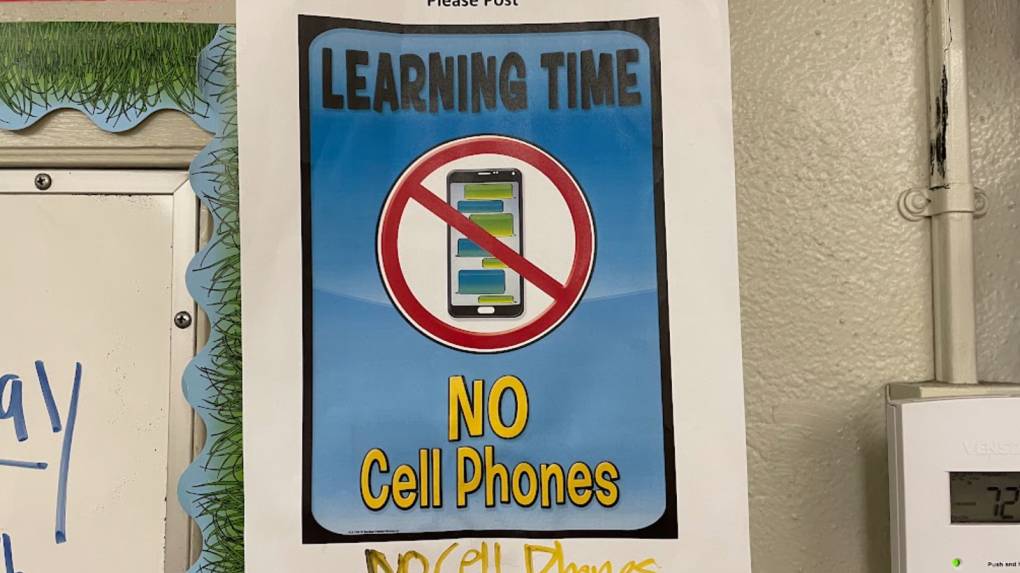
"content": "\u003ch2>\u003cb>Here are the morning’s top stories on Tuesday, September 24, 2024…\u003c/b>\u003c/h2>\n\u003cul>\n\u003cli>In January of 2025, the Los Angeles Unified School District will ban cellphones on campus. More California school districts will follow suit, as Governor Gavin Newsom signed a law Monday that will require districts to restrict phones on campus. It’s part of a growing movement to help students improve academically, socially and emotionally. But\u003ca href=\"https://www.kcrw.com/news/shows/kcrw-features/cell-ban-lausd\"> one school\u003c/a> has a cell phone ban already in place… and the students seem to be thriving.\u003c/li>\n\u003cli>At least 18 cities and counties across California have put in place new bans on homeless encampments since the Supreme Court in June gave them more power to do so. One of those cities is \u003ca href=\"https://www.kqed.org/news/12005898/fresno-rolls-out-one-of-californias-most-aggressive-camping-bans\">Fresno\u003c/a>.\u003c/li>\n\u003cli>California is \u003ca href=\"https://oag.ca.gov/system/files/attachments/press-docs/Complaint_People%20v.%20Exxon%20Mobil%20et%20al.pdf\">suing\u003c/a> ExxonMobil for an alleged “campaign of deception” around the true impact of plastic recycling.\u003c/li>\n\u003c/ul>\n\u003ch2>\u003ca href=\"https://www.kcrw.com/news/shows/kcrw-features/cell-ban-lausd\">What One CA School Learned When They Banned Cell Phones\u003c/a>\u003c/h2>\n\u003cp>Governor Gavin Newsom signed a bill this week that will direct schools to create policies to restrict student cell phone use. But at Marina Del Rey Middle School in Los Angeles, cell phones have already been banned. There, Principal Sidra Dudley requires students to power off their phones each morning, then enclose them in neoprene pouches secured by a magnetic lock, created for that purpose by a company called Yondr. The pouches stay locked throughout the day. Six months after the school implemented the ban, the Los Angeles Unified School District followed suit. With a 5-2 majority, the school board passed a resolution forbidding cellphones in all public schools. Students at Marina Del Rey Middle School say this ban has made them less distracted in class. And teachers say test scores are improving.\u003c/p>\n\u003ch2>Fresno Rolls out Plans for Homeless Ban\u003c/h2>\n\u003cp>Fresno city leaders on Monday laid out plans for enforcing one of the state’s harshest crackdowns on homeless encampments, which bans public camping anywhere, anytime. Since the Supreme Court in June empowered cities to crack down on homeless encampments, and Gov. Gavin Newsom seized on the opening to push for ramped-up sweeps, at least 18 jurisdictions around the state have put in place new camping bans — the most of any state, according to a tally maintained by the National Homelessness Law Center.\u003c/p>\n\u003ch2>CA Sues ExxonMobil\u003c/h2>\n\u003cp>California is suing ExxonMobil for an alleged “campaign of deception” around the true impact of plastic recycling. The lawsuit was filed by The California Department of Justice on Monday. The lawsuit alleges that Exxon knowingly misled Californians by promoting all plastic as recyclable. The company is the world’s largest producer of fossil fuel materials that are used to make single-use plastics. The lawsuit is seeking billions of dollars. This comes at a time when California Environmental groups, including Sierra Club and Baykeeper, have also announced a separate lawsuit against ExxonMobil over the same issues.\u003c/p>\n\u003cp>[ad fullwidth]\u003c/p>\u003cp>\u003c/p>\n",
"blocks": [],
"excerpt": null,
"status": "publish",
"parent": 0,
"modified": 1740516969,
"stats": {
"hasAudio": false,
"hasVideo": false,
"hasChartOrMap": false,
"iframeSrcs": [],
"hasGoogleForm": false,
"hasGallery": false,
"hasHearkenModule": false,
"hasPolis": false,
"paragraphCount": 5,
"wordCount": 487
},
"headData": {
"title": "Takeaways From a CA School Where Cell Phones Are Not Allowed | KQED",
"description": "A sign in a Marina Del Rey Middle School classroom reminds students that campus is a no-phone zone.",
"ogTitle": "",
"ogDescription": "",
"ogImgId": "",
"twTitle": "",
"twDescription": "",
"twImgId": "",
"socialDescription": "A sign in a Marina Del Rey Middle School classroom reminds students that campus is a no-phone zone.",
"schema": {
"@context": "https://schema.org",
"@type": "NewsArticle",
"headline": "Takeaways From a CA School Where Cell Phones Are Not Allowed",
"datePublished": "2024-09-24T08:52:01-07:00",
"dateModified": "2025-02-25T12:56:09-08:00",
"image": "https://cdn.kqed.org/wp-content/uploads/2020/02/KQED-OG-Image@1x.png",
"isAccessibleForFree": "True",
"publisher": {
"@type": "NewsMediaOrganization",
"@id": "https://www.kqed.org/#organization",
"name": "KQED",
"logo": "https://cdn.kqed.org/wp-content/uploads/2020/02/KQED-OG-Image@1x.png",
"url": "https://www.kqed.org",
"sameAs": [
"https://www.facebook.com/KQED",
"https://twitter.com/KQED",
"https://www.instagram.com/kqed/",
"https://www.tiktok.com/@kqedofficial",
"https://www.linkedin.com/company/kqed",
"https://www.youtube.com/channel/UCeC0IOo7i1P_61zVUWbJ4nw"
]
}
}
},
"source": "The California Report",
"sourceUrl": "https://www.kqed.org/news/tag/tcrarchive/",
"audioUrl": "https://www.podtrac.com/pts/redirect.mp3/chrt.fm/track/G6C7C3/traffic.megaphone.fm/KQINC9536999869.mp3?updated=1727192866",
"sticky": false,
"nprStoryId": "kqed-12006122",
"excludeFromSiteSearch": "Include",
"articleAge": "0",
"path": "/news/12006122/takeaways-from-a-ca-school-where-cell-phones-are-not-allowed",
"audioTrackLength": null,
"parsedContent": [
{
"type": "contentString",
"content": "\u003cdiv class=\"post-body\">\u003cp>\u003ch2>\u003cb>Here are the morning’s top stories on Tuesday, September 24, 2024…\u003c/b>\u003c/h2>\n\u003cul>\n\u003cli>In January of 2025, the Los Angeles Unified School District will ban cellphones on campus. More California school districts will follow suit, as Governor Gavin Newsom signed a law Monday that will require districts to restrict phones on campus. It’s part of a growing movement to help students improve academically, socially and emotionally. But\u003ca href=\"https://www.kcrw.com/news/shows/kcrw-features/cell-ban-lausd\"> one school\u003c/a> has a cell phone ban already in place… and the students seem to be thriving.\u003c/li>\n\u003cli>At least 18 cities and counties across California have put in place new bans on homeless encampments since the Supreme Court in June gave them more power to do so. One of those cities is \u003ca href=\"https://www.kqed.org/news/12005898/fresno-rolls-out-one-of-californias-most-aggressive-camping-bans\">Fresno\u003c/a>.\u003c/li>\n\u003cli>California is \u003ca href=\"https://oag.ca.gov/system/files/attachments/press-docs/Complaint_People%20v.%20Exxon%20Mobil%20et%20al.pdf\">suing\u003c/a> ExxonMobil for an alleged “campaign of deception” around the true impact of plastic recycling.\u003c/li>\n\u003c/ul>\n\u003ch2>\u003ca href=\"https://www.kcrw.com/news/shows/kcrw-features/cell-ban-lausd\">What One CA School Learned When They Banned Cell Phones\u003c/a>\u003c/h2>\n\u003cp>Governor Gavin Newsom signed a bill this week that will direct schools to create policies to restrict student cell phone use. But at Marina Del Rey Middle School in Los Angeles, cell phones have already been banned. There, Principal Sidra Dudley requires students to power off their phones each morning, then enclose them in neoprene pouches secured by a magnetic lock, created for that purpose by a company called Yondr. The pouches stay locked throughout the day. Six months after the school implemented the ban, the Los Angeles Unified School District followed suit. With a 5-2 majority, the school board passed a resolution forbidding cellphones in all public schools. Students at Marina Del Rey Middle School say this ban has made them less distracted in class. And teachers say test scores are improving.\u003c/p>\n\u003ch2>Fresno Rolls out Plans for Homeless Ban\u003c/h2>\n\u003cp>Fresno city leaders on Monday laid out plans for enforcing one of the state’s harshest crackdowns on homeless encampments, which bans public camping anywhere, anytime. Since the Supreme Court in June empowered cities to crack down on homeless encampments, and Gov. Gavin Newsom seized on the opening to push for ramped-up sweeps, at least 18 jurisdictions around the state have put in place new camping bans — the most of any state, according to a tally maintained by the National Homelessness Law Center.\u003c/p>\n\u003ch2>CA Sues ExxonMobil\u003c/h2>\n\u003cp>California is suing ExxonMobil for an alleged “campaign of deception” around the true impact of plastic recycling. The lawsuit was filed by The California Department of Justice on Monday. The lawsuit alleges that Exxon knowingly misled Californians by promoting all plastic as recyclable. The company is the world’s largest producer of fossil fuel materials that are used to make single-use plastics. The lawsuit is seeking billions of dollars. This comes at a time when California Environmental groups, including Sierra Club and Baykeeper, have also announced a separate lawsuit against ExxonMobil over the same issues.\u003c/p>\n\u003cp>\u003c/p>\u003c/div>",
"attributes": {
"named": {},
"numeric": []
}
},
{
"type": "component",
"content": "",
"name": "ad",
"attributes": {
"named": {
"label": "fullwidth"
},
"numeric": [
"fullwidth"
]
}
},
{
"type": "contentString",
"content": "\u003cdiv class=\"post-body\">\u003cp>\u003c/p>\u003cp>\u003c/p>\n\u003c/div>\u003c/p>",
"attributes": {
"named": {},
"numeric": []
}
}
],
"link": "/news/12006122/takeaways-from-a-ca-school-where-cell-phones-are-not-allowed",
"authors": [
"11877"
],
"programs": [
"news_72"
],
"categories": [
"news_18540",
"news_8",
"news_33520",
"news_34018"
],
"tags": [
"news_2958",
"news_20013",
"news_3804",
"news_37",
"news_4020",
"news_34564",
"news_22602",
"news_21998",
"news_21268",
"news_20851"
],
"featImg": "news_12006124",
"label": "source_news_12006122"
},
"news_12005898": {
"type": "posts",
"id": "news_12005898",
"meta": {
"index": "posts_1716263798",
"site": "news",
"id": "12005898",
"score": null,
"sort": [
1727133151000
]
},
"guestAuthors": [],
"slug": "fresno-rolls-out-one-of-californias-most-aggressive-camping-bans",
"title": "Fresno Rolls Out One of California’s Most Aggressive Camping Bans",
"publishDate": 1727133151,
"format": "standard",
"headTitle": "Fresno Rolls Out One of California’s Most Aggressive Camping Bans | KQED",
"labelTerm": {
"site": "news"
},
"content": "\u003cp>Fresno city leaders on Monday laid out plans for enforcing one of the state’s harshest crackdowns on homeless encampments, which bans public camping anywhere, anytime.\u003c/p>\n\u003cp>The new law, which went into effect Monday, doesn’t specifically mention homelessness but makes public camping, sitting or lying a misdemeanor punishable with up to a year in jail, a fine of up to $1,000 or both.\u003c/p>\n\u003cp>“There are times when people have to get uncomfortable before they can get comfortable,” Mayor Jerry Dyer said at a press conference at City Hall. Dyer said that in his 40 years with the Fresno Police Department, including 18 years as chief of police, people he’d arrested later thanked him because the jail time kickstarted their rehabilitation.\u003c/p>\n\u003cp>“We want to help people,” he said.\u003c/p>\n\u003cp>[ad fullwidth]\u003c/p>\n\u003cp>Since \u003ca href=\"https://www.kqed.org/news/11991340/supreme-court-says-laws-criminalizing-homeless-camping-do-not-violate-constitution\">the Supreme Court in June \u003c/a>empowered cities to crack down on homeless encampments, and Gov. Gavin Newsom seized on the opening to \u003ca href=\"https://www.kqed.org/news/11997352/newsom-orders-state-agencies-to-dismantle-homeless-encampments-across-california\">push for ramped-up sweeps\u003c/a>, at least 18 jurisdictions around the state have put in place new camping bans — the most of any state, according to a tally maintained by the National Homelessness Law Center.\u003c/p>\n\u003cp>Even liberal strongholds like Berkeley \u003ca href=\"https://www.kqed.org/news/12004348/berkeley-moves-to-expand-homeless-encampment-sweeps-in-more-aggressive-approach\">have toughened their policies\u003c/a>. And Oakland Mayor Sheng Thao on Monday issued an \u003ca href=\"https://oaklandside.org/wp-content/uploads/2024/09/Executive-Order-2024.pdf\">executive order\u003c/a> directing all city departments to “fully enforce” its encampment management policies and laws protecting city infrastructure.\u003c/p>\n\u003cp>“Being unhoused is not a crime in Oakland, but it does not give anyone the right to break other laws,” \u003ca href=\"https://x.com/MayorShengThao/status/1838273205892788400\">she wrote on X\u003c/a>. “We must return public spaces to the public.”\u003c/p>\n\u003cp>The Fresno law is a coup for exasperated business owners and residents who say unchecked encampments create health and safety concerns and impinge on their access to public spaces. Dyer said the overall intent of the law is to protect small businesses and housed people and get people living with serious mental health illnesses and addiction into treatment.\u003c/p>\n\u003cp>[aside postID=news_12005474 hero='https://cdn.kqed.org/wp-content/uploads/sites/10/2024/08/240808-ENCAMPMENT-SWEEP-MD-12-KQED-1020x680.jpg']\u003c/p>\n\u003cp>Rather than help, though, advocates for people experiencing homelessness warn it will push unhoused people further to the margins as they cycle in and out of jail and rack up debt, making it harder to get off the streets.\u003c/p>\n\u003cp>“Criminalizing homelessness has long proven to be a total destabilizing factor in their lives. It increases the chances of being homeless on the streets again, and it’s not a resolution,” local activist Bob McCloskey said.\u003c/p>\n\u003cp>The city council passed the law in mid-August over loud complaints from McCloskey and other advocates. It builds on a similar 2018 ordinance that wasn’t carried out because it included a provision that allowed for enforcement only if there were enough shelter beds for the city’s entire unhoused population, said Fresno City Attorney Andrew Janz, a policy that was in keeping with standing legal precedent at the time.\u003c/p>\n\u003cp>Then, the Supreme Court’s decision opened the door for local law enforcement to cite and arrest unhoused people regardless of whether a city has shelter beds to offer. Since then, 46 jurisdictions across the country have enacted new policies or, as in Fresno’s case, amended existing policies, according to Eric Tars, legal director of the National Homelessness Law Center. In one of the most extreme cases, he said, a Tennessee state law that makes public camping a felony punishable by up to six years in prison is \u003ca href=\"https://nashvillebanner.com/2024/07/18/supreme-court-ruling-tennessee-homelessness-law/#:~:text=Camping%20was%20already%20a%20felony,already%20existed%20here%20in%20Tennessee.\">now being enforced\u003c/a>.\u003c/p>\n\u003cp>“None of these laws are actually helping anyone end their homelessness in any way except by incarcerating them, which is the most expensive way to house a person,” Tars said, noting that in many places, people could be housed for a month for the cost of a week in jail.\u003c/p>\n\u003cp>“Nobody chooses to be homeless and to have to urinate or defecate or use drugs outdoors,” he said. “That choice has been made for them by the elected officials who have known for years that we have an affordable housing crisis and have chosen to not fix it and now are redirecting the blame onto the very victims of that failure.”\u003c/p>\n\u003cp>Fresno’s ordinance encourages judges and attorneys to consider diversion or probation in lieu of a fine or jail time, contingent on completion of a rehabilitation program.\u003c/p>\n\u003cp>Janz, whose office will oversee prosecutions under the law, said he would direct his prosecutors to prioritize plea deals that involve enrollment in mental health or treatment programs rather than jail time or fines.\u003c/p>\n\u003cp>“This is a new area of law for us,” he said, “so we’ll see what the courts do.”\u003c/p>\n\u003cp>He said the police chief will need to guide police officers about when to cite and arrest suspected violators under the new law.\u003c/p>\n\u003cp>Interim Police Chief Mindy Castro said officers would get training on how to offer services and when to make arrests, in addition to eight hours of crisis intervention training. When it comes to people living in vehicles, Castro said officers would make case-by-case determinations.\u003c/p>\n\u003cp>“There has been a reluctance to take people into custody,” she said. “This helps them have the confidence to make a lawful arrest when the circumstances are proper.”\u003c/p>\n\u003cp>The mayor said Monday that police would prioritize enforcement in sensitive areas, such as near schools, and continue offering shelter and services first. If unhoused residents turn them down, the police will ask them to move.\u003c/p>\n\u003cp>“However, if they are habitual offenders of the ordinance, then we’ll use a different approach,” Dyer said. Neither he nor Castro provided clarity on what defines a “habitual offender.”\u003c/p>\n\u003cp>After issuing a citation, Dyer said officers would then have the option to take people to a treatment facility if a bed is available and they’re willing. If they complete the program, he said the police report wouldn’t be filed.\u003c/p>\n\u003cp>But after the press conference ended, Dez Martinez, a longtime homeless advocate, had a different scenario in mind: “Where do we go if we say ‘yes’ and there’s no bed?”\u003c/p>\n\u003cp>Standing next to her, Corina Cruz, who said she’d been unhoused in Fresno for seven years, said she had accepted a spot at a shelter that provides mental health services, Sierra Sunrise, and wound up back on the streets when her time there was up.\u003c/p>\n\u003cp>“I went into the programs, and they didn’t help me,” Cruz said.\u003c/p>\n\u003cp>“She’s a product of what they’re talking about,” Martinez said of the new law. “It’s not gonna work.”\u003c/p>\n\u003cp>Martinez and other activists have been handing out information cards that instruct anyone under threat of arrest to tell police they are “traveling” rather than sitting, sleeping, lying or camping.\u003c/p>\n\u003cp>[ad floatright]\u003c/p>\n",
"blocks": [],
"excerpt": "Since the Supreme Court's June decision allowing cities to crack down on homeless encampments, Gov. Gavin Newsom has pushed for more aggressive sweeps, leading at least 18 jurisdictions statewide to implement new camping bans.",
"status": "publish",
"parent": 0,
"modified": 1740527435,
"stats": {
"hasAudio": false,
"hasVideo": false,
"hasChartOrMap": false,
"iframeSrcs": [],
"hasGoogleForm": false,
"hasGallery": false,
"hasHearkenModule": false,
"hasPolis": false,
"paragraphCount": 31,
"wordCount": 1178
},
"headData": {
"title": "Fresno Rolls Out One of California’s Most Aggressive Camping Bans | KQED",
"description": "Since the Supreme Court's June decision allowing cities to crack down on homeless encampments, Gov. Gavin Newsom has pushed for more aggressive sweeps, leading at least 18 jurisdictions statewide to implement new camping bans.",
"ogTitle": "",
"ogDescription": "",
"ogImgId": "",
"twTitle": "",
"twDescription": "",
"twImgId": "",
"schema": {
"@context": "https://schema.org",
"@type": "NewsArticle",
"headline": "Fresno Rolls Out One of California’s Most Aggressive Camping Bans",
"datePublished": "2024-09-23T16:12:31-07:00",
"dateModified": "2025-02-25T15:50:35-08:00",
"image": "https://cdn.kqed.org/wp-content/uploads/2020/02/KQED-OG-Image@1x.png",
"isAccessibleForFree": "True",
"publisher": {
"@type": "NewsMediaOrganization",
"@id": "https://www.kqed.org/#organization",
"name": "KQED",
"logo": "https://cdn.kqed.org/wp-content/uploads/2020/02/KQED-OG-Image@1x.png",
"url": "https://www.kqed.org",
"sameAs": [
"https://www.facebook.com/KQED",
"https://twitter.com/KQED",
"https://www.instagram.com/kqed/",
"https://www.tiktok.com/@kqedofficial",
"https://www.linkedin.com/company/kqed",
"https://www.youtube.com/channel/UCeC0IOo7i1P_61zVUWbJ4nw"
]
}
}
},
"sticky": false,
"nprStoryId": "kqed-12005898",
"excludeFromSiteSearch": "Include",
"articleAge": "0",
"path": "/news/12005898/fresno-rolls-out-one-of-californias-most-aggressive-camping-bans",
"audioTrackLength": null,
"parsedContent": [
{
"type": "contentString",
"content": "\u003cdiv class=\"post-body\">\u003cp>\u003cp>Fresno city leaders on Monday laid out plans for enforcing one of the state’s harshest crackdowns on homeless encampments, which bans public camping anywhere, anytime.\u003c/p>\n\u003cp>The new law, which went into effect Monday, doesn’t specifically mention homelessness but makes public camping, sitting or lying a misdemeanor punishable with up to a year in jail, a fine of up to $1,000 or both.\u003c/p>\n\u003cp>“There are times when people have to get uncomfortable before they can get comfortable,” Mayor Jerry Dyer said at a press conference at City Hall. Dyer said that in his 40 years with the Fresno Police Department, including 18 years as chief of police, people he’d arrested later thanked him because the jail time kickstarted their rehabilitation.\u003c/p>\n\u003cp>“We want to help people,” he said.\u003c/p>\n\u003cp>\u003c/p>\u003c/div>",
"attributes": {
"named": {},
"numeric": []
}
},
{
"type": "component",
"content": "",
"name": "ad",
"attributes": {
"named": {
"label": "fullwidth"
},
"numeric": [
"fullwidth"
]
}
},
{
"type": "contentString",
"content": "\u003cdiv class=\"post-body\">\u003cp>\u003c/p>\n\u003cp>Since \u003ca href=\"https://www.kqed.org/news/11991340/supreme-court-says-laws-criminalizing-homeless-camping-do-not-violate-constitution\">the Supreme Court in June \u003c/a>empowered cities to crack down on homeless encampments, and Gov. Gavin Newsom seized on the opening to \u003ca href=\"https://www.kqed.org/news/11997352/newsom-orders-state-agencies-to-dismantle-homeless-encampments-across-california\">push for ramped-up sweeps\u003c/a>, at least 18 jurisdictions around the state have put in place new camping bans — the most of any state, according to a tally maintained by the National Homelessness Law Center.\u003c/p>\n\u003cp>Even liberal strongholds like Berkeley \u003ca href=\"https://www.kqed.org/news/12004348/berkeley-moves-to-expand-homeless-encampment-sweeps-in-more-aggressive-approach\">have toughened their policies\u003c/a>. And Oakland Mayor Sheng Thao on Monday issued an \u003ca href=\"https://oaklandside.org/wp-content/uploads/2024/09/Executive-Order-2024.pdf\">executive order\u003c/a> directing all city departments to “fully enforce” its encampment management policies and laws protecting city infrastructure.\u003c/p>\n\u003cp>“Being unhoused is not a crime in Oakland, but it does not give anyone the right to break other laws,” \u003ca href=\"https://x.com/MayorShengThao/status/1838273205892788400\">she wrote on X\u003c/a>. “We must return public spaces to the public.”\u003c/p>\n\u003cp>The Fresno law is a coup for exasperated business owners and residents who say unchecked encampments create health and safety concerns and impinge on their access to public spaces. Dyer said the overall intent of the law is to protect small businesses and housed people and get people living with serious mental health illnesses and addiction into treatment.\u003c/p>\n\u003cp>\u003c/p>\u003c/div>",
"attributes": {
"named": {},
"numeric": []
}
},
{
"type": "component",
"content": "",
"name": "aside",
"attributes": {
"named": {
"postid": "news_12005474",
"hero": "https://cdn.kqed.org/wp-content/uploads/sites/10/2024/08/240808-ENCAMPMENT-SWEEP-MD-12-KQED-1020x680.jpg",
"label": ""
},
"numeric": []
}
},
{
"type": "contentString",
"content": "\u003cdiv class=\"post-body\">\u003cp>\u003c/p>\n\u003cp>Rather than help, though, advocates for people experiencing homelessness warn it will push unhoused people further to the margins as they cycle in and out of jail and rack up debt, making it harder to get off the streets.\u003c/p>\n\u003cp>“Criminalizing homelessness has long proven to be a total destabilizing factor in their lives. It increases the chances of being homeless on the streets again, and it’s not a resolution,” local activist Bob McCloskey said.\u003c/p>\n\u003cp>The city council passed the law in mid-August over loud complaints from McCloskey and other advocates. It builds on a similar 2018 ordinance that wasn’t carried out because it included a provision that allowed for enforcement only if there were enough shelter beds for the city’s entire unhoused population, said Fresno City Attorney Andrew Janz, a policy that was in keeping with standing legal precedent at the time.\u003c/p>\n\u003cp>Then, the Supreme Court’s decision opened the door for local law enforcement to cite and arrest unhoused people regardless of whether a city has shelter beds to offer. Since then, 46 jurisdictions across the country have enacted new policies or, as in Fresno’s case, amended existing policies, according to Eric Tars, legal director of the National Homelessness Law Center. In one of the most extreme cases, he said, a Tennessee state law that makes public camping a felony punishable by up to six years in prison is \u003ca href=\"https://nashvillebanner.com/2024/07/18/supreme-court-ruling-tennessee-homelessness-law/#:~:text=Camping%20was%20already%20a%20felony,already%20existed%20here%20in%20Tennessee.\">now being enforced\u003c/a>.\u003c/p>\n\u003cp>“None of these laws are actually helping anyone end their homelessness in any way except by incarcerating them, which is the most expensive way to house a person,” Tars said, noting that in many places, people could be housed for a month for the cost of a week in jail.\u003c/p>\n\u003cp>“Nobody chooses to be homeless and to have to urinate or defecate or use drugs outdoors,” he said. “That choice has been made for them by the elected officials who have known for years that we have an affordable housing crisis and have chosen to not fix it and now are redirecting the blame onto the very victims of that failure.”\u003c/p>\n\u003cp>Fresno’s ordinance encourages judges and attorneys to consider diversion or probation in lieu of a fine or jail time, contingent on completion of a rehabilitation program.\u003c/p>\n\u003cp>Janz, whose office will oversee prosecutions under the law, said he would direct his prosecutors to prioritize plea deals that involve enrollment in mental health or treatment programs rather than jail time or fines.\u003c/p>\n\u003cp>“This is a new area of law for us,” he said, “so we’ll see what the courts do.”\u003c/p>\n\u003cp>He said the police chief will need to guide police officers about when to cite and arrest suspected violators under the new law.\u003c/p>\n\u003cp>Interim Police Chief Mindy Castro said officers would get training on how to offer services and when to make arrests, in addition to eight hours of crisis intervention training. When it comes to people living in vehicles, Castro said officers would make case-by-case determinations.\u003c/p>\n\u003cp>“There has been a reluctance to take people into custody,” she said. “This helps them have the confidence to make a lawful arrest when the circumstances are proper.”\u003c/p>\n\u003cp>The mayor said Monday that police would prioritize enforcement in sensitive areas, such as near schools, and continue offering shelter and services first. If unhoused residents turn them down, the police will ask them to move.\u003c/p>\n\u003cp>“However, if they are habitual offenders of the ordinance, then we’ll use a different approach,” Dyer said. Neither he nor Castro provided clarity on what defines a “habitual offender.”\u003c/p>\n\u003cp>After issuing a citation, Dyer said officers would then have the option to take people to a treatment facility if a bed is available and they’re willing. If they complete the program, he said the police report wouldn’t be filed.\u003c/p>\n\u003cp>But after the press conference ended, Dez Martinez, a longtime homeless advocate, had a different scenario in mind: “Where do we go if we say ‘yes’ and there’s no bed?”\u003c/p>\n\u003cp>Standing next to her, Corina Cruz, who said she’d been unhoused in Fresno for seven years, said she had accepted a spot at a shelter that provides mental health services, Sierra Sunrise, and wound up back on the streets when her time there was up.\u003c/p>\n\u003cp>“I went into the programs, and they didn’t help me,” Cruz said.\u003c/p>\n\u003cp>“She’s a product of what they’re talking about,” Martinez said of the new law. “It’s not gonna work.”\u003c/p>\n\u003cp>Martinez and other activists have been handing out information cards that instruct anyone under threat of arrest to tell police they are “traveling” rather than sitting, sleeping, lying or camping.\u003c/p>\n\u003cp>\u003c/p>\u003c/div>",
"attributes": {
"named": {},
"numeric": []
}
},
{
"type": "component",
"content": "",
"name": "ad",
"attributes": {
"named": {
"label": "floatright"
},
"numeric": [
"floatright"
]
}
},
{
"type": "contentString",
"content": "\u003cdiv class=\"post-body\">\u003cp>\u003c/p>\n\u003c/div>\u003c/p>",
"attributes": {
"named": {},
"numeric": []
}
}
],
"link": "/news/12005898/fresno-rolls-out-one-of-californias-most-aggressive-camping-bans",
"authors": [
"11276"
],
"categories": [
"news_31795",
"news_6266",
"news_8"
],
"tags": [
"news_3921",
"news_18538",
"news_30069",
"news_37",
"news_21214",
"news_1775"
],
"featImg": "news_11954906",
"label": "news"
},
"news_11991163": {
"type": "posts",
"id": "news_11991163",
"meta": {
"index": "posts_1716263798",
"site": "news",
"id": "11991163",
"score": null,
"sort": [
1718967627000
]
},
"guestAuthors": [],
"slug": "the-enduring-reign-of-el-dana-drag-king-of-the-central-valley",
"title": "The Enduring Reign of El Daña, Drag King of the Central Valley",
"publishDate": 1718967627,
"format": "standard",
"headTitle": "The Enduring Reign of El Daña, Drag King of the Central Valley | KQED",
"labelTerm": {
"term": 26731,
"site": "news"
},
"content": "\u003cp>For Elsie Saldaña, a flawless lip sync is the hallmark of serious artistry in drag.\u003c/p>\n\u003cp>She would know. Saldaña has been performing in the Central Valley since the 1960s and still occasionally graces the stage as El Daña — the oldest drag king in the country.\u003c/p>\n\u003cfigure id=\"attachment_11991269\" class=\"wp-caption aligncenter\" style=\"max-width: 2000px\">\u003ca href=\"https://cdn.kqed.org/wp-content/uploads/sites/10/2024/06/05_2024.04.16_DragKingDana_00072-1.jpg\">\u003cimg loading=\"lazy\" decoding=\"async\" class=\"size-full wp-image-11991269\" src=\"https://cdn.kqed.org/wp-content/uploads/sites/10/2024/06/05_2024.04.16_DragKingDana_00072-1.jpg\" alt=\"A person wearing dark blue clothing walks in a field.\" width=\"2000\" height=\"1334\" srcset=\"https://cdn.kqed.org/wp-content/uploads/sites/10/2024/06/05_2024.04.16_DragKingDana_00072-1.jpg 2000w, https://cdn.kqed.org/wp-content/uploads/sites/10/2024/06/05_2024.04.16_DragKingDana_00072-1-800x534.jpg 800w, https://cdn.kqed.org/wp-content/uploads/sites/10/2024/06/05_2024.04.16_DragKingDana_00072-1-1020x680.jpg 1020w, https://cdn.kqed.org/wp-content/uploads/sites/10/2024/06/05_2024.04.16_DragKingDana_00072-1-160x107.jpg 160w, https://cdn.kqed.org/wp-content/uploads/sites/10/2024/06/05_2024.04.16_DragKingDana_00072-1-1536x1025.jpg 1536w, https://cdn.kqed.org/wp-content/uploads/sites/10/2024/06/05_2024.04.16_DragKingDana_00072-1-1920x1281.jpg 1920w\" sizes=\"(max-width: 2000px) 100vw, 2000px\">\u003c/a>\u003cfigcaption class=\"wp-caption-text\">Elsie Saldaña strolls through a field in Fresno on April 16, 2024. For Saldaña, the orchards were not only a place of hard work but of refuge, where she would hang out with her queer friends. \u003ccite>(Florence Middleton)\u003c/cite>\u003c/figcaption>\u003c/figure>\n\u003cp>On a Saturday night earlier this year, she donned all black except for a rhinestone-studded belt as part of her transformation into the chest-baring crooner Tom Jones. She was about to perform his version of “Kiss” at the Red Lantern bar in Fresno and played the song on repeat in preparation, mouthing every word.\u003c/p>\n\u003cp>It had to be perfect — after all these years, she’s still one of the few drag kings in the lineup.\u003c/p>\n\u003cp>“For as old as I am to do this, I feel I have it in me,” she said. “And if I feel that I still have it in me, why should I stop?”\u003c/p>\n\u003cfigure id=\"attachment_11991278\" class=\"wp-caption aligncenter\" style=\"max-width: 2000px\">\u003ca href=\"https://cdn.kqed.org/wp-content/uploads/sites/10/2024/06/33_2024.04.16_DragKingDana_00487-2.jpg\">\u003cimg loading=\"lazy\" decoding=\"async\" class=\"size-full wp-image-11991278\" src=\"https://cdn.kqed.org/wp-content/uploads/sites/10/2024/06/33_2024.04.16_DragKingDana_00487-2.jpg\" alt=\"A white costume adorned in rhinestones.\" width=\"2000\" height=\"1334\" srcset=\"https://cdn.kqed.org/wp-content/uploads/sites/10/2024/06/33_2024.04.16_DragKingDana_00487-2.jpg 2000w, https://cdn.kqed.org/wp-content/uploads/sites/10/2024/06/33_2024.04.16_DragKingDana_00487-2-800x534.jpg 800w, https://cdn.kqed.org/wp-content/uploads/sites/10/2024/06/33_2024.04.16_DragKingDana_00487-2-1020x680.jpg 1020w, https://cdn.kqed.org/wp-content/uploads/sites/10/2024/06/33_2024.04.16_DragKingDana_00487-2-160x107.jpg 160w, https://cdn.kqed.org/wp-content/uploads/sites/10/2024/06/33_2024.04.16_DragKingDana_00487-2-1536x1025.jpg 1536w, https://cdn.kqed.org/wp-content/uploads/sites/10/2024/06/33_2024.04.16_DragKingDana_00487-2-1920x1281.jpg 1920w\" sizes=\"(max-width: 2000px) 100vw, 2000px\">\u003c/a>\u003cfigcaption class=\"wp-caption-text\">One of Elsie Saldaña’s drag performance outfits, adorned in rhinestones from top to bottom, rests on her bed in her home in Clovis on April 16, 2024. \u003ccite>(Florence Middleton)\u003c/cite>\u003c/figcaption>\u003c/figure>\n\u003cp>At 79 years old, she admits she can’t move like she used to. Yet she’s always ready for the next performance opportunity. Her rhinestone and sequin outfits are neatly stacked in her closet and Boot Barn boxes keep her Stetson cowboy hats pristine. She practices lip-synching in the car on her way to work as a house cleaner, driving past the few remaining orchards where she picked figs in her youth.\u003c/p>\n\u003cfigure id=\"attachment_11991271\" class=\"wp-caption aligncenter\" style=\"max-width: 2000px\">\u003ca href=\"https://cdn.kqed.org/wp-content/uploads/sites/10/2024/06/09_2024.04.16_DragKingDana_00124-2.jpg\">\u003cimg loading=\"lazy\" decoding=\"async\" class=\"size-full wp-image-11991271\" src=\"https://cdn.kqed.org/wp-content/uploads/sites/10/2024/06/09_2024.04.16_DragKingDana_00124-2.jpg\" alt=\"A person wearing dark clothing walks toward a screen door while putting on a glove.\" width=\"2000\" height=\"1334\" srcset=\"https://cdn.kqed.org/wp-content/uploads/sites/10/2024/06/09_2024.04.16_DragKingDana_00124-2.jpg 2000w, https://cdn.kqed.org/wp-content/uploads/sites/10/2024/06/09_2024.04.16_DragKingDana_00124-2-800x534.jpg 800w, https://cdn.kqed.org/wp-content/uploads/sites/10/2024/06/09_2024.04.16_DragKingDana_00124-2-1020x680.jpg 1020w, https://cdn.kqed.org/wp-content/uploads/sites/10/2024/06/09_2024.04.16_DragKingDana_00124-2-160x107.jpg 160w, https://cdn.kqed.org/wp-content/uploads/sites/10/2024/06/09_2024.04.16_DragKingDana_00124-2-1536x1025.jpg 1536w, https://cdn.kqed.org/wp-content/uploads/sites/10/2024/06/09_2024.04.16_DragKingDana_00124-2-1920x1281.jpg 1920w\" sizes=\"(max-width: 2000px) 100vw, 2000px\">\u003c/a>\u003cfigcaption class=\"wp-caption-text\">Elsie Saldaña, 79, at a client’s home that she regularly cleans for income in Fresno on April 16, 2024. \u003ccite>(Florence Middleton)\u003c/cite>\u003c/figcaption>\u003c/figure>\n\u003cp>Like many in the Fresno area, Saldaña grew up in a family of Mexican farmworkers. When she’d come home after long hours in the fields, she’d turn on the radio and lip-synch to Frank Sinatra or Vic Damone, pretending her hairbrush was a microphone.\u003c/p>\n\u003cp>[ad fullwidth]\u003c/p>\n\u003cp>The first time she performed for someone other than her reflection in the mirror was in 1965 at the Red Robin, a gay bar in town. The song was Ritchie Valens’ “La Bamba.” Her knees were shaking, but the claps and cheers from the audience made her feel like a star. She was hooked.\u003c/p>\n\u003cfigure id=\"attachment_11991272\" class=\"wp-caption aligncenter\" style=\"max-width: 2000px\">\u003ca href=\"https://cdn.kqed.org/wp-content/uploads/sites/10/2024/06/12_2024.04.16_DragKingDana_00144-1.jpg\">\u003cimg loading=\"lazy\" decoding=\"async\" class=\"size-full wp-image-11991272\" src=\"https://cdn.kqed.org/wp-content/uploads/sites/10/2024/06/12_2024.04.16_DragKingDana_00144-1.jpg\" alt=\"A person wearing dark clothing and gloves holds a broom in a bathroom.\" width=\"2000\" height=\"1334\" srcset=\"https://cdn.kqed.org/wp-content/uploads/sites/10/2024/06/12_2024.04.16_DragKingDana_00144-1.jpg 2000w, https://cdn.kqed.org/wp-content/uploads/sites/10/2024/06/12_2024.04.16_DragKingDana_00144-1-800x534.jpg 800w, https://cdn.kqed.org/wp-content/uploads/sites/10/2024/06/12_2024.04.16_DragKingDana_00144-1-1020x680.jpg 1020w, https://cdn.kqed.org/wp-content/uploads/sites/10/2024/06/12_2024.04.16_DragKingDana_00144-1-160x107.jpg 160w, https://cdn.kqed.org/wp-content/uploads/sites/10/2024/06/12_2024.04.16_DragKingDana_00144-1-1536x1025.jpg 1536w, https://cdn.kqed.org/wp-content/uploads/sites/10/2024/06/12_2024.04.16_DragKingDana_00144-1-1920x1281.jpg 1920w\" sizes=\"(max-width: 2000px) 100vw, 2000px\">\u003c/a>\u003cfigcaption class=\"wp-caption-text\">Elsie Saldaña mops the bathroom of a client’s home in Fresno on April 16, 2024. \u003ccite>(Florence Middleton)\u003c/cite>\u003c/figcaption>\u003c/figure>\n\u003cp>This launched a side career in drag where, for a long time, she was the only “male impersonator” in the area. (The term she preferred then.) In the beginning, Saldaña would stuff her male clothes in a paper bag to sneak past her mother, who she knew wouldn’t approve of drag, nor her being a lesbian.\u003c/p>\n\u003cp>She’d perform in big stage productions or solo shows at the few LGBTQ-friendly bars such as Girl of the Golden West, The Palace and Red Lantern — the only bar remaining.\u003c/p>\n\u003cfigure id=\"attachment_11991273\" class=\"wp-caption aligncenter\" style=\"max-width: 2000px\">\u003ca href=\"https://cdn.kqed.org/wp-content/uploads/sites/10/2024/06/16_2024.04.16_DragKingDana_00254-1.jpg\">\u003cimg loading=\"lazy\" decoding=\"async\" class=\"size-full wp-image-11991273\" src=\"https://cdn.kqed.org/wp-content/uploads/sites/10/2024/06/16_2024.04.16_DragKingDana_00254-1.jpg\" alt=\"A person wearing dark clothing and blue jeans uses a vacuum in a home.\" width=\"2000\" height=\"1334\" srcset=\"https://cdn.kqed.org/wp-content/uploads/sites/10/2024/06/16_2024.04.16_DragKingDana_00254-1.jpg 2000w, https://cdn.kqed.org/wp-content/uploads/sites/10/2024/06/16_2024.04.16_DragKingDana_00254-1-800x534.jpg 800w, https://cdn.kqed.org/wp-content/uploads/sites/10/2024/06/16_2024.04.16_DragKingDana_00254-1-1020x680.jpg 1020w, https://cdn.kqed.org/wp-content/uploads/sites/10/2024/06/16_2024.04.16_DragKingDana_00254-1-160x107.jpg 160w, https://cdn.kqed.org/wp-content/uploads/sites/10/2024/06/16_2024.04.16_DragKingDana_00254-1-1536x1025.jpg 1536w, https://cdn.kqed.org/wp-content/uploads/sites/10/2024/06/16_2024.04.16_DragKingDana_00254-1-1920x1281.jpg 1920w\" sizes=\"(max-width: 2000px) 100vw, 2000px\">\u003c/a>\u003cfigcaption class=\"wp-caption-text\">Elsie Saldaña vacuums the living room of a client’s home in Fresno on April 16, 2024. The job requires moving furniture, including flipping over the recliner chairs to vacuum underneath them. \u003ccite>(Florence Middleton)\u003c/cite>\u003c/figcaption>\u003c/figure>\n\u003cp>Saldaña still gets nervous before a performance. On the night of her recent show, her coif was stiff with hairspray, her shirt sharply ironed, her bowtie snug. Tom Jones was her specialty. When she pushed the swinging door into the Red Lantern, where she performed “It’s Not Unusual” over four decades ago, it was like stepping into the past.\u003c/p>\n\u003cp>The black-and-white photos of shirtless cowboys on its walls are new, but the dance floor is the same, save for a glittering disco ball — a beacon of sorts.\u003c/p>\n\u003cp>“This area has a very rich and long history of drag and performance, mostly because of the bar network and Imperial Court,” said Kat Fobear, professor of Women, Gender and Sexuality Studies at Fresno State. “But it is in the face of historically and currently very conservative culture.”\u003c/p>\n\u003cp>The \u003ca href=\"https://internationalcourtsystem.org/\">Imperial Court \u003c/a>is one of the oldest LGBTQ organizations in the country and started in 1965 in the Bay Area — a time when homosexuality was considered a mental disorder and laws prohibited cross-dressing. The court was a way to foster pride and expanded to numerous cities, including Fresno, where it thrives to this day.\u003c/p>\n\u003cp>Members compete for royal titles and host fundraising drag balls. In 1980, Saldaña co-founded the Sequoia Empire Court in Visalia, back then a small town. She assumed the emperor’s title three times, raising thousands of dollars for AIDS and other charities. Her mother, eventually accepting who she was, would attend the balls.\u003c/p>\n\u003cp>“Visalia at that time really had a closeted community,” Saldaña said. “And once they found out about the court … they got brave.”\u003c/p>\n\u003cfigure id=\"attachment_11991281\" class=\"wp-caption aligncenter\" style=\"max-width: 2000px\">\u003ca href=\"https://cdn.kqed.org/wp-content/uploads/sites/10/2024/06/45_2024.04.16_DragKingDana_00608-1.jpg\">\u003cimg loading=\"lazy\" decoding=\"async\" class=\"size-full wp-image-11991281\" src=\"https://cdn.kqed.org/wp-content/uploads/sites/10/2024/06/45_2024.04.16_DragKingDana_00608-1.jpg\" alt=\"A person looks down at vintage pictures on the floor of people.\" width=\"2000\" height=\"1334\" srcset=\"https://cdn.kqed.org/wp-content/uploads/sites/10/2024/06/45_2024.04.16_DragKingDana_00608-1.jpg 2000w, https://cdn.kqed.org/wp-content/uploads/sites/10/2024/06/45_2024.04.16_DragKingDana_00608-1-800x534.jpg 800w, https://cdn.kqed.org/wp-content/uploads/sites/10/2024/06/45_2024.04.16_DragKingDana_00608-1-1020x680.jpg 1020w, https://cdn.kqed.org/wp-content/uploads/sites/10/2024/06/45_2024.04.16_DragKingDana_00608-1-160x107.jpg 160w, https://cdn.kqed.org/wp-content/uploads/sites/10/2024/06/45_2024.04.16_DragKingDana_00608-1-1536x1025.jpg 1536w, https://cdn.kqed.org/wp-content/uploads/sites/10/2024/06/45_2024.04.16_DragKingDana_00608-1-1920x1281.jpg 1920w\" sizes=\"(max-width: 2000px) 100vw, 2000px\">\u003c/a>\u003cfigcaption class=\"wp-caption-text\">Elsie Saldaña looks at old family photos of her and her son Mark at her home in Clovis on April 16, 2024. \u003ccite>(Florence Middleton)\u003c/cite>\u003c/figcaption>\u003c/figure>\n\u003cp>During the ’80s and ’90s, Saldaña kept busy performing throughout California, working a day job in manufacturing, and being a mother to a son named Mark, who she raised with her partner at the time. Her son was her biggest fan — often giving her notes, always applauding.\u003c/p>\n\u003cfigure id=\"attachment_11991277\" class=\"wp-caption aligncenter\" style=\"max-width: 2000px\">\u003ca href=\"https://cdn.kqed.org/wp-content/uploads/sites/10/2024/06/31_2024.04.16_DragKingDana_00420.jpg\">\u003cimg loading=\"lazy\" decoding=\"async\" class=\"size-full wp-image-11991277\" src=\"https://cdn.kqed.org/wp-content/uploads/sites/10/2024/06/31_2024.04.16_DragKingDana_00420.jpg\" alt=\"A person wearing a red shirt holds a black and white image of person holding a guitar.\" width=\"2000\" height=\"1334\" srcset=\"https://cdn.kqed.org/wp-content/uploads/sites/10/2024/06/31_2024.04.16_DragKingDana_00420.jpg 2000w, https://cdn.kqed.org/wp-content/uploads/sites/10/2024/06/31_2024.04.16_DragKingDana_00420-800x534.jpg 800w, https://cdn.kqed.org/wp-content/uploads/sites/10/2024/06/31_2024.04.16_DragKingDana_00420-1020x680.jpg 1020w, https://cdn.kqed.org/wp-content/uploads/sites/10/2024/06/31_2024.04.16_DragKingDana_00420-160x107.jpg 160w, https://cdn.kqed.org/wp-content/uploads/sites/10/2024/06/31_2024.04.16_DragKingDana_00420-1536x1025.jpg 1536w, https://cdn.kqed.org/wp-content/uploads/sites/10/2024/06/31_2024.04.16_DragKingDana_00420-1920x1281.jpg 1920w\" sizes=\"(max-width: 2000px) 100vw, 2000px\">\u003c/a>\u003cfigcaption class=\"wp-caption-text\">Elsie Saldaña holds a headshot of herself from 1983 at her home in Clovis on April 16, 2024. \u003ccite>(Florence Middleton)\u003c/cite>\u003c/figcaption>\u003c/figure>\n\u003cp>Drag couldn’t pay the bills, however. She had to clock in more hours to survive, and, she said, she was a king in a world dominated by queens. RuPaul’s \u003cem>Drag Race\u003c/em> television show eventually launched drag queens to mainstream popularity but notably absent were kings.\u003c/p>\n\u003cp>“A lot of people ask me, ‘How come drag kings aren’t known?’” said Mo Fischer, co-founder of Drag King History. “My answer is PMS: patriarchy, misogyny, sexism.”\u003c/p>\n\u003cp>As Saldaña aged, she started to feel like nobody wanted to see her on stage anyway. New kings came onto the scene — including nonbinary and trans performers — whose gender-bending, inventive approaches she didn’t always understand.\u003c/p>\n\u003cfigure id=\"attachment_11991274\" class=\"wp-caption aligncenter\" style=\"max-width: 2000px\">\u003ca href=\"https://cdn.kqed.org/wp-content/uploads/sites/10/2024/06/20_2024.04.16_DragKingDana_00321-2.jpg\">\u003cimg loading=\"lazy\" decoding=\"async\" class=\"size-full wp-image-11991274\" src=\"https://cdn.kqed.org/wp-content/uploads/sites/10/2024/06/20_2024.04.16_DragKingDana_00321-2.jpg\" alt='A California license plate that reads \"EL DANA\" with cleaning products in the trunk of a vehicle.' width=\"2000\" height=\"1334\" srcset=\"https://cdn.kqed.org/wp-content/uploads/sites/10/2024/06/20_2024.04.16_DragKingDana_00321-2.jpg 2000w, https://cdn.kqed.org/wp-content/uploads/sites/10/2024/06/20_2024.04.16_DragKingDana_00321-2-800x534.jpg 800w, https://cdn.kqed.org/wp-content/uploads/sites/10/2024/06/20_2024.04.16_DragKingDana_00321-2-1020x680.jpg 1020w, https://cdn.kqed.org/wp-content/uploads/sites/10/2024/06/20_2024.04.16_DragKingDana_00321-2-160x107.jpg 160w, https://cdn.kqed.org/wp-content/uploads/sites/10/2024/06/20_2024.04.16_DragKingDana_00321-2-1536x1025.jpg 1536w, https://cdn.kqed.org/wp-content/uploads/sites/10/2024/06/20_2024.04.16_DragKingDana_00321-2-1920x1281.jpg 1920w\" sizes=\"(max-width: 2000px) 100vw, 2000px\">\u003c/a>\u003cfigcaption class=\"wp-caption-text\">After cleaning a client’s home, Elsie Saldaña closes the trunk of her car with a license plate that reads, ‘El Daña,’ her drag king stage name, in Fresno on April 16, 2024. \u003ccite>(Florence Middleton)\u003c/cite>\u003c/figcaption>\u003c/figure>\n\u003cp>Then, her son Mark died suddenly when he was 29 years old. Saldaña left Fresno and took a break from drag for a decade. It was only when she returned in 2017 and met Fobear, who was working on an \u003ca href=\"https://qistory.org/\">oral history project of LGBTQ elders\u003c/a> that she began to see herself as Fobear saw her: a pioneer in drag long before drag was mainstream.\u003c/p>\n\u003cfigure id=\"attachment_11991276\" class=\"wp-caption aligncenter\" style=\"max-width: 1334px\">\u003ca href=\"https://cdn.kqed.org/wp-content/uploads/sites/10/2024/06/25_2024.04.16_DragKingDana_00369-1.jpg\">\u003cimg loading=\"lazy\" decoding=\"async\" class=\"size-full wp-image-11991276\" src=\"https://cdn.kqed.org/wp-content/uploads/sites/10/2024/06/25_2024.04.16_DragKingDana_00369-1.jpg\" alt=\"A closeup of a person wearing a cowboy hat and red shirt.\" width=\"1334\" height=\"2000\" srcset=\"https://cdn.kqed.org/wp-content/uploads/sites/10/2024/06/25_2024.04.16_DragKingDana_00369-1.jpg 1334w, https://cdn.kqed.org/wp-content/uploads/sites/10/2024/06/25_2024.04.16_DragKingDana_00369-1-800x1199.jpg 800w, https://cdn.kqed.org/wp-content/uploads/sites/10/2024/06/25_2024.04.16_DragKingDana_00369-1-1020x1529.jpg 1020w, https://cdn.kqed.org/wp-content/uploads/sites/10/2024/06/25_2024.04.16_DragKingDana_00369-1-160x240.jpg 160w, https://cdn.kqed.org/wp-content/uploads/sites/10/2024/06/25_2024.04.16_DragKingDana_00369-1-1025x1536.jpg 1025w\" sizes=\"(max-width: 1334px) 100vw, 1334px\">\u003c/a>\u003cfigcaption class=\"wp-caption-text\">Elsie Saldaña, 79, on April 16, 2024, in her home in Clovis, California, wearing a white Stetson hat. She performed Glen Campbell’s ‘Rhinestone Cowboy’ at ‘Fresno Queer West’ last year, a drag show she organized to raise money for scholarships at Fresno State. \u003ccite>(Florence Middleton)\u003c/cite>\u003c/figcaption>\u003c/figure>\n\u003cp>And, Saldaña realized she still had dreams. Like seeing her name on the marquee at Fresno State’s massive arena. “My heart’s broken in a thousand pieces,” she said. “The only thing that saves me is when I entertain.”\u003c/p>\n\u003cfigure id=\"attachment_11991275\" class=\"wp-caption aligncenter\" style=\"max-width: 2000px\">\u003ca href=\"https://cdn.kqed.org/wp-content/uploads/sites/10/2024/06/24_2024.04.16_DragKingDana_00436-1.jpg\">\u003cimg loading=\"lazy\" decoding=\"async\" class=\"size-full wp-image-11991275\" src=\"https://cdn.kqed.org/wp-content/uploads/sites/10/2024/06/24_2024.04.16_DragKingDana_00436-1.jpg\" alt=\"A wall with vintage images of people and events with a vest on a coat hanger filled with buttons.\" width=\"2000\" height=\"1334\" srcset=\"https://cdn.kqed.org/wp-content/uploads/sites/10/2024/06/24_2024.04.16_DragKingDana_00436-1.jpg 2000w, https://cdn.kqed.org/wp-content/uploads/sites/10/2024/06/24_2024.04.16_DragKingDana_00436-1-800x534.jpg 800w, https://cdn.kqed.org/wp-content/uploads/sites/10/2024/06/24_2024.04.16_DragKingDana_00436-1-1020x680.jpg 1020w, https://cdn.kqed.org/wp-content/uploads/sites/10/2024/06/24_2024.04.16_DragKingDana_00436-1-160x107.jpg 160w, https://cdn.kqed.org/wp-content/uploads/sites/10/2024/06/24_2024.04.16_DragKingDana_00436-1-1536x1025.jpg 1536w, https://cdn.kqed.org/wp-content/uploads/sites/10/2024/06/24_2024.04.16_DragKingDana_00436-1-1920x1281.jpg 1920w\" sizes=\"(max-width: 2000px) 100vw, 2000px\">\u003c/a>\u003cfigcaption class=\"wp-caption-text\">Elsie Saldaña’s bedroom wall on April 16, 2024, in Clovis is adorned with awards, old photos, and memorabilia from her years of performing drag. This year, she was a recipient of a Harvey Milk Award from Fresno City Council for being a trailblazing entertainer. \u003ccite>(Florence Middleton)\u003c/cite>\u003c/figcaption>\u003c/figure>\n\u003cp>In the dressing room, before she stepped on stage at the Red Lantern, Saldaña said a prayer in hopes the performance would go well. She thought about her son Mark, whose encouragement always gave her strength.\u003c/p>\n\u003cp>A young drag king with a black cowboy hat who performed before her ran back into the dressing room when their song ended, hands still shaking. Saldaña assured them: “You did good. My first time, I was scared too.”\u003c/p>\n\u003cfigure id=\"attachment_11991279\" class=\"wp-caption aligncenter\" style=\"max-width: 1334px\">\u003ca href=\"https://cdn.kqed.org/wp-content/uploads/sites/10/2024/06/42_2024.04.16_DragKingDana_00570-1.jpg\">\u003cimg loading=\"lazy\" decoding=\"async\" class=\"size-full wp-image-11991279\" src=\"https://cdn.kqed.org/wp-content/uploads/sites/10/2024/06/42_2024.04.16_DragKingDana_00570-1.jpg\" alt=\"A closeup of a hand in a rhinestone cowboy suit.\" width=\"1334\" height=\"2000\" srcset=\"https://cdn.kqed.org/wp-content/uploads/sites/10/2024/06/42_2024.04.16_DragKingDana_00570-1.jpg 1334w, https://cdn.kqed.org/wp-content/uploads/sites/10/2024/06/42_2024.04.16_DragKingDana_00570-1-800x1199.jpg 800w, https://cdn.kqed.org/wp-content/uploads/sites/10/2024/06/42_2024.04.16_DragKingDana_00570-1-1020x1529.jpg 1020w, https://cdn.kqed.org/wp-content/uploads/sites/10/2024/06/42_2024.04.16_DragKingDana_00570-1-160x240.jpg 160w, https://cdn.kqed.org/wp-content/uploads/sites/10/2024/06/42_2024.04.16_DragKingDana_00570-1-1025x1536.jpg 1025w\" sizes=\"(max-width: 1334px) 100vw, 1334px\">\u003c/a>\u003cfigcaption class=\"wp-caption-text\">Elsie Saldaña in her home in Clovis on April 16, 2024, wearing one of her favorite drag outfits, a rhinestone cowboy suit. \u003ccite>(Florence Middleton)\u003c/cite>\u003c/figcaption>\u003c/figure>\n\u003cp>The emcee introduced “El Dañaaaaaa!” and she stepped on stage to a small but supportive audience, sparkling red curtains behind her. The music started low, and she gestured to turn it up. She was a bit thrown but swiveled her hips to the sultry beats. For those few minutes, everything that had been bothering her disappeared. She also remembered how good it felt to make others forget, too.\u003c/p>\n\u003cfigure id=\"attachment_11991283\" class=\"wp-caption aligncenter\" style=\"max-width: 2000px\">\u003ca href=\"https://cdn.kqed.org/wp-content/uploads/sites/10/2024/06/47_2024.04.16_DragKingDana_00638-1.jpg\">\u003cimg loading=\"lazy\" decoding=\"async\" class=\"size-full wp-image-11991283\" src=\"https://cdn.kqed.org/wp-content/uploads/sites/10/2024/06/47_2024.04.16_DragKingDana_00638-1.jpg\" alt=\"A hand touches an urn sitting on a drawer with pictures and boxes.\" width=\"2000\" height=\"1334\" srcset=\"https://cdn.kqed.org/wp-content/uploads/sites/10/2024/06/47_2024.04.16_DragKingDana_00638-1.jpg 2000w, https://cdn.kqed.org/wp-content/uploads/sites/10/2024/06/47_2024.04.16_DragKingDana_00638-1-800x534.jpg 800w, https://cdn.kqed.org/wp-content/uploads/sites/10/2024/06/47_2024.04.16_DragKingDana_00638-1-1020x680.jpg 1020w, https://cdn.kqed.org/wp-content/uploads/sites/10/2024/06/47_2024.04.16_DragKingDana_00638-1-160x107.jpg 160w, https://cdn.kqed.org/wp-content/uploads/sites/10/2024/06/47_2024.04.16_DragKingDana_00638-1-1536x1025.jpg 1536w, https://cdn.kqed.org/wp-content/uploads/sites/10/2024/06/47_2024.04.16_DragKingDana_00638-1-1920x1281.jpg 1920w\" sizes=\"(max-width: 2000px) 100vw, 2000px\">\u003c/a>\u003cfigcaption class=\"wp-caption-text\">Elsie Saldaña touches her son’s urn at her home in Clovis on April 16, 2024. Saldaña keeps his ashes close and talks to him regularly. \u003ccite>(Florence Middleton)\u003c/cite>\u003c/figcaption>\u003c/figure>\n\u003cp>Roaring applause at the end confirmed for Saldaña what she’d always known: The stage is where she belongs. She basked in hugs and high fives and was already thinking about adding new choreography, improving her performance so it could be better. There’s always next time.\u003c/p>\n\u003cfigure id=\"attachment_11991280\" class=\"wp-caption aligncenter\" style=\"max-width: 2000px\">\u003ca href=\"https://cdn.kqed.org/wp-content/uploads/sites/10/2024/06/43_2024.04.16_DragKingDana_00595-1.jpg\">\u003cimg loading=\"lazy\" decoding=\"async\" class=\"size-full wp-image-11991280\" src=\"https://cdn.kqed.org/wp-content/uploads/sites/10/2024/06/43_2024.04.16_DragKingDana_00595-1.jpg\" alt=\"A person wearing a white rhinestone cowboy costume.\" width=\"2000\" height=\"1334\" srcset=\"https://cdn.kqed.org/wp-content/uploads/sites/10/2024/06/43_2024.04.16_DragKingDana_00595-1.jpg 2000w, https://cdn.kqed.org/wp-content/uploads/sites/10/2024/06/43_2024.04.16_DragKingDana_00595-1-800x534.jpg 800w, https://cdn.kqed.org/wp-content/uploads/sites/10/2024/06/43_2024.04.16_DragKingDana_00595-1-1020x680.jpg 1020w, https://cdn.kqed.org/wp-content/uploads/sites/10/2024/06/43_2024.04.16_DragKingDana_00595-1-160x107.jpg 160w, https://cdn.kqed.org/wp-content/uploads/sites/10/2024/06/43_2024.04.16_DragKingDana_00595-1-1536x1025.jpg 1536w, https://cdn.kqed.org/wp-content/uploads/sites/10/2024/06/43_2024.04.16_DragKingDana_00595-1-1920x1281.jpg 1920w\" sizes=\"(max-width: 2000px) 100vw, 2000px\">\u003c/a>\u003cfigcaption class=\"wp-caption-text\">Elsie Saldaña at her home in Clovis on April 16, 2024. \u003ccite>(Florence Middleton)\u003c/cite>\u003c/figcaption>\u003c/figure>\n\u003cp>\u003cem>Celeste Hamilton Dennis originally reported and produced this story in the audio program at UC Berkeley’s Graduate School of Journalism. Shereen Marisol Meraji was her professor and lead editor.\u003c/em>\u003c/p>\n\u003cp>[ad floatright]\u003c/p>\n\u003cp>\u003cem>The story also had support from UC Berkeley’s Investigative Reporting Program, where Florence Middleton is a photographer. The SCAN Foundation provided funding.\u003c/em>\u003c/p>\n\n",
"blocks": [],
"excerpt": "This pride month, we will meet Elsie Saldaña, known as El Daña, the oldest drag king still performing in the United States. ",
"status": "publish",
"parent": 0,
"modified": 1720216783,
"stats": {
"hasAudio": false,
"hasVideo": false,
"hasChartOrMap": false,
"iframeSrcs": [],
"hasGoogleForm": false,
"hasGallery": false,
"hasHearkenModule": false,
"hasPolis": false,
"paragraphCount": 30,
"wordCount": 1724
},
"headData": {
"title": "The Enduring Reign of El Daña, Drag King of the Central Valley | KQED",
"description": "This pride month, we will meet Elsie Saldaña, known as El Daña, the oldest drag king still performing in the United States. ",
"ogTitle": "",
"ogDescription": "",
"ogImgId": "",
"twTitle": "",
"twDescription": "",
"twImgId": "",
"schema": {
"@context": "https://schema.org",
"@type": "NewsArticle",
"headline": "The Enduring Reign of El Daña, Drag King of the Central Valley",
"datePublished": "2024-06-21T04:00:27-07:00",
"dateModified": "2024-07-05T14:59:43-07:00",
"image": "https://cdn.kqed.org/wp-content/uploads/2020/02/KQED-OG-Image@1x.png",
"isAccessibleForFree": "True",
"publisher": {
"@type": "NewsMediaOrganization",
"@id": "https://www.kqed.org/#organization",
"name": "KQED",
"logo": "https://cdn.kqed.org/wp-content/uploads/2020/02/KQED-OG-Image@1x.png",
"url": "https://www.kqed.org",
"sameAs": [
"https://www.facebook.com/KQED",
"https://twitter.com/KQED",
"https://www.instagram.com/kqed/",
"https://www.tiktok.com/@kqedofficial",
"https://www.linkedin.com/company/kqed",
"https://www.youtube.com/channel/UCeC0IOo7i1P_61zVUWbJ4nw"
]
}
}
},
"audioUrl": "https://www.podtrac.com/pts/redirect.mp3/chrt.fm/track/G6C7C3/traffic.megaphone.fm/KQINC2238764589.mp3?updated=1718729990",
"sticky": false,
"nprByline": "Celeste Hamilton Dennis ",
"nprStoryId": "kqed-11991163",
"excludeFromSiteSearch": "Include",
"showOnAuthorArchivePages": "No",
"articleAge": "0",
"path": "/news/11991163/the-enduring-reign-of-el-dana-drag-king-of-the-central-valley",
"audioTrackLength": null,
"parsedContent": [
{
"type": "contentString",
"content": "\u003cdiv class=\"post-body\">\u003cp>\u003cp>For Elsie Saldaña, a flawless lip sync is the hallmark of serious artistry in drag.\u003c/p>\n\u003cp>She would know. Saldaña has been performing in the Central Valley since the 1960s and still occasionally graces the stage as El Daña — the oldest drag king in the country.\u003c/p>\n\u003cfigure id=\"attachment_11991269\" class=\"wp-caption aligncenter\" style=\"max-width: 2000px\">\u003ca href=\"https://cdn.kqed.org/wp-content/uploads/sites/10/2024/06/05_2024.04.16_DragKingDana_00072-1.jpg\">\u003cimg loading=\"lazy\" decoding=\"async\" class=\"size-full wp-image-11991269\" src=\"https://cdn.kqed.org/wp-content/uploads/sites/10/2024/06/05_2024.04.16_DragKingDana_00072-1.jpg\" alt=\"A person wearing dark blue clothing walks in a field.\" width=\"2000\" height=\"1334\" srcset=\"https://cdn.kqed.org/wp-content/uploads/sites/10/2024/06/05_2024.04.16_DragKingDana_00072-1.jpg 2000w, https://cdn.kqed.org/wp-content/uploads/sites/10/2024/06/05_2024.04.16_DragKingDana_00072-1-800x534.jpg 800w, https://cdn.kqed.org/wp-content/uploads/sites/10/2024/06/05_2024.04.16_DragKingDana_00072-1-1020x680.jpg 1020w, https://cdn.kqed.org/wp-content/uploads/sites/10/2024/06/05_2024.04.16_DragKingDana_00072-1-160x107.jpg 160w, https://cdn.kqed.org/wp-content/uploads/sites/10/2024/06/05_2024.04.16_DragKingDana_00072-1-1536x1025.jpg 1536w, https://cdn.kqed.org/wp-content/uploads/sites/10/2024/06/05_2024.04.16_DragKingDana_00072-1-1920x1281.jpg 1920w\" sizes=\"(max-width: 2000px) 100vw, 2000px\">\u003c/a>\u003cfigcaption class=\"wp-caption-text\">Elsie Saldaña strolls through a field in Fresno on April 16, 2024. For Saldaña, the orchards were not only a place of hard work but of refuge, where she would hang out with her queer friends. \u003ccite>(Florence Middleton)\u003c/cite>\u003c/figcaption>\u003c/figure>\n\u003cp>On a Saturday night earlier this year, she donned all black except for a rhinestone-studded belt as part of her transformation into the chest-baring crooner Tom Jones. She was about to perform his version of “Kiss” at the Red Lantern bar in Fresno and played the song on repeat in preparation, mouthing every word.\u003c/p>\n\u003cp>It had to be perfect — after all these years, she’s still one of the few drag kings in the lineup.\u003c/p>\n\u003cp>“For as old as I am to do this, I feel I have it in me,” she said. “And if I feel that I still have it in me, why should I stop?”\u003c/p>\n\u003cfigure id=\"attachment_11991278\" class=\"wp-caption aligncenter\" style=\"max-width: 2000px\">\u003ca href=\"https://cdn.kqed.org/wp-content/uploads/sites/10/2024/06/33_2024.04.16_DragKingDana_00487-2.jpg\">\u003cimg loading=\"lazy\" decoding=\"async\" class=\"size-full wp-image-11991278\" src=\"https://cdn.kqed.org/wp-content/uploads/sites/10/2024/06/33_2024.04.16_DragKingDana_00487-2.jpg\" alt=\"A white costume adorned in rhinestones.\" width=\"2000\" height=\"1334\" srcset=\"https://cdn.kqed.org/wp-content/uploads/sites/10/2024/06/33_2024.04.16_DragKingDana_00487-2.jpg 2000w, https://cdn.kqed.org/wp-content/uploads/sites/10/2024/06/33_2024.04.16_DragKingDana_00487-2-800x534.jpg 800w, https://cdn.kqed.org/wp-content/uploads/sites/10/2024/06/33_2024.04.16_DragKingDana_00487-2-1020x680.jpg 1020w, https://cdn.kqed.org/wp-content/uploads/sites/10/2024/06/33_2024.04.16_DragKingDana_00487-2-160x107.jpg 160w, https://cdn.kqed.org/wp-content/uploads/sites/10/2024/06/33_2024.04.16_DragKingDana_00487-2-1536x1025.jpg 1536w, https://cdn.kqed.org/wp-content/uploads/sites/10/2024/06/33_2024.04.16_DragKingDana_00487-2-1920x1281.jpg 1920w\" sizes=\"(max-width: 2000px) 100vw, 2000px\">\u003c/a>\u003cfigcaption class=\"wp-caption-text\">One of Elsie Saldaña’s drag performance outfits, adorned in rhinestones from top to bottom, rests on her bed in her home in Clovis on April 16, 2024. \u003ccite>(Florence Middleton)\u003c/cite>\u003c/figcaption>\u003c/figure>\n\u003cp>At 79 years old, she admits she can’t move like she used to. Yet she’s always ready for the next performance opportunity. Her rhinestone and sequin outfits are neatly stacked in her closet and Boot Barn boxes keep her Stetson cowboy hats pristine. She practices lip-synching in the car on her way to work as a house cleaner, driving past the few remaining orchards where she picked figs in her youth.\u003c/p>\n\u003cfigure id=\"attachment_11991271\" class=\"wp-caption aligncenter\" style=\"max-width: 2000px\">\u003ca href=\"https://cdn.kqed.org/wp-content/uploads/sites/10/2024/06/09_2024.04.16_DragKingDana_00124-2.jpg\">\u003cimg loading=\"lazy\" decoding=\"async\" class=\"size-full wp-image-11991271\" src=\"https://cdn.kqed.org/wp-content/uploads/sites/10/2024/06/09_2024.04.16_DragKingDana_00124-2.jpg\" alt=\"A person wearing dark clothing walks toward a screen door while putting on a glove.\" width=\"2000\" height=\"1334\" srcset=\"https://cdn.kqed.org/wp-content/uploads/sites/10/2024/06/09_2024.04.16_DragKingDana_00124-2.jpg 2000w, https://cdn.kqed.org/wp-content/uploads/sites/10/2024/06/09_2024.04.16_DragKingDana_00124-2-800x534.jpg 800w, https://cdn.kqed.org/wp-content/uploads/sites/10/2024/06/09_2024.04.16_DragKingDana_00124-2-1020x680.jpg 1020w, https://cdn.kqed.org/wp-content/uploads/sites/10/2024/06/09_2024.04.16_DragKingDana_00124-2-160x107.jpg 160w, https://cdn.kqed.org/wp-content/uploads/sites/10/2024/06/09_2024.04.16_DragKingDana_00124-2-1536x1025.jpg 1536w, https://cdn.kqed.org/wp-content/uploads/sites/10/2024/06/09_2024.04.16_DragKingDana_00124-2-1920x1281.jpg 1920w\" sizes=\"(max-width: 2000px) 100vw, 2000px\">\u003c/a>\u003cfigcaption class=\"wp-caption-text\">Elsie Saldaña, 79, at a client’s home that she regularly cleans for income in Fresno on April 16, 2024. \u003ccite>(Florence Middleton)\u003c/cite>\u003c/figcaption>\u003c/figure>\n\u003cp>Like many in the Fresno area, Saldaña grew up in a family of Mexican farmworkers. When she’d come home after long hours in the fields, she’d turn on the radio and lip-synch to Frank Sinatra or Vic Damone, pretending her hairbrush was a microphone.\u003c/p>\n\u003cp>\u003c/p>\u003c/div>",
"attributes": {
"named": {},
"numeric": []
}
},
{
"type": "component",
"content": "",
"name": "ad",
"attributes": {
"named": {
"label": "fullwidth"
},
"numeric": [
"fullwidth"
]
}
},
{
"type": "contentString",
"content": "\u003cdiv class=\"post-body\">\u003cp>\u003c/p>\n\u003cp>The first time she performed for someone other than her reflection in the mirror was in 1965 at the Red Robin, a gay bar in town. The song was Ritchie Valens’ “La Bamba.” Her knees were shaking, but the claps and cheers from the audience made her feel like a star. She was hooked.\u003c/p>\n\u003cfigure id=\"attachment_11991272\" class=\"wp-caption aligncenter\" style=\"max-width: 2000px\">\u003ca href=\"https://cdn.kqed.org/wp-content/uploads/sites/10/2024/06/12_2024.04.16_DragKingDana_00144-1.jpg\">\u003cimg loading=\"lazy\" decoding=\"async\" class=\"size-full wp-image-11991272\" src=\"https://cdn.kqed.org/wp-content/uploads/sites/10/2024/06/12_2024.04.16_DragKingDana_00144-1.jpg\" alt=\"A person wearing dark clothing and gloves holds a broom in a bathroom.\" width=\"2000\" height=\"1334\" srcset=\"https://cdn.kqed.org/wp-content/uploads/sites/10/2024/06/12_2024.04.16_DragKingDana_00144-1.jpg 2000w, https://cdn.kqed.org/wp-content/uploads/sites/10/2024/06/12_2024.04.16_DragKingDana_00144-1-800x534.jpg 800w, https://cdn.kqed.org/wp-content/uploads/sites/10/2024/06/12_2024.04.16_DragKingDana_00144-1-1020x680.jpg 1020w, https://cdn.kqed.org/wp-content/uploads/sites/10/2024/06/12_2024.04.16_DragKingDana_00144-1-160x107.jpg 160w, https://cdn.kqed.org/wp-content/uploads/sites/10/2024/06/12_2024.04.16_DragKingDana_00144-1-1536x1025.jpg 1536w, https://cdn.kqed.org/wp-content/uploads/sites/10/2024/06/12_2024.04.16_DragKingDana_00144-1-1920x1281.jpg 1920w\" sizes=\"(max-width: 2000px) 100vw, 2000px\">\u003c/a>\u003cfigcaption class=\"wp-caption-text\">Elsie Saldaña mops the bathroom of a client’s home in Fresno on April 16, 2024. \u003ccite>(Florence Middleton)\u003c/cite>\u003c/figcaption>\u003c/figure>\n\u003cp>This launched a side career in drag where, for a long time, she was the only “male impersonator” in the area. (The term she preferred then.) In the beginning, Saldaña would stuff her male clothes in a paper bag to sneak past her mother, who she knew wouldn’t approve of drag, nor her being a lesbian.\u003c/p>\n\u003cp>She’d perform in big stage productions or solo shows at the few LGBTQ-friendly bars such as Girl of the Golden West, The Palace and Red Lantern — the only bar remaining.\u003c/p>\n\u003cfigure id=\"attachment_11991273\" class=\"wp-caption aligncenter\" style=\"max-width: 2000px\">\u003ca href=\"https://cdn.kqed.org/wp-content/uploads/sites/10/2024/06/16_2024.04.16_DragKingDana_00254-1.jpg\">\u003cimg loading=\"lazy\" decoding=\"async\" class=\"size-full wp-image-11991273\" src=\"https://cdn.kqed.org/wp-content/uploads/sites/10/2024/06/16_2024.04.16_DragKingDana_00254-1.jpg\" alt=\"A person wearing dark clothing and blue jeans uses a vacuum in a home.\" width=\"2000\" height=\"1334\" srcset=\"https://cdn.kqed.org/wp-content/uploads/sites/10/2024/06/16_2024.04.16_DragKingDana_00254-1.jpg 2000w, https://cdn.kqed.org/wp-content/uploads/sites/10/2024/06/16_2024.04.16_DragKingDana_00254-1-800x534.jpg 800w, https://cdn.kqed.org/wp-content/uploads/sites/10/2024/06/16_2024.04.16_DragKingDana_00254-1-1020x680.jpg 1020w, https://cdn.kqed.org/wp-content/uploads/sites/10/2024/06/16_2024.04.16_DragKingDana_00254-1-160x107.jpg 160w, https://cdn.kqed.org/wp-content/uploads/sites/10/2024/06/16_2024.04.16_DragKingDana_00254-1-1536x1025.jpg 1536w, https://cdn.kqed.org/wp-content/uploads/sites/10/2024/06/16_2024.04.16_DragKingDana_00254-1-1920x1281.jpg 1920w\" sizes=\"(max-width: 2000px) 100vw, 2000px\">\u003c/a>\u003cfigcaption class=\"wp-caption-text\">Elsie Saldaña vacuums the living room of a client’s home in Fresno on April 16, 2024. The job requires moving furniture, including flipping over the recliner chairs to vacuum underneath them. \u003ccite>(Florence Middleton)\u003c/cite>\u003c/figcaption>\u003c/figure>\n\u003cp>Saldaña still gets nervous before a performance. On the night of her recent show, her coif was stiff with hairspray, her shirt sharply ironed, her bowtie snug. Tom Jones was her specialty. When she pushed the swinging door into the Red Lantern, where she performed “It’s Not Unusual” over four decades ago, it was like stepping into the past.\u003c/p>\n\u003cp>The black-and-white photos of shirtless cowboys on its walls are new, but the dance floor is the same, save for a glittering disco ball — a beacon of sorts.\u003c/p>\n\u003cp>“This area has a very rich and long history of drag and performance, mostly because of the bar network and Imperial Court,” said Kat Fobear, professor of Women, Gender and Sexuality Studies at Fresno State. “But it is in the face of historically and currently very conservative culture.”\u003c/p>\n\u003cp>The \u003ca href=\"https://internationalcourtsystem.org/\">Imperial Court \u003c/a>is one of the oldest LGBTQ organizations in the country and started in 1965 in the Bay Area — a time when homosexuality was considered a mental disorder and laws prohibited cross-dressing. The court was a way to foster pride and expanded to numerous cities, including Fresno, where it thrives to this day.\u003c/p>\n\u003cp>Members compete for royal titles and host fundraising drag balls. In 1980, Saldaña co-founded the Sequoia Empire Court in Visalia, back then a small town. She assumed the emperor’s title three times, raising thousands of dollars for AIDS and other charities. Her mother, eventually accepting who she was, would attend the balls.\u003c/p>\n\u003cp>“Visalia at that time really had a closeted community,” Saldaña said. “And once they found out about the court … they got brave.”\u003c/p>\n\u003cfigure id=\"attachment_11991281\" class=\"wp-caption aligncenter\" style=\"max-width: 2000px\">\u003ca href=\"https://cdn.kqed.org/wp-content/uploads/sites/10/2024/06/45_2024.04.16_DragKingDana_00608-1.jpg\">\u003cimg loading=\"lazy\" decoding=\"async\" class=\"size-full wp-image-11991281\" src=\"https://cdn.kqed.org/wp-content/uploads/sites/10/2024/06/45_2024.04.16_DragKingDana_00608-1.jpg\" alt=\"A person looks down at vintage pictures on the floor of people.\" width=\"2000\" height=\"1334\" srcset=\"https://cdn.kqed.org/wp-content/uploads/sites/10/2024/06/45_2024.04.16_DragKingDana_00608-1.jpg 2000w, https://cdn.kqed.org/wp-content/uploads/sites/10/2024/06/45_2024.04.16_DragKingDana_00608-1-800x534.jpg 800w, https://cdn.kqed.org/wp-content/uploads/sites/10/2024/06/45_2024.04.16_DragKingDana_00608-1-1020x680.jpg 1020w, https://cdn.kqed.org/wp-content/uploads/sites/10/2024/06/45_2024.04.16_DragKingDana_00608-1-160x107.jpg 160w, https://cdn.kqed.org/wp-content/uploads/sites/10/2024/06/45_2024.04.16_DragKingDana_00608-1-1536x1025.jpg 1536w, https://cdn.kqed.org/wp-content/uploads/sites/10/2024/06/45_2024.04.16_DragKingDana_00608-1-1920x1281.jpg 1920w\" sizes=\"(max-width: 2000px) 100vw, 2000px\">\u003c/a>\u003cfigcaption class=\"wp-caption-text\">Elsie Saldaña looks at old family photos of her and her son Mark at her home in Clovis on April 16, 2024. \u003ccite>(Florence Middleton)\u003c/cite>\u003c/figcaption>\u003c/figure>\n\u003cp>During the ’80s and ’90s, Saldaña kept busy performing throughout California, working a day job in manufacturing, and being a mother to a son named Mark, who she raised with her partner at the time. Her son was her biggest fan — often giving her notes, always applauding.\u003c/p>\n\u003cfigure id=\"attachment_11991277\" class=\"wp-caption aligncenter\" style=\"max-width: 2000px\">\u003ca href=\"https://cdn.kqed.org/wp-content/uploads/sites/10/2024/06/31_2024.04.16_DragKingDana_00420.jpg\">\u003cimg loading=\"lazy\" decoding=\"async\" class=\"size-full wp-image-11991277\" src=\"https://cdn.kqed.org/wp-content/uploads/sites/10/2024/06/31_2024.04.16_DragKingDana_00420.jpg\" alt=\"A person wearing a red shirt holds a black and white image of person holding a guitar.\" width=\"2000\" height=\"1334\" srcset=\"https://cdn.kqed.org/wp-content/uploads/sites/10/2024/06/31_2024.04.16_DragKingDana_00420.jpg 2000w, https://cdn.kqed.org/wp-content/uploads/sites/10/2024/06/31_2024.04.16_DragKingDana_00420-800x534.jpg 800w, https://cdn.kqed.org/wp-content/uploads/sites/10/2024/06/31_2024.04.16_DragKingDana_00420-1020x680.jpg 1020w, https://cdn.kqed.org/wp-content/uploads/sites/10/2024/06/31_2024.04.16_DragKingDana_00420-160x107.jpg 160w, https://cdn.kqed.org/wp-content/uploads/sites/10/2024/06/31_2024.04.16_DragKingDana_00420-1536x1025.jpg 1536w, https://cdn.kqed.org/wp-content/uploads/sites/10/2024/06/31_2024.04.16_DragKingDana_00420-1920x1281.jpg 1920w\" sizes=\"(max-width: 2000px) 100vw, 2000px\">\u003c/a>\u003cfigcaption class=\"wp-caption-text\">Elsie Saldaña holds a headshot of herself from 1983 at her home in Clovis on April 16, 2024. \u003ccite>(Florence Middleton)\u003c/cite>\u003c/figcaption>\u003c/figure>\n\u003cp>Drag couldn’t pay the bills, however. She had to clock in more hours to survive, and, she said, she was a king in a world dominated by queens. RuPaul’s \u003cem>Drag Race\u003c/em> television show eventually launched drag queens to mainstream popularity but notably absent were kings.\u003c/p>\n\u003cp>“A lot of people ask me, ‘How come drag kings aren’t known?’” said Mo Fischer, co-founder of Drag King History. “My answer is PMS: patriarchy, misogyny, sexism.”\u003c/p>\n\u003cp>As Saldaña aged, she started to feel like nobody wanted to see her on stage anyway. New kings came onto the scene — including nonbinary and trans performers — whose gender-bending, inventive approaches she didn’t always understand.\u003c/p>\n\u003cfigure id=\"attachment_11991274\" class=\"wp-caption aligncenter\" style=\"max-width: 2000px\">\u003ca href=\"https://cdn.kqed.org/wp-content/uploads/sites/10/2024/06/20_2024.04.16_DragKingDana_00321-2.jpg\">\u003cimg loading=\"lazy\" decoding=\"async\" class=\"size-full wp-image-11991274\" src=\"https://cdn.kqed.org/wp-content/uploads/sites/10/2024/06/20_2024.04.16_DragKingDana_00321-2.jpg\" alt='A California license plate that reads \"EL DANA\" with cleaning products in the trunk of a vehicle.' width=\"2000\" height=\"1334\" srcset=\"https://cdn.kqed.org/wp-content/uploads/sites/10/2024/06/20_2024.04.16_DragKingDana_00321-2.jpg 2000w, https://cdn.kqed.org/wp-content/uploads/sites/10/2024/06/20_2024.04.16_DragKingDana_00321-2-800x534.jpg 800w, https://cdn.kqed.org/wp-content/uploads/sites/10/2024/06/20_2024.04.16_DragKingDana_00321-2-1020x680.jpg 1020w, https://cdn.kqed.org/wp-content/uploads/sites/10/2024/06/20_2024.04.16_DragKingDana_00321-2-160x107.jpg 160w, https://cdn.kqed.org/wp-content/uploads/sites/10/2024/06/20_2024.04.16_DragKingDana_00321-2-1536x1025.jpg 1536w, https://cdn.kqed.org/wp-content/uploads/sites/10/2024/06/20_2024.04.16_DragKingDana_00321-2-1920x1281.jpg 1920w\" sizes=\"(max-width: 2000px) 100vw, 2000px\">\u003c/a>\u003cfigcaption class=\"wp-caption-text\">After cleaning a client’s home, Elsie Saldaña closes the trunk of her car with a license plate that reads, ‘El Daña,’ her drag king stage name, in Fresno on April 16, 2024. \u003ccite>(Florence Middleton)\u003c/cite>\u003c/figcaption>\u003c/figure>\n\u003cp>Then, her son Mark died suddenly when he was 29 years old. Saldaña left Fresno and took a break from drag for a decade. It was only when she returned in 2017 and met Fobear, who was working on an \u003ca href=\"https://qistory.org/\">oral history project of LGBTQ elders\u003c/a> that she began to see herself as Fobear saw her: a pioneer in drag long before drag was mainstream.\u003c/p>\n\u003cfigure id=\"attachment_11991276\" class=\"wp-caption aligncenter\" style=\"max-width: 1334px\">\u003ca href=\"https://cdn.kqed.org/wp-content/uploads/sites/10/2024/06/25_2024.04.16_DragKingDana_00369-1.jpg\">\u003cimg loading=\"lazy\" decoding=\"async\" class=\"size-full wp-image-11991276\" src=\"https://cdn.kqed.org/wp-content/uploads/sites/10/2024/06/25_2024.04.16_DragKingDana_00369-1.jpg\" alt=\"A closeup of a person wearing a cowboy hat and red shirt.\" width=\"1334\" height=\"2000\" srcset=\"https://cdn.kqed.org/wp-content/uploads/sites/10/2024/06/25_2024.04.16_DragKingDana_00369-1.jpg 1334w, https://cdn.kqed.org/wp-content/uploads/sites/10/2024/06/25_2024.04.16_DragKingDana_00369-1-800x1199.jpg 800w, https://cdn.kqed.org/wp-content/uploads/sites/10/2024/06/25_2024.04.16_DragKingDana_00369-1-1020x1529.jpg 1020w, https://cdn.kqed.org/wp-content/uploads/sites/10/2024/06/25_2024.04.16_DragKingDana_00369-1-160x240.jpg 160w, https://cdn.kqed.org/wp-content/uploads/sites/10/2024/06/25_2024.04.16_DragKingDana_00369-1-1025x1536.jpg 1025w\" sizes=\"(max-width: 1334px) 100vw, 1334px\">\u003c/a>\u003cfigcaption class=\"wp-caption-text\">Elsie Saldaña, 79, on April 16, 2024, in her home in Clovis, California, wearing a white Stetson hat. She performed Glen Campbell’s ‘Rhinestone Cowboy’ at ‘Fresno Queer West’ last year, a drag show she organized to raise money for scholarships at Fresno State. \u003ccite>(Florence Middleton)\u003c/cite>\u003c/figcaption>\u003c/figure>\n\u003cp>And, Saldaña realized she still had dreams. Like seeing her name on the marquee at Fresno State’s massive arena. “My heart’s broken in a thousand pieces,” she said. “The only thing that saves me is when I entertain.”\u003c/p>\n\u003cfigure id=\"attachment_11991275\" class=\"wp-caption aligncenter\" style=\"max-width: 2000px\">\u003ca href=\"https://cdn.kqed.org/wp-content/uploads/sites/10/2024/06/24_2024.04.16_DragKingDana_00436-1.jpg\">\u003cimg loading=\"lazy\" decoding=\"async\" class=\"size-full wp-image-11991275\" src=\"https://cdn.kqed.org/wp-content/uploads/sites/10/2024/06/24_2024.04.16_DragKingDana_00436-1.jpg\" alt=\"A wall with vintage images of people and events with a vest on a coat hanger filled with buttons.\" width=\"2000\" height=\"1334\" srcset=\"https://cdn.kqed.org/wp-content/uploads/sites/10/2024/06/24_2024.04.16_DragKingDana_00436-1.jpg 2000w, https://cdn.kqed.org/wp-content/uploads/sites/10/2024/06/24_2024.04.16_DragKingDana_00436-1-800x534.jpg 800w, https://cdn.kqed.org/wp-content/uploads/sites/10/2024/06/24_2024.04.16_DragKingDana_00436-1-1020x680.jpg 1020w, https://cdn.kqed.org/wp-content/uploads/sites/10/2024/06/24_2024.04.16_DragKingDana_00436-1-160x107.jpg 160w, https://cdn.kqed.org/wp-content/uploads/sites/10/2024/06/24_2024.04.16_DragKingDana_00436-1-1536x1025.jpg 1536w, https://cdn.kqed.org/wp-content/uploads/sites/10/2024/06/24_2024.04.16_DragKingDana_00436-1-1920x1281.jpg 1920w\" sizes=\"(max-width: 2000px) 100vw, 2000px\">\u003c/a>\u003cfigcaption class=\"wp-caption-text\">Elsie Saldaña’s bedroom wall on April 16, 2024, in Clovis is adorned with awards, old photos, and memorabilia from her years of performing drag. This year, she was a recipient of a Harvey Milk Award from Fresno City Council for being a trailblazing entertainer. \u003ccite>(Florence Middleton)\u003c/cite>\u003c/figcaption>\u003c/figure>\n\u003cp>In the dressing room, before she stepped on stage at the Red Lantern, Saldaña said a prayer in hopes the performance would go well. She thought about her son Mark, whose encouragement always gave her strength.\u003c/p>\n\u003cp>A young drag king with a black cowboy hat who performed before her ran back into the dressing room when their song ended, hands still shaking. Saldaña assured them: “You did good. My first time, I was scared too.”\u003c/p>\n\u003cfigure id=\"attachment_11991279\" class=\"wp-caption aligncenter\" style=\"max-width: 1334px\">\u003ca href=\"https://cdn.kqed.org/wp-content/uploads/sites/10/2024/06/42_2024.04.16_DragKingDana_00570-1.jpg\">\u003cimg loading=\"lazy\" decoding=\"async\" class=\"size-full wp-image-11991279\" src=\"https://cdn.kqed.org/wp-content/uploads/sites/10/2024/06/42_2024.04.16_DragKingDana_00570-1.jpg\" alt=\"A closeup of a hand in a rhinestone cowboy suit.\" width=\"1334\" height=\"2000\" srcset=\"https://cdn.kqed.org/wp-content/uploads/sites/10/2024/06/42_2024.04.16_DragKingDana_00570-1.jpg 1334w, https://cdn.kqed.org/wp-content/uploads/sites/10/2024/06/42_2024.04.16_DragKingDana_00570-1-800x1199.jpg 800w, https://cdn.kqed.org/wp-content/uploads/sites/10/2024/06/42_2024.04.16_DragKingDana_00570-1-1020x1529.jpg 1020w, https://cdn.kqed.org/wp-content/uploads/sites/10/2024/06/42_2024.04.16_DragKingDana_00570-1-160x240.jpg 160w, https://cdn.kqed.org/wp-content/uploads/sites/10/2024/06/42_2024.04.16_DragKingDana_00570-1-1025x1536.jpg 1025w\" sizes=\"(max-width: 1334px) 100vw, 1334px\">\u003c/a>\u003cfigcaption class=\"wp-caption-text\">Elsie Saldaña in her home in Clovis on April 16, 2024, wearing one of her favorite drag outfits, a rhinestone cowboy suit. \u003ccite>(Florence Middleton)\u003c/cite>\u003c/figcaption>\u003c/figure>\n\u003cp>The emcee introduced “El Dañaaaaaa!” and she stepped on stage to a small but supportive audience, sparkling red curtains behind her. The music started low, and she gestured to turn it up. She was a bit thrown but swiveled her hips to the sultry beats. For those few minutes, everything that had been bothering her disappeared. She also remembered how good it felt to make others forget, too.\u003c/p>\n\u003cfigure id=\"attachment_11991283\" class=\"wp-caption aligncenter\" style=\"max-width: 2000px\">\u003ca href=\"https://cdn.kqed.org/wp-content/uploads/sites/10/2024/06/47_2024.04.16_DragKingDana_00638-1.jpg\">\u003cimg loading=\"lazy\" decoding=\"async\" class=\"size-full wp-image-11991283\" src=\"https://cdn.kqed.org/wp-content/uploads/sites/10/2024/06/47_2024.04.16_DragKingDana_00638-1.jpg\" alt=\"A hand touches an urn sitting on a drawer with pictures and boxes.\" width=\"2000\" height=\"1334\" srcset=\"https://cdn.kqed.org/wp-content/uploads/sites/10/2024/06/47_2024.04.16_DragKingDana_00638-1.jpg 2000w, https://cdn.kqed.org/wp-content/uploads/sites/10/2024/06/47_2024.04.16_DragKingDana_00638-1-800x534.jpg 800w, https://cdn.kqed.org/wp-content/uploads/sites/10/2024/06/47_2024.04.16_DragKingDana_00638-1-1020x680.jpg 1020w, https://cdn.kqed.org/wp-content/uploads/sites/10/2024/06/47_2024.04.16_DragKingDana_00638-1-160x107.jpg 160w, https://cdn.kqed.org/wp-content/uploads/sites/10/2024/06/47_2024.04.16_DragKingDana_00638-1-1536x1025.jpg 1536w, https://cdn.kqed.org/wp-content/uploads/sites/10/2024/06/47_2024.04.16_DragKingDana_00638-1-1920x1281.jpg 1920w\" sizes=\"(max-width: 2000px) 100vw, 2000px\">\u003c/a>\u003cfigcaption class=\"wp-caption-text\">Elsie Saldaña touches her son’s urn at her home in Clovis on April 16, 2024. Saldaña keeps his ashes close and talks to him regularly. \u003ccite>(Florence Middleton)\u003c/cite>\u003c/figcaption>\u003c/figure>\n\u003cp>Roaring applause at the end confirmed for Saldaña what she’d always known: The stage is where she belongs. She basked in hugs and high fives and was already thinking about adding new choreography, improving her performance so it could be better. There’s always next time.\u003c/p>\n\u003cfigure id=\"attachment_11991280\" class=\"wp-caption aligncenter\" style=\"max-width: 2000px\">\u003ca href=\"https://cdn.kqed.org/wp-content/uploads/sites/10/2024/06/43_2024.04.16_DragKingDana_00595-1.jpg\">\u003cimg loading=\"lazy\" decoding=\"async\" class=\"size-full wp-image-11991280\" src=\"https://cdn.kqed.org/wp-content/uploads/sites/10/2024/06/43_2024.04.16_DragKingDana_00595-1.jpg\" alt=\"A person wearing a white rhinestone cowboy costume.\" width=\"2000\" height=\"1334\" srcset=\"https://cdn.kqed.org/wp-content/uploads/sites/10/2024/06/43_2024.04.16_DragKingDana_00595-1.jpg 2000w, https://cdn.kqed.org/wp-content/uploads/sites/10/2024/06/43_2024.04.16_DragKingDana_00595-1-800x534.jpg 800w, https://cdn.kqed.org/wp-content/uploads/sites/10/2024/06/43_2024.04.16_DragKingDana_00595-1-1020x680.jpg 1020w, https://cdn.kqed.org/wp-content/uploads/sites/10/2024/06/43_2024.04.16_DragKingDana_00595-1-160x107.jpg 160w, https://cdn.kqed.org/wp-content/uploads/sites/10/2024/06/43_2024.04.16_DragKingDana_00595-1-1536x1025.jpg 1536w, https://cdn.kqed.org/wp-content/uploads/sites/10/2024/06/43_2024.04.16_DragKingDana_00595-1-1920x1281.jpg 1920w\" sizes=\"(max-width: 2000px) 100vw, 2000px\">\u003c/a>\u003cfigcaption class=\"wp-caption-text\">Elsie Saldaña at her home in Clovis on April 16, 2024. \u003ccite>(Florence Middleton)\u003c/cite>\u003c/figcaption>\u003c/figure>\n\u003cp>\u003cem>Celeste Hamilton Dennis originally reported and produced this story in the audio program at UC Berkeley’s Graduate School of Journalism. Shereen Marisol Meraji was her professor and lead editor.\u003c/em>\u003c/p>\n\u003cp>\u003c/p>\u003c/div>",
"attributes": {
"named": {},
"numeric": []
}
},
{
"type": "component",
"content": "",
"name": "ad",
"attributes": {
"named": {
"label": "floatright"
},
"numeric": [
"floatright"
]
}
},
{
"type": "contentString",
"content": "\u003cdiv class=\"post-body\">\u003cp>\u003c/p>\n\u003cp>\u003cem>The story also had support from UC Berkeley’s Investigative Reporting Program, where Florence Middleton is a photographer. The SCAN Foundation provided funding.\u003c/em>\u003c/p>\n\n\u003c/div>\u003c/p>",
"attributes": {
"named": {},
"numeric": []
}
}
],
"link": "/news/11991163/the-enduring-reign-of-el-dana-drag-king-of-the-central-valley",
"authors": [
"byline_news_11991163"
],
"programs": [
"news_72",
"news_26731"
],
"categories": [
"news_8"
],
"tags": [
"news_32616",
"news_27626",
"news_37",
"news_3123",
"news_34208",
"news_30162"
],
"featImg": "news_11991270",
"label": "news_26731"
},
"news_11983907": {
"type": "posts",
"id": "news_11983907",
"meta": {
"index": "posts_1716263798",
"site": "news",
"id": "11983907",
"score": null,
"sort": [
1714042842000
]
},
"guestAuthors": [],
"slug": "in-fresnos-chinatown-high-speed-rail-sparks-hope-and-debate-within-residents",
"title": "In Fresno’s Chinatown, High-Speed Rail Sparks Hope and Debate Within Residents",
"publishDate": 1714042842,
"format": "image",
"headTitle": "In Fresno’s Chinatown, High-Speed Rail Sparks Hope and Debate Within Residents | KQED",
"labelTerm": {
"term": 72,
"site": "news"
},
"content": "\u003cp>On a recent weekday in Fresno’s Chinatown, a steady stream of customers flow into the Central Fish Company. The Japanese grocery store doubles as a modest restaurant, where owner Morgan Doizaki serves up catfish nuggets and fish and chips.\u003c/p>\n\u003cp>This business is bustling, but around the shop, there’s not a lot of activity.\u003c/p>\n\u003cp>“When my great uncle opened the store, this was the downtown for communities of color,” Doizaki said. “Then, it became a ghost town.”\u003c/p>\n\u003cp>That’s because, in the 1960s, Fresno’s Chinatown was hit hard by \u003ca href=\"https://www.urbandisplacement.org/wp-content/uploads/2022/03/Fresno.pdf\">urban renewal\u003c/a>. A major highway cut through the once-vibrant neighborhood, resulting in demolished buildings and shuttered stores.\u003c/p>\n\u003cp>Now, the California High-Speed Rail Authority promises to bring economic prosperity back to this area by constructing a new station — one of the first to be built along the line.\u003c/p>\n\u003cp>[ad fullwidth]\u003c/p>\n\u003cp>But while some Chinatown residents said this station will be a boon to the local economy, others worry it will be a catalyst for gentrification, ultimately pushing out the very people and businesses the new station aims to benefit.\u003c/p>\n\u003cp>Margaret Cederoth, the director of planning and sustainability at the California High-Speed Rail Authority, said that after decades of segregation, she hopes the new station — with entrances on both the Chinatown and downtown sides of the tracks — will be a bridge to reknit the two neighborhoods.\u003c/p>\n\u003cp>“It’s actually a fantastic opportunity for reconnecting downtown and Chinatown,” Cederoth said.\u003c/p>\n\u003cfigure id=\"attachment_11983935\" class=\"wp-caption aligncenter\" style=\"max-width: 800px\">\u003cimg loading=\"lazy\" decoding=\"async\" class=\"size-medium wp-image-11983935\" src=\"https://cdn.kqed.org/wp-content/uploads/sites/10/2024/04/2024_01-Fresno-Crossing-Path-800x533.jpg\" alt=\"\" width=\"800\" height=\"533\" srcset=\"https://cdn.kqed.org/wp-content/uploads/sites/10/2024/04/2024_01-Fresno-Crossing-Path-800x533.jpg 800w, https://cdn.kqed.org/wp-content/uploads/sites/10/2024/04/2024_01-Fresno-Crossing-Path-1020x680.jpg 1020w, https://cdn.kqed.org/wp-content/uploads/sites/10/2024/04/2024_01-Fresno-Crossing-Path-160x107.jpg 160w, https://cdn.kqed.org/wp-content/uploads/sites/10/2024/04/2024_01-Fresno-Crossing-Path-1536x1024.jpg 1536w, https://cdn.kqed.org/wp-content/uploads/sites/10/2024/04/2024_01-Fresno-Crossing-Path.jpg 1920w\" sizes=\"(max-width: 800px) 100vw, 800px\">\u003cfigcaption class=\"wp-caption-text\">A 2024 rendering of the high-speed rail station in Fresno. \u003ccite>(Courtesy California High-Speed Rail Authority)\u003c/cite>\u003c/figcaption>\u003c/figure>\n\u003cp>To jumpstart economic activity, the authority secured a \u003ca href=\"https://hsr.ca.gov/wp-content/uploads/2023/08/RAISE-2023-Factsheet-Revised-A11Y.pdf\">$20 million grant\u003c/a> from the federal government to build a plaza in front of the new station that will host food trucks and street vendors.\u003c/p>\n\u003cp>The plaza, which will sit on the downtown side of the tracks, is slated to open in 2026, a full four years before trains are expected to start running. On the Chinatown side, the authority plans to build an electric vehicle charging station for residents. The funding will also help restore the historic train depot, which will be incorporated into the new station’s design and is believed to be one of Fresno’s oldest buildings, according to the High-Speed Rail Authority.\u003c/p>\n\u003cp>“[Fresno] was a city that was really born out of the railway, and having that historic station next to the future high-speed rail station creates this real chemistry between old and new,” Cederoth said. “We want these to be places that are enjoyed by the public, even in advance of high-speed rail service.”\u003c/p>\n\u003ch2>The history of Fresno’s Chinatown\u003c/h2>\n\u003cp>Chinese immigrants were among the first to settle in Fresno after they helped build the transcontinental railroad in the 1860s. When white landlords in the city agreed not to sell or lease homes east of the railroad to Chinese residents, they were forced to relocate to the west side of the tracks, where Chinatown is now, separating downtown Fresno from Chinese residents.\u003c/p>\n\u003cp>These residents created a bustling neighborhood filled with shops, restaurants and civic organizations. But, Jan Minami, director of the Chinatown Fresno Foundation Project, said it was also a locus of illicit activity, which took place inside a warren of underground tunnels.\u003c/p>\n\u003cp>“At one point, Chinatown was a red light district,” Minami said. “Many of the underground tunnels and basements were created to escape the heat, but they were also used to essentially hide gambling and prostitution.”\u003c/p>\n\u003cp>Chinese immigrants continued to move to the neighborhood and began working at nearby farms, picking figs, grapes, cotton and wheat.\u003c/p>\n\u003cp>Then, in the 1880s, the Chinese Exclusion Act diminished the Chinese workforce. Japanese immigrants, including Doizaki’s family, moved in with many replacing Chinese workers in the region.\u003c/p>\n\u003cfigure id=\"attachment_11983937\" class=\"wp-caption aligncenter\" style=\"max-width: 1024px\">\u003cimg loading=\"lazy\" decoding=\"async\" class=\"size-full wp-image-11983937\" src=\"https://cdn.kqed.org/wp-content/uploads/sites/10/2024/04/8A450199-F2F2-4509-AAE8-C6ED1F7A34D1_1_105_c_qut.jpg\" alt=\"\" width=\"1024\" height=\"769\" srcset=\"https://cdn.kqed.org/wp-content/uploads/sites/10/2024/04/8A450199-F2F2-4509-AAE8-C6ED1F7A34D1_1_105_c_qut.jpg 1024w, https://cdn.kqed.org/wp-content/uploads/sites/10/2024/04/8A450199-F2F2-4509-AAE8-C6ED1F7A34D1_1_105_c_qut-800x601.jpg 800w, https://cdn.kqed.org/wp-content/uploads/sites/10/2024/04/8A450199-F2F2-4509-AAE8-C6ED1F7A34D1_1_105_c_qut-1020x766.jpg 1020w, https://cdn.kqed.org/wp-content/uploads/sites/10/2024/04/8A450199-F2F2-4509-AAE8-C6ED1F7A34D1_1_105_c_qut-160x120.jpg 160w\" sizes=\"(max-width: 1024px) 100vw, 1024px\">\u003cfigcaption class=\"wp-caption-text\">Morgan Doizaki stands outside his family business, Central Fish Company, in Fresno’s Chinatown on March 26, 2024. Doizaki’s family has run the shop since 1950. \u003ccite>(Madi Bolanos/KQED)\u003c/cite>\u003c/figcaption>\u003c/figure>\n\u003cp>Doizaki’s great-grandpa first moved from Japan to Fowler, a small rural town south of Fresno, in 1898. He and his family relocated to Fresno’s Chinatown years later and began creating a life there — until World War II when Japanese immigrants were forced into internment camps.\u003c/p>\n\u003cp>Doizaki’s family was one of the few that was able to rebuild and maintain a business in the area. Over time, Fresno’s Chinatown would become home to 11 different cultures.\u003c/p>\n\u003cp>“We’ve had our ups and downs, but we’re starting to see improvements,” Doizaki said of his neighborhood. ” High-speed rail definitely has helped put a lot of focus into Chinatown.”\u003c/p>\n\u003ch2>Chinatown revitalization\u003c/h2>\n\u003cp>The High-Speed Rail Authority estimates it will spend more than \u003ca href=\"https://hsr.ca.gov/2023/06/28/news-release-high-speed-rail-authority-receives-20-million-from-federal-government-to-revitalize-historic-fresno-train-depot/#:~:text=NEWS%20RELEASE%3A%E2%80%8B%20High%2DSpeed,Revitalize%20Historic%20Fresno%20Train%20Depot&text=FRESNO%2C%20Calif.\">$33 million\u003c/a> on the plaza and other early work near the new station — an investment that’s also prompting city officials to get in on the revitalization effort.\u003c/p>\n\u003cp>Fresno City Council members recently approved a $10 million contract, with funding from the \u003ca href=\"https://sgc.ca.gov/grant-programs/tcc/\">Transforming Climate Communities Program\u003c/a>, to construct median islands with greenery and new sidewalks, as well as install street lights with Chinese lanterns to honor the neighborhood’s culture.\u003c/p>\n\u003cfigure id=\"attachment_11983940\" class=\"wp-caption aligncenter\" style=\"max-width: 800px\">\u003cimg loading=\"lazy\" decoding=\"async\" class=\"size-medium wp-image-11983940\" src=\"https://cdn.kqed.org/wp-content/uploads/sites/10/2024/04/2024_01-Fresno-800x533.jpg\" alt=\"\" width=\"800\" height=\"533\" srcset=\"https://cdn.kqed.org/wp-content/uploads/sites/10/2024/04/2024_01-Fresno-800x533.jpg 800w, https://cdn.kqed.org/wp-content/uploads/sites/10/2024/04/2024_01-Fresno-1020x680.jpg 1020w, https://cdn.kqed.org/wp-content/uploads/sites/10/2024/04/2024_01-Fresno-160x107.jpg 160w, https://cdn.kqed.org/wp-content/uploads/sites/10/2024/04/2024_01-Fresno-1536x1024.jpg 1536w, https://cdn.kqed.org/wp-content/uploads/sites/10/2024/04/2024_01-Fresno.jpg 1920w\" sizes=\"(max-width: 800px) 100vw, 800px\">\u003cfigcaption class=\"wp-caption-text\">A 2024 rendering of the high-speed rail station in Fresno. \u003ccite>(Courtesy California High-Speed Rail Authority)\u003c/cite>\u003c/figcaption>\u003c/figure>\n\u003cp>In the last year, the city has opened an apartment building with \u003ca href=\"https://fresnohousing.org/properties/the-monarch-chinatown/\">57 affordable units\u003c/a> just three blocks from the Chinatown station. Councilmember Miguel Arias, who represents the district, said the city has also acquired old motels and historic buildings that will eventually be converted into market-rate and affordable housing.\u003c/p>\n\u003cp>“We have a responsibility to these communities to not allow the next modern transit system to continue that historical redlining because the freeway system, the train system fundamentally killed Chinatown,” Arias said. “Our goal is to have about half a dozen housing projects be opened or in the final stages of construction by 2026.” [aside label='Related Coverage' tag='central-valley']But housing advocates said building more is just one piece of a much larger puzzle. Marisa Moraza, a campaign director with Power California, said the city needs to ensure that all this new development does not price out tenants and business owners.\u003c/p>\n\u003cp>For that, she’s advocating for the city to impose a rent cap, increase tenant protections and institute a new oversight board to oversee these efforts.\u003c/p>\n\u003cp>The state’s Department of Housing and Community Development has mandated that Fresno build nearly \u003ca href=\"https://fresnocog.wpenginepowered.com/wp-content/uploads/2022/11/FCOG_RHNP_Public_Review_Final_November_2022_Compiled.pdf\">37,000 new homes and apartments\u003c/a> by 2031 as part of California’s broader goal to construct \u003ca href=\"https://statewide-housing-plan-cahcd.hub.arcgis.com/\">2.5 million homes\u003c/a> in that time. And in a \u003ca href=\"https://drive.google.com/file/d/1eZOB6B6RPRgSnWfKu27p8iYwbPij2vaU/view?usp=sharing\">letter to the city\u003c/a> (PDF), the department recommended it listen and incorporate comments from community groups, such as Power California, as it plans for its share of that new housing.\u003c/p>\n\u003cp>“We want to continue to see the city of Fresno grow,” Moraza said. “However, we want to ensure that we are not increasing displacement in downtown and in southwest Fresno as well.”\u003c/p>\n\u003cp>For Doizaki, whose family business has been in Chinatown since 1950, he hopes the city and businesses can work together to provide enough housing for residents with a healthy range of incomes and backgrounds.\u003c/p>\n\u003cp>“Some of the plans that I’m seeing right now is to fill Chinatown with affordable housing. That’s not how you build a thriving community,” he said. “It’s 2024; we should be able to foresee that this is not how you treat a cultural minority district that was born through racism.”\u003c/p>\n\u003cp>[ad floatright]\u003c/p>\n",
"blocks": [],
"excerpt": "California High-Speed Rail Authorities are promising to revitalize Fresno’s Chinatown years before the first trains leave the station, intending to spur economic growth for the struggling neighborhood.",
"status": "publish",
"parent": 0,
"modified": 1725922067,
"stats": {
"hasAudio": false,
"hasVideo": false,
"hasChartOrMap": false,
"iframeSrcs": [],
"hasGoogleForm": false,
"hasGallery": false,
"hasHearkenModule": false,
"hasPolis": false,
"paragraphCount": 30,
"wordCount": 1296
},
"headData": {
"title": "In Fresno’s Chinatown, High-Speed Rail Sparks Hope and Debate Within Residents | KQED",
"description": "California High-Speed Rail Authorities are promising to revitalize Fresno’s Chinatown years before the first trains leave the station, intending to spur economic growth for the struggling neighborhood.",
"ogTitle": "",
"ogDescription": "",
"ogImgId": "",
"twTitle": "",
"twDescription": "",
"twImgId": "",
"schema": {
"@context": "https://schema.org",
"@type": "NewsArticle",
"headline": "In Fresno’s Chinatown, High-Speed Rail Sparks Hope and Debate Within Residents",
"datePublished": "2024-04-25T04:00:42-07:00",
"dateModified": "2024-09-09T15:47:47-07:00",
"image": "https://cdn.kqed.org/wp-content/uploads/2020/02/KQED-OG-Image@1x.png",
"isAccessibleForFree": "True",
"publisher": {
"@type": "NewsMediaOrganization",
"@id": "https://www.kqed.org/#organization",
"name": "KQED",
"logo": "https://cdn.kqed.org/wp-content/uploads/2020/02/KQED-OG-Image@1x.png",
"url": "https://www.kqed.org",
"sameAs": [
"https://www.facebook.com/KQED",
"https://twitter.com/KQED",
"https://www.instagram.com/kqed/",
"https://www.tiktok.com/@kqedofficial",
"https://www.linkedin.com/company/kqed",
"https://www.youtube.com/channel/UCeC0IOo7i1P_61zVUWbJ4nw"
]
}
}
},
"audioUrl": "https://traffic.omny.fm/d/clips/0af137ef-751e-4b19-a055-aaef00d2d578/ffca7e9f-6831-41c5-bcaf-aaef00f5a073/5fe27eaf-26a1-4ef5-bdf2-b15c00f545df/audio.mp3",
"sticky": false,
"excludeFromSiteSearch": "Include",
"articleAge": "0",
"path": "/news/11983907/in-fresnos-chinatown-high-speed-rail-sparks-hope-and-debate-within-residents",
"audioTrackLength": null,
"parsedContent": [
{
"type": "contentString",
"content": "\u003cdiv class=\"post-body\">\u003cp>\u003cp>On a recent weekday in Fresno’s Chinatown, a steady stream of customers flow into the Central Fish Company. The Japanese grocery store doubles as a modest restaurant, where owner Morgan Doizaki serves up catfish nuggets and fish and chips.\u003c/p>\n\u003cp>This business is bustling, but around the shop, there’s not a lot of activity.\u003c/p>\n\u003cp>“When my great uncle opened the store, this was the downtown for communities of color,” Doizaki said. “Then, it became a ghost town.”\u003c/p>\n\u003cp>That’s because, in the 1960s, Fresno’s Chinatown was hit hard by \u003ca href=\"https://www.urbandisplacement.org/wp-content/uploads/2022/03/Fresno.pdf\">urban renewal\u003c/a>. A major highway cut through the once-vibrant neighborhood, resulting in demolished buildings and shuttered stores.\u003c/p>\n\u003cp>Now, the California High-Speed Rail Authority promises to bring economic prosperity back to this area by constructing a new station — one of the first to be built along the line.\u003c/p>\n\u003cp>\u003c/p>\u003c/div>",
"attributes": {
"named": {},
"numeric": []
}
},
{
"type": "component",
"content": "",
"name": "ad",
"attributes": {
"named": {
"label": "fullwidth"
},
"numeric": [
"fullwidth"
]
}
},
{
"type": "contentString",
"content": "\u003cdiv class=\"post-body\">\u003cp>\u003c/p>\n\u003cp>But while some Chinatown residents said this station will be a boon to the local economy, others worry it will be a catalyst for gentrification, ultimately pushing out the very people and businesses the new station aims to benefit.\u003c/p>\n\u003cp>Margaret Cederoth, the director of planning and sustainability at the California High-Speed Rail Authority, said that after decades of segregation, she hopes the new station — with entrances on both the Chinatown and downtown sides of the tracks — will be a bridge to reknit the two neighborhoods.\u003c/p>\n\u003cp>“It’s actually a fantastic opportunity for reconnecting downtown and Chinatown,” Cederoth said.\u003c/p>\n\u003cfigure id=\"attachment_11983935\" class=\"wp-caption aligncenter\" style=\"max-width: 800px\">\u003cimg loading=\"lazy\" decoding=\"async\" class=\"size-medium wp-image-11983935\" src=\"https://cdn.kqed.org/wp-content/uploads/sites/10/2024/04/2024_01-Fresno-Crossing-Path-800x533.jpg\" alt=\"\" width=\"800\" height=\"533\" srcset=\"https://cdn.kqed.org/wp-content/uploads/sites/10/2024/04/2024_01-Fresno-Crossing-Path-800x533.jpg 800w, https://cdn.kqed.org/wp-content/uploads/sites/10/2024/04/2024_01-Fresno-Crossing-Path-1020x680.jpg 1020w, https://cdn.kqed.org/wp-content/uploads/sites/10/2024/04/2024_01-Fresno-Crossing-Path-160x107.jpg 160w, https://cdn.kqed.org/wp-content/uploads/sites/10/2024/04/2024_01-Fresno-Crossing-Path-1536x1024.jpg 1536w, https://cdn.kqed.org/wp-content/uploads/sites/10/2024/04/2024_01-Fresno-Crossing-Path.jpg 1920w\" sizes=\"(max-width: 800px) 100vw, 800px\">\u003cfigcaption class=\"wp-caption-text\">A 2024 rendering of the high-speed rail station in Fresno. \u003ccite>(Courtesy California High-Speed Rail Authority)\u003c/cite>\u003c/figcaption>\u003c/figure>\n\u003cp>To jumpstart economic activity, the authority secured a \u003ca href=\"https://hsr.ca.gov/wp-content/uploads/2023/08/RAISE-2023-Factsheet-Revised-A11Y.pdf\">$20 million grant\u003c/a> from the federal government to build a plaza in front of the new station that will host food trucks and street vendors.\u003c/p>\n\u003cp>The plaza, which will sit on the downtown side of the tracks, is slated to open in 2026, a full four years before trains are expected to start running. On the Chinatown side, the authority plans to build an electric vehicle charging station for residents. The funding will also help restore the historic train depot, which will be incorporated into the new station’s design and is believed to be one of Fresno’s oldest buildings, according to the High-Speed Rail Authority.\u003c/p>\n\u003cp>“[Fresno] was a city that was really born out of the railway, and having that historic station next to the future high-speed rail station creates this real chemistry between old and new,” Cederoth said. “We want these to be places that are enjoyed by the public, even in advance of high-speed rail service.”\u003c/p>\n\u003ch2>The history of Fresno’s Chinatown\u003c/h2>\n\u003cp>Chinese immigrants were among the first to settle in Fresno after they helped build the transcontinental railroad in the 1860s. When white landlords in the city agreed not to sell or lease homes east of the railroad to Chinese residents, they were forced to relocate to the west side of the tracks, where Chinatown is now, separating downtown Fresno from Chinese residents.\u003c/p>\n\u003cp>These residents created a bustling neighborhood filled with shops, restaurants and civic organizations. But, Jan Minami, director of the Chinatown Fresno Foundation Project, said it was also a locus of illicit activity, which took place inside a warren of underground tunnels.\u003c/p>\n\u003cp>“At one point, Chinatown was a red light district,” Minami said. “Many of the underground tunnels and basements were created to escape the heat, but they were also used to essentially hide gambling and prostitution.”\u003c/p>\n\u003cp>Chinese immigrants continued to move to the neighborhood and began working at nearby farms, picking figs, grapes, cotton and wheat.\u003c/p>\n\u003cp>Then, in the 1880s, the Chinese Exclusion Act diminished the Chinese workforce. Japanese immigrants, including Doizaki’s family, moved in with many replacing Chinese workers in the region.\u003c/p>\n\u003cfigure id=\"attachment_11983937\" class=\"wp-caption aligncenter\" style=\"max-width: 1024px\">\u003cimg loading=\"lazy\" decoding=\"async\" class=\"size-full wp-image-11983937\" src=\"https://cdn.kqed.org/wp-content/uploads/sites/10/2024/04/8A450199-F2F2-4509-AAE8-C6ED1F7A34D1_1_105_c_qut.jpg\" alt=\"\" width=\"1024\" height=\"769\" srcset=\"https://cdn.kqed.org/wp-content/uploads/sites/10/2024/04/8A450199-F2F2-4509-AAE8-C6ED1F7A34D1_1_105_c_qut.jpg 1024w, https://cdn.kqed.org/wp-content/uploads/sites/10/2024/04/8A450199-F2F2-4509-AAE8-C6ED1F7A34D1_1_105_c_qut-800x601.jpg 800w, https://cdn.kqed.org/wp-content/uploads/sites/10/2024/04/8A450199-F2F2-4509-AAE8-C6ED1F7A34D1_1_105_c_qut-1020x766.jpg 1020w, https://cdn.kqed.org/wp-content/uploads/sites/10/2024/04/8A450199-F2F2-4509-AAE8-C6ED1F7A34D1_1_105_c_qut-160x120.jpg 160w\" sizes=\"(max-width: 1024px) 100vw, 1024px\">\u003cfigcaption class=\"wp-caption-text\">Morgan Doizaki stands outside his family business, Central Fish Company, in Fresno’s Chinatown on March 26, 2024. Doizaki’s family has run the shop since 1950. \u003ccite>(Madi Bolanos/KQED)\u003c/cite>\u003c/figcaption>\u003c/figure>\n\u003cp>Doizaki’s great-grandpa first moved from Japan to Fowler, a small rural town south of Fresno, in 1898. He and his family relocated to Fresno’s Chinatown years later and began creating a life there — until World War II when Japanese immigrants were forced into internment camps.\u003c/p>\n\u003cp>Doizaki’s family was one of the few that was able to rebuild and maintain a business in the area. Over time, Fresno’s Chinatown would become home to 11 different cultures.\u003c/p>\n\u003cp>“We’ve had our ups and downs, but we’re starting to see improvements,” Doizaki said of his neighborhood. ” High-speed rail definitely has helped put a lot of focus into Chinatown.”\u003c/p>\n\u003ch2>Chinatown revitalization\u003c/h2>\n\u003cp>The High-Speed Rail Authority estimates it will spend more than \u003ca href=\"https://hsr.ca.gov/2023/06/28/news-release-high-speed-rail-authority-receives-20-million-from-federal-government-to-revitalize-historic-fresno-train-depot/#:~:text=NEWS%20RELEASE%3A%E2%80%8B%20High%2DSpeed,Revitalize%20Historic%20Fresno%20Train%20Depot&text=FRESNO%2C%20Calif.\">$33 million\u003c/a> on the plaza and other early work near the new station — an investment that’s also prompting city officials to get in on the revitalization effort.\u003c/p>\n\u003cp>Fresno City Council members recently approved a $10 million contract, with funding from the \u003ca href=\"https://sgc.ca.gov/grant-programs/tcc/\">Transforming Climate Communities Program\u003c/a>, to construct median islands with greenery and new sidewalks, as well as install street lights with Chinese lanterns to honor the neighborhood’s culture.\u003c/p>\n\u003cfigure id=\"attachment_11983940\" class=\"wp-caption aligncenter\" style=\"max-width: 800px\">\u003cimg loading=\"lazy\" decoding=\"async\" class=\"size-medium wp-image-11983940\" src=\"https://cdn.kqed.org/wp-content/uploads/sites/10/2024/04/2024_01-Fresno-800x533.jpg\" alt=\"\" width=\"800\" height=\"533\" srcset=\"https://cdn.kqed.org/wp-content/uploads/sites/10/2024/04/2024_01-Fresno-800x533.jpg 800w, https://cdn.kqed.org/wp-content/uploads/sites/10/2024/04/2024_01-Fresno-1020x680.jpg 1020w, https://cdn.kqed.org/wp-content/uploads/sites/10/2024/04/2024_01-Fresno-160x107.jpg 160w, https://cdn.kqed.org/wp-content/uploads/sites/10/2024/04/2024_01-Fresno-1536x1024.jpg 1536w, https://cdn.kqed.org/wp-content/uploads/sites/10/2024/04/2024_01-Fresno.jpg 1920w\" sizes=\"(max-width: 800px) 100vw, 800px\">\u003cfigcaption class=\"wp-caption-text\">A 2024 rendering of the high-speed rail station in Fresno. \u003ccite>(Courtesy California High-Speed Rail Authority)\u003c/cite>\u003c/figcaption>\u003c/figure>\n\u003cp>In the last year, the city has opened an apartment building with \u003ca href=\"https://fresnohousing.org/properties/the-monarch-chinatown/\">57 affordable units\u003c/a> just three blocks from the Chinatown station. Councilmember Miguel Arias, who represents the district, said the city has also acquired old motels and historic buildings that will eventually be converted into market-rate and affordable housing.\u003c/p>\n\u003cp>“We have a responsibility to these communities to not allow the next modern transit system to continue that historical redlining because the freeway system, the train system fundamentally killed Chinatown,” Arias said. “Our goal is to have about half a dozen housing projects be opened or in the final stages of construction by 2026.” \u003c/p>\u003c/div>",
"attributes": {
"named": {},
"numeric": []
}
},
{
"type": "component",
"content": "",
"name": "aside",
"attributes": {
"named": {
"label": "Related Coverage ",
"tag": "central-valley"
},
"numeric": []
}
},
{
"type": "contentString",
"content": "\u003cdiv class=\"post-body\">\u003cp>But housing advocates said building more is just one piece of a much larger puzzle. Marisa Moraza, a campaign director with Power California, said the city needs to ensure that all this new development does not price out tenants and business owners.\u003c/p>\n\u003cp>For that, she’s advocating for the city to impose a rent cap, increase tenant protections and institute a new oversight board to oversee these efforts.\u003c/p>\n\u003cp>The state’s Department of Housing and Community Development has mandated that Fresno build nearly \u003ca href=\"https://fresnocog.wpenginepowered.com/wp-content/uploads/2022/11/FCOG_RHNP_Public_Review_Final_November_2022_Compiled.pdf\">37,000 new homes and apartments\u003c/a> by 2031 as part of California’s broader goal to construct \u003ca href=\"https://statewide-housing-plan-cahcd.hub.arcgis.com/\">2.5 million homes\u003c/a> in that time. And in a \u003ca href=\"https://drive.google.com/file/d/1eZOB6B6RPRgSnWfKu27p8iYwbPij2vaU/view?usp=sharing\">letter to the city\u003c/a> (PDF), the department recommended it listen and incorporate comments from community groups, such as Power California, as it plans for its share of that new housing.\u003c/p>\n\u003cp>“We want to continue to see the city of Fresno grow,” Moraza said. “However, we want to ensure that we are not increasing displacement in downtown and in southwest Fresno as well.”\u003c/p>\n\u003cp>For Doizaki, whose family business has been in Chinatown since 1950, he hopes the city and businesses can work together to provide enough housing for residents with a healthy range of incomes and backgrounds.\u003c/p>\n\u003cp>“Some of the plans that I’m seeing right now is to fill Chinatown with affordable housing. That’s not how you build a thriving community,” he said. “It’s 2024; we should be able to foresee that this is not how you treat a cultural minority district that was born through racism.”\u003c/p>\n\u003cp>\u003c/p>\u003c/div>",
"attributes": {
"named": {},
"numeric": []
}
},
{
"type": "component",
"content": "",
"name": "ad",
"attributes": {
"named": {
"label": "floatright"
},
"numeric": [
"floatright"
]
}
},
{
"type": "contentString",
"content": "\u003cdiv class=\"post-body\">\u003cp>\u003c/p>\n\u003c/div>\u003c/p>",
"attributes": {
"named": {},
"numeric": []
}
}
],
"link": "/news/11983907/in-fresnos-chinatown-high-speed-rail-sparks-hope-and-debate-within-residents",
"authors": [
"11895"
],
"programs": [
"news_72"
],
"categories": [
"news_6266",
"news_1169",
"news_8"
],
"tags": [
"news_307",
"news_20290",
"news_311",
"news_23152",
"news_27626",
"news_37",
"news_309",
"news_1775",
"news_20202",
"news_20517"
],
"featImg": "news_11983945",
"label": "news_72"
},
"news_11970332": {
"type": "posts",
"id": "news_11970332",
"meta": {
"index": "posts_1716263798",
"site": "news",
"id": "11970332",
"score": null,
"sort": [
1702987254000
]
},
"guestAuthors": [],
"slug": "rising-utility-costs-compound-californias-housing-crisis",
"title": "Rising Utility Costs Compound California's Housing Crisis",
"publishDate": 1702987254,
"format": "standard",
"headTitle": "Rising Utility Costs Compound California’s Housing Crisis | KQED",
"labelTerm": {
"site": "news"
},
"content": "\u003cp>Michael Yamamura shares an apartment in Fresno with his brother and their ailing mother. This summer, as they ran the air conditioning to keep the scorching heat at bay, their monthly utility bills topped $500, which made it hard to keep up on rent.\u003c/p>\n\u003cp>“Sometimes, I don’t pay it until they give me the three-day [eviction] notice,” said the 20-year-old, whose family was homeless a few years ago when he was in junior high. “I’ve been pretty behind and pretty terrified of ending up out on the street again.” [pullquote size=\"medium\" align=\"right\" citation=\"Michael Yamamura, Fresno resident\"]‘Sometimes, I don’t pay it until they give me the three-day [eviction] notice. I’ve been pretty behind and pretty terrified of ending up out on the street again.’[/pullquote]Utility costs will swallow an even bigger portion of the family’s budget when PG&E’s latest rate hikes go into effect next month, raising average gas and electricity bills by an estimated $28-$42 per month.\u003c/p>\n\u003cp>The increases come after the state’s three major suppliers, PG&E, Southern California Edison and San Diego Gas & Electric, have \u003ca href=\"https://www.publicadvocates.cpuc.ca.gov/press-room/reports-and-analyses/q3-2023-electric-rates-report\">nearly doubled\u003c/a> electricity rates over the last decade.\u003c/p>\n\u003cp>Wildfire-related expenses, inflation, solar subsidies and the growing energy demands that come with extreme weather are driving the higher costs. As they go up, they’re colliding with California’s housing crisis, pushing families already at the margins to the brink of homelessness.\u003c/p>\n\u003cp>[ad fullwidth]\u003c/p>\n\u003cp>A quarter of California households reported being unable to pay their utility bills in October, according to a \u003ca href=\"https://www.census.gov/data-tools/demo/hhp/#/?measures=ENERGYBILL&s_state=00006&periodSelector=63\">Census survey\u003c/a>, resulting in what Columbia University public health professor Diana Hernández and others call energy insecurity, or the “heat or eat dilemma.”\u003c/p>\n\u003cp>“It’s almost like a game of Russian roulette,” she said, describing the monthly juggle low-income families face. “Today’s unpaid energy bill is tomorrow’s eviction notice. And that cycle is a very real one.”\u003c/p>\n\u003cfigure id=\"attachment_11954906\" class=\"wp-caption aligncenter\" style=\"max-width: 2000px\">\u003cimg loading=\"lazy\" decoding=\"async\" class=\"size-full wp-image-11954906\" src=\"https://cdn.kqed.org/wp-content/uploads/sites/10/2023/07/230701-FRESNO-UNHOUSED-HEAT-MHN-01-KQED.jpg\" alt=\"A man in a baseball cap pulls a shopping cart up a sidewalk.\" width=\"2000\" height=\"1333\" srcset=\"https://cdn.kqed.org/wp-content/uploads/sites/10/2023/07/230701-FRESNO-UNHOUSED-HEAT-MHN-01-KQED.jpg 2000w, https://cdn.kqed.org/wp-content/uploads/sites/10/2023/07/230701-FRESNO-UNHOUSED-HEAT-MHN-01-KQED-800x533.jpg 800w, https://cdn.kqed.org/wp-content/uploads/sites/10/2023/07/230701-FRESNO-UNHOUSED-HEAT-MHN-01-KQED-1020x680.jpg 1020w, https://cdn.kqed.org/wp-content/uploads/sites/10/2023/07/230701-FRESNO-UNHOUSED-HEAT-MHN-01-KQED-160x107.jpg 160w, https://cdn.kqed.org/wp-content/uploads/sites/10/2023/07/230701-FRESNO-UNHOUSED-HEAT-MHN-01-KQED-1536x1024.jpg 1536w, https://cdn.kqed.org/wp-content/uploads/sites/10/2023/07/230701-FRESNO-UNHOUSED-HEAT-MHN-01-KQED-1920x1280.jpg 1920w\" sizes=\"auto, (max-width: 2000px) 100vw, 2000px\">\u003cfigcaption class=\"wp-caption-text\">A man pushes a cart near downtown Fresno on a 108-degree day. Officials estimate about 1,700 people are currently living on Fresno’s streets. \u003ccite>(Martin do Nascimento/KQED)\u003c/cite>\u003c/figcaption>\u003c/figure>\n\u003cp>Yamamura finished high school last year and takes whatever work he can get — typically a few hours a week at a fast food restaurant and odd jobs on Craigslist.\u003c/p>\n\u003cp>The money he and his 23-year-old brother can patch together isn’t enough to cover all the family’s expenses, even with Section 8 paying the bulk of their rent. [pullquote size=\"medium\" align=\"right\" citation=\"Michael Yamamura, Fresno resident\"]‘The AC there doesn’t work the best, and it’s not the most insulated apartment, so it’s harder for us to actually keep the temperature inside.’[/pullquote]More and more, it’s utilities that are straining their budget. The family’s June PG&E bill was $100 more than the previous year. But rising utility rates aren’t the only reason their bill is so high.\u003c/p>\n\u003cp>“The AC there doesn’t work the best, and it’s not the most insulated apartment, so it’s harder for us to actually keep the temperature inside,” Yamamura said.\u003c/p>\n\u003cp>Energy-insecure families like his are more likely to report their homes are drafty or poorly insulated, making them less energy efficient. That’s a key reason they \u003ca href=\"https://www.eia.gov/todayinenergy/detail.php?id=56640&src=%E2%80%B9%20Consumption%20%20%20%20%20%20Residential%20Energy%20Consumption%20Survey%20(RECS)-b3\">spend about 25 cents more per square foot on electricity and gas\u003c/a> than households that can afford energy-saving appliances and upgrades.\u003c/p>\n\u003cp>In the winter, Yamamura’s family can keep their bills down. “Worst comes to worst, we’re cold. It’s not that bad,” he said.\u003c/p>\n\u003cp>But his family can’t forgo the AC in the summer. Keeping the house cool is essential because of his mom’s chronic health problems and her many medications, Yamamura said. It was a health crisis that left her unable to work and plunged the family into homelessness a few years ago.\u003c/p>\n\u003cp>“We have so many people who [are] making this impossible choice,” said Dr. Margot Kushel, a UCSF professor who runs the Benioff Homelessness and Housing Initiative. “Do I keep my air conditioning on, run up my energy bills so I can’t pay my rent, and then be evicted and have neither? Or do I sit here in this stifling heat and risk death?”\u003c/p>\n\u003cp>Not being able to heat or cool your home can worsen existing physical and mental health problems or cause new ones, she said. “Energy insecurity is a threat to health, and it’s a threat, therefore, to housing.”\u003c/p>\n\u003cp>Kushel led an expansive\u003ca href=\"https://homelessness.ucsf.edu/our-impact/our-studies/california-statewide-study-people-experiencing-homelessness\"> survey\u003c/a> of unhoused Californians this year that found a complex interplay of factors precipitated homelessness, including medical expenses and lost work.\u003c/p>\n\u003cp>“I think recognizing energy insecurity as a contributor to this crisis, this is the next frontier that we need to really worry about,” she said.\u003c/p>\n\u003cfigure id=\"attachment_11970355\" class=\"wp-caption aligncenter\" style=\"max-width: 1920px\">\u003cimg loading=\"lazy\" decoding=\"async\" class=\"size-full wp-image-11970355\" src=\"https://cdn.kqed.org/wp-content/uploads/sites/10/2023/12/FG_Belden_PCT_2023_09_14_FG25873-qut.jpg\" alt=\"Powerlines are seen through thick trees.\" width=\"1920\" height=\"1300\" srcset=\"https://cdn.kqed.org/wp-content/uploads/sites/10/2023/12/FG_Belden_PCT_2023_09_14_FG25873-qut.jpg 1920w, https://cdn.kqed.org/wp-content/uploads/sites/10/2023/12/FG_Belden_PCT_2023_09_14_FG25873-qut-800x542.jpg 800w, https://cdn.kqed.org/wp-content/uploads/sites/10/2023/12/FG_Belden_PCT_2023_09_14_FG25873-qut-1020x691.jpg 1020w, https://cdn.kqed.org/wp-content/uploads/sites/10/2023/12/FG_Belden_PCT_2023_09_14_FG25873-qut-160x108.jpg 160w, https://cdn.kqed.org/wp-content/uploads/sites/10/2023/12/FG_Belden_PCT_2023_09_14_FG25873-qut-1536x1040.jpg 1536w\" sizes=\"auto, (max-width: 1920px) 100vw, 1920px\">\u003cfigcaption class=\"wp-caption-text\">A PG&E tower is framed by burned trees along the Pacific Crest Trail in Belden, California, Sept. 13, 2023. \u003ccite>(Fred Greaves/KQED)\u003c/cite>\u003c/figcaption>\u003c/figure>\n\u003cp>A statement from PG&E said higher rates reflect investments in system upgrades needed to make systems safer and more resilient to climate change.\u003c/p>\n\u003cp>“PG&E recognizes our responsibility to serve our customers safely and reliably, and we are aggressively focused on how to deliver work safely at a lower cost. We are working to keep customer costs at or below assumed inflation for the long-term, between an average of 2 and 4% a year.” [pullquote size=\"medium\" align=\"right\" citation=\"A statement from PG&E\"]‘PG&E recognizes our responsibility to serve our customers safely and reliably, and we are aggressively focused on how to deliver work safely at a lower cost.’[/pullquote]The upcoming \u003ca href=\"https://www.cpuc.ca.gov/news-and-updates/all-news/cpuc-prioritizes-safety-reliability-and-affordability-in-pge-rate-case-2023\">rate increase\u003c/a>, approved by the California Public Utilities Commission, will pay for PG&E to bury over 1,200 miles of power lines for wildfire prevention. \u003ca href=\"https://grist.org/wildfires/utilities-lawsuits-wildfire-pg-e-pacificorp/\">Like other utilities across the West\u003c/a>, the company has been sued for starting fires with its equipment, including the Camp Fire, the deadliest and most destructive in state history.\u003c/p>\n\u003cp>The company has paid out billions in settlements (which shareholders ponied up, according to PG&E) and spent billions more on upgrades, costs that get passed along to customers.\u003c/p>\n\u003cp>During the pandemic, the state \u003ca href=\"https://www.cpuc.ca.gov/news-and-updates/newsroom/covid-19/utility-consumer-protections-during-california-covid-19-outbreak#:~:text=Disconnections%3A%20All%20electric%20and%20natural,our%20decision%20for%20more%20information.\">mandated a moratorium\u003c/a> on utility shutoffs, but that has expired. \u003ca href=\"https://docs.cpuc.ca.gov/PublishedDocs/Efile/G000/M520/K913/520913952.PDF\">PG&E’s latest report\u003c/a> to the CPUC shows more than 162,600 customers had their service disconnected between January and October of this year.\u003c/p>\n\u003cp>Many people who lose access to utilities end up moving in with others, restarting their utilities under someone else’s name, or leaving the state, said Mark Toney, executive director of the consumer advocacy group The Utility Reform Network. “But some of those people absolutely do end up homeless,” he said. [aside label='More Stories on Housing' tag='housing']By this fall, Yamamura’s family was $1,300 in debt to PG&E.\u003c/p>\n\u003cp>Californians currently owe the state’s biggest utility companies upwards of $2 billion, \u003ca href=\"https://apps.cpuc.ca.gov/apex/f?p=401:57::::::\">according to records\u003c/a> submitted to the CPUC in November. Much of this accrued during the pandemic. About half of indebted customers owe more than $2,000.\u003c/p>\n\u003cp>This staggering debt has piled up despite the more than $1.6 billion federal and state government provided\u003ca href=\"https://www.latimes.com/california/story/2023-01-19/california-utilities-wiping-out-past-due-bills-as-new-charges-rise\"> Californians to pay past-due residential utility bills\u003c/a> as part of pandemic relief efforts.\u003c/p>\n\u003cp>All of the investor-owned utilities run a state-mandated debt forgiveness program. As long as customers stay current on their monthly bills, their debt is gradually forgiven.\u003c/p>\n\u003cp>Yamamura and his mother said they were enrolled but flunked out because they couldn’t keep up with payments. They regularly get disconnection notices, he said, and have had their service cut in the past despite getting a 30% monthly discount for low-income customers.\u003c/p>\n\u003cp>In addition to the debt relief program, a patchwork of federal, state and nonprofit \u003ca href=\"https://www.cpuc.ca.gov/industries-and-topics/electrical-energy/income-qualified-assistance-programs\">programs are available to help customers\u003c/a> manage bills and debt. They range from subsidies to payment plans to help installing insulation and energy-efficient appliances.\u003c/p>\n\u003cp>Some of these programs are well-used, but others are \u003ca href=\"https://liob.cpuc.ca.gov/wp-content/uploads/sites/14/2023/06/PGE-PY2022-Low-Income-Annual-Report.pdf\">underutilized\u003c/a>.\u003c/p>\n\u003cp>Even for many customers who take advantage of them, like Yamamura and his family, they’re simply not enough.\u003c/p>\n\u003cp>About 85,000 PG&E customers were \u003ca href=\"https://docs.cpuc.ca.gov/SearchRes.aspx?DocFormat=ALL&DocID=520913952\">kicked out of the debt forgiveness program\u003c/a> during six months earlier this year for failing to stay current on their payments or maintain other eligibility requirements.\u003c/p>\n\u003cp>Still, 362,000 PG&E customers were enrolled as of October.\u003c/p>\n\u003cp>With rates due to rise again, some are calling for reforms that would ease the burden on low-income consumers.\u003c/p>\n\u003cp>“The subsidy programs that we have in place are becoming more and more obsolete every day as the cost of utilities, as well as just the overall cost of living, continues to rise,” said Benito Delgado-Olson, chair of the CPUC’s Low Income Oversight Board. “These rate hikes are going to be very difficult for a lot of hardworking people.”\u003c/p>\n\u003cp>This summer, Yamamura picked up another part-time job with a nonprofit, Power California, canvassing for rent control in Fresno. The cause felt personal, and he loved talking to people like Melody Erdmann, a 57-year-old who opened her apartment door to him one Saturday. [pullquote size=\"medium\" align=\"right\" citation=\"Michael Yamamura, Fresno resident\"]‘I consistently worry about ending up homeless again. I’d like to pay rent on time and have bills paid and not be hours away from getting an eviction notice …’[/pullquote]Clipboard in hand, Yamamura launched into his pitch, but Erdmann cut him off.\u003c/p>\n\u003cp>“I was homeless, so yeah, I know,” she said.\u003c/p>\n\u003cp>“Oh, yeah, me too,” Yamamura said.\u003c/p>\n\u003cp>“I barely make my rent,” she said.\u003c/p>\n\u003cp>Standing in her doorway, Erdmann told Yamamura her subsidized rent and PG&E bill consume half of her Social Security income. And it was an unpaid utility bill that almost prevented her from getting housed when she was homeless.\u003c/p>\n\u003cp>“They turned us away because of a PG&E bill,” she said. “I had a bill in collections.”\u003c/p>\n\u003cp>She eventually got help taking care of the debt and was able to move into the apartment where she lives now.\u003c/p>\n\u003cp>But stability feels tenuous for her and Yamamura.\u003c/p>\n\u003cp>“I consistently worry about ending up homeless again,” he said. “I’d like to pay rent on time and have bills paid and not be hours away from getting an eviction notice, but that’s where I’ve been the past few years.”\u003c/p>\n\u003cp>He doesn’t see that changing anytime soon.\u003c/p>\n\u003cp>[ad floatright]\u003c/p>\n",
"blocks": [],
"excerpt": "PG&E is set to raise gas and electricity rates by $28–$42 per month due to wildfire costs, inflation and energy demand. This only worsens the housing crisis for vulnerable California families.",
"status": "publish",
"parent": 0,
"modified": 1767830580,
"stats": {
"hasAudio": false,
"hasVideo": false,
"hasChartOrMap": false,
"iframeSrcs": [],
"hasGoogleForm": false,
"hasGallery": false,
"hasHearkenModule": false,
"hasPolis": false,
"paragraphCount": 44,
"wordCount": 1858
},
"headData": {
"title": "Rising Utility Costs Compound California's Housing Crisis | KQED",
"description": "PG&E is set to raise gas and electricity rates by $28–$42 per month due to wildfire costs, inflation and energy demand. This only worsens the housing crisis for vulnerable California families.",
"ogTitle": "",
"ogDescription": "",
"ogImgId": "",
"twTitle": "",
"twDescription": "",
"twImgId": "",
"schema": {
"@context": "https://schema.org",
"@type": "NewsArticle",
"headline": "Rising Utility Costs Compound California's Housing Crisis",
"datePublished": "2023-12-19T04:00:54-08:00",
"dateModified": "2026-01-07T16:03:00-08:00",
"image": "https://cdn.kqed.org/wp-content/uploads/2020/02/KQED-OG-Image@1x.png",
"isAccessibleForFree": "True",
"publisher": {
"@type": "NewsMediaOrganization",
"@id": "https://www.kqed.org/#organization",
"name": "KQED",
"logo": "https://cdn.kqed.org/wp-content/uploads/2020/02/KQED-OG-Image@1x.png",
"url": "https://www.kqed.org",
"sameAs": [
"https://www.facebook.com/KQED",
"https://twitter.com/KQED",
"https://www.instagram.com/kqed/",
"https://www.tiktok.com/@kqedofficial",
"https://www.linkedin.com/company/kqed",
"https://www.youtube.com/channel/UCeC0IOo7i1P_61zVUWbJ4nw"
]
}
}
},
"primaryCategory": {
"termId": 8,
"slug": "news",
"name": "News"
},
"sticky": false,
"templateType": "standard",
"featuredImageType": "standard",
"excludeFromSiteSearch": "Include",
"articleAge": "0",
"path": "/news/11970332/rising-utility-costs-compound-californias-housing-crisis",
"audioTrackLength": null,
"parsedContent": [
{
"type": "contentString",
"content": "\u003cdiv class=\"post-body\">\u003cp>\u003cp>Michael Yamamura shares an apartment in Fresno with his brother and their ailing mother. This summer, as they ran the air conditioning to keep the scorching heat at bay, their monthly utility bills topped $500, which made it hard to keep up on rent.\u003c/p>\n\u003cp>“Sometimes, I don’t pay it until they give me the three-day [eviction] notice,” said the 20-year-old, whose family was homeless a few years ago when he was in junior high. “I’ve been pretty behind and pretty terrified of ending up out on the street again.” \u003c/p>\u003c/div>",
"attributes": {
"named": {},
"numeric": []
}
},
{
"type": "component",
"content": "‘Sometimes, I don’t pay it until they give me the three-day [eviction] notice. I’ve been pretty behind and pretty terrified of ending up out on the street again.’",
"name": "pullquote",
"attributes": {
"named": {
"size": "medium",
"align": "right",
"citation": "Michael Yamamura, Fresno resident",
"label": ""
},
"numeric": []
}
},
{
"type": "contentString",
"content": "\u003cdiv class=\"post-body\">\u003cp>Utility costs will swallow an even bigger portion of the family’s budget when PG&E’s latest rate hikes go into effect next month, raising average gas and electricity bills by an estimated $28-$42 per month.\u003c/p>\n\u003cp>The increases come after the state’s three major suppliers, PG&E, Southern California Edison and San Diego Gas & Electric, have \u003ca href=\"https://www.publicadvocates.cpuc.ca.gov/press-room/reports-and-analyses/q3-2023-electric-rates-report\">nearly doubled\u003c/a> electricity rates over the last decade.\u003c/p>\n\u003cp>Wildfire-related expenses, inflation, solar subsidies and the growing energy demands that come with extreme weather are driving the higher costs. As they go up, they’re colliding with California’s housing crisis, pushing families already at the margins to the brink of homelessness.\u003c/p>\n\u003cp>\u003c/p>\u003c/div>",
"attributes": {
"named": {},
"numeric": []
}
},
{
"type": "component",
"content": "",
"name": "ad",
"attributes": {
"named": {
"label": "fullwidth"
},
"numeric": [
"fullwidth"
]
}
},
{
"type": "contentString",
"content": "\u003cdiv class=\"post-body\">\u003cp>\u003c/p>\n\u003cp>A quarter of California households reported being unable to pay their utility bills in October, according to a \u003ca href=\"https://www.census.gov/data-tools/demo/hhp/#/?measures=ENERGYBILL&s_state=00006&periodSelector=63\">Census survey\u003c/a>, resulting in what Columbia University public health professor Diana Hernández and others call energy insecurity, or the “heat or eat dilemma.”\u003c/p>\n\u003cp>“It’s almost like a game of Russian roulette,” she said, describing the monthly juggle low-income families face. “Today’s unpaid energy bill is tomorrow’s eviction notice. And that cycle is a very real one.”\u003c/p>\n\u003cfigure id=\"attachment_11954906\" class=\"wp-caption aligncenter\" style=\"max-width: 2000px\">\u003cimg loading=\"lazy\" decoding=\"async\" class=\"size-full wp-image-11954906\" src=\"https://cdn.kqed.org/wp-content/uploads/sites/10/2023/07/230701-FRESNO-UNHOUSED-HEAT-MHN-01-KQED.jpg\" alt=\"A man in a baseball cap pulls a shopping cart up a sidewalk.\" width=\"2000\" height=\"1333\" srcset=\"https://cdn.kqed.org/wp-content/uploads/sites/10/2023/07/230701-FRESNO-UNHOUSED-HEAT-MHN-01-KQED.jpg 2000w, https://cdn.kqed.org/wp-content/uploads/sites/10/2023/07/230701-FRESNO-UNHOUSED-HEAT-MHN-01-KQED-800x533.jpg 800w, https://cdn.kqed.org/wp-content/uploads/sites/10/2023/07/230701-FRESNO-UNHOUSED-HEAT-MHN-01-KQED-1020x680.jpg 1020w, https://cdn.kqed.org/wp-content/uploads/sites/10/2023/07/230701-FRESNO-UNHOUSED-HEAT-MHN-01-KQED-160x107.jpg 160w, https://cdn.kqed.org/wp-content/uploads/sites/10/2023/07/230701-FRESNO-UNHOUSED-HEAT-MHN-01-KQED-1536x1024.jpg 1536w, https://cdn.kqed.org/wp-content/uploads/sites/10/2023/07/230701-FRESNO-UNHOUSED-HEAT-MHN-01-KQED-1920x1280.jpg 1920w\" sizes=\"auto, (max-width: 2000px) 100vw, 2000px\">\u003cfigcaption class=\"wp-caption-text\">A man pushes a cart near downtown Fresno on a 108-degree day. Officials estimate about 1,700 people are currently living on Fresno’s streets. \u003ccite>(Martin do Nascimento/KQED)\u003c/cite>\u003c/figcaption>\u003c/figure>\n\u003cp>Yamamura finished high school last year and takes whatever work he can get — typically a few hours a week at a fast food restaurant and odd jobs on Craigslist.\u003c/p>\n\u003cp>The money he and his 23-year-old brother can patch together isn’t enough to cover all the family’s expenses, even with Section 8 paying the bulk of their rent. \u003c/p>\u003c/div>",
"attributes": {
"named": {},
"numeric": []
}
},
{
"type": "component",
"content": "‘The AC there doesn’t work the best, and it’s not the most insulated apartment, so it’s harder for us to actually keep the temperature inside.’",
"name": "pullquote",
"attributes": {
"named": {
"size": "medium",
"align": "right",
"citation": "Michael Yamamura, Fresno resident",
"label": ""
},
"numeric": []
}
},
{
"type": "contentString",
"content": "\u003cdiv class=\"post-body\">\u003cp>More and more, it’s utilities that are straining their budget. The family’s June PG&E bill was $100 more than the previous year. But rising utility rates aren’t the only reason their bill is so high.\u003c/p>\n\u003cp>“The AC there doesn’t work the best, and it’s not the most insulated apartment, so it’s harder for us to actually keep the temperature inside,” Yamamura said.\u003c/p>\n\u003cp>Energy-insecure families like his are more likely to report their homes are drafty or poorly insulated, making them less energy efficient. That’s a key reason they \u003ca href=\"https://www.eia.gov/todayinenergy/detail.php?id=56640&src=%E2%80%B9%20Consumption%20%20%20%20%20%20Residential%20Energy%20Consumption%20Survey%20(RECS)-b3\">spend about 25 cents more per square foot on electricity and gas\u003c/a> than households that can afford energy-saving appliances and upgrades.\u003c/p>\n\u003cp>In the winter, Yamamura’s family can keep their bills down. “Worst comes to worst, we’re cold. It’s not that bad,” he said.\u003c/p>\n\u003cp>But his family can’t forgo the AC in the summer. Keeping the house cool is essential because of his mom’s chronic health problems and her many medications, Yamamura said. It was a health crisis that left her unable to work and plunged the family into homelessness a few years ago.\u003c/p>\n\u003cp>“We have so many people who [are] making this impossible choice,” said Dr. Margot Kushel, a UCSF professor who runs the Benioff Homelessness and Housing Initiative. “Do I keep my air conditioning on, run up my energy bills so I can’t pay my rent, and then be evicted and have neither? Or do I sit here in this stifling heat and risk death?”\u003c/p>\n\u003cp>Not being able to heat or cool your home can worsen existing physical and mental health problems or cause new ones, she said. “Energy insecurity is a threat to health, and it’s a threat, therefore, to housing.”\u003c/p>\n\u003cp>Kushel led an expansive\u003ca href=\"https://homelessness.ucsf.edu/our-impact/our-studies/california-statewide-study-people-experiencing-homelessness\"> survey\u003c/a> of unhoused Californians this year that found a complex interplay of factors precipitated homelessness, including medical expenses and lost work.\u003c/p>\n\u003cp>“I think recognizing energy insecurity as a contributor to this crisis, this is the next frontier that we need to really worry about,” she said.\u003c/p>\n\u003cfigure id=\"attachment_11970355\" class=\"wp-caption aligncenter\" style=\"max-width: 1920px\">\u003cimg loading=\"lazy\" decoding=\"async\" class=\"size-full wp-image-11970355\" src=\"https://cdn.kqed.org/wp-content/uploads/sites/10/2023/12/FG_Belden_PCT_2023_09_14_FG25873-qut.jpg\" alt=\"Powerlines are seen through thick trees.\" width=\"1920\" height=\"1300\" srcset=\"https://cdn.kqed.org/wp-content/uploads/sites/10/2023/12/FG_Belden_PCT_2023_09_14_FG25873-qut.jpg 1920w, https://cdn.kqed.org/wp-content/uploads/sites/10/2023/12/FG_Belden_PCT_2023_09_14_FG25873-qut-800x542.jpg 800w, https://cdn.kqed.org/wp-content/uploads/sites/10/2023/12/FG_Belden_PCT_2023_09_14_FG25873-qut-1020x691.jpg 1020w, https://cdn.kqed.org/wp-content/uploads/sites/10/2023/12/FG_Belden_PCT_2023_09_14_FG25873-qut-160x108.jpg 160w, https://cdn.kqed.org/wp-content/uploads/sites/10/2023/12/FG_Belden_PCT_2023_09_14_FG25873-qut-1536x1040.jpg 1536w\" sizes=\"auto, (max-width: 1920px) 100vw, 1920px\">\u003cfigcaption class=\"wp-caption-text\">A PG&E tower is framed by burned trees along the Pacific Crest Trail in Belden, California, Sept. 13, 2023. \u003ccite>(Fred Greaves/KQED)\u003c/cite>\u003c/figcaption>\u003c/figure>\n\u003cp>A statement from PG&E said higher rates reflect investments in system upgrades needed to make systems safer and more resilient to climate change.\u003c/p>\n\u003cp>“PG&E recognizes our responsibility to serve our customers safely and reliably, and we are aggressively focused on how to deliver work safely at a lower cost. We are working to keep customer costs at or below assumed inflation for the long-term, between an average of 2 and 4% a year.” \u003c/p>\u003c/div>",
"attributes": {
"named": {},
"numeric": []
}
},
{
"type": "component",
"content": "‘PG&E recognizes our responsibility to serve our customers safely and reliably, and we are aggressively focused on how to deliver work safely at a lower cost.’",
"name": "pullquote",
"attributes": {
"named": {
"size": "medium",
"align": "right",
"citation": "A statement from PG&E",
"label": ""
},
"numeric": []
}
},
{
"type": "contentString",
"content": "\u003cdiv class=\"post-body\">\u003cp>The upcoming \u003ca href=\"https://www.cpuc.ca.gov/news-and-updates/all-news/cpuc-prioritizes-safety-reliability-and-affordability-in-pge-rate-case-2023\">rate increase\u003c/a>, approved by the California Public Utilities Commission, will pay for PG&E to bury over 1,200 miles of power lines for wildfire prevention. \u003ca href=\"https://grist.org/wildfires/utilities-lawsuits-wildfire-pg-e-pacificorp/\">Like other utilities across the West\u003c/a>, the company has been sued for starting fires with its equipment, including the Camp Fire, the deadliest and most destructive in state history.\u003c/p>\n\u003cp>The company has paid out billions in settlements (which shareholders ponied up, according to PG&E) and spent billions more on upgrades, costs that get passed along to customers.\u003c/p>\n\u003cp>During the pandemic, the state \u003ca href=\"https://www.cpuc.ca.gov/news-and-updates/newsroom/covid-19/utility-consumer-protections-during-california-covid-19-outbreak#:~:text=Disconnections%3A%20All%20electric%20and%20natural,our%20decision%20for%20more%20information.\">mandated a moratorium\u003c/a> on utility shutoffs, but that has expired. \u003ca href=\"https://docs.cpuc.ca.gov/PublishedDocs/Efile/G000/M520/K913/520913952.PDF\">PG&E’s latest report\u003c/a> to the CPUC shows more than 162,600 customers had their service disconnected between January and October of this year.\u003c/p>\n\u003cp>Many people who lose access to utilities end up moving in with others, restarting their utilities under someone else’s name, or leaving the state, said Mark Toney, executive director of the consumer advocacy group The Utility Reform Network. “But some of those people absolutely do end up homeless,” he said. \u003c/p>\u003c/div>",
"attributes": {
"named": {},
"numeric": []
}
},
{
"type": "component",
"content": "",
"name": "aside",
"attributes": {
"named": {
"label": "More Stories on Housing ",
"tag": "housing"
},
"numeric": []
}
},
{
"type": "contentString",
"content": "\u003cdiv class=\"post-body\">\u003cp>By this fall, Yamamura’s family was $1,300 in debt to PG&E.\u003c/p>\n\u003cp>Californians currently owe the state’s biggest utility companies upwards of $2 billion, \u003ca href=\"https://apps.cpuc.ca.gov/apex/f?p=401:57::::::\">according to records\u003c/a> submitted to the CPUC in November. Much of this accrued during the pandemic. About half of indebted customers owe more than $2,000.\u003c/p>\n\u003cp>This staggering debt has piled up despite the more than $1.6 billion federal and state government provided\u003ca href=\"https://www.latimes.com/california/story/2023-01-19/california-utilities-wiping-out-past-due-bills-as-new-charges-rise\"> Californians to pay past-due residential utility bills\u003c/a> as part of pandemic relief efforts.\u003c/p>\n\u003cp>All of the investor-owned utilities run a state-mandated debt forgiveness program. As long as customers stay current on their monthly bills, their debt is gradually forgiven.\u003c/p>\n\u003cp>Yamamura and his mother said they were enrolled but flunked out because they couldn’t keep up with payments. They regularly get disconnection notices, he said, and have had their service cut in the past despite getting a 30% monthly discount for low-income customers.\u003c/p>\n\u003cp>In addition to the debt relief program, a patchwork of federal, state and nonprofit \u003ca href=\"https://www.cpuc.ca.gov/industries-and-topics/electrical-energy/income-qualified-assistance-programs\">programs are available to help customers\u003c/a> manage bills and debt. They range from subsidies to payment plans to help installing insulation and energy-efficient appliances.\u003c/p>\n\u003cp>Some of these programs are well-used, but others are \u003ca href=\"https://liob.cpuc.ca.gov/wp-content/uploads/sites/14/2023/06/PGE-PY2022-Low-Income-Annual-Report.pdf\">underutilized\u003c/a>.\u003c/p>\n\u003cp>Even for many customers who take advantage of them, like Yamamura and his family, they’re simply not enough.\u003c/p>\n\u003cp>About 85,000 PG&E customers were \u003ca href=\"https://docs.cpuc.ca.gov/SearchRes.aspx?DocFormat=ALL&DocID=520913952\">kicked out of the debt forgiveness program\u003c/a> during six months earlier this year for failing to stay current on their payments or maintain other eligibility requirements.\u003c/p>\n\u003cp>Still, 362,000 PG&E customers were enrolled as of October.\u003c/p>\n\u003cp>With rates due to rise again, some are calling for reforms that would ease the burden on low-income consumers.\u003c/p>\n\u003cp>“The subsidy programs that we have in place are becoming more and more obsolete every day as the cost of utilities, as well as just the overall cost of living, continues to rise,” said Benito Delgado-Olson, chair of the CPUC’s Low Income Oversight Board. “These rate hikes are going to be very difficult for a lot of hardworking people.”\u003c/p>\n\u003cp>This summer, Yamamura picked up another part-time job with a nonprofit, Power California, canvassing for rent control in Fresno. The cause felt personal, and he loved talking to people like Melody Erdmann, a 57-year-old who opened her apartment door to him one Saturday. \u003c/p>\u003c/div>",
"attributes": {
"named": {},
"numeric": []
}
},
{
"type": "component",
"content": "‘I consistently worry about ending up homeless again. I’d like to pay rent on time and have bills paid and not be hours away from getting an eviction notice …’",
"name": "pullquote",
"attributes": {
"named": {
"size": "medium",
"align": "right",
"citation": "Michael Yamamura, Fresno resident",
"label": ""
},
"numeric": []
}
},
{
"type": "contentString",
"content": "\u003cdiv class=\"post-body\">\u003cp>Clipboard in hand, Yamamura launched into his pitch, but Erdmann cut him off.\u003c/p>\n\u003cp>“I was homeless, so yeah, I know,” she said.\u003c/p>\n\u003cp>“Oh, yeah, me too,” Yamamura said.\u003c/p>\n\u003cp>“I barely make my rent,” she said.\u003c/p>\n\u003cp>Standing in her doorway, Erdmann told Yamamura her subsidized rent and PG&E bill consume half of her Social Security income. And it was an unpaid utility bill that almost prevented her from getting housed when she was homeless.\u003c/p>\n\u003cp>“They turned us away because of a PG&E bill,” she said. “I had a bill in collections.”\u003c/p>\n\u003cp>She eventually got help taking care of the debt and was able to move into the apartment where she lives now.\u003c/p>\n\u003cp>But stability feels tenuous for her and Yamamura.\u003c/p>\n\u003cp>“I consistently worry about ending up homeless again,” he said. “I’d like to pay rent on time and have bills paid and not be hours away from getting an eviction notice, but that’s where I’ve been the past few years.”\u003c/p>\n\u003cp>He doesn’t see that changing anytime soon.\u003c/p>\n\u003cp>\u003c/p>\u003c/div>",
"attributes": {
"named": {},
"numeric": []
}
},
{
"type": "component",
"content": "",
"name": "ad",
"attributes": {
"named": {
"label": "floatright"
},
"numeric": [
"floatright"
]
}
},
{
"type": "contentString",
"content": "\u003cdiv class=\"post-body\">\u003cp>\u003c/p>\n\u003c/div>\u003c/p>",
"attributes": {
"named": {},
"numeric": []
}
}
],
"link": "/news/11970332/rising-utility-costs-compound-californias-housing-crisis",
"authors": [
"11276"
],
"categories": [
"news_6266",
"news_8"
],
"tags": [
"news_26598",
"news_21973",
"news_27626",
"news_37",
"news_1775",
"news_140"
],
"featImg": "news_11954908",
"label": "news"
},
"news_11969545": {
"type": "posts",
"id": "news_11969545",
"meta": {
"index": "posts_1716263798",
"site": "news",
"id": "11969545",
"score": null,
"sort": [
1702305968000
]
},
"parent": 0,
"labelTerm": {},
"blocks": [],
"publishDate": 1702305968,
"format": "audio",
"title": "State Regulators To Vote On New Emergency Rules For Stonecutters' Safety",
"headTitle": "State Regulators To Vote On New Emergency Rules For Stonecutters’ Safety | KQED",
"content": "\u003ch2>\u003ca href=\"https://www.kqed.org/news/11969381/california-regulators-to-vote-on-emergency-rules-for-stonecutters-safety\">\u003cstrong>Regulators To Vote On Rules For Stonecutters’ Safety \u003c/strong>\u003c/a>\u003c/h2>\n\u003cp>\u003cspan style=\"font-weight: 400;\">California regulators are set to vote this week on new emergency rules to protect workers power cutting “engineered stone” to make kitchen countertops. The factory-made material is linked to an aggressive lung disease killing workers. \u003c/span>\u003cbr>\n\u003cem>\u003cspan style=\"font-weight: 400;\">Reporter: Farida Jhabvala Romero\u003c/span>\u003c/em>\u003c/p>\n\u003ch2>\u003cstrong>Fresno Raises Palestinian Flag\u003c/strong>\u003c/h2>\n\u003cp>\u003cspan style=\"font-weight: 400;\">Last week, the city of Fresno became one of the first in the nation to raise the Palestinian flag, in solidarity with those killed in the Gaza Strip. The flag raising comes two months after Fresno Mayor Jerry Dyer publicly showed support for Israel and made insensitive comments about the ongoing conflict.\u003c/span>\u003cbr>\n\u003cem>\u003cspan style=\"font-weight: 400;\">Reporter: Esther Quintanilla, KVPR \u003c/span>\u003c/em>\u003c/p>\n\u003cp>[ad fullwidth]\u003c/p>\u003cp>\u003c/p>\n",
"stats": {
"hasVideo": false,
"hasChartOrMap": false,
"hasAudio": false,
"hasPolis": false,
"wordCount": 116,
"hasGoogleForm": false,
"hasGallery": false,
"hasHearkenModule": false,
"iframeSrcs": [],
"paragraphCount": 4
},
"modified": 1702491835,
"excerpt": null,
"headData": {
"twImgId": "",
"twTitle": "",
"ogTitle": "",
"ogImgId": "",
"twDescription": "",
"description": "Regulators To Vote On Rules For Stonecutters’ Safety California regulators are set to vote this week on new emergency rules to protect workers power cutting “engineered stone” to make kitchen countertops. The factory-made material is linked to an aggressive lung disease killing workers. Reporter: Farida Jhabvala Romero Fresno Raises Palestinian Flag Last week, the city",
"title": "State Regulators To Vote On New Emergency Rules For Stonecutters' Safety | KQED",
"ogDescription": "",
"schema": {
"@context": "https://schema.org",
"@type": "NewsArticle",
"headline": "State Regulators To Vote On New Emergency Rules For Stonecutters' Safety",
"datePublished": "2023-12-11T06:46:08-08:00",
"dateModified": "2023-12-13T10:23:55-08:00",
"image": "https://cdn.kqed.org/wp-content/uploads/2020/02/KQED-OG-Image@1x.png",
"isAccessibleForFree": "True",
"publisher": {
"@type": "NewsMediaOrganization",
"@id": "https://www.kqed.org/#organization",
"name": "KQED",
"logo": "https://cdn.kqed.org/wp-content/uploads/2020/02/KQED-OG-Image@1x.png",
"url": "https://www.kqed.org",
"sameAs": [
"https://www.facebook.com/KQED",
"https://twitter.com/KQED",
"https://www.instagram.com/kqed/",
"https://www.tiktok.com/@kqedofficial",
"https://www.linkedin.com/company/kqed",
"https://www.youtube.com/channel/UCeC0IOo7i1P_61zVUWbJ4nw"
]
}
}
},
"guestAuthors": [],
"slug": "state-regulators-to-vote-on-new-emergency-rules-for-stonecutters-safety",
"status": "publish",
"sourceUrl": "https://www.kqed.org/news/tag/tcrarchive/",
"audioUrl": "https://www.podtrac.com/pts/redirect.mp3/chrt.fm/track/G6C7C3/traffic.megaphone.fm/KQINC7759356500.mp3?updated=1702316368",
"excludeFromSiteSearch": "Include",
"sticky": false,
"source": "Morning Report",
"articleAge": "0",
"path": "/news/11969545/state-regulators-to-vote-on-new-emergency-rules-for-stonecutters-safety",
"audioTrackLength": null,
"parsedContent": [
{
"type": "contentString",
"content": "\u003cdiv class=\"post-body\">\u003cp>\u003ch2>\u003ca href=\"https://www.kqed.org/news/11969381/california-regulators-to-vote-on-emergency-rules-for-stonecutters-safety\">\u003cstrong>Regulators To Vote On Rules For Stonecutters’ Safety \u003c/strong>\u003c/a>\u003c/h2>\n\u003cp>\u003cspan style=\"font-weight: 400;\">California regulators are set to vote this week on new emergency rules to protect workers power cutting “engineered stone” to make kitchen countertops. The factory-made material is linked to an aggressive lung disease killing workers. \u003c/span>\u003cbr>\n\u003cem>\u003cspan style=\"font-weight: 400;\">Reporter: Farida Jhabvala Romero\u003c/span>\u003c/em>\u003c/p>\n\u003ch2>\u003cstrong>Fresno Raises Palestinian Flag\u003c/strong>\u003c/h2>\n\u003cp>\u003cspan style=\"font-weight: 400;\">Last week, the city of Fresno became one of the first in the nation to raise the Palestinian flag, in solidarity with those killed in the Gaza Strip. The flag raising comes two months after Fresno Mayor Jerry Dyer publicly showed support for Israel and made insensitive comments about the ongoing conflict.\u003c/span>\u003cbr>\n\u003cem>\u003cspan style=\"font-weight: 400;\">Reporter: Esther Quintanilla, KVPR \u003c/span>\u003c/em>\u003c/p>\n\u003cp>\u003c/p>\u003c/div>",
"attributes": {
"named": {},
"numeric": []
}
},
{
"type": "component",
"content": "",
"name": "ad",
"attributes": {
"named": {
"label": "fullwidth"
},
"numeric": [
"fullwidth"
]
}
},
{
"type": "contentString",
"content": "\u003cdiv class=\"post-body\">\u003cp>\u003c/p>\u003cp>\u003c/p>\n\u003c/div>\u003c/p>",
"attributes": {
"named": {},
"numeric": []
}
}
],
"link": "/news/11969545/state-regulators-to-vote-on-new-emergency-rules-for-stonecutters-safety",
"authors": [
"236"
],
"programs": [
"news_72"
],
"categories": [
"news_8"
],
"tags": [
"news_37",
"news_21998",
"news_21268"
],
"featImg": "news_11964919",
"label": "source_news_11969545"
},
"news_11968332": {
"type": "posts",
"id": "news_11968332",
"meta": {
"index": "posts_1716263798",
"site": "news",
"id": "11968332",
"score": null,
"sort": [
1701460822000
]
},
"parent": 0,
"labelTerm": {},
"blocks": [],
"publishDate": 1701460822,
"format": "standard",
"title": "Pacific Crest Trail Towns Struggling After Dixie Fire; Fresno Gorditas Shop a Tribute to Mom",
"headTitle": "Pacific Crest Trail Towns Struggling After Dixie Fire; Fresno Gorditas Shop a Tribute to Mom | KQED",
"content": "\u003cp>\u003cem>\u003ca href=\"http://itunes.apple.com/us/podcast/the-california-report-magazine/id1314750545?mt=2\" target=\"_blank\" rel=\"noopener noreferrer\">Listen to this and more in-depth storytelling by subscribing to The California Report Magazine podcast.\u003c/a>\u003c/em>\u003c/p>\n\u003ch2>\u003ca href=\"https://www.kqed.org/news/11968242/two-years-after-the-dixie-fire-towns-that-relied-on-pacific-crest-trail-hikers-are-still-struggling\">Two Years After the Dixie Fire, Towns That Relied on Pacific Crest Trail Hikers Are Still Struggling\u003c/a>\u003c/h2>\n\u003cp>Two years ago, the Dixie Fire nearly wiped the Pacific Crest Trail off the map. With a lot of work, the trail has mostly been repaired. But sections of the PCT remain inaccessible, and for the first time in history, doing a continuous hike of the trail from beginning to end is almost impossible. It’s a huge blow to rural towns along the trail, which rely on the hikers and trail tourism to survive. Reporter Dana Cronin ventured out into a tiny town called Belden, to see how people are doing after the fire.\u003c/p>\n\u003ch2>\u003ca href=\"https://www.kqed.org/news/11968238/fresnos-new-gordita-shop-is-an-homage-to-moms-cooking\">Fresno’s New Gordita Shop is an Homage to Mom’s Cooking\u003c/a>\u003c/h2>\n\u003cp>Americans may be more familiar with tacos, but in the northern regions of Mexico, gorditas are a more popular kind of street food. And for Lizett Lopez, a Fresno native who recently moved back to the Central Valley during the pandemic, gorditas are closely tied to her identity, her culture and heritage – and now, her mother. As part of our Flavor Profile series, Reporter Olivia Zhao brings us the bittersweet story behind Lucy’s Gorditas, the latest addition to Fresno’s Mexican food scene.\u003c/p>\n\u003ch2 class=\"routes-Site-routes-Post-components-Post-components-PostTitle-___PostTitle__title\">\u003ca href=\"https://www.kqed.org/arts/13938083/the-coolest-place-on-earth-the-public-library\">The Coolest Place on Earth: The Public Library\u003c/a>\u003c/h2>\n\u003cp>We’re sharing an excerpt of the latest episode of KQED’s \u003ca href=\"https://www.kqed.org/podcasts/rightnowish\">Rightnowish\u003c/a> featuring Fairfield’s \u003ca href=\"https://www.instagram.com/mychal3ts/\" target=\"_blank\" rel=\"noopener\">Mychal Threets.\u003c/a> Threets is a superstar librarian, who readily professes the importance of childhood literacy, library access, and mental health. Because of that, he’s amassed a social media following that rivals your favorite artists and entertainers.\u003c/p>\n\u003cp>[ad fullwidth]\u003c/p>\n\u003cp>\u003c/p>\n",
"stats": {
"hasVideo": false,
"hasChartOrMap": false,
"hasAudio": false,
"hasPolis": false,
"wordCount": 299,
"hasGoogleForm": false,
"hasGallery": false,
"hasHearkenModule": false,
"iframeSrcs": [],
"paragraphCount": 6
},
"modified": 1702512364,
"excerpt": null,
"headData": {
"twImgId": "",
"twTitle": "",
"ogTitle": "",
"ogImgId": "",
"twDescription": "",
"description": "Listen to this and more in-depth storytelling by subscribing to The California Report Magazine podcast. Two Years After the Dixie Fire, Towns That Relied on Pacific Crest Trail Hikers Are Still Struggling Two years ago, the Dixie Fire nearly wiped the Pacific Crest Trail off the map. With a lot of work, the trail has mostly been repaired. But sections of the PCT remain inaccessible, and for the first time in history, doing a continuous hike of the trail from beginning to end is almost impossible. It's a huge blow to rural towns along the trail, which rely on the",
"title": "Pacific Crest Trail Towns Struggling After Dixie Fire; Fresno Gorditas Shop a Tribute to Mom | KQED",
"ogDescription": "",
"schema": {
"@context": "https://schema.org",
"@type": "NewsArticle",
"headline": "Pacific Crest Trail Towns Struggling After Dixie Fire; Fresno Gorditas Shop a Tribute to Mom",
"datePublished": "2023-12-01T12:00:22-08:00",
"dateModified": "2023-12-13T16:06:04-08:00",
"image": "https://cdn.kqed.org/wp-content/uploads/2020/02/KQED-OG-Image@1x.png",
"isAccessibleForFree": "True",
"publisher": {
"@type": "NewsMediaOrganization",
"@id": "https://www.kqed.org/#organization",
"name": "KQED",
"logo": "https://cdn.kqed.org/wp-content/uploads/2020/02/KQED-OG-Image@1x.png",
"url": "https://www.kqed.org",
"sameAs": [
"https://www.facebook.com/KQED",
"https://twitter.com/KQED",
"https://www.instagram.com/kqed/",
"https://www.tiktok.com/@kqedofficial",
"https://www.linkedin.com/company/kqed",
"https://www.youtube.com/channel/UCeC0IOo7i1P_61zVUWbJ4nw"
]
}
}
},
"guestAuthors": [],
"slug": "pacific-coast-trail-towns-struggling-after-dixie-fire-fresno-gorditas-shop-a-tribute-to-mom",
"status": "publish",
"sourceUrl": "http://www.kqed.org/californiareportmagazine",
"audioUrl": "https://www.podtrac.com/pts/redirect.mp3/chrt.fm/track/G6C7C3/traffic.megaphone.fm/KQINC2646011317.mp3?updated=1701291380",
"excludeFromSiteSearch": "Include",
"sticky": false,
"source": "The California Report Magazine",
"articleAge": "0",
"path": "/news/11968332/pacific-coast-trail-towns-struggling-after-dixie-fire-fresno-gorditas-shop-a-tribute-to-mom",
"audioTrackLength": null,
"parsedContent": [
{
"type": "contentString",
"content": "\u003cdiv class=\"post-body\">\u003cp>\u003cp>\u003cem>\u003ca href=\"http://itunes.apple.com/us/podcast/the-california-report-magazine/id1314750545?mt=2\" target=\"_blank\" rel=\"noopener noreferrer\">Listen to this and more in-depth storytelling by subscribing to The California Report Magazine podcast.\u003c/a>\u003c/em>\u003c/p>\n\u003ch2>\u003ca href=\"https://www.kqed.org/news/11968242/two-years-after-the-dixie-fire-towns-that-relied-on-pacific-crest-trail-hikers-are-still-struggling\">Two Years After the Dixie Fire, Towns That Relied on Pacific Crest Trail Hikers Are Still Struggling\u003c/a>\u003c/h2>\n\u003cp>Two years ago, the Dixie Fire nearly wiped the Pacific Crest Trail off the map. With a lot of work, the trail has mostly been repaired. But sections of the PCT remain inaccessible, and for the first time in history, doing a continuous hike of the trail from beginning to end is almost impossible. It’s a huge blow to rural towns along the trail, which rely on the hikers and trail tourism to survive. Reporter Dana Cronin ventured out into a tiny town called Belden, to see how people are doing after the fire.\u003c/p>\n\u003ch2>\u003ca href=\"https://www.kqed.org/news/11968238/fresnos-new-gordita-shop-is-an-homage-to-moms-cooking\">Fresno’s New Gordita Shop is an Homage to Mom’s Cooking\u003c/a>\u003c/h2>\n\u003cp>Americans may be more familiar with tacos, but in the northern regions of Mexico, gorditas are a more popular kind of street food. And for Lizett Lopez, a Fresno native who recently moved back to the Central Valley during the pandemic, gorditas are closely tied to her identity, her culture and heritage – and now, her mother. As part of our Flavor Profile series, Reporter Olivia Zhao brings us the bittersweet story behind Lucy’s Gorditas, the latest addition to Fresno’s Mexican food scene.\u003c/p>\n\u003ch2 class=\"routes-Site-routes-Post-components-Post-components-PostTitle-___PostTitle__title\">\u003ca href=\"https://www.kqed.org/arts/13938083/the-coolest-place-on-earth-the-public-library\">The Coolest Place on Earth: The Public Library\u003c/a>\u003c/h2>\n\u003cp>We’re sharing an excerpt of the latest episode of KQED’s \u003ca href=\"https://www.kqed.org/podcasts/rightnowish\">Rightnowish\u003c/a> featuring Fairfield’s \u003ca href=\"https://www.instagram.com/mychal3ts/\" target=\"_blank\" rel=\"noopener\">Mychal Threets.\u003c/a> Threets is a superstar librarian, who readily professes the importance of childhood literacy, library access, and mental health. Because of that, he’s amassed a social media following that rivals your favorite artists and entertainers.\u003c/p>\n\u003cp>\u003c/p>\u003c/div>",
"attributes": {
"named": {},
"numeric": []
}
},
{
"type": "component",
"content": "",
"name": "ad",
"attributes": {
"named": {
"label": "fullwidth"
},
"numeric": [
"fullwidth"
]
}
},
{
"type": "contentString",
"content": "\u003cdiv class=\"post-body\">\u003cp>\u003c/p>\n\u003cp>\u003c/p>\n\u003c/div>\u003c/p>",
"attributes": {
"named": {},
"numeric": []
}
}
],
"link": "/news/11968332/pacific-coast-trail-towns-struggling-after-dixie-fire-fresno-gorditas-shop-a-tribute-to-mom",
"authors": [
"236"
],
"programs": [
"news_72",
"news_26731"
],
"categories": [
"news_8"
],
"tags": [
"news_37"
],
"featImg": "news_11968249",
"label": "source_news_11968332"
},
"news_11968238": {
"type": "posts",
"id": "news_11968238",
"meta": {
"index": "posts_1716263798",
"site": "news",
"id": "11968238",
"score": null,
"sort": [
1701358256000
]
},
"parent": 0,
"labelTerm": {
"site": "news",
"term": 26731
},
"blocks": [],
"publishDate": 1701358256,
"format": "standard",
"title": "Fresno’s New Gordita Shop is an Homage to Mom’s Cooking",
"headTitle": "Fresno’s New Gordita Shop is an Homage to Mom’s Cooking | KQED",
"content": "\u003cp>On a sunny summer afternoon in Fresno, Lucy’s Gorditas is bustling with the lunch rush. Monica Irene Rainey came here specifically after reading an article about the new establishment’s commitment to keeping the prices affordable.\u003c/p>\n\u003cp>“Their whole thing is about being generous to people who are less privileged,” Rainey said. “I love it. That’s why I came here.”\u003c/p>\n\u003cp>[pullquote size=\"medium\" align=\"right\" citation=\"Lizett Lopez, owner, Lucy’s Gorditas\"]‘The running joke that I always tell my brothers is, ‘Mom is watching you.’’[/pullquote]\u003cbr>\nWhile people may be more familiar with the tacos and burritos offered in many Mexican restaurants, this shop focuses on gorditas, a dish from the Mexican state of Durango. Miners in this mountainous northern region of Mexico favor the gorditas for a quick bite.\u003c/p>\n\u003cp>“[A gordita is] almost like a taco, but the tortilla becomes a very thick tortilla,” said Lizett Lopez, owner of Lucy’s Gorditas. “And instead of having the filling or the meat on top, we just slice it in the middle and fill it.”\u003c/p>\n\u003cfigure id=\"attachment_11960647\" class=\"wp-caption aligncenter\" style=\"max-width: 2000px\">\u003ca href=\"https://ww2.kqed.org/app/uploads/sites/10/2023/09/091023-LUCYS-GORDITAS-MD-09-KQED.jpg\">\u003cimg decoding=\"async\" loading=\"lazy\" class=\"size-full wp-image-11960647\" src=\"https://ww2.kqed.org/app/uploads/sites/10/2023/09/091023-LUCYS-GORDITAS-MD-09-KQED.jpg\" alt=\"A picadillo gordita with salsa and shredded cabbage.\" width=\"2000\" height=\"1333\" srcset=\"https://ww2.kqed.org/app/uploads/sites/10/2023/09/091023-LUCYS-GORDITAS-MD-09-KQED.jpg 2000w, https://ww2.kqed.org/app/uploads/sites/10/2023/09/091023-LUCYS-GORDITAS-MD-09-KQED-800x533.jpg 800w, https://ww2.kqed.org/app/uploads/sites/10/2023/09/091023-LUCYS-GORDITAS-MD-09-KQED-1020x680.jpg 1020w, https://ww2.kqed.org/app/uploads/sites/10/2023/09/091023-LUCYS-GORDITAS-MD-09-KQED-160x107.jpg 160w, https://ww2.kqed.org/app/uploads/sites/10/2023/09/091023-LUCYS-GORDITAS-MD-09-KQED-1536x1024.jpg 1536w, https://ww2.kqed.org/app/uploads/sites/10/2023/09/091023-LUCYS-GORDITAS-MD-09-KQED-1920x1280.jpg 1920w\" sizes=\"(max-width: 2000px) 100vw, 2000px\">\u003c/a>\u003cfigcaption class=\"wp-caption-text\">A picadillo gordita with salsa and shredded cabbage at Lucy’s Gorditas in Fresno on Sept. 11. 2023.a \u003ccite>(Martin do Nascimento/KQED)\u003c/cite>\u003c/figcaption>\u003c/figure>\n\u003cp>The small restaurant focuses on takeout, but there are one or two tables for folks who want to dine in too. The observant customer will notice a framed photo of a woman with short, highlighted hair sporting a white fur stole sitting next to the cash register — Maria Lucille Huerta.\u003c/p>\n\u003cp>[ad fullwidth]\u003c/p>\n\u003cp>“The running joke that I always tell my brothers is, ‘Mom is watching you,’” Lopez said.\u003c/p>\n\u003ch2>Taking care of others had always been her calling\u003c/h2>\n\u003cp>Lopez’s mother, Maria Lucille Huerta — known to all as Lucy — moved from Durango to Fresno in 1976. Her first job was cleaning at a convalescent home. Later, she helped cook and clean for kids with special needs. But she spent most of her career — almost 35 years — working as an in-home caregiver to elderly people. She loved her job because everyone she helped became a friend — she even invited them to family holiday parties.\u003c/p>\n\u003cfigure id=\"attachment_11960645\" class=\"wp-caption aligncenter\" style=\"max-width: 2000px\">\u003ca href=\"https://ww2.kqed.org/app/uploads/sites/10/2023/09/091023-LUCYS-GORDITAS-MD-06-KQED.jpg\">\u003cimg decoding=\"async\" loading=\"lazy\" class=\"size-full wp-image-11960645\" src=\"https://ww2.kqed.org/app/uploads/sites/10/2023/09/091023-LUCYS-GORDITAS-MD-06-KQED.jpg\" alt=\"Two women are seen in a kitchen. The woman wearing an apron and closest to the camera turns over a gordita with her hand and utensil.\" width=\"2000\" height=\"1333\" srcset=\"https://ww2.kqed.org/app/uploads/sites/10/2023/09/091023-LUCYS-GORDITAS-MD-06-KQED.jpg 2000w, https://ww2.kqed.org/app/uploads/sites/10/2023/09/091023-LUCYS-GORDITAS-MD-06-KQED-800x533.jpg 800w, https://ww2.kqed.org/app/uploads/sites/10/2023/09/091023-LUCYS-GORDITAS-MD-06-KQED-1020x680.jpg 1020w, https://ww2.kqed.org/app/uploads/sites/10/2023/09/091023-LUCYS-GORDITAS-MD-06-KQED-160x107.jpg 160w, https://ww2.kqed.org/app/uploads/sites/10/2023/09/091023-LUCYS-GORDITAS-MD-06-KQED-1536x1024.jpg 1536w, https://ww2.kqed.org/app/uploads/sites/10/2023/09/091023-LUCYS-GORDITAS-MD-06-KQED-1920x1280.jpg 1920w\" sizes=\"(max-width: 2000px) 100vw, 2000px\">\u003c/a>\u003cfigcaption class=\"wp-caption-text\">Lizett Lopez cooks gorditas on the griddle at Lucy’s Gorditas in Fresno on Sept. 11, 2023. \u003ccite>(Martin do Nascimento/KQED)\u003c/cite>\u003c/figcaption>\u003c/figure>\n\u003cp>[aside postID=\"news_11954383,news_11958720\" label=\"Related Stories\"]Huerta was a wonderful cook, but she guarded her recipes carefully, keeping them even from her own daughter. And she was competitive! If a family member praised a dish made by someone else, she would strive to make one better.\u003c/p>\n\u003cp>Huerta was so well known for her cooking that some clients’ families even asked her to cater their events. She dreamed about opening her own restaurant one day. It would be a small takeout place to serve the working people of Fresno, just like back home in Durango.\u003c/p>\n\u003ch2>Love and Loss During the Pandemic\u003c/h2>\n\u003cp>While Huerta continued to work as an in-home caregiver in Fresno, her daughter, Lizett Lopez, left her hometown for the glamorous big city. As a kid, Lopez had always wanted to live in San Francisco. After completing her general education requirements at Fresno City College, she applied to transfer to San Francisco State. She graduated with a biology degree and got a job in the Bay Area as a data analyst.\u003c/p>\n\u003cfigure id=\"attachment_11960646\" class=\"wp-caption aligncenter\" style=\"max-width: 2000px\">\u003ca href=\"https://ww2.kqed.org/app/uploads/sites/10/2023/09/091023-LUCYS-GORDITAS-MD-08-KQED.jpg\">\u003cimg decoding=\"async\" loading=\"lazy\" class=\"size-full wp-image-11960646\" src=\"https://ww2.kqed.org/app/uploads/sites/10/2023/09/091023-LUCYS-GORDITAS-MD-08-KQED.jpg\" alt=\"A hand holds a spoon to scoop food in a tray.\" width=\"2000\" height=\"1333\" srcset=\"https://ww2.kqed.org/app/uploads/sites/10/2023/09/091023-LUCYS-GORDITAS-MD-08-KQED.jpg 2000w, https://ww2.kqed.org/app/uploads/sites/10/2023/09/091023-LUCYS-GORDITAS-MD-08-KQED-800x533.jpg 800w, https://ww2.kqed.org/app/uploads/sites/10/2023/09/091023-LUCYS-GORDITAS-MD-08-KQED-1020x680.jpg 1020w, https://ww2.kqed.org/app/uploads/sites/10/2023/09/091023-LUCYS-GORDITAS-MD-08-KQED-160x107.jpg 160w, https://ww2.kqed.org/app/uploads/sites/10/2023/09/091023-LUCYS-GORDITAS-MD-08-KQED-1536x1024.jpg 1536w, https://ww2.kqed.org/app/uploads/sites/10/2023/09/091023-LUCYS-GORDITAS-MD-08-KQED-1920x1280.jpg 1920w\" sizes=\"(max-width: 2000px) 100vw, 2000px\">\u003c/a>\u003cfigcaption class=\"wp-caption-text\">The picadillo gordita filling at Lucy’s Gorditas in Fresno on Sept. 11, 2023. \u003ccite>(Martin do Nascimento/KQED)\u003c/cite>\u003c/figcaption>\u003c/figure>\n\u003cp>When the coronavirus pandemic hit at the beginning of 2020, Lopez and her husband decided to move back to Fresno to be closer to family. She was pregnant with their first son and wanted her mom’s help with the baby. For several weeks after the birth, Huerta stayed with Lopez, teaching her everything she needed to know as a new mom.\u003c/p>\n\u003cp>Huerta had diabetes, and around this time, she developed an infection in her leg. At first, she didn’t take it too seriously. It was early in the COVID pandemic, and she was scared to go to the hospital. One day, when Lopez called to check on her mom, she realized Huerta wasn’t lucid. Her son rushed her to the hospital.\u003c/p>\n\u003cp>The infection had turned gangrenous, and Huerta went into sepsis. The doctor did several surgeries to remove the infection, but it was too late. The infection had spread throughout her bloodstream. Huerta passed away at age 61, leaving behind six sons and one daughter.\u003c/p>\n\u003cp>It was a very traumatic time for Lopez, who had just given birth. She wasn’t sure if her intense sadness was postpartum depression or just grief at losing her mother.\u003c/p>\n\u003ch2>Lucy’s legacy lives on\u003c/h2>\n\u003cp>As Lopez and her brothers mourned the loss of their mother, a birthday rolled around. Normally, Huerta would let the person whose birthday it was request a special treat. After her death, Lopez carried on the tradition. She asked her brother what he wanted for his birthday meal. He replied, “gorditas.”\u003c/p>\n\u003cfigure id=\"attachment_11960644\" class=\"wp-caption aligncenter\" style=\"max-width: 2000px\">\u003ca href=\"https://ww2.kqed.org/app/uploads/sites/10/2023/09/091023-LUCYS-GORDITAS-MD-05-KQED.jpg\">\u003cimg decoding=\"async\" loading=\"lazy\" class=\"size-full wp-image-11960644\" src=\"https://ww2.kqed.org/app/uploads/sites/10/2023/09/091023-LUCYS-GORDITAS-MD-05-KQED.jpg\" alt=\"Two hands shape a piece of dough above a metal bowl.\" width=\"2000\" height=\"1333\" srcset=\"https://ww2.kqed.org/app/uploads/sites/10/2023/09/091023-LUCYS-GORDITAS-MD-05-KQED.jpg 2000w, https://ww2.kqed.org/app/uploads/sites/10/2023/09/091023-LUCYS-GORDITAS-MD-05-KQED-800x533.jpg 800w, https://ww2.kqed.org/app/uploads/sites/10/2023/09/091023-LUCYS-GORDITAS-MD-05-KQED-1020x680.jpg 1020w, https://ww2.kqed.org/app/uploads/sites/10/2023/09/091023-LUCYS-GORDITAS-MD-05-KQED-160x107.jpg 160w, https://ww2.kqed.org/app/uploads/sites/10/2023/09/091023-LUCYS-GORDITAS-MD-05-KQED-1536x1024.jpg 1536w, https://ww2.kqed.org/app/uploads/sites/10/2023/09/091023-LUCYS-GORDITAS-MD-05-KQED-1920x1280.jpg 1920w\" sizes=\"(max-width: 2000px) 100vw, 2000px\">\u003c/a>\u003cfigcaption class=\"wp-caption-text\">Lizett Lopez shapes the corn dough to make the gordita wrap at Lucy’s Gorditas in Fresno on Sept. 11, 2023. \u003ccite>(Martin do Nascimento/KQED)\u003c/cite>\u003c/figcaption>\u003c/figure>\n\u003cp>Lopez had never made gorditas before but promised to do her best. She was nervous, worried she wouldn’t be able to recreate her mother’s recipes from memory. So, she was pleased when her first gorditas turned out well.\u003c/p>\n\u003cp>That’s when one of her brothers suggested they open a family restaurant. What better way to honor their mother’s memory than following her dream? They quickly found a place on East Clinton Avenue, and Lucy’s Gorditas was born. Lopez works at the shop during the week, while her brothers take over on weekends. The shop has little nods to Huerta all over it — her favorite butterflies and hummingbirds decorate the walls, and, of course, her photo at the cash register.\u003c/p>\n\u003cp>[ad floatright]\u003c/p>\n\u003cp>For Lopez, opening this restaurant in Fresno is both heart-warming and humbling. Many customers knew her mom; others have shared their own stories of losing loved ones during the pandemic. It’s comforting to share those memories along with the food, knowing that her mom finally got her gorditas shop.\u003c/p>\n\n",
"stats": {
"hasVideo": false,
"hasChartOrMap": false,
"hasAudio": false,
"hasPolis": false,
"wordCount": 1067,
"hasGoogleForm": false,
"hasGallery": false,
"hasHearkenModule": false,
"iframeSrcs": [],
"paragraphCount": 20
},
"modified": 1701306839,
"excerpt": "A Fresno family celebrates their mother’s memory with a restaurant dedicated to her specialties.",
"headData": {
"twImgId": "",
"twTitle": "",
"ogTitle": "",
"ogImgId": "",
"twDescription": "",
"description": "A Fresno family celebrates their mother’s memory with a restaurant dedicated to her specialties.",
"title": "Fresno’s New Gordita Shop is an Homage to Mom’s Cooking | KQED",
"ogDescription": "",
"schema": {
"@context": "https://schema.org",
"@type": "NewsArticle",
"headline": "Fresno’s New Gordita Shop is an Homage to Mom’s Cooking",
"datePublished": "2023-11-30T07:30:56-08:00",
"dateModified": "2023-11-29T17:13:59-08:00",
"image": "https://cdn.kqed.org/wp-content/uploads/2020/02/KQED-OG-Image@1x.png",
"isAccessibleForFree": "True",
"publisher": {
"@type": "NewsMediaOrganization",
"@id": "https://www.kqed.org/#organization",
"name": "KQED",
"logo": "https://cdn.kqed.org/wp-content/uploads/2020/02/KQED-OG-Image@1x.png",
"url": "https://www.kqed.org",
"sameAs": [
"https://www.facebook.com/KQED",
"https://twitter.com/KQED",
"https://www.instagram.com/kqed/",
"https://www.tiktok.com/@kqedofficial",
"https://www.linkedin.com/company/kqed",
"https://www.youtube.com/channel/UCeC0IOo7i1P_61zVUWbJ4nw"
]
}
}
},
"guestAuthors": [],
"slug": "fresnos-new-gordita-shop-is-an-homage-to-moms-cooking",
"status": "publish",
"audioUrl": "https://traffic.omny.fm/d/clips/0af137ef-751e-4b19-a055-aaef00d2d578/ffca7e9f-6831-41c5-bcaf-aaef00f5a073/a0ffd840-3ac0-4223-8b03-b0ca0012a351/audio.mp3",
"nprByline": "Olivia Zhao",
"excludeFromSiteSearch": "Include",
"showOnAuthorArchivePages": "No",
"articleAge": "0",
"path": "/news/11968238/fresnos-new-gordita-shop-is-an-homage-to-moms-cooking",
"audioTrackLength": null,
"parsedContent": [
{
"type": "contentString",
"content": "\u003cdiv class=\"post-body\">\u003cp>\u003cp>On a sunny summer afternoon in Fresno, Lucy’s Gorditas is bustling with the lunch rush. Monica Irene Rainey came here specifically after reading an article about the new establishment’s commitment to keeping the prices affordable.\u003c/p>\n\u003cp>“Their whole thing is about being generous to people who are less privileged,” Rainey said. “I love it. That’s why I came here.”\u003c/p>\n\u003cp>\u003c/p>\u003c/div>",
"attributes": {
"named": {},
"numeric": []
}
},
{
"type": "component",
"content": "‘The running joke that I always tell my brothers is, ‘Mom is watching you.’’",
"name": "pullquote",
"attributes": {
"named": {
"size": "medium",
"align": "right",
"citation": "Lizett Lopez, owner, Lucy’s Gorditas",
"label": ""
},
"numeric": []
}
},
{
"type": "contentString",
"content": "\u003cdiv class=\"post-body\">\u003cp>\u003cbr>\nWhile people may be more familiar with the tacos and burritos offered in many Mexican restaurants, this shop focuses on gorditas, a dish from the Mexican state of Durango. Miners in this mountainous northern region of Mexico favor the gorditas for a quick bite.\u003c/p>\n\u003cp>“[A gordita is] almost like a taco, but the tortilla becomes a very thick tortilla,” said Lizett Lopez, owner of Lucy’s Gorditas. “And instead of having the filling or the meat on top, we just slice it in the middle and fill it.”\u003c/p>\n\u003cfigure id=\"attachment_11960647\" class=\"wp-caption aligncenter\" style=\"max-width: 2000px\">\u003ca href=\"https://ww2.kqed.org/app/uploads/sites/10/2023/09/091023-LUCYS-GORDITAS-MD-09-KQED.jpg\">\u003cimg decoding=\"async\" loading=\"lazy\" class=\"size-full wp-image-11960647\" src=\"https://ww2.kqed.org/app/uploads/sites/10/2023/09/091023-LUCYS-GORDITAS-MD-09-KQED.jpg\" alt=\"A picadillo gordita with salsa and shredded cabbage.\" width=\"2000\" height=\"1333\" srcset=\"https://ww2.kqed.org/app/uploads/sites/10/2023/09/091023-LUCYS-GORDITAS-MD-09-KQED.jpg 2000w, https://ww2.kqed.org/app/uploads/sites/10/2023/09/091023-LUCYS-GORDITAS-MD-09-KQED-800x533.jpg 800w, https://ww2.kqed.org/app/uploads/sites/10/2023/09/091023-LUCYS-GORDITAS-MD-09-KQED-1020x680.jpg 1020w, https://ww2.kqed.org/app/uploads/sites/10/2023/09/091023-LUCYS-GORDITAS-MD-09-KQED-160x107.jpg 160w, https://ww2.kqed.org/app/uploads/sites/10/2023/09/091023-LUCYS-GORDITAS-MD-09-KQED-1536x1024.jpg 1536w, https://ww2.kqed.org/app/uploads/sites/10/2023/09/091023-LUCYS-GORDITAS-MD-09-KQED-1920x1280.jpg 1920w\" sizes=\"(max-width: 2000px) 100vw, 2000px\">\u003c/a>\u003cfigcaption class=\"wp-caption-text\">A picadillo gordita with salsa and shredded cabbage at Lucy’s Gorditas in Fresno on Sept. 11. 2023.a \u003ccite>(Martin do Nascimento/KQED)\u003c/cite>\u003c/figcaption>\u003c/figure>\n\u003cp>The small restaurant focuses on takeout, but there are one or two tables for folks who want to dine in too. The observant customer will notice a framed photo of a woman with short, highlighted hair sporting a white fur stole sitting next to the cash register — Maria Lucille Huerta.\u003c/p>\n\u003cp>\u003c/p>\u003c/div>",
"attributes": {
"named": {},
"numeric": []
}
},
{
"type": "component",
"content": "",
"name": "ad",
"attributes": {
"named": {
"label": "fullwidth"
},
"numeric": [
"fullwidth"
]
}
},
{
"type": "contentString",
"content": "\u003cdiv class=\"post-body\">\u003cp>\u003c/p>\n\u003cp>“The running joke that I always tell my brothers is, ‘Mom is watching you,’” Lopez said.\u003c/p>\n\u003ch2>Taking care of others had always been her calling\u003c/h2>\n\u003cp>Lopez’s mother, Maria Lucille Huerta — known to all as Lucy — moved from Durango to Fresno in 1976. Her first job was cleaning at a convalescent home. Later, she helped cook and clean for kids with special needs. But she spent most of her career — almost 35 years — working as an in-home caregiver to elderly people. She loved her job because everyone she helped became a friend — she even invited them to family holiday parties.\u003c/p>\n\u003cfigure id=\"attachment_11960645\" class=\"wp-caption aligncenter\" style=\"max-width: 2000px\">\u003ca href=\"https://ww2.kqed.org/app/uploads/sites/10/2023/09/091023-LUCYS-GORDITAS-MD-06-KQED.jpg\">\u003cimg decoding=\"async\" loading=\"lazy\" class=\"size-full wp-image-11960645\" src=\"https://ww2.kqed.org/app/uploads/sites/10/2023/09/091023-LUCYS-GORDITAS-MD-06-KQED.jpg\" alt=\"Two women are seen in a kitchen. The woman wearing an apron and closest to the camera turns over a gordita with her hand and utensil.\" width=\"2000\" height=\"1333\" srcset=\"https://ww2.kqed.org/app/uploads/sites/10/2023/09/091023-LUCYS-GORDITAS-MD-06-KQED.jpg 2000w, https://ww2.kqed.org/app/uploads/sites/10/2023/09/091023-LUCYS-GORDITAS-MD-06-KQED-800x533.jpg 800w, https://ww2.kqed.org/app/uploads/sites/10/2023/09/091023-LUCYS-GORDITAS-MD-06-KQED-1020x680.jpg 1020w, https://ww2.kqed.org/app/uploads/sites/10/2023/09/091023-LUCYS-GORDITAS-MD-06-KQED-160x107.jpg 160w, https://ww2.kqed.org/app/uploads/sites/10/2023/09/091023-LUCYS-GORDITAS-MD-06-KQED-1536x1024.jpg 1536w, https://ww2.kqed.org/app/uploads/sites/10/2023/09/091023-LUCYS-GORDITAS-MD-06-KQED-1920x1280.jpg 1920w\" sizes=\"(max-width: 2000px) 100vw, 2000px\">\u003c/a>\u003cfigcaption class=\"wp-caption-text\">Lizett Lopez cooks gorditas on the griddle at Lucy’s Gorditas in Fresno on Sept. 11, 2023. \u003ccite>(Martin do Nascimento/KQED)\u003c/cite>\u003c/figcaption>\u003c/figure>\n\u003cp>\u003c/p>\u003c/div>",
"attributes": {
"named": {},
"numeric": []
}
},
{
"type": "component",
"content": "",
"name": "aside",
"attributes": {
"named": {
"postid": "news_11954383,news_11958720",
"label": "Related Stories "
},
"numeric": []
}
},
{
"type": "contentString",
"content": "\u003cdiv class=\"post-body\">\u003cp>Huerta was a wonderful cook, but she guarded her recipes carefully, keeping them even from her own daughter. And she was competitive! If a family member praised a dish made by someone else, she would strive to make one better.\u003c/p>\n\u003cp>Huerta was so well known for her cooking that some clients’ families even asked her to cater their events. She dreamed about opening her own restaurant one day. It would be a small takeout place to serve the working people of Fresno, just like back home in Durango.\u003c/p>\n\u003ch2>Love and Loss During the Pandemic\u003c/h2>\n\u003cp>While Huerta continued to work as an in-home caregiver in Fresno, her daughter, Lizett Lopez, left her hometown for the glamorous big city. As a kid, Lopez had always wanted to live in San Francisco. After completing her general education requirements at Fresno City College, she applied to transfer to San Francisco State. She graduated with a biology degree and got a job in the Bay Area as a data analyst.\u003c/p>\n\u003cfigure id=\"attachment_11960646\" class=\"wp-caption aligncenter\" style=\"max-width: 2000px\">\u003ca href=\"https://ww2.kqed.org/app/uploads/sites/10/2023/09/091023-LUCYS-GORDITAS-MD-08-KQED.jpg\">\u003cimg decoding=\"async\" loading=\"lazy\" class=\"size-full wp-image-11960646\" src=\"https://ww2.kqed.org/app/uploads/sites/10/2023/09/091023-LUCYS-GORDITAS-MD-08-KQED.jpg\" alt=\"A hand holds a spoon to scoop food in a tray.\" width=\"2000\" height=\"1333\" srcset=\"https://ww2.kqed.org/app/uploads/sites/10/2023/09/091023-LUCYS-GORDITAS-MD-08-KQED.jpg 2000w, https://ww2.kqed.org/app/uploads/sites/10/2023/09/091023-LUCYS-GORDITAS-MD-08-KQED-800x533.jpg 800w, https://ww2.kqed.org/app/uploads/sites/10/2023/09/091023-LUCYS-GORDITAS-MD-08-KQED-1020x680.jpg 1020w, https://ww2.kqed.org/app/uploads/sites/10/2023/09/091023-LUCYS-GORDITAS-MD-08-KQED-160x107.jpg 160w, https://ww2.kqed.org/app/uploads/sites/10/2023/09/091023-LUCYS-GORDITAS-MD-08-KQED-1536x1024.jpg 1536w, https://ww2.kqed.org/app/uploads/sites/10/2023/09/091023-LUCYS-GORDITAS-MD-08-KQED-1920x1280.jpg 1920w\" sizes=\"(max-width: 2000px) 100vw, 2000px\">\u003c/a>\u003cfigcaption class=\"wp-caption-text\">The picadillo gordita filling at Lucy’s Gorditas in Fresno on Sept. 11, 2023. \u003ccite>(Martin do Nascimento/KQED)\u003c/cite>\u003c/figcaption>\u003c/figure>\n\u003cp>When the coronavirus pandemic hit at the beginning of 2020, Lopez and her husband decided to move back to Fresno to be closer to family. She was pregnant with their first son and wanted her mom’s help with the baby. For several weeks after the birth, Huerta stayed with Lopez, teaching her everything she needed to know as a new mom.\u003c/p>\n\u003cp>Huerta had diabetes, and around this time, she developed an infection in her leg. At first, she didn’t take it too seriously. It was early in the COVID pandemic, and she was scared to go to the hospital. One day, when Lopez called to check on her mom, she realized Huerta wasn’t lucid. Her son rushed her to the hospital.\u003c/p>\n\u003cp>The infection had turned gangrenous, and Huerta went into sepsis. The doctor did several surgeries to remove the infection, but it was too late. The infection had spread throughout her bloodstream. Huerta passed away at age 61, leaving behind six sons and one daughter.\u003c/p>\n\u003cp>It was a very traumatic time for Lopez, who had just given birth. She wasn’t sure if her intense sadness was postpartum depression or just grief at losing her mother.\u003c/p>\n\u003ch2>Lucy’s legacy lives on\u003c/h2>\n\u003cp>As Lopez and her brothers mourned the loss of their mother, a birthday rolled around. Normally, Huerta would let the person whose birthday it was request a special treat. After her death, Lopez carried on the tradition. She asked her brother what he wanted for his birthday meal. He replied, “gorditas.”\u003c/p>\n\u003cfigure id=\"attachment_11960644\" class=\"wp-caption aligncenter\" style=\"max-width: 2000px\">\u003ca href=\"https://ww2.kqed.org/app/uploads/sites/10/2023/09/091023-LUCYS-GORDITAS-MD-05-KQED.jpg\">\u003cimg decoding=\"async\" loading=\"lazy\" class=\"size-full wp-image-11960644\" src=\"https://ww2.kqed.org/app/uploads/sites/10/2023/09/091023-LUCYS-GORDITAS-MD-05-KQED.jpg\" alt=\"Two hands shape a piece of dough above a metal bowl.\" width=\"2000\" height=\"1333\" srcset=\"https://ww2.kqed.org/app/uploads/sites/10/2023/09/091023-LUCYS-GORDITAS-MD-05-KQED.jpg 2000w, https://ww2.kqed.org/app/uploads/sites/10/2023/09/091023-LUCYS-GORDITAS-MD-05-KQED-800x533.jpg 800w, https://ww2.kqed.org/app/uploads/sites/10/2023/09/091023-LUCYS-GORDITAS-MD-05-KQED-1020x680.jpg 1020w, https://ww2.kqed.org/app/uploads/sites/10/2023/09/091023-LUCYS-GORDITAS-MD-05-KQED-160x107.jpg 160w, https://ww2.kqed.org/app/uploads/sites/10/2023/09/091023-LUCYS-GORDITAS-MD-05-KQED-1536x1024.jpg 1536w, https://ww2.kqed.org/app/uploads/sites/10/2023/09/091023-LUCYS-GORDITAS-MD-05-KQED-1920x1280.jpg 1920w\" sizes=\"(max-width: 2000px) 100vw, 2000px\">\u003c/a>\u003cfigcaption class=\"wp-caption-text\">Lizett Lopez shapes the corn dough to make the gordita wrap at Lucy’s Gorditas in Fresno on Sept. 11, 2023. \u003ccite>(Martin do Nascimento/KQED)\u003c/cite>\u003c/figcaption>\u003c/figure>\n\u003cp>Lopez had never made gorditas before but promised to do her best. She was nervous, worried she wouldn’t be able to recreate her mother’s recipes from memory. So, she was pleased when her first gorditas turned out well.\u003c/p>\n\u003cp>That’s when one of her brothers suggested they open a family restaurant. What better way to honor their mother’s memory than following her dream? They quickly found a place on East Clinton Avenue, and Lucy’s Gorditas was born. Lopez works at the shop during the week, while her brothers take over on weekends. The shop has little nods to Huerta all over it — her favorite butterflies and hummingbirds decorate the walls, and, of course, her photo at the cash register.\u003c/p>\n\u003cp>\u003c/p>\u003c/div>",
"attributes": {
"named": {},
"numeric": []
}
},
{
"type": "component",
"content": "",
"name": "ad",
"attributes": {
"named": {
"label": "floatright"
},
"numeric": [
"floatright"
]
}
},
{
"type": "contentString",
"content": "\u003cdiv class=\"post-body\">\u003cp>\u003c/p>\n\u003cp>For Lopez, opening this restaurant in Fresno is both heart-warming and humbling. Many customers knew her mom; others have shared their own stories of losing loved ones during the pandemic. It’s comforting to share those memories along with the food, knowing that her mom finally got her gorditas shop.\u003c/p>\n\n\u003c/div>\u003c/p>",
"attributes": {
"named": {},
"numeric": []
}
}
],
"link": "/news/11968238/fresnos-new-gordita-shop-is-an-homage-to-moms-cooking",
"authors": [
"byline_news_11968238"
],
"programs": [
"news_72",
"news_26731"
],
"categories": [
"news_8"
],
"tags": [
"news_33539",
"news_27626",
"news_32866",
"news_37",
"news_33538",
"news_32867"
],
"featImg": "news_11960643",
"label": "news_26731"
},
"news_11966862": {
"type": "posts",
"id": "news_11966862",
"meta": {
"index": "posts_1716263798",
"site": "news",
"id": "11966862",
"score": null,
"sort": [
1699876819000
]
},
"guestAuthors": [],
"slug": "how-central-valley-farmworker-communities-are-tackling-climate-change",
"title": "How Central Valley Farmworker Communities Are Tackling Climate Change",
"publishDate": 1699876819,
"format": "standard",
"headTitle": "How Central Valley Farmworker Communities Are Tackling Climate Change | KQED",
"labelTerm": {
"term": 72,
"site": "news"
},
"content": "\u003cp>A rural community on the banks of the San Joaquin River was spared from flooding during last winter’s powerful storms after hundreds of acres of former farmland were \u003ca href=\"https://www.kqed.org/news/11965257/california-looks-to-restore-floodplains-to-protect-communities-from-impacts-of-climate-change\">restored to their natural state as floodplains\u003c/a>, giving the rising water a place to go.\u003c/p>\n\u003cp>An immigrant family in the Central Valley city of Tulare got relief from 100-degree heat and sky-high energy bills with insulation and energy retrofits installed under a state program to weatherize the homes of low-income farmworkers.\u003c/p>\n\u003cp>A small town mayor in a region with some of the most polluted air in the nation launched a free rideshare program with a fleet of electric vehicles — the first step in his goal of creating hundreds of green jobs.\u003c/p>\n\u003cp>These are a few of the climate resilience strategies emerging in hard-hit agricultural communities in California’s Central Valley, supported by state and federal funds that could enable local initiatives to scale up. But the very places that need help the most may have the hardest time accessing the funding available, \u003ca href=\"https://protect-us.mimecast.com/s/aYv2COYZQzi2BvYEskPu2V?domain=next10.org\">research shows\u003c/a>.\u003c/p>\n\u003cp>[ad fullwidth]\u003c/p>\n\u003cp>Residents of San Joaquin Valley face a barrage of challenges as the planet warms and weather patterns shift, often with catastrophic results. Land development has been engineered over decades to maximize agricultural productivity, with little attention to environmental resilience. And low-income immigrant workers, who are the backbone of this economy, are on the front lines, living in communities that lack resources and critical infrastructure to cope.\u003c/p>\n\u003cp>Summer temperatures throughout the valley routinely spike into triple digits, making outdoor work dangerous and shoddily built homes stifling. Wildfires repeatedly blanket the region with smoke, exacerbating the air pollution that leads to the state’s worst rates of asthma.\u003c/p>\n\u003cfigure id=\"attachment_11966814\" class=\"wp-caption aligncenter\" style=\"max-width: 2000px\">\u003cimg loading=\"lazy\" decoding=\"async\" class=\"size-full wp-image-11966814\" src=\"https://ww2.kqed.org/app/uploads/sites/10/2023/11/231108-CLIMATE-FLOODPLAIN-TH-02-KQED.jpg\" alt=\"A dry field with an irrigation channel alongside it.\" width=\"2000\" height=\"1333\" srcset=\"https://cdn.kqed.org/wp-content/uploads/sites/10/2023/11/231108-CLIMATE-FLOODPLAIN-TH-02-KQED.jpg 2000w, https://cdn.kqed.org/wp-content/uploads/sites/10/2023/11/231108-CLIMATE-FLOODPLAIN-TH-02-KQED-800x533.jpg 800w, https://cdn.kqed.org/wp-content/uploads/sites/10/2023/11/231108-CLIMATE-FLOODPLAIN-TH-02-KQED-1020x680.jpg 1020w, https://cdn.kqed.org/wp-content/uploads/sites/10/2023/11/231108-CLIMATE-FLOODPLAIN-TH-02-KQED-160x107.jpg 160w, https://cdn.kqed.org/wp-content/uploads/sites/10/2023/11/231108-CLIMATE-FLOODPLAIN-TH-02-KQED-1536x1024.jpg 1536w, https://cdn.kqed.org/wp-content/uploads/sites/10/2023/11/231108-CLIMATE-FLOODPLAIN-TH-02-KQED-1920x1280.jpg 1920w\" sizes=\"(max-width: 2000px) 100vw, 2000px\">\u003cfigcaption class=\"wp-caption-text\">An irrigation channel carries water to new plantings in the recently restored floodplain on the banks of the San Joaquin River near Grayson, Calif., on Aug. 31. The restoration work was conducted by the nonprofit River Partners to allow the fast-moving river to spread out over a wider expanse, diminishing its destructive force and preventing catastrophic flooding. \u003ccite>(Tyche Hendricks/KQED)\u003c/cite>\u003c/figcaption>\u003c/figure>\n\u003cp>Violent floods wash away homes and livelihoods in communities with neglected levees and insufficient storm drains. And recurring drought contributes to the fact that most of the \u003ca href=\"https://www.auditor.ca.gov/reports/2021-118/index.html\">nearly 1 million Californians who lack access to safe drinking water\u003c/a> live in the Central Valley. [pullquote size=\"medium\" align=\"right\" citation=\"Pablo Ortiz-Partida, senior water and climate scientist, Union of Concerned Scientists\"]‘The biggest problem is the combination of things: farmworker communities not having a rest from one climate impact to another.’[/pullquote]“The biggest problem is the combination of things: farmworker communities not having a rest from one climate impact to another,” said Pablo Ortiz-Partida, senior water and climate scientist with the Union of Concerned Scientists. “All these things start interconnecting.”\u003c/p>\n\u003cp>Ortiz-Partida said policymakers must listen to those who live with these impacts daily.\u003c/p>\n\u003cp>“There needs to be some top-down solutions, but also some bottom-up solutions,” he said. “How can we start that process of equitable transition to cleaner energies? … How can we start bringing a new, more sustainable vision of agriculture in the San Joaquin Valley?”\u003c/p>\n\u003ch2>Left behind in the clean energy transition\u003c/h2>\n\u003cp>California has established itself as a national leader in climate policy. The \u003ca href=\"https://www.nrdc.org/bio/merrian-borgeson/ca-climate-energy-policy-update-summer-2023\">Natural Resources Defense Council estimates\u003c/a> the state has committed to spend more than $52 billion over the next several years to \u003ca href=\"https://ww2.arb.ca.gov/our-work/programs/ab-32-climate-change-scoping-plan/2022-scoping-plan-documents\">transition off fossil fuels\u003c/a> and tackle the effects of climate change. That’s in addition to the hundreds of millions of dollars from President Joe Biden’s Infrastructure Act and \u003ca href=\"https://www.whitehouse.gov/wp-content/uploads/2022/08/California.pdf\">Inflation Reduction Act\u003c/a> that will soon flow to the state to fight climate change.\u003c/p>\n\u003cp>Yet low-income immigrant communities in rural areas that are among the most impacted have not always seen the benefit — and could be at risk of losing out again. [aside postID=news_11943590 hero='https://ww2.kqed.org/app/uploads/sites/10/2023/03/CalMatters_01-1020x680.jpg'] A \u003ca href=\"https://www.next10.org/publications/local-climate\">new report\u003c/a> from UC Berkeley’s Center for Law, Energy, & the Environment, and two nonprofits — the Institute for Local Government and Next 10 — found that many California municipalities, especially smaller ones, need to staff up and develop detailed climate action plans if they want a shot at competitive grants for the unprecedented funding.\u003c/p>\n\u003cp>“As the state faces worsening impacts from climate change, local governments are the front-line defense for our communities,” said F. Noel Perry, founder of Next 10. “We need to identify the barriers cities and counties face so we can take full advantage of the historic federal and state funding available to better protect ourselves now and in the future.”\u003c/p>\n\u003cp>State Sen. Anna Caballero represents some of the San Joaquin Valley’s poorest places and said climate policies don’t work if they only benefit wealthier residents of coastal cities like Los Angeles and San Francisco.\u003c/p>\n\u003cp>She’s seen plenty of well-intentioned climate programs miss the mark for her Central Valley constituents. One example is rebates for purchasing electric cars and solar panels, which require paying the full price upfront and getting the discount later.\u003c/p>\n\u003cp>“The urgency of getting this right and including rural communities in our discussion about climate change is that we’re going to end up with two separate worlds,” she said. “If you can afford it, you have an electric vehicle and a solar rooftop. And if you can’t, there’s nothing for you. There’s no job. There’s no way to pay your bills. And your community has no way of sustaining itself.” [pullquote size=\"medium\" align=\"right\" citation=\"State Sen. Anna Caballero\"]‘If you can afford it, you have an electric vehicle and a solar rooftop. And if you can’t, there’s nothing for you.’[/pullquote]The region’s economy is dominated by agriculture and fossil fuel extraction industries, whose leaders trend Republican and have often resisted Democratic moves to slash carbon emissions and protect water and ecosystems.\u003c/p>\n\u003cp>Meanwhile, 55% of the San Joaquin Valley’s 4.3 million residents live in disadvantaged communities, according to \u003ca href=\"https://www.energy.ca.gov/sites/default/files/2022-01/CA4_CCA_SJ_Region_Eng_ada.pdf\">California’s Fourth Climate Change Assessment\u003c/a> for the region. \u003ca href=\"https://www.dol.gov/sites/dolgov/files/ETA/naws/pdfs/NAWS%20Research%20Report%2015.pdf\">Among California farmworkers, 9 in 10 are immigrants\u003c/a>, and 8 in 10 are not citizens. Though their labor is essential, and many have lived here for decades, they can’t vote, so their voices and experiences aren’t always represented.\u003c/p>\n\u003cp>Yet Caballero, a Democrat, and many other lawmakers and advocates have been pushing for equitable solutions, and some are beginning to bear fruit.\u003c/p>\n\u003ch2>‘The river is their backyard’\u003c/h2>\n\u003cp>The unincorporated community of Grayson, on the west bank of the San Joaquin River, is just five-by-six blocks. The only business, The One-Stop, is a gas station, convenience store, lunch counter and laundromat rolled into one. Residents rely on wells for drinking water that are often contaminated with agricultural chemicals from surrounding fields. Flooding has long been a risk.\u003c/p>\n\u003cp>Lilia Lomelí-Gil, who runs the Grayson United Community Center, pointed out some older homes on Charles Street, where the water rose ominously as rain pounded the region last winter.\u003c/p>\n\u003cfigure id=\"attachment_11966813\" class=\"wp-caption aligncenter\" style=\"max-width: 2000px\">\u003cimg loading=\"lazy\" decoding=\"async\" class=\"size-full wp-image-11966813\" src=\"https://ww2.kqed.org/app/uploads/sites/10/2023/11/231108-CLIMATE-FLOODPLAIN-TH-01-KQED.jpg\" alt=\"A person with long hair stands in front of a dry field.\" width=\"2000\" height=\"1333\" srcset=\"https://cdn.kqed.org/wp-content/uploads/sites/10/2023/11/231108-CLIMATE-FLOODPLAIN-TH-01-KQED.jpg 2000w, https://cdn.kqed.org/wp-content/uploads/sites/10/2023/11/231108-CLIMATE-FLOODPLAIN-TH-01-KQED-800x533.jpg 800w, https://cdn.kqed.org/wp-content/uploads/sites/10/2023/11/231108-CLIMATE-FLOODPLAIN-TH-01-KQED-1020x680.jpg 1020w, https://cdn.kqed.org/wp-content/uploads/sites/10/2023/11/231108-CLIMATE-FLOODPLAIN-TH-01-KQED-160x107.jpg 160w, https://cdn.kqed.org/wp-content/uploads/sites/10/2023/11/231108-CLIMATE-FLOODPLAIN-TH-01-KQED-1536x1024.jpg 1536w, https://cdn.kqed.org/wp-content/uploads/sites/10/2023/11/231108-CLIMATE-FLOODPLAIN-TH-01-KQED-1920x1280.jpg 1920w\" sizes=\"(max-width: 2000px) 100vw, 2000px\">\u003cfigcaption class=\"wp-caption-text\">Lilia Lomelí-Gil walks along the recently restored floodplain on the banks of the San Joaquin River near her home in Grayson, Calif., on Aug. 31. Lomelí-Gil, who runs the Grayson United Community Center, said the natural floodplain protected Grayson from flooding last winter and creates a place where community residents can get closer to nature. \u003ccite>(Tyche Hendricks/KQED)\u003c/cite>\u003c/figcaption>\u003c/figure>\n\u003cp>“The river is their backyard,” she said. “The lady that lives right there in that little house was at risk of getting flooded. It did go up to their yard.”\u003c/p>\n\u003cp>Lomelí-Gil, 71, knows that risk firsthand. Back in 1997, she was living in nearby Modesto when \u003ca href=\"https://www.youtube.com/watch?v=mXEza6kPyFk\">a massive flood hit on New Year’s Day\u003c/a>.\u003c/p>\n\u003cp>“I lost my home,” she said. “Because the waters came in 4-feet high. And since we were downriver from the sewage plant, of course, it was all contaminated waters.”\u003c/p>\n\u003cp>She salvaged what she could and moved back to Grayson, where she’d grown up the daughter of farmworkers from Mexico. [pullquote size=\"medium\" align=\"right\" citation=\"Lilia Lomelí-Gil, co-founder, Grayson United Community Center\"]‘Going back to nature … It works with mental health and your physical health and your spiritual health. I think that triangle is the key to facing life’s challenges.’[/pullquote]During last winter’s storms, levees failed and catastrophic floods devastated other farmworker communities, like Pajaro and Planada.\u003c/p>\n\u003cp>In Grayson, the San Joaquin River surged, but the outcome was very different: the town did not flood. One reason? A \u003ca href=\"https://www.npr.org/2023/05/28/1178441292/flood-protection-california\">recent floodplain restoration project\u003c/a> allowed the fast-moving river to spread over a wider expanse, diminishing its destructive force.\u003c/p>\n\u003cp>The work was done by \u003ca href=\"https://riverpartners.org\">River Partners\u003c/a>, a nonprofit organization that restores riverside habitats around California. The group purchased unused farmland abutting the river, then removed the earthen berms holding the water in its channel. Dozens of people from the local community, including Lomelí-Gil, got involved in planting native tree saplings and grasses to restore wildlife habitat in the new floodplain.\u003c/p>\n\u003cp>On a recent weekday, Lomelí-Gil tramped down an abandoned road at the end of Minnie Street to show off the plantings. Once the work is complete, she said, she’s looking forward to taking kids and seniors from the community center out to walk along trails by the river.\u003c/p>\n\u003cp>“Going back to nature … It works with mental health and your physical health and your spiritual health,” she said, stopping to listen to the sound of the birds and the babbling water. “I think that triangle is the key to facing life’s challenges.”\u003c/p>\n\u003cp>Removing levees to allow floods to flow across fallow farmland is a low-tech solution with significant payoffs, River Partners executive director Julie Rentner said. It not only reduces flood risk and expands wildlife habitat and space for recreation, but it refills underground aquifers that have been depleted by decades of over-pumping — and that should lead to cleaner drinking water for Lomelí-Gil and her neighbors.\u003c/p>\n\u003cp>Similar projects will soon break ground. In the wake of last winter’s storms, state lawmakers budgeted nearly half a billion dollars to shore up levees and rebuild damaged communities. Tucked in there was $40 million for River Partners to restore natural floodplains on 2,500 more acres elsewhere along the San Joaquin River.\u003c/p>\n\u003cp>That money is only a downpayment on what’s ultimately needed, Rentner said, but it’s an important step that could be a game-changer.\u003c/p>\n\u003cp>“It’s thinking more holistically about how we manage our water and our soil and our communities,” she said. ”So that we can find solutions to climate resilience that benefit us all.”\u003c/p>\n\u003ch2>‘Weatherization on steroids’\u003c/h2>\n\u003cp>Extreme heat is another consequence of climate change hitting the San Joaquin Valley hard. Scientists calculate that annual average maximum \u003ca href=\"https://www.energy.ca.gov/sites/default/files/2022-01/CA4_CCA_SJ_Region_Eng_ada.pdf\">temperatures increased by 1F from 1950 to 2020\u003c/a>. In 2021, Fresno experienced \u003ca href=\"https://www.weather.gov/media/hnx/SEPTEMBER%202021%20WEATHER%20SUMMARY.pdf\">a record 69 straight days with temperatures over 100F\u003c/a>.\u003c/p>\n\u003cp>Outside the little city of Tulare, nearly three hours south of Grayson, Arturo Yañez, 55, unloads crates of kiwis and pomegranates. He said in the three decades he’s lived in the valley, he’s felt it get a little hotter each year.\u003c/p>\n\u003cfigure id=\"attachment_11966816\" class=\"wp-caption aligncenter\" style=\"max-width: 2000px\">\u003cimg loading=\"lazy\" decoding=\"async\" class=\"size-full wp-image-11966816\" src=\"https://ww2.kqed.org/app/uploads/sites/10/2023/11/231108-CLIMATE-FLOODPLAIN-TH-04-KQED.jpg\" alt=\"A person in a baseball cap looks at photos on a shelf inside a home.\" width=\"2000\" height=\"1333\" srcset=\"https://cdn.kqed.org/wp-content/uploads/sites/10/2023/11/231108-CLIMATE-FLOODPLAIN-TH-04-KQED.jpg 2000w, https://cdn.kqed.org/wp-content/uploads/sites/10/2023/11/231108-CLIMATE-FLOODPLAIN-TH-04-KQED-800x533.jpg 800w, https://cdn.kqed.org/wp-content/uploads/sites/10/2023/11/231108-CLIMATE-FLOODPLAIN-TH-04-KQED-1020x680.jpg 1020w, https://cdn.kqed.org/wp-content/uploads/sites/10/2023/11/231108-CLIMATE-FLOODPLAIN-TH-04-KQED-160x107.jpg 160w, https://cdn.kqed.org/wp-content/uploads/sites/10/2023/11/231108-CLIMATE-FLOODPLAIN-TH-04-KQED-1536x1024.jpg 1536w, https://cdn.kqed.org/wp-content/uploads/sites/10/2023/11/231108-CLIMATE-FLOODPLAIN-TH-04-KQED-1920x1280.jpg 1920w\" sizes=\"(max-width: 2000px) 100vw, 2000px\">\u003cfigcaption class=\"wp-caption-text\">Arturo Yañez looks at family photos at his home in Tulare on Aug. 31. He received home weatherization and solar panels through a state program for green energy retrofits for farmworkers’ households. \u003ccite>(Tyche Hendricks/KQED)\u003c/cite>\u003c/figcaption>\u003c/figure>\n\u003cp>“This year, too, it was extremely hot,” he said in Spanish. “To work in these temperatures is tough.”\u003c/p>\n\u003cp>To help mitigate the heat, California uses funds from the state’s \u003ca href=\"https://ww2.arb.ca.gov/our-work/programs/california-climate-investments\">cap-and-trade program\u003c/a> to weatherize homes of low-income families, with some of that money \u003ca href=\"https://www.csd.ca.gov/Pages/Farmworker-Housing-Component.aspx\">carved out for the small percentage of farmworkers who are homeowners\u003c/a>.\u003c/p>\n\u003cp>Yañez is one of them. On a late summer afternoon, he showed where a crew had laid insulation in his attic and installed ceiling fans. An efficient, electric air-conditioning system was on the way.\u003c/p>\n\u003cp>With the thermometer outdoors still reading 103 F at 5 p.m., those measures would make the house more comfortable, he said, and keep his energy costs more manageable.\u003c/p>\n\u003cp>“Sometimes, it’s tough to cover all the bills,” he said, adding that when it’s too hot to safely work outside, farmworkers are sent home early, costing them hours on their paychecks. [pullquote size=\"medium\" align=\"right\" citation=\"Arturo Yañez, San Joaquin Valley resident\"]‘We’ll be saving energy. And we can help reduce global warming too.’[/pullquote]Yañez had also applied for solar panels through the weatherization program, and that afternoon he learned that he’d qualified. His face lit up in relief.\u003c/p>\n\u003cp>“That’s wonderful!” he said. “We’ll be saving energy. And we can help reduce global warming too.”\u003c/p>\n\u003cp>Caballero said efforts like these are exactly what the valley needs but they must expand rapidly, to include hundreds of thousands of farmworker families who rent, often in shoddy homes with poor insulation and no air conditioning.\u003c/p>\n\u003cp>“It’s kind of ‘weatherization on steroids,’” she said. “The benefits could be very, very powerful.”\u003c/p>\n\u003cp>Last year, Gov. Gavin Newsom’s office published an \u003ca href=\"https://resources.ca.gov/-/media/CNRA-Website/Files/Initiatives/Climate-Resilience/2022-Final-Extreme-Heat-Action-Plan.pdf\">extreme heat action plan\u003c/a>, and the legislature budgeted $1.1 billion for “decarbonization” retrofits in the homes of low- and moderate-income Californians, such as electric appliances and heat pumps for heating and cooling.\u003c/p>\n\u003cp>This year, Caballero wrote a bill, signed by Gov. Newsom, to monitor where those funds are spent.\u003c/p>\n\u003cp>“We wanted to make sure that, with limited funds, we started with the communities that had the worst extreme heat,” she said.\u003c/p>\n\u003ch2>Building a greener economy\u003c/h2>\n\u003cp>In the town of Huron, becoming more climate resilient is also about creating new jobs.\u003c/p>\n\u003cp>Surrounded by tomato fields and almond orchards, the Fresno County town of about 6,000 is not the kind of place you’d expect to see Teslas and Chevy Volts. The poverty rate is 40%, and just 3 in 10 adults have finished high school.\u003c/p>\n\u003cfigure id=\"attachment_11960228\" class=\"wp-caption aligncenter\" style=\"max-width: 2000px\">\u003cimg loading=\"lazy\" decoding=\"async\" class=\"size-full wp-image-11960228\" src=\"https://ww2.kqed.org/app/uploads/sites/10/2023/09/RS68672_230901-CentralValleyClimateSolutions-50-BL-KQED-1.jpg\" alt=\"A person with a moustache and wearing a baseball cap stands in front of a white car.\" width=\"2000\" height=\"1333\" srcset=\"https://cdn.kqed.org/wp-content/uploads/sites/10/2023/09/RS68672_230901-CentralValleyClimateSolutions-50-BL-KQED-1.jpg 2000w, https://cdn.kqed.org/wp-content/uploads/sites/10/2023/09/RS68672_230901-CentralValleyClimateSolutions-50-BL-KQED-1-800x533.jpg 800w, https://cdn.kqed.org/wp-content/uploads/sites/10/2023/09/RS68672_230901-CentralValleyClimateSolutions-50-BL-KQED-1-1020x680.jpg 1020w, https://cdn.kqed.org/wp-content/uploads/sites/10/2023/09/RS68672_230901-CentralValleyClimateSolutions-50-BL-KQED-1-160x107.jpg 160w, https://cdn.kqed.org/wp-content/uploads/sites/10/2023/09/RS68672_230901-CentralValleyClimateSolutions-50-BL-KQED-1-1536x1024.jpg 1536w, https://cdn.kqed.org/wp-content/uploads/sites/10/2023/09/RS68672_230901-CentralValleyClimateSolutions-50-BL-KQED-1-1920x1280.jpg 1920w\" sizes=\"(max-width: 2000px) 100vw, 2000px\">\u003cfigcaption class=\"wp-caption-text\">Huron Mayor Rey León stands near an electric vehicle outside the Latino Equity Advocacy & Policy Institute offices, known as LEAP, in Huron, Calif., on Sept. 1, 2023. \u003ccite>(Beth LaBerge/KQED)\u003c/cite>\u003c/figcaption>\u003c/figure>\n\u003cp>Yet, from a former diesel garage on an alley behind the struggling main street, a busy rideshare service dispatches drivers in shiny electric cars to ferry Huron residents to the doctor and other appointments.\u003c/p>\n\u003cp>The free program is called \u003ca href=\"https://greenraiteros.org\">Green Raiteros\u003c/a>, a play on the Spanish slang for someone who gives rides. The five-year-old project is the brainchild of Rey León, founding director of the nonprofit \u003ca href=\"https://theleapinstitute.org\">Latino Equity Advocacy & Policy Institute\u003c/a>, or LEAP. Green Raiteros is funded with state grants. And drivers are employees, not gig workers, with pay starting at $18 per hour, according to LEAP staff.\u003c/p>\n\u003cp>León, who’s also Huron’s mayor, said the program is part of his vision of meeting basic needs like transportation while leaning into the green economy. The hope is to both reduce emissions and create jobs, preparing the workforce as climate change-induced drought disrupts the agricultural economy of the Central Valley. [pullquote size=\"medium\" align=\"right\" citation=\"Huron Mayor Rey León\"]‘Huron is in an area that’s been not just drought-stricken, but poverty-stricken for a very long time.’[/pullquote]“Huron is in an area that’s been not just drought-stricken, but poverty-stricken for a very long time,” said León, sitting in his office upstairs from the dispatchers. “We hope we can make the investments necessary to employ, empower and really animate folks from the community to advance their economy — with innovative technologies so that we can simultaneously fight the climate crisis.”\u003c/p>\n\u003cp>León sees the physical health of his community as intertwined with its economic health — and both as inextricably linked with the health of the environment where they live: \u003ca href=\"https://www.pbs.org/newshour/nation/california-has-some-of-the-worst-air-quality-in-the-country-the-problem-is-rooted-in-the-san-joaquin-valley\">one of the most contaminated air basins in the nation\u003c/a>. Huron residents breathe air that carries dust from the fields, pesticides and smog from nearby Interstate 5.\u003c/p>\n\u003cp>Among other efforts, León has installed 30 EV charging stations around town, planted 300 street trees and enacted measures to promote water conservation.\u003c/p>\n\u003cp>Meanwhile, León is aware that \u003ca href=\"https://www.kvpr.org/environment/2022-11-03/amid-californias-three-year-drought-a-san-joaquin-valley-farmworker-considers-seeking-work-outside-the-region\">tens of thousands of agricultural jobs could dry up\u003c/a> in coming years, as climate-change-fueled drought persists and environmental laws to restore depleted aquifers take effect. The LEAP headquarters on the alley is an incubator for projects he hopes will eventually lead to hundreds of well-paying jobs in manufacturing and environmental stewardship.\u003c/p>\n\u003cfigure id=\"attachment_11960224\" class=\"wp-caption aligncenter\" style=\"max-width: 2000px\">\u003cimg loading=\"lazy\" decoding=\"async\" class=\"size-full wp-image-11960224\" src=\"https://ww2.kqed.org/app/uploads/sites/10/2023/09/RS68646_230901-CentralValleyClimateSolutions-13-BL-KQED-1.jpg\" alt=\"A person wearing a baseball cap looks out the window from the backseat of a car.\" width=\"2000\" height=\"1333\" srcset=\"https://cdn.kqed.org/wp-content/uploads/sites/10/2023/09/RS68646_230901-CentralValleyClimateSolutions-13-BL-KQED-1.jpg 2000w, https://cdn.kqed.org/wp-content/uploads/sites/10/2023/09/RS68646_230901-CentralValleyClimateSolutions-13-BL-KQED-1-800x533.jpg 800w, https://cdn.kqed.org/wp-content/uploads/sites/10/2023/09/RS68646_230901-CentralValleyClimateSolutions-13-BL-KQED-1-1020x680.jpg 1020w, https://cdn.kqed.org/wp-content/uploads/sites/10/2023/09/RS68646_230901-CentralValleyClimateSolutions-13-BL-KQED-1-160x107.jpg 160w, https://cdn.kqed.org/wp-content/uploads/sites/10/2023/09/RS68646_230901-CentralValleyClimateSolutions-13-BL-KQED-1-1536x1024.jpg 1536w, https://cdn.kqed.org/wp-content/uploads/sites/10/2023/09/RS68646_230901-CentralValleyClimateSolutions-13-BL-KQED-1-1920x1280.jpg 1920w\" sizes=\"(max-width: 2000px) 100vw, 2000px\">\u003cfigcaption class=\"wp-caption-text\">Enrique Contreras gets a ride in an all-electric vehicle from the Green Raiteros rideshare program in Huron, Calif., to a doctor’s appointment on Sept. 1, 2023. The program is run by Latino Equity Advocacy & Policy Institute offices, known as Leap. \u003ccite>(Beth LaBerge/KQED)\u003c/cite>\u003c/figcaption>\u003c/figure>\n\u003cp>In one bay of the garage, several men were building prototypes of portable trailers with solar panels on top, that the \u003ca href=\"https://www.grants.ca.gov/grants/gfo-20-310-mobile-renewable-backup-generation-morbugs/\">California Energy Commission hopes can serve as emergency shelters\u003c/a> and power stations, to deploy during wildfires or other disasters.\u003c/p>\n\u003cp>And in a greenhouse behind the garage, two workers are running an experiment, funded by the USDA, to test a liquid organic fertilizer on tomatoes — with hopes of scaling up production and using local agricultural waste.\u003c/p>\n\u003cp>As Huron’s mayor, León is also \u003ca href=\"https://www.grants.ca.gov/grants/gfo-20-310-mobile-renewable-backup-generation-morbugs/\">scoping the possibility of developing a park\u003c/a> and nature conservancy on 3,000 acres of overgrown federal land just outside of town. He envisions replenishing the underground aquifer there using the town’s treated wastewater, and employing residents to build trails and plant native trees grown in LEAP greenhouses.\u003cbr>\n[pullquote size=\"medium\" align=\"right\" citation=\"Solange Gould, co-director, Human Impact Partners\"]‘There’s a lot of funding, but the state needs to provide more technical assistance to Central Valley groups to be able to access that money.’[/pullquote]León’s dreams are big, but they’ll take more money, political muscle and capacity building to realize. He knows they won’t happen overnight and, for now, he’s experimenting at a small scale. The Green Raiteros fleet in Huron has 11 cars, but state grants are funding an expansion, with five additional vehicles in Fresno and three more in the Salinas Valley town of Pajaro. In a poor community like his, León said, such government funding has been essential.\u003c/p>\n\u003cp>“If not for the resources provided by state agencies, it really wouldn’t be possible,” he said. “We’re farmworkers and, traditionally, farmworkers have never been afforded the privilege of being able to build up wealth. … We hope that with the projects we’re doing, they could see them as pilots for what could be done in similar communities throughout the state.”\u003c/p>\n\u003cp>Small farming towns like Huron have had some success winning competitive grants. But even with all the new money flowing from state and federal governments, it often goes to big cities and large nonprofits with sophisticated fundraising operations, leaving small, rural places at a disadvantage — even if their need is intense, some advocates say.\u003c/p>\n\u003cp>“There are dire inequities on every measure of human wellbeing in the Central Valley because of past and current policies and disinvestment,” said Solange Gould, co-director of Human Impact Partners, a nonprofit that advocates for health equity. “There’s a lot of funding, but the state needs to provide more technical assistance to Central Valley groups to be able to access that money.”\u003c/p>\n\u003cp>[ad floatright]\u003c/p>\n",
"blocks": [],
"excerpt": "The Central Valley’s agriculture-driven communities strive for climate resilience with state and federal aid, but funding hurdles persist for its most vulnerable residents.",
"status": "publish",
"parent": 0,
"modified": 1727905235,
"stats": {
"hasAudio": false,
"hasVideo": false,
"hasChartOrMap": false,
"iframeSrcs": [],
"hasGoogleForm": false,
"hasGallery": false,
"hasHearkenModule": false,
"hasPolis": false,
"paragraphCount": 60,
"wordCount": 3418
},
"headData": {
"title": "How Central Valley Farmworker Communities Are Tackling Climate Change | KQED",
"description": "The Central Valley’s agriculture-driven communities strive for climate resilience with state and federal aid, but funding hurdles persist for its most vulnerable residents.",
"ogTitle": "",
"ogDescription": "",
"ogImgId": "",
"twTitle": "",
"twDescription": "",
"twImgId": "",
"schema": {
"@context": "https://schema.org",
"@type": "NewsArticle",
"headline": "How Central Valley Farmworker Communities Are Tackling Climate Change",
"datePublished": "2023-11-13T04:00:19-08:00",
"dateModified": "2024-10-02T14:40:35-07:00",
"image": "https://cdn.kqed.org/wp-content/uploads/2020/02/KQED-OG-Image@1x.png",
"isAccessibleForFree": "True",
"publisher": {
"@type": "NewsMediaOrganization",
"@id": "https://www.kqed.org/#organization",
"name": "KQED",
"logo": "https://cdn.kqed.org/wp-content/uploads/2020/02/KQED-OG-Image@1x.png",
"url": "https://www.kqed.org",
"sameAs": [
"https://www.facebook.com/KQED",
"https://twitter.com/KQED",
"https://www.instagram.com/kqed/",
"https://www.tiktok.com/@kqedofficial",
"https://www.linkedin.com/company/kqed",
"https://www.youtube.com/channel/UCeC0IOo7i1P_61zVUWbJ4nw"
]
}
}
},
"audioUrl": "https://traffic.omny.fm/d/clips/0af137ef-751e-4b19-a055-aaef00d2d578/ffca7e9f-6831-41c5-bcaf-aaef00f5a073/52c0dce5-45de-4888-8ce0-b0b9010e9b06/audio.mp3",
"sticky": false,
"excludeFromSiteSearch": "Include",
"articleAge": "0",
"path": "/news/11966862/how-central-valley-farmworker-communities-are-tackling-climate-change",
"audioTrackLength": null,
"parsedContent": [
{
"type": "contentString",
"content": "\u003cdiv class=\"post-body\">\u003cp>\u003cp>A rural community on the banks of the San Joaquin River was spared from flooding during last winter’s powerful storms after hundreds of acres of former farmland were \u003ca href=\"https://www.kqed.org/news/11965257/california-looks-to-restore-floodplains-to-protect-communities-from-impacts-of-climate-change\">restored to their natural state as floodplains\u003c/a>, giving the rising water a place to go.\u003c/p>\n\u003cp>An immigrant family in the Central Valley city of Tulare got relief from 100-degree heat and sky-high energy bills with insulation and energy retrofits installed under a state program to weatherize the homes of low-income farmworkers.\u003c/p>\n\u003cp>A small town mayor in a region with some of the most polluted air in the nation launched a free rideshare program with a fleet of electric vehicles — the first step in his goal of creating hundreds of green jobs.\u003c/p>\n\u003cp>These are a few of the climate resilience strategies emerging in hard-hit agricultural communities in California’s Central Valley, supported by state and federal funds that could enable local initiatives to scale up. But the very places that need help the most may have the hardest time accessing the funding available, \u003ca href=\"https://protect-us.mimecast.com/s/aYv2COYZQzi2BvYEskPu2V?domain=next10.org\">research shows\u003c/a>.\u003c/p>\n\u003cp>\u003c/p>\u003c/div>",
"attributes": {
"named": {},
"numeric": []
}
},
{
"type": "component",
"content": "",
"name": "ad",
"attributes": {
"named": {
"label": "fullwidth"
},
"numeric": [
"fullwidth"
]
}
},
{
"type": "contentString",
"content": "\u003cdiv class=\"post-body\">\u003cp>\u003c/p>\n\u003cp>Residents of San Joaquin Valley face a barrage of challenges as the planet warms and weather patterns shift, often with catastrophic results. Land development has been engineered over decades to maximize agricultural productivity, with little attention to environmental resilience. And low-income immigrant workers, who are the backbone of this economy, are on the front lines, living in communities that lack resources and critical infrastructure to cope.\u003c/p>\n\u003cp>Summer temperatures throughout the valley routinely spike into triple digits, making outdoor work dangerous and shoddily built homes stifling. Wildfires repeatedly blanket the region with smoke, exacerbating the air pollution that leads to the state’s worst rates of asthma.\u003c/p>\n\u003cfigure id=\"attachment_11966814\" class=\"wp-caption aligncenter\" style=\"max-width: 2000px\">\u003cimg loading=\"lazy\" decoding=\"async\" class=\"size-full wp-image-11966814\" src=\"https://ww2.kqed.org/app/uploads/sites/10/2023/11/231108-CLIMATE-FLOODPLAIN-TH-02-KQED.jpg\" alt=\"A dry field with an irrigation channel alongside it.\" width=\"2000\" height=\"1333\" srcset=\"https://cdn.kqed.org/wp-content/uploads/sites/10/2023/11/231108-CLIMATE-FLOODPLAIN-TH-02-KQED.jpg 2000w, https://cdn.kqed.org/wp-content/uploads/sites/10/2023/11/231108-CLIMATE-FLOODPLAIN-TH-02-KQED-800x533.jpg 800w, https://cdn.kqed.org/wp-content/uploads/sites/10/2023/11/231108-CLIMATE-FLOODPLAIN-TH-02-KQED-1020x680.jpg 1020w, https://cdn.kqed.org/wp-content/uploads/sites/10/2023/11/231108-CLIMATE-FLOODPLAIN-TH-02-KQED-160x107.jpg 160w, https://cdn.kqed.org/wp-content/uploads/sites/10/2023/11/231108-CLIMATE-FLOODPLAIN-TH-02-KQED-1536x1024.jpg 1536w, https://cdn.kqed.org/wp-content/uploads/sites/10/2023/11/231108-CLIMATE-FLOODPLAIN-TH-02-KQED-1920x1280.jpg 1920w\" sizes=\"(max-width: 2000px) 100vw, 2000px\">\u003cfigcaption class=\"wp-caption-text\">An irrigation channel carries water to new plantings in the recently restored floodplain on the banks of the San Joaquin River near Grayson, Calif., on Aug. 31. The restoration work was conducted by the nonprofit River Partners to allow the fast-moving river to spread out over a wider expanse, diminishing its destructive force and preventing catastrophic flooding. \u003ccite>(Tyche Hendricks/KQED)\u003c/cite>\u003c/figcaption>\u003c/figure>\n\u003cp>Violent floods wash away homes and livelihoods in communities with neglected levees and insufficient storm drains. And recurring drought contributes to the fact that most of the \u003ca href=\"https://www.auditor.ca.gov/reports/2021-118/index.html\">nearly 1 million Californians who lack access to safe drinking water\u003c/a> live in the Central Valley. \u003c/p>\u003c/div>",
"attributes": {
"named": {},
"numeric": []
}
},
{
"type": "component",
"content": "‘The biggest problem is the combination of things: farmworker communities not having a rest from one climate impact to another.’",
"name": "pullquote",
"attributes": {
"named": {
"size": "medium",
"align": "right",
"citation": "Pablo Ortiz-Partida, senior water and climate scientist, Union of Concerned Scientists",
"label": ""
},
"numeric": []
}
},
{
"type": "contentString",
"content": "\u003cdiv class=\"post-body\">\u003cp>“The biggest problem is the combination of things: farmworker communities not having a rest from one climate impact to another,” said Pablo Ortiz-Partida, senior water and climate scientist with the Union of Concerned Scientists. “All these things start interconnecting.”\u003c/p>\n\u003cp>Ortiz-Partida said policymakers must listen to those who live with these impacts daily.\u003c/p>\n\u003cp>“There needs to be some top-down solutions, but also some bottom-up solutions,” he said. “How can we start that process of equitable transition to cleaner energies? … How can we start bringing a new, more sustainable vision of agriculture in the San Joaquin Valley?”\u003c/p>\n\u003ch2>Left behind in the clean energy transition\u003c/h2>\n\u003cp>California has established itself as a national leader in climate policy. The \u003ca href=\"https://www.nrdc.org/bio/merrian-borgeson/ca-climate-energy-policy-update-summer-2023\">Natural Resources Defense Council estimates\u003c/a> the state has committed to spend more than $52 billion over the next several years to \u003ca href=\"https://ww2.arb.ca.gov/our-work/programs/ab-32-climate-change-scoping-plan/2022-scoping-plan-documents\">transition off fossil fuels\u003c/a> and tackle the effects of climate change. That’s in addition to the hundreds of millions of dollars from President Joe Biden’s Infrastructure Act and \u003ca href=\"https://www.whitehouse.gov/wp-content/uploads/2022/08/California.pdf\">Inflation Reduction Act\u003c/a> that will soon flow to the state to fight climate change.\u003c/p>\n\u003cp>Yet low-income immigrant communities in rural areas that are among the most impacted have not always seen the benefit — and could be at risk of losing out again. \u003c/p>\u003c/div>",
"attributes": {
"named": {},
"numeric": []
}
},
{
"type": "component",
"content": "",
"name": "aside",
"attributes": {
"named": {
"postid": "news_11943590",
"hero": "https://ww2.kqed.org/app/uploads/sites/10/2023/03/CalMatters_01-1020x680.jpg",
"label": ""
},
"numeric": []
}
},
{
"type": "contentString",
"content": "\u003cdiv class=\"post-body\">\u003cp> A \u003ca href=\"https://www.next10.org/publications/local-climate\">new report\u003c/a> from UC Berkeley’s Center for Law, Energy, & the Environment, and two nonprofits — the Institute for Local Government and Next 10 — found that many California municipalities, especially smaller ones, need to staff up and develop detailed climate action plans if they want a shot at competitive grants for the unprecedented funding.\u003c/p>\n\u003cp>“As the state faces worsening impacts from climate change, local governments are the front-line defense for our communities,” said F. Noel Perry, founder of Next 10. “We need to identify the barriers cities and counties face so we can take full advantage of the historic federal and state funding available to better protect ourselves now and in the future.”\u003c/p>\n\u003cp>State Sen. Anna Caballero represents some of the San Joaquin Valley’s poorest places and said climate policies don’t work if they only benefit wealthier residents of coastal cities like Los Angeles and San Francisco.\u003c/p>\n\u003cp>She’s seen plenty of well-intentioned climate programs miss the mark for her Central Valley constituents. One example is rebates for purchasing electric cars and solar panels, which require paying the full price upfront and getting the discount later.\u003c/p>\n\u003cp>“The urgency of getting this right and including rural communities in our discussion about climate change is that we’re going to end up with two separate worlds,” she said. “If you can afford it, you have an electric vehicle and a solar rooftop. And if you can’t, there’s nothing for you. There’s no job. There’s no way to pay your bills. And your community has no way of sustaining itself.” \u003c/p>\u003c/div>",
"attributes": {
"named": {},
"numeric": []
}
},
{
"type": "component",
"content": "‘If you can afford it, you have an electric vehicle and a solar rooftop. And if you can’t, there’s nothing for you.’",
"name": "pullquote",
"attributes": {
"named": {
"size": "medium",
"align": "right",
"citation": "State Sen. Anna Caballero",
"label": ""
},
"numeric": []
}
},
{
"type": "contentString",
"content": "\u003cdiv class=\"post-body\">\u003cp>The region’s economy is dominated by agriculture and fossil fuel extraction industries, whose leaders trend Republican and have often resisted Democratic moves to slash carbon emissions and protect water and ecosystems.\u003c/p>\n\u003cp>Meanwhile, 55% of the San Joaquin Valley’s 4.3 million residents live in disadvantaged communities, according to \u003ca href=\"https://www.energy.ca.gov/sites/default/files/2022-01/CA4_CCA_SJ_Region_Eng_ada.pdf\">California’s Fourth Climate Change Assessment\u003c/a> for the region. \u003ca href=\"https://www.dol.gov/sites/dolgov/files/ETA/naws/pdfs/NAWS%20Research%20Report%2015.pdf\">Among California farmworkers, 9 in 10 are immigrants\u003c/a>, and 8 in 10 are not citizens. Though their labor is essential, and many have lived here for decades, they can’t vote, so their voices and experiences aren’t always represented.\u003c/p>\n\u003cp>Yet Caballero, a Democrat, and many other lawmakers and advocates have been pushing for equitable solutions, and some are beginning to bear fruit.\u003c/p>\n\u003ch2>‘The river is their backyard’\u003c/h2>\n\u003cp>The unincorporated community of Grayson, on the west bank of the San Joaquin River, is just five-by-six blocks. The only business, The One-Stop, is a gas station, convenience store, lunch counter and laundromat rolled into one. Residents rely on wells for drinking water that are often contaminated with agricultural chemicals from surrounding fields. Flooding has long been a risk.\u003c/p>\n\u003cp>Lilia Lomelí-Gil, who runs the Grayson United Community Center, pointed out some older homes on Charles Street, where the water rose ominously as rain pounded the region last winter.\u003c/p>\n\u003cfigure id=\"attachment_11966813\" class=\"wp-caption aligncenter\" style=\"max-width: 2000px\">\u003cimg loading=\"lazy\" decoding=\"async\" class=\"size-full wp-image-11966813\" src=\"https://ww2.kqed.org/app/uploads/sites/10/2023/11/231108-CLIMATE-FLOODPLAIN-TH-01-KQED.jpg\" alt=\"A person with long hair stands in front of a dry field.\" width=\"2000\" height=\"1333\" srcset=\"https://cdn.kqed.org/wp-content/uploads/sites/10/2023/11/231108-CLIMATE-FLOODPLAIN-TH-01-KQED.jpg 2000w, https://cdn.kqed.org/wp-content/uploads/sites/10/2023/11/231108-CLIMATE-FLOODPLAIN-TH-01-KQED-800x533.jpg 800w, https://cdn.kqed.org/wp-content/uploads/sites/10/2023/11/231108-CLIMATE-FLOODPLAIN-TH-01-KQED-1020x680.jpg 1020w, https://cdn.kqed.org/wp-content/uploads/sites/10/2023/11/231108-CLIMATE-FLOODPLAIN-TH-01-KQED-160x107.jpg 160w, https://cdn.kqed.org/wp-content/uploads/sites/10/2023/11/231108-CLIMATE-FLOODPLAIN-TH-01-KQED-1536x1024.jpg 1536w, https://cdn.kqed.org/wp-content/uploads/sites/10/2023/11/231108-CLIMATE-FLOODPLAIN-TH-01-KQED-1920x1280.jpg 1920w\" sizes=\"(max-width: 2000px) 100vw, 2000px\">\u003cfigcaption class=\"wp-caption-text\">Lilia Lomelí-Gil walks along the recently restored floodplain on the banks of the San Joaquin River near her home in Grayson, Calif., on Aug. 31. Lomelí-Gil, who runs the Grayson United Community Center, said the natural floodplain protected Grayson from flooding last winter and creates a place where community residents can get closer to nature. \u003ccite>(Tyche Hendricks/KQED)\u003c/cite>\u003c/figcaption>\u003c/figure>\n\u003cp>“The river is their backyard,” she said. “The lady that lives right there in that little house was at risk of getting flooded. It did go up to their yard.”\u003c/p>\n\u003cp>Lomelí-Gil, 71, knows that risk firsthand. Back in 1997, she was living in nearby Modesto when \u003ca href=\"https://www.youtube.com/watch?v=mXEza6kPyFk\">a massive flood hit on New Year’s Day\u003c/a>.\u003c/p>\n\u003cp>“I lost my home,” she said. “Because the waters came in 4-feet high. And since we were downriver from the sewage plant, of course, it was all contaminated waters.”\u003c/p>\n\u003cp>She salvaged what she could and moved back to Grayson, where she’d grown up the daughter of farmworkers from Mexico. \u003c/p>\u003c/div>",
"attributes": {
"named": {},
"numeric": []
}
},
{
"type": "component",
"content": "‘Going back to nature … It works with mental health and your physical health and your spiritual health. I think that triangle is the key to facing life’s challenges.’",
"name": "pullquote",
"attributes": {
"named": {
"size": "medium",
"align": "right",
"citation": "Lilia Lomelí-Gil, co-founder, Grayson United Community Center",
"label": ""
},
"numeric": []
}
},
{
"type": "contentString",
"content": "\u003cdiv class=\"post-body\">\u003cp>During last winter’s storms, levees failed and catastrophic floods devastated other farmworker communities, like Pajaro and Planada.\u003c/p>\n\u003cp>In Grayson, the San Joaquin River surged, but the outcome was very different: the town did not flood. One reason? A \u003ca href=\"https://www.npr.org/2023/05/28/1178441292/flood-protection-california\">recent floodplain restoration project\u003c/a> allowed the fast-moving river to spread over a wider expanse, diminishing its destructive force.\u003c/p>\n\u003cp>The work was done by \u003ca href=\"https://riverpartners.org\">River Partners\u003c/a>, a nonprofit organization that restores riverside habitats around California. The group purchased unused farmland abutting the river, then removed the earthen berms holding the water in its channel. Dozens of people from the local community, including Lomelí-Gil, got involved in planting native tree saplings and grasses to restore wildlife habitat in the new floodplain.\u003c/p>\n\u003cp>On a recent weekday, Lomelí-Gil tramped down an abandoned road at the end of Minnie Street to show off the plantings. Once the work is complete, she said, she’s looking forward to taking kids and seniors from the community center out to walk along trails by the river.\u003c/p>\n\u003cp>“Going back to nature … It works with mental health and your physical health and your spiritual health,” she said, stopping to listen to the sound of the birds and the babbling water. “I think that triangle is the key to facing life’s challenges.”\u003c/p>\n\u003cp>Removing levees to allow floods to flow across fallow farmland is a low-tech solution with significant payoffs, River Partners executive director Julie Rentner said. It not only reduces flood risk and expands wildlife habitat and space for recreation, but it refills underground aquifers that have been depleted by decades of over-pumping — and that should lead to cleaner drinking water for Lomelí-Gil and her neighbors.\u003c/p>\n\u003cp>Similar projects will soon break ground. In the wake of last winter’s storms, state lawmakers budgeted nearly half a billion dollars to shore up levees and rebuild damaged communities. Tucked in there was $40 million for River Partners to restore natural floodplains on 2,500 more acres elsewhere along the San Joaquin River.\u003c/p>\n\u003cp>That money is only a downpayment on what’s ultimately needed, Rentner said, but it’s an important step that could be a game-changer.\u003c/p>\n\u003cp>“It’s thinking more holistically about how we manage our water and our soil and our communities,” she said. ”So that we can find solutions to climate resilience that benefit us all.”\u003c/p>\n\u003ch2>‘Weatherization on steroids’\u003c/h2>\n\u003cp>Extreme heat is another consequence of climate change hitting the San Joaquin Valley hard. Scientists calculate that annual average maximum \u003ca href=\"https://www.energy.ca.gov/sites/default/files/2022-01/CA4_CCA_SJ_Region_Eng_ada.pdf\">temperatures increased by 1F from 1950 to 2020\u003c/a>. In 2021, Fresno experienced \u003ca href=\"https://www.weather.gov/media/hnx/SEPTEMBER%202021%20WEATHER%20SUMMARY.pdf\">a record 69 straight days with temperatures over 100F\u003c/a>.\u003c/p>\n\u003cp>Outside the little city of Tulare, nearly three hours south of Grayson, Arturo Yañez, 55, unloads crates of kiwis and pomegranates. He said in the three decades he’s lived in the valley, he’s felt it get a little hotter each year.\u003c/p>\n\u003cfigure id=\"attachment_11966816\" class=\"wp-caption aligncenter\" style=\"max-width: 2000px\">\u003cimg loading=\"lazy\" decoding=\"async\" class=\"size-full wp-image-11966816\" src=\"https://ww2.kqed.org/app/uploads/sites/10/2023/11/231108-CLIMATE-FLOODPLAIN-TH-04-KQED.jpg\" alt=\"A person in a baseball cap looks at photos on a shelf inside a home.\" width=\"2000\" height=\"1333\" srcset=\"https://cdn.kqed.org/wp-content/uploads/sites/10/2023/11/231108-CLIMATE-FLOODPLAIN-TH-04-KQED.jpg 2000w, https://cdn.kqed.org/wp-content/uploads/sites/10/2023/11/231108-CLIMATE-FLOODPLAIN-TH-04-KQED-800x533.jpg 800w, https://cdn.kqed.org/wp-content/uploads/sites/10/2023/11/231108-CLIMATE-FLOODPLAIN-TH-04-KQED-1020x680.jpg 1020w, https://cdn.kqed.org/wp-content/uploads/sites/10/2023/11/231108-CLIMATE-FLOODPLAIN-TH-04-KQED-160x107.jpg 160w, https://cdn.kqed.org/wp-content/uploads/sites/10/2023/11/231108-CLIMATE-FLOODPLAIN-TH-04-KQED-1536x1024.jpg 1536w, https://cdn.kqed.org/wp-content/uploads/sites/10/2023/11/231108-CLIMATE-FLOODPLAIN-TH-04-KQED-1920x1280.jpg 1920w\" sizes=\"(max-width: 2000px) 100vw, 2000px\">\u003cfigcaption class=\"wp-caption-text\">Arturo Yañez looks at family photos at his home in Tulare on Aug. 31. He received home weatherization and solar panels through a state program for green energy retrofits for farmworkers’ households. \u003ccite>(Tyche Hendricks/KQED)\u003c/cite>\u003c/figcaption>\u003c/figure>\n\u003cp>“This year, too, it was extremely hot,” he said in Spanish. “To work in these temperatures is tough.”\u003c/p>\n\u003cp>To help mitigate the heat, California uses funds from the state’s \u003ca href=\"https://ww2.arb.ca.gov/our-work/programs/california-climate-investments\">cap-and-trade program\u003c/a> to weatherize homes of low-income families, with some of that money \u003ca href=\"https://www.csd.ca.gov/Pages/Farmworker-Housing-Component.aspx\">carved out for the small percentage of farmworkers who are homeowners\u003c/a>.\u003c/p>\n\u003cp>Yañez is one of them. On a late summer afternoon, he showed where a crew had laid insulation in his attic and installed ceiling fans. An efficient, electric air-conditioning system was on the way.\u003c/p>\n\u003cp>With the thermometer outdoors still reading 103 F at 5 p.m., those measures would make the house more comfortable, he said, and keep his energy costs more manageable.\u003c/p>\n\u003cp>“Sometimes, it’s tough to cover all the bills,” he said, adding that when it’s too hot to safely work outside, farmworkers are sent home early, costing them hours on their paychecks. \u003c/p>\u003c/div>",
"attributes": {
"named": {},
"numeric": []
}
},
{
"type": "component",
"content": "‘We’ll be saving energy. And we can help reduce global warming too.’",
"name": "pullquote",
"attributes": {
"named": {
"size": "medium",
"align": "right",
"citation": "Arturo Yañez, San Joaquin Valley resident",
"label": ""
},
"numeric": []
}
},
{
"type": "contentString",
"content": "\u003cdiv class=\"post-body\">\u003cp>Yañez had also applied for solar panels through the weatherization program, and that afternoon he learned that he’d qualified. His face lit up in relief.\u003c/p>\n\u003cp>“That’s wonderful!” he said. “We’ll be saving energy. And we can help reduce global warming too.”\u003c/p>\n\u003cp>Caballero said efforts like these are exactly what the valley needs but they must expand rapidly, to include hundreds of thousands of farmworker families who rent, often in shoddy homes with poor insulation and no air conditioning.\u003c/p>\n\u003cp>“It’s kind of ‘weatherization on steroids,’” she said. “The benefits could be very, very powerful.”\u003c/p>\n\u003cp>Last year, Gov. Gavin Newsom’s office published an \u003ca href=\"https://resources.ca.gov/-/media/CNRA-Website/Files/Initiatives/Climate-Resilience/2022-Final-Extreme-Heat-Action-Plan.pdf\">extreme heat action plan\u003c/a>, and the legislature budgeted $1.1 billion for “decarbonization” retrofits in the homes of low- and moderate-income Californians, such as electric appliances and heat pumps for heating and cooling.\u003c/p>\n\u003cp>This year, Caballero wrote a bill, signed by Gov. Newsom, to monitor where those funds are spent.\u003c/p>\n\u003cp>“We wanted to make sure that, with limited funds, we started with the communities that had the worst extreme heat,” she said.\u003c/p>\n\u003ch2>Building a greener economy\u003c/h2>\n\u003cp>In the town of Huron, becoming more climate resilient is also about creating new jobs.\u003c/p>\n\u003cp>Surrounded by tomato fields and almond orchards, the Fresno County town of about 6,000 is not the kind of place you’d expect to see Teslas and Chevy Volts. The poverty rate is 40%, and just 3 in 10 adults have finished high school.\u003c/p>\n\u003cfigure id=\"attachment_11960228\" class=\"wp-caption aligncenter\" style=\"max-width: 2000px\">\u003cimg loading=\"lazy\" decoding=\"async\" class=\"size-full wp-image-11960228\" src=\"https://ww2.kqed.org/app/uploads/sites/10/2023/09/RS68672_230901-CentralValleyClimateSolutions-50-BL-KQED-1.jpg\" alt=\"A person with a moustache and wearing a baseball cap stands in front of a white car.\" width=\"2000\" height=\"1333\" srcset=\"https://cdn.kqed.org/wp-content/uploads/sites/10/2023/09/RS68672_230901-CentralValleyClimateSolutions-50-BL-KQED-1.jpg 2000w, https://cdn.kqed.org/wp-content/uploads/sites/10/2023/09/RS68672_230901-CentralValleyClimateSolutions-50-BL-KQED-1-800x533.jpg 800w, https://cdn.kqed.org/wp-content/uploads/sites/10/2023/09/RS68672_230901-CentralValleyClimateSolutions-50-BL-KQED-1-1020x680.jpg 1020w, https://cdn.kqed.org/wp-content/uploads/sites/10/2023/09/RS68672_230901-CentralValleyClimateSolutions-50-BL-KQED-1-160x107.jpg 160w, https://cdn.kqed.org/wp-content/uploads/sites/10/2023/09/RS68672_230901-CentralValleyClimateSolutions-50-BL-KQED-1-1536x1024.jpg 1536w, https://cdn.kqed.org/wp-content/uploads/sites/10/2023/09/RS68672_230901-CentralValleyClimateSolutions-50-BL-KQED-1-1920x1280.jpg 1920w\" sizes=\"(max-width: 2000px) 100vw, 2000px\">\u003cfigcaption class=\"wp-caption-text\">Huron Mayor Rey León stands near an electric vehicle outside the Latino Equity Advocacy & Policy Institute offices, known as LEAP, in Huron, Calif., on Sept. 1, 2023. \u003ccite>(Beth LaBerge/KQED)\u003c/cite>\u003c/figcaption>\u003c/figure>\n\u003cp>Yet, from a former diesel garage on an alley behind the struggling main street, a busy rideshare service dispatches drivers in shiny electric cars to ferry Huron residents to the doctor and other appointments.\u003c/p>\n\u003cp>The free program is called \u003ca href=\"https://greenraiteros.org\">Green Raiteros\u003c/a>, a play on the Spanish slang for someone who gives rides. The five-year-old project is the brainchild of Rey León, founding director of the nonprofit \u003ca href=\"https://theleapinstitute.org\">Latino Equity Advocacy & Policy Institute\u003c/a>, or LEAP. Green Raiteros is funded with state grants. And drivers are employees, not gig workers, with pay starting at $18 per hour, according to LEAP staff.\u003c/p>\n\u003cp>León, who’s also Huron’s mayor, said the program is part of his vision of meeting basic needs like transportation while leaning into the green economy. The hope is to both reduce emissions and create jobs, preparing the workforce as climate change-induced drought disrupts the agricultural economy of the Central Valley. \u003c/p>\u003c/div>",
"attributes": {
"named": {},
"numeric": []
}
},
{
"type": "component",
"content": "‘Huron is in an area that’s been not just drought-stricken, but poverty-stricken for a very long time.’",
"name": "pullquote",
"attributes": {
"named": {
"size": "medium",
"align": "right",
"citation": "Huron Mayor Rey León",
"label": ""
},
"numeric": []
}
},
{
"type": "contentString",
"content": "\u003cdiv class=\"post-body\">\u003cp>“Huron is in an area that’s been not just drought-stricken, but poverty-stricken for a very long time,” said León, sitting in his office upstairs from the dispatchers. “We hope we can make the investments necessary to employ, empower and really animate folks from the community to advance their economy — with innovative technologies so that we can simultaneously fight the climate crisis.”\u003c/p>\n\u003cp>León sees the physical health of his community as intertwined with its economic health — and both as inextricably linked with the health of the environment where they live: \u003ca href=\"https://www.pbs.org/newshour/nation/california-has-some-of-the-worst-air-quality-in-the-country-the-problem-is-rooted-in-the-san-joaquin-valley\">one of the most contaminated air basins in the nation\u003c/a>. Huron residents breathe air that carries dust from the fields, pesticides and smog from nearby Interstate 5.\u003c/p>\n\u003cp>Among other efforts, León has installed 30 EV charging stations around town, planted 300 street trees and enacted measures to promote water conservation.\u003c/p>\n\u003cp>Meanwhile, León is aware that \u003ca href=\"https://www.kvpr.org/environment/2022-11-03/amid-californias-three-year-drought-a-san-joaquin-valley-farmworker-considers-seeking-work-outside-the-region\">tens of thousands of agricultural jobs could dry up\u003c/a> in coming years, as climate-change-fueled drought persists and environmental laws to restore depleted aquifers take effect. The LEAP headquarters on the alley is an incubator for projects he hopes will eventually lead to hundreds of well-paying jobs in manufacturing and environmental stewardship.\u003c/p>\n\u003cfigure id=\"attachment_11960224\" class=\"wp-caption aligncenter\" style=\"max-width: 2000px\">\u003cimg loading=\"lazy\" decoding=\"async\" class=\"size-full wp-image-11960224\" src=\"https://ww2.kqed.org/app/uploads/sites/10/2023/09/RS68646_230901-CentralValleyClimateSolutions-13-BL-KQED-1.jpg\" alt=\"A person wearing a baseball cap looks out the window from the backseat of a car.\" width=\"2000\" height=\"1333\" srcset=\"https://cdn.kqed.org/wp-content/uploads/sites/10/2023/09/RS68646_230901-CentralValleyClimateSolutions-13-BL-KQED-1.jpg 2000w, https://cdn.kqed.org/wp-content/uploads/sites/10/2023/09/RS68646_230901-CentralValleyClimateSolutions-13-BL-KQED-1-800x533.jpg 800w, https://cdn.kqed.org/wp-content/uploads/sites/10/2023/09/RS68646_230901-CentralValleyClimateSolutions-13-BL-KQED-1-1020x680.jpg 1020w, https://cdn.kqed.org/wp-content/uploads/sites/10/2023/09/RS68646_230901-CentralValleyClimateSolutions-13-BL-KQED-1-160x107.jpg 160w, https://cdn.kqed.org/wp-content/uploads/sites/10/2023/09/RS68646_230901-CentralValleyClimateSolutions-13-BL-KQED-1-1536x1024.jpg 1536w, https://cdn.kqed.org/wp-content/uploads/sites/10/2023/09/RS68646_230901-CentralValleyClimateSolutions-13-BL-KQED-1-1920x1280.jpg 1920w\" sizes=\"(max-width: 2000px) 100vw, 2000px\">\u003cfigcaption class=\"wp-caption-text\">Enrique Contreras gets a ride in an all-electric vehicle from the Green Raiteros rideshare program in Huron, Calif., to a doctor’s appointment on Sept. 1, 2023. The program is run by Latino Equity Advocacy & Policy Institute offices, known as Leap. \u003ccite>(Beth LaBerge/KQED)\u003c/cite>\u003c/figcaption>\u003c/figure>\n\u003cp>In one bay of the garage, several men were building prototypes of portable trailers with solar panels on top, that the \u003ca href=\"https://www.grants.ca.gov/grants/gfo-20-310-mobile-renewable-backup-generation-morbugs/\">California Energy Commission hopes can serve as emergency shelters\u003c/a> and power stations, to deploy during wildfires or other disasters.\u003c/p>\n\u003cp>And in a greenhouse behind the garage, two workers are running an experiment, funded by the USDA, to test a liquid organic fertilizer on tomatoes — with hopes of scaling up production and using local agricultural waste.\u003c/p>\n\u003cp>As Huron’s mayor, León is also \u003ca href=\"https://www.grants.ca.gov/grants/gfo-20-310-mobile-renewable-backup-generation-morbugs/\">scoping the possibility of developing a park\u003c/a> and nature conservancy on 3,000 acres of overgrown federal land just outside of town. He envisions replenishing the underground aquifer there using the town’s treated wastewater, and employing residents to build trails and plant native trees grown in LEAP greenhouses.\u003cbr>\n\u003c/p>\u003c/div>",
"attributes": {
"named": {},
"numeric": []
}
},
{
"type": "component",
"content": "‘There’s a lot of funding, but the state needs to provide more technical assistance to Central Valley groups to be able to access that money.’",
"name": "pullquote",
"attributes": {
"named": {
"size": "medium",
"align": "right",
"citation": "Solange Gould, co-director, Human Impact Partners",
"label": ""
},
"numeric": []
}
},
{
"type": "contentString",
"content": "\u003cdiv class=\"post-body\">\u003cp>León’s dreams are big, but they’ll take more money, political muscle and capacity building to realize. He knows they won’t happen overnight and, for now, he’s experimenting at a small scale. The Green Raiteros fleet in Huron has 11 cars, but state grants are funding an expansion, with five additional vehicles in Fresno and three more in the Salinas Valley town of Pajaro. In a poor community like his, León said, such government funding has been essential.\u003c/p>\n\u003cp>“If not for the resources provided by state agencies, it really wouldn’t be possible,” he said. “We’re farmworkers and, traditionally, farmworkers have never been afforded the privilege of being able to build up wealth. … We hope that with the projects we’re doing, they could see them as pilots for what could be done in similar communities throughout the state.”\u003c/p>\n\u003cp>Small farming towns like Huron have had some success winning competitive grants. But even with all the new money flowing from state and federal governments, it often goes to big cities and large nonprofits with sophisticated fundraising operations, leaving small, rural places at a disadvantage — even if their need is intense, some advocates say.\u003c/p>\n\u003cp>“There are dire inequities on every measure of human wellbeing in the Central Valley because of past and current policies and disinvestment,” said Solange Gould, co-director of Human Impact Partners, a nonprofit that advocates for health equity. “There’s a lot of funding, but the state needs to provide more technical assistance to Central Valley groups to be able to access that money.”\u003c/p>\n\u003cp>\u003c/p>\u003c/div>",
"attributes": {
"named": {},
"numeric": []
}
},
{
"type": "component",
"content": "",
"name": "ad",
"attributes": {
"named": {
"label": "floatright"
},
"numeric": [
"floatright"
]
}
},
{
"type": "contentString",
"content": "\u003cdiv class=\"post-body\">\u003cp>\u003c/p>\n\u003c/div>\u003c/p>",
"attributes": {
"named": {},
"numeric": []
}
}
],
"link": "/news/11966862/how-central-valley-farmworker-communities-are-tackling-climate-change",
"authors": [
"259"
],
"programs": [
"news_72"
],
"categories": [
"news_34165",
"news_6266",
"news_1169",
"news_8",
"news_33520"
],
"tags": [
"news_4092",
"news_18538",
"news_311",
"news_21349",
"news_19204",
"news_255",
"news_20023",
"news_18269",
"news_27626",
"news_3431",
"news_37",
"news_32157",
"news_2929",
"news_31551",
"news_5525",
"news_1775",
"news_32889",
"news_20202",
"news_32519",
"news_4695",
"news_18699"
],
"featImg": "news_11960227",
"label": "news_72"
},
"news_11965063": {
"type": "posts",
"id": "news_11965063",
"meta": {
"index": "posts_1716263798",
"site": "news",
"id": "11965063",
"score": null,
"sort": [
1698058845000
]
},
"guestAuthors": [],
"slug": "unhoused-californians-are-living-on-the-bleeding-edge-of-climate-change",
"title": "Unhoused Californians Are Living on the 'Bleeding Edge' of Climate Change",
"publishDate": 1698058845,
"format": "standard",
"headTitle": "Unhoused Californians Are Living on the ‘Bleeding Edge’ of Climate Change | KQED",
"labelTerm": {
"term": 33522,
"site": "news"
},
"content": "\u003cp>\u003cem>This story is part of the third season of KQED’s podcast Sold Out: Rethinking Housing in America. You can \u003ca href=\"https://www.kqed.org/podcasts/soldout\">find that series here\u003c/a> and read about why \u003ca href=\"https://www.kqed.org/science/1984697/why-kqed-focused-a-season-of-its-housing-podcast-on-climate-change#:~:text=Sold%20Out%20Is%20Back%20With%20Season%203&text=Host%20Erin%20Baldassari%20leads%20a,an%20affordable%20place%20to%20live.\">KQED chose to focus a season of its housing podcast on climate change\u003c/a>.\u003c/em>\u003c/p>\n\u003cp>[dropcap]W[/dropcap]hen summer temperatures in Fresno break 100 degrees, Deana Everhart cooks. It’s a rare privilege for a woman without a kitchen or a house.\u003c/p>\n\u003cp>Marie Callender’s TV dinners are her favorite, and she puts them on the sidewalk to let the sun do an oven’s work.\u003c/p>\n\u003cp>“They will cook as if they were in a microwave,” she said on a 108-degree day in July. “In about 30 minutes, they’re hot and ready.”\u003c/p>\n\u003cp>It might be the only perk that’s come with the increasingly hellish summers plaguing her hometown.\u003c/p>\n\u003cp>At 61, Everhart has lived about 20 years cycling on and off Fresno’s streets. But as she gets older, and the \u003ca href=\"https://experience.arcgis.com/experience/bdd9567a847a4b52abd20253539143df/page/Weather-and-Climate/?views=All-Climate-Indicators%2CHeat-Waves\">heat waves become more frequent\u003c/a>, it’s harder to survive outside.\u003c/p>\n\u003cp>[ad fullwidth]\u003c/p>\n\u003cp>This past year has been especially challenging as \u003ca href=\"https://www.nesdis.noaa.gov/news/atmospheric-rivers-hit-west-coast\">historic winter storms\u003c/a> gave way to a blistering summer. Now, she’s bracing for yet another potentially drenching winter, thanks to El Niño.\u003c/p>\n\u003cp>Meanwhile, Everhart is caught in the middle of an ever-changing web of policies, put in place by Fresno city leaders who face pressures to reduce street homelessness while mitigating the harm unhoused residents face from deadly weather.\u003c/p>\n\u003cp>It’s a story playing out across California as our climate and housing crises collide. \u003ca href=\"https://www.hudexchange.info/programs/coc/coc-homeless-populations-and-subpopulations-reports/?filter_Year=2019&filter_Scope=State&filter_State=CA&filter_CoC=&program=CoC&group=PopSub\">The number of unsheltered people in California rose 6.5%\u003c/a> from 2019 to 2022. The increase is much steeper in Fresno, where unsheltered homelessness has spiked 48% since 2019, the vast majority of that increase during the first year of the pandemic, according to the city.\u003c/p>\n\u003cp>\u003c!-- iframe plugin v.4.3 wordpress.org/plugins/iframe/ -->\u003cbr>\n\u003ciframe loading=\"lazy\" title=\"Dangerously Hot Days Are on the Rise in Fresno\" aria-label=\"Interactive line chart\" id=\"datawrapper-chart-EbsnW\" src=\"https://datawrapper.dwcdn.net/EbsnW/6/\" scrolling=\"no\" frameborder=\"0\" style=\"border: none;\" width=\"1000\" height=\"600\" data-external=\"1\" class=\"iframe-class\">\u003c/iframe>\u003c/p>\n\u003cp>\u003cem>The heat index is what the temperature feels like to the human body when relative humidity is combined with the air temperature. As the heat index rises, so does the risk of heat-related illness.\u003c/em>\u003c/p>\n\u003cp>At the same time, the number of dangerously hot days in Fresno has \u003ca href=\"https://www.climatecentral.org/graphic/high-heat-index-days-2023?graphicSet=High+Heat+Index+Days&location=Fresno&lang=en\">gone up by 17 days a year\u003c/a> since 1979. The state is \u003ca href=\"https://oehha.ca.gov/climate-change/epic-2022/changes-climate/precipitation\">increasingly yo-yoing between periods of drought and heavy rain\u003c/a>, \u003ca href=\"https://blog.ucsusa.org/pablo-ortiz/climate-change-impacts-on-california-central-valley-the-warning-shot-the-us-is-ignoring/\">a trend that’s particularly pronounced in the Central Valley\u003c/a>, where bursts of heavy precipitation easily lead to flooding.\u003c/p>\n\u003cp>Seniors like Everhart are \u003ca href=\"https://www.cdc.gov/disasters/extremeheat/older-adults-heat.html\">especially vulnerable\u003c/a> to the elements, and \u003ca href=\"https://www.ncbi.nlm.nih.gov/pmc/articles/PMC10061143/#:~:text=The%20cumulative%20disadvantage%20experienced%20by,functional%20and%20cognitive%20impairment%2C%20incontinence\">living on the streets hastens aging\u003c/a>. Dr. Margot Kushel, director of the UCSF Benioff Homelessness and Housing Initiative, compared the physical condition of a 50-year-old living outside to that of a person two to three decades older in the general population.\u003c/p>\n\u003cp>“Folks experiencing homelessness are on the bleeding edge of the health crises that are happening with extremes of temperature,” said Kushel, the lead investigator on a \u003ca href=\"https://homelessness.ucsf.edu/our-impact/our-studies/california-statewide-study-people-experiencing-homelessness\">landmark survey\u003c/a> of houseless Californians released this year.\u003c/p>\n\u003cp>It found that people 50 years and older now represent nearly half of single adults experiencing homelessness.\u003c/p>\n\u003cp>“It’s just hard,” Everhart said. “At my age, everything combined is hard on me.”\u003c/p>\n\u003ch2>‘The most-best shade in all of Fresno’\u003c/h2>\n\u003cp>It was sometime in late spring when Everhart rolled her belongings onto a patch of dirt under an overpass near downtown Fresno. She was thinking about the oncoming heat when she chose the spot, shielded by hundreds of tons of concrete.\u003c/p>\n\u003cp>“This is the most-best shade, I bet, in all of Fresno, right here,” Everhart said.\u003c/p>\n\u003cp>\u003c!-- iframe plugin v.4.3 wordpress.org/plugins/iframe/ -->\u003cbr>\n\u003ciframe loading=\"lazy\" frameborder=\"0\" height=\"200\" scrolling=\"no\" src=\"https://playlist.megaphone.fm/?e=KQINC5564168870&light=true\" width=\"100%\" class=\"iframe-class\">\u003c/iframe>\u003c/p>\n\u003cp>The camp she made there with a longtime friend, Shannon Thom, was a jumble of carts and strollers piled with dozens of bulging plastic bags, chairs in various states of disrepair, empty food containers and a molding sheet cake.\u003c/p>\n\u003cp>“Somebody gave it to us, but it’s already old,” Everhart said. “Out here, you learn to accept stuff.”\u003c/p>\n\u003cfigure id=\"attachment_11954896\" class=\"wp-caption aligncenter\" style=\"max-width: 2000px\">\u003cimg loading=\"lazy\" decoding=\"async\" class=\"wp-image-11954896 size-full\" src=\"https://cdn.kqed.org/wp-content/uploads/sites/10/2023/07/230701-FRESNO-UNHOUSED-HEAT-MHN-06-KQED.jpg\" alt=\"A woman in a pink hat leans on a chainlink fence under a freeway overpass.\" width=\"2000\" height=\"1333\" srcset=\"https://cdn.kqed.org/wp-content/uploads/sites/10/2023/07/230701-FRESNO-UNHOUSED-HEAT-MHN-06-KQED.jpg 2000w, https://cdn.kqed.org/wp-content/uploads/sites/10/2023/07/230701-FRESNO-UNHOUSED-HEAT-MHN-06-KQED-800x533.jpg 800w, https://cdn.kqed.org/wp-content/uploads/sites/10/2023/07/230701-FRESNO-UNHOUSED-HEAT-MHN-06-KQED-1020x680.jpg 1020w, https://cdn.kqed.org/wp-content/uploads/sites/10/2023/07/230701-FRESNO-UNHOUSED-HEAT-MHN-06-KQED-160x107.jpg 160w, https://cdn.kqed.org/wp-content/uploads/sites/10/2023/07/230701-FRESNO-UNHOUSED-HEAT-MHN-06-KQED-1536x1024.jpg 1536w, https://cdn.kqed.org/wp-content/uploads/sites/10/2023/07/230701-FRESNO-UNHOUSED-HEAT-MHN-06-KQED-1920x1280.jpg 1920w\" sizes=\"auto, (max-width: 2000px) 100vw, 2000px\">\u003cfigcaption class=\"wp-caption-text\">Deana Everhart, 61, spent the hottest part of the summer sheltering under an overpass near downtown Fresno. She’s been unhoused on and off for about 20 years. “I remember how scared I was the first time sleeping by myself,” she said of her early days on the streets. Today, it’s hard for her to imagine another way of life. While she said she wants housing, the responsibility that comes with it feels daunting. \u003ccite>(Martin do Nascimento/KQED)\u003c/cite>\u003c/figcaption>\u003c/figure>\n\u003cp>The living arrangement was chaotic but reflected their years of combined street savvy: cell phones, documents, food and clothes concealed by junky-looking bags were less likely to entice thieves. Allowing trash to build up around them was less likely to draw complaints than throwing it into the dumpster outside a nearby apartment complex.\u003c/p>\n\u003cp>Over the years, they’ve camped together and developed a system to keep each other and their things safe.\u003c/p>\n\u003cp>“We take shifts on sleeping because we have to watch the stuff 24/7,” Everhart said.\u003c/p>\n\u003cp>Her skin is tanned and freckled from years of sun, but there’s something girlish about her. She wears her long, dark hair in low pigtails. In her 20s, Everhart played guitar in an all-girl metal band called Sweet Lies — “Like sweet, but not so sweet,” she said. “We were rocker girls.”\u003c/p>\n\u003cp>She still seems to relish the spotlight, but these days, she tends to hold her hand in front of her mouth while she talks because she’s shy about her teeth. She can’t always brush them outside.\u003c/p>\n\u003cp>Everhart’s path to homelessness is entwined with her mental illness. As her obsessive-compulsive disorder became increasingly debilitating, she struggled to hold on to housing. Court records show she has been evicted twice.\u003c/p>\n\u003cp>Everhart now lives on $1,252 a month in Social Security disability benefits, plus food stamps — less than the median rent in Fresno, which spiked in recent years. Between 2017 and 2021, \u003ca href=\"https://www.latimes.com/homeless-housing/story/2021-03-31/fresno-rent-spike-taps-into-california-covid-housing-trends\">rents rose almost 40\u003c/a>%, the biggest increase of any large city in the country. [aside postID=news_11964791 hero='https://ww2.kqed.org/app/uploads/sites/10/2023/10/CalMatters01-1020x680.jpg']Despite her situation, she is less worried about herself than her son, Travis Everhart. He’s 39, has schizophrenia and lives on Fresno’s streets, too.\u003c/p>\n\u003cp>At the camp, she pointed out a box full of his things and the mat where he sleeps beside her when he’s not wandering the city alone.\u003c/p>\n\u003cp>The last time she and Thom, 41, shared a room, they said her son was banned from visiting because his psychosis caused him to yell out. Early last summer, after a string of hot days gave him a nasty sunburn that turned his nose the mottled blue-red of raw hamburger meat, Everhart gave up her housing to be closer to him.\u003c/p>\n\u003cp>“I thought, I’ll go to him,” she said. “I’m trying to keep my son alive.”\u003c/p>\n\u003cp>A few months later, her anxiety about his well-being reached a new level after the death of his friend, Patrick Weaver, who was also unhoused.\u003c/p>\n\u003cp>The two were close in age, shared a love of comic books and a diagnosis of schizophrenia, Everhart said, adding, “It’s hard for my son to find a good friend like that.”\u003c/p>\n\u003cp>Weaver was found dead in a parking lot, according to a city official, at the tail end of a solid month of triple-digit temperatures.\u003c/p>\n\u003cp>“Devastating is the only word I could think of to describe that,” Everhart said.\u003c/p>\n\u003cp>She believes heat played a role in Weaver’s death. He died four days after Fresno reached its second hottest temperature on record: 114 degrees.\u003c/p>\n\u003cp>The Fresno County Sheriff-Coroner’s Office has yet to release his death report to KQED but did confirm the official cause was an overdose. Weaver had methamphetamine and fentanyl in his system. Meth raises a person’s body temperature and contributes \u003ca href=\"https://www.latimes.com/california/story/2023-08-31/california-heat-related-deaths-climate-change-homelessness-methamphetamine\">to heat-related illness and death\u003c/a> across California. \u003ca href=\"https://homelessness.ucsf.edu/our-impact/our-studies/california-statewide-study-people-experiencing-homelessness\">Almost one-third\u003c/a> of unhoused Californians reported using it, according to the UCSF survey Kushel led.\u003c/p>\n\u003cp>Schizophrenia, which is \u003ca href=\"https://bmcpsychiatry.biomedcentral.com/articles/10.1186/s12888-019-2361-7\">vastly more common\u003c/a> among unhoused people than the general population, affects the brain’s ability to regulate body temperature and make reasoned decisions, potentially putting people at a \u003ca href=\"https://www.science.org/content/article/schizophrenia-pinpointed-key-factor-heat-deaths#:~:text=Epidemiologists%20combing%20through%20provincial%20health,increase%20compared%20with%20typical%20summers.\">higher risk of heat-related death\u003c/a>.\u003c/p>\n\u003cp>The number of unhoused people who die due to extreme weather in Fresno, and around California, is hard to know. Historically, most coroners haven’t tracked housing status. KQED public records requests to coroners and medical examiners across the state yielded few results.\u003c/p>\n\u003cp>But people experiencing homelessness are \u003ca href=\"https://bfi.uchicago.edu/wp-content/uploads/2023/03/BFI_WP_2023-41.pdf\">already far more likely to die than their housed counterparts\u003c/a>. Depending on age, studies found that \u003ca href=\"https://jamanetwork.com/journals/jamainternalmedicine/fullarticle/2795475?guestAccessKey=7ac6269d-6dbd-4288-a405-b1ecca6e082e&utm_source=For_The_Media&utm_medium=referral&utm_campaign=ftm_links&utm_content=tfl&utm_term=082922\">death is three\u003c/a> to \u003ca href=\"https://jamanetwork.com/journals/jamainternalmedicine/fullarticle/1556797\">nine times\u003c/a> more common on the streets. And there is some evidence extreme weather worsens those odds.\u003c/p>\n\u003cp>Unhoused people made up almost \u003ca href=\"https://www.latimes.com/california/story/2023-02-19/la-me-homeless-heat-deaths#:~:text=Although%20the%20unhoused%20population%20represents,data%20from%20the%20coroner's%20office.\">half of heat-related deaths in Los Angeles County last year, though they represent less than 1% of the population\u003c/a>. In Sacramento County, the \u003ca href=\"https://www.srceh.org/_files/ugd/ee52bb_c3a8312b492b4ded8980857803c67708.pdf\">death rate among people experiencing homelessness in 2021 from hypothermia was 215.5 times higher than the county rate overall\u003c/a>.\u003c/p>\n\u003ch2>A ‘complete disaster’ or a lifesaver?\u003c/h2>\n\u003cp>Faced with the confluence of increasingly deadly weather and a growing homeless population that’s especially vulnerable to it, Fresno city leaders are being forced to respond. Last year, under pressure from advocates, they \u003ca href=\"https://fresno.legistar.com/View.ashx?M=F&ID=11257222&GUID=51A17E03-0CE8-412D-BA38-6CB5A21A72C1\">expanded the city’s warming and cooling centers\u003c/a>, the primary resource for unhoused people during extreme weather events.\u003c/p>\n\u003cp>Cooling centers now open when temperatures reach 100 degrees, instead of 105, and stay open longer.\u003c/p>\n\u003cp>The bigger change was to warming centers last winter. Because of the heavy rain, city officials \u003ca href=\"https://fresno.legistar.com/View.ashx?M=F&ID=11534615&GUID=D8ADCBC2-BA69-4C93-B820-E5B00A3589CB\">voted to keep certain centers open\u003c/a> for more than three months straight.\u003c/p>\n\u003cp>People crowded in, filling them beyond capacity. The community centers, once home to after-school programs, services for the elderly and adult recreational activities, became de facto homeless shelters.\u003c/p>\n\u003cp>“In response to climate change, we’re having to fundamentally change the use of community centers in neighborhoods,” said City Councilmember Miguel Arias, who represents the district where Everhart and most of the city’s unhoused residents live.\u003c/p>\n\u003cp>The backlash came fast and loud.\u003c/p>\n\u003cfigure id=\"attachment_11954903\" class=\"wp-caption aligncenter\" style=\"max-width: 2000px\">\u003cimg loading=\"lazy\" decoding=\"async\" class=\"wp-image-11954903 size-full\" src=\"https://cdn.kqed.org/wp-content/uploads/sites/10/2023/07/230701-FRESNO-UNHOUSED-HEAT-MHN-11-KQED.jpg\" alt='The doors of a large community center are seen beyond a gate with a sign reading \"cooling center.\"' width=\"2000\" height=\"1333\" srcset=\"https://cdn.kqed.org/wp-content/uploads/sites/10/2023/07/230701-FRESNO-UNHOUSED-HEAT-MHN-11-KQED.jpg 2000w, https://cdn.kqed.org/wp-content/uploads/sites/10/2023/07/230701-FRESNO-UNHOUSED-HEAT-MHN-11-KQED-800x533.jpg 800w, https://cdn.kqed.org/wp-content/uploads/sites/10/2023/07/230701-FRESNO-UNHOUSED-HEAT-MHN-11-KQED-1020x680.jpg 1020w, https://cdn.kqed.org/wp-content/uploads/sites/10/2023/07/230701-FRESNO-UNHOUSED-HEAT-MHN-11-KQED-160x107.jpg 160w, https://cdn.kqed.org/wp-content/uploads/sites/10/2023/07/230701-FRESNO-UNHOUSED-HEAT-MHN-11-KQED-1536x1024.jpg 1536w, https://cdn.kqed.org/wp-content/uploads/sites/10/2023/07/230701-FRESNO-UNHOUSED-HEAT-MHN-11-KQED-1920x1280.jpg 1920w\" sizes=\"auto, (max-width: 2000px) 100vw, 2000px\">\u003cfigcaption class=\"wp-caption-text\">The Ted C. Wills Community Center in Fresno hosts a temporary reprieve during triple-digit heat. In Fresno, like in many cities, warming and cooling centers are the main resource for unhoused people in extreme weather. Changes to Fresno’s centers have generated a backlash from residents in surrounding neighborhoods. \u003ccite>(Martin do Nascimento/KQED)\u003c/cite>\u003c/figcaption>\u003c/figure>\n\u003cp>“It was a complete disaster for our neighborhood,” said Chris Collins, who lives with his family directly next to the Ted C. Wills Community Center, one of four recreation centers that became a warming center last winter.\u003c/p>\n\u003cp>He said someone was living in a tent in the alley behind their house, and more tents lined the sidewalk around the corner. Another person dumped a stroller full of belongings in their front yard, and in the middle of the night, a man pounded on his neighbor’s door and refused to leave until the owner pulled out a gun.\u003c/p>\n\u003cp>Meanwhile, staff at the center were completely overwhelmed, according to one parks department employee who declined to be identified because they aren’t authorized to speak to the media.\u003c/p>\n\u003cp>People brought alcohol and weapons into the sleeping area, used drugs in the bathroom and left huge messes, according to the staffer. They said before the community center’s preschool program was put on pause, a little girl stepped in human waste and ended up smearing it on her clothes.\u003c/p>\n\u003cp>Arias acknowledged the challenges. Almost overnight, he said, employees accustomed to running rec rooms were disinfecting cots and triaging ailments ranging from gangrene to diabetic seizures.\u003c/p>\n\u003cp>“There’s got to be a better solution,” Collins said, adding that neighbors never had a problem with the center operating as it had in the past, a few days at a time. [aside postID=news_11956715 hero='https://ww2.kqed.org/app/uploads/sites/10/2023/07/GettyImages-1557929497-KQED-1020x661.jpg']But as the stretches of wild weather get longer and city leaders are forced to step in, Arias expects this kind of conflict isn’t going away.\u003c/p>\n\u003cp>“This is one of the many unintended consequences of climate change at the local level,” he said. “And residents will continue to push back on local government as we try to adjust and expand services to save lives.”\u003c/p>\n\u003cp>The changes that made Collins and his neighbors miserable made the center lifesaving for Everhart, who stayed there nearly the whole time it was open.\u003c/p>\n\u003cp>“Everybody loved it and most of the people in there were seniors,” she said.\u003c/p>\n\u003cp>In the past, she rarely used the warming centers because the sporadic schedules made them impractical and people weren’t allowed to bring their belongings inside.\u003c/p>\n\u003cp>Last winter, she’s not sure how she would have survived without it. “I was truly scared,” she said.\u003c/p>\n\u003cp>Managing the centers now requires a full-time city employee, and Fresno has already more than doubled what it spends on them, from $300,000 to $800,000, Arias said. By next year, he expects that will rise to $1 million annually.\u003c/p>\n\u003cp>After the controversy last winter, the city is looking for ways to minimize the impact on neighbors and center staff. The plan is to \u003ca href=\"https://www.planetbids.com/Fresno/BMfiles/20230707105523093%20PUBLIC%20NOTICE%2012400023.pdf\">turn over management to nonprofits and churches\u003c/a>, who would run the programs out of the community centers for now, and eventually find alternative facilities, Arias hopes.\u003c/p>\n\u003ch2>A painful family history\u003c/h2>\n\u003cp>Everhart once held jobs, went to community college and had an apartment and a car. There were always signs of her mental illness, but as she grew older, it progressed into a severe case of obsessive-compulsive disorder.\u003c/p>\n\u003cp>By her early 30s, she had four children, no income except what welfare programs supplied and couldn’t manage the responsibilities of parenting or maintaining a home. All of her kids ended up with their grandparents.\u003c/p>\n\u003cp>“She was not capable of raising children because of how her mental illness affected her way to function,” her daughter Carolyn Mercer, 30, wrote in an email.\u003c/p>\n\u003cp>Mercer, who was out of her mother’s care by the time she was 2 years old, described her as neglectful.\u003c/p>\n\u003cfigure id=\"attachment_11954907\" class=\"wp-caption aligncenter\" style=\"max-width: 2000px\">\u003cimg loading=\"lazy\" decoding=\"async\" class=\"wp-image-11954907 size-full\" src=\"https://cdn.kqed.org/wp-content/uploads/sites/10/2023/07/230701-FRESNO-UNHOUSED-HEAT-MHN-04-02-KQED.jpg\" alt=\"A car drives up a street set below a freeway overpass.\" width=\"2000\" height=\"1333\" srcset=\"https://cdn.kqed.org/wp-content/uploads/sites/10/2023/07/230701-FRESNO-UNHOUSED-HEAT-MHN-04-02-KQED.jpg 2000w, https://cdn.kqed.org/wp-content/uploads/sites/10/2023/07/230701-FRESNO-UNHOUSED-HEAT-MHN-04-02-KQED-800x533.jpg 800w, https://cdn.kqed.org/wp-content/uploads/sites/10/2023/07/230701-FRESNO-UNHOUSED-HEAT-MHN-04-02-KQED-1020x680.jpg 1020w, https://cdn.kqed.org/wp-content/uploads/sites/10/2023/07/230701-FRESNO-UNHOUSED-HEAT-MHN-04-02-KQED-160x107.jpg 160w, https://cdn.kqed.org/wp-content/uploads/sites/10/2023/07/230701-FRESNO-UNHOUSED-HEAT-MHN-04-02-KQED-1536x1024.jpg 1536w, https://cdn.kqed.org/wp-content/uploads/sites/10/2023/07/230701-FRESNO-UNHOUSED-HEAT-MHN-04-02-KQED-1920x1280.jpg 1920w\" sizes=\"auto, (max-width: 2000px) 100vw, 2000px\">\u003cfigcaption class=\"wp-caption-text\">An overpass along State Route 180, near the place Deana and Shannon camped during the summer. \u003ccite>(Martin do Nascimento/KQED)\u003c/cite>\u003c/figcaption>\u003c/figure>\n\u003cp>“I know I wasn’t taking as good of care of the kids as I felt I should,” Everhart said, acknowledging she was struggling with her mental health at the time.\u003c/p>\n\u003cp>“Having OCD is like working two or three jobs — it’s mentally exhausting,” she said. “I did the best I could. I needed help.”\u003c/p>\n\u003cp>Since she became homeless, Everhart has only lived indoors for short stretches. She said she lost a room in an SRO because she spent four hours in the shower, convinced she was still covered in soap, and got kicked out of a women’s shelter because she couldn’t keep up with their schedule.\u003c/p>\n\u003cp>She and Thom said they’re on waiting lists for housing, but Everhart finds the obligations that come with being housed daunting. She was hesitant when asked if she’d take what the city might eventually be able to offer: a converted motel room.\u003c/p>\n\u003cp>“I’m not opposed to it, but if I have to be out here I’m OK,” she said, adding that she feels a sense of duty to help care for more severely incapacitated people living on the streets. “Maybe I just feel like I need to be out here to help them.”\u003c/p>\n\u003cp>It’s one responsibility, perhaps the only one, she feels equal to.\u003c/p>\n\u003cfigure id=\"attachment_11954897\" class=\"wp-caption aligncenter\" style=\"max-width: 2000px\">\u003cimg loading=\"lazy\" decoding=\"async\" class=\"wp-image-11954897 size-full\" src=\"https://cdn.kqed.org/wp-content/uploads/sites/10/2023/07/230701-FRESNO-UNHOUSED-HEAT-MHN-07-KQED.jpg\" alt=\"A woman stands in the shade under a freeway overpass grasping the post of a street sign.\" width=\"2000\" height=\"1333\" srcset=\"https://cdn.kqed.org/wp-content/uploads/sites/10/2023/07/230701-FRESNO-UNHOUSED-HEAT-MHN-07-KQED.jpg 2000w, https://cdn.kqed.org/wp-content/uploads/sites/10/2023/07/230701-FRESNO-UNHOUSED-HEAT-MHN-07-KQED-800x533.jpg 800w, https://cdn.kqed.org/wp-content/uploads/sites/10/2023/07/230701-FRESNO-UNHOUSED-HEAT-MHN-07-KQED-1020x680.jpg 1020w, https://cdn.kqed.org/wp-content/uploads/sites/10/2023/07/230701-FRESNO-UNHOUSED-HEAT-MHN-07-KQED-160x107.jpg 160w, https://cdn.kqed.org/wp-content/uploads/sites/10/2023/07/230701-FRESNO-UNHOUSED-HEAT-MHN-07-KQED-1536x1024.jpg 1536w, https://cdn.kqed.org/wp-content/uploads/sites/10/2023/07/230701-FRESNO-UNHOUSED-HEAT-MHN-07-KQED-1920x1280.jpg 1920w\" sizes=\"auto, (max-width: 2000px) 100vw, 2000px\">\u003cfigcaption class=\"wp-caption-text\">Shannon Thom, 41, has camped with Deana for the past several years. Living together allows them to sleep in shifts to keep watch over each other and their things. They take turns using the bathroom at a liquor store, or take short breaks from the heat at a nearby cooling center. Shannon grew up in Fresno, bouncing around apartments with her mother and sister. At one point, she ended up homeless with her mother on L.A.’s Skid Row, she said. After her mother and sister died, she was left without any close relatives. \u003ccite>(Martin do Nascimento/KQED)\u003c/cite>\u003c/figcaption>\u003c/figure>\n\u003cp>In the winter, she and Thom keep extra blankets and jackets from thrift stores to hand out. She found one man’s family on Facebook and reconnected them, and when another young man wandered over to their camp confused and hungry one afternoon, Everhart was eager to help.\u003c/p>\n\u003cp>“Honey, if you wait a minute we’ll go to the store over there and get you a cup o’ noodle and we’ll heat it in the microwave and get you a little soda,” she said. “Do you want that?”\u003c/p>\n\u003cp>All I see in her is a little girl that never got the love and affection she truly deserved from her parents. I wish she would see the little girl in me that needed that same love, but she never will.’[/pullquote]She finds purpose in caring for people on the streets, trying in her way to “mother” them — most of all, her own son.\u003c/p>\n\u003cp>But Everhart’s daughter said she never benefited from this tenderness.\u003c/p>\n\u003cp>“I finally came to the realization that I will never get the mother I always wanted and needed,” she said. Mercer is no longer in contact with her mother.\u003c/p>\n\u003cp>She’s come to understand the pain her mother caused her as a legacy of Everhart’s own abuse and neglect.\u003c/p>\n\u003cp>“All I see in her is a little girl that never got the love and affection she truly deserved from her parents,” she said, speculating that this played a role in the development of Everhart’s mental illness. “I wish she would see the little girl in me that needed that same love, but she never will.”\u003c/p>\n\u003cp>Still, Mercer can’t help but worry about her mother, aging on the streets.\u003c/p>\n\u003cp>“It always keeps me up at night when I’m able to keep warm in my home with a heater in the winter or be comfortable with AC in the summer,” she said. “I always feel a sense of guilt that I never know if she’s ‘comfortable’ and safe from the elements outdoors while I’m able to live comfortably.”\u003c/p>\n\u003ch2>Business as usual\u003c/h2>\n\u003cp>Early this past summer, even as Fresno was expanding cooling centers, city leaders were taking aim at unhoused residents with a \u003ca href=\"https://fresno.legistar.com/View.ashx?M=F&ID=12032871&GUID=50F7141B-5564-4058-A28C-71BC9843868A\">new law restricting access to any place designated a “sensitive area.\u003c/a>”\u003c/p>\n\u003cp>Among the many sites listed as possible targets are overpasses, underpasses and bridges — places where Everhart often finds refuge from heat and rain.\u003c/p>\n\u003cp>Everhart and Thom fretted about where they would go to avoid the new law.\u003c/p>\n\u003cp>“We can’t be under here. We thought they were bad — they went from bad to worse,” Everhart said, referring to the city’s Homeless Assistance Response Team. “We’re very scared now.”\u003c/p>\n\u003cfigure id=\"attachment_11954898\" class=\"wp-caption aligncenter\" style=\"max-width: 2000px\">\u003cimg loading=\"lazy\" decoding=\"async\" class=\"wp-image-11954898 size-full\" src=\"https://cdn.kqed.org/wp-content/uploads/sites/10/2023/07/230701-FRESNO-UNHOUSED-HEAT-MHN-14-KQED.jpg\" alt=\"A man in a light pink button down shirt stands in front of large brown doors.\" width=\"2000\" height=\"1333\" srcset=\"https://cdn.kqed.org/wp-content/uploads/sites/10/2023/07/230701-FRESNO-UNHOUSED-HEAT-MHN-14-KQED.jpg 2000w, https://cdn.kqed.org/wp-content/uploads/sites/10/2023/07/230701-FRESNO-UNHOUSED-HEAT-MHN-14-KQED-800x533.jpg 800w, https://cdn.kqed.org/wp-content/uploads/sites/10/2023/07/230701-FRESNO-UNHOUSED-HEAT-MHN-14-KQED-1020x680.jpg 1020w, https://cdn.kqed.org/wp-content/uploads/sites/10/2023/07/230701-FRESNO-UNHOUSED-HEAT-MHN-14-KQED-160x107.jpg 160w, https://cdn.kqed.org/wp-content/uploads/sites/10/2023/07/230701-FRESNO-UNHOUSED-HEAT-MHN-14-KQED-1536x1024.jpg 1536w, https://cdn.kqed.org/wp-content/uploads/sites/10/2023/07/230701-FRESNO-UNHOUSED-HEAT-MHN-14-KQED-1920x1280.jpg 1920w\" sizes=\"auto, (max-width: 2000px) 100vw, 2000px\">\u003cfigcaption class=\"wp-caption-text\">Fresno City Councilmember Miguel Arias outside the entrance to the cooling center at the Ted C Wills community center. He and other city officials are facing pressure from homeowners and businesses to clean up homelessness while advocates simultaneously demand urgent action to protect unhoused people from increasingly extreme weather. \u003ccite>(Martin do Nascimento/KQED)\u003c/cite>\u003c/figcaption>\u003c/figure>\n\u003cp>Before they could figure out a plan, the Response Team showed up — a visit that had nothing to do with the new law, as far as Everhart could tell. It was just business as usual.\u003c/p>\n\u003cp>It was forecast to hit 110 degrees in Fresno that day, and the National Weather Service was \u003ca href=\"https://x.com/NWSHanford/status/1680213678715723776?s=20\">warning of a “major to extreme risk” for heat-related illnesses\u003c/a>, especially for people with no escape from the elements.\u003c/p>\n\u003cp>Undeterred, city workers cleared the trash surrounding the camp, then told Everhart and Thom to leave the area.\u003c/p>\n\u003cp>“You know, it’s real hot,” Everhart recalled telling one of the police officers with the team that responds to complaints about encampments. “Where can we go? I’m 61 years old. You want me to roll my stuff in the 110-degree [heat] and die?”\u003c/p>\n\u003cp>Sweeps like this one have become routine, but advocates worry the new law, with its heightened restrictions, will make them even more frequent. Fresno city leaders approved the plan despite warnings that the consequences could be dire.\u003c/p>\n\u003cp>“It’s as though the city council looked for places where people go, where they can find shelter, and singled out those places,” said ACLU attorney William Freeman, who \u003ca href=\"https://www.fresnobee.com/news/local/article276239381.html\">urged the city council not to pass the plan\u003c/a>, arguing it violates the constitutions of the United States and California. “Ordinances that essentially require people to constantly be moving and prohibit them from having any fixed place to be just puts tremendous stress on them.”\u003c/p>\n\u003cp>Arias, one of the council members who put the new rule forward, said it was about ensuring unhoused people and their things don’t block public rights of way, a goal another official chalked up to an attempt to avoid a lawsuit similar to the one \u003ca href=\"https://www.sacbee.com/news/local/article272274053.html\">Sacramento is facing\u003c/a> from residents with disabilities who say homeless camps have taken over sidewalks, making it impossible for them to get around the city.\u003c/p>\n\u003cp>And, Arias said, clearing encampments is a public health requirement.\u003c/p>\n\u003cfigure id=\"attachment_11954904\" class=\"wp-caption aligncenter\" style=\"max-width: 2000px\">\u003cimg loading=\"lazy\" decoding=\"async\" class=\"wp-image-11954904 size-full\" src=\"https://cdn.kqed.org/wp-content/uploads/sites/10/2023/07/230701-FRESNO-UNHOUSED-HEAT-MHN-17-KQED.jpg\" alt=\"A hand holds two bottles of cold water.\" width=\"2000\" height=\"1333\" srcset=\"https://cdn.kqed.org/wp-content/uploads/sites/10/2023/07/230701-FRESNO-UNHOUSED-HEAT-MHN-17-KQED.jpg 2000w, https://cdn.kqed.org/wp-content/uploads/sites/10/2023/07/230701-FRESNO-UNHOUSED-HEAT-MHN-17-KQED-800x533.jpg 800w, https://cdn.kqed.org/wp-content/uploads/sites/10/2023/07/230701-FRESNO-UNHOUSED-HEAT-MHN-17-KQED-1020x680.jpg 1020w, https://cdn.kqed.org/wp-content/uploads/sites/10/2023/07/230701-FRESNO-UNHOUSED-HEAT-MHN-17-KQED-160x107.jpg 160w, https://cdn.kqed.org/wp-content/uploads/sites/10/2023/07/230701-FRESNO-UNHOUSED-HEAT-MHN-17-KQED-1536x1024.jpg 1536w, https://cdn.kqed.org/wp-content/uploads/sites/10/2023/07/230701-FRESNO-UNHOUSED-HEAT-MHN-17-KQED-1920x1280.jpg 1920w\" sizes=\"auto, (max-width: 2000px) 100vw, 2000px\">\u003cfigcaption class=\"wp-caption-text\">Nas, an unhoused man in the Tower District in Fresno, holds cold water bottles given to him by\u003cbr>local advocates with the Fresno Homeless Union, Bob and Linda McCloskey, on July 1, 2023. \u003ccite>(Martin do Nascimento/KQED)\u003c/cite>\u003c/figcaption>\u003c/figure>\n\u003cp>“When you have the amount of feces, the amount of drug paraphernalia, the amount of rotting food, all in one location, you get outbreaks of disease,” he said. “That’s why we have to respond.”\u003c/p>\n\u003cp>After city workers left, Everhart and Thom set up their camp again — this time, about 200 feet from where they’d been, still under the same overpass.\u003c/p>\n\u003cp>The city formed the response team last year, \u003ca href=\"https://www.fresnobee.com/news/local/article257698758.html\">pitching it as a more compassionate alternative\u003c/a> to the police department’s former homeless task force. The team includes outreach workers from a local nonprofit, staff from the code enforcement department and police officers. The city rolled it out along with a new 311 line to field complaints about unhoused people.\u003c/p>\n\u003cp>“Everything we do, everything, revolves around them — trying to evade them,” Everhart said.\u003c/p>\n\u003cp>She and Thom said the team has thrown away nearly all their possessions several times, a mental and financial blow that can be especially grave in extreme weather. They’ve lost things they need to survive in the heat and the cold, like blankets, clothes, food and water. By Everhart’s count, the response team has shuffled them around the city seven times in less than a year.\u003c/p>\n\u003cp>Activists here have tried — without success — to get the city to stop sweeps during extreme weather. This past summer, the Sacramento Homeless Union won a \u003ca href=\"https://www.sacbee.com/news/local/article277931013.html\" target=\"_blank\" rel=\"noopener\">temporary injunction\u003c/a> banning the city from cleaning encampments during a heat wave, a case Everhart followed closely when she could charge her phone. [aside label='More Stories on Housing' tag='housing']Advocates are pushing for sanctioned encampments where people can set up tents or RVs with the city’s permission and tiny home villages with air conditioning. Everhart has helped them lobby for dumpsters and porta-potties to solve some of the sanitation concerns about camps. Long term, they are fighting for rent control and more affordable housing.\u003c/p>\n\u003cp>Since 2019, Fresno has spent over $100 million to address homelessness, more than 90% of it on housing, according to the city. It’s permanently housed nearly 1,900 people while sheltering or temporarily putting up more than 3,000.\u003c/p>\n\u003cp>But the city estimates there are still 1,700 people living on its streets. “And that’s because the unhoused numbers continue to grow,” Arias said.\u003c/p>\n\u003ch2>A welcome ‘vacation’\u003c/h2>\n\u003cp>In early September, an infected spider bite sent Everhart to the hospital.\u003c/p>\n\u003cp>She suspects a black widow because she spotted one near where she was sleeping. She had surgery to remove the necrotic flesh on her thumb, and the doctor put in a drain she described as a McDonald’s straw.\u003c/p>\n\u003cp>“My thumb looks like the zombie apocalypse,” she joked from her hospital bed. “I am not exaggerating either. It looks terrible.”\u003c/p>\n\u003cp>A couple of weeks earlier, her son, Travis Everhart, went to jail for property damage and resisting arrest. Everhart’s understanding is that he threw some rocks at a car, “because the car was loud,” she said.\u003c/p>\n\u003cp>She’s glad he’s set to be released in November, but in a way, she’s relieved he’s in jail. At least she knows where he is and that he has food and shelter.\u003c/p>\n\u003cp>Amid of all this, the hospital, with its air conditioning and bed, is almost a welcome vacation.\u003c/p>\n\u003cp>“It’s been nice, I’ll tell you that,” she said. “They bring your food, you lay in this comfortable bed that has lots of pillows.”\u003c/p>\n\u003cp>She met with a social worker there, but when she explained she was already on a waiting list for housing, Everhart said the woman told her there wasn’t much else to do but wait.\u003c/p>\n\u003cp>When she gets released from the hospital, the plan is to have Thom help her tie a plastic bag around her bandaged hand to keep out the dirt. Their camp is alongside a different stretch of freeway now, where they’ll wait for her son to get out of jail. There, under a tarp and umbrella, they’ll try to shelter from the waning heat and the coming rains.\u003c/p>\n\u003cp>[ad floatright]\u003c/p>\n",
"blocks": [],
"excerpt": "KQED follows one woman struggling to survive on the streets of Fresno during a summer of blisteringly hot temperatures.",
"status": "publish",
"parent": 0,
"modified": 1781733790,
"stats": {
"hasAudio": true,
"hasVideo": false,
"hasChartOrMap": true,
"iframeSrcs": [
"https://datawrapper.dwcdn.net/EbsnW/6/"
],
"hasGoogleForm": false,
"hasGallery": false,
"hasHearkenModule": false,
"hasPolis": false,
"paragraphCount": 110,
"wordCount": 4443
},
"headData": {
"title": "Unhoused Californians Are Living on the 'Bleeding Edge' of Climate Change | KQED",
"description": "KQED follows one woman struggling to survive on the streets of Fresno during a summer of blisteringly hot temperatures.",
"ogTitle": "",
"ogDescription": "",
"ogImgId": "",
"twTitle": "",
"twDescription": "",
"twImgId": "",
"schema": {
"@context": "https://schema.org",
"@type": "NewsArticle",
"headline": "Unhoused Californians Are Living on the 'Bleeding Edge' of Climate Change",
"datePublished": "2023-10-23T04:00:45-07:00",
"dateModified": "2026-06-17T15:03:10-07:00",
"image": "https://cdn.kqed.org/wp-content/uploads/2020/02/KQED-OG-Image@1x.png",
"isAccessibleForFree": "True",
"publisher": {
"@type": "NewsMediaOrganization",
"@id": "https://www.kqed.org/#organization",
"name": "KQED",
"logo": "https://cdn.kqed.org/wp-content/uploads/2020/02/KQED-OG-Image@1x.png",
"url": "https://www.kqed.org",
"sameAs": [
"https://www.facebook.com/KQED",
"https://twitter.com/KQED",
"https://www.instagram.com/kqed/",
"https://www.tiktok.com/@kqedofficial",
"https://www.linkedin.com/company/kqed",
"https://www.youtube.com/channel/UCeC0IOo7i1P_61zVUWbJ4nw"
]
}
}
},
"primaryCategory": {
"termId": 8,
"slug": "news",
"name": "News"
},
"sticky": false,
"nprStoryId": "kqed-11965063",
"templateType": "standard",
"featuredImageType": "standard",
"excludeFromSiteSearch": "Include",
"articleAge": "0",
"path": "/news/11965063/unhoused-californians-are-living-on-the-bleeding-edge-of-climate-change",
"audioTrackLength": null,
"parsedContent": [
{
"type": "contentString",
"content": "\u003cdiv class=\"post-body\">\u003cp>\u003cp>\u003cem>This story is part of the third season of KQED’s podcast Sold Out: Rethinking Housing in America. You can \u003ca href=\"https://www.kqed.org/podcasts/soldout\">find that series here\u003c/a> and read about why \u003ca href=\"https://www.kqed.org/science/1984697/why-kqed-focused-a-season-of-its-housing-podcast-on-climate-change#:~:text=Sold%20Out%20Is%20Back%20With%20Season%203&text=Host%20Erin%20Baldassari%20leads%20a,an%20affordable%20place%20to%20live.\">KQED chose to focus a season of its housing podcast on climate change\u003c/a>.\u003c/em>\u003c/p>\n\u003cp>\u003c/p>\u003cp>\u003cspan class=\"utils-parseShortcode-shortcodes-__dropcapShortcode__dropcap\">W\u003c/span>\u003c/p>\u003cp>hen summer temperatures in Fresno break 100 degrees, Deana Everhart cooks. It’s a rare privilege for a woman without a kitchen or a house.\u003c/p>\n\u003cp>Marie Callender’s TV dinners are her favorite, and she puts them on the sidewalk to let the sun do an oven’s work.\u003c/p>\n\u003cp>“They will cook as if they were in a microwave,” she said on a 108-degree day in July. “In about 30 minutes, they’re hot and ready.”\u003c/p>\n\u003cp>It might be the only perk that’s come with the increasingly hellish summers plaguing her hometown.\u003c/p>\n\u003cp>At 61, Everhart has lived about 20 years cycling on and off Fresno’s streets. But as she gets older, and the \u003ca href=\"https://experience.arcgis.com/experience/bdd9567a847a4b52abd20253539143df/page/Weather-and-Climate/?views=All-Climate-Indicators%2CHeat-Waves\">heat waves become more frequent\u003c/a>, it’s harder to survive outside.\u003c/p>\n\u003cp>\u003c/p>\u003c/div>",
"attributes": {
"named": {},
"numeric": []
}
},
{
"type": "component",
"content": "",
"name": "ad",
"attributes": {
"named": {
"label": "fullwidth"
},
"numeric": [
"fullwidth"
]
}
},
{
"type": "contentString",
"content": "\u003cdiv class=\"post-body\">\u003cp>\u003c/p>\n\u003cp>This past year has been especially challenging as \u003ca href=\"https://www.nesdis.noaa.gov/news/atmospheric-rivers-hit-west-coast\">historic winter storms\u003c/a> gave way to a blistering summer. Now, she’s bracing for yet another potentially drenching winter, thanks to El Niño.\u003c/p>\n\u003cp>Meanwhile, Everhart is caught in the middle of an ever-changing web of policies, put in place by Fresno city leaders who face pressures to reduce street homelessness while mitigating the harm unhoused residents face from deadly weather.\u003c/p>\n\u003cp>It’s a story playing out across California as our climate and housing crises collide. \u003ca href=\"https://www.hudexchange.info/programs/coc/coc-homeless-populations-and-subpopulations-reports/?filter_Year=2019&filter_Scope=State&filter_State=CA&filter_CoC=&program=CoC&group=PopSub\">The number of unsheltered people in California rose 6.5%\u003c/a> from 2019 to 2022. The increase is much steeper in Fresno, where unsheltered homelessness has spiked 48% since 2019, the vast majority of that increase during the first year of the pandemic, according to the city.\u003c/p>\n\u003cp>\u003c!-- iframe plugin v.4.3 wordpress.org/plugins/iframe/ -->\u003cbr>\n\u003ciframe loading=\"lazy\" title=\"Dangerously Hot Days Are on the Rise in Fresno\" aria-label=\"Interactive line chart\" id=\"datawrapper-chart-EbsnW\" src=\"https://datawrapper.dwcdn.net/EbsnW/6/\" scrolling=\"no\" frameborder=\"0\" style=\"border: none;\" width=\"1000\" height=\"600\" data-external=\"1\" class=\"iframe-class\">\u003c/iframe>\u003c/p>\n\u003cp>\u003cem>The heat index is what the temperature feels like to the human body when relative humidity is combined with the air temperature. As the heat index rises, so does the risk of heat-related illness.\u003c/em>\u003c/p>\n\u003cp>At the same time, the number of dangerously hot days in Fresno has \u003ca href=\"https://www.climatecentral.org/graphic/high-heat-index-days-2023?graphicSet=High+Heat+Index+Days&location=Fresno&lang=en\">gone up by 17 days a year\u003c/a> since 1979. The state is \u003ca href=\"https://oehha.ca.gov/climate-change/epic-2022/changes-climate/precipitation\">increasingly yo-yoing between periods of drought and heavy rain\u003c/a>, \u003ca href=\"https://blog.ucsusa.org/pablo-ortiz/climate-change-impacts-on-california-central-valley-the-warning-shot-the-us-is-ignoring/\">a trend that’s particularly pronounced in the Central Valley\u003c/a>, where bursts of heavy precipitation easily lead to flooding.\u003c/p>\n\u003cp>Seniors like Everhart are \u003ca href=\"https://www.cdc.gov/disasters/extremeheat/older-adults-heat.html\">especially vulnerable\u003c/a> to the elements, and \u003ca href=\"https://www.ncbi.nlm.nih.gov/pmc/articles/PMC10061143/#:~:text=The%20cumulative%20disadvantage%20experienced%20by,functional%20and%20cognitive%20impairment%2C%20incontinence\">living on the streets hastens aging\u003c/a>. Dr. Margot Kushel, director of the UCSF Benioff Homelessness and Housing Initiative, compared the physical condition of a 50-year-old living outside to that of a person two to three decades older in the general population.\u003c/p>\n\u003cp>“Folks experiencing homelessness are on the bleeding edge of the health crises that are happening with extremes of temperature,” said Kushel, the lead investigator on a \u003ca href=\"https://homelessness.ucsf.edu/our-impact/our-studies/california-statewide-study-people-experiencing-homelessness\">landmark survey\u003c/a> of houseless Californians released this year.\u003c/p>\n\u003cp>It found that people 50 years and older now represent nearly half of single adults experiencing homelessness.\u003c/p>\n\u003cp>“It’s just hard,” Everhart said. “At my age, everything combined is hard on me.”\u003c/p>\n\u003ch2>‘The most-best shade in all of Fresno’\u003c/h2>\n\u003cp>It was sometime in late spring when Everhart rolled her belongings onto a patch of dirt under an overpass near downtown Fresno. She was thinking about the oncoming heat when she chose the spot, shielded by hundreds of tons of concrete.\u003c/p>\n\u003cp>“This is the most-best shade, I bet, in all of Fresno, right here,” Everhart said.\u003c/p>\n\u003cp>\u003c!-- iframe plugin v.4.3 wordpress.org/plugins/iframe/ -->\u003cbr>\n\u003ciframe loading=\"lazy\" frameborder=\"0\" height=\"200\" scrolling=\"no\" src=\"https://playlist.megaphone.fm/?e=KQINC5564168870&light=true\" width=\"100%\" class=\"iframe-class\">\u003c/iframe>\u003c/p>\n\u003cp>The camp she made there with a longtime friend, Shannon Thom, was a jumble of carts and strollers piled with dozens of bulging plastic bags, chairs in various states of disrepair, empty food containers and a molding sheet cake.\u003c/p>\n\u003cp>“Somebody gave it to us, but it’s already old,” Everhart said. “Out here, you learn to accept stuff.”\u003c/p>\n\u003cfigure id=\"attachment_11954896\" class=\"wp-caption aligncenter\" style=\"max-width: 2000px\">\u003cimg loading=\"lazy\" decoding=\"async\" class=\"wp-image-11954896 size-full\" src=\"https://cdn.kqed.org/wp-content/uploads/sites/10/2023/07/230701-FRESNO-UNHOUSED-HEAT-MHN-06-KQED.jpg\" alt=\"A woman in a pink hat leans on a chainlink fence under a freeway overpass.\" width=\"2000\" height=\"1333\" srcset=\"https://cdn.kqed.org/wp-content/uploads/sites/10/2023/07/230701-FRESNO-UNHOUSED-HEAT-MHN-06-KQED.jpg 2000w, https://cdn.kqed.org/wp-content/uploads/sites/10/2023/07/230701-FRESNO-UNHOUSED-HEAT-MHN-06-KQED-800x533.jpg 800w, https://cdn.kqed.org/wp-content/uploads/sites/10/2023/07/230701-FRESNO-UNHOUSED-HEAT-MHN-06-KQED-1020x680.jpg 1020w, https://cdn.kqed.org/wp-content/uploads/sites/10/2023/07/230701-FRESNO-UNHOUSED-HEAT-MHN-06-KQED-160x107.jpg 160w, https://cdn.kqed.org/wp-content/uploads/sites/10/2023/07/230701-FRESNO-UNHOUSED-HEAT-MHN-06-KQED-1536x1024.jpg 1536w, https://cdn.kqed.org/wp-content/uploads/sites/10/2023/07/230701-FRESNO-UNHOUSED-HEAT-MHN-06-KQED-1920x1280.jpg 1920w\" sizes=\"auto, (max-width: 2000px) 100vw, 2000px\">\u003cfigcaption class=\"wp-caption-text\">Deana Everhart, 61, spent the hottest part of the summer sheltering under an overpass near downtown Fresno. She’s been unhoused on and off for about 20 years. “I remember how scared I was the first time sleeping by myself,” she said of her early days on the streets. Today, it’s hard for her to imagine another way of life. While she said she wants housing, the responsibility that comes with it feels daunting. \u003ccite>(Martin do Nascimento/KQED)\u003c/cite>\u003c/figcaption>\u003c/figure>\n\u003cp>The living arrangement was chaotic but reflected their years of combined street savvy: cell phones, documents, food and clothes concealed by junky-looking bags were less likely to entice thieves. Allowing trash to build up around them was less likely to draw complaints than throwing it into the dumpster outside a nearby apartment complex.\u003c/p>\n\u003cp>Over the years, they’ve camped together and developed a system to keep each other and their things safe.\u003c/p>\n\u003cp>“We take shifts on sleeping because we have to watch the stuff 24/7,” Everhart said.\u003c/p>\n\u003cp>Her skin is tanned and freckled from years of sun, but there’s something girlish about her. She wears her long, dark hair in low pigtails. In her 20s, Everhart played guitar in an all-girl metal band called Sweet Lies — “Like sweet, but not so sweet,” she said. “We were rocker girls.”\u003c/p>\n\u003cp>She still seems to relish the spotlight, but these days, she tends to hold her hand in front of her mouth while she talks because she’s shy about her teeth. She can’t always brush them outside.\u003c/p>\n\u003cp>Everhart’s path to homelessness is entwined with her mental illness. As her obsessive-compulsive disorder became increasingly debilitating, she struggled to hold on to housing. Court records show she has been evicted twice.\u003c/p>\n\u003cp>Everhart now lives on $1,252 a month in Social Security disability benefits, plus food stamps — less than the median rent in Fresno, which spiked in recent years. Between 2017 and 2021, \u003ca href=\"https://www.latimes.com/homeless-housing/story/2021-03-31/fresno-rent-spike-taps-into-california-covid-housing-trends\">rents rose almost 40\u003c/a>%, the biggest increase of any large city in the country. \u003c/p>\u003c/div>",
"attributes": {
"named": {},
"numeric": []
}
},
{
"type": "component",
"content": "",
"name": "aside",
"attributes": {
"named": {
"postid": "news_11964791",
"hero": "https://ww2.kqed.org/app/uploads/sites/10/2023/10/CalMatters01-1020x680.jpg",
"label": ""
},
"numeric": []
}
},
{
"type": "contentString",
"content": "\u003cdiv class=\"post-body\">\u003cp>Despite her situation, she is less worried about herself than her son, Travis Everhart. He’s 39, has schizophrenia and lives on Fresno’s streets, too.\u003c/p>\n\u003cp>At the camp, she pointed out a box full of his things and the mat where he sleeps beside her when he’s not wandering the city alone.\u003c/p>\n\u003cp>The last time she and Thom, 41, shared a room, they said her son was banned from visiting because his psychosis caused him to yell out. Early last summer, after a string of hot days gave him a nasty sunburn that turned his nose the mottled blue-red of raw hamburger meat, Everhart gave up her housing to be closer to him.\u003c/p>\n\u003cp>“I thought, I’ll go to him,” she said. “I’m trying to keep my son alive.”\u003c/p>\n\u003cp>A few months later, her anxiety about his well-being reached a new level after the death of his friend, Patrick Weaver, who was also unhoused.\u003c/p>\n\u003cp>The two were close in age, shared a love of comic books and a diagnosis of schizophrenia, Everhart said, adding, “It’s hard for my son to find a good friend like that.”\u003c/p>\n\u003cp>Weaver was found dead in a parking lot, according to a city official, at the tail end of a solid month of triple-digit temperatures.\u003c/p>\n\u003cp>“Devastating is the only word I could think of to describe that,” Everhart said.\u003c/p>\n\u003cp>She believes heat played a role in Weaver’s death. He died four days after Fresno reached its second hottest temperature on record: 114 degrees.\u003c/p>\n\u003cp>The Fresno County Sheriff-Coroner’s Office has yet to release his death report to KQED but did confirm the official cause was an overdose. Weaver had methamphetamine and fentanyl in his system. Meth raises a person’s body temperature and contributes \u003ca href=\"https://www.latimes.com/california/story/2023-08-31/california-heat-related-deaths-climate-change-homelessness-methamphetamine\">to heat-related illness and death\u003c/a> across California. \u003ca href=\"https://homelessness.ucsf.edu/our-impact/our-studies/california-statewide-study-people-experiencing-homelessness\">Almost one-third\u003c/a> of unhoused Californians reported using it, according to the UCSF survey Kushel led.\u003c/p>\n\u003cp>Schizophrenia, which is \u003ca href=\"https://bmcpsychiatry.biomedcentral.com/articles/10.1186/s12888-019-2361-7\">vastly more common\u003c/a> among unhoused people than the general population, affects the brain’s ability to regulate body temperature and make reasoned decisions, potentially putting people at a \u003ca href=\"https://www.science.org/content/article/schizophrenia-pinpointed-key-factor-heat-deaths#:~:text=Epidemiologists%20combing%20through%20provincial%20health,increase%20compared%20with%20typical%20summers.\">higher risk of heat-related death\u003c/a>.\u003c/p>\n\u003cp>The number of unhoused people who die due to extreme weather in Fresno, and around California, is hard to know. Historically, most coroners haven’t tracked housing status. KQED public records requests to coroners and medical examiners across the state yielded few results.\u003c/p>\n\u003cp>But people experiencing homelessness are \u003ca href=\"https://bfi.uchicago.edu/wp-content/uploads/2023/03/BFI_WP_2023-41.pdf\">already far more likely to die than their housed counterparts\u003c/a>. Depending on age, studies found that \u003ca href=\"https://jamanetwork.com/journals/jamainternalmedicine/fullarticle/2795475?guestAccessKey=7ac6269d-6dbd-4288-a405-b1ecca6e082e&utm_source=For_The_Media&utm_medium=referral&utm_campaign=ftm_links&utm_content=tfl&utm_term=082922\">death is three\u003c/a> to \u003ca href=\"https://jamanetwork.com/journals/jamainternalmedicine/fullarticle/1556797\">nine times\u003c/a> more common on the streets. And there is some evidence extreme weather worsens those odds.\u003c/p>\n\u003cp>Unhoused people made up almost \u003ca href=\"https://www.latimes.com/california/story/2023-02-19/la-me-homeless-heat-deaths#:~:text=Although%20the%20unhoused%20population%20represents,data%20from%20the%20coroner's%20office.\">half of heat-related deaths in Los Angeles County last year, though they represent less than 1% of the population\u003c/a>. In Sacramento County, the \u003ca href=\"https://www.srceh.org/_files/ugd/ee52bb_c3a8312b492b4ded8980857803c67708.pdf\">death rate among people experiencing homelessness in 2021 from hypothermia was 215.5 times higher than the county rate overall\u003c/a>.\u003c/p>\n\u003ch2>A ‘complete disaster’ or a lifesaver?\u003c/h2>\n\u003cp>Faced with the confluence of increasingly deadly weather and a growing homeless population that’s especially vulnerable to it, Fresno city leaders are being forced to respond. Last year, under pressure from advocates, they \u003ca href=\"https://fresno.legistar.com/View.ashx?M=F&ID=11257222&GUID=51A17E03-0CE8-412D-BA38-6CB5A21A72C1\">expanded the city’s warming and cooling centers\u003c/a>, the primary resource for unhoused people during extreme weather events.\u003c/p>\n\u003cp>Cooling centers now open when temperatures reach 100 degrees, instead of 105, and stay open longer.\u003c/p>\n\u003cp>The bigger change was to warming centers last winter. Because of the heavy rain, city officials \u003ca href=\"https://fresno.legistar.com/View.ashx?M=F&ID=11534615&GUID=D8ADCBC2-BA69-4C93-B820-E5B00A3589CB\">voted to keep certain centers open\u003c/a> for more than three months straight.\u003c/p>\n\u003cp>People crowded in, filling them beyond capacity. The community centers, once home to after-school programs, services for the elderly and adult recreational activities, became de facto homeless shelters.\u003c/p>\n\u003cp>“In response to climate change, we’re having to fundamentally change the use of community centers in neighborhoods,” said City Councilmember Miguel Arias, who represents the district where Everhart and most of the city’s unhoused residents live.\u003c/p>\n\u003cp>The backlash came fast and loud.\u003c/p>\n\u003cfigure id=\"attachment_11954903\" class=\"wp-caption aligncenter\" style=\"max-width: 2000px\">\u003cimg loading=\"lazy\" decoding=\"async\" class=\"wp-image-11954903 size-full\" src=\"https://cdn.kqed.org/wp-content/uploads/sites/10/2023/07/230701-FRESNO-UNHOUSED-HEAT-MHN-11-KQED.jpg\" alt='The doors of a large community center are seen beyond a gate with a sign reading \"cooling center.\"' width=\"2000\" height=\"1333\" srcset=\"https://cdn.kqed.org/wp-content/uploads/sites/10/2023/07/230701-FRESNO-UNHOUSED-HEAT-MHN-11-KQED.jpg 2000w, https://cdn.kqed.org/wp-content/uploads/sites/10/2023/07/230701-FRESNO-UNHOUSED-HEAT-MHN-11-KQED-800x533.jpg 800w, https://cdn.kqed.org/wp-content/uploads/sites/10/2023/07/230701-FRESNO-UNHOUSED-HEAT-MHN-11-KQED-1020x680.jpg 1020w, https://cdn.kqed.org/wp-content/uploads/sites/10/2023/07/230701-FRESNO-UNHOUSED-HEAT-MHN-11-KQED-160x107.jpg 160w, https://cdn.kqed.org/wp-content/uploads/sites/10/2023/07/230701-FRESNO-UNHOUSED-HEAT-MHN-11-KQED-1536x1024.jpg 1536w, https://cdn.kqed.org/wp-content/uploads/sites/10/2023/07/230701-FRESNO-UNHOUSED-HEAT-MHN-11-KQED-1920x1280.jpg 1920w\" sizes=\"auto, (max-width: 2000px) 100vw, 2000px\">\u003cfigcaption class=\"wp-caption-text\">The Ted C. Wills Community Center in Fresno hosts a temporary reprieve during triple-digit heat. In Fresno, like in many cities, warming and cooling centers are the main resource for unhoused people in extreme weather. Changes to Fresno’s centers have generated a backlash from residents in surrounding neighborhoods. \u003ccite>(Martin do Nascimento/KQED)\u003c/cite>\u003c/figcaption>\u003c/figure>\n\u003cp>“It was a complete disaster for our neighborhood,” said Chris Collins, who lives with his family directly next to the Ted C. Wills Community Center, one of four recreation centers that became a warming center last winter.\u003c/p>\n\u003cp>He said someone was living in a tent in the alley behind their house, and more tents lined the sidewalk around the corner. Another person dumped a stroller full of belongings in their front yard, and in the middle of the night, a man pounded on his neighbor’s door and refused to leave until the owner pulled out a gun.\u003c/p>\n\u003cp>Meanwhile, staff at the center were completely overwhelmed, according to one parks department employee who declined to be identified because they aren’t authorized to speak to the media.\u003c/p>\n\u003cp>People brought alcohol and weapons into the sleeping area, used drugs in the bathroom and left huge messes, according to the staffer. They said before the community center’s preschool program was put on pause, a little girl stepped in human waste and ended up smearing it on her clothes.\u003c/p>\n\u003cp>Arias acknowledged the challenges. Almost overnight, he said, employees accustomed to running rec rooms were disinfecting cots and triaging ailments ranging from gangrene to diabetic seizures.\u003c/p>\n\u003cp>“There’s got to be a better solution,” Collins said, adding that neighbors never had a problem with the center operating as it had in the past, a few days at a time. \u003c/p>\u003c/div>",
"attributes": {
"named": {},
"numeric": []
}
},
{
"type": "component",
"content": "",
"name": "aside",
"attributes": {
"named": {
"postid": "news_11956715",
"hero": "https://ww2.kqed.org/app/uploads/sites/10/2023/07/GettyImages-1557929497-KQED-1020x661.jpg",
"label": ""
},
"numeric": []
}
},
{
"type": "contentString",
"content": "\u003cdiv class=\"post-body\">\u003cp>But as the stretches of wild weather get longer and city leaders are forced to step in, Arias expects this kind of conflict isn’t going away.\u003c/p>\n\u003cp>“This is one of the many unintended consequences of climate change at the local level,” he said. “And residents will continue to push back on local government as we try to adjust and expand services to save lives.”\u003c/p>\n\u003cp>The changes that made Collins and his neighbors miserable made the center lifesaving for Everhart, who stayed there nearly the whole time it was open.\u003c/p>\n\u003cp>“Everybody loved it and most of the people in there were seniors,” she said.\u003c/p>\n\u003cp>In the past, she rarely used the warming centers because the sporadic schedules made them impractical and people weren’t allowed to bring their belongings inside.\u003c/p>\n\u003cp>Last winter, she’s not sure how she would have survived without it. “I was truly scared,” she said.\u003c/p>\n\u003cp>Managing the centers now requires a full-time city employee, and Fresno has already more than doubled what it spends on them, from $300,000 to $800,000, Arias said. By next year, he expects that will rise to $1 million annually.\u003c/p>\n\u003cp>After the controversy last winter, the city is looking for ways to minimize the impact on neighbors and center staff. The plan is to \u003ca href=\"https://www.planetbids.com/Fresno/BMfiles/20230707105523093%20PUBLIC%20NOTICE%2012400023.pdf\">turn over management to nonprofits and churches\u003c/a>, who would run the programs out of the community centers for now, and eventually find alternative facilities, Arias hopes.\u003c/p>\n\u003ch2>A painful family history\u003c/h2>\n\u003cp>Everhart once held jobs, went to community college and had an apartment and a car. There were always signs of her mental illness, but as she grew older, it progressed into a severe case of obsessive-compulsive disorder.\u003c/p>\n\u003cp>By her early 30s, she had four children, no income except what welfare programs supplied and couldn’t manage the responsibilities of parenting or maintaining a home. All of her kids ended up with their grandparents.\u003c/p>\n\u003cp>“She was not capable of raising children because of how her mental illness affected her way to function,” her daughter Carolyn Mercer, 30, wrote in an email.\u003c/p>\n\u003cp>Mercer, who was out of her mother’s care by the time she was 2 years old, described her as neglectful.\u003c/p>\n\u003cfigure id=\"attachment_11954907\" class=\"wp-caption aligncenter\" style=\"max-width: 2000px\">\u003cimg loading=\"lazy\" decoding=\"async\" class=\"wp-image-11954907 size-full\" src=\"https://cdn.kqed.org/wp-content/uploads/sites/10/2023/07/230701-FRESNO-UNHOUSED-HEAT-MHN-04-02-KQED.jpg\" alt=\"A car drives up a street set below a freeway overpass.\" width=\"2000\" height=\"1333\" srcset=\"https://cdn.kqed.org/wp-content/uploads/sites/10/2023/07/230701-FRESNO-UNHOUSED-HEAT-MHN-04-02-KQED.jpg 2000w, https://cdn.kqed.org/wp-content/uploads/sites/10/2023/07/230701-FRESNO-UNHOUSED-HEAT-MHN-04-02-KQED-800x533.jpg 800w, https://cdn.kqed.org/wp-content/uploads/sites/10/2023/07/230701-FRESNO-UNHOUSED-HEAT-MHN-04-02-KQED-1020x680.jpg 1020w, https://cdn.kqed.org/wp-content/uploads/sites/10/2023/07/230701-FRESNO-UNHOUSED-HEAT-MHN-04-02-KQED-160x107.jpg 160w, https://cdn.kqed.org/wp-content/uploads/sites/10/2023/07/230701-FRESNO-UNHOUSED-HEAT-MHN-04-02-KQED-1536x1024.jpg 1536w, https://cdn.kqed.org/wp-content/uploads/sites/10/2023/07/230701-FRESNO-UNHOUSED-HEAT-MHN-04-02-KQED-1920x1280.jpg 1920w\" sizes=\"auto, (max-width: 2000px) 100vw, 2000px\">\u003cfigcaption class=\"wp-caption-text\">An overpass along State Route 180, near the place Deana and Shannon camped during the summer. \u003ccite>(Martin do Nascimento/KQED)\u003c/cite>\u003c/figcaption>\u003c/figure>\n\u003cp>“I know I wasn’t taking as good of care of the kids as I felt I should,” Everhart said, acknowledging she was struggling with her mental health at the time.\u003c/p>\n\u003cp>“Having OCD is like working two or three jobs — it’s mentally exhausting,” she said. “I did the best I could. I needed help.”\u003c/p>\n\u003cp>Since she became homeless, Everhart has only lived indoors for short stretches. She said she lost a room in an SRO because she spent four hours in the shower, convinced she was still covered in soap, and got kicked out of a women’s shelter because she couldn’t keep up with their schedule.\u003c/p>\n\u003cp>She and Thom said they’re on waiting lists for housing, but Everhart finds the obligations that come with being housed daunting. She was hesitant when asked if she’d take what the city might eventually be able to offer: a converted motel room.\u003c/p>\n\u003cp>“I’m not opposed to it, but if I have to be out here I’m OK,” she said, adding that she feels a sense of duty to help care for more severely incapacitated people living on the streets. “Maybe I just feel like I need to be out here to help them.”\u003c/p>\n\u003cp>It’s one responsibility, perhaps the only one, she feels equal to.\u003c/p>\n\u003cfigure id=\"attachment_11954897\" class=\"wp-caption aligncenter\" style=\"max-width: 2000px\">\u003cimg loading=\"lazy\" decoding=\"async\" class=\"wp-image-11954897 size-full\" src=\"https://cdn.kqed.org/wp-content/uploads/sites/10/2023/07/230701-FRESNO-UNHOUSED-HEAT-MHN-07-KQED.jpg\" alt=\"A woman stands in the shade under a freeway overpass grasping the post of a street sign.\" width=\"2000\" height=\"1333\" srcset=\"https://cdn.kqed.org/wp-content/uploads/sites/10/2023/07/230701-FRESNO-UNHOUSED-HEAT-MHN-07-KQED.jpg 2000w, https://cdn.kqed.org/wp-content/uploads/sites/10/2023/07/230701-FRESNO-UNHOUSED-HEAT-MHN-07-KQED-800x533.jpg 800w, https://cdn.kqed.org/wp-content/uploads/sites/10/2023/07/230701-FRESNO-UNHOUSED-HEAT-MHN-07-KQED-1020x680.jpg 1020w, https://cdn.kqed.org/wp-content/uploads/sites/10/2023/07/230701-FRESNO-UNHOUSED-HEAT-MHN-07-KQED-160x107.jpg 160w, https://cdn.kqed.org/wp-content/uploads/sites/10/2023/07/230701-FRESNO-UNHOUSED-HEAT-MHN-07-KQED-1536x1024.jpg 1536w, https://cdn.kqed.org/wp-content/uploads/sites/10/2023/07/230701-FRESNO-UNHOUSED-HEAT-MHN-07-KQED-1920x1280.jpg 1920w\" sizes=\"auto, (max-width: 2000px) 100vw, 2000px\">\u003cfigcaption class=\"wp-caption-text\">Shannon Thom, 41, has camped with Deana for the past several years. Living together allows them to sleep in shifts to keep watch over each other and their things. They take turns using the bathroom at a liquor store, or take short breaks from the heat at a nearby cooling center. Shannon grew up in Fresno, bouncing around apartments with her mother and sister. At one point, she ended up homeless with her mother on L.A.’s Skid Row, she said. After her mother and sister died, she was left without any close relatives. \u003ccite>(Martin do Nascimento/KQED)\u003c/cite>\u003c/figcaption>\u003c/figure>\n\u003cp>In the winter, she and Thom keep extra blankets and jackets from thrift stores to hand out. She found one man’s family on Facebook and reconnected them, and when another young man wandered over to their camp confused and hungry one afternoon, Everhart was eager to help.\u003c/p>\n\u003cp>“Honey, if you wait a minute we’ll go to the store over there and get you a cup o’ noodle and we’ll heat it in the microwave and get you a little soda,” she said. “Do you want that?”\u003c/p>\n\u003cp>All I see in her is a little girl that never got the love and affection she truly deserved from her parents. I wish she would see the little girl in me that needed that same love, but she never will.’[/pullquote]She finds purpose in caring for people on the streets, trying in her way to “mother” them — most of all, her own son.\u003c/p>\n\u003cp>But Everhart’s daughter said she never benefited from this tenderness.\u003c/p>\n\u003cp>“I finally came to the realization that I will never get the mother I always wanted and needed,” she said. Mercer is no longer in contact with her mother.\u003c/p>\n\u003cp>She’s come to understand the pain her mother caused her as a legacy of Everhart’s own abuse and neglect.\u003c/p>\n\u003cp>“All I see in her is a little girl that never got the love and affection she truly deserved from her parents,” she said, speculating that this played a role in the development of Everhart’s mental illness. “I wish she would see the little girl in me that needed that same love, but she never will.”\u003c/p>\n\u003cp>Still, Mercer can’t help but worry about her mother, aging on the streets.\u003c/p>\n\u003cp>“It always keeps me up at night when I’m able to keep warm in my home with a heater in the winter or be comfortable with AC in the summer,” she said. “I always feel a sense of guilt that I never know if she’s ‘comfortable’ and safe from the elements outdoors while I’m able to live comfortably.”\u003c/p>\n\u003ch2>Business as usual\u003c/h2>\n\u003cp>Early this past summer, even as Fresno was expanding cooling centers, city leaders were taking aim at unhoused residents with a \u003ca href=\"https://fresno.legistar.com/View.ashx?M=F&ID=12032871&GUID=50F7141B-5564-4058-A28C-71BC9843868A\">new law restricting access to any place designated a “sensitive area.\u003c/a>”\u003c/p>\n\u003cp>Among the many sites listed as possible targets are overpasses, underpasses and bridges — places where Everhart often finds refuge from heat and rain.\u003c/p>\n\u003cp>Everhart and Thom fretted about where they would go to avoid the new law.\u003c/p>\n\u003cp>“We can’t be under here. We thought they were bad — they went from bad to worse,” Everhart said, referring to the city’s Homeless Assistance Response Team. “We’re very scared now.”\u003c/p>\n\u003cfigure id=\"attachment_11954898\" class=\"wp-caption aligncenter\" style=\"max-width: 2000px\">\u003cimg loading=\"lazy\" decoding=\"async\" class=\"wp-image-11954898 size-full\" src=\"https://cdn.kqed.org/wp-content/uploads/sites/10/2023/07/230701-FRESNO-UNHOUSED-HEAT-MHN-14-KQED.jpg\" alt=\"A man in a light pink button down shirt stands in front of large brown doors.\" width=\"2000\" height=\"1333\" srcset=\"https://cdn.kqed.org/wp-content/uploads/sites/10/2023/07/230701-FRESNO-UNHOUSED-HEAT-MHN-14-KQED.jpg 2000w, https://cdn.kqed.org/wp-content/uploads/sites/10/2023/07/230701-FRESNO-UNHOUSED-HEAT-MHN-14-KQED-800x533.jpg 800w, https://cdn.kqed.org/wp-content/uploads/sites/10/2023/07/230701-FRESNO-UNHOUSED-HEAT-MHN-14-KQED-1020x680.jpg 1020w, https://cdn.kqed.org/wp-content/uploads/sites/10/2023/07/230701-FRESNO-UNHOUSED-HEAT-MHN-14-KQED-160x107.jpg 160w, https://cdn.kqed.org/wp-content/uploads/sites/10/2023/07/230701-FRESNO-UNHOUSED-HEAT-MHN-14-KQED-1536x1024.jpg 1536w, https://cdn.kqed.org/wp-content/uploads/sites/10/2023/07/230701-FRESNO-UNHOUSED-HEAT-MHN-14-KQED-1920x1280.jpg 1920w\" sizes=\"auto, (max-width: 2000px) 100vw, 2000px\">\u003cfigcaption class=\"wp-caption-text\">Fresno City Councilmember Miguel Arias outside the entrance to the cooling center at the Ted C Wills community center. He and other city officials are facing pressure from homeowners and businesses to clean up homelessness while advocates simultaneously demand urgent action to protect unhoused people from increasingly extreme weather. \u003ccite>(Martin do Nascimento/KQED)\u003c/cite>\u003c/figcaption>\u003c/figure>\n\u003cp>Before they could figure out a plan, the Response Team showed up — a visit that had nothing to do with the new law, as far as Everhart could tell. It was just business as usual.\u003c/p>\n\u003cp>It was forecast to hit 110 degrees in Fresno that day, and the National Weather Service was \u003ca href=\"https://x.com/NWSHanford/status/1680213678715723776?s=20\">warning of a “major to extreme risk” for heat-related illnesses\u003c/a>, especially for people with no escape from the elements.\u003c/p>\n\u003cp>Undeterred, city workers cleared the trash surrounding the camp, then told Everhart and Thom to leave the area.\u003c/p>\n\u003cp>“You know, it’s real hot,” Everhart recalled telling one of the police officers with the team that responds to complaints about encampments. “Where can we go? I’m 61 years old. You want me to roll my stuff in the 110-degree [heat] and die?”\u003c/p>\n\u003cp>Sweeps like this one have become routine, but advocates worry the new law, with its heightened restrictions, will make them even more frequent. Fresno city leaders approved the plan despite warnings that the consequences could be dire.\u003c/p>\n\u003cp>“It’s as though the city council looked for places where people go, where they can find shelter, and singled out those places,” said ACLU attorney William Freeman, who \u003ca href=\"https://www.fresnobee.com/news/local/article276239381.html\">urged the city council not to pass the plan\u003c/a>, arguing it violates the constitutions of the United States and California. “Ordinances that essentially require people to constantly be moving and prohibit them from having any fixed place to be just puts tremendous stress on them.”\u003c/p>\n\u003cp>Arias, one of the council members who put the new rule forward, said it was about ensuring unhoused people and their things don’t block public rights of way, a goal another official chalked up to an attempt to avoid a lawsuit similar to the one \u003ca href=\"https://www.sacbee.com/news/local/article272274053.html\">Sacramento is facing\u003c/a> from residents with disabilities who say homeless camps have taken over sidewalks, making it impossible for them to get around the city.\u003c/p>\n\u003cp>And, Arias said, clearing encampments is a public health requirement.\u003c/p>\n\u003cfigure id=\"attachment_11954904\" class=\"wp-caption aligncenter\" style=\"max-width: 2000px\">\u003cimg loading=\"lazy\" decoding=\"async\" class=\"wp-image-11954904 size-full\" src=\"https://cdn.kqed.org/wp-content/uploads/sites/10/2023/07/230701-FRESNO-UNHOUSED-HEAT-MHN-17-KQED.jpg\" alt=\"A hand holds two bottles of cold water.\" width=\"2000\" height=\"1333\" srcset=\"https://cdn.kqed.org/wp-content/uploads/sites/10/2023/07/230701-FRESNO-UNHOUSED-HEAT-MHN-17-KQED.jpg 2000w, https://cdn.kqed.org/wp-content/uploads/sites/10/2023/07/230701-FRESNO-UNHOUSED-HEAT-MHN-17-KQED-800x533.jpg 800w, https://cdn.kqed.org/wp-content/uploads/sites/10/2023/07/230701-FRESNO-UNHOUSED-HEAT-MHN-17-KQED-1020x680.jpg 1020w, https://cdn.kqed.org/wp-content/uploads/sites/10/2023/07/230701-FRESNO-UNHOUSED-HEAT-MHN-17-KQED-160x107.jpg 160w, https://cdn.kqed.org/wp-content/uploads/sites/10/2023/07/230701-FRESNO-UNHOUSED-HEAT-MHN-17-KQED-1536x1024.jpg 1536w, https://cdn.kqed.org/wp-content/uploads/sites/10/2023/07/230701-FRESNO-UNHOUSED-HEAT-MHN-17-KQED-1920x1280.jpg 1920w\" sizes=\"auto, (max-width: 2000px) 100vw, 2000px\">\u003cfigcaption class=\"wp-caption-text\">Nas, an unhoused man in the Tower District in Fresno, holds cold water bottles given to him by\u003cbr>local advocates with the Fresno Homeless Union, Bob and Linda McCloskey, on July 1, 2023. \u003ccite>(Martin do Nascimento/KQED)\u003c/cite>\u003c/figcaption>\u003c/figure>\n\u003cp>“When you have the amount of feces, the amount of drug paraphernalia, the amount of rotting food, all in one location, you get outbreaks of disease,” he said. “That’s why we have to respond.”\u003c/p>\n\u003cp>After city workers left, Everhart and Thom set up their camp again — this time, about 200 feet from where they’d been, still under the same overpass.\u003c/p>\n\u003cp>The city formed the response team last year, \u003ca href=\"https://www.fresnobee.com/news/local/article257698758.html\">pitching it as a more compassionate alternative\u003c/a> to the police department’s former homeless task force. The team includes outreach workers from a local nonprofit, staff from the code enforcement department and police officers. The city rolled it out along with a new 311 line to field complaints about unhoused people.\u003c/p>\n\u003cp>“Everything we do, everything, revolves around them — trying to evade them,” Everhart said.\u003c/p>\n\u003cp>She and Thom said the team has thrown away nearly all their possessions several times, a mental and financial blow that can be especially grave in extreme weather. They’ve lost things they need to survive in the heat and the cold, like blankets, clothes, food and water. By Everhart’s count, the response team has shuffled them around the city seven times in less than a year.\u003c/p>\n\u003cp>Activists here have tried — without success — to get the city to stop sweeps during extreme weather. This past summer, the Sacramento Homeless Union won a \u003ca href=\"https://www.sacbee.com/news/local/article277931013.html\" target=\"_blank\" rel=\"noopener\">temporary injunction\u003c/a> banning the city from cleaning encampments during a heat wave, a case Everhart followed closely when she could charge her phone. \u003c/p>\u003c/div>",
"attributes": {
"named": {},
"numeric": []
}
},
{
"type": "component",
"content": "",
"name": "aside",
"attributes": {
"named": {
"label": "More Stories on Housing ",
"tag": "housing"
},
"numeric": []
}
},
{
"type": "contentString",
"content": "\u003cdiv class=\"post-body\">\u003cp>Advocates are pushing for sanctioned encampments where people can set up tents or RVs with the city’s permission and tiny home villages with air conditioning. Everhart has helped them lobby for dumpsters and porta-potties to solve some of the sanitation concerns about camps. Long term, they are fighting for rent control and more affordable housing.\u003c/p>\n\u003cp>Since 2019, Fresno has spent over $100 million to address homelessness, more than 90% of it on housing, according to the city. It’s permanently housed nearly 1,900 people while sheltering or temporarily putting up more than 3,000.\u003c/p>\n\u003cp>But the city estimates there are still 1,700 people living on its streets. “And that’s because the unhoused numbers continue to grow,” Arias said.\u003c/p>\n\u003ch2>A welcome ‘vacation’\u003c/h2>\n\u003cp>In early September, an infected spider bite sent Everhart to the hospital.\u003c/p>\n\u003cp>She suspects a black widow because she spotted one near where she was sleeping. She had surgery to remove the necrotic flesh on her thumb, and the doctor put in a drain she described as a McDonald’s straw.\u003c/p>\n\u003cp>“My thumb looks like the zombie apocalypse,” she joked from her hospital bed. “I am not exaggerating either. It looks terrible.”\u003c/p>\n\u003cp>A couple of weeks earlier, her son, Travis Everhart, went to jail for property damage and resisting arrest. Everhart’s understanding is that he threw some rocks at a car, “because the car was loud,” she said.\u003c/p>\n\u003cp>She’s glad he’s set to be released in November, but in a way, she’s relieved he’s in jail. At least she knows where he is and that he has food and shelter.\u003c/p>\n\u003cp>Amid of all this, the hospital, with its air conditioning and bed, is almost a welcome vacation.\u003c/p>\n\u003cp>“It’s been nice, I’ll tell you that,” she said. “They bring your food, you lay in this comfortable bed that has lots of pillows.”\u003c/p>\n\u003cp>She met with a social worker there, but when she explained she was already on a waiting list for housing, Everhart said the woman told her there wasn’t much else to do but wait.\u003c/p>\n\u003cp>When she gets released from the hospital, the plan is to have Thom help her tie a plastic bag around her bandaged hand to keep out the dirt. Their camp is alongside a different stretch of freeway now, where they’ll wait for her son to get out of jail. There, under a tarp and umbrella, they’ll try to shelter from the waning heat and the coming rains.\u003c/p>\n\u003cp>\u003c/p>\u003c/div>",
"attributes": {
"named": {},
"numeric": []
}
},
{
"type": "component",
"content": "",
"name": "ad",
"attributes": {
"named": {
"label": "floatright"
},
"numeric": [
"floatright"
]
}
},
{
"type": "contentString",
"content": "\u003cdiv class=\"post-body\">\u003cp>\u003c/p>\n\u003c/div>\u003c/p>",
"attributes": {
"named": {},
"numeric": []
}
}
],
"link": "/news/11965063/unhoused-californians-are-living-on-the-bleeding-edge-of-climate-change",
"authors": [
"11276"
],
"programs": [
"news_33522"
],
"categories": [
"news_6266",
"news_8",
"news_33520",
"news_30302"
],
"tags": [
"news_18538",
"news_27017",
"news_27626",
"news_37",
"news_21216",
"news_21214",
"news_4020",
"news_1775",
"news_2109",
"news_95",
"news_28541",
"news_29607"
],
"featImg": "news_11954906",
"label": "news_33522"
}
},
"podcastsReducer": {
"isFetching": false,
"fetchFailed": false,
"hasFetched": false,
"podcasts": {}
},
"radioProgramsReducer": {
"isFetching": false,
"fetchFailed": false,
"hasFetched": false,
"radioPrograms": {}
},
"radioSearchSegmentsReducer": {},
"programsReducer": {
"all-things-considered": {
"id": "all-things-considered",
"title": "All Things Considered",
"info": "Every weekday, \u003cem>All Things Considered\u003c/em> hosts Robert Siegel, Audie Cornish, Ari Shapiro, and Kelly McEvers present the program's trademark mix of news, interviews, commentaries, reviews, and offbeat features. Michel Martin hosts on the weekends.",
"airtime": "MON-FRI 1pm-2pm, 4:30pm-6:30pm\u003cbr />SAT-SUN 5pm-6pm",
"imageSrc": "https://cdn.kqed.org/wp-content/uploads/2024/04/All-Things-Considered-Podcast-Tile-360x360-1.jpg",
"officialWebsiteLink": "https://www.npr.org/programs/all-things-considered/",
"meta": {
"site": "news",
"source": "npr"
},
"link": "/radio/program/all-things-considered"
},
"american-suburb-podcast": {
"id": "american-suburb-podcast",
"title": "American Suburb: The Podcast",
"tagline": "The flip side of gentrification, told through one town",
"info": "Gentrification is changing cities across America, forcing people from neighborhoods they have long called home. Call them the displaced. Now those priced out of the Bay Area are looking for a better life in an unlikely place. American Suburb follows this migration to one California town along the Delta, 45 miles from San Francisco. But is this once sleepy suburb ready for them?",
"imageSrc": "https://cdn.kqed.org/wp-content/uploads/2024/04/American-Suburb-Podcast-Tile-703x703-1.jpg",
"officialWebsiteLink": "/news/series/american-suburb-podcast",
"meta": {
"site": "news",
"source": "kqed",
"order": 19
},
"link": "/news/series/american-suburb-podcast/",
"subscribe": {
"npr": "https://rpb3r.app.goo.gl/RBrW",
"apple": "https://itunes.apple.com/WebObjects/MZStore.woa/wa/viewPodcast?mt=2&id=1287748328",
"tuneIn": "https://tunein.com/radio/American-Suburb-p1086805/",
"rss": "https://ww2.kqed.org/news/series/american-suburb-podcast/feed/podcast",
"google": "https://podcasts.google.com/feed/aHR0cHM6Ly9mZWVkcy5tZWdhcGhvbmUuZm0vS1FJTkMzMDExODgxNjA5"
}
},
"baycurious": {
"id": "baycurious",
"title": "Bay Curious",
"tagline": "Exploring the Bay Area, one question at a time",
"info": "KQED’s new podcast, Bay Curious, gets to the bottom of the mysteries — both profound and peculiar — that give the Bay Area its unique identity. And we’ll do it with your help! You ask the questions. You decide what Bay Curious investigates. And you join us on the journey to find the answers.",
"imageSrc": "https://cdn.kqed.org/wp-content/uploads/2024/04/Bay-Curious-Podcast-Tile-703x703-1.jpg",
"imageAlt": "KQED Bay Curious",
"officialWebsiteLink": "/news/series/baycurious",
"meta": {
"site": "news",
"source": "kqed",
"order": 3
},
"link": "/podcasts/baycurious",
"subscribe": {
"apple": "https://podcasts.apple.com/us/podcast/bay-curious/id1172473406",
"npr": "https://www.npr.org/podcasts/500557090/bay-curious",
"rss": "https://ww2.kqed.org/news/category/bay-curious-podcast/feed/podcast",
"amazon": "https://music.amazon.com/podcasts/9a90d476-aa04-455d-9a4c-0871ed6216d4/bay-curious",
"stitcher": "https://www.stitcher.com/podcast/kqed/bay-curious",
"spotify": "https://open.spotify.com/show/6O76IdmhixfijmhTZLIJ8k"
}
},
"bbc-world-service": {
"id": "bbc-world-service",
"title": "BBC World Service",
"info": "The day's top stories from BBC News compiled twice daily in the week, once at weekends.",
"airtime": "MON-FRI 9pm-10pm, TUE-FRI 1am-2am",
"imageSrc": "https://cdn.kqed.org/wp-content/uploads/2024/04/BBC-World-Service-Podcast-Tile-360x360-1.jpg",
"officialWebsiteLink": "https://www.bbc.co.uk/sounds/play/live:bbc_world_service",
"meta": {
"site": "news",
"source": "BBC World Service"
},
"link": "/radio/program/bbc-world-service",
"subscribe": {
"apple": "https://itunes.apple.com/us/podcast/global-news-podcast/id135067274?mt=2",
"tuneIn": "https://tunein.com/radio/BBC-World-Service-p455581/",
"rss": "https://podcasts.files.bbci.co.uk/p02nq0gn.rss"
}
},
"californiareport": {
"id": "californiareport",
"title": "The California Report",
"tagline": "California, day by day",
"info": "KQED’s statewide radio news program providing daily coverage of issues, trends and public policy decisions.",
"imageSrc": "https://cdn.kqed.org/wp-content/uploads/2024/04/The-California-Report-Podcast-Tile-703x703-1.jpg",
"imageAlt": "KQED The California Report",
"officialWebsiteLink": "/californiareport",
"meta": {
"site": "news",
"source": "kqed",
"order": 8
},
"link": "/californiareport",
"subscribe": {
"apple": "https://podcasts.apple.com/us/podcast/kqeds-the-california-report/id79681292",
"amazon": "https://music.amazon.com/podcasts/26099305-72af-4542-9dde-ac1807fe36d5/kqed-s-the-california-report",
"npr": "https://www.npr.org/podcasts/432285393/the-california-report",
"stitcher": "https://www.stitcher.com/podcast/kqedfm-kqeds-the-california-report-podcast-8838",
"rss": "https://ww2.kqed.org/news/tag/tcram/feed/podcast"
}
},
"californiareportmagazine": {
"id": "californiareportmagazine",
"title": "The California Report Magazine",
"tagline": "Your state, your stories",
"info": "Every week, The California Report Magazine takes you on a road trip for the ears: to visit the places and meet the people who make California unique. The in-depth storytelling podcast from the California Report.",
"airtime": "FRI 4:30pm-5pm, 6:30pm-7pm, 11pm-11:30pm",
"imageSrc": "https://cdn.kqed.org/wp-content/uploads/2024/04/The-California-Report-Magazine-Podcast-Tile-703x703-1.jpg",
"imageAlt": "KQED The California Report Magazine",
"officialWebsiteLink": "/californiareportmagazine",
"meta": {
"site": "news",
"source": "kqed",
"order": 10
},
"link": "/californiareportmagazine",
"subscribe": {
"apple": "https://podcasts.apple.com/us/podcast/the-california-report-magazine/id1314750545",
"google": "https://podcasts.google.com/feed/aHR0cHM6Ly9mZWVkcy5tZWdhcGhvbmUuZm0vS1FJTkM3NjkwNjk1OTAz",
"npr": "https://www.npr.org/podcasts/564733126/the-california-report-magazine",
"stitcher": "https://www.stitcher.com/podcast/kqed/the-california-report-magazine",
"rss": "https://ww2.kqed.org/news/tag/tcrmag/feed/podcast"
}
},
"city-arts": {
"id": "city-arts",
"title": "City Arts & Lectures",
"info": "A one-hour radio program to hear celebrated writers, artists and thinkers address contemporary ideas and values, often discussing the creative process. Please note: tapes or transcripts are not available",
"imageSrc": "https://ww2.kqed.org/radio/wp-content/uploads/sites/50/2018/05/cityartsandlecture-300x300.jpg",
"officialWebsiteLink": "https://www.cityarts.net/",
"airtime": "SUN 1pm-2pm, TUE 10pm, WED 1am",
"meta": {
"site": "news",
"source": "City Arts & Lectures"
},
"link": "https://www.cityarts.net",
"subscribe": {
"tuneIn": "https://tunein.com/radio/City-Arts-and-Lectures-p692/",
"rss": "https://www.cityarts.net/feed/"
}
},
"closealltabs": {
"id": "closealltabs",
"title": "Close All Tabs",
"tagline": "Your irreverent guide to the trends redefining our world",
"info": "Close All Tabs breaks down how digital culture shapes our world through thoughtful insights and irreverent humor.",
"imageSrc": "https://cdn.kqed.org/wp-content/uploads/2025/02/CAT_2_Tile-scaled.jpg",
"imageAlt": "KQED Close All Tabs",
"officialWebsiteLink": "/podcasts/closealltabs",
"meta": {
"site": "news",
"source": "kqed",
"order": 1
},
"link": "/podcasts/closealltabs",
"subscribe": {
"apple": "https://podcasts.apple.com/us/podcast/close-all-tabs/id214663465",
"rss": "https://feeds.megaphone.fm/KQINC6993880386",
"amazon": "https://music.amazon.com/podcasts/92d9d4ac-67a3-4eed-b10a-fb45d45b1ef2/close-all-tabs",
"spotify": "https://open.spotify.com/show/6LAJFHnGK1pYXYzv6SIol6?si=deb0cae19813417c"
}
},
"code-switch-life-kit": {
"id": "code-switch-life-kit",
"title": "Code Switch / Life Kit",
"info": "\u003cem>Code Switch\u003c/em>, which listeners will hear in the first part of the hour, has fearless and much-needed conversations about race. Hosted by journalists of color, the show tackles the subject of race head-on, exploring how it impacts every part of society — from politics and pop culture to history, sports and more.\u003cbr />\u003cbr />\u003cem>Life Kit\u003c/em>, which will be in the second part of the hour, guides you through spaces and feelings no one prepares you for — from finances to mental health, from workplace microaggressions to imposter syndrome, from relationships to parenting. The show features experts with real world experience and shares their knowledge. Because everyone needs a little help being human.\u003cbr />\u003cbr />\u003ca href=\"https://www.npr.org/podcasts/510312/codeswitch\">\u003cem>Code Switch\u003c/em> offical site and podcast\u003c/a>\u003cbr />\u003ca href=\"https://www.npr.org/lifekit\">\u003cem>Life Kit\u003c/em> offical site and podcast\u003c/a>\u003cbr />",
"airtime": "SUN 9pm-10pm",
"imageSrc": "https://cdn.kqed.org/wp-content/uploads/2024/04/Code-Switch-Life-Kit-Podcast-Tile-360x360-1.jpg",
"meta": {
"site": "radio",
"source": "npr"
},
"link": "/radio/program/code-switch-life-kit",
"subscribe": {
"apple": "https://podcasts.apple.com/podcast/1112190608?mt=2&at=11l79Y&ct=nprdirectory",
"google": "https://podcasts.google.com/feed/aHR0cHM6Ly93d3cubnByLm9yZy9yc3MvcG9kY2FzdC5waHA_aWQ9NTEwMzEy",
"spotify": "https://open.spotify.com/show/3bExJ9JQpkwNhoHvaIIuyV",
"rss": "https://feeds.npr.org/510312/podcast.xml"
}
},
"commonwealth-club": {
"id": "commonwealth-club",
"title": "Commonwealth Club of California Podcast",
"info": "The Commonwealth Club of California is the nation's oldest and largest public affairs forum. As a non-partisan forum, The Club brings to the public airwaves diverse viewpoints on important topics. The Club's weekly radio broadcast - the oldest in the U.S., dating back to 1924 - is carried across the nation on public radio stations and is now podcasting. Our website archive features audio of our recent programs, as well as selected speeches from our long and distinguished history. This podcast feed is usually updated twice a week and is always un-edited.",
"airtime": "THU 10pm, FRI 1am",
"imageSrc": "https://cdn.kqed.org/wp-content/uploads/2024/04/Commonwealth-Club-Podcast-Tile-360x360-1.jpg",
"officialWebsiteLink": "https://www.commonwealthclub.org/podcasts",
"meta": {
"site": "news",
"source": "Commonwealth Club of California"
},
"link": "/radio/program/commonwealth-club",
"subscribe": {
"apple": "https://itunes.apple.com/us/podcast/commonwealth-club-of-california-podcast/id976334034?mt=2",
"google": "https://podcasts.google.com/feed/aHR0cDovL3d3dy5jb21tb253ZWFsdGhjbHViLm9yZy9hdWRpby9wb2RjYXN0L3dlZWtseS54bWw",
"tuneIn": "https://tunein.com/radio/Commonwealth-Club-of-California-p1060/"
}
},
"forum": {
"id": "forum",
"title": "Forum",
"tagline": "The conversation starts here",
"info": "KQED’s live call-in program discussing local, state, national and international issues, as well as in-depth interviews.",
"airtime": "MON-FRI 9am-11am, 10pm-11pm",
"imageSrc": "https://cdn.kqed.org/wp-content/uploads/2024/04/Forum-Podcast-Tile-703x703-1.jpg",
"imageAlt": "KQED Forum with Mina Kim and Alexis Madrigal",
"officialWebsiteLink": "/forum",
"meta": {
"site": "news",
"source": "kqed",
"order": 9
},
"link": "/forum",
"subscribe": {
"apple": "https://podcasts.apple.com/us/podcast/kqeds-forum/id73329719",
"google": "https://podcasts.google.com/feed/aHR0cHM6Ly9mZWVkcy5tZWdhcGhvbmUuZm0vS1FJTkM5NTU3MzgxNjMz",
"npr": "https://www.npr.org/podcasts/432307980/forum",
"stitcher": "https://www.stitcher.com/podcast/kqedfm-kqeds-forum-podcast",
"rss": "https://feeds.megaphone.fm/KQINC9557381633"
}
},
"freakonomics-radio": {
"id": "freakonomics-radio",
"title": "Freakonomics Radio",
"info": "Freakonomics Radio is a one-hour award-winning podcast and public-radio project hosted by Stephen Dubner, with co-author Steve Levitt as a regular guest. It is produced in partnership with WNYC.",
"imageSrc": "https://ww2.kqed.org/news/wp-content/uploads/sites/10/2018/05/freakonomicsRadio.png",
"officialWebsiteLink": "http://freakonomics.com/",
"airtime": "SUN 1am-2am, SAT 3pm-4pm",
"meta": {
"site": "radio",
"source": "WNYC"
},
"link": "/radio/program/freakonomics-radio",
"subscribe": {
"npr": "https://rpb3r.app.goo.gl/4s8b",
"apple": "https://itunes.apple.com/us/podcast/freakonomics-radio/id354668519",
"tuneIn": "https://tunein.com/podcasts/WNYC-Podcasts/Freakonomics-Radio-p272293/",
"rss": "https://feeds.feedburner.com/freakonomicsradio"
}
},
"fresh-air": {
"id": "fresh-air",
"title": "Fresh Air",
"info": "Hosted by Terry Gross, \u003cem>Fresh Air from WHYY\u003c/em> is the Peabody Award-winning weekday magazine of contemporary arts and issues. One of public radio's most popular programs, Fresh Air features intimate conversations with today's biggest luminaries.",
"airtime": "MON-FRI 7pm-8pm",
"imageSrc": "https://cdn.kqed.org/wp-content/uploads/2024/04/Fresh-Air-Podcast-Tile-360x360-1.jpg",
"officialWebsiteLink": "https://www.npr.org/programs/fresh-air/",
"meta": {
"site": "radio",
"source": "npr"
},
"link": "/radio/program/fresh-air",
"subscribe": {
"npr": "https://rpb3r.app.goo.gl/4s8b",
"apple": "https://itunes.apple.com/WebObjects/MZStore.woa/wa/viewPodcast?s=143441&mt=2&id=214089682&at=11l79Y&ct=nprdirectory",
"tuneIn": "https://tunein.com/radio/Fresh-Air-p17/",
"rss": "https://feeds.npr.org/381444908/podcast.xml"
}
},
"here-and-now": {
"id": "here-and-now",
"title": "Here & Now",
"info": "A live production of NPR and WBUR Boston, in collaboration with stations across the country, Here & Now reflects the fluid world of news as it's happening in the middle of the day, with timely, in-depth news, interviews and conversation. Hosted by Robin Young, Jeremy Hobson and Tonya Mosley.",
"airtime": "MON-THU 11am-12pm",
"imageSrc": "https://cdn.kqed.org/wp-content/uploads/2024/04/Here-And-Now-Podcast-Tile-360x360-1.jpg",
"officialWebsiteLink": "http://www.wbur.org/hereandnow",
"meta": {
"site": "news",
"source": "npr"
},
"link": "/radio/program/here-and-now",
"subsdcribe": {
"apple": "https://itunes.apple.com/WebObjects/MZStore.woa/wa/viewPodcast?mt=2&id=426698661",
"tuneIn": "https://tunein.com/radio/Here--Now-p211/",
"rss": "https://feeds.npr.org/510051/podcast.xml"
}
},
"hidden-brain": {
"id": "hidden-brain",
"title": "Hidden Brain",
"info": "Shankar Vedantam uses science and storytelling to reveal the unconscious patterns that drive human behavior, shape our choices and direct our relationships.",
"imageSrc": "https://ww2.kqed.org/radio/wp-content/uploads/sites/50/2018/05/hiddenbrain.jpg",
"officialWebsiteLink": "https://www.npr.org/series/423302056/hidden-brain",
"airtime": "SUN 7pm-8pm",
"meta": {
"site": "news",
"source": "NPR"
},
"link": "/radio/program/hidden-brain",
"subscribe": {
"apple": "https://itunes.apple.com/us/podcast/hidden-brain/id1028908750?mt=2",
"tuneIn": "https://tunein.com/podcasts/Science-Podcasts/Hidden-Brain-p787503/",
"rss": "https://feeds.npr.org/510308/podcast.xml"
}
},
"how-i-built-this": {
"id": "how-i-built-this",
"title": "How I Built This with Guy Raz",
"info": "Guy Raz dives into the stories behind some of the world's best known companies. How I Built This weaves a narrative journey about innovators, entrepreneurs and idealists—and the movements they built.",
"imageSrc": "https://ww2.kqed.org/news/wp-content/uploads/sites/10/2018/05/howIBuiltThis.png",
"officialWebsiteLink": "https://www.npr.org/podcasts/510313/how-i-built-this",
"airtime": "SUN 7:30pm-8pm",
"meta": {
"site": "news",
"source": "npr"
},
"link": "/radio/program/how-i-built-this",
"subscribe": {
"npr": "https://rpb3r.app.goo.gl/3zxy",
"apple": "https://itunes.apple.com/us/podcast/how-i-built-this-with-guy-raz/id1150510297?mt=2",
"tuneIn": "https://tunein.com/podcasts/Arts--Culture-Podcasts/How-I-Built-This-p910896/",
"rss": "https://feeds.npr.org/510313/podcast.xml"
}
},
"hyphenacion": {
"id": "hyphenacion",
"title": "Hyphenación",
"tagline": "Where conversation and cultura meet",
"info": "What kind of no sabo word is Hyphenación? For us, it’s about living within a hyphenation. Like being a third-gen Mexican-American from the Texas border now living that Bay Area Chicano life. Like Xorje! Each week we bring together a couple of hyphenated Latinos to talk all about personal life choices: family, careers, relationships, belonging … everything is on the table. ",
"imageSrc": "https://cdn.kqed.org/wp-content/uploads/2025/03/Hyphenacion_FinalAssets_PodcastTile.png",
"imageAlt": "KQED Hyphenación",
"officialWebsiteLink": "/podcasts/hyphenacion",
"meta": {
"site": "news",
"source": "kqed",
"order": 15
},
"link": "/podcasts/hyphenacion",
"subscribe": {
"apple": "https://podcasts.apple.com/us/podcast/hyphenaci%C3%B3n/id1191591838",
"spotify": "https://open.spotify.com/show/2p3Fifq96nw9BPcmFdIq0o?si=39209f7b25774f38",
"youtube": "https://www.youtube.com/c/kqedarts",
"amazon": "https://music.amazon.com/podcasts/6c3dd23c-93fb-4aab-97ba-1725fa6315f1/hyphenaci%C3%B3n",
"rss": "https://feeds.megaphone.fm/KQINC2275451163"
}
},
"jerrybrown": {
"id": "jerrybrown",
"title": "The Political Mind of Jerry Brown",
"tagline": "Lessons from a lifetime in politics",
"info": "The Political Mind of Jerry Brown brings listeners the wisdom of the former Governor, Mayor, and presidential candidate. Scott Shafer interviewed Brown for more than 40 hours, covering the former governor's life and half-century in the political game – and Brown has some lessons he'd like to share. ",
"imageSrc": "https://cdn.kqed.org/wp-content/uploads/2024/04/The-Political-Mind-of-Jerry-Brown-Podcast-Tile-703x703-1.jpg",
"imageAlt": "KQED The Political Mind of Jerry Brown",
"officialWebsiteLink": "/podcasts/jerrybrown",
"meta": {
"site": "news",
"source": "kqed",
"order": 18
},
"link": "/podcasts/jerrybrown",
"subscribe": {
"npr": "https://www.npr.org/podcasts/790253322/the-political-mind-of-jerry-brown",
"apple": "https://itunes.apple.com/us/podcast/id1492194549",
"rss": "https://ww2.kqed.org/news/series/jerrybrown/feed/podcast/",
"tuneIn": "http://tun.in/pjGcK",
"stitcher": "https://www.stitcher.com/podcast/kqed/the-political-mind-of-jerry-brown",
"spotify": "https://open.spotify.com/show/54C1dmuyFyKMFttY6X2j6r?si=K8SgRCoISNK6ZbjpXrX5-w",
"amazon": "https://music.amazon.com/podcasts/44420f75-3b0e-4301-ab3b-16da6b09e543/the-political-mind-of-jerry-brown"
}
},
"latino-usa": {
"id": "latino-usa",
"title": "Latino USA",
"airtime": "MON 1am-2am, SUN 6pm-7pm",
"info": "Latino USA, the radio journal of news and culture, is the only national, English-language radio program produced from a Latino perspective.",
"imageSrc": "https://ww2.kqed.org/radio/wp-content/uploads/sites/50/2018/04/latinoUsa.jpg",
"officialWebsiteLink": "http://latinousa.org/",
"meta": {
"site": "news",
"source": "npr"
},
"link": "/radio/program/latino-usa",
"subscribe": {
"npr": "https://rpb3r.app.goo.gl/xtTd",
"apple": "https://itunes.apple.com/WebObjects/MZStore.woa/wa/viewPodcast?s=143441&mt=2&id=79681317&at=11l79Y&ct=nprdirectory",
"tuneIn": "https://tunein.com/radio/Latino-USA-p621/",
"rss": "https://feeds.npr.org/510016/podcast.xml"
}
},
"marketplace": {
"id": "marketplace",
"title": "Marketplace",
"info": "Our flagship program, helmed by Kai Ryssdal, examines what the day in money delivered, through stories, conversations, newsworthy numbers and more. Updated Monday through Friday at about 3:30 p.m. PT.",
"airtime": "MON-FRI 4pm-4:30pm, MON-WED 6:30pm-7pm",
"imageSrc": "https://cdn.kqed.org/wp-content/uploads/2024/04/Marketplace-Podcast-Tile-360x360-1.jpg",
"officialWebsiteLink": "https://www.marketplace.org/",
"meta": {
"site": "news",
"source": "American Public Media"
},
"link": "/radio/program/marketplace",
"subscribe": {
"apple": "https://itunes.apple.com/WebObjects/MZStore.woa/wa/viewPodcast?s=143441&mt=2&id=201853034&at=11l79Y&ct=nprdirectory",
"tuneIn": "https://tunein.com/radio/APM-Marketplace-p88/",
"rss": "https://feeds.publicradio.org/public_feeds/marketplace-pm/rss/rss"
}
},
"masters-of-scale": {
"id": "masters-of-scale",
"title": "Masters of Scale",
"info": "Masters of Scale is an original podcast in which LinkedIn co-founder and Greylock Partner Reid Hoffman sets out to describe and prove theories that explain how great entrepreneurs take their companies from zero to a gazillion in ingenious fashion.",
"airtime": "Every other Wednesday June 12 through October 16 at 8pm (repeats Thursdays at 2am)",
"imageSrc": "https://cdn.kqed.org/wp-content/uploads/2024/04/Masters-of-Scale-Podcast-Tile-360x360-1.jpg",
"officialWebsiteLink": "https://mastersofscale.com/",
"meta": {
"site": "radio",
"source": "WaitWhat"
},
"link": "/radio/program/masters-of-scale",
"subscribe": {
"apple": "http://mastersofscale.app.link/",
"rss": "https://rss.art19.com/masters-of-scale"
}
},
"mindshift": {
"id": "mindshift",
"title": "MindShift",
"tagline": "A podcast about the future of learning and how we raise our kids",
"info": "The MindShift podcast explores the innovations in education that are shaping how kids learn. Hosts Ki Sung and Katrina Schwartz introduce listeners to educators, researchers, parents and students who are developing effective ways to improve how kids learn. We cover topics like how fed-up administrators are developing surprising tactics to deal with classroom disruptions; how listening to podcasts are helping kids develop reading skills; the consequences of overparenting; and why interdisciplinary learning can engage students on all ends of the traditional achievement spectrum. This podcast is part of the MindShift education site, a division of KQED News. KQED is an NPR/PBS member station based in San Francisco. You can also visit the MindShift website for episodes and supplemental blog posts or tweet us \u003ca href=\"https://twitter.com/MindShiftKQED\">@MindShiftKQED\u003c/a> or visit us at \u003ca href=\"/mindshift\">MindShift.KQED.org\u003c/a>",
"imageSrc": "https://cdn.kqed.org/wp-content/uploads/2024/04/Mindshift-Podcast-Tile-703x703-1.jpg",
"imageAlt": "KQED MindShift: How We Will Learn",
"officialWebsiteLink": "/mindshift/",
"meta": {
"site": "news",
"source": "kqed",
"order": 12
},
"link": "/podcasts/mindshift",
"subscribe": {
"apple": "https://podcasts.apple.com/us/podcast/mindshift-podcast/id1078765985",
"google": "https://podcasts.google.com/feed/aHR0cHM6Ly9mZWVkcy5tZWdhcGhvbmUuZm0vS1FJTkM1NzY0NjAwNDI5",
"npr": "https://www.npr.org/podcasts/464615685/mind-shift-podcast",
"stitcher": "https://www.stitcher.com/podcast/kqed/stories-teachers-share",
"spotify": "https://open.spotify.com/show/0MxSpNYZKNprFLCl7eEtyx"
}
},
"morning-edition": {
"id": "morning-edition",
"title": "Morning Edition",
"info": "\u003cem>Morning Edition\u003c/em> takes listeners around the country and the world with multi-faceted stories and commentaries every weekday. Hosts Steve Inskeep, David Greene and Rachel Martin bring you the latest breaking news and features to prepare you for the day.",
"airtime": "MON-FRI 3am-9am",
"imageSrc": "https://cdn.kqed.org/wp-content/uploads/2024/04/Morning-Edition-Podcast-Tile-360x360-1.jpg",
"officialWebsiteLink": "https://www.npr.org/programs/morning-edition/",
"meta": {
"site": "news",
"source": "npr"
},
"link": "/radio/program/morning-edition"
},
"onourwatch": {
"id": "onourwatch",
"title": "On Our Watch",
"tagline": "Deeply-reported investigative journalism",
"info": "For decades, the process for how police police themselves has been inconsistent – if not opaque. In some states, like California, these proceedings were completely hidden. After a new police transparency law unsealed scores of internal affairs files, our reporters set out to examine these cases and the shadow world of police discipline. On Our Watch brings listeners into the rooms where officers are questioned and witnesses are interrogated to find out who this system is really protecting. Is it the officers, or the public they've sworn to serve?",
"imageSrc": "https://cdn.kqed.org/wp-content/uploads/2024/04/On-Our-Watch-Podcast-Tile-703x703-1.jpg",
"imageAlt": "On Our Watch from NPR and KQED",
"officialWebsiteLink": "/podcasts/onourwatch",
"meta": {
"site": "news",
"source": "kqed",
"order": 11
},
"link": "/podcasts/onourwatch",
"subscribe": {
"apple": "https://podcasts.apple.com/podcast/id1567098962",
"google": "https://podcasts.google.com/feed/aHR0cHM6Ly9mZWVkcy5ucHIub3JnLzUxMDM2MC9wb2RjYXN0LnhtbD9zYz1nb29nbGVwb2RjYXN0cw",
"npr": "https://rpb3r.app.goo.gl/onourwatch",
"spotify": "https://open.spotify.com/show/0OLWoyizopu6tY1XiuX70x",
"tuneIn": "https://tunein.com/radio/On-Our-Watch-p1436229/",
"stitcher": "https://www.stitcher.com/show/on-our-watch",
"rss": "https://feeds.npr.org/510360/podcast.xml"
}
},
"on-the-media": {
"id": "on-the-media",
"title": "On The Media",
"info": "Our weekly podcast explores how the media 'sausage' is made, casts an incisive eye on fluctuations in the marketplace of ideas, and examines threats to the freedom of information and expression in America and abroad. For one hour a week, the show tries to lift the veil from the process of \"making media,\" especially news media, because it's through that lens that we see the world and the world sees us",
"airtime": "SUN 2pm-3pm, MON 12am-1am",
"imageSrc": "https://ww2.kqed.org/radio/wp-content/uploads/sites/50/2018/04/onTheMedia.png",
"officialWebsiteLink": "https://www.wnycstudios.org/shows/otm",
"meta": {
"site": "news",
"source": "wnyc"
},
"link": "/radio/program/on-the-media",
"subscribe": {
"apple": "https://itunes.apple.com/us/podcast/on-the-media/id73330715?mt=2",
"tuneIn": "https://tunein.com/radio/On-the-Media-p69/",
"rss": "http://feeds.wnyc.org/onthemedia"
}
},
"pbs-newshour": {
"id": "pbs-newshour",
"title": "PBS NewsHour",
"info": "Analysis, background reports and updates from the PBS NewsHour putting today's news in context.",
"airtime": "MON-FRI 3pm-4pm",
"imageSrc": "https://cdn.kqed.org/wp-content/uploads/2024/04/PBS-News-Hour-Podcast-Tile-360x360-1.jpg",
"officialWebsiteLink": "https://www.pbs.org/newshour/",
"meta": {
"site": "news",
"source": "pbs"
},
"link": "/radio/program/pbs-newshour",
"subscribe": {
"apple": "https://itunes.apple.com/us/podcast/pbs-newshour-full-show/id394432287?mt=2",
"tuneIn": "https://tunein.com/radio/PBS-NewsHour---Full-Show-p425698/",
"rss": "https://www.pbs.org/newshour/feeds/rss/podcasts/show"
}
},
"perspectives": {
"id": "perspectives",
"title": "Perspectives",
"tagline": "KQED's series of daily listener commentaries since 1991",
"info": "KQED's series of daily listener commentaries since 1991.",
"imageSrc": "https://cdn.kqed.org/wp-content/uploads/2025/01/Perspectives_Tile_Final.jpg",
"imageAlt": "KQED Perspectives",
"officialWebsiteLink": "/perspectives/",
"meta": {
"site": "radio",
"source": "kqed",
"order": 14
},
"link": "/perspectives",
"subscribe": {
"apple": "https://podcasts.apple.com/us/podcast/id73801135",
"npr": "https://www.npr.org/podcasts/432309616/perspectives",
"rss": "https://ww2.kqed.org/perspectives/category/perspectives/feed/",
"google": "https://podcasts.google.com/feed/aHR0cHM6Ly93dzIua3FlZC5vcmcvcGVyc3BlY3RpdmVzL2NhdGVnb3J5L3BlcnNwZWN0aXZlcy9mZWVkLw"
}
},
"planet-money": {
"id": "planet-money",
"title": "Planet Money",
"info": "The economy explained. Imagine you could call up a friend and say, Meet me at the bar and tell me what's going on with the economy. Now imagine that's actually a fun evening.",
"airtime": "SUN 3pm-4pm",
"imageSrc": "https://ww2.kqed.org/radio/wp-content/uploads/sites/50/2018/04/planetmoney.jpg",
"officialWebsiteLink": "https://www.npr.org/sections/money/",
"meta": {
"site": "news",
"source": "npr"
},
"link": "/radio/program/planet-money",
"subscribe": {
"npr": "https://rpb3r.app.goo.gl/M4f5",
"apple": "https://itunes.apple.com/us/podcast/planet-money/id290783428?mt=2",
"tuneIn": "https://tunein.com/podcasts/Business--Economics-Podcasts/Planet-Money-p164680/",
"rss": "https://feeds.npr.org/510289/podcast.xml"
}
},
"politicalbreakdown": {
"id": "politicalbreakdown",
"title": "Political Breakdown",
"tagline": "Politics from a personal perspective",
"info": "Political Breakdown is a new series that explores the political intersection of California and the nation. Each week hosts Scott Shafer and Marisa Lagos are joined with a new special guest to unpack politics -- with personality — and offer an insider’s glimpse at how politics happens.",
"airtime": "THU 6:30pm-7pm",
"imageSrc": "https://cdn.kqed.org/wp-content/uploads/2024/04/Political-Breakdown-2024-Podcast-Tile-703x703-1.jpg",
"imageAlt": "KQED Political Breakdown",
"officialWebsiteLink": "/podcasts/politicalbreakdown",
"meta": {
"site": "radio",
"source": "kqed",
"order": 5
},
"link": "/podcasts/politicalbreakdown",
"subscribe": {
"apple": "https://podcasts.apple.com/us/podcast/political-breakdown/id1327641087",
"amazon": "https://music.amazon.com/podcasts/e0c2d153-ad36-4c8d-901d-f1da6a724824/political-breakdown",
"npr": "https://www.npr.org/podcasts/572155894/political-breakdown",
"stitcher": "https://www.stitcher.com/podcast/kqed/political-breakdown",
"spotify": "https://open.spotify.com/show/07RVyIjIdk2WDuVehvBMoN",
"rss": "https://ww2.kqed.org/news/tag/political-breakdown/feed/podcast"
}
},
"possible": {
"id": "possible",
"title": "Possible",
"info": "Possible is hosted by entrepreneur Reid Hoffman and writer Aria Finger. Together in Possible, Hoffman and Finger lead enlightening discussions about building a brighter collective future. The show features interviews with visionary guests like Trevor Noah, Sam Altman and Janette Sadik-Khan. Possible paints an optimistic portrait of the world we can create through science, policy, business, art and our shared humanity. It asks: What if everything goes right for once? How can we get there? Each episode also includes a short fiction story generated by advanced AI GPT-4, serving as a thought-provoking springboard to speculate how humanity could leverage technology for good.",
"airtime": "SUN 2pm",
"imageSrc": "https://cdn.kqed.org/wp-content/uploads/2024/04/Possible-Podcast-Tile-360x360-1.jpg",
"officialWebsiteLink": "https://www.possible.fm/",
"meta": {
"site": "news",
"source": "Possible"
},
"link": "/radio/program/possible",
"subscribe": {
"apple": "https://podcasts.apple.com/us/podcast/possible/id1677184070",
"spotify": "https://open.spotify.com/show/730YpdUSNlMyPQwNnyjp4k"
}
},
"pri-the-world": {
"id": "pri-the-world",
"title": "PRI's The World: Latest Edition",
"info": "Each weekday, host Marco Werman and his team of producers bring you the world's most interesting stories in an hour of radio that reminds us just how small our planet really is.",
"airtime": "MON-FRI 2pm-3pm",
"imageSrc": "https://cdn.kqed.org/wp-content/uploads/2024/04/The-World-Podcast-Tile-360x360-1.jpg",
"officialWebsiteLink": "https://www.pri.org/programs/the-world",
"meta": {
"site": "news",
"source": "PRI"
},
"link": "/radio/program/pri-the-world",
"subscribe": {
"apple": "https://itunes.apple.com/us/podcast/pris-the-world-latest-edition/id278196007?mt=2",
"tuneIn": "https://tunein.com/podcasts/News--Politics-Podcasts/PRIs-The-World-p24/",
"rss": "http://feeds.feedburner.com/pri/theworld"
}
},
"radiolab": {
"id": "radiolab",
"title": "Radiolab",
"info": "A two-time Peabody Award-winner, Radiolab is an investigation told through sounds and stories, and centered around one big idea. In the Radiolab world, information sounds like music and science and culture collide. Hosted by Jad Abumrad and Robert Krulwich, the show is designed for listeners who demand skepticism, but appreciate wonder. WNYC Studios is the producer of other leading podcasts including Freakonomics Radio, Death, Sex & Money, On the Media and many more.",
"airtime": "SUN 12am-1am, SAT 2pm-3pm",
"imageSrc": "https://ww2.kqed.org/radio/wp-content/uploads/sites/50/2018/04/radiolab1400.png",
"officialWebsiteLink": "https://www.wnycstudios.org/shows/radiolab/",
"meta": {
"site": "science",
"source": "WNYC"
},
"link": "/radio/program/radiolab",
"subscribe": {
"apple": "https://itunes.apple.com/us/podcast/radiolab/id152249110?mt=2",
"tuneIn": "https://tunein.com/radio/RadioLab-p68032/",
"rss": "https://feeds.wnyc.org/radiolab"
}
},
"reveal": {
"id": "reveal",
"title": "Reveal",
"info": "Created by The Center for Investigative Reporting and PRX, Reveal is public radios first one-hour weekly radio show and podcast dedicated to investigative reporting. Credible, fact based and without a partisan agenda, Reveal combines the power and artistry of driveway moment storytelling with data-rich reporting on critically important issues. The result is stories that inform and inspire, arming our listeners with information to right injustices, hold the powerful accountable and improve lives.Reveal is hosted by Al Letson and showcases the award-winning work of CIR and newsrooms large and small across the nation. In a radio and podcast market crowded with choices, Reveal focuses on important and often surprising stories that illuminate the world for our listeners.",
"airtime": "SAT 4pm-5pm",
"imageSrc": "https://ww2.kqed.org/radio/wp-content/uploads/sites/50/2018/04/reveal300px.png",
"officialWebsiteLink": "https://www.revealnews.org/episodes/",
"meta": {
"site": "news",
"source": "npr"
},
"link": "/radio/program/reveal",
"subscribe": {
"apple": "https://itunes.apple.com/us/podcast/reveal/id886009669",
"tuneIn": "https://tunein.com/radio/Reveal-p679597/",
"rss": "http://feeds.revealradio.org/revealpodcast"
}
},
"rightnowish": {
"id": "rightnowish",
"title": "Rightnowish",
"tagline": "Art is where you find it",
"info": "Rightnowish digs into life in the Bay Area right now… ish. Journalist Pendarvis Harshaw takes us to galleries painted on the sides of liquor stores in West Oakland. We'll dance in warehouses in the Bayview, make smoothies with kids in South Berkeley, and listen to classical music in a 1984 Cutlass Supreme in Richmond. Every week, Pen talks to movers and shakers about how the Bay Area shapes what they create, and how they shape the place we call home.",
"imageSrc": "https://cdn.kqed.org/wp-content/uploads/2024/04/Rightnowish-Podcast-Tile-500x500-1.jpg",
"imageAlt": "KQED Rightnowish with Pendarvis Harshaw",
"officialWebsiteLink": "/podcasts/rightnowish",
"meta": {
"site": "arts",
"source": "kqed",
"order": 16
},
"link": "/podcasts/rightnowish",
"subscribe": {
"npr": "https://www.npr.org/podcasts/721590300/rightnowish",
"rss": "https://ww2.kqed.org/arts/programs/rightnowish/feed/podcast",
"apple": "https://podcasts.apple.com/us/podcast/rightnowish/id1482187648",
"stitcher": "https://www.stitcher.com/podcast/kqed/rightnowish",
"google": "https://podcasts.google.com/feed/aHR0cHM6Ly9mZWVkcy5tZWdhcGhvbmUuZm0vS1FJTkMxMjU5MTY3NDc4",
"spotify": "https://open.spotify.com/show/7kEJuafTzTVan7B78ttz1I"
}
},
"science-friday": {
"id": "science-friday",
"title": "Science Friday",
"info": "Science Friday is a weekly science talk show, broadcast live over public radio stations nationwide. Each week, the show focuses on science topics that are in the news and tries to bring an educated, balanced discussion to bear on the scientific issues at hand. Panels of expert guests join host Ira Flatow, a veteran science journalist, to discuss science and to take questions from listeners during the call-in portion of the program.",
"airtime": "FRI 11am-1pm",
"imageSrc": "https://cdn.kqed.org/wp-content/uploads/2024/04/Science-Friday-Podcast-Tile-360x360-1.jpg",
"officialWebsiteLink": "https://www.wnycstudios.org/shows/science-friday",
"meta": {
"site": "news",
"source": "npr"
},
"link": "/radio/program/science-friday",
"subscribe": {
"apple": "https://itunes.apple.com/WebObjects/MZStore.woa/wa/viewPodcast?s=143441&mt=2&id=73329284&at=11l79Y&ct=nprdirectory",
"tuneIn": "https://tunein.com/radio/Science-Friday-p394/",
"rss": "http://feeds.wnyc.org/science-friday"
}
},
"snap-judgment": {
"id": "snap-judgment",
"title": "Snap Judgment",
"tagline": "Real stories with killer beats",
"info": "The Snap Judgment radio show and podcast mixes real stories with killer beats to produce cinematic, dramatic radio. Snap's musical brand of storytelling dares listeners to see the world through the eyes of another. This is storytelling... with a BEAT!! Snap first aired on public radio stations nationwide in July 2010. Today, Snap Judgment airs on over 450 public radio stations and is brought to the airwaves by KQED & PRX.",
"airtime": "SAT 1pm-2pm, 9pm-10pm",
"imageSrc": "https://cdn.kqed.org/wp-content/uploads/2024/05/Snap-Judgment-Podcast-Tile-703x703-1.jpg",
"imageAlt": "KQED Snap Judgment",
"officialWebsiteLink": "https://snapjudgment.org",
"meta": {
"site": "arts",
"source": "kqed",
"order": 4
},
"link": "https://snapjudgment.org",
"subscribe": {
"apple": "https://podcasts.apple.com/us/podcast/snap-judgment/id283657561",
"npr": "https://www.npr.org/podcasts/449018144/snap-judgment",
"stitcher": "https://www.pandora.com/podcast/snap-judgment/PC:241?source=stitcher-sunset",
"spotify": "https://open.spotify.com/show/3Cct7ZWmxHNAtLgBTqjC5v",
"rss": "https://snap.feed.snapjudgment.org/"
}
},
"soldout": {
"id": "soldout",
"title": "SOLD OUT: Rethinking Housing in America",
"tagline": "A new future for housing",
"info": "Sold Out: Rethinking Housing in America",
"imageSrc": "https://cdn.kqed.org/wp-content/uploads/2024/04/Sold-Out-Podcast-Tile-703x703-1.jpg",
"imageAlt": "KQED Sold Out: Rethinking Housing in America",
"officialWebsiteLink": "/podcasts/soldout",
"meta": {
"site": "news",
"source": "kqed",
"order": 13
},
"link": "/podcasts/soldout",
"subscribe": {
"npr": "https://www.npr.org/podcasts/911586047/s-o-l-d-o-u-t-a-new-future-for-housing",
"apple": "https://podcasts.apple.com/us/podcast/introducing-sold-out-rethinking-housing-in-america/id1531354937",
"rss": "https://feeds.megaphone.fm/soldout",
"spotify": "https://open.spotify.com/show/38dTBSk2ISFoPiyYNoKn1X",
"stitcher": "https://www.stitcher.com/podcast/kqed/sold-out-rethinking-housing-in-america",
"tunein": "https://tunein.com/radio/SOLD-OUT-Rethinking-Housing-in-America-p1365871/"
}
},
"spooked": {
"id": "spooked",
"title": "Spooked",
"tagline": "True-life supernatural stories",
"info": "",
"imageSrc": "https://cdn.kqed.org/wp-content/uploads/2024/10/Spooked-Podcast-Tile-703x703-1.jpg",
"imageAlt": "KQED Spooked",
"officialWebsiteLink": "https://spookedpodcast.org/",
"meta": {
"site": "news",
"source": "kqed",
"order": 7
},
"link": "https://spookedpodcast.org/",
"subscribe": {
"apple": "https://podcasts.apple.com/us/podcast/spooked/id1279361017",
"npr": "https://www.npr.org/podcasts/549547848/snap-judgment-presents-spooked",
"spotify": "https://open.spotify.com/show/76571Rfl3m7PLJQZKQIGCT",
"rss": "https://feeds.simplecast.com/TBotaapn"
}
},
"tech-nation": {
"id": "tech-nation",
"title": "Tech Nation Radio Podcast",
"info": "Tech Nation is a weekly public radio program, hosted by Dr. Moira Gunn. Founded in 1993, it has grown from a simple interview show to a multi-faceted production, featuring conversations with noted technology and science leaders, and a weekly science and technology-related commentary.",
"airtime": "FRI 10pm",
"imageSrc": "https://cdn.kqed.org/wp-content/uploads/2024/04/Tech-Nation-Radio-Podcast-Tile-360x360-1.jpg",
"officialWebsiteLink": "http://technation.podomatic.com/",
"meta": {
"site": "science",
"source": "Tech Nation Media"
},
"link": "/radio/program/tech-nation",
"subscribe": {
"rss": "https://technation.podomatic.com/rss2.xml"
}
},
"ted-radio-hour": {
"id": "ted-radio-hour",
"title": "TED Radio Hour",
"info": "The TED Radio Hour is a journey through fascinating ideas, astonishing inventions, fresh approaches to old problems, and new ways to think and create.",
"airtime": "SUN 3pm-4pm, SAT 10pm-11pm",
"imageSrc": "https://ww2.kqed.org/radio/wp-content/uploads/sites/50/2018/04/tedRadioHour.jpg",
"officialWebsiteLink": "https://www.npr.org/programs/ted-radio-hour/?showDate=2018-06-22",
"meta": {
"site": "news",
"source": "npr"
},
"link": "/radio/program/ted-radio-hour",
"subscribe": {
"npr": "https://rpb3r.app.goo.gl/8vsS",
"apple": "https://itunes.apple.com/WebObjects/MZStore.woa/wa/viewPodcast?s=143441&mt=2&id=523121474&at=11l79Y&ct=nprdirectory",
"tuneIn": "https://tunein.com/radio/TED-Radio-Hour-p418021/",
"rss": "https://feeds.npr.org/510298/podcast.xml"
}
},
"thebay": {
"id": "thebay",
"title": "The Bay",
"tagline": "Local news to keep you rooted",
"info": "Host Devin Katayama walks you through the biggest story of the day with reporters and newsmakers.",
"imageSrc": "https://cdn.kqed.org/wp-content/uploads/2024/04/The-Bay-Podcast-Tile-703x703-1.jpg",
"imageAlt": "KQED The Bay",
"officialWebsiteLink": "/podcasts/thebay",
"meta": {
"site": "radio",
"source": "kqed",
"order": 2
},
"link": "/podcasts/thebay",
"subscribe": {
"apple": "https://podcasts.apple.com/us/podcast/the-bay/id1350043452",
"amazon": "https://music.amazon.com/podcasts/d800ea4c-7a2c-42f2-b861-edaf78a5db0b/the-bay",
"npr": "https://www.npr.org/podcasts/586725995/the-bay",
"stitcher": "https://www.stitcher.com/podcast/kqed/the-bay",
"spotify": "https://open.spotify.com/show/4BIKBKIujizLHlIlBNaAqQ",
"rss": "https://feeds.megaphone.fm/KQINC8259786327"
}
},
"thelatest": {
"id": "thelatest",
"title": "The Latest",
"tagline": "Trusted local news in real time",
"info": "",
"imageSrc": "https://cdn.kqed.org/wp-content/uploads/2025/05/The-Latest-2025-Podcast-Tile-703x703-1.jpg",
"imageAlt": "KQED The Latest",
"officialWebsiteLink": "/thelatest",
"meta": {
"site": "news",
"source": "kqed",
"order": 6
},
"link": "/thelatest",
"subscribe": {
"apple": "https://podcasts.apple.com/us/podcast/the-latest-from-kqed/id1197721799",
"npr": "https://www.npr.org/podcasts/1257949365/the-latest-from-k-q-e-d",
"spotify": "https://open.spotify.com/show/5KIIXMgM9GTi5AepwOYvIZ?si=bd3053fec7244dba",
"rss": "https://feeds.megaphone.fm/KQINC9137121918"
}
},
"theleap": {
"id": "theleap",
"title": "The Leap",
"tagline": "What if you closed your eyes, and jumped?",
"info": "Stories about people making dramatic, risky changes, told by award-winning public radio reporter Judy Campbell.",
"imageSrc": "https://cdn.kqed.org/wp-content/uploads/2024/04/The-Leap-Podcast-Tile-703x703-1.jpg",
"imageAlt": "KQED The Leap",
"officialWebsiteLink": "/podcasts/theleap",
"meta": {
"site": "news",
"source": "kqed",
"order": 17
},
"link": "/podcasts/theleap",
"subscribe": {
"apple": "https://podcasts.apple.com/us/podcast/the-leap/id1046668171",
"npr": "https://www.npr.org/podcasts/447248267/the-leap",
"stitcher": "https://www.stitcher.com/podcast/kqed/the-leap",
"spotify": "https://open.spotify.com/show/3sSlVHHzU0ytLwuGs1SD1U",
"rss": "https://ww2.kqed.org/news/programs/the-leap/feed/podcast"
}
},
"the-moth-radio-hour": {
"id": "the-moth-radio-hour",
"title": "The Moth Radio Hour",
"info": "Since its launch in 1997, The Moth has presented thousands of true stories, told live and without notes, to standing-room-only crowds worldwide. Moth storytellers stand alone, under a spotlight, with only a microphone and a roomful of strangers. The storyteller and the audience embark on a high-wire act of shared experience which is both terrifying and exhilarating. Since 2008, The Moth podcast has featured many of our favorite stories told live on Moth stages around the country. For information on all of our programs and live events, visit themoth.org.",
"airtime": "SAT 8pm-9pm and SUN 11am-12pm",
"imageSrc": "https://ww2.kqed.org/radio/wp-content/uploads/sites/50/2018/04/theMoth.jpg",
"officialWebsiteLink": "https://themoth.org/",
"meta": {
"site": "arts",
"source": "prx"
},
"link": "/radio/program/the-moth-radio-hour",
"subscribe": {
"apple": "https://itunes.apple.com/us/podcast/the-moth-podcast/id275699983?mt=2",
"tuneIn": "https://tunein.com/radio/The-Moth-p273888/",
"rss": "http://feeds.themoth.org/themothpodcast"
}
},
"the-new-yorker-radio-hour": {
"id": "the-new-yorker-radio-hour",
"title": "The New Yorker Radio Hour",
"info": "The New Yorker Radio Hour is a weekly program presented by the magazine's editor, David Remnick, and produced by WNYC Studios and The New Yorker. Each episode features a diverse mix of interviews, profiles, storytelling, and an occasional burst of humor inspired by the magazine, and shaped by its writers, artists, and editors. This isn't a radio version of a magazine, but something all its own, reflecting the rich possibilities of audio storytelling and conversation. Theme music for the show was composed and performed by Merrill Garbus of tUnE-YArDs.",
"airtime": "SAT 10am-11am",
"imageSrc": "https://cdn.kqed.org/wp-content/uploads/2024/04/The-New-Yorker-Podcast-Tile-360x360-1.jpg",
"officialWebsiteLink": "https://www.wnycstudios.org/shows/tnyradiohour",
"meta": {
"site": "arts",
"source": "WNYC"
},
"link": "/radio/program/the-new-yorker-radio-hour",
"subscribe": {
"apple": "https://itunes.apple.com/us/podcast/id1050430296",
"tuneIn": "https://tunein.com/podcasts/WNYC-Podcasts/New-Yorker-Radio-Hour-p803804/",
"rss": "https://feeds.feedburner.com/newyorkerradiohour"
}
},
"the-sam-sanders-show": {
"id": "the-sam-sanders-show",
"title": "The Sam Sanders Show",
"info": "One of public radio's most dynamic voices, Sam Sanders helped launch The NPR Politics Podcast and hosted NPR's hit show It's Been A Minute. Now, the award-winning host returns with something brand new, The Sam Sanders Show. Every week, Sam Sanders and friends dig into the culture that shapes our lives: what's driving the biggest trends, how artists really think, and even the memes you can't stop scrolling past. Sam is beloved for his way of unpacking the world and bringing you up close to fresh currents and engaging conversations. The Sam Sanders Show is smart, funny and always a good time.",
"airtime": "FRI 12-1pm AND SAT 11am-12pm",
"imageSrc": "https://cdn.kqed.org/wp-content/uploads/2025/11/The-Sam-Sanders-Show-Podcast-Tile-400x400-1.jpg",
"officialWebsiteLink": "https://www.kcrw.com/shows/the-sam-sanders-show/latest",
"meta": {
"site": "arts",
"source": "KCRW"
},
"link": "https://www.kcrw.com/shows/the-sam-sanders-show/latest",
"subscribe": {
"rss": "https://feed.cdnstream1.com/zjb/feed/download/ac/28/59/ac28594c-e1d0-4231-8728-61865cdc80e8.xml"
}
},
"the-splendid-table": {
"id": "the-splendid-table",
"title": "The Splendid Table",
"info": "\u003cem>The Splendid Table\u003c/em> hosts our nation's conversations about cooking, sustainability and food culture.",
"imageSrc": "https://cdn.kqed.org/wp-content/uploads/2024/04/The-Splendid-Table-Podcast-Tile-360x360-1.jpg",
"officialWebsiteLink": "https://www.splendidtable.org/",
"airtime": "SUN 10-11 pm",
"meta": {
"site": "radio",
"source": "npr"
},
"link": "/radio/program/the-splendid-table"
},
"this-american-life": {
"id": "this-american-life",
"title": "This American Life",
"info": "This American Life is a weekly public radio show, heard by 2.2 million people on more than 500 stations. Another 2.5 million people download the weekly podcast. It is hosted by Ira Glass, produced in collaboration with Chicago Public Media, delivered to stations by PRX The Public Radio Exchange, and has won all of the major broadcasting awards.",
"airtime": "SAT 12pm-1pm, 7pm-8pm",
"imageSrc": "https://ww2.kqed.org/radio/wp-content/uploads/sites/50/2018/04/thisAmericanLife.png",
"officialWebsiteLink": "https://www.thisamericanlife.org/",
"meta": {
"site": "news",
"source": "wbez"
},
"link": "/radio/program/this-american-life",
"subscribe": {
"apple": "https://itunes.apple.com/WebObjects/MZStore.woa/wa/viewPodcast?s=143441&mt=2&id=201671138&at=11l79Y&ct=nprdirectory",
"rss": "https://www.thisamericanlife.org/podcast/rss.xml"
}
},
"tinydeskradio": {
"id": "tinydeskradio",
"title": "Tiny Desk Radio",
"info": "We're bringing the best of Tiny Desk to the airwaves, only on public radio.",
"airtime": "SUN 8pm and SAT 9pm",
"imageSrc": "https://cdn.kqed.org/wp-content/uploads/2025/04/300x300-For-Member-Station-Logo-Tiny-Desk-Radio-@2x.png",
"officialWebsiteLink": "https://www.npr.org/series/g-s1-52030/tiny-desk-radio",
"meta": {
"site": "news",
"source": "npr"
},
"link": "/radio/program/tinydeskradio",
"subscribe": {
"rss": "https://feeds.npr.org/g-s1-52030/rss.xml"
}
},
"wait-wait-dont-tell-me": {
"id": "wait-wait-dont-tell-me",
"title": "Wait Wait... Don't Tell Me!",
"info": "Peter Sagal and Bill Kurtis host the weekly NPR News quiz show alongside some of the best and brightest news and entertainment personalities.",
"airtime": "SUN 10am-11am, SAT 11am-12pm, SAT 6pm-7pm",
"imageSrc": "https://cdn.kqed.org/wp-content/uploads/2024/04/Wait-Wait-Podcast-Tile-300x300-1.jpg",
"officialWebsiteLink": "https://www.npr.org/programs/wait-wait-dont-tell-me/",
"meta": {
"site": "news",
"source": "npr"
},
"link": "/radio/program/wait-wait-dont-tell-me",
"subscribe": {
"npr": "https://rpb3r.app.goo.gl/Xogv",
"apple": "https://itunes.apple.com/WebObjects/MZStore.woa/wa/viewPodcast?s=143441&mt=2&id=121493804&at=11l79Y&ct=nprdirectory",
"tuneIn": "https://tunein.com/radio/Wait-Wait-Dont-Tell-Me-p46/",
"rss": "https://feeds.npr.org/344098539/podcast.xml"
}
},
"weekend-edition-saturday": {
"id": "weekend-edition-saturday",
"title": "Weekend Edition Saturday",
"info": "Weekend Edition Saturday wraps up the week's news and offers a mix of analysis and features on a wide range of topics, including arts, sports, entertainment, and human interest stories. The two-hour program is hosted by NPR's Peabody Award-winning Scott Simon.",
"airtime": "SAT 5am-10am",
"imageSrc": "https://cdn.kqed.org/wp-content/uploads/2024/04/Weekend-Edition-Podcast-Tile-360x360-1.jpg",
"officialWebsiteLink": "https://www.npr.org/programs/weekend-edition-saturday/",
"meta": {
"site": "news",
"source": "npr"
},
"link": "/radio/program/weekend-edition-saturday"
},
"weekend-edition-sunday": {
"id": "weekend-edition-sunday",
"title": "Weekend Edition Sunday",
"info": "Weekend Edition Sunday features interviews with newsmakers, artists, scientists, politicians, musicians, writers, theologians and historians. The program has covered news events from Nelson Mandela's 1990 release from a South African prison to the capture of Saddam Hussein.",
"airtime": "SUN 5am-10am",
"imageSrc": "https://cdn.kqed.org/wp-content/uploads/2024/04/Weekend-Edition-Podcast-Tile-360x360-1.jpg",
"officialWebsiteLink": "https://www.npr.org/programs/weekend-edition-sunday/",
"meta": {
"site": "news",
"source": "npr"
},
"link": "/radio/program/weekend-edition-sunday"
}
},
"racesReducer": {},
"racesGenElectionReducer": {},
"racesGenElection2026Reducer": {},
"radioSchedulesReducer": {},
"listsReducer": {
"posts/news?tag=fresno": {
"isFetching": false,
"latestQuery": {
"from": 12,
"size": 12
},
"vitalsOnly": false,
"totalRequested": 12,
"isLoading": false,
"isLoadingMore": true,
"total": {
"value": 131,
"relation": "eq"
},
"items": [
"news_12019589",
"news_12009058",
"news_12006122",
"news_12005898",
"news_11991163",
"news_11983907",
"news_11970332",
"news_11969545",
"news_11968332",
"news_11968238",
"news_11966862",
"news_11965063"
],
"complete": true
}
},
"recallGuideReducer": {
"intros": {},
"policy": {},
"candidates": {}
},
"savedArticleReducer": {
"articles": [],
"status": {}
},
"newslettersReducer": {
"isFetching": false,
"fetchFailed": false,
"hasFetched": false,
"newsletters": {},
"isSubscribing": false,
"isUnsubscribing": false,
"subscribedNewsletters": {}
},
"termsReducer": {
"about": {
"name": "About",
"type": "terms",
"id": "about",
"slug": "about",
"link": "/about",
"taxonomy": "site"
},
"arts": {
"name": "Arts & Culture",
"grouping": [
"arts",
"pop",
"trulyca"
],
"description": "KQED Arts provides daily in-depth coverage of the Bay Area's music, art, film, performing arts, literature and arts news, as well as cultural commentary and criticism.",
"type": "terms",
"id": "arts",
"slug": "arts",
"link": "/arts",
"taxonomy": "site"
},
"artschool": {
"name": "Art School",
"parent": "arts",
"type": "terms",
"id": "artschool",
"slug": "artschool",
"link": "/artschool",
"taxonomy": "site"
},
"bayareabites": {
"name": "KQED food",
"grouping": [
"food",
"bayareabites",
"checkplease"
],
"parent": "food",
"type": "terms",
"id": "bayareabites",
"slug": "bayareabites",
"link": "/food",
"taxonomy": "site"
},
"bayareahiphop": {
"name": "Bay Area Hiphop",
"type": "terms",
"id": "bayareahiphop",
"slug": "bayareahiphop",
"link": "/bayareahiphop",
"taxonomy": "site"
},
"campaign21": {
"name": "Campaign 21",
"type": "terms",
"id": "campaign21",
"slug": "campaign21",
"link": "/campaign21",
"taxonomy": "site"
},
"careers": {
"name": "Careers",
"type": "terms",
"id": "careers",
"slug": "careers",
"link": "/careers",
"taxonomy": "site"
},
"checkplease": {
"name": "KQED food",
"grouping": [
"food",
"bayareabites",
"checkplease"
],
"parent": "food",
"type": "terms",
"id": "checkplease",
"slug": "checkplease",
"link": "/food",
"taxonomy": "site"
},
"education": {
"name": "Education",
"grouping": [
"education"
],
"type": "terms",
"id": "education",
"slug": "education",
"link": "/education",
"taxonomy": "site"
},
"elections": {
"name": "Elections",
"type": "terms",
"id": "elections",
"slug": "elections",
"link": "/elections",
"taxonomy": "site"
},
"events": {
"name": "Events",
"type": "terms",
"id": "events",
"slug": "events",
"link": "/events",
"taxonomy": "site"
},
"event": {
"name": "Event",
"alias": "events",
"type": "terms",
"id": "event",
"slug": "event",
"link": "/event",
"taxonomy": "site"
},
"filmschoolshorts": {
"name": "Film School Shorts",
"type": "terms",
"id": "filmschoolshorts",
"slug": "filmschoolshorts",
"link": "/filmschoolshorts",
"taxonomy": "site"
},
"food": {
"name": "KQED food",
"grouping": [
"food",
"bayareabites",
"checkplease"
],
"type": "terms",
"id": "food",
"slug": "food",
"link": "/food",
"taxonomy": "site"
},
"forum": {
"name": "Forum",
"relatedContentQuery": "posts/forum?",
"parent": "news",
"type": "terms",
"id": "forum",
"slug": "forum",
"link": "/forum",
"taxonomy": "site"
},
"futureofyou": {
"name": "Future of You",
"grouping": [
"science",
"futureofyou"
],
"parent": "science",
"type": "terms",
"id": "futureofyou",
"slug": "futureofyou",
"link": "/futureofyou",
"taxonomy": "site"
},
"jpepinheart": {
"name": "KQED food",
"relatedContentQuery": "posts/food,bayareabites,checkplease",
"parent": "food",
"type": "terms",
"id": "jpepinheart",
"slug": "jpepinheart",
"link": "/food",
"taxonomy": "site"
},
"liveblog": {
"name": "Live Blog",
"type": "terms",
"id": "liveblog",
"slug": "liveblog",
"link": "/liveblog",
"taxonomy": "site"
},
"livetv": {
"name": "Live TV",
"parent": "tv",
"type": "terms",
"id": "livetv",
"slug": "livetv",
"link": "/livetv",
"taxonomy": "site"
},
"lowdown": {
"name": "The Lowdown",
"relatedContentQuery": "posts/lowdown?",
"parent": "news",
"type": "terms",
"id": "lowdown",
"slug": "lowdown",
"link": "/lowdown",
"taxonomy": "site"
},
"mindshift": {
"name": "Mindshift",
"parent": "news",
"description": "MindShift explores the future of education by highlighting the innovative – and sometimes counterintuitive – ways educators and parents are helping all children succeed.",
"type": "terms",
"id": "mindshift",
"slug": "mindshift",
"link": "/mindshift",
"taxonomy": "site"
},
"news": {
"name": "News",
"grouping": [
"news",
"forum"
],
"type": "terms",
"id": "news",
"slug": "news",
"link": "/news",
"taxonomy": "site"
},
"newsletters": {
"name": "newsletters",
"type": "terms",
"id": "newsletters",
"slug": "newsletters",
"link": "/newsletters",
"taxonomy": "site"
},
"perspectives": {
"name": "Perspectives",
"parent": "radio",
"type": "terms",
"id": "perspectives",
"slug": "perspectives",
"link": "/perspectives",
"taxonomy": "site"
},
"podcasts": {
"name": "Podcasts",
"type": "terms",
"id": "podcasts",
"slug": "podcasts",
"link": "/podcasts",
"taxonomy": "site"
},
"pop": {
"name": "Pop",
"parent": "arts",
"type": "terms",
"id": "pop",
"slug": "pop",
"link": "/pop",
"taxonomy": "site"
},
"pressroom": {
"name": "Pressroom",
"type": "terms",
"id": "pressroom",
"slug": "pressroom",
"link": "/pressroom",
"taxonomy": "site"
},
"quest": {
"name": "Quest",
"parent": "science",
"type": "terms",
"id": "quest",
"slug": "quest",
"link": "/quest",
"taxonomy": "site"
},
"radio": {
"name": "Radio",
"grouping": [
"forum",
"perspectives"
],
"description": "Listen to KQED Public Radio – home of Forum and The California Report – on 88.5 FM in San Francisco, 89.3 FM in Sacramento, 88.3 FM in Santa Rosa and 88.1 FM in Martinez.",
"type": "terms",
"id": "radio",
"slug": "radio",
"link": "/radio",
"taxonomy": "site"
},
"root": {
"name": "KQED",
"image": "https://ww2.kqed.org/app/uploads/2020/02/KQED-OG-Image@1x.png",
"imageWidth": 1200,
"imageHeight": 630,
"headData": {
"title": "KQED | News, Radio, Podcasts, TV | Public Media for Northern California",
"description": "KQED provides public radio, television, and independent reporting on issues that matter to the Bay Area. We’re the NPR and PBS member station for Northern California."
},
"type": "terms",
"id": "root",
"slug": "root",
"link": "/root",
"taxonomy": "site"
},
"science": {
"name": "Science",
"grouping": [
"science",
"futureofyou"
],
"description": "KQED Science brings you award-winning science and environment coverage from the Bay Area and beyond.",
"type": "terms",
"id": "science",
"slug": "science",
"link": "/science",
"taxonomy": "site"
},
"stateofhealth": {
"name": "State of Health",
"parent": "science",
"type": "terms",
"id": "stateofhealth",
"slug": "stateofhealth",
"link": "/stateofhealth",
"taxonomy": "site"
},
"support": {
"name": "Support",
"type": "terms",
"id": "support",
"slug": "support",
"link": "/support",
"taxonomy": "site"
},
"thedolist": {
"name": "The Do List",
"parent": "arts",
"type": "terms",
"id": "thedolist",
"slug": "thedolist",
"link": "/thedolist",
"taxonomy": "site"
},
"trulyca": {
"name": "Truly CA",
"grouping": [
"arts",
"pop",
"trulyca"
],
"parent": "arts",
"type": "terms",
"id": "trulyca",
"slug": "trulyca",
"link": "/trulyca",
"taxonomy": "site"
},
"tv": {
"name": "TV",
"type": "terms",
"id": "tv",
"slug": "tv",
"link": "/tv",
"taxonomy": "site"
},
"voterguide": {
"name": "Voter Guide",
"parent": "elections",
"alias": "elections",
"type": "terms",
"id": "voterguide",
"slug": "voterguide",
"link": "/voterguide",
"taxonomy": "site"
},
"guiaelectoral": {
"name": "Guia Electoral",
"parent": "elections",
"alias": "elections",
"type": "terms",
"id": "guiaelectoral",
"slug": "guiaelectoral",
"link": "/guiaelectoral",
"taxonomy": "site"
},
"news_tag_fresno": {
"isLoading": true
},
"news_37": {
"type": "terms",
"id": "news_37",
"meta": {
"index": "terms_1716263798",
"site": "news",
"id": "37",
"found": true
},
"relationships": {},
"featImg": null,
"name": "Fresno",
"description": null,
"taxonomy": "tag",
"headData": {
"twImgId": null,
"twTitle": null,
"ogTitle": null,
"ogImgId": null,
"twDescription": null,
"description": null,
"title": "Fresno Archives | KQED News",
"ogDescription": null
},
"ttid": 37,
"slug": "fresno",
"isLoading": false,
"link": "/news/tag/fresno"
},
"source_news_12019589": {
"type": "terms",
"id": "source_news_12019589",
"meta": {
"override": true
},
"name": "The California Report",
"link": "https://www.kqed.org/news/tag/tcrarchive/",
"isLoading": false
},
"source_news_12009058": {
"type": "terms",
"id": "source_news_12009058",
"meta": {
"override": true
},
"name": "The California Report",
"link": "https://www.kqed.org/news/tag/tcrarchive/",
"isLoading": false
},
"source_news_12006122": {
"type": "terms",
"id": "source_news_12006122",
"meta": {
"override": true
},
"name": "The California Report",
"link": "https://www.kqed.org/news/tag/tcrarchive/",
"isLoading": false
},
"source_news_11969545": {
"type": "terms",
"id": "source_news_11969545",
"meta": {
"override": true
},
"name": "Morning Report",
"link": "https://www.kqed.org/news/tag/tcrarchive/",
"isLoading": false
},
"source_news_11968332": {
"type": "terms",
"id": "source_news_11968332",
"meta": {
"override": true
},
"name": "The California Report Magazine",
"link": "http://www.kqed.org/californiareportmagazine",
"isLoading": false
},
"news_72": {
"type": "terms",
"id": "news_72",
"meta": {
"index": "terms_1716263798",
"site": "news",
"id": "72",
"found": true
},
"relationships": {},
"featImg": "https://ww2.kqed.org/app/uploads/sites/10/2014/10/TCR-2-Logo-Web-Banners-03.png",
"name": "The California Report",
"description": null,
"taxonomy": "program",
"headData": {
"twImgId": null,
"twTitle": null,
"ogTitle": null,
"ogImgId": null,
"twDescription": null,
"description": null,
"title": "The California Report Archives | KQED News",
"ogDescription": null
},
"ttid": 6969,
"slug": "the-california-report",
"isLoading": false,
"link": "/news/program/the-california-report"
},
"news_33520": {
"type": "terms",
"id": "news_33520",
"meta": {
"index": "terms_1716263798",
"site": "news",
"id": "33520",
"found": true
},
"relationships": {},
"featImg": null,
"name": "Podcast",
"description": null,
"taxonomy": "category",
"headData": {
"twImgId": null,
"twTitle": null,
"ogTitle": null,
"ogImgId": null,
"twDescription": null,
"description": null,
"title": "Podcast Archives | KQED News",
"ogDescription": null
},
"ttid": 33537,
"slug": "podcast",
"isLoading": false,
"link": "/news/category/podcast"
},
"news_34018": {
"type": "terms",
"id": "news_34018",
"meta": {
"index": "terms_1716263798",
"site": "news",
"id": "34018",
"found": true
},
"relationships": {},
"featImg": null,
"name": "tcr",
"description": null,
"taxonomy": "category",
"headData": {
"twImgId": null,
"twTitle": null,
"ogTitle": null,
"ogImgId": null,
"twDescription": null,
"description": null,
"title": "tcr Archives | KQED News",
"ogDescription": null
},
"ttid": 34035,
"slug": "tcr",
"isLoading": false,
"link": "/news/category/tcr"
},
"news_20138": {
"type": "terms",
"id": "news_20138",
"meta": {
"index": "terms_1716263798",
"site": "news",
"id": "20138",
"found": true
},
"relationships": {},
"featImg": null,
"name": "holidays",
"description": null,
"taxonomy": "tag",
"headData": {
"twImgId": null,
"twTitle": null,
"ogTitle": null,
"ogImgId": null,
"twDescription": null,
"description": null,
"title": "holidays Archives | KQED News",
"ogDescription": null
},
"ttid": 20155,
"slug": "holidays",
"isLoading": false,
"link": "/news/tag/holidays"
},
"news_21998": {
"type": "terms",
"id": "news_21998",
"meta": {
"index": "terms_1716263798",
"site": "news",
"id": "21998",
"found": true
},
"relationships": {},
"featImg": null,
"name": "TCRAM",
"description": null,
"taxonomy": "tag",
"headData": {
"twImgId": null,
"twTitle": null,
"ogTitle": null,
"ogImgId": null,
"twDescription": null,
"description": null,
"title": "TCRAM Archives | KQED News",
"ogDescription": null
},
"ttid": 22015,
"slug": "tcram",
"isLoading": false,
"link": "/news/tag/tcram"
},
"news_21268": {
"type": "terms",
"id": "news_21268",
"meta": {
"index": "terms_1716263798",
"site": "news",
"id": "21268",
"found": true
},
"relationships": {},
"featImg": null,
"name": "tcrarchive",
"description": null,
"taxonomy": "tag",
"headData": {
"twImgId": null,
"twTitle": null,
"ogTitle": null,
"ogImgId": null,
"twDescription": null,
"description": null,
"title": "tcrarchive Archives | KQED News",
"ogDescription": null
},
"ttid": 21285,
"slug": "tcrarchive",
"isLoading": false,
"link": "/news/tag/tcrarchive"
},
"news_20226": {
"type": "terms",
"id": "news_20226",
"meta": {
"index": "terms_1716263798",
"site": "news",
"id": "20226",
"found": true
},
"relationships": {},
"featImg": null,
"name": "DACA",
"description": null,
"taxonomy": "tag",
"headData": {
"twImgId": null,
"twTitle": null,
"ogTitle": null,
"ogImgId": null,
"twDescription": null,
"description": null,
"title": "DACA Archives | KQED News",
"ogDescription": null
},
"ttid": 20243,
"slug": "daca",
"isLoading": false,
"link": "/news/tag/daca"
},
"news_4020": {
"type": "terms",
"id": "news_4020",
"meta": {
"index": "terms_1716263798",
"site": "news",
"id": "4020",
"found": true
},
"relationships": {},
"name": "Homelessness",
"slug": "homelessness",
"taxonomy": "tag",
"description": null,
"featImg": null,
"headData": {
"title": "Homelessness | KQED News",
"description": null,
"ogTitle": null,
"ogDescription": null,
"ogImgId": null,
"twTitle": null,
"twDescription": null,
"twImgId": null,
"metaRobotsNoIndex": "index"
},
"ttid": 4039,
"isLoading": false,
"link": "/news/tag/homelessness"
},
"news_828": {
"type": "terms",
"id": "news_828",
"meta": {
"index": "terms_1716263798",
"site": "news",
"id": "828",
"found": true
},
"relationships": {},
"featImg": null,
"name": "va",
"description": null,
"taxonomy": "tag",
"headData": {
"twImgId": null,
"twTitle": null,
"ogTitle": null,
"ogImgId": null,
"twDescription": null,
"description": null,
"title": "va Archives | KQED News",
"ogDescription": null
},
"ttid": 838,
"slug": "va",
"isLoading": false,
"link": "/news/tag/va"
},
"news_237": {
"type": "terms",
"id": "news_237",
"meta": {
"index": "terms_1716263798",
"site": "news",
"id": "237",
"found": true
},
"relationships": {},
"featImg": null,
"name": "veterans",
"description": null,
"taxonomy": "tag",
"headData": {
"twImgId": null,
"twTitle": null,
"ogTitle": null,
"ogImgId": null,
"twDescription": null,
"description": null,
"title": "veterans Archives | KQED News",
"ogDescription": null
},
"ttid": 245,
"slug": "veterans",
"isLoading": false,
"link": "/news/tag/veterans"
},
"news_18540": {
"type": "terms",
"id": "news_18540",
"meta": {
"index": "terms_1716263798",
"site": "news",
"id": "18540",
"found": true
},
"relationships": {},
"featImg": null,
"name": "Education",
"description": null,
"taxonomy": "category",
"headData": {
"twImgId": null,
"twTitle": null,
"ogTitle": null,
"ogImgId": null,
"twDescription": null,
"description": null,
"title": "Education Archives | KQED News",
"ogDescription": null
},
"ttid": 2595,
"slug": "education",
"isLoading": false,
"link": "/news/category/education"
},
"news_8": {
"type": "terms",
"id": "news_8",
"meta": {
"index": "terms_1716263798",
"site": "news",
"id": "8",
"found": true
},
"relationships": {},
"featImg": null,
"name": "News",
"description": null,
"taxonomy": "category",
"headData": {
"twImgId": null,
"twTitle": null,
"ogTitle": null,
"ogImgId": null,
"twDescription": null,
"description": null,
"title": "News Archives | KQED News",
"ogDescription": null
},
"ttid": 8,
"slug": "news",
"isLoading": false,
"link": "/news/category/news"
},
"news_2958": {
"type": "terms",
"id": "news_2958",
"meta": {
"index": "terms_1716263798",
"site": "news",
"id": "2958",
"found": true
},
"relationships": {},
"featImg": null,
"name": "cell phones",
"description": null,
"taxonomy": "tag",
"headData": {
"twImgId": null,
"twTitle": null,
"ogTitle": null,
"ogImgId": null,
"twDescription": null,
"description": null,
"title": "cell phones Archives | KQED News",
"ogDescription": null
},
"ttid": 2976,
"slug": "cell-phones",
"isLoading": false,
"link": "/news/tag/cell-phones"
},
"news_20013": {
"type": "terms",
"id": "news_20013",
"meta": {
"index": "terms_1716263798",
"site": "news",
"id": "20013",
"found": true
},
"relationships": {},
"featImg": null,
"name": "education",
"description": null,
"taxonomy": "tag",
"headData": {
"twImgId": null,
"twTitle": null,
"ogTitle": null,
"ogImgId": null,
"twDescription": null,
"description": null,
"title": "education Archives | KQED News",
"ogDescription": null
},
"ttid": 20030,
"slug": "education",
"isLoading": false,
"link": "/news/tag/education"
},
"news_3804": {
"type": "terms",
"id": "news_3804",
"meta": {
"index": "terms_1716263798",
"site": "news",
"id": "3804",
"found": true
},
"relationships": {},
"featImg": null,
"name": "Exxon",
"description": null,
"taxonomy": "tag",
"headData": {
"twImgId": null,
"twTitle": null,
"ogTitle": null,
"ogImgId": null,
"twDescription": null,
"description": null,
"title": "Exxon Archives | KQED News",
"ogDescription": null
},
"ttid": 3823,
"slug": "exxon",
"isLoading": false,
"link": "/news/tag/exxon"
},
"news_34564": {
"type": "terms",
"id": "news_34564",
"meta": {
"index": "terms_1716263798",
"site": "news",
"id": "34564",
"found": true
},
"relationships": {},
"name": "newsom",
"slug": "newsom",
"taxonomy": "tag",
"description": null,
"featImg": null,
"headData": {
"title": "newsom | KQED News",
"description": null,
"ogTitle": null,
"ogDescription": null,
"ogImgId": null,
"twTitle": null,
"twDescription": null,
"twImgId": null
},
"ttid": 34581,
"isLoading": false,
"link": "/news/tag/newsom"
},
"news_22602": {
"type": "terms",
"id": "news_22602",
"meta": {
"index": "terms_1716263798",
"site": "news",
"id": "22602",
"found": true
},
"relationships": {},
"featImg": null,
"name": "school",
"description": null,
"taxonomy": "tag",
"headData": {
"twImgId": null,
"twTitle": null,
"ogTitle": null,
"ogImgId": null,
"twDescription": null,
"description": null,
"title": "school Archives | KQED News",
"ogDescription": null
},
"ttid": 22619,
"slug": "school",
"isLoading": false,
"link": "/news/tag/school"
},
"news_20851": {
"type": "terms",
"id": "news_20851",
"meta": {
"index": "terms_1716263798",
"site": "news",
"id": "20851",
"found": true
},
"relationships": {},
"featImg": null,
"name": "The California Report",
"description": null,
"taxonomy": "tag",
"headData": {
"twImgId": null,
"twTitle": null,
"ogTitle": null,
"ogImgId": null,
"twDescription": null,
"description": null,
"title": "The California Report Archives | KQED News",
"ogDescription": null
},
"ttid": 20868,
"slug": "the-california-report",
"isLoading": false,
"link": "/news/tag/the-california-report"
},
"news_31795": {
"type": "terms",
"id": "news_31795",
"meta": {
"index": "terms_1716263798",
"site": "news",
"id": "31795",
"found": true
},
"relationships": {},
"featImg": null,
"name": "California",
"description": null,
"taxonomy": "category",
"headData": {
"twImgId": null,
"twTitle": null,
"ogTitle": null,
"ogImgId": null,
"twDescription": null,
"description": null,
"title": "California Archives | KQED News",
"ogDescription": null
},
"ttid": 31812,
"slug": "california",
"isLoading": false,
"link": "/news/category/california"
},
"news_6266": {
"type": "terms",
"id": "news_6266",
"meta": {
"index": "terms_1716263798",
"site": "news",
"id": "6266",
"found": true
},
"relationships": {},
"featImg": null,
"name": "Housing",
"description": null,
"taxonomy": "category",
"headData": {
"twImgId": null,
"twTitle": null,
"ogTitle": null,
"ogImgId": null,
"twDescription": null,
"description": null,
"title": "Housing Archives | KQED News",
"ogDescription": null
},
"ttid": 6290,
"slug": "housing",
"isLoading": false,
"link": "/news/category/housing"
},
"news_3921": {
"type": "terms",
"id": "news_3921",
"meta": {
"index": "terms_1716263798",
"site": "news",
"id": "3921",
"found": true
},
"relationships": {},
"featImg": null,
"name": "affordable housing",
"description": null,
"taxonomy": "tag",
"headData": {
"twImgId": null,
"twTitle": null,
"ogTitle": null,
"ogImgId": null,
"twDescription": null,
"description": null,
"title": "affordable housing Archives | KQED News",
"ogDescription": null
},
"ttid": 3940,
"slug": "affordable-housing",
"isLoading": false,
"link": "/news/tag/affordable-housing"
},
"news_18538": {
"type": "terms",
"id": "news_18538",
"meta": {
"index": "terms_1716263798",
"site": "news",
"id": "18538",
"found": true
},
"relationships": {},
"featImg": null,
"name": "California",
"description": null,
"taxonomy": "tag",
"headData": {
"twImgId": null,
"twTitle": null,
"ogTitle": null,
"ogImgId": null,
"twDescription": null,
"description": null,
"title": "California Archives | KQED News",
"ogDescription": null
},
"ttid": 31,
"slug": "california",
"isLoading": false,
"link": "/news/tag/california"
},
"news_30069": {
"type": "terms",
"id": "news_30069",
"meta": {
"index": "terms_1716263798",
"site": "news",
"id": "30069",
"found": true
},
"relationships": {},
"featImg": null,
"name": "california law",
"description": null,
"taxonomy": "tag",
"headData": {
"twImgId": null,
"twTitle": null,
"ogTitle": null,
"ogImgId": null,
"twDescription": null,
"description": null,
"title": "california law Archives | KQED News",
"ogDescription": null
},
"ttid": 30086,
"slug": "california-law",
"isLoading": false,
"link": "/news/tag/california-law"
},
"news_21214": {
"type": "terms",
"id": "news_21214",
"meta": {
"index": "terms_1716263798",
"site": "news",
"id": "21214",
"found": true
},
"relationships": {},
"featImg": null,
"name": "homeless encampments",
"description": null,
"taxonomy": "tag",
"headData": {
"twImgId": null,
"twTitle": null,
"ogTitle": null,
"ogImgId": null,
"twDescription": null,
"description": null,
"title": "homeless encampments Archives | KQED News",
"ogDescription": null
},
"ttid": 21231,
"slug": "homeless-encampments",
"isLoading": false,
"link": "/news/tag/homeless-encampments"
},
"news_1775": {
"type": "terms",
"id": "news_1775",
"meta": {
"index": "terms_1716263798",
"site": "news",
"id": "1775",
"found": true
},
"relationships": {},
"featImg": null,
"name": "housing",
"description": null,
"taxonomy": "tag",
"headData": {
"twImgId": null,
"twTitle": null,
"ogTitle": null,
"ogImgId": null,
"twDescription": null,
"description": null,
"title": "housing Archives | KQED News",
"ogDescription": null
},
"ttid": 1790,
"slug": "housing",
"isLoading": false,
"link": "/news/tag/housing"
},
"news_33738": {
"type": "terms",
"id": "news_33738",
"meta": {
"index": "terms_1716263798",
"site": "news",
"id": "33738",
"found": true
},
"relationships": {},
"featImg": null,
"name": "California",
"description": null,
"taxonomy": "interest",
"headData": {
"twImgId": null,
"twTitle": null,
"ogTitle": null,
"ogImgId": null,
"twDescription": null,
"description": null,
"title": "California Archives | KQED News",
"ogDescription": null
},
"ttid": 33755,
"slug": "california",
"isLoading": false,
"link": "/news/interest/california"
},
"news_33739": {
"type": "terms",
"id": "news_33739",
"meta": {
"index": "terms_1716263798",
"site": "news",
"id": "33739",
"found": true
},
"relationships": {},
"featImg": null,
"name": "Housing",
"description": null,
"taxonomy": "interest",
"headData": {
"twImgId": null,
"twTitle": null,
"ogTitle": null,
"ogImgId": null,
"twDescription": null,
"description": null,
"title": "Housing Archives | KQED News",
"ogDescription": null
},
"ttid": 33756,
"slug": "housing",
"isLoading": false,
"link": "/news/interest/housing"
},
"news_33733": {
"type": "terms",
"id": "news_33733",
"meta": {
"index": "terms_1716263798",
"site": "news",
"id": "33733",
"found": true
},
"relationships": {},
"featImg": null,
"name": "News",
"description": null,
"taxonomy": "interest",
"headData": {
"twImgId": null,
"twTitle": null,
"ogTitle": null,
"ogImgId": null,
"twDescription": null,
"description": null,
"title": "News Archives | KQED News",
"ogDescription": null
},
"ttid": 33750,
"slug": "news",
"isLoading": false,
"link": "/news/interest/news"
},
"news_26731": {
"type": "terms",
"id": "news_26731",
"meta": {
"index": "terms_1716263798",
"site": "news",
"id": "26731",
"found": true
},
"relationships": {},
"featImg": null,
"name": "The California Report Magazine",
"description": null,
"taxonomy": "program",
"headData": {
"twImgId": null,
"twTitle": null,
"ogTitle": null,
"ogImgId": null,
"twDescription": null,
"description": null,
"title": "The California Report Magazine Archives | KQED News",
"ogDescription": null
},
"ttid": 26748,
"slug": "the-california-report-magazine",
"isLoading": false,
"link": "/news/program/the-california-report-magazine"
},
"news_32616": {
"type": "terms",
"id": "news_32616",
"meta": {
"index": "terms_1716263798",
"site": "news",
"id": "32616",
"found": true
},
"relationships": {},
"name": "Drag artists",
"slug": "drag-artists",
"taxonomy": "tag",
"description": null,
"featImg": null,
"headData": {
"title": "Drag artists | KQED News",
"description": null,
"ogTitle": null,
"ogDescription": null,
"ogImgId": null,
"twTitle": null,
"twDescription": null,
"twImgId": null,
"metaRobotsNoIndex": "noindex"
},
"ttid": 32633,
"isLoading": false,
"link": "/news/tag/drag-artists"
},
"news_27626": {
"type": "terms",
"id": "news_27626",
"meta": {
"index": "terms_1716263798",
"site": "news",
"id": "27626",
"found": true
},
"relationships": {},
"featImg": null,
"name": "featured-news",
"description": null,
"taxonomy": "tag",
"headData": {
"twImgId": null,
"twTitle": null,
"ogTitle": null,
"ogImgId": null,
"twDescription": null,
"description": null,
"title": "featured-news Archives | KQED News",
"ogDescription": null
},
"ttid": 27643,
"slug": "featured-news",
"isLoading": false,
"link": "/news/tag/featured-news"
},
"news_3123": {
"type": "terms",
"id": "news_3123",
"meta": {
"index": "terms_1716263798",
"site": "news",
"id": "3123",
"found": true
},
"relationships": {},
"featImg": null,
"name": "pride",
"description": null,
"taxonomy": "tag",
"headData": {
"twImgId": null,
"twTitle": null,
"ogTitle": null,
"ogImgId": null,
"twDescription": null,
"description": null,
"title": "pride Archives | KQED News",
"ogDescription": null
},
"ttid": 3141,
"slug": "pride",
"isLoading": false,
"link": "/news/tag/pride"
},
"news_34208": {
"type": "terms",
"id": "news_34208",
"meta": {
"index": "terms_1716263798",
"site": "news",
"id": "34208",
"found": true
},
"relationships": {},
"name": "The california",
"slug": "the-california",
"taxonomy": "tag",
"description": null,
"featImg": null,
"headData": {
"title": "The california | KQED News",
"description": null,
"ogTitle": null,
"ogDescription": null,
"ogImgId": null,
"twTitle": null,
"twDescription": null,
"twImgId": null,
"metaRobotsNoIndex": "noindex"
},
"ttid": 34225,
"isLoading": false,
"link": "/news/tag/the-california"
},
"news_30162": {
"type": "terms",
"id": "news_30162",
"meta": {
"index": "terms_1716263798",
"site": "news",
"id": "30162",
"found": true
},
"relationships": {},
"featImg": null,
"name": "The California Report Magazine",
"description": null,
"taxonomy": "tag",
"headData": {
"twImgId": null,
"twTitle": null,
"ogTitle": null,
"ogImgId": null,
"twDescription": null,
"description": null,
"title": "The California Report Magazine Archives | KQED News",
"ogDescription": null
},
"ttid": 30179,
"slug": "the-california-report-magazine",
"isLoading": false,
"link": "/news/tag/the-california-report-magazine"
},
"news_1169": {
"type": "terms",
"id": "news_1169",
"meta": {
"index": "terms_1716263798",
"site": "news",
"id": "1169",
"found": true
},
"relationships": {},
"featImg": null,
"name": "Immigration",
"description": null,
"taxonomy": "category",
"headData": {
"twImgId": null,
"twTitle": null,
"ogTitle": null,
"ogImgId": null,
"twDescription": null,
"description": null,
"title": "Immigration Archives | KQED News",
"ogDescription": null
},
"ttid": 1180,
"slug": "immigration",
"isLoading": false,
"link": "/news/category/immigration"
},
"news_307": {
"type": "terms",
"id": "news_307",
"meta": {
"index": "terms_1716263798",
"site": "news",
"id": "307",
"found": true
},
"relationships": {},
"featImg": null,
"name": "California High Speed Rail Authority",
"description": null,
"taxonomy": "tag",
"headData": {
"twImgId": null,
"twTitle": null,
"ogTitle": null,
"ogImgId": null,
"twDescription": null,
"description": null,
"title": "California High Speed Rail Authority Archives | KQED News",
"ogDescription": null
},
"ttid": 315,
"slug": "california-high-speed-rail-authority",
"isLoading": false,
"link": "/news/tag/california-high-speed-rail-authority"
},
"news_20290": {
"type": "terms",
"id": "news_20290",
"meta": {
"index": "terms_1716263798",
"site": "news",
"id": "20290",
"found": true
},
"relationships": {},
"featImg": null,
"name": "California High-Speed Rail",
"description": null,
"taxonomy": "tag",
"headData": {
"twImgId": null,
"twTitle": null,
"ogTitle": null,
"ogImgId": null,
"twDescription": null,
"description": null,
"title": "California High-Speed Rail Archives | KQED News",
"ogDescription": null
},
"ttid": 20307,
"slug": "california-high-speed-rail",
"isLoading": false,
"link": "/news/tag/california-high-speed-rail"
},
"news_311": {
"type": "terms",
"id": "news_311",
"meta": {
"index": "terms_1716263798",
"site": "news",
"id": "311",
"found": true
},
"relationships": {},
"featImg": null,
"name": "Central Valley",
"description": null,
"taxonomy": "tag",
"headData": {
"twImgId": null,
"twTitle": null,
"ogTitle": null,
"ogImgId": null,
"twDescription": null,
"description": null,
"title": "Central Valley Archives | KQED News",
"ogDescription": null
},
"ttid": 319,
"slug": "central-valley",
"isLoading": false,
"link": "/news/tag/central-valley"
},
"news_23152": {
"type": "terms",
"id": "news_23152",
"meta": {
"index": "terms_1716263798",
"site": "news",
"id": "23152",
"found": true
},
"relationships": {},
"featImg": null,
"name": "Chinese immigrants",
"description": null,
"taxonomy": "tag",
"headData": {
"twImgId": null,
"twTitle": null,
"ogTitle": null,
"ogImgId": null,
"twDescription": null,
"description": null,
"title": "Chinese immigrants Archives | KQED News",
"ogDescription": null
},
"ttid": 23169,
"slug": "chinese-immigrants",
"isLoading": false,
"link": "/news/tag/chinese-immigrants"
},
"news_309": {
"type": "terms",
"id": "news_309",
"meta": {
"index": "terms_1716263798",
"site": "news",
"id": "309",
"found": true
},
"relationships": {},
"featImg": null,
"name": "high-speed rail",
"description": null,
"taxonomy": "tag",
"headData": {
"twImgId": null,
"twTitle": null,
"ogTitle": null,
"ogImgId": null,
"twDescription": null,
"description": null,
"title": "high-speed rail Archives | KQED News",
"ogDescription": null
},
"ttid": 317,
"slug": "high-speed-rail",
"isLoading": false,
"link": "/news/tag/high-speed-rail"
},
"news_20202": {
"type": "terms",
"id": "news_20202",
"meta": {
"index": "terms_1716263798",
"site": "news",
"id": "20202",
"found": true
},
"relationships": {},
"featImg": null,
"name": "immigration",
"description": null,
"taxonomy": "tag",
"headData": {
"twImgId": null,
"twTitle": null,
"ogTitle": null,
"ogImgId": null,
"twDescription": null,
"description": null,
"title": "immigration Archives | KQED News",
"ogDescription": null
},
"ttid": 20219,
"slug": "immigration",
"isLoading": false,
"link": "/news/tag/immigration"
},
"news_20517": {
"type": "terms",
"id": "news_20517",
"meta": {
"index": "terms_1716263798",
"site": "news",
"id": "20517",
"found": true
},
"relationships": {},
"featImg": null,
"name": "transportation",
"description": null,
"taxonomy": "tag",
"headData": {
"twImgId": null,
"twTitle": null,
"ogTitle": null,
"ogImgId": null,
"twDescription": null,
"description": null,
"title": "transportation Archives | KQED News",
"ogDescription": null
},
"ttid": 20534,
"slug": "transportation",
"isLoading": false,
"link": "/news/tag/transportation"
},
"news_26598": {
"type": "terms",
"id": "news_26598",
"meta": {
"index": "terms_1716263798",
"site": "news",
"id": "26598",
"found": true
},
"relationships": {},
"name": "affordability",
"slug": "affordability",
"taxonomy": "tag",
"description": null,
"featImg": null,
"headData": {
"title": "affordability | KQED News",
"description": null,
"ogTitle": null,
"ogDescription": null,
"ogImgId": null,
"twTitle": null,
"twDescription": null,
"twImgId": null,
"metaRobotsNoIndex": "noindex"
},
"ttid": 26615,
"isLoading": false,
"link": "/news/tag/affordability"
},
"news_21973": {
"type": "terms",
"id": "news_21973",
"meta": {
"index": "terms_1716263798",
"site": "news",
"id": "21973",
"found": true
},
"relationships": {},
"featImg": null,
"name": "energy",
"description": null,
"taxonomy": "tag",
"headData": {
"twImgId": null,
"twTitle": null,
"ogTitle": null,
"ogImgId": null,
"twDescription": null,
"description": null,
"title": "energy Archives | KQED News",
"ogDescription": null
},
"ttid": 21990,
"slug": "energy",
"isLoading": false,
"link": "/news/tag/energy"
},
"news_140": {
"type": "terms",
"id": "news_140",
"meta": {
"index": "terms_1716263798",
"site": "news",
"id": "140",
"found": true
},
"relationships": {},
"featImg": null,
"name": "PG&E",
"description": null,
"taxonomy": "tag",
"headData": {
"twImgId": null,
"twTitle": null,
"ogTitle": null,
"ogImgId": null,
"twDescription": null,
"description": null,
"title": "PG&E Archives | KQED News",
"ogDescription": null
},
"ttid": 144,
"slug": "pge",
"isLoading": false,
"link": "/news/tag/pge"
},
"news_32866": {
"type": "terms",
"id": "news_32866",
"meta": {
"index": "terms_1716263798",
"site": "news",
"id": "32866",
"found": true
},
"relationships": {},
"featImg": null,
"name": "Flavor Profile",
"description": null,
"taxonomy": "tag",
"headData": {
"twImgId": null,
"twTitle": null,
"ogTitle": null,
"ogImgId": null,
"twDescription": null,
"description": null,
"title": "Flavor Profile Archives | KQED News",
"ogDescription": null
},
"ttid": 32883,
"slug": "flavor-profile",
"isLoading": false,
"link": "/news/tag/flavor-profile"
},
"news_32867": {
"type": "terms",
"id": "news_32867",
"meta": {
"index": "terms_1716263798",
"site": "news",
"id": "32867",
"found": true
},
"relationships": {},
"name": "Mexican cuisine",
"slug": "mexican-cuisine",
"taxonomy": "tag",
"description": null,
"featImg": null,
"headData": {
"title": "Mexican cuisine | KQED News",
"description": null,
"ogTitle": null,
"ogDescription": null,
"ogImgId": null,
"twTitle": null,
"twDescription": null,
"twImgId": null,
"metaRobotsNoIndex": "noindex"
},
"ttid": 32884,
"isLoading": false,
"link": "/news/tag/mexican-cuisine"
},
"news_34165": {
"type": "terms",
"id": "news_34165",
"meta": {
"index": "terms_1716263798",
"site": "news",
"id": "34165",
"found": true
},
"relationships": {},
"name": "Climate",
"slug": "climate",
"taxonomy": "category",
"description": null,
"featImg": null,
"headData": {
"title": "Climate Archives | KQED News",
"description": null,
"ogTitle": null,
"ogDescription": null,
"ogImgId": null,
"twTitle": null,
"twDescription": null,
"twImgId": null
},
"ttid": 34182,
"isLoading": false,
"link": "/news/category/climate"
},
"news_4092": {
"type": "terms",
"id": "news_4092",
"meta": {
"index": "terms_1716263798",
"site": "news",
"id": "4092",
"found": true
},
"relationships": {},
"featImg": null,
"name": "agriculture",
"description": null,
"taxonomy": "tag",
"headData": {
"twImgId": null,
"twTitle": null,
"ogTitle": null,
"ogImgId": null,
"twDescription": null,
"description": null,
"title": "agriculture Archives | KQED News",
"ogDescription": null
},
"ttid": 4111,
"slug": "agriculture-2",
"isLoading": false,
"link": "/news/tag/agriculture-2"
},
"news_21349": {
"type": "terms",
"id": "news_21349",
"meta": {
"index": "terms_1716263798",
"site": "news",
"id": "21349",
"found": true
},
"relationships": {},
"featImg": null,
"name": "clean energy",
"description": null,
"taxonomy": "tag",
"headData": {
"twImgId": null,
"twTitle": null,
"ogTitle": null,
"ogImgId": null,
"twDescription": null,
"description": null,
"title": "clean energy Archives | KQED News",
"ogDescription": null
},
"ttid": 21366,
"slug": "clean-energy",
"isLoading": false,
"link": "/news/tag/clean-energy"
},
"news_19204": {
"type": "terms",
"id": "news_19204",
"meta": {
"index": "terms_1716263798",
"site": "news",
"id": "19204",
"found": true
},
"relationships": {},
"featImg": null,
"name": "climate",
"description": null,
"taxonomy": "tag",
"headData": {
"twImgId": null,
"twTitle": null,
"ogTitle": null,
"ogImgId": null,
"twDescription": null,
"description": null,
"title": "climate Archives | KQED News",
"ogDescription": null
},
"ttid": 19221,
"slug": "climate",
"isLoading": false,
"link": "/news/tag/climate"
},
"news_255": {
"type": "terms",
"id": "news_255",
"meta": {
"index": "terms_1716263798",
"site": "news",
"id": "255",
"found": true
},
"relationships": {},
"featImg": null,
"name": "climate change",
"description": null,
"taxonomy": "tag",
"headData": {
"twImgId": null,
"twTitle": null,
"ogTitle": null,
"ogImgId": null,
"twDescription": null,
"description": null,
"title": "climate change Archives | KQED News",
"ogDescription": null
},
"ttid": 263,
"slug": "climate-change",
"isLoading": false,
"link": "/news/tag/climate-change"
},
"news_20023": {
"type": "terms",
"id": "news_20023",
"meta": {
"index": "terms_1716263798",
"site": "news",
"id": "20023",
"found": true
},
"relationships": {},
"featImg": null,
"name": "environment",
"description": null,
"taxonomy": "tag",
"headData": {
"twImgId": null,
"twTitle": null,
"ogTitle": null,
"ogImgId": null,
"twDescription": null,
"description": null,
"title": "environment Archives | KQED News",
"ogDescription": null
},
"ttid": 20040,
"slug": "environment",
"isLoading": false,
"link": "/news/tag/environment"
},
"news_18269": {
"type": "terms",
"id": "news_18269",
"meta": {
"index": "terms_1716263798",
"site": "news",
"id": "18269",
"found": true
},
"relationships": {},
"featImg": null,
"name": "farmworkers",
"description": null,
"taxonomy": "tag",
"headData": {
"twImgId": null,
"twTitle": null,
"ogTitle": null,
"ogImgId": null,
"twDescription": null,
"description": null,
"title": "farmworkers Archives | KQED News",
"ogDescription": null
},
"ttid": 18303,
"slug": "farmworkers",
"isLoading": false,
"link": "/news/tag/farmworkers"
},
"news_3431": {
"type": "terms",
"id": "news_3431",
"meta": {
"index": "terms_1716263798",
"site": "news",
"id": "3431",
"found": true
},
"relationships": {},
"name": "Flooding",
"slug": "flooding",
"taxonomy": "tag",
"description": null,
"featImg": null,
"headData": {
"title": "Flooding | KQED News",
"description": null,
"ogTitle": null,
"ogDescription": null,
"ogImgId": null,
"twTitle": null,
"twDescription": null,
"twImgId": null
},
"ttid": 3449,
"isLoading": false,
"link": "/news/tag/flooding"
},
"news_32157": {
"type": "terms",
"id": "news_32157",
"meta": {
"index": "terms_1716263798",
"site": "news",
"id": "32157",
"found": true
},
"relationships": {},
"featImg": null,
"name": "green energy",
"description": null,
"taxonomy": "tag",
"headData": {
"twImgId": null,
"twTitle": null,
"ogTitle": null,
"ogImgId": null,
"twDescription": null,
"description": null,
"title": "green energy Archives | KQED News",
"ogDescription": null
},
"ttid": 32174,
"slug": "green-energy",
"isLoading": false,
"link": "/news/tag/green-energy"
},
"news_2929": {
"type": "terms",
"id": "news_2929",
"meta": {
"index": "terms_1716263798",
"site": "news",
"id": "2929",
"found": true
},
"relationships": {},
"featImg": null,
"name": "heat",
"description": null,
"taxonomy": "tag",
"headData": {
"twImgId": null,
"twTitle": null,
"ogTitle": null,
"ogImgId": null,
"twDescription": null,
"description": null,
"title": "heat Archives | KQED News",
"ogDescription": null
},
"ttid": 2947,
"slug": "heat",
"isLoading": false,
"link": "/news/tag/heat"
},
"news_31551": {
"type": "terms",
"id": "news_31551",
"meta": {
"index": "terms_1716263798",
"site": "news",
"id": "31551",
"found": true
},
"relationships": {},
"featImg": null,
"name": "heat illness",
"description": null,
"taxonomy": "tag",
"headData": {
"twImgId": null,
"twTitle": null,
"ogTitle": null,
"ogImgId": null,
"twDescription": null,
"description": null,
"title": "heat illness Archives | KQED News",
"ogDescription": null
},
"ttid": 31568,
"slug": "heat-illness",
"isLoading": false,
"link": "/news/tag/heat-illness"
},
"news_5525": {
"type": "terms",
"id": "news_5525",
"meta": {
"index": "terms_1716263798",
"site": "news",
"id": "5525",
"found": true
},
"relationships": {},
"name": "high temperatures",
"slug": "high-temperatures",
"taxonomy": "tag",
"description": null,
"featImg": null,
"headData": {
"title": "high temperatures | KQED News",
"description": null,
"ogTitle": null,
"ogDescription": null,
"ogImgId": null,
"twTitle": null,
"twDescription": null,
"twImgId": null,
"metaRobotsNoIndex": "noindex"
},
"ttid": 5548,
"isLoading": false,
"link": "/news/tag/high-temperatures"
},
"news_32889": {
"type": "terms",
"id": "news_32889",
"meta": {
"index": "terms_1716263798",
"site": "news",
"id": "32889",
"found": true
},
"relationships": {},
"featImg": null,
"name": "immigrant farmworkers",
"description": null,
"taxonomy": "tag",
"headData": {
"twImgId": null,
"twTitle": null,
"ogTitle": null,
"ogImgId": null,
"twDescription": null,
"description": null,
"title": "immigrant farmworkers Archives | KQED News",
"ogDescription": null
},
"ttid": 32906,
"slug": "immigrant-farmworkers",
"isLoading": false,
"link": "/news/tag/immigrant-farmworkers"
},
"news_32519": {
"type": "terms",
"id": "news_32519",
"meta": {
"index": "terms_1716263798",
"site": "news",
"id": "32519",
"found": true
},
"relationships": {},
"featImg": null,
"name": "pajaro",
"description": null,
"taxonomy": "tag",
"headData": {
"twImgId": null,
"twTitle": null,
"ogTitle": null,
"ogImgId": null,
"twDescription": null,
"description": null,
"title": "pajaro Archives | KQED News",
"ogDescription": null
},
"ttid": 32536,
"slug": "pajaro",
"isLoading": false,
"link": "/news/tag/pajaro"
},
"news_4695": {
"type": "terms",
"id": "news_4695",
"meta": {
"index": "terms_1716263798",
"site": "news",
"id": "4695",
"found": true
},
"relationships": {},
"featImg": null,
"name": "solar energy",
"description": null,
"taxonomy": "tag",
"headData": {
"twImgId": null,
"twTitle": null,
"ogTitle": null,
"ogImgId": null,
"twDescription": null,
"description": null,
"title": "solar energy Archives | KQED News",
"ogDescription": null
},
"ttid": 4714,
"slug": "solar-energy",
"isLoading": false,
"link": "/news/tag/solar-energy"
},
"news_18699": {
"type": "terms",
"id": "news_18699",
"meta": {
"index": "terms_1716263798",
"site": "news",
"id": "18699",
"found": true
},
"relationships": {},
"featImg": null,
"name": "Tulare",
"description": null,
"taxonomy": "tag",
"headData": {
"twImgId": null,
"twTitle": null,
"ogTitle": null,
"ogImgId": null,
"twDescription": null,
"description": null,
"title": "Tulare Archives | KQED News",
"ogDescription": null
},
"ttid": 18716,
"slug": "tulare",
"isLoading": false,
"link": "/news/tag/tulare"
},
"news_33522": {
"type": "terms",
"id": "news_33522",
"meta": {
"index": "terms_1716263798",
"site": "news",
"id": "33522",
"found": true
},
"relationships": {},
"featImg": null,
"name": "SOLD OUT",
"description": null,
"taxonomy": "program",
"headData": {
"twImgId": null,
"twTitle": null,
"ogTitle": null,
"ogImgId": null,
"twDescription": null,
"description": null,
"title": "SOLD OUT Archives | KQED News",
"ogDescription": null
},
"ttid": 33539,
"slug": "sold-out",
"isLoading": false,
"link": "/news/program/sold-out"
},
"news_30302": {
"type": "terms",
"id": "news_30302",
"meta": {
"index": "terms_1716263798",
"site": "news",
"id": "30302",
"found": true
},
"relationships": {},
"featImg": null,
"name": "Sold Out",
"description": null,
"taxonomy": "category",
"headData": {
"twImgId": null,
"twTitle": null,
"ogTitle": null,
"ogImgId": null,
"twDescription": null,
"description": null,
"title": "Sold Out Archives | KQED News",
"ogDescription": null
},
"ttid": 30319,
"slug": "sold-out",
"isLoading": false,
"link": "/news/category/sold-out"
},
"news_27017": {
"type": "terms",
"id": "news_27017",
"meta": {
"index": "terms_1716263798",
"site": "news",
"id": "27017",
"found": true
},
"relationships": {},
"featImg": null,
"name": "emergency preparedness",
"description": null,
"taxonomy": "tag",
"headData": {
"twImgId": null,
"twTitle": null,
"ogTitle": null,
"ogImgId": null,
"twDescription": null,
"description": null,
"title": "emergency preparedness Archives | KQED News",
"ogDescription": null
},
"ttid": 27034,
"slug": "emergency-preparedness",
"isLoading": false,
"link": "/news/tag/emergency-preparedness"
},
"news_21216": {
"type": "terms",
"id": "news_21216",
"meta": {
"index": "terms_1716263798",
"site": "news",
"id": "21216",
"found": true
},
"relationships": {},
"featImg": null,
"name": "Fresno County",
"description": null,
"taxonomy": "tag",
"headData": {
"twImgId": null,
"twTitle": null,
"ogTitle": null,
"ogImgId": null,
"twDescription": null,
"description": null,
"title": "Fresno County Archives | KQED News",
"ogDescription": null
},
"ttid": 21233,
"slug": "fresno-county",
"isLoading": false,
"link": "/news/tag/fresno-county"
},
"news_2109": {
"type": "terms",
"id": "news_2109",
"meta": {
"index": "terms_1716263798",
"site": "news",
"id": "2109",
"found": true
},
"relationships": {},
"featImg": null,
"name": "mental health",
"description": null,
"taxonomy": "tag",
"headData": {
"twImgId": null,
"twTitle": null,
"ogTitle": null,
"ogImgId": null,
"twDescription": null,
"description": null,
"title": "mental health Archives | KQED News",
"ogDescription": null
},
"ttid": 2124,
"slug": "mental-health",
"isLoading": false,
"link": "/news/tag/mental-health"
},
"news_95": {
"type": "terms",
"id": "news_95",
"meta": {
"index": "terms_1716263798",
"site": "news",
"id": "95",
"found": true
},
"relationships": {},
"featImg": null,
"name": "Sacramento",
"description": null,
"taxonomy": "tag",
"headData": {
"twImgId": null,
"twTitle": null,
"ogTitle": null,
"ogImgId": null,
"twDescription": null,
"description": null,
"title": "Sacramento Archives | KQED News",
"ogDescription": null
},
"ttid": 411,
"slug": "sacramento",
"isLoading": false,
"link": "/news/tag/sacramento"
},
"news_28541": {
"type": "terms",
"id": "news_28541",
"meta": {
"index": "terms_1716263798",
"site": "news",
"id": "28541",
"found": true
},
"relationships": {},
"featImg": null,
"name": "sold out",
"description": null,
"taxonomy": "tag",
"headData": {
"twImgId": null,
"twTitle": null,
"ogTitle": null,
"ogImgId": null,
"twDescription": null,
"description": null,
"title": "sold out Archives | KQED News",
"ogDescription": null
},
"ttid": 28558,
"slug": "sold-out",
"isLoading": false,
"link": "/news/tag/sold-out"
},
"news_29607": {
"type": "terms",
"id": "news_29607",
"meta": {
"index": "terms_1716263798",
"site": "news",
"id": "29607",
"found": true
},
"relationships": {},
"featImg": null,
"name": "unhoused",
"description": null,
"taxonomy": "tag",
"headData": {
"twImgId": null,
"twTitle": null,
"ogTitle": null,
"ogImgId": null,
"twDescription": null,
"description": null,
"title": "unhoused Archives | KQED News",
"ogDescription": null
},
"ttid": 29624,
"slug": "unhoused",
"isLoading": false,
"link": "/news/tag/unhoused"
}
},
"userPermissionsReducer": {
"wpLoggedIn": false
},
"eventsReducer": {},
"fssReducer": {},
"tvDailyScheduleReducer": {},
"tvWeeklyScheduleReducer": {},
"tvPrimetimeScheduleReducer": {},
"tvMonthlyScheduleReducer": {},
"userAccountReducer": {
"user": {
"email": null,
"emailStatus": "EMAIL_UNVALIDATED",
"loggedStatus": "LOGGED_OUT",
"loggingChecked": false,
"articles": [],
"firstName": null,
"lastName": null,
"phoneNumber": null,
"fetchingMembership": false,
"membershipError": false,
"memberships": [
{
"id": null,
"startDate": null,
"firstName": null,
"lastName": null,
"familyNumber": null,
"memberNumber": null,
"memberSince": null,
"expirationDate": null,
"pfsEligible": false,
"isSustaining": false,
"membershipLevel": "Prospect",
"membershipStatus": "Non Member",
"lastGiftDate": null,
"renewalDate": null,
"lastDonationAmount": null
}
]
},
"authModal": {
"isOpen": false,
"view": "LANDING_VIEW"
},
"error": null
},
"youthMediaReducer": {},
"checkPleaseReducer": {
"filterData": {
"region": {
"key": "Restaurant Region",
"filters": [
"Any Region"
]
},
"cuisine": {
"key": "Restaurant Cuisine",
"filters": [
"Any Cuisine"
]
}
},
"restaurantDataById": {},
"restaurantIdsSorted": [],
"error": null
},
"userAgentReducer": {
"userAgent": "Mozilla/5.0 AppleWebKit/537.36 (KHTML, like Gecko; compatible; ClaudeBot/1.0; +claudebot@anthropic.com)",
"isBot": true
},
"requestOutcomesReducer": {
"notFound": []
}
}