window.__IS_SSR__=true
window.__INITIAL_STATE__={
"attachmentsReducer": {
"audio_0": {
"type": "attachments",
"id": "audio_0",
"imgSizes": {
"kqedFullSize": {
"file": "https://ww2.kqed.org/news/wp-content/themes/KQED-unified/img/audio_bgs/background0.jpg"
}
}
},
"audio_1": {
"type": "attachments",
"id": "audio_1",
"imgSizes": {
"kqedFullSize": {
"file": "https://ww2.kqed.org/news/wp-content/themes/KQED-unified/img/audio_bgs/background1.jpg"
}
}
},
"audio_2": {
"type": "attachments",
"id": "audio_2",
"imgSizes": {
"kqedFullSize": {
"file": "https://ww2.kqed.org/news/wp-content/themes/KQED-unified/img/audio_bgs/background2.jpg"
}
}
},
"audio_3": {
"type": "attachments",
"id": "audio_3",
"imgSizes": {
"kqedFullSize": {
"file": "https://ww2.kqed.org/news/wp-content/themes/KQED-unified/img/audio_bgs/background3.jpg"
}
}
},
"audio_4": {
"type": "attachments",
"id": "audio_4",
"imgSizes": {
"kqedFullSize": {
"file": "https://ww2.kqed.org/news/wp-content/themes/KQED-unified/img/audio_bgs/background4.jpg"
}
}
},
"placeholder": {
"type": "attachments",
"id": "placeholder",
"imgSizes": {
"thumbnail": {
"file": "https://cdn.kqed.org/wp-content/uploads/2024/12/KQED-Default-Image-816638274-2000x1333-1-160x107.jpg",
"width": 160,
"height": 107,
"mimeType": "image/jpeg"
},
"medium": {
"file": "https://cdn.kqed.org/wp-content/uploads/2024/12/KQED-Default-Image-816638274-2000x1333-1-800x533.jpg",
"width": 800,
"height": 533,
"mimeType": "image/jpeg"
},
"medium_large": {
"file": "https://cdn.kqed.org/wp-content/uploads/2024/12/KQED-Default-Image-816638274-2000x1333-1-768x512.jpg",
"width": 768,
"height": 512,
"mimeType": "image/jpeg"
},
"large": {
"file": "https://cdn.kqed.org/wp-content/uploads/2024/12/KQED-Default-Image-816638274-2000x1333-1-1020x680.jpg",
"width": 1020,
"height": 680,
"mimeType": "image/jpeg"
},
"1536x1536": {
"file": "https://cdn.kqed.org/wp-content/uploads/2024/12/KQED-Default-Image-816638274-2000x1333-1-1536x1024.jpg",
"width": 1536,
"height": 1024,
"mimeType": "image/jpeg"
},
"fd-lrg": {
"file": "https://cdn.kqed.org/wp-content/uploads/2024/12/KQED-Default-Image-816638274-2000x1333-1-1536x1024.jpg",
"width": 1536,
"height": 1024,
"mimeType": "image/jpeg"
},
"fd-med": {
"file": "https://cdn.kqed.org/wp-content/uploads/2024/12/KQED-Default-Image-816638274-2000x1333-1-1020x680.jpg",
"width": 1020,
"height": 680,
"mimeType": "image/jpeg"
},
"fd-sm": {
"file": "https://cdn.kqed.org/wp-content/uploads/2024/12/KQED-Default-Image-816638274-2000x1333-1-800x533.jpg",
"width": 800,
"height": 533,
"mimeType": "image/jpeg"
},
"post-thumbnail": {
"file": "https://cdn.kqed.org/wp-content/uploads/2024/12/KQED-Default-Image-816638274-2000x1333-1-672x372.jpg",
"width": 672,
"height": 372,
"mimeType": "image/jpeg"
},
"twentyfourteen-full-width": {
"file": "https://cdn.kqed.org/wp-content/uploads/2024/12/KQED-Default-Image-816638274-2000x1333-1-1038x576.jpg",
"width": 1038,
"height": 576,
"mimeType": "image/jpeg"
},
"xxsmall": {
"file": "https://cdn.kqed.org/wp-content/uploads/2024/12/KQED-Default-Image-816638274-2000x1333-1-160x107.jpg",
"width": 160,
"height": 107,
"mimeType": "image/jpeg"
},
"xsmall": {
"file": "https://cdn.kqed.org/wp-content/uploads/2024/12/KQED-Default-Image-816638274-2000x1333-1-672x372.jpg",
"width": 672,
"height": 372,
"mimeType": "image/jpeg"
},
"small": {
"file": "https://cdn.kqed.org/wp-content/uploads/2024/12/KQED-Default-Image-816638274-2000x1333-1-672x372.jpg",
"width": 672,
"height": 372,
"mimeType": "image/jpeg"
},
"xlarge": {
"file": "https://cdn.kqed.org/wp-content/uploads/2024/12/KQED-Default-Image-816638274-2000x1333-1-1020x680.jpg",
"width": 1020,
"height": 680,
"mimeType": "image/jpeg"
},
"full-width": {
"file": "https://cdn.kqed.org/wp-content/uploads/2024/12/KQED-Default-Image-816638274-2000x1333-1-1920x1280.jpg",
"width": 1920,
"height": 1280,
"mimeType": "image/jpeg"
},
"guest-author-32": {
"file": "https://cdn.kqed.org/wp-content/uploads/2025/01/KQED-Default-Image-816638274-1333x1333-1-160x160.jpg",
"width": 32,
"height": 32,
"mimeType": "image/jpeg"
},
"guest-author-50": {
"file": "https://cdn.kqed.org/wp-content/uploads/2025/01/KQED-Default-Image-816638274-1333x1333-1-160x160.jpg",
"width": 50,
"height": 50,
"mimeType": "image/jpeg"
},
"guest-author-64": {
"file": "https://cdn.kqed.org/wp-content/uploads/2025/01/KQED-Default-Image-816638274-1333x1333-1-160x160.jpg",
"width": 64,
"height": 64,
"mimeType": "image/jpeg"
},
"guest-author-96": {
"file": "https://cdn.kqed.org/wp-content/uploads/2025/01/KQED-Default-Image-816638274-1333x1333-1-160x160.jpg",
"width": 96,
"height": 96,
"mimeType": "image/jpeg"
},
"guest-author-128": {
"file": "https://cdn.kqed.org/wp-content/uploads/2025/01/KQED-Default-Image-816638274-1333x1333-1-160x160.jpg",
"width": 128,
"height": 128,
"mimeType": "image/jpeg"
},
"detail": {
"file": "https://cdn.kqed.org/wp-content/uploads/2025/01/KQED-Default-Image-816638274-1333x1333-1-160x160.jpg",
"width": 160,
"height": 160,
"mimeType": "image/jpeg"
},
"kqedFullSize": {
"file": "https://cdn.kqed.org/wp-content/uploads/2024/12/KQED-Default-Image-816638274-2000x1333-1.jpg",
"width": 2000,
"height": 1333
}
}
},
"news_11835191": {
"type": "attachments",
"id": "news_11835191",
"meta": {
"index": "attachments_1716263798",
"site": "news",
"id": "11835191",
"found": true
},
"parent": 11834901,
"imgSizes": {
"apple_news_ca_landscape_5_5": {
"file": "https://ww2.kqed.org/app/uploads/sites/10/2020/08/RS44499_023_KQED_Vacaville_LNULightningComplexFire_08192020-qut-1044x783.jpg",
"width": 1044,
"mimeType": "image/jpeg",
"height": 783
},
"apple_news_ca_square_4_0": {
"file": "https://ww2.kqed.org/app/uploads/sites/10/2020/08/RS44499_023_KQED_Vacaville_LNULightningComplexFire_08192020-qut-470x470.jpg",
"width": 470,
"mimeType": "image/jpeg",
"height": 470
},
"twentyfourteen-full-width": {
"file": "https://ww2.kqed.org/app/uploads/sites/10/2020/08/RS44499_023_KQED_Vacaville_LNULightningComplexFire_08192020-qut-1038x576.jpg",
"width": 1038,
"mimeType": "image/jpeg",
"height": 576
},
"thumbnail": {
"file": "https://ww2.kqed.org/app/uploads/sites/10/2020/08/RS44499_023_KQED_Vacaville_LNULightningComplexFire_08192020-qut-160x107.jpg",
"width": 160,
"mimeType": "image/jpeg",
"height": 107
},
"post-thumbnail": {
"file": "https://ww2.kqed.org/app/uploads/sites/10/2020/08/RS44499_023_KQED_Vacaville_LNULightningComplexFire_08192020-qut-672x372.jpg",
"width": 672,
"mimeType": "image/jpeg",
"height": 372
},
"kqedFullSize": {
"file": "https://ww2.kqed.org/app/uploads/sites/10/2020/08/RS44499_023_KQED_Vacaville_LNULightningComplexFire_08192020-qut.jpg",
"width": 1920,
"height": 1280
},
"apple_news_ca_landscape_4_7": {
"file": "https://ww2.kqed.org/app/uploads/sites/10/2020/08/RS44499_023_KQED_Vacaville_LNULightningComplexFire_08192020-qut-632x474.jpg",
"width": 632,
"mimeType": "image/jpeg",
"height": 474
},
"large": {
"file": "https://ww2.kqed.org/app/uploads/sites/10/2020/08/RS44499_023_KQED_Vacaville_LNULightningComplexFire_08192020-qut-1020x680.jpg",
"width": 1020,
"mimeType": "image/jpeg",
"height": 680
},
"apple_news_ca_landscape_4_0": {
"file": "https://ww2.kqed.org/app/uploads/sites/10/2020/08/RS44499_023_KQED_Vacaville_LNULightningComplexFire_08192020-qut-536x402.jpg",
"width": 536,
"mimeType": "image/jpeg",
"height": 402
},
"apple_news_ca_portrait_12_9": {
"file": "https://ww2.kqed.org/app/uploads/sites/10/2020/08/RS44499_023_KQED_Vacaville_LNULightningComplexFire_08192020-qut-1122x1280.jpg",
"width": 1122,
"mimeType": "image/jpeg",
"height": 1280
},
"medium": {
"file": "https://ww2.kqed.org/app/uploads/sites/10/2020/08/RS44499_023_KQED_Vacaville_LNULightningComplexFire_08192020-qut-800x533.jpg",
"width": 800,
"mimeType": "image/jpeg",
"height": 533
},
"apple_news_ca_portrait_4_0": {
"file": "https://ww2.kqed.org/app/uploads/sites/10/2020/08/RS44499_023_KQED_Vacaville_LNULightningComplexFire_08192020-qut-354x472.jpg",
"width": 354,
"mimeType": "image/jpeg",
"height": 472
},
"apple_news_ca_portrait_9_7": {
"file": "https://ww2.kqed.org/app/uploads/sites/10/2020/08/RS44499_023_KQED_Vacaville_LNULightningComplexFire_08192020-qut-840x1120.jpg",
"width": 840,
"mimeType": "image/jpeg",
"height": 1120
},
"apple_news_ca_landscape_12_9": {
"file": "https://ww2.kqed.org/app/uploads/sites/10/2020/08/RS44499_023_KQED_Vacaville_LNULightningComplexFire_08192020-qut-1832x1280.jpg",
"width": 1832,
"mimeType": "image/jpeg",
"height": 1280
},
"apple_news_ca_square_9_7": {
"file": "https://ww2.kqed.org/app/uploads/sites/10/2020/08/RS44499_023_KQED_Vacaville_LNULightningComplexFire_08192020-qut-1104x1104.jpg",
"width": 1104,
"mimeType": "image/jpeg",
"height": 1104
},
"1536x1536": {
"file": "https://ww2.kqed.org/app/uploads/sites/10/2020/08/RS44499_023_KQED_Vacaville_LNULightningComplexFire_08192020-qut-1536x1024.jpg",
"width": 1536,
"mimeType": "image/jpeg",
"height": 1024
},
"apple_news_ca_portrait_4_7": {
"file": "https://ww2.kqed.org/app/uploads/sites/10/2020/08/RS44499_023_KQED_Vacaville_LNULightningComplexFire_08192020-qut-414x552.jpg",
"width": 414,
"mimeType": "image/jpeg",
"height": 552
},
"apple_news_ca_square_12_9": {
"file": "https://ww2.kqed.org/app/uploads/sites/10/2020/08/RS44499_023_KQED_Vacaville_LNULightningComplexFire_08192020-qut-1472x1280.jpg",
"width": 1472,
"mimeType": "image/jpeg",
"height": 1280
},
"apple_news_ca_portrait_5_5": {
"file": "https://ww2.kqed.org/app/uploads/sites/10/2020/08/RS44499_023_KQED_Vacaville_LNULightningComplexFire_08192020-qut-687x916.jpg",
"width": 687,
"mimeType": "image/jpeg",
"height": 916
},
"apple_news_ca_square_4_7": {
"file": "https://ww2.kqed.org/app/uploads/sites/10/2020/08/RS44499_023_KQED_Vacaville_LNULightningComplexFire_08192020-qut-550x550.jpg",
"width": 550,
"mimeType": "image/jpeg",
"height": 550
},
"apple_news_ca_landscape_9_7": {
"file": "https://ww2.kqed.org/app/uploads/sites/10/2020/08/RS44499_023_KQED_Vacaville_LNULightningComplexFire_08192020-qut-1376x1032.jpg",
"width": 1376,
"mimeType": "image/jpeg",
"height": 1032
},
"apple_news_ca_square_5_5": {
"file": "https://ww2.kqed.org/app/uploads/sites/10/2020/08/RS44499_023_KQED_Vacaville_LNULightningComplexFire_08192020-qut-912x912.jpg",
"width": 912,
"mimeType": "image/jpeg",
"height": 912
}
},
"publishDate": 1598394348,
"modified": 1598480111,
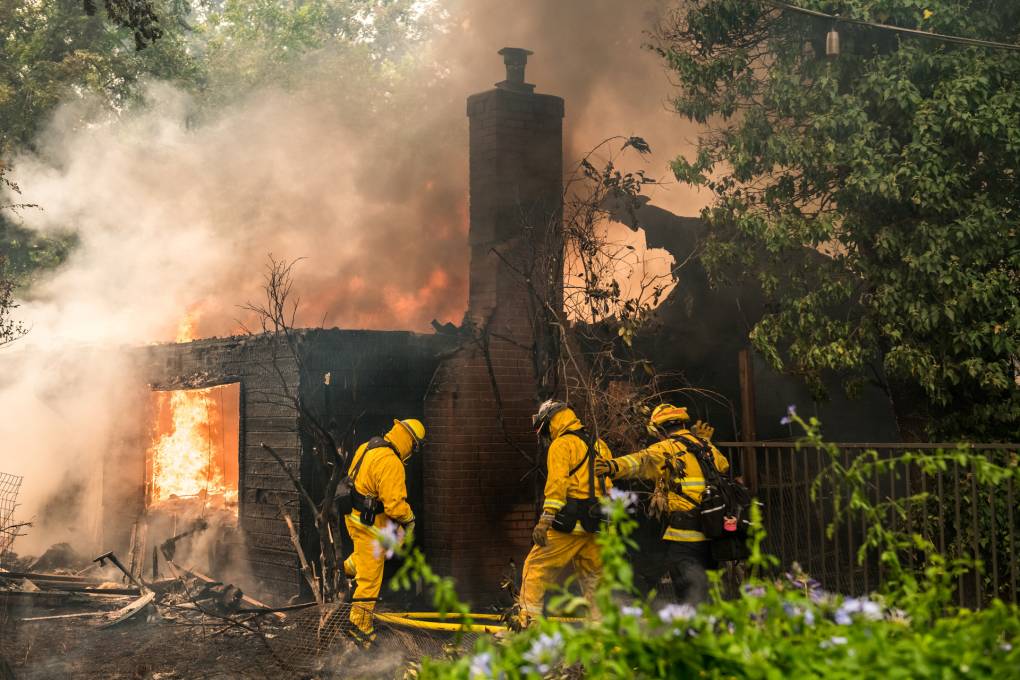
"caption": "Firefighters battle the LNU Lightning Complex blaze as it engulfs a home off Pleasants Valley Road near Vacaville on Aug. 19, 2020.",
"description": "Firefighters battle the LNU Lightning Complex blaze as it engulfs a home off Pleasants Valley Road near Vacaville on Aug. 19, 2020.",
"title": "RS44499_023_KQED_Vacaville_LNULightningComplexFire_08192020-qut",
"credit": "Beth LaBerge/KQED",
"status": "inherit",
"isLoading": false,
"fetchFailed": false
},
"news_11808510": {
"type": "attachments",
"id": "news_11808510",
"meta": {
"index": "attachments_1716263798",
"site": "news",
"id": "11808510",
"found": true
},
"parent": 11808503,
"imgSizes": {
"apple_news_ca_landscape_5_5": {
"file": "https://ww2.kqed.org/app/uploads/sites/10/2020/03/rumorcontrol_032420_final-1044x783.png",
"width": 1044,
"mimeType": "image/png",
"height": 783
},
"apple_news_ca_square_4_0": {
"file": "https://ww2.kqed.org/app/uploads/sites/10/2020/03/rumorcontrol_032420_final-470x470.png",
"width": 470,
"mimeType": "image/png",
"height": 470
},
"twentyfourteen-full-width": {
"file": "https://ww2.kqed.org/app/uploads/sites/10/2020/03/rumorcontrol_032420_final-1038x576.png",
"width": 1038,
"mimeType": "image/png",
"height": 576
},
"thumbnail": {
"file": "https://ww2.kqed.org/app/uploads/sites/10/2020/03/rumorcontrol_032420_final-160x117.png",
"width": 160,
"mimeType": "image/png",
"height": 117
},
"post-thumbnail": {
"file": "https://ww2.kqed.org/app/uploads/sites/10/2020/03/rumorcontrol_032420_final-672x372.png",
"width": 672,
"mimeType": "image/png",
"height": 372
},
"kqedFullSize": {
"file": "https://ww2.kqed.org/app/uploads/sites/10/2020/03/rumorcontrol_032420_final.png",
"width": 1920,
"height": 1407
},
"apple_news_ca_landscape_4_7": {
"file": "https://ww2.kqed.org/app/uploads/sites/10/2020/03/rumorcontrol_032420_final-632x474.png",
"width": 632,
"mimeType": "image/png",
"height": 474
},
"large": {
"file": "https://ww2.kqed.org/app/uploads/sites/10/2020/03/rumorcontrol_032420_final-1020x747.png",
"width": 1020,
"mimeType": "image/png",
"height": 747
},
"apple_news_ca_landscape_4_0": {
"file": "https://ww2.kqed.org/app/uploads/sites/10/2020/03/rumorcontrol_032420_final-536x402.png",
"width": 536,
"mimeType": "image/png",
"height": 402
},
"apple_news_ca_portrait_12_9": {
"file": "https://ww2.kqed.org/app/uploads/sites/10/2020/03/rumorcontrol_032420_final-1122x1407.png",
"width": 1122,
"mimeType": "image/png",
"height": 1407
},
"medium": {
"file": "https://ww2.kqed.org/app/uploads/sites/10/2020/03/rumorcontrol_032420_final-800x586.png",
"width": 800,
"mimeType": "image/png",
"height": 586
},
"apple_news_ca_portrait_4_0": {
"file": "https://ww2.kqed.org/app/uploads/sites/10/2020/03/rumorcontrol_032420_final-354x472.png",
"width": 354,
"mimeType": "image/png",
"height": 472
},
"apple_news_ca_portrait_9_7": {
"file": "https://ww2.kqed.org/app/uploads/sites/10/2020/03/rumorcontrol_032420_final-840x1120.png",
"width": 840,
"mimeType": "image/png",
"height": 1120
},
"apple_news_ca_landscape_12_9": {
"file": "https://ww2.kqed.org/app/uploads/sites/10/2020/03/rumorcontrol_032420_final-1832x1374.png",
"width": 1832,
"mimeType": "image/png",
"height": 1374
},
"apple_news_ca_square_9_7": {
"file": "https://ww2.kqed.org/app/uploads/sites/10/2020/03/rumorcontrol_032420_final-1104x1104.png",
"width": 1104,
"mimeType": "image/png",
"height": 1104
},
"apple_news_ca_portrait_4_7": {
"file": "https://ww2.kqed.org/app/uploads/sites/10/2020/03/rumorcontrol_032420_final-414x552.png",
"width": 414,
"mimeType": "image/png",
"height": 552
},
"apple_news_ca_square_12_9": {
"file": "https://ww2.kqed.org/app/uploads/sites/10/2020/03/rumorcontrol_032420_final-1472x1407.png",
"width": 1472,
"mimeType": "image/png",
"height": 1407
},
"apple_news_ca_portrait_5_5": {
"file": "https://ww2.kqed.org/app/uploads/sites/10/2020/03/rumorcontrol_032420_final-687x916.png",
"width": 687,
"mimeType": "image/png",
"height": 916
},
"full-width": {
"file": "https://ww2.kqed.org/app/uploads/sites/10/2020/03/rumorcontrol_032420_final-1920x1407.png",
"width": 1920,
"mimeType": "image/png",
"height": 1407
},
"apple_news_ca_square_4_7": {
"file": "https://ww2.kqed.org/app/uploads/sites/10/2020/03/rumorcontrol_032420_final-550x550.png",
"width": 550,
"mimeType": "image/png",
"height": 550
},
"apple_news_ca_landscape_9_7": {
"file": "https://ww2.kqed.org/app/uploads/sites/10/2020/03/rumorcontrol_032420_final-1376x1032.png",
"width": 1376,
"mimeType": "image/png",
"height": 1032
},
"apple_news_ca_square_5_5": {
"file": "https://ww2.kqed.org/app/uploads/sites/10/2020/03/rumorcontrol_032420_final-912x912.png",
"width": 912,
"mimeType": "image/png",
"height": 912
}
},
"publishDate": 1585093778,
"modified": 1585093809,
"caption": null,
"description": null,
"title": "rumorcontrol_032420_final",
"credit": null,
"status": "inherit",
"isLoading": false,
"fetchFailed": false
},
"news_11796217": {
"type": "attachments",
"id": "news_11796217",
"meta": {
"index": "attachments_1716263798",
"site": "news",
"id": "11796217",
"found": true
},
"parent": 11796185,
"imgSizes": {
"apple_news_ca_landscape_5_5": {
"file": "https://ww2.kqed.org/app/uploads/sites/10/2020/01/Richmond-Homeless-Encampment-1044x783.jpg",
"width": 1044,
"mimeType": "image/jpeg",
"height": 783
},
"apple_news_ca_square_4_0": {
"file": "https://ww2.kqed.org/app/uploads/sites/10/2020/01/Richmond-Homeless-Encampment-470x470.jpg",
"width": 470,
"mimeType": "image/jpeg",
"height": 470
},
"twentyfourteen-full-width": {
"file": "https://ww2.kqed.org/app/uploads/sites/10/2020/01/Richmond-Homeless-Encampment-1038x576.jpg",
"width": 1038,
"mimeType": "image/jpeg",
"height": 576
},
"thumbnail": {
"file": "https://ww2.kqed.org/app/uploads/sites/10/2020/01/Richmond-Homeless-Encampment-160x107.jpg",
"width": 160,
"mimeType": "image/jpeg",
"height": 107
},
"post-thumbnail": {
"file": "https://ww2.kqed.org/app/uploads/sites/10/2020/01/Richmond-Homeless-Encampment-672x372.jpg",
"width": 672,
"mimeType": "image/jpeg",
"height": 372
},
"kqedFullSize": {
"file": "https://ww2.kqed.org/app/uploads/sites/10/2020/01/Richmond-Homeless-Encampment.jpg",
"width": 1920,
"height": 1280
},
"apple_news_ca_landscape_4_7": {
"file": "https://ww2.kqed.org/app/uploads/sites/10/2020/01/Richmond-Homeless-Encampment-632x474.jpg",
"width": 632,
"mimeType": "image/jpeg",
"height": 474
},
"large": {
"file": "https://ww2.kqed.org/app/uploads/sites/10/2020/01/Richmond-Homeless-Encampment-1020x680.jpg",
"width": 1020,
"mimeType": "image/jpeg",
"height": 680
},
"complete_open_graph": {
"file": "https://ww2.kqed.org/app/uploads/sites/10/2020/01/Richmond-Homeless-Encampment-1200x800.jpg",
"width": 1200,
"mimeType": "image/jpeg",
"height": 800
},
"apple_news_ca_landscape_4_0": {
"file": "https://ww2.kqed.org/app/uploads/sites/10/2020/01/Richmond-Homeless-Encampment-536x402.jpg",
"width": 536,
"mimeType": "image/jpeg",
"height": 402
},
"apple_news_ca_portrait_12_9": {
"file": "https://ww2.kqed.org/app/uploads/sites/10/2020/01/Richmond-Homeless-Encampment-1122x1280.jpg",
"width": 1122,
"mimeType": "image/jpeg",
"height": 1280
},
"medium": {
"file": "https://ww2.kqed.org/app/uploads/sites/10/2020/01/Richmond-Homeless-Encampment-800x533.jpg",
"width": 800,
"mimeType": "image/jpeg",
"height": 533
},
"apple_news_ca_portrait_4_0": {
"file": "https://ww2.kqed.org/app/uploads/sites/10/2020/01/Richmond-Homeless-Encampment-354x472.jpg",
"width": 354,
"mimeType": "image/jpeg",
"height": 472
},
"apple_news_ca_portrait_9_7": {
"file": "https://ww2.kqed.org/app/uploads/sites/10/2020/01/Richmond-Homeless-Encampment-840x1120.jpg",
"width": 840,
"mimeType": "image/jpeg",
"height": 1120
},
"apple_news_ca_landscape_12_9": {
"file": "https://ww2.kqed.org/app/uploads/sites/10/2020/01/Richmond-Homeless-Encampment-1832x1280.jpg",
"width": 1832,
"mimeType": "image/jpeg",
"height": 1280
},
"apple_news_ca_square_9_7": {
"file": "https://ww2.kqed.org/app/uploads/sites/10/2020/01/Richmond-Homeless-Encampment-1104x1104.jpg",
"width": 1104,
"mimeType": "image/jpeg",
"height": 1104
},
"apple_news_ca_portrait_4_7": {
"file": "https://ww2.kqed.org/app/uploads/sites/10/2020/01/Richmond-Homeless-Encampment-414x552.jpg",
"width": 414,
"mimeType": "image/jpeg",
"height": 552
},
"apple_news_ca_square_12_9": {
"file": "https://ww2.kqed.org/app/uploads/sites/10/2020/01/Richmond-Homeless-Encampment-1472x1280.jpg",
"width": 1472,
"mimeType": "image/jpeg",
"height": 1280
},
"apple_news_ca_portrait_5_5": {
"file": "https://ww2.kqed.org/app/uploads/sites/10/2020/01/Richmond-Homeless-Encampment-687x916.jpg",
"width": 687,
"mimeType": "image/jpeg",
"height": 916
},
"full-width": {
"file": "https://ww2.kqed.org/app/uploads/sites/10/2020/01/Richmond-Homeless-Encampment-1920x1280.jpg",
"width": 1920,
"mimeType": "image/jpeg",
"height": 1280
},
"apple_news_ca_square_4_7": {
"file": "https://ww2.kqed.org/app/uploads/sites/10/2020/01/Richmond-Homeless-Encampment-550x550.jpg",
"width": 550,
"mimeType": "image/jpeg",
"height": 550
},
"apple_news_ca_landscape_9_7": {
"file": "https://ww2.kqed.org/app/uploads/sites/10/2020/01/Richmond-Homeless-Encampment-1376x1032.jpg",
"width": 1376,
"mimeType": "image/jpeg",
"height": 1032
},
"apple_news_ca_square_5_5": {
"file": "https://ww2.kqed.org/app/uploads/sites/10/2020/01/Richmond-Homeless-Encampment-912x912.jpg",
"width": 912,
"mimeType": "image/jpeg",
"height": 912
}
},
"publishDate": 1579126972,
"modified": 1579127036,
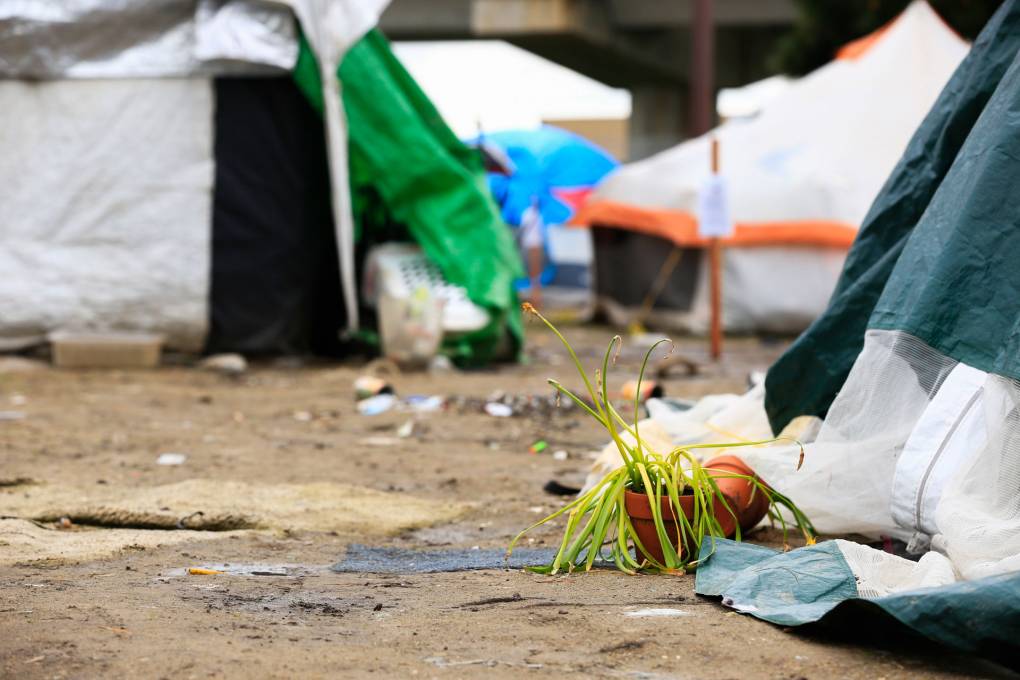
"caption": "A homeless encampment in Richmond in March, 2019.",
"description": "A homeless encampment in Richmond in March, 2019.",
"title": "Richmond-Homeless-Encampment",
"credit": "Sruti Mamidanna/KQED",
"status": "inherit",
"isLoading": false,
"fetchFailed": false
},
"news_11795758": {
"type": "attachments",
"id": "news_11795758",
"meta": {
"index": "attachments_1716263798",
"site": "news",
"id": "11795758",
"found": true
},
"parent": 11795704,
"imgSizes": {
"apple_news_ca_landscape_5_5": {
"file": "https://ww2.kqed.org/app/uploads/sites/10/2020/01/GettyImages-1187643721-1-1044x783.jpg",
"width": 1044,
"mimeType": "image/jpeg",
"height": 783
},
"apple_news_ca_square_4_0": {
"file": "https://ww2.kqed.org/app/uploads/sites/10/2020/01/GettyImages-1187643721-1-470x470.jpg",
"width": 470,
"mimeType": "image/jpeg",
"height": 470
},
"twentyfourteen-full-width": {
"file": "https://ww2.kqed.org/app/uploads/sites/10/2020/01/GettyImages-1187643721-1-1038x576.jpg",
"width": 1038,
"mimeType": "image/jpeg",
"height": 576
},
"thumbnail": {
"file": "https://ww2.kqed.org/app/uploads/sites/10/2020/01/GettyImages-1187643721-1-160x107.jpg",
"width": 160,
"mimeType": "image/jpeg",
"height": 107
},
"post-thumbnail": {
"file": "https://ww2.kqed.org/app/uploads/sites/10/2020/01/GettyImages-1187643721-1-672x372.jpg",
"width": 672,
"mimeType": "image/jpeg",
"height": 372
},
"kqedFullSize": {
"file": "https://ww2.kqed.org/app/uploads/sites/10/2020/01/GettyImages-1187643721-1.jpg",
"width": 1920,
"height": 1280
},
"apple_news_ca_landscape_4_7": {
"file": "https://ww2.kqed.org/app/uploads/sites/10/2020/01/GettyImages-1187643721-1-632x474.jpg",
"width": 632,
"mimeType": "image/jpeg",
"height": 474
},
"large": {
"file": "https://ww2.kqed.org/app/uploads/sites/10/2020/01/GettyImages-1187643721-1-1020x680.jpg",
"width": 1020,
"mimeType": "image/jpeg",
"height": 680
},
"complete_open_graph": {
"file": "https://ww2.kqed.org/app/uploads/sites/10/2020/01/GettyImages-1187643721-1-1200x800.jpg",
"width": 1200,
"mimeType": "image/jpeg",
"height": 800
},
"apple_news_ca_landscape_4_0": {
"file": "https://ww2.kqed.org/app/uploads/sites/10/2020/01/GettyImages-1187643721-1-536x402.jpg",
"width": 536,
"mimeType": "image/jpeg",
"height": 402
},
"apple_news_ca_portrait_12_9": {
"file": "https://ww2.kqed.org/app/uploads/sites/10/2020/01/GettyImages-1187643721-1-1122x1280.jpg",
"width": 1122,
"mimeType": "image/jpeg",
"height": 1280
},
"medium": {
"file": "https://ww2.kqed.org/app/uploads/sites/10/2020/01/GettyImages-1187643721-1-800x533.jpg",
"width": 800,
"mimeType": "image/jpeg",
"height": 533
},
"apple_news_ca_portrait_4_0": {
"file": "https://ww2.kqed.org/app/uploads/sites/10/2020/01/GettyImages-1187643721-1-354x472.jpg",
"width": 354,
"mimeType": "image/jpeg",
"height": 472
},
"apple_news_ca_portrait_9_7": {
"file": "https://ww2.kqed.org/app/uploads/sites/10/2020/01/GettyImages-1187643721-1-840x1120.jpg",
"width": 840,
"mimeType": "image/jpeg",
"height": 1120
},
"apple_news_ca_landscape_12_9": {
"file": "https://ww2.kqed.org/app/uploads/sites/10/2020/01/GettyImages-1187643721-1-1832x1280.jpg",
"width": 1832,
"mimeType": "image/jpeg",
"height": 1280
},
"apple_news_ca_square_9_7": {
"file": "https://ww2.kqed.org/app/uploads/sites/10/2020/01/GettyImages-1187643721-1-1104x1104.jpg",
"width": 1104,
"mimeType": "image/jpeg",
"height": 1104
},
"apple_news_ca_portrait_4_7": {
"file": "https://ww2.kqed.org/app/uploads/sites/10/2020/01/GettyImages-1187643721-1-414x552.jpg",
"width": 414,
"mimeType": "image/jpeg",
"height": 552
},
"apple_news_ca_square_12_9": {
"file": "https://ww2.kqed.org/app/uploads/sites/10/2020/01/GettyImages-1187643721-1-1472x1280.jpg",
"width": 1472,
"mimeType": "image/jpeg",
"height": 1280
},
"apple_news_ca_portrait_5_5": {
"file": "https://ww2.kqed.org/app/uploads/sites/10/2020/01/GettyImages-1187643721-1-687x916.jpg",
"width": 687,
"mimeType": "image/jpeg",
"height": 916
},
"full-width": {
"file": "https://ww2.kqed.org/app/uploads/sites/10/2020/01/GettyImages-1187643721-1-1920x1280.jpg",
"width": 1920,
"mimeType": "image/jpeg",
"height": 1280
},
"apple_news_ca_square_4_7": {
"file": "https://ww2.kqed.org/app/uploads/sites/10/2020/01/GettyImages-1187643721-1-550x550.jpg",
"width": 550,
"mimeType": "image/jpeg",
"height": 550
},
"apple_news_ca_landscape_9_7": {
"file": "https://ww2.kqed.org/app/uploads/sites/10/2020/01/GettyImages-1187643721-1-1376x1032.jpg",
"width": 1376,
"mimeType": "image/jpeg",
"height": 1032
},
"apple_news_ca_square_5_5": {
"file": "https://ww2.kqed.org/app/uploads/sites/10/2020/01/GettyImages-1187643721-1-912x912.jpg",
"width": 912,
"mimeType": "image/jpeg",
"height": 912
}
},
"publishDate": 1578865467,
"modified": 1578961494,
"caption": "Federal Emergency Management Agency acting Administrator Peter Gaynor. The federal agency is under scrutiny by California lawmakers after they requested money from wildfire victims.",
"description": "Federal Emergency Management Agency Acting Administrator Peter Gaynor. The federal agency is under scrutiny by California lawmakers after they requested money from wildfire victims.",
"title": "GettyImages-1187643721 (1)",
"credit": "Chip Somodevilla/Getty Images",
"status": "inherit",
"isLoading": false,
"fetchFailed": false
},
"news_11770666": {
"type": "attachments",
"id": "news_11770666",
"meta": {
"index": "attachments_1716263798",
"site": "news",
"id": "11770666",
"found": true
},
"parent": 11770654,
"imgSizes": {
"apple_news_ca_landscape_5_5": {
"file": "https://ww2.kqed.org/app/uploads/sites/10/2019/08/RS38819_GettyImages-1126810193-qut-1044x783.jpg",
"width": 1044,
"mimeType": "image/jpeg",
"height": 783
},
"apple_news_ca_square_4_0": {
"file": "https://ww2.kqed.org/app/uploads/sites/10/2019/08/RS38819_GettyImages-1126810193-qut-470x470.jpg",
"width": 470,
"mimeType": "image/jpeg",
"height": 470
},
"twentyfourteen-full-width": {
"file": "https://ww2.kqed.org/app/uploads/sites/10/2019/08/RS38819_GettyImages-1126810193-qut-1038x576.jpg",
"width": 1038,
"mimeType": "image/jpeg",
"height": 576
},
"thumbnail": {
"file": "https://ww2.kqed.org/app/uploads/sites/10/2019/08/RS38819_GettyImages-1126810193-qut-160x105.jpg",
"width": 160,
"mimeType": "image/jpeg",
"height": 105
},
"post-thumbnail": {
"file": "https://ww2.kqed.org/app/uploads/sites/10/2019/08/RS38819_GettyImages-1126810193-qut-672x372.jpg",
"width": 672,
"mimeType": "image/jpeg",
"height": 372
},
"kqedFullSize": {
"file": "https://ww2.kqed.org/app/uploads/sites/10/2019/08/RS38819_GettyImages-1126810193-qut.jpg",
"width": 1920,
"height": 1265
},
"apple_news_ca_landscape_4_7": {
"file": "https://ww2.kqed.org/app/uploads/sites/10/2019/08/RS38819_GettyImages-1126810193-qut-632x474.jpg",
"width": 632,
"mimeType": "image/jpeg",
"height": 474
},
"large": {
"file": "https://ww2.kqed.org/app/uploads/sites/10/2019/08/RS38819_GettyImages-1126810193-qut-1020x672.jpg",
"width": 1020,
"mimeType": "image/jpeg",
"height": 672
},
"complete_open_graph": {
"file": "https://ww2.kqed.org/app/uploads/sites/10/2019/08/RS38819_GettyImages-1126810193-qut-1200x791.jpg",
"width": 1200,
"mimeType": "image/jpeg",
"height": 791
},
"apple_news_ca_landscape_4_0": {
"file": "https://ww2.kqed.org/app/uploads/sites/10/2019/08/RS38819_GettyImages-1126810193-qut-536x402.jpg",
"width": 536,
"mimeType": "image/jpeg",
"height": 402
},
"apple_news_ca_portrait_12_9": {
"file": "https://ww2.kqed.org/app/uploads/sites/10/2019/08/RS38819_GettyImages-1126810193-qut-1122x1265.jpg",
"width": 1122,
"mimeType": "image/jpeg",
"height": 1265
},
"medium": {
"file": "https://ww2.kqed.org/app/uploads/sites/10/2019/08/RS38819_GettyImages-1126810193-qut-800x527.jpg",
"width": 800,
"mimeType": "image/jpeg",
"height": 527
},
"apple_news_ca_portrait_4_0": {
"file": "https://ww2.kqed.org/app/uploads/sites/10/2019/08/RS38819_GettyImages-1126810193-qut-354x472.jpg",
"width": 354,
"mimeType": "image/jpeg",
"height": 472
},
"apple_news_ca_portrait_9_7": {
"file": "https://ww2.kqed.org/app/uploads/sites/10/2019/08/RS38819_GettyImages-1126810193-qut-840x1120.jpg",
"width": 840,
"mimeType": "image/jpeg",
"height": 1120
},
"apple_news_ca_landscape_12_9": {
"file": "https://ww2.kqed.org/app/uploads/sites/10/2019/08/RS38819_GettyImages-1126810193-qut-1832x1265.jpg",
"width": 1832,
"mimeType": "image/jpeg",
"height": 1265
},
"apple_news_ca_square_9_7": {
"file": "https://ww2.kqed.org/app/uploads/sites/10/2019/08/RS38819_GettyImages-1126810193-qut-1104x1104.jpg",
"width": 1104,
"mimeType": "image/jpeg",
"height": 1104
},
"apple_news_ca_portrait_4_7": {
"file": "https://ww2.kqed.org/app/uploads/sites/10/2019/08/RS38819_GettyImages-1126810193-qut-414x552.jpg",
"width": 414,
"mimeType": "image/jpeg",
"height": 552
},
"apple_news_ca_square_12_9": {
"file": "https://ww2.kqed.org/app/uploads/sites/10/2019/08/RS38819_GettyImages-1126810193-qut-1472x1265.jpg",
"width": 1472,
"mimeType": "image/jpeg",
"height": 1265
},
"apple_news_ca_portrait_5_5": {
"file": "https://ww2.kqed.org/app/uploads/sites/10/2019/08/RS38819_GettyImages-1126810193-qut-687x916.jpg",
"width": 687,
"mimeType": "image/jpeg",
"height": 916
},
"full-width": {
"file": "https://ww2.kqed.org/app/uploads/sites/10/2019/08/RS38819_GettyImages-1126810193-qut-1920x1265.jpg",
"width": 1920,
"mimeType": "image/jpeg",
"height": 1265
},
"apple_news_ca_square_4_7": {
"file": "https://ww2.kqed.org/app/uploads/sites/10/2019/08/RS38819_GettyImages-1126810193-qut-550x550.jpg",
"width": 550,
"mimeType": "image/jpeg",
"height": 550
},
"apple_news_ca_landscape_9_7": {
"file": "https://ww2.kqed.org/app/uploads/sites/10/2019/08/RS38819_GettyImages-1126810193-qut-1376x1032.jpg",
"width": 1376,
"mimeType": "image/jpeg",
"height": 1032
},
"apple_news_ca_square_5_5": {
"file": "https://ww2.kqed.org/app/uploads/sites/10/2019/08/RS38819_GettyImages-1126810193-qut-912x912.jpg",
"width": 912,
"mimeType": "image/jpeg",
"height": 912
}
},
"publishDate": 1567020155,
"modified": 1567020214,
"caption": "A U.S. Border Patrol agent speaks with Central American immigrants at the border fence after they crossed the Rio Grande from Mexico in El Paso, Texas. ",
"description": null,
"title": "U.S. Customs And Border Patrol Agents Patrol Border In El Paso, TX",
"credit": "John Moore/Getty Images",
"status": "inherit",
"isLoading": false,
"fetchFailed": false
},
"news_11770848": {
"type": "attachments",
"id": "news_11770848",
"meta": {
"index": "attachments_1716263798",
"site": "news",
"id": "11770848",
"found": true
},
"parent": 11770836,
"imgSizes": {
"apple_news_ca_landscape_5_5": {
"file": "https://ww2.kqed.org/app/uploads/sites/10/2019/08/longarm_082819_final-1044x783.jpg",
"width": 1044,
"mimeType": "image/jpeg",
"height": 783
},
"apple_news_ca_square_4_0": {
"file": "https://ww2.kqed.org/app/uploads/sites/10/2019/08/longarm_082819_final-470x470.jpg",
"width": 470,
"mimeType": "image/jpeg",
"height": 470
},
"twentyfourteen-full-width": {
"file": "https://ww2.kqed.org/app/uploads/sites/10/2019/08/longarm_082819_final-1038x576.jpg",
"width": 1038,
"mimeType": "image/jpeg",
"height": 576
},
"thumbnail": {
"file": "https://ww2.kqed.org/app/uploads/sites/10/2019/08/longarm_082819_final-160x120.jpg",
"width": 160,
"mimeType": "image/jpeg",
"height": 120
},
"post-thumbnail": {
"file": "https://ww2.kqed.org/app/uploads/sites/10/2019/08/longarm_082819_final-672x372.jpg",
"width": 672,
"mimeType": "image/jpeg",
"height": 372
},
"kqedFullSize": {
"file": "https://ww2.kqed.org/app/uploads/sites/10/2019/08/longarm_082819_final.jpg",
"width": 1920,
"height": 1434
},
"apple_news_ca_landscape_4_7": {
"file": "https://ww2.kqed.org/app/uploads/sites/10/2019/08/longarm_082819_final-632x474.jpg",
"width": 632,
"mimeType": "image/jpeg",
"height": 474
},
"large": {
"file": "https://ww2.kqed.org/app/uploads/sites/10/2019/08/longarm_082819_final-1020x762.jpg",
"width": 1020,
"mimeType": "image/jpeg",
"height": 762
},
"complete_open_graph": {
"file": "https://ww2.kqed.org/app/uploads/sites/10/2019/08/longarm_082819_final-1200x896.jpg",
"width": 1200,
"mimeType": "image/jpeg",
"height": 896
},
"apple_news_ca_landscape_4_0": {
"file": "https://ww2.kqed.org/app/uploads/sites/10/2019/08/longarm_082819_final-536x402.jpg",
"width": 536,
"mimeType": "image/jpeg",
"height": 402
},
"apple_news_ca_portrait_12_9": {
"file": "https://ww2.kqed.org/app/uploads/sites/10/2019/08/longarm_082819_final-1122x1434.jpg",
"width": 1122,
"mimeType": "image/jpeg",
"height": 1434
},
"medium": {
"file": "https://ww2.kqed.org/app/uploads/sites/10/2019/08/longarm_082819_final-800x598.jpg",
"width": 800,
"mimeType": "image/jpeg",
"height": 598
},
"apple_news_ca_portrait_4_0": {
"file": "https://ww2.kqed.org/app/uploads/sites/10/2019/08/longarm_082819_final-354x472.jpg",
"width": 354,
"mimeType": "image/jpeg",
"height": 472
},
"apple_news_ca_portrait_9_7": {
"file": "https://ww2.kqed.org/app/uploads/sites/10/2019/08/longarm_082819_final-840x1120.jpg",
"width": 840,
"mimeType": "image/jpeg",
"height": 1120
},
"apple_news_ca_landscape_12_9": {
"file": "https://ww2.kqed.org/app/uploads/sites/10/2019/08/longarm_082819_final-1832x1374.jpg",
"width": 1832,
"mimeType": "image/jpeg",
"height": 1374
},
"apple_news_ca_square_9_7": {
"file": "https://ww2.kqed.org/app/uploads/sites/10/2019/08/longarm_082819_final-1104x1104.jpg",
"width": 1104,
"mimeType": "image/jpeg",
"height": 1104
},
"apple_news_ca_portrait_4_7": {
"file": "https://ww2.kqed.org/app/uploads/sites/10/2019/08/longarm_082819_final-414x552.jpg",
"width": 414,
"mimeType": "image/jpeg",
"height": 552
},
"apple_news_ca_square_12_9": {
"file": "https://ww2.kqed.org/app/uploads/sites/10/2019/08/longarm_082819_final-1472x1434.jpg",
"width": 1472,
"mimeType": "image/jpeg",
"height": 1434
},
"apple_news_ca_portrait_5_5": {
"file": "https://ww2.kqed.org/app/uploads/sites/10/2019/08/longarm_082819_final-687x916.jpg",
"width": 687,
"mimeType": "image/jpeg",
"height": 916
},
"full-width": {
"file": "https://ww2.kqed.org/app/uploads/sites/10/2019/08/longarm_082819_final-1920x1434.jpg",
"width": 1920,
"mimeType": "image/jpeg",
"height": 1434
},
"apple_news_ca_square_4_7": {
"file": "https://ww2.kqed.org/app/uploads/sites/10/2019/08/longarm_082819_final-550x550.jpg",
"width": 550,
"mimeType": "image/jpeg",
"height": 550
},
"apple_news_ca_landscape_9_7": {
"file": "https://ww2.kqed.org/app/uploads/sites/10/2019/08/longarm_082819_final-1376x1032.jpg",
"width": 1376,
"mimeType": "image/jpeg",
"height": 1032
},
"apple_news_ca_square_5_5": {
"file": "https://ww2.kqed.org/app/uploads/sites/10/2019/08/longarm_082819_final-912x912.jpg",
"width": 912,
"mimeType": "image/jpeg",
"height": 912
}
},
"publishDate": 1567034135,
"modified": 1567034166,
"caption": null,
"description": null,
"title": "longarm_082819_final",
"credit": null,
"status": "inherit",
"isLoading": false,
"fetchFailed": false
},
"news_11750497": {
"type": "attachments",
"id": "news_11750497",
"meta": {
"index": "attachments_1716263798",
"site": "news",
"id": "11750497",
"found": true
},
"parent": 11750394,
"imgSizes": {
"apple_news_ca_landscape_5_5": {
"file": "https://ww2.kqed.org/app/uploads/sites/10/2019/05/Paradise-1044x783.png",
"width": 1044,
"mimeType": "image/png",
"height": 783
},
"apple_news_ca_square_4_0": {
"file": "https://ww2.kqed.org/app/uploads/sites/10/2019/05/Paradise-470x470.png",
"width": 470,
"mimeType": "image/png",
"height": 470
},
"twentyfourteen-full-width": {
"file": "https://ww2.kqed.org/app/uploads/sites/10/2019/05/Paradise-1038x576.png",
"width": 1038,
"mimeType": "image/png",
"height": 576
},
"thumbnail": {
"file": "https://ww2.kqed.org/app/uploads/sites/10/2019/05/Paradise-160x93.png",
"width": 160,
"mimeType": "image/png",
"height": 93
},
"post-thumbnail": {
"file": "https://ww2.kqed.org/app/uploads/sites/10/2019/05/Paradise-672x372.png",
"width": 672,
"mimeType": "image/png",
"height": 372
},
"kqedFullSize": {
"file": "https://ww2.kqed.org/app/uploads/sites/10/2019/05/Paradise.png",
"width": 1920,
"height": 1115
},
"apple_news_ca_landscape_4_7": {
"file": "https://ww2.kqed.org/app/uploads/sites/10/2019/05/Paradise-632x474.png",
"width": 632,
"mimeType": "image/png",
"height": 474
},
"large": {
"file": "https://ww2.kqed.org/app/uploads/sites/10/2019/05/Paradise-1020x592.png",
"width": 1020,
"mimeType": "image/png",
"height": 592
},
"complete_open_graph": {
"file": "https://ww2.kqed.org/app/uploads/sites/10/2019/05/Paradise-1200x697.png",
"width": 1200,
"mimeType": "image/png",
"height": 697
},
"apple_news_ca_landscape_4_0": {
"file": "https://ww2.kqed.org/app/uploads/sites/10/2019/05/Paradise-536x402.png",
"width": 536,
"mimeType": "image/png",
"height": 402
},
"apple_news_ca_portrait_12_9": {
"file": "https://ww2.kqed.org/app/uploads/sites/10/2019/05/Paradise-1122x1115.png",
"width": 1122,
"mimeType": "image/png",
"height": 1115
},
"medium": {
"file": "https://ww2.kqed.org/app/uploads/sites/10/2019/05/Paradise-800x465.png",
"width": 800,
"mimeType": "image/png",
"height": 465
},
"apple_news_ca_portrait_4_0": {
"file": "https://ww2.kqed.org/app/uploads/sites/10/2019/05/Paradise-354x472.png",
"width": 354,
"mimeType": "image/png",
"height": 472
},
"apple_news_ca_portrait_9_7": {
"file": "https://ww2.kqed.org/app/uploads/sites/10/2019/05/Paradise-840x1115.png",
"width": 840,
"mimeType": "image/png",
"height": 1115
},
"apple_news_ca_landscape_12_9": {
"file": "https://ww2.kqed.org/app/uploads/sites/10/2019/05/Paradise-1832x1115.png",
"width": 1832,
"mimeType": "image/png",
"height": 1115
},
"apple_news_ca_square_9_7": {
"file": "https://ww2.kqed.org/app/uploads/sites/10/2019/05/Paradise-1104x1104.png",
"width": 1104,
"mimeType": "image/png",
"height": 1104
},
"apple_news_ca_portrait_4_7": {
"file": "https://ww2.kqed.org/app/uploads/sites/10/2019/05/Paradise-414x552.png",
"width": 414,
"mimeType": "image/png",
"height": 552
},
"apple_news_ca_square_12_9": {
"file": "https://ww2.kqed.org/app/uploads/sites/10/2019/05/Paradise-1472x1115.png",
"width": 1472,
"mimeType": "image/png",
"height": 1115
},
"apple_news_ca_portrait_5_5": {
"file": "https://ww2.kqed.org/app/uploads/sites/10/2019/05/Paradise-687x916.png",
"width": 687,
"mimeType": "image/png",
"height": 916
},
"full-width": {
"file": "https://ww2.kqed.org/app/uploads/sites/10/2019/05/Paradise-1920x1115.png",
"width": 1920,
"mimeType": "image/png",
"height": 1115
},
"apple_news_ca_square_4_7": {
"file": "https://ww2.kqed.org/app/uploads/sites/10/2019/05/Paradise-550x550.png",
"width": 550,
"mimeType": "image/png",
"height": 550
},
"apple_news_ca_landscape_9_7": {
"file": "https://ww2.kqed.org/app/uploads/sites/10/2019/05/Paradise-1376x1032.png",
"width": 1376,
"mimeType": "image/png",
"height": 1032
},
"apple_news_ca_square_5_5": {
"file": "https://ww2.kqed.org/app/uploads/sites/10/2019/05/Paradise-912x912.png",
"width": 912,
"mimeType": "image/png",
"height": 912
}
},
"publishDate": 1559082008,
"modified": 1559085329,
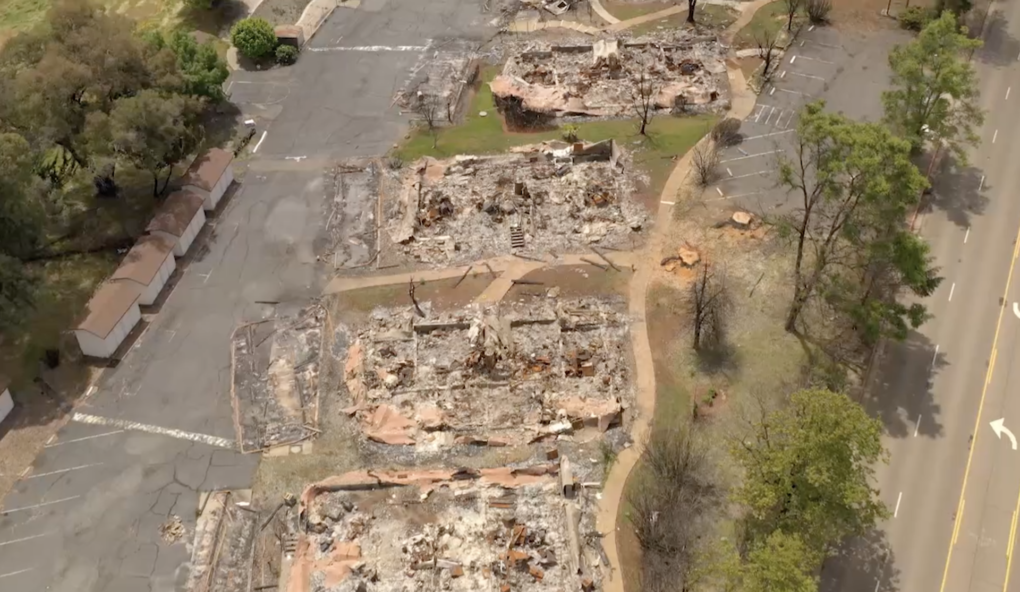
"caption": "Buildings near a Safeway supermarket were destroyed in Paradise on Nov. 8, as seen in footage taken on May 22. The Camp Fire destroyed nearly 19,000 structures and claimed 85 lives.",
"description": null,
"title": "Paradise",
"credit": "Ellie McCutcheon for NPR",
"status": "inherit",
"isLoading": false,
"fetchFailed": false
},
"news_11742295": {
"type": "attachments",
"id": "news_11742295",
"meta": {
"index": "attachments_1716263798",
"site": "news",
"id": "11742295",
"found": true
},
"parent": 11742290,
"imgSizes": {
"twentyfourteen-full-width": {
"file": "https://ww2.kqed.org/app/uploads/sites/10/2019/04/arrival_042319_final-1038x576.jpg",
"width": 1038,
"mimeType": "image/jpeg",
"height": 576
},
"thumbnail": {
"file": "https://ww2.kqed.org/app/uploads/sites/10/2019/04/arrival_042319_final-160x96.jpg",
"width": 160,
"mimeType": "image/jpeg",
"height": 96
},
"post-thumbnail": {
"file": "https://ww2.kqed.org/app/uploads/sites/10/2019/04/arrival_042319_final-672x372.jpg",
"width": 672,
"mimeType": "image/jpeg",
"height": 372
},
"kqedFullSize": {
"file": "https://ww2.kqed.org/app/uploads/sites/10/2019/04/arrival_042319_final.jpg",
"width": 1920,
"height": 1157
},
"large": {
"file": "https://ww2.kqed.org/app/uploads/sites/10/2019/04/arrival_042319_final-1020x615.jpg",
"width": 1020,
"mimeType": "image/jpeg",
"height": 615
},
"complete_open_graph": {
"file": "https://ww2.kqed.org/app/uploads/sites/10/2019/04/arrival_042319_final-1200x723.jpg",
"width": 1200,
"mimeType": "image/jpeg",
"height": 723
},
"full-width": {
"file": "https://ww2.kqed.org/app/uploads/sites/10/2019/04/arrival_042319_final-1920x1157.jpg",
"width": 1920,
"mimeType": "image/jpeg",
"height": 1157
},
"medium": {
"file": "https://ww2.kqed.org/app/uploads/sites/10/2019/04/arrival_042319_final-800x482.jpg",
"width": 800,
"mimeType": "image/jpeg",
"height": 482
}
},
"publishDate": 1556059072,
"modified": 1556059111,
"caption": null,
"description": null,
"title": "arrival_042319_final",
"credit": null,
"status": "inherit",
"isLoading": false,
"fetchFailed": false
},
"news_11742332": {
"type": "attachments",
"id": "news_11742332",
"meta": {
"index": "attachments_1716263798",
"site": "news",
"id": "11742332",
"found": true
},
"parent": 11742053,
"imgSizes": {
"twentyfourteen-full-width": {
"file": "https://ww2.kqed.org/app/uploads/sites/10/2019/04/fema-mobile-home-units-camp-fire-qut-1038x576.jpg",
"width": 1038,
"mimeType": "image/jpeg",
"height": 576
},
"thumbnail": {
"file": "https://ww2.kqed.org/app/uploads/sites/10/2019/04/fema-mobile-home-units-camp-fire-qut-160x100.jpg",
"width": 160,
"mimeType": "image/jpeg",
"height": 100
},
"post-thumbnail": {
"file": "https://ww2.kqed.org/app/uploads/sites/10/2019/04/fema-mobile-home-units-camp-fire-qut-672x372.jpg",
"width": 672,
"mimeType": "image/jpeg",
"height": 372
},
"kqedFullSize": {
"file": "https://ww2.kqed.org/app/uploads/sites/10/2019/04/fema-mobile-home-units-camp-fire-qut.jpg",
"width": 1920,
"height": 1201
},
"large": {
"file": "https://ww2.kqed.org/app/uploads/sites/10/2019/04/fema-mobile-home-units-camp-fire-qut-1020x638.jpg",
"width": 1020,
"mimeType": "image/jpeg",
"height": 638
},
"complete_open_graph": {
"file": "https://ww2.kqed.org/app/uploads/sites/10/2019/04/fema-mobile-home-units-camp-fire-qut-1200x751.jpg",
"width": 1200,
"mimeType": "image/jpeg",
"height": 751
},
"full-width": {
"file": "https://ww2.kqed.org/app/uploads/sites/10/2019/04/fema-mobile-home-units-camp-fire-qut-1920x1201.jpg",
"width": 1920,
"mimeType": "image/jpeg",
"height": 1201
},
"medium": {
"file": "https://ww2.kqed.org/app/uploads/sites/10/2019/04/fema-mobile-home-units-camp-fire-qut-800x500.jpg",
"width": 800,
"mimeType": "image/jpeg",
"height": 500
}
},
"publishDate": 1556065175,
"modified": 1556065608,
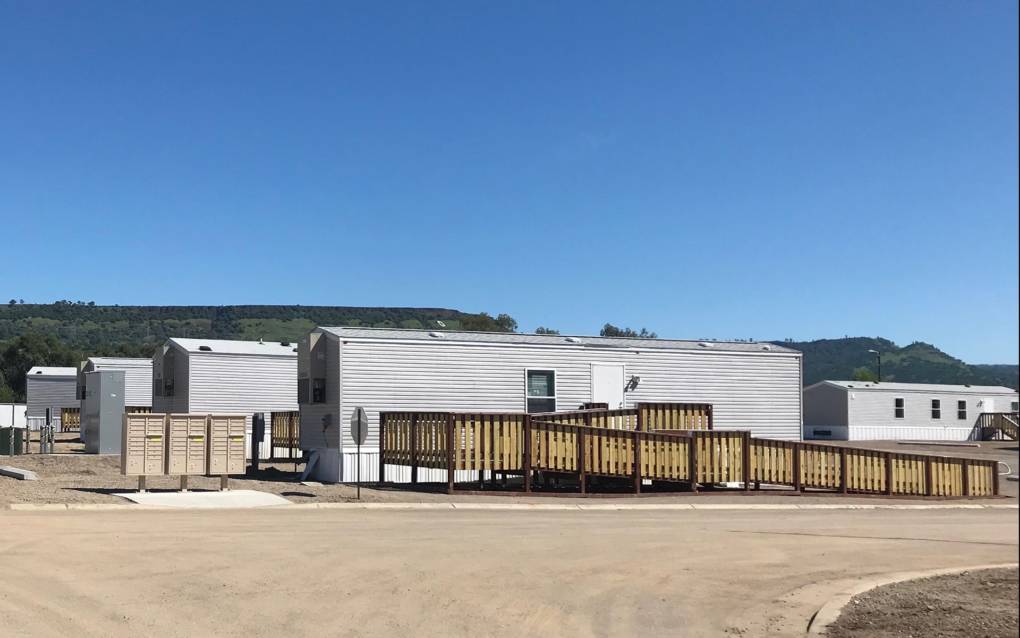
"caption": "Nearly six months after the Camp Fire erupted, FEMA is getting ready to open its first mobile home park for survivors of the blaze amid criticism that the agency didn’t bring in housing support more quickly. Pictured: Rosewood Estates in Oroville on April 18, 2019.",
"description": "Nearly six months after the Camp Fire erupted, FEMA is getting ready to open its first mobile home park for survivors of the blaze amid criticism that the agency didn’t bring in housing support more quickly. Pictured: Rosewood Estates in Oroville on April 18, 2019.",
"title": "fema mobile home units camp fire-qut",
"credit": "Polly Stryker/KQED",
"status": "inherit",
"isLoading": false,
"fetchFailed": false
},
"news_11733915": {
"type": "attachments",
"id": "news_11733915",
"meta": {
"index": "attachments_1716263798",
"site": "news",
"id": "11733915",
"found": true
},
"parent": 11733874,
"imgSizes": {
"post-thumbnail": {
"file": "https://ww2.kqed.org/app/uploads/sites/10/2019/03/KG_oroville_3376702_12_19-672x372.jpg",
"width": 672,
"mimeType": "image/jpeg",
"height": 372
},
"kqedFullSize": {
"file": "https://ww2.kqed.org/app/uploads/sites/10/2019/03/KG_oroville_3376702_12_19-e1553022864808.jpg",
"width": 1920,
"height": 1439
},
"guest-author-50": {
"file": "https://ww2.kqed.org/app/uploads/sites/10/2019/03/KG_oroville_3376702_12_19-50x50.jpg",
"width": 50,
"mimeType": "image/jpeg",
"height": 50
},
"guest-author-96": {
"file": "https://ww2.kqed.org/app/uploads/sites/10/2019/03/KG_oroville_3376702_12_19-96x96.jpg",
"width": 96,
"mimeType": "image/jpeg",
"height": 96
},
"apple_news_ca_portrait_12_9": {
"file": "https://ww2.kqed.org/app/uploads/sites/10/2019/03/KG_oroville_3376702_12_19-1122x1496.jpg",
"width": 1122,
"mimeType": "image/jpeg",
"height": 1496
},
"medium": {
"file": "https://ww2.kqed.org/app/uploads/sites/10/2019/03/KG_oroville_3376702_12_19-800x600.jpg",
"width": 800,
"mimeType": "image/jpeg",
"height": 600
},
"guest-author-32": {
"file": "https://ww2.kqed.org/app/uploads/sites/10/2019/03/KG_oroville_3376702_12_19-32x32.jpg",
"width": 32,
"mimeType": "image/jpeg",
"height": 32
},
"apple_news_ca_portrait_9_7": {
"file": "https://ww2.kqed.org/app/uploads/sites/10/2019/03/KG_oroville_3376702_12_19-840x1120.jpg",
"width": 840,
"mimeType": "image/jpeg",
"height": 1120
},
"apple_news_ca_square_9_7": {
"file": "https://ww2.kqed.org/app/uploads/sites/10/2019/03/KG_oroville_3376702_12_19-1104x1104.jpg",
"width": 1104,
"mimeType": "image/jpeg",
"height": 1104
},
"apple_news_ca_portrait_4_7": {
"file": "https://ww2.kqed.org/app/uploads/sites/10/2019/03/KG_oroville_3376702_12_19-414x552.jpg",
"width": 414,
"mimeType": "image/jpeg",
"height": 552
},
"apple_news_ca_square_12_9": {
"file": "https://ww2.kqed.org/app/uploads/sites/10/2019/03/KG_oroville_3376702_12_19-1472x1472.jpg",
"width": 1472,
"mimeType": "image/jpeg",
"height": 1472
},
"apple_news_ca_portrait_5_5": {
"file": "https://ww2.kqed.org/app/uploads/sites/10/2019/03/KG_oroville_3376702_12_19-687x916.jpg",
"width": 687,
"mimeType": "image/jpeg",
"height": 916
},
"apple_news_ca_square_4_7": {
"file": "https://ww2.kqed.org/app/uploads/sites/10/2019/03/KG_oroville_3376702_12_19-550x550.jpg",
"width": 550,
"mimeType": "image/jpeg",
"height": 550
},
"apple_news_ca_square_5_5": {
"file": "https://ww2.kqed.org/app/uploads/sites/10/2019/03/KG_oroville_3376702_12_19-912x912.jpg",
"width": 912,
"mimeType": "image/jpeg",
"height": 912
},
"apple_news_ca_landscape_5_5": {
"file": "https://ww2.kqed.org/app/uploads/sites/10/2019/03/KG_oroville_3376702_12_19-1044x783.jpg",
"width": 1044,
"mimeType": "image/jpeg",
"height": 783
},
"apple_news_ca_square_4_0": {
"file": "https://ww2.kqed.org/app/uploads/sites/10/2019/03/KG_oroville_3376702_12_19-470x470.jpg",
"width": 470,
"mimeType": "image/jpeg",
"height": 470
},
"twentyfourteen-full-width": {
"file": "https://ww2.kqed.org/app/uploads/sites/10/2019/03/KG_oroville_3376702_12_19-1038x576.jpg",
"width": 1038,
"mimeType": "image/jpeg",
"height": 576
},
"thumbnail": {
"file": "https://ww2.kqed.org/app/uploads/sites/10/2019/03/KG_oroville_3376702_12_19-160x120.jpg",
"width": 160,
"mimeType": "image/jpeg",
"height": 120
},
"apple_news_ca_landscape_4_7": {
"file": "https://ww2.kqed.org/app/uploads/sites/10/2019/03/KG_oroville_3376702_12_19-632x474.jpg",
"width": 632,
"mimeType": "image/jpeg",
"height": 474
},
"large": {
"file": "https://ww2.kqed.org/app/uploads/sites/10/2019/03/KG_oroville_3376702_12_19-1020x765.jpg",
"width": 1020,
"mimeType": "image/jpeg",
"height": 765
},
"complete_open_graph": {
"file": "https://ww2.kqed.org/app/uploads/sites/10/2019/03/KG_oroville_3376702_12_19-1200x900.jpg",
"width": 1200,
"mimeType": "image/jpeg",
"height": 900
},
"apple_news_ca_landscape_4_0": {
"file": "https://ww2.kqed.org/app/uploads/sites/10/2019/03/KG_oroville_3376702_12_19-536x402.jpg",
"width": 536,
"mimeType": "image/jpeg",
"height": 402
},
"guest-author-64": {
"file": "https://ww2.kqed.org/app/uploads/sites/10/2019/03/KG_oroville_3376702_12_19-64x64.jpg",
"width": 64,
"mimeType": "image/jpeg",
"height": 64
},
"apple_news_ca_portrait_4_0": {
"file": "https://ww2.kqed.org/app/uploads/sites/10/2019/03/KG_oroville_3376702_12_19-354x472.jpg",
"width": 354,
"mimeType": "image/jpeg",
"height": 472
},
"apple_news_ca_landscape_12_9": {
"file": "https://ww2.kqed.org/app/uploads/sites/10/2019/03/KG_oroville_3376702_12_19-1832x1374.jpg",
"width": 1832,
"mimeType": "image/jpeg",
"height": 1374
},
"full-width": {
"file": "https://ww2.kqed.org/app/uploads/sites/10/2019/03/KG_oroville_3376702_12_19-1920x1439.jpg",
"width": 1920,
"mimeType": "image/jpeg",
"height": 1439
},
"guest-author-128": {
"file": "https://ww2.kqed.org/app/uploads/sites/10/2019/03/KG_oroville_3376702_12_19-128x128.jpg",
"width": 128,
"mimeType": "image/jpeg",
"height": 128
},
"apple_news_ca_landscape_9_7": {
"file": "https://ww2.kqed.org/app/uploads/sites/10/2019/03/KG_oroville_3376702_12_19-1376x1032.jpg",
"width": 1376,
"mimeType": "image/jpeg",
"height": 1032
}
},
"publishDate": 1553022767,
"modified": 1553032412,
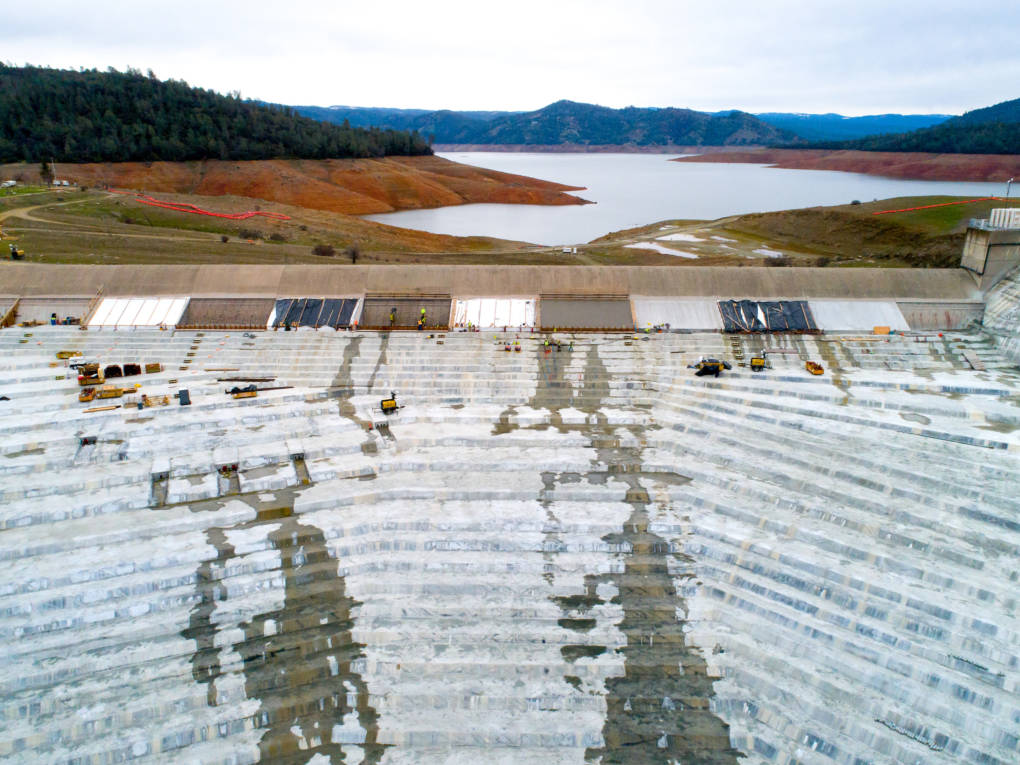
"caption": "A drone provides a view of Lake Oroville and the emergency spillway splashpad as crews continue to work on the new concrete cap over the roller-compacted concrete buttress below the spillway weir.",
"description": null,
"title": "Oroville Spillway-Emergency Spillway-February 2019",
"credit": "Kelly M. Grow/California Department of Water Resources",
"status": "inherit",
"isLoading": false,
"fetchFailed": false
},
"news_11731571": {
"type": "attachments",
"id": "news_11731571",
"meta": {
"index": "attachments_1716263798",
"site": "news",
"id": "11731571",
"found": true
},
"parent": 11731545,
"imgSizes": {
"twentyfourteen-full-width": {
"file": "https://ww2.kqed.org/app/uploads/sites/10/2019/03/KG_oroville_01_22_19_31866-1038x576.jpg",
"width": 1038,
"mimeType": "image/jpeg",
"height": 576
},
"thumbnail": {
"file": "https://ww2.kqed.org/app/uploads/sites/10/2019/03/KG_oroville_01_22_19_31866-160x98.jpg",
"width": 160,
"mimeType": "image/jpeg",
"height": 98
},
"post-thumbnail": {
"file": "https://ww2.kqed.org/app/uploads/sites/10/2019/03/KG_oroville_01_22_19_31866-672x372.jpg",
"width": 672,
"mimeType": "image/jpeg",
"height": 372
},
"kqedFullSize": {
"file": "https://ww2.kqed.org/app/uploads/sites/10/2019/03/KG_oroville_01_22_19_31866-e1552070701839.jpg",
"width": 1920,
"height": 1175
},
"large": {
"file": "https://ww2.kqed.org/app/uploads/sites/10/2019/03/KG_oroville_01_22_19_31866-1020x624.jpg",
"width": 1020,
"mimeType": "image/jpeg",
"height": 624
},
"complete_open_graph": {
"file": "https://ww2.kqed.org/app/uploads/sites/10/2019/03/KG_oroville_01_22_19_31866-1200x734.jpg",
"width": 1200,
"mimeType": "image/jpeg",
"height": 734
},
"guest-author-50": {
"file": "https://ww2.kqed.org/app/uploads/sites/10/2019/03/KG_oroville_01_22_19_31866-50x50.jpg",
"width": 50,
"mimeType": "image/jpeg",
"height": 50
},
"guest-author-96": {
"file": "https://ww2.kqed.org/app/uploads/sites/10/2019/03/KG_oroville_01_22_19_31866-96x96.jpg",
"width": 96,
"mimeType": "image/jpeg",
"height": 96
},
"medium": {
"file": "https://ww2.kqed.org/app/uploads/sites/10/2019/03/KG_oroville_01_22_19_31866-800x489.jpg",
"width": 800,
"mimeType": "image/jpeg",
"height": 489
},
"guest-author-64": {
"file": "https://ww2.kqed.org/app/uploads/sites/10/2019/03/KG_oroville_01_22_19_31866-64x64.jpg",
"width": 64,
"mimeType": "image/jpeg",
"height": 64
},
"guest-author-32": {
"file": "https://ww2.kqed.org/app/uploads/sites/10/2019/03/KG_oroville_01_22_19_31866-32x32.jpg",
"width": 32,
"mimeType": "image/jpeg",
"height": 32
},
"full-width": {
"file": "https://ww2.kqed.org/app/uploads/sites/10/2019/03/KG_oroville_01_22_19_31866-1920x1174.jpg",
"width": 1920,
"mimeType": "image/jpeg",
"height": 1174
},
"guest-author-128": {
"file": "https://ww2.kqed.org/app/uploads/sites/10/2019/03/KG_oroville_01_22_19_31866-128x128.jpg",
"width": 128,
"mimeType": "image/jpeg",
"height": 128
}
},
"publishDate": 1552070538,
"modified": 1552070692,
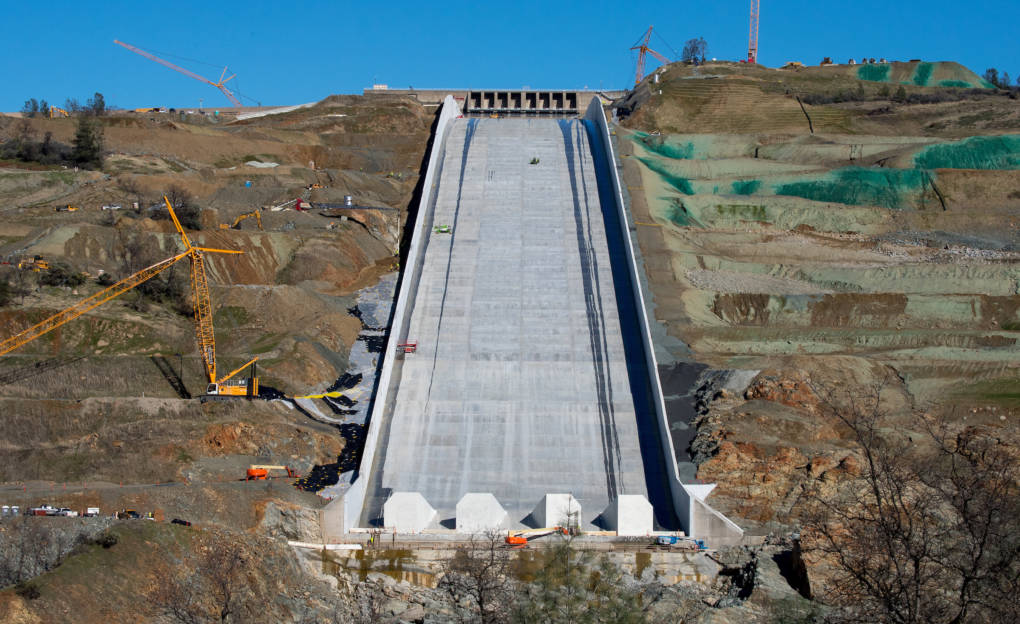
"caption": "The rebuilt Oroville Dam spillway, pictured in January 2019. The effort to rebuild the structure and reinforce the adjoining emergency spillway has a current cost estimate of $1.1 billion. ",
"description": null,
"title": "Oroville Spillway-January 2019",
"credit": "Kelly M. Grown/California Department of Water Resources",
"status": "inherit",
"isLoading": false,
"fetchFailed": false
},
"news_11723695": {
"type": "attachments",
"id": "news_11723695",
"meta": {
"index": "attachments_1716263798",
"site": "news",
"id": "11723695",
"found": true
},
"parent": 11723656,
"imgSizes": {
"twentyfourteen-full-width": {
"file": "https://ww2.kqed.org/app/uploads/sites/10/2019/02/IMG_0893-1038x576.jpg",
"width": 1038,
"mimeType": "image/jpeg",
"height": 576
},
"thumbnail": {
"file": "https://ww2.kqed.org/app/uploads/sites/10/2019/02/IMG_0893-160x120.jpg",
"width": 160,
"mimeType": "image/jpeg",
"height": 120
},
"post-thumbnail": {
"file": "https://ww2.kqed.org/app/uploads/sites/10/2019/02/IMG_0893-672x372.jpg",
"width": 672,
"mimeType": "image/jpeg",
"height": 372
},
"kqedFullSize": {
"file": "https://ww2.kqed.org/app/uploads/sites/10/2019/02/IMG_0893-e1549416456876.jpg",
"width": 1920,
"height": 1440
},
"large": {
"file": "https://ww2.kqed.org/app/uploads/sites/10/2019/02/IMG_0893-1020x765.jpg",
"width": 1020,
"mimeType": "image/jpeg",
"height": 765
},
"complete_open_graph": {
"file": "https://ww2.kqed.org/app/uploads/sites/10/2019/02/IMG_0893-1200x900.jpg",
"width": 1200,
"mimeType": "image/jpeg",
"height": 900
},
"guest-author-50": {
"file": "https://ww2.kqed.org/app/uploads/sites/10/2019/02/IMG_0893-50x50.jpg",
"width": 50,
"mimeType": "image/jpeg",
"height": 50
},
"guest-author-96": {
"file": "https://ww2.kqed.org/app/uploads/sites/10/2019/02/IMG_0893-96x96.jpg",
"width": 96,
"mimeType": "image/jpeg",
"height": 96
},
"medium": {
"file": "https://ww2.kqed.org/app/uploads/sites/10/2019/02/IMG_0893-800x600.jpg",
"width": 800,
"mimeType": "image/jpeg",
"height": 600
},
"guest-author-64": {
"file": "https://ww2.kqed.org/app/uploads/sites/10/2019/02/IMG_0893-64x64.jpg",
"width": 64,
"mimeType": "image/jpeg",
"height": 64
},
"guest-author-32": {
"file": "https://ww2.kqed.org/app/uploads/sites/10/2019/02/IMG_0893-32x32.jpg",
"width": 32,
"mimeType": "image/jpeg",
"height": 32
},
"full-width": {
"file": "https://ww2.kqed.org/app/uploads/sites/10/2019/02/IMG_0893-1920x1440.jpg",
"width": 1920,
"mimeType": "image/jpeg",
"height": 1440
},
"detail": {
"file": "https://ww2.kqed.org/app/uploads/sites/10/2019/02/IMG_0893-150x150.jpg",
"width": 150,
"mimeType": "image/jpeg",
"height": 150
},
"guest-author-128": {
"file": "https://ww2.kqed.org/app/uploads/sites/10/2019/02/IMG_0893-128x128.jpg",
"width": 128,
"mimeType": "image/jpeg",
"height": 128
}
},
"publishDate": 1549411781,
"modified": 1549416960,
"caption": "Mike Jenkins is living in an RV in Paradise right now, but may be forced to move out.",
"description": "Mike Jenkins is living in an RV right now, but may be forced to move out.",
"title": "IMG_0893",
"credit": "Sonja Hutson/KQED",
"status": "inherit",
"isLoading": false,
"fetchFailed": false
}
},
"audioPlayerReducer": {
"postId": "stream_live",
"isPaused": true,
"isPlaying": false,
"pfsActive": false,
"pledgeModalIsOpen": true,
"playerDrawerIsOpen": false,
"liveAudioPlayStartedAt": 0,
"liveAudioPlayContext": ""
},
"authorsReducer": {
"byline_news_11770654": {
"type": "authors",
"id": "byline_news_11770654",
"meta": {
"override": true
},
"slug": "byline_news_11770654",
"name": "Colleen Long \u003cbr> Associated Press",
"isLoading": false
},
"byline_news_11750394": {
"type": "authors",
"id": "byline_news_11750394",
"meta": {
"override": true
},
"slug": "byline_news_11750394",
"name": "Kirk Siegler",
"isLoading": false
},
"danbrekke": {
"type": "authors",
"id": "222",
"meta": {
"index": "authors_1716337520",
"id": "222",
"found": true
},
"name": "Dan Brekke",
"firstName": "Dan",
"lastName": "Brekke",
"slug": "danbrekke",
"email": "dbrekke@kqed.org",
"display_author_email": true,
"staff_mastheads": [
"news",
"science"
],
"title": "KQED Editor and Reporter",
"bio": "Dan Brekke is a reporter and editor for KQED News, responsible for coverage of topics ranging from California water issues to the Bay Area's transportation challenges. In a newsroom career that began in Chicago in 1972, Dan has worked for \u003cem>The San Francisco Examiner,\u003c/em> Wired and TechTV and has been published in The New York Times, The New York Times Magazine, Business 2.0, Salon and elsewhere.\r\n\r\nSince joining KQED in 2007, Dan has reported, edited and produced both radio and online features and breaking news pieces. He has shared as both editor and reporter in four Society of Professional Journalists Norcal Excellence in Journalism awards and one Edward R. Murrow regional award. He was chosen for a spring 2017 residency at the Mesa Refuge to advance his research on California salmon.\r\n\r\nEmail Dan at: \u003ca href=\"mailto:dbrekke@kqed.org\">dbrekke@kqed.org\u003c/a>\r\n\r\n\u003cstrong>Twitter:\u003c/strong> \u003ca href=\"https://twitter.com/danbrekke\" rel=\"noopener noreferrer\">twitter.com/danbrekke\u003c/a>\r\n\u003cstrong>Facebook:\u003c/strong> \u003ca href=\"https://www.facebook.com/danbrekke\" rel=\"noopener noreferrer\">www.facebook.com/danbrekke\u003c/a>\r\n\u003cstrong>LinkedIn:\u003c/strong> \u003ca href=\"https://www.linkedin.com/in/danbrekke\" rel=\"noopener noreferrer\">www.linkedin.com/in/danbrekke\u003c/a>",
"avatar": "https://secure.gravatar.com/avatar/c8126230345efca3f7aa89b1a402be45?s=600&d=mm&r=g",
"twitter": "danbrekke",
"facebook": null,
"instagram": "https://www.instagram.com/dan.brekke/",
"linkedin": "https://www.linkedin.com/in/danbrekke/",
"sites": [
{
"site": "news",
"roles": [
"administrator",
"create_posts"
]
},
{
"site": "stateofhealth",
"roles": [
"editor"
]
},
{
"site": "science",
"roles": [
"editor"
]
},
{
"site": "quest",
"roles": [
"contributor"
]
},
{
"site": "food",
"roles": [
"contributor"
]
},
{
"site": "forum",
"roles": [
"contributor"
]
},
{
"site": "liveblog",
"roles": [
"editor"
]
}
],
"headData": {
"title": "Dan Brekke | KQED",
"description": "KQED Editor and Reporter",
"ogImgSrc": "https://secure.gravatar.com/avatar/c8126230345efca3f7aa89b1a402be45?s=600&d=mm&r=g",
"twImgSrc": "https://secure.gravatar.com/avatar/c8126230345efca3f7aa89b1a402be45?s=600&d=mm&r=g"
},
"isLoading": false,
"link": "/author/danbrekke"
},
"pollystryker": {
"type": "authors",
"id": "250",
"meta": {
"index": "authors_1716337520",
"id": "250",
"found": true
},
"name": "Polly Stryker",
"firstName": "Polly",
"lastName": "Stryker",
"slug": "pollystryker",
"email": "pstryker@kqed.org",
"display_author_email": false,
"staff_mastheads": [
"science"
],
"title": "Editor",
"bio": "Polly Stryker is a former editor for KQED's Science desk. She and reporter/host Rachael Myrow produced the KQED podcast, \u003ca href=\"http://www.npr.org/podcasts/448072249/love-in-the-digital-age\">Love in the Digital Age\u003c/a>.\r\n\r\nPolly has worked for a variety of news and public affairs programs, including most recently as editor of \u003cem>The California Report\u003c/em>. She also edited \u003ca href=\"https://ww2.kqed.org/news/programs/the-california-report\" target=\"_blank\" rel=\"noopener noreferrer\">\u003cem>The California Report'\u003c/em>s\u003c/a> \u003ca href=\"http://www.californiareport.org/healthdialogues/\" target=\"_blank\" rel=\"noopener noreferrer\">“Health Dialogues.”\u003c/a> Before that, she was a producer on \u003cem>\u003ca href=\"http://www.scpr.org/programs/airtalk/\" target=\"_blank\" rel=\"noopener noreferrer\">AirTalk\u003c/a>\u003c/em> with Larry Mantle on \u003ca href=\"http://www.scpr.org/\" target=\"_blank\" rel=\"noopener noreferrer\">KPCC\u003c/a> radio, and \u003cem>\u003ca href=\"http://www.kpbs.org/news/midday-edition/\">These Days\u003c/a>\u003c/em> on KPBS. Polly’s work has won awards from the Radio and Television News Directors Association of Northern California, the Society of Professional Journalists (Southern California and Northern California chapters), the Radio and Television News Association. She's also won a Taste Award.\r\n\r\nShe considers herself to be a citizen of the world, having grown up in Cairo before coming to the United States. Polly speaks Arabic and can say, \"I’d like a martini, please\" in Swahili.",
"avatar": "https://secure.gravatar.com/avatar/5012854a99868cb15a517a876d88f736?s=600&d=blank&r=g",
"twitter": null,
"facebook": null,
"instagram": null,
"linkedin": null,
"sites": [
{
"site": "",
"roles": [
"editor"
]
},
{
"site": "arts",
"roles": [
"administrator"
]
},
{
"site": "news",
"roles": [
"subscriber"
]
},
{
"site": "stateofhealth",
"roles": [
"author"
]
},
{
"site": "science",
"roles": [
"editor"
]
},
{
"site": "forum",
"roles": [
"editor"
]
}
],
"headData": {
"title": "Polly Stryker | KQED",
"description": "Editor",
"ogImgSrc": "https://secure.gravatar.com/avatar/5012854a99868cb15a517a876d88f736?s=600&d=blank&r=g",
"twImgSrc": "https://secure.gravatar.com/avatar/5012854a99868cb15a517a876d88f736?s=600&d=blank&r=g"
},
"isLoading": false,
"link": "/author/pollystryker"
},
"markfiore": {
"type": "authors",
"id": "3236",
"meta": {
"index": "authors_1716337520",
"id": "3236",
"found": true
},
"name": "Mark Fiore",
"firstName": "Mark",
"lastName": "Fiore",
"slug": "markfiore",
"email": "mark@markfiore.com",
"display_author_email": false,
"staff_mastheads": [
"news"
],
"title": "KQED News Cartoonist",
"bio": "\u003ca href=\"http://www.MarkFiore.com\">MarkFiore.com\u003c/a> | \u003ca href=\"https://twitter.com/markfiore\">Follow on Twitter\u003c/a> | \u003ca href=\"https://www.facebook.com/pages/Mark-Fiore-Animated-Political-Cartoons/94451707396?ref=bookmarks\">Facebook\u003c/a> | \u003ca href=\"mailto:mark@markfiore.com\">email\u003c/a>\r\n\r\nPulitzer Prize-winner, Mark Fiore, who the Wall Street Journal has called “the undisputed guru of the form,” creates animated political cartoons in San Francisco, where his work has been featured regularly on the San Francisco Chronicle’s web site, SFGate.com. His work has appeared on Newsweek.com, Slate.com, CBSNews.com, MotherJones.com, DailyKos.com and NPR’s web site. Fiore’s political animation has appeared on CNN, Frontline, Bill Moyers Journal, Salon.com and cable and broadcast outlets across the globe.\r\n\r\nBeginning his professional life by drawing traditional political cartoons for newspapers, Fiore’s work appeared in publications ranging from the Washington Post to the Los Angeles Times. In the late 1990s, he began to experiment with animating political cartoons and, after a short stint at the San Jose Mercury News as their staff cartoonist, Fiore devoted all his energies to animation.\r\nGrowing up in California, Fiore also spent a good portion of his life in the backwoods of Idaho. It was this combination that shaped him politically. Mark majored in political science at Colorado College, where, in a perfect send-off for a cartoonist, he received his diploma in 1991 as commencement speaker Dick Cheney smiled approvingly.\r\nMark Fiore was awarded the Pulitzer Prize for political cartooning in 2010, a Robert F. Kennedy Journalism Award in 2004 and has twice received an Online Journalism Award for commentary from the Online News Association (2002, 2008). Fiore has received two awards for his work in new media from the National Cartoonists Society (2001, 2002), and in 2006 received The James Madison Freedom of Information Award from The Society of Professional Journalists.",
"avatar": "https://secure.gravatar.com/avatar/fc4e2a612b15b67bad0c6f0e1db4ca9b?s=600&d=blank&r=g",
"twitter": "MarkFiore",
"facebook": null,
"instagram": "https://www.instagram.com/markfiore/?hl=en",
"linkedin": null,
"sites": [
{
"site": "arts",
"roles": [
"contributor"
]
},
{
"site": "news",
"roles": [
"editor"
]
},
{
"site": "futureofyou",
"roles": [
"editor"
]
},
{
"site": "science",
"roles": [
"editor"
]
}
],
"headData": {
"title": "Mark Fiore | KQED",
"description": "KQED News Cartoonist",
"ogImgSrc": "https://secure.gravatar.com/avatar/fc4e2a612b15b67bad0c6f0e1db4ca9b?s=600&d=blank&r=g",
"twImgSrc": "https://secure.gravatar.com/avatar/fc4e2a612b15b67bad0c6f0e1db4ca9b?s=600&d=blank&r=g"
},
"isLoading": false,
"link": "/author/markfiore"
},
"shutson": {
"type": "authors",
"id": "11216",
"meta": {
"index": "authors_1716337520",
"id": "11216",
"found": true
},
"name": "Sonja Hutson",
"firstName": "Sonja",
"lastName": "Hutson",
"slug": "shutson",
"email": "shutson@kqed.org",
"display_author_email": false,
"staff_mastheads": [],
"title": "KQED Contributor",
"bio": "Sonja Hutson is a former reporter for KQED's Silicon Valley desk and weekend newscasts. She primarily covers tech and housing. Sonja is a Bay Area native and now lives in San Francisco. When she's not working, you can find her camping, skiing, scuba diving, and struggling with the New York Times Crossword. Email: \u003ca href=\"mailto:shutson@kqed.org\">shutson@kqed.org. \u003c/a>Twitter: \u003ca href=\"https://twitter.com/SonjaHutson\">@SonjaHutson\u003c/a>",
"avatar": "https://secure.gravatar.com/avatar/7537c5e36818614e599b6c0f41d72b7a?s=600&d=blank&r=g",
"twitter": "SonjaHutson",
"facebook": null,
"instagram": null,
"linkedin": null,
"sites": [
{
"site": "arts",
"roles": [
"author"
]
},
{
"site": "news",
"roles": [
"subscriber"
]
}
],
"headData": {
"title": "Sonja Hutson | KQED",
"description": "KQED Contributor",
"ogImgSrc": "https://secure.gravatar.com/avatar/7537c5e36818614e599b6c0f41d72b7a?s=600&d=blank&r=g",
"twImgSrc": "https://secure.gravatar.com/avatar/7537c5e36818614e599b6c0f41d72b7a?s=600&d=blank&r=g"
},
"isLoading": false,
"link": "/author/shutson"
},
"agarces": {
"type": "authors",
"id": "11367",
"meta": {
"index": "authors_1716337520",
"id": "11367",
"found": true
},
"name": "Audrey Garces",
"firstName": "Audrey",
"lastName": "Garces",
"slug": "agarces",
"email": "agarces@kqed.org",
"display_author_email": false,
"staff_mastheads": [
"news"
],
"title": "Digital Producer",
"bio": "Audrey is a former digital producer at KQED News. Previously, she was a KQED Raul Ramirez Diversity Fund intern where she developed stories that focused on highlighting diverse voices in journalism. Prior to her work at KQED, she worked as a news intern at the San Francisco Examiner. Audrey graduated from San Francisco State University with a B.A. in journalism and a minor in political science.",
"avatar": "https://secure.gravatar.com/avatar/5211bc2e6a809b9956da169e35ce63d5?s=600&d=blank&r=g",
"twitter": "audgar",
"facebook": null,
"instagram": null,
"linkedin": null,
"sites": [
{
"site": "arts",
"roles": []
},
{
"site": "news",
"roles": [
"subscriber"
]
},
{
"site": "science",
"roles": [
"editor"
]
},
{
"site": "forum",
"roles": [
"editor"
]
},
{
"site": "perspectives",
"roles": [
"administrator"
]
}
],
"headData": {
"title": "Audrey Garces | KQED",
"description": "Digital Producer",
"ogImgSrc": "https://secure.gravatar.com/avatar/5211bc2e6a809b9956da169e35ce63d5?s=600&d=blank&r=g",
"twImgSrc": "https://secure.gravatar.com/avatar/5211bc2e6a809b9956da169e35ce63d5?s=600&d=blank&r=g"
},
"isLoading": false,
"link": "/author/agarces"
},
"jchang": {
"type": "authors",
"id": "11642",
"meta": {
"index": "authors_1716337520",
"id": "11642",
"found": true
},
"name": "Julie Chang",
"firstName": "Julie",
"lastName": "Chang",
"slug": "jchang",
"email": "jchang@kqed.org",
"display_author_email": false,
"staff_mastheads": [
"news"
],
"title": "KQED Contributor",
"bio": "Julie Chang is a reporter and producer (and occasional anchor) with the radio and digital teams at KQED. Before KQED, she worked at WAMU 88.5 in Washington D.C. and 89.3 KPCC in Los Angeles County. Her work has been featured on NPR’s Morning Edition and All Things Considered, Here & Now, the New York Times, and more. Julie graduated from UC Berkeley’s Graduate School of Journalism. She previously taught English at Pasadena City College, Fullerton College and Cal Poly Pomona. Julie earned her M.A. in English from Cal Poly Pomona and her B.A. in English from UCI with a minor in criminology.",
"avatar": "https://secure.gravatar.com/avatar/a7afce94ef127082c5475116b4a3b77d?s=600&d=blank&r=g",
"twitter": "BayAreaJulie",
"facebook": null,
"instagram": null,
"linkedin": "https://www.linkedin.com/in/julieyc/",
"sites": [
{
"site": "",
"roles": [
"editor"
]
},
{
"site": "news",
"roles": [
"author"
]
},
{
"site": "science",
"roles": [
"editor"
]
}
],
"headData": {
"title": "Julie Chang | KQED",
"description": "KQED Contributor",
"ogImgSrc": "https://secure.gravatar.com/avatar/a7afce94ef127082c5475116b4a3b77d?s=600&d=blank&r=g",
"twImgSrc": "https://secure.gravatar.com/avatar/a7afce94ef127082c5475116b4a3b77d?s=600&d=blank&r=g"
},
"isLoading": false,
"link": "/author/jchang"
},
"ebaldassari": {
"type": "authors",
"id": "11652",
"meta": {
"index": "authors_1716337520",
"id": "11652",
"found": true
},
"name": "Erin Baldassari",
"firstName": "Erin",
"lastName": "Baldassari",
"slug": "ebaldassari",
"email": "ebaldassari@KQED.org",
"display_author_email": true,
"staff_mastheads": [
"news"
],
"title": "Staff Writer",
"bio": "Erin Baldassari covers housing for KQED. She's a former print journalist and most recently worked as the transportation reporter for the \u003cem>Mercury News\u003c/em> and \u003cem>East Bay Times. \u003c/em>There, she focused on how the Bay Area’s housing shortage has changed the way people move around the region. She also served on the \u003cem>East Bay Times\u003c/em>’ 2017 Pulitzer Prize-winning team for coverage of the Ghost Ship Fire in Oakland. Prior to that, Erin worked as a breaking news and general assignment reporter for a variety of outlets in the Bay Area and the greater Boston area. A Tufts University alumna, Erin grew up in the foothills of the Sierra Nevada mountains and in Sonoma County. She is a life-long KQED listener.",
"avatar": "https://secure.gravatar.com/avatar/5e95cad64a8ca08288082212e199d2b0cbeb4fd8e8ef5339395f361032bbe005?s=600&d=blank&r=g",
"twitter": "e_baldi",
"bluesky": null,
"facebook": null,
"instagram": null,
"linkedin": null,
"sites": [
{
"site": "news",
"roles": [
"edit_others_posts",
"editor"
]
},
{
"site": "science",
"roles": [
"editor"
]
},
{
"site": "liveblog",
"roles": [
"editor"
]
}
],
"headData": {
"title": "Erin Baldassari | KQED",
"description": "Staff Writer",
"ogImgSrc": "https://secure.gravatar.com/avatar/5e95cad64a8ca08288082212e199d2b0cbeb4fd8e8ef5339395f361032bbe005?s=600&d=blank&r=g",
"twImgSrc": "https://secure.gravatar.com/avatar/5e95cad64a8ca08288082212e199d2b0cbeb4fd8e8ef5339395f361032bbe005?s=600&d=blank&r=g"
},
"isLoading": false,
"link": "/author/ebaldassari"
}
},
"pagesReducer": {
"news_tag_fema": {
"type": "terms",
"id": "news_21917",
"meta": {
"index": "terms_1716263798",
"site": "news",
"id": "21917",
"score": 9.892363
},
"featImg": null,
"name": "FEMA",
"description": null,
"taxonomy": "tag",
"headData": {
"twImgId": null,
"twTitle": null,
"ogTitle": null,
"ogImgId": null,
"twDescription": null,
"description": null,
"title": "FEMA Archives | KQED News",
"ogDescription": null
},
"ttid": 21934,
"slug": "fema",
"isLoading": false,
"title": "FEMA",
"pageMeta": {
"site": "news",
"WpPageTemplate": "page-topic-editorial",
"currentPage": 2
},
"blocks": [
{
"blockName": "kqed/post-list",
"attrs": {
"layout": "cardArticle2",
"query": "posts/news?tag=fema",
"seeMore": false,
"paginated": true,
"page": 2
}
},
{
"blockName": "kqed/ad"
}
]
}
},
"pfsSessionReducer": {},
"postsReducer": {
"stream_live": {
"type": "live",
"id": "stream_live",
"audioUrl": "https://streams.kqed.org/kqedradio",
"title": "Live Stream",
"excerpt": "Live Stream information currently unavailable.",
"link": "/radio",
"featImg": "",
"label": {
"name": "KQED Live",
"link": "/"
}
},
"stream_kqedNewscast": {
"type": "posts",
"id": "stream_kqedNewscast",
"audioUrl": "https://www.kqed.org/.stream/anon/radio/RDnews/newscast.mp3?_=1",
"title": "KQED Newscast",
"featImg": "",
"label": {
"name": "88.5 FM",
"link": "/"
}
},
"news_11835318": {
"type": "posts",
"id": "news_11835318",
"meta": {
"index": "posts_1716263798",
"site": "news",
"id": "11835318",
"score": null,
"sort": [
1598480397000
]
},
"guestAuthors": [],
"slug": "fema-disaster-assistance-in-california-how-fire-survivors-can-apply",
"title": "FEMA Disaster Assistance in California: How Fire Survivors Can Apply",
"publishDate": 1598480397,
"format": "standard",
"headTitle": "FEMA Disaster Assistance in California: How Fire Survivors Can Apply | KQED",
"labelTerm": {
"site": "news"
},
"content": "\u003cp>\u003ca href=\"https://www.kqed.org/news/11835692/como-puede-solicitar-asistencia-financiera-de-fema-por-los-incendios-forestales-en-california\" target=\"_blank\" rel=\"noopener noreferrer\">\u003cem>Leer en español\u003c/em>\u003c/a>\u003c/p>\n\u003cp>If you’ve been impacted by the recent lightning-sparked wildfires burning in and around the Bay Area, you can now register for disaster-related financial assistance though the Federal Emergency Management Agency (FEMA) in partnership with California’s Office of Emergency Services.\u003c/p>\n\u003cp>Grants are available for those impacted by the \u003ca href=\"https://www.kqed.org/news/11835259/good-weather-reinforcements-aiding-battle-to-control-huge-bay-area-wildfires\">ongoing wildfires\u003c/a> affecting Lake, Monterey, Napa, San Mateo, Santa Cruz, Solano, Sonoma and Yolo counties — which have so far collectively forced at least 170,000 residents to evacuate and destroyed more than 1,200 homes and other buildings.\u003c/p>\n\u003cp>FEMA’s financial assistance can help cover expenses including rent, home repair or replacement and other needs — such as child care, medical and dental expenses.\u003c/p>\n\u003cp>Remember: This assistance is available for survivors of the California wildfires that began Aug. 14, not for pandemic-related needs.\u003cbr>\n[ad fullwidth]\u003c/p>\n\u003ch3>How to Apply\u003c/h3>\n\u003cp>To apply for disaster-related assistance through FEMA, it’s important to return to your home — as soon as Cal Fire and law enforcement officials say it’s safe to do so — document the damage and file any insurance claims as quickly as possible, according to Frank Mansell, a FEMA spokesperson based out of Oakland.\u003c/p>\n\u003cp>Mansell said most of FEMA’s activities can’t take place until insurance claims have been filed, and insurance companies may be able to provide funds for living expenses in the meantime.\u003c/p>\n\u003cp>“Pretty much every insurance policy, both renter and homeowners, in California comes with an alternate living expense (policy), which means that once you file with your insurance company, they will advance you money for living expenses in very short order that will help tide you over while the application is going through FEMA,” Mansell said.\u003c/p>\n\u003cp>Here is a checklist of what to do if you plan to apply for FEMA assistance:\u003c/p>\n\u003cul>\n\u003cli>First, check out \u003ca href=\"https://www.kqed.org/news/11835665/evacuated-by-wildfire-heres-how-to-check-your-home-when-you-return-even-if-everything-seems-fine\">KQED’s post-disaster checklist\u003c/a> after you’ve been given the all clear to ensure you’re returning home safely\u003c/li>\n\u003cli>Once you’ve returned home, take photographs and video of the damage. Keep all receipts related to home repair\u003c/li>\n\u003cli>File a claim for the damage through your insurance company. Your insurance claim needs to be settled first because FEMA can’t duplicate assistance coming from other sources\u003c/li>\n\u003cli>If you’ve experienced losses that aren’t covered by your insurance, whether it be completely or partially, \u003ca href=\"https://www.disasterassistance.gov/\">apply for assistance though FEMA online\u003c/a>. You can also \u003ca href=\"https://www.fema.gov/about/news-multimedia/app\">download the FEMA app\u003c/a> available for iOS and Android, or call (800) 621-3362 (TTY 800-462-7585)\u003c/li>\n\u003cli>Be prepared to provide FEMA with the following information: your social security number, insurance policy information, address of the damaged primary dwelling, a description of damage and losses, current mailing address and phone number, total household annual income and the routing and account numbers of your bank account\u003c/li>\n\u003cli>You may be contacted to undergo a remote inspection process — more on that below\u003c/li>\n\u003cli>Make an online account with FEMA to check the status of your application, view messages and update your personal information, if needed. You should also upload important documents online, or mail them to FEMA at P.O. Box 10055, Hyattsville, Maryland, 20782 or fax them to (800) 827-8112\u003c/li>\n\u003c/ul>\n\u003ch3>Remote Inspection Process\u003c/h3>\n\u003cp>Due to the pandemic, FEMA has been conducting disaster-related home inspections over the phone since mid-March.\u003c/p>\n\u003cp>[aside postID=\"news_11833686,news_11834132,science_1930023\" label=\"Fire Resources\"]\u003c/p>\n\u003cp>If you can’t safely live in your home, someone from FEMA will call you to schedule a remote inspection. FEMA can provide translation and ASL interpreters for applicants who need it.\u003c/p>\n\u003cp>“It’s our experience that we’ve done so many inspections based on … other previous cases, we can get pretty good at assessing damage remotely. So it should save some time,” Mansell said.\u003c/p>\n\u003cp>You can expect the inspector to ask you a series of identification questions and request that you describe the damage in detail over the phone. They may also ask for additional photos of the damage. If there’s still more information needed after the call, FEMA may send an inspector to look at the property in person.\u003c/p>\n\u003cp>If your home has suffered minimal enough damage that you can still live in it, FEMA may or may not request a remote inspection.\u003c/p>\n\u003cp>Remote inspections aren’t required for other types of FEMA grants that cover child care, transportation, medical, dental, funeral expenses, moving and storage assistance.\u003c/p>\n\u003cp>\u003ca href=\"https://www.fema.gov/fact-sheet/individual-and-households-program-remote-inspections\">Here is more information\u003c/a> from FEMA about the remote inspection process.\u003c/p>\n\u003ch3>Need Additional Help?\u003c/h3>\n\u003cp>If you have any questions, contact the FEMA helpline at (800) 621-3362 (TTY 800-462-7585). If you use 711 or Video Relay Service, call (800) 621-3362.\u003c/p>\n\u003cp>Customer service representatives from the U.S. Small Business Administration’s \u003ca href=\"https://www.benefits.gov/benefit/1503\">Virtual Disaster Loan Outreach Center\u003c/a> can help business owners and individuals with questions about SBA’s disaster loan program at FOCWAssistance@sba.gov or (916) 735-1500.\u003c/p>\n\u003cp>If you don’t agree with FEMA’s decision regarding your application, you have 60 days from the date on FEMA’s determination letter to submit an appeal with additional information or documentation. If you’re insured, you have up to a year to appeal and to provide an insurance determination letter.\u003c/p>\n\u003cp>\u003c/p>\n",
"blocks": [],
"excerpt": "FEMA’s assistance can help cover expenses including rent, home repair or replacement and other needs such as child care, medical and dental expenses.",
"status": "publish",
"parent": 0,
"modified": 1721126131,
"stats": {
"hasAudio": false,
"hasVideo": false,
"hasChartOrMap": false,
"iframeSrcs": [],
"hasGoogleForm": false,
"hasGallery": false,
"hasHearkenModule": false,
"hasPolis": false,
"paragraphCount": 21,
"wordCount": 895
},
"headData": {
"title": "FEMA Disaster Assistance in California: How Fire Survivors Can Apply | KQED",
"description": "FEMA’s assistance can help cover expenses including rent, home repair or replacement and other needs such as child care, medical and dental expenses.",
"ogTitle": "",
"ogDescription": "",
"ogImgId": "",
"twTitle": "",
"twDescription": "",
"twImgId": "",
"schema": {
"@context": "https://schema.org",
"@type": "NewsArticle",
"headline": "FEMA Disaster Assistance in California: How Fire Survivors Can Apply",
"datePublished": "2020-08-26T15:19:57-07:00",
"dateModified": "2024-07-16T03:35:31-07:00",
"image": "https://cdn.kqed.org/wp-content/uploads/2020/02/KQED-OG-Image@1x.png",
"isAccessibleForFree": "True",
"publisher": {
"@type": "NewsMediaOrganization",
"@id": "https://www.kqed.org/#organization",
"name": "KQED",
"logo": "https://cdn.kqed.org/wp-content/uploads/2020/02/KQED-OG-Image@1x.png",
"url": "https://www.kqed.org",
"sameAs": [
"https://www.facebook.com/KQED",
"https://twitter.com/KQED",
"https://www.instagram.com/kqed/",
"https://www.tiktok.com/@kqedofficial",
"https://www.linkedin.com/company/kqed",
"https://www.youtube.com/channel/UCeC0IOo7i1P_61zVUWbJ4nw"
]
}
}
},
"sticky": false,
"path": "/news/11835318/fema-disaster-assistance-in-california-how-fire-survivors-can-apply",
"audioTrackLength": null,
"parsedContent": [
{
"type": "contentString",
"content": "\u003cdiv class=\"post-body\">\u003cp>\u003cp>\u003ca href=\"https://www.kqed.org/news/11835692/como-puede-solicitar-asistencia-financiera-de-fema-por-los-incendios-forestales-en-california\" target=\"_blank\" rel=\"noopener noreferrer\">\u003cem>Leer en español\u003c/em>\u003c/a>\u003c/p>\n\u003cp>If you’ve been impacted by the recent lightning-sparked wildfires burning in and around the Bay Area, you can now register for disaster-related financial assistance though the Federal Emergency Management Agency (FEMA) in partnership with California’s Office of Emergency Services.\u003c/p>\n\u003cp>Grants are available for those impacted by the \u003ca href=\"https://www.kqed.org/news/11835259/good-weather-reinforcements-aiding-battle-to-control-huge-bay-area-wildfires\">ongoing wildfires\u003c/a> affecting Lake, Monterey, Napa, San Mateo, Santa Cruz, Solano, Sonoma and Yolo counties — which have so far collectively forced at least 170,000 residents to evacuate and destroyed more than 1,200 homes and other buildings.\u003c/p>\n\u003cp>FEMA’s financial assistance can help cover expenses including rent, home repair or replacement and other needs — such as child care, medical and dental expenses.\u003c/p>\n\u003cp>Remember: This assistance is available for survivors of the California wildfires that began Aug. 14, not for pandemic-related needs.\u003cbr>\n\u003c/p>\u003c/div>",
"attributes": {
"named": {},
"numeric": []
}
},
{
"type": "component",
"content": "",
"name": "ad",
"attributes": {
"named": {
"label": "fullwidth"
},
"numeric": [
"fullwidth"
]
}
},
{
"type": "contentString",
"content": "\u003cdiv class=\"post-body\">\u003cp>\u003c/p>\n\u003ch3>How to Apply\u003c/h3>\n\u003cp>To apply for disaster-related assistance through FEMA, it’s important to return to your home — as soon as Cal Fire and law enforcement officials say it’s safe to do so — document the damage and file any insurance claims as quickly as possible, according to Frank Mansell, a FEMA spokesperson based out of Oakland.\u003c/p>\n\u003cp>Mansell said most of FEMA’s activities can’t take place until insurance claims have been filed, and insurance companies may be able to provide funds for living expenses in the meantime.\u003c/p>\n\u003cp>“Pretty much every insurance policy, both renter and homeowners, in California comes with an alternate living expense (policy), which means that once you file with your insurance company, they will advance you money for living expenses in very short order that will help tide you over while the application is going through FEMA,” Mansell said.\u003c/p>\n\u003cp>Here is a checklist of what to do if you plan to apply for FEMA assistance:\u003c/p>\n\u003cul>\n\u003cli>First, check out \u003ca href=\"https://www.kqed.org/news/11835665/evacuated-by-wildfire-heres-how-to-check-your-home-when-you-return-even-if-everything-seems-fine\">KQED’s post-disaster checklist\u003c/a> after you’ve been given the all clear to ensure you’re returning home safely\u003c/li>\n\u003cli>Once you’ve returned home, take photographs and video of the damage. Keep all receipts related to home repair\u003c/li>\n\u003cli>File a claim for the damage through your insurance company. Your insurance claim needs to be settled first because FEMA can’t duplicate assistance coming from other sources\u003c/li>\n\u003cli>If you’ve experienced losses that aren’t covered by your insurance, whether it be completely or partially, \u003ca href=\"https://www.disasterassistance.gov/\">apply for assistance though FEMA online\u003c/a>. You can also \u003ca href=\"https://www.fema.gov/about/news-multimedia/app\">download the FEMA app\u003c/a> available for iOS and Android, or call (800) 621-3362 (TTY 800-462-7585)\u003c/li>\n\u003cli>Be prepared to provide FEMA with the following information: your social security number, insurance policy information, address of the damaged primary dwelling, a description of damage and losses, current mailing address and phone number, total household annual income and the routing and account numbers of your bank account\u003c/li>\n\u003cli>You may be contacted to undergo a remote inspection process — more on that below\u003c/li>\n\u003cli>Make an online account with FEMA to check the status of your application, view messages and update your personal information, if needed. You should also upload important documents online, or mail them to FEMA at P.O. Box 10055, Hyattsville, Maryland, 20782 or fax them to (800) 827-8112\u003c/li>\n\u003c/ul>\n\u003ch3>Remote Inspection Process\u003c/h3>\n\u003cp>Due to the pandemic, FEMA has been conducting disaster-related home inspections over the phone since mid-March.\u003c/p>\n\u003cp>\u003c/p>\u003c/div>",
"attributes": {
"named": {},
"numeric": []
}
},
{
"type": "component",
"content": "",
"name": "aside",
"attributes": {
"named": {
"postid": "news_11833686,news_11834132,science_1930023",
"label": "Fire Resources "
},
"numeric": []
}
},
{
"type": "contentString",
"content": "\u003cdiv class=\"post-body\">\u003cp>\u003c/p>\n\u003cp>If you can’t safely live in your home, someone from FEMA will call you to schedule a remote inspection. FEMA can provide translation and ASL interpreters for applicants who need it.\u003c/p>\n\u003cp>“It’s our experience that we’ve done so many inspections based on … other previous cases, we can get pretty good at assessing damage remotely. So it should save some time,” Mansell said.\u003c/p>\n\u003cp>You can expect the inspector to ask you a series of identification questions and request that you describe the damage in detail over the phone. They may also ask for additional photos of the damage. If there’s still more information needed after the call, FEMA may send an inspector to look at the property in person.\u003c/p>\n\u003cp>If your home has suffered minimal enough damage that you can still live in it, FEMA may or may not request a remote inspection.\u003c/p>\n\u003cp>Remote inspections aren’t required for other types of FEMA grants that cover child care, transportation, medical, dental, funeral expenses, moving and storage assistance.\u003c/p>\n\u003cp>\u003ca href=\"https://www.fema.gov/fact-sheet/individual-and-households-program-remote-inspections\">Here is more information\u003c/a> from FEMA about the remote inspection process.\u003c/p>\n\u003ch3>Need Additional Help?\u003c/h3>\n\u003cp>If you have any questions, contact the FEMA helpline at (800) 621-3362 (TTY 800-462-7585). If you use 711 or Video Relay Service, call (800) 621-3362.\u003c/p>\n\u003cp>Customer service representatives from the U.S. Small Business Administration’s \u003ca href=\"https://www.benefits.gov/benefit/1503\">Virtual Disaster Loan Outreach Center\u003c/a> can help business owners and individuals with questions about SBA’s disaster loan program at FOCWAssistance@sba.gov or (916) 735-1500.\u003c/p>\n\u003cp>If you don’t agree with FEMA’s decision regarding your application, you have 60 days from the date on FEMA’s determination letter to submit an appeal with additional information or documentation. If you’re insured, you have up to a year to appeal and to provide an insurance determination letter.\u003c/p>\n\u003cp>\u003c/p>\n\u003c/div>\u003c/p>",
"attributes": {
"named": {},
"numeric": []
}
}
],
"link": "/news/11835318/fema-disaster-assistance-in-california-how-fire-survivors-can-apply",
"authors": [
"11367"
],
"categories": [
"news_19906",
"news_8"
],
"tags": [
"news_18538",
"news_28442",
"news_21917",
"news_27808",
"news_28447",
"news_4463",
"news_34092"
],
"featImg": "news_11835191",
"label": "news"
},
"news_11808503": {
"type": "posts",
"id": "news_11808503",
"meta": {
"index": "posts_1716263798",
"site": "news",
"id": "11808503",
"score": null,
"sort": [
1585095025000
]
},
"guestAuthors": [],
"slug": "a-long-list-for-femas-coronavirus-rumor-control-website",
"title": "A Long List for FEMA's 'Coronavirus Rumor Control' Website",
"publishDate": 1585095025,
"format": "standard",
"headTitle": "A Long List for FEMA’s ‘Coronavirus Rumor Control’ Website | KQED",
"labelTerm": {
"term": 18515,
"site": "news"
},
"content": "\u003cp>The Federal Emergency Management Agency launched a “Coronavirus Rumor Control” website \u003ca href=\"https://www.kqed.org/science/1957877/live-updates-coronavirus-in-the-san-francisco-bay-area#0324rumorcontrol\">designed to refute rumors and misinformation\u003c/a> that have been spreading along with the pandemic.\u003c/p>\n\u003cp>Let’s hope the website spends a little time on rumors spread by President Donald Trump, who has repeatedly referred to COVID-19 as the “Chinese virus” and touted the supposed benefits of an \u003ca href=\"https://slate.com/news-and-politics/2020/03/arizona-man-dies-chloroquine-trump-coronavirus-advice.html\">unproven drug\u003c/a>.\u003c/p>\n\u003cp>Trump now seems determined to \u003ca href=\"https://www.kqed.org/forum/2010101876607/as-trump-hints-at-end-of-quarantines-by-easter-health-experts-sound-alarms\">cut short the nation’s social distancing measures\u003c/a>, never mind the science.\u003c/p>\n\u003cp>It appears that reviving the economy is about to take precedence over 1 million or so projected deaths in the United States.\u003c/p>\n\u003cp>[ad fullwidth]\u003c/p>\n\u003cp>\u003c/p>\n",
"blocks": [],
"excerpt": "FEMA launched a 'Coronavirus Rumor Control' website designed to refute rumors and misinformation that have been spreading along with the pandemic.",
"status": "publish",
"parent": 0,
"modified": 1721119098,
"stats": {
"hasAudio": false,
"hasVideo": false,
"hasChartOrMap": false,
"iframeSrcs": [],
"hasGoogleForm": false,
"hasGallery": false,
"hasHearkenModule": false,
"hasPolis": false,
"paragraphCount": 6,
"wordCount": 108
},
"headData": {
"title": "A Long List for FEMA's 'Coronavirus Rumor Control' Website | KQED",
"description": "FEMA launched a 'Coronavirus Rumor Control' website designed to refute rumors and misinformation that have been spreading along with the pandemic.",
"ogTitle": "",
"ogDescription": "",
"ogImgId": "",
"twTitle": "",
"twDescription": "",
"twImgId": "",
"schema": {
"@context": "https://schema.org",
"@type": "NewsArticle",
"headline": "A Long List for FEMA's 'Coronavirus Rumor Control' Website",
"datePublished": "2020-03-24T17:10:25-07:00",
"dateModified": "2024-07-16T01:38:18-07:00",
"image": "https://cdn.kqed.org/wp-content/uploads/2020/02/KQED-OG-Image@1x.png",
"isAccessibleForFree": "True",
"publisher": {
"@type": "NewsMediaOrganization",
"@id": "https://www.kqed.org/#organization",
"name": "KQED",
"logo": "https://cdn.kqed.org/wp-content/uploads/2020/02/KQED-OG-Image@1x.png",
"url": "https://www.kqed.org",
"sameAs": [
"https://www.facebook.com/KQED",
"https://twitter.com/KQED",
"https://www.instagram.com/kqed/",
"https://www.tiktok.com/@kqedofficial",
"https://www.linkedin.com/company/kqed",
"https://www.youtube.com/channel/UCeC0IOo7i1P_61zVUWbJ4nw"
]
}
}
},
"sticky": false,
"path": "/news/11808503/a-long-list-for-femas-coronavirus-rumor-control-website",
"audioTrackLength": null,
"parsedContent": [
{
"type": "contentString",
"content": "\u003cdiv class=\"post-body\">\u003cp>\u003cp>The Federal Emergency Management Agency launched a “Coronavirus Rumor Control” website \u003ca href=\"https://www.kqed.org/science/1957877/live-updates-coronavirus-in-the-san-francisco-bay-area#0324rumorcontrol\">designed to refute rumors and misinformation\u003c/a> that have been spreading along with the pandemic.\u003c/p>\n\u003cp>Let’s hope the website spends a little time on rumors spread by President Donald Trump, who has repeatedly referred to COVID-19 as the “Chinese virus” and touted the supposed benefits of an \u003ca href=\"https://slate.com/news-and-politics/2020/03/arizona-man-dies-chloroquine-trump-coronavirus-advice.html\">unproven drug\u003c/a>.\u003c/p>\n\u003cp>Trump now seems determined to \u003ca href=\"https://www.kqed.org/forum/2010101876607/as-trump-hints-at-end-of-quarantines-by-easter-health-experts-sound-alarms\">cut short the nation’s social distancing measures\u003c/a>, never mind the science.\u003c/p>\n\u003cp>It appears that reviving the economy is about to take precedence over 1 million or so projected deaths in the United States.\u003c/p>\n\u003cp>\u003c/p>\u003c/div>",
"attributes": {
"named": {},
"numeric": []
}
},
{
"type": "component",
"content": "",
"name": "ad",
"attributes": {
"named": {
"label": "fullwidth"
},
"numeric": [
"fullwidth"
]
}
},
{
"type": "contentString",
"content": "\u003cdiv class=\"post-body\">\u003cp>\u003c/p>\n\u003cp>\u003c/p>\n\u003c/div>\u003c/p>",
"attributes": {
"named": {},
"numeric": []
}
}
],
"link": "/news/11808503/a-long-list-for-femas-coronavirus-rumor-control-website",
"authors": [
"3236"
],
"series": [
"news_18515"
],
"categories": [
"news_457",
"news_13"
],
"tags": [
"news_27350",
"news_27504",
"news_1323",
"news_21917",
"news_20949"
],
"featImg": "news_11808510",
"label": "news_18515"
},
"news_11796185": {
"type": "posts",
"id": "news_11796185",
"meta": {
"index": "posts_1716263798",
"site": "news",
"id": "11796185",
"score": null,
"sort": [
1579127801000
]
},
"guestAuthors": [],
"slug": "could-fema-house-the-homeless-it-could-happen-under-new-federal-bill",
"title": "Could FEMA House the Homeless? It Could Happen Under New Federal Bill",
"publishDate": 1579127801,
"format": "audio",
"headTitle": "Could FEMA House the Homeless? It Could Happen Under New Federal Bill | KQED",
"labelTerm": {},
"content": "\u003cp>The Federal Emergency Management Agency (FEMA) could be called to house people experiencing homelessness under a proposed federal bill introduced Tuesday in the House of Representatives.\u003c/p>\n\u003cp>The bill, by Democratic Central Valley Rep. Josh Harder, would allow governors to request that the president declare a homelessness emergency if there has been an increase in the homeless population in their state. An emergency declaration would then allow FEMA to provide emergency assistance.\u003c/p>\n\u003cp>Homelessness rose 16% in California between 2018 and 2019, according to the federal Department of Housing and Urban Development, which conducts a survey of homeless populations on one day in January each year. On that day last year, volunteers counted 151,278 people sleeping outside, in their cars or RVs and in shelters across California — a number that represents more than a quarter of the nation’s homeless population.\u003c/p>\n\u003cp>Harder introduced the bill, called the \u003ca href=\"https://harder.house.gov/sites/harder.house.gov/files/Homelessness%20Emergency%20Declaration%20Act.pdf\" target=\"_blank\" rel=\"noopener noreferrer\">Homelessness Emergency Declaration Act\u003c/a>, because he said homelessness should be treated with the same urgency as a natural disaster, such as the wildfires that ripped through Santa Rosa and Napa in 2017 or Paradise and Magalia in 2018.\u003c/p>\n\u003cp>[ad fullwidth]\u003c/p>\n\u003cp>“We have had a small fraction of people lose their homes in these wildfires compared to the hundreds of thousands of people who are living on our streets every single day,” Harder said Tuesday in a phone interview. “Shouldn’t that be treated with the exact same seriousness?”\u003c/p>\n\u003cp>The bill would allow states to ask FEMA for help providing temporary shelters, transportation, food assistance or even mental health services, Harder said. The aid would be tailored to the needs of specific cities or regions, he said.\u003c/p>\n\u003cfigure id=\"attachment_11796193\" class=\"wp-caption aligncenter\" style=\"max-width: 800px\">\u003cimg loading=\"lazy\" decoding=\"async\" src=\"https://ww2.kqed.org/app/uploads/sites/10/2020/01/RS36687_fema-mobile-home-units-camp-fire-qut-800x500.jpg\" alt=\"FEMA trailers like these, which were used to house survivors of the Camp Fire, could house the homeless if a new federal bill introduced Tuesday by Central Valley Rep. Josh Harder becomes law.\" width=\"800\" height=\"500\" class=\"size-medium wp-image-11796193\" srcset=\"https://cdn.kqed.org/wp-content/uploads/sites/10/2020/01/RS36687_fema-mobile-home-units-camp-fire-qut-800x500.jpg 800w, https://cdn.kqed.org/wp-content/uploads/sites/10/2020/01/RS36687_fema-mobile-home-units-camp-fire-qut-160x100.jpg 160w, https://cdn.kqed.org/wp-content/uploads/sites/10/2020/01/RS36687_fema-mobile-home-units-camp-fire-qut-1020x638.jpg 1020w, https://cdn.kqed.org/wp-content/uploads/sites/10/2020/01/RS36687_fema-mobile-home-units-camp-fire-qut-1200x751.jpg 1200w, https://cdn.kqed.org/wp-content/uploads/sites/10/2020/01/RS36687_fema-mobile-home-units-camp-fire-qut.jpg 1920w\" sizes=\"auto, (max-width: 800px) 100vw, 800px\">\u003cfigcaption class=\"wp-caption-text\">FEMA trailers like these, which were used to house survivors of the Camp Fire, could house the homeless if a new federal bill introduced Tuesday by Central Valley Rep. Josh Harder becomes law. \u003ccite>(Polly Stryker/KQED)\u003c/cite>\u003c/figcaption>\u003c/figure>\n\u003cp>The proposed legislation comes on the heels of Gov. Gavin Newsom’s \u003ca href=\"https://www.kqed.org/news/11794599/newsom-seeks-750m-for-homeless-services-and-shelter-in-proposed-budget\" target=\"_blank\" rel=\"noopener noreferrer\">announcement last week\u003c/a> that the state would be deploying travel trailers and modular tents on state-owned land for temporary emergency shelters. He also announced the allocation of $750 million into a new state fund that would provide rental assistance for people who are on the brink of homelessness, help cities and counties build new affordable housing and stabilize board and care facilities.\u003c/p>\n\u003cp>[aside label='Homelessness in California' tag='homelessness']\u003c/p>\n\u003cp>Newsom’s proposed budget also includes $695 million in state and federal money to pay for housing and homeless services through Medi-Cal in cases where becoming homeless could lead to costly health care services.\u003c/p>\n\u003cp>“The state of California is treating [homelessness] as a real emergency — because it is one,” Newsom said in a statement last week. “Californians are demanding that all levels of government — federal, state and local — do more to get people off the streets and into services, whether that’s emergency housing, mental health services, substance abuse treatment or all of the above.”\u003c/p>\n\u003cp>Homeless advocates lauded Harder’s bill, saying there is no time to waste when it comes to addressing the growing number of people who find themselves homeless.\u003c/p>\n\u003cp>“We are seeing increasing trends in our veterans and peoples with disabilities struggling with issues of homelessness at an alarming rate,” Livingston Community Health CEO Leslie Abasta-Cummings said in a statement Tuesday. \u003c/p>\n\u003cp>“Now more than ever, it is imperative that we put the structure and support in place to address homelessness with the same sense of urgency that we deal with other emergencies that leave a devastating and long-lasting impact on so many lives and communities throughout the United States,” Abasta-Cummings said.\u003c/p>\n\u003cp>\u003c/p>\n",
"blocks": [],
"excerpt": "Central Valley Rep. Josh Harder introduced the Homelessness Emergency Declaration Act because he said homelessness should be treated with the same urgency as a natural disaster.",
"status": "publish",
"parent": 0,
"modified": 1740517321,
"stats": {
"hasAudio": false,
"hasVideo": false,
"hasChartOrMap": false,
"iframeSrcs": [],
"hasGoogleForm": false,
"hasGallery": false,
"hasHearkenModule": false,
"hasPolis": false,
"paragraphCount": 15,
"wordCount": 620
},
"headData": {
"title": "Could FEMA House the Homeless? It Could Happen Under New Federal Bill | KQED",
"description": "Central Valley Rep. Josh Harder introduced the Homelessness Emergency Declaration Act because he said homelessness should be treated with the same urgency as a natural disaster.",
"ogTitle": "",
"ogDescription": "",
"ogImgId": "",
"twTitle": "",
"twDescription": "",
"twImgId": "",
"schema": {
"@context": "https://schema.org",
"@type": "NewsArticle",
"headline": "Could FEMA House the Homeless? It Could Happen Under New Federal Bill",
"datePublished": "2020-01-15T14:36:41-08:00",
"dateModified": "2025-02-25T13:02:01-08:00",
"image": "https://cdn.kqed.org/wp-content/uploads/2020/02/KQED-OG-Image@1x.png",
"isAccessibleForFree": "True",
"publisher": {
"@type": "NewsMediaOrganization",
"@id": "https://www.kqed.org/#organization",
"name": "KQED",
"logo": "https://cdn.kqed.org/wp-content/uploads/2020/02/KQED-OG-Image@1x.png",
"url": "https://www.kqed.org",
"sameAs": [
"https://www.facebook.com/KQED",
"https://twitter.com/KQED",
"https://www.instagram.com/kqed/",
"https://www.tiktok.com/@kqedofficial",
"https://www.linkedin.com/company/kqed",
"https://www.youtube.com/channel/UCeC0IOo7i1P_61zVUWbJ4nw"
]
}
}
},
"source": "News",
"sourceUrl": "http://www.kqed.org/news/",
"audioUrl": "https://www.kqed.org/.stream/anon/radio/tcr/2020/01/BaldassariFEMA.mp3",
"sticky": false,
"audioTrackLength": 56,
"path": "/news/11796185/could-fema-house-the-homeless-it-could-happen-under-new-federal-bill",
"audioDuration": 59000,
"parsedContent": [
{
"type": "contentString",
"content": "\u003cdiv class=\"post-body\">\u003cp>\u003cp>The Federal Emergency Management Agency (FEMA) could be called to house people experiencing homelessness under a proposed federal bill introduced Tuesday in the House of Representatives.\u003c/p>\n\u003cp>The bill, by Democratic Central Valley Rep. Josh Harder, would allow governors to request that the president declare a homelessness emergency if there has been an increase in the homeless population in their state. An emergency declaration would then allow FEMA to provide emergency assistance.\u003c/p>\n\u003cp>Homelessness rose 16% in California between 2018 and 2019, according to the federal Department of Housing and Urban Development, which conducts a survey of homeless populations on one day in January each year. On that day last year, volunteers counted 151,278 people sleeping outside, in their cars or RVs and in shelters across California — a number that represents more than a quarter of the nation’s homeless population.\u003c/p>\n\u003cp>Harder introduced the bill, called the \u003ca href=\"https://harder.house.gov/sites/harder.house.gov/files/Homelessness%20Emergency%20Declaration%20Act.pdf\" target=\"_blank\" rel=\"noopener noreferrer\">Homelessness Emergency Declaration Act\u003c/a>, because he said homelessness should be treated with the same urgency as a natural disaster, such as the wildfires that ripped through Santa Rosa and Napa in 2017 or Paradise and Magalia in 2018.\u003c/p>\n\u003cp>\u003c/p>\u003c/div>",
"attributes": {
"named": {},
"numeric": []
}
},
{
"type": "component",
"content": "",
"name": "ad",
"attributes": {
"named": {
"label": "fullwidth"
},
"numeric": [
"fullwidth"
]
}
},
{
"type": "contentString",
"content": "\u003cdiv class=\"post-body\">\u003cp>\u003c/p>\n\u003cp>“We have had a small fraction of people lose their homes in these wildfires compared to the hundreds of thousands of people who are living on our streets every single day,” Harder said Tuesday in a phone interview. “Shouldn’t that be treated with the exact same seriousness?”\u003c/p>\n\u003cp>The bill would allow states to ask FEMA for help providing temporary shelters, transportation, food assistance or even mental health services, Harder said. The aid would be tailored to the needs of specific cities or regions, he said.\u003c/p>\n\u003cfigure id=\"attachment_11796193\" class=\"wp-caption aligncenter\" style=\"max-width: 800px\">\u003cimg loading=\"lazy\" decoding=\"async\" src=\"https://ww2.kqed.org/app/uploads/sites/10/2020/01/RS36687_fema-mobile-home-units-camp-fire-qut-800x500.jpg\" alt=\"FEMA trailers like these, which were used to house survivors of the Camp Fire, could house the homeless if a new federal bill introduced Tuesday by Central Valley Rep. Josh Harder becomes law.\" width=\"800\" height=\"500\" class=\"size-medium wp-image-11796193\" srcset=\"https://cdn.kqed.org/wp-content/uploads/sites/10/2020/01/RS36687_fema-mobile-home-units-camp-fire-qut-800x500.jpg 800w, https://cdn.kqed.org/wp-content/uploads/sites/10/2020/01/RS36687_fema-mobile-home-units-camp-fire-qut-160x100.jpg 160w, https://cdn.kqed.org/wp-content/uploads/sites/10/2020/01/RS36687_fema-mobile-home-units-camp-fire-qut-1020x638.jpg 1020w, https://cdn.kqed.org/wp-content/uploads/sites/10/2020/01/RS36687_fema-mobile-home-units-camp-fire-qut-1200x751.jpg 1200w, https://cdn.kqed.org/wp-content/uploads/sites/10/2020/01/RS36687_fema-mobile-home-units-camp-fire-qut.jpg 1920w\" sizes=\"auto, (max-width: 800px) 100vw, 800px\">\u003cfigcaption class=\"wp-caption-text\">FEMA trailers like these, which were used to house survivors of the Camp Fire, could house the homeless if a new federal bill introduced Tuesday by Central Valley Rep. Josh Harder becomes law. \u003ccite>(Polly Stryker/KQED)\u003c/cite>\u003c/figcaption>\u003c/figure>\n\u003cp>The proposed legislation comes on the heels of Gov. Gavin Newsom’s \u003ca href=\"https://www.kqed.org/news/11794599/newsom-seeks-750m-for-homeless-services-and-shelter-in-proposed-budget\" target=\"_blank\" rel=\"noopener noreferrer\">announcement last week\u003c/a> that the state would be deploying travel trailers and modular tents on state-owned land for temporary emergency shelters. He also announced the allocation of $750 million into a new state fund that would provide rental assistance for people who are on the brink of homelessness, help cities and counties build new affordable housing and stabilize board and care facilities.\u003c/p>\n\u003cp>\u003c/p>\u003c/div>",
"attributes": {
"named": {},
"numeric": []
}
},
{
"type": "component",
"content": "",
"name": "aside",
"attributes": {
"named": {
"label": "Homelessness in California ",
"tag": "homelessness"
},
"numeric": []
}
},
{
"type": "contentString",
"content": "\u003cdiv class=\"post-body\">\u003cp>\u003c/p>\n\u003cp>Newsom’s proposed budget also includes $695 million in state and federal money to pay for housing and homeless services through Medi-Cal in cases where becoming homeless could lead to costly health care services.\u003c/p>\n\u003cp>“The state of California is treating [homelessness] as a real emergency — because it is one,” Newsom said in a statement last week. “Californians are demanding that all levels of government — federal, state and local — do more to get people off the streets and into services, whether that’s emergency housing, mental health services, substance abuse treatment or all of the above.”\u003c/p>\n\u003cp>Homeless advocates lauded Harder’s bill, saying there is no time to waste when it comes to addressing the growing number of people who find themselves homeless.\u003c/p>\n\u003cp>“We are seeing increasing trends in our veterans and peoples with disabilities struggling with issues of homelessness at an alarming rate,” Livingston Community Health CEO Leslie Abasta-Cummings said in a statement Tuesday. \u003c/p>\n\u003cp>“Now more than ever, it is imperative that we put the structure and support in place to address homelessness with the same sense of urgency that we deal with other emergencies that leave a devastating and long-lasting impact on so many lives and communities throughout the United States,” Abasta-Cummings said.\u003c/p>\n\u003cp>\u003c/p>\n\u003c/div>\u003c/p>",
"attributes": {
"named": {},
"numeric": []
}
}
],
"link": "/news/11796185/could-fema-house-the-homeless-it-could-happen-under-new-federal-bill",
"authors": [
"11652"
],
"programs": [
"news_72"
],
"categories": [
"news_6266",
"news_8",
"news_33520",
"news_13"
],
"tags": [
"news_3921",
"news_24805",
"news_18538",
"news_21917",
"news_16",
"news_4020",
"news_1775",
"news_24188",
"news_17041"
],
"featImg": "news_11796217",
"label": "source_news_11796185"
},
"news_11795704": {
"type": "posts",
"id": "news_11795704",
"meta": {
"index": "posts_1716263798",
"site": "news",
"id": "11795704",
"score": null,
"sort": [
1578874033000
]
},
"guestAuthors": [],
"slug": "fema-may-bill-california-fire-victims-if-pge-doesnt-pay",
"title": "FEMA May Bill California Fire Victims if PG&E Doesn't Pay",
"publishDate": 1578874033,
"format": "standard",
"headTitle": "FEMA May Bill California Fire Victims if PG&E Doesn’t Pay | KQED",
"labelTerm": {
"term": 72,
"site": "news"
},
"content": "\u003cp>The Federal Emergency Management Agency said that if it doesn’t receive $3.9 billion from PG&E, the agency would have to charge fire victims.\u003c/p>\n\u003cp>As \u003ca href=\"https://www.sfchronicle.com/california-wildfires/article/FEMA-says-it-may-bill-fire-victims-if-it-can-t-14968147.php\" target=\"_blank\" rel=\"noopener noreferrer\">first reported by the San Francisco Chronicle\u003c/a>, if FEMA does obtain the $3.9 billion it would come from a multi-billion dollar\u003ca href=\"https://www.kqed.org/news/11790175/pge-announces-13-5-billion-deal-to-resolve-wildfire-claims\" target=\"_blank\" rel=\"noopener noreferrer\"> deal made last year\u003c/a> that settles all claims from multiple California wildfires. If it doesn’t receive this money, FEMA said it would have to bill wildfire victims roughly $282 million.\u003c/p>\n\u003cp>Officials with FEMA argue they are obligated to seek reimbursement since some of the recent destructive California wildfires were not natural disasters, but instead \u003ca href=\"https://www.kqed.org/news/11747485/cal-fires-official-finding-pge-equipment-touched-off-camp-fire\" target=\"_blank\" rel=\"noopener noreferrer\">caused\u003c/a> by PG&E’s equipment.[aside tag='pge' label='Related Coverage']\u003c/p>\n\u003cp>FEMA is already under fire from California lawmakers for asking the utility for money.\u003c/p>\n\u003cp>In a Jan. 8 \u003ca href=\"https://huffman.house.gov/imo/media/doc/Letter%20to%20FEMA%20on%20Bankruptcy%20Claim.pdf\" target=\"_blank\" rel=\"noopener noreferrer\">letter\u003c/a> addressed to Peter Gaynor — the acting administrator of FEMA — lawmakers wrote: “[T]his decision by FEMA jeopardizes the intended purpose of the fund, which was established to provide some measure of justice and restitution to thousands of households victimized by wildfires in Northern California in 2017 and 2018.”\u003c/p>\n\u003cp>Lawmakers also said FEMA would “risk the possibility that the thousands of families still struggling to rebuild their lives will not receive the restitution they deserve.”\u003c/p>\n\u003cp>The lawmakers have also requested a meeting with FEMA.\u003c/p>\n\u003cp>FEMA spokesperson David Passy said the agency would prefer that the PG&E settlement amount increases, rather than having to bill wildfire victims.\u003c/p>\n\u003cp>“There’s still room for the settlement number to change,” Passy said.\u003c/p>\n\u003cp>PG&E has a June 30 deadline to have all settlements finalized in order to to participate in the \u003ca href=\"https://www.kqed.org/news/11760492/california-legislature-approves-wildfire-bill-utility-customers-to-pay-10-5-billion-into-fund\" target=\"_blank\" rel=\"noopener noreferrer\">state’s wildfire fund\u003c/a> that would help protect the company from future fire losses.\u003c/p>\n\u003cp>“I would expect a lot more of our government than to treat victims of disasters in such a way,” wildfire victims attorney Amanda Riddle said regarding FEMA’s claim.\u003c/p>\n\u003cp>A hearing on the issue is scheduled in San Francisco’s federal bankruptcy court on Feb. 11.\u003c/p>\n\u003cp>In a statement, PG&E said it does not believe FEMA has a valid legal claim against it.\u003c/p>\n\u003cp>[ad fullwidth]\u003c/p>\n\u003cp>\u003c/p>\n",
"blocks": [],
"excerpt": "The federal agency said it is obligated to seek reimbursement since some of the California wildfires were not natural disasters, but instead caused by PG&E's equipment.",
"status": "publish",
"parent": 0,
"modified": 1722638380,
"stats": {
"hasAudio": false,
"hasVideo": false,
"hasChartOrMap": false,
"iframeSrcs": [],
"hasGoogleForm": false,
"hasGallery": false,
"hasHearkenModule": false,
"hasPolis": false,
"paragraphCount": 15,
"wordCount": 375
},
"headData": {
"title": "FEMA May Bill California Fire Victims if PG&E Doesn't Pay | KQED",
"description": "The federal agency said it is obligated to seek reimbursement since some of the California wildfires were not natural disasters, but instead caused by PG&E's equipment.",
"ogTitle": "",
"ogDescription": "",
"ogImgId": "",
"twTitle": "",
"twDescription": "",
"twImgId": "",
"schema": {
"@context": "https://schema.org",
"@type": "NewsArticle",
"headline": "FEMA May Bill California Fire Victims if PG&E Doesn't Pay",
"datePublished": "2020-01-12T16:07:13-08:00",
"dateModified": "2024-08-02T15:39:40-07:00",
"image": "https://cdn.kqed.org/wp-content/uploads/2020/02/KQED-OG-Image@1x.png",
"isAccessibleForFree": "True",
"publisher": {
"@type": "NewsMediaOrganization",
"@id": "https://www.kqed.org/#organization",
"name": "KQED",
"logo": "https://cdn.kqed.org/wp-content/uploads/2020/02/KQED-OG-Image@1x.png",
"url": "https://www.kqed.org",
"sameAs": [
"https://www.facebook.com/KQED",
"https://twitter.com/KQED",
"https://www.instagram.com/kqed/",
"https://www.tiktok.com/@kqedofficial",
"https://www.linkedin.com/company/kqed",
"https://www.youtube.com/channel/UCeC0IOo7i1P_61zVUWbJ4nw"
]
}
}
},
"sticky": false,
"path": "/news/11795704/fema-may-bill-california-fire-victims-if-pge-doesnt-pay",
"audioTrackLength": null,
"parsedContent": [
{
"type": "contentString",
"content": "\u003cdiv class=\"post-body\">\u003cp>\u003cp>The Federal Emergency Management Agency said that if it doesn’t receive $3.9 billion from PG&E, the agency would have to charge fire victims.\u003c/p>\n\u003cp>As \u003ca href=\"https://www.sfchronicle.com/california-wildfires/article/FEMA-says-it-may-bill-fire-victims-if-it-can-t-14968147.php\" target=\"_blank\" rel=\"noopener noreferrer\">first reported by the San Francisco Chronicle\u003c/a>, if FEMA does obtain the $3.9 billion it would come from a multi-billion dollar\u003ca href=\"https://www.kqed.org/news/11790175/pge-announces-13-5-billion-deal-to-resolve-wildfire-claims\" target=\"_blank\" rel=\"noopener noreferrer\"> deal made last year\u003c/a> that settles all claims from multiple California wildfires. If it doesn’t receive this money, FEMA said it would have to bill wildfire victims roughly $282 million.\u003c/p>\n\u003cp>Officials with FEMA argue they are obligated to seek reimbursement since some of the recent destructive California wildfires were not natural disasters, but instead \u003ca href=\"https://www.kqed.org/news/11747485/cal-fires-official-finding-pge-equipment-touched-off-camp-fire\" target=\"_blank\" rel=\"noopener noreferrer\">caused\u003c/a> by PG&E’s equipment.\u003c/p>\u003c/div>",
"attributes": {
"named": {},
"numeric": []
}
},
{
"type": "component",
"content": "",
"name": "aside",
"attributes": {
"named": {
"tag": "pge",
"label": "Related Coverage "
},
"numeric": []
}
},
{
"type": "contentString",
"content": "\u003cdiv class=\"post-body\">\u003cp>\u003c/p>\n\u003cp>FEMA is already under fire from California lawmakers for asking the utility for money.\u003c/p>\n\u003cp>In a Jan. 8 \u003ca href=\"https://huffman.house.gov/imo/media/doc/Letter%20to%20FEMA%20on%20Bankruptcy%20Claim.pdf\" target=\"_blank\" rel=\"noopener noreferrer\">letter\u003c/a> addressed to Peter Gaynor — the acting administrator of FEMA — lawmakers wrote: “[T]his decision by FEMA jeopardizes the intended purpose of the fund, which was established to provide some measure of justice and restitution to thousands of households victimized by wildfires in Northern California in 2017 and 2018.”\u003c/p>\n\u003cp>Lawmakers also said FEMA would “risk the possibility that the thousands of families still struggling to rebuild their lives will not receive the restitution they deserve.”\u003c/p>\n\u003cp>The lawmakers have also requested a meeting with FEMA.\u003c/p>\n\u003cp>FEMA spokesperson David Passy said the agency would prefer that the PG&E settlement amount increases, rather than having to bill wildfire victims.\u003c/p>\n\u003cp>“There’s still room for the settlement number to change,” Passy said.\u003c/p>\n\u003cp>PG&E has a June 30 deadline to have all settlements finalized in order to to participate in the \u003ca href=\"https://www.kqed.org/news/11760492/california-legislature-approves-wildfire-bill-utility-customers-to-pay-10-5-billion-into-fund\" target=\"_blank\" rel=\"noopener noreferrer\">state’s wildfire fund\u003c/a> that would help protect the company from future fire losses.\u003c/p>\n\u003cp>“I would expect a lot more of our government than to treat victims of disasters in such a way,” wildfire victims attorney Amanda Riddle said regarding FEMA’s claim.\u003c/p>\n\u003cp>A hearing on the issue is scheduled in San Francisco’s federal bankruptcy court on Feb. 11.\u003c/p>\n\u003cp>In a statement, PG&E said it does not believe FEMA has a valid legal claim against it.\u003c/p>\n\u003cp>\u003c/p>\u003c/div>",
"attributes": {
"named": {},
"numeric": []
}
},
{
"type": "component",
"content": "",
"name": "ad",
"attributes": {
"named": {
"label": "fullwidth"
},
"numeric": [
"fullwidth"
]
}
},
{
"type": "contentString",
"content": "\u003cdiv class=\"post-body\">\u003cp>\u003c/p>\n\u003cp>\u003c/p>\n\u003c/div>\u003c/p>",
"attributes": {
"named": {},
"numeric": []
}
}
],
"link": "/news/11795704/fema-may-bill-california-fire-victims-if-pge-doesnt-pay",
"authors": [
"11642"
],
"programs": [
"news_72"
],
"categories": [
"news_6188",
"news_8",
"news_13"
],
"tags": [
"news_21917",
"news_140",
"news_27132",
"news_17041",
"news_4463"
],
"featImg": "news_11795758",
"label": "news_72"
},
"news_11770654": {
"type": "posts",
"id": "news_11770654",
"meta": {
"index": "posts_1716263798",
"site": "news",
"id": "11770654",
"score": null,
"sort": [
1567024841000
]
},
"parent": 0,
"labelTerm": {},
"blocks": [],
"publishDate": 1567024841,
"format": "standard",
"disqusTitle": "U.S. Moves FEMA, Coast Guard Money to Fund Border Programs",
"title": "U.S. Moves FEMA, Coast Guard Money to Fund Border Programs",
"headTitle": "The California Report | KQED News",
"content": "\u003cp>The Department of Homeland Security is moving $271 million from other agencies such as FEMA and the U.S. Coast Guard to increase the number of beds for detained immigrants and support its policy forcing asylum seekers to wait in Mexico while their cases play out.\u003c/p>\n\u003cp>[pullquote size=\"medium\" align=\"right\" citation=\"House Speaker Nancy Pelosi\"]'Stealing from appropriated funds is always unacceptable, but to pick the pockets of disaster relief funding in order to fund an appalling, inhumane family incarceration plan is staggering — and to do so on the eve of hurricane season is stunningly reckless.'[/pullquote]\u003c/p>\n\u003cp>The news comes as hurricane season is ramping up and Tropical Storm Dorian became a Category 1 hurricane as it struck the U.S. Virgin Islands on Wednesday, with forecasters saying it could grow to Category 3 status as it nears the U.S. mainland as early as this weekend.\u003c/p>\n\u003cp>\"Stealing from appropriated funds is always unacceptable, but to pick the pockets of disaster relief funding in order to fund an appalling, inhumane family incarceration plan is staggering — and to do so on the eve of hurricane season is stunningly reckless,\" House Speaker Nancy Pelosi said about the move.\u003c/p>\n\u003cp>The sprawling 240,000-person Homeland Security Department includes the Federal Emergency Management Agency, the Coast Guard and the new Cybersecurity and Infrastructure Security Agency in addition to immigration agencies.\u003c/p>\n\u003cp>[ad fullwidth]\u003c/p>\n\u003cp>It is not uncommon for unassigned funds to be transferred between agencies under the same department as the fiscal year ends. Last year around the same time, about $200 million was transferred, including $10 million from \u003ca href=\"https://apnews.com/fde43d6be2a544fab637fdce8573e1db\">FEMA that prompted major criticism\u003c/a> from Democrats.\u003c/p>\n\u003cp>Homeland Security officials said in a statement Tuesday they would transfer $155 million to create temporary facilities along the U.S.-Mexico border for holding hearings with the aim of moving asylum cases through the system faster.\u003c/p>\n\u003cp>The government has sent more than 30,000 people back to Mexico to wait out their immigration cases in an effort to deter migrants from making a dangerous journey to the U.S. and ease the crush of families from Central America that has vastly strained the system.\u003c/p>\n\u003cp>Asylum seekers generally had been released into the U.S. and allowed to work, but many Trump administration officials claim migrants take advantage of the laws and stop showing up to court. Lawyers for migrants waiting in Mexico have reported major problems reaching clients and getting them to the U.S. for their hearings. And some of the locations in Mexico where migrants are sent are \u003ca href=\"https://www.kqed.org/news/11770290/criminals-target-migrants-in-mexico-seeking-u-s-asylum\" target=\"_blank\" rel=\"noopener\">violent and unsafe\u003c/a>.\u003c/p>\n\u003cp>[aside postID=\"news_11770290,news_11730590,news_11726721,news_11758516\" label=\"The 'Remain in Mexico' Policy\"]\u003c/p>\n\u003cp>This is where the U.S. is sending migrants who have asked for asylum after crossing the Rio Grande near Laredo, Texas.\u003c/p>\n\u003cp>The money will come out of unobligated money from the base disaster relief fund at FEMA, lawmakers said.\u003c/p>\n\u003cp>Democratic House members strongly disagreed and accused DHS of going around their specific appropriations.\u003c/p>\n\u003cp>The chairwoman of the House Appropriations homeland security subcommittee, Lucille Roybal-Allard of California, said the reprogramming would support \"inhumane\" programs and take away necessary funding for other agencies.\u003c/p>\n\u003cp>\"I am greatly concerned that during the course of this administration, there has been a growing disconnect between the will of Congress ... and the implementation of the Department's immigration enforcement operations,\" she said in a statement.\u003c/p>\n\u003cp>Homeland Security officials will also transfer $116 million to fund detention bed space for U.S. Immigration and Customs Enforcement. Congress allocated 45,000 beds for detention, but as of Aug. 24, ICE was detaining 54,344 people. Congress specifically did not authorize additional ICE funding for detention beds when it approved an emergency supplemental funding request of about $1.3 billion from Homeland Security to manage the huge increase in migrants.\u003c/p>\n\u003cp>\"Given the rise of single adults crossing the border, ICE has already had to increase the number of detention beds above what Congress funded,\" according to the DHS statement. Without the funding increase, ICE can't keep up with apprehensions by Border Patrol.\u003c/p>\n\u003cp>\"This realignment of resources allows DHS to address ongoing border emergency crisis ... while minimizing the risk to overall DHS mission performance,\" according to the statement.\u003c/p>\n\u003cp>More than 860,000 people have been encountered at the Southern border this budget year, a decade-long high. Of that, 432,838 were in families — last year for the whole fiscal year there were only 107,212 in families. The increase has caused \u003ca href=\"https://www.kqed.org/news/11760738/watch-lawmakers-hold-hearing-on-migrant-detention-conditions-pence-visits-border\" target=\"_blank\" rel=\"noopener\">vast overcrowding in border facilities\u003c/a> and reports of fetid, filthy conditions and children held for weeks in temporary facilities not meant to hold anyone for longer than a few days.\u003c/p>\n\u003cp>\u003c/p>\n\u003cp>As Tropical Storm Dorian approached the Caribbean and gathered strength, it threatened to turn into a small hurricane that forecasters said could affect the northern Windward Islands and Puerto Rico in upcoming days. Late Tuesday, President Donald Trump declared an emergency in Puerto Rico, ordering federal assistance to the island.\u003c/p>\n\n",
"disqusIdentifier": "11770654 https://ww2.kqed.org/news/?p=11770654",
"disqusUrl": "https://ww2.kqed.org/news/2019/08/28/u-s-moves-fema-coast-guard-money-to-fund-border-programs/",
"stats": {
"hasVideo": false,
"hasChartOrMap": false,
"hasAudio": false,
"hasPolis": false,
"wordCount": 827,
"hasGoogleForm": false,
"hasGallery": false,
"hasHearkenModule": false,
"iframeSrcs": [],
"paragraphCount": 22
},
"modified": 1567024841,
"excerpt": "As hurricane season ramps up, the Department of Homeland Security is moving $271 million from agencies such as FEMA and the U.S. Coast Guard to increase the number of beds for detained immigrants and support its 'Remain in Mexico' policy.",
"headData": {
"twImgId": "",
"twTitle": "",
"ogTitle": "",
"ogImgId": "",
"twDescription": "",
"description": "As hurricane season ramps up, the Department of Homeland Security is moving $271 million from agencies such as FEMA and the U.S. Coast Guard to increase the number of beds for detained immigrants and support its 'Remain in Mexico' policy.",
"title": "U.S. Moves FEMA, Coast Guard Money to Fund Border Programs | KQED",
"ogDescription": "",
"schema": {
"@context": "https://schema.org",
"@type": "NewsArticle",
"headline": "U.S. Moves FEMA, Coast Guard Money to Fund Border Programs",
"datePublished": "2019-08-28T13:40:41-07:00",
"dateModified": "2019-08-28T13:40:41-07:00",
"image": "https://cdn.kqed.org/wp-content/uploads/2020/02/KQED-OG-Image@1x.png",
"isAccessibleForFree": "True",
"publisher": {
"@type": "NewsMediaOrganization",
"@id": "https://www.kqed.org/#organization",
"name": "KQED",
"logo": "https://cdn.kqed.org/wp-content/uploads/2020/02/KQED-OG-Image@1x.png",
"url": "https://www.kqed.org",
"sameAs": [
"https://www.facebook.com/KQED",
"https://twitter.com/KQED",
"https://www.instagram.com/kqed/",
"https://www.tiktok.com/@kqedofficial",
"https://www.linkedin.com/company/kqed",
"https://www.youtube.com/channel/UCeC0IOo7i1P_61zVUWbJ4nw"
]
}
}
},
"guestAuthors": [],
"slug": "u-s-moves-fema-coast-guard-money-to-fund-border-programs",
"status": "publish",
"sourceUrl": "http://www.kqed.org/news/",
"nprByline": "Colleen Long \u003cbr> Associated Press",
"source": "News",
"path": "/news/11770654/u-s-moves-fema-coast-guard-money-to-fund-border-programs",
"audioTrackLength": null,
"parsedContent": [
{
"type": "contentString",
"content": "\u003cdiv class=\"post-body\">\u003cp>\u003cp>The Department of Homeland Security is moving $271 million from other agencies such as FEMA and the U.S. Coast Guard to increase the number of beds for detained immigrants and support its policy forcing asylum seekers to wait in Mexico while their cases play out.\u003c/p>\n\u003cp>\u003c/p>\u003c/div>",
"attributes": {
"named": {},
"numeric": []
}
},
{
"type": "component",
"content": "'Stealing from appropriated funds is always unacceptable, but to pick the pockets of disaster relief funding in order to fund an appalling, inhumane family incarceration plan is staggering — and to do so on the eve of hurricane season is stunningly reckless.'",
"name": "pullquote",
"attributes": {
"named": {
"size": "medium",
"align": "right",
"citation": "House Speaker Nancy Pelosi",
"label": ""
},
"numeric": []
}
},
{
"type": "contentString",
"content": "\u003cdiv class=\"post-body\">\u003cp>\u003c/p>\n\u003cp>The news comes as hurricane season is ramping up and Tropical Storm Dorian became a Category 1 hurricane as it struck the U.S. Virgin Islands on Wednesday, with forecasters saying it could grow to Category 3 status as it nears the U.S. mainland as early as this weekend.\u003c/p>\n\u003cp>\"Stealing from appropriated funds is always unacceptable, but to pick the pockets of disaster relief funding in order to fund an appalling, inhumane family incarceration plan is staggering — and to do so on the eve of hurricane season is stunningly reckless,\" House Speaker Nancy Pelosi said about the move.\u003c/p>\n\u003cp>The sprawling 240,000-person Homeland Security Department includes the Federal Emergency Management Agency, the Coast Guard and the new Cybersecurity and Infrastructure Security Agency in addition to immigration agencies.\u003c/p>\n\u003cp>\u003c/p>\u003c/div>",
"attributes": {
"named": {},
"numeric": []
}
},
{
"type": "component",
"content": "",
"name": "ad",
"attributes": {
"named": {
"label": "fullwidth"
},
"numeric": [
"fullwidth"
]
}
},
{
"type": "contentString",
"content": "\u003cdiv class=\"post-body\">\u003cp>\u003c/p>\n\u003cp>It is not uncommon for unassigned funds to be transferred between agencies under the same department as the fiscal year ends. Last year around the same time, about $200 million was transferred, including $10 million from \u003ca href=\"https://apnews.com/fde43d6be2a544fab637fdce8573e1db\">FEMA that prompted major criticism\u003c/a> from Democrats.\u003c/p>\n\u003cp>Homeland Security officials said in a statement Tuesday they would transfer $155 million to create temporary facilities along the U.S.-Mexico border for holding hearings with the aim of moving asylum cases through the system faster.\u003c/p>\n\u003cp>The government has sent more than 30,000 people back to Mexico to wait out their immigration cases in an effort to deter migrants from making a dangerous journey to the U.S. and ease the crush of families from Central America that has vastly strained the system.\u003c/p>\n\u003cp>Asylum seekers generally had been released into the U.S. and allowed to work, but many Trump administration officials claim migrants take advantage of the laws and stop showing up to court. Lawyers for migrants waiting in Mexico have reported major problems reaching clients and getting them to the U.S. for their hearings. And some of the locations in Mexico where migrants are sent are \u003ca href=\"https://www.kqed.org/news/11770290/criminals-target-migrants-in-mexico-seeking-u-s-asylum\" target=\"_blank\" rel=\"noopener\">violent and unsafe\u003c/a>.\u003c/p>\n\u003cp>\u003c/p>\u003c/div>",
"attributes": {
"named": {},
"numeric": []
}
},
{
"type": "component",
"content": "",
"name": "aside",
"attributes": {
"named": {
"postid": "news_11770290,news_11730590,news_11726721,news_11758516",
"label": "The 'Remain in Mexico' Policy "
},
"numeric": []
}
},
{
"type": "contentString",
"content": "\u003cdiv class=\"post-body\">\u003cp>\u003c/p>\n\u003cp>This is where the U.S. is sending migrants who have asked for asylum after crossing the Rio Grande near Laredo, Texas.\u003c/p>\n\u003cp>The money will come out of unobligated money from the base disaster relief fund at FEMA, lawmakers said.\u003c/p>\n\u003cp>Democratic House members strongly disagreed and accused DHS of going around their specific appropriations.\u003c/p>\n\u003cp>The chairwoman of the House Appropriations homeland security subcommittee, Lucille Roybal-Allard of California, said the reprogramming would support \"inhumane\" programs and take away necessary funding for other agencies.\u003c/p>\n\u003cp>\"I am greatly concerned that during the course of this administration, there has been a growing disconnect between the will of Congress ... and the implementation of the Department's immigration enforcement operations,\" she said in a statement.\u003c/p>\n\u003cp>Homeland Security officials will also transfer $116 million to fund detention bed space for U.S. Immigration and Customs Enforcement. Congress allocated 45,000 beds for detention, but as of Aug. 24, ICE was detaining 54,344 people. Congress specifically did not authorize additional ICE funding for detention beds when it approved an emergency supplemental funding request of about $1.3 billion from Homeland Security to manage the huge increase in migrants.\u003c/p>\n\u003cp>\"Given the rise of single adults crossing the border, ICE has already had to increase the number of detention beds above what Congress funded,\" according to the DHS statement. Without the funding increase, ICE can't keep up with apprehensions by Border Patrol.\u003c/p>\n\u003cp>\"This realignment of resources allows DHS to address ongoing border emergency crisis ... while minimizing the risk to overall DHS mission performance,\" according to the statement.\u003c/p>\n\u003cp>More than 860,000 people have been encountered at the Southern border this budget year, a decade-long high. Of that, 432,838 were in families — last year for the whole fiscal year there were only 107,212 in families. The increase has caused \u003ca href=\"https://www.kqed.org/news/11760738/watch-lawmakers-hold-hearing-on-migrant-detention-conditions-pence-visits-border\" target=\"_blank\" rel=\"noopener\">vast overcrowding in border facilities\u003c/a> and reports of fetid, filthy conditions and children held for weeks in temporary facilities not meant to hold anyone for longer than a few days.\u003c/p>\n\u003cp>\u003c/p>\n\u003cp>As Tropical Storm Dorian approached the Caribbean and gathered strength, it threatened to turn into a small hurricane that forecasters said could affect the northern Windward Islands and Puerto Rico in upcoming days. Late Tuesday, President Donald Trump declared an emergency in Puerto Rico, ordering federal assistance to the island.\u003c/p>\n\n\u003c/div>\u003c/p>",
"attributes": {
"named": {},
"numeric": []
}
}
],
"link": "/news/11770654/u-s-moves-fema-coast-guard-money-to-fund-border-programs",
"authors": [
"byline_news_11770654"
],
"programs": [
"news_72"
],
"categories": [
"news_19906",
"news_1169",
"news_6188",
"news_8",
"news_13"
],
"tags": [
"news_23653",
"news_25969",
"news_21917",
"news_23978",
"news_26112",
"news_22923",
"news_22226",
"news_21038"
],
"featImg": "news_11770666",
"label": "source_news_11770654"
},
"news_11770836": {
"type": "posts",
"id": "news_11770836",
"meta": {
"index": "posts_1716263798",
"site": "news",
"id": "11770836",
"score": null,
"sort": [
1567020608000
]
},
"guestAuthors": [],
"slug": "diverting-funds-to-pay-for-indefinite-detention-at-the-border",
"title": "Diverting Funds to Pay for Indefinite Detention at the Border",
"publishDate": 1567020608,
"format": "standard",
"headTitle": "Diverting Funds to Pay for Indefinite Detention at the Border | KQED",
"labelTerm": {
"term": 18515,
"site": "news"
},
"content": "\u003cp>With hurricane season here, the Department of Homeland Security is \u003ca href=\"http://bit.ly/fioreDHSdivert\" target=\"_blank\" rel=\"noopener\">diverting hundreds of millions of dollars\u003c/a> from disaster relief to Trump administration border initiatives.\u003c/p>\n\u003cp>And by “border initiatives” I mean establishing a system of indefinite detention for migrant children and families.\u003c/p>\n\u003cp>Who needs money for disaster relief in places like Florida when Hurricane Xenophobe is leaving its mark on the border?\u003c/p>\n\u003cp>[ad fullwidth]\u003c/p>\u003cp>\u003c/p>\n",
"blocks": [],
"excerpt": "With hurricane season here, the Department of Homeland Security is diverting hundreds of millions of dollars from disaster relief to Trump administration border initiatives.",
"status": "publish",
"parent": 0,
"modified": 1721155029,
"stats": {
"hasAudio": false,
"hasVideo": false,
"hasChartOrMap": false,
"iframeSrcs": [],
"hasGoogleForm": false,
"hasGallery": false,
"hasHearkenModule": false,
"hasPolis": false,
"paragraphCount": 5,
"wordCount": 66
},
"headData": {
"title": "Diverting Funds to Pay for Indefinite Detention at the Border | KQED",
"description": "With hurricane season here, the Department of Homeland Security is diverting hundreds of millions of dollars from disaster relief to Trump administration border initiatives.",
"ogTitle": "",
"ogDescription": "",
"ogImgId": "",
"twTitle": "",
"twDescription": "",
"twImgId": "",
"schema": {
"@context": "https://schema.org",
"@type": "NewsArticle",
"headline": "Diverting Funds to Pay for Indefinite Detention at the Border",
"datePublished": "2019-08-28T12:30:08-07:00",
"dateModified": "2024-07-16T11:37:09-07:00",
"image": "https://cdn.kqed.org/wp-content/uploads/2020/02/KQED-OG-Image@1x.png",
"isAccessibleForFree": "True",
"publisher": {
"@type": "NewsMediaOrganization",
"@id": "https://www.kqed.org/#organization",
"name": "KQED",
"logo": "https://cdn.kqed.org/wp-content/uploads/2020/02/KQED-OG-Image@1x.png",
"url": "https://www.kqed.org",
"sameAs": [
"https://www.facebook.com/KQED",
"https://twitter.com/KQED",
"https://www.instagram.com/kqed/",
"https://www.tiktok.com/@kqedofficial",
"https://www.linkedin.com/company/kqed",
"https://www.youtube.com/channel/UCeC0IOo7i1P_61zVUWbJ4nw"
]
}
}
},
"sticky": false,
"path": "/news/11770836/diverting-funds-to-pay-for-indefinite-detention-at-the-border",
"audioTrackLength": null,
"parsedContent": [
{
"type": "contentString",
"content": "\u003cdiv class=\"post-body\">\u003cp>\u003cp>With hurricane season here, the Department of Homeland Security is \u003ca href=\"http://bit.ly/fioreDHSdivert\" target=\"_blank\" rel=\"noopener\">diverting hundreds of millions of dollars\u003c/a> from disaster relief to Trump administration border initiatives.\u003c/p>\n\u003cp>And by “border initiatives” I mean establishing a system of indefinite detention for migrant children and families.\u003c/p>\n\u003cp>Who needs money for disaster relief in places like Florida when Hurricane Xenophobe is leaving its mark on the border?\u003c/p>\n\u003cp>\u003c/p>\u003c/div>",
"attributes": {
"named": {},
"numeric": []
}
},
{
"type": "component",
"content": "",
"name": "ad",
"attributes": {
"named": {
"label": "fullwidth"
},
"numeric": [
"fullwidth"
]
}
},
{
"type": "contentString",
"content": "\u003cdiv class=\"post-body\">\u003cp>\u003c/p>\u003cp>\u003c/p>\n\u003c/div>\u003c/p>",
"attributes": {
"named": {},
"numeric": []
}
}
],
"link": "/news/11770836/diverting-funds-to-pay-for-indefinite-detention-at-the-border",
"authors": [
"3236"
],
"series": [
"news_18515"
],
"categories": [
"news_1169",
"news_6188",
"news_8",
"news_13"
],
"tags": [
"news_26287",
"news_24239",
"news_21917",
"news_20202",
"news_20949",
"news_22923",
"news_22226"
],
"featImg": "news_11770848",
"label": "news_18515"
},
"news_11750394": {
"type": "posts",
"id": "news_11750394",
"meta": {
"index": "posts_1716263798",
"site": "news",
"id": "11750394",
"score": null,
"sort": [
1559085916000
]
},
"guestAuthors": [],
"slug": "rethinking-disaster-recovery-after-a-california-town-is-leveled-by-wildfire",
"title": "Rethinking Disaster Recovery After A California Town Is Leveled By Wildfire",
"publishDate": 1559085916,
"format": "aside",
"headTitle": "Rethinking Disaster Recovery After A California Town Is Leveled By Wildfire | KQED",
"labelTerm": {
"term": 72,
"site": "news"
},
"content": "\u003cp>\u003c!-- iframe plugin v.4.3 wordpress.org/plugins/iframe/ -->\u003cbr>\n\u003ciframe loading=\"lazy\" src=\"https://apps.npr.org/dailygraphics/graphics/paradise-drone-20190524/child.html\" width=\"100%\" height=\"550\" scrolling=\"yes\" class=\"iframe-class\" frameborder=\"0\">\u003c/iframe>\u003c/p>\n\u003cp>[aside label=\"related stories\" tag=\"camp-fire\"]\u003c/p>\n\u003cp>When the Camp Fire raced into the Northern California town of Paradise on Nov. 8, destroying nearly 19,000 structures and claiming 85 lives, Chris Beaudis narrowly escaped. He drove out of the Sierra foothills in his Ford Bronco with only his pit bull. He lost everything and has no insurance.\u003c/p>\n\u003cp>“It’s been really stressful at times,” he says. “You think that it’s the end of the world, especially when everything you have is gone.”\u003c/p>\n\u003cp>All Beaudis has for now is a 300-square-foot FEMA camper trailer. It is wedged into a corner of the fairgrounds in Yuba City, in the valley about 50 miles south of what’s left of Paradise. His is one of about 7,200 Camp Fire survivor households relying on direct federal aid, according to FEMA.\u003c/p>\n\u003cp>“Thank God that I was finally able to get on the help list and receive help,” Beaudis says. “Since then it’s just been the biggest stress reliever of my life.”\u003c/p>\n\u003cp>With nowhere else to go, Beaudis is likely to stay in this trailer for another year before he can rebuild.\u003c/p>\n\u003cfigure id=\"attachment_11750512\" class=\"wp-caption alignnone\" style=\"max-width: 1920px\">\u003ca href=\"https://ww2.kqed.org/news/wp-content/uploads/sites/10/2019/05/paradise-rebuilding-1_custom-2365c91b47c19485d8e6ab6ddd68be42da3dcb1d-s2500-c85-e1559082969314.jpg\">\u003cimg loading=\"lazy\" decoding=\"async\" class=\"wp-image-11750512 size-full\" src=\"https://ww2.kqed.org/news/wp-content/uploads/sites/10/2019/05/paradise-rebuilding-1_custom-2365c91b47c19485d8e6ab6ddd68be42da3dcb1d-s2500-c85-e1559082969314.jpg\" alt=\"\" width=\"1920\" height=\"1280\">\u003c/a>\u003cfigcaption class=\"wp-caption-text\">Chris Beaudis had been living in his Ford Bronco with his pit bull, Wall-E, after the Camp Fire destroyed his home last November. At the end of March, he moved into a FEMA trailer (right) camped in Yuba City. \u003ccite>(Meredith Rizzo/NPR)\u003c/cite>\u003c/figcaption>\u003c/figure>\n\u003cp>But that help list that Beaudis was able to get on is emblematic of a bigger problem in the way we respond to natural disasters: Disaster strikes, emergency help is deployed, checks are cut, communities are rebuilt — even in high-risk places. Many say that reactive response has to change.\u003c/p>\n\u003cfigure id=\"attachment_11750523\" class=\"wp-caption alignnone\" style=\"max-width: 1920px\">\u003ca href=\"https://ww2.kqed.org/news/wp-content/uploads/sites/10/2019/05/paradise-rebuilding-grid_custom-915ede61ab5eb41d93a285eeff233a10fed2b806-s2500-c85-e1559083196554.jpg\">\u003cimg loading=\"lazy\" decoding=\"async\" class=\"size-full wp-image-11750523\" src=\"https://ww2.kqed.org/news/wp-content/uploads/sites/10/2019/05/paradise-rebuilding-grid_custom-915ede61ab5eb41d93a285eeff233a10fed2b806-s2500-c85-e1559083196554.jpg\" alt=\"\" width=\"1920\" height=\"1975\">\u003c/a>\u003cfigcaption class=\"wp-caption-text\">The Camp Fire was the most destructive wildfire in California’s history. The fire leveled homes in the Ridgewood Mobile Home Park, (top and bottom right), leaving behind debris as seen in these photos taken six months later. The Safeway at Old Town Plaza in Paradise (bottom left) was destroyed. \u003ccite>(Meredith Rizzo/NPR)\u003c/cite>\u003c/figcaption>\u003c/figure>\n\u003cp>Thus far, the federal government — through FEMA — has paid out more than $85 million in emergency aid for survivors. An additional $370 million in loans has been distributed by the Small Business Administration.\u003c/p>\n\u003cp>One estimate put the Camp Fire as \u003ca href=\"https://www.nbcnews.com/news/us-news/california-wildfire-was-world-s-costliest-natural-disaster-2018-insurer-n956376\" target=\"_blank\" rel=\"noopener\">the most expensive disaster in the world \u003c/a>in 2018, racking up more than $16 billion in losses.\u003c/p>\n\u003cp>\u003ca href=\"https://ww2.kqed.org/news/wp-content/uploads/sites/10/2019/05/Screen-Shot-2019-05-28-at-3.45.25-PM.png\">\u003cimg loading=\"lazy\" decoding=\"async\" class=\"alignnone size-full wp-image-11750527\" src=\"https://ww2.kqed.org/news/wp-content/uploads/sites/10/2019/05/Screen-Shot-2019-05-28-at-3.45.25-PM.png\" alt=\"\" width=\"1398\" height=\"1158\" srcset=\"https://cdn.kqed.org/wp-content/uploads/sites/10/2019/05/Screen-Shot-2019-05-28-at-3.45.25-PM.png 1398w, https://cdn.kqed.org/wp-content/uploads/sites/10/2019/05/Screen-Shot-2019-05-28-at-3.45.25-PM-160x133.png 160w, https://cdn.kqed.org/wp-content/uploads/sites/10/2019/05/Screen-Shot-2019-05-28-at-3.45.25-PM-800x663.png 800w, https://cdn.kqed.org/wp-content/uploads/sites/10/2019/05/Screen-Shot-2019-05-28-at-3.45.25-PM-1020x845.png 1020w, https://cdn.kqed.org/wp-content/uploads/sites/10/2019/05/Screen-Shot-2019-05-28-at-3.45.25-PM-1200x994.png 1200w\" sizes=\"(max-width: 1398px) 100vw, 1398px\">\u003c/a>\u003c/p>\n\u003cp>\u003cstrong>Reactionary mode\u003c/strong>\u003c/p>\n\u003cp>As disasters like wildfires, floods and hurricanes increase in size, severity and frequency, experts who study our response to them are warning that events like the Camp Fire should be a wake-up call. One of the early lessons from Paradise is that we need to radically overhaul how to prepare for and respond to disasters in the era of climate change, they say.\u003c/p>\n\u003cp>“We have been very reactionary,” says Josh Sawislak, a climate resiliency adviser in the Obama administration. “The problem is that we’ve kind of gotten away with it for a while.”\u003c/p>\n\u003cfigure id=\"attachment_11750522\" class=\"wp-caption alignnone\" style=\"max-width: 1300px\">\u003ca href=\"https://ww2.kqed.org/news/wp-content/uploads/sites/10/2019/05/paradise-rebuilding-16_custom-27724ff361faf07f5eaeea6caad149858c99961d-s1300-c85.jpg\">\u003cimg loading=\"lazy\" decoding=\"async\" class=\"size-full wp-image-11750522\" src=\"https://ww2.kqed.org/news/wp-content/uploads/sites/10/2019/05/paradise-rebuilding-16_custom-27724ff361faf07f5eaeea6caad149858c99961d-s1300-c85.jpg\" alt=\"\" width=\"1300\" height=\"862\" srcset=\"https://cdn.kqed.org/wp-content/uploads/sites/10/2019/05/paradise-rebuilding-16_custom-27724ff361faf07f5eaeea6caad149858c99961d-s1300-c85.jpg 1300w, https://cdn.kqed.org/wp-content/uploads/sites/10/2019/05/paradise-rebuilding-16_custom-27724ff361faf07f5eaeea6caad149858c99961d-s1300-c85-160x106.jpg 160w, https://cdn.kqed.org/wp-content/uploads/sites/10/2019/05/paradise-rebuilding-16_custom-27724ff361faf07f5eaeea6caad149858c99961d-s1300-c85-800x530.jpg 800w, https://cdn.kqed.org/wp-content/uploads/sites/10/2019/05/paradise-rebuilding-16_custom-27724ff361faf07f5eaeea6caad149858c99961d-s1300-c85-1020x676.jpg 1020w, https://cdn.kqed.org/wp-content/uploads/sites/10/2019/05/paradise-rebuilding-16_custom-27724ff361faf07f5eaeea6caad149858c99961d-s1300-c85-1200x796.jpg 1200w\" sizes=\"(max-width: 1300px) 100vw, 1300px\">\u003c/a>\u003cfigcaption class=\"wp-caption-text\">A crew clears hazardous material from a property that burned in the fire. Household products like cleaning solutions, paint or batteries must be specially handled and disposed of following a fire, according to the EPA. \u003ccite>(Meredith Rizzo/NPR)\u003c/cite>\u003c/figcaption>\u003c/figure>\n\u003cp>FEMA will typically respond to a disaster, arriving immediately on the ground, and then spend the next 18 months or so cleaning up, aiding communities and making the recovery process as easy as possible for disaster victims who want to rebuild.\u003c/p>\n\u003cp>In Paradise, that mission started with cleaning up the rubble from destroyed homes, strip malls, gas stations, and the torched frames of cars being scooped up and hauled away.\u003c/p>\n\u003cp>\u003c!-- iframe plugin v.4.3 wordpress.org/plugins/iframe/ -->\u003cbr>\n\u003ciframe loading=\"lazy\" src=\"https://apps.npr.org/dailygraphics/graphics/paradise-drone-03-20190524/child.html?initialWidth=1114&childId=responsive-embed-paradise-drone-03-20190524&parentTitle=Rethinking%20Disaster%20Recovery%20After%20A%20California%20Town%20Is%20Leveled%20By%20Wildfire%20%3A%20NPR&parentUrl=https%3A%2F%2Fwww.npr.org%2F2019%2F05%2F28%2F724404528%2Frethinking-disaster-recovery-after-a-california-town-is-leveled-by-wildfire\" width=\"100%\" scrolling=\"no\" marginheight=\"0\" frameborder=\"0\" height=\"550px\" class=\"iframe-class\">\u003c/iframe>\u003c/p>\n\u003cp>Debris removal alone is estimated to cost upwards of $1.7 billion, again mostly paid for by federal taxpayers.\u003c/p>\n\u003cp>“The quicker we remove the debris, the faster reconstruction can start,” says Bob Fenton, FEMA’s Region 9 administrator, overseeing the California wildfire recovery.\u003c/p>\n\u003cp>Clean up the debris and rebuild — this has been the mindset for disaster recovery in the U.S. for decades, according to experts like Sawislak, who has worked in disaster relief and now studies the industry. We wait until something happens and then come in and fix it. This model is outdated and broken, Sawislak says.\u003c/p>\n\u003cfigure id=\"attachment_11750515\" class=\"wp-caption alignnone\" style=\"max-width: 1920px\">\u003ca href=\"https://ww2.kqed.org/news/wp-content/uploads/sites/10/2019/05/paradise-rebuilding-7_custom-d231ab013d8adb4b106bf98f856bd58889efb136-s2500-c85-e1559084100573.jpg\">\u003cimg loading=\"lazy\" decoding=\"async\" class=\"size-full wp-image-11750515\" src=\"https://ww2.kqed.org/news/wp-content/uploads/sites/10/2019/05/paradise-rebuilding-7_custom-d231ab013d8adb4b106bf98f856bd58889efb136-s2500-c85-e1559084100573.jpg\" alt=\"\" width=\"1920\" height=\"1280\">\u003c/a>\u003cfigcaption class=\"wp-caption-text\">Crews cut down burned trees off Clark Road in Paradise. \u003ccite>(Meredith Rizzo/NPR)\u003c/cite>\u003c/figcaption>\u003c/figure>\n\u003cp>“We’re spending more and more money and it’s going to get even worse,” he says. “Climate change is going to force our hand to be smarter about how we do this.”\u003c/p>\n\u003cp>Sawislak says it is standard operating procedure to cut checks after a disaster declaration. Just last week the \u003ca href=\"https://www.npr.org/2019/05/23/726237046/senate-reaches-deal-on-disaster-aid-package-as-trump-pivots-to-support-it\" target=\"_blank\" rel=\"noopener\">Senate passed a $19.1 billion dollar disaster relief package\u003c/a> to aid farmers and communities as they recover from floods, hurricanes and wildfires. But every year the U.S. seems to be experiencing the biggest hurricane, the deadliest flood and the most catastrophic wildfires — like the Camp Fire — burning into whole cities that are built in and around overgrown, dry forests.\u003c/p>\n\u003cp>\u003ca href=\"https://ww2.kqed.org/news/wp-content/uploads/sites/10/2019/05/Screen-Shot-2019-05-28-at-3.43.52-PM.png\">\u003cimg loading=\"lazy\" decoding=\"async\" class=\"alignnone size-full wp-image-11750526\" src=\"https://ww2.kqed.org/news/wp-content/uploads/sites/10/2019/05/Screen-Shot-2019-05-28-at-3.43.52-PM.png\" alt=\"\" width=\"1368\" height=\"1054\" srcset=\"https://cdn.kqed.org/wp-content/uploads/sites/10/2019/05/Screen-Shot-2019-05-28-at-3.43.52-PM.png 1368w, https://cdn.kqed.org/wp-content/uploads/sites/10/2019/05/Screen-Shot-2019-05-28-at-3.43.52-PM-160x123.png 160w, https://cdn.kqed.org/wp-content/uploads/sites/10/2019/05/Screen-Shot-2019-05-28-at-3.43.52-PM-800x616.png 800w, https://cdn.kqed.org/wp-content/uploads/sites/10/2019/05/Screen-Shot-2019-05-28-at-3.43.52-PM-1020x786.png 1020w, https://cdn.kqed.org/wp-content/uploads/sites/10/2019/05/Screen-Shot-2019-05-28-at-3.43.52-PM-1200x925.png 1200w\" sizes=\"(max-width: 1368px) 100vw, 1368px\">\u003c/a>\u003c/p>\n\u003cp>Behavioral scientist Kathleen Tierney says a lesson from Paradise is that staying the current course will bankrupt the federal Treasury.\u003c/p>\n\u003cp>“We may be able to slow down the losses, but we can’t stop them,” she says. “This is the legacy; this is the bill that has come due.”\u003c/p>\n\u003cp>\u003cstrong>Optimism bias\u003c/strong>\u003c/p>\n\u003cp>\u003c!-- iframe plugin v.4.3 wordpress.org/plugins/iframe/ -->\u003cbr>\n\u003ciframe loading=\"lazy\" src=\"https://apps.npr.org/dailygraphics/graphics/paradise-drone-02-20190524/child.html?initialWidth=1114&childId=responsive-embed-paradise-drone-02-20190524&parentTitle=Rethinking%20Disaster%20Recovery%20After%20A%20California%20Town%20Is%20Leveled%20By%20Wildfire%20%3A%20NPR&parentUrl=https%3A%2F%2Fwww.npr.org%2F2019%2F05%2F28%2F724404528%2Frethinking-disaster-recovery-after-a-california-town-is-leveled-by-wildfire\" width=\"100%\" scrolling=\"no\" marginheight=\"0\" frameborder=\"0\" height=\"550px\" class=\"iframe-class\">\u003c/iframe>\u003c/p>\n\u003cp>Tierney spent her career advising communities after disasters as the former director of the Disaster Research Center at the University of Delaware and the Natural Hazards Center at the University of Colorado. She says it’s a basic human instinct to want to rebuild, to return to normal after a traumatic event, even if it’s going home to an area we know is risky.\u003c/p>\n\u003cp>“The tendency that a lot of people have is to say, ‘We’ve had our disaster. We’re not going to have another one; all we have to do is go back,’ ” she says.\u003c/p>\n\u003cp>Fenton, the FEMA administrator, has been thinking a lot about this, especially after Paradise. During the Obama administration, he led a committee to overhaul the way communities plan for catastrophes. He has been trying to move the needle toward persuading communities and states to do more before the inevitable disasters strike.\u003c/p>\n\u003cp>“We’ve done a lot of work over the years to help people respond or rebuild,” Fenton says. “But how do we get them to plan better, prepare better and mitigate against future disasters?”\u003c/p>\n\u003cfigure id=\"attachment_11750517\" class=\"wp-caption alignnone\" style=\"max-width: 1300px\">\u003ca href=\"https://ww2.kqed.org/news/wp-content/uploads/sites/10/2019/05/paradise-rebuilding-10x_custom-271f6bebb9e7cfe5ba5f7071f8db464f1fe2f819-s1300-c85.jpg\">\u003cimg loading=\"lazy\" decoding=\"async\" class=\"size-full wp-image-11750517\" src=\"https://ww2.kqed.org/news/wp-content/uploads/sites/10/2019/05/paradise-rebuilding-10x_custom-271f6bebb9e7cfe5ba5f7071f8db464f1fe2f819-s1300-c85.jpg\" alt=\"\" width=\"1300\" height=\"967\" srcset=\"https://cdn.kqed.org/wp-content/uploads/sites/10/2019/05/paradise-rebuilding-10x_custom-271f6bebb9e7cfe5ba5f7071f8db464f1fe2f819-s1300-c85.jpg 1300w, https://cdn.kqed.org/wp-content/uploads/sites/10/2019/05/paradise-rebuilding-10x_custom-271f6bebb9e7cfe5ba5f7071f8db464f1fe2f819-s1300-c85-160x119.jpg 160w, https://cdn.kqed.org/wp-content/uploads/sites/10/2019/05/paradise-rebuilding-10x_custom-271f6bebb9e7cfe5ba5f7071f8db464f1fe2f819-s1300-c85-800x595.jpg 800w, https://cdn.kqed.org/wp-content/uploads/sites/10/2019/05/paradise-rebuilding-10x_custom-271f6bebb9e7cfe5ba5f7071f8db464f1fe2f819-s1300-c85-1020x759.jpg 1020w, https://cdn.kqed.org/wp-content/uploads/sites/10/2019/05/paradise-rebuilding-10x_custom-271f6bebb9e7cfe5ba5f7071f8db464f1fe2f819-s1300-c85-1200x893.jpg 1200w\" sizes=\"(max-width: 1300px) 100vw, 1300px\">\u003c/a>\u003cfigcaption class=\"wp-caption-text\">Left: One home that survived the fire and one home (right) at the Ridgewood Mobile Home Park in Paradise that did not. \u003ccite>(Meredith Rizzo/NPR)\u003c/cite>\u003c/figcaption>\u003c/figure>\n\u003cp>It is not an easy task to turn this system around; there’s the ungainly federal budgeting process, political divisiveness and human nature, among other things.\u003c/p>\n\u003cp>\u003cstrong>Disaster recovery reforms\u003c/strong>\u003c/p>\n\u003cp>Still, last fall, amid a record wildfire season in California, Congress passed the \u003ca href=\"https://www.fema.gov/news-release/2018/10/05/disaster-recovery-reform-act-2018-transforms-field-emergency-management\" target=\"_blank\" rel=\"noopener\">Disaster Recovery Reform Act\u003c/a>. It’s part of a sprawling set of disaster spending reforms that will, among other things, allow FEMA to send a portion of its disaster relief budget to states to use for pre-disaster mitigation.\u003c/p>\n\u003cp>Sawislak, who also served on the Hurricane Sandy recovery task force, says it’s a start toward avoiding massive rebuilding costs in the future.\u003c/p>\n\u003cp>“But I don’t think it goes far enough,” he says. “We should be spending billions on protecting our infrastructure and communities, not millions or even hundreds of millions.”\u003c/p>\n\u003cfigure id=\"attachment_11750519\" class=\"wp-caption alignnone\" style=\"max-width: 1300px\">\u003ca href=\"https://ww2.kqed.org/news/wp-content/uploads/sites/10/2019/05/paradise-rebuilding-13_custom-ce06cebef953b634e4768ae6fdfd2cb27a49c40f-s1300-c85.jpg\">\u003cimg loading=\"lazy\" decoding=\"async\" class=\"size-full wp-image-11750519\" src=\"https://ww2.kqed.org/news/wp-content/uploads/sites/10/2019/05/paradise-rebuilding-13_custom-ce06cebef953b634e4768ae6fdfd2cb27a49c40f-s1300-c85.jpg\" alt=\"\" width=\"1300\" height=\"869\" srcset=\"https://cdn.kqed.org/wp-content/uploads/sites/10/2019/05/paradise-rebuilding-13_custom-ce06cebef953b634e4768ae6fdfd2cb27a49c40f-s1300-c85.jpg 1300w, https://cdn.kqed.org/wp-content/uploads/sites/10/2019/05/paradise-rebuilding-13_custom-ce06cebef953b634e4768ae6fdfd2cb27a49c40f-s1300-c85-160x107.jpg 160w, https://cdn.kqed.org/wp-content/uploads/sites/10/2019/05/paradise-rebuilding-13_custom-ce06cebef953b634e4768ae6fdfd2cb27a49c40f-s1300-c85-800x535.jpg 800w, https://cdn.kqed.org/wp-content/uploads/sites/10/2019/05/paradise-rebuilding-13_custom-ce06cebef953b634e4768ae6fdfd2cb27a49c40f-s1300-c85-1020x682.jpg 1020w, https://cdn.kqed.org/wp-content/uploads/sites/10/2019/05/paradise-rebuilding-13_custom-ce06cebef953b634e4768ae6fdfd2cb27a49c40f-s1300-c85-1200x802.jpg 1200w\" sizes=\"(max-width: 1300px) 100vw, 1300px\">\u003c/a>\u003cfigcaption class=\"wp-caption-text\">Vickie Brock (left) and Peggy Hunnings (center) serve lunch to people at the Magalia Pines Baptist Church just outside Paradise. Since the fire, the church has been helping distribute free food and water. \u003ccite>(Meredith Rizzo/NPR)\u003c/cite>\u003c/figcaption>\u003c/figure>\n\u003cfigure id=\"attachment_11750518\" class=\"wp-caption alignnone\" style=\"max-width: 1996px\">\u003ca href=\"https://ww2.kqed.org/news/wp-content/uploads/sites/10/2019/05/paradise-rebuilding-12_custom-8e9941af49e9ec39b2c119e220a4c489c531acf7-s2500-c85.jpg\">\u003cimg loading=\"lazy\" decoding=\"async\" class=\"size-full wp-image-11750518\" src=\"https://ww2.kqed.org/news/wp-content/uploads/sites/10/2019/05/paradise-rebuilding-12_custom-8e9941af49e9ec39b2c119e220a4c489c531acf7-s2500-c85.jpg\" alt=\"\" width=\"1996\" height=\"1333\" srcset=\"https://cdn.kqed.org/wp-content/uploads/sites/10/2019/05/paradise-rebuilding-12_custom-8e9941af49e9ec39b2c119e220a4c489c531acf7-s2500-c85.jpg 1996w, https://cdn.kqed.org/wp-content/uploads/sites/10/2019/05/paradise-rebuilding-12_custom-8e9941af49e9ec39b2c119e220a4c489c531acf7-s2500-c85-160x107.jpg 160w, https://cdn.kqed.org/wp-content/uploads/sites/10/2019/05/paradise-rebuilding-12_custom-8e9941af49e9ec39b2c119e220a4c489c531acf7-s2500-c85-800x534.jpg 800w, https://cdn.kqed.org/wp-content/uploads/sites/10/2019/05/paradise-rebuilding-12_custom-8e9941af49e9ec39b2c119e220a4c489c531acf7-s2500-c85-1020x681.jpg 1020w, https://cdn.kqed.org/wp-content/uploads/sites/10/2019/05/paradise-rebuilding-12_custom-8e9941af49e9ec39b2c119e220a4c489c531acf7-s2500-c85-1200x801.jpg 1200w, https://cdn.kqed.org/wp-content/uploads/sites/10/2019/05/paradise-rebuilding-12_custom-8e9941af49e9ec39b2c119e220a4c489c531acf7-s2500-c85-1920x1282.jpg 1920w\" sizes=\"(max-width: 1996px) 100vw, 1996px\">\u003c/a>\u003cfigcaption class=\"wp-caption-text\">Damian Cuypers hands out free water to residents at the Magalia Pines Baptist Church just outside Paradise. Private citizens and groups have been volunteering and providing food and water since the fire. \u003ccite>(Meredith Rizzo/NPR)\u003c/cite>\u003c/figcaption>\u003c/figure>\n\u003cp>Indeed, it is a small portion — about 6% — netting an estimated $300 million a year for pre-disaster mitigation programs. And it is unlikely any of those funds will be allocated in time for this year’s fire season.\u003c/p>\n\u003cp>Nevertheless, federal officials like Fenton say the conversation is finally beginning in earnest around the West, where he says communities need to build — and rebuild — smarter.\u003c/p>\n\u003cp>“Communities need to be aware of those risks when doing community planning and not build in very high hazard areas,” he says.\u003c/p>\n\u003cp>\u003c!-- iframe plugin v.4.3 wordpress.org/plugins/iframe/ -->\u003cbr>\n\u003ciframe loading=\"lazy\" src=\"https://apps.npr.org/dailygraphics/graphics/paradise-drone-04-20190524/child.html?initialWidth=1114&childId=responsive-embed-paradise-drone-04-20190524&parentTitle=Rethinking%20Disaster%20Recovery%20After%20A%20California%20Town%20Is%20Leveled%20By%20Wildfire%20%3A%20NPR&parentUrl=https%3A%2F%2Fwww.npr.org%2F2019%2F05%2F28%2F724404528%2Frethinking-disaster-recovery-after-a-california-town-is-leveled-by-wildfire\" width=\"100%\" scrolling=\"no\" marginheight=\"0\" frameborder=\"0\" height=\"550px\" class=\"iframe-class\">\u003c/iframe>\u003c/p>\n\u003cp>Even after Paradise, local governments in the West are continuing to \u003ca href=\"https://www.latimes.com/local/lanow/la-me-ln-tejon-ranch-decision-20181211-story.html\" target=\"_blank\" rel=\"noopener\">approve development \u003c/a>in high-fire-risk places.\u003c/p>\n\u003cp>Paradise’s town council has pledged it will rebuild, while also insisting its new town will have a redesigned street grid and homes built with more fire-resistant materials.\u003c/p>\n\u003cp>“We all want to rebuild and our constituents all want to rebuild,” says Jody Jones, the mayor. “But we want to rebuild a more resilient, safe community.”\u003c/p>\n\u003cfigure id=\"attachment_11750513\" class=\"wp-caption alignnone\" style=\"max-width: 1989px\">\u003ca href=\"https://ww2.kqed.org/news/wp-content/uploads/sites/10/2019/05/paradise-rebuilding-6_custom-e3ae9375dc7a048f6cb5459abd2254ff91d6aa82-s2500-c85.jpg\">\u003cimg loading=\"lazy\" decoding=\"async\" class=\"size-full wp-image-11750513\" src=\"https://ww2.kqed.org/news/wp-content/uploads/sites/10/2019/05/paradise-rebuilding-6_custom-e3ae9375dc7a048f6cb5459abd2254ff91d6aa82-s2500-c85.jpg\" alt=\"\" width=\"1989\" height=\"1333\" srcset=\"https://cdn.kqed.org/wp-content/uploads/sites/10/2019/05/paradise-rebuilding-6_custom-e3ae9375dc7a048f6cb5459abd2254ff91d6aa82-s2500-c85.jpg 1989w, https://cdn.kqed.org/wp-content/uploads/sites/10/2019/05/paradise-rebuilding-6_custom-e3ae9375dc7a048f6cb5459abd2254ff91d6aa82-s2500-c85-160x107.jpg 160w, https://cdn.kqed.org/wp-content/uploads/sites/10/2019/05/paradise-rebuilding-6_custom-e3ae9375dc7a048f6cb5459abd2254ff91d6aa82-s2500-c85-800x536.jpg 800w, https://cdn.kqed.org/wp-content/uploads/sites/10/2019/05/paradise-rebuilding-6_custom-e3ae9375dc7a048f6cb5459abd2254ff91d6aa82-s2500-c85-1020x684.jpg 1020w, https://cdn.kqed.org/wp-content/uploads/sites/10/2019/05/paradise-rebuilding-6_custom-e3ae9375dc7a048f6cb5459abd2254ff91d6aa82-s2500-c85-1200x804.jpg 1200w, https://cdn.kqed.org/wp-content/uploads/sites/10/2019/05/paradise-rebuilding-6_custom-e3ae9375dc7a048f6cb5459abd2254ff91d6aa82-s2500-c85-1920x1287.jpg 1920w\" sizes=\"(max-width: 1989px) 100vw, 1989px\">\u003c/a>\u003cfigcaption class=\"wp-caption-text\">In April, trucks carry tree debris down Clark Road in Paradise, which was heavily forested before the fire. \u003ccite>(Meredith Rizzo/NPR)\u003c/cite>\u003c/figcaption>\u003c/figure>\n\u003cp>For now, federal money is continuing to keep the recovery here going. The cleanup and debris removal alone is a monumental task, a fraction of which had been completed even six months after the fire.\u003c/p>\n\u003cp>So there’s time to rethink what the new Paradise will be.\u003c/p>\n\u003cp>\u003cstrong>Living with fire\u003c/strong>\u003c/p>\n\u003cfigure id=\"attachment_11750516\" class=\"wp-caption alignnone\" style=\"max-width: 1300px\">\u003ca href=\"https://ww2.kqed.org/news/wp-content/uploads/sites/10/2019/05/paradise-rebuilding-8_custom-9c340f77b77cf7532554c0b5bc5b2fdf0d0a9460-s1300-c85.jpg\">\u003cimg loading=\"lazy\" decoding=\"async\" class=\"size-full wp-image-11750516\" src=\"https://ww2.kqed.org/news/wp-content/uploads/sites/10/2019/05/paradise-rebuilding-8_custom-9c340f77b77cf7532554c0b5bc5b2fdf0d0a9460-s1300-c85.jpg\" alt=\"\" width=\"1300\" height=\"862\" srcset=\"https://cdn.kqed.org/wp-content/uploads/sites/10/2019/05/paradise-rebuilding-8_custom-9c340f77b77cf7532554c0b5bc5b2fdf0d0a9460-s1300-c85.jpg 1300w, https://cdn.kqed.org/wp-content/uploads/sites/10/2019/05/paradise-rebuilding-8_custom-9c340f77b77cf7532554c0b5bc5b2fdf0d0a9460-s1300-c85-160x106.jpg 160w, https://cdn.kqed.org/wp-content/uploads/sites/10/2019/05/paradise-rebuilding-8_custom-9c340f77b77cf7532554c0b5bc5b2fdf0d0a9460-s1300-c85-800x530.jpg 800w, https://cdn.kqed.org/wp-content/uploads/sites/10/2019/05/paradise-rebuilding-8_custom-9c340f77b77cf7532554c0b5bc5b2fdf0d0a9460-s1300-c85-1020x676.jpg 1020w, https://cdn.kqed.org/wp-content/uploads/sites/10/2019/05/paradise-rebuilding-8_custom-9c340f77b77cf7532554c0b5bc5b2fdf0d0a9460-s1300-c85-1200x796.jpg 1200w\" sizes=\"(max-width: 1300px) 100vw, 1300px\">\u003c/a>\u003cfigcaption class=\"wp-caption-text\">Dan Efseaff of the Paradise Recreation and Park District points to where the fire came over the ridge and into Paradise. Cal Fire determined that the fire started near the rural community of Pulga, east of Paradise. \u003ccite>(Meredith Rizzo/NPR)\u003c/cite>\u003c/figcaption>\u003c/figure>\n\u003cp>One morning at dawn, Paradise Recreation and Parks Director Dan Efseaff walks along a ridge on the eastern edge of town. To his right, a steep drop into the Little Feather River Canyon. To his left is a narrow road, full of houses, all leveled by the fire, built right up along the ridge.\u003c/p>\n\u003cp>Efseaff is floating an idea to buy out these properties and turn the land into open space. The land could be a park but also managed as a firebreak, a place where crews could safely park engines and take a stand.\u003c/p>\n\u003cfigure id=\"attachment_11750520\" class=\"wp-caption alignnone\" style=\"max-width: 1664px\">\u003ca href=\"https://ww2.kqed.org/news/wp-content/uploads/sites/10/2019/05/paradise-rebuilding-14_slide-005e307e643dbdf07a8d3b0cce8c0606da181419-s2500-c85.jpg\">\u003cimg loading=\"lazy\" decoding=\"async\" class=\"size-full wp-image-11750520\" src=\"https://ww2.kqed.org/news/wp-content/uploads/sites/10/2019/05/paradise-rebuilding-14_slide-005e307e643dbdf07a8d3b0cce8c0606da181419-s2500-c85.jpg\" alt=\"\" width=\"1664\" height=\"1109\" srcset=\"https://cdn.kqed.org/wp-content/uploads/sites/10/2019/05/paradise-rebuilding-14_slide-005e307e643dbdf07a8d3b0cce8c0606da181419-s2500-c85.jpg 1664w, https://cdn.kqed.org/wp-content/uploads/sites/10/2019/05/paradise-rebuilding-14_slide-005e307e643dbdf07a8d3b0cce8c0606da181419-s2500-c85-160x107.jpg 160w, https://cdn.kqed.org/wp-content/uploads/sites/10/2019/05/paradise-rebuilding-14_slide-005e307e643dbdf07a8d3b0cce8c0606da181419-s2500-c85-800x533.jpg 800w, https://cdn.kqed.org/wp-content/uploads/sites/10/2019/05/paradise-rebuilding-14_slide-005e307e643dbdf07a8d3b0cce8c0606da181419-s2500-c85-1020x680.jpg 1020w, https://cdn.kqed.org/wp-content/uploads/sites/10/2019/05/paradise-rebuilding-14_slide-005e307e643dbdf07a8d3b0cce8c0606da181419-s2500-c85-1200x800.jpg 1200w\" sizes=\"(max-width: 1664px) 100vw, 1664px\">\u003c/a>\u003cfigcaption class=\"wp-caption-text\">Efseaff stands at the edge of the Drendel Circle neighborhood, which burned in the fire. Vegetation has begun to grow back in the area (right) that he wants to turn into defensible space. \u003ccite>(Meredith Rizzo/NPR)\u003c/cite>\u003c/figcaption>\u003c/figure>\n\u003cp>“The amount of resources that we spend during a disaster — it’s a million dollars a day, or it’s $10 million a day,” Efseaff says. “Yet I wish I had a million dollars for this next year to do vegetation work in here.”\u003c/p>\n\u003cp>There is a provision — and money — in that new disaster reform bill for states to buy out private property in high-risk zones and turn it into green space. This has never been done before in high-fire-risk areas in the United States. But it could be the future.\u003c/p>\n\u003cp>“California needs to figure out, how do we live with fire, how do we adapt to fire,” Efseaff says. “What we do in Paradise has huge implications for not only the state but the country.”\u003c/p>\n\u003cfigure id=\"attachment_11750521\" class=\"wp-caption alignnone\" style=\"max-width: 1920px\">\u003ca href=\"https://ww2.kqed.org/news/wp-content/uploads/sites/10/2019/05/paradise-rebuilding-15_custom-35ff1865b3bedc8ca8d1734aaf9b3aa091b5b7ab-s2500-c85-e1559085203255.jpg\">\u003cimg loading=\"lazy\" decoding=\"async\" class=\"size-full wp-image-11750521\" src=\"https://ww2.kqed.org/news/wp-content/uploads/sites/10/2019/05/paradise-rebuilding-15_custom-35ff1865b3bedc8ca8d1734aaf9b3aa091b5b7ab-s2500-c85-e1559085203255.jpg\" alt=\"\" width=\"1920\" height=\"1277\">\u003c/a>\u003cfigcaption class=\"wp-caption-text\">Efseaff says this area of land could serve the community in the future as a park and a firebreak. \u003ccite>(Meredith Rizzo/NPR)\u003c/cite>\u003c/figcaption>\u003c/figure>\n\u003cdiv class=\"fullattribution\">Copyright 2019 NPR. To see more, visit https://www.npr.org.\u003cimg decoding=\"async\" src=\"https://www.google-analytics.com/__utm.gif?utmac=UA-5828686-4&utmdt=Rethinking+Disaster+Recovery+After+A+California+Town+Is+Leveled+By+Wildfire+&utme=8(APIKey)9(MDAxOTAwOTE4MDEyMTkxMDAzNjczZDljZA004)\">\u003c/div>\n\u003cp>[ad fullwidth]\u003c/p>\n\u003cp>[ad floatright]\u003c/p>\n",
"blocks": [],
"excerpt": "The 2018 Camp Fire destroyed 90% of the town of Paradise, and killed 85 people. Should the federal government jump in to rebuild communities at high risk of future disasters?",
"status": "publish",
"parent": 0,
"modified": 1722632622,
"stats": {
"hasAudio": false,
"hasVideo": false,
"hasChartOrMap": true,
"iframeSrcs": [
"https://apps.npr.org/dailygraphics/graphics/paradise-drone-20190524/child.html",
"https://apps.npr.org/dailygraphics/graphics/paradise-drone-03-20190524/child.html",
"https://apps.npr.org/dailygraphics/graphics/paradise-drone-02-20190524/child.html",
"https://apps.npr.org/dailygraphics/graphics/paradise-drone-04-20190524/child.html"
],
"hasGoogleForm": false,
"hasGallery": false,
"hasHearkenModule": false,
"hasPolis": false,
"paragraphCount": 53,
"wordCount": 1943
},
"headData": {
"title": "Rethinking Disaster Recovery After A California Town Is Leveled By Wildfire | KQED",
"description": "The 2018 Camp Fire destroyed 90% of the town of Paradise, and killed 85 people. Should the federal government jump in to rebuild communities at high risk of future disasters?",
"ogTitle": "",
"ogDescription": "",
"ogImgId": "",
"twTitle": "",
"twDescription": "",
"twImgId": "",
"schema": {
"@context": "https://schema.org",
"@type": "NewsArticle",
"headline": "Rethinking Disaster Recovery After A California Town Is Leveled By Wildfire",
"datePublished": "2019-05-28T16:25:16-07:00",
"dateModified": "2024-08-02T14:03:42-07:00",
"image": "https://cdn.kqed.org/wp-content/uploads/2020/02/KQED-OG-Image@1x.png",
"isAccessibleForFree": "True",
"publisher": {
"@type": "NewsMediaOrganization",
"@id": "https://www.kqed.org/#organization",
"name": "KQED",
"logo": "https://cdn.kqed.org/wp-content/uploads/2020/02/KQED-OG-Image@1x.png",
"url": "https://www.kqed.org",
"sameAs": [
"https://www.facebook.com/KQED",
"https://twitter.com/KQED",
"https://www.instagram.com/kqed/",
"https://www.tiktok.com/@kqedofficial",
"https://www.linkedin.com/company/kqed",
"https://www.youtube.com/channel/UCeC0IOo7i1P_61zVUWbJ4nw"
]
}
}
},
"sticky": false,
"nprByline": "Kirk Siegler",
"nprStoryId": "724404528",
"nprApiLink": "http://api.npr.org/query?id=724404528&apiKey=MDAxOTAwOTE4MDEyMTkxMDAzNjczZDljZA004",
"nprHtmlLink": "https://www.npr.org/2019/05/28/724404528/rethinking-disaster-recovery-after-a-california-town-is-leveled-by-wildfire?ft=nprml&f=724404528",
"nprRetrievedStory": "1",
"nprPubDate": "Tue, 28 May 2019 08:25:00 -0400",
"nprStoryDate": "Tue, 28 May 2019 05:00:00 -0400",
"nprLastModifiedDate": "Tue, 28 May 2019 07:24:12 -0400",
"nprAudio": "https://ondemand.npr.org/anon.npr-mp3/npr/me/2019/05/20190528_me_rethinking_disaster_recovery_after_a_california_town_is_leveled_by_wildfire.mp3?orgId=1&topicId=1003&d=411&p=3&story=724404528&ft=nprml&f=724404528",
"nprAudioM3u": "http://api.npr.org/m3u/1727478851-c3c7a0.m3u?orgId=1&topicId=1003&d=411&p=3&story=724404528&ft=nprml&f=724404528",
"audioTrackLength": 412,
"path": "/news/11750394/rethinking-disaster-recovery-after-a-california-town-is-leveled-by-wildfire",
"audioUrl": "https://ondemand.npr.org/anon.npr-mp3/npr/me/2019/05/20190528_me_rethinking_disaster_recovery_after_a_california_town_is_leveled_by_wildfire.mp3?orgId=1&topicId=1003&d=411&p=3&story=724404528&ft=nprml&f=724404528",
"parsedContent": [
{
"type": "contentString",
"content": "\u003cdiv class=\"post-body\">\u003cp>\u003cp>\u003c!-- iframe plugin v.4.3 wordpress.org/plugins/iframe/ -->\u003cbr>\n\u003ciframe loading=\"lazy\" src=\"https://apps.npr.org/dailygraphics/graphics/paradise-drone-20190524/child.html\" width=\"100%\" height=\"550\" scrolling=\"yes\" class=\"iframe-class\" frameborder=\"0\">\u003c/iframe>\u003c/p>\n\u003cp>\u003c/p>\u003c/div>",
"attributes": {
"named": {},
"numeric": []
}
},
{
"type": "component",
"content": "",
"name": "aside",
"attributes": {
"named": {
"label": "related stories ",
"tag": "camp-fire"
},
"numeric": []
}
},
{
"type": "contentString",
"content": "\u003cdiv class=\"post-body\">\u003cp>\u003c/p>\n\u003cp>When the Camp Fire raced into the Northern California town of Paradise on Nov. 8, destroying nearly 19,000 structures and claiming 85 lives, Chris Beaudis narrowly escaped. He drove out of the Sierra foothills in his Ford Bronco with only his pit bull. He lost everything and has no insurance.\u003c/p>\n\u003cp>“It’s been really stressful at times,” he says. “You think that it’s the end of the world, especially when everything you have is gone.”\u003c/p>\n\u003cp>All Beaudis has for now is a 300-square-foot FEMA camper trailer. It is wedged into a corner of the fairgrounds in Yuba City, in the valley about 50 miles south of what’s left of Paradise. His is one of about 7,200 Camp Fire survivor households relying on direct federal aid, according to FEMA.\u003c/p>\n\u003cp>“Thank God that I was finally able to get on the help list and receive help,” Beaudis says. “Since then it’s just been the biggest stress reliever of my life.”\u003c/p>\n\u003cp>With nowhere else to go, Beaudis is likely to stay in this trailer for another year before he can rebuild.\u003c/p>\n\u003cfigure id=\"attachment_11750512\" class=\"wp-caption alignnone\" style=\"max-width: 1920px\">\u003ca href=\"https://ww2.kqed.org/news/wp-content/uploads/sites/10/2019/05/paradise-rebuilding-1_custom-2365c91b47c19485d8e6ab6ddd68be42da3dcb1d-s2500-c85-e1559082969314.jpg\">\u003cimg loading=\"lazy\" decoding=\"async\" class=\"wp-image-11750512 size-full\" src=\"https://ww2.kqed.org/news/wp-content/uploads/sites/10/2019/05/paradise-rebuilding-1_custom-2365c91b47c19485d8e6ab6ddd68be42da3dcb1d-s2500-c85-e1559082969314.jpg\" alt=\"\" width=\"1920\" height=\"1280\">\u003c/a>\u003cfigcaption class=\"wp-caption-text\">Chris Beaudis had been living in his Ford Bronco with his pit bull, Wall-E, after the Camp Fire destroyed his home last November. At the end of March, he moved into a FEMA trailer (right) camped in Yuba City. \u003ccite>(Meredith Rizzo/NPR)\u003c/cite>\u003c/figcaption>\u003c/figure>\n\u003cp>But that help list that Beaudis was able to get on is emblematic of a bigger problem in the way we respond to natural disasters: Disaster strikes, emergency help is deployed, checks are cut, communities are rebuilt — even in high-risk places. Many say that reactive response has to change.\u003c/p>\n\u003cfigure id=\"attachment_11750523\" class=\"wp-caption alignnone\" style=\"max-width: 1920px\">\u003ca href=\"https://ww2.kqed.org/news/wp-content/uploads/sites/10/2019/05/paradise-rebuilding-grid_custom-915ede61ab5eb41d93a285eeff233a10fed2b806-s2500-c85-e1559083196554.jpg\">\u003cimg loading=\"lazy\" decoding=\"async\" class=\"size-full wp-image-11750523\" src=\"https://ww2.kqed.org/news/wp-content/uploads/sites/10/2019/05/paradise-rebuilding-grid_custom-915ede61ab5eb41d93a285eeff233a10fed2b806-s2500-c85-e1559083196554.jpg\" alt=\"\" width=\"1920\" height=\"1975\">\u003c/a>\u003cfigcaption class=\"wp-caption-text\">The Camp Fire was the most destructive wildfire in California’s history. The fire leveled homes in the Ridgewood Mobile Home Park, (top and bottom right), leaving behind debris as seen in these photos taken six months later. The Safeway at Old Town Plaza in Paradise (bottom left) was destroyed. \u003ccite>(Meredith Rizzo/NPR)\u003c/cite>\u003c/figcaption>\u003c/figure>\n\u003cp>Thus far, the federal government — through FEMA — has paid out more than $85 million in emergency aid for survivors. An additional $370 million in loans has been distributed by the Small Business Administration.\u003c/p>\n\u003cp>One estimate put the Camp Fire as \u003ca href=\"https://www.nbcnews.com/news/us-news/california-wildfire-was-world-s-costliest-natural-disaster-2018-insurer-n956376\" target=\"_blank\" rel=\"noopener\">the most expensive disaster in the world \u003c/a>in 2018, racking up more than $16 billion in losses.\u003c/p>\n\u003cp>\u003ca href=\"https://ww2.kqed.org/news/wp-content/uploads/sites/10/2019/05/Screen-Shot-2019-05-28-at-3.45.25-PM.png\">\u003cimg loading=\"lazy\" decoding=\"async\" class=\"alignnone size-full wp-image-11750527\" src=\"https://ww2.kqed.org/news/wp-content/uploads/sites/10/2019/05/Screen-Shot-2019-05-28-at-3.45.25-PM.png\" alt=\"\" width=\"1398\" height=\"1158\" srcset=\"https://cdn.kqed.org/wp-content/uploads/sites/10/2019/05/Screen-Shot-2019-05-28-at-3.45.25-PM.png 1398w, https://cdn.kqed.org/wp-content/uploads/sites/10/2019/05/Screen-Shot-2019-05-28-at-3.45.25-PM-160x133.png 160w, https://cdn.kqed.org/wp-content/uploads/sites/10/2019/05/Screen-Shot-2019-05-28-at-3.45.25-PM-800x663.png 800w, https://cdn.kqed.org/wp-content/uploads/sites/10/2019/05/Screen-Shot-2019-05-28-at-3.45.25-PM-1020x845.png 1020w, https://cdn.kqed.org/wp-content/uploads/sites/10/2019/05/Screen-Shot-2019-05-28-at-3.45.25-PM-1200x994.png 1200w\" sizes=\"(max-width: 1398px) 100vw, 1398px\">\u003c/a>\u003c/p>\n\u003cp>\u003cstrong>Reactionary mode\u003c/strong>\u003c/p>\n\u003cp>As disasters like wildfires, floods and hurricanes increase in size, severity and frequency, experts who study our response to them are warning that events like the Camp Fire should be a wake-up call. One of the early lessons from Paradise is that we need to radically overhaul how to prepare for and respond to disasters in the era of climate change, they say.\u003c/p>\n\u003cp>“We have been very reactionary,” says Josh Sawislak, a climate resiliency adviser in the Obama administration. “The problem is that we’ve kind of gotten away with it for a while.”\u003c/p>\n\u003cfigure id=\"attachment_11750522\" class=\"wp-caption alignnone\" style=\"max-width: 1300px\">\u003ca href=\"https://ww2.kqed.org/news/wp-content/uploads/sites/10/2019/05/paradise-rebuilding-16_custom-27724ff361faf07f5eaeea6caad149858c99961d-s1300-c85.jpg\">\u003cimg loading=\"lazy\" decoding=\"async\" class=\"size-full wp-image-11750522\" src=\"https://ww2.kqed.org/news/wp-content/uploads/sites/10/2019/05/paradise-rebuilding-16_custom-27724ff361faf07f5eaeea6caad149858c99961d-s1300-c85.jpg\" alt=\"\" width=\"1300\" height=\"862\" srcset=\"https://cdn.kqed.org/wp-content/uploads/sites/10/2019/05/paradise-rebuilding-16_custom-27724ff361faf07f5eaeea6caad149858c99961d-s1300-c85.jpg 1300w, https://cdn.kqed.org/wp-content/uploads/sites/10/2019/05/paradise-rebuilding-16_custom-27724ff361faf07f5eaeea6caad149858c99961d-s1300-c85-160x106.jpg 160w, https://cdn.kqed.org/wp-content/uploads/sites/10/2019/05/paradise-rebuilding-16_custom-27724ff361faf07f5eaeea6caad149858c99961d-s1300-c85-800x530.jpg 800w, https://cdn.kqed.org/wp-content/uploads/sites/10/2019/05/paradise-rebuilding-16_custom-27724ff361faf07f5eaeea6caad149858c99961d-s1300-c85-1020x676.jpg 1020w, https://cdn.kqed.org/wp-content/uploads/sites/10/2019/05/paradise-rebuilding-16_custom-27724ff361faf07f5eaeea6caad149858c99961d-s1300-c85-1200x796.jpg 1200w\" sizes=\"(max-width: 1300px) 100vw, 1300px\">\u003c/a>\u003cfigcaption class=\"wp-caption-text\">A crew clears hazardous material from a property that burned in the fire. Household products like cleaning solutions, paint or batteries must be specially handled and disposed of following a fire, according to the EPA. \u003ccite>(Meredith Rizzo/NPR)\u003c/cite>\u003c/figcaption>\u003c/figure>\n\u003cp>FEMA will typically respond to a disaster, arriving immediately on the ground, and then spend the next 18 months or so cleaning up, aiding communities and making the recovery process as easy as possible for disaster victims who want to rebuild.\u003c/p>\n\u003cp>In Paradise, that mission started with cleaning up the rubble from destroyed homes, strip malls, gas stations, and the torched frames of cars being scooped up and hauled away.\u003c/p>\n\u003cp>\u003c!-- iframe plugin v.4.3 wordpress.org/plugins/iframe/ -->\u003cbr>\n\u003ciframe loading=\"lazy\" src=\"https://apps.npr.org/dailygraphics/graphics/paradise-drone-03-20190524/child.html?initialWidth=1114&childId=responsive-embed-paradise-drone-03-20190524&parentTitle=Rethinking%20Disaster%20Recovery%20After%20A%20California%20Town%20Is%20Leveled%20By%20Wildfire%20%3A%20NPR&parentUrl=https%3A%2F%2Fwww.npr.org%2F2019%2F05%2F28%2F724404528%2Frethinking-disaster-recovery-after-a-california-town-is-leveled-by-wildfire\" width=\"100%\" scrolling=\"no\" marginheight=\"0\" frameborder=\"0\" height=\"550px\" class=\"iframe-class\">\u003c/iframe>\u003c/p>\n\u003cp>Debris removal alone is estimated to cost upwards of $1.7 billion, again mostly paid for by federal taxpayers.\u003c/p>\n\u003cp>“The quicker we remove the debris, the faster reconstruction can start,” says Bob Fenton, FEMA’s Region 9 administrator, overseeing the California wildfire recovery.\u003c/p>\n\u003cp>Clean up the debris and rebuild — this has been the mindset for disaster recovery in the U.S. for decades, according to experts like Sawislak, who has worked in disaster relief and now studies the industry. We wait until something happens and then come in and fix it. This model is outdated and broken, Sawislak says.\u003c/p>\n\u003cfigure id=\"attachment_11750515\" class=\"wp-caption alignnone\" style=\"max-width: 1920px\">\u003ca href=\"https://ww2.kqed.org/news/wp-content/uploads/sites/10/2019/05/paradise-rebuilding-7_custom-d231ab013d8adb4b106bf98f856bd58889efb136-s2500-c85-e1559084100573.jpg\">\u003cimg loading=\"lazy\" decoding=\"async\" class=\"size-full wp-image-11750515\" src=\"https://ww2.kqed.org/news/wp-content/uploads/sites/10/2019/05/paradise-rebuilding-7_custom-d231ab013d8adb4b106bf98f856bd58889efb136-s2500-c85-e1559084100573.jpg\" alt=\"\" width=\"1920\" height=\"1280\">\u003c/a>\u003cfigcaption class=\"wp-caption-text\">Crews cut down burned trees off Clark Road in Paradise. \u003ccite>(Meredith Rizzo/NPR)\u003c/cite>\u003c/figcaption>\u003c/figure>\n\u003cp>“We’re spending more and more money and it’s going to get even worse,” he says. “Climate change is going to force our hand to be smarter about how we do this.”\u003c/p>\n\u003cp>Sawislak says it is standard operating procedure to cut checks after a disaster declaration. Just last week the \u003ca href=\"https://www.npr.org/2019/05/23/726237046/senate-reaches-deal-on-disaster-aid-package-as-trump-pivots-to-support-it\" target=\"_blank\" rel=\"noopener\">Senate passed a $19.1 billion dollar disaster relief package\u003c/a> to aid farmers and communities as they recover from floods, hurricanes and wildfires. But every year the U.S. seems to be experiencing the biggest hurricane, the deadliest flood and the most catastrophic wildfires — like the Camp Fire — burning into whole cities that are built in and around overgrown, dry forests.\u003c/p>\n\u003cp>\u003ca href=\"https://ww2.kqed.org/news/wp-content/uploads/sites/10/2019/05/Screen-Shot-2019-05-28-at-3.43.52-PM.png\">\u003cimg loading=\"lazy\" decoding=\"async\" class=\"alignnone size-full wp-image-11750526\" src=\"https://ww2.kqed.org/news/wp-content/uploads/sites/10/2019/05/Screen-Shot-2019-05-28-at-3.43.52-PM.png\" alt=\"\" width=\"1368\" height=\"1054\" srcset=\"https://cdn.kqed.org/wp-content/uploads/sites/10/2019/05/Screen-Shot-2019-05-28-at-3.43.52-PM.png 1368w, https://cdn.kqed.org/wp-content/uploads/sites/10/2019/05/Screen-Shot-2019-05-28-at-3.43.52-PM-160x123.png 160w, https://cdn.kqed.org/wp-content/uploads/sites/10/2019/05/Screen-Shot-2019-05-28-at-3.43.52-PM-800x616.png 800w, https://cdn.kqed.org/wp-content/uploads/sites/10/2019/05/Screen-Shot-2019-05-28-at-3.43.52-PM-1020x786.png 1020w, https://cdn.kqed.org/wp-content/uploads/sites/10/2019/05/Screen-Shot-2019-05-28-at-3.43.52-PM-1200x925.png 1200w\" sizes=\"(max-width: 1368px) 100vw, 1368px\">\u003c/a>\u003c/p>\n\u003cp>Behavioral scientist Kathleen Tierney says a lesson from Paradise is that staying the current course will bankrupt the federal Treasury.\u003c/p>\n\u003cp>“We may be able to slow down the losses, but we can’t stop them,” she says. “This is the legacy; this is the bill that has come due.”\u003c/p>\n\u003cp>\u003cstrong>Optimism bias\u003c/strong>\u003c/p>\n\u003cp>\u003c!-- iframe plugin v.4.3 wordpress.org/plugins/iframe/ -->\u003cbr>\n\u003ciframe loading=\"lazy\" src=\"https://apps.npr.org/dailygraphics/graphics/paradise-drone-02-20190524/child.html?initialWidth=1114&childId=responsive-embed-paradise-drone-02-20190524&parentTitle=Rethinking%20Disaster%20Recovery%20After%20A%20California%20Town%20Is%20Leveled%20By%20Wildfire%20%3A%20NPR&parentUrl=https%3A%2F%2Fwww.npr.org%2F2019%2F05%2F28%2F724404528%2Frethinking-disaster-recovery-after-a-california-town-is-leveled-by-wildfire\" width=\"100%\" scrolling=\"no\" marginheight=\"0\" frameborder=\"0\" height=\"550px\" class=\"iframe-class\">\u003c/iframe>\u003c/p>\n\u003cp>Tierney spent her career advising communities after disasters as the former director of the Disaster Research Center at the University of Delaware and the Natural Hazards Center at the University of Colorado. She says it’s a basic human instinct to want to rebuild, to return to normal after a traumatic event, even if it’s going home to an area we know is risky.\u003c/p>\n\u003cp>“The tendency that a lot of people have is to say, ‘We’ve had our disaster. We’re not going to have another one; all we have to do is go back,’ ” she says.\u003c/p>\n\u003cp>Fenton, the FEMA administrator, has been thinking a lot about this, especially after Paradise. During the Obama administration, he led a committee to overhaul the way communities plan for catastrophes. He has been trying to move the needle toward persuading communities and states to do more before the inevitable disasters strike.\u003c/p>\n\u003cp>“We’ve done a lot of work over the years to help people respond or rebuild,” Fenton says. “But how do we get them to plan better, prepare better and mitigate against future disasters?”\u003c/p>\n\u003cfigure id=\"attachment_11750517\" class=\"wp-caption alignnone\" style=\"max-width: 1300px\">\u003ca href=\"https://ww2.kqed.org/news/wp-content/uploads/sites/10/2019/05/paradise-rebuilding-10x_custom-271f6bebb9e7cfe5ba5f7071f8db464f1fe2f819-s1300-c85.jpg\">\u003cimg loading=\"lazy\" decoding=\"async\" class=\"size-full wp-image-11750517\" src=\"https://ww2.kqed.org/news/wp-content/uploads/sites/10/2019/05/paradise-rebuilding-10x_custom-271f6bebb9e7cfe5ba5f7071f8db464f1fe2f819-s1300-c85.jpg\" alt=\"\" width=\"1300\" height=\"967\" srcset=\"https://cdn.kqed.org/wp-content/uploads/sites/10/2019/05/paradise-rebuilding-10x_custom-271f6bebb9e7cfe5ba5f7071f8db464f1fe2f819-s1300-c85.jpg 1300w, https://cdn.kqed.org/wp-content/uploads/sites/10/2019/05/paradise-rebuilding-10x_custom-271f6bebb9e7cfe5ba5f7071f8db464f1fe2f819-s1300-c85-160x119.jpg 160w, https://cdn.kqed.org/wp-content/uploads/sites/10/2019/05/paradise-rebuilding-10x_custom-271f6bebb9e7cfe5ba5f7071f8db464f1fe2f819-s1300-c85-800x595.jpg 800w, https://cdn.kqed.org/wp-content/uploads/sites/10/2019/05/paradise-rebuilding-10x_custom-271f6bebb9e7cfe5ba5f7071f8db464f1fe2f819-s1300-c85-1020x759.jpg 1020w, https://cdn.kqed.org/wp-content/uploads/sites/10/2019/05/paradise-rebuilding-10x_custom-271f6bebb9e7cfe5ba5f7071f8db464f1fe2f819-s1300-c85-1200x893.jpg 1200w\" sizes=\"(max-width: 1300px) 100vw, 1300px\">\u003c/a>\u003cfigcaption class=\"wp-caption-text\">Left: One home that survived the fire and one home (right) at the Ridgewood Mobile Home Park in Paradise that did not. \u003ccite>(Meredith Rizzo/NPR)\u003c/cite>\u003c/figcaption>\u003c/figure>\n\u003cp>It is not an easy task to turn this system around; there’s the ungainly federal budgeting process, political divisiveness and human nature, among other things.\u003c/p>\n\u003cp>\u003cstrong>Disaster recovery reforms\u003c/strong>\u003c/p>\n\u003cp>Still, last fall, amid a record wildfire season in California, Congress passed the \u003ca href=\"https://www.fema.gov/news-release/2018/10/05/disaster-recovery-reform-act-2018-transforms-field-emergency-management\" target=\"_blank\" rel=\"noopener\">Disaster Recovery Reform Act\u003c/a>. It’s part of a sprawling set of disaster spending reforms that will, among other things, allow FEMA to send a portion of its disaster relief budget to states to use for pre-disaster mitigation.\u003c/p>\n\u003cp>Sawislak, who also served on the Hurricane Sandy recovery task force, says it’s a start toward avoiding massive rebuilding costs in the future.\u003c/p>\n\u003cp>“But I don’t think it goes far enough,” he says. “We should be spending billions on protecting our infrastructure and communities, not millions or even hundreds of millions.”\u003c/p>\n\u003cfigure id=\"attachment_11750519\" class=\"wp-caption alignnone\" style=\"max-width: 1300px\">\u003ca href=\"https://ww2.kqed.org/news/wp-content/uploads/sites/10/2019/05/paradise-rebuilding-13_custom-ce06cebef953b634e4768ae6fdfd2cb27a49c40f-s1300-c85.jpg\">\u003cimg loading=\"lazy\" decoding=\"async\" class=\"size-full wp-image-11750519\" src=\"https://ww2.kqed.org/news/wp-content/uploads/sites/10/2019/05/paradise-rebuilding-13_custom-ce06cebef953b634e4768ae6fdfd2cb27a49c40f-s1300-c85.jpg\" alt=\"\" width=\"1300\" height=\"869\" srcset=\"https://cdn.kqed.org/wp-content/uploads/sites/10/2019/05/paradise-rebuilding-13_custom-ce06cebef953b634e4768ae6fdfd2cb27a49c40f-s1300-c85.jpg 1300w, https://cdn.kqed.org/wp-content/uploads/sites/10/2019/05/paradise-rebuilding-13_custom-ce06cebef953b634e4768ae6fdfd2cb27a49c40f-s1300-c85-160x107.jpg 160w, https://cdn.kqed.org/wp-content/uploads/sites/10/2019/05/paradise-rebuilding-13_custom-ce06cebef953b634e4768ae6fdfd2cb27a49c40f-s1300-c85-800x535.jpg 800w, https://cdn.kqed.org/wp-content/uploads/sites/10/2019/05/paradise-rebuilding-13_custom-ce06cebef953b634e4768ae6fdfd2cb27a49c40f-s1300-c85-1020x682.jpg 1020w, https://cdn.kqed.org/wp-content/uploads/sites/10/2019/05/paradise-rebuilding-13_custom-ce06cebef953b634e4768ae6fdfd2cb27a49c40f-s1300-c85-1200x802.jpg 1200w\" sizes=\"(max-width: 1300px) 100vw, 1300px\">\u003c/a>\u003cfigcaption class=\"wp-caption-text\">Vickie Brock (left) and Peggy Hunnings (center) serve lunch to people at the Magalia Pines Baptist Church just outside Paradise. Since the fire, the church has been helping distribute free food and water. \u003ccite>(Meredith Rizzo/NPR)\u003c/cite>\u003c/figcaption>\u003c/figure>\n\u003cfigure id=\"attachment_11750518\" class=\"wp-caption alignnone\" style=\"max-width: 1996px\">\u003ca href=\"https://ww2.kqed.org/news/wp-content/uploads/sites/10/2019/05/paradise-rebuilding-12_custom-8e9941af49e9ec39b2c119e220a4c489c531acf7-s2500-c85.jpg\">\u003cimg loading=\"lazy\" decoding=\"async\" class=\"size-full wp-image-11750518\" src=\"https://ww2.kqed.org/news/wp-content/uploads/sites/10/2019/05/paradise-rebuilding-12_custom-8e9941af49e9ec39b2c119e220a4c489c531acf7-s2500-c85.jpg\" alt=\"\" width=\"1996\" height=\"1333\" srcset=\"https://cdn.kqed.org/wp-content/uploads/sites/10/2019/05/paradise-rebuilding-12_custom-8e9941af49e9ec39b2c119e220a4c489c531acf7-s2500-c85.jpg 1996w, https://cdn.kqed.org/wp-content/uploads/sites/10/2019/05/paradise-rebuilding-12_custom-8e9941af49e9ec39b2c119e220a4c489c531acf7-s2500-c85-160x107.jpg 160w, https://cdn.kqed.org/wp-content/uploads/sites/10/2019/05/paradise-rebuilding-12_custom-8e9941af49e9ec39b2c119e220a4c489c531acf7-s2500-c85-800x534.jpg 800w, https://cdn.kqed.org/wp-content/uploads/sites/10/2019/05/paradise-rebuilding-12_custom-8e9941af49e9ec39b2c119e220a4c489c531acf7-s2500-c85-1020x681.jpg 1020w, https://cdn.kqed.org/wp-content/uploads/sites/10/2019/05/paradise-rebuilding-12_custom-8e9941af49e9ec39b2c119e220a4c489c531acf7-s2500-c85-1200x801.jpg 1200w, https://cdn.kqed.org/wp-content/uploads/sites/10/2019/05/paradise-rebuilding-12_custom-8e9941af49e9ec39b2c119e220a4c489c531acf7-s2500-c85-1920x1282.jpg 1920w\" sizes=\"(max-width: 1996px) 100vw, 1996px\">\u003c/a>\u003cfigcaption class=\"wp-caption-text\">Damian Cuypers hands out free water to residents at the Magalia Pines Baptist Church just outside Paradise. Private citizens and groups have been volunteering and providing food and water since the fire. \u003ccite>(Meredith Rizzo/NPR)\u003c/cite>\u003c/figcaption>\u003c/figure>\n\u003cp>Indeed, it is a small portion — about 6% — netting an estimated $300 million a year for pre-disaster mitigation programs. And it is unlikely any of those funds will be allocated in time for this year’s fire season.\u003c/p>\n\u003cp>Nevertheless, federal officials like Fenton say the conversation is finally beginning in earnest around the West, where he says communities need to build — and rebuild — smarter.\u003c/p>\n\u003cp>“Communities need to be aware of those risks when doing community planning and not build in very high hazard areas,” he says.\u003c/p>\n\u003cp>\u003c!-- iframe plugin v.4.3 wordpress.org/plugins/iframe/ -->\u003cbr>\n\u003ciframe loading=\"lazy\" src=\"https://apps.npr.org/dailygraphics/graphics/paradise-drone-04-20190524/child.html?initialWidth=1114&childId=responsive-embed-paradise-drone-04-20190524&parentTitle=Rethinking%20Disaster%20Recovery%20After%20A%20California%20Town%20Is%20Leveled%20By%20Wildfire%20%3A%20NPR&parentUrl=https%3A%2F%2Fwww.npr.org%2F2019%2F05%2F28%2F724404528%2Frethinking-disaster-recovery-after-a-california-town-is-leveled-by-wildfire\" width=\"100%\" scrolling=\"no\" marginheight=\"0\" frameborder=\"0\" height=\"550px\" class=\"iframe-class\">\u003c/iframe>\u003c/p>\n\u003cp>Even after Paradise, local governments in the West are continuing to \u003ca href=\"https://www.latimes.com/local/lanow/la-me-ln-tejon-ranch-decision-20181211-story.html\" target=\"_blank\" rel=\"noopener\">approve development \u003c/a>in high-fire-risk places.\u003c/p>\n\u003cp>Paradise’s town council has pledged it will rebuild, while also insisting its new town will have a redesigned street grid and homes built with more fire-resistant materials.\u003c/p>\n\u003cp>“We all want to rebuild and our constituents all want to rebuild,” says Jody Jones, the mayor. “But we want to rebuild a more resilient, safe community.”\u003c/p>\n\u003cfigure id=\"attachment_11750513\" class=\"wp-caption alignnone\" style=\"max-width: 1989px\">\u003ca href=\"https://ww2.kqed.org/news/wp-content/uploads/sites/10/2019/05/paradise-rebuilding-6_custom-e3ae9375dc7a048f6cb5459abd2254ff91d6aa82-s2500-c85.jpg\">\u003cimg loading=\"lazy\" decoding=\"async\" class=\"size-full wp-image-11750513\" src=\"https://ww2.kqed.org/news/wp-content/uploads/sites/10/2019/05/paradise-rebuilding-6_custom-e3ae9375dc7a048f6cb5459abd2254ff91d6aa82-s2500-c85.jpg\" alt=\"\" width=\"1989\" height=\"1333\" srcset=\"https://cdn.kqed.org/wp-content/uploads/sites/10/2019/05/paradise-rebuilding-6_custom-e3ae9375dc7a048f6cb5459abd2254ff91d6aa82-s2500-c85.jpg 1989w, https://cdn.kqed.org/wp-content/uploads/sites/10/2019/05/paradise-rebuilding-6_custom-e3ae9375dc7a048f6cb5459abd2254ff91d6aa82-s2500-c85-160x107.jpg 160w, https://cdn.kqed.org/wp-content/uploads/sites/10/2019/05/paradise-rebuilding-6_custom-e3ae9375dc7a048f6cb5459abd2254ff91d6aa82-s2500-c85-800x536.jpg 800w, https://cdn.kqed.org/wp-content/uploads/sites/10/2019/05/paradise-rebuilding-6_custom-e3ae9375dc7a048f6cb5459abd2254ff91d6aa82-s2500-c85-1020x684.jpg 1020w, https://cdn.kqed.org/wp-content/uploads/sites/10/2019/05/paradise-rebuilding-6_custom-e3ae9375dc7a048f6cb5459abd2254ff91d6aa82-s2500-c85-1200x804.jpg 1200w, https://cdn.kqed.org/wp-content/uploads/sites/10/2019/05/paradise-rebuilding-6_custom-e3ae9375dc7a048f6cb5459abd2254ff91d6aa82-s2500-c85-1920x1287.jpg 1920w\" sizes=\"(max-width: 1989px) 100vw, 1989px\">\u003c/a>\u003cfigcaption class=\"wp-caption-text\">In April, trucks carry tree debris down Clark Road in Paradise, which was heavily forested before the fire. \u003ccite>(Meredith Rizzo/NPR)\u003c/cite>\u003c/figcaption>\u003c/figure>\n\u003cp>For now, federal money is continuing to keep the recovery here going. The cleanup and debris removal alone is a monumental task, a fraction of which had been completed even six months after the fire.\u003c/p>\n\u003cp>So there’s time to rethink what the new Paradise will be.\u003c/p>\n\u003cp>\u003cstrong>Living with fire\u003c/strong>\u003c/p>\n\u003cfigure id=\"attachment_11750516\" class=\"wp-caption alignnone\" style=\"max-width: 1300px\">\u003ca href=\"https://ww2.kqed.org/news/wp-content/uploads/sites/10/2019/05/paradise-rebuilding-8_custom-9c340f77b77cf7532554c0b5bc5b2fdf0d0a9460-s1300-c85.jpg\">\u003cimg loading=\"lazy\" decoding=\"async\" class=\"size-full wp-image-11750516\" src=\"https://ww2.kqed.org/news/wp-content/uploads/sites/10/2019/05/paradise-rebuilding-8_custom-9c340f77b77cf7532554c0b5bc5b2fdf0d0a9460-s1300-c85.jpg\" alt=\"\" width=\"1300\" height=\"862\" srcset=\"https://cdn.kqed.org/wp-content/uploads/sites/10/2019/05/paradise-rebuilding-8_custom-9c340f77b77cf7532554c0b5bc5b2fdf0d0a9460-s1300-c85.jpg 1300w, https://cdn.kqed.org/wp-content/uploads/sites/10/2019/05/paradise-rebuilding-8_custom-9c340f77b77cf7532554c0b5bc5b2fdf0d0a9460-s1300-c85-160x106.jpg 160w, https://cdn.kqed.org/wp-content/uploads/sites/10/2019/05/paradise-rebuilding-8_custom-9c340f77b77cf7532554c0b5bc5b2fdf0d0a9460-s1300-c85-800x530.jpg 800w, https://cdn.kqed.org/wp-content/uploads/sites/10/2019/05/paradise-rebuilding-8_custom-9c340f77b77cf7532554c0b5bc5b2fdf0d0a9460-s1300-c85-1020x676.jpg 1020w, https://cdn.kqed.org/wp-content/uploads/sites/10/2019/05/paradise-rebuilding-8_custom-9c340f77b77cf7532554c0b5bc5b2fdf0d0a9460-s1300-c85-1200x796.jpg 1200w\" sizes=\"(max-width: 1300px) 100vw, 1300px\">\u003c/a>\u003cfigcaption class=\"wp-caption-text\">Dan Efseaff of the Paradise Recreation and Park District points to where the fire came over the ridge and into Paradise. Cal Fire determined that the fire started near the rural community of Pulga, east of Paradise. \u003ccite>(Meredith Rizzo/NPR)\u003c/cite>\u003c/figcaption>\u003c/figure>\n\u003cp>One morning at dawn, Paradise Recreation and Parks Director Dan Efseaff walks along a ridge on the eastern edge of town. To his right, a steep drop into the Little Feather River Canyon. To his left is a narrow road, full of houses, all leveled by the fire, built right up along the ridge.\u003c/p>\n\u003cp>Efseaff is floating an idea to buy out these properties and turn the land into open space. The land could be a park but also managed as a firebreak, a place where crews could safely park engines and take a stand.\u003c/p>\n\u003cfigure id=\"attachment_11750520\" class=\"wp-caption alignnone\" style=\"max-width: 1664px\">\u003ca href=\"https://ww2.kqed.org/news/wp-content/uploads/sites/10/2019/05/paradise-rebuilding-14_slide-005e307e643dbdf07a8d3b0cce8c0606da181419-s2500-c85.jpg\">\u003cimg loading=\"lazy\" decoding=\"async\" class=\"size-full wp-image-11750520\" src=\"https://ww2.kqed.org/news/wp-content/uploads/sites/10/2019/05/paradise-rebuilding-14_slide-005e307e643dbdf07a8d3b0cce8c0606da181419-s2500-c85.jpg\" alt=\"\" width=\"1664\" height=\"1109\" srcset=\"https://cdn.kqed.org/wp-content/uploads/sites/10/2019/05/paradise-rebuilding-14_slide-005e307e643dbdf07a8d3b0cce8c0606da181419-s2500-c85.jpg 1664w, https://cdn.kqed.org/wp-content/uploads/sites/10/2019/05/paradise-rebuilding-14_slide-005e307e643dbdf07a8d3b0cce8c0606da181419-s2500-c85-160x107.jpg 160w, https://cdn.kqed.org/wp-content/uploads/sites/10/2019/05/paradise-rebuilding-14_slide-005e307e643dbdf07a8d3b0cce8c0606da181419-s2500-c85-800x533.jpg 800w, https://cdn.kqed.org/wp-content/uploads/sites/10/2019/05/paradise-rebuilding-14_slide-005e307e643dbdf07a8d3b0cce8c0606da181419-s2500-c85-1020x680.jpg 1020w, https://cdn.kqed.org/wp-content/uploads/sites/10/2019/05/paradise-rebuilding-14_slide-005e307e643dbdf07a8d3b0cce8c0606da181419-s2500-c85-1200x800.jpg 1200w\" sizes=\"(max-width: 1664px) 100vw, 1664px\">\u003c/a>\u003cfigcaption class=\"wp-caption-text\">Efseaff stands at the edge of the Drendel Circle neighborhood, which burned in the fire. Vegetation has begun to grow back in the area (right) that he wants to turn into defensible space. \u003ccite>(Meredith Rizzo/NPR)\u003c/cite>\u003c/figcaption>\u003c/figure>\n\u003cp>“The amount of resources that we spend during a disaster — it’s a million dollars a day, or it’s $10 million a day,” Efseaff says. “Yet I wish I had a million dollars for this next year to do vegetation work in here.”\u003c/p>\n\u003cp>There is a provision — and money — in that new disaster reform bill for states to buy out private property in high-risk zones and turn it into green space. This has never been done before in high-fire-risk areas in the United States. But it could be the future.\u003c/p>\n\u003cp>“California needs to figure out, how do we live with fire, how do we adapt to fire,” Efseaff says. “What we do in Paradise has huge implications for not only the state but the country.”\u003c/p>\n\u003cfigure id=\"attachment_11750521\" class=\"wp-caption alignnone\" style=\"max-width: 1920px\">\u003ca href=\"https://ww2.kqed.org/news/wp-content/uploads/sites/10/2019/05/paradise-rebuilding-15_custom-35ff1865b3bedc8ca8d1734aaf9b3aa091b5b7ab-s2500-c85-e1559085203255.jpg\">\u003cimg loading=\"lazy\" decoding=\"async\" class=\"size-full wp-image-11750521\" src=\"https://ww2.kqed.org/news/wp-content/uploads/sites/10/2019/05/paradise-rebuilding-15_custom-35ff1865b3bedc8ca8d1734aaf9b3aa091b5b7ab-s2500-c85-e1559085203255.jpg\" alt=\"\" width=\"1920\" height=\"1277\">\u003c/a>\u003cfigcaption class=\"wp-caption-text\">Efseaff says this area of land could serve the community in the future as a park and a firebreak. \u003ccite>(Meredith Rizzo/NPR)\u003c/cite>\u003c/figcaption>\u003c/figure>\n\u003cdiv class=\"fullattribution\">Copyright 2019 NPR. To see more, visit https://www.npr.org.\u003cimg decoding=\"async\" src=\"https://www.google-analytics.com/__utm.gif?utmac=UA-5828686-4&utmdt=Rethinking+Disaster+Recovery+After+A+California+Town+Is+Leveled+By+Wildfire+&utme=8(APIKey)9(MDAxOTAwOTE4MDEyMTkxMDAzNjczZDljZA004)\">\u003c/div>\n\u003cp>\u003c/p>\u003c/div>",
"attributes": {
"named": {},
"numeric": []
}
},
{
"type": "component",
"content": "",
"name": "ad",
"attributes": {
"named": {
"label": "fullwidth"
},
"numeric": [
"fullwidth"
]
}
},
{
"type": "contentString",
"content": "\u003cdiv class=\"post-body\">\u003cp>\u003c/p>\n\u003cp>\u003c/p>\u003c/div>",
"attributes": {
"named": {},
"numeric": []
}
},
{
"type": "component",
"content": "",
"name": "ad",
"attributes": {
"named": {
"label": "floatright"
},
"numeric": [
"floatright"
]
}
},
{
"type": "contentString",
"content": "\u003cdiv class=\"post-body\">\u003cp>\u003c/p>\n\u003c/div>\u003c/p>",
"attributes": {
"named": {},
"numeric": []
}
}
],
"link": "/news/11750394/rethinking-disaster-recovery-after-a-california-town-is-leveled-by-wildfire",
"authors": [
"byline_news_11750394"
],
"programs": [
"news_72"
],
"categories": [
"news_19906",
"news_6266",
"news_8"
],
"tags": [
"news_24483",
"news_21917",
"news_881",
"news_4463"
],
"featImg": "news_11750497",
"label": "news_72"
},
"news_11742290": {
"type": "posts",
"id": "news_11742290",
"meta": {
"index": "posts_1716263798",
"site": "news",
"id": "11742290",
"score": null,
"sort": [
1556068416000
]
},
"guestAuthors": [],
"slug": "meanwhile-6-months-after-the-camp-fire",
"title": "Meanwhile, 6 Months After the Camp Fire . . .",
"publishDate": 1556068416,
"format": "standard",
"headTitle": "Meanwhile, 6 Months After the Camp Fire . . . | KQED",
"labelTerm": {
"term": 18515,
"site": "news"
},
"content": "\u003cp>Six months after the Camp Fire, the Federal Emergency Management Agency is \u003ca href=\"https://www.kqed.org/news/11742053/fema-prepares-first-mobile-home-park-nearly-six-months-after-the-camp-fire\" rel=\"noopener\" target=\"_blank\">preparing to open\u003c/a> the first mobile home park built for survivors of the deadliest and most destructive blaze in modern California history.\u003c/p>\n\u003cp>FEMA has \u003ca href=\"https://www.kqed.org/news/11707591/plenty-of-emergency-shelters-but-no-temporary-housing-yet-as-butte-county-braces-for-rain\" target=\"_blank\" rel=\"noopener\">faced criticism\u003c/a> following last year’s fire season for how slowly the agency has brought in trailers and mobile homes.\u003c/p>\n\u003cp>Around 700 units of temporary housing for people displaced by the Camp Fire are planned for four as-yet-unfinished mobile home parks.\u003c/p>\n\u003cp>At this rate, it may take as long to get the FEMA trailer parks up and running as the year and a half time frame the agency says people will be temporarily housed.\u003c/p>\n\u003cp>[ad fullwidth]\u003c/p>\u003cp>\u003c/p>\n",
"blocks": [],
"excerpt": "FEMA is finally preparing to open the first mobile home park built for survivors of the deadliest and most destructive blaze in modern California history.",
"status": "publish",
"parent": 0,
"modified": 1722632651,
"stats": {
"hasAudio": false,
"hasVideo": false,
"hasChartOrMap": false,
"iframeSrcs": [],
"hasGoogleForm": false,
"hasGallery": false,
"hasHearkenModule": false,
"hasPolis": false,
"paragraphCount": 6,
"wordCount": 115
},
"headData": {
"title": "Meanwhile, 6 Months After the Camp Fire . . . | KQED",
"description": "FEMA is finally preparing to open the first mobile home park built for survivors of the deadliest and most destructive blaze in modern California history.",
"ogTitle": "",
"ogDescription": "",
"ogImgId": "",
"twTitle": "",
"twDescription": "",
"twImgId": "",
"schema": {
"@context": "https://schema.org",
"@type": "NewsArticle",
"headline": "Meanwhile, 6 Months After the Camp Fire . . .",
"datePublished": "2019-04-23T18:13:36-07:00",
"dateModified": "2024-08-02T14:04:11-07:00",
"image": "https://cdn.kqed.org/wp-content/uploads/2020/02/KQED-OG-Image@1x.png",
"isAccessibleForFree": "True",
"publisher": {
"@type": "NewsMediaOrganization",
"@id": "https://www.kqed.org/#organization",
"name": "KQED",
"logo": "https://cdn.kqed.org/wp-content/uploads/2020/02/KQED-OG-Image@1x.png",
"url": "https://www.kqed.org",
"sameAs": [
"https://www.facebook.com/KQED",
"https://twitter.com/KQED",
"https://www.instagram.com/kqed/",
"https://www.tiktok.com/@kqedofficial",
"https://www.linkedin.com/company/kqed",
"https://www.youtube.com/channel/UCeC0IOo7i1P_61zVUWbJ4nw"
]
}
}
},
"sticky": false,
"path": "/news/11742290/meanwhile-6-months-after-the-camp-fire",
"audioTrackLength": null,
"parsedContent": [
{
"type": "contentString",
"content": "\u003cdiv class=\"post-body\">\u003cp>\u003cp>Six months after the Camp Fire, the Federal Emergency Management Agency is \u003ca href=\"https://www.kqed.org/news/11742053/fema-prepares-first-mobile-home-park-nearly-six-months-after-the-camp-fire\" rel=\"noopener\" target=\"_blank\">preparing to open\u003c/a> the first mobile home park built for survivors of the deadliest and most destructive blaze in modern California history.\u003c/p>\n\u003cp>FEMA has \u003ca href=\"https://www.kqed.org/news/11707591/plenty-of-emergency-shelters-but-no-temporary-housing-yet-as-butte-county-braces-for-rain\" target=\"_blank\" rel=\"noopener\">faced criticism\u003c/a> following last year’s fire season for how slowly the agency has brought in trailers and mobile homes.\u003c/p>\n\u003cp>Around 700 units of temporary housing for people displaced by the Camp Fire are planned for four as-yet-unfinished mobile home parks.\u003c/p>\n\u003cp>At this rate, it may take as long to get the FEMA trailer parks up and running as the year and a half time frame the agency says people will be temporarily housed.\u003c/p>\n\u003cp>\u003c/p>\u003c/div>",
"attributes": {
"named": {},
"numeric": []
}
},
{
"type": "component",
"content": "",
"name": "ad",
"attributes": {
"named": {
"label": "fullwidth"
},
"numeric": [
"fullwidth"
]
}
},
{
"type": "contentString",
"content": "\u003cdiv class=\"post-body\">\u003cp>\u003c/p>\u003cp>\u003c/p>\n\u003c/div>\u003c/p>",
"attributes": {
"named": {},
"numeric": []
}
}
],
"link": "/news/11742290/meanwhile-6-months-after-the-camp-fire",
"authors": [
"3236"
],
"series": [
"news_18515"
],
"categories": [
"news_19906",
"news_6266",
"news_8",
"news_13"
],
"tags": [
"news_24483",
"news_21917",
"news_20949",
"news_20536",
"news_22753",
"news_4463"
],
"featImg": "news_11742295",
"label": "news_18515"
},
"news_11742053": {
"type": "posts",
"id": "news_11742053",
"meta": {
"index": "posts_1716263798",
"site": "news",
"id": "11742053",
"score": null,
"sort": [
1556068344000
]
},
"parent": 0,
"labelTerm": {
"site": "news",
"term": 72
},
"blocks": [],
"publishDate": 1556068344,
"format": "standard",
"disqusTitle": "FEMA Prepares First Mobile Home Park, Nearly Six Months After the Camp Fire",
"title": "FEMA Prepares First Mobile Home Park, Nearly Six Months After the Camp Fire",
"headTitle": "The California Report | KQED News",
"content": "\u003cp>Nearly six months after the Camp Fire erupted, FEMA is getting ready to open its first mobile home park for survivors of the blaze amid criticism that the agency didn’t bring in housing support more quickly.\u003c/p>\n\u003cp>[aside tag='camp-fire' label='Coverage of the Camp Fire']\u003c/p>\n\u003cp>The state's most destructive wildfire broke out just before dawn Nov. 8, burning nearly 14,000 homes in the communities of Paradise, Magalia and Concow, and killing 85 people. The blaze's destruction worsened an already difficult housing crisis in and around the nearby city of Chico: Butte County had some 2,000 homeless, \u003ca href=\"https://www.kqed.org/news/11727080/tiny-homes-for-homeless-get-the-go-ahead-in-the-wake-of-camp-fire\" target=\"_blank\" rel=\"noopener\">NPR reported\u003c/a>, and many survivors were left scrambling for housing, with some crashing in Chico and others staying in \u003ca href=\"https://www.kqed.org/news/11723656/camp-fire-survivors-must-leave-their-properties-where-will-they-go\" target=\"_blank\" rel=\"noopener\">tents or RVs\u003c/a> on their scorched properties.\u003c/p>\n\u003cp>FEMA said Thursday it’s preparing to open the first of four mobile home parks devoted to Camp Fire survivors in the next few weeks; the agency plans for around 700 mobiles homes eventually. FEMA said last week that nearly 1,000 people need temporary housing in RVs and mobile homes.\u003c/p>\n\u003cp>The first mobile home park, Rosewood Estates in Oroville, the units has 40 homes with one-, two- and three-bedroom units. On the inside, they're spare — with a couch, bed and a dresser. On the outside, workers cut lumber with buzz saws, drive Bobcats around and move lumber, all while country music plays in the background.\u003c/p>\n\u003cp>[ad fullwidth]\u003c/p>\n\u003cp>People can live in the housing for up to 18 months.\u003c/p>\n\u003cp>Building out sites for mobile homes involves several state and local agencies, permissions, inspections and permits, said FEMA spokesman Michael Peacock in responding to criticism about how long it has taken the agency to bring in temporary housing for fire survivors.\u003c/p>\n\u003cp>\"We are working as fast as we possibly can to provide shelter to those survivors,\" he said.\u003c/p>\n\u003cp>\u003c/p>\n\u003cp>FEMA offers various types of housing aid, like trailers and rental assistance. Currently, FEMA is providing more than 7,400 people impacted by the Camp Fire with rental aid and offering temporary housing to some 260 families, according to agency data.\u003c/p>\n\n",
"disqusIdentifier": "11742053 https://ww2.kqed.org/news/?p=11742053",
"disqusUrl": "https://ww2.kqed.org/news/2019/04/23/fema-prepares-first-mobile-home-park-nearly-six-months-after-the-camp-fire/",
"stats": {
"hasVideo": false,
"hasChartOrMap": false,
"hasAudio": false,
"hasPolis": false,
"wordCount": 351,
"hasGoogleForm": false,
"hasGallery": false,
"hasHearkenModule": false,
"iframeSrcs": [],
"paragraphCount": 11
},
"modified": 1556110978,
"excerpt": "The blaze's destruction worsened an already difficult housing crisis in the area and many survivors were left scrambling for housing.",
"headData": {
"twImgId": "",
"twTitle": "",
"ogTitle": "",
"ogImgId": "",
"twDescription": "",
"description": "The blaze's destruction worsened an already difficult housing crisis in the area and many survivors were left scrambling for housing.",
"title": "FEMA Prepares First Mobile Home Park, Nearly Six Months After the Camp Fire | KQED",
"ogDescription": "",
"schema": {
"@context": "https://schema.org",
"@type": "NewsArticle",
"headline": "FEMA Prepares First Mobile Home Park, Nearly Six Months After the Camp Fire",
"datePublished": "2019-04-23T18:12:24-07:00",
"dateModified": "2019-04-24T06:02:58-07:00",
"image": "https://cdn.kqed.org/wp-content/uploads/2020/02/KQED-OG-Image@1x.png",
"isAccessibleForFree": "True",
"publisher": {
"@type": "NewsMediaOrganization",
"@id": "https://www.kqed.org/#organization",
"name": "KQED",
"logo": "https://cdn.kqed.org/wp-content/uploads/2020/02/KQED-OG-Image@1x.png",
"url": "https://www.kqed.org",
"sameAs": [
"https://www.facebook.com/KQED",
"https://twitter.com/KQED",
"https://www.instagram.com/kqed/",
"https://www.tiktok.com/@kqedofficial",
"https://www.linkedin.com/company/kqed",
"https://www.youtube.com/channel/UCeC0IOo7i1P_61zVUWbJ4nw"
]
}
}
},
"guestAuthors": [],
"slug": "fema-prepares-first-mobile-home-park-nearly-six-months-after-the-camp-fire",
"status": "publish",
"audioUrl": "https://www.kqed.org/.stream/anon/radio/tcr/2019/04/StrykerFEMATrailers.mp3",
"audioTrackLength": 117,
"path": "/news/11742053/fema-prepares-first-mobile-home-park-nearly-six-months-after-the-camp-fire",
"audioDuration": 117000,
"parsedContent": [
{
"type": "contentString",
"content": "\u003cdiv class=\"post-body\">\u003cp>\u003cp>Nearly six months after the Camp Fire erupted, FEMA is getting ready to open its first mobile home park for survivors of the blaze amid criticism that the agency didn’t bring in housing support more quickly.\u003c/p>\n\u003cp>\u003c/p>\u003c/div>",
"attributes": {
"named": {},
"numeric": []
}
},
{
"type": "component",
"content": "",
"name": "aside",
"attributes": {
"named": {
"tag": "camp-fire",
"label": "Coverage of the Camp Fire "
},
"numeric": []
}
},
{
"type": "contentString",
"content": "\u003cdiv class=\"post-body\">\u003cp>\u003c/p>\n\u003cp>The state's most destructive wildfire broke out just before dawn Nov. 8, burning nearly 14,000 homes in the communities of Paradise, Magalia and Concow, and killing 85 people. The blaze's destruction worsened an already difficult housing crisis in and around the nearby city of Chico: Butte County had some 2,000 homeless, \u003ca href=\"https://www.kqed.org/news/11727080/tiny-homes-for-homeless-get-the-go-ahead-in-the-wake-of-camp-fire\" target=\"_blank\" rel=\"noopener\">NPR reported\u003c/a>, and many survivors were left scrambling for housing, with some crashing in Chico and others staying in \u003ca href=\"https://www.kqed.org/news/11723656/camp-fire-survivors-must-leave-their-properties-where-will-they-go\" target=\"_blank\" rel=\"noopener\">tents or RVs\u003c/a> on their scorched properties.\u003c/p>\n\u003cp>FEMA said Thursday it’s preparing to open the first of four mobile home parks devoted to Camp Fire survivors in the next few weeks; the agency plans for around 700 mobiles homes eventually. FEMA said last week that nearly 1,000 people need temporary housing in RVs and mobile homes.\u003c/p>\n\u003cp>The first mobile home park, Rosewood Estates in Oroville, the units has 40 homes with one-, two- and three-bedroom units. On the inside, they're spare — with a couch, bed and a dresser. On the outside, workers cut lumber with buzz saws, drive Bobcats around and move lumber, all while country music plays in the background.\u003c/p>\n\u003cp>\u003c/p>\u003c/div>",
"attributes": {
"named": {},
"numeric": []
}
},
{
"type": "component",
"content": "",
"name": "ad",
"attributes": {
"named": {
"label": "fullwidth"
},
"numeric": [
"fullwidth"
]
}
},
{
"type": "contentString",
"content": "\u003cdiv class=\"post-body\">\u003cp>\u003c/p>\n\u003cp>People can live in the housing for up to 18 months.\u003c/p>\n\u003cp>Building out sites for mobile homes involves several state and local agencies, permissions, inspections and permits, said FEMA spokesman Michael Peacock in responding to criticism about how long it has taken the agency to bring in temporary housing for fire survivors.\u003c/p>\n\u003cp>\"We are working as fast as we possibly can to provide shelter to those survivors,\" he said.\u003c/p>\n\u003cp>\u003c/p>\n\u003cp>FEMA offers various types of housing aid, like trailers and rental assistance. Currently, FEMA is providing more than 7,400 people impacted by the Camp Fire with rental aid and offering temporary housing to some 260 families, according to agency data.\u003c/p>\n\n\u003c/div>\u003c/p>",
"attributes": {
"named": {},
"numeric": []
}
}
],
"link": "/news/11742053/fema-prepares-first-mobile-home-park-nearly-six-months-after-the-camp-fire",
"authors": [
"250"
],
"programs": [
"news_72"
],
"categories": [
"news_6266",
"news_8",
"news_13",
"news_356"
],
"tags": [
"news_24483",
"news_21917",
"news_4652",
"news_20536",
"news_17041"
],
"featImg": "news_11742332",
"label": "news_72"
},
"news_11733874": {
"type": "posts",
"id": "news_11733874",
"meta": {
"index": "posts_1716263798",
"site": "news",
"id": "11733874",
"score": null,
"sort": [
1553091305000
]
},
"parent": 0,
"labelTerm": {
"site": "news",
"term": 72
},
"blocks": [],
"publishDate": 1553091305,
"format": "image",
"disqusTitle": "FEMA Details Why It Rejected State's Request for Oroville Spillway Funds",
"title": "FEMA Details Why It Rejected State's Request for Oroville Spillway Funds",
"headTitle": "The California Report | KQED News",
"content": "\u003cp>\u003cem>Updated 7:15 a.m. Wednesday, March 20\u003c/em>\u003c/p>\n\u003cp>Federal emergency relief officials have provided new details on their decision to reject California's request to reimburse the state for work to rebuild and reinforce the badly damaged spillways at Oroville Dam.\u003c/p>\n\u003cp>The Federal Emergency Management Agency \u003ca href=\"https://www.kqed.org/news/11731545/federal-disaster-agency-rejects-306-million-request-for-oroville-spillway-reimbursement\" target=\"_blank\" rel=\"noopener\">announced earlier this month\u003c/a> that it would not reimburse the state for $306 million in construction on the spillways, which failed in February 2017 and prompted mandatory evacuation orders for 188,000 people living downstream of the nation's tallest dam.\u003c/p>\n\u003cp>In a brief statement March 8, \u003ca href=\"https://www.kqed.org/news/11731545/federal-disaster-agency-rejects-306-million-request-for-oroville-spillway-reimbursement\" target=\"_blank\" rel=\"noopener\">a FEMA spokesperson said\u003c/a> the agency was refusing to reimburse the California Department of Water Resources (DWR) for work on the upper portion of the dam's main concrete spillway.\u003c/p>\n\u003cp>The agency said the decision was based on earlier engineering reviews that found \"a variety of problems existed at the dam\" before the sequence of events that led to the spillway crisis.\u003c/p>\n\u003cp>[ad fullwidth]\u003c/p>\n\u003cp>In \u003ca href=\"https://assets.documentcloud.org/documents/5775171/FEMA-Public-Assistance-Determination-Memo-March.pdf\" target=\"_blank\" rel=\"noopener\">a follow-up memo\u003c/a> sent last week to the California Governor's Office of Emergency Services, FEMA said reimbursement had been denied for two separate phases of the spillway recovery work: rebuilding the upper 1,500 feet of the main concrete spillway and extensive reinforcement of the adjacent hillside that serves as the dam's emergency spillway.\u003c/p>\n\u003cp>FEMA said that a wide range of pre-existing problems contributed to the deterioration of both the upper and lower sections of the massive concrete spillway. The agency argues that federal law, regulations and policy restrict payments only to work needed to fix damage stemming from a declared disaster.\u003c/p>\n\u003cp>Federal emergency officials argued that while the nearly total disintegration of the lower half of the chute can be attributed to events in February 2017 -- events covered by a presidential disaster declaration -- that's not the case for the upper part of the spillway, which suffered no visible damage during the incident.\u003c/p>\n\u003cp>FEMA's memo noted that an independent forensic team \u003ca href=\"https://damsafety.org/sites/default/files/files/Independent%20Forensic%20Team%20Report%20Final%2001-05-18.pdf\" target=\"_blank\" rel=\"noopener\">found\u003c/a> last year that poor design, construction and maintenance of the spillway made its failure \"inevitable.\" The agency said those long-term factors explain damage to the upper spillway -- and make that part of the structure ineligible for disaster funding.\u003c/p>\n\u003cp>FEMA can pay 75 percent or more of qualifying expenses for disaster recovery efforts, and has reimbursed the state for $333.4 million of its costs to date — including $128.4 million granted last year for the initial emergency response to the disaster and $205 million announced recently to pay for replacing the lower portion of the spillway.\u003c/p>\n\u003cp>\"FEMA does not dispute that DWR’s decision to replace the upper chute was reasonable and prudent, the memo said. “It is FEMA’s position, however, that the reasons for doing so are unrelated to the disaster.”\u003c/p>\n\u003cp>The Department of Water Resources, which had submitted $113.2 million in costs for the upper spillway reconstruction, said Tuesday it will appeal the FEMA's decision.\u003c/p>\n\u003cp>\"FEMA’s determination memo points to technicalities and the need for additional information to support why something is eligible,\" said DWR spokeswoman Erin Mellon in an email. \"As we’ve said before, DWR believes all reconstruction work is eligible for reimbursement and we’ll be providing additional information to FEMA during the appeals process.\"\u003c/p>\n\u003cp>The federal agency also rejected a request for $193 million in costs related to work on the emergency spillway -- an unlined hillside covered with brush and trees adjacent to the main spillway. It was the rapid erosion of that slope -- and the potential threat to a quarter-mile-long concrete weir adjoining the main spillway -- that raised fears of a catastrophic release of water from Lake Oroville and prompted orders for communities downstream to evacuate.\u003c/p>\n\u003cp>In the wake of the crisis -- the first time the emergency spillway hillside had been used in Oroville Dam's 49-year history -- the upper portion of the emergency spillway hillside was reinforced with a variety of structures. Those include a \"cutoff wall\" made of massive concrete piles that reach as deep as 65 feet below ground level, as well as a buttress and splash pad designed to protect the emergency spillway and dissipate the energy of any future overflows.\u003c/p>\n\u003cp>In its memo, FEMA said the work is not eligible for reimbursement because the original hillside was not maintained and because the recent improvements to the emergency spillway are actually new, permanent structures.\u003c/p>\n\u003cp>\u003c/p>\n\u003cp>\u003cem>Updated to add Department of Water Resources' response to FEMA's memo.\u003c/em>\u003c/p>\n\n",
"disqusIdentifier": "11733874 https://ww2.kqed.org/news/?p=11733874",
"disqusUrl": "https://ww2.kqed.org/news/2019/03/20/fema-details-why-it-rejected-states-request-for-oroville-spillway-funds/",
"stats": {
"hasVideo": false,
"hasChartOrMap": false,
"hasAudio": false,
"hasPolis": false,
"wordCount": 750,
"hasGoogleForm": false,
"hasGallery": false,
"hasHearkenModule": false,
"iframeSrcs": [],
"paragraphCount": 19
},
"modified": 1553100212,
"excerpt": "Federal disaster agency says that two key parts of spillway recovery work don't meet criteria for reimbursement. ",
"headData": {
"twImgId": "",
"twTitle": "",
"ogTitle": "",
"ogImgId": "",
"twDescription": "",
"description": "Federal disaster agency says that two key parts of spillway recovery work don't meet criteria for reimbursement. ",
"title": "FEMA Details Why It Rejected State's Request for Oroville Spillway Funds | KQED",
"ogDescription": "",
"schema": {
"@context": "https://schema.org",
"@type": "NewsArticle",
"headline": "FEMA Details Why It Rejected State's Request for Oroville Spillway Funds",
"datePublished": "2019-03-20T07:15:05-07:00",
"dateModified": "2019-03-20T09:43:32-07:00",
"image": "https://cdn.kqed.org/wp-content/uploads/2020/02/KQED-OG-Image@1x.png",
"isAccessibleForFree": "True",
"publisher": {
"@type": "NewsMediaOrganization",
"@id": "https://www.kqed.org/#organization",
"name": "KQED",
"logo": "https://cdn.kqed.org/wp-content/uploads/2020/02/KQED-OG-Image@1x.png",
"url": "https://www.kqed.org",
"sameAs": [
"https://www.facebook.com/KQED",
"https://twitter.com/KQED",
"https://www.instagram.com/kqed/",
"https://www.tiktok.com/@kqedofficial",
"https://www.linkedin.com/company/kqed",
"https://www.youtube.com/channel/UCeC0IOo7i1P_61zVUWbJ4nw"
]
}
}
},
"guestAuthors": [],
"slug": "fema-details-why-it-rejected-states-request-for-oroville-spillway-funds",
"status": "publish",
"templateType": "standard",
"featuredImageType": "standard",
"path": "/news/11733874/fema-details-why-it-rejected-states-request-for-oroville-spillway-funds",
"audioTrackLength": null,
"parsedContent": [
{
"type": "contentString",
"content": "\u003cdiv class=\"post-body\">\u003cp>\u003cp>\u003cem>Updated 7:15 a.m. Wednesday, March 20\u003c/em>\u003c/p>\n\u003cp>Federal emergency relief officials have provided new details on their decision to reject California's request to reimburse the state for work to rebuild and reinforce the badly damaged spillways at Oroville Dam.\u003c/p>\n\u003cp>The Federal Emergency Management Agency \u003ca href=\"https://www.kqed.org/news/11731545/federal-disaster-agency-rejects-306-million-request-for-oroville-spillway-reimbursement\" target=\"_blank\" rel=\"noopener\">announced earlier this month\u003c/a> that it would not reimburse the state for $306 million in construction on the spillways, which failed in February 2017 and prompted mandatory evacuation orders for 188,000 people living downstream of the nation's tallest dam.\u003c/p>\n\u003cp>In a brief statement March 8, \u003ca href=\"https://www.kqed.org/news/11731545/federal-disaster-agency-rejects-306-million-request-for-oroville-spillway-reimbursement\" target=\"_blank\" rel=\"noopener\">a FEMA spokesperson said\u003c/a> the agency was refusing to reimburse the California Department of Water Resources (DWR) for work on the upper portion of the dam's main concrete spillway.\u003c/p>\n\u003cp>The agency said the decision was based on earlier engineering reviews that found \"a variety of problems existed at the dam\" before the sequence of events that led to the spillway crisis.\u003c/p>\n\u003cp>\u003c/p>\u003c/div>",
"attributes": {
"named": {},
"numeric": []
}
},
{
"type": "component",
"content": "",
"name": "ad",
"attributes": {
"named": {
"label": "fullwidth"
},
"numeric": [
"fullwidth"
]
}
},
{
"type": "contentString",
"content": "\u003cdiv class=\"post-body\">\u003cp>\u003c/p>\n\u003cp>In \u003ca href=\"https://assets.documentcloud.org/documents/5775171/FEMA-Public-Assistance-Determination-Memo-March.pdf\" target=\"_blank\" rel=\"noopener\">a follow-up memo\u003c/a> sent last week to the California Governor's Office of Emergency Services, FEMA said reimbursement had been denied for two separate phases of the spillway recovery work: rebuilding the upper 1,500 feet of the main concrete spillway and extensive reinforcement of the adjacent hillside that serves as the dam's emergency spillway.\u003c/p>\n\u003cp>FEMA said that a wide range of pre-existing problems contributed to the deterioration of both the upper and lower sections of the massive concrete spillway. The agency argues that federal law, regulations and policy restrict payments only to work needed to fix damage stemming from a declared disaster.\u003c/p>\n\u003cp>Federal emergency officials argued that while the nearly total disintegration of the lower half of the chute can be attributed to events in February 2017 -- events covered by a presidential disaster declaration -- that's not the case for the upper part of the spillway, which suffered no visible damage during the incident.\u003c/p>\n\u003cp>FEMA's memo noted that an independent forensic team \u003ca href=\"https://damsafety.org/sites/default/files/files/Independent%20Forensic%20Team%20Report%20Final%2001-05-18.pdf\" target=\"_blank\" rel=\"noopener\">found\u003c/a> last year that poor design, construction and maintenance of the spillway made its failure \"inevitable.\" The agency said those long-term factors explain damage to the upper spillway -- and make that part of the structure ineligible for disaster funding.\u003c/p>\n\u003cp>FEMA can pay 75 percent or more of qualifying expenses for disaster recovery efforts, and has reimbursed the state for $333.4 million of its costs to date — including $128.4 million granted last year for the initial emergency response to the disaster and $205 million announced recently to pay for replacing the lower portion of the spillway.\u003c/p>\n\u003cp>\"FEMA does not dispute that DWR’s decision to replace the upper chute was reasonable and prudent, the memo said. “It is FEMA’s position, however, that the reasons for doing so are unrelated to the disaster.”\u003c/p>\n\u003cp>The Department of Water Resources, which had submitted $113.2 million in costs for the upper spillway reconstruction, said Tuesday it will appeal the FEMA's decision.\u003c/p>\n\u003cp>\"FEMA’s determination memo points to technicalities and the need for additional information to support why something is eligible,\" said DWR spokeswoman Erin Mellon in an email. \"As we’ve said before, DWR believes all reconstruction work is eligible for reimbursement and we’ll be providing additional information to FEMA during the appeals process.\"\u003c/p>\n\u003cp>The federal agency also rejected a request for $193 million in costs related to work on the emergency spillway -- an unlined hillside covered with brush and trees adjacent to the main spillway. It was the rapid erosion of that slope -- and the potential threat to a quarter-mile-long concrete weir adjoining the main spillway -- that raised fears of a catastrophic release of water from Lake Oroville and prompted orders for communities downstream to evacuate.\u003c/p>\n\u003cp>In the wake of the crisis -- the first time the emergency spillway hillside had been used in Oroville Dam's 49-year history -- the upper portion of the emergency spillway hillside was reinforced with a variety of structures. Those include a \"cutoff wall\" made of massive concrete piles that reach as deep as 65 feet below ground level, as well as a buttress and splash pad designed to protect the emergency spillway and dissipate the energy of any future overflows.\u003c/p>\n\u003cp>In its memo, FEMA said the work is not eligible for reimbursement because the original hillside was not maintained and because the recent improvements to the emergency spillway are actually new, permanent structures.\u003c/p>\n\u003cp>\u003c/p>\n\u003cp>\u003cem>Updated to add Department of Water Resources' response to FEMA's memo.\u003c/em>\u003c/p>\n\n\u003c/div>\u003c/p>",
"attributes": {
"named": {},
"numeric": []
}
}
],
"link": "/news/11733874/fema-details-why-it-rejected-states-request-for-oroville-spillway-funds",
"authors": [
"222"
],
"programs": [
"news_72"
],
"categories": [
"news_19906",
"news_8",
"news_356"
],
"tags": [
"news_20699",
"news_21917",
"news_20509",
"news_20559"
],
"featImg": "news_11733915",
"label": "news_72"
},
"news_11731545": {
"type": "posts",
"id": "news_11731545",
"meta": {
"index": "posts_1716263798",
"site": "news",
"id": "11731545",
"score": null,
"sort": [
1552073868000
]
},
"parent": 0,
"labelTerm": {
"site": "news",
"term": 72
},
"blocks": [],
"publishDate": 1552073868,
"format": "audio",
"disqusTitle": "Federal Disaster Agency Rejects $306 Million Request for Oroville Spillway Reimbursement",
"title": "Federal Disaster Agency Rejects $306 Million Request for Oroville Spillway Reimbursement",
"headTitle": "The California Report | KQED News",
"content": "\u003cp>\u003cem>Updated Monday, March 11\u003c/em>\u003c/p>\n\u003cp>The Federal Emergency Management Agency has rejected a $306 million reimbursement request from the California Department of Water Resources for work to restore Oroville Dam's shattered main spillway. \u003c/p>\n\u003cp>The state agency says it will appeal the decision, made earlier this week. The State Water Contractors, the consortium of local and regional water agencies that get supplies from Oroville and could be on the hook for spillway work FEMA doesn't cover, said it believes the project qualifies \"for full federal assistance.\" \u003c/p>\n\u003cp>The rejection comes as construction crews near completion of a two-year project to replace the spillway, which began to disintegrate during water releases in February 2017, and reinforce a severely eroded adjoining hillside that was meant to serve as an emergency spillway. \u003c/p>\n\u003cp>The \u003ca href=\"https://www.kqed.org/news/11306002/engineers-assess-spillway-problem-at-oroville-dam\" rel=\"noopener\" target=\"_blank\">spillway failure\u003c/a> triggered the emergency evacuation of about 188,000 people from communities downstream of Oroville Dam.\u003c/p>\n\u003cp>[ad fullwidth]\u003c/p>\n\u003cp>The crisis at the nation's tallest dam prompted a presidential disaster declaration -- and opened the way for the state to apply for reimbursement of the cost of the spillway replacement project -- an undertaking with a current cost estimate of $1.1 billion.\u003c/p>\n\u003cp>FEMA, which can pay 75 percent or more of qualifying expenses for disaster recovery efforts, has reimbursed the state for $333.4 million of its costs to date. That includes $128.4 million granted last year for the initial emergency response to the disaster and $205 million announced this week to pay for replacing the lower portion of the massive concrete spillway.\u003c/p>\n\u003cp>But FEMA says it rejected another $306.4 million in costs submitted by DWR for replacing portions of the main spillway's upper section because independent reviews found the structure suffered from flaws before the onset of winter storms and water releases that preceded the 2017 failure. \u003c/p>\n\u003cp>\"Two separate independent engineering reviews indicate that a variety of problems existed at the dam prior to the February 2017 floods,\" said FEMA Region 9 spokeswoman Brandi Richard in an email Friday. \"FEMA’s public assistance can only fund work directly linked to the declared disaster, and so the grant assistance request ... was not approved for the upper gated spillway.\"\u003c/p>\n\u003cp>Richard didn't elaborate on which reviews FEMA consulted before reaching its determination. But a series of studies -- including \u003ca href=\"https://assets.documentcloud.org/documents/4349374/Independent-Forensic-Team-Report-Final-01-05-18.pdf\" rel=\"noopener\" target=\"_blank\">one\u003c/a> by a forensic panel DWR appointed at the direction of federal energy regulators and \u003ca href=\"https://www.kqed.org/news/11413623/report-design-building-and-upkeep-flaws-led-to-oroville-spillway-failure\" rel=\"noopener\" target=\"_blank\">an independent inquiry\u003c/a> led by Robert Bea, a retired UC Berkeley civil engineering professor and expert on systems failures -- found that the spillway structure suffered from a wide range of design, construction and maintenance problems. Some of the issues dated back to the 1960s. \u003c/p>\n\u003cp>Rep. Doug LaMalfa, a Republican who represents the Oroville area and much of the region evacuated in 2017, issued a statement Friday saying FEMA's decision \"should not come as a total surprise.\"\u003c/p>\n\u003cp>\"FEMA has reimbursed the state for eligible emergency repairs, but repairs due to maintenance failures as well as the new structures being built are ineligible for federal reimbursement legally,\" LaMalfa said. \"... We don’t want FEMA to come up short on other disaster assistance by misapplying funds in this case of dam mismanagement, born out in the forensic report.” \u003c/p>\n\u003cp>Assemblyman James Gallagher, R-Yuba City, who also represents the area, sounded the same note on Twitter.\u003c/p>\n\u003cp>https://twitter.com/J_GallagherAD3/status/1104101232447172609\u003c/p>\n\u003cp>Department of Water Resources spokeswoman Erin Mellon said in an email Friday that FEMA is expected to submit a full explanation of the denial later Friday in a memo to CalOES, the governor's Office of Emergency Services. \u003c/p>\n\u003cp>\"Once we receive the memo, we anticipate we will work with FEMA to provide additional information as part of the appeal process,\" Mellon said. \u003c/p>\n\u003cp>The State Water Contractors, which represents 27 water districts from Yuba City to the Mojave Desert that get at least part of their supply from the Oroville facility, said it believes the spillway work should be covered by federal authorities. \u003c/p>\n\u003cp>\"We understand that DWR worked directly with the Federal Energy Regulatory Commission, U.S. Army Corp of Engineers and multiple independent experts to determine the appropriate actions necessary to repair the facilities and ensure the structure could operate as originally intended,\" Jennifer Pierre, SWC general manager, said in a statement Friday. \u003c/p>\n\u003cp>“That is why we support DWR’s decision to appeal the partial FEMA reimbursements. We firmly believe that federally-required repairs to Oroville after a federally-declared emergency should qualify for full federal assistance.”\u003c/p>\n\u003cp>\u003c/p>\n\u003cp>\u003cem>This story was updated to include a comment from the State Water Contractors. \u003c/em> \u003c/p>\n\n",
"disqusIdentifier": "11731545 https://ww2.kqed.org/news/?p=11731545",
"disqusUrl": "https://ww2.kqed.org/news/2019/03/08/federal-disaster-agency-rejects-306-million-request-for-oroville-spillway-reimbursement/",
"stats": {
"hasVideo": false,
"hasChartOrMap": false,
"hasAudio": false,
"hasPolis": false,
"wordCount": 760,
"hasGoogleForm": false,
"hasGallery": false,
"hasHearkenModule": false,
"iframeSrcs": [],
"paragraphCount": 21
},
"modified": 1552321681,
"excerpt": "FEMA cites pre-existing problems with spillway structure in denying a portion of state's request for payment.",
"headData": {
"twImgId": "",
"twTitle": "",
"ogTitle": "",
"ogImgId": "",
"twDescription": "",
"description": "FEMA cites pre-existing problems with spillway structure in denying a portion of state's request for payment.",
"title": "Federal Disaster Agency Rejects $306 Million Request for Oroville Spillway Reimbursement | KQED",
"ogDescription": "",
"schema": {
"@context": "https://schema.org",
"@type": "NewsArticle",
"headline": "Federal Disaster Agency Rejects $306 Million Request for Oroville Spillway Reimbursement",
"datePublished": "2019-03-08T11:37:48-08:00",
"dateModified": "2019-03-11T09:28:01-07:00",
"image": "https://cdn.kqed.org/wp-content/uploads/2020/02/KQED-OG-Image@1x.png",
"isAccessibleForFree": "True",
"publisher": {
"@type": "NewsMediaOrganization",
"@id": "https://www.kqed.org/#organization",
"name": "KQED",
"logo": "https://cdn.kqed.org/wp-content/uploads/2020/02/KQED-OG-Image@1x.png",
"url": "https://www.kqed.org",
"sameAs": [
"https://www.facebook.com/KQED",
"https://twitter.com/KQED",
"https://www.instagram.com/kqed/",
"https://www.tiktok.com/@kqedofficial",
"https://www.linkedin.com/company/kqed",
"https://www.youtube.com/channel/UCeC0IOo7i1P_61zVUWbJ4nw"
]
}
}
},
"guestAuthors": [],
"slug": "federal-disaster-agency-rejects-306-million-request-for-oroville-spillway-reimbursement",
"status": "publish",
"audioUrl": "https://www.kqed.org/.stream/anon/radio/RDnews/2019/03/Brekke2wayOrovilleFunding.mp3",
"audioTrackLength": 245,
"path": "/news/11731545/federal-disaster-agency-rejects-306-million-request-for-oroville-spillway-reimbursement",
"parsedContent": [
{
"type": "contentString",
"content": "\u003cdiv class=\"post-body\">\u003cp>\u003cp>\u003cem>Updated Monday, March 11\u003c/em>\u003c/p>\n\u003cp>The Federal Emergency Management Agency has rejected a $306 million reimbursement request from the California Department of Water Resources for work to restore Oroville Dam's shattered main spillway. \u003c/p>\n\u003cp>The state agency says it will appeal the decision, made earlier this week. The State Water Contractors, the consortium of local and regional water agencies that get supplies from Oroville and could be on the hook for spillway work FEMA doesn't cover, said it believes the project qualifies \"for full federal assistance.\" \u003c/p>\n\u003cp>The rejection comes as construction crews near completion of a two-year project to replace the spillway, which began to disintegrate during water releases in February 2017, and reinforce a severely eroded adjoining hillside that was meant to serve as an emergency spillway. \u003c/p>\n\u003cp>The \u003ca href=\"https://www.kqed.org/news/11306002/engineers-assess-spillway-problem-at-oroville-dam\" rel=\"noopener\" target=\"_blank\">spillway failure\u003c/a> triggered the emergency evacuation of about 188,000 people from communities downstream of Oroville Dam.\u003c/p>\n\u003cp>\u003c/p>\u003c/div>",
"attributes": {
"named": {},
"numeric": []
}
},
{
"type": "component",
"content": "",
"name": "ad",
"attributes": {
"named": {
"label": "fullwidth"
},
"numeric": [
"fullwidth"
]
}
},
{
"type": "contentString",
"content": "\u003cdiv class=\"post-body\">\u003cp>\u003c/p>\n\u003cp>The crisis at the nation's tallest dam prompted a presidential disaster declaration -- and opened the way for the state to apply for reimbursement of the cost of the spillway replacement project -- an undertaking with a current cost estimate of $1.1 billion.\u003c/p>\n\u003cp>FEMA, which can pay 75 percent or more of qualifying expenses for disaster recovery efforts, has reimbursed the state for $333.4 million of its costs to date. That includes $128.4 million granted last year for the initial emergency response to the disaster and $205 million announced this week to pay for replacing the lower portion of the massive concrete spillway.\u003c/p>\n\u003cp>But FEMA says it rejected another $306.4 million in costs submitted by DWR for replacing portions of the main spillway's upper section because independent reviews found the structure suffered from flaws before the onset of winter storms and water releases that preceded the 2017 failure. \u003c/p>\n\u003cp>\"Two separate independent engineering reviews indicate that a variety of problems existed at the dam prior to the February 2017 floods,\" said FEMA Region 9 spokeswoman Brandi Richard in an email Friday. \"FEMA’s public assistance can only fund work directly linked to the declared disaster, and so the grant assistance request ... was not approved for the upper gated spillway.\"\u003c/p>\n\u003cp>Richard didn't elaborate on which reviews FEMA consulted before reaching its determination. But a series of studies -- including \u003ca href=\"https://assets.documentcloud.org/documents/4349374/Independent-Forensic-Team-Report-Final-01-05-18.pdf\" rel=\"noopener\" target=\"_blank\">one\u003c/a> by a forensic panel DWR appointed at the direction of federal energy regulators and \u003ca href=\"https://www.kqed.org/news/11413623/report-design-building-and-upkeep-flaws-led-to-oroville-spillway-failure\" rel=\"noopener\" target=\"_blank\">an independent inquiry\u003c/a> led by Robert Bea, a retired UC Berkeley civil engineering professor and expert on systems failures -- found that the spillway structure suffered from a wide range of design, construction and maintenance problems. Some of the issues dated back to the 1960s. \u003c/p>\n\u003cp>Rep. Doug LaMalfa, a Republican who represents the Oroville area and much of the region evacuated in 2017, issued a statement Friday saying FEMA's decision \"should not come as a total surprise.\"\u003c/p>\n\u003cp>\"FEMA has reimbursed the state for eligible emergency repairs, but repairs due to maintenance failures as well as the new structures being built are ineligible for federal reimbursement legally,\" LaMalfa said. \"... We don’t want FEMA to come up short on other disaster assistance by misapplying funds in this case of dam mismanagement, born out in the forensic report.” \u003c/p>\n\u003cp>Assemblyman James Gallagher, R-Yuba City, who also represents the area, sounded the same note on Twitter.\u003c/p>\u003c/p>\u003c/div>",
"attributes": {
"named": {},
"numeric": []
}
},
{
"type": "component",
"content": "",
"name": "singleTwitterStatus",
"attributes": {
"named": {
"id": "1104101232447172609"
},
"numeric": []
}
},
{
"type": "contentString",
"content": "\u003cdiv class=\"post-body\">\u003cp>\n\u003cp>Department of Water Resources spokeswoman Erin Mellon said in an email Friday that FEMA is expected to submit a full explanation of the denial later Friday in a memo to CalOES, the governor's Office of Emergency Services. \u003c/p>\n\u003cp>\"Once we receive the memo, we anticipate we will work with FEMA to provide additional information as part of the appeal process,\" Mellon said. \u003c/p>\n\u003cp>The State Water Contractors, which represents 27 water districts from Yuba City to the Mojave Desert that get at least part of their supply from the Oroville facility, said it believes the spillway work should be covered by federal authorities. \u003c/p>\n\u003cp>\"We understand that DWR worked directly with the Federal Energy Regulatory Commission, U.S. Army Corp of Engineers and multiple independent experts to determine the appropriate actions necessary to repair the facilities and ensure the structure could operate as originally intended,\" Jennifer Pierre, SWC general manager, said in a statement Friday. \u003c/p>\n\u003cp>“That is why we support DWR’s decision to appeal the partial FEMA reimbursements. We firmly believe that federally-required repairs to Oroville after a federally-declared emergency should qualify for full federal assistance.”\u003c/p>\n\u003cp>\u003c/p>\n\u003cp>\u003cem>This story was updated to include a comment from the State Water Contractors. \u003c/em> \u003c/p>\n\n\u003c/div>\u003c/p>",
"attributes": {
"named": {},
"numeric": []
}
}
],
"link": "/news/11731545/federal-disaster-agency-rejects-306-million-request-for-oroville-spillway-reimbursement",
"authors": [
"222"
],
"programs": [
"news_72"
],
"categories": [
"news_8",
"news_356"
],
"tags": [
"news_20699",
"news_21917",
"news_20509",
"news_20559"
],
"featImg": "news_11731571",
"label": "news_72"
},
"news_11723656": {
"type": "posts",
"id": "news_11723656",
"meta": {
"index": "posts_1716263798",
"site": "news",
"id": "11723656",
"score": null,
"sort": [
1549465252000
]
},
"parent": 0,
"labelTerm": {
"site": "news",
"term": 72
},
"blocks": [],
"publishDate": 1549465252,
"format": "audio",
"disqusTitle": "Some Camp Fire Survivors Must Leave Their Properties. But Where Will They Go?",
"title": "Some Camp Fire Survivors Must Leave Their Properties. But Where Will They Go?",
"headTitle": "The California Report | KQED News",
"content": "\u003cp>In Butte County, officials are reversing course on a decision last month to let people live in tents or RVs on properties still covered in debris from houses that burned in \u003ca href=\"https://www.kqed.org/news/tag/camp-fire\" target=\"_blank\" rel=\"noopener\">the Camp Fire.\u003c/a> Those residents are being told to move even if they're currently camped on their own private property and even if they have nowhere else to go.\u003c/p>\n\u003cp>They're being told to vacate not because of health concerns, but because they could lose disaster aid.\u003c/p>\n\u003cp>Both the town of Paradise, which took the brunt of \u003ca href=\"https://www.kqed.org/news/11705243/california-wildfires-what-you-need-to-know\" target=\"_blank\" rel=\"noopener\">the Camp Fire that killed 86 people in December\u003c/a>, and the Butte County Board of Supervisors repealed their ordinances on Monday, which would have allowed people to stay camped on their properties. Officials said it's because the Federal Emergency Management Agency told them they could lose funding for debris removal if residents don't move.\u003c/p>\n\u003cp>\"It's horrible. It's not logical,\" Paradise Mayor Jody Jones said.\u003c/p>\n\u003cp>\"The constituents are correct; it is not logical to say you can live in a house next to a debris pile on the lot next door, but you can't live in a trailer 100 feet from the debris pile on an acre lot. It's not logical, but I don't make the rules,\" Jones said.\u003c/p>\n\u003cp>[ad fullwidth]\u003c/p>\n\u003cp>The situation is a little bureaucratic.\u003c/p>\n\u003cp>FEMA pays for private debris removal if there's a declared public health emergency — which there is in Butte County. But if people are allowed to live on those burned-out properties, even in tents and RVs, it calls that emergency declaration into question.\u003c/p>\n\u003cp>Jones said the town needs the agency to help clean up.\u003c/p>\n\u003cp>\"It looks like a war zone and if they clean it up, then nine to 12 months from now it's not going to look like that. And if they don't, it's probably going to be a war zone for 20 years,\" she said. \"We have no money to clean it ourselves. We just didn't have any choice. And we did do everything that we could to try and change their minds.\"\u003c/p>\n\u003caside class=\"alignright\">\n\u003cul>\n\u003cli>\n\u003ca href=\"https://www.kqed.org/news/11722728/camp-fire-survivors-race-to-find-housing-before-last-shelter-closes\" target=\"_blank\">Camp Fire Survivors Race to Find Housing Before Last Shelter Closes\u003c/a>\n\u003c/li>\n\u003c/ul>\n\u003c/aside>\n\u003cp>However, residents who are camped in tents and RVs don't have many choices either. And they feel like the town officials could have worked something out with FEMA.\u003c/p>\n\u003cp>Michael Jenkins is living in an RV on his mother-in-law's property in Paradise. Right now he doesn't have anywhere else to legally park his RV.\u003c/p>\n\u003cp>\"I'm going to be looking to be placing a trailer somewhere in Butte County if they force us to leave. And that's kind of scary,\" Jenkins said.\u003c/p>\n\u003cp>The scariest part for him is he just doesn't know what his options are or where he can live while the town rebuilds. He wants the city to tell him where else he should go with his RV, but he also doesn't want to do anything illegal or cause problems with the FEMA paperwork.\u003c/p>\n\u003cp>\"I don't want to be in trouble and be hated, because I have really no other options available to me,\" he said.\u003c/p>\n\u003cp>Jones said the town is working to make sure the lots with people camping on them, like Jenkin's mother-in-law's property, are cleaned first so people can move back quickly. She also said the town is still working to find them a place to park their RVs in the meantime.\u003c/p>\n\u003cp>\u003c/p>\n\u003cp>FEMA declined to comment.\u003c/p>\n\n",
"disqusIdentifier": "11723656 https://ww2.kqed.org/news/?p=11723656",
"disqusUrl": "https://ww2.kqed.org/news/2019/02/06/camp-fire-survivors-must-leave-their-properties-where-will-they-go/",
"stats": {
"hasVideo": false,
"hasChartOrMap": false,
"hasAudio": false,
"hasPolis": false,
"wordCount": 588,
"hasGoogleForm": false,
"hasGallery": false,
"hasHearkenModule": false,
"iframeSrcs": [],
"paragraphCount": 18
},
"modified": 1549570821,
"excerpt": "Officials are worried they'll lose needed FEMA funding if residents stay camped on burned-out properties.",
"headData": {
"twImgId": "",
"twTitle": "",
"ogTitle": "",
"ogImgId": "",
"twDescription": "",
"description": "Officials are worried they'll lose needed FEMA funding if residents stay camped on burned-out properties.",
"title": "Some Camp Fire Survivors Must Leave Their Properties. But Where Will They Go? | KQED",
"ogDescription": "",
"schema": {
"@context": "https://schema.org",
"@type": "NewsArticle",
"headline": "Some Camp Fire Survivors Must Leave Their Properties. But Where Will They Go?",
"datePublished": "2019-02-06T07:00:52-08:00",
"dateModified": "2019-02-07T12:20:21-08:00",
"image": "https://cdn.kqed.org/wp-content/uploads/2020/02/KQED-OG-Image@1x.png",
"isAccessibleForFree": "True",
"publisher": {
"@type": "NewsMediaOrganization",
"@id": "https://www.kqed.org/#organization",
"name": "KQED",
"logo": "https://cdn.kqed.org/wp-content/uploads/2020/02/KQED-OG-Image@1x.png",
"url": "https://www.kqed.org",
"sameAs": [
"https://www.facebook.com/KQED",
"https://twitter.com/KQED",
"https://www.instagram.com/kqed/",
"https://www.tiktok.com/@kqedofficial",
"https://www.linkedin.com/company/kqed",
"https://www.youtube.com/channel/UCeC0IOo7i1P_61zVUWbJ4nw"
]
}
}
},
"guestAuthors": [],
"slug": "camp-fire-survivors-must-leave-their-properties-where-will-they-go",
"status": "publish",
"audioUrl": "https://www.kqed.org/.stream/anon/radio/tcr/2019/02/HutsonParadiseRV.mp3",
"audioTrackLength": 99,
"path": "/news/11723656/camp-fire-survivors-must-leave-their-properties-where-will-they-go",
"parsedContent": [
{
"type": "contentString",
"content": "\u003cdiv class=\"post-body\">\u003cp>\u003cp>In Butte County, officials are reversing course on a decision last month to let people live in tents or RVs on properties still covered in debris from houses that burned in \u003ca href=\"https://www.kqed.org/news/tag/camp-fire\" target=\"_blank\" rel=\"noopener\">the Camp Fire.\u003c/a> Those residents are being told to move even if they're currently camped on their own private property and even if they have nowhere else to go.\u003c/p>\n\u003cp>They're being told to vacate not because of health concerns, but because they could lose disaster aid.\u003c/p>\n\u003cp>Both the town of Paradise, which took the brunt of \u003ca href=\"https://www.kqed.org/news/11705243/california-wildfires-what-you-need-to-know\" target=\"_blank\" rel=\"noopener\">the Camp Fire that killed 86 people in December\u003c/a>, and the Butte County Board of Supervisors repealed their ordinances on Monday, which would have allowed people to stay camped on their properties. Officials said it's because the Federal Emergency Management Agency told them they could lose funding for debris removal if residents don't move.\u003c/p>\n\u003cp>\"It's horrible. It's not logical,\" Paradise Mayor Jody Jones said.\u003c/p>\n\u003cp>\"The constituents are correct; it is not logical to say you can live in a house next to a debris pile on the lot next door, but you can't live in a trailer 100 feet from the debris pile on an acre lot. It's not logical, but I don't make the rules,\" Jones said.\u003c/p>\n\u003cp>\u003c/p>\u003c/div>",
"attributes": {
"named": {},
"numeric": []
}
},
{
"type": "component",
"content": "",
"name": "ad",
"attributes": {
"named": {
"label": "fullwidth"
},
"numeric": [
"fullwidth"
]
}
},
{
"type": "contentString",
"content": "\u003cdiv class=\"post-body\">\u003cp>\u003c/p>\n\u003cp>The situation is a little bureaucratic.\u003c/p>\n\u003cp>FEMA pays for private debris removal if there's a declared public health emergency — which there is in Butte County. But if people are allowed to live on those burned-out properties, even in tents and RVs, it calls that emergency declaration into question.\u003c/p>\n\u003cp>Jones said the town needs the agency to help clean up.\u003c/p>\n\u003cp>\"It looks like a war zone and if they clean it up, then nine to 12 months from now it's not going to look like that. And if they don't, it's probably going to be a war zone for 20 years,\" she said. \"We have no money to clean it ourselves. We just didn't have any choice. And we did do everything that we could to try and change their minds.\"\u003c/p>\n\u003caside class=\"alignright\">\n\u003cul>\n\u003cli>\n\u003ca href=\"https://www.kqed.org/news/11722728/camp-fire-survivors-race-to-find-housing-before-last-shelter-closes\" target=\"_blank\">Camp Fire Survivors Race to Find Housing Before Last Shelter Closes\u003c/a>\n\u003c/li>\n\u003c/ul>\n\u003c/aside>\n\u003cp>However, residents who are camped in tents and RVs don't have many choices either. And they feel like the town officials could have worked something out with FEMA.\u003c/p>\n\u003cp>Michael Jenkins is living in an RV on his mother-in-law's property in Paradise. Right now he doesn't have anywhere else to legally park his RV.\u003c/p>\n\u003cp>\"I'm going to be looking to be placing a trailer somewhere in Butte County if they force us to leave. And that's kind of scary,\" Jenkins said.\u003c/p>\n\u003cp>The scariest part for him is he just doesn't know what his options are or where he can live while the town rebuilds. He wants the city to tell him where else he should go with his RV, but he also doesn't want to do anything illegal or cause problems with the FEMA paperwork.\u003c/p>\n\u003cp>\"I don't want to be in trouble and be hated, because I have really no other options available to me,\" he said.\u003c/p>\n\u003cp>Jones said the town is working to make sure the lots with people camping on them, like Jenkin's mother-in-law's property, are cleaned first so people can move back quickly. She also said the town is still working to find them a place to park their RVs in the meantime.\u003c/p>\n\u003cp>\u003c/p>\n\u003cp>FEMA declined to comment.\u003c/p>\n\n\u003c/div>\u003c/p>",
"attributes": {
"named": {},
"numeric": []
}
}
],
"link": "/news/11723656/camp-fire-survivors-must-leave-their-properties-where-will-they-go",
"authors": [
"11216"
],
"programs": [
"news_72"
],
"categories": [
"news_6266",
"news_8"
],
"tags": [
"news_24483",
"news_21917",
"news_22753",
"news_17041",
"news_4463"
],
"featImg": "news_11723695",
"label": "news_72"
}
},
"podcastsReducer": {
"isFetching": false,
"fetchFailed": false,
"hasFetched": false,
"podcasts": {}
},
"radioProgramsReducer": {
"isFetching": false,
"fetchFailed": false,
"hasFetched": false,
"radioPrograms": {}
},
"radioSearchSegmentsReducer": {},
"programsReducer": {
"all-things-considered": {
"id": "all-things-considered",
"title": "All Things Considered",
"info": "Every weekday, \u003cem>All Things Considered\u003c/em> hosts Robert Siegel, Audie Cornish, Ari Shapiro, and Kelly McEvers present the program's trademark mix of news, interviews, commentaries, reviews, and offbeat features. Michel Martin hosts on the weekends.",
"airtime": "MON-FRI 1pm-2pm, 4:30pm-6:30pm\u003cbr />SAT-SUN 5pm-6pm",
"imageSrc": "https://cdn.kqed.org/wp-content/uploads/2024/04/All-Things-Considered-Podcast-Tile-360x360-1.jpg",
"officialWebsiteLink": "https://www.npr.org/programs/all-things-considered/",
"meta": {
"site": "news",
"source": "npr"
},
"link": "/radio/program/all-things-considered"
},
"american-suburb-podcast": {
"id": "american-suburb-podcast",
"title": "American Suburb: The Podcast",
"tagline": "The flip side of gentrification, told through one town",
"info": "Gentrification is changing cities across America, forcing people from neighborhoods they have long called home. Call them the displaced. Now those priced out of the Bay Area are looking for a better life in an unlikely place. American Suburb follows this migration to one California town along the Delta, 45 miles from San Francisco. But is this once sleepy suburb ready for them?",
"imageSrc": "https://cdn.kqed.org/wp-content/uploads/2024/04/American-Suburb-Podcast-Tile-703x703-1.jpg",
"officialWebsiteLink": "/news/series/american-suburb-podcast",
"meta": {
"site": "news",
"source": "kqed",
"order": 19
},
"link": "/news/series/american-suburb-podcast/",
"subscribe": {
"npr": "https://rpb3r.app.goo.gl/RBrW",
"apple": "https://itunes.apple.com/WebObjects/MZStore.woa/wa/viewPodcast?mt=2&id=1287748328",
"tuneIn": "https://tunein.com/radio/American-Suburb-p1086805/",
"rss": "https://ww2.kqed.org/news/series/american-suburb-podcast/feed/podcast",
"google": "https://podcasts.google.com/feed/aHR0cHM6Ly9mZWVkcy5tZWdhcGhvbmUuZm0vS1FJTkMzMDExODgxNjA5"
}
},
"baycurious": {
"id": "baycurious",
"title": "Bay Curious",
"tagline": "Exploring the Bay Area, one question at a time",
"info": "KQED’s new podcast, Bay Curious, gets to the bottom of the mysteries — both profound and peculiar — that give the Bay Area its unique identity. And we’ll do it with your help! You ask the questions. You decide what Bay Curious investigates. And you join us on the journey to find the answers.",
"imageSrc": "https://cdn.kqed.org/wp-content/uploads/2024/04/Bay-Curious-Podcast-Tile-703x703-1.jpg",
"imageAlt": "KQED Bay Curious",
"officialWebsiteLink": "/news/series/baycurious",
"meta": {
"site": "news",
"source": "kqed",
"order": 3
},
"link": "/podcasts/baycurious",
"subscribe": {
"apple": "https://podcasts.apple.com/us/podcast/bay-curious/id1172473406",
"npr": "https://www.npr.org/podcasts/500557090/bay-curious",
"rss": "https://ww2.kqed.org/news/category/bay-curious-podcast/feed/podcast",
"amazon": "https://music.amazon.com/podcasts/9a90d476-aa04-455d-9a4c-0871ed6216d4/bay-curious",
"stitcher": "https://www.stitcher.com/podcast/kqed/bay-curious",
"spotify": "https://open.spotify.com/show/6O76IdmhixfijmhTZLIJ8k"
}
},
"bbc-world-service": {
"id": "bbc-world-service",
"title": "BBC World Service",
"info": "The day's top stories from BBC News compiled twice daily in the week, once at weekends.",
"airtime": "MON-FRI 9pm-10pm, TUE-FRI 1am-2am",
"imageSrc": "https://cdn.kqed.org/wp-content/uploads/2024/04/BBC-World-Service-Podcast-Tile-360x360-1.jpg",
"officialWebsiteLink": "https://www.bbc.co.uk/sounds/play/live:bbc_world_service",
"meta": {
"site": "news",
"source": "BBC World Service"
},
"link": "/radio/program/bbc-world-service",
"subscribe": {
"apple": "https://itunes.apple.com/us/podcast/global-news-podcast/id135067274?mt=2",
"tuneIn": "https://tunein.com/radio/BBC-World-Service-p455581/",
"rss": "https://podcasts.files.bbci.co.uk/p02nq0gn.rss"
}
},
"californiareport": {
"id": "californiareport",
"title": "The California Report",
"tagline": "California, day by day",
"info": "KQED’s statewide radio news program providing daily coverage of issues, trends and public policy decisions.",
"imageSrc": "https://cdn.kqed.org/wp-content/uploads/2024/04/The-California-Report-Podcast-Tile-703x703-1.jpg",
"imageAlt": "KQED The California Report",
"officialWebsiteLink": "/californiareport",
"meta": {
"site": "news",
"source": "kqed",
"order": 8
},
"link": "/californiareport",
"subscribe": {
"apple": "https://podcasts.apple.com/us/podcast/kqeds-the-california-report/id79681292",
"amazon": "https://music.amazon.com/podcasts/26099305-72af-4542-9dde-ac1807fe36d5/kqed-s-the-california-report",
"npr": "https://www.npr.org/podcasts/432285393/the-california-report",
"stitcher": "https://www.stitcher.com/podcast/kqedfm-kqeds-the-california-report-podcast-8838",
"rss": "https://ww2.kqed.org/news/tag/tcram/feed/podcast"
}
},
"californiareportmagazine": {
"id": "californiareportmagazine",
"title": "The California Report Magazine",
"tagline": "Your state, your stories",
"info": "Every week, The California Report Magazine takes you on a road trip for the ears: to visit the places and meet the people who make California unique. The in-depth storytelling podcast from the California Report.",
"airtime": "FRI 4:30pm-5pm, 6:30pm-7pm, 11pm-11:30pm",
"imageSrc": "https://cdn.kqed.org/wp-content/uploads/2024/04/The-California-Report-Magazine-Podcast-Tile-703x703-1.jpg",
"imageAlt": "KQED The California Report Magazine",
"officialWebsiteLink": "/californiareportmagazine",
"meta": {
"site": "news",
"source": "kqed",
"order": 10
},
"link": "/californiareportmagazine",
"subscribe": {
"apple": "https://podcasts.apple.com/us/podcast/the-california-report-magazine/id1314750545",
"google": "https://podcasts.google.com/feed/aHR0cHM6Ly9mZWVkcy5tZWdhcGhvbmUuZm0vS1FJTkM3NjkwNjk1OTAz",
"npr": "https://www.npr.org/podcasts/564733126/the-california-report-magazine",
"stitcher": "https://www.stitcher.com/podcast/kqed/the-california-report-magazine",
"rss": "https://ww2.kqed.org/news/tag/tcrmag/feed/podcast"
}
},
"city-arts": {
"id": "city-arts",
"title": "City Arts & Lectures",
"info": "A one-hour radio program to hear celebrated writers, artists and thinkers address contemporary ideas and values, often discussing the creative process. Please note: tapes or transcripts are not available",
"imageSrc": "https://ww2.kqed.org/radio/wp-content/uploads/sites/50/2018/05/cityartsandlecture-300x300.jpg",
"officialWebsiteLink": "https://www.cityarts.net/",
"airtime": "SUN 1pm-2pm, TUE 10pm, WED 1am",
"meta": {
"site": "news",
"source": "City Arts & Lectures"
},
"link": "https://www.cityarts.net",
"subscribe": {
"tuneIn": "https://tunein.com/radio/City-Arts-and-Lectures-p692/",
"rss": "https://www.cityarts.net/feed/"
}
},
"closealltabs": {
"id": "closealltabs",
"title": "Close All Tabs",
"tagline": "Your irreverent guide to the trends redefining our world",
"info": "Close All Tabs breaks down how digital culture shapes our world through thoughtful insights and irreverent humor.",
"imageSrc": "https://cdn.kqed.org/wp-content/uploads/2025/02/CAT_2_Tile-scaled.jpg",
"imageAlt": "KQED Close All Tabs",
"officialWebsiteLink": "/podcasts/closealltabs",
"meta": {
"site": "news",
"source": "kqed",
"order": 1
},
"link": "/podcasts/closealltabs",
"subscribe": {
"apple": "https://podcasts.apple.com/us/podcast/close-all-tabs/id214663465",
"rss": "https://feeds.megaphone.fm/KQINC6993880386",
"amazon": "https://music.amazon.com/podcasts/92d9d4ac-67a3-4eed-b10a-fb45d45b1ef2/close-all-tabs",
"spotify": "https://open.spotify.com/show/6LAJFHnGK1pYXYzv6SIol6?si=deb0cae19813417c"
}
},
"code-switch-life-kit": {
"id": "code-switch-life-kit",
"title": "Code Switch / Life Kit",
"info": "\u003cem>Code Switch\u003c/em>, which listeners will hear in the first part of the hour, has fearless and much-needed conversations about race. Hosted by journalists of color, the show tackles the subject of race head-on, exploring how it impacts every part of society — from politics and pop culture to history, sports and more.\u003cbr />\u003cbr />\u003cem>Life Kit\u003c/em>, which will be in the second part of the hour, guides you through spaces and feelings no one prepares you for — from finances to mental health, from workplace microaggressions to imposter syndrome, from relationships to parenting. The show features experts with real world experience and shares their knowledge. Because everyone needs a little help being human.\u003cbr />\u003cbr />\u003ca href=\"https://www.npr.org/podcasts/510312/codeswitch\">\u003cem>Code Switch\u003c/em> offical site and podcast\u003c/a>\u003cbr />\u003ca href=\"https://www.npr.org/lifekit\">\u003cem>Life Kit\u003c/em> offical site and podcast\u003c/a>\u003cbr />",
"airtime": "SUN 9pm-10pm",
"imageSrc": "https://cdn.kqed.org/wp-content/uploads/2024/04/Code-Switch-Life-Kit-Podcast-Tile-360x360-1.jpg",
"meta": {
"site": "radio",
"source": "npr"
},
"link": "/radio/program/code-switch-life-kit",
"subscribe": {
"apple": "https://podcasts.apple.com/podcast/1112190608?mt=2&at=11l79Y&ct=nprdirectory",
"google": "https://podcasts.google.com/feed/aHR0cHM6Ly93d3cubnByLm9yZy9yc3MvcG9kY2FzdC5waHA_aWQ9NTEwMzEy",
"spotify": "https://open.spotify.com/show/3bExJ9JQpkwNhoHvaIIuyV",
"rss": "https://feeds.npr.org/510312/podcast.xml"
}
},
"commonwealth-club": {
"id": "commonwealth-club",
"title": "Commonwealth Club of California Podcast",
"info": "The Commonwealth Club of California is the nation's oldest and largest public affairs forum. As a non-partisan forum, The Club brings to the public airwaves diverse viewpoints on important topics. The Club's weekly radio broadcast - the oldest in the U.S., dating back to 1924 - is carried across the nation on public radio stations and is now podcasting. Our website archive features audio of our recent programs, as well as selected speeches from our long and distinguished history. This podcast feed is usually updated twice a week and is always un-edited.",
"airtime": "THU 10pm, FRI 1am",
"imageSrc": "https://cdn.kqed.org/wp-content/uploads/2024/04/Commonwealth-Club-Podcast-Tile-360x360-1.jpg",
"officialWebsiteLink": "https://www.commonwealthclub.org/podcasts",
"meta": {
"site": "news",
"source": "Commonwealth Club of California"
},
"link": "/radio/program/commonwealth-club",
"subscribe": {
"apple": "https://itunes.apple.com/us/podcast/commonwealth-club-of-california-podcast/id976334034?mt=2",
"google": "https://podcasts.google.com/feed/aHR0cDovL3d3dy5jb21tb253ZWFsdGhjbHViLm9yZy9hdWRpby9wb2RjYXN0L3dlZWtseS54bWw",
"tuneIn": "https://tunein.com/radio/Commonwealth-Club-of-California-p1060/"
}
},
"forum": {
"id": "forum",
"title": "Forum",
"tagline": "The conversation starts here",
"info": "KQED’s live call-in program discussing local, state, national and international issues, as well as in-depth interviews.",
"airtime": "MON-FRI 9am-11am, 10pm-11pm",
"imageSrc": "https://cdn.kqed.org/wp-content/uploads/2024/04/Forum-Podcast-Tile-703x703-1.jpg",
"imageAlt": "KQED Forum with Mina Kim and Alexis Madrigal",
"officialWebsiteLink": "/forum",
"meta": {
"site": "news",
"source": "kqed",
"order": 9
},
"link": "/forum",
"subscribe": {
"apple": "https://podcasts.apple.com/us/podcast/kqeds-forum/id73329719",
"google": "https://podcasts.google.com/feed/aHR0cHM6Ly9mZWVkcy5tZWdhcGhvbmUuZm0vS1FJTkM5NTU3MzgxNjMz",
"npr": "https://www.npr.org/podcasts/432307980/forum",
"stitcher": "https://www.stitcher.com/podcast/kqedfm-kqeds-forum-podcast",
"rss": "https://feeds.megaphone.fm/KQINC9557381633"
}
},
"freakonomics-radio": {
"id": "freakonomics-radio",
"title": "Freakonomics Radio",
"info": "Freakonomics Radio is a one-hour award-winning podcast and public-radio project hosted by Stephen Dubner, with co-author Steve Levitt as a regular guest. It is produced in partnership with WNYC.",
"imageSrc": "https://ww2.kqed.org/news/wp-content/uploads/sites/10/2018/05/freakonomicsRadio.png",
"officialWebsiteLink": "http://freakonomics.com/",
"airtime": "SUN 1am-2am, SAT 3pm-4pm",
"meta": {
"site": "radio",
"source": "WNYC"
},
"link": "/radio/program/freakonomics-radio",
"subscribe": {
"npr": "https://rpb3r.app.goo.gl/4s8b",
"apple": "https://itunes.apple.com/us/podcast/freakonomics-radio/id354668519",
"tuneIn": "https://tunein.com/podcasts/WNYC-Podcasts/Freakonomics-Radio-p272293/",
"rss": "https://feeds.feedburner.com/freakonomicsradio"
}
},
"fresh-air": {
"id": "fresh-air",
"title": "Fresh Air",
"info": "Hosted by Terry Gross, \u003cem>Fresh Air from WHYY\u003c/em> is the Peabody Award-winning weekday magazine of contemporary arts and issues. One of public radio's most popular programs, Fresh Air features intimate conversations with today's biggest luminaries.",
"airtime": "MON-FRI 7pm-8pm",
"imageSrc": "https://cdn.kqed.org/wp-content/uploads/2024/04/Fresh-Air-Podcast-Tile-360x360-1.jpg",
"officialWebsiteLink": "https://www.npr.org/programs/fresh-air/",
"meta": {
"site": "radio",
"source": "npr"
},
"link": "/radio/program/fresh-air",
"subscribe": {
"npr": "https://rpb3r.app.goo.gl/4s8b",
"apple": "https://itunes.apple.com/WebObjects/MZStore.woa/wa/viewPodcast?s=143441&mt=2&id=214089682&at=11l79Y&ct=nprdirectory",
"tuneIn": "https://tunein.com/radio/Fresh-Air-p17/",
"rss": "https://feeds.npr.org/381444908/podcast.xml"
}
},
"here-and-now": {
"id": "here-and-now",
"title": "Here & Now",
"info": "A live production of NPR and WBUR Boston, in collaboration with stations across the country, Here & Now reflects the fluid world of news as it's happening in the middle of the day, with timely, in-depth news, interviews and conversation. Hosted by Robin Young, Jeremy Hobson and Tonya Mosley.",
"airtime": "MON-THU 11am-12pm",
"imageSrc": "https://cdn.kqed.org/wp-content/uploads/2024/04/Here-And-Now-Podcast-Tile-360x360-1.jpg",
"officialWebsiteLink": "http://www.wbur.org/hereandnow",
"meta": {
"site": "news",
"source": "npr"
},
"link": "/radio/program/here-and-now",
"subsdcribe": {
"apple": "https://itunes.apple.com/WebObjects/MZStore.woa/wa/viewPodcast?mt=2&id=426698661",
"tuneIn": "https://tunein.com/radio/Here--Now-p211/",
"rss": "https://feeds.npr.org/510051/podcast.xml"
}
},
"hidden-brain": {
"id": "hidden-brain",
"title": "Hidden Brain",
"info": "Shankar Vedantam uses science and storytelling to reveal the unconscious patterns that drive human behavior, shape our choices and direct our relationships.",
"imageSrc": "https://ww2.kqed.org/radio/wp-content/uploads/sites/50/2018/05/hiddenbrain.jpg",
"officialWebsiteLink": "https://www.npr.org/series/423302056/hidden-brain",
"airtime": "SUN 7pm-8pm",
"meta": {
"site": "news",
"source": "NPR"
},
"link": "/radio/program/hidden-brain",
"subscribe": {
"apple": "https://itunes.apple.com/us/podcast/hidden-brain/id1028908750?mt=2",
"tuneIn": "https://tunein.com/podcasts/Science-Podcasts/Hidden-Brain-p787503/",
"rss": "https://feeds.npr.org/510308/podcast.xml"
}
},
"how-i-built-this": {
"id": "how-i-built-this",
"title": "How I Built This with Guy Raz",
"info": "Guy Raz dives into the stories behind some of the world's best known companies. How I Built This weaves a narrative journey about innovators, entrepreneurs and idealists—and the movements they built.",
"imageSrc": "https://ww2.kqed.org/news/wp-content/uploads/sites/10/2018/05/howIBuiltThis.png",
"officialWebsiteLink": "https://www.npr.org/podcasts/510313/how-i-built-this",
"airtime": "SUN 7:30pm-8pm",
"meta": {
"site": "news",
"source": "npr"
},
"link": "/radio/program/how-i-built-this",
"subscribe": {
"npr": "https://rpb3r.app.goo.gl/3zxy",
"apple": "https://itunes.apple.com/us/podcast/how-i-built-this-with-guy-raz/id1150510297?mt=2",
"tuneIn": "https://tunein.com/podcasts/Arts--Culture-Podcasts/How-I-Built-This-p910896/",
"rss": "https://feeds.npr.org/510313/podcast.xml"
}
},
"hyphenacion": {
"id": "hyphenacion",
"title": "Hyphenación",
"tagline": "Where conversation and cultura meet",
"info": "What kind of no sabo word is Hyphenación? For us, it’s about living within a hyphenation. Like being a third-gen Mexican-American from the Texas border now living that Bay Area Chicano life. Like Xorje! Each week we bring together a couple of hyphenated Latinos to talk all about personal life choices: family, careers, relationships, belonging … everything is on the table. ",
"imageSrc": "https://cdn.kqed.org/wp-content/uploads/2025/03/Hyphenacion_FinalAssets_PodcastTile.png",
"imageAlt": "KQED Hyphenación",
"officialWebsiteLink": "/podcasts/hyphenacion",
"meta": {
"site": "news",
"source": "kqed",
"order": 15
},
"link": "/podcasts/hyphenacion",
"subscribe": {
"apple": "https://podcasts.apple.com/us/podcast/hyphenaci%C3%B3n/id1191591838",
"spotify": "https://open.spotify.com/show/2p3Fifq96nw9BPcmFdIq0o?si=39209f7b25774f38",
"youtube": "https://www.youtube.com/c/kqedarts",
"amazon": "https://music.amazon.com/podcasts/6c3dd23c-93fb-4aab-97ba-1725fa6315f1/hyphenaci%C3%B3n",
"rss": "https://feeds.megaphone.fm/KQINC2275451163"
}
},
"jerrybrown": {
"id": "jerrybrown",
"title": "The Political Mind of Jerry Brown",
"tagline": "Lessons from a lifetime in politics",
"info": "The Political Mind of Jerry Brown brings listeners the wisdom of the former Governor, Mayor, and presidential candidate. Scott Shafer interviewed Brown for more than 40 hours, covering the former governor's life and half-century in the political game – and Brown has some lessons he'd like to share. ",
"imageSrc": "https://cdn.kqed.org/wp-content/uploads/2024/04/The-Political-Mind-of-Jerry-Brown-Podcast-Tile-703x703-1.jpg",
"imageAlt": "KQED The Political Mind of Jerry Brown",
"officialWebsiteLink": "/podcasts/jerrybrown",
"meta": {
"site": "news",
"source": "kqed",
"order": 18
},
"link": "/podcasts/jerrybrown",
"subscribe": {
"npr": "https://www.npr.org/podcasts/790253322/the-political-mind-of-jerry-brown",
"apple": "https://itunes.apple.com/us/podcast/id1492194549",
"rss": "https://ww2.kqed.org/news/series/jerrybrown/feed/podcast/",
"tuneIn": "http://tun.in/pjGcK",
"stitcher": "https://www.stitcher.com/podcast/kqed/the-political-mind-of-jerry-brown",
"spotify": "https://open.spotify.com/show/54C1dmuyFyKMFttY6X2j6r?si=K8SgRCoISNK6ZbjpXrX5-w",
"amazon": "https://music.amazon.com/podcasts/44420f75-3b0e-4301-ab3b-16da6b09e543/the-political-mind-of-jerry-brown"
}
},
"latino-usa": {
"id": "latino-usa",
"title": "Latino USA",
"airtime": "MON 1am-2am, SUN 6pm-7pm",
"info": "Latino USA, the radio journal of news and culture, is the only national, English-language radio program produced from a Latino perspective.",
"imageSrc": "https://ww2.kqed.org/radio/wp-content/uploads/sites/50/2018/04/latinoUsa.jpg",
"officialWebsiteLink": "http://latinousa.org/",
"meta": {
"site": "news",
"source": "npr"
},
"link": "/radio/program/latino-usa",
"subscribe": {
"npr": "https://rpb3r.app.goo.gl/xtTd",
"apple": "https://itunes.apple.com/WebObjects/MZStore.woa/wa/viewPodcast?s=143441&mt=2&id=79681317&at=11l79Y&ct=nprdirectory",
"tuneIn": "https://tunein.com/radio/Latino-USA-p621/",
"rss": "https://feeds.npr.org/510016/podcast.xml"
}
},
"marketplace": {
"id": "marketplace",
"title": "Marketplace",
"info": "Our flagship program, helmed by Kai Ryssdal, examines what the day in money delivered, through stories, conversations, newsworthy numbers and more. Updated Monday through Friday at about 3:30 p.m. PT.",
"airtime": "MON-FRI 4pm-4:30pm, MON-WED 6:30pm-7pm",
"imageSrc": "https://cdn.kqed.org/wp-content/uploads/2024/04/Marketplace-Podcast-Tile-360x360-1.jpg",
"officialWebsiteLink": "https://www.marketplace.org/",
"meta": {
"site": "news",
"source": "American Public Media"
},
"link": "/radio/program/marketplace",
"subscribe": {
"apple": "https://itunes.apple.com/WebObjects/MZStore.woa/wa/viewPodcast?s=143441&mt=2&id=201853034&at=11l79Y&ct=nprdirectory",
"tuneIn": "https://tunein.com/radio/APM-Marketplace-p88/",
"rss": "https://feeds.publicradio.org/public_feeds/marketplace-pm/rss/rss"
}
},
"masters-of-scale": {
"id": "masters-of-scale",
"title": "Masters of Scale",
"info": "Masters of Scale is an original podcast in which LinkedIn co-founder and Greylock Partner Reid Hoffman sets out to describe and prove theories that explain how great entrepreneurs take their companies from zero to a gazillion in ingenious fashion.",
"airtime": "Every other Wednesday June 12 through October 16 at 8pm (repeats Thursdays at 2am)",
"imageSrc": "https://cdn.kqed.org/wp-content/uploads/2024/04/Masters-of-Scale-Podcast-Tile-360x360-1.jpg",
"officialWebsiteLink": "https://mastersofscale.com/",
"meta": {
"site": "radio",
"source": "WaitWhat"
},
"link": "/radio/program/masters-of-scale",
"subscribe": {
"apple": "http://mastersofscale.app.link/",
"rss": "https://rss.art19.com/masters-of-scale"
}
},
"mindshift": {
"id": "mindshift",
"title": "MindShift",
"tagline": "A podcast about the future of learning and how we raise our kids",
"info": "The MindShift podcast explores the innovations in education that are shaping how kids learn. Hosts Ki Sung and Katrina Schwartz introduce listeners to educators, researchers, parents and students who are developing effective ways to improve how kids learn. We cover topics like how fed-up administrators are developing surprising tactics to deal with classroom disruptions; how listening to podcasts are helping kids develop reading skills; the consequences of overparenting; and why interdisciplinary learning can engage students on all ends of the traditional achievement spectrum. This podcast is part of the MindShift education site, a division of KQED News. KQED is an NPR/PBS member station based in San Francisco. You can also visit the MindShift website for episodes and supplemental blog posts or tweet us \u003ca href=\"https://twitter.com/MindShiftKQED\">@MindShiftKQED\u003c/a> or visit us at \u003ca href=\"/mindshift\">MindShift.KQED.org\u003c/a>",
"imageSrc": "https://cdn.kqed.org/wp-content/uploads/2024/04/Mindshift-Podcast-Tile-703x703-1.jpg",
"imageAlt": "KQED MindShift: How We Will Learn",
"officialWebsiteLink": "/mindshift/",
"meta": {
"site": "news",
"source": "kqed",
"order": 12
},
"link": "/podcasts/mindshift",
"subscribe": {
"apple": "https://podcasts.apple.com/us/podcast/mindshift-podcast/id1078765985",
"google": "https://podcasts.google.com/feed/aHR0cHM6Ly9mZWVkcy5tZWdhcGhvbmUuZm0vS1FJTkM1NzY0NjAwNDI5",
"npr": "https://www.npr.org/podcasts/464615685/mind-shift-podcast",
"stitcher": "https://www.stitcher.com/podcast/kqed/stories-teachers-share",
"spotify": "https://open.spotify.com/show/0MxSpNYZKNprFLCl7eEtyx"
}
},
"morning-edition": {
"id": "morning-edition",
"title": "Morning Edition",
"info": "\u003cem>Morning Edition\u003c/em> takes listeners around the country and the world with multi-faceted stories and commentaries every weekday. Hosts Steve Inskeep, David Greene and Rachel Martin bring you the latest breaking news and features to prepare you for the day.",
"airtime": "MON-FRI 3am-9am",
"imageSrc": "https://cdn.kqed.org/wp-content/uploads/2024/04/Morning-Edition-Podcast-Tile-360x360-1.jpg",
"officialWebsiteLink": "https://www.npr.org/programs/morning-edition/",
"meta": {
"site": "news",
"source": "npr"
},
"link": "/radio/program/morning-edition"
},
"onourwatch": {
"id": "onourwatch",
"title": "On Our Watch",
"tagline": "Deeply-reported investigative journalism",
"info": "For decades, the process for how police police themselves has been inconsistent – if not opaque. In some states, like California, these proceedings were completely hidden. After a new police transparency law unsealed scores of internal affairs files, our reporters set out to examine these cases and the shadow world of police discipline. On Our Watch brings listeners into the rooms where officers are questioned and witnesses are interrogated to find out who this system is really protecting. Is it the officers, or the public they've sworn to serve?",
"imageSrc": "https://cdn.kqed.org/wp-content/uploads/2024/04/On-Our-Watch-Podcast-Tile-703x703-1.jpg",
"imageAlt": "On Our Watch from NPR and KQED",
"officialWebsiteLink": "/podcasts/onourwatch",
"meta": {
"site": "news",
"source": "kqed",
"order": 11
},
"link": "/podcasts/onourwatch",
"subscribe": {
"apple": "https://podcasts.apple.com/podcast/id1567098962",
"google": "https://podcasts.google.com/feed/aHR0cHM6Ly9mZWVkcy5ucHIub3JnLzUxMDM2MC9wb2RjYXN0LnhtbD9zYz1nb29nbGVwb2RjYXN0cw",
"npr": "https://rpb3r.app.goo.gl/onourwatch",
"spotify": "https://open.spotify.com/show/0OLWoyizopu6tY1XiuX70x",
"tuneIn": "https://tunein.com/radio/On-Our-Watch-p1436229/",
"stitcher": "https://www.stitcher.com/show/on-our-watch",
"rss": "https://feeds.npr.org/510360/podcast.xml"
}
},
"on-the-media": {
"id": "on-the-media",
"title": "On The Media",
"info": "Our weekly podcast explores how the media 'sausage' is made, casts an incisive eye on fluctuations in the marketplace of ideas, and examines threats to the freedom of information and expression in America and abroad. For one hour a week, the show tries to lift the veil from the process of \"making media,\" especially news media, because it's through that lens that we see the world and the world sees us",
"airtime": "SUN 2pm-3pm, MON 12am-1am",
"imageSrc": "https://ww2.kqed.org/radio/wp-content/uploads/sites/50/2018/04/onTheMedia.png",
"officialWebsiteLink": "https://www.wnycstudios.org/shows/otm",
"meta": {
"site": "news",
"source": "wnyc"
},
"link": "/radio/program/on-the-media",
"subscribe": {
"apple": "https://itunes.apple.com/us/podcast/on-the-media/id73330715?mt=2",
"tuneIn": "https://tunein.com/radio/On-the-Media-p69/",
"rss": "http://feeds.wnyc.org/onthemedia"
}
},
"pbs-newshour": {
"id": "pbs-newshour",
"title": "PBS NewsHour",
"info": "Analysis, background reports and updates from the PBS NewsHour putting today's news in context.",
"airtime": "MON-FRI 3pm-4pm",
"imageSrc": "https://cdn.kqed.org/wp-content/uploads/2024/04/PBS-News-Hour-Podcast-Tile-360x360-1.jpg",
"officialWebsiteLink": "https://www.pbs.org/newshour/",
"meta": {
"site": "news",
"source": "pbs"
},
"link": "/radio/program/pbs-newshour",
"subscribe": {
"apple": "https://itunes.apple.com/us/podcast/pbs-newshour-full-show/id394432287?mt=2",
"tuneIn": "https://tunein.com/radio/PBS-NewsHour---Full-Show-p425698/",
"rss": "https://www.pbs.org/newshour/feeds/rss/podcasts/show"
}
},
"perspectives": {
"id": "perspectives",
"title": "Perspectives",
"tagline": "KQED's series of daily listener commentaries since 1991",
"info": "KQED's series of daily listener commentaries since 1991.",
"imageSrc": "https://cdn.kqed.org/wp-content/uploads/2025/01/Perspectives_Tile_Final.jpg",
"imageAlt": "KQED Perspectives",
"officialWebsiteLink": "/perspectives/",
"meta": {
"site": "radio",
"source": "kqed",
"order": 14
},
"link": "/perspectives",
"subscribe": {
"apple": "https://podcasts.apple.com/us/podcast/id73801135",
"npr": "https://www.npr.org/podcasts/432309616/perspectives",
"rss": "https://ww2.kqed.org/perspectives/category/perspectives/feed/",
"google": "https://podcasts.google.com/feed/aHR0cHM6Ly93dzIua3FlZC5vcmcvcGVyc3BlY3RpdmVzL2NhdGVnb3J5L3BlcnNwZWN0aXZlcy9mZWVkLw"
}
},
"planet-money": {
"id": "planet-money",
"title": "Planet Money",
"info": "The economy explained. Imagine you could call up a friend and say, Meet me at the bar and tell me what's going on with the economy. Now imagine that's actually a fun evening.",
"airtime": "SUN 3pm-4pm",
"imageSrc": "https://ww2.kqed.org/radio/wp-content/uploads/sites/50/2018/04/planetmoney.jpg",
"officialWebsiteLink": "https://www.npr.org/sections/money/",
"meta": {
"site": "news",
"source": "npr"
},
"link": "/radio/program/planet-money",
"subscribe": {
"npr": "https://rpb3r.app.goo.gl/M4f5",
"apple": "https://itunes.apple.com/us/podcast/planet-money/id290783428?mt=2",
"tuneIn": "https://tunein.com/podcasts/Business--Economics-Podcasts/Planet-Money-p164680/",
"rss": "https://feeds.npr.org/510289/podcast.xml"
}
},
"politicalbreakdown": {
"id": "politicalbreakdown",
"title": "Political Breakdown",
"tagline": "Politics from a personal perspective",
"info": "Political Breakdown is a new series that explores the political intersection of California and the nation. Each week hosts Scott Shafer and Marisa Lagos are joined with a new special guest to unpack politics -- with personality — and offer an insider’s glimpse at how politics happens.",
"airtime": "THU 6:30pm-7pm",
"imageSrc": "https://cdn.kqed.org/wp-content/uploads/2024/04/Political-Breakdown-2024-Podcast-Tile-703x703-1.jpg",
"imageAlt": "KQED Political Breakdown",
"officialWebsiteLink": "/podcasts/politicalbreakdown",
"meta": {
"site": "radio",
"source": "kqed",
"order": 5
},
"link": "/podcasts/politicalbreakdown",
"subscribe": {
"apple": "https://podcasts.apple.com/us/podcast/political-breakdown/id1327641087",
"amazon": "https://music.amazon.com/podcasts/e0c2d153-ad36-4c8d-901d-f1da6a724824/political-breakdown",
"npr": "https://www.npr.org/podcasts/572155894/political-breakdown",
"stitcher": "https://www.stitcher.com/podcast/kqed/political-breakdown",
"spotify": "https://open.spotify.com/show/07RVyIjIdk2WDuVehvBMoN",
"rss": "https://ww2.kqed.org/news/tag/political-breakdown/feed/podcast"
}
},
"possible": {
"id": "possible",
"title": "Possible",
"info": "Possible is hosted by entrepreneur Reid Hoffman and writer Aria Finger. Together in Possible, Hoffman and Finger lead enlightening discussions about building a brighter collective future. The show features interviews with visionary guests like Trevor Noah, Sam Altman and Janette Sadik-Khan. Possible paints an optimistic portrait of the world we can create through science, policy, business, art and our shared humanity. It asks: What if everything goes right for once? How can we get there? Each episode also includes a short fiction story generated by advanced AI GPT-4, serving as a thought-provoking springboard to speculate how humanity could leverage technology for good.",
"airtime": "SUN 2pm",
"imageSrc": "https://cdn.kqed.org/wp-content/uploads/2024/04/Possible-Podcast-Tile-360x360-1.jpg",
"officialWebsiteLink": "https://www.possible.fm/",
"meta": {
"site": "news",
"source": "Possible"
},
"link": "/radio/program/possible",
"subscribe": {
"apple": "https://podcasts.apple.com/us/podcast/possible/id1677184070",
"spotify": "https://open.spotify.com/show/730YpdUSNlMyPQwNnyjp4k"
}
},
"pri-the-world": {
"id": "pri-the-world",
"title": "PRI's The World: Latest Edition",
"info": "Each weekday, host Marco Werman and his team of producers bring you the world's most interesting stories in an hour of radio that reminds us just how small our planet really is.",
"airtime": "MON-FRI 2pm-3pm",
"imageSrc": "https://cdn.kqed.org/wp-content/uploads/2024/04/The-World-Podcast-Tile-360x360-1.jpg",
"officialWebsiteLink": "https://www.pri.org/programs/the-world",
"meta": {
"site": "news",
"source": "PRI"
},
"link": "/radio/program/pri-the-world",
"subscribe": {
"apple": "https://itunes.apple.com/us/podcast/pris-the-world-latest-edition/id278196007?mt=2",
"tuneIn": "https://tunein.com/podcasts/News--Politics-Podcasts/PRIs-The-World-p24/",
"rss": "http://feeds.feedburner.com/pri/theworld"
}
},
"radiolab": {
"id": "radiolab",
"title": "Radiolab",
"info": "A two-time Peabody Award-winner, Radiolab is an investigation told through sounds and stories, and centered around one big idea. In the Radiolab world, information sounds like music and science and culture collide. Hosted by Jad Abumrad and Robert Krulwich, the show is designed for listeners who demand skepticism, but appreciate wonder. WNYC Studios is the producer of other leading podcasts including Freakonomics Radio, Death, Sex & Money, On the Media and many more.",
"airtime": "SUN 12am-1am, SAT 2pm-3pm",
"imageSrc": "https://ww2.kqed.org/radio/wp-content/uploads/sites/50/2018/04/radiolab1400.png",
"officialWebsiteLink": "https://www.wnycstudios.org/shows/radiolab/",
"meta": {
"site": "science",
"source": "WNYC"
},
"link": "/radio/program/radiolab",
"subscribe": {
"apple": "https://itunes.apple.com/us/podcast/radiolab/id152249110?mt=2",
"tuneIn": "https://tunein.com/radio/RadioLab-p68032/",
"rss": "https://feeds.wnyc.org/radiolab"
}
},
"reveal": {
"id": "reveal",
"title": "Reveal",
"info": "Created by The Center for Investigative Reporting and PRX, Reveal is public radios first one-hour weekly radio show and podcast dedicated to investigative reporting. Credible, fact based and without a partisan agenda, Reveal combines the power and artistry of driveway moment storytelling with data-rich reporting on critically important issues. The result is stories that inform and inspire, arming our listeners with information to right injustices, hold the powerful accountable and improve lives.Reveal is hosted by Al Letson and showcases the award-winning work of CIR and newsrooms large and small across the nation. In a radio and podcast market crowded with choices, Reveal focuses on important and often surprising stories that illuminate the world for our listeners.",
"airtime": "SAT 4pm-5pm",
"imageSrc": "https://ww2.kqed.org/radio/wp-content/uploads/sites/50/2018/04/reveal300px.png",
"officialWebsiteLink": "https://www.revealnews.org/episodes/",
"meta": {
"site": "news",
"source": "npr"
},
"link": "/radio/program/reveal",
"subscribe": {
"apple": "https://itunes.apple.com/us/podcast/reveal/id886009669",
"tuneIn": "https://tunein.com/radio/Reveal-p679597/",
"rss": "http://feeds.revealradio.org/revealpodcast"
}
},
"rightnowish": {
"id": "rightnowish",
"title": "Rightnowish",
"tagline": "Art is where you find it",
"info": "Rightnowish digs into life in the Bay Area right now… ish. Journalist Pendarvis Harshaw takes us to galleries painted on the sides of liquor stores in West Oakland. We'll dance in warehouses in the Bayview, make smoothies with kids in South Berkeley, and listen to classical music in a 1984 Cutlass Supreme in Richmond. Every week, Pen talks to movers and shakers about how the Bay Area shapes what they create, and how they shape the place we call home.",
"imageSrc": "https://cdn.kqed.org/wp-content/uploads/2024/04/Rightnowish-Podcast-Tile-500x500-1.jpg",
"imageAlt": "KQED Rightnowish with Pendarvis Harshaw",
"officialWebsiteLink": "/podcasts/rightnowish",
"meta": {
"site": "arts",
"source": "kqed",
"order": 16
},
"link": "/podcasts/rightnowish",
"subscribe": {
"npr": "https://www.npr.org/podcasts/721590300/rightnowish",
"rss": "https://ww2.kqed.org/arts/programs/rightnowish/feed/podcast",
"apple": "https://podcasts.apple.com/us/podcast/rightnowish/id1482187648",
"stitcher": "https://www.stitcher.com/podcast/kqed/rightnowish",
"google": "https://podcasts.google.com/feed/aHR0cHM6Ly9mZWVkcy5tZWdhcGhvbmUuZm0vS1FJTkMxMjU5MTY3NDc4",
"spotify": "https://open.spotify.com/show/7kEJuafTzTVan7B78ttz1I"
}
},
"science-friday": {
"id": "science-friday",
"title": "Science Friday",
"info": "Science Friday is a weekly science talk show, broadcast live over public radio stations nationwide. Each week, the show focuses on science topics that are in the news and tries to bring an educated, balanced discussion to bear on the scientific issues at hand. Panels of expert guests join host Ira Flatow, a veteran science journalist, to discuss science and to take questions from listeners during the call-in portion of the program.",
"airtime": "FRI 11am-1pm",
"imageSrc": "https://cdn.kqed.org/wp-content/uploads/2024/04/Science-Friday-Podcast-Tile-360x360-1.jpg",
"officialWebsiteLink": "https://www.wnycstudios.org/shows/science-friday",
"meta": {
"site": "news",
"source": "npr"
},
"link": "/radio/program/science-friday",
"subscribe": {
"apple": "https://itunes.apple.com/WebObjects/MZStore.woa/wa/viewPodcast?s=143441&mt=2&id=73329284&at=11l79Y&ct=nprdirectory",
"tuneIn": "https://tunein.com/radio/Science-Friday-p394/",
"rss": "http://feeds.wnyc.org/science-friday"
}
},
"snap-judgment": {
"id": "snap-judgment",
"title": "Snap Judgment",
"tagline": "Real stories with killer beats",
"info": "The Snap Judgment radio show and podcast mixes real stories with killer beats to produce cinematic, dramatic radio. Snap's musical brand of storytelling dares listeners to see the world through the eyes of another. This is storytelling... with a BEAT!! Snap first aired on public radio stations nationwide in July 2010. Today, Snap Judgment airs on over 450 public radio stations and is brought to the airwaves by KQED & PRX.",
"airtime": "SAT 1pm-2pm, 9pm-10pm",
"imageSrc": "https://cdn.kqed.org/wp-content/uploads/2024/05/Snap-Judgment-Podcast-Tile-703x703-1.jpg",
"imageAlt": "KQED Snap Judgment",
"officialWebsiteLink": "https://snapjudgment.org",
"meta": {
"site": "arts",
"source": "kqed",
"order": 4
},
"link": "https://snapjudgment.org",
"subscribe": {
"apple": "https://podcasts.apple.com/us/podcast/snap-judgment/id283657561",
"npr": "https://www.npr.org/podcasts/449018144/snap-judgment",
"stitcher": "https://www.pandora.com/podcast/snap-judgment/PC:241?source=stitcher-sunset",
"spotify": "https://open.spotify.com/show/3Cct7ZWmxHNAtLgBTqjC5v",
"rss": "https://snap.feed.snapjudgment.org/"
}
},
"soldout": {
"id": "soldout",
"title": "SOLD OUT: Rethinking Housing in America",
"tagline": "A new future for housing",
"info": "Sold Out: Rethinking Housing in America",
"imageSrc": "https://cdn.kqed.org/wp-content/uploads/2024/04/Sold-Out-Podcast-Tile-703x703-1.jpg",
"imageAlt": "KQED Sold Out: Rethinking Housing in America",
"officialWebsiteLink": "/podcasts/soldout",
"meta": {
"site": "news",
"source": "kqed",
"order": 13
},
"link": "/podcasts/soldout",
"subscribe": {
"npr": "https://www.npr.org/podcasts/911586047/s-o-l-d-o-u-t-a-new-future-for-housing",
"apple": "https://podcasts.apple.com/us/podcast/introducing-sold-out-rethinking-housing-in-america/id1531354937",
"rss": "https://feeds.megaphone.fm/soldout",
"spotify": "https://open.spotify.com/show/38dTBSk2ISFoPiyYNoKn1X",
"stitcher": "https://www.stitcher.com/podcast/kqed/sold-out-rethinking-housing-in-america",
"tunein": "https://tunein.com/radio/SOLD-OUT-Rethinking-Housing-in-America-p1365871/"
}
},
"spooked": {
"id": "spooked",
"title": "Spooked",
"tagline": "True-life supernatural stories",
"info": "",
"imageSrc": "https://cdn.kqed.org/wp-content/uploads/2024/10/Spooked-Podcast-Tile-703x703-1.jpg",
"imageAlt": "KQED Spooked",
"officialWebsiteLink": "https://spookedpodcast.org/",
"meta": {
"site": "news",
"source": "kqed",
"order": 7
},
"link": "https://spookedpodcast.org/",
"subscribe": {
"apple": "https://podcasts.apple.com/us/podcast/spooked/id1279361017",
"npr": "https://www.npr.org/podcasts/549547848/snap-judgment-presents-spooked",
"spotify": "https://open.spotify.com/show/76571Rfl3m7PLJQZKQIGCT",
"rss": "https://feeds.simplecast.com/TBotaapn"
}
},
"tech-nation": {
"id": "tech-nation",
"title": "Tech Nation Radio Podcast",
"info": "Tech Nation is a weekly public radio program, hosted by Dr. Moira Gunn. Founded in 1993, it has grown from a simple interview show to a multi-faceted production, featuring conversations with noted technology and science leaders, and a weekly science and technology-related commentary.",
"airtime": "FRI 10pm",
"imageSrc": "https://cdn.kqed.org/wp-content/uploads/2024/04/Tech-Nation-Radio-Podcast-Tile-360x360-1.jpg",
"officialWebsiteLink": "http://technation.podomatic.com/",
"meta": {
"site": "science",
"source": "Tech Nation Media"
},
"link": "/radio/program/tech-nation",
"subscribe": {
"rss": "https://technation.podomatic.com/rss2.xml"
}
},
"ted-radio-hour": {
"id": "ted-radio-hour",
"title": "TED Radio Hour",
"info": "The TED Radio Hour is a journey through fascinating ideas, astonishing inventions, fresh approaches to old problems, and new ways to think and create.",
"airtime": "SUN 3pm-4pm, SAT 10pm-11pm",
"imageSrc": "https://ww2.kqed.org/radio/wp-content/uploads/sites/50/2018/04/tedRadioHour.jpg",
"officialWebsiteLink": "https://www.npr.org/programs/ted-radio-hour/?showDate=2018-06-22",
"meta": {
"site": "news",
"source": "npr"
},
"link": "/radio/program/ted-radio-hour",
"subscribe": {
"npr": "https://rpb3r.app.goo.gl/8vsS",
"apple": "https://itunes.apple.com/WebObjects/MZStore.woa/wa/viewPodcast?s=143441&mt=2&id=523121474&at=11l79Y&ct=nprdirectory",
"tuneIn": "https://tunein.com/radio/TED-Radio-Hour-p418021/",
"rss": "https://feeds.npr.org/510298/podcast.xml"
}
},
"thebay": {
"id": "thebay",
"title": "The Bay",
"tagline": "Local news to keep you rooted",
"info": "Host Devin Katayama walks you through the biggest story of the day with reporters and newsmakers.",
"imageSrc": "https://cdn.kqed.org/wp-content/uploads/2024/04/The-Bay-Podcast-Tile-703x703-1.jpg",
"imageAlt": "KQED The Bay",
"officialWebsiteLink": "/podcasts/thebay",
"meta": {
"site": "radio",
"source": "kqed",
"order": 2
},
"link": "/podcasts/thebay",
"subscribe": {
"apple": "https://podcasts.apple.com/us/podcast/the-bay/id1350043452",
"amazon": "https://music.amazon.com/podcasts/d800ea4c-7a2c-42f2-b861-edaf78a5db0b/the-bay",
"npr": "https://www.npr.org/podcasts/586725995/the-bay",
"stitcher": "https://www.stitcher.com/podcast/kqed/the-bay",
"spotify": "https://open.spotify.com/show/4BIKBKIujizLHlIlBNaAqQ",
"rss": "https://feeds.megaphone.fm/KQINC8259786327"
}
},
"thelatest": {
"id": "thelatest",
"title": "The Latest",
"tagline": "Trusted local news in real time",
"info": "",
"imageSrc": "https://cdn.kqed.org/wp-content/uploads/2025/05/The-Latest-2025-Podcast-Tile-703x703-1.jpg",
"imageAlt": "KQED The Latest",
"officialWebsiteLink": "/thelatest",
"meta": {
"site": "news",
"source": "kqed",
"order": 6
},
"link": "/thelatest",
"subscribe": {
"apple": "https://podcasts.apple.com/us/podcast/the-latest-from-kqed/id1197721799",
"npr": "https://www.npr.org/podcasts/1257949365/the-latest-from-k-q-e-d",
"spotify": "https://open.spotify.com/show/5KIIXMgM9GTi5AepwOYvIZ?si=bd3053fec7244dba",
"rss": "https://feeds.megaphone.fm/KQINC9137121918"
}
},
"theleap": {
"id": "theleap",
"title": "The Leap",
"tagline": "What if you closed your eyes, and jumped?",
"info": "Stories about people making dramatic, risky changes, told by award-winning public radio reporter Judy Campbell.",
"imageSrc": "https://cdn.kqed.org/wp-content/uploads/2024/04/The-Leap-Podcast-Tile-703x703-1.jpg",
"imageAlt": "KQED The Leap",
"officialWebsiteLink": "/podcasts/theleap",
"meta": {
"site": "news",
"source": "kqed",
"order": 17
},
"link": "/podcasts/theleap",
"subscribe": {
"apple": "https://podcasts.apple.com/us/podcast/the-leap/id1046668171",
"npr": "https://www.npr.org/podcasts/447248267/the-leap",
"stitcher": "https://www.stitcher.com/podcast/kqed/the-leap",
"spotify": "https://open.spotify.com/show/3sSlVHHzU0ytLwuGs1SD1U",
"rss": "https://ww2.kqed.org/news/programs/the-leap/feed/podcast"
}
},
"the-moth-radio-hour": {
"id": "the-moth-radio-hour",
"title": "The Moth Radio Hour",
"info": "Since its launch in 1997, The Moth has presented thousands of true stories, told live and without notes, to standing-room-only crowds worldwide. Moth storytellers stand alone, under a spotlight, with only a microphone and a roomful of strangers. The storyteller and the audience embark on a high-wire act of shared experience which is both terrifying and exhilarating. Since 2008, The Moth podcast has featured many of our favorite stories told live on Moth stages around the country. For information on all of our programs and live events, visit themoth.org.",
"airtime": "SAT 8pm-9pm and SUN 11am-12pm",
"imageSrc": "https://ww2.kqed.org/radio/wp-content/uploads/sites/50/2018/04/theMoth.jpg",
"officialWebsiteLink": "https://themoth.org/",
"meta": {
"site": "arts",
"source": "prx"
},
"link": "/radio/program/the-moth-radio-hour",
"subscribe": {
"apple": "https://itunes.apple.com/us/podcast/the-moth-podcast/id275699983?mt=2",
"tuneIn": "https://tunein.com/radio/The-Moth-p273888/",
"rss": "http://feeds.themoth.org/themothpodcast"
}
},
"the-new-yorker-radio-hour": {
"id": "the-new-yorker-radio-hour",
"title": "The New Yorker Radio Hour",
"info": "The New Yorker Radio Hour is a weekly program presented by the magazine's editor, David Remnick, and produced by WNYC Studios and The New Yorker. Each episode features a diverse mix of interviews, profiles, storytelling, and an occasional burst of humor inspired by the magazine, and shaped by its writers, artists, and editors. This isn't a radio version of a magazine, but something all its own, reflecting the rich possibilities of audio storytelling and conversation. Theme music for the show was composed and performed by Merrill Garbus of tUnE-YArDs.",
"airtime": "SAT 10am-11am",
"imageSrc": "https://cdn.kqed.org/wp-content/uploads/2024/04/The-New-Yorker-Podcast-Tile-360x360-1.jpg",
"officialWebsiteLink": "https://www.wnycstudios.org/shows/tnyradiohour",
"meta": {
"site": "arts",
"source": "WNYC"
},
"link": "/radio/program/the-new-yorker-radio-hour",
"subscribe": {
"apple": "https://itunes.apple.com/us/podcast/id1050430296",
"tuneIn": "https://tunein.com/podcasts/WNYC-Podcasts/New-Yorker-Radio-Hour-p803804/",
"rss": "https://feeds.feedburner.com/newyorkerradiohour"
}
},
"the-sam-sanders-show": {
"id": "the-sam-sanders-show",
"title": "The Sam Sanders Show",
"info": "One of public radio's most dynamic voices, Sam Sanders helped launch The NPR Politics Podcast and hosted NPR's hit show It's Been A Minute. Now, the award-winning host returns with something brand new, The Sam Sanders Show. Every week, Sam Sanders and friends dig into the culture that shapes our lives: what's driving the biggest trends, how artists really think, and even the memes you can't stop scrolling past. Sam is beloved for his way of unpacking the world and bringing you up close to fresh currents and engaging conversations. The Sam Sanders Show is smart, funny and always a good time.",
"airtime": "FRI 12-1pm AND SAT 11am-12pm",
"imageSrc": "https://cdn.kqed.org/wp-content/uploads/2025/11/The-Sam-Sanders-Show-Podcast-Tile-400x400-1.jpg",
"officialWebsiteLink": "https://www.kcrw.com/shows/the-sam-sanders-show/latest",
"meta": {
"site": "arts",
"source": "KCRW"
},
"link": "https://www.kcrw.com/shows/the-sam-sanders-show/latest",
"subscribe": {
"rss": "https://feed.cdnstream1.com/zjb/feed/download/ac/28/59/ac28594c-e1d0-4231-8728-61865cdc80e8.xml"
}
},
"the-splendid-table": {
"id": "the-splendid-table",
"title": "The Splendid Table",
"info": "\u003cem>The Splendid Table\u003c/em> hosts our nation's conversations about cooking, sustainability and food culture.",
"imageSrc": "https://cdn.kqed.org/wp-content/uploads/2024/04/The-Splendid-Table-Podcast-Tile-360x360-1.jpg",
"officialWebsiteLink": "https://www.splendidtable.org/",
"airtime": "SUN 10-11 pm",
"meta": {
"site": "radio",
"source": "npr"
},
"link": "/radio/program/the-splendid-table"
},
"this-american-life": {
"id": "this-american-life",
"title": "This American Life",
"info": "This American Life is a weekly public radio show, heard by 2.2 million people on more than 500 stations. Another 2.5 million people download the weekly podcast. It is hosted by Ira Glass, produced in collaboration with Chicago Public Media, delivered to stations by PRX The Public Radio Exchange, and has won all of the major broadcasting awards.",
"airtime": "SAT 12pm-1pm, 7pm-8pm",
"imageSrc": "https://ww2.kqed.org/radio/wp-content/uploads/sites/50/2018/04/thisAmericanLife.png",
"officialWebsiteLink": "https://www.thisamericanlife.org/",
"meta": {
"site": "news",
"source": "wbez"
},
"link": "/radio/program/this-american-life",
"subscribe": {
"apple": "https://itunes.apple.com/WebObjects/MZStore.woa/wa/viewPodcast?s=143441&mt=2&id=201671138&at=11l79Y&ct=nprdirectory",
"rss": "https://www.thisamericanlife.org/podcast/rss.xml"
}
},
"tinydeskradio": {
"id": "tinydeskradio",
"title": "Tiny Desk Radio",
"info": "We're bringing the best of Tiny Desk to the airwaves, only on public radio.",
"airtime": "SUN 8pm and SAT 9pm",
"imageSrc": "https://cdn.kqed.org/wp-content/uploads/2025/04/300x300-For-Member-Station-Logo-Tiny-Desk-Radio-@2x.png",
"officialWebsiteLink": "https://www.npr.org/series/g-s1-52030/tiny-desk-radio",
"meta": {
"site": "news",
"source": "npr"
},
"link": "/radio/program/tinydeskradio",
"subscribe": {
"rss": "https://feeds.npr.org/g-s1-52030/rss.xml"
}
},
"wait-wait-dont-tell-me": {
"id": "wait-wait-dont-tell-me",
"title": "Wait Wait... Don't Tell Me!",
"info": "Peter Sagal and Bill Kurtis host the weekly NPR News quiz show alongside some of the best and brightest news and entertainment personalities.",
"airtime": "SUN 10am-11am, SAT 11am-12pm, SAT 6pm-7pm",
"imageSrc": "https://cdn.kqed.org/wp-content/uploads/2024/04/Wait-Wait-Podcast-Tile-300x300-1.jpg",
"officialWebsiteLink": "https://www.npr.org/programs/wait-wait-dont-tell-me/",
"meta": {
"site": "news",
"source": "npr"
},
"link": "/radio/program/wait-wait-dont-tell-me",
"subscribe": {
"npr": "https://rpb3r.app.goo.gl/Xogv",
"apple": "https://itunes.apple.com/WebObjects/MZStore.woa/wa/viewPodcast?s=143441&mt=2&id=121493804&at=11l79Y&ct=nprdirectory",
"tuneIn": "https://tunein.com/radio/Wait-Wait-Dont-Tell-Me-p46/",
"rss": "https://feeds.npr.org/344098539/podcast.xml"
}
},
"weekend-edition-saturday": {
"id": "weekend-edition-saturday",
"title": "Weekend Edition Saturday",
"info": "Weekend Edition Saturday wraps up the week's news and offers a mix of analysis and features on a wide range of topics, including arts, sports, entertainment, and human interest stories. The two-hour program is hosted by NPR's Peabody Award-winning Scott Simon.",
"airtime": "SAT 5am-10am",
"imageSrc": "https://cdn.kqed.org/wp-content/uploads/2024/04/Weekend-Edition-Podcast-Tile-360x360-1.jpg",
"officialWebsiteLink": "https://www.npr.org/programs/weekend-edition-saturday/",
"meta": {
"site": "news",
"source": "npr"
},
"link": "/radio/program/weekend-edition-saturday"
},
"weekend-edition-sunday": {
"id": "weekend-edition-sunday",
"title": "Weekend Edition Sunday",
"info": "Weekend Edition Sunday features interviews with newsmakers, artists, scientists, politicians, musicians, writers, theologians and historians. The program has covered news events from Nelson Mandela's 1990 release from a South African prison to the capture of Saddam Hussein.",
"airtime": "SUN 5am-10am",
"imageSrc": "https://cdn.kqed.org/wp-content/uploads/2024/04/Weekend-Edition-Podcast-Tile-360x360-1.jpg",
"officialWebsiteLink": "https://www.npr.org/programs/weekend-edition-sunday/",
"meta": {
"site": "news",
"source": "npr"
},
"link": "/radio/program/weekend-edition-sunday"
}
},
"racesReducer": {},
"racesGenElectionReducer": {},
"racesGenElection2026Reducer": {},
"radioSchedulesReducer": {},
"listsReducer": {
"posts/news?tag=fema": {
"isFetching": false,
"latestQuery": {
"from": 12,
"size": 12
},
"vitalsOnly": false,
"totalRequested": 12,
"isLoading": false,
"isLoadingMore": true,
"total": {
"value": 36,
"relation": "eq"
},
"items": [
"news_11835318",
"news_11808503",
"news_11796185",
"news_11795704",
"news_11770654",
"news_11770836",
"news_11750394",
"news_11742290",
"news_11742053",
"news_11733874",
"news_11731545",
"news_11723656"
],
"complete": true
}
},
"recallGuideReducer": {
"intros": {},
"policy": {},
"candidates": {}
},
"savedArticleReducer": {
"articles": [],
"status": {}
},
"newslettersReducer": {
"isFetching": false,
"fetchFailed": false,
"hasFetched": false,
"newsletters": {},
"isSubscribing": false,
"isUnsubscribing": false,
"subscribedNewsletters": {}
},
"termsReducer": {
"about": {
"name": "About",
"type": "terms",
"id": "about",
"slug": "about",
"link": "/about",
"taxonomy": "site"
},
"arts": {
"name": "Arts & Culture",
"grouping": [
"arts",
"pop",
"trulyca"
],
"description": "KQED Arts provides daily in-depth coverage of the Bay Area's music, art, film, performing arts, literature and arts news, as well as cultural commentary and criticism.",
"type": "terms",
"id": "arts",
"slug": "arts",
"link": "/arts",
"taxonomy": "site"
},
"artschool": {
"name": "Art School",
"parent": "arts",
"type": "terms",
"id": "artschool",
"slug": "artschool",
"link": "/artschool",
"taxonomy": "site"
},
"bayareabites": {
"name": "KQED food",
"grouping": [
"food",
"bayareabites",
"checkplease"
],
"parent": "food",
"type": "terms",
"id": "bayareabites",
"slug": "bayareabites",
"link": "/food",
"taxonomy": "site"
},
"bayareahiphop": {
"name": "Bay Area Hiphop",
"type": "terms",
"id": "bayareahiphop",
"slug": "bayareahiphop",
"link": "/bayareahiphop",
"taxonomy": "site"
},
"campaign21": {
"name": "Campaign 21",
"type": "terms",
"id": "campaign21",
"slug": "campaign21",
"link": "/campaign21",
"taxonomy": "site"
},
"careers": {
"name": "Careers",
"type": "terms",
"id": "careers",
"slug": "careers",
"link": "/careers",
"taxonomy": "site"
},
"checkplease": {
"name": "KQED food",
"grouping": [
"food",
"bayareabites",
"checkplease"
],
"parent": "food",
"type": "terms",
"id": "checkplease",
"slug": "checkplease",
"link": "/food",
"taxonomy": "site"
},
"education": {
"name": "Education",
"grouping": [
"education"
],
"type": "terms",
"id": "education",
"slug": "education",
"link": "/education",
"taxonomy": "site"
},
"elections": {
"name": "Elections",
"type": "terms",
"id": "elections",
"slug": "elections",
"link": "/elections",
"taxonomy": "site"
},
"events": {
"name": "Events",
"type": "terms",
"id": "events",
"slug": "events",
"link": "/events",
"taxonomy": "site"
},
"event": {
"name": "Event",
"alias": "events",
"type": "terms",
"id": "event",
"slug": "event",
"link": "/event",
"taxonomy": "site"
},
"filmschoolshorts": {
"name": "Film School Shorts",
"type": "terms",
"id": "filmschoolshorts",
"slug": "filmschoolshorts",
"link": "/filmschoolshorts",
"taxonomy": "site"
},
"food": {
"name": "KQED food",
"grouping": [
"food",
"bayareabites",
"checkplease"
],
"type": "terms",
"id": "food",
"slug": "food",
"link": "/food",
"taxonomy": "site"
},
"forum": {
"name": "Forum",
"relatedContentQuery": "posts/forum?",
"parent": "news",
"type": "terms",
"id": "forum",
"slug": "forum",
"link": "/forum",
"taxonomy": "site"
},
"futureofyou": {
"name": "Future of You",
"grouping": [
"science",
"futureofyou"
],
"parent": "science",
"type": "terms",
"id": "futureofyou",
"slug": "futureofyou",
"link": "/futureofyou",
"taxonomy": "site"
},
"jpepinheart": {
"name": "KQED food",
"relatedContentQuery": "posts/food,bayareabites,checkplease",
"parent": "food",
"type": "terms",
"id": "jpepinheart",
"slug": "jpepinheart",
"link": "/food",
"taxonomy": "site"
},
"liveblog": {
"name": "Live Blog",
"type": "terms",
"id": "liveblog",
"slug": "liveblog",
"link": "/liveblog",
"taxonomy": "site"
},
"livetv": {
"name": "Live TV",
"parent": "tv",
"type": "terms",
"id": "livetv",
"slug": "livetv",
"link": "/livetv",
"taxonomy": "site"
},
"lowdown": {
"name": "The Lowdown",
"relatedContentQuery": "posts/lowdown?",
"parent": "news",
"type": "terms",
"id": "lowdown",
"slug": "lowdown",
"link": "/lowdown",
"taxonomy": "site"
},
"mindshift": {
"name": "Mindshift",
"parent": "news",
"description": "MindShift explores the future of education by highlighting the innovative – and sometimes counterintuitive – ways educators and parents are helping all children succeed.",
"type": "terms",
"id": "mindshift",
"slug": "mindshift",
"link": "/mindshift",
"taxonomy": "site"
},
"news": {
"name": "News",
"grouping": [
"news",
"forum"
],
"type": "terms",
"id": "news",
"slug": "news",
"link": "/news",
"taxonomy": "site"
},
"newsletters": {
"name": "newsletters",
"type": "terms",
"id": "newsletters",
"slug": "newsletters",
"link": "/newsletters",
"taxonomy": "site"
},
"perspectives": {
"name": "Perspectives",
"parent": "radio",
"type": "terms",
"id": "perspectives",
"slug": "perspectives",
"link": "/perspectives",
"taxonomy": "site"
},
"podcasts": {
"name": "Podcasts",
"type": "terms",
"id": "podcasts",
"slug": "podcasts",
"link": "/podcasts",
"taxonomy": "site"
},
"pop": {
"name": "Pop",
"parent": "arts",
"type": "terms",
"id": "pop",
"slug": "pop",
"link": "/pop",
"taxonomy": "site"
},
"pressroom": {
"name": "Pressroom",
"type": "terms",
"id": "pressroom",
"slug": "pressroom",
"link": "/pressroom",
"taxonomy": "site"
},
"quest": {
"name": "Quest",
"parent": "science",
"type": "terms",
"id": "quest",
"slug": "quest",
"link": "/quest",
"taxonomy": "site"
},
"radio": {
"name": "Radio",
"grouping": [
"forum",
"perspectives"
],
"description": "Listen to KQED Public Radio – home of Forum and The California Report – on 88.5 FM in San Francisco, 89.3 FM in Sacramento, 88.3 FM in Santa Rosa and 88.1 FM in Martinez.",
"type": "terms",
"id": "radio",
"slug": "radio",
"link": "/radio",
"taxonomy": "site"
},
"root": {
"name": "KQED",
"image": "https://ww2.kqed.org/app/uploads/2020/02/KQED-OG-Image@1x.png",
"imageWidth": 1200,
"imageHeight": 630,
"headData": {
"title": "KQED | News, Radio, Podcasts, TV | Public Media for Northern California",
"description": "KQED provides public radio, television, and independent reporting on issues that matter to the Bay Area. We’re the NPR and PBS member station for Northern California."
},
"type": "terms",
"id": "root",
"slug": "root",
"link": "/root",
"taxonomy": "site"
},
"science": {
"name": "Science",
"grouping": [
"science",
"futureofyou"
],
"description": "KQED Science brings you award-winning science and environment coverage from the Bay Area and beyond.",
"type": "terms",
"id": "science",
"slug": "science",
"link": "/science",
"taxonomy": "site"
},
"stateofhealth": {
"name": "State of Health",
"parent": "science",
"type": "terms",
"id": "stateofhealth",
"slug": "stateofhealth",
"link": "/stateofhealth",
"taxonomy": "site"
},
"support": {
"name": "Support",
"type": "terms",
"id": "support",
"slug": "support",
"link": "/support",
"taxonomy": "site"
},
"thedolist": {
"name": "The Do List",
"parent": "arts",
"type": "terms",
"id": "thedolist",
"slug": "thedolist",
"link": "/thedolist",
"taxonomy": "site"
},
"trulyca": {
"name": "Truly CA",
"grouping": [
"arts",
"pop",
"trulyca"
],
"parent": "arts",
"type": "terms",
"id": "trulyca",
"slug": "trulyca",
"link": "/trulyca",
"taxonomy": "site"
},
"tv": {
"name": "TV",
"type": "terms",
"id": "tv",
"slug": "tv",
"link": "/tv",
"taxonomy": "site"
},
"voterguide": {
"name": "Voter Guide",
"parent": "elections",
"alias": "elections",
"type": "terms",
"id": "voterguide",
"slug": "voterguide",
"link": "/voterguide",
"taxonomy": "site"
},
"guiaelectoral": {
"name": "Guia Electoral",
"parent": "elections",
"alias": "elections",
"type": "terms",
"id": "guiaelectoral",
"slug": "guiaelectoral",
"link": "/guiaelectoral",
"taxonomy": "site"
},
"news_tag_fema": {
"isLoading": true
},
"news_21917": {
"type": "terms",
"id": "news_21917",
"meta": {
"index": "terms_1716263798",
"site": "news",
"id": "21917",
"found": true
},
"relationships": {},
"featImg": null,
"name": "FEMA",
"description": null,
"taxonomy": "tag",
"headData": {
"twImgId": null,
"twTitle": null,
"ogTitle": null,
"ogImgId": null,
"twDescription": null,
"description": null,
"title": "FEMA Archives | KQED News",
"ogDescription": null
},
"ttid": 21934,
"slug": "fema",
"isLoading": false,
"link": "/news/tag/fema"
},
"source_news_11796185": {
"type": "terms",
"id": "source_news_11796185",
"meta": {
"override": true
},
"name": "News",
"link": "http://www.kqed.org/news/",
"isLoading": false
},
"source_news_11770654": {
"type": "terms",
"id": "source_news_11770654",
"meta": {
"override": true
},
"name": "News",
"link": "http://www.kqed.org/news/",
"isLoading": false
},
"news_19906": {
"type": "terms",
"id": "news_19906",
"meta": {
"index": "terms_1716263798",
"site": "news",
"id": "19906",
"found": true
},
"relationships": {},
"featImg": null,
"name": "Environment",
"description": null,
"taxonomy": "category",
"headData": {
"twImgId": null,
"twTitle": null,
"ogTitle": null,
"ogImgId": null,
"twDescription": null,
"description": null,
"title": "Environment Archives | KQED News",
"ogDescription": null
},
"ttid": 19923,
"slug": "environment",
"isLoading": false,
"link": "/news/category/environment"
},
"news_8": {
"type": "terms",
"id": "news_8",
"meta": {
"index": "terms_1716263798",
"site": "news",
"id": "8",
"found": true
},
"relationships": {},
"featImg": null,
"name": "News",
"description": null,
"taxonomy": "category",
"headData": {
"twImgId": null,
"twTitle": null,
"ogTitle": null,
"ogImgId": null,
"twDescription": null,
"description": null,
"title": "News Archives | KQED News",
"ogDescription": null
},
"ttid": 8,
"slug": "news",
"isLoading": false,
"link": "/news/category/news"
},
"news_18538": {
"type": "terms",
"id": "news_18538",
"meta": {
"index": "terms_1716263798",
"site": "news",
"id": "18538",
"found": true
},
"relationships": {},
"featImg": null,
"name": "California",
"description": null,
"taxonomy": "tag",
"headData": {
"twImgId": null,
"twTitle": null,
"ogTitle": null,
"ogImgId": null,
"twDescription": null,
"description": null,
"title": "California Archives | KQED News",
"ogDescription": null
},
"ttid": 31,
"slug": "california",
"isLoading": false,
"link": "/news/tag/california"
},
"news_28442": {
"type": "terms",
"id": "news_28442",
"meta": {
"index": "terms_1716263798",
"site": "news",
"id": "28442",
"found": true
},
"relationships": {},
"featImg": null,
"name": "CZULightningcomplex",
"description": null,
"taxonomy": "tag",
"headData": {
"twImgId": null,
"twTitle": null,
"ogTitle": null,
"ogImgId": null,
"twDescription": null,
"description": null,
"title": "CZULightningcomplex Archives | KQED News",
"ogDescription": null
},
"ttid": 28459,
"slug": "czulightningcomplex",
"isLoading": false,
"link": "/news/tag/czulightningcomplex"
},
"news_27808": {
"type": "terms",
"id": "news_27808",
"meta": {
"index": "terms_1716263798",
"site": "news",
"id": "27808",
"found": true
},
"relationships": {},
"featImg": null,
"name": "resource",
"description": null,
"taxonomy": "tag",
"headData": {
"twImgId": null,
"twTitle": null,
"ogTitle": null,
"ogImgId": null,
"twDescription": null,
"description": null,
"title": "resource Archives | KQED News",
"ogDescription": null
},
"ttid": 27825,
"slug": "resource",
"isLoading": false,
"link": "/news/tag/resource"
},
"news_28447": {
"type": "terms",
"id": "news_28447",
"meta": {
"index": "terms_1716263798",
"site": "news",
"id": "28447",
"found": true
},
"relationships": {},
"featImg": null,
"name": "SCULightningcomplex",
"description": null,
"taxonomy": "tag",
"headData": {
"twImgId": null,
"twTitle": null,
"ogTitle": null,
"ogImgId": null,
"twDescription": null,
"description": null,
"title": "SCULightningcomplex Archives | KQED News",
"ogDescription": null
},
"ttid": 28464,
"slug": "sculightningcomplex",
"isLoading": false,
"link": "/news/tag/sculightningcomplex"
},
"news_4463": {
"type": "terms",
"id": "news_4463",
"meta": {
"index": "terms_1716263798",
"site": "news",
"id": "4463",
"found": true
},
"relationships": {},
"featImg": null,
"name": "wildfires",
"description": null,
"taxonomy": "tag",
"headData": {
"twImgId": null,
"twTitle": null,
"ogTitle": null,
"ogImgId": null,
"twDescription": null,
"description": null,
"title": "wildfires Archives | KQED News",
"ogDescription": null
},
"ttid": 4482,
"slug": "wildfires",
"isLoading": false,
"link": "/news/tag/wildfires"
},
"news_34092": {
"type": "terms",
"id": "news_34092",
"meta": {
"index": "terms_1716263798",
"site": "news",
"id": "34092",
"found": true
},
"relationships": {},
"name": "wildifres",
"slug": "wildifres",
"taxonomy": "tag",
"description": null,
"featImg": null,
"headData": {
"title": "wildifres | KQED News",
"description": null,
"ogTitle": null,
"ogDescription": null,
"ogImgId": null,
"twTitle": null,
"twDescription": null,
"twImgId": null,
"metaRobotsNoIndex": "noindex"
},
"ttid": 34109,
"isLoading": false,
"link": "/news/tag/wildifres"
},
"news_18515": {
"type": "terms",
"id": "news_18515",
"meta": {
"index": "terms_1716263798",
"site": "news",
"id": "18515",
"found": true
},
"relationships": {},
"featImg": "https://ww2.kqed.org/app/uploads/sites/10/2015/09/DrawnBayHeader.jpg",
"name": "Mark Fiore: Drawn to the Bay",
"description": "\"Mark Fiore: Drawn to the Bay\" is a look at the Bay Area through the eyes of a longtime local cartoonist. Sometimes current, sometimes quirky, always interesting and engaging, you can find Drawn to the Bay here and on KQED’s Facebook, Twitter and Instagram feeds Monday through Friday. Mark Fiore is a Pulitzer Prize-winning political animator and cartoonist who hatched in California before the Intertubes were even invented.\r\n",
"taxonomy": "series",
"headData": {
"twImgId": null,
"twTitle": null,
"ogTitle": null,
"ogImgId": null,
"twDescription": null,
"description": "\"Mark Fiore: Drawn to the Bay\" is a look at the Bay Area through the eyes of a longtime local cartoonist. Sometimes current, sometimes quirky, always interesting and engaging, you can find Drawn to the Bay here and on KQED’s Facebook, Twitter and Instagram feeds Monday through Friday. Mark Fiore is a Pulitzer Prize-winning political animator and cartoonist who hatched in California before the Intertubes were even invented.",
"title": "Mark Fiore: Drawn to the Bay Archives | KQED News",
"ogDescription": null
},
"ttid": 18549,
"slug": "mark-fiore-drawn-to-the-bay",
"isLoading": false,
"link": "/news/series/mark-fiore-drawn-to-the-bay"
},
"news_457": {
"type": "terms",
"id": "news_457",
"meta": {
"index": "terms_1716263798",
"site": "news",
"id": "457",
"found": true
},
"relationships": {},
"featImg": null,
"name": "Health",
"description": null,
"taxonomy": "category",
"headData": {
"twImgId": null,
"twTitle": null,
"ogTitle": null,
"ogImgId": null,
"twDescription": null,
"description": null,
"title": "Health Archives | KQED News",
"ogDescription": null
},
"ttid": 16998,
"slug": "health",
"isLoading": false,
"link": "/news/category/health"
},
"news_13": {
"type": "terms",
"id": "news_13",
"meta": {
"index": "terms_1716263798",
"site": "news",
"id": "13",
"found": true
},
"relationships": {},
"name": "Politics",
"slug": "politics",
"taxonomy": "category",
"description": null,
"featImg": null,
"headData": {
"title": "Politics | KQED News",
"description": null,
"ogTitle": null,
"ogDescription": null,
"ogImgId": null,
"twTitle": null,
"twDescription": null,
"twImgId": null
},
"ttid": 13,
"isLoading": false,
"link": "/news/category/politics"
},
"news_27350": {
"type": "terms",
"id": "news_27350",
"meta": {
"index": "terms_1716263798",
"site": "news",
"id": "27350",
"found": true
},
"relationships": {},
"featImg": null,
"name": "coronavirus",
"description": null,
"taxonomy": "tag",
"headData": {
"twImgId": null,
"twTitle": null,
"ogTitle": null,
"ogImgId": null,
"twDescription": null,
"description": null,
"title": "coronavirus Archives | KQED News",
"ogDescription": null
},
"ttid": 27367,
"slug": "coronavirus",
"isLoading": false,
"link": "/news/tag/coronavirus"
},
"news_27504": {
"type": "terms",
"id": "news_27504",
"meta": {
"index": "terms_1716263798",
"site": "news",
"id": "27504",
"found": true
},
"relationships": {},
"featImg": null,
"name": "covid-19",
"description": null,
"taxonomy": "tag",
"headData": {
"twImgId": null,
"twTitle": null,
"ogTitle": null,
"ogImgId": null,
"twDescription": null,
"description": null,
"title": "covid-19 Archives | KQED News",
"ogDescription": null
},
"ttid": 27521,
"slug": "covid-19",
"isLoading": false,
"link": "/news/tag/covid-19"
},
"news_1323": {
"type": "terms",
"id": "news_1323",
"meta": {
"index": "terms_1716263798",
"site": "news",
"id": "1323",
"found": true
},
"relationships": {},
"featImg": null,
"name": "Donald Trump",
"description": null,
"taxonomy": "tag",
"headData": {
"twImgId": null,
"twTitle": null,
"ogTitle": null,
"ogImgId": null,
"twDescription": null,
"description": null,
"title": "Donald Trump Archives | KQED News",
"ogDescription": null
},
"ttid": 1335,
"slug": "donald-trump",
"isLoading": false,
"link": "/news/tag/donald-trump"
},
"news_20949": {
"type": "terms",
"id": "news_20949",
"meta": {
"index": "terms_1716263798",
"site": "news",
"id": "20949",
"found": true
},
"relationships": {},
"featImg": null,
"name": "mark-fiore-drawn-to-the-bay-featured",
"description": null,
"taxonomy": "tag",
"headData": {
"twImgId": null,
"twTitle": null,
"ogTitle": null,
"ogImgId": null,
"twDescription": null,
"description": null,
"title": "mark-fiore-drawn-to-the-bay-featured Archives | KQED News",
"ogDescription": null
},
"ttid": 20966,
"slug": "mark-fiore-drawn-to-the-bay-featured",
"isLoading": false,
"link": "/news/tag/mark-fiore-drawn-to-the-bay-featured"
},
"news_72": {
"type": "terms",
"id": "news_72",
"meta": {
"index": "terms_1716263798",
"site": "news",
"id": "72",
"found": true
},
"relationships": {},
"featImg": "https://ww2.kqed.org/app/uploads/sites/10/2014/10/TCR-2-Logo-Web-Banners-03.png",
"name": "The California Report",
"description": null,
"taxonomy": "program",
"headData": {
"twImgId": null,
"twTitle": null,
"ogTitle": null,
"ogImgId": null,
"twDescription": null,
"description": null,
"title": "The California Report Archives | KQED News",
"ogDescription": null
},
"ttid": 6969,
"slug": "the-california-report",
"isLoading": false,
"link": "/news/program/the-california-report"
},
"news_6266": {
"type": "terms",
"id": "news_6266",
"meta": {
"index": "terms_1716263798",
"site": "news",
"id": "6266",
"found": true
},
"relationships": {},
"featImg": null,
"name": "Housing",
"description": null,
"taxonomy": "category",
"headData": {
"twImgId": null,
"twTitle": null,
"ogTitle": null,
"ogImgId": null,
"twDescription": null,
"description": null,
"title": "Housing Archives | KQED News",
"ogDescription": null
},
"ttid": 6290,
"slug": "housing",
"isLoading": false,
"link": "/news/category/housing"
},
"news_33520": {
"type": "terms",
"id": "news_33520",
"meta": {
"index": "terms_1716263798",
"site": "news",
"id": "33520",
"found": true
},
"relationships": {},
"featImg": null,
"name": "Podcast",
"description": null,
"taxonomy": "category",
"headData": {
"twImgId": null,
"twTitle": null,
"ogTitle": null,
"ogImgId": null,
"twDescription": null,
"description": null,
"title": "Podcast Archives | KQED News",
"ogDescription": null
},
"ttid": 33537,
"slug": "podcast",
"isLoading": false,
"link": "/news/category/podcast"
},
"news_3921": {
"type": "terms",
"id": "news_3921",
"meta": {
"index": "terms_1716263798",
"site": "news",
"id": "3921",
"found": true
},
"relationships": {},
"featImg": null,
"name": "affordable housing",
"description": null,
"taxonomy": "tag",
"headData": {
"twImgId": null,
"twTitle": null,
"ogTitle": null,
"ogImgId": null,
"twDescription": null,
"description": null,
"title": "affordable housing Archives | KQED News",
"ogDescription": null
},
"ttid": 3940,
"slug": "affordable-housing",
"isLoading": false,
"link": "/news/tag/affordable-housing"
},
"news_24805": {
"type": "terms",
"id": "news_24805",
"meta": {
"index": "terms_1716263798",
"site": "news",
"id": "24805",
"found": true
},
"relationships": {},
"featImg": null,
"name": "affordable housing crisis",
"description": null,
"taxonomy": "tag",
"headData": {
"twImgId": null,
"twTitle": null,
"ogTitle": null,
"ogImgId": null,
"twDescription": null,
"description": null,
"title": "affordable housing crisis Archives | KQED News",
"ogDescription": null
},
"ttid": 24822,
"slug": "affordable-housing-crisis",
"isLoading": false,
"link": "/news/tag/affordable-housing-crisis"
},
"news_16": {
"type": "terms",
"id": "news_16",
"meta": {
"index": "terms_1716263798",
"site": "news",
"id": "16",
"found": true
},
"relationships": {},
"featImg": null,
"name": "Gavin Newsom",
"description": null,
"taxonomy": "tag",
"headData": {
"twImgId": null,
"twTitle": null,
"ogTitle": null,
"ogImgId": null,
"twDescription": null,
"description": null,
"title": "Gavin Newsom Archives | KQED News",
"ogDescription": null
},
"ttid": 16,
"slug": "gavin-newsom",
"isLoading": false,
"link": "/news/tag/gavin-newsom"
},
"news_4020": {
"type": "terms",
"id": "news_4020",
"meta": {
"index": "terms_1716263798",
"site": "news",
"id": "4020",
"found": true
},
"relationships": {},
"name": "Homelessness",
"slug": "homelessness",
"taxonomy": "tag",
"description": null,
"featImg": null,
"headData": {
"title": "Homelessness | KQED News",
"description": null,
"ogTitle": null,
"ogDescription": null,
"ogImgId": null,
"twTitle": null,
"twDescription": null,
"twImgId": null,
"metaRobotsNoIndex": "index"
},
"ttid": 4039,
"isLoading": false,
"link": "/news/tag/homelessness"
},
"news_1775": {
"type": "terms",
"id": "news_1775",
"meta": {
"index": "terms_1716263798",
"site": "news",
"id": "1775",
"found": true
},
"relationships": {},
"featImg": null,
"name": "housing",
"description": null,
"taxonomy": "tag",
"headData": {
"twImgId": null,
"twTitle": null,
"ogTitle": null,
"ogImgId": null,
"twDescription": null,
"description": null,
"title": "housing Archives | KQED News",
"ogDescription": null
},
"ttid": 1790,
"slug": "housing",
"isLoading": false,
"link": "/news/tag/housing"
},
"news_24188": {
"type": "terms",
"id": "news_24188",
"meta": {
"index": "terms_1716263798",
"site": "news",
"id": "24188",
"found": true
},
"relationships": {},
"featImg": null,
"name": "Josh Harder",
"description": null,
"taxonomy": "tag",
"headData": {
"twImgId": null,
"twTitle": null,
"ogTitle": null,
"ogImgId": null,
"twDescription": null,
"description": null,
"title": "Josh Harder Archives | KQED News",
"ogDescription": null
},
"ttid": 24205,
"slug": "josh-harder",
"isLoading": false,
"link": "/news/tag/josh-harder"
},
"news_17041": {
"type": "terms",
"id": "news_17041",
"meta": {
"index": "terms_1716263798",
"site": "news",
"id": "17041",
"found": true
},
"relationships": {},
"featImg": null,
"name": "the-california-report-featured",
"description": null,
"taxonomy": "tag",
"headData": {
"twImgId": null,
"twTitle": null,
"ogTitle": null,
"ogImgId": null,
"twDescription": null,
"description": null,
"title": "the-california-report-featured Archives | KQED News",
"ogDescription": null
},
"ttid": 17067,
"slug": "the-california-report-featured",
"isLoading": false,
"link": "/news/tag/the-california-report-featured"
},
"news_6188": {
"type": "terms",
"id": "news_6188",
"meta": {
"index": "terms_1716263798",
"site": "news",
"id": "6188",
"found": true
},
"relationships": {},
"featImg": null,
"name": "Law and Justice",
"description": null,
"taxonomy": "category",
"headData": {
"twImgId": null,
"twTitle": null,
"ogTitle": null,
"ogImgId": null,
"twDescription": null,
"description": null,
"title": "Law and Justice Archives | KQED News",
"ogDescription": null
},
"ttid": 6212,
"slug": "law-and-justice",
"isLoading": false,
"link": "/news/category/law-and-justice"
},
"news_140": {
"type": "terms",
"id": "news_140",
"meta": {
"index": "terms_1716263798",
"site": "news",
"id": "140",
"found": true
},
"relationships": {},
"featImg": null,
"name": "PG&E",
"description": null,
"taxonomy": "tag",
"headData": {
"twImgId": null,
"twTitle": null,
"ogTitle": null,
"ogImgId": null,
"twDescription": null,
"description": null,
"title": "PG&E Archives | KQED News",
"ogDescription": null
},
"ttid": 144,
"slug": "pge",
"isLoading": false,
"link": "/news/tag/pge"
},
"news_27132": {
"type": "terms",
"id": "news_27132",
"meta": {
"index": "terms_1716263798",
"site": "news",
"id": "27132",
"found": true
},
"relationships": {},
"featImg": null,
"name": "PG&E settlement",
"description": null,
"taxonomy": "tag",
"headData": {
"twImgId": null,
"twTitle": null,
"ogTitle": null,
"ogImgId": null,
"twDescription": null,
"description": null,
"title": "PG&E settlement Archives | KQED News",
"ogDescription": null
},
"ttid": 27149,
"slug": "pge-settlement",
"isLoading": false,
"link": "/news/tag/pge-settlement"
},
"news_1169": {
"type": "terms",
"id": "news_1169",
"meta": {
"index": "terms_1716263798",
"site": "news",
"id": "1169",
"found": true
},
"relationships": {},
"featImg": null,
"name": "Immigration",
"description": null,
"taxonomy": "category",
"headData": {
"twImgId": null,
"twTitle": null,
"ogTitle": null,
"ogImgId": null,
"twDescription": null,
"description": null,
"title": "Immigration Archives | KQED News",
"ogDescription": null
},
"ttid": 1180,
"slug": "immigration",
"isLoading": false,
"link": "/news/category/immigration"
},
"news_23653": {
"type": "terms",
"id": "news_23653",
"meta": {
"index": "terms_1716263798",
"site": "news",
"id": "23653",
"found": true
},
"relationships": {},
"featImg": null,
"name": "Asylum-seekers",
"description": null,
"taxonomy": "tag",
"headData": {
"twImgId": null,
"twTitle": null,
"ogTitle": null,
"ogImgId": null,
"twDescription": null,
"description": null,
"title": "Asylum-seekers Archives | KQED News",
"ogDescription": null
},
"ttid": 23670,
"slug": "asylum-seekers",
"isLoading": false,
"link": "/news/tag/asylum-seekers"
},
"news_25969": {
"type": "terms",
"id": "news_25969",
"meta": {
"index": "terms_1716263798",
"site": "news",
"id": "25969",
"found": true
},
"relationships": {},
"featImg": null,
"name": "border crisis",
"description": null,
"taxonomy": "tag",
"headData": {
"twImgId": null,
"twTitle": null,
"ogTitle": null,
"ogImgId": null,
"twDescription": null,
"description": null,
"title": "border crisis Archives | KQED News",
"ogDescription": null
},
"ttid": 25986,
"slug": "border-crisis",
"isLoading": false,
"link": "/news/tag/border-crisis"
},
"news_23978": {
"type": "terms",
"id": "news_23978",
"meta": {
"index": "terms_1716263798",
"site": "news",
"id": "23978",
"found": true
},
"relationships": {},
"featImg": null,
"name": "migrants",
"description": null,
"taxonomy": "tag",
"headData": {
"twImgId": null,
"twTitle": null,
"ogTitle": null,
"ogImgId": null,
"twDescription": null,
"description": null,
"title": "migrants Archives | KQED News",
"ogDescription": null
},
"ttid": 23995,
"slug": "migrants",
"isLoading": false,
"link": "/news/tag/migrants"
},
"news_26112": {
"type": "terms",
"id": "news_26112",
"meta": {
"index": "terms_1716263798",
"site": "news",
"id": "26112",
"found": true
},
"relationships": {},
"featImg": null,
"name": "Remain in Mexico",
"description": null,
"taxonomy": "tag",
"headData": {
"twImgId": null,
"twTitle": null,
"ogTitle": null,
"ogImgId": null,
"twDescription": null,
"description": null,
"title": "Remain in Mexico Archives | KQED News",
"ogDescription": null
},
"ttid": 26129,
"slug": "remain-in-mexico",
"isLoading": false,
"link": "/news/tag/remain-in-mexico"
},
"news_22923": {
"type": "terms",
"id": "news_22923",
"meta": {
"index": "terms_1716263798",
"site": "news",
"id": "22923",
"found": true
},
"relationships": {},
"name": "U.S. Coast Guard",
"slug": "u-s-coast-guard",
"taxonomy": "tag",
"description": null,
"featImg": null,
"headData": {
"title": "U.S. Coast Guard | KQED News",
"description": null,
"ogTitle": null,
"ogDescription": null,
"ogImgId": null,
"twTitle": null,
"twDescription": null,
"twImgId": null,
"metaRobotsNoIndex": "noindex"
},
"ttid": 22940,
"isLoading": false,
"link": "/news/tag/u-s-coast-guard"
},
"news_22226": {
"type": "terms",
"id": "news_22226",
"meta": {
"index": "terms_1716263798",
"site": "news",
"id": "22226",
"found": true
},
"relationships": {},
"featImg": null,
"name": "U.S. Department of Homeland Security",
"description": null,
"taxonomy": "tag",
"headData": {
"twImgId": null,
"twTitle": null,
"ogTitle": null,
"ogImgId": null,
"twDescription": null,
"description": null,
"title": "U.S. Department of Homeland Security Archives | KQED News",
"ogDescription": null
},
"ttid": 22243,
"slug": "u-s-department-of-homeland-security",
"isLoading": false,
"link": "/news/tag/u-s-department-of-homeland-security"
},
"news_21038": {
"type": "terms",
"id": "news_21038",
"meta": {
"index": "terms_1716263798",
"site": "news",
"id": "21038",
"found": true
},
"relationships": {},
"featImg": null,
"name": "U.S. Mexico border",
"description": null,
"taxonomy": "tag",
"headData": {
"twImgId": null,
"twTitle": null,
"ogTitle": null,
"ogImgId": null,
"twDescription": null,
"description": null,
"title": "U.S. Mexico border Archives | KQED News",
"ogDescription": null
},
"ttid": 21055,
"slug": "u-s-mexico-border",
"isLoading": false,
"link": "/news/tag/u-s-mexico-border"
},
"news_26287": {
"type": "terms",
"id": "news_26287",
"meta": {
"index": "terms_1716263798",
"site": "news",
"id": "26287",
"found": true
},
"relationships": {},
"featImg": null,
"name": "Central American migrants",
"description": null,
"taxonomy": "tag",
"headData": {
"twImgId": null,
"twTitle": null,
"ogTitle": null,
"ogImgId": null,
"twDescription": null,
"description": null,
"title": "Central American migrants Archives | KQED News",
"ogDescription": null
},
"ttid": 26304,
"slug": "central-american-migrants",
"isLoading": false,
"link": "/news/tag/central-american-migrants"
},
"news_24239": {
"type": "terms",
"id": "news_24239",
"meta": {
"index": "terms_1716263798",
"site": "news",
"id": "24239",
"found": true
},
"relationships": {},
"featImg": null,
"name": "DHS",
"description": null,
"taxonomy": "tag",
"headData": {
"twImgId": null,
"twTitle": null,
"ogTitle": null,
"ogImgId": null,
"twDescription": null,
"description": null,
"title": "DHS Archives | KQED News",
"ogDescription": null
},
"ttid": 24256,
"slug": "dhs",
"isLoading": false,
"link": "/news/tag/dhs"
},
"news_20202": {
"type": "terms",
"id": "news_20202",
"meta": {
"index": "terms_1716263798",
"site": "news",
"id": "20202",
"found": true
},
"relationships": {},
"featImg": null,
"name": "immigration",
"description": null,
"taxonomy": "tag",
"headData": {
"twImgId": null,
"twTitle": null,
"ogTitle": null,
"ogImgId": null,
"twDescription": null,
"description": null,
"title": "immigration Archives | KQED News",
"ogDescription": null
},
"ttid": 20219,
"slug": "immigration",
"isLoading": false,
"link": "/news/tag/immigration"
},
"news_24483": {
"type": "terms",
"id": "news_24483",
"meta": {
"index": "terms_1716263798",
"site": "news",
"id": "24483",
"found": true
},
"relationships": {},
"featImg": null,
"name": "Camp Fire",
"description": null,
"taxonomy": "tag",
"headData": {
"twImgId": null,
"twTitle": null,
"ogTitle": null,
"ogImgId": null,
"twDescription": null,
"description": null,
"title": "Camp Fire Archives | KQED News",
"ogDescription": null
},
"ttid": 24500,
"slug": "camp-fire",
"isLoading": false,
"link": "/news/tag/camp-fire"
},
"news_881": {
"type": "terms",
"id": "news_881",
"meta": {
"index": "terms_1716263798",
"site": "news",
"id": "881",
"found": true
},
"relationships": {},
"featImg": null,
"name": "Natural Disasters",
"description": null,
"taxonomy": "tag",
"headData": {
"twImgId": null,
"twTitle": null,
"ogTitle": null,
"ogImgId": null,
"twDescription": null,
"description": null,
"title": "Natural Disasters Archives | KQED News",
"ogDescription": null
},
"ttid": 891,
"slug": "natural-disasters",
"isLoading": false,
"link": "/news/tag/natural-disasters"
},
"news_20536": {
"type": "terms",
"id": "news_20536",
"meta": {
"index": "terms_1716263798",
"site": "news",
"id": "20536",
"found": true
},
"relationships": {},
"featImg": null,
"name": "oroville",
"description": null,
"taxonomy": "tag",
"headData": {
"twImgId": null,
"twTitle": null,
"ogTitle": null,
"ogImgId": null,
"twDescription": null,
"description": null,
"title": "oroville Archives | KQED News",
"ogDescription": null
},
"ttid": 20553,
"slug": "oroville",
"isLoading": false,
"link": "/news/tag/oroville"
},
"news_22753": {
"type": "terms",
"id": "news_22753",
"meta": {
"index": "terms_1716263798",
"site": "news",
"id": "22753",
"found": true
},
"relationships": {},
"featImg": null,
"name": "Paradise",
"description": null,
"taxonomy": "tag",
"headData": {
"twImgId": null,
"twTitle": null,
"ogTitle": null,
"ogImgId": null,
"twDescription": null,
"description": null,
"title": "Paradise Archives | KQED News",
"ogDescription": null
},
"ttid": 22770,
"slug": "paradise",
"isLoading": false,
"link": "/news/tag/paradise"
},
"news_356": {
"type": "terms",
"id": "news_356",
"meta": {
"index": "terms_1716263798",
"site": "news",
"id": "356",
"found": true
},
"relationships": {},
"featImg": null,
"name": "Science",
"description": null,
"taxonomy": "category",
"headData": {
"twImgId": null,
"twTitle": null,
"ogTitle": null,
"ogImgId": null,
"twDescription": null,
"description": null,
"title": "Science Archives | KQED News",
"ogDescription": null
},
"ttid": 364,
"slug": "science",
"isLoading": false,
"link": "/news/category/science"
},
"news_4652": {
"type": "terms",
"id": "news_4652",
"meta": {
"index": "terms_1716263798",
"site": "news",
"id": "4652",
"found": true
},
"relationships": {},
"featImg": null,
"name": "mobile homes",
"description": null,
"taxonomy": "tag",
"headData": {
"twImgId": null,
"twTitle": null,
"ogTitle": null,
"ogImgId": null,
"twDescription": null,
"description": null,
"title": "mobile homes Archives | KQED News",
"ogDescription": null
},
"ttid": 4671,
"slug": "mobile-homes",
"isLoading": false,
"link": "/news/tag/mobile-homes"
},
"news_20509": {
"type": "terms",
"id": "news_20509",
"meta": {
"index": "terms_1716263798",
"site": "news",
"id": "20509",
"found": true
},
"relationships": {},
"featImg": null,
"name": "Oroville Dam",
"description": null,
"taxonomy": "tag",
"headData": {
"twImgId": null,
"twTitle": null,
"ogTitle": null,
"ogImgId": null,
"twDescription": null,
"description": null,
"title": "Oroville Dam Archives | KQED News",
"ogDescription": null
},
"ttid": 20526,
"slug": "oroville-dam",
"isLoading": false,
"link": "/news/tag/oroville-dam"
},
"news_20559": {
"type": "terms",
"id": "news_20559",
"meta": {
"index": "terms_1716263798",
"site": "news",
"id": "20559",
"found": true
},
"relationships": {},
"featImg": null,
"name": "Oroville spillway",
"description": null,
"taxonomy": "tag",
"headData": {
"twImgId": null,
"twTitle": null,
"ogTitle": null,
"ogImgId": null,
"twDescription": null,
"description": null,
"title": "Oroville spillway Archives | KQED News",
"ogDescription": null
},
"ttid": 20576,
"slug": "oroville-spillway",
"isLoading": false,
"link": "/news/tag/oroville-spillway"
}
},
"userPermissionsReducer": {
"wpLoggedIn": false
},
"eventsReducer": {},
"fssReducer": {},
"tvDailyScheduleReducer": {},
"tvWeeklyScheduleReducer": {},
"tvPrimetimeScheduleReducer": {},
"tvMonthlyScheduleReducer": {},
"userAccountReducer": {
"user": {
"email": null,
"emailStatus": "EMAIL_UNVALIDATED",
"loggedStatus": "LOGGED_OUT",
"loggingChecked": false,
"articles": [],
"firstName": null,
"lastName": null,
"phoneNumber": null,
"fetchingMembership": false,
"membershipError": false,
"memberships": [
{
"id": null,
"startDate": null,
"firstName": null,
"lastName": null,
"familyNumber": null,
"memberNumber": null,
"memberSince": null,
"expirationDate": null,
"pfsEligible": false,
"isSustaining": false,
"membershipLevel": "Prospect",
"membershipStatus": "Non Member",
"lastGiftDate": null,
"renewalDate": null,
"lastDonationAmount": null
}
]
},
"authModal": {
"isOpen": false,
"view": "LANDING_VIEW"
},
"error": null
},
"youthMediaReducer": {},
"checkPleaseReducer": {
"filterData": {
"region": {
"key": "Restaurant Region",
"filters": [
"Any Region"
]
},
"cuisine": {
"key": "Restaurant Cuisine",
"filters": [
"Any Cuisine"
]
}
},
"restaurantDataById": {},
"restaurantIdsSorted": [],
"error": null
},
"userAgentReducer": {
"userAgent": "Mozilla/5.0 AppleWebKit/537.36 (KHTML, like Gecko; compatible; ClaudeBot/1.0; +claudebot@anthropic.com)",
"isBot": true
},
"requestOutcomesReducer": {
"notFound": []
}
}