window.__IS_SSR__=true
window.__INITIAL_STATE__={
"attachmentsReducer": {
"audio_0": {
"type": "attachments",
"id": "audio_0",
"imgSizes": {
"kqedFullSize": {
"file": "https://ww2.kqed.org/news/wp-content/themes/KQED-unified/img/audio_bgs/background0.jpg"
}
}
},
"audio_1": {
"type": "attachments",
"id": "audio_1",
"imgSizes": {
"kqedFullSize": {
"file": "https://ww2.kqed.org/news/wp-content/themes/KQED-unified/img/audio_bgs/background1.jpg"
}
}
},
"audio_2": {
"type": "attachments",
"id": "audio_2",
"imgSizes": {
"kqedFullSize": {
"file": "https://ww2.kqed.org/news/wp-content/themes/KQED-unified/img/audio_bgs/background2.jpg"
}
}
},
"audio_3": {
"type": "attachments",
"id": "audio_3",
"imgSizes": {
"kqedFullSize": {
"file": "https://ww2.kqed.org/news/wp-content/themes/KQED-unified/img/audio_bgs/background3.jpg"
}
}
},
"audio_4": {
"type": "attachments",
"id": "audio_4",
"imgSizes": {
"kqedFullSize": {
"file": "https://ww2.kqed.org/news/wp-content/themes/KQED-unified/img/audio_bgs/background4.jpg"
}
}
},
"placeholder": {
"type": "attachments",
"id": "placeholder",
"imgSizes": {
"thumbnail": {
"file": "https://cdn.kqed.org/wp-content/uploads/2024/12/KQED-Default-Image-816638274-2000x1333-1-160x107.jpg",
"width": 160,
"height": 107,
"mimeType": "image/jpeg"
},
"medium": {
"file": "https://cdn.kqed.org/wp-content/uploads/2024/12/KQED-Default-Image-816638274-2000x1333-1-800x533.jpg",
"width": 800,
"height": 533,
"mimeType": "image/jpeg"
},
"medium_large": {
"file": "https://cdn.kqed.org/wp-content/uploads/2024/12/KQED-Default-Image-816638274-2000x1333-1-768x512.jpg",
"width": 768,
"height": 512,
"mimeType": "image/jpeg"
},
"large": {
"file": "https://cdn.kqed.org/wp-content/uploads/2024/12/KQED-Default-Image-816638274-2000x1333-1-1020x680.jpg",
"width": 1020,
"height": 680,
"mimeType": "image/jpeg"
},
"1536x1536": {
"file": "https://cdn.kqed.org/wp-content/uploads/2024/12/KQED-Default-Image-816638274-2000x1333-1-1536x1024.jpg",
"width": 1536,
"height": 1024,
"mimeType": "image/jpeg"
},
"fd-lrg": {
"file": "https://cdn.kqed.org/wp-content/uploads/2024/12/KQED-Default-Image-816638274-2000x1333-1-1536x1024.jpg",
"width": 1536,
"height": 1024,
"mimeType": "image/jpeg"
},
"fd-med": {
"file": "https://cdn.kqed.org/wp-content/uploads/2024/12/KQED-Default-Image-816638274-2000x1333-1-1020x680.jpg",
"width": 1020,
"height": 680,
"mimeType": "image/jpeg"
},
"fd-sm": {
"file": "https://cdn.kqed.org/wp-content/uploads/2024/12/KQED-Default-Image-816638274-2000x1333-1-800x533.jpg",
"width": 800,
"height": 533,
"mimeType": "image/jpeg"
},
"post-thumbnail": {
"file": "https://cdn.kqed.org/wp-content/uploads/2024/12/KQED-Default-Image-816638274-2000x1333-1-672x372.jpg",
"width": 672,
"height": 372,
"mimeType": "image/jpeg"
},
"twentyfourteen-full-width": {
"file": "https://cdn.kqed.org/wp-content/uploads/2024/12/KQED-Default-Image-816638274-2000x1333-1-1038x576.jpg",
"width": 1038,
"height": 576,
"mimeType": "image/jpeg"
},
"xxsmall": {
"file": "https://cdn.kqed.org/wp-content/uploads/2024/12/KQED-Default-Image-816638274-2000x1333-1-160x107.jpg",
"width": 160,
"height": 107,
"mimeType": "image/jpeg"
},
"xsmall": {
"file": "https://cdn.kqed.org/wp-content/uploads/2024/12/KQED-Default-Image-816638274-2000x1333-1-672x372.jpg",
"width": 672,
"height": 372,
"mimeType": "image/jpeg"
},
"small": {
"file": "https://cdn.kqed.org/wp-content/uploads/2024/12/KQED-Default-Image-816638274-2000x1333-1-672x372.jpg",
"width": 672,
"height": 372,
"mimeType": "image/jpeg"
},
"xlarge": {
"file": "https://cdn.kqed.org/wp-content/uploads/2024/12/KQED-Default-Image-816638274-2000x1333-1-1020x680.jpg",
"width": 1020,
"height": 680,
"mimeType": "image/jpeg"
},
"full-width": {
"file": "https://cdn.kqed.org/wp-content/uploads/2024/12/KQED-Default-Image-816638274-2000x1333-1-1920x1280.jpg",
"width": 1920,
"height": 1280,
"mimeType": "image/jpeg"
},
"guest-author-32": {
"file": "https://cdn.kqed.org/wp-content/uploads/2025/01/KQED-Default-Image-816638274-1333x1333-1-160x160.jpg",
"width": 32,
"height": 32,
"mimeType": "image/jpeg"
},
"guest-author-50": {
"file": "https://cdn.kqed.org/wp-content/uploads/2025/01/KQED-Default-Image-816638274-1333x1333-1-160x160.jpg",
"width": 50,
"height": 50,
"mimeType": "image/jpeg"
},
"guest-author-64": {
"file": "https://cdn.kqed.org/wp-content/uploads/2025/01/KQED-Default-Image-816638274-1333x1333-1-160x160.jpg",
"width": 64,
"height": 64,
"mimeType": "image/jpeg"
},
"guest-author-96": {
"file": "https://cdn.kqed.org/wp-content/uploads/2025/01/KQED-Default-Image-816638274-1333x1333-1-160x160.jpg",
"width": 96,
"height": 96,
"mimeType": "image/jpeg"
},
"guest-author-128": {
"file": "https://cdn.kqed.org/wp-content/uploads/2025/01/KQED-Default-Image-816638274-1333x1333-1-160x160.jpg",
"width": 128,
"height": 128,
"mimeType": "image/jpeg"
},
"detail": {
"file": "https://cdn.kqed.org/wp-content/uploads/2025/01/KQED-Default-Image-816638274-1333x1333-1-160x160.jpg",
"width": 160,
"height": 160,
"mimeType": "image/jpeg"
},
"kqedFullSize": {
"file": "https://cdn.kqed.org/wp-content/uploads/2024/12/KQED-Default-Image-816638274-2000x1333-1.jpg",
"width": 2000,
"height": 1333
}
}
},
"news_12039612": {
"type": "attachments",
"id": "news_12039612",
"meta": {
"index": "attachments_1716263798",
"site": "news",
"id": "12039612",
"found": true
},
"title": "IMG_1018",
"publishDate": 1746825477,
"status": "inherit",
"parent": 12039390,
"modified": 1746826660,
"caption": "President Donald Trump’s administration has disrupted long-standing government norms. Yet even in California, many of his supporters remain steadfast.",
"credit": "Anna Vignet/KQED",
"altTag": null,
"description": null,
"imgSizes": {
"medium": {
"file": "https://cdn.kqed.org/wp-content/uploads/sites/10/2025/05/IMG_1018-800x600.jpg",
"width": 800,
"height": 600,
"mimeType": "image/jpeg"
},
"large": {
"file": "https://cdn.kqed.org/wp-content/uploads/sites/10/2025/05/IMG_1018-1020x765.jpg",
"width": 1020,
"height": 765,
"mimeType": "image/jpeg"
},
"thumbnail": {
"file": "https://cdn.kqed.org/wp-content/uploads/sites/10/2025/05/IMG_1018-160x120.jpg",
"width": 160,
"height": 120,
"mimeType": "image/jpeg"
},
"1536x1536": {
"file": "https://cdn.kqed.org/wp-content/uploads/sites/10/2025/05/IMG_1018-1536x1152.jpg",
"width": 1536,
"height": 1152,
"mimeType": "image/jpeg"
},
"2048x2048": {
"file": "https://cdn.kqed.org/wp-content/uploads/sites/10/2025/05/IMG_1018-2048x1536.jpg",
"width": 2048,
"height": 1536,
"mimeType": "image/jpeg"
},
"post-thumbnail": {
"file": "https://cdn.kqed.org/wp-content/uploads/sites/10/2025/05/IMG_1018-672x372.jpg",
"width": 672,
"height": 372,
"mimeType": "image/jpeg"
},
"twentyfourteen-full-width": {
"file": "https://cdn.kqed.org/wp-content/uploads/sites/10/2025/05/IMG_1018-1038x576.jpg",
"width": 1038,
"height": 576,
"mimeType": "image/jpeg"
},
"full-width": {
"file": "https://cdn.kqed.org/wp-content/uploads/sites/10/2025/05/IMG_1018-1920x1440.jpg",
"width": 1920,
"height": 1440,
"mimeType": "image/jpeg"
},
"kqedFullSize": {
"file": "https://cdn.kqed.org/wp-content/uploads/sites/10/2025/05/IMG_1018.jpg",
"width": 2560,
"height": 1920
}
},
"isLoading": false,
"fetchFailed": false
},
"news_12039500": {
"type": "attachments",
"id": "news_12039500",
"meta": {
"index": "attachments_1716263798",
"site": "news",
"id": "12039500",
"found": true
},
"title": "Celebration-After-Operation-Sindoor",
"publishDate": 1746807844,
"status": "inherit",
"parent": 12039496,
"modified": 1746821355,
"caption": "Supporters and members of the National Congress Party wave Indian flags to celebrate the Indian armed forces' missile strikes on targets in Pakistan and Pakistan-Administered Kashmir under 'Operation Sindoor,' in retaliation for the Pahalgam terror attack, in Guwahati, India, on May 9, 2025.",
"credit": "David Talukdar / Middle East Images / Middle East Images via AFP",
"altTag": null,
"description": null,
"imgSizes": {
"medium": {
"file": "https://cdn.kqed.org/wp-content/uploads/sites/10/2025/05/IndiaPakistanGetty-800x533.jpg",
"width": 800,
"height": 533,
"mimeType": "image/jpeg"
},
"large": {
"file": "https://cdn.kqed.org/wp-content/uploads/sites/10/2025/05/IndiaPakistanGetty-1020x680.jpg",
"width": 1020,
"height": 680,
"mimeType": "image/jpeg"
},
"thumbnail": {
"file": "https://cdn.kqed.org/wp-content/uploads/sites/10/2025/05/IndiaPakistanGetty-160x107.jpg",
"width": 160,
"height": 107,
"mimeType": "image/jpeg"
},
"1536x1536": {
"file": "https://cdn.kqed.org/wp-content/uploads/sites/10/2025/05/IndiaPakistanGetty-1536x1024.jpg",
"width": 1536,
"height": 1024,
"mimeType": "image/jpeg"
},
"post-thumbnail": {
"file": "https://cdn.kqed.org/wp-content/uploads/sites/10/2025/05/IndiaPakistanGetty-672x372.jpg",
"width": 672,
"height": 372,
"mimeType": "image/jpeg"
},
"twentyfourteen-full-width": {
"file": "https://cdn.kqed.org/wp-content/uploads/sites/10/2025/05/IndiaPakistanGetty-1038x576.jpg",
"width": 1038,
"height": 576,
"mimeType": "image/jpeg"
},
"full-width": {
"file": "https://cdn.kqed.org/wp-content/uploads/sites/10/2025/05/IndiaPakistanGetty-1920x1280.jpg",
"width": 1920,
"height": 1280,
"mimeType": "image/jpeg"
},
"kqedFullSize": {
"file": "https://cdn.kqed.org/wp-content/uploads/sites/10/2025/05/IndiaPakistanGetty.jpg",
"width": 2000,
"height": 1333
}
},
"isLoading": false,
"fetchFailed": false
},
"news_12037119": {
"type": "attachments",
"id": "news_12037119",
"meta": {
"index": "attachments_1716263798",
"site": "news",
"id": "12037119",
"found": true
},
"title": "METTE.LAMPCOV.CHURCH.BELL-6-KQED",
"publishDate": 1745350785,
"status": "inherit",
"parent": 12038756,
"modified": 1746792127,
"caption": "Pastor Grindon holds Easter services for the congregation of St. Marks Episcopal Church of Altadena in their temporary home at St. Barnabas Episcopal Church in Los Angeles on April 20, 2025.",
"credit": "Mette Lampcov for KQED",
"altTag": null,
"description": null,
"imgSizes": {
"medium": {
"file": "https://cdn.kqed.org/wp-content/uploads/sites/10/2025/04/METTE.LAMPCOV.CHURCH.BELL-6-KQED-800x534.jpg",
"width": 800,
"height": 534,
"mimeType": "image/jpeg"
},
"large": {
"file": "https://cdn.kqed.org/wp-content/uploads/sites/10/2025/04/METTE.LAMPCOV.CHURCH.BELL-6-KQED-1020x680.jpg",
"width": 1020,
"height": 680,
"mimeType": "image/jpeg"
},
"thumbnail": {
"file": "https://cdn.kqed.org/wp-content/uploads/sites/10/2025/04/METTE.LAMPCOV.CHURCH.BELL-6-KQED-160x107.jpg",
"width": 160,
"height": 107,
"mimeType": "image/jpeg"
},
"1536x1536": {
"file": "https://cdn.kqed.org/wp-content/uploads/sites/10/2025/04/METTE.LAMPCOV.CHURCH.BELL-6-KQED-1536x1025.jpg",
"width": 1536,
"height": 1025,
"mimeType": "image/jpeg"
},
"post-thumbnail": {
"file": "https://cdn.kqed.org/wp-content/uploads/sites/10/2025/04/METTE.LAMPCOV.CHURCH.BELL-6-KQED-672x372.jpg",
"width": 672,
"height": 372,
"mimeType": "image/jpeg"
},
"twentyfourteen-full-width": {
"file": "https://cdn.kqed.org/wp-content/uploads/sites/10/2025/04/METTE.LAMPCOV.CHURCH.BELL-6-KQED-1038x576.jpg",
"width": 1038,
"height": 576,
"mimeType": "image/jpeg"
},
"full-width": {
"file": "https://cdn.kqed.org/wp-content/uploads/sites/10/2025/04/METTE.LAMPCOV.CHURCH.BELL-6-KQED-1920x1281.jpg",
"width": 1920,
"height": 1281,
"mimeType": "image/jpeg"
},
"kqedFullSize": {
"file": "https://cdn.kqed.org/wp-content/uploads/sites/10/2025/04/METTE.LAMPCOV.CHURCH.BELL-6-KQED.jpg",
"width": 2000,
"height": 1334
}
},
"isLoading": false,
"fetchFailed": false
},
"news_12039302": {
"type": "attachments",
"id": "news_12039302",
"meta": {
"index": "attachments_1716263798",
"site": "news",
"id": "12039302",
"found": true
},
"title": "250507-CATALINA PLANT ECOLOGIST-NM-11-KQED",
"publishDate": 1746722663,
"status": "inherit",
"parent": 0,
"modified": 1746748131,
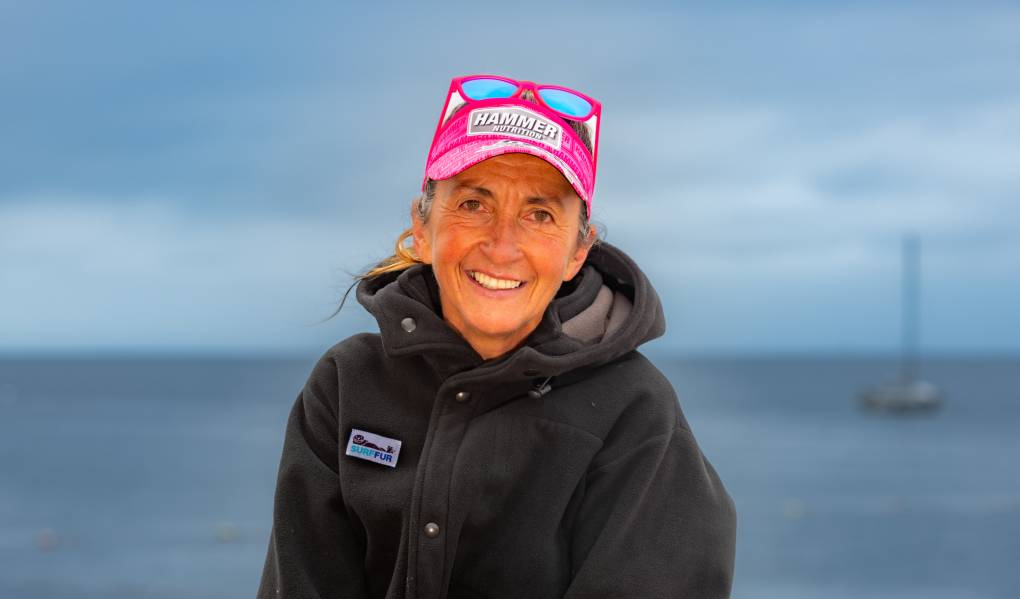
"caption": "A Catalina Ironwood sprout, rare tree and endemic to Catalina Island, in plant ecologist Kevin Alison's lab at the James H. Ackerman Plant Nursery on Catalina Island on May 7, 2025.",
"credit": "Nick Morrow for KQED",
"altTag": null,
"description": null,
"imgSizes": {
"medium": {
"file": "https://cdn.kqed.org/wp-content/uploads/sites/10/2025/05/250507-CATALINA-PLANT-ECOLOGIST-NM-11-KQED-800x533.jpg",
"width": 800,
"height": 533,
"mimeType": "image/jpeg"
},
"large": {
"file": "https://cdn.kqed.org/wp-content/uploads/sites/10/2025/05/250507-CATALINA-PLANT-ECOLOGIST-NM-11-KQED-1020x680.jpg",
"width": 1020,
"height": 680,
"mimeType": "image/jpeg"
},
"thumbnail": {
"file": "https://cdn.kqed.org/wp-content/uploads/sites/10/2025/05/250507-CATALINA-PLANT-ECOLOGIST-NM-11-KQED-160x107.jpg",
"width": 160,
"height": 107,
"mimeType": "image/jpeg"
},
"1536x1536": {
"file": "https://cdn.kqed.org/wp-content/uploads/sites/10/2025/05/250507-CATALINA-PLANT-ECOLOGIST-NM-11-KQED-1536x1024.jpg",
"width": 1536,
"height": 1024,
"mimeType": "image/jpeg"
},
"post-thumbnail": {
"file": "https://cdn.kqed.org/wp-content/uploads/sites/10/2025/05/250507-CATALINA-PLANT-ECOLOGIST-NM-11-KQED-672x372.jpg",
"width": 672,
"height": 372,
"mimeType": "image/jpeg"
},
"twentyfourteen-full-width": {
"file": "https://cdn.kqed.org/wp-content/uploads/sites/10/2025/05/250507-CATALINA-PLANT-ECOLOGIST-NM-11-KQED-1038x576.jpg",
"width": 1038,
"height": 576,
"mimeType": "image/jpeg"
},
"full-width": {
"file": "https://cdn.kqed.org/wp-content/uploads/sites/10/2025/05/250507-CATALINA-PLANT-ECOLOGIST-NM-11-KQED-1920x1280.jpg",
"width": 1920,
"height": 1280,
"mimeType": "image/jpeg"
},
"kqedFullSize": {
"file": "https://cdn.kqed.org/wp-content/uploads/sites/10/2025/05/250507-CATALINA-PLANT-ECOLOGIST-NM-11-KQED.jpg",
"width": 2000,
"height": 1333
}
},
"isLoading": false,
"fetchFailed": false
},
"news_12032695": {
"type": "attachments",
"id": "news_12032695",
"meta": {
"index": "attachments_1716263798",
"site": "news",
"id": "12032695",
"found": true
},
"title": "250323-DEM TOWN HALLS-MD-13-KQED-1",
"publishDate": 1742819402,
"status": "inherit",
"parent": 12032718,
"modified": 1746801700,
"caption": "Dawna Sodders-Simpson holds a sign at a town hall meeting with Rep. Ro Khanna at the MLK Community Center in Bakersfield on March 23, 2025.",
"credit": "Martin do Nascimento/KQED",
"altTag": null,
"description": null,
"imgSizes": {
"medium": {
"file": "https://cdn.kqed.org/wp-content/uploads/sites/10/2025/03/250323-DEM-TOWN-HALLS-MD-13-KQED-1-800x533.jpg",
"width": 800,
"height": 533,
"mimeType": "image/jpeg"
},
"large": {
"file": "https://cdn.kqed.org/wp-content/uploads/sites/10/2025/03/250323-DEM-TOWN-HALLS-MD-13-KQED-1-1020x680.jpg",
"width": 1020,
"height": 680,
"mimeType": "image/jpeg"
},
"thumbnail": {
"file": "https://cdn.kqed.org/wp-content/uploads/sites/10/2025/03/250323-DEM-TOWN-HALLS-MD-13-KQED-1-160x107.jpg",
"width": 160,
"height": 107,
"mimeType": "image/jpeg"
},
"1536x1536": {
"file": "https://cdn.kqed.org/wp-content/uploads/sites/10/2025/03/250323-DEM-TOWN-HALLS-MD-13-KQED-1-1536x1024.jpg",
"width": 1536,
"height": 1024,
"mimeType": "image/jpeg"
},
"post-thumbnail": {
"file": "https://cdn.kqed.org/wp-content/uploads/sites/10/2025/03/250323-DEM-TOWN-HALLS-MD-13-KQED-1-672x372.jpg",
"width": 672,
"height": 372,
"mimeType": "image/jpeg"
},
"twentyfourteen-full-width": {
"file": "https://cdn.kqed.org/wp-content/uploads/sites/10/2025/03/250323-DEM-TOWN-HALLS-MD-13-KQED-1-1038x576.jpg",
"width": 1038,
"height": 576,
"mimeType": "image/jpeg"
},
"full-width": {
"file": "https://cdn.kqed.org/wp-content/uploads/sites/10/2025/03/250323-DEM-TOWN-HALLS-MD-13-KQED-1-1920x1280.jpg",
"width": 1920,
"height": 1280,
"mimeType": "image/jpeg"
},
"kqedFullSize": {
"file": "https://cdn.kqed.org/wp-content/uploads/sites/10/2025/03/250323-DEM-TOWN-HALLS-MD-13-KQED-1.jpg",
"width": 2000,
"height": 1333
}
},
"isLoading": false,
"fetchFailed": false
},
"news_12038764": {
"type": "attachments",
"id": "news_12038764",
"meta": {
"index": "attachments_1716263798",
"site": "news",
"id": "12038764",
"found": true
},
"title": "250505-SUZY DEGAZON-NM-05-KQED",
"publishDate": 1746471154,
"status": "inherit",
"parent": 0,
"modified": 1746547784,
"caption": "Suzy Degazon at the Catalina Island Swim Club on Catalina Island on May 5, 2025.",
"credit": "Nick Morrow for KQED",
"altTag": null,
"description": null,
"imgSizes": {
"medium": {
"file": "https://cdn.kqed.org/wp-content/uploads/sites/10/2025/05/250505-SUZY-DEGAZON-NM-05-KQED-800x470.jpg",
"width": 800,
"height": 470,
"mimeType": "image/jpeg"
},
"large": {
"file": "https://cdn.kqed.org/wp-content/uploads/sites/10/2025/05/250505-SUZY-DEGAZON-NM-05-KQED-1020x599.jpg",
"width": 1020,
"height": 599,
"mimeType": "image/jpeg"
},
"thumbnail": {
"file": "https://cdn.kqed.org/wp-content/uploads/sites/10/2025/05/250505-SUZY-DEGAZON-NM-05-KQED-160x94.jpg",
"width": 160,
"height": 94,
"mimeType": "image/jpeg"
},
"1536x1536": {
"file": "https://cdn.kqed.org/wp-content/uploads/sites/10/2025/05/250505-SUZY-DEGAZON-NM-05-KQED-1536x902.jpg",
"width": 1536,
"height": 902,
"mimeType": "image/jpeg"
},
"post-thumbnail": {
"file": "https://cdn.kqed.org/wp-content/uploads/sites/10/2025/05/250505-SUZY-DEGAZON-NM-05-KQED-672x372.jpg",
"width": 672,
"height": 372,
"mimeType": "image/jpeg"
},
"twentyfourteen-full-width": {
"file": "https://cdn.kqed.org/wp-content/uploads/sites/10/2025/05/250505-SUZY-DEGAZON-NM-05-KQED-1038x576.jpg",
"width": 1038,
"height": 576,
"mimeType": "image/jpeg"
},
"full-width": {
"file": "https://cdn.kqed.org/wp-content/uploads/sites/10/2025/05/250505-SUZY-DEGAZON-NM-05-KQED-1920x1128.jpg",
"width": 1920,
"height": 1128,
"mimeType": "image/jpeg"
},
"kqedFullSize": {
"file": "https://cdn.kqed.org/wp-content/uploads/sites/10/2025/05/250505-SUZY-DEGAZON-NM-05-KQED.jpg",
"width": 2000,
"height": 1175
}
},
"isLoading": false,
"fetchFailed": false
},
"news_12039445": {
"type": "attachments",
"id": "news_12039445",
"meta": {
"index": "attachments_1716263798",
"site": "news",
"id": "12039445",
"found": true
},
"title": "US-ECONOMY-FARMS-AGRICULTURE",
"publishDate": 1746747442,
"status": "inherit",
"parent": 12039333,
"modified": 1746750539,
"caption": "A \"Vote Trump\" decorated cargo shipping container is displayed during the World Ag Expo at the International Agri-Center in Tulare, California, on Feb. 11, 2025. U.S. farmers have also been affected by the Trump administration's attempts to shut down the United States Agency for International Development (USAID), with the U.S. government previously spending billions of dollars on food aid from American farmers, while tariffs and trade wars threaten to disrupt business.",
"credit": "Patrick T. Fallon / AFP via Getty Images",
"altTag": null,
"description": null,
"imgSizes": {
"medium": {
"file": "https://cdn.kqed.org/wp-content/uploads/sites/10/2025/05/FarmersTrumpGetty-800x533.jpg",
"width": 800,
"height": 533,
"mimeType": "image/jpeg"
},
"large": {
"file": "https://cdn.kqed.org/wp-content/uploads/sites/10/2025/05/FarmersTrumpGetty-1020x680.jpg",
"width": 1020,
"height": 680,
"mimeType": "image/jpeg"
},
"thumbnail": {
"file": "https://cdn.kqed.org/wp-content/uploads/sites/10/2025/05/FarmersTrumpGetty-160x107.jpg",
"width": 160,
"height": 107,
"mimeType": "image/jpeg"
},
"1536x1536": {
"file": "https://cdn.kqed.org/wp-content/uploads/sites/10/2025/05/FarmersTrumpGetty-1536x1024.jpg",
"width": 1536,
"height": 1024,
"mimeType": "image/jpeg"
},
"post-thumbnail": {
"file": "https://cdn.kqed.org/wp-content/uploads/sites/10/2025/05/FarmersTrumpGetty-672x372.jpg",
"width": 672,
"height": 372,
"mimeType": "image/jpeg"
},
"twentyfourteen-full-width": {
"file": "https://cdn.kqed.org/wp-content/uploads/sites/10/2025/05/FarmersTrumpGetty-1038x576.jpg",
"width": 1038,
"height": 576,
"mimeType": "image/jpeg"
},
"full-width": {
"file": "https://cdn.kqed.org/wp-content/uploads/sites/10/2025/05/FarmersTrumpGetty-1920x1280.jpg",
"width": 1920,
"height": 1280,
"mimeType": "image/jpeg"
},
"kqedFullSize": {
"file": "https://cdn.kqed.org/wp-content/uploads/sites/10/2025/05/FarmersTrumpGetty.jpg",
"width": 2000,
"height": 1333
}
},
"isLoading": false,
"fetchFailed": false
},
"news_12029302": {
"type": "attachments",
"id": "news_12029302",
"meta": {
"index": "attachments_1716263798",
"site": "news",
"id": "12029302",
"found": true
},
"title": "072820-Doctor-Pediatrician-Kid-GETTY-CM-01 copy",
"publishDate": 1740777322,
"status": "inherit",
"parent": 12029294,
"modified": 1752270887,
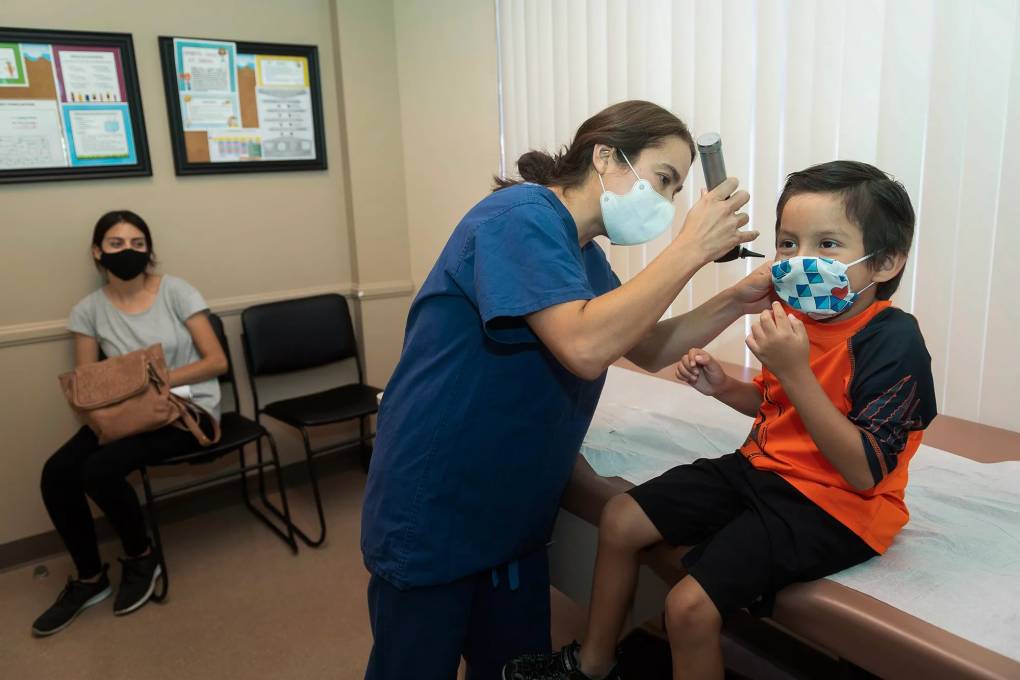
"caption": "A doctor examines a child at Southern Orange County Pediatric Associates in Ladera Ranch on July 28, 2020.",
"credit": "Paul Bersebach/Orange County Register via Getty Images",
"altTag": null,
"description": null,
"imgSizes": {
"medium": {
"file": "https://cdn.kqed.org/wp-content/uploads/sites/10/2025/03/072820-Doctor-Pediatrician-Kid-GETTY-CM-01-copy-800x533.jpg",
"width": 800,
"height": 533,
"mimeType": "image/jpeg"
},
"large": {
"file": "https://cdn.kqed.org/wp-content/uploads/sites/10/2025/03/072820-Doctor-Pediatrician-Kid-GETTY-CM-01-copy-1020x680.jpg",
"width": 1020,
"height": 680,
"mimeType": "image/jpeg"
},
"thumbnail": {
"file": "https://cdn.kqed.org/wp-content/uploads/sites/10/2025/03/072820-Doctor-Pediatrician-Kid-GETTY-CM-01-copy-160x107.jpg",
"width": 160,
"height": 107,
"mimeType": "image/jpeg"
},
"1536x1536": {
"file": "https://cdn.kqed.org/wp-content/uploads/sites/10/2025/03/072820-Doctor-Pediatrician-Kid-GETTY-CM-01-copy-1536x1024.jpg",
"width": 1536,
"height": 1024,
"mimeType": "image/jpeg"
},
"post-thumbnail": {
"file": "https://cdn.kqed.org/wp-content/uploads/sites/10/2025/03/072820-Doctor-Pediatrician-Kid-GETTY-CM-01-copy-672x372.jpg",
"width": 672,
"height": 372,
"mimeType": "image/jpeg"
},
"twentyfourteen-full-width": {
"file": "https://cdn.kqed.org/wp-content/uploads/sites/10/2025/03/072820-Doctor-Pediatrician-Kid-GETTY-CM-01-copy-1038x576.jpg",
"width": 1038,
"height": 576,
"mimeType": "image/jpeg"
},
"full-width": {
"file": "https://cdn.kqed.org/wp-content/uploads/sites/10/2025/03/072820-Doctor-Pediatrician-Kid-GETTY-CM-01-copy-1920x1280.jpg",
"width": 1920,
"height": 1280,
"mimeType": "image/jpeg"
},
"kqedFullSize": {
"file": "https://cdn.kqed.org/wp-content/uploads/sites/10/2025/03/072820-Doctor-Pediatrician-Kid-GETTY-CM-01-copy.jpg",
"width": 2000,
"height": 1333
}
},
"isLoading": false,
"fetchFailed": false
},
"news_12039315": {
"type": "attachments",
"id": "news_12039315",
"meta": {
"index": "attachments_1716263798",
"site": "news",
"id": "12039315",
"found": true
},
"title": "03.21.2025-SoccerPractice-11-scaled",
"publishDate": 1746725418,
"status": "inherit",
"parent": 12039313,
"modified": 1746728550,
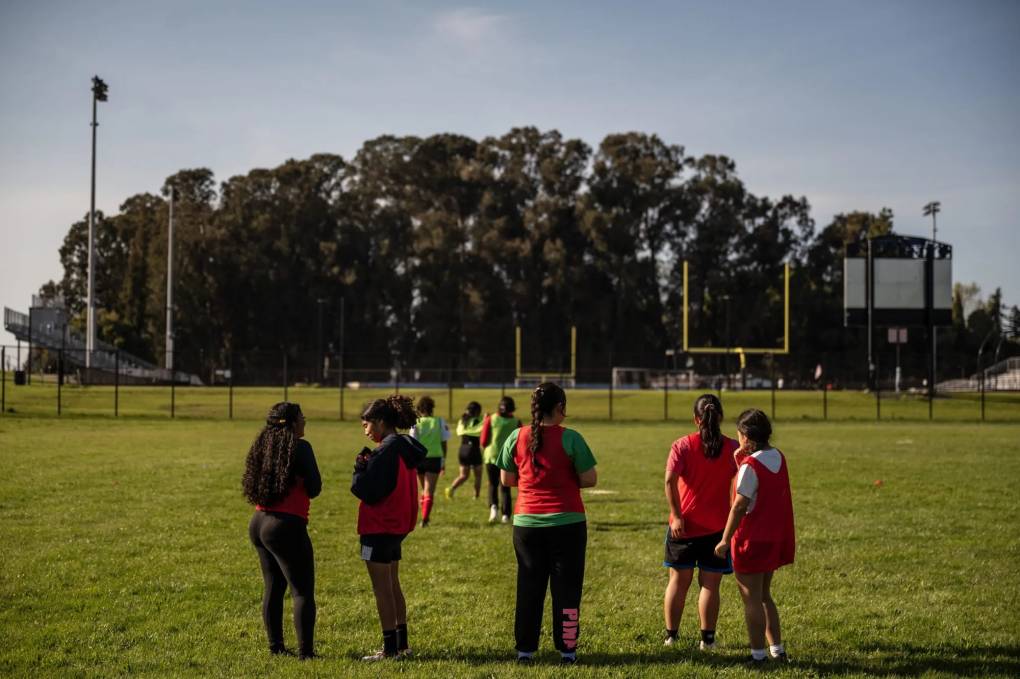
"caption": "A Soccer Without Borders Bay Area team gathered at a high school in the East Bay to practice for a weekend game against a familiar rival on Thursday, March 20, 2025.",
"credit": "Alejandro Durán for El Tímpano/CatchLight Local/ Report for America corps member",
"altTag": null,
"description": null,
"imgSizes": {
"medium": {
"file": "https://cdn.kqed.org/wp-content/uploads/sites/10/2025/05/03.21.2025-SoccerPractice-11-scaled-1-800x532.jpg",
"width": 800,
"height": 532,
"mimeType": "image/jpeg"
},
"large": {
"file": "https://cdn.kqed.org/wp-content/uploads/sites/10/2025/05/03.21.2025-SoccerPractice-11-scaled-1-1020x679.jpg",
"width": 1020,
"height": 679,
"mimeType": "image/jpeg"
},
"thumbnail": {
"file": "https://cdn.kqed.org/wp-content/uploads/sites/10/2025/05/03.21.2025-SoccerPractice-11-scaled-1-160x106.jpg",
"width": 160,
"height": 106,
"mimeType": "image/jpeg"
},
"1536x1536": {
"file": "https://cdn.kqed.org/wp-content/uploads/sites/10/2025/05/03.21.2025-SoccerPractice-11-scaled-1-1536x1022.jpg",
"width": 1536,
"height": 1022,
"mimeType": "image/jpeg"
},
"post-thumbnail": {
"file": "https://cdn.kqed.org/wp-content/uploads/sites/10/2025/05/03.21.2025-SoccerPractice-11-scaled-1-672x372.jpg",
"width": 672,
"height": 372,
"mimeType": "image/jpeg"
},
"twentyfourteen-full-width": {
"file": "https://cdn.kqed.org/wp-content/uploads/sites/10/2025/05/03.21.2025-SoccerPractice-11-scaled-1-1038x576.jpg",
"width": 1038,
"height": 576,
"mimeType": "image/jpeg"
},
"full-width": {
"file": "https://cdn.kqed.org/wp-content/uploads/sites/10/2025/05/03.21.2025-SoccerPractice-11-scaled-1-1920x1278.jpg",
"width": 1920,
"height": 1278,
"mimeType": "image/jpeg"
},
"kqedFullSize": {
"file": "https://cdn.kqed.org/wp-content/uploads/sites/10/2025/05/03.21.2025-SoccerPractice-11-scaled-1.jpg",
"width": 2000,
"height": 1331
}
},
"isLoading": false,
"fetchFailed": false
},
"news_12037126": {
"type": "attachments",
"id": "news_12037126",
"meta": {
"index": "attachments_1716263798",
"site": "news",
"id": "12037126",
"found": true
},
"title": "The burnt remains of St. Marks Church.Altadena.CA",
"publishDate": 1745350823,
"status": "inherit",
"parent": 0,
"modified": 1745351316,
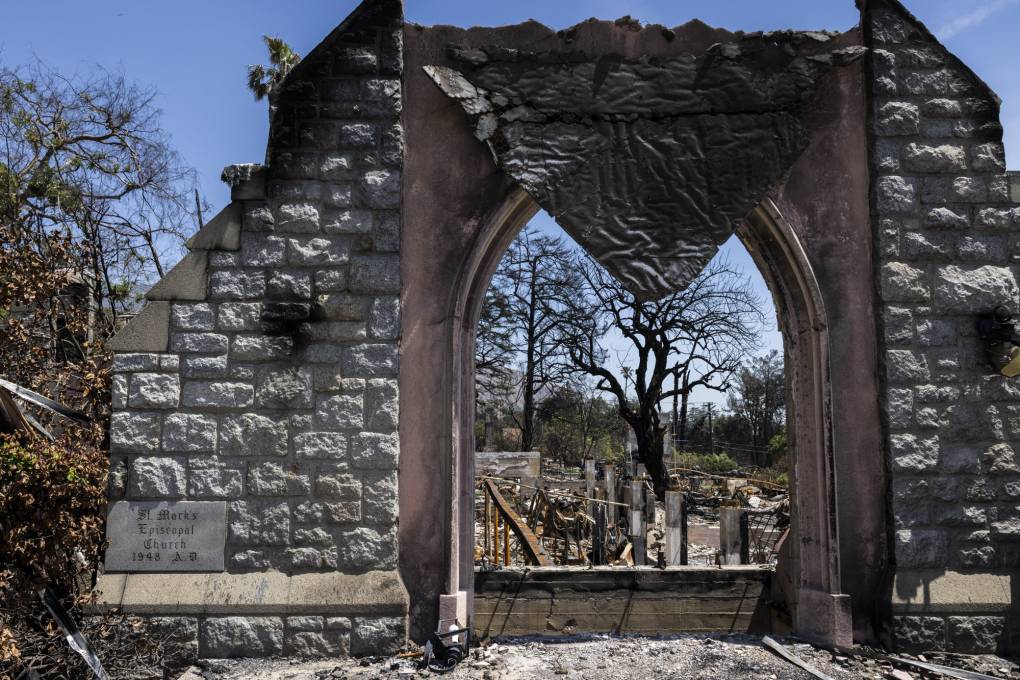
"caption": "The burnt remains of St. Marks Church.\nAltadena on April 20, 2025.",
"credit": "Mette Lampcov for KQED",
"altTag": null,
"description": null,
"imgSizes": {
"medium": {
"file": "https://cdn.kqed.org/wp-content/uploads/sites/10/2025/04/METTE.LAMPCOV.CHURCH.BELL-22-KQED-800x534.jpg",
"width": 800,
"height": 534,
"mimeType": "image/jpeg"
},
"large": {
"file": "https://cdn.kqed.org/wp-content/uploads/sites/10/2025/04/METTE.LAMPCOV.CHURCH.BELL-22-KQED-1020x680.jpg",
"width": 1020,
"height": 680,
"mimeType": "image/jpeg"
},
"thumbnail": {
"file": "https://cdn.kqed.org/wp-content/uploads/sites/10/2025/04/METTE.LAMPCOV.CHURCH.BELL-22-KQED-160x107.jpg",
"width": 160,
"height": 107,
"mimeType": "image/jpeg"
},
"1536x1536": {
"file": "https://cdn.kqed.org/wp-content/uploads/sites/10/2025/04/METTE.LAMPCOV.CHURCH.BELL-22-KQED-1536x1025.jpg",
"width": 1536,
"height": 1025,
"mimeType": "image/jpeg"
},
"post-thumbnail": {
"file": "https://cdn.kqed.org/wp-content/uploads/sites/10/2025/04/METTE.LAMPCOV.CHURCH.BELL-22-KQED-672x372.jpg",
"width": 672,
"height": 372,
"mimeType": "image/jpeg"
},
"twentyfourteen-full-width": {
"file": "https://cdn.kqed.org/wp-content/uploads/sites/10/2025/04/METTE.LAMPCOV.CHURCH.BELL-22-KQED-1038x576.jpg",
"width": 1038,
"height": 576,
"mimeType": "image/jpeg"
},
"full-width": {
"file": "https://cdn.kqed.org/wp-content/uploads/sites/10/2025/04/METTE.LAMPCOV.CHURCH.BELL-22-KQED-1920x1281.jpg",
"width": 1920,
"height": 1281,
"mimeType": "image/jpeg"
},
"kqedFullSize": {
"file": "https://cdn.kqed.org/wp-content/uploads/sites/10/2025/04/METTE.LAMPCOV.CHURCH.BELL-22-KQED.jpg",
"width": 2000,
"height": 1334
}
},
"isLoading": false,
"fetchFailed": false
},
"news_12039255": {
"type": "attachments",
"id": "news_12039255",
"meta": {
"index": "attachments_1716263798",
"site": "news",
"id": "12039255",
"found": true
},
"title": "IMG_5380_qed",
"publishDate": 1746658939,
"status": "inherit",
"parent": 12039123,
"modified": 1746658985,
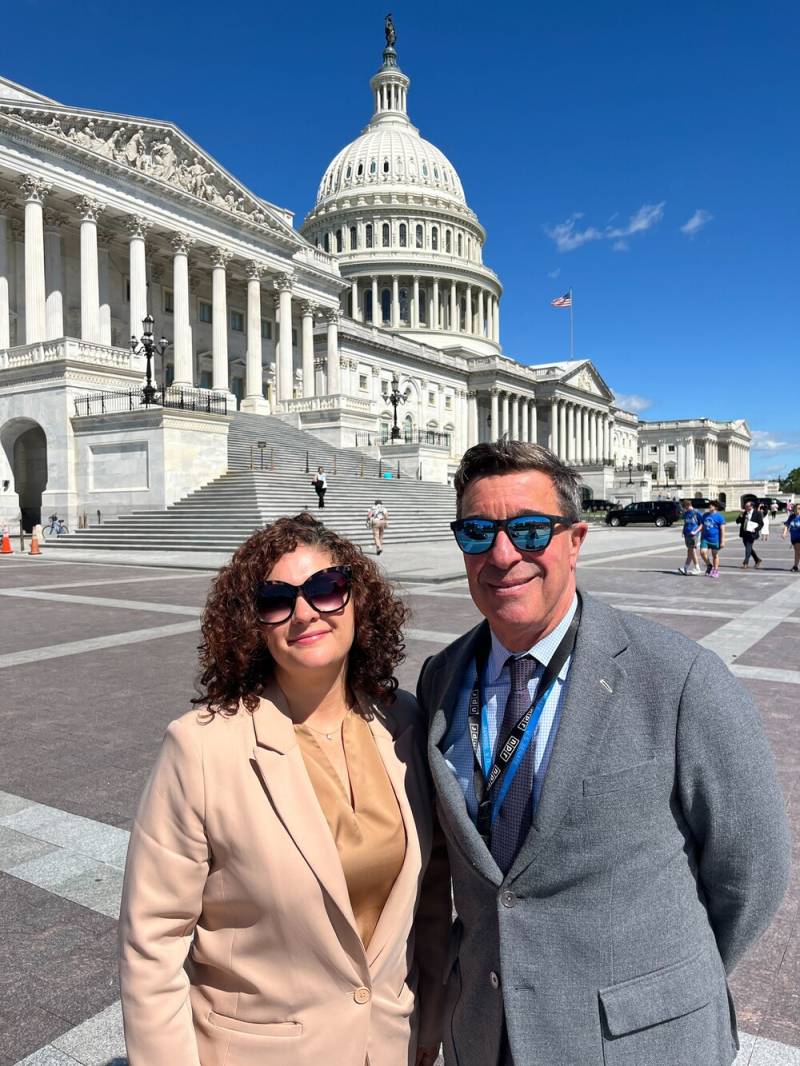
"caption": "KQED's Political Breakdown co-hosts Marisa Lagos and Scott Shafer in front of the U.S. Capitol in Washington, D.C.",
"credit": "Izzy Bloom/KQED",
"altTag": null,
"description": null,
"imgSizes": {
"medium": {
"file": "https://cdn.kqed.org/wp-content/uploads/sites/10/2025/05/IMG_5380_qed-800x1066.jpg",
"width": 800,
"height": 1066,
"mimeType": "image/jpeg"
},
"thumbnail": {
"file": "https://cdn.kqed.org/wp-content/uploads/sites/10/2025/05/IMG_5380_qed-160x213.jpg",
"width": 160,
"height": 213,
"mimeType": "image/jpeg"
},
"post-thumbnail": {
"file": "https://cdn.kqed.org/wp-content/uploads/sites/10/2025/05/IMG_5380_qed-672x372.jpg",
"width": 672,
"height": 372,
"mimeType": "image/jpeg"
},
"twentyfourteen-full-width": {
"file": "https://cdn.kqed.org/wp-content/uploads/sites/10/2025/05/IMG_5380_qed-1000x576.jpg",
"width": 1000,
"height": 576,
"mimeType": "image/jpeg"
},
"kqedFullSize": {
"file": "https://cdn.kqed.org/wp-content/uploads/sites/10/2025/05/IMG_5380_qed.jpg",
"width": 1000,
"height": 1333
}
},
"isLoading": false,
"fetchFailed": false
},
"news_12037936": {
"type": "attachments",
"id": "news_12037936",
"meta": {
"index": "attachments_1716263798",
"site": "news",
"id": "12037936",
"found": true
},
"title": "A KC-10 Extender is parked on the ramp as a C-5M Super Galaxy takes off at Travis Air Force Base, Calif., March 16, 2017.",
"publishDate": 1745868668,
"status": "inherit",
"parent": 12037889,
"modified": 1765567012,
"caption": "A KC-10 Extender is parked on the ramp as a C-5M Super Galaxy takes off at Travis Air Force Base, California, on March 16, 2017.",
"credit": "Hum Images/Universal Images Group via Getty Images",
"altTag": null,
"description": null,
"imgSizes": {
"medium": {
"file": "https://cdn.kqed.org/wp-content/uploads/sites/10/2025/04/TravisAirForceBaseGetty2-800x534.jpg",
"width": 800,
"height": 534,
"mimeType": "image/jpeg"
},
"large": {
"file": "https://cdn.kqed.org/wp-content/uploads/sites/10/2025/04/TravisAirForceBaseGetty2-1020x680.jpg",
"width": 1020,
"height": 680,
"mimeType": "image/jpeg"
},
"thumbnail": {
"file": "https://cdn.kqed.org/wp-content/uploads/sites/10/2025/04/TravisAirForceBaseGetty2-160x107.jpg",
"width": 160,
"height": 107,
"mimeType": "image/jpeg"
},
"1536x1536": {
"file": "https://cdn.kqed.org/wp-content/uploads/sites/10/2025/04/TravisAirForceBaseGetty2-1536x1025.jpg",
"width": 1536,
"height": 1025,
"mimeType": "image/jpeg"
},
"post-thumbnail": {
"file": "https://cdn.kqed.org/wp-content/uploads/sites/10/2025/04/TravisAirForceBaseGetty2-672x372.jpg",
"width": 672,
"height": 372,
"mimeType": "image/jpeg"
},
"twentyfourteen-full-width": {
"file": "https://cdn.kqed.org/wp-content/uploads/sites/10/2025/04/TravisAirForceBaseGetty2-1038x576.jpg",
"width": 1038,
"height": 576,
"mimeType": "image/jpeg"
},
"full-width": {
"file": "https://cdn.kqed.org/wp-content/uploads/sites/10/2025/04/TravisAirForceBaseGetty2-1920x1281.jpg",
"width": 1920,
"height": 1281,
"mimeType": "image/jpeg"
},
"kqedFullSize": {
"file": "https://cdn.kqed.org/wp-content/uploads/sites/10/2025/04/TravisAirForceBaseGetty2.jpg",
"width": 2000,
"height": 1334
}
},
"isLoading": false,
"fetchFailed": false
}
},
"audioPlayerReducer": {
"postId": "stream_live",
"isPaused": true,
"isPlaying": false,
"pfsActive": false,
"pledgeModalIsOpen": true,
"playerDrawerIsOpen": false,
"liveAudioPlayStartedAt": 0,
"liveAudioPlayContext": ""
},
"authorsReducer": {
"byline_news_12038795": {
"type": "authors",
"id": "byline_news_12038795",
"meta": {
"override": true
},
"slug": "byline_news_12038795",
"name": "Lusen Mendel ",
"isLoading": false
},
"byline_news_12039313": {
"type": "authors",
"id": "byline_news_12039313",
"meta": {
"override": true
},
"slug": "byline_news_12039313",
"name": "\u003ca href=\"https://www.eltimpano.org/author/ehellerstein/\">Erica Hellerstein\u003c/a>, El Tímpano",
"isLoading": false
},
"byline_news_12038756": {
"type": "authors",
"id": "byline_news_12038756",
"meta": {
"override": true
},
"slug": "byline_news_12038756",
"name": "Steven Cuevas, Sonya Geiss",
"isLoading": false
},
"gmarzorati": {
"type": "authors",
"id": "227",
"meta": {
"index": "authors_1716337520",
"id": "227",
"found": true
},
"name": "Guy Marzorati",
"firstName": "Guy",
"lastName": "Marzorati",
"slug": "gmarzorati",
"email": "gmarzorati@KQED.org",
"display_author_email": true,
"staff_mastheads": [
"news"
],
"title": "Correspondent",
"bio": "Guy Marzorati is a correspondent on KQED's California Politics and Government Desk, based in San Jose. A graduate of Santa Clara University, Guy joined KQED in 2013. He reports on state and local politics and produces KQED's digital voter guide.",
"avatar": "https://secure.gravatar.com/avatar/e7038b8dbfd55b104369b76b1cd0b9de?s=600&d=blank&r=g",
"twitter": "guymarzorati",
"facebook": null,
"instagram": null,
"linkedin": null,
"sites": [
{
"site": "",
"roles": [
"editor"
]
},
{
"site": "news",
"roles": [
"editor"
]
},
{
"site": "science",
"roles": [
"editor"
]
},
{
"site": "forum",
"roles": [
"editor"
]
},
{
"site": "elections",
"roles": [
"editor"
]
},
{
"site": "liveblog",
"roles": [
"editor"
]
}
],
"headData": {
"title": "Guy Marzorati | KQED",
"description": "Correspondent",
"ogImgSrc": "https://secure.gravatar.com/avatar/e7038b8dbfd55b104369b76b1cd0b9de?s=600&d=blank&r=g",
"twImgSrc": "https://secure.gravatar.com/avatar/e7038b8dbfd55b104369b76b1cd0b9de?s=600&d=blank&r=g"
},
"isLoading": false,
"link": "/author/gmarzorati"
},
"kqed": {
"type": "authors",
"id": "236",
"meta": {
"index": "authors_1716337520",
"id": "236",
"found": true
},
"name": "KQED News Staff",
"firstName": "KQED News Staff",
"lastName": null,
"slug": "kqed",
"email": "faq@kqed.org",
"display_author_email": false,
"staff_mastheads": [],
"title": null,
"bio": null,
"avatar": "https://secure.gravatar.com/avatar/ef0e801a68c4c54afa9180db14084167?s=600&d=blank&r=g",
"twitter": null,
"facebook": null,
"instagram": null,
"linkedin": null,
"sites": [
{
"site": "arts",
"roles": [
"contributor"
]
},
{
"site": "news",
"roles": [
"editor"
]
},
{
"site": "futureofyou",
"roles": [
"author"
]
}
],
"headData": {
"title": "KQED News Staff | KQED",
"description": null,
"ogImgSrc": "https://secure.gravatar.com/avatar/ef0e801a68c4c54afa9180db14084167?s=600&d=blank&r=g",
"twImgSrc": "https://secure.gravatar.com/avatar/ef0e801a68c4c54afa9180db14084167?s=600&d=blank&r=g"
},
"isLoading": false,
"link": "/author/kqed"
},
"tychehendricks": {
"type": "authors",
"id": "259",
"meta": {
"index": "authors_1716337520",
"id": "259",
"found": true
},
"name": "Tyche Hendricks",
"firstName": "Tyche",
"lastName": "Hendricks",
"slug": "tychehendricks",
"email": "thendricks@kqed.org",
"display_author_email": true,
"staff_mastheads": [
"news"
],
"title": "KQED Senior Editor, Immigration",
"bio": "\u003cspan style=\"font-weight: 400;\">Tyche Hendricks is KQED’s senior editor for immigration, leading coverage of the policy and politics that affect California’s immigrant communities. Her work for KQED’s radio and online audiences is also carried on NPR and other national outlets. She has been recognized with awards from the Radio and Television News Directors Association, the Society for Professional Journalists; the Education Writers Association; the Best of the West and the National Federation of Community Broadcasters. Before joining KQED in 2010, Tyche spent more than a dozen years as a newspaper reporter, notably at the \u003c/span>\u003ci>\u003cspan style=\"font-weight: 400;\">San Francisco Chronicle\u003c/span>\u003c/i>\u003cspan style=\"font-weight: 400;\">. At different times she has covered criminal justice, government and politics and urban planning. Tyche has taught in the MFA Creative Writing program at the University of San Francisco and at UC Berkeley’s Graduate School of Journalism, where she was co-director of a national immigration symposium for professional journalists. She is the author of \u003c/span>\u003ci>\u003cspan style=\"font-weight: 400;\">The Wind Doesn't Need a Passport: Stories from the U.S.-Mexico Borderlands\u003c/span>\u003c/i>\u003cspan style=\"font-weight: 400;\"> (University of California Press). \u003c/span>",
"avatar": "https://secure.gravatar.com/avatar/b8ee458e2731c2d43df86882ce17267e?s=600&d=blank&r=g",
"twitter": "tychehendricks",
"facebook": null,
"instagram": null,
"linkedin": null,
"sites": [
{
"site": "news",
"roles": [
"editor"
]
},
{
"site": "stateofhealth",
"roles": [
"editor"
]
}
],
"headData": {
"title": "Tyche Hendricks | KQED",
"description": "KQED Senior Editor, Immigration",
"ogImgSrc": "https://secure.gravatar.com/avatar/b8ee458e2731c2d43df86882ce17267e?s=600&d=blank&r=g",
"twImgSrc": "https://secure.gravatar.com/avatar/b8ee458e2731c2d43df86882ce17267e?s=600&d=blank&r=g"
},
"isLoading": false,
"link": "/author/tychehendricks"
},
"mlagos": {
"type": "authors",
"id": "3239",
"meta": {
"index": "authors_1716337520",
"id": "3239",
"found": true
},
"name": "Marisa Lagos",
"firstName": "Marisa",
"lastName": "Lagos",
"slug": "mlagos",
"email": "mlagos@kqed.org",
"display_author_email": false,
"staff_mastheads": [
"news"
],
"title": "KQED Contributor",
"bio": "Marisa Lagos is a correspondent for KQED’s California Politics and Government Desk and co-hosts the award-winning show and podcast, Political Breakdown. At KQED, Lagos also conducts reporting, analysis and investigations into state, local and national politics for radio, TV, online and onstage. In 2022, she and co-host, Scott Shafer, moderated the only gubernatorial debate in California. In 2020, the \u003ci>Washington Post\u003c/i> named her one of the top political journalists in California; she was nominated for a Peabody and won several other awards for her work investigating the 2017 California wildfires. She has worked at the \u003ci>San Francisco Chronicle\u003c/i>, \u003ci>San Francisco Examiner\u003c/i> and \u003ci>Los Angeles Times\u003c/i>. A UC Santa Barbara graduate, she lives in San Francisco with her two sons and husband.",
"avatar": "https://secure.gravatar.com/avatar/a261a0d3696fc066871ef96b85b5e7d2?s=600&d=blank&r=g",
"twitter": "@mlagos",
"facebook": null,
"instagram": null,
"linkedin": null,
"sites": [
{
"site": "arts",
"roles": [
"author"
]
},
{
"site": "news",
"roles": [
"editor"
]
},
{
"site": "science",
"roles": [
"editor"
]
},
{
"site": "forum",
"roles": [
"author"
]
},
{
"site": "liveblog",
"roles": [
"author"
]
}
],
"headData": {
"title": "Marisa Lagos | KQED",
"description": "KQED Contributor",
"ogImgSrc": "https://secure.gravatar.com/avatar/a261a0d3696fc066871ef96b85b5e7d2?s=600&d=blank&r=g",
"twImgSrc": "https://secure.gravatar.com/avatar/a261a0d3696fc066871ef96b85b5e7d2?s=600&d=blank&r=g"
},
"isLoading": false,
"link": "/author/mlagos"
},
"abandlamudi": {
"type": "authors",
"id": "11672",
"meta": {
"index": "authors_1716337520",
"id": "11672",
"found": true
},
"name": "Adhiti Bandlamudi",
"firstName": "Adhiti",
"lastName": "Bandlamudi",
"slug": "abandlamudi",
"email": "abandlamudi@kqed.org",
"display_author_email": false,
"staff_mastheads": [
"news"
],
"title": "KQED Housing Reporter",
"bio": "Adhiti Bandlamudi reports for KQED's Housing desk. She focuses on how housing gets built across the Bay Area. Before joining KQED in 2020, she reported for WUNC in Durham, North Carolina, WABE in Atlanta, Georgia and Capital Public Radio in Sacramento. In 2017, she was awarded a Kroc Fellowship at NPR where she reported on everything from sprinkles to the Golden State Killer's arrest. When she's not reporting, she's baking new recipes in her kitchen or watching movies with friends and family. She's originally from Georgia and has strong opinions about Great British Bake Off.",
"avatar": "https://secure.gravatar.com/avatar/868129c8b257bb99a3500e2c86a65400?s=600&d=mm&r=g",
"twitter": "oddity_adhiti",
"facebook": null,
"instagram": null,
"linkedin": null,
"sites": [
{
"site": "arts",
"roles": [
"author"
]
},
{
"site": "news",
"roles": [
"editor"
]
},
{
"site": "liveblog",
"roles": [
"author"
]
}
],
"headData": {
"title": "Adhiti Bandlamudi | KQED",
"description": "KQED Housing Reporter",
"ogImgSrc": "https://secure.gravatar.com/avatar/868129c8b257bb99a3500e2c86a65400?s=600&d=mm&r=g",
"twImgSrc": "https://secure.gravatar.com/avatar/868129c8b257bb99a3500e2c86a65400?s=600&d=mm&r=g"
},
"isLoading": false,
"link": "/author/abandlamudi"
},
"ibloom": {
"type": "authors",
"id": "11805",
"meta": {
"index": "authors_1716337520",
"id": "11805",
"found": true
},
"name": "Izzy Bloom",
"firstName": "Izzy",
"lastName": "Bloom",
"slug": "ibloom",
"email": "ibloom@kqed.org",
"display_author_email": false,
"staff_mastheads": [],
"title": "KQED Reporter & Producer",
"bio": "Izzy is a reporter and producer on KQED's California Politics & Government Desk. She joined the desk in 2024 to produce Political Breakdown, covering local and national elections and attending the RNC and DNC in Milwaukee and Chicago. \r\n\r\nBefore that, Izzy was a producer on The California Report and reported long-form stories for The California Report Magazine. She was a finalist for the Third Coast/Richard H. Driehaus Foundation Competition and was awarded for her reporting on indigenous land back by the Society of Professional Journalists. Izzy received her master's in journalism from the University of California, Berkeley.",
"avatar": "https://secure.gravatar.com/avatar/cc4d272ca430783ee1a8efac470a6b1e0fdd082c3beb61da019801d0ff751c8c?s=600&d=blank&r=g",
"twitter": null,
"bluesky": null,
"facebook": null,
"instagram": null,
"linkedin": null,
"sites": [
{
"site": "news",
"roles": [
"editor"
]
},
{
"site": "perspectives",
"roles": [
"editor"
]
}
],
"headData": {
"title": "Izzy Bloom | KQED",
"description": "KQED Reporter & Producer",
"ogImgSrc": "https://secure.gravatar.com/avatar/cc4d272ca430783ee1a8efac470a6b1e0fdd082c3beb61da019801d0ff751c8c?s=600&d=blank&r=g",
"twImgSrc": "https://secure.gravatar.com/avatar/cc4d272ca430783ee1a8efac470a6b1e0fdd082c3beb61da019801d0ff751c8c?s=600&d=blank&r=g"
},
"isLoading": false,
"link": "/author/ibloom"
},
"srascon": {
"type": "authors",
"id": "11816",
"meta": {
"index": "authors_1716337520",
"id": "11816",
"found": true
},
"name": "Steven Rascón",
"firstName": "Steven",
"lastName": "Rascón",
"slug": "srascon",
"email": "srascon@kqed.org",
"display_author_email": false,
"staff_mastheads": [],
"title": "KQED Contributor",
"bio": "Steven Rascón is a journalist and an audio producer from Northeast Los Angeles. He's a producer in the KQED news and podcast department. He was a producer for the KQED investigative series \u003cem>\u003ca href=\"https://www.kqed.org/news/11974730/1-welcome-to-the-family-s2-new-folsom/\">On Our Watch: New Folsom\u003c/a>.\u003c/em> His reporting has been featured in Cal Matters, KCRW, and WHYY. He's also the production manager for the radio show and podcast \u003cem>Reveal\u003c/em> from the Center for Investigative Reporting and PRX. He was part of the team that produced the Peabody nominated 7-part series \u003cem>\u003ca href=\"https://revealnews.org/mississippi-goddam/\">Mississippi Goddamn: The Ballad of Billey Joe\u003c/a>.\u003c/em> He's a graduate from the UC Berkeley Graduate School of Journalism.",
"avatar": "https://secure.gravatar.com/avatar/37610a357b875db673c4b0d1bdcd9db1?s=600&d=blank&r=g",
"twitter": "hola_rascon",
"facebook": null,
"instagram": null,
"linkedin": null,
"sites": [
{
"site": "arts",
"roles": [
"editor"
]
},
{
"site": "news",
"roles": [
"editor"
]
}
],
"headData": {
"title": "Steven Rascón | KQED",
"description": "KQED Contributor",
"ogImgSrc": "https://secure.gravatar.com/avatar/37610a357b875db673c4b0d1bdcd9db1?s=600&d=blank&r=g",
"twImgSrc": "https://secure.gravatar.com/avatar/37610a357b875db673c4b0d1bdcd9db1?s=600&d=blank&r=g"
},
"isLoading": false,
"link": "/author/srascon"
},
"kdebenedetti": {
"type": "authors",
"id": "11913",
"meta": {
"index": "authors_1716337520",
"id": "11913",
"found": true
},
"name": "Katie DeBenedetti",
"firstName": "Katie",
"lastName": "DeBenedetti",
"slug": "kdebenedetti",
"email": "kdebenedetti@kqed.org",
"display_author_email": false,
"staff_mastheads": [
"news",
"science"
],
"title": "KQED Contributor",
"bio": "Katie DeBenedetti is a digital reporter covering daily news for the Express Desk. Prior to joining KQED as a culture reporting intern in January 2024, she covered education and city government for the Napa Valley Register.",
"avatar": "https://secure.gravatar.com/avatar/6e31073cb8f7e4214ab03f42771d0f45?s=600&d=blank&r=g",
"twitter": null,
"facebook": null,
"instagram": null,
"linkedin": null,
"sites": [
{
"site": "news",
"roles": [
"author"
]
},
{
"site": "science",
"roles": [
"author"
]
},
{
"site": "liveblog",
"roles": [
"author"
]
}
],
"headData": {
"title": "Katie DeBenedetti | KQED",
"description": "KQED Contributor",
"ogImgSrc": "https://secure.gravatar.com/avatar/6e31073cb8f7e4214ab03f42771d0f45?s=600&d=blank&r=g",
"twImgSrc": "https://secure.gravatar.com/avatar/6e31073cb8f7e4214ab03f42771d0f45?s=600&d=blank&r=g"
},
"isLoading": false,
"link": "/author/kdebenedetti"
}
},
"pagesReducer": {
"news_tag_california": {
"type": "terms",
"id": "news_18538",
"meta": {
"index": "terms_1716263798",
"site": "news",
"id": "18538",
"score": 6.8457103
},
"featImg": null,
"name": "California",
"description": null,
"taxonomy": "tag",
"headData": {
"twImgId": null,
"twTitle": null,
"ogTitle": null,
"ogImgId": null,
"twDescription": null,
"description": null,
"title": "California Archives | KQED News",
"ogDescription": null
},
"ttid": 31,
"slug": "california",
"isLoading": false,
"title": "California",
"pageMeta": {
"site": "news",
"WpPageTemplate": "page-topic-editorial",
"currentPage": 87
},
"blocks": [
{
"blockName": "kqed/post-list",
"attrs": {
"layout": "cardArticle2",
"query": "posts/news?tag=california",
"seeMore": false,
"paginated": true,
"page": 87
}
},
{
"blockName": "kqed/ad"
}
]
}
},
"pfsSessionReducer": {},
"postsReducer": {
"stream_live": {
"type": "live",
"id": "stream_live",
"audioUrl": "https://streams.kqed.org/kqedradio",
"title": "Live Stream",
"excerpt": "Live Stream information currently unavailable.",
"link": "/radio",
"featImg": "",
"label": {
"name": "KQED Live",
"link": "/"
}
},
"stream_kqedNewscast": {
"type": "posts",
"id": "stream_kqedNewscast",
"audioUrl": "https://www.kqed.org/.stream/anon/radio/RDnews/newscast.mp3?_=1",
"title": "KQED Newscast",
"featImg": "",
"label": {
"name": "88.5 FM",
"link": "/"
}
},
"news_12039390": {
"type": "posts",
"id": "news_12039390",
"meta": {
"index": "posts_1716263798",
"site": "news",
"id": "12039390",
"score": null,
"sort": [
1747051205000
]
},
"guestAuthors": [],
"slug": "do-california-trump-supporters-have-buyers-remorse-not-so-far",
"title": "Do California Trump Supporters Have Buyer's Remorse? Not So Far",
"publishDate": 1747051205,
"format": "standard",
"headTitle": "Do California Trump Supporters Have Buyer’s Remorse? Not So Far | KQED",
"labelTerm": {
"site": "news"
},
"content": "\u003cp>\u003ca href=\"https://www.kqed.org/news/tag/donald-trump\">President Donald Trump\u003c/a> has flooded the first 100 days of his second term with a flurry of executive orders. His policies have included mass federal layoffs, sweeping tariffs, an overhaul of the country’s immigration system, the elimination of DEI initiatives and efforts to curb transgender rights.\u003c/p>\n\u003cp>Today, Trump’s approval among all California registered voters is 30% — lower than his 39% approval in 2017 — according to a recent \u003ca href=\"https://escholarship.org/uc/item/128155g3\">poll from UC Berkeley’s Institute of Governmental Studies\u003c/a>.\u003c/p>\n\u003cp>Mark DiCamillo, the director of the IGS poll, said Trump’s ratings are historically low. “Usually, presidents start out with a high approval because they’re in a honeymoon period. That’s not the case with Trump in California,” he said.\u003c/p>\n\u003cp>[ad fullwidth]\u003c/p>\n\u003cp>However, many Californians remain enthusiastic about the direction of the country under Trump’s leadership. Among California Republicans, 75% approve of how the president is handling the job.\u003c/p>\n\u003cp>Asked how they feel about the president’s policies in his first three months, Trump voters across the state, from San Diego to Humboldt counties, told KQED they are “ecstatic,” “elated,” “thrilled” and “proud.”\u003c/p>\n\u003cp>Among the two dozen California Trump voters interviewed for this story, some were more cautious — even skeptical. Several expressed a desire for Trump to take more of a scalpel, rather than an ax, approach in his agenda.\u003c/p>\n\u003cp>The following six voters shared how the president’s policies have impacted their lives and communities in his first 100 days.\u003c/p>\n\u003ch2>Shannon Kessler, 56, San Luis Obispo\u003c/h2>\n\u003cp>“I’m really pleased with his policies and presidency. It’s what I was hoping for when I voted for him,” said Shannon Kessler, a mom to a now-graduated track and field athlete.\u003c/p>\n\u003cp>Kessler feels the country now has an administration that will stand up for girls. As a former student-athlete, she doesn’t think it’s fair for transgender athletes to compete in girls’ and women’s sports.\u003c/p>\n\u003cfigure id=\"attachment_12039094\" class=\"wp-caption aligncenter\" style=\"max-width: 2000px\">\u003cimg loading=\"lazy\" decoding=\"async\" class=\"size-full wp-image-12039094\" src=\"https://cdn.kqed.org/wp-content/uploads/sites/10/2025/05/TRUMPS-100-DAYS-2025-LEOPO-1-KQED.jpg\" alt=\"\" width=\"2000\" height=\"1334\" srcset=\"https://cdn.kqed.org/wp-content/uploads/sites/10/2025/05/TRUMPS-100-DAYS-2025-LEOPO-1-KQED.jpg 2000w, https://cdn.kqed.org/wp-content/uploads/sites/10/2025/05/TRUMPS-100-DAYS-2025-LEOPO-1-KQED-800x534.jpg 800w, https://cdn.kqed.org/wp-content/uploads/sites/10/2025/05/TRUMPS-100-DAYS-2025-LEOPO-1-KQED-1020x680.jpg 1020w, https://cdn.kqed.org/wp-content/uploads/sites/10/2025/05/TRUMPS-100-DAYS-2025-LEOPO-1-KQED-160x107.jpg 160w, https://cdn.kqed.org/wp-content/uploads/sites/10/2025/05/TRUMPS-100-DAYS-2025-LEOPO-1-KQED-1536x1025.jpg 1536w, https://cdn.kqed.org/wp-content/uploads/sites/10/2025/05/TRUMPS-100-DAYS-2025-LEOPO-1-KQED-1920x1281.jpg 1920w\" sizes=\"auto, (max-width: 2000px) 100vw, 2000px\">\u003cfigcaption class=\"wp-caption-text\">Shannon Kessler sits in her home in Arroyo Grande, California, on Monday, May 5, 2025. Kessler, a Trump voter in 2016 and 2024, says she’s encouraged by the president’s actions during his first 100 days in office. \u003ccite>(Julie Leopo for KQED)\u003c/cite>\u003c/figcaption>\u003c/figure>\n\u003cp>In March, Gov. Gavin Newsom, in a conversation with conservative activist Charlie Kirk, \u003ca href=\"https://www.kqed.org/news/12030376/newsom-splits-with-democrats-on-trans-athletes-in-sports\">called transgender participation in women’s sports\u003c/a> “deeply unfair.”\u003c/p>\n\u003cp>“I agree with him on that, but he has done nothing to change that,” Kessler, a real estate agent, said of Newsom’s comment. “He could set an example and take action to protect girls. He’s the father of girls.” She wants to see Newsom push Democratic legislators to support bills like one that would have \u003ca href=\"https://www.latimes.com/california/story/2025-04-01/hearing-on-trans-kids-in-school-sports\">banned transgender athletes\u003c/a> from girls’ sports, locker rooms, bathrooms and dorms.\u003c/p>\n\u003cp>As a fifth-generation Californian, Kessler said she’s seen the state burden its residents with “extreme regulations” on housing and water rights. She’s glad to see Trump \u003ca href=\"https://www.kqed.org/science/1996483/never-before-seen-documents-reveal-epa-canceled-63-grants-across-california\">dismantling the Environmental Protection Agency\u003c/a> and taking power away from “out-of-control three-letter agencies.”\u003c/p>\n\u003cp>Kessler is among the nearly 40% of Californians who voted for Trump. She said she’s resentful that Democratic leadership has vowed to fight the administration and doesn’t feel represented when she reads about Newsom and Attorney General Rob Bonta building up a war chest of taxpayer dollars to \u003ca href=\"https://www.kqed.org/news/12038732/california-sues-to-block-trump-and-rfk-jr-health-cuts-that-shuttered-sf-office\">sue the Trump administration\u003c/a> over policies like tariffs, dismantling federal agencies and withholding research grants.\u003c/p>\n\u003cp>“It offends me that they’re supposed to be my representatives,” she said. “That doesn’t represent me at all. Why do you want to fight with your government? Why don’t you just work with them?”\u003c/p>\n\u003ch2>Emma Valdez Garrison, 19, Fresno\u003c/h2>\n\u003cp>“As a woman who lives in California, we’ve created such a dangerous climate for young women,” said Emma Valdez Garrison, a 19-year-old political science major at California State University, Fresno. “Seeing a president and a man who’s standing up against the invasion of our country is something that I’m personally really excited to see.”\u003c/p>\n\u003cp>Garrison supports Trump’s push for \u003ca href=\"https://www.kqed.org/news/12031468/trumps-anti-dei-crackdown-targets-over-50-universities-nationwide\">colleges and universities to eliminate DEI\u003c/a> in their hiring and admissions processes. “It brings back merit-based hiring and performance-based hiring,” she said.\u003c/p>\n\u003cfigure id=\"attachment_12032137\" class=\"wp-caption aligncenter\" style=\"max-width: 2000px\">\u003cimg loading=\"lazy\" decoding=\"async\" class=\"size-full wp-image-12032137\" src=\"https://cdn.kqed.org/wp-content/uploads/sites/10/2025/03/DonaldTrumpTigerWoods-e1742423060297.jpg\" alt=\"\" width=\"2000\" height=\"1334\">\u003cfigcaption class=\"wp-caption-text\">U.S. President Donald Trump and golf legend Tiger Woods arrive for a reception honoring Black History Month in the East Room of the White House on Feb. 20, 2025, in Washington, D.C. The Black History Month celebration comes as Trump has signed a series of executive orders ending federal diversity, equity and inclusion (DEI) programs and cutting funding to schools and universities that do not cut DEI programs. \u003ccite>(Win McNamee/Getty Images)\u003c/cite>\u003c/figcaption>\u003c/figure>\n\u003cp>Recently, a woman in Garrison’s sorority shared a trans visibility day post on the group’s social media page.\u003c/p>\n\u003cp>“For a long time, as a sorority, they’ve promoted ideas that are really woke and against what the majority of the girls in the house believe,” Garrison said. “A lot of girls felt like they couldn’t say anything because federally it was accepted.”\u003c/p>\n\u003cp>But after Trump was inaugurated, Garrison said she and other women in their sorority felt emboldened to speak out.\u003c/p>\n\u003cfigure id=\"attachment_12039096\" class=\"wp-caption aligncenter\" style=\"max-width: 2000px\">\u003cimg loading=\"lazy\" decoding=\"async\" class=\"size-full wp-image-12039096\" src=\"https://cdn.kqed.org/wp-content/uploads/sites/10/2025/05/TRUMPS-100-DAYS-2025-LEOPO-8-KQED.jpg\" alt=\"\" width=\"2000\" height=\"1334\" srcset=\"https://cdn.kqed.org/wp-content/uploads/sites/10/2025/05/TRUMPS-100-DAYS-2025-LEOPO-8-KQED.jpg 2000w, https://cdn.kqed.org/wp-content/uploads/sites/10/2025/05/TRUMPS-100-DAYS-2025-LEOPO-8-KQED-800x534.jpg 800w, https://cdn.kqed.org/wp-content/uploads/sites/10/2025/05/TRUMPS-100-DAYS-2025-LEOPO-8-KQED-1020x680.jpg 1020w, https://cdn.kqed.org/wp-content/uploads/sites/10/2025/05/TRUMPS-100-DAYS-2025-LEOPO-8-KQED-160x107.jpg 160w, https://cdn.kqed.org/wp-content/uploads/sites/10/2025/05/TRUMPS-100-DAYS-2025-LEOPO-8-KQED-1536x1025.jpg 1536w, https://cdn.kqed.org/wp-content/uploads/sites/10/2025/05/TRUMPS-100-DAYS-2025-LEOPO-8-KQED-1920x1281.jpg 1920w\" sizes=\"auto, (max-width: 2000px) 100vw, 2000px\">\u003cfigcaption class=\"wp-caption-text\">Shannon Kessler lays out her Trump hats in her home in Arroyo Grande, California, on Monday, May 5, 2025. \u003ccite>(Julie Leopo for KQED)\u003c/cite>\u003c/figcaption>\u003c/figure>\n\u003cp>“We finally felt confident enough to say we’re against this as a sorority,” she said. “It’s no longer going to be something that we as a sorority post or celebrate.”\u003c/p>\n\u003cp>Garrison is also relieved to see Trump targeting undocumented immigrants and issuing mass deportations. Her grandmother immigrated to the United States from Mexico when she was 21.\u003c/p>\n\u003cp>“She did it the legal way. She did it the hard way. It cost her a lot of money. It cost her a lot of time,” Garrison said. “It was a big sacrifice for her to become a United States citizen.”\u003c/p>\n\u003cp>She said her grandmother feels it’s unfair when unauthorized immigrants receive certain benefits.\u003c/p>\n\u003ch2>Ben Pino, 55, Los Angeles County\u003c/h2>\n\u003cp>Ben Pino was a lifelong Democrat who voted for Hillary Clinton in 2016. However, after Trump’s first term, he noticed more money in his pocket and purchased a condo in 2019 that he said has nearly doubled in value.\u003c/p>\n\u003cp>“I was impressed because I’ve never seen someone take so much action in such a short amount of time and truly make a difference on my day-to-day living,” Pino said.\u003c/p>\n\u003cfigure id=\"attachment_12039370\" class=\"wp-caption aligncenter\" style=\"max-width: 2000px\">\u003cimg loading=\"lazy\" decoding=\"async\" class=\"size-full wp-image-12039370\" src=\"https://cdn.kqed.org/wp-content/uploads/sites/10/2025/05/CA-TRUMP-VOTERS-1-KQED.jpg\" alt=\"\" width=\"2000\" height=\"1334\" srcset=\"https://cdn.kqed.org/wp-content/uploads/sites/10/2025/05/CA-TRUMP-VOTERS-1-KQED.jpg 2000w, https://cdn.kqed.org/wp-content/uploads/sites/10/2025/05/CA-TRUMP-VOTERS-1-KQED-800x534.jpg 800w, https://cdn.kqed.org/wp-content/uploads/sites/10/2025/05/CA-TRUMP-VOTERS-1-KQED-1020x680.jpg 1020w, https://cdn.kqed.org/wp-content/uploads/sites/10/2025/05/CA-TRUMP-VOTERS-1-KQED-160x107.jpg 160w, https://cdn.kqed.org/wp-content/uploads/sites/10/2025/05/CA-TRUMP-VOTERS-1-KQED-1536x1025.jpg 1536w, https://cdn.kqed.org/wp-content/uploads/sites/10/2025/05/CA-TRUMP-VOTERS-1-KQED-1920x1281.jpg 1920w\" sizes=\"auto, (max-width: 2000px) 100vw, 2000px\">\u003cfigcaption class=\"wp-caption-text\">Ben Pino in his neighborhood in Los Angeles County on May 7, 2025. \u003ccite>(Julie Leopo for LAist)\u003c/cite>\u003c/figcaption>\u003c/figure>\n\u003cp>Pino voted for Trump in 2020 and again in 2024. He’s happy with the president’s policies so far this year, especially on immigration. Although he sympathizes with people coming to the U.S. in search of a better life, he thinks the Biden administration allowed too many people to enter the country illegally, leaving Trump no choice but to enforce mass deportations.\u003c/p>\n\u003cp>“My parents waited eight years to come here from Cuba,” Pino said. “They waited patiently until it was their turn, and they came with permission and they became naturalized citizens.”[aside postID=news_12038735 hero='https://cdn.kqed.org/wp-content/uploads/sites/10/2024/12/039_KQED_SanFrancisco_Coronavirus_03132020_7340_qed-1020x680.jpg']But Pino does have one criticism of Trump: his rhetoric on transgender issues.\u003c/p>\n\u003cp>“He takes down the entire Republican Party that way by making us look like we’re maybe not kind to other people,” Pino said. His friend recently transitioned, and he worries that Trump is “creating a climate where [the transgender community] could be disrespected or maybe even treated unfairly or unkindly.”\u003c/p>\n\u003cp>Pino endorses Trump’s executive order \u003ca href=\"https://www.kqed.org/news/12025974/federal-officials-investigate-san-jose-state-under-trumps-order-trans-athletes\">barring transgender girls and women\u003c/a> from competing in sports that align with their gender identity. However, he disagrees with his order \u003ca href=\"https://www.whitehouse.gov/presidential-actions/2025/01/defending-women-from-gender-ideology-extremism-and-restoring-biological-truth-to-the-federal-government/\">recognizing only two sexes\u003c/a>. “I don’t think that you should just throw them to the wolves and just ignore them now and pretend like they never existed,” Pino said.\u003c/p>\n\u003cp>He views Trump more as a reality show character than a polished politician. Although he agrees with the policies, he’s a bit horrified by Trump’s delivery.\u003c/p>\n\u003cp>“Even with the people that we’re deporting, I don’t want them deported because they’re different,” he said. “I want them to be deported because they came here illegally. So I just wish he’d lighten up on that stance there a little bit and not be so mean to them.”\u003c/p>\n\u003ch2>Kim Durham, 68, Sacramento\u003c/h2>\n\u003cp>“I am glad to see the corruptness exposed,” Kim Durham said, referring to the federal agencies scaled back or gutted by Elon Musk and his Department of Government Efficiency, or DOGE.\u003c/p>\n\u003cp>“I’m not saying [Musk’s] done a perfect job,” Durham said. She thinks DOGE will have to revisit some of their cuts and consider re-employing some workers. She believes the administration had to move quickly to make sufficient progress in four years. “Unfortunately, they’re going to have to let a lot of good people go, too, if we’re cutting back on the government.”\u003c/p>\n\u003cfigure id=\"attachment_12039089\" class=\"wp-caption aligncenter\" style=\"max-width: 2000px\">\u003cimg loading=\"lazy\" decoding=\"async\" class=\"size-full wp-image-12039089\" src=\"https://cdn.kqed.org/wp-content/uploads/sites/10/2025/05/250506-TRUMP100DAYS-10-BL-KQED.jpg\" alt=\"\" width=\"2000\" height=\"1333\" srcset=\"https://cdn.kqed.org/wp-content/uploads/sites/10/2025/05/250506-TRUMP100DAYS-10-BL-KQED.jpg 2000w, https://cdn.kqed.org/wp-content/uploads/sites/10/2025/05/250506-TRUMP100DAYS-10-BL-KQED-800x533.jpg 800w, https://cdn.kqed.org/wp-content/uploads/sites/10/2025/05/250506-TRUMP100DAYS-10-BL-KQED-1020x680.jpg 1020w, https://cdn.kqed.org/wp-content/uploads/sites/10/2025/05/250506-TRUMP100DAYS-10-BL-KQED-160x107.jpg 160w, https://cdn.kqed.org/wp-content/uploads/sites/10/2025/05/250506-TRUMP100DAYS-10-BL-KQED-1536x1024.jpg 1536w, https://cdn.kqed.org/wp-content/uploads/sites/10/2025/05/250506-TRUMP100DAYS-10-BL-KQED-1920x1280.jpg 1920w\" sizes=\"auto, (max-width: 2000px) 100vw, 2000px\">\u003cfigcaption class=\"wp-caption-text\">Kim Durham sits outside of an apartment she rents outside of Sacramento on May 6, 2025. \u003ccite>(Beth LaBerge/KQED)\u003c/cite>\u003c/figcaption>\u003c/figure>\n\u003cp>In response to Musk’s efforts to slash federal staffing and budgets, protestors have \u003ca href=\"https://www.kqed.org/news/12033741/protesters-swarm-tesla-showrooms-to-oppose-elon-musks-purge-of-us-government\">targeted the billionaire’s electric car company\u003c/a>, vandalizing Tesla vehicles and charging stations and \u003ca href=\"https://www.kqed.org/forum/2010101909107/anti-musk-sentiment-boils-over-to-tesla-owners\">holding “Tesla Takedown” demonstrations\u003c/a> across the country.\u003c/p>\n\u003cp>“I’m extremely disheartened to see the level of evil that’s being generated against Elon Musk [and] the Tesla dealerships,” Durham said.\u003c/p>\n\u003cp>She added that it’s one thing to boycott a company you don’t like and another thing to involve innocent people caught in the crosshairs. “I feel for every employee that works at any of those dealerships.”[aside postID=news_12038128 hero='https://cdn.kqed.org/wp-content/uploads/sites/10/2025/04/npr.brightspotcdn-copy-21-1020x680.jpg']Durham’s daughter and son-in-law are both police officers, and she’s concerned by how politicized the job has become. The “defund the police” movement, in her view, has discouraged people from entering the police academy and contributed to challenges in police recruitment and retention.\u003c/p>\n\u003cp>“Defund the police has done a lot of damage here,” she said. “A police officer ought to be able to do his or her job to protect the people, regardless. It shouldn’t be such a political thing.”\u003c/p>\n\u003cp>Having worked in the print and shipping industry for 25 years, Durham noted that her company purchases much of its paper and ink from overseas, including China.\u003c/p>\n\u003cp>As a result of Trump’s tariffs, currently \u003ca href=\"https://www.kqed.org/forum/2010101909786/trumps-tariff-strategy-risks-long-term-damage-to-us-china-relationship\">up to 145% against China\u003c/a>, Durham’s employer is looking to adapt by purchasing from different countries or offering customers digital marketing options.\u003c/p>\n\u003cp>But Durham’s not worried. In the short term, she anticipates the tariffs will harm the business and may even reduce her income. But in the long term, she hopes they will encourage timber industries and paper mills to reopen in America — providing more jobs and bolstering the economy.\u003c/p>\n\u003cp>“I think it’s gonna hurt for a bit,” Durham explained. “I’m willing to lose a little bit myself for the country that I’d like to see my little granddaughter here enjoy.”\u003c/p>\n\u003ch2>Cindy Cremona, 65, San Diego County\u003c/h2>\n\u003cp>Cindy Cremona approves of Trump’s plans to expand natural resource extraction, especially opening oil reserves to lower gas prices. However, she wants the administration to remain environmentally responsible. “You can be conservative and still care about the environment,” she said.\u003c/p>\n\u003cp>Cremona lives in Encinitas, a coastal North County beach city in San Diego, with her dogs, horse and a rescue frog in her backyard pond. She worries that overdevelopment in the region has destroyed wildlife corridors.\u003c/p>\n\u003cfigure id=\"attachment_12039413\" class=\"wp-caption aligncenter\" style=\"max-width: 2000px\">\u003cimg loading=\"lazy\" decoding=\"async\" class=\"wp-image-12039413 size-full\" src=\"https://cdn.kqed.org/wp-content/uploads/sites/10/2025/05/250508-Trump-100-Days-San-Diego-CC-03.jpg\" alt=\"\" width=\"2000\" height=\"1335\" srcset=\"https://cdn.kqed.org/wp-content/uploads/sites/10/2025/05/250508-Trump-100-Days-San-Diego-CC-03.jpg 2000w, https://cdn.kqed.org/wp-content/uploads/sites/10/2025/05/250508-Trump-100-Days-San-Diego-CC-03-800x534.jpg 800w, https://cdn.kqed.org/wp-content/uploads/sites/10/2025/05/250508-Trump-100-Days-San-Diego-CC-03-1020x681.jpg 1020w, https://cdn.kqed.org/wp-content/uploads/sites/10/2025/05/250508-Trump-100-Days-San-Diego-CC-03-160x107.jpg 160w, https://cdn.kqed.org/wp-content/uploads/sites/10/2025/05/250508-Trump-100-Days-San-Diego-CC-03-1536x1025.jpg 1536w, https://cdn.kqed.org/wp-content/uploads/sites/10/2025/05/250508-Trump-100-Days-San-Diego-CC-03-1920x1282.jpg 1920w\" sizes=\"auto, (max-width: 2000px) 100vw, 2000px\">\u003cfigcaption class=\"wp-caption-text\">Cindy Cremona and her 12-year-old Andalusian horse Durango in San Marcos, California, on May 8, 2025. \u003ccite>(Carolyne Corelis/KPBS)\u003c/cite>\u003c/figcaption>\u003c/figure>\n\u003cp>“I can’t let my dogs out in the yard alone anymore because bobcats and coyotes are jumping into yards and eating our pets,” she said. “They’re doing that because they’re being squeezed out of every last bit of open space in our residential communities. And that’s heartbreaking to me.”\u003c/p>\n\u003cp>As a recruiter for life science technology companies, Cremona is concerned about the pace of Trump’s federal overhaul, especially when it comes to \u003ca href=\"https://www.kqed.org/news/12030313/uc-berkeley-scientists-protest-trump-administrations-cuts-to-research-funding\">National Institutes of Health funding cuts\u003c/a>. She’s already noticed companies slowing down hiring as they wait to see how grant funding and layoffs play out.\u003c/p>\n\u003cp>While she supports the general idea of government audits and eliminating waste, Cremona takes issue with broad changes. “Sometimes it’s not what you do, it’s how you do it,” she said. “I would have preferred a more thoughtful scalpel approach.”[aside postID=news_12038033 hero='https://cdn.kqed.org/wp-content/uploads/sites/10/2025/04/250421-CHINATOWNTARIFFS-30-BL-KQED-1020x680.jpg']Still, Cremona expects Trump’s “shock and awe” approach will include some backpedaling. “There’s a lot of hysteria about what’s been cut and how it’s gonna hurt,” she said. “I just think it’s way too early to make a judgment.”\u003c/p>\n\u003cp>She sees Trump’s handling of government as his signature businessman approach that differs from most politicians. “As a businesswoman, I appreciate that and I relate to it,” she said. “I don’t always like his particular style, though.”\u003c/p>\n\u003cp>Cremona, who is currently shopping for a new car, is considering an American-made model because of Trump’s auto tariffs, despite typically buying foreign vehicles.\u003c/p>\n\u003cp>She believes Trump is using tariffs to reset the economy toward self-reliance. “I think this president, if anybody, can get China to bow down,” she said. “Because China is as much of a bully as [Trump is]. He’s not afraid of China.”\u003c/p>\n\u003cp>Even if the tariffs cause short-term pain, including the drop she’s noticed in her retirement savings, Cremona remains confident that they will ultimately bolster the economy.\u003c/p>\n\u003cp>“I’m cautiously optimistic,” she said. “I’m excited, I like change. I think the country needed a little shakeup.”\u003c/p>\n\u003ch2>Emerson Green, 25, El Dorado County\u003c/h2>\n\u003cp>Emerson Green feels “a little let down” by Trump’s second term so far.\u003c/p>\n\u003cp>Although he initially supported Trump and Musk’s efforts to downsize the federal workforce, he “expected that a lot of that stuff would just hit a brick wall in the court system.”\u003c/p>\n\u003cp>“The hiring freezes were a little bit shocking,” Green said. His mom had applied for a job with the Internal Revenue Service — a job she was excited to secure for its good pay and benefits — and received an offer letter. However, when Trump issued an across-the-board \u003ca href=\"https://www.kqed.org/news/12034478/federal-workers-fired-thousands-california-wants-hire-them\">government hiring freeze\u003c/a>, her offer was rescinded.\u003c/p>\n\u003cfigure id=\"attachment_12039098\" class=\"wp-caption aligncenter\" style=\"max-width: 1489px\">\u003cimg loading=\"lazy\" decoding=\"async\" class=\"size-full wp-image-12039098\" src=\"https://cdn.kqed.org/wp-content/uploads/sites/10/2025/05/250505-EMERSON-02-BL-KQED.jpg\" alt=\"\" width=\"1489\" height=\"993\" srcset=\"https://cdn.kqed.org/wp-content/uploads/sites/10/2025/05/250505-EMERSON-02-BL-KQED.jpg 1489w, https://cdn.kqed.org/wp-content/uploads/sites/10/2025/05/250505-EMERSON-02-BL-KQED-800x534.jpg 800w, https://cdn.kqed.org/wp-content/uploads/sites/10/2025/05/250505-EMERSON-02-BL-KQED-1020x680.jpg 1020w, https://cdn.kqed.org/wp-content/uploads/sites/10/2025/05/250505-EMERSON-02-BL-KQED-160x107.jpg 160w\" sizes=\"auto, (max-width: 1489px) 100vw, 1489px\">\u003cfigcaption class=\"wp-caption-text\">Emerson Green sits during a hike in Adams Canyon, Utah, on May 4, 2025. \u003ccite>(Courtesy of Emerson Green)\u003c/cite>\u003c/figcaption>\u003c/figure>\n\u003cp>“I just think that’s a really big sort of middle finger to the American working class,” he said.\u003c/p>\n\u003cp>Green agrees with Trump’s objective of eliminating fraud, waste and abuse in the federal government. He just wants a more nuanced approach, such as limited hiring freezes on certain branches of the IRS, where wasteful spending could be more clearly pinpointed. “A lot of these things did make sense at the time, but the way they’re being enforced just raises some eyebrows for me,” he said.\u003c/p>\n\u003cp>On Musk’s role in the administration, Green is ambivalent but dislikes that Musk touts the need for people to work 80-hour workweeks. “The thing that really grosses me out is how the Trump administration is sort of playing along with this dialogue of reducing people to just economic units,” he said.\u003c/p>\n\u003cp>Until a few weeks ago, Green worked at AutoZone, where he noticed that parts imported from China were already increasing in price. Before that, he ran his own headstone company and imported much of the granite from China and India. He supports Trump’s intent behind imposing tariffs to boost American manufacturing, but worries that the sweeping policies will hurt small businesses the most.\u003c/p>\n\u003cp>Ultimately, Green gives Trump credit for trying to address long-standing issues and doing what he promised on the campaign trail. “At the very least, what I can give kudos to Trump for is actually trying to do the things,” Green said.\u003c/p>\n\u003cp>Green said he “somewhat regrets” voting for Trump in November, but he still wouldn’t have voted for Kamala Harris.\u003c/p>\n\u003cp>“Knowing where things have ended up now, I probably either would’ve hesitantly voted for him or just abstained altogether,” Green said. “I think honestly, from a moral standpoint, I probably would have abstained.”\u003c/p>\n\u003cp>\u003cem>Has President Donald Trump’s second term affected your life or community? KQED is continuing our reporting on how Californians are experiencing the administration’s policies. Share your story using \u003c/em>\u003ca href=\"https://docs.google.com/forms/d/1SutmEdDAaQ3_y2onK16kD98WsM_H-JrsTYFxGzh7UXo/edit\">\u003cem>our form\u003c/em>\u003c/a>\u003cem>. You can also reach our politics team directly at \u003c/em>\u003ca href=\"mailto:politics@kqed.org\">\u003cem>politics@kqed.org\u003c/em>\u003c/a>\u003cem>.\u003c/em>\u003c/p>\n\u003cp>https://docs.google.com/forms/d/e/1FAIpQLSe-6Em0FA1xZECy5BUiL9ZpDYksuiNmoh2TaPYkoWn-fV9wlQ/viewform?usp=preview\u003c/p>\n\u003cp>[ad floatright]\u003c/p>\n",
"blocks": [],
"excerpt": "For California Trump supporters, many expressed enthusiasm for the president’s policies in his second term so far, especially his aggressive action on immigration and government spending.",
"status": "publish",
"parent": 0,
"modified": 1746903513,
"stats": {
"hasAudio": false,
"hasVideo": false,
"hasChartOrMap": false,
"iframeSrcs": [],
"hasGoogleForm": true,
"hasGallery": false,
"hasHearkenModule": false,
"hasPolis": false,
"paragraphCount": 64,
"wordCount": 3056
},
"headData": {
"title": "Do California Trump Supporters Have Buyer's Remorse? Not So Far | KQED",
"description": "For California Trump supporters, many expressed enthusiasm for the president’s policies in his second term so far, especially his aggressive action on immigration and government spending.",
"ogTitle": "",
"ogDescription": "",
"ogImgId": "",
"twTitle": "",
"twDescription": "",
"twImgId": "",
"schema": {
"@context": "https://schema.org",
"@type": "NewsArticle",
"headline": "Do California Trump Supporters Have Buyer's Remorse? Not So Far",
"datePublished": "2025-05-12T05:00:05-07:00",
"dateModified": "2025-05-10T11:58:33-07:00",
"image": "https://cdn.kqed.org/wp-content/uploads/2020/02/KQED-OG-Image@1x.png",
"isAccessibleForFree": "True",
"publisher": {
"@type": "NewsMediaOrganization",
"@id": "https://www.kqed.org/#organization",
"name": "KQED",
"logo": "https://cdn.kqed.org/wp-content/uploads/2020/02/KQED-OG-Image@1x.png",
"url": "https://www.kqed.org",
"sameAs": [
"https://www.facebook.com/KQED",
"https://twitter.com/KQED",
"https://www.instagram.com/kqed/",
"https://www.tiktok.com/@kqedofficial",
"https://www.linkedin.com/company/kqed",
"https://www.youtube.com/channel/UCeC0IOo7i1P_61zVUWbJ4nw"
]
}
}
},
"audioUrl": "https://traffic.omny.fm/d/clips/0af137ef-751e-4b19-a055-aaef00d2d578/ffca7e9f-6831-41c5-bcaf-aaef00f5a073/0130f7b0-bdf6-4f9e-87f8-b2d000fe17d6/audio.mp3",
"sticky": false,
"templateType": "standard",
"featuredImageType": "standard",
"excludeFromSiteSearch": "Include",
"showOnAuthorArchivePages": "No",
"articleAge": "0",
"path": "/news/12039390/do-california-trump-supporters-have-buyers-remorse-not-so-far",
"audioTrackLength": null,
"parsedContent": [
{
"type": "contentString",
"content": "\u003cdiv class=\"post-body\">\u003cp>\u003cp>\u003ca href=\"https://www.kqed.org/news/tag/donald-trump\">President Donald Trump\u003c/a> has flooded the first 100 days of his second term with a flurry of executive orders. His policies have included mass federal layoffs, sweeping tariffs, an overhaul of the country’s immigration system, the elimination of DEI initiatives and efforts to curb transgender rights.\u003c/p>\n\u003cp>Today, Trump’s approval among all California registered voters is 30% — lower than his 39% approval in 2017 — according to a recent \u003ca href=\"https://escholarship.org/uc/item/128155g3\">poll from UC Berkeley’s Institute of Governmental Studies\u003c/a>.\u003c/p>\n\u003cp>Mark DiCamillo, the director of the IGS poll, said Trump’s ratings are historically low. “Usually, presidents start out with a high approval because they’re in a honeymoon period. That’s not the case with Trump in California,” he said.\u003c/p>\n\u003cp>\u003c/p>\u003c/div>",
"attributes": {
"named": {},
"numeric": []
}
},
{
"type": "component",
"content": "",
"name": "ad",
"attributes": {
"named": {
"label": "fullwidth"
},
"numeric": [
"fullwidth"
]
}
},
{
"type": "contentString",
"content": "\u003cdiv class=\"post-body\">\u003cp>\u003c/p>\n\u003cp>However, many Californians remain enthusiastic about the direction of the country under Trump’s leadership. Among California Republicans, 75% approve of how the president is handling the job.\u003c/p>\n\u003cp>Asked how they feel about the president’s policies in his first three months, Trump voters across the state, from San Diego to Humboldt counties, told KQED they are “ecstatic,” “elated,” “thrilled” and “proud.”\u003c/p>\n\u003cp>Among the two dozen California Trump voters interviewed for this story, some were more cautious — even skeptical. Several expressed a desire for Trump to take more of a scalpel, rather than an ax, approach in his agenda.\u003c/p>\n\u003cp>The following six voters shared how the president’s policies have impacted their lives and communities in his first 100 days.\u003c/p>\n\u003ch2>Shannon Kessler, 56, San Luis Obispo\u003c/h2>\n\u003cp>“I’m really pleased with his policies and presidency. It’s what I was hoping for when I voted for him,” said Shannon Kessler, a mom to a now-graduated track and field athlete.\u003c/p>\n\u003cp>Kessler feels the country now has an administration that will stand up for girls. As a former student-athlete, she doesn’t think it’s fair for transgender athletes to compete in girls’ and women’s sports.\u003c/p>\n\u003cfigure id=\"attachment_12039094\" class=\"wp-caption aligncenter\" style=\"max-width: 2000px\">\u003cimg loading=\"lazy\" decoding=\"async\" class=\"size-full wp-image-12039094\" src=\"https://cdn.kqed.org/wp-content/uploads/sites/10/2025/05/TRUMPS-100-DAYS-2025-LEOPO-1-KQED.jpg\" alt=\"\" width=\"2000\" height=\"1334\" srcset=\"https://cdn.kqed.org/wp-content/uploads/sites/10/2025/05/TRUMPS-100-DAYS-2025-LEOPO-1-KQED.jpg 2000w, https://cdn.kqed.org/wp-content/uploads/sites/10/2025/05/TRUMPS-100-DAYS-2025-LEOPO-1-KQED-800x534.jpg 800w, https://cdn.kqed.org/wp-content/uploads/sites/10/2025/05/TRUMPS-100-DAYS-2025-LEOPO-1-KQED-1020x680.jpg 1020w, https://cdn.kqed.org/wp-content/uploads/sites/10/2025/05/TRUMPS-100-DAYS-2025-LEOPO-1-KQED-160x107.jpg 160w, https://cdn.kqed.org/wp-content/uploads/sites/10/2025/05/TRUMPS-100-DAYS-2025-LEOPO-1-KQED-1536x1025.jpg 1536w, https://cdn.kqed.org/wp-content/uploads/sites/10/2025/05/TRUMPS-100-DAYS-2025-LEOPO-1-KQED-1920x1281.jpg 1920w\" sizes=\"auto, (max-width: 2000px) 100vw, 2000px\">\u003cfigcaption class=\"wp-caption-text\">Shannon Kessler sits in her home in Arroyo Grande, California, on Monday, May 5, 2025. Kessler, a Trump voter in 2016 and 2024, says she’s encouraged by the president’s actions during his first 100 days in office. \u003ccite>(Julie Leopo for KQED)\u003c/cite>\u003c/figcaption>\u003c/figure>\n\u003cp>In March, Gov. Gavin Newsom, in a conversation with conservative activist Charlie Kirk, \u003ca href=\"https://www.kqed.org/news/12030376/newsom-splits-with-democrats-on-trans-athletes-in-sports\">called transgender participation in women’s sports\u003c/a> “deeply unfair.”\u003c/p>\n\u003cp>“I agree with him on that, but he has done nothing to change that,” Kessler, a real estate agent, said of Newsom’s comment. “He could set an example and take action to protect girls. He’s the father of girls.” She wants to see Newsom push Democratic legislators to support bills like one that would have \u003ca href=\"https://www.latimes.com/california/story/2025-04-01/hearing-on-trans-kids-in-school-sports\">banned transgender athletes\u003c/a> from girls’ sports, locker rooms, bathrooms and dorms.\u003c/p>\n\u003cp>As a fifth-generation Californian, Kessler said she’s seen the state burden its residents with “extreme regulations” on housing and water rights. She’s glad to see Trump \u003ca href=\"https://www.kqed.org/science/1996483/never-before-seen-documents-reveal-epa-canceled-63-grants-across-california\">dismantling the Environmental Protection Agency\u003c/a> and taking power away from “out-of-control three-letter agencies.”\u003c/p>\n\u003cp>Kessler is among the nearly 40% of Californians who voted for Trump. She said she’s resentful that Democratic leadership has vowed to fight the administration and doesn’t feel represented when she reads about Newsom and Attorney General Rob Bonta building up a war chest of taxpayer dollars to \u003ca href=\"https://www.kqed.org/news/12038732/california-sues-to-block-trump-and-rfk-jr-health-cuts-that-shuttered-sf-office\">sue the Trump administration\u003c/a> over policies like tariffs, dismantling federal agencies and withholding research grants.\u003c/p>\n\u003cp>“It offends me that they’re supposed to be my representatives,” she said. “That doesn’t represent me at all. Why do you want to fight with your government? Why don’t you just work with them?”\u003c/p>\n\u003ch2>Emma Valdez Garrison, 19, Fresno\u003c/h2>\n\u003cp>“As a woman who lives in California, we’ve created such a dangerous climate for young women,” said Emma Valdez Garrison, a 19-year-old political science major at California State University, Fresno. “Seeing a president and a man who’s standing up against the invasion of our country is something that I’m personally really excited to see.”\u003c/p>\n\u003cp>Garrison supports Trump’s push for \u003ca href=\"https://www.kqed.org/news/12031468/trumps-anti-dei-crackdown-targets-over-50-universities-nationwide\">colleges and universities to eliminate DEI\u003c/a> in their hiring and admissions processes. “It brings back merit-based hiring and performance-based hiring,” she said.\u003c/p>\n\u003cfigure id=\"attachment_12032137\" class=\"wp-caption aligncenter\" style=\"max-width: 2000px\">\u003cimg loading=\"lazy\" decoding=\"async\" class=\"size-full wp-image-12032137\" src=\"https://cdn.kqed.org/wp-content/uploads/sites/10/2025/03/DonaldTrumpTigerWoods-e1742423060297.jpg\" alt=\"\" width=\"2000\" height=\"1334\">\u003cfigcaption class=\"wp-caption-text\">U.S. President Donald Trump and golf legend Tiger Woods arrive for a reception honoring Black History Month in the East Room of the White House on Feb. 20, 2025, in Washington, D.C. The Black History Month celebration comes as Trump has signed a series of executive orders ending federal diversity, equity and inclusion (DEI) programs and cutting funding to schools and universities that do not cut DEI programs. \u003ccite>(Win McNamee/Getty Images)\u003c/cite>\u003c/figcaption>\u003c/figure>\n\u003cp>Recently, a woman in Garrison’s sorority shared a trans visibility day post on the group’s social media page.\u003c/p>\n\u003cp>“For a long time, as a sorority, they’ve promoted ideas that are really woke and against what the majority of the girls in the house believe,” Garrison said. “A lot of girls felt like they couldn’t say anything because federally it was accepted.”\u003c/p>\n\u003cp>But after Trump was inaugurated, Garrison said she and other women in their sorority felt emboldened to speak out.\u003c/p>\n\u003cfigure id=\"attachment_12039096\" class=\"wp-caption aligncenter\" style=\"max-width: 2000px\">\u003cimg loading=\"lazy\" decoding=\"async\" class=\"size-full wp-image-12039096\" src=\"https://cdn.kqed.org/wp-content/uploads/sites/10/2025/05/TRUMPS-100-DAYS-2025-LEOPO-8-KQED.jpg\" alt=\"\" width=\"2000\" height=\"1334\" srcset=\"https://cdn.kqed.org/wp-content/uploads/sites/10/2025/05/TRUMPS-100-DAYS-2025-LEOPO-8-KQED.jpg 2000w, https://cdn.kqed.org/wp-content/uploads/sites/10/2025/05/TRUMPS-100-DAYS-2025-LEOPO-8-KQED-800x534.jpg 800w, https://cdn.kqed.org/wp-content/uploads/sites/10/2025/05/TRUMPS-100-DAYS-2025-LEOPO-8-KQED-1020x680.jpg 1020w, https://cdn.kqed.org/wp-content/uploads/sites/10/2025/05/TRUMPS-100-DAYS-2025-LEOPO-8-KQED-160x107.jpg 160w, https://cdn.kqed.org/wp-content/uploads/sites/10/2025/05/TRUMPS-100-DAYS-2025-LEOPO-8-KQED-1536x1025.jpg 1536w, https://cdn.kqed.org/wp-content/uploads/sites/10/2025/05/TRUMPS-100-DAYS-2025-LEOPO-8-KQED-1920x1281.jpg 1920w\" sizes=\"auto, (max-width: 2000px) 100vw, 2000px\">\u003cfigcaption class=\"wp-caption-text\">Shannon Kessler lays out her Trump hats in her home in Arroyo Grande, California, on Monday, May 5, 2025. \u003ccite>(Julie Leopo for KQED)\u003c/cite>\u003c/figcaption>\u003c/figure>\n\u003cp>“We finally felt confident enough to say we’re against this as a sorority,” she said. “It’s no longer going to be something that we as a sorority post or celebrate.”\u003c/p>\n\u003cp>Garrison is also relieved to see Trump targeting undocumented immigrants and issuing mass deportations. Her grandmother immigrated to the United States from Mexico when she was 21.\u003c/p>\n\u003cp>“She did it the legal way. She did it the hard way. It cost her a lot of money. It cost her a lot of time,” Garrison said. “It was a big sacrifice for her to become a United States citizen.”\u003c/p>\n\u003cp>She said her grandmother feels it’s unfair when unauthorized immigrants receive certain benefits.\u003c/p>\n\u003ch2>Ben Pino, 55, Los Angeles County\u003c/h2>\n\u003cp>Ben Pino was a lifelong Democrat who voted for Hillary Clinton in 2016. However, after Trump’s first term, he noticed more money in his pocket and purchased a condo in 2019 that he said has nearly doubled in value.\u003c/p>\n\u003cp>“I was impressed because I’ve never seen someone take so much action in such a short amount of time and truly make a difference on my day-to-day living,” Pino said.\u003c/p>\n\u003cfigure id=\"attachment_12039370\" class=\"wp-caption aligncenter\" style=\"max-width: 2000px\">\u003cimg loading=\"lazy\" decoding=\"async\" class=\"size-full wp-image-12039370\" src=\"https://cdn.kqed.org/wp-content/uploads/sites/10/2025/05/CA-TRUMP-VOTERS-1-KQED.jpg\" alt=\"\" width=\"2000\" height=\"1334\" srcset=\"https://cdn.kqed.org/wp-content/uploads/sites/10/2025/05/CA-TRUMP-VOTERS-1-KQED.jpg 2000w, https://cdn.kqed.org/wp-content/uploads/sites/10/2025/05/CA-TRUMP-VOTERS-1-KQED-800x534.jpg 800w, https://cdn.kqed.org/wp-content/uploads/sites/10/2025/05/CA-TRUMP-VOTERS-1-KQED-1020x680.jpg 1020w, https://cdn.kqed.org/wp-content/uploads/sites/10/2025/05/CA-TRUMP-VOTERS-1-KQED-160x107.jpg 160w, https://cdn.kqed.org/wp-content/uploads/sites/10/2025/05/CA-TRUMP-VOTERS-1-KQED-1536x1025.jpg 1536w, https://cdn.kqed.org/wp-content/uploads/sites/10/2025/05/CA-TRUMP-VOTERS-1-KQED-1920x1281.jpg 1920w\" sizes=\"auto, (max-width: 2000px) 100vw, 2000px\">\u003cfigcaption class=\"wp-caption-text\">Ben Pino in his neighborhood in Los Angeles County on May 7, 2025. \u003ccite>(Julie Leopo for LAist)\u003c/cite>\u003c/figcaption>\u003c/figure>\n\u003cp>Pino voted for Trump in 2020 and again in 2024. He’s happy with the president’s policies so far this year, especially on immigration. Although he sympathizes with people coming to the U.S. in search of a better life, he thinks the Biden administration allowed too many people to enter the country illegally, leaving Trump no choice but to enforce mass deportations.\u003c/p>\n\u003cp>“My parents waited eight years to come here from Cuba,” Pino said. “They waited patiently until it was their turn, and they came with permission and they became naturalized citizens.”\u003c/p>\u003c/div>",
"attributes": {
"named": {},
"numeric": []
}
},
{
"type": "component",
"content": "",
"name": "aside",
"attributes": {
"named": {
"postid": "news_12038735",
"hero": "https://cdn.kqed.org/wp-content/uploads/sites/10/2024/12/039_KQED_SanFrancisco_Coronavirus_03132020_7340_qed-1020x680.jpg",
"label": ""
},
"numeric": []
}
},
{
"type": "contentString",
"content": "\u003cdiv class=\"post-body\">\u003cp>But Pino does have one criticism of Trump: his rhetoric on transgender issues.\u003c/p>\n\u003cp>“He takes down the entire Republican Party that way by making us look like we’re maybe not kind to other people,” Pino said. His friend recently transitioned, and he worries that Trump is “creating a climate where [the transgender community] could be disrespected or maybe even treated unfairly or unkindly.”\u003c/p>\n\u003cp>Pino endorses Trump’s executive order \u003ca href=\"https://www.kqed.org/news/12025974/federal-officials-investigate-san-jose-state-under-trumps-order-trans-athletes\">barring transgender girls and women\u003c/a> from competing in sports that align with their gender identity. However, he disagrees with his order \u003ca href=\"https://www.whitehouse.gov/presidential-actions/2025/01/defending-women-from-gender-ideology-extremism-and-restoring-biological-truth-to-the-federal-government/\">recognizing only two sexes\u003c/a>. “I don’t think that you should just throw them to the wolves and just ignore them now and pretend like they never existed,” Pino said.\u003c/p>\n\u003cp>He views Trump more as a reality show character than a polished politician. Although he agrees with the policies, he’s a bit horrified by Trump’s delivery.\u003c/p>\n\u003cp>“Even with the people that we’re deporting, I don’t want them deported because they’re different,” he said. “I want them to be deported because they came here illegally. So I just wish he’d lighten up on that stance there a little bit and not be so mean to them.”\u003c/p>\n\u003ch2>Kim Durham, 68, Sacramento\u003c/h2>\n\u003cp>“I am glad to see the corruptness exposed,” Kim Durham said, referring to the federal agencies scaled back or gutted by Elon Musk and his Department of Government Efficiency, or DOGE.\u003c/p>\n\u003cp>“I’m not saying [Musk’s] done a perfect job,” Durham said. She thinks DOGE will have to revisit some of their cuts and consider re-employing some workers. She believes the administration had to move quickly to make sufficient progress in four years. “Unfortunately, they’re going to have to let a lot of good people go, too, if we’re cutting back on the government.”\u003c/p>\n\u003cfigure id=\"attachment_12039089\" class=\"wp-caption aligncenter\" style=\"max-width: 2000px\">\u003cimg loading=\"lazy\" decoding=\"async\" class=\"size-full wp-image-12039089\" src=\"https://cdn.kqed.org/wp-content/uploads/sites/10/2025/05/250506-TRUMP100DAYS-10-BL-KQED.jpg\" alt=\"\" width=\"2000\" height=\"1333\" srcset=\"https://cdn.kqed.org/wp-content/uploads/sites/10/2025/05/250506-TRUMP100DAYS-10-BL-KQED.jpg 2000w, https://cdn.kqed.org/wp-content/uploads/sites/10/2025/05/250506-TRUMP100DAYS-10-BL-KQED-800x533.jpg 800w, https://cdn.kqed.org/wp-content/uploads/sites/10/2025/05/250506-TRUMP100DAYS-10-BL-KQED-1020x680.jpg 1020w, https://cdn.kqed.org/wp-content/uploads/sites/10/2025/05/250506-TRUMP100DAYS-10-BL-KQED-160x107.jpg 160w, https://cdn.kqed.org/wp-content/uploads/sites/10/2025/05/250506-TRUMP100DAYS-10-BL-KQED-1536x1024.jpg 1536w, https://cdn.kqed.org/wp-content/uploads/sites/10/2025/05/250506-TRUMP100DAYS-10-BL-KQED-1920x1280.jpg 1920w\" sizes=\"auto, (max-width: 2000px) 100vw, 2000px\">\u003cfigcaption class=\"wp-caption-text\">Kim Durham sits outside of an apartment she rents outside of Sacramento on May 6, 2025. \u003ccite>(Beth LaBerge/KQED)\u003c/cite>\u003c/figcaption>\u003c/figure>\n\u003cp>In response to Musk’s efforts to slash federal staffing and budgets, protestors have \u003ca href=\"https://www.kqed.org/news/12033741/protesters-swarm-tesla-showrooms-to-oppose-elon-musks-purge-of-us-government\">targeted the billionaire’s electric car company\u003c/a>, vandalizing Tesla vehicles and charging stations and \u003ca href=\"https://www.kqed.org/forum/2010101909107/anti-musk-sentiment-boils-over-to-tesla-owners\">holding “Tesla Takedown” demonstrations\u003c/a> across the country.\u003c/p>\n\u003cp>“I’m extremely disheartened to see the level of evil that’s being generated against Elon Musk [and] the Tesla dealerships,” Durham said.\u003c/p>\n\u003cp>She added that it’s one thing to boycott a company you don’t like and another thing to involve innocent people caught in the crosshairs. “I feel for every employee that works at any of those dealerships.”\u003c/p>\u003c/div>",
"attributes": {
"named": {},
"numeric": []
}
},
{
"type": "component",
"content": "",
"name": "aside",
"attributes": {
"named": {
"postid": "news_12038128",
"hero": "https://cdn.kqed.org/wp-content/uploads/sites/10/2025/04/npr.brightspotcdn-copy-21-1020x680.jpg",
"label": ""
},
"numeric": []
}
},
{
"type": "contentString",
"content": "\u003cdiv class=\"post-body\">\u003cp>Durham’s daughter and son-in-law are both police officers, and she’s concerned by how politicized the job has become. The “defund the police” movement, in her view, has discouraged people from entering the police academy and contributed to challenges in police recruitment and retention.\u003c/p>\n\u003cp>“Defund the police has done a lot of damage here,” she said. “A police officer ought to be able to do his or her job to protect the people, regardless. It shouldn’t be such a political thing.”\u003c/p>\n\u003cp>Having worked in the print and shipping industry for 25 years, Durham noted that her company purchases much of its paper and ink from overseas, including China.\u003c/p>\n\u003cp>As a result of Trump’s tariffs, currently \u003ca href=\"https://www.kqed.org/forum/2010101909786/trumps-tariff-strategy-risks-long-term-damage-to-us-china-relationship\">up to 145% against China\u003c/a>, Durham’s employer is looking to adapt by purchasing from different countries or offering customers digital marketing options.\u003c/p>\n\u003cp>But Durham’s not worried. In the short term, she anticipates the tariffs will harm the business and may even reduce her income. But in the long term, she hopes they will encourage timber industries and paper mills to reopen in America — providing more jobs and bolstering the economy.\u003c/p>\n\u003cp>“I think it’s gonna hurt for a bit,” Durham explained. “I’m willing to lose a little bit myself for the country that I’d like to see my little granddaughter here enjoy.”\u003c/p>\n\u003ch2>Cindy Cremona, 65, San Diego County\u003c/h2>\n\u003cp>Cindy Cremona approves of Trump’s plans to expand natural resource extraction, especially opening oil reserves to lower gas prices. However, she wants the administration to remain environmentally responsible. “You can be conservative and still care about the environment,” she said.\u003c/p>\n\u003cp>Cremona lives in Encinitas, a coastal North County beach city in San Diego, with her dogs, horse and a rescue frog in her backyard pond. She worries that overdevelopment in the region has destroyed wildlife corridors.\u003c/p>\n\u003cfigure id=\"attachment_12039413\" class=\"wp-caption aligncenter\" style=\"max-width: 2000px\">\u003cimg loading=\"lazy\" decoding=\"async\" class=\"wp-image-12039413 size-full\" src=\"https://cdn.kqed.org/wp-content/uploads/sites/10/2025/05/250508-Trump-100-Days-San-Diego-CC-03.jpg\" alt=\"\" width=\"2000\" height=\"1335\" srcset=\"https://cdn.kqed.org/wp-content/uploads/sites/10/2025/05/250508-Trump-100-Days-San-Diego-CC-03.jpg 2000w, https://cdn.kqed.org/wp-content/uploads/sites/10/2025/05/250508-Trump-100-Days-San-Diego-CC-03-800x534.jpg 800w, https://cdn.kqed.org/wp-content/uploads/sites/10/2025/05/250508-Trump-100-Days-San-Diego-CC-03-1020x681.jpg 1020w, https://cdn.kqed.org/wp-content/uploads/sites/10/2025/05/250508-Trump-100-Days-San-Diego-CC-03-160x107.jpg 160w, https://cdn.kqed.org/wp-content/uploads/sites/10/2025/05/250508-Trump-100-Days-San-Diego-CC-03-1536x1025.jpg 1536w, https://cdn.kqed.org/wp-content/uploads/sites/10/2025/05/250508-Trump-100-Days-San-Diego-CC-03-1920x1282.jpg 1920w\" sizes=\"auto, (max-width: 2000px) 100vw, 2000px\">\u003cfigcaption class=\"wp-caption-text\">Cindy Cremona and her 12-year-old Andalusian horse Durango in San Marcos, California, on May 8, 2025. \u003ccite>(Carolyne Corelis/KPBS)\u003c/cite>\u003c/figcaption>\u003c/figure>\n\u003cp>“I can’t let my dogs out in the yard alone anymore because bobcats and coyotes are jumping into yards and eating our pets,” she said. “They’re doing that because they’re being squeezed out of every last bit of open space in our residential communities. And that’s heartbreaking to me.”\u003c/p>\n\u003cp>As a recruiter for life science technology companies, Cremona is concerned about the pace of Trump’s federal overhaul, especially when it comes to \u003ca href=\"https://www.kqed.org/news/12030313/uc-berkeley-scientists-protest-trump-administrations-cuts-to-research-funding\">National Institutes of Health funding cuts\u003c/a>. She’s already noticed companies slowing down hiring as they wait to see how grant funding and layoffs play out.\u003c/p>\n\u003cp>While she supports the general idea of government audits and eliminating waste, Cremona takes issue with broad changes. “Sometimes it’s not what you do, it’s how you do it,” she said. “I would have preferred a more thoughtful scalpel approach.”\u003c/p>\u003c/div>",
"attributes": {
"named": {},
"numeric": []
}
},
{
"type": "component",
"content": "",
"name": "aside",
"attributes": {
"named": {
"postid": "news_12038033",
"hero": "https://cdn.kqed.org/wp-content/uploads/sites/10/2025/04/250421-CHINATOWNTARIFFS-30-BL-KQED-1020x680.jpg",
"label": ""
},
"numeric": []
}
},
{
"type": "contentString",
"content": "\u003cdiv class=\"post-body\">\u003cp>Still, Cremona expects Trump’s “shock and awe” approach will include some backpedaling. “There’s a lot of hysteria about what’s been cut and how it’s gonna hurt,” she said. “I just think it’s way too early to make a judgment.”\u003c/p>\n\u003cp>She sees Trump’s handling of government as his signature businessman approach that differs from most politicians. “As a businesswoman, I appreciate that and I relate to it,” she said. “I don’t always like his particular style, though.”\u003c/p>\n\u003cp>Cremona, who is currently shopping for a new car, is considering an American-made model because of Trump’s auto tariffs, despite typically buying foreign vehicles.\u003c/p>\n\u003cp>She believes Trump is using tariffs to reset the economy toward self-reliance. “I think this president, if anybody, can get China to bow down,” she said. “Because China is as much of a bully as [Trump is]. He’s not afraid of China.”\u003c/p>\n\u003cp>Even if the tariffs cause short-term pain, including the drop she’s noticed in her retirement savings, Cremona remains confident that they will ultimately bolster the economy.\u003c/p>\n\u003cp>“I’m cautiously optimistic,” she said. “I’m excited, I like change. I think the country needed a little shakeup.”\u003c/p>\n\u003ch2>Emerson Green, 25, El Dorado County\u003c/h2>\n\u003cp>Emerson Green feels “a little let down” by Trump’s second term so far.\u003c/p>\n\u003cp>Although he initially supported Trump and Musk’s efforts to downsize the federal workforce, he “expected that a lot of that stuff would just hit a brick wall in the court system.”\u003c/p>\n\u003cp>“The hiring freezes were a little bit shocking,” Green said. His mom had applied for a job with the Internal Revenue Service — a job she was excited to secure for its good pay and benefits — and received an offer letter. However, when Trump issued an across-the-board \u003ca href=\"https://www.kqed.org/news/12034478/federal-workers-fired-thousands-california-wants-hire-them\">government hiring freeze\u003c/a>, her offer was rescinded.\u003c/p>\n\u003cfigure id=\"attachment_12039098\" class=\"wp-caption aligncenter\" style=\"max-width: 1489px\">\u003cimg loading=\"lazy\" decoding=\"async\" class=\"size-full wp-image-12039098\" src=\"https://cdn.kqed.org/wp-content/uploads/sites/10/2025/05/250505-EMERSON-02-BL-KQED.jpg\" alt=\"\" width=\"1489\" height=\"993\" srcset=\"https://cdn.kqed.org/wp-content/uploads/sites/10/2025/05/250505-EMERSON-02-BL-KQED.jpg 1489w, https://cdn.kqed.org/wp-content/uploads/sites/10/2025/05/250505-EMERSON-02-BL-KQED-800x534.jpg 800w, https://cdn.kqed.org/wp-content/uploads/sites/10/2025/05/250505-EMERSON-02-BL-KQED-1020x680.jpg 1020w, https://cdn.kqed.org/wp-content/uploads/sites/10/2025/05/250505-EMERSON-02-BL-KQED-160x107.jpg 160w\" sizes=\"auto, (max-width: 1489px) 100vw, 1489px\">\u003cfigcaption class=\"wp-caption-text\">Emerson Green sits during a hike in Adams Canyon, Utah, on May 4, 2025. \u003ccite>(Courtesy of Emerson Green)\u003c/cite>\u003c/figcaption>\u003c/figure>\n\u003cp>“I just think that’s a really big sort of middle finger to the American working class,” he said.\u003c/p>\n\u003cp>Green agrees with Trump’s objective of eliminating fraud, waste and abuse in the federal government. He just wants a more nuanced approach, such as limited hiring freezes on certain branches of the IRS, where wasteful spending could be more clearly pinpointed. “A lot of these things did make sense at the time, but the way they’re being enforced just raises some eyebrows for me,” he said.\u003c/p>\n\u003cp>On Musk’s role in the administration, Green is ambivalent but dislikes that Musk touts the need for people to work 80-hour workweeks. “The thing that really grosses me out is how the Trump administration is sort of playing along with this dialogue of reducing people to just economic units,” he said.\u003c/p>\n\u003cp>Until a few weeks ago, Green worked at AutoZone, where he noticed that parts imported from China were already increasing in price. Before that, he ran his own headstone company and imported much of the granite from China and India. He supports Trump’s intent behind imposing tariffs to boost American manufacturing, but worries that the sweeping policies will hurt small businesses the most.\u003c/p>\n\u003cp>Ultimately, Green gives Trump credit for trying to address long-standing issues and doing what he promised on the campaign trail. “At the very least, what I can give kudos to Trump for is actually trying to do the things,” Green said.\u003c/p>\n\u003cp>Green said he “somewhat regrets” voting for Trump in November, but he still wouldn’t have voted for Kamala Harris.\u003c/p>\n\u003cp>“Knowing where things have ended up now, I probably either would’ve hesitantly voted for him or just abstained altogether,” Green said. “I think honestly, from a moral standpoint, I probably would have abstained.”\u003c/p>\n\u003cp>\u003cem>Has President Donald Trump’s second term affected your life or community? KQED is continuing our reporting on how Californians are experiencing the administration’s policies. Share your story using \u003c/em>\u003ca href=\"https://docs.google.com/forms/d/1SutmEdDAaQ3_y2onK16kD98WsM_H-JrsTYFxGzh7UXo/edit\">\u003cem>our form\u003c/em>\u003c/a>\u003cem>. You can also reach our politics team directly at \u003c/em>\u003ca href=\"mailto:politics@kqed.org\">\u003cem>politics@kqed.org\u003c/em>\u003c/a>\u003cem>.\u003c/em>\u003c/p>\u003c/p>\u003cp>\u003cdiv class='utils-parseShortcode-shortcodes-__shortcodes__shortcodeWrapper'>\n \u003ciframe\n src='https://docs.google.com/forms/d/e/1FAIpQLSe-6Em0FA1xZECy5BUiL9ZpDYksuiNmoh2TaPYkoWn-fV9wlQ/viewform?usp=preview?embedded=true'\n title='https://docs.google.com/forms/d/e/1FAIpQLSe-6Em0FA1xZECy5BUiL9ZpDYksuiNmoh2TaPYkoWn-fV9wlQ/viewform?usp=preview'\n width='760' height='500'\n frameborder='0'\n marginheight='0' marginwidth='0'>\u003c/iframe>\u003c/div>\u003c/p>\u003cp>\u003cp>\u003c/p>\u003c/div>",
"attributes": {
"named": {},
"numeric": []
}
},
{
"type": "component",
"content": "",
"name": "ad",
"attributes": {
"named": {
"label": "floatright"
},
"numeric": [
"floatright"
]
}
},
{
"type": "contentString",
"content": "\u003cdiv class=\"post-body\">\u003cp>\u003c/p>\n\u003c/div>\u003c/p>",
"attributes": {
"named": {},
"numeric": []
}
}
],
"link": "/news/12039390/do-california-trump-supporters-have-buyers-remorse-not-so-far",
"authors": [
"11805"
],
"categories": [
"news_31795",
"news_8",
"news_13"
],
"tags": [
"news_18538",
"news_3976",
"news_27166",
"news_32395",
"news_1323",
"news_18545",
"news_20466",
"news_27626",
"news_34377",
"news_16",
"news_35338",
"news_20202",
"news_17968",
"news_386",
"news_95",
"news_23908",
"news_22934",
"news_2486",
"news_35339"
],
"featImg": "news_12039612",
"label": "news"
},
"news_12039496": {
"type": "posts",
"id": "news_12039496",
"meta": {
"index": "posts_1716263798",
"site": "news",
"id": "12039496",
"score": null,
"sort": [
1746820706000
]
},
"guestAuthors": [],
"slug": "anxiety-fear-bay-area-indians-pakistanis-react-escalating-cross-border-tensions",
"title": "‘Anxiety and Fear’: Bay Area Indians, Pakistanis React to Escalating Cross-Border Tensions",
"publishDate": 1746820706,
"format": "standard",
"headTitle": "‘Anxiety and Fear’: Bay Area Indians, Pakistanis React to Escalating Cross-Border Tensions | KQED",
"labelTerm": {
"site": "news"
},
"content": "\u003cp>\u003ca href=\"https://www.kqed.org/news/tag/bay-area\">Bay Area\u003c/a> residents with roots in \u003ca href=\"https://www.kqed.org/news/tag/india\">India\u003c/a> and Pakistan are watching anxiously as tensions rise between the two countries.\u003c/p>\n\u003cp>While the two South Asian countries have fought multiple wars and skirmishes since Britain divided its former colony into two separate states, a recent attack on civilians has stoked conflict.\u003c/p>\n\u003cp>Speaking \u003ca href=\"https://x.com/RoKhanna/status/1919927687289712814\">on CNN this week\u003c/a>, Rep. Ro Khanna (D-Santa Clara) urged Pakistani Army Chief Aseem Munir not to retaliate against India after it launched multiple missiles at the country. He said the “most urgent thing is de-escalation.”\u003c/p>\n\u003cp>[ad fullwidth]\u003c/p>\n\u003cp>“We are bringing the Indian American Caucus and the Pakistani Caucus together in the Congress next week to show that Americans of South Asian origin want peace in the region and are working with each other to push for that,” he said in a statement to KQED.\u003c/p>\n\u003cp>Current tensions arose from an attack in the Himalayan territory of Kashmir, a region divided and disputed by India, Pakistan and China. In late April, a group of militants killed 26 tourists in Pahalgam, a small town located in the India-administered portion of the region. A majority of the \u003ca href=\"https://abcnews.go.com/International/wireStory/indian-survivors-kashmir-attack-gunmen-asked-hindus-opened-121314820\">victims were Hindus\u003c/a>.\u003c/p>\n\u003cfigure id=\"attachment_12032713\" class=\"wp-caption aligncenter\" style=\"max-width: 2000px\">\u003cimg loading=\"lazy\" decoding=\"async\" class=\"size-full wp-image-12032713\" src=\"https://cdn.kqed.org/wp-content/uploads/sites/10/2025/03/250323-DEM-TOWN-HALLS-MD-21-KQED-1.jpg\" alt=\"\" width=\"2000\" height=\"1333\" srcset=\"https://cdn.kqed.org/wp-content/uploads/sites/10/2025/03/250323-DEM-TOWN-HALLS-MD-21-KQED-1.jpg 2000w, https://cdn.kqed.org/wp-content/uploads/sites/10/2025/03/250323-DEM-TOWN-HALLS-MD-21-KQED-1-800x533.jpg 800w, https://cdn.kqed.org/wp-content/uploads/sites/10/2025/03/250323-DEM-TOWN-HALLS-MD-21-KQED-1-1020x680.jpg 1020w, https://cdn.kqed.org/wp-content/uploads/sites/10/2025/03/250323-DEM-TOWN-HALLS-MD-21-KQED-1-160x107.jpg 160w, https://cdn.kqed.org/wp-content/uploads/sites/10/2025/03/250323-DEM-TOWN-HALLS-MD-21-KQED-1-1536x1024.jpg 1536w, https://cdn.kqed.org/wp-content/uploads/sites/10/2025/03/250323-DEM-TOWN-HALLS-MD-21-KQED-1-1920x1280.jpg 1920w\" sizes=\"auto, (max-width: 2000px) 100vw, 2000px\">\u003cfigcaption class=\"wp-caption-text\">Rep. Ro Khanna holds a town hall meeting at the MLK Community Center in Bakersfield on March 23, 2025, the first of three town hall events Khanna was set to hold in Republican-held congressional districts across the state. \u003ccite>(Martin do Nascimento/KQED)\u003c/cite>\u003c/figcaption>\u003c/figure>\n\u003cp>Indian officials blamed Pakistan for the attack and \u003ca href=\"https://www.npr.org/2025/04/23/nx-s1-5373960/india-pakistan-tensions-flare-up-following-deadly-attack-in-kashmir\">suspended a water treaty with Pakistan\u003c/a>, citing national security concerns, and ousted military advisers from the Pakistani embassy in New Delhi.\u003c/p>\n\u003cp>Officials from Pakistan have \u003ca href=\"https://www.npr.org/2025/05/07/nx-s1-5389777/tensions-escalate-as-pakistan-calls-indias-operation-an-act-of-war\">denied involvement\u003c/a> in the attack.\u003c/p>\n\u003cp>Since then, both countries have launched missile attacks against each other, \u003ca href=\"https://www.npr.org/2025/05/08/nx-s1-5389651/india-pakistan-conflict-international-community\">killing some civilians and injuring others\u003c/a>.\u003c/p>\n\u003cp>In the Bay Area, home to one of the largest diasporas of \u003ca href=\"https://www.migrationpolicy.org/article/indian-immigrants-united-states#distribution\">Indian\u003c/a> and \u003ca href=\"https://www.pewresearch.org/race-and-ethnicity/fact-sheet/asian-americans-pakistanis-in-the-u-s/#:~:text=About%20580%2C000%20people%20in%20the,increase%20over%20roughly%20two%20decades.\">Pakistani\u003c/a> communities in the U.S., residents are watching the conflict unfold from afar.[aside postID=news_11985061 hero='https://cdn.kqed.org/wp-content/uploads/sites/10/2024/04/240331-ManipurIndia-BethLaBerge-027-1020x680.jpg']“There’s just a lot of anxiety and fear of what’s to come,” said Anu Mandavilli, an organizer with the Alliance of South Asians Taking Action. “[Both countries] also have huge armies, both have nuclear arms, so it’s very scary to think that … there’s going to be one more war between these two countries.”\u003c/p>\n\u003cp>India and Pakistan started developing and testing nuclear weapons in the late 20th century. According to \u003ca href=\"https://www.sipri.org/media/press-release/2024/role-nuclear-weapons-grows-geopolitical-relations-deteriorate-new-sipri-yearbook-out-now#:~:text=Nuclear%20arsenals%20being%20strengthened%20around,'\">estimates\u003c/a> from the Stockholm International Peace Research Institute, both countries have about 170 missiles each.\u003c/p>\n\u003cp>Mandavilli said, while some Bay Area residents from India are still angry from the attacks and are “cheering on this war,” many people are calling for peace. She said, residents within India and Pakistan may hear inflammatory rhetoric from political parties there, but members of the diaspora do not necessarily share those sentiments.\u003c/p>\n\u003cp>“In the diaspora, when you actually meet people from the other country, you have an opportunity to actually get to know them and … dream of peace,” she said. “We are so alike. Whether it’s the food, the clothing or the language or the culture, values — there is so much that is similar … The diasporas have a role in building solidarity with each other’s communities.”\u003c/p>\n\u003cp>In a statement to KQED, Zahra Billoo, executive director for the San Francisco Bay Area office of the Council on American-Islamic Relations, said that many residents are checking in with family members in Pakistan, India and Kashmir, and were praying for safety and peace.\u003c/p>\n\u003cp>“We continue to monitor developments closely and urge elected officials to support de-escalation, accountability and the protection of civilians,” she said.\u003c/p>\n\u003cp>\u003c/p>\n",
"blocks": [],
"excerpt": "As conflict arises between India and Pakistan, its diaspora communities in the Bay Area are watching the events unfold — and many are calling for de-escalation.",
"status": "publish",
"parent": 0,
"modified": 1746836252,
"stats": {
"hasAudio": false,
"hasVideo": false,
"hasChartOrMap": false,
"iframeSrcs": [],
"hasGoogleForm": false,
"hasGallery": false,
"hasHearkenModule": false,
"hasPolis": false,
"paragraphCount": 16,
"wordCount": 637
},
"headData": {
"title": "‘Anxiety and Fear’: Bay Area Indians, Pakistanis React to Escalating Cross-Border Tensions | KQED",
"description": "As conflict arises between India and Pakistan, its diaspora communities in the Bay Area are watching the events unfold — and many are calling for de-escalation.",
"ogTitle": "",
"ogDescription": "",
"ogImgId": "",
"twTitle": "",
"twDescription": "",
"twImgId": "",
"schema": {
"@context": "https://schema.org",
"@type": "NewsArticle",
"headline": "‘Anxiety and Fear’: Bay Area Indians, Pakistanis React to Escalating Cross-Border Tensions",
"datePublished": "2025-05-09T12:58:26-07:00",
"dateModified": "2025-05-09T17:17:32-07:00",
"image": "https://cdn.kqed.org/wp-content/uploads/2020/02/KQED-OG-Image@1x.png",
"isAccessibleForFree": "True",
"publisher": {
"@type": "NewsMediaOrganization",
"@id": "https://www.kqed.org/#organization",
"name": "KQED",
"logo": "https://cdn.kqed.org/wp-content/uploads/2020/02/KQED-OG-Image@1x.png",
"url": "https://www.kqed.org",
"sameAs": [
"https://www.facebook.com/KQED",
"https://twitter.com/KQED",
"https://www.instagram.com/kqed/",
"https://www.tiktok.com/@kqedofficial",
"https://www.linkedin.com/company/kqed",
"https://www.youtube.com/channel/UCeC0IOo7i1P_61zVUWbJ4nw"
]
}
}
},
"sticky": false,
"nprStoryId": "kqed-12039496",
"templateType": "standard",
"featuredImageType": "standard",
"excludeFromSiteSearch": "Include",
"articleAge": "0",
"path": "/news/12039496/anxiety-fear-bay-area-indians-pakistanis-react-escalating-cross-border-tensions",
"audioTrackLength": null,
"parsedContent": [
{
"type": "contentString",
"content": "\u003cdiv class=\"post-body\">\u003cp>\u003cp>\u003ca href=\"https://www.kqed.org/news/tag/bay-area\">Bay Area\u003c/a> residents with roots in \u003ca href=\"https://www.kqed.org/news/tag/india\">India\u003c/a> and Pakistan are watching anxiously as tensions rise between the two countries.\u003c/p>\n\u003cp>While the two South Asian countries have fought multiple wars and skirmishes since Britain divided its former colony into two separate states, a recent attack on civilians has stoked conflict.\u003c/p>\n\u003cp>Speaking \u003ca href=\"https://x.com/RoKhanna/status/1919927687289712814\">on CNN this week\u003c/a>, Rep. Ro Khanna (D-Santa Clara) urged Pakistani Army Chief Aseem Munir not to retaliate against India after it launched multiple missiles at the country. He said the “most urgent thing is de-escalation.”\u003c/p>\n\u003cp>\u003c/p>\u003c/div>",
"attributes": {
"named": {},
"numeric": []
}
},
{
"type": "component",
"content": "",
"name": "ad",
"attributes": {
"named": {
"label": "fullwidth"
},
"numeric": [
"fullwidth"
]
}
},
{
"type": "contentString",
"content": "\u003cdiv class=\"post-body\">\u003cp>\u003c/p>\n\u003cp>“We are bringing the Indian American Caucus and the Pakistani Caucus together in the Congress next week to show that Americans of South Asian origin want peace in the region and are working with each other to push for that,” he said in a statement to KQED.\u003c/p>\n\u003cp>Current tensions arose from an attack in the Himalayan territory of Kashmir, a region divided and disputed by India, Pakistan and China. In late April, a group of militants killed 26 tourists in Pahalgam, a small town located in the India-administered portion of the region. A majority of the \u003ca href=\"https://abcnews.go.com/International/wireStory/indian-survivors-kashmir-attack-gunmen-asked-hindus-opened-121314820\">victims were Hindus\u003c/a>.\u003c/p>\n\u003cfigure id=\"attachment_12032713\" class=\"wp-caption aligncenter\" style=\"max-width: 2000px\">\u003cimg loading=\"lazy\" decoding=\"async\" class=\"size-full wp-image-12032713\" src=\"https://cdn.kqed.org/wp-content/uploads/sites/10/2025/03/250323-DEM-TOWN-HALLS-MD-21-KQED-1.jpg\" alt=\"\" width=\"2000\" height=\"1333\" srcset=\"https://cdn.kqed.org/wp-content/uploads/sites/10/2025/03/250323-DEM-TOWN-HALLS-MD-21-KQED-1.jpg 2000w, https://cdn.kqed.org/wp-content/uploads/sites/10/2025/03/250323-DEM-TOWN-HALLS-MD-21-KQED-1-800x533.jpg 800w, https://cdn.kqed.org/wp-content/uploads/sites/10/2025/03/250323-DEM-TOWN-HALLS-MD-21-KQED-1-1020x680.jpg 1020w, https://cdn.kqed.org/wp-content/uploads/sites/10/2025/03/250323-DEM-TOWN-HALLS-MD-21-KQED-1-160x107.jpg 160w, https://cdn.kqed.org/wp-content/uploads/sites/10/2025/03/250323-DEM-TOWN-HALLS-MD-21-KQED-1-1536x1024.jpg 1536w, https://cdn.kqed.org/wp-content/uploads/sites/10/2025/03/250323-DEM-TOWN-HALLS-MD-21-KQED-1-1920x1280.jpg 1920w\" sizes=\"auto, (max-width: 2000px) 100vw, 2000px\">\u003cfigcaption class=\"wp-caption-text\">Rep. Ro Khanna holds a town hall meeting at the MLK Community Center in Bakersfield on March 23, 2025, the first of three town hall events Khanna was set to hold in Republican-held congressional districts across the state. \u003ccite>(Martin do Nascimento/KQED)\u003c/cite>\u003c/figcaption>\u003c/figure>\n\u003cp>Indian officials blamed Pakistan for the attack and \u003ca href=\"https://www.npr.org/2025/04/23/nx-s1-5373960/india-pakistan-tensions-flare-up-following-deadly-attack-in-kashmir\">suspended a water treaty with Pakistan\u003c/a>, citing national security concerns, and ousted military advisers from the Pakistani embassy in New Delhi.\u003c/p>\n\u003cp>Officials from Pakistan have \u003ca href=\"https://www.npr.org/2025/05/07/nx-s1-5389777/tensions-escalate-as-pakistan-calls-indias-operation-an-act-of-war\">denied involvement\u003c/a> in the attack.\u003c/p>\n\u003cp>Since then, both countries have launched missile attacks against each other, \u003ca href=\"https://www.npr.org/2025/05/08/nx-s1-5389651/india-pakistan-conflict-international-community\">killing some civilians and injuring others\u003c/a>.\u003c/p>\n\u003cp>In the Bay Area, home to one of the largest diasporas of \u003ca href=\"https://www.migrationpolicy.org/article/indian-immigrants-united-states#distribution\">Indian\u003c/a> and \u003ca href=\"https://www.pewresearch.org/race-and-ethnicity/fact-sheet/asian-americans-pakistanis-in-the-u-s/#:~:text=About%20580%2C000%20people%20in%20the,increase%20over%20roughly%20two%20decades.\">Pakistani\u003c/a> communities in the U.S., residents are watching the conflict unfold from afar.\u003c/p>\u003c/div>",
"attributes": {
"named": {},
"numeric": []
}
},
{
"type": "component",
"content": "",
"name": "aside",
"attributes": {
"named": {
"postid": "news_11985061",
"hero": "https://cdn.kqed.org/wp-content/uploads/sites/10/2024/04/240331-ManipurIndia-BethLaBerge-027-1020x680.jpg",
"label": ""
},
"numeric": []
}
},
{
"type": "contentString",
"content": "\u003cdiv class=\"post-body\">\u003cp>“There’s just a lot of anxiety and fear of what’s to come,” said Anu Mandavilli, an organizer with the Alliance of South Asians Taking Action. “[Both countries] also have huge armies, both have nuclear arms, so it’s very scary to think that … there’s going to be one more war between these two countries.”\u003c/p>\n\u003cp>India and Pakistan started developing and testing nuclear weapons in the late 20th century. According to \u003ca href=\"https://www.sipri.org/media/press-release/2024/role-nuclear-weapons-grows-geopolitical-relations-deteriorate-new-sipri-yearbook-out-now#:~:text=Nuclear%20arsenals%20being%20strengthened%20around,'\">estimates\u003c/a> from the Stockholm International Peace Research Institute, both countries have about 170 missiles each.\u003c/p>\n\u003cp>Mandavilli said, while some Bay Area residents from India are still angry from the attacks and are “cheering on this war,” many people are calling for peace. She said, residents within India and Pakistan may hear inflammatory rhetoric from political parties there, but members of the diaspora do not necessarily share those sentiments.\u003c/p>\n\u003cp>“In the diaspora, when you actually meet people from the other country, you have an opportunity to actually get to know them and … dream of peace,” she said. “We are so alike. Whether it’s the food, the clothing or the language or the culture, values — there is so much that is similar … The diasporas have a role in building solidarity with each other’s communities.”\u003c/p>\n\u003cp>In a statement to KQED, Zahra Billoo, executive director for the San Francisco Bay Area office of the Council on American-Islamic Relations, said that many residents are checking in with family members in Pakistan, India and Kashmir, and were praying for safety and peace.\u003c/p>\n\u003cp>“We continue to monitor developments closely and urge elected officials to support de-escalation, accountability and the protection of civilians,” she said.\u003c/p>\n\u003cp>\u003c/p>\n\u003c/div>\u003c/p>",
"attributes": {
"named": {},
"numeric": []
}
}
],
"link": "/news/12039496/anxiety-fear-bay-area-indians-pakistanis-react-escalating-cross-border-tensions",
"authors": [
"11672"
],
"categories": [
"news_31795",
"news_8",
"news_13"
],
"tags": [
"news_1386",
"news_18538",
"news_34377",
"news_18436",
"news_17968",
"news_34074"
],
"featImg": "news_12039500",
"label": "news"
},
"news_12038886": {
"type": "posts",
"id": "news_12038886",
"meta": {
"index": "posts_1716263798",
"site": "news",
"id": "12038886",
"score": null,
"sort": [
1746813654000
]
},
"guestAuthors": [],
"slug": "an-altadena-church-fights-to-rebuild-stories-from-catalina-island",
"title": "An Altadena Church Fights to Rebuild; Stories From Catalina Island",
"publishDate": 1746813654,
"format": "standard",
"headTitle": "An Altadena Church Fights to Rebuild; Stories From Catalina Island | KQED",
"labelTerm": {},
"content": "\u003cp>\u003cem>\u003ca href=\"http://itunes.apple.com/us/podcast/the-california-report-magazine/id1314750545?mt=2\" target=\"_blank\" rel=\"noopener noreferrer\">Listen to this and more in-depth storytelling by subscribing to The California Report Magazine podcast.\u003c/a>\u003c/em>\u003c/p>\n\u003ch2>\u003ca href=\"https://www.kqed.org/news/12038756/an-historic-altadena-church-lost-to-the-eaton-fire-begins-the-long-journey-to-resurrection\">\u003cb>An Historic Altadena Church, Lost to the Eaton Fire, Begins the Long Journey to Resurrection \u003c/b>\u003c/a>\u003c/h2>\n\u003cp>\u003cspan style=\"font-weight: 400\">The Eaton Fire reached deep into the sanctuaries of Altadena’s faith community. It lost over a dozen places of worship: Baptist, Episcopalian, Jewish, Methodist, Muslim, and Evangelical Christian. There’s a lot of talk now about how and when people can rebuild their homes in Altadena. But how to rebuild a church, mosque or synagogue? And how do faith leaders keep their congregations together in the meantime? Reporter Steven Cuevas takes us to one of the largest churches in this community. \u003c/span>\u003c/p>\n\u003ch2>\u003cb>\u003c/b>\u003ca href=\"https://www.kqed.org/news/12038795/on-catalina-island-a-resilient-swimmer-finds-freedom-in-open-water\">\u003cb>On Catalina Island, A Resilient Swimmer Finds Freedom in Open Water\u003c/b>\u003c/a>\u003c/h2>\n\u003cp>\u003cspan style=\"font-weight: 400\">Our series on resilience continues with ultra-ironman athlete Suzy Degazon. Watching her compete, it’s hard to believe she was once so weak her heart had trouble beating. But Degazon battled an eating disorder for many years. It was so severe, doctors told her family she would likely die from it. But she battled back, and these days, she’s a scuba instructor on Catalina Island, a dream job in a dream location. Reporter Lusen Mendel caught up with Degazon as she took a sunrise swim in the ocean.\u003c/span>\u003c/p>\n\u003ch2>\u003ca href=\"https://www.kqed.org/news/12039365/a-scientists-fight-to-save-catalina-islands-plant-biodiversity\">\u003cb>A Scientist’s Fight to Save Catalina Island’s Plant Biodiversity\u003c/b>\u003c/a>\u003c/h2>\n\u003cp>\u003cspan style=\"font-weight: 400\">Catalina Island is known for its scenic hiking trails, campsites, beaches and for being a popular tourist destination for cruise ships. But it’s also known for its biodiversity — the island is home to more than 60 different native plants and animals. As plant manager for the Catalina Island Conservancy, Kevin Alison’s job is to care for all the island’s plants, though he has an affinity for the rare ones that are battling invasive species. He spends much of his time in a lab deep inside Catalina’s interior, where he clones plant tissue and propagates them. Reporter Steven Rascón spent some time with Allison and followed his quest to save as many native plants as possible.\u003c/span>\u003c/p>\n\u003cp>[ad fullwidth]\u003c/p>\n\u003cp>\u003c/p>\n",
"blocks": [],
"excerpt": null,
"status": "publish",
"parent": 0,
"modified": 1746816295,
"stats": {
"hasAudio": false,
"hasVideo": false,
"hasChartOrMap": false,
"iframeSrcs": [],
"hasGoogleForm": false,
"hasGallery": false,
"hasHearkenModule": false,
"hasPolis": false,
"paragraphCount": 6,
"wordCount": 364
},
"headData": {
"title": "An Altadena Church Fights to Rebuild; Stories From Catalina Island | KQED",
"description": "Listen to this and more in-depth storytelling by subscribing to The California Report Magazine podcast. An Historic Altadena Church, Lost to the Eaton Fire, Begins the Long Journey to Resurrection The Eaton Fire reached deep into the sanctuaries of Altadena’s faith community. It lost over a dozen places of worship: Baptist, Episcopalian, Jewish, Methodist, Muslim, and Evangelical Christian. There’s a lot of talk now about how and when people can rebuild their homes in Altadena. But how to rebuild a church, mosque or synagogue? And how do faith leaders keep their congregations together in the meantime? Reporter Steven Cuevas takes",
"ogTitle": "",
"ogDescription": "",
"ogImgId": "",
"twTitle": "",
"twDescription": "",
"twImgId": "",
"schema": {
"@context": "https://schema.org",
"@type": "NewsArticle",
"headline": "An Altadena Church Fights to Rebuild; Stories From Catalina Island",
"datePublished": "2025-05-09T11:00:54-07:00",
"dateModified": "2025-05-09T11:44:55-07:00",
"image": "https://cdn.kqed.org/wp-content/uploads/2020/02/KQED-OG-Image@1x.png",
"isAccessibleForFree": "True",
"publisher": {
"@type": "NewsMediaOrganization",
"@id": "https://www.kqed.org/#organization",
"name": "KQED",
"logo": "https://cdn.kqed.org/wp-content/uploads/2020/02/KQED-OG-Image@1x.png",
"url": "https://www.kqed.org",
"sameAs": [
"https://www.facebook.com/KQED",
"https://twitter.com/KQED",
"https://www.instagram.com/kqed/",
"https://www.tiktok.com/@kqedofficial",
"https://www.linkedin.com/company/kqed",
"https://www.youtube.com/channel/UCeC0IOo7i1P_61zVUWbJ4nw"
]
}
}
},
"source": "The California Report Magazine",
"sourceUrl": "https://www.kqed.org/news/tag/tcrmag/ ",
"audioUrl": "https://www.podtrac.com/pts/redirect.mp3/chrt.fm/track/G6C7C3/traffic.megaphone.fm/KQINC3890662528.mp3?updated=1746809964",
"sticky": false,
"templateType": "standard",
"featuredImageType": "standard",
"excludeFromSiteSearch": "Include",
"articleAge": "0",
"path": "/news/12038886/an-altadena-church-fights-to-rebuild-stories-from-catalina-island",
"audioTrackLength": null,
"parsedContent": [
{
"type": "contentString",
"content": "\u003cdiv class=\"post-body\">\u003cp>\u003cp>\u003cem>\u003ca href=\"http://itunes.apple.com/us/podcast/the-california-report-magazine/id1314750545?mt=2\" target=\"_blank\" rel=\"noopener noreferrer\">Listen to this and more in-depth storytelling by subscribing to The California Report Magazine podcast.\u003c/a>\u003c/em>\u003c/p>\n\u003ch2>\u003ca href=\"https://www.kqed.org/news/12038756/an-historic-altadena-church-lost-to-the-eaton-fire-begins-the-long-journey-to-resurrection\">\u003cb>An Historic Altadena Church, Lost to the Eaton Fire, Begins the Long Journey to Resurrection \u003c/b>\u003c/a>\u003c/h2>\n\u003cp>\u003cspan style=\"font-weight: 400\">The Eaton Fire reached deep into the sanctuaries of Altadena’s faith community. It lost over a dozen places of worship: Baptist, Episcopalian, Jewish, Methodist, Muslim, and Evangelical Christian. There’s a lot of talk now about how and when people can rebuild their homes in Altadena. But how to rebuild a church, mosque or synagogue? And how do faith leaders keep their congregations together in the meantime? Reporter Steven Cuevas takes us to one of the largest churches in this community. \u003c/span>\u003c/p>\n\u003ch2>\u003cb>\u003c/b>\u003ca href=\"https://www.kqed.org/news/12038795/on-catalina-island-a-resilient-swimmer-finds-freedom-in-open-water\">\u003cb>On Catalina Island, A Resilient Swimmer Finds Freedom in Open Water\u003c/b>\u003c/a>\u003c/h2>\n\u003cp>\u003cspan style=\"font-weight: 400\">Our series on resilience continues with ultra-ironman athlete Suzy Degazon. Watching her compete, it’s hard to believe she was once so weak her heart had trouble beating. But Degazon battled an eating disorder for many years. It was so severe, doctors told her family she would likely die from it. But she battled back, and these days, she’s a scuba instructor on Catalina Island, a dream job in a dream location. Reporter Lusen Mendel caught up with Degazon as she took a sunrise swim in the ocean.\u003c/span>\u003c/p>\n\u003ch2>\u003ca href=\"https://www.kqed.org/news/12039365/a-scientists-fight-to-save-catalina-islands-plant-biodiversity\">\u003cb>A Scientist’s Fight to Save Catalina Island’s Plant Biodiversity\u003c/b>\u003c/a>\u003c/h2>\n\u003cp>\u003cspan style=\"font-weight: 400\">Catalina Island is known for its scenic hiking trails, campsites, beaches and for being a popular tourist destination for cruise ships. But it’s also known for its biodiversity — the island is home to more than 60 different native plants and animals. As plant manager for the Catalina Island Conservancy, Kevin Alison’s job is to care for all the island’s plants, though he has an affinity for the rare ones that are battling invasive species. He spends much of his time in a lab deep inside Catalina’s interior, where he clones plant tissue and propagates them. Reporter Steven Rascón spent some time with Allison and followed his quest to save as many native plants as possible.\u003c/span>\u003c/p>\n\u003cp>\u003c/p>\u003c/div>",
"attributes": {
"named": {},
"numeric": []
}
},
{
"type": "component",
"content": "",
"name": "ad",
"attributes": {
"named": {
"label": "fullwidth"
},
"numeric": [
"fullwidth"
]
}
},
{
"type": "contentString",
"content": "\u003cdiv class=\"post-body\">\u003cp>\u003c/p>\n\u003cp>\u003c/p>\n\u003c/div>\u003c/p>",
"attributes": {
"named": {},
"numeric": []
}
}
],
"link": "/news/12038886/an-altadena-church-fights-to-rebuild-stories-from-catalina-island",
"authors": [
"236"
],
"programs": [
"news_72",
"news_26731"
],
"categories": [
"news_31795",
"news_33520"
],
"tags": [
"news_18538",
"news_27563",
"news_22060",
"news_34878"
],
"featImg": "news_12037119",
"label": "source_news_12038886"
},
"news_12039365": {
"type": "posts",
"id": "news_12039365",
"meta": {
"index": "posts_1716263798",
"site": "news",
"id": "12039365",
"score": null,
"sort": [
1746813622000
]
},
"guestAuthors": [],
"slug": "a-scientists-fight-to-save-catalina-islands-plant-biodiversity",
"title": "A Scientist’s Fight to Save Catalina Island’s Plant Biodiversity",
"publishDate": 1746813622,
"format": "standard",
"headTitle": "A Scientist’s Fight to Save Catalina Island’s Plant Biodiversity | KQED",
"labelTerm": {
"term": 26731,
"site": "news"
},
"content": "\u003cp>While driving home from work one day, Kevin Alison spotted a rare flower off the side of the road. From the window of his company’s white pick-up truck, he noticed a large, beautiful purple flower that’s known as a Phacelia — an endangered species of wildflower that grows off \u003ca href=\"https://www.kqed.org/news/tag/california-coast\">California’s coastal bluffs and islands\u003c/a>.\u003c/p>\n\u003cp>As a plant ecologist, Alison knew he had to get a sample of the flower. But when he returned to the same spot, a week later, he discovered the flower was gone. He assumed the flower would still be there. The Los Angeles County Fire Department had \u003ca href=\"https://www.kqed.org/news/12021125/la-fires-renew-debate-over-prescribed-burns-and-fire-preparedness-in-california\">recently cleared all the brush\u003c/a>. Alison would later join the department as a volunteer, not to put out fires, but so that he could potentially save another rare plant or flower from being swept up by accident.\u003c/p>\n\u003cp>Alison lives in the city of Avalon on Santa Catalina Island. It’s an hour-long ferry ride from the Port of Long Beach, right off the coast of L.A. County. The island is known for its scenic hiking trails, campsites, beaches and for being a popular tourist destination for cruise ships. But it’s also known for its biodiversity — the island is home to more than 60 different native plants and animals.\u003c/p>\n\u003cp>[ad fullwidth]\u003c/p>\n\u003cp>Forests, trees and rolling hills cover more than 88% of the island, which the Catalina Island Conservancy manages. As the Conservancy’s native plant manager, Alison’s job is to care for all the island’s plants, though he has an affinity for the rare ones. He spends his time in a lab deep inside Catalina’s interior with no cell service, where he clones plant tissue and propagates them. But his favorite part of the job is spending time amongst the groves of rare plants on the island. He compares his enthusiasm to that of a dog who is excited to play with a new toy.\u003c/p>\n\u003cp>“That’s how I feel whenever I show people the species that I love,” Alison told KQED.\u003c/p>\n\u003cfigure id=\"attachment_12039299\" class=\"wp-caption aligncenter\" style=\"max-width: 2000px\">\u003ca href=\"https://cdn.kqed.org/wp-content/uploads/sites/10/2025/05/250507-CATALINA-PLANT-ECOLOGIST-NM-QUAD-KQED.jpg\">\u003cimg loading=\"lazy\" decoding=\"async\" class=\"size-full wp-image-12039299\" src=\"https://cdn.kqed.org/wp-content/uploads/sites/10/2025/05/250507-CATALINA-PLANT-ECOLOGIST-NM-QUAD-KQED.jpg\" alt=\"\" width=\"2000\" height=\"1333\" srcset=\"https://cdn.kqed.org/wp-content/uploads/sites/10/2025/05/250507-CATALINA-PLANT-ECOLOGIST-NM-QUAD-KQED.jpg 2000w, https://cdn.kqed.org/wp-content/uploads/sites/10/2025/05/250507-CATALINA-PLANT-ECOLOGIST-NM-QUAD-KQED-800x533.jpg 800w, https://cdn.kqed.org/wp-content/uploads/sites/10/2025/05/250507-CATALINA-PLANT-ECOLOGIST-NM-QUAD-KQED-1020x680.jpg 1020w, https://cdn.kqed.org/wp-content/uploads/sites/10/2025/05/250507-CATALINA-PLANT-ECOLOGIST-NM-QUAD-KQED-160x107.jpg 160w, https://cdn.kqed.org/wp-content/uploads/sites/10/2025/05/250507-CATALINA-PLANT-ECOLOGIST-NM-QUAD-KQED-1536x1024.jpg 1536w, https://cdn.kqed.org/wp-content/uploads/sites/10/2025/05/250507-CATALINA-PLANT-ECOLOGIST-NM-QUAD-KQED-1920x1280.jpg 1920w\" sizes=\"auto, (max-width: 2000px) 100vw, 2000px\">\u003c/a>\u003cfigcaption class=\"wp-caption-text\">(Clockwise from top left) Island Rush-rose, Common Yarrow, Mission Manzanita and Catalina Island Mountain Mahogany grow at the James H. Ackerman Plant Nursery on Catalina Island on May 7, 2025. \u003ccite>(Nick Morrow for KQED)\u003c/cite>\u003c/figcaption>\u003c/figure>\n\u003cp>But cloning plant tissue can’t save the rare plants currently growing on the island. While walking through the Conservancy’s botanical garden, Alison pointed out the island’s native cherry tree, the Catalina Cherry. The leaves on top of the tree grow freely, but the bottom half appears snipped straight across. The marking, Alison said, is the browse line from the invasive mule deer who’ve been eating it.\u003c/p>\n\u003cp>The deer were brought over in the 1930s to boost hunting tourism. Without a natural predator, the number of deer grew over time and has indiscriminately munched on both the native and nonnative plants. As of 2023, the Conservancy said there were up to 1,800 deer on the island.\u003c/p>\n\u003cp>In \u003ca href=\"https://www.nytimes.com/2023/12/02/us/santa-catalina-island-california.html\">an interview\u003c/a> with the New York Times, Lauren Denhardt, senior director of conservation for the Catalina Island Conservancy, said the result of invasive species on the island “has eroded soil, depleted the food supply for other animals and, most alarming, allowed flammable shrubs and grasses to proliferate.”\u003c/p>\n\u003cp>[aside postID=news_12035344 hero='https://cdn.kqed.org/wp-content/uploads/sites/10/2025/04/250408-CAL-TECH-TESTING-113-ZS-KQED-1020x680.jpg']\u003c/p>\n\u003cp>The growth of these nonnative plants, she said, could create conditions akin to those that fueled the\u003ca href=\"https://www.kqed.org/news/11979610/after-the-fires-a-maui-community-creates-a-land-trust-to-keep-homes-in-local-hands\"> recent catastrophic fire\u003c/a> in Maui.\u003c/p>\n\u003cp>In the summer of 2023, the Conservancy proposed to remove the deer from the island using sharpshooters via helicopters. Although the Conservancy said this was the most humane way to address the invasive deer issue, locals were upset and started a campaign to save the island’s deer population. The Avalon residents won — a year later, the county’s Fish and Wildlife Commission rejected the plan.\u003c/p>\n\u003cp>In an emailed statement, the Conservancy wrote, “a healthy native plant ecosystem is the best defense against climate change and wildfire risk” and “invasive species, including mule deer, continue to harm Catalina and the rare plants and animals found only on this unique island. We are focused on finding lasting solutions to manage invasive species by working with agency partners, scientific experts and the broader community.”\u003c/p>\n\u003cp>The organization has been having conversations with the community and hearing a range of perspectives, including strong support.\u003c/p>\n\u003cp>“I think people are prone to care about something with eyes and a species that’s adorable, and I couldn’t agree more,” said Alison, about the controversy. He understands it’s much easier for people to have empathy for animals than for plants. But for Alison, the timing has made saving the island’s native plants more urgent than ever.\u003c/p>\n\u003cfigure id=\"attachment_12039293\" class=\"wp-caption aligncenter\" style=\"max-width: 2000px\">\u003ca href=\"https://cdn.kqed.org/wp-content/uploads/sites/10/2025/05/250507-CATALINA-PLANT-ECOLOGIST-NM-04-KQED.jpg\">\u003cimg loading=\"lazy\" decoding=\"async\" class=\"size-full wp-image-12039293\" src=\"https://cdn.kqed.org/wp-content/uploads/sites/10/2025/05/250507-CATALINA-PLANT-ECOLOGIST-NM-04-KQED.jpg\" alt=\"\" width=\"2000\" height=\"1333\" srcset=\"https://cdn.kqed.org/wp-content/uploads/sites/10/2025/05/250507-CATALINA-PLANT-ECOLOGIST-NM-04-KQED.jpg 2000w, https://cdn.kqed.org/wp-content/uploads/sites/10/2025/05/250507-CATALINA-PLANT-ECOLOGIST-NM-04-KQED-800x533.jpg 800w, https://cdn.kqed.org/wp-content/uploads/sites/10/2025/05/250507-CATALINA-PLANT-ECOLOGIST-NM-04-KQED-1020x680.jpg 1020w, https://cdn.kqed.org/wp-content/uploads/sites/10/2025/05/250507-CATALINA-PLANT-ECOLOGIST-NM-04-KQED-160x107.jpg 160w, https://cdn.kqed.org/wp-content/uploads/sites/10/2025/05/250507-CATALINA-PLANT-ECOLOGIST-NM-04-KQED-1536x1024.jpg 1536w, https://cdn.kqed.org/wp-content/uploads/sites/10/2025/05/250507-CATALINA-PLANT-ECOLOGIST-NM-04-KQED-1920x1280.jpg 1920w\" sizes=\"auto, (max-width: 2000px) 100vw, 2000px\">\u003c/a>\u003cfigcaption class=\"wp-caption-text\">Plant Ecologist Kevin Alison in his lab at the James H. Ackerman Plant Nursery on Catalina Island on May 7, 2025. \u003ccite>(Nick Morrow for KQED)\u003c/cite>\u003c/figcaption>\u003c/figure>\n\u003cp>One of the plants he studied that helped him get the job with the Conservancy was the Catalina Mountain Mahogany. A rare tree that has the appearance of a shrub, there are only about seven left in existence.\u003c/p>\n\u003cp>“They’ve been evolving for thousands of years, and that’s literally going extinct in front of my eyes,” Alison said.\u003c/p>\n\u003cp>The Conservancy’s herbarium archive keeps samples of rare plants grown on the island. It’s a room filled with filing cabinets where plant stems and seeds are stored inside folders with a description. Plant ecologists like Alison can use these “plant pressings” to trace back a plant’s DNA, almost like a 23andMe kit. If a plant were to ever go extinct, scientists could possibly use these plant pressings to clone it in a lab or, at the very least, keep a record of it.\u003c/p>\n\u003cp>That’s Alison’s hope.\u003c/p>\n\u003cp>“I may not be here down the road, but if I can help a species that I thought was so cool to thrive into the future for other people to enjoy, that’s a life well lived,” he said.”\u003c/p>\n\u003cp>\u003cem>Steven Rascón is a journalist and a radio producer from Northeast Los Angeles. He’s an associate producer for the podcast and radio show Reveal from the Center for Investigative Reporting. \u003c/em>\u003c/p>\n\u003cp>[ad floatright]\u003c/p>\n",
"blocks": [],
"excerpt": "The island, off the coast of L.A. County, is home to more than 60 rare native plants and animals. ",
"status": "publish",
"parent": 0,
"modified": 1746748477,
"stats": {
"hasAudio": false,
"hasVideo": false,
"hasChartOrMap": false,
"iframeSrcs": [],
"hasGoogleForm": false,
"hasGallery": false,
"hasHearkenModule": false,
"hasPolis": false,
"paragraphCount": 22,
"wordCount": 1099
},
"headData": {
"title": "A Scientist’s Fight to Save Catalina Island’s Plant Biodiversity | KQED",
"description": "The island, off the coast of L.A. County, is home to more than 60 rare native plants and animals. ",
"ogTitle": "",
"ogDescription": "",
"ogImgId": "",
"twTitle": "",
"twDescription": "",
"twImgId": "",
"schema": {
"@context": "https://schema.org",
"@type": "NewsArticle",
"headline": "A Scientist’s Fight to Save Catalina Island’s Plant Biodiversity",
"datePublished": "2025-05-09T11:00:22-07:00",
"dateModified": "2025-05-08T16:54:37-07:00",
"image": "https://cdn.kqed.org/wp-content/uploads/2020/02/KQED-OG-Image@1x.png",
"isAccessibleForFree": "True",
"publisher": {
"@type": "NewsMediaOrganization",
"@id": "https://www.kqed.org/#organization",
"name": "KQED",
"logo": "https://cdn.kqed.org/wp-content/uploads/2020/02/KQED-OG-Image@1x.png",
"url": "https://www.kqed.org",
"sameAs": [
"https://www.facebook.com/KQED",
"https://twitter.com/KQED",
"https://www.instagram.com/kqed/",
"https://www.tiktok.com/@kqedofficial",
"https://www.linkedin.com/company/kqed",
"https://www.youtube.com/channel/UCeC0IOo7i1P_61zVUWbJ4nw"
]
}
}
},
"audioUrl": "https://traffic.omny.fm/d/clips/0af137ef-751e-4b19-a055-aaef00d2d578/ffca7e9f-6831-41c5-bcaf-aaef00f5a073/8a48f62e-bb66-4416-a1fe-b2d60177fd4f/audio.mp3",
"sticky": false,
"nprStoryId": "kqed-12033286",
"templateType": "standard",
"featuredImageType": "standard",
"excludeFromSiteSearch": "Include",
"showOnAuthorArchivePages": "No",
"articleAge": "0",
"path": "/news/12039365/a-scientists-fight-to-save-catalina-islands-plant-biodiversity",
"audioTrackLength": null,
"parsedContent": [
{
"type": "contentString",
"content": "\u003cdiv class=\"post-body\">\u003cp>\u003cp>While driving home from work one day, Kevin Alison spotted a rare flower off the side of the road. From the window of his company’s white pick-up truck, he noticed a large, beautiful purple flower that’s known as a Phacelia — an endangered species of wildflower that grows off \u003ca href=\"https://www.kqed.org/news/tag/california-coast\">California’s coastal bluffs and islands\u003c/a>.\u003c/p>\n\u003cp>As a plant ecologist, Alison knew he had to get a sample of the flower. But when he returned to the same spot, a week later, he discovered the flower was gone. He assumed the flower would still be there. The Los Angeles County Fire Department had \u003ca href=\"https://www.kqed.org/news/12021125/la-fires-renew-debate-over-prescribed-burns-and-fire-preparedness-in-california\">recently cleared all the brush\u003c/a>. Alison would later join the department as a volunteer, not to put out fires, but so that he could potentially save another rare plant or flower from being swept up by accident.\u003c/p>\n\u003cp>Alison lives in the city of Avalon on Santa Catalina Island. It’s an hour-long ferry ride from the Port of Long Beach, right off the coast of L.A. County. The island is known for its scenic hiking trails, campsites, beaches and for being a popular tourist destination for cruise ships. But it’s also known for its biodiversity — the island is home to more than 60 different native plants and animals.\u003c/p>\n\u003cp>\u003c/p>\u003c/div>",
"attributes": {
"named": {},
"numeric": []
}
},
{
"type": "component",
"content": "",
"name": "ad",
"attributes": {
"named": {
"label": "fullwidth"
},
"numeric": [
"fullwidth"
]
}
},
{
"type": "contentString",
"content": "\u003cdiv class=\"post-body\">\u003cp>\u003c/p>\n\u003cp>Forests, trees and rolling hills cover more than 88% of the island, which the Catalina Island Conservancy manages. As the Conservancy’s native plant manager, Alison’s job is to care for all the island’s plants, though he has an affinity for the rare ones. He spends his time in a lab deep inside Catalina’s interior with no cell service, where he clones plant tissue and propagates them. But his favorite part of the job is spending time amongst the groves of rare plants on the island. He compares his enthusiasm to that of a dog who is excited to play with a new toy.\u003c/p>\n\u003cp>“That’s how I feel whenever I show people the species that I love,” Alison told KQED.\u003c/p>\n\u003cfigure id=\"attachment_12039299\" class=\"wp-caption aligncenter\" style=\"max-width: 2000px\">\u003ca href=\"https://cdn.kqed.org/wp-content/uploads/sites/10/2025/05/250507-CATALINA-PLANT-ECOLOGIST-NM-QUAD-KQED.jpg\">\u003cimg loading=\"lazy\" decoding=\"async\" class=\"size-full wp-image-12039299\" src=\"https://cdn.kqed.org/wp-content/uploads/sites/10/2025/05/250507-CATALINA-PLANT-ECOLOGIST-NM-QUAD-KQED.jpg\" alt=\"\" width=\"2000\" height=\"1333\" srcset=\"https://cdn.kqed.org/wp-content/uploads/sites/10/2025/05/250507-CATALINA-PLANT-ECOLOGIST-NM-QUAD-KQED.jpg 2000w, https://cdn.kqed.org/wp-content/uploads/sites/10/2025/05/250507-CATALINA-PLANT-ECOLOGIST-NM-QUAD-KQED-800x533.jpg 800w, https://cdn.kqed.org/wp-content/uploads/sites/10/2025/05/250507-CATALINA-PLANT-ECOLOGIST-NM-QUAD-KQED-1020x680.jpg 1020w, https://cdn.kqed.org/wp-content/uploads/sites/10/2025/05/250507-CATALINA-PLANT-ECOLOGIST-NM-QUAD-KQED-160x107.jpg 160w, https://cdn.kqed.org/wp-content/uploads/sites/10/2025/05/250507-CATALINA-PLANT-ECOLOGIST-NM-QUAD-KQED-1536x1024.jpg 1536w, https://cdn.kqed.org/wp-content/uploads/sites/10/2025/05/250507-CATALINA-PLANT-ECOLOGIST-NM-QUAD-KQED-1920x1280.jpg 1920w\" sizes=\"auto, (max-width: 2000px) 100vw, 2000px\">\u003c/a>\u003cfigcaption class=\"wp-caption-text\">(Clockwise from top left) Island Rush-rose, Common Yarrow, Mission Manzanita and Catalina Island Mountain Mahogany grow at the James H. Ackerman Plant Nursery on Catalina Island on May 7, 2025. \u003ccite>(Nick Morrow for KQED)\u003c/cite>\u003c/figcaption>\u003c/figure>\n\u003cp>But cloning plant tissue can’t save the rare plants currently growing on the island. While walking through the Conservancy’s botanical garden, Alison pointed out the island’s native cherry tree, the Catalina Cherry. The leaves on top of the tree grow freely, but the bottom half appears snipped straight across. The marking, Alison said, is the browse line from the invasive mule deer who’ve been eating it.\u003c/p>\n\u003cp>The deer were brought over in the 1930s to boost hunting tourism. Without a natural predator, the number of deer grew over time and has indiscriminately munched on both the native and nonnative plants. As of 2023, the Conservancy said there were up to 1,800 deer on the island.\u003c/p>\n\u003cp>In \u003ca href=\"https://www.nytimes.com/2023/12/02/us/santa-catalina-island-california.html\">an interview\u003c/a> with the New York Times, Lauren Denhardt, senior director of conservation for the Catalina Island Conservancy, said the result of invasive species on the island “has eroded soil, depleted the food supply for other animals and, most alarming, allowed flammable shrubs and grasses to proliferate.”\u003c/p>\n\u003cp>\u003c/p>\u003c/div>",
"attributes": {
"named": {},
"numeric": []
}
},
{
"type": "component",
"content": "",
"name": "aside",
"attributes": {
"named": {
"postid": "news_12035344",
"hero": "https://cdn.kqed.org/wp-content/uploads/sites/10/2025/04/250408-CAL-TECH-TESTING-113-ZS-KQED-1020x680.jpg",
"label": ""
},
"numeric": []
}
},
{
"type": "contentString",
"content": "\u003cdiv class=\"post-body\">\u003cp>\u003c/p>\n\u003cp>The growth of these nonnative plants, she said, could create conditions akin to those that fueled the\u003ca href=\"https://www.kqed.org/news/11979610/after-the-fires-a-maui-community-creates-a-land-trust-to-keep-homes-in-local-hands\"> recent catastrophic fire\u003c/a> in Maui.\u003c/p>\n\u003cp>In the summer of 2023, the Conservancy proposed to remove the deer from the island using sharpshooters via helicopters. Although the Conservancy said this was the most humane way to address the invasive deer issue, locals were upset and started a campaign to save the island’s deer population. The Avalon residents won — a year later, the county’s Fish and Wildlife Commission rejected the plan.\u003c/p>\n\u003cp>In an emailed statement, the Conservancy wrote, “a healthy native plant ecosystem is the best defense against climate change and wildfire risk” and “invasive species, including mule deer, continue to harm Catalina and the rare plants and animals found only on this unique island. We are focused on finding lasting solutions to manage invasive species by working with agency partners, scientific experts and the broader community.”\u003c/p>\n\u003cp>The organization has been having conversations with the community and hearing a range of perspectives, including strong support.\u003c/p>\n\u003cp>“I think people are prone to care about something with eyes and a species that’s adorable, and I couldn’t agree more,” said Alison, about the controversy. He understands it’s much easier for people to have empathy for animals than for plants. But for Alison, the timing has made saving the island’s native plants more urgent than ever.\u003c/p>\n\u003cfigure id=\"attachment_12039293\" class=\"wp-caption aligncenter\" style=\"max-width: 2000px\">\u003ca href=\"https://cdn.kqed.org/wp-content/uploads/sites/10/2025/05/250507-CATALINA-PLANT-ECOLOGIST-NM-04-KQED.jpg\">\u003cimg loading=\"lazy\" decoding=\"async\" class=\"size-full wp-image-12039293\" src=\"https://cdn.kqed.org/wp-content/uploads/sites/10/2025/05/250507-CATALINA-PLANT-ECOLOGIST-NM-04-KQED.jpg\" alt=\"\" width=\"2000\" height=\"1333\" srcset=\"https://cdn.kqed.org/wp-content/uploads/sites/10/2025/05/250507-CATALINA-PLANT-ECOLOGIST-NM-04-KQED.jpg 2000w, https://cdn.kqed.org/wp-content/uploads/sites/10/2025/05/250507-CATALINA-PLANT-ECOLOGIST-NM-04-KQED-800x533.jpg 800w, https://cdn.kqed.org/wp-content/uploads/sites/10/2025/05/250507-CATALINA-PLANT-ECOLOGIST-NM-04-KQED-1020x680.jpg 1020w, https://cdn.kqed.org/wp-content/uploads/sites/10/2025/05/250507-CATALINA-PLANT-ECOLOGIST-NM-04-KQED-160x107.jpg 160w, https://cdn.kqed.org/wp-content/uploads/sites/10/2025/05/250507-CATALINA-PLANT-ECOLOGIST-NM-04-KQED-1536x1024.jpg 1536w, https://cdn.kqed.org/wp-content/uploads/sites/10/2025/05/250507-CATALINA-PLANT-ECOLOGIST-NM-04-KQED-1920x1280.jpg 1920w\" sizes=\"auto, (max-width: 2000px) 100vw, 2000px\">\u003c/a>\u003cfigcaption class=\"wp-caption-text\">Plant Ecologist Kevin Alison in his lab at the James H. Ackerman Plant Nursery on Catalina Island on May 7, 2025. \u003ccite>(Nick Morrow for KQED)\u003c/cite>\u003c/figcaption>\u003c/figure>\n\u003cp>One of the plants he studied that helped him get the job with the Conservancy was the Catalina Mountain Mahogany. A rare tree that has the appearance of a shrub, there are only about seven left in existence.\u003c/p>\n\u003cp>“They’ve been evolving for thousands of years, and that’s literally going extinct in front of my eyes,” Alison said.\u003c/p>\n\u003cp>The Conservancy’s herbarium archive keeps samples of rare plants grown on the island. It’s a room filled with filing cabinets where plant stems and seeds are stored inside folders with a description. Plant ecologists like Alison can use these “plant pressings” to trace back a plant’s DNA, almost like a 23andMe kit. If a plant were to ever go extinct, scientists could possibly use these plant pressings to clone it in a lab or, at the very least, keep a record of it.\u003c/p>\n\u003cp>That’s Alison’s hope.\u003c/p>\n\u003cp>“I may not be here down the road, but if I can help a species that I thought was so cool to thrive into the future for other people to enjoy, that’s a life well lived,” he said.”\u003c/p>\n\u003cp>\u003cem>Steven Rascón is a journalist and a radio producer from Northeast Los Angeles. He’s an associate producer for the podcast and radio show Reveal from the Center for Investigative Reporting. \u003c/em>\u003c/p>\n\u003cp>\u003c/p>\u003c/div>",
"attributes": {
"named": {},
"numeric": []
}
},
{
"type": "component",
"content": "",
"name": "ad",
"attributes": {
"named": {
"label": "floatright"
},
"numeric": [
"floatright"
]
}
},
{
"type": "contentString",
"content": "\u003cdiv class=\"post-body\">\u003cp>\u003c/p>\n\u003c/div>\u003c/p>",
"attributes": {
"named": {},
"numeric": []
}
}
],
"link": "/news/12039365/a-scientists-fight-to-save-catalina-islands-plant-biodiversity",
"authors": [
"11816"
],
"programs": [
"news_72",
"news_26731"
],
"categories": [
"news_31795",
"news_19906",
"news_8"
],
"tags": [
"news_18538",
"news_27563",
"news_21238",
"news_17996",
"news_23518",
"news_28426",
"news_3187",
"news_30233"
],
"featImg": "news_12039302",
"label": "news_26731"
},
"news_12039465": {
"type": "posts",
"id": "news_12039465",
"meta": {
"index": "posts_1716263798",
"site": "news",
"id": "12039465",
"score": null,
"sort": [
1746802832000
]
},
"guestAuthors": [],
"slug": "medicaid-cuts-divide-california-house-members-as-budget-deadline-looms",
"title": "Medicaid Cuts Divide California House Members as Budget Deadline Looms",
"publishDate": 1746802832,
"format": "standard",
"headTitle": "Medicaid Cuts Divide California House Members as Budget Deadline Looms | KQED",
"labelTerm": {
"site": "news"
},
"content": "\u003cp>Washington, D.C. — As Republicans in Congress debate how to cut as much as $880 billion over the next 10 years from Medicaid, which provides health coverage to about 72 million Americans who are low-income or disabled, the proposed cuts are \u003ca href=\"https://www.kqed.org/news/12033802/how-cuts-medicaid-republican-gains-california\">putting swing district Republicans in a tough spot\u003c/a>.\u003c/p>\n\u003cp>That’s not the case for their colleagues in safe seats on both sides of the aisle, who are doubling down on their respective party’s positions.\u003c/p>\n\u003cp>Given the partisan divide over nearly every policy issue at this moment, those positions shouldn’t be surprising. Case in point: A \u003ca href=\"https://escholarship.org/uc/igs_poll\">series of polls\u003c/a> released this week from the UC Berkeley Institute for Governmental Studies found partisanship influencing voter views on virtually every policy area, including Medicaid — or as it’s known in California, Medi-Cal. About 15 million Californians are covered by Medi-Cal.\u003c/p>\n\u003cp>[ad fullwidth]\u003c/p>\n\u003cp>According to \u003ca href=\"https://escholarship.org/uc/item/1nd0h87z\">one IGS poll\u003c/a>, more than half — 56% — of California voters believe Republicans’ proposed changes to Medi-Cal will negatively impact the state, while 21% think it will be positive. The number concerned about negative impacts skyrockets to 78% with Democrats, while 47% of GOP voters say the changes could have a positive effect.[aside postID=news_12039102 hero='https://cdn.kqed.org/wp-content/uploads/sites/10/2025/03/033023_Hollister-Hospital_LV_CM_21-copy.jpg']\u003c/p>\n\u003cp>Nearly half of voters say \u003ca href=\"https://www.kqed.org/news/12039102/californians-worried-about-medi-cal-congressional-republicans-consider-cuts\">they are worried about their own health insurance coverage\u003c/a> under President Donald Trump, though those views also break along party lines: Just 18% of Republicans are worried compared to 66% of Democrats, while no party preference voters are pretty evenly split on the question. Medi-Cal recipients are most worried, with more than two-thirds expressing concern.\u003c/p>\n\u003cp>“Voters, especially the Democrats, are very, very fearful of what’s going down in Washington, and I think this poll just pretty much verifies that,” said IGS poll director Mark DiCamillo. “Republicans seem to be rather blasé about it in terms of the impacts on the state.”\u003c/p>\n\u003cp>DiCamillo called the partisan divide on policy issues “extreme.”\u003c/p>\n\u003cp>“Republicans have very, very different views than Democrats on just about everything,” he said.\u003c/p>\n\u003cfigure id=\"attachment_12029302\" class=\"wp-caption aligncenter\" style=\"max-width: 2000px\">\u003cimg loading=\"lazy\" decoding=\"async\" class=\"size-full wp-image-12029302\" src=\"https://cdn.kqed.org/wp-content/uploads/sites/10/2025/03/072820-Doctor-Pediatrician-Kid-GETTY-CM-01-copy.jpg\" alt=\"\" width=\"2000\" height=\"1333\" srcset=\"https://cdn.kqed.org/wp-content/uploads/sites/10/2025/03/072820-Doctor-Pediatrician-Kid-GETTY-CM-01-copy.jpg 2000w, https://cdn.kqed.org/wp-content/uploads/sites/10/2025/03/072820-Doctor-Pediatrician-Kid-GETTY-CM-01-copy-800x533.jpg 800w, https://cdn.kqed.org/wp-content/uploads/sites/10/2025/03/072820-Doctor-Pediatrician-Kid-GETTY-CM-01-copy-1020x680.jpg 1020w, https://cdn.kqed.org/wp-content/uploads/sites/10/2025/03/072820-Doctor-Pediatrician-Kid-GETTY-CM-01-copy-160x107.jpg 160w, https://cdn.kqed.org/wp-content/uploads/sites/10/2025/03/072820-Doctor-Pediatrician-Kid-GETTY-CM-01-copy-1536x1024.jpg 1536w, https://cdn.kqed.org/wp-content/uploads/sites/10/2025/03/072820-Doctor-Pediatrician-Kid-GETTY-CM-01-copy-1920x1280.jpg 1920w\" sizes=\"auto, (max-width: 2000px) 100vw, 2000px\">\u003cfigcaption class=\"wp-caption-text\">House Republicans this week passed a budget proposal that sets up cuts to Medicaid, the program that provides health insurance to lower-income households. Many Californians rely on the program, which is known as Medi-Cal in the state. \u003ccite>(Paul Bersebach/Orange County Register via Getty Images)\u003c/cite>\u003c/figcaption>\u003c/figure>\n\u003cp>Those divergent views explain why Rep. Kevin Kiley, a Republican who won his Northern California district by a comfortable 10-point margin last year, supports his party’s plan to make deep cuts to Medicaid. Though the GOP hasn’t finalized which areas to cut, one idea involves tying Medicaid to work requirements.\u003c/p>\n\u003cp>“Work requirements, I think, absolutely make sense,” Kiley told \u003ca href=\"https://www.kqed.org/podcasts/politicalbreakdown\">KQED’s \u003cem>Political Breakdown\u003c/em> podcast\u003c/a> this week.\u003c/p>\n\u003cp>Studies show most Medicaid recipients who can work already do. Advocates for people with lower incomes warn that new work requirements are just a way to boot people off their health insurance. The California Budget and Policy Center estimates that more than 8 million Californians, or half of Medi-Cal recipients, \u003ca href=\"https://calbudgetcenter.org/resources/republicans-are-pushing-medicaid-cuts-heres-how-theyd-affect-california/\">could lose healthcare\u003c/a> if work requirements are imposed, despite most adults enrolled in Medi-Cal already being employed.\u003c/p>\n\u003cp>An \u003ca href=\"https://publichealth.gwu.edu/new-state-state-report-medicaid-work-requirements-threaten-half-million-jobs-and-could-drain-state\">analysis\u003c/a> by the Commonwealth Fund and Milken Institute of Public Health at George Washington University finds that work requirements don’t increase employment, they simply lead to coverage losses.\u003c/p>\n\u003cp>“They push people out of Medicaid not because they aren’t working, but because they can’t navigate complex paperwork and reporting rules,” said Sara R. Collins, a senior scholar and vice president for health care coverage and access at the Commonwealth Fund. “The result is more uninsured Americans and greater strain on families and the doctors, clinics and hospitals they depend on.”\u003c/p>\n\u003cp>Kiley also wants to prohibit undocumented immigrants from accessing Medi-Cal, even though their coverage is funded by the state rather than federal money. He noted that covering undocumented immigrants \u003ca href=\"https://www.kqed.org/news/12031544/providing-health-care-for-immigrants-is-costing-california-more-than-expected-is-coverage-at-risk\">costs more than California officials expected\u003c/a>, and argued that the funds could be used to cover citizens if federal Medi-Cal dollars decline under the GOP plan.\u003c/p>\n\u003cp>“Let’s say you extend that over the next 10 years,” he said. “That’s hundreds of billions of dollars potentially that could be going to supporting access to care for our own residents, but is instead being used as essentially an incentive for further illegal immigration.”\u003c/p>\n\u003cfigure id=\"attachment_12039256\" class=\"wp-caption aligncenter\" style=\"max-width: 2000px\">\u003cimg loading=\"lazy\" decoding=\"async\" class=\"size-full wp-image-12039256\" src=\"https://cdn.kqed.org/wp-content/uploads/sites/10/2025/05/FTG02453_qed.jpg\" alt=\"\" width=\"2000\" height=\"1333\" srcset=\"https://cdn.kqed.org/wp-content/uploads/sites/10/2025/05/FTG02453_qed.jpg 2000w, https://cdn.kqed.org/wp-content/uploads/sites/10/2025/05/FTG02453_qed-800x533.jpg 800w, https://cdn.kqed.org/wp-content/uploads/sites/10/2025/05/FTG02453_qed-1020x680.jpg 1020w, https://cdn.kqed.org/wp-content/uploads/sites/10/2025/05/FTG02453_qed-160x107.jpg 160w, https://cdn.kqed.org/wp-content/uploads/sites/10/2025/05/FTG02453_qed-1536x1024.jpg 1536w, https://cdn.kqed.org/wp-content/uploads/sites/10/2025/05/FTG02453_qed-1920x1280.jpg 1920w\" sizes=\"auto, (max-width: 2000px) 100vw, 2000px\">\u003cfigcaption class=\"wp-caption-text\">Rep. Pete Aguilar, the third-ranking Democrat in the House, represents portions of California’s Inland Empire. He spoke with KQED’s Scott Shafer and Marisa Lagos in his Washington, D.C. office on May 7, 2025. \u003ccite>(Izzy Bloom/KQED)\u003c/cite>\u003c/figcaption>\u003c/figure>\n\u003cp>California Democrats are unapologetic about their support for Medi-Cal and say Republicans in Congress and Trump are making a political miscalculation by supporting cuts.\u003c/p>\n\u003cp>“There is not this magic bucket of waste, fraud, and abuse that Republicans are going to unlock and all the savings are going to emerge,” said Democratic Rep. Pete Aguilar. He added that even in his more centrist Inland Empire district, Medi-Cal is incredibly popular.\u003c/p>\n\u003cp>Aguilar warned that the cuts, if realized, wouldn’t just hurt individuals who lose their insurance but could have a ripple effect on the entire hospital and healthcare system, especially in more rural districts like Kiley’s.\u003c/p>\n\u003cp>“These are essential services that are being provided by the federal government,” he said.\u003c/p>\n\u003cp>That potential pain may be why two vulnerable House Republicans from California joined 10 other swing-state GOP members of Congress in \u003ca href=\"https://www.politico.com/news/2025/05/01/the-key-republican-warning-about-a-megabill-medicaid-fallout-00322377\">sounding the alarm\u003c/a> to House leadership over the proposed cuts.\u003c/p>\n\u003cfigure id=\"attachment_12010091\" class=\"wp-caption aligncenter\" style=\"max-width: 2000px\">\u003cimg loading=\"lazy\" decoding=\"async\" class=\"size-full wp-image-12010091\" src=\"https://cdn.kqed.org/wp-content/uploads/sites/10/2024/10/GettyImages-1255046550-1-scaled-e1743452454384.jpg\" alt=\"\" width=\"2000\" height=\"1334\">\u003cfigcaption class=\"wp-caption-text\">Republican Rep. David Valadao pictured in 2022. \u003ccite>(Irfan Khan/Los Angeles Times via Getty Images)\u003c/cite>\u003c/figcaption>\u003c/figure>\n\u003cp>California Reps. David Valadao (R-Hanford) and Young Kim (R-Anaheim Hills) recently \u003ca href=\"https://bresnahan.house.gov/sites/evo-subsites/bresnahan.house.gov/files/evo-media-document/letter-to-leadership-on-medicaid.pdf\">signed a letter\u003c/a> to Speaker Mike Johnson that said ”we cannot and will not support a final reconciliation bill that includes any reduction in Medicaid coverage for vulnerable populations.”\u003c/p>\n\u003cp>In Valadao’s Central Valley district, \u003ca href=\"https://www.kqed.org/news/12033802/how-cuts-medicaid-republican-gains-california\">which has the highest percentage\u003c/a> of Medicaid recipients, 67% of residents rely on the public program for their health insurance. In Kim’s Orange County district, one-fifth of residents are enrolled in the program, \u003ca href=\"https://www.chcf.org/publication/how-many-congressional-district-get-medi-cal-premium-subsidy-through-covered-california/#related-links-and-downloads\">according to data\u003c/a> from the California Health Care Foundation.\u003c/p>\n\u003cp>“Communities like ours won us the majority, and we have a responsibility to deliver on the promises we made,” the letter stated. “Balancing the federal budget must not come at the expense of those who depend on these benefits for their health and economic security.”\u003c/p>\n\u003cp>GOP leaders are still looking for a way to cut spending while assuaging the concerns of Republican members like Valadao and Kim. But they’ll need those swing district members to pass a budget by Memorial Day because House Republicans hold a slim majority and cannot afford to lose more than a few votes.\u003c/p>\n\u003cp>[ad floatright]\u003c/p>\n",
"blocks": [],
"excerpt": "Partisan divides shape Congressional stances on Medicaid cuts, leaving swing-district members in politically perilous positions.",
"status": "publish",
"parent": 0,
"modified": 1746814618,
"stats": {
"hasAudio": false,
"hasVideo": false,
"hasChartOrMap": false,
"iframeSrcs": [],
"hasGoogleForm": false,
"hasGallery": false,
"hasHearkenModule": false,
"hasPolis": false,
"paragraphCount": 26,
"wordCount": 1189
},
"headData": {
"title": "Medicaid Cuts Divide California House Members as Budget Deadline Looms | KQED",
"description": "Partisan divides shape Congressional stances on Medicaid cuts, leaving swing-district members in politically perilous positions.",
"ogTitle": "",
"ogDescription": "",
"ogImgId": "",
"twTitle": "",
"twDescription": "",
"twImgId": "",
"schema": {
"@context": "https://schema.org",
"@type": "NewsArticle",
"headline": "Medicaid Cuts Divide California House Members as Budget Deadline Looms",
"datePublished": "2025-05-09T08:00:32-07:00",
"dateModified": "2025-05-09T11:16:58-07:00",
"image": "https://cdn.kqed.org/wp-content/uploads/2020/02/KQED-OG-Image@1x.png",
"isAccessibleForFree": "True",
"publisher": {
"@type": "NewsMediaOrganization",
"@id": "https://www.kqed.org/#organization",
"name": "KQED",
"logo": "https://cdn.kqed.org/wp-content/uploads/2020/02/KQED-OG-Image@1x.png",
"url": "https://www.kqed.org",
"sameAs": [
"https://www.facebook.com/KQED",
"https://twitter.com/KQED",
"https://www.instagram.com/kqed/",
"https://www.tiktok.com/@kqedofficial",
"https://www.linkedin.com/company/kqed",
"https://www.youtube.com/channel/UCeC0IOo7i1P_61zVUWbJ4nw"
]
}
}
},
"sticky": false,
"nprStoryId": "kqed-12039465",
"templateType": "standard",
"featuredImageType": "standard",
"excludeFromSiteSearch": "Include",
"articleAge": "0",
"path": "/news/12039465/medicaid-cuts-divide-california-house-members-as-budget-deadline-looms",
"audioTrackLength": null,
"parsedContent": [
{
"type": "contentString",
"content": "\u003cdiv class=\"post-body\">\u003cp>\u003cp>Washington, D.C. — As Republicans in Congress debate how to cut as much as $880 billion over the next 10 years from Medicaid, which provides health coverage to about 72 million Americans who are low-income or disabled, the proposed cuts are \u003ca href=\"https://www.kqed.org/news/12033802/how-cuts-medicaid-republican-gains-california\">putting swing district Republicans in a tough spot\u003c/a>.\u003c/p>\n\u003cp>That’s not the case for their colleagues in safe seats on both sides of the aisle, who are doubling down on their respective party’s positions.\u003c/p>\n\u003cp>Given the partisan divide over nearly every policy issue at this moment, those positions shouldn’t be surprising. Case in point: A \u003ca href=\"https://escholarship.org/uc/igs_poll\">series of polls\u003c/a> released this week from the UC Berkeley Institute for Governmental Studies found partisanship influencing voter views on virtually every policy area, including Medicaid — or as it’s known in California, Medi-Cal. About 15 million Californians are covered by Medi-Cal.\u003c/p>\n\u003cp>\u003c/p>\u003c/div>",
"attributes": {
"named": {},
"numeric": []
}
},
{
"type": "component",
"content": "",
"name": "ad",
"attributes": {
"named": {
"label": "fullwidth"
},
"numeric": [
"fullwidth"
]
}
},
{
"type": "contentString",
"content": "\u003cdiv class=\"post-body\">\u003cp>\u003c/p>\n\u003cp>According to \u003ca href=\"https://escholarship.org/uc/item/1nd0h87z\">one IGS poll\u003c/a>, more than half — 56% — of California voters believe Republicans’ proposed changes to Medi-Cal will negatively impact the state, while 21% think it will be positive. The number concerned about negative impacts skyrockets to 78% with Democrats, while 47% of GOP voters say the changes could have a positive effect.\u003c/p>\u003c/div>",
"attributes": {
"named": {},
"numeric": []
}
},
{
"type": "component",
"content": "",
"name": "aside",
"attributes": {
"named": {
"postid": "news_12039102",
"hero": "https://cdn.kqed.org/wp-content/uploads/sites/10/2025/03/033023_Hollister-Hospital_LV_CM_21-copy.jpg",
"label": ""
},
"numeric": []
}
},
{
"type": "contentString",
"content": "\u003cdiv class=\"post-body\">\u003cp>\u003c/p>\n\u003cp>Nearly half of voters say \u003ca href=\"https://www.kqed.org/news/12039102/californians-worried-about-medi-cal-congressional-republicans-consider-cuts\">they are worried about their own health insurance coverage\u003c/a> under President Donald Trump, though those views also break along party lines: Just 18% of Republicans are worried compared to 66% of Democrats, while no party preference voters are pretty evenly split on the question. Medi-Cal recipients are most worried, with more than two-thirds expressing concern.\u003c/p>\n\u003cp>“Voters, especially the Democrats, are very, very fearful of what’s going down in Washington, and I think this poll just pretty much verifies that,” said IGS poll director Mark DiCamillo. “Republicans seem to be rather blasé about it in terms of the impacts on the state.”\u003c/p>\n\u003cp>DiCamillo called the partisan divide on policy issues “extreme.”\u003c/p>\n\u003cp>“Republicans have very, very different views than Democrats on just about everything,” he said.\u003c/p>\n\u003cfigure id=\"attachment_12029302\" class=\"wp-caption aligncenter\" style=\"max-width: 2000px\">\u003cimg loading=\"lazy\" decoding=\"async\" class=\"size-full wp-image-12029302\" src=\"https://cdn.kqed.org/wp-content/uploads/sites/10/2025/03/072820-Doctor-Pediatrician-Kid-GETTY-CM-01-copy.jpg\" alt=\"\" width=\"2000\" height=\"1333\" srcset=\"https://cdn.kqed.org/wp-content/uploads/sites/10/2025/03/072820-Doctor-Pediatrician-Kid-GETTY-CM-01-copy.jpg 2000w, https://cdn.kqed.org/wp-content/uploads/sites/10/2025/03/072820-Doctor-Pediatrician-Kid-GETTY-CM-01-copy-800x533.jpg 800w, https://cdn.kqed.org/wp-content/uploads/sites/10/2025/03/072820-Doctor-Pediatrician-Kid-GETTY-CM-01-copy-1020x680.jpg 1020w, https://cdn.kqed.org/wp-content/uploads/sites/10/2025/03/072820-Doctor-Pediatrician-Kid-GETTY-CM-01-copy-160x107.jpg 160w, https://cdn.kqed.org/wp-content/uploads/sites/10/2025/03/072820-Doctor-Pediatrician-Kid-GETTY-CM-01-copy-1536x1024.jpg 1536w, https://cdn.kqed.org/wp-content/uploads/sites/10/2025/03/072820-Doctor-Pediatrician-Kid-GETTY-CM-01-copy-1920x1280.jpg 1920w\" sizes=\"auto, (max-width: 2000px) 100vw, 2000px\">\u003cfigcaption class=\"wp-caption-text\">House Republicans this week passed a budget proposal that sets up cuts to Medicaid, the program that provides health insurance to lower-income households. Many Californians rely on the program, which is known as Medi-Cal in the state. \u003ccite>(Paul Bersebach/Orange County Register via Getty Images)\u003c/cite>\u003c/figcaption>\u003c/figure>\n\u003cp>Those divergent views explain why Rep. Kevin Kiley, a Republican who won his Northern California district by a comfortable 10-point margin last year, supports his party’s plan to make deep cuts to Medicaid. Though the GOP hasn’t finalized which areas to cut, one idea involves tying Medicaid to work requirements.\u003c/p>\n\u003cp>“Work requirements, I think, absolutely make sense,” Kiley told \u003ca href=\"https://www.kqed.org/podcasts/politicalbreakdown\">KQED’s \u003cem>Political Breakdown\u003c/em> podcast\u003c/a> this week.\u003c/p>\n\u003cp>Studies show most Medicaid recipients who can work already do. Advocates for people with lower incomes warn that new work requirements are just a way to boot people off their health insurance. The California Budget and Policy Center estimates that more than 8 million Californians, or half of Medi-Cal recipients, \u003ca href=\"https://calbudgetcenter.org/resources/republicans-are-pushing-medicaid-cuts-heres-how-theyd-affect-california/\">could lose healthcare\u003c/a> if work requirements are imposed, despite most adults enrolled in Medi-Cal already being employed.\u003c/p>\n\u003cp>An \u003ca href=\"https://publichealth.gwu.edu/new-state-state-report-medicaid-work-requirements-threaten-half-million-jobs-and-could-drain-state\">analysis\u003c/a> by the Commonwealth Fund and Milken Institute of Public Health at George Washington University finds that work requirements don’t increase employment, they simply lead to coverage losses.\u003c/p>\n\u003cp>“They push people out of Medicaid not because they aren’t working, but because they can’t navigate complex paperwork and reporting rules,” said Sara R. Collins, a senior scholar and vice president for health care coverage and access at the Commonwealth Fund. “The result is more uninsured Americans and greater strain on families and the doctors, clinics and hospitals they depend on.”\u003c/p>\n\u003cp>Kiley also wants to prohibit undocumented immigrants from accessing Medi-Cal, even though their coverage is funded by the state rather than federal money. He noted that covering undocumented immigrants \u003ca href=\"https://www.kqed.org/news/12031544/providing-health-care-for-immigrants-is-costing-california-more-than-expected-is-coverage-at-risk\">costs more than California officials expected\u003c/a>, and argued that the funds could be used to cover citizens if federal Medi-Cal dollars decline under the GOP plan.\u003c/p>\n\u003cp>“Let’s say you extend that over the next 10 years,” he said. “That’s hundreds of billions of dollars potentially that could be going to supporting access to care for our own residents, but is instead being used as essentially an incentive for further illegal immigration.”\u003c/p>\n\u003cfigure id=\"attachment_12039256\" class=\"wp-caption aligncenter\" style=\"max-width: 2000px\">\u003cimg loading=\"lazy\" decoding=\"async\" class=\"size-full wp-image-12039256\" src=\"https://cdn.kqed.org/wp-content/uploads/sites/10/2025/05/FTG02453_qed.jpg\" alt=\"\" width=\"2000\" height=\"1333\" srcset=\"https://cdn.kqed.org/wp-content/uploads/sites/10/2025/05/FTG02453_qed.jpg 2000w, https://cdn.kqed.org/wp-content/uploads/sites/10/2025/05/FTG02453_qed-800x533.jpg 800w, https://cdn.kqed.org/wp-content/uploads/sites/10/2025/05/FTG02453_qed-1020x680.jpg 1020w, https://cdn.kqed.org/wp-content/uploads/sites/10/2025/05/FTG02453_qed-160x107.jpg 160w, https://cdn.kqed.org/wp-content/uploads/sites/10/2025/05/FTG02453_qed-1536x1024.jpg 1536w, https://cdn.kqed.org/wp-content/uploads/sites/10/2025/05/FTG02453_qed-1920x1280.jpg 1920w\" sizes=\"auto, (max-width: 2000px) 100vw, 2000px\">\u003cfigcaption class=\"wp-caption-text\">Rep. Pete Aguilar, the third-ranking Democrat in the House, represents portions of California’s Inland Empire. He spoke with KQED’s Scott Shafer and Marisa Lagos in his Washington, D.C. office on May 7, 2025. \u003ccite>(Izzy Bloom/KQED)\u003c/cite>\u003c/figcaption>\u003c/figure>\n\u003cp>California Democrats are unapologetic about their support for Medi-Cal and say Republicans in Congress and Trump are making a political miscalculation by supporting cuts.\u003c/p>\n\u003cp>“There is not this magic bucket of waste, fraud, and abuse that Republicans are going to unlock and all the savings are going to emerge,” said Democratic Rep. Pete Aguilar. He added that even in his more centrist Inland Empire district, Medi-Cal is incredibly popular.\u003c/p>\n\u003cp>Aguilar warned that the cuts, if realized, wouldn’t just hurt individuals who lose their insurance but could have a ripple effect on the entire hospital and healthcare system, especially in more rural districts like Kiley’s.\u003c/p>\n\u003cp>“These are essential services that are being provided by the federal government,” he said.\u003c/p>\n\u003cp>That potential pain may be why two vulnerable House Republicans from California joined 10 other swing-state GOP members of Congress in \u003ca href=\"https://www.politico.com/news/2025/05/01/the-key-republican-warning-about-a-megabill-medicaid-fallout-00322377\">sounding the alarm\u003c/a> to House leadership over the proposed cuts.\u003c/p>\n\u003cfigure id=\"attachment_12010091\" class=\"wp-caption aligncenter\" style=\"max-width: 2000px\">\u003cimg loading=\"lazy\" decoding=\"async\" class=\"size-full wp-image-12010091\" src=\"https://cdn.kqed.org/wp-content/uploads/sites/10/2024/10/GettyImages-1255046550-1-scaled-e1743452454384.jpg\" alt=\"\" width=\"2000\" height=\"1334\">\u003cfigcaption class=\"wp-caption-text\">Republican Rep. David Valadao pictured in 2022. \u003ccite>(Irfan Khan/Los Angeles Times via Getty Images)\u003c/cite>\u003c/figcaption>\u003c/figure>\n\u003cp>California Reps. David Valadao (R-Hanford) and Young Kim (R-Anaheim Hills) recently \u003ca href=\"https://bresnahan.house.gov/sites/evo-subsites/bresnahan.house.gov/files/evo-media-document/letter-to-leadership-on-medicaid.pdf\">signed a letter\u003c/a> to Speaker Mike Johnson that said ”we cannot and will not support a final reconciliation bill that includes any reduction in Medicaid coverage for vulnerable populations.”\u003c/p>\n\u003cp>In Valadao’s Central Valley district, \u003ca href=\"https://www.kqed.org/news/12033802/how-cuts-medicaid-republican-gains-california\">which has the highest percentage\u003c/a> of Medicaid recipients, 67% of residents rely on the public program for their health insurance. In Kim’s Orange County district, one-fifth of residents are enrolled in the program, \u003ca href=\"https://www.chcf.org/publication/how-many-congressional-district-get-medi-cal-premium-subsidy-through-covered-california/#related-links-and-downloads\">according to data\u003c/a> from the California Health Care Foundation.\u003c/p>\n\u003cp>“Communities like ours won us the majority, and we have a responsibility to deliver on the promises we made,” the letter stated. “Balancing the federal budget must not come at the expense of those who depend on these benefits for their health and economic security.”\u003c/p>\n\u003cp>GOP leaders are still looking for a way to cut spending while assuaging the concerns of Republican members like Valadao and Kim. But they’ll need those swing district members to pass a budget by Memorial Day because House Republicans hold a slim majority and cannot afford to lose more than a few votes.\u003c/p>\n\u003cp>\u003c/p>\u003c/div>",
"attributes": {
"named": {},
"numeric": []
}
},
{
"type": "component",
"content": "",
"name": "ad",
"attributes": {
"named": {
"label": "floatright"
},
"numeric": [
"floatright"
]
}
},
{
"type": "contentString",
"content": "\u003cdiv class=\"post-body\">\u003cp>\u003c/p>\n\u003c/div>\u003c/p>",
"attributes": {
"named": {},
"numeric": []
}
}
],
"link": "/news/12039465/medicaid-cuts-divide-california-house-members-as-budget-deadline-looms",
"authors": [
"3239"
],
"categories": [
"news_31795",
"news_8",
"news_13"
],
"tags": [
"news_18538",
"news_1323",
"news_34377",
"news_2605",
"news_20666",
"news_17968"
],
"featImg": "news_12032695",
"label": "news"
},
"news_12038795": {
"type": "posts",
"id": "news_12038795",
"meta": {
"index": "posts_1716263798",
"site": "news",
"id": "12038795",
"score": null,
"sort": [
1746802811000
]
},
"guestAuthors": [],
"slug": "on-catalina-island-a-resilient-swimmer-finds-freedom-in-open-water",
"title": "On Catalina Island, a Resilient Swimmer Finds Freedom in Open Water",
"publishDate": 1746802811,
"format": "standard",
"headTitle": "On Catalina Island, a Resilient Swimmer Finds Freedom in Open Water | KQED",
"labelTerm": {
"term": 26731,
"site": "news"
},
"content": "\u003cp>\u003cem>This story contains references to eating disorders and self-harm. \u003c/em>\u003c/p>\n\u003cp>Suzy Degazon moved to \u003ca href=\"https://www.kqed.org/news/11832103/the-forgotten-occupation-of-catalina-island\">Santa Catalina Island\u003c/a> because she wanted to be a fish. Most days, you can indeed find her in the ocean near Dive Park, either going for a morning swim at the surface or giving scuba diving tours of the kelp forest below. Often she does both.\u003c/p>\n\u003cp>Today, Degazon’s Instagram is overflowing with open water joy, but there was a time when she was too sick to walk, much less swim. To make it to Catalina, she first had to overcome a life-threatening eating disorder.\u003c/p>\n\u003cp>[ad fullwidth]\u003c/p>\n\u003cp>Degazon grew up in the English countryside, helping her parents manage a small hotel. She liked cooking with her mom, and she was good at it. When she was eight years old, she won a contest for a cake she made.\u003c/p>\n\u003cp>“I was just always going to be a pastry chef,” Degazon said.\u003c/p>\n\u003cp>Then she got sick. It started gradually when she was fifteen. She describes herself as a “wild child.” In school, teachers said she didn’t listen or pay attention. As a teenager, she went to AC/DC and Motörhead concerts. Degazon felt like she’d lost control of her life, so she began to avoid eating because it was the one thing she could control.\u003c/p>\n\u003cfigure id=\"attachment_12038760\" class=\"wp-caption alignright\" style=\"max-width: 1333px\">\u003ca href=\"https://cdn.kqed.org/wp-content/uploads/sites/10/2025/05/250505-SUZY-DEGAZON-NM-01-KQED.jpg\">\u003cimg loading=\"lazy\" decoding=\"async\" class=\"size-full wp-image-12038760\" src=\"https://cdn.kqed.org/wp-content/uploads/sites/10/2025/05/250505-SUZY-DEGAZON-NM-01-KQED.jpg\" alt=\"\" width=\"1333\" height=\"2000\" srcset=\"https://cdn.kqed.org/wp-content/uploads/sites/10/2025/05/250505-SUZY-DEGAZON-NM-01-KQED.jpg 1333w, https://cdn.kqed.org/wp-content/uploads/sites/10/2025/05/250505-SUZY-DEGAZON-NM-01-KQED-800x1200.jpg 800w, https://cdn.kqed.org/wp-content/uploads/sites/10/2025/05/250505-SUZY-DEGAZON-NM-01-KQED-1020x1530.jpg 1020w, https://cdn.kqed.org/wp-content/uploads/sites/10/2025/05/250505-SUZY-DEGAZON-NM-01-KQED-160x240.jpg 160w, https://cdn.kqed.org/wp-content/uploads/sites/10/2025/05/250505-SUZY-DEGAZON-NM-01-KQED-1024x1536.jpg 1024w\" sizes=\"auto, (max-width: 1333px) 100vw, 1333px\">\u003c/a>\u003cfigcaption class=\"wp-caption-text\">Suzy Degazón at the Catalina Island Swim Club on Catalina Island on May 5, 2025. \u003ccite>(Nick Morrow for KQED)\u003c/cite>\u003c/figcaption>\u003c/figure>\n\u003cp>None of this stopped her passion for baking. She went to pastry school and then moved to London. She worked in the noisy, fast-paced kitchen of a five-star hotel, making strawberry tartlets, chocolate eclairs, crème brûlées — if it had pastry in it, she made it. But she didn’t eat it.\u003c/p>\n\u003cp>She said she didn’t even feel hungry. “When you get dangerously thin with anorexia, you don’t know it,” Degazon said. “You’re in denial.”\u003c/p>\n\u003cp>One day, the police stopped her on the street and put her in a hospital for her own safety. She weighed 58 pounds.\u003c/p>\n\u003cp>“I couldn’t even stand up,” Degazon said. “I was really frail. I was on bed rest.”\u003c/p>\n\u003cp>Degazon had to stay in the hospital for a number of weeks. If the nurses gave her food, she’d hide it and flush it down the toilet. She had a sink in her room, and they replaced the drain pipe with a bucket.\u003c/p>\n\u003cp>In order to leave, Degazon had to put on weight, which Degazon said didn’t work long-term.\u003c/p>\n\u003cp>“You just eat, you get [to 80 pounds], you get out, and back you go,” Degazon said. “You have to fix up your noggin to get any help, really.”\u003c/p>\n\u003cp>Degazon cycled in and out of the hospital so many times that eventually a doctor told her family she would probably die.\u003c/p>\n\u003cp>One time, when she was in a hospital in York, she turned on the TV and saw people running a marathon.\u003c/p>\n\u003cp>“I remember telling the nurse, I want to be like that one day. I’m going to do a marathon,” Degazon recalled. “And the nurse turned around to me and said, ‘You can’t even run to the toilet.’”\u003c/p>\n\u003cp>After ten years, Degazon and her family needed a new solution to help her get better. Her grandfather suggested she go backpacking in Southeast Asia, like her brother had. Maybe that would help her break the cycle. So Degazon got her weight up to 80 pounds — enough to leave the hospital — and bought a ticket to Bangkok.\u003c/p>\n\u003cp>[aside postID=news_12035436 hero='https://cdn.kqed.org/wp-content/uploads/sites/10/2025/04/230401-Brittianna-Robinson-04-KQED-1020x680.jpg']\u003c/p>\n\u003cp>“I looked like a walking stick insect,” Degazon said. “But I was going to see the world. And I did.”\u003c/p>\n\u003cp>The freedom suited Degazon. No one called her names or nagged her about whether she was eating enough.\u003c/p>\n\u003cp>As she traveled, little things started to change. For example, in Singapore, she was with a group of people who were all buying doughnuts. Previously, Degazon would have avoided buying a doughnut or thrown the doughnut away as soon as possible.\u003c/p>\n\u003cp>This time, Degazon did something different. “We’re in [the doughnut shop] and I’m like, ‘I want to be normal. I’m going to eat a doughnut!’” She starts to nibble the doughnut, but it’s too much for her to eat it all at once, so she puts it in her pocket. She said it took her a whole week to eat it. “I didn’t throw it away. It was pretty stale at the end, but I ate that whole donut,” Degazon said. “I felt proud that I did that.”\u003c/p>\n\u003cp>Degazon kept traveling. In the Maldives, she learned to scuba dive. On her first time down, the instructor told her to squeeze her hand when she wanted to go back up.\u003c/p>\n\u003cp>Suzy never squeezed the instructor’s hand. “I just wanted to stay down there forever,” she said.\u003c/p>\n\u003cp>In the clear water of the Maldives, she saw turtles and tropical fish. She was captivated and also empowered. Visiting unfamiliar countries and underwater habitats gave her that control, that responsibility for herself, that she craved. She also fell in love with the ocean and decided to visit the Caribbean Islands.\u003c/p>\n\u003cfigure id=\"attachment_12038761\" class=\"wp-caption aligncenter\" style=\"max-width: 2000px\">\u003ca href=\"https://cdn.kqed.org/wp-content/uploads/sites/10/2025/05/250505-SUZY-DEGAZON-NM-02-KQED.jpg\">\u003cimg loading=\"lazy\" decoding=\"async\" class=\"size-full wp-image-12038761\" src=\"https://cdn.kqed.org/wp-content/uploads/sites/10/2025/05/250505-SUZY-DEGAZON-NM-02-KQED.jpg\" alt=\"\" width=\"2000\" height=\"1171\" srcset=\"https://cdn.kqed.org/wp-content/uploads/sites/10/2025/05/250505-SUZY-DEGAZON-NM-02-KQED.jpg 2000w, https://cdn.kqed.org/wp-content/uploads/sites/10/2025/05/250505-SUZY-DEGAZON-NM-02-KQED-800x468.jpg 800w, https://cdn.kqed.org/wp-content/uploads/sites/10/2025/05/250505-SUZY-DEGAZON-NM-02-KQED-1020x597.jpg 1020w, https://cdn.kqed.org/wp-content/uploads/sites/10/2025/05/250505-SUZY-DEGAZON-NM-02-KQED-160x94.jpg 160w, https://cdn.kqed.org/wp-content/uploads/sites/10/2025/05/250505-SUZY-DEGAZON-NM-02-KQED-1536x899.jpg 1536w, https://cdn.kqed.org/wp-content/uploads/sites/10/2025/05/250505-SUZY-DEGAZON-NM-02-KQED-1920x1124.jpg 1920w\" sizes=\"auto, (max-width: 2000px) 100vw, 2000px\">\u003c/a>\u003cfigcaption class=\"wp-caption-text\">Suzy Degazón snorkels at the Catalina Island Swim Club on Catalina Island on May 5, 2025. \u003ccite>(Nick Morrow for KQED)\u003c/cite>\u003c/figcaption>\u003c/figure>\n\u003cp>She was in Boquerón, Puerto Rico, when her transformation became clear. At first, she’d started running to rebuild her bone density. Soon, she was swimming in the ocean each day with more experienced friends. Then someone lent her a bicycle. “The next thing I know, I’m a triathlete,” Degazon said. “So I did a triple Ironman in France.”\u003c/p>\n\u003cp>The run alone is three marathons in a row. Degazon trained hard, but she also had a secret weapon: she knew how to break something big into little bites.\u003c/p>\n\u003cp>Degazon lived in Puerto Rico for thirteen years, representing the island as an international triathlete and ultraman competitor before many women were even doing Ironmans. In 1994, Suzy competed in the Sonoma Vineman, one of the first Ironmans in California. In 1997, she won 3rd place at Le Défi Mondial de l’Endurance in France. She earned sponsors and was on billboards across Puerto Rico.\u003c/p>\n\u003cp>[aside postID=news_12030626 hero='https://cdn.kqed.org/wp-content/uploads/sites/10/2025/03/20250312_Alicia-Portnoy_JB_00003-1020x680.jpg']\u003c/p>\n\u003cp>Most of all, Degazon figured out how to channel her obsessive-compulsive eating habits into a love for sports — sports that taught her to take care of her body, and keep it fueled.\u003c/p>\n\u003cp>But starving herself for ten years also caused irreversible damage to her body, including to her inner ear and auditory nerve. When Degazon applied for a work visa that required a medical exam, she received her first diagnosis of hearing loss.\u003c/p>\n\u003cp>It was a complete surprise. Looking back now, she suspects she’d had hearing loss her whole life. “But,” she added quickly, “I’ve never let that stop me!”\u003c/p>\n\u003cp>Degazon got hearing aids and moved forward. Eventually, she set her sights on California. She moved to LA to marry her soulmate, and then moved to Santa Catalina Island to teach scuba diving. Now she relishes the chance to show visitors the strange and wonderful creatures living in Catalina’s kelp forests, like the bright orange Garibaldi, the official marine state fish of California.\u003c/p>\n\u003cp>“Having anorexia was really bad, and so I always want to be alive,” Degazon said. “I want to live every day like it’s my last day.”\u003c/p>\n\u003cp>On a clear morning, Degazon barely got out of the water before she started passionately describing what she saw: big sheep crabs and abalone everywhere.\u003c/p>\n\u003cp>Then, spotting a pod of sea lions swimming close to shore, she jumped back in the water to get a closer look. It was barely 8 a.m., and it was already a good day to be alive.\u003c/p>\n\u003cp>[ad floatright]\u003c/p>\n",
"blocks": [],
"excerpt": "After a 10-year battle with an eating disorder, a Los Angeles County resident transformed her life, becoming a triathlete and professional scuba diver.\r\n",
"status": "publish",
"parent": 0,
"modified": 1747084756,
"stats": {
"hasAudio": false,
"hasVideo": false,
"hasChartOrMap": false,
"iframeSrcs": [],
"hasGoogleForm": false,
"hasGallery": false,
"hasHearkenModule": false,
"hasPolis": false,
"paragraphCount": 38,
"wordCount": 1426
},
"headData": {
"title": "On Catalina Island, a Resilient Swimmer Finds Freedom in Open Water | KQED",
"description": "After a 10-year battle with an eating disorder, a Los Angeles County resident transformed her life, becoming a triathlete and professional scuba diver.\r\n",
"ogTitle": "",
"ogDescription": "",
"ogImgId": "",
"twTitle": "",
"twDescription": "",
"twImgId": "",
"schema": {
"@context": "https://schema.org",
"@type": "NewsArticle",
"headline": "On Catalina Island, a Resilient Swimmer Finds Freedom in Open Water",
"datePublished": "2025-05-09T08:00:11-07:00",
"dateModified": "2025-05-12T14:19:16-07:00",
"image": "https://cdn.kqed.org/wp-content/uploads/2020/02/KQED-OG-Image@1x.png",
"isAccessibleForFree": "True",
"publisher": {
"@type": "NewsMediaOrganization",
"@id": "https://www.kqed.org/#organization",
"name": "KQED",
"logo": "https://cdn.kqed.org/wp-content/uploads/2020/02/KQED-OG-Image@1x.png",
"url": "https://www.kqed.org",
"sameAs": [
"https://www.facebook.com/KQED",
"https://twitter.com/KQED",
"https://www.instagram.com/kqed/",
"https://www.tiktok.com/@kqedofficial",
"https://www.linkedin.com/company/kqed",
"https://www.youtube.com/channel/UCeC0IOo7i1P_61zVUWbJ4nw"
]
}
}
},
"audioUrl": "https://traffic.omny.fm/d/clips/0af137ef-751e-4b19-a055-aaef00d2d578/ffca7e9f-6831-41c5-bcaf-aaef00f5a073/a1ab202c-2e44-4e5c-a53f-b2d501653f0a/audio.mp3",
"sticky": false,
"nprByline": "Lusen Mendel ",
"nprStoryId": "kqed-12038795",
"templateType": "standard",
"featuredImageType": "standard",
"excludeFromSiteSearch": "Include",
"showOnAuthorArchivePages": "No",
"articleAge": "0",
"path": "/news/12038795/on-catalina-island-a-resilient-swimmer-finds-freedom-in-open-water",
"audioTrackLength": null,
"parsedContent": [
{
"type": "contentString",
"content": "\u003cdiv class=\"post-body\">\u003cp>\u003cp>\u003cem>This story contains references to eating disorders and self-harm. \u003c/em>\u003c/p>\n\u003cp>Suzy Degazon moved to \u003ca href=\"https://www.kqed.org/news/11832103/the-forgotten-occupation-of-catalina-island\">Santa Catalina Island\u003c/a> because she wanted to be a fish. Most days, you can indeed find her in the ocean near Dive Park, either going for a morning swim at the surface or giving scuba diving tours of the kelp forest below. Often she does both.\u003c/p>\n\u003cp>Today, Degazon’s Instagram is overflowing with open water joy, but there was a time when she was too sick to walk, much less swim. To make it to Catalina, she first had to overcome a life-threatening eating disorder.\u003c/p>\n\u003cp>\u003c/p>\u003c/div>",
"attributes": {
"named": {},
"numeric": []
}
},
{
"type": "component",
"content": "",
"name": "ad",
"attributes": {
"named": {
"label": "fullwidth"
},
"numeric": [
"fullwidth"
]
}
},
{
"type": "contentString",
"content": "\u003cdiv class=\"post-body\">\u003cp>\u003c/p>\n\u003cp>Degazon grew up in the English countryside, helping her parents manage a small hotel. She liked cooking with her mom, and she was good at it. When she was eight years old, she won a contest for a cake she made.\u003c/p>\n\u003cp>“I was just always going to be a pastry chef,” Degazon said.\u003c/p>\n\u003cp>Then she got sick. It started gradually when she was fifteen. She describes herself as a “wild child.” In school, teachers said she didn’t listen or pay attention. As a teenager, she went to AC/DC and Motörhead concerts. Degazon felt like she’d lost control of her life, so she began to avoid eating because it was the one thing she could control.\u003c/p>\n\u003cfigure id=\"attachment_12038760\" class=\"wp-caption alignright\" style=\"max-width: 1333px\">\u003ca href=\"https://cdn.kqed.org/wp-content/uploads/sites/10/2025/05/250505-SUZY-DEGAZON-NM-01-KQED.jpg\">\u003cimg loading=\"lazy\" decoding=\"async\" class=\"size-full wp-image-12038760\" src=\"https://cdn.kqed.org/wp-content/uploads/sites/10/2025/05/250505-SUZY-DEGAZON-NM-01-KQED.jpg\" alt=\"\" width=\"1333\" height=\"2000\" srcset=\"https://cdn.kqed.org/wp-content/uploads/sites/10/2025/05/250505-SUZY-DEGAZON-NM-01-KQED.jpg 1333w, https://cdn.kqed.org/wp-content/uploads/sites/10/2025/05/250505-SUZY-DEGAZON-NM-01-KQED-800x1200.jpg 800w, https://cdn.kqed.org/wp-content/uploads/sites/10/2025/05/250505-SUZY-DEGAZON-NM-01-KQED-1020x1530.jpg 1020w, https://cdn.kqed.org/wp-content/uploads/sites/10/2025/05/250505-SUZY-DEGAZON-NM-01-KQED-160x240.jpg 160w, https://cdn.kqed.org/wp-content/uploads/sites/10/2025/05/250505-SUZY-DEGAZON-NM-01-KQED-1024x1536.jpg 1024w\" sizes=\"auto, (max-width: 1333px) 100vw, 1333px\">\u003c/a>\u003cfigcaption class=\"wp-caption-text\">Suzy Degazón at the Catalina Island Swim Club on Catalina Island on May 5, 2025. \u003ccite>(Nick Morrow for KQED)\u003c/cite>\u003c/figcaption>\u003c/figure>\n\u003cp>None of this stopped her passion for baking. She went to pastry school and then moved to London. She worked in the noisy, fast-paced kitchen of a five-star hotel, making strawberry tartlets, chocolate eclairs, crème brûlées — if it had pastry in it, she made it. But she didn’t eat it.\u003c/p>\n\u003cp>She said she didn’t even feel hungry. “When you get dangerously thin with anorexia, you don’t know it,” Degazon said. “You’re in denial.”\u003c/p>\n\u003cp>One day, the police stopped her on the street and put her in a hospital for her own safety. She weighed 58 pounds.\u003c/p>\n\u003cp>“I couldn’t even stand up,” Degazon said. “I was really frail. I was on bed rest.”\u003c/p>\n\u003cp>Degazon had to stay in the hospital for a number of weeks. If the nurses gave her food, she’d hide it and flush it down the toilet. She had a sink in her room, and they replaced the drain pipe with a bucket.\u003c/p>\n\u003cp>In order to leave, Degazon had to put on weight, which Degazon said didn’t work long-term.\u003c/p>\n\u003cp>“You just eat, you get [to 80 pounds], you get out, and back you go,” Degazon said. “You have to fix up your noggin to get any help, really.”\u003c/p>\n\u003cp>Degazon cycled in and out of the hospital so many times that eventually a doctor told her family she would probably die.\u003c/p>\n\u003cp>One time, when she was in a hospital in York, she turned on the TV and saw people running a marathon.\u003c/p>\n\u003cp>“I remember telling the nurse, I want to be like that one day. I’m going to do a marathon,” Degazon recalled. “And the nurse turned around to me and said, ‘You can’t even run to the toilet.’”\u003c/p>\n\u003cp>After ten years, Degazon and her family needed a new solution to help her get better. Her grandfather suggested she go backpacking in Southeast Asia, like her brother had. Maybe that would help her break the cycle. So Degazon got her weight up to 80 pounds — enough to leave the hospital — and bought a ticket to Bangkok.\u003c/p>\n\u003cp>\u003c/p>\u003c/div>",
"attributes": {
"named": {},
"numeric": []
}
},
{
"type": "component",
"content": "",
"name": "aside",
"attributes": {
"named": {
"postid": "news_12035436",
"hero": "https://cdn.kqed.org/wp-content/uploads/sites/10/2025/04/230401-Brittianna-Robinson-04-KQED-1020x680.jpg",
"label": ""
},
"numeric": []
}
},
{
"type": "contentString",
"content": "\u003cdiv class=\"post-body\">\u003cp>\u003c/p>\n\u003cp>“I looked like a walking stick insect,” Degazon said. “But I was going to see the world. And I did.”\u003c/p>\n\u003cp>The freedom suited Degazon. No one called her names or nagged her about whether she was eating enough.\u003c/p>\n\u003cp>As she traveled, little things started to change. For example, in Singapore, she was with a group of people who were all buying doughnuts. Previously, Degazon would have avoided buying a doughnut or thrown the doughnut away as soon as possible.\u003c/p>\n\u003cp>This time, Degazon did something different. “We’re in [the doughnut shop] and I’m like, ‘I want to be normal. I’m going to eat a doughnut!’” She starts to nibble the doughnut, but it’s too much for her to eat it all at once, so she puts it in her pocket. She said it took her a whole week to eat it. “I didn’t throw it away. It was pretty stale at the end, but I ate that whole donut,” Degazon said. “I felt proud that I did that.”\u003c/p>\n\u003cp>Degazon kept traveling. In the Maldives, she learned to scuba dive. On her first time down, the instructor told her to squeeze her hand when she wanted to go back up.\u003c/p>\n\u003cp>Suzy never squeezed the instructor’s hand. “I just wanted to stay down there forever,” she said.\u003c/p>\n\u003cp>In the clear water of the Maldives, she saw turtles and tropical fish. She was captivated and also empowered. Visiting unfamiliar countries and underwater habitats gave her that control, that responsibility for herself, that she craved. She also fell in love with the ocean and decided to visit the Caribbean Islands.\u003c/p>\n\u003cfigure id=\"attachment_12038761\" class=\"wp-caption aligncenter\" style=\"max-width: 2000px\">\u003ca href=\"https://cdn.kqed.org/wp-content/uploads/sites/10/2025/05/250505-SUZY-DEGAZON-NM-02-KQED.jpg\">\u003cimg loading=\"lazy\" decoding=\"async\" class=\"size-full wp-image-12038761\" src=\"https://cdn.kqed.org/wp-content/uploads/sites/10/2025/05/250505-SUZY-DEGAZON-NM-02-KQED.jpg\" alt=\"\" width=\"2000\" height=\"1171\" srcset=\"https://cdn.kqed.org/wp-content/uploads/sites/10/2025/05/250505-SUZY-DEGAZON-NM-02-KQED.jpg 2000w, https://cdn.kqed.org/wp-content/uploads/sites/10/2025/05/250505-SUZY-DEGAZON-NM-02-KQED-800x468.jpg 800w, https://cdn.kqed.org/wp-content/uploads/sites/10/2025/05/250505-SUZY-DEGAZON-NM-02-KQED-1020x597.jpg 1020w, https://cdn.kqed.org/wp-content/uploads/sites/10/2025/05/250505-SUZY-DEGAZON-NM-02-KQED-160x94.jpg 160w, https://cdn.kqed.org/wp-content/uploads/sites/10/2025/05/250505-SUZY-DEGAZON-NM-02-KQED-1536x899.jpg 1536w, https://cdn.kqed.org/wp-content/uploads/sites/10/2025/05/250505-SUZY-DEGAZON-NM-02-KQED-1920x1124.jpg 1920w\" sizes=\"auto, (max-width: 2000px) 100vw, 2000px\">\u003c/a>\u003cfigcaption class=\"wp-caption-text\">Suzy Degazón snorkels at the Catalina Island Swim Club on Catalina Island on May 5, 2025. \u003ccite>(Nick Morrow for KQED)\u003c/cite>\u003c/figcaption>\u003c/figure>\n\u003cp>She was in Boquerón, Puerto Rico, when her transformation became clear. At first, she’d started running to rebuild her bone density. Soon, she was swimming in the ocean each day with more experienced friends. Then someone lent her a bicycle. “The next thing I know, I’m a triathlete,” Degazon said. “So I did a triple Ironman in France.”\u003c/p>\n\u003cp>The run alone is three marathons in a row. Degazon trained hard, but she also had a secret weapon: she knew how to break something big into little bites.\u003c/p>\n\u003cp>Degazon lived in Puerto Rico for thirteen years, representing the island as an international triathlete and ultraman competitor before many women were even doing Ironmans. In 1994, Suzy competed in the Sonoma Vineman, one of the first Ironmans in California. In 1997, she won 3rd place at Le Défi Mondial de l’Endurance in France. She earned sponsors and was on billboards across Puerto Rico.\u003c/p>\n\u003cp>\u003c/p>\u003c/div>",
"attributes": {
"named": {},
"numeric": []
}
},
{
"type": "component",
"content": "",
"name": "aside",
"attributes": {
"named": {
"postid": "news_12030626",
"hero": "https://cdn.kqed.org/wp-content/uploads/sites/10/2025/03/20250312_Alicia-Portnoy_JB_00003-1020x680.jpg",
"label": ""
},
"numeric": []
}
},
{
"type": "contentString",
"content": "\u003cdiv class=\"post-body\">\u003cp>\u003c/p>\n\u003cp>Most of all, Degazon figured out how to channel her obsessive-compulsive eating habits into a love for sports — sports that taught her to take care of her body, and keep it fueled.\u003c/p>\n\u003cp>But starving herself for ten years also caused irreversible damage to her body, including to her inner ear and auditory nerve. When Degazon applied for a work visa that required a medical exam, she received her first diagnosis of hearing loss.\u003c/p>\n\u003cp>It was a complete surprise. Looking back now, she suspects she’d had hearing loss her whole life. “But,” she added quickly, “I’ve never let that stop me!”\u003c/p>\n\u003cp>Degazon got hearing aids and moved forward. Eventually, she set her sights on California. She moved to LA to marry her soulmate, and then moved to Santa Catalina Island to teach scuba diving. Now she relishes the chance to show visitors the strange and wonderful creatures living in Catalina’s kelp forests, like the bright orange Garibaldi, the official marine state fish of California.\u003c/p>\n\u003cp>“Having anorexia was really bad, and so I always want to be alive,” Degazon said. “I want to live every day like it’s my last day.”\u003c/p>\n\u003cp>On a clear morning, Degazon barely got out of the water before she started passionately describing what she saw: big sheep crabs and abalone everywhere.\u003c/p>\n\u003cp>Then, spotting a pod of sea lions swimming close to shore, she jumped back in the water to get a closer look. It was barely 8 a.m., and it was already a good day to be alive.\u003c/p>\n\u003cp>\u003c/p>\u003c/div>",
"attributes": {
"named": {},
"numeric": []
}
},
{
"type": "component",
"content": "",
"name": "ad",
"attributes": {
"named": {
"label": "floatright"
},
"numeric": [
"floatright"
]
}
},
{
"type": "contentString",
"content": "\u003cdiv class=\"post-body\">\u003cp>\u003c/p>\n\u003c/div>\u003c/p>",
"attributes": {
"named": {},
"numeric": []
}
}
],
"link": "/news/12038795/on-catalina-island-a-resilient-swimmer-finds-freedom-in-open-water",
"authors": [
"byline_news_12038795"
],
"programs": [
"news_72",
"news_26731"
],
"categories": [
"news_31795",
"news_19906",
"news_8"
],
"tags": [
"news_18538",
"news_27563",
"news_18543",
"news_21238",
"news_17996",
"news_28426",
"news_30233"
],
"featImg": "news_12038764",
"label": "news_26731"
},
"news_12039333": {
"type": "posts",
"id": "news_12039333",
"meta": {
"index": "posts_1716263798",
"site": "news",
"id": "12039333",
"score": null,
"sort": [
1746801020000
]
},
"guestAuthors": [],
"slug": "california-farmers-hit-hard-trumps-trade-war-havent-turned-against-him-yet",
"title": "California Farmers, Hit Hard by Trump’s Trade War, Haven’t Turned Against Him Yet",
"publishDate": 1746801020,
"format": "standard",
"headTitle": "California Farmers, Hit Hard by Trump’s Trade War, Haven’t Turned Against Him Yet | KQED",
"labelTerm": {
"site": "news"
},
"content": "\u003cp>California’s agricultural sector, a small and rare \u003ca href=\"https://www.kqed.org/news/11138262/why-these-central-valley-republicans-stand-by-donald-trump\">base of support for President Trump\u003c/a> in the liberal state, has been flipped on its head in the administration’s first 100 days, but it doesn’t appear that farmers are ready to stop backing him.\u003c/p>\n\u003cp>“He’s hurting the people who voted for him,” Colin Carter, a professor of agricultural and resource economics at UC Davis, told KQED.\u003c/p>\n\u003cp>The industry already struggled to bounce back after the first Trump administration’s trade war with China and the COVID-19 pandemic. Now it is being rocked by what Sen. Alex Padilla called a “triple whammy”: farmworkers rattled by immigration enforcement; exports at risk of dwindling due to tariffs; and risky water use that could leave farmers in short supply this summer.\u003c/p>\n\u003cp>[ad fullwidth]\u003c/p>\n\u003cp>“Their workforce is worried, scared,” Padilla said \u003ca href=\"https://www.kqed.org/news/12038943/democrats-voice-frustration-and-determination-to-win-back-the-house\">on KQED’s Political Breakdown podcast\u003c/a> this week, adding that even before Trump took office, January \u003ca href=\"https://www.kqed.org/news/12021487/an-immigration-raid-in-kern-county-foreshadows-what-awaits-farmworkers-and-the-economy\">immigration raids in Bakersfield\u003c/a> shook Kern County and the wider farmworker community.\u003c/p>\n\u003cp>Meanwhile, Trump’s ping-ponging tariffs, which have spurred a global trade war, are not only making imports more expensive but also affecting “the growers in California who export so much as part of their business,” Padilla said.\u003c/p>\n\u003cp>The levies have the potential to devastate California’s agriculture industry, according to Carter, who studied the fallout from the 2018–2019 trade war with China during Trump’s first term.\u003c/p>\n\u003cfigure id=\"attachment_12034427\" class=\"wp-caption aligncenter\" style=\"max-width: 1600px\">\u003cimg loading=\"lazy\" decoding=\"async\" class=\"size-full wp-image-12034427\" src=\"https://cdn.kqed.org/wp-content/uploads/sites/10/2025/04/npr.brightspotcdn-copy-4.jpg\" alt=\"\" width=\"1600\" height=\"1067\" srcset=\"https://cdn.kqed.org/wp-content/uploads/sites/10/2025/04/npr.brightspotcdn-copy-4.jpg 1600w, https://cdn.kqed.org/wp-content/uploads/sites/10/2025/04/npr.brightspotcdn-copy-4-800x534.jpg 800w, https://cdn.kqed.org/wp-content/uploads/sites/10/2025/04/npr.brightspotcdn-copy-4-1020x680.jpg 1020w, https://cdn.kqed.org/wp-content/uploads/sites/10/2025/04/npr.brightspotcdn-copy-4-160x107.jpg 160w, https://cdn.kqed.org/wp-content/uploads/sites/10/2025/04/npr.brightspotcdn-copy-4-1536x1024.jpg 1536w\" sizes=\"auto, (max-width: 1600px) 100vw, 1600px\">\u003cfigcaption class=\"wp-caption-text\">President Donald Trump holds a chart as he delivers remarks on reciprocal tariffs during an event in the Rose Garden entitled “Make America Wealthy Again” at the White House in Washington, D.C., on April 2, 2025. \u003ccite>(Brendan Smialowski/AFP via Getty Images)\u003c/cite>\u003c/figcaption>\u003c/figure>\n\u003cp>Its long-lasting effects show what is at risk for the industry right now, only “much worse,” Carter said.\u003c/p>\n\u003cp>“Prior to the early Trump trade war, China was the number one market for U.S. agriculture [exports],” he said. “The trade war that was initiated by Trump ruined that relationship, and China is no longer number one. And if we look at California, some California products were highly dependent on China.”\u003c/p>\n\u003cp>Prior to 2018, California’s export of tree nuts — mostly pistachios, walnuts and almonds — was lucrative and growing. Ninety-four percent of China’s tree nut imports came from the state.\u003c/p>\n\u003cp>But after China levied tariffs of up to 25% on some agricultural imports in response to U.S. tariffs, that 94% figure dropped to just 53%. California’s farmers lost about $900 million in revenue in one year as a result, according to Carter.[aside postID=news_12038128 hero='https://cdn.kqed.org/wp-content/uploads/sites/10/2025/04/npr.brightspotcdn-copy-21-1020x680.jpg']“In the case of almonds, China pivoted towards Australia. Australia can produce almonds; they increased their production and they have 0% tariffs,” Carter said. “[China] started increasing its own production of walnuts instead of buying them from California. It was a growing market, [and] California had a big market share that would have continued to grow, but that was all ruined.”\u003c/p>\n\u003cp>In 2019, Trump awarded $16 billion in relief for affected farms. There was some rebound in the years between that trade war and the current one, but California never regained the dominance it once held.\u003c/p>\n\u003cp>Now, on top of a near halt on exports to China under \u003ca href=\"https://www.npr.org/2025/04/11/nx-s1-5361056/china-us-trade-war-tariffs-escalation\">its 125% levies\u003c/a>, trade wars with California’s other primary export partner in Canada, threaten the same lasting impact.\u003c/p>\n\u003cp>“California agriculture ships fruits and vegetables, wine up to Canada, and that’s already impacted,” Carter said. Canada is the state’s number one importer.\u003c/p>\n\u003cp>Canada imposed a 25% retaliatory tariff on U.S. wine. Instead of looking to California, which \u003ca href=\"https://www.cdfa.ca.gov/Statistics/PDFs/2022-2023_california_agricultural_exports.pdf\">sent 34% of its exported wine\u003c/a> to the country in 2022, Canada is relying on Europe.\u003c/p>\n\u003cp>Even if the trade war ebbs, “they may not come back to California,” Carter told KQED. “Trading in agriculture is a relationship that develops over time. And if one trading partner breaks that relationship, it doesn’t snap back overnight. It takes a long time to regain that trust.”\u003c/p>\n\u003ch2>Farmworkers ‘refusing to come out’\u003c/h2>\n\u003cp>The industry’s workforce is also under significant threat.\u003c/p>\n\u003cp>Immigrants made up at least 50% of the state’s farmworker population between 2010 and 2018, \u003ca href=\"https://www.ppic.org/publication/health-care-access-among-californias-farmworkers/\">according to data\u003c/a> from the Public Policy Institute of California.\u003c/p>\n\u003cp>Those farmworkers are increasingly anxious and fearful, according to Belinda Hernandez-Arriaga, the executive director of Ayudando Latinos A Soñar (ALAS), an advocacy nonprofit for farmworkers in Half Moon Bay. Even though Trump’s threat of mass deportations has not yet been widely carried out, the emotional and psychological fear it’s caused is already having effects.\u003c/p>\n\u003cfigure id=\"attachment_11973461\" class=\"wp-caption aligncenter\" style=\"max-width: 1920px\">\u003cimg loading=\"lazy\" decoding=\"async\" class=\"size-full wp-image-11973461\" src=\"https://cdn.kqed.org/wp-content/uploads/sites/10/2024/01/240123-HMBShootingAnniversary-39-BL.jpg\" alt=\"A person with long hair stands in front of a group of people in a room painted bright orange.\" width=\"1920\" height=\"1280\" srcset=\"https://cdn.kqed.org/wp-content/uploads/sites/10/2024/01/240123-HMBShootingAnniversary-39-BL.jpg 1920w, https://cdn.kqed.org/wp-content/uploads/sites/10/2024/01/240123-HMBShootingAnniversary-39-BL-800x533.jpg 800w, https://cdn.kqed.org/wp-content/uploads/sites/10/2024/01/240123-HMBShootingAnniversary-39-BL-1020x680.jpg 1020w, https://cdn.kqed.org/wp-content/uploads/sites/10/2024/01/240123-HMBShootingAnniversary-39-BL-160x107.jpg 160w, https://cdn.kqed.org/wp-content/uploads/sites/10/2024/01/240123-HMBShootingAnniversary-39-BL-1536x1024.jpg 1536w\" sizes=\"auto, (max-width: 1920px) 100vw, 1920px\">\u003cfigcaption class=\"wp-caption-text\">Dr. Belinda Hernandez-Arriaga speaks during a roundtable discussion at the ALAS Sueño Center in Half Moon Bay on Jan. 23, 2024. \u003ccite>(Beth LaBerge/KQED)\u003c/cite>\u003c/figcaption>\u003c/figure>\n\u003cp>“There’s a group of farmworkers … here on the North Coast and they have told our team that they’re refusing to come out beyond just their work duties,” Hernandez-Arriaga said. “They don’t want to leave the farm. They don’t want to come out for other things in the community because they don’t want to be at risk, and they’re scared.”\u003c/p>\n\u003cp>She said that in the days immediately after actions like the raids in Kern County, people have stayed home from work, worried that their farms would be targets for Immigration and Customs Enforcement officials, or that they could be stopped at a gas station on their way home.\u003c/p>\n\u003cp>While many immigrants were already fearful of ICE enforcement under the Biden administration, Hernandez-Arriaga said those she spoke to in Half Moon Bay didn’t feel like a target.\u003c/p>\n\u003cp>The current administration, she said, is “saying that they’re focusing on criminals, but that’s not what we’re seeing happening at all. In many ways, that’s what they’re using to market this increased deportation of immigrants.”\u003c/p>\n\u003ch2>Farmers still on Trump’s side\u003c/h2>\n\u003cp>Amid the threats both to agricultural workers and the industry’s economic stability, Padilla said he has been working with farmers and speaking with Republican colleagues about the impacts of Trump’s policies.\u003c/p>\n\u003cp>Blanket tariffs risk retaliation and could harm the farmers they try to protect, warned Shannon Douglass, president of the California Farm Bureau, which advocates for the state’s farmers and ranchers.\u003c/p>\n\u003cfigure id=\"attachment_127407\" class=\"wp-caption aligncenter\" style=\"max-width: 1636px\">\u003cimg loading=\"lazy\" decoding=\"async\" class=\"wp-image-127407 size-full\" src=\"https://cdn.kqed.org/wp-content/uploads/sites/10/2014/02/4669193811.jpg\" alt=\"\" width=\"1636\" height=\"961\">\u003cfigcaption class=\"wp-caption-text\">California’s agricultural industry could be devastated by dwindling exports due to retaliatory tariffs and the effect of immigration enforcement on farmworkers. \u003ccite>(Frederic J. Brown/AFP-Getty Images)\u003c/cite>\u003c/figcaption>\u003c/figure>\n\u003cp>“A more strategic approach is targeted enforcement, not blanket tariffs,” she said in a statement. “Strengthening and enforcing provisions of trade agreements like USMCA, expanding export markets and ensuring fair competition through diplomatic discussions would likely protect California farmers without triggering unnecessary retaliation.”\u003c/p>\n\u003cp>Still, Carter noted that Trump didn’t lose very much support from California farmers after his 2018–2019 trade war, and there hasn’t been a dramatic outpouring of opposition from them in recent months either.\u003c/p>\n\u003cp>“It is a mystery,” Carter said.[aside postID=news_12038519 hero='https://cdn.kqed.org/wp-content/uploads/sites/10/2025/05/GettyImages-1389555319-1020x681.jpg']He added that it could be because farmers believe they’ll benefit from the long-term effects of the tariff policy.\u003c/p>\n\u003cp>“President Trump and [trade advisor] Peter Navarro and [Secretary of Commerce Howard] Lutnick, I’ve seen them on CNN complaining about how U.S. agriculture’s ripped off in Canada, in Australia, in the European Union,” Carter said. “Actually, that’s just not correct.”\u003c/p>\n\u003cp>He said California exports 40% of its agricultural goods and that the U.S. has done well in recent decades because of lower trade barriers.\u003c/p>\n\u003cp>Other farmers are hoping that high prices will be worth it for less restricted water resources, he said. In January, Trump \u003ca href=\"https://www.kqed.org/news/12023248/trump-again-wades-into-california-water-use-fight-drawing-skepticism-from-experts\">announced a “presidential action”\u003c/a> that directed the Secretary of Commerce and the Secretary of the Interior to develop a plan that would route more water from the Sacramento-San Joaquin Delta to dry parts of the state.\u003c/p>\n\u003cp>But he also \u003ca href=\"https://www.npr.org/2025/02/07/nx-s1-5287016/farmers-are-worried-after-trump-released-billions-of-gallons-of-water-in-california\">flushed 2 billion gallons of water\u003c/a> from dams in the Sierra Nevada foothills in February, claiming that it would help give Los Angeles and California “\u003ca href=\"https://www.npr.org/2025/02/07/nx-s1-5287016/farmers-are-worried-after-trump-released-billions-of-gallons-of-water-in-california\">virtually unlimited water\u003c/a>.” The fires had already been fully contained at the time.\u003c/p>\n\u003cp>Carter isn’t sure whether farmers will start to rethink their support for Trump if tariffs begin to make a bigger dent in their revenue, or if their workforce is decimated — as it would be should he carry out his threat of mass deportations.\u003c/p>\n\u003cp>“[Trump] had a lot of support in the Central Valley, and even though they were harmed during the first trade war,” Carter told KQED. “It does make you wonder how much pain they’re willing to take.”\u003c/p>\n\u003cp>[ad floatright]\u003c/p>\n",
"blocks": [],
"excerpt": "California’s agricultural industry could be devastated by dwindling exports due to retaliatory tariffs and the effect of immigration enforcement on farmworkers.",
"status": "publish",
"parent": 0,
"modified": 1747249889,
"stats": {
"hasAudio": false,
"hasVideo": false,
"hasChartOrMap": false,
"iframeSrcs": [],
"hasGoogleForm": false,
"hasGallery": false,
"hasHearkenModule": false,
"hasPolis": false,
"paragraphCount": 35,
"wordCount": 1564
},
"headData": {
"title": "California Farmers, Hit Hard by Trump’s Trade War, Haven’t Turned Against Him Yet | KQED",
"description": "California’s agricultural industry could be devastated by dwindling exports due to retaliatory tariffs and the effect of immigration enforcement on farmworkers.",
"ogTitle": "",
"ogDescription": "",
"ogImgId": "",
"twTitle": "",
"twDescription": "",
"twImgId": "",
"schema": {
"@context": "https://schema.org",
"@type": "NewsArticle",
"headline": "California Farmers, Hit Hard by Trump’s Trade War, Haven’t Turned Against Him Yet",
"datePublished": "2025-05-09T07:30:20-07:00",
"dateModified": "2025-05-14T12:11:29-07:00",
"image": "https://cdn.kqed.org/wp-content/uploads/2020/02/KQED-OG-Image@1x.png",
"isAccessibleForFree": "True",
"publisher": {
"@type": "NewsMediaOrganization",
"@id": "https://www.kqed.org/#organization",
"name": "KQED",
"logo": "https://cdn.kqed.org/wp-content/uploads/2020/02/KQED-OG-Image@1x.png",
"url": "https://www.kqed.org",
"sameAs": [
"https://www.facebook.com/KQED",
"https://twitter.com/KQED",
"https://www.instagram.com/kqed/",
"https://www.tiktok.com/@kqedofficial",
"https://www.linkedin.com/company/kqed",
"https://www.youtube.com/channel/UCeC0IOo7i1P_61zVUWbJ4nw"
]
}
}
},
"audioUrl": "https://traffic.omny.fm/d/clips/0af137ef-751e-4b19-a055-aaef00d2d578/ffca7e9f-6831-41c5-bcaf-aaef00f5a073/5c0988d4-419c-480f-b07e-b2dc0102d3db/audio.mp3",
"sticky": false,
"nprStoryId": "kqed-12039333",
"templateType": "standard",
"featuredImageType": "standard",
"excludeFromSiteSearch": "Include",
"articleAge": "0",
"path": "/news/12039333/california-farmers-hit-hard-trumps-trade-war-havent-turned-against-him-yet",
"audioTrackLength": null,
"parsedContent": [
{
"type": "contentString",
"content": "\u003cdiv class=\"post-body\">\u003cp>\u003cp>California’s agricultural sector, a small and rare \u003ca href=\"https://www.kqed.org/news/11138262/why-these-central-valley-republicans-stand-by-donald-trump\">base of support for President Trump\u003c/a> in the liberal state, has been flipped on its head in the administration’s first 100 days, but it doesn’t appear that farmers are ready to stop backing him.\u003c/p>\n\u003cp>“He’s hurting the people who voted for him,” Colin Carter, a professor of agricultural and resource economics at UC Davis, told KQED.\u003c/p>\n\u003cp>The industry already struggled to bounce back after the first Trump administration’s trade war with China and the COVID-19 pandemic. Now it is being rocked by what Sen. Alex Padilla called a “triple whammy”: farmworkers rattled by immigration enforcement; exports at risk of dwindling due to tariffs; and risky water use that could leave farmers in short supply this summer.\u003c/p>\n\u003cp>\u003c/p>\u003c/div>",
"attributes": {
"named": {},
"numeric": []
}
},
{
"type": "component",
"content": "",
"name": "ad",
"attributes": {
"named": {
"label": "fullwidth"
},
"numeric": [
"fullwidth"
]
}
},
{
"type": "contentString",
"content": "\u003cdiv class=\"post-body\">\u003cp>\u003c/p>\n\u003cp>“Their workforce is worried, scared,” Padilla said \u003ca href=\"https://www.kqed.org/news/12038943/democrats-voice-frustration-and-determination-to-win-back-the-house\">on KQED’s Political Breakdown podcast\u003c/a> this week, adding that even before Trump took office, January \u003ca href=\"https://www.kqed.org/news/12021487/an-immigration-raid-in-kern-county-foreshadows-what-awaits-farmworkers-and-the-economy\">immigration raids in Bakersfield\u003c/a> shook Kern County and the wider farmworker community.\u003c/p>\n\u003cp>Meanwhile, Trump’s ping-ponging tariffs, which have spurred a global trade war, are not only making imports more expensive but also affecting “the growers in California who export so much as part of their business,” Padilla said.\u003c/p>\n\u003cp>The levies have the potential to devastate California’s agriculture industry, according to Carter, who studied the fallout from the 2018–2019 trade war with China during Trump’s first term.\u003c/p>\n\u003cfigure id=\"attachment_12034427\" class=\"wp-caption aligncenter\" style=\"max-width: 1600px\">\u003cimg loading=\"lazy\" decoding=\"async\" class=\"size-full wp-image-12034427\" src=\"https://cdn.kqed.org/wp-content/uploads/sites/10/2025/04/npr.brightspotcdn-copy-4.jpg\" alt=\"\" width=\"1600\" height=\"1067\" srcset=\"https://cdn.kqed.org/wp-content/uploads/sites/10/2025/04/npr.brightspotcdn-copy-4.jpg 1600w, https://cdn.kqed.org/wp-content/uploads/sites/10/2025/04/npr.brightspotcdn-copy-4-800x534.jpg 800w, https://cdn.kqed.org/wp-content/uploads/sites/10/2025/04/npr.brightspotcdn-copy-4-1020x680.jpg 1020w, https://cdn.kqed.org/wp-content/uploads/sites/10/2025/04/npr.brightspotcdn-copy-4-160x107.jpg 160w, https://cdn.kqed.org/wp-content/uploads/sites/10/2025/04/npr.brightspotcdn-copy-4-1536x1024.jpg 1536w\" sizes=\"auto, (max-width: 1600px) 100vw, 1600px\">\u003cfigcaption class=\"wp-caption-text\">President Donald Trump holds a chart as he delivers remarks on reciprocal tariffs during an event in the Rose Garden entitled “Make America Wealthy Again” at the White House in Washington, D.C., on April 2, 2025. \u003ccite>(Brendan Smialowski/AFP via Getty Images)\u003c/cite>\u003c/figcaption>\u003c/figure>\n\u003cp>Its long-lasting effects show what is at risk for the industry right now, only “much worse,” Carter said.\u003c/p>\n\u003cp>“Prior to the early Trump trade war, China was the number one market for U.S. agriculture [exports],” he said. “The trade war that was initiated by Trump ruined that relationship, and China is no longer number one. And if we look at California, some California products were highly dependent on China.”\u003c/p>\n\u003cp>Prior to 2018, California’s export of tree nuts — mostly pistachios, walnuts and almonds — was lucrative and growing. Ninety-four percent of China’s tree nut imports came from the state.\u003c/p>\n\u003cp>But after China levied tariffs of up to 25% on some agricultural imports in response to U.S. tariffs, that 94% figure dropped to just 53%. California’s farmers lost about $900 million in revenue in one year as a result, according to Carter.\u003c/p>\u003c/div>",
"attributes": {
"named": {},
"numeric": []
}
},
{
"type": "component",
"content": "",
"name": "aside",
"attributes": {
"named": {
"postid": "news_12038128",
"hero": "https://cdn.kqed.org/wp-content/uploads/sites/10/2025/04/npr.brightspotcdn-copy-21-1020x680.jpg",
"label": ""
},
"numeric": []
}
},
{
"type": "contentString",
"content": "\u003cdiv class=\"post-body\">\u003cp>“In the case of almonds, China pivoted towards Australia. Australia can produce almonds; they increased their production and they have 0% tariffs,” Carter said. “[China] started increasing its own production of walnuts instead of buying them from California. It was a growing market, [and] California had a big market share that would have continued to grow, but that was all ruined.”\u003c/p>\n\u003cp>In 2019, Trump awarded $16 billion in relief for affected farms. There was some rebound in the years between that trade war and the current one, but California never regained the dominance it once held.\u003c/p>\n\u003cp>Now, on top of a near halt on exports to China under \u003ca href=\"https://www.npr.org/2025/04/11/nx-s1-5361056/china-us-trade-war-tariffs-escalation\">its 125% levies\u003c/a>, trade wars with California’s other primary export partner in Canada, threaten the same lasting impact.\u003c/p>\n\u003cp>“California agriculture ships fruits and vegetables, wine up to Canada, and that’s already impacted,” Carter said. Canada is the state’s number one importer.\u003c/p>\n\u003cp>Canada imposed a 25% retaliatory tariff on U.S. wine. Instead of looking to California, which \u003ca href=\"https://www.cdfa.ca.gov/Statistics/PDFs/2022-2023_california_agricultural_exports.pdf\">sent 34% of its exported wine\u003c/a> to the country in 2022, Canada is relying on Europe.\u003c/p>\n\u003cp>Even if the trade war ebbs, “they may not come back to California,” Carter told KQED. “Trading in agriculture is a relationship that develops over time. And if one trading partner breaks that relationship, it doesn’t snap back overnight. It takes a long time to regain that trust.”\u003c/p>\n\u003ch2>Farmworkers ‘refusing to come out’\u003c/h2>\n\u003cp>The industry’s workforce is also under significant threat.\u003c/p>\n\u003cp>Immigrants made up at least 50% of the state’s farmworker population between 2010 and 2018, \u003ca href=\"https://www.ppic.org/publication/health-care-access-among-californias-farmworkers/\">according to data\u003c/a> from the Public Policy Institute of California.\u003c/p>\n\u003cp>Those farmworkers are increasingly anxious and fearful, according to Belinda Hernandez-Arriaga, the executive director of Ayudando Latinos A Soñar (ALAS), an advocacy nonprofit for farmworkers in Half Moon Bay. Even though Trump’s threat of mass deportations has not yet been widely carried out, the emotional and psychological fear it’s caused is already having effects.\u003c/p>\n\u003cfigure id=\"attachment_11973461\" class=\"wp-caption aligncenter\" style=\"max-width: 1920px\">\u003cimg loading=\"lazy\" decoding=\"async\" class=\"size-full wp-image-11973461\" src=\"https://cdn.kqed.org/wp-content/uploads/sites/10/2024/01/240123-HMBShootingAnniversary-39-BL.jpg\" alt=\"A person with long hair stands in front of a group of people in a room painted bright orange.\" width=\"1920\" height=\"1280\" srcset=\"https://cdn.kqed.org/wp-content/uploads/sites/10/2024/01/240123-HMBShootingAnniversary-39-BL.jpg 1920w, https://cdn.kqed.org/wp-content/uploads/sites/10/2024/01/240123-HMBShootingAnniversary-39-BL-800x533.jpg 800w, https://cdn.kqed.org/wp-content/uploads/sites/10/2024/01/240123-HMBShootingAnniversary-39-BL-1020x680.jpg 1020w, https://cdn.kqed.org/wp-content/uploads/sites/10/2024/01/240123-HMBShootingAnniversary-39-BL-160x107.jpg 160w, https://cdn.kqed.org/wp-content/uploads/sites/10/2024/01/240123-HMBShootingAnniversary-39-BL-1536x1024.jpg 1536w\" sizes=\"auto, (max-width: 1920px) 100vw, 1920px\">\u003cfigcaption class=\"wp-caption-text\">Dr. Belinda Hernandez-Arriaga speaks during a roundtable discussion at the ALAS Sueño Center in Half Moon Bay on Jan. 23, 2024. \u003ccite>(Beth LaBerge/KQED)\u003c/cite>\u003c/figcaption>\u003c/figure>\n\u003cp>“There’s a group of farmworkers … here on the North Coast and they have told our team that they’re refusing to come out beyond just their work duties,” Hernandez-Arriaga said. “They don’t want to leave the farm. They don’t want to come out for other things in the community because they don’t want to be at risk, and they’re scared.”\u003c/p>\n\u003cp>She said that in the days immediately after actions like the raids in Kern County, people have stayed home from work, worried that their farms would be targets for Immigration and Customs Enforcement officials, or that they could be stopped at a gas station on their way home.\u003c/p>\n\u003cp>While many immigrants were already fearful of ICE enforcement under the Biden administration, Hernandez-Arriaga said those she spoke to in Half Moon Bay didn’t feel like a target.\u003c/p>\n\u003cp>The current administration, she said, is “saying that they’re focusing on criminals, but that’s not what we’re seeing happening at all. In many ways, that’s what they’re using to market this increased deportation of immigrants.”\u003c/p>\n\u003ch2>Farmers still on Trump’s side\u003c/h2>\n\u003cp>Amid the threats both to agricultural workers and the industry’s economic stability, Padilla said he has been working with farmers and speaking with Republican colleagues about the impacts of Trump’s policies.\u003c/p>\n\u003cp>Blanket tariffs risk retaliation and could harm the farmers they try to protect, warned Shannon Douglass, president of the California Farm Bureau, which advocates for the state’s farmers and ranchers.\u003c/p>\n\u003cfigure id=\"attachment_127407\" class=\"wp-caption aligncenter\" style=\"max-width: 1636px\">\u003cimg loading=\"lazy\" decoding=\"async\" class=\"wp-image-127407 size-full\" src=\"https://cdn.kqed.org/wp-content/uploads/sites/10/2014/02/4669193811.jpg\" alt=\"\" width=\"1636\" height=\"961\">\u003cfigcaption class=\"wp-caption-text\">California’s agricultural industry could be devastated by dwindling exports due to retaliatory tariffs and the effect of immigration enforcement on farmworkers. \u003ccite>(Frederic J. Brown/AFP-Getty Images)\u003c/cite>\u003c/figcaption>\u003c/figure>\n\u003cp>“A more strategic approach is targeted enforcement, not blanket tariffs,” she said in a statement. “Strengthening and enforcing provisions of trade agreements like USMCA, expanding export markets and ensuring fair competition through diplomatic discussions would likely protect California farmers without triggering unnecessary retaliation.”\u003c/p>\n\u003cp>Still, Carter noted that Trump didn’t lose very much support from California farmers after his 2018–2019 trade war, and there hasn’t been a dramatic outpouring of opposition from them in recent months either.\u003c/p>\n\u003cp>“It is a mystery,” Carter said.\u003c/p>\u003c/div>",
"attributes": {
"named": {},
"numeric": []
}
},
{
"type": "component",
"content": "",
"name": "aside",
"attributes": {
"named": {
"postid": "news_12038519",
"hero": "https://cdn.kqed.org/wp-content/uploads/sites/10/2025/05/GettyImages-1389555319-1020x681.jpg",
"label": ""
},
"numeric": []
}
},
{
"type": "contentString",
"content": "\u003cdiv class=\"post-body\">\u003cp>He added that it could be because farmers believe they’ll benefit from the long-term effects of the tariff policy.\u003c/p>\n\u003cp>“President Trump and [trade advisor] Peter Navarro and [Secretary of Commerce Howard] Lutnick, I’ve seen them on CNN complaining about how U.S. agriculture’s ripped off in Canada, in Australia, in the European Union,” Carter said. “Actually, that’s just not correct.”\u003c/p>\n\u003cp>He said California exports 40% of its agricultural goods and that the U.S. has done well in recent decades because of lower trade barriers.\u003c/p>\n\u003cp>Other farmers are hoping that high prices will be worth it for less restricted water resources, he said. In January, Trump \u003ca href=\"https://www.kqed.org/news/12023248/trump-again-wades-into-california-water-use-fight-drawing-skepticism-from-experts\">announced a “presidential action”\u003c/a> that directed the Secretary of Commerce and the Secretary of the Interior to develop a plan that would route more water from the Sacramento-San Joaquin Delta to dry parts of the state.\u003c/p>\n\u003cp>But he also \u003ca href=\"https://www.npr.org/2025/02/07/nx-s1-5287016/farmers-are-worried-after-trump-released-billions-of-gallons-of-water-in-california\">flushed 2 billion gallons of water\u003c/a> from dams in the Sierra Nevada foothills in February, claiming that it would help give Los Angeles and California “\u003ca href=\"https://www.npr.org/2025/02/07/nx-s1-5287016/farmers-are-worried-after-trump-released-billions-of-gallons-of-water-in-california\">virtually unlimited water\u003c/a>.” The fires had already been fully contained at the time.\u003c/p>\n\u003cp>Carter isn’t sure whether farmers will start to rethink their support for Trump if tariffs begin to make a bigger dent in their revenue, or if their workforce is decimated — as it would be should he carry out his threat of mass deportations.\u003c/p>\n\u003cp>“[Trump] had a lot of support in the Central Valley, and even though they were harmed during the first trade war,” Carter told KQED. “It does make you wonder how much pain they’re willing to take.”\u003c/p>\n\u003cp>\u003c/p>\u003c/div>",
"attributes": {
"named": {},
"numeric": []
}
},
{
"type": "component",
"content": "",
"name": "ad",
"attributes": {
"named": {
"label": "floatright"
},
"numeric": [
"floatright"
]
}
},
{
"type": "contentString",
"content": "\u003cdiv class=\"post-body\">\u003cp>\u003c/p>\n\u003c/div>\u003c/p>",
"attributes": {
"named": {},
"numeric": []
}
}
],
"link": "/news/12039333/california-farmers-hit-hard-trumps-trade-war-havent-turned-against-him-yet",
"authors": [
"11913"
],
"categories": [
"news_31795",
"news_1758",
"news_8"
],
"tags": [
"news_4092",
"news_19112",
"news_18538",
"news_3651",
"news_1323",
"news_18545",
"news_20466",
"news_18163",
"news_18269",
"news_34377",
"news_35338",
"news_32889",
"news_20202",
"news_17968",
"news_23908",
"news_22934",
"news_35339"
],
"featImg": "news_12039445",
"label": "news"
},
"news_12039102": {
"type": "posts",
"id": "news_12039102",
"meta": {
"index": "posts_1716263798",
"site": "news",
"id": "12039102",
"score": null,
"sort": [
1746742089000
]
},
"guestAuthors": [],
"slug": "californians-worried-about-medi-cal-congressional-republicans-consider-cuts",
"title": "Californians Worried About Medi-Cal as Congressional Republicans Consider Cuts",
"publishDate": 1746742089,
"format": "standard",
"headTitle": "Californians Worried About Medi-Cal as Congressional Republicans Consider Cuts | KQED",
"labelTerm": {
"site": "news"
},
"content": "\u003cp>Californians are expressing widespread worry about the future of \u003ca href=\"https://www.kqed.org/news/tag/medicaid\">Medicaid\u003c/a>, as Republicans in Congress weigh cuts to the program that covers health care for Americans with low incomes and disabilities.\u003c/p>\n\u003cp>GOP leaders are looking for budget savings to pay for the extension of tax cuts favored by President Donald Trump, but the idea of cutting Medicaid has raised alarm among some in the party — including \u003ca href=\"https://www.kqed.org/news/12032994/democrats-focus-their-message-on-gop-cuts-to-medicaid\">California Republicans\u003c/a> who represent districts with high numbers of Medicaid recipients. A \u003ca href=\"https://escholarship.org/uc/item/1nd0h87z\">pair of surveys\u003c/a> released \u003ca href=\"https://escholarship.org/uc/item/40r36594\">this week\u003c/a> by the UC Berkeley Institute of Governmental Studies found broad concern about \u003ca href=\"https://www.kqed.org/news/tag/medi-cal\">Medi-Cal\u003c/a>, the state’s Medicaid program, among California voters.\u003c/p>\n\u003cp>A full two-thirds, 67%, of registered voters who receive coverage through Medi-Cal are worried that they, or a family member, will lose insurance due to changes being pursued by the Trump administration. In a separate survey, 56% of voters polled said that the Trump administration’s proposed changes to Medi-Cal will have a “negative impact” on California.\u003c/p>\n\u003cp>[ad fullwidth]\u003c/p>\n\u003cp>Only tariffs ranked higher on voters’ lists of issues facing negative headwinds from Washington, said Mark DiCamillo, the poll’s director.\u003c/p>\n\u003cp>“Medi-Cal was right up there, so it’s one of the areas where most voters have concerns,” he said.\u003c/p>\n\u003cp>The program has emerged as a key inflection point in House Republicans’ budget talks this week. House Speaker Mike Johnson has been meeting privately in his office with groups of Republicans, as he works to enact the president’s legislative agenda with a slim seven-seat majority.\u003c/p>\n\u003cfigure id=\"attachment_12030841\" class=\"wp-caption aligncenter\" style=\"max-width: 2000px\">\u003cimg loading=\"lazy\" decoding=\"async\" class=\"size-full wp-image-12030841\" src=\"https://cdn.kqed.org/wp-content/uploads/sites/10/2025/03/GettyImages-2201320740.jpg\" alt=\"\" width=\"2000\" height=\"1333\" srcset=\"https://cdn.kqed.org/wp-content/uploads/sites/10/2025/03/GettyImages-2201320740.jpg 2000w, https://cdn.kqed.org/wp-content/uploads/sites/10/2025/03/GettyImages-2201320740-800x533.jpg 800w, https://cdn.kqed.org/wp-content/uploads/sites/10/2025/03/GettyImages-2201320740-1020x680.jpg 1020w, https://cdn.kqed.org/wp-content/uploads/sites/10/2025/03/GettyImages-2201320740-160x107.jpg 160w, https://cdn.kqed.org/wp-content/uploads/sites/10/2025/03/GettyImages-2201320740-1536x1024.jpg 1536w, https://cdn.kqed.org/wp-content/uploads/sites/10/2025/03/GettyImages-2201320740-1920x1280.jpg 1920w\" sizes=\"auto, (max-width: 2000px) 100vw, 2000px\">\u003cfigcaption class=\"wp-caption-text\">A “Save Medicaid” sign is affixed to the podium for the House Democrats’ press event to oppose the Republicans’ budget on the House steps of the Capitol on Tuesday, February 25, 2024. \u003ccite>(Bill Clark/CQ-Roll Call, Inc., via Getty Images)\u003c/cite>\u003c/figcaption>\u003c/figure>\n\u003cp>The IGS surveys did not ask specifically about the budget plan, which sets a target of $880 billion in spending cuts over the next decade from the committee that oversees Medicaid spending. Trump has supported the budget framework, but told NBC last week that House Republicans are “not cutting [Medicaid]. They’re looking at fraud, waste and abuse.”\u003c/p>\n\u003cp>An \u003ca href=\"https://www.cbo.gov/system/files/2025-03/61235-Boyle-Pallone.pdf\">analysis\u003c/a> by the nonpartisan Congressional Budget Office shows that there is no way to reach the spending target without cutting Medicaid.\u003c/p>\n\u003cp>For most enrollees, Medi-Cal costs are shared evenly between California and the federal government. However, the federal government picks up 90% of the tab for the Medicaid expansion authorized through the Affordable Care Act, which covers Californians making up to $21,597.\u003c/p>\n\u003cp>Fiscal conservatives in the GOP caucus have floated ideas such as reducing the federal cost-share for expansion enrollees or enacting a per-enrollee cap on federal spending. Those proposals would generate significant savings in the range of $700 billion, according to the Congressional Budget Office, but also result in millions of Americans losing their health insurance.[aside postID=news_12038904 hero='https://cdn.kqed.org/wp-content/uploads/sites/10/2024/05/20240524_MobileHeadStart-34_qut-1020x680.jpg']Supporters of Medi-Cal warn that the impact of cuts will ripple beyond the patients who lose insurance. A \u003ca href=\"https://laborcenter.berkeley.edu/california-could-lose-up-to-217000-jobs-if-congress-cuts-medicaid/\">report\u003c/a> from the UC Berkeley Labor Center found that reductions to the healthcare program could result in the loss of up to 217,000 jobs.\u003c/p>\n\u003cp>In the rural Central Valley community of Visalia, Kaweah Health Center receives more than 30% of its revenue from Medi-Cal. The hospital is also the largest employer in Tulare County.\u003c/p>\n\u003cp>“When a healthcare job is lost, that healthcare worker has less money to spend in their community, at the stores they normally shop at,” said Laurel Lucia, director of the Health Care Program at the Labor Center. “That in turn could lead to job losses in those other non-healthcare industries.”\u003c/p>\n\u003cp>The potential cuts could also slow Republican momentum in California heading into the 2026 midterm elections. A \u003ca href=\"https://www.kqed.org/news/12033802/how-cuts-medicaid-republican-gains-california\">KQED analysis\u003c/a> found the congressional districts that shifted most toward Trump between 2020 and 2024 rely disproportionately on Medi-Cal. Enrollment is especially high in a pair of Central Valley swing districts held by Republican Rep. David Valadao and Democratic Rep. Adam Gray.\u003c/p>\n\u003cp>Republicans may be backing away from changes to the federal matching fund rates provided to the states.\u003c/p>\n\u003cp>New Jersey Republican Rep. Jeff Van Drew said those Medicaid changes “are dead.”\u003c/p>\n\u003cp>Instead, moderate Republicans have emphasized support for a different suite of ideas, such as restricting Medicaid access for undocumented immigrants and adults without jobs — ideas that would likely result in fewer savings, but generate less political blowback.\u003c/p>\n\u003cp>California has expanded Medi-Cal enrollment to residents without citizenship, a move that appears broadly popular in the new IGS polling. Support for providing Medi-Cal coverage for undocumented Californians stands at 61% for undocumented children, 49% for adults up to age 49, and 53% for those over age 50.\u003c/p>\n\u003cp>\u003cem>This story includes reporting from \u003c/em>\u003ca href=\"https://apnews.com/\">\u003cem>The Associated Press\u003c/em>\u003c/a>\u003cem> and KQED’s \u003c/em>\u003ca href=\"https://www.kqed.org/author/mbolanos\">\u003cem>Madi Bolaños\u003c/em>\u003c/a>\u003cem>.\u003c/em>\u003c/p>\n\u003cp>\u003c/p>\n",
"blocks": [],
"excerpt": "New polling from the UC Berkeley Institute of Governmental Studies finds two-thirds of California voters on Medi-Cal fear losing their health coverage.",
"status": "publish",
"parent": 0,
"modified": 1746744663,
"stats": {
"hasAudio": false,
"hasVideo": false,
"hasChartOrMap": false,
"iframeSrcs": [],
"hasGoogleForm": false,
"hasGallery": false,
"hasHearkenModule": false,
"hasPolis": false,
"paragraphCount": 20,
"wordCount": 841
},
"headData": {
"title": "Californians Worried About Medi-Cal as Congressional Republicans Consider Cuts | KQED",
"description": "New polling from the UC Berkeley Institute of Governmental Studies finds two-thirds of California voters on Medi-Cal fear losing their health coverage.",
"ogTitle": "",
"ogDescription": "",
"ogImgId": "",
"twTitle": "",
"twDescription": "",
"twImgId": "",
"schema": {
"@context": "https://schema.org",
"@type": "NewsArticle",
"headline": "Californians Worried About Medi-Cal as Congressional Republicans Consider Cuts",
"datePublished": "2025-05-08T15:08:09-07:00",
"dateModified": "2025-05-08T15:51:03-07:00",
"image": "https://cdn.kqed.org/wp-content/uploads/2020/02/KQED-OG-Image@1x.png",
"isAccessibleForFree": "True",
"publisher": {
"@type": "NewsMediaOrganization",
"@id": "https://www.kqed.org/#organization",
"name": "KQED",
"logo": "https://cdn.kqed.org/wp-content/uploads/2020/02/KQED-OG-Image@1x.png",
"url": "https://www.kqed.org",
"sameAs": [
"https://www.facebook.com/KQED",
"https://twitter.com/KQED",
"https://www.instagram.com/kqed/",
"https://www.tiktok.com/@kqedofficial",
"https://www.linkedin.com/company/kqed",
"https://www.youtube.com/channel/UCeC0IOo7i1P_61zVUWbJ4nw"
]
}
}
},
"sticky": false,
"nprStoryId": "kqed-12039102",
"templateType": "standard",
"featuredImageType": "standard",
"excludeFromSiteSearch": "Include",
"articleAge": "0",
"path": "/news/12039102/californians-worried-about-medi-cal-congressional-republicans-consider-cuts",
"audioTrackLength": null,
"parsedContent": [
{
"type": "contentString",
"content": "\u003cdiv class=\"post-body\">\u003cp>\u003cp>Californians are expressing widespread worry about the future of \u003ca href=\"https://www.kqed.org/news/tag/medicaid\">Medicaid\u003c/a>, as Republicans in Congress weigh cuts to the program that covers health care for Americans with low incomes and disabilities.\u003c/p>\n\u003cp>GOP leaders are looking for budget savings to pay for the extension of tax cuts favored by President Donald Trump, but the idea of cutting Medicaid has raised alarm among some in the party — including \u003ca href=\"https://www.kqed.org/news/12032994/democrats-focus-their-message-on-gop-cuts-to-medicaid\">California Republicans\u003c/a> who represent districts with high numbers of Medicaid recipients. A \u003ca href=\"https://escholarship.org/uc/item/1nd0h87z\">pair of surveys\u003c/a> released \u003ca href=\"https://escholarship.org/uc/item/40r36594\">this week\u003c/a> by the UC Berkeley Institute of Governmental Studies found broad concern about \u003ca href=\"https://www.kqed.org/news/tag/medi-cal\">Medi-Cal\u003c/a>, the state’s Medicaid program, among California voters.\u003c/p>\n\u003cp>A full two-thirds, 67%, of registered voters who receive coverage through Medi-Cal are worried that they, or a family member, will lose insurance due to changes being pursued by the Trump administration. In a separate survey, 56% of voters polled said that the Trump administration’s proposed changes to Medi-Cal will have a “negative impact” on California.\u003c/p>\n\u003cp>\u003c/p>\u003c/div>",
"attributes": {
"named": {},
"numeric": []
}
},
{
"type": "component",
"content": "",
"name": "ad",
"attributes": {
"named": {
"label": "fullwidth"
},
"numeric": [
"fullwidth"
]
}
},
{
"type": "contentString",
"content": "\u003cdiv class=\"post-body\">\u003cp>\u003c/p>\n\u003cp>Only tariffs ranked higher on voters’ lists of issues facing negative headwinds from Washington, said Mark DiCamillo, the poll’s director.\u003c/p>\n\u003cp>“Medi-Cal was right up there, so it’s one of the areas where most voters have concerns,” he said.\u003c/p>\n\u003cp>The program has emerged as a key inflection point in House Republicans’ budget talks this week. House Speaker Mike Johnson has been meeting privately in his office with groups of Republicans, as he works to enact the president’s legislative agenda with a slim seven-seat majority.\u003c/p>\n\u003cfigure id=\"attachment_12030841\" class=\"wp-caption aligncenter\" style=\"max-width: 2000px\">\u003cimg loading=\"lazy\" decoding=\"async\" class=\"size-full wp-image-12030841\" src=\"https://cdn.kqed.org/wp-content/uploads/sites/10/2025/03/GettyImages-2201320740.jpg\" alt=\"\" width=\"2000\" height=\"1333\" srcset=\"https://cdn.kqed.org/wp-content/uploads/sites/10/2025/03/GettyImages-2201320740.jpg 2000w, https://cdn.kqed.org/wp-content/uploads/sites/10/2025/03/GettyImages-2201320740-800x533.jpg 800w, https://cdn.kqed.org/wp-content/uploads/sites/10/2025/03/GettyImages-2201320740-1020x680.jpg 1020w, https://cdn.kqed.org/wp-content/uploads/sites/10/2025/03/GettyImages-2201320740-160x107.jpg 160w, https://cdn.kqed.org/wp-content/uploads/sites/10/2025/03/GettyImages-2201320740-1536x1024.jpg 1536w, https://cdn.kqed.org/wp-content/uploads/sites/10/2025/03/GettyImages-2201320740-1920x1280.jpg 1920w\" sizes=\"auto, (max-width: 2000px) 100vw, 2000px\">\u003cfigcaption class=\"wp-caption-text\">A “Save Medicaid” sign is affixed to the podium for the House Democrats’ press event to oppose the Republicans’ budget on the House steps of the Capitol on Tuesday, February 25, 2024. \u003ccite>(Bill Clark/CQ-Roll Call, Inc., via Getty Images)\u003c/cite>\u003c/figcaption>\u003c/figure>\n\u003cp>The IGS surveys did not ask specifically about the budget plan, which sets a target of $880 billion in spending cuts over the next decade from the committee that oversees Medicaid spending. Trump has supported the budget framework, but told NBC last week that House Republicans are “not cutting [Medicaid]. They’re looking at fraud, waste and abuse.”\u003c/p>\n\u003cp>An \u003ca href=\"https://www.cbo.gov/system/files/2025-03/61235-Boyle-Pallone.pdf\">analysis\u003c/a> by the nonpartisan Congressional Budget Office shows that there is no way to reach the spending target without cutting Medicaid.\u003c/p>\n\u003cp>For most enrollees, Medi-Cal costs are shared evenly between California and the federal government. However, the federal government picks up 90% of the tab for the Medicaid expansion authorized through the Affordable Care Act, which covers Californians making up to $21,597.\u003c/p>\n\u003cp>Fiscal conservatives in the GOP caucus have floated ideas such as reducing the federal cost-share for expansion enrollees or enacting a per-enrollee cap on federal spending. Those proposals would generate significant savings in the range of $700 billion, according to the Congressional Budget Office, but also result in millions of Americans losing their health insurance.\u003c/p>\u003c/div>",
"attributes": {
"named": {},
"numeric": []
}
},
{
"type": "component",
"content": "",
"name": "aside",
"attributes": {
"named": {
"postid": "news_12038904",
"hero": "https://cdn.kqed.org/wp-content/uploads/sites/10/2024/05/20240524_MobileHeadStart-34_qut-1020x680.jpg",
"label": ""
},
"numeric": []
}
},
{
"type": "contentString",
"content": "\u003cdiv class=\"post-body\">\u003cp>Supporters of Medi-Cal warn that the impact of cuts will ripple beyond the patients who lose insurance. A \u003ca href=\"https://laborcenter.berkeley.edu/california-could-lose-up-to-217000-jobs-if-congress-cuts-medicaid/\">report\u003c/a> from the UC Berkeley Labor Center found that reductions to the healthcare program could result in the loss of up to 217,000 jobs.\u003c/p>\n\u003cp>In the rural Central Valley community of Visalia, Kaweah Health Center receives more than 30% of its revenue from Medi-Cal. The hospital is also the largest employer in Tulare County.\u003c/p>\n\u003cp>“When a healthcare job is lost, that healthcare worker has less money to spend in their community, at the stores they normally shop at,” said Laurel Lucia, director of the Health Care Program at the Labor Center. “That in turn could lead to job losses in those other non-healthcare industries.”\u003c/p>\n\u003cp>The potential cuts could also slow Republican momentum in California heading into the 2026 midterm elections. A \u003ca href=\"https://www.kqed.org/news/12033802/how-cuts-medicaid-republican-gains-california\">KQED analysis\u003c/a> found the congressional districts that shifted most toward Trump between 2020 and 2024 rely disproportionately on Medi-Cal. Enrollment is especially high in a pair of Central Valley swing districts held by Republican Rep. David Valadao and Democratic Rep. Adam Gray.\u003c/p>\n\u003cp>Republicans may be backing away from changes to the federal matching fund rates provided to the states.\u003c/p>\n\u003cp>New Jersey Republican Rep. Jeff Van Drew said those Medicaid changes “are dead.”\u003c/p>\n\u003cp>Instead, moderate Republicans have emphasized support for a different suite of ideas, such as restricting Medicaid access for undocumented immigrants and adults without jobs — ideas that would likely result in fewer savings, but generate less political blowback.\u003c/p>\n\u003cp>California has expanded Medi-Cal enrollment to residents without citizenship, a move that appears broadly popular in the new IGS polling. Support for providing Medi-Cal coverage for undocumented Californians stands at 61% for undocumented children, 49% for adults up to age 49, and 53% for those over age 50.\u003c/p>\n\u003cp>\u003cem>This story includes reporting from \u003c/em>\u003ca href=\"https://apnews.com/\">\u003cem>The Associated Press\u003c/em>\u003c/a>\u003cem> and KQED’s \u003c/em>\u003ca href=\"https://www.kqed.org/author/mbolanos\">\u003cem>Madi Bolaños\u003c/em>\u003c/a>\u003cem>.\u003c/em>\u003c/p>\n\u003cp>\u003c/p>\n\u003c/div>\u003c/p>",
"attributes": {
"named": {},
"numeric": []
}
}
],
"link": "/news/12039102/californians-worried-about-medi-cal-congressional-republicans-consider-cuts",
"authors": [
"227"
],
"categories": [
"news_457",
"news_8",
"news_13"
],
"tags": [
"news_18538",
"news_1323",
"news_20466",
"news_34377",
"news_18543",
"news_35118",
"news_1054",
"news_2605",
"news_30761",
"news_32785",
"news_2109",
"news_17968",
"news_19960",
"news_386",
"news_17597"
],
"featImg": "news_12029302",
"label": "news"
},
"news_12039313": {
"type": "posts",
"id": "news_12039313",
"meta": {
"index": "posts_1716263798",
"site": "news",
"id": "12039313",
"score": null,
"sort": [
1746727496000
]
},
"guestAuthors": [],
"slug": "as-safe-spaces-shrink-immigrant-youth-find-solace-in-the-beautiful-game",
"title": "As Safe Spaces Shrink, Immigrant Youth Find Solace in 'The Beautiful Game'",
"publishDate": 1746727496,
"format": "standard",
"headTitle": "As Safe Spaces Shrink, Immigrant Youth Find Solace in ‘The Beautiful Game’ | KQED",
"labelTerm": {
"site": "news"
},
"content": "\u003cp>\u003cem>This story was produced by \u003ca href=\"https://www.eltimpano.org/\">El Tímpano\u003c/a>, a bilingual nonprofit news outlet that amplifies the voices of Latino and Mayan immigrants in Oakland and the wider Bay Area. The original version of the story can be \u003ca href=\"https://www.eltimpano.org/english/immigrant-rights/as-safe-spaces-shrink-immigrant-youth-find-solace-in-the-beautiful-game/\">found here\u003c/a>.\u003c/em>\u003c/p>\n\u003cp>In the winter of 2019, Adelaida, an immigrant from Todos Santos, a rural region in the northern highlands of Guatemala, arrived in the Bay Area. The timing was not ideal. The then 12-year-old resettled in California just a few months before the pandemic shut down the kinds of communal spaces that could help a teenager adjust to a new life on the other side of the world.\u003c/p>\n\u003cp>Cooped up at home, Adelaida stumbled through her online classes. She struggled to make new friends. The lockdown made the already difficult acculturation process even slower. “I never had a chance to go out, explore what was out there,” she said in Spanish. “It was very hard to adjust.”\u003c/p>\n\u003cp>[ad fullwidth]\u003c/p>\n\u003cp>As the years passed, Adelaida’s sense of isolation persisted. She was navigating the routine stress of any teenager’s high school life—grades, homework, the social scene—all the while thousands of miles from the familiar comforts of home. Then, one afternoon last winter, while walking home from school, Adelaida caught a glimpse of a scene that filled her with longing. A group of girls, roughly her age, enjoying the simple pleasure of an outdoor soccer practice. “They were laughing, having fun, playing so freely,” she recalled. “And I thought: ‘I want that.’”\u003c/p>\n\u003cp>Soccer, or the beautiful game, as it’s affectionately called, is a singular global institution. It’s \u003ca href=\"https://guides.loc.gov/sports-industry/soccer\" target=\"_blank\" rel=\"noreferrer noopener\">estimated\u003c/a> that upwards of 240 million people worldwide play it —roughly two-thirds the population of the U.S.—with a fan base that tops three billion. For its legion of devotees, the sport is transcendent: at once magic, religion, a language unto itself. For immigrant youth, the sport’s global appeal has served as a cultural bridge to their new homes, \u003ca href=\"https://globalsportmatters.com/youth/2019/12/02/research-shows-importance-of-sport-for-refugee-children/\" target=\"_blank\" rel=\"noreferrer noopener\">helping\u003c/a> them build friendships that can ease the resettlement process.\u003c/p>\n\u003cfigure id=\"attachment_12039319\" class=\"wp-caption aligncenter\" style=\"max-width: 2000px\">\u003ca href=\"https://cdn.kqed.org/wp-content/uploads/sites/10/2025/05/1-03.21.2025-SoccerPractice-23-scaled-1.jpg\">\u003cimg loading=\"lazy\" decoding=\"async\" class=\"size-full wp-image-12039319\" src=\"https://cdn.kqed.org/wp-content/uploads/sites/10/2025/05/1-03.21.2025-SoccerPractice-23-scaled-1.jpg\" alt=\"\" width=\"2000\" height=\"1331\" srcset=\"https://cdn.kqed.org/wp-content/uploads/sites/10/2025/05/1-03.21.2025-SoccerPractice-23-scaled-1.jpg 2000w, https://cdn.kqed.org/wp-content/uploads/sites/10/2025/05/1-03.21.2025-SoccerPractice-23-scaled-1-800x532.jpg 800w, https://cdn.kqed.org/wp-content/uploads/sites/10/2025/05/1-03.21.2025-SoccerPractice-23-scaled-1-1020x679.jpg 1020w, https://cdn.kqed.org/wp-content/uploads/sites/10/2025/05/1-03.21.2025-SoccerPractice-23-scaled-1-160x106.jpg 160w, https://cdn.kqed.org/wp-content/uploads/sites/10/2025/05/1-03.21.2025-SoccerPractice-23-scaled-1-1536x1022.jpg 1536w, https://cdn.kqed.org/wp-content/uploads/sites/10/2025/05/1-03.21.2025-SoccerPractice-23-scaled-1-1920x1278.jpg 1920w\" sizes=\"auto, (max-width: 2000px) 100vw, 2000px\">\u003c/a>\u003cfigcaption class=\"wp-caption-text\">Maddy Boston, coach and program manager at Soccer Without Borders Bay Area, wraps her arms around a player who forgot to bring a jacket to practice on Thursday, March 20, 2025. \u003ccite>(Credit: Hiram Alejandro Durán for El Tímpano/CatchLight Local/ Report for America corps member)\u003c/cite>\u003c/figcaption>\u003c/figure>\n\u003cp>These days, the field is also a quiet oasis from the current anti-immigrant moment in the U.S. Since January 20, the Trump administration has launched what it calls “the largest deportation operation in American history,” \u003ca href=\"https://immpolicytracking.org/\" target=\"_blank\" rel=\"noreferrer noopener\">issuing\u003c/a> more than 250 sweeping changes targeting the nation’s immigration system, including policies \u003ca href=\"https://www.eltimpano.org/newsletter/immigrant-youth-in-the-crosshairs-of-the-trump-administrations-crackdown/\" target=\"_blank\" rel=\"noreferrer noopener\">aimed\u003c/a> squarely at migrant youth—moves that have chilled immigrant communities and made everyday life more fraught.\u003c/p>\n\u003cp>These changes have significant implications for immigrant youth in Alameda County, which has the second-largest population of unaccompanied minors in California, with more than 560 resettling in the community between October 2023 and June 2024, \u003ca href=\"https://www.hhs.gov/programs/social-services/unaccompanied-children-released-to-sponsors-by-county-june-2024.html\" target=\"_blank\" rel=\"noreferrer noopener\">according\u003c/a> to the latest data. As the administration targets young migrants, community members are reporting heightened levels of fear and uncertainty, said Katie Annand, an attorney at Immigrant Legal Defense, which provides legal representation to immigrant youth living in Oakland. That sense of fear can fracture “the sense of belonging that they are working so hard to find,” she explained. Finding community through soccer, she added, helps repair those ruptures.\u003c/p>\n\u003cp>As an example, Annand recalled recently asking a young client what activities brought him joy. When he mentioned soccer, she invited him to describe how the game made him feel. “And there was no hesitation,” Annand said. “His first words were: ‘I feel free.’”\u003c/p>\n\u003ch2 id=\"h-without-sanctuary-protections-safe-spaces-shrink\" class=\"wp-block-heading\">\u003cstrong>Without sanctuary protections, safe spaces shrink\u003c/strong>\u003c/h2>\n\u003cp>Since January 20, the administration has introduced a string of policies targeting migrant children. Officials have \u003ca href=\"https://www.npr.org/2025/03/07/g-s1-52674/trump-detention-families\" target=\"_blank\" rel=\"noreferrer noopener\">revived\u003c/a> family detention—a practice largely \u003ca href=\"https://apnews.com/article/immigration-detention-texas-border-c008c78469d85a7c1962a6b36ac29330\" target=\"_blank\" rel=\"noreferrer noopener\">ended\u003c/a> under the Biden administration and widely criticized for its psychological impact on children. They’ve announced \u003ca href=\"https://www.reuters.com/world/us/trump-administration-directs-ice-agents-find-deport-unaccompanied-migrant-2025-02-23/\" target=\"_blank\" rel=\"noreferrer noopener\">plans\u003c/a> to deport and prosecute hundreds of thousands of unaccompanied minors, \u003ca href=\"https://www.eltimpano.org/newsletter/trump-cuts-legal-aid-for-unaccompanied-minors-leaving-thousands-in-california-at-risk/\" target=\"_blank\" rel=\"noreferrer noopener\">terminated\u003c/a> federally funded legal aid for those children, leaving some as young as two to navigate immigration court alone, and created a new data-sharing \u003ca href=\"https://www.npr.org/2025/02/14/g-s1-48979/ice-unaccompanied-minors-database\" target=\"_blank\" rel=\"noreferrer noopener\">agreement\u003c/a> between Immigration and Customs Enforcement and the Office of Refugee Resettlement.\u003c/p>\n\u003cp>That arrangement grants immigration agents access to personal data of children released to sponsors, as well as information about the sponsors themselves, who are often part of or connected to immigrant communities. The move could dissuade guardians from taking in children who arrive in the U.S. alone and erode the firewall between the Office of Refugee Resettlement and the Department of Homeland Security that the federal government previously maintained, said Sergio Perez, Executive Director of the Center for Human Rights and Constitutional Law.\u003c/p>\n\u003cp>“The idea by the Trump administration is: ‘Here’s a treasure trove of information that we can use to better understand where all the immigrants are and where to send our agents,’” Perez said. “If you are going to take in an undocumented child, you probably have some connection to that child—familial or societal. And if you yourself are part of an immigrant community, you might be less likely to do that, if you know ICE is suddenly going to be breathing down your neck.”\u003c/p>\n\u003cfigure id=\"attachment_12039320\" class=\"wp-caption aligncenter\" style=\"max-width: 2000px\">\u003ca href=\"https://cdn.kqed.org/wp-content/uploads/sites/10/2025/05/2-03.22.2025-SoccerGame-15-scaled-1.jpg\">\u003cimg loading=\"lazy\" decoding=\"async\" class=\"size-full wp-image-12039320\" src=\"https://cdn.kqed.org/wp-content/uploads/sites/10/2025/05/2-03.22.2025-SoccerGame-15-scaled-1.jpg\" alt=\"\" width=\"2000\" height=\"1331\" srcset=\"https://cdn.kqed.org/wp-content/uploads/sites/10/2025/05/2-03.22.2025-SoccerGame-15-scaled-1.jpg 2000w, https://cdn.kqed.org/wp-content/uploads/sites/10/2025/05/2-03.22.2025-SoccerGame-15-scaled-1-800x532.jpg 800w, https://cdn.kqed.org/wp-content/uploads/sites/10/2025/05/2-03.22.2025-SoccerGame-15-scaled-1-1020x679.jpg 1020w, https://cdn.kqed.org/wp-content/uploads/sites/10/2025/05/2-03.22.2025-SoccerGame-15-scaled-1-160x106.jpg 160w, https://cdn.kqed.org/wp-content/uploads/sites/10/2025/05/2-03.22.2025-SoccerGame-15-scaled-1-1536x1022.jpg 1536w, https://cdn.kqed.org/wp-content/uploads/sites/10/2025/05/2-03.22.2025-SoccerGame-15-scaled-1-1920x1278.jpg 1920w\" sizes=\"auto, (max-width: 2000px) 100vw, 2000px\">\u003c/a>\u003cfigcaption class=\"wp-caption-text\">One of the team’s goalkeepers lies flat on the ground after their 3–1 victory on Saturday, March 22, 2025. \u003ccite>(Credit: Hiram Alejandro Durán for El Tímpano/CatchLight Local/ Report for America corps member)\u003c/cite>\u003c/figcaption>\u003c/figure>\n\u003cp>At the same time, the administration has \u003ca href=\"https://www.eltimpano.org/newsletter/as-the-world-mourns-pope-francis-bay-area-immigrants-grapple-with-safety-in-the-pews/\" target=\"_blank\" rel=\"noreferrer noopener\">stripped\u003c/a> sanctuary protections from institutions once considered off-limits: schools and churches. The result, advocates warn, is a new layer of fear in spaces that once offered safety. Many expect this wave of policies to add another layer of emotional distress to an already difficult resettlement process.\u003c/p>\n\u003cp>The best way to respond, Perez argued, is to mobilize community in the broadest sense possible. That includes “city and county laws that protect information and those spaces as best as they can,” Perez said, as well as “civic society stepping up and saying: ‘Not here.’” Children, he added, “should be able to enjoy the sun. It’s better than being in the shadows.”\u003c/p>\n\u003ch2 id=\"h-a-network-of-care-and-community-nbsp\" class=\"wp-block-heading\">\u003cstrong>A network of care and community\u003c/strong>\u003c/h2>\n\u003cfigure id=\"attachment_12039322\" class=\"wp-caption aligncenter\" style=\"max-width: 2000px\">\u003ca href=\"https://cdn.kqed.org/wp-content/uploads/sites/10/2025/05/3-03.22.2025-SoccerGame-01-scaled-1.jpg\">\u003cimg loading=\"lazy\" decoding=\"async\" class=\"size-full wp-image-12039322\" src=\"https://cdn.kqed.org/wp-content/uploads/sites/10/2025/05/3-03.22.2025-SoccerGame-01-scaled-1.jpg\" alt=\"\" width=\"2000\" height=\"1331\" srcset=\"https://cdn.kqed.org/wp-content/uploads/sites/10/2025/05/3-03.22.2025-SoccerGame-01-scaled-1.jpg 2000w, https://cdn.kqed.org/wp-content/uploads/sites/10/2025/05/3-03.22.2025-SoccerGame-01-scaled-1-800x532.jpg 800w, https://cdn.kqed.org/wp-content/uploads/sites/10/2025/05/3-03.22.2025-SoccerGame-01-scaled-1-1020x679.jpg 1020w, https://cdn.kqed.org/wp-content/uploads/sites/10/2025/05/3-03.22.2025-SoccerGame-01-scaled-1-160x106.jpg 160w, https://cdn.kqed.org/wp-content/uploads/sites/10/2025/05/3-03.22.2025-SoccerGame-01-scaled-1-1536x1022.jpg 1536w, https://cdn.kqed.org/wp-content/uploads/sites/10/2025/05/3-03.22.2025-SoccerGame-01-scaled-1-1920x1278.jpg 1920w\" sizes=\"auto, (max-width: 2000px) 100vw, 2000px\">\u003c/a>\u003cfigcaption class=\"wp-caption-text\">Teammates helping each other tie their cleats and open water bottles for the goalkeeper wearing gloves before the Saturday morning game, March 22, 2025.\u003c/figcaption>\u003c/figure>\n\u003cp>Adelaida eventually found her place on the team. After passing the practice that day, she approached the coach and asked if she could join the program, which is run by the nonprofit Soccer Without Borders, which uses free soccer programming to help immigrant and refugee youth build ties to their new communities. Adelaida was brought on board, joining a squad of newcomer girls. She has since found solace in the world’s most popular sport. “It has helped me feel more integrated in this country,” Adelaida explained. She made friends on the team, which helped her feel more settled in her new home. The twin shocks of relocation and lockdown have faded. Now, Adelaida said, “ I feel at home. I say that I am from Oakland.”\u003c/p>\n\u003cp>Researchers and advocates who work closely with recent immigrants say soccer is one of the most effective and accessible tools for helping young people rebuild their sense of self after migration. Kristina Lovato, director of UC Berkeley’s Center on Immigrant Child Welfare, interviewed dozens of young adults and unaccompanied minors across California for a forthcoming study, including immigrant youth who joined organized soccer leagues. She was struck by how the game helped ease their transition. “It’s such a friendly way that immigrants can connect to one another, and for an hour and a half on the field, let go of the mental stress that is burdening their day,” she said.\u003c/p>\n\u003cp>This cognitive stress load is often exacerbated by the material demands of relocation, such as finding stable housing, securing employment, and repaying debts accrued during their journey. “Children arrive with a huge list of to-dos and are stressed from the minute they get here,” Lovato said.\u003c/p>\n\u003cfigure id=\"attachment_12039325\" class=\"wp-caption aligncenter\" style=\"max-width: 2000px\">\u003ca href=\"https://cdn.kqed.org/wp-content/uploads/sites/10/2025/05/4-03.22.2025-SoccerGame-07-scaled-1.jpg\">\u003cimg loading=\"lazy\" decoding=\"async\" class=\"size-full wp-image-12039325\" src=\"https://cdn.kqed.org/wp-content/uploads/sites/10/2025/05/4-03.22.2025-SoccerGame-07-scaled-1.jpg\" alt=\"\" width=\"2000\" height=\"1331\" srcset=\"https://cdn.kqed.org/wp-content/uploads/sites/10/2025/05/4-03.22.2025-SoccerGame-07-scaled-1.jpg 2000w, https://cdn.kqed.org/wp-content/uploads/sites/10/2025/05/4-03.22.2025-SoccerGame-07-scaled-1-800x532.jpg 800w, https://cdn.kqed.org/wp-content/uploads/sites/10/2025/05/4-03.22.2025-SoccerGame-07-scaled-1-1020x679.jpg 1020w, https://cdn.kqed.org/wp-content/uploads/sites/10/2025/05/4-03.22.2025-SoccerGame-07-scaled-1-160x106.jpg 160w, https://cdn.kqed.org/wp-content/uploads/sites/10/2025/05/4-03.22.2025-SoccerGame-07-scaled-1-1536x1022.jpg 1536w, https://cdn.kqed.org/wp-content/uploads/sites/10/2025/05/4-03.22.2025-SoccerGame-07-scaled-1-1920x1278.jpg 1920w\" sizes=\"auto, (max-width: 2000px) 100vw, 2000px\">\u003c/a>\u003cfigcaption class=\"wp-caption-text\">Two players who combined for each of the team’s three goals celebrate their second before halftime on Thursday, March 22, 2025. \u003ccite>(Credit: Hiram Alejandro Durán for El Tímpano/CatchLight Local/ Report for America corps member)\u003c/cite>\u003c/figcaption>\u003c/figure>\n\u003cp>For many immigrant youth, the trauma of relocation captures just one emotional stage of migration. Ryan Matlow, a Stanford clinical psychologist who works with immigrant youth in the Bay Area, described numerous stages of psychological stress that accompany children across the arc of the migratory process: the trauma of leaving home, the trauma of the journey to the U.S., the trauma of crossing the border and the trauma of resettlement.\u003c/p>\n\u003cp>The rupture of leaving home can leave children unmoored and searching for a sense of belonging. For children who came from soccer-loving communities or households, the sport can help preserve their emotional ties to the countries and cultures they left behind, Matlow said. “Having opportunities to connect with practices and traditions that resonate with their cultural history is really valuable,” he explained. The social dynamics of team sports, Matlow added, can also provide emotional support during resettlement, helping children reestablish the sense of community they left behind.\u003c/p>\n\u003cp>Like Adelaida, Ana arrived in the U.S. just before the pandemic. In the early days, she was overcome by everyone she missed in Guatemala. She thought about her family and friends constantly as she tried to figure out her place in the East Bay. When school reopened, Ana decided to give soccer a try. Though she had never played before, she joined one of Soccer Without Borders’ girls’ leagues. The learning curve was steep but fulfilling. “I feel like I found my family here,” Ana said in Spanish. “Here, I feel safe. I keep meeting new people. I like to be here in this community. I have found the perfect place for myself.”\u003c/p>\n\u003cp>Another player in the league said the field lets her briefly tune out from the stress of daily life. “I put everything aside and have fun,” she said in Spanish. “It’s a safe space for me.”\u003c/p>\n\u003cp>Coaches and advocates emphasized the importance of maintaining emotionally safe environments as the political climate becomes more unwelcoming to immigrants. That means being attentive to how, and if, national politics are discussed on the field, explained Ye-Htet Soe, the program manager of the Bay Area chapter of Soccer Without Borders. “Some teams want to talk about it more, and others just want to play,” he said. For some players, bringing the administration or politics into team spaces risks damaging the psychological safety they offer. “The most important thing is creating a sense of belonging. And the way you do that through sports isn’t necessarily to talk about the issue at hand,” Soe continued. “Sometimes you need to let sport do its thing and create that sense of community, with an emphasis on fun and joy.”\u003c/p>\n\u003ch2 id=\"h-finding-a-voice-on-the-field\" class=\"wp-block-heading\">\u003cstrong>Finding a voice on the field\u003c/strong>\u003c/h2>\n\u003cfigure id=\"attachment_12039327\" class=\"wp-caption aligncenter\" style=\"max-width: 2000px\">\u003ca href=\"https://cdn.kqed.org/wp-content/uploads/sites/10/2025/05/5-03.22.2025-SoccerGame-13-scaled-1.jpg\">\u003cimg loading=\"lazy\" decoding=\"async\" class=\"size-full wp-image-12039327\" src=\"https://cdn.kqed.org/wp-content/uploads/sites/10/2025/05/5-03.22.2025-SoccerGame-13-scaled-1.jpg\" alt=\"\" width=\"2000\" height=\"1331\" srcset=\"https://cdn.kqed.org/wp-content/uploads/sites/10/2025/05/5-03.22.2025-SoccerGame-13-scaled-1.jpg 2000w, https://cdn.kqed.org/wp-content/uploads/sites/10/2025/05/5-03.22.2025-SoccerGame-13-scaled-1-800x532.jpg 800w, https://cdn.kqed.org/wp-content/uploads/sites/10/2025/05/5-03.22.2025-SoccerGame-13-scaled-1-1020x679.jpg 1020w, https://cdn.kqed.org/wp-content/uploads/sites/10/2025/05/5-03.22.2025-SoccerGame-13-scaled-1-160x106.jpg 160w, https://cdn.kqed.org/wp-content/uploads/sites/10/2025/05/5-03.22.2025-SoccerGame-13-scaled-1-1536x1022.jpg 1536w, https://cdn.kqed.org/wp-content/uploads/sites/10/2025/05/5-03.22.2025-SoccerGame-13-scaled-1-1920x1278.jpg 1920w\" sizes=\"auto, (max-width: 2000px) 100vw, 2000px\">\u003c/a>\u003cfigcaption class=\"wp-caption-text\">The teams exchanged compliments during the post-game positivity circle on Saturday, March 22, 2025. \u003ccite>(Credit: Hiram Alejandro Durán for El Tímpano/CatchLight Local/ Report for America corps member)\u003c/cite>\u003c/figcaption>\u003c/figure>\n\u003cp>On a bright Saturday afternoon in mid-April, Ana and her teammates stood in a straight line in front of their opponents after the referee blew the game’s final whistle. It had been a close, nail-biter of a game; while the two teams were evenly matched, one squeaked by with a victory after a late goal in the second half of the game. Friends and family cheered and groaned from the sidelines. Players were flushed.\u003c/p>\n\u003cp>Maddy Boston, one of the team’s coaches and a program manager at Soccer Without Borders Bay Area, gathered both squads at midfield for a ritual known as the positivity circle. Each player shared their name, country of origin and a compliment for someone on the opposing team.\u003c/p>\n\u003cp>Boston kicked off the circle with a peppy post-game recap, then opened up the floor. Ana stepped forward, shyly, praising two players on the opposing team for their crisp passing and stamina. “I loved the way you play,” she said.\u003c/p>\n\u003cp>Later, sitting on a bench, Adelaida reflected on what the team had given her. Being in the league had inspired a dream: she wanted to start a team of her own someday. “It all came from this team that helped me grow stronger as a person,” she said. Her ideal name for it?\u003c/p>\n\u003cp>United.\u003c/p>\n\u003cfigure id=\"attachment_12039328\" class=\"wp-caption aligncenter\" style=\"max-width: 2000px\">\u003ca href=\"https://cdn.kqed.org/wp-content/uploads/sites/10/2025/05/6-03.21.2025-SoccerPractice-24-scaled-1.jpg\">\u003cimg loading=\"lazy\" decoding=\"async\" class=\"size-full wp-image-12039328\" src=\"https://cdn.kqed.org/wp-content/uploads/sites/10/2025/05/6-03.21.2025-SoccerPractice-24-scaled-1.jpg\" alt=\"\" width=\"2000\" height=\"1331\" srcset=\"https://cdn.kqed.org/wp-content/uploads/sites/10/2025/05/6-03.21.2025-SoccerPractice-24-scaled-1.jpg 2000w, https://cdn.kqed.org/wp-content/uploads/sites/10/2025/05/6-03.21.2025-SoccerPractice-24-scaled-1-800x532.jpg 800w, https://cdn.kqed.org/wp-content/uploads/sites/10/2025/05/6-03.21.2025-SoccerPractice-24-scaled-1-1020x679.jpg 1020w, https://cdn.kqed.org/wp-content/uploads/sites/10/2025/05/6-03.21.2025-SoccerPractice-24-scaled-1-160x106.jpg 160w, https://cdn.kqed.org/wp-content/uploads/sites/10/2025/05/6-03.21.2025-SoccerPractice-24-scaled-1-1536x1022.jpg 1536w, https://cdn.kqed.org/wp-content/uploads/sites/10/2025/05/6-03.21.2025-SoccerPractice-24-scaled-1-1920x1278.jpg 1920w\" sizes=\"auto, (max-width: 2000px) 100vw, 2000px\">\u003c/a>\u003cfigcaption class=\"wp-caption-text\">The players and coach end practice with their team chant on Thursday, March 20, 2025. \u003ccite>(Credit: Hiram Alejandro Durán for El Tímpano/CatchLight Local/ Report for America corps member)\u003c/cite>\u003c/figcaption>\u003c/figure>\n\u003cp>[ad floatright]\u003c/p>\n",
"blocks": [],
"excerpt": "Amid the Trump administration's immigration crackdown, soccer provides a refuge for young newcomers. ",
"status": "publish",
"parent": 0,
"modified": 1746732897,
"stats": {
"hasAudio": false,
"hasVideo": false,
"hasChartOrMap": false,
"iframeSrcs": [],
"hasGoogleForm": false,
"hasGallery": false,
"hasHearkenModule": false,
"hasPolis": false,
"paragraphCount": 28,
"wordCount": 2236
},
"headData": {
"title": "As Safe Spaces Shrink, Immigrant Youth Find Solace in 'The Beautiful Game' | KQED",
"description": "Amid the Trump administration's immigration crackdown, soccer provides a refuge for young newcomers. ",
"ogTitle": "",
"ogDescription": "",
"ogImgId": "",
"twTitle": "",
"twDescription": "",
"twImgId": "",
"schema": {
"@context": "https://schema.org",
"@type": "NewsArticle",
"headline": "As Safe Spaces Shrink, Immigrant Youth Find Solace in 'The Beautiful Game'",
"datePublished": "2025-05-08T11:04:56-07:00",
"dateModified": "2025-05-08T12:34:57-07:00",
"image": "https://cdn.kqed.org/wp-content/uploads/2020/02/KQED-OG-Image@1x.png",
"isAccessibleForFree": "True",
"publisher": {
"@type": "NewsMediaOrganization",
"@id": "https://www.kqed.org/#organization",
"name": "KQED",
"logo": "https://cdn.kqed.org/wp-content/uploads/2020/02/KQED-OG-Image@1x.png",
"url": "https://www.kqed.org",
"sameAs": [
"https://www.facebook.com/KQED",
"https://twitter.com/KQED",
"https://www.instagram.com/kqed/",
"https://www.tiktok.com/@kqedofficial",
"https://www.linkedin.com/company/kqed",
"https://www.youtube.com/channel/UCeC0IOo7i1P_61zVUWbJ4nw"
]
}
}
},
"sticky": false,
"nprByline": "\u003ca href=\"https://www.eltimpano.org/author/ehellerstein/\">Erica Hellerstein\u003c/a>, El Tímpano",
"nprStoryId": "kqed-12039313",
"templateType": "standard",
"featuredImageType": "standard",
"excludeFromSiteSearch": "Include",
"showOnAuthorArchivePages": "No",
"articleAge": "0",
"path": "/news/12039313/as-safe-spaces-shrink-immigrant-youth-find-solace-in-the-beautiful-game",
"audioTrackLength": null,
"parsedContent": [
{
"type": "contentString",
"content": "\u003cdiv class=\"post-body\">\u003cp>\u003cp>\u003cem>This story was produced by \u003ca href=\"https://www.eltimpano.org/\">El Tímpano\u003c/a>, a bilingual nonprofit news outlet that amplifies the voices of Latino and Mayan immigrants in Oakland and the wider Bay Area. The original version of the story can be \u003ca href=\"https://www.eltimpano.org/english/immigrant-rights/as-safe-spaces-shrink-immigrant-youth-find-solace-in-the-beautiful-game/\">found here\u003c/a>.\u003c/em>\u003c/p>\n\u003cp>In the winter of 2019, Adelaida, an immigrant from Todos Santos, a rural region in the northern highlands of Guatemala, arrived in the Bay Area. The timing was not ideal. The then 12-year-old resettled in California just a few months before the pandemic shut down the kinds of communal spaces that could help a teenager adjust to a new life on the other side of the world.\u003c/p>\n\u003cp>Cooped up at home, Adelaida stumbled through her online classes. She struggled to make new friends. The lockdown made the already difficult acculturation process even slower. “I never had a chance to go out, explore what was out there,” she said in Spanish. “It was very hard to adjust.”\u003c/p>\n\u003cp>\u003c/p>\u003c/div>",
"attributes": {
"named": {},
"numeric": []
}
},
{
"type": "component",
"content": "",
"name": "ad",
"attributes": {
"named": {
"label": "fullwidth"
},
"numeric": [
"fullwidth"
]
}
},
{
"type": "contentString",
"content": "\u003cdiv class=\"post-body\">\u003cp>\u003c/p>\n\u003cp>As the years passed, Adelaida’s sense of isolation persisted. She was navigating the routine stress of any teenager’s high school life—grades, homework, the social scene—all the while thousands of miles from the familiar comforts of home. Then, one afternoon last winter, while walking home from school, Adelaida caught a glimpse of a scene that filled her with longing. A group of girls, roughly her age, enjoying the simple pleasure of an outdoor soccer practice. “They were laughing, having fun, playing so freely,” she recalled. “And I thought: ‘I want that.’”\u003c/p>\n\u003cp>Soccer, or the beautiful game, as it’s affectionately called, is a singular global institution. It’s \u003ca href=\"https://guides.loc.gov/sports-industry/soccer\" target=\"_blank\" rel=\"noreferrer noopener\">estimated\u003c/a> that upwards of 240 million people worldwide play it —roughly two-thirds the population of the U.S.—with a fan base that tops three billion. For its legion of devotees, the sport is transcendent: at once magic, religion, a language unto itself. For immigrant youth, the sport’s global appeal has served as a cultural bridge to their new homes, \u003ca href=\"https://globalsportmatters.com/youth/2019/12/02/research-shows-importance-of-sport-for-refugee-children/\" target=\"_blank\" rel=\"noreferrer noopener\">helping\u003c/a> them build friendships that can ease the resettlement process.\u003c/p>\n\u003cfigure id=\"attachment_12039319\" class=\"wp-caption aligncenter\" style=\"max-width: 2000px\">\u003ca href=\"https://cdn.kqed.org/wp-content/uploads/sites/10/2025/05/1-03.21.2025-SoccerPractice-23-scaled-1.jpg\">\u003cimg loading=\"lazy\" decoding=\"async\" class=\"size-full wp-image-12039319\" src=\"https://cdn.kqed.org/wp-content/uploads/sites/10/2025/05/1-03.21.2025-SoccerPractice-23-scaled-1.jpg\" alt=\"\" width=\"2000\" height=\"1331\" srcset=\"https://cdn.kqed.org/wp-content/uploads/sites/10/2025/05/1-03.21.2025-SoccerPractice-23-scaled-1.jpg 2000w, https://cdn.kqed.org/wp-content/uploads/sites/10/2025/05/1-03.21.2025-SoccerPractice-23-scaled-1-800x532.jpg 800w, https://cdn.kqed.org/wp-content/uploads/sites/10/2025/05/1-03.21.2025-SoccerPractice-23-scaled-1-1020x679.jpg 1020w, https://cdn.kqed.org/wp-content/uploads/sites/10/2025/05/1-03.21.2025-SoccerPractice-23-scaled-1-160x106.jpg 160w, https://cdn.kqed.org/wp-content/uploads/sites/10/2025/05/1-03.21.2025-SoccerPractice-23-scaled-1-1536x1022.jpg 1536w, https://cdn.kqed.org/wp-content/uploads/sites/10/2025/05/1-03.21.2025-SoccerPractice-23-scaled-1-1920x1278.jpg 1920w\" sizes=\"auto, (max-width: 2000px) 100vw, 2000px\">\u003c/a>\u003cfigcaption class=\"wp-caption-text\">Maddy Boston, coach and program manager at Soccer Without Borders Bay Area, wraps her arms around a player who forgot to bring a jacket to practice on Thursday, March 20, 2025. \u003ccite>(Credit: Hiram Alejandro Durán for El Tímpano/CatchLight Local/ Report for America corps member)\u003c/cite>\u003c/figcaption>\u003c/figure>\n\u003cp>These days, the field is also a quiet oasis from the current anti-immigrant moment in the U.S. Since January 20, the Trump administration has launched what it calls “the largest deportation operation in American history,” \u003ca href=\"https://immpolicytracking.org/\" target=\"_blank\" rel=\"noreferrer noopener\">issuing\u003c/a> more than 250 sweeping changes targeting the nation’s immigration system, including policies \u003ca href=\"https://www.eltimpano.org/newsletter/immigrant-youth-in-the-crosshairs-of-the-trump-administrations-crackdown/\" target=\"_blank\" rel=\"noreferrer noopener\">aimed\u003c/a> squarely at migrant youth—moves that have chilled immigrant communities and made everyday life more fraught.\u003c/p>\n\u003cp>These changes have significant implications for immigrant youth in Alameda County, which has the second-largest population of unaccompanied minors in California, with more than 560 resettling in the community between October 2023 and June 2024, \u003ca href=\"https://www.hhs.gov/programs/social-services/unaccompanied-children-released-to-sponsors-by-county-june-2024.html\" target=\"_blank\" rel=\"noreferrer noopener\">according\u003c/a> to the latest data. As the administration targets young migrants, community members are reporting heightened levels of fear and uncertainty, said Katie Annand, an attorney at Immigrant Legal Defense, which provides legal representation to immigrant youth living in Oakland. That sense of fear can fracture “the sense of belonging that they are working so hard to find,” she explained. Finding community through soccer, she added, helps repair those ruptures.\u003c/p>\n\u003cp>As an example, Annand recalled recently asking a young client what activities brought him joy. When he mentioned soccer, she invited him to describe how the game made him feel. “And there was no hesitation,” Annand said. “His first words were: ‘I feel free.’”\u003c/p>\n\u003ch2 id=\"h-without-sanctuary-protections-safe-spaces-shrink\" class=\"wp-block-heading\">\u003cstrong>Without sanctuary protections, safe spaces shrink\u003c/strong>\u003c/h2>\n\u003cp>Since January 20, the administration has introduced a string of policies targeting migrant children. Officials have \u003ca href=\"https://www.npr.org/2025/03/07/g-s1-52674/trump-detention-families\" target=\"_blank\" rel=\"noreferrer noopener\">revived\u003c/a> family detention—a practice largely \u003ca href=\"https://apnews.com/article/immigration-detention-texas-border-c008c78469d85a7c1962a6b36ac29330\" target=\"_blank\" rel=\"noreferrer noopener\">ended\u003c/a> under the Biden administration and widely criticized for its psychological impact on children. They’ve announced \u003ca href=\"https://www.reuters.com/world/us/trump-administration-directs-ice-agents-find-deport-unaccompanied-migrant-2025-02-23/\" target=\"_blank\" rel=\"noreferrer noopener\">plans\u003c/a> to deport and prosecute hundreds of thousands of unaccompanied minors, \u003ca href=\"https://www.eltimpano.org/newsletter/trump-cuts-legal-aid-for-unaccompanied-minors-leaving-thousands-in-california-at-risk/\" target=\"_blank\" rel=\"noreferrer noopener\">terminated\u003c/a> federally funded legal aid for those children, leaving some as young as two to navigate immigration court alone, and created a new data-sharing \u003ca href=\"https://www.npr.org/2025/02/14/g-s1-48979/ice-unaccompanied-minors-database\" target=\"_blank\" rel=\"noreferrer noopener\">agreement\u003c/a> between Immigration and Customs Enforcement and the Office of Refugee Resettlement.\u003c/p>\n\u003cp>That arrangement grants immigration agents access to personal data of children released to sponsors, as well as information about the sponsors themselves, who are often part of or connected to immigrant communities. The move could dissuade guardians from taking in children who arrive in the U.S. alone and erode the firewall between the Office of Refugee Resettlement and the Department of Homeland Security that the federal government previously maintained, said Sergio Perez, Executive Director of the Center for Human Rights and Constitutional Law.\u003c/p>\n\u003cp>“The idea by the Trump administration is: ‘Here’s a treasure trove of information that we can use to better understand where all the immigrants are and where to send our agents,’” Perez said. “If you are going to take in an undocumented child, you probably have some connection to that child—familial or societal. And if you yourself are part of an immigrant community, you might be less likely to do that, if you know ICE is suddenly going to be breathing down your neck.”\u003c/p>\n\u003cfigure id=\"attachment_12039320\" class=\"wp-caption aligncenter\" style=\"max-width: 2000px\">\u003ca href=\"https://cdn.kqed.org/wp-content/uploads/sites/10/2025/05/2-03.22.2025-SoccerGame-15-scaled-1.jpg\">\u003cimg loading=\"lazy\" decoding=\"async\" class=\"size-full wp-image-12039320\" src=\"https://cdn.kqed.org/wp-content/uploads/sites/10/2025/05/2-03.22.2025-SoccerGame-15-scaled-1.jpg\" alt=\"\" width=\"2000\" height=\"1331\" srcset=\"https://cdn.kqed.org/wp-content/uploads/sites/10/2025/05/2-03.22.2025-SoccerGame-15-scaled-1.jpg 2000w, https://cdn.kqed.org/wp-content/uploads/sites/10/2025/05/2-03.22.2025-SoccerGame-15-scaled-1-800x532.jpg 800w, https://cdn.kqed.org/wp-content/uploads/sites/10/2025/05/2-03.22.2025-SoccerGame-15-scaled-1-1020x679.jpg 1020w, https://cdn.kqed.org/wp-content/uploads/sites/10/2025/05/2-03.22.2025-SoccerGame-15-scaled-1-160x106.jpg 160w, https://cdn.kqed.org/wp-content/uploads/sites/10/2025/05/2-03.22.2025-SoccerGame-15-scaled-1-1536x1022.jpg 1536w, https://cdn.kqed.org/wp-content/uploads/sites/10/2025/05/2-03.22.2025-SoccerGame-15-scaled-1-1920x1278.jpg 1920w\" sizes=\"auto, (max-width: 2000px) 100vw, 2000px\">\u003c/a>\u003cfigcaption class=\"wp-caption-text\">One of the team’s goalkeepers lies flat on the ground after their 3–1 victory on Saturday, March 22, 2025. \u003ccite>(Credit: Hiram Alejandro Durán for El Tímpano/CatchLight Local/ Report for America corps member)\u003c/cite>\u003c/figcaption>\u003c/figure>\n\u003cp>At the same time, the administration has \u003ca href=\"https://www.eltimpano.org/newsletter/as-the-world-mourns-pope-francis-bay-area-immigrants-grapple-with-safety-in-the-pews/\" target=\"_blank\" rel=\"noreferrer noopener\">stripped\u003c/a> sanctuary protections from institutions once considered off-limits: schools and churches. The result, advocates warn, is a new layer of fear in spaces that once offered safety. Many expect this wave of policies to add another layer of emotional distress to an already difficult resettlement process.\u003c/p>\n\u003cp>The best way to respond, Perez argued, is to mobilize community in the broadest sense possible. That includes “city and county laws that protect information and those spaces as best as they can,” Perez said, as well as “civic society stepping up and saying: ‘Not here.’” Children, he added, “should be able to enjoy the sun. It’s better than being in the shadows.”\u003c/p>\n\u003ch2 id=\"h-a-network-of-care-and-community-nbsp\" class=\"wp-block-heading\">\u003cstrong>A network of care and community\u003c/strong>\u003c/h2>\n\u003cfigure id=\"attachment_12039322\" class=\"wp-caption aligncenter\" style=\"max-width: 2000px\">\u003ca href=\"https://cdn.kqed.org/wp-content/uploads/sites/10/2025/05/3-03.22.2025-SoccerGame-01-scaled-1.jpg\">\u003cimg loading=\"lazy\" decoding=\"async\" class=\"size-full wp-image-12039322\" src=\"https://cdn.kqed.org/wp-content/uploads/sites/10/2025/05/3-03.22.2025-SoccerGame-01-scaled-1.jpg\" alt=\"\" width=\"2000\" height=\"1331\" srcset=\"https://cdn.kqed.org/wp-content/uploads/sites/10/2025/05/3-03.22.2025-SoccerGame-01-scaled-1.jpg 2000w, https://cdn.kqed.org/wp-content/uploads/sites/10/2025/05/3-03.22.2025-SoccerGame-01-scaled-1-800x532.jpg 800w, https://cdn.kqed.org/wp-content/uploads/sites/10/2025/05/3-03.22.2025-SoccerGame-01-scaled-1-1020x679.jpg 1020w, https://cdn.kqed.org/wp-content/uploads/sites/10/2025/05/3-03.22.2025-SoccerGame-01-scaled-1-160x106.jpg 160w, https://cdn.kqed.org/wp-content/uploads/sites/10/2025/05/3-03.22.2025-SoccerGame-01-scaled-1-1536x1022.jpg 1536w, https://cdn.kqed.org/wp-content/uploads/sites/10/2025/05/3-03.22.2025-SoccerGame-01-scaled-1-1920x1278.jpg 1920w\" sizes=\"auto, (max-width: 2000px) 100vw, 2000px\">\u003c/a>\u003cfigcaption class=\"wp-caption-text\">Teammates helping each other tie their cleats and open water bottles for the goalkeeper wearing gloves before the Saturday morning game, March 22, 2025.\u003c/figcaption>\u003c/figure>\n\u003cp>Adelaida eventually found her place on the team. After passing the practice that day, she approached the coach and asked if she could join the program, which is run by the nonprofit Soccer Without Borders, which uses free soccer programming to help immigrant and refugee youth build ties to their new communities. Adelaida was brought on board, joining a squad of newcomer girls. She has since found solace in the world’s most popular sport. “It has helped me feel more integrated in this country,” Adelaida explained. She made friends on the team, which helped her feel more settled in her new home. The twin shocks of relocation and lockdown have faded. Now, Adelaida said, “ I feel at home. I say that I am from Oakland.”\u003c/p>\n\u003cp>Researchers and advocates who work closely with recent immigrants say soccer is one of the most effective and accessible tools for helping young people rebuild their sense of self after migration. Kristina Lovato, director of UC Berkeley’s Center on Immigrant Child Welfare, interviewed dozens of young adults and unaccompanied minors across California for a forthcoming study, including immigrant youth who joined organized soccer leagues. She was struck by how the game helped ease their transition. “It’s such a friendly way that immigrants can connect to one another, and for an hour and a half on the field, let go of the mental stress that is burdening their day,” she said.\u003c/p>\n\u003cp>This cognitive stress load is often exacerbated by the material demands of relocation, such as finding stable housing, securing employment, and repaying debts accrued during their journey. “Children arrive with a huge list of to-dos and are stressed from the minute they get here,” Lovato said.\u003c/p>\n\u003cfigure id=\"attachment_12039325\" class=\"wp-caption aligncenter\" style=\"max-width: 2000px\">\u003ca href=\"https://cdn.kqed.org/wp-content/uploads/sites/10/2025/05/4-03.22.2025-SoccerGame-07-scaled-1.jpg\">\u003cimg loading=\"lazy\" decoding=\"async\" class=\"size-full wp-image-12039325\" src=\"https://cdn.kqed.org/wp-content/uploads/sites/10/2025/05/4-03.22.2025-SoccerGame-07-scaled-1.jpg\" alt=\"\" width=\"2000\" height=\"1331\" srcset=\"https://cdn.kqed.org/wp-content/uploads/sites/10/2025/05/4-03.22.2025-SoccerGame-07-scaled-1.jpg 2000w, https://cdn.kqed.org/wp-content/uploads/sites/10/2025/05/4-03.22.2025-SoccerGame-07-scaled-1-800x532.jpg 800w, https://cdn.kqed.org/wp-content/uploads/sites/10/2025/05/4-03.22.2025-SoccerGame-07-scaled-1-1020x679.jpg 1020w, https://cdn.kqed.org/wp-content/uploads/sites/10/2025/05/4-03.22.2025-SoccerGame-07-scaled-1-160x106.jpg 160w, https://cdn.kqed.org/wp-content/uploads/sites/10/2025/05/4-03.22.2025-SoccerGame-07-scaled-1-1536x1022.jpg 1536w, https://cdn.kqed.org/wp-content/uploads/sites/10/2025/05/4-03.22.2025-SoccerGame-07-scaled-1-1920x1278.jpg 1920w\" sizes=\"auto, (max-width: 2000px) 100vw, 2000px\">\u003c/a>\u003cfigcaption class=\"wp-caption-text\">Two players who combined for each of the team’s three goals celebrate their second before halftime on Thursday, March 22, 2025. \u003ccite>(Credit: Hiram Alejandro Durán for El Tímpano/CatchLight Local/ Report for America corps member)\u003c/cite>\u003c/figcaption>\u003c/figure>\n\u003cp>For many immigrant youth, the trauma of relocation captures just one emotional stage of migration. Ryan Matlow, a Stanford clinical psychologist who works with immigrant youth in the Bay Area, described numerous stages of psychological stress that accompany children across the arc of the migratory process: the trauma of leaving home, the trauma of the journey to the U.S., the trauma of crossing the border and the trauma of resettlement.\u003c/p>\n\u003cp>The rupture of leaving home can leave children unmoored and searching for a sense of belonging. For children who came from soccer-loving communities or households, the sport can help preserve their emotional ties to the countries and cultures they left behind, Matlow said. “Having opportunities to connect with practices and traditions that resonate with their cultural history is really valuable,” he explained. The social dynamics of team sports, Matlow added, can also provide emotional support during resettlement, helping children reestablish the sense of community they left behind.\u003c/p>\n\u003cp>Like Adelaida, Ana arrived in the U.S. just before the pandemic. In the early days, she was overcome by everyone she missed in Guatemala. She thought about her family and friends constantly as she tried to figure out her place in the East Bay. When school reopened, Ana decided to give soccer a try. Though she had never played before, she joined one of Soccer Without Borders’ girls’ leagues. The learning curve was steep but fulfilling. “I feel like I found my family here,” Ana said in Spanish. “Here, I feel safe. I keep meeting new people. I like to be here in this community. I have found the perfect place for myself.”\u003c/p>\n\u003cp>Another player in the league said the field lets her briefly tune out from the stress of daily life. “I put everything aside and have fun,” she said in Spanish. “It’s a safe space for me.”\u003c/p>\n\u003cp>Coaches and advocates emphasized the importance of maintaining emotionally safe environments as the political climate becomes more unwelcoming to immigrants. That means being attentive to how, and if, national politics are discussed on the field, explained Ye-Htet Soe, the program manager of the Bay Area chapter of Soccer Without Borders. “Some teams want to talk about it more, and others just want to play,” he said. For some players, bringing the administration or politics into team spaces risks damaging the psychological safety they offer. “The most important thing is creating a sense of belonging. And the way you do that through sports isn’t necessarily to talk about the issue at hand,” Soe continued. “Sometimes you need to let sport do its thing and create that sense of community, with an emphasis on fun and joy.”\u003c/p>\n\u003ch2 id=\"h-finding-a-voice-on-the-field\" class=\"wp-block-heading\">\u003cstrong>Finding a voice on the field\u003c/strong>\u003c/h2>\n\u003cfigure id=\"attachment_12039327\" class=\"wp-caption aligncenter\" style=\"max-width: 2000px\">\u003ca href=\"https://cdn.kqed.org/wp-content/uploads/sites/10/2025/05/5-03.22.2025-SoccerGame-13-scaled-1.jpg\">\u003cimg loading=\"lazy\" decoding=\"async\" class=\"size-full wp-image-12039327\" src=\"https://cdn.kqed.org/wp-content/uploads/sites/10/2025/05/5-03.22.2025-SoccerGame-13-scaled-1.jpg\" alt=\"\" width=\"2000\" height=\"1331\" srcset=\"https://cdn.kqed.org/wp-content/uploads/sites/10/2025/05/5-03.22.2025-SoccerGame-13-scaled-1.jpg 2000w, https://cdn.kqed.org/wp-content/uploads/sites/10/2025/05/5-03.22.2025-SoccerGame-13-scaled-1-800x532.jpg 800w, https://cdn.kqed.org/wp-content/uploads/sites/10/2025/05/5-03.22.2025-SoccerGame-13-scaled-1-1020x679.jpg 1020w, https://cdn.kqed.org/wp-content/uploads/sites/10/2025/05/5-03.22.2025-SoccerGame-13-scaled-1-160x106.jpg 160w, https://cdn.kqed.org/wp-content/uploads/sites/10/2025/05/5-03.22.2025-SoccerGame-13-scaled-1-1536x1022.jpg 1536w, https://cdn.kqed.org/wp-content/uploads/sites/10/2025/05/5-03.22.2025-SoccerGame-13-scaled-1-1920x1278.jpg 1920w\" sizes=\"auto, (max-width: 2000px) 100vw, 2000px\">\u003c/a>\u003cfigcaption class=\"wp-caption-text\">The teams exchanged compliments during the post-game positivity circle on Saturday, March 22, 2025. \u003ccite>(Credit: Hiram Alejandro Durán for El Tímpano/CatchLight Local/ Report for America corps member)\u003c/cite>\u003c/figcaption>\u003c/figure>\n\u003cp>On a bright Saturday afternoon in mid-April, Ana and her teammates stood in a straight line in front of their opponents after the referee blew the game’s final whistle. It had been a close, nail-biter of a game; while the two teams were evenly matched, one squeaked by with a victory after a late goal in the second half of the game. Friends and family cheered and groaned from the sidelines. Players were flushed.\u003c/p>\n\u003cp>Maddy Boston, one of the team’s coaches and a program manager at Soccer Without Borders Bay Area, gathered both squads at midfield for a ritual known as the positivity circle. Each player shared their name, country of origin and a compliment for someone on the opposing team.\u003c/p>\n\u003cp>Boston kicked off the circle with a peppy post-game recap, then opened up the floor. Ana stepped forward, shyly, praising two players on the opposing team for their crisp passing and stamina. “I loved the way you play,” she said.\u003c/p>\n\u003cp>Later, sitting on a bench, Adelaida reflected on what the team had given her. Being in the league had inspired a dream: she wanted to start a team of her own someday. “It all came from this team that helped me grow stronger as a person,” she said. Her ideal name for it?\u003c/p>\n\u003cp>United.\u003c/p>\n\u003cfigure id=\"attachment_12039328\" class=\"wp-caption aligncenter\" style=\"max-width: 2000px\">\u003ca href=\"https://cdn.kqed.org/wp-content/uploads/sites/10/2025/05/6-03.21.2025-SoccerPractice-24-scaled-1.jpg\">\u003cimg loading=\"lazy\" decoding=\"async\" class=\"size-full wp-image-12039328\" src=\"https://cdn.kqed.org/wp-content/uploads/sites/10/2025/05/6-03.21.2025-SoccerPractice-24-scaled-1.jpg\" alt=\"\" width=\"2000\" height=\"1331\" srcset=\"https://cdn.kqed.org/wp-content/uploads/sites/10/2025/05/6-03.21.2025-SoccerPractice-24-scaled-1.jpg 2000w, https://cdn.kqed.org/wp-content/uploads/sites/10/2025/05/6-03.21.2025-SoccerPractice-24-scaled-1-800x532.jpg 800w, https://cdn.kqed.org/wp-content/uploads/sites/10/2025/05/6-03.21.2025-SoccerPractice-24-scaled-1-1020x679.jpg 1020w, https://cdn.kqed.org/wp-content/uploads/sites/10/2025/05/6-03.21.2025-SoccerPractice-24-scaled-1-160x106.jpg 160w, https://cdn.kqed.org/wp-content/uploads/sites/10/2025/05/6-03.21.2025-SoccerPractice-24-scaled-1-1536x1022.jpg 1536w, https://cdn.kqed.org/wp-content/uploads/sites/10/2025/05/6-03.21.2025-SoccerPractice-24-scaled-1-1920x1278.jpg 1920w\" sizes=\"auto, (max-width: 2000px) 100vw, 2000px\">\u003c/a>\u003cfigcaption class=\"wp-caption-text\">The players and coach end practice with their team chant on Thursday, March 20, 2025. \u003ccite>(Credit: Hiram Alejandro Durán for El Tímpano/CatchLight Local/ Report for America corps member)\u003c/cite>\u003c/figcaption>\u003c/figure>\n\u003cp>\u003c/p>\u003c/div>",
"attributes": {
"named": {},
"numeric": []
}
},
{
"type": "component",
"content": "",
"name": "ad",
"attributes": {
"named": {
"label": "floatright"
},
"numeric": [
"floatright"
]
}
},
{
"type": "contentString",
"content": "\u003cdiv class=\"post-body\">\u003cp>\u003c/p>\n\u003c/div>\u003c/p>",
"attributes": {
"named": {},
"numeric": []
}
}
],
"link": "/news/12039313/as-safe-spaces-shrink-immigrant-youth-find-solace-in-the-beautiful-game",
"authors": [
"byline_news_12039313"
],
"categories": [
"news_31795",
"news_1169",
"news_8"
],
"tags": [
"news_18538",
"news_18123",
"news_1323",
"news_20202",
"news_17996",
"news_2672",
"news_1489",
"news_98"
],
"featImg": "news_12039315",
"label": "news"
},
"news_12038756": {
"type": "posts",
"id": "news_12038756",
"meta": {
"index": "posts_1716263798",
"site": "news",
"id": "12038756",
"score": null,
"sort": [
1746720050000
]
},
"guestAuthors": [],
"slug": "an-historic-altadena-church-lost-to-the-eaton-fire-begins-the-long-journey-to-resurrection",
"title": "An Historic Altadena Church, Lost to the Eaton Fire, Begins the Long Journey to Resurrection",
"publishDate": 1746720050,
"format": "standard",
"headTitle": "An Historic Altadena Church, Lost to the Eaton Fire, Begins the Long Journey to Resurrection | KQED",
"labelTerm": {
"term": 26731,
"site": "news"
},
"content": "\u003cp>Parishioner Bob Schaper knew what he was looking for had to be there somewhere in Saint Mark’s Episcopal Church in \u003ca href=\"https://www.kqed.org/news/12033286/in-fire-scarred-altadena-these-residents-refused-to-leave\">Altadena \u003c/a>— although there wasn’t much that remained.\u003c/p>\n\u003cp>“That is what’s left,” Schaper said, as he pointed to a blackened entryway that, since the devastating \u003ca href=\"https://www.kqed.org/news/tag/eaton-fire\">Eaton Fire\u003c/a>, now opened to a charred field of destruction. “The church burned down through the floors to the subsequent [kindergarten] school rooms below. Organ, pews, the beams, roof — everything is just gone, simply gone.”\u003c/p>\n\u003cp>An elementary school serving some 300 students, renovated just a few years ago, was also immolated, along with a two-story suite of parish offices and a day care center. But none of the destruction deterred Schaper from his mission. Without telling a soul, he zipped up a hazmat suit, slipped on a mask, laced up some heavy boots and got to work.\u003c/p>\n\u003cp>[ad fullwidth]\u003c/p>\n\u003cp>“I was in there with full gear, a sledgehammer and saws, cutting away pipe and chicken wire and finally through a hole about as big as a dinner plate. I look [through it] and there’s the words: ‘To the Glory of God,’” he said.\u003c/p>\n\u003cp>“And it’s just like, oh! There’s the bell!”\u003c/p>\n\u003cp>The church’s brass bell was a gift from the family of Dean Howe, a young parishioner who died from cancer at age 15. For nearly 60 years, it rang out at the start of Sunday services.\u003c/p>\n\u003cfigure id=\"attachment_12037127\" class=\"wp-caption aligncenter\" style=\"max-width: 2000px\">\u003ca href=\"https://cdn.kqed.org/wp-content/uploads/sites/10/2025/04/METTE.LAMPCOV.CHURCH.BELL-24-KQED.jpg\">\u003cimg loading=\"lazy\" decoding=\"async\" class=\"size-full wp-image-12037127\" src=\"https://cdn.kqed.org/wp-content/uploads/sites/10/2025/04/METTE.LAMPCOV.CHURCH.BELL-24-KQED.jpg\" alt=\"\" width=\"2000\" height=\"1334\" srcset=\"https://cdn.kqed.org/wp-content/uploads/sites/10/2025/04/METTE.LAMPCOV.CHURCH.BELL-24-KQED.jpg 2000w, https://cdn.kqed.org/wp-content/uploads/sites/10/2025/04/METTE.LAMPCOV.CHURCH.BELL-24-KQED-800x534.jpg 800w, https://cdn.kqed.org/wp-content/uploads/sites/10/2025/04/METTE.LAMPCOV.CHURCH.BELL-24-KQED-1020x680.jpg 1020w, https://cdn.kqed.org/wp-content/uploads/sites/10/2025/04/METTE.LAMPCOV.CHURCH.BELL-24-KQED-160x107.jpg 160w, https://cdn.kqed.org/wp-content/uploads/sites/10/2025/04/METTE.LAMPCOV.CHURCH.BELL-24-KQED-1536x1025.jpg 1536w, https://cdn.kqed.org/wp-content/uploads/sites/10/2025/04/METTE.LAMPCOV.CHURCH.BELL-24-KQED-1920x1281.jpg 1920w\" sizes=\"auto, (max-width: 2000px) 100vw, 2000px\">\u003c/a>\u003cfigcaption class=\"wp-caption-text\">The burnt remains of Saint Mark’s Church, in Altadena, on April 20, 2025. \u003ccite>(Mette Lampcov for KQED)\u003c/cite>\u003c/figcaption>\u003c/figure>\n\u003cp>For Matt Wright, another parishioner who helped lift the bell from the ashes, its discovery signaled hope for the church’s uncertain future.\u003c/p>\n\u003cp>“The bell will make its return when Saint Mark’s makes its return to Altadena Drive,” Wright said. “The bell will be a centerpiece of the new church sanctuary.”\u003c/p>\n\u003cp>By the second Sunday after the fire, Pastor Carri Grindon was leading the Saint Mark’s congregation at its new temporary home at Saint Barnabas Episcopal Church in the Eagle Rock neighborhood of Los Angeles — a roughly 20-minute drive from the Altadena campus.\u003c/p>\n\u003cp>She’s still processing the loss while making sure that everyone in the church community, many if not most of whom either lost homes or were temporarily displaced, is OK.\u003c/p>\n\u003cp>[aside postID=news_12033286 hero='https://cdn.kqed.org/wp-content/uploads/sites/10/2025/03/20250312_Stay-Behinds_JB_00010-1020x680.jpg']\u003c/p>\n\u003cp>“I’ve just been in this mode of, do the next thing, just take care of the next person, just plan the next gathering,” she said, speaking on the porch of the Saint Barnabas parish house.\u003c/p>\n\u003cp>A parishioner shared a video of the church engulfed in flames, while the Eaton Fire continued its furious march across the expanse of this tight-knit foothill community. Altadena is known for its hardiness and a wild, feral spirit. But this was too much. Grindon refused to believe her eyes until she arrived on site.\u003c/p>\n\u003cp>“There was something about standing on the site,” she said. “A church is a particular kind of loss because it [represents] all of these big moments in people’s lives. It’s unimaginable to not be able to be there again.”\u003c/p>\n\u003cp>Altadena lost more than a dozen places of worship in the Eaton Fire, including large campuses like Saint Mark’s and Altadena United Methodist, and storefront churches like Abounding Faith Ministries. Most have publicly expressed determination to rebuild.\u003c/p>\n\u003cp>But if rebuilding a home is challenging, rebuilding a faith community and its sanctuary is even harder, involving shared commitment, fundraising and a re-evaluation of priorities — all while maintaining a community that’s been scattered like embers blown by Santa Ana winds.\u003c/p>\n\u003cfigure id=\"attachment_12037122\" class=\"wp-caption aligncenter\" style=\"max-width: 2000px\">\u003ca href=\"https://cdn.kqed.org/wp-content/uploads/sites/10/2025/04/METTE.LAMPCOV.CHURCH.BELL-14-KQED.jpg\">\u003cimg loading=\"lazy\" decoding=\"async\" class=\"size-full wp-image-12037122\" src=\"https://cdn.kqed.org/wp-content/uploads/sites/10/2025/04/METTE.LAMPCOV.CHURCH.BELL-14-KQED.jpg\" alt=\"\" width=\"2000\" height=\"1334\" srcset=\"https://cdn.kqed.org/wp-content/uploads/sites/10/2025/04/METTE.LAMPCOV.CHURCH.BELL-14-KQED.jpg 2000w, https://cdn.kqed.org/wp-content/uploads/sites/10/2025/04/METTE.LAMPCOV.CHURCH.BELL-14-KQED-800x534.jpg 800w, https://cdn.kqed.org/wp-content/uploads/sites/10/2025/04/METTE.LAMPCOV.CHURCH.BELL-14-KQED-1020x680.jpg 1020w, https://cdn.kqed.org/wp-content/uploads/sites/10/2025/04/METTE.LAMPCOV.CHURCH.BELL-14-KQED-160x107.jpg 160w, https://cdn.kqed.org/wp-content/uploads/sites/10/2025/04/METTE.LAMPCOV.CHURCH.BELL-14-KQED-1536x1025.jpg 1536w, https://cdn.kqed.org/wp-content/uploads/sites/10/2025/04/METTE.LAMPCOV.CHURCH.BELL-14-KQED-1920x1281.jpg 1920w\" sizes=\"auto, (max-width: 2000px) 100vw, 2000px\">\u003c/a>\u003cfigcaption class=\"wp-caption-text\">The Saint Mark’s Episcopal Church of Altadena prepares to hold Easter services in their temporary home at Saint Barnabas Episcopal Church in Los Angeles on April 20, 2025. \u003ccite>(Mette Lampcov for KQED)\u003c/cite>\u003c/figcaption>\u003c/figure>\n\u003cp>Charlie Cutler has seen it before, as president of ChurchWest, which provides property and other insurance to ministries across California, Nevada and Arizona, including two other churches destroyed in the Eaton Fire. One of those churches — the Altadena Community Church, another historic sanctuary and school — was directly across the street from Saint Mark’s.\u003c/p>\n\u003cp>“We work with over 4,000 ministries in California, and we have at least one church that is a total loss every year,” he said. “And every single time the church says we want to rebuild.”\u003c/p>\n\u003cp>One of the Altadena churches that ChurchWest covered\u003c/p>\n\u003cp>But wanting to rebuild and actually doing it are very different things, he cautioned. Cutler said that before any blueprints are drawn up or any concrete is poured, each church community should ask itself some difficult questions. Is rebuilding really the best idea? Or even possible?\u003c/p>\n\u003cp>[aside postID=news_12035344 hero='https://cdn.kqed.org/wp-content/uploads/sites/10/2025/04/250408-CAL-TECH-TESTING-113-ZS-KQED-1020x680.jpg']\u003c/p>\n\u003cp>He pointed to a ChurchWest client that lost its sanctuary in the 2018 Camp Fire, which largely destroyed the Northern California town of Paradise. For that church, survival meant not rebuilding at all.\u003c/p>\n\u003cp>“Because there’s no people, because all the people have been displaced, and the members of the congregation had gone to Chico or moved out of the area completely, they saw a decline in attendance,” Cutler said.\u003c/p>\n\u003cp>“Meanwhile, there was a church down the street with similar beliefs and (the churches) consolidated,” he continued. “I think they created a very healthy church — they are now one congregation that’s come together.”\u003c/p>\n\u003cp>The congregation of Saint Mark’s Episcopal is a vibrant mix of ages, income levels and ethnicities. That’s helped by having an elementary school and kindergarten, which attracts young families and new parents.\u003c/p>\n\u003cp>On April 4, some 300 Saint Mark’s Elementary school kids sang the R&B classic “Stand by Me” for hundreds of parents, school officials and elected leaders at a ribbon-cutting ceremony for its new, temporary teaching space at EF Academy private school in Pasadena.\u003c/p>\n\u003cfigure id=\"attachment_12037119\" class=\"wp-caption aligncenter\" style=\"max-width: 2000px\">\u003cimg loading=\"lazy\" decoding=\"async\" class=\"size-full wp-image-12037119\" src=\"https://cdn.kqed.org/wp-content/uploads/sites/10/2025/04/METTE.LAMPCOV.CHURCH.BELL-6-KQED.jpg\" alt=\"\" width=\"2000\" height=\"1334\" srcset=\"https://cdn.kqed.org/wp-content/uploads/sites/10/2025/04/METTE.LAMPCOV.CHURCH.BELL-6-KQED.jpg 2000w, https://cdn.kqed.org/wp-content/uploads/sites/10/2025/04/METTE.LAMPCOV.CHURCH.BELL-6-KQED-800x534.jpg 800w, https://cdn.kqed.org/wp-content/uploads/sites/10/2025/04/METTE.LAMPCOV.CHURCH.BELL-6-KQED-1020x680.jpg 1020w, https://cdn.kqed.org/wp-content/uploads/sites/10/2025/04/METTE.LAMPCOV.CHURCH.BELL-6-KQED-160x107.jpg 160w, https://cdn.kqed.org/wp-content/uploads/sites/10/2025/04/METTE.LAMPCOV.CHURCH.BELL-6-KQED-1536x1025.jpg 1536w, https://cdn.kqed.org/wp-content/uploads/sites/10/2025/04/METTE.LAMPCOV.CHURCH.BELL-6-KQED-1920x1281.jpg 1920w\" sizes=\"auto, (max-width: 2000px) 100vw, 2000px\">\u003cfigcaption class=\"wp-caption-text\">Pastor Grindon holds Easter services for the congregation of St. Marks Episcopal Church of Altadena in their temporary home at St. Barnabas Episcopal Church in Los Angeles on April 20, 2025. \u003ccite>(Mette Lampcov for KQED)\u003c/cite>\u003c/figcaption>\u003c/figure>\n\u003cp>The new, “Saint Mark’s Village” offers over 2-dozen classrooms, administrative offices, and plenty of outdoor space on the Academy’s 16 acres — all at no cost to Saint Mark’s.\u003c/p>\n\u003cp>Even with such generosity, Pastor Grindon recognizes the immense challenges that lie ahead. Yes, the insurance money is in the bank. But even with that, she estimates a roughly $20 million shortfall and a rebuilding master plan that could span over two decades.\u003c/p>\n\u003cp>“We didn’t have the perfect campus,” Grindon said. “It’s beloved, but now that it’s gone, what would we do differently? We know that it’ll cost a lot to rebuild the church and school, and those costs are only going to go up. But we want to get back there.”\u003c/p>\n\u003cp>Grindon envisions a 20-year reconstruction and a roughly $20 million shortfall. She imagines fundraising over time, in phases. “There’s no way that we, just in a straight capital campaign within the community, are we going to get there,” she said, “unless some major angels show up.”\u003c/p>\n\u003cp>[aside postID=news_12034277 hero='https://cdn.kqed.org/wp-content/uploads/sites/10/2025/04/20250328_Zorthian-Ranch_SK_17-1020x680.jpg']\u003c/p>\n\u003cp>Schaper, who located Saint Mark’s church bell, said that the arduous process of rebuilding should not consume the spirit of the people who still fill the pews every Sunday at its temporary location in Los Angeles.\u003c/p>\n\u003cp>“We’re at church now, we’re doing church now,” Schaper said. “Saint Mark’s is going to continue to be a church.”\u003c/p>\n\u003cp>Now, in his retirement years, Schaper doesn’t know if he’ll be around when the new Saint Mark’s rises again. But it’s not something he’s given much thought to, choosing instead to focus on the hard work of keeping his church family’s head up, day by day.\u003c/p>\n\u003cp>“We must protect and keep our arms around the people themselves. We must maintain that as number one and then put a building around that,” he said. “We have to keep going because this is going to take longer than anyone thinks.”\u003c/p>\n\u003cfigure id=\"attachment_12039470\" class=\"wp-caption aligncenter\" style=\"max-width: 2000px\">\u003cimg loading=\"lazy\" decoding=\"async\" class=\"wp-image-12039470 size-full\" src=\"https://cdn.kqed.org/wp-content/uploads/sites/10/2025/05/METTE.LAMPCOV.CHURCH.BELL-DIPTYCH-KQED.jpg\" alt=\"\" width=\"2000\" height=\"672\" srcset=\"https://cdn.kqed.org/wp-content/uploads/sites/10/2025/05/METTE.LAMPCOV.CHURCH.BELL-DIPTYCH-KQED.jpg 2000w, https://cdn.kqed.org/wp-content/uploads/sites/10/2025/05/METTE.LAMPCOV.CHURCH.BELL-DIPTYCH-KQED-800x269.jpg 800w, https://cdn.kqed.org/wp-content/uploads/sites/10/2025/05/METTE.LAMPCOV.CHURCH.BELL-DIPTYCH-KQED-1020x343.jpg 1020w, https://cdn.kqed.org/wp-content/uploads/sites/10/2025/05/METTE.LAMPCOV.CHURCH.BELL-DIPTYCH-KQED-160x54.jpg 160w, https://cdn.kqed.org/wp-content/uploads/sites/10/2025/05/METTE.LAMPCOV.CHURCH.BELL-DIPTYCH-KQED-1536x516.jpg 1536w, https://cdn.kqed.org/wp-content/uploads/sites/10/2025/05/METTE.LAMPCOV.CHURCH.BELL-DIPTYCH-KQED-1920x645.jpg 1920w\" sizes=\"auto, (max-width: 2000px) 100vw, 2000px\">\u003cfigcaption class=\"wp-caption-text\">Children from the St. Marks Episcopal Church of Altadena congregation hunt for Easter eggs at their temporary home at St. Barnabas Episcopal Church in Los Angeles on April 20, 2025.\u003c/figcaption>\u003c/figure>\n\u003cp>When Schaper uncovered the church’s bronze bell, three other parishioners helped him dislodge it. Once free, they attached it to a pair of iron bars to carefully carry it from the ruins, “like Cleopatra” in her chair, parishioner Tom Horner said.\u003c/p>\n\u003cp>After the bell was carefully washed, the crew lifted it once more. Then, they rang it, for the first time since January 5, the Sunday before the Eaton Fire took almost everything.\u003c/p>\n\u003cp>[ad floatright]\u003c/p>\n",
"blocks": [],
"excerpt": "A church community in Los Angeles County discovers what it means to rebuild after this year’s wildfires. ",
"status": "publish",
"parent": 0,
"modified": 1746792820,
"stats": {
"hasAudio": false,
"hasVideo": false,
"hasChartOrMap": false,
"iframeSrcs": [],
"hasGoogleForm": false,
"hasGallery": false,
"hasHearkenModule": false,
"hasPolis": false,
"paragraphCount": 39,
"wordCount": 1595
},
"headData": {
"title": "An Historic Altadena Church, Lost to the Eaton Fire, Begins the Long Journey to Resurrection | KQED",
"description": "A church community in Los Angeles County discovers what it means to rebuild after this year’s wildfires. ",
"ogTitle": "",
"ogDescription": "",
"ogImgId": "",
"twTitle": "",
"twDescription": "",
"twImgId": "",
"schema": {
"@context": "https://schema.org",
"@type": "NewsArticle",
"headline": "An Historic Altadena Church, Lost to the Eaton Fire, Begins the Long Journey to Resurrection",
"datePublished": "2025-05-08T09:00:50-07:00",
"dateModified": "2025-05-09T05:13:40-07:00",
"image": "https://cdn.kqed.org/wp-content/uploads/2020/02/KQED-OG-Image@1x.png",
"isAccessibleForFree": "True",
"publisher": {
"@type": "NewsMediaOrganization",
"@id": "https://www.kqed.org/#organization",
"name": "KQED",
"logo": "https://cdn.kqed.org/wp-content/uploads/2020/02/KQED-OG-Image@1x.png",
"url": "https://www.kqed.org",
"sameAs": [
"https://www.facebook.com/KQED",
"https://twitter.com/KQED",
"https://www.instagram.com/kqed/",
"https://www.tiktok.com/@kqedofficial",
"https://www.linkedin.com/company/kqed",
"https://www.youtube.com/channel/UCeC0IOo7i1P_61zVUWbJ4nw"
]
}
}
},
"audioUrl": "https://traffic.omny.fm/d/clips/0af137ef-751e-4b19-a055-aaef00d2d578/ffca7e9f-6831-41c5-bcaf-aaef00f5a073/292f79ab-a434-4b90-b625-b2d501653f04/audio.mp3",
"sticky": false,
"nprByline": "Steven Cuevas, Sonya Geiss",
"nprStoryId": "kqed-12038756",
"templateType": "standard",
"featuredImageType": "standard",
"excludeFromSiteSearch": "Include",
"showOnAuthorArchivePages": "No",
"articleAge": "0",
"path": "/news/12038756/an-historic-altadena-church-lost-to-the-eaton-fire-begins-the-long-journey-to-resurrection",
"audioTrackLength": null,
"parsedContent": [
{
"type": "contentString",
"content": "\u003cdiv class=\"post-body\">\u003cp>\u003cp>Parishioner Bob Schaper knew what he was looking for had to be there somewhere in Saint Mark’s Episcopal Church in \u003ca href=\"https://www.kqed.org/news/12033286/in-fire-scarred-altadena-these-residents-refused-to-leave\">Altadena \u003c/a>— although there wasn’t much that remained.\u003c/p>\n\u003cp>“That is what’s left,” Schaper said, as he pointed to a blackened entryway that, since the devastating \u003ca href=\"https://www.kqed.org/news/tag/eaton-fire\">Eaton Fire\u003c/a>, now opened to a charred field of destruction. “The church burned down through the floors to the subsequent [kindergarten] school rooms below. Organ, pews, the beams, roof — everything is just gone, simply gone.”\u003c/p>\n\u003cp>An elementary school serving some 300 students, renovated just a few years ago, was also immolated, along with a two-story suite of parish offices and a day care center. But none of the destruction deterred Schaper from his mission. Without telling a soul, he zipped up a hazmat suit, slipped on a mask, laced up some heavy boots and got to work.\u003c/p>\n\u003cp>\u003c/p>\u003c/div>",
"attributes": {
"named": {},
"numeric": []
}
},
{
"type": "component",
"content": "",
"name": "ad",
"attributes": {
"named": {
"label": "fullwidth"
},
"numeric": [
"fullwidth"
]
}
},
{
"type": "contentString",
"content": "\u003cdiv class=\"post-body\">\u003cp>\u003c/p>\n\u003cp>“I was in there with full gear, a sledgehammer and saws, cutting away pipe and chicken wire and finally through a hole about as big as a dinner plate. I look [through it] and there’s the words: ‘To the Glory of God,’” he said.\u003c/p>\n\u003cp>“And it’s just like, oh! There’s the bell!”\u003c/p>\n\u003cp>The church’s brass bell was a gift from the family of Dean Howe, a young parishioner who died from cancer at age 15. For nearly 60 years, it rang out at the start of Sunday services.\u003c/p>\n\u003cfigure id=\"attachment_12037127\" class=\"wp-caption aligncenter\" style=\"max-width: 2000px\">\u003ca href=\"https://cdn.kqed.org/wp-content/uploads/sites/10/2025/04/METTE.LAMPCOV.CHURCH.BELL-24-KQED.jpg\">\u003cimg loading=\"lazy\" decoding=\"async\" class=\"size-full wp-image-12037127\" src=\"https://cdn.kqed.org/wp-content/uploads/sites/10/2025/04/METTE.LAMPCOV.CHURCH.BELL-24-KQED.jpg\" alt=\"\" width=\"2000\" height=\"1334\" srcset=\"https://cdn.kqed.org/wp-content/uploads/sites/10/2025/04/METTE.LAMPCOV.CHURCH.BELL-24-KQED.jpg 2000w, https://cdn.kqed.org/wp-content/uploads/sites/10/2025/04/METTE.LAMPCOV.CHURCH.BELL-24-KQED-800x534.jpg 800w, https://cdn.kqed.org/wp-content/uploads/sites/10/2025/04/METTE.LAMPCOV.CHURCH.BELL-24-KQED-1020x680.jpg 1020w, https://cdn.kqed.org/wp-content/uploads/sites/10/2025/04/METTE.LAMPCOV.CHURCH.BELL-24-KQED-160x107.jpg 160w, https://cdn.kqed.org/wp-content/uploads/sites/10/2025/04/METTE.LAMPCOV.CHURCH.BELL-24-KQED-1536x1025.jpg 1536w, https://cdn.kqed.org/wp-content/uploads/sites/10/2025/04/METTE.LAMPCOV.CHURCH.BELL-24-KQED-1920x1281.jpg 1920w\" sizes=\"auto, (max-width: 2000px) 100vw, 2000px\">\u003c/a>\u003cfigcaption class=\"wp-caption-text\">The burnt remains of Saint Mark’s Church, in Altadena, on April 20, 2025. \u003ccite>(Mette Lampcov for KQED)\u003c/cite>\u003c/figcaption>\u003c/figure>\n\u003cp>For Matt Wright, another parishioner who helped lift the bell from the ashes, its discovery signaled hope for the church’s uncertain future.\u003c/p>\n\u003cp>“The bell will make its return when Saint Mark’s makes its return to Altadena Drive,” Wright said. “The bell will be a centerpiece of the new church sanctuary.”\u003c/p>\n\u003cp>By the second Sunday after the fire, Pastor Carri Grindon was leading the Saint Mark’s congregation at its new temporary home at Saint Barnabas Episcopal Church in the Eagle Rock neighborhood of Los Angeles — a roughly 20-minute drive from the Altadena campus.\u003c/p>\n\u003cp>She’s still processing the loss while making sure that everyone in the church community, many if not most of whom either lost homes or were temporarily displaced, is OK.\u003c/p>\n\u003cp>\u003c/p>\u003c/div>",
"attributes": {
"named": {},
"numeric": []
}
},
{
"type": "component",
"content": "",
"name": "aside",
"attributes": {
"named": {
"postid": "news_12033286",
"hero": "https://cdn.kqed.org/wp-content/uploads/sites/10/2025/03/20250312_Stay-Behinds_JB_00010-1020x680.jpg",
"label": ""
},
"numeric": []
}
},
{
"type": "contentString",
"content": "\u003cdiv class=\"post-body\">\u003cp>\u003c/p>\n\u003cp>“I’ve just been in this mode of, do the next thing, just take care of the next person, just plan the next gathering,” she said, speaking on the porch of the Saint Barnabas parish house.\u003c/p>\n\u003cp>A parishioner shared a video of the church engulfed in flames, while the Eaton Fire continued its furious march across the expanse of this tight-knit foothill community. Altadena is known for its hardiness and a wild, feral spirit. But this was too much. Grindon refused to believe her eyes until she arrived on site.\u003c/p>\n\u003cp>“There was something about standing on the site,” she said. “A church is a particular kind of loss because it [represents] all of these big moments in people’s lives. It’s unimaginable to not be able to be there again.”\u003c/p>\n\u003cp>Altadena lost more than a dozen places of worship in the Eaton Fire, including large campuses like Saint Mark’s and Altadena United Methodist, and storefront churches like Abounding Faith Ministries. Most have publicly expressed determination to rebuild.\u003c/p>\n\u003cp>But if rebuilding a home is challenging, rebuilding a faith community and its sanctuary is even harder, involving shared commitment, fundraising and a re-evaluation of priorities — all while maintaining a community that’s been scattered like embers blown by Santa Ana winds.\u003c/p>\n\u003cfigure id=\"attachment_12037122\" class=\"wp-caption aligncenter\" style=\"max-width: 2000px\">\u003ca href=\"https://cdn.kqed.org/wp-content/uploads/sites/10/2025/04/METTE.LAMPCOV.CHURCH.BELL-14-KQED.jpg\">\u003cimg loading=\"lazy\" decoding=\"async\" class=\"size-full wp-image-12037122\" src=\"https://cdn.kqed.org/wp-content/uploads/sites/10/2025/04/METTE.LAMPCOV.CHURCH.BELL-14-KQED.jpg\" alt=\"\" width=\"2000\" height=\"1334\" srcset=\"https://cdn.kqed.org/wp-content/uploads/sites/10/2025/04/METTE.LAMPCOV.CHURCH.BELL-14-KQED.jpg 2000w, https://cdn.kqed.org/wp-content/uploads/sites/10/2025/04/METTE.LAMPCOV.CHURCH.BELL-14-KQED-800x534.jpg 800w, https://cdn.kqed.org/wp-content/uploads/sites/10/2025/04/METTE.LAMPCOV.CHURCH.BELL-14-KQED-1020x680.jpg 1020w, https://cdn.kqed.org/wp-content/uploads/sites/10/2025/04/METTE.LAMPCOV.CHURCH.BELL-14-KQED-160x107.jpg 160w, https://cdn.kqed.org/wp-content/uploads/sites/10/2025/04/METTE.LAMPCOV.CHURCH.BELL-14-KQED-1536x1025.jpg 1536w, https://cdn.kqed.org/wp-content/uploads/sites/10/2025/04/METTE.LAMPCOV.CHURCH.BELL-14-KQED-1920x1281.jpg 1920w\" sizes=\"auto, (max-width: 2000px) 100vw, 2000px\">\u003c/a>\u003cfigcaption class=\"wp-caption-text\">The Saint Mark’s Episcopal Church of Altadena prepares to hold Easter services in their temporary home at Saint Barnabas Episcopal Church in Los Angeles on April 20, 2025. \u003ccite>(Mette Lampcov for KQED)\u003c/cite>\u003c/figcaption>\u003c/figure>\n\u003cp>Charlie Cutler has seen it before, as president of ChurchWest, which provides property and other insurance to ministries across California, Nevada and Arizona, including two other churches destroyed in the Eaton Fire. One of those churches — the Altadena Community Church, another historic sanctuary and school — was directly across the street from Saint Mark’s.\u003c/p>\n\u003cp>“We work with over 4,000 ministries in California, and we have at least one church that is a total loss every year,” he said. “And every single time the church says we want to rebuild.”\u003c/p>\n\u003cp>One of the Altadena churches that ChurchWest covered\u003c/p>\n\u003cp>But wanting to rebuild and actually doing it are very different things, he cautioned. Cutler said that before any blueprints are drawn up or any concrete is poured, each church community should ask itself some difficult questions. Is rebuilding really the best idea? Or even possible?\u003c/p>\n\u003cp>\u003c/p>\u003c/div>",
"attributes": {
"named": {},
"numeric": []
}
},
{
"type": "component",
"content": "",
"name": "aside",
"attributes": {
"named": {
"postid": "news_12035344",
"hero": "https://cdn.kqed.org/wp-content/uploads/sites/10/2025/04/250408-CAL-TECH-TESTING-113-ZS-KQED-1020x680.jpg",
"label": ""
},
"numeric": []
}
},
{
"type": "contentString",
"content": "\u003cdiv class=\"post-body\">\u003cp>\u003c/p>\n\u003cp>He pointed to a ChurchWest client that lost its sanctuary in the 2018 Camp Fire, which largely destroyed the Northern California town of Paradise. For that church, survival meant not rebuilding at all.\u003c/p>\n\u003cp>“Because there’s no people, because all the people have been displaced, and the members of the congregation had gone to Chico or moved out of the area completely, they saw a decline in attendance,” Cutler said.\u003c/p>\n\u003cp>“Meanwhile, there was a church down the street with similar beliefs and (the churches) consolidated,” he continued. “I think they created a very healthy church — they are now one congregation that’s come together.”\u003c/p>\n\u003cp>The congregation of Saint Mark’s Episcopal is a vibrant mix of ages, income levels and ethnicities. That’s helped by having an elementary school and kindergarten, which attracts young families and new parents.\u003c/p>\n\u003cp>On April 4, some 300 Saint Mark’s Elementary school kids sang the R&B classic “Stand by Me” for hundreds of parents, school officials and elected leaders at a ribbon-cutting ceremony for its new, temporary teaching space at EF Academy private school in Pasadena.\u003c/p>\n\u003cfigure id=\"attachment_12037119\" class=\"wp-caption aligncenter\" style=\"max-width: 2000px\">\u003cimg loading=\"lazy\" decoding=\"async\" class=\"size-full wp-image-12037119\" src=\"https://cdn.kqed.org/wp-content/uploads/sites/10/2025/04/METTE.LAMPCOV.CHURCH.BELL-6-KQED.jpg\" alt=\"\" width=\"2000\" height=\"1334\" srcset=\"https://cdn.kqed.org/wp-content/uploads/sites/10/2025/04/METTE.LAMPCOV.CHURCH.BELL-6-KQED.jpg 2000w, https://cdn.kqed.org/wp-content/uploads/sites/10/2025/04/METTE.LAMPCOV.CHURCH.BELL-6-KQED-800x534.jpg 800w, https://cdn.kqed.org/wp-content/uploads/sites/10/2025/04/METTE.LAMPCOV.CHURCH.BELL-6-KQED-1020x680.jpg 1020w, https://cdn.kqed.org/wp-content/uploads/sites/10/2025/04/METTE.LAMPCOV.CHURCH.BELL-6-KQED-160x107.jpg 160w, https://cdn.kqed.org/wp-content/uploads/sites/10/2025/04/METTE.LAMPCOV.CHURCH.BELL-6-KQED-1536x1025.jpg 1536w, https://cdn.kqed.org/wp-content/uploads/sites/10/2025/04/METTE.LAMPCOV.CHURCH.BELL-6-KQED-1920x1281.jpg 1920w\" sizes=\"auto, (max-width: 2000px) 100vw, 2000px\">\u003cfigcaption class=\"wp-caption-text\">Pastor Grindon holds Easter services for the congregation of St. Marks Episcopal Church of Altadena in their temporary home at St. Barnabas Episcopal Church in Los Angeles on April 20, 2025. \u003ccite>(Mette Lampcov for KQED)\u003c/cite>\u003c/figcaption>\u003c/figure>\n\u003cp>The new, “Saint Mark’s Village” offers over 2-dozen classrooms, administrative offices, and plenty of outdoor space on the Academy’s 16 acres — all at no cost to Saint Mark’s.\u003c/p>\n\u003cp>Even with such generosity, Pastor Grindon recognizes the immense challenges that lie ahead. Yes, the insurance money is in the bank. But even with that, she estimates a roughly $20 million shortfall and a rebuilding master plan that could span over two decades.\u003c/p>\n\u003cp>“We didn’t have the perfect campus,” Grindon said. “It’s beloved, but now that it’s gone, what would we do differently? We know that it’ll cost a lot to rebuild the church and school, and those costs are only going to go up. But we want to get back there.”\u003c/p>\n\u003cp>Grindon envisions a 20-year reconstruction and a roughly $20 million shortfall. She imagines fundraising over time, in phases. “There’s no way that we, just in a straight capital campaign within the community, are we going to get there,” she said, “unless some major angels show up.”\u003c/p>\n\u003cp>\u003c/p>\u003c/div>",
"attributes": {
"named": {},
"numeric": []
}
},
{
"type": "component",
"content": "",
"name": "aside",
"attributes": {
"named": {
"postid": "news_12034277",
"hero": "https://cdn.kqed.org/wp-content/uploads/sites/10/2025/04/20250328_Zorthian-Ranch_SK_17-1020x680.jpg",
"label": ""
},
"numeric": []
}
},
{
"type": "contentString",
"content": "\u003cdiv class=\"post-body\">\u003cp>\u003c/p>\n\u003cp>Schaper, who located Saint Mark’s church bell, said that the arduous process of rebuilding should not consume the spirit of the people who still fill the pews every Sunday at its temporary location in Los Angeles.\u003c/p>\n\u003cp>“We’re at church now, we’re doing church now,” Schaper said. “Saint Mark’s is going to continue to be a church.”\u003c/p>\n\u003cp>Now, in his retirement years, Schaper doesn’t know if he’ll be around when the new Saint Mark’s rises again. But it’s not something he’s given much thought to, choosing instead to focus on the hard work of keeping his church family’s head up, day by day.\u003c/p>\n\u003cp>“We must protect and keep our arms around the people themselves. We must maintain that as number one and then put a building around that,” he said. “We have to keep going because this is going to take longer than anyone thinks.”\u003c/p>\n\u003cfigure id=\"attachment_12039470\" class=\"wp-caption aligncenter\" style=\"max-width: 2000px\">\u003cimg loading=\"lazy\" decoding=\"async\" class=\"wp-image-12039470 size-full\" src=\"https://cdn.kqed.org/wp-content/uploads/sites/10/2025/05/METTE.LAMPCOV.CHURCH.BELL-DIPTYCH-KQED.jpg\" alt=\"\" width=\"2000\" height=\"672\" srcset=\"https://cdn.kqed.org/wp-content/uploads/sites/10/2025/05/METTE.LAMPCOV.CHURCH.BELL-DIPTYCH-KQED.jpg 2000w, https://cdn.kqed.org/wp-content/uploads/sites/10/2025/05/METTE.LAMPCOV.CHURCH.BELL-DIPTYCH-KQED-800x269.jpg 800w, https://cdn.kqed.org/wp-content/uploads/sites/10/2025/05/METTE.LAMPCOV.CHURCH.BELL-DIPTYCH-KQED-1020x343.jpg 1020w, https://cdn.kqed.org/wp-content/uploads/sites/10/2025/05/METTE.LAMPCOV.CHURCH.BELL-DIPTYCH-KQED-160x54.jpg 160w, https://cdn.kqed.org/wp-content/uploads/sites/10/2025/05/METTE.LAMPCOV.CHURCH.BELL-DIPTYCH-KQED-1536x516.jpg 1536w, https://cdn.kqed.org/wp-content/uploads/sites/10/2025/05/METTE.LAMPCOV.CHURCH.BELL-DIPTYCH-KQED-1920x645.jpg 1920w\" sizes=\"auto, (max-width: 2000px) 100vw, 2000px\">\u003cfigcaption class=\"wp-caption-text\">Children from the St. Marks Episcopal Church of Altadena congregation hunt for Easter eggs at their temporary home at St. Barnabas Episcopal Church in Los Angeles on April 20, 2025.\u003c/figcaption>\u003c/figure>\n\u003cp>When Schaper uncovered the church’s bronze bell, three other parishioners helped him dislodge it. Once free, they attached it to a pair of iron bars to carefully carry it from the ruins, “like Cleopatra” in her chair, parishioner Tom Horner said.\u003c/p>\n\u003cp>After the bell was carefully washed, the crew lifted it once more. Then, they rang it, for the first time since January 5, the Sunday before the Eaton Fire took almost everything.\u003c/p>\n\u003cp>\u003c/p>\u003c/div>",
"attributes": {
"named": {},
"numeric": []
}
},
{
"type": "component",
"content": "",
"name": "ad",
"attributes": {
"named": {
"label": "floatright"
},
"numeric": [
"floatright"
]
}
},
{
"type": "contentString",
"content": "\u003cdiv class=\"post-body\">\u003cp>\u003c/p>\n\u003c/div>\u003c/p>",
"attributes": {
"named": {},
"numeric": []
}
}
],
"link": "/news/12038756/an-historic-altadena-church-lost-to-the-eaton-fire-begins-the-long-journey-to-resurrection",
"authors": [
"byline_news_12038756"
],
"programs": [
"news_72",
"news_26731"
],
"categories": [
"news_31795",
"news_19906",
"news_8"
],
"tags": [
"news_18538",
"news_21641",
"news_19204",
"news_255",
"news_34878",
"news_20023",
"news_27626",
"news_4",
"news_21238",
"news_17996",
"news_2672",
"news_856",
"news_4463"
],
"featImg": "news_12037126",
"label": "news_26731"
},
"news_12039123": {
"type": "posts",
"id": "news_12039123",
"meta": {
"index": "posts_1716263798",
"site": "news",
"id": "12039123",
"score": null,
"sort": [
1746712828000
]
},
"guestAuthors": [],
"slug": "with-slim-margins-and-big-questions-democrats-hunt-for-a-midterm-strategy",
"title": "With Slim Margins and Big Questions, Democrats Hunt for a Midterm Strategy",
"publishDate": 1746712828,
"format": "standard",
"headTitle": "With Slim Margins and Big Questions, Democrats Hunt for a Midterm Strategy | KQED",
"labelTerm": {},
"content": "\u003cp>\u003cstrong>\u003cem>This column was reported for Political Breakdown, a bi-monthly newsletter offering analysis and context on Bay Area and California political news. \u003ca href=\"https://www.kqed.org/newsletters/political-breakdown\">Click here to subscribe\u003c/a>.\u003c/em>\u003c/strong>\u003c/p>\n\u003cp>It’s 543 days until the 2026 midterm elections, the Democrats’ first big chance to \u003ca href=\"https://www.kqed.org/news/12038943/democrats-voice-frustration-and-determination-to-win-back-the-house\">claw themselves out of the political wilderness\u003c/a>. It’s pretty unlikely they can win control of the U.S. Senate, though not entirely impossible. But party leaders seem to feel surprisingly good about their chances in the House, where Republicans enjoy a slim majority.\u003c/p>\n\u003cp>So what are Democrats doing to get the speaker’s gavel back? The \u003cem>Political Breakdown\u003c/em> team swapped San Francisco fog for D.C. humidity to find out.\u003c/p>\n\u003cp>[ad fullwidth]\u003c/p>\n\u003cp>There’s been a lot of hand-wringing among Democrats about the best way to regain voter support and rebuild their party brand after last year’s trifecta loss. Is it a messaging problem? A policy problem? Did the party go too far left? Does it need a dose of economic populism? Are prominent Democrats too old? Too out of touch? Will the priorities of younger leaders alienate more centrist voters?\u003c/p>\n\u003cp>After several days in D.C., we can report there’s zero consensus on the answers to those questions — and plenty of Democrats who’d rather not weigh in. However, Democrats of all stripes can agree on one thing: While \u003ca href=\"https://www.kqed.org/news/tag/donald-trump\">President Donald Trump\u003c/a> may not be on the ballot in 2026, his agenda — and Republican support for it — will be.\u003c/p>\n\u003cp>“This is a midterm election. … There isn’t a top of the ticket. This is going to be very focused on really a referendum on what Republicans have done,” said Rep. Suzan DelBene of Washington state, chair of the Democratic Congressional Campaign Committee, or DCCC.\u003c/p>\n\u003cfigure id=\"attachment_12039260\" class=\"wp-caption aligncenter\" style=\"max-width: 2000px\">\u003cimg loading=\"lazy\" decoding=\"async\" class=\"size-full wp-image-12039260\" src=\"https://cdn.kqed.org/wp-content/uploads/sites/10/2025/05/FTG02392_qed.jpg\" alt=\"\" width=\"2000\" height=\"1333\" srcset=\"https://cdn.kqed.org/wp-content/uploads/sites/10/2025/05/FTG02392_qed.jpg 2000w, https://cdn.kqed.org/wp-content/uploads/sites/10/2025/05/FTG02392_qed-800x533.jpg 800w, https://cdn.kqed.org/wp-content/uploads/sites/10/2025/05/FTG02392_qed-1020x680.jpg 1020w, https://cdn.kqed.org/wp-content/uploads/sites/10/2025/05/FTG02392_qed-160x107.jpg 160w, https://cdn.kqed.org/wp-content/uploads/sites/10/2025/05/FTG02392_qed-1536x1024.jpg 1536w, https://cdn.kqed.org/wp-content/uploads/sites/10/2025/05/FTG02392_qed-1920x1280.jpg 1920w\" sizes=\"auto, (max-width: 2000px) 100vw, 2000px\">\u003cfigcaption class=\"wp-caption-text\">Rep. Suzan DelBene, D-Wash., chair of the Democratic Congressional Campaign Committee, says her party is looking toward the 2026 midterms to win back the House. \u003ccite>(Izzy Bloom/KQED)\u003c/cite>\u003c/figcaption>\u003c/figure>\n\u003cp>The DCCC is targeting 35 Republican-held seats while defending 26 battleground seats currently held by Democrats. Five of them are in California, a place, DelBene notes, where Democrats flipped seats in 2024 \u003ca href=\"https://www.kqed.org/news/12033802/how-cuts-medicaid-republican-gains-california\">despite Trump’s overall gains\u003c/a> compared to 2020.\u003c/p>\n\u003cp>Across the nation, 14 House Democrats won in districts that Trump carried in the last cycle. That fact — along with Democratic gains in recent elections, such as \u003ca href=\"https://www.npr.org/2025/04/01/nx-s1-5348089/florida-congressional-results-gop-patronis-fine\">two Florida House races\u003c/a> in deep-red districts where Democrats nearly halved GOP margins despite losing — makes DelBene optimistic.\u003c/p>\n\u003cp>“Every day, the American people are feeling the impacts of the policies of this administration, the lack of action from Congressional Republicans and they want change,” she added. “I think we do our job of making sure we have great candidates running in districts across the country, we will take back the majority in the House.”[aside postID=news_12038735 hero='https://cdn.kqed.org/wp-content/uploads/sites/10/2024/12/039_KQED_SanFrancisco_Coronavirus_03132020_7340_qed.jpg']\u003c/p>\n\u003cp>Former House Speaker Nancy Pelosi is similarly bullish.\u003c/p>\n\u003cp>“We fully intend to have control of the House in about a year and a half,” she said.\u003c/p>\n\u003cp>Pelosi said Trump’s \u003ca href=\"https://abcnews.go.com/Politics/trump-lowest-100-day-approval-rating-80-years/story?id=121165473\">dismal approval ratings\u003c/a> across the U.S. and in California give Democrats a path to pressure their House colleagues before the midterms. A UC Berkeley \u003ca href=\"https://escholarship.org/uc/item/128155g3\">poll released this week\u003c/a> shows him underwater, with just 30% of Golden State voters approving of his performance so far.\u003c/p>\n\u003cp>“They should stop voting with him on these ridiculous bills,” Pelosi said. “Because they’re gonna lose their seats if they stick with him, and I think they know that.”\u003c/p>\n\u003cp>Democrats have a branding problem of their own, though: While Trump is unpopular, polls show the Democratic party’s reputation struggling even more than the controversial president. For example, a CNN poll found that more voters still think Trump’s doing a better job than former Vice President Kamala Harris would be doing if she were in the White House.\u003c/p>\n\u003cfigure id=\"attachment_12039256\" class=\"wp-caption aligncenter\" style=\"max-width: 2000px\">\u003cimg loading=\"lazy\" decoding=\"async\" class=\"size-full wp-image-12039256\" src=\"https://cdn.kqed.org/wp-content/uploads/sites/10/2025/05/FTG02453_qed.jpg\" alt=\"\" width=\"2000\" height=\"1333\" srcset=\"https://cdn.kqed.org/wp-content/uploads/sites/10/2025/05/FTG02453_qed.jpg 2000w, https://cdn.kqed.org/wp-content/uploads/sites/10/2025/05/FTG02453_qed-800x533.jpg 800w, https://cdn.kqed.org/wp-content/uploads/sites/10/2025/05/FTG02453_qed-1020x680.jpg 1020w, https://cdn.kqed.org/wp-content/uploads/sites/10/2025/05/FTG02453_qed-160x107.jpg 160w, https://cdn.kqed.org/wp-content/uploads/sites/10/2025/05/FTG02453_qed-1536x1024.jpg 1536w, https://cdn.kqed.org/wp-content/uploads/sites/10/2025/05/FTG02453_qed-1920x1280.jpg 1920w\" sizes=\"auto, (max-width: 2000px) 100vw, 2000px\">\u003cfigcaption class=\"wp-caption-text\">Rep. Pete Aguilar, the third-ranking Democrat in the House, represents portions of California’s Inland Empire. He spoke with KQED’s Scott Shafer and Marisa Lagos in his Washington, D.C. office on May 7, 2025. \u003ccite>(Izzy Bloom/KQED)\u003c/cite>\u003c/figcaption>\u003c/figure>\n\u003cp>Rep. Pete Aguilar, a Democrat representing portions of California’s Inland Empire, said it’s not really an apt comparison.\u003c/p>\n\u003cp>“I understand the desire to try to compare him to our Democratic candidate and our friend Kamala Harris from six months ago,” said Aguilar, who chairs the House Democratic caucus. “The most important metric, though, is do people trust Donald Trump to deliver on these issues more or less than they did six months ago and in just about every category, from the economy to tariffs to immigration, that answer is no.”\u003c/p>\n\u003cp>Aguilar said Democrats need to hone a message based on what they support — not just what they oppose — and acknowledged his party isn’t always as good as their opponents at communicating.\u003c/p>\n\u003cp>“Democrats often like to talk in paragraphs rather than bumper stickers. Our Republican colleagues believe in very simple things,” he said. “Oftentimes, their answer is just ‘no’ and they don’t wanna help people. We lead from a position of wanting to help our communities. And sometimes that means explaining ourselves.”.\u003c/p>\n\u003cp>Besides campaigning against Trump and his agenda, Aguilar said Democrats are “running on creating good-paying jobs with healthy benefits, having safe streets, safe communities, clean air, clean water.”\u003c/p>\n\u003cp>It will be more than a year before we know if the plan works.\u003c/p>\n\u003cp>\u003c/p>\n",
"blocks": [],
"excerpt": "The Political Breakdown team swapped San Francisco fog for D.C. humidity to find out what Democrats are doing ahead of the 2026 midterm elections.\r\n",
"status": "publish",
"parent": 0,
"modified": 1746729124,
"stats": {
"hasAudio": false,
"hasVideo": false,
"hasChartOrMap": false,
"iframeSrcs": [],
"hasGoogleForm": false,
"hasGallery": false,
"hasHearkenModule": false,
"hasPolis": false,
"paragraphCount": 22,
"wordCount": 954
},
"headData": {
"title": "With Slim Margins and Big Questions, Democrats Hunt for a Midterm Strategy | KQED",
"description": "The Political Breakdown team swapped San Francisco fog for D.C. humidity to find out what Democrats are doing ahead of the 2026 midterm elections.\r\n",
"ogTitle": "",
"ogDescription": "",
"ogImgId": "",
"twTitle": "",
"twDescription": "",
"twImgId": "",
"schema": {
"@context": "https://schema.org",
"@type": "NewsArticle",
"headline": "With Slim Margins and Big Questions, Democrats Hunt for a Midterm Strategy",
"datePublished": "2025-05-08T07:00:28-07:00",
"dateModified": "2025-05-08T11:32:04-07:00",
"image": "https://cdn.kqed.org/wp-content/uploads/2020/02/KQED-OG-Image@1x.png",
"isAccessibleForFree": "True",
"publisher": {
"@type": "NewsMediaOrganization",
"@id": "https://www.kqed.org/#organization",
"name": "KQED",
"logo": "https://cdn.kqed.org/wp-content/uploads/2020/02/KQED-OG-Image@1x.png",
"url": "https://www.kqed.org",
"sameAs": [
"https://www.facebook.com/KQED",
"https://twitter.com/KQED",
"https://www.instagram.com/kqed/",
"https://www.tiktok.com/@kqedofficial",
"https://www.linkedin.com/company/kqed",
"https://www.youtube.com/channel/UCeC0IOo7i1P_61zVUWbJ4nw"
]
}
}
},
"source": "COMMENTARY",
"sticky": false,
"nprStoryId": "kqed-12039123",
"templateType": "standard",
"featuredImageType": "standard",
"excludeFromSiteSearch": "Include",
"articleAge": "0",
"path": "/news/12039123/with-slim-margins-and-big-questions-democrats-hunt-for-a-midterm-strategy",
"audioTrackLength": null,
"parsedContent": [
{
"type": "contentString",
"content": "\u003cdiv class=\"post-body\">\u003cp>\u003cp>\u003cstrong>\u003cem>This column was reported for Political Breakdown, a bi-monthly newsletter offering analysis and context on Bay Area and California political news. \u003ca href=\"https://www.kqed.org/newsletters/political-breakdown\">Click here to subscribe\u003c/a>.\u003c/em>\u003c/strong>\u003c/p>\n\u003cp>It’s 543 days until the 2026 midterm elections, the Democrats’ first big chance to \u003ca href=\"https://www.kqed.org/news/12038943/democrats-voice-frustration-and-determination-to-win-back-the-house\">claw themselves out of the political wilderness\u003c/a>. It’s pretty unlikely they can win control of the U.S. Senate, though not entirely impossible. But party leaders seem to feel surprisingly good about their chances in the House, where Republicans enjoy a slim majority.\u003c/p>\n\u003cp>So what are Democrats doing to get the speaker’s gavel back? The \u003cem>Political Breakdown\u003c/em> team swapped San Francisco fog for D.C. humidity to find out.\u003c/p>\n\u003cp>\u003c/p>\u003c/div>",
"attributes": {
"named": {},
"numeric": []
}
},
{
"type": "component",
"content": "",
"name": "ad",
"attributes": {
"named": {
"label": "fullwidth"
},
"numeric": [
"fullwidth"
]
}
},
{
"type": "contentString",
"content": "\u003cdiv class=\"post-body\">\u003cp>\u003c/p>\n\u003cp>There’s been a lot of hand-wringing among Democrats about the best way to regain voter support and rebuild their party brand after last year’s trifecta loss. Is it a messaging problem? A policy problem? Did the party go too far left? Does it need a dose of economic populism? Are prominent Democrats too old? Too out of touch? Will the priorities of younger leaders alienate more centrist voters?\u003c/p>\n\u003cp>After several days in D.C., we can report there’s zero consensus on the answers to those questions — and plenty of Democrats who’d rather not weigh in. However, Democrats of all stripes can agree on one thing: While \u003ca href=\"https://www.kqed.org/news/tag/donald-trump\">President Donald Trump\u003c/a> may not be on the ballot in 2026, his agenda — and Republican support for it — will be.\u003c/p>\n\u003cp>“This is a midterm election. … There isn’t a top of the ticket. This is going to be very focused on really a referendum on what Republicans have done,” said Rep. Suzan DelBene of Washington state, chair of the Democratic Congressional Campaign Committee, or DCCC.\u003c/p>\n\u003cfigure id=\"attachment_12039260\" class=\"wp-caption aligncenter\" style=\"max-width: 2000px\">\u003cimg loading=\"lazy\" decoding=\"async\" class=\"size-full wp-image-12039260\" src=\"https://cdn.kqed.org/wp-content/uploads/sites/10/2025/05/FTG02392_qed.jpg\" alt=\"\" width=\"2000\" height=\"1333\" srcset=\"https://cdn.kqed.org/wp-content/uploads/sites/10/2025/05/FTG02392_qed.jpg 2000w, https://cdn.kqed.org/wp-content/uploads/sites/10/2025/05/FTG02392_qed-800x533.jpg 800w, https://cdn.kqed.org/wp-content/uploads/sites/10/2025/05/FTG02392_qed-1020x680.jpg 1020w, https://cdn.kqed.org/wp-content/uploads/sites/10/2025/05/FTG02392_qed-160x107.jpg 160w, https://cdn.kqed.org/wp-content/uploads/sites/10/2025/05/FTG02392_qed-1536x1024.jpg 1536w, https://cdn.kqed.org/wp-content/uploads/sites/10/2025/05/FTG02392_qed-1920x1280.jpg 1920w\" sizes=\"auto, (max-width: 2000px) 100vw, 2000px\">\u003cfigcaption class=\"wp-caption-text\">Rep. Suzan DelBene, D-Wash., chair of the Democratic Congressional Campaign Committee, says her party is looking toward the 2026 midterms to win back the House. \u003ccite>(Izzy Bloom/KQED)\u003c/cite>\u003c/figcaption>\u003c/figure>\n\u003cp>The DCCC is targeting 35 Republican-held seats while defending 26 battleground seats currently held by Democrats. Five of them are in California, a place, DelBene notes, where Democrats flipped seats in 2024 \u003ca href=\"https://www.kqed.org/news/12033802/how-cuts-medicaid-republican-gains-california\">despite Trump’s overall gains\u003c/a> compared to 2020.\u003c/p>\n\u003cp>Across the nation, 14 House Democrats won in districts that Trump carried in the last cycle. That fact — along with Democratic gains in recent elections, such as \u003ca href=\"https://www.npr.org/2025/04/01/nx-s1-5348089/florida-congressional-results-gop-patronis-fine\">two Florida House races\u003c/a> in deep-red districts where Democrats nearly halved GOP margins despite losing — makes DelBene optimistic.\u003c/p>\n\u003cp>“Every day, the American people are feeling the impacts of the policies of this administration, the lack of action from Congressional Republicans and they want change,” she added. “I think we do our job of making sure we have great candidates running in districts across the country, we will take back the majority in the House.”\u003c/p>\u003c/div>",
"attributes": {
"named": {},
"numeric": []
}
},
{
"type": "component",
"content": "",
"name": "aside",
"attributes": {
"named": {
"postid": "news_12038735",
"hero": "https://cdn.kqed.org/wp-content/uploads/sites/10/2024/12/039_KQED_SanFrancisco_Coronavirus_03132020_7340_qed.jpg",
"label": ""
},
"numeric": []
}
},
{
"type": "contentString",
"content": "\u003cdiv class=\"post-body\">\u003cp>\u003c/p>\n\u003cp>Former House Speaker Nancy Pelosi is similarly bullish.\u003c/p>\n\u003cp>“We fully intend to have control of the House in about a year and a half,” she said.\u003c/p>\n\u003cp>Pelosi said Trump’s \u003ca href=\"https://abcnews.go.com/Politics/trump-lowest-100-day-approval-rating-80-years/story?id=121165473\">dismal approval ratings\u003c/a> across the U.S. and in California give Democrats a path to pressure their House colleagues before the midterms. A UC Berkeley \u003ca href=\"https://escholarship.org/uc/item/128155g3\">poll released this week\u003c/a> shows him underwater, with just 30% of Golden State voters approving of his performance so far.\u003c/p>\n\u003cp>“They should stop voting with him on these ridiculous bills,” Pelosi said. “Because they’re gonna lose their seats if they stick with him, and I think they know that.”\u003c/p>\n\u003cp>Democrats have a branding problem of their own, though: While Trump is unpopular, polls show the Democratic party’s reputation struggling even more than the controversial president. For example, a CNN poll found that more voters still think Trump’s doing a better job than former Vice President Kamala Harris would be doing if she were in the White House.\u003c/p>\n\u003cfigure id=\"attachment_12039256\" class=\"wp-caption aligncenter\" style=\"max-width: 2000px\">\u003cimg loading=\"lazy\" decoding=\"async\" class=\"size-full wp-image-12039256\" src=\"https://cdn.kqed.org/wp-content/uploads/sites/10/2025/05/FTG02453_qed.jpg\" alt=\"\" width=\"2000\" height=\"1333\" srcset=\"https://cdn.kqed.org/wp-content/uploads/sites/10/2025/05/FTG02453_qed.jpg 2000w, https://cdn.kqed.org/wp-content/uploads/sites/10/2025/05/FTG02453_qed-800x533.jpg 800w, https://cdn.kqed.org/wp-content/uploads/sites/10/2025/05/FTG02453_qed-1020x680.jpg 1020w, https://cdn.kqed.org/wp-content/uploads/sites/10/2025/05/FTG02453_qed-160x107.jpg 160w, https://cdn.kqed.org/wp-content/uploads/sites/10/2025/05/FTG02453_qed-1536x1024.jpg 1536w, https://cdn.kqed.org/wp-content/uploads/sites/10/2025/05/FTG02453_qed-1920x1280.jpg 1920w\" sizes=\"auto, (max-width: 2000px) 100vw, 2000px\">\u003cfigcaption class=\"wp-caption-text\">Rep. Pete Aguilar, the third-ranking Democrat in the House, represents portions of California’s Inland Empire. He spoke with KQED’s Scott Shafer and Marisa Lagos in his Washington, D.C. office on May 7, 2025. \u003ccite>(Izzy Bloom/KQED)\u003c/cite>\u003c/figcaption>\u003c/figure>\n\u003cp>Rep. Pete Aguilar, a Democrat representing portions of California’s Inland Empire, said it’s not really an apt comparison.\u003c/p>\n\u003cp>“I understand the desire to try to compare him to our Democratic candidate and our friend Kamala Harris from six months ago,” said Aguilar, who chairs the House Democratic caucus. “The most important metric, though, is do people trust Donald Trump to deliver on these issues more or less than they did six months ago and in just about every category, from the economy to tariffs to immigration, that answer is no.”\u003c/p>\n\u003cp>Aguilar said Democrats need to hone a message based on what they support — not just what they oppose — and acknowledged his party isn’t always as good as their opponents at communicating.\u003c/p>\n\u003cp>“Democrats often like to talk in paragraphs rather than bumper stickers. Our Republican colleagues believe in very simple things,” he said. “Oftentimes, their answer is just ‘no’ and they don’t wanna help people. We lead from a position of wanting to help our communities. And sometimes that means explaining ourselves.”.\u003c/p>\n\u003cp>Besides campaigning against Trump and his agenda, Aguilar said Democrats are “running on creating good-paying jobs with healthy benefits, having safe streets, safe communities, clean air, clean water.”\u003c/p>\n\u003cp>It will be more than a year before we know if the plan works.\u003c/p>\n\u003cp>\u003c/p>\n\u003c/div>\u003c/p>",
"attributes": {
"named": {},
"numeric": []
}
}
],
"link": "/news/12039123/with-slim-margins-and-big-questions-democrats-hunt-for-a-midterm-strategy",
"authors": [
"3239"
],
"categories": [
"news_31795",
"news_8",
"news_13"
],
"tags": [
"news_18538",
"news_1323",
"news_34377",
"news_17968"
],
"featImg": "news_12039255",
"label": "source_news_12039123"
},
"news_12039137": {
"type": "posts",
"id": "news_12039137",
"meta": {
"index": "posts_1716263798",
"site": "news",
"id": "12039137",
"score": null,
"sort": [
1746703857000
]
},
"guestAuthors": [],
"slug": "bay-area-democrats-decry-trump-administrations-outrageous-plan-to-use-military-base-for-immigration-detention",
"title": "Bay Area Democrats Decry Trump Administration’s ‘Outrageous’ Plan to Use Military Base for Immigration Detention",
"publishDate": 1746703857,
"format": "standard",
"headTitle": "Bay Area Democrats Decry Trump Administration’s ‘Outrageous’ Plan to Use Military Base for Immigration Detention | KQED",
"labelTerm": {
"site": "news"
},
"content": "\u003cp>Two Bay Area Democratic members of Congress are demanding answers from U.S. Secretary of Defense Pete Hegseth about a proposal, \u003ca href=\"https://www.kqed.org/news/12037889/trump-administration-considers-immigration-detention-bay-area-military-base-records-show\">first reported by KQED\u003c/a>, to place an immigration detention facility on Travis Air Force Base in Fairfield.\u003c/p>\n\u003cp>Rep. John Garamendi, whose district includes the base, said Travis is a key staging site from which U.S. military aid is flown to Ukraine and other parts of the world, a mission he said would be harmed if part of the base is turned over to the Department of Homeland Security.\u003c/p>\n\u003cp>“It is outrageous and it is inappropriate for the administration to use Travis Air Force Base as an immigration detention facility,” he told KQED. “There are dozens of flights that leave Travis every day, moving equipment, personnel and munitions around the world. It is an absolutely critical base.”\u003c/p>\n\u003cp>[ad fullwidth]\u003c/p>\n\u003cp>Garamendi was joined by Rep. Mike Thompson, whose district flanks the base on three sides, in sending a letter to Hegseth on Monday saying they are “deeply frustrated and gravely concerned” by reports of the proposed use.\u003c/p>\n\u003cp>Among the questions they posed in the letter, Garamendi and Thompson asked:\u003c/p>\n\u003cul>\n\u003cli>How diverting space and resources for a detention center would impact Travis’s operations;\u003c/li>\n\u003cli>Whether military funds and personnel would be deployed for detention operations;\u003c/li>\n\u003cli>How the Department of Defense would ensure military personnel would not perform law enforcement activities.\u003c/li>\n\u003c/ul>\n\u003cp>Garamendi has expressed particular alarm in recent months that the Trump administration could be violating the Posse Comitatus Act, a 19th-century law that restricts federal troops from participating in civilian law enforcement.\u003c/p>\n\u003cfigure id=\"attachment_12037935\" class=\"wp-caption aligncenter\" style=\"max-width: 2000px\">\u003ca href=\"https://cdn.kqed.org/wp-content/uploads/sites/10/2025/04/TravisAirForceBaseGetty.jpg\">\u003cimg loading=\"lazy\" decoding=\"async\" class=\"size-full wp-image-12037935\" src=\"https://cdn.kqed.org/wp-content/uploads/sites/10/2025/04/TravisAirForceBaseGetty.jpg\" alt=\"\" width=\"2000\" height=\"1181\" srcset=\"https://cdn.kqed.org/wp-content/uploads/sites/10/2025/04/TravisAirForceBaseGetty.jpg 2000w, https://cdn.kqed.org/wp-content/uploads/sites/10/2025/04/TravisAirForceBaseGetty-800x472.jpg 800w, https://cdn.kqed.org/wp-content/uploads/sites/10/2025/04/TravisAirForceBaseGetty-1020x602.jpg 1020w, https://cdn.kqed.org/wp-content/uploads/sites/10/2025/04/TravisAirForceBaseGetty-160x94.jpg 160w, https://cdn.kqed.org/wp-content/uploads/sites/10/2025/04/TravisAirForceBaseGetty-1536x907.jpg 1536w, https://cdn.kqed.org/wp-content/uploads/sites/10/2025/04/TravisAirForceBaseGetty-1920x1134.jpg 1920w\" sizes=\"auto, (max-width: 2000px) 100vw, 2000px\">\u003c/a>\u003cfigcaption class=\"wp-caption-text\">Travis Air Force Base in Fairfield on Sept. 15, 2023. Rep. John Garamendi said he has “serious opposition” to using Travis Air Force base to lock up immigrants for deportation, a move he says would compromise military readiness and national security. \u003ccite>(Josh Edelson/AFP via Getty Images)\u003c/cite>\u003c/figcaption>\u003c/figure>\n\u003cp>“Assigning resources toward immigration enforcement risks blurring this crucial distinction and setting a concerning precedent for the use of military installations for purposes beyond their intended scope,” Garamendi and Thompson wrote in the letter.\u003c/p>\n\u003cp>The Department of Defense declined to respond to KQED’s request for comment on the letter, saying it would only reply to the authors.\u003c/p>\n\u003cp>The Congressmembers’ letter follows reporting based on a series of internal government emails obtained by KQED that show Defense and Homeland Security officials coordinating to evaluate several military installations, including Travis Air Force Base, for immigration detention and removal operations.\u003c/p>\n\u003cp>In February, \u003ca href=\"https://www.npr.org/2025/02/24/nx-s1-5307156/immigration-dhs-memo-trump-migrant-detention-military-bases\">NPR reported\u003c/a> on an internal Homeland Security memo that described a plan to set up an immigration detention facility at Fort Bliss, near El Paso, Texas, and use it as a model for future sites on as many as 10 other military bases.\u003c/p>\n\u003cp>In March, Garamendi and eight other Democratic members of Congress wrote to Hegseth and President Donald Trump with “staunch objection to plans to use our nation’s military installations as migrant detention centers.” A Defense official replied that Hegseth had already approved the Fort Bliss plan and said the department was actively coordinating with Homeland Security on other immigration enforcement efforts.\u003c/p>\n\u003cp>[aside postID=news_12038872 hero='https://cdn.kqed.org/wp-content/uploads/sites/10/2025/04/gettyimages-2210243092-1020x680.jpeg']\u003c/p>\n\u003cp>“In support of DHS activities, DoD maintains strict oversight to ensure that such support does not degrade overall military readiness, operational availability, or the military’s ability to respond to global contingencies,” wrote Mark Roosevelt Ditlevson, Acting Assistant Secretary of Defense for Homeland Defense and Hemispheric Affairs.\u003c/p>\n\u003cp>The budget reconciliation bill, \u003ca href=\"https://breakingdefense.com/2025/04/hasc-approves-150b-defense-increase-as-gop-shuts-down-amendments-to-curb-hegseth-doge/\">recently passed\u003c/a> out of the House Armed Services Committee with unanimous Republican support, includes language explicitly authorizing the use of military resources for immigration purposes, according to Garamendi, who is a senior member of the committee.\u003c/p>\n\u003cp>Since the start of the year, Garamendi has repeatedly criticized other moves by the Trump administration to divert military resources from Travis and elsewhere to immigration enforcement.\u003c/p>\n\u003cp>In January, Garamendi \u003ca href=\"https://garamendi.house.gov/sites/evo-subsites/garamendi.house.gov/files/evo-media-document/Letter-20250124-Military_and_EO_Deportation-1545.pdf\">wrote\u003c/a> to the Department of Defense challenging the use of military aircraft from Travis Air Force Base for deportation flights. And in February, Garamendi sent \u003ca href=\"https://garamendi.house.gov/sites/evo-subsites/garamendi.house.gov/files/evo-media-document/Letter-20250219-Travis-Medical-Deployment-GTMO.pdf\">a letter\u003c/a> raising concerns over a plan to deploy medical personnel from Travis Air Force Base’s David Grant Medical Center to the naval base at Guantanamo Bay for an immigration detention center there.\u003c/p>\n\u003cp>The flights appear to have been \u003ca href=\"https://www.wsj.com/politics/national-security/trump-deportation-flights-paused-cost-c37c577a\">halted\u003c/a>, \u003ca href=\"https://www.stripes.com/theaters/us/2025-03-05/military-deportation-flights%C2%A0migrants-17048119.html\">at least temporarily\u003c/a>. As to Guantanamo, the military has \u003ca href=\"https://www.nytimes.com/2025/05/05/us/politics/guantanamo-migrants-trump.html\">drastically scaled back\u003c/a> the planned detention operation there. And in a reply to Garamendi last month, Defense officials denied that medical personnel would be sent there from Travis.\u003c/p>\n\u003cp>Meanwhile, the Congress members were not letting up on their scrutiny or their criticism.\u003c/p>\n\u003cp>“We are deeply alarmed by Trump’s blatant abuse of presidential power and his indifference to the rule of law,” Garamendi and Thompson said in a statement on Wednesday. “We will continue Congress’s oversight role and work to ensure the American people understand the unlawful, wasteful, and dangerous path Trump is pursuing.”\u003c/p>\n\u003cp>\u003c/p>\n",
"blocks": [],
"excerpt": "In a letter this week to U.S. Secretary of Defense Pete Hegseth, two Bay Area Democrats — who represent the area that includes Travis Air Force Base — said they were “gravely concerned” over reports of the proposed use.",
"status": "publish",
"parent": 0,
"modified": 1746739562,
"stats": {
"hasAudio": false,
"hasVideo": false,
"hasChartOrMap": false,
"iframeSrcs": [],
"hasGoogleForm": false,
"hasGallery": false,
"hasHearkenModule": false,
"hasPolis": false,
"paragraphCount": 21,
"wordCount": 845
},
"headData": {
"title": "Bay Area Democrats Decry Trump Administration’s ‘Outrageous’ Plan to Use Military Base for Immigration Detention | KQED",
"description": "In a letter this week to U.S. Secretary of Defense Pete Hegseth, two Bay Area Democrats — who represent the area that includes Travis Air Force Base — said they were “gravely concerned” over reports of the proposed use.",
"ogTitle": "",
"ogDescription": "",
"ogImgId": "",
"twTitle": "",
"twDescription": "",
"twImgId": "",
"schema": {
"@context": "https://schema.org",
"@type": "NewsArticle",
"headline": "Bay Area Democrats Decry Trump Administration’s ‘Outrageous’ Plan to Use Military Base for Immigration Detention",
"datePublished": "2025-05-08T04:30:57-07:00",
"dateModified": "2025-05-08T14:26:02-07:00",
"image": "https://cdn.kqed.org/wp-content/uploads/2020/02/KQED-OG-Image@1x.png",
"isAccessibleForFree": "True",
"publisher": {
"@type": "NewsMediaOrganization",
"@id": "https://www.kqed.org/#organization",
"name": "KQED",
"logo": "https://cdn.kqed.org/wp-content/uploads/2020/02/KQED-OG-Image@1x.png",
"url": "https://www.kqed.org",
"sameAs": [
"https://www.facebook.com/KQED",
"https://twitter.com/KQED",
"https://www.instagram.com/kqed/",
"https://www.tiktok.com/@kqedofficial",
"https://www.linkedin.com/company/kqed",
"https://www.youtube.com/channel/UCeC0IOo7i1P_61zVUWbJ4nw"
]
}
}
},
"audioUrl": "https://traffic.omny.fm/d/clips/0af137ef-751e-4b19-a055-aaef00d2d578/ffca7e9f-6831-41c5-bcaf-aaef00f5a073/15602f9d-ada7-42df-8bb1-b2d70116e0e4/audio.mp3",
"sticky": false,
"nprStoryId": "kqed-12039137",
"templateType": "standard",
"featuredImageType": "standard",
"excludeFromSiteSearch": "Include",
"articleAge": "0",
"path": "/news/12039137/bay-area-democrats-decry-trump-administrations-outrageous-plan-to-use-military-base-for-immigration-detention",
"audioTrackLength": null,
"parsedContent": [
{
"type": "contentString",
"content": "\u003cdiv class=\"post-body\">\u003cp>\u003cp>Two Bay Area Democratic members of Congress are demanding answers from U.S. Secretary of Defense Pete Hegseth about a proposal, \u003ca href=\"https://www.kqed.org/news/12037889/trump-administration-considers-immigration-detention-bay-area-military-base-records-show\">first reported by KQED\u003c/a>, to place an immigration detention facility on Travis Air Force Base in Fairfield.\u003c/p>\n\u003cp>Rep. John Garamendi, whose district includes the base, said Travis is a key staging site from which U.S. military aid is flown to Ukraine and other parts of the world, a mission he said would be harmed if part of the base is turned over to the Department of Homeland Security.\u003c/p>\n\u003cp>“It is outrageous and it is inappropriate for the administration to use Travis Air Force Base as an immigration detention facility,” he told KQED. “There are dozens of flights that leave Travis every day, moving equipment, personnel and munitions around the world. It is an absolutely critical base.”\u003c/p>\n\u003cp>\u003c/p>\u003c/div>",
"attributes": {
"named": {},
"numeric": []
}
},
{
"type": "component",
"content": "",
"name": "ad",
"attributes": {
"named": {
"label": "fullwidth"
},
"numeric": [
"fullwidth"
]
}
},
{
"type": "contentString",
"content": "\u003cdiv class=\"post-body\">\u003cp>\u003c/p>\n\u003cp>Garamendi was joined by Rep. Mike Thompson, whose district flanks the base on three sides, in sending a letter to Hegseth on Monday saying they are “deeply frustrated and gravely concerned” by reports of the proposed use.\u003c/p>\n\u003cp>Among the questions they posed in the letter, Garamendi and Thompson asked:\u003c/p>\n\u003cul>\n\u003cli>How diverting space and resources for a detention center would impact Travis’s operations;\u003c/li>\n\u003cli>Whether military funds and personnel would be deployed for detention operations;\u003c/li>\n\u003cli>How the Department of Defense would ensure military personnel would not perform law enforcement activities.\u003c/li>\n\u003c/ul>\n\u003cp>Garamendi has expressed particular alarm in recent months that the Trump administration could be violating the Posse Comitatus Act, a 19th-century law that restricts federal troops from participating in civilian law enforcement.\u003c/p>\n\u003cfigure id=\"attachment_12037935\" class=\"wp-caption aligncenter\" style=\"max-width: 2000px\">\u003ca href=\"https://cdn.kqed.org/wp-content/uploads/sites/10/2025/04/TravisAirForceBaseGetty.jpg\">\u003cimg loading=\"lazy\" decoding=\"async\" class=\"size-full wp-image-12037935\" src=\"https://cdn.kqed.org/wp-content/uploads/sites/10/2025/04/TravisAirForceBaseGetty.jpg\" alt=\"\" width=\"2000\" height=\"1181\" srcset=\"https://cdn.kqed.org/wp-content/uploads/sites/10/2025/04/TravisAirForceBaseGetty.jpg 2000w, https://cdn.kqed.org/wp-content/uploads/sites/10/2025/04/TravisAirForceBaseGetty-800x472.jpg 800w, https://cdn.kqed.org/wp-content/uploads/sites/10/2025/04/TravisAirForceBaseGetty-1020x602.jpg 1020w, https://cdn.kqed.org/wp-content/uploads/sites/10/2025/04/TravisAirForceBaseGetty-160x94.jpg 160w, https://cdn.kqed.org/wp-content/uploads/sites/10/2025/04/TravisAirForceBaseGetty-1536x907.jpg 1536w, https://cdn.kqed.org/wp-content/uploads/sites/10/2025/04/TravisAirForceBaseGetty-1920x1134.jpg 1920w\" sizes=\"auto, (max-width: 2000px) 100vw, 2000px\">\u003c/a>\u003cfigcaption class=\"wp-caption-text\">Travis Air Force Base in Fairfield on Sept. 15, 2023. Rep. John Garamendi said he has “serious opposition” to using Travis Air Force base to lock up immigrants for deportation, a move he says would compromise military readiness and national security. \u003ccite>(Josh Edelson/AFP via Getty Images)\u003c/cite>\u003c/figcaption>\u003c/figure>\n\u003cp>“Assigning resources toward immigration enforcement risks blurring this crucial distinction and setting a concerning precedent for the use of military installations for purposes beyond their intended scope,” Garamendi and Thompson wrote in the letter.\u003c/p>\n\u003cp>The Department of Defense declined to respond to KQED’s request for comment on the letter, saying it would only reply to the authors.\u003c/p>\n\u003cp>The Congressmembers’ letter follows reporting based on a series of internal government emails obtained by KQED that show Defense and Homeland Security officials coordinating to evaluate several military installations, including Travis Air Force Base, for immigration detention and removal operations.\u003c/p>\n\u003cp>In February, \u003ca href=\"https://www.npr.org/2025/02/24/nx-s1-5307156/immigration-dhs-memo-trump-migrant-detention-military-bases\">NPR reported\u003c/a> on an internal Homeland Security memo that described a plan to set up an immigration detention facility at Fort Bliss, near El Paso, Texas, and use it as a model for future sites on as many as 10 other military bases.\u003c/p>\n\u003cp>In March, Garamendi and eight other Democratic members of Congress wrote to Hegseth and President Donald Trump with “staunch objection to plans to use our nation’s military installations as migrant detention centers.” A Defense official replied that Hegseth had already approved the Fort Bliss plan and said the department was actively coordinating with Homeland Security on other immigration enforcement efforts.\u003c/p>\n\u003cp>\u003c/p>\u003c/div>",
"attributes": {
"named": {},
"numeric": []
}
},
{
"type": "component",
"content": "",
"name": "aside",
"attributes": {
"named": {
"postid": "news_12038872",
"hero": "https://cdn.kqed.org/wp-content/uploads/sites/10/2025/04/gettyimages-2210243092-1020x680.jpeg",
"label": ""
},
"numeric": []
}
},
{
"type": "contentString",
"content": "\u003cdiv class=\"post-body\">\u003cp>\u003c/p>\n\u003cp>“In support of DHS activities, DoD maintains strict oversight to ensure that such support does not degrade overall military readiness, operational availability, or the military’s ability to respond to global contingencies,” wrote Mark Roosevelt Ditlevson, Acting Assistant Secretary of Defense for Homeland Defense and Hemispheric Affairs.\u003c/p>\n\u003cp>The budget reconciliation bill, \u003ca href=\"https://breakingdefense.com/2025/04/hasc-approves-150b-defense-increase-as-gop-shuts-down-amendments-to-curb-hegseth-doge/\">recently passed\u003c/a> out of the House Armed Services Committee with unanimous Republican support, includes language explicitly authorizing the use of military resources for immigration purposes, according to Garamendi, who is a senior member of the committee.\u003c/p>\n\u003cp>Since the start of the year, Garamendi has repeatedly criticized other moves by the Trump administration to divert military resources from Travis and elsewhere to immigration enforcement.\u003c/p>\n\u003cp>In January, Garamendi \u003ca href=\"https://garamendi.house.gov/sites/evo-subsites/garamendi.house.gov/files/evo-media-document/Letter-20250124-Military_and_EO_Deportation-1545.pdf\">wrote\u003c/a> to the Department of Defense challenging the use of military aircraft from Travis Air Force Base for deportation flights. And in February, Garamendi sent \u003ca href=\"https://garamendi.house.gov/sites/evo-subsites/garamendi.house.gov/files/evo-media-document/Letter-20250219-Travis-Medical-Deployment-GTMO.pdf\">a letter\u003c/a> raising concerns over a plan to deploy medical personnel from Travis Air Force Base’s David Grant Medical Center to the naval base at Guantanamo Bay for an immigration detention center there.\u003c/p>\n\u003cp>The flights appear to have been \u003ca href=\"https://www.wsj.com/politics/national-security/trump-deportation-flights-paused-cost-c37c577a\">halted\u003c/a>, \u003ca href=\"https://www.stripes.com/theaters/us/2025-03-05/military-deportation-flights%C2%A0migrants-17048119.html\">at least temporarily\u003c/a>. As to Guantanamo, the military has \u003ca href=\"https://www.nytimes.com/2025/05/05/us/politics/guantanamo-migrants-trump.html\">drastically scaled back\u003c/a> the planned detention operation there. And in a reply to Garamendi last month, Defense officials denied that medical personnel would be sent there from Travis.\u003c/p>\n\u003cp>Meanwhile, the Congress members were not letting up on their scrutiny or their criticism.\u003c/p>\n\u003cp>“We are deeply alarmed by Trump’s blatant abuse of presidential power and his indifference to the rule of law,” Garamendi and Thompson said in a statement on Wednesday. “We will continue Congress’s oversight role and work to ensure the American people understand the unlawful, wasteful, and dangerous path Trump is pursuing.”\u003c/p>\n\u003cp>\u003c/p>\n\u003c/div>\u003c/p>",
"attributes": {
"named": {},
"numeric": []
}
}
],
"link": "/news/12039137/bay-area-democrats-decry-trump-administrations-outrageous-plan-to-use-military-base-for-immigration-detention",
"authors": [
"259"
],
"categories": [
"news_31795",
"news_1169",
"news_8",
"news_13"
],
"tags": [
"news_18538",
"news_27240",
"news_1323",
"news_20466",
"news_27626",
"news_34377",
"news_22215",
"news_20202",
"news_17968",
"news_21140",
"news_20529"
],
"featImg": "news_12037936",
"label": "news"
}
},
"podcastsReducer": {
"isFetching": false,
"fetchFailed": false,
"hasFetched": false,
"podcasts": {}
},
"radioProgramsReducer": {
"isFetching": false,
"fetchFailed": false,
"hasFetched": false,
"radioPrograms": {}
},
"programsReducer": {
"all-things-considered": {
"id": "all-things-considered",
"title": "All Things Considered",
"info": "Every weekday, \u003cem>All Things Considered\u003c/em> hosts Robert Siegel, Audie Cornish, Ari Shapiro, and Kelly McEvers present the program's trademark mix of news, interviews, commentaries, reviews, and offbeat features. Michel Martin hosts on the weekends.",
"airtime": "MON-FRI 1pm-2pm, 4:30pm-6:30pm\u003cbr />SAT-SUN 5pm-6pm",
"imageSrc": "https://cdn.kqed.org/wp-content/uploads/2024/04/All-Things-Considered-Podcast-Tile-360x360-1.jpg",
"officialWebsiteLink": "https://www.npr.org/programs/all-things-considered/",
"meta": {
"site": "news",
"source": "npr"
},
"link": "/radio/program/all-things-considered"
},
"american-suburb-podcast": {
"id": "american-suburb-podcast",
"title": "American Suburb: The Podcast",
"tagline": "The flip side of gentrification, told through one town",
"info": "Gentrification is changing cities across America, forcing people from neighborhoods they have long called home. Call them the displaced. Now those priced out of the Bay Area are looking for a better life in an unlikely place. American Suburb follows this migration to one California town along the Delta, 45 miles from San Francisco. But is this once sleepy suburb ready for them?",
"imageSrc": "https://cdn.kqed.org/wp-content/uploads/2024/04/American-Suburb-Podcast-Tile-703x703-1.jpg",
"officialWebsiteLink": "/news/series/american-suburb-podcast",
"meta": {
"site": "news",
"source": "kqed",
"order": 19
},
"link": "/news/series/american-suburb-podcast/",
"subscribe": {
"npr": "https://rpb3r.app.goo.gl/RBrW",
"apple": "https://itunes.apple.com/WebObjects/MZStore.woa/wa/viewPodcast?mt=2&id=1287748328",
"tuneIn": "https://tunein.com/radio/American-Suburb-p1086805/",
"rss": "https://ww2.kqed.org/news/series/american-suburb-podcast/feed/podcast",
"google": "https://podcasts.google.com/feed/aHR0cHM6Ly9mZWVkcy5tZWdhcGhvbmUuZm0vS1FJTkMzMDExODgxNjA5"
}
},
"baycurious": {
"id": "baycurious",
"title": "Bay Curious",
"tagline": "Exploring the Bay Area, one question at a time",
"info": "KQED’s new podcast, Bay Curious, gets to the bottom of the mysteries — both profound and peculiar — that give the Bay Area its unique identity. And we’ll do it with your help! You ask the questions. You decide what Bay Curious investigates. And you join us on the journey to find the answers.",
"imageSrc": "https://cdn.kqed.org/wp-content/uploads/2024/04/Bay-Curious-Podcast-Tile-703x703-1.jpg",
"imageAlt": "KQED Bay Curious",
"officialWebsiteLink": "/news/series/baycurious",
"meta": {
"site": "news",
"source": "kqed",
"order": 3
},
"link": "/podcasts/baycurious",
"subscribe": {
"apple": "https://podcasts.apple.com/us/podcast/bay-curious/id1172473406",
"npr": "https://www.npr.org/podcasts/500557090/bay-curious",
"rss": "https://ww2.kqed.org/news/category/bay-curious-podcast/feed/podcast",
"amazon": "https://music.amazon.com/podcasts/9a90d476-aa04-455d-9a4c-0871ed6216d4/bay-curious",
"stitcher": "https://www.stitcher.com/podcast/kqed/bay-curious",
"spotify": "https://open.spotify.com/show/6O76IdmhixfijmhTZLIJ8k"
}
},
"bbc-world-service": {
"id": "bbc-world-service",
"title": "BBC World Service",
"info": "The day's top stories from BBC News compiled twice daily in the week, once at weekends.",
"airtime": "MON-FRI 9pm-10pm, TUE-FRI 1am-2am",
"imageSrc": "https://cdn.kqed.org/wp-content/uploads/2024/04/BBC-World-Service-Podcast-Tile-360x360-1.jpg",
"officialWebsiteLink": "https://www.bbc.co.uk/sounds/play/live:bbc_world_service",
"meta": {
"site": "news",
"source": "BBC World Service"
},
"link": "/radio/program/bbc-world-service",
"subscribe": {
"apple": "https://itunes.apple.com/us/podcast/global-news-podcast/id135067274?mt=2",
"tuneIn": "https://tunein.com/radio/BBC-World-Service-p455581/",
"rss": "https://podcasts.files.bbci.co.uk/p02nq0gn.rss"
}
},
"californiareport": {
"id": "californiareport",
"title": "The California Report",
"tagline": "California, day by day",
"info": "KQED’s statewide radio news program providing daily coverage of issues, trends and public policy decisions.",
"imageSrc": "https://cdn.kqed.org/wp-content/uploads/2024/04/The-California-Report-Podcast-Tile-703x703-1.jpg",
"imageAlt": "KQED The California Report",
"officialWebsiteLink": "/californiareport",
"meta": {
"site": "news",
"source": "kqed",
"order": 8
},
"link": "/californiareport",
"subscribe": {
"apple": "https://podcasts.apple.com/us/podcast/kqeds-the-california-report/id79681292",
"amazon": "https://music.amazon.com/podcasts/26099305-72af-4542-9dde-ac1807fe36d5/kqed-s-the-california-report",
"npr": "https://www.npr.org/podcasts/432285393/the-california-report",
"stitcher": "https://www.stitcher.com/podcast/kqedfm-kqeds-the-california-report-podcast-8838",
"rss": "https://ww2.kqed.org/news/tag/tcram/feed/podcast"
}
},
"californiareportmagazine": {
"id": "californiareportmagazine",
"title": "The California Report Magazine",
"tagline": "Your state, your stories",
"info": "Every week, The California Report Magazine takes you on a road trip for the ears: to visit the places and meet the people who make California unique. The in-depth storytelling podcast from the California Report.",
"airtime": "FRI 4:30pm-5pm, 6:30pm-7pm, 11pm-11:30pm",
"imageSrc": "https://cdn.kqed.org/wp-content/uploads/2024/04/The-California-Report-Magazine-Podcast-Tile-703x703-1.jpg",
"imageAlt": "KQED The California Report Magazine",
"officialWebsiteLink": "/californiareportmagazine",
"meta": {
"site": "news",
"source": "kqed",
"order": 10
},
"link": "/californiareportmagazine",
"subscribe": {
"apple": "https://podcasts.apple.com/us/podcast/the-california-report-magazine/id1314750545",
"google": "https://podcasts.google.com/feed/aHR0cHM6Ly9mZWVkcy5tZWdhcGhvbmUuZm0vS1FJTkM3NjkwNjk1OTAz",
"npr": "https://www.npr.org/podcasts/564733126/the-california-report-magazine",
"stitcher": "https://www.stitcher.com/podcast/kqed/the-california-report-magazine",
"rss": "https://ww2.kqed.org/news/tag/tcrmag/feed/podcast"
}
},
"city-arts": {
"id": "city-arts",
"title": "City Arts & Lectures",
"info": "A one-hour radio program to hear celebrated writers, artists and thinkers address contemporary ideas and values, often discussing the creative process. Please note: tapes or transcripts are not available",
"imageSrc": "https://ww2.kqed.org/radio/wp-content/uploads/sites/50/2018/05/cityartsandlecture-300x300.jpg",
"officialWebsiteLink": "https://www.cityarts.net/",
"airtime": "SUN 1pm-2pm, TUE 10pm, WED 1am",
"meta": {
"site": "news",
"source": "City Arts & Lectures"
},
"link": "https://www.cityarts.net",
"subscribe": {
"tuneIn": "https://tunein.com/radio/City-Arts-and-Lectures-p692/",
"rss": "https://www.cityarts.net/feed/"
}
},
"closealltabs": {
"id": "closealltabs",
"title": "Close All Tabs",
"tagline": "Your irreverent guide to the trends redefining our world",
"info": "Close All Tabs breaks down how digital culture shapes our world through thoughtful insights and irreverent humor.",
"imageSrc": "https://cdn.kqed.org/wp-content/uploads/2025/02/CAT_2_Tile-scaled.jpg",
"imageAlt": "KQED Close All Tabs",
"officialWebsiteLink": "/podcasts/closealltabs",
"meta": {
"site": "news",
"source": "kqed",
"order": 1
},
"link": "/podcasts/closealltabs",
"subscribe": {
"apple": "https://podcasts.apple.com/us/podcast/close-all-tabs/id214663465",
"rss": "https://feeds.megaphone.fm/KQINC6993880386",
"amazon": "https://music.amazon.com/podcasts/92d9d4ac-67a3-4eed-b10a-fb45d45b1ef2/close-all-tabs",
"spotify": "https://open.spotify.com/show/6LAJFHnGK1pYXYzv6SIol6?si=deb0cae19813417c"
}
},
"code-switch-life-kit": {
"id": "code-switch-life-kit",
"title": "Code Switch / Life Kit",
"info": "\u003cem>Code Switch\u003c/em>, which listeners will hear in the first part of the hour, has fearless and much-needed conversations about race. Hosted by journalists of color, the show tackles the subject of race head-on, exploring how it impacts every part of society — from politics and pop culture to history, sports and more.\u003cbr />\u003cbr />\u003cem>Life Kit\u003c/em>, which will be in the second part of the hour, guides you through spaces and feelings no one prepares you for — from finances to mental health, from workplace microaggressions to imposter syndrome, from relationships to parenting. The show features experts with real world experience and shares their knowledge. Because everyone needs a little help being human.\u003cbr />\u003cbr />\u003ca href=\"https://www.npr.org/podcasts/510312/codeswitch\">\u003cem>Code Switch\u003c/em> offical site and podcast\u003c/a>\u003cbr />\u003ca href=\"https://www.npr.org/lifekit\">\u003cem>Life Kit\u003c/em> offical site and podcast\u003c/a>\u003cbr />",
"airtime": "SUN 9pm-10pm",
"imageSrc": "https://cdn.kqed.org/wp-content/uploads/2024/04/Code-Switch-Life-Kit-Podcast-Tile-360x360-1.jpg",
"meta": {
"site": "radio",
"source": "npr"
},
"link": "/radio/program/code-switch-life-kit",
"subscribe": {
"apple": "https://podcasts.apple.com/podcast/1112190608?mt=2&at=11l79Y&ct=nprdirectory",
"google": "https://podcasts.google.com/feed/aHR0cHM6Ly93d3cubnByLm9yZy9yc3MvcG9kY2FzdC5waHA_aWQ9NTEwMzEy",
"spotify": "https://open.spotify.com/show/3bExJ9JQpkwNhoHvaIIuyV",
"rss": "https://feeds.npr.org/510312/podcast.xml"
}
},
"commonwealth-club": {
"id": "commonwealth-club",
"title": "Commonwealth Club of California Podcast",
"info": "The Commonwealth Club of California is the nation's oldest and largest public affairs forum. As a non-partisan forum, The Club brings to the public airwaves diverse viewpoints on important topics. The Club's weekly radio broadcast - the oldest in the U.S., dating back to 1924 - is carried across the nation on public radio stations and is now podcasting. Our website archive features audio of our recent programs, as well as selected speeches from our long and distinguished history. This podcast feed is usually updated twice a week and is always un-edited.",
"airtime": "THU 10pm, FRI 1am",
"imageSrc": "https://cdn.kqed.org/wp-content/uploads/2024/04/Commonwealth-Club-Podcast-Tile-360x360-1.jpg",
"officialWebsiteLink": "https://www.commonwealthclub.org/podcasts",
"meta": {
"site": "news",
"source": "Commonwealth Club of California"
},
"link": "/radio/program/commonwealth-club",
"subscribe": {
"apple": "https://itunes.apple.com/us/podcast/commonwealth-club-of-california-podcast/id976334034?mt=2",
"google": "https://podcasts.google.com/feed/aHR0cDovL3d3dy5jb21tb253ZWFsdGhjbHViLm9yZy9hdWRpby9wb2RjYXN0L3dlZWtseS54bWw",
"tuneIn": "https://tunein.com/radio/Commonwealth-Club-of-California-p1060/"
}
},
"forum": {
"id": "forum",
"title": "Forum",
"tagline": "The conversation starts here",
"info": "KQED’s live call-in program discussing local, state, national and international issues, as well as in-depth interviews.",
"airtime": "MON-FRI 9am-11am, 10pm-11pm",
"imageSrc": "https://cdn.kqed.org/wp-content/uploads/2024/04/Forum-Podcast-Tile-703x703-1.jpg",
"imageAlt": "KQED Forum with Mina Kim and Alexis Madrigal",
"officialWebsiteLink": "/forum",
"meta": {
"site": "news",
"source": "kqed",
"order": 9
},
"link": "/forum",
"subscribe": {
"apple": "https://podcasts.apple.com/us/podcast/kqeds-forum/id73329719",
"google": "https://podcasts.google.com/feed/aHR0cHM6Ly9mZWVkcy5tZWdhcGhvbmUuZm0vS1FJTkM5NTU3MzgxNjMz",
"npr": "https://www.npr.org/podcasts/432307980/forum",
"stitcher": "https://www.stitcher.com/podcast/kqedfm-kqeds-forum-podcast",
"rss": "https://feeds.megaphone.fm/KQINC9557381633"
}
},
"freakonomics-radio": {
"id": "freakonomics-radio",
"title": "Freakonomics Radio",
"info": "Freakonomics Radio is a one-hour award-winning podcast and public-radio project hosted by Stephen Dubner, with co-author Steve Levitt as a regular guest. It is produced in partnership with WNYC.",
"imageSrc": "https://ww2.kqed.org/news/wp-content/uploads/sites/10/2018/05/freakonomicsRadio.png",
"officialWebsiteLink": "http://freakonomics.com/",
"airtime": "SUN 1am-2am, SAT 3pm-4pm",
"meta": {
"site": "radio",
"source": "WNYC"
},
"link": "/radio/program/freakonomics-radio",
"subscribe": {
"npr": "https://rpb3r.app.goo.gl/4s8b",
"apple": "https://itunes.apple.com/us/podcast/freakonomics-radio/id354668519",
"tuneIn": "https://tunein.com/podcasts/WNYC-Podcasts/Freakonomics-Radio-p272293/",
"rss": "https://feeds.feedburner.com/freakonomicsradio"
}
},
"fresh-air": {
"id": "fresh-air",
"title": "Fresh Air",
"info": "Hosted by Terry Gross, \u003cem>Fresh Air from WHYY\u003c/em> is the Peabody Award-winning weekday magazine of contemporary arts and issues. One of public radio's most popular programs, Fresh Air features intimate conversations with today's biggest luminaries.",
"airtime": "MON-FRI 7pm-8pm",
"imageSrc": "https://cdn.kqed.org/wp-content/uploads/2024/04/Fresh-Air-Podcast-Tile-360x360-1.jpg",
"officialWebsiteLink": "https://www.npr.org/programs/fresh-air/",
"meta": {
"site": "radio",
"source": "npr"
},
"link": "/radio/program/fresh-air",
"subscribe": {
"npr": "https://rpb3r.app.goo.gl/4s8b",
"apple": "https://itunes.apple.com/WebObjects/MZStore.woa/wa/viewPodcast?s=143441&mt=2&id=214089682&at=11l79Y&ct=nprdirectory",
"tuneIn": "https://tunein.com/radio/Fresh-Air-p17/",
"rss": "https://feeds.npr.org/381444908/podcast.xml"
}
},
"here-and-now": {
"id": "here-and-now",
"title": "Here & Now",
"info": "A live production of NPR and WBUR Boston, in collaboration with stations across the country, Here & Now reflects the fluid world of news as it's happening in the middle of the day, with timely, in-depth news, interviews and conversation. Hosted by Robin Young, Jeremy Hobson and Tonya Mosley.",
"airtime": "MON-THU 11am-12pm",
"imageSrc": "https://cdn.kqed.org/wp-content/uploads/2024/04/Here-And-Now-Podcast-Tile-360x360-1.jpg",
"officialWebsiteLink": "http://www.wbur.org/hereandnow",
"meta": {
"site": "news",
"source": "npr"
},
"link": "/radio/program/here-and-now",
"subsdcribe": {
"apple": "https://itunes.apple.com/WebObjects/MZStore.woa/wa/viewPodcast?mt=2&id=426698661",
"tuneIn": "https://tunein.com/radio/Here--Now-p211/",
"rss": "https://feeds.npr.org/510051/podcast.xml"
}
},
"hidden-brain": {
"id": "hidden-brain",
"title": "Hidden Brain",
"info": "Shankar Vedantam uses science and storytelling to reveal the unconscious patterns that drive human behavior, shape our choices and direct our relationships.",
"imageSrc": "https://ww2.kqed.org/radio/wp-content/uploads/sites/50/2018/05/hiddenbrain.jpg",
"officialWebsiteLink": "https://www.npr.org/series/423302056/hidden-brain",
"airtime": "SUN 7pm-8pm",
"meta": {
"site": "news",
"source": "NPR"
},
"link": "/radio/program/hidden-brain",
"subscribe": {
"apple": "https://itunes.apple.com/us/podcast/hidden-brain/id1028908750?mt=2",
"tuneIn": "https://tunein.com/podcasts/Science-Podcasts/Hidden-Brain-p787503/",
"rss": "https://feeds.npr.org/510308/podcast.xml"
}
},
"how-i-built-this": {
"id": "how-i-built-this",
"title": "How I Built This with Guy Raz",
"info": "Guy Raz dives into the stories behind some of the world's best known companies. How I Built This weaves a narrative journey about innovators, entrepreneurs and idealists—and the movements they built.",
"imageSrc": "https://ww2.kqed.org/news/wp-content/uploads/sites/10/2018/05/howIBuiltThis.png",
"officialWebsiteLink": "https://www.npr.org/podcasts/510313/how-i-built-this",
"airtime": "SUN 7:30pm-8pm",
"meta": {
"site": "news",
"source": "npr"
},
"link": "/radio/program/how-i-built-this",
"subscribe": {
"npr": "https://rpb3r.app.goo.gl/3zxy",
"apple": "https://itunes.apple.com/us/podcast/how-i-built-this-with-guy-raz/id1150510297?mt=2",
"tuneIn": "https://tunein.com/podcasts/Arts--Culture-Podcasts/How-I-Built-This-p910896/",
"rss": "https://feeds.npr.org/510313/podcast.xml"
}
},
"hyphenacion": {
"id": "hyphenacion",
"title": "Hyphenación",
"tagline": "Where conversation and cultura meet",
"info": "What kind of no sabo word is Hyphenación? For us, it’s about living within a hyphenation. Like being a third-gen Mexican-American from the Texas border now living that Bay Area Chicano life. Like Xorje! Each week we bring together a couple of hyphenated Latinos to talk all about personal life choices: family, careers, relationships, belonging … everything is on the table. ",
"imageSrc": "https://cdn.kqed.org/wp-content/uploads/2025/03/Hyphenacion_FinalAssets_PodcastTile.png",
"imageAlt": "KQED Hyphenación",
"officialWebsiteLink": "/podcasts/hyphenacion",
"meta": {
"site": "news",
"source": "kqed",
"order": 15
},
"link": "/podcasts/hyphenacion",
"subscribe": {
"apple": "https://podcasts.apple.com/us/podcast/hyphenaci%C3%B3n/id1191591838",
"spotify": "https://open.spotify.com/show/2p3Fifq96nw9BPcmFdIq0o?si=39209f7b25774f38",
"youtube": "https://www.youtube.com/c/kqedarts",
"amazon": "https://music.amazon.com/podcasts/6c3dd23c-93fb-4aab-97ba-1725fa6315f1/hyphenaci%C3%B3n",
"rss": "https://feeds.megaphone.fm/KQINC2275451163"
}
},
"jerrybrown": {
"id": "jerrybrown",
"title": "The Political Mind of Jerry Brown",
"tagline": "Lessons from a lifetime in politics",
"info": "The Political Mind of Jerry Brown brings listeners the wisdom of the former Governor, Mayor, and presidential candidate. Scott Shafer interviewed Brown for more than 40 hours, covering the former governor's life and half-century in the political game – and Brown has some lessons he'd like to share. ",
"imageSrc": "https://cdn.kqed.org/wp-content/uploads/2024/04/The-Political-Mind-of-Jerry-Brown-Podcast-Tile-703x703-1.jpg",
"imageAlt": "KQED The Political Mind of Jerry Brown",
"officialWebsiteLink": "/podcasts/jerrybrown",
"meta": {
"site": "news",
"source": "kqed",
"order": 18
},
"link": "/podcasts/jerrybrown",
"subscribe": {
"npr": "https://www.npr.org/podcasts/790253322/the-political-mind-of-jerry-brown",
"apple": "https://itunes.apple.com/us/podcast/id1492194549",
"rss": "https://ww2.kqed.org/news/series/jerrybrown/feed/podcast/",
"tuneIn": "http://tun.in/pjGcK",
"stitcher": "https://www.stitcher.com/podcast/kqed/the-political-mind-of-jerry-brown",
"spotify": "https://open.spotify.com/show/54C1dmuyFyKMFttY6X2j6r?si=K8SgRCoISNK6ZbjpXrX5-w",
"amazon": "https://music.amazon.com/podcasts/44420f75-3b0e-4301-ab3b-16da6b09e543/the-political-mind-of-jerry-brown"
}
},
"latino-usa": {
"id": "latino-usa",
"title": "Latino USA",
"airtime": "MON 1am-2am, SUN 6pm-7pm",
"info": "Latino USA, the radio journal of news and culture, is the only national, English-language radio program produced from a Latino perspective.",
"imageSrc": "https://ww2.kqed.org/radio/wp-content/uploads/sites/50/2018/04/latinoUsa.jpg",
"officialWebsiteLink": "http://latinousa.org/",
"meta": {
"site": "news",
"source": "npr"
},
"link": "/radio/program/latino-usa",
"subscribe": {
"npr": "https://rpb3r.app.goo.gl/xtTd",
"apple": "https://itunes.apple.com/WebObjects/MZStore.woa/wa/viewPodcast?s=143441&mt=2&id=79681317&at=11l79Y&ct=nprdirectory",
"tuneIn": "https://tunein.com/radio/Latino-USA-p621/",
"rss": "https://feeds.npr.org/510016/podcast.xml"
}
},
"marketplace": {
"id": "marketplace",
"title": "Marketplace",
"info": "Our flagship program, helmed by Kai Ryssdal, examines what the day in money delivered, through stories, conversations, newsworthy numbers and more. Updated Monday through Friday at about 3:30 p.m. PT.",
"airtime": "MON-FRI 4pm-4:30pm, MON-WED 6:30pm-7pm",
"imageSrc": "https://cdn.kqed.org/wp-content/uploads/2024/04/Marketplace-Podcast-Tile-360x360-1.jpg",
"officialWebsiteLink": "https://www.marketplace.org/",
"meta": {
"site": "news",
"source": "American Public Media"
},
"link": "/radio/program/marketplace",
"subscribe": {
"apple": "https://itunes.apple.com/WebObjects/MZStore.woa/wa/viewPodcast?s=143441&mt=2&id=201853034&at=11l79Y&ct=nprdirectory",
"tuneIn": "https://tunein.com/radio/APM-Marketplace-p88/",
"rss": "https://feeds.publicradio.org/public_feeds/marketplace-pm/rss/rss"
}
},
"masters-of-scale": {
"id": "masters-of-scale",
"title": "Masters of Scale",
"info": "Masters of Scale is an original podcast in which LinkedIn co-founder and Greylock Partner Reid Hoffman sets out to describe and prove theories that explain how great entrepreneurs take their companies from zero to a gazillion in ingenious fashion.",
"airtime": "Every other Wednesday June 12 through October 16 at 8pm (repeats Thursdays at 2am)",
"imageSrc": "https://cdn.kqed.org/wp-content/uploads/2024/04/Masters-of-Scale-Podcast-Tile-360x360-1.jpg",
"officialWebsiteLink": "https://mastersofscale.com/",
"meta": {
"site": "radio",
"source": "WaitWhat"
},
"link": "/radio/program/masters-of-scale",
"subscribe": {
"apple": "http://mastersofscale.app.link/",
"rss": "https://rss.art19.com/masters-of-scale"
}
},
"mindshift": {
"id": "mindshift",
"title": "MindShift",
"tagline": "A podcast about the future of learning and how we raise our kids",
"info": "The MindShift podcast explores the innovations in education that are shaping how kids learn. Hosts Ki Sung and Katrina Schwartz introduce listeners to educators, researchers, parents and students who are developing effective ways to improve how kids learn. We cover topics like how fed-up administrators are developing surprising tactics to deal with classroom disruptions; how listening to podcasts are helping kids develop reading skills; the consequences of overparenting; and why interdisciplinary learning can engage students on all ends of the traditional achievement spectrum. This podcast is part of the MindShift education site, a division of KQED News. KQED is an NPR/PBS member station based in San Francisco. You can also visit the MindShift website for episodes and supplemental blog posts or tweet us \u003ca href=\"https://twitter.com/MindShiftKQED\">@MindShiftKQED\u003c/a> or visit us at \u003ca href=\"/mindshift\">MindShift.KQED.org\u003c/a>",
"imageSrc": "https://cdn.kqed.org/wp-content/uploads/2024/04/Mindshift-Podcast-Tile-703x703-1.jpg",
"imageAlt": "KQED MindShift: How We Will Learn",
"officialWebsiteLink": "/mindshift/",
"meta": {
"site": "news",
"source": "kqed",
"order": 12
},
"link": "/podcasts/mindshift",
"subscribe": {
"apple": "https://podcasts.apple.com/us/podcast/mindshift-podcast/id1078765985",
"google": "https://podcasts.google.com/feed/aHR0cHM6Ly9mZWVkcy5tZWdhcGhvbmUuZm0vS1FJTkM1NzY0NjAwNDI5",
"npr": "https://www.npr.org/podcasts/464615685/mind-shift-podcast",
"stitcher": "https://www.stitcher.com/podcast/kqed/stories-teachers-share",
"spotify": "https://open.spotify.com/show/0MxSpNYZKNprFLCl7eEtyx"
}
},
"morning-edition": {
"id": "morning-edition",
"title": "Morning Edition",
"info": "\u003cem>Morning Edition\u003c/em> takes listeners around the country and the world with multi-faceted stories and commentaries every weekday. Hosts Steve Inskeep, David Greene and Rachel Martin bring you the latest breaking news and features to prepare you for the day.",
"airtime": "MON-FRI 3am-9am",
"imageSrc": "https://cdn.kqed.org/wp-content/uploads/2024/04/Morning-Edition-Podcast-Tile-360x360-1.jpg",
"officialWebsiteLink": "https://www.npr.org/programs/morning-edition/",
"meta": {
"site": "news",
"source": "npr"
},
"link": "/radio/program/morning-edition"
},
"onourwatch": {
"id": "onourwatch",
"title": "On Our Watch",
"tagline": "Deeply-reported investigative journalism",
"info": "For decades, the process for how police police themselves has been inconsistent – if not opaque. In some states, like California, these proceedings were completely hidden. After a new police transparency law unsealed scores of internal affairs files, our reporters set out to examine these cases and the shadow world of police discipline. On Our Watch brings listeners into the rooms where officers are questioned and witnesses are interrogated to find out who this system is really protecting. Is it the officers, or the public they've sworn to serve?",
"imageSrc": "https://cdn.kqed.org/wp-content/uploads/2024/04/On-Our-Watch-Podcast-Tile-703x703-1.jpg",
"imageAlt": "On Our Watch from NPR and KQED",
"officialWebsiteLink": "/podcasts/onourwatch",
"meta": {
"site": "news",
"source": "kqed",
"order": 11
},
"link": "/podcasts/onourwatch",
"subscribe": {
"apple": "https://podcasts.apple.com/podcast/id1567098962",
"google": "https://podcasts.google.com/feed/aHR0cHM6Ly9mZWVkcy5ucHIub3JnLzUxMDM2MC9wb2RjYXN0LnhtbD9zYz1nb29nbGVwb2RjYXN0cw",
"npr": "https://rpb3r.app.goo.gl/onourwatch",
"spotify": "https://open.spotify.com/show/0OLWoyizopu6tY1XiuX70x",
"tuneIn": "https://tunein.com/radio/On-Our-Watch-p1436229/",
"stitcher": "https://www.stitcher.com/show/on-our-watch",
"rss": "https://feeds.npr.org/510360/podcast.xml"
}
},
"on-the-media": {
"id": "on-the-media",
"title": "On The Media",
"info": "Our weekly podcast explores how the media 'sausage' is made, casts an incisive eye on fluctuations in the marketplace of ideas, and examines threats to the freedom of information and expression in America and abroad. For one hour a week, the show tries to lift the veil from the process of \"making media,\" especially news media, because it's through that lens that we see the world and the world sees us",
"airtime": "SUN 2pm-3pm, MON 12am-1am",
"imageSrc": "https://ww2.kqed.org/radio/wp-content/uploads/sites/50/2018/04/onTheMedia.png",
"officialWebsiteLink": "https://www.wnycstudios.org/shows/otm",
"meta": {
"site": "news",
"source": "wnyc"
},
"link": "/radio/program/on-the-media",
"subscribe": {
"apple": "https://itunes.apple.com/us/podcast/on-the-media/id73330715?mt=2",
"tuneIn": "https://tunein.com/radio/On-the-Media-p69/",
"rss": "http://feeds.wnyc.org/onthemedia"
}
},
"pbs-newshour": {
"id": "pbs-newshour",
"title": "PBS NewsHour",
"info": "Analysis, background reports and updates from the PBS NewsHour putting today's news in context.",
"airtime": "MON-FRI 3pm-4pm",
"imageSrc": "https://cdn.kqed.org/wp-content/uploads/2024/04/PBS-News-Hour-Podcast-Tile-360x360-1.jpg",
"officialWebsiteLink": "https://www.pbs.org/newshour/",
"meta": {
"site": "news",
"source": "pbs"
},
"link": "/radio/program/pbs-newshour",
"subscribe": {
"apple": "https://itunes.apple.com/us/podcast/pbs-newshour-full-show/id394432287?mt=2",
"tuneIn": "https://tunein.com/radio/PBS-NewsHour---Full-Show-p425698/",
"rss": "https://www.pbs.org/newshour/feeds/rss/podcasts/show"
}
},
"perspectives": {
"id": "perspectives",
"title": "Perspectives",
"tagline": "KQED's series of daily listener commentaries since 1991",
"info": "KQED's series of daily listener commentaries since 1991.",
"imageSrc": "https://cdn.kqed.org/wp-content/uploads/2025/01/Perspectives_Tile_Final.jpg",
"imageAlt": "KQED Perspectives",
"officialWebsiteLink": "/perspectives/",
"meta": {
"site": "radio",
"source": "kqed",
"order": 14
},
"link": "/perspectives",
"subscribe": {
"apple": "https://podcasts.apple.com/us/podcast/id73801135",
"npr": "https://www.npr.org/podcasts/432309616/perspectives",
"rss": "https://ww2.kqed.org/perspectives/category/perspectives/feed/",
"google": "https://podcasts.google.com/feed/aHR0cHM6Ly93dzIua3FlZC5vcmcvcGVyc3BlY3RpdmVzL2NhdGVnb3J5L3BlcnNwZWN0aXZlcy9mZWVkLw"
}
},
"planet-money": {
"id": "planet-money",
"title": "Planet Money",
"info": "The economy explained. Imagine you could call up a friend and say, Meet me at the bar and tell me what's going on with the economy. Now imagine that's actually a fun evening.",
"airtime": "SUN 3pm-4pm",
"imageSrc": "https://ww2.kqed.org/radio/wp-content/uploads/sites/50/2018/04/planetmoney.jpg",
"officialWebsiteLink": "https://www.npr.org/sections/money/",
"meta": {
"site": "news",
"source": "npr"
},
"link": "/radio/program/planet-money",
"subscribe": {
"npr": "https://rpb3r.app.goo.gl/M4f5",
"apple": "https://itunes.apple.com/us/podcast/planet-money/id290783428?mt=2",
"tuneIn": "https://tunein.com/podcasts/Business--Economics-Podcasts/Planet-Money-p164680/",
"rss": "https://feeds.npr.org/510289/podcast.xml"
}
},
"politicalbreakdown": {
"id": "politicalbreakdown",
"title": "Political Breakdown",
"tagline": "Politics from a personal perspective",
"info": "Political Breakdown is a new series that explores the political intersection of California and the nation. Each week hosts Scott Shafer and Marisa Lagos are joined with a new special guest to unpack politics -- with personality — and offer an insider’s glimpse at how politics happens.",
"airtime": "THU 6:30pm-7pm",
"imageSrc": "https://cdn.kqed.org/wp-content/uploads/2024/04/Political-Breakdown-2024-Podcast-Tile-703x703-1.jpg",
"imageAlt": "KQED Political Breakdown",
"officialWebsiteLink": "/podcasts/politicalbreakdown",
"meta": {
"site": "radio",
"source": "kqed",
"order": 5
},
"link": "/podcasts/politicalbreakdown",
"subscribe": {
"apple": "https://podcasts.apple.com/us/podcast/political-breakdown/id1327641087",
"amazon": "https://music.amazon.com/podcasts/e0c2d153-ad36-4c8d-901d-f1da6a724824/political-breakdown",
"npr": "https://www.npr.org/podcasts/572155894/political-breakdown",
"stitcher": "https://www.stitcher.com/podcast/kqed/political-breakdown",
"spotify": "https://open.spotify.com/show/07RVyIjIdk2WDuVehvBMoN",
"rss": "https://ww2.kqed.org/news/tag/political-breakdown/feed/podcast"
}
},
"possible": {
"id": "possible",
"title": "Possible",
"info": "Possible is hosted by entrepreneur Reid Hoffman and writer Aria Finger. Together in Possible, Hoffman and Finger lead enlightening discussions about building a brighter collective future. The show features interviews with visionary guests like Trevor Noah, Sam Altman and Janette Sadik-Khan. Possible paints an optimistic portrait of the world we can create through science, policy, business, art and our shared humanity. It asks: What if everything goes right for once? How can we get there? Each episode also includes a short fiction story generated by advanced AI GPT-4, serving as a thought-provoking springboard to speculate how humanity could leverage technology for good.",
"airtime": "SUN 2pm",
"imageSrc": "https://cdn.kqed.org/wp-content/uploads/2024/04/Possible-Podcast-Tile-360x360-1.jpg",
"officialWebsiteLink": "https://www.possible.fm/",
"meta": {
"site": "news",
"source": "Possible"
},
"link": "/radio/program/possible",
"subscribe": {
"apple": "https://podcasts.apple.com/us/podcast/possible/id1677184070",
"spotify": "https://open.spotify.com/show/730YpdUSNlMyPQwNnyjp4k"
}
},
"pri-the-world": {
"id": "pri-the-world",
"title": "PRI's The World: Latest Edition",
"info": "Each weekday, host Marco Werman and his team of producers bring you the world's most interesting stories in an hour of radio that reminds us just how small our planet really is.",
"airtime": "MON-FRI 2pm-3pm",
"imageSrc": "https://cdn.kqed.org/wp-content/uploads/2024/04/The-World-Podcast-Tile-360x360-1.jpg",
"officialWebsiteLink": "https://www.pri.org/programs/the-world",
"meta": {
"site": "news",
"source": "PRI"
},
"link": "/radio/program/pri-the-world",
"subscribe": {
"apple": "https://itunes.apple.com/us/podcast/pris-the-world-latest-edition/id278196007?mt=2",
"tuneIn": "https://tunein.com/podcasts/News--Politics-Podcasts/PRIs-The-World-p24/",
"rss": "http://feeds.feedburner.com/pri/theworld"
}
},
"radiolab": {
"id": "radiolab",
"title": "Radiolab",
"info": "A two-time Peabody Award-winner, Radiolab is an investigation told through sounds and stories, and centered around one big idea. In the Radiolab world, information sounds like music and science and culture collide. Hosted by Jad Abumrad and Robert Krulwich, the show is designed for listeners who demand skepticism, but appreciate wonder. WNYC Studios is the producer of other leading podcasts including Freakonomics Radio, Death, Sex & Money, On the Media and many more.",
"airtime": "SUN 12am-1am, SAT 2pm-3pm",
"imageSrc": "https://ww2.kqed.org/radio/wp-content/uploads/sites/50/2018/04/radiolab1400.png",
"officialWebsiteLink": "https://www.wnycstudios.org/shows/radiolab/",
"meta": {
"site": "science",
"source": "WNYC"
},
"link": "/radio/program/radiolab",
"subscribe": {
"apple": "https://itunes.apple.com/us/podcast/radiolab/id152249110?mt=2",
"tuneIn": "https://tunein.com/radio/RadioLab-p68032/",
"rss": "https://feeds.wnyc.org/radiolab"
}
},
"reveal": {
"id": "reveal",
"title": "Reveal",
"info": "Created by The Center for Investigative Reporting and PRX, Reveal is public radios first one-hour weekly radio show and podcast dedicated to investigative reporting. Credible, fact based and without a partisan agenda, Reveal combines the power and artistry of driveway moment storytelling with data-rich reporting on critically important issues. The result is stories that inform and inspire, arming our listeners with information to right injustices, hold the powerful accountable and improve lives.Reveal is hosted by Al Letson and showcases the award-winning work of CIR and newsrooms large and small across the nation. In a radio and podcast market crowded with choices, Reveal focuses on important and often surprising stories that illuminate the world for our listeners.",
"airtime": "SAT 4pm-5pm",
"imageSrc": "https://ww2.kqed.org/radio/wp-content/uploads/sites/50/2018/04/reveal300px.png",
"officialWebsiteLink": "https://www.revealnews.org/episodes/",
"meta": {
"site": "news",
"source": "npr"
},
"link": "/radio/program/reveal",
"subscribe": {
"apple": "https://itunes.apple.com/us/podcast/reveal/id886009669",
"tuneIn": "https://tunein.com/radio/Reveal-p679597/",
"rss": "http://feeds.revealradio.org/revealpodcast"
}
},
"rightnowish": {
"id": "rightnowish",
"title": "Rightnowish",
"tagline": "Art is where you find it",
"info": "Rightnowish digs into life in the Bay Area right now… ish. Journalist Pendarvis Harshaw takes us to galleries painted on the sides of liquor stores in West Oakland. We'll dance in warehouses in the Bayview, make smoothies with kids in South Berkeley, and listen to classical music in a 1984 Cutlass Supreme in Richmond. Every week, Pen talks to movers and shakers about how the Bay Area shapes what they create, and how they shape the place we call home.",
"imageSrc": "https://cdn.kqed.org/wp-content/uploads/2024/04/Rightnowish-Podcast-Tile-500x500-1.jpg",
"imageAlt": "KQED Rightnowish with Pendarvis Harshaw",
"officialWebsiteLink": "/podcasts/rightnowish",
"meta": {
"site": "arts",
"source": "kqed",
"order": 16
},
"link": "/podcasts/rightnowish",
"subscribe": {
"npr": "https://www.npr.org/podcasts/721590300/rightnowish",
"rss": "https://ww2.kqed.org/arts/programs/rightnowish/feed/podcast",
"apple": "https://podcasts.apple.com/us/podcast/rightnowish/id1482187648",
"stitcher": "https://www.stitcher.com/podcast/kqed/rightnowish",
"google": "https://podcasts.google.com/feed/aHR0cHM6Ly9mZWVkcy5tZWdhcGhvbmUuZm0vS1FJTkMxMjU5MTY3NDc4",
"spotify": "https://open.spotify.com/show/7kEJuafTzTVan7B78ttz1I"
}
},
"science-friday": {
"id": "science-friday",
"title": "Science Friday",
"info": "Science Friday is a weekly science talk show, broadcast live over public radio stations nationwide. Each week, the show focuses on science topics that are in the news and tries to bring an educated, balanced discussion to bear on the scientific issues at hand. Panels of expert guests join host Ira Flatow, a veteran science journalist, to discuss science and to take questions from listeners during the call-in portion of the program.",
"airtime": "FRI 11am-1pm",
"imageSrc": "https://cdn.kqed.org/wp-content/uploads/2024/04/Science-Friday-Podcast-Tile-360x360-1.jpg",
"officialWebsiteLink": "https://www.wnycstudios.org/shows/science-friday",
"meta": {
"site": "news",
"source": "npr"
},
"link": "/radio/program/science-friday",
"subscribe": {
"apple": "https://itunes.apple.com/WebObjects/MZStore.woa/wa/viewPodcast?s=143441&mt=2&id=73329284&at=11l79Y&ct=nprdirectory",
"tuneIn": "https://tunein.com/radio/Science-Friday-p394/",
"rss": "http://feeds.wnyc.org/science-friday"
}
},
"snap-judgment": {
"id": "snap-judgment",
"title": "Snap Judgment",
"tagline": "Real stories with killer beats",
"info": "The Snap Judgment radio show and podcast mixes real stories with killer beats to produce cinematic, dramatic radio. Snap's musical brand of storytelling dares listeners to see the world through the eyes of another. This is storytelling... with a BEAT!! Snap first aired on public radio stations nationwide in July 2010. Today, Snap Judgment airs on over 450 public radio stations and is brought to the airwaves by KQED & PRX.",
"airtime": "SAT 1pm-2pm, 9pm-10pm",
"imageSrc": "https://cdn.kqed.org/wp-content/uploads/2024/05/Snap-Judgment-Podcast-Tile-703x703-1.jpg",
"imageAlt": "KQED Snap Judgment",
"officialWebsiteLink": "https://snapjudgment.org",
"meta": {
"site": "arts",
"source": "kqed",
"order": 4
},
"link": "https://snapjudgment.org",
"subscribe": {
"apple": "https://podcasts.apple.com/us/podcast/snap-judgment/id283657561",
"npr": "https://www.npr.org/podcasts/449018144/snap-judgment",
"stitcher": "https://www.pandora.com/podcast/snap-judgment/PC:241?source=stitcher-sunset",
"spotify": "https://open.spotify.com/show/3Cct7ZWmxHNAtLgBTqjC5v",
"rss": "https://snap.feed.snapjudgment.org/"
}
},
"soldout": {
"id": "soldout",
"title": "SOLD OUT: Rethinking Housing in America",
"tagline": "A new future for housing",
"info": "Sold Out: Rethinking Housing in America",
"imageSrc": "https://cdn.kqed.org/wp-content/uploads/2024/04/Sold-Out-Podcast-Tile-703x703-1.jpg",
"imageAlt": "KQED Sold Out: Rethinking Housing in America",
"officialWebsiteLink": "/podcasts/soldout",
"meta": {
"site": "news",
"source": "kqed",
"order": 13
},
"link": "/podcasts/soldout",
"subscribe": {
"npr": "https://www.npr.org/podcasts/911586047/s-o-l-d-o-u-t-a-new-future-for-housing",
"apple": "https://podcasts.apple.com/us/podcast/introducing-sold-out-rethinking-housing-in-america/id1531354937",
"rss": "https://feeds.megaphone.fm/soldout",
"spotify": "https://open.spotify.com/show/38dTBSk2ISFoPiyYNoKn1X",
"stitcher": "https://www.stitcher.com/podcast/kqed/sold-out-rethinking-housing-in-america",
"tunein": "https://tunein.com/radio/SOLD-OUT-Rethinking-Housing-in-America-p1365871/"
}
},
"spooked": {
"id": "spooked",
"title": "Spooked",
"tagline": "True-life supernatural stories",
"info": "",
"imageSrc": "https://cdn.kqed.org/wp-content/uploads/2024/10/Spooked-Podcast-Tile-703x703-1.jpg",
"imageAlt": "KQED Spooked",
"officialWebsiteLink": "https://spookedpodcast.org/",
"meta": {
"site": "news",
"source": "kqed",
"order": 7
},
"link": "https://spookedpodcast.org/",
"subscribe": {
"apple": "https://podcasts.apple.com/us/podcast/spooked/id1279361017",
"npr": "https://www.npr.org/podcasts/549547848/snap-judgment-presents-spooked",
"spotify": "https://open.spotify.com/show/76571Rfl3m7PLJQZKQIGCT",
"rss": "https://feeds.simplecast.com/TBotaapn"
}
},
"tech-nation": {
"id": "tech-nation",
"title": "Tech Nation Radio Podcast",
"info": "Tech Nation is a weekly public radio program, hosted by Dr. Moira Gunn. Founded in 1993, it has grown from a simple interview show to a multi-faceted production, featuring conversations with noted technology and science leaders, and a weekly science and technology-related commentary.",
"airtime": "FRI 10pm",
"imageSrc": "https://cdn.kqed.org/wp-content/uploads/2024/04/Tech-Nation-Radio-Podcast-Tile-360x360-1.jpg",
"officialWebsiteLink": "http://technation.podomatic.com/",
"meta": {
"site": "science",
"source": "Tech Nation Media"
},
"link": "/radio/program/tech-nation",
"subscribe": {
"rss": "https://technation.podomatic.com/rss2.xml"
}
},
"ted-radio-hour": {
"id": "ted-radio-hour",
"title": "TED Radio Hour",
"info": "The TED Radio Hour is a journey through fascinating ideas, astonishing inventions, fresh approaches to old problems, and new ways to think and create.",
"airtime": "SUN 3pm-4pm, SAT 10pm-11pm",
"imageSrc": "https://ww2.kqed.org/radio/wp-content/uploads/sites/50/2018/04/tedRadioHour.jpg",
"officialWebsiteLink": "https://www.npr.org/programs/ted-radio-hour/?showDate=2018-06-22",
"meta": {
"site": "news",
"source": "npr"
},
"link": "/radio/program/ted-radio-hour",
"subscribe": {
"npr": "https://rpb3r.app.goo.gl/8vsS",
"apple": "https://itunes.apple.com/WebObjects/MZStore.woa/wa/viewPodcast?s=143441&mt=2&id=523121474&at=11l79Y&ct=nprdirectory",
"tuneIn": "https://tunein.com/radio/TED-Radio-Hour-p418021/",
"rss": "https://feeds.npr.org/510298/podcast.xml"
}
},
"thebay": {
"id": "thebay",
"title": "The Bay",
"tagline": "Local news to keep you rooted",
"info": "Host Devin Katayama walks you through the biggest story of the day with reporters and newsmakers.",
"imageSrc": "https://cdn.kqed.org/wp-content/uploads/2024/04/The-Bay-Podcast-Tile-703x703-1.jpg",
"imageAlt": "KQED The Bay",
"officialWebsiteLink": "/podcasts/thebay",
"meta": {
"site": "radio",
"source": "kqed",
"order": 2
},
"link": "/podcasts/thebay",
"subscribe": {
"apple": "https://podcasts.apple.com/us/podcast/the-bay/id1350043452",
"amazon": "https://music.amazon.com/podcasts/d800ea4c-7a2c-42f2-b861-edaf78a5db0b/the-bay",
"npr": "https://www.npr.org/podcasts/586725995/the-bay",
"stitcher": "https://www.stitcher.com/podcast/kqed/the-bay",
"spotify": "https://open.spotify.com/show/4BIKBKIujizLHlIlBNaAqQ",
"rss": "https://feeds.megaphone.fm/KQINC8259786327"
}
},
"thelatest": {
"id": "thelatest",
"title": "The Latest",
"tagline": "Trusted local news in real time",
"info": "",
"imageSrc": "https://cdn.kqed.org/wp-content/uploads/2025/05/The-Latest-2025-Podcast-Tile-703x703-1.jpg",
"imageAlt": "KQED The Latest",
"officialWebsiteLink": "/thelatest",
"meta": {
"site": "news",
"source": "kqed",
"order": 6
},
"link": "/thelatest",
"subscribe": {
"apple": "https://podcasts.apple.com/us/podcast/the-latest-from-kqed/id1197721799",
"npr": "https://www.npr.org/podcasts/1257949365/the-latest-from-k-q-e-d",
"spotify": "https://open.spotify.com/show/5KIIXMgM9GTi5AepwOYvIZ?si=bd3053fec7244dba",
"rss": "https://feeds.megaphone.fm/KQINC9137121918"
}
},
"theleap": {
"id": "theleap",
"title": "The Leap",
"tagline": "What if you closed your eyes, and jumped?",
"info": "Stories about people making dramatic, risky changes, told by award-winning public radio reporter Judy Campbell.",
"imageSrc": "https://cdn.kqed.org/wp-content/uploads/2024/04/The-Leap-Podcast-Tile-703x703-1.jpg",
"imageAlt": "KQED The Leap",
"officialWebsiteLink": "/podcasts/theleap",
"meta": {
"site": "news",
"source": "kqed",
"order": 17
},
"link": "/podcasts/theleap",
"subscribe": {
"apple": "https://podcasts.apple.com/us/podcast/the-leap/id1046668171",
"npr": "https://www.npr.org/podcasts/447248267/the-leap",
"stitcher": "https://www.stitcher.com/podcast/kqed/the-leap",
"spotify": "https://open.spotify.com/show/3sSlVHHzU0ytLwuGs1SD1U",
"rss": "https://ww2.kqed.org/news/programs/the-leap/feed/podcast"
}
},
"the-moth-radio-hour": {
"id": "the-moth-radio-hour",
"title": "The Moth Radio Hour",
"info": "Since its launch in 1997, The Moth has presented thousands of true stories, told live and without notes, to standing-room-only crowds worldwide. Moth storytellers stand alone, under a spotlight, with only a microphone and a roomful of strangers. The storyteller and the audience embark on a high-wire act of shared experience which is both terrifying and exhilarating. Since 2008, The Moth podcast has featured many of our favorite stories told live on Moth stages around the country. For information on all of our programs and live events, visit themoth.org.",
"airtime": "SAT 8pm-9pm and SUN 11am-12pm",
"imageSrc": "https://ww2.kqed.org/radio/wp-content/uploads/sites/50/2018/04/theMoth.jpg",
"officialWebsiteLink": "https://themoth.org/",
"meta": {
"site": "arts",
"source": "prx"
},
"link": "/radio/program/the-moth-radio-hour",
"subscribe": {
"apple": "https://itunes.apple.com/us/podcast/the-moth-podcast/id275699983?mt=2",
"tuneIn": "https://tunein.com/radio/The-Moth-p273888/",
"rss": "http://feeds.themoth.org/themothpodcast"
}
},
"the-new-yorker-radio-hour": {
"id": "the-new-yorker-radio-hour",
"title": "The New Yorker Radio Hour",
"info": "The New Yorker Radio Hour is a weekly program presented by the magazine's editor, David Remnick, and produced by WNYC Studios and The New Yorker. Each episode features a diverse mix of interviews, profiles, storytelling, and an occasional burst of humor inspired by the magazine, and shaped by its writers, artists, and editors. This isn't a radio version of a magazine, but something all its own, reflecting the rich possibilities of audio storytelling and conversation. Theme music for the show was composed and performed by Merrill Garbus of tUnE-YArDs.",
"airtime": "SAT 10am-11am",
"imageSrc": "https://cdn.kqed.org/wp-content/uploads/2024/04/The-New-Yorker-Podcast-Tile-360x360-1.jpg",
"officialWebsiteLink": "https://www.wnycstudios.org/shows/tnyradiohour",
"meta": {
"site": "arts",
"source": "WNYC"
},
"link": "/radio/program/the-new-yorker-radio-hour",
"subscribe": {
"apple": "https://itunes.apple.com/us/podcast/id1050430296",
"tuneIn": "https://tunein.com/podcasts/WNYC-Podcasts/New-Yorker-Radio-Hour-p803804/",
"rss": "https://feeds.feedburner.com/newyorkerradiohour"
}
},
"the-sam-sanders-show": {
"id": "the-sam-sanders-show",
"title": "The Sam Sanders Show",
"info": "One of public radio's most dynamic voices, Sam Sanders helped launch The NPR Politics Podcast and hosted NPR's hit show It's Been A Minute. Now, the award-winning host returns with something brand new, The Sam Sanders Show. Every week, Sam Sanders and friends dig into the culture that shapes our lives: what's driving the biggest trends, how artists really think, and even the memes you can't stop scrolling past. Sam is beloved for his way of unpacking the world and bringing you up close to fresh currents and engaging conversations. The Sam Sanders Show is smart, funny and always a good time.",
"airtime": "FRI 12-1pm AND SAT 11am-12pm",
"imageSrc": "https://cdn.kqed.org/wp-content/uploads/2025/11/The-Sam-Sanders-Show-Podcast-Tile-400x400-1.jpg",
"officialWebsiteLink": "https://www.kcrw.com/shows/the-sam-sanders-show/latest",
"meta": {
"site": "arts",
"source": "KCRW"
},
"link": "https://www.kcrw.com/shows/the-sam-sanders-show/latest",
"subscribe": {
"rss": "https://feed.cdnstream1.com/zjb/feed/download/ac/28/59/ac28594c-e1d0-4231-8728-61865cdc80e8.xml"
}
},
"the-splendid-table": {
"id": "the-splendid-table",
"title": "The Splendid Table",
"info": "\u003cem>The Splendid Table\u003c/em> hosts our nation's conversations about cooking, sustainability and food culture.",
"imageSrc": "https://cdn.kqed.org/wp-content/uploads/2024/04/The-Splendid-Table-Podcast-Tile-360x360-1.jpg",
"officialWebsiteLink": "https://www.splendidtable.org/",
"airtime": "SUN 10-11 pm",
"meta": {
"site": "radio",
"source": "npr"
},
"link": "/radio/program/the-splendid-table"
},
"this-american-life": {
"id": "this-american-life",
"title": "This American Life",
"info": "This American Life is a weekly public radio show, heard by 2.2 million people on more than 500 stations. Another 2.5 million people download the weekly podcast. It is hosted by Ira Glass, produced in collaboration with Chicago Public Media, delivered to stations by PRX The Public Radio Exchange, and has won all of the major broadcasting awards.",
"airtime": "SAT 12pm-1pm, 7pm-8pm",
"imageSrc": "https://ww2.kqed.org/radio/wp-content/uploads/sites/50/2018/04/thisAmericanLife.png",
"officialWebsiteLink": "https://www.thisamericanlife.org/",
"meta": {
"site": "news",
"source": "wbez"
},
"link": "/radio/program/this-american-life",
"subscribe": {
"apple": "https://itunes.apple.com/WebObjects/MZStore.woa/wa/viewPodcast?s=143441&mt=2&id=201671138&at=11l79Y&ct=nprdirectory",
"rss": "https://www.thisamericanlife.org/podcast/rss.xml"
}
},
"tinydeskradio": {
"id": "tinydeskradio",
"title": "Tiny Desk Radio",
"info": "We're bringing the best of Tiny Desk to the airwaves, only on public radio.",
"airtime": "SUN 8pm and SAT 9pm",
"imageSrc": "https://cdn.kqed.org/wp-content/uploads/2025/04/300x300-For-Member-Station-Logo-Tiny-Desk-Radio-@2x.png",
"officialWebsiteLink": "https://www.npr.org/series/g-s1-52030/tiny-desk-radio",
"meta": {
"site": "news",
"source": "npr"
},
"link": "/radio/program/tinydeskradio",
"subscribe": {
"rss": "https://feeds.npr.org/g-s1-52030/rss.xml"
}
},
"wait-wait-dont-tell-me": {
"id": "wait-wait-dont-tell-me",
"title": "Wait Wait... Don't Tell Me!",
"info": "Peter Sagal and Bill Kurtis host the weekly NPR News quiz show alongside some of the best and brightest news and entertainment personalities.",
"airtime": "SUN 10am-11am, SAT 11am-12pm, SAT 6pm-7pm",
"imageSrc": "https://cdn.kqed.org/wp-content/uploads/2024/04/Wait-Wait-Podcast-Tile-300x300-1.jpg",
"officialWebsiteLink": "https://www.npr.org/programs/wait-wait-dont-tell-me/",
"meta": {
"site": "news",
"source": "npr"
},
"link": "/radio/program/wait-wait-dont-tell-me",
"subscribe": {
"npr": "https://rpb3r.app.goo.gl/Xogv",
"apple": "https://itunes.apple.com/WebObjects/MZStore.woa/wa/viewPodcast?s=143441&mt=2&id=121493804&at=11l79Y&ct=nprdirectory",
"tuneIn": "https://tunein.com/radio/Wait-Wait-Dont-Tell-Me-p46/",
"rss": "https://feeds.npr.org/344098539/podcast.xml"
}
},
"weekend-edition-saturday": {
"id": "weekend-edition-saturday",
"title": "Weekend Edition Saturday",
"info": "Weekend Edition Saturday wraps up the week's news and offers a mix of analysis and features on a wide range of topics, including arts, sports, entertainment, and human interest stories. The two-hour program is hosted by NPR's Peabody Award-winning Scott Simon.",
"airtime": "SAT 5am-10am",
"imageSrc": "https://cdn.kqed.org/wp-content/uploads/2024/04/Weekend-Edition-Podcast-Tile-360x360-1.jpg",
"officialWebsiteLink": "https://www.npr.org/programs/weekend-edition-saturday/",
"meta": {
"site": "news",
"source": "npr"
},
"link": "/radio/program/weekend-edition-saturday"
},
"weekend-edition-sunday": {
"id": "weekend-edition-sunday",
"title": "Weekend Edition Sunday",
"info": "Weekend Edition Sunday features interviews with newsmakers, artists, scientists, politicians, musicians, writers, theologians and historians. The program has covered news events from Nelson Mandela's 1990 release from a South African prison to the capture of Saddam Hussein.",
"airtime": "SUN 5am-10am",
"imageSrc": "https://cdn.kqed.org/wp-content/uploads/2024/04/Weekend-Edition-Podcast-Tile-360x360-1.jpg",
"officialWebsiteLink": "https://www.npr.org/programs/weekend-edition-sunday/",
"meta": {
"site": "news",
"source": "npr"
},
"link": "/radio/program/weekend-edition-sunday"
}
},
"racesReducer": {},
"racesGenElectionReducer": {},
"racesGenElection2026Reducer": {},
"radioSchedulesReducer": {},
"listsReducer": {
"posts/news?tag=california": {
"isFetching": false,
"latestQuery": {
"from": 1032,
"size": 12
},
"vitalsOnly": false,
"totalRequested": 12,
"isLoading": false,
"isLoadingMore": true,
"total": {
"value": 2773,
"relation": "eq"
},
"items": [
"news_12039390",
"news_12039496",
"news_12038886",
"news_12039365",
"news_12039465",
"news_12038795",
"news_12039333",
"news_12039102",
"news_12039313",
"news_12038756",
"news_12039123",
"news_12039137"
],
"complete": true
}
},
"recallGuideReducer": {
"intros": {},
"policy": {},
"candidates": {}
},
"savedArticleReducer": {
"articles": [],
"status": {}
},
"newslettersReducer": {
"isFetching": false,
"fetchFailed": false,
"hasFetched": false,
"newsletters": {},
"isSubscribing": false,
"isUnsubscribing": false,
"subscribedNewsletters": {}
},
"termsReducer": {
"about": {
"name": "About",
"type": "terms",
"id": "about",
"slug": "about",
"link": "/about",
"taxonomy": "site"
},
"arts": {
"name": "Arts & Culture",
"grouping": [
"arts",
"pop",
"trulyca"
],
"description": "KQED Arts provides daily in-depth coverage of the Bay Area's music, art, film, performing arts, literature and arts news, as well as cultural commentary and criticism.",
"type": "terms",
"id": "arts",
"slug": "arts",
"link": "/arts",
"taxonomy": "site"
},
"artschool": {
"name": "Art School",
"parent": "arts",
"type": "terms",
"id": "artschool",
"slug": "artschool",
"link": "/artschool",
"taxonomy": "site"
},
"bayareabites": {
"name": "KQED food",
"grouping": [
"food",
"bayareabites",
"checkplease"
],
"parent": "food",
"type": "terms",
"id": "bayareabites",
"slug": "bayareabites",
"link": "/food",
"taxonomy": "site"
},
"bayareahiphop": {
"name": "Bay Area Hiphop",
"type": "terms",
"id": "bayareahiphop",
"slug": "bayareahiphop",
"link": "/bayareahiphop",
"taxonomy": "site"
},
"campaign21": {
"name": "Campaign 21",
"type": "terms",
"id": "campaign21",
"slug": "campaign21",
"link": "/campaign21",
"taxonomy": "site"
},
"careers": {
"name": "Careers",
"type": "terms",
"id": "careers",
"slug": "careers",
"link": "/careers",
"taxonomy": "site"
},
"checkplease": {
"name": "KQED food",
"grouping": [
"food",
"bayareabites",
"checkplease"
],
"parent": "food",
"type": "terms",
"id": "checkplease",
"slug": "checkplease",
"link": "/food",
"taxonomy": "site"
},
"education": {
"name": "Education",
"grouping": [
"education"
],
"type": "terms",
"id": "education",
"slug": "education",
"link": "/education",
"taxonomy": "site"
},
"elections": {
"name": "Elections",
"type": "terms",
"id": "elections",
"slug": "elections",
"link": "/elections",
"taxonomy": "site"
},
"events": {
"name": "Events",
"type": "terms",
"id": "events",
"slug": "events",
"link": "/events",
"taxonomy": "site"
},
"event": {
"name": "Event",
"alias": "events",
"type": "terms",
"id": "event",
"slug": "event",
"link": "/event",
"taxonomy": "site"
},
"filmschoolshorts": {
"name": "Film School Shorts",
"type": "terms",
"id": "filmschoolshorts",
"slug": "filmschoolshorts",
"link": "/filmschoolshorts",
"taxonomy": "site"
},
"food": {
"name": "KQED food",
"grouping": [
"food",
"bayareabites",
"checkplease"
],
"type": "terms",
"id": "food",
"slug": "food",
"link": "/food",
"taxonomy": "site"
},
"forum": {
"name": "Forum",
"relatedContentQuery": "posts/forum?",
"parent": "news",
"type": "terms",
"id": "forum",
"slug": "forum",
"link": "/forum",
"taxonomy": "site"
},
"futureofyou": {
"name": "Future of You",
"grouping": [
"science",
"futureofyou"
],
"parent": "science",
"type": "terms",
"id": "futureofyou",
"slug": "futureofyou",
"link": "/futureofyou",
"taxonomy": "site"
},
"jpepinheart": {
"name": "KQED food",
"relatedContentQuery": "posts/food,bayareabites,checkplease",
"parent": "food",
"type": "terms",
"id": "jpepinheart",
"slug": "jpepinheart",
"link": "/food",
"taxonomy": "site"
},
"liveblog": {
"name": "Live Blog",
"type": "terms",
"id": "liveblog",
"slug": "liveblog",
"link": "/liveblog",
"taxonomy": "site"
},
"livetv": {
"name": "Live TV",
"parent": "tv",
"type": "terms",
"id": "livetv",
"slug": "livetv",
"link": "/livetv",
"taxonomy": "site"
},
"lowdown": {
"name": "The Lowdown",
"relatedContentQuery": "posts/lowdown?",
"parent": "news",
"type": "terms",
"id": "lowdown",
"slug": "lowdown",
"link": "/lowdown",
"taxonomy": "site"
},
"mindshift": {
"name": "Mindshift",
"parent": "news",
"description": "MindShift explores the future of education by highlighting the innovative – and sometimes counterintuitive – ways educators and parents are helping all children succeed.",
"type": "terms",
"id": "mindshift",
"slug": "mindshift",
"link": "/mindshift",
"taxonomy": "site"
},
"news": {
"name": "News",
"grouping": [
"news",
"forum"
],
"type": "terms",
"id": "news",
"slug": "news",
"link": "/news",
"taxonomy": "site"
},
"newsletters": {
"name": "newsletters",
"type": "terms",
"id": "newsletters",
"slug": "newsletters",
"link": "/newsletters",
"taxonomy": "site"
},
"perspectives": {
"name": "Perspectives",
"parent": "radio",
"type": "terms",
"id": "perspectives",
"slug": "perspectives",
"link": "/perspectives",
"taxonomy": "site"
},
"podcasts": {
"name": "Podcasts",
"type": "terms",
"id": "podcasts",
"slug": "podcasts",
"link": "/podcasts",
"taxonomy": "site"
},
"pop": {
"name": "Pop",
"parent": "arts",
"type": "terms",
"id": "pop",
"slug": "pop",
"link": "/pop",
"taxonomy": "site"
},
"pressroom": {
"name": "Pressroom",
"type": "terms",
"id": "pressroom",
"slug": "pressroom",
"link": "/pressroom",
"taxonomy": "site"
},
"quest": {
"name": "Quest",
"parent": "science",
"type": "terms",
"id": "quest",
"slug": "quest",
"link": "/quest",
"taxonomy": "site"
},
"radio": {
"name": "Radio",
"grouping": [
"forum",
"perspectives"
],
"description": "Listen to KQED Public Radio – home of Forum and The California Report – on 88.5 FM in San Francisco, 89.3 FM in Sacramento, 88.3 FM in Santa Rosa and 88.1 FM in Martinez.",
"type": "terms",
"id": "radio",
"slug": "radio",
"link": "/radio",
"taxonomy": "site"
},
"root": {
"name": "KQED",
"image": "https://ww2.kqed.org/app/uploads/2020/02/KQED-OG-Image@1x.png",
"imageWidth": 1200,
"imageHeight": 630,
"headData": {
"title": "KQED | News, Radio, Podcasts, TV | Public Media for Northern California",
"description": "KQED provides public radio, television, and independent reporting on issues that matter to the Bay Area. We’re the NPR and PBS member station for Northern California."
},
"type": "terms",
"id": "root",
"slug": "root",
"link": "/root",
"taxonomy": "site"
},
"science": {
"name": "Science",
"grouping": [
"science",
"futureofyou"
],
"description": "KQED Science brings you award-winning science and environment coverage from the Bay Area and beyond.",
"type": "terms",
"id": "science",
"slug": "science",
"link": "/science",
"taxonomy": "site"
},
"stateofhealth": {
"name": "State of Health",
"parent": "science",
"type": "terms",
"id": "stateofhealth",
"slug": "stateofhealth",
"link": "/stateofhealth",
"taxonomy": "site"
},
"support": {
"name": "Support",
"type": "terms",
"id": "support",
"slug": "support",
"link": "/support",
"taxonomy": "site"
},
"thedolist": {
"name": "The Do List",
"parent": "arts",
"type": "terms",
"id": "thedolist",
"slug": "thedolist",
"link": "/thedolist",
"taxonomy": "site"
},
"trulyca": {
"name": "Truly CA",
"grouping": [
"arts",
"pop",
"trulyca"
],
"parent": "arts",
"type": "terms",
"id": "trulyca",
"slug": "trulyca",
"link": "/trulyca",
"taxonomy": "site"
},
"tv": {
"name": "TV",
"type": "terms",
"id": "tv",
"slug": "tv",
"link": "/tv",
"taxonomy": "site"
},
"voterguide": {
"name": "Voter Guide",
"parent": "elections",
"alias": "elections",
"type": "terms",
"id": "voterguide",
"slug": "voterguide",
"link": "/voterguide",
"taxonomy": "site"
},
"guiaelectoral": {
"name": "Guia Electoral",
"parent": "elections",
"alias": "elections",
"type": "terms",
"id": "guiaelectoral",
"slug": "guiaelectoral",
"link": "/guiaelectoral",
"taxonomy": "site"
},
"news_tag_california": {
"isLoading": true
},
"news_18538": {
"type": "terms",
"id": "news_18538",
"meta": {
"index": "terms_1716263798",
"site": "news",
"id": "18538",
"found": true
},
"relationships": {},
"featImg": null,
"name": "California",
"description": null,
"taxonomy": "tag",
"headData": {
"twImgId": null,
"twTitle": null,
"ogTitle": null,
"ogImgId": null,
"twDescription": null,
"description": null,
"title": "California Archives | KQED News",
"ogDescription": null
},
"ttid": 31,
"slug": "california",
"isLoading": false,
"link": "/news/tag/california"
},
"source_news_12038886": {
"type": "terms",
"id": "source_news_12038886",
"meta": {
"override": true
},
"name": "The California Report Magazine",
"link": "https://www.kqed.org/news/tag/tcrmag/ ",
"isLoading": false
},
"source_news_12039123": {
"type": "terms",
"id": "source_news_12039123",
"meta": {
"override": true
},
"name": "COMMENTARY",
"isLoading": false
},
"news_31795": {
"type": "terms",
"id": "news_31795",
"meta": {
"index": "terms_1716263798",
"site": "news",
"id": "31795",
"found": true
},
"relationships": {},
"featImg": null,
"name": "California",
"description": null,
"taxonomy": "category",
"headData": {
"twImgId": null,
"twTitle": null,
"ogTitle": null,
"ogImgId": null,
"twDescription": null,
"description": null,
"title": "California Archives | KQED News",
"ogDescription": null
},
"ttid": 31812,
"slug": "california",
"isLoading": false,
"link": "/news/category/california"
},
"news_8": {
"type": "terms",
"id": "news_8",
"meta": {
"index": "terms_1716263798",
"site": "news",
"id": "8",
"found": true
},
"relationships": {},
"featImg": null,
"name": "News",
"description": null,
"taxonomy": "category",
"headData": {
"twImgId": null,
"twTitle": null,
"ogTitle": null,
"ogImgId": null,
"twDescription": null,
"description": null,
"title": "News Archives | KQED News",
"ogDescription": null
},
"ttid": 8,
"slug": "news",
"isLoading": false,
"link": "/news/category/news"
},
"news_13": {
"type": "terms",
"id": "news_13",
"meta": {
"index": "terms_1716263798",
"site": "news",
"id": "13",
"found": true
},
"relationships": {},
"name": "Politics",
"slug": "politics",
"taxonomy": "category",
"description": null,
"featImg": null,
"headData": {
"title": "Politics | KQED News",
"description": null,
"ogTitle": null,
"ogDescription": null,
"ogImgId": null,
"twTitle": null,
"twDescription": null,
"twImgId": null
},
"ttid": 13,
"isLoading": false,
"link": "/news/category/politics"
},
"news_3976": {
"type": "terms",
"id": "news_3976",
"meta": {
"index": "terms_1716263798",
"site": "news",
"id": "3976",
"found": true
},
"relationships": {},
"featImg": null,
"name": "California Republicans",
"description": null,
"taxonomy": "tag",
"headData": {
"twImgId": null,
"twTitle": null,
"ogTitle": null,
"ogImgId": null,
"twDescription": null,
"description": null,
"title": "California Republicans Archives | KQED News",
"ogDescription": null
},
"ttid": 3995,
"slug": "california-republicans",
"isLoading": false,
"link": "/news/tag/california-republicans"
},
"news_27166": {
"type": "terms",
"id": "news_27166",
"meta": {
"index": "terms_1716263798",
"site": "news",
"id": "27166",
"found": true
},
"relationships": {},
"featImg": null,
"name": "california voters",
"description": null,
"taxonomy": "tag",
"headData": {
"twImgId": null,
"twTitle": null,
"ogTitle": null,
"ogImgId": null,
"twDescription": null,
"description": null,
"title": "california voters Archives | KQED News",
"ogDescription": null
},
"ttid": 27183,
"slug": "california-voters",
"isLoading": false,
"link": "/news/tag/california-voters"
},
"news_32395": {
"type": "terms",
"id": "news_32395",
"meta": {
"index": "terms_1716263798",
"site": "news",
"id": "32395",
"found": true
},
"relationships": {},
"featImg": null,
"name": "DEI",
"description": null,
"taxonomy": "tag",
"headData": {
"twImgId": null,
"twTitle": null,
"ogTitle": null,
"ogImgId": null,
"twDescription": null,
"description": null,
"title": "DEI Archives | KQED News",
"ogDescription": null
},
"ttid": 32412,
"slug": "dei",
"isLoading": false,
"link": "/news/tag/dei"
},
"news_1323": {
"type": "terms",
"id": "news_1323",
"meta": {
"index": "terms_1716263798",
"site": "news",
"id": "1323",
"found": true
},
"relationships": {},
"featImg": null,
"name": "Donald Trump",
"description": null,
"taxonomy": "tag",
"headData": {
"twImgId": null,
"twTitle": null,
"ogTitle": null,
"ogImgId": null,
"twDescription": null,
"description": null,
"title": "Donald Trump Archives | KQED News",
"ogDescription": null
},
"ttid": 1335,
"slug": "donald-trump",
"isLoading": false,
"link": "/news/tag/donald-trump"
},
"news_18545": {
"type": "terms",
"id": "news_18545",
"meta": {
"index": "terms_1716263798",
"site": "news",
"id": "18545",
"found": true
},
"relationships": {},
"featImg": null,
"name": "Economy",
"description": null,
"taxonomy": "tag",
"headData": {
"twImgId": null,
"twTitle": null,
"ogTitle": null,
"ogImgId": null,
"twDescription": null,
"description": null,
"title": "Economy Archives | KQED News",
"ogDescription": null
},
"ttid": 1771,
"slug": "economy",
"isLoading": false,
"link": "/news/tag/economy"
},
"news_20466": {
"type": "terms",
"id": "news_20466",
"meta": {
"index": "terms_1716263798",
"site": "news",
"id": "20466",
"found": true
},
"relationships": {},
"featImg": null,
"name": "Executive Order",
"description": null,
"taxonomy": "tag",
"headData": {
"twImgId": null,
"twTitle": null,
"ogTitle": null,
"ogImgId": null,
"twDescription": null,
"description": null,
"title": "Executive Order Archives | KQED News",
"ogDescription": null
},
"ttid": 20483,
"slug": "executive-order",
"isLoading": false,
"link": "/news/tag/executive-order"
},
"news_27626": {
"type": "terms",
"id": "news_27626",
"meta": {
"index": "terms_1716263798",
"site": "news",
"id": "27626",
"found": true
},
"relationships": {},
"featImg": null,
"name": "featured-news",
"description": null,
"taxonomy": "tag",
"headData": {
"twImgId": null,
"twTitle": null,
"ogTitle": null,
"ogImgId": null,
"twDescription": null,
"description": null,
"title": "featured-news Archives | KQED News",
"ogDescription": null
},
"ttid": 27643,
"slug": "featured-news",
"isLoading": false,
"link": "/news/tag/featured-news"
},
"news_34377": {
"type": "terms",
"id": "news_34377",
"meta": {
"index": "terms_1716263798",
"site": "news",
"id": "34377",
"found": true
},
"relationships": {},
"name": "featured-politics",
"slug": "featured-politics",
"taxonomy": "tag",
"description": null,
"featImg": null,
"headData": {
"title": "featured-politics Archives | KQED News",
"description": null,
"ogTitle": null,
"ogDescription": null,
"ogImgId": null,
"twTitle": null,
"twDescription": null,
"twImgId": null
},
"ttid": 34394,
"isLoading": false,
"link": "/news/tag/featured-politics"
},
"news_16": {
"type": "terms",
"id": "news_16",
"meta": {
"index": "terms_1716263798",
"site": "news",
"id": "16",
"found": true
},
"relationships": {},
"featImg": null,
"name": "Gavin Newsom",
"description": null,
"taxonomy": "tag",
"headData": {
"twImgId": null,
"twTitle": null,
"ogTitle": null,
"ogImgId": null,
"twDescription": null,
"description": null,
"title": "Gavin Newsom Archives | KQED News",
"ogDescription": null
},
"ttid": 16,
"slug": "gavin-newsom",
"isLoading": false,
"link": "/news/tag/gavin-newsom"
},
"news_35338": {
"type": "terms",
"id": "news_35338",
"meta": {
"index": "terms_1716263798",
"site": "news",
"id": "35338",
"found": true
},
"relationships": {},
"name": "global trade war",
"slug": "global-trade-war",
"taxonomy": "tag",
"description": null,
"featImg": null,
"headData": {
"title": "global trade war | KQED News",
"description": null,
"ogTitle": null,
"ogDescription": null,
"ogImgId": null,
"twTitle": null,
"twDescription": null,
"twImgId": null
},
"ttid": 35355,
"isLoading": false,
"link": "/news/tag/global-trade-war"
},
"news_20202": {
"type": "terms",
"id": "news_20202",
"meta": {
"index": "terms_1716263798",
"site": "news",
"id": "20202",
"found": true
},
"relationships": {},
"featImg": null,
"name": "immigration",
"description": null,
"taxonomy": "tag",
"headData": {
"twImgId": null,
"twTitle": null,
"ogTitle": null,
"ogImgId": null,
"twDescription": null,
"description": null,
"title": "immigration Archives | KQED News",
"ogDescription": null
},
"ttid": 20219,
"slug": "immigration",
"isLoading": false,
"link": "/news/tag/immigration"
},
"news_17968": {
"type": "terms",
"id": "news_17968",
"meta": {
"index": "terms_1716263798",
"site": "news",
"id": "17968",
"found": true
},
"relationships": {},
"name": "Politics",
"slug": "politics",
"taxonomy": "tag",
"description": null,
"featImg": null,
"headData": {
"title": "Politics | KQED News",
"description": null,
"ogTitle": null,
"ogDescription": null,
"ogImgId": null,
"twTitle": null,
"twDescription": null,
"twImgId": null
},
"ttid": 18002,
"isLoading": false,
"link": "/news/tag/politics"
},
"news_386": {
"type": "terms",
"id": "news_386",
"meta": {
"index": "terms_1716263798",
"site": "news",
"id": "386",
"found": true
},
"relationships": {},
"featImg": null,
"name": "Republicans",
"description": null,
"taxonomy": "tag",
"headData": {
"twImgId": null,
"twTitle": null,
"ogTitle": null,
"ogImgId": null,
"twDescription": null,
"description": null,
"title": "Republicans Archives | KQED News",
"ogDescription": null
},
"ttid": 394,
"slug": "republicans",
"isLoading": false,
"link": "/news/tag/republicans"
},
"news_95": {
"type": "terms",
"id": "news_95",
"meta": {
"index": "terms_1716263798",
"site": "news",
"id": "95",
"found": true
},
"relationships": {},
"featImg": null,
"name": "Sacramento",
"description": null,
"taxonomy": "tag",
"headData": {
"twImgId": null,
"twTitle": null,
"ogTitle": null,
"ogImgId": null,
"twDescription": null,
"description": null,
"title": "Sacramento Archives | KQED News",
"ogDescription": null
},
"ttid": 411,
"slug": "sacramento",
"isLoading": false,
"link": "/news/tag/sacramento"
},
"news_23908": {
"type": "terms",
"id": "news_23908",
"meta": {
"index": "terms_1716263798",
"site": "news",
"id": "23908",
"found": true
},
"relationships": {},
"featImg": null,
"name": "tariffs",
"description": null,
"taxonomy": "tag",
"headData": {
"twImgId": null,
"twTitle": null,
"ogTitle": null,
"ogImgId": null,
"twDescription": null,
"description": null,
"title": "tariffs Archives | KQED News",
"ogDescription": null
},
"ttid": 23925,
"slug": "tariffs",
"isLoading": false,
"link": "/news/tag/tariffs"
},
"news_22934": {
"type": "terms",
"id": "news_22934",
"meta": {
"index": "terms_1716263798",
"site": "news",
"id": "22934",
"found": true
},
"relationships": {},
"featImg": null,
"name": "trade war",
"description": null,
"taxonomy": "tag",
"headData": {
"twImgId": null,
"twTitle": null,
"ogTitle": null,
"ogImgId": null,
"twDescription": null,
"description": null,
"title": "trade war Archives | KQED News",
"ogDescription": null
},
"ttid": 22951,
"slug": "trade-war",
"isLoading": false,
"link": "/news/tag/trade-war"
},
"news_2486": {
"type": "terms",
"id": "news_2486",
"meta": {
"index": "terms_1716263798",
"site": "news",
"id": "2486",
"found": true
},
"relationships": {},
"featImg": null,
"name": "transgender",
"description": null,
"taxonomy": "tag",
"headData": {
"twImgId": null,
"twTitle": null,
"ogTitle": null,
"ogImgId": null,
"twDescription": null,
"description": null,
"title": "transgender Archives | KQED News",
"ogDescription": null
},
"ttid": 2501,
"slug": "transgender",
"isLoading": false,
"link": "/news/tag/transgender"
},
"news_35339": {
"type": "terms",
"id": "news_35339",
"meta": {
"index": "terms_1716263798",
"site": "news",
"id": "35339",
"found": true
},
"relationships": {},
"name": "Trump trade war",
"slug": "trump-trade-war",
"taxonomy": "tag",
"description": null,
"featImg": null,
"headData": {
"title": "Trump trade war | KQED News",
"description": null,
"ogTitle": null,
"ogDescription": null,
"ogImgId": null,
"twTitle": null,
"twDescription": null,
"twImgId": null
},
"ttid": 35356,
"isLoading": false,
"link": "/news/tag/trump-trade-war"
},
"news_33738": {
"type": "terms",
"id": "news_33738",
"meta": {
"index": "terms_1716263798",
"site": "news",
"id": "33738",
"found": true
},
"relationships": {},
"featImg": null,
"name": "California",
"description": null,
"taxonomy": "interest",
"headData": {
"twImgId": null,
"twTitle": null,
"ogTitle": null,
"ogImgId": null,
"twDescription": null,
"description": null,
"title": "California Archives | KQED News",
"ogDescription": null
},
"ttid": 33755,
"slug": "california",
"isLoading": false,
"link": "/news/interest/california"
},
"news_33734": {
"type": "terms",
"id": "news_33734",
"meta": {
"index": "terms_1716263798",
"site": "news",
"id": "33734",
"found": true
},
"relationships": {},
"featImg": null,
"name": "Local Politics",
"description": null,
"taxonomy": "interest",
"headData": {
"twImgId": null,
"twTitle": null,
"ogTitle": null,
"ogImgId": null,
"twDescription": null,
"description": null,
"title": "Local Politics Archives | KQED News",
"ogDescription": null
},
"ttid": 33751,
"slug": "local-politics",
"isLoading": false,
"link": "/news/interest/local-politics"
},
"news_33733": {
"type": "terms",
"id": "news_33733",
"meta": {
"index": "terms_1716263798",
"site": "news",
"id": "33733",
"found": true
},
"relationships": {},
"featImg": null,
"name": "News",
"description": null,
"taxonomy": "interest",
"headData": {
"twImgId": null,
"twTitle": null,
"ogTitle": null,
"ogImgId": null,
"twDescription": null,
"description": null,
"title": "News Archives | KQED News",
"ogDescription": null
},
"ttid": 33750,
"slug": "news",
"isLoading": false,
"link": "/news/interest/news"
},
"news_1386": {
"type": "terms",
"id": "news_1386",
"meta": {
"index": "terms_1716263798",
"site": "news",
"id": "1386",
"found": true
},
"relationships": {},
"featImg": null,
"name": "Bay Area",
"description": null,
"taxonomy": "tag",
"headData": {
"twImgId": null,
"twTitle": null,
"ogTitle": null,
"ogImgId": null,
"twDescription": null,
"description": null,
"title": "Bay Area Archives | KQED News",
"ogDescription": null
},
"ttid": 1398,
"slug": "bay-area",
"isLoading": false,
"link": "/news/tag/bay-area"
},
"news_18436": {
"type": "terms",
"id": "news_18436",
"meta": {
"index": "terms_1716263798",
"site": "news",
"id": "18436",
"found": true
},
"relationships": {},
"featImg": null,
"name": "India",
"description": null,
"taxonomy": "tag",
"headData": {
"twImgId": null,
"twTitle": null,
"ogTitle": null,
"ogImgId": null,
"twDescription": null,
"description": null,
"title": "India Archives | KQED News",
"ogDescription": null
},
"ttid": 18470,
"slug": "india",
"isLoading": false,
"link": "/news/tag/india"
},
"news_34074": {
"type": "terms",
"id": "news_34074",
"meta": {
"index": "terms_1716263798",
"site": "news",
"id": "34074",
"found": true
},
"relationships": {},
"featImg": null,
"name": "world",
"description": null,
"taxonomy": "tag",
"headData": {
"twImgId": null,
"twTitle": null,
"ogTitle": null,
"ogImgId": null,
"twDescription": null,
"description": null,
"title": "world Archives | KQED News",
"ogDescription": null
},
"ttid": 34091,
"slug": "world",
"isLoading": false,
"link": "/news/tag/world"
},
"news_72": {
"type": "terms",
"id": "news_72",
"meta": {
"index": "terms_1716263798",
"site": "news",
"id": "72",
"found": true
},
"relationships": {},
"featImg": "https://ww2.kqed.org/app/uploads/sites/10/2014/10/TCR-2-Logo-Web-Banners-03.png",
"name": "The California Report",
"description": null,
"taxonomy": "program",
"headData": {
"twImgId": null,
"twTitle": null,
"ogTitle": null,
"ogImgId": null,
"twDescription": null,
"description": null,
"title": "The California Report Archives | KQED News",
"ogDescription": null
},
"ttid": 6969,
"slug": "the-california-report",
"isLoading": false,
"link": "/news/program/the-california-report"
},
"news_26731": {
"type": "terms",
"id": "news_26731",
"meta": {
"index": "terms_1716263798",
"site": "news",
"id": "26731",
"found": true
},
"relationships": {},
"featImg": null,
"name": "The California Report Magazine",
"description": null,
"taxonomy": "program",
"headData": {
"twImgId": null,
"twTitle": null,
"ogTitle": null,
"ogImgId": null,
"twDescription": null,
"description": null,
"title": "The California Report Magazine Archives | KQED News",
"ogDescription": null
},
"ttid": 26748,
"slug": "the-california-report-magazine",
"isLoading": false,
"link": "/news/program/the-california-report-magazine"
},
"news_33520": {
"type": "terms",
"id": "news_33520",
"meta": {
"index": "terms_1716263798",
"site": "news",
"id": "33520",
"found": true
},
"relationships": {},
"featImg": null,
"name": "Podcast",
"description": null,
"taxonomy": "category",
"headData": {
"twImgId": null,
"twTitle": null,
"ogTitle": null,
"ogImgId": null,
"twDescription": null,
"description": null,
"title": "Podcast Archives | KQED News",
"ogDescription": null
},
"ttid": 33537,
"slug": "podcast",
"isLoading": false,
"link": "/news/category/podcast"
},
"news_27563": {
"type": "terms",
"id": "news_27563",
"meta": {
"index": "terms_1716263798",
"site": "news",
"id": "27563",
"found": true
},
"relationships": {},
"featImg": null,
"name": "Catalina Island",
"description": null,
"taxonomy": "tag",
"headData": {
"twImgId": null,
"twTitle": null,
"ogTitle": null,
"ogImgId": null,
"twDescription": null,
"description": null,
"title": "Catalina Island Archives | KQED News",
"ogDescription": null
},
"ttid": 27580,
"slug": "catalina-island",
"isLoading": false,
"link": "/news/tag/catalina-island"
},
"news_22060": {
"type": "terms",
"id": "news_22060",
"meta": {
"index": "terms_1716263798",
"site": "news",
"id": "22060",
"found": true
},
"relationships": {},
"featImg": null,
"name": "church",
"description": null,
"taxonomy": "tag",
"headData": {
"twImgId": null,
"twTitle": null,
"ogTitle": null,
"ogImgId": null,
"twDescription": null,
"description": null,
"title": "church Archives | KQED News",
"ogDescription": null
},
"ttid": 22077,
"slug": "church",
"isLoading": false,
"link": "/news/tag/church"
},
"news_34878": {
"type": "terms",
"id": "news_34878",
"meta": {
"index": "terms_1716263798",
"site": "news",
"id": "34878",
"found": true
},
"relationships": {},
"name": "Eaton Fire",
"slug": "eaton-fire",
"taxonomy": "tag",
"description": null,
"featImg": null,
"headData": {
"title": "Eaton Fire | KQED News",
"description": null,
"ogTitle": null,
"ogDescription": null,
"ogImgId": null,
"twTitle": null,
"twDescription": null,
"twImgId": null
},
"ttid": 34895,
"isLoading": false,
"link": "/news/tag/eaton-fire"
},
"news_19906": {
"type": "terms",
"id": "news_19906",
"meta": {
"index": "terms_1716263798",
"site": "news",
"id": "19906",
"found": true
},
"relationships": {},
"featImg": null,
"name": "Environment",
"description": null,
"taxonomy": "category",
"headData": {
"twImgId": null,
"twTitle": null,
"ogTitle": null,
"ogImgId": null,
"twDescription": null,
"description": null,
"title": "Environment Archives | KQED News",
"ogDescription": null
},
"ttid": 19923,
"slug": "environment",
"isLoading": false,
"link": "/news/category/environment"
},
"news_21238": {
"type": "terms",
"id": "news_21238",
"meta": {
"index": "terms_1716263798",
"site": "news",
"id": "21238",
"found": true
},
"relationships": {},
"featImg": null,
"name": "Los Angeles County",
"description": null,
"taxonomy": "tag",
"headData": {
"twImgId": null,
"twTitle": null,
"ogTitle": null,
"ogImgId": null,
"twDescription": null,
"description": null,
"title": "Los Angeles County Archives | KQED News",
"ogDescription": null
},
"ttid": 21255,
"slug": "los-angeles-county",
"isLoading": false,
"link": "/news/tag/los-angeles-county"
},
"news_17996": {
"type": "terms",
"id": "news_17996",
"meta": {
"index": "terms_1716263798",
"site": "news",
"id": "17996",
"found": true
},
"relationships": {},
"featImg": null,
"name": "News",
"description": null,
"taxonomy": "tag",
"headData": {
"twImgId": null,
"twTitle": null,
"ogTitle": null,
"ogImgId": null,
"twDescription": null,
"description": null,
"title": "News Archives | KQED News",
"ogDescription": null
},
"ttid": 18030,
"slug": "news",
"isLoading": false,
"link": "/news/tag/news"
},
"news_23518": {
"type": "terms",
"id": "news_23518",
"meta": {
"index": "terms_1716263798",
"site": "news",
"id": "23518",
"found": true
},
"relationships": {},
"featImg": null,
"name": "plants",
"description": null,
"taxonomy": "tag",
"headData": {
"twImgId": null,
"twTitle": null,
"ogTitle": null,
"ogImgId": null,
"twDescription": null,
"description": null,
"title": "plants Archives | KQED News",
"ogDescription": null
},
"ttid": 23535,
"slug": "plants",
"isLoading": false,
"link": "/news/tag/plants"
},
"news_28426": {
"type": "terms",
"id": "news_28426",
"meta": {
"index": "terms_1716263798",
"site": "news",
"id": "28426",
"found": true
},
"relationships": {},
"featImg": null,
"name": "podcast",
"description": null,
"taxonomy": "tag",
"headData": {
"twImgId": null,
"twTitle": null,
"ogTitle": null,
"ogImgId": null,
"twDescription": null,
"description": null,
"title": "podcast Archives | KQED News",
"ogDescription": null
},
"ttid": 28443,
"slug": "podcast",
"isLoading": false,
"link": "/news/tag/podcast"
},
"news_3187": {
"type": "terms",
"id": "news_3187",
"meta": {
"index": "terms_1716263798",
"site": "news",
"id": "3187",
"found": true
},
"relationships": {},
"featImg": null,
"name": "science",
"description": null,
"taxonomy": "tag",
"headData": {
"twImgId": null,
"twTitle": null,
"ogTitle": null,
"ogImgId": null,
"twDescription": null,
"description": null,
"title": "science Archives | KQED News",
"ogDescription": null
},
"ttid": 3205,
"slug": "science-2",
"isLoading": false,
"link": "/news/tag/science-2"
},
"news_30233": {
"type": "terms",
"id": "news_30233",
"meta": {
"index": "terms_1716263798",
"site": "news",
"id": "30233",
"found": true
},
"relationships": {},
"featImg": null,
"name": "TCR Mag",
"description": null,
"taxonomy": "tag",
"headData": {
"twImgId": null,
"twTitle": null,
"ogTitle": null,
"ogImgId": null,
"twDescription": null,
"description": null,
"title": "TCR Mag Archives | KQED News",
"ogDescription": null
},
"ttid": 30250,
"slug": "tcr-mag",
"isLoading": false,
"link": "/news/tag/tcr-mag"
},
"news_33750": {
"type": "terms",
"id": "news_33750",
"meta": {
"index": "terms_1716263798",
"site": "news",
"id": "33750",
"found": true
},
"relationships": {},
"featImg": null,
"name": "Climate",
"description": null,
"taxonomy": "interest",
"headData": {
"twImgId": null,
"twTitle": null,
"ogTitle": null,
"ogImgId": null,
"twDescription": null,
"description": null,
"title": "Climate Archives | KQED News",
"ogDescription": null
},
"ttid": 33767,
"slug": "climate",
"isLoading": false,
"link": "/news/interest/climate"
},
"news_2605": {
"type": "terms",
"id": "news_2605",
"meta": {
"index": "terms_1716263798",
"site": "news",
"id": "2605",
"found": true
},
"relationships": {},
"featImg": null,
"name": "Medi-Cal",
"description": null,
"taxonomy": "tag",
"headData": {
"twImgId": null,
"twTitle": null,
"ogTitle": null,
"ogImgId": null,
"twDescription": null,
"description": null,
"title": "Medi-Cal Archives | KQED News",
"ogDescription": null
},
"ttid": 2621,
"slug": "medi-cal",
"isLoading": false,
"link": "/news/tag/medi-cal"
},
"news_20666": {
"type": "terms",
"id": "news_20666",
"meta": {
"index": "terms_1716263798",
"site": "news",
"id": "20666",
"found": true
},
"relationships": {},
"featImg": null,
"name": "Medicaid",
"description": null,
"taxonomy": "tag",
"headData": {
"twImgId": null,
"twTitle": null,
"ogTitle": null,
"ogImgId": null,
"twDescription": null,
"description": null,
"title": "Medicaid Archives | KQED News",
"ogDescription": null
},
"ttid": 20683,
"slug": "medicaid",
"isLoading": false,
"link": "/news/tag/medicaid"
},
"news_18543": {
"type": "terms",
"id": "news_18543",
"meta": {
"index": "terms_1716263798",
"site": "news",
"id": "18543",
"found": true
},
"relationships": {},
"featImg": null,
"name": "Health",
"description": null,
"taxonomy": "tag",
"headData": {
"twImgId": null,
"twTitle": null,
"ogTitle": null,
"ogImgId": null,
"twDescription": null,
"description": null,
"title": "Health Archives | KQED News",
"ogDescription": null
},
"ttid": 466,
"slug": "health",
"isLoading": false,
"link": "/news/tag/health"
},
"news_1758": {
"type": "terms",
"id": "news_1758",
"meta": {
"index": "terms_1716263798",
"site": "news",
"id": "1758",
"found": true
},
"relationships": {},
"featImg": null,
"name": "Economy",
"description": null,
"taxonomy": "category",
"headData": {
"twImgId": null,
"twTitle": null,
"ogTitle": null,
"ogImgId": null,
"twDescription": null,
"description": "Full coverage of the economy",
"title": "Economy Archives | KQED News",
"ogDescription": null
},
"ttid": 2648,
"slug": "economy",
"isLoading": false,
"link": "/news/category/economy"
},
"news_4092": {
"type": "terms",
"id": "news_4092",
"meta": {
"index": "terms_1716263798",
"site": "news",
"id": "4092",
"found": true
},
"relationships": {},
"featImg": null,
"name": "agriculture",
"description": null,
"taxonomy": "tag",
"headData": {
"twImgId": null,
"twTitle": null,
"ogTitle": null,
"ogImgId": null,
"twDescription": null,
"description": null,
"title": "agriculture Archives | KQED News",
"ogDescription": null
},
"ttid": 4111,
"slug": "agriculture-2",
"isLoading": false,
"link": "/news/tag/agriculture-2"
},
"news_19112": {
"type": "terms",
"id": "news_19112",
"meta": {
"index": "terms_1716263798",
"site": "news",
"id": "19112",
"found": true
},
"relationships": {},
"featImg": null,
"name": "Alex Padilla",
"description": null,
"taxonomy": "tag",
"headData": {
"twImgId": null,
"twTitle": null,
"ogTitle": null,
"ogImgId": null,
"twDescription": null,
"description": null,
"title": "Alex Padilla Archives | KQED News",
"ogDescription": null
},
"ttid": 19129,
"slug": "alex-padilla",
"isLoading": false,
"link": "/news/tag/alex-padilla"
},
"news_3651": {
"type": "terms",
"id": "news_3651",
"meta": {
"index": "terms_1716263798",
"site": "news",
"id": "3651",
"found": true
},
"relationships": {},
"featImg": null,
"name": "California economy",
"description": null,
"taxonomy": "tag",
"headData": {
"twImgId": null,
"twTitle": null,
"ogTitle": null,
"ogImgId": null,
"twDescription": null,
"description": null,
"title": "California economy Archives | KQED News",
"ogDescription": null
},
"ttid": 3669,
"slug": "california-economy",
"isLoading": false,
"link": "/news/tag/california-economy"
},
"news_18163": {
"type": "terms",
"id": "news_18163",
"meta": {
"index": "terms_1716263798",
"site": "news",
"id": "18163",
"found": true
},
"relationships": {},
"featImg": null,
"name": "Farmers",
"description": null,
"taxonomy": "tag",
"headData": {
"twImgId": null,
"twTitle": null,
"ogTitle": null,
"ogImgId": null,
"twDescription": null,
"description": null,
"title": "Farmers Archives | KQED News",
"ogDescription": null
},
"ttid": 18197,
"slug": "farmers",
"isLoading": false,
"link": "/news/tag/farmers"
},
"news_18269": {
"type": "terms",
"id": "news_18269",
"meta": {
"index": "terms_1716263798",
"site": "news",
"id": "18269",
"found": true
},
"relationships": {},
"featImg": null,
"name": "farmworkers",
"description": null,
"taxonomy": "tag",
"headData": {
"twImgId": null,
"twTitle": null,
"ogTitle": null,
"ogImgId": null,
"twDescription": null,
"description": null,
"title": "farmworkers Archives | KQED News",
"ogDescription": null
},
"ttid": 18303,
"slug": "farmworkers",
"isLoading": false,
"link": "/news/tag/farmworkers"
},
"news_32889": {
"type": "terms",
"id": "news_32889",
"meta": {
"index": "terms_1716263798",
"site": "news",
"id": "32889",
"found": true
},
"relationships": {},
"featImg": null,
"name": "immigrant farmworkers",
"description": null,
"taxonomy": "tag",
"headData": {
"twImgId": null,
"twTitle": null,
"ogTitle": null,
"ogImgId": null,
"twDescription": null,
"description": null,
"title": "immigrant farmworkers Archives | KQED News",
"ogDescription": null
},
"ttid": 32906,
"slug": "immigrant-farmworkers",
"isLoading": false,
"link": "/news/tag/immigrant-farmworkers"
},
"news_457": {
"type": "terms",
"id": "news_457",
"meta": {
"index": "terms_1716263798",
"site": "news",
"id": "457",
"found": true
},
"relationships": {},
"featImg": null,
"name": "Health",
"description": null,
"taxonomy": "category",
"headData": {
"twImgId": null,
"twTitle": null,
"ogTitle": null,
"ogImgId": null,
"twDescription": null,
"description": null,
"title": "Health Archives | KQED News",
"ogDescription": null
},
"ttid": 16998,
"slug": "health",
"isLoading": false,
"link": "/news/category/health"
},
"news_35118": {
"type": "terms",
"id": "news_35118",
"meta": {
"index": "terms_1716263798",
"site": "news",
"id": "35118",
"found": true
},
"relationships": {},
"name": "health care",
"slug": "health-care",
"taxonomy": "tag",
"description": null,
"featImg": null,
"headData": {
"title": "health care | KQED News",
"description": null,
"ogTitle": null,
"ogDescription": null,
"ogImgId": null,
"twTitle": null,
"twDescription": null,
"twImgId": null
},
"ttid": 35135,
"isLoading": false,
"link": "/news/tag/health-care"
},
"news_1054": {
"type": "terms",
"id": "news_1054",
"meta": {
"index": "terms_1716263798",
"site": "news",
"id": "1054",
"found": true
},
"relationships": {},
"featImg": null,
"name": "health insurance",
"description": null,
"taxonomy": "tag",
"headData": {
"twImgId": null,
"twTitle": null,
"ogTitle": null,
"ogImgId": null,
"twDescription": null,
"description": null,
"title": "health insurance Archives | KQED News",
"ogDescription": null
},
"ttid": 1065,
"slug": "health-insurance",
"isLoading": false,
"link": "/news/tag/health-insurance"
},
"news_30761": {
"type": "terms",
"id": "news_30761",
"meta": {
"index": "terms_1716263798",
"site": "news",
"id": "30761",
"found": true
},
"relationships": {},
"featImg": null,
"name": "Medi-Cal coverage",
"description": null,
"taxonomy": "tag",
"headData": {
"twImgId": null,
"twTitle": null,
"ogTitle": null,
"ogImgId": null,
"twDescription": null,
"description": null,
"title": "Medi-Cal coverage Archives | KQED News",
"ogDescription": null
},
"ttid": 30778,
"slug": "medi-cal-coverage",
"isLoading": false,
"link": "/news/tag/medi-cal-coverage"
},
"news_32785": {
"type": "terms",
"id": "news_32785",
"meta": {
"index": "terms_1716263798",
"site": "news",
"id": "32785",
"found": true
},
"relationships": {},
"featImg": null,
"name": "medical insurance",
"description": null,
"taxonomy": "tag",
"headData": {
"twImgId": null,
"twTitle": null,
"ogTitle": null,
"ogImgId": null,
"twDescription": null,
"description": null,
"title": "medical insurance Archives | KQED News",
"ogDescription": null
},
"ttid": 32802,
"slug": "medical-insurance",
"isLoading": false,
"link": "/news/tag/medical-insurance"
},
"news_2109": {
"type": "terms",
"id": "news_2109",
"meta": {
"index": "terms_1716263798",
"site": "news",
"id": "2109",
"found": true
},
"relationships": {},
"featImg": null,
"name": "mental health",
"description": null,
"taxonomy": "tag",
"headData": {
"twImgId": null,
"twTitle": null,
"ogTitle": null,
"ogImgId": null,
"twDescription": null,
"description": null,
"title": "mental health Archives | KQED News",
"ogDescription": null
},
"ttid": 2124,
"slug": "mental-health",
"isLoading": false,
"link": "/news/tag/mental-health"
},
"news_19960": {
"type": "terms",
"id": "news_19960",
"meta": {
"index": "terms_1716263798",
"site": "news",
"id": "19960",
"found": true
},
"relationships": {},
"featImg": null,
"name": "public health",
"description": null,
"taxonomy": "tag",
"headData": {
"twImgId": null,
"twTitle": null,
"ogTitle": null,
"ogImgId": null,
"twDescription": null,
"description": null,
"title": "public health Archives | KQED News",
"ogDescription": null
},
"ttid": 19977,
"slug": "public-health",
"isLoading": false,
"link": "/news/tag/public-health"
},
"news_17597": {
"type": "terms",
"id": "news_17597",
"meta": {
"index": "terms_1716263798",
"site": "news",
"id": "17597",
"found": true
},
"relationships": {},
"featImg": null,
"name": "UC Berkeley",
"description": null,
"taxonomy": "tag",
"headData": {
"twImgId": null,
"twTitle": null,
"ogTitle": null,
"ogImgId": null,
"twDescription": null,
"description": null,
"title": "UC Berkeley Archives | KQED News",
"ogDescription": null
},
"ttid": 17631,
"slug": "uc-berkeley",
"isLoading": false,
"link": "/news/tag/uc-berkeley"
},
"news_33747": {
"type": "terms",
"id": "news_33747",
"meta": {
"index": "terms_1716263798",
"site": "news",
"id": "33747",
"found": true
},
"relationships": {},
"featImg": null,
"name": "Health",
"description": null,
"taxonomy": "interest",
"headData": {
"twImgId": null,
"twTitle": null,
"ogTitle": null,
"ogImgId": null,
"twDescription": null,
"description": null,
"title": "Health Archives | KQED News",
"ogDescription": null
},
"ttid": 33764,
"slug": "health",
"isLoading": false,
"link": "/news/interest/health"
},
"news_1169": {
"type": "terms",
"id": "news_1169",
"meta": {
"index": "terms_1716263798",
"site": "news",
"id": "1169",
"found": true
},
"relationships": {},
"featImg": null,
"name": "Immigration",
"description": null,
"taxonomy": "category",
"headData": {
"twImgId": null,
"twTitle": null,
"ogTitle": null,
"ogImgId": null,
"twDescription": null,
"description": null,
"title": "Immigration Archives | KQED News",
"ogDescription": null
},
"ttid": 1180,
"slug": "immigration",
"isLoading": false,
"link": "/news/category/immigration"
},
"news_18123": {
"type": "terms",
"id": "news_18123",
"meta": {
"index": "terms_1716263798",
"site": "news",
"id": "18123",
"found": true
},
"relationships": {},
"featImg": null,
"name": "deportation",
"description": null,
"taxonomy": "tag",
"headData": {
"twImgId": null,
"twTitle": null,
"ogTitle": null,
"ogImgId": null,
"twDescription": null,
"description": null,
"title": "deportation Archives | KQED News",
"ogDescription": null
},
"ttid": 18157,
"slug": "deportation",
"isLoading": false,
"link": "/news/tag/deportation"
},
"news_2672": {
"type": "terms",
"id": "news_2672",
"meta": {
"index": "terms_1716263798",
"site": "news",
"id": "2672",
"found": true
},
"relationships": {},
"featImg": null,
"name": "Photography",
"description": "Witness the Bay Area through captivating images and compelling narratives. Explore the latest visually-driven storytelling by KQED and immerse yourself in the heart of our community.",
"taxonomy": "tag",
"headData": {
"twImgId": null,
"twTitle": null,
"ogTitle": null,
"ogImgId": null,
"twDescription": null,
"description": "Witness the Bay Area through captivating images and compelling narratives. Explore the latest visually-driven storytelling by KQED and immerse yourself in the heart of our community.",
"title": "Photography Archives | KQED News",
"ogDescription": null
},
"ttid": 2689,
"slug": "photography",
"isLoading": false,
"link": "/news/tag/photography"
},
"news_1489": {
"type": "terms",
"id": "news_1489",
"meta": {
"index": "terms_1716263798",
"site": "news",
"id": "1489",
"found": true
},
"relationships": {},
"featImg": null,
"name": "soccer",
"description": null,
"taxonomy": "tag",
"headData": {
"twImgId": null,
"twTitle": null,
"ogTitle": null,
"ogImgId": null,
"twDescription": null,
"description": null,
"title": "soccer Archives | KQED News",
"ogDescription": null
},
"ttid": 1501,
"slug": "soccer",
"isLoading": false,
"link": "/news/tag/soccer"
},
"news_98": {
"type": "terms",
"id": "news_98",
"meta": {
"index": "terms_1716263798",
"site": "news",
"id": "98",
"found": true
},
"relationships": {},
"featImg": null,
"name": "Youth",
"description": null,
"taxonomy": "tag",
"headData": {
"twImgId": null,
"twTitle": null,
"ogTitle": null,
"ogImgId": null,
"twDescription": null,
"description": null,
"title": "Youth Archives | KQED News",
"ogDescription": null
},
"ttid": 101,
"slug": "youth",
"isLoading": false,
"link": "/news/tag/youth"
},
"news_33748": {
"type": "terms",
"id": "news_33748",
"meta": {
"index": "terms_1716263798",
"site": "news",
"id": "33748",
"found": true
},
"relationships": {},
"featImg": null,
"name": "Immigration",
"description": null,
"taxonomy": "interest",
"headData": {
"twImgId": null,
"twTitle": null,
"ogTitle": null,
"ogImgId": null,
"twDescription": null,
"description": null,
"title": "Immigration Archives | KQED News",
"ogDescription": null
},
"ttid": 33765,
"slug": "immigration",
"isLoading": false,
"link": "/news/interest/immigration"
},
"news_21641": {
"type": "terms",
"id": "news_21641",
"meta": {
"index": "terms_1716263798",
"site": "news",
"id": "21641",
"found": true
},
"relationships": {},
"featImg": null,
"name": "churches",
"description": null,
"taxonomy": "tag",
"headData": {
"twImgId": null,
"twTitle": null,
"ogTitle": null,
"ogImgId": null,
"twDescription": null,
"description": null,
"title": "churches Archives | KQED News",
"ogDescription": null
},
"ttid": 21658,
"slug": "churches",
"isLoading": false,
"link": "/news/tag/churches"
},
"news_19204": {
"type": "terms",
"id": "news_19204",
"meta": {
"index": "terms_1716263798",
"site": "news",
"id": "19204",
"found": true
},
"relationships": {},
"featImg": null,
"name": "climate",
"description": null,
"taxonomy": "tag",
"headData": {
"twImgId": null,
"twTitle": null,
"ogTitle": null,
"ogImgId": null,
"twDescription": null,
"description": null,
"title": "climate Archives | KQED News",
"ogDescription": null
},
"ttid": 19221,
"slug": "climate",
"isLoading": false,
"link": "/news/tag/climate"
},
"news_255": {
"type": "terms",
"id": "news_255",
"meta": {
"index": "terms_1716263798",
"site": "news",
"id": "255",
"found": true
},
"relationships": {},
"featImg": null,
"name": "climate change",
"description": null,
"taxonomy": "tag",
"headData": {
"twImgId": null,
"twTitle": null,
"ogTitle": null,
"ogImgId": null,
"twDescription": null,
"description": null,
"title": "climate change Archives | KQED News",
"ogDescription": null
},
"ttid": 263,
"slug": "climate-change",
"isLoading": false,
"link": "/news/tag/climate-change"
},
"news_20023": {
"type": "terms",
"id": "news_20023",
"meta": {
"index": "terms_1716263798",
"site": "news",
"id": "20023",
"found": true
},
"relationships": {},
"featImg": null,
"name": "environment",
"description": null,
"taxonomy": "tag",
"headData": {
"twImgId": null,
"twTitle": null,
"ogTitle": null,
"ogImgId": null,
"twDescription": null,
"description": null,
"title": "environment Archives | KQED News",
"ogDescription": null
},
"ttid": 20040,
"slug": "environment",
"isLoading": false,
"link": "/news/tag/environment"
},
"news_4": {
"type": "terms",
"id": "news_4",
"meta": {
"index": "terms_1716263798",
"site": "news",
"id": "4",
"found": true
},
"relationships": {},
"featImg": null,
"name": "los angeles",
"description": null,
"taxonomy": "tag",
"headData": {
"twImgId": null,
"twTitle": null,
"ogTitle": null,
"ogImgId": null,
"twDescription": null,
"description": null,
"title": "los angeles Archives | KQED News",
"ogDescription": null
},
"ttid": 4,
"slug": "los-angeles",
"isLoading": false,
"link": "/news/tag/los-angeles"
},
"news_856": {
"type": "terms",
"id": "news_856",
"meta": {
"index": "terms_1716263798",
"site": "news",
"id": "856",
"found": true
},
"relationships": {},
"featImg": null,
"name": "Religion",
"description": null,
"taxonomy": "tag",
"headData": {
"twImgId": null,
"twTitle": null,
"ogTitle": null,
"ogImgId": null,
"twDescription": null,
"description": null,
"title": "Religion Archives | KQED News",
"ogDescription": null
},
"ttid": 866,
"slug": "religion",
"isLoading": false,
"link": "/news/tag/religion"
},
"news_4463": {
"type": "terms",
"id": "news_4463",
"meta": {
"index": "terms_1716263798",
"site": "news",
"id": "4463",
"found": true
},
"relationships": {},
"featImg": null,
"name": "wildfires",
"description": null,
"taxonomy": "tag",
"headData": {
"twImgId": null,
"twTitle": null,
"ogTitle": null,
"ogImgId": null,
"twDescription": null,
"description": null,
"title": "wildfires Archives | KQED News",
"ogDescription": null
},
"ttid": 4482,
"slug": "wildfires",
"isLoading": false,
"link": "/news/tag/wildfires"
},
"news_33729": {
"type": "terms",
"id": "news_33729",
"meta": {
"index": "terms_1716263798",
"site": "news",
"id": "33729",
"found": true
},
"relationships": {},
"featImg": null,
"name": "San Francisco",
"description": null,
"taxonomy": "interest",
"headData": {
"twImgId": null,
"twTitle": null,
"ogTitle": null,
"ogImgId": null,
"twDescription": null,
"description": null,
"title": "San Francisco Archives | KQED News",
"ogDescription": null
},
"ttid": 33746,
"slug": "san-francisco",
"isLoading": false,
"link": "/news/interest/san-francisco"
},
"news_27240": {
"type": "terms",
"id": "news_27240",
"meta": {
"index": "terms_1716263798",
"site": "news",
"id": "27240",
"found": true
},
"relationships": {},
"featImg": null,
"name": "detention centers",
"description": null,
"taxonomy": "tag",
"headData": {
"twImgId": null,
"twTitle": null,
"ogTitle": null,
"ogImgId": null,
"twDescription": null,
"description": null,
"title": "detention centers Archives | KQED News",
"ogDescription": null
},
"ttid": 27257,
"slug": "detention-centers",
"isLoading": false,
"link": "/news/tag/detention-centers"
},
"news_22215": {
"type": "terms",
"id": "news_22215",
"meta": {
"index": "terms_1716263798",
"site": "news",
"id": "22215",
"found": true
},
"relationships": {},
"featImg": null,
"name": "immigrant detention centers",
"description": null,
"taxonomy": "tag",
"headData": {
"twImgId": null,
"twTitle": null,
"ogTitle": null,
"ogImgId": null,
"twDescription": null,
"description": null,
"title": "immigrant detention centers Archives | KQED News",
"ogDescription": null
},
"ttid": 22232,
"slug": "immigrant-detention-centers",
"isLoading": false,
"link": "/news/tag/immigrant-detention-centers"
},
"news_21140": {
"type": "terms",
"id": "news_21140",
"meta": {
"index": "terms_1716263798",
"site": "news",
"id": "21140",
"found": true
},
"relationships": {},
"featImg": null,
"name": "Travis Air Force Base",
"description": null,
"taxonomy": "tag",
"headData": {
"twImgId": null,
"twTitle": null,
"ogTitle": null,
"ogImgId": null,
"twDescription": null,
"description": null,
"title": "Travis Air Force Base Archives | KQED News",
"ogDescription": null
},
"ttid": 21157,
"slug": "travis-air-force-base",
"isLoading": false,
"link": "/news/tag/travis-air-force-base"
},
"news_20529": {
"type": "terms",
"id": "news_20529",
"meta": {
"index": "terms_1716263798",
"site": "news",
"id": "20529",
"found": true
},
"relationships": {},
"featImg": null,
"name": "U.S. Immigration and Customs Enforcement",
"description": null,
"taxonomy": "tag",
"headData": {
"twImgId": null,
"twTitle": null,
"ogTitle": null,
"ogImgId": null,
"twDescription": null,
"description": null,
"title": "U.S. Immigration and Customs Enforcement Archives | KQED News",
"ogDescription": null
},
"ttid": 20546,
"slug": "u-s-immigration-and-customs-enforcement",
"isLoading": false,
"link": "/news/tag/u-s-immigration-and-customs-enforcement"
}
},
"userPermissionsReducer": {
"wpLoggedIn": false
},
"eventsReducer": {},
"fssReducer": {},
"tvDailyScheduleReducer": {},
"tvWeeklyScheduleReducer": {},
"tvPrimetimeScheduleReducer": {},
"tvMonthlyScheduleReducer": {},
"userAccountReducer": {
"user": {
"email": null,
"emailStatus": "EMAIL_UNVALIDATED",
"loggedStatus": "LOGGED_OUT",
"loggingChecked": false,
"articles": [],
"firstName": null,
"lastName": null,
"phoneNumber": null,
"fetchingMembership": false,
"membershipError": false,
"memberships": [
{
"id": null,
"startDate": null,
"firstName": null,
"lastName": null,
"familyNumber": null,
"memberNumber": null,
"memberSince": null,
"expirationDate": null,
"pfsEligible": false,
"isSustaining": false,
"membershipLevel": "Prospect",
"membershipStatus": "Non Member",
"lastGiftDate": null,
"renewalDate": null,
"lastDonationAmount": null
}
]
},
"authModal": {
"isOpen": false,
"view": "LANDING_VIEW"
},
"error": null
},
"youthMediaReducer": {},
"checkPleaseReducer": {
"filterData": {
"region": {
"key": "Restaurant Region",
"filters": [
"Any Region"
]
},
"cuisine": {
"key": "Restaurant Cuisine",
"filters": [
"Any Cuisine"
]
}
},
"restaurantDataById": {},
"restaurantIdsSorted": [],
"error": null
},
"userAgentReducer": {
"userAgent": "Mozilla/5.0 AppleWebKit/537.36 (KHTML, like Gecko; compatible; ClaudeBot/1.0; +claudebot@anthropic.com)",
"isBot": true
}
}