window.__IS_SSR__=true
window.__INITIAL_STATE__={
"attachmentsReducer": {
"audio_0": {
"type": "attachments",
"id": "audio_0",
"imgSizes": {
"kqedFullSize": {
"file": "https://ww2.kqed.org/news/wp-content/themes/KQED-unified/img/audio_bgs/background0.jpg"
}
}
},
"audio_1": {
"type": "attachments",
"id": "audio_1",
"imgSizes": {
"kqedFullSize": {
"file": "https://ww2.kqed.org/news/wp-content/themes/KQED-unified/img/audio_bgs/background1.jpg"
}
}
},
"audio_2": {
"type": "attachments",
"id": "audio_2",
"imgSizes": {
"kqedFullSize": {
"file": "https://ww2.kqed.org/news/wp-content/themes/KQED-unified/img/audio_bgs/background2.jpg"
}
}
},
"audio_3": {
"type": "attachments",
"id": "audio_3",
"imgSizes": {
"kqedFullSize": {
"file": "https://ww2.kqed.org/news/wp-content/themes/KQED-unified/img/audio_bgs/background3.jpg"
}
}
},
"audio_4": {
"type": "attachments",
"id": "audio_4",
"imgSizes": {
"kqedFullSize": {
"file": "https://ww2.kqed.org/news/wp-content/themes/KQED-unified/img/audio_bgs/background4.jpg"
}
}
},
"placeholder": {
"type": "attachments",
"id": "placeholder",
"imgSizes": {
"thumbnail": {
"file": "https://cdn.kqed.org/wp-content/uploads/2024/12/KQED-Default-Image-816638274-2000x1333-1-160x107.jpg",
"width": 160,
"height": 107,
"mimeType": "image/jpeg"
},
"medium": {
"file": "https://cdn.kqed.org/wp-content/uploads/2024/12/KQED-Default-Image-816638274-2000x1333-1-800x533.jpg",
"width": 800,
"height": 533,
"mimeType": "image/jpeg"
},
"medium_large": {
"file": "https://cdn.kqed.org/wp-content/uploads/2024/12/KQED-Default-Image-816638274-2000x1333-1-768x512.jpg",
"width": 768,
"height": 512,
"mimeType": "image/jpeg"
},
"large": {
"file": "https://cdn.kqed.org/wp-content/uploads/2024/12/KQED-Default-Image-816638274-2000x1333-1-1020x680.jpg",
"width": 1020,
"height": 680,
"mimeType": "image/jpeg"
},
"1536x1536": {
"file": "https://cdn.kqed.org/wp-content/uploads/2024/12/KQED-Default-Image-816638274-2000x1333-1-1536x1024.jpg",
"width": 1536,
"height": 1024,
"mimeType": "image/jpeg"
},
"fd-lrg": {
"file": "https://cdn.kqed.org/wp-content/uploads/2024/12/KQED-Default-Image-816638274-2000x1333-1-1536x1024.jpg",
"width": 1536,
"height": 1024,
"mimeType": "image/jpeg"
},
"fd-med": {
"file": "https://cdn.kqed.org/wp-content/uploads/2024/12/KQED-Default-Image-816638274-2000x1333-1-1020x680.jpg",
"width": 1020,
"height": 680,
"mimeType": "image/jpeg"
},
"fd-sm": {
"file": "https://cdn.kqed.org/wp-content/uploads/2024/12/KQED-Default-Image-816638274-2000x1333-1-800x533.jpg",
"width": 800,
"height": 533,
"mimeType": "image/jpeg"
},
"post-thumbnail": {
"file": "https://cdn.kqed.org/wp-content/uploads/2024/12/KQED-Default-Image-816638274-2000x1333-1-672x372.jpg",
"width": 672,
"height": 372,
"mimeType": "image/jpeg"
},
"twentyfourteen-full-width": {
"file": "https://cdn.kqed.org/wp-content/uploads/2024/12/KQED-Default-Image-816638274-2000x1333-1-1038x576.jpg",
"width": 1038,
"height": 576,
"mimeType": "image/jpeg"
},
"xxsmall": {
"file": "https://cdn.kqed.org/wp-content/uploads/2024/12/KQED-Default-Image-816638274-2000x1333-1-160x107.jpg",
"width": 160,
"height": 107,
"mimeType": "image/jpeg"
},
"xsmall": {
"file": "https://cdn.kqed.org/wp-content/uploads/2024/12/KQED-Default-Image-816638274-2000x1333-1-672x372.jpg",
"width": 672,
"height": 372,
"mimeType": "image/jpeg"
},
"small": {
"file": "https://cdn.kqed.org/wp-content/uploads/2024/12/KQED-Default-Image-816638274-2000x1333-1-672x372.jpg",
"width": 672,
"height": 372,
"mimeType": "image/jpeg"
},
"xlarge": {
"file": "https://cdn.kqed.org/wp-content/uploads/2024/12/KQED-Default-Image-816638274-2000x1333-1-1020x680.jpg",
"width": 1020,
"height": 680,
"mimeType": "image/jpeg"
},
"full-width": {
"file": "https://cdn.kqed.org/wp-content/uploads/2024/12/KQED-Default-Image-816638274-2000x1333-1-1920x1280.jpg",
"width": 1920,
"height": 1280,
"mimeType": "image/jpeg"
},
"guest-author-32": {
"file": "https://cdn.kqed.org/wp-content/uploads/2025/01/KQED-Default-Image-816638274-1333x1333-1-160x160.jpg",
"width": 32,
"height": 32,
"mimeType": "image/jpeg"
},
"guest-author-50": {
"file": "https://cdn.kqed.org/wp-content/uploads/2025/01/KQED-Default-Image-816638274-1333x1333-1-160x160.jpg",
"width": 50,
"height": 50,
"mimeType": "image/jpeg"
},
"guest-author-64": {
"file": "https://cdn.kqed.org/wp-content/uploads/2025/01/KQED-Default-Image-816638274-1333x1333-1-160x160.jpg",
"width": 64,
"height": 64,
"mimeType": "image/jpeg"
},
"guest-author-96": {
"file": "https://cdn.kqed.org/wp-content/uploads/2025/01/KQED-Default-Image-816638274-1333x1333-1-160x160.jpg",
"width": 96,
"height": 96,
"mimeType": "image/jpeg"
},
"guest-author-128": {
"file": "https://cdn.kqed.org/wp-content/uploads/2025/01/KQED-Default-Image-816638274-1333x1333-1-160x160.jpg",
"width": 128,
"height": 128,
"mimeType": "image/jpeg"
},
"detail": {
"file": "https://cdn.kqed.org/wp-content/uploads/2025/01/KQED-Default-Image-816638274-1333x1333-1-160x160.jpg",
"width": 160,
"height": 160,
"mimeType": "image/jpeg"
},
"kqedFullSize": {
"file": "https://cdn.kqed.org/wp-content/uploads/2024/12/KQED-Default-Image-816638274-2000x1333-1.jpg",
"width": 2000,
"height": 1333
}
}
},
"news_12051549": {
"type": "attachments",
"id": "news_12051549",
"meta": {
"index": "attachments_1716263798",
"site": "news",
"id": "12051549",
"found": true
},
"title": "250808-MOPEDDEATH-16-KQED",
"publishDate": 1754686672,
"status": "inherit",
"parent": 0,
"modified": 1754686722,
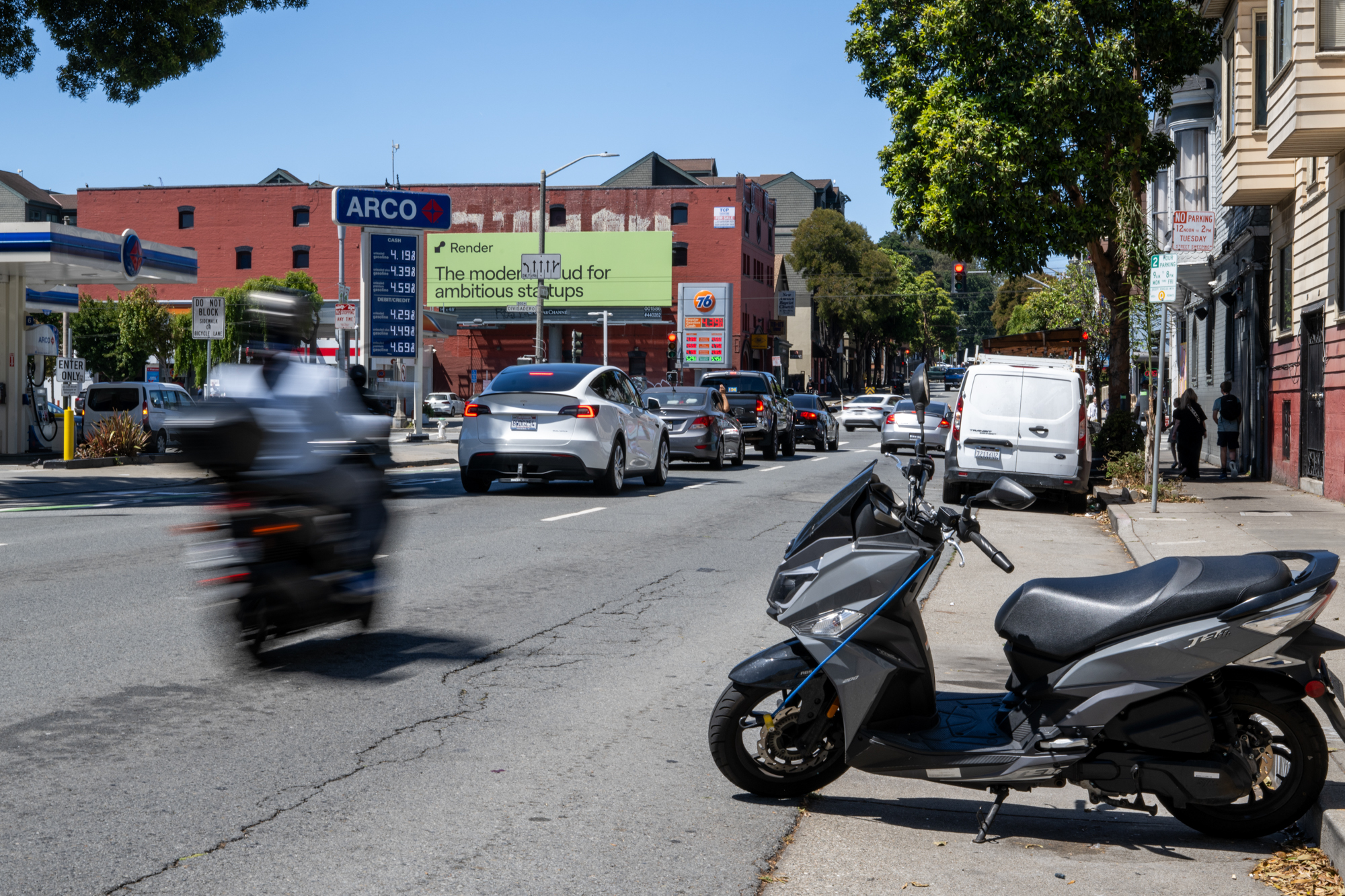
"caption": "A scooter drives along Fell Street at the intersection with Divisadero Street in San Francisco’s Panhandle neighborhood on Aug. 8, 2025.",
"credit": "Beth LaBerge/KQED",
"altTag": null,
"description": null,
"imgSizes": {
"thumbnail": {
"file": "https://cdn.kqed.org/wp-content/uploads/sites/10/2025/08/250808-MOPEDDEATH-16-KQED-160x107.jpg",
"width": 160,
"height": 107,
"mimeType": "image/jpeg"
},
"1536x1536": {
"file": "https://cdn.kqed.org/wp-content/uploads/sites/10/2025/08/250808-MOPEDDEATH-16-KQED-1536x1024.jpg",
"width": 1536,
"height": 1024,
"mimeType": "image/jpeg"
},
"post-thumbnail": {
"file": "https://cdn.kqed.org/wp-content/uploads/sites/10/2025/08/250808-MOPEDDEATH-16-KQED-672x372.jpg",
"width": 672,
"height": 372,
"mimeType": "image/jpeg"
},
"twentyfourteen-full-width": {
"file": "https://cdn.kqed.org/wp-content/uploads/sites/10/2025/08/250808-MOPEDDEATH-16-KQED-1038x576.jpg",
"width": 1038,
"height": 576,
"mimeType": "image/jpeg"
},
"kqedFullSize": {
"file": "https://cdn.kqed.org/wp-content/uploads/sites/10/2025/08/250808-MOPEDDEATH-16-KQED.jpg",
"width": 2000,
"height": 1333
}
},
"isLoading": false,
"fetchFailed": false
},
"news_12051490": {
"type": "attachments",
"id": "news_12051490",
"meta": {
"index": "attachments_1716263798",
"site": "news",
"id": "12051490",
"found": true
},
"title": "California Wildfires",
"publishDate": 1754678814,
"status": "inherit",
"parent": 12051487,
"modified": 1754679020,
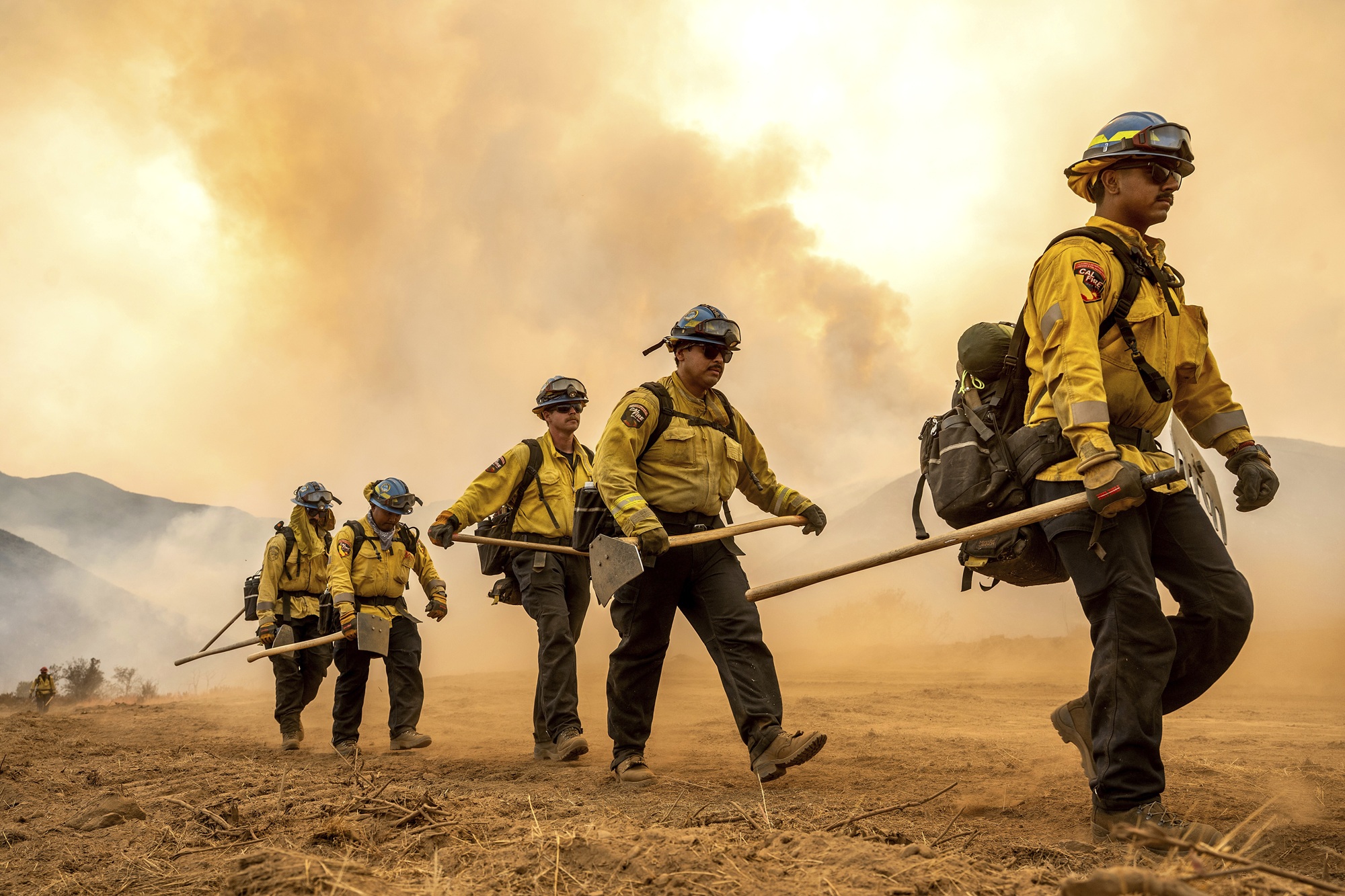
"caption": "Firefighters battle the Gifford Fire burning on Monday, Aug. 4, 2025, in Los Padres National Forest, California.",
"credit": "Noah Berger/AP Photo",
"altTag": null,
"description": null,
"imgSizes": {
"thumbnail": {
"file": "https://cdn.kqed.org/wp-content/uploads/sites/10/2025/08/GiffordFireAP-160x107.jpg",
"width": 160,
"height": 107,
"mimeType": "image/jpeg"
},
"1536x1536": {
"file": "https://cdn.kqed.org/wp-content/uploads/sites/10/2025/08/GiffordFireAP-1536x1024.jpg",
"width": 1536,
"height": 1024,
"mimeType": "image/jpeg"
},
"post-thumbnail": {
"file": "https://cdn.kqed.org/wp-content/uploads/sites/10/2025/08/GiffordFireAP-672x372.jpg",
"width": 672,
"height": 372,
"mimeType": "image/jpeg"
},
"twentyfourteen-full-width": {
"file": "https://cdn.kqed.org/wp-content/uploads/sites/10/2025/08/GiffordFireAP-1038x576.jpg",
"width": 1038,
"height": 576,
"mimeType": "image/jpeg"
},
"kqedFullSize": {
"file": "https://cdn.kqed.org/wp-content/uploads/sites/10/2025/08/GiffordFireAP.jpg",
"width": 2000,
"height": 1333
}
},
"isLoading": false,
"fetchFailed": false
},
"news_12051516": {
"type": "attachments",
"id": "news_12051516",
"meta": {
"index": "attachments_1716263798",
"site": "news",
"id": "12051516",
"found": true
},
"title": "US-SCIENCE-CLIMATE-ENVIRONMENT-NOAA",
"publishDate": 1754682601,
"status": "inherit",
"parent": 12051499,
"modified": 1754682672,
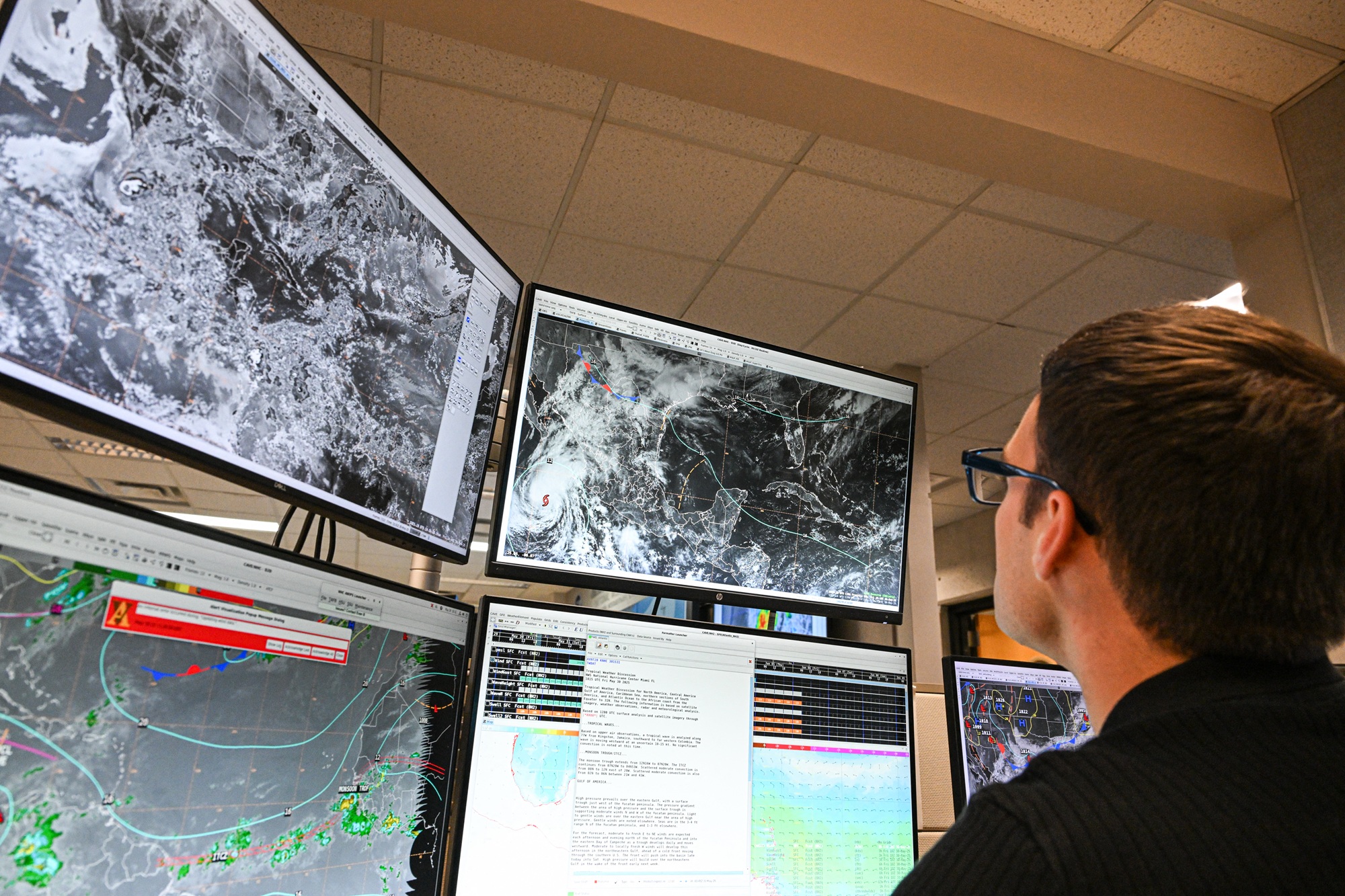
"caption": "A tropical analysis meteorologist works at his station at the National Oceanic and Atmospheric Administration's (NOAA) National Hurricane Center in Miami, Florida, on May 30, 2025. The Trump administration has fired hundreds of staff at NOAA and deleted government websites with data on the weather and climate. ",
"credit": "Chandan Khanna/AFP via Getty Images",
"altTag": null,
"description": null,
"imgSizes": {
"thumbnail": {
"file": "https://cdn.kqed.org/wp-content/uploads/sites/10/2025/08/MeteorologistsTrumpGetty-160x107.jpg",
"width": 160,
"height": 107,
"mimeType": "image/jpeg"
},
"1536x1536": {
"file": "https://cdn.kqed.org/wp-content/uploads/sites/10/2025/08/MeteorologistsTrumpGetty-1536x1024.jpg",
"width": 1536,
"height": 1024,
"mimeType": "image/jpeg"
},
"post-thumbnail": {
"file": "https://cdn.kqed.org/wp-content/uploads/sites/10/2025/08/MeteorologistsTrumpGetty-672x372.jpg",
"width": 672,
"height": 372,
"mimeType": "image/jpeg"
},
"twentyfourteen-full-width": {
"file": "https://cdn.kqed.org/wp-content/uploads/sites/10/2025/08/MeteorologistsTrumpGetty-1038x576.jpg",
"width": 1038,
"height": 576,
"mimeType": "image/jpeg"
},
"kqedFullSize": {
"file": "https://cdn.kqed.org/wp-content/uploads/sites/10/2025/08/MeteorologistsTrumpGetty.jpg",
"width": 2000,
"height": 1333
}
},
"isLoading": false,
"fetchFailed": false
},
"news_12051294": {
"type": "attachments",
"id": "news_12051294",
"meta": {
"index": "attachments_1716263798",
"site": "news",
"id": "12051294",
"found": true
},
"title": "250807-PELOSIVISIT-06-KQED",
"publishDate": 1754594479,
"status": "inherit",
"parent": 0,
"modified": 1754594509,
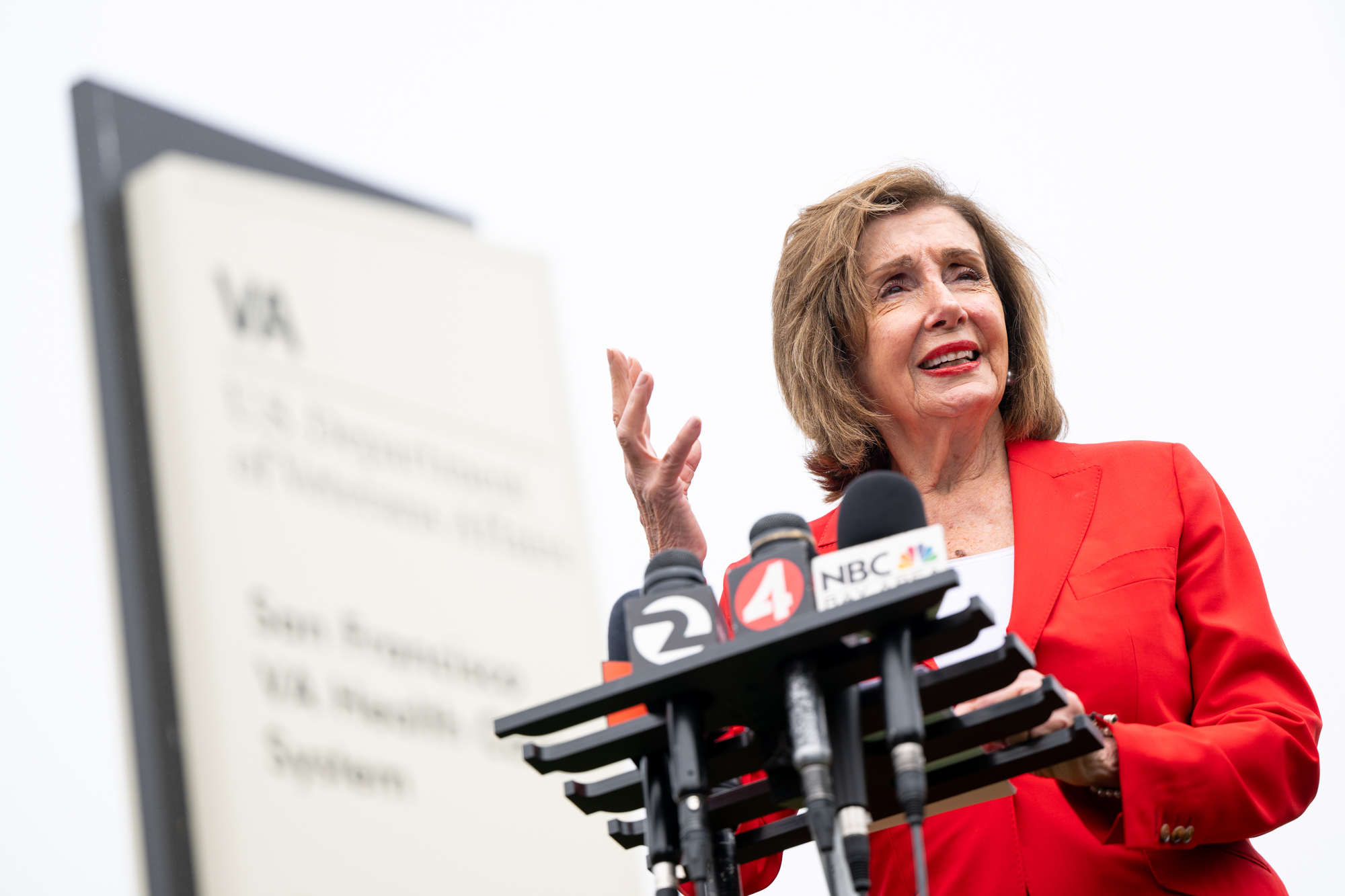
"caption": "Speaker Emerita Nancy Pelosi speaks at a press conference outside the San Francisco VA Medical Center in San Francisco on Aug. 7, 2025, after she toured the medical facility.",
"credit": "Beth LaBerge/KQED",
"altTag": null,
"description": null,
"imgSizes": {
"thumbnail": {
"file": "https://cdn.kqed.org/wp-content/uploads/sites/10/2025/08/250807-PELOSIVISIT-06-KQED-160x107.jpg",
"width": 160,
"height": 107,
"mimeType": "image/jpeg"
},
"1536x1536": {
"file": "https://cdn.kqed.org/wp-content/uploads/sites/10/2025/08/250807-PELOSIVISIT-06-KQED-1536x1024.jpg",
"width": 1536,
"height": 1024,
"mimeType": "image/jpeg"
},
"post-thumbnail": {
"file": "https://cdn.kqed.org/wp-content/uploads/sites/10/2025/08/250807-PELOSIVISIT-06-KQED-672x372.jpg",
"width": 672,
"height": 372,
"mimeType": "image/jpeg"
},
"twentyfourteen-full-width": {
"file": "https://cdn.kqed.org/wp-content/uploads/sites/10/2025/08/250807-PELOSIVISIT-06-KQED-1038x576.jpg",
"width": 1038,
"height": 576,
"mimeType": "image/jpeg"
},
"kqedFullSize": {
"file": "https://cdn.kqed.org/wp-content/uploads/sites/10/2025/08/250807-PELOSIVISIT-06-KQED.jpg",
"width": 2000,
"height": 1333
}
},
"isLoading": false,
"fetchFailed": false
},
"news_12046792": {
"type": "attachments",
"id": "news_12046792",
"meta": {
"index": "attachments_1716263798",
"site": "news",
"id": "12046792",
"found": true
},
"title": "250701-GRANTSPASS-03-BL-KQED",
"publishDate": 1751461681,
"status": "inherit",
"parent": 12051236,
"modified": 1754585346,
"caption": "Armando Herrera Vargas (left) talks with a friend at The Gubbio Project in San Francisco on July 1, 2025, with his belongings nearby. The project provides a safe place for unhoused people to rest during the day inside local churches.",
"credit": "Beth LaBerge/KQED",
"altTag": null,
"description": null,
"imgSizes": {
"thumbnail": {
"file": "https://cdn.kqed.org/wp-content/uploads/sites/10/2025/07/250701-GRANTSPASS-03-BL-KQED-160x107.jpg",
"width": 160,
"height": 107,
"mimeType": "image/jpeg"
},
"1536x1536": {
"file": "https://cdn.kqed.org/wp-content/uploads/sites/10/2025/07/250701-GRANTSPASS-03-BL-KQED-1536x1024.jpg",
"width": 1536,
"height": 1024,
"mimeType": "image/jpeg"
},
"post-thumbnail": {
"file": "https://cdn.kqed.org/wp-content/uploads/sites/10/2025/07/250701-GRANTSPASS-03-BL-KQED-672x372.jpg",
"width": 672,
"height": 372,
"mimeType": "image/jpeg"
},
"twentyfourteen-full-width": {
"file": "https://cdn.kqed.org/wp-content/uploads/sites/10/2025/07/250701-GRANTSPASS-03-BL-KQED-1038x576.jpg",
"width": 1038,
"height": 576,
"mimeType": "image/jpeg"
},
"kqedFullSize": {
"file": "https://cdn.kqed.org/wp-content/uploads/sites/10/2025/07/250701-GRANTSPASS-03-BL-KQED.jpg",
"width": 2000,
"height": 1333
}
},
"isLoading": false,
"fetchFailed": false
},
"news_12051437": {
"type": "attachments",
"id": "news_12051437",
"meta": {
"index": "attachments_1716263798",
"site": "news",
"id": "12051437",
"found": true
},
"title": "GavinNewsomAISF1",
"publishDate": 1754670249,
"status": "inherit",
"parent": 12051433,
"modified": 1754670737,
"caption": "On the rooftop of Google’s San Francisco offices on Aug. 7, 2025, Gov. Gavin Newsom announced a major statewide partnership with Google, Microsoft, IBM and Adobe to expand generative AI education — including training programs, certifications and internships — across California’s high schools, community colleges and Cal State universities.",
"credit": "Courtesy of the Office of the Governor",
"altTag": null,
"description": null,
"imgSizes": {
"thumbnail": {
"file": "https://cdn.kqed.org/wp-content/uploads/sites/10/2025/08/GavinNewsomAISF1-160x107.jpg",
"width": 160,
"height": 107,
"mimeType": "image/jpeg"
},
"1536x1536": {
"file": "https://cdn.kqed.org/wp-content/uploads/sites/10/2025/08/GavinNewsomAISF1-1536x1024.jpg",
"width": 1536,
"height": 1024,
"mimeType": "image/jpeg"
},
"post-thumbnail": {
"file": "https://cdn.kqed.org/wp-content/uploads/sites/10/2025/08/GavinNewsomAISF1-672x372.jpg",
"width": 672,
"height": 372,
"mimeType": "image/jpeg"
},
"twentyfourteen-full-width": {
"file": "https://cdn.kqed.org/wp-content/uploads/sites/10/2025/08/GavinNewsomAISF1-1038x576.jpg",
"width": 1038,
"height": 576,
"mimeType": "image/jpeg"
},
"kqedFullSize": {
"file": "https://cdn.kqed.org/wp-content/uploads/sites/10/2025/08/GavinNewsomAISF1.jpg",
"width": 2000,
"height": 1333
}
},
"isLoading": false,
"fetchFailed": false
},
"news_12051269": {
"type": "attachments",
"id": "news_12051269",
"meta": {
"index": "attachments_1716263798",
"site": "news",
"id": "12051269",
"found": true
},
"title": "250303-AntiochPolice-13-BL_qed (1)",
"publishDate": 1754588662,
"status": "inherit",
"parent": 12051261,
"modified": 1754610050,
"caption": "The A. F. Bray Courthouse Contra Costa Superior Court, in Martinez on March 3, 2025.",
"credit": "Beth LaBerge/KQED",
"altTag": null,
"description": null,
"imgSizes": {
"thumbnail": {
"file": "https://cdn.kqed.org/wp-content/uploads/sites/10/2025/08/250303-AntiochPolice-13-BL_qed-1-160x107.jpg",
"width": 160,
"height": 107,
"mimeType": "image/jpeg"
},
"1536x1536": {
"file": "https://cdn.kqed.org/wp-content/uploads/sites/10/2025/08/250303-AntiochPolice-13-BL_qed-1-1536x1024.jpg",
"width": 1536,
"height": 1024,
"mimeType": "image/jpeg"
},
"post-thumbnail": {
"file": "https://cdn.kqed.org/wp-content/uploads/sites/10/2025/08/250303-AntiochPolice-13-BL_qed-1-672x372.jpg",
"width": 672,
"height": 372,
"mimeType": "image/jpeg"
},
"twentyfourteen-full-width": {
"file": "https://cdn.kqed.org/wp-content/uploads/sites/10/2025/08/250303-AntiochPolice-13-BL_qed-1-1038x576.jpg",
"width": 1038,
"height": 576,
"mimeType": "image/jpeg"
},
"kqedFullSize": {
"file": "https://cdn.kqed.org/wp-content/uploads/sites/10/2025/08/250303-AntiochPolice-13-BL_qed-1.jpg",
"width": 2000,
"height": 1333
}
},
"isLoading": false,
"fetchFailed": false
},
"news_12051307": {
"type": "attachments",
"id": "news_12051307",
"meta": {
"index": "attachments_1716263798",
"site": "news",
"id": "12051307",
"found": true
},
"title": "021820_Solar-Panels_AW_CM_03",
"publishDate": 1754595347,
"status": "inherit",
"parent": 12051305,
"modified": 1754595362,
"caption": "Rooftop solar panels on a home in the Rockridge neighborhood of Oakland, on Feb. 18, 2020. ",
"credit": "Photo by Anne Wernikoff for CalMatters",
"altTag": null,
"description": null,
"imgSizes": {
"thumbnail": {
"file": "https://cdn.kqed.org/wp-content/uploads/sites/10/2025/08/021820_Solar-Panels_AW_CM_03-160x107.jpg",
"width": 160,
"height": 107,
"mimeType": "image/jpeg"
},
"1536x1536": {
"file": "https://cdn.kqed.org/wp-content/uploads/sites/10/2025/08/021820_Solar-Panels_AW_CM_03-1536x1024.jpg",
"width": 1536,
"height": 1024,
"mimeType": "image/jpeg"
},
"post-thumbnail": {
"file": "https://cdn.kqed.org/wp-content/uploads/sites/10/2025/08/021820_Solar-Panels_AW_CM_03-672x372.jpg",
"width": 672,
"height": 372,
"mimeType": "image/jpeg"
},
"twentyfourteen-full-width": {
"file": "https://cdn.kqed.org/wp-content/uploads/sites/10/2025/08/021820_Solar-Panels_AW_CM_03-1038x576.jpg",
"width": 1038,
"height": 576,
"mimeType": "image/jpeg"
},
"kqedFullSize": {
"file": "https://cdn.kqed.org/wp-content/uploads/sites/10/2025/08/021820_Solar-Panels_AW_CM_03.jpg",
"width": 2000,
"height": 1333
}
},
"isLoading": false,
"fetchFailed": false
},
"news_11980571": {
"type": "attachments",
"id": "news_11980571",
"meta": {
"index": "attachments_1716263798",
"site": "news",
"id": "11980571",
"found": true
},
"title": "US-ECONOMY-HOUSING-RENT",
"publishDate": 1711152822,
"status": "inherit",
"parent": 11980565,
"modified": 1754519584,
"caption": "An apartment for rent sign is posted in South Pasadena, California. Giving cash directly to renters is one policy tool that takes out the bureaucracy of renters needing to apply for federal vouchers and then find a landlord who will accept the voucher.",
"credit": "Frederic J. Brown/AFP via Getty Images",
"altTag": "A man walks by a 'for rent' sign.",
"description": null,
"imgSizes": {
"medium": {
"file": "https://cdn.kqed.org/wp-content/uploads/sites/10/2024/03/GettyImages-1244095544-800x485.jpg",
"width": 800,
"height": 485,
"mimeType": "image/jpeg"
},
"large": {
"file": "https://cdn.kqed.org/wp-content/uploads/sites/10/2024/03/GettyImages-1244095544-1020x619.jpg",
"width": 1020,
"height": 619,
"mimeType": "image/jpeg"
},
"thumbnail": {
"file": "https://cdn.kqed.org/wp-content/uploads/sites/10/2024/03/GettyImages-1244095544-160x97.jpg",
"width": 160,
"height": 97,
"mimeType": "image/jpeg"
},
"1536x1536": {
"file": "https://cdn.kqed.org/wp-content/uploads/sites/10/2024/03/GettyImages-1244095544-1536x932.jpg",
"width": 1536,
"height": 932,
"mimeType": "image/jpeg"
},
"2048x2048": {
"file": "https://cdn.kqed.org/wp-content/uploads/sites/10/2024/03/GettyImages-1244095544-2048x1242.jpg",
"width": 2048,
"height": 1242,
"mimeType": "image/jpeg"
},
"post-thumbnail": {
"file": "https://cdn.kqed.org/wp-content/uploads/sites/10/2024/03/GettyImages-1244095544-672x372.jpg",
"width": 672,
"height": 372,
"mimeType": "image/jpeg"
},
"twentyfourteen-full-width": {
"file": "https://cdn.kqed.org/wp-content/uploads/sites/10/2024/03/GettyImages-1244095544-1038x576.jpg",
"width": 1038,
"height": 576,
"mimeType": "image/jpeg"
},
"full-width": {
"file": "https://cdn.kqed.org/wp-content/uploads/sites/10/2024/03/GettyImages-1244095544-1920x1164.jpg",
"width": 1920,
"height": 1164,
"mimeType": "image/jpeg"
},
"kqedFullSize": {
"file": "https://cdn.kqed.org/wp-content/uploads/sites/10/2024/03/GettyImages-1244095544-scaled.jpg",
"width": 2560,
"height": 1553
}
},
"isLoading": false,
"fetchFailed": false
},
"news_12051204": {
"type": "attachments",
"id": "news_12051204",
"meta": {
"index": "attachments_1716263798",
"site": "news",
"id": "12051204",
"found": true
},
"title": "250806-PALESTINIANCHILDREN-05-KQED",
"publishDate": 1754524592,
"status": "inherit",
"parent": 0,
"modified": 1754524683,
"caption": "Injured Palestinian children from Gaza arrive at San Francisco International Airport on Aug. 6, 2025, to begin lifesaving medical care, in an effort led by the humanitarian nonprofit HEAL Palestine.",
"credit": "Beth LaBerge/KQED",
"altTag": null,
"description": null,
"imgSizes": {
"thumbnail": {
"file": "https://cdn.kqed.org/wp-content/uploads/sites/10/2025/08/250806-PALESTINIANCHILDREN-05-KQED-160x107.jpg",
"width": 160,
"height": 107,
"mimeType": "image/jpeg"
},
"kqedFullSize": {
"file": "https://cdn.kqed.org/wp-content/uploads/sites/10/2025/08/250806-PALESTINIANCHILDREN-05-KQED.jpg",
"width": 2000,
"height": 1333
}
},
"isLoading": false,
"fetchFailed": false
},
"news_12051123": {
"type": "attachments",
"id": "news_12051123",
"meta": {
"index": "attachments_1716263798",
"site": "news",
"id": "12051123",
"found": true
},
"title": "Covered California Enroll Here signs are seen outside the Life Long West Berkeley Family Practice on Friday, January 13, 2017 in Berkeley, Calif.",
"publishDate": 1754503023,
"status": "inherit",
"parent": 12050242,
"modified": 1781122466,
"caption": "Covered California Enroll Here signs in Berkeley on Jan. 13, 2017.",
"credit": "Lea Suzuki/The San Francisco Chronicle via Getty Images",
"altTag": null,
"description": null,
"imgSizes": {
"thumbnail": {
"file": "https://cdn.kqed.org/wp-content/uploads/sites/10/2025/08/GETTYIMAGES-1322125650-KQED-160x99.jpg",
"width": 160,
"height": 99,
"mimeType": "image/jpeg"
},
"1536x1536": {
"file": "https://cdn.kqed.org/wp-content/uploads/sites/10/2025/08/GETTYIMAGES-1322125650-KQED-1536x946.jpg",
"width": 1536,
"height": 946,
"mimeType": "image/jpeg"
},
"post-thumbnail": {
"file": "https://cdn.kqed.org/wp-content/uploads/sites/10/2025/08/GETTYIMAGES-1322125650-KQED-672x372.jpg",
"width": 672,
"height": 372,
"mimeType": "image/jpeg"
},
"twentyfourteen-full-width": {
"file": "https://cdn.kqed.org/wp-content/uploads/sites/10/2025/08/GETTYIMAGES-1322125650-KQED-1038x576.jpg",
"width": 1038,
"height": 576,
"mimeType": "image/jpeg"
},
"kqedFullSize": {
"file": "https://cdn.kqed.org/wp-content/uploads/sites/10/2025/08/GETTYIMAGES-1322125650-KQED.jpg",
"width": 2000,
"height": 1232
}
},
"isLoading": false,
"fetchFailed": false
},
"news_12050011": {
"type": "attachments",
"id": "news_12050011",
"meta": {
"index": "attachments_1716263798",
"site": "news",
"id": "12050011",
"found": true
},
"title": "250721-AFGHANSINFREMONT-11-BL-KQED",
"publishDate": 1753726598,
"status": "inherit",
"parent": 0,
"modified": 1753921939,
"caption": "Hasib Sepand plays the sitar at Sepand Studios in Fremont on July 21, 2025, where his music academy offers instruction in sitar, tabla, harmonium and other instruments, and he composes and produces music.",
"credit": "Beth LaBerge/KQED",
"altTag": null,
"description": null,
"imgSizes": {
"thumbnail": {
"file": "https://cdn.kqed.org/wp-content/uploads/sites/10/2025/07/250721-AFGHANSINFREMONT-11-BL-KQED-160x107.jpg",
"width": 160,
"height": 107,
"mimeType": "image/jpeg"
},
"1536x1536": {
"file": "https://cdn.kqed.org/wp-content/uploads/sites/10/2025/07/250721-AFGHANSINFREMONT-11-BL-KQED-1536x1024.jpg",
"width": 1536,
"height": 1024,
"mimeType": "image/jpeg"
},
"post-thumbnail": {
"file": "https://cdn.kqed.org/wp-content/uploads/sites/10/2025/07/250721-AFGHANSINFREMONT-11-BL-KQED-672x372.jpg",
"width": 672,
"height": 372,
"mimeType": "image/jpeg"
},
"twentyfourteen-full-width": {
"file": "https://cdn.kqed.org/wp-content/uploads/sites/10/2025/07/250721-AFGHANSINFREMONT-11-BL-KQED-1038x576.jpg",
"width": 1038,
"height": 576,
"mimeType": "image/jpeg"
},
"kqedFullSize": {
"file": "https://cdn.kqed.org/wp-content/uploads/sites/10/2025/07/250721-AFGHANSINFREMONT-11-BL-KQED.jpg",
"width": 2000,
"height": 1333
}
},
"isLoading": false,
"fetchFailed": false
}
},
"audioPlayerReducer": {
"postId": "stream_live",
"isPaused": true,
"isPlaying": false,
"pfsActive": false,
"pledgeModalIsOpen": true,
"playerDrawerIsOpen": false,
"liveAudioPlayStartedAt": 0,
"liveAudioPlayContext": ""
},
"authorsReducer": {
"byline_news_12051305": {
"type": "authors",
"id": "byline_news_12051305",
"meta": {
"override": true
},
"slug": "byline_news_12051305",
"name": "Malena Carollo, CalMatters",
"isLoading": false
},
"kqed": {
"type": "authors",
"id": "236",
"meta": {
"index": "authors_1716337520",
"id": "236",
"found": true
},
"name": "KQED News Staff",
"firstName": "KQED News Staff",
"lastName": null,
"slug": "kqed",
"email": "faq@kqed.org",
"display_author_email": false,
"staff_mastheads": [],
"title": null,
"bio": null,
"avatar": "https://secure.gravatar.com/avatar/ef0e801a68c4c54afa9180db14084167?s=600&d=blank&r=g",
"twitter": null,
"facebook": null,
"instagram": null,
"linkedin": null,
"sites": [
{
"site": "arts",
"roles": [
"contributor"
]
},
{
"site": "news",
"roles": [
"editor"
]
},
{
"site": "futureofyou",
"roles": [
"author"
]
}
],
"headData": {
"title": "KQED News Staff | KQED",
"description": null,
"ogImgSrc": "https://secure.gravatar.com/avatar/ef0e801a68c4c54afa9180db14084167?s=600&d=blank&r=g",
"twImgSrc": "https://secure.gravatar.com/avatar/ef0e801a68c4c54afa9180db14084167?s=600&d=blank&r=g"
},
"isLoading": false,
"link": "/author/kqed"
},
"rachael-myrow": {
"type": "authors",
"id": "251",
"meta": {
"index": "authors_1716337520",
"id": "251",
"found": true
},
"name": "Rachael Myrow",
"firstName": "Rachael",
"lastName": "Myrow",
"slug": "rachael-myrow",
"email": "rmyrow@kqed.org",
"display_author_email": true,
"staff_mastheads": [
"news"
],
"title": "Senior Editor of KQED's Silicon Valley News Desk",
"bio": "• I write and edit stories about how Silicon Valley power and policies shape everyday life in California. I’m also passionate about making Bay Area history and culture more accessible to a broad public. • I’ve been a journalist for most of my life, starting in high school with The Franklin Press in Los Angeles, where I grew up. While earning my first degree in English at UC Berkeley, I got my start in public radio at KALX-FM. After completing a second degree in journalism at Cal, I landed my first professional job at Marketplace, then moved on to KPCC (now LAist), and then KQED, where I hosted The California Report for more than seven years. • My reporting has appeared on NPR, The World, WBUR’s \u003ci>Here & Now\u003c/i>, and the BBC. I also guest host for KQED’s \u003ci>Forum\u003c/i>, as well as the Commonwealth Club in San Francisco. • I speak periodically on media, democracy and technology issues, and do voiceover work for documentaries and educational video projects. • Outside of the studio, you'll find me hiking Bay Area trails and whipping up Insta-ready meals in my kitchen. • I do not accept gifts, money, or favors from anyone connected to my reporting, I don't pay people for information, and I do not support or donate to political causes. • I strive to treat the people I report on with fairness, honesty, and respect. I also recognize there are often multiple sides to a story and work to verify information through multiple sources and documentation. If I get something wrong, I correct it.",
"avatar": "https://secure.gravatar.com/avatar/87bf8cb5874e045cdff430523a6d48b1?s=600&d=blank&r=g",
"twitter": "rachaelmyrow",
"facebook": null,
"instagram": null,
"linkedin": "https://www.linkedin.com/in/rachaelmyrow/",
"sites": [
{
"site": "arts",
"roles": [
"administrator"
]
},
{
"site": "news",
"roles": [
"edit_others_posts",
"editor"
]
},
{
"site": "futureofyou",
"roles": [
"editor"
]
},
{
"site": "bayareabites",
"roles": [
"editor"
]
},
{
"site": "stateofhealth",
"roles": [
"editor"
]
},
{
"site": "science",
"roles": [
"editor"
]
},
{
"site": "food",
"roles": [
"editor"
]
},
{
"site": "forum",
"roles": [
"editor"
]
},
{
"site": "liveblog",
"roles": [
"author"
]
}
],
"headData": {
"title": "Rachael Myrow | KQED",
"description": "Senior Editor of KQED's Silicon Valley News Desk",
"ogImgSrc": "https://secure.gravatar.com/avatar/87bf8cb5874e045cdff430523a6d48b1?s=600&d=blank&r=g",
"twImgSrc": "https://secure.gravatar.com/avatar/87bf8cb5874e045cdff430523a6d48b1?s=600&d=blank&r=g"
},
"isLoading": false,
"link": "/author/rachael-myrow"
},
"aehsanipour": {
"type": "authors",
"id": "11580",
"meta": {
"index": "authors_1716337520",
"id": "11580",
"found": true
},
"name": "Asal Ehsanipour",
"firstName": "Asal",
"lastName": "Ehsanipour",
"slug": "aehsanipour",
"email": "aehsanipour@kqed.org",
"display_author_email": false,
"staff_mastheads": [],
"title": "Reporter and Producer",
"bio": "Asal Ehsanipour is a producer and reporter for Rightnowish, Bay Curious and The California Report Magazine. She is also a producer for \u003ca href=\"https://www.thedoubleshift.com/\">The Double Shift\u003c/a>, a podcast about a new generation of working mothers. In 2018, Asal was named an Emerging Journalist Fellow by the Journalism and Women’s Symposium. Her work has appeared on KQED, KALW, PRI’s The World, and in several food and travel publications.",
"avatar": "https://secure.gravatar.com/avatar/c0e210438f5dca1b76921ff9f0eada52?s=600&d=blank&r=g",
"twitter": null,
"facebook": null,
"instagram": null,
"linkedin": null,
"sites": [
{
"site": "arts",
"roles": []
},
{
"site": "news",
"roles": [
"author",
"edit_others_posts"
]
}
],
"headData": {
"title": "Asal Ehsanipour | KQED",
"description": "Reporter and Producer",
"ogImgSrc": "https://secure.gravatar.com/avatar/c0e210438f5dca1b76921ff9f0eada52?s=600&d=blank&r=g",
"twImgSrc": "https://secure.gravatar.com/avatar/c0e210438f5dca1b76921ff9f0eada52?s=600&d=blank&r=g"
},
"isLoading": false,
"link": "/author/aehsanipour"
},
"ccabreralomeli": {
"type": "authors",
"id": "11708",
"meta": {
"index": "authors_1716337520",
"id": "11708",
"found": true
},
"name": "Carlos Cabrera-Lomelí",
"firstName": "Carlos",
"lastName": "Cabrera-Lomelí",
"slug": "ccabreralomeli",
"email": "ccabreralomeli@KQED.org",
"display_author_email": true,
"staff_mastheads": [
"news"
],
"title": "Community Reporter",
"bio": "Carlos Cabrera-Lomelí is a community reporter with KQED's digital engagement team. He also reports and co-produces for KQED's bilingual news hub KQED en Español. He grew up in San Francisco's Mission District and has previously worked with Univision, 48 Hills and REFORMA in Mexico City.",
"avatar": "https://secure.gravatar.com/avatar/c309be9665e484f887b818c89e273ecc673004f426f36b24d00a4d813a2e0518?s=600&d=blank&r=g",
"twitter": "@LomeliCabrera",
"bluesky": null,
"facebook": null,
"instagram": null,
"linkedin": null,
"sites": [
{
"site": "arts",
"roles": [
"editor"
]
},
{
"site": "news",
"roles": [
"editor"
]
},
{
"site": "about",
"roles": [
"editor"
]
},
{
"site": "science",
"roles": [
"editor"
]
},
{
"site": "perspectives",
"roles": [
"editor"
]
},
{
"site": "elections",
"roles": [
"editor"
]
},
{
"site": "liveblog",
"roles": [
"contributor"
]
}
],
"headData": {
"title": "Carlos Cabrera-Lomelí | KQED",
"description": "Community Reporter",
"ogImgSrc": "https://secure.gravatar.com/avatar/c309be9665e484f887b818c89e273ecc673004f426f36b24d00a4d813a2e0518?s=600&d=blank&r=g",
"twImgSrc": "https://secure.gravatar.com/avatar/c309be9665e484f887b818c89e273ecc673004f426f36b24d00a4d813a2e0518?s=600&d=blank&r=g"
},
"isLoading": false,
"link": "/author/ccabreralomeli"
},
"eromero": {
"type": "authors",
"id": "11746",
"meta": {
"index": "authors_1716337520",
"id": "11746",
"found": true
},
"name": "Ezra David Romero",
"firstName": "Ezra David",
"lastName": "Romero",
"slug": "eromero",
"email": "eromero@kqed.org",
"display_author_email": true,
"staff_mastheads": [
"news",
"science"
],
"title": "Climate Reporter",
"bio": "Ezra David Romero is a climate reporter for KQED News. He covers the absence and excess of water in the Bay Area — think sea level rise, flooding and drought. For nearly a decade he’s covered how warming temperatures are altering the lives of Californians. He’s reported on farmers worried their pistachio trees aren’t getting enough sleep, families desperate for water, scientists studying dying giant sequoias, and alongside firefighters containing wildfires. His work has appeared on local stations across California and nationally on public radio shows like Morning Edition, Here and Now, All Things Considered and Science Friday. ",
"avatar": "https://secure.gravatar.com/avatar/9c15bb8bab267e058708a9eeaeef16bf?s=600&d=blank&r=g",
"twitter": "ezraromero",
"bluesky": null,
"facebook": null,
"instagram": null,
"linkedin": null,
"sites": [
{
"site": "arts",
"roles": [
"editor"
]
},
{
"site": "news",
"roles": [
"editor"
]
},
{
"site": "science",
"roles": [
"editor"
]
},
{
"site": "liveblog",
"roles": [
"author"
]
}
],
"headData": {
"title": "Ezra David Romero | KQED",
"description": "Climate Reporter",
"ogImgSrc": "https://secure.gravatar.com/avatar/9c15bb8bab267e058708a9eeaeef16bf?s=600&d=blank&r=g",
"twImgSrc": "https://secure.gravatar.com/avatar/9c15bb8bab267e058708a9eeaeef16bf?s=600&d=blank&r=g"
},
"isLoading": false,
"link": "/author/eromero"
},
"jlara": {
"type": "authors",
"id": "11761",
"meta": {
"index": "authors_1716337520",
"id": "11761",
"found": true
},
"name": "Juan Carlos Lara",
"firstName": "Juan Carlos",
"lastName": "Lara",
"slug": "jlara",
"email": "jlara@kqed.org",
"display_author_email": false,
"staff_mastheads": [],
"title": "KQED Contributor",
"bio": null,
"avatar": "https://secure.gravatar.com/avatar/19e2052b9b05657c5ff2af2121846e9c?s=600&d=blank&r=g",
"twitter": null,
"facebook": null,
"instagram": null,
"linkedin": null,
"sites": [
{
"site": "arts",
"roles": [
"editor"
]
},
{
"site": "news",
"roles": [
"editor"
]
},
{
"site": "forum",
"roles": [
"editor"
]
},
{
"site": "liveblog",
"roles": [
"contributor"
]
}
],
"headData": {
"title": "Juan Carlos Lara | KQED",
"description": "KQED Contributor",
"ogImgSrc": "https://secure.gravatar.com/avatar/19e2052b9b05657c5ff2af2121846e9c?s=600&d=blank&r=g",
"twImgSrc": "https://secure.gravatar.com/avatar/19e2052b9b05657c5ff2af2121846e9c?s=600&d=blank&r=g"
},
"isLoading": false,
"link": "/author/jlara"
},
"mbolanos": {
"type": "authors",
"id": "11895",
"meta": {
"index": "authors_1716337520",
"id": "11895",
"found": true
},
"name": "Madi Bolaños",
"firstName": "Madi",
"lastName": "Bolaños",
"slug": "mbolanos",
"email": "mbolanos@kqed.org",
"display_author_email": false,
"staff_mastheads": [],
"title": "KQED Contributor",
"bio": null,
"avatar": "https://secure.gravatar.com/avatar/e6df5601c1f2d951e46a3fb42764330f?s=600&d=blank&r=g",
"twitter": null,
"bluesky": null,
"facebook": null,
"instagram": null,
"linkedin": null,
"sites": [
{
"site": "news",
"roles": [
"author"
]
}
],
"headData": {
"title": "Madi Bolaños | KQED",
"description": "KQED Contributor",
"ogImgSrc": "https://secure.gravatar.com/avatar/e6df5601c1f2d951e46a3fb42764330f?s=600&d=blank&r=g",
"twImgSrc": "https://secure.gravatar.com/avatar/e6df5601c1f2d951e46a3fb42764330f?s=600&d=blank&r=g"
},
"isLoading": false,
"link": "/author/mbolanos"
},
"emanoukian": {
"type": "authors",
"id": "11925",
"meta": {
"index": "authors_1716337520",
"id": "11925",
"found": true
},
"name": "Elize Manoukian",
"firstName": "Elize",
"lastName": "Manoukian",
"slug": "emanoukian",
"email": "emanoukian@KQED.org",
"display_author_email": false,
"staff_mastheads": [
"news"
],
"title": "Digital Producer",
"bio": null,
"avatar": "https://secure.gravatar.com/avatar/4525f1a8e46ccb30933b32653d9772064cfefe3fa655eb45b3b3a80341f6bdad?s=600&d=blank&r=g",
"twitter": null,
"bluesky": null,
"facebook": null,
"instagram": null,
"linkedin": null,
"sites": [
{
"site": "arts",
"roles": [
"editor"
]
},
{
"site": "news",
"roles": [
"editor"
]
},
{
"site": "science",
"roles": [
"editor"
]
}
],
"headData": {
"title": "Elize Manoukian | KQED",
"description": "Digital Producer",
"ogImgSrc": "https://secure.gravatar.com/avatar/4525f1a8e46ccb30933b32653d9772064cfefe3fa655eb45b3b3a80341f6bdad?s=600&d=blank&r=g",
"twImgSrc": "https://secure.gravatar.com/avatar/4525f1a8e46ccb30933b32653d9772064cfefe3fa655eb45b3b3a80341f6bdad?s=600&d=blank&r=g"
},
"isLoading": false,
"link": "/author/emanoukian"
},
"gzada": {
"type": "authors",
"id": "11929",
"meta": {
"index": "authors_1716337520",
"id": "11929",
"found": true
},
"name": "Gilare Zada",
"firstName": "Gilare",
"lastName": "Zada",
"slug": "gzada",
"email": "gzada@kqed.org",
"display_author_email": true,
"staff_mastheads": [
"news"
],
"title": null,
"bio": "Gilare Zada is a Kurdish-American from San Diego, CA. Storytelling, fitness, and binge reading are some of her passions outside of news reporting. Her work has appeared in Mission Local, the Peninsula Press, the San Francisco Press Club, and more. She also writes as a class correspondent for the Stanford Magazine - go Card!",
"avatar": "https://secure.gravatar.com/avatar/33a75f2b947669a488a805edec3fbf3838c1cedaedda710e983770633b4d6a75?s=600&d=blank&r=g",
"twitter": null,
"bluesky": null,
"facebook": null,
"instagram": null,
"linkedin": null,
"sites": [
{
"site": "arts",
"roles": [
"editor"
]
},
{
"site": "news",
"roles": [
"editor",
"contributor"
]
},
{
"site": "science",
"roles": [
"editor"
]
}
],
"headData": {
"title": "Gilare Zada | KQED",
"description": null,
"ogImgSrc": "https://secure.gravatar.com/avatar/33a75f2b947669a488a805edec3fbf3838c1cedaedda710e983770633b4d6a75?s=600&d=blank&r=g",
"twImgSrc": "https://secure.gravatar.com/avatar/33a75f2b947669a488a805edec3fbf3838c1cedaedda710e983770633b4d6a75?s=600&d=blank&r=g"
},
"isLoading": false,
"link": "/author/gzada"
},
"skennedy": {
"type": "authors",
"id": "11935",
"meta": {
"index": "authors_1716337520",
"id": "11935",
"found": true
},
"name": "Samantha Kennedy",
"firstName": "Samantha",
"lastName": "Kennedy",
"slug": "skennedy",
"email": "SKennedy@kqed.org",
"display_author_email": false,
"staff_mastheads": [],
"title": "KQED Contributor",
"bio": null,
"avatar": "https://secure.gravatar.com/avatar/adc7b14bf1e801793202a156ecc864d4ad505b0fd63162a2f3da0e5ba57222d0?s=600&d=blank&r=g",
"twitter": null,
"bluesky": null,
"facebook": null,
"instagram": null,
"linkedin": null,
"sites": [
{
"site": "arts",
"roles": [
"author"
]
},
{
"site": "news",
"roles": [
"editor"
]
},
{
"site": "science",
"roles": [
"editor"
]
}
],
"headData": {
"title": "Samantha Kennedy | KQED",
"description": "KQED Contributor",
"ogImgSrc": "https://secure.gravatar.com/avatar/adc7b14bf1e801793202a156ecc864d4ad505b0fd63162a2f3da0e5ba57222d0?s=600&d=blank&r=g",
"twImgSrc": "https://secure.gravatar.com/avatar/adc7b14bf1e801793202a156ecc864d4ad505b0fd63162a2f3da0e5ba57222d0?s=600&d=blank&r=g"
},
"isLoading": false,
"link": "/author/skennedy"
}
},
"pagesReducer": {
"news_tag_california": {
"type": "terms",
"id": "news_18538",
"meta": {
"index": "terms_1716263798",
"site": "news",
"id": "18538",
"score": 6.8456903
},
"featImg": null,
"name": "California",
"description": null,
"taxonomy": "tag",
"headData": {
"twImgId": null,
"twTitle": null,
"ogTitle": null,
"ogImgId": null,
"twDescription": null,
"description": null,
"title": "California Archives | KQED News",
"ogDescription": null
},
"ttid": 31,
"slug": "california",
"isLoading": false,
"title": "California",
"pageMeta": {
"site": "news",
"WpPageTemplate": "page-topic-editorial",
"currentPage": 66
},
"blocks": [
{
"blockName": "kqed/post-list",
"attrs": {
"layout": "cardArticle2",
"query": "posts/news?tag=california",
"seeMore": false,
"paginated": true,
"page": 66
}
},
{
"blockName": "kqed/ad"
}
]
}
},
"pfsSessionReducer": {},
"postsReducer": {
"stream_live": {
"type": "live",
"id": "stream_live",
"audioUrl": "https://streams.kqed.org/kqedradio",
"title": "Live Stream",
"excerpt": "Live Stream information currently unavailable.",
"link": "/radio",
"featImg": "",
"label": {
"name": "KQED Live",
"link": "/"
}
},
"stream_kqedNewscast": {
"type": "posts",
"id": "stream_kqedNewscast",
"audioUrl": "https://www.kqed.org/.stream/anon/radio/RDnews/newscast.mp3?_=1",
"title": "KQED Newscast",
"featImg": "",
"label": {
"name": "88.5 FM",
"link": "/"
}
},
"news_12051245": {
"type": "posts",
"id": "news_12051245",
"meta": {
"index": "posts_1716263798",
"site": "news",
"id": "12051245",
"score": null,
"sort": [
1754737214000
]
},
"guestAuthors": [],
"slug": "deadly-electric-motor-vehicle-collisions-in-san-francisco-prompt-calls-for-regulation",
"title": "Deadly Electric-Motor Vehicle Collisions in San Francisco Prompt Calls for Regulation",
"publishDate": 1754737214,
"format": "standard",
"headTitle": "Deadly Electric-Motor Vehicle Collisions in San Francisco Prompt Calls for Regulation | KQED",
"labelTerm": {
"site": "news"
},
"content": "\u003cp>On July 21, Janarden Dangi was working a dinner shift at Nepa Indian Cuisine, a restaurant near Divisadero and Fell streets in San Francisco’s Panhandle neighborhood, when he saw flashing police lights.\u003c/p>\n\u003cp>Outside, he joined a small crowd looking out at a gruesome scene — a crash between two pedestrians and a rider of an electric-powered vehicle — near the intersection around 11 p.m.\u003c/p>\n\u003cp>Dangi saw a “white-haired” man lying on the pavement.\u003c/p>\n\u003cp>[ad fullwidth]\u003c/p>\n\u003cp>“He was half covered by his helmet,” Dangi said. “It was really bad.”\u003c/p>\n\u003cp>In its initial report, San Francisco Police stated that the person, identified as Matthias Mederer, 64, was riding an e-bike at the time of the crash, which also injured two people.\u003c/p>\n\u003cfigure id=\"attachment_12051548\" class=\"wp-caption aligncenter\" style=\"max-width: 2000px\">\u003ca href=\"https://cdn.kqed.org/wp-content/uploads/sites/10/2025/08/250808-MOPEDDEATH-05-KQED.jpg\">\u003cimg loading=\"lazy\" decoding=\"async\" class=\"size-full wp-image-12051548\" src=\"https://cdn.kqed.org/wp-content/uploads/sites/10/2025/08/250808-MOPEDDEATH-05-KQED.jpg\" alt=\"\" width=\"2000\" height=\"1333\" srcset=\"https://cdn.kqed.org/wp-content/uploads/sites/10/2025/08/250808-MOPEDDEATH-05-KQED.jpg 2000w, https://cdn.kqed.org/wp-content/uploads/sites/10/2025/08/250808-MOPEDDEATH-05-KQED-160x107.jpg 160w, https://cdn.kqed.org/wp-content/uploads/sites/10/2025/08/250808-MOPEDDEATH-05-KQED-1536x1024.jpg 1536w\" sizes=\"auto, (max-width: 2000px) 100vw, 2000px\">\u003c/a>\u003cfigcaption class=\"wp-caption-text\">The intersection of Fell and Divisadero streets in San Francisco’s Panhandle neighborhood on Aug. 8, 2025. \u003ccite>(Beth LaBerge/KQED)\u003c/cite>\u003c/figcaption>\u003c/figure>\n\u003cp>But in the days and weeks following, confusion arose: was it an e-bike, which doesn’t require a special license to operate — or something else?\u003c/p>\n\u003cp>Following multiple fatalities caused by electric devices in San Francisco, traffic safety advocates are pointing to a need for stronger regulation and classification for electric-powered or motorized modes of transportation.\u003c/p>\n\u003cp>The stakes, said Christopher White, executive director of the San Francisco Bike Coalition, can be life or death.\u003c/p>\n\u003cp>“We just want to make sure that the public has the information that is true and accurate,” White said. “That is what should be guiding policies that develop to keep people safer on the streets.”\u003c/p>\n\u003cp>In a subsequent statement to KQED on Aug. 8, SFPD again reiterated that the crash involved an e-bike.[aside postID=news_12049286 hero='https://cdn.kqed.org/wp-content/uploads/sites/10/2019/10/GettyImages-947735006-1020x682.jpg']The San Francisco Bike Coalition, however, said that based on eyewitness accounts and videos \u003ca href=\"https://www.reddit.com/r/sanfrancisco/comments/1m7mqdq/ebike_barrels_into_pedestrian_at_fell_and/\">circulating\u003c/a> online, they believe Mederer was riding a more powerful, faster vehicle, most likely an e-moped, which requires a motorcycle license.\u003c/p>\n\u003cp>Dangi also told KQED that the vehicle in question appeared to be “a modified moped.”\u003c/p>\n\u003cp>“It was not a proper motorbike,” Dangi said. “It was modified with a big sound.”\u003c/p>\n\u003cp>Dangi added that the corner is often busy and that “people have to be very careful in this intersection.”\u003c/p>\n\u003cp>The tragedy unfolded against the backdrop of ongoing conversations among state legislators on the prevalence of e-bikes and motorized scooters, and a possible need for increased safety laws.\u003c/p>\n\u003cp>Under California law, the term “e-bike” can only apply to three classes of electric bicycles with pedals that are capped at 28 miles per hour.\u003c/p>\n\u003cp>White said they’re commonly confused and misreported as e-mopeds and e-motorbikes: vehicles that go way above that speed and require a motorcycle license.\u003c/p>\n\u003cp>“It can propagate narratives in the minds of the public that are not true about the safety or lack of safety of different devices,” White said.\u003c/p>\n\u003cp>White pointed to a fatal collision on Market and Sixth streets just days before the fatal accident on July 21 as a case study: an elderly pedestrian was \u003ca href=\"https://www.kqed.org/news/12049286/77-year-old-pedestrian-dies-in-sf-after-being-struck-by-an-electric-scooter\">struck by an electric scooter\u003c/a> on July 18 while he crossed the intersection, later succumbing to his injuries at a local hospital.\u003c/p>\n\u003cfigure id=\"attachment_12051547\" class=\"wp-caption aligncenter\" style=\"max-width: 2000px\">\u003ca href=\"https://cdn.kqed.org/wp-content/uploads/sites/10/2025/08/250808-MOPEDDEATH-03-KQED.jpg\">\u003cimg loading=\"lazy\" decoding=\"async\" class=\"size-full wp-image-12051547\" src=\"https://cdn.kqed.org/wp-content/uploads/sites/10/2025/08/250808-MOPEDDEATH-03-KQED.jpg\" alt=\"\" width=\"2000\" height=\"1333\" srcset=\"https://cdn.kqed.org/wp-content/uploads/sites/10/2025/08/250808-MOPEDDEATH-03-KQED.jpg 2000w, https://cdn.kqed.org/wp-content/uploads/sites/10/2025/08/250808-MOPEDDEATH-03-KQED-160x107.jpg 160w, https://cdn.kqed.org/wp-content/uploads/sites/10/2025/08/250808-MOPEDDEATH-03-KQED-1536x1024.jpg 1536w\" sizes=\"auto, (max-width: 2000px) 100vw, 2000px\">\u003c/a>\u003cfigcaption class=\"wp-caption-text\">A Muni bus waits at the intersection of Fell and Divisadero streets in San Francisco’s Panhandle neighborhood on Aug. 8, 2025. \u003ccite>(Beth LaBerge/KQED)\u003c/cite>\u003c/figcaption>\u003c/figure>\n\u003cp>When SFPD initially responded to the scene, it reported that the vehicle involved was a Lime e-scooter, but \u003ca href=\"https://sfbike.org/news/pedestrian-killed-at-intersection-of-market-and-6th-street/\">later\u003c/a> said it remained unclear what kind of scooter it was. Lime also confirmed that the rider was not on one of the company’s electric scooters.\u003c/p>\n\u003cp>The distinction is significant, White said, because electric scooters have their own classification and the California DMV mandates a 15 mph limit for motorized scooters.\u003c/p>\n\u003cp>But still, with reports on all sides unconfirmed, the gray area in how motorized devices are classified is starkly apparent.\u003c/p>\n\u003cp>White recommended that the city develop what he called a “hierarchy of road vulnerability,” or an awareness campaign about the kinds of vehicles on streets and what dangers they pose to pedestrians.\u003c/p>\n\u003cp>“Those on the streets who can cause more harm to others because of the speed or the heaviness of their vehicles or devices, bear greater responsibility,” White said. “To keep more vulnerable road users, whether that’s pedestrians, seniors, people with disabilities, safe in how they behave.”[aside postID=news_12050882 hero='https://cdn.kqed.org/wp-content/uploads/sites/10/2025/08/250805_SPEED-CAMERAS-FOLO_-0003_GH-KQED.jpg']In a \u003ca href=\"https://www.calbike.org/e-bikes-on-the-agenda-for-california-legislature-in-2025/\">statement\u003c/a> posted to its website, the California Bicycle Coalition’s Jared Sanchez pointed to a greater need for “cleaning up the gray areas in e-bike classification.”\u003c/p>\n\u003cp>The coalition, also called CalBike, said it saw promise in a bill from state Sen. Catherine Blakespear (D-San Diego), SB 455, which did not survive the Senate Appropriations Committee back in May.\u003c/p>\n\u003cp>SB 455 would have strengthened existing e-bike regulations, as well as penalized manufacturers who sell high-speed motorized bikes to underage riders as e-bikes.\u003c/p>\n\u003cp>White echoed CalBike’s focus on the role that manufacturers play in street safety. He said that frequently, they don’t share enough information about what they’re actually selling to the public.\u003c/p>\n\u003cp>“We would love to see greater oversight of that at the state level,” White said. “To make sure that people understand what they are buying and understand the rules of the road related to those devices.”\u003c/p>\n\u003cp>The pedestrian safety advocacy group Walk SF this week released a statement that three-quarters of the 11 pedestrian fatalities so far in 2025 have been senior citizens. This followed the death of an 83-year-old hit on Aug. 2 in the city’s Ingleside neighborhood, Walk SF \u003ca href=\"https://walksf.org/news/for-reporters/press-releases/media-advisory-ocean-lee-pedestrian-death-2025/\">reported\u003c/a>.\u003c/p>\n\u003cp>In June, Walk SF spokesperson Marta Lindsey told KQED that the fact that most of the deaths have been senior citizens only points more to how traffic safety affects the city’s most vulnerable populations.\u003c/p>\n\u003cp>“What kind of city is San Francisco when our seniors are getting hit and killed?” Lindsey said. “Investing in the changes needed on our streets to make sure everyone of every age is actually safe is a win for everyone.”\u003c/p>\n\u003cp>\u003cem>KQED’s \u003c/em>\u003ca href=\"https://www.kqed.org/author/carlysevern\">\u003cem>Carly Severn\u003c/em>\u003c/a> \u003cem> contributed to this report.\u003c/em>\u003c/p>\n\u003cp>\u003c/p>\n",
"blocks": [],
"excerpt": "With two fatal accidents occurring just days apart, San Francisco traffic safety groups point to a lack of regulation and classification for electric vehicles, ranging from e-bikes to e-mopeds. ",
"status": "publish",
"parent": 0,
"modified": 1758677146,
"stats": {
"hasAudio": false,
"hasVideo": false,
"hasChartOrMap": false,
"iframeSrcs": [],
"hasGoogleForm": false,
"hasGallery": false,
"hasHearkenModule": false,
"hasPolis": false,
"paragraphCount": 33,
"wordCount": 1093
},
"headData": {
"title": "Deadly Electric-Motor Vehicle Collisions in San Francisco Prompt Calls for Regulation | KQED",
"description": "With two fatal accidents occurring just days apart, San Francisco traffic safety groups point to a lack of regulation and classification for electric vehicles, ranging from e-bikes to e-mopeds. ",
"ogTitle": "",
"ogDescription": "",
"ogImgId": "",
"twTitle": "",
"twDescription": "",
"twImgId": "",
"schema": {
"@context": "https://schema.org",
"@type": "NewsArticle",
"headline": "Deadly Electric-Motor Vehicle Collisions in San Francisco Prompt Calls for Regulation",
"datePublished": "2025-08-09T04:00:14-07:00",
"dateModified": "2025-09-23T18:25:46-07:00",
"image": "https://cdn.kqed.org/wp-content/uploads/2020/02/KQED-OG-Image@1x.png",
"isAccessibleForFree": "True",
"publisher": {
"@type": "NewsMediaOrganization",
"@id": "https://www.kqed.org/#organization",
"name": "KQED",
"logo": "https://cdn.kqed.org/wp-content/uploads/2020/02/KQED-OG-Image@1x.png",
"url": "https://www.kqed.org",
"sameAs": [
"https://www.facebook.com/KQED",
"https://twitter.com/KQED",
"https://www.instagram.com/kqed/",
"https://www.tiktok.com/@kqedofficial",
"https://www.linkedin.com/company/kqed",
"https://www.youtube.com/channel/UCeC0IOo7i1P_61zVUWbJ4nw"
]
}
}
},
"primaryCategory": {
"termId": 8,
"slug": "news",
"name": "News"
},
"sticky": false,
"nprStoryId": "kqed-12051245",
"templateType": "standard",
"featuredImageType": "standard",
"excludeFromSiteSearch": "Include",
"articleAge": "0",
"path": "/news/12051245/deadly-electric-motor-vehicle-collisions-in-san-francisco-prompt-calls-for-regulation",
"audioTrackLength": null,
"parsedContent": [
{
"type": "contentString",
"content": "\u003cdiv class=\"post-body\">\u003cp>\u003cp>On July 21, Janarden Dangi was working a dinner shift at Nepa Indian Cuisine, a restaurant near Divisadero and Fell streets in San Francisco’s Panhandle neighborhood, when he saw flashing police lights.\u003c/p>\n\u003cp>Outside, he joined a small crowd looking out at a gruesome scene — a crash between two pedestrians and a rider of an electric-powered vehicle — near the intersection around 11 p.m.\u003c/p>\n\u003cp>Dangi saw a “white-haired” man lying on the pavement.\u003c/p>\n\u003cp>\u003c/p>\u003c/div>",
"attributes": {
"named": {},
"numeric": []
}
},
{
"type": "component",
"content": "",
"name": "ad",
"attributes": {
"named": {
"label": "fullwidth"
},
"numeric": [
"fullwidth"
]
}
},
{
"type": "contentString",
"content": "\u003cdiv class=\"post-body\">\u003cp>\u003c/p>\n\u003cp>“He was half covered by his helmet,” Dangi said. “It was really bad.”\u003c/p>\n\u003cp>In its initial report, San Francisco Police stated that the person, identified as Matthias Mederer, 64, was riding an e-bike at the time of the crash, which also injured two people.\u003c/p>\n\u003cfigure id=\"attachment_12051548\" class=\"wp-caption aligncenter\" style=\"max-width: 2000px\">\u003ca href=\"https://cdn.kqed.org/wp-content/uploads/sites/10/2025/08/250808-MOPEDDEATH-05-KQED.jpg\">\u003cimg loading=\"lazy\" decoding=\"async\" class=\"size-full wp-image-12051548\" src=\"https://cdn.kqed.org/wp-content/uploads/sites/10/2025/08/250808-MOPEDDEATH-05-KQED.jpg\" alt=\"\" width=\"2000\" height=\"1333\" srcset=\"https://cdn.kqed.org/wp-content/uploads/sites/10/2025/08/250808-MOPEDDEATH-05-KQED.jpg 2000w, https://cdn.kqed.org/wp-content/uploads/sites/10/2025/08/250808-MOPEDDEATH-05-KQED-160x107.jpg 160w, https://cdn.kqed.org/wp-content/uploads/sites/10/2025/08/250808-MOPEDDEATH-05-KQED-1536x1024.jpg 1536w\" sizes=\"auto, (max-width: 2000px) 100vw, 2000px\">\u003c/a>\u003cfigcaption class=\"wp-caption-text\">The intersection of Fell and Divisadero streets in San Francisco’s Panhandle neighborhood on Aug. 8, 2025. \u003ccite>(Beth LaBerge/KQED)\u003c/cite>\u003c/figcaption>\u003c/figure>\n\u003cp>But in the days and weeks following, confusion arose: was it an e-bike, which doesn’t require a special license to operate — or something else?\u003c/p>\n\u003cp>Following multiple fatalities caused by electric devices in San Francisco, traffic safety advocates are pointing to a need for stronger regulation and classification for electric-powered or motorized modes of transportation.\u003c/p>\n\u003cp>The stakes, said Christopher White, executive director of the San Francisco Bike Coalition, can be life or death.\u003c/p>\n\u003cp>“We just want to make sure that the public has the information that is true and accurate,” White said. “That is what should be guiding policies that develop to keep people safer on the streets.”\u003c/p>\n\u003cp>In a subsequent statement to KQED on Aug. 8, SFPD again reiterated that the crash involved an e-bike.\u003c/p>\u003c/div>",
"attributes": {
"named": {},
"numeric": []
}
},
{
"type": "component",
"content": "",
"name": "aside",
"attributes": {
"named": {
"postid": "news_12049286",
"hero": "https://cdn.kqed.org/wp-content/uploads/sites/10/2019/10/GettyImages-947735006-1020x682.jpg",
"label": ""
},
"numeric": []
}
},
{
"type": "contentString",
"content": "\u003cdiv class=\"post-body\">\u003cp>The San Francisco Bike Coalition, however, said that based on eyewitness accounts and videos \u003ca href=\"https://www.reddit.com/r/sanfrancisco/comments/1m7mqdq/ebike_barrels_into_pedestrian_at_fell_and/\">circulating\u003c/a> online, they believe Mederer was riding a more powerful, faster vehicle, most likely an e-moped, which requires a motorcycle license.\u003c/p>\n\u003cp>Dangi also told KQED that the vehicle in question appeared to be “a modified moped.”\u003c/p>\n\u003cp>“It was not a proper motorbike,” Dangi said. “It was modified with a big sound.”\u003c/p>\n\u003cp>Dangi added that the corner is often busy and that “people have to be very careful in this intersection.”\u003c/p>\n\u003cp>The tragedy unfolded against the backdrop of ongoing conversations among state legislators on the prevalence of e-bikes and motorized scooters, and a possible need for increased safety laws.\u003c/p>\n\u003cp>Under California law, the term “e-bike” can only apply to three classes of electric bicycles with pedals that are capped at 28 miles per hour.\u003c/p>\n\u003cp>White said they’re commonly confused and misreported as e-mopeds and e-motorbikes: vehicles that go way above that speed and require a motorcycle license.\u003c/p>\n\u003cp>“It can propagate narratives in the minds of the public that are not true about the safety or lack of safety of different devices,” White said.\u003c/p>\n\u003cp>White pointed to a fatal collision on Market and Sixth streets just days before the fatal accident on July 21 as a case study: an elderly pedestrian was \u003ca href=\"https://www.kqed.org/news/12049286/77-year-old-pedestrian-dies-in-sf-after-being-struck-by-an-electric-scooter\">struck by an electric scooter\u003c/a> on July 18 while he crossed the intersection, later succumbing to his injuries at a local hospital.\u003c/p>\n\u003cfigure id=\"attachment_12051547\" class=\"wp-caption aligncenter\" style=\"max-width: 2000px\">\u003ca href=\"https://cdn.kqed.org/wp-content/uploads/sites/10/2025/08/250808-MOPEDDEATH-03-KQED.jpg\">\u003cimg loading=\"lazy\" decoding=\"async\" class=\"size-full wp-image-12051547\" src=\"https://cdn.kqed.org/wp-content/uploads/sites/10/2025/08/250808-MOPEDDEATH-03-KQED.jpg\" alt=\"\" width=\"2000\" height=\"1333\" srcset=\"https://cdn.kqed.org/wp-content/uploads/sites/10/2025/08/250808-MOPEDDEATH-03-KQED.jpg 2000w, https://cdn.kqed.org/wp-content/uploads/sites/10/2025/08/250808-MOPEDDEATH-03-KQED-160x107.jpg 160w, https://cdn.kqed.org/wp-content/uploads/sites/10/2025/08/250808-MOPEDDEATH-03-KQED-1536x1024.jpg 1536w\" sizes=\"auto, (max-width: 2000px) 100vw, 2000px\">\u003c/a>\u003cfigcaption class=\"wp-caption-text\">A Muni bus waits at the intersection of Fell and Divisadero streets in San Francisco’s Panhandle neighborhood on Aug. 8, 2025. \u003ccite>(Beth LaBerge/KQED)\u003c/cite>\u003c/figcaption>\u003c/figure>\n\u003cp>When SFPD initially responded to the scene, it reported that the vehicle involved was a Lime e-scooter, but \u003ca href=\"https://sfbike.org/news/pedestrian-killed-at-intersection-of-market-and-6th-street/\">later\u003c/a> said it remained unclear what kind of scooter it was. Lime also confirmed that the rider was not on one of the company’s electric scooters.\u003c/p>\n\u003cp>The distinction is significant, White said, because electric scooters have their own classification and the California DMV mandates a 15 mph limit for motorized scooters.\u003c/p>\n\u003cp>But still, with reports on all sides unconfirmed, the gray area in how motorized devices are classified is starkly apparent.\u003c/p>\n\u003cp>White recommended that the city develop what he called a “hierarchy of road vulnerability,” or an awareness campaign about the kinds of vehicles on streets and what dangers they pose to pedestrians.\u003c/p>\n\u003cp>“Those on the streets who can cause more harm to others because of the speed or the heaviness of their vehicles or devices, bear greater responsibility,” White said. “To keep more vulnerable road users, whether that’s pedestrians, seniors, people with disabilities, safe in how they behave.”\u003c/p>\u003c/div>",
"attributes": {
"named": {},
"numeric": []
}
},
{
"type": "component",
"content": "",
"name": "aside",
"attributes": {
"named": {
"postid": "news_12050882",
"hero": "https://cdn.kqed.org/wp-content/uploads/sites/10/2025/08/250805_SPEED-CAMERAS-FOLO_-0003_GH-KQED.jpg",
"label": ""
},
"numeric": []
}
},
{
"type": "contentString",
"content": "\u003cdiv class=\"post-body\">\u003cp>In a \u003ca href=\"https://www.calbike.org/e-bikes-on-the-agenda-for-california-legislature-in-2025/\">statement\u003c/a> posted to its website, the California Bicycle Coalition’s Jared Sanchez pointed to a greater need for “cleaning up the gray areas in e-bike classification.”\u003c/p>\n\u003cp>The coalition, also called CalBike, said it saw promise in a bill from state Sen. Catherine Blakespear (D-San Diego), SB 455, which did not survive the Senate Appropriations Committee back in May.\u003c/p>\n\u003cp>SB 455 would have strengthened existing e-bike regulations, as well as penalized manufacturers who sell high-speed motorized bikes to underage riders as e-bikes.\u003c/p>\n\u003cp>White echoed CalBike’s focus on the role that manufacturers play in street safety. He said that frequently, they don’t share enough information about what they’re actually selling to the public.\u003c/p>\n\u003cp>“We would love to see greater oversight of that at the state level,” White said. “To make sure that people understand what they are buying and understand the rules of the road related to those devices.”\u003c/p>\n\u003cp>The pedestrian safety advocacy group Walk SF this week released a statement that three-quarters of the 11 pedestrian fatalities so far in 2025 have been senior citizens. This followed the death of an 83-year-old hit on Aug. 2 in the city’s Ingleside neighborhood, Walk SF \u003ca href=\"https://walksf.org/news/for-reporters/press-releases/media-advisory-ocean-lee-pedestrian-death-2025/\">reported\u003c/a>.\u003c/p>\n\u003cp>In June, Walk SF spokesperson Marta Lindsey told KQED that the fact that most of the deaths have been senior citizens only points more to how traffic safety affects the city’s most vulnerable populations.\u003c/p>\n\u003cp>“What kind of city is San Francisco when our seniors are getting hit and killed?” Lindsey said. “Investing in the changes needed on our streets to make sure everyone of every age is actually safe is a win for everyone.”\u003c/p>\n\u003cp>\u003cem>KQED’s \u003c/em>\u003ca href=\"https://www.kqed.org/author/carlysevern\">\u003cem>Carly Severn\u003c/em>\u003c/a> \u003cem> contributed to this report.\u003c/em>\u003c/p>\n\u003cp>\u003c/p>\n\u003c/div>\u003c/p>",
"attributes": {
"named": {},
"numeric": []
}
}
],
"link": "/news/12051245/deadly-electric-motor-vehicle-collisions-in-san-francisco-prompt-calls-for-regulation",
"authors": [
"11929",
"11925"
],
"categories": [
"news_28250",
"news_8",
"news_1397"
],
"tags": [
"news_1386",
"news_18538",
"news_22434",
"news_35477",
"news_27626",
"news_17660",
"news_5535",
"news_22456",
"news_38",
"news_4096",
"news_22983",
"news_1334"
],
"featImg": "news_12051549",
"label": "news"
},
"news_12051487": {
"type": "posts",
"id": "news_12051487",
"meta": {
"index": "posts_1716263798",
"site": "news",
"id": "12051487",
"score": null,
"sort": [
1754693745000
]
},
"guestAuthors": [],
"slug": "bay-area-fire-departments-dispatch-engines-strike-teams-to-fight-gifford-fire-in-slo",
"title": "Bay Area Fire Departments Dispatch Engines, Strike Teams to Fight Gifford Fire in San Luis Obispo",
"publishDate": 1754693745,
"format": "standard",
"headTitle": "Bay Area Fire Departments Dispatch Engines, Strike Teams to Fight Gifford Fire in San Luis Obispo | KQED",
"labelTerm": {
"site": "news"
},
"content": "\u003cp>\u003cem>Updated 5:56 p.m.\u003c/em>\u003c/p>\n\u003cp>Nearly 20 Bay Area fire departments have deployed resources to San Luis Obispo to combat \u003ca href=\"https://www.kqed.org/news/12050852/fire-danger-on-the-rise-this-week-as-crews-battle-multiple-blazes-in-california\">California’s largest fire yet in 2025\u003c/a>, a blaze which has \u003ca href=\"https://www.fire.ca.gov/incidents/2025/8/1/gifford-fire\">consumed \u003c/a>nearly 100,000 acres of land since it worsened Thursday morning.\u003c/p>\n\u003cp>Fire departments and districts of all sizes, ranging from Sonoma to San Francisco, and in the south, from Watsonville Fire Department to Zayante Fire Protection District in Felton, have all confirmed dispatching engines, strike teams and other resources to help fight the fire that broke out on Aug. 1 along Highway 166.\u003c/p>\n\u003cp>According to a Cal Fire status report from the first day of the wildfire, the blaze consumed roughly 800 acres, a number that would multiply across San Luis Obispo and Santa Barbara counties by more than tenfold within a week.\u003c/p>\n\u003cp>[ad fullwidth]\u003c/p>\n\u003cp>The U.S. Forest Service released an incident \u003ca href=\"https://www.fs.usda.gov/sites/nfs/files/r05/lospadres/publication/alerts/update_Gifford_08_07_25_AM.pdf\">update\u003c/a> on Thursday morning that overnight winds exceeded 30 mph, causing the blaze to spread rapidly and prompting more evacuations.\u003c/p>\n\u003cp>A spokesperson for Alameda County Fire Department confirmed that two engines and a strike team leader trainee were deployed to help fight the wildfire on Aug. 2, and dispatched an additional safety officer just two days later.\u003c/p>\n\u003cp>Marin County also sent 40 firefighters to help, according to a spokesperson for its fire department.[aside postID=news_12050852 hero='https://cdn.kqed.org/wp-content/uploads/sites/10/2025/08/GiffordFireGetty1.jpg']San Francisco’s Fire Department Lieutenant Elias Mariano told KQED that the department sent a strike team to the site on Aug. 6; each strike team comprised of five engines, each engine carrying three crew members.\u003c/p>\n\u003cp>An additional chief’s vehicle was also deployed.\u003c/p>\n\u003cp>Mariano said the Office of Emergency Services called out their crews to respond to the fire.\u003c/p>\n\u003cp>He said the state actually owns the vehicles, and they’re housed within several different firehouses in San Francisco.\u003c/p>\n\u003cp>At any moment’s notice, Mariano said, SFFD is required to provide the personnel on those fire engines to immediately respond.\u003c/p>\n\u003cp>“San Francisco fire is well-trained, we’re ready to help people whenever needed,” Mariano said. “We appreciate the support from anyone who waves at us.”\u003c/p>\n\u003cp>\u003c/p>\n",
"blocks": [],
"excerpt": "As California’s largest fire currently rages on in San Luis Obispo County, consuming nearly 100,000 acres of land with only 15% containment, several Bay Area counties have deployed resources down south to combat the wildfire.",
"status": "publish",
"parent": 0,
"modified": 1754701291,
"stats": {
"hasAudio": false,
"hasVideo": false,
"hasChartOrMap": false,
"iframeSrcs": [],
"hasGoogleForm": false,
"hasGallery": false,
"hasHearkenModule": false,
"hasPolis": false,
"paragraphCount": 14,
"wordCount": 371
},
"headData": {
"title": "Bay Area Fire Departments Dispatch Engines, Strike Teams to Fight Gifford Fire in San Luis Obispo | KQED",
"description": "As California’s largest fire currently rages on in San Luis Obispo County, consuming nearly 100,000 acres of land with only 15% containment, several Bay Area counties have deployed resources down south to combat the wildfire.",
"ogTitle": "",
"ogDescription": "",
"ogImgId": "",
"twTitle": "",
"twDescription": "",
"twImgId": "",
"schema": {
"@context": "https://schema.org",
"@type": "NewsArticle",
"headline": "Bay Area Fire Departments Dispatch Engines, Strike Teams to Fight Gifford Fire in San Luis Obispo",
"datePublished": "2025-08-08T15:55:45-07:00",
"dateModified": "2025-08-08T18:01:31-07:00",
"image": "https://cdn.kqed.org/wp-content/uploads/2020/02/KQED-OG-Image@1x.png",
"isAccessibleForFree": "True",
"publisher": {
"@type": "NewsMediaOrganization",
"@id": "https://www.kqed.org/#organization",
"name": "KQED",
"logo": "https://cdn.kqed.org/wp-content/uploads/2020/02/KQED-OG-Image@1x.png",
"url": "https://www.kqed.org",
"sameAs": [
"https://www.facebook.com/KQED",
"https://twitter.com/KQED",
"https://www.instagram.com/kqed/",
"https://www.tiktok.com/@kqedofficial",
"https://www.linkedin.com/company/kqed",
"https://www.youtube.com/channel/UCeC0IOo7i1P_61zVUWbJ4nw"
]
}
}
},
"primaryCategory": {
"termId": 8,
"slug": "news",
"name": "News"
},
"sticky": false,
"nprStoryId": "kqed-12051487",
"templateType": "standard",
"featuredImageType": "standard",
"excludeFromSiteSearch": "Include",
"articleAge": "0",
"path": "/news/12051487/bay-area-fire-departments-dispatch-engines-strike-teams-to-fight-gifford-fire-in-slo",
"audioTrackLength": null,
"parsedContent": [
{
"type": "contentString",
"content": "\u003cdiv class=\"post-body\">\u003cp>\u003cp>\u003cem>Updated 5:56 p.m.\u003c/em>\u003c/p>\n\u003cp>Nearly 20 Bay Area fire departments have deployed resources to San Luis Obispo to combat \u003ca href=\"https://www.kqed.org/news/12050852/fire-danger-on-the-rise-this-week-as-crews-battle-multiple-blazes-in-california\">California’s largest fire yet in 2025\u003c/a>, a blaze which has \u003ca href=\"https://www.fire.ca.gov/incidents/2025/8/1/gifford-fire\">consumed \u003c/a>nearly 100,000 acres of land since it worsened Thursday morning.\u003c/p>\n\u003cp>Fire departments and districts of all sizes, ranging from Sonoma to San Francisco, and in the south, from Watsonville Fire Department to Zayante Fire Protection District in Felton, have all confirmed dispatching engines, strike teams and other resources to help fight the fire that broke out on Aug. 1 along Highway 166.\u003c/p>\n\u003cp>According to a Cal Fire status report from the first day of the wildfire, the blaze consumed roughly 800 acres, a number that would multiply across San Luis Obispo and Santa Barbara counties by more than tenfold within a week.\u003c/p>\n\u003cp>\u003c/p>\u003c/div>",
"attributes": {
"named": {},
"numeric": []
}
},
{
"type": "component",
"content": "",
"name": "ad",
"attributes": {
"named": {
"label": "fullwidth"
},
"numeric": [
"fullwidth"
]
}
},
{
"type": "contentString",
"content": "\u003cdiv class=\"post-body\">\u003cp>\u003c/p>\n\u003cp>The U.S. Forest Service released an incident \u003ca href=\"https://www.fs.usda.gov/sites/nfs/files/r05/lospadres/publication/alerts/update_Gifford_08_07_25_AM.pdf\">update\u003c/a> on Thursday morning that overnight winds exceeded 30 mph, causing the blaze to spread rapidly and prompting more evacuations.\u003c/p>\n\u003cp>A spokesperson for Alameda County Fire Department confirmed that two engines and a strike team leader trainee were deployed to help fight the wildfire on Aug. 2, and dispatched an additional safety officer just two days later.\u003c/p>\n\u003cp>Marin County also sent 40 firefighters to help, according to a spokesperson for its fire department.\u003c/p>\u003c/div>",
"attributes": {
"named": {},
"numeric": []
}
},
{
"type": "component",
"content": "",
"name": "aside",
"attributes": {
"named": {
"postid": "news_12050852",
"hero": "https://cdn.kqed.org/wp-content/uploads/sites/10/2025/08/GiffordFireGetty1.jpg",
"label": ""
},
"numeric": []
}
},
{
"type": "contentString",
"content": "\u003cdiv class=\"post-body\">\u003cp>San Francisco’s Fire Department Lieutenant Elias Mariano told KQED that the department sent a strike team to the site on Aug. 6; each strike team comprised of five engines, each engine carrying three crew members.\u003c/p>\n\u003cp>An additional chief’s vehicle was also deployed.\u003c/p>\n\u003cp>Mariano said the Office of Emergency Services called out their crews to respond to the fire.\u003c/p>\n\u003cp>He said the state actually owns the vehicles, and they’re housed within several different firehouses in San Francisco.\u003c/p>\n\u003cp>At any moment’s notice, Mariano said, SFFD is required to provide the personnel on those fire engines to immediately respond.\u003c/p>\n\u003cp>“San Francisco fire is well-trained, we’re ready to help people whenever needed,” Mariano said. “We appreciate the support from anyone who waves at us.”\u003c/p>\n\u003cp>\u003c/p>\n\u003c/div>\u003c/p>",
"attributes": {
"named": {},
"numeric": []
}
}
],
"link": "/news/12051487/bay-area-fire-departments-dispatch-engines-strike-teams-to-fight-gifford-fire-in-slo",
"authors": [
"11929"
],
"categories": [
"news_31795",
"news_34165",
"news_19906",
"news_8"
],
"tags": [
"news_18538",
"news_19204",
"news_255",
"news_27626",
"news_28199",
"news_21147",
"news_21169",
"news_18355",
"news_4463"
],
"featImg": "news_12051490",
"label": "news"
},
"news_12051499": {
"type": "posts",
"id": "news_12051499",
"meta": {
"index": "posts_1716263798",
"site": "news",
"id": "12051499",
"score": null,
"sort": [
1754683041000
]
},
"guestAuthors": [],
"slug": "after-months-of-short-staffing-trump-cuts-bay-area-nws-could-hire-more-meteorologists",
"title": "After Months of Short-Staffing, Trump Cuts, Bay Area NWS Could Hire More Meteorologists",
"publishDate": 1754683041,
"format": "standard",
"headTitle": "After Months of Short-Staffing, Trump Cuts, Bay Area NWS Could Hire More Meteorologists | KQED",
"labelTerm": {
"site": "news"
},
"content": "\u003cp>The National Weather Service plans to fill two vacancies for \u003ca href=\"https://www.kqed.org/news/12029178/trumps-mass-layoffs-noaa-cut-into-bay-area-weather-service\">meteorologists\u003c/a> who forecast daily weather for the public and airspace above the Bay Area, after the agency lost more than 500 employees earlier this year during the Trump administration’s deep federal cuts.\u003c/p>\n\u003cp>The potential hirings aren’t totally official yet, but the federal government may post the jobs in the next week, according to Dalton Behringer, the Bay Area office’s union steward for the National Weather Service Employees Organization.\u003c/p>\n\u003cp>Once hired, they could help bolster weather reports for two offices that have operated for months with limited staff. The news comes as temperatures across the Bay Area are heating up, passengers are departing for summertime travels, and wildfire risk is growing.\u003c/p>\n\u003cp>[ad fullwidth]\u003c/p>\n\u003cp>The cuts earlier this year included at least three people at the National Weather Service’s Bay Area office in Monterey — a meteorologist, an administrative support assistant and a facilities technician. The three employees were relatively new to their jobs and received emails notifying them of their termination before their supervisors were aware.\u003c/p>\n\u003cp>Behringer said the administration has so far promised to restore one meteorologist position in Monterey, but noted the union has asked the administration to fill the administrative support position.\u003c/p>\n\u003cp>“The trend’s looking in the right direction,” Behringer said. “We certainly need more than one position per office with several vacancies, and we’re still doing mutual aid for some of our neighboring offices.”[aside postID=news_12050852 hero='https://cdn.kqed.org/wp-content/uploads/sites/10/2025/08/GiffordFireGetty1.jpg']For months, \u003ca href=\"https://www.kqed.org/news/12033338/bay-area-air-traffic-control-is-down-to-1-meteorologist-after-trumps-hiring-freeze\">a single full-time meteorologist\u003c/a>, with aid from other offices, has staffed the National Weather Service’s Fremont-based Center Weather Service Unit in Oakland after a forecaster there retired. The unit already had two vacant positions when President Donald Trump ordered a federal hiring freeze on Jan. 20.\u003c/p>\n\u003cp>The meteorologist works with air traffic controllers at a command center in Fremont. Their role is to provide real-time weather updates seven days a week, forecasting any turbulence from around 40,000 feet in the air down to the runway.\u003c/p>\n\u003cp>That meteorologist could soon have a second trained permanent colleague to relieve the stress of forecasting weather conditions in the Bay Area’s massive airspace.\u003c/p>\n\u003cp>“I can’t even tell you how much overtime he’s been working and then double shifts here and there,” Behringer said. “As the lone wolf, it is pretty daunting with the Bay Area air traffic. So, in morale alone, having a second set of eyes permanently will be huge.”\u003c/p>\n\u003cp>On top of the coming hires, Behringer said last month, the administration classified National Weather Service employees as necessary for public safety.\u003c/p>\n\u003cp>“That means that meteorologists will be exempt from all future hiring freezes, and we are exempt from any of the reduction-in-force policies that are still to come,” Behringer said.\u003c/p>\n\u003cp>\u003c/p>\n",
"blocks": [],
"excerpt": "Key staff are critically needed, Bay Area weather offices said, as fire risk and travel rise. ",
"status": "publish",
"parent": 0,
"modified": 1754684835,
"stats": {
"hasAudio": false,
"hasVideo": false,
"hasChartOrMap": false,
"iframeSrcs": [],
"hasGoogleForm": false,
"hasGallery": false,
"hasHearkenModule": false,
"hasPolis": false,
"paragraphCount": 13,
"wordCount": 500
},
"headData": {
"title": "After Months of Short-Staffing, Trump Cuts, Bay Area NWS Could Hire More Meteorologists | KQED",
"description": "Key staff are critically needed, Bay Area weather offices said, as fire risk and travel rise. ",
"ogTitle": "",
"ogDescription": "",
"ogImgId": "",
"twTitle": "",
"twDescription": "",
"twImgId": "",
"schema": {
"@context": "https://schema.org",
"@type": "NewsArticle",
"headline": "After Months of Short-Staffing, Trump Cuts, Bay Area NWS Could Hire More Meteorologists",
"datePublished": "2025-08-08T12:57:21-07:00",
"dateModified": "2025-08-08T13:27:15-07:00",
"image": "https://cdn.kqed.org/wp-content/uploads/2020/02/KQED-OG-Image@1x.png",
"isAccessibleForFree": "True",
"publisher": {
"@type": "NewsMediaOrganization",
"@id": "https://www.kqed.org/#organization",
"name": "KQED",
"logo": "https://cdn.kqed.org/wp-content/uploads/2020/02/KQED-OG-Image@1x.png",
"url": "https://www.kqed.org",
"sameAs": [
"https://www.facebook.com/KQED",
"https://twitter.com/KQED",
"https://www.instagram.com/kqed/",
"https://www.tiktok.com/@kqedofficial",
"https://www.linkedin.com/company/kqed",
"https://www.youtube.com/channel/UCeC0IOo7i1P_61zVUWbJ4nw"
]
}
}
},
"primaryCategory": {
"termId": 8,
"slug": "news",
"name": "News"
},
"sticky": false,
"nprStoryId": "kqed-12051499",
"templateType": "standard",
"featuredImageType": "standard",
"excludeFromSiteSearch": "Include",
"articleAge": "0",
"path": "/news/12051499/after-months-of-short-staffing-trump-cuts-bay-area-nws-could-hire-more-meteorologists",
"audioTrackLength": null,
"parsedContent": [
{
"type": "contentString",
"content": "\u003cdiv class=\"post-body\">\u003cp>\u003cp>The National Weather Service plans to fill two vacancies for \u003ca href=\"https://www.kqed.org/news/12029178/trumps-mass-layoffs-noaa-cut-into-bay-area-weather-service\">meteorologists\u003c/a> who forecast daily weather for the public and airspace above the Bay Area, after the agency lost more than 500 employees earlier this year during the Trump administration’s deep federal cuts.\u003c/p>\n\u003cp>The potential hirings aren’t totally official yet, but the federal government may post the jobs in the next week, according to Dalton Behringer, the Bay Area office’s union steward for the National Weather Service Employees Organization.\u003c/p>\n\u003cp>Once hired, they could help bolster weather reports for two offices that have operated for months with limited staff. The news comes as temperatures across the Bay Area are heating up, passengers are departing for summertime travels, and wildfire risk is growing.\u003c/p>\n\u003cp>\u003c/p>\u003c/div>",
"attributes": {
"named": {},
"numeric": []
}
},
{
"type": "component",
"content": "",
"name": "ad",
"attributes": {
"named": {
"label": "fullwidth"
},
"numeric": [
"fullwidth"
]
}
},
{
"type": "contentString",
"content": "\u003cdiv class=\"post-body\">\u003cp>\u003c/p>\n\u003cp>The cuts earlier this year included at least three people at the National Weather Service’s Bay Area office in Monterey — a meteorologist, an administrative support assistant and a facilities technician. The three employees were relatively new to their jobs and received emails notifying them of their termination before their supervisors were aware.\u003c/p>\n\u003cp>Behringer said the administration has so far promised to restore one meteorologist position in Monterey, but noted the union has asked the administration to fill the administrative support position.\u003c/p>\n\u003cp>“The trend’s looking in the right direction,” Behringer said. “We certainly need more than one position per office with several vacancies, and we’re still doing mutual aid for some of our neighboring offices.”\u003c/p>\u003c/div>",
"attributes": {
"named": {},
"numeric": []
}
},
{
"type": "component",
"content": "",
"name": "aside",
"attributes": {
"named": {
"postid": "news_12050852",
"hero": "https://cdn.kqed.org/wp-content/uploads/sites/10/2025/08/GiffordFireGetty1.jpg",
"label": ""
},
"numeric": []
}
},
{
"type": "contentString",
"content": "\u003cdiv class=\"post-body\">\u003cp>For months, \u003ca href=\"https://www.kqed.org/news/12033338/bay-area-air-traffic-control-is-down-to-1-meteorologist-after-trumps-hiring-freeze\">a single full-time meteorologist\u003c/a>, with aid from other offices, has staffed the National Weather Service’s Fremont-based Center Weather Service Unit in Oakland after a forecaster there retired. The unit already had two vacant positions when President Donald Trump ordered a federal hiring freeze on Jan. 20.\u003c/p>\n\u003cp>The meteorologist works with air traffic controllers at a command center in Fremont. Their role is to provide real-time weather updates seven days a week, forecasting any turbulence from around 40,000 feet in the air down to the runway.\u003c/p>\n\u003cp>That meteorologist could soon have a second trained permanent colleague to relieve the stress of forecasting weather conditions in the Bay Area’s massive airspace.\u003c/p>\n\u003cp>“I can’t even tell you how much overtime he’s been working and then double shifts here and there,” Behringer said. “As the lone wolf, it is pretty daunting with the Bay Area air traffic. So, in morale alone, having a second set of eyes permanently will be huge.”\u003c/p>\n\u003cp>On top of the coming hires, Behringer said last month, the administration classified National Weather Service employees as necessary for public safety.\u003c/p>\n\u003cp>“That means that meteorologists will be exempt from all future hiring freezes, and we are exempt from any of the reduction-in-force policies that are still to come,” Behringer said.\u003c/p>\n\u003cp>\u003c/p>\n\u003c/div>\u003c/p>",
"attributes": {
"named": {},
"numeric": []
}
}
],
"link": "/news/12051499/after-months-of-short-staffing-trump-cuts-bay-area-nws-could-hire-more-meteorologists",
"authors": [
"11746"
],
"categories": [
"news_31795",
"news_34165",
"news_28250",
"news_8",
"news_13",
"news_356"
],
"tags": [
"news_1386",
"news_18538",
"news_255",
"news_1323",
"news_34377",
"news_28199",
"news_3788",
"news_4084",
"news_461",
"news_17968",
"news_35018",
"news_3",
"news_4463"
],
"featImg": "news_12051516",
"label": "news"
},
"news_12051290": {
"type": "posts",
"id": "news_12051290",
"meta": {
"index": "posts_1716263798",
"site": "news",
"id": "12051290",
"score": null,
"sort": [
1754682020000
]
},
"guestAuthors": [],
"slug": "pelosi-says-california-democrats-will-not-unilaterally-disarm-in-redistricting-war",
"title": "Pelosi Says California Democrats ‘Will Not Unilaterally Disarm’ in Redistricting War",
"publishDate": 1754682020,
"format": "standard",
"headTitle": "Pelosi Says California Democrats ‘Will Not Unilaterally Disarm’ in Redistricting War | KQED",
"labelTerm": {
"site": "news"
},
"content": "\u003cp>Ahead of a gathering of \u003ca href=\"https://www.kqed.org/news/tag/california-democrats\">California Democrats\u003c/a> in favor of redistricting on Friday, U.S. House Speaker Emerita \u003ca href=\"https://www.kqed.org/news/12024816/pelosi-warns-more-budget-cuts-despite-temporary-stay-trumps-funding-order\">Nancy Pelosi, \u003c/a>D-San Francisco, said she supports California Gov. Gavin Newsom’s plan to redraw state congressional maps in response to similar efforts in Texas.\u003c/p>\n\u003cp>“The Republicans in the White House know that they’re going to lose, they know that. And so they have drawn the lines for Texas,” Pelosi said during a visit to San Francisco’s Veterans Affairs Medical Center on Thursday. “We cannot unilaterally disarm. If that’s what they want to do, then we have to counter.”\u003c/p>\n\u003cp>States usually redraw their maps once per decade to reflect updated data from the U.S. census, but Texas legislators are working to pass redrawn maps this year. Democrats have said this plan is meant to help Republicans keep their slim majority in the House after the 2026 midterm elections.\u003c/p>\n\u003cp>[ad fullwidth]\u003c/p>\n\u003cp>As then-Speaker, Pelosi \u003ca href=\"https://pelosi.house.gov/news/press-releases/floor-speech-on-the-for-the-people-act\">pushed \u003c/a>for good government reforms, including ending partisan gerrymandering. While Pelosi said that she is still not a big fan of mid-decade redistricting, she told reporters on Thursday that her party currently has too much at stake.\u003c/p>\n\u003cp>“This redistricting is about Medicaid, it’s about Medicare, it’s about SNAP, it’s about housing,” Pelosi said. “It’s so many things that the Republicans are not about that they voted against time and time and again. So this is not politics, it’s about meeting the needs of the people.”\u003c/p>\n\u003cfigure id=\"attachment_12051293\" class=\"wp-caption aligncenter\" style=\"max-width: 2000px\">\u003cimg loading=\"lazy\" decoding=\"async\" class=\"size-full wp-image-12051293\" src=\"https://cdn.kqed.org/wp-content/uploads/sites/10/2025/08/250807-PELOSIVISIT-02-KQED.jpg\" alt=\"\" width=\"2000\" height=\"1333\" srcset=\"https://cdn.kqed.org/wp-content/uploads/sites/10/2025/08/250807-PELOSIVISIT-02-KQED.jpg 2000w, https://cdn.kqed.org/wp-content/uploads/sites/10/2025/08/250807-PELOSIVISIT-02-KQED-160x107.jpg 160w, https://cdn.kqed.org/wp-content/uploads/sites/10/2025/08/250807-PELOSIVISIT-02-KQED-1536x1024.jpg 1536w\" sizes=\"auto, (max-width: 2000px) 100vw, 2000px\">\u003cfigcaption class=\"wp-caption-text\">The San Francisco VA Medical Center in San Francisco on Aug. 7, 2025. \u003ccite>(Beth LaBerge/KQED)\u003c/cite>\u003c/figcaption>\u003c/figure>\n\u003cp>President Donald Trump has supported the plan by Texas Republicans, telling CNBC on Tuesday, “We have an opportunity in Texas to pick up five seats.”\u003c/p>\n\u003cp>“I won Texas,” Trump said, referring to the 2024 election. “I got the highest vote in the history of Texas, as you probably know, and we are entitled to five more seats.”\u003c/p>\n\u003cp>Texas Democrats fled the state last weekend to deny state Republicans the number of legislators required to pass the redrawn map.\u003c/p>\n\u003cp>In response, Republicans in Texas have issued civil arrest warrants against the absent legislators. Gov. Greg Abbott has also asked the Texas Supreme Court to declare vacant the seat of state Rep. Gene Wu, the chair of the Texas House Democratic Caucus.[aside postID=news_12050983 hero='https://cdn.kqed.org/wp-content/uploads/sites/10/2025/08/GavinNewsomSacramentoAug2025AP.jpg']Pelosi said Thursday that the House Democratic Caucus had selected Bay Area Rep. Zoe Lofgren, D-San José, and Pete Aguilar, D-San Bernardino, to lead the planning for California’s map redrawing.\u003c/p>\n\u003cp>“I’m proud of Congresswoman Lofgren, I’m also very proud of Chairman Pete Aguilar for the planning that they have done to take us forward,” Pelosi said.\u003c/p>\n\u003cp>\u003ca href=\"https://www.kqed.org/news/12050983/californias-political-maps-are-drawn-independently-will-newsom-change-that\">An independent redistricting commission draws \u003c/a>California’s maps, but Newsom told reporters last week that he’s working with fellow Democrats on a plan to circumvent the commission and present voters with alternate maps during a special election later this year.\u003c/p>\n\u003cp>“It’s going to be given to the voters for their consideration in a very transparent way so they know exactly what they’re doing and they can go back in 2030 to original form with our independent redistricting intact,” Newsom said Sunday.\u003c/p>\n\u003cp>Newsom, Pelosi, Lofgren and other California Democrats plan to meet with the Texas Democrats who broke quorum in Sacramento on Friday afternoon.\u003c/p>\n\u003cp>In a statement ahead of the meeting, Newsom’s office accused Trump and Texas Republicans of pushing “rigged congressional maps to seize power before a single vote is cast in the 2026 election.”\u003c/p>\n\u003cp>\u003c/p>\n",
"blocks": [],
"excerpt": "In a visit to San Francisco’s Veterans Affairs Medical Center on Thursday, Speaker Emerita Nancy Pelosi said she supports California Gov. Gavin Newsom’s push to remap the state.",
"status": "publish",
"parent": 0,
"modified": 1754683969,
"stats": {
"hasAudio": false,
"hasVideo": false,
"hasChartOrMap": false,
"iframeSrcs": [],
"hasGoogleForm": false,
"hasGallery": false,
"hasHearkenModule": false,
"hasPolis": false,
"paragraphCount": 16,
"wordCount": 639
},
"headData": {
"title": "Pelosi Says California Democrats ‘Will Not Unilaterally Disarm’ in Redistricting War | KQED",
"description": "In a visit to San Francisco’s Veterans Affairs Medical Center on Thursday, Speaker Emerita Nancy Pelosi said she supports California Gov. Gavin Newsom’s push to remap the state.",
"ogTitle": "",
"ogDescription": "",
"ogImgId": "",
"twTitle": "",
"twDescription": "",
"twImgId": "",
"schema": {
"@context": "https://schema.org",
"@type": "NewsArticle",
"headline": "Pelosi Says California Democrats ‘Will Not Unilaterally Disarm’ in Redistricting War",
"datePublished": "2025-08-08T12:40:20-07:00",
"dateModified": "2025-08-08T13:12:49-07:00",
"image": "https://cdn.kqed.org/wp-content/uploads/2020/02/KQED-OG-Image@1x.png",
"isAccessibleForFree": "True",
"publisher": {
"@type": "NewsMediaOrganization",
"@id": "https://www.kqed.org/#organization",
"name": "KQED",
"logo": "https://cdn.kqed.org/wp-content/uploads/2020/02/KQED-OG-Image@1x.png",
"url": "https://www.kqed.org",
"sameAs": [
"https://www.facebook.com/KQED",
"https://twitter.com/KQED",
"https://www.instagram.com/kqed/",
"https://www.tiktok.com/@kqedofficial",
"https://www.linkedin.com/company/kqed",
"https://www.youtube.com/channel/UCeC0IOo7i1P_61zVUWbJ4nw"
]
}
}
},
"primaryCategory": {
"termId": 8,
"slug": "news",
"name": "News"
},
"sticky": false,
"nprStoryId": "kqed-12051290",
"templateType": "standard",
"featuredImageType": "standard",
"excludeFromSiteSearch": "Include",
"articleAge": "0",
"path": "/news/12051290/pelosi-says-california-democrats-will-not-unilaterally-disarm-in-redistricting-war",
"audioTrackLength": null,
"parsedContent": [
{
"type": "contentString",
"content": "\u003cdiv class=\"post-body\">\u003cp>\u003cp>Ahead of a gathering of \u003ca href=\"https://www.kqed.org/news/tag/california-democrats\">California Democrats\u003c/a> in favor of redistricting on Friday, U.S. House Speaker Emerita \u003ca href=\"https://www.kqed.org/news/12024816/pelosi-warns-more-budget-cuts-despite-temporary-stay-trumps-funding-order\">Nancy Pelosi, \u003c/a>D-San Francisco, said she supports California Gov. Gavin Newsom’s plan to redraw state congressional maps in response to similar efforts in Texas.\u003c/p>\n\u003cp>“The Republicans in the White House know that they’re going to lose, they know that. And so they have drawn the lines for Texas,” Pelosi said during a visit to San Francisco’s Veterans Affairs Medical Center on Thursday. “We cannot unilaterally disarm. If that’s what they want to do, then we have to counter.”\u003c/p>\n\u003cp>States usually redraw their maps once per decade to reflect updated data from the U.S. census, but Texas legislators are working to pass redrawn maps this year. Democrats have said this plan is meant to help Republicans keep their slim majority in the House after the 2026 midterm elections.\u003c/p>\n\u003cp>\u003c/p>\u003c/div>",
"attributes": {
"named": {},
"numeric": []
}
},
{
"type": "component",
"content": "",
"name": "ad",
"attributes": {
"named": {
"label": "fullwidth"
},
"numeric": [
"fullwidth"
]
}
},
{
"type": "contentString",
"content": "\u003cdiv class=\"post-body\">\u003cp>\u003c/p>\n\u003cp>As then-Speaker, Pelosi \u003ca href=\"https://pelosi.house.gov/news/press-releases/floor-speech-on-the-for-the-people-act\">pushed \u003c/a>for good government reforms, including ending partisan gerrymandering. While Pelosi said that she is still not a big fan of mid-decade redistricting, she told reporters on Thursday that her party currently has too much at stake.\u003c/p>\n\u003cp>“This redistricting is about Medicaid, it’s about Medicare, it’s about SNAP, it’s about housing,” Pelosi said. “It’s so many things that the Republicans are not about that they voted against time and time and again. So this is not politics, it’s about meeting the needs of the people.”\u003c/p>\n\u003cfigure id=\"attachment_12051293\" class=\"wp-caption aligncenter\" style=\"max-width: 2000px\">\u003cimg loading=\"lazy\" decoding=\"async\" class=\"size-full wp-image-12051293\" src=\"https://cdn.kqed.org/wp-content/uploads/sites/10/2025/08/250807-PELOSIVISIT-02-KQED.jpg\" alt=\"\" width=\"2000\" height=\"1333\" srcset=\"https://cdn.kqed.org/wp-content/uploads/sites/10/2025/08/250807-PELOSIVISIT-02-KQED.jpg 2000w, https://cdn.kqed.org/wp-content/uploads/sites/10/2025/08/250807-PELOSIVISIT-02-KQED-160x107.jpg 160w, https://cdn.kqed.org/wp-content/uploads/sites/10/2025/08/250807-PELOSIVISIT-02-KQED-1536x1024.jpg 1536w\" sizes=\"auto, (max-width: 2000px) 100vw, 2000px\">\u003cfigcaption class=\"wp-caption-text\">The San Francisco VA Medical Center in San Francisco on Aug. 7, 2025. \u003ccite>(Beth LaBerge/KQED)\u003c/cite>\u003c/figcaption>\u003c/figure>\n\u003cp>President Donald Trump has supported the plan by Texas Republicans, telling CNBC on Tuesday, “We have an opportunity in Texas to pick up five seats.”\u003c/p>\n\u003cp>“I won Texas,” Trump said, referring to the 2024 election. “I got the highest vote in the history of Texas, as you probably know, and we are entitled to five more seats.”\u003c/p>\n\u003cp>Texas Democrats fled the state last weekend to deny state Republicans the number of legislators required to pass the redrawn map.\u003c/p>\n\u003cp>In response, Republicans in Texas have issued civil arrest warrants against the absent legislators. Gov. Greg Abbott has also asked the Texas Supreme Court to declare vacant the seat of state Rep. Gene Wu, the chair of the Texas House Democratic Caucus.\u003c/p>\u003c/div>",
"attributes": {
"named": {},
"numeric": []
}
},
{
"type": "component",
"content": "",
"name": "aside",
"attributes": {
"named": {
"postid": "news_12050983",
"hero": "https://cdn.kqed.org/wp-content/uploads/sites/10/2025/08/GavinNewsomSacramentoAug2025AP.jpg",
"label": ""
},
"numeric": []
}
},
{
"type": "contentString",
"content": "\u003cdiv class=\"post-body\">\u003cp>Pelosi said Thursday that the House Democratic Caucus had selected Bay Area Rep. Zoe Lofgren, D-San José, and Pete Aguilar, D-San Bernardino, to lead the planning for California’s map redrawing.\u003c/p>\n\u003cp>“I’m proud of Congresswoman Lofgren, I’m also very proud of Chairman Pete Aguilar for the planning that they have done to take us forward,” Pelosi said.\u003c/p>\n\u003cp>\u003ca href=\"https://www.kqed.org/news/12050983/californias-political-maps-are-drawn-independently-will-newsom-change-that\">An independent redistricting commission draws \u003c/a>California’s maps, but Newsom told reporters last week that he’s working with fellow Democrats on a plan to circumvent the commission and present voters with alternate maps during a special election later this year.\u003c/p>\n\u003cp>“It’s going to be given to the voters for their consideration in a very transparent way so they know exactly what they’re doing and they can go back in 2030 to original form with our independent redistricting intact,” Newsom said Sunday.\u003c/p>\n\u003cp>Newsom, Pelosi, Lofgren and other California Democrats plan to meet with the Texas Democrats who broke quorum in Sacramento on Friday afternoon.\u003c/p>\n\u003cp>In a statement ahead of the meeting, Newsom’s office accused Trump and Texas Republicans of pushing “rigged congressional maps to seize power before a single vote is cast in the 2026 election.”\u003c/p>\n\u003cp>\u003c/p>\n\u003c/div>\u003c/p>",
"attributes": {
"named": {},
"numeric": []
}
}
],
"link": "/news/12051290/pelosi-says-california-democrats-will-not-unilaterally-disarm-in-redistricting-war",
"authors": [
"11761"
],
"categories": [
"news_31795",
"news_457",
"news_28250",
"news_8",
"news_13"
],
"tags": [
"news_18538",
"news_1416",
"news_1323",
"news_27626",
"news_34377",
"news_35063",
"news_16",
"news_35118",
"news_177",
"news_17968",
"news_282",
"news_38",
"news_237",
"news_827"
],
"featImg": "news_12051294",
"label": "news"
},
"news_12051208": {
"type": "posts",
"id": "news_12051208",
"meta": {
"index": "posts_1716263798",
"site": "news",
"id": "12051208",
"score": null,
"sort": [
1754679637000
]
},
"guestAuthors": [],
"slug": "how-an-unhoused-person-navigates-san-francisco-life-with-a-partner-in-prison",
"title": "How An Unhoused Person Navigates San Francisco; Life With a Partner in Prison",
"publishDate": 1754679637,
"format": "standard",
"headTitle": "How An Unhoused Person Navigates San Francisco; Life With a Partner in Prison | KQED",
"labelTerm": {},
"content": "\u003cp>\u003cem>\u003ca href=\"http://itunes.apple.com/us/podcast/the-california-report-magazine/id1314750545?mt=2\" target=\"_blank\" rel=\"noopener noreferrer\">Listen to this and more in-depth storytelling by subscribing to The California Report Magazine podcast.\u003c/a>\u003c/em>\u003c/p>\n\u003cdiv class=\"routes-Site-routes-Post-SinglePost-__SinglePost__mpost_Title\">\n\u003ch2>\u003ca href=\"https://www.kqed.org/news/12051236/an-unhoused-san-francisco-resident-navigates-a-new-era-of-street-enforcement\">\u003cb>How An Unhoused San Francisco Resident Navigates a New Era of Street Enforcement\u003c/b>\u003c/a>\u003c/h2>\n\u003cp>\u003cspan style=\"font-weight: 400\">Recently, President Trump signed an executive order aimed at fundamentally changing how the country addresses homelessness. The order promises to crack down on street homelessness across the country, in part by institutionalizing people with mental illness. Here in California, Governor Gavin Newsom has criticized Trump’s recent order, while at the same time encouraging a more \u003c/span>\u003ci>\u003cspan style=\"font-weight: 400\">punitive \u003c/span>\u003c/i>\u003cspan style=\"font-weight: 400\">approach to getting people off the streets. There’s so much debate around the issue, but we rarely hear from the unhoused people at the center of this controversy. Vanessa Rancaño introduces us to Armando Herrera. He once had a family, a house and a job, but he has been living on the streets of San Francisco for the past decade. \u003c/span>\u003c/p>\n\u003ch2>\u003ca href=\"https://www.kqed.org/news/12051769/the-gangsters-scholar-richmonds-shanice-robinson-on-loving-a-man-serving-life\">Love Behind Bars: A Bay Area Scholar Navigates Marriage to a Man Serving a Life Sentence\u003c/a>\u003c/h2>\n\u003cp>\u003cspan style=\"font-weight: 400\">Our series of conversations about resilience continues with Dr. Shanice Robinson. She’s a visiting assistant professor at San Francisco State. Resilience is central to her scholarly work, which focuses on the school-to-prison pipeline, and to her advocacy work with incarcerated people. It’s also core to her personal experience as a self-described “prison wife” whose husband is serving multiple life sentences in prison. \u003c/span>\u003c/p>\n\u003ch2>\u003ca href=\"https://www.kvpr.org/local-news/2025-07-18/fresno-youth-are-singing-new-life-into-timeless-mariachi-classics-heres-how\">\u003cb>Fresno Youth Are Singing New Life into Timeless Mariachi Classics\u003c/b>\u003c/a>\u003c/h2>\n\u003cp>\u003cspan style=\"font-weight: 400\">For a lot of kids, summertime means camp. And there’s a camp for almost everything: sports, nature, arts, robotics. This summer, a group of Fresno teens got a chance to study a musical genre they have a deep cultural connection to. And they got to put their own spin on it. Reporter Esther Quintanilla with the Central Valley Journalism Collaborative and KVPR takes us to a rehearsal of Mariachi Unidos. \u003c/span>\u003c/p>\n\u003c/div>\n\u003cp>[ad fullwidth]\u003c/p>\u003cp>\u003c/p>\n",
"blocks": [],
"excerpt": null,
"status": "publish",
"parent": 0,
"modified": 1755104532,
"stats": {
"hasAudio": false,
"hasVideo": false,
"hasChartOrMap": false,
"iframeSrcs": [],
"hasGoogleForm": false,
"hasGallery": false,
"hasHearkenModule": false,
"hasPolis": false,
"paragraphCount": 6,
"wordCount": 326
},
"headData": {
"title": "How An Unhoused Person Navigates San Francisco; Life With a Partner in Prison | KQED",
"description": "Listen to this and more in-depth storytelling by subscribing to The California Report Magazine podcast. How An Unhoused San Francisco Resident Navigates a New Era of Street Enforcement Recently, President Trump signed an executive order aimed at fundamentally changing how the country addresses homelessness. The order promises to crack down on street homelessness across the country, in part by institutionalizing people with mental illness. Here in California, Governor Gavin Newsom has criticized Trump’s recent order, while at the same time encouraging a more punitive approach to getting people off the streets. There’s so much debate around the issue, but we",
"ogTitle": "",
"ogDescription": "",
"ogImgId": "",
"twTitle": "",
"twDescription": "",
"twImgId": "",
"schema": {
"@context": "https://schema.org",
"@type": "NewsArticle",
"headline": "How An Unhoused Person Navigates San Francisco; Life With a Partner in Prison",
"datePublished": "2025-08-08T12:00:37-07:00",
"dateModified": "2025-08-13T10:02:12-07:00",
"image": "https://cdn.kqed.org/wp-content/uploads/2020/02/KQED-OG-Image@1x.png",
"isAccessibleForFree": "True",
"publisher": {
"@type": "NewsMediaOrganization",
"@id": "https://www.kqed.org/#organization",
"name": "KQED",
"logo": "https://cdn.kqed.org/wp-content/uploads/2020/02/KQED-OG-Image@1x.png",
"url": "https://www.kqed.org",
"sameAs": [
"https://www.facebook.com/KQED",
"https://twitter.com/KQED",
"https://www.instagram.com/kqed/",
"https://www.tiktok.com/@kqedofficial",
"https://www.linkedin.com/company/kqed",
"https://www.youtube.com/channel/UCeC0IOo7i1P_61zVUWbJ4nw"
]
}
}
},
"primaryCategory": {
"termId": 31795,
"slug": "california",
"name": "California"
},
"source": "The California Report Magazine",
"sourceUrl": "https://www.kqed.org/news/tag/tcrmag/ ",
"audioUrl": "https://www.podtrac.com/pts/redirect.mp3/chrt.fm/track/G6C7C3/traffic.megaphone.fm/KQINC3737841250.mp3?updated=1754600073",
"sticky": false,
"templateType": "standard",
"featuredImageType": "standard",
"excludeFromSiteSearch": "Include",
"articleAge": "0",
"path": "/news/12051208/how-an-unhoused-person-navigates-san-francisco-life-with-a-partner-in-prison",
"audioTrackLength": null,
"parsedContent": [
{
"type": "contentString",
"content": "\u003cdiv class=\"post-body\">\u003cp>\u003cp>\u003cem>\u003ca href=\"http://itunes.apple.com/us/podcast/the-california-report-magazine/id1314750545?mt=2\" target=\"_blank\" rel=\"noopener noreferrer\">Listen to this and more in-depth storytelling by subscribing to The California Report Magazine podcast.\u003c/a>\u003c/em>\u003c/p>\n\u003cdiv class=\"routes-Site-routes-Post-SinglePost-__SinglePost__mpost_Title\">\n\u003ch2>\u003ca href=\"https://www.kqed.org/news/12051236/an-unhoused-san-francisco-resident-navigates-a-new-era-of-street-enforcement\">\u003cb>How An Unhoused San Francisco Resident Navigates a New Era of Street Enforcement\u003c/b>\u003c/a>\u003c/h2>\n\u003cp>\u003cspan style=\"font-weight: 400\">Recently, President Trump signed an executive order aimed at fundamentally changing how the country addresses homelessness. The order promises to crack down on street homelessness across the country, in part by institutionalizing people with mental illness. Here in California, Governor Gavin Newsom has criticized Trump’s recent order, while at the same time encouraging a more \u003c/span>\u003ci>\u003cspan style=\"font-weight: 400\">punitive \u003c/span>\u003c/i>\u003cspan style=\"font-weight: 400\">approach to getting people off the streets. There’s so much debate around the issue, but we rarely hear from the unhoused people at the center of this controversy. Vanessa Rancaño introduces us to Armando Herrera. He once had a family, a house and a job, but he has been living on the streets of San Francisco for the past decade. \u003c/span>\u003c/p>\n\u003ch2>\u003ca href=\"https://www.kqed.org/news/12051769/the-gangsters-scholar-richmonds-shanice-robinson-on-loving-a-man-serving-life\">Love Behind Bars: A Bay Area Scholar Navigates Marriage to a Man Serving a Life Sentence\u003c/a>\u003c/h2>\n\u003cp>\u003cspan style=\"font-weight: 400\">Our series of conversations about resilience continues with Dr. Shanice Robinson. She’s a visiting assistant professor at San Francisco State. Resilience is central to her scholarly work, which focuses on the school-to-prison pipeline, and to her advocacy work with incarcerated people. It’s also core to her personal experience as a self-described “prison wife” whose husband is serving multiple life sentences in prison. \u003c/span>\u003c/p>\n\u003ch2>\u003ca href=\"https://www.kvpr.org/local-news/2025-07-18/fresno-youth-are-singing-new-life-into-timeless-mariachi-classics-heres-how\">\u003cb>Fresno Youth Are Singing New Life into Timeless Mariachi Classics\u003c/b>\u003c/a>\u003c/h2>\n\u003cp>\u003cspan style=\"font-weight: 400\">For a lot of kids, summertime means camp. And there’s a camp for almost everything: sports, nature, arts, robotics. This summer, a group of Fresno teens got a chance to study a musical genre they have a deep cultural connection to. And they got to put their own spin on it. Reporter Esther Quintanilla with the Central Valley Journalism Collaborative and KVPR takes us to a rehearsal of Mariachi Unidos. \u003c/span>\u003c/p>\n\u003c/div>\n\u003cp>\u003c/p>\u003c/div>",
"attributes": {
"named": {},
"numeric": []
}
},
{
"type": "component",
"content": "",
"name": "ad",
"attributes": {
"named": {
"label": "fullwidth"
},
"numeric": [
"fullwidth"
]
}
},
{
"type": "contentString",
"content": "\u003cdiv class=\"post-body\">\u003cp>\u003c/p>\u003cp>\u003c/p>\n\u003c/div>\u003c/p>",
"attributes": {
"named": {},
"numeric": []
}
}
],
"link": "/news/12051208/how-an-unhoused-person-navigates-san-francisco-life-with-a-partner-in-prison",
"authors": [
"236"
],
"programs": [
"news_72",
"news_26731"
],
"categories": [
"news_31795",
"news_33520"
],
"tags": [
"news_18538",
"news_28654",
"news_21258",
"news_29607"
],
"featImg": "news_12046792",
"label": "source_news_12051208"
},
"news_12051433": {
"type": "posts",
"id": "news_12051433",
"meta": {
"index": "posts_1716263798",
"site": "news",
"id": "12051433",
"score": null,
"sort": [
1754670865000
]
},
"guestAuthors": [],
"slug": "california-teams-with-google-microsoft-ibm-adobe-to-prepare-students-for-ai-era",
"title": "California Teams With Google, Microsoft, IBM, Adobe to Prepare Students for AI Era",
"publishDate": 1754670865,
"format": "standard",
"headTitle": "California Teams With Google, Microsoft, IBM, Adobe to Prepare Students for AI Era | KQED",
"labelTerm": {
"site": "news"
},
"content": "\u003cp>At Google’s San Francisco offices on Thursday, \u003ca href=\"https://www.kqed.org/news/tag/gavin-newsom\">Gov. Gavin Newsom\u003c/a> announced a \u003ca href=\"https://www.gov.ca.gov/2025/08/07/governor-newsom-partners-with-worlds-leading-tech-companies-to-prepare-californians-for-ai-future/\">joint effort\u003c/a> with four top tech companies to better prepare California’s students for the future of work.\u003c/p>\n\u003cp>At a time when hundreds of thousands of tech workers are \u003ca href=\"https://www.kqed.org/forum/2010101906932/are-you-struggling-to-find-a-tech-job-in-california\">losing their jobs\u003c/a> to layoffs, California is teaming up with Microsoft, Google, IBM and Adobe to help students and teachers get up to speed on generative AI.\u003c/p>\n\u003cp>“The world in many ways is now competing against us, and we’ve got to step up our game,” Newsom said.\u003c/p>\n\u003cp>[ad fullwidth]\u003c/p>\n\u003cp>The agreements will bring the companies’ free AI training — along with software, certification programs and internship opportunities — into California’s high schools, community colleges and California State University campuses.\u003c/p>\n\u003cp>The companies already offer an array of educational services nationwide, free of charge. IBM offers IBM SkillsBuild globally and nationwide. Google recently announced $1 billion in funding over three years for U.S. education, including AI literacy programs, research funding and cloud computing resources.\u003c/p>\n\u003cfigure id=\"attachment_12051438\" class=\"wp-caption aligncenter\" style=\"max-width: 2000px\">\u003cimg loading=\"lazy\" decoding=\"async\" class=\"wp-image-12051438 size-full\" src=\"https://cdn.kqed.org/wp-content/uploads/sites/10/2025/08/GavinNewsomAISF2.jpg\" alt=\"\" width=\"2000\" height=\"1333\" srcset=\"https://cdn.kqed.org/wp-content/uploads/sites/10/2025/08/GavinNewsomAISF2.jpg 2000w, https://cdn.kqed.org/wp-content/uploads/sites/10/2025/08/GavinNewsomAISF2-160x107.jpg 160w, https://cdn.kqed.org/wp-content/uploads/sites/10/2025/08/GavinNewsomAISF2-1536x1024.jpg 1536w\" sizes=\"auto, (max-width: 2000px) 100vw, 2000px\">\u003cfigcaption class=\"wp-caption-text\">Gov. Gavin Newsom announced a major statewide partnership with Google, Microsoft, IBM and Adobe to expand generative AI education across California’s high schools, community colleges and Cal State universities on Aug. 7, 2025, at Google’s San Francisco office. \u003ccite>(Courtesy of the Office of the Governor)\u003c/cite>\u003c/figcaption>\u003c/figure>\n\u003cp>Its AI for Education Accelerator promises free\u003ca href=\"https://grow.google/students/\"> AI training\u003c/a> and Google Career Certificates to every college student in America.\u003c/p>\n\u003cp>“Over 100 public universities, including the University of Michigan, The Ohio State University, the University of Virginia and the University Systems in Texas, North Carolina and Pennsylvania have already signed up,” a spokesperson wrote KQED.\u003c/p>\n\u003cp>What distinguishes the memorandum of understanding Newsom announced is unclear. The California State University System and the California Community College systems are already involved with the Google accelerator.[aside postID=news_12049674 hero='https://cdn.kqed.org/wp-content/uploads/sites/10/2025/07/IMG_1101-2000x1500.jpg']\u003c/p>\n\u003cp>It’s also unclear how many people benefiting most from the generative AI boom are homegrown Californians or imported from elsewhere.\u003c/p>\n\u003cp>Newsom frequently notes that the San Francisco Bay Area \u003ca href=\"https://www.forbes.com/lists/ai50/\">leads the world\u003c/a> in both the number of AI companies and \u003ca href=\"https://www.axios.com/newsletters/axios-what%27s-next-50f48bee-afd8-4f83-9ba4-56bc73b0317e?utm_source=chatgpt.com\">AI jobs\u003c/a> by nearly all available measures. He has created a \u003ca href=\"https://www.gov.ca.gov/wp-content/uploads/2025/06/June-17-2025-%E2%80%93-The-California-Report-on-Frontier-AI-Policy.pdf\">working group\u003c/a> to advise state leaders on how to address the ramifications for the state’s government, economy and education system.\u003c/p>\n\u003cp>“AI is reshaping the future of work, revolutionizing industries, transforming government services and creating entirely new career paths,” said Matthew Schneider, who heads the Education, State & Local Government division for Google Public Sector.\u003c/p>\n\u003cp>That’s already proving true, as is the corollary that generative AI is rapidly eliminating old career paths in Silicon Valley and beyond.\u003c/p>\n\u003cp>Newsom said he recognizes the nature of work is “radically changing,” as is the value of university degrees in the modern workplace. He suggested that credentials issued by private companies, along with practical experience such as internships, could become more important.\u003c/p>\n\u003cp>\u003c/p>\n",
"blocks": [],
"excerpt": "California is partnering with Google, Microsoft, IBM and Adobe to bring generative AI training, certifications and internships to high schools, community colleges and Cal State campuses statewide. ",
"status": "publish",
"parent": 0,
"modified": 1754674716,
"stats": {
"hasAudio": false,
"hasVideo": false,
"hasChartOrMap": false,
"iframeSrcs": [],
"hasGoogleForm": false,
"hasGallery": false,
"hasHearkenModule": false,
"hasPolis": false,
"paragraphCount": 15,
"wordCount": 503
},
"headData": {
"title": "California Teams With Google, Microsoft, IBM, Adobe to Prepare Students for AI Era | KQED",
"description": "California is partnering with Google, Microsoft, IBM and Adobe to bring generative AI training, certifications and internships to high schools, community colleges and Cal State campuses statewide. ",
"ogTitle": "",
"ogDescription": "",
"ogImgId": "",
"twTitle": "",
"twDescription": "",
"twImgId": "",
"schema": {
"@context": "https://schema.org",
"@type": "NewsArticle",
"headline": "California Teams With Google, Microsoft, IBM, Adobe to Prepare Students for AI Era",
"datePublished": "2025-08-08T09:34:25-07:00",
"dateModified": "2025-08-08T10:38:36-07:00",
"image": "https://cdn.kqed.org/wp-content/uploads/2020/02/KQED-OG-Image@1x.png",
"isAccessibleForFree": "True",
"publisher": {
"@type": "NewsMediaOrganization",
"@id": "https://www.kqed.org/#organization",
"name": "KQED",
"logo": "https://cdn.kqed.org/wp-content/uploads/2020/02/KQED-OG-Image@1x.png",
"url": "https://www.kqed.org",
"sameAs": [
"https://www.facebook.com/KQED",
"https://twitter.com/KQED",
"https://www.instagram.com/kqed/",
"https://www.tiktok.com/@kqedofficial",
"https://www.linkedin.com/company/kqed",
"https://www.youtube.com/channel/UCeC0IOo7i1P_61zVUWbJ4nw"
]
}
}
},
"primaryCategory": {
"termId": 8,
"slug": "news",
"name": "News"
},
"audioUrl": "https://traffic.omny.fm/d/clips/0af137ef-751e-4b19-a055-aaef00d2d578/ffca7e9f-6831-41c5-bcaf-aaef00f5a073/7ef9e468-c244-4298-95c0-b33300fd5d89/audio.mp3",
"sticky": false,
"nprStoryId": "kqed-12051433",
"templateType": "standard",
"featuredImageType": "standard",
"excludeFromSiteSearch": "Include",
"articleAge": "0",
"path": "/news/12051433/california-teams-with-google-microsoft-ibm-adobe-to-prepare-students-for-ai-era",
"audioTrackLength": null,
"parsedContent": [
{
"type": "contentString",
"content": "\u003cdiv class=\"post-body\">\u003cp>\u003cp>At Google’s San Francisco offices on Thursday, \u003ca href=\"https://www.kqed.org/news/tag/gavin-newsom\">Gov. Gavin Newsom\u003c/a> announced a \u003ca href=\"https://www.gov.ca.gov/2025/08/07/governor-newsom-partners-with-worlds-leading-tech-companies-to-prepare-californians-for-ai-future/\">joint effort\u003c/a> with four top tech companies to better prepare California’s students for the future of work.\u003c/p>\n\u003cp>At a time when hundreds of thousands of tech workers are \u003ca href=\"https://www.kqed.org/forum/2010101906932/are-you-struggling-to-find-a-tech-job-in-california\">losing their jobs\u003c/a> to layoffs, California is teaming up with Microsoft, Google, IBM and Adobe to help students and teachers get up to speed on generative AI.\u003c/p>\n\u003cp>“The world in many ways is now competing against us, and we’ve got to step up our game,” Newsom said.\u003c/p>\n\u003cp>\u003c/p>\u003c/div>",
"attributes": {
"named": {},
"numeric": []
}
},
{
"type": "component",
"content": "",
"name": "ad",
"attributes": {
"named": {
"label": "fullwidth"
},
"numeric": [
"fullwidth"
]
}
},
{
"type": "contentString",
"content": "\u003cdiv class=\"post-body\">\u003cp>\u003c/p>\n\u003cp>The agreements will bring the companies’ free AI training — along with software, certification programs and internship opportunities — into California’s high schools, community colleges and California State University campuses.\u003c/p>\n\u003cp>The companies already offer an array of educational services nationwide, free of charge. IBM offers IBM SkillsBuild globally and nationwide. Google recently announced $1 billion in funding over three years for U.S. education, including AI literacy programs, research funding and cloud computing resources.\u003c/p>\n\u003cfigure id=\"attachment_12051438\" class=\"wp-caption aligncenter\" style=\"max-width: 2000px\">\u003cimg loading=\"lazy\" decoding=\"async\" class=\"wp-image-12051438 size-full\" src=\"https://cdn.kqed.org/wp-content/uploads/sites/10/2025/08/GavinNewsomAISF2.jpg\" alt=\"\" width=\"2000\" height=\"1333\" srcset=\"https://cdn.kqed.org/wp-content/uploads/sites/10/2025/08/GavinNewsomAISF2.jpg 2000w, https://cdn.kqed.org/wp-content/uploads/sites/10/2025/08/GavinNewsomAISF2-160x107.jpg 160w, https://cdn.kqed.org/wp-content/uploads/sites/10/2025/08/GavinNewsomAISF2-1536x1024.jpg 1536w\" sizes=\"auto, (max-width: 2000px) 100vw, 2000px\">\u003cfigcaption class=\"wp-caption-text\">Gov. Gavin Newsom announced a major statewide partnership with Google, Microsoft, IBM and Adobe to expand generative AI education across California’s high schools, community colleges and Cal State universities on Aug. 7, 2025, at Google’s San Francisco office. \u003ccite>(Courtesy of the Office of the Governor)\u003c/cite>\u003c/figcaption>\u003c/figure>\n\u003cp>Its AI for Education Accelerator promises free\u003ca href=\"https://grow.google/students/\"> AI training\u003c/a> and Google Career Certificates to every college student in America.\u003c/p>\n\u003cp>“Over 100 public universities, including the University of Michigan, The Ohio State University, the University of Virginia and the University Systems in Texas, North Carolina and Pennsylvania have already signed up,” a spokesperson wrote KQED.\u003c/p>\n\u003cp>What distinguishes the memorandum of understanding Newsom announced is unclear. The California State University System and the California Community College systems are already involved with the Google accelerator.\u003c/p>\u003c/div>",
"attributes": {
"named": {},
"numeric": []
}
},
{
"type": "component",
"content": "",
"name": "aside",
"attributes": {
"named": {
"postid": "news_12049674",
"hero": "https://cdn.kqed.org/wp-content/uploads/sites/10/2025/07/IMG_1101-2000x1500.jpg",
"label": ""
},
"numeric": []
}
},
{
"type": "contentString",
"content": "\u003cdiv class=\"post-body\">\u003cp>\u003c/p>\n\u003cp>It’s also unclear how many people benefiting most from the generative AI boom are homegrown Californians or imported from elsewhere.\u003c/p>\n\u003cp>Newsom frequently notes that the San Francisco Bay Area \u003ca href=\"https://www.forbes.com/lists/ai50/\">leads the world\u003c/a> in both the number of AI companies and \u003ca href=\"https://www.axios.com/newsletters/axios-what%27s-next-50f48bee-afd8-4f83-9ba4-56bc73b0317e?utm_source=chatgpt.com\">AI jobs\u003c/a> by nearly all available measures. He has created a \u003ca href=\"https://www.gov.ca.gov/wp-content/uploads/2025/06/June-17-2025-%E2%80%93-The-California-Report-on-Frontier-AI-Policy.pdf\">working group\u003c/a> to advise state leaders on how to address the ramifications for the state’s government, economy and education system.\u003c/p>\n\u003cp>“AI is reshaping the future of work, revolutionizing industries, transforming government services and creating entirely new career paths,” said Matthew Schneider, who heads the Education, State & Local Government division for Google Public Sector.\u003c/p>\n\u003cp>That’s already proving true, as is the corollary that generative AI is rapidly eliminating old career paths in Silicon Valley and beyond.\u003c/p>\n\u003cp>Newsom said he recognizes the nature of work is “radically changing,” as is the value of university degrees in the modern workplace. He suggested that credentials issued by private companies, along with practical experience such as internships, could become more important.\u003c/p>\n\u003cp>\u003c/p>\n\u003c/div>\u003c/p>",
"attributes": {
"named": {},
"numeric": []
}
}
],
"link": "/news/12051433/california-teams-with-google-microsoft-ibm-adobe-to-prepare-students-for-ai-era",
"authors": [
"251"
],
"categories": [
"news_31795",
"news_8",
"news_13",
"news_248"
],
"tags": [
"news_25184",
"news_32664",
"news_34755",
"news_18538",
"news_34377",
"news_16",
"news_93",
"news_512",
"news_3952",
"news_17968",
"news_34586",
"news_1631"
],
"featImg": "news_12051437",
"label": "news"
},
"news_12051261": {
"type": "posts",
"id": "news_12051261",
"meta": {
"index": "posts_1716263798",
"site": "news",
"id": "12051261",
"score": null,
"sort": [
1754607925000
]
},
"guestAuthors": [],
"slug": "former-contra-costa-deputy-released-early-from-prison-denied-release-from-parole",
"title": "Former Contra Costa Deputy, Released Early From Prison, Denied Release From Parole",
"publishDate": 1754607925,
"format": "standard",
"headTitle": "Former Contra Costa Deputy, Released Early From Prison, Denied Release From Parole | KQED",
"labelTerm": {
"site": "news"
},
"content": "\u003cp>Months after the former Contra Costa County Sheriff’s deputy who fatally shot an unarmed man \u003ca href=\"https://www.kqed.org/news/12033616/former-contra-costa-deputy-released-early-after-fatal-2018-shooting-sparking-outrage\">was released early from prison\u003c/a>, a judge declined to reduce his punishment again.\u003c/p>\n\u003cp>Andrew Hall, who was \u003ca href=\"https://www.kqed.org/news/11907219/we-prayed-he-would-get-jail-time-ex-contra-costa-cop-gets-6-years-in-prison-for-killing-man-with-mental-illness\">convicted in 2021 of assault for fatally shooting \u003c/a>Laudemer Arboleda, was denied early release from his parole on Thursday.\u003c/p>\n\u003cp>Hall was released from prison back in March after only serving half of his six-year sentence for fatally shooting Arboleda in 2018.\u003c/p>\n\u003cp>[ad fullwidth]\u003c/p>\n\u003cp>“At the end of the day, my brother is still not here. Tyrell Wilson is still not here. The lives he took are still not here. He should do his parole the whole time; he was convicted,” Jennifer Leong, Arboleda’s sister, told KQED. “I still have faith in this court system, and today — today — they gave me some hope.”\u003c/p>\n\u003cp>Charges for Arboleda’s death were filed \u003ca href=\"https://www.kqed.org/news/11870567/video-footage-of-tyrell-wilson-killing-released-as-same-danville-officer-charged-in-another-death\">a month after Hall shot and killed\u003c/a> Wilson, a 32-year-old man who was homeless and suffering from depression. Hall was never charged with the death of Wilson.\u003c/p>\n\u003cp>Leong and around a dozen supporters rallied ahead of Thursday’s hearing outside the A.F. Bray Courthouse in Martinez to protest Hall’s potential early release.\u003c/p>\n\u003cfigure id=\"attachment_11707357\" class=\"wp-caption aligncenter\" style=\"max-width: 1920px\">\u003cimg loading=\"lazy\" decoding=\"async\" class=\"size-full wp-image-11707357\" src=\"https://cdn.kqed.org/wp-content/uploads/sites/10/2018/11/RS33986_alt_800-e1542667208147.jpg\" alt=\"Jessica Leong, whose uncle Laudemer Arboleta was shot and killed by a police officer in Danville Nov. 3, speaks at a press conference announcing a legal claim filed agains the city on Nov. 19.\" width=\"1920\" height=\"974\" srcset=\"https://cdn.kqed.org/wp-content/uploads/sites/10/2018/11/RS33986_alt_800-e1542667208147.jpg 1920w, https://cdn.kqed.org/wp-content/uploads/sites/10/2018/11/RS33986_alt_800-e1542667208147-160x81.jpg 160w, https://cdn.kqed.org/wp-content/uploads/sites/10/2018/11/RS33986_alt_800-e1542667208147-800x406.jpg 800w, https://cdn.kqed.org/wp-content/uploads/sites/10/2018/11/RS33986_alt_800-e1542667208147-1020x517.jpg 1020w, https://cdn.kqed.org/wp-content/uploads/sites/10/2018/11/RS33986_alt_800-e1542667208147-1200x609.jpg 1200w\" sizes=\"auto, (max-width: 1920px) 100vw, 1920px\">\u003cfigcaption class=\"wp-caption-text\">Jessica Leong, whose uncle, Laudemer Arboleda, was shot and killed by a police officer in Danville on Nov. 3, speaks at a press conference announcing a legal claim filed against the city on Nov. 19, 2018. \u003ccite>(Alex Emslie/KQED)\u003c/cite>\u003c/figcaption>\u003c/figure>\n\u003cp>“It’s not a happy day. It’s not a day to celebrate. It’s one part in this journey that’s been in the interest of justice and fairness and objectivity,” Bella Quinto Collins, the sister of \u003ca href=\"https://www.kqed.org/news/11986351/family-of-man-suffocated-by-antioch-police-restraint-to-get-7-5-million-settlement\">Angelo Quinto, who Antioch police officers killed in 2020\u003c/a>, told KQED after the hearing. “It was extremely entitled of Hall, who has been remorseless from the get-go, to even request an early release from a parole that was only two years.”\u003c/p>\n\u003cp>Arboleda had led officers on a nine-minute-long car chase on Nov. 3, 2018, before Hall arrived on scene and attempted to block Arboleda’s car at the intersection of Diablo and Front streets.\u003c/p>\n\u003cp>Hall got out of his car and stepped in front of Arboleda’s car before firing into the windshield, according to footage from a police car’s dashcam. Arboleda was shot nine times and died at the scene.[aside postID=news_12051263 hero='https://cdn.kqed.org/wp-content/uploads/sites/10/2025/08/250530-DublinEmployees-60-BL_qed.jpg']Contra Costa County District Attorney Diana Becton said, “given the severity of the offense and its impact on the community,” that her office opposed Hall’s request.\u003c/p>\n\u003cp>“The Contra Costa District Attorney’s Office remains steadfast in its commitment to protecting victims’ rights and ensuring justice for the Arboleda family and the community at large,” Becton said in a statement.\u003c/p>\n\u003cp>Hall was initially charged with assault with a deadly weapon and voluntary manslaughter. But the voluntary manslaughter charge was dismissed after the jury deadlocked.\u003c/p>\n\u003cp>Hall’s early release from prison months ago also drew criticism from Leong, sparking a similar rally outside the Sheriff’s Office in Martinez.\u003c/p>\n\u003cp>The California Department of Corrections and Rehabilitation in March said Hall had completed his prison sentence after earning credits for good behavior and participation in rehabilitative programs. Leong, who was notified by the CDCR’s Office of Victim and Survivor Rights and Services of the release that month, later only learned Hall had been released that morning by KQED.\u003c/p>\n\u003cp>Upon Hall’s release, Contra Costa County Sheriff David Livingston, who’s backed Hall since he was first charged in Arboleda’s death, said Hall “never should have been in prison in the first place.”\u003c/p>\n\u003cp>\u003cem>KQED’s \u003c/em>\u003ca href=\"https://www.kqed.org/author/jlara\">\u003cem>Juan Carlos Lara\u003c/em>\u003c/a>\u003cem> contributed to this report. \u003c/em>\u003c/p>\n\u003cp>\u003c/p>\n",
"blocks": [],
"excerpt": "Former Contra Costa County Sheriff’s Deputy Andrew Hall was denied early release from parole after the 2018 fatal shooting of Laudemer Arboleda.",
"status": "publish",
"parent": 0,
"modified": 1754610205,
"stats": {
"hasAudio": false,
"hasVideo": false,
"hasChartOrMap": false,
"iframeSrcs": [],
"hasGoogleForm": false,
"hasGallery": false,
"hasHearkenModule": false,
"hasPolis": false,
"paragraphCount": 17,
"wordCount": 662
},
"headData": {
"title": "Former Contra Costa Deputy, Released Early From Prison, Denied Release From Parole | KQED",
"description": "Former Contra Costa County Sheriff’s Deputy Andrew Hall was denied early release from parole after the 2018 fatal shooting of Laudemer Arboleda.",
"ogTitle": "",
"ogDescription": "",
"ogImgId": "",
"twTitle": "",
"twDescription": "",
"twImgId": "",
"schema": {
"@context": "https://schema.org",
"@type": "NewsArticle",
"headline": "Former Contra Costa Deputy, Released Early From Prison, Denied Release From Parole",
"datePublished": "2025-08-07T16:05:25-07:00",
"dateModified": "2025-08-07T16:43:25-07:00",
"image": "https://cdn.kqed.org/wp-content/uploads/2020/02/KQED-OG-Image@1x.png",
"isAccessibleForFree": "True",
"publisher": {
"@type": "NewsMediaOrganization",
"@id": "https://www.kqed.org/#organization",
"name": "KQED",
"logo": "https://cdn.kqed.org/wp-content/uploads/2020/02/KQED-OG-Image@1x.png",
"url": "https://www.kqed.org",
"sameAs": [
"https://www.facebook.com/KQED",
"https://twitter.com/KQED",
"https://www.instagram.com/kqed/",
"https://www.tiktok.com/@kqedofficial",
"https://www.linkedin.com/company/kqed",
"https://www.youtube.com/channel/UCeC0IOo7i1P_61zVUWbJ4nw"
]
}
}
},
"primaryCategory": {
"termId": 8,
"slug": "news",
"name": "News"
},
"sticky": false,
"nprStoryId": "kqed-12051261",
"templateType": "standard",
"featuredImageType": "standard",
"excludeFromSiteSearch": "Include",
"articleAge": "0",
"path": "/news/12051261/former-contra-costa-deputy-released-early-from-prison-denied-release-from-parole",
"audioTrackLength": null,
"parsedContent": [
{
"type": "contentString",
"content": "\u003cdiv class=\"post-body\">\u003cp>\u003cp>Months after the former Contra Costa County Sheriff’s deputy who fatally shot an unarmed man \u003ca href=\"https://www.kqed.org/news/12033616/former-contra-costa-deputy-released-early-after-fatal-2018-shooting-sparking-outrage\">was released early from prison\u003c/a>, a judge declined to reduce his punishment again.\u003c/p>\n\u003cp>Andrew Hall, who was \u003ca href=\"https://www.kqed.org/news/11907219/we-prayed-he-would-get-jail-time-ex-contra-costa-cop-gets-6-years-in-prison-for-killing-man-with-mental-illness\">convicted in 2021 of assault for fatally shooting \u003c/a>Laudemer Arboleda, was denied early release from his parole on Thursday.\u003c/p>\n\u003cp>Hall was released from prison back in March after only serving half of his six-year sentence for fatally shooting Arboleda in 2018.\u003c/p>\n\u003cp>\u003c/p>\u003c/div>",
"attributes": {
"named": {},
"numeric": []
}
},
{
"type": "component",
"content": "",
"name": "ad",
"attributes": {
"named": {
"label": "fullwidth"
},
"numeric": [
"fullwidth"
]
}
},
{
"type": "contentString",
"content": "\u003cdiv class=\"post-body\">\u003cp>\u003c/p>\n\u003cp>“At the end of the day, my brother is still not here. Tyrell Wilson is still not here. The lives he took are still not here. He should do his parole the whole time; he was convicted,” Jennifer Leong, Arboleda’s sister, told KQED. “I still have faith in this court system, and today — today — they gave me some hope.”\u003c/p>\n\u003cp>Charges for Arboleda’s death were filed \u003ca href=\"https://www.kqed.org/news/11870567/video-footage-of-tyrell-wilson-killing-released-as-same-danville-officer-charged-in-another-death\">a month after Hall shot and killed\u003c/a> Wilson, a 32-year-old man who was homeless and suffering from depression. Hall was never charged with the death of Wilson.\u003c/p>\n\u003cp>Leong and around a dozen supporters rallied ahead of Thursday’s hearing outside the A.F. Bray Courthouse in Martinez to protest Hall’s potential early release.\u003c/p>\n\u003cfigure id=\"attachment_11707357\" class=\"wp-caption aligncenter\" style=\"max-width: 1920px\">\u003cimg loading=\"lazy\" decoding=\"async\" class=\"size-full wp-image-11707357\" src=\"https://cdn.kqed.org/wp-content/uploads/sites/10/2018/11/RS33986_alt_800-e1542667208147.jpg\" alt=\"Jessica Leong, whose uncle Laudemer Arboleta was shot and killed by a police officer in Danville Nov. 3, speaks at a press conference announcing a legal claim filed agains the city on Nov. 19.\" width=\"1920\" height=\"974\" srcset=\"https://cdn.kqed.org/wp-content/uploads/sites/10/2018/11/RS33986_alt_800-e1542667208147.jpg 1920w, https://cdn.kqed.org/wp-content/uploads/sites/10/2018/11/RS33986_alt_800-e1542667208147-160x81.jpg 160w, https://cdn.kqed.org/wp-content/uploads/sites/10/2018/11/RS33986_alt_800-e1542667208147-800x406.jpg 800w, https://cdn.kqed.org/wp-content/uploads/sites/10/2018/11/RS33986_alt_800-e1542667208147-1020x517.jpg 1020w, https://cdn.kqed.org/wp-content/uploads/sites/10/2018/11/RS33986_alt_800-e1542667208147-1200x609.jpg 1200w\" sizes=\"auto, (max-width: 1920px) 100vw, 1920px\">\u003cfigcaption class=\"wp-caption-text\">Jessica Leong, whose uncle, Laudemer Arboleda, was shot and killed by a police officer in Danville on Nov. 3, speaks at a press conference announcing a legal claim filed against the city on Nov. 19, 2018. \u003ccite>(Alex Emslie/KQED)\u003c/cite>\u003c/figcaption>\u003c/figure>\n\u003cp>“It’s not a happy day. It’s not a day to celebrate. It’s one part in this journey that’s been in the interest of justice and fairness and objectivity,” Bella Quinto Collins, the sister of \u003ca href=\"https://www.kqed.org/news/11986351/family-of-man-suffocated-by-antioch-police-restraint-to-get-7-5-million-settlement\">Angelo Quinto, who Antioch police officers killed in 2020\u003c/a>, told KQED after the hearing. “It was extremely entitled of Hall, who has been remorseless from the get-go, to even request an early release from a parole that was only two years.”\u003c/p>\n\u003cp>Arboleda had led officers on a nine-minute-long car chase on Nov. 3, 2018, before Hall arrived on scene and attempted to block Arboleda’s car at the intersection of Diablo and Front streets.\u003c/p>\n\u003cp>Hall got out of his car and stepped in front of Arboleda’s car before firing into the windshield, according to footage from a police car’s dashcam. Arboleda was shot nine times and died at the scene.\u003c/p>\u003c/div>",
"attributes": {
"named": {},
"numeric": []
}
},
{
"type": "component",
"content": "",
"name": "aside",
"attributes": {
"named": {
"postid": "news_12051263",
"hero": "https://cdn.kqed.org/wp-content/uploads/sites/10/2025/08/250530-DublinEmployees-60-BL_qed.jpg",
"label": ""
},
"numeric": []
}
},
{
"type": "contentString",
"content": "\u003cdiv class=\"post-body\">\u003cp>Contra Costa County District Attorney Diana Becton said, “given the severity of the offense and its impact on the community,” that her office opposed Hall’s request.\u003c/p>\n\u003cp>“The Contra Costa District Attorney’s Office remains steadfast in its commitment to protecting victims’ rights and ensuring justice for the Arboleda family and the community at large,” Becton said in a statement.\u003c/p>\n\u003cp>Hall was initially charged with assault with a deadly weapon and voluntary manslaughter. But the voluntary manslaughter charge was dismissed after the jury deadlocked.\u003c/p>\n\u003cp>Hall’s early release from prison months ago also drew criticism from Leong, sparking a similar rally outside the Sheriff’s Office in Martinez.\u003c/p>\n\u003cp>The California Department of Corrections and Rehabilitation in March said Hall had completed his prison sentence after earning credits for good behavior and participation in rehabilitative programs. Leong, who was notified by the CDCR’s Office of Victim and Survivor Rights and Services of the release that month, later only learned Hall had been released that morning by KQED.\u003c/p>\n\u003cp>Upon Hall’s release, Contra Costa County Sheriff David Livingston, who’s backed Hall since he was first charged in Arboleda’s death, said Hall “never should have been in prison in the first place.”\u003c/p>\n\u003cp>\u003cem>KQED’s \u003c/em>\u003ca href=\"https://www.kqed.org/author/jlara\">\u003cem>Juan Carlos Lara\u003c/em>\u003c/a>\u003cem> contributed to this report. \u003c/em>\u003c/p>\n\u003cp>\u003c/p>\n\u003c/div>\u003c/p>",
"attributes": {
"named": {},
"numeric": []
}
}
],
"link": "/news/12051261/former-contra-costa-deputy-released-early-from-prison-denied-release-from-parole",
"authors": [
"11935"
],
"categories": [
"news_34167",
"news_6188",
"news_28250",
"news_8"
],
"tags": [
"news_1386",
"news_18538",
"news_17725",
"news_227",
"news_17835",
"news_116"
],
"featImg": "news_12051269",
"label": "news"
},
"news_12051305": {
"type": "posts",
"id": "news_12051305",
"meta": {
"index": "posts_1716263798",
"site": "news",
"id": "12051305",
"score": null,
"sort": [
1754595852000
]
},
"guestAuthors": [],
"slug": "california-supreme-court-hands-victory-to-rooftop-solar-panel-owners",
"title": "California Supreme Court Hands Victory to Rooftop Solar Panel Owners",
"publishDate": 1754595852,
"format": "standard",
"headTitle": "California Supreme Court Hands Victory to Rooftop Solar Panel Owners | KQED",
"labelTerm": {},
"content": "\u003cp>\u003cem>This story was originally published by \u003ca href=\"https://calmatters.org/\">CalMatters\u003c/a>. \u003ca href=\"https://calmatters.org/subscribe-to-calmatters/\">Sign up\u003c/a> for their newsletters.\u003c/em>\u003c/p>\n\u003cp>The California Supreme Court today sided with environmental groups in a case seen as pivotal for the proliferation of rooftop solar power in California.\u003c/p>\n\u003cp>In a unanimous vote, justices told a lower court to revisit a ruling that upheld reduced payments to solar panel owners for selling excess power back to utility companies. Justices did not rule on whether the changes to the solar program were legal, requiring the court of appeals to determine this.\u003c/p>\n\u003cp>“They basically said the lower court kind of punted on the whole substance of the [solar payments] decision,” Bernadette Del Chiaro, vice president for California at the Environmental Working Group, said. “I do think they’re clearly stating this needs to be reviewed.”\u003c/p>\n\u003cp>[ad fullwidth]\u003cbr>\nAt issue is a 2022 decision by state regulators to reduce by about 75% payments to solar panel owners for excess power. The change was intended to help make bills affordable for all customers while still encouraging the adoption of renewable energy sources. Three environmental groups that brought the lawsuit — the Center for Biological Diversity, The Protect our Communities Foundation, and the Environmental Working Group — argued in the case that the state utility commission’s decision left out crucial considerations around benefits to customers and disadvantaged communities.\u003cbr>\u003cstrong>\u003cbr>\u003c/strong>“We don’t need [to be in] an affordability crisis if we have more local generation,” Roger Lin, senior attorney fro the Center for Biological Diversity, said.\u003c/p>\n\u003cfigure id=\"attachment_11998389\" class=\"wp-caption aligncenter\" style=\"max-width: 2560px\">\u003ca href=\"https://cdn.kqed.org/wp-content/uploads/sites/10/2024/08/gettyimages-1747758424-scaled.jpeg\">\u003cimg loading=\"lazy\" decoding=\"async\" src=\"https://cdn.kqed.org/wp-content/uploads/sites/10/2024/08/gettyimages-1747758424-scaled.jpeg\" alt=\"Two workers wearing hard hats carry a solar panel onto a rooftop.\" width=\"2560\" height=\"1760\" class=\"size-full wp-image-11998389\" srcset=\"https://cdn.kqed.org/wp-content/uploads/sites/10/2024/08/gettyimages-1747758424-scaled.jpeg 2560w, https://cdn.kqed.org/wp-content/uploads/sites/10/2024/08/gettyimages-1747758424-800x550.jpeg 800w, https://cdn.kqed.org/wp-content/uploads/sites/10/2024/08/gettyimages-1747758424-1020x701.jpeg 1020w, https://cdn.kqed.org/wp-content/uploads/sites/10/2024/08/gettyimages-1747758424-160x110.jpeg 160w, https://cdn.kqed.org/wp-content/uploads/sites/10/2024/08/gettyimages-1747758424-1536x1056.jpeg 1536w, https://cdn.kqed.org/wp-content/uploads/sites/10/2024/08/gettyimages-1747758424-2048x1408.jpeg 2048w, https://cdn.kqed.org/wp-content/uploads/sites/10/2024/08/gettyimages-1747758424-1920x1320.jpeg 1920w\" sizes=\"auto, (max-width: 2560px) 100vw, 2560px\">\u003c/a>\u003cfigcaption class=\"wp-caption-text\">GRID Alternatives employees Sal Miranda, center, and Tony Chang, left, install no-cost solar panels on the rooftop of a low-income household on Oct. 19, 2023, in Pomona, California. \u003ccite>(Mario Tama/Getty Images)\u003c/cite>\u003c/figcaption>\u003c/figure>\n\u003cp>Utilities pay solar panel owners for their excess power under a program known as “net energy metering.” In previous iterations of the program – “NEM 1.0” and “NEM 2.0” – utilities paid solar customers a retail rate for their extra energy, which is the same price the utilities charge other customers when they resell that energy. This was changed under the current iteration of the program – “NEM 3.0” – which instead gives customers the “avoided cost,” which is how much utilities save by not buying that power on the wholesale market. \u003c/p>\n\u003cp>Customers who joined the program after mid-April 2023 receive the new rate, while customers under the prior two versions will continue to receive the old rate for the duration of their contracts, which is typically about 20 years.\u003c/p>\n\u003cp>Utility commissioners ruled in favor of power companies, which argued that older versions of the program created an unfair cost burden on customers. Those without rooftop solar, utilities said, have to pay more than their peers for routine maintenance to the grid. The groups bringing the lawsuit said this idea is overblown.[aside postID=science_1997918 hero='https://cdn.kqed.org/wp-content/uploads/sites/35/2025/05/250523-SOLAR-BALCONY-MD-01-KQED-1020x680.jpg']A court of appeals decision upheld regulators’ decision, relying on a legal standard that gives significant deference to decisions made by the California Public Utilities Commission.\u003c/p>\n\u003cp>Thursday’s decision said the court of appeals “erred” by using this standard. \u003c/p>\n\u003cp>Whether or not the change in how solar panel owners are paid is legal will be left to the lower courts. But the decision this week could have farther-reaching implications for state utility regulators.\u003c/p>\n\u003cp>Advocates said the decision reinforces that the utilities’ commission must ensure that its decisions fit squarely within the law. \u003c/p>\n\u003cp>“For too long, they really have operated in a black box behind a shroud of complexity,” Del Chiaro said. “Consumers and the planet have consistently lost out as a result of that.”\u003c/p>\n\u003cp>The fallout from the utility commission’s 2022 net metering decision included an 82% drop in customers requesting connections for rooftop solar installations, and industry groups expected a loss of about 17,000 jobs during the first year of the change.\u003c/p>\n\u003cp>\u003cem>This is a developing story.\u003c/em>\u003c/p>\n\u003cp>\u003cem>\u003c/em>\u003c/p>\n\u003cp>This article was \u003ca href=\"https://calmatters.org/economy/2025/08/california-supreme-court-rules-on-net-metering-cuts/\">originally published on CalMatters\u003c/a> and was republished under the \u003ca href=\"https://creativecommons.org/licenses/by-nc-nd/4.0/\">Creative Commons Attribution-NonCommercial-NoDerivatives\u003c/a> license.\u003c/p>\n\u003cp>\u003c/p>\n\u003cp>\u003c/p>\n",
"blocks": [],
"excerpt": "Justices told a lower court to revisit their decision to uphold cuts of 75 percent to payments for solar panel owners.",
"status": "publish",
"parent": 0,
"modified": 1754595902,
"stats": {
"hasAudio": false,
"hasVideo": false,
"hasChartOrMap": false,
"iframeSrcs": [],
"hasGoogleForm": false,
"hasGallery": false,
"hasHearkenModule": false,
"hasPolis": false,
"paragraphCount": 18,
"wordCount": 707
},
"headData": {
"title": "California Supreme Court Hands Victory to Rooftop Solar Panel Owners | KQED",
"description": "Justices told a lower court to revisit their decision to uphold cuts of 75 percent to payments for solar panel owners.",
"ogTitle": "",
"ogDescription": "",
"ogImgId": "",
"twTitle": "",
"twDescription": "",
"twImgId": "",
"schema": {
"@context": "https://schema.org",
"@type": "NewsArticle",
"headline": "California Supreme Court Hands Victory to Rooftop Solar Panel Owners",
"datePublished": "2025-08-07T12:44:12-07:00",
"dateModified": "2025-08-07T12:45:02-07:00",
"image": "https://cdn.kqed.org/wp-content/uploads/2020/02/KQED-OG-Image@1x.png",
"isAccessibleForFree": "True",
"publisher": {
"@type": "NewsMediaOrganization",
"@id": "https://www.kqed.org/#organization",
"name": "KQED",
"logo": "https://cdn.kqed.org/wp-content/uploads/2020/02/KQED-OG-Image@1x.png",
"url": "https://www.kqed.org",
"sameAs": [
"https://www.facebook.com/KQED",
"https://twitter.com/KQED",
"https://www.instagram.com/kqed/",
"https://www.tiktok.com/@kqedofficial",
"https://www.linkedin.com/company/kqed",
"https://www.youtube.com/channel/UCeC0IOo7i1P_61zVUWbJ4nw"
]
}
}
},
"primaryCategory": {
"termId": 8,
"slug": "news",
"name": "News"
},
"source": "Calmatters",
"sourceUrl": "https://calmatters.org/",
"sticky": false,
"nprByline": "Malena Carollo, CalMatters",
"nprStoryId": "kqed-12051305",
"templateType": "standard",
"featuredImageType": "standard",
"excludeFromSiteSearch": "Include",
"showOnAuthorArchivePages": "No",
"articleAge": "0",
"path": "/news/12051305/california-supreme-court-hands-victory-to-rooftop-solar-panel-owners",
"audioTrackLength": null,
"parsedContent": [
{
"type": "contentString",
"content": "\u003cdiv class=\"post-body\">\u003cp>\u003cp>\u003cem>This story was originally published by \u003ca href=\"https://calmatters.org/\">CalMatters\u003c/a>. \u003ca href=\"https://calmatters.org/subscribe-to-calmatters/\">Sign up\u003c/a> for their newsletters.\u003c/em>\u003c/p>\n\u003cp>The California Supreme Court today sided with environmental groups in a case seen as pivotal for the proliferation of rooftop solar power in California.\u003c/p>\n\u003cp>In a unanimous vote, justices told a lower court to revisit a ruling that upheld reduced payments to solar panel owners for selling excess power back to utility companies. Justices did not rule on whether the changes to the solar program were legal, requiring the court of appeals to determine this.\u003c/p>\n\u003cp>“They basically said the lower court kind of punted on the whole substance of the [solar payments] decision,” Bernadette Del Chiaro, vice president for California at the Environmental Working Group, said. “I do think they’re clearly stating this needs to be reviewed.”\u003c/p>\n\u003cp>\u003c/p>\u003c/div>",
"attributes": {
"named": {},
"numeric": []
}
},
{
"type": "component",
"content": "",
"name": "ad",
"attributes": {
"named": {
"label": "fullwidth"
},
"numeric": [
"fullwidth"
]
}
},
{
"type": "contentString",
"content": "\u003cdiv class=\"post-body\">\u003cp>\u003cbr>\nAt issue is a 2022 decision by state regulators to reduce by about 75% payments to solar panel owners for excess power. The change was intended to help make bills affordable for all customers while still encouraging the adoption of renewable energy sources. Three environmental groups that brought the lawsuit — the Center for Biological Diversity, The Protect our Communities Foundation, and the Environmental Working Group — argued in the case that the state utility commission’s decision left out crucial considerations around benefits to customers and disadvantaged communities.\u003cbr>\u003cstrong>\u003cbr>\u003c/strong>“We don’t need [to be in] an affordability crisis if we have more local generation,” Roger Lin, senior attorney fro the Center for Biological Diversity, said.\u003c/p>\n\u003cfigure id=\"attachment_11998389\" class=\"wp-caption aligncenter\" style=\"max-width: 2560px\">\u003ca href=\"https://cdn.kqed.org/wp-content/uploads/sites/10/2024/08/gettyimages-1747758424-scaled.jpeg\">\u003cimg loading=\"lazy\" decoding=\"async\" src=\"https://cdn.kqed.org/wp-content/uploads/sites/10/2024/08/gettyimages-1747758424-scaled.jpeg\" alt=\"Two workers wearing hard hats carry a solar panel onto a rooftop.\" width=\"2560\" height=\"1760\" class=\"size-full wp-image-11998389\" srcset=\"https://cdn.kqed.org/wp-content/uploads/sites/10/2024/08/gettyimages-1747758424-scaled.jpeg 2560w, https://cdn.kqed.org/wp-content/uploads/sites/10/2024/08/gettyimages-1747758424-800x550.jpeg 800w, https://cdn.kqed.org/wp-content/uploads/sites/10/2024/08/gettyimages-1747758424-1020x701.jpeg 1020w, https://cdn.kqed.org/wp-content/uploads/sites/10/2024/08/gettyimages-1747758424-160x110.jpeg 160w, https://cdn.kqed.org/wp-content/uploads/sites/10/2024/08/gettyimages-1747758424-1536x1056.jpeg 1536w, https://cdn.kqed.org/wp-content/uploads/sites/10/2024/08/gettyimages-1747758424-2048x1408.jpeg 2048w, https://cdn.kqed.org/wp-content/uploads/sites/10/2024/08/gettyimages-1747758424-1920x1320.jpeg 1920w\" sizes=\"auto, (max-width: 2560px) 100vw, 2560px\">\u003c/a>\u003cfigcaption class=\"wp-caption-text\">GRID Alternatives employees Sal Miranda, center, and Tony Chang, left, install no-cost solar panels on the rooftop of a low-income household on Oct. 19, 2023, in Pomona, California. \u003ccite>(Mario Tama/Getty Images)\u003c/cite>\u003c/figcaption>\u003c/figure>\n\u003cp>Utilities pay solar panel owners for their excess power under a program known as “net energy metering.” In previous iterations of the program – “NEM 1.0” and “NEM 2.0” – utilities paid solar customers a retail rate for their extra energy, which is the same price the utilities charge other customers when they resell that energy. This was changed under the current iteration of the program – “NEM 3.0” – which instead gives customers the “avoided cost,” which is how much utilities save by not buying that power on the wholesale market. \u003c/p>\n\u003cp>Customers who joined the program after mid-April 2023 receive the new rate, while customers under the prior two versions will continue to receive the old rate for the duration of their contracts, which is typically about 20 years.\u003c/p>\n\u003cp>Utility commissioners ruled in favor of power companies, which argued that older versions of the program created an unfair cost burden on customers. Those without rooftop solar, utilities said, have to pay more than their peers for routine maintenance to the grid. The groups bringing the lawsuit said this idea is overblown.\u003c/p>\u003c/div>",
"attributes": {
"named": {},
"numeric": []
}
},
{
"type": "component",
"content": "",
"name": "aside",
"attributes": {
"named": {
"postid": "science_1997918",
"hero": "https://cdn.kqed.org/wp-content/uploads/sites/35/2025/05/250523-SOLAR-BALCONY-MD-01-KQED-1020x680.jpg",
"label": ""
},
"numeric": []
}
},
{
"type": "contentString",
"content": "\u003cdiv class=\"post-body\">\u003cp>A court of appeals decision upheld regulators’ decision, relying on a legal standard that gives significant deference to decisions made by the California Public Utilities Commission.\u003c/p>\n\u003cp>Thursday’s decision said the court of appeals “erred” by using this standard. \u003c/p>\n\u003cp>Whether or not the change in how solar panel owners are paid is legal will be left to the lower courts. But the decision this week could have farther-reaching implications for state utility regulators.\u003c/p>\n\u003cp>Advocates said the decision reinforces that the utilities’ commission must ensure that its decisions fit squarely within the law. \u003c/p>\n\u003cp>“For too long, they really have operated in a black box behind a shroud of complexity,” Del Chiaro said. “Consumers and the planet have consistently lost out as a result of that.”\u003c/p>\n\u003cp>The fallout from the utility commission’s 2022 net metering decision included an 82% drop in customers requesting connections for rooftop solar installations, and industry groups expected a loss of about 17,000 jobs during the first year of the change.\u003c/p>\n\u003cp>\u003cem>This is a developing story.\u003c/em>\u003c/p>\n\u003cp>\u003cem>\u003c/em>\u003c/p>\n\u003cp>This article was \u003ca href=\"https://calmatters.org/economy/2025/08/california-supreme-court-rules-on-net-metering-cuts/\">originally published on CalMatters\u003c/a> and was republished under the \u003ca href=\"https://creativecommons.org/licenses/by-nc-nd/4.0/\">Creative Commons Attribution-NonCommercial-NoDerivatives\u003c/a> license.\u003c/p>\n\u003cp>\u003c/p>\n\u003cp>\u003c/p>\n\u003c/div>\u003c/p>",
"attributes": {
"named": {},
"numeric": []
}
}
],
"link": "/news/12051305/california-supreme-court-hands-victory-to-rooftop-solar-panel-owners",
"authors": [
"byline_news_12051305"
],
"categories": [
"news_31795",
"news_34165",
"news_19906",
"news_8"
],
"tags": [
"news_18538",
"news_548",
"news_19204",
"news_20023",
"news_31972",
"news_394"
],
"affiliates": [
"news_18481"
],
"featImg": "news_12051307",
"label": "source_news_12051305"
},
"news_12051129": {
"type": "posts",
"id": "news_12051129",
"meta": {
"index": "posts_1716263798",
"site": "news",
"id": "12051129",
"score": null,
"sort": [
1754586015000
]
},
"guestAuthors": [],
"slug": "thousands-of-californians-could-lose-rental-assistance-amid-federal-housing-cuts",
"title": "Thousands of Californians Could Lose Rental Assistance Amid Federal Housing Cuts",
"publishDate": 1754586015,
"format": "standard",
"headTitle": "Thousands of Californians Could Lose Rental Assistance Amid Federal Housing Cuts | KQED",
"labelTerm": {
"site": "news"
},
"content": "\u003cp>Raye Michelle Vang knows what it’s like to start over.\u003c/p>\n\u003cp>The \u003ca href=\"https://www.kqed.org/news/tag/fresno\">Fresno\u003c/a> radio host and single mom of three said she wouldn’t be where she is today without the federal housing voucher she received nearly eight years ago. At the time, she was trying to leave an abusive relationship, raising two daughters, and pregnant with a third.\u003c/p>\n\u003cp>“I just thought, you know, what am I going to do? Am I going to go homeless with three kids?” Vang said.\u003c/p>\n\u003cp>[ad fullwidth]\u003c/p>\n\u003cp>She applied for a voucher on a whim, expecting to wait years. Instead, she was approved in a year. It changed everything.\u003c/p>\n\u003cp>The voucher, which pays 30% of her rent, allowed her to focus on providing for her daughters’ needs: diapers, new clothes and being present. She started taking communications classes at Clovis City College, where she landed the radio hosting job.\u003c/p>\n\u003cp>Vang now hosts a two-hour daily show on Hmong Radio where she speaks “Hmonglish.” She covers everything from parenting to voting in local elections.\u003c/p>\n\u003cfigure id=\"attachment_12051150\" class=\"wp-caption aligncenter\" style=\"max-width: 1080px\">\u003cimg loading=\"lazy\" decoding=\"async\" class=\"size-full wp-image-12051150\" src=\"https://cdn.kqed.org/wp-content/uploads/sites/10/2025/08/image-8.png\" alt=\"\" width=\"1080\" height=\"504\" srcset=\"https://cdn.kqed.org/wp-content/uploads/sites/10/2025/08/image-8.png 1080w, https://cdn.kqed.org/wp-content/uploads/sites/10/2025/08/image-8-160x75.png 160w\" sizes=\"auto, (max-width: 1080px) 100vw, 1080px\">\u003cfigcaption class=\"wp-caption-text\">Raye Michelle Vang (right) with her daughters at the Fresno Hmong New Year celebration in December 2024. \u003ccite>(Courtesy of Raye Michelle Vang)\u003c/cite>\u003c/figcaption>\u003c/figure>\n\u003cp>“I would have never even thought about trying this [radio show], because I would be working two to three jobs,” she said.\u003c/p>\n\u003cp>But now, Vang fears she and thousands of others could lose their safety net.\u003c/p>\n\u003cp>Under pressure from the Trump administration, Congress is proposing sweeping cuts to the Department of Housing and Urban Development’s budget and programs.\u003c/p>\n\u003cp>More than 900,000 Californians rely on federal housing assistance, and only 1 in 4 eligible residents currently receive help, according to the California Budget & Policy Center.[aside postID=news_12049612 hero='https://cdn.kqed.org/wp-content/uploads/sites/10/2025/07/250723-SHELTERFAMILIES-05-BL-KQED.jpg']“If Congress doesn’t act, we could see tens of thousands of people, including seniors, people with disabilities, and working parents, pushed out of their homes,” said Monica Davalos, a housing policy analyst with the California Budget & Policy Center.\u003c/p>\n\u003cp>The Trump administration’s proposal aims to cap assistance at two years for able-bodied adults.\u003c/p>\n\u003cp>If implemented, that time cap could strip rental assistance from an estimated 306,800 people across the state, according to the \u003ca href=\"https://url.us.m.mimecastprotect.com/s/7_F_ClYpANik10XLs1t3izBJNg?domain=cbpp.org\">Center on Budget and Policy Priorities\u003c/a>.\u003c/p>\n\u003cp>“It’s a heinous proposal that ignores the realities of California’s housing market and what it actually takes for people to get back on their feet,” she said.\u003c/p>\n\u003cp>Neither the House nor Senate budget bills currently include that proposal, but Davalos warns that it reflects the kind of policy direction that could still shape final negotiations.\u003c/p>\n\u003cp>Congress is expected to finalize a federal budget by Oct. 1.\u003c/p>\n\u003cp>If federal cuts go through, the Fresno Housing Authority said up to 15,000 people across Fresno County could lose their homes. Other programs that help people transition off assistance, like Family Self-Sufficiency or Jobs Plus, are also on the chopping block.\u003c/p>\n\u003cfigure id=\"attachment_12051136\" class=\"wp-caption aligncenter\" style=\"max-width: 2000px\">\u003cimg loading=\"lazy\" decoding=\"async\" class=\"size-full wp-image-12051136\" src=\"https://cdn.kqed.org/wp-content/uploads/sites/10/2025/08/Fresno-homeless-1_qed.jpg\" alt=\"\" width=\"2000\" height=\"1333\" srcset=\"https://cdn.kqed.org/wp-content/uploads/sites/10/2025/08/Fresno-homeless-1_qed.jpg 2000w, https://cdn.kqed.org/wp-content/uploads/sites/10/2025/08/Fresno-homeless-1_qed-160x107.jpg 160w, https://cdn.kqed.org/wp-content/uploads/sites/10/2025/08/Fresno-homeless-1_qed-1536x1024.jpg 1536w\" sizes=\"auto, (max-width: 2000px) 100vw, 2000px\">\u003cfigcaption class=\"wp-caption-text\">Housing advocates protest in Fresno on Dec. 11, 2021. \u003ccite>(Sasha Khoka/KQED)\u003c/cite>\u003c/figcaption>\u003c/figure>\n\u003cp>“It would totally restructure housing rental assistance across the state,” said Tyrone Williams, CEO of the Fresno Housing Authority. “Once they decide to cut this funding, we won’t be able to rein it back in.”\u003c/p>\n\u003cp>On top of the federal threats, Fresno is also facing the consequences of state-level setbacks.\u003c/p>\n\u003cp>In June, California’s Housing and Community Development department revoked the city’s pro-housing designation, a label that helped Fresno competitively apply for state housing grants. The city lost that status after falling behind on several key housing obligations.[aside postID=news_12049734 hero='https://cdn.kqed.org/wp-content/uploads/sites/10/2025/07/241203-FresnoCampingBan-25-BL_qed.jpg']“This doesn’t just limit funding,” said Marisa Moraza of \u003ca href=\"https://powercalifornia.org/history\">Power California\u003c/a>. “It reflects the city’s ongoing failure to meet the moment and to take bold action in a housing crisis.”\u003c/p>\n\u003cp>Advocates say Fresno’s housing strategy often focuses too much on new development and not enough on protecting the people already here.\u003c/p>\n\u003cp>“Over 50% of Fresno residents are renters,” Moraza said. “If we want to keep people housed, we have to protect them. That means rent caps, eviction defense, and deeply affordable units.”\u003c/p>\n\u003cp>Groups like Power CA Action and the Leadership Counsel for Justice and Accountability are pushing for stronger tenant protections, more community input, and investment in alternative housing models like land trusts or co-ops.\u003c/p>\n\u003cp>Vang is worried for herself and the neighbors she sees struggling.\u003c/p>\n\u003cp>“It’s like you finally catch your breath, and then you fall again,” she said. “We’re trying to get assistance. But you can’t get back on your feet in two years when you barely get a raise. You just can’t.”\u003c/p>\n\u003cp>If the voucher system is gutted, Vang would likely have to move her kids back into her parents’ house, which she called going back to “ground zero.”\u003c/p>\n\u003cp>\u003c/p>\n",
"blocks": [],
"excerpt": "Federal housing cuts could mean more than lost homes; they could undo years of hard-fought progress for some of the state’s most vulnerable residents.",
"status": "publish",
"parent": 0,
"modified": 1754599551,
"stats": {
"hasAudio": false,
"hasVideo": false,
"hasChartOrMap": false,
"iframeSrcs": [],
"hasGoogleForm": false,
"hasGallery": false,
"hasHearkenModule": false,
"hasPolis": false,
"paragraphCount": 27,
"wordCount": 865
},
"headData": {
"title": "Thousands of Californians Could Lose Rental Assistance Amid Federal Housing Cuts | KQED",
"description": "Federal housing cuts could mean more than lost homes; they could undo years of hard-fought progress for some of the state’s most vulnerable residents.",
"ogTitle": "",
"ogDescription": "",
"ogImgId": "",
"twTitle": "",
"twDescription": "",
"twImgId": "",
"schema": {
"@context": "https://schema.org",
"@type": "NewsArticle",
"headline": "Thousands of Californians Could Lose Rental Assistance Amid Federal Housing Cuts",
"datePublished": "2025-08-07T10:00:15-07:00",
"dateModified": "2025-08-07T13:45:51-07:00",
"image": "https://cdn.kqed.org/wp-content/uploads/2020/02/KQED-OG-Image@1x.png",
"isAccessibleForFree": "True",
"publisher": {
"@type": "NewsMediaOrganization",
"@id": "https://www.kqed.org/#organization",
"name": "KQED",
"logo": "https://cdn.kqed.org/wp-content/uploads/2020/02/KQED-OG-Image@1x.png",
"url": "https://www.kqed.org",
"sameAs": [
"https://www.facebook.com/KQED",
"https://twitter.com/KQED",
"https://www.instagram.com/kqed/",
"https://www.tiktok.com/@kqedofficial",
"https://www.linkedin.com/company/kqed",
"https://www.youtube.com/channel/UCeC0IOo7i1P_61zVUWbJ4nw"
]
}
}
},
"primaryCategory": {
"termId": 8,
"slug": "news",
"name": "News"
},
"sticky": false,
"nprStoryId": "kqed-12051129",
"templateType": "standard",
"featuredImageType": "standard",
"excludeFromSiteSearch": "Include",
"articleAge": "0",
"path": "/news/12051129/thousands-of-californians-could-lose-rental-assistance-amid-federal-housing-cuts",
"audioTrackLength": null,
"parsedContent": [
{
"type": "contentString",
"content": "\u003cdiv class=\"post-body\">\u003cp>\u003cp>Raye Michelle Vang knows what it’s like to start over.\u003c/p>\n\u003cp>The \u003ca href=\"https://www.kqed.org/news/tag/fresno\">Fresno\u003c/a> radio host and single mom of three said she wouldn’t be where she is today without the federal housing voucher she received nearly eight years ago. At the time, she was trying to leave an abusive relationship, raising two daughters, and pregnant with a third.\u003c/p>\n\u003cp>“I just thought, you know, what am I going to do? Am I going to go homeless with three kids?” Vang said.\u003c/p>\n\u003cp>\u003c/p>\u003c/div>",
"attributes": {
"named": {},
"numeric": []
}
},
{
"type": "component",
"content": "",
"name": "ad",
"attributes": {
"named": {
"label": "fullwidth"
},
"numeric": [
"fullwidth"
]
}
},
{
"type": "contentString",
"content": "\u003cdiv class=\"post-body\">\u003cp>\u003c/p>\n\u003cp>She applied for a voucher on a whim, expecting to wait years. Instead, she was approved in a year. It changed everything.\u003c/p>\n\u003cp>The voucher, which pays 30% of her rent, allowed her to focus on providing for her daughters’ needs: diapers, new clothes and being present. She started taking communications classes at Clovis City College, where she landed the radio hosting job.\u003c/p>\n\u003cp>Vang now hosts a two-hour daily show on Hmong Radio where she speaks “Hmonglish.” She covers everything from parenting to voting in local elections.\u003c/p>\n\u003cfigure id=\"attachment_12051150\" class=\"wp-caption aligncenter\" style=\"max-width: 1080px\">\u003cimg loading=\"lazy\" decoding=\"async\" class=\"size-full wp-image-12051150\" src=\"https://cdn.kqed.org/wp-content/uploads/sites/10/2025/08/image-8.png\" alt=\"\" width=\"1080\" height=\"504\" srcset=\"https://cdn.kqed.org/wp-content/uploads/sites/10/2025/08/image-8.png 1080w, https://cdn.kqed.org/wp-content/uploads/sites/10/2025/08/image-8-160x75.png 160w\" sizes=\"auto, (max-width: 1080px) 100vw, 1080px\">\u003cfigcaption class=\"wp-caption-text\">Raye Michelle Vang (right) with her daughters at the Fresno Hmong New Year celebration in December 2024. \u003ccite>(Courtesy of Raye Michelle Vang)\u003c/cite>\u003c/figcaption>\u003c/figure>\n\u003cp>“I would have never even thought about trying this [radio show], because I would be working two to three jobs,” she said.\u003c/p>\n\u003cp>But now, Vang fears she and thousands of others could lose their safety net.\u003c/p>\n\u003cp>Under pressure from the Trump administration, Congress is proposing sweeping cuts to the Department of Housing and Urban Development’s budget and programs.\u003c/p>\n\u003cp>More than 900,000 Californians rely on federal housing assistance, and only 1 in 4 eligible residents currently receive help, according to the California Budget & Policy Center.\u003c/p>\u003c/div>",
"attributes": {
"named": {},
"numeric": []
}
},
{
"type": "component",
"content": "",
"name": "aside",
"attributes": {
"named": {
"postid": "news_12049612",
"hero": "https://cdn.kqed.org/wp-content/uploads/sites/10/2025/07/250723-SHELTERFAMILIES-05-BL-KQED.jpg",
"label": ""
},
"numeric": []
}
},
{
"type": "contentString",
"content": "\u003cdiv class=\"post-body\">\u003cp>“If Congress doesn’t act, we could see tens of thousands of people, including seniors, people with disabilities, and working parents, pushed out of their homes,” said Monica Davalos, a housing policy analyst with the California Budget & Policy Center.\u003c/p>\n\u003cp>The Trump administration’s proposal aims to cap assistance at two years for able-bodied adults.\u003c/p>\n\u003cp>If implemented, that time cap could strip rental assistance from an estimated 306,800 people across the state, according to the \u003ca href=\"https://url.us.m.mimecastprotect.com/s/7_F_ClYpANik10XLs1t3izBJNg?domain=cbpp.org\">Center on Budget and Policy Priorities\u003c/a>.\u003c/p>\n\u003cp>“It’s a heinous proposal that ignores the realities of California’s housing market and what it actually takes for people to get back on their feet,” she said.\u003c/p>\n\u003cp>Neither the House nor Senate budget bills currently include that proposal, but Davalos warns that it reflects the kind of policy direction that could still shape final negotiations.\u003c/p>\n\u003cp>Congress is expected to finalize a federal budget by Oct. 1.\u003c/p>\n\u003cp>If federal cuts go through, the Fresno Housing Authority said up to 15,000 people across Fresno County could lose their homes. Other programs that help people transition off assistance, like Family Self-Sufficiency or Jobs Plus, are also on the chopping block.\u003c/p>\n\u003cfigure id=\"attachment_12051136\" class=\"wp-caption aligncenter\" style=\"max-width: 2000px\">\u003cimg loading=\"lazy\" decoding=\"async\" class=\"size-full wp-image-12051136\" src=\"https://cdn.kqed.org/wp-content/uploads/sites/10/2025/08/Fresno-homeless-1_qed.jpg\" alt=\"\" width=\"2000\" height=\"1333\" srcset=\"https://cdn.kqed.org/wp-content/uploads/sites/10/2025/08/Fresno-homeless-1_qed.jpg 2000w, https://cdn.kqed.org/wp-content/uploads/sites/10/2025/08/Fresno-homeless-1_qed-160x107.jpg 160w, https://cdn.kqed.org/wp-content/uploads/sites/10/2025/08/Fresno-homeless-1_qed-1536x1024.jpg 1536w\" sizes=\"auto, (max-width: 2000px) 100vw, 2000px\">\u003cfigcaption class=\"wp-caption-text\">Housing advocates protest in Fresno on Dec. 11, 2021. \u003ccite>(Sasha Khoka/KQED)\u003c/cite>\u003c/figcaption>\u003c/figure>\n\u003cp>“It would totally restructure housing rental assistance across the state,” said Tyrone Williams, CEO of the Fresno Housing Authority. “Once they decide to cut this funding, we won’t be able to rein it back in.”\u003c/p>\n\u003cp>On top of the federal threats, Fresno is also facing the consequences of state-level setbacks.\u003c/p>\n\u003cp>In June, California’s Housing and Community Development department revoked the city’s pro-housing designation, a label that helped Fresno competitively apply for state housing grants. The city lost that status after falling behind on several key housing obligations.\u003c/p>\u003c/div>",
"attributes": {
"named": {},
"numeric": []
}
},
{
"type": "component",
"content": "",
"name": "aside",
"attributes": {
"named": {
"postid": "news_12049734",
"hero": "https://cdn.kqed.org/wp-content/uploads/sites/10/2025/07/241203-FresnoCampingBan-25-BL_qed.jpg",
"label": ""
},
"numeric": []
}
},
{
"type": "contentString",
"content": "\u003cdiv class=\"post-body\">\u003cp>“This doesn’t just limit funding,” said Marisa Moraza of \u003ca href=\"https://powercalifornia.org/history\">Power California\u003c/a>. “It reflects the city’s ongoing failure to meet the moment and to take bold action in a housing crisis.”\u003c/p>\n\u003cp>Advocates say Fresno’s housing strategy often focuses too much on new development and not enough on protecting the people already here.\u003c/p>\n\u003cp>“Over 50% of Fresno residents are renters,” Moraza said. “If we want to keep people housed, we have to protect them. That means rent caps, eviction defense, and deeply affordable units.”\u003c/p>\n\u003cp>Groups like Power CA Action and the Leadership Counsel for Justice and Accountability are pushing for stronger tenant protections, more community input, and investment in alternative housing models like land trusts or co-ops.\u003c/p>\n\u003cp>Vang is worried for herself and the neighbors she sees struggling.\u003c/p>\n\u003cp>“It’s like you finally catch your breath, and then you fall again,” she said. “We’re trying to get assistance. But you can’t get back on your feet in two years when you barely get a raise. You just can’t.”\u003c/p>\n\u003cp>If the voucher system is gutted, Vang would likely have to move her kids back into her parents’ house, which she called going back to “ground zero.”\u003c/p>\n\u003cp>\u003c/p>\n\u003c/div>\u003c/p>",
"attributes": {
"named": {},
"numeric": []
}
}
],
"link": "/news/12051129/thousands-of-californians-could-lose-rental-assistance-amid-federal-housing-cuts",
"authors": [
"11895"
],
"categories": [
"news_31795",
"news_6266",
"news_8"
],
"tags": [
"news_3921",
"news_18538",
"news_311",
"news_1323",
"news_27626",
"news_37",
"news_1775",
"news_27208",
"news_17968",
"news_20967",
"news_35193",
"news_30777"
],
"featImg": "news_11980571",
"label": "news"
},
"news_12050908": {
"type": "posts",
"id": "news_12050908",
"meta": {
"index": "posts_1716263798",
"site": "news",
"id": "12050908",
"score": null,
"sort": [
1754568053000
]
},
"guestAuthors": [],
"slug": "injured-palestinian-children-from-gaza-arrive-in-san-francisco-for-treatment",
"title": "Injured Palestinian Children From Gaza Arrive in San Francisco for Treatment",
"publishDate": 1754568053,
"format": "standard",
"headTitle": "Injured Palestinian Children From Gaza Arrive in San Francisco for Treatment | KQED",
"labelTerm": {
"site": "news"
},
"content": "\u003cp>Two critically injured Palestinian children and their families arrived in the Bay Area on Wednesday for long-term treatment as part of what organizers call the largest single medical evacuation of injured children from \u003ca href=\"https://www.kqed.org/news/tag/gaza\">Gaza\u003c/a> to the United States.\u003c/p>\n\u003cp>Dozens of supporters — some wearing keffiyehs, others holding Palestinian flags or balloons — gathered at \u003ca href=\"https://www.kqed.org/news/tag/san-francisco-international-airport\">San Francisco International Airport\u003c/a>’s arrivals hall to welcome Ghazal, 6, Layan, 14, and their families following a monthslong evacuation effort from their homes or shelters in Gaza.\u003c/p>\n\u003cp>Ghazal was injured in an explosion after being displaced from her home in Rafah, a southern city where many Palestinians fled to avoid bombardments in the north. Layan was burned and hit with shrapnel in the bombing of a school.\u003c/p>\n\u003cp>[ad fullwidth]\u003c/p>\n\u003cp>A third child, Anas, 8, arrived at San Francisco International Airport on Tuesday with leg injuries from a bombing.\u003c/p>\n\u003cp>The three are part of the 11 children evacuated to cities across the country — including San José, Seattle and Dallas — that Heal Palestine, the group that arranged the evacuations, called the largest single medical evacuation of injured children from Gaza.\u003c/p>\n\u003cp>“As you can imagine, it’s been one block after the next,” Dr. Mohammad Subeh, a Palestinian American emergency room doctor in the South Bay who has taken two \u003ca href=\"https://www.kqed.org/news/11999445/south-bay-doctor-returns-to-gaza\">humanitarian trips to Gaza \u003c/a>to offer medical services, told KQED at the airport. “It’s really a miracle in and of itself that they’ve just arrived. We’ve been waiting for this day for a long, long time.”\u003c/p>\n\u003cfigure id=\"attachment_12051206\" class=\"wp-caption aligncenter\" style=\"max-width: 2000px\">\u003cimg loading=\"lazy\" decoding=\"async\" class=\"size-full wp-image-12051206\" src=\"https://cdn.kqed.org/wp-content/uploads/sites/10/2025/08/250806-PALESTINIANCHILDREN-15-KQED.jpg\" alt=\"\" width=\"2000\" height=\"1333\" srcset=\"https://cdn.kqed.org/wp-content/uploads/sites/10/2025/08/250806-PALESTINIANCHILDREN-15-KQED.jpg 2000w, https://cdn.kqed.org/wp-content/uploads/sites/10/2025/08/250806-PALESTINIANCHILDREN-15-KQED-160x107.jpg 160w, https://cdn.kqed.org/wp-content/uploads/sites/10/2025/08/250806-PALESTINIANCHILDREN-15-KQED-1536x1024.jpg 1536w\" sizes=\"auto, (max-width: 2000px) 100vw, 2000px\">\u003cfigcaption class=\"wp-caption-text\">Anas, 8, who sustained leg injuries in a bombing and arrived from Gaza a day earlier for medical treatment, holds a balloon at San Francisco International Airport on Aug. 6, 2025, while sitting next to Dr. Mohammad Subeh, a Palestinian American emergency room doctor. \u003ccite>(Beth LaBerge/KQED)\u003c/cite>\u003c/figcaption>\u003c/figure>\n\u003cp>The welcome group, which included Anas, held a large sign reading “Welcome Leyan, Anas, Ghazal,” trailed by two rows of keffiyehs that served as makeshift barriers for their supporters to crowd around.\u003c/p>\n\u003cp>Anas, who Subeh treated in Gaza immediately after his injury in February, flashed a toothy grin upon seeing the doctor.\u003c/p>\n\u003cp>“It feels like a dream that he’s here in front of me right now,” said Subeh, who crouched down to eye level with Anas as the boy leaned on his crutches. “It feels surreal.”\u003c/p>\n\u003cp>According to Subeh, after USAID funding cuts affected the hospital where he was working, Anas moved to a tent with his uncle. Subeh last saw him in July.[aside postID=news_12050131 hero='https://cdn.kqed.org/wp-content/uploads/sites/10/2025/06/PalestinianDetainees4.jpg']Subeh had initially notified advocates of the need to evacuate the children.\u003c/p>\n\u003cp>But the process to secure evacuations is lengthy, complicated and can be dangerous, said Dr. Zeena Salman, a pediatrician and co-founder of Heal Palestine.\u003c/p>\n\u003cp>“They may have to go to a different hospital that’s further away, they may have to be under bombardment to try and seek the evaluations that are necessary to get the right documentation to get approval from the local health ministry,” Salman told KQED.\u003c/p>\n\u003cp>Part of the evacuation process is having the children undergo nutrition assessments because “every child in Gaza now is facing malnutrition and starvation,” Salman said.\u003c/p>\n\u003cp>“This is a man-made starvation, particularly of children who are the most vulnerable because they’re growing, so they need that energy more than anyone else,” Salman said. “And we know when we do this to them, it can cause irreversible health damage.”\u003c/p>\n\u003cp>Subeh said that, especially in cases like Anas’, malnutrition would play a role in how well injuries heal.\u003c/p>\n\u003cfigure id=\"attachment_12051205\" class=\"wp-caption aligncenter\" style=\"max-width: 2000px\">\u003cimg loading=\"lazy\" decoding=\"async\" class=\"size-full wp-image-12051205\" src=\"https://cdn.kqed.org/wp-content/uploads/sites/10/2025/08/250806-PALESTINIANCHILDREN-12-KQED.jpg\" alt=\"\" width=\"2000\" height=\"1333\" srcset=\"https://cdn.kqed.org/wp-content/uploads/sites/10/2025/08/250806-PALESTINIANCHILDREN-12-KQED.jpg 2000w, https://cdn.kqed.org/wp-content/uploads/sites/10/2025/08/250806-PALESTINIANCHILDREN-12-KQED-160x107.jpg 160w, https://cdn.kqed.org/wp-content/uploads/sites/10/2025/08/250806-PALESTINIANCHILDREN-12-KQED-1536x1024.jpg 1536w\" sizes=\"auto, (max-width: 2000px) 100vw, 2000px\">\u003cfigcaption class=\"wp-caption-text\">Injured Palestinian children and their families from Gaza arrive at San Francisco International Airport on Aug. 6, 2025, to begin lifesaving medical care, in an effort led by the humanitarian nonprofit HEAL Palestine. \u003ccite>(Beth LaBerge/KQED)\u003c/cite>\u003c/figcaption>\u003c/figure>\n\u003cp>“Anas has half of his tibia — his shin bone — shattered. We have to do bone grafting, and how his body accepts those bone grafts is going to be based off of that fundamental nutritional health,” Subeh said.\u003c/p>\n\u003cp>Salman added that getting approval from the Israeli government is a major barrier, and at times, officials have only approved 10% of requests to leave Gaza. Those who are approved aren’t allowed to take anything with them.[aside postID=news_12049575 hero='https://cdn.kqed.org/wp-content/uploads/sites/10/2025/07/GazaHumanitarianCrisisJuly2025Getty.jpg']“We have children who are bilateral amputees — who’ve lost both of their legs — and had wheelchairs taken away from them at the checkpoint,” Salman said.\u003c/p>\n\u003cp>Though the journey is perilous, Salman said it is necessary because Gaza’s healthcare system has been destroyed in the last nearly two years of war.\u003c/p>\n\u003cp>“There’s multiple layers of obstruction that are happening, but the healthcare infrastructure is unlike anything we’ll ever see,” Subeh said. “I can’t imagine it getting worse, but every time I say that, something new happens.”\u003c/p>\n\u003cp>More than 18,000 children have been killed in Gaza in the last 22 months, an average of 28 children per day, according to the United Nations Children’s Fund.\u003c/p>\n\u003cp>Human rights and advocacy groups have heavily criticized the Israeli Defense Forces for what some, including former U.S. President Joe Biden, have described as indiscriminate bombing of Gaza.\u003c/p>\n\u003cp>A United Nations special committee investigating Israeli practices regarding conditions imposed upon the Palestinian people cited the use of heavy bombs and the use of starvation in a report last year, to conclude that Israel’s warfare in Gaza is consistent with the characteristics of \u003ca href=\"https://www.ohchr.org/en/press-releases/2024/11/un-special-committee-finds-israels-warfare-methods-gaza-consistent-genocide\">genocide\u003c/a>.\u003c/p>\n\u003cfigure id=\"attachment_12051203\" class=\"wp-caption aligncenter\" style=\"max-width: 2000px\">\u003cimg loading=\"lazy\" decoding=\"async\" class=\"size-full wp-image-12051203\" src=\"https://cdn.kqed.org/wp-content/uploads/sites/10/2025/08/250806-PALESTINIANCHILDREN-01-KQED.jpg\" alt=\"\" width=\"2000\" height=\"1333\" srcset=\"https://cdn.kqed.org/wp-content/uploads/sites/10/2025/08/250806-PALESTINIANCHILDREN-01-KQED.jpg 2000w, https://cdn.kqed.org/wp-content/uploads/sites/10/2025/08/250806-PALESTINIANCHILDREN-01-KQED-160x107.jpg 160w, https://cdn.kqed.org/wp-content/uploads/sites/10/2025/08/250806-PALESTINIANCHILDREN-01-KQED-1536x1024.jpg 1536w\" sizes=\"auto, (max-width: 2000px) 100vw, 2000px\">\u003cfigcaption class=\"wp-caption-text\">Anas, 8, who sustained leg injuries in a bombing and arrived from Gaza a day earlier for medical treatment, talks with a member of HEAL Palestine while waiting for other children to arrive at San Francisco International Airport on Aug. 6, 2025. \u003ccite>(Beth LaBerge/KQED)\u003c/cite>\u003c/figcaption>\u003c/figure>\n\u003cp>“Israel’s means and methods of warfare, including its indiscriminate bombing campaign, resulted in the widespread killing of civilians and mass destruction of civilian infrastructure, raising grave concerns of violations under international humanitarian law,” the committee wrote.\u003c/p>\n\u003cp>Israel has rejected claims of genocide and defended its actions, stating that civilians are given advanced notice to evacuate areas where they plan to conduct military operations, while also blaming Hamas for establishing itself in population centers.\u003c/p>\n\u003cp>But as Israeli offensive operations have swept the entirety of the Gaza Strip, many advocates say that Palestinians have nowhere to go.\u003c/p>\n\u003cp>When Layan, Ghazal and their families finally arrived at SFO, the crowd erupted in cheers.\u003c/p>\n\u003cp>Ghazal, the younger girl, apparently overwhelmed by the grand reception, began to cry. Volunteers asked the crowd to move back, and the girl was given a balloon.\u003c/p>\n\u003cp>Subeh greeted Layan, whom he had also treated in Gaza.\u003c/p>\n\u003cp>“I just can’t believe how much weight she’s lost. She’s 14 years old, malnourished, severe burns to her face and her body, it’s just astonishing,” Subeh said. “Layan’s mom was just telling me how hard it’s been to find a meal. She was just afraid Layan wouldn’t even make it.”\u003c/p>\n\u003cp>[ad floatright]\u003c/p>\n",
"blocks": [],
"excerpt": "The arrival of the three Palestinian children in San Francisco this week is part of the largest single medical evacuation of injured children from Gaza to the United States, advocates said. ",
"status": "publish",
"parent": 0,
"modified": 1754584609,
"stats": {
"hasAudio": false,
"hasVideo": false,
"hasChartOrMap": false,
"iframeSrcs": [],
"hasGoogleForm": false,
"hasGallery": false,
"hasHearkenModule": false,
"hasPolis": false,
"paragraphCount": 31,
"wordCount": 1239
},
"headData": {
"title": "Injured Palestinian Children From Gaza Arrive in San Francisco for Treatment | KQED",
"description": "The arrival of the three Palestinian children in San Francisco this week is part of the largest single medical evacuation of injured children from Gaza to the United States, advocates said. ",
"ogTitle": "",
"ogDescription": "",
"ogImgId": "",
"twTitle": "",
"twDescription": "",
"twImgId": "",
"schema": {
"@context": "https://schema.org",
"@type": "NewsArticle",
"headline": "Injured Palestinian Children From Gaza Arrive in San Francisco for Treatment",
"datePublished": "2025-08-07T05:00:53-07:00",
"dateModified": "2025-08-07T09:36:49-07:00",
"image": "https://cdn.kqed.org/wp-content/uploads/2020/02/KQED-OG-Image@1x.png",
"isAccessibleForFree": "True",
"publisher": {
"@type": "NewsMediaOrganization",
"@id": "https://www.kqed.org/#organization",
"name": "KQED",
"logo": "https://cdn.kqed.org/wp-content/uploads/2020/02/KQED-OG-Image@1x.png",
"url": "https://www.kqed.org",
"sameAs": [
"https://www.facebook.com/KQED",
"https://twitter.com/KQED",
"https://www.instagram.com/kqed/",
"https://www.tiktok.com/@kqedofficial",
"https://www.linkedin.com/company/kqed",
"https://www.youtube.com/channel/UCeC0IOo7i1P_61zVUWbJ4nw"
]
}
}
},
"primaryCategory": {
"termId": 8,
"slug": "news",
"name": "News"
},
"audioUrl": "https://traffic.omny.fm/d/clips/0af137ef-751e-4b19-a055-aaef00d2d578/ffca7e9f-6831-41c5-bcaf-aaef00f5a073/c9074e40-dd15-40a1-96ec-b332010b4396/audio.mp3",
"sticky": false,
"nprStoryId": "kqed-12050908",
"templateType": "standard",
"featuredImageType": "standard",
"excludeFromSiteSearch": "Include",
"articleAge": "0",
"path": "/news/12050908/injured-palestinian-children-from-gaza-arrive-in-san-francisco-for-treatment",
"audioTrackLength": null,
"parsedContent": [
{
"type": "contentString",
"content": "\u003cdiv class=\"post-body\">\u003cp>\u003cp>Two critically injured Palestinian children and their families arrived in the Bay Area on Wednesday for long-term treatment as part of what organizers call the largest single medical evacuation of injured children from \u003ca href=\"https://www.kqed.org/news/tag/gaza\">Gaza\u003c/a> to the United States.\u003c/p>\n\u003cp>Dozens of supporters — some wearing keffiyehs, others holding Palestinian flags or balloons — gathered at \u003ca href=\"https://www.kqed.org/news/tag/san-francisco-international-airport\">San Francisco International Airport\u003c/a>’s arrivals hall to welcome Ghazal, 6, Layan, 14, and their families following a monthslong evacuation effort from their homes or shelters in Gaza.\u003c/p>\n\u003cp>Ghazal was injured in an explosion after being displaced from her home in Rafah, a southern city where many Palestinians fled to avoid bombardments in the north. Layan was burned and hit with shrapnel in the bombing of a school.\u003c/p>\n\u003cp>\u003c/p>\u003c/div>",
"attributes": {
"named": {},
"numeric": []
}
},
{
"type": "component",
"content": "",
"name": "ad",
"attributes": {
"named": {
"label": "fullwidth"
},
"numeric": [
"fullwidth"
]
}
},
{
"type": "contentString",
"content": "\u003cdiv class=\"post-body\">\u003cp>\u003c/p>\n\u003cp>A third child, Anas, 8, arrived at San Francisco International Airport on Tuesday with leg injuries from a bombing.\u003c/p>\n\u003cp>The three are part of the 11 children evacuated to cities across the country — including San José, Seattle and Dallas — that Heal Palestine, the group that arranged the evacuations, called the largest single medical evacuation of injured children from Gaza.\u003c/p>\n\u003cp>“As you can imagine, it’s been one block after the next,” Dr. Mohammad Subeh, a Palestinian American emergency room doctor in the South Bay who has taken two \u003ca href=\"https://www.kqed.org/news/11999445/south-bay-doctor-returns-to-gaza\">humanitarian trips to Gaza \u003c/a>to offer medical services, told KQED at the airport. “It’s really a miracle in and of itself that they’ve just arrived. We’ve been waiting for this day for a long, long time.”\u003c/p>\n\u003cfigure id=\"attachment_12051206\" class=\"wp-caption aligncenter\" style=\"max-width: 2000px\">\u003cimg loading=\"lazy\" decoding=\"async\" class=\"size-full wp-image-12051206\" src=\"https://cdn.kqed.org/wp-content/uploads/sites/10/2025/08/250806-PALESTINIANCHILDREN-15-KQED.jpg\" alt=\"\" width=\"2000\" height=\"1333\" srcset=\"https://cdn.kqed.org/wp-content/uploads/sites/10/2025/08/250806-PALESTINIANCHILDREN-15-KQED.jpg 2000w, https://cdn.kqed.org/wp-content/uploads/sites/10/2025/08/250806-PALESTINIANCHILDREN-15-KQED-160x107.jpg 160w, https://cdn.kqed.org/wp-content/uploads/sites/10/2025/08/250806-PALESTINIANCHILDREN-15-KQED-1536x1024.jpg 1536w\" sizes=\"auto, (max-width: 2000px) 100vw, 2000px\">\u003cfigcaption class=\"wp-caption-text\">Anas, 8, who sustained leg injuries in a bombing and arrived from Gaza a day earlier for medical treatment, holds a balloon at San Francisco International Airport on Aug. 6, 2025, while sitting next to Dr. Mohammad Subeh, a Palestinian American emergency room doctor. \u003ccite>(Beth LaBerge/KQED)\u003c/cite>\u003c/figcaption>\u003c/figure>\n\u003cp>The welcome group, which included Anas, held a large sign reading “Welcome Leyan, Anas, Ghazal,” trailed by two rows of keffiyehs that served as makeshift barriers for their supporters to crowd around.\u003c/p>\n\u003cp>Anas, who Subeh treated in Gaza immediately after his injury in February, flashed a toothy grin upon seeing the doctor.\u003c/p>\n\u003cp>“It feels like a dream that he’s here in front of me right now,” said Subeh, who crouched down to eye level with Anas as the boy leaned on his crutches. “It feels surreal.”\u003c/p>\n\u003cp>According to Subeh, after USAID funding cuts affected the hospital where he was working, Anas moved to a tent with his uncle. Subeh last saw him in July.\u003c/p>\u003c/div>",
"attributes": {
"named": {},
"numeric": []
}
},
{
"type": "component",
"content": "",
"name": "aside",
"attributes": {
"named": {
"postid": "news_12050131",
"hero": "https://cdn.kqed.org/wp-content/uploads/sites/10/2025/06/PalestinianDetainees4.jpg",
"label": ""
},
"numeric": []
}
},
{
"type": "contentString",
"content": "\u003cdiv class=\"post-body\">\u003cp>Subeh had initially notified advocates of the need to evacuate the children.\u003c/p>\n\u003cp>But the process to secure evacuations is lengthy, complicated and can be dangerous, said Dr. Zeena Salman, a pediatrician and co-founder of Heal Palestine.\u003c/p>\n\u003cp>“They may have to go to a different hospital that’s further away, they may have to be under bombardment to try and seek the evaluations that are necessary to get the right documentation to get approval from the local health ministry,” Salman told KQED.\u003c/p>\n\u003cp>Part of the evacuation process is having the children undergo nutrition assessments because “every child in Gaza now is facing malnutrition and starvation,” Salman said.\u003c/p>\n\u003cp>“This is a man-made starvation, particularly of children who are the most vulnerable because they’re growing, so they need that energy more than anyone else,” Salman said. “And we know when we do this to them, it can cause irreversible health damage.”\u003c/p>\n\u003cp>Subeh said that, especially in cases like Anas’, malnutrition would play a role in how well injuries heal.\u003c/p>\n\u003cfigure id=\"attachment_12051205\" class=\"wp-caption aligncenter\" style=\"max-width: 2000px\">\u003cimg loading=\"lazy\" decoding=\"async\" class=\"size-full wp-image-12051205\" src=\"https://cdn.kqed.org/wp-content/uploads/sites/10/2025/08/250806-PALESTINIANCHILDREN-12-KQED.jpg\" alt=\"\" width=\"2000\" height=\"1333\" srcset=\"https://cdn.kqed.org/wp-content/uploads/sites/10/2025/08/250806-PALESTINIANCHILDREN-12-KQED.jpg 2000w, https://cdn.kqed.org/wp-content/uploads/sites/10/2025/08/250806-PALESTINIANCHILDREN-12-KQED-160x107.jpg 160w, https://cdn.kqed.org/wp-content/uploads/sites/10/2025/08/250806-PALESTINIANCHILDREN-12-KQED-1536x1024.jpg 1536w\" sizes=\"auto, (max-width: 2000px) 100vw, 2000px\">\u003cfigcaption class=\"wp-caption-text\">Injured Palestinian children and their families from Gaza arrive at San Francisco International Airport on Aug. 6, 2025, to begin lifesaving medical care, in an effort led by the humanitarian nonprofit HEAL Palestine. \u003ccite>(Beth LaBerge/KQED)\u003c/cite>\u003c/figcaption>\u003c/figure>\n\u003cp>“Anas has half of his tibia — his shin bone — shattered. We have to do bone grafting, and how his body accepts those bone grafts is going to be based off of that fundamental nutritional health,” Subeh said.\u003c/p>\n\u003cp>Salman added that getting approval from the Israeli government is a major barrier, and at times, officials have only approved 10% of requests to leave Gaza. Those who are approved aren’t allowed to take anything with them.\u003c/p>\u003c/div>",
"attributes": {
"named": {},
"numeric": []
}
},
{
"type": "component",
"content": "",
"name": "aside",
"attributes": {
"named": {
"postid": "news_12049575",
"hero": "https://cdn.kqed.org/wp-content/uploads/sites/10/2025/07/GazaHumanitarianCrisisJuly2025Getty.jpg",
"label": ""
},
"numeric": []
}
},
{
"type": "contentString",
"content": "\u003cdiv class=\"post-body\">\u003cp>“We have children who are bilateral amputees — who’ve lost both of their legs — and had wheelchairs taken away from them at the checkpoint,” Salman said.\u003c/p>\n\u003cp>Though the journey is perilous, Salman said it is necessary because Gaza’s healthcare system has been destroyed in the last nearly two years of war.\u003c/p>\n\u003cp>“There’s multiple layers of obstruction that are happening, but the healthcare infrastructure is unlike anything we’ll ever see,” Subeh said. “I can’t imagine it getting worse, but every time I say that, something new happens.”\u003c/p>\n\u003cp>More than 18,000 children have been killed in Gaza in the last 22 months, an average of 28 children per day, according to the United Nations Children’s Fund.\u003c/p>\n\u003cp>Human rights and advocacy groups have heavily criticized the Israeli Defense Forces for what some, including former U.S. President Joe Biden, have described as indiscriminate bombing of Gaza.\u003c/p>\n\u003cp>A United Nations special committee investigating Israeli practices regarding conditions imposed upon the Palestinian people cited the use of heavy bombs and the use of starvation in a report last year, to conclude that Israel’s warfare in Gaza is consistent with the characteristics of \u003ca href=\"https://www.ohchr.org/en/press-releases/2024/11/un-special-committee-finds-israels-warfare-methods-gaza-consistent-genocide\">genocide\u003c/a>.\u003c/p>\n\u003cfigure id=\"attachment_12051203\" class=\"wp-caption aligncenter\" style=\"max-width: 2000px\">\u003cimg loading=\"lazy\" decoding=\"async\" class=\"size-full wp-image-12051203\" src=\"https://cdn.kqed.org/wp-content/uploads/sites/10/2025/08/250806-PALESTINIANCHILDREN-01-KQED.jpg\" alt=\"\" width=\"2000\" height=\"1333\" srcset=\"https://cdn.kqed.org/wp-content/uploads/sites/10/2025/08/250806-PALESTINIANCHILDREN-01-KQED.jpg 2000w, https://cdn.kqed.org/wp-content/uploads/sites/10/2025/08/250806-PALESTINIANCHILDREN-01-KQED-160x107.jpg 160w, https://cdn.kqed.org/wp-content/uploads/sites/10/2025/08/250806-PALESTINIANCHILDREN-01-KQED-1536x1024.jpg 1536w\" sizes=\"auto, (max-width: 2000px) 100vw, 2000px\">\u003cfigcaption class=\"wp-caption-text\">Anas, 8, who sustained leg injuries in a bombing and arrived from Gaza a day earlier for medical treatment, talks with a member of HEAL Palestine while waiting for other children to arrive at San Francisco International Airport on Aug. 6, 2025. \u003ccite>(Beth LaBerge/KQED)\u003c/cite>\u003c/figcaption>\u003c/figure>\n\u003cp>“Israel’s means and methods of warfare, including its indiscriminate bombing campaign, resulted in the widespread killing of civilians and mass destruction of civilian infrastructure, raising grave concerns of violations under international humanitarian law,” the committee wrote.\u003c/p>\n\u003cp>Israel has rejected claims of genocide and defended its actions, stating that civilians are given advanced notice to evacuate areas where they plan to conduct military operations, while also blaming Hamas for establishing itself in population centers.\u003c/p>\n\u003cp>But as Israeli offensive operations have swept the entirety of the Gaza Strip, many advocates say that Palestinians have nowhere to go.\u003c/p>\n\u003cp>When Layan, Ghazal and their families finally arrived at SFO, the crowd erupted in cheers.\u003c/p>\n\u003cp>Ghazal, the younger girl, apparently overwhelmed by the grand reception, began to cry. Volunteers asked the crowd to move back, and the girl was given a balloon.\u003c/p>\n\u003cp>Subeh greeted Layan, whom he had also treated in Gaza.\u003c/p>\n\u003cp>“I just can’t believe how much weight she’s lost. She’s 14 years old, malnourished, severe burns to her face and her body, it’s just astonishing,” Subeh said. “Layan’s mom was just telling me how hard it’s been to find a meal. She was just afraid Layan wouldn’t even make it.”\u003c/p>\n\u003cp>\u003c/p>\u003c/div>",
"attributes": {
"named": {},
"numeric": []
}
},
{
"type": "component",
"content": "",
"name": "ad",
"attributes": {
"named": {
"label": "floatright"
},
"numeric": [
"floatright"
]
}
},
{
"type": "contentString",
"content": "\u003cdiv class=\"post-body\">\u003cp>\u003c/p>\n\u003c/div>\u003c/p>",
"attributes": {
"named": {},
"numeric": []
}
}
],
"link": "/news/12050908/injured-palestinian-children-from-gaza-arrive-in-san-francisco-for-treatment",
"authors": [
"11761",
"11935"
],
"categories": [
"news_31795",
"news_8",
"news_13"
],
"tags": [
"news_18538",
"news_2043",
"news_29886",
"news_27626",
"news_34377",
"news_6631",
"news_32406",
"news_33333",
"news_29475",
"news_33440",
"news_17968",
"news_38",
"news_2767",
"news_451"
],
"featImg": "news_12051204",
"label": "news"
},
"news_12051104": {
"type": "posts",
"id": "news_12051104",
"meta": {
"index": "posts_1716263798",
"site": "news",
"id": "12051104",
"score": null,
"sort": [
1754564447000
]
},
"guestAuthors": [],
"slug": "covered-california-is-dropping-daca-recipients-whats-available-now",
"title": "Covered California Is Dropping DACA Recipients. What's Available Now?",
"publishDate": 1754564447,
"format": "standard",
"headTitle": "Covered California Is Dropping DACA Recipients. What’s Available Now? | KQED",
"labelTerm": {
"site": "news"
},
"content": "\u003cp>\u003ca href=\"https://www.kqed.org/news/12052590/fin-de-covered-california-para-beneficiarios-de-daca\">\u003cem>Leer en español\u003c/em>\u003c/a>\u003c/p>\n\u003cp>On Aug. 31, Covered California, the state’s health insurance marketplace, will stop offering coverage to residents who are part of the \u003ca href=\"https://www.kqed.org/news/tag/daca\">Deferred Action for Childhood Arrivals\u003c/a> program.\u003c/p>\n\u003cp>This means DACA recipients who currently have health insurance through Covered California, approximately 2,300 people statewide, will lose their existing coverage by the end of the month.\u003c/p>\n\u003cp>State officials \u003ca href=\"https://www.coveredca.com/newsroom/news-releases/2025/07/31/covered-california-offers-information-and-resources-for-daca-recipients-no-longer-eligible-for-affordable-care-act-coverage/\">are complying with new rules\u003c/a> from President Donald Trump’s administration, which \u003ca href=\"https://www.cms.gov/newsroom/fact-sheets/2025-marketplace-integrity-and-affordability-final-rule\">block DACA recipients\u003c/a> from seeking insurance in state marketplaces created by the Affordable Care Act and also disqualify them from federal funds to help pay for their health plans.\u003c/p>\n\u003cp>[ad fullwidth]\u003c/p>\n\u003cp>“We were at the start of a journey to expand coverage to our DACA recipients and were incredibly excited to do that,” said Jessica Altman, executive director of Covered California. “Unfortunately, we’re gonna have to move backwards.”\u003c/p>\n\u003cp>If you’re on DACA or you know someone who is, keep reading for what to know about these upcoming changes to Covered California.\u003c/p>\n\u003ch2>Which DACA recipients are affected by these new rules?\u003c/h2>\n\u003cp>More than 164,000 DACA recipients \u003ca href=\"https://www.uscis.gov/sites/default/files/document/data/Active_DACA_Recipients_March_FY23_qtr2.pdf\">live in California\u003c/a>. Many of them have health insurance through their jobs, their family or through Medi-Cal (the state’s Medicaid program).\u003c/p>\n\u003cp>If this is your situation, these changes at the federal level will \u003cem>not \u003c/em>impact your coverage.\u003c/p>\n\u003cfigure id=\"attachment_12040806\" class=\"wp-caption aligncenter\" style=\"max-width: 2000px\">\u003cimg loading=\"lazy\" decoding=\"async\" class=\"size-full wp-image-12040806\" src=\"https://cdn.kqed.org/wp-content/uploads/sites/10/2025/05/250506-SACRAMENTOFILE-04-BL-KQED.jpg\" alt=\"\" width=\"2000\" height=\"1333\" srcset=\"https://cdn.kqed.org/wp-content/uploads/sites/10/2025/05/250506-SACRAMENTOFILE-04-BL-KQED.jpg 2000w, https://cdn.kqed.org/wp-content/uploads/sites/10/2025/05/250506-SACRAMENTOFILE-04-BL-KQED-800x533.jpg 800w, https://cdn.kqed.org/wp-content/uploads/sites/10/2025/05/250506-SACRAMENTOFILE-04-BL-KQED-1020x680.jpg 1020w, https://cdn.kqed.org/wp-content/uploads/sites/10/2025/05/250506-SACRAMENTOFILE-04-BL-KQED-160x107.jpg 160w, https://cdn.kqed.org/wp-content/uploads/sites/10/2025/05/250506-SACRAMENTOFILE-04-BL-KQED-1536x1024.jpg 1536w, https://cdn.kqed.org/wp-content/uploads/sites/10/2025/05/250506-SACRAMENTOFILE-04-BL-KQED-1920x1280.jpg 1920w\" sizes=\"auto, (max-width: 2000px) 100vw, 2000px\">\u003cfigcaption class=\"wp-caption-text\">The California State Capitol in Sacramento on May 6, 2025. \u003ccite>(Beth LaBerge/KQED)\u003c/cite>\u003c/figcaption>\u003c/figure>\n\u003cp>If you bought your plan by visiting the Covered California website or calling the agency’s number or signed up with the help of a community organization, you’ll receive a letter, email or call in the coming days from a Covered California representative about your coverage ending.\u003c/p>\n\u003cp>If you have health insurance but don’t remember how you found your plan, you can double-check by logging into \u003ca href=\"https://www.coveredca.com/\">Covered California’s website\u003c/a> or calling directly at 800-300-1506.\u003c/p>\n\u003cp>“The vast majority of DACA recipients in California are not going to see changes in their coverage,” Altman said. “You can always call Covered California and double-check if you want to be sure.”\u003c/p>\n\u003ch2>If I’m about to lose my Covered California health care because I’m on DACA, what can I do?\u003c/h2>\n\u003cp>The best thing you can do right now is educate yourself on how your access to health care will change, Altman said. After Aug. 31, DACA recipients who lose their Covered California plans can still get health care through other methods:\u003c/p>\n\u003cp>\u003cstrong>An employer\u003c/strong>\u003c/p>\n\u003cp>If you currently work for an employer that offers health care benefits or you know you will in the future, ask your boss or human resources department about what you need to join a plan.\u003c/p>\n\u003cp>\u003cstrong>A family member\u003c/strong>\u003c/p>\n\u003cp>If their job covers your spouse or parents, check in with them about possibly joining their plan as a dependent. Some companies even allow domestic partners to be added, but this varies by employer.[aside postID=news_12050993 hero='https://cdn.kqed.org/wp-content/uploads/sites/10/2025/07/250718-RIDEALONGRAPIDRESPONSE-10-BL-KQED.jpg']\u003c/p>\n\u003cp>\u003cstrong>Medi-Cal (aka Medicaid in California)\u003c/strong>\u003c/p>\n\u003cp>More than 1.6 million low-income undocumented Californians are currently covered by an extension of Medi-Cal that is solely funded by the state, not the federal government. After Aug. 31, DACA recipients will have to contact \u003ca href=\"https://www.dhcs.ca.gov/services/medi-cal/Pages/CountyOffices.aspx\">their county’s Medi-Cal office\u003c/a> directly to apply for coverage. (\u003ca href=\"https://www.dhcs.ca.gov/services/medi-cal/Pages/DoYouQualifyForMedi-Cal.aspx\">Check the income-based eligibility limits for Medi-Cal\u003c/a>.)\u003c/p>\n\u003cp>Keep in mind, however, that time is running out for this option: state officials plan to \u003ca href=\"https://www.kqed.org/news/12047647/trumps-health-law-spurs-big-medi-cal-changes-what-californians-need-to-know\">freeze new Medi-Cal enrollment\u003c/a> for undocumented immigrants who are 19 and older at the start of 2026.\u003c/p>\n\u003cp>\u003cstrong>Your county\u003c/strong>\u003c/p>\n\u003cp>A few Bay Area counties have programs that help cover the costs of specific health services for uninsured people, which don’t exclude DACA recipients, including:\u003c/p>\n\u003cul>\n\u003cli>\u003ca href=\"https://healthysanfrancisco.org/visitors/are-you-eligible/\">Healthy San Francisco\u003c/a>, which covers primary and specialty care for city residents who don’t qualify for Medi-Cal or Covered California, regardless of immigration status\u003c/li>\n\u003cli>Contra Costa County’s \u003ca href=\"https://www.cchealth.org/health-insurance/get-insured/basic-health-care\">Basic Health Care\u003c/a> program for people making less than 300% of the federal poverty level who can’t join Medi-Cal\u003c/li>\n\u003c/ul>\n\u003cp>Other counties, like Santa Clara, \u003ca href=\"https://health.santaclaracounty.gov/get-help-finding-healthcare-coverage\">have their own health systems\u003c/a> and offer financial aid for certain treatments, depending on your income.\u003c/p>\n\u003cp>\u003cstrong>Individual health plans\u003c/strong>\u003c/p>\n\u003cp>While DACA recipients can no longer look for new health care plans on the Covered California website after Aug. 25, you can still go to the websites of individual insurance companies and buy a plan. But without the subsidies from Covered California, you would have to pay for the full cost of premiums and deductibles.\u003c/p>\n\u003cp>\u003cstrong>Community clinics\u003c/strong>\u003c/p>\n\u003cp>If you end up uninsured for some time after Aug. 31, remember that there are multiple community clinics in California that offer basic care for free or at a sliding scale. The services provided by these clinics, however, are limited and cannot match the range covered by an HMO or PPO plan.\u003c/p>\n\u003cp>In the Bay Area, some community clinics serving uninsured residents are:\u003c/p>\n\u003cfigure id=\"attachment_12051124\" class=\"wp-caption aligncenter\" style=\"max-width: 1999px\">\u003cimg loading=\"lazy\" decoding=\"async\" class=\"size-full wp-image-12051124\" src=\"https://cdn.kqed.org/wp-content/uploads/sites/10/2025/08/479421059_qed-1.jpg\" alt=\"\" width=\"1999\" height=\"1333\" srcset=\"https://cdn.kqed.org/wp-content/uploads/sites/10/2025/08/479421059_qed-1.jpg 1999w, https://cdn.kqed.org/wp-content/uploads/sites/10/2025/08/479421059_qed-1-160x107.jpg 160w, https://cdn.kqed.org/wp-content/uploads/sites/10/2025/08/479421059_qed-1-1536x1024.jpg 1536w\" sizes=\"auto, (max-width: 1999px) 100vw, 1999px\">\u003cfigcaption class=\"wp-caption-text\">The Covered California website is displayed during a health care enrollment fair at the office of SEIU-United Healthcare Workers West on March 18, 2014, in San Francisco, California. \u003ccite>(Justin Sullivan/Getty Images)\u003c/cite>\u003c/figcaption>\u003c/figure>\n\u003cp>\u003cstrong>San Francisco Free Clinic:\u003c/strong> Offers primary care to uninsured people. To make an appointment, call 415-750-9894 from 10 a.m. to 4:30 p.m., Monday through Friday. \u003cem>Located at 4900 California St., in San Francisco.\u003c/em>\u003c/p>\n\u003cp>\u003cstrong>RotaCare Bay Area Clinics:\u003c/strong> A network of volunteers travel around the Bay Area staffing clinics that serve uninsured residents a few times each month. \u003cem>Locations served include Daly City, Half Moon Bay, Pittsburg, San José, San Pablo and San Rafael.\u003c/em>\u003c/p>\n\u003cp>\u003cstrong>Ashland Free Medical Clinic:\u003c/strong> Offers remote and in-person primary care, optometry and mental health services on Saturdays. Call 510-407-2362 ahead of time to check eligibility. \u003cem>Located at 6539 Ashland Ave., in San Lorenzo.\u003c/em>\u003c/p>\n\u003cp>\u003cstrong>Jewish Community Free Clinic:\u003c/strong> Offers primary care, testing, acupuncture and therapy services. Fill out \u003ca href=\"https://www.jewishfreeclinic.org/contact-us-and-directions\">an online form to request an appointment\u003c/a>, which can also happen virtually. \u003cem>Located at 50 Montgomery Drive, in Santa Rosa.\u003c/em>\u003c/p>\n\u003ch2>Keep communicating with your doctors\u003c/h2>\n\u003cp>As you decide what you’ll do after Aug. 31, keep your primary care doctor, along with any specialists you see, in the loop about your situation. If you end up changing your healthcare provider, let your doctor know ahead of time so they can advise you on how you can access your medical information once you make the switch.\u003c/p>\n\u003cp>If you are receiving treatment for a chronic health condition, make a plan with your physician on how to continue receiving the care you need after Aug. 31.\u003c/p>\n\u003cp>If you go to therapy with your old health plan and will be uninsured after Aug. 31, you can ask your therapist to refer you to sliding-scale therapy services or check out \u003ca href=\"https://www.kqed.org/arts/13881725/where-to-find-affordable-culturally-competent-therapy-in-bay-area-and-beyond\">KQED’s guide on how to find affordable therapy in the Bay Area\u003c/a>.\u003c/p>\n\u003cp>[ad floatright]\u003c/p>\n",
"blocks": [],
"excerpt": "Starting Aug. 31, DACA recipients will no longer be able to find health care plans through Covered California. There are some limited options available.",
"status": "publish",
"parent": 0,
"modified": 1755630552,
"stats": {
"hasAudio": false,
"hasVideo": false,
"hasChartOrMap": false,
"iframeSrcs": [],
"hasGoogleForm": false,
"hasGallery": false,
"hasHearkenModule": false,
"hasPolis": false,
"paragraphCount": 36,
"wordCount": 1175
},
"headData": {
"title": "Covered California Is Dropping DACA Recipients. What's Available Now? | KQED",
"description": "Starting Aug. 31, DACA recipients will no longer be able to find health care plans through Covered California. There are some limited options available.",
"ogTitle": "",
"ogDescription": "",
"ogImgId": "",
"twTitle": "",
"twDescription": "",
"twImgId": "",
"translatedArticles": [
{
"path": "/news/12051104/covered-california-is-dropping-daca-recipients-whats-available-now",
"lang": "en"
},
{
"path": "/news/12052590/fin-de-covered-california-para-beneficiarios-de-daca",
"lang": "es"
}
],
"schema": {
"@context": "https://schema.org",
"@type": "NewsArticle",
"headline": "Covered California Is Dropping DACA Recipients. What's Available Now?",
"datePublished": "2025-08-07T04:00:47-07:00",
"dateModified": "2025-08-19T12:09:12-07:00",
"image": "https://cdn.kqed.org/wp-content/uploads/2020/02/KQED-OG-Image@1x.png",
"isAccessibleForFree": "True",
"publisher": {
"@type": "NewsMediaOrganization",
"@id": "https://www.kqed.org/#organization",
"name": "KQED",
"logo": "https://cdn.kqed.org/wp-content/uploads/2020/02/KQED-OG-Image@1x.png",
"url": "https://www.kqed.org",
"sameAs": [
"https://www.facebook.com/KQED",
"https://twitter.com/KQED",
"https://www.instagram.com/kqed/",
"https://www.tiktok.com/@kqedofficial",
"https://www.linkedin.com/company/kqed",
"https://www.youtube.com/channel/UCeC0IOo7i1P_61zVUWbJ4nw"
]
}
}
},
"primaryCategory": {
"termId": 8,
"slug": "news",
"name": "News"
},
"sticky": false,
"nprStoryId": "kqed-12051104",
"templateType": "standard",
"featuredImageType": "standard",
"excludeFromSiteSearch": "Include",
"articleAge": "0",
"path": "/news/12051104/covered-california-is-dropping-daca-recipients-whats-available-now",
"audioTrackLength": null,
"parsedContent": [
{
"type": "contentString",
"content": "\u003cdiv class=\"post-body\">\u003cp>\u003cp>\u003ca href=\"https://www.kqed.org/news/12052590/fin-de-covered-california-para-beneficiarios-de-daca\">\u003cem>Leer en español\u003c/em>\u003c/a>\u003c/p>\n\u003cp>On Aug. 31, Covered California, the state’s health insurance marketplace, will stop offering coverage to residents who are part of the \u003ca href=\"https://www.kqed.org/news/tag/daca\">Deferred Action for Childhood Arrivals\u003c/a> program.\u003c/p>\n\u003cp>This means DACA recipients who currently have health insurance through Covered California, approximately 2,300 people statewide, will lose their existing coverage by the end of the month.\u003c/p>\n\u003cp>State officials \u003ca href=\"https://www.coveredca.com/newsroom/news-releases/2025/07/31/covered-california-offers-information-and-resources-for-daca-recipients-no-longer-eligible-for-affordable-care-act-coverage/\">are complying with new rules\u003c/a> from President Donald Trump’s administration, which \u003ca href=\"https://www.cms.gov/newsroom/fact-sheets/2025-marketplace-integrity-and-affordability-final-rule\">block DACA recipients\u003c/a> from seeking insurance in state marketplaces created by the Affordable Care Act and also disqualify them from federal funds to help pay for their health plans.\u003c/p>\n\u003cp>\u003c/p>\u003c/div>",
"attributes": {
"named": {},
"numeric": []
}
},
{
"type": "component",
"content": "",
"name": "ad",
"attributes": {
"named": {
"label": "fullwidth"
},
"numeric": [
"fullwidth"
]
}
},
{
"type": "contentString",
"content": "\u003cdiv class=\"post-body\">\u003cp>\u003c/p>\n\u003cp>“We were at the start of a journey to expand coverage to our DACA recipients and were incredibly excited to do that,” said Jessica Altman, executive director of Covered California. “Unfortunately, we’re gonna have to move backwards.”\u003c/p>\n\u003cp>If you’re on DACA or you know someone who is, keep reading for what to know about these upcoming changes to Covered California.\u003c/p>\n\u003ch2>Which DACA recipients are affected by these new rules?\u003c/h2>\n\u003cp>More than 164,000 DACA recipients \u003ca href=\"https://www.uscis.gov/sites/default/files/document/data/Active_DACA_Recipients_March_FY23_qtr2.pdf\">live in California\u003c/a>. Many of them have health insurance through their jobs, their family or through Medi-Cal (the state’s Medicaid program).\u003c/p>\n\u003cp>If this is your situation, these changes at the federal level will \u003cem>not \u003c/em>impact your coverage.\u003c/p>\n\u003cfigure id=\"attachment_12040806\" class=\"wp-caption aligncenter\" style=\"max-width: 2000px\">\u003cimg loading=\"lazy\" decoding=\"async\" class=\"size-full wp-image-12040806\" src=\"https://cdn.kqed.org/wp-content/uploads/sites/10/2025/05/250506-SACRAMENTOFILE-04-BL-KQED.jpg\" alt=\"\" width=\"2000\" height=\"1333\" srcset=\"https://cdn.kqed.org/wp-content/uploads/sites/10/2025/05/250506-SACRAMENTOFILE-04-BL-KQED.jpg 2000w, https://cdn.kqed.org/wp-content/uploads/sites/10/2025/05/250506-SACRAMENTOFILE-04-BL-KQED-800x533.jpg 800w, https://cdn.kqed.org/wp-content/uploads/sites/10/2025/05/250506-SACRAMENTOFILE-04-BL-KQED-1020x680.jpg 1020w, https://cdn.kqed.org/wp-content/uploads/sites/10/2025/05/250506-SACRAMENTOFILE-04-BL-KQED-160x107.jpg 160w, https://cdn.kqed.org/wp-content/uploads/sites/10/2025/05/250506-SACRAMENTOFILE-04-BL-KQED-1536x1024.jpg 1536w, https://cdn.kqed.org/wp-content/uploads/sites/10/2025/05/250506-SACRAMENTOFILE-04-BL-KQED-1920x1280.jpg 1920w\" sizes=\"auto, (max-width: 2000px) 100vw, 2000px\">\u003cfigcaption class=\"wp-caption-text\">The California State Capitol in Sacramento on May 6, 2025. \u003ccite>(Beth LaBerge/KQED)\u003c/cite>\u003c/figcaption>\u003c/figure>\n\u003cp>If you bought your plan by visiting the Covered California website or calling the agency’s number or signed up with the help of a community organization, you’ll receive a letter, email or call in the coming days from a Covered California representative about your coverage ending.\u003c/p>\n\u003cp>If you have health insurance but don’t remember how you found your plan, you can double-check by logging into \u003ca href=\"https://www.coveredca.com/\">Covered California’s website\u003c/a> or calling directly at 800-300-1506.\u003c/p>\n\u003cp>“The vast majority of DACA recipients in California are not going to see changes in their coverage,” Altman said. “You can always call Covered California and double-check if you want to be sure.”\u003c/p>\n\u003ch2>If I’m about to lose my Covered California health care because I’m on DACA, what can I do?\u003c/h2>\n\u003cp>The best thing you can do right now is educate yourself on how your access to health care will change, Altman said. After Aug. 31, DACA recipients who lose their Covered California plans can still get health care through other methods:\u003c/p>\n\u003cp>\u003cstrong>An employer\u003c/strong>\u003c/p>\n\u003cp>If you currently work for an employer that offers health care benefits or you know you will in the future, ask your boss or human resources department about what you need to join a plan.\u003c/p>\n\u003cp>\u003cstrong>A family member\u003c/strong>\u003c/p>\n\u003cp>If their job covers your spouse or parents, check in with them about possibly joining their plan as a dependent. Some companies even allow domestic partners to be added, but this varies by employer.\u003c/p>\u003c/div>",
"attributes": {
"named": {},
"numeric": []
}
},
{
"type": "component",
"content": "",
"name": "aside",
"attributes": {
"named": {
"postid": "news_12050993",
"hero": "https://cdn.kqed.org/wp-content/uploads/sites/10/2025/07/250718-RIDEALONGRAPIDRESPONSE-10-BL-KQED.jpg",
"label": ""
},
"numeric": []
}
},
{
"type": "contentString",
"content": "\u003cdiv class=\"post-body\">\u003cp>\u003c/p>\n\u003cp>\u003cstrong>Medi-Cal (aka Medicaid in California)\u003c/strong>\u003c/p>\n\u003cp>More than 1.6 million low-income undocumented Californians are currently covered by an extension of Medi-Cal that is solely funded by the state, not the federal government. After Aug. 31, DACA recipients will have to contact \u003ca href=\"https://www.dhcs.ca.gov/services/medi-cal/Pages/CountyOffices.aspx\">their county’s Medi-Cal office\u003c/a> directly to apply for coverage. (\u003ca href=\"https://www.dhcs.ca.gov/services/medi-cal/Pages/DoYouQualifyForMedi-Cal.aspx\">Check the income-based eligibility limits for Medi-Cal\u003c/a>.)\u003c/p>\n\u003cp>Keep in mind, however, that time is running out for this option: state officials plan to \u003ca href=\"https://www.kqed.org/news/12047647/trumps-health-law-spurs-big-medi-cal-changes-what-californians-need-to-know\">freeze new Medi-Cal enrollment\u003c/a> for undocumented immigrants who are 19 and older at the start of 2026.\u003c/p>\n\u003cp>\u003cstrong>Your county\u003c/strong>\u003c/p>\n\u003cp>A few Bay Area counties have programs that help cover the costs of specific health services for uninsured people, which don’t exclude DACA recipients, including:\u003c/p>\n\u003cul>\n\u003cli>\u003ca href=\"https://healthysanfrancisco.org/visitors/are-you-eligible/\">Healthy San Francisco\u003c/a>, which covers primary and specialty care for city residents who don’t qualify for Medi-Cal or Covered California, regardless of immigration status\u003c/li>\n\u003cli>Contra Costa County’s \u003ca href=\"https://www.cchealth.org/health-insurance/get-insured/basic-health-care\">Basic Health Care\u003c/a> program for people making less than 300% of the federal poverty level who can’t join Medi-Cal\u003c/li>\n\u003c/ul>\n\u003cp>Other counties, like Santa Clara, \u003ca href=\"https://health.santaclaracounty.gov/get-help-finding-healthcare-coverage\">have their own health systems\u003c/a> and offer financial aid for certain treatments, depending on your income.\u003c/p>\n\u003cp>\u003cstrong>Individual health plans\u003c/strong>\u003c/p>\n\u003cp>While DACA recipients can no longer look for new health care plans on the Covered California website after Aug. 25, you can still go to the websites of individual insurance companies and buy a plan. But without the subsidies from Covered California, you would have to pay for the full cost of premiums and deductibles.\u003c/p>\n\u003cp>\u003cstrong>Community clinics\u003c/strong>\u003c/p>\n\u003cp>If you end up uninsured for some time after Aug. 31, remember that there are multiple community clinics in California that offer basic care for free or at a sliding scale. The services provided by these clinics, however, are limited and cannot match the range covered by an HMO or PPO plan.\u003c/p>\n\u003cp>In the Bay Area, some community clinics serving uninsured residents are:\u003c/p>\n\u003cfigure id=\"attachment_12051124\" class=\"wp-caption aligncenter\" style=\"max-width: 1999px\">\u003cimg loading=\"lazy\" decoding=\"async\" class=\"size-full wp-image-12051124\" src=\"https://cdn.kqed.org/wp-content/uploads/sites/10/2025/08/479421059_qed-1.jpg\" alt=\"\" width=\"1999\" height=\"1333\" srcset=\"https://cdn.kqed.org/wp-content/uploads/sites/10/2025/08/479421059_qed-1.jpg 1999w, https://cdn.kqed.org/wp-content/uploads/sites/10/2025/08/479421059_qed-1-160x107.jpg 160w, https://cdn.kqed.org/wp-content/uploads/sites/10/2025/08/479421059_qed-1-1536x1024.jpg 1536w\" sizes=\"auto, (max-width: 1999px) 100vw, 1999px\">\u003cfigcaption class=\"wp-caption-text\">The Covered California website is displayed during a health care enrollment fair at the office of SEIU-United Healthcare Workers West on March 18, 2014, in San Francisco, California. \u003ccite>(Justin Sullivan/Getty Images)\u003c/cite>\u003c/figcaption>\u003c/figure>\n\u003cp>\u003cstrong>San Francisco Free Clinic:\u003c/strong> Offers primary care to uninsured people. To make an appointment, call 415-750-9894 from 10 a.m. to 4:30 p.m., Monday through Friday. \u003cem>Located at 4900 California St., in San Francisco.\u003c/em>\u003c/p>\n\u003cp>\u003cstrong>RotaCare Bay Area Clinics:\u003c/strong> A network of volunteers travel around the Bay Area staffing clinics that serve uninsured residents a few times each month. \u003cem>Locations served include Daly City, Half Moon Bay, Pittsburg, San José, San Pablo and San Rafael.\u003c/em>\u003c/p>\n\u003cp>\u003cstrong>Ashland Free Medical Clinic:\u003c/strong> Offers remote and in-person primary care, optometry and mental health services on Saturdays. Call 510-407-2362 ahead of time to check eligibility. \u003cem>Located at 6539 Ashland Ave., in San Lorenzo.\u003c/em>\u003c/p>\n\u003cp>\u003cstrong>Jewish Community Free Clinic:\u003c/strong> Offers primary care, testing, acupuncture and therapy services. Fill out \u003ca href=\"https://www.jewishfreeclinic.org/contact-us-and-directions\">an online form to request an appointment\u003c/a>, which can also happen virtually. \u003cem>Located at 50 Montgomery Drive, in Santa Rosa.\u003c/em>\u003c/p>\n\u003ch2>Keep communicating with your doctors\u003c/h2>\n\u003cp>As you decide what you’ll do after Aug. 31, keep your primary care doctor, along with any specialists you see, in the loop about your situation. If you end up changing your healthcare provider, let your doctor know ahead of time so they can advise you on how you can access your medical information once you make the switch.\u003c/p>\n\u003cp>If you are receiving treatment for a chronic health condition, make a plan with your physician on how to continue receiving the care you need after Aug. 31.\u003c/p>\n\u003cp>If you go to therapy with your old health plan and will be uninsured after Aug. 31, you can ask your therapist to refer you to sliding-scale therapy services or check out \u003ca href=\"https://www.kqed.org/arts/13881725/where-to-find-affordable-culturally-competent-therapy-in-bay-area-and-beyond\">KQED’s guide on how to find affordable therapy in the Bay Area\u003c/a>.\u003c/p>\n\u003cp>\u003c/p>\u003c/div>",
"attributes": {
"named": {},
"numeric": []
}
},
{
"type": "component",
"content": "",
"name": "ad",
"attributes": {
"named": {
"label": "floatright"
},
"numeric": [
"floatright"
]
}
},
{
"type": "contentString",
"content": "\u003cdiv class=\"post-body\">\u003cp>\u003c/p>\n\u003c/div>\u003c/p>",
"attributes": {
"named": {},
"numeric": []
}
}
],
"link": "/news/12051104/covered-california-is-dropping-daca-recipients-whats-available-now",
"authors": [
"11708"
],
"categories": [
"news_31795",
"news_34168",
"news_457",
"news_1169",
"news_8",
"news_13"
],
"tags": [
"news_32707",
"news_18538",
"news_5164",
"news_20226",
"news_1323",
"news_27626",
"news_34377",
"news_35118",
"news_35606",
"news_17708",
"news_20202",
"news_2605",
"news_20666",
"news_26763",
"news_17968"
],
"featImg": "news_12051123",
"label": "news"
},
"news_12050357": {
"type": "posts",
"id": "news_12050357",
"meta": {
"index": "posts_1716263798",
"site": "news",
"id": "12050357",
"score": null,
"sort": [
1754560801000
]
},
"guestAuthors": [],
"slug": "how-did-fremont-come-to-be-known-as-little-kabul",
"title": "How Did Fremont Come to Be Known as ‘Little Kabul’?",
"publishDate": 1754560801,
"format": "standard",
"headTitle": "How Did Fremont Come to Be Known as ‘Little Kabul’? | KQED",
"labelTerm": {},
"content": "\u003cp>\u003cem>\u003ca href=\"#A\">View the full episode transcript.\u003c/a>\u003c/em>\u003c/p>\n\u003cp>On a typical afternoon, shoppers pour in and out of \u003ca href=\"https://www.maiwandmarket.com/\">Maiwand Market \u003c/a>in Fremont’s Centerville District, making a beeline for the bakery, where \u003ca href=\"https://www.kqed.org/bayareabites/2584/afghan-bread-in-fremonts-little-kabul\">traditional Afghan naan is made fresh each day\u003c/a>. Customers bag their loaves up themselves at a nearby table — some stocking up on a dozen at a time. A short walk in either direction leads to additional grocery stores and restaurants serving Afghan delicacies like beef kabobs, bolani kachaloo and qabilil pallow.\u003c/p>\n\u003cp>Fremont is home to one of the largest concentrations of Afghans in the United States. Over the past 40-some years, this community — often celebrated for its thriving tech industry and diverse population — has even become known as Little Kabul.[baycuriouspodcastinfo] It’s a fact that has made its way into pop culture, including the 2023 indie film \u003cem>Fremont\u003c/em> and Khaled Hosseini’s bestselling novel, \u003cem>The Kite Runner\u003c/em>.\u003c/p>\n\u003cp>[ad fullwidth]\u003c/p>\n\u003cp>The name Little Kabul, along with the frequent cultural references, got one Bay Curious listener wondering: How did Fremont become a cultural hub for so many Afghan Americans?\u003c/p>\n\u003cp>The answer goes back more than 45 years and can be broken down into four distinct waves of immigration, each based on a moment of conflict and political change in Afghanistan. But, it’s also a story of people fleeing their home country, a place they love, and looking for community and something familiar in their new home.\u003c/p>\n\u003cfigure id=\"attachment_12050024\" class=\"wp-caption aligncenter\" style=\"max-width: 2000px\">\u003ca href=\"https://cdn.kqed.org/wp-content/uploads/sites/10/2025/07/006_FREMONT_MAIWANDMARKET_08272021-KQED.jpg\">\u003cimg loading=\"lazy\" decoding=\"async\" class=\"size-full wp-image-12050024\" src=\"https://cdn.kqed.org/wp-content/uploads/sites/10/2025/07/006_FREMONT_MAIWANDMARKET_08272021-KQED.jpg\" alt=\"\" width=\"2000\" height=\"1333\" srcset=\"https://cdn.kqed.org/wp-content/uploads/sites/10/2025/07/006_FREMONT_MAIWANDMARKET_08272021-KQED.jpg 2000w, https://cdn.kqed.org/wp-content/uploads/sites/10/2025/07/006_FREMONT_MAIWANDMARKET_08272021-KQED-160x107.jpg 160w, https://cdn.kqed.org/wp-content/uploads/sites/10/2025/07/006_FREMONT_MAIWANDMARKET_08272021-KQED-1536x1024.jpg 1536w\" sizes=\"auto, (max-width: 2000px) 100vw, 2000px\">\u003c/a>\u003cfigcaption class=\"wp-caption-text\">A customer buys Afghan bread made at Maiwand Market in Fremont on Aug. 27, 2021. \u003ccite>(Beth LaBerge/KQED)\u003c/cite>\u003c/figcaption>\u003c/figure>\n\u003ch2>Soviets invade Afghanistan, spark first major exodus\u003c/h2>\n\u003cp>The first wave of Afghan immigrants left home during the \u003ca href=\"https://history.state.gov/milestones/1977-1980/soviet-invasion-afghanistan\">Soviet Union’s 1979 invasion of Afghanistan\u003c/a>. The USSR seized military control of Kabul and transformed the country into a war zone. Millions of Afghans were killed and millions more were forced to flee.\u003c/p>\n\u003cp>This wave of refugees included ordinary civilians and religious minorities, as well as those who had held government jobs under previous administrations. Many Afghans fled to neighboring countries like Iran and Pakistan. Others immigrated to the United States.\u003c/p>\n\u003cp>“We didn’t come by our choice; we were forced to leave the country,” said Hanifa Sai Tokhi, a volunteer who helps run the \u003ca href=\"https://www.afghanelderlyassociation.org/our-programs.html\">Afghan Elderly Association’s Healthy Aging Program\u003c/a> in Fremont. “I was crying for two and a half years.”\u003c/p>\n\u003cp>Tokhi vividly remembers leaving Afghanistan 47 years ago. Her husband was a government employee under \u003ca href=\"https://www.history.com/this-day-in-history/april-27/afghan-president-is-overthrown-and-murdered\">Afghan President Mohammad Daoud Khan\u003c/a>. After the Soviet invasion, their family received a notice that he would be arrested for his work under the country’s previous leadership.[aside postID=news_12040425 hero='https://cdn.kqed.org/wp-content/uploads/sites/10/2025/05/20250514_AFGHANREFUGEESTPS_GC-1-KQED-1020x680.jpg']With just $1,000 to their names, Tokhi, her husband and their two small children made their way to the Bay Area. By the time they joined their extended family in San Jose, Tokhi said they had just $22 left.\u003c/p>\n\u003cp>Tokhi, who had been an assistant professor of chemistry and biology back in Kabul, said that establishing herself in California was hard. She and her husband struggled to pay the mortgage and sometimes went without electricity. But eventually, they got political asylum and work permits. They were able to land jobs in the early days of Silicon Valley.\u003c/p>\n\u003cp>Like so many immigrant communities, Afghans like Tokhi came to Northern California because they knew someone in the area. When it was no longer safe to stay in Afghanistan, entire families relocated to where family members had come for work or school.\u003c/p>\n\u003cp>“Fremont was like a magnet for Afghans to come and join this beautiful city,” said Dr. Masoud Juya, the associate director of the \u003ca href=\"https://afghancoalition.org/\">Afghan Coalition\u003c/a>. “One reason that [is] a big attractive factor for Afghans is definitely this landscape, the beauty, the geography, and the weather.”\u003c/p>\n\u003cp>The East Bay hills reminded many Afghans of the mountainous terrain of their homeland. Entrepreneurial immigrants opened mosques, rug stores, and halal butcher shops. Specialty grocery stores like Maiwand Market soon opened their doors, offering fresh bread and other imported goods to local Afghans.\u003c/p>\n\u003cp>The city of Fremont supported these endeavors by offering grants to Afghan business owners.\u003c/p>\n\u003cp>Fremont was more affordable than bigger cities like San Francisco or Oakland, and California also had generous welfare benefits that helped people get resettled here.\u003c/p>\n\u003cp>“Slowly it started to get built until this city was called ‘Little Kabul,’ which is a very attractive name,” said Juya.\u003c/p>\n\u003ch2>A civil war prompts more people to leave Afghanistan\u003c/h2>\n\u003cp>The second wave of immigration took place in the 1990s during the Afghan Civil War, following the collapse of the Soviet-backed Afghan government. The war took place between different ethnic groups and eventually resulted in the Taliban’s rise to power.\u003c/p>\n\u003cp>Though Juya was in elementary school at the time, he still remembers how tumultuous and disruptive the civil war was. Tens of thousands of Afghans — mostly civilians — were killed throughout the conflict.\u003c/p>\n\u003cfigure id=\"attachment_12050014\" class=\"wp-caption aligncenter\" style=\"max-width: 2000px\">\u003ca href=\"https://cdn.kqed.org/wp-content/uploads/sites/10/2025/07/250723-AFGHANSINFREMONT-04-BL-KQED.jpg\">\u003cimg loading=\"lazy\" decoding=\"async\" class=\"size-full wp-image-12050014\" src=\"https://cdn.kqed.org/wp-content/uploads/sites/10/2025/07/250723-AFGHANSINFREMONT-04-BL-KQED.jpg\" alt=\"\" width=\"2000\" height=\"1333\" srcset=\"https://cdn.kqed.org/wp-content/uploads/sites/10/2025/07/250723-AFGHANSINFREMONT-04-BL-KQED.jpg 2000w, https://cdn.kqed.org/wp-content/uploads/sites/10/2025/07/250723-AFGHANSINFREMONT-04-BL-KQED-160x107.jpg 160w, https://cdn.kqed.org/wp-content/uploads/sites/10/2025/07/250723-AFGHANSINFREMONT-04-BL-KQED-1536x1024.jpg 1536w\" sizes=\"auto, (max-width: 2000px) 100vw, 2000px\">\u003c/a>\u003cfigcaption class=\"wp-caption-text\">Participants wave colorful scarves during an exercise segment at the Afghan Elderly Association’s weekly wellness gathering in Fremont on July 23, 2025. The event is part of the nonprofit’s Healthy Aging Program, supporting Afghan elders through social connection, movement, meals, and health education. \u003ccite>(Beth LaBerge/KQED)\u003c/cite>\u003c/figcaption>\u003c/figure>\n\u003cp>“A lot of homes were destroyed due to the civil war, and our home was no exception,” Juya recalled, adding that he had been buried under the rubble. His family was displaced to a new city, though many Afghans left Afghanistan altogether.\u003c/p>\n\u003cp>Again, many migrated to the United States.\u003c/p>\n\u003cp>“When they ended up here, then the first question they asked was like, ‘OK, which state has more Afghans? Let’s go and join our communities there,’” Juya said.\u003c/p>\n\u003cp>When the second wave of immigrants arrived in Northern California, the first wave was ready to help them get settled. The Afghan Coalition, was established in Fremont during this time. Since 1996, the mission of this international organization has been to offer social services to Afghan refugees, including assistance with housing, professional resources and mental health support.\u003c/p>\n\u003cp>The Afghan Elderly Association was founded a year earlier to provide Afghans with culturally appropriate health programs. The organization’s founders went door-to-door, individually recruiting each elder.[aside postID=news_11883382 hero='https://cdn.kqed.org/wp-content/uploads/sites/10/2021/08/Josie-Manalo-leaving-for-America-1920x1080-1.jpg']“We were going with these ladies to advocate to the doctors and translate,” said Tokhi, who worked with the group as a health promoter. “We were going to their homes. We were doing medication management. Sometimes they cannot read English, and we would ask, ‘What is this medicine for?’”\u003c/p>\n\u003cp>But the organization knew that healthy living wasn’t just about medication and doctor’s visits. There needed to be a social element, \u003ca href=\"https://www.afghanelderlyassociation.org/our-programs.html\">which they eventually offered through its Healthy Aging Program\u003c/a>. Each week, the program offers a hot meal, exercise classes and medical check-ups from Afghan nurses who speak Farsi.\u003c/p>\n\u003cp>“They brought these ladies out of isolation,” Tokhi said. She now helps run the program as a volunteer. “There is some gossip, too,” Tokhi said with a laugh. “I have to have gossip.”\u003c/p>\n\u003cp>Programs like this created more opportunities for immigrants to feel comfortable and connected when they got to Fremont. And the city supported them. For years, Fremont’s Human Services Department collaborated with the Afghan Elderly Association by providing staffing support, along with office and meeting spaces.\u003c/p>\n\u003ch2>9/11 upends the social order in Afghanistan\u003c/h2>\n\u003cp>The third wave of immigration to Fremont occurred after the terrorist attacks on Sept. 11, 2001. The United States sent troops into Afghanistan to oust the Taliban leaders, sparking an overseas conflict that continued for 20 years.\u003c/p>\n\u003cp>The toppling of the Taliban regime ushered in a new Afghan government and constitution. With the end of the Taliban’s religious extremism also came opportunities for women to work and girls to get an education.\u003c/p>\n\u003cfigure id=\"attachment_12050017\" class=\"wp-caption aligncenter\" style=\"max-width: 2000px\">\u003ca href=\"https://cdn.kqed.org/wp-content/uploads/sites/10/2025/07/250723-AFGHANSINFREMONT-12-BL-KQED.jpg\">\u003cimg loading=\"lazy\" decoding=\"async\" class=\"size-full wp-image-12050017\" src=\"https://cdn.kqed.org/wp-content/uploads/sites/10/2025/07/250723-AFGHANSINFREMONT-12-BL-KQED.jpg\" alt=\"\" width=\"2000\" height=\"1333\" srcset=\"https://cdn.kqed.org/wp-content/uploads/sites/10/2025/07/250723-AFGHANSINFREMONT-12-BL-KQED.jpg 2000w, https://cdn.kqed.org/wp-content/uploads/sites/10/2025/07/250723-AFGHANSINFREMONT-12-BL-KQED-160x107.jpg 160w, https://cdn.kqed.org/wp-content/uploads/sites/10/2025/07/250723-AFGHANSINFREMONT-12-BL-KQED-1536x1024.jpg 1536w\" sizes=\"auto, (max-width: 2000px) 100vw, 2000px\">\u003c/a>\u003cfigcaption class=\"wp-caption-text\">Volunteer Hanifa Tokhi speaks to the group at the Afghan Elderly Association’s weekly wellness gathering in Fremont on July 23, 2025. The event is part of the nonprofit’s Healthy Aging Program, supporting Afghan elders through social connection, movement, meals, and health education. \u003ccite>(Beth LaBerge/KQED)\u003c/cite>\u003c/figcaption>\u003c/figure>\n\u003cp>“This was the beginning of a big change for Afghanistan,” said Juya. “It was the first time after all those dark periods that Afghanistan was connected to the rest of the world.”\u003c/p>\n\u003cp>Rather than needing to flee as refugees as in the earlier immigration waves, Afghans could finally come to the U.S. on cultural exchange programs or to study.\u003c/p>\n\u003cp>“They freely moved out of Afghanistan because of the opportunities that were available,” Juya said.[aside postID=news_12048251 hero='https://cdn.kqed.org/wp-content/uploads/sites/10/2025/07/250716-CherrylandUnincorporated-11-BL_qed.jpg']Juya himself first came to the United States during the third wave, in 2009. He’d just graduated medical school and was pursuing a Fulbright scholarship. He later traveled back and forth to Afghanistan, where he opened a successful university and a health science institute inspired by his time in the U.S.\u003c/p>\n\u003cp>“We put into practice pretty much every bit of information we learned here,” said Dr. Juya. “We were really revolutionists in terms of helping Afghanistan develop.”\u003c/p>\n\u003cp>While he’s grateful for all he learned studying in the U.S., the experience wasn’t all positive. He, like other Afghan immigrants, faced discrimination as a Muslim.*\u003c/p>\n\u003cp>“There is an added layer of difficulty because of stigma, discrimination,” he said. “This in itself is also another factor that might motivate community members to come together so that they prevent themselves from additional threats or risks.”\u003c/p>\n\u003cp>Even Fremont experienced that stigma. In 2001, \u003ca href=\"https://www.sfgate.com/bayarea/article/a-worrisome-wake-fear-of-backlash-lurks-in-a-2878560.php\">local news outlets\u003c/a> reported on hate crimes directed at Afghans, including death threats and a smashed store window around Little Kabul. A few days later, the owner of the vandalized store put an American flag in those same windows to show his loyalty to the U.S.\u003c/p>\n\u003cp>Years later, Afghan Americans asked the City Council to formally recognize the area known as Little Kabul. However, \u003ca href=\"https://www.eastbaytimes.com/2004/09/27/fremont-wont-have-a-little-kabul/\">the initiative stalled after local businesses banded together to oppose the idea\u003c/a>.\u003c/p>\n\u003ch2>US troops withdraw from Afghanistan\u003c/h2>\n\u003cp>The fourth and largest wave of immigration started in 2021 with President Biden’s decision to withdraw U.S. troops from Afghanistan. Almost immediately, the Taliban returned to power and anyone who had participated in opening Afghanistan up, making it more liberal and democratic, was in danger. People like Juya.\u003c/p>\n\u003cp>“I was fighting hard as a member of my community against extremism,” Juya said. “I was really at high risk, and I had to leave as soon as I could.”\u003c/p>\n\u003cfigure id=\"attachment_12050012\" class=\"wp-caption aligncenter\" style=\"max-width: 2000px\">\u003ca href=\"https://cdn.kqed.org/wp-content/uploads/sites/10/2025/07/250721-AFGHANSINFREMONT-14-BL-KQED.jpg\">\u003cimg loading=\"lazy\" decoding=\"async\" class=\"size-full wp-image-12050012\" src=\"https://cdn.kqed.org/wp-content/uploads/sites/10/2025/07/250721-AFGHANSINFREMONT-14-BL-KQED.jpg\" alt=\"\" width=\"2000\" height=\"1333\" srcset=\"https://cdn.kqed.org/wp-content/uploads/sites/10/2025/07/250721-AFGHANSINFREMONT-14-BL-KQED.jpg 2000w, https://cdn.kqed.org/wp-content/uploads/sites/10/2025/07/250721-AFGHANSINFREMONT-14-BL-KQED-160x107.jpg 160w, https://cdn.kqed.org/wp-content/uploads/sites/10/2025/07/250721-AFGHANSINFREMONT-14-BL-KQED-1536x1024.jpg 1536w\" sizes=\"auto, (max-width: 2000px) 100vw, 2000px\">\u003c/a>\u003cfigcaption class=\"wp-caption-text\">Associate Director Masoud Juya sits in a conference room at the offices of the Afghan Coalition in Fremont on July 21, 2025. The organization provides health, education, and social services to support Afghan and other immigrant communities in the Bay Area. \u003ccite>(Beth LaBerge/KQED)\u003c/cite>\u003c/figcaption>\u003c/figure>\n\u003cp>Juya eventually left Afghanistan through an American Ph.D. program, after which he settled in Concord in search of a stable life.**\u003c/p>\n\u003cp>He is one of \u003ca href=\"https://www.fremont.gov/home/showpublisheddocument/12395/638119693632730000\">roughly 10,000 Afghans\u003c/a> who ended up in California after the 2021 withdrawal. The refugees during this fourth wave came from all parts of Afghan society, including academics, musicians, journalists, human rights advocates, and those who had worked with the U.S. military and allied forces.\u003c/p>\n\u003cp>So many people wanted to get out of Afghanistan during the hectic withdrawal that \u003ca href=\"https://www.youtube.com/watch?v=FiRJRjsLx-M&ab_channel=GuardianNews\">some people sprinted after U.S. military planes trying to get onboard\u003c/a> and others held onto the wings as the planes took off.[aside postID=news_11887630 hero='https://ww2.kqed.org/app/uploads/sites/10/2021/09/RS51406_021_Fremont_MaiwandMarket_08272021-qut-1020x680.jpg']As these horrific scenes unfolded, the City of Fremont again stepped up to support its local Afghan community. The Human Services Department raised $485,000 for an \u003ca href=\"https://www.fremont.gov/home/showpublisheddocument/12395/638119693632730000\">Afghan Refugee Help Fund\u003c/a>, which paid for necessities like filing immigration documents, temporary housing, new cell phones, mental health resources, and driving lessons for recent arrivals. The effort was coordinated in collaboration with Afghan organizations and businesses.\u003c/p>\n\u003cp>As ever, the Afghans who had already established themselves in the Bay Area mobilized to help newcomers.\u003c/p>\n\u003cp>Soon after Juya arrived in Fremont, his fellow Afghans hired him to help run the Afghan Coalition. But, he said, the volume of new Afghan arrivals has made a competitive job market even tougher. And many people don’t have the skills to fit into Silicon Valley’s high-tech, AI-driven economy.\u003c/p>\n\u003cp>“They were professionals back home,” he said. “They come here but they cannot find a professional job, so I see a lot of frustration for some of the young, talented Afghans.” Many are hustling as DoorDash or Uber drivers.\u003c/p>\n\u003ch2>Promoting ‘positive energy’\u003c/h2>\n\u003cp>The music composer and producer Hasib Sepand was lucky enough to arrive in Fremont before the U.S. military withdrew from Afghanistan. He opened a music school, called \u003ca href=\"https://www.sepandstudios.com/service/sepand-music-academy/\">The Sepand Music Academy\u003c/a>. Just six months later, the Taliban came back to power.\u003c/p>\n\u003cp>“Nobody was interested in music, even myself,” he said. “We were like mentally very depressed. I didn’t have that courage to play music because my family’s over there.”\u003c/p>\n\u003cfigure id=\"attachment_12050026\" class=\"wp-caption aligncenter\" style=\"max-width: 2000px\">\u003ca href=\"https://cdn.kqed.org/wp-content/uploads/sites/10/2025/07/250721-AfghansinFremont-04-BL_qed.jpg\">\u003cimg loading=\"lazy\" decoding=\"async\" class=\"size-full wp-image-12050026\" src=\"https://cdn.kqed.org/wp-content/uploads/sites/10/2025/07/250721-AfghansinFremont-04-BL_qed.jpg\" alt=\"\" width=\"2000\" height=\"1333\" srcset=\"https://cdn.kqed.org/wp-content/uploads/sites/10/2025/07/250721-AfghansinFremont-04-BL_qed.jpg 2000w, https://cdn.kqed.org/wp-content/uploads/sites/10/2025/07/250721-AfghansinFremont-04-BL_qed-160x107.jpg 160w, https://cdn.kqed.org/wp-content/uploads/sites/10/2025/07/250721-AfghansinFremont-04-BL_qed-1536x1024.jpg 1536w\" sizes=\"auto, (max-width: 2000px) 100vw, 2000px\">\u003c/a>\u003cfigcaption class=\"wp-caption-text\">Hasib Sepand plays the harmonium at Sepand Studios in Fremont on July 21, 2025, where his music academy offers instruction in sitar, tabla, harmonium, and other instruments, and he composes and produces music. \u003ccite>(Beth LaBerge/KQED)\u003c/cite>\u003c/figcaption>\u003c/figure>\n\u003cp>Sepand came from a family of well-known musicians in Afghanistan, who were forced to relocate to Pakistan after the Taliban’s first rise to power. During the U.S. war with Afghanistan, Sepand’s family had also worked with the American Army. They were able to qualify for Special Immigrant Visas.\u003c/p>\n\u003cp>“The last American plane that flew from Afghanistan included my family,” Sepand said. “It’s like a film.”[aside postID=news_12045917 hero='https://cdn.kqed.org/wp-content/uploads/sites/10/2025/06/ATK6-KQED.jpg']After he helped resettle his family in the Bay Area, Sepand reached out to the City of Fremont. They collaborated to offer three months of free music classes to new arrivals as a part of the Afghan Refugee Help Fund. Sepand taught students to sing traditional Afghan music and play instruments like the tabla and sitar.\u003c/p>\n\u003cp>“My class is not only a music class,” he said. “I tried to give a positive energy, especially for the newcomers, because they face a lot of problems. They face stress, depression, different culture, different language, sometimes no job.”\u003c/p>\n\u003cp>Sepand said that students would often tell him his music class was the highlight of their week.\u003c/p>\n\u003cp>Before he came to Fremont and learned the firsthand challenges of starting over in America, Sepand thought it would be a more glamorous place. But Fremont was not the America Hasib had pictured. Over time, as he has watched the community come together to support one another, he has come to love this place.\u003c/p>\n\u003cp>“Now, to me, it looks a hundred times better than every place in America because I live here and I have friends and I enjoy everything in Fremont,” Sepand said. “I love Fremont.”\u003c/p>\n\u003cp>\u003cem>*An earlier version of this story stated that Juya experienced discrimination for being Muslim and Arab. But Afghans are not Arab. We regret the error.\u003c/em>\u003c/p>\n\u003cp>\u003cem>**A previous version of this story stated that Juya settled in Fremont. In fact, he lives in Concord.\u003c/em>\u003c/p>\n\u003cp>[baycuriousquestion]\u003c/p>\n\u003ch2>\u003ca id=\"A\">\u003c/a>Episode Transcript\u003c/h2>\n\u003cp>\u003cem>This is a computer-generated transcript. While our team has reviewed it, there may be errors.\u003c/em>\u003c/p>\n\u003cp>\u003cstrong>Katrina Schwartz:\u003c/strong> Fremont is the fourth-largest town in the Bay Area, but it doesn’t always get the love it deserves. It’s a quiet place, but has a thriving tech industry, an incredibly diverse population and played an important role in the early silent film industry. It’s also home to one of the largest Afghan populations in the country…a fact that often shows up in pop culture.\u003c/p>\n\u003cp>\u003cstrong>Clip from \u003cem>Fremont\u003c/em>: \u003c/strong>Do you live in Fremont? Are you also from Afghanistan? Yes, I am. On the Special Immigration Visa? Yes. I was a translator in Afghanistan.\u003c/p>\n\u003cp>\u003cstrong>Katrina Schwartz: \u003c/strong>That’s a clip from the 2023 indie film “Fremont” about a military translator starting over in Fremont after being forced to leave Afghanistan.\u003c/p>\n\u003cp>It’s a premise rooted in reality. Over the past 40-some years, Fremont’s Afghans have slowly built a cultural hub here. There’s even a business district known as Little Kabul.\u003c/p>\n\u003cp>That name, Little Kabul, sparked the interest of one Bay Curious listener who wanted to know more about how Fremont became home to so many Afghans.\u003c/p>\n\u003cp>Today on Bay Curious, we’re tracing four distinct waves of Afghan immigration to the U.S. and illuminating how 40 years of U.S. foreign policy have led us to this point. We’ll meet Afghan refugees who’ve settled here, learn what makes this community unique and dig into some of the challenges they face.\u003c/p>\n\u003cp>I’m Katrina Schwartz, filling in for Olivia Allen-Price. Stay with us.\u003c/p>\n\u003cp>\u003cem>Sponsor message\u003c/em>\u003c/p>\n\u003cp>\u003cstrong>Katrina Schwartz:\u003c/strong> Northern California is home to the largest concentration of Afghans in the United States. And many have settled in the Bay Area city of Fremont. Reporter Asal Ehsanipour went to find out why so many folks have decided to make this East Bay town home.\u003c/p>\n\u003cp>\u003cstrong>Asal Ehsanipour:\u003c/strong> Recently, I went to an Eid dinner to celebrate the end of Ramadan.\u003c/p>\n\u003cp>\u003cstrong>Masoud Juya: \u003c/strong>We have, of course, the delicious kabuli pulao, which is a very common Afghan dish.\u003c/p>\n\u003cp>\u003cstrong>Asal Ehsanipour: \u003c/strong>Tables piled with plates of homemade rice and pastries made by local Afghans.\u003c/p>\n\u003cp>\u003cstrong>Masoud Juya:\u003c/strong> This is called simion. It’s a very popular dried fruit, usually during Eid, it is used in Afghanistan.\u003c/p>\n\u003cp>\u003cstrong>Asal Ehsanipour: \u003c/strong>Guiding me on this food tour is Dr. Masoud Juya, the associate director of a local nonprofit called the Afghan Coalition.\u003c/p>\n\u003cp>\u003cstrong>Masoud Juya: \u003c/strong>We have come here today to celebrate Eid and also to enjoy the Afghan culture, food, music. And to kind of enhance our collegiality, you know, over the joy and feast of Eid.\u003c/p>\n\u003cp>\u003cstrong>Asal Ehsanipour: \u003c/strong>Roughly 66,000 people of Afghan descent live in California, according to the 2019 Census. And historically, the highest concentration has been right here in Fremont. Making it one of the largest Afghan communities in the country.\u003c/p>\n\u003cp>\u003cstrong>Masoud Juya: \u003c/strong>Fremont was like a magnet for Afghans to come and join this beautiful city. And one reason that it’s a big attractive factor for Afghans is definitely this landscape, the beauty, the geography, and the weather.\u003c/p>\n\u003cp>\u003cstrong>Asal Ehsanipour: \u003c/strong>It doesn’t hurt that the East Bay has these majestic hills, which remind Afghans of home.\u003c/p>\n\u003cp>\u003cstrong>Masoud Juya: \u003c/strong>When you see these hills, it’s really reminiscent of those beautiful memories.\u003c/p>\n\u003cp>\u003cstrong>Asal Ehsanipour: \u003c/strong>Fremont’s Afghan community has been growing for decades. Masoud says you can break it down into four – distinct waves, each based on a moment of conflict and political change in Afghanistan.\u003c/p>\n\u003cp>The first wave of immigration began in the late 1970s when the USSR invaded Afghanistan and took control of Kabul.\u003c/p>\n\u003cp>\u003cstrong>News Clip: \u003c/strong>In 1979, the Soviet Union determined that Afghanistan would be a communist nation … forever.\u003c/p>\n\u003cp>\u003cstrong>Asal Ehsanipour: \u003c/strong>The Soviet invasion and the U.S. decision to arm rebel groups within Afghanistan as part of a proxy Cold War kicked off decades of instability for Afghanistan. Millions were killed. And millions more fled as refugees.\u003c/p>\n\u003cp>\u003cstrong>News Clip: \u003c/strong>In that decade of war, over 1,000 villages and towns have been destroyed by tanks and bombs.\u003c/p>\n\u003cp>\u003cstrong>Masoud Juya:\u003c/strong> The immigrants from that era were those who were persecuted by the communist regime.\u003c/p>\n\u003cp>\u003cstrong>Asal Ehsanipour: \u003c/strong>They included religious minorities and people who’d held government jobs.\u003c/p>\n\u003cp>\u003cstrong>Masoud Juya:\u003c/strong> As well as civilians, ordinary civilians who did not feel safe to stay in the country.\u003c/p>\n\u003cp>\u003cstrong>Asal Ehsanipour: \u003c/strong>Many Afghans fled to neighboring countries, like Iran and Pakistan. Others came to America.\u003c/p>\n\u003cp>\u003cstrong>Masoud Juya:\u003c/strong> Some of them ended up in Virginia first, and then they knew somebody who had recently come to this part of the country, and they were satisfied. So then they talked together and they decided to join each other here.\u003c/p>\n\u003cp>\u003cstrong>Asal Ehsanipour: \u003c/strong>Like so many immigrant communities, Afghans came to California because that’s where they knew people. If entire families were to uproot their lives and move across the world, they needed to stick together.\u003c/p>\n\u003cp>At a weekly health event put on by the Afghan Elderly Association, women I met said they’d followed family members who’d come to Fremont for work or school.\u003c/p>\n\u003cp>\u003cstrong>Woman 1: \u003c/strong>My daughter, she went to San José State.\u003c/p>\n\u003cp>\u003cstrong>Woman 2: \u003c/strong>Aunts and uncle.\u003cstrong> \u003c/strong>\u003c/p>\n\u003cp>\u003cstrong>Woman 3: \u003c/strong>My friend, my relative.\u003c/p>\n\u003cp>\u003cstrong>Woman 2: \u003c/strong>Everybody was here in Fremont, so I came to join them, join the group.\u003c/p>\n\u003cp>\u003cstrong>Asal Ehsanipour: \u003c/strong>Hanifa Sai Tokhi came to the Bay Area 47 years ago. But she still feels the pain of leaving Afghanistan.\u003c/p>\n\u003cp>\u003cstrong>Hanifa Sai Tokhi:\u003c/strong> I was crying for two and a half years. We didn’t come by our choice. We were forced to leave the country.\u003c/p>\n\u003cp>\u003cstrong>Asal Ehsanipour: \u003c/strong>Hanifa’s husband had worked for the Afghan government before the Soviet invasion. One day, they heard a knock at the door.\u003c/p>\n\u003cp>\u003cstrong>Hanifa Sai Tokhi:\u003c/strong> They sent the notices that they’re going to arrest him and put him in jail. And even they told him to be ready when the soldiers come, go with them.\u003c/p>\n\u003cp>\u003cstrong>Asal Ehsanipour: \u003c/strong>With just $1,000 to their names, Hanifa, her husband, and their two small children made their way to the Bay Area. Hanifa had a brother-in-law in San Jose.\u003c/p>\n\u003cp>\u003cstrong>Hanifa Sai Tokhi:\u003c/strong> By the time we came, we had $22 because most of the money was spent.\u003c/p>\n\u003cp>\u003cstrong>Asal Ehsanipour: \u003c/strong>Hanifa says life was hard. They struggled to pay the mortgage, sometimes went without electricity. Eventually, she and her husband got political asylum and work permits, applied for jobs in the early days of Silicon Valley.\u003c/p>\n\u003cp>\u003cstrong>Hanifa Sai Tokhi:\u003c/strong> But then, there is not a lot of people coming to San Jose, but mostly was coming to Fremont.\u003c/p>\n\u003cp>\u003cstrong>Asal Ehsanipour: \u003c/strong>Almost immediately, Fremont became the center of Afghan life. Grocery stores like Maiwand Market sold tastes of home. And immigrants opened mosques, rug stores, and Halal butcher shops. And the City of Fremont supported them. It offered grants to help Afghan business owners get started.\u003c/p>\n\u003cp>\u003cstrong>Masoud Juya:\u003c/strong> Slowly, it started to get built. Until this city was called Little Kabul, which is a very attractive name.\u003c/p>\n\u003cp>\u003cstrong>Asal Ehsanipour: \u003c/strong>Masoud Juya says Fremont was more affordable than bigger cities like San Francisco or Oakland. Plus, California had generous welfare benefits that helped people get resettled here.\u003c/p>\n\u003cp>So, Afghans trickled into Fremont throughout the 1980s until the next big wave of immigration a decade later.\u003c/p>\n\u003cp>\u003cstrong>Masoud Juya: \u003c/strong>The second wave actually was in the 1990s, when Afghanistan was experiencing a civil war.\u003c/p>\n\u003cp>\u003cstrong>News clip:\u003c/strong> The Shiite Southwest District of Kabul begin the latest battlefield in the fight to control Afghanistan’s capital.\u003c/p>\n\u003cp>\u003cstrong>Asal Ehsanipour: \u003c/strong>The civil war was between different ethnic groups in Afghanistan and resulted in the Taliban’s rise to power.\u003c/p>\n\u003cp>Masoud remembers how tumultuous and disruptive that time was.\u003c/p>\n\u003cp>\u003cstrong>Masoud Juya: \u003c/strong>I was actually in the primary school, and the war was terrible.\u003c/p>\n\u003cp>\u003cstrong>News clip: \u003c/strong>Rebels reportedly fired hundreds of rockets in the residential area.\u003c/p>\n\u003cp>\u003cstrong>Masoud Juya: \u003c/strong>A lot of homes were destroyed due to the civil war, and our home was no exception. So every Afghan was doing their best to get out of the country.\u003c/p>\n\u003cp>\u003cstrong>Asal Ehsanipour: \u003c/strong>Again, many Afghans came to the U.S.\u003c/p>\n\u003cp>\u003cstrong>Masoud Juya: \u003c/strong>When they ended up here, then the first question they asked was like, OK, which state has more Afghans? Let’s go and join our communities there.\u003c/p>\n\u003cp>\u003cstrong>Asal Ehsanipour: \u003c/strong>When the \u003cem>second\u003c/em> wave of immigrants got to Fremont, the \u003cem>first\u003c/em> wave was ready to help them get settled. That’s how Masoud’s organization, the Afghan Coalition, was founded in 1996. Since then, they’ve offered social services to Afghan refugees, helping them find housing, jobs, and mental health support.\u003c/p>\n\u003cp>And it was around the time the Afghan Elderly Association started its work. The founders went door to door individually recruiting each member.\u003c/p>\n\u003cp>\u003cstrong>Hanifa Sai Tokhi: \u003c/strong>I was working with this association for 16 years.\u003c/p>\n\u003cp>\u003cstrong>Asal Ehsanipour: \u003c/strong>Here’s Hanifa Sai Tokhi again. After leaving Afghanistan during the Soviet Invasion, she eventually became a \u003cem>health promoter\u003c/em> for the Afghan Elderly Association. Her job was to bring culturally appropriate health services to older community members.\u003c/p>\n\u003cp>\u003cstrong>Hanifa Sai Tokhi: \u003c/strong>We were going with these ladies to advocate to the doctors and translate. Like sometimes they cannot read English, and we would ask what is this medicine for?\u003c/p>\n\u003cp>\u003cstrong>Asal Ehsanipour: \u003c/strong>But the organization knew that healthy living wasn’t just about medication and doctor’s visits. There needed to be a social element. So, they created the Healthy Aging Program. And, it still exists!\u003c/p>\n\u003cp>\u003cstrong>Hanifa Sai Tokhi: \u003c/strong>They brought these ladies out of isolation.\u003c/p>\n\u003cp>\u003cstrong>Asal Ehsanipour: \u003c/strong>Here, each week, they offer a hot meal, exercise classes and medical check-ups from Afghan nurses who speak Farsi.\u003c/p>\n\u003cp>\u003cstrong>Hanifa Sai Tokhi: \u003c/strong>And also, there is some gossip, too. I have to have gossip.\u003c/p>\n\u003cp>\u003cstrong>Asal Ehsanipour: \u003c/strong>Programs like this created more opportunities for immigrants to feel comfortable and connected when they got to Fremont. And for years, the city of Fremont’s Human Services Department collaborated with the Afghan Elderly Association. They provided staffing support, along with office and meeting spaces.\u003c/p>\n\u003cp>And so with that second wave, the Afghan community was growing. Thriving in a Fremont bubble, until the 9/11 attacks put the international spotlight back on Afghanistan.\u003c/p>\n\u003cp>\u003cstrong>News clip: \u003c/strong>We have a very tragic alert for you right now. An incredible plane crash into the World Trade Center here at the lower tip of Manhattan.\u003c/p>\n\u003cp>\u003cstrong>George W. Bush: \u003c/strong>On my orders, the United States military has begun strikes against al-Qaeda terrorist training camps and military installations of the Taliban regime and Afghanistan.\u003c/p>\n\u003cp>\u003cstrong>Masoud Juya: \u003c/strong>The Taliban government was toppled post-9/11, and a new administration was built in Afghanistan.\u003c/p>\n\u003cp>\u003cstrong>Asal Ehsanipour: \u003c/strong>With the new government came a new constitution. It meant an end to the Taliban’s religious extremism, opportunities for women to work, and girls to get an education.\u003c/p>\n\u003cp>\u003cstrong>Masoud Juya: \u003c/strong>So this was the beginning of a big change for Afghanistan. It was the first time after all those dark periods that Afghanistan was connected to the rest of the world.\u003c/p>\n\u003cp>\u003cstrong>Asal Ehsanipour: \u003c/strong>Rather than needing to flee as refugees, people could finally come to the U.S. on cultural exchange programs or to study. But when they got here, they were faced with a very Islamophobic America.\u003c/p>\n\u003cp>\u003cstrong>Masoud Juya: \u003c/strong>When there is maybe an added layer of difficulty because of stigma, discrimination, or whatsoever, this in itself is also another factor that might motivate community members to come together so that they prevent themselves from additional threats or risks.\u003c/p>\n\u003cp>\u003cstrong>Asal Ehsanipour: \u003c/strong>Masoud first came to the U.S. during this third wave after the fall of the Taliban. He wanted to learn as much as he could and bring that knowledge back to Afghanistan.\u003c/p>\n\u003cp>\u003cstrong>Masoud Juya:\u003c/strong> We put into practice pretty much every bit of information we learned here. And we were really, in our own sense, we were really revolutionists in terms of helping Afghanistan develop.\u003c/p>\n\u003cp>\u003cstrong>Asal Ehsanipour: \u003c/strong>Inspired by his time in the States, he opened a successful university and a health science institute.\u003c/p>\n\u003cp>\u003cstrong>Masoud Juya: \u003c/strong>And that’s why people like me were always staying there until we really had to leave post-2021.\u003c/p>\n\u003cp>\u003cstrong>Asal Ehsanipour: \u003c/strong>2021, when the United States \u003cem>withdrew\u003c/em> from Afghanistan.\u003c/p>\n\u003cp>\u003cstrong>Joe Biden:\u003c/strong> I concluded it’s time to end America’s longest war. It’s time for American troops to come home.\u003c/p>\n\u003cp>\u003cstrong>Asal Ehsanipour: \u003c/strong>The Taliban took back control of the country.\u003c/p>\n\u003cp>\u003cstrong>News clip: \u003c/strong>The Taliban advance appears unstoppable. Ruthless as ever, to those who stand in their way.\u003c/p>\n\u003cp>\u003cstrong>Asal Ehsanipour: \u003c/strong>This U.S. policy decision caused the fourth and most recent wave of immigration.\u003c/p>\n\u003cp>\u003cstrong>News clip: \u003c/strong>Now the Taliban is back, anyone who worked for the Afghan government has fled or is in hiding. Women and girls live in fear.\u003c/p>\n\u003cp>\u003cstrong>Asal Ehsanipour: \u003c/strong>Masoud was also afraid. He had been at the forefront of trying to rebuild a more liberal, democratic Afghanistan. But now, all of that was smoke.\u003c/p>\n\u003cp>\u003cstrong>Masoud Juya:\u003c/strong> I was fighting hard as a member of my community against extremism. So I was really at high risk, and I had to leave as soon as I could.\u003c/p>\n\u003cp>\u003cstrong>Asal Ehsanipour: \u003c/strong>Masoud explored every avenue and eventually got out through an American Ph.D. program.\u003c/p>\n\u003cp>\u003cstrong>Masoud Juya:\u003c/strong> But after I completed my Ph.D., then I was thinking of staying somewhere for a stable life.\u003c/p>\n\u003cp>\u003cstrong>Asal Ehsanipour: \u003c/strong>The obvious choice: Fremont. Masoud is one of roughly 10,000 Afghans who ended up in California after the 2021 withdrawal. And this time, the refugees came from all parts of Afghan society.\u003c/p>\n\u003cp>\u003cstrong>Masoud Juya: \u003c/strong>The fourth wave is actually a very, very different group of people: vocalists, musicians, academics.\u003c/p>\n\u003cp>\u003cstrong>Asal Ehsanipour: \u003c/strong>Journalists and human rights advocates, too.\u003c/p>\n\u003cp>\u003cstrong>Masoud Juya:\u003c/strong> More importantly, people who really worked with the Afghan government and the U.S. Government.\u003c/p>\n\u003cp>\u003cstrong>Asal Ehsanipour: \u003c/strong>Including members of the U.S. military and allied forces.\u003c/p>\n\u003cp>\u003cstrong>Masoud Juya:\u003c/strong> But then there were also some civilians who just went to the airport because they are also afraid.\u003c/p>\n\u003cp>\u003cstrong>Asal Ehsanipour: \u003c/strong>You might remember news footage of desperate Afghans sprinting after U.S. military planes trying to get onboard. Some even held onto the wings as the planes took off.\u003c/p>\n\u003cp>\u003cstrong>Masoud Juya:\u003c/strong> People who were really scared of their lives.\u003c/p>\n\u003cp>\u003cstrong>Asal Ehsanipour: \u003c/strong>As these horrific scenes unfolded, the city of Fremont again stepped up to support the Afghan community. It raised $485,000 for an Afghan Refugee Help Fund … to help pay for things like filing immigration documents, temporary housing, mental health resources, and driving lessons for recent arrivals. This was done in collaboration with Afghan organizations and businesses. As ever, those who had already established themselves mobilized to help newcomers. And new immigrants leveraged what earlier waves had built.\u003c/p>\n\u003cp>\u003cstrong>Masoud Juya:\u003c/strong> Yeah, all these resources that Afghans created, institutions that they built, connections that they had, the knowledge that they have from navigating the U.S. System, I think they were all transferred into the new waves.\u003c/p>\n\u003cp>\u003cstrong>Asal Ehsanipour: \u003c/strong>When Masoud got to Fremont, his expertise building institutions in Afghanistan made him the perfect guy for a job at the Afghan Coalition, helping other refugees get settled. But he was one of the lucky few.\u003c/p>\n\u003cp>\u003cstrong>Masoud Juya:\u003c/strong> Afghans come here, and I see they were professionals back home. They come here, but they cannot find a professional job.\u003c/p>\n\u003cp>\u003cstrong>Asal Ehsanipour: \u003c/strong>This fourth wave is bigger than the prior ones. And people don’t have the skills to fit into the Bay Area’s high-tech, AI-driven economy.\u003c/p>\n\u003cp>\u003cstrong>Masoud Juya:\u003c/strong> So I see a lot of frustration for some of the young, talented Afghans.\u003c/p>\n\u003cp>\u003cstrong>Asal Ehsanipour: \u003c/strong>One of those young, talented Afghans is Hasib Sepand. He arrived in Fremont before the U.S. military withdrew from Afghanistan and started a music school, called The Sepand Academy … Just six months later, the Taliban came back to power.\u003c/p>\n\u003cp>\u003cstrong>Hasib Sepand:\u003c/strong> Nobody was interested in music, even myself. So, we were like mentally very depressed. I didn’t have that courage to play music. Because my family’s over there.\u003cstrong> \u003c/strong>\u003c/p>\n\u003cp>\u003cstrong>Asal Ehsanipour: \u003c/strong>Like Hasib, his family were musicians. And Hasib’s siblings had also worked with the American Army. Because of that, they were able to qualify for Special Immigrant Visas.\u003c/p>\n\u003cp>\u003cstrong>Hasib Sepand:\u003c/strong> And the last American plane that flew from Afghanistan included my family. It’s like a film.\u003c/p>\n\u003cp>\u003cstrong>Asal Ehsanipour: \u003c/strong>Hasib was so grateful his family made it to safety, he wanted to help other newcomers. With the city’s help, Hasib offered three months of free music classes to new arrivals. They sang and played instruments like the tabla and sitar. You’re hearing them play now.\u003c/p>\n\u003cp>\u003cem>Sounds of music class playing\u003c/em>\u003c/p>\n\u003cp>\u003cstrong>Hasib Sepand:\u003c/strong> I tried to give a positive energy, especially for the newcomers, because they face a lot of problems. They face stress, depression, different culture, different language, sometimes no job.\u003c/p>\n\u003cp>\u003cstrong>Asal Ehsanipour: \u003c/strong>Hasib says before he came to Fremont — before he knew anything about how hard it would be to live in the U.S. — he thought it would be a more glamorous place.\u003c/p>\n\u003cp>\u003cstrong>Hasib Sepand: \u003c/strong>My Afghan friends, they used to tell me, “OK, so you are going to Fremont. Oh my god. That’s a dream city.” And they gave me kind of like wrong imagination.\u003c/p>\n\u003cp>\u003cstrong>Asal Ehsanipour: \u003c/strong>This was not the “America” Hasib had pictured. But as he’s watched the community come together to support one another, he’s come to love this place.\u003c/p>\n\u003cp>\u003cstrong>Hasib Sepand:\u003c/strong> Now, to me, it looks a hundred times better than every place in America because I live here and I have friends and I enjoy everything in Fremont.\u003c/p>\n\u003cp>\u003cstrong>Asal Ehsanipour: \u003c/strong>He says he loves the people, the fellowship created at local Afghan bakeries and banquet halls.\u003c/p>\n\u003cp>\u003cstrong>Hasib Sepand:\u003c/strong> Right now, I feel that I’m in Afghanistan. I’m in my hometown. Most of the time, I don’t speak English because everywhere I go is like Afghans. And when my friends come from Canada or from Europe, they are jealous. I love Fremont.\u003c/p>\n\u003cp>\u003cstrong>Asal Ehsanipour: \u003c/strong>Or as Hasib calls it: Little Kabul.\u003c/p>\n\u003cp>\u003cstrong>Katrina Schwartz:\u003c/strong> That was reporter Asal Ehsanipour.\u003c/p>\n\u003cp>Fremont’s Afghan community is under threat once again. President Trump recently announced plans to end temporary protected status for a host of countries, including Afghanistan. The administration also put a halt to most refugee resettlements programs.\u003c/p>\n\u003cp>The other big difficulty facing this community is cost of living in the Bay Area. More Afghans are choosing to settle in Sacramento than Fremont now because it’s more affordable.\u003c/p>\n\u003cp>As you may have heard, this is a perilous time for public media and KQED. So, if you have a moment, head on over to kqed dot org slash donate. Every little bit helps to support the shows you love, and we appreciate you so much.\u003c/p>\n\u003cp>Bay Curious is produced in San Francisco at member-supported KQED.\u003c/p>\n\u003cp>Our show is made by Gabriela Glueck, Christopher Beale and me, Katrina Schwartz.\u003c/p>\n\u003cp>With extra support from Maha Sanad, Katie Sprenger, Jen Chien and everyone on team KQED.\u003c/p>\n\u003cp>Some members of the KQED podcast team are represented by the Screen Actors Guild, American Federation of Television and Radio Artists. San Francisco Northern California Local.\u003c/p>\n\u003cp>Have a great week.\u003c/p>\n\u003cp>[ad floatright]\u003c/p>\n",
"blocks": [],
"excerpt": "The East Bay town of Fremont is known for its diversity and growing tech sector, but also as a hub of Afghan life and culture. We explore the forces that created Little Kabul.",
"status": "publish",
"parent": 0,
"modified": 1755116422,
"stats": {
"hasAudio": false,
"hasVideo": false,
"hasChartOrMap": false,
"iframeSrcs": [],
"hasGoogleForm": false,
"hasGallery": false,
"hasHearkenModule": true,
"hasPolis": false,
"paragraphCount": 183,
"wordCount": 5947
},
"headData": {
"title": "How Did Fremont Come to Be Known as ‘Little Kabul’? | KQED",
"description": "The East Bay town of Fremont is known for its diversity and growing tech sector, but also as a hub of Afghan life and culture. We explore the forces that created Little Kabul.",
"ogTitle": "",
"ogDescription": "",
"ogImgId": "",
"twTitle": "",
"twDescription": "",
"twImgId": "",
"schema": {
"@context": "https://schema.org",
"@type": "NewsArticle",
"headline": "How Did Fremont Come to Be Known as ‘Little Kabul’?",
"datePublished": "2025-08-07T03:00:01-07:00",
"dateModified": "2025-08-13T13:20:22-07:00",
"image": "https://cdn.kqed.org/wp-content/uploads/2020/02/KQED-OG-Image@1x.png",
"isAccessibleForFree": "True",
"publisher": {
"@type": "NewsMediaOrganization",
"@id": "https://www.kqed.org/#organization",
"name": "KQED",
"logo": "https://cdn.kqed.org/wp-content/uploads/2020/02/KQED-OG-Image@1x.png",
"url": "https://www.kqed.org",
"sameAs": [
"https://www.facebook.com/KQED",
"https://twitter.com/KQED",
"https://www.instagram.com/kqed/",
"https://www.tiktok.com/@kqedofficial",
"https://www.linkedin.com/company/kqed",
"https://www.youtube.com/channel/UCeC0IOo7i1P_61zVUWbJ4nw"
]
}
}
},
"primaryCategory": {
"termId": 223,
"slug": "arts-and-culture",
"name": "Arts and Culture"
},
"source": "Bay Curious",
"sourceUrl": "https://www.kqed.org/podcasts/baycurious",
"audioUrl": "https://www.podtrac.com/pts/redirect.mp3/pdst.fm/e/chrt.fm/track/G6C7C3/traffic.megaphone.fm/KQINC9663181355.mp3?updated=1753742294",
"sticky": false,
"templateType": "standard",
"featuredImageType": "standard",
"excludeFromSiteSearch": "Include",
"articleAge": "0",
"path": "/news/12050357/how-did-fremont-come-to-be-known-as-little-kabul",
"audioTrackLength": null,
"parsedContent": [
{
"type": "contentString",
"content": "\u003cdiv class=\"post-body\">\u003cp>\u003cp>\u003cem>\u003ca href=\"#A\">View the full episode transcript.\u003c/a>\u003c/em>\u003c/p>\n\u003cp>On a typical afternoon, shoppers pour in and out of \u003ca href=\"https://www.maiwandmarket.com/\">Maiwand Market \u003c/a>in Fremont’s Centerville District, making a beeline for the bakery, where \u003ca href=\"https://www.kqed.org/bayareabites/2584/afghan-bread-in-fremonts-little-kabul\">traditional Afghan naan is made fresh each day\u003c/a>. Customers bag their loaves up themselves at a nearby table — some stocking up on a dozen at a time. A short walk in either direction leads to additional grocery stores and restaurants serving Afghan delicacies like beef kabobs, bolani kachaloo and qabilil pallow.\u003c/p>\n\u003cp>Fremont is home to one of the largest concentrations of Afghans in the United States. Over the past 40-some years, this community — often celebrated for its thriving tech industry and diverse population — has even become known as Little Kabul.\u003c/p>\u003cp>\u003caside class=\"alignleft utils-parseShortcode-shortcodes-__bayCuriousPodcastShortcode__bayCurious\">\u003cimg src=https://cdn.kqed.org/wp-content/uploads/2023/02/bayCuriousLogo.png alt=\"Bay Curious Podcast\" loading=\"lazy\" />\n \u003ca href=\"/news/series/baycurious\">Bay Curious\u003c/a> is a podcast that answers your questions about the Bay Area.\n Subscribe on \u003ca href=\"https://itunes.apple.com/us/podcast/bay-curious/id1172473406\" target=\"_blank\" rel=\"noopener noreferrer\">Apple Podcasts\u003c/a>,\n \u003ca href=\"http://www.npr.org/podcasts/500557090/bay-curious\" target=\"_blank\" rel=\"noopener noreferrer\">NPR One\u003c/a> or your favorite podcast platform.\u003c/aside>\u003c/p>\u003cp> It’s a fact that has made its way into pop culture, including the 2023 indie film \u003cem>Fremont\u003c/em> and Khaled Hosseini’s bestselling novel, \u003cem>The Kite Runner\u003c/em>.\u003c/p>\n\u003cp>\u003c/p>\u003c/div>",
"attributes": {
"named": {},
"numeric": []
}
},
{
"type": "component",
"content": "",
"name": "ad",
"attributes": {
"named": {
"label": "fullwidth"
},
"numeric": [
"fullwidth"
]
}
},
{
"type": "contentString",
"content": "\u003cdiv class=\"post-body\">\u003cp>\u003c/p>\n\u003cp>The name Little Kabul, along with the frequent cultural references, got one Bay Curious listener wondering: How did Fremont become a cultural hub for so many Afghan Americans?\u003c/p>\n\u003cp>The answer goes back more than 45 years and can be broken down into four distinct waves of immigration, each based on a moment of conflict and political change in Afghanistan. But, it’s also a story of people fleeing their home country, a place they love, and looking for community and something familiar in their new home.\u003c/p>\n\u003cfigure id=\"attachment_12050024\" class=\"wp-caption aligncenter\" style=\"max-width: 2000px\">\u003ca href=\"https://cdn.kqed.org/wp-content/uploads/sites/10/2025/07/006_FREMONT_MAIWANDMARKET_08272021-KQED.jpg\">\u003cimg loading=\"lazy\" decoding=\"async\" class=\"size-full wp-image-12050024\" src=\"https://cdn.kqed.org/wp-content/uploads/sites/10/2025/07/006_FREMONT_MAIWANDMARKET_08272021-KQED.jpg\" alt=\"\" width=\"2000\" height=\"1333\" srcset=\"https://cdn.kqed.org/wp-content/uploads/sites/10/2025/07/006_FREMONT_MAIWANDMARKET_08272021-KQED.jpg 2000w, https://cdn.kqed.org/wp-content/uploads/sites/10/2025/07/006_FREMONT_MAIWANDMARKET_08272021-KQED-160x107.jpg 160w, https://cdn.kqed.org/wp-content/uploads/sites/10/2025/07/006_FREMONT_MAIWANDMARKET_08272021-KQED-1536x1024.jpg 1536w\" sizes=\"auto, (max-width: 2000px) 100vw, 2000px\">\u003c/a>\u003cfigcaption class=\"wp-caption-text\">A customer buys Afghan bread made at Maiwand Market in Fremont on Aug. 27, 2021. \u003ccite>(Beth LaBerge/KQED)\u003c/cite>\u003c/figcaption>\u003c/figure>\n\u003ch2>Soviets invade Afghanistan, spark first major exodus\u003c/h2>\n\u003cp>The first wave of Afghan immigrants left home during the \u003ca href=\"https://history.state.gov/milestones/1977-1980/soviet-invasion-afghanistan\">Soviet Union’s 1979 invasion of Afghanistan\u003c/a>. The USSR seized military control of Kabul and transformed the country into a war zone. Millions of Afghans were killed and millions more were forced to flee.\u003c/p>\n\u003cp>This wave of refugees included ordinary civilians and religious minorities, as well as those who had held government jobs under previous administrations. Many Afghans fled to neighboring countries like Iran and Pakistan. Others immigrated to the United States.\u003c/p>\n\u003cp>“We didn’t come by our choice; we were forced to leave the country,” said Hanifa Sai Tokhi, a volunteer who helps run the \u003ca href=\"https://www.afghanelderlyassociation.org/our-programs.html\">Afghan Elderly Association’s Healthy Aging Program\u003c/a> in Fremont. “I was crying for two and a half years.”\u003c/p>\n\u003cp>Tokhi vividly remembers leaving Afghanistan 47 years ago. Her husband was a government employee under \u003ca href=\"https://www.history.com/this-day-in-history/april-27/afghan-president-is-overthrown-and-murdered\">Afghan President Mohammad Daoud Khan\u003c/a>. After the Soviet invasion, their family received a notice that he would be arrested for his work under the country’s previous leadership.\u003c/p>\u003c/div>",
"attributes": {
"named": {},
"numeric": []
}
},
{
"type": "component",
"content": "",
"name": "aside",
"attributes": {
"named": {
"postid": "news_12040425",
"hero": "https://cdn.kqed.org/wp-content/uploads/sites/10/2025/05/20250514_AFGHANREFUGEESTPS_GC-1-KQED-1020x680.jpg",
"label": ""
},
"numeric": []
}
},
{
"type": "contentString",
"content": "\u003cdiv class=\"post-body\">\u003cp>With just $1,000 to their names, Tokhi, her husband and their two small children made their way to the Bay Area. By the time they joined their extended family in San Jose, Tokhi said they had just $22 left.\u003c/p>\n\u003cp>Tokhi, who had been an assistant professor of chemistry and biology back in Kabul, said that establishing herself in California was hard. She and her husband struggled to pay the mortgage and sometimes went without electricity. But eventually, they got political asylum and work permits. They were able to land jobs in the early days of Silicon Valley.\u003c/p>\n\u003cp>Like so many immigrant communities, Afghans like Tokhi came to Northern California because they knew someone in the area. When it was no longer safe to stay in Afghanistan, entire families relocated to where family members had come for work or school.\u003c/p>\n\u003cp>“Fremont was like a magnet for Afghans to come and join this beautiful city,” said Dr. Masoud Juya, the associate director of the \u003ca href=\"https://afghancoalition.org/\">Afghan Coalition\u003c/a>. “One reason that [is] a big attractive factor for Afghans is definitely this landscape, the beauty, the geography, and the weather.”\u003c/p>\n\u003cp>The East Bay hills reminded many Afghans of the mountainous terrain of their homeland. Entrepreneurial immigrants opened mosques, rug stores, and halal butcher shops. Specialty grocery stores like Maiwand Market soon opened their doors, offering fresh bread and other imported goods to local Afghans.\u003c/p>\n\u003cp>The city of Fremont supported these endeavors by offering grants to Afghan business owners.\u003c/p>\n\u003cp>Fremont was more affordable than bigger cities like San Francisco or Oakland, and California also had generous welfare benefits that helped people get resettled here.\u003c/p>\n\u003cp>“Slowly it started to get built until this city was called ‘Little Kabul,’ which is a very attractive name,” said Juya.\u003c/p>\n\u003ch2>A civil war prompts more people to leave Afghanistan\u003c/h2>\n\u003cp>The second wave of immigration took place in the 1990s during the Afghan Civil War, following the collapse of the Soviet-backed Afghan government. The war took place between different ethnic groups and eventually resulted in the Taliban’s rise to power.\u003c/p>\n\u003cp>Though Juya was in elementary school at the time, he still remembers how tumultuous and disruptive the civil war was. Tens of thousands of Afghans — mostly civilians — were killed throughout the conflict.\u003c/p>\n\u003cfigure id=\"attachment_12050014\" class=\"wp-caption aligncenter\" style=\"max-width: 2000px\">\u003ca href=\"https://cdn.kqed.org/wp-content/uploads/sites/10/2025/07/250723-AFGHANSINFREMONT-04-BL-KQED.jpg\">\u003cimg loading=\"lazy\" decoding=\"async\" class=\"size-full wp-image-12050014\" src=\"https://cdn.kqed.org/wp-content/uploads/sites/10/2025/07/250723-AFGHANSINFREMONT-04-BL-KQED.jpg\" alt=\"\" width=\"2000\" height=\"1333\" srcset=\"https://cdn.kqed.org/wp-content/uploads/sites/10/2025/07/250723-AFGHANSINFREMONT-04-BL-KQED.jpg 2000w, https://cdn.kqed.org/wp-content/uploads/sites/10/2025/07/250723-AFGHANSINFREMONT-04-BL-KQED-160x107.jpg 160w, https://cdn.kqed.org/wp-content/uploads/sites/10/2025/07/250723-AFGHANSINFREMONT-04-BL-KQED-1536x1024.jpg 1536w\" sizes=\"auto, (max-width: 2000px) 100vw, 2000px\">\u003c/a>\u003cfigcaption class=\"wp-caption-text\">Participants wave colorful scarves during an exercise segment at the Afghan Elderly Association’s weekly wellness gathering in Fremont on July 23, 2025. The event is part of the nonprofit’s Healthy Aging Program, supporting Afghan elders through social connection, movement, meals, and health education. \u003ccite>(Beth LaBerge/KQED)\u003c/cite>\u003c/figcaption>\u003c/figure>\n\u003cp>“A lot of homes were destroyed due to the civil war, and our home was no exception,” Juya recalled, adding that he had been buried under the rubble. His family was displaced to a new city, though many Afghans left Afghanistan altogether.\u003c/p>\n\u003cp>Again, many migrated to the United States.\u003c/p>\n\u003cp>“When they ended up here, then the first question they asked was like, ‘OK, which state has more Afghans? Let’s go and join our communities there,’” Juya said.\u003c/p>\n\u003cp>When the second wave of immigrants arrived in Northern California, the first wave was ready to help them get settled. The Afghan Coalition, was established in Fremont during this time. Since 1996, the mission of this international organization has been to offer social services to Afghan refugees, including assistance with housing, professional resources and mental health support.\u003c/p>\n\u003cp>The Afghan Elderly Association was founded a year earlier to provide Afghans with culturally appropriate health programs. The organization’s founders went door-to-door, individually recruiting each elder.\u003c/p>\u003c/div>",
"attributes": {
"named": {},
"numeric": []
}
},
{
"type": "component",
"content": "",
"name": "aside",
"attributes": {
"named": {
"postid": "news_11883382",
"hero": "https://cdn.kqed.org/wp-content/uploads/sites/10/2021/08/Josie-Manalo-leaving-for-America-1920x1080-1.jpg",
"label": ""
},
"numeric": []
}
},
{
"type": "contentString",
"content": "\u003cdiv class=\"post-body\">\u003cp>“We were going with these ladies to advocate to the doctors and translate,” said Tokhi, who worked with the group as a health promoter. “We were going to their homes. We were doing medication management. Sometimes they cannot read English, and we would ask, ‘What is this medicine for?’”\u003c/p>\n\u003cp>But the organization knew that healthy living wasn’t just about medication and doctor’s visits. There needed to be a social element, \u003ca href=\"https://www.afghanelderlyassociation.org/our-programs.html\">which they eventually offered through its Healthy Aging Program\u003c/a>. Each week, the program offers a hot meal, exercise classes and medical check-ups from Afghan nurses who speak Farsi.\u003c/p>\n\u003cp>“They brought these ladies out of isolation,” Tokhi said. She now helps run the program as a volunteer. “There is some gossip, too,” Tokhi said with a laugh. “I have to have gossip.”\u003c/p>\n\u003cp>Programs like this created more opportunities for immigrants to feel comfortable and connected when they got to Fremont. And the city supported them. For years, Fremont’s Human Services Department collaborated with the Afghan Elderly Association by providing staffing support, along with office and meeting spaces.\u003c/p>\n\u003ch2>9/11 upends the social order in Afghanistan\u003c/h2>\n\u003cp>The third wave of immigration to Fremont occurred after the terrorist attacks on Sept. 11, 2001. The United States sent troops into Afghanistan to oust the Taliban leaders, sparking an overseas conflict that continued for 20 years.\u003c/p>\n\u003cp>The toppling of the Taliban regime ushered in a new Afghan government and constitution. With the end of the Taliban’s religious extremism also came opportunities for women to work and girls to get an education.\u003c/p>\n\u003cfigure id=\"attachment_12050017\" class=\"wp-caption aligncenter\" style=\"max-width: 2000px\">\u003ca href=\"https://cdn.kqed.org/wp-content/uploads/sites/10/2025/07/250723-AFGHANSINFREMONT-12-BL-KQED.jpg\">\u003cimg loading=\"lazy\" decoding=\"async\" class=\"size-full wp-image-12050017\" src=\"https://cdn.kqed.org/wp-content/uploads/sites/10/2025/07/250723-AFGHANSINFREMONT-12-BL-KQED.jpg\" alt=\"\" width=\"2000\" height=\"1333\" srcset=\"https://cdn.kqed.org/wp-content/uploads/sites/10/2025/07/250723-AFGHANSINFREMONT-12-BL-KQED.jpg 2000w, https://cdn.kqed.org/wp-content/uploads/sites/10/2025/07/250723-AFGHANSINFREMONT-12-BL-KQED-160x107.jpg 160w, https://cdn.kqed.org/wp-content/uploads/sites/10/2025/07/250723-AFGHANSINFREMONT-12-BL-KQED-1536x1024.jpg 1536w\" sizes=\"auto, (max-width: 2000px) 100vw, 2000px\">\u003c/a>\u003cfigcaption class=\"wp-caption-text\">Volunteer Hanifa Tokhi speaks to the group at the Afghan Elderly Association’s weekly wellness gathering in Fremont on July 23, 2025. The event is part of the nonprofit’s Healthy Aging Program, supporting Afghan elders through social connection, movement, meals, and health education. \u003ccite>(Beth LaBerge/KQED)\u003c/cite>\u003c/figcaption>\u003c/figure>\n\u003cp>“This was the beginning of a big change for Afghanistan,” said Juya. “It was the first time after all those dark periods that Afghanistan was connected to the rest of the world.”\u003c/p>\n\u003cp>Rather than needing to flee as refugees as in the earlier immigration waves, Afghans could finally come to the U.S. on cultural exchange programs or to study.\u003c/p>\n\u003cp>“They freely moved out of Afghanistan because of the opportunities that were available,” Juya said.\u003c/p>\u003c/div>",
"attributes": {
"named": {},
"numeric": []
}
},
{
"type": "component",
"content": "",
"name": "aside",
"attributes": {
"named": {
"postid": "news_12048251",
"hero": "https://cdn.kqed.org/wp-content/uploads/sites/10/2025/07/250716-CherrylandUnincorporated-11-BL_qed.jpg",
"label": ""
},
"numeric": []
}
},
{
"type": "contentString",
"content": "\u003cdiv class=\"post-body\">\u003cp>Juya himself first came to the United States during the third wave, in 2009. He’d just graduated medical school and was pursuing a Fulbright scholarship. He later traveled back and forth to Afghanistan, where he opened a successful university and a health science institute inspired by his time in the U.S.\u003c/p>\n\u003cp>“We put into practice pretty much every bit of information we learned here,” said Dr. Juya. “We were really revolutionists in terms of helping Afghanistan develop.”\u003c/p>\n\u003cp>While he’s grateful for all he learned studying in the U.S., the experience wasn’t all positive. He, like other Afghan immigrants, faced discrimination as a Muslim.*\u003c/p>\n\u003cp>“There is an added layer of difficulty because of stigma, discrimination,” he said. “This in itself is also another factor that might motivate community members to come together so that they prevent themselves from additional threats or risks.”\u003c/p>\n\u003cp>Even Fremont experienced that stigma. In 2001, \u003ca href=\"https://www.sfgate.com/bayarea/article/a-worrisome-wake-fear-of-backlash-lurks-in-a-2878560.php\">local news outlets\u003c/a> reported on hate crimes directed at Afghans, including death threats and a smashed store window around Little Kabul. A few days later, the owner of the vandalized store put an American flag in those same windows to show his loyalty to the U.S.\u003c/p>\n\u003cp>Years later, Afghan Americans asked the City Council to formally recognize the area known as Little Kabul. However, \u003ca href=\"https://www.eastbaytimes.com/2004/09/27/fremont-wont-have-a-little-kabul/\">the initiative stalled after local businesses banded together to oppose the idea\u003c/a>.\u003c/p>\n\u003ch2>US troops withdraw from Afghanistan\u003c/h2>\n\u003cp>The fourth and largest wave of immigration started in 2021 with President Biden’s decision to withdraw U.S. troops from Afghanistan. Almost immediately, the Taliban returned to power and anyone who had participated in opening Afghanistan up, making it more liberal and democratic, was in danger. People like Juya.\u003c/p>\n\u003cp>“I was fighting hard as a member of my community against extremism,” Juya said. “I was really at high risk, and I had to leave as soon as I could.”\u003c/p>\n\u003cfigure id=\"attachment_12050012\" class=\"wp-caption aligncenter\" style=\"max-width: 2000px\">\u003ca href=\"https://cdn.kqed.org/wp-content/uploads/sites/10/2025/07/250721-AFGHANSINFREMONT-14-BL-KQED.jpg\">\u003cimg loading=\"lazy\" decoding=\"async\" class=\"size-full wp-image-12050012\" src=\"https://cdn.kqed.org/wp-content/uploads/sites/10/2025/07/250721-AFGHANSINFREMONT-14-BL-KQED.jpg\" alt=\"\" width=\"2000\" height=\"1333\" srcset=\"https://cdn.kqed.org/wp-content/uploads/sites/10/2025/07/250721-AFGHANSINFREMONT-14-BL-KQED.jpg 2000w, https://cdn.kqed.org/wp-content/uploads/sites/10/2025/07/250721-AFGHANSINFREMONT-14-BL-KQED-160x107.jpg 160w, https://cdn.kqed.org/wp-content/uploads/sites/10/2025/07/250721-AFGHANSINFREMONT-14-BL-KQED-1536x1024.jpg 1536w\" sizes=\"auto, (max-width: 2000px) 100vw, 2000px\">\u003c/a>\u003cfigcaption class=\"wp-caption-text\">Associate Director Masoud Juya sits in a conference room at the offices of the Afghan Coalition in Fremont on July 21, 2025. The organization provides health, education, and social services to support Afghan and other immigrant communities in the Bay Area. \u003ccite>(Beth LaBerge/KQED)\u003c/cite>\u003c/figcaption>\u003c/figure>\n\u003cp>Juya eventually left Afghanistan through an American Ph.D. program, after which he settled in Concord in search of a stable life.**\u003c/p>\n\u003cp>He is one of \u003ca href=\"https://www.fremont.gov/home/showpublisheddocument/12395/638119693632730000\">roughly 10,000 Afghans\u003c/a> who ended up in California after the 2021 withdrawal. The refugees during this fourth wave came from all parts of Afghan society, including academics, musicians, journalists, human rights advocates, and those who had worked with the U.S. military and allied forces.\u003c/p>\n\u003cp>So many people wanted to get out of Afghanistan during the hectic withdrawal that \u003ca href=\"https://www.youtube.com/watch?v=FiRJRjsLx-M&ab_channel=GuardianNews\">some people sprinted after U.S. military planes trying to get onboard\u003c/a> and others held onto the wings as the planes took off.\u003c/p>\u003c/div>",
"attributes": {
"named": {},
"numeric": []
}
},
{
"type": "component",
"content": "",
"name": "aside",
"attributes": {
"named": {
"postid": "news_11887630",
"hero": "https://ww2.kqed.org/app/uploads/sites/10/2021/09/RS51406_021_Fremont_MaiwandMarket_08272021-qut-1020x680.jpg",
"label": ""
},
"numeric": []
}
},
{
"type": "contentString",
"content": "\u003cdiv class=\"post-body\">\u003cp>As these horrific scenes unfolded, the City of Fremont again stepped up to support its local Afghan community. The Human Services Department raised $485,000 for an \u003ca href=\"https://www.fremont.gov/home/showpublisheddocument/12395/638119693632730000\">Afghan Refugee Help Fund\u003c/a>, which paid for necessities like filing immigration documents, temporary housing, new cell phones, mental health resources, and driving lessons for recent arrivals. The effort was coordinated in collaboration with Afghan organizations and businesses.\u003c/p>\n\u003cp>As ever, the Afghans who had already established themselves in the Bay Area mobilized to help newcomers.\u003c/p>\n\u003cp>Soon after Juya arrived in Fremont, his fellow Afghans hired him to help run the Afghan Coalition. But, he said, the volume of new Afghan arrivals has made a competitive job market even tougher. And many people don’t have the skills to fit into Silicon Valley’s high-tech, AI-driven economy.\u003c/p>\n\u003cp>“They were professionals back home,” he said. “They come here but they cannot find a professional job, so I see a lot of frustration for some of the young, talented Afghans.” Many are hustling as DoorDash or Uber drivers.\u003c/p>\n\u003ch2>Promoting ‘positive energy’\u003c/h2>\n\u003cp>The music composer and producer Hasib Sepand was lucky enough to arrive in Fremont before the U.S. military withdrew from Afghanistan. He opened a music school, called \u003ca href=\"https://www.sepandstudios.com/service/sepand-music-academy/\">The Sepand Music Academy\u003c/a>. Just six months later, the Taliban came back to power.\u003c/p>\n\u003cp>“Nobody was interested in music, even myself,” he said. “We were like mentally very depressed. I didn’t have that courage to play music because my family’s over there.”\u003c/p>\n\u003cfigure id=\"attachment_12050026\" class=\"wp-caption aligncenter\" style=\"max-width: 2000px\">\u003ca href=\"https://cdn.kqed.org/wp-content/uploads/sites/10/2025/07/250721-AfghansinFremont-04-BL_qed.jpg\">\u003cimg loading=\"lazy\" decoding=\"async\" class=\"size-full wp-image-12050026\" src=\"https://cdn.kqed.org/wp-content/uploads/sites/10/2025/07/250721-AfghansinFremont-04-BL_qed.jpg\" alt=\"\" width=\"2000\" height=\"1333\" srcset=\"https://cdn.kqed.org/wp-content/uploads/sites/10/2025/07/250721-AfghansinFremont-04-BL_qed.jpg 2000w, https://cdn.kqed.org/wp-content/uploads/sites/10/2025/07/250721-AfghansinFremont-04-BL_qed-160x107.jpg 160w, https://cdn.kqed.org/wp-content/uploads/sites/10/2025/07/250721-AfghansinFremont-04-BL_qed-1536x1024.jpg 1536w\" sizes=\"auto, (max-width: 2000px) 100vw, 2000px\">\u003c/a>\u003cfigcaption class=\"wp-caption-text\">Hasib Sepand plays the harmonium at Sepand Studios in Fremont on July 21, 2025, where his music academy offers instruction in sitar, tabla, harmonium, and other instruments, and he composes and produces music. \u003ccite>(Beth LaBerge/KQED)\u003c/cite>\u003c/figcaption>\u003c/figure>\n\u003cp>Sepand came from a family of well-known musicians in Afghanistan, who were forced to relocate to Pakistan after the Taliban’s first rise to power. During the U.S. war with Afghanistan, Sepand’s family had also worked with the American Army. They were able to qualify for Special Immigrant Visas.\u003c/p>\n\u003cp>“The last American plane that flew from Afghanistan included my family,” Sepand said. “It’s like a film.”\u003c/p>\u003c/div>",
"attributes": {
"named": {},
"numeric": []
}
},
{
"type": "component",
"content": "",
"name": "aside",
"attributes": {
"named": {
"postid": "news_12045917",
"hero": "https://cdn.kqed.org/wp-content/uploads/sites/10/2025/06/ATK6-KQED.jpg",
"label": ""
},
"numeric": []
}
},
{
"type": "contentString",
"content": "\u003cdiv class=\"post-body\">\u003cp>After he helped resettle his family in the Bay Area, Sepand reached out to the City of Fremont. They collaborated to offer three months of free music classes to new arrivals as a part of the Afghan Refugee Help Fund. Sepand taught students to sing traditional Afghan music and play instruments like the tabla and sitar.\u003c/p>\n\u003cp>“My class is not only a music class,” he said. “I tried to give a positive energy, especially for the newcomers, because they face a lot of problems. They face stress, depression, different culture, different language, sometimes no job.”\u003c/p>\n\u003cp>Sepand said that students would often tell him his music class was the highlight of their week.\u003c/p>\n\u003cp>Before he came to Fremont and learned the firsthand challenges of starting over in America, Sepand thought it would be a more glamorous place. But Fremont was not the America Hasib had pictured. Over time, as he has watched the community come together to support one another, he has come to love this place.\u003c/p>\n\u003cp>“Now, to me, it looks a hundred times better than every place in America because I live here and I have friends and I enjoy everything in Fremont,” Sepand said. “I love Fremont.”\u003c/p>\n\u003cp>\u003cem>*An earlier version of this story stated that Juya experienced discrimination for being Muslim and Arab. But Afghans are not Arab. We regret the error.\u003c/em>\u003c/p>\n\u003cp>\u003cem>**A previous version of this story stated that Juya settled in Fremont. In fact, he lives in Concord.\u003c/em>\u003c/p>\n\u003cp>\u003c/p>\u003c/div>",
"attributes": {
"named": {},
"numeric": []
}
},
{
"type": "component",
"content": "",
"name": "baycuriousquestion",
"attributes": {
"named": {
"label": ""
},
"numeric": []
}
},
{
"type": "contentString",
"content": "\u003cdiv class=\"post-body\">\u003cp>\u003c/p>\n\u003ch2>\u003ca id=\"A\">\u003c/a>Episode Transcript\u003c/h2>\n\u003cp>\u003cem>This is a computer-generated transcript. While our team has reviewed it, there may be errors.\u003c/em>\u003c/p>\n\u003cp>\u003cstrong>Katrina Schwartz:\u003c/strong> Fremont is the fourth-largest town in the Bay Area, but it doesn’t always get the love it deserves. It’s a quiet place, but has a thriving tech industry, an incredibly diverse population and played an important role in the early silent film industry. It’s also home to one of the largest Afghan populations in the country…a fact that often shows up in pop culture.\u003c/p>\n\u003cp>\u003cstrong>Clip from \u003cem>Fremont\u003c/em>: \u003c/strong>Do you live in Fremont? Are you also from Afghanistan? Yes, I am. On the Special Immigration Visa? Yes. I was a translator in Afghanistan.\u003c/p>\n\u003cp>\u003cstrong>Katrina Schwartz: \u003c/strong>That’s a clip from the 2023 indie film “Fremont” about a military translator starting over in Fremont after being forced to leave Afghanistan.\u003c/p>\n\u003cp>It’s a premise rooted in reality. Over the past 40-some years, Fremont’s Afghans have slowly built a cultural hub here. There’s even a business district known as Little Kabul.\u003c/p>\n\u003cp>That name, Little Kabul, sparked the interest of one Bay Curious listener who wanted to know more about how Fremont became home to so many Afghans.\u003c/p>\n\u003cp>Today on Bay Curious, we’re tracing four distinct waves of Afghan immigration to the U.S. and illuminating how 40 years of U.S. foreign policy have led us to this point. We’ll meet Afghan refugees who’ve settled here, learn what makes this community unique and dig into some of the challenges they face.\u003c/p>\n\u003cp>I’m Katrina Schwartz, filling in for Olivia Allen-Price. Stay with us.\u003c/p>\n\u003cp>\u003cem>Sponsor message\u003c/em>\u003c/p>\n\u003cp>\u003cstrong>Katrina Schwartz:\u003c/strong> Northern California is home to the largest concentration of Afghans in the United States. And many have settled in the Bay Area city of Fremont. Reporter Asal Ehsanipour went to find out why so many folks have decided to make this East Bay town home.\u003c/p>\n\u003cp>\u003cstrong>Asal Ehsanipour:\u003c/strong> Recently, I went to an Eid dinner to celebrate the end of Ramadan.\u003c/p>\n\u003cp>\u003cstrong>Masoud Juya: \u003c/strong>We have, of course, the delicious kabuli pulao, which is a very common Afghan dish.\u003c/p>\n\u003cp>\u003cstrong>Asal Ehsanipour: \u003c/strong>Tables piled with plates of homemade rice and pastries made by local Afghans.\u003c/p>\n\u003cp>\u003cstrong>Masoud Juya:\u003c/strong> This is called simion. It’s a very popular dried fruit, usually during Eid, it is used in Afghanistan.\u003c/p>\n\u003cp>\u003cstrong>Asal Ehsanipour: \u003c/strong>Guiding me on this food tour is Dr. Masoud Juya, the associate director of a local nonprofit called the Afghan Coalition.\u003c/p>\n\u003cp>\u003cstrong>Masoud Juya: \u003c/strong>We have come here today to celebrate Eid and also to enjoy the Afghan culture, food, music. And to kind of enhance our collegiality, you know, over the joy and feast of Eid.\u003c/p>\n\u003cp>\u003cstrong>Asal Ehsanipour: \u003c/strong>Roughly 66,000 people of Afghan descent live in California, according to the 2019 Census. And historically, the highest concentration has been right here in Fremont. Making it one of the largest Afghan communities in the country.\u003c/p>\n\u003cp>\u003cstrong>Masoud Juya: \u003c/strong>Fremont was like a magnet for Afghans to come and join this beautiful city. And one reason that it’s a big attractive factor for Afghans is definitely this landscape, the beauty, the geography, and the weather.\u003c/p>\n\u003cp>\u003cstrong>Asal Ehsanipour: \u003c/strong>It doesn’t hurt that the East Bay has these majestic hills, which remind Afghans of home.\u003c/p>\n\u003cp>\u003cstrong>Masoud Juya: \u003c/strong>When you see these hills, it’s really reminiscent of those beautiful memories.\u003c/p>\n\u003cp>\u003cstrong>Asal Ehsanipour: \u003c/strong>Fremont’s Afghan community has been growing for decades. Masoud says you can break it down into four – distinct waves, each based on a moment of conflict and political change in Afghanistan.\u003c/p>\n\u003cp>The first wave of immigration began in the late 1970s when the USSR invaded Afghanistan and took control of Kabul.\u003c/p>\n\u003cp>\u003cstrong>News Clip: \u003c/strong>In 1979, the Soviet Union determined that Afghanistan would be a communist nation … forever.\u003c/p>\n\u003cp>\u003cstrong>Asal Ehsanipour: \u003c/strong>The Soviet invasion and the U.S. decision to arm rebel groups within Afghanistan as part of a proxy Cold War kicked off decades of instability for Afghanistan. Millions were killed. And millions more fled as refugees.\u003c/p>\n\u003cp>\u003cstrong>News Clip: \u003c/strong>In that decade of war, over 1,000 villages and towns have been destroyed by tanks and bombs.\u003c/p>\n\u003cp>\u003cstrong>Masoud Juya:\u003c/strong> The immigrants from that era were those who were persecuted by the communist regime.\u003c/p>\n\u003cp>\u003cstrong>Asal Ehsanipour: \u003c/strong>They included religious minorities and people who’d held government jobs.\u003c/p>\n\u003cp>\u003cstrong>Masoud Juya:\u003c/strong> As well as civilians, ordinary civilians who did not feel safe to stay in the country.\u003c/p>\n\u003cp>\u003cstrong>Asal Ehsanipour: \u003c/strong>Many Afghans fled to neighboring countries, like Iran and Pakistan. Others came to America.\u003c/p>\n\u003cp>\u003cstrong>Masoud Juya:\u003c/strong> Some of them ended up in Virginia first, and then they knew somebody who had recently come to this part of the country, and they were satisfied. So then they talked together and they decided to join each other here.\u003c/p>\n\u003cp>\u003cstrong>Asal Ehsanipour: \u003c/strong>Like so many immigrant communities, Afghans came to California because that’s where they knew people. If entire families were to uproot their lives and move across the world, they needed to stick together.\u003c/p>\n\u003cp>At a weekly health event put on by the Afghan Elderly Association, women I met said they’d followed family members who’d come to Fremont for work or school.\u003c/p>\n\u003cp>\u003cstrong>Woman 1: \u003c/strong>My daughter, she went to San José State.\u003c/p>\n\u003cp>\u003cstrong>Woman 2: \u003c/strong>Aunts and uncle.\u003cstrong> \u003c/strong>\u003c/p>\n\u003cp>\u003cstrong>Woman 3: \u003c/strong>My friend, my relative.\u003c/p>\n\u003cp>\u003cstrong>Woman 2: \u003c/strong>Everybody was here in Fremont, so I came to join them, join the group.\u003c/p>\n\u003cp>\u003cstrong>Asal Ehsanipour: \u003c/strong>Hanifa Sai Tokhi came to the Bay Area 47 years ago. But she still feels the pain of leaving Afghanistan.\u003c/p>\n\u003cp>\u003cstrong>Hanifa Sai Tokhi:\u003c/strong> I was crying for two and a half years. We didn’t come by our choice. We were forced to leave the country.\u003c/p>\n\u003cp>\u003cstrong>Asal Ehsanipour: \u003c/strong>Hanifa’s husband had worked for the Afghan government before the Soviet invasion. One day, they heard a knock at the door.\u003c/p>\n\u003cp>\u003cstrong>Hanifa Sai Tokhi:\u003c/strong> They sent the notices that they’re going to arrest him and put him in jail. And even they told him to be ready when the soldiers come, go with them.\u003c/p>\n\u003cp>\u003cstrong>Asal Ehsanipour: \u003c/strong>With just $1,000 to their names, Hanifa, her husband, and their two small children made their way to the Bay Area. Hanifa had a brother-in-law in San Jose.\u003c/p>\n\u003cp>\u003cstrong>Hanifa Sai Tokhi:\u003c/strong> By the time we came, we had $22 because most of the money was spent.\u003c/p>\n\u003cp>\u003cstrong>Asal Ehsanipour: \u003c/strong>Hanifa says life was hard. They struggled to pay the mortgage, sometimes went without electricity. Eventually, she and her husband got political asylum and work permits, applied for jobs in the early days of Silicon Valley.\u003c/p>\n\u003cp>\u003cstrong>Hanifa Sai Tokhi:\u003c/strong> But then, there is not a lot of people coming to San Jose, but mostly was coming to Fremont.\u003c/p>\n\u003cp>\u003cstrong>Asal Ehsanipour: \u003c/strong>Almost immediately, Fremont became the center of Afghan life. Grocery stores like Maiwand Market sold tastes of home. And immigrants opened mosques, rug stores, and Halal butcher shops. And the City of Fremont supported them. It offered grants to help Afghan business owners get started.\u003c/p>\n\u003cp>\u003cstrong>Masoud Juya:\u003c/strong> Slowly, it started to get built. Until this city was called Little Kabul, which is a very attractive name.\u003c/p>\n\u003cp>\u003cstrong>Asal Ehsanipour: \u003c/strong>Masoud Juya says Fremont was more affordable than bigger cities like San Francisco or Oakland. Plus, California had generous welfare benefits that helped people get resettled here.\u003c/p>\n\u003cp>So, Afghans trickled into Fremont throughout the 1980s until the next big wave of immigration a decade later.\u003c/p>\n\u003cp>\u003cstrong>Masoud Juya: \u003c/strong>The second wave actually was in the 1990s, when Afghanistan was experiencing a civil war.\u003c/p>\n\u003cp>\u003cstrong>News clip:\u003c/strong> The Shiite Southwest District of Kabul begin the latest battlefield in the fight to control Afghanistan’s capital.\u003c/p>\n\u003cp>\u003cstrong>Asal Ehsanipour: \u003c/strong>The civil war was between different ethnic groups in Afghanistan and resulted in the Taliban’s rise to power.\u003c/p>\n\u003cp>Masoud remembers how tumultuous and disruptive that time was.\u003c/p>\n\u003cp>\u003cstrong>Masoud Juya: \u003c/strong>I was actually in the primary school, and the war was terrible.\u003c/p>\n\u003cp>\u003cstrong>News clip: \u003c/strong>Rebels reportedly fired hundreds of rockets in the residential area.\u003c/p>\n\u003cp>\u003cstrong>Masoud Juya: \u003c/strong>A lot of homes were destroyed due to the civil war, and our home was no exception. So every Afghan was doing their best to get out of the country.\u003c/p>\n\u003cp>\u003cstrong>Asal Ehsanipour: \u003c/strong>Again, many Afghans came to the U.S.\u003c/p>\n\u003cp>\u003cstrong>Masoud Juya: \u003c/strong>When they ended up here, then the first question they asked was like, OK, which state has more Afghans? Let’s go and join our communities there.\u003c/p>\n\u003cp>\u003cstrong>Asal Ehsanipour: \u003c/strong>When the \u003cem>second\u003c/em> wave of immigrants got to Fremont, the \u003cem>first\u003c/em> wave was ready to help them get settled. That’s how Masoud’s organization, the Afghan Coalition, was founded in 1996. Since then, they’ve offered social services to Afghan refugees, helping them find housing, jobs, and mental health support.\u003c/p>\n\u003cp>And it was around the time the Afghan Elderly Association started its work. The founders went door to door individually recruiting each member.\u003c/p>\n\u003cp>\u003cstrong>Hanifa Sai Tokhi: \u003c/strong>I was working with this association for 16 years.\u003c/p>\n\u003cp>\u003cstrong>Asal Ehsanipour: \u003c/strong>Here’s Hanifa Sai Tokhi again. After leaving Afghanistan during the Soviet Invasion, she eventually became a \u003cem>health promoter\u003c/em> for the Afghan Elderly Association. Her job was to bring culturally appropriate health services to older community members.\u003c/p>\n\u003cp>\u003cstrong>Hanifa Sai Tokhi: \u003c/strong>We were going with these ladies to advocate to the doctors and translate. Like sometimes they cannot read English, and we would ask what is this medicine for?\u003c/p>\n\u003cp>\u003cstrong>Asal Ehsanipour: \u003c/strong>But the organization knew that healthy living wasn’t just about medication and doctor’s visits. There needed to be a social element. So, they created the Healthy Aging Program. And, it still exists!\u003c/p>\n\u003cp>\u003cstrong>Hanifa Sai Tokhi: \u003c/strong>They brought these ladies out of isolation.\u003c/p>\n\u003cp>\u003cstrong>Asal Ehsanipour: \u003c/strong>Here, each week, they offer a hot meal, exercise classes and medical check-ups from Afghan nurses who speak Farsi.\u003c/p>\n\u003cp>\u003cstrong>Hanifa Sai Tokhi: \u003c/strong>And also, there is some gossip, too. I have to have gossip.\u003c/p>\n\u003cp>\u003cstrong>Asal Ehsanipour: \u003c/strong>Programs like this created more opportunities for immigrants to feel comfortable and connected when they got to Fremont. And for years, the city of Fremont’s Human Services Department collaborated with the Afghan Elderly Association. They provided staffing support, along with office and meeting spaces.\u003c/p>\n\u003cp>And so with that second wave, the Afghan community was growing. Thriving in a Fremont bubble, until the 9/11 attacks put the international spotlight back on Afghanistan.\u003c/p>\n\u003cp>\u003cstrong>News clip: \u003c/strong>We have a very tragic alert for you right now. An incredible plane crash into the World Trade Center here at the lower tip of Manhattan.\u003c/p>\n\u003cp>\u003cstrong>George W. Bush: \u003c/strong>On my orders, the United States military has begun strikes against al-Qaeda terrorist training camps and military installations of the Taliban regime and Afghanistan.\u003c/p>\n\u003cp>\u003cstrong>Masoud Juya: \u003c/strong>The Taliban government was toppled post-9/11, and a new administration was built in Afghanistan.\u003c/p>\n\u003cp>\u003cstrong>Asal Ehsanipour: \u003c/strong>With the new government came a new constitution. It meant an end to the Taliban’s religious extremism, opportunities for women to work, and girls to get an education.\u003c/p>\n\u003cp>\u003cstrong>Masoud Juya: \u003c/strong>So this was the beginning of a big change for Afghanistan. It was the first time after all those dark periods that Afghanistan was connected to the rest of the world.\u003c/p>\n\u003cp>\u003cstrong>Asal Ehsanipour: \u003c/strong>Rather than needing to flee as refugees, people could finally come to the U.S. on cultural exchange programs or to study. But when they got here, they were faced with a very Islamophobic America.\u003c/p>\n\u003cp>\u003cstrong>Masoud Juya: \u003c/strong>When there is maybe an added layer of difficulty because of stigma, discrimination, or whatsoever, this in itself is also another factor that might motivate community members to come together so that they prevent themselves from additional threats or risks.\u003c/p>\n\u003cp>\u003cstrong>Asal Ehsanipour: \u003c/strong>Masoud first came to the U.S. during this third wave after the fall of the Taliban. He wanted to learn as much as he could and bring that knowledge back to Afghanistan.\u003c/p>\n\u003cp>\u003cstrong>Masoud Juya:\u003c/strong> We put into practice pretty much every bit of information we learned here. And we were really, in our own sense, we were really revolutionists in terms of helping Afghanistan develop.\u003c/p>\n\u003cp>\u003cstrong>Asal Ehsanipour: \u003c/strong>Inspired by his time in the States, he opened a successful university and a health science institute.\u003c/p>\n\u003cp>\u003cstrong>Masoud Juya: \u003c/strong>And that’s why people like me were always staying there until we really had to leave post-2021.\u003c/p>\n\u003cp>\u003cstrong>Asal Ehsanipour: \u003c/strong>2021, when the United States \u003cem>withdrew\u003c/em> from Afghanistan.\u003c/p>\n\u003cp>\u003cstrong>Joe Biden:\u003c/strong> I concluded it’s time to end America’s longest war. It’s time for American troops to come home.\u003c/p>\n\u003cp>\u003cstrong>Asal Ehsanipour: \u003c/strong>The Taliban took back control of the country.\u003c/p>\n\u003cp>\u003cstrong>News clip: \u003c/strong>The Taliban advance appears unstoppable. Ruthless as ever, to those who stand in their way.\u003c/p>\n\u003cp>\u003cstrong>Asal Ehsanipour: \u003c/strong>This U.S. policy decision caused the fourth and most recent wave of immigration.\u003c/p>\n\u003cp>\u003cstrong>News clip: \u003c/strong>Now the Taliban is back, anyone who worked for the Afghan government has fled or is in hiding. Women and girls live in fear.\u003c/p>\n\u003cp>\u003cstrong>Asal Ehsanipour: \u003c/strong>Masoud was also afraid. He had been at the forefront of trying to rebuild a more liberal, democratic Afghanistan. But now, all of that was smoke.\u003c/p>\n\u003cp>\u003cstrong>Masoud Juya:\u003c/strong> I was fighting hard as a member of my community against extremism. So I was really at high risk, and I had to leave as soon as I could.\u003c/p>\n\u003cp>\u003cstrong>Asal Ehsanipour: \u003c/strong>Masoud explored every avenue and eventually got out through an American Ph.D. program.\u003c/p>\n\u003cp>\u003cstrong>Masoud Juya:\u003c/strong> But after I completed my Ph.D., then I was thinking of staying somewhere for a stable life.\u003c/p>\n\u003cp>\u003cstrong>Asal Ehsanipour: \u003c/strong>The obvious choice: Fremont. Masoud is one of roughly 10,000 Afghans who ended up in California after the 2021 withdrawal. And this time, the refugees came from all parts of Afghan society.\u003c/p>\n\u003cp>\u003cstrong>Masoud Juya: \u003c/strong>The fourth wave is actually a very, very different group of people: vocalists, musicians, academics.\u003c/p>\n\u003cp>\u003cstrong>Asal Ehsanipour: \u003c/strong>Journalists and human rights advocates, too.\u003c/p>\n\u003cp>\u003cstrong>Masoud Juya:\u003c/strong> More importantly, people who really worked with the Afghan government and the U.S. Government.\u003c/p>\n\u003cp>\u003cstrong>Asal Ehsanipour: \u003c/strong>Including members of the U.S. military and allied forces.\u003c/p>\n\u003cp>\u003cstrong>Masoud Juya:\u003c/strong> But then there were also some civilians who just went to the airport because they are also afraid.\u003c/p>\n\u003cp>\u003cstrong>Asal Ehsanipour: \u003c/strong>You might remember news footage of desperate Afghans sprinting after U.S. military planes trying to get onboard. Some even held onto the wings as the planes took off.\u003c/p>\n\u003cp>\u003cstrong>Masoud Juya:\u003c/strong> People who were really scared of their lives.\u003c/p>\n\u003cp>\u003cstrong>Asal Ehsanipour: \u003c/strong>As these horrific scenes unfolded, the city of Fremont again stepped up to support the Afghan community. It raised $485,000 for an Afghan Refugee Help Fund … to help pay for things like filing immigration documents, temporary housing, mental health resources, and driving lessons for recent arrivals. This was done in collaboration with Afghan organizations and businesses. As ever, those who had already established themselves mobilized to help newcomers. And new immigrants leveraged what earlier waves had built.\u003c/p>\n\u003cp>\u003cstrong>Masoud Juya:\u003c/strong> Yeah, all these resources that Afghans created, institutions that they built, connections that they had, the knowledge that they have from navigating the U.S. System, I think they were all transferred into the new waves.\u003c/p>\n\u003cp>\u003cstrong>Asal Ehsanipour: \u003c/strong>When Masoud got to Fremont, his expertise building institutions in Afghanistan made him the perfect guy for a job at the Afghan Coalition, helping other refugees get settled. But he was one of the lucky few.\u003c/p>\n\u003cp>\u003cstrong>Masoud Juya:\u003c/strong> Afghans come here, and I see they were professionals back home. They come here, but they cannot find a professional job.\u003c/p>\n\u003cp>\u003cstrong>Asal Ehsanipour: \u003c/strong>This fourth wave is bigger than the prior ones. And people don’t have the skills to fit into the Bay Area’s high-tech, AI-driven economy.\u003c/p>\n\u003cp>\u003cstrong>Masoud Juya:\u003c/strong> So I see a lot of frustration for some of the young, talented Afghans.\u003c/p>\n\u003cp>\u003cstrong>Asal Ehsanipour: \u003c/strong>One of those young, talented Afghans is Hasib Sepand. He arrived in Fremont before the U.S. military withdrew from Afghanistan and started a music school, called The Sepand Academy … Just six months later, the Taliban came back to power.\u003c/p>\n\u003cp>\u003cstrong>Hasib Sepand:\u003c/strong> Nobody was interested in music, even myself. So, we were like mentally very depressed. I didn’t have that courage to play music. Because my family’s over there.\u003cstrong> \u003c/strong>\u003c/p>\n\u003cp>\u003cstrong>Asal Ehsanipour: \u003c/strong>Like Hasib, his family were musicians. And Hasib’s siblings had also worked with the American Army. Because of that, they were able to qualify for Special Immigrant Visas.\u003c/p>\n\u003cp>\u003cstrong>Hasib Sepand:\u003c/strong> And the last American plane that flew from Afghanistan included my family. It’s like a film.\u003c/p>\n\u003cp>\u003cstrong>Asal Ehsanipour: \u003c/strong>Hasib was so grateful his family made it to safety, he wanted to help other newcomers. With the city’s help, Hasib offered three months of free music classes to new arrivals. They sang and played instruments like the tabla and sitar. You’re hearing them play now.\u003c/p>\n\u003cp>\u003cem>Sounds of music class playing\u003c/em>\u003c/p>\n\u003cp>\u003cstrong>Hasib Sepand:\u003c/strong> I tried to give a positive energy, especially for the newcomers, because they face a lot of problems. They face stress, depression, different culture, different language, sometimes no job.\u003c/p>\n\u003cp>\u003cstrong>Asal Ehsanipour: \u003c/strong>Hasib says before he came to Fremont — before he knew anything about how hard it would be to live in the U.S. — he thought it would be a more glamorous place.\u003c/p>\n\u003cp>\u003cstrong>Hasib Sepand: \u003c/strong>My Afghan friends, they used to tell me, “OK, so you are going to Fremont. Oh my god. That’s a dream city.” And they gave me kind of like wrong imagination.\u003c/p>\n\u003cp>\u003cstrong>Asal Ehsanipour: \u003c/strong>This was not the “America” Hasib had pictured. But as he’s watched the community come together to support one another, he’s come to love this place.\u003c/p>\n\u003cp>\u003cstrong>Hasib Sepand:\u003c/strong> Now, to me, it looks a hundred times better than every place in America because I live here and I have friends and I enjoy everything in Fremont.\u003c/p>\n\u003cp>\u003cstrong>Asal Ehsanipour: \u003c/strong>He says he loves the people, the fellowship created at local Afghan bakeries and banquet halls.\u003c/p>\n\u003cp>\u003cstrong>Hasib Sepand:\u003c/strong> Right now, I feel that I’m in Afghanistan. I’m in my hometown. Most of the time, I don’t speak English because everywhere I go is like Afghans. And when my friends come from Canada or from Europe, they are jealous. I love Fremont.\u003c/p>\n\u003cp>\u003cstrong>Asal Ehsanipour: \u003c/strong>Or as Hasib calls it: Little Kabul.\u003c/p>\n\u003cp>\u003cstrong>Katrina Schwartz:\u003c/strong> That was reporter Asal Ehsanipour.\u003c/p>\n\u003cp>Fremont’s Afghan community is under threat once again. President Trump recently announced plans to end temporary protected status for a host of countries, including Afghanistan. The administration also put a halt to most refugee resettlements programs.\u003c/p>\n\u003cp>The other big difficulty facing this community is cost of living in the Bay Area. More Afghans are choosing to settle in Sacramento than Fremont now because it’s more affordable.\u003c/p>\n\u003cp>As you may have heard, this is a perilous time for public media and KQED. So, if you have a moment, head on over to kqed dot org slash donate. Every little bit helps to support the shows you love, and we appreciate you so much.\u003c/p>\n\u003cp>Bay Curious is produced in San Francisco at member-supported KQED.\u003c/p>\n\u003cp>Our show is made by Gabriela Glueck, Christopher Beale and me, Katrina Schwartz.\u003c/p>\n\u003cp>With extra support from Maha Sanad, Katie Sprenger, Jen Chien and everyone on team KQED.\u003c/p>\n\u003cp>Some members of the KQED podcast team are represented by the Screen Actors Guild, American Federation of Television and Radio Artists. San Francisco Northern California Local.\u003c/p>\n\u003cp>Have a great week.\u003c/p>\n\u003cp>\u003c/p>\u003c/div>",
"attributes": {
"named": {},
"numeric": []
}
},
{
"type": "component",
"content": "",
"name": "ad",
"attributes": {
"named": {
"label": "floatright"
},
"numeric": [
"floatright"
]
}
},
{
"type": "contentString",
"content": "\u003cdiv class=\"post-body\">\u003cp>\u003c/p>\n\u003c/div>\u003c/p>",
"attributes": {
"named": {},
"numeric": []
}
}
],
"link": "/news/12050357/how-did-fremont-come-to-be-known-as-little-kabul",
"authors": [
"11580"
],
"programs": [
"news_33523",
"news_34552",
"news_28779"
],
"series": [
"news_17986"
],
"categories": [
"news_223",
"news_1169",
"news_28250",
"news_8",
"news_33520"
],
"tags": [
"news_29800",
"news_29803",
"news_19537",
"news_18426",
"news_18538",
"news_66",
"news_20202"
],
"featImg": "news_12050011",
"label": "source_news_12050357"
}
},
"podcastsReducer": {
"isFetching": false,
"fetchFailed": false,
"hasFetched": false,
"podcasts": {}
},
"radioProgramsReducer": {
"isFetching": false,
"fetchFailed": false,
"hasFetched": false,
"radioPrograms": {}
},
"programsReducer": {
"all-things-considered": {
"id": "all-things-considered",
"title": "All Things Considered",
"info": "Every weekday, \u003cem>All Things Considered\u003c/em> hosts Robert Siegel, Audie Cornish, Ari Shapiro, and Kelly McEvers present the program's trademark mix of news, interviews, commentaries, reviews, and offbeat features. Michel Martin hosts on the weekends.",
"airtime": "MON-FRI 1pm-2pm, 4:30pm-6:30pm\u003cbr />SAT-SUN 5pm-6pm",
"imageSrc": "https://cdn.kqed.org/wp-content/uploads/2024/04/All-Things-Considered-Podcast-Tile-360x360-1.jpg",
"officialWebsiteLink": "https://www.npr.org/programs/all-things-considered/",
"meta": {
"site": "news",
"source": "npr"
},
"link": "/radio/program/all-things-considered"
},
"american-suburb-podcast": {
"id": "american-suburb-podcast",
"title": "American Suburb: The Podcast",
"tagline": "The flip side of gentrification, told through one town",
"info": "Gentrification is changing cities across America, forcing people from neighborhoods they have long called home. Call them the displaced. Now those priced out of the Bay Area are looking for a better life in an unlikely place. American Suburb follows this migration to one California town along the Delta, 45 miles from San Francisco. But is this once sleepy suburb ready for them?",
"imageSrc": "https://cdn.kqed.org/wp-content/uploads/2024/04/American-Suburb-Podcast-Tile-703x703-1.jpg",
"officialWebsiteLink": "/news/series/american-suburb-podcast",
"meta": {
"site": "news",
"source": "kqed",
"order": 19
},
"link": "/news/series/american-suburb-podcast/",
"subscribe": {
"npr": "https://rpb3r.app.goo.gl/RBrW",
"apple": "https://itunes.apple.com/WebObjects/MZStore.woa/wa/viewPodcast?mt=2&id=1287748328",
"tuneIn": "https://tunein.com/radio/American-Suburb-p1086805/",
"rss": "https://ww2.kqed.org/news/series/american-suburb-podcast/feed/podcast",
"google": "https://podcasts.google.com/feed/aHR0cHM6Ly9mZWVkcy5tZWdhcGhvbmUuZm0vS1FJTkMzMDExODgxNjA5"
}
},
"baycurious": {
"id": "baycurious",
"title": "Bay Curious",
"tagline": "Exploring the Bay Area, one question at a time",
"info": "KQED’s new podcast, Bay Curious, gets to the bottom of the mysteries — both profound and peculiar — that give the Bay Area its unique identity. And we’ll do it with your help! You ask the questions. You decide what Bay Curious investigates. And you join us on the journey to find the answers.",
"imageSrc": "https://cdn.kqed.org/wp-content/uploads/2024/04/Bay-Curious-Podcast-Tile-703x703-1.jpg",
"imageAlt": "KQED Bay Curious",
"officialWebsiteLink": "/news/series/baycurious",
"meta": {
"site": "news",
"source": "kqed",
"order": 3
},
"link": "/podcasts/baycurious",
"subscribe": {
"apple": "https://podcasts.apple.com/us/podcast/bay-curious/id1172473406",
"npr": "https://www.npr.org/podcasts/500557090/bay-curious",
"rss": "https://ww2.kqed.org/news/category/bay-curious-podcast/feed/podcast",
"amazon": "https://music.amazon.com/podcasts/9a90d476-aa04-455d-9a4c-0871ed6216d4/bay-curious",
"stitcher": "https://www.stitcher.com/podcast/kqed/bay-curious",
"spotify": "https://open.spotify.com/show/6O76IdmhixfijmhTZLIJ8k"
}
},
"bbc-world-service": {
"id": "bbc-world-service",
"title": "BBC World Service",
"info": "The day's top stories from BBC News compiled twice daily in the week, once at weekends.",
"airtime": "MON-FRI 9pm-10pm, TUE-FRI 1am-2am",
"imageSrc": "https://cdn.kqed.org/wp-content/uploads/2024/04/BBC-World-Service-Podcast-Tile-360x360-1.jpg",
"officialWebsiteLink": "https://www.bbc.co.uk/sounds/play/live:bbc_world_service",
"meta": {
"site": "news",
"source": "BBC World Service"
},
"link": "/radio/program/bbc-world-service",
"subscribe": {
"apple": "https://itunes.apple.com/us/podcast/global-news-podcast/id135067274?mt=2",
"tuneIn": "https://tunein.com/radio/BBC-World-Service-p455581/",
"rss": "https://podcasts.files.bbci.co.uk/p02nq0gn.rss"
}
},
"californiareport": {
"id": "californiareport",
"title": "The California Report",
"tagline": "California, day by day",
"info": "KQED’s statewide radio news program providing daily coverage of issues, trends and public policy decisions.",
"imageSrc": "https://cdn.kqed.org/wp-content/uploads/2024/04/The-California-Report-Podcast-Tile-703x703-1.jpg",
"imageAlt": "KQED The California Report",
"officialWebsiteLink": "/californiareport",
"meta": {
"site": "news",
"source": "kqed",
"order": 8
},
"link": "/californiareport",
"subscribe": {
"apple": "https://podcasts.apple.com/us/podcast/kqeds-the-california-report/id79681292",
"amazon": "https://music.amazon.com/podcasts/26099305-72af-4542-9dde-ac1807fe36d5/kqed-s-the-california-report",
"npr": "https://www.npr.org/podcasts/432285393/the-california-report",
"stitcher": "https://www.stitcher.com/podcast/kqedfm-kqeds-the-california-report-podcast-8838",
"rss": "https://ww2.kqed.org/news/tag/tcram/feed/podcast"
}
},
"californiareportmagazine": {
"id": "californiareportmagazine",
"title": "The California Report Magazine",
"tagline": "Your state, your stories",
"info": "Every week, The California Report Magazine takes you on a road trip for the ears: to visit the places and meet the people who make California unique. The in-depth storytelling podcast from the California Report.",
"airtime": "FRI 4:30pm-5pm, 6:30pm-7pm, 11pm-11:30pm",
"imageSrc": "https://cdn.kqed.org/wp-content/uploads/2024/04/The-California-Report-Magazine-Podcast-Tile-703x703-1.jpg",
"imageAlt": "KQED The California Report Magazine",
"officialWebsiteLink": "/californiareportmagazine",
"meta": {
"site": "news",
"source": "kqed",
"order": 10
},
"link": "/californiareportmagazine",
"subscribe": {
"apple": "https://podcasts.apple.com/us/podcast/the-california-report-magazine/id1314750545",
"google": "https://podcasts.google.com/feed/aHR0cHM6Ly9mZWVkcy5tZWdhcGhvbmUuZm0vS1FJTkM3NjkwNjk1OTAz",
"npr": "https://www.npr.org/podcasts/564733126/the-california-report-magazine",
"stitcher": "https://www.stitcher.com/podcast/kqed/the-california-report-magazine",
"rss": "https://ww2.kqed.org/news/tag/tcrmag/feed/podcast"
}
},
"city-arts": {
"id": "city-arts",
"title": "City Arts & Lectures",
"info": "A one-hour radio program to hear celebrated writers, artists and thinkers address contemporary ideas and values, often discussing the creative process. Please note: tapes or transcripts are not available",
"imageSrc": "https://ww2.kqed.org/radio/wp-content/uploads/sites/50/2018/05/cityartsandlecture-300x300.jpg",
"officialWebsiteLink": "https://www.cityarts.net/",
"airtime": "SUN 1pm-2pm, TUE 10pm, WED 1am",
"meta": {
"site": "news",
"source": "City Arts & Lectures"
},
"link": "https://www.cityarts.net",
"subscribe": {
"tuneIn": "https://tunein.com/radio/City-Arts-and-Lectures-p692/",
"rss": "https://www.cityarts.net/feed/"
}
},
"closealltabs": {
"id": "closealltabs",
"title": "Close All Tabs",
"tagline": "Your irreverent guide to the trends redefining our world",
"info": "Close All Tabs breaks down how digital culture shapes our world through thoughtful insights and irreverent humor.",
"imageSrc": "https://cdn.kqed.org/wp-content/uploads/2025/02/CAT_2_Tile-scaled.jpg",
"imageAlt": "KQED Close All Tabs",
"officialWebsiteLink": "/podcasts/closealltabs",
"meta": {
"site": "news",
"source": "kqed",
"order": 1
},
"link": "/podcasts/closealltabs",
"subscribe": {
"apple": "https://podcasts.apple.com/us/podcast/close-all-tabs/id214663465",
"rss": "https://feeds.megaphone.fm/KQINC6993880386",
"amazon": "https://music.amazon.com/podcasts/92d9d4ac-67a3-4eed-b10a-fb45d45b1ef2/close-all-tabs",
"spotify": "https://open.spotify.com/show/6LAJFHnGK1pYXYzv6SIol6?si=deb0cae19813417c"
}
},
"code-switch-life-kit": {
"id": "code-switch-life-kit",
"title": "Code Switch / Life Kit",
"info": "\u003cem>Code Switch\u003c/em>, which listeners will hear in the first part of the hour, has fearless and much-needed conversations about race. Hosted by journalists of color, the show tackles the subject of race head-on, exploring how it impacts every part of society — from politics and pop culture to history, sports and more.\u003cbr />\u003cbr />\u003cem>Life Kit\u003c/em>, which will be in the second part of the hour, guides you through spaces and feelings no one prepares you for — from finances to mental health, from workplace microaggressions to imposter syndrome, from relationships to parenting. The show features experts with real world experience and shares their knowledge. Because everyone needs a little help being human.\u003cbr />\u003cbr />\u003ca href=\"https://www.npr.org/podcasts/510312/codeswitch\">\u003cem>Code Switch\u003c/em> offical site and podcast\u003c/a>\u003cbr />\u003ca href=\"https://www.npr.org/lifekit\">\u003cem>Life Kit\u003c/em> offical site and podcast\u003c/a>\u003cbr />",
"airtime": "SUN 9pm-10pm",
"imageSrc": "https://cdn.kqed.org/wp-content/uploads/2024/04/Code-Switch-Life-Kit-Podcast-Tile-360x360-1.jpg",
"meta": {
"site": "radio",
"source": "npr"
},
"link": "/radio/program/code-switch-life-kit",
"subscribe": {
"apple": "https://podcasts.apple.com/podcast/1112190608?mt=2&at=11l79Y&ct=nprdirectory",
"google": "https://podcasts.google.com/feed/aHR0cHM6Ly93d3cubnByLm9yZy9yc3MvcG9kY2FzdC5waHA_aWQ9NTEwMzEy",
"spotify": "https://open.spotify.com/show/3bExJ9JQpkwNhoHvaIIuyV",
"rss": "https://feeds.npr.org/510312/podcast.xml"
}
},
"commonwealth-club": {
"id": "commonwealth-club",
"title": "Commonwealth Club of California Podcast",
"info": "The Commonwealth Club of California is the nation's oldest and largest public affairs forum. As a non-partisan forum, The Club brings to the public airwaves diverse viewpoints on important topics. The Club's weekly radio broadcast - the oldest in the U.S., dating back to 1924 - is carried across the nation on public radio stations and is now podcasting. Our website archive features audio of our recent programs, as well as selected speeches from our long and distinguished history. This podcast feed is usually updated twice a week and is always un-edited.",
"airtime": "THU 10pm, FRI 1am",
"imageSrc": "https://cdn.kqed.org/wp-content/uploads/2024/04/Commonwealth-Club-Podcast-Tile-360x360-1.jpg",
"officialWebsiteLink": "https://www.commonwealthclub.org/podcasts",
"meta": {
"site": "news",
"source": "Commonwealth Club of California"
},
"link": "/radio/program/commonwealth-club",
"subscribe": {
"apple": "https://itunes.apple.com/us/podcast/commonwealth-club-of-california-podcast/id976334034?mt=2",
"google": "https://podcasts.google.com/feed/aHR0cDovL3d3dy5jb21tb253ZWFsdGhjbHViLm9yZy9hdWRpby9wb2RjYXN0L3dlZWtseS54bWw",
"tuneIn": "https://tunein.com/radio/Commonwealth-Club-of-California-p1060/"
}
},
"forum": {
"id": "forum",
"title": "Forum",
"tagline": "The conversation starts here",
"info": "KQED’s live call-in program discussing local, state, national and international issues, as well as in-depth interviews.",
"airtime": "MON-FRI 9am-11am, 10pm-11pm",
"imageSrc": "https://cdn.kqed.org/wp-content/uploads/2024/04/Forum-Podcast-Tile-703x703-1.jpg",
"imageAlt": "KQED Forum with Mina Kim and Alexis Madrigal",
"officialWebsiteLink": "/forum",
"meta": {
"site": "news",
"source": "kqed",
"order": 9
},
"link": "/forum",
"subscribe": {
"apple": "https://podcasts.apple.com/us/podcast/kqeds-forum/id73329719",
"google": "https://podcasts.google.com/feed/aHR0cHM6Ly9mZWVkcy5tZWdhcGhvbmUuZm0vS1FJTkM5NTU3MzgxNjMz",
"npr": "https://www.npr.org/podcasts/432307980/forum",
"stitcher": "https://www.stitcher.com/podcast/kqedfm-kqeds-forum-podcast",
"rss": "https://feeds.megaphone.fm/KQINC9557381633"
}
},
"freakonomics-radio": {
"id": "freakonomics-radio",
"title": "Freakonomics Radio",
"info": "Freakonomics Radio is a one-hour award-winning podcast and public-radio project hosted by Stephen Dubner, with co-author Steve Levitt as a regular guest. It is produced in partnership with WNYC.",
"imageSrc": "https://ww2.kqed.org/news/wp-content/uploads/sites/10/2018/05/freakonomicsRadio.png",
"officialWebsiteLink": "http://freakonomics.com/",
"airtime": "SUN 1am-2am, SAT 3pm-4pm",
"meta": {
"site": "radio",
"source": "WNYC"
},
"link": "/radio/program/freakonomics-radio",
"subscribe": {
"npr": "https://rpb3r.app.goo.gl/4s8b",
"apple": "https://itunes.apple.com/us/podcast/freakonomics-radio/id354668519",
"tuneIn": "https://tunein.com/podcasts/WNYC-Podcasts/Freakonomics-Radio-p272293/",
"rss": "https://feeds.feedburner.com/freakonomicsradio"
}
},
"fresh-air": {
"id": "fresh-air",
"title": "Fresh Air",
"info": "Hosted by Terry Gross, \u003cem>Fresh Air from WHYY\u003c/em> is the Peabody Award-winning weekday magazine of contemporary arts and issues. One of public radio's most popular programs, Fresh Air features intimate conversations with today's biggest luminaries.",
"airtime": "MON-FRI 7pm-8pm",
"imageSrc": "https://cdn.kqed.org/wp-content/uploads/2024/04/Fresh-Air-Podcast-Tile-360x360-1.jpg",
"officialWebsiteLink": "https://www.npr.org/programs/fresh-air/",
"meta": {
"site": "radio",
"source": "npr"
},
"link": "/radio/program/fresh-air",
"subscribe": {
"npr": "https://rpb3r.app.goo.gl/4s8b",
"apple": "https://itunes.apple.com/WebObjects/MZStore.woa/wa/viewPodcast?s=143441&mt=2&id=214089682&at=11l79Y&ct=nprdirectory",
"tuneIn": "https://tunein.com/radio/Fresh-Air-p17/",
"rss": "https://feeds.npr.org/381444908/podcast.xml"
}
},
"here-and-now": {
"id": "here-and-now",
"title": "Here & Now",
"info": "A live production of NPR and WBUR Boston, in collaboration with stations across the country, Here & Now reflects the fluid world of news as it's happening in the middle of the day, with timely, in-depth news, interviews and conversation. Hosted by Robin Young, Jeremy Hobson and Tonya Mosley.",
"airtime": "MON-THU 11am-12pm",
"imageSrc": "https://cdn.kqed.org/wp-content/uploads/2024/04/Here-And-Now-Podcast-Tile-360x360-1.jpg",
"officialWebsiteLink": "http://www.wbur.org/hereandnow",
"meta": {
"site": "news",
"source": "npr"
},
"link": "/radio/program/here-and-now",
"subsdcribe": {
"apple": "https://itunes.apple.com/WebObjects/MZStore.woa/wa/viewPodcast?mt=2&id=426698661",
"tuneIn": "https://tunein.com/radio/Here--Now-p211/",
"rss": "https://feeds.npr.org/510051/podcast.xml"
}
},
"hidden-brain": {
"id": "hidden-brain",
"title": "Hidden Brain",
"info": "Shankar Vedantam uses science and storytelling to reveal the unconscious patterns that drive human behavior, shape our choices and direct our relationships.",
"imageSrc": "https://ww2.kqed.org/radio/wp-content/uploads/sites/50/2018/05/hiddenbrain.jpg",
"officialWebsiteLink": "https://www.npr.org/series/423302056/hidden-brain",
"airtime": "SUN 7pm-8pm",
"meta": {
"site": "news",
"source": "NPR"
},
"link": "/radio/program/hidden-brain",
"subscribe": {
"apple": "https://itunes.apple.com/us/podcast/hidden-brain/id1028908750?mt=2",
"tuneIn": "https://tunein.com/podcasts/Science-Podcasts/Hidden-Brain-p787503/",
"rss": "https://feeds.npr.org/510308/podcast.xml"
}
},
"how-i-built-this": {
"id": "how-i-built-this",
"title": "How I Built This with Guy Raz",
"info": "Guy Raz dives into the stories behind some of the world's best known companies. How I Built This weaves a narrative journey about innovators, entrepreneurs and idealists—and the movements they built.",
"imageSrc": "https://ww2.kqed.org/news/wp-content/uploads/sites/10/2018/05/howIBuiltThis.png",
"officialWebsiteLink": "https://www.npr.org/podcasts/510313/how-i-built-this",
"airtime": "SUN 7:30pm-8pm",
"meta": {
"site": "news",
"source": "npr"
},
"link": "/radio/program/how-i-built-this",
"subscribe": {
"npr": "https://rpb3r.app.goo.gl/3zxy",
"apple": "https://itunes.apple.com/us/podcast/how-i-built-this-with-guy-raz/id1150510297?mt=2",
"tuneIn": "https://tunein.com/podcasts/Arts--Culture-Podcasts/How-I-Built-This-p910896/",
"rss": "https://feeds.npr.org/510313/podcast.xml"
}
},
"hyphenacion": {
"id": "hyphenacion",
"title": "Hyphenación",
"tagline": "Where conversation and cultura meet",
"info": "What kind of no sabo word is Hyphenación? For us, it’s about living within a hyphenation. Like being a third-gen Mexican-American from the Texas border now living that Bay Area Chicano life. Like Xorje! Each week we bring together a couple of hyphenated Latinos to talk all about personal life choices: family, careers, relationships, belonging … everything is on the table. ",
"imageSrc": "https://cdn.kqed.org/wp-content/uploads/2025/03/Hyphenacion_FinalAssets_PodcastTile.png",
"imageAlt": "KQED Hyphenación",
"officialWebsiteLink": "/podcasts/hyphenacion",
"meta": {
"site": "news",
"source": "kqed",
"order": 15
},
"link": "/podcasts/hyphenacion",
"subscribe": {
"apple": "https://podcasts.apple.com/us/podcast/hyphenaci%C3%B3n/id1191591838",
"spotify": "https://open.spotify.com/show/2p3Fifq96nw9BPcmFdIq0o?si=39209f7b25774f38",
"youtube": "https://www.youtube.com/c/kqedarts",
"amazon": "https://music.amazon.com/podcasts/6c3dd23c-93fb-4aab-97ba-1725fa6315f1/hyphenaci%C3%B3n",
"rss": "https://feeds.megaphone.fm/KQINC2275451163"
}
},
"jerrybrown": {
"id": "jerrybrown",
"title": "The Political Mind of Jerry Brown",
"tagline": "Lessons from a lifetime in politics",
"info": "The Political Mind of Jerry Brown brings listeners the wisdom of the former Governor, Mayor, and presidential candidate. Scott Shafer interviewed Brown for more than 40 hours, covering the former governor's life and half-century in the political game – and Brown has some lessons he'd like to share. ",
"imageSrc": "https://cdn.kqed.org/wp-content/uploads/2024/04/The-Political-Mind-of-Jerry-Brown-Podcast-Tile-703x703-1.jpg",
"imageAlt": "KQED The Political Mind of Jerry Brown",
"officialWebsiteLink": "/podcasts/jerrybrown",
"meta": {
"site": "news",
"source": "kqed",
"order": 18
},
"link": "/podcasts/jerrybrown",
"subscribe": {
"npr": "https://www.npr.org/podcasts/790253322/the-political-mind-of-jerry-brown",
"apple": "https://itunes.apple.com/us/podcast/id1492194549",
"rss": "https://ww2.kqed.org/news/series/jerrybrown/feed/podcast/",
"tuneIn": "http://tun.in/pjGcK",
"stitcher": "https://www.stitcher.com/podcast/kqed/the-political-mind-of-jerry-brown",
"spotify": "https://open.spotify.com/show/54C1dmuyFyKMFttY6X2j6r?si=K8SgRCoISNK6ZbjpXrX5-w",
"amazon": "https://music.amazon.com/podcasts/44420f75-3b0e-4301-ab3b-16da6b09e543/the-political-mind-of-jerry-brown"
}
},
"latino-usa": {
"id": "latino-usa",
"title": "Latino USA",
"airtime": "MON 1am-2am, SUN 6pm-7pm",
"info": "Latino USA, the radio journal of news and culture, is the only national, English-language radio program produced from a Latino perspective.",
"imageSrc": "https://ww2.kqed.org/radio/wp-content/uploads/sites/50/2018/04/latinoUsa.jpg",
"officialWebsiteLink": "http://latinousa.org/",
"meta": {
"site": "news",
"source": "npr"
},
"link": "/radio/program/latino-usa",
"subscribe": {
"npr": "https://rpb3r.app.goo.gl/xtTd",
"apple": "https://itunes.apple.com/WebObjects/MZStore.woa/wa/viewPodcast?s=143441&mt=2&id=79681317&at=11l79Y&ct=nprdirectory",
"tuneIn": "https://tunein.com/radio/Latino-USA-p621/",
"rss": "https://feeds.npr.org/510016/podcast.xml"
}
},
"marketplace": {
"id": "marketplace",
"title": "Marketplace",
"info": "Our flagship program, helmed by Kai Ryssdal, examines what the day in money delivered, through stories, conversations, newsworthy numbers and more. Updated Monday through Friday at about 3:30 p.m. PT.",
"airtime": "MON-FRI 4pm-4:30pm, MON-WED 6:30pm-7pm",
"imageSrc": "https://cdn.kqed.org/wp-content/uploads/2024/04/Marketplace-Podcast-Tile-360x360-1.jpg",
"officialWebsiteLink": "https://www.marketplace.org/",
"meta": {
"site": "news",
"source": "American Public Media"
},
"link": "/radio/program/marketplace",
"subscribe": {
"apple": "https://itunes.apple.com/WebObjects/MZStore.woa/wa/viewPodcast?s=143441&mt=2&id=201853034&at=11l79Y&ct=nprdirectory",
"tuneIn": "https://tunein.com/radio/APM-Marketplace-p88/",
"rss": "https://feeds.publicradio.org/public_feeds/marketplace-pm/rss/rss"
}
},
"masters-of-scale": {
"id": "masters-of-scale",
"title": "Masters of Scale",
"info": "Masters of Scale is an original podcast in which LinkedIn co-founder and Greylock Partner Reid Hoffman sets out to describe and prove theories that explain how great entrepreneurs take their companies from zero to a gazillion in ingenious fashion.",
"airtime": "Every other Wednesday June 12 through October 16 at 8pm (repeats Thursdays at 2am)",
"imageSrc": "https://cdn.kqed.org/wp-content/uploads/2024/04/Masters-of-Scale-Podcast-Tile-360x360-1.jpg",
"officialWebsiteLink": "https://mastersofscale.com/",
"meta": {
"site": "radio",
"source": "WaitWhat"
},
"link": "/radio/program/masters-of-scale",
"subscribe": {
"apple": "http://mastersofscale.app.link/",
"rss": "https://rss.art19.com/masters-of-scale"
}
},
"mindshift": {
"id": "mindshift",
"title": "MindShift",
"tagline": "A podcast about the future of learning and how we raise our kids",
"info": "The MindShift podcast explores the innovations in education that are shaping how kids learn. Hosts Ki Sung and Katrina Schwartz introduce listeners to educators, researchers, parents and students who are developing effective ways to improve how kids learn. We cover topics like how fed-up administrators are developing surprising tactics to deal with classroom disruptions; how listening to podcasts are helping kids develop reading skills; the consequences of overparenting; and why interdisciplinary learning can engage students on all ends of the traditional achievement spectrum. This podcast is part of the MindShift education site, a division of KQED News. KQED is an NPR/PBS member station based in San Francisco. You can also visit the MindShift website for episodes and supplemental blog posts or tweet us \u003ca href=\"https://twitter.com/MindShiftKQED\">@MindShiftKQED\u003c/a> or visit us at \u003ca href=\"/mindshift\">MindShift.KQED.org\u003c/a>",
"imageSrc": "https://cdn.kqed.org/wp-content/uploads/2024/04/Mindshift-Podcast-Tile-703x703-1.jpg",
"imageAlt": "KQED MindShift: How We Will Learn",
"officialWebsiteLink": "/mindshift/",
"meta": {
"site": "news",
"source": "kqed",
"order": 12
},
"link": "/podcasts/mindshift",
"subscribe": {
"apple": "https://podcasts.apple.com/us/podcast/mindshift-podcast/id1078765985",
"google": "https://podcasts.google.com/feed/aHR0cHM6Ly9mZWVkcy5tZWdhcGhvbmUuZm0vS1FJTkM1NzY0NjAwNDI5",
"npr": "https://www.npr.org/podcasts/464615685/mind-shift-podcast",
"stitcher": "https://www.stitcher.com/podcast/kqed/stories-teachers-share",
"spotify": "https://open.spotify.com/show/0MxSpNYZKNprFLCl7eEtyx"
}
},
"morning-edition": {
"id": "morning-edition",
"title": "Morning Edition",
"info": "\u003cem>Morning Edition\u003c/em> takes listeners around the country and the world with multi-faceted stories and commentaries every weekday. Hosts Steve Inskeep, David Greene and Rachel Martin bring you the latest breaking news and features to prepare you for the day.",
"airtime": "MON-FRI 3am-9am",
"imageSrc": "https://cdn.kqed.org/wp-content/uploads/2024/04/Morning-Edition-Podcast-Tile-360x360-1.jpg",
"officialWebsiteLink": "https://www.npr.org/programs/morning-edition/",
"meta": {
"site": "news",
"source": "npr"
},
"link": "/radio/program/morning-edition"
},
"onourwatch": {
"id": "onourwatch",
"title": "On Our Watch",
"tagline": "Deeply-reported investigative journalism",
"info": "For decades, the process for how police police themselves has been inconsistent – if not opaque. In some states, like California, these proceedings were completely hidden. After a new police transparency law unsealed scores of internal affairs files, our reporters set out to examine these cases and the shadow world of police discipline. On Our Watch brings listeners into the rooms where officers are questioned and witnesses are interrogated to find out who this system is really protecting. Is it the officers, or the public they've sworn to serve?",
"imageSrc": "https://cdn.kqed.org/wp-content/uploads/2024/04/On-Our-Watch-Podcast-Tile-703x703-1.jpg",
"imageAlt": "On Our Watch from NPR and KQED",
"officialWebsiteLink": "/podcasts/onourwatch",
"meta": {
"site": "news",
"source": "kqed",
"order": 11
},
"link": "/podcasts/onourwatch",
"subscribe": {
"apple": "https://podcasts.apple.com/podcast/id1567098962",
"google": "https://podcasts.google.com/feed/aHR0cHM6Ly9mZWVkcy5ucHIub3JnLzUxMDM2MC9wb2RjYXN0LnhtbD9zYz1nb29nbGVwb2RjYXN0cw",
"npr": "https://rpb3r.app.goo.gl/onourwatch",
"spotify": "https://open.spotify.com/show/0OLWoyizopu6tY1XiuX70x",
"tuneIn": "https://tunein.com/radio/On-Our-Watch-p1436229/",
"stitcher": "https://www.stitcher.com/show/on-our-watch",
"rss": "https://feeds.npr.org/510360/podcast.xml"
}
},
"on-the-media": {
"id": "on-the-media",
"title": "On The Media",
"info": "Our weekly podcast explores how the media 'sausage' is made, casts an incisive eye on fluctuations in the marketplace of ideas, and examines threats to the freedom of information and expression in America and abroad. For one hour a week, the show tries to lift the veil from the process of \"making media,\" especially news media, because it's through that lens that we see the world and the world sees us",
"airtime": "SUN 2pm-3pm, MON 12am-1am",
"imageSrc": "https://ww2.kqed.org/radio/wp-content/uploads/sites/50/2018/04/onTheMedia.png",
"officialWebsiteLink": "https://www.wnycstudios.org/shows/otm",
"meta": {
"site": "news",
"source": "wnyc"
},
"link": "/radio/program/on-the-media",
"subscribe": {
"apple": "https://itunes.apple.com/us/podcast/on-the-media/id73330715?mt=2",
"tuneIn": "https://tunein.com/radio/On-the-Media-p69/",
"rss": "http://feeds.wnyc.org/onthemedia"
}
},
"pbs-newshour": {
"id": "pbs-newshour",
"title": "PBS NewsHour",
"info": "Analysis, background reports and updates from the PBS NewsHour putting today's news in context.",
"airtime": "MON-FRI 3pm-4pm",
"imageSrc": "https://cdn.kqed.org/wp-content/uploads/2024/04/PBS-News-Hour-Podcast-Tile-360x360-1.jpg",
"officialWebsiteLink": "https://www.pbs.org/newshour/",
"meta": {
"site": "news",
"source": "pbs"
},
"link": "/radio/program/pbs-newshour",
"subscribe": {
"apple": "https://itunes.apple.com/us/podcast/pbs-newshour-full-show/id394432287?mt=2",
"tuneIn": "https://tunein.com/radio/PBS-NewsHour---Full-Show-p425698/",
"rss": "https://www.pbs.org/newshour/feeds/rss/podcasts/show"
}
},
"perspectives": {
"id": "perspectives",
"title": "Perspectives",
"tagline": "KQED's series of daily listener commentaries since 1991",
"info": "KQED's series of daily listener commentaries since 1991.",
"imageSrc": "https://cdn.kqed.org/wp-content/uploads/2025/01/Perspectives_Tile_Final.jpg",
"imageAlt": "KQED Perspectives",
"officialWebsiteLink": "/perspectives/",
"meta": {
"site": "radio",
"source": "kqed",
"order": 14
},
"link": "/perspectives",
"subscribe": {
"apple": "https://podcasts.apple.com/us/podcast/id73801135",
"npr": "https://www.npr.org/podcasts/432309616/perspectives",
"rss": "https://ww2.kqed.org/perspectives/category/perspectives/feed/",
"google": "https://podcasts.google.com/feed/aHR0cHM6Ly93dzIua3FlZC5vcmcvcGVyc3BlY3RpdmVzL2NhdGVnb3J5L3BlcnNwZWN0aXZlcy9mZWVkLw"
}
},
"planet-money": {
"id": "planet-money",
"title": "Planet Money",
"info": "The economy explained. Imagine you could call up a friend and say, Meet me at the bar and tell me what's going on with the economy. Now imagine that's actually a fun evening.",
"airtime": "SUN 3pm-4pm",
"imageSrc": "https://ww2.kqed.org/radio/wp-content/uploads/sites/50/2018/04/planetmoney.jpg",
"officialWebsiteLink": "https://www.npr.org/sections/money/",
"meta": {
"site": "news",
"source": "npr"
},
"link": "/radio/program/planet-money",
"subscribe": {
"npr": "https://rpb3r.app.goo.gl/M4f5",
"apple": "https://itunes.apple.com/us/podcast/planet-money/id290783428?mt=2",
"tuneIn": "https://tunein.com/podcasts/Business--Economics-Podcasts/Planet-Money-p164680/",
"rss": "https://feeds.npr.org/510289/podcast.xml"
}
},
"politicalbreakdown": {
"id": "politicalbreakdown",
"title": "Political Breakdown",
"tagline": "Politics from a personal perspective",
"info": "Political Breakdown is a new series that explores the political intersection of California and the nation. Each week hosts Scott Shafer and Marisa Lagos are joined with a new special guest to unpack politics -- with personality — and offer an insider’s glimpse at how politics happens.",
"airtime": "THU 6:30pm-7pm",
"imageSrc": "https://cdn.kqed.org/wp-content/uploads/2024/04/Political-Breakdown-2024-Podcast-Tile-703x703-1.jpg",
"imageAlt": "KQED Political Breakdown",
"officialWebsiteLink": "/podcasts/politicalbreakdown",
"meta": {
"site": "radio",
"source": "kqed",
"order": 5
},
"link": "/podcasts/politicalbreakdown",
"subscribe": {
"apple": "https://podcasts.apple.com/us/podcast/political-breakdown/id1327641087",
"amazon": "https://music.amazon.com/podcasts/e0c2d153-ad36-4c8d-901d-f1da6a724824/political-breakdown",
"npr": "https://www.npr.org/podcasts/572155894/political-breakdown",
"stitcher": "https://www.stitcher.com/podcast/kqed/political-breakdown",
"spotify": "https://open.spotify.com/show/07RVyIjIdk2WDuVehvBMoN",
"rss": "https://ww2.kqed.org/news/tag/political-breakdown/feed/podcast"
}
},
"possible": {
"id": "possible",
"title": "Possible",
"info": "Possible is hosted by entrepreneur Reid Hoffman and writer Aria Finger. Together in Possible, Hoffman and Finger lead enlightening discussions about building a brighter collective future. The show features interviews with visionary guests like Trevor Noah, Sam Altman and Janette Sadik-Khan. Possible paints an optimistic portrait of the world we can create through science, policy, business, art and our shared humanity. It asks: What if everything goes right for once? How can we get there? Each episode also includes a short fiction story generated by advanced AI GPT-4, serving as a thought-provoking springboard to speculate how humanity could leverage technology for good.",
"airtime": "SUN 2pm",
"imageSrc": "https://cdn.kqed.org/wp-content/uploads/2024/04/Possible-Podcast-Tile-360x360-1.jpg",
"officialWebsiteLink": "https://www.possible.fm/",
"meta": {
"site": "news",
"source": "Possible"
},
"link": "/radio/program/possible",
"subscribe": {
"apple": "https://podcasts.apple.com/us/podcast/possible/id1677184070",
"spotify": "https://open.spotify.com/show/730YpdUSNlMyPQwNnyjp4k"
}
},
"pri-the-world": {
"id": "pri-the-world",
"title": "PRI's The World: Latest Edition",
"info": "Each weekday, host Marco Werman and his team of producers bring you the world's most interesting stories in an hour of radio that reminds us just how small our planet really is.",
"airtime": "MON-FRI 2pm-3pm",
"imageSrc": "https://cdn.kqed.org/wp-content/uploads/2024/04/The-World-Podcast-Tile-360x360-1.jpg",
"officialWebsiteLink": "https://www.pri.org/programs/the-world",
"meta": {
"site": "news",
"source": "PRI"
},
"link": "/radio/program/pri-the-world",
"subscribe": {
"apple": "https://itunes.apple.com/us/podcast/pris-the-world-latest-edition/id278196007?mt=2",
"tuneIn": "https://tunein.com/podcasts/News--Politics-Podcasts/PRIs-The-World-p24/",
"rss": "http://feeds.feedburner.com/pri/theworld"
}
},
"radiolab": {
"id": "radiolab",
"title": "Radiolab",
"info": "A two-time Peabody Award-winner, Radiolab is an investigation told through sounds and stories, and centered around one big idea. In the Radiolab world, information sounds like music and science and culture collide. Hosted by Jad Abumrad and Robert Krulwich, the show is designed for listeners who demand skepticism, but appreciate wonder. WNYC Studios is the producer of other leading podcasts including Freakonomics Radio, Death, Sex & Money, On the Media and many more.",
"airtime": "SUN 12am-1am, SAT 2pm-3pm",
"imageSrc": "https://ww2.kqed.org/radio/wp-content/uploads/sites/50/2018/04/radiolab1400.png",
"officialWebsiteLink": "https://www.wnycstudios.org/shows/radiolab/",
"meta": {
"site": "science",
"source": "WNYC"
},
"link": "/radio/program/radiolab",
"subscribe": {
"apple": "https://itunes.apple.com/us/podcast/radiolab/id152249110?mt=2",
"tuneIn": "https://tunein.com/radio/RadioLab-p68032/",
"rss": "https://feeds.wnyc.org/radiolab"
}
},
"reveal": {
"id": "reveal",
"title": "Reveal",
"info": "Created by The Center for Investigative Reporting and PRX, Reveal is public radios first one-hour weekly radio show and podcast dedicated to investigative reporting. Credible, fact based and without a partisan agenda, Reveal combines the power and artistry of driveway moment storytelling with data-rich reporting on critically important issues. The result is stories that inform and inspire, arming our listeners with information to right injustices, hold the powerful accountable and improve lives.Reveal is hosted by Al Letson and showcases the award-winning work of CIR and newsrooms large and small across the nation. In a radio and podcast market crowded with choices, Reveal focuses on important and often surprising stories that illuminate the world for our listeners.",
"airtime": "SAT 4pm-5pm",
"imageSrc": "https://ww2.kqed.org/radio/wp-content/uploads/sites/50/2018/04/reveal300px.png",
"officialWebsiteLink": "https://www.revealnews.org/episodes/",
"meta": {
"site": "news",
"source": "npr"
},
"link": "/radio/program/reveal",
"subscribe": {
"apple": "https://itunes.apple.com/us/podcast/reveal/id886009669",
"tuneIn": "https://tunein.com/radio/Reveal-p679597/",
"rss": "http://feeds.revealradio.org/revealpodcast"
}
},
"rightnowish": {
"id": "rightnowish",
"title": "Rightnowish",
"tagline": "Art is where you find it",
"info": "Rightnowish digs into life in the Bay Area right now… ish. Journalist Pendarvis Harshaw takes us to galleries painted on the sides of liquor stores in West Oakland. We'll dance in warehouses in the Bayview, make smoothies with kids in South Berkeley, and listen to classical music in a 1984 Cutlass Supreme in Richmond. Every week, Pen talks to movers and shakers about how the Bay Area shapes what they create, and how they shape the place we call home.",
"imageSrc": "https://cdn.kqed.org/wp-content/uploads/2024/04/Rightnowish-Podcast-Tile-500x500-1.jpg",
"imageAlt": "KQED Rightnowish with Pendarvis Harshaw",
"officialWebsiteLink": "/podcasts/rightnowish",
"meta": {
"site": "arts",
"source": "kqed",
"order": 16
},
"link": "/podcasts/rightnowish",
"subscribe": {
"npr": "https://www.npr.org/podcasts/721590300/rightnowish",
"rss": "https://ww2.kqed.org/arts/programs/rightnowish/feed/podcast",
"apple": "https://podcasts.apple.com/us/podcast/rightnowish/id1482187648",
"stitcher": "https://www.stitcher.com/podcast/kqed/rightnowish",
"google": "https://podcasts.google.com/feed/aHR0cHM6Ly9mZWVkcy5tZWdhcGhvbmUuZm0vS1FJTkMxMjU5MTY3NDc4",
"spotify": "https://open.spotify.com/show/7kEJuafTzTVan7B78ttz1I"
}
},
"science-friday": {
"id": "science-friday",
"title": "Science Friday",
"info": "Science Friday is a weekly science talk show, broadcast live over public radio stations nationwide. Each week, the show focuses on science topics that are in the news and tries to bring an educated, balanced discussion to bear on the scientific issues at hand. Panels of expert guests join host Ira Flatow, a veteran science journalist, to discuss science and to take questions from listeners during the call-in portion of the program.",
"airtime": "FRI 11am-1pm",
"imageSrc": "https://cdn.kqed.org/wp-content/uploads/2024/04/Science-Friday-Podcast-Tile-360x360-1.jpg",
"officialWebsiteLink": "https://www.wnycstudios.org/shows/science-friday",
"meta": {
"site": "news",
"source": "npr"
},
"link": "/radio/program/science-friday",
"subscribe": {
"apple": "https://itunes.apple.com/WebObjects/MZStore.woa/wa/viewPodcast?s=143441&mt=2&id=73329284&at=11l79Y&ct=nprdirectory",
"tuneIn": "https://tunein.com/radio/Science-Friday-p394/",
"rss": "http://feeds.wnyc.org/science-friday"
}
},
"snap-judgment": {
"id": "snap-judgment",
"title": "Snap Judgment",
"tagline": "Real stories with killer beats",
"info": "The Snap Judgment radio show and podcast mixes real stories with killer beats to produce cinematic, dramatic radio. Snap's musical brand of storytelling dares listeners to see the world through the eyes of another. This is storytelling... with a BEAT!! Snap first aired on public radio stations nationwide in July 2010. Today, Snap Judgment airs on over 450 public radio stations and is brought to the airwaves by KQED & PRX.",
"airtime": "SAT 1pm-2pm, 9pm-10pm",
"imageSrc": "https://cdn.kqed.org/wp-content/uploads/2024/05/Snap-Judgment-Podcast-Tile-703x703-1.jpg",
"imageAlt": "KQED Snap Judgment",
"officialWebsiteLink": "https://snapjudgment.org",
"meta": {
"site": "arts",
"source": "kqed",
"order": 4
},
"link": "https://snapjudgment.org",
"subscribe": {
"apple": "https://podcasts.apple.com/us/podcast/snap-judgment/id283657561",
"npr": "https://www.npr.org/podcasts/449018144/snap-judgment",
"stitcher": "https://www.pandora.com/podcast/snap-judgment/PC:241?source=stitcher-sunset",
"spotify": "https://open.spotify.com/show/3Cct7ZWmxHNAtLgBTqjC5v",
"rss": "https://snap.feed.snapjudgment.org/"
}
},
"soldout": {
"id": "soldout",
"title": "SOLD OUT: Rethinking Housing in America",
"tagline": "A new future for housing",
"info": "Sold Out: Rethinking Housing in America",
"imageSrc": "https://cdn.kqed.org/wp-content/uploads/2024/04/Sold-Out-Podcast-Tile-703x703-1.jpg",
"imageAlt": "KQED Sold Out: Rethinking Housing in America",
"officialWebsiteLink": "/podcasts/soldout",
"meta": {
"site": "news",
"source": "kqed",
"order": 13
},
"link": "/podcasts/soldout",
"subscribe": {
"npr": "https://www.npr.org/podcasts/911586047/s-o-l-d-o-u-t-a-new-future-for-housing",
"apple": "https://podcasts.apple.com/us/podcast/introducing-sold-out-rethinking-housing-in-america/id1531354937",
"rss": "https://feeds.megaphone.fm/soldout",
"spotify": "https://open.spotify.com/show/38dTBSk2ISFoPiyYNoKn1X",
"stitcher": "https://www.stitcher.com/podcast/kqed/sold-out-rethinking-housing-in-america",
"tunein": "https://tunein.com/radio/SOLD-OUT-Rethinking-Housing-in-America-p1365871/"
}
},
"spooked": {
"id": "spooked",
"title": "Spooked",
"tagline": "True-life supernatural stories",
"info": "",
"imageSrc": "https://cdn.kqed.org/wp-content/uploads/2024/10/Spooked-Podcast-Tile-703x703-1.jpg",
"imageAlt": "KQED Spooked",
"officialWebsiteLink": "https://spookedpodcast.org/",
"meta": {
"site": "news",
"source": "kqed",
"order": 7
},
"link": "https://spookedpodcast.org/",
"subscribe": {
"apple": "https://podcasts.apple.com/us/podcast/spooked/id1279361017",
"npr": "https://www.npr.org/podcasts/549547848/snap-judgment-presents-spooked",
"spotify": "https://open.spotify.com/show/76571Rfl3m7PLJQZKQIGCT",
"rss": "https://feeds.simplecast.com/TBotaapn"
}
},
"tech-nation": {
"id": "tech-nation",
"title": "Tech Nation Radio Podcast",
"info": "Tech Nation is a weekly public radio program, hosted by Dr. Moira Gunn. Founded in 1993, it has grown from a simple interview show to a multi-faceted production, featuring conversations with noted technology and science leaders, and a weekly science and technology-related commentary.",
"airtime": "FRI 10pm",
"imageSrc": "https://cdn.kqed.org/wp-content/uploads/2024/04/Tech-Nation-Radio-Podcast-Tile-360x360-1.jpg",
"officialWebsiteLink": "http://technation.podomatic.com/",
"meta": {
"site": "science",
"source": "Tech Nation Media"
},
"link": "/radio/program/tech-nation",
"subscribe": {
"rss": "https://technation.podomatic.com/rss2.xml"
}
},
"ted-radio-hour": {
"id": "ted-radio-hour",
"title": "TED Radio Hour",
"info": "The TED Radio Hour is a journey through fascinating ideas, astonishing inventions, fresh approaches to old problems, and new ways to think and create.",
"airtime": "SUN 3pm-4pm, SAT 10pm-11pm",
"imageSrc": "https://ww2.kqed.org/radio/wp-content/uploads/sites/50/2018/04/tedRadioHour.jpg",
"officialWebsiteLink": "https://www.npr.org/programs/ted-radio-hour/?showDate=2018-06-22",
"meta": {
"site": "news",
"source": "npr"
},
"link": "/radio/program/ted-radio-hour",
"subscribe": {
"npr": "https://rpb3r.app.goo.gl/8vsS",
"apple": "https://itunes.apple.com/WebObjects/MZStore.woa/wa/viewPodcast?s=143441&mt=2&id=523121474&at=11l79Y&ct=nprdirectory",
"tuneIn": "https://tunein.com/radio/TED-Radio-Hour-p418021/",
"rss": "https://feeds.npr.org/510298/podcast.xml"
}
},
"thebay": {
"id": "thebay",
"title": "The Bay",
"tagline": "Local news to keep you rooted",
"info": "Host Devin Katayama walks you through the biggest story of the day with reporters and newsmakers.",
"imageSrc": "https://cdn.kqed.org/wp-content/uploads/2024/04/The-Bay-Podcast-Tile-703x703-1.jpg",
"imageAlt": "KQED The Bay",
"officialWebsiteLink": "/podcasts/thebay",
"meta": {
"site": "radio",
"source": "kqed",
"order": 2
},
"link": "/podcasts/thebay",
"subscribe": {
"apple": "https://podcasts.apple.com/us/podcast/the-bay/id1350043452",
"amazon": "https://music.amazon.com/podcasts/d800ea4c-7a2c-42f2-b861-edaf78a5db0b/the-bay",
"npr": "https://www.npr.org/podcasts/586725995/the-bay",
"stitcher": "https://www.stitcher.com/podcast/kqed/the-bay",
"spotify": "https://open.spotify.com/show/4BIKBKIujizLHlIlBNaAqQ",
"rss": "https://feeds.megaphone.fm/KQINC8259786327"
}
},
"thelatest": {
"id": "thelatest",
"title": "The Latest",
"tagline": "Trusted local news in real time",
"info": "",
"imageSrc": "https://cdn.kqed.org/wp-content/uploads/2025/05/The-Latest-2025-Podcast-Tile-703x703-1.jpg",
"imageAlt": "KQED The Latest",
"officialWebsiteLink": "/thelatest",
"meta": {
"site": "news",
"source": "kqed",
"order": 6
},
"link": "/thelatest",
"subscribe": {
"apple": "https://podcasts.apple.com/us/podcast/the-latest-from-kqed/id1197721799",
"npr": "https://www.npr.org/podcasts/1257949365/the-latest-from-k-q-e-d",
"spotify": "https://open.spotify.com/show/5KIIXMgM9GTi5AepwOYvIZ?si=bd3053fec7244dba",
"rss": "https://feeds.megaphone.fm/KQINC9137121918"
}
},
"theleap": {
"id": "theleap",
"title": "The Leap",
"tagline": "What if you closed your eyes, and jumped?",
"info": "Stories about people making dramatic, risky changes, told by award-winning public radio reporter Judy Campbell.",
"imageSrc": "https://cdn.kqed.org/wp-content/uploads/2024/04/The-Leap-Podcast-Tile-703x703-1.jpg",
"imageAlt": "KQED The Leap",
"officialWebsiteLink": "/podcasts/theleap",
"meta": {
"site": "news",
"source": "kqed",
"order": 17
},
"link": "/podcasts/theleap",
"subscribe": {
"apple": "https://podcasts.apple.com/us/podcast/the-leap/id1046668171",
"npr": "https://www.npr.org/podcasts/447248267/the-leap",
"stitcher": "https://www.stitcher.com/podcast/kqed/the-leap",
"spotify": "https://open.spotify.com/show/3sSlVHHzU0ytLwuGs1SD1U",
"rss": "https://ww2.kqed.org/news/programs/the-leap/feed/podcast"
}
},
"the-moth-radio-hour": {
"id": "the-moth-radio-hour",
"title": "The Moth Radio Hour",
"info": "Since its launch in 1997, The Moth has presented thousands of true stories, told live and without notes, to standing-room-only crowds worldwide. Moth storytellers stand alone, under a spotlight, with only a microphone and a roomful of strangers. The storyteller and the audience embark on a high-wire act of shared experience which is both terrifying and exhilarating. Since 2008, The Moth podcast has featured many of our favorite stories told live on Moth stages around the country. For information on all of our programs and live events, visit themoth.org.",
"airtime": "SAT 8pm-9pm and SUN 11am-12pm",
"imageSrc": "https://ww2.kqed.org/radio/wp-content/uploads/sites/50/2018/04/theMoth.jpg",
"officialWebsiteLink": "https://themoth.org/",
"meta": {
"site": "arts",
"source": "prx"
},
"link": "/radio/program/the-moth-radio-hour",
"subscribe": {
"apple": "https://itunes.apple.com/us/podcast/the-moth-podcast/id275699983?mt=2",
"tuneIn": "https://tunein.com/radio/The-Moth-p273888/",
"rss": "http://feeds.themoth.org/themothpodcast"
}
},
"the-new-yorker-radio-hour": {
"id": "the-new-yorker-radio-hour",
"title": "The New Yorker Radio Hour",
"info": "The New Yorker Radio Hour is a weekly program presented by the magazine's editor, David Remnick, and produced by WNYC Studios and The New Yorker. Each episode features a diverse mix of interviews, profiles, storytelling, and an occasional burst of humor inspired by the magazine, and shaped by its writers, artists, and editors. This isn't a radio version of a magazine, but something all its own, reflecting the rich possibilities of audio storytelling and conversation. Theme music for the show was composed and performed by Merrill Garbus of tUnE-YArDs.",
"airtime": "SAT 10am-11am",
"imageSrc": "https://cdn.kqed.org/wp-content/uploads/2024/04/The-New-Yorker-Podcast-Tile-360x360-1.jpg",
"officialWebsiteLink": "https://www.wnycstudios.org/shows/tnyradiohour",
"meta": {
"site": "arts",
"source": "WNYC"
},
"link": "/radio/program/the-new-yorker-radio-hour",
"subscribe": {
"apple": "https://itunes.apple.com/us/podcast/id1050430296",
"tuneIn": "https://tunein.com/podcasts/WNYC-Podcasts/New-Yorker-Radio-Hour-p803804/",
"rss": "https://feeds.feedburner.com/newyorkerradiohour"
}
},
"the-sam-sanders-show": {
"id": "the-sam-sanders-show",
"title": "The Sam Sanders Show",
"info": "One of public radio's most dynamic voices, Sam Sanders helped launch The NPR Politics Podcast and hosted NPR's hit show It's Been A Minute. Now, the award-winning host returns with something brand new, The Sam Sanders Show. Every week, Sam Sanders and friends dig into the culture that shapes our lives: what's driving the biggest trends, how artists really think, and even the memes you can't stop scrolling past. Sam is beloved for his way of unpacking the world and bringing you up close to fresh currents and engaging conversations. The Sam Sanders Show is smart, funny and always a good time.",
"airtime": "FRI 12-1pm AND SAT 11am-12pm",
"imageSrc": "https://cdn.kqed.org/wp-content/uploads/2025/11/The-Sam-Sanders-Show-Podcast-Tile-400x400-1.jpg",
"officialWebsiteLink": "https://www.kcrw.com/shows/the-sam-sanders-show/latest",
"meta": {
"site": "arts",
"source": "KCRW"
},
"link": "https://www.kcrw.com/shows/the-sam-sanders-show/latest",
"subscribe": {
"rss": "https://feed.cdnstream1.com/zjb/feed/download/ac/28/59/ac28594c-e1d0-4231-8728-61865cdc80e8.xml"
}
},
"the-splendid-table": {
"id": "the-splendid-table",
"title": "The Splendid Table",
"info": "\u003cem>The Splendid Table\u003c/em> hosts our nation's conversations about cooking, sustainability and food culture.",
"imageSrc": "https://cdn.kqed.org/wp-content/uploads/2024/04/The-Splendid-Table-Podcast-Tile-360x360-1.jpg",
"officialWebsiteLink": "https://www.splendidtable.org/",
"airtime": "SUN 10-11 pm",
"meta": {
"site": "radio",
"source": "npr"
},
"link": "/radio/program/the-splendid-table"
},
"this-american-life": {
"id": "this-american-life",
"title": "This American Life",
"info": "This American Life is a weekly public radio show, heard by 2.2 million people on more than 500 stations. Another 2.5 million people download the weekly podcast. It is hosted by Ira Glass, produced in collaboration with Chicago Public Media, delivered to stations by PRX The Public Radio Exchange, and has won all of the major broadcasting awards.",
"airtime": "SAT 12pm-1pm, 7pm-8pm",
"imageSrc": "https://ww2.kqed.org/radio/wp-content/uploads/sites/50/2018/04/thisAmericanLife.png",
"officialWebsiteLink": "https://www.thisamericanlife.org/",
"meta": {
"site": "news",
"source": "wbez"
},
"link": "/radio/program/this-american-life",
"subscribe": {
"apple": "https://itunes.apple.com/WebObjects/MZStore.woa/wa/viewPodcast?s=143441&mt=2&id=201671138&at=11l79Y&ct=nprdirectory",
"rss": "https://www.thisamericanlife.org/podcast/rss.xml"
}
},
"tinydeskradio": {
"id": "tinydeskradio",
"title": "Tiny Desk Radio",
"info": "We're bringing the best of Tiny Desk to the airwaves, only on public radio.",
"airtime": "SUN 8pm and SAT 9pm",
"imageSrc": "https://cdn.kqed.org/wp-content/uploads/2025/04/300x300-For-Member-Station-Logo-Tiny-Desk-Radio-@2x.png",
"officialWebsiteLink": "https://www.npr.org/series/g-s1-52030/tiny-desk-radio",
"meta": {
"site": "news",
"source": "npr"
},
"link": "/radio/program/tinydeskradio",
"subscribe": {
"rss": "https://feeds.npr.org/g-s1-52030/rss.xml"
}
},
"wait-wait-dont-tell-me": {
"id": "wait-wait-dont-tell-me",
"title": "Wait Wait... Don't Tell Me!",
"info": "Peter Sagal and Bill Kurtis host the weekly NPR News quiz show alongside some of the best and brightest news and entertainment personalities.",
"airtime": "SUN 10am-11am, SAT 11am-12pm, SAT 6pm-7pm",
"imageSrc": "https://cdn.kqed.org/wp-content/uploads/2024/04/Wait-Wait-Podcast-Tile-300x300-1.jpg",
"officialWebsiteLink": "https://www.npr.org/programs/wait-wait-dont-tell-me/",
"meta": {
"site": "news",
"source": "npr"
},
"link": "/radio/program/wait-wait-dont-tell-me",
"subscribe": {
"npr": "https://rpb3r.app.goo.gl/Xogv",
"apple": "https://itunes.apple.com/WebObjects/MZStore.woa/wa/viewPodcast?s=143441&mt=2&id=121493804&at=11l79Y&ct=nprdirectory",
"tuneIn": "https://tunein.com/radio/Wait-Wait-Dont-Tell-Me-p46/",
"rss": "https://feeds.npr.org/344098539/podcast.xml"
}
},
"weekend-edition-saturday": {
"id": "weekend-edition-saturday",
"title": "Weekend Edition Saturday",
"info": "Weekend Edition Saturday wraps up the week's news and offers a mix of analysis and features on a wide range of topics, including arts, sports, entertainment, and human interest stories. The two-hour program is hosted by NPR's Peabody Award-winning Scott Simon.",
"airtime": "SAT 5am-10am",
"imageSrc": "https://cdn.kqed.org/wp-content/uploads/2024/04/Weekend-Edition-Podcast-Tile-360x360-1.jpg",
"officialWebsiteLink": "https://www.npr.org/programs/weekend-edition-saturday/",
"meta": {
"site": "news",
"source": "npr"
},
"link": "/radio/program/weekend-edition-saturday"
},
"weekend-edition-sunday": {
"id": "weekend-edition-sunday",
"title": "Weekend Edition Sunday",
"info": "Weekend Edition Sunday features interviews with newsmakers, artists, scientists, politicians, musicians, writers, theologians and historians. The program has covered news events from Nelson Mandela's 1990 release from a South African prison to the capture of Saddam Hussein.",
"airtime": "SUN 5am-10am",
"imageSrc": "https://cdn.kqed.org/wp-content/uploads/2024/04/Weekend-Edition-Podcast-Tile-360x360-1.jpg",
"officialWebsiteLink": "https://www.npr.org/programs/weekend-edition-sunday/",
"meta": {
"site": "news",
"source": "npr"
},
"link": "/radio/program/weekend-edition-sunday"
}
},
"racesReducer": {},
"racesGenElectionReducer": {},
"racesGenElection2026Reducer": {},
"radioSchedulesReducer": {},
"listsReducer": {
"posts/news?tag=california": {
"isFetching": false,
"latestQuery": {
"from": 780,
"size": 12
},
"vitalsOnly": false,
"totalRequested": 12,
"isLoading": false,
"isLoadingMore": true,
"total": {
"value": 2771,
"relation": "eq"
},
"items": [
"news_12051245",
"news_12051487",
"news_12051499",
"news_12051290",
"news_12051208",
"news_12051433",
"news_12051261",
"news_12051305",
"news_12051129",
"news_12050908",
"news_12051104",
"news_12050357"
],
"complete": true
}
},
"recallGuideReducer": {
"intros": {},
"policy": {},
"candidates": {}
},
"savedArticleReducer": {
"articles": [],
"status": {}
},
"newslettersReducer": {
"isFetching": false,
"fetchFailed": false,
"hasFetched": false,
"newsletters": {},
"isSubscribing": false,
"isUnsubscribing": false,
"subscribedNewsletters": {}
},
"termsReducer": {
"about": {
"name": "About",
"type": "terms",
"id": "about",
"slug": "about",
"link": "/about",
"taxonomy": "site"
},
"arts": {
"name": "Arts & Culture",
"grouping": [
"arts",
"pop",
"trulyca"
],
"description": "KQED Arts provides daily in-depth coverage of the Bay Area's music, art, film, performing arts, literature and arts news, as well as cultural commentary and criticism.",
"type": "terms",
"id": "arts",
"slug": "arts",
"link": "/arts",
"taxonomy": "site"
},
"artschool": {
"name": "Art School",
"parent": "arts",
"type": "terms",
"id": "artschool",
"slug": "artschool",
"link": "/artschool",
"taxonomy": "site"
},
"bayareabites": {
"name": "KQED food",
"grouping": [
"food",
"bayareabites",
"checkplease"
],
"parent": "food",
"type": "terms",
"id": "bayareabites",
"slug": "bayareabites",
"link": "/food",
"taxonomy": "site"
},
"bayareahiphop": {
"name": "Bay Area Hiphop",
"type": "terms",
"id": "bayareahiphop",
"slug": "bayareahiphop",
"link": "/bayareahiphop",
"taxonomy": "site"
},
"campaign21": {
"name": "Campaign 21",
"type": "terms",
"id": "campaign21",
"slug": "campaign21",
"link": "/campaign21",
"taxonomy": "site"
},
"careers": {
"name": "Careers",
"type": "terms",
"id": "careers",
"slug": "careers",
"link": "/careers",
"taxonomy": "site"
},
"checkplease": {
"name": "KQED food",
"grouping": [
"food",
"bayareabites",
"checkplease"
],
"parent": "food",
"type": "terms",
"id": "checkplease",
"slug": "checkplease",
"link": "/food",
"taxonomy": "site"
},
"education": {
"name": "Education",
"grouping": [
"education"
],
"type": "terms",
"id": "education",
"slug": "education",
"link": "/education",
"taxonomy": "site"
},
"elections": {
"name": "Elections",
"type": "terms",
"id": "elections",
"slug": "elections",
"link": "/elections",
"taxonomy": "site"
},
"events": {
"name": "Events",
"type": "terms",
"id": "events",
"slug": "events",
"link": "/events",
"taxonomy": "site"
},
"event": {
"name": "Event",
"alias": "events",
"type": "terms",
"id": "event",
"slug": "event",
"link": "/event",
"taxonomy": "site"
},
"filmschoolshorts": {
"name": "Film School Shorts",
"type": "terms",
"id": "filmschoolshorts",
"slug": "filmschoolshorts",
"link": "/filmschoolshorts",
"taxonomy": "site"
},
"food": {
"name": "KQED food",
"grouping": [
"food",
"bayareabites",
"checkplease"
],
"type": "terms",
"id": "food",
"slug": "food",
"link": "/food",
"taxonomy": "site"
},
"forum": {
"name": "Forum",
"relatedContentQuery": "posts/forum?",
"parent": "news",
"type": "terms",
"id": "forum",
"slug": "forum",
"link": "/forum",
"taxonomy": "site"
},
"futureofyou": {
"name": "Future of You",
"grouping": [
"science",
"futureofyou"
],
"parent": "science",
"type": "terms",
"id": "futureofyou",
"slug": "futureofyou",
"link": "/futureofyou",
"taxonomy": "site"
},
"jpepinheart": {
"name": "KQED food",
"relatedContentQuery": "posts/food,bayareabites,checkplease",
"parent": "food",
"type": "terms",
"id": "jpepinheart",
"slug": "jpepinheart",
"link": "/food",
"taxonomy": "site"
},
"liveblog": {
"name": "Live Blog",
"type": "terms",
"id": "liveblog",
"slug": "liveblog",
"link": "/liveblog",
"taxonomy": "site"
},
"livetv": {
"name": "Live TV",
"parent": "tv",
"type": "terms",
"id": "livetv",
"slug": "livetv",
"link": "/livetv",
"taxonomy": "site"
},
"lowdown": {
"name": "The Lowdown",
"relatedContentQuery": "posts/lowdown?",
"parent": "news",
"type": "terms",
"id": "lowdown",
"slug": "lowdown",
"link": "/lowdown",
"taxonomy": "site"
},
"mindshift": {
"name": "Mindshift",
"parent": "news",
"description": "MindShift explores the future of education by highlighting the innovative – and sometimes counterintuitive – ways educators and parents are helping all children succeed.",
"type": "terms",
"id": "mindshift",
"slug": "mindshift",
"link": "/mindshift",
"taxonomy": "site"
},
"news": {
"name": "News",
"grouping": [
"news",
"forum"
],
"type": "terms",
"id": "news",
"slug": "news",
"link": "/news",
"taxonomy": "site"
},
"newsletters": {
"name": "newsletters",
"type": "terms",
"id": "newsletters",
"slug": "newsletters",
"link": "/newsletters",
"taxonomy": "site"
},
"perspectives": {
"name": "Perspectives",
"parent": "radio",
"type": "terms",
"id": "perspectives",
"slug": "perspectives",
"link": "/perspectives",
"taxonomy": "site"
},
"podcasts": {
"name": "Podcasts",
"type": "terms",
"id": "podcasts",
"slug": "podcasts",
"link": "/podcasts",
"taxonomy": "site"
},
"pop": {
"name": "Pop",
"parent": "arts",
"type": "terms",
"id": "pop",
"slug": "pop",
"link": "/pop",
"taxonomy": "site"
},
"pressroom": {
"name": "Pressroom",
"type": "terms",
"id": "pressroom",
"slug": "pressroom",
"link": "/pressroom",
"taxonomy": "site"
},
"quest": {
"name": "Quest",
"parent": "science",
"type": "terms",
"id": "quest",
"slug": "quest",
"link": "/quest",
"taxonomy": "site"
},
"radio": {
"name": "Radio",
"grouping": [
"forum",
"perspectives"
],
"description": "Listen to KQED Public Radio – home of Forum and The California Report – on 88.5 FM in San Francisco, 89.3 FM in Sacramento, 88.3 FM in Santa Rosa and 88.1 FM in Martinez.",
"type": "terms",
"id": "radio",
"slug": "radio",
"link": "/radio",
"taxonomy": "site"
},
"root": {
"name": "KQED",
"image": "https://ww2.kqed.org/app/uploads/2020/02/KQED-OG-Image@1x.png",
"imageWidth": 1200,
"imageHeight": 630,
"headData": {
"title": "KQED | News, Radio, Podcasts, TV | Public Media for Northern California",
"description": "KQED provides public radio, television, and independent reporting on issues that matter to the Bay Area. We’re the NPR and PBS member station for Northern California."
},
"type": "terms",
"id": "root",
"slug": "root",
"link": "/root",
"taxonomy": "site"
},
"science": {
"name": "Science",
"grouping": [
"science",
"futureofyou"
],
"description": "KQED Science brings you award-winning science and environment coverage from the Bay Area and beyond.",
"type": "terms",
"id": "science",
"slug": "science",
"link": "/science",
"taxonomy": "site"
},
"stateofhealth": {
"name": "State of Health",
"parent": "science",
"type": "terms",
"id": "stateofhealth",
"slug": "stateofhealth",
"link": "/stateofhealth",
"taxonomy": "site"
},
"support": {
"name": "Support",
"type": "terms",
"id": "support",
"slug": "support",
"link": "/support",
"taxonomy": "site"
},
"thedolist": {
"name": "The Do List",
"parent": "arts",
"type": "terms",
"id": "thedolist",
"slug": "thedolist",
"link": "/thedolist",
"taxonomy": "site"
},
"trulyca": {
"name": "Truly CA",
"grouping": [
"arts",
"pop",
"trulyca"
],
"parent": "arts",
"type": "terms",
"id": "trulyca",
"slug": "trulyca",
"link": "/trulyca",
"taxonomy": "site"
},
"tv": {
"name": "TV",
"type": "terms",
"id": "tv",
"slug": "tv",
"link": "/tv",
"taxonomy": "site"
},
"voterguide": {
"name": "Voter Guide",
"parent": "elections",
"alias": "elections",
"type": "terms",
"id": "voterguide",
"slug": "voterguide",
"link": "/voterguide",
"taxonomy": "site"
},
"guiaelectoral": {
"name": "Guia Electoral",
"parent": "elections",
"alias": "elections",
"type": "terms",
"id": "guiaelectoral",
"slug": "guiaelectoral",
"link": "/guiaelectoral",
"taxonomy": "site"
},
"news_tag_california": {
"isLoading": true
},
"news_18538": {
"type": "terms",
"id": "news_18538",
"meta": {
"index": "terms_1716263798",
"site": "news",
"id": "18538",
"found": true
},
"relationships": {},
"featImg": null,
"name": "California",
"description": null,
"taxonomy": "tag",
"headData": {
"twImgId": null,
"twTitle": null,
"ogTitle": null,
"ogImgId": null,
"twDescription": null,
"description": null,
"title": "California Archives | KQED News",
"ogDescription": null
},
"ttid": 31,
"slug": "california",
"isLoading": false,
"link": "/news/tag/california"
},
"source_news_12051208": {
"type": "terms",
"id": "source_news_12051208",
"meta": {
"override": true
},
"name": "The California Report Magazine",
"link": "https://www.kqed.org/news/tag/tcrmag/ ",
"isLoading": false
},
"source_news_12051305": {
"type": "terms",
"id": "source_news_12051305",
"meta": {
"override": true
},
"name": "Calmatters",
"link": "https://calmatters.org/",
"isLoading": false
},
"source_news_12050357": {
"type": "terms",
"id": "source_news_12050357",
"meta": {
"override": true
},
"name": "Bay Curious",
"link": "https://www.kqed.org/podcasts/baycurious",
"isLoading": false
},
"news_28250": {
"type": "terms",
"id": "news_28250",
"meta": {
"index": "terms_1716263798",
"site": "news",
"id": "28250",
"found": true
},
"relationships": {},
"featImg": null,
"name": "Local",
"description": null,
"taxonomy": "category",
"headData": {
"twImgId": null,
"twTitle": null,
"ogTitle": null,
"ogImgId": null,
"twDescription": null,
"description": null,
"title": "Local Archives | KQED News",
"ogDescription": null
},
"ttid": 28267,
"slug": "local",
"isLoading": false,
"link": "/news/category/local"
},
"news_8": {
"type": "terms",
"id": "news_8",
"meta": {
"index": "terms_1716263798",
"site": "news",
"id": "8",
"found": true
},
"relationships": {},
"featImg": null,
"name": "News",
"description": null,
"taxonomy": "category",
"headData": {
"twImgId": null,
"twTitle": null,
"ogTitle": null,
"ogImgId": null,
"twDescription": null,
"description": null,
"title": "News Archives | KQED News",
"ogDescription": null
},
"ttid": 8,
"slug": "news",
"isLoading": false,
"link": "/news/category/news"
},
"news_1397": {
"type": "terms",
"id": "news_1397",
"meta": {
"index": "terms_1716263798",
"site": "news",
"id": "1397",
"found": true
},
"relationships": {},
"featImg": null,
"name": "Transportation",
"description": null,
"taxonomy": "category",
"headData": {
"twImgId": null,
"twTitle": null,
"ogTitle": null,
"ogImgId": null,
"twDescription": null,
"description": null,
"title": "Transportation Archives | KQED News",
"ogDescription": null
},
"ttid": 1409,
"slug": "transportation",
"isLoading": false,
"link": "/news/category/transportation"
},
"news_1386": {
"type": "terms",
"id": "news_1386",
"meta": {
"index": "terms_1716263798",
"site": "news",
"id": "1386",
"found": true
},
"relationships": {},
"featImg": null,
"name": "Bay Area",
"description": null,
"taxonomy": "tag",
"headData": {
"twImgId": null,
"twTitle": null,
"ogTitle": null,
"ogImgId": null,
"twDescription": null,
"description": null,
"title": "Bay Area Archives | KQED News",
"ogDescription": null
},
"ttid": 1398,
"slug": "bay-area",
"isLoading": false,
"link": "/news/tag/bay-area"
},
"news_22434": {
"type": "terms",
"id": "news_22434",
"meta": {
"index": "terms_1716263798",
"site": "news",
"id": "22434",
"found": true
},
"relationships": {},
"featImg": null,
"name": "death",
"description": null,
"taxonomy": "tag",
"headData": {
"twImgId": null,
"twTitle": null,
"ogTitle": null,
"ogImgId": null,
"twDescription": null,
"description": null,
"title": "death Archives | KQED News",
"ogDescription": null
},
"ttid": 22451,
"slug": "death",
"isLoading": false,
"link": "/news/tag/death"
},
"news_35477": {
"type": "terms",
"id": "news_35477",
"meta": {
"index": "terms_1716263798",
"site": "news",
"id": "35477",
"found": true
},
"relationships": {},
"name": "electric vehicle",
"slug": "electric-vehicle",
"taxonomy": "tag",
"description": null,
"featImg": null,
"headData": {
"title": "electric vehicle | KQED News",
"description": null,
"ogTitle": null,
"ogDescription": null,
"ogImgId": null,
"twTitle": null,
"twDescription": null,
"twImgId": null
},
"ttid": 35494,
"isLoading": false,
"link": "/news/tag/electric-vehicle"
},
"news_27626": {
"type": "terms",
"id": "news_27626",
"meta": {
"index": "terms_1716263798",
"site": "news",
"id": "27626",
"found": true
},
"relationships": {},
"featImg": null,
"name": "featured-news",
"description": null,
"taxonomy": "tag",
"headData": {
"twImgId": null,
"twTitle": null,
"ogTitle": null,
"ogImgId": null,
"twDescription": null,
"description": null,
"title": "featured-news Archives | KQED News",
"ogDescription": null
},
"ttid": 27643,
"slug": "featured-news",
"isLoading": false,
"link": "/news/tag/featured-news"
},
"news_17660": {
"type": "terms",
"id": "news_17660",
"meta": {
"index": "terms_1716263798",
"site": "news",
"id": "17660",
"found": true
},
"relationships": {},
"featImg": null,
"name": "Market Street",
"description": null,
"taxonomy": "tag",
"headData": {
"twImgId": null,
"twTitle": null,
"ogTitle": null,
"ogImgId": null,
"twDescription": null,
"description": null,
"title": "Market Street Archives | KQED News",
"ogDescription": null
},
"ttid": 17694,
"slug": "market-street",
"isLoading": false,
"link": "/news/tag/market-street"
},
"news_5535": {
"type": "terms",
"id": "news_5535",
"meta": {
"index": "terms_1716263798",
"site": "news",
"id": "5535",
"found": true
},
"relationships": {},
"featImg": null,
"name": "pedestrian safety",
"description": null,
"taxonomy": "tag",
"headData": {
"twImgId": null,
"twTitle": null,
"ogTitle": null,
"ogImgId": null,
"twDescription": null,
"description": null,
"title": "pedestrian safety Archives | KQED News",
"ogDescription": null
},
"ttid": 5558,
"slug": "pedestrian-safety",
"isLoading": false,
"link": "/news/tag/pedestrian-safety"
},
"news_22456": {
"type": "terms",
"id": "news_22456",
"meta": {
"index": "terms_1716263798",
"site": "news",
"id": "22456",
"found": true
},
"relationships": {},
"featImg": null,
"name": "public safety",
"description": null,
"taxonomy": "tag",
"headData": {
"twImgId": null,
"twTitle": null,
"ogTitle": null,
"ogImgId": null,
"twDescription": null,
"description": null,
"title": "public safety Archives | KQED News",
"ogDescription": null
},
"ttid": 22473,
"slug": "public-safety",
"isLoading": false,
"link": "/news/tag/public-safety"
},
"news_38": {
"type": "terms",
"id": "news_38",
"meta": {
"index": "terms_1716263798",
"site": "news",
"id": "38",
"found": true
},
"relationships": {},
"featImg": null,
"name": "San Francisco",
"description": null,
"taxonomy": "tag",
"headData": {
"twImgId": null,
"twTitle": null,
"ogTitle": null,
"ogImgId": null,
"twDescription": null,
"description": null,
"title": "San Francisco Archives | KQED News",
"ogDescription": null
},
"ttid": 58,
"slug": "san-francisco",
"isLoading": false,
"link": "/news/tag/san-francisco"
},
"news_4096": {
"type": "terms",
"id": "news_4096",
"meta": {
"index": "terms_1716263798",
"site": "news",
"id": "4096",
"found": true
},
"relationships": {},
"featImg": null,
"name": "San Francisco Municipal Transportation Agency",
"description": null,
"taxonomy": "tag",
"headData": {
"twImgId": null,
"twTitle": null,
"ogTitle": null,
"ogImgId": null,
"twDescription": null,
"description": null,
"title": "San Francisco Municipal Transportation Agency Archives | KQED News",
"ogDescription": null
},
"ttid": 4115,
"slug": "san-francisco-municipal-transportation-agency",
"isLoading": false,
"link": "/news/tag/san-francisco-municipal-transportation-agency"
},
"news_22983": {
"type": "terms",
"id": "news_22983",
"meta": {
"index": "terms_1716263798",
"site": "news",
"id": "22983",
"found": true
},
"relationships": {},
"featImg": null,
"name": "scooters",
"description": null,
"taxonomy": "tag",
"headData": {
"twImgId": null,
"twTitle": null,
"ogTitle": null,
"ogImgId": null,
"twDescription": null,
"description": null,
"title": "scooters Archives | KQED News",
"ogDescription": null
},
"ttid": 23000,
"slug": "scooters",
"isLoading": false,
"link": "/news/tag/scooters"
},
"news_1334": {
"type": "terms",
"id": "news_1334",
"meta": {
"index": "terms_1716263798",
"site": "news",
"id": "1334",
"found": true
},
"relationships": {},
"featImg": null,
"name": "SFMTA",
"description": null,
"taxonomy": "tag",
"headData": {
"twImgId": null,
"twTitle": null,
"ogTitle": null,
"ogImgId": null,
"twDescription": null,
"description": null,
"title": "SFMTA Archives | KQED News",
"ogDescription": null
},
"ttid": 1346,
"slug": "sfmta",
"isLoading": false,
"link": "/news/tag/sfmta"
},
"news_33733": {
"type": "terms",
"id": "news_33733",
"meta": {
"index": "terms_1716263798",
"site": "news",
"id": "33733",
"found": true
},
"relationships": {},
"featImg": null,
"name": "News",
"description": null,
"taxonomy": "interest",
"headData": {
"twImgId": null,
"twTitle": null,
"ogTitle": null,
"ogImgId": null,
"twDescription": null,
"description": null,
"title": "News Archives | KQED News",
"ogDescription": null
},
"ttid": 33750,
"slug": "news",
"isLoading": false,
"link": "/news/interest/news"
},
"news_33729": {
"type": "terms",
"id": "news_33729",
"meta": {
"index": "terms_1716263798",
"site": "news",
"id": "33729",
"found": true
},
"relationships": {},
"featImg": null,
"name": "San Francisco",
"description": null,
"taxonomy": "interest",
"headData": {
"twImgId": null,
"twTitle": null,
"ogTitle": null,
"ogImgId": null,
"twDescription": null,
"description": null,
"title": "San Francisco Archives | KQED News",
"ogDescription": null
},
"ttid": 33746,
"slug": "san-francisco",
"isLoading": false,
"link": "/news/interest/san-francisco"
},
"news_31795": {
"type": "terms",
"id": "news_31795",
"meta": {
"index": "terms_1716263798",
"site": "news",
"id": "31795",
"found": true
},
"relationships": {},
"featImg": null,
"name": "California",
"description": null,
"taxonomy": "category",
"headData": {
"twImgId": null,
"twTitle": null,
"ogTitle": null,
"ogImgId": null,
"twDescription": null,
"description": null,
"title": "California Archives | KQED News",
"ogDescription": null
},
"ttid": 31812,
"slug": "california",
"isLoading": false,
"link": "/news/category/california"
},
"news_34165": {
"type": "terms",
"id": "news_34165",
"meta": {
"index": "terms_1716263798",
"site": "news",
"id": "34165",
"found": true
},
"relationships": {},
"name": "Climate",
"slug": "climate",
"taxonomy": "category",
"description": null,
"featImg": null,
"headData": {
"title": "Climate Archives | KQED News",
"description": null,
"ogTitle": null,
"ogDescription": null,
"ogImgId": null,
"twTitle": null,
"twDescription": null,
"twImgId": null
},
"ttid": 34182,
"isLoading": false,
"link": "/news/category/climate"
},
"news_19906": {
"type": "terms",
"id": "news_19906",
"meta": {
"index": "terms_1716263798",
"site": "news",
"id": "19906",
"found": true
},
"relationships": {},
"featImg": null,
"name": "Environment",
"description": null,
"taxonomy": "category",
"headData": {
"twImgId": null,
"twTitle": null,
"ogTitle": null,
"ogImgId": null,
"twDescription": null,
"description": null,
"title": "Environment Archives | KQED News",
"ogDescription": null
},
"ttid": 19923,
"slug": "environment",
"isLoading": false,
"link": "/news/category/environment"
},
"news_19204": {
"type": "terms",
"id": "news_19204",
"meta": {
"index": "terms_1716263798",
"site": "news",
"id": "19204",
"found": true
},
"relationships": {},
"featImg": null,
"name": "climate",
"description": null,
"taxonomy": "tag",
"headData": {
"twImgId": null,
"twTitle": null,
"ogTitle": null,
"ogImgId": null,
"twDescription": null,
"description": null,
"title": "climate Archives | KQED News",
"ogDescription": null
},
"ttid": 19221,
"slug": "climate",
"isLoading": false,
"link": "/news/tag/climate"
},
"news_255": {
"type": "terms",
"id": "news_255",
"meta": {
"index": "terms_1716263798",
"site": "news",
"id": "255",
"found": true
},
"relationships": {},
"featImg": null,
"name": "climate change",
"description": null,
"taxonomy": "tag",
"headData": {
"twImgId": null,
"twTitle": null,
"ogTitle": null,
"ogImgId": null,
"twDescription": null,
"description": null,
"title": "climate change Archives | KQED News",
"ogDescription": null
},
"ttid": 263,
"slug": "climate-change",
"isLoading": false,
"link": "/news/tag/climate-change"
},
"news_28199": {
"type": "terms",
"id": "news_28199",
"meta": {
"index": "terms_1716263798",
"site": "news",
"id": "28199",
"found": true
},
"relationships": {},
"featImg": null,
"name": "featured-science",
"description": null,
"taxonomy": "tag",
"headData": {
"twImgId": null,
"twTitle": null,
"ogTitle": null,
"ogImgId": null,
"twDescription": null,
"description": null,
"title": "featured-science Archives | KQED News",
"ogDescription": null
},
"ttid": 28216,
"slug": "featured-science",
"isLoading": false,
"link": "/news/tag/featured-science"
},
"news_21147": {
"type": "terms",
"id": "news_21147",
"meta": {
"index": "terms_1716263798",
"site": "news",
"id": "21147",
"found": true
},
"relationships": {},
"featImg": null,
"name": "San Luis Obispo",
"description": null,
"taxonomy": "tag",
"headData": {
"twImgId": null,
"twTitle": null,
"ogTitle": null,
"ogImgId": null,
"twDescription": null,
"description": null,
"title": "San Luis Obispo Archives | KQED News",
"ogDescription": null
},
"ttid": 21164,
"slug": "san-luis-obispo",
"isLoading": false,
"link": "/news/tag/san-luis-obispo"
},
"news_21169": {
"type": "terms",
"id": "news_21169",
"meta": {
"index": "terms_1716263798",
"site": "news",
"id": "21169",
"found": true
},
"relationships": {},
"featImg": null,
"name": "Santa Barbara County",
"description": null,
"taxonomy": "tag",
"headData": {
"twImgId": null,
"twTitle": null,
"ogTitle": null,
"ogImgId": null,
"twDescription": null,
"description": null,
"title": "Santa Barbara County Archives | KQED News",
"ogDescription": null
},
"ttid": 21186,
"slug": "santa-barbara-county",
"isLoading": false,
"link": "/news/tag/santa-barbara-county"
},
"news_18355": {
"type": "terms",
"id": "news_18355",
"meta": {
"index": "terms_1716263798",
"site": "news",
"id": "18355",
"found": true
},
"relationships": {},
"featImg": null,
"name": "Southern California",
"description": null,
"taxonomy": "tag",
"headData": {
"twImgId": null,
"twTitle": null,
"ogTitle": null,
"ogImgId": null,
"twDescription": null,
"description": null,
"title": "Southern California Archives | KQED News",
"ogDescription": null
},
"ttid": 18389,
"slug": "southern-california",
"isLoading": false,
"link": "/news/tag/southern-california"
},
"news_4463": {
"type": "terms",
"id": "news_4463",
"meta": {
"index": "terms_1716263798",
"site": "news",
"id": "4463",
"found": true
},
"relationships": {},
"featImg": null,
"name": "wildfires",
"description": null,
"taxonomy": "tag",
"headData": {
"twImgId": null,
"twTitle": null,
"ogTitle": null,
"ogImgId": null,
"twDescription": null,
"description": null,
"title": "wildfires Archives | KQED News",
"ogDescription": null
},
"ttid": 4482,
"slug": "wildfires",
"isLoading": false,
"link": "/news/tag/wildfires"
},
"news_33738": {
"type": "terms",
"id": "news_33738",
"meta": {
"index": "terms_1716263798",
"site": "news",
"id": "33738",
"found": true
},
"relationships": {},
"featImg": null,
"name": "California",
"description": null,
"taxonomy": "interest",
"headData": {
"twImgId": null,
"twTitle": null,
"ogTitle": null,
"ogImgId": null,
"twDescription": null,
"description": null,
"title": "California Archives | KQED News",
"ogDescription": null
},
"ttid": 33755,
"slug": "california",
"isLoading": false,
"link": "/news/interest/california"
},
"news_33750": {
"type": "terms",
"id": "news_33750",
"meta": {
"index": "terms_1716263798",
"site": "news",
"id": "33750",
"found": true
},
"relationships": {},
"featImg": null,
"name": "Climate",
"description": null,
"taxonomy": "interest",
"headData": {
"twImgId": null,
"twTitle": null,
"ogTitle": null,
"ogImgId": null,
"twDescription": null,
"description": null,
"title": "Climate Archives | KQED News",
"ogDescription": null
},
"ttid": 33767,
"slug": "climate",
"isLoading": false,
"link": "/news/interest/climate"
},
"news_13": {
"type": "terms",
"id": "news_13",
"meta": {
"index": "terms_1716263798",
"site": "news",
"id": "13",
"found": true
},
"relationships": {},
"name": "Politics",
"slug": "politics",
"taxonomy": "category",
"description": null,
"featImg": null,
"headData": {
"title": "Politics | KQED News",
"description": null,
"ogTitle": null,
"ogDescription": null,
"ogImgId": null,
"twTitle": null,
"twDescription": null,
"twImgId": null
},
"ttid": 13,
"isLoading": false,
"link": "/news/category/politics"
},
"news_356": {
"type": "terms",
"id": "news_356",
"meta": {
"index": "terms_1716263798",
"site": "news",
"id": "356",
"found": true
},
"relationships": {},
"featImg": null,
"name": "Science",
"description": null,
"taxonomy": "category",
"headData": {
"twImgId": null,
"twTitle": null,
"ogTitle": null,
"ogImgId": null,
"twDescription": null,
"description": null,
"title": "Science Archives | KQED News",
"ogDescription": null
},
"ttid": 364,
"slug": "science",
"isLoading": false,
"link": "/news/category/science"
},
"news_1323": {
"type": "terms",
"id": "news_1323",
"meta": {
"index": "terms_1716263798",
"site": "news",
"id": "1323",
"found": true
},
"relationships": {},
"featImg": null,
"name": "Donald Trump",
"description": null,
"taxonomy": "tag",
"headData": {
"twImgId": null,
"twTitle": null,
"ogTitle": null,
"ogImgId": null,
"twDescription": null,
"description": null,
"title": "Donald Trump Archives | KQED News",
"ogDescription": null
},
"ttid": 1335,
"slug": "donald-trump",
"isLoading": false,
"link": "/news/tag/donald-trump"
},
"news_34377": {
"type": "terms",
"id": "news_34377",
"meta": {
"index": "terms_1716263798",
"site": "news",
"id": "34377",
"found": true
},
"relationships": {},
"name": "featured-politics",
"slug": "featured-politics",
"taxonomy": "tag",
"description": null,
"featImg": null,
"headData": {
"title": "featured-politics Archives | KQED News",
"description": null,
"ogTitle": null,
"ogDescription": null,
"ogImgId": null,
"twTitle": null,
"twDescription": null,
"twImgId": null
},
"ttid": 34394,
"isLoading": false,
"link": "/news/tag/featured-politics"
},
"news_3788": {
"type": "terms",
"id": "news_3788",
"meta": {
"index": "terms_1716263798",
"site": "news",
"id": "3788",
"found": true
},
"relationships": {},
"featImg": null,
"name": "Monterey",
"description": null,
"taxonomy": "tag",
"headData": {
"twImgId": null,
"twTitle": null,
"ogTitle": null,
"ogImgId": null,
"twDescription": null,
"description": null,
"title": "Monterey Archives | KQED News",
"ogDescription": null
},
"ttid": 3806,
"slug": "monterey",
"isLoading": false,
"link": "/news/tag/monterey"
},
"news_4084": {
"type": "terms",
"id": "news_4084",
"meta": {
"index": "terms_1716263798",
"site": "news",
"id": "4084",
"found": true
},
"relationships": {},
"featImg": null,
"name": "Monterey County",
"description": null,
"taxonomy": "tag",
"headData": {
"twImgId": null,
"twTitle": null,
"ogTitle": null,
"ogImgId": null,
"twDescription": null,
"description": null,
"title": "Monterey County Archives | KQED News",
"ogDescription": null
},
"ttid": 4103,
"slug": "monterey-county",
"isLoading": false,
"link": "/news/tag/monterey-county"
},
"news_461": {
"type": "terms",
"id": "news_461",
"meta": {
"index": "terms_1716263798",
"site": "news",
"id": "461",
"found": true
},
"relationships": {},
"featImg": null,
"name": "National Weather Service",
"description": null,
"taxonomy": "tag",
"headData": {
"twImgId": null,
"twTitle": null,
"ogTitle": null,
"ogImgId": null,
"twDescription": null,
"description": null,
"title": "National Weather Service Archives | KQED News",
"ogDescription": null
},
"ttid": 470,
"slug": "national-weather-service",
"isLoading": false,
"link": "/news/tag/national-weather-service"
},
"news_17968": {
"type": "terms",
"id": "news_17968",
"meta": {
"index": "terms_1716263798",
"site": "news",
"id": "17968",
"found": true
},
"relationships": {},
"name": "Politics",
"slug": "politics",
"taxonomy": "tag",
"description": null,
"featImg": null,
"headData": {
"title": "Politics | KQED News",
"description": null,
"ogTitle": null,
"ogDescription": null,
"ogImgId": null,
"twTitle": null,
"twDescription": null,
"twImgId": null
},
"ttid": 18002,
"isLoading": false,
"link": "/news/tag/politics"
},
"news_35018": {
"type": "terms",
"id": "news_35018",
"meta": {
"index": "terms_1716263798",
"site": "news",
"id": "35018",
"found": true
},
"relationships": {},
"name": "storm forecast",
"slug": "storm-forecast",
"taxonomy": "tag",
"description": null,
"featImg": null,
"headData": {
"title": "storm forecast | KQED News",
"description": null,
"ogTitle": null,
"ogDescription": null,
"ogImgId": null,
"twTitle": null,
"twDescription": null,
"twImgId": null
},
"ttid": 35035,
"isLoading": false,
"link": "/news/tag/storm-forecast"
},
"news_3": {
"type": "terms",
"id": "news_3",
"meta": {
"index": "terms_1716263798",
"site": "news",
"id": "3",
"found": true
},
"relationships": {},
"featImg": null,
"name": "weather",
"description": null,
"taxonomy": "tag",
"headData": {
"twImgId": null,
"twTitle": null,
"ogTitle": null,
"ogImgId": null,
"twDescription": null,
"description": null,
"title": "weather Archives | KQED News",
"ogDescription": null
},
"ttid": 3,
"slug": "weather",
"isLoading": false,
"link": "/news/tag/weather"
},
"news_33734": {
"type": "terms",
"id": "news_33734",
"meta": {
"index": "terms_1716263798",
"site": "news",
"id": "33734",
"found": true
},
"relationships": {},
"featImg": null,
"name": "Local Politics",
"description": null,
"taxonomy": "interest",
"headData": {
"twImgId": null,
"twTitle": null,
"ogTitle": null,
"ogImgId": null,
"twDescription": null,
"description": null,
"title": "Local Politics Archives | KQED News",
"ogDescription": null
},
"ttid": 33751,
"slug": "local-politics",
"isLoading": false,
"link": "/news/interest/local-politics"
},
"news_457": {
"type": "terms",
"id": "news_457",
"meta": {
"index": "terms_1716263798",
"site": "news",
"id": "457",
"found": true
},
"relationships": {},
"featImg": null,
"name": "Health",
"description": null,
"taxonomy": "category",
"headData": {
"twImgId": null,
"twTitle": null,
"ogTitle": null,
"ogImgId": null,
"twDescription": null,
"description": null,
"title": "Health Archives | KQED News",
"ogDescription": null
},
"ttid": 16998,
"slug": "health",
"isLoading": false,
"link": "/news/category/health"
},
"news_1416": {
"type": "terms",
"id": "news_1416",
"meta": {
"index": "terms_1716263798",
"site": "news",
"id": "1416",
"found": true
},
"relationships": {},
"featImg": null,
"name": "Department of Veterans Affairs",
"description": null,
"taxonomy": "tag",
"headData": {
"twImgId": null,
"twTitle": null,
"ogTitle": null,
"ogImgId": null,
"twDescription": null,
"description": null,
"title": "Department of Veterans Affairs Archives | KQED News",
"ogDescription": null
},
"ttid": 1428,
"slug": "department-of-veterans-affairs",
"isLoading": false,
"link": "/news/tag/department-of-veterans-affairs"
},
"news_35063": {
"type": "terms",
"id": "news_35063",
"meta": {
"index": "terms_1716263798",
"site": "news",
"id": "35063",
"found": true
},
"relationships": {},
"name": "federal funding",
"slug": "federal-funding",
"taxonomy": "tag",
"description": null,
"featImg": null,
"headData": {
"title": "federal funding | KQED News",
"description": null,
"ogTitle": null,
"ogDescription": null,
"ogImgId": null,
"twTitle": null,
"twDescription": null,
"twImgId": null
},
"ttid": 35080,
"isLoading": false,
"link": "/news/tag/federal-funding"
},
"news_16": {
"type": "terms",
"id": "news_16",
"meta": {
"index": "terms_1716263798",
"site": "news",
"id": "16",
"found": true
},
"relationships": {},
"featImg": null,
"name": "Gavin Newsom",
"description": null,
"taxonomy": "tag",
"headData": {
"twImgId": null,
"twTitle": null,
"ogTitle": null,
"ogImgId": null,
"twDescription": null,
"description": null,
"title": "Gavin Newsom Archives | KQED News",
"ogDescription": null
},
"ttid": 16,
"slug": "gavin-newsom",
"isLoading": false,
"link": "/news/tag/gavin-newsom"
},
"news_35118": {
"type": "terms",
"id": "news_35118",
"meta": {
"index": "terms_1716263798",
"site": "news",
"id": "35118",
"found": true
},
"relationships": {},
"name": "health care",
"slug": "health-care",
"taxonomy": "tag",
"description": null,
"featImg": null,
"headData": {
"title": "health care | KQED News",
"description": null,
"ogTitle": null,
"ogDescription": null,
"ogImgId": null,
"twTitle": null,
"twDescription": null,
"twImgId": null
},
"ttid": 35135,
"isLoading": false,
"link": "/news/tag/health-care"
},
"news_177": {
"type": "terms",
"id": "news_177",
"meta": {
"index": "terms_1716263798",
"site": "news",
"id": "177",
"found": true
},
"relationships": {},
"featImg": null,
"name": "Nancy Pelosi",
"description": null,
"taxonomy": "tag",
"headData": {
"twImgId": null,
"twTitle": null,
"ogTitle": null,
"ogImgId": null,
"twDescription": null,
"description": null,
"title": "Nancy Pelosi Archives | KQED News",
"ogDescription": null
},
"ttid": 184,
"slug": "nancy-pelosi",
"isLoading": false,
"link": "/news/tag/nancy-pelosi"
},
"news_282": {
"type": "terms",
"id": "news_282",
"meta": {
"index": "terms_1716263798",
"site": "news",
"id": "282",
"found": true
},
"relationships": {},
"featImg": null,
"name": "redistricting",
"description": null,
"taxonomy": "tag",
"headData": {
"twImgId": null,
"twTitle": null,
"ogTitle": null,
"ogImgId": null,
"twDescription": null,
"description": null,
"title": "redistricting Archives | KQED News",
"ogDescription": null
},
"ttid": 290,
"slug": "redistricting",
"isLoading": false,
"link": "/news/tag/redistricting"
},
"news_237": {
"type": "terms",
"id": "news_237",
"meta": {
"index": "terms_1716263798",
"site": "news",
"id": "237",
"found": true
},
"relationships": {},
"featImg": null,
"name": "veterans",
"description": null,
"taxonomy": "tag",
"headData": {
"twImgId": null,
"twTitle": null,
"ogTitle": null,
"ogImgId": null,
"twDescription": null,
"description": null,
"title": "veterans Archives | KQED News",
"ogDescription": null
},
"ttid": 245,
"slug": "veterans",
"isLoading": false,
"link": "/news/tag/veterans"
},
"news_827": {
"type": "terms",
"id": "news_827",
"meta": {
"index": "terms_1716263798",
"site": "news",
"id": "827",
"found": true
},
"relationships": {},
"featImg": null,
"name": "veterans affairs",
"description": null,
"taxonomy": "tag",
"headData": {
"twImgId": null,
"twTitle": null,
"ogTitle": null,
"ogImgId": null,
"twDescription": null,
"description": null,
"title": "veterans affairs Archives | KQED News",
"ogDescription": null
},
"ttid": 837,
"slug": "veterans-affairs",
"isLoading": false,
"link": "/news/tag/veterans-affairs"
},
"news_72": {
"type": "terms",
"id": "news_72",
"meta": {
"index": "terms_1716263798",
"site": "news",
"id": "72",
"found": true
},
"relationships": {},
"featImg": "https://ww2.kqed.org/app/uploads/sites/10/2014/10/TCR-2-Logo-Web-Banners-03.png",
"name": "The California Report",
"description": null,
"taxonomy": "program",
"headData": {
"twImgId": null,
"twTitle": null,
"ogTitle": null,
"ogImgId": null,
"twDescription": null,
"description": null,
"title": "The California Report Archives | KQED News",
"ogDescription": null
},
"ttid": 6969,
"slug": "the-california-report",
"isLoading": false,
"link": "/news/program/the-california-report"
},
"news_26731": {
"type": "terms",
"id": "news_26731",
"meta": {
"index": "terms_1716263798",
"site": "news",
"id": "26731",
"found": true
},
"relationships": {},
"featImg": null,
"name": "The California Report Magazine",
"description": null,
"taxonomy": "program",
"headData": {
"twImgId": null,
"twTitle": null,
"ogTitle": null,
"ogImgId": null,
"twDescription": null,
"description": null,
"title": "The California Report Magazine Archives | KQED News",
"ogDescription": null
},
"ttid": 26748,
"slug": "the-california-report-magazine",
"isLoading": false,
"link": "/news/program/the-california-report-magazine"
},
"news_33520": {
"type": "terms",
"id": "news_33520",
"meta": {
"index": "terms_1716263798",
"site": "news",
"id": "33520",
"found": true
},
"relationships": {},
"featImg": null,
"name": "Podcast",
"description": null,
"taxonomy": "category",
"headData": {
"twImgId": null,
"twTitle": null,
"ogTitle": null,
"ogImgId": null,
"twDescription": null,
"description": null,
"title": "Podcast Archives | KQED News",
"ogDescription": null
},
"ttid": 33537,
"slug": "podcast",
"isLoading": false,
"link": "/news/category/podcast"
},
"news_28654": {
"type": "terms",
"id": "news_28654",
"meta": {
"index": "terms_1716263798",
"site": "news",
"id": "28654",
"found": true
},
"relationships": {},
"featImg": null,
"name": "incarcerated",
"description": null,
"taxonomy": "tag",
"headData": {
"twImgId": null,
"twTitle": null,
"ogTitle": null,
"ogImgId": null,
"twDescription": null,
"description": null,
"title": "incarcerated Archives | KQED News",
"ogDescription": null
},
"ttid": 28671,
"slug": "incarcerated",
"isLoading": false,
"link": "/news/tag/incarcerated"
},
"news_21258": {
"type": "terms",
"id": "news_21258",
"meta": {
"index": "terms_1716263798",
"site": "news",
"id": "21258",
"found": true
},
"relationships": {},
"featImg": null,
"name": "Mariachi",
"description": null,
"taxonomy": "tag",
"headData": {
"twImgId": null,
"twTitle": null,
"ogTitle": null,
"ogImgId": null,
"twDescription": null,
"description": null,
"title": "Mariachi Archives | KQED News",
"ogDescription": null
},
"ttid": 21275,
"slug": "mariachi",
"isLoading": false,
"link": "/news/tag/mariachi"
},
"news_29607": {
"type": "terms",
"id": "news_29607",
"meta": {
"index": "terms_1716263798",
"site": "news",
"id": "29607",
"found": true
},
"relationships": {},
"featImg": null,
"name": "unhoused",
"description": null,
"taxonomy": "tag",
"headData": {
"twImgId": null,
"twTitle": null,
"ogTitle": null,
"ogImgId": null,
"twDescription": null,
"description": null,
"title": "unhoused Archives | KQED News",
"ogDescription": null
},
"ttid": 29624,
"slug": "unhoused",
"isLoading": false,
"link": "/news/tag/unhoused"
},
"news_248": {
"type": "terms",
"id": "news_248",
"meta": {
"index": "terms_1716263798",
"site": "news",
"id": "248",
"found": true
},
"relationships": {},
"featImg": null,
"name": "Technology",
"description": null,
"taxonomy": "category",
"headData": {
"twImgId": null,
"twTitle": null,
"ogTitle": null,
"ogImgId": null,
"twDescription": null,
"description": null,
"title": "Technology Archives | KQED News",
"ogDescription": null
},
"ttid": 256,
"slug": "technology",
"isLoading": false,
"link": "/news/category/technology"
},
"news_25184": {
"type": "terms",
"id": "news_25184",
"meta": {
"index": "terms_1716263798",
"site": "news",
"id": "25184",
"found": true
},
"relationships": {},
"featImg": null,
"name": "AI",
"description": null,
"taxonomy": "tag",
"headData": {
"twImgId": null,
"twTitle": null,
"ogTitle": null,
"ogImgId": null,
"twDescription": null,
"description": null,
"title": "AI Archives | KQED News",
"ogDescription": null
},
"ttid": 25201,
"slug": "ai",
"isLoading": false,
"link": "/news/tag/ai"
},
"news_32664": {
"type": "terms",
"id": "news_32664",
"meta": {
"index": "terms_1716263798",
"site": "news",
"id": "32664",
"found": true
},
"relationships": {},
"name": "AI software",
"slug": "ai-software",
"taxonomy": "tag",
"description": null,
"featImg": null,
"headData": {
"title": "AI software | KQED News",
"description": null,
"ogTitle": null,
"ogDescription": null,
"ogImgId": null,
"twTitle": null,
"twDescription": null,
"twImgId": null
},
"ttid": 32681,
"isLoading": false,
"link": "/news/tag/ai-software"
},
"news_34755": {
"type": "terms",
"id": "news_34755",
"meta": {
"index": "terms_1716263798",
"site": "news",
"id": "34755",
"found": true
},
"relationships": {},
"name": "artificial intelligence",
"slug": "artificial-intelligence",
"taxonomy": "tag",
"description": null,
"featImg": null,
"headData": {
"title": "artificial intelligence | KQED News",
"description": null,
"ogTitle": null,
"ogDescription": null,
"ogImgId": null,
"twTitle": null,
"twDescription": null,
"twImgId": null
},
"ttid": 34772,
"isLoading": false,
"link": "/news/tag/artificial-intelligence"
},
"news_93": {
"type": "terms",
"id": "news_93",
"meta": {
"index": "terms_1716263798",
"site": "news",
"id": "93",
"found": true
},
"relationships": {},
"featImg": null,
"name": "Google",
"description": null,
"taxonomy": "tag",
"headData": {
"twImgId": null,
"twTitle": null,
"ogTitle": null,
"ogImgId": null,
"twDescription": null,
"description": null,
"title": "Google Archives | KQED News",
"ogDescription": null
},
"ttid": 96,
"slug": "google",
"isLoading": false,
"link": "/news/tag/google"
},
"news_512": {
"type": "terms",
"id": "news_512",
"meta": {
"index": "terms_1716263798",
"site": "news",
"id": "512",
"found": true
},
"relationships": {},
"name": "IBM",
"slug": "ibm",
"taxonomy": "tag",
"description": null,
"featImg": null,
"headData": {
"title": "IBM | KQED News",
"description": null,
"ogTitle": null,
"ogDescription": null,
"ogImgId": null,
"twTitle": null,
"twDescription": null,
"twImgId": null,
"metaRobotsNoIndex": "noindex"
},
"ttid": 521,
"isLoading": false,
"link": "/news/tag/ibm"
},
"news_3952": {
"type": "terms",
"id": "news_3952",
"meta": {
"index": "terms_1716263798",
"site": "news",
"id": "3952",
"found": true
},
"relationships": {},
"featImg": null,
"name": "Microsoft",
"description": null,
"taxonomy": "tag",
"headData": {
"twImgId": null,
"twTitle": null,
"ogTitle": null,
"ogImgId": null,
"twDescription": null,
"description": null,
"title": "Microsoft Archives | KQED News",
"ogDescription": null
},
"ttid": 3971,
"slug": "microsoft",
"isLoading": false,
"link": "/news/tag/microsoft"
},
"news_34586": {
"type": "terms",
"id": "news_34586",
"meta": {
"index": "terms_1716263798",
"site": "news",
"id": "34586",
"found": true
},
"relationships": {},
"name": "Silicon Valley",
"slug": "silicon-valley",
"taxonomy": "tag",
"description": null,
"featImg": null,
"headData": {
"title": "Silicon Valley | KQED News",
"description": null,
"ogTitle": null,
"ogDescription": null,
"ogImgId": null,
"twTitle": null,
"twDescription": null,
"twImgId": null
},
"ttid": 34603,
"isLoading": false,
"link": "/news/tag/silicon-valley"
},
"news_1631": {
"type": "terms",
"id": "news_1631",
"meta": {
"index": "terms_1716263798",
"site": "news",
"id": "1631",
"found": true
},
"relationships": {},
"name": "Technology",
"slug": "technology",
"taxonomy": "tag",
"description": null,
"featImg": null,
"headData": {
"title": "Technology | KQED News",
"description": null,
"ogTitle": null,
"ogDescription": null,
"ogImgId": null,
"twTitle": null,
"twDescription": null,
"twImgId": null
},
"ttid": 1643,
"isLoading": false,
"link": "/news/tag/technology"
},
"news_33732": {
"type": "terms",
"id": "news_33732",
"meta": {
"index": "terms_1716263798",
"site": "news",
"id": "33732",
"found": true
},
"relationships": {},
"featImg": null,
"name": "Technology",
"description": null,
"taxonomy": "interest",
"headData": {
"twImgId": null,
"twTitle": null,
"ogTitle": null,
"ogImgId": null,
"twDescription": null,
"description": null,
"title": "Technology Archives | KQED News",
"ogDescription": null
},
"ttid": 33749,
"slug": "technology",
"isLoading": false,
"link": "/news/interest/technology"
},
"news_34167": {
"type": "terms",
"id": "news_34167",
"meta": {
"index": "terms_1716263798",
"site": "news",
"id": "34167",
"found": true
},
"relationships": {},
"name": "Criminal Justice",
"slug": "criminal-justice",
"taxonomy": "category",
"description": null,
"featImg": null,
"headData": {
"title": "Criminal Justice Archives | KQED News",
"description": null,
"ogTitle": null,
"ogDescription": null,
"ogImgId": null,
"twTitle": null,
"twDescription": null,
"twImgId": null
},
"ttid": 34184,
"isLoading": false,
"link": "/news/category/criminal-justice"
},
"news_6188": {
"type": "terms",
"id": "news_6188",
"meta": {
"index": "terms_1716263798",
"site": "news",
"id": "6188",
"found": true
},
"relationships": {},
"featImg": null,
"name": "Law and Justice",
"description": null,
"taxonomy": "category",
"headData": {
"twImgId": null,
"twTitle": null,
"ogTitle": null,
"ogImgId": null,
"twDescription": null,
"description": null,
"title": "Law and Justice Archives | KQED News",
"ogDescription": null
},
"ttid": 6212,
"slug": "law-and-justice",
"isLoading": false,
"link": "/news/category/law-and-justice"
},
"news_17725": {
"type": "terms",
"id": "news_17725",
"meta": {
"index": "terms_1716263798",
"site": "news",
"id": "17725",
"found": true
},
"relationships": {},
"featImg": null,
"name": "criminal justice",
"description": null,
"taxonomy": "tag",
"headData": {
"twImgId": null,
"twTitle": null,
"ogTitle": null,
"ogImgId": null,
"twDescription": null,
"description": null,
"title": "criminal justice Archives | KQED News",
"ogDescription": null
},
"ttid": 17759,
"slug": "criminal-justice",
"isLoading": false,
"link": "/news/tag/criminal-justice"
},
"news_227": {
"type": "terms",
"id": "news_227",
"meta": {
"index": "terms_1716263798",
"site": "news",
"id": "227",
"found": true
},
"relationships": {},
"featImg": null,
"name": "Martinez",
"description": null,
"taxonomy": "tag",
"headData": {
"twImgId": null,
"twTitle": null,
"ogTitle": null,
"ogImgId": null,
"twDescription": null,
"description": null,
"title": "Martinez Archives | KQED News",
"ogDescription": null
},
"ttid": 235,
"slug": "martinez",
"isLoading": false,
"link": "/news/tag/martinez"
},
"news_17835": {
"type": "terms",
"id": "news_17835",
"meta": {
"index": "terms_1716263798",
"site": "news",
"id": "17835",
"found": true
},
"relationships": {},
"featImg": null,
"name": "parole",
"description": null,
"taxonomy": "tag",
"headData": {
"twImgId": null,
"twTitle": null,
"ogTitle": null,
"ogImgId": null,
"twDescription": null,
"description": null,
"title": "parole Archives | KQED News",
"ogDescription": null
},
"ttid": 17869,
"slug": "parole",
"isLoading": false,
"link": "/news/tag/parole"
},
"news_116": {
"type": "terms",
"id": "news_116",
"meta": {
"index": "terms_1716263798",
"site": "news",
"id": "116",
"found": true
},
"relationships": {},
"featImg": null,
"name": "police",
"description": null,
"taxonomy": "tag",
"headData": {
"twImgId": null,
"twTitle": null,
"ogTitle": null,
"ogImgId": null,
"twDescription": null,
"description": null,
"title": "police Archives | KQED News",
"ogDescription": null
},
"ttid": 120,
"slug": "police",
"isLoading": false,
"link": "/news/tag/police"
},
"news_33745": {
"type": "terms",
"id": "news_33745",
"meta": {
"index": "terms_1716263798",
"site": "news",
"id": "33745",
"found": true
},
"relationships": {},
"featImg": null,
"name": "Criminal Justice",
"description": null,
"taxonomy": "interest",
"headData": {
"twImgId": null,
"twTitle": null,
"ogTitle": null,
"ogImgId": null,
"twDescription": null,
"description": null,
"title": "Criminal Justice Archives | KQED News",
"ogDescription": null
},
"ttid": 33762,
"slug": "criminal-justice",
"isLoading": false,
"link": "/news/interest/criminal-justice"
},
"news_33741": {
"type": "terms",
"id": "news_33741",
"meta": {
"index": "terms_1716263798",
"site": "news",
"id": "33741",
"found": true
},
"relationships": {},
"featImg": null,
"name": "East Bay",
"description": null,
"taxonomy": "interest",
"headData": {
"twImgId": null,
"twTitle": null,
"ogTitle": null,
"ogImgId": null,
"twDescription": null,
"description": null,
"title": "East Bay Archives | KQED News",
"ogDescription": null
},
"ttid": 33758,
"slug": "east-bay",
"isLoading": false,
"link": "/news/interest/east-bay"
},
"news_548": {
"type": "terms",
"id": "news_548",
"meta": {
"index": "terms_1716263798",
"site": "news",
"id": "548",
"found": true
},
"relationships": {},
"featImg": null,
"name": "California Supreme Court",
"description": null,
"taxonomy": "tag",
"headData": {
"twImgId": null,
"twTitle": null,
"ogTitle": null,
"ogImgId": null,
"twDescription": null,
"description": null,
"title": "California Supreme Court Archives | KQED News",
"ogDescription": null
},
"ttid": 557,
"slug": "california-supreme-court",
"isLoading": false,
"link": "/news/tag/california-supreme-court"
},
"news_20023": {
"type": "terms",
"id": "news_20023",
"meta": {
"index": "terms_1716263798",
"site": "news",
"id": "20023",
"found": true
},
"relationships": {},
"featImg": null,
"name": "environment",
"description": null,
"taxonomy": "tag",
"headData": {
"twImgId": null,
"twTitle": null,
"ogTitle": null,
"ogImgId": null,
"twDescription": null,
"description": null,
"title": "environment Archives | KQED News",
"ogDescription": null
},
"ttid": 20040,
"slug": "environment",
"isLoading": false,
"link": "/news/tag/environment"
},
"news_31972": {
"type": "terms",
"id": "news_31972",
"meta": {
"index": "terms_1716263798",
"site": "news",
"id": "31972",
"found": true
},
"relationships": {},
"name": "rooftop solar",
"slug": "rooftop-solar",
"taxonomy": "tag",
"description": null,
"featImg": null,
"headData": {
"title": "rooftop solar | KQED News",
"description": null,
"ogTitle": null,
"ogDescription": null,
"ogImgId": null,
"twTitle": null,
"twDescription": null,
"twImgId": null,
"metaRobotsNoIndex": "noindex"
},
"ttid": 31989,
"isLoading": false,
"link": "/news/tag/rooftop-solar"
},
"news_394": {
"type": "terms",
"id": "news_394",
"meta": {
"index": "terms_1716263798",
"site": "news",
"id": "394",
"found": true
},
"relationships": {},
"featImg": null,
"name": "solar power",
"description": null,
"taxonomy": "tag",
"headData": {
"twImgId": null,
"twTitle": null,
"ogTitle": null,
"ogImgId": null,
"twDescription": null,
"description": null,
"title": "solar power Archives | KQED News",
"ogDescription": null
},
"ttid": 402,
"slug": "solar-power",
"isLoading": false,
"link": "/news/tag/solar-power"
},
"news_18481": {
"type": "terms",
"id": "news_18481",
"meta": {
"index": "terms_1716263798",
"site": "news",
"id": "18481",
"found": true
},
"relationships": {},
"featImg": null,
"name": "CALmatters",
"description": null,
"taxonomy": "affiliate",
"headData": {
"twImgId": null,
"twTitle": null,
"ogTitle": null,
"ogImgId": null,
"twDescription": null,
"description": null,
"title": "CALmatters Archives | KQED Arts",
"ogDescription": null
},
"ttid": 18515,
"slug": "calmatters",
"isLoading": false,
"link": "/news/affiliate/calmatters"
},
"news_6266": {
"type": "terms",
"id": "news_6266",
"meta": {
"index": "terms_1716263798",
"site": "news",
"id": "6266",
"found": true
},
"relationships": {},
"featImg": null,
"name": "Housing",
"description": null,
"taxonomy": "category",
"headData": {
"twImgId": null,
"twTitle": null,
"ogTitle": null,
"ogImgId": null,
"twDescription": null,
"description": null,
"title": "Housing Archives | KQED News",
"ogDescription": null
},
"ttid": 6290,
"slug": "housing",
"isLoading": false,
"link": "/news/category/housing"
},
"news_3921": {
"type": "terms",
"id": "news_3921",
"meta": {
"index": "terms_1716263798",
"site": "news",
"id": "3921",
"found": true
},
"relationships": {},
"featImg": null,
"name": "affordable housing",
"description": null,
"taxonomy": "tag",
"headData": {
"twImgId": null,
"twTitle": null,
"ogTitle": null,
"ogImgId": null,
"twDescription": null,
"description": null,
"title": "affordable housing Archives | KQED News",
"ogDescription": null
},
"ttid": 3940,
"slug": "affordable-housing",
"isLoading": false,
"link": "/news/tag/affordable-housing"
},
"news_311": {
"type": "terms",
"id": "news_311",
"meta": {
"index": "terms_1716263798",
"site": "news",
"id": "311",
"found": true
},
"relationships": {},
"featImg": null,
"name": "Central Valley",
"description": null,
"taxonomy": "tag",
"headData": {
"twImgId": null,
"twTitle": null,
"ogTitle": null,
"ogImgId": null,
"twDescription": null,
"description": null,
"title": "Central Valley Archives | KQED News",
"ogDescription": null
},
"ttid": 319,
"slug": "central-valley",
"isLoading": false,
"link": "/news/tag/central-valley"
},
"news_37": {
"type": "terms",
"id": "news_37",
"meta": {
"index": "terms_1716263798",
"site": "news",
"id": "37",
"found": true
},
"relationships": {},
"featImg": null,
"name": "Fresno",
"description": null,
"taxonomy": "tag",
"headData": {
"twImgId": null,
"twTitle": null,
"ogTitle": null,
"ogImgId": null,
"twDescription": null,
"description": null,
"title": "Fresno Archives | KQED News",
"ogDescription": null
},
"ttid": 37,
"slug": "fresno",
"isLoading": false,
"link": "/news/tag/fresno"
},
"news_1775": {
"type": "terms",
"id": "news_1775",
"meta": {
"index": "terms_1716263798",
"site": "news",
"id": "1775",
"found": true
},
"relationships": {},
"featImg": null,
"name": "housing",
"description": null,
"taxonomy": "tag",
"headData": {
"twImgId": null,
"twTitle": null,
"ogTitle": null,
"ogImgId": null,
"twDescription": null,
"description": null,
"title": "housing Archives | KQED News",
"ogDescription": null
},
"ttid": 1790,
"slug": "housing",
"isLoading": false,
"link": "/news/tag/housing"
},
"news_27208": {
"type": "terms",
"id": "news_27208",
"meta": {
"index": "terms_1716263798",
"site": "news",
"id": "27208",
"found": true
},
"relationships": {},
"featImg": null,
"name": "housing affordability",
"description": null,
"taxonomy": "tag",
"headData": {
"twImgId": null,
"twTitle": null,
"ogTitle": null,
"ogImgId": null,
"twDescription": null,
"description": null,
"title": "housing affordability Archives | KQED News",
"ogDescription": null
},
"ttid": 27225,
"slug": "housing-affordability",
"isLoading": false,
"link": "/news/tag/housing-affordability"
},
"news_20967": {
"type": "terms",
"id": "news_20967",
"meta": {
"index": "terms_1716263798",
"site": "news",
"id": "20967",
"found": true
},
"relationships": {},
"featImg": null,
"name": "Rent",
"description": null,
"taxonomy": "tag",
"headData": {
"twImgId": null,
"twTitle": null,
"ogTitle": null,
"ogImgId": null,
"twDescription": null,
"description": null,
"title": "Rent Archives | KQED News",
"ogDescription": null
},
"ttid": 20984,
"slug": "rent",
"isLoading": false,
"link": "/news/tag/rent"
},
"news_35193": {
"type": "terms",
"id": "news_35193",
"meta": {
"index": "terms_1716263798",
"site": "news",
"id": "35193",
"found": true
},
"relationships": {},
"name": "rental assistance",
"slug": "rental-assistance",
"taxonomy": "tag",
"description": null,
"featImg": null,
"headData": {
"title": "rental assistance | KQED News",
"description": null,
"ogTitle": null,
"ogDescription": null,
"ogImgId": null,
"twTitle": null,
"twDescription": null,
"twImgId": null
},
"ttid": 35210,
"isLoading": false,
"link": "/news/tag/rental-assistance"
},
"news_30777": {
"type": "terms",
"id": "news_30777",
"meta": {
"index": "terms_1716263798",
"site": "news",
"id": "30777",
"found": true
},
"relationships": {},
"featImg": null,
"name": "vouchers",
"description": null,
"taxonomy": "tag",
"headData": {
"twImgId": null,
"twTitle": null,
"ogTitle": null,
"ogImgId": null,
"twDescription": null,
"description": null,
"title": "vouchers Archives | KQED News",
"ogDescription": null
},
"ttid": 30794,
"slug": "vouchers",
"isLoading": false,
"link": "/news/tag/vouchers"
},
"news_33739": {
"type": "terms",
"id": "news_33739",
"meta": {
"index": "terms_1716263798",
"site": "news",
"id": "33739",
"found": true
},
"relationships": {},
"featImg": null,
"name": "Housing",
"description": null,
"taxonomy": "interest",
"headData": {
"twImgId": null,
"twTitle": null,
"ogTitle": null,
"ogImgId": null,
"twDescription": null,
"description": null,
"title": "Housing Archives | KQED News",
"ogDescription": null
},
"ttid": 33756,
"slug": "housing",
"isLoading": false,
"link": "/news/interest/housing"
},
"news_2043": {
"type": "terms",
"id": "news_2043",
"meta": {
"index": "terms_1716263798",
"site": "news",
"id": "2043",
"found": true
},
"relationships": {},
"featImg": null,
"name": "children",
"description": null,
"taxonomy": "tag",
"headData": {
"twImgId": null,
"twTitle": null,
"ogTitle": null,
"ogImgId": null,
"twDescription": null,
"description": null,
"title": "children Archives | KQED News",
"ogDescription": null
},
"ttid": 2058,
"slug": "children",
"isLoading": false,
"link": "/news/tag/children"
},
"news_29886": {
"type": "terms",
"id": "news_29886",
"meta": {
"index": "terms_1716263798",
"site": "news",
"id": "29886",
"found": true
},
"relationships": {},
"featImg": null,
"name": "children's health",
"description": null,
"taxonomy": "tag",
"headData": {
"twImgId": null,
"twTitle": null,
"ogTitle": null,
"ogImgId": null,
"twDescription": null,
"description": null,
"title": "children's health Archives | KQED News",
"ogDescription": null
},
"ttid": 29903,
"slug": "childrens-health",
"isLoading": false,
"link": "/news/tag/childrens-health"
},
"news_6631": {
"type": "terms",
"id": "news_6631",
"meta": {
"index": "terms_1716263798",
"site": "news",
"id": "6631",
"found": true
},
"relationships": {},
"featImg": null,
"name": "Gaza",
"description": null,
"taxonomy": "tag",
"headData": {
"twImgId": null,
"twTitle": null,
"ogTitle": null,
"ogImgId": null,
"twDescription": null,
"description": null,
"title": "Gaza Archives | KQED News",
"ogDescription": null
},
"ttid": 6655,
"slug": "gaza",
"isLoading": false,
"link": "/news/tag/gaza"
},
"news_32406": {
"type": "terms",
"id": "news_32406",
"meta": {
"index": "terms_1716263798",
"site": "news",
"id": "32406",
"found": true
},
"relationships": {},
"featImg": null,
"name": "humanitarian aid",
"description": null,
"taxonomy": "tag",
"headData": {
"twImgId": null,
"twTitle": null,
"ogTitle": null,
"ogImgId": null,
"twDescription": null,
"description": null,
"title": "humanitarian aid Archives | KQED News",
"ogDescription": null
},
"ttid": 32423,
"slug": "humanitarian-aid",
"isLoading": false,
"link": "/news/tag/humanitarian-aid"
},
"news_33333": {
"type": "terms",
"id": "news_33333",
"meta": {
"index": "terms_1716263798",
"site": "news",
"id": "33333",
"found": true
},
"relationships": {},
"featImg": null,
"name": "Israel-Hamas War",
"description": null,
"taxonomy": "tag",
"headData": {
"twImgId": null,
"twTitle": null,
"ogTitle": null,
"ogImgId": null,
"twDescription": null,
"description": null,
"title": "Israel-Hamas War Archives | KQED News",
"ogDescription": null
},
"ttid": 33350,
"slug": "israel-hamas-war",
"isLoading": false,
"link": "/news/tag/israel-hamas-war"
},
"news_29475": {
"type": "terms",
"id": "news_29475",
"meta": {
"index": "terms_1716263798",
"site": "news",
"id": "29475",
"found": true
},
"relationships": {},
"featImg": null,
"name": "palestine",
"description": null,
"taxonomy": "tag",
"headData": {
"twImgId": null,
"twTitle": null,
"ogTitle": null,
"ogImgId": null,
"twDescription": null,
"description": null,
"title": "palestine Archives | KQED News",
"ogDescription": null
},
"ttid": 29492,
"slug": "palestine",
"isLoading": false,
"link": "/news/tag/palestine"
},
"news_33440": {
"type": "terms",
"id": "news_33440",
"meta": {
"index": "terms_1716263798",
"site": "news",
"id": "33440",
"found": true
},
"relationships": {},
"featImg": null,
"name": "Palestinians",
"description": null,
"taxonomy": "tag",
"headData": {
"twImgId": null,
"twTitle": null,
"ogTitle": null,
"ogImgId": null,
"twDescription": null,
"description": null,
"title": "Palestinians Archives | KQED News",
"ogDescription": null
},
"ttid": 33457,
"slug": "palestinians",
"isLoading": false,
"link": "/news/tag/palestinians"
},
"news_2767": {
"type": "terms",
"id": "news_2767",
"meta": {
"index": "terms_1716263798",
"site": "news",
"id": "2767",
"found": true
},
"relationships": {},
"featImg": null,
"name": "San Francisco international Airport",
"description": null,
"taxonomy": "tag",
"headData": {
"twImgId": null,
"twTitle": null,
"ogTitle": null,
"ogImgId": null,
"twDescription": null,
"description": null,
"title": "San Francisco international Airport Archives | KQED News",
"ogDescription": null
},
"ttid": 2785,
"slug": "san-francisco-international-airport",
"isLoading": false,
"link": "/news/tag/san-francisco-international-airport"
},
"news_451": {
"type": "terms",
"id": "news_451",
"meta": {
"index": "terms_1716263798",
"site": "news",
"id": "451",
"found": true
},
"relationships": {},
"featImg": null,
"name": "SFO",
"description": null,
"taxonomy": "tag",
"headData": {
"twImgId": null,
"twTitle": null,
"ogTitle": null,
"ogImgId": null,
"twDescription": null,
"description": null,
"title": "SFO Archives | KQED News",
"ogDescription": null
},
"ttid": 460,
"slug": "sfo",
"isLoading": false,
"link": "/news/tag/sfo"
},
"news_34168": {
"type": "terms",
"id": "news_34168",
"meta": {
"index": "terms_1716263798",
"site": "news",
"id": "34168",
"found": true
},
"relationships": {},
"name": "Guides and Explainers",
"slug": "guides-and-explainers",
"taxonomy": "category",
"description": null,
"featImg": null,
"headData": {
"title": "Guides and Explainers Archives | KQED News",
"description": null,
"ogTitle": null,
"ogDescription": null,
"ogImgId": null,
"twTitle": null,
"twDescription": null,
"twImgId": null
},
"ttid": 34185,
"isLoading": false,
"link": "/news/category/guides-and-explainers"
},
"news_1169": {
"type": "terms",
"id": "news_1169",
"meta": {
"index": "terms_1716263798",
"site": "news",
"id": "1169",
"found": true
},
"relationships": {},
"featImg": null,
"name": "Immigration",
"description": null,
"taxonomy": "category",
"headData": {
"twImgId": null,
"twTitle": null,
"ogTitle": null,
"ogImgId": null,
"twDescription": null,
"description": null,
"title": "Immigration Archives | KQED News",
"ogDescription": null
},
"ttid": 1180,
"slug": "immigration",
"isLoading": false,
"link": "/news/category/immigration"
},
"news_32707": {
"type": "terms",
"id": "news_32707",
"meta": {
"index": "terms_1716263798",
"site": "news",
"id": "32707",
"found": true
},
"relationships": {},
"featImg": null,
"name": "audience-news",
"description": null,
"taxonomy": "tag",
"headData": {
"twImgId": null,
"twTitle": null,
"ogTitle": null,
"ogImgId": null,
"twDescription": null,
"description": null,
"title": "audience-news Archives | KQED News",
"ogDescription": null
},
"ttid": 32724,
"slug": "audience-news",
"isLoading": false,
"link": "/news/tag/audience-news"
},
"news_5164": {
"type": "terms",
"id": "news_5164",
"meta": {
"index": "terms_1716263798",
"site": "news",
"id": "5164",
"found": true
},
"relationships": {},
"featImg": null,
"name": "Covered California",
"description": null,
"taxonomy": "tag",
"headData": {
"twImgId": null,
"twTitle": null,
"ogTitle": null,
"ogImgId": null,
"twDescription": null,
"description": null,
"title": "Covered California Archives | KQED News",
"ogDescription": null
},
"ttid": 5185,
"slug": "covered-california",
"isLoading": false,
"link": "/news/tag/covered-california"
},
"news_20226": {
"type": "terms",
"id": "news_20226",
"meta": {
"index": "terms_1716263798",
"site": "news",
"id": "20226",
"found": true
},
"relationships": {},
"featImg": null,
"name": "DACA",
"description": null,
"taxonomy": "tag",
"headData": {
"twImgId": null,
"twTitle": null,
"ogTitle": null,
"ogImgId": null,
"twDescription": null,
"description": null,
"title": "DACA Archives | KQED News",
"ogDescription": null
},
"ttid": 20243,
"slug": "daca",
"isLoading": false,
"link": "/news/tag/daca"
},
"news_35606": {
"type": "terms",
"id": "news_35606",
"meta": {
"index": "terms_1716263798",
"site": "news",
"id": "35606",
"found": true
},
"relationships": {},
"name": "ICE raids",
"slug": "ice-raids",
"taxonomy": "tag",
"description": null,
"featImg": null,
"headData": {
"title": "ICE raids | KQED News",
"description": null,
"ogTitle": null,
"ogDescription": null,
"ogImgId": null,
"twTitle": null,
"twDescription": null,
"twImgId": null
},
"ttid": 35623,
"isLoading": false,
"link": "/news/tag/ice-raids"
},
"news_17708": {
"type": "terms",
"id": "news_17708",
"meta": {
"index": "terms_1716263798",
"site": "news",
"id": "17708",
"found": true
},
"relationships": {},
"featImg": null,
"name": "immigrants",
"description": null,
"taxonomy": "tag",
"headData": {
"twImgId": null,
"twTitle": null,
"ogTitle": null,
"ogImgId": null,
"twDescription": null,
"description": null,
"title": "immigrants Archives | KQED News",
"ogDescription": null
},
"ttid": 17742,
"slug": "immigrants",
"isLoading": false,
"link": "/news/tag/immigrants"
},
"news_20202": {
"type": "terms",
"id": "news_20202",
"meta": {
"index": "terms_1716263798",
"site": "news",
"id": "20202",
"found": true
},
"relationships": {},
"featImg": null,
"name": "immigration",
"description": null,
"taxonomy": "tag",
"headData": {
"twImgId": null,
"twTitle": null,
"ogTitle": null,
"ogImgId": null,
"twDescription": null,
"description": null,
"title": "immigration Archives | KQED News",
"ogDescription": null
},
"ttid": 20219,
"slug": "immigration",
"isLoading": false,
"link": "/news/tag/immigration"
},
"news_2605": {
"type": "terms",
"id": "news_2605",
"meta": {
"index": "terms_1716263798",
"site": "news",
"id": "2605",
"found": true
},
"relationships": {},
"featImg": null,
"name": "Medi-Cal",
"description": null,
"taxonomy": "tag",
"headData": {
"twImgId": null,
"twTitle": null,
"ogTitle": null,
"ogImgId": null,
"twDescription": null,
"description": null,
"title": "Medi-Cal Archives | KQED News",
"ogDescription": null
},
"ttid": 2621,
"slug": "medi-cal",
"isLoading": false,
"link": "/news/tag/medi-cal"
},
"news_20666": {
"type": "terms",
"id": "news_20666",
"meta": {
"index": "terms_1716263798",
"site": "news",
"id": "20666",
"found": true
},
"relationships": {},
"featImg": null,
"name": "Medicaid",
"description": null,
"taxonomy": "tag",
"headData": {
"twImgId": null,
"twTitle": null,
"ogTitle": null,
"ogImgId": null,
"twDescription": null,
"description": null,
"title": "Medicaid Archives | KQED News",
"ogDescription": null
},
"ttid": 20683,
"slug": "medicaid",
"isLoading": false,
"link": "/news/tag/medicaid"
},
"news_26763": {
"type": "terms",
"id": "news_26763",
"meta": {
"index": "terms_1716263798",
"site": "news",
"id": "26763",
"found": true
},
"relationships": {},
"featImg": null,
"name": "Medicare",
"description": null,
"taxonomy": "tag",
"headData": {
"twImgId": null,
"twTitle": null,
"ogTitle": null,
"ogImgId": null,
"twDescription": null,
"description": null,
"title": "Medicare Archives | KQED News",
"ogDescription": null
},
"ttid": 26780,
"slug": "medicare",
"isLoading": false,
"link": "/news/tag/medicare"
},
"news_33747": {
"type": "terms",
"id": "news_33747",
"meta": {
"index": "terms_1716263798",
"site": "news",
"id": "33747",
"found": true
},
"relationships": {},
"featImg": null,
"name": "Health",
"description": null,
"taxonomy": "interest",
"headData": {
"twImgId": null,
"twTitle": null,
"ogTitle": null,
"ogImgId": null,
"twDescription": null,
"description": null,
"title": "Health Archives | KQED News",
"ogDescription": null
},
"ttid": 33764,
"slug": "health",
"isLoading": false,
"link": "/news/interest/health"
},
"news_33748": {
"type": "terms",
"id": "news_33748",
"meta": {
"index": "terms_1716263798",
"site": "news",
"id": "33748",
"found": true
},
"relationships": {},
"featImg": null,
"name": "Immigration",
"description": null,
"taxonomy": "interest",
"headData": {
"twImgId": null,
"twTitle": null,
"ogTitle": null,
"ogImgId": null,
"twDescription": null,
"description": null,
"title": "Immigration Archives | KQED News",
"ogDescription": null
},
"ttid": 33765,
"slug": "immigration",
"isLoading": false,
"link": "/news/interest/immigration"
},
"news_33523": {
"type": "terms",
"id": "news_33523",
"meta": {
"index": "terms_1716263798",
"site": "news",
"id": "33523",
"found": true
},
"relationships": {},
"featImg": null,
"name": "Bay Curious",
"description": null,
"taxonomy": "program",
"headData": {
"twImgId": null,
"twTitle": null,
"ogTitle": null,
"ogImgId": null,
"twDescription": null,
"description": null,
"title": "Bay Curious Archives | KQED News",
"ogDescription": null
},
"ttid": 33540,
"slug": "bay-curious",
"isLoading": false,
"link": "/news/program/bay-curious"
},
"news_34552": {
"type": "terms",
"id": "news_34552",
"meta": {
"index": "terms_1716263798",
"site": "news",
"id": "34552",
"found": true
},
"relationships": {},
"name": "baycurious",
"slug": "baycurious",
"taxonomy": "program",
"description": null,
"featImg": null,
"headData": {
"title": "baycurious | KQED News",
"description": null,
"ogTitle": null,
"ogDescription": null,
"ogImgId": null,
"twTitle": null,
"twDescription": null,
"twImgId": null
},
"ttid": 34569,
"isLoading": false,
"link": "/news/program/baycurious"
},
"news_28779": {
"type": "terms",
"id": "news_28779",
"meta": {
"index": "terms_1716263798",
"site": "news",
"id": "28779",
"found": true
},
"relationships": {},
"featImg": null,
"name": "The Bay",
"description": null,
"taxonomy": "program",
"headData": {
"twImgId": null,
"twTitle": null,
"ogTitle": null,
"ogImgId": null,
"twDescription": null,
"description": "The Bay is a daily news and culture program from KQED that covers the latest headlines, trends, and stories that matter to the Bay Area.",
"title": "The Bay Area Archives | KQED",
"ogDescription": null
},
"ttid": 28796,
"slug": "the-bay",
"isLoading": false,
"link": "/news/program/the-bay"
},
"news_17986": {
"type": "terms",
"id": "news_17986",
"meta": {
"index": "terms_1716263798",
"site": "news",
"id": "17986",
"found": true
},
"relationships": {},
"featImg": "https://ww2.kqed.org/app/uploads/sites/10/2016/11/BayCuriousLogoFinal01-e1493662037229.png",
"name": "Bay Curious",
"description": "\u003ch2>A podcast exploring the Bay Area one question at a time\u003c/h2>\r\n\r\n\u003caside>\r\n\u003cdiv style=\"width: 100%; padding-right: 20px;\">\r\n\r\nKQED’s \u003cstrong>Bay Curious\u003c/strong> gets to the bottom of the mysteries — both profound and peculiar — that give the Bay Area its unique identity. And we’ll do it with your help! You ask the questions. You decide what Bay Curious investigates. And you join us on the journey to find the answers.\r\n\u003cbr />\r\n\u003cspan class=\"alignleft\">\u003ca href=\"https://itunes.apple.com/us/podcast/id1172473406\">\u003cimg width=\"75px\" src=\"https://ww2.kqed.org/news/wp-content/uploads/sites/10/2016/11/DownloadOniTunes_100x100.png\">\u003c/a> \u003ca href=\"https://goo.gl/app/playmusic?ibi=com.google.PlayMusic&isi=691797987&ius=googleplaymusic&link=https://play.google.com/music/m/Ipi2mc5aqfen4nr2daayiziiyuy?t%3DBay_Curious\">\u003cimg width=\"75px\" src=\"https://ww2.kqed.org/news/wp-content/uploads/sites/10/2016/11/Google_Play_100x100.png\">\u003c/a>\u003c/span>\u003c/div>\r\n\u003c/aside> \r\n\u003ch2>What's your question?\u003c/h2>\r\n\u003cdiv id=\"huxq6\" class=\"curiosity-module\" data-pym-src=\"//modules.wearehearken.com/kqed/curiosity_modules/133\">\u003c/div>\r\n\u003cscript src=\"//assets.wearehearken.com/production/thirdparty/p.m.js\">\u003c/script>\r\n\u003ch2>Bay Curious monthly newsletter\u003c/h2>\r\nWe're launching it soon! \u003ca href=\"https://docs.google.com/forms/d/e/1FAIpQLSdEtzbyNbSQkRHCCAkKhoGiAl3Bd0zWxhk0ZseJ1KH_o_ZDjQ/viewform\" target=\"_blank\">Sign up\u003c/a> so you don't miss it when it drops.\r\n",
"taxonomy": "series",
"headData": {
"twImgId": null,
"twTitle": null,
"ogTitle": null,
"ogImgId": null,
"twDescription": null,
"description": "A podcast exploring the Bay Area one question at a time KQED’s Bay Curious gets to the bottom of the mysteries — both profound and peculiar — that give the Bay Area its unique identity. And we’ll do it with your help! You ask the questions. You decide what Bay Curious investigates. And you join us on the journey to find the answers. What's your question? Bay Curious monthly newsletter We're launching it soon! Sign up so you don't miss it when it drops.",
"title": "Bay Curious Archives | KQED News",
"ogDescription": null
},
"ttid": 18020,
"slug": "baycurious",
"isLoading": false,
"link": "/news/series/baycurious"
},
"news_223": {
"type": "terms",
"id": "news_223",
"meta": {
"index": "terms_1716263798",
"site": "news",
"id": "223",
"found": true
},
"relationships": {},
"featImg": null,
"name": "Arts and Culture",
"description": null,
"taxonomy": "category",
"headData": {
"twImgId": null,
"twTitle": null,
"ogTitle": null,
"ogImgId": null,
"twDescription": null,
"description": null,
"title": "Arts and Culture Archives | KQED News",
"ogDescription": null
},
"ttid": 231,
"slug": "arts-and-culture",
"isLoading": false,
"link": "/news/category/arts-and-culture"
},
"news_29800": {
"type": "terms",
"id": "news_29800",
"meta": {
"index": "terms_1716263798",
"site": "news",
"id": "29800",
"found": true
},
"relationships": {},
"name": "afghan american",
"slug": "afghan-american",
"taxonomy": "tag",
"description": null,
"featImg": null,
"headData": {
"title": "afghan american | KQED News",
"description": null,
"ogTitle": null,
"ogDescription": null,
"ogImgId": null,
"twTitle": null,
"twDescription": null,
"twImgId": null,
"metaRobotsNoIndex": "noindex"
},
"ttid": 29817,
"isLoading": false,
"link": "/news/tag/afghan-american"
},
"news_29803": {
"type": "terms",
"id": "news_29803",
"meta": {
"index": "terms_1716263798",
"site": "news",
"id": "29803",
"found": true
},
"relationships": {},
"featImg": null,
"name": "Afghan refugees",
"description": null,
"taxonomy": "tag",
"headData": {
"twImgId": null,
"twTitle": null,
"ogTitle": null,
"ogImgId": null,
"twDescription": null,
"description": null,
"title": "Afghan refugees Archives | KQED News",
"ogDescription": null
},
"ttid": 29820,
"slug": "afghan-refugees",
"isLoading": false,
"link": "/news/tag/afghan-refugees"
},
"news_19537": {
"type": "terms",
"id": "news_19537",
"meta": {
"index": "terms_1716263798",
"site": "news",
"id": "19537",
"found": true
},
"relationships": {},
"featImg": null,
"name": "Afghanistan",
"description": null,
"taxonomy": "tag",
"headData": {
"twImgId": null,
"twTitle": null,
"ogTitle": null,
"ogImgId": null,
"twDescription": null,
"description": null,
"title": "Afghanistan Archives | KQED News",
"ogDescription": null
},
"ttid": 19554,
"slug": "afghanistan",
"isLoading": false,
"link": "/news/tag/afghanistan"
},
"news_18426": {
"type": "terms",
"id": "news_18426",
"meta": {
"index": "terms_1716263798",
"site": "news",
"id": "18426",
"found": true
},
"relationships": {},
"featImg": null,
"name": "Bay Curious",
"description": null,
"taxonomy": "tag",
"headData": {
"twImgId": null,
"twTitle": null,
"ogTitle": null,
"ogImgId": null,
"twDescription": null,
"description": null,
"title": "Bay Curious Archives | KQED News",
"ogDescription": null
},
"ttid": 18460,
"slug": "bay-curious",
"isLoading": false,
"link": "/news/tag/bay-curious"
},
"news_66": {
"type": "terms",
"id": "news_66",
"meta": {
"index": "terms_1716263798",
"site": "news",
"id": "66",
"found": true
},
"relationships": {},
"featImg": null,
"name": "Fremont",
"description": null,
"taxonomy": "tag",
"headData": {
"twImgId": null,
"twTitle": null,
"ogTitle": null,
"ogImgId": null,
"twDescription": null,
"description": null,
"title": "Fremont Archives | KQED News",
"ogDescription": null
},
"ttid": 67,
"slug": "fremont",
"isLoading": false,
"link": "/news/tag/fremont"
}
},
"userPermissionsReducer": {
"wpLoggedIn": false
},
"eventsReducer": {},
"fssReducer": {},
"tvDailyScheduleReducer": {},
"tvWeeklyScheduleReducer": {},
"tvPrimetimeScheduleReducer": {},
"tvMonthlyScheduleReducer": {},
"userAccountReducer": {
"user": {
"email": null,
"emailStatus": "EMAIL_UNVALIDATED",
"loggedStatus": "LOGGED_OUT",
"loggingChecked": false,
"articles": [],
"firstName": null,
"lastName": null,
"phoneNumber": null,
"fetchingMembership": false,
"membershipError": false,
"memberships": [
{
"id": null,
"startDate": null,
"firstName": null,
"lastName": null,
"familyNumber": null,
"memberNumber": null,
"memberSince": null,
"expirationDate": null,
"pfsEligible": false,
"isSustaining": false,
"membershipLevel": "Prospect",
"membershipStatus": "Non Member",
"lastGiftDate": null,
"renewalDate": null,
"lastDonationAmount": null
}
]
},
"authModal": {
"isOpen": false,
"view": "LANDING_VIEW"
},
"error": null
},
"youthMediaReducer": {},
"checkPleaseReducer": {
"filterData": {
"region": {
"key": "Restaurant Region",
"filters": [
"Any Region"
]
},
"cuisine": {
"key": "Restaurant Cuisine",
"filters": [
"Any Cuisine"
]
}
},
"restaurantDataById": {},
"restaurantIdsSorted": [],
"error": null
},
"userAgentReducer": {
"userAgent": "Mozilla/5.0 AppleWebKit/537.36 (KHTML, like Gecko; compatible; ClaudeBot/1.0; +claudebot@anthropic.com)",
"isBot": true
}
}