window.__IS_SSR__=true
window.__INITIAL_STATE__={
"attachmentsReducer": {
"audio_0": {
"type": "attachments",
"id": "audio_0",
"imgSizes": {
"kqedFullSize": {
"file": "https://ww2.kqed.org/news/wp-content/themes/KQED-unified/img/audio_bgs/background0.jpg"
}
}
},
"audio_1": {
"type": "attachments",
"id": "audio_1",
"imgSizes": {
"kqedFullSize": {
"file": "https://ww2.kqed.org/news/wp-content/themes/KQED-unified/img/audio_bgs/background1.jpg"
}
}
},
"audio_2": {
"type": "attachments",
"id": "audio_2",
"imgSizes": {
"kqedFullSize": {
"file": "https://ww2.kqed.org/news/wp-content/themes/KQED-unified/img/audio_bgs/background2.jpg"
}
}
},
"audio_3": {
"type": "attachments",
"id": "audio_3",
"imgSizes": {
"kqedFullSize": {
"file": "https://ww2.kqed.org/news/wp-content/themes/KQED-unified/img/audio_bgs/background3.jpg"
}
}
},
"audio_4": {
"type": "attachments",
"id": "audio_4",
"imgSizes": {
"kqedFullSize": {
"file": "https://ww2.kqed.org/news/wp-content/themes/KQED-unified/img/audio_bgs/background4.jpg"
}
}
},
"placeholder": {
"type": "attachments",
"id": "placeholder",
"imgSizes": {
"thumbnail": {
"file": "https://cdn.kqed.org/wp-content/uploads/2024/12/KQED-Default-Image-816638274-2000x1333-1-160x107.jpg",
"width": 160,
"height": 107,
"mimeType": "image/jpeg"
},
"medium": {
"file": "https://cdn.kqed.org/wp-content/uploads/2024/12/KQED-Default-Image-816638274-2000x1333-1-800x533.jpg",
"width": 800,
"height": 533,
"mimeType": "image/jpeg"
},
"medium_large": {
"file": "https://cdn.kqed.org/wp-content/uploads/2024/12/KQED-Default-Image-816638274-2000x1333-1-768x512.jpg",
"width": 768,
"height": 512,
"mimeType": "image/jpeg"
},
"large": {
"file": "https://cdn.kqed.org/wp-content/uploads/2024/12/KQED-Default-Image-816638274-2000x1333-1-1020x680.jpg",
"width": 1020,
"height": 680,
"mimeType": "image/jpeg"
},
"1536x1536": {
"file": "https://cdn.kqed.org/wp-content/uploads/2024/12/KQED-Default-Image-816638274-2000x1333-1-1536x1024.jpg",
"width": 1536,
"height": 1024,
"mimeType": "image/jpeg"
},
"fd-lrg": {
"file": "https://cdn.kqed.org/wp-content/uploads/2024/12/KQED-Default-Image-816638274-2000x1333-1-1536x1024.jpg",
"width": 1536,
"height": 1024,
"mimeType": "image/jpeg"
},
"fd-med": {
"file": "https://cdn.kqed.org/wp-content/uploads/2024/12/KQED-Default-Image-816638274-2000x1333-1-1020x680.jpg",
"width": 1020,
"height": 680,
"mimeType": "image/jpeg"
},
"fd-sm": {
"file": "https://cdn.kqed.org/wp-content/uploads/2024/12/KQED-Default-Image-816638274-2000x1333-1-800x533.jpg",
"width": 800,
"height": 533,
"mimeType": "image/jpeg"
},
"post-thumbnail": {
"file": "https://cdn.kqed.org/wp-content/uploads/2024/12/KQED-Default-Image-816638274-2000x1333-1-672x372.jpg",
"width": 672,
"height": 372,
"mimeType": "image/jpeg"
},
"twentyfourteen-full-width": {
"file": "https://cdn.kqed.org/wp-content/uploads/2024/12/KQED-Default-Image-816638274-2000x1333-1-1038x576.jpg",
"width": 1038,
"height": 576,
"mimeType": "image/jpeg"
},
"xxsmall": {
"file": "https://cdn.kqed.org/wp-content/uploads/2024/12/KQED-Default-Image-816638274-2000x1333-1-160x107.jpg",
"width": 160,
"height": 107,
"mimeType": "image/jpeg"
},
"xsmall": {
"file": "https://cdn.kqed.org/wp-content/uploads/2024/12/KQED-Default-Image-816638274-2000x1333-1-672x372.jpg",
"width": 672,
"height": 372,
"mimeType": "image/jpeg"
},
"small": {
"file": "https://cdn.kqed.org/wp-content/uploads/2024/12/KQED-Default-Image-816638274-2000x1333-1-672x372.jpg",
"width": 672,
"height": 372,
"mimeType": "image/jpeg"
},
"xlarge": {
"file": "https://cdn.kqed.org/wp-content/uploads/2024/12/KQED-Default-Image-816638274-2000x1333-1-1020x680.jpg",
"width": 1020,
"height": 680,
"mimeType": "image/jpeg"
},
"full-width": {
"file": "https://cdn.kqed.org/wp-content/uploads/2024/12/KQED-Default-Image-816638274-2000x1333-1-1920x1280.jpg",
"width": 1920,
"height": 1280,
"mimeType": "image/jpeg"
},
"guest-author-32": {
"file": "https://cdn.kqed.org/wp-content/uploads/2025/01/KQED-Default-Image-816638274-1333x1333-1-160x160.jpg",
"width": 32,
"height": 32,
"mimeType": "image/jpeg"
},
"guest-author-50": {
"file": "https://cdn.kqed.org/wp-content/uploads/2025/01/KQED-Default-Image-816638274-1333x1333-1-160x160.jpg",
"width": 50,
"height": 50,
"mimeType": "image/jpeg"
},
"guest-author-64": {
"file": "https://cdn.kqed.org/wp-content/uploads/2025/01/KQED-Default-Image-816638274-1333x1333-1-160x160.jpg",
"width": 64,
"height": 64,
"mimeType": "image/jpeg"
},
"guest-author-96": {
"file": "https://cdn.kqed.org/wp-content/uploads/2025/01/KQED-Default-Image-816638274-1333x1333-1-160x160.jpg",
"width": 96,
"height": 96,
"mimeType": "image/jpeg"
},
"guest-author-128": {
"file": "https://cdn.kqed.org/wp-content/uploads/2025/01/KQED-Default-Image-816638274-1333x1333-1-160x160.jpg",
"width": 128,
"height": 128,
"mimeType": "image/jpeg"
},
"detail": {
"file": "https://cdn.kqed.org/wp-content/uploads/2025/01/KQED-Default-Image-816638274-1333x1333-1-160x160.jpg",
"width": 160,
"height": 160,
"mimeType": "image/jpeg"
},
"kqedFullSize": {
"file": "https://cdn.kqed.org/wp-content/uploads/2024/12/KQED-Default-Image-816638274-2000x1333-1.jpg",
"width": 2000,
"height": 1333
}
}
},
"news_11279259": {
"type": "attachments",
"id": "news_11279259",
"meta": {
"index": "attachments_1716263798",
"site": "news",
"id": "11279259",
"found": true
},
"parent": 11279164,
"imgSizes": {
"small": {
"file": "https://ww2.kqed.org/app/uploads/sites/10/2017/01/RS23727_Amanda_Capitol-qut-520x693.jpg",
"width": 520,
"mimeType": "image/jpeg",
"height": 693
},
"twentyfourteen-full-width": {
"file": "https://ww2.kqed.org/app/uploads/sites/10/2017/01/RS23727_Amanda_Capitol-qut-900x576.jpg",
"width": 900,
"mimeType": "image/jpeg",
"height": 576
},
"thumbnail": {
"file": "https://ww2.kqed.org/app/uploads/sites/10/2017/01/RS23727_Amanda_Capitol-qut-160x213.jpg",
"width": 160,
"mimeType": "image/jpeg",
"height": 213
},
"post-thumbnail": {
"file": "https://ww2.kqed.org/app/uploads/sites/10/2017/01/RS23727_Amanda_Capitol-qut-672x372.jpg",
"width": 672,
"mimeType": "image/jpeg",
"height": 372
},
"xsmall": {
"file": "https://ww2.kqed.org/app/uploads/sites/10/2017/01/RS23727_Amanda_Capitol-qut-375x500.jpg",
"width": 375,
"mimeType": "image/jpeg",
"height": 500
},
"kqedFullSize": {
"file": "https://ww2.kqed.org/app/uploads/sites/10/2017/01/RS23727_Amanda_Capitol-qut.jpg",
"width": 900,
"height": 1200
},
"guest-author-50": {
"file": "https://ww2.kqed.org/app/uploads/sites/10/2017/01/RS23727_Amanda_Capitol-qut-50x50.jpg",
"width": 50,
"mimeType": "image/jpeg",
"height": 50
},
"guest-author-96": {
"file": "https://ww2.kqed.org/app/uploads/sites/10/2017/01/RS23727_Amanda_Capitol-qut-96x96.jpg",
"width": 96,
"mimeType": "image/jpeg",
"height": 96
},
"medium": {
"file": "https://ww2.kqed.org/app/uploads/sites/10/2017/01/RS23727_Amanda_Capitol-qut-800x1067.jpg",
"width": 800,
"mimeType": "image/jpeg",
"height": 1067
},
"guest-author-64": {
"file": "https://ww2.kqed.org/app/uploads/sites/10/2017/01/RS23727_Amanda_Capitol-qut-64x64.jpg",
"width": 64,
"mimeType": "image/jpeg",
"height": 64
},
"guest-author-32": {
"file": "https://ww2.kqed.org/app/uploads/sites/10/2017/01/RS23727_Amanda_Capitol-qut-32x32.jpg",
"width": 32,
"mimeType": "image/jpeg",
"height": 32
},
"jmtc-small-thumb": {
"file": "https://ww2.kqed.org/app/uploads/sites/10/2017/01/RS23727_Amanda_Capitol-qut-280x150.jpg",
"width": 280,
"mimeType": "image/jpeg",
"height": 150
},
"detail": {
"file": "https://ww2.kqed.org/app/uploads/sites/10/2017/01/RS23727_Amanda_Capitol-qut-150x150.jpg",
"width": 150,
"mimeType": "image/jpeg",
"height": 150
},
"guest-author-128": {
"file": "https://ww2.kqed.org/app/uploads/sites/10/2017/01/RS23727_Amanda_Capitol-qut-128x128.jpg",
"width": 128,
"mimeType": "image/jpeg",
"height": 128
},
"xxsmall": {
"file": "https://ww2.kqed.org/app/uploads/sites/10/2017/01/RS23727_Amanda_Capitol-qut-240x320.jpg",
"width": 240,
"mimeType": "image/jpeg",
"height": 320
}
},
"publishDate": 1484959859,
"modified": 1484959893,
"caption": "Amanda Weissman, 13, of Pacifica, at the U.S. Capitol on Friday, Jan. 20. She came to D.C. with her mom to attend the Women's March - a first protest for both of them.",
"description": null,
"title": "RS23727_Amanda_Capitol-qut",
"credit": "Courtesy of Amanda Weissman",
"status": "inherit",
"isLoading": false,
"fetchFailed": false
},
"news_11277971": {
"type": "attachments",
"id": "news_11277971",
"meta": {
"index": "attachments_1716263798",
"site": "news",
"id": "11277971",
"found": true
},
"parent": 11277969,
"imgSizes": {
"small": {
"file": "https://ww2.kqed.org/app/uploads/sites/10/2017/01/RS23684_IMG_2551-qut-520x390.jpg",
"width": 520,
"mimeType": "image/jpeg",
"height": 390
},
"twentyfourteen-full-width": {
"file": "https://ww2.kqed.org/app/uploads/sites/10/2017/01/RS23684_IMG_2551-qut-1038x576.jpg",
"width": 1038,
"mimeType": "image/jpeg",
"height": 576
},
"thumbnail": {
"file": "https://ww2.kqed.org/app/uploads/sites/10/2017/01/RS23684_IMG_2551-qut-160x120.jpg",
"width": 160,
"mimeType": "image/jpeg",
"height": 120
},
"fd-sm": {
"file": "https://ww2.kqed.org/app/uploads/sites/10/2017/01/RS23684_IMG_2551-qut-960x720.jpg",
"width": 960,
"mimeType": "image/jpeg",
"height": 720
},
"post-thumbnail": {
"file": "https://ww2.kqed.org/app/uploads/sites/10/2017/01/RS23684_IMG_2551-qut-672x372.jpg",
"width": 672,
"mimeType": "image/jpeg",
"height": 372
},
"xsmall": {
"file": "https://ww2.kqed.org/app/uploads/sites/10/2017/01/RS23684_IMG_2551-qut-375x281.jpg",
"width": 375,
"mimeType": "image/jpeg",
"height": 281
},
"kqedFullSize": {
"file": "https://ww2.kqed.org/app/uploads/sites/10/2017/01/RS23684_IMG_2551-qut.jpg",
"width": 1920,
"height": 1440
},
"large": {
"file": "https://ww2.kqed.org/app/uploads/sites/10/2017/01/RS23684_IMG_2551-qut-1020x765.jpg",
"width": 1020,
"mimeType": "image/jpeg",
"height": 765
},
"xlarge": {
"file": "https://ww2.kqed.org/app/uploads/sites/10/2017/01/RS23684_IMG_2551-qut-1180x885.jpg",
"width": 1180,
"mimeType": "image/jpeg",
"height": 885
},
"guest-author-50": {
"file": "https://ww2.kqed.org/app/uploads/sites/10/2017/01/RS23684_IMG_2551-qut-50x50.jpg",
"width": 50,
"mimeType": "image/jpeg",
"height": 50
},
"guest-author-96": {
"file": "https://ww2.kqed.org/app/uploads/sites/10/2017/01/RS23684_IMG_2551-qut-96x96.jpg",
"width": 96,
"mimeType": "image/jpeg",
"height": 96
},
"medium": {
"file": "https://ww2.kqed.org/app/uploads/sites/10/2017/01/RS23684_IMG_2551-qut-800x600.jpg",
"width": 800,
"mimeType": "image/jpeg",
"height": 600
},
"guest-author-64": {
"file": "https://ww2.kqed.org/app/uploads/sites/10/2017/01/RS23684_IMG_2551-qut-64x64.jpg",
"width": 64,
"mimeType": "image/jpeg",
"height": 64
},
"guest-author-32": {
"file": "https://ww2.kqed.org/app/uploads/sites/10/2017/01/RS23684_IMG_2551-qut-32x32.jpg",
"width": 32,
"mimeType": "image/jpeg",
"height": 32
},
"jmtc-small-thumb": {
"file": "https://ww2.kqed.org/app/uploads/sites/10/2017/01/RS23684_IMG_2551-qut-280x150.jpg",
"width": 280,
"mimeType": "image/jpeg",
"height": 150
},
"fd-lrg": {
"file": "https://ww2.kqed.org/app/uploads/sites/10/2017/01/RS23684_IMG_2551-qut-1920x1440.jpg",
"width": 1920,
"mimeType": "image/jpeg",
"height": 1440
},
"fd-med": {
"file": "https://ww2.kqed.org/app/uploads/sites/10/2017/01/RS23684_IMG_2551-qut-1180x885.jpg",
"width": 1180,
"mimeType": "image/jpeg",
"height": 885
},
"full-width": {
"file": "https://ww2.kqed.org/app/uploads/sites/10/2017/01/RS23684_IMG_2551-qut-1920x1440.jpg",
"width": 1920,
"mimeType": "image/jpeg",
"height": 1440
},
"detail": {
"file": "https://ww2.kqed.org/app/uploads/sites/10/2017/01/RS23684_IMG_2551-qut-150x150.jpg",
"width": 150,
"mimeType": "image/jpeg",
"height": 150
},
"guest-author-128": {
"file": "https://ww2.kqed.org/app/uploads/sites/10/2017/01/RS23684_IMG_2551-qut-128x128.jpg",
"width": 128,
"mimeType": "image/jpeg",
"height": 128
},
"xxsmall": {
"file": "https://ww2.kqed.org/app/uploads/sites/10/2017/01/RS23684_IMG_2551-qut-240x180.jpg",
"width": 240,
"mimeType": "image/jpeg",
"height": 180
}
},
"publishDate": 1484892566,
"modified": 1484892620,
"caption": "Margaret Robbins, of Pacifica, with her daughter, Amanda, 13, at the Jefferson Memorial in D.C.",
"description": null,
"title": "RS23684_IMG_2551-qut",
"credit": "Miranda Leitsinger/KQED",
"status": "inherit",
"isLoading": false,
"fetchFailed": false
},
"news_11277373": {
"type": "attachments",
"id": "news_11277373",
"meta": {
"index": "attachments_1716263798",
"site": "news",
"id": "11277373",
"found": true
},
"parent": 11277180,
"imgSizes": {
"small": {
"file": "https://ww2.kqed.org/app/uploads/sites/10/2017/01/RS23672_GettyImages-632107008-qut-520x347.jpg",
"width": 520,
"mimeType": "image/jpeg",
"height": 347
},
"twentyfourteen-full-width": {
"file": "https://ww2.kqed.org/app/uploads/sites/10/2017/01/RS23672_GettyImages-632107008-qut-1038x576.jpg",
"width": 1038,
"mimeType": "image/jpeg",
"height": 576
},
"thumbnail": {
"file": "https://ww2.kqed.org/app/uploads/sites/10/2017/01/RS23672_GettyImages-632107008-qut-160x107.jpg",
"width": 160,
"mimeType": "image/jpeg",
"height": 107
},
"fd-sm": {
"file": "https://ww2.kqed.org/app/uploads/sites/10/2017/01/RS23672_GettyImages-632107008-qut-960x640.jpg",
"width": 960,
"mimeType": "image/jpeg",
"height": 640
},
"post-thumbnail": {
"file": "https://ww2.kqed.org/app/uploads/sites/10/2017/01/RS23672_GettyImages-632107008-qut-672x372.jpg",
"width": 672,
"mimeType": "image/jpeg",
"height": 372
},
"xsmall": {
"file": "https://ww2.kqed.org/app/uploads/sites/10/2017/01/RS23672_GettyImages-632107008-qut-375x250.jpg",
"width": 375,
"mimeType": "image/jpeg",
"height": 250
},
"kqedFullSize": {
"file": "https://ww2.kqed.org/app/uploads/sites/10/2017/01/RS23672_GettyImages-632107008-qut.jpg",
"width": 1920,
"height": 1280
},
"large": {
"file": "https://ww2.kqed.org/app/uploads/sites/10/2017/01/RS23672_GettyImages-632107008-qut-1020x680.jpg",
"width": 1020,
"mimeType": "image/jpeg",
"height": 680
},
"xlarge": {
"file": "https://ww2.kqed.org/app/uploads/sites/10/2017/01/RS23672_GettyImages-632107008-qut-1180x787.jpg",
"width": 1180,
"mimeType": "image/jpeg",
"height": 787
},
"guest-author-50": {
"file": "https://ww2.kqed.org/app/uploads/sites/10/2017/01/RS23672_GettyImages-632107008-qut-50x50.jpg",
"width": 50,
"mimeType": "image/jpeg",
"height": 50
},
"guest-author-96": {
"file": "https://ww2.kqed.org/app/uploads/sites/10/2017/01/RS23672_GettyImages-632107008-qut-96x96.jpg",
"width": 96,
"mimeType": "image/jpeg",
"height": 96
},
"medium": {
"file": "https://ww2.kqed.org/app/uploads/sites/10/2017/01/RS23672_GettyImages-632107008-qut-800x533.jpg",
"width": 800,
"mimeType": "image/jpeg",
"height": 533
},
"guest-author-64": {
"file": "https://ww2.kqed.org/app/uploads/sites/10/2017/01/RS23672_GettyImages-632107008-qut-64x64.jpg",
"width": 64,
"mimeType": "image/jpeg",
"height": 64
},
"guest-author-32": {
"file": "https://ww2.kqed.org/app/uploads/sites/10/2017/01/RS23672_GettyImages-632107008-qut-32x32.jpg",
"width": 32,
"mimeType": "image/jpeg",
"height": 32
},
"jmtc-small-thumb": {
"file": "https://ww2.kqed.org/app/uploads/sites/10/2017/01/RS23672_GettyImages-632107008-qut-280x150.jpg",
"width": 280,
"mimeType": "image/jpeg",
"height": 150
},
"fd-lrg": {
"file": "https://ww2.kqed.org/app/uploads/sites/10/2017/01/RS23672_GettyImages-632107008-qut-1920x1280.jpg",
"width": 1920,
"mimeType": "image/jpeg",
"height": 1280
},
"fd-med": {
"file": "https://ww2.kqed.org/app/uploads/sites/10/2017/01/RS23672_GettyImages-632107008-qut-1180x787.jpg",
"width": 1180,
"mimeType": "image/jpeg",
"height": 787
},
"full-width": {
"file": "https://ww2.kqed.org/app/uploads/sites/10/2017/01/RS23672_GettyImages-632107008-qut-1920x1280.jpg",
"width": 1920,
"mimeType": "image/jpeg",
"height": 1280
},
"detail": {
"file": "https://ww2.kqed.org/app/uploads/sites/10/2017/01/RS23672_GettyImages-632107008-qut-150x150.jpg",
"width": 150,
"mimeType": "image/jpeg",
"height": 150
},
"guest-author-128": {
"file": "https://ww2.kqed.org/app/uploads/sites/10/2017/01/RS23672_GettyImages-632107008-qut-128x128.jpg",
"width": 128,
"mimeType": "image/jpeg",
"height": 128
},
"xxsmall": {
"file": "https://ww2.kqed.org/app/uploads/sites/10/2017/01/RS23672_GettyImages-632107008-qut-240x160.jpg",
"width": 240,
"mimeType": "image/jpeg",
"height": 160
}
},
"publishDate": 1484865338,
"modified": 1484868731,
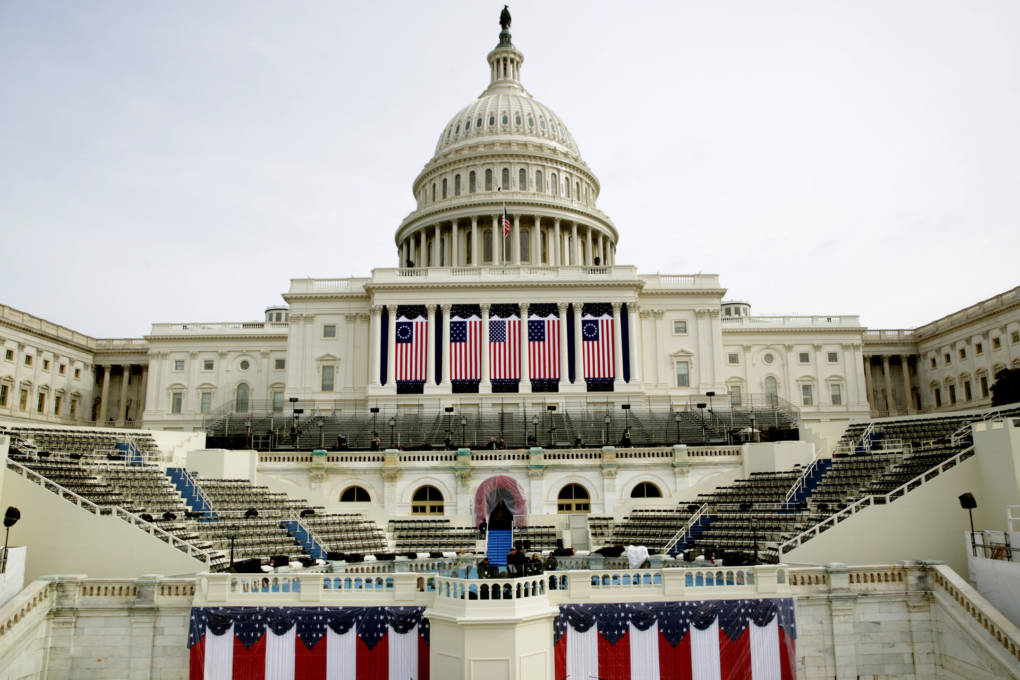
"caption": " The West Front of the U.S. Capitol is prepared on Jan. 19, 2017, for Inauguration Day in Washington, D.C. Donald J. Trump will be sworn in tomorrow as the 45th president of the United States. ",
"description": null,
"title": "RS23672_GettyImages-632107008-qut",
"credit": "Alex Wong/Getty Images",
"status": "inherit",
"isLoading": false,
"fetchFailed": false
},
"news_11277181": {
"type": "attachments",
"id": "news_11277181",
"meta": {
"index": "attachments_1716263798",
"site": "news",
"id": "11277181",
"found": true
},
"parent": 11276836,
"imgSizes": {
"small": {
"file": "https://ww2.kqed.org/app/uploads/sites/10/2017/01/RS23671_IMG_2560-qut-520x390.jpg",
"width": 520,
"mimeType": "image/jpeg",
"height": 390
},
"twentyfourteen-full-width": {
"file": "https://ww2.kqed.org/app/uploads/sites/10/2017/01/RS23671_IMG_2560-qut-1038x576.jpg",
"width": 1038,
"mimeType": "image/jpeg",
"height": 576
},
"thumbnail": {
"file": "https://ww2.kqed.org/app/uploads/sites/10/2017/01/RS23671_IMG_2560-qut-160x120.jpg",
"width": 160,
"mimeType": "image/jpeg",
"height": 120
},
"fd-sm": {
"file": "https://ww2.kqed.org/app/uploads/sites/10/2017/01/RS23671_IMG_2560-qut-960x720.jpg",
"width": 960,
"mimeType": "image/jpeg",
"height": 720
},
"post-thumbnail": {
"file": "https://ww2.kqed.org/app/uploads/sites/10/2017/01/RS23671_IMG_2560-qut-672x372.jpg",
"width": 672,
"mimeType": "image/jpeg",
"height": 372
},
"xsmall": {
"file": "https://ww2.kqed.org/app/uploads/sites/10/2017/01/RS23671_IMG_2560-qut-375x281.jpg",
"width": 375,
"mimeType": "image/jpeg",
"height": 281
},
"kqedFullSize": {
"file": "https://ww2.kqed.org/app/uploads/sites/10/2017/01/RS23671_IMG_2560-qut.jpg",
"width": 1920,
"height": 1440
},
"large": {
"file": "https://ww2.kqed.org/app/uploads/sites/10/2017/01/RS23671_IMG_2560-qut-1020x765.jpg",
"width": 1020,
"mimeType": "image/jpeg",
"height": 765
},
"xlarge": {
"file": "https://ww2.kqed.org/app/uploads/sites/10/2017/01/RS23671_IMG_2560-qut-1180x885.jpg",
"width": 1180,
"mimeType": "image/jpeg",
"height": 885
},
"guest-author-50": {
"file": "https://ww2.kqed.org/app/uploads/sites/10/2017/01/RS23671_IMG_2560-qut-50x50.jpg",
"width": 50,
"mimeType": "image/jpeg",
"height": 50
},
"guest-author-96": {
"file": "https://ww2.kqed.org/app/uploads/sites/10/2017/01/RS23671_IMG_2560-qut-96x96.jpg",
"width": 96,
"mimeType": "image/jpeg",
"height": 96
},
"medium": {
"file": "https://ww2.kqed.org/app/uploads/sites/10/2017/01/RS23671_IMG_2560-qut-800x600.jpg",
"width": 800,
"mimeType": "image/jpeg",
"height": 600
},
"guest-author-64": {
"file": "https://ww2.kqed.org/app/uploads/sites/10/2017/01/RS23671_IMG_2560-qut-64x64.jpg",
"width": 64,
"mimeType": "image/jpeg",
"height": 64
},
"guest-author-32": {
"file": "https://ww2.kqed.org/app/uploads/sites/10/2017/01/RS23671_IMG_2560-qut-32x32.jpg",
"width": 32,
"mimeType": "image/jpeg",
"height": 32
},
"jmtc-small-thumb": {
"file": "https://ww2.kqed.org/app/uploads/sites/10/2017/01/RS23671_IMG_2560-qut-280x150.jpg",
"width": 280,
"mimeType": "image/jpeg",
"height": 150
},
"fd-lrg": {
"file": "https://ww2.kqed.org/app/uploads/sites/10/2017/01/RS23671_IMG_2560-qut-1920x1440.jpg",
"width": 1920,
"mimeType": "image/jpeg",
"height": 1440
},
"fd-med": {
"file": "https://ww2.kqed.org/app/uploads/sites/10/2017/01/RS23671_IMG_2560-qut-1180x885.jpg",
"width": 1180,
"mimeType": "image/jpeg",
"height": 885
},
"full-width": {
"file": "https://ww2.kqed.org/app/uploads/sites/10/2017/01/RS23671_IMG_2560-qut-1920x1440.jpg",
"width": 1920,
"mimeType": "image/jpeg",
"height": 1440
},
"detail": {
"file": "https://ww2.kqed.org/app/uploads/sites/10/2017/01/RS23671_IMG_2560-qut-150x150.jpg",
"width": 150,
"mimeType": "image/jpeg",
"height": 150
},
"guest-author-128": {
"file": "https://ww2.kqed.org/app/uploads/sites/10/2017/01/RS23671_IMG_2560-qut-128x128.jpg",
"width": 128,
"mimeType": "image/jpeg",
"height": 128
},
"xxsmall": {
"file": "https://ww2.kqed.org/app/uploads/sites/10/2017/01/RS23671_IMG_2560-qut-240x180.jpg",
"width": 240,
"mimeType": "image/jpeg",
"height": 180
}
},
"publishDate": 1484856647,
"modified": 1484856730,
"caption": "Amanda Weissman on the steps of the Jefferson Memorial on Jan. 19, 2017.",
"description": null,
"title": "RS23671_IMG_2560-qut",
"credit": "Miranda Leitsinger/KQED",
"status": "inherit",
"isLoading": false,
"fetchFailed": false
},
"news_11275676": {
"type": "attachments",
"id": "news_11275676",
"meta": {
"index": "attachments_1716263798",
"site": "news",
"id": "11275676",
"found": true
},
"parent": 11275669,
"imgSizes": {
"small": {
"file": "https://ww2.kqed.org/app/uploads/sites/10/2017/01/RS23660_GettyImages-625071982-qut-520x347.jpg",
"width": 520,
"mimeType": "image/jpeg",
"height": 347
},
"twentyfourteen-full-width": {
"file": "https://ww2.kqed.org/app/uploads/sites/10/2017/01/RS23660_GettyImages-625071982-qut-1038x576.jpg",
"width": 1038,
"mimeType": "image/jpeg",
"height": 576
},
"thumbnail": {
"file": "https://ww2.kqed.org/app/uploads/sites/10/2017/01/RS23660_GettyImages-625071982-qut-160x107.jpg",
"width": 160,
"mimeType": "image/jpeg",
"height": 107
},
"fd-sm": {
"file": "https://ww2.kqed.org/app/uploads/sites/10/2017/01/RS23660_GettyImages-625071982-qut-960x640.jpg",
"width": 960,
"mimeType": "image/jpeg",
"height": 640
},
"post-thumbnail": {
"file": "https://ww2.kqed.org/app/uploads/sites/10/2017/01/RS23660_GettyImages-625071982-qut-672x372.jpg",
"width": 672,
"mimeType": "image/jpeg",
"height": 372
},
"xsmall": {
"file": "https://ww2.kqed.org/app/uploads/sites/10/2017/01/RS23660_GettyImages-625071982-qut-375x250.jpg",
"width": 375,
"mimeType": "image/jpeg",
"height": 250
},
"kqedFullSize": {
"file": "https://ww2.kqed.org/app/uploads/sites/10/2017/01/RS23660_GettyImages-625071982-qut.jpg",
"width": 1920,
"height": 1280
},
"large": {
"file": "https://ww2.kqed.org/app/uploads/sites/10/2017/01/RS23660_GettyImages-625071982-qut-1020x680.jpg",
"width": 1020,
"mimeType": "image/jpeg",
"height": 680
},
"xlarge": {
"file": "https://ww2.kqed.org/app/uploads/sites/10/2017/01/RS23660_GettyImages-625071982-qut-1180x787.jpg",
"width": 1180,
"mimeType": "image/jpeg",
"height": 787
},
"guest-author-50": {
"file": "https://ww2.kqed.org/app/uploads/sites/10/2017/01/RS23660_GettyImages-625071982-qut-50x50.jpg",
"width": 50,
"mimeType": "image/jpeg",
"height": 50
},
"guest-author-96": {
"file": "https://ww2.kqed.org/app/uploads/sites/10/2017/01/RS23660_GettyImages-625071982-qut-96x96.jpg",
"width": 96,
"mimeType": "image/jpeg",
"height": 96
},
"medium": {
"file": "https://ww2.kqed.org/app/uploads/sites/10/2017/01/RS23660_GettyImages-625071982-qut-800x533.jpg",
"width": 800,
"mimeType": "image/jpeg",
"height": 533
},
"guest-author-64": {
"file": "https://ww2.kqed.org/app/uploads/sites/10/2017/01/RS23660_GettyImages-625071982-qut-64x64.jpg",
"width": 64,
"mimeType": "image/jpeg",
"height": 64
},
"guest-author-32": {
"file": "https://ww2.kqed.org/app/uploads/sites/10/2017/01/RS23660_GettyImages-625071982-qut-32x32.jpg",
"width": 32,
"mimeType": "image/jpeg",
"height": 32
},
"jmtc-small-thumb": {
"file": "https://ww2.kqed.org/app/uploads/sites/10/2017/01/RS23660_GettyImages-625071982-qut-280x150.jpg",
"width": 280,
"mimeType": "image/jpeg",
"height": 150
},
"fd-lrg": {
"file": "https://ww2.kqed.org/app/uploads/sites/10/2017/01/RS23660_GettyImages-625071982-qut-1920x1280.jpg",
"width": 1920,
"mimeType": "image/jpeg",
"height": 1280
},
"fd-med": {
"file": "https://ww2.kqed.org/app/uploads/sites/10/2017/01/RS23660_GettyImages-625071982-qut-1180x787.jpg",
"width": 1180,
"mimeType": "image/jpeg",
"height": 787
},
"full-width": {
"file": "https://ww2.kqed.org/app/uploads/sites/10/2017/01/RS23660_GettyImages-625071982-qut-1920x1280.jpg",
"width": 1920,
"mimeType": "image/jpeg",
"height": 1280
},
"detail": {
"file": "https://ww2.kqed.org/app/uploads/sites/10/2017/01/RS23660_GettyImages-625071982-qut-150x150.jpg",
"width": 150,
"mimeType": "image/jpeg",
"height": 150
},
"guest-author-128": {
"file": "https://ww2.kqed.org/app/uploads/sites/10/2017/01/RS23660_GettyImages-625071982-qut-128x128.jpg",
"width": 128,
"mimeType": "image/jpeg",
"height": 128
},
"xxsmall": {
"file": "https://ww2.kqed.org/app/uploads/sites/10/2017/01/RS23660_GettyImages-625071982-qut-240x160.jpg",
"width": 240,
"mimeType": "image/jpeg",
"height": 160
}
},
"publishDate": 1484782720,
"modified": 1485384597,
"caption": "People known as 'Dreamers' march outside a Trump building to launch the 'Caravan of Courage' on Nov. 22, 2016, in New York.",
"description": null,
"title": "RS23660_GettyImages-625071982-qut",
"credit": "Eduardo Munoz Alvarez/AFP/Getty Images",
"status": "inherit",
"isLoading": false,
"fetchFailed": false
},
"news_11272363": {
"type": "attachments",
"id": "news_11272363",
"meta": {
"index": "attachments_1716263798",
"site": "news",
"id": "11272363",
"found": true
},
"parent": 11272362,
"imgSizes": {
"small": {
"file": "https://ww2.kqed.org/app/uploads/sites/10/2017/01/inauguration_final02-520x278.png",
"width": 520,
"mimeType": "image/png",
"height": 278
},
"twentyfourteen-full-width": {
"file": "https://ww2.kqed.org/app/uploads/sites/10/2017/01/inauguration_final02-1038x576.png",
"width": 1038,
"mimeType": "image/png",
"height": 576
},
"thumbnail": {
"file": "https://ww2.kqed.org/app/uploads/sites/10/2017/01/inauguration_final02-160x86.png",
"width": 160,
"mimeType": "image/png",
"height": 86
},
"fd-sm": {
"file": "https://ww2.kqed.org/app/uploads/sites/10/2017/01/inauguration_final02-960x514.png",
"width": 960,
"mimeType": "image/png",
"height": 514
},
"post-thumbnail": {
"file": "https://ww2.kqed.org/app/uploads/sites/10/2017/01/inauguration_final02-672x372.png",
"width": 672,
"mimeType": "image/png",
"height": 372
},
"xsmall": {
"file": "https://ww2.kqed.org/app/uploads/sites/10/2017/01/inauguration_final02-375x201.png",
"width": 375,
"mimeType": "image/png",
"height": 201
},
"kqedFullSize": {
"file": "https://ww2.kqed.org/app/uploads/sites/10/2017/01/inauguration_final02.png",
"width": 3195,
"height": 1710
},
"large": {
"file": "https://ww2.kqed.org/app/uploads/sites/10/2017/01/inauguration_final02-1020x546.png",
"width": 1020,
"mimeType": "image/png",
"height": 546
},
"xlarge": {
"file": "https://ww2.kqed.org/app/uploads/sites/10/2017/01/inauguration_final02-1180x632.png",
"width": 1180,
"mimeType": "image/png",
"height": 632
},
"guest-author-50": {
"file": "https://ww2.kqed.org/app/uploads/sites/10/2017/01/inauguration_final02-50x50.png",
"width": 50,
"mimeType": "image/png",
"height": 50
},
"guest-author-96": {
"file": "https://ww2.kqed.org/app/uploads/sites/10/2017/01/inauguration_final02-96x96.png",
"width": 96,
"mimeType": "image/png",
"height": 96
},
"medium": {
"file": "https://ww2.kqed.org/app/uploads/sites/10/2017/01/inauguration_final02-800x428.png",
"width": 800,
"mimeType": "image/png",
"height": 428
},
"guest-author-64": {
"file": "https://ww2.kqed.org/app/uploads/sites/10/2017/01/inauguration_final02-64x64.png",
"width": 64,
"mimeType": "image/png",
"height": 64
},
"guest-author-32": {
"file": "https://ww2.kqed.org/app/uploads/sites/10/2017/01/inauguration_final02-32x32.png",
"width": 32,
"mimeType": "image/png",
"height": 32
},
"jmtc-small-thumb": {
"file": "https://ww2.kqed.org/app/uploads/sites/10/2017/01/inauguration_final02-280x150.png",
"width": 280,
"mimeType": "image/png",
"height": 150
},
"fd-lrg": {
"file": "https://ww2.kqed.org/app/uploads/sites/10/2017/01/inauguration_final02-1920x1028.png",
"width": 1920,
"mimeType": "image/png",
"height": 1028
},
"fd-med": {
"file": "https://ww2.kqed.org/app/uploads/sites/10/2017/01/inauguration_final02-1180x632.png",
"width": 1180,
"mimeType": "image/png",
"height": 632
},
"full-width": {
"file": "https://ww2.kqed.org/app/uploads/sites/10/2017/01/inauguration_final02-1920x1028.png",
"width": 1920,
"mimeType": "image/png",
"height": 1028
},
"detail": {
"file": "https://ww2.kqed.org/app/uploads/sites/10/2017/01/inauguration_final02-150x150.png",
"width": 150,
"mimeType": "image/png",
"height": 150
},
"guest-author-128": {
"file": "https://ww2.kqed.org/app/uploads/sites/10/2017/01/inauguration_final02-128x128.png",
"width": 128,
"mimeType": "image/png",
"height": 128
},
"xxsmall": {
"file": "https://ww2.kqed.org/app/uploads/sites/10/2017/01/inauguration_final02-240x128.png",
"width": 240,
"mimeType": "image/png",
"height": 128
}
},
"publishDate": 1484608580,
"modified": 1484701395,
"caption": "In Washington, D.C., this inauguration week: People joining the Women's March, participants in the J20 protests and supporters of Donald Trump.",
"description": null,
"title": "inauguration_final02",
"credit": "Mark Fiore/KQED",
"status": "inherit",
"isLoading": false,
"fetchFailed": false
},
"news_11267944": {
"type": "attachments",
"id": "news_11267944",
"meta": {
"index": "attachments_1716263798",
"site": "news",
"id": "11267944",
"found": true
},
"parent": 11267938,
"imgSizes": {
"small": {
"file": "https://ww2.kqed.org/app/uploads/sites/10/2017/01/Lighthouse-520x289.jpg",
"width": 520,
"mimeType": "image/jpeg",
"height": 289
},
"twentyfourteen-full-width": {
"file": "https://ww2.kqed.org/app/uploads/sites/10/2017/01/Lighthouse-1038x576.jpg",
"width": 1038,
"mimeType": "image/jpeg",
"height": 576
},
"thumbnail": {
"file": "https://ww2.kqed.org/app/uploads/sites/10/2017/01/Lighthouse-160x89.jpg",
"width": 160,
"mimeType": "image/jpeg",
"height": 89
},
"fd-sm": {
"file": "https://ww2.kqed.org/app/uploads/sites/10/2017/01/Lighthouse-960x534.jpg",
"width": 960,
"mimeType": "image/jpeg",
"height": 534
},
"post-thumbnail": {
"file": "https://ww2.kqed.org/app/uploads/sites/10/2017/01/Lighthouse-672x372.jpg",
"width": 672,
"mimeType": "image/jpeg",
"height": 372
},
"xsmall": {
"file": "https://ww2.kqed.org/app/uploads/sites/10/2017/01/Lighthouse-375x208.jpg",
"width": 375,
"mimeType": "image/jpeg",
"height": 208
},
"kqedFullSize": {
"file": "https://ww2.kqed.org/app/uploads/sites/10/2017/01/Lighthouse.jpg",
"width": 1920,
"height": 1067
},
"large": {
"file": "https://ww2.kqed.org/app/uploads/sites/10/2017/01/Lighthouse-1020x567.jpg",
"width": 1020,
"mimeType": "image/jpeg",
"height": 567
},
"xlarge": {
"file": "https://ww2.kqed.org/app/uploads/sites/10/2017/01/Lighthouse-1180x656.jpg",
"width": 1180,
"mimeType": "image/jpeg",
"height": 656
},
"guest-author-50": {
"file": "https://ww2.kqed.org/app/uploads/sites/10/2017/01/Lighthouse-50x50.jpg",
"width": 50,
"mimeType": "image/jpeg",
"height": 50
},
"guest-author-96": {
"file": "https://ww2.kqed.org/app/uploads/sites/10/2017/01/Lighthouse-96x96.jpg",
"width": 96,
"mimeType": "image/jpeg",
"height": 96
},
"medium": {
"file": "https://ww2.kqed.org/app/uploads/sites/10/2017/01/Lighthouse-800x445.jpg",
"width": 800,
"mimeType": "image/jpeg",
"height": 445
},
"guest-author-64": {
"file": "https://ww2.kqed.org/app/uploads/sites/10/2017/01/Lighthouse-64x64.jpg",
"width": 64,
"mimeType": "image/jpeg",
"height": 64
},
"guest-author-32": {
"file": "https://ww2.kqed.org/app/uploads/sites/10/2017/01/Lighthouse-32x32.jpg",
"width": 32,
"mimeType": "image/jpeg",
"height": 32
},
"jmtc-small-thumb": {
"file": "https://ww2.kqed.org/app/uploads/sites/10/2017/01/Lighthouse-280x150.jpg",
"width": 280,
"mimeType": "image/jpeg",
"height": 150
},
"fd-lrg": {
"file": "https://ww2.kqed.org/app/uploads/sites/10/2017/01/Lighthouse-1920x1067.jpg",
"width": 1920,
"mimeType": "image/jpeg",
"height": 1067
},
"fd-med": {
"file": "https://ww2.kqed.org/app/uploads/sites/10/2017/01/Lighthouse-1180x656.jpg",
"width": 1180,
"mimeType": "image/jpeg",
"height": 656
},
"full-width": {
"file": "https://ww2.kqed.org/app/uploads/sites/10/2017/01/Lighthouse-1920x1067.jpg",
"width": 1920,
"mimeType": "image/jpeg",
"height": 1067
},
"detail": {
"file": "https://ww2.kqed.org/app/uploads/sites/10/2017/01/Lighthouse-150x150.jpg",
"width": 150,
"mimeType": "image/jpeg",
"height": 150
},
"guest-author-128": {
"file": "https://ww2.kqed.org/app/uploads/sites/10/2017/01/Lighthouse-128x128.jpg",
"width": 128,
"mimeType": "image/jpeg",
"height": 128
},
"xxsmall": {
"file": "https://ww2.kqed.org/app/uploads/sites/10/2017/01/Lighthouse-240x133.jpg",
"width": 240,
"mimeType": "image/jpeg",
"height": 133
}
},
"publishDate": 1484337267,
"modified": 1484337314,
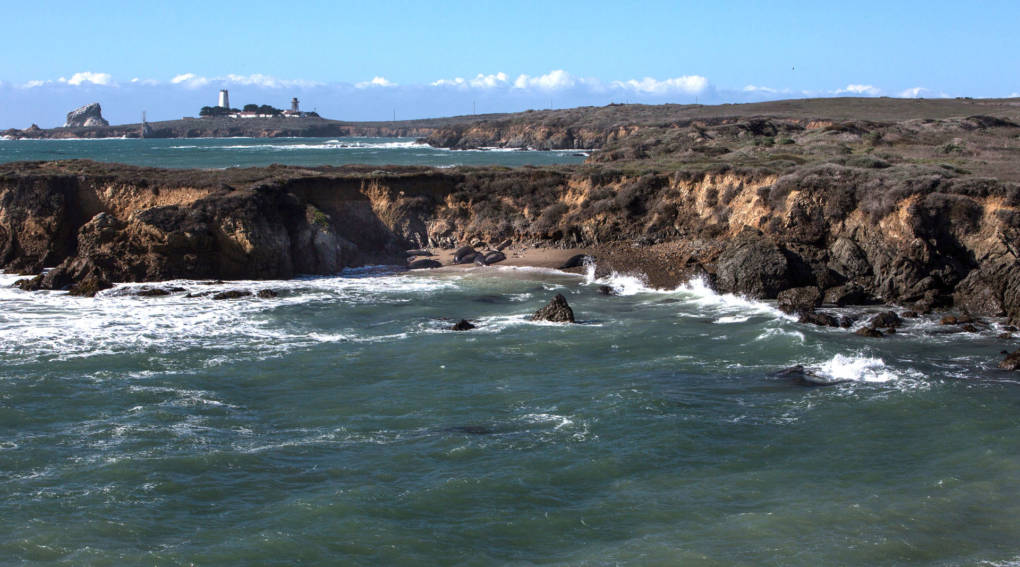
"caption": "Along the coast of San Luis Obispo County, the Piedras Blancas is a historic lighthouse surrounded by land of cultural significance to the Chumash and Salinan tribes.",
"description": "Along the coast of San Luis Obispo County, the Piedras Blancas is a historic lighthouse surrounded by land of cultural significance to the Chumash and Salinan tribes.",
"title": "lighthouse",
"credit": "Mike Baird/Flickr",
"status": "inherit",
"isLoading": false,
"fetchFailed": false
},
"news_10871506": {
"type": "attachments",
"id": "news_10871506",
"meta": {
"index": "attachments_1716263798",
"site": "news",
"id": "10871506",
"found": true
},
"parent": 10871456,
"imgSizes": {
"twentyfourteen-full-width": {
"file": "https://ww2.kqed.org/app/uploads/sites/10/2016/02/RS17398_GettyImages-479912288-qut-1038x576.jpg",
"width": 1038,
"mimeType": "image/jpeg",
"height": 576
},
"thumbnail": {
"file": "https://ww2.kqed.org/app/uploads/sites/10/2016/02/RS17398_GettyImages-479912288-qut-400x307.jpg",
"width": 400,
"mimeType": "image/jpeg",
"height": 307
},
"fd-sm": {
"file": "https://ww2.kqed.org/app/uploads/sites/10/2016/02/RS17398_GettyImages-479912288-qut-960x738.jpg",
"width": 960,
"mimeType": "image/jpeg",
"height": 738
},
"post-thumbnail": {
"file": "https://ww2.kqed.org/app/uploads/sites/10/2016/02/RS17398_GettyImages-479912288-qut-672x372.jpg",
"width": 672,
"mimeType": "image/jpeg",
"height": 372
},
"kqedFullSize": {
"file": "https://ww2.kqed.org/app/uploads/sites/10/2016/02/RS17398_GettyImages-479912288-qut.jpg",
"width": 1920,
"height": 1475
},
"large": {
"file": "https://ww2.kqed.org/app/uploads/sites/10/2016/02/RS17398_GettyImages-479912288-qut-1920x1475.jpg",
"width": 1920,
"mimeType": "image/jpeg",
"height": 1475
},
"guest-author-96": {
"file": "https://ww2.kqed.org/app/uploads/sites/10/2016/02/RS17398_GettyImages-479912288-qut-96x96.jpg",
"width": 96,
"mimeType": "image/jpeg",
"height": 96
},
"medium": {
"file": "https://ww2.kqed.org/app/uploads/sites/10/2016/02/RS17398_GettyImages-479912288-qut-800x615.jpg",
"width": 800,
"mimeType": "image/jpeg",
"height": 615
},
"guest-author-64": {
"file": "https://ww2.kqed.org/app/uploads/sites/10/2016/02/RS17398_GettyImages-479912288-qut-64x64.jpg",
"width": 64,
"mimeType": "image/jpeg",
"height": 64
},
"guest-author-32": {
"file": "https://ww2.kqed.org/app/uploads/sites/10/2016/02/RS17398_GettyImages-479912288-qut-32x32.jpg",
"width": 32,
"mimeType": "image/jpeg",
"height": 32
},
"jmtc-small-thumb": {
"file": "https://ww2.kqed.org/app/uploads/sites/10/2016/02/RS17398_GettyImages-479912288-qut-280x150.jpg",
"width": 280,
"mimeType": "image/jpeg",
"height": 150
},
"fd-lrg": {
"file": "https://ww2.kqed.org/app/uploads/sites/10/2016/02/RS17398_GettyImages-479912288-qut-1920x1475.jpg",
"width": 1920,
"mimeType": "image/jpeg",
"height": 1475
},
"fd-med": {
"file": "https://ww2.kqed.org/app/uploads/sites/10/2016/02/RS17398_GettyImages-479912288-qut-1180x907.jpg",
"width": 1180,
"mimeType": "image/jpeg",
"height": 907
},
"detail": {
"file": "https://ww2.kqed.org/app/uploads/sites/10/2016/02/RS17398_GettyImages-479912288-qut-75x75.jpg",
"width": 75,
"mimeType": "image/jpeg",
"height": 75
},
"guest-author-128": {
"file": "https://ww2.kqed.org/app/uploads/sites/10/2016/02/RS17398_GettyImages-479912288-qut-128x128.jpg",
"width": 128,
"mimeType": "image/jpeg",
"height": 128
}
},
"publishDate": 1455931192,
"modified": 1484178745,
"caption": "Sen. Dianne Feinstein (D-Calif.) participates in a Senate Judiciary Committee hearing on Capitol Hill, July 8, 2015, in Washington, D.C. ",
"description": "WASHINGTON, DC - JULY 08: Sen. Dianne Feinstein (D-CA) participates in a Senate Judiciary Committee hearing on Capitol Hill, July 8, 2015 in Washington, DC. The committee was hearing testimony on encryption technology, and the balance between public safety and privacy. ",
"title": "RS17398_GettyImages-479912288-qut",
"credit": "Mark Wilson/Getty Images",
"status": "inherit",
"isLoading": false,
"fetchFailed": false
},
"news_11263478": {
"type": "attachments",
"id": "news_11263478",
"meta": {
"index": "attachments_1716263798",
"site": "news",
"id": "11263478",
"found": true
},
"parent": 11263469,
"imgSizes": {
"small": {
"file": "https://ww2.kqed.org/app/uploads/sites/10/2017/01/NYPL_Historic-1020x504-1-520x257.jpg",
"width": 520,
"mimeType": "image/jpeg",
"height": 257
},
"thumbnail": {
"file": "https://ww2.kqed.org/app/uploads/sites/10/2017/01/NYPL_Historic-1020x504-1-160x79.jpg",
"width": 160,
"mimeType": "image/jpeg",
"height": 79
},
"fd-sm": {
"file": "https://ww2.kqed.org/app/uploads/sites/10/2017/01/NYPL_Historic-1020x504-1-960x474.jpg",
"width": 960,
"mimeType": "image/jpeg",
"height": 474
},
"post-thumbnail": {
"file": "https://ww2.kqed.org/app/uploads/sites/10/2017/01/NYPL_Historic-1020x504-1-672x372.jpg",
"width": 672,
"mimeType": "image/jpeg",
"height": 372
},
"xsmall": {
"file": "https://ww2.kqed.org/app/uploads/sites/10/2017/01/NYPL_Historic-1020x504-1-375x185.jpg",
"width": 375,
"mimeType": "image/jpeg",
"height": 185
},
"kqedFullSize": {
"file": "https://ww2.kqed.org/app/uploads/sites/10/2017/01/NYPL_Historic-1020x504-1.jpg",
"width": 1020,
"height": 504
},
"large": {
"file": "https://ww2.kqed.org/app/uploads/sites/10/2017/01/NYPL_Historic-1020x504-1-1020x504.jpg",
"width": 1020,
"mimeType": "image/jpeg",
"height": 504
},
"guest-author-50": {
"file": "https://ww2.kqed.org/app/uploads/sites/10/2017/01/NYPL_Historic-1020x504-1-50x50.jpg",
"width": 50,
"mimeType": "image/jpeg",
"height": 50
},
"guest-author-96": {
"file": "https://ww2.kqed.org/app/uploads/sites/10/2017/01/NYPL_Historic-1020x504-1-96x96.jpg",
"width": 96,
"mimeType": "image/jpeg",
"height": 96
},
"medium": {
"file": "https://ww2.kqed.org/app/uploads/sites/10/2017/01/NYPL_Historic-1020x504-1-800x395.jpg",
"width": 800,
"mimeType": "image/jpeg",
"height": 395
},
"guest-author-64": {
"file": "https://ww2.kqed.org/app/uploads/sites/10/2017/01/NYPL_Historic-1020x504-1-64x64.jpg",
"width": 64,
"mimeType": "image/jpeg",
"height": 64
},
"guest-author-32": {
"file": "https://ww2.kqed.org/app/uploads/sites/10/2017/01/NYPL_Historic-1020x504-1-32x32.jpg",
"width": 32,
"mimeType": "image/jpeg",
"height": 32
},
"jmtc-small-thumb": {
"file": "https://ww2.kqed.org/app/uploads/sites/10/2017/01/NYPL_Historic-1020x504-1-280x150.jpg",
"width": 280,
"mimeType": "image/jpeg",
"height": 150
},
"detail": {
"file": "https://ww2.kqed.org/app/uploads/sites/10/2017/01/NYPL_Historic-1020x504-1-150x150.jpg",
"width": 150,
"mimeType": "image/jpeg",
"height": 150
},
"guest-author-128": {
"file": "https://ww2.kqed.org/app/uploads/sites/10/2017/01/NYPL_Historic-1020x504-1-128x128.jpg",
"width": 128,
"mimeType": "image/jpeg",
"height": 128
},
"xxsmall": {
"file": "https://ww2.kqed.org/app/uploads/sites/10/2017/01/NYPL_Historic-1020x504-1-240x119.jpg",
"width": 240,
"mimeType": "image/jpeg",
"height": 119
}
},
"publishDate": 1484075922,
"modified": 1484075949,
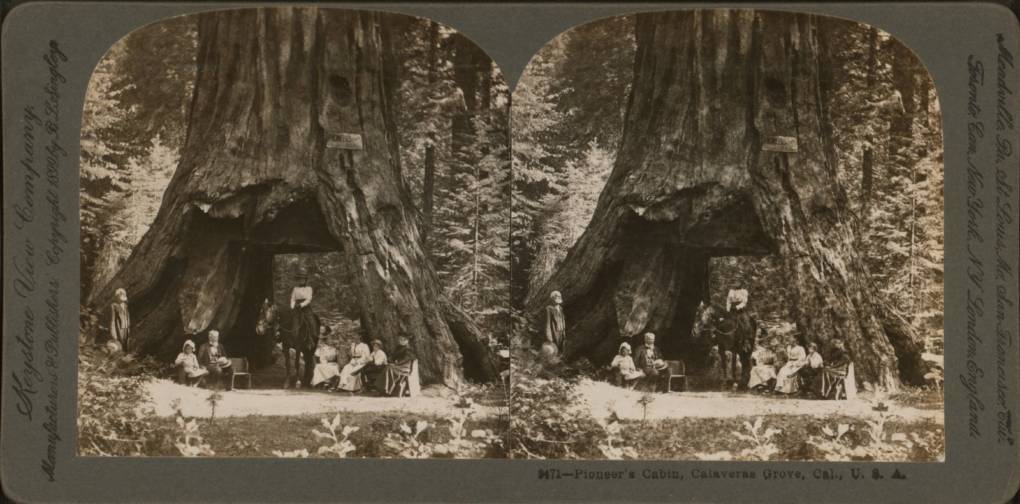
"caption": "An 1899 stereograph shows the Pioneer Cabin sequoia in Calaveras Grove, California. ",
"description": null,
"title": "nypl_historic-1020x504",
"credit": "B.L. Singley/New York Public Library",
"status": "inherit",
"isLoading": false,
"fetchFailed": false
},
"news_11261684": {
"type": "attachments",
"id": "news_11261684",
"meta": {
"index": "attachments_1716263798",
"site": "news",
"id": "11261684",
"found": true
},
"parent": 11261683,
"imgSizes": {
"small": {
"file": "https://ww2.kqed.org/app/uploads/sites/10/2017/01/Flickr-520x364.jpg",
"width": 520,
"mimeType": "image/jpeg",
"height": 364
},
"twentyfourteen-full-width": {
"file": "https://ww2.kqed.org/app/uploads/sites/10/2017/01/Flickr-1038x576.jpg",
"width": 1038,
"mimeType": "image/jpeg",
"height": 576
},
"thumbnail": {
"file": "https://ww2.kqed.org/app/uploads/sites/10/2017/01/Flickr-160x112.jpg",
"width": 160,
"mimeType": "image/jpeg",
"height": 112
},
"fd-sm": {
"file": "https://ww2.kqed.org/app/uploads/sites/10/2017/01/Flickr-960x673.jpg",
"width": 960,
"mimeType": "image/jpeg",
"height": 673
},
"post-thumbnail": {
"file": "https://ww2.kqed.org/app/uploads/sites/10/2017/01/Flickr-672x372.jpg",
"width": 672,
"mimeType": "image/jpeg",
"height": 372
},
"xsmall": {
"file": "https://ww2.kqed.org/app/uploads/sites/10/2017/01/Flickr-375x263.jpg",
"width": 375,
"mimeType": "image/jpeg",
"height": 263
},
"kqedFullSize": {
"file": "https://ww2.kqed.org/app/uploads/sites/10/2017/01/Flickr.jpg",
"width": 1600,
"height": 1121
},
"large": {
"file": "https://ww2.kqed.org/app/uploads/sites/10/2017/01/Flickr-1020x715.jpg",
"width": 1020,
"mimeType": "image/jpeg",
"height": 715
},
"xlarge": {
"file": "https://ww2.kqed.org/app/uploads/sites/10/2017/01/Flickr-1180x827.jpg",
"width": 1180,
"mimeType": "image/jpeg",
"height": 827
},
"guest-author-50": {
"file": "https://ww2.kqed.org/app/uploads/sites/10/2017/01/Flickr-50x50.jpg",
"width": 50,
"mimeType": "image/jpeg",
"height": 50
},
"guest-author-96": {
"file": "https://ww2.kqed.org/app/uploads/sites/10/2017/01/Flickr-96x96.jpg",
"width": 96,
"mimeType": "image/jpeg",
"height": 96
},
"medium": {
"file": "https://ww2.kqed.org/app/uploads/sites/10/2017/01/Flickr-800x561.jpg",
"width": 800,
"mimeType": "image/jpeg",
"height": 561
},
"guest-author-64": {
"file": "https://ww2.kqed.org/app/uploads/sites/10/2017/01/Flickr-64x64.jpg",
"width": 64,
"mimeType": "image/jpeg",
"height": 64
},
"guest-author-32": {
"file": "https://ww2.kqed.org/app/uploads/sites/10/2017/01/Flickr-32x32.jpg",
"width": 32,
"mimeType": "image/jpeg",
"height": 32
},
"jmtc-small-thumb": {
"file": "https://ww2.kqed.org/app/uploads/sites/10/2017/01/Flickr-280x150.jpg",
"width": 280,
"mimeType": "image/jpeg",
"height": 150
},
"fd-med": {
"file": "https://ww2.kqed.org/app/uploads/sites/10/2017/01/Flickr-1180x827.jpg",
"width": 1180,
"mimeType": "image/jpeg",
"height": 827
},
"detail": {
"file": "https://ww2.kqed.org/app/uploads/sites/10/2017/01/Flickr-150x150.jpg",
"width": 150,
"mimeType": "image/jpeg",
"height": 150
},
"guest-author-128": {
"file": "https://ww2.kqed.org/app/uploads/sites/10/2017/01/Flickr-128x128.jpg",
"width": 128,
"mimeType": "image/jpeg",
"height": 128
},
"xxsmall": {
"file": "https://ww2.kqed.org/app/uploads/sites/10/2017/01/Flickr-240x168.jpg",
"width": 240,
"mimeType": "image/jpeg",
"height": 168
}
},
"publishDate": 1483981412,
"modified": 1483981451,
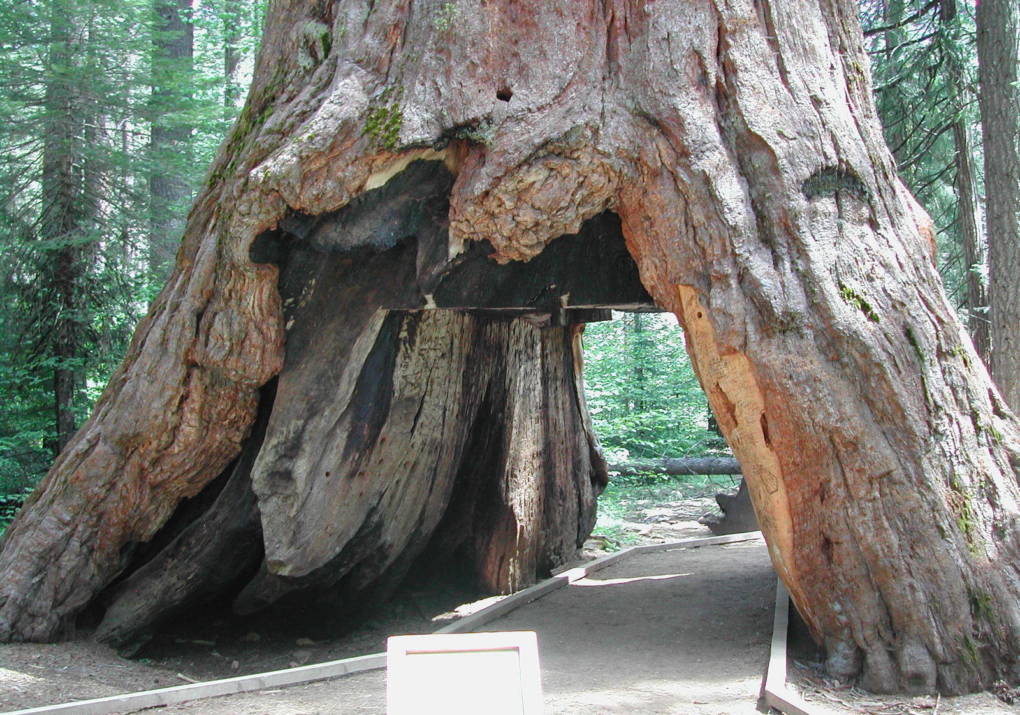
"caption": "Until Sunday, visitors to Calaveras Big Trees State Park could walk through the tunnel in the Pioneer Cabin Tree.",
"description": null,
"title": "flickr",
"credit": "Tom Purcell/Flickr",
"status": "inherit",
"isLoading": false,
"fetchFailed": false
},
"news_11255517": {
"type": "attachments",
"id": "news_11255517",
"meta": {
"index": "attachments_1716263798",
"site": "news",
"id": "11255517",
"found": true
},
"parent": 11255257,
"imgSizes": {
"small": {
"file": "https://ww2.kqed.org/app/uploads/sites/10/2017/01/oroville1986-520x401.jpg",
"width": 520,
"mimeType": "image/jpeg",
"height": 401
},
"twentyfourteen-full-width": {
"file": "https://ww2.kqed.org/app/uploads/sites/10/2017/01/oroville1986-1024x576.jpg",
"width": 1024,
"mimeType": "image/jpeg",
"height": 576
},
"thumbnail": {
"file": "https://ww2.kqed.org/app/uploads/sites/10/2017/01/oroville1986-160x123.jpg",
"width": 160,
"mimeType": "image/jpeg",
"height": 123
},
"fd-sm": {
"file": "https://ww2.kqed.org/app/uploads/sites/10/2017/01/oroville1986-960x741.jpg",
"width": 960,
"mimeType": "image/jpeg",
"height": 741
},
"post-thumbnail": {
"file": "https://ww2.kqed.org/app/uploads/sites/10/2017/01/oroville1986-672x372.jpg",
"width": 672,
"mimeType": "image/jpeg",
"height": 372
},
"xsmall": {
"file": "https://ww2.kqed.org/app/uploads/sites/10/2017/01/oroville1986-375x289.jpg",
"width": 375,
"mimeType": "image/jpeg",
"height": 289
},
"kqedFullSize": {
"file": "https://ww2.kqed.org/app/uploads/sites/10/2017/01/oroville1986.jpg",
"width": 1024,
"height": 790
},
"large": {
"file": "https://ww2.kqed.org/app/uploads/sites/10/2017/01/oroville1986-1020x787.jpg",
"width": 1020,
"mimeType": "image/jpeg",
"height": 787
},
"guest-author-50": {
"file": "https://ww2.kqed.org/app/uploads/sites/10/2017/01/oroville1986-50x50.jpg",
"width": 50,
"mimeType": "image/jpeg",
"height": 50
},
"guest-author-96": {
"file": "https://ww2.kqed.org/app/uploads/sites/10/2017/01/oroville1986-96x96.jpg",
"width": 96,
"mimeType": "image/jpeg",
"height": 96
},
"medium": {
"file": "https://ww2.kqed.org/app/uploads/sites/10/2017/01/oroville1986-800x617.jpg",
"width": 800,
"mimeType": "image/jpeg",
"height": 617
},
"guest-author-64": {
"file": "https://ww2.kqed.org/app/uploads/sites/10/2017/01/oroville1986-64x64.jpg",
"width": 64,
"mimeType": "image/jpeg",
"height": 64
},
"guest-author-32": {
"file": "https://ww2.kqed.org/app/uploads/sites/10/2017/01/oroville1986-32x32.jpg",
"width": 32,
"mimeType": "image/jpeg",
"height": 32
},
"jmtc-small-thumb": {
"file": "https://ww2.kqed.org/app/uploads/sites/10/2017/01/oroville1986-280x150.jpg",
"width": 280,
"mimeType": "image/jpeg",
"height": 150
},
"detail": {
"file": "https://ww2.kqed.org/app/uploads/sites/10/2017/01/oroville1986-150x150.jpg",
"width": 150,
"mimeType": "image/jpeg",
"height": 150
},
"guest-author-128": {
"file": "https://ww2.kqed.org/app/uploads/sites/10/2017/01/oroville1986-128x128.jpg",
"width": 128,
"mimeType": "image/jpeg",
"height": 128
},
"xxsmall": {
"file": "https://ww2.kqed.org/app/uploads/sites/10/2017/01/oroville1986-240x185.jpg",
"width": 240,
"mimeType": "image/jpeg",
"height": 185
}
},
"publishDate": 1483656377,
"modified": 1483656424,
"caption": "Water pounding down the spillway at Oroville Dam during February 1986 storms. ",
"description": null,
"title": "Oroville 1986",
"credit": "California Department of Water Resources",
"status": "inherit",
"isLoading": false,
"fetchFailed": false
},
"news_11248649": {
"type": "attachments",
"id": "news_11248649",
"meta": {
"index": "attachments_1716263798",
"site": "news",
"id": "11248649",
"found": true
},
"parent": 11248648,
"imgSizes": {
"small": {
"file": "https://ww2.kqed.org/app/uploads/sites/10/2017/01/Trump_March-520x228.png",
"width": 520,
"mimeType": "image/png",
"height": 228
},
"thumbnail": {
"file": "https://ww2.kqed.org/app/uploads/sites/10/2017/01/Trump_March-160x70.png",
"width": 160,
"mimeType": "image/png",
"height": 70
},
"fd-sm": {
"file": "https://ww2.kqed.org/app/uploads/sites/10/2017/01/Trump_March-960x421.png",
"width": 960,
"mimeType": "image/png",
"height": 421
},
"post-thumbnail": {
"file": "https://ww2.kqed.org/app/uploads/sites/10/2017/01/Trump_March-672x372.png",
"width": 672,
"mimeType": "image/png",
"height": 372
},
"xsmall": {
"file": "https://ww2.kqed.org/app/uploads/sites/10/2017/01/Trump_March-375x165.png",
"width": 375,
"mimeType": "image/png",
"height": 165
},
"kqedFullSize": {
"file": "https://ww2.kqed.org/app/uploads/sites/10/2017/01/Trump_March.png",
"width": 1032,
"height": 453
},
"large": {
"file": "https://ww2.kqed.org/app/uploads/sites/10/2017/01/Trump_March-1020x448.png",
"width": 1020,
"mimeType": "image/png",
"height": 448
},
"guest-author-50": {
"file": "https://ww2.kqed.org/app/uploads/sites/10/2017/01/Trump_March-50x50.png",
"width": 50,
"mimeType": "image/png",
"height": 50
},
"guest-author-96": {
"file": "https://ww2.kqed.org/app/uploads/sites/10/2017/01/Trump_March-96x96.png",
"width": 96,
"mimeType": "image/png",
"height": 96
},
"medium": {
"file": "https://ww2.kqed.org/app/uploads/sites/10/2017/01/Trump_March-800x351.png",
"width": 800,
"mimeType": "image/png",
"height": 351
},
"guest-author-64": {
"file": "https://ww2.kqed.org/app/uploads/sites/10/2017/01/Trump_March-64x64.png",
"width": 64,
"mimeType": "image/png",
"height": 64
},
"guest-author-32": {
"file": "https://ww2.kqed.org/app/uploads/sites/10/2017/01/Trump_March-32x32.png",
"width": 32,
"mimeType": "image/png",
"height": 32
},
"jmtc-small-thumb": {
"file": "https://ww2.kqed.org/app/uploads/sites/10/2017/01/Trump_March-280x150.png",
"width": 280,
"mimeType": "image/png",
"height": 150
},
"detail": {
"file": "https://ww2.kqed.org/app/uploads/sites/10/2017/01/Trump_March-150x150.png",
"width": 150,
"mimeType": "image/png",
"height": 150
},
"guest-author-128": {
"file": "https://ww2.kqed.org/app/uploads/sites/10/2017/01/Trump_March-128x128.png",
"width": 128,
"mimeType": "image/png",
"height": 128
},
"xxsmall": {
"file": "https://ww2.kqed.org/app/uploads/sites/10/2017/01/Trump_March-240x105.png",
"width": 240,
"mimeType": "image/png",
"height": 105
}
},
"publishDate": 1483313769,
"modified": 1483313769,
"caption": null,
"description": null,
"title": "trump_march",
"credit": null,
"status": "inherit",
"isLoading": false,
"fetchFailed": false
}
},
"audioPlayerReducer": {
"postId": "stream_live",
"isPaused": true,
"isPlaying": false,
"pfsActive": false,
"pledgeModalIsOpen": true,
"playerDrawerIsOpen": false,
"liveAudioPlayStartedAt": 0,
"liveAudioPlayContext": ""
},
"authorsReducer": {
"byline_news_11279164": {
"type": "authors",
"id": "byline_news_11279164",
"meta": {
"override": true
},
"slug": "byline_news_11279164",
"name": "\u003cstrong>Amanda Weissman\u003c/strong>",
"isLoading": false
},
"byline_news_11277180": {
"type": "authors",
"id": "byline_news_11277180",
"meta": {
"override": true
},
"slug": "byline_news_11277180",
"name": "\u003cstrong>Hilary W. Hagenbuch\u003c/strong>",
"isLoading": false
},
"byline_news_11276836": {
"type": "authors",
"id": "byline_news_11276836",
"meta": {
"override": true
},
"slug": "byline_news_11276836",
"name": "\u003cstrong>Amanda Weissman\u003c/strong>",
"isLoading": false
},
"byline_news_11267938": {
"type": "authors",
"id": "byline_news_11267938",
"meta": {
"override": true
},
"slug": "byline_news_11267938",
"name": "\u003cstrong>\u003ca href=\"https://calmatters.org/about/staff/julie-cart/\">Julie Cart\u003c/a>\u003cbr>\u003ca href=\"https://calmatters.org/\">CALmatters\u003c/a>\u003c/strong>",
"isLoading": false
},
"byline_news_11261683": {
"type": "authors",
"id": "byline_news_11261683",
"meta": {
"override": true
},
"slug": "byline_news_11261683",
"name": "\u003cstrong>Camila Domonoske\u003c/br>NPR\u003c/strong>",
"isLoading": false
},
"byline_news_11248648": {
"type": "authors",
"id": "byline_news_11248648",
"meta": {
"override": true
},
"slug": "byline_news_11248648",
"name": "Miranda Leitsinger",
"isLoading": false
},
"danbrekke": {
"type": "authors",
"id": "222",
"meta": {
"index": "authors_1716337520",
"id": "222",
"found": true
},
"name": "Dan Brekke",
"firstName": "Dan",
"lastName": "Brekke",
"slug": "danbrekke",
"email": "dbrekke@kqed.org",
"display_author_email": true,
"staff_mastheads": [
"news",
"science"
],
"title": "KQED Editor and Reporter",
"bio": "Dan Brekke is a reporter and editor for KQED News, responsible for coverage of topics ranging from California water issues to the Bay Area's transportation challenges. In a newsroom career that began in Chicago in 1972, Dan has worked for \u003cem>The San Francisco Examiner,\u003c/em> Wired and TechTV and has been published in The New York Times, The New York Times Magazine, Business 2.0, Salon and elsewhere.\r\n\r\nSince joining KQED in 2007, Dan has reported, edited and produced both radio and online features and breaking news pieces. He has shared as both editor and reporter in four Society of Professional Journalists Norcal Excellence in Journalism awards and one Edward R. Murrow regional award. He was chosen for a spring 2017 residency at the Mesa Refuge to advance his research on California salmon.\r\n\r\nEmail Dan at: \u003ca href=\"mailto:dbrekke@kqed.org\">dbrekke@kqed.org\u003c/a>\r\n\r\n\u003cstrong>Twitter:\u003c/strong> \u003ca href=\"https://twitter.com/danbrekke\" rel=\"noopener noreferrer\">twitter.com/danbrekke\u003c/a>\r\n\u003cstrong>Facebook:\u003c/strong> \u003ca href=\"https://www.facebook.com/danbrekke\" rel=\"noopener noreferrer\">www.facebook.com/danbrekke\u003c/a>\r\n\u003cstrong>LinkedIn:\u003c/strong> \u003ca href=\"https://www.linkedin.com/in/danbrekke\" rel=\"noopener noreferrer\">www.linkedin.com/in/danbrekke\u003c/a>",
"avatar": "https://secure.gravatar.com/avatar/c8126230345efca3f7aa89b1a402be45?s=600&d=mm&r=g",
"twitter": "danbrekke",
"facebook": null,
"instagram": "https://www.instagram.com/dan.brekke/",
"linkedin": "https://www.linkedin.com/in/danbrekke/",
"sites": [
{
"site": "news",
"roles": [
"administrator",
"create_posts"
]
},
{
"site": "stateofhealth",
"roles": [
"editor"
]
},
{
"site": "science",
"roles": [
"editor"
]
},
{
"site": "quest",
"roles": [
"contributor"
]
},
{
"site": "food",
"roles": [
"contributor"
]
},
{
"site": "forum",
"roles": [
"contributor"
]
},
{
"site": "liveblog",
"roles": [
"editor"
]
}
],
"headData": {
"title": "Dan Brekke | KQED",
"description": "KQED Editor and Reporter",
"ogImgSrc": "https://secure.gravatar.com/avatar/c8126230345efca3f7aa89b1a402be45?s=600&d=mm&r=g",
"twImgSrc": "https://secure.gravatar.com/avatar/c8126230345efca3f7aa89b1a402be45?s=600&d=mm&r=g"
},
"isLoading": false,
"link": "/author/danbrekke"
},
"gmarzorati": {
"type": "authors",
"id": "227",
"meta": {
"index": "authors_1716337520",
"id": "227",
"found": true
},
"name": "Guy Marzorati",
"firstName": "Guy",
"lastName": "Marzorati",
"slug": "gmarzorati",
"email": "gmarzorati@KQED.org",
"display_author_email": true,
"staff_mastheads": [
"news"
],
"title": "Correspondent",
"bio": "Guy Marzorati is a correspondent on KQED's California Politics and Government Desk, based in San Jose. A graduate of Santa Clara University, Guy joined KQED in 2013. He reports on state and local politics and produces KQED's digital voter guide.",
"avatar": "https://secure.gravatar.com/avatar/e7038b8dbfd55b104369b76b1cd0b9de?s=600&d=blank&r=g",
"twitter": "guymarzorati",
"facebook": null,
"instagram": null,
"linkedin": null,
"sites": [
{
"site": "",
"roles": [
"editor"
]
},
{
"site": "news",
"roles": [
"editor"
]
},
{
"site": "science",
"roles": [
"editor"
]
},
{
"site": "forum",
"roles": [
"editor"
]
},
{
"site": "elections",
"roles": [
"editor"
]
},
{
"site": "liveblog",
"roles": [
"editor"
]
}
],
"headData": {
"title": "Guy Marzorati | KQED",
"description": "Correspondent",
"ogImgSrc": "https://secure.gravatar.com/avatar/e7038b8dbfd55b104369b76b1cd0b9de?s=600&d=blank&r=g",
"twImgSrc": "https://secure.gravatar.com/avatar/e7038b8dbfd55b104369b76b1cd0b9de?s=600&d=blank&r=g"
},
"isLoading": false,
"link": "/author/gmarzorati"
},
"scottshafer": {
"type": "authors",
"id": "255",
"meta": {
"index": "authors_1716337520",
"id": "255",
"found": true
},
"name": "Scott Shafer",
"firstName": "Scott",
"lastName": "Shafer",
"slug": "scottshafer",
"email": "sshafer@kqed.org",
"display_author_email": false,
"staff_mastheads": [
"news"
],
"title": "KQED Contributor",
"bio": "Scott Shafer is a senior editor with the KQED Politics and Government desk. He is co-host of Political Breakdown, the award-winning radio show and podcast with a personal take on the world of politics. Scott came to KQED in 1998 to host the statewide\u003cem> California Report\u003c/em>. Prior to that he had extended stints in politics and government\u003cem>.\u003c/em> He uses that inside experience at KQED in his, reporting, hosting and analysis for the politics desk. Scott collaborated \u003cem>Political Breakdown a\u003c/em>nd on \u003cem>The Political Mind of Jerry Brown, \u003c/em>an eight-part series about the life and extraordinary political career of the former governor. For fun, he plays water polo with the San Francisco Tsunami.",
"avatar": "https://secure.gravatar.com/avatar/a62ebae45b79d7aed1a39a0e3bf68104?s=600&d=blank&r=g",
"twitter": "scottshafer",
"bluesky": null,
"facebook": null,
"instagram": null,
"linkedin": null,
"sites": [
{
"site": "news",
"roles": [
"editor"
]
},
{
"site": "stateofhealth",
"roles": [
"author"
]
},
{
"site": "science",
"roles": [
"author"
]
},
{
"site": "forum",
"roles": [
"subscriber"
]
},
{
"site": "liveblog",
"roles": [
"author"
]
}
],
"headData": {
"title": "Scott Shafer | KQED",
"description": "KQED Contributor",
"ogImgSrc": "https://secure.gravatar.com/avatar/a62ebae45b79d7aed1a39a0e3bf68104?s=600&d=blank&r=g",
"twImgSrc": "https://secure.gravatar.com/avatar/a62ebae45b79d7aed1a39a0e3bf68104?s=600&d=blank&r=g"
},
"isLoading": false,
"link": "/author/scottshafer"
},
"mleitsinger": {
"type": "authors",
"id": "11310",
"meta": {
"index": "authors_1716337520",
"id": "11310",
"found": true
},
"name": "Miranda Leitsinger",
"firstName": "Miranda",
"lastName": "Leitsinger",
"slug": "mleitsinger",
"email": "mleitsinger@KQED.org",
"display_author_email": false,
"staff_mastheads": [
"news"
],
"title": "KQED Contributor",
"bio": "Miranda Leitsinger has worked in journalism as a reporter and editor since 2000, including seven years at The Associated Press in locales such as Cambodia and Puerto Rico, four years at NBC News Digital in New York and 2.5 years at CNN.com International in Hong Kong. Major stories she has covered included sexual abuse in the yoga community, the rise of women in local politics post-2016 election, the struggle over LGBTQ inclusion in the Boy Scouts, aftermath of the 2004 and 2011 tsunamis, the Aurora movie theater attack, the Newtown school shooting, Superstorm Sandy and the Boston Marathon bombing.",
"avatar": "https://secure.gravatar.com/avatar/cdd00de7be92aab3b7fd3d915e02033d?s=600&d=blank&r=g",
"twitter": "mimileitsinger",
"facebook": null,
"instagram": null,
"linkedin": null,
"sites": [
{
"site": "arts",
"roles": [
"author"
]
},
{
"site": "news",
"roles": [
"subscriber"
]
},
{
"site": "futureofyou",
"roles": [
"editor"
]
},
{
"site": "stateofhealth",
"roles": [
"editor"
]
}
],
"headData": {
"title": "Miranda Leitsinger | KQED",
"description": "KQED Contributor",
"ogImgSrc": "https://secure.gravatar.com/avatar/cdd00de7be92aab3b7fd3d915e02033d?s=600&d=blank&r=g",
"twImgSrc": "https://secure.gravatar.com/avatar/cdd00de7be92aab3b7fd3d915e02033d?s=600&d=blank&r=g"
},
"isLoading": false,
"link": "/author/mleitsinger"
}
},
"pagesReducer": {
"news_tag_california": {
"type": "terms",
"id": "news_18538",
"meta": {
"index": "terms_1716263798",
"site": "news",
"id": "18538",
"score": 6.845629
},
"featImg": null,
"name": "California",
"description": null,
"taxonomy": "tag",
"headData": {
"twImgId": null,
"twTitle": null,
"ogTitle": null,
"ogImgId": null,
"twDescription": null,
"description": null,
"title": "California Archives | KQED News",
"ogDescription": null
},
"ttid": 31,
"slug": "california",
"isLoading": false,
"title": "California",
"pageMeta": {
"site": "news",
"WpPageTemplate": "page-topic-editorial",
"currentPage": 222
},
"blocks": [
{
"blockName": "kqed/post-list",
"attrs": {
"layout": "cardArticle2",
"query": "posts/news?tag=california",
"seeMore": false,
"paginated": true,
"page": 222
}
},
{
"blockName": "kqed/ad"
}
]
}
},
"pfsSessionReducer": {},
"postsReducer": {
"stream_live": {
"type": "live",
"id": "stream_live",
"audioUrl": "https://streams.kqed.org/kqedradio",
"title": "Live Stream",
"excerpt": "Live Stream information currently unavailable.",
"link": "/radio",
"featImg": "",
"label": {
"name": "KQED Live",
"link": "/"
}
},
"stream_kqedNewscast": {
"type": "posts",
"id": "stream_kqedNewscast",
"audioUrl": "https://www.kqed.org/.stream/anon/radio/RDnews/newscast.mp3?_=1",
"title": "KQED Newscast",
"featImg": "",
"label": {
"name": "88.5 FM",
"link": "/"
}
},
"news_11279164": {
"type": "posts",
"id": "news_11279164",
"meta": {
"index": "posts_1716263798",
"site": "news",
"id": "11279164",
"score": null,
"sort": [
1484960191000
]
},
"parent": 0,
"labelTerm": {
"site": "news",
"term": 72
},
"blocks": [],
"publishDate": 1484960191,
"format": "standard",
"disqusTitle": "13 Years Old and Taking Part in the Women's March",
"title": "13 Years Old and Taking Part in the Women's March",
"headTitle": "The California Report | KQED News",
"content": "\u003cp>\u003cem>Amanda Weissman of Pacifica will be writing blogs for KQED about her inauguration 2017 experience and tweeting from her \u003ca href=\"https://twitter.com/Robbins2\">mom's account\u003c/a>. \u003ca href=\"https://ww2.kqed.org/news/2017/01/19/my-first-protest-at-13-at-an-inauguration/\" target=\"_blank\">Read her first blog post\u003c/a>.\u003c/em>\u003c/p>\n\u003cp>We’re living in a time when it’s vitally important that mothers and daughters connect.\u003c/p>\n\u003cp>Although I’m only 13, as soon as my mother suggested we go to the Women’s March on Washington, I said yes -- not only because this march will be historic but because of who she is for me. My mother is my best friend. She has always modeled independence, courage and strength. She inspires me, persuades me to do stuff I’ve been afraid of, and still continues to teach me the difference between right and wrong. So far, the greatest lesson I have learned from her is that the negative things people say don’t define who I am.\u003c/p>\n\u003cfigure id=\"attachment_11279173\" class=\"wp-caption alignright\" style=\"max-width: 800px\">\u003ca href=\"https://ww2.kqed.org/news/wp-content/uploads/sites/10/2017/01/RS23624_Robbins_RR.jpg\">\u003cimg class=\"wp-image-11279173 size-medium\" src=\"https://ww2.kqed.org/news/wp-content/uploads/sites/10/2017/01/RS23624_Robbins_RR-800x1067.jpg\" alt=\"Amanda and her mom. (Photo: \" width=\"800\" height=\"1067\" srcset=\"https://ww2.kqed.org/app/uploads/sites/10/2017/01/RS23624_Robbins_RR-800x1067.jpg 800w, https://ww2.kqed.org/app/uploads/sites/10/2017/01/RS23624_Robbins_RR-160x213.jpg 160w, https://ww2.kqed.org/app/uploads/sites/10/2017/01/RS23624_Robbins_RR.jpg 960w, https://ww2.kqed.org/app/uploads/sites/10/2017/01/RS23624_Robbins_RR-240x320.jpg 240w, https://ww2.kqed.org/app/uploads/sites/10/2017/01/RS23624_Robbins_RR-375x500.jpg 375w, https://ww2.kqed.org/app/uploads/sites/10/2017/01/RS23624_Robbins_RR-520x693.jpg 520w\" sizes=\"(max-width: 800px) 100vw, 800px\">\u003c/a>\u003cfigcaption class=\"wp-caption-text\">Amanda Weissman and her mother, Margaret Robbins. (Photo: \u003ccite>(Courtesy of Margaret Robbins)\u003c/cite>\u003c/figcaption>\u003c/figure>\n\u003cp>I’m about to become part of American history. I’m so extremely excited to go out and march. I’m going to get to meet new independent women and hear their opinions and ideas about what’s going on in the world.\u003c/p>\n\u003cp>I’m also terribly thrilled because this will be my first rally and it’s going to be enormous. It’ll probably be the most vast crowd of people I’ll ever see in my lifetime (about 200,000 women are coming), and I simply cannot wait.\u003c/p>\n\u003cp>[ad fullwidth]\u003c/p>\n\u003cp>I’m a bit nervous, too. I come from the bubble of safety called San Francisco, so this will also be the first time I might witness strong negativity. My mother and I have made a promise that we won’t confront anyone protesting the march. We’re going to enjoy ourselves, make our statement, and not bother with anyone who wants to put us down.\u003c/p>\n\u003cp>I’ve come to this march to support my friends, myself and the people who unfortunately cannot come. I’m also here for the experience, the history and the strength that won’t only be coming from us but from hundreds of thousands of other women as well.\u003c/p>\n\u003cp>I believe it’s important to march because we can’t sit around expecting other people to act for us. If everyone did that there would be no march, no historic event and no big step for our country.\u003c/p>\n\u003cp>If the women in 1920 who fought to vote decided not to go through the effort, it would’ve taken America much longer to enfranchise women. If they hadn’t rallied and protested, I don’t think we’d be where we are today.\u003c/p>\n\u003cp>I have a feeling this march will probably be the most empowering moment I’ve ever experienced in my entire life. From this event, I’m really hoping to have new ideas and become more open-minded.\u003c/p>\n\u003cp>I’ve seen online that people are calling the women participating in the rally sore losers and pathetic. The purpose of the march is to represent women as a whole and demonstrate how we demand and deserve to be treated. We will show people that it’s going to be men and women in partnership who are going to create our future, not just one gender or one group.\u003c/p>\n\u003cp>It’s also very important for Millennials (ages 22-37), Generation Zs (ages 7-21) and Gen Alphas (ages 1-6) to march, because one day the country will fall into our hands and we need to teach our children the rights we all deserve. It’s especially important for these three generations to march, because we’re going to have to inspire the ones coming afterwards.\u003c/p>\n\u003cp>This country will continue to have daughters, and it’s our mission to create a society where women of all ages would be proud to live.\u003c/p>\n\u003cp>\u003c/p>\n\u003cp>A century from now, they’ll be teaching kids my age about the women who rallied in Washington, D.C.,and inspired people to do the same all around the country. Your children and friends will have daughters who will also have daughters. With aching fingers I ask you this: Do you want \u003cem>your\u003c/em> daughters to grow up with the same problems that have hindered women since this country’s birth?\u003c/p>\n\n",
"disqusIdentifier": "11279164 https://ww2.kqed.org/news/?p=11279164",
"disqusUrl": "https://ww2.kqed.org/news/2017/01/20/13-years-old-and-taking-part-in-the-womens-march/",
"stats": {
"hasVideo": false,
"hasChartOrMap": false,
"hasAudio": false,
"hasPolis": false,
"wordCount": 752,
"hasGoogleForm": false,
"hasGallery": false,
"hasHearkenModule": false,
"iframeSrcs": [],
"paragraphCount": 16
},
"modified": 1484960191,
"excerpt": "'I believe it’s important to march because we can’t sit around expecting other people to act for us.'",
"headData": {
"twImgId": "",
"twTitle": "",
"ogTitle": "",
"ogImgId": "",
"twDescription": "",
"description": "'I believe it’s important to march because we can’t sit around expecting other people to act for us.'",
"title": "13 Years Old and Taking Part in the Women's March | KQED",
"ogDescription": "",
"schema": {
"@context": "https://schema.org",
"@type": "NewsArticle",
"headline": "13 Years Old and Taking Part in the Women's March",
"datePublished": "2017-01-20T16:56:31-08:00",
"dateModified": "2017-01-20T16:56:31-08:00",
"image": "https://cdn.kqed.org/wp-content/uploads/2020/02/KQED-OG-Image@1x.png",
"isAccessibleForFree": "True",
"publisher": {
"@type": "NewsMediaOrganization",
"@id": "https://www.kqed.org/#organization",
"name": "KQED",
"logo": "https://cdn.kqed.org/wp-content/uploads/2020/02/KQED-OG-Image@1x.png",
"url": "https://www.kqed.org",
"sameAs": [
"https://www.facebook.com/KQED",
"https://twitter.com/KQED",
"https://www.instagram.com/kqed/",
"https://www.tiktok.com/@kqedofficial",
"https://www.linkedin.com/company/kqed",
"https://www.youtube.com/channel/UCeC0IOo7i1P_61zVUWbJ4nw"
]
}
}
},
"guestAuthors": [],
"slug": "13-years-old-and-taking-part-in-the-womens-march",
"status": "publish",
"nprByline": "\u003cstrong>Amanda Weissman\u003c/strong>",
"path": "/news/11279164/13-years-old-and-taking-part-in-the-womens-march",
"audioTrackLength": null,
"parsedContent": [
{
"type": "contentString",
"content": "\u003cdiv class=\"post-body\">\u003cp>\u003cp>\u003cem>Amanda Weissman of Pacifica will be writing blogs for KQED about her inauguration 2017 experience and tweeting from her \u003ca href=\"https://twitter.com/Robbins2\">mom's account\u003c/a>. \u003ca href=\"https://ww2.kqed.org/news/2017/01/19/my-first-protest-at-13-at-an-inauguration/\" target=\"_blank\">Read her first blog post\u003c/a>.\u003c/em>\u003c/p>\n\u003cp>We’re living in a time when it’s vitally important that mothers and daughters connect.\u003c/p>\n\u003cp>Although I’m only 13, as soon as my mother suggested we go to the Women’s March on Washington, I said yes -- not only because this march will be historic but because of who she is for me. My mother is my best friend. She has always modeled independence, courage and strength. She inspires me, persuades me to do stuff I’ve been afraid of, and still continues to teach me the difference between right and wrong. So far, the greatest lesson I have learned from her is that the negative things people say don’t define who I am.\u003c/p>\n\u003cfigure id=\"attachment_11279173\" class=\"wp-caption alignright\" style=\"max-width: 800px\">\u003ca href=\"https://ww2.kqed.org/news/wp-content/uploads/sites/10/2017/01/RS23624_Robbins_RR.jpg\">\u003cimg class=\"wp-image-11279173 size-medium\" src=\"https://ww2.kqed.org/news/wp-content/uploads/sites/10/2017/01/RS23624_Robbins_RR-800x1067.jpg\" alt=\"Amanda and her mom. (Photo: \" width=\"800\" height=\"1067\" srcset=\"https://ww2.kqed.org/app/uploads/sites/10/2017/01/RS23624_Robbins_RR-800x1067.jpg 800w, https://ww2.kqed.org/app/uploads/sites/10/2017/01/RS23624_Robbins_RR-160x213.jpg 160w, https://ww2.kqed.org/app/uploads/sites/10/2017/01/RS23624_Robbins_RR.jpg 960w, https://ww2.kqed.org/app/uploads/sites/10/2017/01/RS23624_Robbins_RR-240x320.jpg 240w, https://ww2.kqed.org/app/uploads/sites/10/2017/01/RS23624_Robbins_RR-375x500.jpg 375w, https://ww2.kqed.org/app/uploads/sites/10/2017/01/RS23624_Robbins_RR-520x693.jpg 520w\" sizes=\"(max-width: 800px) 100vw, 800px\">\u003c/a>\u003cfigcaption class=\"wp-caption-text\">Amanda Weissman and her mother, Margaret Robbins. (Photo: \u003ccite>(Courtesy of Margaret Robbins)\u003c/cite>\u003c/figcaption>\u003c/figure>\n\u003cp>I’m about to become part of American history. I’m so extremely excited to go out and march. I’m going to get to meet new independent women and hear their opinions and ideas about what’s going on in the world.\u003c/p>\n\u003cp>I’m also terribly thrilled because this will be my first rally and it’s going to be enormous. It’ll probably be the most vast crowd of people I’ll ever see in my lifetime (about 200,000 women are coming), and I simply cannot wait.\u003c/p>\n\u003cp>\u003c/p>\u003c/div>",
"attributes": {
"named": {},
"numeric": []
}
},
{
"type": "component",
"content": "",
"name": "ad",
"attributes": {
"named": {
"label": "fullwidth"
},
"numeric": [
"fullwidth"
]
}
},
{
"type": "contentString",
"content": "\u003cdiv class=\"post-body\">\u003cp>\u003c/p>\n\u003cp>I’m a bit nervous, too. I come from the bubble of safety called San Francisco, so this will also be the first time I might witness strong negativity. My mother and I have made a promise that we won’t confront anyone protesting the march. We’re going to enjoy ourselves, make our statement, and not bother with anyone who wants to put us down.\u003c/p>\n\u003cp>I’ve come to this march to support my friends, myself and the people who unfortunately cannot come. I’m also here for the experience, the history and the strength that won’t only be coming from us but from hundreds of thousands of other women as well.\u003c/p>\n\u003cp>I believe it’s important to march because we can’t sit around expecting other people to act for us. If everyone did that there would be no march, no historic event and no big step for our country.\u003c/p>\n\u003cp>If the women in 1920 who fought to vote decided not to go through the effort, it would’ve taken America much longer to enfranchise women. If they hadn’t rallied and protested, I don’t think we’d be where we are today.\u003c/p>\n\u003cp>I have a feeling this march will probably be the most empowering moment I’ve ever experienced in my entire life. From this event, I’m really hoping to have new ideas and become more open-minded.\u003c/p>\n\u003cp>I’ve seen online that people are calling the women participating in the rally sore losers and pathetic. The purpose of the march is to represent women as a whole and demonstrate how we demand and deserve to be treated. We will show people that it’s going to be men and women in partnership who are going to create our future, not just one gender or one group.\u003c/p>\n\u003cp>It’s also very important for Millennials (ages 22-37), Generation Zs (ages 7-21) and Gen Alphas (ages 1-6) to march, because one day the country will fall into our hands and we need to teach our children the rights we all deserve. It’s especially important for these three generations to march, because we’re going to have to inspire the ones coming afterwards.\u003c/p>\n\u003cp>This country will continue to have daughters, and it’s our mission to create a society where women of all ages would be proud to live.\u003c/p>\n\u003cp>\u003c/p>\n\u003cp>A century from now, they’ll be teaching kids my age about the women who rallied in Washington, D.C.,and inspired people to do the same all around the country. Your children and friends will have daughters who will also have daughters. With aching fingers I ask you this: Do you want \u003cem>your\u003c/em> daughters to grow up with the same problems that have hindered women since this country’s birth?\u003c/p>\n\n\u003c/div>\u003c/p>",
"attributes": {
"named": {},
"numeric": []
}
}
],
"link": "/news/11279164/13-years-old-and-taking-part-in-the-womens-march",
"authors": [
"byline_news_11279164"
],
"programs": [
"news_6944",
"news_72"
],
"categories": [
"news_6188",
"news_8",
"news_13"
],
"tags": [
"news_18538",
"news_1323",
"news_1866",
"news_20222",
"news_17286",
"news_20357"
],
"featImg": "news_11279259",
"label": "news_72"
},
"news_11277969": {
"type": "posts",
"id": "news_11277969",
"meta": {
"index": "posts_1716263798",
"site": "news",
"id": "11277969",
"score": null,
"sort": [
1484939317000
]
},
"parent": 0,
"labelTerm": {
"site": "news",
"term": 6944
},
"blocks": [],
"publishDate": 1484939317,
"format": "standard",
"disqusTitle": "Many Bay Area Moms in First-Ever National Protest, and With Kids",
"title": "Many Bay Area Moms in First-Ever National Protest, and With Kids",
"headTitle": "News Fix | KQED News",
"content": "\u003cp>For many Bay Area moms, joining the Women’s March on Washington will not only be their first protest ever, it will also be the first one with their kids.\u003c/p>\n\u003cp>So planning to participate wasn’t simply about the logistics of how they would get there and where they’d stay, but also how they'd have their tots, tweens and teens in tow.\u003c/p>\n\u003cp>“I'm preparing us for a long day, a lot of standing to start, a lot of walking. I've got to be prepared to leave if she's really done, and is just over it,” said Hao Le of San Jose, who is bringing her daughter, Quynh-Mai Duarte, 7. “That's got to be factored in.”\u003c/p>\n\u003cfigure id=\"attachment_11277972\" class=\"wp-caption aligncenter\" style=\"max-width: 800px\">\u003cimg class=\"size-medium wp-image-11277972\" src=\"https://ww2.kqed.org/news/wp-content/uploads/sites/10/2017/01/RS23682_Hao_daughter-qut-800x533.jpg\" alt=\"Hao Le, of San Jose, with her daughter, Quynh-Mai Duarte, 7.\" width=\"800\" height=\"533\" srcset=\"https://ww2.kqed.org/app/uploads/sites/10/2017/01/RS23682_Hao_daughter-qut-800x533.jpg 800w, https://ww2.kqed.org/app/uploads/sites/10/2017/01/RS23682_Hao_daughter-qut-160x107.jpg 160w, https://ww2.kqed.org/app/uploads/sites/10/2017/01/RS23682_Hao_daughter-qut-1020x680.jpg 1020w, https://ww2.kqed.org/app/uploads/sites/10/2017/01/RS23682_Hao_daughter-qut.jpg 1920w, https://ww2.kqed.org/app/uploads/sites/10/2017/01/RS23682_Hao_daughter-qut-1180x787.jpg 1180w, https://ww2.kqed.org/app/uploads/sites/10/2017/01/RS23682_Hao_daughter-qut-960x640.jpg 960w, https://ww2.kqed.org/app/uploads/sites/10/2017/01/RS23682_Hao_daughter-qut-240x160.jpg 240w, https://ww2.kqed.org/app/uploads/sites/10/2017/01/RS23682_Hao_daughter-qut-375x250.jpg 375w, https://ww2.kqed.org/app/uploads/sites/10/2017/01/RS23682_Hao_daughter-qut-520x347.jpg 520w\" sizes=\"(max-width: 800px) 100vw, 800px\">\u003cfigcaption class=\"wp-caption-text\">Hao Le, of San Jose, with her daughter, Quynh-Mai Duarte, 7. \u003ccite>(Courtesy of Hao Le)\u003c/cite>\u003c/figcaption>\u003c/figure>\n\u003cp>Moms like Le are factoring in bathroom breaks, how much food and water to bring with the bag size limitations, games, stickers and toys to keep kids entertained during the times they’re standing during the rally, and making sure everyone stays safe.\u003c/p>\n\u003cp>In case they get separated, some parents have GPS tiles for their kids, while others are writing names and numbers on their child’s arms, and yet others have brightly colored flags for them to wave or hold up.\u003c/p>\n\u003cp>[ad fullwidth]\u003c/p>\n\u003cp>“I am having a backup plan, and a plan for the backup,” said Le.\u003c/p>\n\u003cp>Many of these topics are covered on a \u003ca href=\"https://www.facebook.com/groups/1864386127130497/\">Facebook page\u003c/a> for parents attending the march. But those are, in a way, just logistics. Many moms said they decided to make the cross-country trip with their kids to teach them invaluable life lessons, too.\u003c/p>\n\u003cp>“Is there any better education? You’re not going to get this from a classroom. This is what you’re going to read about in a textbook,” said Mars Stone, a mom from Berkeley who is bringing her daughter, Ruby, 10.\u003c/p>\n\u003cp>“I've never really felt compelled to really stand up and do a whole lot before like I do now,” said Le. “I thought that she could benefit from participating in that, and seeing a sea of strong and independent women and girls.”\u003c/p>\n\u003cfigure id=\"attachment_11277973\" class=\"wp-caption aligncenter\" style=\"max-width: 800px\">\u003cimg class=\"size-medium wp-image-11277973\" src=\"https://ww2.kqed.org/news/wp-content/uploads/sites/10/2017/01/RS23685_IMG_2364-qut-800x600.jpg\" alt=\"Mars Stone, of Berkeley, with her daughter, Ruby, 10.\" width=\"800\" height=\"600\" srcset=\"https://ww2.kqed.org/app/uploads/sites/10/2017/01/RS23685_IMG_2364-qut-800x600.jpg 800w, https://ww2.kqed.org/app/uploads/sites/10/2017/01/RS23685_IMG_2364-qut-160x120.jpg 160w, https://ww2.kqed.org/app/uploads/sites/10/2017/01/RS23685_IMG_2364-qut-1020x765.jpg 1020w, https://ww2.kqed.org/app/uploads/sites/10/2017/01/RS23685_IMG_2364-qut.jpg 1920w, https://ww2.kqed.org/app/uploads/sites/10/2017/01/RS23685_IMG_2364-qut-1180x885.jpg 1180w, https://ww2.kqed.org/app/uploads/sites/10/2017/01/RS23685_IMG_2364-qut-960x720.jpg 960w, https://ww2.kqed.org/app/uploads/sites/10/2017/01/RS23685_IMG_2364-qut-240x180.jpg 240w, https://ww2.kqed.org/app/uploads/sites/10/2017/01/RS23685_IMG_2364-qut-375x281.jpg 375w, https://ww2.kqed.org/app/uploads/sites/10/2017/01/RS23685_IMG_2364-qut-520x390.jpg 520w\" sizes=\"(max-width: 800px) 100vw, 800px\">\u003cfigcaption class=\"wp-caption-text\">Mars Stone, of Berkeley, with her daughter, Ruby, 10. \u003ccite>(Miranda Leitsinger/KQED)\u003c/cite>\u003c/figcaption>\u003c/figure>\n\u003cp>For mom Elizabeth Beatty, of San Francisco, who home-schools her daughter, Alessandra, 12, the march is partly to teach their kids about democracy and being active in their communities and politics to enact change.\u003c/p>\n\u003cp>It’s \"about being a role model to your children and saying you can’t take things for granted, you have to stand up for what’s right,” she said. “I think that’s what all the children need. They’re seeing their parents out their standing up for something they believe in, fighting for something they believe in, and that’s a great message.”\u003c/p>\n\u003cp>For many families, though, the decision was complicated. Beatty didn’t want to push her political views on her daughter. Margaret Robbins, a retired lawyer living in Pacifica, weighed whether this was the right time in her daughter Amanda’s life to be exposed to such a gathering — where there could be other groups protesting the march, such as supporters of President Donald Trump, fresh off of his inauguration.\u003c/p>\n\u003cp>[contextly_sidebar id=\"wlKQLaCwv9hVFnSiLduEB7OfdOWxkXfF\"]\u003c/p>\n\u003cp>“I was concerned about sort of taking innocence away, in a sense, from her. That eventually is going to happen, but is 13 the right age?” she said. “I thought a lot about that, but I weighed that against having her feel empowered during this whole mess, because I know, myself, as a person who is a very strong woman, I felt a blow when this happened.”\u003c/p>\n\u003cp>Lots of her friends don’t agree, Robbins said. “It’s a personal choice.”\u003c/p>\n\u003cp>Amanda chimed in: “I am going to remember this experience for as long as I live. I think I'd be truly upset that you would be going and I would be left behind to only get pictures back.”\u003c/p>\n\u003cfigure id=\"attachment_11277974\" class=\"wp-caption aligncenter\" style=\"max-width: 800px\">\u003cimg class=\"size-medium wp-image-11277974\" src=\"https://ww2.kqed.org/news/wp-content/uploads/sites/10/2017/01/RS23683_beatty-qut-800x988.jpg\" alt=\"Elizabeth Beatty, of San Francisco, with her daughter, Alessandra, 12.\" width=\"800\" height=\"988\" srcset=\"https://ww2.kqed.org/app/uploads/sites/10/2017/01/RS23683_beatty-qut-800x988.jpg 800w, https://ww2.kqed.org/app/uploads/sites/10/2017/01/RS23683_beatty-qut-160x198.jpg 160w, https://ww2.kqed.org/app/uploads/sites/10/2017/01/RS23683_beatty-qut-1020x1260.jpg 1020w, https://ww2.kqed.org/app/uploads/sites/10/2017/01/RS23683_beatty-qut-1180x1458.jpg 1180w, https://ww2.kqed.org/app/uploads/sites/10/2017/01/RS23683_beatty-qut-960x1186.jpg 960w, https://ww2.kqed.org/app/uploads/sites/10/2017/01/RS23683_beatty-qut-240x297.jpg 240w, https://ww2.kqed.org/app/uploads/sites/10/2017/01/RS23683_beatty-qut-375x463.jpg 375w, https://ww2.kqed.org/app/uploads/sites/10/2017/01/RS23683_beatty-qut-520x642.jpg 520w, https://ww2.kqed.org/app/uploads/sites/10/2017/01/RS23683_beatty-qut.jpg 1507w\" sizes=\"(max-width: 800px) 100vw, 800px\">\u003cfigcaption class=\"wp-caption-text\">Elizabeth Beatty, of San Francisco, with her daughter, Alessandra, 12. \u003ccite>(Courtesy of Elizabeth Beatty)\u003c/cite>\u003c/figcaption>\u003c/figure>\n\u003cp>Many moms said there was yet another reason to go to D.C.: To get out of the Bay Area “bubble.”\u003c/p>\n\u003cp>“This is life. We can march here [in the Bay Area] with people who are like-minded and we are never going to be faced with any opposition here. It's going to be a big kumbaya and it's great,” said Stone. “That's not the world, that's not the country we live in.”\u003c/p>\n\u003cp>They’ve all prepared for potential encounters with people who oppose the march. Some will ignore them; Stone said they’ll respond to opponents with “dignity and compassion.” But they’re not there to engage opponents. Instead, it’s about sharing a historic moment with their children and to get inspired for the next chapter.\u003c/p>\n\u003cp>\u003c/p>\n\u003cp>“I wanted to make sure that she felt empowered,” Robbins said of her daughter, “and that she had a voice, and that she understood that even though this person is going to be our president, that we still have power, and we still matter.”\u003c/p>\n\n",
"disqusIdentifier": "11277969 https://ww2.kqed.org/news/?p=11277969",
"disqusUrl": "https://ww2.kqed.org/news/2017/01/20/many-bay-area-moms-in-first-ever-national-protest-and-with-kids/",
"stats": {
"hasVideo": false,
"hasChartOrMap": false,
"hasAudio": false,
"hasPolis": false,
"wordCount": 916,
"hasGoogleForm": false,
"hasGallery": false,
"hasHearkenModule": false,
"iframeSrcs": [],
"paragraphCount": 22
},
"modified": 1484954216,
"excerpt": "For many Bay Area moms, the decision to bring their daughters to D.C. was about giving them a chance to participate in history.",
"headData": {
"twImgId": "",
"twTitle": "",
"ogTitle": "",
"ogImgId": "",
"twDescription": "",
"description": "For many Bay Area moms, the decision to bring their daughters to D.C. was about giving them a chance to participate in history.",
"title": "Many Bay Area Moms in First-Ever National Protest, and With Kids | KQED",
"ogDescription": "",
"schema": {
"@context": "https://schema.org",
"@type": "NewsArticle",
"headline": "Many Bay Area Moms in First-Ever National Protest, and With Kids",
"datePublished": "2017-01-20T11:08:37-08:00",
"dateModified": "2017-01-20T15:16:56-08:00",
"image": "https://cdn.kqed.org/wp-content/uploads/2020/02/KQED-OG-Image@1x.png",
"isAccessibleForFree": "True",
"publisher": {
"@type": "NewsMediaOrganization",
"@id": "https://www.kqed.org/#organization",
"name": "KQED",
"logo": "https://cdn.kqed.org/wp-content/uploads/2020/02/KQED-OG-Image@1x.png",
"url": "https://www.kqed.org",
"sameAs": [
"https://www.facebook.com/KQED",
"https://twitter.com/KQED",
"https://www.instagram.com/kqed/",
"https://www.tiktok.com/@kqedofficial",
"https://www.linkedin.com/company/kqed",
"https://www.youtube.com/channel/UCeC0IOo7i1P_61zVUWbJ4nw"
]
}
}
},
"guestAuthors": [],
"slug": "many-bay-area-moms-in-first-ever-national-protest-and-with-kids",
"status": "publish",
"path": "/news/11277969/many-bay-area-moms-in-first-ever-national-protest-and-with-kids",
"audioTrackLength": null,
"parsedContent": [
{
"type": "contentString",
"content": "\u003cdiv class=\"post-body\">\u003cp>\u003cp>For many Bay Area moms, joining the Women’s March on Washington will not only be their first protest ever, it will also be the first one with their kids.\u003c/p>\n\u003cp>So planning to participate wasn’t simply about the logistics of how they would get there and where they’d stay, but also how they'd have their tots, tweens and teens in tow.\u003c/p>\n\u003cp>“I'm preparing us for a long day, a lot of standing to start, a lot of walking. I've got to be prepared to leave if she's really done, and is just over it,” said Hao Le of San Jose, who is bringing her daughter, Quynh-Mai Duarte, 7. “That's got to be factored in.”\u003c/p>\n\u003cfigure id=\"attachment_11277972\" class=\"wp-caption aligncenter\" style=\"max-width: 800px\">\u003cimg class=\"size-medium wp-image-11277972\" src=\"https://ww2.kqed.org/news/wp-content/uploads/sites/10/2017/01/RS23682_Hao_daughter-qut-800x533.jpg\" alt=\"Hao Le, of San Jose, with her daughter, Quynh-Mai Duarte, 7.\" width=\"800\" height=\"533\" srcset=\"https://ww2.kqed.org/app/uploads/sites/10/2017/01/RS23682_Hao_daughter-qut-800x533.jpg 800w, https://ww2.kqed.org/app/uploads/sites/10/2017/01/RS23682_Hao_daughter-qut-160x107.jpg 160w, https://ww2.kqed.org/app/uploads/sites/10/2017/01/RS23682_Hao_daughter-qut-1020x680.jpg 1020w, https://ww2.kqed.org/app/uploads/sites/10/2017/01/RS23682_Hao_daughter-qut.jpg 1920w, https://ww2.kqed.org/app/uploads/sites/10/2017/01/RS23682_Hao_daughter-qut-1180x787.jpg 1180w, https://ww2.kqed.org/app/uploads/sites/10/2017/01/RS23682_Hao_daughter-qut-960x640.jpg 960w, https://ww2.kqed.org/app/uploads/sites/10/2017/01/RS23682_Hao_daughter-qut-240x160.jpg 240w, https://ww2.kqed.org/app/uploads/sites/10/2017/01/RS23682_Hao_daughter-qut-375x250.jpg 375w, https://ww2.kqed.org/app/uploads/sites/10/2017/01/RS23682_Hao_daughter-qut-520x347.jpg 520w\" sizes=\"(max-width: 800px) 100vw, 800px\">\u003cfigcaption class=\"wp-caption-text\">Hao Le, of San Jose, with her daughter, Quynh-Mai Duarte, 7. \u003ccite>(Courtesy of Hao Le)\u003c/cite>\u003c/figcaption>\u003c/figure>\n\u003cp>Moms like Le are factoring in bathroom breaks, how much food and water to bring with the bag size limitations, games, stickers and toys to keep kids entertained during the times they’re standing during the rally, and making sure everyone stays safe.\u003c/p>\n\u003cp>In case they get separated, some parents have GPS tiles for their kids, while others are writing names and numbers on their child’s arms, and yet others have brightly colored flags for them to wave or hold up.\u003c/p>\n\u003cp>\u003c/p>\u003c/div>",
"attributes": {
"named": {},
"numeric": []
}
},
{
"type": "component",
"content": "",
"name": "ad",
"attributes": {
"named": {
"label": "fullwidth"
},
"numeric": [
"fullwidth"
]
}
},
{
"type": "contentString",
"content": "\u003cdiv class=\"post-body\">\u003cp>\u003c/p>\n\u003cp>“I am having a backup plan, and a plan for the backup,” said Le.\u003c/p>\n\u003cp>Many of these topics are covered on a \u003ca href=\"https://www.facebook.com/groups/1864386127130497/\">Facebook page\u003c/a> for parents attending the march. But those are, in a way, just logistics. Many moms said they decided to make the cross-country trip with their kids to teach them invaluable life lessons, too.\u003c/p>\n\u003cp>“Is there any better education? You’re not going to get this from a classroom. This is what you’re going to read about in a textbook,” said Mars Stone, a mom from Berkeley who is bringing her daughter, Ruby, 10.\u003c/p>\n\u003cp>“I've never really felt compelled to really stand up and do a whole lot before like I do now,” said Le. “I thought that she could benefit from participating in that, and seeing a sea of strong and independent women and girls.”\u003c/p>\n\u003cfigure id=\"attachment_11277973\" class=\"wp-caption aligncenter\" style=\"max-width: 800px\">\u003cimg class=\"size-medium wp-image-11277973\" src=\"https://ww2.kqed.org/news/wp-content/uploads/sites/10/2017/01/RS23685_IMG_2364-qut-800x600.jpg\" alt=\"Mars Stone, of Berkeley, with her daughter, Ruby, 10.\" width=\"800\" height=\"600\" srcset=\"https://ww2.kqed.org/app/uploads/sites/10/2017/01/RS23685_IMG_2364-qut-800x600.jpg 800w, https://ww2.kqed.org/app/uploads/sites/10/2017/01/RS23685_IMG_2364-qut-160x120.jpg 160w, https://ww2.kqed.org/app/uploads/sites/10/2017/01/RS23685_IMG_2364-qut-1020x765.jpg 1020w, https://ww2.kqed.org/app/uploads/sites/10/2017/01/RS23685_IMG_2364-qut.jpg 1920w, https://ww2.kqed.org/app/uploads/sites/10/2017/01/RS23685_IMG_2364-qut-1180x885.jpg 1180w, https://ww2.kqed.org/app/uploads/sites/10/2017/01/RS23685_IMG_2364-qut-960x720.jpg 960w, https://ww2.kqed.org/app/uploads/sites/10/2017/01/RS23685_IMG_2364-qut-240x180.jpg 240w, https://ww2.kqed.org/app/uploads/sites/10/2017/01/RS23685_IMG_2364-qut-375x281.jpg 375w, https://ww2.kqed.org/app/uploads/sites/10/2017/01/RS23685_IMG_2364-qut-520x390.jpg 520w\" sizes=\"(max-width: 800px) 100vw, 800px\">\u003cfigcaption class=\"wp-caption-text\">Mars Stone, of Berkeley, with her daughter, Ruby, 10. \u003ccite>(Miranda Leitsinger/KQED)\u003c/cite>\u003c/figcaption>\u003c/figure>\n\u003cp>For mom Elizabeth Beatty, of San Francisco, who home-schools her daughter, Alessandra, 12, the march is partly to teach their kids about democracy and being active in their communities and politics to enact change.\u003c/p>\n\u003cp>It’s \"about being a role model to your children and saying you can’t take things for granted, you have to stand up for what’s right,” she said. “I think that’s what all the children need. They’re seeing their parents out their standing up for something they believe in, fighting for something they believe in, and that’s a great message.”\u003c/p>\n\u003cp>For many families, though, the decision was complicated. Beatty didn’t want to push her political views on her daughter. Margaret Robbins, a retired lawyer living in Pacifica, weighed whether this was the right time in her daughter Amanda’s life to be exposed to such a gathering — where there could be other groups protesting the march, such as supporters of President Donald Trump, fresh off of his inauguration.\u003c/p>\n\u003cp>\u003c/p>\u003cp>\u003c/p>\u003cp>\u003c/p>\n\u003cp>“I was concerned about sort of taking innocence away, in a sense, from her. That eventually is going to happen, but is 13 the right age?” she said. “I thought a lot about that, but I weighed that against having her feel empowered during this whole mess, because I know, myself, as a person who is a very strong woman, I felt a blow when this happened.”\u003c/p>\n\u003cp>Lots of her friends don’t agree, Robbins said. “It’s a personal choice.”\u003c/p>\n\u003cp>Amanda chimed in: “I am going to remember this experience for as long as I live. I think I'd be truly upset that you would be going and I would be left behind to only get pictures back.”\u003c/p>\n\u003cfigure id=\"attachment_11277974\" class=\"wp-caption aligncenter\" style=\"max-width: 800px\">\u003cimg class=\"size-medium wp-image-11277974\" src=\"https://ww2.kqed.org/news/wp-content/uploads/sites/10/2017/01/RS23683_beatty-qut-800x988.jpg\" alt=\"Elizabeth Beatty, of San Francisco, with her daughter, Alessandra, 12.\" width=\"800\" height=\"988\" srcset=\"https://ww2.kqed.org/app/uploads/sites/10/2017/01/RS23683_beatty-qut-800x988.jpg 800w, https://ww2.kqed.org/app/uploads/sites/10/2017/01/RS23683_beatty-qut-160x198.jpg 160w, https://ww2.kqed.org/app/uploads/sites/10/2017/01/RS23683_beatty-qut-1020x1260.jpg 1020w, https://ww2.kqed.org/app/uploads/sites/10/2017/01/RS23683_beatty-qut-1180x1458.jpg 1180w, https://ww2.kqed.org/app/uploads/sites/10/2017/01/RS23683_beatty-qut-960x1186.jpg 960w, https://ww2.kqed.org/app/uploads/sites/10/2017/01/RS23683_beatty-qut-240x297.jpg 240w, https://ww2.kqed.org/app/uploads/sites/10/2017/01/RS23683_beatty-qut-375x463.jpg 375w, https://ww2.kqed.org/app/uploads/sites/10/2017/01/RS23683_beatty-qut-520x642.jpg 520w, https://ww2.kqed.org/app/uploads/sites/10/2017/01/RS23683_beatty-qut.jpg 1507w\" sizes=\"(max-width: 800px) 100vw, 800px\">\u003cfigcaption class=\"wp-caption-text\">Elizabeth Beatty, of San Francisco, with her daughter, Alessandra, 12. \u003ccite>(Courtesy of Elizabeth Beatty)\u003c/cite>\u003c/figcaption>\u003c/figure>\n\u003cp>Many moms said there was yet another reason to go to D.C.: To get out of the Bay Area “bubble.”\u003c/p>\n\u003cp>“This is life. We can march here [in the Bay Area] with people who are like-minded and we are never going to be faced with any opposition here. It's going to be a big kumbaya and it's great,” said Stone. “That's not the world, that's not the country we live in.”\u003c/p>\n\u003cp>They’ve all prepared for potential encounters with people who oppose the march. Some will ignore them; Stone said they’ll respond to opponents with “dignity and compassion.” But they’re not there to engage opponents. Instead, it’s about sharing a historic moment with their children and to get inspired for the next chapter.\u003c/p>\n\u003cp>\u003c/p>\n\u003cp>“I wanted to make sure that she felt empowered,” Robbins said of her daughter, “and that she had a voice, and that she understood that even though this person is going to be our president, that we still have power, and we still matter.”\u003c/p>\n\n\u003c/div>\u003c/p>",
"attributes": {
"named": {},
"numeric": []
}
}
],
"link": "/news/11277969/many-bay-area-moms-in-first-ever-national-protest-and-with-kids",
"authors": [
"11310"
],
"programs": [
"news_6944"
],
"categories": [
"news_8",
"news_13"
],
"tags": [
"news_18538",
"news_1323",
"news_20222",
"news_386",
"news_20357"
],
"featImg": "news_11277971",
"label": "news_6944"
},
"news_11277180": {
"type": "posts",
"id": "news_11277180",
"meta": {
"index": "posts_1716263798",
"site": "news",
"id": "11277180",
"score": null,
"sort": [
1484872228000
]
},
"parent": 0,
"labelTerm": {
"site": "news",
"term": 72
},
"blocks": [],
"publishDate": 1484872228,
"format": "standard",
"disqusTitle": "A Young Bay Area Republican's Inauguration: 'Beyond Excited'",
"title": "A Young Bay Area Republican's Inauguration: 'Beyond Excited'",
"headTitle": "The California Report | KQED News",
"content": "\u003cp>\u003cem>Hilary Hagenbuch will be writing blogs for KQED about her inauguration 2017 experience and tweeting from her \u003ca href=\"https://twitter.com/TheRightHilary\">Twitter account\u003c/a>.\u003c/em>\u003c/p>\n\u003cp>\u003cimg class=\"size-full wp-image-11277183 alignleft\" src=\"https://ww2.kqed.org/news/wp-content/uploads/sites/10/2017/01/HWH-Headshot-e1484857580926.jpg\" alt=\"HWH Headshot\" width=\"462\" height=\"554\">As a Republican in California, we do not get to celebrate many victories, but rather have much to grieve about. I am beyond excited for the inauguration as it is my first, and it is the inauguration of a badly needed Republican president and administration. Having never experienced this week in D.C., the many balls and galas — and therefore ball gowns — certainly add to the excitement.\u003c/p>\n\u003cp>While in D.C. for the week, my schedule is jampacked with media interviews, business meetings, social calls with fellow young Republicans, and a different event (and dress!) every night, including the Young Republican National Federation’s black-and-gold themed #MAGABall on Thursday night! The planning of our #MAGABall has been all-consuming but it is sure to be a “tremendous” evening. Since our big party falls on the inaugural eve, at midnight we will be doing a champagne toast and 700 black-and-gold balloon drop in honor of Trump and Inauguration Day.\u003c/p>\n\u003cp>What Friday holds for me is an early start, a hopefully sunny witnessing of the swearing in from reserved seats right in the action, the afternoon concert, and the evening balls, including the Liberty Ball, Whiskey Ball, and MavPAC after-party. Although I am a bit nervous that protesters will be more organized and aggressive than they were in Cleveland for the RNC, I have full faith and confidence in the 3,200 law enforcement officers and 7,000 members our National Guard present.\u003c/p>\n\u003cblockquote class=\"twitter-tweet\" data-width=\"550\" data-dnt=\"true\">\n\u003cp lang=\"en\" dir=\"ltr\">Listening to \u003ca href=\"https://twitter.com/realDonaldTrump?ref_src=twsrc%5Etfw\">@realDonaldTrump\u003c/a> in his first press conference, truly inspired & hopeful \u003ca href=\"https://twitter.com/hashtag/MakeAmericaGreatAgain?src=hash&ref_src=twsrc%5Etfw\">#MakeAmericaGreatAgain\u003c/a> \u003ca href=\"https://twitter.com/hashtag/MAGA?src=hash&ref_src=twsrc%5Etfw\">#MAGA\u003c/a> \u003ca href=\"https://twitter.com/hashtag/RealHope?src=hash&ref_src=twsrc%5Etfw\">#RealHope\u003c/a> \u003ca href=\"https://twitter.com/hashtag/RealChange?src=hash&ref_src=twsrc%5Etfw\">#RealChange\u003c/a>\u003c/p>\n\u003cp>— The Right Hilary (@TheRightHilary) \u003ca href=\"https://twitter.com/TheRightHilary/status/819234232086233091?ref_src=twsrc%5Etfw\">January 11, 2017\u003c/a>\u003c/p>\u003c/blockquote>\n\u003cp>\u003cscript async src=\"https://platform.twitter.com/widgets.js\" charset=\"utf-8\">\u003c/script>\u003c/p>\n\u003cp>[ad fullwidth]\u003c/p>\n\u003cp>I hope the people wailing about divisiveness and disunity of our country will not follow through with their hypocritical “not my president” and anti-Trump behavior, and their many violent threats to the inauguration and those of us peacefully enjoying this momentous occasion. Donald J. Trump is our next president.\u003c/p>\n\u003cblockquote class=\"twitter-tweet\" data-width=\"550\" data-dnt=\"true\">\n\u003cp lang=\"en\" dir=\"ltr\">Listening to \u003ca href=\"https://twitter.com/realDonaldTrump?ref_src=twsrc%5Etfw\">@realDonaldTrump\u003c/a> in his first press conference, truly inspired & hopeful \u003ca href=\"https://twitter.com/hashtag/MakeAmericaGreatAgain?src=hash&ref_src=twsrc%5Etfw\">#MakeAmericaGreatAgain\u003c/a> \u003ca href=\"https://twitter.com/hashtag/MAGA?src=hash&ref_src=twsrc%5Etfw\">#MAGA\u003c/a> \u003ca href=\"https://twitter.com/hashtag/RealHope?src=hash&ref_src=twsrc%5Etfw\">#RealHope\u003c/a> \u003ca href=\"https://twitter.com/hashtag/RealChange?src=hash&ref_src=twsrc%5Etfw\">#RealChange\u003c/a>\u003c/p>\n\u003cp>— The Right Hilary (@TheRightHilary) \u003ca href=\"https://twitter.com/TheRightHilary/status/819234232086233091?ref_src=twsrc%5Etfw\">January 11, 2017\u003c/a>\u003c/p>\u003c/blockquote>\n\u003cp>\u003cscript async src=\"https://platform.twitter.com/widgets.js\" charset=\"utf-8\">\u003c/script>\u003c/p>\n\u003cp>Hopefully those protesting, marching and continuing to divide the American people will understand this as not only inevitable, but more importantly an opportunity to come together as a country, support our leadership, and work to be heard and acknowledged — if their concerns and needs are truly more important than their media-attracting movement.\u003c/p>\n\u003cblockquote class=\"twitter-tweet\" data-width=\"550\" data-dnt=\"true\">\n\u003cp lang=\"en\" dir=\"ltr\">Headed to \u003ca href=\"https://twitter.com/NBCNews?ref_src=twsrc%5Etfw\">@NBCNews\u003c/a> to talk about the \u003ca href=\"https://twitter.com/hashtag/Inauguration?src=hash&ref_src=twsrc%5Etfw\">#Inauguration\u003c/a> as a woman, YR, & CA Republican. Follow w/ \u003ca href=\"https://twitter.com/hashtag/MyInauguration?src=hash&ref_src=twsrc%5Etfw\">#MyInauguration\u003c/a> \u003ca href=\"https://twitter.com/yrnf?ref_src=twsrc%5Etfw\">@yrnf\u003c/a> \u003ca href=\"https://t.co/KfSVEqvIBH\">pic.twitter.com/KfSVEqvIBH\u003c/a>\u003c/p>\n\u003cp>— The Right Hilary (@TheRightHilary) \u003ca href=\"https://twitter.com/TheRightHilary/status/821426101515849728?ref_src=twsrc%5Etfw\">January 17, 2017\u003c/a>\u003c/p>\u003c/blockquote>\n\u003cp>\u003cscript async src=\"https://platform.twitter.com/widgets.js\" charset=\"utf-8\">\u003c/script>\u003c/p>\n\u003cp>\u003cstrong>About Hilary\u003c/strong>\u003c/p>\n\u003cp>Hagenbuch is the president of the San Francisco Young Republicans, the national finance chair for the Young Republican National Federation, an elected official on the San Francisco Republican Party RCCC, as well as the vice chair. Hagenbuch transitioned from finance to working full time in politics as an international political consultant.\u003c/p>\n\u003cp>\u003c/p>\n\u003cp>Born and raised in San Francisco, Hagenbuch describes growing up in San Francisco as “living behind enemy lines.” Although difficult at times, she finds the work and dedication to California and the Republican Party of the utmost importance.\u003c/p>\n\n",
"disqusIdentifier": "11277180 https://ww2.kqed.org/news/?p=11277180",
"disqusUrl": "https://ww2.kqed.org/news/2017/01/19/a-young-bay-area-republicans-inauguration-beyond-excited/",
"stats": {
"hasVideo": false,
"hasChartOrMap": false,
"hasAudio": false,
"hasPolis": false,
"wordCount": 553,
"hasGoogleForm": false,
"hasGallery": false,
"hasHearkenModule": false,
"iframeSrcs": [],
"paragraphCount": 17
},
"modified": 1487746834,
"excerpt": "'As a Republican in California, we do not get to celebrate many victories, but rather have much to grieve about.'",
"headData": {
"twImgId": "",
"twTitle": "",
"ogTitle": "",
"ogImgId": "",
"twDescription": "",
"description": "'As a Republican in California, we do not get to celebrate many victories, but rather have much to grieve about.'",
"title": "A Young Bay Area Republican's Inauguration: 'Beyond Excited' | KQED",
"ogDescription": "",
"schema": {
"@context": "https://schema.org",
"@type": "NewsArticle",
"headline": "A Young Bay Area Republican's Inauguration: 'Beyond Excited'",
"datePublished": "2017-01-19T16:30:28-08:00",
"dateModified": "2017-02-21T23:00:34-08:00",
"image": "https://cdn.kqed.org/wp-content/uploads/2020/02/KQED-OG-Image@1x.png",
"isAccessibleForFree": "True",
"publisher": {
"@type": "NewsMediaOrganization",
"@id": "https://www.kqed.org/#organization",
"name": "KQED",
"logo": "https://cdn.kqed.org/wp-content/uploads/2020/02/KQED-OG-Image@1x.png",
"url": "https://www.kqed.org",
"sameAs": [
"https://www.facebook.com/KQED",
"https://twitter.com/KQED",
"https://www.instagram.com/kqed/",
"https://www.tiktok.com/@kqedofficial",
"https://www.linkedin.com/company/kqed",
"https://www.youtube.com/channel/UCeC0IOo7i1P_61zVUWbJ4nw"
]
}
}
},
"guestAuthors": [],
"slug": "a-young-bay-area-republicans-inauguration-beyond-excited",
"status": "publish",
"nprByline": "\u003cstrong>Hilary W. Hagenbuch\u003c/strong>",
"path": "/news/11277180/a-young-bay-area-republicans-inauguration-beyond-excited",
"audioTrackLength": null,
"parsedContent": [
{
"type": "contentString",
"content": "\u003cdiv class=\"post-body\">\u003cp>\u003cp>\u003cem>Hilary Hagenbuch will be writing blogs for KQED about her inauguration 2017 experience and tweeting from her \u003ca href=\"https://twitter.com/TheRightHilary\">Twitter account\u003c/a>.\u003c/em>\u003c/p>\n\u003cp>\u003cimg class=\"size-full wp-image-11277183 alignleft\" src=\"https://ww2.kqed.org/news/wp-content/uploads/sites/10/2017/01/HWH-Headshot-e1484857580926.jpg\" alt=\"HWH Headshot\" width=\"462\" height=\"554\">As a Republican in California, we do not get to celebrate many victories, but rather have much to grieve about. I am beyond excited for the inauguration as it is my first, and it is the inauguration of a badly needed Republican president and administration. Having never experienced this week in D.C., the many balls and galas — and therefore ball gowns — certainly add to the excitement.\u003c/p>\n\u003cp>While in D.C. for the week, my schedule is jampacked with media interviews, business meetings, social calls with fellow young Republicans, and a different event (and dress!) every night, including the Young Republican National Federation’s black-and-gold themed #MAGABall on Thursday night! The planning of our #MAGABall has been all-consuming but it is sure to be a “tremendous” evening. Since our big party falls on the inaugural eve, at midnight we will be doing a champagne toast and 700 black-and-gold balloon drop in honor of Trump and Inauguration Day.\u003c/p>\n\u003cp>What Friday holds for me is an early start, a hopefully sunny witnessing of the swearing in from reserved seats right in the action, the afternoon concert, and the evening balls, including the Liberty Ball, Whiskey Ball, and MavPAC after-party. Although I am a bit nervous that protesters will be more organized and aggressive than they were in Cleveland for the RNC, I have full faith and confidence in the 3,200 law enforcement officers and 7,000 members our National Guard present.\u003c/p>\n\u003cblockquote class=\"twitter-tweet\" data-width=\"550\" data-dnt=\"true\">\n\u003cp lang=\"en\" dir=\"ltr\">Listening to \u003ca href=\"https://twitter.com/realDonaldTrump?ref_src=twsrc%5Etfw\">@realDonaldTrump\u003c/a> in his first press conference, truly inspired & hopeful \u003ca href=\"https://twitter.com/hashtag/MakeAmericaGreatAgain?src=hash&ref_src=twsrc%5Etfw\">#MakeAmericaGreatAgain\u003c/a> \u003ca href=\"https://twitter.com/hashtag/MAGA?src=hash&ref_src=twsrc%5Etfw\">#MAGA\u003c/a> \u003ca href=\"https://twitter.com/hashtag/RealHope?src=hash&ref_src=twsrc%5Etfw\">#RealHope\u003c/a> \u003ca href=\"https://twitter.com/hashtag/RealChange?src=hash&ref_src=twsrc%5Etfw\">#RealChange\u003c/a>\u003c/p>\n\u003cp>— The Right Hilary (@TheRightHilary) \u003ca href=\"https://twitter.com/TheRightHilary/status/819234232086233091?ref_src=twsrc%5Etfw\">January 11, 2017\u003c/a>\u003c/p>\u003c/blockquote>\n\u003cp>\u003cscript async src=\"https://platform.twitter.com/widgets.js\" charset=\"utf-8\">\u003c/script>\u003c/p>\n\u003cp>\u003c/p>\u003c/div>",
"attributes": {
"named": {},
"numeric": []
}
},
{
"type": "component",
"content": "",
"name": "ad",
"attributes": {
"named": {
"label": "fullwidth"
},
"numeric": [
"fullwidth"
]
}
},
{
"type": "contentString",
"content": "\u003cdiv class=\"post-body\">\u003cp>\u003c/p>\n\u003cp>I hope the people wailing about divisiveness and disunity of our country will not follow through with their hypocritical “not my president” and anti-Trump behavior, and their many violent threats to the inauguration and those of us peacefully enjoying this momentous occasion. Donald J. Trump is our next president.\u003c/p>\n\u003cblockquote class=\"twitter-tweet\" data-width=\"550\" data-dnt=\"true\">\n\u003cp lang=\"en\" dir=\"ltr\">Listening to \u003ca href=\"https://twitter.com/realDonaldTrump?ref_src=twsrc%5Etfw\">@realDonaldTrump\u003c/a> in his first press conference, truly inspired & hopeful \u003ca href=\"https://twitter.com/hashtag/MakeAmericaGreatAgain?src=hash&ref_src=twsrc%5Etfw\">#MakeAmericaGreatAgain\u003c/a> \u003ca href=\"https://twitter.com/hashtag/MAGA?src=hash&ref_src=twsrc%5Etfw\">#MAGA\u003c/a> \u003ca href=\"https://twitter.com/hashtag/RealHope?src=hash&ref_src=twsrc%5Etfw\">#RealHope\u003c/a> \u003ca href=\"https://twitter.com/hashtag/RealChange?src=hash&ref_src=twsrc%5Etfw\">#RealChange\u003c/a>\u003c/p>\n\u003cp>— The Right Hilary (@TheRightHilary) \u003ca href=\"https://twitter.com/TheRightHilary/status/819234232086233091?ref_src=twsrc%5Etfw\">January 11, 2017\u003c/a>\u003c/p>\u003c/blockquote>\n\u003cp>\u003cscript async src=\"https://platform.twitter.com/widgets.js\" charset=\"utf-8\">\u003c/script>\u003c/p>\n\u003cp>Hopefully those protesting, marching and continuing to divide the American people will understand this as not only inevitable, but more importantly an opportunity to come together as a country, support our leadership, and work to be heard and acknowledged — if their concerns and needs are truly more important than their media-attracting movement.\u003c/p>\n\u003cblockquote class=\"twitter-tweet\" data-width=\"550\" data-dnt=\"true\">\n\u003cp lang=\"en\" dir=\"ltr\">Headed to \u003ca href=\"https://twitter.com/NBCNews?ref_src=twsrc%5Etfw\">@NBCNews\u003c/a> to talk about the \u003ca href=\"https://twitter.com/hashtag/Inauguration?src=hash&ref_src=twsrc%5Etfw\">#Inauguration\u003c/a> as a woman, YR, & CA Republican. Follow w/ \u003ca href=\"https://twitter.com/hashtag/MyInauguration?src=hash&ref_src=twsrc%5Etfw\">#MyInauguration\u003c/a> \u003ca href=\"https://twitter.com/yrnf?ref_src=twsrc%5Etfw\">@yrnf\u003c/a> \u003ca href=\"https://t.co/KfSVEqvIBH\">pic.twitter.com/KfSVEqvIBH\u003c/a>\u003c/p>\n\u003cp>— The Right Hilary (@TheRightHilary) \u003ca href=\"https://twitter.com/TheRightHilary/status/821426101515849728?ref_src=twsrc%5Etfw\">January 17, 2017\u003c/a>\u003c/p>\u003c/blockquote>\n\u003cp>\u003cscript async src=\"https://platform.twitter.com/widgets.js\" charset=\"utf-8\">\u003c/script>\u003c/p>\n\u003cp>\u003cstrong>About Hilary\u003c/strong>\u003c/p>\n\u003cp>Hagenbuch is the president of the San Francisco Young Republicans, the national finance chair for the Young Republican National Federation, an elected official on the San Francisco Republican Party RCCC, as well as the vice chair. Hagenbuch transitioned from finance to working full time in politics as an international political consultant.\u003c/p>\n\u003cp>\u003c/p>\n\u003cp>Born and raised in San Francisco, Hagenbuch describes growing up in San Francisco as “living behind enemy lines.” Although difficult at times, she finds the work and dedication to California and the Republican Party of the utmost importance.\u003c/p>\n\n\u003c/div>\u003c/p>",
"attributes": {
"named": {},
"numeric": []
}
}
],
"link": "/news/11277180/a-young-bay-area-republicans-inauguration-beyond-excited",
"authors": [
"byline_news_11277180"
],
"programs": [
"news_6944",
"news_72"
],
"categories": [
"news_8",
"news_13"
],
"tags": [
"news_18538",
"news_20222",
"news_20425",
"news_17286"
],
"featImg": "news_11277373",
"label": "news_72"
},
"news_11276836": {
"type": "posts",
"id": "news_11276836",
"meta": {
"index": "posts_1716263798",
"site": "news",
"id": "11276836",
"score": null,
"sort": [
1484869793000
]
},
"parent": 0,
"labelTerm": {
"site": "news",
"term": 72
},
"blocks": [],
"publishDate": 1484869793,
"format": "standard",
"disqusTitle": "My First Protest At 13 … At An Inauguration",
"title": "My First Protest At 13 … At An Inauguration",
"headTitle": "The California Report | KQED News",
"content": "\u003cp>\u003cem>Amanda Weissman will be writing blogs for KQED about her inauguration 2017 experience and tweeting from her \u003ca href=\"https://twitter.com/Robbins2\">mom's account\u003c/a>.\u003c/em>\u003c/p>\n\u003cp>Hi! My name is Amanda Weissman, and I am 13 years old. I attend middle school in the Bay Area. My favorite classes are English and history. I also enjoy reading, theater and creative writing, and I aspire to be a professional author when I’m older.\u003c/p>\n\u003cp>I’ve taken an interest in politics because I care about the environment, equality, immigration and freedom of expression.\u003c/p>\n\u003cfigure id=\"attachment_11277175\" class=\"wp-caption alignleft\" style=\"max-width: 180px\">\u003cimg class=\"wp-image-11277175 size-full\" src=\"https://ww2.kqed.org/news/wp-content/uploads/sites/10/2017/01/RS23670_Amanda-qut.jpg\" alt=\"Amanda Weissman, 13, of Pacific is going to her first protest ever - and her mom's too - in attending the Women's March during the 2017 inauguration week.\" width=\"180\" height=\"252\" srcset=\"https://ww2.kqed.org/app/uploads/sites/10/2017/01/RS23670_Amanda-qut.jpg 180w, https://ww2.kqed.org/app/uploads/sites/10/2017/01/RS23670_Amanda-qut-160x224.jpg 160w\" sizes=\"(max-width: 180px) 100vw, 180px\">\u003cfigcaption class=\"wp-caption-text\">Amanda Weissman, 13, of Pacifica, is going to her first protest ever -- and her mom's, too -- by attending the Women's March on Washington Saturday. \u003ccite>(Courtesy of Margaret Robbins)\u003c/cite>\u003c/figcaption>\u003c/figure>\n\u003cp>However, these issues have grown to become more important to me since the recent election. I was deeply disappointed when Hillary Clinton lost.\u003c/p>\n\u003cp>I want to go to the Women’s March on Washington to express my opinions, feelings and ideas. I think it is important for women to march to show their emotions regarding the current events in the world. I hope by marching that I will feel stronger than ever before.\u003c/p>\n\u003cp>[ad fullwidth]\u003c/p>\n\u003cp>I especially want to continue to meet new, powerful women and to one day inspire the generation following mine. I hope this experience will open my mind to new ideas and opinions.\u003c/p>\n\u003cblockquote class=\"twitter-tweet\" data-width=\"550\" data-dnt=\"true\">\n\u003cp lang=\"en\" dir=\"ltr\">We're on our way to D.C.! \u003ca href=\"https://t.co/z7xiKfJMdf\">pic.twitter.com/z7xiKfJMdf\u003c/a>\u003c/p>\n\u003cp>— Margaret (@Robbins2) \u003ca href=\"https://twitter.com/Robbins2/status/821729606684160001?ref_src=twsrc%5Etfw\">January 18, 2017\u003c/a>\u003c/p>\u003c/blockquote>\n\u003cp>\u003cscript async src=\"https://platform.twitter.com/widgets.js\" charset=\"utf-8\">\u003c/script>\u003c/p>\n\u003cblockquote class=\"twitter-tweet\" data-width=\"550\" data-dnt=\"true\">\n\u003cp lang=\"en\" dir=\"ltr\">We made it! We're quite excited!\u003c/p>\n\u003cp>— Margaret (@Robbins2) \u003ca href=\"https://twitter.com/Robbins2/status/821825113804931078?ref_src=twsrc%5Etfw\">January 18, 2017\u003c/a>\u003c/p>\u003c/blockquote>\n\u003cp>\u003cscript async src=\"https://platform.twitter.com/widgets.js\" charset=\"utf-8\">\u003c/script>\u003c/p>\n\u003cblockquote class=\"twitter-tweet\" data-width=\"550\" data-dnt=\"true\">\n\u003cp lang=\"en\" dir=\"ltr\">Writing my first draft of my blog for the Women's March On Washington! Stay tuned! \u003ca href=\"https://t.co/GqY3FY4dgO\">pic.twitter.com/GqY3FY4dgO\u003c/a>\u003c/p>\n\u003cp>— Margaret (@Robbins2) \u003ca href=\"https://twitter.com/Robbins2/status/821927981543292929?ref_src=twsrc%5Etfw\">January 19, 2017\u003c/a>\u003c/p>\u003c/blockquote>\n\u003cp>\u003cscript async src=\"https://platform.twitter.com/widgets.js\" charset=\"utf-8\">\u003c/script>\u003c/p>\n\u003cp>\u003c/p>\n\u003cp> \u003c/p>\n\n",
"disqusIdentifier": "11276836 https://ww2.kqed.org/news/?p=11276836",
"disqusUrl": "https://ww2.kqed.org/news/2017/01/19/my-first-protest-at-13-at-an-inauguration/",
"stats": {
"hasVideo": false,
"hasChartOrMap": false,
"hasAudio": false,
"hasPolis": false,
"wordCount": 284,
"hasGoogleForm": false,
"hasGallery": false,
"hasHearkenModule": false,
"iframeSrcs": [],
"paragraphCount": 14
},
"modified": 1484869831,
"excerpt": "'I want to go to the Women’s March on Washington to express my opinions, feelings and ideas.'",
"headData": {
"twImgId": "",
"twTitle": "",
"ogTitle": "",
"ogImgId": "",
"twDescription": "",
"description": "'I want to go to the Women’s March on Washington to express my opinions, feelings and ideas.'",
"title": "My First Protest At 13 … At An Inauguration | KQED",
"ogDescription": "",
"schema": {
"@context": "https://schema.org",
"@type": "NewsArticle",
"headline": "My First Protest At 13 … At An Inauguration",
"datePublished": "2017-01-19T15:49:53-08:00",
"dateModified": "2017-01-19T15:50:31-08:00",
"image": "https://cdn.kqed.org/wp-content/uploads/2020/02/KQED-OG-Image@1x.png",
"isAccessibleForFree": "True",
"publisher": {
"@type": "NewsMediaOrganization",
"@id": "https://www.kqed.org/#organization",
"name": "KQED",
"logo": "https://cdn.kqed.org/wp-content/uploads/2020/02/KQED-OG-Image@1x.png",
"url": "https://www.kqed.org",
"sameAs": [
"https://www.facebook.com/KQED",
"https://twitter.com/KQED",
"https://www.instagram.com/kqed/",
"https://www.tiktok.com/@kqedofficial",
"https://www.linkedin.com/company/kqed",
"https://www.youtube.com/channel/UCeC0IOo7i1P_61zVUWbJ4nw"
]
}
}
},
"guestAuthors": [],
"slug": "my-first-protest-at-13-at-an-inauguration",
"status": "publish",
"nprByline": "\u003cstrong>Amanda Weissman\u003c/strong>",
"path": "/news/11276836/my-first-protest-at-13-at-an-inauguration",
"audioTrackLength": null,
"parsedContent": [
{
"type": "contentString",
"content": "\u003cdiv class=\"post-body\">\u003cp>\u003cp>\u003cem>Amanda Weissman will be writing blogs for KQED about her inauguration 2017 experience and tweeting from her \u003ca href=\"https://twitter.com/Robbins2\">mom's account\u003c/a>.\u003c/em>\u003c/p>\n\u003cp>Hi! My name is Amanda Weissman, and I am 13 years old. I attend middle school in the Bay Area. My favorite classes are English and history. I also enjoy reading, theater and creative writing, and I aspire to be a professional author when I’m older.\u003c/p>\n\u003cp>I’ve taken an interest in politics because I care about the environment, equality, immigration and freedom of expression.\u003c/p>\n\u003cfigure id=\"attachment_11277175\" class=\"wp-caption alignleft\" style=\"max-width: 180px\">\u003cimg class=\"wp-image-11277175 size-full\" src=\"https://ww2.kqed.org/news/wp-content/uploads/sites/10/2017/01/RS23670_Amanda-qut.jpg\" alt=\"Amanda Weissman, 13, of Pacific is going to her first protest ever - and her mom's too - in attending the Women's March during the 2017 inauguration week.\" width=\"180\" height=\"252\" srcset=\"https://ww2.kqed.org/app/uploads/sites/10/2017/01/RS23670_Amanda-qut.jpg 180w, https://ww2.kqed.org/app/uploads/sites/10/2017/01/RS23670_Amanda-qut-160x224.jpg 160w\" sizes=\"(max-width: 180px) 100vw, 180px\">\u003cfigcaption class=\"wp-caption-text\">Amanda Weissman, 13, of Pacifica, is going to her first protest ever -- and her mom's, too -- by attending the Women's March on Washington Saturday. \u003ccite>(Courtesy of Margaret Robbins)\u003c/cite>\u003c/figcaption>\u003c/figure>\n\u003cp>However, these issues have grown to become more important to me since the recent election. I was deeply disappointed when Hillary Clinton lost.\u003c/p>\n\u003cp>I want to go to the Women’s March on Washington to express my opinions, feelings and ideas. I think it is important for women to march to show their emotions regarding the current events in the world. I hope by marching that I will feel stronger than ever before.\u003c/p>\n\u003cp>\u003c/p>\u003c/div>",
"attributes": {
"named": {},
"numeric": []
}
},
{
"type": "component",
"content": "",
"name": "ad",
"attributes": {
"named": {
"label": "fullwidth"
},
"numeric": [
"fullwidth"
]
}
},
{
"type": "contentString",
"content": "\u003cdiv class=\"post-body\">\u003cp>\u003c/p>\n\u003cp>I especially want to continue to meet new, powerful women and to one day inspire the generation following mine. I hope this experience will open my mind to new ideas and opinions.\u003c/p>\n\u003cblockquote class=\"twitter-tweet\" data-width=\"550\" data-dnt=\"true\">\n\u003cp lang=\"en\" dir=\"ltr\">We're on our way to D.C.! \u003ca href=\"https://t.co/z7xiKfJMdf\">pic.twitter.com/z7xiKfJMdf\u003c/a>\u003c/p>\n\u003cp>— Margaret (@Robbins2) \u003ca href=\"https://twitter.com/Robbins2/status/821729606684160001?ref_src=twsrc%5Etfw\">January 18, 2017\u003c/a>\u003c/p>\u003c/blockquote>\n\u003cp>\u003cscript async src=\"https://platform.twitter.com/widgets.js\" charset=\"utf-8\">\u003c/script>\u003c/p>\n\u003cblockquote class=\"twitter-tweet\" data-width=\"550\" data-dnt=\"true\">\n\u003cp lang=\"en\" dir=\"ltr\">We made it! We're quite excited!\u003c/p>\n\u003cp>— Margaret (@Robbins2) \u003ca href=\"https://twitter.com/Robbins2/status/821825113804931078?ref_src=twsrc%5Etfw\">January 18, 2017\u003c/a>\u003c/p>\u003c/blockquote>\n\u003cp>\u003cscript async src=\"https://platform.twitter.com/widgets.js\" charset=\"utf-8\">\u003c/script>\u003c/p>\n\u003cblockquote class=\"twitter-tweet\" data-width=\"550\" data-dnt=\"true\">\n\u003cp lang=\"en\" dir=\"ltr\">Writing my first draft of my blog for the Women's March On Washington! Stay tuned! \u003ca href=\"https://t.co/GqY3FY4dgO\">pic.twitter.com/GqY3FY4dgO\u003c/a>\u003c/p>\n\u003cp>— Margaret (@Robbins2) \u003ca href=\"https://twitter.com/Robbins2/status/821927981543292929?ref_src=twsrc%5Etfw\">January 19, 2017\u003c/a>\u003c/p>\u003c/blockquote>\n\u003cp>\u003cscript async src=\"https://platform.twitter.com/widgets.js\" charset=\"utf-8\">\u003c/script>\u003c/p>\n\u003cp>\u003c/p>\n\u003cp> \u003c/p>\n\n\u003c/div>\u003c/p>",
"attributes": {
"named": {},
"numeric": []
}
}
],
"link": "/news/11276836/my-first-protest-at-13-at-an-inauguration",
"authors": [
"byline_news_11276836"
],
"programs": [
"news_6944",
"news_72"
],
"categories": [
"news_6188",
"news_8",
"news_13"
],
"tags": [
"news_18538",
"news_1323",
"news_1866",
"news_20222",
"news_17286"
],
"featImg": "news_11277181",
"label": "news_72"
},
"news_11275669": {
"type": "posts",
"id": "news_11275669",
"meta": {
"index": "posts_1716263798",
"site": "news",
"id": "11275669",
"score": null,
"sort": [
1484785927000
]
},
"guestAuthors": [],
"slug": "on-immigration-mayors-urge-trump-to-take-bipartisan-approach",
"title": "On Immigration, Mayors Urge Trump to Take Bipartisan Approach",
"publishDate": 1484785927,
"format": "standard",
"headTitle": "On Immigration, Mayors Urge Trump to Take Bipartisan Approach | KQED",
"labelTerm": {
"term": 72,
"site": "news"
},
"content": "\u003cp>Mayors from across the country urged the incoming Trump administration on Wednesday to take a bipartisan approach to immigration, calling for comprehensive reform and keeping programs that protect the temporary status of Dreamers and the families of those serving in the armed forces.\u003c/p>\n\u003cp>The mayors made their appeal in an emergency resolution endorsed by the executive committee of the U.S. Conference of Mayors, which is meeting this week in the nation’s capital ahead of President-elect Trump’s inauguration.\u003c/p>\n\u003cp>“We have too many people who live in fear … fear that there will be a knock on their door and that their American Dream will come to a halt,” said Los Angeles Mayor Eric Garcetti. “We demand something that is better and together we say that there is a pathway forward.”\u003c/p>\n\u003cp>Noting the economic benefits that immigrants bring, and that Dreamers have experienced since they have been able to work, Garcetti said: “If we fail this, we fail our economy, we fail our nation. We don’t just fail these Dreamers and these immigrants.”\u003c/p>\n\u003cp>Trump has said since his election that he will deport millions of people who are not in the U.S. legally, but \u003ca href=\"http://time.com/time-person-of-the-year-2016-donald-trump/?iid=buttonrecirc\">recently softened his stance\u003c/a> on Dreamers — young undocumented immigrants brought to the U.S. as children. About 740,000 of them signed up for one of President Obama’s signature policies, Deferred Action for Childhood Arrivals (DACA), which has temporarily protected them from deportation and has allowed them to work in this country legally.\u003c/p>\n\u003cp>[ad fullwidth]\u003c/p>\n\u003cp>The coalition of mayors stressed the bipartisan nature of their group and said it could serve as an example for Congress and the Trump administration.\u003c/p>\n\u003cp>\u003c/p>\n\u003cp>“What we’re asking for is really very simple: In a bipartisan way — because this really isn’t a partisan issue — we are asking for Congress … to fix a broken immigration system that we have to deal with on a day in and day out basis,” said Anaheim Mayor Tom Tait, a Republican.\u003c/p>\n\n",
"blocks": [],
"excerpt": "They are calling for comprehensive reform and keeping programs that protect the temporary status of Dreamers and the families of those serving in the armed forces.",
"status": "publish",
"parent": 0,
"modified": 1738179212,
"stats": {
"hasAudio": false,
"hasVideo": false,
"hasChartOrMap": false,
"iframeSrcs": [],
"hasGoogleForm": false,
"hasGallery": false,
"hasHearkenModule": false,
"hasPolis": false,
"paragraphCount": 9,
"wordCount": 353
},
"headData": {
"title": "On Immigration, Mayors Urge Trump to Take Bipartisan Approach | KQED",
"description": "They are calling for comprehensive reform and keeping programs that protect the temporary status of Dreamers and the families of those serving in the armed forces.",
"ogTitle": "",
"ogDescription": "",
"ogImgId": "",
"twTitle": "",
"twDescription": "",
"twImgId": "",
"schema": {
"@context": "https://schema.org",
"@type": "NewsArticle",
"headline": "On Immigration, Mayors Urge Trump to Take Bipartisan Approach",
"datePublished": "2017-01-18T16:32:07-08:00",
"dateModified": "2025-01-29T11:33:32-08:00",
"image": "https://cdn.kqed.org/wp-content/uploads/2020/02/KQED-OG-Image@1x.png",
"isAccessibleForFree": "True",
"publisher": {
"@type": "NewsMediaOrganization",
"@id": "https://www.kqed.org/#organization",
"name": "KQED",
"logo": "https://cdn.kqed.org/wp-content/uploads/2020/02/KQED-OG-Image@1x.png",
"url": "https://www.kqed.org",
"sameAs": [
"https://www.facebook.com/KQED",
"https://twitter.com/KQED",
"https://www.instagram.com/kqed/",
"https://www.tiktok.com/@kqedofficial",
"https://www.linkedin.com/company/kqed",
"https://www.youtube.com/channel/UCeC0IOo7i1P_61zVUWbJ4nw"
]
}
}
},
"sticky": false,
"path": "/news/11275669/on-immigration-mayors-urge-trump-to-take-bipartisan-approach",
"audioTrackLength": null,
"parsedContent": [
{
"type": "contentString",
"content": "\u003cdiv class=\"post-body\">\u003cp>\u003cp>Mayors from across the country urged the incoming Trump administration on Wednesday to take a bipartisan approach to immigration, calling for comprehensive reform and keeping programs that protect the temporary status of Dreamers and the families of those serving in the armed forces.\u003c/p>\n\u003cp>The mayors made their appeal in an emergency resolution endorsed by the executive committee of the U.S. Conference of Mayors, which is meeting this week in the nation’s capital ahead of President-elect Trump’s inauguration.\u003c/p>\n\u003cp>“We have too many people who live in fear … fear that there will be a knock on their door and that their American Dream will come to a halt,” said Los Angeles Mayor Eric Garcetti. “We demand something that is better and together we say that there is a pathway forward.”\u003c/p>\n\u003cp>Noting the economic benefits that immigrants bring, and that Dreamers have experienced since they have been able to work, Garcetti said: “If we fail this, we fail our economy, we fail our nation. We don’t just fail these Dreamers and these immigrants.”\u003c/p>\n\u003cp>Trump has said since his election that he will deport millions of people who are not in the U.S. legally, but \u003ca href=\"http://time.com/time-person-of-the-year-2016-donald-trump/?iid=buttonrecirc\">recently softened his stance\u003c/a> on Dreamers — young undocumented immigrants brought to the U.S. as children. About 740,000 of them signed up for one of President Obama’s signature policies, Deferred Action for Childhood Arrivals (DACA), which has temporarily protected them from deportation and has allowed them to work in this country legally.\u003c/p>\n\u003cp>\u003c/p>\u003c/div>",
"attributes": {
"named": {},
"numeric": []
}
},
{
"type": "component",
"content": "",
"name": "ad",
"attributes": {
"named": {
"label": "fullwidth"
},
"numeric": [
"fullwidth"
]
}
},
{
"type": "contentString",
"content": "\u003cdiv class=\"post-body\">\u003cp>\u003c/p>\n\u003cp>The coalition of mayors stressed the bipartisan nature of their group and said it could serve as an example for Congress and the Trump administration.\u003c/p>\n\u003cp>\u003c/p>\n\u003cp>“What we’re asking for is really very simple: In a bipartisan way — because this really isn’t a partisan issue — we are asking for Congress … to fix a broken immigration system that we have to deal with on a day in and day out basis,” said Anaheim Mayor Tom Tait, a Republican.\u003c/p>\n\n\u003c/div>\u003c/p>",
"attributes": {
"named": {},
"numeric": []
}
}
],
"link": "/news/11275669/on-immigration-mayors-urge-trump-to-take-bipartisan-approach",
"authors": [
"11310"
],
"programs": [
"news_6944",
"news_72"
],
"categories": [
"news_1169",
"news_8",
"news_33520",
"news_13"
],
"tags": [
"news_18538",
"news_20226",
"news_1323",
"news_20415",
"news_20202",
"news_17286"
],
"featImg": "news_11275676",
"label": "news_72"
},
"news_11272362": {
"type": "posts",
"id": "news_11272362",
"meta": {
"index": "posts_1716263798",
"site": "news",
"id": "11272362",
"score": null,
"sort": [
1484762424000
]
},
"parent": 0,
"labelTerm": {
"site": "news",
"term": 72
},
"blocks": [],
"publishDate": 1484762424,
"format": "image",
"disqusTitle": "#wethepeople: Meet the Californians in D.C. for Inauguration Week",
"title": "#wethepeople: Meet the Californians in D.C. for Inauguration Week",
"headTitle": "The California Report | KQED News",
"content": "\u003cp>Ahead of this week's inauguration of Donald Trump as the next U.S. president and the Women’s March in D.C., we reached out online to find Californians who were attending either event. We wanted to learn about their plans and why they were making the cross-country trip to be there in person.\u003c/p>\n\u003cp>The responses? There were about 100, mostly from people attending the march. There were activists -- including those focused on human, immigrant and women's rights as well as on climate change -- and Trump supporters. There were grandparents, millennials and many Gen Xers, among others, who had a story to share.\u003c/p>\n\u003cp>What did we decide to do with all of that information? We opted to profile a few people from each side and to share with our audience all of the responses we got (well, all of those who agreed that we could publish them -- and they are being updated) because, at the end of the day, these historic moments are all about #wethepeople.\u003c/p>\n\u003cp>Check out the stories, and if you decide you want to share yours, fill out \u003ca href=\"http://bit.ly/2it9kLO\">our form\u003c/a> or create a public post on Facebook using #wethepeople … we’ll find it and add it to our post.\u003c/p>\n\u003cp>Click through to Facebook to try our #WeThePeople filter, and let President Trump know what you want him to focus on moving forward. \"#WeThePeople say: __________\"\u003c/p>\n\u003cp>[ad fullwidth]\u003c/p>\n\u003cp>https://www.facebook.com/KQED/posts/10153956063131191:0\u003c/p>\n\u003cp>\u003cstrong>Women's March: Mom and Daughter Empowerment\u003c/strong>\u003c/p>\n\u003cfigure id=\"attachment_11272506\" class=\"wp-caption aligncenter\" style=\"max-width: 800px\">\u003cimg class=\"wp-image-11272506 size-medium\" src=\"http://ww2.kqed.org/news/wp-content/uploads/sites/10/2017/01/RS23624_Robbins_RR-qut-800x1067.jpg\" alt=\"Margaret Robbins and daughter Amanda Weissman of Pacifica. \" width=\"800\" height=\"1067\" srcset=\"https://ww2.kqed.org/app/uploads/sites/10/2017/01/RS23624_Robbins_RR-qut-800x1067.jpg 800w, https://ww2.kqed.org/app/uploads/sites/10/2017/01/RS23624_Robbins_RR-qut-160x213.jpg 160w, https://ww2.kqed.org/app/uploads/sites/10/2017/01/RS23624_Robbins_RR-qut.jpg 960w, https://ww2.kqed.org/app/uploads/sites/10/2017/01/RS23624_Robbins_RR-qut-240x320.jpg 240w, https://ww2.kqed.org/app/uploads/sites/10/2017/01/RS23624_Robbins_RR-qut-375x500.jpg 375w, https://ww2.kqed.org/app/uploads/sites/10/2017/01/RS23624_Robbins_RR-qut-520x693.jpg 520w\" sizes=\"(max-width: 800px) 100vw, 800px\">\u003cfigcaption class=\"wp-caption-text\">Margaret Robbins and daughter, Amanda Weissman, of Pacifica. \u003ccite>(Courtesy of Margaret Robbins)\u003c/cite>\u003c/figcaption>\u003c/figure>\n\u003cp>For Margaret Robbins and her daughter, Amanda Weissman -- both avid Hillary Clinton supporters -- there was a simple answer to the question of whether they should go to the Women’s March on Washington: Yes.\u003c/p>\n\u003cp>“We spent the time mourning the election and when we heard of the news in Washington of the Women's March, Mom decided, ‘Aha, we should go to that,' ” said Weissman, 13, a seventh-grader at French American International School in San Francisco.\u003c/p>\n\u003cp>Robbins, a recently retired lawyer living in Pacifica, said part of the decision to go to D.C., instead of the local “sister march,” was because she wanted to get her daughter out of the “bubble here in San Francisco.”\u003c/p>\n\u003cp>“She hasn't been exposed to the kind of hatred that we've seen in some of the campaign rhetoric. I was concerned about sort of taking innocence away, in a sense, from her,” she said.\u003c/p>\n\u003cp>“That eventually is going to happen, but is 13 the right age?” Robbins added. “I thought a lot about that, but I weighed that against having her feel empowered during this whole mess, because I know, myself, as a person who is a very strong woman, I felt a blow when this happened. I can only imagine how a 13-year-old girl must feel, not knowing what the future could hold. I wanted to make sure that she felt empowered, and that she had a voice.”\u003c/p>\n\u003cp>Weissman said that’s what she is looking for from the march -- her first protest experience.\u003c/p>\n\u003cp>“I'm hoping to meet a lot of even more powerful women. I have a mom who's extremely confident and knows how to get through the world,” she said. “I'm hoping that whilst I'm there I will meet more people who are powerful, and hear their ideas and how to make me someone who is strong and independent.”\u003c/p>\n\u003cp>One thing she’ll likely bring? Her phone, so she can document the experience. “That way, 50 years later, I'll be like, hold on children, let me pull out this old device … and show you what it was like through my eyes as a 13-year-old, at only 4 feet and 11 inches tall.”\u003c/p>\n\u003cp>\u003cstrong>Inauguration: For Gay Republican, a Day to Celebrate\u003c/strong>\u003c/p>\n\u003cfigure id=\"attachment_11272697\" class=\"wp-caption aligncenter\" style=\"max-width: 800px\">\u003cimg class=\"size-medium wp-image-11272697\" src=\"http://ww2.kqed.org/news/wp-content/uploads/sites/10/2017/01/RS23627_JuanKim-qut-800x600.jpg\" alt=\"Juan Hernandez looks for a coat to wear to the presidential inauguration at Bossini USA in Santa Clara.\" width=\"800\" height=\"600\" srcset=\"https://ww2.kqed.org/app/uploads/sites/10/2017/01/RS23627_JuanKim-qut-800x600.jpg 800w, https://ww2.kqed.org/app/uploads/sites/10/2017/01/RS23627_JuanKim-qut-160x120.jpg 160w, https://ww2.kqed.org/app/uploads/sites/10/2017/01/RS23627_JuanKim-qut-1020x765.jpg 1020w, https://ww2.kqed.org/app/uploads/sites/10/2017/01/RS23627_JuanKim-qut.jpg 1920w, https://ww2.kqed.org/app/uploads/sites/10/2017/01/RS23627_JuanKim-qut-1180x885.jpg 1180w, https://ww2.kqed.org/app/uploads/sites/10/2017/01/RS23627_JuanKim-qut-960x720.jpg 960w, https://ww2.kqed.org/app/uploads/sites/10/2017/01/RS23627_JuanKim-qut-240x180.jpg 240w, https://ww2.kqed.org/app/uploads/sites/10/2017/01/RS23627_JuanKim-qut-375x281.jpg 375w, https://ww2.kqed.org/app/uploads/sites/10/2017/01/RS23627_JuanKim-qut-520x390.jpg 520w\" sizes=\"(max-width: 800px) 100vw, 800px\">\u003cfigcaption class=\"wp-caption-text\">Juan Hernandez looks for a coat to wear to the presidential inauguration at Bossini USA in Santa Clara. \u003ccite>(Rachel Berger)\u003c/cite>\u003c/figcaption>\u003c/figure>\n\u003cp>For Juan Hernandez, being gay and Republican -- especially a Trump supporter -- has been difficult.\u003c/p>\n\u003cp>“It was a lot easier to come out as gay here in the Bay Area than as a Republican Trump supporter. I’ve lost a lot of friends because of it,” he said, adding that there’s been a “big backlash from the LGBT community.”\u003c/p>\n\u003cp>“They don't debate, they are just very aggressive with it in attacking, but I've gained a lot of new friendships through this process,\" he said.\u003c/p>\n\u003cp>Hernandez, of Santa Clara, took his time through the campaign, deciding which Republican to support. As Trump drew closer to the nomination, he was happy with the choice.\u003c/p>\n\u003cp>“I saw the values that Mr. Trump has and I support them,” Hernandez said. “I believe in national security, I believe in the wall, I believe in having registration for the refugees that are coming over here. Those are some of the biggest issues -- and he's the strongest with those issues -- and I'm excited to see the change that is going to happen in America.”\u003c/p>\n\u003cp>Hernandez’s support of Trump led him to a rally in San Jose last summer, where he was beaten by anti-Trump protesters who broke his nose. He has filed a lawsuit against the city of San Jose, where the city attorney has said the case is not legally viable, according to the \u003ca href=\"http://www.santacruzsentinel.com/government-and-politics/20161013/san-jose-judge-dismisses-three-claims-in-trump-lawsuit-but-not-claim-of-negligence\">Santa Cruz Sentinel\u003c/a>.\u003c/p>\n\u003cp>“I made it my mission for now, and it still is, to do my best to ensure that an attack like this does not happen again. I'm not going to back down. I'm going to keep pushing forward. It has been hard, there's been a lot of pressure because of it,” he said.\u003c/p>\n\u003cp>But Trump’s inauguration will present a moment of celebration for him.\u003c/p>\n\u003cp>“I am excited for something different. Something different needs to happen,” he said. “I feel a lot safer with him. He won't bow down. He is new to politics and I appreciate that. I truly do feel much more secure with him in the office.”\u003c/p>\n\u003cp>\u003cstrong>Inauguration: Gay Couple Joins -- In Protest\u003c/strong>\u003c/p>\n\u003cfigure id=\"attachment_11272635\" class=\"wp-caption aligncenter\" style=\"max-width: 800px\">\u003cimg class=\"size-medium wp-image-11272635\" src=\"http://ww2.kqed.org/news/wp-content/uploads/sites/10/2017/01/RS23626_Allen-qut-800x533.jpg\" alt=\"Kimball Allen and his husband, Scott Wilson, on their wedding day in October 2016.\" width=\"800\" height=\"533\" srcset=\"https://ww2.kqed.org/app/uploads/sites/10/2017/01/RS23626_Allen-qut-800x533.jpg 800w, https://ww2.kqed.org/app/uploads/sites/10/2017/01/RS23626_Allen-qut-160x107.jpg 160w, https://ww2.kqed.org/app/uploads/sites/10/2017/01/RS23626_Allen-qut-1020x680.jpg 1020w, https://ww2.kqed.org/app/uploads/sites/10/2017/01/RS23626_Allen-qut-1180x787.jpg 1180w, https://ww2.kqed.org/app/uploads/sites/10/2017/01/RS23626_Allen-qut-960x640.jpg 960w, https://ww2.kqed.org/app/uploads/sites/10/2017/01/RS23626_Allen-qut-240x160.jpg 240w, https://ww2.kqed.org/app/uploads/sites/10/2017/01/RS23626_Allen-qut-375x250.jpg 375w, https://ww2.kqed.org/app/uploads/sites/10/2017/01/RS23626_Allen-qut-520x347.jpg 520w, https://ww2.kqed.org/app/uploads/sites/10/2017/01/RS23626_Allen-qut.jpg 1500w\" sizes=\"(max-width: 800px) 100vw, 800px\">\u003cfigcaption class=\"wp-caption-text\">Kimball Allen and his husband, Scott Wells, on their wedding day in October 2016. \u003ccite>(Courtesy of Catalina Jean Dow)\u003c/cite>\u003c/figcaption>\u003c/figure>\n\u003cp>Just before Kimball Allen and his husband, Scott Wells, got married last fall they decided to apply to their Seattle congressman for tickets to the inauguration. Hillary Clinton had been a big supporter of gay rights and they felt they should be in D.C. to celebrate the nation's first female president.\u003c/p>\n\u003cp>\"And then Election Day happened and that all just shattered,” said Allen, who works in customer care at Alaska Airlines.\u003c/p>\n\u003cp>[soundcloud url=\"https://api.soundcloud.com/tracks/303763044\" params=\"color=ff5500&auto_play=false&hide_related=false&show_comments=true&show_user=true&show_reposts=false\" width=\"100%\" height=\"166\" iframe=\"true\" /]\u003c/p>\n\u003cp>Next ensued tough talks with family members who supported Trump, and hard feelings about the election results. Then, a week before the inauguration, their congressman’s office called. They had the tickets, did the couple want them?\u003c/p>\n\u003cp>Wells' initial reaction was no, but Allen said yes.\u003c/p>\n\u003cp>“We feel empowered that we need to represent and be that out, proud gay couple there on that lawn, on the mall -- a few hundred yards away from Trump as he's sworn into office -- and holding him accountable in front of his supporters,” said Allen, who went to high school in Oakdale (Stanislaus County) and lived in the Bay Area from 2002 to 2011.\u003c/p>\n\u003cp>“We live in their America as well,\" he added. \"And I will be proud to hold my husband’s hand as he gets sworn into office, because I can't tell you how important it is that we don't hide and we don't live in our little bubbles.”\u003c/p>\n\u003cp>Not everyone is on board with their approach: A lot of friends say, \"If you show up, that's you supporting,\" Allen said.\u003c/p>\n\u003cp>“Well, no, I'm not giving Trump a high-five on his victory lap,” he added. “You hear people say, ‘We're going to run to Canada,' or 'We're not going to turn on the television that day.’ No, I want to meet it in the eye and show up and say, ‘Nope, we're protesting by being a gay couple at this inauguration.’ \"\u003c/p>\n\u003cp>\u003cstrong>Inauguration: \u003cb>Reliving an 'Out-of-Bubble' Experience\u003c/b>\u003c/strong>\u003c/p>\n\u003cfigure id=\"attachment_11274377\" class=\"wp-caption aligncenter\" style=\"max-width: 800px\">\u003cimg class=\"size-medium wp-image-11274377\" src=\"http://ww2.kqed.org/news/wp-content/uploads/sites/10/2017/01/RS23652_Corrin-qut-1-800x800.jpg\" alt=\"Corrin Rankin of Redwood City is the California Director of African-Americans for Trump.\" width=\"800\" height=\"800\" srcset=\"https://ww2.kqed.org/app/uploads/sites/10/2017/01/RS23652_Corrin-qut-1.jpg 800w, https://ww2.kqed.org/app/uploads/sites/10/2017/01/RS23652_Corrin-qut-1-160x160.jpg 160w, https://ww2.kqed.org/app/uploads/sites/10/2017/01/RS23652_Corrin-qut-1-240x240.jpg 240w, https://ww2.kqed.org/app/uploads/sites/10/2017/01/RS23652_Corrin-qut-1-375x375.jpg 375w, https://ww2.kqed.org/app/uploads/sites/10/2017/01/RS23652_Corrin-qut-1-520x520.jpg 520w, https://ww2.kqed.org/app/uploads/sites/10/2017/01/RS23652_Corrin-qut-1-32x32.jpg 32w, https://ww2.kqed.org/app/uploads/sites/10/2017/01/RS23652_Corrin-qut-1-50x50.jpg 50w, https://ww2.kqed.org/app/uploads/sites/10/2017/01/RS23652_Corrin-qut-1-64x64.jpg 64w, https://ww2.kqed.org/app/uploads/sites/10/2017/01/RS23652_Corrin-qut-1-96x96.jpg 96w, https://ww2.kqed.org/app/uploads/sites/10/2017/01/RS23652_Corrin-qut-1-128x128.jpg 128w, https://ww2.kqed.org/app/uploads/sites/10/2017/01/RS23652_Corrin-qut-1-150x150.jpg 150w\" sizes=\"(max-width: 800px) 100vw, 800px\">\u003cfigcaption class=\"wp-caption-text\">Corrin Rankin of Redwood City is the California Director of African-Americans for Trump. \u003ccite>(Courtesy of Corrin Rankin)\u003c/cite>\u003c/figcaption>\u003c/figure>\n\u003cp>\u003cspan style=\"font-weight: 400\">Corrin Rankin, of Redwood City, is not new to politics, but her trip to the Republican National Convention in Cleveland was an eye-opening experience. \u003c/span>\u003c/p>\n\u003cp>\u003cb>“\u003c/b>\u003cspan style=\"font-weight: 400\">Going to the RNC was just such an amazing experience because being from California, us conservatives are few and far between sometimes, and especially along the coast,” she said. “So for me to be just in that convention center among other conservatives who are in an incredibly good mood and a positive environment, it was really amazing.” \u003c/span>\u003c/p>\n\u003cp>\u003cspan style=\"font-weight: 400\">Rankin runs a bail bonds business, and made a run for Redwood City Council in 2013. She’s a Republican but said there is no other candidate she would travel around the country for. \u003c/span>\u003c/p>\n\u003cp>“I’ve always been really excited about Donald Trump,” she said. “From the moment Donald Trump made his announcement, I said he would be the next president.”\u003c/p>\n\u003cp>\u003cspan style=\"font-weight: 400\">After serving as a delegate at the convention, Rankin was spurred into further action: She signed up to volunteer for the campaign, and became statewide director of African-Americans for Trump.\u003c/span>\u003c/p>\n\u003cp>[contextly_sidebar id=\"6faedAz9AYacAApn2DcNMs8lFZEPoUKH\"]\u003c/p>\n\u003cp>In Washington, Rankin is hoping to recapture the energy of the convention; spending time celebrating and trying to meet fellow conservatives from different states. When the celebrations come to a close, Rankin is looking forward to the president-elect getting more business done in the nation’s capital.\u003c/p>\n\u003cp>“The fact that he’s a non-politician stood out the most,” she said. “When he says things like he knows how to make great deals, as a business person, that tells me that he wants to get things done, because in life and in business and in politics, you’re not always going to get 100 percent of what you want, so you have to be able to negotiate to get something accomplished.”\u003c/p>\n\u003cp>\u003cb>\u003c/b>\u003cb>Women's March: Continuing a ‘Legacy of Activism’\u003c/b>\u003c/p>\n\u003cfigure id=\"attachment_11273987\" class=\"wp-caption aligncenter\" style=\"max-width: 800px\">\u003cimg class=\"size-medium wp-image-11273987\" src=\"http://ww2.kqed.org/news/wp-content/uploads/sites/10/2017/01/RS23650_Cody-qut-800x1200.jpg\" alt=\"Nora Cody, of Oakland, will attend the Women's March in D.C. in honor of her parents, who fled the U.S. during the McCarthy era.\" width=\"800\" height=\"1200\" srcset=\"https://ww2.kqed.org/app/uploads/sites/10/2017/01/RS23650_Cody-qut-800x1200.jpg 800w, https://ww2.kqed.org/app/uploads/sites/10/2017/01/RS23650_Cody-qut-160x240.jpg 160w, https://ww2.kqed.org/app/uploads/sites/10/2017/01/RS23650_Cody-qut-1020x1530.jpg 1020w, https://ww2.kqed.org/app/uploads/sites/10/2017/01/RS23650_Cody-qut-1180x1770.jpg 1180w, https://ww2.kqed.org/app/uploads/sites/10/2017/01/RS23650_Cody-qut-960x1440.jpg 960w, https://ww2.kqed.org/app/uploads/sites/10/2017/01/RS23650_Cody-qut-240x360.jpg 240w, https://ww2.kqed.org/app/uploads/sites/10/2017/01/RS23650_Cody-qut-375x563.jpg 375w, https://ww2.kqed.org/app/uploads/sites/10/2017/01/RS23650_Cody-qut-520x780.jpg 520w, https://ww2.kqed.org/app/uploads/sites/10/2017/01/RS23650_Cody-qut.jpg 1333w\" sizes=\"(max-width: 800px) 100vw, 800px\">\u003cfigcaption class=\"wp-caption-text\">Nora Cody, of Oakland, will attend the Women's March in D.C. in honor of her parents, who fled the U.S. during the McCarthy era. \u003ccite>(Courtesy of Nora Cody)\u003c/cite>\u003c/figcaption>\u003c/figure>\n\u003cp>For Oakland’s Nora Cody, the Women’s March will be following in the footsteps of her parents, who were both activists and involved with the Communist Party.\u003c/p>\n\u003cp>\u003cspan style=\"font-weight: 400\">“That was during McCarthyism and they felt threatened,” she said. “The FBI had come to the door, and they made the decision to go abroad and leave the country.”\u003c/span>\u003c/p>\n\u003cp>Nora’s parents spent time living in London and Mexico City before finally deciding it was safe enough to return to the U.S. In 1956, they co-founded Cody's Books in Berkeley.\u003c/p>\n\u003cp>\u003cspan style=\"font-weight: 400\">When Nora found out about the Women’s March on Washington, she reached out to her family across the country -- pitching the march as an opportunity to pay homage to the defiance of her parents and continuing a “legacy of activism.” She’ll be joined in D.C by her husband, three siblings and several cousins.\u003c/span>\u003c/p>\n\u003cp>“It’s really important that as many people as possible show that what Trump and his administration are planning to do is not OK,” Cody said. “In particular, the threats to women’s health and women’s rights. I have a 20-year-old daughter and that’s very frightening to me.”\u003c/p>\n\u003cp>Though Cody's parents have passed away, she’ll make sure their spirit is with the protesters in D.C. She plans to march holding a poster with pictures of her mom and dad, as a reminder of the dangers of dissent.\u003c/p>\n\u003cp>“That could totally happen again and we can’t forget that history, both of fascism [in World War II] and the shadow of the House Un-American Activities Committee,” she said.\u003c/p>\n\u003cp>\u003cstrong>Inauguration: Down to Governing and Achieving Dreams\u003cbr>\n\u003c/strong>\u003c/p>\n\u003cfigure id=\"attachment_11273983\" class=\"wp-caption aligncenter\" style=\"max-width: 800px\">\u003cimg class=\"size-medium wp-image-11273983\" src=\"http://ww2.kqed.org/news/wp-content/uploads/sites/10/2017/01/RS23649_MikeSimpfenderfer-qut-800x765.jpg\" alt=\"Mike Simpfenderfer, 54, of Bellflower in Los Angeles County, and his wife are attending the Trump inauguration in D.C.\" width=\"800\" height=\"765\" srcset=\"https://ww2.kqed.org/app/uploads/sites/10/2017/01/RS23649_MikeSimpfenderfer-qut-800x765.jpg 800w, https://ww2.kqed.org/app/uploads/sites/10/2017/01/RS23649_MikeSimpfenderfer-qut-160x153.jpg 160w, https://ww2.kqed.org/app/uploads/sites/10/2017/01/RS23649_MikeSimpfenderfer-qut-1020x975.jpg 1020w, https://ww2.kqed.org/app/uploads/sites/10/2017/01/RS23649_MikeSimpfenderfer-qut-1180x1128.jpg 1180w, https://ww2.kqed.org/app/uploads/sites/10/2017/01/RS23649_MikeSimpfenderfer-qut-960x918.jpg 960w, https://ww2.kqed.org/app/uploads/sites/10/2017/01/RS23649_MikeSimpfenderfer-qut-240x229.jpg 240w, https://ww2.kqed.org/app/uploads/sites/10/2017/01/RS23649_MikeSimpfenderfer-qut-375x359.jpg 375w, https://ww2.kqed.org/app/uploads/sites/10/2017/01/RS23649_MikeSimpfenderfer-qut-520x497.jpg 520w, https://ww2.kqed.org/app/uploads/sites/10/2017/01/RS23649_MikeSimpfenderfer-qut-32x32.jpg 32w, https://ww2.kqed.org/app/uploads/sites/10/2017/01/RS23649_MikeSimpfenderfer-qut.jpg 1478w\" sizes=\"(max-width: 800px) 100vw, 800px\">\u003cfigcaption class=\"wp-caption-text\">Mike Simpfenderfer, 54, of Bellflower in Los Angeles County, and his wife are attending the Trump inauguration in D.C. \u003ccite>(Courtesy of Mike Simpfenderfer)\u003c/cite>\u003c/figcaption>\u003c/figure>\n\u003cp>Mike Simpfenderfer has attended other presidential inaugurations: Ronald Reagan in 1984 and George H. W. Bush in 1988, but Donald Trump's is going to be special.\u003c/p>\n\u003cp>Simpfenderfer, 54, of Bellflower in Los Angeles County, said that’s because Trump energized people who had never before been involved in the process -- or had lost hope in it and dropped out. It’s something he saw at the Republican National Convention in Cleveland and at a Trump rally in Anaheim.\u003c/p>\n\u003cp>“You constantly heard the message, ‘I've never been around to do this before. I didn't think I mattered. I didn't really think anyone cared about me,'” said Simpfenderfer, a branch manager at a mortgage bank. \"The fact that he has been able to get people to re-engage or to engage in voting -- get involved with what makes America special -- you got to go see that change of power that goes on.\u003c/p>\n\u003cp>\"I want to be able to tell my grandkids as they grow older, ‘Grandpa went and saw, participated,’\" he added.\u003c/p>\n\u003cp>What is Simpfenderfer, a father of four, looking forward to this inauguration week? The All American Ball on Jan. 19, which honors veterans and others who have made significant contributions to the nation, the prayer breakfast at the Trump Hotel the next day, and of course, the inauguration.\u003c/p>\n\u003cp>“Politically, change has finally occurred. So many people were so frustrated for so long, and now we're able to see that it is finally taking place,” he said, noting he felt “joyful” and “optimistic” with Trump’s inauguration.\u003c/p>\n\u003cp>But he is looking beyond this week to the country’s next chapter and Trump’s pledge to get down to work immediately. Yes, Trump has offended some people, but Simpfenderfer thinks ultimately the new president will re-energize people.\u003c/p>\n\u003cp>“A lot of people aren't dreaming anymore or they're dreaming really small,” he said. “John Kennedy talked about dreaming, reaching goals. Ronald Reagan talked about being able to dream the American Dream. Donald Trump is going to be delivering on the ability for people to dream. That's going to be exciting to see.”\u003c/p>\n\u003cp>\u003cem>KQED News' Rachel Berger contributed to this report.\u003c/em>\u003c/p>\n\u003cp>[ad floatright]\u003c/p>\n\u003cp style=\"text-align: center\">[storifyTestMirandaDC]\u003c/p>\n\n",
"disqusIdentifier": "11272362 http://ww2.kqed.org/news/?p=11272362",
"disqusUrl": "https://ww2.kqed.org/news/2017/01/18/wethepeople-meet-the-californians-in-d-c-for-inauguration-week/",
"stats": {
"hasVideo": false,
"hasChartOrMap": false,
"hasAudio": false,
"hasPolis": false,
"wordCount": 2554,
"hasGoogleForm": false,
"hasGallery": false,
"hasHearkenModule": false,
"iframeSrcs": [],
"paragraphCount": 63
},
"modified": 1484970241,
"excerpt": "Many Californians have been energized by Trump's election as president, no matter what their politics.",
"headData": {
"twImgId": "",
"twTitle": "",
"ogTitle": "",
"ogImgId": "",
"twDescription": "",
"description": "Many Californians have been energized by Trump's election as president, no matter what their politics.",
"title": "#wethepeople: Meet the Californians in D.C. for Inauguration Week | KQED",
"ogDescription": "",
"schema": {
"@context": "https://schema.org",
"@type": "NewsArticle",
"headline": "#wethepeople: Meet the Californians in D.C. for Inauguration Week",
"datePublished": "2017-01-18T10:00:24-08:00",
"dateModified": "2017-01-20T19:44:01-08:00",
"image": "https://cdn.kqed.org/wp-content/uploads/2020/02/KQED-OG-Image@1x.png",
"isAccessibleForFree": "True",
"publisher": {
"@type": "NewsMediaOrganization",
"@id": "https://www.kqed.org/#organization",
"name": "KQED",
"logo": "https://cdn.kqed.org/wp-content/uploads/2020/02/KQED-OG-Image@1x.png",
"url": "https://www.kqed.org",
"sameAs": [
"https://www.facebook.com/KQED",
"https://twitter.com/KQED",
"https://www.instagram.com/kqed/",
"https://www.tiktok.com/@kqedofficial",
"https://www.linkedin.com/company/kqed",
"https://www.youtube.com/channel/UCeC0IOo7i1P_61zVUWbJ4nw"
]
}
}
},
"guestAuthors": [],
"slug": "wethepeople-meet-the-californians-in-d-c-for-inauguration-week",
"status": "publish",
"path": "/news/11272362/wethepeople-meet-the-californians-in-d-c-for-inauguration-week",
"audioTrackLength": null,
"parsedContent": [
{
"type": "contentString",
"content": "\u003cdiv class=\"post-body\">\u003cp>\u003cp>Ahead of this week's inauguration of Donald Trump as the next U.S. president and the Women’s March in D.C., we reached out online to find Californians who were attending either event. We wanted to learn about their plans and why they were making the cross-country trip to be there in person.\u003c/p>\n\u003cp>The responses? There were about 100, mostly from people attending the march. There were activists -- including those focused on human, immigrant and women's rights as well as on climate change -- and Trump supporters. There were grandparents, millennials and many Gen Xers, among others, who had a story to share.\u003c/p>\n\u003cp>What did we decide to do with all of that information? We opted to profile a few people from each side and to share with our audience all of the responses we got (well, all of those who agreed that we could publish them -- and they are being updated) because, at the end of the day, these historic moments are all about #wethepeople.\u003c/p>\n\u003cp>Check out the stories, and if you decide you want to share yours, fill out \u003ca href=\"http://bit.ly/2it9kLO\">our form\u003c/a> or create a public post on Facebook using #wethepeople … we’ll find it and add it to our post.\u003c/p>\n\u003cp>Click through to Facebook to try our #WeThePeople filter, and let President Trump know what you want him to focus on moving forward. \"#WeThePeople say: __________\"\u003c/p>\n\u003cp>\u003c/p>\u003c/div>",
"attributes": {
"named": {},
"numeric": []
}
},
{
"type": "component",
"content": "",
"name": "ad",
"attributes": {
"named": {
"label": "fullwidth"
},
"numeric": [
"fullwidth"
]
}
},
{
"type": "contentString",
"content": "\u003cdiv class=\"post-body\">\u003cp>\u003c/p>\n\u003cp>https://www.facebook.com/KQED/posts/10153956063131191:0\u003c/p>\n\u003cp>\u003cstrong>Women's March: Mom and Daughter Empowerment\u003c/strong>\u003c/p>\n\u003cfigure id=\"attachment_11272506\" class=\"wp-caption aligncenter\" style=\"max-width: 800px\">\u003cimg class=\"wp-image-11272506 size-medium\" src=\"http://ww2.kqed.org/news/wp-content/uploads/sites/10/2017/01/RS23624_Robbins_RR-qut-800x1067.jpg\" alt=\"Margaret Robbins and daughter Amanda Weissman of Pacifica. \" width=\"800\" height=\"1067\" srcset=\"https://ww2.kqed.org/app/uploads/sites/10/2017/01/RS23624_Robbins_RR-qut-800x1067.jpg 800w, https://ww2.kqed.org/app/uploads/sites/10/2017/01/RS23624_Robbins_RR-qut-160x213.jpg 160w, https://ww2.kqed.org/app/uploads/sites/10/2017/01/RS23624_Robbins_RR-qut.jpg 960w, https://ww2.kqed.org/app/uploads/sites/10/2017/01/RS23624_Robbins_RR-qut-240x320.jpg 240w, https://ww2.kqed.org/app/uploads/sites/10/2017/01/RS23624_Robbins_RR-qut-375x500.jpg 375w, https://ww2.kqed.org/app/uploads/sites/10/2017/01/RS23624_Robbins_RR-qut-520x693.jpg 520w\" sizes=\"(max-width: 800px) 100vw, 800px\">\u003cfigcaption class=\"wp-caption-text\">Margaret Robbins and daughter, Amanda Weissman, of Pacifica. \u003ccite>(Courtesy of Margaret Robbins)\u003c/cite>\u003c/figcaption>\u003c/figure>\n\u003cp>For Margaret Robbins and her daughter, Amanda Weissman -- both avid Hillary Clinton supporters -- there was a simple answer to the question of whether they should go to the Women’s March on Washington: Yes.\u003c/p>\n\u003cp>“We spent the time mourning the election and when we heard of the news in Washington of the Women's March, Mom decided, ‘Aha, we should go to that,' ” said Weissman, 13, a seventh-grader at French American International School in San Francisco.\u003c/p>\n\u003cp>Robbins, a recently retired lawyer living in Pacifica, said part of the decision to go to D.C., instead of the local “sister march,” was because she wanted to get her daughter out of the “bubble here in San Francisco.”\u003c/p>\n\u003cp>“She hasn't been exposed to the kind of hatred that we've seen in some of the campaign rhetoric. I was concerned about sort of taking innocence away, in a sense, from her,” she said.\u003c/p>\n\u003cp>“That eventually is going to happen, but is 13 the right age?” Robbins added. “I thought a lot about that, but I weighed that against having her feel empowered during this whole mess, because I know, myself, as a person who is a very strong woman, I felt a blow when this happened. I can only imagine how a 13-year-old girl must feel, not knowing what the future could hold. I wanted to make sure that she felt empowered, and that she had a voice.”\u003c/p>\n\u003cp>Weissman said that’s what she is looking for from the march -- her first protest experience.\u003c/p>\n\u003cp>“I'm hoping to meet a lot of even more powerful women. I have a mom who's extremely confident and knows how to get through the world,” she said. “I'm hoping that whilst I'm there I will meet more people who are powerful, and hear their ideas and how to make me someone who is strong and independent.”\u003c/p>\n\u003cp>One thing she’ll likely bring? Her phone, so she can document the experience. “That way, 50 years later, I'll be like, hold on children, let me pull out this old device … and show you what it was like through my eyes as a 13-year-old, at only 4 feet and 11 inches tall.”\u003c/p>\n\u003cp>\u003cstrong>Inauguration: For Gay Republican, a Day to Celebrate\u003c/strong>\u003c/p>\n\u003cfigure id=\"attachment_11272697\" class=\"wp-caption aligncenter\" style=\"max-width: 800px\">\u003cimg class=\"size-medium wp-image-11272697\" src=\"http://ww2.kqed.org/news/wp-content/uploads/sites/10/2017/01/RS23627_JuanKim-qut-800x600.jpg\" alt=\"Juan Hernandez looks for a coat to wear to the presidential inauguration at Bossini USA in Santa Clara.\" width=\"800\" height=\"600\" srcset=\"https://ww2.kqed.org/app/uploads/sites/10/2017/01/RS23627_JuanKim-qut-800x600.jpg 800w, https://ww2.kqed.org/app/uploads/sites/10/2017/01/RS23627_JuanKim-qut-160x120.jpg 160w, https://ww2.kqed.org/app/uploads/sites/10/2017/01/RS23627_JuanKim-qut-1020x765.jpg 1020w, https://ww2.kqed.org/app/uploads/sites/10/2017/01/RS23627_JuanKim-qut.jpg 1920w, https://ww2.kqed.org/app/uploads/sites/10/2017/01/RS23627_JuanKim-qut-1180x885.jpg 1180w, https://ww2.kqed.org/app/uploads/sites/10/2017/01/RS23627_JuanKim-qut-960x720.jpg 960w, https://ww2.kqed.org/app/uploads/sites/10/2017/01/RS23627_JuanKim-qut-240x180.jpg 240w, https://ww2.kqed.org/app/uploads/sites/10/2017/01/RS23627_JuanKim-qut-375x281.jpg 375w, https://ww2.kqed.org/app/uploads/sites/10/2017/01/RS23627_JuanKim-qut-520x390.jpg 520w\" sizes=\"(max-width: 800px) 100vw, 800px\">\u003cfigcaption class=\"wp-caption-text\">Juan Hernandez looks for a coat to wear to the presidential inauguration at Bossini USA in Santa Clara. \u003ccite>(Rachel Berger)\u003c/cite>\u003c/figcaption>\u003c/figure>\n\u003cp>For Juan Hernandez, being gay and Republican -- especially a Trump supporter -- has been difficult.\u003c/p>\n\u003cp>“It was a lot easier to come out as gay here in the Bay Area than as a Republican Trump supporter. I’ve lost a lot of friends because of it,” he said, adding that there’s been a “big backlash from the LGBT community.”\u003c/p>\n\u003cp>“They don't debate, they are just very aggressive with it in attacking, but I've gained a lot of new friendships through this process,\" he said.\u003c/p>\n\u003cp>Hernandez, of Santa Clara, took his time through the campaign, deciding which Republican to support. As Trump drew closer to the nomination, he was happy with the choice.\u003c/p>\n\u003cp>“I saw the values that Mr. Trump has and I support them,” Hernandez said. “I believe in national security, I believe in the wall, I believe in having registration for the refugees that are coming over here. Those are some of the biggest issues -- and he's the strongest with those issues -- and I'm excited to see the change that is going to happen in America.”\u003c/p>\n\u003cp>Hernandez’s support of Trump led him to a rally in San Jose last summer, where he was beaten by anti-Trump protesters who broke his nose. He has filed a lawsuit against the city of San Jose, where the city attorney has said the case is not legally viable, according to the \u003ca href=\"http://www.santacruzsentinel.com/government-and-politics/20161013/san-jose-judge-dismisses-three-claims-in-trump-lawsuit-but-not-claim-of-negligence\">Santa Cruz Sentinel\u003c/a>.\u003c/p>\n\u003cp>“I made it my mission for now, and it still is, to do my best to ensure that an attack like this does not happen again. I'm not going to back down. I'm going to keep pushing forward. It has been hard, there's been a lot of pressure because of it,” he said.\u003c/p>\n\u003cp>But Trump’s inauguration will present a moment of celebration for him.\u003c/p>\n\u003cp>“I am excited for something different. Something different needs to happen,” he said. “I feel a lot safer with him. He won't bow down. He is new to politics and I appreciate that. I truly do feel much more secure with him in the office.”\u003c/p>\n\u003cp>\u003cstrong>Inauguration: Gay Couple Joins -- In Protest\u003c/strong>\u003c/p>\n\u003cfigure id=\"attachment_11272635\" class=\"wp-caption aligncenter\" style=\"max-width: 800px\">\u003cimg class=\"size-medium wp-image-11272635\" src=\"http://ww2.kqed.org/news/wp-content/uploads/sites/10/2017/01/RS23626_Allen-qut-800x533.jpg\" alt=\"Kimball Allen and his husband, Scott Wilson, on their wedding day in October 2016.\" width=\"800\" height=\"533\" srcset=\"https://ww2.kqed.org/app/uploads/sites/10/2017/01/RS23626_Allen-qut-800x533.jpg 800w, https://ww2.kqed.org/app/uploads/sites/10/2017/01/RS23626_Allen-qut-160x107.jpg 160w, https://ww2.kqed.org/app/uploads/sites/10/2017/01/RS23626_Allen-qut-1020x680.jpg 1020w, https://ww2.kqed.org/app/uploads/sites/10/2017/01/RS23626_Allen-qut-1180x787.jpg 1180w, https://ww2.kqed.org/app/uploads/sites/10/2017/01/RS23626_Allen-qut-960x640.jpg 960w, https://ww2.kqed.org/app/uploads/sites/10/2017/01/RS23626_Allen-qut-240x160.jpg 240w, https://ww2.kqed.org/app/uploads/sites/10/2017/01/RS23626_Allen-qut-375x250.jpg 375w, https://ww2.kqed.org/app/uploads/sites/10/2017/01/RS23626_Allen-qut-520x347.jpg 520w, https://ww2.kqed.org/app/uploads/sites/10/2017/01/RS23626_Allen-qut.jpg 1500w\" sizes=\"(max-width: 800px) 100vw, 800px\">\u003cfigcaption class=\"wp-caption-text\">Kimball Allen and his husband, Scott Wells, on their wedding day in October 2016. \u003ccite>(Courtesy of Catalina Jean Dow)\u003c/cite>\u003c/figcaption>\u003c/figure>\n\u003cp>Just before Kimball Allen and his husband, Scott Wells, got married last fall they decided to apply to their Seattle congressman for tickets to the inauguration. Hillary Clinton had been a big supporter of gay rights and they felt they should be in D.C. to celebrate the nation's first female president.\u003c/p>\n\u003cp>\"And then Election Day happened and that all just shattered,” said Allen, who works in customer care at Alaska Airlines.\u003c/p>\n\u003cp>\u003c/p>\u003cp>\u003cdiv class='utils-parseShortcode-shortcodes-__shortcodes__shortcodeWrapper'>\n \u003ciframe width='100%' height='166'\n scrolling='no' frameborder='no'\n src='https://w.soundcloud.com/player/?url=https://api.soundcloud.com/tracks/303763044&visual=true&color=ff5500&auto_play=false&hide_related=false&show_comments=true&show_user=true&show_reposts=false'\n title='https://api.soundcloud.com/tracks/303763044'>\n \u003c/iframe>\n \u003c/div>\u003c/p>\u003cp>\u003c/p>\n\u003cp>Next ensued tough talks with family members who supported Trump, and hard feelings about the election results. Then, a week before the inauguration, their congressman’s office called. They had the tickets, did the couple want them?\u003c/p>\n\u003cp>Wells' initial reaction was no, but Allen said yes.\u003c/p>\n\u003cp>“We feel empowered that we need to represent and be that out, proud gay couple there on that lawn, on the mall -- a few hundred yards away from Trump as he's sworn into office -- and holding him accountable in front of his supporters,” said Allen, who went to high school in Oakdale (Stanislaus County) and lived in the Bay Area from 2002 to 2011.\u003c/p>\n\u003cp>“We live in their America as well,\" he added. \"And I will be proud to hold my husband’s hand as he gets sworn into office, because I can't tell you how important it is that we don't hide and we don't live in our little bubbles.”\u003c/p>\n\u003cp>Not everyone is on board with their approach: A lot of friends say, \"If you show up, that's you supporting,\" Allen said.\u003c/p>\n\u003cp>“Well, no, I'm not giving Trump a high-five on his victory lap,” he added. “You hear people say, ‘We're going to run to Canada,' or 'We're not going to turn on the television that day.’ No, I want to meet it in the eye and show up and say, ‘Nope, we're protesting by being a gay couple at this inauguration.’ \"\u003c/p>\n\u003cp>\u003cstrong>Inauguration: \u003cb>Reliving an 'Out-of-Bubble' Experience\u003c/b>\u003c/strong>\u003c/p>\n\u003cfigure id=\"attachment_11274377\" class=\"wp-caption aligncenter\" style=\"max-width: 800px\">\u003cimg class=\"size-medium wp-image-11274377\" src=\"http://ww2.kqed.org/news/wp-content/uploads/sites/10/2017/01/RS23652_Corrin-qut-1-800x800.jpg\" alt=\"Corrin Rankin of Redwood City is the California Director of African-Americans for Trump.\" width=\"800\" height=\"800\" srcset=\"https://ww2.kqed.org/app/uploads/sites/10/2017/01/RS23652_Corrin-qut-1.jpg 800w, https://ww2.kqed.org/app/uploads/sites/10/2017/01/RS23652_Corrin-qut-1-160x160.jpg 160w, https://ww2.kqed.org/app/uploads/sites/10/2017/01/RS23652_Corrin-qut-1-240x240.jpg 240w, https://ww2.kqed.org/app/uploads/sites/10/2017/01/RS23652_Corrin-qut-1-375x375.jpg 375w, https://ww2.kqed.org/app/uploads/sites/10/2017/01/RS23652_Corrin-qut-1-520x520.jpg 520w, https://ww2.kqed.org/app/uploads/sites/10/2017/01/RS23652_Corrin-qut-1-32x32.jpg 32w, https://ww2.kqed.org/app/uploads/sites/10/2017/01/RS23652_Corrin-qut-1-50x50.jpg 50w, https://ww2.kqed.org/app/uploads/sites/10/2017/01/RS23652_Corrin-qut-1-64x64.jpg 64w, https://ww2.kqed.org/app/uploads/sites/10/2017/01/RS23652_Corrin-qut-1-96x96.jpg 96w, https://ww2.kqed.org/app/uploads/sites/10/2017/01/RS23652_Corrin-qut-1-128x128.jpg 128w, https://ww2.kqed.org/app/uploads/sites/10/2017/01/RS23652_Corrin-qut-1-150x150.jpg 150w\" sizes=\"(max-width: 800px) 100vw, 800px\">\u003cfigcaption class=\"wp-caption-text\">Corrin Rankin of Redwood City is the California Director of African-Americans for Trump. \u003ccite>(Courtesy of Corrin Rankin)\u003c/cite>\u003c/figcaption>\u003c/figure>\n\u003cp>\u003cspan style=\"font-weight: 400\">Corrin Rankin, of Redwood City, is not new to politics, but her trip to the Republican National Convention in Cleveland was an eye-opening experience. \u003c/span>\u003c/p>\n\u003cp>\u003cb>“\u003c/b>\u003cspan style=\"font-weight: 400\">Going to the RNC was just such an amazing experience because being from California, us conservatives are few and far between sometimes, and especially along the coast,” she said. “So for me to be just in that convention center among other conservatives who are in an incredibly good mood and a positive environment, it was really amazing.” \u003c/span>\u003c/p>\n\u003cp>\u003cspan style=\"font-weight: 400\">Rankin runs a bail bonds business, and made a run for Redwood City Council in 2013. She’s a Republican but said there is no other candidate she would travel around the country for. \u003c/span>\u003c/p>\n\u003cp>“I’ve always been really excited about Donald Trump,” she said. “From the moment Donald Trump made his announcement, I said he would be the next president.”\u003c/p>\n\u003cp>\u003cspan style=\"font-weight: 400\">After serving as a delegate at the convention, Rankin was spurred into further action: She signed up to volunteer for the campaign, and became statewide director of African-Americans for Trump.\u003c/span>\u003c/p>\n\u003cp>\u003c/p>\u003cp>\u003c/p>\u003cp>\u003c/p>\n\u003cp>In Washington, Rankin is hoping to recapture the energy of the convention; spending time celebrating and trying to meet fellow conservatives from different states. When the celebrations come to a close, Rankin is looking forward to the president-elect getting more business done in the nation’s capital.\u003c/p>\n\u003cp>“The fact that he’s a non-politician stood out the most,” she said. “When he says things like he knows how to make great deals, as a business person, that tells me that he wants to get things done, because in life and in business and in politics, you’re not always going to get 100 percent of what you want, so you have to be able to negotiate to get something accomplished.”\u003c/p>\n\u003cp>\u003cb>\u003c/b>\u003cb>Women's March: Continuing a ‘Legacy of Activism’\u003c/b>\u003c/p>\n\u003cfigure id=\"attachment_11273987\" class=\"wp-caption aligncenter\" style=\"max-width: 800px\">\u003cimg class=\"size-medium wp-image-11273987\" src=\"http://ww2.kqed.org/news/wp-content/uploads/sites/10/2017/01/RS23650_Cody-qut-800x1200.jpg\" alt=\"Nora Cody, of Oakland, will attend the Women's March in D.C. in honor of her parents, who fled the U.S. during the McCarthy era.\" width=\"800\" height=\"1200\" srcset=\"https://ww2.kqed.org/app/uploads/sites/10/2017/01/RS23650_Cody-qut-800x1200.jpg 800w, https://ww2.kqed.org/app/uploads/sites/10/2017/01/RS23650_Cody-qut-160x240.jpg 160w, https://ww2.kqed.org/app/uploads/sites/10/2017/01/RS23650_Cody-qut-1020x1530.jpg 1020w, https://ww2.kqed.org/app/uploads/sites/10/2017/01/RS23650_Cody-qut-1180x1770.jpg 1180w, https://ww2.kqed.org/app/uploads/sites/10/2017/01/RS23650_Cody-qut-960x1440.jpg 960w, https://ww2.kqed.org/app/uploads/sites/10/2017/01/RS23650_Cody-qut-240x360.jpg 240w, https://ww2.kqed.org/app/uploads/sites/10/2017/01/RS23650_Cody-qut-375x563.jpg 375w, https://ww2.kqed.org/app/uploads/sites/10/2017/01/RS23650_Cody-qut-520x780.jpg 520w, https://ww2.kqed.org/app/uploads/sites/10/2017/01/RS23650_Cody-qut.jpg 1333w\" sizes=\"(max-width: 800px) 100vw, 800px\">\u003cfigcaption class=\"wp-caption-text\">Nora Cody, of Oakland, will attend the Women's March in D.C. in honor of her parents, who fled the U.S. during the McCarthy era. \u003ccite>(Courtesy of Nora Cody)\u003c/cite>\u003c/figcaption>\u003c/figure>\n\u003cp>For Oakland’s Nora Cody, the Women’s March will be following in the footsteps of her parents, who were both activists and involved with the Communist Party.\u003c/p>\n\u003cp>\u003cspan style=\"font-weight: 400\">“That was during McCarthyism and they felt threatened,” she said. “The FBI had come to the door, and they made the decision to go abroad and leave the country.”\u003c/span>\u003c/p>\n\u003cp>Nora’s parents spent time living in London and Mexico City before finally deciding it was safe enough to return to the U.S. In 1956, they co-founded Cody's Books in Berkeley.\u003c/p>\n\u003cp>\u003cspan style=\"font-weight: 400\">When Nora found out about the Women’s March on Washington, she reached out to her family across the country -- pitching the march as an opportunity to pay homage to the defiance of her parents and continuing a “legacy of activism.” She’ll be joined in D.C by her husband, three siblings and several cousins.\u003c/span>\u003c/p>\n\u003cp>“It’s really important that as many people as possible show that what Trump and his administration are planning to do is not OK,” Cody said. “In particular, the threats to women’s health and women’s rights. I have a 20-year-old daughter and that’s very frightening to me.”\u003c/p>\n\u003cp>Though Cody's parents have passed away, she’ll make sure their spirit is with the protesters in D.C. She plans to march holding a poster with pictures of her mom and dad, as a reminder of the dangers of dissent.\u003c/p>\n\u003cp>“That could totally happen again and we can’t forget that history, both of fascism [in World War II] and the shadow of the House Un-American Activities Committee,” she said.\u003c/p>\n\u003cp>\u003cstrong>Inauguration: Down to Governing and Achieving Dreams\u003cbr>\n\u003c/strong>\u003c/p>\n\u003cfigure id=\"attachment_11273983\" class=\"wp-caption aligncenter\" style=\"max-width: 800px\">\u003cimg class=\"size-medium wp-image-11273983\" src=\"http://ww2.kqed.org/news/wp-content/uploads/sites/10/2017/01/RS23649_MikeSimpfenderfer-qut-800x765.jpg\" alt=\"Mike Simpfenderfer, 54, of Bellflower in Los Angeles County, and his wife are attending the Trump inauguration in D.C.\" width=\"800\" height=\"765\" srcset=\"https://ww2.kqed.org/app/uploads/sites/10/2017/01/RS23649_MikeSimpfenderfer-qut-800x765.jpg 800w, https://ww2.kqed.org/app/uploads/sites/10/2017/01/RS23649_MikeSimpfenderfer-qut-160x153.jpg 160w, https://ww2.kqed.org/app/uploads/sites/10/2017/01/RS23649_MikeSimpfenderfer-qut-1020x975.jpg 1020w, https://ww2.kqed.org/app/uploads/sites/10/2017/01/RS23649_MikeSimpfenderfer-qut-1180x1128.jpg 1180w, https://ww2.kqed.org/app/uploads/sites/10/2017/01/RS23649_MikeSimpfenderfer-qut-960x918.jpg 960w, https://ww2.kqed.org/app/uploads/sites/10/2017/01/RS23649_MikeSimpfenderfer-qut-240x229.jpg 240w, https://ww2.kqed.org/app/uploads/sites/10/2017/01/RS23649_MikeSimpfenderfer-qut-375x359.jpg 375w, https://ww2.kqed.org/app/uploads/sites/10/2017/01/RS23649_MikeSimpfenderfer-qut-520x497.jpg 520w, https://ww2.kqed.org/app/uploads/sites/10/2017/01/RS23649_MikeSimpfenderfer-qut-32x32.jpg 32w, https://ww2.kqed.org/app/uploads/sites/10/2017/01/RS23649_MikeSimpfenderfer-qut.jpg 1478w\" sizes=\"(max-width: 800px) 100vw, 800px\">\u003cfigcaption class=\"wp-caption-text\">Mike Simpfenderfer, 54, of Bellflower in Los Angeles County, and his wife are attending the Trump inauguration in D.C. \u003ccite>(Courtesy of Mike Simpfenderfer)\u003c/cite>\u003c/figcaption>\u003c/figure>\n\u003cp>Mike Simpfenderfer has attended other presidential inaugurations: Ronald Reagan in 1984 and George H. W. Bush in 1988, but Donald Trump's is going to be special.\u003c/p>\n\u003cp>Simpfenderfer, 54, of Bellflower in Los Angeles County, said that’s because Trump energized people who had never before been involved in the process -- or had lost hope in it and dropped out. It’s something he saw at the Republican National Convention in Cleveland and at a Trump rally in Anaheim.\u003c/p>\n\u003cp>“You constantly heard the message, ‘I've never been around to do this before. I didn't think I mattered. I didn't really think anyone cared about me,'” said Simpfenderfer, a branch manager at a mortgage bank. \"The fact that he has been able to get people to re-engage or to engage in voting -- get involved with what makes America special -- you got to go see that change of power that goes on.\u003c/p>\n\u003cp>\"I want to be able to tell my grandkids as they grow older, ‘Grandpa went and saw, participated,’\" he added.\u003c/p>\n\u003cp>What is Simpfenderfer, a father of four, looking forward to this inauguration week? The All American Ball on Jan. 19, which honors veterans and others who have made significant contributions to the nation, the prayer breakfast at the Trump Hotel the next day, and of course, the inauguration.\u003c/p>\n\u003cp>“Politically, change has finally occurred. So many people were so frustrated for so long, and now we're able to see that it is finally taking place,” he said, noting he felt “joyful” and “optimistic” with Trump’s inauguration.\u003c/p>\n\u003cp>But he is looking beyond this week to the country’s next chapter and Trump’s pledge to get down to work immediately. Yes, Trump has offended some people, but Simpfenderfer thinks ultimately the new president will re-energize people.\u003c/p>\n\u003cp>“A lot of people aren't dreaming anymore or they're dreaming really small,” he said. “John Kennedy talked about dreaming, reaching goals. Ronald Reagan talked about being able to dream the American Dream. Donald Trump is going to be delivering on the ability for people to dream. That's going to be exciting to see.”\u003c/p>\n\u003cp>\u003cem>KQED News' Rachel Berger contributed to this report.\u003c/em>\u003c/p>\n\u003cp>\u003c/p>\u003c/div>",
"attributes": {
"named": {},
"numeric": []
}
},
{
"type": "component",
"content": "",
"name": "ad",
"attributes": {
"named": {
"label": "floatright"
},
"numeric": [
"floatright"
]
}
},
{
"type": "contentString",
"content": "\u003cdiv class=\"post-body\">\u003cp>\u003c/p>\n\u003cp style=\"text-align: center\">[storifyTestMirandaDC]\u003c/p>\n\n\u003c/div>\u003c/p>",
"attributes": {
"named": {},
"numeric": []
}
}
],
"link": "/news/11272362/wethepeople-meet-the-californians-in-d-c-for-inauguration-week",
"authors": [
"11310",
"227"
],
"programs": [
"news_72"
],
"categories": [
"news_8",
"news_13"
],
"tags": [
"news_18538",
"news_176",
"news_20222",
"news_386",
"news_17286",
"news_20357"
],
"featImg": "news_11272363",
"label": "news_72"
},
"news_11267938": {
"type": "posts",
"id": "news_11267938",
"meta": {
"index": "posts_1716263798",
"site": "news",
"id": "11267938",
"score": null,
"sort": [
1484382621000
]
},
"guestAuthors": [],
"slug": "obama-just-expanded-protections-along-californias-coast-can-trump-undo-them",
"title": "Obama Just Expanded Protections Along California's Coast -- Can Trump Undo Them?",
"publishDate": 1484382621,
"format": "image",
"headTitle": "Obama Just Expanded Protections Along California’s Coast — Can Trump Undo Them? | KQED",
"labelTerm": {},
"content": "\u003cp>In what is likely Barack Obama’s final environmental action before Donald Trump moves into the White House, the president has just expanded the existing \u003ca href=\"https://www.blm.gov/nlcs_web/sites/ca/st/en/prog/nlcs/California_Coastal_NM.html\">California Coastal National Monument\u003c/a> — adding a mix of lighthouses, rocky outcroppings, stands of redwoods and significant Native American grounds that will be knitted into the existing federal preserve on and off the coast from Humboldt County to Orange County.\u003c/p>\n\u003cp>The move was applauded by environmentalists who feel a greater urgency to shore up conservation gains before the Obama administration is ushered out. Given the general anti-environmental tenor in Congress, and the Trump administration’s uncertain and unexpressed view on conservation issues, some groups saw the announcement as important not so much because it afforded the California sites protection from encroaching development, but because those areas would be spared from a questionable future.\u003c/p>\n\u003cp>Generally, monument designations or other categories of protection aim to shield special places from more imminent threats such as energy exploration, logging or other commercial development. In the case of the California additions, there were few such threats. The fear here was of the unknown — that the desirable coastal land could have eventually been yanked away from federal managers and placed in the hands of those willing to sacrifice its environmental and cultural value.\u003c/p>\n\u003cp>“The great thing is that this ensures that these areas remain part of the public lands system,” said Dan Smuts, senior director of the Pacific region for the Wilderness Society. “It precludes the government disposing of these lands. Given that they are small, scattered parcels along the coast, they are supremely valuable, and it’s important that they be kept in the public estate.”\u003c/p>\n\u003cfigure id=\"attachment_11268003\" class=\"wp-caption aligncenter\" style=\"max-width: 800px\">\u003cimg loading=\"lazy\" decoding=\"async\" class=\"size-medium wp-image-11268003\" src=\"http://ww2.kqed.org/news/wp-content/uploads/sites/10/2017/01/CoastDairies-800x520.jpg\" alt=\"The Cotoni-Coast Dairies site in Santa Cruz County.\" width=\"800\" height=\"520\" srcset=\"https://cdn.kqed.org/wp-content/uploads/sites/10/2017/01/CoastDairies-800x520.jpg 800w, https://cdn.kqed.org/wp-content/uploads/sites/10/2017/01/CoastDairies-160x104.jpg 160w, https://cdn.kqed.org/wp-content/uploads/sites/10/2017/01/CoastDairies-1020x662.jpg 1020w, https://cdn.kqed.org/wp-content/uploads/sites/10/2017/01/CoastDairies.jpg 1920w, https://cdn.kqed.org/wp-content/uploads/sites/10/2017/01/CoastDairies-1180x766.jpg 1180w, https://cdn.kqed.org/wp-content/uploads/sites/10/2017/01/CoastDairies-960x624.jpg 960w, https://cdn.kqed.org/wp-content/uploads/sites/10/2017/01/CoastDairies-240x156.jpg 240w, https://cdn.kqed.org/wp-content/uploads/sites/10/2017/01/CoastDairies-375x244.jpg 375w, https://cdn.kqed.org/wp-content/uploads/sites/10/2017/01/CoastDairies-520x338.jpg 520w\" sizes=\"(max-width: 800px) 100vw, 800px\">\u003cfigcaption class=\"wp-caption-text\">The Cotoni-Coast Dairies site in Santa Cruz County. \u003ccite>(BLM file photo)\u003c/cite>\u003c/figcaption>\u003c/figure>\n\u003cp>Western conservatives have been increasingly pressing the federal government to surrender lands it now owns, and the Republican-controlled Congress has taken up the campaign. On the first day back in session earlier this month, the House \u003ca href=\"https://www.washingtonpost.com/news/energy-environment/wp/2017/01/03/house-gop-rules-change-would-make-it-easier-to-sell-off-federal-land/?utm_term=.487b86a8799d\">made it easier to transfer federal land\u003c/a> to states or local entities by overturning a rule requiring a calculation of the value of federal land before such a transfer.\u003c/p>\n\u003cp>[ad fullwidth]\u003c/p>\n\u003cp>A host of legislators in the intermountain West, led by Utah Gov. Gary Herbert, have long been clamoring for U.S. land management agencies to cede control of federal land to states, which bridle at being managed from Washington. The federal government is the West’s biggest landlord, and the idea of wresting control of vast tracts of deserts and forests is an enduring and uniquely Western motif.\u003c/p>\n\u003caside class=\"pullquote alignright\">‘Our coast belongs to all Californians, and preserving its scenic beauty and biodiversity is crucial for California’s climate and economic future.’\u003ccite>Sarah Rose, California League of Conservation Voters\u003c/cite>\u003c/aside>\n\u003cp>As a candidate, Trump spent scant time discussing public lands issues, which would understandably be unfamiliar to a lifelong New Yorker. Trump’s home state contains less than 1 percent federal land. By comparison, nearly 48 percent of the land in California is held by the federal government.\u003c/p>\n\u003cp>Even as Trump’s personal conservation views are something of a cipher, activists worry that partisanship in Washington could drown out support for even the most laudable projects. Land conservation has historically been somewhat sheltered from the partisan ideology that surrounds other environmental issues, but an anti-government groundswell has made compromise on federal land protections more difficult.\u003c/p>\n\u003cp>“There is an ideological opposition to the federal government owning and managing even an acre of land,” Smuts said. “We are clear-eyed that it will be difficult to make conservation gains in this administration and this Congress. But in my time I have seen the pendulum swing from pro-conservation administrations and back. We have been successful in getting important areas protected under Democrats and Republicans.”\u003c/p>\n\u003cp>Groups lined up Thursday to praise Obama, and to cast a wary glance at the future.\u003c/p>\n\u003cfigure id=\"attachment_11268006\" class=\"wp-caption aligncenter\" style=\"max-width: 800px\">\u003cimg loading=\"lazy\" decoding=\"async\" class=\"size-medium wp-image-11268006\" src=\"http://ww2.kqed.org/news/wp-content/uploads/sites/10/2017/01/LostCoastHeadlands-800x533.jpg\" alt=\"The Lost Coast Headlands in Humboldt County.\" width=\"800\" height=\"533\" srcset=\"https://cdn.kqed.org/wp-content/uploads/sites/10/2017/01/LostCoastHeadlands-800x533.jpg 800w, https://cdn.kqed.org/wp-content/uploads/sites/10/2017/01/LostCoastHeadlands-160x107.jpg 160w, https://cdn.kqed.org/wp-content/uploads/sites/10/2017/01/LostCoastHeadlands-1020x680.jpg 1020w, https://cdn.kqed.org/wp-content/uploads/sites/10/2017/01/LostCoastHeadlands.jpg 1920w, https://cdn.kqed.org/wp-content/uploads/sites/10/2017/01/LostCoastHeadlands-1180x787.jpg 1180w, https://cdn.kqed.org/wp-content/uploads/sites/10/2017/01/LostCoastHeadlands-960x640.jpg 960w, https://cdn.kqed.org/wp-content/uploads/sites/10/2017/01/LostCoastHeadlands-240x160.jpg 240w, https://cdn.kqed.org/wp-content/uploads/sites/10/2017/01/LostCoastHeadlands-375x250.jpg 375w, https://cdn.kqed.org/wp-content/uploads/sites/10/2017/01/LostCoastHeadlands-520x347.jpg 520w\" sizes=\"(max-width: 800px) 100vw, 800px\">\u003cfigcaption class=\"wp-caption-text\">The Lost Coast Headlands in Humboldt County. \u003ccite>(BLMCalifornia/Flickr)\u003c/cite>\u003c/figcaption>\u003c/figure>\n\u003cp>“Our coast belongs to all Californians and preserving its scenic beauty and biodiversity is crucial for California’s climate and economic future,” said California League of Conservation Voters CEO Sarah Rose in a statement. “With the new presidential administration about to take office, it is crucial we act to make certain our magnificent landscapes and wildlife continue to belong to all of us now, and for generations to come.”\u003c/p>\n\u003cp>Obama’s proclamation not only adds 6,200 acres to the existing monument, it significantly amplifies the protections afforded the new sites, which will be managed by the federal Bureau of Land Management.\u003c/p>\n\u003cp>Obama made the addition by using the Antiquities Act, which allows the president to set aside tracts of federal land or significant places for protection, without the consent of Congress. That 1906 law — which gives the executive authority to bypass Congress — has in recent years enraged some Republicans, who see it as a cudgel and frequently characterize its use as “federal land grabs.”\u003c/p>\n\u003cp>Unlike executive orders, which can be undone with the stroke of a presidential pen, monument designations cannot be rescinded by a successor. While some in Washington believe Congress has the right to claw back the decisions, there has not yet been a legal challenge to a presidential monument proclamation.\u003c/p>\n\u003cp>[contextly_sidebar id=”fMnrFkyHLBgA2iSNeGtY10xBBs2EO8tb”]\u003c/p>\n\u003cp>That could change under a Trump administration. Among the bills taking aim at the Antiquities Act is one proffered this month by Sen. Lisa Murkowski, a Republican from Alaska. The proposal, the \u003ca href=\"http://www.energy.senate.gov/public/index.cfm/republican-news?ID=4665A6D3-568B-4537-A504-F43C01BC6FBD\">Improved National Monument Designation Process Act\u003c/a>, would require future national monuments receive approval not only from Congress before designation, but also from the legislature in the state or states affected.\u003c/p>\n\u003cp>Among the other monument designations made Thursday were three historically significant civil rights sites in Alabama and South Carolina, as well as an expansion of the Cascade-Siskiyou National Monument in Oregon.\u003c/p>\n\u003cp>Conservation groups in California had long campaigned for adding the sites to the monument, which was first established in 2000 and expanded by Obama in 2014. That cause was championed by Democratic Sen. Barbara Boxer, whose bill to expand the monument stalled before her retirement this year.\u003c/p>\n\u003cp>The coastal monument is a unique preserve, encompassing rocks and small islands critical for marine species, and historic and cultural sites on beaches and headlands.\u003c/p>\n\u003cp>The sites added are:\u003c/p>\n\u003cul>\n\u003cli>Trinidad Head (Humboldt County) — a 60-acre headland reaching into Trinidad Harbor, with a historic lighthouse.\u003c/li>\n\u003c/ul>\n\u003cul>\n\u003cli>The Lost Coast Headlands (Humboldt County) — a former Navy installation on coastal bluffs that provide plant and wildlife habitat.\u003c/li>\n\u003c/ul>\n\u003cul>\n\u003cli>Waluplh-Lighthouse Ranch (Humboldt County) — site of a former 19\u003csup>th\u003c/sup> century lighthouse with views of the Eel River Delta, the Pacific and parts of Humboldt Bay.\u003c/li>\n\u003c/ul>\n\u003cul>\n\u003cli>Cotoni-Coast Dairies (Santa Cruz County) — a former dairy and industrial site that is now habitat for rare animals. The waters are home to whales and other marine mammals.\u003c/li>\n\u003c/ul>\n\u003cul>\n\u003cli>Piedras Blancas (San Luis Obispo County) — a historic lighthouse and an area with cultural significance to the Chumash and Salinan tribes.\u003c/li>\n\u003c/ul>\n\u003cul>\n\u003cli>Rocks and islands (Orange County) — formations that provide roosting habitat for sea birds and “haul-out” or resting areas for seals and sea lions.\u003c/li>\n\u003c/ul>\n\u003cp>The first land-based expansion of the California Coastal National Monument came in 2014, when Obama included what came to be called \u003ca href=\"https://www.blm.gov/nlcs_web/sites/style/medialib/blm/ca/nlcs/California_Coastal_NM/docs.Par.93458.File.dat/Proclamation%209089.pdf\">Point Arena-Stornetta Public Lands\u003c/a>, about 1,665 acres north of the town of Point Arena in Mendocino County.\u003c/p>\n\u003cp>[ad floatright]\u003c/p>\n\u003cp>\u003cem>CALmatters.org is a nonprofit media venture explaining California’s policies and politics.\u003c/em>\u003c/p>\n\n",
"blocks": [],
"excerpt": "The expansion of the California Coastal National Monument, lauded by environmentalists, includes significant Native American grounds.",
"status": "publish",
"parent": 0,
"modified": 1721108473,
"stats": {
"hasAudio": false,
"hasVideo": false,
"hasChartOrMap": false,
"iframeSrcs": [],
"hasGoogleForm": false,
"hasGallery": false,
"hasHearkenModule": false,
"hasPolis": false,
"paragraphCount": 24,
"wordCount": 1270
},
"headData": {
"title": "Obama Just Expanded Protections Along California's Coast -- Can Trump Undo Them? | KQED",
"description": "The expansion of the California Coastal National Monument, lauded by environmentalists, includes significant Native American grounds.",
"ogTitle": "",
"ogDescription": "",
"ogImgId": "",
"twTitle": "",
"twDescription": "",
"twImgId": "",
"schema": {
"@context": "https://schema.org",
"@type": "NewsArticle",
"headline": "Obama Just Expanded Protections Along California's Coast -- Can Trump Undo Them?",
"datePublished": "2017-01-14T00:30:21-08:00",
"dateModified": "2024-07-15T22:41:13-07:00",
"image": "https://cdn.kqed.org/wp-content/uploads/2020/02/KQED-OG-Image@1x.png",
"isAccessibleForFree": "True",
"publisher": {
"@type": "NewsMediaOrganization",
"@id": "https://www.kqed.org/#organization",
"name": "KQED",
"logo": "https://cdn.kqed.org/wp-content/uploads/2020/02/KQED-OG-Image@1x.png",
"url": "https://www.kqed.org",
"sameAs": [
"https://www.facebook.com/KQED",
"https://twitter.com/KQED",
"https://www.instagram.com/kqed/",
"https://www.tiktok.com/@kqedofficial",
"https://www.linkedin.com/company/kqed",
"https://www.youtube.com/channel/UCeC0IOo7i1P_61zVUWbJ4nw"
]
}
}
},
"source": "CALmatters",
"sourceUrl": "https://calmatters.org/",
"sticky": false,
"nprByline": "\u003cstrong>\u003ca href=\"https://calmatters.org/about/staff/julie-cart/\">Julie Cart\u003c/a>\u003cbr>\u003ca href=\"https://calmatters.org/\">CALmatters\u003c/a>\u003c/strong>",
"path": "/news/11267938/obama-just-expanded-protections-along-californias-coast-can-trump-undo-them",
"audioTrackLength": null,
"parsedContent": [
{
"type": "contentString",
"content": "\u003cdiv class=\"post-body\">\u003cp>\u003cp>In what is likely Barack Obama’s final environmental action before Donald Trump moves into the White House, the president has just expanded the existing \u003ca href=\"https://www.blm.gov/nlcs_web/sites/ca/st/en/prog/nlcs/California_Coastal_NM.html\">California Coastal National Monument\u003c/a> — adding a mix of lighthouses, rocky outcroppings, stands of redwoods and significant Native American grounds that will be knitted into the existing federal preserve on and off the coast from Humboldt County to Orange County.\u003c/p>\n\u003cp>The move was applauded by environmentalists who feel a greater urgency to shore up conservation gains before the Obama administration is ushered out. Given the general anti-environmental tenor in Congress, and the Trump administration’s uncertain and unexpressed view on conservation issues, some groups saw the announcement as important not so much because it afforded the California sites protection from encroaching development, but because those areas would be spared from a questionable future.\u003c/p>\n\u003cp>Generally, monument designations or other categories of protection aim to shield special places from more imminent threats such as energy exploration, logging or other commercial development. In the case of the California additions, there were few such threats. The fear here was of the unknown — that the desirable coastal land could have eventually been yanked away from federal managers and placed in the hands of those willing to sacrifice its environmental and cultural value.\u003c/p>\n\u003cp>“The great thing is that this ensures that these areas remain part of the public lands system,” said Dan Smuts, senior director of the Pacific region for the Wilderness Society. “It precludes the government disposing of these lands. Given that they are small, scattered parcels along the coast, they are supremely valuable, and it’s important that they be kept in the public estate.”\u003c/p>\n\u003cfigure id=\"attachment_11268003\" class=\"wp-caption aligncenter\" style=\"max-width: 800px\">\u003cimg loading=\"lazy\" decoding=\"async\" class=\"size-medium wp-image-11268003\" src=\"http://ww2.kqed.org/news/wp-content/uploads/sites/10/2017/01/CoastDairies-800x520.jpg\" alt=\"The Cotoni-Coast Dairies site in Santa Cruz County.\" width=\"800\" height=\"520\" srcset=\"https://cdn.kqed.org/wp-content/uploads/sites/10/2017/01/CoastDairies-800x520.jpg 800w, https://cdn.kqed.org/wp-content/uploads/sites/10/2017/01/CoastDairies-160x104.jpg 160w, https://cdn.kqed.org/wp-content/uploads/sites/10/2017/01/CoastDairies-1020x662.jpg 1020w, https://cdn.kqed.org/wp-content/uploads/sites/10/2017/01/CoastDairies.jpg 1920w, https://cdn.kqed.org/wp-content/uploads/sites/10/2017/01/CoastDairies-1180x766.jpg 1180w, https://cdn.kqed.org/wp-content/uploads/sites/10/2017/01/CoastDairies-960x624.jpg 960w, https://cdn.kqed.org/wp-content/uploads/sites/10/2017/01/CoastDairies-240x156.jpg 240w, https://cdn.kqed.org/wp-content/uploads/sites/10/2017/01/CoastDairies-375x244.jpg 375w, https://cdn.kqed.org/wp-content/uploads/sites/10/2017/01/CoastDairies-520x338.jpg 520w\" sizes=\"(max-width: 800px) 100vw, 800px\">\u003cfigcaption class=\"wp-caption-text\">The Cotoni-Coast Dairies site in Santa Cruz County. \u003ccite>(BLM file photo)\u003c/cite>\u003c/figcaption>\u003c/figure>\n\u003cp>Western conservatives have been increasingly pressing the federal government to surrender lands it now owns, and the Republican-controlled Congress has taken up the campaign. On the first day back in session earlier this month, the House \u003ca href=\"https://www.washingtonpost.com/news/energy-environment/wp/2017/01/03/house-gop-rules-change-would-make-it-easier-to-sell-off-federal-land/?utm_term=.487b86a8799d\">made it easier to transfer federal land\u003c/a> to states or local entities by overturning a rule requiring a calculation of the value of federal land before such a transfer.\u003c/p>\n\u003cp>\u003c/p>\u003c/div>",
"attributes": {
"named": {},
"numeric": []
}
},
{
"type": "component",
"content": "",
"name": "ad",
"attributes": {
"named": {
"label": "fullwidth"
},
"numeric": [
"fullwidth"
]
}
},
{
"type": "contentString",
"content": "\u003cdiv class=\"post-body\">\u003cp>\u003c/p>\n\u003cp>A host of legislators in the intermountain West, led by Utah Gov. Gary Herbert, have long been clamoring for U.S. land management agencies to cede control of federal land to states, which bridle at being managed from Washington. The federal government is the West’s biggest landlord, and the idea of wresting control of vast tracts of deserts and forests is an enduring and uniquely Western motif.\u003c/p>\n\u003caside class=\"pullquote alignright\">‘Our coast belongs to all Californians, and preserving its scenic beauty and biodiversity is crucial for California’s climate and economic future.’\u003ccite>Sarah Rose, California League of Conservation Voters\u003c/cite>\u003c/aside>\n\u003cp>As a candidate, Trump spent scant time discussing public lands issues, which would understandably be unfamiliar to a lifelong New Yorker. Trump’s home state contains less than 1 percent federal land. By comparison, nearly 48 percent of the land in California is held by the federal government.\u003c/p>\n\u003cp>Even as Trump’s personal conservation views are something of a cipher, activists worry that partisanship in Washington could drown out support for even the most laudable projects. Land conservation has historically been somewhat sheltered from the partisan ideology that surrounds other environmental issues, but an anti-government groundswell has made compromise on federal land protections more difficult.\u003c/p>\n\u003cp>“There is an ideological opposition to the federal government owning and managing even an acre of land,” Smuts said. “We are clear-eyed that it will be difficult to make conservation gains in this administration and this Congress. But in my time I have seen the pendulum swing from pro-conservation administrations and back. We have been successful in getting important areas protected under Democrats and Republicans.”\u003c/p>\n\u003cp>Groups lined up Thursday to praise Obama, and to cast a wary glance at the future.\u003c/p>\n\u003cfigure id=\"attachment_11268006\" class=\"wp-caption aligncenter\" style=\"max-width: 800px\">\u003cimg loading=\"lazy\" decoding=\"async\" class=\"size-medium wp-image-11268006\" src=\"http://ww2.kqed.org/news/wp-content/uploads/sites/10/2017/01/LostCoastHeadlands-800x533.jpg\" alt=\"The Lost Coast Headlands in Humboldt County.\" width=\"800\" height=\"533\" srcset=\"https://cdn.kqed.org/wp-content/uploads/sites/10/2017/01/LostCoastHeadlands-800x533.jpg 800w, https://cdn.kqed.org/wp-content/uploads/sites/10/2017/01/LostCoastHeadlands-160x107.jpg 160w, https://cdn.kqed.org/wp-content/uploads/sites/10/2017/01/LostCoastHeadlands-1020x680.jpg 1020w, https://cdn.kqed.org/wp-content/uploads/sites/10/2017/01/LostCoastHeadlands.jpg 1920w, https://cdn.kqed.org/wp-content/uploads/sites/10/2017/01/LostCoastHeadlands-1180x787.jpg 1180w, https://cdn.kqed.org/wp-content/uploads/sites/10/2017/01/LostCoastHeadlands-960x640.jpg 960w, https://cdn.kqed.org/wp-content/uploads/sites/10/2017/01/LostCoastHeadlands-240x160.jpg 240w, https://cdn.kqed.org/wp-content/uploads/sites/10/2017/01/LostCoastHeadlands-375x250.jpg 375w, https://cdn.kqed.org/wp-content/uploads/sites/10/2017/01/LostCoastHeadlands-520x347.jpg 520w\" sizes=\"(max-width: 800px) 100vw, 800px\">\u003cfigcaption class=\"wp-caption-text\">The Lost Coast Headlands in Humboldt County. \u003ccite>(BLMCalifornia/Flickr)\u003c/cite>\u003c/figcaption>\u003c/figure>\n\u003cp>“Our coast belongs to all Californians and preserving its scenic beauty and biodiversity is crucial for California’s climate and economic future,” said California League of Conservation Voters CEO Sarah Rose in a statement. “With the new presidential administration about to take office, it is crucial we act to make certain our magnificent landscapes and wildlife continue to belong to all of us now, and for generations to come.”\u003c/p>\n\u003cp>Obama’s proclamation not only adds 6,200 acres to the existing monument, it significantly amplifies the protections afforded the new sites, which will be managed by the federal Bureau of Land Management.\u003c/p>\n\u003cp>Obama made the addition by using the Antiquities Act, which allows the president to set aside tracts of federal land or significant places for protection, without the consent of Congress. That 1906 law — which gives the executive authority to bypass Congress — has in recent years enraged some Republicans, who see it as a cudgel and frequently characterize its use as “federal land grabs.”\u003c/p>\n\u003cp>Unlike executive orders, which can be undone with the stroke of a presidential pen, monument designations cannot be rescinded by a successor. While some in Washington believe Congress has the right to claw back the decisions, there has not yet been a legal challenge to a presidential monument proclamation.\u003c/p>\n\u003cp>\u003c/p>\u003cp>\u003c/p>\u003cp>\u003c/p>\n\u003cp>That could change under a Trump administration. Among the bills taking aim at the Antiquities Act is one proffered this month by Sen. Lisa Murkowski, a Republican from Alaska. The proposal, the \u003ca href=\"http://www.energy.senate.gov/public/index.cfm/republican-news?ID=4665A6D3-568B-4537-A504-F43C01BC6FBD\">Improved National Monument Designation Process Act\u003c/a>, would require future national monuments receive approval not only from Congress before designation, but also from the legislature in the state or states affected.\u003c/p>\n\u003cp>Among the other monument designations made Thursday were three historically significant civil rights sites in Alabama and South Carolina, as well as an expansion of the Cascade-Siskiyou National Monument in Oregon.\u003c/p>\n\u003cp>Conservation groups in California had long campaigned for adding the sites to the monument, which was first established in 2000 and expanded by Obama in 2014. That cause was championed by Democratic Sen. Barbara Boxer, whose bill to expand the monument stalled before her retirement this year.\u003c/p>\n\u003cp>The coastal monument is a unique preserve, encompassing rocks and small islands critical for marine species, and historic and cultural sites on beaches and headlands.\u003c/p>\n\u003cp>The sites added are:\u003c/p>\n\u003cul>\n\u003cli>Trinidad Head (Humboldt County) — a 60-acre headland reaching into Trinidad Harbor, with a historic lighthouse.\u003c/li>\n\u003c/ul>\n\u003cul>\n\u003cli>The Lost Coast Headlands (Humboldt County) — a former Navy installation on coastal bluffs that provide plant and wildlife habitat.\u003c/li>\n\u003c/ul>\n\u003cul>\n\u003cli>Waluplh-Lighthouse Ranch (Humboldt County) — site of a former 19\u003csup>th\u003c/sup> century lighthouse with views of the Eel River Delta, the Pacific and parts of Humboldt Bay.\u003c/li>\n\u003c/ul>\n\u003cul>\n\u003cli>Cotoni-Coast Dairies (Santa Cruz County) — a former dairy and industrial site that is now habitat for rare animals. The waters are home to whales and other marine mammals.\u003c/li>\n\u003c/ul>\n\u003cul>\n\u003cli>Piedras Blancas (San Luis Obispo County) — a historic lighthouse and an area with cultural significance to the Chumash and Salinan tribes.\u003c/li>\n\u003c/ul>\n\u003cul>\n\u003cli>Rocks and islands (Orange County) — formations that provide roosting habitat for sea birds and “haul-out” or resting areas for seals and sea lions.\u003c/li>\n\u003c/ul>\n\u003cp>The first land-based expansion of the California Coastal National Monument came in 2014, when Obama included what came to be called \u003ca href=\"https://www.blm.gov/nlcs_web/sites/style/medialib/blm/ca/nlcs/California_Coastal_NM/docs.Par.93458.File.dat/Proclamation%209089.pdf\">Point Arena-Stornetta Public Lands\u003c/a>, about 1,665 acres north of the town of Point Arena in Mendocino County.\u003c/p>\n\u003cp>\u003c/p>\u003c/div>",
"attributes": {
"named": {},
"numeric": []
}
},
{
"type": "component",
"content": "",
"name": "ad",
"attributes": {
"named": {
"label": "floatright"
},
"numeric": [
"floatright"
]
}
},
{
"type": "contentString",
"content": "\u003cdiv class=\"post-body\">\u003cp>\u003c/p>\n\u003cp>\u003cem>CALmatters.org is a nonprofit media venture explaining California’s policies and politics.\u003c/em>\u003c/p>\n\n\u003c/div>\u003c/p>",
"attributes": {
"named": {},
"numeric": []
}
}
],
"link": "/news/11267938/obama-just-expanded-protections-along-californias-coast-can-trump-undo-them",
"authors": [
"byline_news_11267938"
],
"programs": [
"news_6944",
"news_72"
],
"categories": [
"news_19906",
"news_8",
"news_13",
"news_356"
],
"tags": [
"news_335",
"news_18538",
"news_20023",
"news_19542",
"news_17286",
"news_17041"
],
"affiliates": [
"news_18481"
],
"featImg": "news_11267944",
"label": "source_news_11267938"
},
"news_11264788": {
"type": "posts",
"id": "news_11264788",
"meta": {
"index": "posts_1716263798",
"site": "news",
"id": "11264788",
"score": null,
"sort": [
1484154513000
]
},
"parent": 0,
"labelTerm": {
"site": "news",
"term": 72
},
"blocks": [],
"publishDate": 1484154513,
"format": "standard",
"disqusTitle": "Feinstein 'Resting Comfortably' After Pacemaker Procedure",
"title": "Feinstein 'Resting Comfortably' After Pacemaker Procedure",
"headTitle": "The California Report | KQED News",
"content": "\u003cp>California Sen. Dianne Feinstein is \"working from home and resting comfortably\" after undergoing a \"routine, voluntary medical procedure\" to install a pacemaker, her office said Wednesday.\u003c/p>\n\u003cp>Feinstein underwent the non-emergency procedure on Tuesday at George Washington University Hospital, her office said in a statement.\u003c/p>\n\u003cp>The pacemaker was installed after recent tests \"out of an abundance of caution,\" press spokesman Tom Mentzer said in an email. He declined to provide additional details.\u003c/p>\n\u003cp>Feinstein, 83, is the top Democrat on the powerful Senate Judiciary Committee. On Tuesday, before the pacemaker procedure, she raised tough questions for Sen. Jeff Sessions (R-AL), President-elect Donald Trump's nominee for attorney general.\u003c/p>\n\u003cp>At the nationally televised hearing, Feinstein raised concerns over Sessions' record on civil rights, discrimination, torture, hate crimes and immigration, and how he'll enforce the law of the land.\u003c/p>\n\u003cp>[ad fullwidth]\u003c/p>\n\u003cp>Feinstein was first elected in 1992, the so-called Year of the Woman, prompted in part by outrage that no women sat on the Senate Judiciary Committee during the controversial confirmation hearings of Supreme Court nominee Clarence Thomas.\u003c/p>\n\u003cp>In 1993, Feinstein became one of two first-term female senators named to the Judiciary Committee. She is poised to be at the center of several high-profile Senate battles, including the confirmation of Trump's eventual nominee to fill an open seat on the U.S. Supreme Court.\u003c/p>\n\u003cp>\u003c/p>\n\u003cp>Feinstein hasn't said whether she'll seek re-election in 2018.\u003c/p>\n\n",
"disqusIdentifier": "11264788 http://ww2.kqed.org/news/?p=11264788",
"disqusUrl": "https://ww2.kqed.org/news/2017/01/11/feinstein-resting-comfortably-after-pacemaker-procedure/",
"stats": {
"hasVideo": false,
"hasChartOrMap": false,
"hasAudio": false,
"hasPolis": false,
"wordCount": 248,
"hasGoogleForm": false,
"hasGallery": false,
"hasHearkenModule": false,
"iframeSrcs": [],
"paragraphCount": 10
},
"modified": 1484179033,
"excerpt": "Feinstein, 83, is working from home after undergoing the 'routine, voluntary medical procedure.'",
"headData": {
"twImgId": "",
"twTitle": "",
"ogTitle": "",
"ogImgId": "",
"twDescription": "",
"description": "Feinstein, 83, is working from home after undergoing the 'routine, voluntary medical procedure.'",
"title": "Feinstein 'Resting Comfortably' After Pacemaker Procedure | KQED",
"ogDescription": "",
"schema": {
"@context": "https://schema.org",
"@type": "NewsArticle",
"headline": "Feinstein 'Resting Comfortably' After Pacemaker Procedure",
"datePublished": "2017-01-11T09:08:33-08:00",
"dateModified": "2017-01-11T15:57:13-08:00",
"image": "https://cdn.kqed.org/wp-content/uploads/2020/02/KQED-OG-Image@1x.png",
"isAccessibleForFree": "True",
"publisher": {
"@type": "NewsMediaOrganization",
"@id": "https://www.kqed.org/#organization",
"name": "KQED",
"logo": "https://cdn.kqed.org/wp-content/uploads/2020/02/KQED-OG-Image@1x.png",
"url": "https://www.kqed.org",
"sameAs": [
"https://www.facebook.com/KQED",
"https://twitter.com/KQED",
"https://www.instagram.com/kqed/",
"https://www.tiktok.com/@kqedofficial",
"https://www.linkedin.com/company/kqed",
"https://www.youtube.com/channel/UCeC0IOo7i1P_61zVUWbJ4nw"
]
}
}
},
"guestAuthors": [],
"slug": "feinstein-resting-comfortably-after-pacemaker-procedure",
"status": "publish",
"path": "/news/11264788/feinstein-resting-comfortably-after-pacemaker-procedure",
"audioTrackLength": null,
"parsedContent": [
{
"type": "contentString",
"content": "\u003cdiv class=\"post-body\">\u003cp>\u003cp>California Sen. Dianne Feinstein is \"working from home and resting comfortably\" after undergoing a \"routine, voluntary medical procedure\" to install a pacemaker, her office said Wednesday.\u003c/p>\n\u003cp>Feinstein underwent the non-emergency procedure on Tuesday at George Washington University Hospital, her office said in a statement.\u003c/p>\n\u003cp>The pacemaker was installed after recent tests \"out of an abundance of caution,\" press spokesman Tom Mentzer said in an email. He declined to provide additional details.\u003c/p>\n\u003cp>Feinstein, 83, is the top Democrat on the powerful Senate Judiciary Committee. On Tuesday, before the pacemaker procedure, she raised tough questions for Sen. Jeff Sessions (R-AL), President-elect Donald Trump's nominee for attorney general.\u003c/p>\n\u003cp>At the nationally televised hearing, Feinstein raised concerns over Sessions' record on civil rights, discrimination, torture, hate crimes and immigration, and how he'll enforce the law of the land.\u003c/p>\n\u003cp>\u003c/p>\u003c/div>",
"attributes": {
"named": {},
"numeric": []
}
},
{
"type": "component",
"content": "",
"name": "ad",
"attributes": {
"named": {
"label": "fullwidth"
},
"numeric": [
"fullwidth"
]
}
},
{
"type": "contentString",
"content": "\u003cdiv class=\"post-body\">\u003cp>\u003c/p>\n\u003cp>Feinstein was first elected in 1992, the so-called Year of the Woman, prompted in part by outrage that no women sat on the Senate Judiciary Committee during the controversial confirmation hearings of Supreme Court nominee Clarence Thomas.\u003c/p>\n\u003cp>In 1993, Feinstein became one of two first-term female senators named to the Judiciary Committee. She is poised to be at the center of several high-profile Senate battles, including the confirmation of Trump's eventual nominee to fill an open seat on the U.S. Supreme Court.\u003c/p>\n\u003cp>\u003c/p>\n\u003cp>Feinstein hasn't said whether she'll seek re-election in 2018.\u003c/p>\n\n\u003c/div>\u003c/p>",
"attributes": {
"named": {},
"numeric": []
}
}
],
"link": "/news/11264788/feinstein-resting-comfortably-after-pacemaker-procedure",
"authors": [
"255"
],
"programs": [
"news_6944",
"news_72"
],
"categories": [
"news_8",
"news_13"
],
"tags": [
"news_18538",
"news_274",
"news_17628"
],
"featImg": "news_10871506",
"label": "news_72"
},
"news_11263469": {
"type": "posts",
"id": "news_11263469",
"meta": {
"index": "posts_1716263798",
"site": "news",
"id": "11263469",
"score": null,
"sort": [
1484081542000
]
},
"guestAuthors": [],
"slug": "did-you-drive-your-car-through-pioneer-cabin-tree-share-your-photos",
"title": "Did You Drive Your Car Through Pioneer Cabin Tree? Share Your Photos",
"publishDate": 1484081542,
"format": "standard",
"headTitle": "Did You Drive Your Car Through Pioneer Cabin Tree? Share Your Photos | KQED",
"labelTerm": {
"term": 6944,
"site": "news"
},
"content": "\u003cp>Many people have been saddened by the loss of the historic Pioneer Cabin Tree in Calaveras Big Trees State Park due to the storm pummeling California this week. Many had driven their car through the tunnel at the base of the tree, one of the state’s oldest tourist attractions and a specimen of a rare native species.\u003c/p>\n\u003cp>If you’re one of the people who did that, and you have a photo of it, please share it with us using #PioneerCabinTree on your preferred social channel — or in the comments — and we’ll post it to the Storify below.\u003c/p>\n\u003cp>[storifyTestMirandatree]\u003c/p>\n\u003cp>[ad fullwidth]\u003c/p>\u003cp>\u003c/p>\n",
"blocks": [],
"excerpt": "Arboreal victim of storm was one of state's oldest tourist attractions.",
"status": "publish",
"parent": 0,
"modified": 1721151798,
"stats": {
"hasAudio": false,
"hasVideo": false,
"hasChartOrMap": false,
"iframeSrcs": [],
"hasGoogleForm": false,
"hasGallery": false,
"hasHearkenModule": false,
"hasPolis": false,
"paragraphCount": 5,
"wordCount": 111
},
"headData": {
"title": "Did You Drive Your Car Through Pioneer Cabin Tree? Share Your Photos | KQED",
"description": "Arboreal victim of storm was one of state's oldest tourist attractions.",
"ogTitle": "",
"ogDescription": "",
"ogImgId": "",
"twTitle": "",
"twDescription": "",
"twImgId": "",
"schema": {
"@context": "https://schema.org",
"@type": "NewsArticle",
"headline": "Did You Drive Your Car Through Pioneer Cabin Tree? Share Your Photos",
"datePublished": "2017-01-10T12:52:22-08:00",
"dateModified": "2024-07-16T10:43:18-07:00",
"image": "https://cdn.kqed.org/wp-content/uploads/2020/02/KQED-OG-Image@1x.png",
"isAccessibleForFree": "True",
"publisher": {
"@type": "NewsMediaOrganization",
"@id": "https://www.kqed.org/#organization",
"name": "KQED",
"logo": "https://cdn.kqed.org/wp-content/uploads/2020/02/KQED-OG-Image@1x.png",
"url": "https://www.kqed.org",
"sameAs": [
"https://www.facebook.com/KQED",
"https://twitter.com/KQED",
"https://www.instagram.com/kqed/",
"https://www.tiktok.com/@kqedofficial",
"https://www.linkedin.com/company/kqed",
"https://www.youtube.com/channel/UCeC0IOo7i1P_61zVUWbJ4nw"
]
}
}
},
"sticky": false,
"path": "/news/11263469/did-you-drive-your-car-through-pioneer-cabin-tree-share-your-photos",
"audioTrackLength": null,
"parsedContent": [
{
"type": "contentString",
"content": "\u003cdiv class=\"post-body\">\u003cp>\u003cp>Many people have been saddened by the loss of the historic Pioneer Cabin Tree in Calaveras Big Trees State Park due to the storm pummeling California this week. Many had driven their car through the tunnel at the base of the tree, one of the state’s oldest tourist attractions and a specimen of a rare native species.\u003c/p>\n\u003cp>If you’re one of the people who did that, and you have a photo of it, please share it with us using #PioneerCabinTree on your preferred social channel — or in the comments — and we’ll post it to the Storify below.\u003c/p>\n\u003cp>[storifyTestMirandatree]\u003c/p>\n\u003cp>\u003c/p>\u003c/div>",
"attributes": {
"named": {},
"numeric": []
}
},
{
"type": "component",
"content": "",
"name": "ad",
"attributes": {
"named": {
"label": "fullwidth"
},
"numeric": [
"fullwidth"
]
}
},
{
"type": "contentString",
"content": "\u003cdiv class=\"post-body\">\u003cp>\u003c/p>\u003cp>\u003c/p>\n\u003c/div>\u003c/p>",
"attributes": {
"named": {},
"numeric": []
}
}
],
"link": "/news/11263469/did-you-drive-your-car-through-pioneer-cabin-tree-share-your-photos",
"authors": [
"11310"
],
"programs": [
"news_6944"
],
"categories": [
"news_8",
"news_356"
],
"tags": [
"news_18538",
"news_18865"
],
"featImg": "news_11263478",
"label": "news_6944"
},
"news_11261683": {
"type": "posts",
"id": "news_11261683",
"meta": {
"index": "posts_1716263798",
"site": "news",
"id": "11261683",
"score": null,
"sort": [
1483983889000
]
},
"guestAuthors": [],
"slug": "historic-california-sequoia-pioneer-cabin-tree-felled-by-storm",
"title": "Historic California Sequoia, 'Pioneer Cabin Tree,' Felled By Storm",
"publishDate": 1483983889,
"format": "image",
"headTitle": "Historic California Sequoia, ‘Pioneer Cabin Tree,’ Felled By Storm | KQED",
"labelTerm": {
"term": 72,
"site": "news"
},
"content": "\u003cp>This weekend’s storm brought down an ancient tree, carved into a living tunnel more than a century ago.\u003c/p>\n\u003cp>The “Pioneer Cabin Tree,” a sequoia in Calaveras Big Trees State Park, saw horses and cars pass through it over the years. More recently, only hikers were allowed to walk through the massive tree.\u003c/p>\n\u003cp>Over the weekend, a powerful winter storm slammed into California and Nevada, prompting flooding and mudslides in some regions. The Associated Press reports it might be the biggest storm to hit the region in more than a decade.\u003c/p>\n\u003cp>On Sunday, a volunteer at the state park reported that Pioneer Cabin had not survived.\u003c/p>\n\u003cp>“The storm was just too much for it,” the Calaveras Big Tree Association wrote on Facebook.\u003c/p>\n\u003cp>[ad fullwidth]\u003c/p>\n\u003cp>https://www.facebook.com/calaverasbigtrees/posts/10154814678640135\u003c/p>\n\u003cp>It’s unclear exactly how old the tree was, but \u003ca href=\"http://www.latimes.com/local/california/la-me-live-winter-weather-california-iconic-sequoia-tree-in-california-state-1483942759-htmlstory.html\">the Los Angeles Times reports \u003c/a>that the trees in the state park are estimated to be more than 1,000 years old. Sequoias can live for \u003ca href=\"https://www.nps.gov/yose/learn/nature/sequoia-research.htm\">more than 3,000 years\u003c/a>.\u003c/p>\n\u003cp>The iconic tree was one of a few tunneled-through sequoias in California. The most famous was the Wawona Tree, in Yosemite National Park; it fell during a winter storm in 1969 at an \u003ca href=\"https://www.nps.gov/seki/faqtunnel.htm\">estimated age of 2,100 years\u003c/a>. The other remaining sequoia tunnels are dead or consist of logs on their side, the Forest Service \u003ca href=\"https://www.fs.usda.gov/Internet/FSE_DOCUMENTS/fsbdev3_058751.pdf\">says\u003c/a>.\u003c/p>\n\u003cp>However, there are still three coastal redwoods (taller and more slender than sequoias) with tunnels cut through them. They’re all operated by private companies, the Forest Service \u003ca href=\"https://www.fs.usda.gov/Internet/FSE_DOCUMENTS/fsbdev3_058751.pdf\">says\u003c/a>, and still allow cars to drive through — one appeared in a recent \u003ca href=\"https://www.youtube.com/watch?v=zz4bfDgtc8M\">Geico ad.\u003c/a>\u003c/p>\n\u003cp>[contextly_sidebar id=”8UHBXgrNV41xRPsj2jROImmHlSuYbwQ1″]\u003c/p>\n\u003cp>SFGate.com \u003ca href=\"http://www.sfgate.com/bayarea/article/Historic-Pioneer-Cabin-Tree-toppled-in-California-10844206.php\">spoke to Jim Allday\u003c/a>, the volunteer who reported Pioneer Cabin’s demise. He told the website that the tree “shattered” when it hit the ground on Sunday afternoon, and that people had walked through it as recently as that morning.\u003c/p>\n\u003cp>Local flooding might have been the reason the tree fell, SFGate reports:\u003c/p>\n\u003cblockquote class=\"edTag\">\n\u003cdiv>\n\u003cp>“When I went out there [Sunday afternoon], the trail was literally a river, the trail is washed out,” Allday said. “I could see the tree on the ground, it looked like it was laying in a pond or lake with a river running through it.”\u003c/p>\n\u003cp>The tree had been among the most popular features of the state park since the late 1800s. The tunnel had graffiti dating to the 1800s, when visitors were encouraged to etch their names into the bark.\u003c/p>\n\u003cp>Joan Allday, wife of Jim Allday and also a volunteer at the park, said the tree had been weakening and leaning severely to one side for several years.\u003c/p>\n\u003cp>“It was barely alive, there was one branch alive at the top,” she said. “But it was very brittle and starting to lift.”\u003c/p>\n\u003c/div>\n\u003c/blockquote>\n\u003cp>Tunnel trees were created in the 19th century to promote parks and inspire tourism. But cutting a tunnel through a living sequoia, of course, damages the tree.\u003c/p>\n\u003cp>“Tunnel trees had their time and place in the early history of our national parks,” the National Park Service has \u003ca href=\"https://www.nps.gov/seki/faqtunnel.htm\">written\u003c/a>. “But today sequoias which are standing healthy and whole are worth far more.”\u003c/p>\n\u003cfigure id=\"attachment_11261685\" class=\"wp-caption aligncenter\" style=\"max-width: 800px\">\u003cimg loading=\"lazy\" decoding=\"async\" class=\"size-medium wp-image-11261685\" src=\"http://ww2.kqed.org/news/wp-content/uploads/sites/10/2017/01/NYPL_Historic-800x396.jpg\" alt=\"Iconic Sequoia Tree Felled by California Storm\" width=\"800\" height=\"396\" srcset=\"https://cdn.kqed.org/wp-content/uploads/sites/10/2017/01/NYPL_Historic-800x396.jpg 800w, https://cdn.kqed.org/wp-content/uploads/sites/10/2017/01/NYPL_Historic-160x79.jpg 160w, https://cdn.kqed.org/wp-content/uploads/sites/10/2017/01/NYPL_Historic-1020x504.jpg 1020w, https://cdn.kqed.org/wp-content/uploads/sites/10/2017/01/NYPL_Historic-1180x583.jpg 1180w, https://cdn.kqed.org/wp-content/uploads/sites/10/2017/01/NYPL_Historic-960x475.jpg 960w, https://cdn.kqed.org/wp-content/uploads/sites/10/2017/01/NYPL_Historic-240x119.jpg 240w, https://cdn.kqed.org/wp-content/uploads/sites/10/2017/01/NYPL_Historic-375x185.jpg 375w, https://cdn.kqed.org/wp-content/uploads/sites/10/2017/01/NYPL_Historic-520x257.jpg 520w, https://cdn.kqed.org/wp-content/uploads/sites/10/2017/01/NYPL_Historic.jpg 1600w\" sizes=\"(max-width: 800px) 100vw, 800px\">\u003cfigcaption class=\"wp-caption-text\">An 1899 stereograph shows the Pioneer Cabin sequoia in Calaveras Grove, California. \u003ccite>(B.L. Singley/New York Public Library)\u003c/cite>\u003c/figcaption>\u003c/figure>\n\u003cp>[http_redir]\u003c/p>\n\u003cp>\u003c/p>\n\u003cp>\u003c!-- iframe plugin v.4.3 wordpress.org/plugins/iframe/ -->\u003cbr>\n\u003ciframe loading=\"lazy\" src=\"//storify.com/kqednews/tracking-northern-california-s-big-weekend-storm/embed\" width=\"100%\" height=\"750\" frameborder=\"no\" allowtransparency=\"true\" scrolling=\"yes\" class=\"iframe-class\">\u003c/iframe>\u003c/p>\n\n",
"blocks": [],
"excerpt": "Horses and cars passed through the tree over the years. Recently, only hikers were allowed to walk through it.",
"status": "publish",
"parent": 0,
"modified": 1721151803,
"stats": {
"hasAudio": false,
"hasVideo": false,
"hasChartOrMap": true,
"iframeSrcs": [
"//storify.com/kqednews/tracking-northern-california-s-big-weekend-storm/embed"
],
"hasGoogleForm": false,
"hasGallery": false,
"hasHearkenModule": false,
"hasPolis": false,
"paragraphCount": 21,
"wordCount": 568
},
"headData": {
"title": "Historic California Sequoia, 'Pioneer Cabin Tree,' Felled By Storm | KQED",
"description": "Horses and cars passed through the tree over the years. Recently, only hikers were allowed to walk through it.",
"ogTitle": "",
"ogDescription": "",
"ogImgId": "",
"twTitle": "",
"twDescription": "",
"twImgId": "",
"schema": {
"@context": "https://schema.org",
"@type": "NewsArticle",
"headline": "Historic California Sequoia, 'Pioneer Cabin Tree,' Felled By Storm",
"datePublished": "2017-01-09T09:44:49-08:00",
"dateModified": "2024-07-16T10:43:23-07:00",
"image": "https://cdn.kqed.org/wp-content/uploads/2020/02/KQED-OG-Image@1x.png",
"isAccessibleForFree": "True",
"publisher": {
"@type": "NewsMediaOrganization",
"@id": "https://www.kqed.org/#organization",
"name": "KQED",
"logo": "https://cdn.kqed.org/wp-content/uploads/2020/02/KQED-OG-Image@1x.png",
"url": "https://www.kqed.org",
"sameAs": [
"https://www.facebook.com/KQED",
"https://twitter.com/KQED",
"https://www.instagram.com/kqed/",
"https://www.tiktok.com/@kqedofficial",
"https://www.linkedin.com/company/kqed",
"https://www.youtube.com/channel/UCeC0IOo7i1P_61zVUWbJ4nw"
]
}
}
},
"sticky": false,
"nprByline": "\u003cstrong>Camila Domonoske\u003c/br>NPR\u003c/strong>",
"path": "/news/11261683/historic-california-sequoia-pioneer-cabin-tree-felled-by-storm",
"audioTrackLength": null,
"parsedContent": [
{
"type": "contentString",
"content": "\u003cdiv class=\"post-body\">\u003cp>\u003cp>This weekend’s storm brought down an ancient tree, carved into a living tunnel more than a century ago.\u003c/p>\n\u003cp>The “Pioneer Cabin Tree,” a sequoia in Calaveras Big Trees State Park, saw horses and cars pass through it over the years. More recently, only hikers were allowed to walk through the massive tree.\u003c/p>\n\u003cp>Over the weekend, a powerful winter storm slammed into California and Nevada, prompting flooding and mudslides in some regions. The Associated Press reports it might be the biggest storm to hit the region in more than a decade.\u003c/p>\n\u003cp>On Sunday, a volunteer at the state park reported that Pioneer Cabin had not survived.\u003c/p>\n\u003cp>“The storm was just too much for it,” the Calaveras Big Tree Association wrote on Facebook.\u003c/p>\n\u003cp>\u003c/p>\u003c/div>",
"attributes": {
"named": {},
"numeric": []
}
},
{
"type": "component",
"content": "",
"name": "ad",
"attributes": {
"named": {
"label": "fullwidth"
},
"numeric": [
"fullwidth"
]
}
},
{
"type": "contentString",
"content": "\u003cdiv class=\"post-body\">\u003cp>\u003c/p>\n\u003cp>https://www.facebook.com/calaverasbigtrees/posts/10154814678640135\u003c/p>\n\u003cp>It’s unclear exactly how old the tree was, but \u003ca href=\"http://www.latimes.com/local/california/la-me-live-winter-weather-california-iconic-sequoia-tree-in-california-state-1483942759-htmlstory.html\">the Los Angeles Times reports \u003c/a>that the trees in the state park are estimated to be more than 1,000 years old. Sequoias can live for \u003ca href=\"https://www.nps.gov/yose/learn/nature/sequoia-research.htm\">more than 3,000 years\u003c/a>.\u003c/p>\n\u003cp>The iconic tree was one of a few tunneled-through sequoias in California. The most famous was the Wawona Tree, in Yosemite National Park; it fell during a winter storm in 1969 at an \u003ca href=\"https://www.nps.gov/seki/faqtunnel.htm\">estimated age of 2,100 years\u003c/a>. The other remaining sequoia tunnels are dead or consist of logs on their side, the Forest Service \u003ca href=\"https://www.fs.usda.gov/Internet/FSE_DOCUMENTS/fsbdev3_058751.pdf\">says\u003c/a>.\u003c/p>\n\u003cp>However, there are still three coastal redwoods (taller and more slender than sequoias) with tunnels cut through them. They’re all operated by private companies, the Forest Service \u003ca href=\"https://www.fs.usda.gov/Internet/FSE_DOCUMENTS/fsbdev3_058751.pdf\">says\u003c/a>, and still allow cars to drive through — one appeared in a recent \u003ca href=\"https://www.youtube.com/watch?v=zz4bfDgtc8M\">Geico ad.\u003c/a>\u003c/p>\n\u003cp>\u003c/p>\u003cp>\u003c/p>\u003cp>\u003c/p>\n\u003cp>SFGate.com \u003ca href=\"http://www.sfgate.com/bayarea/article/Historic-Pioneer-Cabin-Tree-toppled-in-California-10844206.php\">spoke to Jim Allday\u003c/a>, the volunteer who reported Pioneer Cabin’s demise. He told the website that the tree “shattered” when it hit the ground on Sunday afternoon, and that people had walked through it as recently as that morning.\u003c/p>\n\u003cp>Local flooding might have been the reason the tree fell, SFGate reports:\u003c/p>\n\u003cblockquote class=\"edTag\">\n\u003cdiv>\n\u003cp>“When I went out there [Sunday afternoon], the trail was literally a river, the trail is washed out,” Allday said. “I could see the tree on the ground, it looked like it was laying in a pond or lake with a river running through it.”\u003c/p>\n\u003cp>The tree had been among the most popular features of the state park since the late 1800s. The tunnel had graffiti dating to the 1800s, when visitors were encouraged to etch their names into the bark.\u003c/p>\n\u003cp>Joan Allday, wife of Jim Allday and also a volunteer at the park, said the tree had been weakening and leaning severely to one side for several years.\u003c/p>\n\u003cp>“It was barely alive, there was one branch alive at the top,” she said. “But it was very brittle and starting to lift.”\u003c/p>\n\u003c/div>\n\u003c/blockquote>\n\u003cp>Tunnel trees were created in the 19th century to promote parks and inspire tourism. But cutting a tunnel through a living sequoia, of course, damages the tree.\u003c/p>\n\u003cp>“Tunnel trees had their time and place in the early history of our national parks,” the National Park Service has \u003ca href=\"https://www.nps.gov/seki/faqtunnel.htm\">written\u003c/a>. “But today sequoias which are standing healthy and whole are worth far more.”\u003c/p>\n\u003cfigure id=\"attachment_11261685\" class=\"wp-caption aligncenter\" style=\"max-width: 800px\">\u003cimg loading=\"lazy\" decoding=\"async\" class=\"size-medium wp-image-11261685\" src=\"http://ww2.kqed.org/news/wp-content/uploads/sites/10/2017/01/NYPL_Historic-800x396.jpg\" alt=\"Iconic Sequoia Tree Felled by California Storm\" width=\"800\" height=\"396\" srcset=\"https://cdn.kqed.org/wp-content/uploads/sites/10/2017/01/NYPL_Historic-800x396.jpg 800w, https://cdn.kqed.org/wp-content/uploads/sites/10/2017/01/NYPL_Historic-160x79.jpg 160w, https://cdn.kqed.org/wp-content/uploads/sites/10/2017/01/NYPL_Historic-1020x504.jpg 1020w, https://cdn.kqed.org/wp-content/uploads/sites/10/2017/01/NYPL_Historic-1180x583.jpg 1180w, https://cdn.kqed.org/wp-content/uploads/sites/10/2017/01/NYPL_Historic-960x475.jpg 960w, https://cdn.kqed.org/wp-content/uploads/sites/10/2017/01/NYPL_Historic-240x119.jpg 240w, https://cdn.kqed.org/wp-content/uploads/sites/10/2017/01/NYPL_Historic-375x185.jpg 375w, https://cdn.kqed.org/wp-content/uploads/sites/10/2017/01/NYPL_Historic-520x257.jpg 520w, https://cdn.kqed.org/wp-content/uploads/sites/10/2017/01/NYPL_Historic.jpg 1600w\" sizes=\"(max-width: 800px) 100vw, 800px\">\u003cfigcaption class=\"wp-caption-text\">An 1899 stereograph shows the Pioneer Cabin sequoia in Calaveras Grove, California. \u003ccite>(B.L. Singley/New York Public Library)\u003c/cite>\u003c/figcaption>\u003c/figure>\n\u003cp>[http_redir]\u003c/p>\n\u003cp>\u003c/p>\n\u003cp>\u003c!-- iframe plugin v.4.3 wordpress.org/plugins/iframe/ -->\u003cbr>\n\u003ciframe loading=\"lazy\" src=\"//storify.com/kqednews/tracking-northern-california-s-big-weekend-storm/embed\" width=\"100%\" height=\"750\" frameborder=\"no\" allowtransparency=\"true\" scrolling=\"yes\" class=\"iframe-class\">\u003c/iframe>\u003c/p>\n\n\u003c/div>\u003c/p>",
"attributes": {
"named": {},
"numeric": []
}
}
],
"link": "/news/11261683/historic-california-sequoia-pioneer-cabin-tree-felled-by-storm",
"authors": [
"byline_news_11261683"
],
"programs": [
"news_6944",
"news_72"
],
"categories": [
"news_19906",
"news_8",
"news_356"
],
"tags": [
"news_20158",
"news_18538",
"news_19542",
"news_18865",
"news_1083",
"news_17286"
],
"featImg": "news_11261684",
"label": "news_72"
},
"news_11255257": {
"type": "posts",
"id": "news_11255257",
"meta": {
"index": "posts_1716263798",
"site": "news",
"id": "11255257",
"score": null,
"sort": [
1483656848000
]
},
"guestAuthors": [],
"slug": "the-power-of-moving-water-some-great-writing-on-california-storms",
"title": "The Power of Moving Water: Some Great Writing on California Storms",
"publishDate": 1483656848,
"format": "standard",
"headTitle": "The Power of Moving Water: Some Great Writing on California Storms | KQED",
"labelTerm": {
"term": 72,
"site": "news"
},
"content": "\u003cp>With the strong possibility of a big storm over the weekend and with flood watches in place from near the Oregon border down to Bakersfield, our thoughts turn to … history. More specifically, to some of the great accounts we’ve seen of disasters and near-disasters resulting from big winter storms. Here are three selections, ranging from William Brewer’s account of the historic rains and floods of 1861-62 to two more recent stories, from John McPhee and Marc Reisner, that touch on the impact of big winter storms in the 1970s and 1980s.\u003c/p>\n\u003chr>\n\u003cp>\u003cem>\u003cstrong>William Brewer\u003c/strong> was field leader of the Whitney Survey, which traveled throughout California from 1860 through 1864 to document the state’s geological and other resources. Brewer’s letters and journal entries were collected and published in 1930 as “\u003ca href=\"https://books.google.com/books?id=WJKazBEhw2EC\" target=\"_blank\" rel=\"noopener noreferrer\">Up and Down California\u003c/a>.” From San Francisco in January 1862, Brewer recorded the big news of the day: a nearly nonstop deluge that came amid what still stands as the rainiest winter in much of California. Six weeks later, he visited Sacramento, which had suffered devastating damage in the flood.\u003c/em>\u003c/p>\n\u003cp>\u003cstrong>\u003ca href=\"https://upanddowncalifornia.wordpress.com/2012/01/19/january-19-1862-san-francisco/\" target=\"_blank\" rel=\"noopener noreferrer\">January 19, 1862\u003c/a>\u003cbr>\nSan Francisco\u003c/strong>\u003c/p>\n\u003cp>[dropcap]‘T[/dropcap]he rains continue, and since I last wrote the floods have been far worse than before. Sacramento and many other towns and cities have again been overflowed, and after the waters had abated somewhat they are again up. That doomed city is in all probability again under water today.\u003c/p>\n\u003cfigure id=\"attachment_11255512\" class=\"wp-caption alignright\" style=\"max-width: 598px\">\u003ca href=\"http://ww2.kqed.org/news/wp-content/uploads/sites/10/2017/01/sacramento-1862.jpg\">\u003cimg loading=\"lazy\" decoding=\"async\" class=\"size-full wp-image-11255512\" src=\"http://ww2.kqed.org/news/wp-content/uploads/sites/10/2017/01/sacramento-1862.jpg\" alt=\"Sacramento during the winter of 1861-62, from contemporary newspaper illustrations. \" width=\"598\" height=\"402\" srcset=\"https://cdn.kqed.org/wp-content/uploads/sites/10/2017/01/sacramento-1862.jpg 598w, https://cdn.kqed.org/wp-content/uploads/sites/10/2017/01/sacramento-1862-160x108.jpg 160w, https://cdn.kqed.org/wp-content/uploads/sites/10/2017/01/sacramento-1862-240x161.jpg 240w, https://cdn.kqed.org/wp-content/uploads/sites/10/2017/01/sacramento-1862-375x252.jpg 375w, https://cdn.kqed.org/wp-content/uploads/sites/10/2017/01/sacramento-1862-520x350.jpg 520w\" sizes=\"auto, (max-width: 598px) 100vw, 598px\">\u003c/a>\u003cfigcaption class=\"wp-caption-text\">Sacramento during the winter of 1861-62, from contemporary newspaper illustrations. \u003ccite>(U)\u003c/cite>\u003c/figcaption>\u003c/figure>\n\u003cp>\u003cstrong>The amount of rain\u003c/strong> that has fallen is unprecedented in the history of the state. In this city accurate observations have been kept since July, 1853. For the years since, ending with July 1 each year, the amount of rain is known. In New York state—central New York—the average amount is under thirty-eight inches, often not over thirty-three inches, sometimes as low as twenty-eight inches. This includes the melted snow. In this city it has been for the eight years closing last July, 21 3/4 inches, the lowest amount 19 3/4 inches, the highest 23 3/4. Yet this year, since November 6, when the first shower came, to January 18, it is thirty-two and three-quarters inches and it is still raining! But this is not all. Generally twice, sometimes three times, as much falls in the mining districts on the slopes of the Sierra. This year at Sonora, in Tuolumne County, between November 11, 1861, and January 14, 1862, seventy-two inches (six feet) of water has fallen, and in numbers of places over five feet! And that in a period of two months. As much rain as falls in Ithaca in two years has fallen in some places in this state in two months.1\u003c/p>\n\u003cp>[ad fullwidth]\u003c/p>\n\u003cp>\u003cstrong>The great central valley\u003c/strong> of the state is under water—the Sacramento and San Joaquin valleys—a region 250 to 300 miles long and an average of at least twenty miles wide, a district of five thousand or six thousand square miles, or probably three to three and a half millions of acres! Although much of it is not cultivated, yet a part of it is the garden of the state. Thousands of farms are entirely under water—cattle starving and drowning. …\u003c/p>\n\u003cp>\u003cstrong>\u003ca href=\"https://upanddowncalifornia.wordpress.com/2012/03/07/march-7-1862-sacramento/\" target=\"_blank\" rel=\"noopener noreferrer\">March 7, 1862\u003c/a>\u003cbr>\nSacramento\u003c/strong>\u003c/p>\n\u003cp>[dropcap]‘E[/dropcap]arly in the morning I went to a hotel in Sacramento and got my breakfast and brushed up for business. That dispatched, I had some time to look at the city. Such a desolate scene I hope never to see again. Most of the city is still under water, and has been for three months. A part is out of the water, that is, the streets are above water, but every low place is full—cellars and yards are full, houses and walls wet, everything uncomfortable. Over much of the city boats are still the only means of getting about. No description that I can write will give you any adequate conception of the discomfort and wretchedness this must give rise to. I took a boat and two boys, and we rowed about for an hour or two. Houses, stores, stables, everything, were surrounded by water. Yards were ponds enclosed by dilapidated, muddy, slimy fences; household furniture, chairs, tables, sofas, the fragments of houses, were floating in the muddy waters or lodged in nooks and corners—I saw three sofas floating in different yards. The basements of the better class of houses were half full of water, and through the windows one could see chairs, tables, bedsteads, etc., afloat. Through the windows of a schoolhouse I saw the benches and desks afloat.\u003c/p>\n\u003cp>\u003cstrong>It is with the poorer classes\u003c/strong> that this is the worst. Many of the one-story houses are entirely uninhabitable; others, where the floors are above the water are, at best, most wretched places in which to live. The new Capitol is far out in the water—the Governor’s house stands as in a lake—churches, public buildings, private buildings, everything, are wet or in the water. Not a road leading from the city is passable, business is at a dead standstill, everything looks forlorn and wretched. Many houses have partially toppled over; some have been carried from their foundations, several streets (now avenues of water) are blocked up with houses that have floated in them, dead animals lie about here and there—a dreadful picture. I don’t think the city will ever rise from the shock, I don’t see how it can. Yet it has a brighter side. No people can so stand calamity as this people. They are used to it. Everyone is familiar with the history of fortunes quickly made and as quickly lost. It seems here more than elsewhere the natural order of things. I might say, indeed, that the recklessness of the state blunts the keener feelings and takes the edge from this calamity.\u003c/p>\n\u003chr>\n\u003cp>\u003cem>\u003cstrong>Marc Reisner\u003c/strong> published “\u003ca href=\"https://books.google.com/books?id=frvKDY0rpToC\" target=\"_blank\" rel=\"noopener noreferrer\">Cadillac Desert\u003c/a>,” his critical history of water policy in California and the West, in the 1980s. A revised edition came out in 1993, and it included an afterword in which Reisner related the awesome power of a series of big, wet Pacific storms that hit California in February 1986.\u003c/em>\u003c/p>\n\u003cp>[dropcap]‘I[/dropcap] had always had a mordant wish to watch a dam collapse, and this seemed like the best opportunity I might get in my life. I arrived at Oroville Dam just as the storm was beginning to break up. (It took me hours longer than usual to get there, because shallow lakes had formed across Interstate 680, creating instant new refuges for mallards and pintails.) In the previous week and a half, the Feather River watershed had unofficially recorded fifty-five inches of precipitation, most of it as rain, which melted several feet of snow lying on the ground. Tampa gets that much rain in an average year. The spillway at Oroville is a big concrete channel that loops around the right abutment of the immense earthen dam. It was dumping a hundred and fifty thousands cubic feet of water per second, a couple of rivers the size of the Tennessee. That much water in that confined space — the spillway is about as wide as a basketball court — is in a hurry-up mood. My guess is that it was moving thirty or forty miles per hour. Small trees and shrubs lining the spillway fence were bent double under the force of the vortex winds created by so much mass in a rush. A crow, sailing arrogantly a few feet overhead, suddenly executed some frantic maneuvers to avoid being sucked in himself; he too had never seen anything like this before. Where the spillway poured the river back into the river below the dam — it didn’t so much pour in as fly in — a dense plume of mist mushroomed eighty stories high, split by three arching rainbows.\u003c/p>\n\u003cp>\u003c!-- iframe plugin v.4.3 wordpress.org/plugins/iframe/ -->\u003cbr>\n\u003ciframe loading=\"lazy\" width=\"800\" height=\"450\" src=\"https://www.youtube.com/embed/RQpo3rAvntk\" frameborder=\"0\" scrolling=\"yes\" class=\"iframe-class\">\u003c/iframe>\u003c/p>\n\u003cp>\u003cstrong>A dam did actually burst\u003c/strong> during the flood, though I didn’t see it happen. It was a temporary cofferdam built at the prospective site of Auburn Dam, whose construction had been mired in lawsuits and debate for years. The cofferdam held back about a hundred thousand acre-feet of water–thirty-two billion gallons–that merged, almost instantaneously, with a river already swollen to ten times its normal size. The flood-on-a-flood headed into Folsom Lake, which sits twenty miles above Sacramento and has a capacity of about a million acre-feet. Folsom Dam would have to spill the whole reservoir, 320 billion gallons of water, in three or four days in order to absorb the mythic flood pouring in. If it did not, the dam itself would be jeopardized, and if Folsom ended up like Teton Dam [a structure in Idaho that failed catastrophically in 1976] then a lot of Sacramento would float under the Golden Gate Bridge. When I arrived, a whole crowd of disaster buffs was already there, held at bay by dozens of highway patrol. I managed to sneak briefly onto the dam crest anyway; it trembled as a bank might tremble during a hurricane. The spillway at Folsom, a concrete and rock dam, was built into its center; it’s really a man-made, two-hundred-foot waterfall. At the time, it was dumping much more water than Niagara Falls. You couldn’t have heard a jet taking off five hundred feet away; that’s the kind of noise a million pounds of water makes–a million pounds a \u003cem>second\u003c/em>–as it tumbles a couple of hundred feet and crashes into a canyon river bed. (If Folsom was going to be destroyed, it would probably be a consequence of the falling river chewing out the bedrock on which the dam was built.) The waterfall reversed direction about eighty yards downriver and rose up in a towering, backfalling hydraulic wave that raced back and crashed into the dam’s downstream face, as if it wanted a second chance to knock it to smithereens. …\u003c/p>\n\u003cp>\u003cstrong>The Department of Water Resources\u003c/strong> later estimated that ten million acre-feet of runoff–enough for the city of San Francisco for forty years–had poured out the Golden Gate in two weeks. The crew of a freighter miles out to sea that was plowing through huge wave off the Gate said the wash coming across the bow tasted almost like Evian.\u003c/p>\n\u003chr>\n\u003cp>\u003cem>In the 1970s and ’80s, The New Yorker’s \u003cstrong>John McPhee\u003c/strong> wrote a long series of minutely researched and reported feature articles on humanity’s attempt to tame natural forces. The articles, collected and published in a single volume as “\u003ca href=\"https://books.google.com/books?id=qQMFOctR7AoC&dq=the+control+of+nature&source=gbs_navlinks_s\" target=\"_blank\" rel=\"noopener noreferrer\">The Control of Nature\u003c/a>,” included “Los Angeles Against the Mountains.” His two-part L.A. installment focused on attempts to mitigate the effects of alternating fires and floods along the front of the San Gabriel Mountains — an area prone to both kinds of disasters. He opens the article with a 1978 episode involving Bob and Jackie Genofile, who lived with their teenage children, Scott and Kimberlee, on the slopes of the San Gabriels.\u003c/em>\u003c/p>\n\u003cp>[dropcap]‘T[/dropcap]he water was now spreading over the street. It descended in heavy sheets. As the young Genofiles and their mother glimpsed it in the all but total darkness, the scene was suddenly illuminated by a blue electrical flash. In the blue light they saw a massive blackness, moving. It was not a landslide, not a mudslide, not a rock avalanche; nor by any means was it the front of a conventional flood. In Jackie’s words, “It was just one big black thing coming at us, rolling, rolling with a lot of water in front of it, pushing the water, this big black thing. It was just one big black hill coming toward us.”\u003c/p>\n\u003cp>\u003cstrong>In geology,\u003c/strong> it would be known as a debris flow. Debris flows amass in stream valleys and more or less resemble fresh concrete. They consist of water mixed with a good deal of solid material, most of which is above sand size. Some of it is Chevrolet size. Boulders bigger than cars ride long distances in debris flows. Boulders grouped like fish eggs pour downhill in debris flows. The dark material coming toward the Genofiles was not only full of boulders; it was so full of automobiles it was like bread dough mixed with raisins. On its way down Pine Cone Road, it plucked up cars from driveways and the street. When it crashed into the Genofiles house, the shattering of safety glass made terrific explosive sounds. A door burst open. Mud and bould poured into the hall. We’re going to go, Jackie thought. Oh, my God, what a hell of a way for the four of us to die together.\u003c/p>\n\u003cfigure id=\"attachment_11255514\" class=\"wp-caption alignleft\" style=\"max-width: 514px\">\u003ca href=\"http://ww2.kqed.org/news/wp-content/uploads/sites/10/2017/01/genofile1978.jpg\">\u003cimg loading=\"lazy\" decoding=\"async\" class=\"size-full wp-image-11255514\" src=\"http://ww2.kqed.org/news/wp-content/uploads/sites/10/2017/01/genofile1978.jpg\" alt=\"The Genofile home in Glendale, California, after debris flow.\" width=\"514\" height=\"355\" srcset=\"https://cdn.kqed.org/wp-content/uploads/sites/10/2017/01/genofile1978.jpg 514w, https://cdn.kqed.org/wp-content/uploads/sites/10/2017/01/genofile1978-160x111.jpg 160w, https://cdn.kqed.org/wp-content/uploads/sites/10/2017/01/genofile1978-240x166.jpg 240w, https://cdn.kqed.org/wp-content/uploads/sites/10/2017/01/genofile1978-375x259.jpg 375w\" sizes=\"auto, (max-width: 514px) 100vw, 514px\">\u003c/a>\u003cfigcaption class=\"wp-caption-text\">The Genofile home in Glendale, California, after debris flow. \u003ccite>(\u003ca href=\"http://www.cvhistory.org/meetings/oldmeetings/oct09meeting.htm\" target=\"_blank\">Historical Society of the Crescenta Valley\u003c/a>)\u003c/cite>\u003c/figcaption>\u003c/figure>\n\u003cp>[ad floatright]\u003c/p>\n\u003cp>\u003cstrong>The parents’ bedroom\u003c/strong> was on the far side of the house. Bob Genofile was in there kicking through white satin draperies at the panelled glass, smashing it to provide an outlet for water, when the three others ran in to join him. The walls of the house neither moved nor shook. As a general contractor, Bob had build dams, department stores, hospitals, six schools, seven churches and this house. It was made of concrete block with steel reinforcement, sixteen inches on center. His wife had said it was stronger than any dam in California. His crew had called it “the fort.” In those days, twenty years before, the Genofiles’ acre was close by the edge of the mountain brush, but a developer had come along since then and knocked down thousands of trees and put Pine Cone Road up the slope. Now Bob Genofile was thinking, I hope the roof holds. I hope the roof is strong enough to hold. Debris was flowing over it. He told Scott to shut the bedroom door. No sooner was the door closed than it was battered down and fell into the room. Mud, rock, water poured in. It pushed everybody against the far wall. “Jump on the bed,” Bob said. The bed began to rise. Kneeling on it–on a gold velvet spread–they could soon press their palms against the ceiling. The bed also moved toward the glass wall. The two teen-agers got off, to try to control the motion, and they were pinned between the bed’s brass railing and the wall. Boulders went up against the railing, pressed it into their legs, and held them fast. Bob dived into the muck to try to move the boulders, but he failed. The debris flow, entering through windows as well as doors, continued to rise. Escape was still possible for the parents but not for the children. The parents looked at each other and did not stir. Each reached for and held one of the children. Their mother felt suddenly resigned, sure that her son and daughter would die and she and her husband would quickly follow. The house became buried to the eaves. Boulders sat on the roof. Thirteen automobiles were packed around the building, including five in the pool. A din of rocks kept banging against them. The stuck horn of a buried car was blaring. The family in the darkness in their fixed tableau watched one another by the light of a directional signal, endlessly blinking. The house had filled up in six minutes, and the mud stopped rising near the children’s chins.\u003c/p>\n\n",
"blocks": [],
"excerpt": "From Sacramento in 1862 to Folsom Dam in 1986, memorable accounts of storms and floods and their impact.",
"status": "publish",
"parent": 0,
"modified": 1738794015,
"stats": {
"hasAudio": false,
"hasVideo": true,
"hasChartOrMap": false,
"iframeSrcs": [],
"hasGoogleForm": false,
"hasGallery": false,
"hasHearkenModule": false,
"hasPolis": false,
"paragraphCount": 20,
"wordCount": 2649
},
"headData": {
"title": "The Power of Moving Water: Some Great Writing on California Storms | KQED",
"description": "From Sacramento in 1862 to Folsom Dam in 1986, memorable accounts of storms and floods and their impact.",
"ogTitle": "",
"ogDescription": "",
"ogImgId": "",
"twTitle": "",
"twDescription": "",
"twImgId": "",
"schema": {
"@context": "https://schema.org",
"@type": "NewsArticle",
"headline": "The Power of Moving Water: Some Great Writing on California Storms",
"datePublished": "2017-01-05T14:54:08-08:00",
"dateModified": "2025-02-05T14:20:15-08:00",
"image": "https://cdn.kqed.org/wp-content/uploads/2020/02/KQED-OG-Image@1x.png",
"isAccessibleForFree": "True",
"publisher": {
"@type": "NewsMediaOrganization",
"@id": "https://www.kqed.org/#organization",
"name": "KQED",
"logo": "https://cdn.kqed.org/wp-content/uploads/2020/02/KQED-OG-Image@1x.png",
"url": "https://www.kqed.org",
"sameAs": [
"https://www.facebook.com/KQED",
"https://twitter.com/KQED",
"https://www.instagram.com/kqed/",
"https://www.tiktok.com/@kqedofficial",
"https://www.linkedin.com/company/kqed",
"https://www.youtube.com/channel/UCeC0IOo7i1P_61zVUWbJ4nw"
]
}
}
},
"sticky": false,
"excludeFromSiteSearch": "Include",
"path": "/news/11255257/the-power-of-moving-water-some-great-writing-on-california-storms",
"audioTrackLength": null,
"parsedContent": [
{
"type": "contentString",
"content": "\u003cdiv class=\"post-body\">\u003cp>\u003cp>With the strong possibility of a big storm over the weekend and with flood watches in place from near the Oregon border down to Bakersfield, our thoughts turn to … history. More specifically, to some of the great accounts we’ve seen of disasters and near-disasters resulting from big winter storms. Here are three selections, ranging from William Brewer’s account of the historic rains and floods of 1861-62 to two more recent stories, from John McPhee and Marc Reisner, that touch on the impact of big winter storms in the 1970s and 1980s.\u003c/p>\n\u003chr>\n\u003cp>\u003cem>\u003cstrong>William Brewer\u003c/strong> was field leader of the Whitney Survey, which traveled throughout California from 1860 through 1864 to document the state’s geological and other resources. Brewer’s letters and journal entries were collected and published in 1930 as “\u003ca href=\"https://books.google.com/books?id=WJKazBEhw2EC\" target=\"_blank\" rel=\"noopener noreferrer\">Up and Down California\u003c/a>.” From San Francisco in January 1862, Brewer recorded the big news of the day: a nearly nonstop deluge that came amid what still stands as the rainiest winter in much of California. Six weeks later, he visited Sacramento, which had suffered devastating damage in the flood.\u003c/em>\u003c/p>\n\u003cp>\u003cstrong>\u003ca href=\"https://upanddowncalifornia.wordpress.com/2012/01/19/january-19-1862-san-francisco/\" target=\"_blank\" rel=\"noopener noreferrer\">January 19, 1862\u003c/a>\u003cbr>\nSan Francisco\u003c/strong>\u003c/p>\n\u003cp>\u003c/p>\u003cp>\u003cspan class=\"utils-parseShortcode-shortcodes-__dropcapShortcode__dropcap\">‘T\u003c/span>\u003c/p>\u003cp>he rains continue, and since I last wrote the floods have been far worse than before. Sacramento and many other towns and cities have again been overflowed, and after the waters had abated somewhat they are again up. That doomed city is in all probability again under water today.\u003c/p>\n\u003cfigure id=\"attachment_11255512\" class=\"wp-caption alignright\" style=\"max-width: 598px\">\u003ca href=\"http://ww2.kqed.org/news/wp-content/uploads/sites/10/2017/01/sacramento-1862.jpg\">\u003cimg loading=\"lazy\" decoding=\"async\" class=\"size-full wp-image-11255512\" src=\"http://ww2.kqed.org/news/wp-content/uploads/sites/10/2017/01/sacramento-1862.jpg\" alt=\"Sacramento during the winter of 1861-62, from contemporary newspaper illustrations. \" width=\"598\" height=\"402\" srcset=\"https://cdn.kqed.org/wp-content/uploads/sites/10/2017/01/sacramento-1862.jpg 598w, https://cdn.kqed.org/wp-content/uploads/sites/10/2017/01/sacramento-1862-160x108.jpg 160w, https://cdn.kqed.org/wp-content/uploads/sites/10/2017/01/sacramento-1862-240x161.jpg 240w, https://cdn.kqed.org/wp-content/uploads/sites/10/2017/01/sacramento-1862-375x252.jpg 375w, https://cdn.kqed.org/wp-content/uploads/sites/10/2017/01/sacramento-1862-520x350.jpg 520w\" sizes=\"auto, (max-width: 598px) 100vw, 598px\">\u003c/a>\u003cfigcaption class=\"wp-caption-text\">Sacramento during the winter of 1861-62, from contemporary newspaper illustrations. \u003ccite>(U)\u003c/cite>\u003c/figcaption>\u003c/figure>\n\u003cp>\u003cstrong>The amount of rain\u003c/strong> that has fallen is unprecedented in the history of the state. In this city accurate observations have been kept since July, 1853. For the years since, ending with July 1 each year, the amount of rain is known. In New York state—central New York—the average amount is under thirty-eight inches, often not over thirty-three inches, sometimes as low as twenty-eight inches. This includes the melted snow. In this city it has been for the eight years closing last July, 21 3/4 inches, the lowest amount 19 3/4 inches, the highest 23 3/4. Yet this year, since November 6, when the first shower came, to January 18, it is thirty-two and three-quarters inches and it is still raining! But this is not all. Generally twice, sometimes three times, as much falls in the mining districts on the slopes of the Sierra. This year at Sonora, in Tuolumne County, between November 11, 1861, and January 14, 1862, seventy-two inches (six feet) of water has fallen, and in numbers of places over five feet! And that in a period of two months. As much rain as falls in Ithaca in two years has fallen in some places in this state in two months.1\u003c/p>\n\u003cp>\u003c/p>\u003c/div>",
"attributes": {
"named": {},
"numeric": []
}
},
{
"type": "component",
"content": "",
"name": "ad",
"attributes": {
"named": {
"label": "fullwidth"
},
"numeric": [
"fullwidth"
]
}
},
{
"type": "contentString",
"content": "\u003cdiv class=\"post-body\">\u003cp>\u003c/p>\n\u003cp>\u003cstrong>The great central valley\u003c/strong> of the state is under water—the Sacramento and San Joaquin valleys—a region 250 to 300 miles long and an average of at least twenty miles wide, a district of five thousand or six thousand square miles, or probably three to three and a half millions of acres! Although much of it is not cultivated, yet a part of it is the garden of the state. Thousands of farms are entirely under water—cattle starving and drowning. …\u003c/p>\n\u003cp>\u003cstrong>\u003ca href=\"https://upanddowncalifornia.wordpress.com/2012/03/07/march-7-1862-sacramento/\" target=\"_blank\" rel=\"noopener noreferrer\">March 7, 1862\u003c/a>\u003cbr>\nSacramento\u003c/strong>\u003c/p>\n\u003cp>\u003c/p>\u003cp>\u003cspan class=\"utils-parseShortcode-shortcodes-__dropcapShortcode__dropcap\">‘E\u003c/span>\u003c/p>\u003cp>arly in the morning I went to a hotel in Sacramento and got my breakfast and brushed up for business. That dispatched, I had some time to look at the city. Such a desolate scene I hope never to see again. Most of the city is still under water, and has been for three months. A part is out of the water, that is, the streets are above water, but every low place is full—cellars and yards are full, houses and walls wet, everything uncomfortable. Over much of the city boats are still the only means of getting about. No description that I can write will give you any adequate conception of the discomfort and wretchedness this must give rise to. I took a boat and two boys, and we rowed about for an hour or two. Houses, stores, stables, everything, were surrounded by water. Yards were ponds enclosed by dilapidated, muddy, slimy fences; household furniture, chairs, tables, sofas, the fragments of houses, were floating in the muddy waters or lodged in nooks and corners—I saw three sofas floating in different yards. The basements of the better class of houses were half full of water, and through the windows one could see chairs, tables, bedsteads, etc., afloat. Through the windows of a schoolhouse I saw the benches and desks afloat.\u003c/p>\n\u003cp>\u003cstrong>It is with the poorer classes\u003c/strong> that this is the worst. Many of the one-story houses are entirely uninhabitable; others, where the floors are above the water are, at best, most wretched places in which to live. The new Capitol is far out in the water—the Governor’s house stands as in a lake—churches, public buildings, private buildings, everything, are wet or in the water. Not a road leading from the city is passable, business is at a dead standstill, everything looks forlorn and wretched. Many houses have partially toppled over; some have been carried from their foundations, several streets (now avenues of water) are blocked up with houses that have floated in them, dead animals lie about here and there—a dreadful picture. I don’t think the city will ever rise from the shock, I don’t see how it can. Yet it has a brighter side. No people can so stand calamity as this people. They are used to it. Everyone is familiar with the history of fortunes quickly made and as quickly lost. It seems here more than elsewhere the natural order of things. I might say, indeed, that the recklessness of the state blunts the keener feelings and takes the edge from this calamity.\u003c/p>\n\u003chr>\n\u003cp>\u003cem>\u003cstrong>Marc Reisner\u003c/strong> published “\u003ca href=\"https://books.google.com/books?id=frvKDY0rpToC\" target=\"_blank\" rel=\"noopener noreferrer\">Cadillac Desert\u003c/a>,” his critical history of water policy in California and the West, in the 1980s. A revised edition came out in 1993, and it included an afterword in which Reisner related the awesome power of a series of big, wet Pacific storms that hit California in February 1986.\u003c/em>\u003c/p>\n\u003cp>\u003c/p>\u003cp>\u003cspan class=\"utils-parseShortcode-shortcodes-__dropcapShortcode__dropcap\">‘I\u003c/span>\u003c/p>\u003cp> had always had a mordant wish to watch a dam collapse, and this seemed like the best opportunity I might get in my life. I arrived at Oroville Dam just as the storm was beginning to break up. (It took me hours longer than usual to get there, because shallow lakes had formed across Interstate 680, creating instant new refuges for mallards and pintails.) In the previous week and a half, the Feather River watershed had unofficially recorded fifty-five inches of precipitation, most of it as rain, which melted several feet of snow lying on the ground. Tampa gets that much rain in an average year. The spillway at Oroville is a big concrete channel that loops around the right abutment of the immense earthen dam. It was dumping a hundred and fifty thousands cubic feet of water per second, a couple of rivers the size of the Tennessee. That much water in that confined space — the spillway is about as wide as a basketball court — is in a hurry-up mood. My guess is that it was moving thirty or forty miles per hour. Small trees and shrubs lining the spillway fence were bent double under the force of the vortex winds created by so much mass in a rush. A crow, sailing arrogantly a few feet overhead, suddenly executed some frantic maneuvers to avoid being sucked in himself; he too had never seen anything like this before. Where the spillway poured the river back into the river below the dam — it didn’t so much pour in as fly in — a dense plume of mist mushroomed eighty stories high, split by three arching rainbows.\u003c/p>\n\u003cp>\u003c!-- iframe plugin v.4.3 wordpress.org/plugins/iframe/ -->\u003cbr>\n\u003ciframe loading=\"lazy\" width=\"800\" height=\"450\" src=\"https://www.youtube.com/embed/RQpo3rAvntk\" frameborder=\"0\" scrolling=\"yes\" class=\"iframe-class\">\u003c/iframe>\u003c/p>\n\u003cp>\u003cstrong>A dam did actually burst\u003c/strong> during the flood, though I didn’t see it happen. It was a temporary cofferdam built at the prospective site of Auburn Dam, whose construction had been mired in lawsuits and debate for years. The cofferdam held back about a hundred thousand acre-feet of water–thirty-two billion gallons–that merged, almost instantaneously, with a river already swollen to ten times its normal size. The flood-on-a-flood headed into Folsom Lake, which sits twenty miles above Sacramento and has a capacity of about a million acre-feet. Folsom Dam would have to spill the whole reservoir, 320 billion gallons of water, in three or four days in order to absorb the mythic flood pouring in. If it did not, the dam itself would be jeopardized, and if Folsom ended up like Teton Dam [a structure in Idaho that failed catastrophically in 1976] then a lot of Sacramento would float under the Golden Gate Bridge. When I arrived, a whole crowd of disaster buffs was already there, held at bay by dozens of highway patrol. I managed to sneak briefly onto the dam crest anyway; it trembled as a bank might tremble during a hurricane. The spillway at Folsom, a concrete and rock dam, was built into its center; it’s really a man-made, two-hundred-foot waterfall. At the time, it was dumping much more water than Niagara Falls. You couldn’t have heard a jet taking off five hundred feet away; that’s the kind of noise a million pounds of water makes–a million pounds a \u003cem>second\u003c/em>–as it tumbles a couple of hundred feet and crashes into a canyon river bed. (If Folsom was going to be destroyed, it would probably be a consequence of the falling river chewing out the bedrock on which the dam was built.) The waterfall reversed direction about eighty yards downriver and rose up in a towering, backfalling hydraulic wave that raced back and crashed into the dam’s downstream face, as if it wanted a second chance to knock it to smithereens. …\u003c/p>\n\u003cp>\u003cstrong>The Department of Water Resources\u003c/strong> later estimated that ten million acre-feet of runoff–enough for the city of San Francisco for forty years–had poured out the Golden Gate in two weeks. The crew of a freighter miles out to sea that was plowing through huge wave off the Gate said the wash coming across the bow tasted almost like Evian.\u003c/p>\n\u003chr>\n\u003cp>\u003cem>In the 1970s and ’80s, The New Yorker’s \u003cstrong>John McPhee\u003c/strong> wrote a long series of minutely researched and reported feature articles on humanity’s attempt to tame natural forces. The articles, collected and published in a single volume as “\u003ca href=\"https://books.google.com/books?id=qQMFOctR7AoC&dq=the+control+of+nature&source=gbs_navlinks_s\" target=\"_blank\" rel=\"noopener noreferrer\">The Control of Nature\u003c/a>,” included “Los Angeles Against the Mountains.” His two-part L.A. installment focused on attempts to mitigate the effects of alternating fires and floods along the front of the San Gabriel Mountains — an area prone to both kinds of disasters. He opens the article with a 1978 episode involving Bob and Jackie Genofile, who lived with their teenage children, Scott and Kimberlee, on the slopes of the San Gabriels.\u003c/em>\u003c/p>\n\u003cp>\u003c/p>\u003cp>\u003cspan class=\"utils-parseShortcode-shortcodes-__dropcapShortcode__dropcap\">‘T\u003c/span>\u003c/p>\u003cp>he water was now spreading over the street. It descended in heavy sheets. As the young Genofiles and their mother glimpsed it in the all but total darkness, the scene was suddenly illuminated by a blue electrical flash. In the blue light they saw a massive blackness, moving. It was not a landslide, not a mudslide, not a rock avalanche; nor by any means was it the front of a conventional flood. In Jackie’s words, “It was just one big black thing coming at us, rolling, rolling with a lot of water in front of it, pushing the water, this big black thing. It was just one big black hill coming toward us.”\u003c/p>\n\u003cp>\u003cstrong>In geology,\u003c/strong> it would be known as a debris flow. Debris flows amass in stream valleys and more or less resemble fresh concrete. They consist of water mixed with a good deal of solid material, most of which is above sand size. Some of it is Chevrolet size. Boulders bigger than cars ride long distances in debris flows. Boulders grouped like fish eggs pour downhill in debris flows. The dark material coming toward the Genofiles was not only full of boulders; it was so full of automobiles it was like bread dough mixed with raisins. On its way down Pine Cone Road, it plucked up cars from driveways and the street. When it crashed into the Genofiles house, the shattering of safety glass made terrific explosive sounds. A door burst open. Mud and bould poured into the hall. We’re going to go, Jackie thought. Oh, my God, what a hell of a way for the four of us to die together.\u003c/p>\n\u003cfigure id=\"attachment_11255514\" class=\"wp-caption alignleft\" style=\"max-width: 514px\">\u003ca href=\"http://ww2.kqed.org/news/wp-content/uploads/sites/10/2017/01/genofile1978.jpg\">\u003cimg loading=\"lazy\" decoding=\"async\" class=\"size-full wp-image-11255514\" src=\"http://ww2.kqed.org/news/wp-content/uploads/sites/10/2017/01/genofile1978.jpg\" alt=\"The Genofile home in Glendale, California, after debris flow.\" width=\"514\" height=\"355\" srcset=\"https://cdn.kqed.org/wp-content/uploads/sites/10/2017/01/genofile1978.jpg 514w, https://cdn.kqed.org/wp-content/uploads/sites/10/2017/01/genofile1978-160x111.jpg 160w, https://cdn.kqed.org/wp-content/uploads/sites/10/2017/01/genofile1978-240x166.jpg 240w, https://cdn.kqed.org/wp-content/uploads/sites/10/2017/01/genofile1978-375x259.jpg 375w\" sizes=\"auto, (max-width: 514px) 100vw, 514px\">\u003c/a>\u003cfigcaption class=\"wp-caption-text\">The Genofile home in Glendale, California, after debris flow. \u003ccite>(\u003ca href=\"http://www.cvhistory.org/meetings/oldmeetings/oct09meeting.htm\" target=\"_blank\">Historical Society of the Crescenta Valley\u003c/a>)\u003c/cite>\u003c/figcaption>\u003c/figure>\n\u003cp>\u003c/p>\u003c/div>",
"attributes": {
"named": {},
"numeric": []
}
},
{
"type": "component",
"content": "",
"name": "ad",
"attributes": {
"named": {
"label": "floatright"
},
"numeric": [
"floatright"
]
}
},
{
"type": "contentString",
"content": "\u003cdiv class=\"post-body\">\u003cp>\u003c/p>\n\u003cp>\u003cstrong>The parents’ bedroom\u003c/strong> was on the far side of the house. Bob Genofile was in there kicking through white satin draperies at the panelled glass, smashing it to provide an outlet for water, when the three others ran in to join him. The walls of the house neither moved nor shook. As a general contractor, Bob had build dams, department stores, hospitals, six schools, seven churches and this house. It was made of concrete block with steel reinforcement, sixteen inches on center. His wife had said it was stronger than any dam in California. His crew had called it “the fort.” In those days, twenty years before, the Genofiles’ acre was close by the edge of the mountain brush, but a developer had come along since then and knocked down thousands of trees and put Pine Cone Road up the slope. Now Bob Genofile was thinking, I hope the roof holds. I hope the roof is strong enough to hold. Debris was flowing over it. He told Scott to shut the bedroom door. No sooner was the door closed than it was battered down and fell into the room. Mud, rock, water poured in. It pushed everybody against the far wall. “Jump on the bed,” Bob said. The bed began to rise. Kneeling on it–on a gold velvet spread–they could soon press their palms against the ceiling. The bed also moved toward the glass wall. The two teen-agers got off, to try to control the motion, and they were pinned between the bed’s brass railing and the wall. Boulders went up against the railing, pressed it into their legs, and held them fast. Bob dived into the muck to try to move the boulders, but he failed. The debris flow, entering through windows as well as doors, continued to rise. Escape was still possible for the parents but not for the children. The parents looked at each other and did not stir. Each reached for and held one of the children. Their mother felt suddenly resigned, sure that her son and daughter would die and she and her husband would quickly follow. The house became buried to the eaves. Boulders sat on the roof. Thirteen automobiles were packed around the building, including five in the pool. A din of rocks kept banging against them. The stuck horn of a buried car was blaring. The family in the darkness in their fixed tableau watched one another by the light of a directional signal, endlessly blinking. The house had filled up in six minutes, and the mud stopped rising near the children’s chins.\u003c/p>\n\n\u003c/div>\u003c/p>",
"attributes": {
"named": {},
"numeric": []
}
}
],
"link": "/news/11255257/the-power-of-moving-water-some-great-writing-on-california-storms",
"authors": [
"222"
],
"programs": [
"news_6944",
"news_72"
],
"categories": [
"news_223",
"news_19906",
"news_8",
"news_33520",
"news_356"
],
"tags": [
"news_18538",
"news_3431",
"news_17041",
"news_3"
],
"featImg": "news_11255517",
"label": "news_72"
},
"news_11248648": {
"type": "posts",
"id": "news_11248648",
"meta": {
"index": "posts_1716263798",
"site": "news",
"id": "11248648",
"score": null,
"sort": [
1483482447000
]
},
"parent": 0,
"labelTerm": {
"site": "news",
"term": 72
},
"blocks": [],
"publishDate": 1483482447,
"format": "standard",
"disqusTitle": "Are You Going to the Trump Inauguration or the Women's March?",
"title": "Are You Going to the Trump Inauguration or the Women's March?",
"headTitle": "The California Report | KQED News",
"content": "\u003cp>We are looking for people attending the inauguration of President-elect Donald Trump or the Women's March on Washington. Yes, we'd like to follow your journey. If this describes you, we'd love to hear from you and learn about why you are attending one of these events.\u003c/p>\n\u003cp>Complete \u003ca href=\"http://bit.ly/2it9kLO\">our form here\u003c/a> so we can contact you.\u003c/p>\n\u003cp>[ad fullwidth]\u003c/p>\u003cp>\u003c/p>\n",
"disqusIdentifier": "11248648 http://ww2.kqed.org/news/?p=11248648",
"disqusUrl": "https://ww2.kqed.org/news/2017/01/03/are-you-going-to-the-trump-inauguration-or-the-womens-march/",
"stats": {
"hasVideo": false,
"hasChartOrMap": false,
"hasAudio": false,
"hasPolis": false,
"wordCount": 62,
"hasGoogleForm": false,
"hasGallery": false,
"hasHearkenModule": false,
"iframeSrcs": [],
"paragraphCount": 4
},
"modified": 1483621373,
"excerpt": "We're looking for people headed to D.C. and would like to follow your journey. Be in touch!",
"headData": {
"twImgId": "",
"twTitle": "",
"ogTitle": "",
"ogImgId": "",
"twDescription": "",
"description": "We're looking for people headed to D.C. and would like to follow your journey. Be in touch!",
"title": "Are You Going to the Trump Inauguration or the Women's March? | KQED",
"ogDescription": "",
"schema": {
"@context": "https://schema.org",
"@type": "NewsArticle",
"headline": "Are You Going to the Trump Inauguration or the Women's March?",
"datePublished": "2017-01-03T14:27:27-08:00",
"dateModified": "2017-01-05T05:02:53-08:00",
"image": "https://cdn.kqed.org/wp-content/uploads/2020/02/KQED-OG-Image@1x.png",
"isAccessibleForFree": "True",
"publisher": {
"@type": "NewsMediaOrganization",
"@id": "https://www.kqed.org/#organization",
"name": "KQED",
"logo": "https://cdn.kqed.org/wp-content/uploads/2020/02/KQED-OG-Image@1x.png",
"url": "https://www.kqed.org",
"sameAs": [
"https://www.facebook.com/KQED",
"https://twitter.com/KQED",
"https://www.instagram.com/kqed/",
"https://www.tiktok.com/@kqedofficial",
"https://www.linkedin.com/company/kqed",
"https://www.youtube.com/channel/UCeC0IOo7i1P_61zVUWbJ4nw"
]
}
}
},
"guestAuthors": [],
"slug": "are-you-going-to-the-trump-inauguration-or-the-womens-march",
"status": "publish",
"nprByline": "Miranda Leitsinger",
"path": "/news/11248648/are-you-going-to-the-trump-inauguration-or-the-womens-march",
"audioTrackLength": null,
"parsedContent": [
{
"type": "contentString",
"content": "\u003cdiv class=\"post-body\">\u003cp>\u003cp>We are looking for people attending the inauguration of President-elect Donald Trump or the Women's March on Washington. Yes, we'd like to follow your journey. If this describes you, we'd love to hear from you and learn about why you are attending one of these events.\u003c/p>\n\u003cp>Complete \u003ca href=\"http://bit.ly/2it9kLO\">our form here\u003c/a> so we can contact you.\u003c/p>\n\u003cp>\u003c/p>\u003c/div>",
"attributes": {
"named": {},
"numeric": []
}
},
{
"type": "component",
"content": "",
"name": "ad",
"attributes": {
"named": {
"label": "fullwidth"
},
"numeric": [
"fullwidth"
]
}
},
{
"type": "contentString",
"content": "\u003cdiv class=\"post-body\">\u003cp>\u003c/p>\u003cp>\u003c/p>\n\u003c/div>\u003c/p>",
"attributes": {
"named": {},
"numeric": []
}
}
],
"link": "/news/11248648/are-you-going-to-the-trump-inauguration-or-the-womens-march",
"authors": [
"byline_news_11248648"
],
"programs": [
"news_6944",
"news_72"
],
"categories": [
"news_8"
],
"tags": [
"news_18538",
"news_1323",
"news_20222",
"news_17968",
"news_17286",
"news_20357"
],
"featImg": "news_11248649",
"label": "news_72"
}
},
"podcastsReducer": {
"isFetching": false,
"fetchFailed": false,
"hasFetched": false,
"podcasts": {}
},
"radioProgramsReducer": {
"isFetching": false,
"fetchFailed": false,
"hasFetched": false,
"radioPrograms": {}
},
"programsReducer": {
"all-things-considered": {
"id": "all-things-considered",
"title": "All Things Considered",
"info": "Every weekday, \u003cem>All Things Considered\u003c/em> hosts Robert Siegel, Audie Cornish, Ari Shapiro, and Kelly McEvers present the program's trademark mix of news, interviews, commentaries, reviews, and offbeat features. Michel Martin hosts on the weekends.",
"airtime": "MON-FRI 1pm-2pm, 4:30pm-6:30pm\u003cbr />SAT-SUN 5pm-6pm",
"imageSrc": "https://cdn.kqed.org/wp-content/uploads/2024/04/All-Things-Considered-Podcast-Tile-360x360-1.jpg",
"officialWebsiteLink": "https://www.npr.org/programs/all-things-considered/",
"meta": {
"site": "news",
"source": "npr"
},
"link": "/radio/program/all-things-considered"
},
"american-suburb-podcast": {
"id": "american-suburb-podcast",
"title": "American Suburb: The Podcast",
"tagline": "The flip side of gentrification, told through one town",
"info": "Gentrification is changing cities across America, forcing people from neighborhoods they have long called home. Call them the displaced. Now those priced out of the Bay Area are looking for a better life in an unlikely place. American Suburb follows this migration to one California town along the Delta, 45 miles from San Francisco. But is this once sleepy suburb ready for them?",
"imageSrc": "https://cdn.kqed.org/wp-content/uploads/2024/04/American-Suburb-Podcast-Tile-703x703-1.jpg",
"officialWebsiteLink": "/news/series/american-suburb-podcast",
"meta": {
"site": "news",
"source": "kqed",
"order": 19
},
"link": "/news/series/american-suburb-podcast/",
"subscribe": {
"npr": "https://rpb3r.app.goo.gl/RBrW",
"apple": "https://itunes.apple.com/WebObjects/MZStore.woa/wa/viewPodcast?mt=2&id=1287748328",
"tuneIn": "https://tunein.com/radio/American-Suburb-p1086805/",
"rss": "https://ww2.kqed.org/news/series/american-suburb-podcast/feed/podcast",
"google": "https://podcasts.google.com/feed/aHR0cHM6Ly9mZWVkcy5tZWdhcGhvbmUuZm0vS1FJTkMzMDExODgxNjA5"
}
},
"baycurious": {
"id": "baycurious",
"title": "Bay Curious",
"tagline": "Exploring the Bay Area, one question at a time",
"info": "KQED’s new podcast, Bay Curious, gets to the bottom of the mysteries — both profound and peculiar — that give the Bay Area its unique identity. And we’ll do it with your help! You ask the questions. You decide what Bay Curious investigates. And you join us on the journey to find the answers.",
"imageSrc": "https://cdn.kqed.org/wp-content/uploads/2024/04/Bay-Curious-Podcast-Tile-703x703-1.jpg",
"imageAlt": "KQED Bay Curious",
"officialWebsiteLink": "/news/series/baycurious",
"meta": {
"site": "news",
"source": "kqed",
"order": 3
},
"link": "/podcasts/baycurious",
"subscribe": {
"apple": "https://podcasts.apple.com/us/podcast/bay-curious/id1172473406",
"npr": "https://www.npr.org/podcasts/500557090/bay-curious",
"rss": "https://ww2.kqed.org/news/category/bay-curious-podcast/feed/podcast",
"amazon": "https://music.amazon.com/podcasts/9a90d476-aa04-455d-9a4c-0871ed6216d4/bay-curious",
"stitcher": "https://www.stitcher.com/podcast/kqed/bay-curious",
"spotify": "https://open.spotify.com/show/6O76IdmhixfijmhTZLIJ8k"
}
},
"bbc-world-service": {
"id": "bbc-world-service",
"title": "BBC World Service",
"info": "The day's top stories from BBC News compiled twice daily in the week, once at weekends.",
"airtime": "MON-FRI 9pm-10pm, TUE-FRI 1am-2am",
"imageSrc": "https://cdn.kqed.org/wp-content/uploads/2024/04/BBC-World-Service-Podcast-Tile-360x360-1.jpg",
"officialWebsiteLink": "https://www.bbc.co.uk/sounds/play/live:bbc_world_service",
"meta": {
"site": "news",
"source": "BBC World Service"
},
"link": "/radio/program/bbc-world-service",
"subscribe": {
"apple": "https://itunes.apple.com/us/podcast/global-news-podcast/id135067274?mt=2",
"tuneIn": "https://tunein.com/radio/BBC-World-Service-p455581/",
"rss": "https://podcasts.files.bbci.co.uk/p02nq0gn.rss"
}
},
"californiareport": {
"id": "californiareport",
"title": "The California Report",
"tagline": "California, day by day",
"info": "KQED’s statewide radio news program providing daily coverage of issues, trends and public policy decisions.",
"imageSrc": "https://cdn.kqed.org/wp-content/uploads/2024/04/The-California-Report-Podcast-Tile-703x703-1.jpg",
"imageAlt": "KQED The California Report",
"officialWebsiteLink": "/californiareport",
"meta": {
"site": "news",
"source": "kqed",
"order": 8
},
"link": "/californiareport",
"subscribe": {
"apple": "https://podcasts.apple.com/us/podcast/kqeds-the-california-report/id79681292",
"amazon": "https://music.amazon.com/podcasts/26099305-72af-4542-9dde-ac1807fe36d5/kqed-s-the-california-report",
"npr": "https://www.npr.org/podcasts/432285393/the-california-report",
"stitcher": "https://www.stitcher.com/podcast/kqedfm-kqeds-the-california-report-podcast-8838",
"rss": "https://ww2.kqed.org/news/tag/tcram/feed/podcast"
}
},
"californiareportmagazine": {
"id": "californiareportmagazine",
"title": "The California Report Magazine",
"tagline": "Your state, your stories",
"info": "Every week, The California Report Magazine takes you on a road trip for the ears: to visit the places and meet the people who make California unique. The in-depth storytelling podcast from the California Report.",
"airtime": "FRI 4:30pm-5pm, 6:30pm-7pm, 11pm-11:30pm",
"imageSrc": "https://cdn.kqed.org/wp-content/uploads/2024/04/The-California-Report-Magazine-Podcast-Tile-703x703-1.jpg",
"imageAlt": "KQED The California Report Magazine",
"officialWebsiteLink": "/californiareportmagazine",
"meta": {
"site": "news",
"source": "kqed",
"order": 10
},
"link": "/californiareportmagazine",
"subscribe": {
"apple": "https://podcasts.apple.com/us/podcast/the-california-report-magazine/id1314750545",
"google": "https://podcasts.google.com/feed/aHR0cHM6Ly9mZWVkcy5tZWdhcGhvbmUuZm0vS1FJTkM3NjkwNjk1OTAz",
"npr": "https://www.npr.org/podcasts/564733126/the-california-report-magazine",
"stitcher": "https://www.stitcher.com/podcast/kqed/the-california-report-magazine",
"rss": "https://ww2.kqed.org/news/tag/tcrmag/feed/podcast"
}
},
"city-arts": {
"id": "city-arts",
"title": "City Arts & Lectures",
"info": "A one-hour radio program to hear celebrated writers, artists and thinkers address contemporary ideas and values, often discussing the creative process. Please note: tapes or transcripts are not available",
"imageSrc": "https://ww2.kqed.org/radio/wp-content/uploads/sites/50/2018/05/cityartsandlecture-300x300.jpg",
"officialWebsiteLink": "https://www.cityarts.net/",
"airtime": "SUN 1pm-2pm, TUE 10pm, WED 1am",
"meta": {
"site": "news",
"source": "City Arts & Lectures"
},
"link": "https://www.cityarts.net",
"subscribe": {
"tuneIn": "https://tunein.com/radio/City-Arts-and-Lectures-p692/",
"rss": "https://www.cityarts.net/feed/"
}
},
"closealltabs": {
"id": "closealltabs",
"title": "Close All Tabs",
"tagline": "Your irreverent guide to the trends redefining our world",
"info": "Close All Tabs breaks down how digital culture shapes our world through thoughtful insights and irreverent humor.",
"imageSrc": "https://cdn.kqed.org/wp-content/uploads/2025/02/CAT_2_Tile-scaled.jpg",
"imageAlt": "KQED Close All Tabs",
"officialWebsiteLink": "/podcasts/closealltabs",
"meta": {
"site": "news",
"source": "kqed",
"order": 1
},
"link": "/podcasts/closealltabs",
"subscribe": {
"apple": "https://podcasts.apple.com/us/podcast/close-all-tabs/id214663465",
"rss": "https://feeds.megaphone.fm/KQINC6993880386",
"amazon": "https://music.amazon.com/podcasts/92d9d4ac-67a3-4eed-b10a-fb45d45b1ef2/close-all-tabs",
"spotify": "https://open.spotify.com/show/6LAJFHnGK1pYXYzv6SIol6?si=deb0cae19813417c"
}
},
"code-switch-life-kit": {
"id": "code-switch-life-kit",
"title": "Code Switch / Life Kit",
"info": "\u003cem>Code Switch\u003c/em>, which listeners will hear in the first part of the hour, has fearless and much-needed conversations about race. Hosted by journalists of color, the show tackles the subject of race head-on, exploring how it impacts every part of society — from politics and pop culture to history, sports and more.\u003cbr />\u003cbr />\u003cem>Life Kit\u003c/em>, which will be in the second part of the hour, guides you through spaces and feelings no one prepares you for — from finances to mental health, from workplace microaggressions to imposter syndrome, from relationships to parenting. The show features experts with real world experience and shares their knowledge. Because everyone needs a little help being human.\u003cbr />\u003cbr />\u003ca href=\"https://www.npr.org/podcasts/510312/codeswitch\">\u003cem>Code Switch\u003c/em> offical site and podcast\u003c/a>\u003cbr />\u003ca href=\"https://www.npr.org/lifekit\">\u003cem>Life Kit\u003c/em> offical site and podcast\u003c/a>\u003cbr />",
"airtime": "SUN 9pm-10pm",
"imageSrc": "https://cdn.kqed.org/wp-content/uploads/2024/04/Code-Switch-Life-Kit-Podcast-Tile-360x360-1.jpg",
"meta": {
"site": "radio",
"source": "npr"
},
"link": "/radio/program/code-switch-life-kit",
"subscribe": {
"apple": "https://podcasts.apple.com/podcast/1112190608?mt=2&at=11l79Y&ct=nprdirectory",
"google": "https://podcasts.google.com/feed/aHR0cHM6Ly93d3cubnByLm9yZy9yc3MvcG9kY2FzdC5waHA_aWQ9NTEwMzEy",
"spotify": "https://open.spotify.com/show/3bExJ9JQpkwNhoHvaIIuyV",
"rss": "https://feeds.npr.org/510312/podcast.xml"
}
},
"commonwealth-club": {
"id": "commonwealth-club",
"title": "Commonwealth Club of California Podcast",
"info": "The Commonwealth Club of California is the nation's oldest and largest public affairs forum. As a non-partisan forum, The Club brings to the public airwaves diverse viewpoints on important topics. The Club's weekly radio broadcast - the oldest in the U.S., dating back to 1924 - is carried across the nation on public radio stations and is now podcasting. Our website archive features audio of our recent programs, as well as selected speeches from our long and distinguished history. This podcast feed is usually updated twice a week and is always un-edited.",
"airtime": "THU 10pm, FRI 1am",
"imageSrc": "https://cdn.kqed.org/wp-content/uploads/2024/04/Commonwealth-Club-Podcast-Tile-360x360-1.jpg",
"officialWebsiteLink": "https://www.commonwealthclub.org/podcasts",
"meta": {
"site": "news",
"source": "Commonwealth Club of California"
},
"link": "/radio/program/commonwealth-club",
"subscribe": {
"apple": "https://itunes.apple.com/us/podcast/commonwealth-club-of-california-podcast/id976334034?mt=2",
"google": "https://podcasts.google.com/feed/aHR0cDovL3d3dy5jb21tb253ZWFsdGhjbHViLm9yZy9hdWRpby9wb2RjYXN0L3dlZWtseS54bWw",
"tuneIn": "https://tunein.com/radio/Commonwealth-Club-of-California-p1060/"
}
},
"forum": {
"id": "forum",
"title": "Forum",
"tagline": "The conversation starts here",
"info": "KQED’s live call-in program discussing local, state, national and international issues, as well as in-depth interviews.",
"airtime": "MON-FRI 9am-11am, 10pm-11pm",
"imageSrc": "https://cdn.kqed.org/wp-content/uploads/2024/04/Forum-Podcast-Tile-703x703-1.jpg",
"imageAlt": "KQED Forum with Mina Kim and Alexis Madrigal",
"officialWebsiteLink": "/forum",
"meta": {
"site": "news",
"source": "kqed",
"order": 9
},
"link": "/forum",
"subscribe": {
"apple": "https://podcasts.apple.com/us/podcast/kqeds-forum/id73329719",
"google": "https://podcasts.google.com/feed/aHR0cHM6Ly9mZWVkcy5tZWdhcGhvbmUuZm0vS1FJTkM5NTU3MzgxNjMz",
"npr": "https://www.npr.org/podcasts/432307980/forum",
"stitcher": "https://www.stitcher.com/podcast/kqedfm-kqeds-forum-podcast",
"rss": "https://feeds.megaphone.fm/KQINC9557381633"
}
},
"freakonomics-radio": {
"id": "freakonomics-radio",
"title": "Freakonomics Radio",
"info": "Freakonomics Radio is a one-hour award-winning podcast and public-radio project hosted by Stephen Dubner, with co-author Steve Levitt as a regular guest. It is produced in partnership with WNYC.",
"imageSrc": "https://ww2.kqed.org/news/wp-content/uploads/sites/10/2018/05/freakonomicsRadio.png",
"officialWebsiteLink": "http://freakonomics.com/",
"airtime": "SUN 1am-2am, SAT 3pm-4pm",
"meta": {
"site": "radio",
"source": "WNYC"
},
"link": "/radio/program/freakonomics-radio",
"subscribe": {
"npr": "https://rpb3r.app.goo.gl/4s8b",
"apple": "https://itunes.apple.com/us/podcast/freakonomics-radio/id354668519",
"tuneIn": "https://tunein.com/podcasts/WNYC-Podcasts/Freakonomics-Radio-p272293/",
"rss": "https://feeds.feedburner.com/freakonomicsradio"
}
},
"fresh-air": {
"id": "fresh-air",
"title": "Fresh Air",
"info": "Hosted by Terry Gross, \u003cem>Fresh Air from WHYY\u003c/em> is the Peabody Award-winning weekday magazine of contemporary arts and issues. One of public radio's most popular programs, Fresh Air features intimate conversations with today's biggest luminaries.",
"airtime": "MON-FRI 7pm-8pm",
"imageSrc": "https://cdn.kqed.org/wp-content/uploads/2024/04/Fresh-Air-Podcast-Tile-360x360-1.jpg",
"officialWebsiteLink": "https://www.npr.org/programs/fresh-air/",
"meta": {
"site": "radio",
"source": "npr"
},
"link": "/radio/program/fresh-air",
"subscribe": {
"npr": "https://rpb3r.app.goo.gl/4s8b",
"apple": "https://itunes.apple.com/WebObjects/MZStore.woa/wa/viewPodcast?s=143441&mt=2&id=214089682&at=11l79Y&ct=nprdirectory",
"tuneIn": "https://tunein.com/radio/Fresh-Air-p17/",
"rss": "https://feeds.npr.org/381444908/podcast.xml"
}
},
"here-and-now": {
"id": "here-and-now",
"title": "Here & Now",
"info": "A live production of NPR and WBUR Boston, in collaboration with stations across the country, Here & Now reflects the fluid world of news as it's happening in the middle of the day, with timely, in-depth news, interviews and conversation. Hosted by Robin Young, Jeremy Hobson and Tonya Mosley.",
"airtime": "MON-THU 11am-12pm",
"imageSrc": "https://cdn.kqed.org/wp-content/uploads/2024/04/Here-And-Now-Podcast-Tile-360x360-1.jpg",
"officialWebsiteLink": "http://www.wbur.org/hereandnow",
"meta": {
"site": "news",
"source": "npr"
},
"link": "/radio/program/here-and-now",
"subsdcribe": {
"apple": "https://itunes.apple.com/WebObjects/MZStore.woa/wa/viewPodcast?mt=2&id=426698661",
"tuneIn": "https://tunein.com/radio/Here--Now-p211/",
"rss": "https://feeds.npr.org/510051/podcast.xml"
}
},
"hidden-brain": {
"id": "hidden-brain",
"title": "Hidden Brain",
"info": "Shankar Vedantam uses science and storytelling to reveal the unconscious patterns that drive human behavior, shape our choices and direct our relationships.",
"imageSrc": "https://ww2.kqed.org/radio/wp-content/uploads/sites/50/2018/05/hiddenbrain.jpg",
"officialWebsiteLink": "https://www.npr.org/series/423302056/hidden-brain",
"airtime": "SUN 7pm-8pm",
"meta": {
"site": "news",
"source": "NPR"
},
"link": "/radio/program/hidden-brain",
"subscribe": {
"apple": "https://itunes.apple.com/us/podcast/hidden-brain/id1028908750?mt=2",
"tuneIn": "https://tunein.com/podcasts/Science-Podcasts/Hidden-Brain-p787503/",
"rss": "https://feeds.npr.org/510308/podcast.xml"
}
},
"how-i-built-this": {
"id": "how-i-built-this",
"title": "How I Built This with Guy Raz",
"info": "Guy Raz dives into the stories behind some of the world's best known companies. How I Built This weaves a narrative journey about innovators, entrepreneurs and idealists—and the movements they built.",
"imageSrc": "https://ww2.kqed.org/news/wp-content/uploads/sites/10/2018/05/howIBuiltThis.png",
"officialWebsiteLink": "https://www.npr.org/podcasts/510313/how-i-built-this",
"airtime": "SUN 7:30pm-8pm",
"meta": {
"site": "news",
"source": "npr"
},
"link": "/radio/program/how-i-built-this",
"subscribe": {
"npr": "https://rpb3r.app.goo.gl/3zxy",
"apple": "https://itunes.apple.com/us/podcast/how-i-built-this-with-guy-raz/id1150510297?mt=2",
"tuneIn": "https://tunein.com/podcasts/Arts--Culture-Podcasts/How-I-Built-This-p910896/",
"rss": "https://feeds.npr.org/510313/podcast.xml"
}
},
"hyphenacion": {
"id": "hyphenacion",
"title": "Hyphenación",
"tagline": "Where conversation and cultura meet",
"info": "What kind of no sabo word is Hyphenación? For us, it’s about living within a hyphenation. Like being a third-gen Mexican-American from the Texas border now living that Bay Area Chicano life. Like Xorje! Each week we bring together a couple of hyphenated Latinos to talk all about personal life choices: family, careers, relationships, belonging … everything is on the table. ",
"imageSrc": "https://cdn.kqed.org/wp-content/uploads/2025/03/Hyphenacion_FinalAssets_PodcastTile.png",
"imageAlt": "KQED Hyphenación",
"officialWebsiteLink": "/podcasts/hyphenacion",
"meta": {
"site": "news",
"source": "kqed",
"order": 15
},
"link": "/podcasts/hyphenacion",
"subscribe": {
"apple": "https://podcasts.apple.com/us/podcast/hyphenaci%C3%B3n/id1191591838",
"spotify": "https://open.spotify.com/show/2p3Fifq96nw9BPcmFdIq0o?si=39209f7b25774f38",
"youtube": "https://www.youtube.com/c/kqedarts",
"amazon": "https://music.amazon.com/podcasts/6c3dd23c-93fb-4aab-97ba-1725fa6315f1/hyphenaci%C3%B3n",
"rss": "https://feeds.megaphone.fm/KQINC2275451163"
}
},
"jerrybrown": {
"id": "jerrybrown",
"title": "The Political Mind of Jerry Brown",
"tagline": "Lessons from a lifetime in politics",
"info": "The Political Mind of Jerry Brown brings listeners the wisdom of the former Governor, Mayor, and presidential candidate. Scott Shafer interviewed Brown for more than 40 hours, covering the former governor's life and half-century in the political game – and Brown has some lessons he'd like to share. ",
"imageSrc": "https://cdn.kqed.org/wp-content/uploads/2024/04/The-Political-Mind-of-Jerry-Brown-Podcast-Tile-703x703-1.jpg",
"imageAlt": "KQED The Political Mind of Jerry Brown",
"officialWebsiteLink": "/podcasts/jerrybrown",
"meta": {
"site": "news",
"source": "kqed",
"order": 18
},
"link": "/podcasts/jerrybrown",
"subscribe": {
"npr": "https://www.npr.org/podcasts/790253322/the-political-mind-of-jerry-brown",
"apple": "https://itunes.apple.com/us/podcast/id1492194549",
"rss": "https://ww2.kqed.org/news/series/jerrybrown/feed/podcast/",
"tuneIn": "http://tun.in/pjGcK",
"stitcher": "https://www.stitcher.com/podcast/kqed/the-political-mind-of-jerry-brown",
"spotify": "https://open.spotify.com/show/54C1dmuyFyKMFttY6X2j6r?si=K8SgRCoISNK6ZbjpXrX5-w",
"amazon": "https://music.amazon.com/podcasts/44420f75-3b0e-4301-ab3b-16da6b09e543/the-political-mind-of-jerry-brown"
}
},
"latino-usa": {
"id": "latino-usa",
"title": "Latino USA",
"airtime": "MON 1am-2am, SUN 6pm-7pm",
"info": "Latino USA, the radio journal of news and culture, is the only national, English-language radio program produced from a Latino perspective.",
"imageSrc": "https://ww2.kqed.org/radio/wp-content/uploads/sites/50/2018/04/latinoUsa.jpg",
"officialWebsiteLink": "http://latinousa.org/",
"meta": {
"site": "news",
"source": "npr"
},
"link": "/radio/program/latino-usa",
"subscribe": {
"npr": "https://rpb3r.app.goo.gl/xtTd",
"apple": "https://itunes.apple.com/WebObjects/MZStore.woa/wa/viewPodcast?s=143441&mt=2&id=79681317&at=11l79Y&ct=nprdirectory",
"tuneIn": "https://tunein.com/radio/Latino-USA-p621/",
"rss": "https://feeds.npr.org/510016/podcast.xml"
}
},
"marketplace": {
"id": "marketplace",
"title": "Marketplace",
"info": "Our flagship program, helmed by Kai Ryssdal, examines what the day in money delivered, through stories, conversations, newsworthy numbers and more. Updated Monday through Friday at about 3:30 p.m. PT.",
"airtime": "MON-FRI 4pm-4:30pm, MON-WED 6:30pm-7pm",
"imageSrc": "https://cdn.kqed.org/wp-content/uploads/2024/04/Marketplace-Podcast-Tile-360x360-1.jpg",
"officialWebsiteLink": "https://www.marketplace.org/",
"meta": {
"site": "news",
"source": "American Public Media"
},
"link": "/radio/program/marketplace",
"subscribe": {
"apple": "https://itunes.apple.com/WebObjects/MZStore.woa/wa/viewPodcast?s=143441&mt=2&id=201853034&at=11l79Y&ct=nprdirectory",
"tuneIn": "https://tunein.com/radio/APM-Marketplace-p88/",
"rss": "https://feeds.publicradio.org/public_feeds/marketplace-pm/rss/rss"
}
},
"masters-of-scale": {
"id": "masters-of-scale",
"title": "Masters of Scale",
"info": "Masters of Scale is an original podcast in which LinkedIn co-founder and Greylock Partner Reid Hoffman sets out to describe and prove theories that explain how great entrepreneurs take their companies from zero to a gazillion in ingenious fashion.",
"airtime": "Every other Wednesday June 12 through October 16 at 8pm (repeats Thursdays at 2am)",
"imageSrc": "https://cdn.kqed.org/wp-content/uploads/2024/04/Masters-of-Scale-Podcast-Tile-360x360-1.jpg",
"officialWebsiteLink": "https://mastersofscale.com/",
"meta": {
"site": "radio",
"source": "WaitWhat"
},
"link": "/radio/program/masters-of-scale",
"subscribe": {
"apple": "http://mastersofscale.app.link/",
"rss": "https://rss.art19.com/masters-of-scale"
}
},
"mindshift": {
"id": "mindshift",
"title": "MindShift",
"tagline": "A podcast about the future of learning and how we raise our kids",
"info": "The MindShift podcast explores the innovations in education that are shaping how kids learn. Hosts Ki Sung and Katrina Schwartz introduce listeners to educators, researchers, parents and students who are developing effective ways to improve how kids learn. We cover topics like how fed-up administrators are developing surprising tactics to deal with classroom disruptions; how listening to podcasts are helping kids develop reading skills; the consequences of overparenting; and why interdisciplinary learning can engage students on all ends of the traditional achievement spectrum. This podcast is part of the MindShift education site, a division of KQED News. KQED is an NPR/PBS member station based in San Francisco. You can also visit the MindShift website for episodes and supplemental blog posts or tweet us \u003ca href=\"https://twitter.com/MindShiftKQED\">@MindShiftKQED\u003c/a> or visit us at \u003ca href=\"/mindshift\">MindShift.KQED.org\u003c/a>",
"imageSrc": "https://cdn.kqed.org/wp-content/uploads/2024/04/Mindshift-Podcast-Tile-703x703-1.jpg",
"imageAlt": "KQED MindShift: How We Will Learn",
"officialWebsiteLink": "/mindshift/",
"meta": {
"site": "news",
"source": "kqed",
"order": 12
},
"link": "/podcasts/mindshift",
"subscribe": {
"apple": "https://podcasts.apple.com/us/podcast/mindshift-podcast/id1078765985",
"google": "https://podcasts.google.com/feed/aHR0cHM6Ly9mZWVkcy5tZWdhcGhvbmUuZm0vS1FJTkM1NzY0NjAwNDI5",
"npr": "https://www.npr.org/podcasts/464615685/mind-shift-podcast",
"stitcher": "https://www.stitcher.com/podcast/kqed/stories-teachers-share",
"spotify": "https://open.spotify.com/show/0MxSpNYZKNprFLCl7eEtyx"
}
},
"morning-edition": {
"id": "morning-edition",
"title": "Morning Edition",
"info": "\u003cem>Morning Edition\u003c/em> takes listeners around the country and the world with multi-faceted stories and commentaries every weekday. Hosts Steve Inskeep, David Greene and Rachel Martin bring you the latest breaking news and features to prepare you for the day.",
"airtime": "MON-FRI 3am-9am",
"imageSrc": "https://cdn.kqed.org/wp-content/uploads/2024/04/Morning-Edition-Podcast-Tile-360x360-1.jpg",
"officialWebsiteLink": "https://www.npr.org/programs/morning-edition/",
"meta": {
"site": "news",
"source": "npr"
},
"link": "/radio/program/morning-edition"
},
"onourwatch": {
"id": "onourwatch",
"title": "On Our Watch",
"tagline": "Deeply-reported investigative journalism",
"info": "For decades, the process for how police police themselves has been inconsistent – if not opaque. In some states, like California, these proceedings were completely hidden. After a new police transparency law unsealed scores of internal affairs files, our reporters set out to examine these cases and the shadow world of police discipline. On Our Watch brings listeners into the rooms where officers are questioned and witnesses are interrogated to find out who this system is really protecting. Is it the officers, or the public they've sworn to serve?",
"imageSrc": "https://cdn.kqed.org/wp-content/uploads/2024/04/On-Our-Watch-Podcast-Tile-703x703-1.jpg",
"imageAlt": "On Our Watch from NPR and KQED",
"officialWebsiteLink": "/podcasts/onourwatch",
"meta": {
"site": "news",
"source": "kqed",
"order": 11
},
"link": "/podcasts/onourwatch",
"subscribe": {
"apple": "https://podcasts.apple.com/podcast/id1567098962",
"google": "https://podcasts.google.com/feed/aHR0cHM6Ly9mZWVkcy5ucHIub3JnLzUxMDM2MC9wb2RjYXN0LnhtbD9zYz1nb29nbGVwb2RjYXN0cw",
"npr": "https://rpb3r.app.goo.gl/onourwatch",
"spotify": "https://open.spotify.com/show/0OLWoyizopu6tY1XiuX70x",
"tuneIn": "https://tunein.com/radio/On-Our-Watch-p1436229/",
"stitcher": "https://www.stitcher.com/show/on-our-watch",
"rss": "https://feeds.npr.org/510360/podcast.xml"
}
},
"on-the-media": {
"id": "on-the-media",
"title": "On The Media",
"info": "Our weekly podcast explores how the media 'sausage' is made, casts an incisive eye on fluctuations in the marketplace of ideas, and examines threats to the freedom of information and expression in America and abroad. For one hour a week, the show tries to lift the veil from the process of \"making media,\" especially news media, because it's through that lens that we see the world and the world sees us",
"airtime": "SUN 2pm-3pm, MON 12am-1am",
"imageSrc": "https://ww2.kqed.org/radio/wp-content/uploads/sites/50/2018/04/onTheMedia.png",
"officialWebsiteLink": "https://www.wnycstudios.org/shows/otm",
"meta": {
"site": "news",
"source": "wnyc"
},
"link": "/radio/program/on-the-media",
"subscribe": {
"apple": "https://itunes.apple.com/us/podcast/on-the-media/id73330715?mt=2",
"tuneIn": "https://tunein.com/radio/On-the-Media-p69/",
"rss": "http://feeds.wnyc.org/onthemedia"
}
},
"pbs-newshour": {
"id": "pbs-newshour",
"title": "PBS NewsHour",
"info": "Analysis, background reports and updates from the PBS NewsHour putting today's news in context.",
"airtime": "MON-FRI 3pm-4pm",
"imageSrc": "https://cdn.kqed.org/wp-content/uploads/2024/04/PBS-News-Hour-Podcast-Tile-360x360-1.jpg",
"officialWebsiteLink": "https://www.pbs.org/newshour/",
"meta": {
"site": "news",
"source": "pbs"
},
"link": "/radio/program/pbs-newshour",
"subscribe": {
"apple": "https://itunes.apple.com/us/podcast/pbs-newshour-full-show/id394432287?mt=2",
"tuneIn": "https://tunein.com/radio/PBS-NewsHour---Full-Show-p425698/",
"rss": "https://www.pbs.org/newshour/feeds/rss/podcasts/show"
}
},
"perspectives": {
"id": "perspectives",
"title": "Perspectives",
"tagline": "KQED's series of daily listener commentaries since 1991",
"info": "KQED's series of daily listener commentaries since 1991.",
"imageSrc": "https://cdn.kqed.org/wp-content/uploads/2025/01/Perspectives_Tile_Final.jpg",
"imageAlt": "KQED Perspectives",
"officialWebsiteLink": "/perspectives/",
"meta": {
"site": "radio",
"source": "kqed",
"order": 14
},
"link": "/perspectives",
"subscribe": {
"apple": "https://podcasts.apple.com/us/podcast/id73801135",
"npr": "https://www.npr.org/podcasts/432309616/perspectives",
"rss": "https://ww2.kqed.org/perspectives/category/perspectives/feed/",
"google": "https://podcasts.google.com/feed/aHR0cHM6Ly93dzIua3FlZC5vcmcvcGVyc3BlY3RpdmVzL2NhdGVnb3J5L3BlcnNwZWN0aXZlcy9mZWVkLw"
}
},
"planet-money": {
"id": "planet-money",
"title": "Planet Money",
"info": "The economy explained. Imagine you could call up a friend and say, Meet me at the bar and tell me what's going on with the economy. Now imagine that's actually a fun evening.",
"airtime": "SUN 3pm-4pm",
"imageSrc": "https://ww2.kqed.org/radio/wp-content/uploads/sites/50/2018/04/planetmoney.jpg",
"officialWebsiteLink": "https://www.npr.org/sections/money/",
"meta": {
"site": "news",
"source": "npr"
},
"link": "/radio/program/planet-money",
"subscribe": {
"npr": "https://rpb3r.app.goo.gl/M4f5",
"apple": "https://itunes.apple.com/us/podcast/planet-money/id290783428?mt=2",
"tuneIn": "https://tunein.com/podcasts/Business--Economics-Podcasts/Planet-Money-p164680/",
"rss": "https://feeds.npr.org/510289/podcast.xml"
}
},
"politicalbreakdown": {
"id": "politicalbreakdown",
"title": "Political Breakdown",
"tagline": "Politics from a personal perspective",
"info": "Political Breakdown is a new series that explores the political intersection of California and the nation. Each week hosts Scott Shafer and Marisa Lagos are joined with a new special guest to unpack politics -- with personality — and offer an insider’s glimpse at how politics happens.",
"airtime": "THU 6:30pm-7pm",
"imageSrc": "https://cdn.kqed.org/wp-content/uploads/2024/04/Political-Breakdown-2024-Podcast-Tile-703x703-1.jpg",
"imageAlt": "KQED Political Breakdown",
"officialWebsiteLink": "/podcasts/politicalbreakdown",
"meta": {
"site": "radio",
"source": "kqed",
"order": 5
},
"link": "/podcasts/politicalbreakdown",
"subscribe": {
"apple": "https://podcasts.apple.com/us/podcast/political-breakdown/id1327641087",
"amazon": "https://music.amazon.com/podcasts/e0c2d153-ad36-4c8d-901d-f1da6a724824/political-breakdown",
"npr": "https://www.npr.org/podcasts/572155894/political-breakdown",
"stitcher": "https://www.stitcher.com/podcast/kqed/political-breakdown",
"spotify": "https://open.spotify.com/show/07RVyIjIdk2WDuVehvBMoN",
"rss": "https://ww2.kqed.org/news/tag/political-breakdown/feed/podcast"
}
},
"possible": {
"id": "possible",
"title": "Possible",
"info": "Possible is hosted by entrepreneur Reid Hoffman and writer Aria Finger. Together in Possible, Hoffman and Finger lead enlightening discussions about building a brighter collective future. The show features interviews with visionary guests like Trevor Noah, Sam Altman and Janette Sadik-Khan. Possible paints an optimistic portrait of the world we can create through science, policy, business, art and our shared humanity. It asks: What if everything goes right for once? How can we get there? Each episode also includes a short fiction story generated by advanced AI GPT-4, serving as a thought-provoking springboard to speculate how humanity could leverage technology for good.",
"airtime": "SUN 2pm",
"imageSrc": "https://cdn.kqed.org/wp-content/uploads/2024/04/Possible-Podcast-Tile-360x360-1.jpg",
"officialWebsiteLink": "https://www.possible.fm/",
"meta": {
"site": "news",
"source": "Possible"
},
"link": "/radio/program/possible",
"subscribe": {
"apple": "https://podcasts.apple.com/us/podcast/possible/id1677184070",
"spotify": "https://open.spotify.com/show/730YpdUSNlMyPQwNnyjp4k"
}
},
"pri-the-world": {
"id": "pri-the-world",
"title": "PRI's The World: Latest Edition",
"info": "Each weekday, host Marco Werman and his team of producers bring you the world's most interesting stories in an hour of radio that reminds us just how small our planet really is.",
"airtime": "MON-FRI 2pm-3pm",
"imageSrc": "https://cdn.kqed.org/wp-content/uploads/2024/04/The-World-Podcast-Tile-360x360-1.jpg",
"officialWebsiteLink": "https://www.pri.org/programs/the-world",
"meta": {
"site": "news",
"source": "PRI"
},
"link": "/radio/program/pri-the-world",
"subscribe": {
"apple": "https://itunes.apple.com/us/podcast/pris-the-world-latest-edition/id278196007?mt=2",
"tuneIn": "https://tunein.com/podcasts/News--Politics-Podcasts/PRIs-The-World-p24/",
"rss": "http://feeds.feedburner.com/pri/theworld"
}
},
"radiolab": {
"id": "radiolab",
"title": "Radiolab",
"info": "A two-time Peabody Award-winner, Radiolab is an investigation told through sounds and stories, and centered around one big idea. In the Radiolab world, information sounds like music and science and culture collide. Hosted by Jad Abumrad and Robert Krulwich, the show is designed for listeners who demand skepticism, but appreciate wonder. WNYC Studios is the producer of other leading podcasts including Freakonomics Radio, Death, Sex & Money, On the Media and many more.",
"airtime": "SUN 12am-1am, SAT 2pm-3pm",
"imageSrc": "https://ww2.kqed.org/radio/wp-content/uploads/sites/50/2018/04/radiolab1400.png",
"officialWebsiteLink": "https://www.wnycstudios.org/shows/radiolab/",
"meta": {
"site": "science",
"source": "WNYC"
},
"link": "/radio/program/radiolab",
"subscribe": {
"apple": "https://itunes.apple.com/us/podcast/radiolab/id152249110?mt=2",
"tuneIn": "https://tunein.com/radio/RadioLab-p68032/",
"rss": "https://feeds.wnyc.org/radiolab"
}
},
"reveal": {
"id": "reveal",
"title": "Reveal",
"info": "Created by The Center for Investigative Reporting and PRX, Reveal is public radios first one-hour weekly radio show and podcast dedicated to investigative reporting. Credible, fact based and without a partisan agenda, Reveal combines the power and artistry of driveway moment storytelling with data-rich reporting on critically important issues. The result is stories that inform and inspire, arming our listeners with information to right injustices, hold the powerful accountable and improve lives.Reveal is hosted by Al Letson and showcases the award-winning work of CIR and newsrooms large and small across the nation. In a radio and podcast market crowded with choices, Reveal focuses on important and often surprising stories that illuminate the world for our listeners.",
"airtime": "SAT 4pm-5pm",
"imageSrc": "https://ww2.kqed.org/radio/wp-content/uploads/sites/50/2018/04/reveal300px.png",
"officialWebsiteLink": "https://www.revealnews.org/episodes/",
"meta": {
"site": "news",
"source": "npr"
},
"link": "/radio/program/reveal",
"subscribe": {
"apple": "https://itunes.apple.com/us/podcast/reveal/id886009669",
"tuneIn": "https://tunein.com/radio/Reveal-p679597/",
"rss": "http://feeds.revealradio.org/revealpodcast"
}
},
"rightnowish": {
"id": "rightnowish",
"title": "Rightnowish",
"tagline": "Art is where you find it",
"info": "Rightnowish digs into life in the Bay Area right now… ish. Journalist Pendarvis Harshaw takes us to galleries painted on the sides of liquor stores in West Oakland. We'll dance in warehouses in the Bayview, make smoothies with kids in South Berkeley, and listen to classical music in a 1984 Cutlass Supreme in Richmond. Every week, Pen talks to movers and shakers about how the Bay Area shapes what they create, and how they shape the place we call home.",
"imageSrc": "https://cdn.kqed.org/wp-content/uploads/2024/04/Rightnowish-Podcast-Tile-500x500-1.jpg",
"imageAlt": "KQED Rightnowish with Pendarvis Harshaw",
"officialWebsiteLink": "/podcasts/rightnowish",
"meta": {
"site": "arts",
"source": "kqed",
"order": 16
},
"link": "/podcasts/rightnowish",
"subscribe": {
"npr": "https://www.npr.org/podcasts/721590300/rightnowish",
"rss": "https://ww2.kqed.org/arts/programs/rightnowish/feed/podcast",
"apple": "https://podcasts.apple.com/us/podcast/rightnowish/id1482187648",
"stitcher": "https://www.stitcher.com/podcast/kqed/rightnowish",
"google": "https://podcasts.google.com/feed/aHR0cHM6Ly9mZWVkcy5tZWdhcGhvbmUuZm0vS1FJTkMxMjU5MTY3NDc4",
"spotify": "https://open.spotify.com/show/7kEJuafTzTVan7B78ttz1I"
}
},
"science-friday": {
"id": "science-friday",
"title": "Science Friday",
"info": "Science Friday is a weekly science talk show, broadcast live over public radio stations nationwide. Each week, the show focuses on science topics that are in the news and tries to bring an educated, balanced discussion to bear on the scientific issues at hand. Panels of expert guests join host Ira Flatow, a veteran science journalist, to discuss science and to take questions from listeners during the call-in portion of the program.",
"airtime": "FRI 11am-1pm",
"imageSrc": "https://cdn.kqed.org/wp-content/uploads/2024/04/Science-Friday-Podcast-Tile-360x360-1.jpg",
"officialWebsiteLink": "https://www.wnycstudios.org/shows/science-friday",
"meta": {
"site": "news",
"source": "npr"
},
"link": "/radio/program/science-friday",
"subscribe": {
"apple": "https://itunes.apple.com/WebObjects/MZStore.woa/wa/viewPodcast?s=143441&mt=2&id=73329284&at=11l79Y&ct=nprdirectory",
"tuneIn": "https://tunein.com/radio/Science-Friday-p394/",
"rss": "http://feeds.wnyc.org/science-friday"
}
},
"snap-judgment": {
"id": "snap-judgment",
"title": "Snap Judgment",
"tagline": "Real stories with killer beats",
"info": "The Snap Judgment radio show and podcast mixes real stories with killer beats to produce cinematic, dramatic radio. Snap's musical brand of storytelling dares listeners to see the world through the eyes of another. This is storytelling... with a BEAT!! Snap first aired on public radio stations nationwide in July 2010. Today, Snap Judgment airs on over 450 public radio stations and is brought to the airwaves by KQED & PRX.",
"airtime": "SAT 1pm-2pm, 9pm-10pm",
"imageSrc": "https://cdn.kqed.org/wp-content/uploads/2024/05/Snap-Judgment-Podcast-Tile-703x703-1.jpg",
"imageAlt": "KQED Snap Judgment",
"officialWebsiteLink": "https://snapjudgment.org",
"meta": {
"site": "arts",
"source": "kqed",
"order": 4
},
"link": "https://snapjudgment.org",
"subscribe": {
"apple": "https://podcasts.apple.com/us/podcast/snap-judgment/id283657561",
"npr": "https://www.npr.org/podcasts/449018144/snap-judgment",
"stitcher": "https://www.pandora.com/podcast/snap-judgment/PC:241?source=stitcher-sunset",
"spotify": "https://open.spotify.com/show/3Cct7ZWmxHNAtLgBTqjC5v",
"rss": "https://snap.feed.snapjudgment.org/"
}
},
"soldout": {
"id": "soldout",
"title": "SOLD OUT: Rethinking Housing in America",
"tagline": "A new future for housing",
"info": "Sold Out: Rethinking Housing in America",
"imageSrc": "https://cdn.kqed.org/wp-content/uploads/2024/04/Sold-Out-Podcast-Tile-703x703-1.jpg",
"imageAlt": "KQED Sold Out: Rethinking Housing in America",
"officialWebsiteLink": "/podcasts/soldout",
"meta": {
"site": "news",
"source": "kqed",
"order": 13
},
"link": "/podcasts/soldout",
"subscribe": {
"npr": "https://www.npr.org/podcasts/911586047/s-o-l-d-o-u-t-a-new-future-for-housing",
"apple": "https://podcasts.apple.com/us/podcast/introducing-sold-out-rethinking-housing-in-america/id1531354937",
"rss": "https://feeds.megaphone.fm/soldout",
"spotify": "https://open.spotify.com/show/38dTBSk2ISFoPiyYNoKn1X",
"stitcher": "https://www.stitcher.com/podcast/kqed/sold-out-rethinking-housing-in-america",
"tunein": "https://tunein.com/radio/SOLD-OUT-Rethinking-Housing-in-America-p1365871/"
}
},
"spooked": {
"id": "spooked",
"title": "Spooked",
"tagline": "True-life supernatural stories",
"info": "",
"imageSrc": "https://cdn.kqed.org/wp-content/uploads/2024/10/Spooked-Podcast-Tile-703x703-1.jpg",
"imageAlt": "KQED Spooked",
"officialWebsiteLink": "https://spookedpodcast.org/",
"meta": {
"site": "news",
"source": "kqed",
"order": 7
},
"link": "https://spookedpodcast.org/",
"subscribe": {
"apple": "https://podcasts.apple.com/us/podcast/spooked/id1279361017",
"npr": "https://www.npr.org/podcasts/549547848/snap-judgment-presents-spooked",
"spotify": "https://open.spotify.com/show/76571Rfl3m7PLJQZKQIGCT",
"rss": "https://feeds.simplecast.com/TBotaapn"
}
},
"tech-nation": {
"id": "tech-nation",
"title": "Tech Nation Radio Podcast",
"info": "Tech Nation is a weekly public radio program, hosted by Dr. Moira Gunn. Founded in 1993, it has grown from a simple interview show to a multi-faceted production, featuring conversations with noted technology and science leaders, and a weekly science and technology-related commentary.",
"airtime": "FRI 10pm",
"imageSrc": "https://cdn.kqed.org/wp-content/uploads/2024/04/Tech-Nation-Radio-Podcast-Tile-360x360-1.jpg",
"officialWebsiteLink": "http://technation.podomatic.com/",
"meta": {
"site": "science",
"source": "Tech Nation Media"
},
"link": "/radio/program/tech-nation",
"subscribe": {
"rss": "https://technation.podomatic.com/rss2.xml"
}
},
"ted-radio-hour": {
"id": "ted-radio-hour",
"title": "TED Radio Hour",
"info": "The TED Radio Hour is a journey through fascinating ideas, astonishing inventions, fresh approaches to old problems, and new ways to think and create.",
"airtime": "SUN 3pm-4pm, SAT 10pm-11pm",
"imageSrc": "https://ww2.kqed.org/radio/wp-content/uploads/sites/50/2018/04/tedRadioHour.jpg",
"officialWebsiteLink": "https://www.npr.org/programs/ted-radio-hour/?showDate=2018-06-22",
"meta": {
"site": "news",
"source": "npr"
},
"link": "/radio/program/ted-radio-hour",
"subscribe": {
"npr": "https://rpb3r.app.goo.gl/8vsS",
"apple": "https://itunes.apple.com/WebObjects/MZStore.woa/wa/viewPodcast?s=143441&mt=2&id=523121474&at=11l79Y&ct=nprdirectory",
"tuneIn": "https://tunein.com/radio/TED-Radio-Hour-p418021/",
"rss": "https://feeds.npr.org/510298/podcast.xml"
}
},
"thebay": {
"id": "thebay",
"title": "The Bay",
"tagline": "Local news to keep you rooted",
"info": "Host Devin Katayama walks you through the biggest story of the day with reporters and newsmakers.",
"imageSrc": "https://cdn.kqed.org/wp-content/uploads/2024/04/The-Bay-Podcast-Tile-703x703-1.jpg",
"imageAlt": "KQED The Bay",
"officialWebsiteLink": "/podcasts/thebay",
"meta": {
"site": "radio",
"source": "kqed",
"order": 2
},
"link": "/podcasts/thebay",
"subscribe": {
"apple": "https://podcasts.apple.com/us/podcast/the-bay/id1350043452",
"amazon": "https://music.amazon.com/podcasts/d800ea4c-7a2c-42f2-b861-edaf78a5db0b/the-bay",
"npr": "https://www.npr.org/podcasts/586725995/the-bay",
"stitcher": "https://www.stitcher.com/podcast/kqed/the-bay",
"spotify": "https://open.spotify.com/show/4BIKBKIujizLHlIlBNaAqQ",
"rss": "https://feeds.megaphone.fm/KQINC8259786327"
}
},
"thelatest": {
"id": "thelatest",
"title": "The Latest",
"tagline": "Trusted local news in real time",
"info": "",
"imageSrc": "https://cdn.kqed.org/wp-content/uploads/2025/05/The-Latest-2025-Podcast-Tile-703x703-1.jpg",
"imageAlt": "KQED The Latest",
"officialWebsiteLink": "/thelatest",
"meta": {
"site": "news",
"source": "kqed",
"order": 6
},
"link": "/thelatest",
"subscribe": {
"apple": "https://podcasts.apple.com/us/podcast/the-latest-from-kqed/id1197721799",
"npr": "https://www.npr.org/podcasts/1257949365/the-latest-from-k-q-e-d",
"spotify": "https://open.spotify.com/show/5KIIXMgM9GTi5AepwOYvIZ?si=bd3053fec7244dba",
"rss": "https://feeds.megaphone.fm/KQINC9137121918"
}
},
"theleap": {
"id": "theleap",
"title": "The Leap",
"tagline": "What if you closed your eyes, and jumped?",
"info": "Stories about people making dramatic, risky changes, told by award-winning public radio reporter Judy Campbell.",
"imageSrc": "https://cdn.kqed.org/wp-content/uploads/2024/04/The-Leap-Podcast-Tile-703x703-1.jpg",
"imageAlt": "KQED The Leap",
"officialWebsiteLink": "/podcasts/theleap",
"meta": {
"site": "news",
"source": "kqed",
"order": 17
},
"link": "/podcasts/theleap",
"subscribe": {
"apple": "https://podcasts.apple.com/us/podcast/the-leap/id1046668171",
"npr": "https://www.npr.org/podcasts/447248267/the-leap",
"stitcher": "https://www.stitcher.com/podcast/kqed/the-leap",
"spotify": "https://open.spotify.com/show/3sSlVHHzU0ytLwuGs1SD1U",
"rss": "https://ww2.kqed.org/news/programs/the-leap/feed/podcast"
}
},
"the-moth-radio-hour": {
"id": "the-moth-radio-hour",
"title": "The Moth Radio Hour",
"info": "Since its launch in 1997, The Moth has presented thousands of true stories, told live and without notes, to standing-room-only crowds worldwide. Moth storytellers stand alone, under a spotlight, with only a microphone and a roomful of strangers. The storyteller and the audience embark on a high-wire act of shared experience which is both terrifying and exhilarating. Since 2008, The Moth podcast has featured many of our favorite stories told live on Moth stages around the country. For information on all of our programs and live events, visit themoth.org.",
"airtime": "SAT 8pm-9pm and SUN 11am-12pm",
"imageSrc": "https://ww2.kqed.org/radio/wp-content/uploads/sites/50/2018/04/theMoth.jpg",
"officialWebsiteLink": "https://themoth.org/",
"meta": {
"site": "arts",
"source": "prx"
},
"link": "/radio/program/the-moth-radio-hour",
"subscribe": {
"apple": "https://itunes.apple.com/us/podcast/the-moth-podcast/id275699983?mt=2",
"tuneIn": "https://tunein.com/radio/The-Moth-p273888/",
"rss": "http://feeds.themoth.org/themothpodcast"
}
},
"the-new-yorker-radio-hour": {
"id": "the-new-yorker-radio-hour",
"title": "The New Yorker Radio Hour",
"info": "The New Yorker Radio Hour is a weekly program presented by the magazine's editor, David Remnick, and produced by WNYC Studios and The New Yorker. Each episode features a diverse mix of interviews, profiles, storytelling, and an occasional burst of humor inspired by the magazine, and shaped by its writers, artists, and editors. This isn't a radio version of a magazine, but something all its own, reflecting the rich possibilities of audio storytelling and conversation. Theme music for the show was composed and performed by Merrill Garbus of tUnE-YArDs.",
"airtime": "SAT 10am-11am",
"imageSrc": "https://cdn.kqed.org/wp-content/uploads/2024/04/The-New-Yorker-Podcast-Tile-360x360-1.jpg",
"officialWebsiteLink": "https://www.wnycstudios.org/shows/tnyradiohour",
"meta": {
"site": "arts",
"source": "WNYC"
},
"link": "/radio/program/the-new-yorker-radio-hour",
"subscribe": {
"apple": "https://itunes.apple.com/us/podcast/id1050430296",
"tuneIn": "https://tunein.com/podcasts/WNYC-Podcasts/New-Yorker-Radio-Hour-p803804/",
"rss": "https://feeds.feedburner.com/newyorkerradiohour"
}
},
"the-sam-sanders-show": {
"id": "the-sam-sanders-show",
"title": "The Sam Sanders Show",
"info": "One of public radio's most dynamic voices, Sam Sanders helped launch The NPR Politics Podcast and hosted NPR's hit show It's Been A Minute. Now, the award-winning host returns with something brand new, The Sam Sanders Show. Every week, Sam Sanders and friends dig into the culture that shapes our lives: what's driving the biggest trends, how artists really think, and even the memes you can't stop scrolling past. Sam is beloved for his way of unpacking the world and bringing you up close to fresh currents and engaging conversations. The Sam Sanders Show is smart, funny and always a good time.",
"airtime": "FRI 12-1pm AND SAT 11am-12pm",
"imageSrc": "https://cdn.kqed.org/wp-content/uploads/2025/11/The-Sam-Sanders-Show-Podcast-Tile-400x400-1.jpg",
"officialWebsiteLink": "https://www.kcrw.com/shows/the-sam-sanders-show/latest",
"meta": {
"site": "arts",
"source": "KCRW"
},
"link": "https://www.kcrw.com/shows/the-sam-sanders-show/latest",
"subscribe": {
"rss": "https://feed.cdnstream1.com/zjb/feed/download/ac/28/59/ac28594c-e1d0-4231-8728-61865cdc80e8.xml"
}
},
"the-splendid-table": {
"id": "the-splendid-table",
"title": "The Splendid Table",
"info": "\u003cem>The Splendid Table\u003c/em> hosts our nation's conversations about cooking, sustainability and food culture.",
"imageSrc": "https://cdn.kqed.org/wp-content/uploads/2024/04/The-Splendid-Table-Podcast-Tile-360x360-1.jpg",
"officialWebsiteLink": "https://www.splendidtable.org/",
"airtime": "SUN 10-11 pm",
"meta": {
"site": "radio",
"source": "npr"
},
"link": "/radio/program/the-splendid-table"
},
"this-american-life": {
"id": "this-american-life",
"title": "This American Life",
"info": "This American Life is a weekly public radio show, heard by 2.2 million people on more than 500 stations. Another 2.5 million people download the weekly podcast. It is hosted by Ira Glass, produced in collaboration with Chicago Public Media, delivered to stations by PRX The Public Radio Exchange, and has won all of the major broadcasting awards.",
"airtime": "SAT 12pm-1pm, 7pm-8pm",
"imageSrc": "https://ww2.kqed.org/radio/wp-content/uploads/sites/50/2018/04/thisAmericanLife.png",
"officialWebsiteLink": "https://www.thisamericanlife.org/",
"meta": {
"site": "news",
"source": "wbez"
},
"link": "/radio/program/this-american-life",
"subscribe": {
"apple": "https://itunes.apple.com/WebObjects/MZStore.woa/wa/viewPodcast?s=143441&mt=2&id=201671138&at=11l79Y&ct=nprdirectory",
"rss": "https://www.thisamericanlife.org/podcast/rss.xml"
}
},
"tinydeskradio": {
"id": "tinydeskradio",
"title": "Tiny Desk Radio",
"info": "We're bringing the best of Tiny Desk to the airwaves, only on public radio.",
"airtime": "SUN 8pm and SAT 9pm",
"imageSrc": "https://cdn.kqed.org/wp-content/uploads/2025/04/300x300-For-Member-Station-Logo-Tiny-Desk-Radio-@2x.png",
"officialWebsiteLink": "https://www.npr.org/series/g-s1-52030/tiny-desk-radio",
"meta": {
"site": "news",
"source": "npr"
},
"link": "/radio/program/tinydeskradio",
"subscribe": {
"rss": "https://feeds.npr.org/g-s1-52030/rss.xml"
}
},
"wait-wait-dont-tell-me": {
"id": "wait-wait-dont-tell-me",
"title": "Wait Wait... Don't Tell Me!",
"info": "Peter Sagal and Bill Kurtis host the weekly NPR News quiz show alongside some of the best and brightest news and entertainment personalities.",
"airtime": "SUN 10am-11am, SAT 11am-12pm, SAT 6pm-7pm",
"imageSrc": "https://cdn.kqed.org/wp-content/uploads/2024/04/Wait-Wait-Podcast-Tile-300x300-1.jpg",
"officialWebsiteLink": "https://www.npr.org/programs/wait-wait-dont-tell-me/",
"meta": {
"site": "news",
"source": "npr"
},
"link": "/radio/program/wait-wait-dont-tell-me",
"subscribe": {
"npr": "https://rpb3r.app.goo.gl/Xogv",
"apple": "https://itunes.apple.com/WebObjects/MZStore.woa/wa/viewPodcast?s=143441&mt=2&id=121493804&at=11l79Y&ct=nprdirectory",
"tuneIn": "https://tunein.com/radio/Wait-Wait-Dont-Tell-Me-p46/",
"rss": "https://feeds.npr.org/344098539/podcast.xml"
}
},
"weekend-edition-saturday": {
"id": "weekend-edition-saturday",
"title": "Weekend Edition Saturday",
"info": "Weekend Edition Saturday wraps up the week's news and offers a mix of analysis and features on a wide range of topics, including arts, sports, entertainment, and human interest stories. The two-hour program is hosted by NPR's Peabody Award-winning Scott Simon.",
"airtime": "SAT 5am-10am",
"imageSrc": "https://cdn.kqed.org/wp-content/uploads/2024/04/Weekend-Edition-Podcast-Tile-360x360-1.jpg",
"officialWebsiteLink": "https://www.npr.org/programs/weekend-edition-saturday/",
"meta": {
"site": "news",
"source": "npr"
},
"link": "/radio/program/weekend-edition-saturday"
},
"weekend-edition-sunday": {
"id": "weekend-edition-sunday",
"title": "Weekend Edition Sunday",
"info": "Weekend Edition Sunday features interviews with newsmakers, artists, scientists, politicians, musicians, writers, theologians and historians. The program has covered news events from Nelson Mandela's 1990 release from a South African prison to the capture of Saddam Hussein.",
"airtime": "SUN 5am-10am",
"imageSrc": "https://cdn.kqed.org/wp-content/uploads/2024/04/Weekend-Edition-Podcast-Tile-360x360-1.jpg",
"officialWebsiteLink": "https://www.npr.org/programs/weekend-edition-sunday/",
"meta": {
"site": "news",
"source": "npr"
},
"link": "/radio/program/weekend-edition-sunday"
}
},
"racesReducer": {},
"racesGenElectionReducer": {},
"racesGenElection2026Reducer": {},
"radioSchedulesReducer": {},
"listsReducer": {
"posts/news?tag=california": {
"isFetching": false,
"latestQuery": {
"from": 2652,
"size": 12
},
"vitalsOnly": false,
"totalRequested": 12,
"isLoading": false,
"isLoadingMore": true,
"total": {
"value": 2765,
"relation": "eq"
},
"items": [
"news_11279164",
"news_11277969",
"news_11277180",
"news_11276836",
"news_11275669",
"news_11272362",
"news_11267938",
"news_11264788",
"news_11263469",
"news_11261683",
"news_11255257",
"news_11248648"
],
"complete": true
}
},
"recallGuideReducer": {
"intros": {},
"policy": {},
"candidates": {}
},
"savedArticleReducer": {
"articles": [],
"status": {}
},
"newslettersReducer": {
"isFetching": false,
"fetchFailed": false,
"hasFetched": false,
"newsletters": {},
"isSubscribing": false,
"isUnsubscribing": false,
"subscribedNewsletters": {}
},
"termsReducer": {
"about": {
"name": "About",
"type": "terms",
"id": "about",
"slug": "about",
"link": "/about",
"taxonomy": "site"
},
"arts": {
"name": "Arts & Culture",
"grouping": [
"arts",
"pop",
"trulyca"
],
"description": "KQED Arts provides daily in-depth coverage of the Bay Area's music, art, film, performing arts, literature and arts news, as well as cultural commentary and criticism.",
"type": "terms",
"id": "arts",
"slug": "arts",
"link": "/arts",
"taxonomy": "site"
},
"artschool": {
"name": "Art School",
"parent": "arts",
"type": "terms",
"id": "artschool",
"slug": "artschool",
"link": "/artschool",
"taxonomy": "site"
},
"bayareabites": {
"name": "KQED food",
"grouping": [
"food",
"bayareabites",
"checkplease"
],
"parent": "food",
"type": "terms",
"id": "bayareabites",
"slug": "bayareabites",
"link": "/food",
"taxonomy": "site"
},
"bayareahiphop": {
"name": "Bay Area Hiphop",
"type": "terms",
"id": "bayareahiphop",
"slug": "bayareahiphop",
"link": "/bayareahiphop",
"taxonomy": "site"
},
"campaign21": {
"name": "Campaign 21",
"type": "terms",
"id": "campaign21",
"slug": "campaign21",
"link": "/campaign21",
"taxonomy": "site"
},
"careers": {
"name": "Careers",
"type": "terms",
"id": "careers",
"slug": "careers",
"link": "/careers",
"taxonomy": "site"
},
"checkplease": {
"name": "KQED food",
"grouping": [
"food",
"bayareabites",
"checkplease"
],
"parent": "food",
"type": "terms",
"id": "checkplease",
"slug": "checkplease",
"link": "/food",
"taxonomy": "site"
},
"education": {
"name": "Education",
"grouping": [
"education"
],
"type": "terms",
"id": "education",
"slug": "education",
"link": "/education",
"taxonomy": "site"
},
"elections": {
"name": "Elections",
"type": "terms",
"id": "elections",
"slug": "elections",
"link": "/elections",
"taxonomy": "site"
},
"events": {
"name": "Events",
"type": "terms",
"id": "events",
"slug": "events",
"link": "/events",
"taxonomy": "site"
},
"event": {
"name": "Event",
"alias": "events",
"type": "terms",
"id": "event",
"slug": "event",
"link": "/event",
"taxonomy": "site"
},
"filmschoolshorts": {
"name": "Film School Shorts",
"type": "terms",
"id": "filmschoolshorts",
"slug": "filmschoolshorts",
"link": "/filmschoolshorts",
"taxonomy": "site"
},
"food": {
"name": "KQED food",
"grouping": [
"food",
"bayareabites",
"checkplease"
],
"type": "terms",
"id": "food",
"slug": "food",
"link": "/food",
"taxonomy": "site"
},
"forum": {
"name": "Forum",
"relatedContentQuery": "posts/forum?",
"parent": "news",
"type": "terms",
"id": "forum",
"slug": "forum",
"link": "/forum",
"taxonomy": "site"
},
"futureofyou": {
"name": "Future of You",
"grouping": [
"science",
"futureofyou"
],
"parent": "science",
"type": "terms",
"id": "futureofyou",
"slug": "futureofyou",
"link": "/futureofyou",
"taxonomy": "site"
},
"jpepinheart": {
"name": "KQED food",
"relatedContentQuery": "posts/food,bayareabites,checkplease",
"parent": "food",
"type": "terms",
"id": "jpepinheart",
"slug": "jpepinheart",
"link": "/food",
"taxonomy": "site"
},
"liveblog": {
"name": "Live Blog",
"type": "terms",
"id": "liveblog",
"slug": "liveblog",
"link": "/liveblog",
"taxonomy": "site"
},
"livetv": {
"name": "Live TV",
"parent": "tv",
"type": "terms",
"id": "livetv",
"slug": "livetv",
"link": "/livetv",
"taxonomy": "site"
},
"lowdown": {
"name": "The Lowdown",
"relatedContentQuery": "posts/lowdown?",
"parent": "news",
"type": "terms",
"id": "lowdown",
"slug": "lowdown",
"link": "/lowdown",
"taxonomy": "site"
},
"mindshift": {
"name": "Mindshift",
"parent": "news",
"description": "MindShift explores the future of education by highlighting the innovative – and sometimes counterintuitive – ways educators and parents are helping all children succeed.",
"type": "terms",
"id": "mindshift",
"slug": "mindshift",
"link": "/mindshift",
"taxonomy": "site"
},
"news": {
"name": "News",
"grouping": [
"news",
"forum"
],
"type": "terms",
"id": "news",
"slug": "news",
"link": "/news",
"taxonomy": "site"
},
"newsletters": {
"name": "newsletters",
"type": "terms",
"id": "newsletters",
"slug": "newsletters",
"link": "/newsletters",
"taxonomy": "site"
},
"perspectives": {
"name": "Perspectives",
"parent": "radio",
"type": "terms",
"id": "perspectives",
"slug": "perspectives",
"link": "/perspectives",
"taxonomy": "site"
},
"podcasts": {
"name": "Podcasts",
"type": "terms",
"id": "podcasts",
"slug": "podcasts",
"link": "/podcasts",
"taxonomy": "site"
},
"pop": {
"name": "Pop",
"parent": "arts",
"type": "terms",
"id": "pop",
"slug": "pop",
"link": "/pop",
"taxonomy": "site"
},
"pressroom": {
"name": "Pressroom",
"type": "terms",
"id": "pressroom",
"slug": "pressroom",
"link": "/pressroom",
"taxonomy": "site"
},
"quest": {
"name": "Quest",
"parent": "science",
"type": "terms",
"id": "quest",
"slug": "quest",
"link": "/quest",
"taxonomy": "site"
},
"radio": {
"name": "Radio",
"grouping": [
"forum",
"perspectives"
],
"description": "Listen to KQED Public Radio – home of Forum and The California Report – on 88.5 FM in San Francisco, 89.3 FM in Sacramento, 88.3 FM in Santa Rosa and 88.1 FM in Martinez.",
"type": "terms",
"id": "radio",
"slug": "radio",
"link": "/radio",
"taxonomy": "site"
},
"root": {
"name": "KQED",
"image": "https://ww2.kqed.org/app/uploads/2020/02/KQED-OG-Image@1x.png",
"imageWidth": 1200,
"imageHeight": 630,
"headData": {
"title": "KQED | News, Radio, Podcasts, TV | Public Media for Northern California",
"description": "KQED provides public radio, television, and independent reporting on issues that matter to the Bay Area. We’re the NPR and PBS member station for Northern California."
},
"type": "terms",
"id": "root",
"slug": "root",
"link": "/root",
"taxonomy": "site"
},
"science": {
"name": "Science",
"grouping": [
"science",
"futureofyou"
],
"description": "KQED Science brings you award-winning science and environment coverage from the Bay Area and beyond.",
"type": "terms",
"id": "science",
"slug": "science",
"link": "/science",
"taxonomy": "site"
},
"stateofhealth": {
"name": "State of Health",
"parent": "science",
"type": "terms",
"id": "stateofhealth",
"slug": "stateofhealth",
"link": "/stateofhealth",
"taxonomy": "site"
},
"support": {
"name": "Support",
"type": "terms",
"id": "support",
"slug": "support",
"link": "/support",
"taxonomy": "site"
},
"thedolist": {
"name": "The Do List",
"parent": "arts",
"type": "terms",
"id": "thedolist",
"slug": "thedolist",
"link": "/thedolist",
"taxonomy": "site"
},
"trulyca": {
"name": "Truly CA",
"grouping": [
"arts",
"pop",
"trulyca"
],
"parent": "arts",
"type": "terms",
"id": "trulyca",
"slug": "trulyca",
"link": "/trulyca",
"taxonomy": "site"
},
"tv": {
"name": "TV",
"type": "terms",
"id": "tv",
"slug": "tv",
"link": "/tv",
"taxonomy": "site"
},
"voterguide": {
"name": "Voter Guide",
"parent": "elections",
"alias": "elections",
"type": "terms",
"id": "voterguide",
"slug": "voterguide",
"link": "/voterguide",
"taxonomy": "site"
},
"guiaelectoral": {
"name": "Guia Electoral",
"parent": "elections",
"alias": "elections",
"type": "terms",
"id": "guiaelectoral",
"slug": "guiaelectoral",
"link": "/guiaelectoral",
"taxonomy": "site"
},
"news_tag_california": {
"isLoading": true
},
"news_18538": {
"type": "terms",
"id": "news_18538",
"meta": {
"index": "terms_1716263798",
"site": "news",
"id": "18538",
"found": true
},
"relationships": {},
"featImg": null,
"name": "California",
"description": null,
"taxonomy": "tag",
"headData": {
"twImgId": null,
"twTitle": null,
"ogTitle": null,
"ogImgId": null,
"twDescription": null,
"description": null,
"title": "California Archives | KQED News",
"ogDescription": null
},
"ttid": 31,
"slug": "california",
"isLoading": false,
"link": "/news/tag/california"
},
"source_news_11267938": {
"type": "terms",
"id": "source_news_11267938",
"meta": {
"override": true
},
"name": "CALmatters",
"link": "https://calmatters.org/",
"isLoading": false
},
"news_6944": {
"type": "terms",
"id": "news_6944",
"meta": {
"index": "terms_1716263798",
"site": "news",
"id": "6944",
"found": true
},
"relationships": {},
"featImg": "https://ww2.kqed.org/app/uploads/sites/10/2014/10/News-Fix-Logo-Web-Banners-04.png",
"name": "News Fix",
"description": null,
"taxonomy": "program",
"headData": {
"twImgId": null,
"twTitle": null,
"ogTitle": null,
"ogImgId": null,
"twDescription": null,
"description": "The News Fix is a daily news podcast from KQED that breaks down the latest headlines and provides in-depth analysis of the stories that matter to the Bay Area.",
"title": "News Fix - Daily Dose of Bay Area News | KQED",
"ogDescription": null
},
"ttid": 6968,
"slug": "news-fix",
"isLoading": false,
"link": "/news/program/news-fix"
},
"news_72": {
"type": "terms",
"id": "news_72",
"meta": {
"index": "terms_1716263798",
"site": "news",
"id": "72",
"found": true
},
"relationships": {},
"featImg": "https://ww2.kqed.org/app/uploads/sites/10/2014/10/TCR-2-Logo-Web-Banners-03.png",
"name": "The California Report",
"description": null,
"taxonomy": "program",
"headData": {
"twImgId": null,
"twTitle": null,
"ogTitle": null,
"ogImgId": null,
"twDescription": null,
"description": null,
"title": "The California Report Archives | KQED News",
"ogDescription": null
},
"ttid": 6969,
"slug": "the-california-report",
"isLoading": false,
"link": "/news/program/the-california-report"
},
"news_6188": {
"type": "terms",
"id": "news_6188",
"meta": {
"index": "terms_1716263798",
"site": "news",
"id": "6188",
"found": true
},
"relationships": {},
"featImg": null,
"name": "Law and Justice",
"description": null,
"taxonomy": "category",
"headData": {
"twImgId": null,
"twTitle": null,
"ogTitle": null,
"ogImgId": null,
"twDescription": null,
"description": null,
"title": "Law and Justice Archives | KQED News",
"ogDescription": null
},
"ttid": 6212,
"slug": "law-and-justice",
"isLoading": false,
"link": "/news/category/law-and-justice"
},
"news_8": {
"type": "terms",
"id": "news_8",
"meta": {
"index": "terms_1716263798",
"site": "news",
"id": "8",
"found": true
},
"relationships": {},
"featImg": null,
"name": "News",
"description": null,
"taxonomy": "category",
"headData": {
"twImgId": null,
"twTitle": null,
"ogTitle": null,
"ogImgId": null,
"twDescription": null,
"description": null,
"title": "News Archives | KQED News",
"ogDescription": null
},
"ttid": 8,
"slug": "news",
"isLoading": false,
"link": "/news/category/news"
},
"news_13": {
"type": "terms",
"id": "news_13",
"meta": {
"index": "terms_1716263798",
"site": "news",
"id": "13",
"found": true
},
"relationships": {},
"name": "Politics",
"slug": "politics",
"taxonomy": "category",
"description": null,
"featImg": null,
"headData": {
"title": "Politics | KQED News",
"description": null,
"ogTitle": null,
"ogDescription": null,
"ogImgId": null,
"twTitle": null,
"twDescription": null,
"twImgId": null
},
"ttid": 13,
"isLoading": false,
"link": "/news/category/politics"
},
"news_1323": {
"type": "terms",
"id": "news_1323",
"meta": {
"index": "terms_1716263798",
"site": "news",
"id": "1323",
"found": true
},
"relationships": {},
"featImg": null,
"name": "Donald Trump",
"description": null,
"taxonomy": "tag",
"headData": {
"twImgId": null,
"twTitle": null,
"ogTitle": null,
"ogImgId": null,
"twDescription": null,
"description": null,
"title": "Donald Trump Archives | KQED News",
"ogDescription": null
},
"ttid": 1335,
"slug": "donald-trump",
"isLoading": false,
"link": "/news/tag/donald-trump"
},
"news_1866": {
"type": "terms",
"id": "news_1866",
"meta": {
"index": "terms_1716263798",
"site": "news",
"id": "1866",
"found": true
},
"relationships": {},
"featImg": null,
"name": "Hillary Clinton",
"description": null,
"taxonomy": "tag",
"headData": {
"twImgId": null,
"twTitle": null,
"ogTitle": null,
"ogImgId": null,
"twDescription": null,
"description": null,
"title": "Hillary Clinton Archives | KQED News",
"ogDescription": null
},
"ttid": 1881,
"slug": "hillary-clinton",
"isLoading": false,
"link": "/news/tag/hillary-clinton"
},
"news_20222": {
"type": "terms",
"id": "news_20222",
"meta": {
"index": "terms_1716263798",
"site": "news",
"id": "20222",
"found": true
},
"relationships": {},
"featImg": null,
"name": "inauguration",
"description": null,
"taxonomy": "tag",
"headData": {
"twImgId": null,
"twTitle": null,
"ogTitle": null,
"ogImgId": null,
"twDescription": null,
"description": null,
"title": "inauguration Archives | KQED News",
"ogDescription": null
},
"ttid": 20239,
"slug": "inauguration",
"isLoading": false,
"link": "/news/tag/inauguration"
},
"news_17286": {
"type": "terms",
"id": "news_17286",
"meta": {
"index": "terms_1716263798",
"site": "news",
"id": "17286",
"found": true
},
"relationships": {},
"featImg": null,
"name": "tcr",
"description": null,
"taxonomy": "tag",
"headData": {
"twImgId": null,
"twTitle": null,
"ogTitle": null,
"ogImgId": null,
"twDescription": null,
"description": null,
"title": "tcr Archives | KQED News",
"ogDescription": null
},
"ttid": 17318,
"slug": "tcr",
"isLoading": false,
"link": "/news/tag/tcr"
},
"news_20357": {
"type": "terms",
"id": "news_20357",
"meta": {
"index": "terms_1716263798",
"site": "news",
"id": "20357",
"found": true
},
"relationships": {},
"featImg": null,
"name": "women's march",
"description": null,
"taxonomy": "tag",
"headData": {
"twImgId": null,
"twTitle": null,
"ogTitle": null,
"ogImgId": null,
"twDescription": null,
"description": null,
"title": "women's march Archives | KQED News",
"ogDescription": null
},
"ttid": 20374,
"slug": "womens-march",
"isLoading": false,
"link": "/news/tag/womens-march"
},
"news_386": {
"type": "terms",
"id": "news_386",
"meta": {
"index": "terms_1716263798",
"site": "news",
"id": "386",
"found": true
},
"relationships": {},
"featImg": null,
"name": "Republicans",
"description": null,
"taxonomy": "tag",
"headData": {
"twImgId": null,
"twTitle": null,
"ogTitle": null,
"ogImgId": null,
"twDescription": null,
"description": null,
"title": "Republicans Archives | KQED News",
"ogDescription": null
},
"ttid": 394,
"slug": "republicans",
"isLoading": false,
"link": "/news/tag/republicans"
},
"news_20425": {
"type": "terms",
"id": "news_20425",
"meta": {
"index": "terms_1716263798",
"site": "news",
"id": "20425",
"found": true
},
"relationships": {},
"featImg": null,
"name": "republican",
"description": null,
"taxonomy": "tag",
"headData": {
"twImgId": null,
"twTitle": null,
"ogTitle": null,
"ogImgId": null,
"twDescription": null,
"description": null,
"title": "republican Archives | KQED News",
"ogDescription": null
},
"ttid": 20442,
"slug": "republican",
"isLoading": false,
"link": "/news/tag/republican"
},
"news_1169": {
"type": "terms",
"id": "news_1169",
"meta": {
"index": "terms_1716263798",
"site": "news",
"id": "1169",
"found": true
},
"relationships": {},
"featImg": null,
"name": "Immigration",
"description": null,
"taxonomy": "category",
"headData": {
"twImgId": null,
"twTitle": null,
"ogTitle": null,
"ogImgId": null,
"twDescription": null,
"description": null,
"title": "Immigration Archives | KQED News",
"ogDescription": null
},
"ttid": 1180,
"slug": "immigration",
"isLoading": false,
"link": "/news/category/immigration"
},
"news_33520": {
"type": "terms",
"id": "news_33520",
"meta": {
"index": "terms_1716263798",
"site": "news",
"id": "33520",
"found": true
},
"relationships": {},
"featImg": null,
"name": "Podcast",
"description": null,
"taxonomy": "category",
"headData": {
"twImgId": null,
"twTitle": null,
"ogTitle": null,
"ogImgId": null,
"twDescription": null,
"description": null,
"title": "Podcast Archives | KQED News",
"ogDescription": null
},
"ttid": 33537,
"slug": "podcast",
"isLoading": false,
"link": "/news/category/podcast"
},
"news_20226": {
"type": "terms",
"id": "news_20226",
"meta": {
"index": "terms_1716263798",
"site": "news",
"id": "20226",
"found": true
},
"relationships": {},
"featImg": null,
"name": "DACA",
"description": null,
"taxonomy": "tag",
"headData": {
"twImgId": null,
"twTitle": null,
"ogTitle": null,
"ogImgId": null,
"twDescription": null,
"description": null,
"title": "DACA Archives | KQED News",
"ogDescription": null
},
"ttid": 20243,
"slug": "daca",
"isLoading": false,
"link": "/news/tag/daca"
},
"news_20415": {
"type": "terms",
"id": "news_20415",
"meta": {
"index": "terms_1716263798",
"site": "news",
"id": "20415",
"found": true
},
"relationships": {},
"featImg": null,
"name": "dreamers",
"description": null,
"taxonomy": "tag",
"headData": {
"twImgId": null,
"twTitle": null,
"ogTitle": null,
"ogImgId": null,
"twDescription": null,
"description": null,
"title": "dreamers Archives | KQED News",
"ogDescription": null
},
"ttid": 20432,
"slug": "dreamers",
"isLoading": false,
"link": "/news/tag/dreamers"
},
"news_20202": {
"type": "terms",
"id": "news_20202",
"meta": {
"index": "terms_1716263798",
"site": "news",
"id": "20202",
"found": true
},
"relationships": {},
"featImg": null,
"name": "immigration",
"description": null,
"taxonomy": "tag",
"headData": {
"twImgId": null,
"twTitle": null,
"ogTitle": null,
"ogImgId": null,
"twDescription": null,
"description": null,
"title": "immigration Archives | KQED News",
"ogDescription": null
},
"ttid": 20219,
"slug": "immigration",
"isLoading": false,
"link": "/news/tag/immigration"
},
"news_176": {
"type": "terms",
"id": "news_176",
"meta": {
"index": "terms_1716263798",
"site": "news",
"id": "176",
"found": true
},
"relationships": {},
"featImg": null,
"name": "Democrats",
"description": null,
"taxonomy": "tag",
"headData": {
"twImgId": null,
"twTitle": null,
"ogTitle": null,
"ogImgId": null,
"twDescription": null,
"description": null,
"title": "Democrats Archives | KQED News",
"ogDescription": null
},
"ttid": 183,
"slug": "democrats",
"isLoading": false,
"link": "/news/tag/democrats"
},
"news_19906": {
"type": "terms",
"id": "news_19906",
"meta": {
"index": "terms_1716263798",
"site": "news",
"id": "19906",
"found": true
},
"relationships": {},
"featImg": null,
"name": "Environment",
"description": null,
"taxonomy": "category",
"headData": {
"twImgId": null,
"twTitle": null,
"ogTitle": null,
"ogImgId": null,
"twDescription": null,
"description": null,
"title": "Environment Archives | KQED News",
"ogDescription": null
},
"ttid": 19923,
"slug": "environment",
"isLoading": false,
"link": "/news/category/environment"
},
"news_356": {
"type": "terms",
"id": "news_356",
"meta": {
"index": "terms_1716263798",
"site": "news",
"id": "356",
"found": true
},
"relationships": {},
"featImg": null,
"name": "Science",
"description": null,
"taxonomy": "category",
"headData": {
"twImgId": null,
"twTitle": null,
"ogTitle": null,
"ogImgId": null,
"twDescription": null,
"description": null,
"title": "Science Archives | KQED News",
"ogDescription": null
},
"ttid": 364,
"slug": "science",
"isLoading": false,
"link": "/news/category/science"
},
"news_335": {
"type": "terms",
"id": "news_335",
"meta": {
"index": "terms_1716263798",
"site": "news",
"id": "335",
"found": true
},
"relationships": {},
"featImg": null,
"name": "Barack Obama",
"description": null,
"taxonomy": "tag",
"headData": {
"twImgId": null,
"twTitle": null,
"ogTitle": null,
"ogImgId": null,
"twDescription": null,
"description": null,
"title": "Barack Obama Archives | KQED News",
"ogDescription": null
},
"ttid": 343,
"slug": "barack-obama",
"isLoading": false,
"link": "/news/tag/barack-obama"
},
"news_20023": {
"type": "terms",
"id": "news_20023",
"meta": {
"index": "terms_1716263798",
"site": "news",
"id": "20023",
"found": true
},
"relationships": {},
"featImg": null,
"name": "environment",
"description": null,
"taxonomy": "tag",
"headData": {
"twImgId": null,
"twTitle": null,
"ogTitle": null,
"ogImgId": null,
"twDescription": null,
"description": null,
"title": "environment Archives | KQED News",
"ogDescription": null
},
"ttid": 20040,
"slug": "environment",
"isLoading": false,
"link": "/news/tag/environment"
},
"news_19542": {
"type": "terms",
"id": "news_19542",
"meta": {
"index": "terms_1716263798",
"site": "news",
"id": "19542",
"found": true
},
"relationships": {},
"featImg": null,
"name": "featured",
"description": null,
"taxonomy": "tag",
"headData": {
"twImgId": null,
"twTitle": null,
"ogTitle": null,
"ogImgId": null,
"twDescription": null,
"description": null,
"title": "featured Archives | KQED News",
"ogDescription": null
},
"ttid": 19559,
"slug": "featured",
"isLoading": false,
"link": "/news/tag/featured"
},
"news_17041": {
"type": "terms",
"id": "news_17041",
"meta": {
"index": "terms_1716263798",
"site": "news",
"id": "17041",
"found": true
},
"relationships": {},
"featImg": null,
"name": "the-california-report-featured",
"description": null,
"taxonomy": "tag",
"headData": {
"twImgId": null,
"twTitle": null,
"ogTitle": null,
"ogImgId": null,
"twDescription": null,
"description": null,
"title": "the-california-report-featured Archives | KQED News",
"ogDescription": null
},
"ttid": 17067,
"slug": "the-california-report-featured",
"isLoading": false,
"link": "/news/tag/the-california-report-featured"
},
"news_18481": {
"type": "terms",
"id": "news_18481",
"meta": {
"index": "terms_1716263798",
"site": "news",
"id": "18481",
"found": true
},
"relationships": {},
"featImg": null,
"name": "CALmatters",
"description": null,
"taxonomy": "affiliate",
"headData": {
"twImgId": null,
"twTitle": null,
"ogTitle": null,
"ogImgId": null,
"twDescription": null,
"description": null,
"title": "CALmatters Archives | KQED Arts",
"ogDescription": null
},
"ttid": 18515,
"slug": "calmatters",
"isLoading": false,
"link": "/news/affiliate/calmatters"
},
"news_274": {
"type": "terms",
"id": "news_274",
"meta": {
"index": "terms_1716263798",
"site": "news",
"id": "274",
"found": true
},
"relationships": {},
"featImg": null,
"name": "Dianne Feinstein",
"description": null,
"taxonomy": "tag",
"headData": {
"twImgId": null,
"twTitle": null,
"ogTitle": null,
"ogImgId": null,
"twDescription": null,
"description": null,
"title": "Dianne Feinstein Archives | KQED News",
"ogDescription": null
},
"ttid": 282,
"slug": "dianne-feinstein",
"isLoading": false,
"link": "/news/tag/dianne-feinstein"
},
"news_17628": {
"type": "terms",
"id": "news_17628",
"meta": {
"index": "terms_1716263798",
"site": "news",
"id": "17628",
"found": true
},
"relationships": {},
"featImg": null,
"name": "U.S. Senate",
"description": null,
"taxonomy": "tag",
"headData": {
"twImgId": null,
"twTitle": null,
"ogTitle": null,
"ogImgId": null,
"twDescription": null,
"description": null,
"title": "U.S. Senate Archives | KQED News",
"ogDescription": null
},
"ttid": 17662,
"slug": "u-s-senate",
"isLoading": false,
"link": "/news/tag/u-s-senate"
},
"news_18865": {
"type": "terms",
"id": "news_18865",
"meta": {
"index": "terms_1716263798",
"site": "news",
"id": "18865",
"found": true
},
"relationships": {},
"featImg": null,
"name": "sequoias",
"description": null,
"taxonomy": "tag",
"headData": {
"twImgId": null,
"twTitle": null,
"ogTitle": null,
"ogImgId": null,
"twDescription": null,
"description": null,
"title": "sequoias Archives | KQED News",
"ogDescription": null
},
"ttid": 18882,
"slug": "sequoias",
"isLoading": false,
"link": "/news/tag/sequoias"
},
"news_20158": {
"type": "terms",
"id": "news_20158",
"meta": {
"index": "terms_1716263798",
"site": "news",
"id": "20158",
"found": true
},
"relationships": {},
"featImg": null,
"name": "Calaveras County",
"description": null,
"taxonomy": "tag",
"headData": {
"twImgId": null,
"twTitle": null,
"ogTitle": null,
"ogImgId": null,
"twDescription": null,
"description": null,
"title": "Calaveras County Archives | KQED News",
"ogDescription": null
},
"ttid": 20175,
"slug": "calaveras-county",
"isLoading": false,
"link": "/news/tag/calaveras-county"
},
"news_1083": {
"type": "terms",
"id": "news_1083",
"meta": {
"index": "terms_1716263798",
"site": "news",
"id": "1083",
"found": true
},
"relationships": {},
"featImg": null,
"name": "storm",
"description": null,
"taxonomy": "tag",
"headData": {
"twImgId": null,
"twTitle": null,
"ogTitle": null,
"ogImgId": null,
"twDescription": null,
"description": null,
"title": "storm Archives | KQED News",
"ogDescription": null
},
"ttid": 1094,
"slug": "storm",
"isLoading": false,
"link": "/news/tag/storm"
},
"news_223": {
"type": "terms",
"id": "news_223",
"meta": {
"index": "terms_1716263798",
"site": "news",
"id": "223",
"found": true
},
"relationships": {},
"featImg": null,
"name": "Arts and Culture",
"description": null,
"taxonomy": "category",
"headData": {
"twImgId": null,
"twTitle": null,
"ogTitle": null,
"ogImgId": null,
"twDescription": null,
"description": null,
"title": "Arts and Culture Archives | KQED News",
"ogDescription": null
},
"ttid": 231,
"slug": "arts-and-culture",
"isLoading": false,
"link": "/news/category/arts-and-culture"
},
"news_3431": {
"type": "terms",
"id": "news_3431",
"meta": {
"index": "terms_1716263798",
"site": "news",
"id": "3431",
"found": true
},
"relationships": {},
"name": "Flooding",
"slug": "flooding",
"taxonomy": "tag",
"description": null,
"featImg": null,
"headData": {
"title": "Flooding | KQED News",
"description": null,
"ogTitle": null,
"ogDescription": null,
"ogImgId": null,
"twTitle": null,
"twDescription": null,
"twImgId": null
},
"ttid": 3449,
"isLoading": false,
"link": "/news/tag/flooding"
},
"news_3": {
"type": "terms",
"id": "news_3",
"meta": {
"index": "terms_1716263798",
"site": "news",
"id": "3",
"found": true
},
"relationships": {},
"featImg": null,
"name": "weather",
"description": null,
"taxonomy": "tag",
"headData": {
"twImgId": null,
"twTitle": null,
"ogTitle": null,
"ogImgId": null,
"twDescription": null,
"description": null,
"title": "weather Archives | KQED News",
"ogDescription": null
},
"ttid": 3,
"slug": "weather",
"isLoading": false,
"link": "/news/tag/weather"
},
"news_17968": {
"type": "terms",
"id": "news_17968",
"meta": {
"index": "terms_1716263798",
"site": "news",
"id": "17968",
"found": true
},
"relationships": {},
"name": "Politics",
"slug": "politics",
"taxonomy": "tag",
"description": null,
"featImg": null,
"headData": {
"title": "Politics | KQED News",
"description": null,
"ogTitle": null,
"ogDescription": null,
"ogImgId": null,
"twTitle": null,
"twDescription": null,
"twImgId": null
},
"ttid": 18002,
"isLoading": false,
"link": "/news/tag/politics"
}
},
"userPermissionsReducer": {
"wpLoggedIn": false
},
"eventsReducer": {},
"fssReducer": {},
"tvDailyScheduleReducer": {},
"tvWeeklyScheduleReducer": {},
"tvPrimetimeScheduleReducer": {},
"tvMonthlyScheduleReducer": {},
"userAccountReducer": {
"user": {
"email": null,
"emailStatus": "EMAIL_UNVALIDATED",
"loggedStatus": "LOGGED_OUT",
"loggingChecked": false,
"articles": [],
"firstName": null,
"lastName": null,
"phoneNumber": null,
"fetchingMembership": false,
"membershipError": false,
"memberships": [
{
"id": null,
"startDate": null,
"firstName": null,
"lastName": null,
"familyNumber": null,
"memberNumber": null,
"memberSince": null,
"expirationDate": null,
"pfsEligible": false,
"isSustaining": false,
"membershipLevel": "Prospect",
"membershipStatus": "Non Member",
"lastGiftDate": null,
"renewalDate": null,
"lastDonationAmount": null
}
]
},
"authModal": {
"isOpen": false,
"view": "LANDING_VIEW"
},
"error": null
},
"youthMediaReducer": {},
"checkPleaseReducer": {
"filterData": {
"region": {
"key": "Restaurant Region",
"filters": [
"Any Region"
]
},
"cuisine": {
"key": "Restaurant Cuisine",
"filters": [
"Any Cuisine"
]
}
},
"restaurantDataById": {},
"restaurantIdsSorted": [],
"error": null
},
"userAgentReducer": {
"userAgent": "Mozilla/5.0 AppleWebKit/537.36 (KHTML, like Gecko; compatible; ClaudeBot/1.0; +claudebot@anthropic.com)",
"isBot": true
}
}