Yes, That ‘Summer Cold’ Really Might Be COVID (Again). What to Know About Bay Area Viral Levels
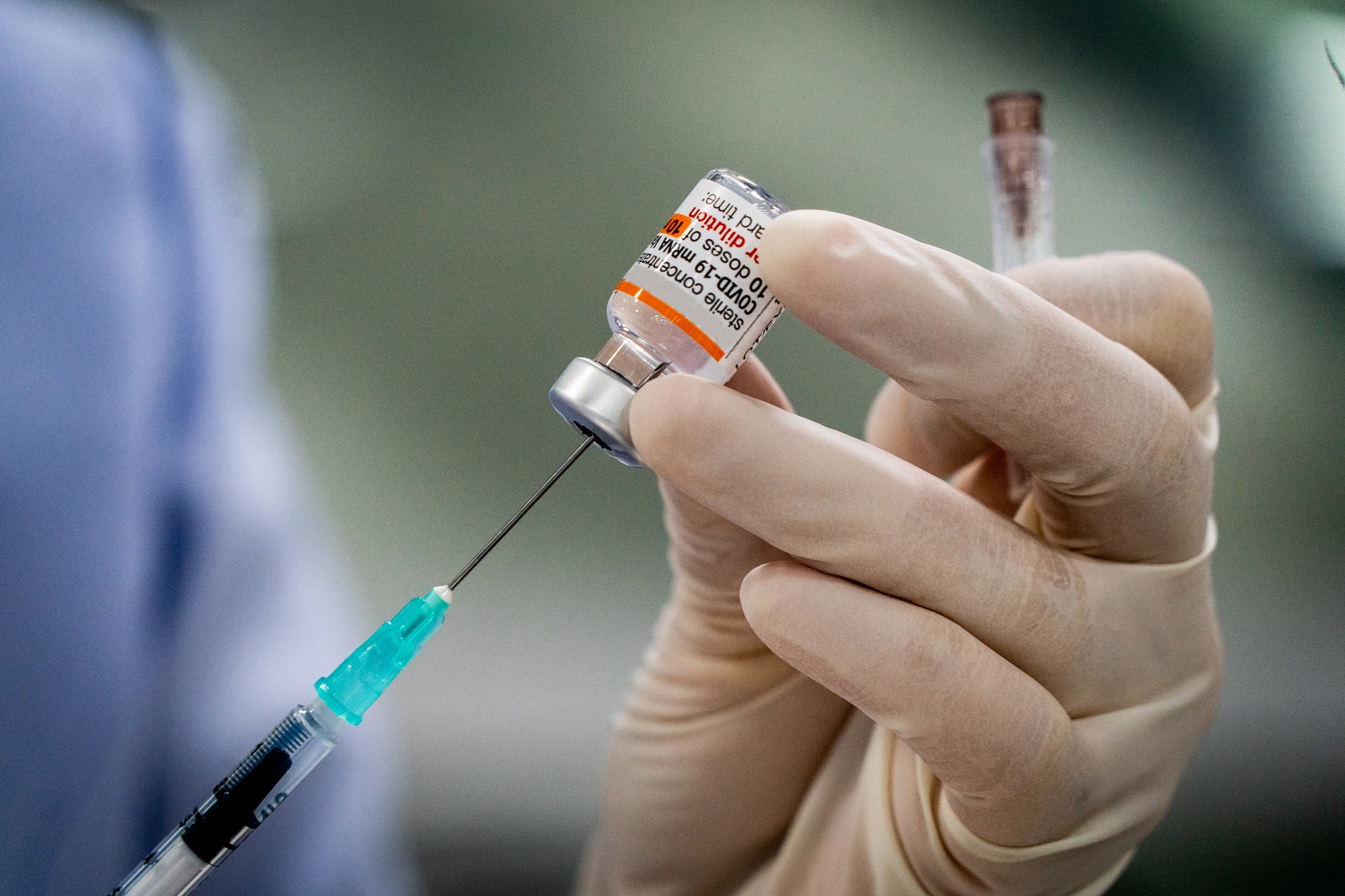
As if you needed another health concern to worry about — beyond the “explosive diarrhea” stomach parasite causing a surge of sicknesses around the United States — the COVID-19 virus has made a reappearance in the Bay Area this summer.
To put it another way: Any “summer cold” you hear people complaining about over the coming weeks could once again be COVID-19.
According to Stanford University’s WastewaterSCAN team, which monitors coronavirus presence in human sewage, concentrations of the pathogen across the Bay Area sites they monitor were up 136% in July, compared to their June levels — and as of Tuesday, median levels of the virus are even higher than they were during the winter peak.
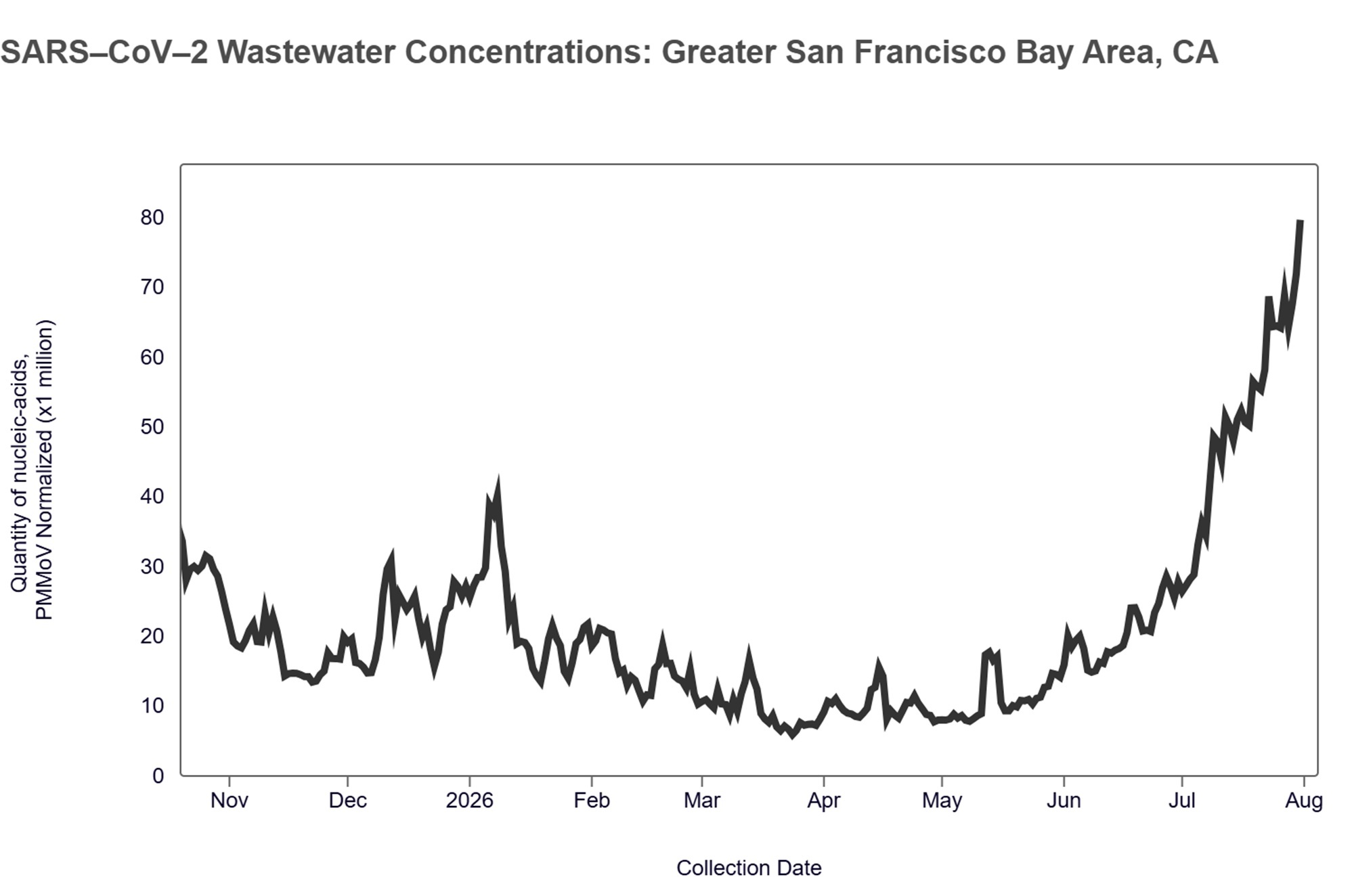
Stanford typically sees a COVID-19 summer wastewater wave start to happen in late May or June, WastewaterSCAN’s Amanda Bidwell said, and the Bay Area saw “a slower start” this year.
But now, COVID concentrations in wastewater are “continuing to rise at sites across the Bay Area,” said Bidwell. Some 64% of the sites monitored by WastewaterSCAN are now in the “Medium” category for COVID — although for context, current levels are still far below the heights of last year’s summer swell.
If it’s been a while since you or your family weathered an infection, a refresher might be handy as we enter a period of potentially higher risk. Here’s what we know about COVID-19 in the Bay Area for summer 2026.
Is there a new COVID-19 variant out there for summer 2026 I should be worried about?
WastewaterSCAN’s Bidwell noted that although current COVID levels “still appear low” compared to historic data and past infection waves, her team has observed a mixture of variants in local circulation rather than one dominant variant, “like we have seen in the past” — something that’s also mirrored nationally.
But when it comes to the question of if there’s a major new strain out there about to cause chaos, the short answer is : No, said Dr. Abraar Karan, an infectious disease expert at Stanford University.
The COVID variant he’s been seeing in the Bay Area in these last weeks is still XFG, also known as “Stratus,” in the omicron lineage.
People infected with XFG have often reported a scratchy, hoarse throat that’s easily mistaken for allergies, along with the kind of primarily respiratory symptoms we’ve come to expect from COVID, said Karan: “Sore throat, cough, congestion, fatigue, fever, that kind of thing.” Also still in circulation, unfortunately, is NB.1.8.1 or “Nimbus”: the strain that’s also nicknamed “razor blade throat” for the intense sore throat it gives many people.
“The good news is that there’s nothing — at least genomically — that’s telling us we’re dealing with something very different, or something that should cause major concern or that will give us an increase in hospitalizations,” he said.
What about other newer strains you might have heard about, like BA.3.2, dubbed “Cicada”? While any news of new COVID-19 variants might bring flashbacks to the game-changing emergence of omicron in 2021, or delta after it, “the vast majority” of these latest strains aren’t giving medical professionals sleepless nights in 2026, Karan said.
“Nothing has shown a severe increase in severe disease or hospitalizations, or that they will be resistant to antivirals, or that they will render diagnostics invalid,” he said. “Those are the main things we worry about, but I’ve not seen that with any of the variants.”
How will my most recent COVID vaccine hold up against a 2026 summer wave?
The 2025-26 COVID-19 vaccine that rolled out in fall 2025 was formulated to target descendants of omicron and include XFG, the dominant variant now.
But if you got your shot as soon as you were able to last year, despite the Food and Drug Administration’s efforts to limit eligibility to the vaccine, that also means it’s been longer since you had that immunity boost.
“Broadly speaking, the longer it’s been since you got vaccinated, the lower your immune response is going to be,” Karan said. “As time goes on, the more variants there are since [the one] which the vaccine was based on, the more chance that you’ll have stronger symptoms or more likely to be infected.”
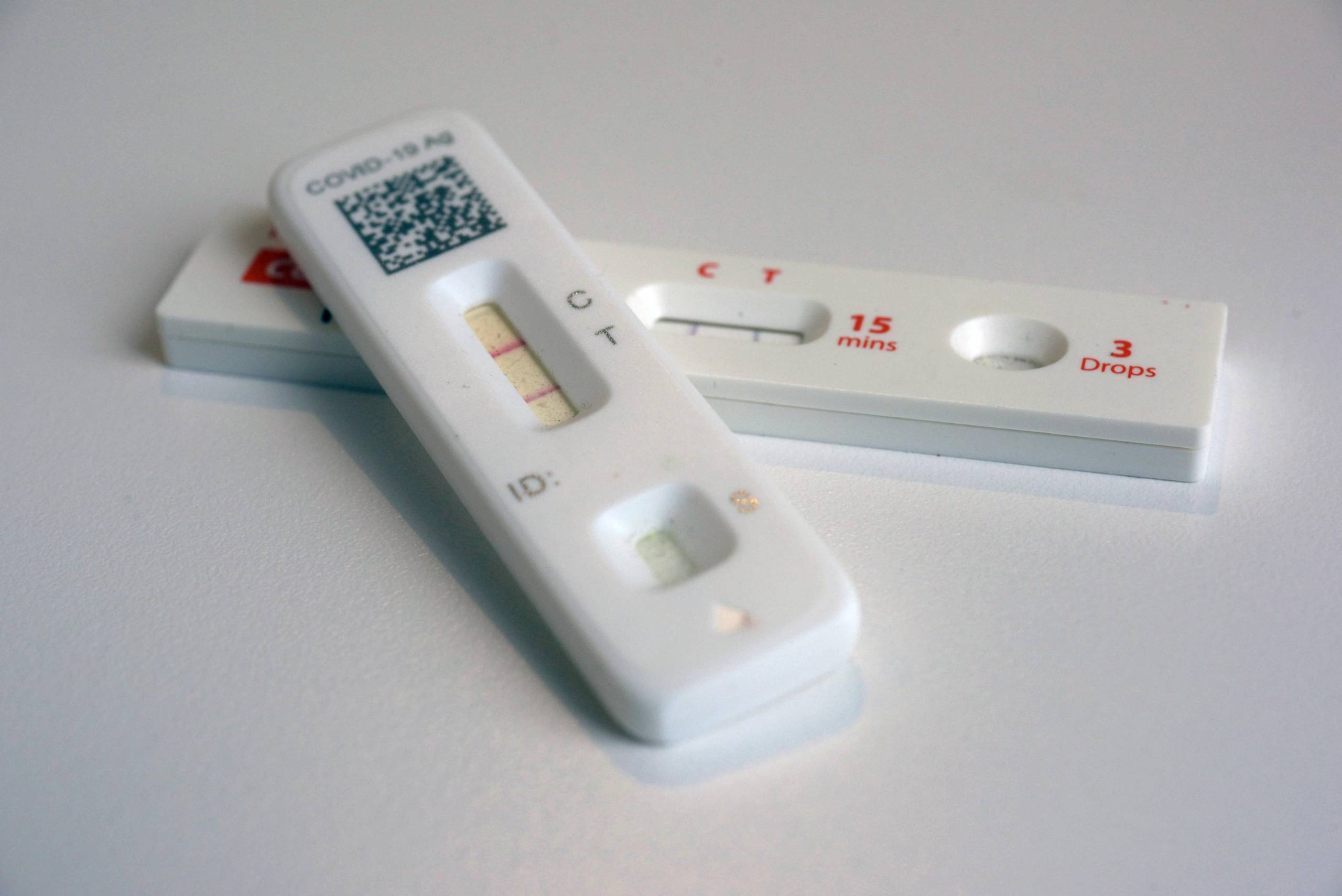
But nothing researchers are seeing suggests that the vaccine is completely ineffective — or that it will no longer have benefits, Karan said.
“So you’re somewhere in the middle,” he said.
And while “the goal of the vaccines is to prevent you from getting very sick,” they can’t prevent you from being infected in the first place.
In a nutshell: Don’t assume your fall 2025 vaccine will necessarily mean any infection you get in summer 2026 will be short or mild, so it’s worth considering your risks and taking precautions if necessary. Speaking of which …
So should I be wearing a mask again on BART or in the grocery store?
“I think it depends on how high the levels get,” Karan said — who recommended you keep an eye on the COVID-19 levels in your own county’s wastewater, according to WastewaterSCAN’s monitoring:
San Francisco | Alameda | San Mateo | Santa Clara | Contra Costa | Solano | Marin | Sonoma | Napa
Wearing a well-fitting N95 or KN95 mask in crowded places, especially if you observe people with possible COVID-19 symptoms around you, “can reduce the risk that you get infected — and I think for most people, that’s the goal at this point … to prevent infection that would knock them out for a couple of days,” Karan said.
And if the thought of losing a week to infection and isolation isn’t enough, remember the risks of contracting long COVID. Karan said that in 2026, he still sees long COVID-19 patients regularly.
“Even this week, I’ve seen people that came in with post-COVID infection, with longer-term brain fog and symptoms that are just disruptive and making them feel not great,” the scientist said.
These risks are another reason to commit to isolating from other people as much as you can when you have COVID-19, Karan said — or to ensuring that anyone infected in your home isolates from the rest of the household as much as they can, despite the inconveniences that brings.
I think I was exposed or have symptoms. When should I take a COVID test?
Step 1: Know about updated incubation times
If the average incubation times of five to seven days from back in 2020 are still burned into your brain, you should know: Incubation times for COVID-19 — that is, the amount of time between getting exposed to and testing positive — have gotten shorter over the years.
People are testing positive more quickly than they were in 2020, when the average incubation period was five to seven days, because it has changed with each new variant, Dr. Peter Chin-Hong, a UC San Francisco infectious disease expert, told KQED in 2025.
Three days has become a common period of time between exposure and getting sick, Chin-Hong said. So given this trend, it makes sense to take a COVID-19 test as early as two days after exposure if you’re already having symptoms.
Step 2: Don’t trust a negative early COVID test
If your first test is negative, you should absolutely test again the next day if symptoms persist — and again after that if you’re still negative.
Here’s why you can’t necessarily trust a negative at-home COVID-19 test in 2026: While incubation times have gotten shorter, doctors are seeing people take longer to get a positive test, Chin-Hong said. And that’s probably more to do with how much quicker someone with COVID-19 might develop symptoms in 2026 than they would have done in 2020.
As a reminder, those symptoms are the sign that your body’s immune system is mounting a response to an invading virus. Back at the start of the pandemic, by the time you developed COVID-19 symptoms and took a test, it would probably already be positive.
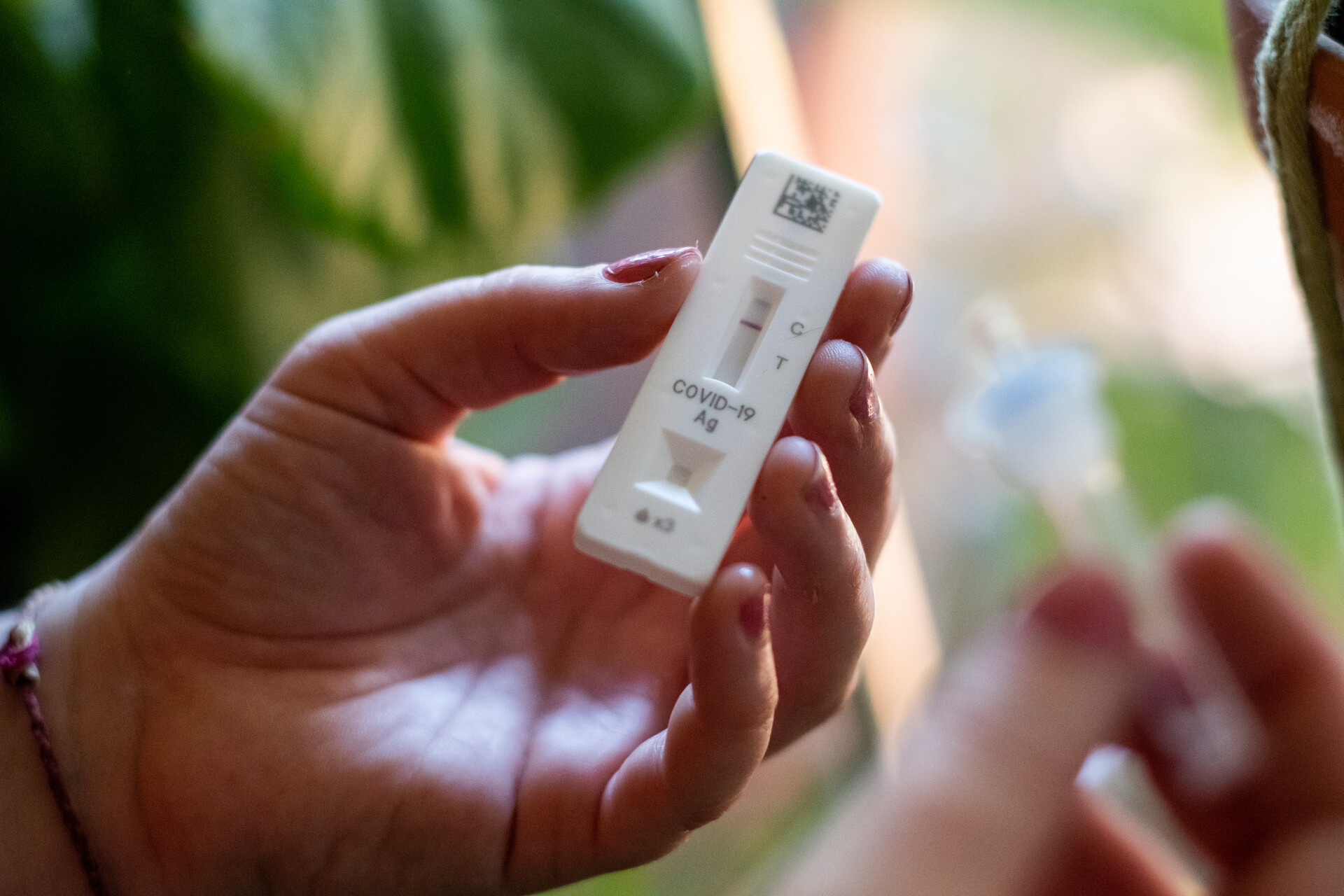
But at this stage of the pandemic, “we likely have more immune cells circulating that can recognize the enemy, so it ‘sounds the alarm’ quicker [and] people might feel something faster than in the old days,” Chin-Hong said.
And because many of us take a COVID-19 test when we start to feel sick, we might actually be testing way too early for an at-home antigen kit to successfully detect enough virus inside us.
The bottom line: If you’re testing because you’ve started feeling unwell, don’t assume a negative result means you don’t actually have COVID-19. Play it safe, stay home as much as you can and wear a well-fitted mask if you can’t. Take another antigen test 48 hours later, Chin-Hong said.
Step 3: Make sure your COVID test hasn’t expired
Those COVID-19 tests you might have in a drawer may be approaching their expiration date if they haven’t already passed it. And an expired test could give you an unreliable result.
You can check the FDA’s list of antigen test types to see whether the box you’re holding has had its shelf life extended by the manufacturer.
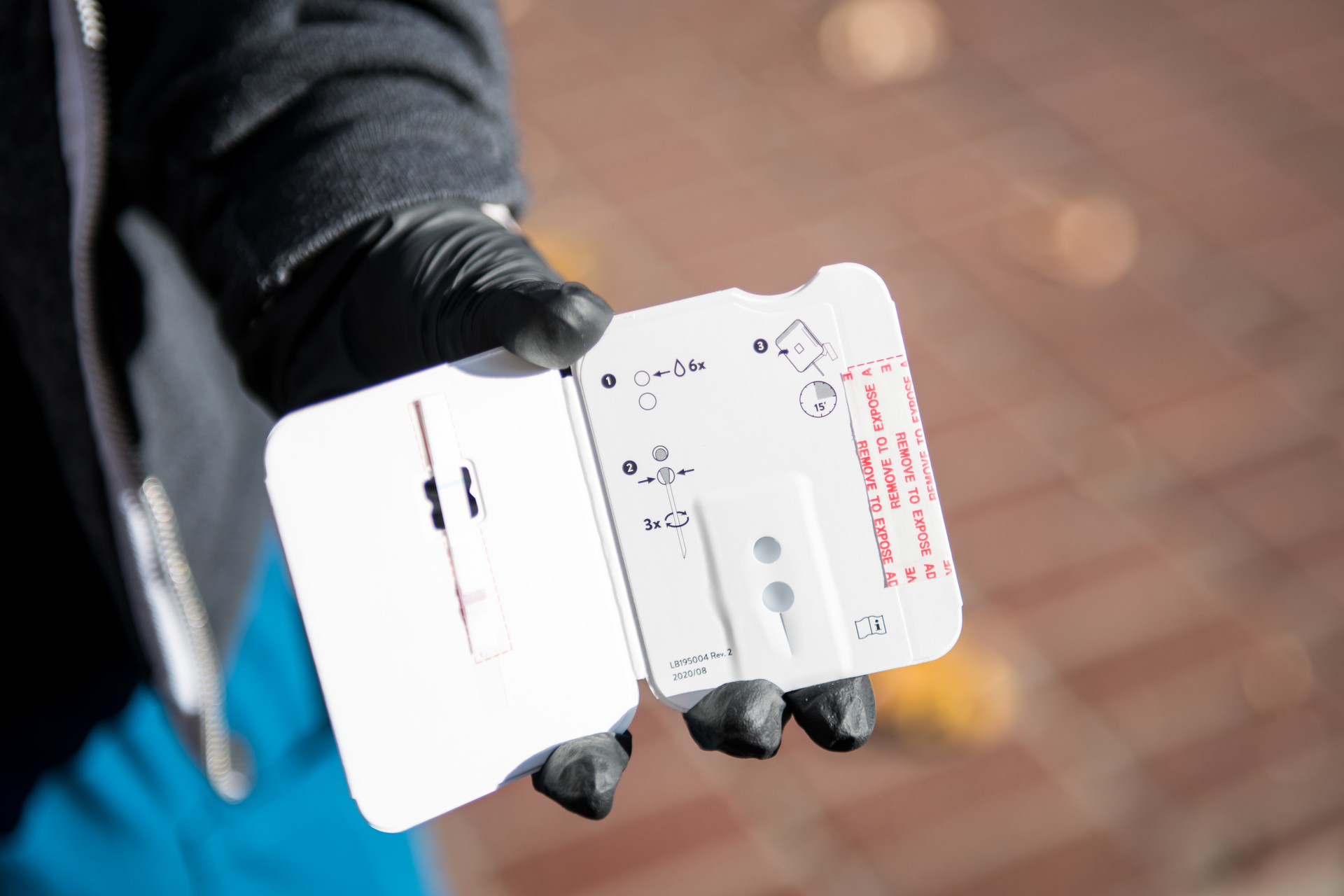
The FDA said that if a test’s shelf life has been extended, it’s because the manufacturer has given the agency enough “data showing that the shelf-life is longer than was known when the test was first authorized.” (In other words, it’s still OK to use that test.)
Another tip from Chin-Hong: “A quick-and-dirty way” to know if you’re using a functional COVID-19 test is to make sure the control line turns positive. If that doesn’t happen, “that means the test is probably not working,” he said.
If I test positive, how long do I have to isolate with COVID in 2026?
In March 2024, the CDC officially revised its national COVID-19 isolation guidance, saying that COVID-positive people could now return to work or regular activities once “symptoms are improving overall” and they’ve been fever-free for at least24 hours without use of a fever-reducing medication.
Read more about current isolation guidance for COVID-19.
If you’ve been infected, consider asking your health provider for the COVID-19 medication Paxlovid, an antiviral treatment in pill form that is still available free by prescription in California.
Where can I still find a free COVID test?
Good question.
Finding a quick, free COVID-19 test — whether an at-home antigen test or a PCR test — has gotten progressively harder at this stage of the pandemic as more sites and services have been shuttered.
And visiting the White House site that once offered you free at-home COVID-19 tests through USPS will now greet you with an image of President Donald Trump superimposed over the headline “LAB LEAK: The True Origins of COVID,” as well as a page dedicated to the theory disputed by many scientists that the pandemic was caused by the coronavirus leaking from a government laboratory in Wuhan, China.

So, what do you do now if you don’t already have a supply of antigen tests for COVID-19 at home right now?
Now that the network of PCR testing options as we knew them has essentially gone, your best option is to purchase a COVID-19 at-home antigen test at a pharmacy. These at-home test kits are usually around $20 for a pack of two.
Ideally, ask someone to purchase one for you so you don’t potentially expose other people at the pharmacy, and if you really have to go yourself, wear a well-fitted N95 mask to help lower the risk you pose to others.
If you have health insurance, you can request reimbursement from your health insurer for the cost of up to eight at-home tests per month, so don’t throw away your receipts.
If you’re insured through major Bay Area providers like Kaiser Permanente or Sutter Health, you may also be able to ask for a PCR test through your provider.