Cyclosporiasis and the Bay Area: What to Know About the ‘Explosive Diarrhea’ Parasite Surging in the US

Let’s face it: Headlines about “explosive diarrhea” are the headlines nobody wants to see.
But amid the current national outbreak of cyclosporiasis — a foodborne stomach parasite that’s infected thousands of people around the United States — it’s hard to avoid the updates about the severe cramping, bloating and yes, the “watery diarrhea with frequent, sometimes explosive, bowel movements” (in the Centers for Disease Control and Prevention’s own words) this disease causes.
On Tuesday, the Centers for Disease Control and Prevention announced that the agency had received reports of 1,645 confirmed domestic cases of cyclosporiasis — but was aware of over 5,000 more cases that required confirmation. So far, Michigan has experienced the worst rises in cyclosporiasis cases, reporting well over 4,000 cases as of Thursday. Other states reporting surges of the disease include New York, Illinois, Ohio and Texas.

On Thursday, the Washington Post reported that global fresh foods producer Taylor Farms had been identified as a potential source of the outbreak. According to anonymous sources, investigators are probing shredded iceberg lettuce supplied to certain Taco Bell restaurants as potentially harboring the intestinal parasite.
Some good news, however: The California Department of Public Health says that California “is not one of the states currently experiencing an increase in cases of cyclosporiasis,” and that to date, the state has actually seen fewer cases of cyclosporiasis this year than it did in the same period in 2025: 41, compared to last year’s 80. The agency also doesn’t believe these current California cyclospora cases are even linked to the outbreaks affecting other states.
But if you’re in the Bay Area — or are planning to visit any of the affected states in the coming weeks — what should you know about your individual risk of cyclosporiasis? What’s the source of this outbreak? Should you be thinking about your fruits and vegetables differently right now, and how can you reduce your family’s chances of being hit by this truly unpleasant disease this summer?
Keep reading for what we know about cyclosporiasis and California. (And be aware since we’re talking about explosive diarrhea here, the details below are not really lunchtime reading.)
Jump straight to:
- What are the symptoms of cyclosporiasis?
- What foods could be causing this outbreak?
- Should Californians be doing anything differently right now?
- I’ve got diarrhea. Is it cyclosporiasis or something else?
What is cyclosporiasis, and how do people get infected?
Cyclosporiasis — pronounced “sigh-clo-spore-EYE-uh-sis”, similarly to “psoriasis” — is a gastrointestinal disease caused by the cyclospora parasite.
This parasite, which is too small to be seen with the human eye, lives in the poop of people infected with cyclosporiasis. Other people can then become infected also by ingesting food or drink that’s contaminated with those feces — for example, fresh fruits or vegetables that have been washed with contaminated water.
Cyclosporiasis isn’t a new disease, and California “experiences cases of cyclosporiasis every year,” according to a July 13 statement by CDPH.
“It’s been around for a long time, but this year it’s notable for the rate of increase, which is itself explosive,” said Dr. Peter Chin-Hong, an infectious disease expert at UCSF.
But — so far, at least — that’s all in other states. CDPH said that from January to June 2026, California reported 41 provisional cases of cyclosporiasis, “compared to 80 cases during the same period in 2025.”
Is cyclosporiasis in California right now?
Because cyclosporiasis isn’t a new disease, California “experiences cases of cyclosporiasis every year,” according to a Monday statement by CDPH.
“It’s been around for a long time, but this year it’s notable for the rate of increase, which is itself explosive,” said Dr. Peter Chin-Hong, an infectious disease expert at UCSF.

But — so far, at least — that’s all in other states. CDPH said that from January to June 2026, California reported 41 provisional cases of cyclosporiasis, “compared to 80 cases during the same period in 2025.” The agency said that most of these 2026 California cases are associated with recent international travel.
Since May 1, CDPH has reported just four California cases of cyclospora in people who’d been infected within the United States — two of whom had visited the Midwest.
For context, based on their 2015-2025 figures CDPH’s annual average for cyclosporiasis cases is 106. “Current counts for 2026 fall within expected ranges,” said the agency.
As of their most recently available figures released Monday, the Centers for Disease Control and Prevention is only reporting between one and 10 cases in the whole state, although the agency’s map of nationwide cases generally lags behind the figures being reported by the states themselves.
What are the symptoms of cyclosporiasis, and how fast do they start?
Cyclosporiasis symptoms take a surprisingly long time to show up after you eat food contaminated with the cyclospora parasite: around one week, and up to two weeks.
This incubation time makes it even harder to trace the source of an outbreak, Chin-Hong said, since not only is it often difficult to remember exactly what you ate over a week ago, but by that time, contaminated produce may have cycled out of the store where you bought it.
According to the California Department of Public Health, the symptoms of cyclosporiasis include:
- Watery diarrhea
- Loss of appetite
- Weight loss
- Bloating
- Stomach cramps
- Increased gas
- Nausea
- Fatigue
This all happens because when it gets into your small intestines, the cyclospora parasite begins to reproduce. In addition to inflaming your insides, the parasite makes it far harder for the intestines to absorb any fluids or food — meaning it all passes straight through your system, resulting in that watery, often explosive diarrhea. (Vomiting with cyclosporiasis is far less common, Chin-Hong said.)
One hopeful bit of information: Some people who get infected with cyclospora don’t actually get any symptoms at all. But if you’re still curious (and don’t mind graphic descriptions of symptoms), you can browse this Reddit AMA with someone who said they’ve had cyclosporiasis for the last month.
How long can cyclosporiasis last, and is it treatable?
What distinguishes the symptoms of cyclospora infection from, say, a gnarly bout of food poisoning?
The answer is that cyclosporiasis is likely to cause what Chin-Hong calls a “chronic diarrhea pattern, where you have diarrhea that might get better, and then it gets worse again and goes up and down” — for several weeks or even longer.
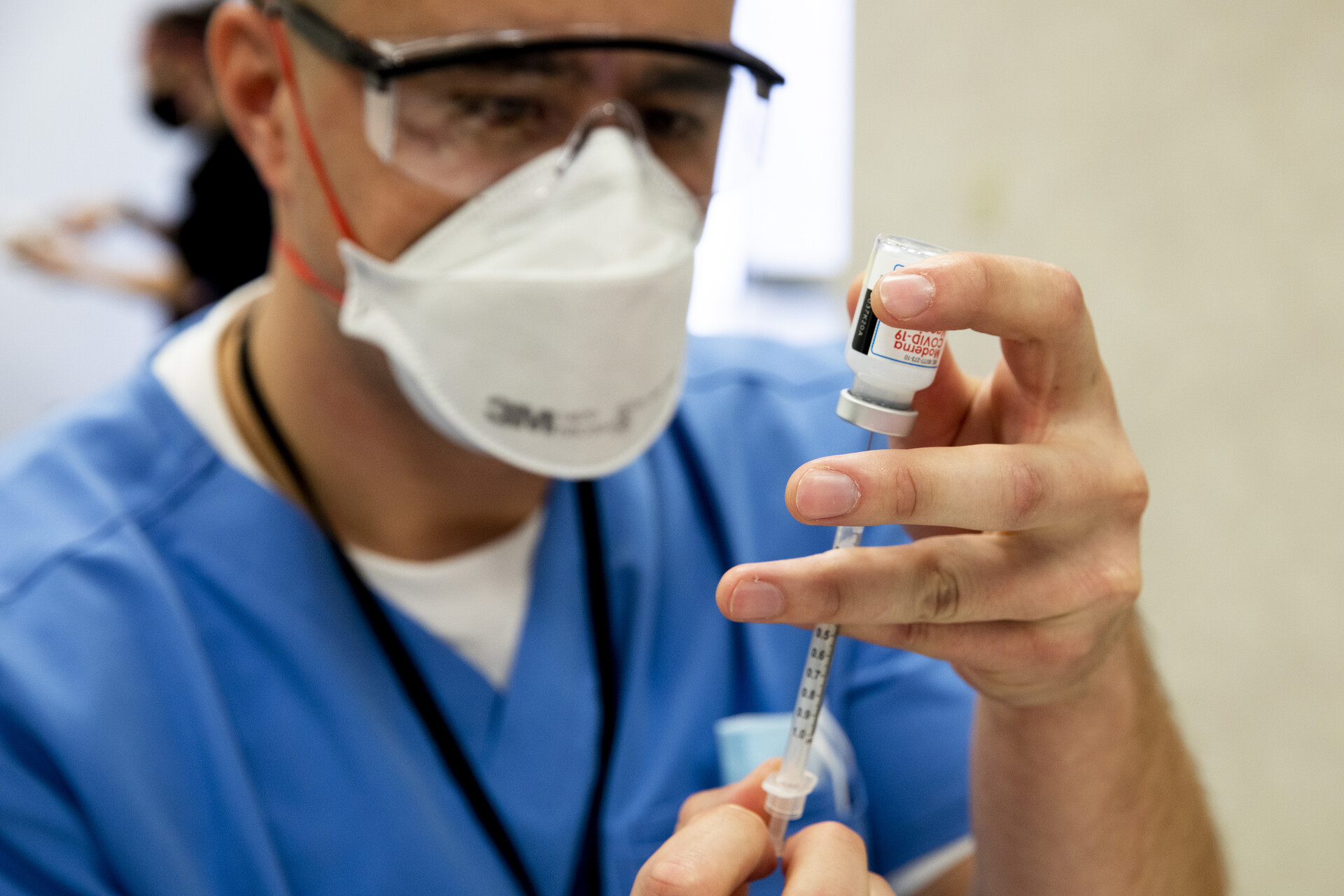
And whereas other conditions like norovirus will eventually go away on their own, you’ll need treatment with antibiotics to resolve a cyclospora infection and make that diarrhea finally stop.
Anyone who suspects they have a cyclospora infection should reach out to their healthcare provider for a diagnosis, after which they can be prescribed a 7-10 day course of trimethoprim-sulfamethoxazole. “Some immune-compromised individuals may need a longer course,” Chin-Hong said.
What do we know about what’s causing the current surge in cyclospora cases?
While the source of the cyclosporiasis outbreak in the Midwest still isn’t officially known, on Thursday the Washington Post reported that, according to anonymous sources, lettuce supplied by Taylor Farms to certain Taco Bell restaurants had been identified as a potential source of the outbreak.
Taylor Farms, which has its corporate headquarters in Salinas, had previously recalled its yellow onions in 2024 after a multi-state E. coli outbreak linked to burgers served at McDonald’s restaurants.
At a Tuesday media briefing, CDC officials said that the agency believed that the cyclospora outbreaks in Michigan, Ohio, West Virginia and Kentucky were linked.
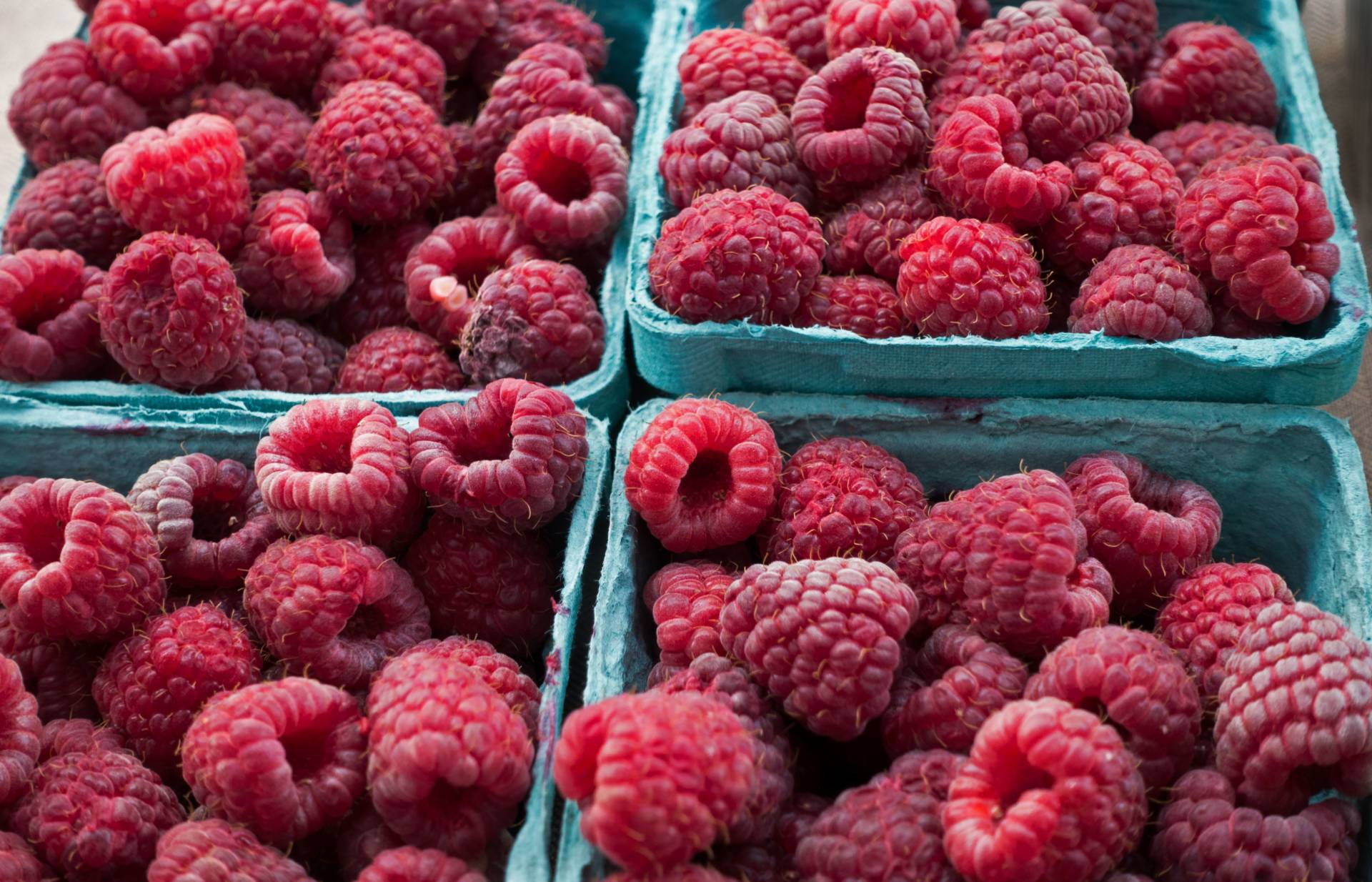
According to the Food and Drug Administration, historic outbreaks of cyclosporiasis in the U.S. have been associated with lettuce, raspberries, basil, cilantro and snow peas. In the past, people have been infected by consuming fruits or vegetables that were exposed to feces-contaminated irrigation water. Also, it’s possible that food distributors may channel contaminated foods to both grocery stores and restaurants, making it hard to discern where tainted food came from.
The CDC has faced criticism in recent weeks for how federal cuts to state and local health department funding — totaling over $11 billion — may have impacted the agency’s ability to track this outbreak.
“They’ve cut down a lot on the surveillance systems that allow these things to be easily controlled,” said Chin-Hong. “And the longer it goes on, the harder it is to go and try to interview all these [patients] and to confirm the test with a lab test.”
In July 2025, President Donald Trump’s second administration also reduced the scope of a federal program that monitors for foodborne outbreaks like cyclosporiasis.
If I’m visiting an area with a cyclosporiasis outbreak, should I be avoiding certain foods to lower my risk?
Cooking your produce to an internal temperature of at least 158 degrees will kill cyclospora.
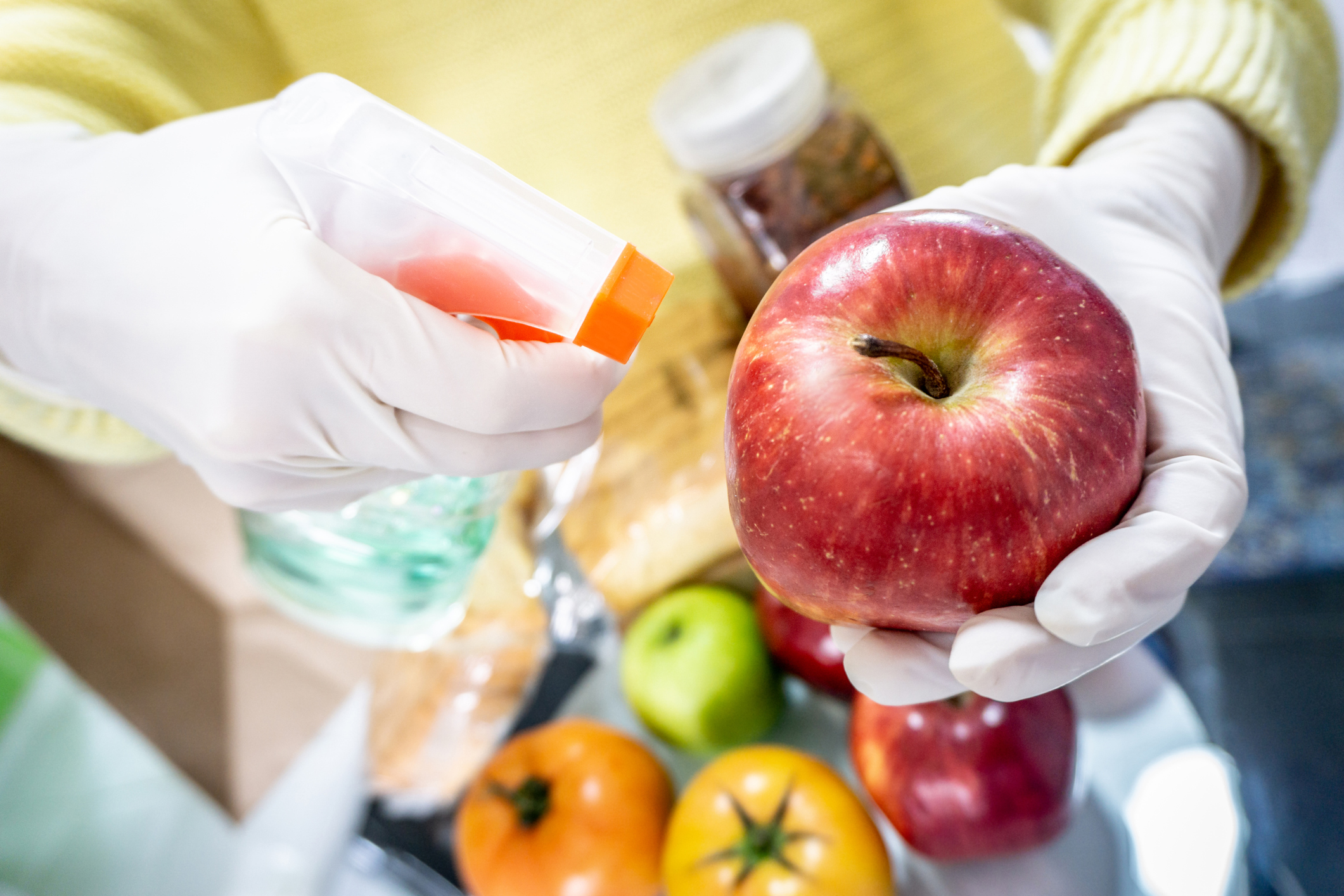
But cooking your fruits and vegetables this way might not always be realistic. And while washing produce isn’t guaranteed to remove all traces of cyclospora, when done thoroughly, it could help reduce your risk of infection.
Dr. Erika Noel, an assistant professor at Hawaii’s medical school and a pediatrician on the island of Kauai, shared the following tips for washing produce with the Associated Press:
- When washing items like cilantro and basil, separate the leaves.
- For green onions, cut off the roots, remove the outer layer and run them under water while rubbing the surface.
- Research shows that washing fruits and vegetables in vinegar can be helpful. Vinegar won’t kill the parasite but can help remove it. Noel recommends submerging produce in a bowl filled with three parts water and one part vinegar and swishing it around for a few minutes. Using a salad spinner to rinse with water can help get rid of the vinegary taste.
- Instead of purchasing pre-mixed salad and washing individual leaves, opt for a head of lettuce and remove the outer layer.
- For melons, scrub the outside before cutting through, as the knife can carry germs from the rind into the fruit inside.
- Peel fruits and vegetables as much as possible.
Don’t forget to wash cutting boards and countertops. Alcohol-based hand sanitizers don’t kill cyclospora, but soap and water are highly effective at killing or removing the parasite from hands.
Even with low case counts in California, I’m really worried about getting cyclosporiasis. What should I be doing?
First of all, remember that according to CDPH, “there are no known local outbreaks in California, and no California cases are currently known to be linked to multistate outbreaks under investigation by the CDC.” The CDC’s surveillance map, last updated on Tuesday, shows “1-10” cases currently reported in California.
“We would have seen it if it was some distributor that we had, that the Midwest groceries or restaurants also use,” Chin-Hong said. “Because it should all happen at the same time.” And because of the foodborne nature of cyclosporiasis, and the lack of human-to-human transmission, “it’s not like somebody from Michigan travels to California and then spreads it around,” he said.
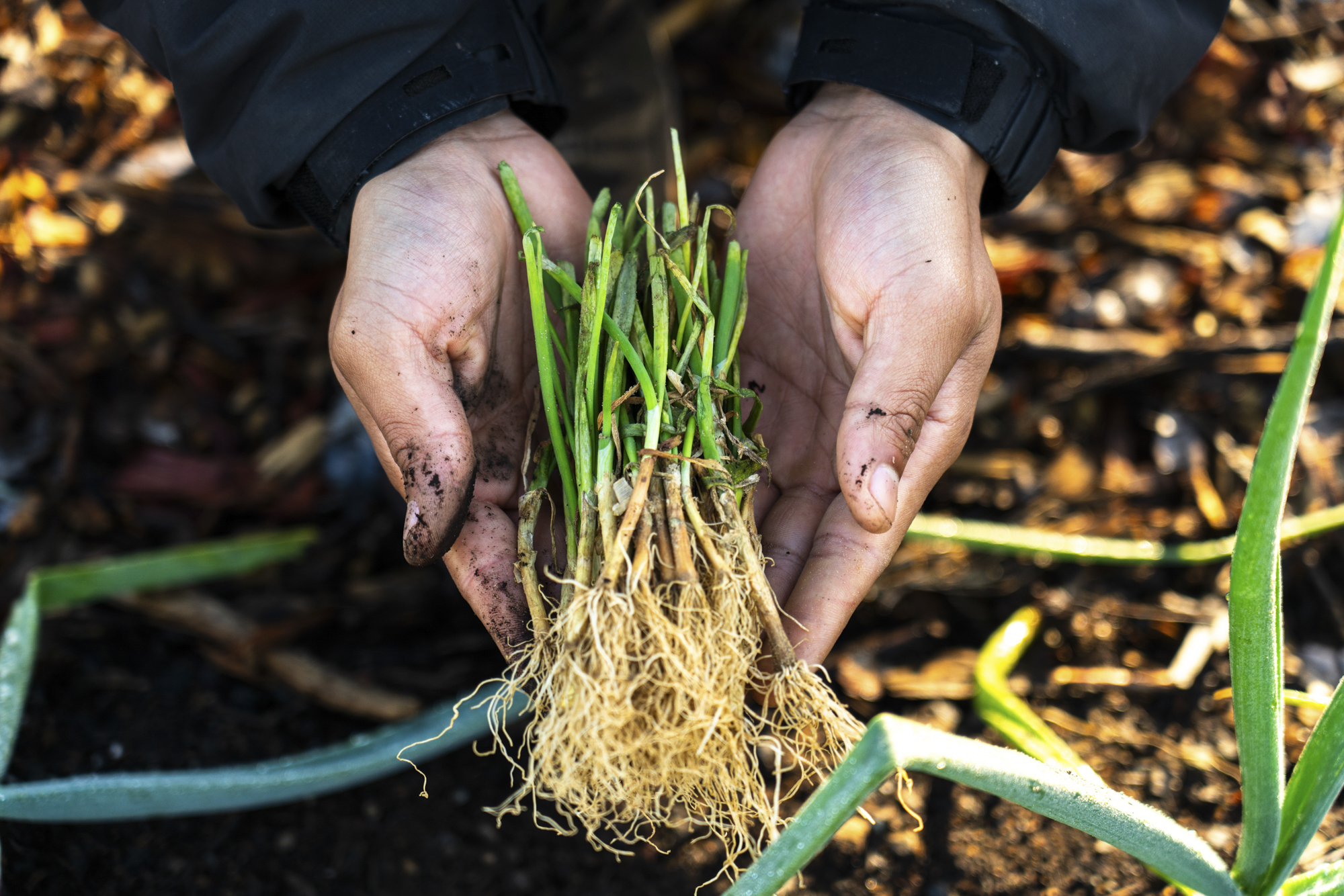
But all this might not stop you worrying about cyclosporiasis. Chin-Hong said that he’s still eating fruits and vegetables “with wild abandon,” albeit while washing his hands and his produce carefully — “especially green leafy vegetables under running water.”
If you’re anxious about inadvertently eating foods that might be linked to the current outbreaks in the Midwest, you might consider sourcing your produce from local farms to be more secure in where your food has come from, Chin-Hong said.
Still worried? Chin-Hong said you could avoid higher-risk items that have traditionally been implicated in previous cyclosporiasis outbreaks, like leafy greens in bagged salad mixes, fresh herbs like cilantro and berries.
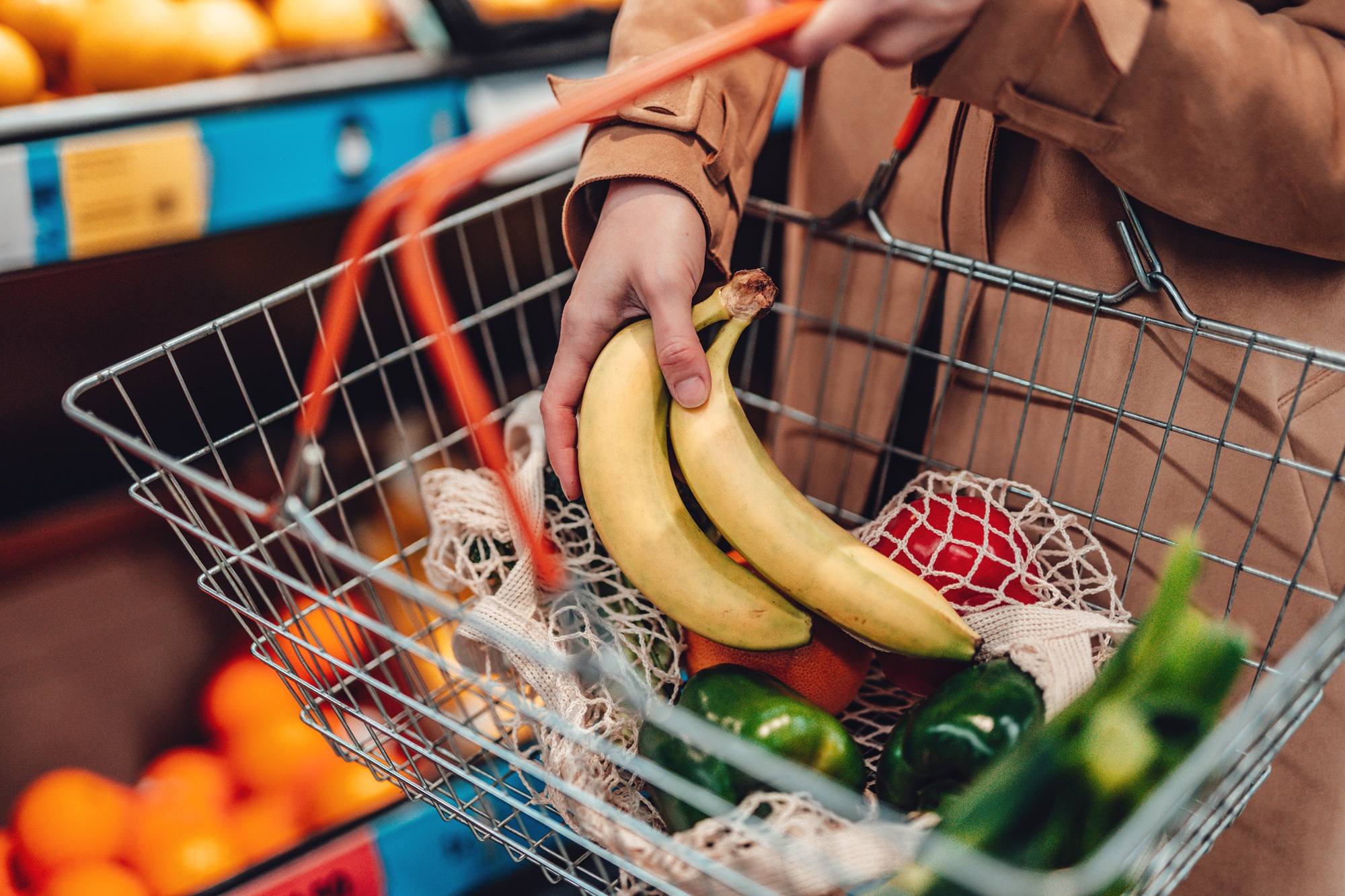
Instead, he said you could opt for “lower-risk choices” like bananas, oranges, avocados, melon and mangoes, because these options have rinds or skin that are removed before eating. When cutting into thick-skinned produce like melon, be sure to wash not just its outside but also your knife and your hands, to make sure you’re not accidentally pushing any contamination from the skin into the flesh.
And as tough as the symptoms are, remember that effective antibiotic treatment for cyclosporiasis is available should the worst happen, he said.
I’ve got diarrhea, and now I’m panicking. Could this be cyclosporiasis?
Right now in the Bay Area, getting diarrhea is way more likely to be due to another gastrointestinal disease.
According to Stanford University’s WastewaterSCAN, a team that measures viral levels in human sewage, both Norovirus and Rotavirus — gastrointestinal diseases which, like cyclosporiasis, cause prolonged diarrhea — have been detected in over 99% of samples from their sites across the Bay Area in the last three weeks.

While the seasonal waves of these viruses are coming to an end, both Norovirus and Rotavirus “are commonly detected in wastewater year-round,” WastewaterSCAN’s Amanda Bidwell said.
Unlike these other diseases, you’ll know it’s cyclosporiasis if your diarrhea just won’t go away, Chin-Hong said.
Can humans transmit cyclosporiasis to each other?
Not in the way you might be thinking. You’re far, far more likely to get cyclosporiasis from ingesting food or fluid that’s contaminated with the feces from an infected person you don’t even know — for example, by eating fruit that was washed in water that contained feces — than by being near a person with cyclosporiasis.
Even if you have to share a bathroom with someone with cyclosporiasis-induced diarrhea, or help an infected family member clean up, you’re still unlikely to get infected by that person directly.
That’s because the parasitic cells pooped out by someone infected with cyclosporiasis need to be in the environment a good while — “days to weeks,” according to CDPH — and then be activated by enough heat to actually become infectious themselves.
So as unpleasant as the whole situation might be in general, you aren’t at immediate risk of cyclospora infection from an infected person’s poop.
How dangerous is a cyclospora infection?
Cyclosporiasis is not fatal, and no deaths have been reported to the CDC during this current outbreak.
But Chin-Hong said that the dehydration this kind of prolonged diarrhea can cause still poses a danger to the very young and the very old, in how it could impact their organs.
So far, 141 people have been hospitalized nationwide with cyclosporiasis, according to the CDC’s numbers from Tuesday — 9% of confirmed cases.
This story contains reporting from the Associated Press.