Here are the morning’s top stories on Monday, January 19, 2026
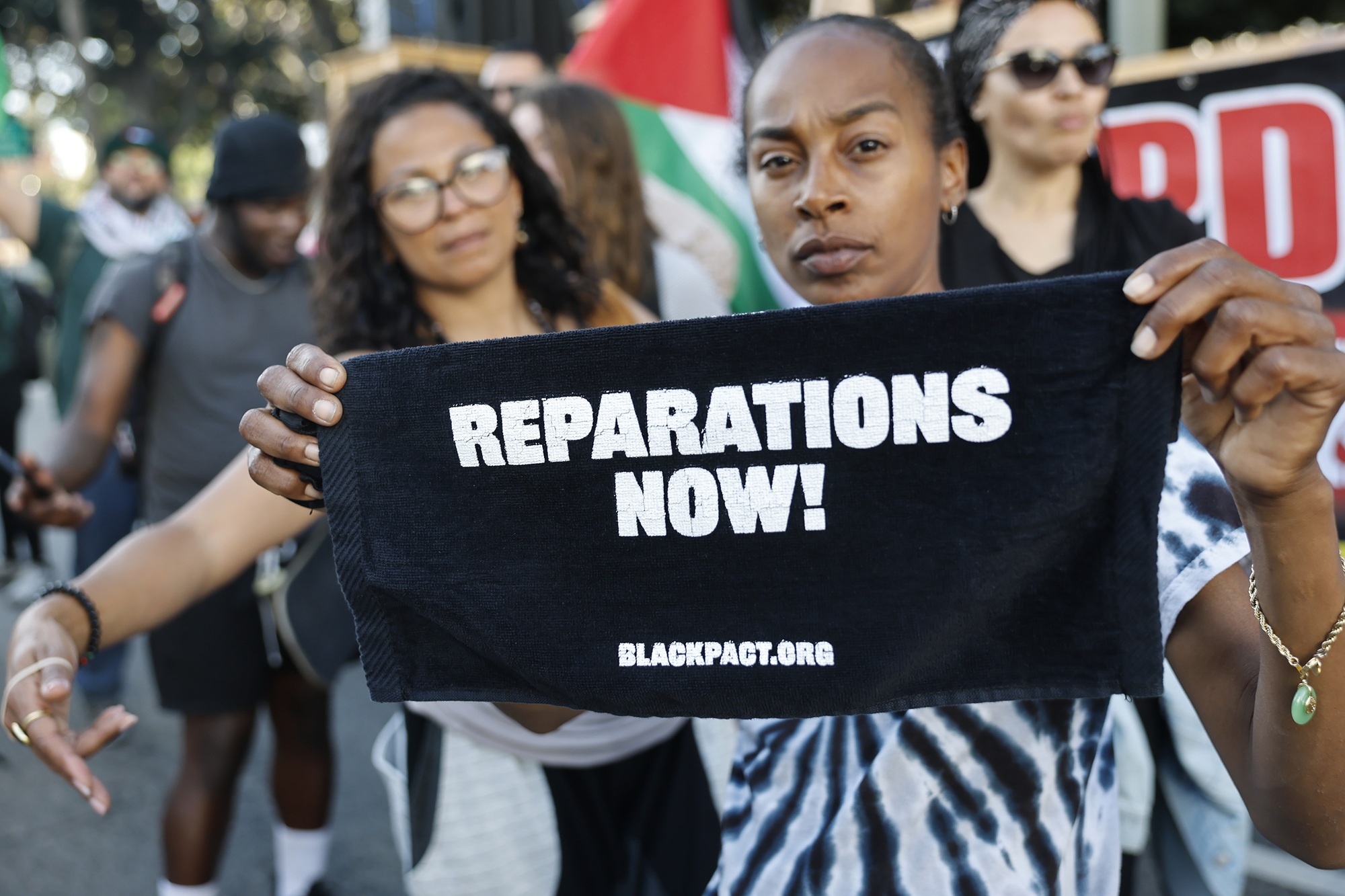
- As we celebrate and honor the life of Dr. Martin Luther King Jr. today, we wanted to take a closer look at some of the issues that are facing Black Californians. In particular, the state’s reparations efforts. While lawmakers approved a handful of measures meant to ensure reparative justice for Black Californians, others have been tabled or vetoed by Governor Gavin Newsom. So where does it all stand?
- A special election is happening in Northern California this year that could further chip away at Republicans’ slim majority in the House of Representatives.
- For the second time in four months, a group of Kaiser workers are going out on an open-ended strike at hospitals and clinics across California and Hawaii.
Reparation Efforts To Continue In 2026
Gov. Gavin Newsom vetoed a handful of bills advancing the cause of reparations for Black Californians last year, dealing the latest blow to a first-of-its-kind movement to atone for state-inflicted harms from slavery to the present day. Newsom rejected bills that would have allowed the descendants of enslaved people to receive preference in university admissions, business licenses and loans for first-time homebuyers.
The measures were among several reparations-related bills advanced last year by the California Legislative Black Caucus, following a shift in strategy to focus on descendants of enslaved people rather than race-based programs — an approach designed to withstand mounting legal challenges.
Lisa Holder is a civil rights attorney and was a member of the state’s Reparations Task Force. She’s also president of the non-profit Equal Justice Society. She said this is going to be a long process. “You can’t legislate yourself out of 400 years of inequality and injustice. You have to do an entire body of laws to change the systems that have been disparately affecting black folks for decades.” she said. “You now have to put many, many laws in place to change practically every system, whether you’re talking about systems of finance, housing. Laws that require equitable treatment, laws that require affirmative hiring sometimes in industries where Black people were affirmatively not hired,” she said.
Governor Sets Special Election To Fill Congressman LaMalfa’s Seat
Governor Gavin Newsom has set a date for the special election to replace Republican Congressman Doug LaMalfa, who passed away suddenly on January 6.