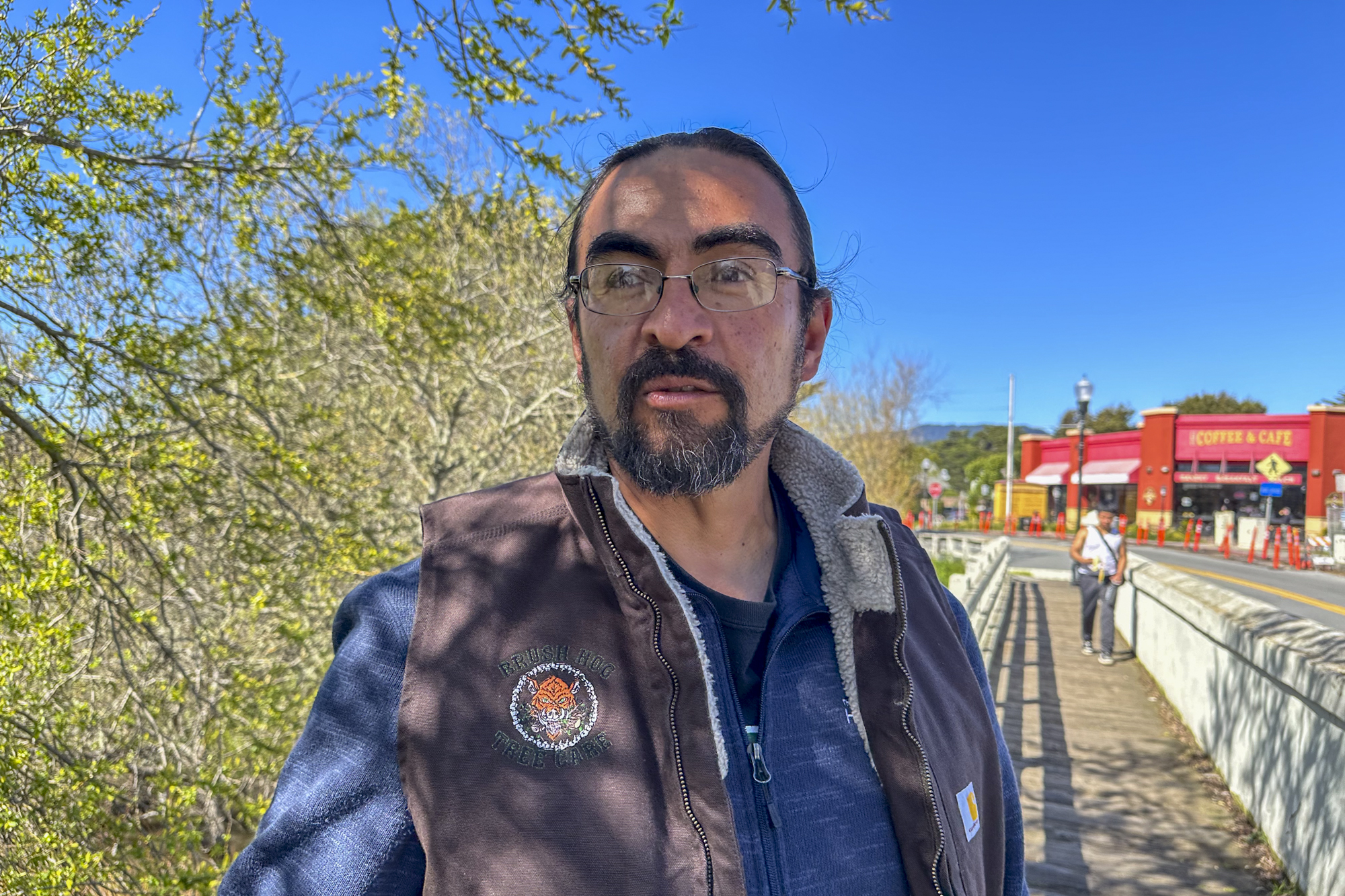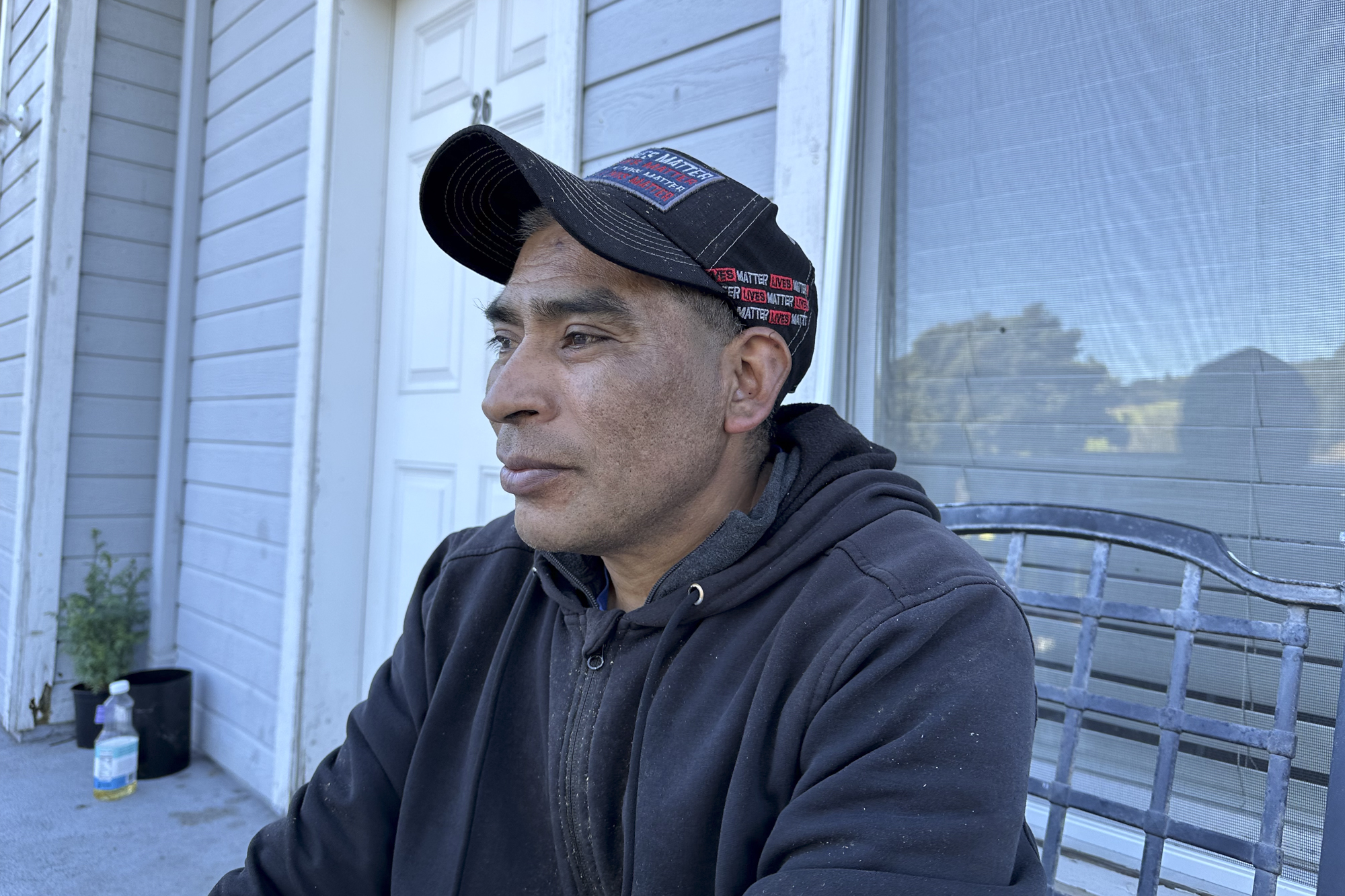
After their shift at a local mushroom farm one recent afternoon, two farmworkers, smudged with dirt and sawdust, trudged back to their rented rooms in Half Moon Bay.
The motel rooms are clean and safe and have been home for Vicente and Cornelio since shortly after a coworker opened fire at this farm and another nearby in January 2023. The men asked that we use only their first names for immigration concerns.
While the mass shooting claimed seven lives, it also shone a light on the terrible living conditions at the mushroom farms, which local officials decried as deplorable and heartbreaking and vowed to improve.
“There were four of us in the trailer,” says Vicente, 52, who has worked at the farm for three years. “We had nowhere to cook and no hot water. You endure it out of necessity. But it was not good, suffering in the cold like that.”
While these rooms, paid for by the county, have heat and access to a kitchen, Vicente says knowing he’ll have to move has added to his sense of vulnerability.
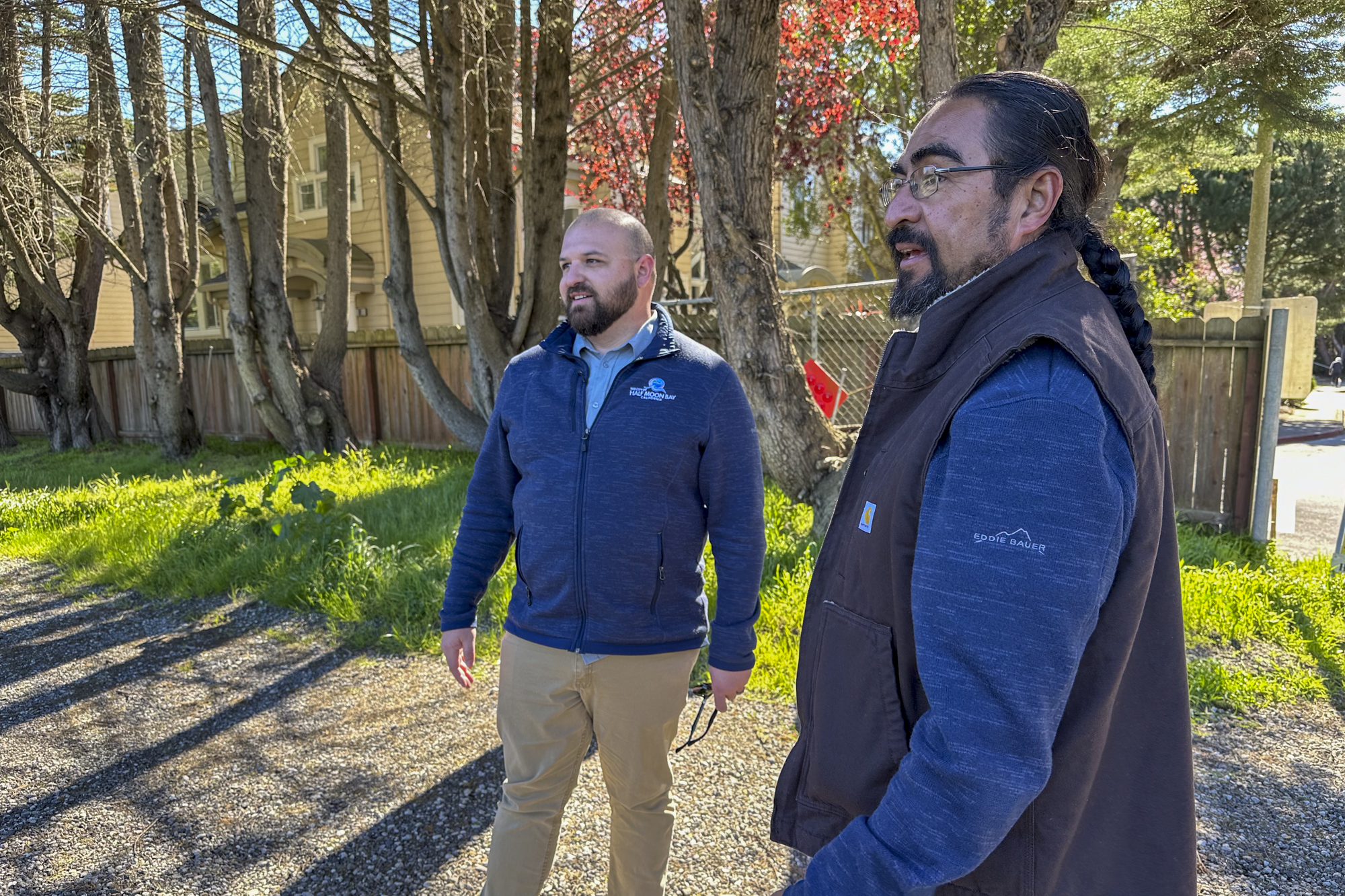
“Ever since the tragedy, we feel insecure. It affected us so much,” he says, adding that he wants a home where he can reunite with his wife and 7-year-old son. The family has been separated since the shooting because they couldn’t afford a place big enough to live together, he says.
That desire for a permanent place could be a reality by early next year. Half Moon Bay officials plan to break ground next month to erect nearly four dozen manufactured homes. The new development, known as Stone Pine Cove, will be built on a parcel of city land, less than a 10-minute walk from downtown Half Moon Bay. It’s geared toward low-income farmworkers, like Vicente and Cornelio, and the other families displaced from the mushroom farms.
Two other farmworker housing projects are also in the works in the area, though they’ll take longer. Together, they could create some 200 units, and make a modest dent in the acute shortage of affordable housing in coastal San Mateo County. The most recent survey available, from 2016, found the county needs at least 1,000 units of farmworker housing.
“I would be so happy to have a house like that,” says Cornelio, who still struggles with the trauma of the mass shooting, even after group therapy provided by a local community organization. “I’m so grateful to everyone who has extended a hand to us.”
‘We are in an emergency’
Last year, after the shooting, officials, including Gov. Gavin Newsom and Rep. Anna Eshoo, pledged to transform the tragedy into critically needed investments in decent farmworker housing. That’s a much more costly proposition here in the expensive Bay Area than in more rural parts of the state, and the sense of urgency continues.