A student project has revealed yet another power of artificial intelligence — it can be extremely good at geolocating where photos are taken.
The project, known as Predicting Image Geolocations (or PIGEON, for short), was designed by three Stanford graduate students to identify locations on Google Street View.
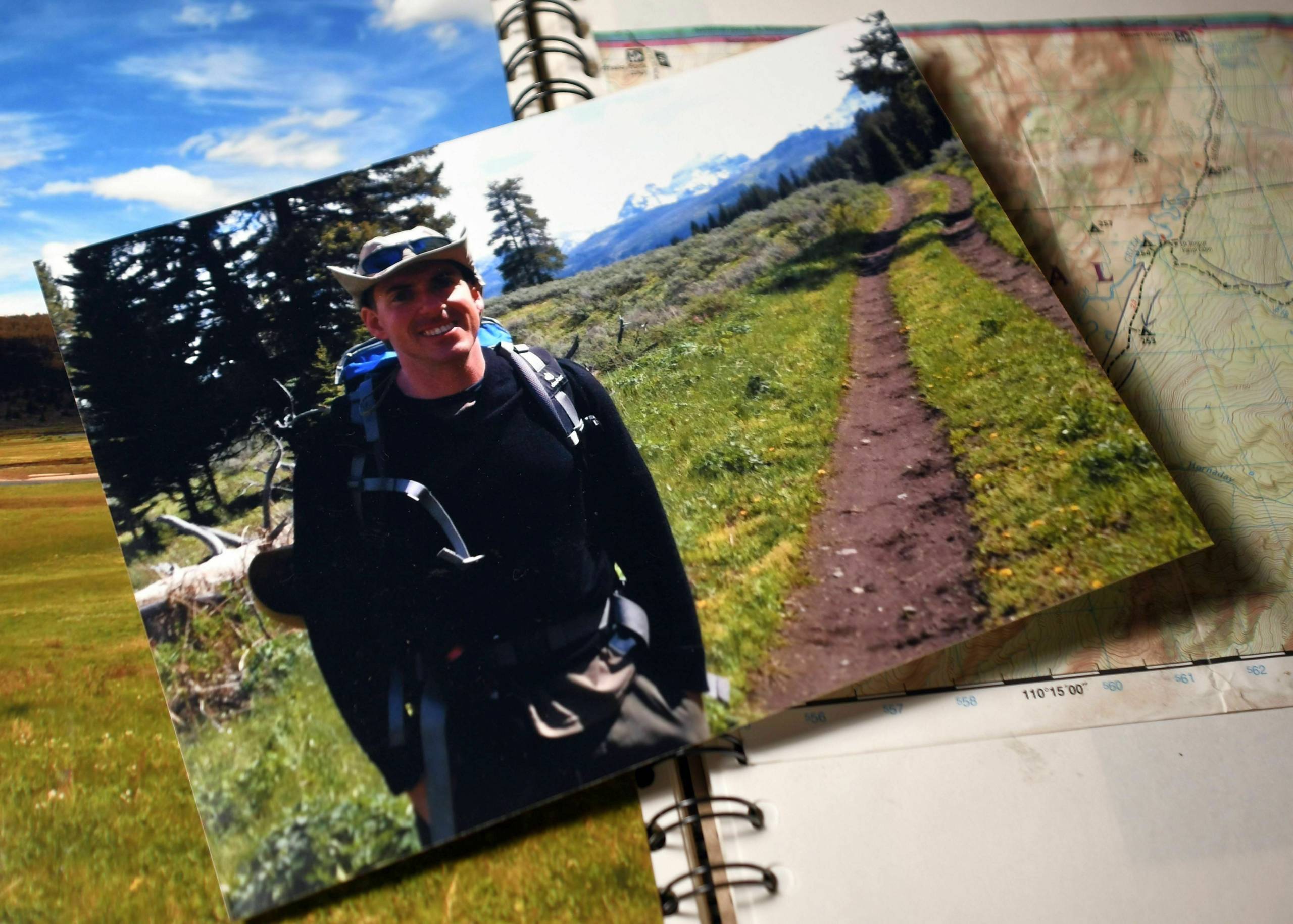
But when presented with a few personal photos it had never seen before, the program was, in the majority of cases, able to make accurate guesses about where the photos were taken.
Like so many applications of AI, this new power is likely to be a double-edged sword: It may help people identify the locations of old snapshots from relatives or allow field biologists to conduct rapid surveys of entire regions for invasive plant species, to name but a few of many likely beneficial applications.
But it could also be used to expose information about individuals they never intended to share, says Jay Stanley, a senior policy analyst at the American Civil Liberties Union who studies technology. Stanley worries that similar technology, which he feels will almost certainly become widely available, could be used for government surveillance, corporate tracking, or even stalking.
“From a privacy point of view, your location can be a very sensitive set of information,” he says.