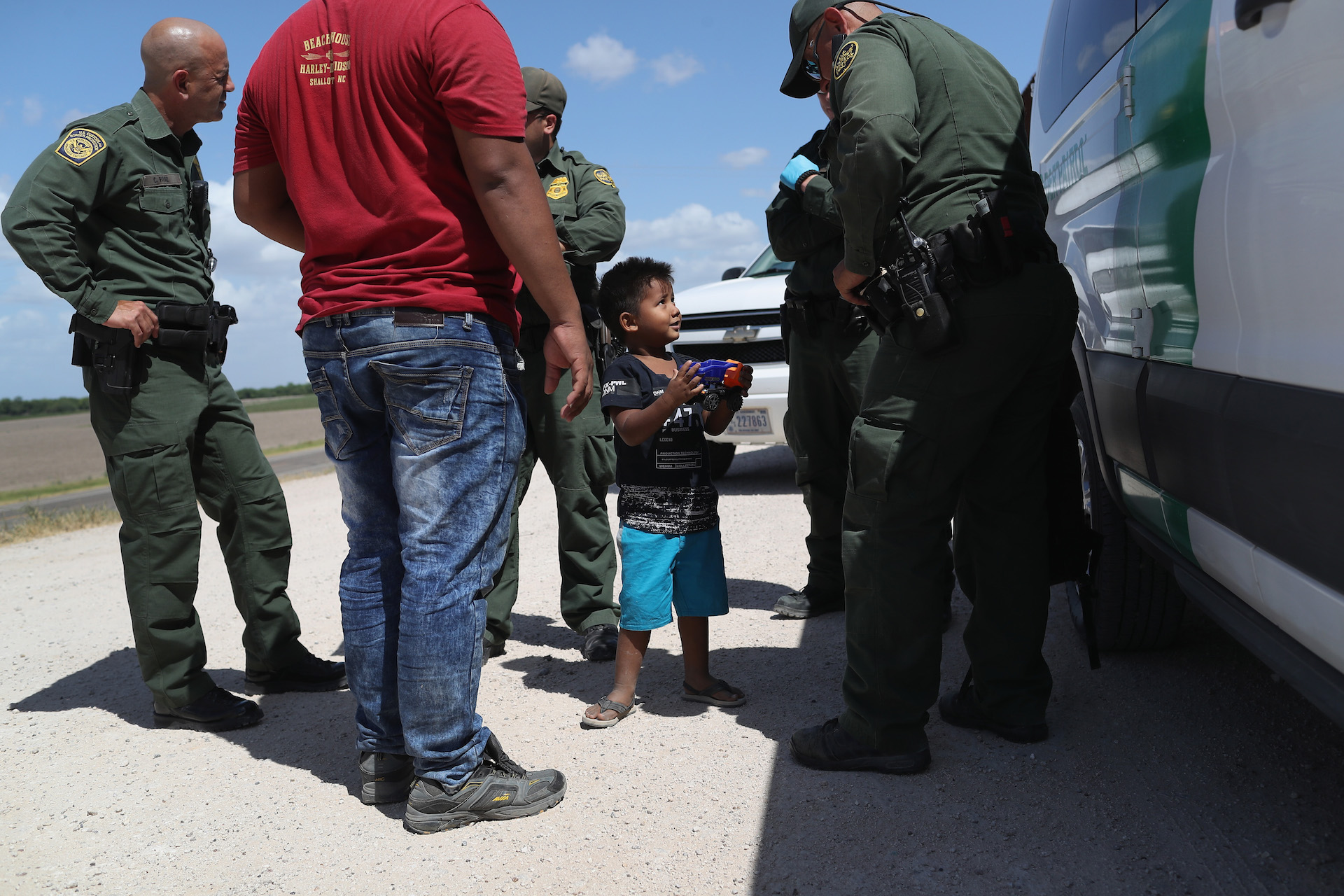
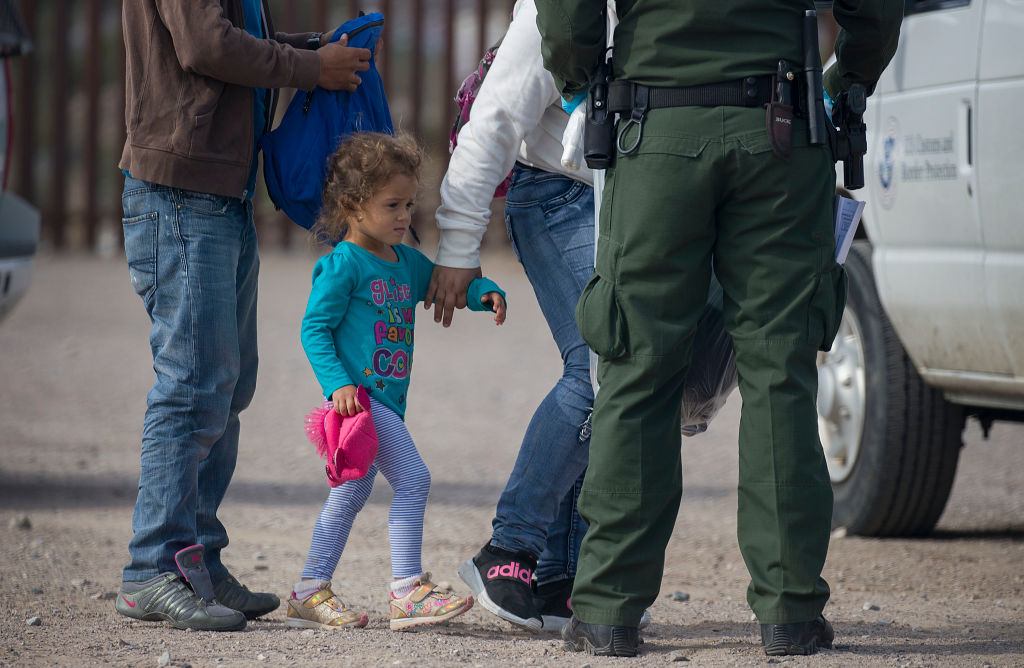
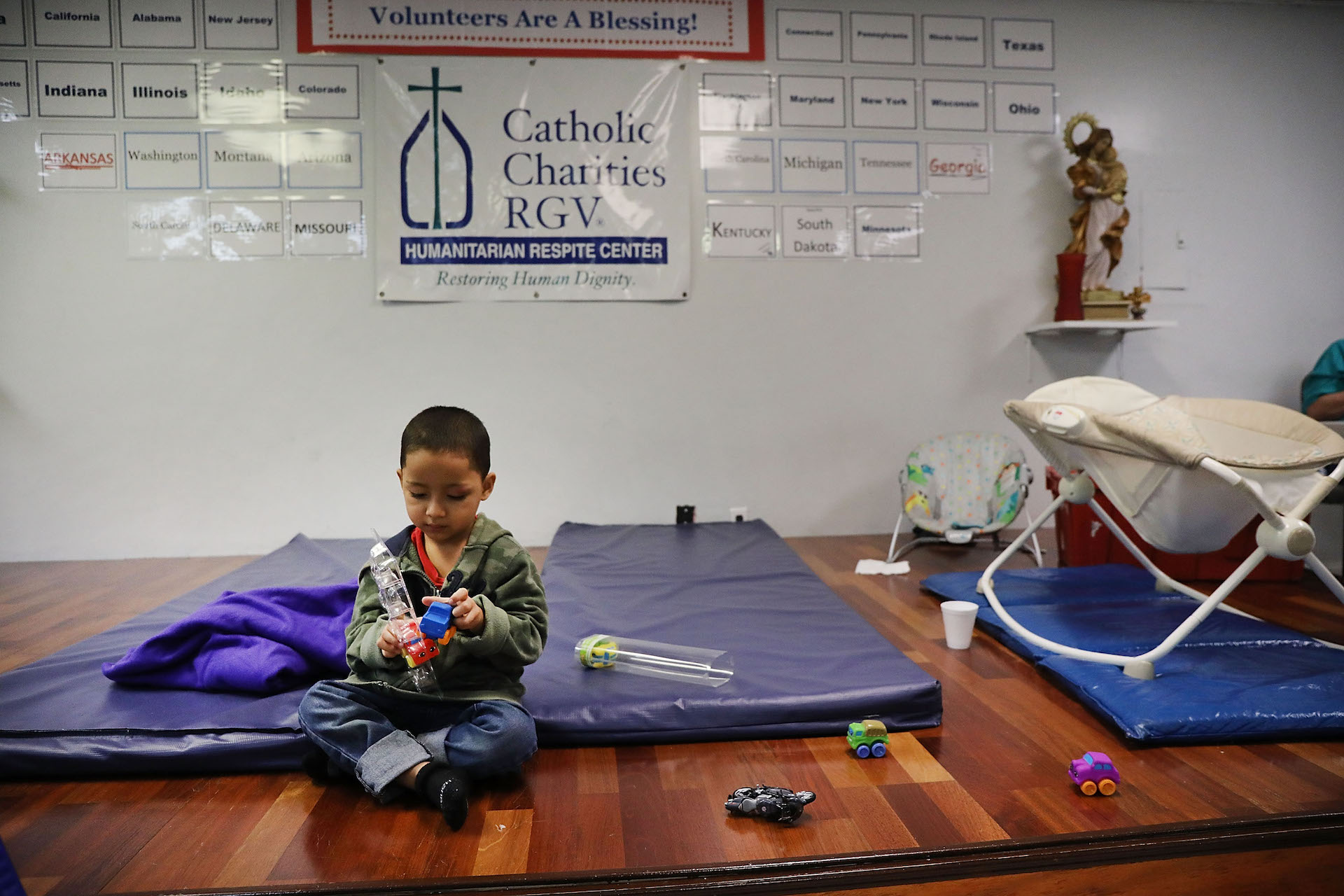
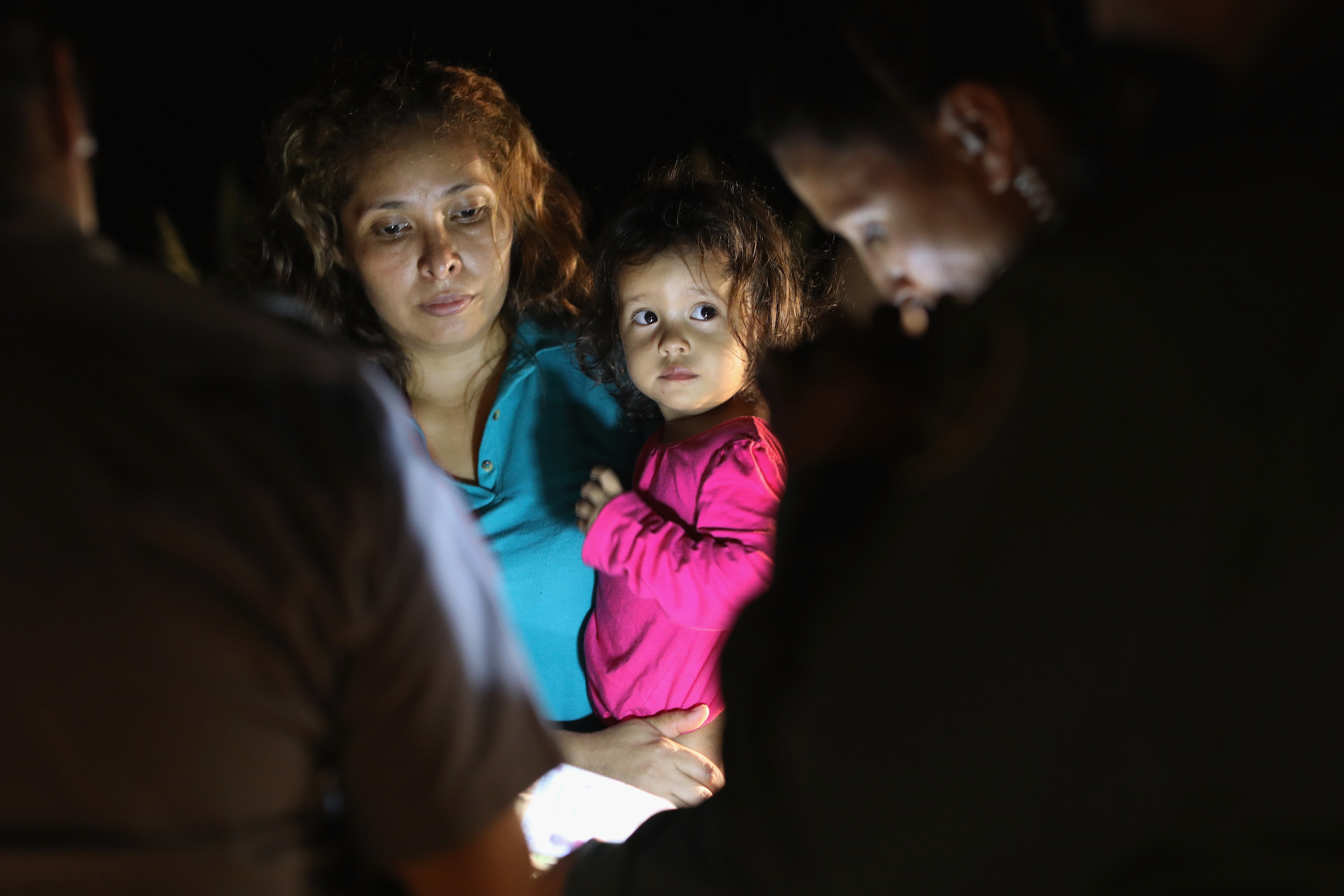
Immigration enforcement has been one of President Trump’s central issues. Immediately after taking office three years ago, his administration announced a series of policies designed to limit both legal and illegal immigration, and restrict access to asylum in the United States. Among the most controversial is the practice of migrant family separation, in which border agents have forcibly taken thousands of children away from their parents at the U.S.-Mexico border, ostensibly to facilitate the prosecution of adults for crossing the border without authorization.
The practice was widely condemned by human rights activists and community leaders in the U.S. and abroad. “Detention of children is punitive, severely hampers their development, and in some cases may amount to torture,” United Nations human rights experts said in a 2018 statement. “We are deeply concerned at the long-term impact and trauma, including irreparable harm that these forcible separations will have on the children.”
In June 2018, a federal judge in San Diego ordered a stop to the practice and mandated that the government reunite the separated families.
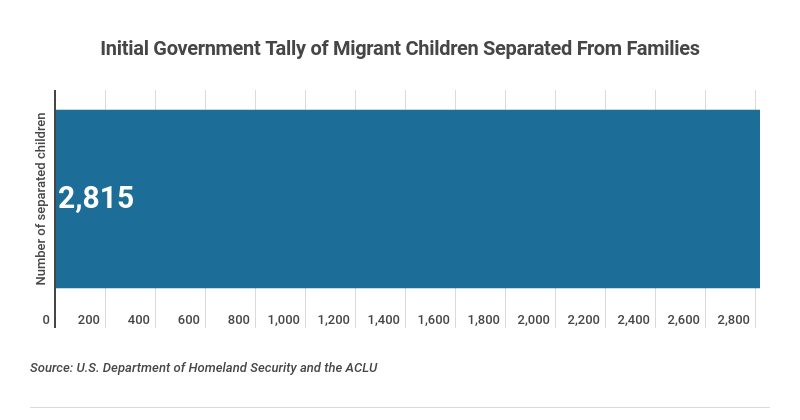
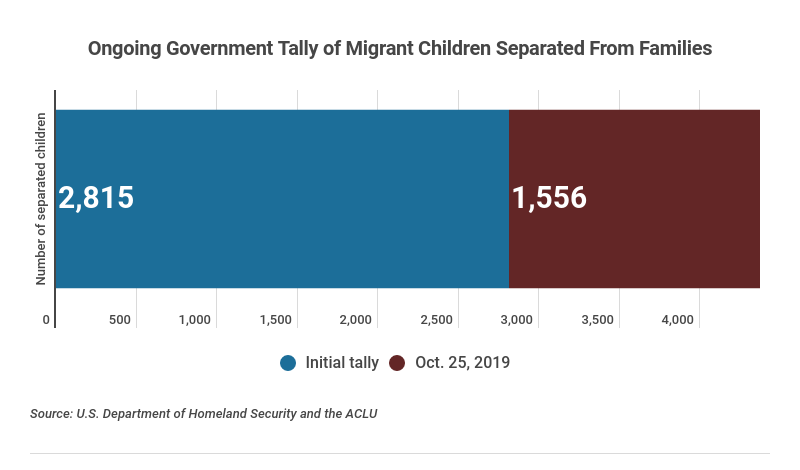
Since then, under the judge’s orders, federal officials have been working to identify all of the separated parents and children. And the advocates who sued to halt the family separations have used that information to locate parents, many of whom were deported to Central America, and to make arrangements to reconnect them with their children.
The family separation story is now seldom in the headlines, but many children still have not been reunited with their parents, and new families continue to be separated at the border, albeit in smaller numbers. A recent inspector general’s report from the U.S. Department of Health and Human Services (HHS), the agency responsible for unaccompanied migrant children, suggests that it may be impossible to ever know the complete number of families who have been affected.
As the president enters his fourth year in office, KQED looks back at some key moments in the saga of this contentious government initiative and the many legal challenges to stop it.
April 11, 2017: The First Enforcement Memo

When Trump took office in 2017, the rate of illegal immigration into the U.S. was at one of its lowest points in the past three decades. However, the number of families with children arriving at the U.S. —Mexico border in search of asylum was rapidly increasing — particularly Central Americans fleeing violent conditions back home.
In an effort to halt the flow of those families, then-Attorney General Jeff Sessions in April 2017 issued a memorandum asking federal prosecutors to prioritize the prosecution of certain immigration offenses, including “improper entry by an alien” to the United States.
A federal report later identified that memo, along with a separate enforcement initiative, as the directive that led the U.S. Department of Homeland Security to separate an increasing number of children from their parents along the El Paso, Texas, section of the border starting in July.
Some government officials have characterized what happened in El Paso as a kind of “pilot program” for the vast increase in family separations that would soon follow.
Feb. 26, 2018: The Family Separation Lawsuit
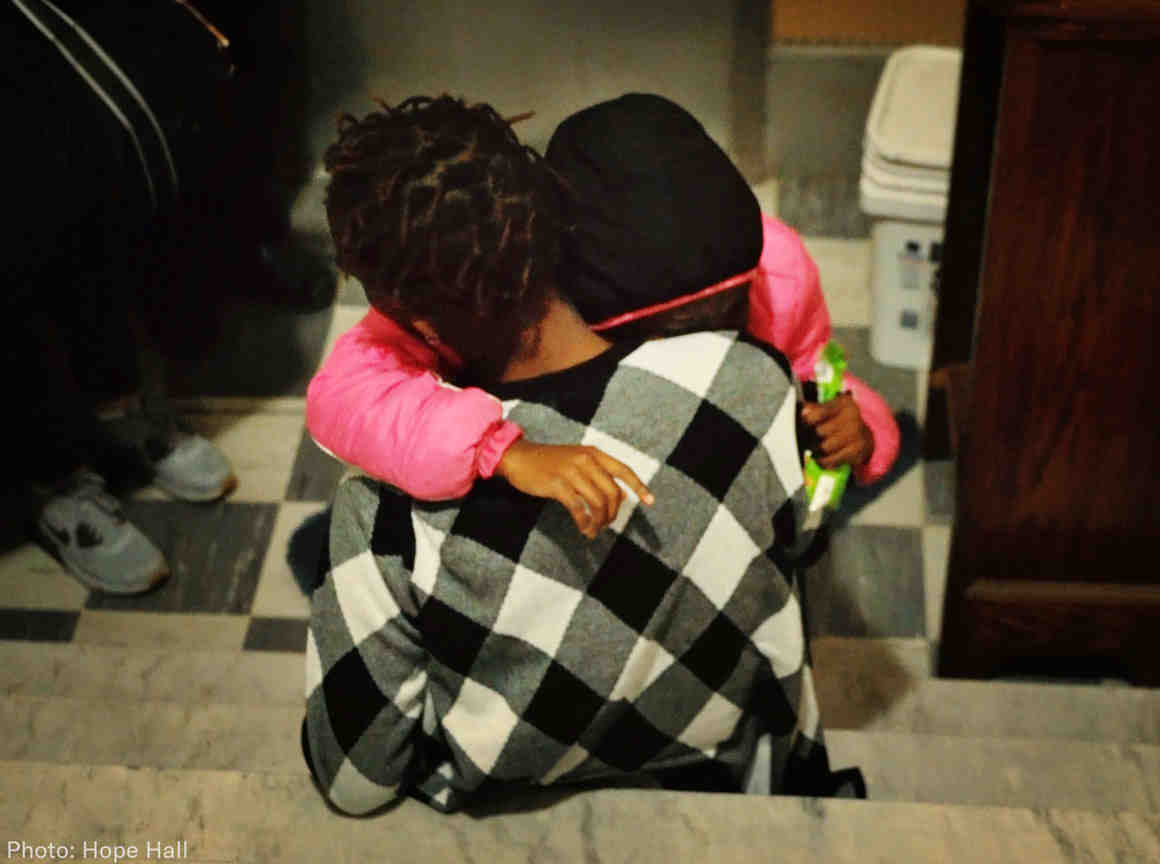
The American Civil Liberties Union filed a lawsuit against the federal government — Ms. L. v. ICE — on behalf of a Congolese mother who said she and her daughter had fled their home, “fearing certain death,” and were separated at the San Ysidro Port of Entry in San Diego. One month later, Ms. L.’s case became a class-action lawsuit representing all parents whose children were taken away from them at the border.
April 6, 2018: ‘Zero Tolerance’ Policy
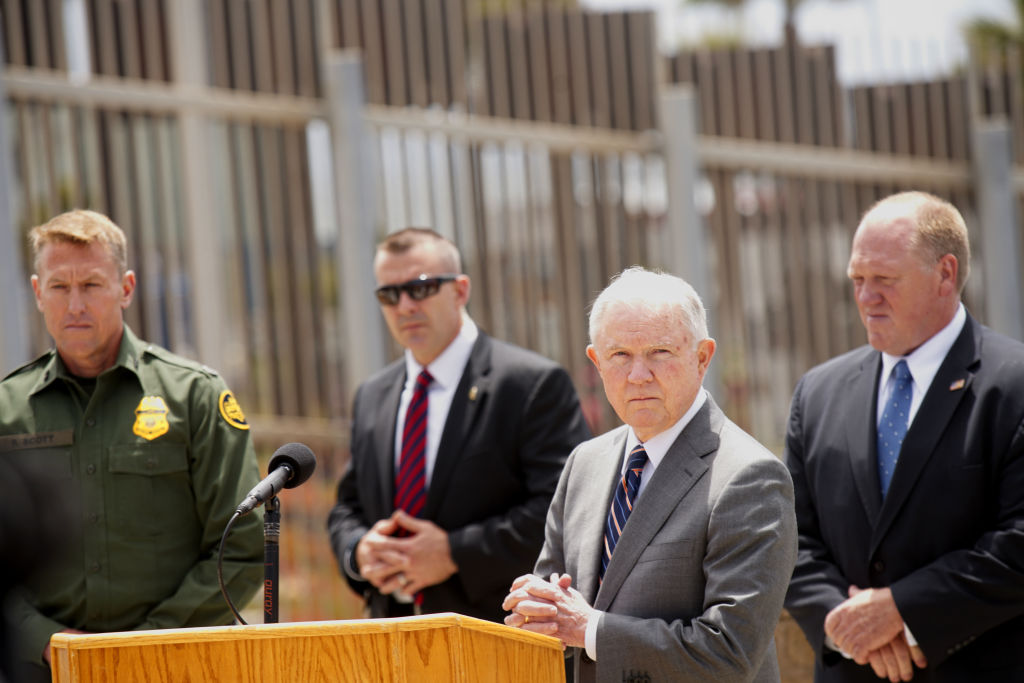
Attorney General Sessions released another memo establishing the Trump administration’s so-called “zero tolerance” policy, with the goal of criminally prosecuting all adults entering the country without authorization.
“If you’re smuggling a child, then we’re going to prosecute you, and that child will be separated from you, probably,” Sessions said at a May 2018 law enforcement conference in Arizona. “If you don’t want your child to be separated, then don’t bring them across the border illegally.”