Is It Time for California to Consider a "Soft Secession"?
How Bruce Lee Helped Shape Asian American Culture
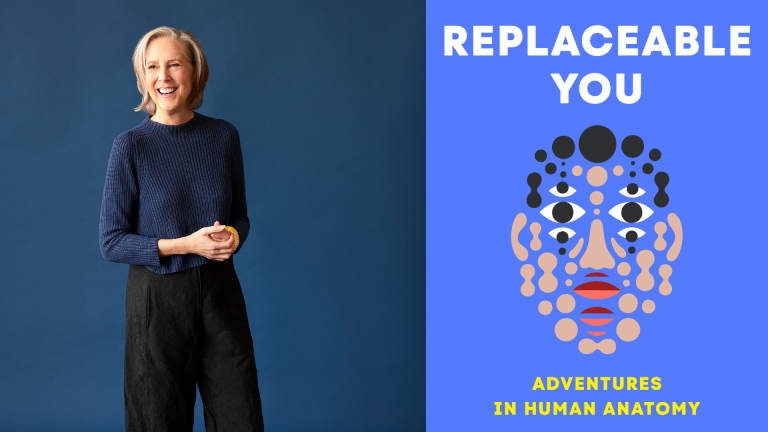
Mary Roach: You’re More Replaceable Than You Know
Robert Reich Retired from Teaching but Continues to Educate on Inequality, Corporate Power and Democracy in America
Why Some Bay Area Malls Are Thriving While Others Are Dying
Will New CEQA Reforms Bring More Housing to California?
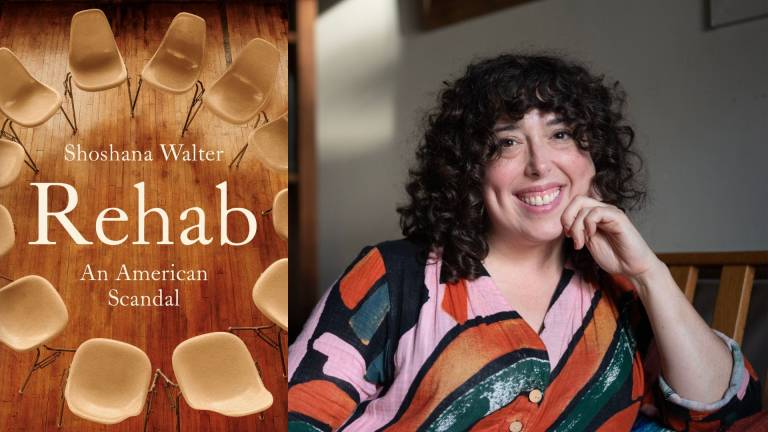
Shoshana Walter’s ‘Rehab’ Finds Corruption, Profiteering and Dismal Rates of Recovery In America’s Drug Treatment System
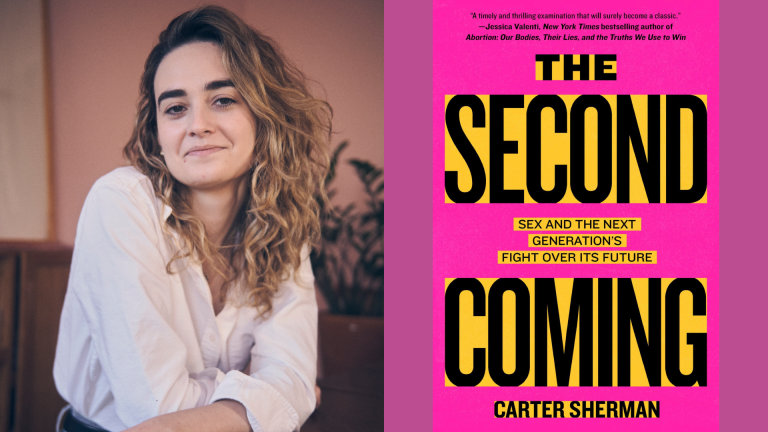
Why Is Gen Z Having Less Sex?
Player sponsored by
window.__IS_SSR__=true
window.__INITIAL_STATE__={
"attachmentsReducer": {
"audio_0": {
"type": "attachments",
"id": "audio_0",
"imgSizes": {
"kqedFullSize": {
"file": "https://ww2.kqed.org/news/wp-content/themes/KQED-unified/img/audio_bgs/background0.jpg"
}
}
},
"audio_1": {
"type": "attachments",
"id": "audio_1",
"imgSizes": {
"kqedFullSize": {
"file": "https://ww2.kqed.org/news/wp-content/themes/KQED-unified/img/audio_bgs/background1.jpg"
}
}
},
"audio_2": {
"type": "attachments",
"id": "audio_2",
"imgSizes": {
"kqedFullSize": {
"file": "https://ww2.kqed.org/news/wp-content/themes/KQED-unified/img/audio_bgs/background2.jpg"
}
}
},
"audio_3": {
"type": "attachments",
"id": "audio_3",
"imgSizes": {
"kqedFullSize": {
"file": "https://ww2.kqed.org/news/wp-content/themes/KQED-unified/img/audio_bgs/background3.jpg"
}
}
},
"audio_4": {
"type": "attachments",
"id": "audio_4",
"imgSizes": {
"kqedFullSize": {
"file": "https://ww2.kqed.org/news/wp-content/themes/KQED-unified/img/audio_bgs/background4.jpg"
}
}
},
"placeholder": {
"type": "attachments",
"id": "placeholder",
"imgSizes": {
"thumbnail": {
"file": "https://cdn.kqed.org/wp-content/uploads/2024/12/KQED-Default-Image-816638274-2000x1333-1-160x107.jpg",
"width": 160,
"height": 107,
"mimeType": "image/jpeg"
},
"medium": {
"file": "https://cdn.kqed.org/wp-content/uploads/2024/12/KQED-Default-Image-816638274-2000x1333-1-800x533.jpg",
"width": 800,
"height": 533,
"mimeType": "image/jpeg"
},
"medium_large": {
"file": "https://cdn.kqed.org/wp-content/uploads/2024/12/KQED-Default-Image-816638274-2000x1333-1-768x512.jpg",
"width": 768,
"height": 512,
"mimeType": "image/jpeg"
},
"large": {
"file": "https://cdn.kqed.org/wp-content/uploads/2024/12/KQED-Default-Image-816638274-2000x1333-1-1020x680.jpg",
"width": 1020,
"height": 680,
"mimeType": "image/jpeg"
},
"1536x1536": {
"file": "https://cdn.kqed.org/wp-content/uploads/2024/12/KQED-Default-Image-816638274-2000x1333-1-1536x1024.jpg",
"width": 1536,
"height": 1024,
"mimeType": "image/jpeg"
},
"fd-lrg": {
"file": "https://cdn.kqed.org/wp-content/uploads/2024/12/KQED-Default-Image-816638274-2000x1333-1-1536x1024.jpg",
"width": 1536,
"height": 1024,
"mimeType": "image/jpeg"
},
"fd-med": {
"file": "https://cdn.kqed.org/wp-content/uploads/2024/12/KQED-Default-Image-816638274-2000x1333-1-1020x680.jpg",
"width": 1020,
"height": 680,
"mimeType": "image/jpeg"
},
"fd-sm": {
"file": "https://cdn.kqed.org/wp-content/uploads/2024/12/KQED-Default-Image-816638274-2000x1333-1-800x533.jpg",
"width": 800,
"height": 533,
"mimeType": "image/jpeg"
},
"post-thumbnail": {
"file": "https://cdn.kqed.org/wp-content/uploads/2024/12/KQED-Default-Image-816638274-2000x1333-1-672x372.jpg",
"width": 672,
"height": 372,
"mimeType": "image/jpeg"
},
"twentyfourteen-full-width": {
"file": "https://cdn.kqed.org/wp-content/uploads/2024/12/KQED-Default-Image-816638274-2000x1333-1-1038x576.jpg",
"width": 1038,
"height": 576,
"mimeType": "image/jpeg"
},
"xxsmall": {
"file": "https://cdn.kqed.org/wp-content/uploads/2024/12/KQED-Default-Image-816638274-2000x1333-1-160x107.jpg",
"width": 160,
"height": 107,
"mimeType": "image/jpeg"
},
"xsmall": {
"file": "https://cdn.kqed.org/wp-content/uploads/2024/12/KQED-Default-Image-816638274-2000x1333-1-672x372.jpg",
"width": 672,
"height": 372,
"mimeType": "image/jpeg"
},
"small": {
"file": "https://cdn.kqed.org/wp-content/uploads/2024/12/KQED-Default-Image-816638274-2000x1333-1-672x372.jpg",
"width": 672,
"height": 372,
"mimeType": "image/jpeg"
},
"xlarge": {
"file": "https://cdn.kqed.org/wp-content/uploads/2024/12/KQED-Default-Image-816638274-2000x1333-1-1020x680.jpg",
"width": 1020,
"height": 680,
"mimeType": "image/jpeg"
},
"full-width": {
"file": "https://cdn.kqed.org/wp-content/uploads/2024/12/KQED-Default-Image-816638274-2000x1333-1-1920x1280.jpg",
"width": 1920,
"height": 1280,
"mimeType": "image/jpeg"
},
"guest-author-32": {
"file": "https://cdn.kqed.org/wp-content/uploads/2025/01/KQED-Default-Image-816638274-1333x1333-1-160x160.jpg",
"width": 32,
"height": 32,
"mimeType": "image/jpeg"
},
"guest-author-50": {
"file": "https://cdn.kqed.org/wp-content/uploads/2025/01/KQED-Default-Image-816638274-1333x1333-1-160x160.jpg",
"width": 50,
"height": 50,
"mimeType": "image/jpeg"
},
"guest-author-64": {
"file": "https://cdn.kqed.org/wp-content/uploads/2025/01/KQED-Default-Image-816638274-1333x1333-1-160x160.jpg",
"width": 64,
"height": 64,
"mimeType": "image/jpeg"
},
"guest-author-96": {
"file": "https://cdn.kqed.org/wp-content/uploads/2025/01/KQED-Default-Image-816638274-1333x1333-1-160x160.jpg",
"width": 96,
"height": 96,
"mimeType": "image/jpeg"
},
"guest-author-128": {
"file": "https://cdn.kqed.org/wp-content/uploads/2025/01/KQED-Default-Image-816638274-1333x1333-1-160x160.jpg",
"width": 128,
"height": 128,
"mimeType": "image/jpeg"
},
"detail": {
"file": "https://cdn.kqed.org/wp-content/uploads/2025/01/KQED-Default-Image-816638274-1333x1333-1-160x160.jpg",
"width": 160,
"height": 160,
"mimeType": "image/jpeg"
},
"kqedFullSize": {
"file": "https://cdn.kqed.org/wp-content/uploads/2024/12/KQED-Default-Image-816638274-2000x1333-1.jpg",
"width": 2000,
"height": 1333
}
}
},
"forum_2010101894735": {
"type": "attachments",
"id": "forum_2010101894735",
"meta": {
"index": "attachments_1716263798",
"site": "forum",
"id": "2010101894735",
"found": true
},
"parent": 2010101894733,
"imgSizes": {
"twentyfourteen-full-width": {
"file": "https://ww2.kqed.org/app/uploads/sites/43/2023/10/Spoooked-1038x576.jpg",
"width": 1038,
"mimeType": "image/jpeg",
"height": 576
},
"thumbnail": {
"file": "https://ww2.kqed.org/app/uploads/sites/43/2023/10/Spoooked-160x90.jpg",
"width": 160,
"mimeType": "image/jpeg",
"height": 90
},
"post-thumbnail": {
"file": "https://ww2.kqed.org/app/uploads/sites/43/2023/10/Spoooked-672x372.jpg",
"width": 672,
"mimeType": "image/jpeg",
"height": 372
},
"kqedFullSize": {
"file": "https://ww2.kqed.org/app/uploads/sites/43/2023/10/Spoooked.jpg",
"width": 1920,
"height": 1080
},
"large": {
"file": "https://ww2.kqed.org/app/uploads/sites/43/2023/10/Spoooked-1020x574.jpg",
"width": 1020,
"mimeType": "image/jpeg",
"height": 574
},
"1536x1536": {
"file": "https://ww2.kqed.org/app/uploads/sites/43/2023/10/Spoooked-1536x864.jpg",
"width": 1536,
"mimeType": "image/jpeg",
"height": 864
},
"medium": {
"file": "https://ww2.kqed.org/app/uploads/sites/43/2023/10/Spoooked-800x450.jpg",
"width": 800,
"mimeType": "image/jpeg",
"height": 450
},
"medium_large": {
"file": "https://ww2.kqed.org/app/uploads/sites/43/2023/10/Spoooked-768x432.jpg",
"width": 768,
"mimeType": "image/jpeg",
"height": 432
}
},
"publishDate": 1697154891,
"modified": 1697154972,
"caption": null,
"description": null,
"title": "Spoooked",
"credit": "Courtesy of Spooked",
"status": "inherit",
"altTag": null,
"fetchFailed": false,
"isLoading": false
},
"forum_2010101911503": {
"type": "attachments",
"id": "forum_2010101911503",
"meta": {
"index": "attachments_1716263798",
"site": "forum",
"id": "2010101911503",
"found": true
},
"title": null,
"publishDate": 1759790575,
"status": "inherit",
"parent": 2010101911494,
"modified": 1759790597,
"caption": null,
"credit": "Studio One-One/Getty Images",
"altTag": null,
"description": null,
"imgSizes": {
"thumbnail": {
"file": "https://cdn.kqed.org/wp-content/uploads/sites/43/2025/10/secesion-160x90.png",
"width": 160,
"height": 90,
"mimeType": "image/png"
},
"medium_large": {
"file": "https://cdn.kqed.org/wp-content/uploads/sites/43/2025/10/secesion-768x432.png",
"width": 768,
"height": 432,
"mimeType": "image/png"
},
"1536x1536": {
"file": "https://cdn.kqed.org/wp-content/uploads/sites/43/2025/10/secesion-1536x864.png",
"width": 1536,
"height": 864,
"mimeType": "image/png"
},
"post-thumbnail": {
"file": "https://cdn.kqed.org/wp-content/uploads/sites/43/2025/10/secesion-672x372.png",
"width": 672,
"height": 372,
"mimeType": "image/png"
},
"twentyfourteen-full-width": {
"file": "https://cdn.kqed.org/wp-content/uploads/sites/43/2025/10/secesion-1038x576.png",
"width": 1038,
"height": 576,
"mimeType": "image/png"
},
"kqedFullSize": {
"file": "https://cdn.kqed.org/wp-content/uploads/sites/43/2025/10/secesion.png",
"width": 1920,
"height": 1080
}
},
"fetchFailed": false,
"isLoading": false
},
"forum_2010101911273": {
"type": "attachments",
"id": "forum_2010101911273",
"meta": {
"index": "attachments_1716263798",
"site": "forum",
"id": "2010101911273",
"found": true
},
"title": null,
"publishDate": 1758061688,
"status": "inherit",
"parent": 2010101911272,
"modified": 1758063604,
"caption": "A mural of Bruce Lee is seen in San Francisco's Chinatown at the corner of Grant Avenue and Commercial Street. Lee was born in Chinatown in 1940.",
"credit": "piola666/Getty Images",
"altTag": null,
"description": null,
"imgSizes": {
"thumbnail": {
"file": "https://cdn.kqed.org/wp-content/uploads/sites/43/2025/09/bruceleemural-160x90.png",
"width": 160,
"height": 90,
"mimeType": "image/png"
},
"medium_large": {
"file": "https://cdn.kqed.org/wp-content/uploads/sites/43/2025/09/bruceleemural-768x432.png",
"width": 768,
"height": 432,
"mimeType": "image/png"
},
"1536x1536": {
"file": "https://cdn.kqed.org/wp-content/uploads/sites/43/2025/09/bruceleemural-1536x864.png",
"width": 1536,
"height": 864,
"mimeType": "image/png"
},
"post-thumbnail": {
"file": "https://cdn.kqed.org/wp-content/uploads/sites/43/2025/09/bruceleemural-672x372.png",
"width": 672,
"height": 372,
"mimeType": "image/png"
},
"twentyfourteen-full-width": {
"file": "https://cdn.kqed.org/wp-content/uploads/sites/43/2025/09/bruceleemural-1038x576.png",
"width": 1038,
"height": 576,
"mimeType": "image/png"
},
"kqedFullSize": {
"file": "https://cdn.kqed.org/wp-content/uploads/sites/43/2025/09/bruceleemural.png",
"width": 1920,
"height": 1080
}
},
"fetchFailed": false,
"isLoading": false
},
"forum_2010101911251": {
"type": "attachments",
"id": "forum_2010101911251",
"meta": {
"index": "attachments_1716263798",
"site": "forum",
"id": "2010101911251",
"found": true
},
"title": null,
"publishDate": 1757963423,
"status": "inherit",
"parent": 2010101911245,
"modified": 1757963433,
"caption": null,
"credit": "Jen Siska",
"altTag": null,
"description": null,
"imgSizes": {
"thumbnail": {
"file": "https://cdn.kqed.org/wp-content/uploads/sites/43/2025/09/BeFunky-sample-160x90.png",
"width": 160,
"height": 90,
"mimeType": "image/png"
},
"medium_large": {
"file": "https://cdn.kqed.org/wp-content/uploads/sites/43/2025/09/BeFunky-sample-768x432.png",
"width": 768,
"height": 432,
"mimeType": "image/png"
},
"1536x1536": {
"file": "https://cdn.kqed.org/wp-content/uploads/sites/43/2025/09/BeFunky-sample-1536x864.png",
"width": 1536,
"height": 864,
"mimeType": "image/png"
},
"post-thumbnail": {
"file": "https://cdn.kqed.org/wp-content/uploads/sites/43/2025/09/BeFunky-sample-672x372.png",
"width": 672,
"height": 372,
"mimeType": "image/png"
},
"twentyfourteen-full-width": {
"file": "https://cdn.kqed.org/wp-content/uploads/sites/43/2025/09/BeFunky-sample-1038x576.png",
"width": 1038,
"height": 576,
"mimeType": "image/png"
},
"kqedFullSize": {
"file": "https://cdn.kqed.org/wp-content/uploads/sites/43/2025/09/BeFunky-sample.png",
"width": 1920,
"height": 1080
}
},
"fetchFailed": false,
"isLoading": false
},
"forum_2010101911182": {
"type": "attachments",
"id": "forum_2010101911182",
"meta": {
"index": "attachments_1716263798",
"site": "forum",
"id": "2010101911182",
"found": true
},
"title": null,
"publishDate": 1757371527,
"status": "inherit",
"parent": 2010101911181,
"modified": 1757371581,
"caption": "Robert Reich speaks to Occupy Los Angeles protesters after the Move Your Money March through the downtown financial district.",
"credit": "David McNew/Getty Images",
"altTag": null,
"description": null,
"imgSizes": {
"medium": {
"file": "https://cdn.kqed.org/wp-content/uploads/sites/43/2025/09/GettyImages-131555160-2000x1333.jpg",
"width": 2000,
"height": 1333,
"mimeType": "image/jpeg"
},
"large": {
"file": "https://cdn.kqed.org/wp-content/uploads/sites/43/2025/09/GettyImages-131555160-2000x1333.jpg",
"width": 2000,
"height": 1333,
"mimeType": "image/jpeg"
},
"thumbnail": {
"file": "https://cdn.kqed.org/wp-content/uploads/sites/43/2025/09/GettyImages-131555160-160x107.jpg",
"width": 160,
"height": 107,
"mimeType": "image/jpeg"
},
"medium_large": {
"file": "https://cdn.kqed.org/wp-content/uploads/sites/43/2025/09/GettyImages-131555160-768x512.jpg",
"width": 768,
"height": 512,
"mimeType": "image/jpeg"
},
"1536x1536": {
"file": "https://cdn.kqed.org/wp-content/uploads/sites/43/2025/09/GettyImages-131555160-1536x1024.jpg",
"width": 1536,
"height": 1024,
"mimeType": "image/jpeg"
},
"2048x2048": {
"file": "https://cdn.kqed.org/wp-content/uploads/sites/43/2025/09/GettyImages-131555160-2048x1365.jpg",
"width": 2048,
"height": 1365,
"mimeType": "image/jpeg"
},
"post-thumbnail": {
"file": "https://cdn.kqed.org/wp-content/uploads/sites/43/2025/09/GettyImages-131555160-672x372.jpg",
"width": 672,
"height": 372,
"mimeType": "image/jpeg"
},
"twentyfourteen-full-width": {
"file": "https://cdn.kqed.org/wp-content/uploads/sites/43/2025/09/GettyImages-131555160-1038x576.jpg",
"width": 1038,
"height": 576,
"mimeType": "image/jpeg"
},
"full-width": {
"file": "https://cdn.kqed.org/wp-content/uploads/sites/43/2025/09/GettyImages-131555160-2000x1333.jpg",
"width": 2000,
"height": 1333,
"mimeType": "image/jpeg"
},
"kqedFullSize": {
"file": "https://cdn.kqed.org/wp-content/uploads/sites/43/2025/09/GettyImages-131555160-scaled.jpg",
"width": 2560,
"height": 1707
}
},
"fetchFailed": false,
"isLoading": false
},
"forum_2010101911138": {
"type": "attachments",
"id": "forum_2010101911138",
"meta": {
"index": "attachments_1716263798",
"site": "forum",
"id": "2010101911138",
"found": true
},
"title": "san francisco centre",
"publishDate": 1756939312,
"status": "inherit",
"parent": 2010101911137,
"modified": 1756939476,
"caption": "Interior of San Francisco Centre shopping mall on August 19, 2025.",
"credit": "Smith Collection/Gado/Getty Images",
"altTag": null,
"description": null,
"imgSizes": {
"thumbnail": {
"file": "https://cdn.kqed.org/wp-content/uploads/sites/43/2025/09/san-francisco-centre-160x107.png",
"width": 160,
"height": 107,
"mimeType": "image/png"
},
"medium_large": {
"file": "https://cdn.kqed.org/wp-content/uploads/sites/43/2025/09/san-francisco-centre-768x512.png",
"width": 768,
"height": 512,
"mimeType": "image/png"
},
"1536x1536": {
"file": "https://cdn.kqed.org/wp-content/uploads/sites/43/2025/09/san-francisco-centre-1536x1024.png",
"width": 1536,
"height": 1024,
"mimeType": "image/png"
},
"post-thumbnail": {
"file": "https://cdn.kqed.org/wp-content/uploads/sites/43/2025/09/san-francisco-centre-672x372.png",
"width": 672,
"height": 372,
"mimeType": "image/png"
},
"twentyfourteen-full-width": {
"file": "https://cdn.kqed.org/wp-content/uploads/sites/43/2025/09/san-francisco-centre-1038x576.png",
"width": 1038,
"height": 576,
"mimeType": "image/png"
},
"kqedFullSize": {
"file": "https://cdn.kqed.org/wp-content/uploads/sites/43/2025/09/san-francisco-centre.png",
"width": 2000,
"height": 1333
}
},
"fetchFailed": false,
"isLoading": false
},
"forum_2010101910956": {
"type": "attachments",
"id": "forum_2010101910956",
"meta": {
"index": "attachments_1716263798",
"site": "forum",
"id": "2010101910956",
"found": true
},
"title": null,
"publishDate": 1755555585,
"status": "inherit",
"parent": 2010101910955,
"modified": 1755555601,
"caption": "Alan Crosthwaite via Getty Images",
"credit": null,
"altTag": null,
"description": null,
"imgSizes": {
"thumbnail": {
"file": "https://cdn.kqed.org/wp-content/uploads/sites/43/2025/08/housing-160x90.png",
"width": 160,
"height": 90,
"mimeType": "image/png"
},
"medium_large": {
"file": "https://cdn.kqed.org/wp-content/uploads/sites/43/2025/08/housing-768x432.png",
"width": 768,
"height": 432,
"mimeType": "image/png"
},
"1536x1536": {
"file": "https://cdn.kqed.org/wp-content/uploads/sites/43/2025/08/housing-1536x864.png",
"width": 1536,
"height": 864,
"mimeType": "image/png"
},
"post-thumbnail": {
"file": "https://cdn.kqed.org/wp-content/uploads/sites/43/2025/08/housing-672x372.png",
"width": 672,
"height": 372,
"mimeType": "image/png"
},
"twentyfourteen-full-width": {
"file": "https://cdn.kqed.org/wp-content/uploads/sites/43/2025/08/housing-1038x576.png",
"width": 1038,
"height": 576,
"mimeType": "image/png"
},
"kqedFullSize": {
"file": "https://cdn.kqed.org/wp-content/uploads/sites/43/2025/08/housing.png",
"width": 1920,
"height": 1080
}
},
"fetchFailed": false,
"isLoading": false
},
"forum_2010101910864": {
"type": "attachments",
"id": "forum_2010101910864",
"meta": {
"index": "attachments_1716263798",
"site": "forum",
"id": "2010101910864",
"found": true
},
"title": "Shoshana Walter",
"publishDate": 1754684419,
"status": "inherit",
"parent": 2010101910854,
"modified": 1754684466,
"caption": "Shoshana Walter's new book is \"Rehab: An American Scandal.\"",
"credit": "Rachel Rhodes",
"altTag": null,
"description": null,
"imgSizes": {
"thumbnail": {
"file": "https://cdn.kqed.org/wp-content/uploads/sites/43/2025/08/Shoshana-Walter-160x90.jpg",
"width": 160,
"height": 90,
"mimeType": "image/jpeg"
},
"medium_large": {
"file": "https://cdn.kqed.org/wp-content/uploads/sites/43/2025/08/Shoshana-Walter-768x432.jpg",
"width": 768,
"height": 432,
"mimeType": "image/jpeg"
},
"1536x1536": {
"file": "https://cdn.kqed.org/wp-content/uploads/sites/43/2025/08/Shoshana-Walter-1536x864.jpg",
"width": 1536,
"height": 864,
"mimeType": "image/jpeg"
},
"post-thumbnail": {
"file": "https://cdn.kqed.org/wp-content/uploads/sites/43/2025/08/Shoshana-Walter-672x372.jpg",
"width": 672,
"height": 372,
"mimeType": "image/jpeg"
},
"twentyfourteen-full-width": {
"file": "https://cdn.kqed.org/wp-content/uploads/sites/43/2025/08/Shoshana-Walter-1038x576.jpg",
"width": 1038,
"height": 576,
"mimeType": "image/jpeg"
},
"kqedFullSize": {
"file": "https://cdn.kqed.org/wp-content/uploads/sites/43/2025/08/Shoshana-Walter.jpg",
"width": 1920,
"height": 1080
}
},
"fetchFailed": false,
"isLoading": false
},
"forum_2010101910845": {
"type": "attachments",
"id": "forum_2010101910845",
"meta": {
"index": "attachments_1716263798",
"site": "forum",
"id": "2010101910845",
"found": true
},
"title": "carter sherman",
"publishDate": 1754605502,
"status": "inherit",
"parent": 2010101910844,
"modified": 1754605530,
"caption": null,
"credit": "Mustafa Mirza",
"altTag": null,
"description": null,
"imgSizes": {
"thumbnail": {
"file": "https://cdn.kqed.org/wp-content/uploads/sites/43/2025/08/carter-sherman-160x90.png",
"width": 160,
"height": 90,
"mimeType": "image/png"
},
"medium_large": {
"file": "https://cdn.kqed.org/wp-content/uploads/sites/43/2025/08/carter-sherman-768x432.png",
"width": 768,
"height": 432,
"mimeType": "image/png"
},
"1536x1536": {
"file": "https://cdn.kqed.org/wp-content/uploads/sites/43/2025/08/carter-sherman-1536x864.png",
"width": 1536,
"height": 864,
"mimeType": "image/png"
},
"post-thumbnail": {
"file": "https://cdn.kqed.org/wp-content/uploads/sites/43/2025/08/carter-sherman-672x372.png",
"width": 672,
"height": 372,
"mimeType": "image/png"
},
"twentyfourteen-full-width": {
"file": "https://cdn.kqed.org/wp-content/uploads/sites/43/2025/08/carter-sherman-1038x576.png",
"width": 1038,
"height": 576,
"mimeType": "image/png"
},
"kqedFullSize": {
"file": "https://cdn.kqed.org/wp-content/uploads/sites/43/2025/08/carter-sherman.png",
"width": 1920,
"height": 1080
}
},
"fetchFailed": false,
"isLoading": false
}
},
"audioPlayerReducer": {
"postId": "stream_live",
"isPaused": true,
"isPlaying": false,
"pfsActive": false,
"pledgeModalIsOpen": true,
"playerDrawerIsOpen": false
},
"authorsReducer": {
"minakim": {
"type": "authors",
"id": "243",
"meta": {
"index": "authors_1716337520",
"id": "243",
"found": true
},
"name": "Mina Kim",
"firstName": "Mina",
"lastName": "Kim",
"slug": "minakim",
"email": "mkim@kqed.org",
"display_author_email": false,
"staff_mastheads": [
"news"
],
"title": "Host, Forum",
"bio": "Mina Kim is host of the 10 a.m. statewide hour of Forum; a live daily talk show for curious Californians on issues that matter to the state and nation, with a particular emphasis on race and equity.\r\n\r\nBefore joining the Forum team, Mina was KQED’s evening news anchor, and health reporter for The California Report. Her award-winning work has included natural disasters in Napa and gun violence in Oakland. Mina grew up in St. John’s, Newfoundland.",
"avatar": "https://secure.gravatar.com/avatar/145ce657a2d08cb86d93686beb958982?s=600&d=blank&r=g",
"twitter": "mkimreporter",
"facebook": null,
"instagram": null,
"linkedin": null,
"sites": [
{
"site": "news",
"roles": [
"contributor"
]
},
{
"site": "stateofhealth",
"roles": [
"author"
]
},
{
"site": "forum",
"roles": [
"editor"
]
}
],
"headData": {
"title": "Mina Kim | KQED",
"description": "Host, Forum",
"ogImgSrc": "https://secure.gravatar.com/avatar/145ce657a2d08cb86d93686beb958982?s=600&d=blank&r=g",
"twImgSrc": "https://secure.gravatar.com/avatar/145ce657a2d08cb86d93686beb958982?s=600&d=blank&r=g"
},
"isLoading": false,
"link": "/author/minakim"
},
"amadrigal": {
"type": "authors",
"id": "11757",
"meta": {
"index": "authors_1716337520",
"id": "11757",
"found": true
},
"name": "Alexis Madrigal",
"firstName": "Alexis",
"lastName": "Madrigal",
"slug": "amadrigal",
"email": "amadrigal@kqed.org",
"display_author_email": true,
"staff_mastheads": [],
"title": "Co-Host Forum",
"bio": "Alexis Madrigal is the co-host of Forum. He is also a contributing writer at \u003cem>The Atlantic \u003c/em>and the co-founder of the COVID Tracking Project. He's the creator of the podcast, \u003cem>Containers\u003c/em>, and has been a staff writer at \u003cem>Wired. \u003c/em>He was a visiting scholar at UC Berkeley's Information School, and is working on a book about Oakland and the Bay Area's revolutionary ideas.",
"avatar": "https://secure.gravatar.com/avatar/200d13dd6cebef55bf04327dec901b3d?s=600&d=blank&r=g",
"twitter": "alexismadrigal",
"facebook": null,
"instagram": null,
"linkedin": null,
"sites": [
{
"site": "news",
"roles": [
"editor"
]
},
{
"site": "forum",
"roles": [
"editor"
]
}
],
"headData": {
"title": "Alexis Madrigal | KQED",
"description": "Co-Host Forum",
"ogImgSrc": "https://secure.gravatar.com/avatar/200d13dd6cebef55bf04327dec901b3d?s=600&d=blank&r=g",
"twImgSrc": "https://secure.gravatar.com/avatar/200d13dd6cebef55bf04327dec901b3d?s=600&d=blank&r=g"
},
"isLoading": false,
"link": "/author/amadrigal"
}
},
"breakingNewsReducer": {},
"pagesReducer": {},
"postsReducer": {
"stream_live": {
"type": "live",
"id": "stream_live",
"audioUrl": "https://streams.kqed.org/kqedradio",
"title": "Live Stream",
"excerpt": "Live Stream information currently unavailable.",
"link": "/radio",
"featImg": "",
"label": {
"name": "KQED Live",
"link": "/"
}
},
"stream_kqedNewscast": {
"type": "posts",
"id": "stream_kqedNewscast",
"audioUrl": "https://www.kqed.org/.stream/anon/radio/RDnews/newscast.mp3?_=1",
"title": "KQED Newscast",
"featImg": "",
"label": {
"name": "88.5 FM",
"link": "/"
}
},
"forum_2010101911674": {
"type": "posts",
"id": "forum_2010101911674",
"meta": {
"index": "posts_1716263798",
"site": "forum",
"id": "2010101911674",
"score": null,
"sort": [
1760720400000
]
},
"guestAuthors": [],
"slug": "get-ready-to-be-spooked-this-halloween",
"title": "Get Ready to be ‘Spooked’ this Halloween",
"publishDate": 1760653638,
"format": "audio",
"headTitle": "Get Ready to be ‘Spooked’ this Halloween | KQED",
"labelTerm": {
"site": "forum"
},
"content": "\u003ch2>Airdate: Friday, October 17 at 10AM\u003c/h2>\n\u003cp>\u003cem>Forum is now on YouTube. Subscribe to the KQED News YouTube channel and watch the full interview.\u003c/em>\u003c/p>\n\u003cp>Glynn Washington, host of KQED and Snap Judgment’s “Spooked,” joins us to talk about the podcast’s new season called The Crossroads. It takes stories about encounters with the unknown to new levels by exploring what happens when desperation drives us to bargain with dark forces. As “Spooked” tours the West Coast — with shows on Oct. 23 in Los Angeles and Oct. 25 in Oakland – we’ll talk about why we crave frights, scares and ghosts this month, and what they can teach us about our world year-round.\u003c/p>\n\u003cp>https://youtu.be/edf7dks91b4\u003c/p>\n\u003cp>[ad fullwidth]\u003c/p>\u003cp>\u003c/p>\n",
"blocks": [],
"excerpt": "Glynn Washington, host of KQED and Snap Judgment’s “Spooked,” joins us to talk about the podcast’s new season called The Crossroads.",
"status": "publish",
"parent": 0,
"modified": 1761929396,
"stats": {
"hasAudio": false,
"hasVideo": false,
"hasChartOrMap": false,
"iframeSrcs": [],
"hasGoogleForm": false,
"hasGallery": false,
"hasHearkenModule": false,
"hasPolis": false,
"paragraphCount": 4,
"wordCount": 128
},
"headData": {
"title": "Get Ready to be ‘Spooked’ this Halloween | KQED",
"description": "Glynn Washington, host of KQED and Snap Judgment’s “Spooked,” joins us to talk about the podcast’s new season called The Crossroads.",
"ogTitle": "",
"ogDescription": "",
"ogImgId": "",
"twTitle": "",
"twDescription": "",
"twImgId": "",
"schema": {
"@context": "https://schema.org",
"@type": "Article",
"headline": "Get Ready to be ‘Spooked’ this Halloween",
"datePublished": "2025-10-16T15:27:18-07:00",
"dateModified": "2025-10-31T09:49:56-07:00",
"image": "https://cdn.kqed.org/wp-content/uploads/2020/02/KQED-OG-Image@1x.png"
}
},
"primaryCategory": {
"termId": 1623,
"slug": "podcast",
"name": "Podcast"
},
"audioUrl": "https://www.podtrac.com/pts/redirect.mp3/pdst.fm/e/chrt.fm/track/G6C7C3/traffic.megaphone.fm/KQINC1709432810.mp3?updated=1760729931",
"airdate": 1760720400,
"forumGuests": [
{
"name": "Glynn Washington",
"bio": "host and executive producer, \"Snap Judgment\" and \"Spooked\" podcasts"
}
],
"sticky": false,
"templateType": "standard",
"featuredImageType": "standard",
"excludeFromSiteSearch": "Include",
"articleAge": "0",
"path": "/forum/2010101911674/get-ready-to-be-spooked-this-halloween",
"audioTrackLength": null,
"parsedContent": [
{
"type": "contentString",
"content": "\u003cdiv class=\"post-body\">\u003cp>\u003ch2>Airdate: Friday, October 17 at 10AM\u003c/h2>\n\u003cp>\u003cem>Forum is now on YouTube. Subscribe to the KQED News YouTube channel and watch the full interview.\u003c/em>\u003c/p>\n\u003cp>Glynn Washington, host of KQED and Snap Judgment’s “Spooked,” joins us to talk about the podcast’s new season called The Crossroads. It takes stories about encounters with the unknown to new levels by exploring what happens when desperation drives us to bargain with dark forces. As “Spooked” tours the West Coast — with shows on Oct. 23 in Los Angeles and Oct. 25 in Oakland – we’ll talk about why we crave frights, scares and ghosts this month, and what they can teach us about our world year-round.\u003c/p>\u003c/p>\u003cp>\u003cspan class='utils-parseShortcode-shortcodes-__youtubeShortcode__embedYoutube'>\n \u003cspan class='utils-parseShortcode-shortcodes-__youtubeShortcode__embedYoutubeInside'>\n \u003ciframe\n loading='lazy'\n class='utils-parseShortcode-shortcodes-__youtubeShortcode__youtubePlayer'\n type='text/html'\n src='//www.youtube.com/embed/edf7dks91b4'\n title='//www.youtube.com/embed/edf7dks91b4'\n allowfullscreen='true'\n style='border:0;'>\u003c/iframe>\n \u003c/span>\n \u003c/span>\u003c/p>\u003cp>\u003cp>\u003c/p>\u003c/div>",
"attributes": {
"named": {},
"numeric": []
}
},
{
"type": "component",
"content": "",
"name": "ad",
"attributes": {
"named": {
"label": "fullwidth"
},
"numeric": [
"fullwidth"
]
}
},
{
"type": "contentString",
"content": "\u003cdiv class=\"post-body\">\u003cp>\u003c/p>\u003cp>\u003c/p>\n\u003c/div>\u003c/p>",
"attributes": {
"named": {},
"numeric": []
}
}
],
"link": "/forum/2010101911674/get-ready-to-be-spooked-this-halloween",
"authors": [
"243"
],
"categories": [
"forum_1623"
],
"tags": [
"forum_1684"
],
"featImg": "forum_2010101894735",
"label": "forum"
},
"forum_2010101911494": {
"type": "posts",
"id": "forum_2010101911494",
"meta": {
"index": "posts_1716263798",
"site": "forum",
"id": "2010101911494",
"score": null,
"sort": [
1759852800000
]
},
"guestAuthors": [],
"slug": "is-it-time-for-california-to-consider-a-soft-secession",
"title": "Is It Time for California to Consider a \"Soft Secession\"?",
"publishDate": 1759790614,
"format": "audio",
"headTitle": "Is It Time for California to Consider a “Soft Secession”? | KQED",
"labelTerm": {
"site": "forum"
},
"content": "\u003ch2>Airdate: Tuesday, October 7 at 9AM\u003c/h2>\n\u003cp>\u003cem>Forum is now on YouTube. Subscribe to the KQED News YouTube channel and watch the full interview.\u003c/em>\u003c/p>\n\u003cp>California has a massive economy, the power of Hollywood and Silicon Valley, and we grow much of the nation’s food. As the Trump administration targets the state with federal cuts, ICE raids, and the deployment of the National Guard, some are asking: How could California—and other blue states—use their considerable power? Could there be a kind of “soft secession” from the federal government? We’ll talk about the possible paths for blue-state resistance.\u003c/p>\n\u003cp>https://youtu.be/YjdZf2uhwn0\u003c/p>\n\u003cp>[ad fullwidth]\u003c/p>\n\u003cp>\u003cb>\u003ci>This partial transcript was computer-generated. While our team has reviewed it, there may be errors.\u003c/i>\u003c/b>\u003c/p>\n\u003cp>\u003cb>Alexis Madrigal:\u003c/b>\u003cspan style=\"font-weight: 400\"> Welcome to \u003c/span>\u003ci>\u003cspan style=\"font-weight: 400\">Forum\u003c/span>\u003c/i>\u003cspan style=\"font-weight: 400\">. I’m Alexis Madrigal. Over the last 20 years, Republican-controlled states and their allies in the judiciary have built a new power infrastructure out of the latent potential of statehood. And now, as the Trump administration breaks norms — and often laws — in pursuit of a different America, there have been calls in blue states to fight back against federal power.\u003c/span>\u003c/p>\n\u003cp>\u003cspan style=\"font-weight: 400\">But what should the states do, and how? It’s not just resisting. Blue states are also building new alliances to take on some of the tasks that traditionally would have been federal responsibilities.\u003c/span>\u003c/p>\n\u003cp>\u003cspan style=\"font-weight: 400\">In a new essay in \u003c/span>\u003ci>\u003cspan style=\"font-weight: 400\">Mother Jones\u003c/span>\u003c/i>\u003cspan style=\"font-weight: 400\">, Clara Jeffrey outlined some of the many tactics now at play to throw the states’ economic might around. It’s a set of maneuvers that could be tantamount to a “soft secession.”\u003c/span>\u003c/p>\n\u003cp>\u003cspan style=\"font-weight: 400\">To talk about what that could mean, we’re joined by Clara Jeffrey, editor in chief of \u003c/span>\u003ci>\u003cspan style=\"font-weight: 400\">Mother Jones\u003c/span>\u003c/i>\u003cspan style=\"font-weight: 400\"> and the Center for Investigative Reporting. Welcome, Clara.\u003c/span>\u003c/p>\n\u003cp>\u003cb>Clara Jeffrey:\u003c/b>\u003cspan style=\"font-weight: 400\"> Thanks so much for having me, Alexis.\u003c/span>\u003c/p>\n\u003cp>\u003cb>Alexis Madrigal:\u003c/b>\u003cspan style=\"font-weight: 400\"> And we’re also joined by John Michaels, professor of law at UCLA School of Law and adviser to the dean on civic engagement. Welcome, Jon.\u003c/span>\u003c/p>\n\u003cp>\u003cb>Jon Michaels:\u003c/b>\u003cspan style=\"font-weight: 400\"> Thanks for having me.\u003c/span>\u003c/p>\n\u003cp>\u003cb>Alexis Madrigal:\u003c/b>\u003cspan style=\"font-weight: 400\"> So Clara, let’s just go straight to the name — “soft secession.” How do you define that?\u003c/span>\u003c/p>\n\u003cp>\u003cb>Clara Jeffrey:\u003c/b>\u003cspan style=\"font-weight: 400\"> Well, it’s defined not as a violent break like 1861, but another term for it is “noncooperative federalism.” Basically, it’s where states that are aligned in values and purpose team up to either defensively or offensively act in their own best interest — to protect their citizens, their values, their programs, their funding.\u003c/span>\u003c/p>\n\u003cp>\u003cb>Alexis Madrigal:\u003c/b>\u003cspan style=\"font-weight: 400\"> And who is actually arguing for this? Are there people out there aside from your essay, saying it’s time for soft secession? Are there Democratic politicians saying this, or is this more of a whisper-network thing?\u003c/span>\u003c/p>\n\u003cp>\u003cb>Clara Jeffrey:\u003c/b>\u003cspan style=\"font-weight: 400\"> I would say it’s more essayists, law professors — people who historically have probed this even before the Trump administration — but it’s also coming to the fore with people just searching for solutions, and also searching for a way to describe the things that are already happening. Like these vaccine compacts, or moves by blue-state attorneys general to mount a defensive wall against some of the worst Trump administration incursions, certainly around things like immigration raids and trying to roll back the rights of both citizens and residents.\u003c/span>\u003c/p>\n\u003cp>\u003cb>Alexis Madrigal:\u003c/b>\u003cspan style=\"font-weight: 400\"> Jon, as our law professor here on the show, I’m curious how you see this playing out in the legal community. Obviously, going back a long time to the very founding, this kind of state versus federal power has been an enormous issue in constitutional law and in many other areas. But things are different now, it feels like.\u003c/span>\u003c/p>\n\u003cp>\u003cb>Jon Michaels:\u003c/b>\u003cspan style=\"font-weight: 400\"> Yeah. I think the term “secession” invites a lot of curiosity, enthusiasm, and aversion. Its provocative nature is a conversation starter. But I think what — and I don’t want to speak for Ms. Jeffrey — but I think what we’re talking about here is decentralization. A reconfiguration of federal-state power.\u003c/span>\u003c/p>\n\u003cp>\u003cspan style=\"font-weight: 400\">As you alluded to, that’s happened at various points in our history — some quite productively, some quite problematically. The energy in this conversation is really about whether federal power, which is being mobilized against large segments of the American people and culture, can be recalibrated in a way that gives states and communities more authority and discretion to chart a different course.\u003c/span>\u003c/p>\n\u003cp>\u003cspan style=\"font-weight: 400\">If we want to get into the history, it’s very rich with examples that can be mined.\u003c/span>\u003c/p>\n\u003cp>\u003cb>Alexis Madrigal:\u003c/b>\u003cspan style=\"font-weight: 400\"> I mean, does it feel uncomfortable, Clara Jeffrey, to feel like you’re arguing for states’ rights? You know, this kind of long-time Republican position?\u003c/span>\u003c/p>\n\u003cp>\u003cb>Clara Jeffrey:\u003c/b>\u003cspan style=\"font-weight: 400\"> Right. There’s very much an irony there. Traditionally, in my lifetime, it’s been the Republican Party — particularly the far right wing — that invoked states’ rights, often to fend off desegregation.\u003c/span>\u003c/p>\n\u003cp>\u003cspan style=\"font-weight: 400\">So yes, it is a flipping of alliances on its head. And I think we’re seeing this play out more and more in real time at higher levels. Just last night, Gavin Newsom basically threatened to walk away from the Governors Association, which has been around for more than a hundred years. And JB Pritzker kind of did the same. They’re saying, “If you’re going to send troops into our state over our objections, in ways that we think are against the law, then we’re not going to be aligned with you in this compact of governors anymore.”\u003c/span>\u003c/p>\n\u003cp>\u003cspan style=\"font-weight: 400\">So once you start looking around for signs that there’s a grand reconsideration happening, you’ll see it everywhere.\u003c/span>\u003c/p>\n\u003cp>\u003cb>Alexis Madrigal:\u003c/b>\u003cspan style=\"font-weight: 400\"> Jon, tell us about the kind of legal infrastructure that’s in place here. Going all the way back, but also in the last twenty years — it feels like there’s been a new set of decisions and a new set of understandings in red states about how to resist federal government power that maybe now can be put in play for blue states?\u003c/span>\u003c/p>\n\u003cp>\u003cb>Jon Michaels:\u003c/b>\u003cspan style=\"font-weight: 400\"> I think it’s helpful to frame it that way, because it also points to one of the big challenges. Resistance and noncompliance are a lot easier when you’re not engaged in constructive state-building, when you’re not interested in ensuring that your institutions are well-funded, well-supported, and serving your community.\u003c/span>\u003c/p>\n\u003cp>\u003cspan style=\"font-weight: 400\">Obstruction — withdrawing from the governors’ union, or pulling back from cooperative federalism arrangements like healthcare or disability insurance — that’s fairly easy.\u003c/span>\u003c/p>\n\u003cp>\u003cspan style=\"font-weight: 400\">Trying to build an alternate infrastructure of support — for our universities, for under-resourced populations — that’s the challenge, and it speaks to the asymmetry here. When states have been noncompliant in the past, they were just putting their foot on the brake. Now, blue states are trying to put their foot on the brake, jump out of the car, and run uphill on their own power.\u003c/span>\u003c/p>\n\u003cp>\u003cspan style=\"font-weight: 400\">That’s why this infrastructure has to be built largely anew. It’s not impossible, but it’s different.\u003c/span>\u003c/p>\n\u003cp>\u003cb>Alexis Madrigal:\u003c/b>\u003cspan style=\"font-weight: 400\"> Yeah. Where my mind goes is the pandemic-era pacts, right? Those had flowered early in the pandemic. But did they actually get things done?\u003c/span>\u003c/p>\n\u003cp>\u003cb>Clara Jeffrey:\u003c/b>\u003cspan style=\"font-weight: 400\"> I think they did start to fall apart along the politics of various states and cities. But we are seeing new alliances, confederations — whatever you want to call them. The western states, along with Hawaii, have joined into a vaccine alliance. New England has done the same.\u003c/span>\u003c/p>\n\u003cp>\u003cspan style=\"font-weight: 400\">But I also want to point to a deeper issue: high-population states, California in particular. California has 67 times the population of Wyoming, but the same number of senators. Donald Trump would not be invading blue cities and blue states if there were no Electoral College. He would not risk alienating voters in those states, regardless of political persuasion, because there are just too many people.\u003c/span>\u003c/p>\n\u003cp>\u003cspan style=\"font-weight: 400\">We’re seeing some anti-democratic structures, built into the Constitution to appease slave states, become more and more anti-democratic. The unbalanced nature of that has only gotten worse over time. That’s a deeper problem coming to the fore.\u003c/span>\u003c/p>\n\u003cp>\u003cb>Alexis Madrigal:\u003c/b>\u003cspan style=\"font-weight: 400\"> People may remember over the years, there have been attempts to turn California into more than one state. There was the “Six Californias” ballot initiative in 2013, and variations of that afterward, but none of them made it forward. What you’re suggesting is not this, right?\u003c/span>\u003c/p>\n\u003cp>\u003cb>Clara Jeffrey:\u003c/b>\u003cspan style=\"font-weight: 400\"> I’m suggesting that people are starting to look at ways to both counter Trump policies and aggressions they see as unlawful and unfair, while also confronting the broader sense that the Senate and the Electoral College — particularly in combination — are deeply undemocratic.\u003c/span>\u003c/p>\n\u003cp>\u003cb>Alexis Madrigal:\u003c/b>\u003cspan style=\"font-weight: 400\"> You know, David writes: “This is political pornography for me. I love the idea of California seceding. I’d like to hear a practical step-by-step of how this could happen rather than just pie in the sky.”\u003c/span>\u003c/p>\n\u003cp>\u003cspan style=\"font-weight: 400\">David, we’re not going to talk about literal secession, but about building alternative infrastructures of governance. Jon, this is your work. What does that look like?\u003c/span>\u003c/p>\n\u003cp>\u003cb>Jon Michaels:\u003c/b>\u003cspan style=\"font-weight: 400\"> We could talk about practical policies. One component is collective will: focusing attention on reshaping our states, or clusters of states, so they remain resilient during economic deprivation — like when the federal government cuts funding.\u003c/span>\u003c/p>\n\u003cp>\u003cspan style=\"font-weight: 400\">Another is preserving and maintaining our resources so they’re not used for punitive purposes — like deploying National Guard men and women against our own residents.\u003c/span>\u003c/p>\n\u003cp>\u003cspan style=\"font-weight: 400\">If there’s real commitment here, we could start to build that alternative infrastructure. And to be clear, we’re not talking about going to the gun shop. This is what states can do constructively.\u003c/span>\u003c/p>\n\u003cp>\u003cb>Alexis Madrigal:\u003c/b>\u003cspan style=\"font-weight: 400\"> We’re talking with Jon Michaels, professor of law at UCLA School of Law and adviser to the dean on civic engagement. We’ve also got Clara Jeffrey, editor in chief of \u003c/span>\u003ci>\u003cspan style=\"font-weight: 400\">Mother Jones\u003c/span>\u003c/i>\u003cspan style=\"font-weight: 400\"> and the Center for Investigative Reporting. Her new piece in \u003c/span>\u003ci>\u003cspan style=\"font-weight: 400\">Mother Jones\u003c/span>\u003c/i>\u003cspan style=\"font-weight: 400\"> is “It’s Time for a Soft Secession.”\u003c/span>\u003c/p>\n\u003cp>\u003cspan style=\"font-weight: 400\">We’ll be back with more on the nuts and bolts of “soft secession” when we return.\u003c/span>\u003c/p>\n\u003cp>[ad floatright]\u003c/p>\n",
"blocks": [],
"excerpt": "We talk about the possible paths for blue-state resistance.",
"status": "publish",
"parent": 0,
"modified": 1763671629,
"stats": {
"hasAudio": false,
"hasVideo": false,
"hasChartOrMap": false,
"iframeSrcs": [],
"hasGoogleForm": false,
"hasGallery": false,
"hasHearkenModule": false,
"hasPolis": false,
"paragraphCount": 42,
"wordCount": 1766
},
"headData": {
"title": "Is It Time for California to Consider a \"Soft Secession\"? | KQED",
"description": "We talk about the possible paths for blue-state resistance.",
"ogTitle": "",
"ogDescription": "",
"ogImgId": "",
"twTitle": "",
"twDescription": "",
"twImgId": "",
"schema": {
"@context": "https://schema.org",
"@type": "Article",
"headline": "Is It Time for California to Consider a \"Soft Secession\"?",
"datePublished": "2025-10-06T15:43:34-07:00",
"dateModified": "2025-11-20T12:47:09-08:00",
"image": "https://cdn.kqed.org/wp-content/uploads/2020/02/KQED-OG-Image@1x.png"
}
},
"primaryCategory": {
"termId": 1623,
"slug": "podcast",
"name": "Podcast"
},
"audioUrl": "https://www.podtrac.com/pts/redirect.mp3/pdst.fm/e/chrt.fm/track/G6C7C3/traffic.megaphone.fm/KQINC7204637683.mp3?updated=1759866872",
"airdate": 1759852800,
"forumGuests": [
{
"name": "Clara Jeffery",
"bio": "editor in chief, Mother Jones and the Center for Investigative Reporting"
},
{
"name": "Jon Michaels",
"bio": "law professor, UCLA"
}
],
"sticky": false,
"templateType": "standard",
"featuredImageType": "standard",
"excludeFromSiteSearch": "Include",
"articleAge": "0",
"path": "/forum/2010101911494/is-it-time-for-california-to-consider-a-soft-secession",
"audioTrackLength": null,
"parsedContent": [
{
"type": "contentString",
"content": "\u003cdiv class=\"post-body\">\u003cp>\u003ch2>Airdate: Tuesday, October 7 at 9AM\u003c/h2>\n\u003cp>\u003cem>Forum is now on YouTube. Subscribe to the KQED News YouTube channel and watch the full interview.\u003c/em>\u003c/p>\n\u003cp>California has a massive economy, the power of Hollywood and Silicon Valley, and we grow much of the nation’s food. As the Trump administration targets the state with federal cuts, ICE raids, and the deployment of the National Guard, some are asking: How could California—and other blue states—use their considerable power? Could there be a kind of “soft secession” from the federal government? We’ll talk about the possible paths for blue-state resistance.\u003c/p>\u003c/p>\u003cp>\u003cspan class='utils-parseShortcode-shortcodes-__youtubeShortcode__embedYoutube'>\n \u003cspan class='utils-parseShortcode-shortcodes-__youtubeShortcode__embedYoutubeInside'>\n \u003ciframe\n loading='lazy'\n class='utils-parseShortcode-shortcodes-__youtubeShortcode__youtubePlayer'\n type='text/html'\n src='//www.youtube.com/embed/YjdZf2uhwn0'\n title='//www.youtube.com/embed/YjdZf2uhwn0'\n allowfullscreen='true'\n style='border:0;'>\u003c/iframe>\n \u003c/span>\n \u003c/span>\u003c/p>\u003cp>\u003cp>\u003c/p>\u003c/div>",
"attributes": {
"named": {},
"numeric": []
}
},
{
"type": "component",
"content": "",
"name": "ad",
"attributes": {
"named": {
"label": "fullwidth"
},
"numeric": [
"fullwidth"
]
}
},
{
"type": "contentString",
"content": "\u003cdiv class=\"post-body\">\u003cp>\u003c/p>\n\u003cp>\u003cb>\u003ci>This partial transcript was computer-generated. While our team has reviewed it, there may be errors.\u003c/i>\u003c/b>\u003c/p>\n\u003cp>\u003cb>Alexis Madrigal:\u003c/b>\u003cspan style=\"font-weight: 400\"> Welcome to \u003c/span>\u003ci>\u003cspan style=\"font-weight: 400\">Forum\u003c/span>\u003c/i>\u003cspan style=\"font-weight: 400\">. I’m Alexis Madrigal. Over the last 20 years, Republican-controlled states and their allies in the judiciary have built a new power infrastructure out of the latent potential of statehood. And now, as the Trump administration breaks norms — and often laws — in pursuit of a different America, there have been calls in blue states to fight back against federal power.\u003c/span>\u003c/p>\n\u003cp>\u003cspan style=\"font-weight: 400\">But what should the states do, and how? It’s not just resisting. Blue states are also building new alliances to take on some of the tasks that traditionally would have been federal responsibilities.\u003c/span>\u003c/p>\n\u003cp>\u003cspan style=\"font-weight: 400\">In a new essay in \u003c/span>\u003ci>\u003cspan style=\"font-weight: 400\">Mother Jones\u003c/span>\u003c/i>\u003cspan style=\"font-weight: 400\">, Clara Jeffrey outlined some of the many tactics now at play to throw the states’ economic might around. It’s a set of maneuvers that could be tantamount to a “soft secession.”\u003c/span>\u003c/p>\n\u003cp>\u003cspan style=\"font-weight: 400\">To talk about what that could mean, we’re joined by Clara Jeffrey, editor in chief of \u003c/span>\u003ci>\u003cspan style=\"font-weight: 400\">Mother Jones\u003c/span>\u003c/i>\u003cspan style=\"font-weight: 400\"> and the Center for Investigative Reporting. Welcome, Clara.\u003c/span>\u003c/p>\n\u003cp>\u003cb>Clara Jeffrey:\u003c/b>\u003cspan style=\"font-weight: 400\"> Thanks so much for having me, Alexis.\u003c/span>\u003c/p>\n\u003cp>\u003cb>Alexis Madrigal:\u003c/b>\u003cspan style=\"font-weight: 400\"> And we’re also joined by John Michaels, professor of law at UCLA School of Law and adviser to the dean on civic engagement. Welcome, Jon.\u003c/span>\u003c/p>\n\u003cp>\u003cb>Jon Michaels:\u003c/b>\u003cspan style=\"font-weight: 400\"> Thanks for having me.\u003c/span>\u003c/p>\n\u003cp>\u003cb>Alexis Madrigal:\u003c/b>\u003cspan style=\"font-weight: 400\"> So Clara, let’s just go straight to the name — “soft secession.” How do you define that?\u003c/span>\u003c/p>\n\u003cp>\u003cb>Clara Jeffrey:\u003c/b>\u003cspan style=\"font-weight: 400\"> Well, it’s defined not as a violent break like 1861, but another term for it is “noncooperative federalism.” Basically, it’s where states that are aligned in values and purpose team up to either defensively or offensively act in their own best interest — to protect their citizens, their values, their programs, their funding.\u003c/span>\u003c/p>\n\u003cp>\u003cb>Alexis Madrigal:\u003c/b>\u003cspan style=\"font-weight: 400\"> And who is actually arguing for this? Are there people out there aside from your essay, saying it’s time for soft secession? Are there Democratic politicians saying this, or is this more of a whisper-network thing?\u003c/span>\u003c/p>\n\u003cp>\u003cb>Clara Jeffrey:\u003c/b>\u003cspan style=\"font-weight: 400\"> I would say it’s more essayists, law professors — people who historically have probed this even before the Trump administration — but it’s also coming to the fore with people just searching for solutions, and also searching for a way to describe the things that are already happening. Like these vaccine compacts, or moves by blue-state attorneys general to mount a defensive wall against some of the worst Trump administration incursions, certainly around things like immigration raids and trying to roll back the rights of both citizens and residents.\u003c/span>\u003c/p>\n\u003cp>\u003cb>Alexis Madrigal:\u003c/b>\u003cspan style=\"font-weight: 400\"> Jon, as our law professor here on the show, I’m curious how you see this playing out in the legal community. Obviously, going back a long time to the very founding, this kind of state versus federal power has been an enormous issue in constitutional law and in many other areas. But things are different now, it feels like.\u003c/span>\u003c/p>\n\u003cp>\u003cb>Jon Michaels:\u003c/b>\u003cspan style=\"font-weight: 400\"> Yeah. I think the term “secession” invites a lot of curiosity, enthusiasm, and aversion. Its provocative nature is a conversation starter. But I think what — and I don’t want to speak for Ms. Jeffrey — but I think what we’re talking about here is decentralization. A reconfiguration of federal-state power.\u003c/span>\u003c/p>\n\u003cp>\u003cspan style=\"font-weight: 400\">As you alluded to, that’s happened at various points in our history — some quite productively, some quite problematically. The energy in this conversation is really about whether federal power, which is being mobilized against large segments of the American people and culture, can be recalibrated in a way that gives states and communities more authority and discretion to chart a different course.\u003c/span>\u003c/p>\n\u003cp>\u003cspan style=\"font-weight: 400\">If we want to get into the history, it’s very rich with examples that can be mined.\u003c/span>\u003c/p>\n\u003cp>\u003cb>Alexis Madrigal:\u003c/b>\u003cspan style=\"font-weight: 400\"> I mean, does it feel uncomfortable, Clara Jeffrey, to feel like you’re arguing for states’ rights? You know, this kind of long-time Republican position?\u003c/span>\u003c/p>\n\u003cp>\u003cb>Clara Jeffrey:\u003c/b>\u003cspan style=\"font-weight: 400\"> Right. There’s very much an irony there. Traditionally, in my lifetime, it’s been the Republican Party — particularly the far right wing — that invoked states’ rights, often to fend off desegregation.\u003c/span>\u003c/p>\n\u003cp>\u003cspan style=\"font-weight: 400\">So yes, it is a flipping of alliances on its head. And I think we’re seeing this play out more and more in real time at higher levels. Just last night, Gavin Newsom basically threatened to walk away from the Governors Association, which has been around for more than a hundred years. And JB Pritzker kind of did the same. They’re saying, “If you’re going to send troops into our state over our objections, in ways that we think are against the law, then we’re not going to be aligned with you in this compact of governors anymore.”\u003c/span>\u003c/p>\n\u003cp>\u003cspan style=\"font-weight: 400\">So once you start looking around for signs that there’s a grand reconsideration happening, you’ll see it everywhere.\u003c/span>\u003c/p>\n\u003cp>\u003cb>Alexis Madrigal:\u003c/b>\u003cspan style=\"font-weight: 400\"> Jon, tell us about the kind of legal infrastructure that’s in place here. Going all the way back, but also in the last twenty years — it feels like there’s been a new set of decisions and a new set of understandings in red states about how to resist federal government power that maybe now can be put in play for blue states?\u003c/span>\u003c/p>\n\u003cp>\u003cb>Jon Michaels:\u003c/b>\u003cspan style=\"font-weight: 400\"> I think it’s helpful to frame it that way, because it also points to one of the big challenges. Resistance and noncompliance are a lot easier when you’re not engaged in constructive state-building, when you’re not interested in ensuring that your institutions are well-funded, well-supported, and serving your community.\u003c/span>\u003c/p>\n\u003cp>\u003cspan style=\"font-weight: 400\">Obstruction — withdrawing from the governors’ union, or pulling back from cooperative federalism arrangements like healthcare or disability insurance — that’s fairly easy.\u003c/span>\u003c/p>\n\u003cp>\u003cspan style=\"font-weight: 400\">Trying to build an alternate infrastructure of support — for our universities, for under-resourced populations — that’s the challenge, and it speaks to the asymmetry here. When states have been noncompliant in the past, they were just putting their foot on the brake. Now, blue states are trying to put their foot on the brake, jump out of the car, and run uphill on their own power.\u003c/span>\u003c/p>\n\u003cp>\u003cspan style=\"font-weight: 400\">That’s why this infrastructure has to be built largely anew. It’s not impossible, but it’s different.\u003c/span>\u003c/p>\n\u003cp>\u003cb>Alexis Madrigal:\u003c/b>\u003cspan style=\"font-weight: 400\"> Yeah. Where my mind goes is the pandemic-era pacts, right? Those had flowered early in the pandemic. But did they actually get things done?\u003c/span>\u003c/p>\n\u003cp>\u003cb>Clara Jeffrey:\u003c/b>\u003cspan style=\"font-weight: 400\"> I think they did start to fall apart along the politics of various states and cities. But we are seeing new alliances, confederations — whatever you want to call them. The western states, along with Hawaii, have joined into a vaccine alliance. New England has done the same.\u003c/span>\u003c/p>\n\u003cp>\u003cspan style=\"font-weight: 400\">But I also want to point to a deeper issue: high-population states, California in particular. California has 67 times the population of Wyoming, but the same number of senators. Donald Trump would not be invading blue cities and blue states if there were no Electoral College. He would not risk alienating voters in those states, regardless of political persuasion, because there are just too many people.\u003c/span>\u003c/p>\n\u003cp>\u003cspan style=\"font-weight: 400\">We’re seeing some anti-democratic structures, built into the Constitution to appease slave states, become more and more anti-democratic. The unbalanced nature of that has only gotten worse over time. That’s a deeper problem coming to the fore.\u003c/span>\u003c/p>\n\u003cp>\u003cb>Alexis Madrigal:\u003c/b>\u003cspan style=\"font-weight: 400\"> People may remember over the years, there have been attempts to turn California into more than one state. There was the “Six Californias” ballot initiative in 2013, and variations of that afterward, but none of them made it forward. What you’re suggesting is not this, right?\u003c/span>\u003c/p>\n\u003cp>\u003cb>Clara Jeffrey:\u003c/b>\u003cspan style=\"font-weight: 400\"> I’m suggesting that people are starting to look at ways to both counter Trump policies and aggressions they see as unlawful and unfair, while also confronting the broader sense that the Senate and the Electoral College — particularly in combination — are deeply undemocratic.\u003c/span>\u003c/p>\n\u003cp>\u003cb>Alexis Madrigal:\u003c/b>\u003cspan style=\"font-weight: 400\"> You know, David writes: “This is political pornography for me. I love the idea of California seceding. I’d like to hear a practical step-by-step of how this could happen rather than just pie in the sky.”\u003c/span>\u003c/p>\n\u003cp>\u003cspan style=\"font-weight: 400\">David, we’re not going to talk about literal secession, but about building alternative infrastructures of governance. Jon, this is your work. What does that look like?\u003c/span>\u003c/p>\n\u003cp>\u003cb>Jon Michaels:\u003c/b>\u003cspan style=\"font-weight: 400\"> We could talk about practical policies. One component is collective will: focusing attention on reshaping our states, or clusters of states, so they remain resilient during economic deprivation — like when the federal government cuts funding.\u003c/span>\u003c/p>\n\u003cp>\u003cspan style=\"font-weight: 400\">Another is preserving and maintaining our resources so they’re not used for punitive purposes — like deploying National Guard men and women against our own residents.\u003c/span>\u003c/p>\n\u003cp>\u003cspan style=\"font-weight: 400\">If there’s real commitment here, we could start to build that alternative infrastructure. And to be clear, we’re not talking about going to the gun shop. This is what states can do constructively.\u003c/span>\u003c/p>\n\u003cp>\u003cb>Alexis Madrigal:\u003c/b>\u003cspan style=\"font-weight: 400\"> We’re talking with Jon Michaels, professor of law at UCLA School of Law and adviser to the dean on civic engagement. We’ve also got Clara Jeffrey, editor in chief of \u003c/span>\u003ci>\u003cspan style=\"font-weight: 400\">Mother Jones\u003c/span>\u003c/i>\u003cspan style=\"font-weight: 400\"> and the Center for Investigative Reporting. Her new piece in \u003c/span>\u003ci>\u003cspan style=\"font-weight: 400\">Mother Jones\u003c/span>\u003c/i>\u003cspan style=\"font-weight: 400\"> is “It’s Time for a Soft Secession.”\u003c/span>\u003c/p>\n\u003cp>\u003cspan style=\"font-weight: 400\">We’ll be back with more on the nuts and bolts of “soft secession” when we return.\u003c/span>\u003c/p>\n\u003cp>\u003c/p>\u003c/div>",
"attributes": {
"named": {},
"numeric": []
}
},
{
"type": "component",
"content": "",
"name": "ad",
"attributes": {
"named": {
"label": "floatright"
},
"numeric": [
"floatright"
]
}
},
{
"type": "contentString",
"content": "\u003cdiv class=\"post-body\">\u003cp>\u003c/p>\n\u003c/div>\u003c/p>",
"attributes": {
"named": {},
"numeric": []
}
}
],
"link": "/forum/2010101911494/is-it-time-for-california-to-consider-a-soft-secession",
"authors": [
"11757"
],
"categories": [
"forum_1623"
],
"tags": [
"forum_1684"
],
"featImg": "forum_2010101911503",
"label": "forum"
},
"forum_2010101911272": {
"type": "posts",
"id": "forum_2010101911272",
"meta": {
"index": "posts_1716263798",
"site": "forum",
"id": "2010101911272",
"score": null,
"sort": [
1758124800000
]
},
"guestAuthors": [],
"slug": "how-bruce-lee-helped-shape-asian-american-culture",
"title": "How Bruce Lee Helped Shape Asian American Culture",
"publishDate": 1758063567,
"format": "audio",
"headTitle": "How Bruce Lee Helped Shape Asian American Culture | KQED",
"labelTerm": {
"site": "forum"
},
"content": "\u003ch2>Airdate: Wednesday, September 17 at 9AM\u003c/h2>\n\u003cp>\u003cem>Forum is now on YouTube. Subscribe to the KQED News YouTube channel and watch the full interview.\u003c/em>\u003c/p>\n\u003cp>Journalist Jeff Chang contends that Bruce Lee, the famed actor and martial arts specialist, is the “most famous person in the world about whom so little is known.” In his new biography of Lee, “Water Mirror Echo,” Chang charts Lee’s rise as an action star and his impact on the creation of Asian American culture. We’ll talk to Chang about his book and about Bruce Lee’s special history in the Bay Area.\u003c/p>\n\u003cp>https://youtu.be/8kQ0oR7r0Dw\u003c/p>\n\u003cp>[ad fullwidth]\u003c/p>\n\u003cp>\u003cem>\u003cstrong>This partial transcript was computer-generated. While our team has reviewed it, there may be errors.\u003c/strong>\u003c/em>\u003c/p>\n\u003cp data-start=\"114\" data-end=\"545\">\u003cstrong data-start=\"114\" data-end=\"134\">Alexis Madrigal:\u003c/strong> Welcome to \u003cem data-start=\"146\" data-end=\"153\">Forum\u003c/em>. I’m Alexis Madrigal. Jeff Chang’s new book, \u003cem data-start=\"199\" data-end=\"221\">Water, Mirror, Echo,\u003c/em> is a once-in-a-lifetime endeavor. Working from Bruce Lee’s diaries, letters, and other archival materials, as well as newly translated documents from Hong Kong and much other research, Chang builds a careful portrait of a man and his times — in contrast to the more mythological treatments his fans are prone to give him.\u003c/p>\n\u003cp data-start=\"547\" data-end=\"918\">The book is meaty, and it’s as rich for Bruce Lee stalwarts as it is for people like, admittedly, myself, who have a more passing knowledge of the martial artist and actor. Jeff Chang, of course, is also the author of many other books, including \u003cem data-start=\"793\" data-end=\"855\">Can’t Stop, Won’t Stop: A History of the Hip Hop Generation.\u003c/em> And Jeff Chang joins us in the studio this morning. Welcome.\u003c/p>\n\u003cp data-start=\"920\" data-end=\"983\">\u003cstrong data-start=\"920\" data-end=\"935\">Jeff Chang:\u003c/strong> It’s great to see you. It’s great to be here.\u003c/p>\n\u003cp data-start=\"985\" data-end=\"1125\">\u003cstrong data-start=\"985\" data-end=\"1005\">Alexis Madrigal:\u003c/strong> Yeah, great to have you. Let’s talk a little bit about the title of the book — \u003cem data-start=\"1085\" data-end=\"1107\">Water, Mirror, Echo.\u003c/em> Why that title?\u003c/p>\n\u003cp data-start=\"1127\" data-end=\"1541\">\u003cstrong data-start=\"1127\" data-end=\"1142\">Jeff Chang:\u003c/strong> Of course, Bruce’s most famous line is, “Be like water, my friend.” In the process of going through his papers and notes, there’s a book called \u003cem data-start=\"1287\" data-end=\"1313\">The Tao of Jeet Kune Do.\u003c/em> In it were the original lines he had copied from a Chinese philosophy book when he was young, probably eighteen, nineteen, or twenty. The full lines are: “Moving, be like water. Still, be like a mirror. Respond like an echo.”\u003c/p>\n\u003cp data-start=\"1543\" data-end=\"1800\">That just knocked me out. You know when you read something and then have to put the book down and walk around for twenty minutes? It was like that. And as I went through his notes, I could verify that he came back to these three lines throughout his life.\u003c/p>\n\u003cp data-start=\"1802\" data-end=\"2296\">It became a way to structure the story — to think about his life and how to tell it. But also, because Bruce died so prematurely, he was able to inculcate this idea of being like water, being adaptable, being elusive in a fight. He never got to really experience what it would mean to be still like a mirror or to respond like an echo. That happens after his life. He becomes a mirror for millions of people around the world, across multiple generations. And his words continue to echo today.\u003c/p>\n\u003cp data-start=\"2298\" data-end=\"2491\">\u003cstrong data-start=\"2298\" data-end=\"2318\">Alexis Madrigal:\u003c/strong> That’s beautiful. Let’s talk about Bruce Lee. We can claim him as a native San Franciscan. He’s born in San Francisco in 1940. Why were his parents in San Francisco then?\u003c/p>\n\u003cp data-start=\"2493\" data-end=\"2741\">\u003cstrong data-start=\"2493\" data-end=\"2508\">Jeff Chang:\u003c/strong> His parents had come to raise money for the Chinese nationalists to defend China against Japanese imperialism and the war raging across China in the 1930s. They were also thinking about what it would mean if Hong Kong got invaded.\u003c/p>\n\u003cp data-start=\"2743\" data-end=\"3032\">Bruce’s dad was a very famous comedian in Cantonese opera. During times of war, people aren’t going to entertainment, so they were offered a chance to come to San Francisco and then tour the U.S. While they were here, his mom got pregnant. Bruce was born in the Chinese Hospital in 1940.\u003c/p>\n\u003cp data-start=\"3034\" data-end=\"3160\">\u003cstrong data-start=\"3034\" data-end=\"3054\">Alexis Madrigal:\u003c/strong> Wow. That’s a huge deal. Opera in Chinatown at that time was a massive part of Chinese life in America.\u003c/p>\n\u003cp data-start=\"3162\" data-end=\"3522\">\u003cstrong data-start=\"3162\" data-end=\"3177\">Jeff Chang:\u003c/strong> Yes, and the other important part is that because he’s born in the U.S., he is a U.S. citizen — birthright citizenship. Under today’s debased language around immigration, he’d be called an “anchor baby.” Later in his life, he joked to the press, “Maybe my dad had me in the U.S. by design, or maybe it was just an accident. We’ll never know.”\u003c/p>\n\u003cp data-start=\"3524\" data-end=\"3919\">I don’t think his parents intended to have another kid. The Chinese Exclusion Act was still in place. Bruce wouldn’t have been able to go anywhere outside of Chinatown. Even when his parents came in, they had to go through Angel Island and endure humiliations. So it’s very unlikely they were trying to move to the U.S. But that American citizenship becomes really important later in his life.\u003c/p>\n\u003cp data-start=\"3921\" data-end=\"4063\">\u003cstrong data-start=\"3921\" data-end=\"3941\">Alexis Madrigal:\u003c/strong> But he’s not raised here, right? They’re just on tour. He ends up back in Hong Kong and enters into a brutal situation.\u003c/p>\n\u003cp data-start=\"4065\" data-end=\"4372\">\u003cstrong data-start=\"4065\" data-end=\"4080\">Jeff Chang:\u003c/strong> Yes, he’s a war child. The Japanese invade Hong Kong on December 8, around the same time as Pearl Harbor. Suddenly Hong Kong is thrown into war and starvation. His father had to work for bags of rice. Bruce nearly starved to death. Many of his young peers and babies around him were dying.\u003c/p>\n\u003cp data-start=\"4374\" data-end=\"4476\">It’s hard to imagine, when you see Bruce so yoked and invulnerable, that he almost starved to death.\u003c/p>\n\u003cp data-start=\"4478\" data-end=\"4687\">\u003cstrong data-start=\"4478\" data-end=\"4498\">Alexis Madrigal:\u003c/strong> And the postwar period in Hong Kong is also wild. It doesn’t just return to peace and tranquility. There are waves of migrants, and as you describe in the book, a lot of street fighting.\u003c/p>\n\u003cp data-start=\"4689\" data-end=\"4808\">\u003cstrong data-start=\"4689\" data-end=\"4704\">Jeff Chang:\u003c/strong> Yes. When I looked into it, I thought, “Wow, this sounds a lot like the Bronx in the 1960s and ’70s.”\u003c/p>\n\u003cp data-start=\"4810\" data-end=\"4859\">\u003cstrong data-start=\"4810\" data-end=\"4830\">Alexis Madrigal:\u003c/strong> From your work on hip hop.\u003c/p>\n\u003cp data-start=\"4861\" data-end=\"5170\">\u003cstrong data-start=\"4861\" data-end=\"4876\">Jeff Chang:\u003c/strong> Exactly. The Chinese Civil War ends in 1949, the communists come into power, and refugees pour into Hong Kong — overwhelmingly young people. There’s no housing, the British colonial administration doesn’t care, so they set up shanties and tin huts on hillsides. Fires break out all the time.\u003c/p>\n\u003cp data-start=\"5172\" data-end=\"5226\">\u003cstrong data-start=\"5172\" data-end=\"5192\">Alexis Madrigal:\u003c/strong> Really is the Bronx is burning.\u003c/p>\n\u003cp data-start=\"5228\" data-end=\"5534\">\u003cstrong data-start=\"5228\" data-end=\"5243\">Jeff Chang:\u003c/strong> It is. And in the middle of all this, kids study different kung fu styles, form cliques, and an elaborate fight culture develops. Bruce loved that. He had kind of a bloodlust and studied Wing Chun. He’d get into fights with students of other schools — Choy Li Fut, Eagle Claw, and others.\u003c/p>\n\u003cp data-start=\"5536\" data-end=\"5716\">Fast forward to the 1960s when kung fu movies explode out of Hong Kong: these are the kids who grew up in this culture, now putting on costumes and doing it in front of a camera.\u003c/p>\n\u003cp data-start=\"5718\" data-end=\"5798\">\u003cstrong data-start=\"5718\" data-end=\"5738\">Alexis Madrigal:\u003c/strong> Pretending it’s a long time ago, as opposed to yesterday.\u003c/p>\n\u003cp data-start=\"5800\" data-end=\"5903\">\u003cstrong data-start=\"5800\" data-end=\"5815\">Jeff Chang:\u003c/strong> Exactly — “Is your style better than my style? We’ll find out.” That was the culture.\u003c/p>\n\u003cp data-start=\"5905\" data-end=\"6209\">\u003cstrong data-start=\"5905\" data-end=\"5925\">Alexis Madrigal:\u003c/strong> That was such a revelation to me — that there was a material basis for kung fu movies. Just wild. We’re talking with writer Jeff Chang about his new book, \u003cem data-start=\"6081\" data-end=\"6103\">Water, Mirror, Echo.\u003c/em> It’s about Bruce Lee — film star, martial arts expert, and icon — and how he helped make Asian America.\u003c/p>\n\u003cp data-start=\"6211\" data-end=\"6370\">Jeff Chang is the author of many other books, including \u003cem data-start=\"6267\" data-end=\"6329\">Can’t Stop, Won’t Stop: A History of the Hip Hop Generation,\u003c/em> \u003cem data-start=\"6330\" data-end=\"6342\">Who We Be,\u003c/em> and \u003cem data-start=\"6347\" data-end=\"6368\">We Gon’ Be Alright.\u003c/em>\u003c/p>\n\u003cp data-start=\"6372\" data-end=\"6649\">We want to hear from you. How has Bruce Lee influenced or impacted your life? Maybe you knew Bruce Lee in Oakland or ran into him in San Francisco. Do you have a Bruce Lee story to share? Give us a call at 866-733-6786. That’s 866-733-6786. You can also email \u003ca class=\"decorated-link cursor-pointer\" rel=\"noopener\" data-start=\"6632\" data-end=\"6646\">forum@kqed.org\u003c/a>.\u003c/p>\n\u003cp data-start=\"6651\" data-end=\"6766\">Real quick, Jeff — did you feel an enormous responsibility writing this book? Taking on Bruce Lee feels so tough.\u003c/p>\n\u003cp data-start=\"6768\" data-end=\"7027\">\u003cstrong data-start=\"6768\" data-end=\"6783\">Jeff Chang:\u003c/strong> I did. A friend of mine who made the movie \u003cem data-start=\"6827\" data-end=\"6837\">Be Water\u003c/em> reminded me: for the public, Bruce Lee’s life and the Lee family’s lives are a spectacle. But for the family, these are flesh-and-blood people — a father who’s gone, a brother who’s gone.\u003c/p>\n\u003cp data-start=\"7029\" data-end=\"7091\">So I did feel a deep responsibility to represent that truth.\u003c/p>\n\u003cp data-start=\"7093\" data-end=\"7178\">\u003cstrong data-start=\"7093\" data-end=\"7113\">Alexis Madrigal:\u003c/strong> We’ll be back with more from Jeff Chang right after the break.\u003c/p>\n\u003cp>[ad floatright]\u003c/p>\n",
"blocks": [],
"excerpt": "We talk about Bruce Lee's rise as an action star, his impact on the creation of Asian American culture and his special history in the Bay Area.",
"status": "publish",
"parent": 0,
"modified": 1761929195,
"stats": {
"hasAudio": false,
"hasVideo": false,
"hasChartOrMap": false,
"iframeSrcs": [],
"hasGoogleForm": false,
"hasGallery": false,
"hasHearkenModule": false,
"hasPolis": false,
"paragraphCount": 5,
"wordCount": 1490
},
"headData": {
"title": "How Bruce Lee Helped Shape Asian American Culture | KQED",
"description": "We talk about Bruce Lee's rise as an action star, his impact on the creation of Asian American culture and his special history in the Bay Area.",
"ogTitle": "",
"ogDescription": "",
"ogImgId": "",
"twTitle": "",
"twDescription": "",
"twImgId": "",
"schema": {
"@context": "https://schema.org",
"@type": "Article",
"headline": "How Bruce Lee Helped Shape Asian American Culture",
"datePublished": "2025-09-16T15:59:27-07:00",
"dateModified": "2025-10-31T09:46:35-07:00",
"image": "https://cdn.kqed.org/wp-content/uploads/2020/02/KQED-OG-Image@1x.png"
}
},
"primaryCategory": {
"termId": 1623,
"slug": "podcast",
"name": "Podcast"
},
"audioUrl": "https://www.podtrac.com/pts/redirect.mp3/pdst.fm/e/chrt.fm/track/G6C7C3/traffic.megaphone.fm/KQINC6182545897.mp3?updated=1758137876",
"airdate": 1758124800,
"forumGuests": [
{
"name": "Jeff Chang",
"bio": "\"Water Mirror Echo: Bruce Lee and the Making of Asian America\" - Chang is also the author of \"We Gon' Be Alright: Notes on Race and Resegregation,\" \"Who We Be: The Colorization of America\" and \"Can't Stop Won't Stop: A History of the Hip-Hop Generation\""
}
],
"sticky": false,
"templateType": "standard",
"featuredImageType": "standard",
"excludeFromSiteSearch": "Include",
"articleAge": "0",
"path": "/forum/2010101911272/how-bruce-lee-helped-shape-asian-american-culture",
"audioTrackLength": null,
"parsedContent": [
{
"type": "contentString",
"content": "\u003cdiv class=\"post-body\">\u003cp>\u003ch2>Airdate: Wednesday, September 17 at 9AM\u003c/h2>\n\u003cp>\u003cem>Forum is now on YouTube. Subscribe to the KQED News YouTube channel and watch the full interview.\u003c/em>\u003c/p>\n\u003cp>Journalist Jeff Chang contends that Bruce Lee, the famed actor and martial arts specialist, is the “most famous person in the world about whom so little is known.” In his new biography of Lee, “Water Mirror Echo,” Chang charts Lee’s rise as an action star and his impact on the creation of Asian American culture. We’ll talk to Chang about his book and about Bruce Lee’s special history in the Bay Area.\u003c/p>\u003c/p>\u003cp>\u003cspan class='utils-parseShortcode-shortcodes-__youtubeShortcode__embedYoutube'>\n \u003cspan class='utils-parseShortcode-shortcodes-__youtubeShortcode__embedYoutubeInside'>\n \u003ciframe\n loading='lazy'\n class='utils-parseShortcode-shortcodes-__youtubeShortcode__youtubePlayer'\n type='text/html'\n src='//www.youtube.com/embed/8kQ0oR7r0Dw'\n title='//www.youtube.com/embed/8kQ0oR7r0Dw'\n allowfullscreen='true'\n style='border:0;'>\u003c/iframe>\n \u003c/span>\n \u003c/span>\u003c/p>\u003cp>\u003cp>\u003c/p>\u003c/div>",
"attributes": {
"named": {},
"numeric": []
}
},
{
"type": "component",
"content": "",
"name": "ad",
"attributes": {
"named": {
"label": "fullwidth"
},
"numeric": [
"fullwidth"
]
}
},
{
"type": "contentString",
"content": "\u003cdiv class=\"post-body\">\u003cp>\u003c/p>\n\u003cp>\u003cem>\u003cstrong>This partial transcript was computer-generated. While our team has reviewed it, there may be errors.\u003c/strong>\u003c/em>\u003c/p>\n\u003cp data-start=\"114\" data-end=\"545\">\u003cstrong data-start=\"114\" data-end=\"134\">Alexis Madrigal:\u003c/strong> Welcome to \u003cem data-start=\"146\" data-end=\"153\">Forum\u003c/em>. I’m Alexis Madrigal. Jeff Chang’s new book, \u003cem data-start=\"199\" data-end=\"221\">Water, Mirror, Echo,\u003c/em> is a once-in-a-lifetime endeavor. Working from Bruce Lee’s diaries, letters, and other archival materials, as well as newly translated documents from Hong Kong and much other research, Chang builds a careful portrait of a man and his times — in contrast to the more mythological treatments his fans are prone to give him.\u003c/p>\n\u003cp data-start=\"547\" data-end=\"918\">The book is meaty, and it’s as rich for Bruce Lee stalwarts as it is for people like, admittedly, myself, who have a more passing knowledge of the martial artist and actor. Jeff Chang, of course, is also the author of many other books, including \u003cem data-start=\"793\" data-end=\"855\">Can’t Stop, Won’t Stop: A History of the Hip Hop Generation.\u003c/em> And Jeff Chang joins us in the studio this morning. Welcome.\u003c/p>\n\u003cp data-start=\"920\" data-end=\"983\">\u003cstrong data-start=\"920\" data-end=\"935\">Jeff Chang:\u003c/strong> It’s great to see you. It’s great to be here.\u003c/p>\n\u003cp data-start=\"985\" data-end=\"1125\">\u003cstrong data-start=\"985\" data-end=\"1005\">Alexis Madrigal:\u003c/strong> Yeah, great to have you. Let’s talk a little bit about the title of the book — \u003cem data-start=\"1085\" data-end=\"1107\">Water, Mirror, Echo.\u003c/em> Why that title?\u003c/p>\n\u003cp data-start=\"1127\" data-end=\"1541\">\u003cstrong data-start=\"1127\" data-end=\"1142\">Jeff Chang:\u003c/strong> Of course, Bruce’s most famous line is, “Be like water, my friend.” In the process of going through his papers and notes, there’s a book called \u003cem data-start=\"1287\" data-end=\"1313\">The Tao of Jeet Kune Do.\u003c/em> In it were the original lines he had copied from a Chinese philosophy book when he was young, probably eighteen, nineteen, or twenty. The full lines are: “Moving, be like water. Still, be like a mirror. Respond like an echo.”\u003c/p>\n\u003cp data-start=\"1543\" data-end=\"1800\">That just knocked me out. You know when you read something and then have to put the book down and walk around for twenty minutes? It was like that. And as I went through his notes, I could verify that he came back to these three lines throughout his life.\u003c/p>\n\u003cp data-start=\"1802\" data-end=\"2296\">It became a way to structure the story — to think about his life and how to tell it. But also, because Bruce died so prematurely, he was able to inculcate this idea of being like water, being adaptable, being elusive in a fight. He never got to really experience what it would mean to be still like a mirror or to respond like an echo. That happens after his life. He becomes a mirror for millions of people around the world, across multiple generations. And his words continue to echo today.\u003c/p>\n\u003cp data-start=\"2298\" data-end=\"2491\">\u003cstrong data-start=\"2298\" data-end=\"2318\">Alexis Madrigal:\u003c/strong> That’s beautiful. Let’s talk about Bruce Lee. We can claim him as a native San Franciscan. He’s born in San Francisco in 1940. Why were his parents in San Francisco then?\u003c/p>\n\u003cp data-start=\"2493\" data-end=\"2741\">\u003cstrong data-start=\"2493\" data-end=\"2508\">Jeff Chang:\u003c/strong> His parents had come to raise money for the Chinese nationalists to defend China against Japanese imperialism and the war raging across China in the 1930s. They were also thinking about what it would mean if Hong Kong got invaded.\u003c/p>\n\u003cp data-start=\"2743\" data-end=\"3032\">Bruce’s dad was a very famous comedian in Cantonese opera. During times of war, people aren’t going to entertainment, so they were offered a chance to come to San Francisco and then tour the U.S. While they were here, his mom got pregnant. Bruce was born in the Chinese Hospital in 1940.\u003c/p>\n\u003cp data-start=\"3034\" data-end=\"3160\">\u003cstrong data-start=\"3034\" data-end=\"3054\">Alexis Madrigal:\u003c/strong> Wow. That’s a huge deal. Opera in Chinatown at that time was a massive part of Chinese life in America.\u003c/p>\n\u003cp data-start=\"3162\" data-end=\"3522\">\u003cstrong data-start=\"3162\" data-end=\"3177\">Jeff Chang:\u003c/strong> Yes, and the other important part is that because he’s born in the U.S., he is a U.S. citizen — birthright citizenship. Under today’s debased language around immigration, he’d be called an “anchor baby.” Later in his life, he joked to the press, “Maybe my dad had me in the U.S. by design, or maybe it was just an accident. We’ll never know.”\u003c/p>\n\u003cp data-start=\"3524\" data-end=\"3919\">I don’t think his parents intended to have another kid. The Chinese Exclusion Act was still in place. Bruce wouldn’t have been able to go anywhere outside of Chinatown. Even when his parents came in, they had to go through Angel Island and endure humiliations. So it’s very unlikely they were trying to move to the U.S. But that American citizenship becomes really important later in his life.\u003c/p>\n\u003cp data-start=\"3921\" data-end=\"4063\">\u003cstrong data-start=\"3921\" data-end=\"3941\">Alexis Madrigal:\u003c/strong> But he’s not raised here, right? They’re just on tour. He ends up back in Hong Kong and enters into a brutal situation.\u003c/p>\n\u003cp data-start=\"4065\" data-end=\"4372\">\u003cstrong data-start=\"4065\" data-end=\"4080\">Jeff Chang:\u003c/strong> Yes, he’s a war child. The Japanese invade Hong Kong on December 8, around the same time as Pearl Harbor. Suddenly Hong Kong is thrown into war and starvation. His father had to work for bags of rice. Bruce nearly starved to death. Many of his young peers and babies around him were dying.\u003c/p>\n\u003cp data-start=\"4374\" data-end=\"4476\">It’s hard to imagine, when you see Bruce so yoked and invulnerable, that he almost starved to death.\u003c/p>\n\u003cp data-start=\"4478\" data-end=\"4687\">\u003cstrong data-start=\"4478\" data-end=\"4498\">Alexis Madrigal:\u003c/strong> And the postwar period in Hong Kong is also wild. It doesn’t just return to peace and tranquility. There are waves of migrants, and as you describe in the book, a lot of street fighting.\u003c/p>\n\u003cp data-start=\"4689\" data-end=\"4808\">\u003cstrong data-start=\"4689\" data-end=\"4704\">Jeff Chang:\u003c/strong> Yes. When I looked into it, I thought, “Wow, this sounds a lot like the Bronx in the 1960s and ’70s.”\u003c/p>\n\u003cp data-start=\"4810\" data-end=\"4859\">\u003cstrong data-start=\"4810\" data-end=\"4830\">Alexis Madrigal:\u003c/strong> From your work on hip hop.\u003c/p>\n\u003cp data-start=\"4861\" data-end=\"5170\">\u003cstrong data-start=\"4861\" data-end=\"4876\">Jeff Chang:\u003c/strong> Exactly. The Chinese Civil War ends in 1949, the communists come into power, and refugees pour into Hong Kong — overwhelmingly young people. There’s no housing, the British colonial administration doesn’t care, so they set up shanties and tin huts on hillsides. Fires break out all the time.\u003c/p>\n\u003cp data-start=\"5172\" data-end=\"5226\">\u003cstrong data-start=\"5172\" data-end=\"5192\">Alexis Madrigal:\u003c/strong> Really is the Bronx is burning.\u003c/p>\n\u003cp data-start=\"5228\" data-end=\"5534\">\u003cstrong data-start=\"5228\" data-end=\"5243\">Jeff Chang:\u003c/strong> It is. And in the middle of all this, kids study different kung fu styles, form cliques, and an elaborate fight culture develops. Bruce loved that. He had kind of a bloodlust and studied Wing Chun. He’d get into fights with students of other schools — Choy Li Fut, Eagle Claw, and others.\u003c/p>\n\u003cp data-start=\"5536\" data-end=\"5716\">Fast forward to the 1960s when kung fu movies explode out of Hong Kong: these are the kids who grew up in this culture, now putting on costumes and doing it in front of a camera.\u003c/p>\n\u003cp data-start=\"5718\" data-end=\"5798\">\u003cstrong data-start=\"5718\" data-end=\"5738\">Alexis Madrigal:\u003c/strong> Pretending it’s a long time ago, as opposed to yesterday.\u003c/p>\n\u003cp data-start=\"5800\" data-end=\"5903\">\u003cstrong data-start=\"5800\" data-end=\"5815\">Jeff Chang:\u003c/strong> Exactly — “Is your style better than my style? We’ll find out.” That was the culture.\u003c/p>\n\u003cp data-start=\"5905\" data-end=\"6209\">\u003cstrong data-start=\"5905\" data-end=\"5925\">Alexis Madrigal:\u003c/strong> That was such a revelation to me — that there was a material basis for kung fu movies. Just wild. We’re talking with writer Jeff Chang about his new book, \u003cem data-start=\"6081\" data-end=\"6103\">Water, Mirror, Echo.\u003c/em> It’s about Bruce Lee — film star, martial arts expert, and icon — and how he helped make Asian America.\u003c/p>\n\u003cp data-start=\"6211\" data-end=\"6370\">Jeff Chang is the author of many other books, including \u003cem data-start=\"6267\" data-end=\"6329\">Can’t Stop, Won’t Stop: A History of the Hip Hop Generation,\u003c/em> \u003cem data-start=\"6330\" data-end=\"6342\">Who We Be,\u003c/em> and \u003cem data-start=\"6347\" data-end=\"6368\">We Gon’ Be Alright.\u003c/em>\u003c/p>\n\u003cp data-start=\"6372\" data-end=\"6649\">We want to hear from you. How has Bruce Lee influenced or impacted your life? Maybe you knew Bruce Lee in Oakland or ran into him in San Francisco. Do you have a Bruce Lee story to share? Give us a call at 866-733-6786. That’s 866-733-6786. You can also email \u003ca class=\"decorated-link cursor-pointer\" rel=\"noopener\" data-start=\"6632\" data-end=\"6646\">forum@kqed.org\u003c/a>.\u003c/p>\n\u003cp data-start=\"6651\" data-end=\"6766\">Real quick, Jeff — did you feel an enormous responsibility writing this book? Taking on Bruce Lee feels so tough.\u003c/p>\n\u003cp data-start=\"6768\" data-end=\"7027\">\u003cstrong data-start=\"6768\" data-end=\"6783\">Jeff Chang:\u003c/strong> I did. A friend of mine who made the movie \u003cem data-start=\"6827\" data-end=\"6837\">Be Water\u003c/em> reminded me: for the public, Bruce Lee’s life and the Lee family’s lives are a spectacle. But for the family, these are flesh-and-blood people — a father who’s gone, a brother who’s gone.\u003c/p>\n\u003cp data-start=\"7029\" data-end=\"7091\">So I did feel a deep responsibility to represent that truth.\u003c/p>\n\u003cp data-start=\"7093\" data-end=\"7178\">\u003cstrong data-start=\"7093\" data-end=\"7113\">Alexis Madrigal:\u003c/strong> We’ll be back with more from Jeff Chang right after the break.\u003c/p>\n\u003cp>\u003c/p>\u003c/div>",
"attributes": {
"named": {},
"numeric": []
}
},
{
"type": "component",
"content": "",
"name": "ad",
"attributes": {
"named": {
"label": "floatright"
},
"numeric": [
"floatright"
]
}
},
{
"type": "contentString",
"content": "\u003cdiv class=\"post-body\">\u003cp>\u003c/p>\n\u003c/div>\u003c/p>",
"attributes": {
"named": {},
"numeric": []
}
}
],
"link": "/forum/2010101911272/how-bruce-lee-helped-shape-asian-american-culture",
"authors": [
"11757"
],
"categories": [
"forum_1623"
],
"tags": [
"forum_1684"
],
"featImg": "forum_2010101911273",
"label": "forum"
},
"forum_2010101911245": {
"type": "posts",
"id": "forum_2010101911245",
"meta": {
"index": "posts_1716263798",
"site": "forum",
"id": "2010101911245",
"score": null,
"sort": [
1757955600000
]
},
"guestAuthors": [],
"slug": "mary-roach-youre-more-replaceable-than-you-know",
"title": "Mary Roach: You’re More Replaceable Than You Know",
"publishDate": 1757716497,
"format": "audio",
"headTitle": "Mary Roach: You’re More Replaceable Than You Know | KQED",
"labelTerm": {
"site": "forum"
},
"content": "\u003ch2>Airdate: Monday, September 15 at 10AM\u003c/h2>\n\u003cp>\u003cem>Forum is now on YouTube. Subscribe to the KQED News YouTube channel and watch the full interview.\u003c/em>\u003c/p>\n\u003cp>What do frog skin, polyester hair and gene-edited pig kidneys have in common? They’re all part of humanity’s long quest to swap out ailing parts of our bodies, according to science writer Mary Roach. From prosthetic limbs to printable organs, Roach joins to talk about the history and complexities of human body replacement and where the science is today. Her new book is “Replaceable You: Adventures in Human Anatomy.”\u003c/p>\n\u003cp>https://youtu.be/ihRMHfVqvjs\u003c/p>\n\u003cp>[ad fullwidth]\u003c/p>\n\u003cp>\u003cb>\u003ci>This partial transcript was computer-generated. While our team has reviewed it, there may be errors.\u003c/i>\u003c/b>\u003c/p>\n\u003cp>\u003cb>Mina Kim:\u003c/b>\u003cspan style=\"font-weight: 400\"> Welcome to \u003c/span>\u003ci>\u003cspan style=\"font-weight: 400\">Forum\u003c/span>\u003c/i>\u003cspan style=\"font-weight: 400\">. I’m Mina Kim. What do frog skin, polyester hair, and pig kidneys have in common? They’ve all been used to try to replace our remarkably complex body parts. Science writer Mary Roach, bestselling author of \u003c/span>\u003ci>\u003cspan style=\"font-weight: 400\">Stiff\u003c/span>\u003c/i>\u003cspan style=\"font-weight: 400\"> and \u003c/span>\u003ci>\u003cspan style=\"font-weight: 400\">Fuzz\u003c/span>\u003c/i>\u003cspan style=\"font-weight: 400\">, has been exploring humanity’s relentless quest to recreate anatomy — how far we’ve come, and the difficult questions that arise as the science evolves.\u003c/span>\u003c/p>\n\u003cp>\u003cspan style=\"font-weight: 400\">Her new book, out tomorrow, is called \u003c/span>\u003ci>\u003cspan style=\"font-weight: 400\">Replaceable You: Adventures in Human Anatomy.\u003c/span>\u003c/i>\u003cspan style=\"font-weight: 400\"> Mary Roach, welcome to \u003c/span>\u003ci>\u003cspan style=\"font-weight: 400\">Forum\u003c/span>\u003c/i>\u003cspan style=\"font-weight: 400\">.\u003c/span>\u003c/p>\n\u003cp>\u003cb>Mary Roach:\u003c/b>\u003cspan style=\"font-weight: 400\"> Thank you so much, Mina.\u003c/span>\u003c/p>\n\u003cp>\u003cb>Mina Kim:\u003c/b>\u003cspan style=\"font-weight: 400\"> Your book is a great reminder that we’ve been on this medical journey of body-part replacement for a long time — hundreds of years, in the case of teeth. What did you learn about early dentures?\u003c/span>\u003c/p>\n\u003cp>\u003cb>Mary Roach:\u003c/b>\u003cspan style=\"font-weight: 400\"> Oh, sure. Early dentures… you did not want a pair. There were a number of technologies. One of the most gruesome — though not used for long — was in 1800s France. It was called “floating teeth.” They actually pierced the gums and suspended the uppers with wires through them. That didn’t last.\u003c/span>\u003c/p>\n\u003cp>\u003cspan style=\"font-weight: 400\">Around George Washington’s era, uppers and lowers would be attached with a coil — spring-loaded. The spring pushed the uppers into place, but Washington said it also pushed them out of his mouth. When I look at a dollar bill now, or his portraits, I think: you can see him trying to hold his dentures in. That stiff, grim look — now I understand it.\u003c/span>\u003c/p>\n\u003cp>\u003cb>Mina Kim:\u003c/b>\u003cspan style=\"font-weight: 400\"> Yeah. And in the Victorian era, a lot of people lacked teeth. But I was struck by what you found in the mid-20th century — people choosing to pull out their healthy teeth. Why?\u003c/span>\u003c/p>\n\u003cp>\u003cb>Mary Roach:\u003c/b>\u003cspan style=\"font-weight: 400\"> Yeah, that amazed me. I came across the term “matrimonial teeth.” A bride’s present would be to have all her teeth pulled and be fitted with dentures. The idea was: she’d look beautiful for photos, and it would be cheaper to do them all at once. Which isn’t true — the bone resorbs, and you need refits.\u003c/span>\u003c/p>\n\u003cp>\u003cspan style=\"font-weight: 400\">I wondered how common it was. Then I found a Reddit thread — someone asked if this was really a bridal present in the ’40s, ’50s, ’60s. A thousand people answered: yes, my grandmother, my grandfather, my dad had it done. Terry Gross even interviewed Paul McCartney, who said his dad told him at 21, “Go get them all pulled.” It was a fad. It was all the rage.\u003c/span>\u003c/p>\n\u003cp>\u003cspan style=\"font-weight: 400\">I felt so bad for those people. Dentures then were poly-gripped in place, but they slipped and slid. People were embarrassed, uncomfortable kissing or laughing. It wasn’t a good replacement. Today you can clip plates onto implants — they stay put, you can chew. But back then, it was rough.\u003c/span>\u003c/p>\n\u003cp>\u003cb>Mina Kim:\u003c/b>\u003cspan style=\"font-weight: 400\"> You mused whether they were succumbing to the lure of progress.\u003c/span>\u003c/p>\n\u003cp>\u003cb>Mary Roach:\u003c/b>\u003cspan style=\"font-weight: 400\"> Yeah. There’s this hopeful attitude that anything new and scientific must be better. And sometimes it is, but rarely as good as what you had.\u003c/span>\u003c/p>\n\u003cp>\u003cspan style=\"font-weight: 400\">Take my dad. He lost all his molars but kept his front teeth. He never got dentures. He just “beavered” his food, as my brother put it. And he could eat anything. He was smart — he didn’t have to deal with slipping dentures or the smell.\u003c/span>\u003c/p>\n\u003cp>\u003cb>Mina Kim:\u003c/b>\u003cspan style=\"font-weight: 400\"> We actually already have a listener comment. One writes: “My grandmother in Greece had all her teeth removed in her forties, on advice that it would help with her headaches. It didn’t. My father said she was deeply sad about it until the end of her life. He said her original teeth were beautiful.”\u003c/span>\u003c/p>\n\u003cp>\u003cspan style=\"font-weight: 400\">Let me invite more listeners to join the conversation. Have you had a body part replaced — hip joints, dental implants, maybe a new organ? What questions do you have about how far along we are with replacement science? And have you struggled with the decision to replace a body part — and why?\u003c/span>\u003c/p>\n\u003cp>\u003cspan style=\"font-weight: 400\">You can email forum@kqed.org, find us on Discord, Bluesky, Facebook, Instagram, or Threads @kqedforum. Or call 866-733-6786. Again, 866-733-6786.\u003c/span>\u003c/p>\n\u003cp>\u003cspan style=\"font-weight: 400\">I loved the detail you added that the mid-20th century was also when \u003c/span>\u003ci>\u003cspan style=\"font-weight: 400\">The Six Million Dollar Man\u003c/span>\u003c/i>\u003cspan style=\"font-weight: 400\"> came out — this idea that he’d be stronger, better, faster with science-made parts.\u003c/span>\u003c/p>\n\u003cp>\u003cb>Mary Roach:\u003c/b>\u003cspan style=\"font-weight: 400\"> Yeah, I remember that show. He had the bionic eye, and when he queued it up, it beeped. I thought: that’s an annoying feature. You don’t need it to beep!\u003c/span>\u003c/p>\n\u003cp>\u003cb>Mina Kim:\u003c/b>\u003cspan style=\"font-weight: 400\"> Exactly. We’ve learned that often the artificial part doesn’t function as well as the original. And I’m reminded, Mary, of a conversation you had with surgeon Jeremy Goverman, who told you he didn’t think we can really replace the human body, because it’s so miraculous in its complexity.\u003c/span>\u003c/p>\n\u003cp>\u003cb>Mary Roach:\u003c/b>\u003cspan style=\"font-weight: 400\"> Right. We’ve come a long way in replacing parts that are failing or missing. But matching what we started with? We’re not there yet. I even thought: let’s get simple. Tears. Artificial tears.\u003c/span>\u003c/p>\n\u003cp>\u003cb>Mina Kim:\u003c/b>\u003cspan style=\"font-weight: 400\"> Oh, they’re pretty good, right?\u003c/span>\u003c/p>\n\u003cp>\u003cb>Mary Roach:\u003c/b>\u003cspan style=\"font-weight: 400\"> I thought so. I even looked up a place called TearLab, imagining a giant eye statue and people crying at sad movies. Turns out it’s just a tabletop device for measuring dry eye. But the inventor knew a lot about tears, so we talked — two full free Zoom cycles because I’m too cheap to pay. [laughs]\u003c/span>\u003c/p>\n\u003cp>\u003cspan style=\"font-weight: 400\">And I learned: it’s not the tears you cry, but the tear film that protects and lubricates the eye. It has a scaffold structure that prevents evaporation. Mucins collect debris and park it in the corner — that “sleep snot” in the morning. Lubrisin is an amazing lubricant. Bottom line: we haven’t figured out how to replace the tear film.\u003c/span>\u003c/p>\n\u003cp>\u003cb>Mina Kim:\u003c/b>\u003cspan style=\"font-weight: 400\"> Not even that. You were like, “Salt water with a little oil — how hard could that be?”\u003c/span>\u003c/p>\n\u003cp>\u003cb>Mary Roach:\u003c/b>\u003cspan style=\"font-weight: 400\"> Exactly. But the products out there only work for an hour or two. They actually wash away some of the good stuff. Nothing is simple.\u003c/span>\u003c/p>\n\u003cp>\u003cb>Mina Kim:\u003c/b>\u003cspan style=\"font-weight: 400\"> Yeah. And yet, while it’s impossible to replicate the body’s complexity, it’s worth trying, because replacements can be life-changing. Could you remind us of some problems we’ve done a pretty good job solving?\u003c/span>\u003c/p>\n\u003cp>\u003cb>Mary Roach:\u003c/b>\u003cspan style=\"font-weight: 400\"> Cataract surgery, for example. A friend of mine just had both eyes done at once. It’s become so reliable, safe, and effective you do it in an afternoon and see the world differently that same day.\u003c/span>\u003c/p>\n\u003cp>\u003cspan style=\"font-weight: 400\">But back in the day? Thousands of years ago, they did it with no anesthesia. Just a sharp stick in the eye — pierce the lens and push it down. A 12th-century medical manual said: hold it down for four or five \u003c/span>\u003ci>\u003cspan style=\"font-weight: 400\">Our Fathers\u003c/span>\u003c/i>\u003cspan style=\"font-weight: 400\">. That was the time count. The patient could then see light and shapes, though infections and other problems were common.\u003c/span>\u003c/p>\n\u003cp>\u003cb>Mina Kim:\u003c/b>\u003cspan style=\"font-weight: 400\"> We’re talking about the quest to recreate and replace our anatomy with Mary Roach. More after the break. I’m Mina Kim.\u003c/span>\u003c/p>\n\u003cp>[ad floatright]\u003c/p>\n",
"blocks": [],
"excerpt": "From prosthetic limbs to printable organs, Roach joins to talk about the history and complexities of human body replacement and where the science is today. Her new book is “Replaceable You: Adventures in Human Anatomy.”",
"status": "publish",
"parent": 0,
"modified": 1763671549,
"stats": {
"hasAudio": false,
"hasVideo": false,
"hasChartOrMap": false,
"iframeSrcs": [],
"hasGoogleForm": false,
"hasGallery": false,
"hasHearkenModule": false,
"hasPolis": false,
"paragraphCount": 34,
"wordCount": 1391
},
"headData": {
"title": "Mary Roach: You’re More Replaceable Than You Know | KQED",
"description": "From prosthetic limbs to printable organs, Roach joins to talk about the history and complexities of human body replacement and where the science is today. Her new book is “Replaceable You: Adventures in Human Anatomy.”",
"ogTitle": "",
"ogDescription": "",
"ogImgId": "",
"twTitle": "",
"twDescription": "",
"twImgId": "",
"schema": {
"@context": "https://schema.org",
"@type": "Article",
"headline": "Mary Roach: You’re More Replaceable Than You Know",
"datePublished": "2025-09-12T15:34:57-07:00",
"dateModified": "2025-11-20T12:45:49-08:00",
"image": "https://cdn.kqed.org/wp-content/uploads/2020/02/KQED-OG-Image@1x.png"
}
},
"primaryCategory": {
"termId": 1623,
"slug": "podcast",
"name": "Podcast"
},
"audioUrl": "https://www.podtrac.com/pts/redirect.mp3/pdst.fm/e/chrt.fm/track/G6C7C3/traffic.megaphone.fm/KQINC6784456292.mp3?updated=1757964095",
"airdate": 1757955600,
"forumGuests": [
{
"name": "Mary Roach",
"bio": "author, \"Replaceable You: Adventures in Human Anatomy\"; her earlier books include \"Grunt,\" \"Stiff,\" \"Bonk\" and \"Fuzz\""
}
],
"sticky": false,
"templateType": "standard",
"featuredImageType": "standard",
"excludeFromSiteSearch": "Include",
"articleAge": "0",
"path": "/forum/2010101911245/mary-roach-youre-more-replaceable-than-you-know",
"audioTrackLength": null,
"parsedContent": [
{
"type": "contentString",
"content": "\u003cdiv class=\"post-body\">\u003cp>\u003ch2>Airdate: Monday, September 15 at 10AM\u003c/h2>\n\u003cp>\u003cem>Forum is now on YouTube. Subscribe to the KQED News YouTube channel and watch the full interview.\u003c/em>\u003c/p>\n\u003cp>What do frog skin, polyester hair and gene-edited pig kidneys have in common? They’re all part of humanity’s long quest to swap out ailing parts of our bodies, according to science writer Mary Roach. From prosthetic limbs to printable organs, Roach joins to talk about the history and complexities of human body replacement and where the science is today. Her new book is “Replaceable You: Adventures in Human Anatomy.”\u003c/p>\u003c/p>\u003cp>\u003cspan class='utils-parseShortcode-shortcodes-__youtubeShortcode__embedYoutube'>\n \u003cspan class='utils-parseShortcode-shortcodes-__youtubeShortcode__embedYoutubeInside'>\n \u003ciframe\n loading='lazy'\n class='utils-parseShortcode-shortcodes-__youtubeShortcode__youtubePlayer'\n type='text/html'\n src='//www.youtube.com/embed/ihRMHfVqvjs'\n title='//www.youtube.com/embed/ihRMHfVqvjs'\n allowfullscreen='true'\n style='border:0;'>\u003c/iframe>\n \u003c/span>\n \u003c/span>\u003c/p>\u003cp>\u003cp>\u003c/p>\u003c/div>",
"attributes": {
"named": {},
"numeric": []
}
},
{
"type": "component",
"content": "",
"name": "ad",
"attributes": {
"named": {
"label": "fullwidth"
},
"numeric": [
"fullwidth"
]
}
},
{
"type": "contentString",
"content": "\u003cdiv class=\"post-body\">\u003cp>\u003c/p>\n\u003cp>\u003cb>\u003ci>This partial transcript was computer-generated. While our team has reviewed it, there may be errors.\u003c/i>\u003c/b>\u003c/p>\n\u003cp>\u003cb>Mina Kim:\u003c/b>\u003cspan style=\"font-weight: 400\"> Welcome to \u003c/span>\u003ci>\u003cspan style=\"font-weight: 400\">Forum\u003c/span>\u003c/i>\u003cspan style=\"font-weight: 400\">. I’m Mina Kim. What do frog skin, polyester hair, and pig kidneys have in common? They’ve all been used to try to replace our remarkably complex body parts. Science writer Mary Roach, bestselling author of \u003c/span>\u003ci>\u003cspan style=\"font-weight: 400\">Stiff\u003c/span>\u003c/i>\u003cspan style=\"font-weight: 400\"> and \u003c/span>\u003ci>\u003cspan style=\"font-weight: 400\">Fuzz\u003c/span>\u003c/i>\u003cspan style=\"font-weight: 400\">, has been exploring humanity’s relentless quest to recreate anatomy — how far we’ve come, and the difficult questions that arise as the science evolves.\u003c/span>\u003c/p>\n\u003cp>\u003cspan style=\"font-weight: 400\">Her new book, out tomorrow, is called \u003c/span>\u003ci>\u003cspan style=\"font-weight: 400\">Replaceable You: Adventures in Human Anatomy.\u003c/span>\u003c/i>\u003cspan style=\"font-weight: 400\"> Mary Roach, welcome to \u003c/span>\u003ci>\u003cspan style=\"font-weight: 400\">Forum\u003c/span>\u003c/i>\u003cspan style=\"font-weight: 400\">.\u003c/span>\u003c/p>\n\u003cp>\u003cb>Mary Roach:\u003c/b>\u003cspan style=\"font-weight: 400\"> Thank you so much, Mina.\u003c/span>\u003c/p>\n\u003cp>\u003cb>Mina Kim:\u003c/b>\u003cspan style=\"font-weight: 400\"> Your book is a great reminder that we’ve been on this medical journey of body-part replacement for a long time — hundreds of years, in the case of teeth. What did you learn about early dentures?\u003c/span>\u003c/p>\n\u003cp>\u003cb>Mary Roach:\u003c/b>\u003cspan style=\"font-weight: 400\"> Oh, sure. Early dentures… you did not want a pair. There were a number of technologies. One of the most gruesome — though not used for long — was in 1800s France. It was called “floating teeth.” They actually pierced the gums and suspended the uppers with wires through them. That didn’t last.\u003c/span>\u003c/p>\n\u003cp>\u003cspan style=\"font-weight: 400\">Around George Washington’s era, uppers and lowers would be attached with a coil — spring-loaded. The spring pushed the uppers into place, but Washington said it also pushed them out of his mouth. When I look at a dollar bill now, or his portraits, I think: you can see him trying to hold his dentures in. That stiff, grim look — now I understand it.\u003c/span>\u003c/p>\n\u003cp>\u003cb>Mina Kim:\u003c/b>\u003cspan style=\"font-weight: 400\"> Yeah. And in the Victorian era, a lot of people lacked teeth. But I was struck by what you found in the mid-20th century — people choosing to pull out their healthy teeth. Why?\u003c/span>\u003c/p>\n\u003cp>\u003cb>Mary Roach:\u003c/b>\u003cspan style=\"font-weight: 400\"> Yeah, that amazed me. I came across the term “matrimonial teeth.” A bride’s present would be to have all her teeth pulled and be fitted with dentures. The idea was: she’d look beautiful for photos, and it would be cheaper to do them all at once. Which isn’t true — the bone resorbs, and you need refits.\u003c/span>\u003c/p>\n\u003cp>\u003cspan style=\"font-weight: 400\">I wondered how common it was. Then I found a Reddit thread — someone asked if this was really a bridal present in the ’40s, ’50s, ’60s. A thousand people answered: yes, my grandmother, my grandfather, my dad had it done. Terry Gross even interviewed Paul McCartney, who said his dad told him at 21, “Go get them all pulled.” It was a fad. It was all the rage.\u003c/span>\u003c/p>\n\u003cp>\u003cspan style=\"font-weight: 400\">I felt so bad for those people. Dentures then were poly-gripped in place, but they slipped and slid. People were embarrassed, uncomfortable kissing or laughing. It wasn’t a good replacement. Today you can clip plates onto implants — they stay put, you can chew. But back then, it was rough.\u003c/span>\u003c/p>\n\u003cp>\u003cb>Mina Kim:\u003c/b>\u003cspan style=\"font-weight: 400\"> You mused whether they were succumbing to the lure of progress.\u003c/span>\u003c/p>\n\u003cp>\u003cb>Mary Roach:\u003c/b>\u003cspan style=\"font-weight: 400\"> Yeah. There’s this hopeful attitude that anything new and scientific must be better. And sometimes it is, but rarely as good as what you had.\u003c/span>\u003c/p>\n\u003cp>\u003cspan style=\"font-weight: 400\">Take my dad. He lost all his molars but kept his front teeth. He never got dentures. He just “beavered” his food, as my brother put it. And he could eat anything. He was smart — he didn’t have to deal with slipping dentures or the smell.\u003c/span>\u003c/p>\n\u003cp>\u003cb>Mina Kim:\u003c/b>\u003cspan style=\"font-weight: 400\"> We actually already have a listener comment. One writes: “My grandmother in Greece had all her teeth removed in her forties, on advice that it would help with her headaches. It didn’t. My father said she was deeply sad about it until the end of her life. He said her original teeth were beautiful.”\u003c/span>\u003c/p>\n\u003cp>\u003cspan style=\"font-weight: 400\">Let me invite more listeners to join the conversation. Have you had a body part replaced — hip joints, dental implants, maybe a new organ? What questions do you have about how far along we are with replacement science? And have you struggled with the decision to replace a body part — and why?\u003c/span>\u003c/p>\n\u003cp>\u003cspan style=\"font-weight: 400\">You can email forum@kqed.org, find us on Discord, Bluesky, Facebook, Instagram, or Threads @kqedforum. Or call 866-733-6786. Again, 866-733-6786.\u003c/span>\u003c/p>\n\u003cp>\u003cspan style=\"font-weight: 400\">I loved the detail you added that the mid-20th century was also when \u003c/span>\u003ci>\u003cspan style=\"font-weight: 400\">The Six Million Dollar Man\u003c/span>\u003c/i>\u003cspan style=\"font-weight: 400\"> came out — this idea that he’d be stronger, better, faster with science-made parts.\u003c/span>\u003c/p>\n\u003cp>\u003cb>Mary Roach:\u003c/b>\u003cspan style=\"font-weight: 400\"> Yeah, I remember that show. He had the bionic eye, and when he queued it up, it beeped. I thought: that’s an annoying feature. You don’t need it to beep!\u003c/span>\u003c/p>\n\u003cp>\u003cb>Mina Kim:\u003c/b>\u003cspan style=\"font-weight: 400\"> Exactly. We’ve learned that often the artificial part doesn’t function as well as the original. And I’m reminded, Mary, of a conversation you had with surgeon Jeremy Goverman, who told you he didn’t think we can really replace the human body, because it’s so miraculous in its complexity.\u003c/span>\u003c/p>\n\u003cp>\u003cb>Mary Roach:\u003c/b>\u003cspan style=\"font-weight: 400\"> Right. We’ve come a long way in replacing parts that are failing or missing. But matching what we started with? We’re not there yet. I even thought: let’s get simple. Tears. Artificial tears.\u003c/span>\u003c/p>\n\u003cp>\u003cb>Mina Kim:\u003c/b>\u003cspan style=\"font-weight: 400\"> Oh, they’re pretty good, right?\u003c/span>\u003c/p>\n\u003cp>\u003cb>Mary Roach:\u003c/b>\u003cspan style=\"font-weight: 400\"> I thought so. I even looked up a place called TearLab, imagining a giant eye statue and people crying at sad movies. Turns out it’s just a tabletop device for measuring dry eye. But the inventor knew a lot about tears, so we talked — two full free Zoom cycles because I’m too cheap to pay. [laughs]\u003c/span>\u003c/p>\n\u003cp>\u003cspan style=\"font-weight: 400\">And I learned: it’s not the tears you cry, but the tear film that protects and lubricates the eye. It has a scaffold structure that prevents evaporation. Mucins collect debris and park it in the corner — that “sleep snot” in the morning. Lubrisin is an amazing lubricant. Bottom line: we haven’t figured out how to replace the tear film.\u003c/span>\u003c/p>\n\u003cp>\u003cb>Mina Kim:\u003c/b>\u003cspan style=\"font-weight: 400\"> Not even that. You were like, “Salt water with a little oil — how hard could that be?”\u003c/span>\u003c/p>\n\u003cp>\u003cb>Mary Roach:\u003c/b>\u003cspan style=\"font-weight: 400\"> Exactly. But the products out there only work for an hour or two. They actually wash away some of the good stuff. Nothing is simple.\u003c/span>\u003c/p>\n\u003cp>\u003cb>Mina Kim:\u003c/b>\u003cspan style=\"font-weight: 400\"> Yeah. And yet, while it’s impossible to replicate the body’s complexity, it’s worth trying, because replacements can be life-changing. Could you remind us of some problems we’ve done a pretty good job solving?\u003c/span>\u003c/p>\n\u003cp>\u003cb>Mary Roach:\u003c/b>\u003cspan style=\"font-weight: 400\"> Cataract surgery, for example. A friend of mine just had both eyes done at once. It’s become so reliable, safe, and effective you do it in an afternoon and see the world differently that same day.\u003c/span>\u003c/p>\n\u003cp>\u003cspan style=\"font-weight: 400\">But back in the day? Thousands of years ago, they did it with no anesthesia. Just a sharp stick in the eye — pierce the lens and push it down. A 12th-century medical manual said: hold it down for four or five \u003c/span>\u003ci>\u003cspan style=\"font-weight: 400\">Our Fathers\u003c/span>\u003c/i>\u003cspan style=\"font-weight: 400\">. That was the time count. The patient could then see light and shapes, though infections and other problems were common.\u003c/span>\u003c/p>\n\u003cp>\u003cb>Mina Kim:\u003c/b>\u003cspan style=\"font-weight: 400\"> We’re talking about the quest to recreate and replace our anatomy with Mary Roach. More after the break. I’m Mina Kim.\u003c/span>\u003c/p>\n\u003cp>\u003c/p>\u003c/div>",
"attributes": {
"named": {},
"numeric": []
}
},
{
"type": "component",
"content": "",
"name": "ad",
"attributes": {
"named": {
"label": "floatright"
},
"numeric": [
"floatright"
]
}
},
{
"type": "contentString",
"content": "\u003cdiv class=\"post-body\">\u003cp>\u003c/p>\n\u003c/div>\u003c/p>",
"attributes": {
"named": {},
"numeric": []
}
}
],
"link": "/forum/2010101911245/mary-roach-youre-more-replaceable-than-you-know",
"authors": [
"243"
],
"categories": [
"forum_1623"
],
"tags": [
"forum_1684"
],
"featImg": "forum_2010101911251",
"label": "forum"
},
"forum_2010101911181": {
"type": "posts",
"id": "forum_2010101911181",
"meta": {
"index": "posts_1716263798",
"site": "forum",
"id": "2010101911181",
"score": null,
"sort": [
1757433600000
]
},
"guestAuthors": [],
"slug": "robert-reich-retired-from-teaching-but-continues-to-educate-on-inequality-corporate-power-and-democracy-in-america",
"title": "Robert Reich Retired from Teaching but Continues to Educate on Inequality, Corporate Power and Democracy in America",
"publishDate": 1757371606,
"format": "audio",
"headTitle": "Robert Reich Retired from Teaching but Continues to Educate on Inequality, Corporate Power and Democracy in America | KQED",
"labelTerm": {
"site": "forum"
},
"content": "\u003ch2>Airdate: Tuesday, September 9 at 9AM\u003c/h2>\n\u003cp>\u003cem>Forum is now on YouTube. Subscribe to the KQED News YouTube channel and watch the full interview.\u003c/em>\u003c/p>\n\u003cp>Political economist, educator, author, and former labor secretary, Robert Reich, has spent decades examining inequality as a way to make sense of the world. His career has focused on economic justice, the impacts of globalization and our shifting economy. We’ll talk with Reich, who recently retired from teaching at UC Berkeley, about the lessons he’s learned and taught, the influence of corporate power in America, and the ways in which wealth, poverty, and the widening income gap threaten our very democracy.\u003c/p>\n\u003cp>https://youtu.be/jBzIEsjt6fk\u003c/p>\n\u003cp>[ad fullwidth]\u003c/p>\u003cp>\u003c/p>\n",
"blocks": [],
"excerpt": "We talk with Reich, who recently retired from teaching at UC Berkeley, about the lessons he’s learned and taught, the influence of corporate power in America, and the ways in which wealth, poverty, and the widening income gap threaten our very democracy.",
"status": "publish",
"parent": 0,
"modified": 1763671436,
"stats": {
"hasAudio": false,
"hasVideo": false,
"hasChartOrMap": false,
"iframeSrcs": [],
"hasGoogleForm": false,
"hasGallery": false,
"hasHearkenModule": false,
"hasPolis": false,
"paragraphCount": 4,
"wordCount": 114
},
"headData": {
"title": "Robert Reich Retired from Teaching but Continues to Educate on Inequality, Corporate Power and Democracy in America | KQED",
"description": "We talk with Reich, who recently retired from teaching at UC Berkeley, about the lessons he’s learned and taught, the influence of corporate power in America, and the ways in which wealth, poverty, and the widening income gap threaten our very democracy.",
"ogTitle": "",
"ogDescription": "",
"ogImgId": "",
"twTitle": "",
"twDescription": "",
"twImgId": "",
"schema": {
"@context": "https://schema.org",
"@type": "Article",
"headline": "Robert Reich Retired from Teaching but Continues to Educate on Inequality, Corporate Power and Democracy in America",
"datePublished": "2025-09-08T15:46:46-07:00",
"dateModified": "2025-11-20T12:43:56-08:00",
"image": "https://cdn.kqed.org/wp-content/uploads/2020/02/KQED-OG-Image@1x.png"
}
},
"primaryCategory": {
"termId": 1623,
"slug": "podcast",
"name": "Podcast"
},
"audioUrl": "https://www.podtrac.com/pts/redirect.mp3/pdst.fm/e/chrt.fm/track/G6C7C3/traffic.megaphone.fm/KQINC7447302083.mp3?updated=1757447053",
"airdate": 1757433600,
"forumGuests": [
{
"name": "Robert Reich",
"bio": "formerly the Chancellor's Professor of Public Policy at UC Berkeley, he has served in three national administrations, most recently as secretary of labor under President Bill Clinton; his recent memoir is \"Coming Up Short: A Memoir of My America, and The Work of Nations\" - and there's also a new movie featuring his last class at Berkeley, called \"The Last Class\""
}
],
"sticky": false,
"templateType": "standard",
"featuredImageType": "standard",
"excludeFromSiteSearch": "Include",
"articleAge": "0",
"path": "/forum/2010101911181/robert-reich-retired-from-teaching-but-continues-to-educate-on-inequality-corporate-power-and-democracy-in-america",
"audioTrackLength": null,
"parsedContent": [
{
"type": "contentString",
"content": "\u003cdiv class=\"post-body\">\u003cp>\u003ch2>Airdate: Tuesday, September 9 at 9AM\u003c/h2>\n\u003cp>\u003cem>Forum is now on YouTube. Subscribe to the KQED News YouTube channel and watch the full interview.\u003c/em>\u003c/p>\n\u003cp>Political economist, educator, author, and former labor secretary, Robert Reich, has spent decades examining inequality as a way to make sense of the world. His career has focused on economic justice, the impacts of globalization and our shifting economy. We’ll talk with Reich, who recently retired from teaching at UC Berkeley, about the lessons he’s learned and taught, the influence of corporate power in America, and the ways in which wealth, poverty, and the widening income gap threaten our very democracy.\u003c/p>\u003c/p>\u003cp>\u003cspan class='utils-parseShortcode-shortcodes-__youtubeShortcode__embedYoutube'>\n \u003cspan class='utils-parseShortcode-shortcodes-__youtubeShortcode__embedYoutubeInside'>\n \u003ciframe\n loading='lazy'\n class='utils-parseShortcode-shortcodes-__youtubeShortcode__youtubePlayer'\n type='text/html'\n src='//www.youtube.com/embed/jBzIEsjt6fk'\n title='//www.youtube.com/embed/jBzIEsjt6fk'\n allowfullscreen='true'\n style='border:0;'>\u003c/iframe>\n \u003c/span>\n \u003c/span>\u003c/p>\u003cp>\u003cp>\u003c/p>\u003c/div>",
"attributes": {
"named": {},
"numeric": []
}
},
{
"type": "component",
"content": "",
"name": "ad",
"attributes": {
"named": {
"label": "fullwidth"
},
"numeric": [
"fullwidth"
]
}
},
{
"type": "contentString",
"content": "\u003cdiv class=\"post-body\">\u003cp>\u003c/p>\u003cp>\u003c/p>\n\u003c/div>\u003c/p>",
"attributes": {
"named": {},
"numeric": []
}
}
],
"link": "/forum/2010101911181/robert-reich-retired-from-teaching-but-continues-to-educate-on-inequality-corporate-power-and-democracy-in-america",
"authors": [
"11757"
],
"categories": [
"forum_1623"
],
"tags": [
"forum_1684"
],
"featImg": "forum_2010101911182",
"label": "forum"
},
"forum_2010101911137": {
"type": "posts",
"id": "forum_2010101911137",
"meta": {
"index": "posts_1716263798",
"site": "forum",
"id": "2010101911137",
"score": null,
"sort": [
1757001600000
]
},
"guestAuthors": [],
"slug": "why-some-bay-area-malls-are-thriving-while-others-are-dying",
"title": "Why Some Bay Area Malls Are Thriving While Others Are Dying",
"publishDate": 1756939484,
"format": "audio",
"headTitle": "Why Some Bay Area Malls Are Thriving While Others Are Dying | KQED",
"labelTerm": {
"site": "forum"
},
"content": "\u003ch2>Airdate: Thursday, September 4 at 9AM\u003c/h2>\n\u003cp>\u003cem>Forum is now on YouTube. Subscribe to the KQED News YouTube channel and watch the full interview.\u003c/em>\u003c/p>\n\u003cp>The fast-evolving retail landscape has zapped the life out of once bustling shopping centers throughout the Bay Area. And yet, many of the region’s legacy malls are still thriving. While San Francisco Centre, the former home of high-end department stores downtown, is now mostly empty, a revamped Stonestown in San Francisco’s west side is full of shoppers. Tenants such as indoor arcades, escape rooms and niche food vendors are drawing crowds to once desolate malls. We talk about where Bay Area shoppers are still going and how brick and mortar shopping is changing.\u003c/p>\n\u003cp>https://youtu.be/u7FxGABf0Tk\u003c/p>\n\u003cp>[ad fullwidth]\u003c/p>\u003cp>\u003c/p>\n",
"blocks": [],
"excerpt": "We talk about where Bay Area shoppers are still going and how brick and mortar shopping is changing.",
"status": "publish",
"parent": 0,
"modified": 1761929329,
"stats": {
"hasAudio": false,
"hasVideo": false,
"hasChartOrMap": false,
"iframeSrcs": [],
"hasGoogleForm": false,
"hasGallery": false,
"hasHearkenModule": false,
"hasPolis": false,
"paragraphCount": 4,
"wordCount": 128
},
"headData": {
"title": "Why Some Bay Area Malls Are Thriving While Others Are Dying | KQED",
"description": "We talk about where Bay Area shoppers are still going and how brick and mortar shopping is changing.",
"ogTitle": "",
"ogDescription": "",
"ogImgId": "",
"twTitle": "",
"twDescription": "",
"twImgId": "",
"schema": {
"@context": "https://schema.org",
"@type": "Article",
"headline": "Why Some Bay Area Malls Are Thriving While Others Are Dying",
"datePublished": "2025-09-03T15:44:44-07:00",
"dateModified": "2025-10-31T09:48:49-07:00",
"image": "https://cdn.kqed.org/wp-content/uploads/2020/02/KQED-OG-Image@1x.png"
}
},
"primaryCategory": {
"termId": 1623,
"slug": "podcast",
"name": "Podcast"
},
"audioUrl": "https://www.podtrac.com/pts/redirect.mp3/pdst.fm/e/chrt.fm/track/G6C7C3/traffic.megaphone.fm/KQINC6898962776.mp3?updated=1757012948",
"airdate": 1757001600,
"forumGuests": [
{
"name": "Heather Knight",
"bio": "San Francisco bureau chief, The New York Times"
},
{
"name": "Michael Berne",
"bio": "president, MJB Consulting"
},
{
"name": "Kirthi Kalyanam",
"bio": "marketing department chair, director of the Retail Management Institute, Santa Clara University Leavey School of Business"
}
],
"sticky": false,
"templateType": "standard",
"featuredImageType": "standard",
"excludeFromSiteSearch": "Include",
"articleAge": "0",
"path": "/forum/2010101911137/why-some-bay-area-malls-are-thriving-while-others-are-dying",
"audioTrackLength": null,
"parsedContent": [
{
"type": "contentString",
"content": "\u003cdiv class=\"post-body\">\u003cp>\u003ch2>Airdate: Thursday, September 4 at 9AM\u003c/h2>\n\u003cp>\u003cem>Forum is now on YouTube. Subscribe to the KQED News YouTube channel and watch the full interview.\u003c/em>\u003c/p>\n\u003cp>The fast-evolving retail landscape has zapped the life out of once bustling shopping centers throughout the Bay Area. And yet, many of the region’s legacy malls are still thriving. While San Francisco Centre, the former home of high-end department stores downtown, is now mostly empty, a revamped Stonestown in San Francisco’s west side is full of shoppers. Tenants such as indoor arcades, escape rooms and niche food vendors are drawing crowds to once desolate malls. We talk about where Bay Area shoppers are still going and how brick and mortar shopping is changing.\u003c/p>\u003c/p>\u003cp>\u003cspan class='utils-parseShortcode-shortcodes-__youtubeShortcode__embedYoutube'>\n \u003cspan class='utils-parseShortcode-shortcodes-__youtubeShortcode__embedYoutubeInside'>\n \u003ciframe\n loading='lazy'\n class='utils-parseShortcode-shortcodes-__youtubeShortcode__youtubePlayer'\n type='text/html'\n src='//www.youtube.com/embed/u7FxGABf0Tk'\n title='//www.youtube.com/embed/u7FxGABf0Tk'\n allowfullscreen='true'\n style='border:0;'>\u003c/iframe>\n \u003c/span>\n \u003c/span>\u003c/p>\u003cp>\u003cp>\u003c/p>\u003c/div>",
"attributes": {
"named": {},
"numeric": []
}
},
{
"type": "component",
"content": "",
"name": "ad",
"attributes": {
"named": {
"label": "fullwidth"
},
"numeric": [
"fullwidth"
]
}
},
{
"type": "contentString",
"content": "\u003cdiv class=\"post-body\">\u003cp>\u003c/p>\u003cp>\u003c/p>\n\u003c/div>\u003c/p>",
"attributes": {
"named": {},
"numeric": []
}
}
],
"link": "/forum/2010101911137/why-some-bay-area-malls-are-thriving-while-others-are-dying",
"authors": [
"11757"
],
"categories": [
"forum_1623"
],
"tags": [
"forum_1684"
],
"featImg": "forum_2010101911138",
"label": "forum"
},
"forum_2010101910955": {
"type": "posts",
"id": "forum_2010101910955",
"meta": {
"index": "posts_1716263798",
"site": "forum",
"id": "2010101910955",
"score": null,
"sort": [
1755619200000
]
},
"guestAuthors": [],
"slug": "will-new-ceqa-reforms-bring-more-housing-to-california",
"title": "Will New CEQA Reforms Bring More Housing to California?",
"publishDate": 1755555610,
"format": "audio",
"headTitle": "Will New CEQA Reforms Bring More Housing to California? | KQED",
"labelTerm": {
"site": "forum"
},
"content": "\u003cp>\u003cem>Forum is now on YouTube. Subscribe to the KQED News YouTube channel and watch the full interview.\u003c/em>\u003c/p>\n\u003cp>California is the most expensive state in the country to buy a house for a host of reasons, including a lack of inventory and high costs of building. One oft-blamed culprit is the California Environmental Quality Act. Developers say CEQA, enacted in 1970, made housing more expensive by piling on environmental regulations and making it too easy for individuals to file lawsuits against projects in their communities. This summer, the state legislature amended the law with the goal of making it faster and less expensive to build housing in California. We’ll talk about how much of a difference CEQA reform could make in addressing the Bay Area’s housing shortage and where – and when – we might see new developments.\u003c/p>\n\u003cp>https://youtu.be/Jx5jQ9u6h38\u003c/p>\n\u003cp>[ad fullwidth]\u003c/p>\u003cp>\u003c/p>\n",
"blocks": [],
"excerpt": "We talk about how much of a difference CEQA reform could make in addressing the Bay Area's housing shortage and where – and when – we might see new developments.",
"status": "publish",
"parent": 0,
"modified": 1761928689,
"stats": {
"hasAudio": false,
"hasVideo": false,
"hasChartOrMap": false,
"iframeSrcs": [],
"hasGoogleForm": false,
"hasGallery": false,
"hasHearkenModule": false,
"hasPolis": false,
"paragraphCount": 4,
"wordCount": 148
},
"headData": {
"title": "Will New CEQA Reforms Bring More Housing to California? | KQED",
"description": "We talk about how much of a difference CEQA reform could make in addressing the Bay Area's housing shortage and where – and when – we might see new developments.",
"ogTitle": "",
"ogDescription": "",
"ogImgId": "",
"twTitle": "",
"twDescription": "",
"twImgId": "",
"schema": {
"@context": "https://schema.org",
"@type": "Article",
"headline": "Will New CEQA Reforms Bring More Housing to California?",
"datePublished": "2025-08-18T15:20:10-07:00",
"dateModified": "2025-10-31T09:38:09-07:00",
"image": "https://cdn.kqed.org/wp-content/uploads/2020/02/KQED-OG-Image@1x.png"
}
},
"primaryCategory": {
"termId": 1623,
"slug": "podcast",
"name": "Podcast"
},
"audioUrl": "https://www.podtrac.com/pts/redirect.mp3/pdst.fm/e/chrt.fm/track/G6C7C3/traffic.megaphone.fm/KQINC3408514119.mp3?updated=1755634243",
"airdate": 1755619200,
"forumGuests": [
{
"name": "Adhiti Bandlamudi",
"bio": "housing reporter, KQED"
},
{
"name": "Sarah Karlinsky",
"bio": "director of research and policy, Terner Center for Housing Innovation, University of California, Berkeley"
},
{
"name": "Buffy Wicks",
"bio": "member, California State Assembly - she represents California’s 15th Assembly District, which includes all or portions of the cities of Oakland, Richmond, Berkeley, Emeryville, Albany, El Cerrito, San Pablo, Pinole, El Sobrante, Hercules, Kensington, and Piedmont"
},
{
"name": "Patrick Kennedy",
"bio": "owner, Panoramic Interests - a development firm that has been building in the Bay Area since 1990"
}
],
"sticky": false,
"templateType": "standard",
"featuredImageType": "standard",
"excludeFromSiteSearch": "Include",
"articleAge": "0",
"path": "/forum/2010101910955/will-new-ceqa-reforms-bring-more-housing-to-california",
"audioTrackLength": null,
"parsedContent": [
{
"type": "contentString",
"content": "\u003cdiv class=\"post-body\">\u003cp>\u003cp>\u003cem>Forum is now on YouTube. Subscribe to the KQED News YouTube channel and watch the full interview.\u003c/em>\u003c/p>\n\u003cp>California is the most expensive state in the country to buy a house for a host of reasons, including a lack of inventory and high costs of building. One oft-blamed culprit is the California Environmental Quality Act. Developers say CEQA, enacted in 1970, made housing more expensive by piling on environmental regulations and making it too easy for individuals to file lawsuits against projects in their communities. This summer, the state legislature amended the law with the goal of making it faster and less expensive to build housing in California. We’ll talk about how much of a difference CEQA reform could make in addressing the Bay Area’s housing shortage and where – and when – we might see new developments.\u003c/p>\u003c/p>\u003cp>\u003cspan class='utils-parseShortcode-shortcodes-__youtubeShortcode__embedYoutube'>\n \u003cspan class='utils-parseShortcode-shortcodes-__youtubeShortcode__embedYoutubeInside'>\n \u003ciframe\n loading='lazy'\n class='utils-parseShortcode-shortcodes-__youtubeShortcode__youtubePlayer'\n type='text/html'\n src='//www.youtube.com/embed/Jx5jQ9u6h38'\n title='//www.youtube.com/embed/Jx5jQ9u6h38'\n allowfullscreen='true'\n style='border:0;'>\u003c/iframe>\n \u003c/span>\n \u003c/span>\u003c/p>\u003cp>\u003cp>\u003c/p>\u003c/div>",
"attributes": {
"named": {},
"numeric": []
}
},
{
"type": "component",
"content": "",
"name": "ad",
"attributes": {
"named": {
"label": "fullwidth"
},
"numeric": [
"fullwidth"
]
}
},
{
"type": "contentString",
"content": "\u003cdiv class=\"post-body\">\u003cp>\u003c/p>\u003cp>\u003c/p>\n\u003c/div>\u003c/p>",
"attributes": {
"named": {},
"numeric": []
}
}
],
"link": "/forum/2010101910955/will-new-ceqa-reforms-bring-more-housing-to-california",
"authors": [
"11757"
],
"categories": [
"forum_1623"
],
"tags": [
"forum_1684"
],
"featImg": "forum_2010101910956",
"label": "forum"
},
"forum_2010101910854": {
"type": "posts",
"id": "forum_2010101910854",
"meta": {
"index": "posts_1716263798",
"site": "forum",
"id": "2010101910854",
"score": null,
"sort": [
1754928000000
]
},
"guestAuthors": [],
"slug": "shoshana-walters-rehab-finds-corruption-profiteering-and-dismal-rates-of-recovery-in-americas-drug-treatment-system",
"title": "Shoshana Walter’s ‘Rehab’ Finds Corruption, Profiteering and Dismal Rates of Recovery In America’s Drug Treatment System",
"publishDate": 1754684517,
"format": "audio",
"headTitle": "Shoshana Walter’s ‘Rehab’ Finds Corruption, Profiteering and Dismal Rates of Recovery In America’s Drug Treatment System | KQED",
"labelTerm": {
"site": "forum"
},
"content": "\u003cp>\u003cem>Forum is now on YouTube. Subscribe to the KQED News YouTube channel and watch the full interview.\u003c/em>\u003c/p>\n\u003cp>Nearly eight years ago, journalist Shoshana Walter followed a lead on a drug and alcohol rehab program that put patients to work at a chicken plant. What she found was one of many programs that boasted treatment and recovery, but actually profited off the unpaid labor of people struggling with addiction. In her new book, “Rehab: An American Scandal”, Walter continues to interrogate America’s drug treatment system by following four people navigating an industry that not only kept patients stuck in a cycle of addiction and relapse, but that actually stymied their recovery. We’ll talk through the dark side of the rehab industry, what this book reveals about the ways patients are exploited for profit, and who actually has a chance at recovery in America.\u003c/p>\n\u003cp>https://www.youtube.com/watch?v=ZV8VaYVH268\u003c/p>\n\u003cp>[ad fullwidth]\u003c/p>\n\u003cp>\u003cb>\u003ci>This partial transcript was computer-generated. While our team has reviewed it, there may be errors.\u003c/i>\u003c/b>\u003c/p>\n\u003cp data-start=\"294\" data-end=\"357\">\u003cstrong data-start=\"294\" data-end=\"314\">Alexis Madrigal:\u003c/strong> Welcome to \u003cem data-start=\"326\" data-end=\"333\">Forum\u003c/em>. I’m Alexis Madrigal.\u003c/p>\n\u003cp data-start=\"359\" data-end=\"777\">In the mornings, walking from BART across the Mission to the station, I often wonder about the lives of the people I pass doing drugs on Capp Street and in the alleyways of the neighborhood. Sure, they’ve made bad choices, and they impose costs on everybody else in the city. But how can it be that our region, our state, our country cannot help people — even after one million Americans have died of drug overdoses?\u003c/p>\n\u003cp data-start=\"779\" data-end=\"1019\">The failure is so profound that I think a lot of us have developed some ethical loopholes about people suffering from addiction. They’re lost to us. No treatment works. When someone goes down that road, it’s too late — etcetera, etcetera.\u003c/p>\n\u003cp data-start=\"1021\" data-end=\"1373\">But one thing that Shoshana Walter’s book irrefutably shows is that when it comes to addiction treatment — when it comes to helping people who want help — we’re just failing people horribly, up and down the socioeconomic ladder, but especially those at the bottom. And even worse, a small number of people are profiting off exploiting the vulnerable.\u003c/p>\n\u003cp data-start=\"1375\" data-end=\"1574\">Here to share more about her book, \u003cem data-start=\"1410\" data-end=\"1438\">Rehab: An American Scandal\u003c/em> — and the reporting that informed it — we’re joined by Shoshana Walter, an investigative reporter with The Marshall Project. Welcome.\u003c/p>\n\u003cp data-start=\"1576\" data-end=\"1636\">\u003cstrong data-start=\"1576\" data-end=\"1596\">Shoshana Walter:\u003c/strong> Thanks so much for having me, Alexis.\u003c/p>\n\u003cp data-start=\"1638\" data-end=\"1989\">\u003cstrong data-start=\"1638\" data-end=\"1658\">Alexis Madrigal:\u003c/strong> So, the narrative I’ve had in my head about drug treatment in this country is that because the opioid epidemic hit a broader swath of American society than crack before it, our country decided to take a gentler, more treatment-based approach to drug addiction. But your book shows that we didn’t really do that. What went wrong?\u003c/p>\n\u003cp data-start=\"1991\" data-end=\"2254\">\u003cstrong data-start=\"1991\" data-end=\"2011\">Shoshana Walter:\u003c/strong> Yeah. I mean, exactly like you said — during the crack cocaine epidemic, our country’s approach to drug addiction was to criminalize and punish, and that led to mass incarceration of drug users, disproportionately Black and Brown Americans.\u003c/p>\n\u003cp data-start=\"2256\" data-end=\"2545\">Then the opioid epidemic came around. It was more of a pain pill epidemic, mostly affecting white communities. And so there was this major transformation — a well-intended transformation — and a widespread acknowledgment that addiction is a disease, worthy of medical care and treatment.\u003c/p>\n\u003cp data-start=\"2547\" data-end=\"2845\">Over the past twenty-five years, we’ve seen an enormous expansion of our treatment system — first, with the launch of Suboxone, the gold-standard addiction treatment medication, in 2002. And then with the Affordable Care Act, millions more Americans suddenly had coverage for addiction treatment.\u003c/p>\n\u003cp data-start=\"2847\" data-end=\"3144\">But the system is really not working the way it was intended. A lot of the issues I lay out in the book have to do with people still being punished for their addictions — being sent to treatment programs that assign them to unpaid labor jobs working for some of the largest companies in America.\u003c/p>\n\u003cp data-start=\"3146\" data-end=\"3564\">We have medication-assisted treatment like Suboxone that’s still hard for patients to access — many doctors don’t want to prescribe it. And then we have insurance-funded, 30-day inpatient programs that people come out of and then relapse. We now know that someone who completes a 30-day treatment program is actually more likely to overdose and die in the year after treatment than someone who doesn’t finish at all.\u003c/p>\n\u003cp data-start=\"3566\" data-end=\"3706\">\u003cstrong data-start=\"3566\" data-end=\"3586\">Alexis Madrigal:\u003c/strong> Which is — I mean — the exact opposite of what one might expect. Treatment is supposed to make you better, not worse.\u003c/p>\n\u003cp data-start=\"3708\" data-end=\"3962\">\u003cstrong data-start=\"3708\" data-end=\"3728\">Shoshana Walter:\u003c/strong> Right. Exactly. And even the best-intentioned treatment programs are often frustrated with this limitation imposed by insurance companies. Some treatment programs have taken advantage of it and made it part of their business model.\u003c/p>\n\u003cp data-start=\"3964\" data-end=\"4190\">There was one treatment company owner I interviewed who admitted they were overmedicating patients to the point of impairment, contributing to overdose deaths in their own program. Even he was frustrated by the 30-day limit.\u003c/p>\n\u003cp data-start=\"4192\" data-end=\"4393\">He called it a “cycler.” His company had staff call people who left their 30-day program to find out if they’d relapsed — and if they had, especially if they had good insurance, they’d reenroll them.\u003c/p>\n\u003cp data-start=\"4395\" data-end=\"4434\">\u003cstrong data-start=\"4395\" data-end=\"4415\">Alexis Madrigal:\u003c/strong> Bring them back.\u003c/p>\n\u003cp data-start=\"4436\" data-end=\"4500\">\u003cstrong data-start=\"4436\" data-end=\"4456\">Shoshana Walter:\u003c/strong> Exactly. It was just a cycle, in and out.\u003c/p>\n\u003cp data-start=\"4502\" data-end=\"4766\">\u003cstrong data-start=\"4502\" data-end=\"4522\">Alexis Madrigal:\u003c/strong> We’re going to go deeper into all these issues — Suboxone, different types of rehab centers, and why some of them don’t seem to work, or work in ways that seem cruel and unusual to me. But let’s talk about how you got into writing this book.\u003c/p>\n\u003cp data-start=\"4768\" data-end=\"4985\">Eight years ago, you started looking into some of these treatment centers, and you found people working — as part of their drug treatment, for some reason — in a chicken processing facility? Tell us more about that.\u003c/p>\n\u003cp data-start=\"4987\" data-end=\"5217\">\u003cstrong data-start=\"4987\" data-end=\"5007\">Shoshana Walter:\u003c/strong> Yeah. I was a reporter at \u003cem data-start=\"5034\" data-end=\"5042\">Reveal\u003c/em> from the Center for Investigative Reporting at the time, and I stumbled across a program that a lot of drug courts and diversion courts in Oklahoma and Arkansas were using.\u003c/p>\n\u003cp data-start=\"5219\" data-end=\"5629\">These were people who were supposed to be receiving addiction treatment instead of incarceration. It sounded great. But when I looked into it, I discovered the rehab program was founded by former poultry industry executives. Participants were sent to work unpaid at chicken processing plants, making products for KFC, Popeyes, Walmart, PetSmart, Rachael Ray Nutrish — products almost every American consumes.\u003c/p>\n\u003cp data-start=\"5631\" data-end=\"5700\">That unpaid labor was predominantly their sole form of “treatment.”\u003c/p>\n\u003cp data-start=\"5702\" data-end=\"5971\">\u003cstrong data-start=\"5702\" data-end=\"5722\">Alexis Madrigal:\u003c/strong> And in your book, you trace some of this to a company called Cenikor, which one of the main characters in the book goes through. Where did they come from, and where did this idea — that putting people to work with minimal counseling — might work?\u003c/p>\n\u003cp data-start=\"5973\" data-end=\"6262\">\u003cstrong data-start=\"5973\" data-end=\"5993\">Shoshana Walter:\u003c/strong> Cenikor’s model came from a program called Synanon, founded in 1958 by a former oil salesman who struggled with alcoholism. He had tried AA and hated it because he felt people relapsed and lied in meetings. He didn’t want to let himself or others get away with that.\u003c/p>\n\u003cp data-start=\"6264\" data-end=\"6311\">\u003cstrong data-start=\"6264\" data-end=\"6284\">Alexis Madrigal:\u003c/strong> Tougher love was needed.\u003c/p>\n\u003cp data-start=\"6313\" data-end=\"6685\">\u003cstrong data-start=\"6313\" data-end=\"6333\">Shoshana Walter:\u003c/strong> Exactly. This became the precursor to rehab in the United States. It started as a community where people called each other out — yelling, confronting, holding each other accountable. Over time, it grew into recovery communities across the U.S., including in the Bay Area, where participants lived and worked, funding the program through unpaid jobs.\u003c/p>\n\u003cp data-start=\"6687\" data-end=\"6813\">They also used what was later called “attack therapy” — or “the game” — circles where people verbally confronted each other.\u003c/p>\n\u003cp data-start=\"6815\" data-end=\"7153\">Synanon gained popularity in the ’60s and ’70s, and its model was adopted by programs like the Cenikor Foundation. Eventually, Synanon became cult-like — the founder enriched himself, ordered vasectomies, mandated shaved heads, and forced marriages. It went off the rails, but it showed how a work-based model could become exploitative.\u003c/p>\n\u003cp data-start=\"7155\" data-end=\"7358\">\u003cstrong data-start=\"7155\" data-end=\"7175\">Alexis Madrigal:\u003c/strong> On the face of it, it seems a little crazy. But for some people, did it work? Did they become the biggest advocates — saying, “Look at me, it worked for me, it could work for you”?\u003c/p>\n\u003cp data-start=\"7360\" data-end=\"7513\">\u003cstrong data-start=\"7360\" data-end=\"7380\">Shoshana Walter:\u003c/strong> Yeah, I think so. There’s something compelling about stories of people entering a program and completely transforming their lives.\u003c/p>\n\u003cp data-start=\"7515\" data-end=\"7839\">One former Synanon participant told my colleague at \u003cem data-start=\"7567\" data-end=\"7575\">Reveal\u003c/em>: “We brainwashed people — because their brains are dirty.” But many stayed in these programs for years, left, and relapsed. That’s a very common theme in U.S. treatment models — people do well while they’re in the program, but once they leave, it stops working.\u003c/p>\n\u003cp data-start=\"7841\" data-end=\"7968\">\u003cstrong data-start=\"7841\" data-end=\"7861\">Alexis Madrigal:\u003c/strong> Is there anything to the idea that once people are deeply addicted to drugs, there’s not much we can do?\u003c/p>\n\u003cp data-start=\"7970\" data-end=\"8150\">\u003cstrong data-start=\"7970\" data-end=\"7990\">Shoshana Walter:\u003c/strong> No — I think there’s so much we can do to help people recover. Many people recover over time, even without treatment. People age, grow, and naturally change.\u003c/p>\n\u003cp data-start=\"8152\" data-end=\"8435\">The problem with our drug policies is that the longer someone is in addiction, the more marginalized they become, and the harder it is to recover — because they’re lacking the things needed for long-term recovery: housing, jobs, financial resources, social support, transportation.\u003c/p>\n\u003cp data-start=\"8437\" data-end=\"8540\">Without these, sustaining recovery is much harder. And there are other barriers I detail in the book.\u003c/p>\n\u003cp data-start=\"8542\" data-end=\"8603\">\u003cstrong data-start=\"8542\" data-end=\"8562\">Alexis Madrigal:\u003c/strong> You call it “recovery capital,” right?\u003c/p>\n\u003cp data-start=\"8605\" data-end=\"8871\">\u003cstrong data-start=\"8605\" data-end=\"8625\">Shoshana Walter:\u003c/strong> Yes. Researchers told me how important recovery capital is — the resources that help people envision and achieve change: community, housing, transportation, food, financial security. Without these, relapse is almost inevitable after treatment.\u003c/p>\n\u003cp data-start=\"8873\" data-end=\"9129\">\u003cstrong data-start=\"8873\" data-end=\"8893\">Alexis Madrigal:\u003c/strong> We’re talking about America’s drug treatment system and the rehab and addiction recovery industry. We’re joined by Shoshana Walter, author of \u003cem data-start=\"9036\" data-end=\"9064\">Rehab: An American Scandal\u003c/em>. She’s now an investigative reporter for The Marshall Project.\u003c/p>\n\u003cp data-start=\"9131\" data-end=\"9369\">We want to hear from you — have you had experiences with the rehab industry as a patient or a provider? What was your experience? Give us a call at 866-733-6786. You can also email us at \u003ca class=\"cursor-pointer\" rel=\"noopener\" data-start=\"9318\" data-end=\"9332\">forum@kqed.org\u003c/a>. We’re on social media @kqedforum.\u003c/p>\n\u003cp data-start=\"9371\" data-end=\"9440\">I’m Alexis Madrigal. We’ll be back with more right after the break.\u003c/p>\n\u003cp>[ad floatright]\u003c/p>\n",
"blocks": [],
"excerpt": "We talk about the dark side of the rehab industry, the ways patients are exploited for profit and who actually has a chance at recovery in America.",
"status": "publish",
"parent": 0,
"modified": 1757522780,
"stats": {
"hasAudio": false,
"hasVideo": true,
"hasChartOrMap": false,
"iframeSrcs": [],
"hasGoogleForm": false,
"hasGallery": false,
"hasHearkenModule": false,
"hasPolis": false,
"paragraphCount": 5,
"wordCount": 1755
},
"headData": {
"title": "Shoshana Walter’s ‘Rehab’ Finds Corruption, Profiteering and Dismal Rates of Recovery In America’s Drug Treatment System | KQED",
"description": "We talk about the dark side of the rehab industry, the ways patients are exploited for profit and who actually has a chance at recovery in America.",
"ogTitle": "",
"ogDescription": "",
"ogImgId": "",
"twTitle": "",
"twDescription": "",
"twImgId": "",
"schema": {
"@context": "https://schema.org",
"@type": "Article",
"headline": "Shoshana Walter’s ‘Rehab’ Finds Corruption, Profiteering and Dismal Rates of Recovery In America’s Drug Treatment System",
"datePublished": "2025-08-08T13:21:57-07:00",
"dateModified": "2025-09-10T09:46:20-07:00",
"image": "https://cdn.kqed.org/wp-content/uploads/2020/02/KQED-OG-Image@1x.png"
}
},
"primaryCategory": {
"termId": 1623,
"slug": "podcast",
"name": "Podcast"
},
"audioUrl": "https://www.podtrac.com/pts/redirect.mp3/pdst.fm/e/chrt.fm/track/G6C7C3/traffic.megaphone.fm/KQINC5069406910.mp3?updated=1754939135",
"airdate": 1754928000,
"forumGuests": [
{
"name": "Shoshana Walter",
"bio": "investigative reporter, the Marshall Project; author of \"Rehab: An American Scandal\""
}
],
"sticky": false,
"templateType": "standard",
"featuredImageType": "standard",
"excludeFromSiteSearch": "Include",
"articleAge": "0",
"path": "/forum/2010101910854/shoshana-walters-rehab-finds-corruption-profiteering-and-dismal-rates-of-recovery-in-americas-drug-treatment-system",
"audioTrackLength": null,
"parsedContent": [
{
"type": "contentString",
"content": "\u003cdiv class=\"post-body\">\u003cp>\u003cp>\u003cem>Forum is now on YouTube. Subscribe to the KQED News YouTube channel and watch the full interview.\u003c/em>\u003c/p>\n\u003cp>Nearly eight years ago, journalist Shoshana Walter followed a lead on a drug and alcohol rehab program that put patients to work at a chicken plant. What she found was one of many programs that boasted treatment and recovery, but actually profited off the unpaid labor of people struggling with addiction. In her new book, “Rehab: An American Scandal”, Walter continues to interrogate America’s drug treatment system by following four people navigating an industry that not only kept patients stuck in a cycle of addiction and relapse, but that actually stymied their recovery. We’ll talk through the dark side of the rehab industry, what this book reveals about the ways patients are exploited for profit, and who actually has a chance at recovery in America.\u003c/p>\u003c/p>\u003cp>\u003cspan class='utils-parseShortcode-shortcodes-__youtubeShortcode__embedYoutube'>\n \u003cspan class='utils-parseShortcode-shortcodes-__youtubeShortcode__embedYoutubeInside'>\n \u003ciframe\n loading='lazy'\n class='utils-parseShortcode-shortcodes-__youtubeShortcode__youtubePlayer'\n type='text/html'\n src='//www.youtube.com/embed/ZV8VaYVH268'\n title='//www.youtube.com/embed/ZV8VaYVH268'\n allowfullscreen='true'\n style='border:0;'>\u003c/iframe>\n \u003c/span>\n \u003c/span>\u003c/p>\u003cp>\u003cp>\u003c/p>\u003c/div>",
"attributes": {
"named": {},
"numeric": []
}
},
{
"type": "component",
"content": "",
"name": "ad",
"attributes": {
"named": {
"label": "fullwidth"
},
"numeric": [
"fullwidth"
]
}
},
{
"type": "contentString",
"content": "\u003cdiv class=\"post-body\">\u003cp>\u003c/p>\n\u003cp>\u003cb>\u003ci>This partial transcript was computer-generated. While our team has reviewed it, there may be errors.\u003c/i>\u003c/b>\u003c/p>\n\u003cp data-start=\"294\" data-end=\"357\">\u003cstrong data-start=\"294\" data-end=\"314\">Alexis Madrigal:\u003c/strong> Welcome to \u003cem data-start=\"326\" data-end=\"333\">Forum\u003c/em>. I’m Alexis Madrigal.\u003c/p>\n\u003cp data-start=\"359\" data-end=\"777\">In the mornings, walking from BART across the Mission to the station, I often wonder about the lives of the people I pass doing drugs on Capp Street and in the alleyways of the neighborhood. Sure, they’ve made bad choices, and they impose costs on everybody else in the city. But how can it be that our region, our state, our country cannot help people — even after one million Americans have died of drug overdoses?\u003c/p>\n\u003cp data-start=\"779\" data-end=\"1019\">The failure is so profound that I think a lot of us have developed some ethical loopholes about people suffering from addiction. They’re lost to us. No treatment works. When someone goes down that road, it’s too late — etcetera, etcetera.\u003c/p>\n\u003cp data-start=\"1021\" data-end=\"1373\">But one thing that Shoshana Walter’s book irrefutably shows is that when it comes to addiction treatment — when it comes to helping people who want help — we’re just failing people horribly, up and down the socioeconomic ladder, but especially those at the bottom. And even worse, a small number of people are profiting off exploiting the vulnerable.\u003c/p>\n\u003cp data-start=\"1375\" data-end=\"1574\">Here to share more about her book, \u003cem data-start=\"1410\" data-end=\"1438\">Rehab: An American Scandal\u003c/em> — and the reporting that informed it — we’re joined by Shoshana Walter, an investigative reporter with The Marshall Project. Welcome.\u003c/p>\n\u003cp data-start=\"1576\" data-end=\"1636\">\u003cstrong data-start=\"1576\" data-end=\"1596\">Shoshana Walter:\u003c/strong> Thanks so much for having me, Alexis.\u003c/p>\n\u003cp data-start=\"1638\" data-end=\"1989\">\u003cstrong data-start=\"1638\" data-end=\"1658\">Alexis Madrigal:\u003c/strong> So, the narrative I’ve had in my head about drug treatment in this country is that because the opioid epidemic hit a broader swath of American society than crack before it, our country decided to take a gentler, more treatment-based approach to drug addiction. But your book shows that we didn’t really do that. What went wrong?\u003c/p>\n\u003cp data-start=\"1991\" data-end=\"2254\">\u003cstrong data-start=\"1991\" data-end=\"2011\">Shoshana Walter:\u003c/strong> Yeah. I mean, exactly like you said — during the crack cocaine epidemic, our country’s approach to drug addiction was to criminalize and punish, and that led to mass incarceration of drug users, disproportionately Black and Brown Americans.\u003c/p>\n\u003cp data-start=\"2256\" data-end=\"2545\">Then the opioid epidemic came around. It was more of a pain pill epidemic, mostly affecting white communities. And so there was this major transformation — a well-intended transformation — and a widespread acknowledgment that addiction is a disease, worthy of medical care and treatment.\u003c/p>\n\u003cp data-start=\"2547\" data-end=\"2845\">Over the past twenty-five years, we’ve seen an enormous expansion of our treatment system — first, with the launch of Suboxone, the gold-standard addiction treatment medication, in 2002. And then with the Affordable Care Act, millions more Americans suddenly had coverage for addiction treatment.\u003c/p>\n\u003cp data-start=\"2847\" data-end=\"3144\">But the system is really not working the way it was intended. A lot of the issues I lay out in the book have to do with people still being punished for their addictions — being sent to treatment programs that assign them to unpaid labor jobs working for some of the largest companies in America.\u003c/p>\n\u003cp data-start=\"3146\" data-end=\"3564\">We have medication-assisted treatment like Suboxone that’s still hard for patients to access — many doctors don’t want to prescribe it. And then we have insurance-funded, 30-day inpatient programs that people come out of and then relapse. We now know that someone who completes a 30-day treatment program is actually more likely to overdose and die in the year after treatment than someone who doesn’t finish at all.\u003c/p>\n\u003cp data-start=\"3566\" data-end=\"3706\">\u003cstrong data-start=\"3566\" data-end=\"3586\">Alexis Madrigal:\u003c/strong> Which is — I mean — the exact opposite of what one might expect. Treatment is supposed to make you better, not worse.\u003c/p>\n\u003cp data-start=\"3708\" data-end=\"3962\">\u003cstrong data-start=\"3708\" data-end=\"3728\">Shoshana Walter:\u003c/strong> Right. Exactly. And even the best-intentioned treatment programs are often frustrated with this limitation imposed by insurance companies. Some treatment programs have taken advantage of it and made it part of their business model.\u003c/p>\n\u003cp data-start=\"3964\" data-end=\"4190\">There was one treatment company owner I interviewed who admitted they were overmedicating patients to the point of impairment, contributing to overdose deaths in their own program. Even he was frustrated by the 30-day limit.\u003c/p>\n\u003cp data-start=\"4192\" data-end=\"4393\">He called it a “cycler.” His company had staff call people who left their 30-day program to find out if they’d relapsed — and if they had, especially if they had good insurance, they’d reenroll them.\u003c/p>\n\u003cp data-start=\"4395\" data-end=\"4434\">\u003cstrong data-start=\"4395\" data-end=\"4415\">Alexis Madrigal:\u003c/strong> Bring them back.\u003c/p>\n\u003cp data-start=\"4436\" data-end=\"4500\">\u003cstrong data-start=\"4436\" data-end=\"4456\">Shoshana Walter:\u003c/strong> Exactly. It was just a cycle, in and out.\u003c/p>\n\u003cp data-start=\"4502\" data-end=\"4766\">\u003cstrong data-start=\"4502\" data-end=\"4522\">Alexis Madrigal:\u003c/strong> We’re going to go deeper into all these issues — Suboxone, different types of rehab centers, and why some of them don’t seem to work, or work in ways that seem cruel and unusual to me. But let’s talk about how you got into writing this book.\u003c/p>\n\u003cp data-start=\"4768\" data-end=\"4985\">Eight years ago, you started looking into some of these treatment centers, and you found people working — as part of their drug treatment, for some reason — in a chicken processing facility? Tell us more about that.\u003c/p>\n\u003cp data-start=\"4987\" data-end=\"5217\">\u003cstrong data-start=\"4987\" data-end=\"5007\">Shoshana Walter:\u003c/strong> Yeah. I was a reporter at \u003cem data-start=\"5034\" data-end=\"5042\">Reveal\u003c/em> from the Center for Investigative Reporting at the time, and I stumbled across a program that a lot of drug courts and diversion courts in Oklahoma and Arkansas were using.\u003c/p>\n\u003cp data-start=\"5219\" data-end=\"5629\">These were people who were supposed to be receiving addiction treatment instead of incarceration. It sounded great. But when I looked into it, I discovered the rehab program was founded by former poultry industry executives. Participants were sent to work unpaid at chicken processing plants, making products for KFC, Popeyes, Walmart, PetSmart, Rachael Ray Nutrish — products almost every American consumes.\u003c/p>\n\u003cp data-start=\"5631\" data-end=\"5700\">That unpaid labor was predominantly their sole form of “treatment.”\u003c/p>\n\u003cp data-start=\"5702\" data-end=\"5971\">\u003cstrong data-start=\"5702\" data-end=\"5722\">Alexis Madrigal:\u003c/strong> And in your book, you trace some of this to a company called Cenikor, which one of the main characters in the book goes through. Where did they come from, and where did this idea — that putting people to work with minimal counseling — might work?\u003c/p>\n\u003cp data-start=\"5973\" data-end=\"6262\">\u003cstrong data-start=\"5973\" data-end=\"5993\">Shoshana Walter:\u003c/strong> Cenikor’s model came from a program called Synanon, founded in 1958 by a former oil salesman who struggled with alcoholism. He had tried AA and hated it because he felt people relapsed and lied in meetings. He didn’t want to let himself or others get away with that.\u003c/p>\n\u003cp data-start=\"6264\" data-end=\"6311\">\u003cstrong data-start=\"6264\" data-end=\"6284\">Alexis Madrigal:\u003c/strong> Tougher love was needed.\u003c/p>\n\u003cp data-start=\"6313\" data-end=\"6685\">\u003cstrong data-start=\"6313\" data-end=\"6333\">Shoshana Walter:\u003c/strong> Exactly. This became the precursor to rehab in the United States. It started as a community where people called each other out — yelling, confronting, holding each other accountable. Over time, it grew into recovery communities across the U.S., including in the Bay Area, where participants lived and worked, funding the program through unpaid jobs.\u003c/p>\n\u003cp data-start=\"6687\" data-end=\"6813\">They also used what was later called “attack therapy” — or “the game” — circles where people verbally confronted each other.\u003c/p>\n\u003cp data-start=\"6815\" data-end=\"7153\">Synanon gained popularity in the ’60s and ’70s, and its model was adopted by programs like the Cenikor Foundation. Eventually, Synanon became cult-like — the founder enriched himself, ordered vasectomies, mandated shaved heads, and forced marriages. It went off the rails, but it showed how a work-based model could become exploitative.\u003c/p>\n\u003cp data-start=\"7155\" data-end=\"7358\">\u003cstrong data-start=\"7155\" data-end=\"7175\">Alexis Madrigal:\u003c/strong> On the face of it, it seems a little crazy. But for some people, did it work? Did they become the biggest advocates — saying, “Look at me, it worked for me, it could work for you”?\u003c/p>\n\u003cp data-start=\"7360\" data-end=\"7513\">\u003cstrong data-start=\"7360\" data-end=\"7380\">Shoshana Walter:\u003c/strong> Yeah, I think so. There’s something compelling about stories of people entering a program and completely transforming their lives.\u003c/p>\n\u003cp data-start=\"7515\" data-end=\"7839\">One former Synanon participant told my colleague at \u003cem data-start=\"7567\" data-end=\"7575\">Reveal\u003c/em>: “We brainwashed people — because their brains are dirty.” But many stayed in these programs for years, left, and relapsed. That’s a very common theme in U.S. treatment models — people do well while they’re in the program, but once they leave, it stops working.\u003c/p>\n\u003cp data-start=\"7841\" data-end=\"7968\">\u003cstrong data-start=\"7841\" data-end=\"7861\">Alexis Madrigal:\u003c/strong> Is there anything to the idea that once people are deeply addicted to drugs, there’s not much we can do?\u003c/p>\n\u003cp data-start=\"7970\" data-end=\"8150\">\u003cstrong data-start=\"7970\" data-end=\"7990\">Shoshana Walter:\u003c/strong> No — I think there’s so much we can do to help people recover. Many people recover over time, even without treatment. People age, grow, and naturally change.\u003c/p>\n\u003cp data-start=\"8152\" data-end=\"8435\">The problem with our drug policies is that the longer someone is in addiction, the more marginalized they become, and the harder it is to recover — because they’re lacking the things needed for long-term recovery: housing, jobs, financial resources, social support, transportation.\u003c/p>\n\u003cp data-start=\"8437\" data-end=\"8540\">Without these, sustaining recovery is much harder. And there are other barriers I detail in the book.\u003c/p>\n\u003cp data-start=\"8542\" data-end=\"8603\">\u003cstrong data-start=\"8542\" data-end=\"8562\">Alexis Madrigal:\u003c/strong> You call it “recovery capital,” right?\u003c/p>\n\u003cp data-start=\"8605\" data-end=\"8871\">\u003cstrong data-start=\"8605\" data-end=\"8625\">Shoshana Walter:\u003c/strong> Yes. Researchers told me how important recovery capital is — the resources that help people envision and achieve change: community, housing, transportation, food, financial security. Without these, relapse is almost inevitable after treatment.\u003c/p>\n\u003cp data-start=\"8873\" data-end=\"9129\">\u003cstrong data-start=\"8873\" data-end=\"8893\">Alexis Madrigal:\u003c/strong> We’re talking about America’s drug treatment system and the rehab and addiction recovery industry. We’re joined by Shoshana Walter, author of \u003cem data-start=\"9036\" data-end=\"9064\">Rehab: An American Scandal\u003c/em>. She’s now an investigative reporter for The Marshall Project.\u003c/p>\n\u003cp data-start=\"9131\" data-end=\"9369\">We want to hear from you — have you had experiences with the rehab industry as a patient or a provider? What was your experience? Give us a call at 866-733-6786. You can also email us at \u003ca class=\"cursor-pointer\" rel=\"noopener\" data-start=\"9318\" data-end=\"9332\">forum@kqed.org\u003c/a>. We’re on social media @kqedforum.\u003c/p>\n\u003cp data-start=\"9371\" data-end=\"9440\">I’m Alexis Madrigal. We’ll be back with more right after the break.\u003c/p>\n\u003cp>\u003c/p>\u003c/div>",
"attributes": {
"named": {},
"numeric": []
}
},
{
"type": "component",
"content": "",
"name": "ad",
"attributes": {
"named": {
"label": "floatright"
},
"numeric": [
"floatright"
]
}
},
{
"type": "contentString",
"content": "\u003cdiv class=\"post-body\">\u003cp>\u003c/p>\n\u003c/div>\u003c/p>",
"attributes": {
"named": {},
"numeric": []
}
}
],
"link": "/forum/2010101910854/shoshana-walters-rehab-finds-corruption-profiteering-and-dismal-rates-of-recovery-in-americas-drug-treatment-system",
"authors": [
"11757"
],
"categories": [
"forum_1623"
],
"tags": [
"forum_160",
"forum_1684",
"forum_9"
],
"featImg": "forum_2010101910864",
"label": "forum"
},
"forum_2010101910844": {
"type": "posts",
"id": "forum_2010101910844",
"meta": {
"index": "posts_1716263798",
"site": "forum",
"id": "2010101910844",
"score": null,
"sort": [
1754672400000
]
},
"guestAuthors": [],
"slug": "why-is-gen-z-having-less-sex",
"title": "Why Is Gen Z Having Less Sex?",
"publishDate": 1754605678,
"format": "audio",
"headTitle": "Why Is Gen Z Having Less Sex? | KQED",
"labelTerm": {
"site": "forum"
},
"content": "\u003cp>\u003cem>Forum is now on YouTube. Subscribe to the KQED News YouTube channel and watch the full interview.\u003c/em>\u003c/p>\n\u003cp>Gen Z is having less sex, and journalist Carter Sherman has spent the last several years interviewing more than 100 teens and 20-somethings about why. Sherman found it’s not because they’re uninterested or don’t have progressive views about sex. Instead, anxieties about the overturning of Roe v. Wade among other attacks on reproductive freedom, coming of age during an isolating pandemic and poor sex education have led many to abstain. Sherman’s new book is “The Second Coming: Sex and the Next Generation’s Fight Over Its Future.”\u003c/p>\n\u003cp>https://www.youtube.com/watch?v=3y9_8Gvy7Os\u003c/p>\n\u003cp>[ad fullwidth]\u003c/p>\u003cp>\u003c/p>\n",
"blocks": [],
"excerpt": "Carter Sherman's book delves into how anxieties about the overturning of Roe v. Wade among other attacks on reproductive freedom, coming of age during an isolating pandemic and poor sex education have led many in Gen Z to abstain from sex.",
"status": "publish",
"parent": 0,
"modified": 1757522917,
"stats": {
"hasAudio": false,
"hasVideo": true,
"hasChartOrMap": false,
"iframeSrcs": [],
"hasGoogleForm": false,
"hasGallery": false,
"hasHearkenModule": false,
"hasPolis": false,
"paragraphCount": 4,
"wordCount": 125
},
"headData": {
"title": "Why Is Gen Z Having Less Sex? | KQED",
"description": "Carter Sherman's book delves into how anxieties about the overturning of Roe v. Wade among other attacks on reproductive freedom, coming of age during an isolating pandemic and poor sex education have led many in Gen Z to abstain from sex.",
"ogTitle": "",
"ogDescription": "",
"ogImgId": "",
"twTitle": "",
"twDescription": "",
"twImgId": "",
"schema": {
"@context": "https://schema.org",
"@type": "Article",
"headline": "Why Is Gen Z Having Less Sex?",
"datePublished": "2025-08-07T15:27:58-07:00",
"dateModified": "2025-09-10T09:48:37-07:00",
"image": "https://cdn.kqed.org/wp-content/uploads/2020/02/KQED-OG-Image@1x.png"
}
},
"primaryCategory": {
"termId": 1623,
"slug": "podcast",
"name": "Podcast"
},
"audioUrl": "https://www.podtrac.com/pts/redirect.mp3/pdst.fm/e/chrt.fm/track/G6C7C3/traffic.megaphone.fm/KQINC8491736071.mp3",
"airdate": 1754672400,
"forumGuests": [
{
"name": "Carter Sherman",
"bio": "reproductive health and justice reporter, Guardian US; author, “The Second Coming: Sex and the Next Generation’s Fight Over Its Future\""
}
],
"sticky": false,
"templateType": "standard",
"featuredImageType": "standard",
"excludeFromSiteSearch": "Include",
"articleAge": "0",
"path": "/forum/2010101910844/why-is-gen-z-having-less-sex",
"audioTrackLength": null,
"parsedContent": [
{
"type": "contentString",
"content": "\u003cdiv class=\"post-body\">\u003cp>\u003cp>\u003cem>Forum is now on YouTube. Subscribe to the KQED News YouTube channel and watch the full interview.\u003c/em>\u003c/p>\n\u003cp>Gen Z is having less sex, and journalist Carter Sherman has spent the last several years interviewing more than 100 teens and 20-somethings about why. Sherman found it’s not because they’re uninterested or don’t have progressive views about sex. Instead, anxieties about the overturning of Roe v. Wade among other attacks on reproductive freedom, coming of age during an isolating pandemic and poor sex education have led many to abstain. Sherman’s new book is “The Second Coming: Sex and the Next Generation’s Fight Over Its Future.”\u003c/p>\u003c/p>\u003cp>\u003cspan class='utils-parseShortcode-shortcodes-__youtubeShortcode__embedYoutube'>\n \u003cspan class='utils-parseShortcode-shortcodes-__youtubeShortcode__embedYoutubeInside'>\n \u003ciframe\n loading='lazy'\n class='utils-parseShortcode-shortcodes-__youtubeShortcode__youtubePlayer'\n type='text/html'\n src='//www.youtube.com/embed/3y9_8Gvy7Os'\n title='//www.youtube.com/embed/3y9_8Gvy7Os'\n allowfullscreen='true'\n style='border:0;'>\u003c/iframe>\n \u003c/span>\n \u003c/span>\u003c/p>\u003cp>\u003cp>\u003c/p>\u003c/div>",
"attributes": {
"named": {},
"numeric": []
}
},
{
"type": "component",
"content": "",
"name": "ad",
"attributes": {
"named": {
"label": "fullwidth"
},
"numeric": [
"fullwidth"
]
}
},
{
"type": "contentString",
"content": "\u003cdiv class=\"post-body\">\u003cp>\u003c/p>\u003cp>\u003c/p>\n\u003c/div>\u003c/p>",
"attributes": {
"named": {},
"numeric": []
}
}
],
"link": "/forum/2010101910844/why-is-gen-z-having-less-sex",
"authors": [
"243"
],
"categories": [
"forum_1623"
],
"tags": [
"forum_1684"
],
"featImg": "forum_2010101910845",
"label": "forum"
}
},
"programsReducer": {
"all-things-considered": {
"id": "all-things-considered",
"title": "All Things Considered",
"info": "Every weekday, \u003cem>All Things Considered\u003c/em> hosts Robert Siegel, Audie Cornish, Ari Shapiro, and Kelly McEvers present the program's trademark mix of news, interviews, commentaries, reviews, and offbeat features. Michel Martin hosts on the weekends.",
"airtime": "MON-FRI 1pm-2pm, 4:30pm-6:30pm\u003cbr />SAT-SUN 5pm-6pm",
"imageSrc": "https://cdn.kqed.org/wp-content/uploads/2024/04/All-Things-Considered-Podcast-Tile-360x360-1.jpg",
"officialWebsiteLink": "https://www.npr.org/programs/all-things-considered/",
"meta": {
"site": "news",
"source": "npr"
},
"link": "/radio/program/all-things-considered"
},
"american-suburb-podcast": {
"id": "american-suburb-podcast",
"title": "American Suburb: The Podcast",
"tagline": "The flip side of gentrification, told through one town",
"info": "Gentrification is changing cities across America, forcing people from neighborhoods they have long called home. Call them the displaced. Now those priced out of the Bay Area are looking for a better life in an unlikely place. American Suburb follows this migration to one California town along the Delta, 45 miles from San Francisco. But is this once sleepy suburb ready for them?",
"imageSrc": "https://cdn.kqed.org/wp-content/uploads/2024/04/American-Suburb-Podcast-Tile-703x703-1.jpg",
"officialWebsiteLink": "/news/series/american-suburb-podcast",
"meta": {
"site": "news",
"source": "kqed",
"order": 19
},
"link": "/news/series/american-suburb-podcast/",
"subscribe": {
"npr": "https://rpb3r.app.goo.gl/RBrW",
"apple": "https://itunes.apple.com/WebObjects/MZStore.woa/wa/viewPodcast?mt=2&id=1287748328",
"tuneIn": "https://tunein.com/radio/American-Suburb-p1086805/",
"rss": "https://ww2.kqed.org/news/series/american-suburb-podcast/feed/podcast",
"google": "https://podcasts.google.com/feed/aHR0cHM6Ly9mZWVkcy5tZWdhcGhvbmUuZm0vS1FJTkMzMDExODgxNjA5"
}
},
"baycurious": {
"id": "baycurious",
"title": "Bay Curious",
"tagline": "Exploring the Bay Area, one question at a time",
"info": "KQED’s new podcast, Bay Curious, gets to the bottom of the mysteries — both profound and peculiar — that give the Bay Area its unique identity. And we’ll do it with your help! You ask the questions. You decide what Bay Curious investigates. And you join us on the journey to find the answers.",
"imageSrc": "https://cdn.kqed.org/wp-content/uploads/2024/04/Bay-Curious-Podcast-Tile-703x703-1.jpg",
"imageAlt": "KQED Bay Curious",
"officialWebsiteLink": "/news/series/baycurious",
"meta": {
"site": "news",
"source": "kqed",
"order": 3
},
"link": "/podcasts/baycurious",
"subscribe": {
"apple": "https://podcasts.apple.com/us/podcast/bay-curious/id1172473406",
"npr": "https://www.npr.org/podcasts/500557090/bay-curious",
"rss": "https://ww2.kqed.org/news/category/bay-curious-podcast/feed/podcast",
"amazon": "https://music.amazon.com/podcasts/9a90d476-aa04-455d-9a4c-0871ed6216d4/bay-curious",
"stitcher": "https://www.stitcher.com/podcast/kqed/bay-curious",
"spotify": "https://open.spotify.com/show/6O76IdmhixfijmhTZLIJ8k"
}
},
"bbc-world-service": {
"id": "bbc-world-service",
"title": "BBC World Service",
"info": "The day's top stories from BBC News compiled twice daily in the week, once at weekends.",
"airtime": "MON-FRI 9pm-10pm, TUE-FRI 1am-2am",
"imageSrc": "https://cdn.kqed.org/wp-content/uploads/2024/04/BBC-World-Service-Podcast-Tile-360x360-1.jpg",
"officialWebsiteLink": "https://www.bbc.co.uk/sounds/play/live:bbc_world_service",
"meta": {
"site": "news",
"source": "BBC World Service"
},
"link": "/radio/program/bbc-world-service",
"subscribe": {
"apple": "https://itunes.apple.com/us/podcast/global-news-podcast/id135067274?mt=2",
"tuneIn": "https://tunein.com/radio/BBC-World-Service-p455581/",
"rss": "https://podcasts.files.bbci.co.uk/p02nq0gn.rss"
}
},
"californiareport": {
"id": "californiareport",
"title": "The California Report",
"tagline": "California, day by day",
"info": "KQED’s statewide radio news program providing daily coverage of issues, trends and public policy decisions.",
"imageSrc": "https://cdn.kqed.org/wp-content/uploads/2024/04/The-California-Report-Podcast-Tile-703x703-1.jpg",
"imageAlt": "KQED The California Report",
"officialWebsiteLink": "/californiareport",
"meta": {
"site": "news",
"source": "kqed",
"order": 8
},
"link": "/californiareport",
"subscribe": {
"apple": "https://podcasts.apple.com/us/podcast/kqeds-the-california-report/id79681292",
"amazon": "https://music.amazon.com/podcasts/26099305-72af-4542-9dde-ac1807fe36d5/kqed-s-the-california-report",
"npr": "https://www.npr.org/podcasts/432285393/the-california-report",
"stitcher": "https://www.stitcher.com/podcast/kqedfm-kqeds-the-california-report-podcast-8838",
"rss": "https://ww2.kqed.org/news/tag/tcram/feed/podcast"
}
},
"californiareportmagazine": {
"id": "californiareportmagazine",
"title": "The California Report Magazine",
"tagline": "Your state, your stories",
"info": "Every week, The California Report Magazine takes you on a road trip for the ears: to visit the places and meet the people who make California unique. The in-depth storytelling podcast from the California Report.",
"airtime": "FRI 4:30pm-5pm, 6:30pm-7pm, 11pm-11:30pm",
"imageSrc": "https://cdn.kqed.org/wp-content/uploads/2024/04/The-California-Report-Magazine-Podcast-Tile-703x703-1.jpg",
"imageAlt": "KQED The California Report Magazine",
"officialWebsiteLink": "/californiareportmagazine",
"meta": {
"site": "news",
"source": "kqed",
"order": 10
},
"link": "/californiareportmagazine",
"subscribe": {
"apple": "https://podcasts.apple.com/us/podcast/the-california-report-magazine/id1314750545",
"google": "https://podcasts.google.com/feed/aHR0cHM6Ly9mZWVkcy5tZWdhcGhvbmUuZm0vS1FJTkM3NjkwNjk1OTAz",
"npr": "https://www.npr.org/podcasts/564733126/the-california-report-magazine",
"stitcher": "https://www.stitcher.com/podcast/kqed/the-california-report-magazine",
"rss": "https://ww2.kqed.org/news/tag/tcrmag/feed/podcast"
}
},
"city-arts": {
"id": "city-arts",
"title": "City Arts & Lectures",
"info": "A one-hour radio program to hear celebrated writers, artists and thinkers address contemporary ideas and values, often discussing the creative process. Please note: tapes or transcripts are not available",
"imageSrc": "https://ww2.kqed.org/radio/wp-content/uploads/sites/50/2018/05/cityartsandlecture-300x300.jpg",
"officialWebsiteLink": "https://www.cityarts.net/",
"airtime": "SUN 1pm-2pm, TUE 10pm, WED 1am",
"meta": {
"site": "news",
"source": "City Arts & Lectures"
},
"link": "https://www.cityarts.net",
"subscribe": {
"tuneIn": "https://tunein.com/radio/City-Arts-and-Lectures-p692/",
"rss": "https://www.cityarts.net/feed/"
}
},
"closealltabs": {
"id": "closealltabs",
"title": "Close All Tabs",
"tagline": "Your irreverent guide to the trends redefining our world",
"info": "Close All Tabs breaks down how digital culture shapes our world through thoughtful insights and irreverent humor.",
"imageSrc": "https://cdn.kqed.org/wp-content/uploads/2025/02/CAT_2_Tile-scaled.jpg",
"imageAlt": "KQED Close All Tabs",
"officialWebsiteLink": "/podcasts/closealltabs",
"meta": {
"site": "news",
"source": "kqed",
"order": 1
},
"link": "/podcasts/closealltabs",
"subscribe": {
"apple": "https://podcasts.apple.com/us/podcast/close-all-tabs/id214663465",
"rss": "https://feeds.megaphone.fm/KQINC6993880386",
"amazon": "https://music.amazon.com/podcasts/92d9d4ac-67a3-4eed-b10a-fb45d45b1ef2/close-all-tabs",
"spotify": "https://open.spotify.com/show/6LAJFHnGK1pYXYzv6SIol6?si=deb0cae19813417c"
}
},
"code-switch-life-kit": {
"id": "code-switch-life-kit",
"title": "Code Switch / Life Kit",
"info": "\u003cem>Code Switch\u003c/em>, which listeners will hear in the first part of the hour, has fearless and much-needed conversations about race. Hosted by journalists of color, the show tackles the subject of race head-on, exploring how it impacts every part of society — from politics and pop culture to history, sports and more.\u003cbr />\u003cbr />\u003cem>Life Kit\u003c/em>, which will be in the second part of the hour, guides you through spaces and feelings no one prepares you for — from finances to mental health, from workplace microaggressions to imposter syndrome, from relationships to parenting. The show features experts with real world experience and shares their knowledge. Because everyone needs a little help being human.\u003cbr />\u003cbr />\u003ca href=\"https://www.npr.org/podcasts/510312/codeswitch\">\u003cem>Code Switch\u003c/em> offical site and podcast\u003c/a>\u003cbr />\u003ca href=\"https://www.npr.org/lifekit\">\u003cem>Life Kit\u003c/em> offical site and podcast\u003c/a>\u003cbr />",
"airtime": "SUN 9pm-10pm",
"imageSrc": "https://cdn.kqed.org/wp-content/uploads/2024/04/Code-Switch-Life-Kit-Podcast-Tile-360x360-1.jpg",
"meta": {
"site": "radio",
"source": "npr"
},
"link": "/radio/program/code-switch-life-kit",
"subscribe": {
"apple": "https://podcasts.apple.com/podcast/1112190608?mt=2&at=11l79Y&ct=nprdirectory",
"google": "https://podcasts.google.com/feed/aHR0cHM6Ly93d3cubnByLm9yZy9yc3MvcG9kY2FzdC5waHA_aWQ9NTEwMzEy",
"spotify": "https://open.spotify.com/show/3bExJ9JQpkwNhoHvaIIuyV",
"rss": "https://feeds.npr.org/510312/podcast.xml"
}
},
"commonwealth-club": {
"id": "commonwealth-club",
"title": "Commonwealth Club of California Podcast",
"info": "The Commonwealth Club of California is the nation's oldest and largest public affairs forum. As a non-partisan forum, The Club brings to the public airwaves diverse viewpoints on important topics. The Club's weekly radio broadcast - the oldest in the U.S., dating back to 1924 - is carried across the nation on public radio stations and is now podcasting. Our website archive features audio of our recent programs, as well as selected speeches from our long and distinguished history. This podcast feed is usually updated twice a week and is always un-edited.",
"airtime": "THU 10pm, FRI 1am",
"imageSrc": "https://cdn.kqed.org/wp-content/uploads/2024/04/Commonwealth-Club-Podcast-Tile-360x360-1.jpg",
"officialWebsiteLink": "https://www.commonwealthclub.org/podcasts",
"meta": {
"site": "news",
"source": "Commonwealth Club of California"
},
"link": "/radio/program/commonwealth-club",
"subscribe": {
"apple": "https://itunes.apple.com/us/podcast/commonwealth-club-of-california-podcast/id976334034?mt=2",
"google": "https://podcasts.google.com/feed/aHR0cDovL3d3dy5jb21tb253ZWFsdGhjbHViLm9yZy9hdWRpby9wb2RjYXN0L3dlZWtseS54bWw",
"tuneIn": "https://tunein.com/radio/Commonwealth-Club-of-California-p1060/"
}
},
"forum": {
"id": "forum",
"title": "Forum",
"tagline": "The conversation starts here",
"info": "KQED’s live call-in program discussing local, state, national and international issues, as well as in-depth interviews.",
"airtime": "MON-FRI 9am-11am, 10pm-11pm",
"imageSrc": "https://cdn.kqed.org/wp-content/uploads/2024/04/Forum-Podcast-Tile-703x703-1.jpg",
"imageAlt": "KQED Forum with Mina Kim and Alexis Madrigal",
"officialWebsiteLink": "/forum",
"meta": {
"site": "news",
"source": "kqed",
"order": 9
},
"link": "/forum",
"subscribe": {
"apple": "https://podcasts.apple.com/us/podcast/kqeds-forum/id73329719",
"google": "https://podcasts.google.com/feed/aHR0cHM6Ly9mZWVkcy5tZWdhcGhvbmUuZm0vS1FJTkM5NTU3MzgxNjMz",
"npr": "https://www.npr.org/podcasts/432307980/forum",
"stitcher": "https://www.stitcher.com/podcast/kqedfm-kqeds-forum-podcast",
"rss": "https://feeds.megaphone.fm/KQINC9557381633"
}
},
"freakonomics-radio": {
"id": "freakonomics-radio",
"title": "Freakonomics Radio",
"info": "Freakonomics Radio is a one-hour award-winning podcast and public-radio project hosted by Stephen Dubner, with co-author Steve Levitt as a regular guest. It is produced in partnership with WNYC.",
"imageSrc": "https://ww2.kqed.org/news/wp-content/uploads/sites/10/2018/05/freakonomicsRadio.png",
"officialWebsiteLink": "http://freakonomics.com/",
"airtime": "SUN 1am-2am, SAT 3pm-4pm",
"meta": {
"site": "radio",
"source": "WNYC"
},
"link": "/radio/program/freakonomics-radio",
"subscribe": {
"npr": "https://rpb3r.app.goo.gl/4s8b",
"apple": "https://itunes.apple.com/us/podcast/freakonomics-radio/id354668519",
"tuneIn": "https://tunein.com/podcasts/WNYC-Podcasts/Freakonomics-Radio-p272293/",
"rss": "https://feeds.feedburner.com/freakonomicsradio"
}
},
"fresh-air": {
"id": "fresh-air",
"title": "Fresh Air",
"info": "Hosted by Terry Gross, \u003cem>Fresh Air from WHYY\u003c/em> is the Peabody Award-winning weekday magazine of contemporary arts and issues. One of public radio's most popular programs, Fresh Air features intimate conversations with today's biggest luminaries.",
"airtime": "MON-FRI 7pm-8pm",
"imageSrc": "https://cdn.kqed.org/wp-content/uploads/2024/04/Fresh-Air-Podcast-Tile-360x360-1.jpg",
"officialWebsiteLink": "https://www.npr.org/programs/fresh-air/",
"meta": {
"site": "radio",
"source": "npr"
},
"link": "/radio/program/fresh-air",
"subscribe": {
"npr": "https://rpb3r.app.goo.gl/4s8b",
"apple": "https://itunes.apple.com/WebObjects/MZStore.woa/wa/viewPodcast?s=143441&mt=2&id=214089682&at=11l79Y&ct=nprdirectory",
"tuneIn": "https://tunein.com/radio/Fresh-Air-p17/",
"rss": "https://feeds.npr.org/381444908/podcast.xml"
}
},
"here-and-now": {
"id": "here-and-now",
"title": "Here & Now",
"info": "A live production of NPR and WBUR Boston, in collaboration with stations across the country, Here & Now reflects the fluid world of news as it's happening in the middle of the day, with timely, in-depth news, interviews and conversation. Hosted by Robin Young, Jeremy Hobson and Tonya Mosley.",
"airtime": "MON-THU 11am-12pm",
"imageSrc": "https://cdn.kqed.org/wp-content/uploads/2024/04/Here-And-Now-Podcast-Tile-360x360-1.jpg",
"officialWebsiteLink": "http://www.wbur.org/hereandnow",
"meta": {
"site": "news",
"source": "npr"
},
"link": "/radio/program/here-and-now",
"subsdcribe": {
"apple": "https://itunes.apple.com/WebObjects/MZStore.woa/wa/viewPodcast?mt=2&id=426698661",
"tuneIn": "https://tunein.com/radio/Here--Now-p211/",
"rss": "https://feeds.npr.org/510051/podcast.xml"
}
},
"hidden-brain": {
"id": "hidden-brain",
"title": "Hidden Brain",
"info": "Shankar Vedantam uses science and storytelling to reveal the unconscious patterns that drive human behavior, shape our choices and direct our relationships.",
"imageSrc": "https://ww2.kqed.org/radio/wp-content/uploads/sites/50/2018/05/hiddenbrain.jpg",
"officialWebsiteLink": "https://www.npr.org/series/423302056/hidden-brain",
"airtime": "SUN 7pm-8pm",
"meta": {
"site": "news",
"source": "NPR"
},
"link": "/radio/program/hidden-brain",
"subscribe": {
"apple": "https://itunes.apple.com/us/podcast/hidden-brain/id1028908750?mt=2",
"tuneIn": "https://tunein.com/podcasts/Science-Podcasts/Hidden-Brain-p787503/",
"rss": "https://feeds.npr.org/510308/podcast.xml"
}
},
"how-i-built-this": {
"id": "how-i-built-this",
"title": "How I Built This with Guy Raz",
"info": "Guy Raz dives into the stories behind some of the world's best known companies. How I Built This weaves a narrative journey about innovators, entrepreneurs and idealists—and the movements they built.",
"imageSrc": "https://ww2.kqed.org/news/wp-content/uploads/sites/10/2018/05/howIBuiltThis.png",
"officialWebsiteLink": "https://www.npr.org/podcasts/510313/how-i-built-this",
"airtime": "SUN 7:30pm-8pm",
"meta": {
"site": "news",
"source": "npr"
},
"link": "/radio/program/how-i-built-this",
"subscribe": {
"npr": "https://rpb3r.app.goo.gl/3zxy",
"apple": "https://itunes.apple.com/us/podcast/how-i-built-this-with-guy-raz/id1150510297?mt=2",
"tuneIn": "https://tunein.com/podcasts/Arts--Culture-Podcasts/How-I-Built-This-p910896/",
"rss": "https://feeds.npr.org/510313/podcast.xml"
}
},
"hyphenacion": {
"id": "hyphenacion",
"title": "Hyphenación",
"tagline": "Where conversation and cultura meet",
"info": "What kind of no sabo word is Hyphenación? For us, it’s about living within a hyphenation. Like being a third-gen Mexican-American from the Texas border now living that Bay Area Chicano life. Like Xorje! Each week we bring together a couple of hyphenated Latinos to talk all about personal life choices: family, careers, relationships, belonging … everything is on the table. ",
"imageSrc": "https://cdn.kqed.org/wp-content/uploads/2025/03/Hyphenacion_FinalAssets_PodcastTile.png",
"imageAlt": "KQED Hyphenación",
"officialWebsiteLink": "/podcasts/hyphenacion",
"meta": {
"site": "news",
"source": "kqed",
"order": 15
},
"link": "/podcasts/hyphenacion",
"subscribe": {
"apple": "https://podcasts.apple.com/us/podcast/hyphenaci%C3%B3n/id1191591838",
"spotify": "https://open.spotify.com/show/2p3Fifq96nw9BPcmFdIq0o?si=39209f7b25774f38",
"youtube": "https://www.youtube.com/c/kqedarts",
"amazon": "https://music.amazon.com/podcasts/6c3dd23c-93fb-4aab-97ba-1725fa6315f1/hyphenaci%C3%B3n",
"rss": "https://feeds.megaphone.fm/KQINC2275451163"
}
},
"jerrybrown": {
"id": "jerrybrown",
"title": "The Political Mind of Jerry Brown",
"tagline": "Lessons from a lifetime in politics",
"info": "The Political Mind of Jerry Brown brings listeners the wisdom of the former Governor, Mayor, and presidential candidate. Scott Shafer interviewed Brown for more than 40 hours, covering the former governor's life and half-century in the political game – and Brown has some lessons he'd like to share. ",
"imageSrc": "https://cdn.kqed.org/wp-content/uploads/2024/04/The-Political-Mind-of-Jerry-Brown-Podcast-Tile-703x703-1.jpg",
"imageAlt": "KQED The Political Mind of Jerry Brown",
"officialWebsiteLink": "/podcasts/jerrybrown",
"meta": {
"site": "news",
"source": "kqed",
"order": 18
},
"link": "/podcasts/jerrybrown",
"subscribe": {
"npr": "https://www.npr.org/podcasts/790253322/the-political-mind-of-jerry-brown",
"apple": "https://itunes.apple.com/us/podcast/id1492194549",
"rss": "https://ww2.kqed.org/news/series/jerrybrown/feed/podcast/",
"tuneIn": "http://tun.in/pjGcK",
"stitcher": "https://www.stitcher.com/podcast/kqed/the-political-mind-of-jerry-brown",
"spotify": "https://open.spotify.com/show/54C1dmuyFyKMFttY6X2j6r?si=K8SgRCoISNK6ZbjpXrX5-w",
"amazon": "https://music.amazon.com/podcasts/44420f75-3b0e-4301-ab3b-16da6b09e543/the-political-mind-of-jerry-brown"
}
},
"latino-usa": {
"id": "latino-usa",
"title": "Latino USA",
"airtime": "MON 1am-2am, SUN 6pm-7pm",
"info": "Latino USA, the radio journal of news and culture, is the only national, English-language radio program produced from a Latino perspective.",
"imageSrc": "https://ww2.kqed.org/radio/wp-content/uploads/sites/50/2018/04/latinoUsa.jpg",
"officialWebsiteLink": "http://latinousa.org/",
"meta": {
"site": "news",
"source": "npr"
},
"link": "/radio/program/latino-usa",
"subscribe": {
"npr": "https://rpb3r.app.goo.gl/xtTd",
"apple": "https://itunes.apple.com/WebObjects/MZStore.woa/wa/viewPodcast?s=143441&mt=2&id=79681317&at=11l79Y&ct=nprdirectory",
"tuneIn": "https://tunein.com/radio/Latino-USA-p621/",
"rss": "https://feeds.npr.org/510016/podcast.xml"
}
},
"marketplace": {
"id": "marketplace",
"title": "Marketplace",
"info": "Our flagship program, helmed by Kai Ryssdal, examines what the day in money delivered, through stories, conversations, newsworthy numbers and more. Updated Monday through Friday at about 3:30 p.m. PT.",
"airtime": "MON-FRI 4pm-4:30pm, MON-WED 6:30pm-7pm",
"imageSrc": "https://cdn.kqed.org/wp-content/uploads/2024/04/Marketplace-Podcast-Tile-360x360-1.jpg",
"officialWebsiteLink": "https://www.marketplace.org/",
"meta": {
"site": "news",
"source": "American Public Media"
},
"link": "/radio/program/marketplace",
"subscribe": {
"apple": "https://itunes.apple.com/WebObjects/MZStore.woa/wa/viewPodcast?s=143441&mt=2&id=201853034&at=11l79Y&ct=nprdirectory",
"tuneIn": "https://tunein.com/radio/APM-Marketplace-p88/",
"rss": "https://feeds.publicradio.org/public_feeds/marketplace-pm/rss/rss"
}
},
"masters-of-scale": {
"id": "masters-of-scale",
"title": "Masters of Scale",
"info": "Masters of Scale is an original podcast in which LinkedIn co-founder and Greylock Partner Reid Hoffman sets out to describe and prove theories that explain how great entrepreneurs take their companies from zero to a gazillion in ingenious fashion.",
"airtime": "Every other Wednesday June 12 through October 16 at 8pm (repeats Thursdays at 2am)",
"imageSrc": "https://cdn.kqed.org/wp-content/uploads/2024/04/Masters-of-Scale-Podcast-Tile-360x360-1.jpg",
"officialWebsiteLink": "https://mastersofscale.com/",
"meta": {
"site": "radio",
"source": "WaitWhat"
},
"link": "/radio/program/masters-of-scale",
"subscribe": {
"apple": "http://mastersofscale.app.link/",
"rss": "https://rss.art19.com/masters-of-scale"
}
},
"mindshift": {
"id": "mindshift",
"title": "MindShift",
"tagline": "A podcast about the future of learning and how we raise our kids",
"info": "The MindShift podcast explores the innovations in education that are shaping how kids learn. Hosts Ki Sung and Katrina Schwartz introduce listeners to educators, researchers, parents and students who are developing effective ways to improve how kids learn. We cover topics like how fed-up administrators are developing surprising tactics to deal with classroom disruptions; how listening to podcasts are helping kids develop reading skills; the consequences of overparenting; and why interdisciplinary learning can engage students on all ends of the traditional achievement spectrum. This podcast is part of the MindShift education site, a division of KQED News. KQED is an NPR/PBS member station based in San Francisco. You can also visit the MindShift website for episodes and supplemental blog posts or tweet us \u003ca href=\"https://twitter.com/MindShiftKQED\">@MindShiftKQED\u003c/a> or visit us at \u003ca href=\"/mindshift\">MindShift.KQED.org\u003c/a>",
"imageSrc": "https://cdn.kqed.org/wp-content/uploads/2024/04/Mindshift-Podcast-Tile-703x703-1.jpg",
"imageAlt": "KQED MindShift: How We Will Learn",
"officialWebsiteLink": "/mindshift/",
"meta": {
"site": "news",
"source": "kqed",
"order": 12
},
"link": "/podcasts/mindshift",
"subscribe": {
"apple": "https://podcasts.apple.com/us/podcast/mindshift-podcast/id1078765985",
"google": "https://podcasts.google.com/feed/aHR0cHM6Ly9mZWVkcy5tZWdhcGhvbmUuZm0vS1FJTkM1NzY0NjAwNDI5",
"npr": "https://www.npr.org/podcasts/464615685/mind-shift-podcast",
"stitcher": "https://www.stitcher.com/podcast/kqed/stories-teachers-share",
"spotify": "https://open.spotify.com/show/0MxSpNYZKNprFLCl7eEtyx"
}
},
"morning-edition": {
"id": "morning-edition",
"title": "Morning Edition",
"info": "\u003cem>Morning Edition\u003c/em> takes listeners around the country and the world with multi-faceted stories and commentaries every weekday. Hosts Steve Inskeep, David Greene and Rachel Martin bring you the latest breaking news and features to prepare you for the day.",
"airtime": "MON-FRI 3am-9am",
"imageSrc": "https://cdn.kqed.org/wp-content/uploads/2024/04/Morning-Edition-Podcast-Tile-360x360-1.jpg",
"officialWebsiteLink": "https://www.npr.org/programs/morning-edition/",
"meta": {
"site": "news",
"source": "npr"
},
"link": "/radio/program/morning-edition"
},
"onourwatch": {
"id": "onourwatch",
"title": "On Our Watch",
"tagline": "Deeply-reported investigative journalism",
"info": "For decades, the process for how police police themselves has been inconsistent – if not opaque. In some states, like California, these proceedings were completely hidden. After a new police transparency law unsealed scores of internal affairs files, our reporters set out to examine these cases and the shadow world of police discipline. On Our Watch brings listeners into the rooms where officers are questioned and witnesses are interrogated to find out who this system is really protecting. Is it the officers, or the public they've sworn to serve?",
"imageSrc": "https://cdn.kqed.org/wp-content/uploads/2024/04/On-Our-Watch-Podcast-Tile-703x703-1.jpg",
"imageAlt": "On Our Watch from NPR and KQED",
"officialWebsiteLink": "/podcasts/onourwatch",
"meta": {
"site": "news",
"source": "kqed",
"order": 11
},
"link": "/podcasts/onourwatch",
"subscribe": {
"apple": "https://podcasts.apple.com/podcast/id1567098962",
"google": "https://podcasts.google.com/feed/aHR0cHM6Ly9mZWVkcy5ucHIub3JnLzUxMDM2MC9wb2RjYXN0LnhtbD9zYz1nb29nbGVwb2RjYXN0cw",
"npr": "https://rpb3r.app.goo.gl/onourwatch",
"spotify": "https://open.spotify.com/show/0OLWoyizopu6tY1XiuX70x",
"tuneIn": "https://tunein.com/radio/On-Our-Watch-p1436229/",
"stitcher": "https://www.stitcher.com/show/on-our-watch",
"rss": "https://feeds.npr.org/510360/podcast.xml"
}
},
"on-the-media": {
"id": "on-the-media",
"title": "On The Media",
"info": "Our weekly podcast explores how the media 'sausage' is made, casts an incisive eye on fluctuations in the marketplace of ideas, and examines threats to the freedom of information and expression in America and abroad. For one hour a week, the show tries to lift the veil from the process of \"making media,\" especially news media, because it's through that lens that we see the world and the world sees us",
"airtime": "SUN 2pm-3pm, MON 12am-1am",
"imageSrc": "https://ww2.kqed.org/radio/wp-content/uploads/sites/50/2018/04/onTheMedia.png",
"officialWebsiteLink": "https://www.wnycstudios.org/shows/otm",
"meta": {
"site": "news",
"source": "wnyc"
},
"link": "/radio/program/on-the-media",
"subscribe": {
"apple": "https://itunes.apple.com/us/podcast/on-the-media/id73330715?mt=2",
"tuneIn": "https://tunein.com/radio/On-the-Media-p69/",
"rss": "http://feeds.wnyc.org/onthemedia"
}
},
"pbs-newshour": {
"id": "pbs-newshour",
"title": "PBS NewsHour",
"info": "Analysis, background reports and updates from the PBS NewsHour putting today's news in context.",
"airtime": "MON-FRI 3pm-4pm",
"imageSrc": "https://cdn.kqed.org/wp-content/uploads/2024/04/PBS-News-Hour-Podcast-Tile-360x360-1.jpg",
"officialWebsiteLink": "https://www.pbs.org/newshour/",
"meta": {
"site": "news",
"source": "pbs"
},
"link": "/radio/program/pbs-newshour",
"subscribe": {
"apple": "https://itunes.apple.com/us/podcast/pbs-newshour-full-show/id394432287?mt=2",
"tuneIn": "https://tunein.com/radio/PBS-NewsHour---Full-Show-p425698/",
"rss": "https://www.pbs.org/newshour/feeds/rss/podcasts/show"
}
},
"perspectives": {
"id": "perspectives",
"title": "Perspectives",
"tagline": "KQED's series of daily listener commentaries since 1991",
"info": "KQED's series of daily listener commentaries since 1991.",
"imageSrc": "https://cdn.kqed.org/wp-content/uploads/2025/01/Perspectives_Tile_Final.jpg",
"imageAlt": "KQED Perspectives",
"officialWebsiteLink": "/perspectives/",
"meta": {
"site": "radio",
"source": "kqed",
"order": 14
},
"link": "/perspectives",
"subscribe": {
"apple": "https://podcasts.apple.com/us/podcast/id73801135",
"npr": "https://www.npr.org/podcasts/432309616/perspectives",
"rss": "https://ww2.kqed.org/perspectives/category/perspectives/feed/",
"google": "https://podcasts.google.com/feed/aHR0cHM6Ly93dzIua3FlZC5vcmcvcGVyc3BlY3RpdmVzL2NhdGVnb3J5L3BlcnNwZWN0aXZlcy9mZWVkLw"
}
},
"planet-money": {
"id": "planet-money",
"title": "Planet Money",
"info": "The economy explained. Imagine you could call up a friend and say, Meet me at the bar and tell me what's going on with the economy. Now imagine that's actually a fun evening.",
"airtime": "SUN 3pm-4pm",
"imageSrc": "https://ww2.kqed.org/radio/wp-content/uploads/sites/50/2018/04/planetmoney.jpg",
"officialWebsiteLink": "https://www.npr.org/sections/money/",
"meta": {
"site": "news",
"source": "npr"
},
"link": "/radio/program/planet-money",
"subscribe": {
"npr": "https://rpb3r.app.goo.gl/M4f5",
"apple": "https://itunes.apple.com/us/podcast/planet-money/id290783428?mt=2",
"tuneIn": "https://tunein.com/podcasts/Business--Economics-Podcasts/Planet-Money-p164680/",
"rss": "https://feeds.npr.org/510289/podcast.xml"
}
},
"politicalbreakdown": {
"id": "politicalbreakdown",
"title": "Political Breakdown",
"tagline": "Politics from a personal perspective",
"info": "Political Breakdown is a new series that explores the political intersection of California and the nation. Each week hosts Scott Shafer and Marisa Lagos are joined with a new special guest to unpack politics -- with personality — and offer an insider’s glimpse at how politics happens.",
"airtime": "THU 6:30pm-7pm",
"imageSrc": "https://cdn.kqed.org/wp-content/uploads/2024/04/Political-Breakdown-2024-Podcast-Tile-703x703-1.jpg",
"imageAlt": "KQED Political Breakdown",
"officialWebsiteLink": "/podcasts/politicalbreakdown",
"meta": {
"site": "radio",
"source": "kqed",
"order": 5
},
"link": "/podcasts/politicalbreakdown",
"subscribe": {
"apple": "https://podcasts.apple.com/us/podcast/political-breakdown/id1327641087",
"amazon": "https://music.amazon.com/podcasts/e0c2d153-ad36-4c8d-901d-f1da6a724824/political-breakdown",
"npr": "https://www.npr.org/podcasts/572155894/political-breakdown",
"stitcher": "https://www.stitcher.com/podcast/kqed/political-breakdown",
"spotify": "https://open.spotify.com/show/07RVyIjIdk2WDuVehvBMoN",
"rss": "https://ww2.kqed.org/news/tag/political-breakdown/feed/podcast"
}
},
"possible": {
"id": "possible",
"title": "Possible",
"info": "Possible is hosted by entrepreneur Reid Hoffman and writer Aria Finger. Together in Possible, Hoffman and Finger lead enlightening discussions about building a brighter collective future. The show features interviews with visionary guests like Trevor Noah, Sam Altman and Janette Sadik-Khan. Possible paints an optimistic portrait of the world we can create through science, policy, business, art and our shared humanity. It asks: What if everything goes right for once? How can we get there? Each episode also includes a short fiction story generated by advanced AI GPT-4, serving as a thought-provoking springboard to speculate how humanity could leverage technology for good.",
"airtime": "SUN 2pm",
"imageSrc": "https://cdn.kqed.org/wp-content/uploads/2024/04/Possible-Podcast-Tile-360x360-1.jpg",
"officialWebsiteLink": "https://www.possible.fm/",
"meta": {
"site": "news",
"source": "Possible"
},
"link": "/radio/program/possible",
"subscribe": {
"apple": "https://podcasts.apple.com/us/podcast/possible/id1677184070",
"spotify": "https://open.spotify.com/show/730YpdUSNlMyPQwNnyjp4k"
}
},
"pri-the-world": {
"id": "pri-the-world",
"title": "PRI's The World: Latest Edition",
"info": "Each weekday, host Marco Werman and his team of producers bring you the world's most interesting stories in an hour of radio that reminds us just how small our planet really is.",
"airtime": "MON-FRI 2pm-3pm",
"imageSrc": "https://cdn.kqed.org/wp-content/uploads/2024/04/The-World-Podcast-Tile-360x360-1.jpg",
"officialWebsiteLink": "https://www.pri.org/programs/the-world",
"meta": {
"site": "news",
"source": "PRI"
},
"link": "/radio/program/pri-the-world",
"subscribe": {
"apple": "https://itunes.apple.com/us/podcast/pris-the-world-latest-edition/id278196007?mt=2",
"tuneIn": "https://tunein.com/podcasts/News--Politics-Podcasts/PRIs-The-World-p24/",
"rss": "http://feeds.feedburner.com/pri/theworld"
}
},
"radiolab": {
"id": "radiolab",
"title": "Radiolab",
"info": "A two-time Peabody Award-winner, Radiolab is an investigation told through sounds and stories, and centered around one big idea. In the Radiolab world, information sounds like music and science and culture collide. Hosted by Jad Abumrad and Robert Krulwich, the show is designed for listeners who demand skepticism, but appreciate wonder. WNYC Studios is the producer of other leading podcasts including Freakonomics Radio, Death, Sex & Money, On the Media and many more.",
"airtime": "SUN 12am-1am, SAT 2pm-3pm",
"imageSrc": "https://ww2.kqed.org/radio/wp-content/uploads/sites/50/2018/04/radiolab1400.png",
"officialWebsiteLink": "https://www.wnycstudios.org/shows/radiolab/",
"meta": {
"site": "science",
"source": "WNYC"
},
"link": "/radio/program/radiolab",
"subscribe": {
"apple": "https://itunes.apple.com/us/podcast/radiolab/id152249110?mt=2",
"tuneIn": "https://tunein.com/radio/RadioLab-p68032/",
"rss": "https://feeds.wnyc.org/radiolab"
}
},
"reveal": {
"id": "reveal",
"title": "Reveal",
"info": "Created by The Center for Investigative Reporting and PRX, Reveal is public radios first one-hour weekly radio show and podcast dedicated to investigative reporting. Credible, fact based and without a partisan agenda, Reveal combines the power and artistry of driveway moment storytelling with data-rich reporting on critically important issues. The result is stories that inform and inspire, arming our listeners with information to right injustices, hold the powerful accountable and improve lives.Reveal is hosted by Al Letson and showcases the award-winning work of CIR and newsrooms large and small across the nation. In a radio and podcast market crowded with choices, Reveal focuses on important and often surprising stories that illuminate the world for our listeners.",
"airtime": "SAT 4pm-5pm",
"imageSrc": "https://ww2.kqed.org/radio/wp-content/uploads/sites/50/2018/04/reveal300px.png",
"officialWebsiteLink": "https://www.revealnews.org/episodes/",
"meta": {
"site": "news",
"source": "npr"
},
"link": "/radio/program/reveal",
"subscribe": {
"apple": "https://itunes.apple.com/us/podcast/reveal/id886009669",
"tuneIn": "https://tunein.com/radio/Reveal-p679597/",
"rss": "http://feeds.revealradio.org/revealpodcast"
}
},
"rightnowish": {
"id": "rightnowish",
"title": "Rightnowish",
"tagline": "Art is where you find it",
"info": "Rightnowish digs into life in the Bay Area right now… ish. Journalist Pendarvis Harshaw takes us to galleries painted on the sides of liquor stores in West Oakland. We'll dance in warehouses in the Bayview, make smoothies with kids in South Berkeley, and listen to classical music in a 1984 Cutlass Supreme in Richmond. Every week, Pen talks to movers and shakers about how the Bay Area shapes what they create, and how they shape the place we call home.",
"imageSrc": "https://cdn.kqed.org/wp-content/uploads/2024/04/Rightnowish-Podcast-Tile-500x500-1.jpg",
"imageAlt": "KQED Rightnowish with Pendarvis Harshaw",
"officialWebsiteLink": "/podcasts/rightnowish",
"meta": {
"site": "arts",
"source": "kqed",
"order": 16
},
"link": "/podcasts/rightnowish",
"subscribe": {
"npr": "https://www.npr.org/podcasts/721590300/rightnowish",
"rss": "https://ww2.kqed.org/arts/programs/rightnowish/feed/podcast",
"apple": "https://podcasts.apple.com/us/podcast/rightnowish/id1482187648",
"stitcher": "https://www.stitcher.com/podcast/kqed/rightnowish",
"google": "https://podcasts.google.com/feed/aHR0cHM6Ly9mZWVkcy5tZWdhcGhvbmUuZm0vS1FJTkMxMjU5MTY3NDc4",
"spotify": "https://open.spotify.com/show/7kEJuafTzTVan7B78ttz1I"
}
},
"science-friday": {
"id": "science-friday",
"title": "Science Friday",
"info": "Science Friday is a weekly science talk show, broadcast live over public radio stations nationwide. Each week, the show focuses on science topics that are in the news and tries to bring an educated, balanced discussion to bear on the scientific issues at hand. Panels of expert guests join host Ira Flatow, a veteran science journalist, to discuss science and to take questions from listeners during the call-in portion of the program.",
"airtime": "FRI 11am-1pm",
"imageSrc": "https://cdn.kqed.org/wp-content/uploads/2024/04/Science-Friday-Podcast-Tile-360x360-1.jpg",
"officialWebsiteLink": "https://www.wnycstudios.org/shows/science-friday",
"meta": {
"site": "news",
"source": "npr"
},
"link": "/radio/program/science-friday",
"subscribe": {
"apple": "https://itunes.apple.com/WebObjects/MZStore.woa/wa/viewPodcast?s=143441&mt=2&id=73329284&at=11l79Y&ct=nprdirectory",
"tuneIn": "https://tunein.com/radio/Science-Friday-p394/",
"rss": "http://feeds.wnyc.org/science-friday"
}
},
"snap-judgment": {
"id": "snap-judgment",
"title": "Snap Judgment",
"tagline": "Real stories with killer beats",
"info": "The Snap Judgment radio show and podcast mixes real stories with killer beats to produce cinematic, dramatic radio. Snap's musical brand of storytelling dares listeners to see the world through the eyes of another. This is storytelling... with a BEAT!! Snap first aired on public radio stations nationwide in July 2010. Today, Snap Judgment airs on over 450 public radio stations and is brought to the airwaves by KQED & PRX.",
"airtime": "SAT 1pm-2pm, 9pm-10pm",
"imageSrc": "https://cdn.kqed.org/wp-content/uploads/2024/05/Snap-Judgment-Podcast-Tile-703x703-1.jpg",
"imageAlt": "KQED Snap Judgment",
"officialWebsiteLink": "https://snapjudgment.org",
"meta": {
"site": "arts",
"source": "kqed",
"order": 4
},
"link": "https://snapjudgment.org",
"subscribe": {
"apple": "https://podcasts.apple.com/us/podcast/snap-judgment/id283657561",
"npr": "https://www.npr.org/podcasts/449018144/snap-judgment",
"stitcher": "https://www.pandora.com/podcast/snap-judgment/PC:241?source=stitcher-sunset",
"spotify": "https://open.spotify.com/show/3Cct7ZWmxHNAtLgBTqjC5v",
"rss": "https://snap.feed.snapjudgment.org/"
}
},
"soldout": {
"id": "soldout",
"title": "SOLD OUT: Rethinking Housing in America",
"tagline": "A new future for housing",
"info": "Sold Out: Rethinking Housing in America",
"imageSrc": "https://cdn.kqed.org/wp-content/uploads/2024/04/Sold-Out-Podcast-Tile-703x703-1.jpg",
"imageAlt": "KQED Sold Out: Rethinking Housing in America",
"officialWebsiteLink": "/podcasts/soldout",
"meta": {
"site": "news",
"source": "kqed",
"order": 13
},
"link": "/podcasts/soldout",
"subscribe": {
"npr": "https://www.npr.org/podcasts/911586047/s-o-l-d-o-u-t-a-new-future-for-housing",
"apple": "https://podcasts.apple.com/us/podcast/introducing-sold-out-rethinking-housing-in-america/id1531354937",
"rss": "https://feeds.megaphone.fm/soldout",
"spotify": "https://open.spotify.com/show/38dTBSk2ISFoPiyYNoKn1X",
"stitcher": "https://www.stitcher.com/podcast/kqed/sold-out-rethinking-housing-in-america",
"tunein": "https://tunein.com/radio/SOLD-OUT-Rethinking-Housing-in-America-p1365871/"
}
},
"spooked": {
"id": "spooked",
"title": "Spooked",
"tagline": "True-life supernatural stories",
"info": "",
"imageSrc": "https://cdn.kqed.org/wp-content/uploads/2024/10/Spooked-Podcast-Tile-703x703-1.jpg",
"imageAlt": "KQED Spooked",
"officialWebsiteLink": "https://spookedpodcast.org/",
"meta": {
"site": "news",
"source": "kqed",
"order": 7
},
"link": "https://spookedpodcast.org/",
"subscribe": {
"apple": "https://podcasts.apple.com/us/podcast/spooked/id1279361017",
"npr": "https://www.npr.org/podcasts/549547848/snap-judgment-presents-spooked",
"spotify": "https://open.spotify.com/show/76571Rfl3m7PLJQZKQIGCT",
"rss": "https://feeds.simplecast.com/TBotaapn"
}
},
"tech-nation": {
"id": "tech-nation",
"title": "Tech Nation Radio Podcast",
"info": "Tech Nation is a weekly public radio program, hosted by Dr. Moira Gunn. Founded in 1993, it has grown from a simple interview show to a multi-faceted production, featuring conversations with noted technology and science leaders, and a weekly science and technology-related commentary.",
"airtime": "FRI 10pm",
"imageSrc": "https://cdn.kqed.org/wp-content/uploads/2024/04/Tech-Nation-Radio-Podcast-Tile-360x360-1.jpg",
"officialWebsiteLink": "http://technation.podomatic.com/",
"meta": {
"site": "science",
"source": "Tech Nation Media"
},
"link": "/radio/program/tech-nation",
"subscribe": {
"rss": "https://technation.podomatic.com/rss2.xml"
}
},
"ted-radio-hour": {
"id": "ted-radio-hour",
"title": "TED Radio Hour",
"info": "The TED Radio Hour is a journey through fascinating ideas, astonishing inventions, fresh approaches to old problems, and new ways to think and create.",
"airtime": "SUN 3pm-4pm, SAT 10pm-11pm",
"imageSrc": "https://ww2.kqed.org/radio/wp-content/uploads/sites/50/2018/04/tedRadioHour.jpg",
"officialWebsiteLink": "https://www.npr.org/programs/ted-radio-hour/?showDate=2018-06-22",
"meta": {
"site": "news",
"source": "npr"
},
"link": "/radio/program/ted-radio-hour",
"subscribe": {
"npr": "https://rpb3r.app.goo.gl/8vsS",
"apple": "https://itunes.apple.com/WebObjects/MZStore.woa/wa/viewPodcast?s=143441&mt=2&id=523121474&at=11l79Y&ct=nprdirectory",
"tuneIn": "https://tunein.com/radio/TED-Radio-Hour-p418021/",
"rss": "https://feeds.npr.org/510298/podcast.xml"
}
},
"thebay": {
"id": "thebay",
"title": "The Bay",
"tagline": "Local news to keep you rooted",
"info": "Host Devin Katayama walks you through the biggest story of the day with reporters and newsmakers.",
"imageSrc": "https://cdn.kqed.org/wp-content/uploads/2024/04/The-Bay-Podcast-Tile-703x703-1.jpg",
"imageAlt": "KQED The Bay",
"officialWebsiteLink": "/podcasts/thebay",
"meta": {
"site": "radio",
"source": "kqed",
"order": 2
},
"link": "/podcasts/thebay",
"subscribe": {
"apple": "https://podcasts.apple.com/us/podcast/the-bay/id1350043452",
"amazon": "https://music.amazon.com/podcasts/d800ea4c-7a2c-42f2-b861-edaf78a5db0b/the-bay",
"npr": "https://www.npr.org/podcasts/586725995/the-bay",
"stitcher": "https://www.stitcher.com/podcast/kqed/the-bay",
"spotify": "https://open.spotify.com/show/4BIKBKIujizLHlIlBNaAqQ",
"rss": "https://feeds.megaphone.fm/KQINC8259786327"
}
},
"thelatest": {
"id": "thelatest",
"title": "The Latest",
"tagline": "Trusted local news in real time",
"info": "",
"imageSrc": "https://cdn.kqed.org/wp-content/uploads/2025/05/The-Latest-2025-Podcast-Tile-703x703-1.jpg",
"imageAlt": "KQED The Latest",
"officialWebsiteLink": "/thelatest",
"meta": {
"site": "news",
"source": "kqed",
"order": 6
},
"link": "/thelatest",
"subscribe": {
"apple": "https://podcasts.apple.com/us/podcast/the-latest-from-kqed/id1197721799",
"npr": "https://www.npr.org/podcasts/1257949365/the-latest-from-k-q-e-d",
"spotify": "https://open.spotify.com/show/5KIIXMgM9GTi5AepwOYvIZ?si=bd3053fec7244dba",
"rss": "https://feeds.megaphone.fm/KQINC9137121918"
}
},
"theleap": {
"id": "theleap",
"title": "The Leap",
"tagline": "What if you closed your eyes, and jumped?",
"info": "Stories about people making dramatic, risky changes, told by award-winning public radio reporter Judy Campbell.",
"imageSrc": "https://cdn.kqed.org/wp-content/uploads/2024/04/The-Leap-Podcast-Tile-703x703-1.jpg",
"imageAlt": "KQED The Leap",
"officialWebsiteLink": "/podcasts/theleap",
"meta": {
"site": "news",
"source": "kqed",
"order": 17
},
"link": "/podcasts/theleap",
"subscribe": {
"apple": "https://podcasts.apple.com/us/podcast/the-leap/id1046668171",
"npr": "https://www.npr.org/podcasts/447248267/the-leap",
"stitcher": "https://www.stitcher.com/podcast/kqed/the-leap",
"spotify": "https://open.spotify.com/show/3sSlVHHzU0ytLwuGs1SD1U",
"rss": "https://ww2.kqed.org/news/programs/the-leap/feed/podcast"
}
},
"the-moth-radio-hour": {
"id": "the-moth-radio-hour",
"title": "The Moth Radio Hour",
"info": "Since its launch in 1997, The Moth has presented thousands of true stories, told live and without notes, to standing-room-only crowds worldwide. Moth storytellers stand alone, under a spotlight, with only a microphone and a roomful of strangers. The storyteller and the audience embark on a high-wire act of shared experience which is both terrifying and exhilarating. Since 2008, The Moth podcast has featured many of our favorite stories told live on Moth stages around the country. For information on all of our programs and live events, visit themoth.org.",
"airtime": "SAT 8pm-9pm and SUN 11am-12pm",
"imageSrc": "https://ww2.kqed.org/radio/wp-content/uploads/sites/50/2018/04/theMoth.jpg",
"officialWebsiteLink": "https://themoth.org/",
"meta": {
"site": "arts",
"source": "prx"
},
"link": "/radio/program/the-moth-radio-hour",
"subscribe": {
"apple": "https://itunes.apple.com/us/podcast/the-moth-podcast/id275699983?mt=2",
"tuneIn": "https://tunein.com/radio/The-Moth-p273888/",
"rss": "http://feeds.themoth.org/themothpodcast"
}
},
"the-new-yorker-radio-hour": {
"id": "the-new-yorker-radio-hour",
"title": "The New Yorker Radio Hour",
"info": "The New Yorker Radio Hour is a weekly program presented by the magazine's editor, David Remnick, and produced by WNYC Studios and The New Yorker. Each episode features a diverse mix of interviews, profiles, storytelling, and an occasional burst of humor inspired by the magazine, and shaped by its writers, artists, and editors. This isn't a radio version of a magazine, but something all its own, reflecting the rich possibilities of audio storytelling and conversation. Theme music for the show was composed and performed by Merrill Garbus of tUnE-YArDs.",
"airtime": "SAT 10am-11am",
"imageSrc": "https://cdn.kqed.org/wp-content/uploads/2024/04/The-New-Yorker-Podcast-Tile-360x360-1.jpg",
"officialWebsiteLink": "https://www.wnycstudios.org/shows/tnyradiohour",
"meta": {
"site": "arts",
"source": "WNYC"
},
"link": "/radio/program/the-new-yorker-radio-hour",
"subscribe": {
"apple": "https://itunes.apple.com/us/podcast/id1050430296",
"tuneIn": "https://tunein.com/podcasts/WNYC-Podcasts/New-Yorker-Radio-Hour-p803804/",
"rss": "https://feeds.feedburner.com/newyorkerradiohour"
}
},
"the-sam-sanders-show": {
"id": "the-sam-sanders-show",
"title": "The Sam Sanders Show",
"info": "One of public radio's most dynamic voices, Sam Sanders helped launch The NPR Politics Podcast and hosted NPR's hit show It's Been A Minute. Now, the award-winning host returns with something brand new, The Sam Sanders Show. Every week, Sam Sanders and friends dig into the culture that shapes our lives: what's driving the biggest trends, how artists really think, and even the memes you can't stop scrolling past. Sam is beloved for his way of unpacking the world and bringing you up close to fresh currents and engaging conversations. The Sam Sanders Show is smart, funny and always a good time.",
"airtime": "FRI 12-1pm AND SAT 11am-12pm",
"imageSrc": "https://cdn.kqed.org/wp-content/uploads/2025/11/The-Sam-Sanders-Show-Podcast-Tile-400x400-1.jpg",
"officialWebsiteLink": "https://www.kcrw.com/shows/the-sam-sanders-show/latest",
"meta": {
"site": "arts",
"source": "KCRW"
},
"link": "https://www.kcrw.com/shows/the-sam-sanders-show/latest",
"subscribe": {
"rss": "https://feed.cdnstream1.com/zjb/feed/download/ac/28/59/ac28594c-e1d0-4231-8728-61865cdc80e8.xml"
}
},
"the-splendid-table": {
"id": "the-splendid-table",
"title": "The Splendid Table",
"info": "\u003cem>The Splendid Table\u003c/em> hosts our nation's conversations about cooking, sustainability and food culture.",
"imageSrc": "https://cdn.kqed.org/wp-content/uploads/2024/04/The-Splendid-Table-Podcast-Tile-360x360-1.jpg",
"officialWebsiteLink": "https://www.splendidtable.org/",
"airtime": "SUN 10-11 pm",
"meta": {
"site": "radio",
"source": "npr"
},
"link": "/radio/program/the-splendid-table"
},
"this-american-life": {
"id": "this-american-life",
"title": "This American Life",
"info": "This American Life is a weekly public radio show, heard by 2.2 million people on more than 500 stations. Another 2.5 million people download the weekly podcast. It is hosted by Ira Glass, produced in collaboration with Chicago Public Media, delivered to stations by PRX The Public Radio Exchange, and has won all of the major broadcasting awards.",
"airtime": "SAT 12pm-1pm, 7pm-8pm",
"imageSrc": "https://ww2.kqed.org/radio/wp-content/uploads/sites/50/2018/04/thisAmericanLife.png",
"officialWebsiteLink": "https://www.thisamericanlife.org/",
"meta": {
"site": "news",
"source": "wbez"
},
"link": "/radio/program/this-american-life",
"subscribe": {
"apple": "https://itunes.apple.com/WebObjects/MZStore.woa/wa/viewPodcast?s=143441&mt=2&id=201671138&at=11l79Y&ct=nprdirectory",
"rss": "https://www.thisamericanlife.org/podcast/rss.xml"
}
},
"tinydeskradio": {
"id": "tinydeskradio",
"title": "Tiny Desk Radio",
"info": "We're bringing the best of Tiny Desk to the airwaves, only on public radio.",
"airtime": "SUN 8pm and SAT 9pm",
"imageSrc": "https://cdn.kqed.org/wp-content/uploads/2025/04/300x300-For-Member-Station-Logo-Tiny-Desk-Radio-@2x.png",
"officialWebsiteLink": "https://www.npr.org/series/g-s1-52030/tiny-desk-radio",
"meta": {
"site": "news",
"source": "npr"
},
"link": "/radio/program/tinydeskradio",
"subscribe": {
"rss": "https://feeds.npr.org/g-s1-52030/rss.xml"
}
},
"wait-wait-dont-tell-me": {
"id": "wait-wait-dont-tell-me",
"title": "Wait Wait... Don't Tell Me!",
"info": "Peter Sagal and Bill Kurtis host the weekly NPR News quiz show alongside some of the best and brightest news and entertainment personalities.",
"airtime": "SUN 10am-11am, SAT 11am-12pm, SAT 6pm-7pm",
"imageSrc": "https://cdn.kqed.org/wp-content/uploads/2024/04/Wait-Wait-Podcast-Tile-300x300-1.jpg",
"officialWebsiteLink": "https://www.npr.org/programs/wait-wait-dont-tell-me/",
"meta": {
"site": "news",
"source": "npr"
},
"link": "/radio/program/wait-wait-dont-tell-me",
"subscribe": {
"npr": "https://rpb3r.app.goo.gl/Xogv",
"apple": "https://itunes.apple.com/WebObjects/MZStore.woa/wa/viewPodcast?s=143441&mt=2&id=121493804&at=11l79Y&ct=nprdirectory",
"tuneIn": "https://tunein.com/radio/Wait-Wait-Dont-Tell-Me-p46/",
"rss": "https://feeds.npr.org/344098539/podcast.xml"
}
},
"weekend-edition-saturday": {
"id": "weekend-edition-saturday",
"title": "Weekend Edition Saturday",
"info": "Weekend Edition Saturday wraps up the week's news and offers a mix of analysis and features on a wide range of topics, including arts, sports, entertainment, and human interest stories. The two-hour program is hosted by NPR's Peabody Award-winning Scott Simon.",
"airtime": "SAT 5am-10am",
"imageSrc": "https://cdn.kqed.org/wp-content/uploads/2024/04/Weekend-Edition-Podcast-Tile-360x360-1.jpg",
"officialWebsiteLink": "https://www.npr.org/programs/weekend-edition-saturday/",
"meta": {
"site": "news",
"source": "npr"
},
"link": "/radio/program/weekend-edition-saturday"
},
"weekend-edition-sunday": {
"id": "weekend-edition-sunday",
"title": "Weekend Edition Sunday",
"info": "Weekend Edition Sunday features interviews with newsmakers, artists, scientists, politicians, musicians, writers, theologians and historians. The program has covered news events from Nelson Mandela's 1990 release from a South African prison to the capture of Saddam Hussein.",
"airtime": "SUN 5am-10am",
"imageSrc": "https://cdn.kqed.org/wp-content/uploads/2024/04/Weekend-Edition-Podcast-Tile-360x360-1.jpg",
"officialWebsiteLink": "https://www.npr.org/programs/weekend-edition-sunday/",
"meta": {
"site": "news",
"source": "npr"
},
"link": "/radio/program/weekend-edition-sunday"
}
},
"racesReducer": {},
"racesGenElectionReducer": {},
"radioSchedulesReducer": {},
"listsReducer": {
"posts/forum?tag=forum-on-youtube": {
"isFetching": false,
"latestQuery": {
"from": 0,
"postsToRender": 9
},
"tag": null,
"vitalsOnly": true,
"totalRequested": 9,
"isLoading": false,
"isLoadingMore": true,
"total": {
"value": 29,
"relation": "eq"
},
"items": [
"forum_2010101911674",
"forum_2010101911494",
"forum_2010101911272",
"forum_2010101911245",
"forum_2010101911181",
"forum_2010101911137",
"forum_2010101910955",
"forum_2010101910854",
"forum_2010101910844"
]
}
},
"recallGuideReducer": {
"intros": {},
"policy": {},
"candidates": {}
},
"savedArticleReducer": {
"articles": [],
"status": {}
},
"pfsSessionReducer": {},
"subscriptionsReducer": {},
"termsReducer": {
"about": {
"name": "About",
"type": "terms",
"id": "about",
"slug": "about",
"link": "/about",
"taxonomy": "site"
},
"arts": {
"name": "Arts & Culture",
"grouping": [
"arts",
"pop",
"trulyca"
],
"description": "KQED Arts provides daily in-depth coverage of the Bay Area's music, art, film, performing arts, literature and arts news, as well as cultural commentary and criticism.",
"type": "terms",
"id": "arts",
"slug": "arts",
"link": "/arts",
"taxonomy": "site"
},
"artschool": {
"name": "Art School",
"parent": "arts",
"type": "terms",
"id": "artschool",
"slug": "artschool",
"link": "/artschool",
"taxonomy": "site"
},
"bayareabites": {
"name": "KQED food",
"grouping": [
"food",
"bayareabites",
"checkplease"
],
"parent": "food",
"type": "terms",
"id": "bayareabites",
"slug": "bayareabites",
"link": "/food",
"taxonomy": "site"
},
"bayareahiphop": {
"name": "Bay Area Hiphop",
"type": "terms",
"id": "bayareahiphop",
"slug": "bayareahiphop",
"link": "/bayareahiphop",
"taxonomy": "site"
},
"campaign21": {
"name": "Campaign 21",
"type": "terms",
"id": "campaign21",
"slug": "campaign21",
"link": "/campaign21",
"taxonomy": "site"
},
"checkplease": {
"name": "KQED food",
"grouping": [
"food",
"bayareabites",
"checkplease"
],
"parent": "food",
"type": "terms",
"id": "checkplease",
"slug": "checkplease",
"link": "/food",
"taxonomy": "site"
},
"education": {
"name": "Education",
"grouping": [
"education"
],
"type": "terms",
"id": "education",
"slug": "education",
"link": "/education",
"taxonomy": "site"
},
"elections": {
"name": "Elections",
"type": "terms",
"id": "elections",
"slug": "elections",
"link": "/elections",
"taxonomy": "site"
},
"events": {
"name": "Events",
"type": "terms",
"id": "events",
"slug": "events",
"link": "/events",
"taxonomy": "site"
},
"event": {
"name": "Event",
"alias": "events",
"type": "terms",
"id": "event",
"slug": "event",
"link": "/event",
"taxonomy": "site"
},
"filmschoolshorts": {
"name": "Film School Shorts",
"type": "terms",
"id": "filmschoolshorts",
"slug": "filmschoolshorts",
"link": "/filmschoolshorts",
"taxonomy": "site"
},
"food": {
"name": "KQED food",
"grouping": [
"food",
"bayareabites",
"checkplease"
],
"type": "terms",
"id": "food",
"slug": "food",
"link": "/food",
"taxonomy": "site"
},
"forum": {
"name": "Forum",
"relatedContentQuery": "posts/forum?",
"parent": "news",
"type": "terms",
"id": "forum",
"slug": "forum",
"link": "/forum",
"taxonomy": "site"
},
"futureofyou": {
"name": "Future of You",
"grouping": [
"science",
"futureofyou"
],
"parent": "science",
"type": "terms",
"id": "futureofyou",
"slug": "futureofyou",
"link": "/futureofyou",
"taxonomy": "site"
},
"jpepinheart": {
"name": "KQED food",
"relatedContentQuery": "posts/food,bayareabites,checkplease",
"parent": "food",
"type": "terms",
"id": "jpepinheart",
"slug": "jpepinheart",
"link": "/food",
"taxonomy": "site"
},
"liveblog": {
"name": "Live Blog",
"type": "terms",
"id": "liveblog",
"slug": "liveblog",
"link": "/liveblog",
"taxonomy": "site"
},
"livetv": {
"name": "Live TV",
"parent": "tv",
"type": "terms",
"id": "livetv",
"slug": "livetv",
"link": "/livetv",
"taxonomy": "site"
},
"lowdown": {
"name": "The Lowdown",
"relatedContentQuery": "posts/lowdown?",
"parent": "news",
"type": "terms",
"id": "lowdown",
"slug": "lowdown",
"link": "/lowdown",
"taxonomy": "site"
},
"mindshift": {
"name": "Mindshift",
"parent": "news",
"description": "MindShift explores the future of education by highlighting the innovative – and sometimes counterintuitive – ways educators and parents are helping all children succeed.",
"type": "terms",
"id": "mindshift",
"slug": "mindshift",
"link": "/mindshift",
"taxonomy": "site"
},
"news": {
"name": "News",
"grouping": [
"news",
"forum"
],
"type": "terms",
"id": "news",
"slug": "news",
"link": "/news",
"taxonomy": "site"
},
"perspectives": {
"name": "Perspectives",
"parent": "radio",
"type": "terms",
"id": "perspectives",
"slug": "perspectives",
"link": "/perspectives",
"taxonomy": "site"
},
"podcasts": {
"name": "Podcasts",
"type": "terms",
"id": "podcasts",
"slug": "podcasts",
"link": "/podcasts",
"taxonomy": "site"
},
"pop": {
"name": "Pop",
"parent": "arts",
"type": "terms",
"id": "pop",
"slug": "pop",
"link": "/pop",
"taxonomy": "site"
},
"pressroom": {
"name": "Pressroom",
"type": "terms",
"id": "pressroom",
"slug": "pressroom",
"link": "/pressroom",
"taxonomy": "site"
},
"quest": {
"name": "Quest",
"parent": "science",
"type": "terms",
"id": "quest",
"slug": "quest",
"link": "/quest",
"taxonomy": "site"
},
"radio": {
"name": "Radio",
"grouping": [
"forum",
"perspectives"
],
"description": "Listen to KQED Public Radio – home of Forum and The California Report – on 88.5 FM in San Francisco, 89.3 FM in Sacramento, 88.3 FM in Santa Rosa and 88.1 FM in Martinez.",
"type": "terms",
"id": "radio",
"slug": "radio",
"link": "/radio",
"taxonomy": "site"
},
"root": {
"name": "KQED",
"image": "https://ww2.kqed.org/app/uploads/2020/02/KQED-OG-Image@1x.png",
"imageWidth": 1200,
"imageHeight": 630,
"headData": {
"title": "KQED | News, Radio, Podcasts, TV | Public Media for Northern California",
"description": "KQED provides public radio, television, and independent reporting on issues that matter to the Bay Area. We’re the NPR and PBS member station for Northern California."
},
"type": "terms",
"id": "root",
"slug": "root",
"link": "/root",
"taxonomy": "site"
},
"science": {
"name": "Science",
"grouping": [
"science",
"futureofyou"
],
"description": "KQED Science brings you award-winning science and environment coverage from the Bay Area and beyond.",
"type": "terms",
"id": "science",
"slug": "science",
"link": "/science",
"taxonomy": "site"
},
"stateofhealth": {
"name": "State of Health",
"parent": "science",
"type": "terms",
"id": "stateofhealth",
"slug": "stateofhealth",
"link": "/stateofhealth",
"taxonomy": "site"
},
"support": {
"name": "Support",
"type": "terms",
"id": "support",
"slug": "support",
"link": "/support",
"taxonomy": "site"
},
"thedolist": {
"name": "The Do List",
"parent": "arts",
"type": "terms",
"id": "thedolist",
"slug": "thedolist",
"link": "/thedolist",
"taxonomy": "site"
},
"trulyca": {
"name": "Truly CA",
"grouping": [
"arts",
"pop",
"trulyca"
],
"parent": "arts",
"type": "terms",
"id": "trulyca",
"slug": "trulyca",
"link": "/trulyca",
"taxonomy": "site"
},
"tv": {
"name": "TV",
"type": "terms",
"id": "tv",
"slug": "tv",
"link": "/tv",
"taxonomy": "site"
},
"voterguide": {
"name": "Voter Guide",
"parent": "elections",
"alias": "elections",
"type": "terms",
"id": "voterguide",
"slug": "voterguide",
"link": "/voterguide",
"taxonomy": "site"
},
"guiaelectoral": {
"name": "Guia Electoral",
"parent": "elections",
"alias": "elections",
"type": "terms",
"id": "guiaelectoral",
"slug": "guiaelectoral",
"link": "/guiaelectoral",
"taxonomy": "site"
},
"forum_1684": {
"type": "terms",
"id": "forum_1684",
"meta": {
"index": "terms_1716263798",
"site": "forum",
"id": "1684",
"found": true
},
"relationships": {},
"name": "Forum on YouTube",
"slug": "forum-on-youtube",
"taxonomy": "tag",
"description": null,
"featImg": null,
"headData": {
"title": "Forum on YouTube - KQED Forum",
"description": null,
"ogTitle": null,
"ogDescription": null,
"ogImgId": null,
"twTitle": null,
"twDescription": null,
"twImgId": null,
"imageData": {
"ogImageSize": {
"file": null,
"width": 1200,
"height": 630
},
"twImageSize": {
"file": null
},
"twitterCard": "summary"
}
},
"ttid": 1684,
"isLoading": false,
"link": "/forum/tag/forum-on-youtube"
},
"forum_1623": {
"type": "terms",
"id": "forum_1623",
"meta": {
"index": "terms_1716263798",
"site": "forum",
"id": "1623",
"found": true
},
"relationships": {},
"featImg": null,
"name": "Podcast",
"description": null,
"taxonomy": "category",
"headData": {
"twImgId": null,
"twTitle": null,
"ogTitle": null,
"ogImgId": null,
"twDescription": null,
"description": null,
"title": "Podcast Archives - KQED Forum",
"ogDescription": null
},
"ttid": 1623,
"slug": "podcast",
"isLoading": false,
"link": "/forum/category/podcast"
},
"forum_1635": {
"type": "terms",
"id": "forum_1635",
"meta": {
"index": "terms_1716263798",
"site": "forum",
"id": "1635",
"found": true
},
"relationships": {},
"featImg": null,
"name": "Arts and Culture",
"description": null,
"taxonomy": "interest",
"headData": {
"twImgId": null,
"twTitle": null,
"ogTitle": null,
"ogImgId": null,
"twDescription": null,
"description": null,
"title": "Arts and Culture Archives - Forum",
"ogDescription": null
},
"ttid": 1635,
"slug": "arts-and-culture",
"isLoading": false,
"link": "/forum/interest/arts-and-culture"
},
"forum_1648": {
"type": "terms",
"id": "forum_1648",
"meta": {
"index": "terms_1716263798",
"site": "forum",
"id": "1648",
"found": true
},
"relationships": {},
"featImg": null,
"name": "Entertainment",
"description": null,
"taxonomy": "interest",
"headData": {
"twImgId": null,
"twTitle": null,
"ogTitle": null,
"ogImgId": null,
"twDescription": null,
"description": null,
"title": "Entertainment Archives - Forum",
"ogDescription": null
},
"ttid": 1648,
"slug": "entertainment",
"isLoading": false,
"link": "/forum/interest/entertainment"
},
"forum_1637": {
"type": "terms",
"id": "forum_1637",
"meta": {
"index": "terms_1716263798",
"site": "forum",
"id": "1637",
"found": true
},
"relationships": {},
"featImg": null,
"name": "California",
"description": null,
"taxonomy": "interest",
"headData": {
"twImgId": null,
"twTitle": null,
"ogTitle": null,
"ogImgId": null,
"twDescription": null,
"description": null,
"title": "California Archives - Forum",
"ogDescription": null
},
"ttid": 1637,
"slug": "california",
"isLoading": false,
"link": "/forum/interest/california"
},
"forum_1633": {
"type": "terms",
"id": "forum_1633",
"meta": {
"index": "terms_1716263798",
"site": "forum",
"id": "1633",
"found": true
},
"relationships": {},
"featImg": null,
"name": "Local Politics",
"description": null,
"taxonomy": "interest",
"headData": {
"twImgId": null,
"twTitle": null,
"ogTitle": null,
"ogImgId": null,
"twDescription": null,
"description": null,
"title": "Local Politics Archives - Forum",
"ogDescription": null
},
"ttid": 1633,
"slug": "local-politics",
"isLoading": false,
"link": "/forum/interest/local-politics"
},
"forum_1628": {
"type": "terms",
"id": "forum_1628",
"meta": {
"index": "terms_1716263798",
"site": "forum",
"id": "1628",
"found": true
},
"relationships": {},
"featImg": null,
"name": "San Francisco",
"description": null,
"taxonomy": "interest",
"headData": {
"twImgId": null,
"twTitle": null,
"ogTitle": null,
"ogImgId": null,
"twDescription": null,
"description": null,
"title": "San Francisco Archives - Forum",
"ogDescription": null
},
"ttid": 1628,
"slug": "san-francisco",
"isLoading": false,
"link": "/forum/interest/san-francisco"
},
"forum_1646": {
"type": "terms",
"id": "forum_1646",
"meta": {
"index": "terms_1716263798",
"site": "forum",
"id": "1646",
"found": true
},
"relationships": {},
"featImg": null,
"name": "Health",
"description": null,
"taxonomy": "interest",
"headData": {
"twImgId": null,
"twTitle": null,
"ogTitle": null,
"ogImgId": null,
"twDescription": null,
"description": null,
"title": "Health Archives - Forum",
"ogDescription": null
},
"ttid": 1646,
"slug": "health",
"isLoading": false,
"link": "/forum/interest/health"
},
"forum_1636": {
"type": "terms",
"id": "forum_1636",
"meta": {
"index": "terms_1716263798",
"site": "forum",
"id": "1636",
"found": true
},
"relationships": {},
"featImg": null,
"name": "Science",
"description": null,
"taxonomy": "interest",
"headData": {
"twImgId": null,
"twTitle": null,
"ogTitle": null,
"ogImgId": null,
"twDescription": null,
"description": null,
"title": "Science Archives - Forum",
"ogDescription": null
},
"ttid": 1636,
"slug": "science",
"isLoading": false,
"link": "/forum/interest/science"
},
"forum_1641": {
"type": "terms",
"id": "forum_1641",
"meta": {
"index": "terms_1716263798",
"site": "forum",
"id": "1641",
"found": true
},
"relationships": {},
"featImg": null,
"name": "Berkeley",
"description": null,
"taxonomy": "interest",
"headData": {
"twImgId": null,
"twTitle": null,
"ogTitle": null,
"ogImgId": null,
"twDescription": null,
"description": null,
"title": "Berkeley Archives - Forum",
"ogDescription": null
},
"ttid": 1641,
"slug": "berkeley",
"isLoading": false,
"link": "/forum/interest/berkeley"
},
"forum_1645": {
"type": "terms",
"id": "forum_1645",
"meta": {
"index": "terms_1716263798",
"site": "forum",
"id": "1645",
"found": true
},
"relationships": {},
"featImg": null,
"name": "Education",
"description": null,
"taxonomy": "interest",
"headData": {
"twImgId": null,
"twTitle": null,
"ogTitle": null,
"ogImgId": null,
"twDescription": null,
"description": null,
"title": "Education Archives - Forum",
"ogDescription": null
},
"ttid": 1645,
"slug": "education",
"isLoading": false,
"link": "/forum/interest/education"
},
"forum_1638": {
"type": "terms",
"id": "forum_1638",
"meta": {
"index": "terms_1716263798",
"site": "forum",
"id": "1638",
"found": true
},
"relationships": {},
"featImg": null,
"name": "Housing",
"description": null,
"taxonomy": "interest",
"headData": {
"twImgId": null,
"twTitle": null,
"ogTitle": null,
"ogImgId": null,
"twDescription": null,
"description": null,
"title": "Housing Archives - Forum",
"ogDescription": null
},
"ttid": 1638,
"slug": "housing",
"isLoading": false,
"link": "/forum/interest/housing"
},
"forum_160": {
"type": "terms",
"id": "forum_160",
"meta": {
"index": "terms_1716263798",
"site": "forum",
"id": "160",
"found": true
},
"relationships": {},
"featImg": null,
"name": "authors",
"description": null,
"taxonomy": "tag",
"headData": {
"twImgId": null,
"twTitle": null,
"ogTitle": null,
"ogImgId": null,
"twDescription": null,
"description": null,
"title": "authors Archives | KQED Forum",
"ogDescription": null
},
"ttid": 160,
"slug": "authors",
"isLoading": false,
"link": "/forum/tag/authors"
},
"forum_9": {
"type": "terms",
"id": "forum_9",
"meta": {
"index": "terms_1716263798",
"site": "forum",
"id": "9",
"found": true
},
"relationships": {},
"featImg": null,
"name": "Health",
"description": null,
"taxonomy": "tag",
"headData": {
"twImgId": null,
"twTitle": null,
"ogTitle": null,
"ogImgId": null,
"twDescription": null,
"description": null,
"title": "Health Archives - KQED Forum",
"ogDescription": null
},
"ttid": 9,
"slug": "health",
"isLoading": false,
"link": "/forum/tag/health"
},
"forum_1632": {
"type": "terms",
"id": "forum_1632",
"meta": {
"index": "terms_1716263798",
"site": "forum",
"id": "1632",
"found": true
},
"relationships": {},
"featImg": null,
"name": "News",
"description": null,
"taxonomy": "interest",
"headData": {
"twImgId": null,
"twTitle": null,
"ogTitle": null,
"ogImgId": null,
"twDescription": null,
"description": null,
"title": "News Archives - Forum",
"ogDescription": null
},
"ttid": 1632,
"slug": "news",
"isLoading": false,
"link": "/forum/interest/news"
}
},
"userAgentReducer": {
"userAgent": "Mozilla/5.0 AppleWebKit/537.36 (KHTML, like Gecko; compatible; ClaudeBot/1.0; +claudebot@anthropic.com)",
"isBot": true
},
"userPermissionsReducer": {
"wpLoggedIn": false
},
"localStorageReducer": {},
"browserHistoryReducer": [],
"eventsReducer": {},
"fssReducer": {},
"tvDailyScheduleReducer": {},
"tvWeeklyScheduleReducer": {},
"tvPrimetimeScheduleReducer": {},
"tvMonthlyScheduleReducer": {},
"userAccountReducer": {
"user": {
"email": null,
"emailStatus": "EMAIL_UNVALIDATED",
"loggedStatus": "LOGGED_OUT",
"loggingChecked": false,
"articles": [],
"firstName": null,
"lastName": null,
"phoneNumber": null,
"fetchingMembership": false,
"membershipError": false,
"memberships": [
{
"id": null,
"startDate": null,
"firstName": null,
"lastName": null,
"familyNumber": null,
"memberNumber": null,
"memberSince": null,
"expirationDate": null,
"pfsEligible": false,
"isSustaining": false,
"membershipLevel": "Prospect",
"membershipStatus": "Non Member",
"lastGiftDate": null,
"renewalDate": null,
"lastDonationAmount": null
}
]
},
"authModal": {
"isOpen": false,
"view": "LANDING_VIEW"
},
"error": null
},
"youthMediaReducer": {},
"checkPleaseReducer": {
"filterData": {
"region": {
"key": "Restaurant Region",
"filters": [
"Any Region"
]
},
"cuisine": {
"key": "Restaurant Cuisine",
"filters": [
"Any Cuisine"
]
}
},
"restaurantDataById": {},
"restaurantIdsSorted": [],
"error": null
},
"location": {
"pathname": "/forum/tag/forum-on-youtube",
"previousPathname": "/"
}
}