window.__IS_SSR__=true
window.__INITIAL_STATE__={
"attachmentsReducer": {
"audio_0": {
"type": "attachments",
"id": "audio_0",
"imgSizes": {
"kqedFullSize": {
"file": "https://ww2.kqed.org/news/wp-content/themes/KQED-unified/img/audio_bgs/background0.jpg"
}
}
},
"audio_1": {
"type": "attachments",
"id": "audio_1",
"imgSizes": {
"kqedFullSize": {
"file": "https://ww2.kqed.org/news/wp-content/themes/KQED-unified/img/audio_bgs/background1.jpg"
}
}
},
"audio_2": {
"type": "attachments",
"id": "audio_2",
"imgSizes": {
"kqedFullSize": {
"file": "https://ww2.kqed.org/news/wp-content/themes/KQED-unified/img/audio_bgs/background2.jpg"
}
}
},
"audio_3": {
"type": "attachments",
"id": "audio_3",
"imgSizes": {
"kqedFullSize": {
"file": "https://ww2.kqed.org/news/wp-content/themes/KQED-unified/img/audio_bgs/background3.jpg"
}
}
},
"audio_4": {
"type": "attachments",
"id": "audio_4",
"imgSizes": {
"kqedFullSize": {
"file": "https://ww2.kqed.org/news/wp-content/themes/KQED-unified/img/audio_bgs/background4.jpg"
}
}
},
"placeholder": {
"type": "attachments",
"id": "placeholder",
"imgSizes": {
"thumbnail": {
"file": "https://cdn.kqed.org/wp-content/uploads/2024/12/KQED-Default-Image-816638274-2000x1333-1-160x107.jpg",
"width": 160,
"height": 107,
"mimeType": "image/jpeg"
},
"medium": {
"file": "https://cdn.kqed.org/wp-content/uploads/2024/12/KQED-Default-Image-816638274-2000x1333-1-800x533.jpg",
"width": 800,
"height": 533,
"mimeType": "image/jpeg"
},
"medium_large": {
"file": "https://cdn.kqed.org/wp-content/uploads/2024/12/KQED-Default-Image-816638274-2000x1333-1-768x512.jpg",
"width": 768,
"height": 512,
"mimeType": "image/jpeg"
},
"large": {
"file": "https://cdn.kqed.org/wp-content/uploads/2024/12/KQED-Default-Image-816638274-2000x1333-1-1020x680.jpg",
"width": 1020,
"height": 680,
"mimeType": "image/jpeg"
},
"1536x1536": {
"file": "https://cdn.kqed.org/wp-content/uploads/2024/12/KQED-Default-Image-816638274-2000x1333-1-1536x1024.jpg",
"width": 1536,
"height": 1024,
"mimeType": "image/jpeg"
},
"fd-lrg": {
"file": "https://cdn.kqed.org/wp-content/uploads/2024/12/KQED-Default-Image-816638274-2000x1333-1-1536x1024.jpg",
"width": 1536,
"height": 1024,
"mimeType": "image/jpeg"
},
"fd-med": {
"file": "https://cdn.kqed.org/wp-content/uploads/2024/12/KQED-Default-Image-816638274-2000x1333-1-1020x680.jpg",
"width": 1020,
"height": 680,
"mimeType": "image/jpeg"
},
"fd-sm": {
"file": "https://cdn.kqed.org/wp-content/uploads/2024/12/KQED-Default-Image-816638274-2000x1333-1-800x533.jpg",
"width": 800,
"height": 533,
"mimeType": "image/jpeg"
},
"post-thumbnail": {
"file": "https://cdn.kqed.org/wp-content/uploads/2024/12/KQED-Default-Image-816638274-2000x1333-1-672x372.jpg",
"width": 672,
"height": 372,
"mimeType": "image/jpeg"
},
"twentyfourteen-full-width": {
"file": "https://cdn.kqed.org/wp-content/uploads/2024/12/KQED-Default-Image-816638274-2000x1333-1-1038x576.jpg",
"width": 1038,
"height": 576,
"mimeType": "image/jpeg"
},
"xxsmall": {
"file": "https://cdn.kqed.org/wp-content/uploads/2024/12/KQED-Default-Image-816638274-2000x1333-1-160x107.jpg",
"width": 160,
"height": 107,
"mimeType": "image/jpeg"
},
"xsmall": {
"file": "https://cdn.kqed.org/wp-content/uploads/2024/12/KQED-Default-Image-816638274-2000x1333-1-672x372.jpg",
"width": 672,
"height": 372,
"mimeType": "image/jpeg"
},
"small": {
"file": "https://cdn.kqed.org/wp-content/uploads/2024/12/KQED-Default-Image-816638274-2000x1333-1-672x372.jpg",
"width": 672,
"height": 372,
"mimeType": "image/jpeg"
},
"xlarge": {
"file": "https://cdn.kqed.org/wp-content/uploads/2024/12/KQED-Default-Image-816638274-2000x1333-1-1020x680.jpg",
"width": 1020,
"height": 680,
"mimeType": "image/jpeg"
},
"full-width": {
"file": "https://cdn.kqed.org/wp-content/uploads/2024/12/KQED-Default-Image-816638274-2000x1333-1-1920x1280.jpg",
"width": 1920,
"height": 1280,
"mimeType": "image/jpeg"
},
"guest-author-32": {
"file": "https://cdn.kqed.org/wp-content/uploads/2025/01/KQED-Default-Image-816638274-1333x1333-1-160x160.jpg",
"width": 32,
"height": 32,
"mimeType": "image/jpeg"
},
"guest-author-50": {
"file": "https://cdn.kqed.org/wp-content/uploads/2025/01/KQED-Default-Image-816638274-1333x1333-1-160x160.jpg",
"width": 50,
"height": 50,
"mimeType": "image/jpeg"
},
"guest-author-64": {
"file": "https://cdn.kqed.org/wp-content/uploads/2025/01/KQED-Default-Image-816638274-1333x1333-1-160x160.jpg",
"width": 64,
"height": 64,
"mimeType": "image/jpeg"
},
"guest-author-96": {
"file": "https://cdn.kqed.org/wp-content/uploads/2025/01/KQED-Default-Image-816638274-1333x1333-1-160x160.jpg",
"width": 96,
"height": 96,
"mimeType": "image/jpeg"
},
"guest-author-128": {
"file": "https://cdn.kqed.org/wp-content/uploads/2025/01/KQED-Default-Image-816638274-1333x1333-1-160x160.jpg",
"width": 128,
"height": 128,
"mimeType": "image/jpeg"
},
"detail": {
"file": "https://cdn.kqed.org/wp-content/uploads/2025/01/KQED-Default-Image-816638274-1333x1333-1-160x160.jpg",
"width": 160,
"height": 160,
"mimeType": "image/jpeg"
},
"kqedFullSize": {
"file": "https://cdn.kqed.org/wp-content/uploads/2024/12/KQED-Default-Image-816638274-2000x1333-1.jpg",
"width": 2000,
"height": 1333
}
}
},
"arts_13845756": {
"type": "attachments",
"id": "arts_13845756",
"meta": {
"index": "attachments_1716263798",
"site": "arts",
"id": "13845756",
"found": true
},
"parent": 13845655,
"imgSizes": {
"small": {
"file": "https://ww2.kqed.org/app/uploads/sites/2/2018/11/luciana-souza-520x293.jpg",
"width": 520,
"mimeType": "image/jpeg",
"height": 293
},
"twentyfourteen-full-width": {
"file": "https://ww2.kqed.org/app/uploads/sites/2/2018/11/luciana-souza-1038x576.jpg",
"width": 1038,
"mimeType": "image/jpeg",
"height": 576
},
"thumbnail": {
"file": "https://ww2.kqed.org/app/uploads/sites/2/2018/11/luciana-souza-160x90.jpg",
"width": 160,
"mimeType": "image/jpeg",
"height": 90
},
"fd-sm": {
"file": "https://ww2.kqed.org/app/uploads/sites/2/2018/11/luciana-souza-960x540.jpg",
"width": 960,
"mimeType": "image/jpeg",
"height": 540
},
"post-thumbnail": {
"file": "https://ww2.kqed.org/app/uploads/sites/2/2018/11/luciana-souza-672x372.jpg",
"width": 672,
"mimeType": "image/jpeg",
"height": 372
},
"xsmall": {
"file": "https://ww2.kqed.org/app/uploads/sites/2/2018/11/luciana-souza-375x211.jpg",
"width": 375,
"mimeType": "image/jpeg",
"height": 211
},
"kqedFullSize": {
"file": "https://ww2.kqed.org/app/uploads/sites/2/2018/11/luciana-souza.jpg",
"width": 1920,
"height": 1080
},
"large": {
"file": "https://ww2.kqed.org/app/uploads/sites/2/2018/11/luciana-souza-1020x574.jpg",
"width": 1020,
"mimeType": "image/jpeg",
"height": 574
},
"xlarge": {
"file": "https://ww2.kqed.org/app/uploads/sites/2/2018/11/luciana-souza-1180x664.jpg",
"width": 1180,
"mimeType": "image/jpeg",
"height": 664
},
"complete_open_graph": {
"file": "https://ww2.kqed.org/app/uploads/sites/2/2018/11/luciana-souza-1200x675.jpg",
"width": 1200,
"mimeType": "image/jpeg",
"height": 675
},
"guest-author-50": {
"file": "https://ww2.kqed.org/app/uploads/sites/2/2018/11/luciana-souza-50x50.jpg",
"width": 50,
"mimeType": "image/jpeg",
"height": 50
},
"guest-author-96": {
"file": "https://ww2.kqed.org/app/uploads/sites/2/2018/11/luciana-souza-96x96.jpg",
"width": 96,
"mimeType": "image/jpeg",
"height": 96
},
"medium": {
"file": "https://ww2.kqed.org/app/uploads/sites/2/2018/11/luciana-souza-800x450.jpg",
"width": 800,
"mimeType": "image/jpeg",
"height": 450
},
"guest-author-64": {
"file": "https://ww2.kqed.org/app/uploads/sites/2/2018/11/luciana-souza-64x64.jpg",
"width": 64,
"mimeType": "image/jpeg",
"height": 64
},
"guest-author-32": {
"file": "https://ww2.kqed.org/app/uploads/sites/2/2018/11/luciana-souza-32x32.jpg",
"width": 32,
"mimeType": "image/jpeg",
"height": 32
},
"fd-lrg": {
"file": "https://ww2.kqed.org/app/uploads/sites/2/2018/11/luciana-souza-1920x1080.jpg",
"width": 1920,
"mimeType": "image/jpeg",
"height": 1080
},
"fd-med": {
"file": "https://ww2.kqed.org/app/uploads/sites/2/2018/11/luciana-souza-1180x664.jpg",
"width": 1180,
"mimeType": "image/jpeg",
"height": 664
},
"full-width": {
"file": "https://ww2.kqed.org/app/uploads/sites/2/2018/11/luciana-souza-1920x1080.jpg",
"width": 1920,
"mimeType": "image/jpeg",
"height": 1080
},
"detail": {
"file": "https://ww2.kqed.org/app/uploads/sites/2/2018/11/luciana-souza-150x150.jpg",
"width": 150,
"mimeType": "image/jpeg",
"height": 150
},
"medium_large": {
"file": "https://ww2.kqed.org/app/uploads/sites/2/2018/11/luciana-souza-768x432.jpg",
"width": 768,
"mimeType": "image/jpeg",
"height": 432
},
"guest-author-128": {
"file": "https://ww2.kqed.org/app/uploads/sites/2/2018/11/luciana-souza-128x128.jpg",
"width": 128,
"mimeType": "image/jpeg",
"height": 128
},
"xxsmall": {
"file": "https://ww2.kqed.org/app/uploads/sites/2/2018/11/luciana-souza-240x135.jpg",
"width": 240,
"mimeType": "image/jpeg",
"height": 135
}
},
"publishDate": 1543355772,
"modified": 1543357557,
"caption": "Luciana Souza, a leading force in the convergence of jazz and poetry, presents songs from 'The Book of Longing' on Nov. 29 at Kuumbwa Jazz Center and Nov. 30 at Herbst Theatre. ",
"description": "Luciana Souza, a leading force in the convergence of jazz and poetry, presents songs from 'The Book of Longing' on Nov. 29 at Kuumbwa Jazz Center and Nov. 30 at Herbst Theatre. ",
"title": "luciana souza",
"credit": "Kim Fox",
"status": "inherit",
"isLoading": false,
"fetchFailed": false
},
"arts_13845484": {
"type": "attachments",
"id": "arts_13845484",
"meta": {
"index": "attachments_1716263798",
"site": "arts",
"id": "13845484",
"found": true
},
"parent": 13845481,
"imgSizes": {
"thumbnail": {
"file": "https://ww2.kqed.org/app/uploads/sites/2/2018/11/Jazz.Food_-160x100.jpg",
"width": 160,
"mimeType": "image/jpeg",
"height": 100
},
"post-thumbnail": {
"file": "https://ww2.kqed.org/app/uploads/sites/2/2018/11/Jazz.Food_-672x372.jpg",
"width": 672,
"mimeType": "image/jpeg",
"height": 372
},
"kqedFullSize": {
"file": "https://ww2.kqed.org/app/uploads/sites/2/2018/11/Jazz.Food_.jpg",
"width": 800,
"height": 500
},
"guest-author-50": {
"file": "https://ww2.kqed.org/app/uploads/sites/2/2018/11/Jazz.Food_-50x50.jpg",
"width": 50,
"mimeType": "image/jpeg",
"height": 50
},
"guest-author-96": {
"file": "https://ww2.kqed.org/app/uploads/sites/2/2018/11/Jazz.Food_-96x96.jpg",
"width": 96,
"mimeType": "image/jpeg",
"height": 96
},
"medium": {
"file": "https://ww2.kqed.org/app/uploads/sites/2/2018/11/Jazz.Food_-800x500.jpg",
"width": 800,
"mimeType": "image/jpeg",
"height": 500
},
"guest-author-64": {
"file": "https://ww2.kqed.org/app/uploads/sites/2/2018/11/Jazz.Food_-64x64.jpg",
"width": 64,
"mimeType": "image/jpeg",
"height": 64
},
"detail": {
"file": "https://ww2.kqed.org/app/uploads/sites/2/2018/11/Jazz.Food_-150x150.jpg",
"width": 150,
"mimeType": "image/jpeg",
"height": 150
},
"guest-author-32": {
"file": "https://ww2.kqed.org/app/uploads/sites/2/2018/11/Jazz.Food_-32x32.jpg",
"width": 32,
"mimeType": "image/jpeg",
"height": 32
},
"medium_large": {
"file": "https://ww2.kqed.org/app/uploads/sites/2/2018/11/Jazz.Food_-768x480.jpg",
"width": 768,
"mimeType": "image/jpeg",
"height": 480
},
"guest-author-128": {
"file": "https://ww2.kqed.org/app/uploads/sites/2/2018/11/Jazz.Food_-128x128.jpg",
"width": 128,
"mimeType": "image/jpeg",
"height": 128
}
},
"publishDate": 1542848450,
"modified": 1542848498,
"caption": "Cal Tjader's 'Soul Sauce' (cover detail), included in this SFJAZZ playlist of jazz songs about food.",
"description": "Cal Tjader's 'Soul Sauce' (cover detail), included in this SFJAZZ playlist of jazz songs about food.",
"title": "Jazz.Food",
"credit": "Verve Records",
"status": "inherit",
"isLoading": false,
"fetchFailed": false
},
"arts_13845456": {
"type": "attachments",
"id": "arts_13845456",
"meta": {
"index": "attachments_1716263798",
"site": "arts",
"id": "13845456",
"found": true
},
"parent": 13845374,
"imgSizes": {
"small": {
"file": "https://ww2.kqed.org/app/uploads/sites/2/2018/11/GettyImages-654237722-520x293.jpg",
"width": 520,
"mimeType": "image/jpeg",
"height": 293
},
"twentyfourteen-full-width": {
"file": "https://ww2.kqed.org/app/uploads/sites/2/2018/11/GettyImages-654237722-1038x576.jpg",
"width": 1038,
"mimeType": "image/jpeg",
"height": 576
},
"thumbnail": {
"file": "https://ww2.kqed.org/app/uploads/sites/2/2018/11/GettyImages-654237722-160x90.jpg",
"width": 160,
"mimeType": "image/jpeg",
"height": 90
},
"fd-sm": {
"file": "https://ww2.kqed.org/app/uploads/sites/2/2018/11/GettyImages-654237722-960x540.jpg",
"width": 960,
"mimeType": "image/jpeg",
"height": 540
},
"post-thumbnail": {
"file": "https://ww2.kqed.org/app/uploads/sites/2/2018/11/GettyImages-654237722-672x372.jpg",
"width": 672,
"mimeType": "image/jpeg",
"height": 372
},
"xsmall": {
"file": "https://ww2.kqed.org/app/uploads/sites/2/2018/11/GettyImages-654237722-375x211.jpg",
"width": 375,
"mimeType": "image/jpeg",
"height": 211
},
"kqedFullSize": {
"file": "https://ww2.kqed.org/app/uploads/sites/2/2018/11/GettyImages-654237722.jpg",
"width": 1920,
"height": 1080
},
"large": {
"file": "https://ww2.kqed.org/app/uploads/sites/2/2018/11/GettyImages-654237722-1020x574.jpg",
"width": 1020,
"mimeType": "image/jpeg",
"height": 574
},
"xlarge": {
"file": "https://ww2.kqed.org/app/uploads/sites/2/2018/11/GettyImages-654237722-1180x664.jpg",
"width": 1180,
"mimeType": "image/jpeg",
"height": 664
},
"complete_open_graph": {
"file": "https://ww2.kqed.org/app/uploads/sites/2/2018/11/GettyImages-654237722-1200x675.jpg",
"width": 1200,
"mimeType": "image/jpeg",
"height": 675
},
"guest-author-50": {
"file": "https://ww2.kqed.org/app/uploads/sites/2/2018/11/GettyImages-654237722-50x50.jpg",
"width": 50,
"mimeType": "image/jpeg",
"height": 50
},
"guest-author-96": {
"file": "https://ww2.kqed.org/app/uploads/sites/2/2018/11/GettyImages-654237722-96x96.jpg",
"width": 96,
"mimeType": "image/jpeg",
"height": 96
},
"medium": {
"file": "https://ww2.kqed.org/app/uploads/sites/2/2018/11/GettyImages-654237722-800x450.jpg",
"width": 800,
"mimeType": "image/jpeg",
"height": 450
},
"guest-author-64": {
"file": "https://ww2.kqed.org/app/uploads/sites/2/2018/11/GettyImages-654237722-64x64.jpg",
"width": 64,
"mimeType": "image/jpeg",
"height": 64
},
"guest-author-32": {
"file": "https://ww2.kqed.org/app/uploads/sites/2/2018/11/GettyImages-654237722-32x32.jpg",
"width": 32,
"mimeType": "image/jpeg",
"height": 32
},
"fd-lrg": {
"file": "https://ww2.kqed.org/app/uploads/sites/2/2018/11/GettyImages-654237722-1920x1080.jpg",
"width": 1920,
"mimeType": "image/jpeg",
"height": 1080
},
"fd-med": {
"file": "https://ww2.kqed.org/app/uploads/sites/2/2018/11/GettyImages-654237722-1180x664.jpg",
"width": 1180,
"mimeType": "image/jpeg",
"height": 664
},
"full-width": {
"file": "https://ww2.kqed.org/app/uploads/sites/2/2018/11/GettyImages-654237722-1920x1080.jpg",
"width": 1920,
"mimeType": "image/jpeg",
"height": 1080
},
"detail": {
"file": "https://ww2.kqed.org/app/uploads/sites/2/2018/11/GettyImages-654237722-150x150.jpg",
"width": 150,
"mimeType": "image/jpeg",
"height": 150
},
"medium_large": {
"file": "https://ww2.kqed.org/app/uploads/sites/2/2018/11/GettyImages-654237722-768x432.jpg",
"width": 768,
"mimeType": "image/jpeg",
"height": 432
},
"guest-author-128": {
"file": "https://ww2.kqed.org/app/uploads/sites/2/2018/11/GettyImages-654237722-128x128.jpg",
"width": 128,
"mimeType": "image/jpeg",
"height": 128
},
"xxsmall": {
"file": "https://ww2.kqed.org/app/uploads/sites/2/2018/11/GettyImages-654237722-240x135.jpg",
"width": 240,
"mimeType": "image/jpeg",
"height": 135
}
},
"publishDate": 1542828575,
"modified": 1542828717,
"caption": "Laurie Anderson performs during the Tibet House US 30th Anniversary Benefit Concert to celebrate Philip Glass's 80th birthday at Carnegie Hall in 2017.",
"description": "Laurie Anderson performs during the Tibet House US 30th Anniversary Benefit Concert to celebrate Philip Glass's 80th birthday at Carnegie Hall in 2017.",
"title": "Tibet House US 30th Anniversary Benefit Concert & Gala Celebrating Philip Glass's 80th Birthday - Show",
"credit": "Jason Kempin/Getty Images for Tibet House US",
"status": "inherit",
"isLoading": false,
"fetchFailed": false
},
"arts_13840043": {
"type": "attachments",
"id": "arts_13840043",
"meta": {
"index": "attachments_1716263798",
"site": "arts",
"id": "13840043",
"found": true
},
"parent": 13840023,
"imgSizes": {
"small": {
"file": "https://ww2.kqed.org/app/uploads/sites/2/2018/08/FallArts.Cecile-520x293.jpg",
"width": 520,
"mimeType": "image/jpeg",
"height": 293
},
"thumbnail": {
"file": "https://ww2.kqed.org/app/uploads/sites/2/2018/08/FallArts.Cecile-160x90.jpg",
"width": 160,
"mimeType": "image/jpeg",
"height": 90
},
"post-thumbnail": {
"file": "https://ww2.kqed.org/app/uploads/sites/2/2018/08/FallArts.Cecile-672x372.jpg",
"width": 672,
"mimeType": "image/jpeg",
"height": 372
},
"xsmall": {
"file": "https://ww2.kqed.org/app/uploads/sites/2/2018/08/FallArts.Cecile-375x211.jpg",
"width": 375,
"mimeType": "image/jpeg",
"height": 211
},
"kqedFullSize": {
"file": "https://ww2.kqed.org/app/uploads/sites/2/2018/08/FallArts.Cecile.jpg",
"width": 800,
"height": 450
},
"guest-author-50": {
"file": "https://ww2.kqed.org/app/uploads/sites/2/2018/08/FallArts.Cecile-50x50.jpg",
"width": 50,
"mimeType": "image/jpeg",
"height": 50
},
"guest-author-96": {
"file": "https://ww2.kqed.org/app/uploads/sites/2/2018/08/FallArts.Cecile-96x96.jpg",
"width": 96,
"mimeType": "image/jpeg",
"height": 96
},
"medium": {
"file": "https://ww2.kqed.org/app/uploads/sites/2/2018/08/FallArts.Cecile-800x450.jpg",
"width": 800,
"mimeType": "image/jpeg",
"height": 450
},
"guest-author-64": {
"file": "https://ww2.kqed.org/app/uploads/sites/2/2018/08/FallArts.Cecile-64x64.jpg",
"width": 64,
"mimeType": "image/jpeg",
"height": 64
},
"guest-author-32": {
"file": "https://ww2.kqed.org/app/uploads/sites/2/2018/08/FallArts.Cecile-32x32.jpg",
"width": 32,
"mimeType": "image/jpeg",
"height": 32
},
"detail": {
"file": "https://ww2.kqed.org/app/uploads/sites/2/2018/08/FallArts.Cecile-150x150.jpg",
"width": 150,
"mimeType": "image/jpeg",
"height": 150
},
"medium_large": {
"file": "https://ww2.kqed.org/app/uploads/sites/2/2018/08/FallArts.Cecile-768x432.jpg",
"width": 768,
"mimeType": "image/jpeg",
"height": 432
},
"guest-author-128": {
"file": "https://ww2.kqed.org/app/uploads/sites/2/2018/08/FallArts.Cecile-128x128.jpg",
"width": 128,
"mimeType": "image/jpeg",
"height": 128
},
"xxsmall": {
"file": "https://ww2.kqed.org/app/uploads/sites/2/2018/08/FallArts.Cecile-240x135.jpg",
"width": 240,
"mimeType": "image/jpeg",
"height": 135
}
},
"publishDate": 1535655461,
"modified": 1535675940,
"caption": "Cecile McLorin Salvant kicks off SFJAZZ's new season.",
"description": "Cecile McLorin Salvant kicks off SFJAZZ's new season.",
"title": "FallArts.Cecile",
"credit": null,
"status": "inherit",
"isLoading": false,
"fetchFailed": false
},
"arts_13834810": {
"type": "attachments",
"id": "arts_13834810",
"meta": {
"index": "attachments_1716263798",
"site": "arts",
"id": "13834810",
"found": true
},
"parent": 13834489,
"imgSizes": {
"small": {
"file": "https://ww2.kqed.org/app/uploads/sites/2/2018/06/Brian-Blade-KQED-1920x1200-1180x737-1-520x325.jpg",
"width": 520,
"mimeType": "image/jpeg",
"height": 325
},
"twentyfourteen-full-width": {
"file": "https://ww2.kqed.org/app/uploads/sites/2/2018/06/Brian-Blade-KQED-1920x1200-1180x737-1-1038x576.jpg",
"width": 1038,
"mimeType": "image/jpeg",
"height": 576
},
"thumbnail": {
"file": "https://ww2.kqed.org/app/uploads/sites/2/2018/06/Brian-Blade-KQED-1920x1200-1180x737-1-160x100.jpg",
"width": 160,
"mimeType": "image/jpeg",
"height": 100
},
"fd-sm": {
"file": "https://ww2.kqed.org/app/uploads/sites/2/2018/06/Brian-Blade-KQED-1920x1200-1180x737-1-960x600.jpg",
"width": 960,
"mimeType": "image/jpeg",
"height": 600
},
"post-thumbnail": {
"file": "https://ww2.kqed.org/app/uploads/sites/2/2018/06/Brian-Blade-KQED-1920x1200-1180x737-1-672x372.jpg",
"width": 672,
"mimeType": "image/jpeg",
"height": 372
},
"xsmall": {
"file": "https://ww2.kqed.org/app/uploads/sites/2/2018/06/Brian-Blade-KQED-1920x1200-1180x737-1-375x234.jpg",
"width": 375,
"mimeType": "image/jpeg",
"height": 234
},
"kqedFullSize": {
"file": "https://ww2.kqed.org/app/uploads/sites/2/2018/06/Brian-Blade-KQED-1920x1200-1180x737-1.jpg",
"width": 1180,
"height": 737
},
"large": {
"file": "https://ww2.kqed.org/app/uploads/sites/2/2018/06/Brian-Blade-KQED-1920x1200-1180x737-1-1020x637.jpg",
"width": 1020,
"mimeType": "image/jpeg",
"height": 637
},
"xlarge": {
"file": "https://ww2.kqed.org/app/uploads/sites/2/2018/06/Brian-Blade-KQED-1920x1200-1180x737-1-1180x737.jpg",
"width": 1180,
"mimeType": "image/jpeg",
"height": 737
},
"guest-author-50": {
"file": "https://ww2.kqed.org/app/uploads/sites/2/2018/06/Brian-Blade-KQED-1920x1200-1180x737-1-50x50.jpg",
"width": 50,
"mimeType": "image/jpeg",
"height": 50
},
"guest-author-96": {
"file": "https://ww2.kqed.org/app/uploads/sites/2/2018/06/Brian-Blade-KQED-1920x1200-1180x737-1-96x96.jpg",
"width": 96,
"mimeType": "image/jpeg",
"height": 96
},
"medium": {
"file": "https://ww2.kqed.org/app/uploads/sites/2/2018/06/Brian-Blade-KQED-1920x1200-1180x737-1-800x500.jpg",
"width": 800,
"mimeType": "image/jpeg",
"height": 500
},
"guest-author-64": {
"file": "https://ww2.kqed.org/app/uploads/sites/2/2018/06/Brian-Blade-KQED-1920x1200-1180x737-1-64x64.jpg",
"width": 64,
"mimeType": "image/jpeg",
"height": 64
},
"guest-author-32": {
"file": "https://ww2.kqed.org/app/uploads/sites/2/2018/06/Brian-Blade-KQED-1920x1200-1180x737-1-32x32.jpg",
"width": 32,
"mimeType": "image/jpeg",
"height": 32
},
"fd-med": {
"file": "https://ww2.kqed.org/app/uploads/sites/2/2018/06/Brian-Blade-KQED-1920x1200-1180x737-1-1180x737.jpg",
"width": 1180,
"mimeType": "image/jpeg",
"height": 737
},
"detail": {
"file": "https://ww2.kqed.org/app/uploads/sites/2/2018/06/Brian-Blade-KQED-1920x1200-1180x737-1-150x150.jpg",
"width": 150,
"mimeType": "image/jpeg",
"height": 150
},
"medium_large": {
"file": "https://ww2.kqed.org/app/uploads/sites/2/2018/06/Brian-Blade-KQED-1920x1200-1180x737-1-768x480.jpg",
"width": 768,
"mimeType": "image/jpeg",
"height": 480
},
"guest-author-128": {
"file": "https://ww2.kqed.org/app/uploads/sites/2/2018/06/Brian-Blade-KQED-1920x1200-1180x737-1-128x128.jpg",
"width": 128,
"mimeType": "image/jpeg",
"height": 128
},
"xxsmall": {
"file": "https://ww2.kqed.org/app/uploads/sites/2/2018/06/Brian-Blade-KQED-1920x1200-1180x737-1-240x150.jpg",
"width": 240,
"mimeType": "image/jpeg",
"height": 150
}
},
"publishDate": 1528741867,
"modified": 1528741890,
"caption": "Brian Blade. ",
"description": null,
"title": "Brian-Blade-KQED-1920x1200-1180x737",
"credit": "Courtesy of SFJAZZ",
"status": "inherit",
"isLoading": false,
"fetchFailed": false
},
"arts_13833902": {
"type": "attachments",
"id": "arts_13833902",
"meta": {
"index": "attachments_1716263798",
"site": "arts",
"id": "13833902",
"found": true
},
"parent": 13833850,
"imgSizes": {
"small": {
"file": "https://ww2.kqed.org/app/uploads/sites/2/2018/05/AhmadJamal-520x293.jpg",
"width": 520,
"mimeType": "image/jpeg",
"height": 293
},
"twentyfourteen-full-width": {
"file": "https://ww2.kqed.org/app/uploads/sites/2/2018/05/AhmadJamal-1038x576.jpg",
"width": 1038,
"mimeType": "image/jpeg",
"height": 576
},
"thumbnail": {
"file": "https://ww2.kqed.org/app/uploads/sites/2/2018/05/AhmadJamal-160x90.jpg",
"width": 160,
"mimeType": "image/jpeg",
"height": 90
},
"fd-sm": {
"file": "https://ww2.kqed.org/app/uploads/sites/2/2018/05/AhmadJamal-960x540.jpg",
"width": 960,
"mimeType": "image/jpeg",
"height": 540
},
"post-thumbnail": {
"file": "https://ww2.kqed.org/app/uploads/sites/2/2018/05/AhmadJamal-672x372.jpg",
"width": 672,
"mimeType": "image/jpeg",
"height": 372
},
"xsmall": {
"file": "https://ww2.kqed.org/app/uploads/sites/2/2018/05/AhmadJamal-375x211.jpg",
"width": 375,
"mimeType": "image/jpeg",
"height": 211
},
"kqedFullSize": {
"file": "https://ww2.kqed.org/app/uploads/sites/2/2018/05/AhmadJamal.jpg",
"width": 1440,
"height": 810
},
"large": {
"file": "https://ww2.kqed.org/app/uploads/sites/2/2018/05/AhmadJamal-1020x574.jpg",
"width": 1020,
"mimeType": "image/jpeg",
"height": 574
},
"xlarge": {
"file": "https://ww2.kqed.org/app/uploads/sites/2/2018/05/AhmadJamal-1180x664.jpg",
"width": 1180,
"mimeType": "image/jpeg",
"height": 664
},
"complete_open_graph": {
"file": "https://ww2.kqed.org/app/uploads/sites/2/2018/05/AhmadJamal-1200x675.jpg",
"width": 1200,
"mimeType": "image/jpeg",
"height": 675
},
"guest-author-50": {
"file": "https://ww2.kqed.org/app/uploads/sites/2/2018/05/AhmadJamal-50x50.jpg",
"width": 50,
"mimeType": "image/jpeg",
"height": 50
},
"guest-author-96": {
"file": "https://ww2.kqed.org/app/uploads/sites/2/2018/05/AhmadJamal-96x96.jpg",
"width": 96,
"mimeType": "image/jpeg",
"height": 96
},
"medium": {
"file": "https://ww2.kqed.org/app/uploads/sites/2/2018/05/AhmadJamal-800x450.jpg",
"width": 800,
"mimeType": "image/jpeg",
"height": 450
},
"guest-author-64": {
"file": "https://ww2.kqed.org/app/uploads/sites/2/2018/05/AhmadJamal-64x64.jpg",
"width": 64,
"mimeType": "image/jpeg",
"height": 64
},
"guest-author-32": {
"file": "https://ww2.kqed.org/app/uploads/sites/2/2018/05/AhmadJamal-32x32.jpg",
"width": 32,
"mimeType": "image/jpeg",
"height": 32
},
"fd-med": {
"file": "https://ww2.kqed.org/app/uploads/sites/2/2018/05/AhmadJamal-1180x664.jpg",
"width": 1180,
"mimeType": "image/jpeg",
"height": 664
},
"detail": {
"file": "https://ww2.kqed.org/app/uploads/sites/2/2018/05/AhmadJamal-150x150.jpg",
"width": 150,
"mimeType": "image/jpeg",
"height": 150
},
"medium_large": {
"file": "https://ww2.kqed.org/app/uploads/sites/2/2018/05/AhmadJamal-768x432.jpg",
"width": 768,
"mimeType": "image/jpeg",
"height": 432
},
"guest-author-128": {
"file": "https://ww2.kqed.org/app/uploads/sites/2/2018/05/AhmadJamal-128x128.jpg",
"width": 128,
"mimeType": "image/jpeg",
"height": 128
},
"xxsmall": {
"file": "https://ww2.kqed.org/app/uploads/sites/2/2018/05/AhmadJamal-240x135.jpg",
"width": 240,
"mimeType": "image/jpeg",
"height": 135
}
},
"publishDate": 1527730076,
"modified": 1527730104,
"caption": "Ahmad Jamal.",
"description": "Ahmad Jamal.",
"title": "AhmadJamal",
"credit": "Courtesy SFJAZZ",
"status": "inherit",
"isLoading": false,
"fetchFailed": false
},
"arts_13831813": {
"type": "attachments",
"id": "arts_13831813",
"meta": {
"index": "attachments_1716263798",
"site": "arts",
"id": "13831813",
"found": true
},
"parent": 13831796,
"imgSizes": {
"small": {
"file": "https://ww2.kqed.org/app/uploads/sites/2/2018/05/JoseJames-520x293.jpg",
"width": 520,
"mimeType": "image/jpeg",
"height": 293
},
"twentyfourteen-full-width": {
"file": "https://ww2.kqed.org/app/uploads/sites/2/2018/05/JoseJames-1038x576.jpg",
"width": 1038,
"mimeType": "image/jpeg",
"height": 576
},
"thumbnail": {
"file": "https://ww2.kqed.org/app/uploads/sites/2/2018/05/JoseJames-160x90.jpg",
"width": 160,
"mimeType": "image/jpeg",
"height": 90
},
"fd-sm": {
"file": "https://ww2.kqed.org/app/uploads/sites/2/2018/05/JoseJames-960x540.jpg",
"width": 960,
"mimeType": "image/jpeg",
"height": 540
},
"post-thumbnail": {
"file": "https://ww2.kqed.org/app/uploads/sites/2/2018/05/JoseJames-672x372.jpg",
"width": 672,
"mimeType": "image/jpeg",
"height": 372
},
"xsmall": {
"file": "https://ww2.kqed.org/app/uploads/sites/2/2018/05/JoseJames-375x211.jpg",
"width": 375,
"mimeType": "image/jpeg",
"height": 211
},
"kqedFullSize": {
"file": "https://ww2.kqed.org/app/uploads/sites/2/2018/05/JoseJames.jpg",
"width": 1180,
"height": 664
},
"large": {
"file": "https://ww2.kqed.org/app/uploads/sites/2/2018/05/JoseJames-1020x574.jpg",
"width": 1020,
"mimeType": "image/jpeg",
"height": 574
},
"xlarge": {
"file": "https://ww2.kqed.org/app/uploads/sites/2/2018/05/JoseJames-1180x664.jpg",
"width": 1180,
"mimeType": "image/jpeg",
"height": 664
},
"guest-author-50": {
"file": "https://ww2.kqed.org/app/uploads/sites/2/2018/05/JoseJames-50x50.jpg",
"width": 50,
"mimeType": "image/jpeg",
"height": 50
},
"guest-author-96": {
"file": "https://ww2.kqed.org/app/uploads/sites/2/2018/05/JoseJames-96x96.jpg",
"width": 96,
"mimeType": "image/jpeg",
"height": 96
},
"medium": {
"file": "https://ww2.kqed.org/app/uploads/sites/2/2018/05/JoseJames-800x450.jpg",
"width": 800,
"mimeType": "image/jpeg",
"height": 450
},
"guest-author-64": {
"file": "https://ww2.kqed.org/app/uploads/sites/2/2018/05/JoseJames-64x64.jpg",
"width": 64,
"mimeType": "image/jpeg",
"height": 64
},
"guest-author-32": {
"file": "https://ww2.kqed.org/app/uploads/sites/2/2018/05/JoseJames-32x32.jpg",
"width": 32,
"mimeType": "image/jpeg",
"height": 32
},
"fd-med": {
"file": "https://ww2.kqed.org/app/uploads/sites/2/2018/05/JoseJames-1180x664.jpg",
"width": 1180,
"mimeType": "image/jpeg",
"height": 664
},
"detail": {
"file": "https://ww2.kqed.org/app/uploads/sites/2/2018/05/JoseJames-150x150.jpg",
"width": 150,
"mimeType": "image/jpeg",
"height": 150
},
"medium_large": {
"file": "https://ww2.kqed.org/app/uploads/sites/2/2018/05/JoseJames-768x432.jpg",
"width": 768,
"mimeType": "image/jpeg",
"height": 432
},
"guest-author-128": {
"file": "https://ww2.kqed.org/app/uploads/sites/2/2018/05/JoseJames-128x128.jpg",
"width": 128,
"mimeType": "image/jpeg",
"height": 128
},
"xxsmall": {
"file": "https://ww2.kqed.org/app/uploads/sites/2/2018/05/JoseJames-240x135.jpg",
"width": 240,
"mimeType": "image/jpeg",
"height": 135
}
},
"publishDate": 1525909315,
"modified": 1525909387,
"caption": "Jose James.",
"description": "Jose James.",
"title": "JoseJames",
"credit": "Janette Beckman",
"status": "inherit",
"isLoading": false,
"fetchFailed": false
},
"arts_13831112": {
"type": "attachments",
"id": "arts_13831112",
"meta": {
"index": "attachments_1716263798",
"site": "arts",
"id": "13831112",
"found": true
},
"parent": 13830918,
"imgSizes": {
"small": {
"file": "https://ww2.kqed.org/app/uploads/sites/2/2018/05/wam1-520x293.jpg",
"width": 520,
"mimeType": "image/jpeg",
"height": 293
},
"twentyfourteen-full-width": {
"file": "https://ww2.kqed.org/app/uploads/sites/2/2018/05/wam1-1038x576.jpg",
"width": 1038,
"mimeType": "image/jpeg",
"height": 576
},
"thumbnail": {
"file": "https://ww2.kqed.org/app/uploads/sites/2/2018/05/wam1-160x90.jpg",
"width": 160,
"mimeType": "image/jpeg",
"height": 90
},
"fd-sm": {
"file": "https://ww2.kqed.org/app/uploads/sites/2/2018/05/wam1-960x540.jpg",
"width": 960,
"mimeType": "image/jpeg",
"height": 540
},
"post-thumbnail": {
"file": "https://ww2.kqed.org/app/uploads/sites/2/2018/05/wam1-672x372.jpg",
"width": 672,
"mimeType": "image/jpeg",
"height": 372
},
"xsmall": {
"file": "https://ww2.kqed.org/app/uploads/sites/2/2018/05/wam1-375x211.jpg",
"width": 375,
"mimeType": "image/jpeg",
"height": 211
},
"kqedFullSize": {
"file": "https://ww2.kqed.org/app/uploads/sites/2/2018/05/wam1.jpg",
"width": 2048,
"height": 1152
},
"large": {
"file": "https://ww2.kqed.org/app/uploads/sites/2/2018/05/wam1-1020x574.jpg",
"width": 1020,
"mimeType": "image/jpeg",
"height": 574
},
"xlarge": {
"file": "https://ww2.kqed.org/app/uploads/sites/2/2018/05/wam1-1180x664.jpg",
"width": 1180,
"mimeType": "image/jpeg",
"height": 664
},
"complete_open_graph": {
"file": "https://ww2.kqed.org/app/uploads/sites/2/2018/05/wam1-1200x675.jpg",
"width": 1200,
"mimeType": "image/jpeg",
"height": 675
},
"guest-author-50": {
"file": "https://ww2.kqed.org/app/uploads/sites/2/2018/05/wam1-50x50.jpg",
"width": 50,
"mimeType": "image/jpeg",
"height": 50
},
"guest-author-96": {
"file": "https://ww2.kqed.org/app/uploads/sites/2/2018/05/wam1-96x96.jpg",
"width": 96,
"mimeType": "image/jpeg",
"height": 96
},
"medium": {
"file": "https://ww2.kqed.org/app/uploads/sites/2/2018/05/wam1-800x450.jpg",
"width": 800,
"mimeType": "image/jpeg",
"height": 450
},
"guest-author-64": {
"file": "https://ww2.kqed.org/app/uploads/sites/2/2018/05/wam1-64x64.jpg",
"width": 64,
"mimeType": "image/jpeg",
"height": 64
},
"guest-author-32": {
"file": "https://ww2.kqed.org/app/uploads/sites/2/2018/05/wam1-32x32.jpg",
"width": 32,
"mimeType": "image/jpeg",
"height": 32
},
"fd-lrg": {
"file": "https://ww2.kqed.org/app/uploads/sites/2/2018/05/wam1-1920x1080.jpg",
"width": 1920,
"mimeType": "image/jpeg",
"height": 1080
},
"fd-med": {
"file": "https://ww2.kqed.org/app/uploads/sites/2/2018/05/wam1-1180x664.jpg",
"width": 1180,
"mimeType": "image/jpeg",
"height": 664
},
"full-width": {
"file": "https://ww2.kqed.org/app/uploads/sites/2/2018/05/wam1-1920x1080.jpg",
"width": 1920,
"mimeType": "image/jpeg",
"height": 1080
},
"detail": {
"file": "https://ww2.kqed.org/app/uploads/sites/2/2018/05/wam1-150x150.jpg",
"width": 150,
"mimeType": "image/jpeg",
"height": 150
},
"medium_large": {
"file": "https://ww2.kqed.org/app/uploads/sites/2/2018/05/wam1-768x432.jpg",
"width": 768,
"mimeType": "image/jpeg",
"height": 432
},
"guest-author-128": {
"file": "https://ww2.kqed.org/app/uploads/sites/2/2018/05/wam1-128x128.jpg",
"width": 128,
"mimeType": "image/jpeg",
"height": 128
},
"xxsmall": {
"file": "https://ww2.kqed.org/app/uploads/sites/2/2018/05/wam1-240x135.jpg",
"width": 240,
"mimeType": "image/jpeg",
"height": 135
}
},
"publishDate": 1525384080,
"modified": 1623888992,
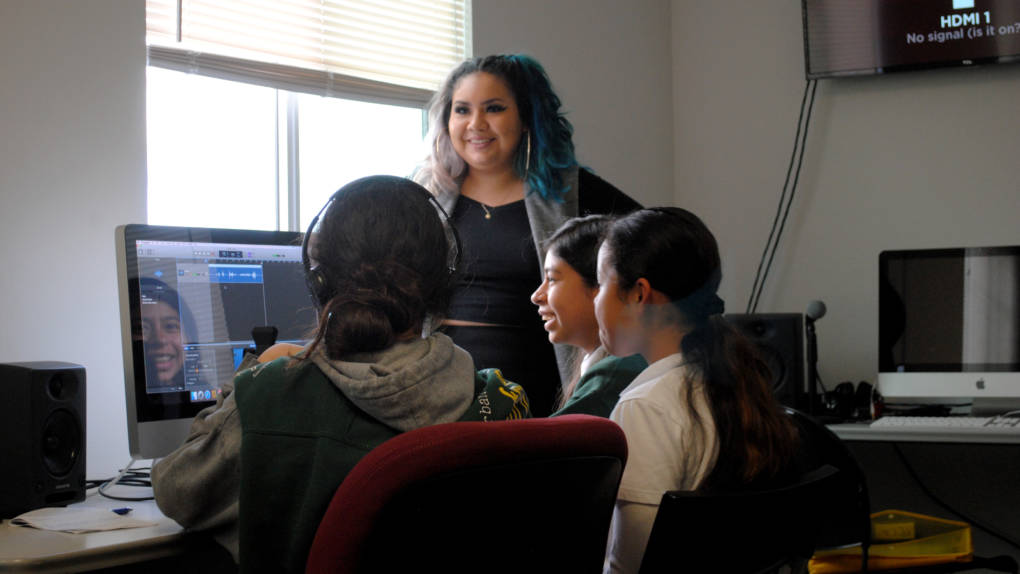
"caption": "Women's Audio Mission instructor Victoria Farjado leads a Girls on the Mic class at WAM's Oakland location in April 2018.",
"description": "Women's Audio Mission instructor Victoria Farjado leads a Girls on the Mic class at WAM's Oakland location.",
"title": "wam1",
"credit": "Nastia Voynovskaya",
"status": "inherit",
"altTag": "Women's Audio Mission instructor Victoria Farjado leads a Girls on the Mic class at WAM's Oakland location.",
"isLoading": false,
"fetchFailed": false
},
"arts_13828150": {
"type": "attachments",
"id": "arts_13828150",
"meta": {
"index": "attachments_1716263798",
"site": "arts",
"id": "13828150",
"found": true
},
"parent": 13828139,
"imgSizes": {
"small": {
"file": "https://ww2.kqed.org/app/uploads/sites/2/2018/03/fatoumata_diawara-e1522193536851-520x293.jpg",
"width": 520,
"mimeType": "image/jpeg",
"height": 293
},
"twentyfourteen-full-width": {
"file": "https://ww2.kqed.org/app/uploads/sites/2/2018/03/fatoumata_diawara-e1522193536851-1038x576.jpg",
"width": 1038,
"mimeType": "image/jpeg",
"height": 576
},
"thumbnail": {
"file": "https://ww2.kqed.org/app/uploads/sites/2/2018/03/fatoumata_diawara-e1522193536851-160x90.jpg",
"width": 160,
"mimeType": "image/jpeg",
"height": 90
},
"fd-sm": {
"file": "https://ww2.kqed.org/app/uploads/sites/2/2018/03/fatoumata_diawara-e1522193536851-960x540.jpg",
"width": 960,
"mimeType": "image/jpeg",
"height": 540
},
"post-thumbnail": {
"file": "https://ww2.kqed.org/app/uploads/sites/2/2018/03/fatoumata_diawara-e1522193536851-672x372.jpg",
"width": 672,
"mimeType": "image/jpeg",
"height": 372
},
"xsmall": {
"file": "https://ww2.kqed.org/app/uploads/sites/2/2018/03/fatoumata_diawara-e1522193536851-375x211.jpg",
"width": 375,
"mimeType": "image/jpeg",
"height": 211
},
"kqedFullSize": {
"file": "https://ww2.kqed.org/app/uploads/sites/2/2018/03/fatoumata_diawara-e1522193536851.jpg",
"width": 2048,
"height": 1152
},
"large": {
"file": "https://ww2.kqed.org/app/uploads/sites/2/2018/03/fatoumata_diawara-e1522193536851-1020x574.jpg",
"width": 1020,
"mimeType": "image/jpeg",
"height": 574
},
"xlarge": {
"file": "https://ww2.kqed.org/app/uploads/sites/2/2018/03/fatoumata_diawara-e1522193536851-1180x664.jpg",
"width": 1180,
"mimeType": "image/jpeg",
"height": 664
},
"guest-author-50": {
"file": "https://ww2.kqed.org/app/uploads/sites/2/2018/03/fatoumata_diawara-e1522193536851-50x50.jpg",
"width": 50,
"mimeType": "image/jpeg",
"height": 50
},
"guest-author-96": {
"file": "https://ww2.kqed.org/app/uploads/sites/2/2018/03/fatoumata_diawara-e1522193536851-96x96.jpg",
"width": 96,
"mimeType": "image/jpeg",
"height": 96
},
"medium": {
"file": "https://ww2.kqed.org/app/uploads/sites/2/2018/03/fatoumata_diawara-e1522193536851-800x450.jpg",
"width": 800,
"mimeType": "image/jpeg",
"height": 450
},
"guest-author-64": {
"file": "https://ww2.kqed.org/app/uploads/sites/2/2018/03/fatoumata_diawara-e1522193536851-64x64.jpg",
"width": 64,
"mimeType": "image/jpeg",
"height": 64
},
"guest-author-32": {
"file": "https://ww2.kqed.org/app/uploads/sites/2/2018/03/fatoumata_diawara-e1522193536851-32x32.jpg",
"width": 32,
"mimeType": "image/jpeg",
"height": 32
},
"fd-lrg": {
"file": "https://ww2.kqed.org/app/uploads/sites/2/2018/03/fatoumata_diawara-e1522193536851-1920x1080.jpg",
"width": 1920,
"mimeType": "image/jpeg",
"height": 1080
},
"fd-med": {
"file": "https://ww2.kqed.org/app/uploads/sites/2/2018/03/fatoumata_diawara-e1522193536851-1180x664.jpg",
"width": 1180,
"mimeType": "image/jpeg",
"height": 664
},
"full-width": {
"file": "https://ww2.kqed.org/app/uploads/sites/2/2018/03/fatoumata_diawara-e1522193536851-1920x1080.jpg",
"width": 1920,
"mimeType": "image/jpeg",
"height": 1080
},
"detail": {
"file": "https://ww2.kqed.org/app/uploads/sites/2/2018/03/fatoumata_diawara-e1522193536851-150x150.jpg",
"width": 150,
"mimeType": "image/jpeg",
"height": 150
},
"medium_large": {
"file": "https://ww2.kqed.org/app/uploads/sites/2/2018/03/fatoumata_diawara-e1522193536851-768x432.jpg",
"width": 768,
"mimeType": "image/jpeg",
"height": 432
},
"guest-author-128": {
"file": "https://ww2.kqed.org/app/uploads/sites/2/2018/03/fatoumata_diawara-e1522193536851-128x128.jpg",
"width": 128,
"mimeType": "image/jpeg",
"height": 128
},
"xxsmall": {
"file": "https://ww2.kqed.org/app/uploads/sites/2/2018/03/fatoumata_diawara-e1522193536851-240x135.jpg",
"width": 240,
"mimeType": "image/jpeg",
"height": 135
}
},
"publishDate": 1522193052,
"modified": 1522193669,
"caption": "Fatoumata Diawata plays SFJAZZ April 8 as part of an African Diaspora mini-fest",
"description": "Fatoumata Diawata plays SFJAZZ April 8 as part of an African Diaspora mini-fest",
"title": "Fatoumata Diawata plays SFJAZZ April 8 as part of an African Diaspora mini-fest",
"credit": "Aida Muluneh",
"status": "inherit",
"isLoading": false,
"fetchFailed": false
},
"arts_13827363": {
"type": "attachments",
"id": "arts_13827363",
"meta": {
"index": "attachments_1716263798",
"site": "arts",
"id": "13827363",
"found": true
},
"parent": 13827359,
"imgSizes": {
"small": {
"file": "https://ww2.kqed.org/app/uploads/sites/2/2018/03/dh_highres-520x346.jpg",
"width": 520,
"mimeType": "image/jpeg",
"height": 346
},
"twentyfourteen-full-width": {
"file": "https://ww2.kqed.org/app/uploads/sites/2/2018/03/dh_highres-960x576.jpg",
"width": 960,
"mimeType": "image/jpeg",
"height": 576
},
"thumbnail": {
"file": "https://ww2.kqed.org/app/uploads/sites/2/2018/03/dh_highres-160x106.jpg",
"width": 160,
"mimeType": "image/jpeg",
"height": 106
},
"fd-sm": {
"file": "https://ww2.kqed.org/app/uploads/sites/2/2018/03/dh_highres-960x638.jpg",
"width": 960,
"mimeType": "image/jpeg",
"height": 638
},
"post-thumbnail": {
"file": "https://ww2.kqed.org/app/uploads/sites/2/2018/03/dh_highres-672x372.jpg",
"width": 672,
"mimeType": "image/jpeg",
"height": 372
},
"xsmall": {
"file": "https://ww2.kqed.org/app/uploads/sites/2/2018/03/dh_highres-375x249.jpg",
"width": 375,
"mimeType": "image/jpeg",
"height": 249
},
"kqedFullSize": {
"file": "https://ww2.kqed.org/app/uploads/sites/2/2018/03/dh_highres.jpg",
"width": 960,
"height": 638
},
"guest-author-50": {
"file": "https://ww2.kqed.org/app/uploads/sites/2/2018/03/dh_highres-50x50.jpg",
"width": 50,
"mimeType": "image/jpeg",
"height": 50
},
"guest-author-96": {
"file": "https://ww2.kqed.org/app/uploads/sites/2/2018/03/dh_highres-96x96.jpg",
"width": 96,
"mimeType": "image/jpeg",
"height": 96
},
"medium": {
"file": "https://ww2.kqed.org/app/uploads/sites/2/2018/03/dh_highres-800x532.jpg",
"width": 800,
"mimeType": "image/jpeg",
"height": 532
},
"guest-author-64": {
"file": "https://ww2.kqed.org/app/uploads/sites/2/2018/03/dh_highres-64x64.jpg",
"width": 64,
"mimeType": "image/jpeg",
"height": 64
},
"guest-author-32": {
"file": "https://ww2.kqed.org/app/uploads/sites/2/2018/03/dh_highres-32x32.jpg",
"width": 32,
"mimeType": "image/jpeg",
"height": 32
},
"detail": {
"file": "https://ww2.kqed.org/app/uploads/sites/2/2018/03/dh_highres-150x150.jpg",
"width": 150,
"mimeType": "image/jpeg",
"height": 150
},
"medium_large": {
"file": "https://ww2.kqed.org/app/uploads/sites/2/2018/03/dh_highres-768x510.jpg",
"width": 768,
"mimeType": "image/jpeg",
"height": 510
},
"guest-author-128": {
"file": "https://ww2.kqed.org/app/uploads/sites/2/2018/03/dh_highres-128x128.jpg",
"width": 128,
"mimeType": "image/jpeg",
"height": 128
},
"xxsmall": {
"file": "https://ww2.kqed.org/app/uploads/sites/2/2018/03/dh_highres-240x160.jpg",
"width": 240,
"mimeType": "image/jpeg",
"height": 160
}
},
"publishDate": 1521151729,
"modified": 1521523119,
"caption": "Bass master Dave Holland opens a four-night run at SFJAZZ Thursday with a rare solo recital. ",
"description": "Bass master Dave Holland opens a four-night run at SFJAZZ Thursday with a rare solo recital. ",
"title": "dh_highres",
"credit": null,
"status": "inherit",
"isLoading": false,
"fetchFailed": false
},
"arts_13824997": {
"type": "attachments",
"id": "arts_13824997",
"meta": {
"index": "attachments_1716263798",
"site": "arts",
"id": "13824997",
"found": true
},
"parent": 13824717,
"imgSizes": {
"small": {
"file": "https://ww2.kqed.org/app/uploads/sites/2/2018/02/Ibrahim.Smith_-520x293.jpg",
"width": 520,
"mimeType": "image/jpeg",
"height": 293
},
"twentyfourteen-full-width": {
"file": "https://ww2.kqed.org/app/uploads/sites/2/2018/02/Ibrahim.Smith_-1038x576.jpg",
"width": 1038,
"mimeType": "image/jpeg",
"height": 576
},
"thumbnail": {
"file": "https://ww2.kqed.org/app/uploads/sites/2/2018/02/Ibrahim.Smith_-160x90.jpg",
"width": 160,
"mimeType": "image/jpeg",
"height": 90
},
"fd-sm": {
"file": "https://ww2.kqed.org/app/uploads/sites/2/2018/02/Ibrahim.Smith_-960x540.jpg",
"width": 960,
"mimeType": "image/jpeg",
"height": 540
},
"post-thumbnail": {
"file": "https://ww2.kqed.org/app/uploads/sites/2/2018/02/Ibrahim.Smith_-672x372.jpg",
"width": 672,
"mimeType": "image/jpeg",
"height": 372
},
"xsmall": {
"file": "https://ww2.kqed.org/app/uploads/sites/2/2018/02/Ibrahim.Smith_-375x211.jpg",
"width": 375,
"mimeType": "image/jpeg",
"height": 211
},
"kqedFullSize": {
"file": "https://ww2.kqed.org/app/uploads/sites/2/2018/02/Ibrahim.Smith_.jpg",
"width": 1400,
"height": 788
},
"large": {
"file": "https://ww2.kqed.org/app/uploads/sites/2/2018/02/Ibrahim.Smith_-1020x574.jpg",
"width": 1020,
"mimeType": "image/jpeg",
"height": 574
},
"xlarge": {
"file": "https://ww2.kqed.org/app/uploads/sites/2/2018/02/Ibrahim.Smith_-1180x664.jpg",
"width": 1180,
"mimeType": "image/jpeg",
"height": 664
},
"guest-author-50": {
"file": "https://ww2.kqed.org/app/uploads/sites/2/2018/02/Ibrahim.Smith_-50x50.jpg",
"width": 50,
"mimeType": "image/jpeg",
"height": 50
},
"guest-author-96": {
"file": "https://ww2.kqed.org/app/uploads/sites/2/2018/02/Ibrahim.Smith_-96x96.jpg",
"width": 96,
"mimeType": "image/jpeg",
"height": 96
},
"medium": {
"file": "https://ww2.kqed.org/app/uploads/sites/2/2018/02/Ibrahim.Smith_-800x450.jpg",
"width": 800,
"mimeType": "image/jpeg",
"height": 450
},
"guest-author-64": {
"file": "https://ww2.kqed.org/app/uploads/sites/2/2018/02/Ibrahim.Smith_-64x64.jpg",
"width": 64,
"mimeType": "image/jpeg",
"height": 64
},
"guest-author-32": {
"file": "https://ww2.kqed.org/app/uploads/sites/2/2018/02/Ibrahim.Smith_-32x32.jpg",
"width": 32,
"mimeType": "image/jpeg",
"height": 32
},
"fd-med": {
"file": "https://ww2.kqed.org/app/uploads/sites/2/2018/02/Ibrahim.Smith_-1180x664.jpg",
"width": 1180,
"mimeType": "image/jpeg",
"height": 664
},
"detail": {
"file": "https://ww2.kqed.org/app/uploads/sites/2/2018/02/Ibrahim.Smith_-150x150.jpg",
"width": 150,
"mimeType": "image/jpeg",
"height": 150
},
"medium_large": {
"file": "https://ww2.kqed.org/app/uploads/sites/2/2018/02/Ibrahim.Smith_-768x432.jpg",
"width": 768,
"mimeType": "image/jpeg",
"height": 432
},
"guest-author-128": {
"file": "https://ww2.kqed.org/app/uploads/sites/2/2018/02/Ibrahim.Smith_-128x128.jpg",
"width": 128,
"mimeType": "image/jpeg",
"height": 128
},
"xxsmall": {
"file": "https://ww2.kqed.org/app/uploads/sites/2/2018/02/Ibrahim.Smith_-240x135.jpg",
"width": 240,
"mimeType": "image/jpeg",
"height": 135
}
},
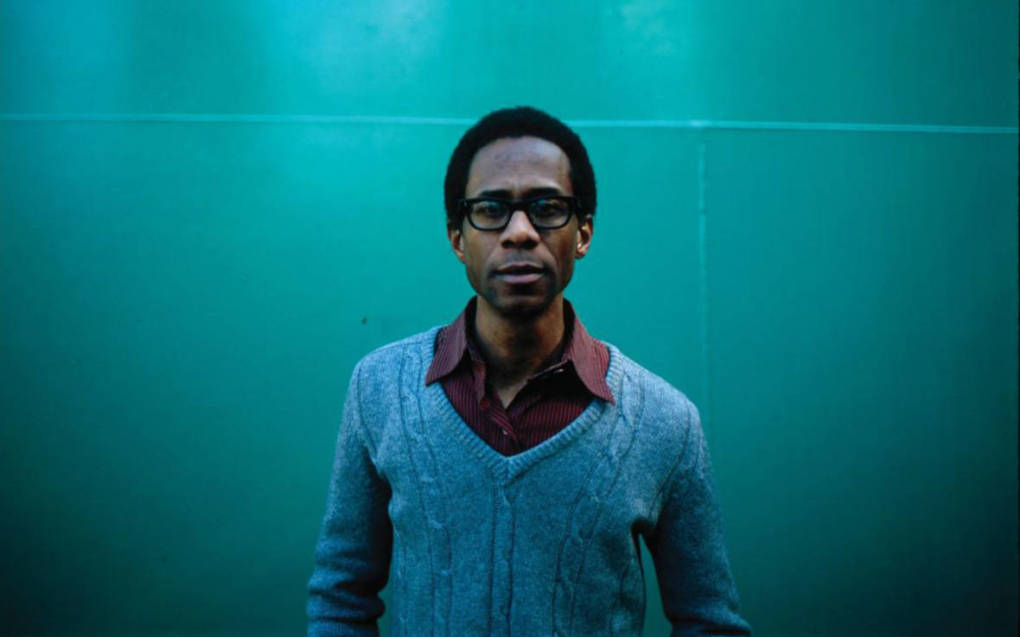
"publishDate": 1519112515,
"modified": 1519112585,
"caption": "Abdullah Ibrahim celebrates South Africa's seminal Jazz Epistles with Wadada Leo Smith in San Francisco this week.",
"description": "Abdullah Ibrahim celebrates South Africa's seminal Jazz Epistles with Wadada Leo Smith in San Francisco this week.",
"title": "Ibrahim.Smith",
"credit": "Courtesy SFJAZZ",
"status": "inherit",
"isLoading": false,
"fetchFailed": false
},
"arts_13823444": {
"type": "attachments",
"id": "arts_13823444",
"meta": {
"index": "attachments_1716263798",
"site": "arts",
"id": "13823444",
"found": true
},
"parent": 13823426,
"imgSizes": {
"small": {
"file": "https://ww2.kqed.org/app/uploads/sites/2/2018/01/trouble1764-520x310.jpg",
"width": 520,
"mimeType": "image/jpeg",
"height": 310
},
"thumbnail": {
"file": "https://ww2.kqed.org/app/uploads/sites/2/2018/01/trouble1764-160x95.jpg",
"width": 160,
"mimeType": "image/jpeg",
"height": 95
},
"post-thumbnail": {
"file": "https://ww2.kqed.org/app/uploads/sites/2/2018/01/trouble1764-640x372.jpg",
"width": 640,
"mimeType": "image/jpeg",
"height": 372
},
"xsmall": {
"file": "https://ww2.kqed.org/app/uploads/sites/2/2018/01/trouble1764-375x223.jpg",
"width": 375,
"mimeType": "image/jpeg",
"height": 223
},
"kqedFullSize": {
"file": "https://ww2.kqed.org/app/uploads/sites/2/2018/01/trouble1764.jpg",
"width": 640,
"height": 381
},
"guest-author-50": {
"file": "https://ww2.kqed.org/app/uploads/sites/2/2018/01/trouble1764-50x50.jpg",
"width": 50,
"mimeType": "image/jpeg",
"height": 50
},
"guest-author-96": {
"file": "https://ww2.kqed.org/app/uploads/sites/2/2018/01/trouble1764-96x96.jpg",
"width": 96,
"mimeType": "image/jpeg",
"height": 96
},
"guest-author-64": {
"file": "https://ww2.kqed.org/app/uploads/sites/2/2018/01/trouble1764-64x64.jpg",
"width": 64,
"mimeType": "image/jpeg",
"height": 64
},
"detail": {
"file": "https://ww2.kqed.org/app/uploads/sites/2/2018/01/trouble1764-150x150.jpg",
"width": 150,
"mimeType": "image/jpeg",
"height": 150
},
"guest-author-32": {
"file": "https://ww2.kqed.org/app/uploads/sites/2/2018/01/trouble1764-32x32.jpg",
"width": 32,
"mimeType": "image/jpeg",
"height": 32
},
"guest-author-128": {
"file": "https://ww2.kqed.org/app/uploads/sites/2/2018/01/trouble1764-128x128.jpg",
"width": 128,
"mimeType": "image/jpeg",
"height": 128
},
"xxsmall": {
"file": "https://ww2.kqed.org/app/uploads/sites/2/2018/01/trouble1764-240x143.jpg",
"width": 240,
"mimeType": "image/jpeg",
"height": 143
}
},
"publishDate": 1517448824,
"modified": 1517448902,
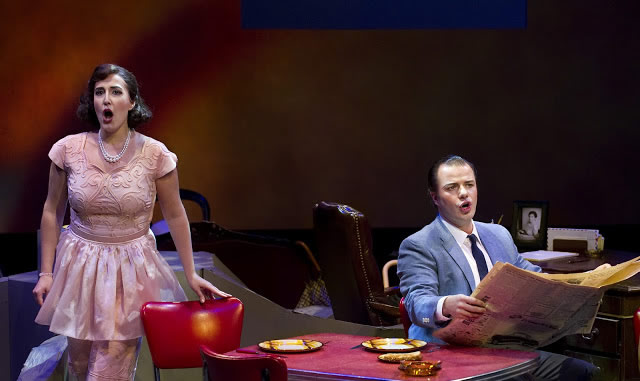
"caption": "Krista Wigle and Andres Ramirez dazzle as a jazzy Greek chorus in Leonard Bernstein’s 'Trouble in Tahiti' at Opera Parallèle.",
"description": "Krista Wigle and Andres Ramirez dazzle as a jazzy Greek chorus in Leonard Bernstein’s “Trouble in Tahiti” at Opera Parallèle.",
"title": "trouble1764",
"credit": "Steve DiBartolomeo",
"status": "inherit",
"isLoading": false,
"fetchFailed": false
}
},
"audioPlayerReducer": {
"postId": "stream_live",
"isPaused": true,
"isPlaying": false,
"pfsActive": false,
"pledgeModalIsOpen": true,
"playerDrawerIsOpen": false,
"liveAudioPlayStartedAt": 0,
"liveAudioPlayContext": ""
},
"authorsReducer": {
"cmusiker": {
"type": "authors",
"id": "32",
"meta": {
"index": "authors_1716337520",
"id": "32",
"found": true
},
"name": "Cy Musiker",
"firstName": "Cy",
"lastName": "Musiker",
"slug": "cmusiker",
"email": "cmusiker@kqed.org",
"display_author_email": false,
"staff_mastheads": [],
"title": "KQED Contributor",
"bio": "Cy Musiker is a former co-host of The Do List and a former reporter covering the arts for KQED News and The California Report. He loves live performance, especially great theater, jazz, roots music, anything by Mahler. Cy has an MJ from UC Berkeley's School of Journalism, and got his BA from Hampshire College. His work has been recognized by the Society for Professional Journalists with their Sigma Delta Chi Award for Public Service in Journalism. When he can, Cy likes to swim in Tomales Bay, run with his dog in the East Bay Hills, and hike the Sierra.",
"avatar": "https://secure.gravatar.com/avatar/05eaba5c5696ce8f062e4ea2df428a43?s=600&d=blank&r=g",
"twitter": null,
"facebook": null,
"instagram": null,
"linkedin": null,
"sites": [
{
"site": "arts",
"roles": [
"Contributor",
"subscriber"
]
},
{
"site": "news",
"roles": [
"author"
]
},
{
"site": "bayareabites",
"roles": [
"contributor"
]
}
],
"headData": {
"title": "Cy Musiker | KQED",
"description": "KQED Contributor",
"ogImgSrc": "https://secure.gravatar.com/avatar/05eaba5c5696ce8f062e4ea2df428a43?s=600&d=blank&r=g",
"twImgSrc": "https://secure.gravatar.com/avatar/05eaba5c5696ce8f062e4ea2df428a43?s=600&d=blank&r=g"
},
"isLoading": false,
"link": "/author/cmusiker"
},
"agilbert": {
"type": "authors",
"id": "86",
"meta": {
"index": "authors_1716337520",
"id": "86",
"found": true
},
"name": "Andrew Gilbert",
"firstName": "Andrew",
"lastName": "Gilbert",
"slug": "agilbert",
"email": "jazzscribe@aol.com",
"display_author_email": false,
"staff_mastheads": [],
"title": "KQED Contributor",
"bio": "A Los Angeles native based in the Berkeley area since 1996, Andrew Gilbert covers jazz, international music and dance for KQED's \u003ci>California Report, \u003c/i>the\u003ci> Mercury News\u003c/i>, \u003ci>San Francisco Chronicle\u003c/i>, \u003ci>Berkeleyside.com\u003c/i>, and other publications. He is available for weddings and bar and bat mitzvahs. #jazzscribe",
"avatar": "https://secure.gravatar.com/avatar/d7bcafdbefdd39e9a68f88724ca616eb4e7a5a6bff9cdfb62de652a1e1751471?s=600&d=blank&r=g",
"twitter": null,
"bluesky": null,
"facebook": null,
"instagram": null,
"linkedin": null,
"sites": [
{
"site": "arts",
"roles": [
"Contributor",
"author"
]
},
{
"site": "news",
"roles": [
"author"
]
}
],
"headData": {
"title": "Andrew Gilbert | KQED",
"description": "KQED Contributor",
"ogImgSrc": "https://secure.gravatar.com/avatar/d7bcafdbefdd39e9a68f88724ca616eb4e7a5a6bff9cdfb62de652a1e1751471?s=600&d=blank&r=g",
"twImgSrc": "https://secure.gravatar.com/avatar/d7bcafdbefdd39e9a68f88724ca616eb4e7a5a6bff9cdfb62de652a1e1751471?s=600&d=blank&r=g"
},
"isLoading": false,
"link": "/author/agilbert"
},
"gmeline": {
"type": "authors",
"id": "185",
"meta": {
"index": "authors_1716337520",
"id": "185",
"found": true
},
"name": "Gabe Meline",
"firstName": "Gabe",
"lastName": "Meline",
"slug": "gmeline",
"email": "gmeline@kqed.org",
"display_author_email": true,
"staff_mastheads": [
"arts"
],
"title": "Senior Editor, KQED Arts & Culture",
"bio": "Gabe Meline entered journalism at age 15 making photocopied zines, and has since earned awards from the Edward R. Murrow Awards, the Society for Professional Journalists, the Online Journalism Awards, the Association of Alternative Newsweeklies and the California Newspaper Publishers Association. Prior to KQED, he was the editor of the \u003cem>North Bay Bohemian\u003c/em> and a touring musician. He lives with his wife and daughter in his hometown of Santa Rosa, CA.",
"avatar": "https://secure.gravatar.com/avatar/5bebe57be0d8bc2dd318934feb47299e2d2d10cba28d09d8d7afb389a2ce2bdd?s=600&d=blank&r=g",
"twitter": null,
"bluesky": null,
"facebook": null,
"instagram": null,
"linkedin": null,
"sites": [
{
"site": "",
"roles": [
"editor"
]
},
{
"site": "arts",
"roles": [
"administrator"
]
},
{
"site": "artschool",
"roles": [
"editor"
]
},
{
"site": "news",
"roles": [
"author"
]
},
{
"site": "pop",
"roles": [
"editor"
]
},
{
"site": "bayareabites",
"roles": [
"editor"
]
},
{
"site": "food",
"roles": [
"editor"
]
},
{
"site": "forum",
"roles": [
"administrator"
]
},
{
"site": "liveblog",
"roles": [
"editor"
]
},
{
"site": "hiphop",
"roles": [
"editor"
]
}
],
"headData": {
"title": "Gabe Meline | KQED",
"description": "Senior Editor, KQED Arts & Culture",
"ogImgSrc": "https://secure.gravatar.com/avatar/5bebe57be0d8bc2dd318934feb47299e2d2d10cba28d09d8d7afb389a2ce2bdd?s=600&d=blank&r=g",
"twImgSrc": "https://secure.gravatar.com/avatar/5bebe57be0d8bc2dd318934feb47299e2d2d10cba28d09d8d7afb389a2ce2bdd?s=600&d=blank&r=g"
},
"isLoading": false,
"link": "/author/gmeline"
},
"broos": {
"type": "authors",
"id": "3250",
"meta": {
"index": "authors_1716337520",
"id": "3250",
"found": true
},
"name": "Brandon Roos",
"firstName": "Brandon",
"lastName": "Roos",
"slug": "broos",
"email": "roos.b@sbcglobal.net",
"display_author_email": false,
"staff_mastheads": [],
"title": null,
"bio": null,
"avatar": "https://secure.gravatar.com/avatar/d3dd0b201284955bebf9395b371d1ad4?s=600&d=blank&r=g",
"twitter": null,
"facebook": null,
"instagram": null,
"linkedin": null,
"sites": [
{
"site": "arts",
"roles": [
"contributor"
]
}
],
"headData": {
"title": "Brandon Roos | KQED",
"description": null,
"ogImgSrc": "https://secure.gravatar.com/avatar/d3dd0b201284955bebf9395b371d1ad4?s=600&d=blank&r=g",
"twImgSrc": "https://secure.gravatar.com/avatar/d3dd0b201284955bebf9395b371d1ad4?s=600&d=blank&r=g"
},
"isLoading": false,
"link": "/author/broos"
},
"nvoynovskaya": {
"type": "authors",
"id": "11387",
"meta": {
"index": "authors_1716337520",
"id": "11387",
"found": true
},
"name": "Nastia Voynovskaya",
"firstName": "Nastia",
"lastName": "Voynovskaya",
"slug": "nvoynovskaya",
"email": "nvoynovskaya@kqed.org",
"display_author_email": false,
"staff_mastheads": [
"arts"
],
"title": "Editor and reporter",
"bio": "Nastia Voynovskaya is a reporter, editor and host at KQED Arts & Culture. She's been covering the arts in the Bay Area for over a decade, with a focus on music, queer culture, labor issues and grassroots organizing. She has edited KQED story series such as Trans Bay: A History of San Francisco's Gender-Diverse Community, and co-created KQED's Bay Area hip-hop history project, That's My Word. Nastia's work has been recognized by the Society of Professional Journalists and San Francisco Press Club. She regularly appears on podcasts and radio programs, including NPR's All Songs Considered, and hosts live events where music, culture and conversation meet.",
"avatar": "https://secure.gravatar.com/avatar/5025ee460e5a85d69ca20ea6c6f2f80d7e17795c828f61ea3aecfcd924e9042e?s=600&d=blank&r=g",
"twitter": null,
"bluesky": null,
"facebook": null,
"instagram": "https://www.instagram.com/nananastia/",
"linkedin": null,
"sites": [
{
"site": "",
"roles": [
"editor"
]
},
{
"site": "arts",
"roles": [
"administrator"
]
},
{
"site": "news",
"roles": [
"editor"
]
},
{
"site": "pop",
"roles": [
"administrator"
]
},
{
"site": "bayareabites",
"roles": [
"editor"
]
},
{
"site": "podcasts",
"roles": [
"editor"
]
},
{
"site": "hiphop",
"roles": [
"editor"
]
}
],
"headData": {
"title": "Nastia Voynovskaya | KQED",
"description": "Editor and reporter",
"ogImgSrc": "https://secure.gravatar.com/avatar/5025ee460e5a85d69ca20ea6c6f2f80d7e17795c828f61ea3aecfcd924e9042e?s=600&d=blank&r=g",
"twImgSrc": "https://secure.gravatar.com/avatar/5025ee460e5a85d69ca20ea6c6f2f80d7e17795c828f61ea3aecfcd924e9042e?s=600&d=blank&r=g"
},
"isLoading": false,
"link": "/author/nvoynovskaya"
},
"akrigbaum": {
"type": "authors",
"id": "11510",
"meta": {
"index": "authors_1716337520",
"id": "11510",
"found": true
},
"name": "Ashleyanne Krigbaum",
"firstName": "Ashleyanne",
"lastName": "Krigbaum",
"slug": "akrigbaum",
"email": "akrigbaum@kqed.org",
"display_author_email": false,
"staff_mastheads": [
"news"
],
"title": "Producer, Rightnowish",
"bio": "Ashleyanne Krigbaum is the producer of \u003cem>\u003ca href=\"http://kqed.org/rightnowish\">Rightnowish\u003c/a>\u003c/em>. \u003cem> \u003c/em>She has also made podcasts for Noise Pop, Salon, and award-winning audio tours for SFMOMA, Smithsonian, and the de Young Museum. From 2015 to 2018, she was an announcer and local host of NPR's\u003cem> All Things Considered\u003c/em> at KALW. When she's not making podcasts, she's DJing vinyl at dance parties around the Bay Area.",
"avatar": "https://secure.gravatar.com/avatar/b2293d2c51dd71bb43202016faa0892d?s=600&d=blank&r=g",
"twitter": "wambamash",
"facebook": null,
"instagram": null,
"linkedin": null,
"sites": [
{
"site": "arts",
"roles": [
"subscriber"
]
},
{
"site": "news",
"roles": [
"editor"
]
}
],
"headData": {
"title": "Ashleyanne Krigbaum | KQED",
"description": "Producer, Rightnowish",
"ogImgSrc": "https://secure.gravatar.com/avatar/b2293d2c51dd71bb43202016faa0892d?s=600&d=blank&r=g",
"twImgSrc": "https://secure.gravatar.com/avatar/b2293d2c51dd71bb43202016faa0892d?s=600&d=blank&r=g"
},
"isLoading": false,
"link": "/author/akrigbaum"
}
},
"pagesReducer": {
"arts_tag_sfjazz": {
"type": "terms",
"id": "arts_2048",
"meta": {
"index": "terms_1716263798",
"site": "arts",
"id": "2048",
"score": 9.892527
},
"featImg": null,
"name": "SFJAZZ",
"description": null,
"taxonomy": "tag",
"headData": {
"twImgId": null,
"twTitle": null,
"ogTitle": null,
"ogImgId": null,
"twDescription": null,
"description": null,
"title": "SFJAZZ Archives | KQED Arts",
"ogDescription": null
},
"ttid": 2060,
"slug": "sfjazz",
"isLoading": false,
"title": "SFJAZZ",
"pageMeta": {
"site": "arts",
"WpPageTemplate": "page-topic-editorial",
"currentPage": 5
},
"blocks": [
{
"blockName": "kqed/post-list",
"attrs": {
"layout": "cardArticle2",
"query": "posts/arts?tag=sfjazz",
"seeMore": false,
"paginated": true,
"page": 5
}
},
{
"blockName": "kqed/ad"
}
]
}
},
"pfsSessionReducer": {},
"postsReducer": {
"stream_live": {
"type": "live",
"id": "stream_live",
"audioUrl": "https://streams.kqed.org/kqedradio",
"title": "Live Stream",
"excerpt": "Live Stream information currently unavailable.",
"link": "/radio",
"featImg": "",
"label": {
"name": "KQED Live",
"link": "/"
}
},
"stream_kqedNewscast": {
"type": "posts",
"id": "stream_kqedNewscast",
"audioUrl": "https://www.kqed.org/.stream/anon/radio/RDnews/newscast.mp3?_=1",
"title": "KQED Newscast",
"featImg": "",
"label": {
"name": "88.5 FM",
"link": "/"
}
},
"arts_13845655": {
"type": "posts",
"id": "arts_13845655",
"meta": {
"index": "posts_1716263798",
"site": "arts",
"id": "13845655",
"score": null,
"sort": [
1543420847000
]
},
"parent": 0,
"labelTerm": {
"site": "arts"
},
"blocks": [],
"publishDate": 1543420847,
"format": "image",
"title": "Forget Beatnik Cliches: A Fresh Style of Jazz and Poetry is Brewing",
"headTitle": "Forget Beatnik Cliches: A Fresh Style of Jazz and Poetry is Brewing | KQED",
"content": "\u003cp>It’s taken more than five decades, but fresh jazz/poetry collaborations have finally shaken the tired cliches festering in the zeitgeist since the Beat movement of the 1950s.\u003c/p>\n\u003cp>You know what I’m talking about: a goateed young man wearing a beret sits cross-legged on the floor, playing bongos, while his bespectacled comrade proclaims an impressionistic verse with evident self-regard. It’s a tableau that has long dogged jazz and poetry alike. But in the past few years, some of contemporary jazz’s most influential and acclaimed artists have found inspiration in the work of various poets, releasing albums so creatively charged they blew through the Beat baggage.\u003c/p>\n\u003cp>No artist has played a more important role in opening up space for setting verse to music than Brazilian jazz \u003ca href=\"http://www.lucianasouza.com\" target=\"_blank\" rel=\"noopener\">vocalist/composer Luciana Souza\u003c/a>, who performs Nov. 29 at Santa Cruz’s \u003ca href=\"https://www.kuumbwajazz.org/calendar/luciana-souza-the-book-of-longing-featuring-chico-pinheiro-scott-colley/\" target=\"_blank\" rel=\"noopener\">Kuumbwa Jazz Center\u003c/a> and Nov. 30 at \u003ca href=\"https://sfperformances.org/performances/1819/LucianaSouza.html\" target=\"_blank\" rel=\"noopener\">Herbst Theatre\u003c/a> with Brazilian guitarist Chico Pinheiro and bassist Scott Colley. While her working repertoire includes music by contemporary Brazilian masters Milton Nascimento, Caetano Veloso and Hermeto Pascoal, for these shows, she’s focusing on songs from her new album \u003ca href=\"https://lucianasouza.bandcamp.com/album/the-book-of-longing\" target=\"_blank\" rel=\"noopener\">\u003cem>The Book of Longing\u003c/em>\u003c/a>.\u003c/p>\n\u003cp>https://www.youtube.com/watch?v=UVQXuqgSzoA\u003c/p>\n\u003cp>Taking its name from Leonard Cohen’s 2006 book of poetry, the album features Souza’s settings for verses by Cohen, Edna St. Vincent Millay, Emily Dickinson and others. A striking session of ballads and bossa novas with long, melodic phrases that curl around the text, \u003cem>The Book of Longing\u003c/em> builds on years of Souza’s work with poetry. Previously, 2000’s \u003cem>The Poems of Elizabeth Bishop and Other Songs \u003c/em>set Bishop’s verse to four pieces music; 2004’s \u003cem>Neruda\u003c/em>, a lustrous duo session with SFJAZZ Collective pianist Edward Simon, used Pablo Neruda’s poetry as inspiration.\u003c/p>\n\u003cp>[ad fullwidth]\u003c/p>\n\u003cp>Souza was raised on poetry and music: she’s the daughter of poet and songwriter Tereza Souza and foundational bossa nova guitarist, singer and composer Walter Santos. She says, however, that she was slow to realize she was pursuing the family business. “Year to year I didn’t feel it, but now at 52, looking back, I see the foundation and roots buried very deeply in me,” Souza says in a phone interview from the Venice, Calif. home she shares with her husband, Larry Klein, who produced the album. “It grew slowly from the first attempt, the Elizabeth Bishop recording. After \u003cem>Neruda\u003c/em>, \u003cem>Tide\u003c/em> in 2009 had e.e. cummings, and I did something with Gary Snyder. But \u003cem>The Book of Longing\u003c/em> is my most definitive record about poetry—my statement about my love of words.”\u003c/p>\n\u003cp>Released in August on Sunnyside Records, \u003cem>The Book of Longing\u003c/em> arrived at an extraordinary moment in contemporary jazz that Souza helped architect. The scene is brimming with poetry-entwined projects: drummer Matt Wilson paid homage to a late, great 20th-century American poet on \u003ca href=\"https://www.youtube.com/watch?v=O2JziDJF3VM\" target=\"_blank\" rel=\"noopener\">\u003cem>Honey and Salt: Music Inspired By the Poetry of Carl Sandburg\u003c/em>\u003c/a> (Palmetto) in 2017; Jane Ira Bloom interpreted Emily Dickinson’s words with soprano saxophone on \u003ca href=\"https://www.youtube.com/watch?v=1Zp3Pl5_Gkw&t=1330s\" target=\"_blank\" rel=\"noopener\">\u003cem>Wild Lines: Improvising Emily Dickinson\u003c/em>\u003c/a> (Outline) the same year. Jazz Institute of Chicago commissioned flutist Nicole Mitchell and Chicago poet Haki Madhubuti to collaborate on the politically-charged\u003ca href=\"https://nicolemitchell.bandcamp.com/album/liberation-narratives\" target=\"_blank\" rel=\"noopener\"> \u003cem>Liberation Narratives\u003c/em> \u003c/a>(Black Earth Music); Fresno saxophonist Benjamin Boone documented of his creative partnership with Pulitzer Prize-winning poet Philip Levine on \u003ca href=\"https://benjaminboone.bandcamp.com/album/the-poetry-of-jazz\" target=\"_blank\" rel=\"noopener\">\u003cem>The Poetry of Jazz\u003c/em>\u003c/a> (Phrase Records).\u003c/p>\n\u003cp>Oakland reed expert Sheldon Brown just released\u003ca href=\"https://edgetonerecords.bandcamp.com/album/blood-of-the-air\" target=\"_blank\" rel=\"noopener\"> \u003cem>Blood of the Air\u003c/em>\u003c/a> (Edgetone Records), a singular album featuring his inventive songs based on poetry by Philip Lamantia. And New York pianist Helen Sung will soon arrive in the Bay Area for a series of performances focusing on her new album \u003ca href=\"https://www.youtube.com/watch?v=I8spvbraW6g\" target=\"_blank\" rel=\"noopener\">\u003cem>Sung With Words: A Collaboration with Dana Gioia\u003c/em>\u003c/a> (Stricker Street Records).\u003c/p>\n\u003cp>Sung’s longtime friendship with Sonoma resident Gioia, who is the former chairman of the National Endowment For the Arts (2003-2009) and California State Poet Laureate, led to a songwriting partnership—a new endeavor for him and Sung. With the support of a 2014 Chamber Music America grant, they embarked on an extended experiment, “doing whatever worked,” says Sung, who settles into the University of the Pacific’s \u003ca href=\"https://calendar.pacific.edu/event/helen_sung#.W_yxlZNKit8\" target=\"_blank\" rel=\"noopener\">Brubeck Institute\u003c/a> for a three-day Stockton residency on Nov. 29. Her band with vocalist Christie Dashiell, saxophonist John Ellis, bassist Joe Martin and drummer Rudy Royston also performs \u003cem>Sung With Words\u003c/em> material on Dec. 2 for \u003ca href=\"https://www.healdsburgjazzfestival.org/buy_tickets/\" target=\"_blank\" rel=\"noopener\">Healdsburg Jazz\u003c/a> at the Paul Mahder Gallery and Dec. 6 at \u003ca href=\"https://www.kuumbwajazz.org/calendar/helen-sung-sung-with-words/\" target=\"_blank\" rel=\"noopener\">Kuumbwa Jazz Center\u003c/a>.\u003c/p>\n\u003cp>https://www.youtube.com/watch?v=ej1ujUFvLg8\u003c/p>\n\u003cp>“I wanted to write music that was fun to listen to, with melodies that are accessible and hummable,” Sung says. “I set some of his poems, and he wrote a piece based off of a rhythm that I had played. The last track came from when I was talking to a friend and I said ‘I wish people would just say what they mean and mean what they say.’ I called up Dana and asked ‘Can you make a poem out of this?’ And it became a song. ‘The Stars on Second Avenue’ is a tribute to Tin Pan Alley. I worked so hard on that one. I have such respect for Dana. I not only want to write great music, but something that’s truly me.”\u003c/p>\n\u003cp>\u003cem>Sung With Words\u003c/em> is sui generis, but it’s also part of a jazz zeitgeist. The question is, why is this happening now? While jazz musicians still mine the American Songbook for material, there’s a relentless search for new concepts to explore and interpret. Poetry, new and old, provides a huge reservoir of text ripe for musical treatment, confounding old stereotypes.\u003c/p>\n\u003cp>\u003c/p>\n\u003cp>“When I would tell people about the project that’s what they thought it was, some kind of Beatnik recital,” Sung says. “No, these are songs. There’s so much interesting work being created now. It reminds me of a book I read about discovery of the DNA double helix, with several teams making groundbreaking discoveries at the same time. Jazz artists are always looking for the next thing to feed their growth as an artist.”\u003c/p>\n\n",
"stats": {
"hasVideo": true,
"hasChartOrMap": false,
"hasAudio": false,
"hasPolis": false,
"wordCount": 1067,
"hasGoogleForm": false,
"hasGallery": false,
"hasHearkenModule": false,
"iframeSrcs": [],
"paragraphCount": 13
},
"modified": 1705026955,
"excerpt": "Luciana Souza, who plays at Herbst Theatre on Nov. 30, leads a wave of jazz musicians working intimately with poetry. ",
"headData": {
"twImgId": "",
"twTitle": "",
"ogTitle": "",
"ogImgId": "",
"twDescription": "",
"description": "Luciana Souza, who plays at Herbst Theatre on Nov. 30, leads a wave of jazz musicians working intimately with poetry. ",
"title": "Forget Beatnik Cliches: A Fresh Style of Jazz and Poetry is Brewing | KQED",
"ogDescription": "",
"schema": {
"@context": "https://schema.org",
"@type": "Article",
"headline": "Forget Beatnik Cliches: A Fresh Style of Jazz and Poetry is Brewing",
"datePublished": "2018-11-28T08:00:47-08:00",
"dateModified": "2024-01-11T18:35:55-08:00",
"image": "https://cdn.kqed.org/wp-content/uploads/2020/02/KQED-OG-Image@1x.png"
}
},
"guestAuthors": [],
"slug": "forget-beatnik-cliches-a-fresh-style-of-jazz-and-poetry-is-brewing",
"status": "publish",
"sticky": false,
"path": "/arts/13845655/forget-beatnik-cliches-a-fresh-style-of-jazz-and-poetry-is-brewing",
"audioTrackLength": null,
"parsedContent": [
{
"type": "contentString",
"content": "\u003cdiv class=\"post-body\">\u003cp>\u003cp>It’s taken more than five decades, but fresh jazz/poetry collaborations have finally shaken the tired cliches festering in the zeitgeist since the Beat movement of the 1950s.\u003c/p>\n\u003cp>You know what I’m talking about: a goateed young man wearing a beret sits cross-legged on the floor, playing bongos, while his bespectacled comrade proclaims an impressionistic verse with evident self-regard. It’s a tableau that has long dogged jazz and poetry alike. But in the past few years, some of contemporary jazz’s most influential and acclaimed artists have found inspiration in the work of various poets, releasing albums so creatively charged they blew through the Beat baggage.\u003c/p>\n\u003cp>No artist has played a more important role in opening up space for setting verse to music than Brazilian jazz \u003ca href=\"http://www.lucianasouza.com\" target=\"_blank\" rel=\"noopener\">vocalist/composer Luciana Souza\u003c/a>, who performs Nov. 29 at Santa Cruz’s \u003ca href=\"https://www.kuumbwajazz.org/calendar/luciana-souza-the-book-of-longing-featuring-chico-pinheiro-scott-colley/\" target=\"_blank\" rel=\"noopener\">Kuumbwa Jazz Center\u003c/a> and Nov. 30 at \u003ca href=\"https://sfperformances.org/performances/1819/LucianaSouza.html\" target=\"_blank\" rel=\"noopener\">Herbst Theatre\u003c/a> with Brazilian guitarist Chico Pinheiro and bassist Scott Colley. While her working repertoire includes music by contemporary Brazilian masters Milton Nascimento, Caetano Veloso and Hermeto Pascoal, for these shows, she’s focusing on songs from her new album \u003ca href=\"https://lucianasouza.bandcamp.com/album/the-book-of-longing\" target=\"_blank\" rel=\"noopener\">\u003cem>The Book of Longing\u003c/em>\u003c/a>.\u003c/p>\u003c/p>\u003cp>\u003cspan class='utils-parseShortcode-shortcodes-__youtubeShortcode__embedYoutube'>\n \u003cspan class='utils-parseShortcode-shortcodes-__youtubeShortcode__embedYoutubeInside'>\n \u003ciframe\n loading='lazy'\n class='utils-parseShortcode-shortcodes-__youtubeShortcode__youtubePlayer'\n type='text/html'\n src='//www.youtube.com/embed/UVQXuqgSzoA'\n title='//www.youtube.com/embed/UVQXuqgSzoA'\n allowfullscreen='true'\n style='border:0;'>\u003c/iframe>\n \u003c/span>\n \u003c/span>\u003c/p>\u003cp>\u003cp>Taking its name from Leonard Cohen’s 2006 book of poetry, the album features Souza’s settings for verses by Cohen, Edna St. Vincent Millay, Emily Dickinson and others. A striking session of ballads and bossa novas with long, melodic phrases that curl around the text, \u003cem>The Book of Longing\u003c/em> builds on years of Souza’s work with poetry. Previously, 2000’s \u003cem>The Poems of Elizabeth Bishop and Other Songs \u003c/em>set Bishop’s verse to four pieces music; 2004’s \u003cem>Neruda\u003c/em>, a lustrous duo session with SFJAZZ Collective pianist Edward Simon, used Pablo Neruda’s poetry as inspiration.\u003c/p>\n\u003cp>\u003c/p>\u003c/div>",
"attributes": {
"named": {},
"numeric": []
}
},
{
"type": "component",
"content": "",
"name": "ad",
"attributes": {
"named": {
"label": "fullwidth"
},
"numeric": [
"fullwidth"
]
}
},
{
"type": "contentString",
"content": "\u003cdiv class=\"post-body\">\u003cp>\u003c/p>\n\u003cp>Souza was raised on poetry and music: she’s the daughter of poet and songwriter Tereza Souza and foundational bossa nova guitarist, singer and composer Walter Santos. She says, however, that she was slow to realize she was pursuing the family business. “Year to year I didn’t feel it, but now at 52, looking back, I see the foundation and roots buried very deeply in me,” Souza says in a phone interview from the Venice, Calif. home she shares with her husband, Larry Klein, who produced the album. “It grew slowly from the first attempt, the Elizabeth Bishop recording. After \u003cem>Neruda\u003c/em>, \u003cem>Tide\u003c/em> in 2009 had e.e. cummings, and I did something with Gary Snyder. But \u003cem>The Book of Longing\u003c/em> is my most definitive record about poetry—my statement about my love of words.”\u003c/p>\n\u003cp>Released in August on Sunnyside Records, \u003cem>The Book of Longing\u003c/em> arrived at an extraordinary moment in contemporary jazz that Souza helped architect. The scene is brimming with poetry-entwined projects: drummer Matt Wilson paid homage to a late, great 20th-century American poet on \u003ca href=\"https://www.youtube.com/watch?v=O2JziDJF3VM\" target=\"_blank\" rel=\"noopener\">\u003cem>Honey and Salt: Music Inspired By the Poetry of Carl Sandburg\u003c/em>\u003c/a> (Palmetto) in 2017; Jane Ira Bloom interpreted Emily Dickinson’s words with soprano saxophone on \u003ca href=\"https://www.youtube.com/watch?v=1Zp3Pl5_Gkw&t=1330s\" target=\"_blank\" rel=\"noopener\">\u003cem>Wild Lines: Improvising Emily Dickinson\u003c/em>\u003c/a> (Outline) the same year. Jazz Institute of Chicago commissioned flutist Nicole Mitchell and Chicago poet Haki Madhubuti to collaborate on the politically-charged\u003ca href=\"https://nicolemitchell.bandcamp.com/album/liberation-narratives\" target=\"_blank\" rel=\"noopener\"> \u003cem>Liberation Narratives\u003c/em> \u003c/a>(Black Earth Music); Fresno saxophonist Benjamin Boone documented of his creative partnership with Pulitzer Prize-winning poet Philip Levine on \u003ca href=\"https://benjaminboone.bandcamp.com/album/the-poetry-of-jazz\" target=\"_blank\" rel=\"noopener\">\u003cem>The Poetry of Jazz\u003c/em>\u003c/a> (Phrase Records).\u003c/p>\n\u003cp>Oakland reed expert Sheldon Brown just released\u003ca href=\"https://edgetonerecords.bandcamp.com/album/blood-of-the-air\" target=\"_blank\" rel=\"noopener\"> \u003cem>Blood of the Air\u003c/em>\u003c/a> (Edgetone Records), a singular album featuring his inventive songs based on poetry by Philip Lamantia. And New York pianist Helen Sung will soon arrive in the Bay Area for a series of performances focusing on her new album \u003ca href=\"https://www.youtube.com/watch?v=I8spvbraW6g\" target=\"_blank\" rel=\"noopener\">\u003cem>Sung With Words: A Collaboration with Dana Gioia\u003c/em>\u003c/a> (Stricker Street Records).\u003c/p>\n\u003cp>Sung’s longtime friendship with Sonoma resident Gioia, who is the former chairman of the National Endowment For the Arts (2003-2009) and California State Poet Laureate, led to a songwriting partnership—a new endeavor for him and Sung. With the support of a 2014 Chamber Music America grant, they embarked on an extended experiment, “doing whatever worked,” says Sung, who settles into the University of the Pacific’s \u003ca href=\"https://calendar.pacific.edu/event/helen_sung#.W_yxlZNKit8\" target=\"_blank\" rel=\"noopener\">Brubeck Institute\u003c/a> for a three-day Stockton residency on Nov. 29. Her band with vocalist Christie Dashiell, saxophonist John Ellis, bassist Joe Martin and drummer Rudy Royston also performs \u003cem>Sung With Words\u003c/em> material on Dec. 2 for \u003ca href=\"https://www.healdsburgjazzfestival.org/buy_tickets/\" target=\"_blank\" rel=\"noopener\">Healdsburg Jazz\u003c/a> at the Paul Mahder Gallery and Dec. 6 at \u003ca href=\"https://www.kuumbwajazz.org/calendar/helen-sung-sung-with-words/\" target=\"_blank\" rel=\"noopener\">Kuumbwa Jazz Center\u003c/a>.\u003c/p>\u003c/p>\u003cp>\u003cspan class='utils-parseShortcode-shortcodes-__youtubeShortcode__embedYoutube'>\n \u003cspan class='utils-parseShortcode-shortcodes-__youtubeShortcode__embedYoutubeInside'>\n \u003ciframe\n loading='lazy'\n class='utils-parseShortcode-shortcodes-__youtubeShortcode__youtubePlayer'\n type='text/html'\n src='//www.youtube.com/embed/ej1ujUFvLg8'\n title='//www.youtube.com/embed/ej1ujUFvLg8'\n allowfullscreen='true'\n style='border:0;'>\u003c/iframe>\n \u003c/span>\n \u003c/span>\u003c/p>\u003cp>\u003cp>“I wanted to write music that was fun to listen to, with melodies that are accessible and hummable,” Sung says. “I set some of his poems, and he wrote a piece based off of a rhythm that I had played. The last track came from when I was talking to a friend and I said ‘I wish people would just say what they mean and mean what they say.’ I called up Dana and asked ‘Can you make a poem out of this?’ And it became a song. ‘The Stars on Second Avenue’ is a tribute to Tin Pan Alley. I worked so hard on that one. I have such respect for Dana. I not only want to write great music, but something that’s truly me.”\u003c/p>\n\u003cp>\u003cem>Sung With Words\u003c/em> is sui generis, but it’s also part of a jazz zeitgeist. The question is, why is this happening now? While jazz musicians still mine the American Songbook for material, there’s a relentless search for new concepts to explore and interpret. Poetry, new and old, provides a huge reservoir of text ripe for musical treatment, confounding old stereotypes.\u003c/p>\n\u003cp>\u003c/p>\n\u003cp>“When I would tell people about the project that’s what they thought it was, some kind of Beatnik recital,” Sung says. “No, these are songs. There’s so much interesting work being created now. It reminds me of a book I read about discovery of the DNA double helix, with several teams making groundbreaking discoveries at the same time. Jazz artists are always looking for the next thing to feed their growth as an artist.”\u003c/p>\n\n\u003c/div>\u003c/p>",
"attributes": {
"named": {},
"numeric": []
}
}
],
"link": "/arts/13845655/forget-beatnik-cliches-a-fresh-style-of-jazz-and-poetry-is-brewing",
"authors": [
"86"
],
"categories": [
"arts_69"
],
"tags": [
"arts_1118",
"arts_1420",
"arts_596",
"arts_1496",
"arts_2048"
],
"featImg": "arts_13845756",
"label": "arts"
},
"arts_13845481": {
"type": "posts",
"id": "arts_13845481",
"meta": {
"index": "posts_1716263798",
"site": "arts",
"id": "13845481",
"score": null,
"sort": [
1542849989000
]
},
"parent": 0,
"labelTerm": {
"site": "arts"
},
"blocks": [],
"publishDate": 1542849989,
"format": "standard",
"title": "You Want Jazz Songs About Food for Thanksgiving? Here's Some Jazz Songs About Food for Thanksgiving",
"headTitle": "You Want Jazz Songs About Food for Thanksgiving? Here’s Some Jazz Songs About Food for Thanksgiving | KQED",
"content": "\u003cp>If you’re looking for jazz songs about food for Thanksgiving, look no further: Ross Eustis over at SFJAZZ has put together \u003ca href=\"https://www.sfjazz.org/onthecorner/thanksgiving-playlist/\" rel=\"noopener\" target=\"_blank\">the ultimate playlist of jazz songs about food\u003c/a>, and buddy, it’s \u003cem>three hours long\u003c/em>. Just the right amount of time between family arrivals and dinnertime, while the kitchen is bustling, everyone’s lounging about in the living room and you need music to play.\u003c/p>\n\u003cp>Of course, jazz and food have a long history together. One of my favorite tidbits about jazz trumpet godfather Louis Armstrong is that he signed all his letters “Red Beans & Ricely Yours,” which, let’s face it, is pretty damn smooth.\u003c/p>\n\u003cp>Find your Thanksgiving songs about food below (if the playlists don’t load, \u003ca href=\"https://www.sfjazz.org/onthecorner/thanksgiving-playlist/\" rel=\"noopener\" target=\"_blank\">try here\u003c/a>), and happy eatin’.\u003c/p>\n\u003cp>\u003ciframe style=\"border-radius:12px\" src=\"https://open.spotify.com/embed/playlist/0h5fUrphtIZsZC7cK3sD7d?utm_source=generator\" width=\"100%\" height=\"352\" frameborder=\"0\" allowfullscreen=\"\" allow=\"autoplay; clipboard-write; encrypted-media; fullscreen; picture-in-picture\" loading=\"lazy\">\u003c/iframe>\u003c/p>\n\u003cp>[ad fullwidth]\u003c/p>\u003cp>\u003c/p>\n",
"stats": {
"hasVideo": false,
"hasChartOrMap": false,
"hasAudio": false,
"hasPolis": false,
"wordCount": 137,
"hasGoogleForm": false,
"hasGallery": false,
"hasHearkenModule": false,
"iframeSrcs": [],
"paragraphCount": 6
},
"modified": 1705026978,
"excerpt": "A playlist of over three hours' worth of jazz songs about food from Louis Armstrong, Thelonious Monk, Charles Mingus and more, compiled by SFJAZZ.",
"headData": {
"twImgId": "",
"twTitle": "",
"ogTitle": "",
"ogImgId": "",
"twDescription": "",
"description": "A playlist of over three hours' worth of jazz songs about food from Louis Armstrong, Thelonious Monk, Charles Mingus and more, compiled by SFJAZZ.",
"title": "You Want Jazz Songs About Food for Thanksgiving? Here's Some Jazz Songs About Food for Thanksgiving | KQED",
"ogDescription": "",
"schema": {
"@context": "https://schema.org",
"@type": "Article",
"headline": "You Want Jazz Songs About Food for Thanksgiving? Here's Some Jazz Songs About Food for Thanksgiving",
"datePublished": "2018-11-21T17:26:29-08:00",
"dateModified": "2024-01-11T18:36:18-08:00",
"image": "https://cdn.kqed.org/wp-content/uploads/2020/02/KQED-OG-Image@1x.png"
}
},
"guestAuthors": [],
"slug": "you-want-jazz-songs-about-food-for-thanksgiving-heres-some-jazz-songs-about-food-for-thanksgiving",
"status": "publish",
"templateType": "standard",
"excludeFromSiteSearch": "Include",
"featuredImageType": "standard",
"sticky": false,
"articleAge": "0",
"path": "/arts/13845481/you-want-jazz-songs-about-food-for-thanksgiving-heres-some-jazz-songs-about-food-for-thanksgiving",
"audioTrackLength": null,
"parsedContent": [
{
"type": "contentString",
"content": "\u003cdiv class=\"post-body\">\u003cp>\u003cp>If you’re looking for jazz songs about food for Thanksgiving, look no further: Ross Eustis over at SFJAZZ has put together \u003ca href=\"https://www.sfjazz.org/onthecorner/thanksgiving-playlist/\" rel=\"noopener\" target=\"_blank\">the ultimate playlist of jazz songs about food\u003c/a>, and buddy, it’s \u003cem>three hours long\u003c/em>. Just the right amount of time between family arrivals and dinnertime, while the kitchen is bustling, everyone’s lounging about in the living room and you need music to play.\u003c/p>\n\u003cp>Of course, jazz and food have a long history together. One of my favorite tidbits about jazz trumpet godfather Louis Armstrong is that he signed all his letters “Red Beans & Ricely Yours,” which, let’s face it, is pretty damn smooth.\u003c/p>\n\u003cp>Find your Thanksgiving songs about food below (if the playlists don’t load, \u003ca href=\"https://www.sfjazz.org/onthecorner/thanksgiving-playlist/\" rel=\"noopener\" target=\"_blank\">try here\u003c/a>), and happy eatin’.\u003c/p>\n\u003cp>\u003ciframe style=\"border-radius:12px\" src=\"https://open.spotify.com/embed/playlist/0h5fUrphtIZsZC7cK3sD7d?utm_source=generator\" width=\"100%\" height=\"352\" frameborder=\"0\" allowfullscreen=\"\" allow=\"autoplay; clipboard-write; encrypted-media; fullscreen; picture-in-picture\" loading=\"lazy\">\u003c/iframe>\u003c/p>\n\u003cp>\u003c/p>\u003c/div>",
"attributes": {
"named": {},
"numeric": []
}
},
{
"type": "component",
"content": "",
"name": "ad",
"attributes": {
"named": {
"label": "fullwidth"
},
"numeric": [
"fullwidth"
]
}
},
{
"type": "contentString",
"content": "\u003cdiv class=\"post-body\">\u003cp>\u003c/p>\u003cp>\u003c/p>\n\u003c/div>\u003c/p>",
"attributes": {
"named": {},
"numeric": []
}
}
],
"link": "/arts/13845481/you-want-jazz-songs-about-food-for-thanksgiving-heres-some-jazz-songs-about-food-for-thanksgiving",
"authors": [
"185"
],
"categories": [
"arts_69",
"arts_235"
],
"tags": [
"arts_1118",
"arts_1420",
"arts_596",
"arts_1549",
"arts_2048",
"arts_6062"
],
"featImg": "arts_13845484",
"label": "arts"
},
"arts_13845374": {
"type": "posts",
"id": "arts_13845374",
"meta": {
"index": "posts_1716263798",
"site": "arts",
"id": "13845374",
"score": null,
"sort": [
1542829051000
]
},
"parent": 0,
"labelTerm": {
"site": "arts",
"term": 140
},
"blocks": [],
"publishDate": 1542829051,
"format": "image",
"title": "Laurie Anderson Brings a Slate of Experimental Concerts to SFJAZZ",
"headTitle": "Laurie Anderson Brings a Slate of Experimental Concerts to SFJAZZ | KQED",
"content": "\u003cp>The fabulously eccentric performance artist and experimental musician Laurie Anderson is SFJAZZ’s resident artistic director this season, and that’s not the only thing she’s been up to in San Francisco this year: she also collaborated with the trendsetting Kronos Quartet on an excellent spoken-word-meets-contemporary-classical album, \u003cem>Landfall\u003c/em>, which came out in February.\u003c/p>\n\u003cp>Anderson has several dates coming up at SFJAZZ, and not all of them are sold out. On Friday, Nov. 30, she’s performing her late husband Lou Reed’s \u003ca href=\"https://www.sfjazz.org/tickets/productions/laurie-anderson-lou-reed-drones-viola-duets/\" target=\"_blank\" rel=\"noopener\">\u003cem>Drone\u003c/em>\u003c/a> piece, a composition that hinges on droning guitar feedback. Anderson and Eyvind Kang will be on viola, with saxophonist Ulrich Krieger and guitar technician Stewart Hurwood accompanying them.\u003c/p>\n\u003cp>Then, on Dec. 1, Anderson has a show called \u003ca href=\"https://www.sfjazz.org/tickets/productions/laurie-anderson-songs-for-men/\" target=\"_blank\" rel=\"noopener\">\u003cem>Song for Men\u003c/em>\u003c/a> (a complement to her sold-out \u003cem>Songs for Women\u003c/em> show on Nov. 29). At both performances, which incorporate jazz, electronic music and storytelling, Anderson performs songs she’s written for specific people in her life. At \u003cem>Songs for Men\u003c/em>, Bay Area experimental composer and percussionist Scott Amendola joins Anderson on drums and electronics for a night of improvisation.\u003c/p>\n\u003cp>On Dec. 2, Anderson collaborates with avant-garde guitarist and Mills College professor Fred Frith for \u003ca href=\"https://www.sfjazz.org/tickets/productions/laurie-anderson-scenes-from-my-radio-play/\" target=\"_blank\" rel=\"noopener\">\u003cem>Scenes From My Radio Play\u003c/em>\u003c/a>, “invoking hypnosis, memory, old juke joints, canoe trips and love.”\u003c/p>\n\u003cp>Details for the entire concert series can be found \u003ca href=\"https://www.sfjazz.org/calendar/?month=11.2018&series=18135\" target=\"_blank\" rel=\"noopener\">here\u003c/a>.\u003c/p>\n\u003cp>[ad fullwidth]\u003c/p>\n\u003cp>\u003c/p>\n\u003cp>https://www.youtube.com/watch?v=Vkfpi2H8tOE\u003c/p>\n\n",
"stats": {
"hasVideo": true,
"hasChartOrMap": false,
"hasAudio": false,
"hasPolis": false,
"wordCount": 245,
"hasGoogleForm": false,
"hasGallery": false,
"hasHearkenModule": false,
"iframeSrcs": [],
"paragraphCount": 7
},
"modified": 1705026984,
"excerpt": "The fabulously eccentric performance artist and experimental musician is SFJAZZ's resident artistic director this season.",
"headData": {
"twImgId": "",
"twTitle": "",
"ogTitle": "",
"ogImgId": "",
"twDescription": "",
"description": "The fabulously eccentric performance artist and experimental musician is SFJAZZ's resident artistic director this season.",
"title": "Laurie Anderson Brings a Slate of Experimental Concerts to SFJAZZ | KQED",
"ogDescription": "",
"schema": {
"@context": "https://schema.org",
"@type": "Article",
"headline": "Laurie Anderson Brings a Slate of Experimental Concerts to SFJAZZ",
"datePublished": "2018-11-21T11:37:31-08:00",
"dateModified": "2024-01-11T18:36:24-08:00",
"image": "https://cdn.kqed.org/wp-content/uploads/2020/02/KQED-OG-Image@1x.png"
}
},
"guestAuthors": [],
"slug": "laurie-anderson-brings-a-slate-of-experimental-concerts-to-sfjazz",
"status": "publish",
"sticky": false,
"path": "/arts/13845374/laurie-anderson-brings-a-slate-of-experimental-concerts-to-sfjazz",
"audioTrackLength": null,
"parsedContent": [
{
"type": "contentString",
"content": "\u003cdiv class=\"post-body\">\u003cp>\u003cp>The fabulously eccentric performance artist and experimental musician Laurie Anderson is SFJAZZ’s resident artistic director this season, and that’s not the only thing she’s been up to in San Francisco this year: she also collaborated with the trendsetting Kronos Quartet on an excellent spoken-word-meets-contemporary-classical album, \u003cem>Landfall\u003c/em>, which came out in February.\u003c/p>\n\u003cp>Anderson has several dates coming up at SFJAZZ, and not all of them are sold out. On Friday, Nov. 30, she’s performing her late husband Lou Reed’s \u003ca href=\"https://www.sfjazz.org/tickets/productions/laurie-anderson-lou-reed-drones-viola-duets/\" target=\"_blank\" rel=\"noopener\">\u003cem>Drone\u003c/em>\u003c/a> piece, a composition that hinges on droning guitar feedback. Anderson and Eyvind Kang will be on viola, with saxophonist Ulrich Krieger and guitar technician Stewart Hurwood accompanying them.\u003c/p>\n\u003cp>Then, on Dec. 1, Anderson has a show called \u003ca href=\"https://www.sfjazz.org/tickets/productions/laurie-anderson-songs-for-men/\" target=\"_blank\" rel=\"noopener\">\u003cem>Song for Men\u003c/em>\u003c/a> (a complement to her sold-out \u003cem>Songs for Women\u003c/em> show on Nov. 29). At both performances, which incorporate jazz, electronic music and storytelling, Anderson performs songs she’s written for specific people in her life. At \u003cem>Songs for Men\u003c/em>, Bay Area experimental composer and percussionist Scott Amendola joins Anderson on drums and electronics for a night of improvisation.\u003c/p>\n\u003cp>On Dec. 2, Anderson collaborates with avant-garde guitarist and Mills College professor Fred Frith for \u003ca href=\"https://www.sfjazz.org/tickets/productions/laurie-anderson-scenes-from-my-radio-play/\" target=\"_blank\" rel=\"noopener\">\u003cem>Scenes From My Radio Play\u003c/em>\u003c/a>, “invoking hypnosis, memory, old juke joints, canoe trips and love.”\u003c/p>\n\u003cp>Details for the entire concert series can be found \u003ca href=\"https://www.sfjazz.org/calendar/?month=11.2018&series=18135\" target=\"_blank\" rel=\"noopener\">here\u003c/a>.\u003c/p>\n\u003cp>\u003c/p>\u003c/div>",
"attributes": {
"named": {},
"numeric": []
}
},
{
"type": "component",
"content": "",
"name": "ad",
"attributes": {
"named": {
"label": "fullwidth"
},
"numeric": [
"fullwidth"
]
}
},
{
"type": "contentString",
"content": "\u003cdiv class=\"post-body\">\u003cp>\u003c/p>\n\u003cp>\u003c/p>\u003c/p>\u003cp>\u003cspan class='utils-parseShortcode-shortcodes-__youtubeShortcode__embedYoutube'>\n \u003cspan class='utils-parseShortcode-shortcodes-__youtubeShortcode__embedYoutubeInside'>\n \u003ciframe\n loading='lazy'\n class='utils-parseShortcode-shortcodes-__youtubeShortcode__youtubePlayer'\n type='text/html'\n src='//www.youtube.com/embed/Vkfpi2H8tOE'\n title='//www.youtube.com/embed/Vkfpi2H8tOE'\n allowfullscreen='true'\n style='border:0;'>\u003c/iframe>\n \u003c/span>\n \u003c/span>\u003c/p>\u003cp>\n\u003c/div>\u003c/p>",
"attributes": {
"named": {},
"numeric": []
}
}
],
"link": "/arts/13845374/laurie-anderson-brings-a-slate-of-experimental-concerts-to-sfjazz",
"authors": [
"11387"
],
"programs": [
"arts_140"
],
"categories": [
"arts_69"
],
"tags": [
"arts_1501",
"arts_3607",
"arts_1118",
"arts_1420",
"arts_596",
"arts_2048"
],
"featImg": "arts_13845456",
"label": "arts_140"
},
"arts_13840023": {
"type": "posts",
"id": "arts_13840023",
"meta": {
"index": "posts_1716263798",
"site": "arts",
"id": "13840023",
"score": null,
"sort": [
1535720441000
]
},
"parent": 0,
"labelTerm": {
"site": "arts",
"term": 140
},
"blocks": [],
"publishDate": 1535720441,
"format": "standard",
"title": "Jazz, Classical, and More: 10 Picks for Fall in the Bay Area",
"headTitle": "Jazz, Classical, and More: 10 Picks for Fall in the Bay Area | KQED",
"content": "\u003cp>For jazz and classical lovers, the Bay Area in the fall is hard to beat. In late September, the fine annual tradition of \u003ca href=\"https://www.intermusicsf.org/sfmd\" rel=\"noopener\" target=\"_blank\">SF Music Day\u003c/a>—completely free!—brings dozens of early music, chamber, jazz and avant-garde ensembles to the Herbst Theatre and surrounding venues, while all around the region, new seasons get underway and big names come to town.\u003c/p>\n\u003cp>Here’s a selection of upcoming best bets in jazz and classical. \u003c/p>\n\u003cfigure id=\"attachment_13840040\" class=\"wp-caption aligncenter\" style=\"max-width: 800px\">\u003cimg loading=\"lazy\" decoding=\"async\" src=\"https://ww2.kqed.org/arts/wp-content/uploads/sites/2/2018/08/FallArts.Zorn_.CRED_.MacArthurFound-800x533.jpg\" alt=\"John Zorn.\" width=\"800\" height=\"533\" class=\"size-medium wp-image-13840040\" srcset=\"https://cdn.kqed.org/wp-content/uploads/sites/2/2018/08/FallArts.Zorn_.CRED_.MacArthurFound-800x533.jpg 800w, https://cdn.kqed.org/wp-content/uploads/sites/2/2018/08/FallArts.Zorn_.CRED_.MacArthurFound-160x107.jpg 160w, https://cdn.kqed.org/wp-content/uploads/sites/2/2018/08/FallArts.Zorn_.CRED_.MacArthurFound-768x512.jpg 768w, https://cdn.kqed.org/wp-content/uploads/sites/2/2018/08/FallArts.Zorn_.CRED_.MacArthurFound-1020x680.jpg 1020w, https://cdn.kqed.org/wp-content/uploads/sites/2/2018/08/FallArts.Zorn_.CRED_.MacArthurFound-1200x800.jpg 1200w, https://cdn.kqed.org/wp-content/uploads/sites/2/2018/08/FallArts.Zorn_.CRED_.MacArthurFound.jpg 1920w, https://cdn.kqed.org/wp-content/uploads/sites/2/2018/08/FallArts.Zorn_.CRED_.MacArthurFound-1180x787.jpg 1180w, https://cdn.kqed.org/wp-content/uploads/sites/2/2018/08/FallArts.Zorn_.CRED_.MacArthurFound-960x640.jpg 960w, https://cdn.kqed.org/wp-content/uploads/sites/2/2018/08/FallArts.Zorn_.CRED_.MacArthurFound-240x160.jpg 240w, https://cdn.kqed.org/wp-content/uploads/sites/2/2018/08/FallArts.Zorn_.CRED_.MacArthurFound-375x250.jpg 375w, https://cdn.kqed.org/wp-content/uploads/sites/2/2018/08/FallArts.Zorn_.CRED_.MacArthurFound-520x347.jpg 520w\" sizes=\"(max-width: 800px) 100vw, 800px\">\u003cfigcaption class=\"wp-caption-text\">John Zorn. \u003ccite>(MacArthur Foundation)\u003c/cite>\u003c/figcaption>\u003c/figure>\n\u003ch2>John Zorn 65th Birthday Residency\u003c/h2>\n\u003cp>\u003cstrong>The Chapel, San Francisco\u003cbr>\nSept. 1–4, 2018\u003c/strong>\u003cbr>\n\u003ca href=\"https://www.thechapelsf.com/calendar\" rel=\"noopener\" target=\"_blank\">Details Here\u003c/a>\u003c/p>\n\u003cp>The New York iconoclast John Zorn seems only comes to the Bay Area every 10 years or so, but when he does, he brings an army. This residency features the man and his “radical Jewish music” in a variety of settings, including a group with Mr. Bungle’s Mike Patton and Slayer’s Dave Lombardo, and an evening with Laurie Anderson and Terry Riley.\u003c/p>\n\u003cfigure id=\"attachment_13840038\" class=\"wp-caption aligncenter\" style=\"max-width: 800px\">\u003cimg loading=\"lazy\" decoding=\"async\" src=\"https://ww2.kqed.org/arts/wp-content/uploads/sites/2/2018/08/FallArts.Cecile.MarkFitton-800x450.jpg\" alt=\"Cecile McLorin Salvant.\" width=\"800\" height=\"450\" class=\"size-medium wp-image-13840038\" srcset=\"https://cdn.kqed.org/wp-content/uploads/sites/2/2018/08/FallArts.Cecile.MarkFitton-800x450.jpg 800w, https://cdn.kqed.org/wp-content/uploads/sites/2/2018/08/FallArts.Cecile.MarkFitton-160x90.jpg 160w, https://cdn.kqed.org/wp-content/uploads/sites/2/2018/08/FallArts.Cecile.MarkFitton-768x432.jpg 768w, https://cdn.kqed.org/wp-content/uploads/sites/2/2018/08/FallArts.Cecile.MarkFitton-1020x574.jpg 1020w, https://cdn.kqed.org/wp-content/uploads/sites/2/2018/08/FallArts.Cecile.MarkFitton-1200x675.jpg 1200w, https://cdn.kqed.org/wp-content/uploads/sites/2/2018/08/FallArts.Cecile.MarkFitton.jpg 1920w, https://cdn.kqed.org/wp-content/uploads/sites/2/2018/08/FallArts.Cecile.MarkFitton-1180x664.jpg 1180w, https://cdn.kqed.org/wp-content/uploads/sites/2/2018/08/FallArts.Cecile.MarkFitton-960x540.jpg 960w, https://cdn.kqed.org/wp-content/uploads/sites/2/2018/08/FallArts.Cecile.MarkFitton-240x135.jpg 240w, https://cdn.kqed.org/wp-content/uploads/sites/2/2018/08/FallArts.Cecile.MarkFitton-375x211.jpg 375w, https://cdn.kqed.org/wp-content/uploads/sites/2/2018/08/FallArts.Cecile.MarkFitton-520x293.jpg 520w\" sizes=\"(max-width: 800px) 100vw, 800px\">\u003cfigcaption class=\"wp-caption-text\">Cecile McLorin Salvant. \u003ccite>(Mark Fitton)\u003c/cite>\u003c/figcaption>\u003c/figure>\n\u003ch2>Cecile McLorin Salvant\u003c/h2>\n\u003cp>\u003cstrong>SFJAZZ Center, San Francisco\u003cbr>\nSept. 6–9, 2018\u003c/strong>\u003cbr>\n\u003ca href=\"https://www.sfjazz.org/tickets/productions/cecile-mclorin-salvant/?gclid=EAIaIQobChMI2Y_UvYWW3QIVhsVkCh23mwPXEAAYASAAEgINH_D_BwE&gclsrc=aw.ds\" rel=\"noopener\" target=\"_blank\">Details Here\u003c/a>\u003c/p>\n\u003cp>[ad fullwidth]\u003c/p>\n\u003cp>Anyone unsure if female jazz vocals are having “a moment” need look no further than their local box office: the Texas-based singer Jazzmeia Horn has already sold out four shows at SFJAZZ, and Cecile McLorin Salvant is in line to do the same. For anyone who’s on a first-name basis with Sarah and Billie, Cecile delivers the goods.\u003c/p>\n\u003cfigure id=\"attachment_13840091\" class=\"wp-caption aligncenter\" style=\"max-width: 800px\">\u003cimg loading=\"lazy\" decoding=\"async\" src=\"https://ww2.kqed.org/arts/wp-content/uploads/sites/2/2018/08/Redman-800x525.jpg\" alt=\"Joshua Redman's 'Still Dreaming' quartet.\" width=\"800\" height=\"525\" class=\"size-medium wp-image-13840091\" srcset=\"https://cdn.kqed.org/wp-content/uploads/sites/2/2018/08/Redman.jpg 800w, https://cdn.kqed.org/wp-content/uploads/sites/2/2018/08/Redman-160x105.jpg 160w, https://cdn.kqed.org/wp-content/uploads/sites/2/2018/08/Redman-768x504.jpg 768w, https://cdn.kqed.org/wp-content/uploads/sites/2/2018/08/Redman-240x158.jpg 240w, https://cdn.kqed.org/wp-content/uploads/sites/2/2018/08/Redman-375x246.jpg 375w, https://cdn.kqed.org/wp-content/uploads/sites/2/2018/08/Redman-520x341.jpg 520w\" sizes=\"(max-width: 800px) 100vw, 800px\">\u003cfigcaption class=\"wp-caption-text\">Joshua Redman’s ‘Still Dreaming’ quartet. \u003ccite>(NPR)\u003c/cite>\u003c/figcaption>\u003c/figure>\n\u003ch2>Joshua Redman: Still Dreaming\u003c/h2>\n\u003cp>\u003cstrong>SFJAZZ Center, San Francisco\u003cbr>\nSept 13–16, 2018\u003c/strong>\u003cbr>\n\u003ca href=\"https://www.sfjazz.org/tickets/productions/redman-miles-colley-blade/?gclid=EAIaIQobChMIkZHoy4WW3QIVg2h-Ch0_SgzLEAAYASAAEgJFfPD_BwE&gclsrc=aw.ds\" rel=\"noopener\" target=\"_blank\">Details Here\u003c/a>\u003c/p>\n\u003cp>As a student in the jazz program at Berkeley High, Joshua Redman began following in the footsteps of his father, the great saxophonist Dewey Redman. The thing was, Joshua didn’t really know his dad that well. Lately, he’s assembled a quartet to explore the music of Dewey Redman’s group New and Old Dreams, and the results are dazzling.\u003c/p>\n\u003cfigure id=\"attachment_13840041\" class=\"wp-caption aligncenter\" style=\"max-width: 800px\">\u003cimg loading=\"lazy\" decoding=\"async\" src=\"https://ww2.kqed.org/arts/wp-content/uploads/sites/2/2018/08/MaryHalvorsonThumbscrew.CRED_.AmyTouchette-800x502.jpg\" alt=\"Thumbscrew.\" width=\"800\" height=\"502\" class=\"size-medium wp-image-13840041\" srcset=\"https://cdn.kqed.org/wp-content/uploads/sites/2/2018/08/MaryHalvorsonThumbscrew.CRED_.AmyTouchette-800x502.jpg 800w, https://cdn.kqed.org/wp-content/uploads/sites/2/2018/08/MaryHalvorsonThumbscrew.CRED_.AmyTouchette-160x100.jpg 160w, https://cdn.kqed.org/wp-content/uploads/sites/2/2018/08/MaryHalvorsonThumbscrew.CRED_.AmyTouchette-768x482.jpg 768w, https://cdn.kqed.org/wp-content/uploads/sites/2/2018/08/MaryHalvorsonThumbscrew.CRED_.AmyTouchette-1020x640.jpg 1020w, https://cdn.kqed.org/wp-content/uploads/sites/2/2018/08/MaryHalvorsonThumbscrew.CRED_.AmyTouchette-1200x753.jpg 1200w, https://cdn.kqed.org/wp-content/uploads/sites/2/2018/08/MaryHalvorsonThumbscrew.CRED_.AmyTouchette.jpg 1920w, https://cdn.kqed.org/wp-content/uploads/sites/2/2018/08/MaryHalvorsonThumbscrew.CRED_.AmyTouchette-1180x741.jpg 1180w, https://cdn.kqed.org/wp-content/uploads/sites/2/2018/08/MaryHalvorsonThumbscrew.CRED_.AmyTouchette-960x603.jpg 960w, https://cdn.kqed.org/wp-content/uploads/sites/2/2018/08/MaryHalvorsonThumbscrew.CRED_.AmyTouchette-240x151.jpg 240w, https://cdn.kqed.org/wp-content/uploads/sites/2/2018/08/MaryHalvorsonThumbscrew.CRED_.AmyTouchette-375x235.jpg 375w, https://cdn.kqed.org/wp-content/uploads/sites/2/2018/08/MaryHalvorsonThumbscrew.CRED_.AmyTouchette-520x326.jpg 520w\" sizes=\"(max-width: 800px) 100vw, 800px\">\u003cfigcaption class=\"wp-caption-text\">Thumbscrew. \u003ccite>(Amy Touchette)\u003c/cite>\u003c/figcaption>\u003c/figure>\n\u003ch2>Thumbscrew (feat. Mary Halvorson)\u003c/h2>\n\u003cp>\u003cstrong>Center for New Music, San Francisco\u003cbr>\nSept. 20, 2018\u003c/strong>\u003cbr>\n\u003ca href=\"https://centerfornewmusic.com/calendar/\" rel=\"noopener\" target=\"_blank\">Details Here\u003c/a>\u003c/p>\n\u003cp>Mary Halvorson’s guitar playing is like a long, winding treasure map, where getting lost is half the fun. She appears with her trio Thumbscrew at the Center for New Music, which on any other night laudably gives 100 percent of the door money to the artists. For this fundraiser (at $45, hardly a black-tie gala price tier), the money benefits this worthy venue.\u003c/p>\n\u003cfigure id=\"attachment_13840034\" class=\"wp-caption aligncenter\" style=\"max-width: 800px\">\u003cimg loading=\"lazy\" decoding=\"async\" src=\"https://ww2.kqed.org/arts/wp-content/uploads/sites/2/2018/08/FallArts.MaxRichter.CREDYul-800x450.jpg\" alt=\"Max Richter.\" width=\"800\" height=\"450\" class=\"size-medium wp-image-13840034\" srcset=\"https://cdn.kqed.org/wp-content/uploads/sites/2/2018/08/FallArts.MaxRichter.CREDYul-800x450.jpg 800w, https://cdn.kqed.org/wp-content/uploads/sites/2/2018/08/FallArts.MaxRichter.CREDYul-160x90.jpg 160w, https://cdn.kqed.org/wp-content/uploads/sites/2/2018/08/FallArts.MaxRichter.CREDYul-768x432.jpg 768w, https://cdn.kqed.org/wp-content/uploads/sites/2/2018/08/FallArts.MaxRichter.CREDYul-1020x574.jpg 1020w, https://cdn.kqed.org/wp-content/uploads/sites/2/2018/08/FallArts.MaxRichter.CREDYul-960x540.jpg 960w, https://cdn.kqed.org/wp-content/uploads/sites/2/2018/08/FallArts.MaxRichter.CREDYul-240x135.jpg 240w, https://cdn.kqed.org/wp-content/uploads/sites/2/2018/08/FallArts.MaxRichter.CREDYul-375x211.jpg 375w, https://cdn.kqed.org/wp-content/uploads/sites/2/2018/08/FallArts.MaxRichter.CREDYul-520x293.jpg 520w, https://cdn.kqed.org/wp-content/uploads/sites/2/2018/08/FallArts.MaxRichter.CREDYul.jpg 1100w\" sizes=\"(max-width: 800px) 100vw, 800px\">\u003cfigcaption class=\"wp-caption-text\">Max Richter. \u003ccite>(Yulia Mahr)\u003c/cite>\u003c/figcaption>\u003c/figure>\n\u003ch2>Max Richter\u003c/h2>\n\u003cp>\u003cstrong>Zellerbach Hall, Berkeley\u003cbr>\nOct. 5, 2018\u003c/strong>\u003cbr>\n\u003ca href=\"http://calperformances.org/learn/press-room/press-kits/2018-19/max-richter-with-the-american-contemporary-music-ensemble-performing-infra-and-music-from-the-leftovers.php\" rel=\"noopener\" target=\"_blank\">Details Here\u003c/a>\u003c/p>\n\u003cp>The world may have lost Icelandic composer Jóhann Jóhannsson this past February, but carrying a similar torch is Max Richter, whose accessible compositions are simultaneously melodic and melancholy. In other words, perfect for a TV drama. At Zellerbach, Richter performs music from his 2004 breakout album, \u003cem>The Blue Notebooks\u003c/em>, and his 2010 album \u003cem>Infra\u003c/em>, inspired by T.S. Eliot’s \u003cem>The Waste Land\u003c/em>.\u003c/p>\n\u003cfigure id=\"attachment_13840036\" class=\"wp-caption aligncenter\" style=\"max-width: 800px\">\u003cimg loading=\"lazy\" decoding=\"async\" src=\"https://ww2.kqed.org/arts/wp-content/uploads/sites/2/2018/08/FallArts.SRSymphony-800x519.jpg\" alt=\"Francesco Lecce-Chong.\" width=\"800\" height=\"519\" class=\"size-medium wp-image-13840036\" srcset=\"https://cdn.kqed.org/wp-content/uploads/sites/2/2018/08/FallArts.SRSymphony-800x519.jpg 800w, https://cdn.kqed.org/wp-content/uploads/sites/2/2018/08/FallArts.SRSymphony-160x104.jpg 160w, https://cdn.kqed.org/wp-content/uploads/sites/2/2018/08/FallArts.SRSymphony-768x499.jpg 768w, https://cdn.kqed.org/wp-content/uploads/sites/2/2018/08/FallArts.SRSymphony-1020x662.jpg 1020w, https://cdn.kqed.org/wp-content/uploads/sites/2/2018/08/FallArts.SRSymphony-960x623.jpg 960w, https://cdn.kqed.org/wp-content/uploads/sites/2/2018/08/FallArts.SRSymphony-240x156.jpg 240w, https://cdn.kqed.org/wp-content/uploads/sites/2/2018/08/FallArts.SRSymphony-375x243.jpg 375w, https://cdn.kqed.org/wp-content/uploads/sites/2/2018/08/FallArts.SRSymphony-520x338.jpg 520w, https://cdn.kqed.org/wp-content/uploads/sites/2/2018/08/FallArts.SRSymphony.jpg 1100w\" sizes=\"(max-width: 800px) 100vw, 800px\">\u003cfigcaption class=\"wp-caption-text\">Francesco Lecce-Chong.\u003c/figcaption>\u003c/figure>\n\u003ch2>Francesco Lecce-Chong conducts ‘Passion and Power’\u003c/h2>\n\u003cp>\u003cstrong>Green Music Center, Rohnert Park\u003cbr>\nOct. 6–8, 2018\u003c/strong>\u003cbr>\n\u003ca href=\"https://www.srsymphony.org/EventDetail/134\" rel=\"noopener\" target=\"_blank\">Details Here\u003c/a>\u003c/p>\n\u003cp>Sure, this season at the Santa Rosa Symphony includes some returning faces: namely, conductors emeritus Jeffrey Kahane and Bruno Ferrandis. But it’s all about the new kid on the block: Francesco Lecce-Chong, who starts his first season on the podium with a program including Brahms’ Violin Concerto and Beethoven’s \u003cem>Symphony No. 5\u003c/em> inside the acoustically delightful Green Music Center.\u003c/p>\n\u003cfigure id=\"attachment_13840035\" class=\"wp-caption aligncenter\" style=\"max-width: 800px\">\u003cimg loading=\"lazy\" decoding=\"async\" src=\"https://ww2.kqed.org/arts/wp-content/uploads/sites/2/2018/08/FallArts.Iverson.Turner-800x502.jpg\" alt=\"Mark Turner and Ethan Iverson.\" width=\"800\" height=\"502\" class=\"size-medium wp-image-13840035\" srcset=\"https://cdn.kqed.org/wp-content/uploads/sites/2/2018/08/FallArts.Iverson.Turner-800x502.jpg 800w, https://cdn.kqed.org/wp-content/uploads/sites/2/2018/08/FallArts.Iverson.Turner-160x100.jpg 160w, https://cdn.kqed.org/wp-content/uploads/sites/2/2018/08/FallArts.Iverson.Turner-768x482.jpg 768w, https://cdn.kqed.org/wp-content/uploads/sites/2/2018/08/FallArts.Iverson.Turner-1020x640.jpg 1020w, https://cdn.kqed.org/wp-content/uploads/sites/2/2018/08/FallArts.Iverson.Turner-1200x753.jpg 1200w, https://cdn.kqed.org/wp-content/uploads/sites/2/2018/08/FallArts.Iverson.Turner.jpg 1920w, https://cdn.kqed.org/wp-content/uploads/sites/2/2018/08/FallArts.Iverson.Turner-1180x741.jpg 1180w, https://cdn.kqed.org/wp-content/uploads/sites/2/2018/08/FallArts.Iverson.Turner-960x603.jpg 960w, https://cdn.kqed.org/wp-content/uploads/sites/2/2018/08/FallArts.Iverson.Turner-240x151.jpg 240w, https://cdn.kqed.org/wp-content/uploads/sites/2/2018/08/FallArts.Iverson.Turner-375x235.jpg 375w, https://cdn.kqed.org/wp-content/uploads/sites/2/2018/08/FallArts.Iverson.Turner-520x326.jpg 520w\" sizes=\"(max-width: 800px) 100vw, 800px\">\u003cfigcaption class=\"wp-caption-text\">Mark Turner and Ethan Iverson.\u003c/figcaption>\u003c/figure>\n\u003ch2>Ethan Iverson-Mark Turner Duo\u003c/h2>\n\u003cp>\u003cstrong>Kuumbwa Jazz Center, Santa Cruz\u003cbr>\nOct. 11, 2018\u003c/strong>\u003cbr>\n\u003ca href=\"https://www.kuumbwajazz.org/calendar/ethan-iverson-mark-turner-duo/\" rel=\"noopener\" target=\"_blank\">Details Here\u003c/a>\u003c/p>\n\u003cp>Since leaving his longtime trio The Bad Plus, Ethan Iverson has worked in a variety of settings, always with a scholar’s mind for the history of the music. In the Bay Area for a performance of the \u003ca href=\"http://calperformances.org/performances/2018-19/dance/mark-morris-dance-group-pepperland-sgt-pepper-at-50.php\" rel=\"noopener\" target=\"_blank\">choreographed Beatles tribute \u003cem>Pepperland\u003c/em>\u003c/a>, Iverson steals away with the expressive saxophonist Mark Turner in Santa Cruz for a sure-to-please night.\u003c/p>\n\u003cfigure id=\"attachment_13840037\" class=\"wp-caption aligncenter\" style=\"max-width: 800px\">\u003cimg loading=\"lazy\" decoding=\"async\" src=\"https://ww2.kqed.org/arts/wp-content/uploads/sites/2/2018/08/FallArts.Arabella.CREDMicha-800x471.jpg\" alt=\"Minnesota Opera's production of 'Arabella.'\" width=\"800\" height=\"471\" class=\"size-medium wp-image-13840037\" srcset=\"https://cdn.kqed.org/wp-content/uploads/sites/2/2018/08/FallArts.Arabella.CREDMicha-800x471.jpg 800w, https://cdn.kqed.org/wp-content/uploads/sites/2/2018/08/FallArts.Arabella.CREDMicha-160x94.jpg 160w, https://cdn.kqed.org/wp-content/uploads/sites/2/2018/08/FallArts.Arabella.CREDMicha-768x452.jpg 768w, https://cdn.kqed.org/wp-content/uploads/sites/2/2018/08/FallArts.Arabella.CREDMicha-1020x600.jpg 1020w, https://cdn.kqed.org/wp-content/uploads/sites/2/2018/08/FallArts.Arabella.CREDMicha-960x565.jpg 960w, https://cdn.kqed.org/wp-content/uploads/sites/2/2018/08/FallArts.Arabella.CREDMicha-240x141.jpg 240w, https://cdn.kqed.org/wp-content/uploads/sites/2/2018/08/FallArts.Arabella.CREDMicha-375x221.jpg 375w, https://cdn.kqed.org/wp-content/uploads/sites/2/2018/08/FallArts.Arabella.CREDMicha-520x306.jpg 520w, https://cdn.kqed.org/wp-content/uploads/sites/2/2018/08/FallArts.Arabella.CREDMicha.jpg 1100w\" sizes=\"(max-width: 800px) 100vw, 800px\">\u003cfigcaption class=\"wp-caption-text\">Minnesota Opera’s production of ‘Arabella.’ \u003ccite>(Michal Daniel)\u003c/cite>\u003c/figcaption>\u003c/figure>\n\u003ch2>‘Arabella’\u003c/h2>\n\u003cp>\u003cstrong>War Memorial Opera House, San Francisco\u003cbr>\nOct. 16–Nov. 3, 2018\u003c/strong>\u003cbr>\n\u003ca href=\"https://sfopera.com/1819season/arabella/\" rel=\"noopener\" target=\"_blank\">Details Here\u003c/a>\u003c/p>\n\u003cp>Most people know Richard Strauss as the composer of Also Sprach Zarathustra, the celestial overture used as the opening of \u003cem>2001: A Space Odyssey\u003c/em>. For his rarely performed opera \u003cem>Arabella\u003c/em>, he brings the themes down to Earth: specifically, sex, love, and money. Freudian undertones and a story set between the Weimar Republic and the Third Reich make for a layered production. \u003c/p>\n\u003cfigure id=\"attachment_13840042\" class=\"wp-caption aligncenter\" style=\"max-width: 800px\">\u003cimg loading=\"lazy\" decoding=\"async\" src=\"https://ww2.kqed.org/arts/wp-content/uploads/sites/2/2018/08/FallArts.SVSymph.Daniela-800x450.jpg\" alt=\"Daniela Tabeling.\" width=\"800\" height=\"450\" class=\"size-medium wp-image-13840042\" srcset=\"https://cdn.kqed.org/wp-content/uploads/sites/2/2018/08/FallArts.SVSymph.Daniela-800x450.jpg 800w, https://cdn.kqed.org/wp-content/uploads/sites/2/2018/08/FallArts.SVSymph.Daniela-160x90.jpg 160w, https://cdn.kqed.org/wp-content/uploads/sites/2/2018/08/FallArts.SVSymph.Daniela-768x432.jpg 768w, https://cdn.kqed.org/wp-content/uploads/sites/2/2018/08/FallArts.SVSymph.Daniela-1020x574.jpg 1020w, https://cdn.kqed.org/wp-content/uploads/sites/2/2018/08/FallArts.SVSymph.Daniela-960x540.jpg 960w, https://cdn.kqed.org/wp-content/uploads/sites/2/2018/08/FallArts.SVSymph.Daniela-240x135.jpg 240w, https://cdn.kqed.org/wp-content/uploads/sites/2/2018/08/FallArts.SVSymph.Daniela-375x211.jpg 375w, https://cdn.kqed.org/wp-content/uploads/sites/2/2018/08/FallArts.SVSymph.Daniela-520x293.jpg 520w, https://cdn.kqed.org/wp-content/uploads/sites/2/2018/08/FallArts.SVSymph.Daniela.jpg 1100w\" sizes=\"(max-width: 800px) 100vw, 800px\">\u003cfigcaption class=\"wp-caption-text\">Daniela Tabeling.\u003c/figcaption>\u003c/figure>\n\u003ch2>Daniela Tabernig sings ‘Four Last Songs’\u003c/h2>\n\u003cp>\u003cstrong>California Theater, San Jose\u003cbr>\nOct. 27–28, 2018\u003c/strong>\u003cbr>\n\u003ca href=\"https://www.symphonysiliconvalley.org/concerts.php\" rel=\"noopener\" target=\"_blank\">Details Here\u003c/a>\u003c/p>\n\u003cp>A run of sold-out concerts by Japanese Studio Ghibli composer Joe Hisaishi during Symphony Silicon Valley’s last season brought an infusion of life and joy to the California Theater; this October, expect a pivot into death. Richard Strauss’ \u003cem>Four Last Songs\u003c/em>, a song cycle on dying, is a rich, moving experience; it’s paired here with Strauss’ \u003cem>Der Rosenkavalier\u003c/em> suite and two early, lesser-performed pieces by Debussy.\u003c/p>\n\u003cfigure id=\"attachment_13826296\" class=\"wp-caption aligncenter\" style=\"max-width: 800px\">\u003cimg loading=\"lazy\" decoding=\"async\" src=\"https://ww2.kqed.org/arts/wp-content/uploads/sites/2/2018/03/Tilson-Thomas-Michael-c-Kristin-Loken-800x534.jpg\" alt=\"Music director Michael Tilson Thomas.\" width=\"800\" height=\"534\" class=\"size-medium wp-image-13826296\" srcset=\"https://cdn.kqed.org/wp-content/uploads/sites/2/2018/03/Tilson-Thomas-Michael-c-Kristin-Loken.jpg 800w, https://cdn.kqed.org/wp-content/uploads/sites/2/2018/03/Tilson-Thomas-Michael-c-Kristin-Loken-160x107.jpg 160w, https://cdn.kqed.org/wp-content/uploads/sites/2/2018/03/Tilson-Thomas-Michael-c-Kristin-Loken-768x513.jpg 768w, https://cdn.kqed.org/wp-content/uploads/sites/2/2018/03/Tilson-Thomas-Michael-c-Kristin-Loken-240x160.jpg 240w, https://cdn.kqed.org/wp-content/uploads/sites/2/2018/03/Tilson-Thomas-Michael-c-Kristin-Loken-375x250.jpg 375w, https://cdn.kqed.org/wp-content/uploads/sites/2/2018/03/Tilson-Thomas-Michael-c-Kristin-Loken-520x347.jpg 520w\" sizes=\"(max-width: 800px) 100vw, 800px\">\u003cfigcaption class=\"wp-caption-text\">Music director Michael Tilson Thomas. \u003ccite>(Kristin Loken)\u003c/cite>\u003c/figcaption>\u003c/figure>\n\u003ch2>MTT conducts ‘From The Diary of Anne Frank’\u003c/h2>\n\u003cp>\u003cstrong>Davies Symphony Hall, San Francisco\u003cbr>\nNov. 15–18, 2018\u003c/strong>\u003cbr>\n\u003ca href=\"https://www.sfsymphony.org/Buy-Tickets/2018-19/MTT-From-the-Diary-of-Anne-Frank\" rel=\"noopener\" target=\"_blank\">Details Here\u003c/a>\u003c/p>\n\u003cp>Welcome to 2018, when the Anne Frank Center finds its posts about the Holocaust \u003ca href=\"https://gizmodo.com/facebook-sorry-for-deleting-holocaust-education-post-ov-1828714854\" rel=\"noopener\" target=\"_blank\">censored by Facebook\u003c/a>, while Holocaust deniers and actual neo-Nazis thrive across social media and find favor in upper levels of government. How the hell did we get here? Conducting the San Francisco Symphony, Michael Tilson Thomas slyly answers with a performance of ‘From The Diary of Anne Frank,’ his own composition; it’s from 1990, but its themes are as relevant as ever.\u003c/p>\n\u003cp>\u003cstrong>Plus more shows of note below:\u003c/strong>\u003c/p>\n\u003cp>\u003cstrong>Omar Sosa\u003c/strong>\u003cbr>\nBlue Note, Napa\u003cbr>\nSept. 6–8, 2018\u003cbr>\n\u003ca href=\"https://www.bluenotenapa.com/event/tw-artistinfo/Omar+Sosa/\" rel=\"noopener\" target=\"_blank\">Details Here\u003c/a>\u003c/p>\n\u003cp>\u003cstrong>Yo-Yo Ma plays the Complete Bach Cello Suites\u003c/strong>\u003cbr>\nGreek Theater, Berkeley\u003cbr>\nSept. 30, 2018\u003cbr>\n\u003ca href=\"http://calperformances.org/performances/2018-19/special-events/yo-yo-ma-cello-the-complete-bach-suites.php\" rel=\"noopener\" target=\"_blank\">Details Here\u003c/a> (Note: Sold out at press time)\u003c/p>\n\u003cp>\u003cstrong>John Cage’s Electronic Music for Piano\u003c/strong>\u003cbr>\nThe Lab, San Francisco\u003cbr>\nOct. 6, 2018\u003cbr>\n\u003ca href=\"https://www.thelab.org/projects/2018/7/27/john-cage-electronic-music-for-piano-performed-by-tender-buttons\" rel=\"noopener\" target=\"_blank\">Details Here\u003c/a>\u003c/p>\n\u003cp>\u003cstrong>Placido Domingo\u003c/strong>\u003cbr>\nWar Memorial Opera House, San Francisco\u003cbr>\nOct. 21, 2018\u003cbr>\n\u003ca href=\"https://sfopera.com/1819season/placido-domingo-in-concert/\" rel=\"noopener\" target=\"_blank\">Details Here\u003c/a>\u003c/p>\n\u003cp>\u003cstrong>Allison Miller’s Boom Tic Boom\u003c/strong>\u003cbr>\nKuumbwa Jazz Center, Santa Cruz\u003cbr>\nOct. 25, 2018\u003cbr>\n\u003ca href=\"https://www.kuumbwajazz.org/calendar/allison-millers-boom-tic-boom/\" rel=\"noopener\" target=\"_blank\">Details Here\u003c/a>\u003c/p>\n\u003cp>\u003cstrong>Daniel Barenboim conducts the West Eastern Divan Orchestra\u003c/strong>\u003cbr>\nZellerbach Hall, Berkeley\u003cbr>\nNov. 10, 2018\u003cbr>\n\u003ca href=\"http://calperformances.org/performances/2018-19/chamber-orchestra/daniel-barenboim-and-the-west-eastern-divan-orchestra.php\" rel=\"noopener\" target=\"_blank\">Details Here\u003c/a>\u003c/p>\n\u003cp>\u003c/p>\n\u003cp>\u003cstrong>John Brothers Piano Co. plays ‘Mingus Plays Piano’\u003c/strong>\u003cbr>\nJoe Henderson Lab, SFJAZZ\u003cbr>\nNov. 16, 2018\u003cbr>\n\u003ca href=\"https://www.sfjazz.org/tickets/productions/john-brothers-piano-co-hotplate/?performanceNumber=11576\" rel=\"noopener\" target=\"_blank\">Details Here\u003c/a>\u003c/p>\n\n",
"stats": {
"hasVideo": false,
"hasChartOrMap": false,
"hasAudio": false,
"hasPolis": false,
"wordCount": 1091,
"hasGoogleForm": false,
"hasGallery": false,
"hasHearkenModule": false,
"iframeSrcs": [],
"paragraphCount": 32
},
"modified": 1705027302,
"excerpt": "Set your plans with these 17 best bets in the upcoming season.",
"headData": {
"twImgId": "",
"twTitle": "",
"ogTitle": "",
"ogImgId": "",
"twDescription": "",
"description": "Set your plans with these 17 best bets in the upcoming season.",
"title": "Jazz, Classical, and More: 10 Picks for Fall in the Bay Area | KQED",
"ogDescription": "",
"schema": {
"@context": "https://schema.org",
"@type": "Article",
"headline": "Jazz, Classical, and More: 10 Picks for Fall in the Bay Area",
"datePublished": "2018-08-31T06:00:41-07:00",
"dateModified": "2024-01-11T18:41:42-08:00",
"image": "https://cdn.kqed.org/wp-content/uploads/2020/02/KQED-OG-Image@1x.png"
}
},
"guestAuthors": [],
"slug": "jazz-classical-and-more-10-picks-for-fall-in-the-bay-area",
"status": "publish",
"sticky": false,
"path": "/arts/13840023/jazz-classical-and-more-10-picks-for-fall-in-the-bay-area",
"audioTrackLength": null,
"parsedContent": [
{
"type": "contentString",
"content": "\u003cdiv class=\"post-body\">\u003cp>\u003cp>For jazz and classical lovers, the Bay Area in the fall is hard to beat. In late September, the fine annual tradition of \u003ca href=\"https://www.intermusicsf.org/sfmd\" rel=\"noopener\" target=\"_blank\">SF Music Day\u003c/a>—completely free!—brings dozens of early music, chamber, jazz and avant-garde ensembles to the Herbst Theatre and surrounding venues, while all around the region, new seasons get underway and big names come to town.\u003c/p>\n\u003cp>Here’s a selection of upcoming best bets in jazz and classical. \u003c/p>\n\u003cfigure id=\"attachment_13840040\" class=\"wp-caption aligncenter\" style=\"max-width: 800px\">\u003cimg loading=\"lazy\" decoding=\"async\" src=\"https://ww2.kqed.org/arts/wp-content/uploads/sites/2/2018/08/FallArts.Zorn_.CRED_.MacArthurFound-800x533.jpg\" alt=\"John Zorn.\" width=\"800\" height=\"533\" class=\"size-medium wp-image-13840040\" srcset=\"https://cdn.kqed.org/wp-content/uploads/sites/2/2018/08/FallArts.Zorn_.CRED_.MacArthurFound-800x533.jpg 800w, https://cdn.kqed.org/wp-content/uploads/sites/2/2018/08/FallArts.Zorn_.CRED_.MacArthurFound-160x107.jpg 160w, https://cdn.kqed.org/wp-content/uploads/sites/2/2018/08/FallArts.Zorn_.CRED_.MacArthurFound-768x512.jpg 768w, https://cdn.kqed.org/wp-content/uploads/sites/2/2018/08/FallArts.Zorn_.CRED_.MacArthurFound-1020x680.jpg 1020w, https://cdn.kqed.org/wp-content/uploads/sites/2/2018/08/FallArts.Zorn_.CRED_.MacArthurFound-1200x800.jpg 1200w, https://cdn.kqed.org/wp-content/uploads/sites/2/2018/08/FallArts.Zorn_.CRED_.MacArthurFound.jpg 1920w, https://cdn.kqed.org/wp-content/uploads/sites/2/2018/08/FallArts.Zorn_.CRED_.MacArthurFound-1180x787.jpg 1180w, https://cdn.kqed.org/wp-content/uploads/sites/2/2018/08/FallArts.Zorn_.CRED_.MacArthurFound-960x640.jpg 960w, https://cdn.kqed.org/wp-content/uploads/sites/2/2018/08/FallArts.Zorn_.CRED_.MacArthurFound-240x160.jpg 240w, https://cdn.kqed.org/wp-content/uploads/sites/2/2018/08/FallArts.Zorn_.CRED_.MacArthurFound-375x250.jpg 375w, https://cdn.kqed.org/wp-content/uploads/sites/2/2018/08/FallArts.Zorn_.CRED_.MacArthurFound-520x347.jpg 520w\" sizes=\"(max-width: 800px) 100vw, 800px\">\u003cfigcaption class=\"wp-caption-text\">John Zorn. \u003ccite>(MacArthur Foundation)\u003c/cite>\u003c/figcaption>\u003c/figure>\n\u003ch2>John Zorn 65th Birthday Residency\u003c/h2>\n\u003cp>\u003cstrong>The Chapel, San Francisco\u003cbr>\nSept. 1–4, 2018\u003c/strong>\u003cbr>\n\u003ca href=\"https://www.thechapelsf.com/calendar\" rel=\"noopener\" target=\"_blank\">Details Here\u003c/a>\u003c/p>\n\u003cp>The New York iconoclast John Zorn seems only comes to the Bay Area every 10 years or so, but when he does, he brings an army. This residency features the man and his “radical Jewish music” in a variety of settings, including a group with Mr. Bungle’s Mike Patton and Slayer’s Dave Lombardo, and an evening with Laurie Anderson and Terry Riley.\u003c/p>\n\u003cfigure id=\"attachment_13840038\" class=\"wp-caption aligncenter\" style=\"max-width: 800px\">\u003cimg loading=\"lazy\" decoding=\"async\" src=\"https://ww2.kqed.org/arts/wp-content/uploads/sites/2/2018/08/FallArts.Cecile.MarkFitton-800x450.jpg\" alt=\"Cecile McLorin Salvant.\" width=\"800\" height=\"450\" class=\"size-medium wp-image-13840038\" srcset=\"https://cdn.kqed.org/wp-content/uploads/sites/2/2018/08/FallArts.Cecile.MarkFitton-800x450.jpg 800w, https://cdn.kqed.org/wp-content/uploads/sites/2/2018/08/FallArts.Cecile.MarkFitton-160x90.jpg 160w, https://cdn.kqed.org/wp-content/uploads/sites/2/2018/08/FallArts.Cecile.MarkFitton-768x432.jpg 768w, https://cdn.kqed.org/wp-content/uploads/sites/2/2018/08/FallArts.Cecile.MarkFitton-1020x574.jpg 1020w, https://cdn.kqed.org/wp-content/uploads/sites/2/2018/08/FallArts.Cecile.MarkFitton-1200x675.jpg 1200w, https://cdn.kqed.org/wp-content/uploads/sites/2/2018/08/FallArts.Cecile.MarkFitton.jpg 1920w, https://cdn.kqed.org/wp-content/uploads/sites/2/2018/08/FallArts.Cecile.MarkFitton-1180x664.jpg 1180w, https://cdn.kqed.org/wp-content/uploads/sites/2/2018/08/FallArts.Cecile.MarkFitton-960x540.jpg 960w, https://cdn.kqed.org/wp-content/uploads/sites/2/2018/08/FallArts.Cecile.MarkFitton-240x135.jpg 240w, https://cdn.kqed.org/wp-content/uploads/sites/2/2018/08/FallArts.Cecile.MarkFitton-375x211.jpg 375w, https://cdn.kqed.org/wp-content/uploads/sites/2/2018/08/FallArts.Cecile.MarkFitton-520x293.jpg 520w\" sizes=\"(max-width: 800px) 100vw, 800px\">\u003cfigcaption class=\"wp-caption-text\">Cecile McLorin Salvant. \u003ccite>(Mark Fitton)\u003c/cite>\u003c/figcaption>\u003c/figure>\n\u003ch2>Cecile McLorin Salvant\u003c/h2>\n\u003cp>\u003cstrong>SFJAZZ Center, San Francisco\u003cbr>\nSept. 6–9, 2018\u003c/strong>\u003cbr>\n\u003ca href=\"https://www.sfjazz.org/tickets/productions/cecile-mclorin-salvant/?gclid=EAIaIQobChMI2Y_UvYWW3QIVhsVkCh23mwPXEAAYASAAEgINH_D_BwE&gclsrc=aw.ds\" rel=\"noopener\" target=\"_blank\">Details Here\u003c/a>\u003c/p>\n\u003cp>\u003c/p>\u003c/div>",
"attributes": {
"named": {},
"numeric": []
}
},
{
"type": "component",
"content": "",
"name": "ad",
"attributes": {
"named": {
"label": "fullwidth"
},
"numeric": [
"fullwidth"
]
}
},
{
"type": "contentString",
"content": "\u003cdiv class=\"post-body\">\u003cp>\u003c/p>\n\u003cp>Anyone unsure if female jazz vocals are having “a moment” need look no further than their local box office: the Texas-based singer Jazzmeia Horn has already sold out four shows at SFJAZZ, and Cecile McLorin Salvant is in line to do the same. For anyone who’s on a first-name basis with Sarah and Billie, Cecile delivers the goods.\u003c/p>\n\u003cfigure id=\"attachment_13840091\" class=\"wp-caption aligncenter\" style=\"max-width: 800px\">\u003cimg loading=\"lazy\" decoding=\"async\" src=\"https://ww2.kqed.org/arts/wp-content/uploads/sites/2/2018/08/Redman-800x525.jpg\" alt=\"Joshua Redman's 'Still Dreaming' quartet.\" width=\"800\" height=\"525\" class=\"size-medium wp-image-13840091\" srcset=\"https://cdn.kqed.org/wp-content/uploads/sites/2/2018/08/Redman.jpg 800w, https://cdn.kqed.org/wp-content/uploads/sites/2/2018/08/Redman-160x105.jpg 160w, https://cdn.kqed.org/wp-content/uploads/sites/2/2018/08/Redman-768x504.jpg 768w, https://cdn.kqed.org/wp-content/uploads/sites/2/2018/08/Redman-240x158.jpg 240w, https://cdn.kqed.org/wp-content/uploads/sites/2/2018/08/Redman-375x246.jpg 375w, https://cdn.kqed.org/wp-content/uploads/sites/2/2018/08/Redman-520x341.jpg 520w\" sizes=\"(max-width: 800px) 100vw, 800px\">\u003cfigcaption class=\"wp-caption-text\">Joshua Redman’s ‘Still Dreaming’ quartet. \u003ccite>(NPR)\u003c/cite>\u003c/figcaption>\u003c/figure>\n\u003ch2>Joshua Redman: Still Dreaming\u003c/h2>\n\u003cp>\u003cstrong>SFJAZZ Center, San Francisco\u003cbr>\nSept 13–16, 2018\u003c/strong>\u003cbr>\n\u003ca href=\"https://www.sfjazz.org/tickets/productions/redman-miles-colley-blade/?gclid=EAIaIQobChMIkZHoy4WW3QIVg2h-Ch0_SgzLEAAYASAAEgJFfPD_BwE&gclsrc=aw.ds\" rel=\"noopener\" target=\"_blank\">Details Here\u003c/a>\u003c/p>\n\u003cp>As a student in the jazz program at Berkeley High, Joshua Redman began following in the footsteps of his father, the great saxophonist Dewey Redman. The thing was, Joshua didn’t really know his dad that well. Lately, he’s assembled a quartet to explore the music of Dewey Redman’s group New and Old Dreams, and the results are dazzling.\u003c/p>\n\u003cfigure id=\"attachment_13840041\" class=\"wp-caption aligncenter\" style=\"max-width: 800px\">\u003cimg loading=\"lazy\" decoding=\"async\" src=\"https://ww2.kqed.org/arts/wp-content/uploads/sites/2/2018/08/MaryHalvorsonThumbscrew.CRED_.AmyTouchette-800x502.jpg\" alt=\"Thumbscrew.\" width=\"800\" height=\"502\" class=\"size-medium wp-image-13840041\" srcset=\"https://cdn.kqed.org/wp-content/uploads/sites/2/2018/08/MaryHalvorsonThumbscrew.CRED_.AmyTouchette-800x502.jpg 800w, https://cdn.kqed.org/wp-content/uploads/sites/2/2018/08/MaryHalvorsonThumbscrew.CRED_.AmyTouchette-160x100.jpg 160w, https://cdn.kqed.org/wp-content/uploads/sites/2/2018/08/MaryHalvorsonThumbscrew.CRED_.AmyTouchette-768x482.jpg 768w, https://cdn.kqed.org/wp-content/uploads/sites/2/2018/08/MaryHalvorsonThumbscrew.CRED_.AmyTouchette-1020x640.jpg 1020w, https://cdn.kqed.org/wp-content/uploads/sites/2/2018/08/MaryHalvorsonThumbscrew.CRED_.AmyTouchette-1200x753.jpg 1200w, https://cdn.kqed.org/wp-content/uploads/sites/2/2018/08/MaryHalvorsonThumbscrew.CRED_.AmyTouchette.jpg 1920w, https://cdn.kqed.org/wp-content/uploads/sites/2/2018/08/MaryHalvorsonThumbscrew.CRED_.AmyTouchette-1180x741.jpg 1180w, https://cdn.kqed.org/wp-content/uploads/sites/2/2018/08/MaryHalvorsonThumbscrew.CRED_.AmyTouchette-960x603.jpg 960w, https://cdn.kqed.org/wp-content/uploads/sites/2/2018/08/MaryHalvorsonThumbscrew.CRED_.AmyTouchette-240x151.jpg 240w, https://cdn.kqed.org/wp-content/uploads/sites/2/2018/08/MaryHalvorsonThumbscrew.CRED_.AmyTouchette-375x235.jpg 375w, https://cdn.kqed.org/wp-content/uploads/sites/2/2018/08/MaryHalvorsonThumbscrew.CRED_.AmyTouchette-520x326.jpg 520w\" sizes=\"(max-width: 800px) 100vw, 800px\">\u003cfigcaption class=\"wp-caption-text\">Thumbscrew. \u003ccite>(Amy Touchette)\u003c/cite>\u003c/figcaption>\u003c/figure>\n\u003ch2>Thumbscrew (feat. Mary Halvorson)\u003c/h2>\n\u003cp>\u003cstrong>Center for New Music, San Francisco\u003cbr>\nSept. 20, 2018\u003c/strong>\u003cbr>\n\u003ca href=\"https://centerfornewmusic.com/calendar/\" rel=\"noopener\" target=\"_blank\">Details Here\u003c/a>\u003c/p>\n\u003cp>Mary Halvorson’s guitar playing is like a long, winding treasure map, where getting lost is half the fun. She appears with her trio Thumbscrew at the Center for New Music, which on any other night laudably gives 100 percent of the door money to the artists. For this fundraiser (at $45, hardly a black-tie gala price tier), the money benefits this worthy venue.\u003c/p>\n\u003cfigure id=\"attachment_13840034\" class=\"wp-caption aligncenter\" style=\"max-width: 800px\">\u003cimg loading=\"lazy\" decoding=\"async\" src=\"https://ww2.kqed.org/arts/wp-content/uploads/sites/2/2018/08/FallArts.MaxRichter.CREDYul-800x450.jpg\" alt=\"Max Richter.\" width=\"800\" height=\"450\" class=\"size-medium wp-image-13840034\" srcset=\"https://cdn.kqed.org/wp-content/uploads/sites/2/2018/08/FallArts.MaxRichter.CREDYul-800x450.jpg 800w, https://cdn.kqed.org/wp-content/uploads/sites/2/2018/08/FallArts.MaxRichter.CREDYul-160x90.jpg 160w, https://cdn.kqed.org/wp-content/uploads/sites/2/2018/08/FallArts.MaxRichter.CREDYul-768x432.jpg 768w, https://cdn.kqed.org/wp-content/uploads/sites/2/2018/08/FallArts.MaxRichter.CREDYul-1020x574.jpg 1020w, https://cdn.kqed.org/wp-content/uploads/sites/2/2018/08/FallArts.MaxRichter.CREDYul-960x540.jpg 960w, https://cdn.kqed.org/wp-content/uploads/sites/2/2018/08/FallArts.MaxRichter.CREDYul-240x135.jpg 240w, https://cdn.kqed.org/wp-content/uploads/sites/2/2018/08/FallArts.MaxRichter.CREDYul-375x211.jpg 375w, https://cdn.kqed.org/wp-content/uploads/sites/2/2018/08/FallArts.MaxRichter.CREDYul-520x293.jpg 520w, https://cdn.kqed.org/wp-content/uploads/sites/2/2018/08/FallArts.MaxRichter.CREDYul.jpg 1100w\" sizes=\"(max-width: 800px) 100vw, 800px\">\u003cfigcaption class=\"wp-caption-text\">Max Richter. \u003ccite>(Yulia Mahr)\u003c/cite>\u003c/figcaption>\u003c/figure>\n\u003ch2>Max Richter\u003c/h2>\n\u003cp>\u003cstrong>Zellerbach Hall, Berkeley\u003cbr>\nOct. 5, 2018\u003c/strong>\u003cbr>\n\u003ca href=\"http://calperformances.org/learn/press-room/press-kits/2018-19/max-richter-with-the-american-contemporary-music-ensemble-performing-infra-and-music-from-the-leftovers.php\" rel=\"noopener\" target=\"_blank\">Details Here\u003c/a>\u003c/p>\n\u003cp>The world may have lost Icelandic composer Jóhann Jóhannsson this past February, but carrying a similar torch is Max Richter, whose accessible compositions are simultaneously melodic and melancholy. In other words, perfect for a TV drama. At Zellerbach, Richter performs music from his 2004 breakout album, \u003cem>The Blue Notebooks\u003c/em>, and his 2010 album \u003cem>Infra\u003c/em>, inspired by T.S. Eliot’s \u003cem>The Waste Land\u003c/em>.\u003c/p>\n\u003cfigure id=\"attachment_13840036\" class=\"wp-caption aligncenter\" style=\"max-width: 800px\">\u003cimg loading=\"lazy\" decoding=\"async\" src=\"https://ww2.kqed.org/arts/wp-content/uploads/sites/2/2018/08/FallArts.SRSymphony-800x519.jpg\" alt=\"Francesco Lecce-Chong.\" width=\"800\" height=\"519\" class=\"size-medium wp-image-13840036\" srcset=\"https://cdn.kqed.org/wp-content/uploads/sites/2/2018/08/FallArts.SRSymphony-800x519.jpg 800w, https://cdn.kqed.org/wp-content/uploads/sites/2/2018/08/FallArts.SRSymphony-160x104.jpg 160w, https://cdn.kqed.org/wp-content/uploads/sites/2/2018/08/FallArts.SRSymphony-768x499.jpg 768w, https://cdn.kqed.org/wp-content/uploads/sites/2/2018/08/FallArts.SRSymphony-1020x662.jpg 1020w, https://cdn.kqed.org/wp-content/uploads/sites/2/2018/08/FallArts.SRSymphony-960x623.jpg 960w, https://cdn.kqed.org/wp-content/uploads/sites/2/2018/08/FallArts.SRSymphony-240x156.jpg 240w, https://cdn.kqed.org/wp-content/uploads/sites/2/2018/08/FallArts.SRSymphony-375x243.jpg 375w, https://cdn.kqed.org/wp-content/uploads/sites/2/2018/08/FallArts.SRSymphony-520x338.jpg 520w, https://cdn.kqed.org/wp-content/uploads/sites/2/2018/08/FallArts.SRSymphony.jpg 1100w\" sizes=\"(max-width: 800px) 100vw, 800px\">\u003cfigcaption class=\"wp-caption-text\">Francesco Lecce-Chong.\u003c/figcaption>\u003c/figure>\n\u003ch2>Francesco Lecce-Chong conducts ‘Passion and Power’\u003c/h2>\n\u003cp>\u003cstrong>Green Music Center, Rohnert Park\u003cbr>\nOct. 6–8, 2018\u003c/strong>\u003cbr>\n\u003ca href=\"https://www.srsymphony.org/EventDetail/134\" rel=\"noopener\" target=\"_blank\">Details Here\u003c/a>\u003c/p>\n\u003cp>Sure, this season at the Santa Rosa Symphony includes some returning faces: namely, conductors emeritus Jeffrey Kahane and Bruno Ferrandis. But it’s all about the new kid on the block: Francesco Lecce-Chong, who starts his first season on the podium with a program including Brahms’ Violin Concerto and Beethoven’s \u003cem>Symphony No. 5\u003c/em> inside the acoustically delightful Green Music Center.\u003c/p>\n\u003cfigure id=\"attachment_13840035\" class=\"wp-caption aligncenter\" style=\"max-width: 800px\">\u003cimg loading=\"lazy\" decoding=\"async\" src=\"https://ww2.kqed.org/arts/wp-content/uploads/sites/2/2018/08/FallArts.Iverson.Turner-800x502.jpg\" alt=\"Mark Turner and Ethan Iverson.\" width=\"800\" height=\"502\" class=\"size-medium wp-image-13840035\" srcset=\"https://cdn.kqed.org/wp-content/uploads/sites/2/2018/08/FallArts.Iverson.Turner-800x502.jpg 800w, https://cdn.kqed.org/wp-content/uploads/sites/2/2018/08/FallArts.Iverson.Turner-160x100.jpg 160w, https://cdn.kqed.org/wp-content/uploads/sites/2/2018/08/FallArts.Iverson.Turner-768x482.jpg 768w, https://cdn.kqed.org/wp-content/uploads/sites/2/2018/08/FallArts.Iverson.Turner-1020x640.jpg 1020w, https://cdn.kqed.org/wp-content/uploads/sites/2/2018/08/FallArts.Iverson.Turner-1200x753.jpg 1200w, https://cdn.kqed.org/wp-content/uploads/sites/2/2018/08/FallArts.Iverson.Turner.jpg 1920w, https://cdn.kqed.org/wp-content/uploads/sites/2/2018/08/FallArts.Iverson.Turner-1180x741.jpg 1180w, https://cdn.kqed.org/wp-content/uploads/sites/2/2018/08/FallArts.Iverson.Turner-960x603.jpg 960w, https://cdn.kqed.org/wp-content/uploads/sites/2/2018/08/FallArts.Iverson.Turner-240x151.jpg 240w, https://cdn.kqed.org/wp-content/uploads/sites/2/2018/08/FallArts.Iverson.Turner-375x235.jpg 375w, https://cdn.kqed.org/wp-content/uploads/sites/2/2018/08/FallArts.Iverson.Turner-520x326.jpg 520w\" sizes=\"(max-width: 800px) 100vw, 800px\">\u003cfigcaption class=\"wp-caption-text\">Mark Turner and Ethan Iverson.\u003c/figcaption>\u003c/figure>\n\u003ch2>Ethan Iverson-Mark Turner Duo\u003c/h2>\n\u003cp>\u003cstrong>Kuumbwa Jazz Center, Santa Cruz\u003cbr>\nOct. 11, 2018\u003c/strong>\u003cbr>\n\u003ca href=\"https://www.kuumbwajazz.org/calendar/ethan-iverson-mark-turner-duo/\" rel=\"noopener\" target=\"_blank\">Details Here\u003c/a>\u003c/p>\n\u003cp>Since leaving his longtime trio The Bad Plus, Ethan Iverson has worked in a variety of settings, always with a scholar’s mind for the history of the music. In the Bay Area for a performance of the \u003ca href=\"http://calperformances.org/performances/2018-19/dance/mark-morris-dance-group-pepperland-sgt-pepper-at-50.php\" rel=\"noopener\" target=\"_blank\">choreographed Beatles tribute \u003cem>Pepperland\u003c/em>\u003c/a>, Iverson steals away with the expressive saxophonist Mark Turner in Santa Cruz for a sure-to-please night.\u003c/p>\n\u003cfigure id=\"attachment_13840037\" class=\"wp-caption aligncenter\" style=\"max-width: 800px\">\u003cimg loading=\"lazy\" decoding=\"async\" src=\"https://ww2.kqed.org/arts/wp-content/uploads/sites/2/2018/08/FallArts.Arabella.CREDMicha-800x471.jpg\" alt=\"Minnesota Opera's production of 'Arabella.'\" width=\"800\" height=\"471\" class=\"size-medium wp-image-13840037\" srcset=\"https://cdn.kqed.org/wp-content/uploads/sites/2/2018/08/FallArts.Arabella.CREDMicha-800x471.jpg 800w, https://cdn.kqed.org/wp-content/uploads/sites/2/2018/08/FallArts.Arabella.CREDMicha-160x94.jpg 160w, https://cdn.kqed.org/wp-content/uploads/sites/2/2018/08/FallArts.Arabella.CREDMicha-768x452.jpg 768w, https://cdn.kqed.org/wp-content/uploads/sites/2/2018/08/FallArts.Arabella.CREDMicha-1020x600.jpg 1020w, https://cdn.kqed.org/wp-content/uploads/sites/2/2018/08/FallArts.Arabella.CREDMicha-960x565.jpg 960w, https://cdn.kqed.org/wp-content/uploads/sites/2/2018/08/FallArts.Arabella.CREDMicha-240x141.jpg 240w, https://cdn.kqed.org/wp-content/uploads/sites/2/2018/08/FallArts.Arabella.CREDMicha-375x221.jpg 375w, https://cdn.kqed.org/wp-content/uploads/sites/2/2018/08/FallArts.Arabella.CREDMicha-520x306.jpg 520w, https://cdn.kqed.org/wp-content/uploads/sites/2/2018/08/FallArts.Arabella.CREDMicha.jpg 1100w\" sizes=\"(max-width: 800px) 100vw, 800px\">\u003cfigcaption class=\"wp-caption-text\">Minnesota Opera’s production of ‘Arabella.’ \u003ccite>(Michal Daniel)\u003c/cite>\u003c/figcaption>\u003c/figure>\n\u003ch2>‘Arabella’\u003c/h2>\n\u003cp>\u003cstrong>War Memorial Opera House, San Francisco\u003cbr>\nOct. 16–Nov. 3, 2018\u003c/strong>\u003cbr>\n\u003ca href=\"https://sfopera.com/1819season/arabella/\" rel=\"noopener\" target=\"_blank\">Details Here\u003c/a>\u003c/p>\n\u003cp>Most people know Richard Strauss as the composer of Also Sprach Zarathustra, the celestial overture used as the opening of \u003cem>2001: A Space Odyssey\u003c/em>. For his rarely performed opera \u003cem>Arabella\u003c/em>, he brings the themes down to Earth: specifically, sex, love, and money. Freudian undertones and a story set between the Weimar Republic and the Third Reich make for a layered production. \u003c/p>\n\u003cfigure id=\"attachment_13840042\" class=\"wp-caption aligncenter\" style=\"max-width: 800px\">\u003cimg loading=\"lazy\" decoding=\"async\" src=\"https://ww2.kqed.org/arts/wp-content/uploads/sites/2/2018/08/FallArts.SVSymph.Daniela-800x450.jpg\" alt=\"Daniela Tabeling.\" width=\"800\" height=\"450\" class=\"size-medium wp-image-13840042\" srcset=\"https://cdn.kqed.org/wp-content/uploads/sites/2/2018/08/FallArts.SVSymph.Daniela-800x450.jpg 800w, https://cdn.kqed.org/wp-content/uploads/sites/2/2018/08/FallArts.SVSymph.Daniela-160x90.jpg 160w, https://cdn.kqed.org/wp-content/uploads/sites/2/2018/08/FallArts.SVSymph.Daniela-768x432.jpg 768w, https://cdn.kqed.org/wp-content/uploads/sites/2/2018/08/FallArts.SVSymph.Daniela-1020x574.jpg 1020w, https://cdn.kqed.org/wp-content/uploads/sites/2/2018/08/FallArts.SVSymph.Daniela-960x540.jpg 960w, https://cdn.kqed.org/wp-content/uploads/sites/2/2018/08/FallArts.SVSymph.Daniela-240x135.jpg 240w, https://cdn.kqed.org/wp-content/uploads/sites/2/2018/08/FallArts.SVSymph.Daniela-375x211.jpg 375w, https://cdn.kqed.org/wp-content/uploads/sites/2/2018/08/FallArts.SVSymph.Daniela-520x293.jpg 520w, https://cdn.kqed.org/wp-content/uploads/sites/2/2018/08/FallArts.SVSymph.Daniela.jpg 1100w\" sizes=\"(max-width: 800px) 100vw, 800px\">\u003cfigcaption class=\"wp-caption-text\">Daniela Tabeling.\u003c/figcaption>\u003c/figure>\n\u003ch2>Daniela Tabernig sings ‘Four Last Songs’\u003c/h2>\n\u003cp>\u003cstrong>California Theater, San Jose\u003cbr>\nOct. 27–28, 2018\u003c/strong>\u003cbr>\n\u003ca href=\"https://www.symphonysiliconvalley.org/concerts.php\" rel=\"noopener\" target=\"_blank\">Details Here\u003c/a>\u003c/p>\n\u003cp>A run of sold-out concerts by Japanese Studio Ghibli composer Joe Hisaishi during Symphony Silicon Valley’s last season brought an infusion of life and joy to the California Theater; this October, expect a pivot into death. Richard Strauss’ \u003cem>Four Last Songs\u003c/em>, a song cycle on dying, is a rich, moving experience; it’s paired here with Strauss’ \u003cem>Der Rosenkavalier\u003c/em> suite and two early, lesser-performed pieces by Debussy.\u003c/p>\n\u003cfigure id=\"attachment_13826296\" class=\"wp-caption aligncenter\" style=\"max-width: 800px\">\u003cimg loading=\"lazy\" decoding=\"async\" src=\"https://ww2.kqed.org/arts/wp-content/uploads/sites/2/2018/03/Tilson-Thomas-Michael-c-Kristin-Loken-800x534.jpg\" alt=\"Music director Michael Tilson Thomas.\" width=\"800\" height=\"534\" class=\"size-medium wp-image-13826296\" srcset=\"https://cdn.kqed.org/wp-content/uploads/sites/2/2018/03/Tilson-Thomas-Michael-c-Kristin-Loken.jpg 800w, https://cdn.kqed.org/wp-content/uploads/sites/2/2018/03/Tilson-Thomas-Michael-c-Kristin-Loken-160x107.jpg 160w, https://cdn.kqed.org/wp-content/uploads/sites/2/2018/03/Tilson-Thomas-Michael-c-Kristin-Loken-768x513.jpg 768w, https://cdn.kqed.org/wp-content/uploads/sites/2/2018/03/Tilson-Thomas-Michael-c-Kristin-Loken-240x160.jpg 240w, https://cdn.kqed.org/wp-content/uploads/sites/2/2018/03/Tilson-Thomas-Michael-c-Kristin-Loken-375x250.jpg 375w, https://cdn.kqed.org/wp-content/uploads/sites/2/2018/03/Tilson-Thomas-Michael-c-Kristin-Loken-520x347.jpg 520w\" sizes=\"(max-width: 800px) 100vw, 800px\">\u003cfigcaption class=\"wp-caption-text\">Music director Michael Tilson Thomas. \u003ccite>(Kristin Loken)\u003c/cite>\u003c/figcaption>\u003c/figure>\n\u003ch2>MTT conducts ‘From The Diary of Anne Frank’\u003c/h2>\n\u003cp>\u003cstrong>Davies Symphony Hall, San Francisco\u003cbr>\nNov. 15–18, 2018\u003c/strong>\u003cbr>\n\u003ca href=\"https://www.sfsymphony.org/Buy-Tickets/2018-19/MTT-From-the-Diary-of-Anne-Frank\" rel=\"noopener\" target=\"_blank\">Details Here\u003c/a>\u003c/p>\n\u003cp>Welcome to 2018, when the Anne Frank Center finds its posts about the Holocaust \u003ca href=\"https://gizmodo.com/facebook-sorry-for-deleting-holocaust-education-post-ov-1828714854\" rel=\"noopener\" target=\"_blank\">censored by Facebook\u003c/a>, while Holocaust deniers and actual neo-Nazis thrive across social media and find favor in upper levels of government. How the hell did we get here? Conducting the San Francisco Symphony, Michael Tilson Thomas slyly answers with a performance of ‘From The Diary of Anne Frank,’ his own composition; it’s from 1990, but its themes are as relevant as ever.\u003c/p>\n\u003cp>\u003cstrong>Plus more shows of note below:\u003c/strong>\u003c/p>\n\u003cp>\u003cstrong>Omar Sosa\u003c/strong>\u003cbr>\nBlue Note, Napa\u003cbr>\nSept. 6–8, 2018\u003cbr>\n\u003ca href=\"https://www.bluenotenapa.com/event/tw-artistinfo/Omar+Sosa/\" rel=\"noopener\" target=\"_blank\">Details Here\u003c/a>\u003c/p>\n\u003cp>\u003cstrong>Yo-Yo Ma plays the Complete Bach Cello Suites\u003c/strong>\u003cbr>\nGreek Theater, Berkeley\u003cbr>\nSept. 30, 2018\u003cbr>\n\u003ca href=\"http://calperformances.org/performances/2018-19/special-events/yo-yo-ma-cello-the-complete-bach-suites.php\" rel=\"noopener\" target=\"_blank\">Details Here\u003c/a> (Note: Sold out at press time)\u003c/p>\n\u003cp>\u003cstrong>John Cage’s Electronic Music for Piano\u003c/strong>\u003cbr>\nThe Lab, San Francisco\u003cbr>\nOct. 6, 2018\u003cbr>\n\u003ca href=\"https://www.thelab.org/projects/2018/7/27/john-cage-electronic-music-for-piano-performed-by-tender-buttons\" rel=\"noopener\" target=\"_blank\">Details Here\u003c/a>\u003c/p>\n\u003cp>\u003cstrong>Placido Domingo\u003c/strong>\u003cbr>\nWar Memorial Opera House, San Francisco\u003cbr>\nOct. 21, 2018\u003cbr>\n\u003ca href=\"https://sfopera.com/1819season/placido-domingo-in-concert/\" rel=\"noopener\" target=\"_blank\">Details Here\u003c/a>\u003c/p>\n\u003cp>\u003cstrong>Allison Miller’s Boom Tic Boom\u003c/strong>\u003cbr>\nKuumbwa Jazz Center, Santa Cruz\u003cbr>\nOct. 25, 2018\u003cbr>\n\u003ca href=\"https://www.kuumbwajazz.org/calendar/allison-millers-boom-tic-boom/\" rel=\"noopener\" target=\"_blank\">Details Here\u003c/a>\u003c/p>\n\u003cp>\u003cstrong>Daniel Barenboim conducts the West Eastern Divan Orchestra\u003c/strong>\u003cbr>\nZellerbach Hall, Berkeley\u003cbr>\nNov. 10, 2018\u003cbr>\n\u003ca href=\"http://calperformances.org/performances/2018-19/chamber-orchestra/daniel-barenboim-and-the-west-eastern-divan-orchestra.php\" rel=\"noopener\" target=\"_blank\">Details Here\u003c/a>\u003c/p>\n\u003cp>\u003c/p>\n\u003cp>\u003cstrong>John Brothers Piano Co. plays ‘Mingus Plays Piano’\u003c/strong>\u003cbr>\nJoe Henderson Lab, SFJAZZ\u003cbr>\nNov. 16, 2018\u003cbr>\n\u003ca href=\"https://www.sfjazz.org/tickets/productions/john-brothers-piano-co-hotplate/?performanceNumber=11576\" rel=\"noopener\" target=\"_blank\">Details Here\u003c/a>\u003c/p>\n\n\u003c/div>\u003c/p>",
"attributes": {
"named": {},
"numeric": []
}
}
],
"link": "/arts/13840023/jazz-classical-and-more-10-picks-for-fall-in-the-bay-area",
"authors": [
"185"
],
"programs": [
"arts_140"
],
"categories": [
"arts_69"
],
"tags": [
"arts_2435",
"arts_5537",
"arts_1118",
"arts_596",
"arts_1367",
"arts_3316",
"arts_2048"
],
"featImg": "arts_13840043",
"label": "arts_140"
},
"arts_13834489": {
"type": "posts",
"id": "arts_13834489",
"meta": {
"index": "posts_1716263798",
"site": "arts",
"id": "13834489",
"score": null,
"sort": [
1528754425000
]
},
"parent": 0,
"labelTerm": {
"site": "arts"
},
"blocks": [],
"publishDate": 1528754425,
"format": "standard",
"title": "Revered Drummer Brian Blade Draws a Through-Line from Jazz to Gospel",
"headTitle": "Revered Drummer Brian Blade Draws a Through-Line from Jazz to Gospel | KQED",
"content": "\u003cp>Thanks to his greatest mentor, Brian Blade has learned to never stop exploring.\u003c/p>\n\u003cp>As he tells KQED Arts over the phone from his home in Shreveport, Louisiana, that man is his father, Brady L. Blade, Sr., who’s been pastor at Zion Baptist Church in his hometown for more than 50 years.\u003c/p>\n\u003cp>“He’s been reading the same Scriptures for 75 years now, and he’s still digging,” he emphasizes, slowing his phrasing to carefully tend to each syllable, “still looking to share this parable in another way to make it resonate with someone who’s there listening.”\u003c/p>\n\u003cp>“I carry that with me,” he says. “I hope that I have just a bit of his dedication.”\u003c/p>\n\u003cp>https://www.youtube.com/watch?v=oanAeie_Tag\u003c/p>\n\u003cp>[ad fullwidth]\u003c/p>\n\u003cp>Blade is likely best known for his role supporting saxophone legend Wayne Shorter in his current quartet, a post he’s held for the past 17 years. Shorter’s band is revered in the jazz realm for their near-telepathic connection to one another, building to electric crescendos from a blank musical slate. But this week, when he appears at SFJAZZ’s Miner Auditorium as part of the \u003ca href=\"https://www.sfjazz.org/calendar/?month=6.2018\" target=\"_blank\" rel=\"noopener\">36th annual San Francisco Jazz Festival\u003c/a>, Blade presents a more folkloric side of his musical mind.\u003c/p>\n\u003cp>On June 12, Blade leads the Fellowship, a group he fronts with composer and pianist Jon Cowherd, with whom he started writing music at Loyola University in 1988. The ensemble also features Myron Walden on alto saxophone and bass clarinet, Melvin Butler on soprano and tenor saxophones, Chris Thomas on bass and Kurt Rosenwinkel on guitar. The Fellowship’s career spans two decades and five gorgeous gospel-infused albums, each one a celebration of, and testament to, the deep sense of unity and intention that marks the Fellowship’s approach.\u003c/p>\n\u003cp>Compared to the tightly-wound tension and release present in his work with Shorter, which at times can build to a \u003ca href=\"https://www.youtube.com/watch?v=kJx0fryrcUo\">violent, cathartic intensity\u003c/a>, Blade’s music with the Fellowship may feel subdued. But this is by choice—their focus as an ensemble has long been cultivating a synchronized collective performance as opposed to highlighting virtuoso soloists, an outgrowth of what Blade refers to as a “fraternal unity” within the group.\u003c/p>\n\u003cp>“One of the many things I love about the band and our collective voice is that we all have reverence for the pure melodic content of a song, of storytelling, of that simplicity,” Blade shares. “It takes a great discipline and focus and submission to find your part, even if that part means not playing.”\u003c/p>\n\u003cp>https://www.youtube.com/watch?v=6qwv2f5m0xM\u003c/p>\n\u003cp>Before the group’s self-titled debut in 1998, Blade was well on his way toward building a highly successful career as a session musician, drumming on tour and in the studio with jazz’s rising talents and even some icons of rock and roots music. By that time, he had already worked with Bob Dylan, Emmylou Harris and Joshua Redman, and had just started collaborating with Joni Mitchell, one of his musical heroes. Yet he says he still felt an “unction,” an incessant desire to share his own musical voice with the world.\u003c/p>\n\u003cp>There’s an ecstatic revelation to the Fellowship’s music, and a depth that emerges in time from what, on the surface, sounds simple. Blade admits that jazz may be the pronounced through-line in the music, but the sonic textures also reveal shades of country, folk and gospel, the latter a natural outgrowth from his formative years playing drums in Zion Baptist’s worship band.\u003c/p>\n\u003cp class=\"p1\">\u003cspan class=\"s1\">Take the three versions of the title track of the group’s latest, \u003cem>Body and Shadow\u003c/em>, released late last year. Demarcated by time—morning, noon and night—the underlying melody may sound similar in all three versions, but the essence is quite different in each short, impressionistic take. Blade likens the approach to staring out the same window as the day passes, an act that seems static until one examines the changes in their surroundings. “You realize we’re turning on this axis,” he says. “We’re in this massive universe and things are moving and we don’t even perceive it necessarily.” \u003c/span>\u003c/p>\n\u003cp class=\"p1\">\u003cspan class=\"s1\">Similarly, there are two versions of the spiritual “Have Thine Own Way, Lord,” with Cowherd’s solo performance on harmonium providing a bittersweet reading that turns triumphant in the full band’s hands.\u003c/span>\u003c/p>\n\u003cp>With each subsequent project, the Fellowship seems more content to explore the nuances of a composition rather than continually revisit the “improvisation chasm” present in instrumental jazz, when a soloist steps into the spotlight to improvise while the rest of the band follows their musical lead. There’s a definite power present in their restraint.\u003c/p>\n\u003cp>“Obviously, the improvisation chasm that we can all step into is also something I love, but at the same time, I love striking the balance between playing what you want and playing what’s there, and only that,” says Blade.\u003c/p>\n\u003cp>https://www.youtube.com/watch?v=w26SF8kwEKg\u003c/p>\n\u003cp>Dedication comes up plenty in interviews with Blade, albeit in a selfless sense. He speaks of notions like surrendering to the moment, or finding the best avenue to “serve the song” in a given musical context. It’s a mindset he soaked up during those early days in church ensemble from people like organist Colette Murdoc, music director Donnell Hickman and his older brother Brady, Jr., whose drum seat Brian stepped into at age 13.\u003c/p>\n\u003cp>“They gave it all, so perfectly and beautifully and powerfully, to the worship, to the praise and to the music that they were responsible for. Anything less would be—” he trails off, catching himself with a playful laugh. “How can you not give it all? How can you not actually feel good about that?”\u003c/p>\n\u003cp>Blade’s followed their example quite well in the years since. It’s rare to see him playing without a grin on his face, no matter the musical context.\u003c/p>\n\u003cfigure id=\"attachment_13834496\" class=\"wp-caption aligncenter\" style=\"max-width: 800px\">\u003cimg loading=\"lazy\" decoding=\"async\" class=\"size-medium wp-image-13834496\" src=\"https://ww2.kqed.org/arts/wp-content/uploads/sites/2/2018/06/Brian-Blade-Fellowship-SFJAZZ-6172016-Cred-Grason-Littles-800x500.jpg\" alt=\"Brian Blade and the Fellowship perform at SFJAZZ in 2016.\" width=\"800\" height=\"500\" srcset=\"https://cdn.kqed.org/wp-content/uploads/sites/2/2018/06/Brian-Blade-Fellowship-SFJAZZ-6172016-Cred-Grason-Littles.jpg 800w, https://cdn.kqed.org/wp-content/uploads/sites/2/2018/06/Brian-Blade-Fellowship-SFJAZZ-6172016-Cred-Grason-Littles-160x100.jpg 160w, https://cdn.kqed.org/wp-content/uploads/sites/2/2018/06/Brian-Blade-Fellowship-SFJAZZ-6172016-Cred-Grason-Littles-768x480.jpg 768w, https://cdn.kqed.org/wp-content/uploads/sites/2/2018/06/Brian-Blade-Fellowship-SFJAZZ-6172016-Cred-Grason-Littles-240x150.jpg 240w, https://cdn.kqed.org/wp-content/uploads/sites/2/2018/06/Brian-Blade-Fellowship-SFJAZZ-6172016-Cred-Grason-Littles-375x234.jpg 375w, https://cdn.kqed.org/wp-content/uploads/sites/2/2018/06/Brian-Blade-Fellowship-SFJAZZ-6172016-Cred-Grason-Littles-520x325.jpg 520w\" sizes=\"(max-width: 800px) 100vw, 800px\">\u003cfigcaption class=\"wp-caption-text\">Brian Blade and the Fellowship perform at SFJAZZ in 2016. \u003ccite>(Grason Littles)\u003c/cite>\u003c/figcaption>\u003c/figure>\n\u003cp>Asked if the rest of the Fellowship feels a similar same sense of purpose and musical responsibility when performing, he says, “I think so. I would hope so. I feel like each of us individually has our own sort of desire in life, like you feel this calling to do what we’re doing, and the desire to not take that lightly but to cultivate and make it so that that oneness is revealed in the sound.\u003c/p>\n\u003cp>“When there’s that sort of sharing, and singular mindedness when it comes to being a part of a group, then I think the music can really become that cosmic healing chemical,” he adds. “Then the alchemy is like ‘Oh, yeah. This is medicine. This is what we needed.'”\u003c/p>\n\u003cp>\u003cimg loading=\"lazy\" decoding=\"async\" class=\"aligncenter size-medium wp-image-12127869\" src=\"https://ww2.kqed.org/arts/wp-content/uploads/sites/2/2016/09/Q.Logo_.Break_-800x78.jpg\" alt=\"\" width=\"800\" height=\"78\" srcset=\"https://cdn.kqed.org/wp-content/uploads/sites/2/2016/09/Q.Logo_.Break_.jpg 800w, https://cdn.kqed.org/wp-content/uploads/sites/2/2016/09/Q.Logo_.Break_-400x39.jpg 400w, https://cdn.kqed.org/wp-content/uploads/sites/2/2016/09/Q.Logo_.Break_-768x75.jpg 768w\" sizes=\"(max-width: 800px) 100vw, 800px\">\u003c/p>\n\u003cp>[ad floatright]\u003c/p>\n\u003cp>\u003cem>Brian Blade and the Fellowship perform Tuesday, June 12, at the SFJAZZ Center. \u003ca href=\"https://www.sfjazz.org/tickets/productions/brian-blade-fellowship/\" target=\"_blank\" rel=\"noopener\">Details here\u003c/a>.\u003c/em>\u003c/p>\n\n",
"stats": {
"hasVideo": true,
"hasChartOrMap": false,
"hasAudio": false,
"hasPolis": false,
"wordCount": 1214,
"hasGoogleForm": false,
"hasGallery": false,
"hasHearkenModule": false,
"iframeSrcs": [],
"paragraphCount": 21
},
"modified": 1705027661,
"excerpt": "With his ensemble, The Fellowship Band, Blade performs at SFJAZZ on June 12. ",
"headData": {
"twImgId": "",
"twTitle": "",
"ogTitle": "",
"ogImgId": "",
"twDescription": "",
"description": "With his ensemble, The Fellowship Band, Blade performs at SFJAZZ on June 12. ",
"title": "Revered Drummer Brian Blade Draws a Through-Line from Jazz to Gospel | KQED",
"ogDescription": "",
"schema": {
"@context": "https://schema.org",
"@type": "Article",
"headline": "Revered Drummer Brian Blade Draws a Through-Line from Jazz to Gospel",
"datePublished": "2018-06-11T15:00:25-07:00",
"dateModified": "2024-01-11T18:47:41-08:00",
"image": "https://cdn.kqed.org/wp-content/uploads/2020/02/KQED-OG-Image@1x.png"
}
},
"guestAuthors": [],
"slug": "revered-jazz-drummer-brian-blade-the-fellowship",
"status": "publish",
"sticky": false,
"path": "/arts/13834489/revered-jazz-drummer-brian-blade-the-fellowship",
"audioTrackLength": null,
"parsedContent": [
{
"type": "contentString",
"content": "\u003cdiv class=\"post-body\">\u003cp>\u003cp>Thanks to his greatest mentor, Brian Blade has learned to never stop exploring.\u003c/p>\n\u003cp>As he tells KQED Arts over the phone from his home in Shreveport, Louisiana, that man is his father, Brady L. Blade, Sr., who’s been pastor at Zion Baptist Church in his hometown for more than 50 years.\u003c/p>\n\u003cp>“He’s been reading the same Scriptures for 75 years now, and he’s still digging,” he emphasizes, slowing his phrasing to carefully tend to each syllable, “still looking to share this parable in another way to make it resonate with someone who’s there listening.”\u003c/p>\n\u003cp>“I carry that with me,” he says. “I hope that I have just a bit of his dedication.”\u003c/p>\u003c/p>\u003cp>\u003cspan class='utils-parseShortcode-shortcodes-__youtubeShortcode__embedYoutube'>\n \u003cspan class='utils-parseShortcode-shortcodes-__youtubeShortcode__embedYoutubeInside'>\n \u003ciframe\n loading='lazy'\n class='utils-parseShortcode-shortcodes-__youtubeShortcode__youtubePlayer'\n type='text/html'\n src='//www.youtube.com/embed/oanAeie_Tag'\n title='//www.youtube.com/embed/oanAeie_Tag'\n allowfullscreen='true'\n style='border:0;'>\u003c/iframe>\n \u003c/span>\n \u003c/span>\u003c/p>\u003cp>\u003cp>\u003c/p>\u003c/div>",
"attributes": {
"named": {},
"numeric": []
}
},
{
"type": "component",
"content": "",
"name": "ad",
"attributes": {
"named": {
"label": "fullwidth"
},
"numeric": [
"fullwidth"
]
}
},
{
"type": "contentString",
"content": "\u003cdiv class=\"post-body\">\u003cp>\u003c/p>\n\u003cp>Blade is likely best known for his role supporting saxophone legend Wayne Shorter in his current quartet, a post he’s held for the past 17 years. Shorter’s band is revered in the jazz realm for their near-telepathic connection to one another, building to electric crescendos from a blank musical slate. But this week, when he appears at SFJAZZ’s Miner Auditorium as part of the \u003ca href=\"https://www.sfjazz.org/calendar/?month=6.2018\" target=\"_blank\" rel=\"noopener\">36th annual San Francisco Jazz Festival\u003c/a>, Blade presents a more folkloric side of his musical mind.\u003c/p>\n\u003cp>On June 12, Blade leads the Fellowship, a group he fronts with composer and pianist Jon Cowherd, with whom he started writing music at Loyola University in 1988. The ensemble also features Myron Walden on alto saxophone and bass clarinet, Melvin Butler on soprano and tenor saxophones, Chris Thomas on bass and Kurt Rosenwinkel on guitar. The Fellowship’s career spans two decades and five gorgeous gospel-infused albums, each one a celebration of, and testament to, the deep sense of unity and intention that marks the Fellowship’s approach.\u003c/p>\n\u003cp>Compared to the tightly-wound tension and release present in his work with Shorter, which at times can build to a \u003ca href=\"https://www.youtube.com/watch?v=kJx0fryrcUo\">violent, cathartic intensity\u003c/a>, Blade’s music with the Fellowship may feel subdued. But this is by choice—their focus as an ensemble has long been cultivating a synchronized collective performance as opposed to highlighting virtuoso soloists, an outgrowth of what Blade refers to as a “fraternal unity” within the group.\u003c/p>\n\u003cp>“One of the many things I love about the band and our collective voice is that we all have reverence for the pure melodic content of a song, of storytelling, of that simplicity,” Blade shares. “It takes a great discipline and focus and submission to find your part, even if that part means not playing.”\u003c/p>\u003c/p>\u003cp>\u003cspan class='utils-parseShortcode-shortcodes-__youtubeShortcode__embedYoutube'>\n \u003cspan class='utils-parseShortcode-shortcodes-__youtubeShortcode__embedYoutubeInside'>\n \u003ciframe\n loading='lazy'\n class='utils-parseShortcode-shortcodes-__youtubeShortcode__youtubePlayer'\n type='text/html'\n src='//www.youtube.com/embed/6qwv2f5m0xM'\n title='//www.youtube.com/embed/6qwv2f5m0xM'\n allowfullscreen='true'\n style='border:0;'>\u003c/iframe>\n \u003c/span>\n \u003c/span>\u003c/p>\u003cp>\u003cp>Before the group’s self-titled debut in 1998, Blade was well on his way toward building a highly successful career as a session musician, drumming on tour and in the studio with jazz’s rising talents and even some icons of rock and roots music. By that time, he had already worked with Bob Dylan, Emmylou Harris and Joshua Redman, and had just started collaborating with Joni Mitchell, one of his musical heroes. Yet he says he still felt an “unction,” an incessant desire to share his own musical voice with the world.\u003c/p>\n\u003cp>There’s an ecstatic revelation to the Fellowship’s music, and a depth that emerges in time from what, on the surface, sounds simple. Blade admits that jazz may be the pronounced through-line in the music, but the sonic textures also reveal shades of country, folk and gospel, the latter a natural outgrowth from his formative years playing drums in Zion Baptist’s worship band.\u003c/p>\n\u003cp class=\"p1\">\u003cspan class=\"s1\">Take the three versions of the title track of the group’s latest, \u003cem>Body and Shadow\u003c/em>, released late last year. Demarcated by time—morning, noon and night—the underlying melody may sound similar in all three versions, but the essence is quite different in each short, impressionistic take. Blade likens the approach to staring out the same window as the day passes, an act that seems static until one examines the changes in their surroundings. “You realize we’re turning on this axis,” he says. “We’re in this massive universe and things are moving and we don’t even perceive it necessarily.” \u003c/span>\u003c/p>\n\u003cp class=\"p1\">\u003cspan class=\"s1\">Similarly, there are two versions of the spiritual “Have Thine Own Way, Lord,” with Cowherd’s solo performance on harmonium providing a bittersweet reading that turns triumphant in the full band’s hands.\u003c/span>\u003c/p>\n\u003cp>With each subsequent project, the Fellowship seems more content to explore the nuances of a composition rather than continually revisit the “improvisation chasm” present in instrumental jazz, when a soloist steps into the spotlight to improvise while the rest of the band follows their musical lead. There’s a definite power present in their restraint.\u003c/p>\n\u003cp>“Obviously, the improvisation chasm that we can all step into is also something I love, but at the same time, I love striking the balance between playing what you want and playing what’s there, and only that,” says Blade.\u003c/p>\u003c/p>\u003cp>\u003cspan class='utils-parseShortcode-shortcodes-__youtubeShortcode__embedYoutube'>\n \u003cspan class='utils-parseShortcode-shortcodes-__youtubeShortcode__embedYoutubeInside'>\n \u003ciframe\n loading='lazy'\n class='utils-parseShortcode-shortcodes-__youtubeShortcode__youtubePlayer'\n type='text/html'\n src='//www.youtube.com/embed/w26SF8kwEKg'\n title='//www.youtube.com/embed/w26SF8kwEKg'\n allowfullscreen='true'\n style='border:0;'>\u003c/iframe>\n \u003c/span>\n \u003c/span>\u003c/p>\u003cp>\u003cp>Dedication comes up plenty in interviews with Blade, albeit in a selfless sense. He speaks of notions like surrendering to the moment, or finding the best avenue to “serve the song” in a given musical context. It’s a mindset he soaked up during those early days in church ensemble from people like organist Colette Murdoc, music director Donnell Hickman and his older brother Brady, Jr., whose drum seat Brian stepped into at age 13.\u003c/p>\n\u003cp>“They gave it all, so perfectly and beautifully and powerfully, to the worship, to the praise and to the music that they were responsible for. Anything less would be—” he trails off, catching himself with a playful laugh. “How can you not give it all? How can you not actually feel good about that?”\u003c/p>\n\u003cp>Blade’s followed their example quite well in the years since. It’s rare to see him playing without a grin on his face, no matter the musical context.\u003c/p>\n\u003cfigure id=\"attachment_13834496\" class=\"wp-caption aligncenter\" style=\"max-width: 800px\">\u003cimg loading=\"lazy\" decoding=\"async\" class=\"size-medium wp-image-13834496\" src=\"https://ww2.kqed.org/arts/wp-content/uploads/sites/2/2018/06/Brian-Blade-Fellowship-SFJAZZ-6172016-Cred-Grason-Littles-800x500.jpg\" alt=\"Brian Blade and the Fellowship perform at SFJAZZ in 2016.\" width=\"800\" height=\"500\" srcset=\"https://cdn.kqed.org/wp-content/uploads/sites/2/2018/06/Brian-Blade-Fellowship-SFJAZZ-6172016-Cred-Grason-Littles.jpg 800w, https://cdn.kqed.org/wp-content/uploads/sites/2/2018/06/Brian-Blade-Fellowship-SFJAZZ-6172016-Cred-Grason-Littles-160x100.jpg 160w, https://cdn.kqed.org/wp-content/uploads/sites/2/2018/06/Brian-Blade-Fellowship-SFJAZZ-6172016-Cred-Grason-Littles-768x480.jpg 768w, https://cdn.kqed.org/wp-content/uploads/sites/2/2018/06/Brian-Blade-Fellowship-SFJAZZ-6172016-Cred-Grason-Littles-240x150.jpg 240w, https://cdn.kqed.org/wp-content/uploads/sites/2/2018/06/Brian-Blade-Fellowship-SFJAZZ-6172016-Cred-Grason-Littles-375x234.jpg 375w, https://cdn.kqed.org/wp-content/uploads/sites/2/2018/06/Brian-Blade-Fellowship-SFJAZZ-6172016-Cred-Grason-Littles-520x325.jpg 520w\" sizes=\"(max-width: 800px) 100vw, 800px\">\u003cfigcaption class=\"wp-caption-text\">Brian Blade and the Fellowship perform at SFJAZZ in 2016. \u003ccite>(Grason Littles)\u003c/cite>\u003c/figcaption>\u003c/figure>\n\u003cp>Asked if the rest of the Fellowship feels a similar same sense of purpose and musical responsibility when performing, he says, “I think so. I would hope so. I feel like each of us individually has our own sort of desire in life, like you feel this calling to do what we’re doing, and the desire to not take that lightly but to cultivate and make it so that that oneness is revealed in the sound.\u003c/p>\n\u003cp>“When there’s that sort of sharing, and singular mindedness when it comes to being a part of a group, then I think the music can really become that cosmic healing chemical,” he adds. “Then the alchemy is like ‘Oh, yeah. This is medicine. This is what we needed.'”\u003c/p>\n\u003cp>\u003cimg loading=\"lazy\" decoding=\"async\" class=\"aligncenter size-medium wp-image-12127869\" src=\"https://ww2.kqed.org/arts/wp-content/uploads/sites/2/2016/09/Q.Logo_.Break_-800x78.jpg\" alt=\"\" width=\"800\" height=\"78\" srcset=\"https://cdn.kqed.org/wp-content/uploads/sites/2/2016/09/Q.Logo_.Break_.jpg 800w, https://cdn.kqed.org/wp-content/uploads/sites/2/2016/09/Q.Logo_.Break_-400x39.jpg 400w, https://cdn.kqed.org/wp-content/uploads/sites/2/2016/09/Q.Logo_.Break_-768x75.jpg 768w\" sizes=\"(max-width: 800px) 100vw, 800px\">\u003c/p>\n\u003cp>\u003c/p>\u003c/div>",
"attributes": {
"named": {},
"numeric": []
}
},
{
"type": "component",
"content": "",
"name": "ad",
"attributes": {
"named": {
"label": "floatright"
},
"numeric": [
"floatright"
]
}
},
{
"type": "contentString",
"content": "\u003cdiv class=\"post-body\">\u003cp>\u003c/p>\n\u003cp>\u003cem>Brian Blade and the Fellowship perform Tuesday, June 12, at the SFJAZZ Center. \u003ca href=\"https://www.sfjazz.org/tickets/productions/brian-blade-fellowship/\" target=\"_blank\" rel=\"noopener\">Details here\u003c/a>.\u003c/em>\u003c/p>\n\n\u003c/div>\u003c/p>",
"attributes": {
"named": {},
"numeric": []
}
}
],
"link": "/arts/13834489/revered-jazz-drummer-brian-blade-the-fellowship",
"authors": [
"3250"
],
"categories": [
"arts_69"
],
"tags": [
"arts_1118",
"arts_3277",
"arts_1420",
"arts_596",
"arts_2048",
"arts_5096"
],
"featImg": "arts_13834810",
"label": "arts"
},
"arts_13833850": {
"type": "posts",
"id": "arts_13833850",
"meta": {
"index": "posts_1716263798",
"site": "arts",
"id": "13833850",
"score": null,
"sort": [
1527730183000
]
},
"parent": 0,
"labelTerm": {
"site": "arts",
"term": 140
},
"blocks": [],
"publishDate": 1527730183,
"format": "standard",
"title": "You Can't Stop Jazz Legend Ahmad Jamal",
"headTitle": "You Can’t Stop Jazz Legend Ahmad Jamal | KQED",
"content": "\u003cp>How many pianists from the golden era of jazz are still alive—and still selling out concert halls? \u003c/p>\n\u003cp>There may be just one: Ahmad Jamal, who, now that Sonny Rollins has retired from performing, is one of the last giants of the 1950s jazz scene still on the road. And he’s always so inventive. If I see one of his records in the bin that I’ve never seen before, I usually give it a shot. Maybe it’ll be his bouncy bop style from the ’50s, or a swampy electric piano from the ’70s—but he consistently draws me in to his ideas. (A personal favorite? \u003cem>At the Pershing\u003c/em>.)\u003c/p>\n\u003cp>Jamal took a break from performing these past few years, but he obviously couldn’t stay away for long. He returns to the stage on Wednesday, June 6, at Davies Symphony Hall in San Francisco. \u003ca href=\"https://www.sfjazz.org/tickets/productions/ahmad-jamal/\" rel=\"noopener\" target=\"_blank\">Details here\u003c/a>.\u003c/p>\n\u003cp>[ad fullwidth]\u003c/p>\u003cp>\u003c/p>\n",
"stats": {
"hasVideo": false,
"hasChartOrMap": false,
"hasAudio": false,
"hasPolis": false,
"wordCount": 158,
"hasGoogleForm": false,
"hasGallery": false,
"hasHearkenModule": false,
"iframeSrcs": [],
"paragraphCount": 5
},
"modified": 1705027743,
"excerpt": "Jamal took a break from performing these past few years, but he obviously couldn't stay away for long.",
"headData": {
"twImgId": "",
"twTitle": "",
"ogTitle": "",
"ogImgId": "",
"twDescription": "",
"description": "Jamal took a break from performing these past few years, but he obviously couldn't stay away for long.",
"title": "You Can't Stop Jazz Legend Ahmad Jamal | KQED",
"ogDescription": "",
"schema": {
"@context": "https://schema.org",
"@type": "Article",
"headline": "You Can't Stop Jazz Legend Ahmad Jamal",
"datePublished": "2018-05-30T18:29:43-07:00",
"dateModified": "2024-01-11T18:49:03-08:00",
"image": "https://cdn.kqed.org/wp-content/uploads/2020/02/KQED-OG-Image@1x.png"
}
},
"guestAuthors": [],
"slug": "you-cant-stop-jazz-legend-ahmad-jamal",
"status": "publish",
"sticky": false,
"path": "/arts/13833850/you-cant-stop-jazz-legend-ahmad-jamal",
"audioTrackLength": null,
"parsedContent": [
{
"type": "contentString",
"content": "\u003cdiv class=\"post-body\">\u003cp>\u003cp>How many pianists from the golden era of jazz are still alive—and still selling out concert halls? \u003c/p>\n\u003cp>There may be just one: Ahmad Jamal, who, now that Sonny Rollins has retired from performing, is one of the last giants of the 1950s jazz scene still on the road. And he’s always so inventive. If I see one of his records in the bin that I’ve never seen before, I usually give it a shot. Maybe it’ll be his bouncy bop style from the ’50s, or a swampy electric piano from the ’70s—but he consistently draws me in to his ideas. (A personal favorite? \u003cem>At the Pershing\u003c/em>.)\u003c/p>\n\u003cp>Jamal took a break from performing these past few years, but he obviously couldn’t stay away for long. He returns to the stage on Wednesday, June 6, at Davies Symphony Hall in San Francisco. \u003ca href=\"https://www.sfjazz.org/tickets/productions/ahmad-jamal/\" rel=\"noopener\" target=\"_blank\">Details here\u003c/a>.\u003c/p>\n\u003cp>\u003c/p>\u003c/div>",
"attributes": {
"named": {},
"numeric": []
}
},
{
"type": "component",
"content": "",
"name": "ad",
"attributes": {
"named": {
"label": "fullwidth"
},
"numeric": [
"fullwidth"
]
}
},
{
"type": "contentString",
"content": "\u003cdiv class=\"post-body\">\u003cp>\u003c/p>\u003cp>\u003c/p>\n\u003c/div>\u003c/p>",
"attributes": {
"named": {},
"numeric": []
}
}
],
"link": "/arts/13833850/you-cant-stop-jazz-legend-ahmad-jamal",
"authors": [
"185"
],
"programs": [
"arts_140"
],
"categories": [
"arts_69"
],
"tags": [
"arts_1420",
"arts_596",
"arts_1146",
"arts_2048"
],
"featImg": "arts_13833902",
"label": "arts_140"
},
"arts_13831796": {
"type": "posts",
"id": "arts_13831796",
"meta": {
"index": "posts_1716263798",
"site": "arts",
"id": "13831796",
"score": null,
"sort": [
1525909614000
]
},
"parent": 0,
"labelTerm": {
"site": "arts",
"term": 140
},
"blocks": [],
"publishDate": 1525909614,
"format": "standard",
"title": "Singer José James Channels Bill Withers on his Latest Tour",
"headTitle": "Singer José James Channels Bill Withers on his Latest Tour | KQED",
"content": "\u003cp>Singer José James is hitting the road with a new tour dedicated to the music of Bill Withers, who’s turning 80 years old July 4. James is a terrific jazz and pop singer with a very warm tone which captures the sincerity, deep feeling, and honest sentiment Withers infused into his songs.\u003c/p>\n\u003cp>[youtube https://www.youtube.com/watch?v=x80tq7lTlc4]\u003c/p>\n\u003cp>José James celebrates the music of Bill Withers in a concert at Kuumbwa Jazz in Santa Cruz May 10 and SFJAZZ on May 11. James also performs twice in one night, May 12, at Cafe Stritch in San Jose; the second performance includes a DJ dance set. \u003ca href=\"http://www.josejamesmusic.com/#/tour\">Details here\u003c/a>.\u003c/p>\n\u003cp>[ad fullwidth]\u003c/p>\u003cp>\u003c/p>\n",
"stats": {
"hasVideo": true,
"hasChartOrMap": false,
"hasAudio": false,
"hasPolis": false,
"wordCount": 115,
"hasGoogleForm": false,
"hasGallery": false,
"hasHearkenModule": false,
"iframeSrcs": [],
"paragraphCount": 5
},
"modified": 1705027904,
"excerpt": "The singer visits Cafe Stritch and SFJAZZ singing selections from his latest album, 'Lean on Me.'",
"headData": {
"twImgId": "",
"twTitle": "",
"ogTitle": "",
"ogImgId": "",
"twDescription": "",
"description": "The singer visits Cafe Stritch and SFJAZZ singing selections from his latest album, 'Lean on Me.'",
"title": "Singer José James Channels Bill Withers on his Latest Tour | KQED",
"ogDescription": "",
"schema": {
"@context": "https://schema.org",
"@type": "Article",
"headline": "Singer José James Channels Bill Withers on his Latest Tour",
"datePublished": "2018-05-09T16:46:54-07:00",
"dateModified": "2024-01-11T18:51:44-08:00",
"image": "https://cdn.kqed.org/wp-content/uploads/2020/02/KQED-OG-Image@1x.png"
}
},
"guestAuthors": [],
"slug": "singer-jose-james-channels-bill-withers-on-his-latest-tour",
"status": "publish",
"sticky": false,
"path": "/arts/13831796/singer-jose-james-channels-bill-withers-on-his-latest-tour",
"audioTrackLength": null,
"parsedContent": [
{
"type": "contentString",
"content": "\u003cdiv class=\"post-body\">\u003cp>\u003cp>Singer José James is hitting the road with a new tour dedicated to the music of Bill Withers, who’s turning 80 years old July 4. James is a terrific jazz and pop singer with a very warm tone which captures the sincerity, deep feeling, and honest sentiment Withers infused into his songs.\u003c/p>\n\u003cp>\u003c/p>\u003cp>\u003cspan class='utils-parseShortcode-shortcodes-__youtubeShortcode__embedYoutube'>\n \u003cspan class='utils-parseShortcode-shortcodes-__youtubeShortcode__embedYoutubeInside'>\n \u003ciframe\n loading='lazy'\n class='utils-parseShortcode-shortcodes-__youtubeShortcode__youtubePlayer'\n type='text/html'\n src='//www.youtube.com/embed/x80tq7lTlc4'\n title='//www.youtube.com/embed/x80tq7lTlc4'\n allowfullscreen='true'\n style='border:0;'>\u003c/iframe>\n \u003c/span>\n \u003c/span>\u003c/p>\u003cp>\u003c/p>\n\u003cp>José James celebrates the music of Bill Withers in a concert at Kuumbwa Jazz in Santa Cruz May 10 and SFJAZZ on May 11. James also performs twice in one night, May 12, at Cafe Stritch in San Jose; the second performance includes a DJ dance set. \u003ca href=\"http://www.josejamesmusic.com/#/tour\">Details here\u003c/a>.\u003c/p>\n\u003cp>\u003c/p>\u003c/div>",
"attributes": {
"named": {},
"numeric": []
}
},
{
"type": "component",
"content": "",
"name": "ad",
"attributes": {
"named": {
"label": "fullwidth"
},
"numeric": [
"fullwidth"
]
}
},
{
"type": "contentString",
"content": "\u003cdiv class=\"post-body\">\u003cp>\u003c/p>\u003cp>\u003c/p>\n\u003c/div>\u003c/p>",
"attributes": {
"named": {},
"numeric": []
}
}
],
"link": "/arts/13831796/singer-jose-james-channels-bill-withers-on-his-latest-tour",
"authors": [
"11510"
],
"programs": [
"arts_140"
],
"categories": [
"arts_69"
],
"tags": [
"arts_1420",
"arts_596",
"arts_2048"
],
"featImg": "arts_13831813",
"label": "arts_140"
},
"arts_13830918": {
"type": "posts",
"id": "arts_13830918",
"meta": {
"index": "posts_1716263798",
"site": "arts",
"id": "13830918",
"score": null,
"sort": [
1525903245000
]
},
"parent": 0,
"labelTerm": {
"site": "arts"
},
"blocks": [],
"publishDate": 1525903245,
"format": "image",
"title": "How Music Nonprofits Bridge the Budget Gap in Oakland Schools",
"headTitle": "How Music Nonprofits Bridge the Budget Gap in Oakland Schools | KQED",
"content": "\u003cp>On a recent morning at Westlake Middle School in Oakland, longtime band teacher Randy Porter keeps a friendly demeanor while wrangling his students’ attention. “Turn to page 17,” he says, projecting over a cacophony of sixth graders messing with their flutes, clarinets, trumpets and saxophones. “Here’s the thing: with a little bit of focus, you could get \u003cem>every\u003c/em> line sounding that good. I know you could. Or actually, even better!”\u003c/p>\n\u003cp>Porter’s encouragement gets a boost in his next class, for seventh and eighth grade advanced band students, when local trumpet player Christopher Clarke joins him. Clarke is a teaching artist who’s here thanks to San Francisco nonprofit \u003ca href=\"https://www.sfjazz.org/education/schools-and-partnerships/\" target=\"_blank\" rel=\"noopener\">SFJAZZ\u003c/a>‘s program Jazz in Session, which brings professional musicians into classrooms to work one-on-one with students. As Porter leads the class through a 12-bar blues composition, Clarke brings three trumpet players into a glass-paneled practice room for a special session.\u003c/p>\n\u003cfigure id=\"attachment_13831113\" class=\"wp-caption aligncenter\" style=\"max-width: 800px\">\u003cimg loading=\"lazy\" decoding=\"async\" class=\"size-medium wp-image-13831113\" src=\"https://ww2.kqed.org/arts/wp-content/uploads/sites/2/2018/05/sfjazz1-800x535.jpg\" alt=\"Band teacher Randy Porter and visiting artist Christopher Clarke, who teaches at Westlake Middle School thanks to SFJAZZ' Jazz in Session initiative. \" width=\"800\" height=\"535\" srcset=\"https://cdn.kqed.org/wp-content/uploads/sites/2/2018/05/sfjazz1-800x535.jpg 800w, https://cdn.kqed.org/wp-content/uploads/sites/2/2018/05/sfjazz1-160x107.jpg 160w, https://cdn.kqed.org/wp-content/uploads/sites/2/2018/05/sfjazz1-768x514.jpg 768w, https://cdn.kqed.org/wp-content/uploads/sites/2/2018/05/sfjazz1-1020x683.jpg 1020w, https://cdn.kqed.org/wp-content/uploads/sites/2/2018/05/sfjazz1-1200x803.jpg 1200w, https://cdn.kqed.org/wp-content/uploads/sites/2/2018/05/sfjazz1.jpg 1920w, https://cdn.kqed.org/wp-content/uploads/sites/2/2018/05/sfjazz1-1180x790.jpg 1180w, https://cdn.kqed.org/wp-content/uploads/sites/2/2018/05/sfjazz1-960x643.jpg 960w, https://cdn.kqed.org/wp-content/uploads/sites/2/2018/05/sfjazz1-240x161.jpg 240w, https://cdn.kqed.org/wp-content/uploads/sites/2/2018/05/sfjazz1-375x251.jpg 375w, https://cdn.kqed.org/wp-content/uploads/sites/2/2018/05/sfjazz1-520x348.jpg 520w\" sizes=\"(max-width: 800px) 100vw, 800px\">\u003cfigcaption class=\"wp-caption-text\">Band teacher Randy Porter and visiting artist Christopher Clarke, who teaches at Westlake Middle School thanks to SFJAZZ’s Jazz in Session initiative. \u003ccite>(Nastia Voynovskaya)\u003c/cite>\u003c/figcaption>\u003c/figure>\n\u003cp>With Clarke here, the atmosphere changes; the students seem more engaged, and Porter seems relieved. “I feel like the biggest part of my job is psychologist. I gotta teach music, but there’s a lot more,” Porter says when he gets a moment to break away from his class. “More than half of our students come from a traumatic home life.”\u003c/p>\n\u003cp>SFJAZZ has had a presence in San Francisco public schools since 1984, but this year marks its major expansion into Oakland, with the goal of reaching all of the city’s middle schools. Along with fellow San Francisco nonprofit Women’s Audio Mission — which opened an Oakland location for its middle school after-school program this school year — SFJAZZ joins several Oakland music nonprofits, including Oaktown Jazz and Oakland Public Conservatory, in bolstering underfunded music programs in the Oakland Unified School District.\u003c/p>\n\u003ch3>Tackling Music Education from Multiple Fronts\u003c/h3>\n\u003cp>Last fall, SFJAZZ introduced Jazz in Session — where teaching artists like Clarke visit music classrooms — to three Oakland middle Schools: Westlake, Montera and Edna Brewer. In the coming 2018-19 school year, SFJAZZ plans to implement two more education programs in Oakland: one of them, School Day Concerts, will bring musicians like bassist Marcus Shelby and Latin jazz ensemble La Mixta Criolla to perform for assemblies at 15 different schools.\u003c/p>\n\u003cp>[ad fullwidth]\u003c/p>\n\u003cp>At two to three more middle schools, SFJAZZ is planning another program, Jazz in the Middle, which integrates a jazz curriculum into existing language arts and social studies classes at schools that don’t have band periods. (SFJAZZ has yet to announce the names of the beneficiary schools of both programs.)\u003c/p>\n\u003cfigure id=\"attachment_13831114\" class=\"wp-caption aligncenter\" style=\"max-width: 800px\">\u003cimg loading=\"lazy\" decoding=\"async\" class=\"size-medium wp-image-13831114\" src=\"https://ww2.kqed.org/arts/wp-content/uploads/sites/2/2018/05/sfjazz2-800x535.jpg\" alt=\"Beginning band class at Westlake Middle School.\" width=\"800\" height=\"535\" srcset=\"https://cdn.kqed.org/wp-content/uploads/sites/2/2018/05/sfjazz2-800x535.jpg 800w, https://cdn.kqed.org/wp-content/uploads/sites/2/2018/05/sfjazz2-160x107.jpg 160w, https://cdn.kqed.org/wp-content/uploads/sites/2/2018/05/sfjazz2-768x514.jpg 768w, https://cdn.kqed.org/wp-content/uploads/sites/2/2018/05/sfjazz2-1020x683.jpg 1020w, https://cdn.kqed.org/wp-content/uploads/sites/2/2018/05/sfjazz2-1200x803.jpg 1200w, https://cdn.kqed.org/wp-content/uploads/sites/2/2018/05/sfjazz2.jpg 1920w, https://cdn.kqed.org/wp-content/uploads/sites/2/2018/05/sfjazz2-1180x790.jpg 1180w, https://cdn.kqed.org/wp-content/uploads/sites/2/2018/05/sfjazz2-960x643.jpg 960w, https://cdn.kqed.org/wp-content/uploads/sites/2/2018/05/sfjazz2-240x161.jpg 240w, https://cdn.kqed.org/wp-content/uploads/sites/2/2018/05/sfjazz2-375x251.jpg 375w, https://cdn.kqed.org/wp-content/uploads/sites/2/2018/05/sfjazz2-520x348.jpg 520w\" sizes=\"(max-width: 800px) 100vw, 800px\">\u003cfigcaption class=\"wp-caption-text\">Beginning band class at Westlake Middle School. \u003ccite>(Nastia Voynovskaya)\u003c/cite>\u003c/figcaption>\u003c/figure>\n\u003cp>SFJAZZ Director of Education Rebecca Mauleón says she hopes SFJAZZ’s efforts will bolster the arts in the low-income school district, which has about \u003ca href=\"http://www.ofcy.org/assets/Strategic-Plan/Strategic-Plan-2016-2019-Appendix-A-Oakland-Youth-Demographic-Profile.pdf\" target=\"_blank\" rel=\"noopener\">a third of students\u003c/a> living below the poverty line. The primary aim is to contribute to students’ over all academic success, not necessarily to put them on a direct path to professional musicianship.\u003c/p>\n\u003cp>“\u003cspan style=\"font-weight: 400\">The arts are necessary skill-building tools that are part of critical thinking, collaborative learning and, in many cases, the types of job opportunities they’ll have in the future that haven’t been invented yet,” Mauleón says.\u003c/span>\u003c/p>\n\u003cp>SFJAZZ’ goal is to bring consistency to OUSD’s music programs at a time when the district faces a major \u003ca href=\"https://www.eastbaytimes.com/2017/12/14/oakland-unified-school-board-approves-9-million-in-mid-year-cuts/\" target=\"_blank\" rel=\"noopener\">budget crisis\u003c/a>. According to the\u003ca href=\"http://www.randstatestats.org/ca/stats/per-pupil-spending-(ca-only).html\" target=\"_blank\" rel=\"noopener\"> latest available data\u003c/a> from the Rand Corporation, Oakland Unified School District (OUSD) spent $13,813 per student during the 2016-17 school year. (In comparison, across the Bay in affluent Palo Alto, the school district spent $17,941 — over $4,000 more — per student.) Moreover, in December 2017, OUSD approved $9 million in mid-year budget cuts, nixing dozens of non-teaching staff positions and reducing budgets for supplies, teacher benefits and other areas.\u003c/p>\n\u003cp>Fillmore Rydeen, the manager of visual and performing arts at OUSD, says OUSD hasn’t laid off any music teachers in years, but admitted that there have been operational cuts to music:\u003cspan style=\"font-weight: 400\"> “Money we’d use to purchase instruments, supplies and things like that; repair equipment,” he says.\u003c/span>\u003c/p>\n\u003cp>Like \u003ca href=\"https://www.kqed.org/news/10897918/parents-and-administrators-in-oakland-battle-over-middle-schools-future\" target=\"_blank\" rel=\"noopener\">several other teachers at Westlake\u003c/a>, Porter maintains that traditional public schools have \u003ca href=\"https://www.eastbaytimes.com/2017/12/08/what-led-to-oakland-unifieds-budget-crisis/\" target=\"_blank\" rel=\"noopener\">taken a major hit\u003c/a> over the past decade as a result of the charter school movement. Charter schools attract high-achieving students from well-off families out of public schools like Westlake, he says, leaving students from low-income families behind.\u003c/p>\n\u003cp>In 2013, Westlake had 747 students. Porter says that number is now closer to 360. Because schools get funding based on average daily attendance, they’ve lost many resources. The principal cancelled Porter’s before-school jazz band period because of low enrollment, for instance, which cut the time he gets with his advanced students in half.\u003c/p>\n\u003cp>“We have this new era of segregation in Oakland schools,” he says.\u003c/p>\n\u003cp>At Westlake, teachers are stretched thin, Porter explains, which is why non-profit programs that send in teaching artists like Clarke can be a huge boon: “There are so many kids that have so many needs in a community like this that to be really successful is not a one-person job.”\u003c/p>\n\u003ch3>Focusing on Under-Resourced Schools\u003c/h3>\n\u003cp>Like SFJAZZ, the San Francisco-based Women’s Audio Mission (WAM) is also seeking to deepen its relationship with Oakland schools. The nonprofit has offered after-school programs on site at Oakland schools for nearly seven years, and it opened its first Oakland facility in the Fruitvale district at the start of the 2017-2018 school year.\u003c/p>\n\u003cp>“We’ve had next-to-no capacity to offer audio engineering course work for our middle school students, so having someone like Women’s Audio Mission is something that’s really critical and fills a variety of different roles in music education,” says Rydeen.\u003c/p>\n\u003cfigure id=\"attachment_13831116\" class=\"wp-caption aligncenter\" style=\"max-width: 800px\">\u003cimg loading=\"lazy\" decoding=\"async\" class=\"size-medium wp-image-13831116\" src=\"https://ww2.kqed.org/arts/wp-content/uploads/sites/2/2018/05/wam2-800x535.jpg\" alt=\"Women's Audio Mission interns assist in a podcasting class for middle schoolers at the non-profit's Oakland facility.\" width=\"800\" height=\"535\" srcset=\"https://cdn.kqed.org/wp-content/uploads/sites/2/2018/05/wam2-800x535.jpg 800w, https://cdn.kqed.org/wp-content/uploads/sites/2/2018/05/wam2-160x107.jpg 160w, https://cdn.kqed.org/wp-content/uploads/sites/2/2018/05/wam2-768x514.jpg 768w, https://cdn.kqed.org/wp-content/uploads/sites/2/2018/05/wam2-1020x683.jpg 1020w, https://cdn.kqed.org/wp-content/uploads/sites/2/2018/05/wam2-1200x803.jpg 1200w, https://cdn.kqed.org/wp-content/uploads/sites/2/2018/05/wam2.jpg 1920w, https://cdn.kqed.org/wp-content/uploads/sites/2/2018/05/wam2-1180x790.jpg 1180w, https://cdn.kqed.org/wp-content/uploads/sites/2/2018/05/wam2-960x643.jpg 960w, https://cdn.kqed.org/wp-content/uploads/sites/2/2018/05/wam2-240x161.jpg 240w, https://cdn.kqed.org/wp-content/uploads/sites/2/2018/05/wam2-375x251.jpg 375w, https://cdn.kqed.org/wp-content/uploads/sites/2/2018/05/wam2-520x348.jpg 520w\" sizes=\"(max-width: 800px) 100vw, 800px\">\u003cfigcaption class=\"wp-caption-text\">Women’s Audio Mission interns assist in a podcasting class for middle school students at the non-profit’s Oakland facility. \u003ccite>(Nastia Voynovskaya)\u003c/cite>\u003c/figcaption>\u003c/figure>\n\u003cp>As of 2017, the Oakland Unified School District has a\u003ca href=\"https://edsource.org/2017/graduation-and-dropout-rates-look-up-california-districts-and-high-schools/580171\" target=\"_blank\" rel=\"noopener\"> 35 percent dropout rate\u003c/a>, and Terri Winston, founder of Women’s Audio Mission, says that phenomenon is particularly prevalent in East Oakland. She set her sights on Fruitvale in order to reach those under-resourced students.\u003c/p>\n\u003cp>“This location in particular, there’s like eight middle schools that can walk to us,” says Winston. “It was important to us to have a location that the girls could own, that felt like, ‘This is a part of my neighborhood.'”\u003c/p>\n\u003cp>When I sit in on a class called Girls on the Mic on a recent afternoon, over a dozen sixth-grade girls from Urban Promise Academy work on podcasts in GarageBand. Most of them are bilingual English and Spanish speakers, so there’s a lot of Spanglish in the mix. One group of three giggles as they practice the introduction to their gossip podcast, which they’re calling \u003cem>Middle School Chisme. \u003c/em>Another group passionately huddles around their microphones for a podcast on LGBTQ issues. “I don’t know what I am yet,” one student confesses into the mic, “but I think everyone should be themselves!”\u003c/p>\n\u003cp>At Girls on the Mic, kids learn a wide range of skills, including recording, mixing, music production, sound for film, podcasting and live sound. “They kind of get to pick and choose and get exposed to all of these careers,” says Victoria Fajardo, a Girls on the Mic instructor.\u003c/p>\n\u003cp>Fajardo says that as a woman of color, her passion to inspire young girls in Fruitvale is deeply personal: she’s first generation Mexican American and grew up in a similarly working class, predominantly Latino neighborhood in Concord. “It’s really important for me to tell them, ‘If I can do it, you can do it,'” she says.\u003c/p>\n\u003cp>As class wraps up, the girls look invigorated; they’re still giggling from having fun being themselves on the mic. Winston says that experiences like this can help close the achievement gap by motivating students to get excited about learning. Her goal is to reach 3,000 Oakland students a year by 2020.\u003c/p>\n\u003cp>[ad floatright]\u003c/p>\n\u003cp>“They can see how this ties into their current studies,” she says. “And then: ‘Oh, maybe my current studies aren’t that bad if I can use them to make this badass art.'”\u003c/p>\n\n",
"stats": {
"hasVideo": false,
"hasChartOrMap": false,
"hasAudio": false,
"hasPolis": false,
"wordCount": 1484,
"hasGoogleForm": false,
"hasGallery": false,
"hasHearkenModule": false,
"iframeSrcs": [],
"paragraphCount": 25
},
"modified": 1705027908,
"excerpt": "A visit to classrooms in Oakland, where SFJAZZ and Women's Audio Mission are expanding music education programs during a budget crisis.",
"headData": {
"twImgId": "",
"twTitle": "",
"ogTitle": "",
"ogImgId": "",
"twDescription": "",
"description": "A visit to classrooms in Oakland, where SFJAZZ and Women's Audio Mission are expanding music education programs during a budget crisis.",
"title": "How Music Nonprofits Bridge the Budget Gap in Oakland Schools | KQED",
"ogDescription": "",
"schema": {
"@context": "https://schema.org",
"@type": "Article",
"headline": "How Music Nonprofits Bridge the Budget Gap in Oakland Schools",
"datePublished": "2018-05-09T15:00:45-07:00",
"dateModified": "2024-01-11T18:51:48-08:00",
"image": "https://cdn.kqed.org/wp-content/uploads/2020/02/KQED-OG-Image@1x.png"
}
},
"guestAuthors": [],
"slug": "lending-a-hand-to-oakland-middle-school-music-education",
"status": "publish",
"sticky": false,
"path": "/arts/13830918/lending-a-hand-to-oakland-middle-school-music-education",
"audioTrackLength": null,
"parsedContent": [
{
"type": "contentString",
"content": "\u003cdiv class=\"post-body\">\u003cp>\u003cp>On a recent morning at Westlake Middle School in Oakland, longtime band teacher Randy Porter keeps a friendly demeanor while wrangling his students’ attention. “Turn to page 17,” he says, projecting over a cacophony of sixth graders messing with their flutes, clarinets, trumpets and saxophones. “Here’s the thing: with a little bit of focus, you could get \u003cem>every\u003c/em> line sounding that good. I know you could. Or actually, even better!”\u003c/p>\n\u003cp>Porter’s encouragement gets a boost in his next class, for seventh and eighth grade advanced band students, when local trumpet player Christopher Clarke joins him. Clarke is a teaching artist who’s here thanks to San Francisco nonprofit \u003ca href=\"https://www.sfjazz.org/education/schools-and-partnerships/\" target=\"_blank\" rel=\"noopener\">SFJAZZ\u003c/a>‘s program Jazz in Session, which brings professional musicians into classrooms to work one-on-one with students. As Porter leads the class through a 12-bar blues composition, Clarke brings three trumpet players into a glass-paneled practice room for a special session.\u003c/p>\n\u003cfigure id=\"attachment_13831113\" class=\"wp-caption aligncenter\" style=\"max-width: 800px\">\u003cimg loading=\"lazy\" decoding=\"async\" class=\"size-medium wp-image-13831113\" src=\"https://ww2.kqed.org/arts/wp-content/uploads/sites/2/2018/05/sfjazz1-800x535.jpg\" alt=\"Band teacher Randy Porter and visiting artist Christopher Clarke, who teaches at Westlake Middle School thanks to SFJAZZ' Jazz in Session initiative. \" width=\"800\" height=\"535\" srcset=\"https://cdn.kqed.org/wp-content/uploads/sites/2/2018/05/sfjazz1-800x535.jpg 800w, https://cdn.kqed.org/wp-content/uploads/sites/2/2018/05/sfjazz1-160x107.jpg 160w, https://cdn.kqed.org/wp-content/uploads/sites/2/2018/05/sfjazz1-768x514.jpg 768w, https://cdn.kqed.org/wp-content/uploads/sites/2/2018/05/sfjazz1-1020x683.jpg 1020w, https://cdn.kqed.org/wp-content/uploads/sites/2/2018/05/sfjazz1-1200x803.jpg 1200w, https://cdn.kqed.org/wp-content/uploads/sites/2/2018/05/sfjazz1.jpg 1920w, https://cdn.kqed.org/wp-content/uploads/sites/2/2018/05/sfjazz1-1180x790.jpg 1180w, https://cdn.kqed.org/wp-content/uploads/sites/2/2018/05/sfjazz1-960x643.jpg 960w, https://cdn.kqed.org/wp-content/uploads/sites/2/2018/05/sfjazz1-240x161.jpg 240w, https://cdn.kqed.org/wp-content/uploads/sites/2/2018/05/sfjazz1-375x251.jpg 375w, https://cdn.kqed.org/wp-content/uploads/sites/2/2018/05/sfjazz1-520x348.jpg 520w\" sizes=\"(max-width: 800px) 100vw, 800px\">\u003cfigcaption class=\"wp-caption-text\">Band teacher Randy Porter and visiting artist Christopher Clarke, who teaches at Westlake Middle School thanks to SFJAZZ’s Jazz in Session initiative. \u003ccite>(Nastia Voynovskaya)\u003c/cite>\u003c/figcaption>\u003c/figure>\n\u003cp>With Clarke here, the atmosphere changes; the students seem more engaged, and Porter seems relieved. “I feel like the biggest part of my job is psychologist. I gotta teach music, but there’s a lot more,” Porter says when he gets a moment to break away from his class. “More than half of our students come from a traumatic home life.”\u003c/p>\n\u003cp>SFJAZZ has had a presence in San Francisco public schools since 1984, but this year marks its major expansion into Oakland, with the goal of reaching all of the city’s middle schools. Along with fellow San Francisco nonprofit Women’s Audio Mission — which opened an Oakland location for its middle school after-school program this school year — SFJAZZ joins several Oakland music nonprofits, including Oaktown Jazz and Oakland Public Conservatory, in bolstering underfunded music programs in the Oakland Unified School District.\u003c/p>\n\u003ch3>Tackling Music Education from Multiple Fronts\u003c/h3>\n\u003cp>Last fall, SFJAZZ introduced Jazz in Session — where teaching artists like Clarke visit music classrooms — to three Oakland middle Schools: Westlake, Montera and Edna Brewer. In the coming 2018-19 school year, SFJAZZ plans to implement two more education programs in Oakland: one of them, School Day Concerts, will bring musicians like bassist Marcus Shelby and Latin jazz ensemble La Mixta Criolla to perform for assemblies at 15 different schools.\u003c/p>\n\u003cp>\u003c/p>\u003c/div>",
"attributes": {
"named": {},
"numeric": []
}
},
{
"type": "component",
"content": "",
"name": "ad",
"attributes": {
"named": {
"label": "fullwidth"
},
"numeric": [
"fullwidth"
]
}
},
{
"type": "contentString",
"content": "\u003cdiv class=\"post-body\">\u003cp>\u003c/p>\n\u003cp>At two to three more middle schools, SFJAZZ is planning another program, Jazz in the Middle, which integrates a jazz curriculum into existing language arts and social studies classes at schools that don’t have band periods. (SFJAZZ has yet to announce the names of the beneficiary schools of both programs.)\u003c/p>\n\u003cfigure id=\"attachment_13831114\" class=\"wp-caption aligncenter\" style=\"max-width: 800px\">\u003cimg loading=\"lazy\" decoding=\"async\" class=\"size-medium wp-image-13831114\" src=\"https://ww2.kqed.org/arts/wp-content/uploads/sites/2/2018/05/sfjazz2-800x535.jpg\" alt=\"Beginning band class at Westlake Middle School.\" width=\"800\" height=\"535\" srcset=\"https://cdn.kqed.org/wp-content/uploads/sites/2/2018/05/sfjazz2-800x535.jpg 800w, https://cdn.kqed.org/wp-content/uploads/sites/2/2018/05/sfjazz2-160x107.jpg 160w, https://cdn.kqed.org/wp-content/uploads/sites/2/2018/05/sfjazz2-768x514.jpg 768w, https://cdn.kqed.org/wp-content/uploads/sites/2/2018/05/sfjazz2-1020x683.jpg 1020w, https://cdn.kqed.org/wp-content/uploads/sites/2/2018/05/sfjazz2-1200x803.jpg 1200w, https://cdn.kqed.org/wp-content/uploads/sites/2/2018/05/sfjazz2.jpg 1920w, https://cdn.kqed.org/wp-content/uploads/sites/2/2018/05/sfjazz2-1180x790.jpg 1180w, https://cdn.kqed.org/wp-content/uploads/sites/2/2018/05/sfjazz2-960x643.jpg 960w, https://cdn.kqed.org/wp-content/uploads/sites/2/2018/05/sfjazz2-240x161.jpg 240w, https://cdn.kqed.org/wp-content/uploads/sites/2/2018/05/sfjazz2-375x251.jpg 375w, https://cdn.kqed.org/wp-content/uploads/sites/2/2018/05/sfjazz2-520x348.jpg 520w\" sizes=\"(max-width: 800px) 100vw, 800px\">\u003cfigcaption class=\"wp-caption-text\">Beginning band class at Westlake Middle School. \u003ccite>(Nastia Voynovskaya)\u003c/cite>\u003c/figcaption>\u003c/figure>\n\u003cp>SFJAZZ Director of Education Rebecca Mauleón says she hopes SFJAZZ’s efforts will bolster the arts in the low-income school district, which has about \u003ca href=\"http://www.ofcy.org/assets/Strategic-Plan/Strategic-Plan-2016-2019-Appendix-A-Oakland-Youth-Demographic-Profile.pdf\" target=\"_blank\" rel=\"noopener\">a third of students\u003c/a> living below the poverty line. The primary aim is to contribute to students’ over all academic success, not necessarily to put them on a direct path to professional musicianship.\u003c/p>\n\u003cp>“\u003cspan style=\"font-weight: 400\">The arts are necessary skill-building tools that are part of critical thinking, collaborative learning and, in many cases, the types of job opportunities they’ll have in the future that haven’t been invented yet,” Mauleón says.\u003c/span>\u003c/p>\n\u003cp>SFJAZZ’ goal is to bring consistency to OUSD’s music programs at a time when the district faces a major \u003ca href=\"https://www.eastbaytimes.com/2017/12/14/oakland-unified-school-board-approves-9-million-in-mid-year-cuts/\" target=\"_blank\" rel=\"noopener\">budget crisis\u003c/a>. According to the\u003ca href=\"http://www.randstatestats.org/ca/stats/per-pupil-spending-(ca-only).html\" target=\"_blank\" rel=\"noopener\"> latest available data\u003c/a> from the Rand Corporation, Oakland Unified School District (OUSD) spent $13,813 per student during the 2016-17 school year. (In comparison, across the Bay in affluent Palo Alto, the school district spent $17,941 — over $4,000 more — per student.) Moreover, in December 2017, OUSD approved $9 million in mid-year budget cuts, nixing dozens of non-teaching staff positions and reducing budgets for supplies, teacher benefits and other areas.\u003c/p>\n\u003cp>Fillmore Rydeen, the manager of visual and performing arts at OUSD, says OUSD hasn’t laid off any music teachers in years, but admitted that there have been operational cuts to music:\u003cspan style=\"font-weight: 400\"> “Money we’d use to purchase instruments, supplies and things like that; repair equipment,” he says.\u003c/span>\u003c/p>\n\u003cp>Like \u003ca href=\"https://www.kqed.org/news/10897918/parents-and-administrators-in-oakland-battle-over-middle-schools-future\" target=\"_blank\" rel=\"noopener\">several other teachers at Westlake\u003c/a>, Porter maintains that traditional public schools have \u003ca href=\"https://www.eastbaytimes.com/2017/12/08/what-led-to-oakland-unifieds-budget-crisis/\" target=\"_blank\" rel=\"noopener\">taken a major hit\u003c/a> over the past decade as a result of the charter school movement. Charter schools attract high-achieving students from well-off families out of public schools like Westlake, he says, leaving students from low-income families behind.\u003c/p>\n\u003cp>In 2013, Westlake had 747 students. Porter says that number is now closer to 360. Because schools get funding based on average daily attendance, they’ve lost many resources. The principal cancelled Porter’s before-school jazz band period because of low enrollment, for instance, which cut the time he gets with his advanced students in half.\u003c/p>\n\u003cp>“We have this new era of segregation in Oakland schools,” he says.\u003c/p>\n\u003cp>At Westlake, teachers are stretched thin, Porter explains, which is why non-profit programs that send in teaching artists like Clarke can be a huge boon: “There are so many kids that have so many needs in a community like this that to be really successful is not a one-person job.”\u003c/p>\n\u003ch3>Focusing on Under-Resourced Schools\u003c/h3>\n\u003cp>Like SFJAZZ, the San Francisco-based Women’s Audio Mission (WAM) is also seeking to deepen its relationship with Oakland schools. The nonprofit has offered after-school programs on site at Oakland schools for nearly seven years, and it opened its first Oakland facility in the Fruitvale district at the start of the 2017-2018 school year.\u003c/p>\n\u003cp>“We’ve had next-to-no capacity to offer audio engineering course work for our middle school students, so having someone like Women’s Audio Mission is something that’s really critical and fills a variety of different roles in music education,” says Rydeen.\u003c/p>\n\u003cfigure id=\"attachment_13831116\" class=\"wp-caption aligncenter\" style=\"max-width: 800px\">\u003cimg loading=\"lazy\" decoding=\"async\" class=\"size-medium wp-image-13831116\" src=\"https://ww2.kqed.org/arts/wp-content/uploads/sites/2/2018/05/wam2-800x535.jpg\" alt=\"Women's Audio Mission interns assist in a podcasting class for middle schoolers at the non-profit's Oakland facility.\" width=\"800\" height=\"535\" srcset=\"https://cdn.kqed.org/wp-content/uploads/sites/2/2018/05/wam2-800x535.jpg 800w, https://cdn.kqed.org/wp-content/uploads/sites/2/2018/05/wam2-160x107.jpg 160w, https://cdn.kqed.org/wp-content/uploads/sites/2/2018/05/wam2-768x514.jpg 768w, https://cdn.kqed.org/wp-content/uploads/sites/2/2018/05/wam2-1020x683.jpg 1020w, https://cdn.kqed.org/wp-content/uploads/sites/2/2018/05/wam2-1200x803.jpg 1200w, https://cdn.kqed.org/wp-content/uploads/sites/2/2018/05/wam2.jpg 1920w, https://cdn.kqed.org/wp-content/uploads/sites/2/2018/05/wam2-1180x790.jpg 1180w, https://cdn.kqed.org/wp-content/uploads/sites/2/2018/05/wam2-960x643.jpg 960w, https://cdn.kqed.org/wp-content/uploads/sites/2/2018/05/wam2-240x161.jpg 240w, https://cdn.kqed.org/wp-content/uploads/sites/2/2018/05/wam2-375x251.jpg 375w, https://cdn.kqed.org/wp-content/uploads/sites/2/2018/05/wam2-520x348.jpg 520w\" sizes=\"(max-width: 800px) 100vw, 800px\">\u003cfigcaption class=\"wp-caption-text\">Women’s Audio Mission interns assist in a podcasting class for middle school students at the non-profit’s Oakland facility. \u003ccite>(Nastia Voynovskaya)\u003c/cite>\u003c/figcaption>\u003c/figure>\n\u003cp>As of 2017, the Oakland Unified School District has a\u003ca href=\"https://edsource.org/2017/graduation-and-dropout-rates-look-up-california-districts-and-high-schools/580171\" target=\"_blank\" rel=\"noopener\"> 35 percent dropout rate\u003c/a>, and Terri Winston, founder of Women’s Audio Mission, says that phenomenon is particularly prevalent in East Oakland. She set her sights on Fruitvale in order to reach those under-resourced students.\u003c/p>\n\u003cp>“This location in particular, there’s like eight middle schools that can walk to us,” says Winston. “It was important to us to have a location that the girls could own, that felt like, ‘This is a part of my neighborhood.'”\u003c/p>\n\u003cp>When I sit in on a class called Girls on the Mic on a recent afternoon, over a dozen sixth-grade girls from Urban Promise Academy work on podcasts in GarageBand. Most of them are bilingual English and Spanish speakers, so there’s a lot of Spanglish in the mix. One group of three giggles as they practice the introduction to their gossip podcast, which they’re calling \u003cem>Middle School Chisme. \u003c/em>Another group passionately huddles around their microphones for a podcast on LGBTQ issues. “I don’t know what I am yet,” one student confesses into the mic, “but I think everyone should be themselves!”\u003c/p>\n\u003cp>At Girls on the Mic, kids learn a wide range of skills, including recording, mixing, music production, sound for film, podcasting and live sound. “They kind of get to pick and choose and get exposed to all of these careers,” says Victoria Fajardo, a Girls on the Mic instructor.\u003c/p>\n\u003cp>Fajardo says that as a woman of color, her passion to inspire young girls in Fruitvale is deeply personal: she’s first generation Mexican American and grew up in a similarly working class, predominantly Latino neighborhood in Concord. “It’s really important for me to tell them, ‘If I can do it, you can do it,'” she says.\u003c/p>\n\u003cp>As class wraps up, the girls look invigorated; they’re still giggling from having fun being themselves on the mic. Winston says that experiences like this can help close the achievement gap by motivating students to get excited about learning. Her goal is to reach 3,000 Oakland students a year by 2020.\u003c/p>\n\u003cp>\u003c/p>\u003c/div>",
"attributes": {
"named": {},
"numeric": []
}
},
{
"type": "component",
"content": "",
"name": "ad",
"attributes": {
"named": {
"label": "floatright"
},
"numeric": [
"floatright"
]
}
},
{
"type": "contentString",
"content": "\u003cdiv class=\"post-body\">\u003cp>\u003c/p>\n\u003cp>“They can see how this ties into their current studies,” she says. “And then: ‘Oh, maybe my current studies aren’t that bad if I can use them to make this badass art.'”\u003c/p>\n\n\u003c/div>\u003c/p>",
"attributes": {
"named": {},
"numeric": []
}
}
],
"link": "/arts/13830918/lending-a-hand-to-oakland-middle-school-music-education",
"authors": [
"11387"
],
"categories": [
"arts_69",
"arts_235"
],
"tags": [
"arts_4725",
"arts_1118",
"arts_5849",
"arts_1143",
"arts_9159",
"arts_2048",
"arts_3448"
],
"featImg": "arts_13831112",
"label": "arts"
},
"arts_13828139": {
"type": "posts",
"id": "arts_13828139",
"meta": {
"index": "posts_1716263798",
"site": "arts",
"id": "13828139",
"score": null,
"sort": [
1522269490000
]
},
"parent": 0,
"labelTerm": {
"site": "arts",
"term": 140
},
"blocks": [],
"publishDate": 1522269490,
"format": "standard",
"title": "African Diaspora Showcase Features Music from Mali, Ethiopia and Cuba",
"headTitle": "African Diaspora Showcase Features Music from Mali, Ethiopia and Cuba | KQED",
"content": "\u003cp>American jazz and blues clearly resulted from the African diaspora. To celebrate the roots of these genres, SFJAZZ is holding a mini-festival with shows by the Bay Area’s Meklit Hadero, born in Ethiopia; Fatoumata Diawara from Mali; and David Sanchez, a master at mixing Afro-Cuban and bebop. \u003c/p>\n\u003cp>Recently, Diawara released a powerful new music video that takes on the tragedy of that diaspora. It’s about African refugees fleeing the continent for Europe, and, in the video, the very rocks of the earth are on the move.\u003c/p>\n\u003cp>https://www.youtube.com/watch?v=4gmGL5SqhaY\u003c/p>\n\u003cp>Meklit Hadero is an amazing Ethiopian born singer-songwriter who has been exploring the music of the Nile Delta for a long time now. Her latest album, \u003cem>When the People Move, the Music Moves Too,\u003c/em> is “a full out Afro-futurist jazz explosion,” to quote guest co-host Eli Wirtschafter. Meanwhile San Francisco singer Paula West does a show about jazz and social justice the same weekend. Woody Guthrie’s “Dust Bowl Refugee” might be appropriate. \u003ca href=\"https://www.sfjazz.org/calendar/?month=4.2018\" target=\"_blank\" rel=\"noopener\">Details for the shows on April 5-8 are here.\u003c/a>\u003c/p>\n\u003cp>https://www.youtube.com/watch?v=JkMHUonNMbs\u003c/p>\n\u003cp>[ad fullwidth]\u003c/p>\u003cp>\u003c/p>\n",
"stats": {
"hasVideo": true,
"hasChartOrMap": false,
"hasAudio": false,
"hasPolis": false,
"wordCount": 201,
"hasGoogleForm": false,
"hasGallery": false,
"hasHearkenModule": false,
"iframeSrcs": [],
"paragraphCount": 5
},
"modified": 1705028177,
"excerpt": "Meklit, Fatoumata Diawara, and David Sanchez make music of the African Diaspora at SFJAZZ.",
"headData": {
"twImgId": "",
"twTitle": "",
"ogTitle": "",
"ogImgId": "",
"twDescription": "",
"description": "Meklit, Fatoumata Diawara, and David Sanchez make music of the African Diaspora at SFJAZZ.",
"title": "African Diaspora Showcase Features Music from Mali, Ethiopia and Cuba | KQED",
"ogDescription": "",
"schema": {
"@context": "https://schema.org",
"@type": "Article",
"headline": "African Diaspora Showcase Features Music from Mali, Ethiopia and Cuba",
"datePublished": "2018-03-28T13:38:10-07:00",
"dateModified": "2024-01-11T18:56:17-08:00",
"image": "https://cdn.kqed.org/wp-content/uploads/2020/02/KQED-OG-Image@1x.png"
}
},
"guestAuthors": [],
"slug": "african-diaspora-showcase-features-music-from-mali-ethiopia-and-cuba",
"status": "publish",
"sticky": false,
"path": "/arts/13828139/african-diaspora-showcase-features-music-from-mali-ethiopia-and-cuba",
"audioTrackLength": null,
"parsedContent": [
{
"type": "contentString",
"content": "\u003cdiv class=\"post-body\">\u003cp>\u003cp>American jazz and blues clearly resulted from the African diaspora. To celebrate the roots of these genres, SFJAZZ is holding a mini-festival with shows by the Bay Area’s Meklit Hadero, born in Ethiopia; Fatoumata Diawara from Mali; and David Sanchez, a master at mixing Afro-Cuban and bebop. \u003c/p>\n\u003cp>Recently, Diawara released a powerful new music video that takes on the tragedy of that diaspora. It’s about African refugees fleeing the continent for Europe, and, in the video, the very rocks of the earth are on the move.\u003c/p>\u003c/p>\u003cp>\u003cspan class='utils-parseShortcode-shortcodes-__youtubeShortcode__embedYoutube'>\n \u003cspan class='utils-parseShortcode-shortcodes-__youtubeShortcode__embedYoutubeInside'>\n \u003ciframe\n loading='lazy'\n class='utils-parseShortcode-shortcodes-__youtubeShortcode__youtubePlayer'\n type='text/html'\n src='//www.youtube.com/embed/4gmGL5SqhaY'\n title='//www.youtube.com/embed/4gmGL5SqhaY'\n allowfullscreen='true'\n style='border:0;'>\u003c/iframe>\n \u003c/span>\n \u003c/span>\u003c/p>\u003cp>\u003cp>Meklit Hadero is an amazing Ethiopian born singer-songwriter who has been exploring the music of the Nile Delta for a long time now. Her latest album, \u003cem>When the People Move, the Music Moves Too,\u003c/em> is “a full out Afro-futurist jazz explosion,” to quote guest co-host Eli Wirtschafter. Meanwhile San Francisco singer Paula West does a show about jazz and social justice the same weekend. Woody Guthrie’s “Dust Bowl Refugee” might be appropriate. \u003ca href=\"https://www.sfjazz.org/calendar/?month=4.2018\" target=\"_blank\" rel=\"noopener\">Details for the shows on April 5-8 are here.\u003c/a>\u003c/p>\u003c/p>\u003cp>\u003cspan class='utils-parseShortcode-shortcodes-__youtubeShortcode__embedYoutube'>\n \u003cspan class='utils-parseShortcode-shortcodes-__youtubeShortcode__embedYoutubeInside'>\n \u003ciframe\n loading='lazy'\n class='utils-parseShortcode-shortcodes-__youtubeShortcode__youtubePlayer'\n type='text/html'\n src='//www.youtube.com/embed/JkMHUonNMbs'\n title='//www.youtube.com/embed/JkMHUonNMbs'\n allowfullscreen='true'\n style='border:0;'>\u003c/iframe>\n \u003c/span>\n \u003c/span>\u003c/p>\u003cp>\u003cp>\u003c/p>\u003c/div>",
"attributes": {
"named": {},
"numeric": []
}
},
{
"type": "component",
"content": "",
"name": "ad",
"attributes": {
"named": {
"label": "fullwidth"
},
"numeric": [
"fullwidth"
]
}
},
{
"type": "contentString",
"content": "\u003cdiv class=\"post-body\">\u003cp>\u003c/p>\u003cp>\u003c/p>\n\u003c/div>\u003c/p>",
"attributes": {
"named": {},
"numeric": []
}
}
],
"link": "/arts/13828139/african-diaspora-showcase-features-music-from-mali-ethiopia-and-cuba",
"authors": [
"32"
],
"programs": [
"arts_140"
],
"categories": [
"arts_69"
],
"tags": [
"arts_2438",
"arts_1006",
"arts_596",
"arts_2048"
],
"featImg": "arts_13828150",
"label": "arts_140"
},
"arts_13827359": {
"type": "posts",
"id": "arts_13827359",
"meta": {
"index": "posts_1716263798",
"site": "arts",
"id": "13827359",
"score": null,
"sort": [
1521572404000
]
},
"parent": 0,
"labelTerm": {
"site": "arts"
},
"blocks": [],
"publishDate": 1521572404,
"format": "standard",
"title": "A Man Alone: Solo Bass Conversations with Dave Holland",
"headTitle": "A Man Alone: Solo Bass Conversations with Dave Holland | KQED",
"content": "\u003cp>Bassists can be a self-deprecating lot, which probably explains why every few days I see some low-end specialist posting that cartoon with two tough guys trying to extract information from a blindfolded, handcuffed mug. “I think he will talk now boss…” says one, while poised to start playing a double bass. “Oh yeah! I know that!” the boss replies. “Everybody starts to talk during a bass solo…” \u003c/p>\n\u003cp>It’s true that audiences often get restless during bass solos, and that said solos are too often meted out injudiciously in jazz, arising more from a seeming desire to distribute equal time in the spotlight than from musical need. But when \u003ca href=\"https://www.arts.gov/honors/jazz\">NEA Jazz Master\u003c/a> Dave Holland opens another four-night run Thursday at the SFJAZZ Center with \u003ca href=\"https://www.sfjazz.org/tickets/productions/dave-holland-solo/?gclid=CjwKCAjws6jVBRBZEiwAkIfZ2s8-FFZYa3BqVXEYlh9kULDJq2M7-HbSvNqhQuXHi_-wjsp1BU9zShoCnn0QAvD_BwE\">a rare solo recital\u003c/a>, the response is far more likely to be rapt silence than chatter.\u003c/p>\n\u003cp>More than a jazz giant, Holland is a restless seeker, always looking to forge new musical relationships. Technically, programmatically and imaginatively, any jazz bassist faces numerous challenges playing without a score. But for Holland, it’s the lack an interlocutor that makes the format an existential leap. “The clear difference is you’re on your own,” he said in a recent phone call from Basel, Switzerland.\u003c/p>\n\u003cp>“There’s no conversation or interaction, other than with the audience. That’s an element that I particularly enjoy, the back and forth with other players. What I had to learn was how to pace the concert, how get enough variety so it doesn’t get repetitious over 80 or 90 minutes.”\u003c/p>\n\u003cp>https://www.youtube.com/watch?v=JmvCZxZ_jwM\u003c/p>\n\u003cp>[ad fullwidth]\u003c/p>\n\u003cp>At 71, the British-born Holland has been a creative force for more than half a century, and a vanguard figure since he arrived in the United States in 1968 to play with trumpet legend Miles Davis, who wanted an electric bassist for his rapidly evolving band. Holland long ago shed the electric bass from his arsenal, and he’s one of a handful of jazz double bassists resourceful enough to turn a solo evening into a riveting musical experience.\u003c/p>\n\u003cp>San Francisco native Barre Phillips released the first solo jazz bass album in 1968, a project known under various titles, including \u003cem>Journal Violone\u003c/em>. But it was Holland’s 1977 album \u003cem>Emerald Tears\u003c/em> (ECM) that brought the demanding format into jazz’s mainstream (fittingly, Holland and Phillips recorded a duo album together, 1971’s ECM session \u003cem>Music For Two Basses\u003c/em>). His history with the format spans his peripatetic creative journey from his years in the avant-garde quartet Circle with Chick Corea, Barry Altschul, and Anthony Braxton, through his embrace of compositional form and groove as a bandleader some two decade later.\u003c/p>\n\u003cp>“Anthony Braxton encouraged me to do more solo playing,” Holland says. “But I didn’t really do my first solo concert until \u003cem>Emerald Tears\u003c/em>. When you think about the bass, you can play double stops and some chordal things, but you have to present the whole song. When I started playing cello in 1970 I worked on those amazing Bach solo suites, and that’s what used to develop a solo bass approach too. Bach presents a way to accompany, fulfill the harmonic setting and play melody at the same time.”\u003c/p>\n\u003cp>For \u003ca href=\"https://www.sfjazz.org/tickets/productions/dave-holland-and-kenny-barron/\">Friday night’s show\u003c/a>, Holland is joined by pianist and fellow NEA Jazz Master Kenny Barron, a duo that embodies jazz’s interactive imperative at its more rarified. They first played together on Barron’s 1985 trio session \u003cem>Scratch\u003c/em> (Enja), and in the years following, whenever their paths crossed, they talked about working together again. Decades later, they finally seized the moment, resulting in the duo album \u003cem>The Art of Conversation\u003c/em> (Impulse!), which was named 2014 Album of the Year by the Jazz Journalists Association.\u003c/p>\n\u003cp>As befitting an improviser whose lines flow with elegant, curvilinear grace, Holland adds a player over the course of each night. \u003ca href=\"https://www.sfjazz.org/tickets/productions/dave-holland-kevin-eubanks-obed-calvaire/\">Saturday’s trio\u003c/a> reunites Holland with guitarist Kevin Eubanks, with whom he’s collaborated since the 1980s, and SFJAZZ Collective drummer Obed Calvaire, a more recent connection. Holland caught Calvaire playing on a gig with Cameroonian bassist/vocalist Richard Bona a few years ago, and sought him out. Holland and Eubanks had been in the midst of creating new music after the guitarist left his long-running television gig with Jay Leno, and they added Calvaire into the mix, a trio they’re in the process of recording.\u003c/p>\n\u003cp>The run \u003ca href=\"https://www.sfjazz.org/tickets/productions/dave-holland-chris-potter-lionel-loueke-eric-harland/\">closes on Sunday\u003c/a> with Aziza, Holland’s quartet with tenor saxophonist Chris Potter, drummer Eric Harland, and Beninese guitarist Lionel Loueke (who was just in town with Herbie Hancock a few weeks ago). “Talk about a unique guitarist!” Holland says. “I’m so lucky to have this relationship with two amazing guitarists, Kevin and Lionel. The way Lionel relates to a band and accompanies brings such an amazing dynamic to a group.”\u003c/p>\n\u003cp>Holland returns to the SFJAZZ Center on June 16 as part of the 36th San Francisco Jazz Festival for a trio concert with Chris Potter and Zakir Hussain, who built last year’s India-jazz summit Crosscurrents at SFJAZZ around Holland’s bass.\u003c/p>\n\u003cp>Crosscurrents has toured widely since then, but this date is a stripped-down situation “so we can get into deep waters with Zakir and his rhythmic world,” Holland says. “He’s such a supportive player. But still, it’s so challenging to play with him, with his incredible ability and depth, combining all the Indian tradition and his experience working with all his collaborations. It’s something very special.”\u003c/p>\n\u003cp>But that’s a whole other conversation.\u003c/p>\n\u003cp>\u003cimg loading=\"lazy\" decoding=\"async\" src=\"https://ww2.kqed.org/arts/wp-content/uploads/sites/2/2016/09/Q.Logo_.Break_-800x78.jpg\" alt=\"\" width=\"800\" height=\"78\" class=\"aligncenter size-medium wp-image-12127869\" srcset=\"https://cdn.kqed.org/wp-content/uploads/sites/2/2016/09/Q.Logo_.Break_.jpg 800w, https://cdn.kqed.org/wp-content/uploads/sites/2/2016/09/Q.Logo_.Break_-400x39.jpg 400w, https://cdn.kqed.org/wp-content/uploads/sites/2/2016/09/Q.Logo_.Break_-768x75.jpg 768w\" sizes=\"(max-width: 800px) 100vw, 800px\">\u003c/p>\n\u003cp>\u003c/p>\n\u003cp>\u003cem>Dave Holland’s residency at SFJAZZ runs March 22–25. \u003ca href=\"https://www.sfjazz.org/tickets/seasons-series/2017-18/dave-holland/\" rel=\"noopener\" target=\"_blank\">Details here\u003c/a>.\u003c/em>\u003c/p>\n\n",
"stats": {
"hasVideo": true,
"hasChartOrMap": false,
"hasAudio": false,
"hasPolis": false,
"wordCount": 994,
"hasGoogleForm": false,
"hasGallery": false,
"hasHearkenModule": false,
"iframeSrcs": [],
"paragraphCount": 17
},
"modified": 1705028230,
"excerpt": "The legendary bassist discusses the difficulties of playing solo — and how Bach showed him a way to overcome them.",
"headData": {
"twImgId": "",
"twTitle": "",
"ogTitle": "",
"ogImgId": "",
"twDescription": "",
"description": "The legendary bassist discusses the difficulties of playing solo — and how Bach showed him a way to overcome them.",
"title": "A Man Alone: Solo Bass Conversations with Dave Holland | KQED",
"ogDescription": "",
"schema": {
"@context": "https://schema.org",
"@type": "Article",
"headline": "A Man Alone: Solo Bass Conversations with Dave Holland",
"datePublished": "2018-03-20T12:00:04-07:00",
"dateModified": "2024-01-11T18:57:10-08:00",
"image": "https://cdn.kqed.org/wp-content/uploads/2020/02/KQED-OG-Image@1x.png"
}
},
"guestAuthors": [],
"slug": "bass-conversations-with-dave-holland",
"status": "publish",
"sticky": false,
"path": "/arts/13827359/bass-conversations-with-dave-holland",
"audioTrackLength": null,
"parsedContent": [
{
"type": "contentString",
"content": "\u003cdiv class=\"post-body\">\u003cp>\u003cp>Bassists can be a self-deprecating lot, which probably explains why every few days I see some low-end specialist posting that cartoon with two tough guys trying to extract information from a blindfolded, handcuffed mug. “I think he will talk now boss…” says one, while poised to start playing a double bass. “Oh yeah! I know that!” the boss replies. “Everybody starts to talk during a bass solo…” \u003c/p>\n\u003cp>It’s true that audiences often get restless during bass solos, and that said solos are too often meted out injudiciously in jazz, arising more from a seeming desire to distribute equal time in the spotlight than from musical need. But when \u003ca href=\"https://www.arts.gov/honors/jazz\">NEA Jazz Master\u003c/a> Dave Holland opens another four-night run Thursday at the SFJAZZ Center with \u003ca href=\"https://www.sfjazz.org/tickets/productions/dave-holland-solo/?gclid=CjwKCAjws6jVBRBZEiwAkIfZ2s8-FFZYa3BqVXEYlh9kULDJq2M7-HbSvNqhQuXHi_-wjsp1BU9zShoCnn0QAvD_BwE\">a rare solo recital\u003c/a>, the response is far more likely to be rapt silence than chatter.\u003c/p>\n\u003cp>More than a jazz giant, Holland is a restless seeker, always looking to forge new musical relationships. Technically, programmatically and imaginatively, any jazz bassist faces numerous challenges playing without a score. But for Holland, it’s the lack an interlocutor that makes the format an existential leap. “The clear difference is you’re on your own,” he said in a recent phone call from Basel, Switzerland.\u003c/p>\n\u003cp>“There’s no conversation or interaction, other than with the audience. That’s an element that I particularly enjoy, the back and forth with other players. What I had to learn was how to pace the concert, how get enough variety so it doesn’t get repetitious over 80 or 90 minutes.”\u003c/p>\u003c/p>\u003cp>\u003cspan class='utils-parseShortcode-shortcodes-__youtubeShortcode__embedYoutube'>\n \u003cspan class='utils-parseShortcode-shortcodes-__youtubeShortcode__embedYoutubeInside'>\n \u003ciframe\n loading='lazy'\n class='utils-parseShortcode-shortcodes-__youtubeShortcode__youtubePlayer'\n type='text/html'\n src='//www.youtube.com/embed/JmvCZxZ_jwM'\n title='//www.youtube.com/embed/JmvCZxZ_jwM'\n allowfullscreen='true'\n style='border:0;'>\u003c/iframe>\n \u003c/span>\n \u003c/span>\u003c/p>\u003cp>\u003cp>\u003c/p>\u003c/div>",
"attributes": {
"named": {},
"numeric": []
}
},
{
"type": "component",
"content": "",
"name": "ad",
"attributes": {
"named": {
"label": "fullwidth"
},
"numeric": [
"fullwidth"
]
}
},
{
"type": "contentString",
"content": "\u003cdiv class=\"post-body\">\u003cp>\u003c/p>\n\u003cp>At 71, the British-born Holland has been a creative force for more than half a century, and a vanguard figure since he arrived in the United States in 1968 to play with trumpet legend Miles Davis, who wanted an electric bassist for his rapidly evolving band. Holland long ago shed the electric bass from his arsenal, and he’s one of a handful of jazz double bassists resourceful enough to turn a solo evening into a riveting musical experience.\u003c/p>\n\u003cp>San Francisco native Barre Phillips released the first solo jazz bass album in 1968, a project known under various titles, including \u003cem>Journal Violone\u003c/em>. But it was Holland’s 1977 album \u003cem>Emerald Tears\u003c/em> (ECM) that brought the demanding format into jazz’s mainstream (fittingly, Holland and Phillips recorded a duo album together, 1971’s ECM session \u003cem>Music For Two Basses\u003c/em>). His history with the format spans his peripatetic creative journey from his years in the avant-garde quartet Circle with Chick Corea, Barry Altschul, and Anthony Braxton, through his embrace of compositional form and groove as a bandleader some two decade later.\u003c/p>\n\u003cp>“Anthony Braxton encouraged me to do more solo playing,” Holland says. “But I didn’t really do my first solo concert until \u003cem>Emerald Tears\u003c/em>. When you think about the bass, you can play double stops and some chordal things, but you have to present the whole song. When I started playing cello in 1970 I worked on those amazing Bach solo suites, and that’s what used to develop a solo bass approach too. Bach presents a way to accompany, fulfill the harmonic setting and play melody at the same time.”\u003c/p>\n\u003cp>For \u003ca href=\"https://www.sfjazz.org/tickets/productions/dave-holland-and-kenny-barron/\">Friday night’s show\u003c/a>, Holland is joined by pianist and fellow NEA Jazz Master Kenny Barron, a duo that embodies jazz’s interactive imperative at its more rarified. They first played together on Barron’s 1985 trio session \u003cem>Scratch\u003c/em> (Enja), and in the years following, whenever their paths crossed, they talked about working together again. Decades later, they finally seized the moment, resulting in the duo album \u003cem>The Art of Conversation\u003c/em> (Impulse!), which was named 2014 Album of the Year by the Jazz Journalists Association.\u003c/p>\n\u003cp>As befitting an improviser whose lines flow with elegant, curvilinear grace, Holland adds a player over the course of each night. \u003ca href=\"https://www.sfjazz.org/tickets/productions/dave-holland-kevin-eubanks-obed-calvaire/\">Saturday’s trio\u003c/a> reunites Holland with guitarist Kevin Eubanks, with whom he’s collaborated since the 1980s, and SFJAZZ Collective drummer Obed Calvaire, a more recent connection. Holland caught Calvaire playing on a gig with Cameroonian bassist/vocalist Richard Bona a few years ago, and sought him out. Holland and Eubanks had been in the midst of creating new music after the guitarist left his long-running television gig with Jay Leno, and they added Calvaire into the mix, a trio they’re in the process of recording.\u003c/p>\n\u003cp>The run \u003ca href=\"https://www.sfjazz.org/tickets/productions/dave-holland-chris-potter-lionel-loueke-eric-harland/\">closes on Sunday\u003c/a> with Aziza, Holland’s quartet with tenor saxophonist Chris Potter, drummer Eric Harland, and Beninese guitarist Lionel Loueke (who was just in town with Herbie Hancock a few weeks ago). “Talk about a unique guitarist!” Holland says. “I’m so lucky to have this relationship with two amazing guitarists, Kevin and Lionel. The way Lionel relates to a band and accompanies brings such an amazing dynamic to a group.”\u003c/p>\n\u003cp>Holland returns to the SFJAZZ Center on June 16 as part of the 36th San Francisco Jazz Festival for a trio concert with Chris Potter and Zakir Hussain, who built last year’s India-jazz summit Crosscurrents at SFJAZZ around Holland’s bass.\u003c/p>\n\u003cp>Crosscurrents has toured widely since then, but this date is a stripped-down situation “so we can get into deep waters with Zakir and his rhythmic world,” Holland says. “He’s such a supportive player. But still, it’s so challenging to play with him, with his incredible ability and depth, combining all the Indian tradition and his experience working with all his collaborations. It’s something very special.”\u003c/p>\n\u003cp>But that’s a whole other conversation.\u003c/p>\n\u003cp>\u003cimg loading=\"lazy\" decoding=\"async\" src=\"https://ww2.kqed.org/arts/wp-content/uploads/sites/2/2016/09/Q.Logo_.Break_-800x78.jpg\" alt=\"\" width=\"800\" height=\"78\" class=\"aligncenter size-medium wp-image-12127869\" srcset=\"https://cdn.kqed.org/wp-content/uploads/sites/2/2016/09/Q.Logo_.Break_.jpg 800w, https://cdn.kqed.org/wp-content/uploads/sites/2/2016/09/Q.Logo_.Break_-400x39.jpg 400w, https://cdn.kqed.org/wp-content/uploads/sites/2/2016/09/Q.Logo_.Break_-768x75.jpg 768w\" sizes=\"(max-width: 800px) 100vw, 800px\">\u003c/p>\n\u003cp>\u003c/p>\n\u003cp>\u003cem>Dave Holland’s residency at SFJAZZ runs March 22–25. \u003ca href=\"https://www.sfjazz.org/tickets/seasons-series/2017-18/dave-holland/\" rel=\"noopener\" target=\"_blank\">Details here\u003c/a>.\u003c/em>\u003c/p>\n\n\u003c/div>\u003c/p>",
"attributes": {
"named": {},
"numeric": []
}
}
],
"link": "/arts/13827359/bass-conversations-with-dave-holland",
"authors": [
"86"
],
"categories": [
"arts_69"
],
"tags": [
"arts_1118",
"arts_1050",
"arts_1420",
"arts_596",
"arts_2048"
],
"featImg": "arts_13827363",
"label": "arts"
},
"arts_13824717": {
"type": "posts",
"id": "arts_13824717",
"meta": {
"index": "posts_1716263798",
"site": "arts",
"id": "13824717",
"score": null,
"sort": [
1519167639000
]
},
"parent": 0,
"labelTerm": {
"site": "arts"
},
"blocks": [],
"publishDate": 1519167639,
"format": "standard",
"title": "In Matchup of Jazz Greats, 'The Calm' Meets 'The Storm' Head On",
"headTitle": "In Matchup of Jazz Greats, ‘The Calm’ Meets ‘The Storm’ Head On | KQED",
"content": "\u003cp>Even in death, \u003ca href=\"https://www.nytimes.com/2018/01/23/obituaries/hugh-masekela-dies.html\">Hugh Masekela\u003c/a> is opening new doors. In 2016, for the first time in more than half a century, the trumpet star and pianist/composer Abdullah Ibrahim reunited in \u003ca href=\"https://en.wikipedia.org/wiki/The_Jazz_Epistles\">The Jazz Epistles\u003c/a>, the pioneering South African jazz ensemble they founded in Cape Town in the late 1950s.\u003c/p>\n\u003cp>When it became clear that Masekela’s failing health wouldn’t allow him to participate in the Jazz Epistles tour this year, Ibrahim reached out to several different horn players to join the proceedings in different cities. (Terence Blanchard held down the Epistles’ trumpet chair in Seattle last weekend.) The eight-piece group checks into SFJAZZ’s Miner Auditorium on Thursday for a four-night run with trumpeter and \u003ca href=\"http://www.pulitzer.org/finalists/wadada-leo-smith\">Pulitzer Prize-finalist\u003c/a> composer \u003ca href=\"https://wadadaleosmith.com\">Wadada Leo Smith\u003c/a>.\u003c/p>\n\u003cp>At first glance, it’s a startling pairing, as Ibrahim’s music combines expansive Ellingtonian sonorities with a gentle, spiritually-charged lyricism derived from the hymns, folk themes, and chants he absorbed while growing up in Cape Town’s toughest district.\u003c/p>\n\u003cp>https://www.youtube.com/watch?v=HB6pVFIwQd8\u003c/p>\n\u003cp>On the other end of the spectrum, the New Haven-based Smith is a lion of the avant-garde, a protean force who gave the Bay Area a wide-angle view of his musical world in December with more than a dozen different configurations at a \u003ca href=\"https://www.sfchronicle.com/music/article/Prolific-trumpeter-Wadada-Leo-Smith-brings-his-12424766.php\">two-day festival\u003c/a> that the trumpeter produced at The Lab with the support of a Doris Duke Foundation fellowship.\u003c/p>\n\u003cp>[ad fullwidth]\u003c/p>\n\u003cp>Different as they might seem, Smith and Ibrahim both draw direct inspiration from the jazz explorers who introduced new rhythmic and tonal concepts in the late 1950s. At his first Epistles rehearsal last week, Smith tells me in a phone interview, he found that the session covered a lot more than running through tunes. Ibrahim spent part of the time talking about his experiences as a young exile in New York City in the mid-1960s “playing with all the great masters, Cecil Taylor, Ornette Coleman, and Don Cherry,” says Smith, 76.\u003c/p>\n\u003cp>“I knew he and Don were tight, but to watch the gleam in his eye talking about him was wonderful. It inspired me so much that this morning I started working on a composition for trumpet and piano, a psychological portrait of Ibrahim. I left the rehearsal yesterday with beautiful energy and this morning that energy gave me a gift.”\u003c/p>\n\u003cp>A thoughtful and strikingly insightful portraitist, Smith often reveals unexpected facets of his fellow artists, like on last year’s \u003cem>Solo: Reflections and Meditations on Monk\u003c/em> (TUM Records). But over the past decade, he’s enjoyed a late-career burst of activity working on expansive soundscapes that evoke entire geographical regions, like 2014’s \u003cem>The Great Lakes Suite\u003c/em> (TUM Records). His music has also meditated on complex historical events, most notably 2012’s epic Pulitzer Prize finalist \u003cem>Ten Freedom Summers\u003c/em> (Cuneiform), an orchestral four-disc project inspired by the civil rights movement.\u003c/p>\n\u003cp>Like Ibrahim, Smith takes his role as an artist seriously, embracing the idea that “music is not just for entertainment. Music can heal. It creates the conditions for healing, and carries a narrative history and the content of spirituality. The whole idea of music transforming society, and what it does when people listen, those are things that the AACM tapped into reaching back to African music,” Smith said, referring to Chicago’s seminal Association for the Advancement of Creative Musicians, which he joined in 1967.\u003c/p>\n\u003cp>https://www.youtube.com/watch?v=5P2N8-u3zmA\u003c/p>\n\u003cp>As for Ibrahim, the struggle for freedom has been a central motif in his music since the start, when he was a conspicuously gifted young pianist who performed as Dollar Brand. Joined by Masekela, he launched the Jazz Epistles, which recorded the first jazz album by black South African musicians. They played original arrangements of tunes by Dizzy Gillespie, Thelonious Monk, Duke Ellington and Fats Waller, as well as originals that blended bebop and mbaqanga, a melodically lilting style that grew out of a street-corner Zulu vocal tradition.\u003c/p>\n\u003cp>The group was wildly popular, but the apartheid government’s accelerating crackdown on political dissent in 1960 made the situation untenable for musicians, as any gatherings of more than 10 blacks were banned. Ibrahim and his future wife, jazz vocalist Sathima Bea Benjamin, fled first to Europe. In Switzerland they famously connected with Ellington, who was so taken with the self-possessed young pianist that he flew the group to Paris the next day and produced the album \u003cem>Duke Ellington Presents The Dollar Brand Trio\u003c/em> (Reprise).\u003c/p>\n\u003cp>Ibrahim’s tribute to the Jazz Epistles is built on his longtime band Ekaya, featuring Noah Jackson on bass and cello, drummer Will Terrill, Cleave Guyton Jr. on alto sax, flute and clarinet, tenor saxophonist Lance Bryant, baritone saxophonist Marshall McDonald, and Andrae Murchison on trombone and trumpet. In many ways, Smith’s volatile trumpet is the wild card in a group steeped in the pianist’s serene, lapidary compositions.\u003c/p>\n\u003cp>“There’s always the perception that the music is simple, but it’s very complex, and very, very difficult to play,” Ibrahim told me in an interview several years ago. “We are the first generation of jazz improvisors in the African tradition. In order to do that, you need serenity. It’s not a question of taking bebop lines and adding it on top of our music. We had to develop a vocabulary, and we’re still developing it.”\u003c/p>\n\u003cp>With Wadada Leo Smith in the mix, Ibrahim’s music and the legacy of the Jazz Epistles is poised for another evolutionary leap.\u003c/p>\n\u003cp>\u003cimg loading=\"lazy\" decoding=\"async\" src=\"https://ww2.kqed.org/arts/wp-content/uploads/sites/2/2016/09/Q.Logo_.Break_-800x78.jpg\" alt=\"\" width=\"800\" height=\"78\" class=\"aligncenter size-medium wp-image-12127869\" srcset=\"https://cdn.kqed.org/wp-content/uploads/sites/2/2016/09/Q.Logo_.Break_.jpg 800w, https://cdn.kqed.org/wp-content/uploads/sites/2/2016/09/Q.Logo_.Break_-400x39.jpg 400w, https://cdn.kqed.org/wp-content/uploads/sites/2/2016/09/Q.Logo_.Break_-768x75.jpg 768w\" sizes=\"(max-width: 800px) 100vw, 800px\">\u003c/p>\n\u003cp>\u003c/p>\n\u003cp>\u003cem>The Jazz Epistles, with Abdullah Ibrahim and Wadada Leo Smith, perform Feb. 22–Feb. 25 at the SFJAZZ Center in San Francisco. \u003ca href=\"https://www.sfjazz.org/tickets/productions/jazz-epistles/\" rel=\"noopener\" target=\"_blank\">Details here\u003c/a>. \u003c/em>\u003c/p>\n\n",
"stats": {
"hasVideo": true,
"hasChartOrMap": false,
"hasAudio": false,
"hasPolis": false,
"wordCount": 980,
"hasGoogleForm": false,
"hasGallery": false,
"hasHearkenModule": false,
"iframeSrcs": [],
"paragraphCount": 17
},
"modified": 1705028452,
"excerpt": "Wadada Leo Smith’s volatile trumpet is a wild card for a group steeped in Abdullah Ibrahim’s serene, lapidary compositions.",
"headData": {
"twImgId": "",
"twTitle": "",
"ogTitle": "",
"ogImgId": "",
"twDescription": "",
"description": "Wadada Leo Smith’s volatile trumpet is a wild card for a group steeped in Abdullah Ibrahim’s serene, lapidary compositions.",
"title": "In Matchup of Jazz Greats, 'The Calm' Meets 'The Storm' Head On | KQED",
"ogDescription": "",
"schema": {
"@context": "https://schema.org",
"@type": "Article",
"headline": "In Matchup of Jazz Greats, 'The Calm' Meets 'The Storm' Head On",
"datePublished": "2018-02-20T15:00:39-08:00",
"dateModified": "2024-01-11T19:00:52-08:00",
"image": "https://cdn.kqed.org/wp-content/uploads/2020/02/KQED-OG-Image@1x.png"
}
},
"guestAuthors": [],
"slug": "in-matchup-of-jazz-greats-the-calm-meets-the-storm-head-on",
"status": "publish",
"sticky": false,
"path": "/arts/13824717/in-matchup-of-jazz-greats-the-calm-meets-the-storm-head-on",
"audioTrackLength": null,
"parsedContent": [
{
"type": "contentString",
"content": "\u003cdiv class=\"post-body\">\u003cp>\u003cp>Even in death, \u003ca href=\"https://www.nytimes.com/2018/01/23/obituaries/hugh-masekela-dies.html\">Hugh Masekela\u003c/a> is opening new doors. In 2016, for the first time in more than half a century, the trumpet star and pianist/composer Abdullah Ibrahim reunited in \u003ca href=\"https://en.wikipedia.org/wiki/The_Jazz_Epistles\">The Jazz Epistles\u003c/a>, the pioneering South African jazz ensemble they founded in Cape Town in the late 1950s.\u003c/p>\n\u003cp>When it became clear that Masekela’s failing health wouldn’t allow him to participate in the Jazz Epistles tour this year, Ibrahim reached out to several different horn players to join the proceedings in different cities. (Terence Blanchard held down the Epistles’ trumpet chair in Seattle last weekend.) The eight-piece group checks into SFJAZZ’s Miner Auditorium on Thursday for a four-night run with trumpeter and \u003ca href=\"http://www.pulitzer.org/finalists/wadada-leo-smith\">Pulitzer Prize-finalist\u003c/a> composer \u003ca href=\"https://wadadaleosmith.com\">Wadada Leo Smith\u003c/a>.\u003c/p>\n\u003cp>At first glance, it’s a startling pairing, as Ibrahim’s music combines expansive Ellingtonian sonorities with a gentle, spiritually-charged lyricism derived from the hymns, folk themes, and chants he absorbed while growing up in Cape Town’s toughest district.\u003c/p>\u003c/p>\u003cp>\u003cspan class='utils-parseShortcode-shortcodes-__youtubeShortcode__embedYoutube'>\n \u003cspan class='utils-parseShortcode-shortcodes-__youtubeShortcode__embedYoutubeInside'>\n \u003ciframe\n loading='lazy'\n class='utils-parseShortcode-shortcodes-__youtubeShortcode__youtubePlayer'\n type='text/html'\n src='//www.youtube.com/embed/HB6pVFIwQd8'\n title='//www.youtube.com/embed/HB6pVFIwQd8'\n allowfullscreen='true'\n style='border:0;'>\u003c/iframe>\n \u003c/span>\n \u003c/span>\u003c/p>\u003cp>\u003cp>On the other end of the spectrum, the New Haven-based Smith is a lion of the avant-garde, a protean force who gave the Bay Area a wide-angle view of his musical world in December with more than a dozen different configurations at a \u003ca href=\"https://www.sfchronicle.com/music/article/Prolific-trumpeter-Wadada-Leo-Smith-brings-his-12424766.php\">two-day festival\u003c/a> that the trumpeter produced at The Lab with the support of a Doris Duke Foundation fellowship.\u003c/p>\n\u003cp>\u003c/p>\u003c/div>",
"attributes": {
"named": {},
"numeric": []
}
},
{
"type": "component",
"content": "",
"name": "ad",
"attributes": {
"named": {
"label": "fullwidth"
},
"numeric": [
"fullwidth"
]
}
},
{
"type": "contentString",
"content": "\u003cdiv class=\"post-body\">\u003cp>\u003c/p>\n\u003cp>Different as they might seem, Smith and Ibrahim both draw direct inspiration from the jazz explorers who introduced new rhythmic and tonal concepts in the late 1950s. At his first Epistles rehearsal last week, Smith tells me in a phone interview, he found that the session covered a lot more than running through tunes. Ibrahim spent part of the time talking about his experiences as a young exile in New York City in the mid-1960s “playing with all the great masters, Cecil Taylor, Ornette Coleman, and Don Cherry,” says Smith, 76.\u003c/p>\n\u003cp>“I knew he and Don were tight, but to watch the gleam in his eye talking about him was wonderful. It inspired me so much that this morning I started working on a composition for trumpet and piano, a psychological portrait of Ibrahim. I left the rehearsal yesterday with beautiful energy and this morning that energy gave me a gift.”\u003c/p>\n\u003cp>A thoughtful and strikingly insightful portraitist, Smith often reveals unexpected facets of his fellow artists, like on last year’s \u003cem>Solo: Reflections and Meditations on Monk\u003c/em> (TUM Records). But over the past decade, he’s enjoyed a late-career burst of activity working on expansive soundscapes that evoke entire geographical regions, like 2014’s \u003cem>The Great Lakes Suite\u003c/em> (TUM Records). His music has also meditated on complex historical events, most notably 2012’s epic Pulitzer Prize finalist \u003cem>Ten Freedom Summers\u003c/em> (Cuneiform), an orchestral four-disc project inspired by the civil rights movement.\u003c/p>\n\u003cp>Like Ibrahim, Smith takes his role as an artist seriously, embracing the idea that “music is not just for entertainment. Music can heal. It creates the conditions for healing, and carries a narrative history and the content of spirituality. The whole idea of music transforming society, and what it does when people listen, those are things that the AACM tapped into reaching back to African music,” Smith said, referring to Chicago’s seminal Association for the Advancement of Creative Musicians, which he joined in 1967.\u003c/p>\u003c/p>\u003cp>\u003cspan class='utils-parseShortcode-shortcodes-__youtubeShortcode__embedYoutube'>\n \u003cspan class='utils-parseShortcode-shortcodes-__youtubeShortcode__embedYoutubeInside'>\n \u003ciframe\n loading='lazy'\n class='utils-parseShortcode-shortcodes-__youtubeShortcode__youtubePlayer'\n type='text/html'\n src='//www.youtube.com/embed/5P2N8-u3zmA'\n title='//www.youtube.com/embed/5P2N8-u3zmA'\n allowfullscreen='true'\n style='border:0;'>\u003c/iframe>\n \u003c/span>\n \u003c/span>\u003c/p>\u003cp>\u003cp>As for Ibrahim, the struggle for freedom has been a central motif in his music since the start, when he was a conspicuously gifted young pianist who performed as Dollar Brand. Joined by Masekela, he launched the Jazz Epistles, which recorded the first jazz album by black South African musicians. They played original arrangements of tunes by Dizzy Gillespie, Thelonious Monk, Duke Ellington and Fats Waller, as well as originals that blended bebop and mbaqanga, a melodically lilting style that grew out of a street-corner Zulu vocal tradition.\u003c/p>\n\u003cp>The group was wildly popular, but the apartheid government’s accelerating crackdown on political dissent in 1960 made the situation untenable for musicians, as any gatherings of more than 10 blacks were banned. Ibrahim and his future wife, jazz vocalist Sathima Bea Benjamin, fled first to Europe. In Switzerland they famously connected with Ellington, who was so taken with the self-possessed young pianist that he flew the group to Paris the next day and produced the album \u003cem>Duke Ellington Presents The Dollar Brand Trio\u003c/em> (Reprise).\u003c/p>\n\u003cp>Ibrahim’s tribute to the Jazz Epistles is built on his longtime band Ekaya, featuring Noah Jackson on bass and cello, drummer Will Terrill, Cleave Guyton Jr. on alto sax, flute and clarinet, tenor saxophonist Lance Bryant, baritone saxophonist Marshall McDonald, and Andrae Murchison on trombone and trumpet. In many ways, Smith’s volatile trumpet is the wild card in a group steeped in the pianist’s serene, lapidary compositions.\u003c/p>\n\u003cp>“There’s always the perception that the music is simple, but it’s very complex, and very, very difficult to play,” Ibrahim told me in an interview several years ago. “We are the first generation of jazz improvisors in the African tradition. In order to do that, you need serenity. It’s not a question of taking bebop lines and adding it on top of our music. We had to develop a vocabulary, and we’re still developing it.”\u003c/p>\n\u003cp>With Wadada Leo Smith in the mix, Ibrahim’s music and the legacy of the Jazz Epistles is poised for another evolutionary leap.\u003c/p>\n\u003cp>\u003cimg loading=\"lazy\" decoding=\"async\" src=\"https://ww2.kqed.org/arts/wp-content/uploads/sites/2/2016/09/Q.Logo_.Break_-800x78.jpg\" alt=\"\" width=\"800\" height=\"78\" class=\"aligncenter size-medium wp-image-12127869\" srcset=\"https://cdn.kqed.org/wp-content/uploads/sites/2/2016/09/Q.Logo_.Break_.jpg 800w, https://cdn.kqed.org/wp-content/uploads/sites/2/2016/09/Q.Logo_.Break_-400x39.jpg 400w, https://cdn.kqed.org/wp-content/uploads/sites/2/2016/09/Q.Logo_.Break_-768x75.jpg 768w\" sizes=\"(max-width: 800px) 100vw, 800px\">\u003c/p>\n\u003cp>\u003c/p>\n\u003cp>\u003cem>The Jazz Epistles, with Abdullah Ibrahim and Wadada Leo Smith, perform Feb. 22–Feb. 25 at the SFJAZZ Center in San Francisco. \u003ca href=\"https://www.sfjazz.org/tickets/productions/jazz-epistles/\" rel=\"noopener\" target=\"_blank\">Details here\u003c/a>. \u003c/em>\u003c/p>\n\n\u003c/div>\u003c/p>",
"attributes": {
"named": {},
"numeric": []
}
}
],
"link": "/arts/13824717/in-matchup-of-jazz-greats-the-calm-meets-the-storm-head-on",
"authors": [
"86"
],
"categories": [
"arts_69"
],
"tags": [
"arts_1118",
"arts_1420",
"arts_596",
"arts_2048"
],
"featImg": "arts_13824997",
"label": "arts"
},
"arts_13823426": {
"type": "posts",
"id": "arts_13823426",
"meta": {
"index": "posts_1716263798",
"site": "arts",
"id": "13823426",
"score": null,
"sort": [
1517448293000
]
},
"guestAuthors": [],
"slug": "on-the-air-cy-and-matias-do-list-picks-for-feb-2-2018",
"title": "On the Air: Cy and Matias' Do List Picks for Feb. 2, 2018",
"publishDate": 1517448293,
"format": "audio",
"headTitle": "On the Air: Cy and Matias’ Do List Picks for Feb. 2, 2018 | KQED",
"labelTerm": {
"term": 140,
"site": "arts"
},
"content": "\u003cp>Cal Performances Director Matias Tarnopolsky joins me as co-host this week on The Do List, which is a delight. He dives deep into the worlds of classical music and dance, offering insights into the concerts we covered, including work by Leonard Bernstein, Philip Glass and Joby Talbot. We also gave Matias a crash course in pop, with a discussion of rocker Dan Auerbach of the Black Keys. Matias is game for anything so it’s a great podcast this week. Download it above or find it on iTunes.\u003c/p>\n\u003cp>\u003cstrong>Feb 14-18\u003c/strong>:\u003ca href=\"https://ww2.kqed.org/arts/2018/01/31/an-operatic-pairing-about-troubled-relationships/\" target=\"_blank\" rel=\"noopener\"> Bernstein and Heggie contribute one act operas on the bitter realities of romance\u003c/a>\u003c/p>\n\u003cp>\u003cstrong>Feb 10 & 11: \u003c/strong>\u003ca href=\"https://ww2.kqed.org/arts/2018/01/31/a-setting-of-the-psalms-by-bernstein-makes-for-serene-listening/\" target=\"_blank\" rel=\"noopener\">The South Bay’s Choral Project helps celebrate Bernstein’s 100th birthday with a performance of the serene Chichester Psalms\u003c/a>\u003c/p>\n\u003cp>\u003cstrong>Feb 2 and 20: \u003c/strong>\u003ca href=\"https://ww2.kqed.org/arts/2018/01/31/philip-glass-plays-his-classic-music-with-changing-parts/\" target=\"_blank\" rel=\"noopener\">Philip Glass is the star of a pair of concerts at San Francisco Performances \u003c/a>\u003c/p>\n\u003cp>\u003cstrong>Feb. 10-11:\u003c/strong> \u003ca href=\"https://www.sjdanceco.org/\" target=\"_blank\" rel=\"noopener\">sjDANCEco offers new dances from young members of the company and Robert Dekkers\u003c/a>\u003c/p>\n\u003cp>[ad fullwidth]\u003c/p>\n\u003cp>\u003cstrong>Feb 9-10 and March 15-18: \u003c/strong>\u003ca href=\"https://ww2.kqed.org/arts/2018/01/31/a-path-of-miracles-leading-to-grace-cathedral/\" target=\"_blank\" rel=\"noopener\">ODC/Dance’s KT Nelson offers a miraculous new dance and the company celebrates its home season\u003cstrong> \u003c/strong>\u003c/a>\u003c/p>\n\u003cp>\u003cstrong>Feb 14-15:\u003c/strong> \u003ca href=\"https://ww2.kqed.org/arts/2018/01/31/dan-auerbach-brings-a-rippin-band-to-the-fillmore/\" target=\"_blank\" rel=\"noopener\">Dan Auerbach brings new songs and R&B oldies to life with his Easy Eye Sound Review\u003c/a>\u003c/p>\n\u003cp>\u003cstrong>Feb 10 and 11:\u003c/strong> \u003ca href=\"https://ww2.kqed.org/arts/2017/12/20/gaelynn-leas-grand-ideas-from-a-small-violin/\" target=\"_blank\" rel=\"noopener\">The innovative violinist and disability rights activist Gaelynn Lea makes two stops in the Bay Area \u003c/a>\u003c/p>\n\u003cp>\u003cstrong>Feb 7-10: \u003c/strong>\u003ca href=\"https://live.stanford.edu/calendar/february-2018/counting-sheep-guerrilla-folk-opera\" target=\"_blank\" rel=\"noopener\">The Lemon Bucket Orkestra does a guerrilla-folk party-punk version of a Ukrainian folk opera at Stanford\u003c/a>\u003c/p>\n\u003cp>\u003c/p>\n\u003cp>\u003cstrong>Feb 16-18: \u003c/strong>\u003ca href=\"https://calperformances.org/performances/2017-18/world-stage/counting-sheep-lemon-bucket-orkestra.php\" target=\"_blank\" rel=\"noopener\">And the Lemon Bucket Orkestra brings it’s guerilla punk Ukrainian opera to the Oakland Metro Operahouse \u003c/a>\u003c/p>\n\u003cfigure id=\"attachment_13809685\" class=\"wp-caption aligncenter\" style=\"max-width: 800px\">\u003cimg loading=\"lazy\" decoding=\"async\" class=\"size-medium wp-image-13809685\" src=\"https://ww2.kqed.org/arts/wp-content/uploads/sites/2/2017/09/IMG_6697-1-e1506463393558-800x451.jpg\" alt=\"The Do List team of Cy Musiker and Matias Tarnopolsky\" width=\"800\" height=\"451\" srcset=\"https://cdn.kqed.org/wp-content/uploads/sites/2/2017/09/IMG_6697-1-e1506463393558-800x451.jpg 800w, https://cdn.kqed.org/wp-content/uploads/sites/2/2017/09/IMG_6697-1-e1506463393558-160x90.jpg 160w, https://cdn.kqed.org/wp-content/uploads/sites/2/2017/09/IMG_6697-1-e1506463393558-768x433.jpg 768w, https://cdn.kqed.org/wp-content/uploads/sites/2/2017/09/IMG_6697-1-e1506463393558-1020x575.jpg 1020w, https://cdn.kqed.org/wp-content/uploads/sites/2/2017/09/IMG_6697-1-e1506463393558-1920x1082.jpg 1920w, https://cdn.kqed.org/wp-content/uploads/sites/2/2017/09/IMG_6697-1-e1506463393558-1180x665.jpg 1180w, https://cdn.kqed.org/wp-content/uploads/sites/2/2017/09/IMG_6697-1-e1506463393558-960x541.jpg 960w, https://cdn.kqed.org/wp-content/uploads/sites/2/2017/09/IMG_6697-1-e1506463393558-240x135.jpg 240w, https://cdn.kqed.org/wp-content/uploads/sites/2/2017/09/IMG_6697-1-e1506463393558-375x211.jpg 375w, https://cdn.kqed.org/wp-content/uploads/sites/2/2017/09/IMG_6697-1-e1506463393558-520x293.jpg 520w\" sizes=\"(max-width: 800px) 100vw, 800px\">\u003cfigcaption class=\"wp-caption-text\">The Do List team of Cy Musiker and Matias Tarnopolsky \u003ccite>(Photo: Chloe Veltman/KQED)\u003c/cite>\u003c/figcaption>\u003c/figure>\n\n",
"blocks": [],
"excerpt": "The Do List's Cy Musiker and Cal Performances Director Matias Tarnopolsky talk Bernstein, Glass and more",
"status": "publish",
"parent": 0,
"modified": 1726792550,
"stats": {
"hasAudio": false,
"hasVideo": false,
"hasChartOrMap": false,
"iframeSrcs": [],
"hasGoogleForm": false,
"hasGallery": false,
"hasHearkenModule": false,
"hasPolis": false,
"paragraphCount": 12,
"wordCount": 298
},
"headData": {
"title": "On the Air: Cy and Matias' Do List Picks for Feb. 2, 2018 | KQED",
"description": "The Do List's Cy Musiker and Cal Performances Director Matias Tarnopolsky talk Bernstein, Glass and more",
"ogTitle": "",
"ogDescription": "",
"ogImgId": "",
"twTitle": "",
"twDescription": "",
"twImgId": "",
"schema": {
"@context": "https://schema.org",
"@type": "Article",
"headline": "On the Air: Cy and Matias' Do List Picks for Feb. 2, 2018",
"datePublished": "2018-01-31T17:24:53-08:00",
"dateModified": "2024-09-19T17:35:50-07:00",
"image": "https://cdn.kqed.org/wp-content/uploads/2020/02/KQED-OG-Image@1x.png"
}
},
"audioUrl": "https://www.kqed.org/.stream/anon/radio/thedolist/2018/02/TDL20180202.mp3",
"sticky": false,
"path": "/arts/13823426/on-the-air-cy-and-matias-do-list-picks-for-feb-2-2018",
"audioTrackLength": null,
"parsedContent": [
{
"type": "contentString",
"content": "\u003cdiv class=\"post-body\">\u003cp>\u003cp>Cal Performances Director Matias Tarnopolsky joins me as co-host this week on The Do List, which is a delight. He dives deep into the worlds of classical music and dance, offering insights into the concerts we covered, including work by Leonard Bernstein, Philip Glass and Joby Talbot. We also gave Matias a crash course in pop, with a discussion of rocker Dan Auerbach of the Black Keys. Matias is game for anything so it’s a great podcast this week. Download it above or find it on iTunes.\u003c/p>\n\u003cp>\u003cstrong>Feb 14-18\u003c/strong>:\u003ca href=\"https://ww2.kqed.org/arts/2018/01/31/an-operatic-pairing-about-troubled-relationships/\" target=\"_blank\" rel=\"noopener\"> Bernstein and Heggie contribute one act operas on the bitter realities of romance\u003c/a>\u003c/p>\n\u003cp>\u003cstrong>Feb 10 & 11: \u003c/strong>\u003ca href=\"https://ww2.kqed.org/arts/2018/01/31/a-setting-of-the-psalms-by-bernstein-makes-for-serene-listening/\" target=\"_blank\" rel=\"noopener\">The South Bay’s Choral Project helps celebrate Bernstein’s 100th birthday with a performance of the serene Chichester Psalms\u003c/a>\u003c/p>\n\u003cp>\u003cstrong>Feb 2 and 20: \u003c/strong>\u003ca href=\"https://ww2.kqed.org/arts/2018/01/31/philip-glass-plays-his-classic-music-with-changing-parts/\" target=\"_blank\" rel=\"noopener\">Philip Glass is the star of a pair of concerts at San Francisco Performances \u003c/a>\u003c/p>\n\u003cp>\u003cstrong>Feb. 10-11:\u003c/strong> \u003ca href=\"https://www.sjdanceco.org/\" target=\"_blank\" rel=\"noopener\">sjDANCEco offers new dances from young members of the company and Robert Dekkers\u003c/a>\u003c/p>\n\u003cp>\u003c/p>\u003c/div>",
"attributes": {
"named": {},
"numeric": []
}
},
{
"type": "component",
"content": "",
"name": "ad",
"attributes": {
"named": {
"label": "fullwidth"
},
"numeric": [
"fullwidth"
]
}
},
{
"type": "contentString",
"content": "\u003cdiv class=\"post-body\">\u003cp>\u003c/p>\n\u003cp>\u003cstrong>Feb 9-10 and March 15-18: \u003c/strong>\u003ca href=\"https://ww2.kqed.org/arts/2018/01/31/a-path-of-miracles-leading-to-grace-cathedral/\" target=\"_blank\" rel=\"noopener\">ODC/Dance’s KT Nelson offers a miraculous new dance and the company celebrates its home season\u003cstrong> \u003c/strong>\u003c/a>\u003c/p>\n\u003cp>\u003cstrong>Feb 14-15:\u003c/strong> \u003ca href=\"https://ww2.kqed.org/arts/2018/01/31/dan-auerbach-brings-a-rippin-band-to-the-fillmore/\" target=\"_blank\" rel=\"noopener\">Dan Auerbach brings new songs and R&B oldies to life with his Easy Eye Sound Review\u003c/a>\u003c/p>\n\u003cp>\u003cstrong>Feb 10 and 11:\u003c/strong> \u003ca href=\"https://ww2.kqed.org/arts/2017/12/20/gaelynn-leas-grand-ideas-from-a-small-violin/\" target=\"_blank\" rel=\"noopener\">The innovative violinist and disability rights activist Gaelynn Lea makes two stops in the Bay Area \u003c/a>\u003c/p>\n\u003cp>\u003cstrong>Feb 7-10: \u003c/strong>\u003ca href=\"https://live.stanford.edu/calendar/february-2018/counting-sheep-guerrilla-folk-opera\" target=\"_blank\" rel=\"noopener\">The Lemon Bucket Orkestra does a guerrilla-folk party-punk version of a Ukrainian folk opera at Stanford\u003c/a>\u003c/p>\n\u003cp>\u003c/p>\n\u003cp>\u003cstrong>Feb 16-18: \u003c/strong>\u003ca href=\"https://calperformances.org/performances/2017-18/world-stage/counting-sheep-lemon-bucket-orkestra.php\" target=\"_blank\" rel=\"noopener\">And the Lemon Bucket Orkestra brings it’s guerilla punk Ukrainian opera to the Oakland Metro Operahouse \u003c/a>\u003c/p>\n\u003cfigure id=\"attachment_13809685\" class=\"wp-caption aligncenter\" style=\"max-width: 800px\">\u003cimg loading=\"lazy\" decoding=\"async\" class=\"size-medium wp-image-13809685\" src=\"https://ww2.kqed.org/arts/wp-content/uploads/sites/2/2017/09/IMG_6697-1-e1506463393558-800x451.jpg\" alt=\"The Do List team of Cy Musiker and Matias Tarnopolsky\" width=\"800\" height=\"451\" srcset=\"https://cdn.kqed.org/wp-content/uploads/sites/2/2017/09/IMG_6697-1-e1506463393558-800x451.jpg 800w, https://cdn.kqed.org/wp-content/uploads/sites/2/2017/09/IMG_6697-1-e1506463393558-160x90.jpg 160w, https://cdn.kqed.org/wp-content/uploads/sites/2/2017/09/IMG_6697-1-e1506463393558-768x433.jpg 768w, https://cdn.kqed.org/wp-content/uploads/sites/2/2017/09/IMG_6697-1-e1506463393558-1020x575.jpg 1020w, https://cdn.kqed.org/wp-content/uploads/sites/2/2017/09/IMG_6697-1-e1506463393558-1920x1082.jpg 1920w, https://cdn.kqed.org/wp-content/uploads/sites/2/2017/09/IMG_6697-1-e1506463393558-1180x665.jpg 1180w, https://cdn.kqed.org/wp-content/uploads/sites/2/2017/09/IMG_6697-1-e1506463393558-960x541.jpg 960w, https://cdn.kqed.org/wp-content/uploads/sites/2/2017/09/IMG_6697-1-e1506463393558-240x135.jpg 240w, https://cdn.kqed.org/wp-content/uploads/sites/2/2017/09/IMG_6697-1-e1506463393558-375x211.jpg 375w, https://cdn.kqed.org/wp-content/uploads/sites/2/2017/09/IMG_6697-1-e1506463393558-520x293.jpg 520w\" sizes=\"(max-width: 800px) 100vw, 800px\">\u003cfigcaption class=\"wp-caption-text\">The Do List team of Cy Musiker and Matias Tarnopolsky \u003ccite>(Photo: Chloe Veltman/KQED)\u003c/cite>\u003c/figcaption>\u003c/figure>\n\n\u003c/div>\u003c/p>",
"attributes": {
"named": {},
"numeric": []
}
}
],
"link": "/arts/13823426/on-the-air-cy-and-matias-do-list-picks-for-feb-2-2018",
"authors": [
"32"
],
"programs": [
"arts_140"
],
"categories": [
"arts_966",
"arts_69"
],
"tags": [
"arts_2435",
"arts_15393",
"arts_879",
"arts_1118",
"arts_1006",
"arts_3830",
"arts_2244",
"arts_596",
"arts_763",
"arts_3818",
"arts_1275",
"arts_2048",
"arts_626",
"arts_3812"
],
"featImg": "arts_13823444",
"label": "arts_140"
}
},
"podcastsReducer": {
"isFetching": false,
"fetchFailed": false,
"hasFetched": false,
"podcasts": {}
},
"radioProgramsReducer": {
"isFetching": false,
"fetchFailed": false,
"hasFetched": false,
"radioPrograms": {}
},
"radioSearchSegmentsReducer": {},
"programsReducer": {
"all-things-considered": {
"id": "all-things-considered",
"title": "All Things Considered",
"info": "Every weekday, \u003cem>All Things Considered\u003c/em> hosts Robert Siegel, Audie Cornish, Ari Shapiro, and Kelly McEvers present the program's trademark mix of news, interviews, commentaries, reviews, and offbeat features. Michel Martin hosts on the weekends.",
"airtime": "MON-FRI 1pm-2pm, 4:30pm-6:30pm\u003cbr />SAT-SUN 5pm-6pm",
"imageSrc": "https://cdn.kqed.org/wp-content/uploads/2024/04/All-Things-Considered-Podcast-Tile-360x360-1.jpg",
"officialWebsiteLink": "https://www.npr.org/programs/all-things-considered/",
"meta": {
"site": "news",
"source": "npr"
},
"link": "/radio/program/all-things-considered"
},
"american-suburb-podcast": {
"id": "american-suburb-podcast",
"title": "American Suburb: The Podcast",
"tagline": "The flip side of gentrification, told through one town",
"info": "Gentrification is changing cities across America, forcing people from neighborhoods they have long called home. Call them the displaced. Now those priced out of the Bay Area are looking for a better life in an unlikely place. American Suburb follows this migration to one California town along the Delta, 45 miles from San Francisco. But is this once sleepy suburb ready for them?",
"imageSrc": "https://cdn.kqed.org/wp-content/uploads/2024/04/American-Suburb-Podcast-Tile-703x703-1.jpg",
"officialWebsiteLink": "/news/series/american-suburb-podcast",
"meta": {
"site": "news",
"source": "kqed",
"order": 19
},
"link": "/news/series/american-suburb-podcast/",
"subscribe": {
"npr": "https://rpb3r.app.goo.gl/RBrW",
"apple": "https://itunes.apple.com/WebObjects/MZStore.woa/wa/viewPodcast?mt=2&id=1287748328",
"tuneIn": "https://tunein.com/radio/American-Suburb-p1086805/",
"rss": "https://ww2.kqed.org/news/series/american-suburb-podcast/feed/podcast",
"google": "https://podcasts.google.com/feed/aHR0cHM6Ly9mZWVkcy5tZWdhcGhvbmUuZm0vS1FJTkMzMDExODgxNjA5"
}
},
"baycurious": {
"id": "baycurious",
"title": "Bay Curious",
"tagline": "Exploring the Bay Area, one question at a time",
"info": "KQED’s new podcast, Bay Curious, gets to the bottom of the mysteries — both profound and peculiar — that give the Bay Area its unique identity. And we’ll do it with your help! You ask the questions. You decide what Bay Curious investigates. And you join us on the journey to find the answers.",
"imageSrc": "https://cdn.kqed.org/wp-content/uploads/2024/04/Bay-Curious-Podcast-Tile-703x703-1.jpg",
"imageAlt": "KQED Bay Curious",
"officialWebsiteLink": "/news/series/baycurious",
"meta": {
"site": "news",
"source": "kqed",
"order": 3
},
"link": "/podcasts/baycurious",
"subscribe": {
"apple": "https://podcasts.apple.com/us/podcast/bay-curious/id1172473406",
"npr": "https://www.npr.org/podcasts/500557090/bay-curious",
"rss": "https://ww2.kqed.org/news/category/bay-curious-podcast/feed/podcast",
"amazon": "https://music.amazon.com/podcasts/9a90d476-aa04-455d-9a4c-0871ed6216d4/bay-curious",
"stitcher": "https://www.stitcher.com/podcast/kqed/bay-curious",
"spotify": "https://open.spotify.com/show/6O76IdmhixfijmhTZLIJ8k"
}
},
"bbc-world-service": {
"id": "bbc-world-service",
"title": "BBC World Service",
"info": "The day's top stories from BBC News compiled twice daily in the week, once at weekends.",
"airtime": "MON-FRI 9pm-10pm, TUE-FRI 1am-2am",
"imageSrc": "https://cdn.kqed.org/wp-content/uploads/2024/04/BBC-World-Service-Podcast-Tile-360x360-1.jpg",
"officialWebsiteLink": "https://www.bbc.co.uk/sounds/play/live:bbc_world_service",
"meta": {
"site": "news",
"source": "BBC World Service"
},
"link": "/radio/program/bbc-world-service",
"subscribe": {
"apple": "https://itunes.apple.com/us/podcast/global-news-podcast/id135067274?mt=2",
"tuneIn": "https://tunein.com/radio/BBC-World-Service-p455581/",
"rss": "https://podcasts.files.bbci.co.uk/p02nq0gn.rss"
}
},
"californiareport": {
"id": "californiareport",
"title": "The California Report",
"tagline": "California, day by day",
"info": "KQED’s statewide radio news program providing daily coverage of issues, trends and public policy decisions.",
"imageSrc": "https://cdn.kqed.org/wp-content/uploads/2024/04/The-California-Report-Podcast-Tile-703x703-1.jpg",
"imageAlt": "KQED The California Report",
"officialWebsiteLink": "/californiareport",
"meta": {
"site": "news",
"source": "kqed",
"order": 8
},
"link": "/californiareport",
"subscribe": {
"apple": "https://podcasts.apple.com/us/podcast/kqeds-the-california-report/id79681292",
"amazon": "https://music.amazon.com/podcasts/26099305-72af-4542-9dde-ac1807fe36d5/kqed-s-the-california-report",
"npr": "https://www.npr.org/podcasts/432285393/the-california-report",
"stitcher": "https://www.stitcher.com/podcast/kqedfm-kqeds-the-california-report-podcast-8838",
"rss": "https://ww2.kqed.org/news/tag/tcram/feed/podcast"
}
},
"californiareportmagazine": {
"id": "californiareportmagazine",
"title": "The California Report Magazine",
"tagline": "Your state, your stories",
"info": "Every week, The California Report Magazine takes you on a road trip for the ears: to visit the places and meet the people who make California unique. The in-depth storytelling podcast from the California Report.",
"airtime": "FRI 4:30pm-5pm, 6:30pm-7pm, 11pm-11:30pm",
"imageSrc": "https://cdn.kqed.org/wp-content/uploads/2024/04/The-California-Report-Magazine-Podcast-Tile-703x703-1.jpg",
"imageAlt": "KQED The California Report Magazine",
"officialWebsiteLink": "/californiareportmagazine",
"meta": {
"site": "news",
"source": "kqed",
"order": 10
},
"link": "/californiareportmagazine",
"subscribe": {
"apple": "https://podcasts.apple.com/us/podcast/the-california-report-magazine/id1314750545",
"google": "https://podcasts.google.com/feed/aHR0cHM6Ly9mZWVkcy5tZWdhcGhvbmUuZm0vS1FJTkM3NjkwNjk1OTAz",
"npr": "https://www.npr.org/podcasts/564733126/the-california-report-magazine",
"stitcher": "https://www.stitcher.com/podcast/kqed/the-california-report-magazine",
"rss": "https://ww2.kqed.org/news/tag/tcrmag/feed/podcast"
}
},
"city-arts": {
"id": "city-arts",
"title": "City Arts & Lectures",
"info": "A one-hour radio program to hear celebrated writers, artists and thinkers address contemporary ideas and values, often discussing the creative process. Please note: tapes or transcripts are not available",
"imageSrc": "https://ww2.kqed.org/radio/wp-content/uploads/sites/50/2018/05/cityartsandlecture-300x300.jpg",
"officialWebsiteLink": "https://www.cityarts.net/",
"airtime": "SUN 1pm-2pm, TUE 10pm, WED 1am",
"meta": {
"site": "news",
"source": "City Arts & Lectures"
},
"link": "https://www.cityarts.net",
"subscribe": {
"tuneIn": "https://tunein.com/radio/City-Arts-and-Lectures-p692/",
"rss": "https://www.cityarts.net/feed/"
}
},
"closealltabs": {
"id": "closealltabs",
"title": "Close All Tabs",
"tagline": "Your irreverent guide to the trends redefining our world",
"info": "Close All Tabs breaks down how digital culture shapes our world through thoughtful insights and irreverent humor.",
"imageSrc": "https://cdn.kqed.org/wp-content/uploads/2025/02/CAT_2_Tile-scaled.jpg",
"imageAlt": "KQED Close All Tabs",
"officialWebsiteLink": "/podcasts/closealltabs",
"meta": {
"site": "news",
"source": "kqed",
"order": 1
},
"link": "/podcasts/closealltabs",
"subscribe": {
"apple": "https://podcasts.apple.com/us/podcast/close-all-tabs/id214663465",
"rss": "https://feeds.megaphone.fm/KQINC6993880386",
"amazon": "https://music.amazon.com/podcasts/92d9d4ac-67a3-4eed-b10a-fb45d45b1ef2/close-all-tabs",
"spotify": "https://open.spotify.com/show/6LAJFHnGK1pYXYzv6SIol6?si=deb0cae19813417c"
}
},
"code-switch-life-kit": {
"id": "code-switch-life-kit",
"title": "Code Switch / Life Kit",
"info": "\u003cem>Code Switch\u003c/em>, which listeners will hear in the first part of the hour, has fearless and much-needed conversations about race. Hosted by journalists of color, the show tackles the subject of race head-on, exploring how it impacts every part of society — from politics and pop culture to history, sports and more.\u003cbr />\u003cbr />\u003cem>Life Kit\u003c/em>, which will be in the second part of the hour, guides you through spaces and feelings no one prepares you for — from finances to mental health, from workplace microaggressions to imposter syndrome, from relationships to parenting. The show features experts with real world experience and shares their knowledge. Because everyone needs a little help being human.\u003cbr />\u003cbr />\u003ca href=\"https://www.npr.org/podcasts/510312/codeswitch\">\u003cem>Code Switch\u003c/em> offical site and podcast\u003c/a>\u003cbr />\u003ca href=\"https://www.npr.org/lifekit\">\u003cem>Life Kit\u003c/em> offical site and podcast\u003c/a>\u003cbr />",
"airtime": "SUN 9pm-10pm",
"imageSrc": "https://cdn.kqed.org/wp-content/uploads/2024/04/Code-Switch-Life-Kit-Podcast-Tile-360x360-1.jpg",
"meta": {
"site": "radio",
"source": "npr"
},
"link": "/radio/program/code-switch-life-kit",
"subscribe": {
"apple": "https://podcasts.apple.com/podcast/1112190608?mt=2&at=11l79Y&ct=nprdirectory",
"google": "https://podcasts.google.com/feed/aHR0cHM6Ly93d3cubnByLm9yZy9yc3MvcG9kY2FzdC5waHA_aWQ9NTEwMzEy",
"spotify": "https://open.spotify.com/show/3bExJ9JQpkwNhoHvaIIuyV",
"rss": "https://feeds.npr.org/510312/podcast.xml"
}
},
"commonwealth-club": {
"id": "commonwealth-club",
"title": "Commonwealth Club of California Podcast",
"info": "The Commonwealth Club of California is the nation's oldest and largest public affairs forum. As a non-partisan forum, The Club brings to the public airwaves diverse viewpoints on important topics. The Club's weekly radio broadcast - the oldest in the U.S., dating back to 1924 - is carried across the nation on public radio stations and is now podcasting. Our website archive features audio of our recent programs, as well as selected speeches from our long and distinguished history. This podcast feed is usually updated twice a week and is always un-edited.",
"airtime": "THU 10pm, FRI 1am",
"imageSrc": "https://cdn.kqed.org/wp-content/uploads/2024/04/Commonwealth-Club-Podcast-Tile-360x360-1.jpg",
"officialWebsiteLink": "https://www.commonwealthclub.org/podcasts",
"meta": {
"site": "news",
"source": "Commonwealth Club of California"
},
"link": "/radio/program/commonwealth-club",
"subscribe": {
"apple": "https://itunes.apple.com/us/podcast/commonwealth-club-of-california-podcast/id976334034?mt=2",
"google": "https://podcasts.google.com/feed/aHR0cDovL3d3dy5jb21tb253ZWFsdGhjbHViLm9yZy9hdWRpby9wb2RjYXN0L3dlZWtseS54bWw",
"tuneIn": "https://tunein.com/radio/Commonwealth-Club-of-California-p1060/"
}
},
"forum": {
"id": "forum",
"title": "Forum",
"tagline": "The conversation starts here",
"info": "KQED’s live call-in program discussing local, state, national and international issues, as well as in-depth interviews.",
"airtime": "MON-FRI 9am-11am, 10pm-11pm",
"imageSrc": "https://cdn.kqed.org/wp-content/uploads/2024/04/Forum-Podcast-Tile-703x703-1.jpg",
"imageAlt": "KQED Forum with Mina Kim and Alexis Madrigal",
"officialWebsiteLink": "/forum",
"meta": {
"site": "news",
"source": "kqed",
"order": 9
},
"link": "/forum",
"subscribe": {
"apple": "https://podcasts.apple.com/us/podcast/kqeds-forum/id73329719",
"google": "https://podcasts.google.com/feed/aHR0cHM6Ly9mZWVkcy5tZWdhcGhvbmUuZm0vS1FJTkM5NTU3MzgxNjMz",
"npr": "https://www.npr.org/podcasts/432307980/forum",
"stitcher": "https://www.stitcher.com/podcast/kqedfm-kqeds-forum-podcast",
"rss": "https://feeds.megaphone.fm/KQINC9557381633"
}
},
"freakonomics-radio": {
"id": "freakonomics-radio",
"title": "Freakonomics Radio",
"info": "Freakonomics Radio is a one-hour award-winning podcast and public-radio project hosted by Stephen Dubner, with co-author Steve Levitt as a regular guest. It is produced in partnership with WNYC.",
"imageSrc": "https://ww2.kqed.org/news/wp-content/uploads/sites/10/2018/05/freakonomicsRadio.png",
"officialWebsiteLink": "http://freakonomics.com/",
"airtime": "SUN 1am-2am, SAT 3pm-4pm",
"meta": {
"site": "radio",
"source": "WNYC"
},
"link": "/radio/program/freakonomics-radio",
"subscribe": {
"npr": "https://rpb3r.app.goo.gl/4s8b",
"apple": "https://itunes.apple.com/us/podcast/freakonomics-radio/id354668519",
"tuneIn": "https://tunein.com/podcasts/WNYC-Podcasts/Freakonomics-Radio-p272293/",
"rss": "https://feeds.feedburner.com/freakonomicsradio"
}
},
"fresh-air": {
"id": "fresh-air",
"title": "Fresh Air",
"info": "Hosted by Terry Gross, \u003cem>Fresh Air from WHYY\u003c/em> is the Peabody Award-winning weekday magazine of contemporary arts and issues. One of public radio's most popular programs, Fresh Air features intimate conversations with today's biggest luminaries.",
"airtime": "MON-FRI 7pm-8pm",
"imageSrc": "https://cdn.kqed.org/wp-content/uploads/2024/04/Fresh-Air-Podcast-Tile-360x360-1.jpg",
"officialWebsiteLink": "https://www.npr.org/programs/fresh-air/",
"meta": {
"site": "radio",
"source": "npr"
},
"link": "/radio/program/fresh-air",
"subscribe": {
"npr": "https://rpb3r.app.goo.gl/4s8b",
"apple": "https://itunes.apple.com/WebObjects/MZStore.woa/wa/viewPodcast?s=143441&mt=2&id=214089682&at=11l79Y&ct=nprdirectory",
"tuneIn": "https://tunein.com/radio/Fresh-Air-p17/",
"rss": "https://feeds.npr.org/381444908/podcast.xml"
}
},
"here-and-now": {
"id": "here-and-now",
"title": "Here & Now",
"info": "A live production of NPR and WBUR Boston, in collaboration with stations across the country, Here & Now reflects the fluid world of news as it's happening in the middle of the day, with timely, in-depth news, interviews and conversation. Hosted by Robin Young, Jeremy Hobson and Tonya Mosley.",
"airtime": "MON-THU 11am-12pm",
"imageSrc": "https://cdn.kqed.org/wp-content/uploads/2024/04/Here-And-Now-Podcast-Tile-360x360-1.jpg",
"officialWebsiteLink": "http://www.wbur.org/hereandnow",
"meta": {
"site": "news",
"source": "npr"
},
"link": "/radio/program/here-and-now",
"subsdcribe": {
"apple": "https://itunes.apple.com/WebObjects/MZStore.woa/wa/viewPodcast?mt=2&id=426698661",
"tuneIn": "https://tunein.com/radio/Here--Now-p211/",
"rss": "https://feeds.npr.org/510051/podcast.xml"
}
},
"hidden-brain": {
"id": "hidden-brain",
"title": "Hidden Brain",
"info": "Shankar Vedantam uses science and storytelling to reveal the unconscious patterns that drive human behavior, shape our choices and direct our relationships.",
"imageSrc": "https://ww2.kqed.org/radio/wp-content/uploads/sites/50/2018/05/hiddenbrain.jpg",
"officialWebsiteLink": "https://www.npr.org/series/423302056/hidden-brain",
"airtime": "SUN 7pm-8pm",
"meta": {
"site": "news",
"source": "NPR"
},
"link": "/radio/program/hidden-brain",
"subscribe": {
"apple": "https://itunes.apple.com/us/podcast/hidden-brain/id1028908750?mt=2",
"tuneIn": "https://tunein.com/podcasts/Science-Podcasts/Hidden-Brain-p787503/",
"rss": "https://feeds.npr.org/510308/podcast.xml"
}
},
"how-i-built-this": {
"id": "how-i-built-this",
"title": "How I Built This with Guy Raz",
"info": "Guy Raz dives into the stories behind some of the world's best known companies. How I Built This weaves a narrative journey about innovators, entrepreneurs and idealists—and the movements they built.",
"imageSrc": "https://ww2.kqed.org/news/wp-content/uploads/sites/10/2018/05/howIBuiltThis.png",
"officialWebsiteLink": "https://www.npr.org/podcasts/510313/how-i-built-this",
"airtime": "SUN 7:30pm-8pm",
"meta": {
"site": "news",
"source": "npr"
},
"link": "/radio/program/how-i-built-this",
"subscribe": {
"npr": "https://rpb3r.app.goo.gl/3zxy",
"apple": "https://itunes.apple.com/us/podcast/how-i-built-this-with-guy-raz/id1150510297?mt=2",
"tuneIn": "https://tunein.com/podcasts/Arts--Culture-Podcasts/How-I-Built-This-p910896/",
"rss": "https://feeds.npr.org/510313/podcast.xml"
}
},
"hyphenacion": {
"id": "hyphenacion",
"title": "Hyphenación",
"tagline": "Where conversation and cultura meet",
"info": "What kind of no sabo word is Hyphenación? For us, it’s about living within a hyphenation. Like being a third-gen Mexican-American from the Texas border now living that Bay Area Chicano life. Like Xorje! Each week we bring together a couple of hyphenated Latinos to talk all about personal life choices: family, careers, relationships, belonging … everything is on the table. ",
"imageSrc": "https://cdn.kqed.org/wp-content/uploads/2025/03/Hyphenacion_FinalAssets_PodcastTile.png",
"imageAlt": "KQED Hyphenación",
"officialWebsiteLink": "/podcasts/hyphenacion",
"meta": {
"site": "news",
"source": "kqed",
"order": 15
},
"link": "/podcasts/hyphenacion",
"subscribe": {
"apple": "https://podcasts.apple.com/us/podcast/hyphenaci%C3%B3n/id1191591838",
"spotify": "https://open.spotify.com/show/2p3Fifq96nw9BPcmFdIq0o?si=39209f7b25774f38",
"youtube": "https://www.youtube.com/c/kqedarts",
"amazon": "https://music.amazon.com/podcasts/6c3dd23c-93fb-4aab-97ba-1725fa6315f1/hyphenaci%C3%B3n",
"rss": "https://feeds.megaphone.fm/KQINC2275451163"
}
},
"jerrybrown": {
"id": "jerrybrown",
"title": "The Political Mind of Jerry Brown",
"tagline": "Lessons from a lifetime in politics",
"info": "The Political Mind of Jerry Brown brings listeners the wisdom of the former Governor, Mayor, and presidential candidate. Scott Shafer interviewed Brown for more than 40 hours, covering the former governor's life and half-century in the political game – and Brown has some lessons he'd like to share. ",
"imageSrc": "https://cdn.kqed.org/wp-content/uploads/2024/04/The-Political-Mind-of-Jerry-Brown-Podcast-Tile-703x703-1.jpg",
"imageAlt": "KQED The Political Mind of Jerry Brown",
"officialWebsiteLink": "/podcasts/jerrybrown",
"meta": {
"site": "news",
"source": "kqed",
"order": 18
},
"link": "/podcasts/jerrybrown",
"subscribe": {
"npr": "https://www.npr.org/podcasts/790253322/the-political-mind-of-jerry-brown",
"apple": "https://itunes.apple.com/us/podcast/id1492194549",
"rss": "https://ww2.kqed.org/news/series/jerrybrown/feed/podcast/",
"tuneIn": "http://tun.in/pjGcK",
"stitcher": "https://www.stitcher.com/podcast/kqed/the-political-mind-of-jerry-brown",
"spotify": "https://open.spotify.com/show/54C1dmuyFyKMFttY6X2j6r?si=K8SgRCoISNK6ZbjpXrX5-w",
"amazon": "https://music.amazon.com/podcasts/44420f75-3b0e-4301-ab3b-16da6b09e543/the-political-mind-of-jerry-brown"
}
},
"latino-usa": {
"id": "latino-usa",
"title": "Latino USA",
"airtime": "MON 1am-2am, SUN 6pm-7pm",
"info": "Latino USA, the radio journal of news and culture, is the only national, English-language radio program produced from a Latino perspective.",
"imageSrc": "https://ww2.kqed.org/radio/wp-content/uploads/sites/50/2018/04/latinoUsa.jpg",
"officialWebsiteLink": "http://latinousa.org/",
"meta": {
"site": "news",
"source": "npr"
},
"link": "/radio/program/latino-usa",
"subscribe": {
"npr": "https://rpb3r.app.goo.gl/xtTd",
"apple": "https://itunes.apple.com/WebObjects/MZStore.woa/wa/viewPodcast?s=143441&mt=2&id=79681317&at=11l79Y&ct=nprdirectory",
"tuneIn": "https://tunein.com/radio/Latino-USA-p621/",
"rss": "https://feeds.npr.org/510016/podcast.xml"
}
},
"marketplace": {
"id": "marketplace",
"title": "Marketplace",
"info": "Our flagship program, helmed by Kai Ryssdal, examines what the day in money delivered, through stories, conversations, newsworthy numbers and more. Updated Monday through Friday at about 3:30 p.m. PT.",
"airtime": "MON-FRI 4pm-4:30pm, MON-WED 6:30pm-7pm",
"imageSrc": "https://cdn.kqed.org/wp-content/uploads/2024/04/Marketplace-Podcast-Tile-360x360-1.jpg",
"officialWebsiteLink": "https://www.marketplace.org/",
"meta": {
"site": "news",
"source": "American Public Media"
},
"link": "/radio/program/marketplace",
"subscribe": {
"apple": "https://itunes.apple.com/WebObjects/MZStore.woa/wa/viewPodcast?s=143441&mt=2&id=201853034&at=11l79Y&ct=nprdirectory",
"tuneIn": "https://tunein.com/radio/APM-Marketplace-p88/",
"rss": "https://feeds.publicradio.org/public_feeds/marketplace-pm/rss/rss"
}
},
"masters-of-scale": {
"id": "masters-of-scale",
"title": "Masters of Scale",
"info": "Masters of Scale is an original podcast in which LinkedIn co-founder and Greylock Partner Reid Hoffman sets out to describe and prove theories that explain how great entrepreneurs take their companies from zero to a gazillion in ingenious fashion.",
"airtime": "Every other Wednesday June 12 through October 16 at 8pm (repeats Thursdays at 2am)",
"imageSrc": "https://cdn.kqed.org/wp-content/uploads/2024/04/Masters-of-Scale-Podcast-Tile-360x360-1.jpg",
"officialWebsiteLink": "https://mastersofscale.com/",
"meta": {
"site": "radio",
"source": "WaitWhat"
},
"link": "/radio/program/masters-of-scale",
"subscribe": {
"apple": "http://mastersofscale.app.link/",
"rss": "https://rss.art19.com/masters-of-scale"
}
},
"mindshift": {
"id": "mindshift",
"title": "MindShift",
"tagline": "A podcast about the future of learning and how we raise our kids",
"info": "The MindShift podcast explores the innovations in education that are shaping how kids learn. Hosts Ki Sung and Katrina Schwartz introduce listeners to educators, researchers, parents and students who are developing effective ways to improve how kids learn. We cover topics like how fed-up administrators are developing surprising tactics to deal with classroom disruptions; how listening to podcasts are helping kids develop reading skills; the consequences of overparenting; and why interdisciplinary learning can engage students on all ends of the traditional achievement spectrum. This podcast is part of the MindShift education site, a division of KQED News. KQED is an NPR/PBS member station based in San Francisco. You can also visit the MindShift website for episodes and supplemental blog posts or tweet us \u003ca href=\"https://twitter.com/MindShiftKQED\">@MindShiftKQED\u003c/a> or visit us at \u003ca href=\"/mindshift\">MindShift.KQED.org\u003c/a>",
"imageSrc": "https://cdn.kqed.org/wp-content/uploads/2024/04/Mindshift-Podcast-Tile-703x703-1.jpg",
"imageAlt": "KQED MindShift: How We Will Learn",
"officialWebsiteLink": "/mindshift/",
"meta": {
"site": "news",
"source": "kqed",
"order": 12
},
"link": "/podcasts/mindshift",
"subscribe": {
"apple": "https://podcasts.apple.com/us/podcast/mindshift-podcast/id1078765985",
"google": "https://podcasts.google.com/feed/aHR0cHM6Ly9mZWVkcy5tZWdhcGhvbmUuZm0vS1FJTkM1NzY0NjAwNDI5",
"npr": "https://www.npr.org/podcasts/464615685/mind-shift-podcast",
"stitcher": "https://www.stitcher.com/podcast/kqed/stories-teachers-share",
"spotify": "https://open.spotify.com/show/0MxSpNYZKNprFLCl7eEtyx"
}
},
"morning-edition": {
"id": "morning-edition",
"title": "Morning Edition",
"info": "\u003cem>Morning Edition\u003c/em> takes listeners around the country and the world with multi-faceted stories and commentaries every weekday. Hosts Steve Inskeep, David Greene and Rachel Martin bring you the latest breaking news and features to prepare you for the day.",
"airtime": "MON-FRI 3am-9am",
"imageSrc": "https://cdn.kqed.org/wp-content/uploads/2024/04/Morning-Edition-Podcast-Tile-360x360-1.jpg",
"officialWebsiteLink": "https://www.npr.org/programs/morning-edition/",
"meta": {
"site": "news",
"source": "npr"
},
"link": "/radio/program/morning-edition"
},
"onourwatch": {
"id": "onourwatch",
"title": "On Our Watch",
"tagline": "Deeply-reported investigative journalism",
"info": "For decades, the process for how police police themselves has been inconsistent – if not opaque. In some states, like California, these proceedings were completely hidden. After a new police transparency law unsealed scores of internal affairs files, our reporters set out to examine these cases and the shadow world of police discipline. On Our Watch brings listeners into the rooms where officers are questioned and witnesses are interrogated to find out who this system is really protecting. Is it the officers, or the public they've sworn to serve?",
"imageSrc": "https://cdn.kqed.org/wp-content/uploads/2024/04/On-Our-Watch-Podcast-Tile-703x703-1.jpg",
"imageAlt": "On Our Watch from NPR and KQED",
"officialWebsiteLink": "/podcasts/onourwatch",
"meta": {
"site": "news",
"source": "kqed",
"order": 11
},
"link": "/podcasts/onourwatch",
"subscribe": {
"apple": "https://podcasts.apple.com/podcast/id1567098962",
"google": "https://podcasts.google.com/feed/aHR0cHM6Ly9mZWVkcy5ucHIub3JnLzUxMDM2MC9wb2RjYXN0LnhtbD9zYz1nb29nbGVwb2RjYXN0cw",
"npr": "https://rpb3r.app.goo.gl/onourwatch",
"spotify": "https://open.spotify.com/show/0OLWoyizopu6tY1XiuX70x",
"tuneIn": "https://tunein.com/radio/On-Our-Watch-p1436229/",
"stitcher": "https://www.stitcher.com/show/on-our-watch",
"rss": "https://feeds.npr.org/510360/podcast.xml"
}
},
"on-the-media": {
"id": "on-the-media",
"title": "On The Media",
"info": "Our weekly podcast explores how the media 'sausage' is made, casts an incisive eye on fluctuations in the marketplace of ideas, and examines threats to the freedom of information and expression in America and abroad. For one hour a week, the show tries to lift the veil from the process of \"making media,\" especially news media, because it's through that lens that we see the world and the world sees us",
"airtime": "SUN 2pm-3pm, MON 12am-1am",
"imageSrc": "https://ww2.kqed.org/radio/wp-content/uploads/sites/50/2018/04/onTheMedia.png",
"officialWebsiteLink": "https://www.wnycstudios.org/shows/otm",
"meta": {
"site": "news",
"source": "wnyc"
},
"link": "/radio/program/on-the-media",
"subscribe": {
"apple": "https://itunes.apple.com/us/podcast/on-the-media/id73330715?mt=2",
"tuneIn": "https://tunein.com/radio/On-the-Media-p69/",
"rss": "http://feeds.wnyc.org/onthemedia"
}
},
"pbs-newshour": {
"id": "pbs-newshour",
"title": "PBS NewsHour",
"info": "Analysis, background reports and updates from the PBS NewsHour putting today's news in context.",
"airtime": "MON-FRI 3pm-4pm",
"imageSrc": "https://cdn.kqed.org/wp-content/uploads/2024/04/PBS-News-Hour-Podcast-Tile-360x360-1.jpg",
"officialWebsiteLink": "https://www.pbs.org/newshour/",
"meta": {
"site": "news",
"source": "pbs"
},
"link": "/radio/program/pbs-newshour",
"subscribe": {
"apple": "https://itunes.apple.com/us/podcast/pbs-newshour-full-show/id394432287?mt=2",
"tuneIn": "https://tunein.com/radio/PBS-NewsHour---Full-Show-p425698/",
"rss": "https://www.pbs.org/newshour/feeds/rss/podcasts/show"
}
},
"perspectives": {
"id": "perspectives",
"title": "Perspectives",
"tagline": "KQED's series of daily listener commentaries since 1991",
"info": "KQED's series of daily listener commentaries since 1991.",
"imageSrc": "https://cdn.kqed.org/wp-content/uploads/2025/01/Perspectives_Tile_Final.jpg",
"imageAlt": "KQED Perspectives",
"officialWebsiteLink": "/perspectives/",
"meta": {
"site": "radio",
"source": "kqed",
"order": 14
},
"link": "/perspectives",
"subscribe": {
"apple": "https://podcasts.apple.com/us/podcast/id73801135",
"npr": "https://www.npr.org/podcasts/432309616/perspectives",
"rss": "https://ww2.kqed.org/perspectives/category/perspectives/feed/",
"google": "https://podcasts.google.com/feed/aHR0cHM6Ly93dzIua3FlZC5vcmcvcGVyc3BlY3RpdmVzL2NhdGVnb3J5L3BlcnNwZWN0aXZlcy9mZWVkLw"
}
},
"planet-money": {
"id": "planet-money",
"title": "Planet Money",
"info": "The economy explained. Imagine you could call up a friend and say, Meet me at the bar and tell me what's going on with the economy. Now imagine that's actually a fun evening.",
"airtime": "SUN 3pm-4pm",
"imageSrc": "https://ww2.kqed.org/radio/wp-content/uploads/sites/50/2018/04/planetmoney.jpg",
"officialWebsiteLink": "https://www.npr.org/sections/money/",
"meta": {
"site": "news",
"source": "npr"
},
"link": "/radio/program/planet-money",
"subscribe": {
"npr": "https://rpb3r.app.goo.gl/M4f5",
"apple": "https://itunes.apple.com/us/podcast/planet-money/id290783428?mt=2",
"tuneIn": "https://tunein.com/podcasts/Business--Economics-Podcasts/Planet-Money-p164680/",
"rss": "https://feeds.npr.org/510289/podcast.xml"
}
},
"politicalbreakdown": {
"id": "politicalbreakdown",
"title": "Political Breakdown",
"tagline": "Politics from a personal perspective",
"info": "Political Breakdown is a new series that explores the political intersection of California and the nation. Each week hosts Scott Shafer and Marisa Lagos are joined with a new special guest to unpack politics -- with personality — and offer an insider’s glimpse at how politics happens.",
"airtime": "THU 6:30pm-7pm",
"imageSrc": "https://cdn.kqed.org/wp-content/uploads/2024/04/Political-Breakdown-2024-Podcast-Tile-703x703-1.jpg",
"imageAlt": "KQED Political Breakdown",
"officialWebsiteLink": "/podcasts/politicalbreakdown",
"meta": {
"site": "radio",
"source": "kqed",
"order": 5
},
"link": "/podcasts/politicalbreakdown",
"subscribe": {
"apple": "https://podcasts.apple.com/us/podcast/political-breakdown/id1327641087",
"amazon": "https://music.amazon.com/podcasts/e0c2d153-ad36-4c8d-901d-f1da6a724824/political-breakdown",
"npr": "https://www.npr.org/podcasts/572155894/political-breakdown",
"stitcher": "https://www.stitcher.com/podcast/kqed/political-breakdown",
"spotify": "https://open.spotify.com/show/07RVyIjIdk2WDuVehvBMoN",
"rss": "https://ww2.kqed.org/news/tag/political-breakdown/feed/podcast"
}
},
"possible": {
"id": "possible",
"title": "Possible",
"info": "Possible is hosted by entrepreneur Reid Hoffman and writer Aria Finger. Together in Possible, Hoffman and Finger lead enlightening discussions about building a brighter collective future. The show features interviews with visionary guests like Trevor Noah, Sam Altman and Janette Sadik-Khan. Possible paints an optimistic portrait of the world we can create through science, policy, business, art and our shared humanity. It asks: What if everything goes right for once? How can we get there? Each episode also includes a short fiction story generated by advanced AI GPT-4, serving as a thought-provoking springboard to speculate how humanity could leverage technology for good.",
"airtime": "SUN 2pm",
"imageSrc": "https://cdn.kqed.org/wp-content/uploads/2024/04/Possible-Podcast-Tile-360x360-1.jpg",
"officialWebsiteLink": "https://www.possible.fm/",
"meta": {
"site": "news",
"source": "Possible"
},
"link": "/radio/program/possible",
"subscribe": {
"apple": "https://podcasts.apple.com/us/podcast/possible/id1677184070",
"spotify": "https://open.spotify.com/show/730YpdUSNlMyPQwNnyjp4k"
}
},
"pri-the-world": {
"id": "pri-the-world",
"title": "PRI's The World: Latest Edition",
"info": "Each weekday, host Marco Werman and his team of producers bring you the world's most interesting stories in an hour of radio that reminds us just how small our planet really is.",
"airtime": "MON-FRI 2pm-3pm",
"imageSrc": "https://cdn.kqed.org/wp-content/uploads/2024/04/The-World-Podcast-Tile-360x360-1.jpg",
"officialWebsiteLink": "https://www.pri.org/programs/the-world",
"meta": {
"site": "news",
"source": "PRI"
},
"link": "/radio/program/pri-the-world",
"subscribe": {
"apple": "https://itunes.apple.com/us/podcast/pris-the-world-latest-edition/id278196007?mt=2",
"tuneIn": "https://tunein.com/podcasts/News--Politics-Podcasts/PRIs-The-World-p24/",
"rss": "http://feeds.feedburner.com/pri/theworld"
}
},
"radiolab": {
"id": "radiolab",
"title": "Radiolab",
"info": "A two-time Peabody Award-winner, Radiolab is an investigation told through sounds and stories, and centered around one big idea. In the Radiolab world, information sounds like music and science and culture collide. Hosted by Jad Abumrad and Robert Krulwich, the show is designed for listeners who demand skepticism, but appreciate wonder. WNYC Studios is the producer of other leading podcasts including Freakonomics Radio, Death, Sex & Money, On the Media and many more.",
"airtime": "SUN 12am-1am, SAT 2pm-3pm",
"imageSrc": "https://ww2.kqed.org/radio/wp-content/uploads/sites/50/2018/04/radiolab1400.png",
"officialWebsiteLink": "https://www.wnycstudios.org/shows/radiolab/",
"meta": {
"site": "science",
"source": "WNYC"
},
"link": "/radio/program/radiolab",
"subscribe": {
"apple": "https://itunes.apple.com/us/podcast/radiolab/id152249110?mt=2",
"tuneIn": "https://tunein.com/radio/RadioLab-p68032/",
"rss": "https://feeds.wnyc.org/radiolab"
}
},
"reveal": {
"id": "reveal",
"title": "Reveal",
"info": "Created by The Center for Investigative Reporting and PRX, Reveal is public radios first one-hour weekly radio show and podcast dedicated to investigative reporting. Credible, fact based and without a partisan agenda, Reveal combines the power and artistry of driveway moment storytelling with data-rich reporting on critically important issues. The result is stories that inform and inspire, arming our listeners with information to right injustices, hold the powerful accountable and improve lives.Reveal is hosted by Al Letson and showcases the award-winning work of CIR and newsrooms large and small across the nation. In a radio and podcast market crowded with choices, Reveal focuses on important and often surprising stories that illuminate the world for our listeners.",
"airtime": "SAT 4pm-5pm",
"imageSrc": "https://ww2.kqed.org/radio/wp-content/uploads/sites/50/2018/04/reveal300px.png",
"officialWebsiteLink": "https://www.revealnews.org/episodes/",
"meta": {
"site": "news",
"source": "npr"
},
"link": "/radio/program/reveal",
"subscribe": {
"apple": "https://itunes.apple.com/us/podcast/reveal/id886009669",
"tuneIn": "https://tunein.com/radio/Reveal-p679597/",
"rss": "http://feeds.revealradio.org/revealpodcast"
}
},
"rightnowish": {
"id": "rightnowish",
"title": "Rightnowish",
"tagline": "Art is where you find it",
"info": "Rightnowish digs into life in the Bay Area right now… ish. Journalist Pendarvis Harshaw takes us to galleries painted on the sides of liquor stores in West Oakland. We'll dance in warehouses in the Bayview, make smoothies with kids in South Berkeley, and listen to classical music in a 1984 Cutlass Supreme in Richmond. Every week, Pen talks to movers and shakers about how the Bay Area shapes what they create, and how they shape the place we call home.",
"imageSrc": "https://cdn.kqed.org/wp-content/uploads/2024/04/Rightnowish-Podcast-Tile-500x500-1.jpg",
"imageAlt": "KQED Rightnowish with Pendarvis Harshaw",
"officialWebsiteLink": "/podcasts/rightnowish",
"meta": {
"site": "arts",
"source": "kqed",
"order": 16
},
"link": "/podcasts/rightnowish",
"subscribe": {
"npr": "https://www.npr.org/podcasts/721590300/rightnowish",
"rss": "https://ww2.kqed.org/arts/programs/rightnowish/feed/podcast",
"apple": "https://podcasts.apple.com/us/podcast/rightnowish/id1482187648",
"stitcher": "https://www.stitcher.com/podcast/kqed/rightnowish",
"google": "https://podcasts.google.com/feed/aHR0cHM6Ly9mZWVkcy5tZWdhcGhvbmUuZm0vS1FJTkMxMjU5MTY3NDc4",
"spotify": "https://open.spotify.com/show/7kEJuafTzTVan7B78ttz1I"
}
},
"science-friday": {
"id": "science-friday",
"title": "Science Friday",
"info": "Science Friday is a weekly science talk show, broadcast live over public radio stations nationwide. Each week, the show focuses on science topics that are in the news and tries to bring an educated, balanced discussion to bear on the scientific issues at hand. Panels of expert guests join host Ira Flatow, a veteran science journalist, to discuss science and to take questions from listeners during the call-in portion of the program.",
"airtime": "FRI 11am-1pm",
"imageSrc": "https://cdn.kqed.org/wp-content/uploads/2024/04/Science-Friday-Podcast-Tile-360x360-1.jpg",
"officialWebsiteLink": "https://www.wnycstudios.org/shows/science-friday",
"meta": {
"site": "news",
"source": "npr"
},
"link": "/radio/program/science-friday",
"subscribe": {
"apple": "https://itunes.apple.com/WebObjects/MZStore.woa/wa/viewPodcast?s=143441&mt=2&id=73329284&at=11l79Y&ct=nprdirectory",
"tuneIn": "https://tunein.com/radio/Science-Friday-p394/",
"rss": "http://feeds.wnyc.org/science-friday"
}
},
"snap-judgment": {
"id": "snap-judgment",
"title": "Snap Judgment",
"tagline": "Real stories with killer beats",
"info": "The Snap Judgment radio show and podcast mixes real stories with killer beats to produce cinematic, dramatic radio. Snap's musical brand of storytelling dares listeners to see the world through the eyes of another. This is storytelling... with a BEAT!! Snap first aired on public radio stations nationwide in July 2010. Today, Snap Judgment airs on over 450 public radio stations and is brought to the airwaves by KQED & PRX.",
"airtime": "SAT 1pm-2pm, 9pm-10pm",
"imageSrc": "https://cdn.kqed.org/wp-content/uploads/2024/05/Snap-Judgment-Podcast-Tile-703x703-1.jpg",
"imageAlt": "KQED Snap Judgment",
"officialWebsiteLink": "https://snapjudgment.org",
"meta": {
"site": "arts",
"source": "kqed",
"order": 4
},
"link": "https://snapjudgment.org",
"subscribe": {
"apple": "https://podcasts.apple.com/us/podcast/snap-judgment/id283657561",
"npr": "https://www.npr.org/podcasts/449018144/snap-judgment",
"stitcher": "https://www.pandora.com/podcast/snap-judgment/PC:241?source=stitcher-sunset",
"spotify": "https://open.spotify.com/show/3Cct7ZWmxHNAtLgBTqjC5v",
"rss": "https://snap.feed.snapjudgment.org/"
}
},
"soldout": {
"id": "soldout",
"title": "SOLD OUT: Rethinking Housing in America",
"tagline": "A new future for housing",
"info": "Sold Out: Rethinking Housing in America",
"imageSrc": "https://cdn.kqed.org/wp-content/uploads/2024/04/Sold-Out-Podcast-Tile-703x703-1.jpg",
"imageAlt": "KQED Sold Out: Rethinking Housing in America",
"officialWebsiteLink": "/podcasts/soldout",
"meta": {
"site": "news",
"source": "kqed",
"order": 13
},
"link": "/podcasts/soldout",
"subscribe": {
"npr": "https://www.npr.org/podcasts/911586047/s-o-l-d-o-u-t-a-new-future-for-housing",
"apple": "https://podcasts.apple.com/us/podcast/introducing-sold-out-rethinking-housing-in-america/id1531354937",
"rss": "https://feeds.megaphone.fm/soldout",
"spotify": "https://open.spotify.com/show/38dTBSk2ISFoPiyYNoKn1X",
"stitcher": "https://www.stitcher.com/podcast/kqed/sold-out-rethinking-housing-in-america",
"tunein": "https://tunein.com/radio/SOLD-OUT-Rethinking-Housing-in-America-p1365871/"
}
},
"spooked": {
"id": "spooked",
"title": "Spooked",
"tagline": "True-life supernatural stories",
"info": "",
"imageSrc": "https://cdn.kqed.org/wp-content/uploads/2024/10/Spooked-Podcast-Tile-703x703-1.jpg",
"imageAlt": "KQED Spooked",
"officialWebsiteLink": "https://spookedpodcast.org/",
"meta": {
"site": "news",
"source": "kqed",
"order": 7
},
"link": "https://spookedpodcast.org/",
"subscribe": {
"apple": "https://podcasts.apple.com/us/podcast/spooked/id1279361017",
"npr": "https://www.npr.org/podcasts/549547848/snap-judgment-presents-spooked",
"spotify": "https://open.spotify.com/show/76571Rfl3m7PLJQZKQIGCT",
"rss": "https://feeds.simplecast.com/TBotaapn"
}
},
"tech-nation": {
"id": "tech-nation",
"title": "Tech Nation Radio Podcast",
"info": "Tech Nation is a weekly public radio program, hosted by Dr. Moira Gunn. Founded in 1993, it has grown from a simple interview show to a multi-faceted production, featuring conversations with noted technology and science leaders, and a weekly science and technology-related commentary.",
"airtime": "FRI 10pm",
"imageSrc": "https://cdn.kqed.org/wp-content/uploads/2024/04/Tech-Nation-Radio-Podcast-Tile-360x360-1.jpg",
"officialWebsiteLink": "http://technation.podomatic.com/",
"meta": {
"site": "science",
"source": "Tech Nation Media"
},
"link": "/radio/program/tech-nation",
"subscribe": {
"rss": "https://technation.podomatic.com/rss2.xml"
}
},
"ted-radio-hour": {
"id": "ted-radio-hour",
"title": "TED Radio Hour",
"info": "The TED Radio Hour is a journey through fascinating ideas, astonishing inventions, fresh approaches to old problems, and new ways to think and create.",
"airtime": "SUN 3pm-4pm, SAT 10pm-11pm",
"imageSrc": "https://ww2.kqed.org/radio/wp-content/uploads/sites/50/2018/04/tedRadioHour.jpg",
"officialWebsiteLink": "https://www.npr.org/programs/ted-radio-hour/?showDate=2018-06-22",
"meta": {
"site": "news",
"source": "npr"
},
"link": "/radio/program/ted-radio-hour",
"subscribe": {
"npr": "https://rpb3r.app.goo.gl/8vsS",
"apple": "https://itunes.apple.com/WebObjects/MZStore.woa/wa/viewPodcast?s=143441&mt=2&id=523121474&at=11l79Y&ct=nprdirectory",
"tuneIn": "https://tunein.com/radio/TED-Radio-Hour-p418021/",
"rss": "https://feeds.npr.org/510298/podcast.xml"
}
},
"thebay": {
"id": "thebay",
"title": "The Bay",
"tagline": "Local news to keep you rooted",
"info": "Host Devin Katayama walks you through the biggest story of the day with reporters and newsmakers.",
"imageSrc": "https://cdn.kqed.org/wp-content/uploads/2024/04/The-Bay-Podcast-Tile-703x703-1.jpg",
"imageAlt": "KQED The Bay",
"officialWebsiteLink": "/podcasts/thebay",
"meta": {
"site": "radio",
"source": "kqed",
"order": 2
},
"link": "/podcasts/thebay",
"subscribe": {
"apple": "https://podcasts.apple.com/us/podcast/the-bay/id1350043452",
"amazon": "https://music.amazon.com/podcasts/d800ea4c-7a2c-42f2-b861-edaf78a5db0b/the-bay",
"npr": "https://www.npr.org/podcasts/586725995/the-bay",
"stitcher": "https://www.stitcher.com/podcast/kqed/the-bay",
"spotify": "https://open.spotify.com/show/4BIKBKIujizLHlIlBNaAqQ",
"rss": "https://feeds.megaphone.fm/KQINC8259786327"
}
},
"thelatest": {
"id": "thelatest",
"title": "The Latest",
"tagline": "Trusted local news in real time",
"info": "",
"imageSrc": "https://cdn.kqed.org/wp-content/uploads/2025/05/The-Latest-2025-Podcast-Tile-703x703-1.jpg",
"imageAlt": "KQED The Latest",
"officialWebsiteLink": "/thelatest",
"meta": {
"site": "news",
"source": "kqed",
"order": 6
},
"link": "/thelatest",
"subscribe": {
"apple": "https://podcasts.apple.com/us/podcast/the-latest-from-kqed/id1197721799",
"npr": "https://www.npr.org/podcasts/1257949365/the-latest-from-k-q-e-d",
"spotify": "https://open.spotify.com/show/5KIIXMgM9GTi5AepwOYvIZ?si=bd3053fec7244dba",
"rss": "https://feeds.megaphone.fm/KQINC9137121918"
}
},
"theleap": {
"id": "theleap",
"title": "The Leap",
"tagline": "What if you closed your eyes, and jumped?",
"info": "Stories about people making dramatic, risky changes, told by award-winning public radio reporter Judy Campbell.",
"imageSrc": "https://cdn.kqed.org/wp-content/uploads/2024/04/The-Leap-Podcast-Tile-703x703-1.jpg",
"imageAlt": "KQED The Leap",
"officialWebsiteLink": "/podcasts/theleap",
"meta": {
"site": "news",
"source": "kqed",
"order": 17
},
"link": "/podcasts/theleap",
"subscribe": {
"apple": "https://podcasts.apple.com/us/podcast/the-leap/id1046668171",
"npr": "https://www.npr.org/podcasts/447248267/the-leap",
"stitcher": "https://www.stitcher.com/podcast/kqed/the-leap",
"spotify": "https://open.spotify.com/show/3sSlVHHzU0ytLwuGs1SD1U",
"rss": "https://ww2.kqed.org/news/programs/the-leap/feed/podcast"
}
},
"the-moth-radio-hour": {
"id": "the-moth-radio-hour",
"title": "The Moth Radio Hour",
"info": "Since its launch in 1997, The Moth has presented thousands of true stories, told live and without notes, to standing-room-only crowds worldwide. Moth storytellers stand alone, under a spotlight, with only a microphone and a roomful of strangers. The storyteller and the audience embark on a high-wire act of shared experience which is both terrifying and exhilarating. Since 2008, The Moth podcast has featured many of our favorite stories told live on Moth stages around the country. For information on all of our programs and live events, visit themoth.org.",
"airtime": "SAT 8pm-9pm and SUN 11am-12pm",
"imageSrc": "https://ww2.kqed.org/radio/wp-content/uploads/sites/50/2018/04/theMoth.jpg",
"officialWebsiteLink": "https://themoth.org/",
"meta": {
"site": "arts",
"source": "prx"
},
"link": "/radio/program/the-moth-radio-hour",
"subscribe": {
"apple": "https://itunes.apple.com/us/podcast/the-moth-podcast/id275699983?mt=2",
"tuneIn": "https://tunein.com/radio/The-Moth-p273888/",
"rss": "http://feeds.themoth.org/themothpodcast"
}
},
"the-new-yorker-radio-hour": {
"id": "the-new-yorker-radio-hour",
"title": "The New Yorker Radio Hour",
"info": "The New Yorker Radio Hour is a weekly program presented by the magazine's editor, David Remnick, and produced by WNYC Studios and The New Yorker. Each episode features a diverse mix of interviews, profiles, storytelling, and an occasional burst of humor inspired by the magazine, and shaped by its writers, artists, and editors. This isn't a radio version of a magazine, but something all its own, reflecting the rich possibilities of audio storytelling and conversation. Theme music for the show was composed and performed by Merrill Garbus of tUnE-YArDs.",
"airtime": "SAT 10am-11am",
"imageSrc": "https://cdn.kqed.org/wp-content/uploads/2024/04/The-New-Yorker-Podcast-Tile-360x360-1.jpg",
"officialWebsiteLink": "https://www.wnycstudios.org/shows/tnyradiohour",
"meta": {
"site": "arts",
"source": "WNYC"
},
"link": "/radio/program/the-new-yorker-radio-hour",
"subscribe": {
"apple": "https://itunes.apple.com/us/podcast/id1050430296",
"tuneIn": "https://tunein.com/podcasts/WNYC-Podcasts/New-Yorker-Radio-Hour-p803804/",
"rss": "https://feeds.feedburner.com/newyorkerradiohour"
}
},
"the-sam-sanders-show": {
"id": "the-sam-sanders-show",
"title": "The Sam Sanders Show",
"info": "One of public radio's most dynamic voices, Sam Sanders helped launch The NPR Politics Podcast and hosted NPR's hit show It's Been A Minute. Now, the award-winning host returns with something brand new, The Sam Sanders Show. Every week, Sam Sanders and friends dig into the culture that shapes our lives: what's driving the biggest trends, how artists really think, and even the memes you can't stop scrolling past. Sam is beloved for his way of unpacking the world and bringing you up close to fresh currents and engaging conversations. The Sam Sanders Show is smart, funny and always a good time.",
"airtime": "FRI 12-1pm AND SAT 11am-12pm",
"imageSrc": "https://cdn.kqed.org/wp-content/uploads/2025/11/The-Sam-Sanders-Show-Podcast-Tile-400x400-1.jpg",
"officialWebsiteLink": "https://www.kcrw.com/shows/the-sam-sanders-show/latest",
"meta": {
"site": "arts",
"source": "KCRW"
},
"link": "https://www.kcrw.com/shows/the-sam-sanders-show/latest",
"subscribe": {
"rss": "https://feed.cdnstream1.com/zjb/feed/download/ac/28/59/ac28594c-e1d0-4231-8728-61865cdc80e8.xml"
}
},
"the-splendid-table": {
"id": "the-splendid-table",
"title": "The Splendid Table",
"info": "\u003cem>The Splendid Table\u003c/em> hosts our nation's conversations about cooking, sustainability and food culture.",
"imageSrc": "https://cdn.kqed.org/wp-content/uploads/2024/04/The-Splendid-Table-Podcast-Tile-360x360-1.jpg",
"officialWebsiteLink": "https://www.splendidtable.org/",
"airtime": "SUN 10-11 pm",
"meta": {
"site": "radio",
"source": "npr"
},
"link": "/radio/program/the-splendid-table"
},
"this-american-life": {
"id": "this-american-life",
"title": "This American Life",
"info": "This American Life is a weekly public radio show, heard by 2.2 million people on more than 500 stations. Another 2.5 million people download the weekly podcast. It is hosted by Ira Glass, produced in collaboration with Chicago Public Media, delivered to stations by PRX The Public Radio Exchange, and has won all of the major broadcasting awards.",
"airtime": "SAT 12pm-1pm, 7pm-8pm",
"imageSrc": "https://ww2.kqed.org/radio/wp-content/uploads/sites/50/2018/04/thisAmericanLife.png",
"officialWebsiteLink": "https://www.thisamericanlife.org/",
"meta": {
"site": "news",
"source": "wbez"
},
"link": "/radio/program/this-american-life",
"subscribe": {
"apple": "https://itunes.apple.com/WebObjects/MZStore.woa/wa/viewPodcast?s=143441&mt=2&id=201671138&at=11l79Y&ct=nprdirectory",
"rss": "https://www.thisamericanlife.org/podcast/rss.xml"
}
},
"tinydeskradio": {
"id": "tinydeskradio",
"title": "Tiny Desk Radio",
"info": "We're bringing the best of Tiny Desk to the airwaves, only on public radio.",
"airtime": "SUN 8pm and SAT 9pm",
"imageSrc": "https://cdn.kqed.org/wp-content/uploads/2025/04/300x300-For-Member-Station-Logo-Tiny-Desk-Radio-@2x.png",
"officialWebsiteLink": "https://www.npr.org/series/g-s1-52030/tiny-desk-radio",
"meta": {
"site": "news",
"source": "npr"
},
"link": "/radio/program/tinydeskradio",
"subscribe": {
"rss": "https://feeds.npr.org/g-s1-52030/rss.xml"
}
},
"wait-wait-dont-tell-me": {
"id": "wait-wait-dont-tell-me",
"title": "Wait Wait... Don't Tell Me!",
"info": "Peter Sagal and Bill Kurtis host the weekly NPR News quiz show alongside some of the best and brightest news and entertainment personalities.",
"airtime": "SUN 10am-11am, SAT 11am-12pm, SAT 6pm-7pm",
"imageSrc": "https://cdn.kqed.org/wp-content/uploads/2024/04/Wait-Wait-Podcast-Tile-300x300-1.jpg",
"officialWebsiteLink": "https://www.npr.org/programs/wait-wait-dont-tell-me/",
"meta": {
"site": "news",
"source": "npr"
},
"link": "/radio/program/wait-wait-dont-tell-me",
"subscribe": {
"npr": "https://rpb3r.app.goo.gl/Xogv",
"apple": "https://itunes.apple.com/WebObjects/MZStore.woa/wa/viewPodcast?s=143441&mt=2&id=121493804&at=11l79Y&ct=nprdirectory",
"tuneIn": "https://tunein.com/radio/Wait-Wait-Dont-Tell-Me-p46/",
"rss": "https://feeds.npr.org/344098539/podcast.xml"
}
},
"weekend-edition-saturday": {
"id": "weekend-edition-saturday",
"title": "Weekend Edition Saturday",
"info": "Weekend Edition Saturday wraps up the week's news and offers a mix of analysis and features on a wide range of topics, including arts, sports, entertainment, and human interest stories. The two-hour program is hosted by NPR's Peabody Award-winning Scott Simon.",
"airtime": "SAT 5am-10am",
"imageSrc": "https://cdn.kqed.org/wp-content/uploads/2024/04/Weekend-Edition-Podcast-Tile-360x360-1.jpg",
"officialWebsiteLink": "https://www.npr.org/programs/weekend-edition-saturday/",
"meta": {
"site": "news",
"source": "npr"
},
"link": "/radio/program/weekend-edition-saturday"
},
"weekend-edition-sunday": {
"id": "weekend-edition-sunday",
"title": "Weekend Edition Sunday",
"info": "Weekend Edition Sunday features interviews with newsmakers, artists, scientists, politicians, musicians, writers, theologians and historians. The program has covered news events from Nelson Mandela's 1990 release from a South African prison to the capture of Saddam Hussein.",
"airtime": "SUN 5am-10am",
"imageSrc": "https://cdn.kqed.org/wp-content/uploads/2024/04/Weekend-Edition-Podcast-Tile-360x360-1.jpg",
"officialWebsiteLink": "https://www.npr.org/programs/weekend-edition-sunday/",
"meta": {
"site": "news",
"source": "npr"
},
"link": "/radio/program/weekend-edition-sunday"
}
},
"racesReducer": {},
"racesGenElectionReducer": {},
"racesGenElection2026Reducer": {},
"radioSchedulesReducer": {},
"listsReducer": {
"posts/arts?tag=sfjazz": {
"isFetching": false,
"latestQuery": {
"from": 48,
"size": 12
},
"vitalsOnly": false,
"totalRequested": 12,
"isLoading": false,
"isLoadingMore": true,
"total": {
"value": 68,
"relation": "eq"
},
"items": [
"arts_13845655",
"arts_13845481",
"arts_13845374",
"arts_13840023",
"arts_13834489",
"arts_13833850",
"arts_13831796",
"arts_13830918",
"arts_13828139",
"arts_13827359",
"arts_13824717",
"arts_13823426"
],
"complete": true
}
},
"recallGuideReducer": {
"intros": {},
"policy": {},
"candidates": {}
},
"savedArticleReducer": {
"articles": [],
"status": {}
},
"newslettersReducer": {
"isFetching": false,
"fetchFailed": false,
"hasFetched": false,
"newsletters": {},
"isSubscribing": false,
"isUnsubscribing": false,
"subscribedNewsletters": {}
},
"termsReducer": {
"about": {
"name": "About",
"type": "terms",
"id": "about",
"slug": "about",
"link": "/about",
"taxonomy": "site"
},
"arts": {
"name": "Arts & Culture",
"grouping": [
"arts",
"pop",
"trulyca"
],
"description": "KQED Arts provides daily in-depth coverage of the Bay Area's music, art, film, performing arts, literature and arts news, as well as cultural commentary and criticism.",
"type": "terms",
"id": "arts",
"slug": "arts",
"link": "/arts",
"taxonomy": "site"
},
"artschool": {
"name": "Art School",
"parent": "arts",
"type": "terms",
"id": "artschool",
"slug": "artschool",
"link": "/artschool",
"taxonomy": "site"
},
"bayareabites": {
"name": "KQED food",
"grouping": [
"food",
"bayareabites",
"checkplease"
],
"parent": "food",
"type": "terms",
"id": "bayareabites",
"slug": "bayareabites",
"link": "/food",
"taxonomy": "site"
},
"bayareahiphop": {
"name": "Bay Area Hiphop",
"type": "terms",
"id": "bayareahiphop",
"slug": "bayareahiphop",
"link": "/bayareahiphop",
"taxonomy": "site"
},
"campaign21": {
"name": "Campaign 21",
"type": "terms",
"id": "campaign21",
"slug": "campaign21",
"link": "/campaign21",
"taxonomy": "site"
},
"careers": {
"name": "Careers",
"type": "terms",
"id": "careers",
"slug": "careers",
"link": "/careers",
"taxonomy": "site"
},
"checkplease": {
"name": "KQED food",
"grouping": [
"food",
"bayareabites",
"checkplease"
],
"parent": "food",
"type": "terms",
"id": "checkplease",
"slug": "checkplease",
"link": "/food",
"taxonomy": "site"
},
"education": {
"name": "Education",
"grouping": [
"education"
],
"type": "terms",
"id": "education",
"slug": "education",
"link": "/education",
"taxonomy": "site"
},
"elections": {
"name": "Elections",
"type": "terms",
"id": "elections",
"slug": "elections",
"link": "/elections",
"taxonomy": "site"
},
"events": {
"name": "Events",
"type": "terms",
"id": "events",
"slug": "events",
"link": "/events",
"taxonomy": "site"
},
"event": {
"name": "Event",
"alias": "events",
"type": "terms",
"id": "event",
"slug": "event",
"link": "/event",
"taxonomy": "site"
},
"filmschoolshorts": {
"name": "Film School Shorts",
"type": "terms",
"id": "filmschoolshorts",
"slug": "filmschoolshorts",
"link": "/filmschoolshorts",
"taxonomy": "site"
},
"food": {
"name": "KQED food",
"grouping": [
"food",
"bayareabites",
"checkplease"
],
"type": "terms",
"id": "food",
"slug": "food",
"link": "/food",
"taxonomy": "site"
},
"forum": {
"name": "Forum",
"relatedContentQuery": "posts/forum?",
"parent": "news",
"type": "terms",
"id": "forum",
"slug": "forum",
"link": "/forum",
"taxonomy": "site"
},
"futureofyou": {
"name": "Future of You",
"grouping": [
"science",
"futureofyou"
],
"parent": "science",
"type": "terms",
"id": "futureofyou",
"slug": "futureofyou",
"link": "/futureofyou",
"taxonomy": "site"
},
"jpepinheart": {
"name": "KQED food",
"relatedContentQuery": "posts/food,bayareabites,checkplease",
"parent": "food",
"type": "terms",
"id": "jpepinheart",
"slug": "jpepinheart",
"link": "/food",
"taxonomy": "site"
},
"liveblog": {
"name": "Live Blog",
"type": "terms",
"id": "liveblog",
"slug": "liveblog",
"link": "/liveblog",
"taxonomy": "site"
},
"livetv": {
"name": "Live TV",
"parent": "tv",
"type": "terms",
"id": "livetv",
"slug": "livetv",
"link": "/livetv",
"taxonomy": "site"
},
"lowdown": {
"name": "The Lowdown",
"relatedContentQuery": "posts/lowdown?",
"parent": "news",
"type": "terms",
"id": "lowdown",
"slug": "lowdown",
"link": "/lowdown",
"taxonomy": "site"
},
"mindshift": {
"name": "Mindshift",
"parent": "news",
"description": "MindShift explores the future of education by highlighting the innovative – and sometimes counterintuitive – ways educators and parents are helping all children succeed.",
"type": "terms",
"id": "mindshift",
"slug": "mindshift",
"link": "/mindshift",
"taxonomy": "site"
},
"news": {
"name": "News",
"grouping": [
"news",
"forum"
],
"type": "terms",
"id": "news",
"slug": "news",
"link": "/news",
"taxonomy": "site"
},
"newsletters": {
"name": "newsletters",
"type": "terms",
"id": "newsletters",
"slug": "newsletters",
"link": "/newsletters",
"taxonomy": "site"
},
"perspectives": {
"name": "Perspectives",
"parent": "radio",
"type": "terms",
"id": "perspectives",
"slug": "perspectives",
"link": "/perspectives",
"taxonomy": "site"
},
"podcasts": {
"name": "Podcasts",
"type": "terms",
"id": "podcasts",
"slug": "podcasts",
"link": "/podcasts",
"taxonomy": "site"
},
"pop": {
"name": "Pop",
"parent": "arts",
"type": "terms",
"id": "pop",
"slug": "pop",
"link": "/pop",
"taxonomy": "site"
},
"pressroom": {
"name": "Pressroom",
"type": "terms",
"id": "pressroom",
"slug": "pressroom",
"link": "/pressroom",
"taxonomy": "site"
},
"quest": {
"name": "Quest",
"parent": "science",
"type": "terms",
"id": "quest",
"slug": "quest",
"link": "/quest",
"taxonomy": "site"
},
"radio": {
"name": "Radio",
"grouping": [
"forum",
"perspectives"
],
"description": "Listen to KQED Public Radio – home of Forum and The California Report – on 88.5 FM in San Francisco, 89.3 FM in Sacramento, 88.3 FM in Santa Rosa and 88.1 FM in Martinez.",
"type": "terms",
"id": "radio",
"slug": "radio",
"link": "/radio",
"taxonomy": "site"
},
"root": {
"name": "KQED",
"image": "https://ww2.kqed.org/app/uploads/2020/02/KQED-OG-Image@1x.png",
"imageWidth": 1200,
"imageHeight": 630,
"headData": {
"title": "KQED | News, Radio, Podcasts, TV | Public Media for Northern California",
"description": "KQED provides public radio, television, and independent reporting on issues that matter to the Bay Area. We’re the NPR and PBS member station for Northern California."
},
"type": "terms",
"id": "root",
"slug": "root",
"link": "/root",
"taxonomy": "site"
},
"science": {
"name": "Science",
"grouping": [
"science",
"futureofyou"
],
"description": "KQED Science brings you award-winning science and environment coverage from the Bay Area and beyond.",
"type": "terms",
"id": "science",
"slug": "science",
"link": "/science",
"taxonomy": "site"
},
"stateofhealth": {
"name": "State of Health",
"parent": "science",
"type": "terms",
"id": "stateofhealth",
"slug": "stateofhealth",
"link": "/stateofhealth",
"taxonomy": "site"
},
"support": {
"name": "Support",
"type": "terms",
"id": "support",
"slug": "support",
"link": "/support",
"taxonomy": "site"
},
"thedolist": {
"name": "The Do List",
"parent": "arts",
"type": "terms",
"id": "thedolist",
"slug": "thedolist",
"link": "/thedolist",
"taxonomy": "site"
},
"trulyca": {
"name": "Truly CA",
"grouping": [
"arts",
"pop",
"trulyca"
],
"parent": "arts",
"type": "terms",
"id": "trulyca",
"slug": "trulyca",
"link": "/trulyca",
"taxonomy": "site"
},
"tv": {
"name": "TV",
"type": "terms",
"id": "tv",
"slug": "tv",
"link": "/tv",
"taxonomy": "site"
},
"voterguide": {
"name": "Voter Guide",
"parent": "elections",
"alias": "elections",
"type": "terms",
"id": "voterguide",
"slug": "voterguide",
"link": "/voterguide",
"taxonomy": "site"
},
"guiaelectoral": {
"name": "Guia Electoral",
"parent": "elections",
"alias": "elections",
"type": "terms",
"id": "guiaelectoral",
"slug": "guiaelectoral",
"link": "/guiaelectoral",
"taxonomy": "site"
},
"arts_tag_sfjazz": {
"isLoading": true
},
"arts_2048": {
"type": "terms",
"id": "arts_2048",
"meta": {
"index": "terms_1716263798",
"site": "arts",
"id": "2048",
"found": true
},
"relationships": {},
"featImg": null,
"name": "SFJAZZ",
"description": null,
"taxonomy": "tag",
"headData": {
"twImgId": null,
"twTitle": null,
"ogTitle": null,
"ogImgId": null,
"twDescription": null,
"description": null,
"title": "SFJAZZ Archives | KQED Arts",
"ogDescription": null
},
"ttid": 2060,
"slug": "sfjazz",
"isLoading": false,
"link": "/arts/tag/sfjazz"
},
"arts_69": {
"type": "terms",
"id": "arts_69",
"meta": {
"index": "terms_1716263798",
"site": "arts",
"id": "69",
"found": true
},
"relationships": {},
"featImg": null,
"name": "Music",
"description": null,
"taxonomy": "category",
"headData": {
"twImgId": null,
"twTitle": null,
"ogTitle": null,
"ogImgId": null,
"twDescription": null,
"description": null,
"title": "Music Archives | KQED Arts",
"ogDescription": null
},
"ttid": 70,
"slug": "music",
"isLoading": false,
"link": "/arts/category/music"
},
"arts_1118": {
"type": "terms",
"id": "arts_1118",
"meta": {
"index": "terms_1716263798",
"site": "arts",
"id": "1118",
"found": true
},
"relationships": {},
"featImg": null,
"name": "featured",
"description": null,
"taxonomy": "tag",
"headData": {
"twImgId": null,
"twTitle": null,
"ogTitle": null,
"ogImgId": null,
"twDescription": null,
"description": null,
"title": "featured Archives | KQED Arts",
"ogDescription": null
},
"ttid": 1135,
"slug": "featured",
"isLoading": false,
"link": "/arts/tag/featured"
},
"arts_1420": {
"type": "terms",
"id": "arts_1420",
"meta": {
"index": "terms_1716263798",
"site": "arts",
"id": "1420",
"found": true
},
"relationships": {},
"featImg": null,
"name": "jazz",
"description": null,
"taxonomy": "tag",
"headData": {
"twImgId": null,
"twTitle": null,
"ogTitle": null,
"ogImgId": null,
"twDescription": null,
"description": null,
"title": "jazz Archives | KQED Arts",
"ogDescription": null
},
"ttid": 1432,
"slug": "jazz",
"isLoading": false,
"link": "/arts/tag/jazz"
},
"arts_596": {
"type": "terms",
"id": "arts_596",
"meta": {
"index": "terms_1716263798",
"site": "arts",
"id": "596",
"found": true
},
"relationships": {},
"featImg": null,
"name": "ntv",
"description": null,
"taxonomy": "tag",
"headData": {
"twImgId": null,
"twTitle": null,
"ogTitle": null,
"ogImgId": null,
"twDescription": null,
"description": null,
"title": "ntv Archives | KQED Arts",
"ogDescription": null
},
"ttid": 602,
"slug": "ntv",
"isLoading": false,
"link": "/arts/tag/ntv"
},
"arts_1496": {
"type": "terms",
"id": "arts_1496",
"meta": {
"index": "terms_1716263798",
"site": "arts",
"id": "1496",
"found": true
},
"relationships": {},
"featImg": null,
"name": "Poetry",
"description": null,
"taxonomy": "tag",
"headData": {
"twImgId": null,
"twTitle": null,
"ogTitle": null,
"ogImgId": null,
"twDescription": null,
"description": null,
"title": "Poetry Archives | KQED Arts",
"ogDescription": null
},
"ttid": 1508,
"slug": "poetry",
"isLoading": false,
"link": "/arts/tag/poetry"
},
"arts_235": {
"type": "terms",
"id": "arts_235",
"meta": {
"index": "terms_1716263798",
"site": "arts",
"id": "235",
"found": true
},
"relationships": {},
"featImg": null,
"name": "News",
"description": null,
"taxonomy": "category",
"headData": {
"twImgId": null,
"twTitle": null,
"ogTitle": null,
"ogImgId": null,
"twDescription": null,
"description": null,
"title": "News Archives | KQED Arts",
"ogDescription": null
},
"ttid": 236,
"slug": "news",
"isLoading": false,
"link": "/arts/category/news"
},
"arts_1549": {
"type": "terms",
"id": "arts_1549",
"meta": {
"index": "terms_1716263798",
"site": "arts",
"id": "1549",
"found": true
},
"relationships": {},
"featImg": null,
"name": "playlist",
"description": null,
"taxonomy": "tag",
"headData": {
"twImgId": null,
"twTitle": null,
"ogTitle": null,
"ogImgId": null,
"twDescription": null,
"description": null,
"title": "playlist Archives | KQED Arts",
"ogDescription": null
},
"ttid": 1561,
"slug": "playlist",
"isLoading": false,
"link": "/arts/tag/playlist"
},
"arts_6062": {
"type": "terms",
"id": "arts_6062",
"meta": {
"index": "terms_1716263798",
"site": "arts",
"id": "6062",
"found": true
},
"relationships": {},
"featImg": null,
"name": "thanksgiving",
"description": null,
"taxonomy": "tag",
"headData": {
"twImgId": null,
"twTitle": null,
"ogTitle": null,
"ogImgId": null,
"twDescription": null,
"description": null,
"title": "thanksgiving Archives | KQED Arts",
"ogDescription": null
},
"ttid": 6074,
"slug": "thanksgiving",
"isLoading": false,
"link": "/arts/tag/thanksgiving"
},
"arts_140": {
"type": "terms",
"id": "arts_140",
"meta": {
"index": "terms_1716263798",
"site": "arts",
"id": "140",
"found": true
},
"relationships": {},
"name": "The Do List",
"slug": "the-do-list",
"taxonomy": "program",
"description": null,
"featImg": "https://cdn.kqed.org/wp-content/uploads/sites/2/2015/11/The-Do-LIst-logo-2014-horizontal-015.png",
"headData": {
"title": "The Do List Archives | KQED Arts",
"description": null,
"ogTitle": null,
"ogDescription": null,
"ogImgId": null,
"twTitle": null,
"twDescription": null,
"twImgId": null
},
"ttid": 141,
"isLoading": false,
"link": "/arts/program/the-do-list"
},
"arts_1501": {
"type": "terms",
"id": "arts_1501",
"meta": {
"index": "terms_1716263798",
"site": "arts",
"id": "1501",
"found": true
},
"relationships": {},
"featImg": null,
"name": "electronic music",
"description": null,
"taxonomy": "tag",
"headData": {
"twImgId": null,
"twTitle": null,
"ogTitle": null,
"ogImgId": null,
"twDescription": null,
"description": null,
"title": "electronic music Archives | KQED Arts",
"ogDescription": null
},
"ttid": 1513,
"slug": "electronic-music",
"isLoading": false,
"link": "/arts/tag/electronic-music"
},
"arts_3607": {
"type": "terms",
"id": "arts_3607",
"meta": {
"index": "terms_1716263798",
"site": "arts",
"id": "3607",
"found": true
},
"relationships": {},
"featImg": null,
"name": "experimental music",
"description": null,
"taxonomy": "tag",
"headData": {
"twImgId": null,
"twTitle": null,
"ogTitle": null,
"ogImgId": null,
"twDescription": null,
"description": null,
"title": "experimental music Archives | KQED Arts",
"ogDescription": null
},
"ttid": 3619,
"slug": "experimental-music",
"isLoading": false,
"link": "/arts/tag/experimental-music"
},
"arts_2435": {
"type": "terms",
"id": "arts_2435",
"meta": {
"index": "terms_1716263798",
"site": "arts",
"id": "2435",
"found": true
},
"relationships": {},
"featImg": null,
"name": "Cal Performances",
"description": null,
"taxonomy": "tag",
"headData": {
"twImgId": null,
"twTitle": null,
"ogTitle": null,
"ogImgId": null,
"twDescription": null,
"description": null,
"title": "Cal Performances Archives | KQED Arts",
"ogDescription": null
},
"ttid": 2447,
"slug": "cal-performances",
"isLoading": false,
"link": "/arts/tag/cal-performances"
},
"arts_5537": {
"type": "terms",
"id": "arts_5537",
"meta": {
"index": "terms_1716263798",
"site": "arts",
"id": "5537",
"found": true
},
"relationships": {},
"featImg": null,
"name": "fall arts guide 2018",
"description": null,
"taxonomy": "tag",
"headData": {
"twImgId": null,
"twTitle": null,
"ogTitle": null,
"ogImgId": null,
"twDescription": null,
"description": null,
"title": "fall arts guide 2018 Archives | KQED Arts",
"ogDescription": null
},
"ttid": 5549,
"slug": "fall-arts-guide-2018",
"isLoading": false,
"link": "/arts/tag/fall-arts-guide-2018"
},
"arts_1367": {
"type": "terms",
"id": "arts_1367",
"meta": {
"index": "terms_1716263798",
"site": "arts",
"id": "1367",
"found": true
},
"relationships": {},
"featImg": null,
"name": "San Francisco Symphony",
"description": null,
"taxonomy": "tag",
"headData": {
"twImgId": null,
"twTitle": null,
"ogTitle": null,
"ogImgId": null,
"twDescription": null,
"description": null,
"title": "San Francisco Symphony Archives | KQED Arts",
"ogDescription": null
},
"ttid": 1379,
"slug": "san-francisco-symphony",
"isLoading": false,
"link": "/arts/tag/san-francisco-symphony"
},
"arts_3316": {
"type": "terms",
"id": "arts_3316",
"meta": {
"index": "terms_1716263798",
"site": "arts",
"id": "3316",
"found": true
},
"relationships": {},
"featImg": null,
"name": "SF Opera",
"description": null,
"taxonomy": "tag",
"headData": {
"twImgId": null,
"twTitle": null,
"ogTitle": null,
"ogImgId": null,
"twDescription": null,
"description": null,
"title": "SF Opera Archives | KQED Arts",
"ogDescription": null
},
"ttid": 3328,
"slug": "sf-opera",
"isLoading": false,
"link": "/arts/tag/sf-opera"
},
"arts_3277": {
"type": "terms",
"id": "arts_3277",
"meta": {
"index": "terms_1716263798",
"site": "arts",
"id": "3277",
"found": true
},
"relationships": {},
"featImg": null,
"name": "Gospel",
"description": null,
"taxonomy": "tag",
"headData": {
"twImgId": null,
"twTitle": null,
"ogTitle": null,
"ogImgId": null,
"twDescription": null,
"description": null,
"title": "Gospel Archives | KQED Arts",
"ogDescription": null
},
"ttid": 3289,
"slug": "gospel",
"isLoading": false,
"link": "/arts/tag/gospel"
},
"arts_5096": {
"type": "terms",
"id": "arts_5096",
"meta": {
"index": "terms_1716263798",
"site": "arts",
"id": "5096",
"found": true
},
"relationships": {},
"featImg": null,
"name": "wayne shorter",
"description": null,
"taxonomy": "tag",
"headData": {
"twImgId": null,
"twTitle": null,
"ogTitle": null,
"ogImgId": null,
"twDescription": null,
"description": null,
"title": "wayne shorter Archives | KQED Arts",
"ogDescription": null
},
"ttid": 5108,
"slug": "wayne-shorter",
"isLoading": false,
"link": "/arts/tag/wayne-shorter"
},
"arts_1146": {
"type": "terms",
"id": "arts_1146",
"meta": {
"index": "terms_1716263798",
"site": "arts",
"id": "1146",
"found": true
},
"relationships": {},
"featImg": null,
"name": "San Francisco",
"description": null,
"taxonomy": "tag",
"headData": {
"twImgId": null,
"twTitle": null,
"ogTitle": null,
"ogImgId": null,
"twDescription": null,
"description": null,
"title": "San Francisco Archives | KQED Arts",
"ogDescription": null
},
"ttid": 701,
"slug": "san-francisco",
"isLoading": false,
"link": "/arts/tag/san-francisco"
},
"arts_4725": {
"type": "terms",
"id": "arts_4725",
"meta": {
"index": "terms_1716263798",
"site": "arts",
"id": "4725",
"found": true
},
"relationships": {},
"featImg": null,
"name": "education",
"description": null,
"taxonomy": "tag",
"headData": {
"twImgId": null,
"twTitle": null,
"ogTitle": null,
"ogImgId": null,
"twDescription": null,
"description": null,
"title": "education Archives | KQED Arts",
"ogDescription": null
},
"ttid": 4737,
"slug": "education",
"isLoading": false,
"link": "/arts/tag/education"
},
"arts_5849": {
"type": "terms",
"id": "arts_5849",
"meta": {
"index": "terms_1716263798",
"site": "arts",
"id": "5849",
"found": true
},
"relationships": {},
"featImg": null,
"name": "long",
"description": null,
"taxonomy": "tag",
"headData": {
"twImgId": null,
"twTitle": null,
"ogTitle": null,
"ogImgId": null,
"twDescription": null,
"description": null,
"title": "long Archives | KQED Arts",
"ogDescription": null
},
"ttid": 5861,
"slug": "long",
"isLoading": false,
"link": "/arts/tag/long"
},
"arts_1143": {
"type": "terms",
"id": "arts_1143",
"meta": {
"index": "terms_1716263798",
"site": "arts",
"id": "1143",
"found": true
},
"relationships": {},
"featImg": null,
"name": "Oakland",
"description": null,
"taxonomy": "tag",
"headData": {
"twImgId": null,
"twTitle": null,
"ogTitle": null,
"ogImgId": null,
"twDescription": null,
"description": null,
"title": "Oakland Archives | KQED Arts",
"ogDescription": null
},
"ttid": 692,
"slug": "oakland",
"isLoading": false,
"link": "/arts/tag/oakland"
},
"arts_9159": {
"type": "terms",
"id": "arts_9159",
"meta": {
"index": "terms_1716263798",
"site": "arts",
"id": "9159",
"found": true
},
"relationships": {},
"featImg": null,
"name": "schools",
"description": null,
"taxonomy": "tag",
"headData": {
"twImgId": null,
"twTitle": null,
"ogTitle": null,
"ogImgId": null,
"twDescription": null,
"description": null,
"title": "schools Archives | KQED Arts",
"ogDescription": null
},
"ttid": 9171,
"slug": "schools",
"isLoading": false,
"link": "/arts/tag/schools"
},
"arts_3448": {
"type": "terms",
"id": "arts_3448",
"meta": {
"index": "terms_1716263798",
"site": "arts",
"id": "3448",
"found": true
},
"relationships": {},
"featImg": null,
"name": "women's audio mission",
"description": null,
"taxonomy": "tag",
"headData": {
"twImgId": null,
"twTitle": null,
"ogTitle": null,
"ogImgId": null,
"twDescription": null,
"description": null,
"title": "women's audio mission Archives | KQED Arts",
"ogDescription": null
},
"ttid": 3460,
"slug": "womens-audio-mission",
"isLoading": false,
"link": "/arts/tag/womens-audio-mission"
},
"arts_2438": {
"type": "terms",
"id": "arts_2438",
"meta": {
"index": "terms_1716263798",
"site": "arts",
"id": "2438",
"found": true
},
"relationships": {},
"featImg": null,
"name": "African diaspora",
"description": null,
"taxonomy": "tag",
"headData": {
"twImgId": null,
"twTitle": null,
"ogTitle": null,
"ogImgId": null,
"twDescription": null,
"description": null,
"title": "African diaspora Archives | KQED Arts",
"ogDescription": null
},
"ttid": 2450,
"slug": "african-diaspora",
"isLoading": false,
"link": "/arts/tag/african-diaspora"
},
"arts_1006": {
"type": "terms",
"id": "arts_1006",
"meta": {
"index": "terms_1716263798",
"site": "arts",
"id": "1006",
"found": true
},
"relationships": {},
"featImg": null,
"name": "guide",
"description": null,
"taxonomy": "tag",
"headData": {
"twImgId": null,
"twTitle": null,
"ogTitle": null,
"ogImgId": null,
"twDescription": null,
"description": null,
"title": "guide Archives | KQED Arts",
"ogDescription": null
},
"ttid": 1023,
"slug": "guide",
"isLoading": false,
"link": "/arts/tag/guide"
},
"arts_1050": {
"type": "terms",
"id": "arts_1050",
"meta": {
"index": "terms_1716263798",
"site": "arts",
"id": "1050",
"found": true
},
"relationships": {},
"featImg": null,
"name": "interview",
"description": null,
"taxonomy": "tag",
"headData": {
"twImgId": null,
"twTitle": null,
"ogTitle": null,
"ogImgId": null,
"twDescription": null,
"description": null,
"title": "interview Archives | KQED Arts",
"ogDescription": null
},
"ttid": 1067,
"slug": "interview",
"isLoading": false,
"link": "/arts/tag/interview"
},
"arts_966": {
"type": "terms",
"id": "arts_966",
"meta": {
"index": "terms_1716263798",
"site": "arts",
"id": "966",
"found": true
},
"relationships": {},
"featImg": null,
"name": "Dance",
"description": null,
"taxonomy": "category",
"headData": {
"twImgId": null,
"twTitle": null,
"ogTitle": null,
"ogImgId": null,
"twDescription": null,
"description": null,
"title": "Dance Archives | KQED Arts",
"ogDescription": null
},
"ttid": 984,
"slug": "dance",
"isLoading": false,
"link": "/arts/category/dance"
},
"arts_15393": {
"type": "terms",
"id": "arts_15393",
"meta": {
"index": "terms_1716263798",
"site": "arts",
"id": "15393",
"found": true
},
"relationships": {},
"featImg": null,
"name": "classical",
"description": null,
"taxonomy": "tag",
"headData": {
"twImgId": null,
"twTitle": null,
"ogTitle": null,
"ogImgId": null,
"twDescription": null,
"description": null,
"title": "classical Archives | KQED Arts",
"ogDescription": null
},
"ttid": 15405,
"slug": "classical",
"isLoading": false,
"link": "/arts/tag/classical"
},
"arts_879": {
"type": "terms",
"id": "arts_879",
"meta": {
"index": "terms_1716263798",
"site": "arts",
"id": "879",
"found": true
},
"relationships": {},
"featImg": null,
"name": "dance",
"description": "Covering dance events in the Bay Area and more.",
"taxonomy": "tag",
"headData": {
"twImgId": null,
"twTitle": null,
"ogTitle": null,
"ogImgId": null,
"twDescription": null,
"description": "Covering dance events in the Bay Area and more.",
"title": "dance Archives | KQED Arts",
"ogDescription": null
},
"ttid": 897,
"slug": "dance",
"isLoading": false,
"link": "/arts/tag/dance"
},
"arts_3830": {
"type": "terms",
"id": "arts_3830",
"meta": {
"index": "terms_1716263798",
"site": "arts",
"id": "3830",
"found": true
},
"relationships": {},
"featImg": null,
"name": "Jake Heggie",
"description": null,
"taxonomy": "tag",
"headData": {
"twImgId": null,
"twTitle": null,
"ogTitle": null,
"ogImgId": null,
"twDescription": null,
"description": null,
"title": "Jake Heggie Archives | KQED Arts",
"ogDescription": null
},
"ttid": 3842,
"slug": "jake-heggie",
"isLoading": false,
"link": "/arts/tag/jake-heggie"
},
"arts_2244": {
"type": "terms",
"id": "arts_2244",
"meta": {
"index": "terms_1716263798",
"site": "arts",
"id": "2244",
"found": true
},
"relationships": {},
"featImg": null,
"name": "Kronos Quartet",
"description": null,
"taxonomy": "tag",
"headData": {
"twImgId": null,
"twTitle": null,
"ogTitle": null,
"ogImgId": null,
"twDescription": null,
"description": null,
"title": "Kronos Quartet Archives | KQED Arts",
"ogDescription": null
},
"ttid": 2256,
"slug": "kronos-quartet",
"isLoading": false,
"link": "/arts/tag/kronos-quartet"
},
"arts_763": {
"type": "terms",
"id": "arts_763",
"meta": {
"index": "terms_1716263798",
"site": "arts",
"id": "763",
"found": true
},
"relationships": {},
"featImg": null,
"name": "Opera",
"description": null,
"taxonomy": "tag",
"headData": {
"twImgId": null,
"twTitle": null,
"ogTitle": null,
"ogImgId": null,
"twDescription": null,
"description": null,
"title": "Opera Archives | KQED Arts",
"ogDescription": null
},
"ttid": 781,
"slug": "opera",
"isLoading": false,
"link": "/arts/tag/opera"
},
"arts_3818": {
"type": "terms",
"id": "arts_3818",
"meta": {
"index": "terms_1716263798",
"site": "arts",
"id": "3818",
"found": true
},
"relationships": {},
"featImg": null,
"name": "Robert Finley",
"description": null,
"taxonomy": "tag",
"headData": {
"twImgId": null,
"twTitle": null,
"ogTitle": null,
"ogImgId": null,
"twDescription": null,
"description": null,
"title": "Robert Finley Archives | KQED Arts",
"ogDescription": null
},
"ttid": 3830,
"slug": "robert-finley",
"isLoading": false,
"link": "/arts/tag/robert-finley"
},
"arts_1275": {
"type": "terms",
"id": "arts_1275",
"meta": {
"index": "terms_1716263798",
"site": "arts",
"id": "1275",
"found": true
},
"relationships": {},
"featImg": null,
"name": "San Francisco Performances",
"description": null,
"taxonomy": "tag",
"headData": {
"twImgId": null,
"twTitle": null,
"ogTitle": null,
"ogImgId": null,
"twDescription": null,
"description": null,
"title": "San Francisco Performances Archives | KQED Arts",
"ogDescription": null
},
"ttid": 1287,
"slug": "san-francisco-performances",
"isLoading": false,
"link": "/arts/tag/san-francisco-performances"
},
"arts_626": {
"type": "terms",
"id": "arts_626",
"meta": {
"index": "terms_1716263798",
"site": "arts",
"id": "626",
"found": true
},
"relationships": {},
"featImg": null,
"name": "the-do-list-featured",
"description": null,
"taxonomy": "tag",
"headData": {
"twImgId": null,
"twTitle": null,
"ogTitle": null,
"ogImgId": null,
"twDescription": null,
"description": null,
"title": "the-do-list-featured Archives | KQED Arts",
"ogDescription": null
},
"ttid": 634,
"slug": "the-do-list-featured",
"isLoading": false,
"link": "/arts/tag/the-do-list-featured"
},
"arts_3812": {
"type": "terms",
"id": "arts_3812",
"meta": {
"index": "terms_1716263798",
"site": "arts",
"id": "3812",
"found": true
},
"relationships": {},
"featImg": null,
"name": "Timo Andres",
"description": null,
"taxonomy": "tag",
"headData": {
"twImgId": null,
"twTitle": null,
"ogTitle": null,
"ogImgId": null,
"twDescription": null,
"description": null,
"title": "Timo Andres Archives | KQED Arts",
"ogDescription": null
},
"ttid": 3824,
"slug": "timo-andres",
"isLoading": false,
"link": "/arts/tag/timo-andres"
}
},
"userPermissionsReducer": {
"wpLoggedIn": false
},
"eventsReducer": {},
"fssReducer": {},
"tvDailyScheduleReducer": {},
"tvWeeklyScheduleReducer": {},
"tvPrimetimeScheduleReducer": {},
"tvMonthlyScheduleReducer": {},
"userAccountReducer": {
"user": {
"email": null,
"emailStatus": "EMAIL_UNVALIDATED",
"loggedStatus": "LOGGED_OUT",
"loggingChecked": false,
"articles": [],
"firstName": null,
"lastName": null,
"phoneNumber": null,
"fetchingMembership": false,
"membershipError": false,
"memberships": [
{
"id": null,
"startDate": null,
"firstName": null,
"lastName": null,
"familyNumber": null,
"memberNumber": null,
"memberSince": null,
"expirationDate": null,
"pfsEligible": false,
"isSustaining": false,
"membershipLevel": "Prospect",
"membershipStatus": "Non Member",
"lastGiftDate": null,
"renewalDate": null,
"lastDonationAmount": null
}
]
},
"authModal": {
"isOpen": false,
"view": "LANDING_VIEW"
},
"error": null
},
"youthMediaReducer": {},
"checkPleaseReducer": {
"filterData": {
"region": {
"key": "Restaurant Region",
"filters": [
"Any Region"
]
},
"cuisine": {
"key": "Restaurant Cuisine",
"filters": [
"Any Cuisine"
]
}
},
"restaurantDataById": {},
"restaurantIdsSorted": [],
"error": null
},
"userAgentReducer": {
"userAgent": "Mozilla/5.0 AppleWebKit/537.36 (KHTML, like Gecko; compatible; ClaudeBot/1.0; +claudebot@anthropic.com)",
"isBot": true
},
"requestOutcomesReducer": {
"notFound": []
}
}